window.__IS_SSR__=true
window.__INITIAL_STATE__={
"attachmentsReducer": {
"audio_0": {
"type": "attachments",
"id": "audio_0",
"imgSizes": {
"kqedFullSize": {
"file": "https://ww2.kqed.org/news/wp-content/themes/KQED-unified/img/audio_bgs/background0.jpg"
}
}
},
"audio_1": {
"type": "attachments",
"id": "audio_1",
"imgSizes": {
"kqedFullSize": {
"file": "https://ww2.kqed.org/news/wp-content/themes/KQED-unified/img/audio_bgs/background1.jpg"
}
}
},
"audio_2": {
"type": "attachments",
"id": "audio_2",
"imgSizes": {
"kqedFullSize": {
"file": "https://ww2.kqed.org/news/wp-content/themes/KQED-unified/img/audio_bgs/background2.jpg"
}
}
},
"audio_3": {
"type": "attachments",
"id": "audio_3",
"imgSizes": {
"kqedFullSize": {
"file": "https://ww2.kqed.org/news/wp-content/themes/KQED-unified/img/audio_bgs/background3.jpg"
}
}
},
"audio_4": {
"type": "attachments",
"id": "audio_4",
"imgSizes": {
"kqedFullSize": {
"file": "https://ww2.kqed.org/news/wp-content/themes/KQED-unified/img/audio_bgs/background4.jpg"
}
}
},
"placeholder": {
"type": "attachments",
"id": "placeholder",
"imgSizes": {
"thumbnail": {
"file": "https://cdn.kqed.org/wp-content/uploads/2024/12/KQED-Default-Image-816638274-2000x1333-1-160x107.jpg",
"width": 160,
"height": 107,
"mimeType": "image/jpeg"
},
"medium": {
"file": "https://cdn.kqed.org/wp-content/uploads/2024/12/KQED-Default-Image-816638274-2000x1333-1-800x533.jpg",
"width": 800,
"height": 533,
"mimeType": "image/jpeg"
},
"medium_large": {
"file": "https://cdn.kqed.org/wp-content/uploads/2024/12/KQED-Default-Image-816638274-2000x1333-1-768x512.jpg",
"width": 768,
"height": 512,
"mimeType": "image/jpeg"
},
"large": {
"file": "https://cdn.kqed.org/wp-content/uploads/2024/12/KQED-Default-Image-816638274-2000x1333-1-1020x680.jpg",
"width": 1020,
"height": 680,
"mimeType": "image/jpeg"
},
"1536x1536": {
"file": "https://cdn.kqed.org/wp-content/uploads/2024/12/KQED-Default-Image-816638274-2000x1333-1-1536x1024.jpg",
"width": 1536,
"height": 1024,
"mimeType": "image/jpeg"
},
"fd-lrg": {
"file": "https://cdn.kqed.org/wp-content/uploads/2024/12/KQED-Default-Image-816638274-2000x1333-1-1536x1024.jpg",
"width": 1536,
"height": 1024,
"mimeType": "image/jpeg"
},
"fd-med": {
"file": "https://cdn.kqed.org/wp-content/uploads/2024/12/KQED-Default-Image-816638274-2000x1333-1-1020x680.jpg",
"width": 1020,
"height": 680,
"mimeType": "image/jpeg"
},
"fd-sm": {
"file": "https://cdn.kqed.org/wp-content/uploads/2024/12/KQED-Default-Image-816638274-2000x1333-1-800x533.jpg",
"width": 800,
"height": 533,
"mimeType": "image/jpeg"
},
"post-thumbnail": {
"file": "https://cdn.kqed.org/wp-content/uploads/2024/12/KQED-Default-Image-816638274-2000x1333-1-672x372.jpg",
"width": 672,
"height": 372,
"mimeType": "image/jpeg"
},
"twentyfourteen-full-width": {
"file": "https://cdn.kqed.org/wp-content/uploads/2024/12/KQED-Default-Image-816638274-2000x1333-1-1038x576.jpg",
"width": 1038,
"height": 576,
"mimeType": "image/jpeg"
},
"xxsmall": {
"file": "https://cdn.kqed.org/wp-content/uploads/2024/12/KQED-Default-Image-816638274-2000x1333-1-160x107.jpg",
"width": 160,
"height": 107,
"mimeType": "image/jpeg"
},
"xsmall": {
"file": "https://cdn.kqed.org/wp-content/uploads/2024/12/KQED-Default-Image-816638274-2000x1333-1-672x372.jpg",
"width": 672,
"height": 372,
"mimeType": "image/jpeg"
},
"small": {
"file": "https://cdn.kqed.org/wp-content/uploads/2024/12/KQED-Default-Image-816638274-2000x1333-1-672x372.jpg",
"width": 672,
"height": 372,
"mimeType": "image/jpeg"
},
"xlarge": {
"file": "https://cdn.kqed.org/wp-content/uploads/2024/12/KQED-Default-Image-816638274-2000x1333-1-1020x680.jpg",
"width": 1020,
"height": 680,
"mimeType": "image/jpeg"
},
"full-width": {
"file": "https://cdn.kqed.org/wp-content/uploads/2024/12/KQED-Default-Image-816638274-2000x1333-1-1920x1280.jpg",
"width": 1920,
"height": 1280,
"mimeType": "image/jpeg"
},
"guest-author-32": {
"file": "https://cdn.kqed.org/wp-content/uploads/2025/01/KQED-Default-Image-816638274-1333x1333-1-160x160.jpg",
"width": 32,
"height": 32,
"mimeType": "image/jpeg"
},
"guest-author-50": {
"file": "https://cdn.kqed.org/wp-content/uploads/2025/01/KQED-Default-Image-816638274-1333x1333-1-160x160.jpg",
"width": 50,
"height": 50,
"mimeType": "image/jpeg"
},
"guest-author-64": {
"file": "https://cdn.kqed.org/wp-content/uploads/2025/01/KQED-Default-Image-816638274-1333x1333-1-160x160.jpg",
"width": 64,
"height": 64,
"mimeType": "image/jpeg"
},
"guest-author-96": {
"file": "https://cdn.kqed.org/wp-content/uploads/2025/01/KQED-Default-Image-816638274-1333x1333-1-160x160.jpg",
"width": 96,
"height": 96,
"mimeType": "image/jpeg"
},
"guest-author-128": {
"file": "https://cdn.kqed.org/wp-content/uploads/2025/01/KQED-Default-Image-816638274-1333x1333-1-160x160.jpg",
"width": 128,
"height": 128,
"mimeType": "image/jpeg"
},
"detail": {
"file": "https://cdn.kqed.org/wp-content/uploads/2025/01/KQED-Default-Image-816638274-1333x1333-1-160x160.jpg",
"width": 160,
"height": 160,
"mimeType": "image/jpeg"
},
"kqedFullSize": {
"file": "https://cdn.kqed.org/wp-content/uploads/2024/12/KQED-Default-Image-816638274-2000x1333-1.jpg",
"width": 2000,
"height": 1333
}
}
},
"news_12083964": {
"type": "attachments",
"id": "news_12083964",
"meta": {
"index": "attachments_1716263798",
"site": "news",
"id": "12083964",
"found": true
},
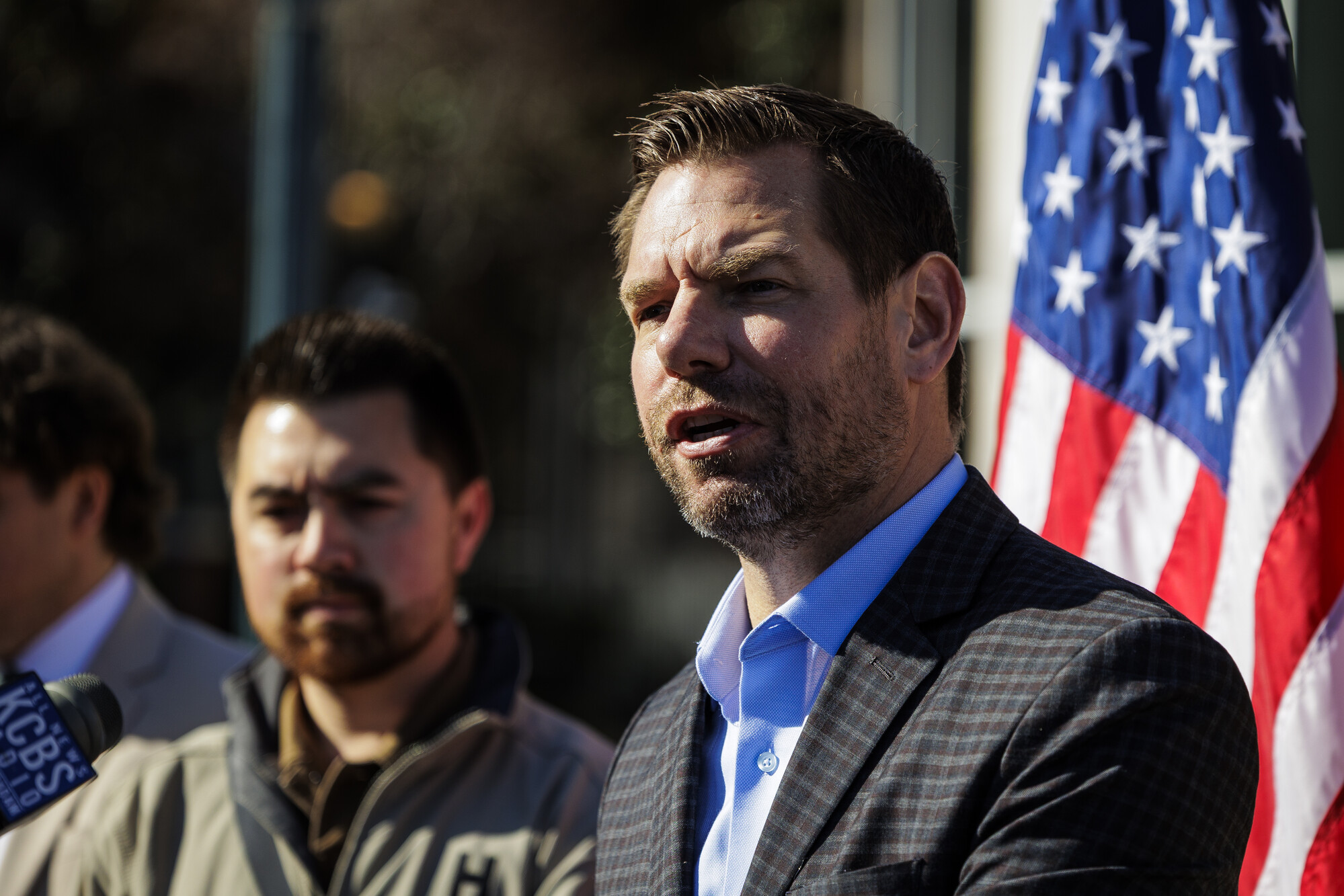
"title": "Rep. Eric Swalwell addresses the press event in Hayward on Mar. 9, 2026.",
"publishDate": 1778874929,
"status": "inherit",
"parent": 12083627,
"modified": 1778884113,
"caption": "Former Rep. Eric Swalwell addresses a press event in Hayward on March 9, 2026. A June 16 special election for Congress in the 14th District was scheduled after Swalwell resigned from office. ",
"credit": "Martin do Nascimento/KQED",
"altTag": null,
"description": null,
"imgSizes": {
"thumbnail": {
"file": "https://cdn.kqed.org/wp-content/uploads/sites/10/2026/05/260309-DEAF-DEPORTEE-MD-05_qed-160x107.jpg",
"width": 160,
"height": 107,
"mimeType": "image/jpeg"
},
"1536x1536": {
"file": "https://cdn.kqed.org/wp-content/uploads/sites/10/2026/05/260309-DEAF-DEPORTEE-MD-05_qed-1536x1024.jpg",
"width": 1536,
"height": 1024,
"mimeType": "image/jpeg"
},
"post-thumbnail": {
"file": "https://cdn.kqed.org/wp-content/uploads/sites/10/2026/05/260309-DEAF-DEPORTEE-MD-05_qed-672x372.jpg",
"width": 672,
"height": 372,
"mimeType": "image/jpeg"
},
"twentyfourteen-full-width": {
"file": "https://cdn.kqed.org/wp-content/uploads/sites/10/2026/05/260309-DEAF-DEPORTEE-MD-05_qed-1038x576.jpg",
"width": 1038,
"height": 576,
"mimeType": "image/jpeg"
},
"npr-cds-wide": {
"file": "https://cdn.kqed.org/wp-content/uploads/sites/10/2026/05/260309-DEAF-DEPORTEE-MD-05_qed-1200x675.jpg",
"width": 1200,
"height": 675,
"mimeType": "image/jpeg"
},
"npr-cds-square": {
"file": "https://cdn.kqed.org/wp-content/uploads/sites/10/2026/05/260309-DEAF-DEPORTEE-MD-05_qed-600x600.jpg",
"width": 600,
"height": 600,
"mimeType": "image/jpeg"
},
"kqedFullSize": {
"file": "https://cdn.kqed.org/wp-content/uploads/sites/10/2026/05/260309-DEAF-DEPORTEE-MD-05_qed.jpg",
"width": 1999,
"height": 1333
}
},
"isLoading": false,
"fetchFailed": false
},
"news_12052061": {
"type": "attachments",
"id": "news_12052061",
"meta": {
"index": "attachments_1716263798",
"site": "news",
"id": "12052061",
"found": true
},
"title": "San Leandro, California",
"publishDate": 1755119939,
"status": "inherit",
"parent": 12052003,
"modified": 1755119999,
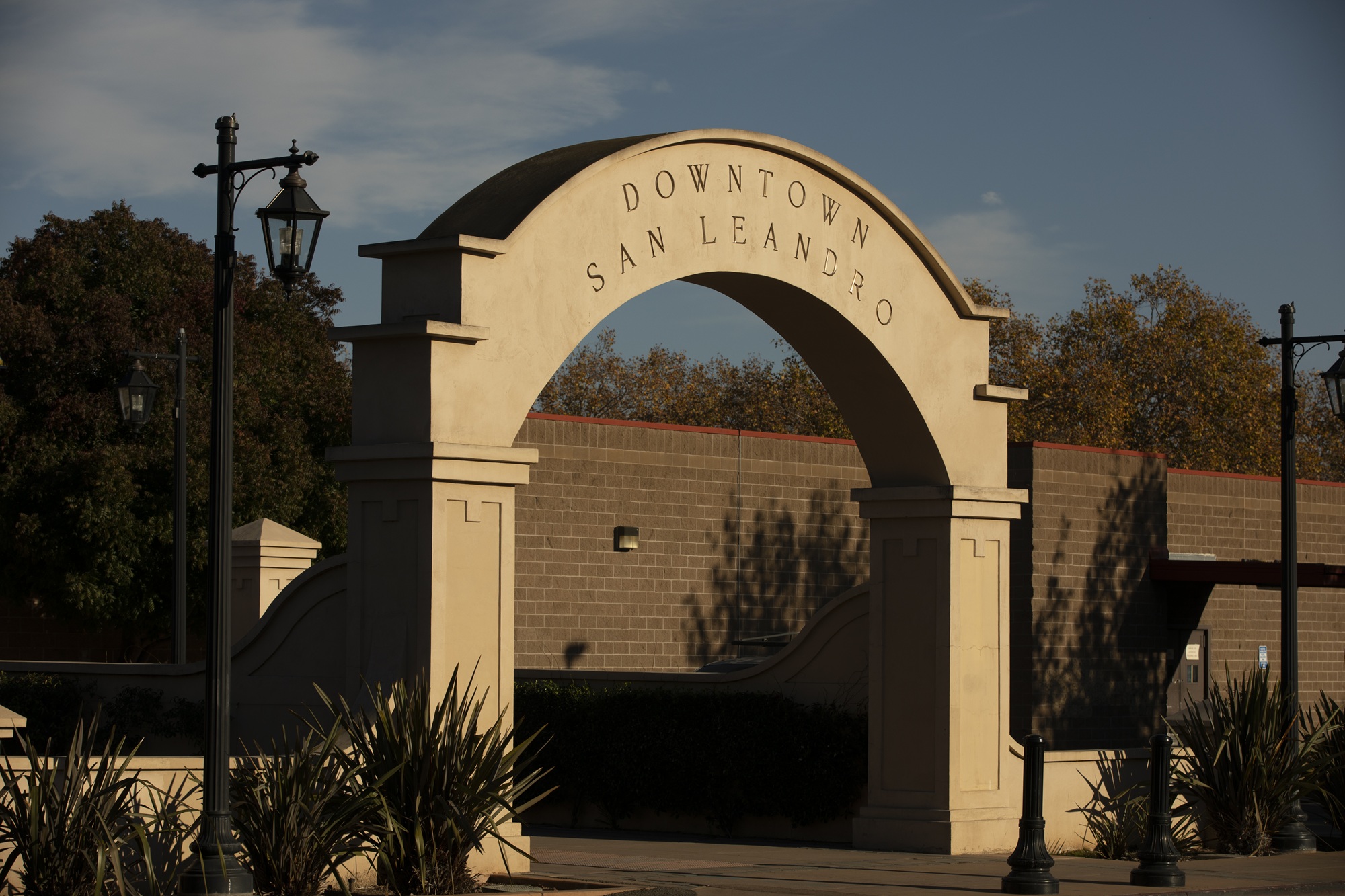
"caption": "Downtown San Leandro on Nov. 17, 2021. ",
"credit": "Matt Gush/Getty Images",
"altTag": null,
"description": null,
"imgSizes": {
"thumbnail": {
"file": "https://cdn.kqed.org/wp-content/uploads/sites/10/2025/08/SanLeandroGetty-160x107.jpg",
"width": 160,
"height": 107,
"mimeType": "image/jpeg"
},
"1536x1536": {
"file": "https://cdn.kqed.org/wp-content/uploads/sites/10/2025/08/SanLeandroGetty-1536x1024.jpg",
"width": 1536,
"height": 1024,
"mimeType": "image/jpeg"
},
"post-thumbnail": {
"file": "https://cdn.kqed.org/wp-content/uploads/sites/10/2025/08/SanLeandroGetty-672x372.jpg",
"width": 672,
"height": 372,
"mimeType": "image/jpeg"
},
"twentyfourteen-full-width": {
"file": "https://cdn.kqed.org/wp-content/uploads/sites/10/2025/08/SanLeandroGetty-1038x576.jpg",
"width": 1038,
"height": 576,
"mimeType": "image/jpeg"
},
"kqedFullSize": {
"file": "https://cdn.kqed.org/wp-content/uploads/sites/10/2025/08/SanLeandroGetty.jpg",
"width": 2000,
"height": 1333
}
},
"isLoading": false,
"fetchFailed": false
},
"news_12038002": {
"type": "attachments",
"id": "news_12038002",
"meta": {
"index": "attachments_1716263798",
"site": "news",
"id": "12038002",
"found": true
},
"title": "An Oakland Police Department squad car in downtown Oakland on April 28, 2025.",
"publishDate": 1745884766,
"status": "inherit",
"parent": 12042539,
"modified": 1748986081,
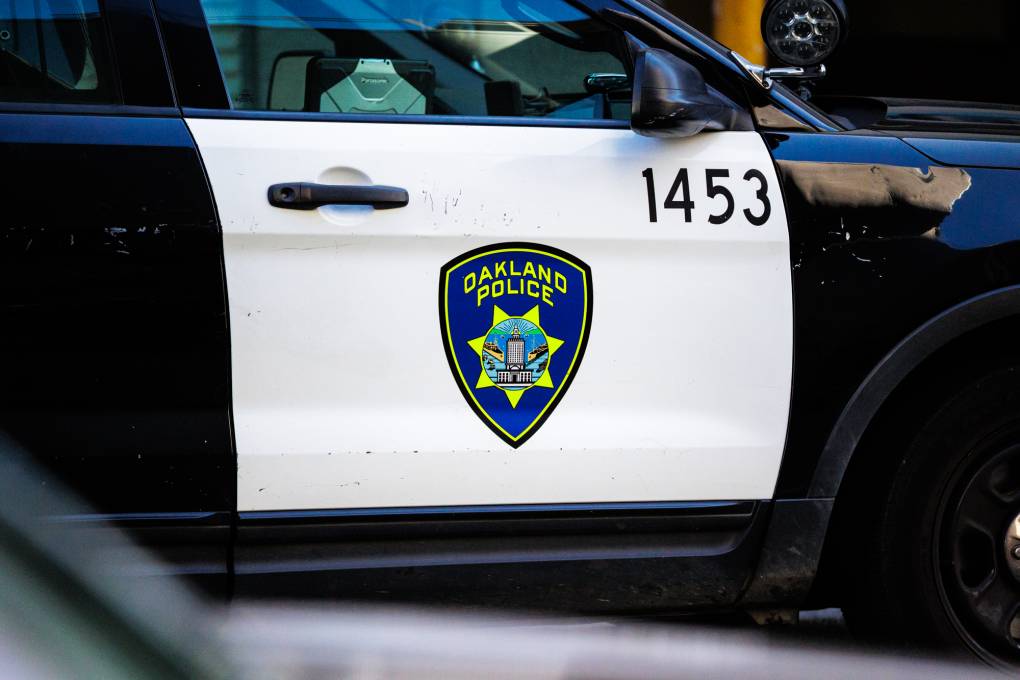
"caption": "An Oakland Police Department squad car in downtown Oakland on April 28, 2025.",
"credit": "Martin do Nascimento/KQED",
"altTag": null,
"description": null,
"imgSizes": {
"medium": {
"file": "https://cdn.kqed.org/wp-content/uploads/sites/10/2025/04/250428-OPD-FILE-MD-01-KQED-1-800x533.jpg",
"width": 800,
"height": 533,
"mimeType": "image/jpeg"
},
"large": {
"file": "https://cdn.kqed.org/wp-content/uploads/sites/10/2025/04/250428-OPD-FILE-MD-01-KQED-1-1020x680.jpg",
"width": 1020,
"height": 680,
"mimeType": "image/jpeg"
},
"thumbnail": {
"file": "https://cdn.kqed.org/wp-content/uploads/sites/10/2025/04/250428-OPD-FILE-MD-01-KQED-1-160x107.jpg",
"width": 160,
"height": 107,
"mimeType": "image/jpeg"
},
"1536x1536": {
"file": "https://cdn.kqed.org/wp-content/uploads/sites/10/2025/04/250428-OPD-FILE-MD-01-KQED-1-1536x1024.jpg",
"width": 1536,
"height": 1024,
"mimeType": "image/jpeg"
},
"post-thumbnail": {
"file": "https://cdn.kqed.org/wp-content/uploads/sites/10/2025/04/250428-OPD-FILE-MD-01-KQED-1-672x372.jpg",
"width": 672,
"height": 372,
"mimeType": "image/jpeg"
},
"twentyfourteen-full-width": {
"file": "https://cdn.kqed.org/wp-content/uploads/sites/10/2025/04/250428-OPD-FILE-MD-01-KQED-1-1038x576.jpg",
"width": 1038,
"height": 576,
"mimeType": "image/jpeg"
},
"full-width": {
"file": "https://cdn.kqed.org/wp-content/uploads/sites/10/2025/04/250428-OPD-FILE-MD-01-KQED-1-1920x1280.jpg",
"width": 1920,
"height": 1280,
"mimeType": "image/jpeg"
},
"kqedFullSize": {
"file": "https://cdn.kqed.org/wp-content/uploads/sites/10/2025/04/250428-OPD-FILE-MD-01-KQED-1.jpg",
"width": 2000,
"height": 1333
}
},
"isLoading": false,
"fetchFailed": false
},
"news_12082346": {
"type": "attachments",
"id": "news_12082346",
"meta": {
"index": "attachments_1716263798",
"site": "news",
"id": "12082346",
"found": true
},
"title": "260504-OAKLANDTREES-01-BL-KQED",
"publishDate": 1777936953,
"status": "inherit",
"parent": 0,
"modified": 1777936982,
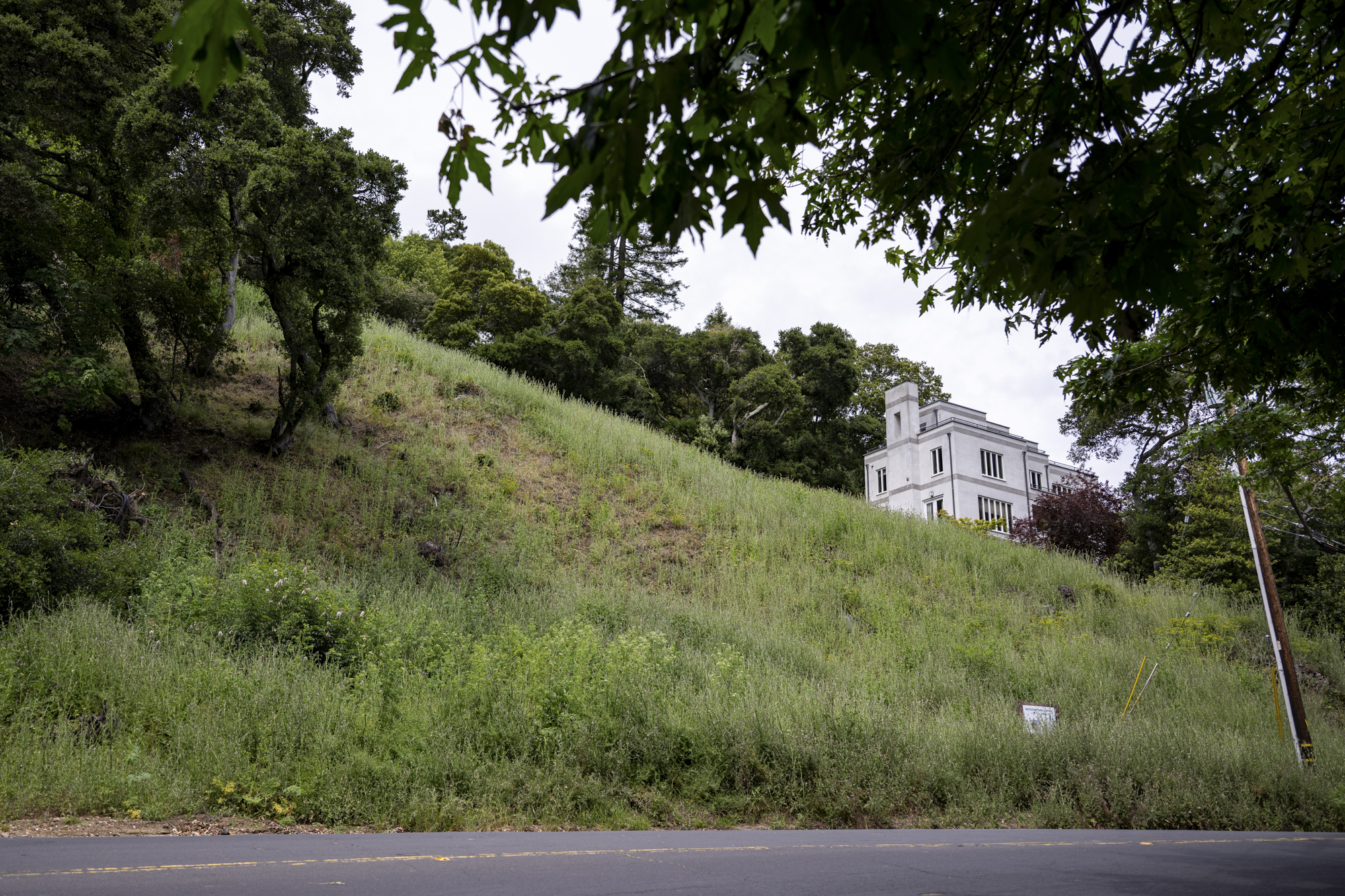
"caption": "A property on Claremont Avenue across from Garber Park in Oakland on May 4, 2026.",
"credit": "Beth LaBerge/KQED",
"altTag": null,
"description": null,
"imgSizes": {
"thumbnail": {
"file": "https://cdn.kqed.org/wp-content/uploads/sites/10/2026/05/260504-OAKLANDTREES-01-BL-KQED-160x107.jpg",
"width": 160,
"height": 107,
"mimeType": "image/jpeg"
},
"1536x1536": {
"file": "https://cdn.kqed.org/wp-content/uploads/sites/10/2026/05/260504-OAKLANDTREES-01-BL-KQED-1536x1024.jpg",
"width": 1536,
"height": 1024,
"mimeType": "image/jpeg"
},
"post-thumbnail": {
"file": "https://cdn.kqed.org/wp-content/uploads/sites/10/2026/05/260504-OAKLANDTREES-01-BL-KQED-672x372.jpg",
"width": 672,
"height": 372,
"mimeType": "image/jpeg"
},
"twentyfourteen-full-width": {
"file": "https://cdn.kqed.org/wp-content/uploads/sites/10/2026/05/260504-OAKLANDTREES-01-BL-KQED-1038x576.jpg",
"width": 1038,
"height": 576,
"mimeType": "image/jpeg"
},
"npr-cds-wide": {
"file": "https://cdn.kqed.org/wp-content/uploads/sites/10/2026/05/260504-OAKLANDTREES-01-BL-KQED-1200x675.jpg",
"width": 1200,
"height": 675,
"mimeType": "image/jpeg"
},
"npr-cds-square": {
"file": "https://cdn.kqed.org/wp-content/uploads/sites/10/2026/05/260504-OAKLANDTREES-01-BL-KQED-600x600.jpg",
"width": 600,
"height": 600,
"mimeType": "image/jpeg"
},
"kqedFullSize": {
"file": "https://cdn.kqed.org/wp-content/uploads/sites/10/2026/05/260504-OAKLANDTREES-01-BL-KQED.jpg",
"width": 2000,
"height": 1333
}
},
"isLoading": false,
"fetchFailed": false
},
"news_12070471": {
"type": "attachments",
"id": "news_12070471",
"meta": {
"index": "attachments_1716263798",
"site": "news",
"id": "12070471",
"found": true
},
"title": "011526_ALAMEDABRIDGES_GH_029-KQED-KQED-1",
"publishDate": 1768944175,
"status": "inherit",
"parent": 0,
"modified": 1777493015,
"caption": "John Williams, a bridge utility worker with the Alameda County Public Works Agency, prepares to lift the Park Street Bridge to allow marine traffic through the Oakland-Alameda Estuary on Jan. 13, 2026, in Alameda.",
"credit": "Gustavo Hernandez/KQED",
"altTag": null,
"description": null,
"imgSizes": {
"thumbnail": {
"file": "https://cdn.kqed.org/wp-content/uploads/sites/10/2026/01/011526_ALAMEDABRIDGES_GH_029-KQED-KQED-1-160x107.jpg",
"width": 160,
"height": 107,
"mimeType": "image/jpeg"
},
"1536x1536": {
"file": "https://cdn.kqed.org/wp-content/uploads/sites/10/2026/01/011526_ALAMEDABRIDGES_GH_029-KQED-KQED-1-1536x1024.jpg",
"width": 1536,
"height": 1024,
"mimeType": "image/jpeg"
},
"post-thumbnail": {
"file": "https://cdn.kqed.org/wp-content/uploads/sites/10/2026/01/011526_ALAMEDABRIDGES_GH_029-KQED-KQED-1-672x372.jpg",
"width": 672,
"height": 372,
"mimeType": "image/jpeg"
},
"twentyfourteen-full-width": {
"file": "https://cdn.kqed.org/wp-content/uploads/sites/10/2026/01/011526_ALAMEDABRIDGES_GH_029-KQED-KQED-1-1038x576.jpg",
"width": 1038,
"height": 576,
"mimeType": "image/jpeg"
},
"npr-cds-wide": {
"file": "https://cdn.kqed.org/wp-content/uploads/sites/10/2026/01/011526_ALAMEDABRIDGES_GH_029-KQED-KQED-1-1200x675.jpg",
"width": 1200,
"height": 675,
"mimeType": "image/jpeg"
},
"kqedFullSize": {
"file": "https://cdn.kqed.org/wp-content/uploads/sites/10/2026/01/011526_ALAMEDABRIDGES_GH_029-KQED-KQED-1.jpg",
"width": 2000,
"height": 1333
}
},
"isLoading": false,
"fetchFailed": false
},
"news_12081639": {
"type": "attachments",
"id": "news_12081639",
"meta": {
"index": "attachments_1716263798",
"site": "news",
"id": "12081639",
"found": true
},
"title": "260428-MUSK ALTMAN-VB-02-KQED",
"publishDate": 1777410140,
"status": "inherit",
"parent": 12081603,
"modified": 1777422271,
"caption": "Elon Musk (left) takes the stand in the trial in which Elon Musk claims that Sam Altman and OpenAI abandoned their founding promise to develop AI for the benefit of humanity, rather than solely for profit, in Oakland on April 28, 2026.",
"credit": "Vicki Behringer for KQED",
"altTag": null,
"description": null,
"imgSizes": {
"thumbnail": {
"file": "https://cdn.kqed.org/wp-content/uploads/sites/10/2026/04/260428-MUSK-ALTMAN-VB-02-KQED-160x90.jpg",
"width": 160,
"height": 90,
"mimeType": "image/jpeg"
},
"1536x1536": {
"file": "https://cdn.kqed.org/wp-content/uploads/sites/10/2026/04/260428-MUSK-ALTMAN-VB-02-KQED-1536x864.jpg",
"width": 1536,
"height": 864,
"mimeType": "image/jpeg"
},
"post-thumbnail": {
"file": "https://cdn.kqed.org/wp-content/uploads/sites/10/2026/04/260428-MUSK-ALTMAN-VB-02-KQED-672x372.jpg",
"width": 672,
"height": 372,
"mimeType": "image/jpeg"
},
"twentyfourteen-full-width": {
"file": "https://cdn.kqed.org/wp-content/uploads/sites/10/2026/04/260428-MUSK-ALTMAN-VB-02-KQED-1038x576.jpg",
"width": 1038,
"height": 576,
"mimeType": "image/jpeg"
},
"npr-cds-wide": {
"file": "https://cdn.kqed.org/wp-content/uploads/sites/10/2026/04/260428-MUSK-ALTMAN-VB-02-KQED-1200x675.jpg",
"width": 1200,
"height": 675,
"mimeType": "image/jpeg"
},
"npr-cds-square": {
"file": "https://cdn.kqed.org/wp-content/uploads/sites/10/2026/04/260428-MUSK-ALTMAN-VB-02-KQED-600x600.jpg",
"width": 600,
"height": 600,
"mimeType": "image/jpeg"
},
"kqedFullSize": {
"file": "https://cdn.kqed.org/wp-content/uploads/sites/10/2026/04/260428-MUSK-ALTMAN-VB-02-KQED.jpg",
"width": 2000,
"height": 1125
}
},
"isLoading": false,
"fetchFailed": false
},
"news_12048727": {
"type": "attachments",
"id": "news_12048727",
"meta": {
"index": "attachments_1716263798",
"site": "news",
"id": "12048727",
"found": true
},
"title": "250702-OAKLAND POLICE DEPARTMENT-MD-01_qed",
"publishDate": 1752858990,
"status": "inherit",
"parent": 12048706,
"modified": 1752859091,
"caption": "An Oakland Police Department vehicle parked on July 1, 2025.",
"credit": "Martin do Nascimento/KQED",
"altTag": null,
"description": null,
"imgSizes": {
"thumbnail": {
"file": "https://cdn.kqed.org/wp-content/uploads/sites/10/2025/07/250702-OAKLAND-POLICE-DEPARTMENT-MD-01_qed-160x107.jpg",
"width": 160,
"height": 107,
"mimeType": "image/jpeg"
},
"1536x1536": {
"file": "https://cdn.kqed.org/wp-content/uploads/sites/10/2025/07/250702-OAKLAND-POLICE-DEPARTMENT-MD-01_qed-1536x1024.jpg",
"width": 1536,
"height": 1024,
"mimeType": "image/jpeg"
},
"post-thumbnail": {
"file": "https://cdn.kqed.org/wp-content/uploads/sites/10/2025/07/250702-OAKLAND-POLICE-DEPARTMENT-MD-01_qed-672x372.jpg",
"width": 672,
"height": 372,
"mimeType": "image/jpeg"
},
"twentyfourteen-full-width": {
"file": "https://cdn.kqed.org/wp-content/uploads/sites/10/2025/07/250702-OAKLAND-POLICE-DEPARTMENT-MD-01_qed-1038x576.jpg",
"width": 1038,
"height": 576,
"mimeType": "image/jpeg"
},
"kqedFullSize": {
"file": "https://cdn.kqed.org/wp-content/uploads/sites/10/2025/07/250702-OAKLAND-POLICE-DEPARTMENT-MD-01_qed.jpg",
"width": 1999,
"height": 1333
}
},
"isLoading": false,
"fetchFailed": false
},
"news_12081258": {
"type": "attachments",
"id": "news_12081258",
"meta": {
"index": "attachments_1716263798",
"site": "news",
"id": "12081258",
"found": true
},
"title": "260423-CONCORD MOUNDS-MD-08-KQED-3",
"publishDate": 1777036174,
"status": "inherit",
"parent": 0,
"modified": 1777036330,
"caption": "Bunkers previously used for storing ammunition at the former Concord Naval Weapons Station abut a residential neighborhood in Concord on April 23, 2026.",
"credit": "Martin do Nascimento/KQED",
"altTag": null,
"description": null,
"imgSizes": {
"thumbnail": {
"file": "https://cdn.kqed.org/wp-content/uploads/sites/10/2026/04/260423-CONCORD-MOUNDS-MD-08-KQED-3-160x107.jpg",
"width": 160,
"height": 107,
"mimeType": "image/jpeg"
},
"1536x1536": {
"file": "https://cdn.kqed.org/wp-content/uploads/sites/10/2026/04/260423-CONCORD-MOUNDS-MD-08-KQED-3-1536x1024.jpg",
"width": 1536,
"height": 1024,
"mimeType": "image/jpeg"
},
"post-thumbnail": {
"file": "https://cdn.kqed.org/wp-content/uploads/sites/10/2026/04/260423-CONCORD-MOUNDS-MD-08-KQED-3-672x372.jpg",
"width": 672,
"height": 372,
"mimeType": "image/jpeg"
},
"twentyfourteen-full-width": {
"file": "https://cdn.kqed.org/wp-content/uploads/sites/10/2026/04/260423-CONCORD-MOUNDS-MD-08-KQED-3-1038x576.jpg",
"width": 1038,
"height": 576,
"mimeType": "image/jpeg"
},
"npr-cds-wide": {
"file": "https://cdn.kqed.org/wp-content/uploads/sites/10/2026/04/260423-CONCORD-MOUNDS-MD-08-KQED-3-1200x675.jpg",
"width": 1200,
"height": 675,
"mimeType": "image/jpeg"
},
"npr-cds-square": {
"file": "https://cdn.kqed.org/wp-content/uploads/sites/10/2026/04/260423-CONCORD-MOUNDS-MD-08-KQED-3-600x600.jpg",
"width": 600,
"height": 600,
"mimeType": "image/jpeg"
},
"kqedFullSize": {
"file": "https://cdn.kqed.org/wp-content/uploads/sites/10/2026/04/260423-CONCORD-MOUNDS-MD-08-KQED-3.jpg",
"width": 2000,
"height": 1333
}
},
"isLoading": false,
"fetchFailed": false
},
"news_12061258": {
"type": "attachments",
"id": "news_12061258",
"meta": {
"index": "attachments_1716263798",
"site": "news",
"id": "12061258",
"found": true
},
"title": "251023-MAYOR LEE PRESSER-MD-12-KQED",
"publishDate": 1761245649,
"status": "inherit",
"parent": 12061224,
"modified": 1776983373,
"caption": "Alameda County District Attorney Ursula Jones Dickson speaks at a press conference at Oakland City Hall on Oct. 23, 2025.",
"credit": "Martin do Nascimento/KQED",
"altTag": null,
"description": null,
"imgSizes": {
"thumbnail": {
"file": "https://cdn.kqed.org/wp-content/uploads/sites/10/2025/10/251023-MAYOR-LEE-PRESSER-MD-12-KQED-160x107.jpg",
"width": 160,
"height": 107,
"mimeType": "image/jpeg"
},
"1536x1536": {
"file": "https://cdn.kqed.org/wp-content/uploads/sites/10/2025/10/251023-MAYOR-LEE-PRESSER-MD-12-KQED-1536x1025.jpg",
"width": 1536,
"height": 1025,
"mimeType": "image/jpeg"
},
"post-thumbnail": {
"file": "https://cdn.kqed.org/wp-content/uploads/sites/10/2025/10/251023-MAYOR-LEE-PRESSER-MD-12-KQED-672x372.jpg",
"width": 672,
"height": 372,
"mimeType": "image/jpeg"
},
"twentyfourteen-full-width": {
"file": "https://cdn.kqed.org/wp-content/uploads/sites/10/2025/10/251023-MAYOR-LEE-PRESSER-MD-12-KQED-1038x576.jpg",
"width": 1038,
"height": 576,
"mimeType": "image/jpeg"
},
"npr-cds-wide": {
"file": "https://cdn.kqed.org/wp-content/uploads/sites/10/2025/10/251023-MAYOR-LEE-PRESSER-MD-12-KQED-1600x900.jpg",
"width": 1600,
"height": 900,
"mimeType": "image/jpeg"
},
"kqedFullSize": {
"file": "https://cdn.kqed.org/wp-content/uploads/sites/10/2025/10/251023-MAYOR-LEE-PRESSER-MD-12-KQED.jpg",
"width": 2000,
"height": 1334
}
},
"isLoading": false,
"fetchFailed": false
},
"news_12081167": {
"type": "attachments",
"id": "news_12081167",
"meta": {
"index": "attachments_1716263798",
"site": "news",
"id": "12081167",
"found": true
},
"title": "260423-OAKLANDILLEGALDUMP00086_TV-KQED",
"publishDate": 1776975690,
"status": "inherit",
"parent": 0,
"modified": 1776975701,
"caption": "Bags of trash on the ground on 48th Avenue and East 12th Street near an illegal dumping ground in Oakland on April 23, 2026.",
"credit": "Tâm Vũ/KQED",
"altTag": null,
"description": null,
"imgSizes": {
"thumbnail": {
"file": "https://cdn.kqed.org/wp-content/uploads/sites/10/2026/04/260423-OAKLANDILLEGALDUMP00086_TV-KQED-160x107.jpg",
"width": 160,
"height": 107,
"mimeType": "image/jpeg"
},
"1536x1536": {
"file": "https://cdn.kqed.org/wp-content/uploads/sites/10/2026/04/260423-OAKLANDILLEGALDUMP00086_TV-KQED-1536x1024.jpg",
"width": 1536,
"height": 1024,
"mimeType": "image/jpeg"
},
"post-thumbnail": {
"file": "https://cdn.kqed.org/wp-content/uploads/sites/10/2026/04/260423-OAKLANDILLEGALDUMP00086_TV-KQED-672x372.jpg",
"width": 672,
"height": 372,
"mimeType": "image/jpeg"
},
"twentyfourteen-full-width": {
"file": "https://cdn.kqed.org/wp-content/uploads/sites/10/2026/04/260423-OAKLANDILLEGALDUMP00086_TV-KQED-1038x576.jpg",
"width": 1038,
"height": 576,
"mimeType": "image/jpeg"
},
"npr-cds-wide": {
"file": "https://cdn.kqed.org/wp-content/uploads/sites/10/2026/04/260423-OAKLANDILLEGALDUMP00086_TV-KQED-1200x675.jpg",
"width": 1200,
"height": 675,
"mimeType": "image/jpeg"
},
"npr-cds-square": {
"file": "https://cdn.kqed.org/wp-content/uploads/sites/10/2026/04/260423-OAKLANDILLEGALDUMP00086_TV-KQED-600x600.jpg",
"width": 600,
"height": 600,
"mimeType": "image/jpeg"
},
"kqedFullSize": {
"file": "https://cdn.kqed.org/wp-content/uploads/sites/10/2026/04/260423-OAKLANDILLEGALDUMP00086_TV-KQED.jpg",
"width": 2000,
"height": 1333
}
},
"isLoading": false,
"fetchFailed": false
},
"news_12079748": {
"type": "attachments",
"id": "news_12079748",
"meta": {
"index": "attachments_1716263798",
"site": "news",
"id": "12079748",
"found": true
},
"title": "Election 2026 California Governor",
"publishDate": 1776117572,
"status": "inherit",
"parent": 12079746,
"modified": 1776120247,
"caption": "Rep. Eric Swalwell, D-California, appears at a town hall meeting in Sacramento, California, on Tuesday, April 7, 2026. ",
"credit": "Rich Pedroncelli/AP Photo",
"altTag": null,
"description": null,
"imgSizes": {
"thumbnail": {
"file": "https://cdn.kqed.org/wp-content/uploads/sites/10/2026/04/EricSwalwellGetty-160x110.jpg",
"width": 160,
"height": 110,
"mimeType": "image/jpeg"
},
"1536x1536": {
"file": "https://cdn.kqed.org/wp-content/uploads/sites/10/2026/04/EricSwalwellGetty-1536x1056.jpg",
"width": 1536,
"height": 1056,
"mimeType": "image/jpeg"
},
"post-thumbnail": {
"file": "https://cdn.kqed.org/wp-content/uploads/sites/10/2026/04/EricSwalwellGetty-672x372.jpg",
"width": 672,
"height": 372,
"mimeType": "image/jpeg"
},
"twentyfourteen-full-width": {
"file": "https://cdn.kqed.org/wp-content/uploads/sites/10/2026/04/EricSwalwellGetty-1038x576.jpg",
"width": 1038,
"height": 576,
"mimeType": "image/jpeg"
},
"npr-cds-wide": {
"file": "https://cdn.kqed.org/wp-content/uploads/sites/10/2026/04/EricSwalwellGetty-1200x675.jpg",
"width": 1200,
"height": 675,
"mimeType": "image/jpeg"
},
"npr-cds-square": {
"file": "https://cdn.kqed.org/wp-content/uploads/sites/10/2026/04/EricSwalwellGetty-600x600.jpg",
"width": 600,
"height": 600,
"mimeType": "image/jpeg"
},
"kqedFullSize": {
"file": "https://cdn.kqed.org/wp-content/uploads/sites/10/2026/04/EricSwalwellGetty.jpg",
"width": 2000,
"height": 1375
}
},
"isLoading": false,
"fetchFailed": false
},
"news_11986458": {
"type": "attachments",
"id": "news_11986458",
"meta": {
"index": "attachments_1716263798",
"site": "news",
"id": "11986458",
"found": true
},
"title": "Oakland federal judge rules city can clear Wood St.'s huge homeless camp",
"publishDate": 1715815949,
"status": "inherit",
"parent": 11986443,
"modified": 1776275241,
"caption": "A large tent encampment where people live in West Oakland in February 2023. ",
"credit": "Tayfun CoÅkun/Anadolu Agency via Getty Images",
"altTag": "Tents line a city street.",
"description": null,
"imgSizes": {
"medium": {
"file": "https://cdn.kqed.org/wp-content/uploads/sites/10/2024/05/GettyImages-1247572601-800x533.jpg",
"width": 800,
"height": 533,
"mimeType": "image/jpeg"
},
"large": {
"file": "https://cdn.kqed.org/wp-content/uploads/sites/10/2024/05/GettyImages-1247572601-1020x680.jpg",
"width": 1020,
"height": 680,
"mimeType": "image/jpeg"
},
"thumbnail": {
"file": "https://cdn.kqed.org/wp-content/uploads/sites/10/2024/05/GettyImages-1247572601-160x107.jpg",
"width": 160,
"height": 107,
"mimeType": "image/jpeg"
},
"1536x1536": {
"file": "https://cdn.kqed.org/wp-content/uploads/sites/10/2024/05/GettyImages-1247572601-1536x1024.jpg",
"width": 1536,
"height": 1024,
"mimeType": "image/jpeg"
},
"2048x2048": {
"file": "https://cdn.kqed.org/wp-content/uploads/sites/10/2024/05/GettyImages-1247572601-2048x1365.jpg",
"width": 2048,
"height": 1365,
"mimeType": "image/jpeg"
},
"post-thumbnail": {
"file": "https://cdn.kqed.org/wp-content/uploads/sites/10/2024/05/GettyImages-1247572601-672x372.jpg",
"width": 672,
"height": 372,
"mimeType": "image/jpeg"
},
"twentyfourteen-full-width": {
"file": "https://cdn.kqed.org/wp-content/uploads/sites/10/2024/05/GettyImages-1247572601-1038x576.jpg",
"width": 1038,
"height": 576,
"mimeType": "image/jpeg"
},
"full-width": {
"file": "https://cdn.kqed.org/wp-content/uploads/sites/10/2024/05/GettyImages-1247572601-1920x1280.jpg",
"width": 1920,
"height": 1280,
"mimeType": "image/jpeg"
},
"kqedFullSize": {
"file": "https://cdn.kqed.org/wp-content/uploads/sites/10/2024/05/GettyImages-1247572601-scaled-e1760372488675.jpg",
"width": 2000,
"height": 1334
}
},
"isLoading": false,
"fetchFailed": false
}
},
"audioPlayerReducer": {
"postId": "stream_live",
"isPaused": true,
"isPlaying": false,
"pfsActive": false,
"pledgeModalIsOpen": true,
"playerDrawerIsOpen": false,
"liveAudioPlayStartedAt": 0,
"liveAudioPlayContext": ""
},
"authorsReducer": {
"gmarzorati": {
"type": "authors",
"id": "227",
"meta": {
"index": "authors_1716337520",
"id": "227",
"found": true
},
"name": "Guy Marzorati",
"firstName": "Guy",
"lastName": "Marzorati",
"slug": "gmarzorati",
"email": "gmarzorati@KQED.org",
"display_author_email": true,
"staff_mastheads": [
"news"
],
"title": "Correspondent",
"bio": "Guy Marzorati is a correspondent on KQED's California Politics and Government Desk, based in San Jose. A graduate of Santa Clara University, Guy joined KQED in 2013. He reports on state and local politics and produces KQED's digital voter guide.",
"avatar": "https://secure.gravatar.com/avatar/e7038b8dbfd55b104369b76b1cd0b9de?s=600&d=blank&r=g",
"twitter": "guymarzorati",
"facebook": null,
"instagram": null,
"linkedin": null,
"sites": [
{
"site": "",
"roles": [
"editor"
]
},
{
"site": "news",
"roles": [
"editor"
]
},
{
"site": "science",
"roles": [
"editor"
]
},
{
"site": "forum",
"roles": [
"editor"
]
},
{
"site": "elections",
"roles": [
"editor"
]
},
{
"site": "liveblog",
"roles": [
"editor"
]
}
],
"headData": {
"title": "Guy Marzorati | KQED",
"description": "Correspondent",
"ogImgSrc": "https://secure.gravatar.com/avatar/e7038b8dbfd55b104369b76b1cd0b9de?s=600&d=blank&r=g",
"twImgSrc": "https://secure.gravatar.com/avatar/e7038b8dbfd55b104369b76b1cd0b9de?s=600&d=blank&r=g"
},
"isLoading": false,
"link": "/author/gmarzorati"
},
"rachael-myrow": {
"type": "authors",
"id": "251",
"meta": {
"index": "authors_1716337520",
"id": "251",
"found": true
},
"name": "Rachael Myrow",
"firstName": "Rachael",
"lastName": "Myrow",
"slug": "rachael-myrow",
"email": "rmyrow@kqed.org",
"display_author_email": true,
"staff_mastheads": [
"news"
],
"title": "Senior Editor of KQED's Silicon Valley News Desk",
"bio": "• I write and edit stories about how Silicon Valley power and policies shape everyday life in California. I’m also passionate about making Bay Area history and culture more accessible to a broad public. • I’ve been a journalist for most of my life, starting in high school with The Franklin Press in Los Angeles, where I grew up. While earning my first degree in English at UC Berkeley, I got my start in public radio at KALX-FM. After completing a second degree in journalism at Cal, I landed my first professional job at Marketplace, then moved on to KPCC (now LAist), and then KQED, where I hosted The California Report for more than seven years. • My reporting has appeared on NPR, The World, WBUR’s \u003ci>Here & Now\u003c/i>, and the BBC. I also guest host for KQED’s \u003ci>Forum\u003c/i>, as well as the Commonwealth Club in San Francisco. • I speak periodically on media, democracy and technology issues, and do voiceover work for documentaries and educational video projects. • Outside of the studio, you'll find me hiking Bay Area trails and whipping up Insta-ready meals in my kitchen. • I do not accept gifts, money, or favors from anyone connected to my reporting, I don't pay people for information, and I do not support or donate to political causes. • I strive to treat the people I report on with fairness, honesty, and respect. I also recognize there are often multiple sides to a story and work to verify information through multiple sources and documentation. If I get something wrong, I correct it.",
"avatar": "https://secure.gravatar.com/avatar/87bf8cb5874e045cdff430523a6d48b1?s=600&d=blank&r=g",
"twitter": "rachaelmyrow",
"facebook": null,
"instagram": null,
"linkedin": "https://www.linkedin.com/in/rachaelmyrow/",
"sites": [
{
"site": "arts",
"roles": [
"administrator"
]
},
{
"site": "news",
"roles": [
"edit_others_posts",
"editor"
]
},
{
"site": "futureofyou",
"roles": [
"editor"
]
},
{
"site": "bayareabites",
"roles": [
"editor"
]
},
{
"site": "stateofhealth",
"roles": [
"editor"
]
},
{
"site": "science",
"roles": [
"editor"
]
},
{
"site": "food",
"roles": [
"editor"
]
},
{
"site": "forum",
"roles": [
"editor"
]
},
{
"site": "liveblog",
"roles": [
"author"
]
}
],
"headData": {
"title": "Rachael Myrow | KQED",
"description": "Senior Editor of KQED's Silicon Valley News Desk",
"ogImgSrc": "https://secure.gravatar.com/avatar/87bf8cb5874e045cdff430523a6d48b1?s=600&d=blank&r=g",
"twImgSrc": "https://secure.gravatar.com/avatar/87bf8cb5874e045cdff430523a6d48b1?s=600&d=blank&r=g"
},
"isLoading": false,
"link": "/author/rachael-myrow"
},
"mlagos": {
"type": "authors",
"id": "3239",
"meta": {
"index": "authors_1716337520",
"id": "3239",
"found": true
},
"name": "Marisa Lagos",
"firstName": "Marisa",
"lastName": "Lagos",
"slug": "mlagos",
"email": "mlagos@kqed.org",
"display_author_email": false,
"staff_mastheads": [
"news"
],
"title": "KQED Contributor",
"bio": "Marisa Lagos is a correspondent for KQED’s California Politics and Government Desk and co-hosts the award-winning show and podcast, Political Breakdown. At KQED, Lagos also conducts reporting, analysis and investigations into state, local and national politics for radio, TV, online and onstage. In 2022, she and co-host, Scott Shafer, moderated the only gubernatorial debate in California. In 2020, the \u003ci>Washington Post\u003c/i> named her one of the top political journalists in California; she was nominated for a Peabody and won several other awards for her work investigating the 2017 California wildfires. She has worked at the \u003ci>San Francisco Chronicle\u003c/i>, \u003ci>San Francisco Examiner\u003c/i> and \u003ci>Los Angeles Times\u003c/i>. A UC Santa Barbara graduate, she lives in San Francisco with her two sons and husband.",
"avatar": "https://secure.gravatar.com/avatar/a261a0d3696fc066871ef96b85b5e7d2?s=600&d=blank&r=g",
"twitter": "@mlagos",
"facebook": null,
"instagram": null,
"linkedin": null,
"sites": [
{
"site": "arts",
"roles": [
"author"
]
},
{
"site": "news",
"roles": [
"editor"
]
},
{
"site": "science",
"roles": [
"editor"
]
},
{
"site": "forum",
"roles": [
"author"
]
},
{
"site": "liveblog",
"roles": [
"author"
]
}
],
"headData": {
"title": "Marisa Lagos | KQED",
"description": "KQED Contributor",
"ogImgSrc": "https://secure.gravatar.com/avatar/a261a0d3696fc066871ef96b85b5e7d2?s=600&d=blank&r=g",
"twImgSrc": "https://secure.gravatar.com/avatar/a261a0d3696fc066871ef96b85b5e7d2?s=600&d=blank&r=g"
},
"isLoading": false,
"link": "/author/mlagos"
},
"jsmall": {
"type": "authors",
"id": "6625",
"meta": {
"index": "authors_1716337520",
"id": "6625",
"found": true
},
"name": "Julie Small",
"firstName": "Julie",
"lastName": "Small",
"slug": "jsmall",
"email": "jsmall@kqed.org",
"display_author_email": true,
"staff_mastheads": [
"news"
],
"title": "KQED Contributor",
"bio": "Julie Small reports on criminal justice and immigration.\r\n\r\nShe was part of a team at KQED awarded a regional 2019 Edward R. Murrow award for continuing coverage of the Trump Administration's family separation policy.\r\n\r\nThe Society for Professional Journalists recognized Julie's 2018 \u003ca href=\"https://www.kqed.org/news/11636262/the-officer-tased-him-31-times-the-sheriff-called-his-death-an-accident\">reporting\u003c/a> on the San Joaquin County Sheriff's \u003ca href=\"https://www.kqed.org/news/11634689/autopsy-doctors-sheriff-overrode-death-findings-to-protect-law-enforcement\">interference\u003c/a> in death investigations with an Excellence in Journalism Award for Ongoing Coverage.\r\n\r\nJulie's\u003ca href=\"https://www.kqed.org/news/11039666/two-mentally-ill-inmates-died-one-month-in-santa-clara\"> reporting\u003c/a> with Lisa Pickoff-White on the treatment of mentally ill offenders in California jails earned a 2017 regional Edward R. Murrow Award for news reporting and an investigative reporting award from the SPJ of Northern California.\r\n\r\nBefore joining KQED, Julie covered government and politics in Sacramento for Southern California Public Radio (SCPR). Her 2010 \u003ca href=\"https://www.scpr.org/specials/prisonmedical/\">series\u003c/a> on lapses in California’s prison medical care also won a regional Edward R. Murrow Award for investigative reporting and a Golden Mic Award from the RTNDA of Southern California.\r\n\r\nJulie began her career in journalism in 2000 as the deputy foreign editor for public radio's \u003cem>Marketplace, \u003c/em>while earning her master's degree in journalism from USC’s Annenberg School of Communication.",
"avatar": "https://secure.gravatar.com/avatar/4baedf201468df97be97c2a9dd7585d0?s=600&d=blank&r=g",
"twitter": "@SmallRadio2",
"facebook": null,
"instagram": null,
"linkedin": null,
"sites": [
{
"site": "news",
"roles": [
"editor"
]
},
{
"site": "stateofhealth",
"roles": [
"author"
]
},
{
"site": "science",
"roles": [
"author"
]
}
],
"headData": {
"title": "Julie Small | KQED",
"description": "KQED Contributor",
"ogImgSrc": "https://secure.gravatar.com/avatar/4baedf201468df97be97c2a9dd7585d0?s=600&d=blank&r=g",
"twImgSrc": "https://secure.gravatar.com/avatar/4baedf201468df97be97c2a9dd7585d0?s=600&d=blank&r=g"
},
"isLoading": false,
"link": "/author/jsmall"
},
"jlara": {
"type": "authors",
"id": "11761",
"meta": {
"index": "authors_1716337520",
"id": "11761",
"found": true
},
"name": "Juan Carlos Lara",
"firstName": "Juan Carlos",
"lastName": "Lara",
"slug": "jlara",
"email": "jlara@kqed.org",
"display_author_email": false,
"staff_mastheads": [],
"title": "KQED Contributor",
"bio": null,
"avatar": "https://secure.gravatar.com/avatar/19e2052b9b05657c5ff2af2121846e9c?s=600&d=blank&r=g",
"twitter": null,
"facebook": null,
"instagram": null,
"linkedin": null,
"sites": [
{
"site": "arts",
"roles": [
"editor"
]
},
{
"site": "news",
"roles": [
"editor"
]
},
{
"site": "forum",
"roles": [
"editor"
]
},
{
"site": "liveblog",
"roles": [
"contributor"
]
}
],
"headData": {
"title": "Juan Carlos Lara | KQED",
"description": "KQED Contributor",
"ogImgSrc": "https://secure.gravatar.com/avatar/19e2052b9b05657c5ff2af2121846e9c?s=600&d=blank&r=g",
"twImgSrc": "https://secure.gravatar.com/avatar/19e2052b9b05657c5ff2af2121846e9c?s=600&d=blank&r=g"
},
"isLoading": false,
"link": "/author/jlara"
},
"adahlstromeckman": {
"type": "authors",
"id": "11785",
"meta": {
"index": "authors_1716337520",
"id": "11785",
"found": true
},
"name": "Azul Dahlstrom-Eckman",
"firstName": "Azul",
"lastName": "Dahlstrom-Eckman",
"slug": "adahlstromeckman",
"email": "adahlstrom-eckman@kqed.org",
"display_author_email": true,
"staff_mastheads": [],
"title": "Reporter",
"bio": "Azul is a reporter for KQED focusing on transportation and features. He joined KQED in 2021 as an alumna of KALW's Audio Academy radio journalism training program.",
"avatar": "https://secure.gravatar.com/avatar/9cb750298435add7815a777f55bf1f46845c1386bb8452555c60a7b820b5aba3?s=600&d=blank&r=g",
"twitter": "@zuliemann",
"bluesky": "@azul415.bsky.social",
"facebook": null,
"instagram": null,
"linkedin": null,
"sites": [
{
"site": "arts",
"roles": [
"editor"
]
},
{
"site": "news",
"roles": [
"editor"
]
},
{
"site": "science",
"roles": [
"editor"
]
},
{
"site": "liveblog",
"roles": [
"author"
]
}
],
"headData": {
"title": "Azul Dahlstrom-Eckman | KQED",
"description": "Reporter",
"ogImgSrc": "https://secure.gravatar.com/avatar/9cb750298435add7815a777f55bf1f46845c1386bb8452555c60a7b820b5aba3?s=600&d=blank&r=g",
"twImgSrc": "https://secure.gravatar.com/avatar/9cb750298435add7815a777f55bf1f46845c1386bb8452555c60a7b820b5aba3?s=600&d=blank&r=g"
},
"isLoading": false,
"link": "/author/adahlstromeckman"
},
"pbartolone": {
"type": "authors",
"id": "11879",
"meta": {
"index": "authors_1716337520",
"id": "11879",
"found": true
},
"name": "Pauline Bartolone",
"firstName": "Pauline",
"lastName": "Bartolone",
"slug": "pbartolone",
"email": "pbartolone@kqed.org",
"display_author_email": false,
"staff_mastheads": [],
"title": "KQED Contributor",
"bio": "Pauline Bartolone has been a journalist for two decades, specializing in longform audio storytelling. Before editing and producing for podcasts like Bay Curious, she was a health care journalist for public radio and print outlets such as CalMatters and Kaiser Health News. Her reporting has won several regional Edward R. Murrow awards, national recognition from the Society of Professional Journalists and a first-place prize from the Association of Health Care Journalists.\r\n\r\nPauline’s work has aired frequently on National Public Radio, and bylines have appeared in The Los Angeles Times, CNN.com, Washingtonpost.com, USA Today and Scientific American.\r\n\r\nPauline has lived in Northern California for 20 years. Her other passions are crafts (now done in collaboration with her daughter) and the Brazilian martial art of capoeira.",
"avatar": "https://secure.gravatar.com/avatar/95001c30374b0d3878007af9cf1e120a?s=600&d=blank&r=g",
"twitter": "pbartolone",
"facebook": null,
"instagram": null,
"linkedin": null,
"sites": [
{
"site": "news",
"roles": [
"editor"
]
},
{
"site": "podcasts",
"roles": [
"subscriber"
]
}
],
"headData": {
"title": "Pauline Bartolone | KQED",
"description": "KQED Contributor",
"ogImgSrc": "https://secure.gravatar.com/avatar/95001c30374b0d3878007af9cf1e120a?s=600&d=blank&r=g",
"twImgSrc": "https://secure.gravatar.com/avatar/95001c30374b0d3878007af9cf1e120a?s=600&d=blank&r=g"
},
"isLoading": false,
"link": "/author/pbartolone"
},
"kdebenedetti": {
"type": "authors",
"id": "11913",
"meta": {
"index": "authors_1716337520",
"id": "11913",
"found": true
},
"name": "Katie DeBenedetti",
"firstName": "Katie",
"lastName": "DeBenedetti",
"slug": "kdebenedetti",
"email": "kdebenedetti@kqed.org",
"display_author_email": false,
"staff_mastheads": [
"news",
"science"
],
"title": "KQED Contributor",
"bio": "Katie DeBenedetti is a digital reporter covering daily news for the Express Desk. Prior to joining KQED as a culture reporting intern in January 2024, she covered education and city government for the Napa Valley Register.",
"avatar": "https://secure.gravatar.com/avatar/6e31073cb8f7e4214ab03f42771d0f45?s=600&d=blank&r=g",
"twitter": null,
"facebook": null,
"instagram": null,
"linkedin": null,
"sites": [
{
"site": "news",
"roles": [
"author"
]
},
{
"site": "science",
"roles": [
"author"
]
},
{
"site": "liveblog",
"roles": [
"author"
]
}
],
"headData": {
"title": "Katie DeBenedetti | KQED",
"description": "KQED Contributor",
"ogImgSrc": "https://secure.gravatar.com/avatar/6e31073cb8f7e4214ab03f42771d0f45?s=600&d=blank&r=g",
"twImgSrc": "https://secure.gravatar.com/avatar/6e31073cb8f7e4214ab03f42771d0f45?s=600&d=blank&r=g"
},
"isLoading": false,
"link": "/author/kdebenedetti"
},
"psibulo": {
"type": "authors",
"id": "11995",
"meta": {
"index": "authors_1716337520",
"id": "11995",
"found": true
},
"name": "Paula Sibulo",
"firstName": "Paula",
"lastName": "Sibulo",
"slug": "psibulo",
"email": "psibulo@kqed.org",
"display_author_email": false,
"staff_mastheads": [
"news"
],
"title": "KQED Contributor",
"bio": "Paula Sibulo is a reporter at KQED. She graduated from San Francisco State University, where she studied broadcast journalism and served as the editor-in-chief of its student-run newspaper, \u003cem>Golden Gate Xpress\u003c/em>. Her work has been recognized with awards from Society of Professional Journalists NorCal, College Media Association, Associated Collegiate Press, and Best of SNO.",
"avatar": "https://secure.gravatar.com/avatar/0548c07ed39b61edb3e76faad378e49a997fd03a43541c27edf5392b1e0738f6?s=600&d=blank&r=g",
"twitter": null,
"bluesky": null,
"facebook": null,
"instagram": null,
"linkedin": null,
"sites": [
{
"site": "news",
"roles": [
"contributor"
]
}
],
"headData": {
"title": "Paula Sibulo | KQED",
"description": "KQED Contributor",
"ogImgSrc": "https://secure.gravatar.com/avatar/0548c07ed39b61edb3e76faad378e49a997fd03a43541c27edf5392b1e0738f6?s=600&d=blank&r=g",
"twImgSrc": "https://secure.gravatar.com/avatar/0548c07ed39b61edb3e76faad378e49a997fd03a43541c27edf5392b1e0738f6?s=600&d=blank&r=g"
},
"isLoading": false,
"link": "/author/psibulo"
},
"dmeagley": {
"type": "authors",
"id": "12002",
"meta": {
"index": "authors_1716337520",
"id": "12002",
"found": true
},
"name": "Desmond Meagley",
"firstName": "Desmond",
"lastName": "Meagley",
"slug": "dmeagley",
"email": "dmeagley@kqed.org",
"display_author_email": false,
"staff_mastheads": [],
"title": "KQED Contributor",
"bio": null,
"avatar": "https://secure.gravatar.com/avatar/16f71d550a6f42fe4d2195a89ee3ac21649feb17ca382d5cd0ad019d930a00ae?s=600&d=blank&r=g",
"twitter": null,
"bluesky": null,
"facebook": null,
"instagram": null,
"linkedin": null,
"sites": [
{
"site": "news",
"roles": [
"author"
]
}
],
"headData": {
"title": "Desmond Meagley | KQED",
"description": "KQED Contributor",
"ogImgSrc": "https://secure.gravatar.com/avatar/16f71d550a6f42fe4d2195a89ee3ac21649feb17ca382d5cd0ad019d930a00ae?s=600&d=blank&r=g",
"twImgSrc": "https://secure.gravatar.com/avatar/16f71d550a6f42fe4d2195a89ee3ac21649feb17ca382d5cd0ad019d930a00ae?s=600&d=blank&r=g"
},
"isLoading": false,
"link": "/author/dmeagley"
},
"ejackson": {
"type": "authors",
"id": "12003",
"meta": {
"index": "authors_1716337520",
"id": "12003",
"found": true
},
"name": "Ella Jackson",
"firstName": "Ella",
"lastName": "Jackson",
"slug": "ejackson",
"email": "ejackson@kqed.org",
"display_author_email": false,
"staff_mastheads": [],
"title": "KQED Contributor",
"bio": null,
"avatar": "https://secure.gravatar.com/avatar/3c688edc62aec1dcae096e1475956d245f72bde99cff316455871c9b22a7205b?s=600&d=blank&r=g",
"twitter": null,
"bluesky": null,
"facebook": null,
"instagram": null,
"linkedin": null,
"sites": [
{
"site": "news",
"roles": [
"author"
]
}
],
"headData": {
"title": "Ella Jackson | KQED",
"description": "KQED Contributor",
"ogImgSrc": "https://secure.gravatar.com/avatar/3c688edc62aec1dcae096e1475956d245f72bde99cff316455871c9b22a7205b?s=600&d=blank&r=g",
"twImgSrc": "https://secure.gravatar.com/avatar/3c688edc62aec1dcae096e1475956d245f72bde99cff316455871c9b22a7205b?s=600&d=blank&r=g"
},
"isLoading": false,
"link": "/author/ejackson"
}
},
"pagesReducer": {
"news_tag_east-bay": {
"type": "terms",
"id": "news_18352",
"meta": {
"index": "terms_1716263798",
"site": "news",
"id": "18352",
"score": 7.0109935
},
"featImg": null,
"name": "East Bay",
"description": null,
"taxonomy": "tag",
"headData": {
"twImgId": null,
"twTitle": null,
"ogTitle": null,
"ogImgId": null,
"twDescription": null,
"description": null,
"title": "East Bay Archives | KQED News",
"ogDescription": null
},
"ttid": 18386,
"slug": "east-bay",
"isLoading": false,
"title": "East Bay",
"pageMeta": {
"site": "news",
"WpPageTemplate": "page-topic-editorial",
"currentPage": 3
},
"blocks": [
{
"blockName": "kqed/post-list",
"attrs": {
"layout": "cardArticle2",
"query": "posts/news?tag=east-bay",
"seeMore": false,
"paginated": true,
"page": 3
}
},
{
"blockName": "kqed/ad"
}
]
}
},
"pfsSessionReducer": {},
"postsReducer": {
"stream_live": {
"type": "live",
"id": "stream_live",
"audioUrl": "https://streams.kqed.org/kqedradio",
"title": "Live Stream",
"excerpt": "Live Stream information currently unavailable.",
"link": "/radio",
"featImg": "",
"label": {
"name": "KQED Live",
"link": "/"
}
},
"stream_kqedNewscast": {
"type": "posts",
"id": "stream_kqedNewscast",
"audioUrl": "https://www.kqed.org/.stream/anon/radio/RDnews/newscast.mp3?_=1",
"title": "KQED Newscast",
"featImg": "",
"label": {
"name": "88.5 FM",
"link": "/"
}
},
"news_12083627": {
"type": "posts",
"id": "news_12083627",
"meta": {
"index": "posts_1716263798",
"site": "news",
"id": "12083627",
"score": null,
"sort": [
1778940056000
]
},
"guestAuthors": [],
"slug": "eric-swalwell-special-election-california-governor-two-ballots-14th-district",
"title": "Why Are Some East Bay Voters Receiving 2 Election Ballots?",
"publishDate": 1778940056,
"format": "standard",
"headTitle": "Why Are Some East Bay Voters Receiving 2 Election Ballots? | KQED",
"labelTerm": {
"site": "news"
},
"content": "\u003cp>Every registered voter in \u003ca href=\"https://www.kqed.org/news/tag/california\">California\u003c/a> should by now have received their ballot for the state’s June 2 primary election.\u003c/p>\n\u003cp>But why are voters in the East Bay cities of Fremont, Hayward, Livermore and Pleasanton about to receive \u003cem>another \u003c/em>ballot in their mailbox?\u003c/p>\n\u003cp>It’s because the sudden resignation of former Rep. Eric Swalwell \u003ca href=\"https://www.kqed.org/news/12079746/rep-eric-swalwell-says-he-is-resigning-from-congress-amid-sexual-assault-allegations\">following sexual assault allegations\u003c/a> created a vacancy in California’s 14th Congressional District, where these voters live. A special primary election to fill that seat will be held on June 16, just two weeks after California’s regularly scheduled primary.\u003c/p>\n\u003cp>[ad fullwidth]\u003c/p>\n\u003cp>But as a result of California’s monthlong window of early voting, there will be two weeks of overlap between voting in the primary election and special election — meaning thousands of voters in this district might be juggling two different ballots during that time.\u003c/p>\n\u003cp>Here’s a guide to help East Bay voters sort through the unexpected election wrinkle.\u003c/p>\n\u003cp>Jump straight to:\u003c/p>\n\u003cul>\n\u003cli>\u003cstrong>\u003ca href=\"#WhoisrunninginthespecialelectiontoreplaceSwalwell\">Who is running in the special election to replace Swalwell? \u003c/a>\u003c/strong>\u003c/li>\n\u003cli>\u003cstrong>\u003ca href=\"#IfSwalwellwasmyrepresentativehowcanIcastmyballot\">If Swalwell was my representative, how can I cast my ballot?\u003c/a>\u003c/strong>\u003c/li>\n\u003c/ul>\n\u003ch2>Why is there a special election for Congress in the 14th District?\u003c/h2>\n\u003cp>Swalwell decided last year to run for governor instead of seeking another term in Congress. A crowded field of candidates jumped into the primary to succeed him in representing the 14th District — with the top two finishers in the June 2 primary, regardless of party, advancing to the November general election.\u003c/p>\n\u003cp>But on April 10, Swalwell was accused of sexual assault by a former staff member in reports published by the\u003cem> San Francisco Chronicle\u003c/em> and CNN. Since then, more women have come forward with sexual assault and misconduct allegations, which Swalwell has denied.\u003c/p>\n\u003cfigure id=\"attachment_12078891\" class=\"wp-caption aligncenter\" style=\"max-width: 2000px\">\u003cimg loading=\"lazy\" decoding=\"async\" class=\"size-full wp-image-12078891\" src=\"https://cdn.kqed.org/wp-content/uploads/sites/10/2026/04/260406-ERIC-SWALWELL-ON-PB-MD-03-KQED.jpg\" alt=\"\" width=\"2000\" height=\"1334\" srcset=\"https://cdn.kqed.org/wp-content/uploads/sites/10/2026/04/260406-ERIC-SWALWELL-ON-PB-MD-03-KQED.jpg 2000w, https://cdn.kqed.org/wp-content/uploads/sites/10/2026/04/260406-ERIC-SWALWELL-ON-PB-MD-03-KQED-160x107.jpg 160w, https://cdn.kqed.org/wp-content/uploads/sites/10/2026/04/260406-ERIC-SWALWELL-ON-PB-MD-03-KQED-1536x1025.jpg 1536w\" sizes=\"auto, (max-width: 2000px) 100vw, 2000px\">\u003cfigcaption class=\"wp-caption-text\">Eric Swalwell is interviewed on Political Breakdown by Marisa Lagos and Scott Shafer at KQED in San Francisco on April 6, 2026. \u003ccite>(Martin do Nascimento/KQED)\u003c/cite>\u003c/figcaption>\u003c/figure>\n\u003cp>On April 12, Swalwell \u003ca href=\"https://www.kqed.org/news/12079583\">suspended\u003c/a> his campaign for governor. A day later, he announced he was \u003ca href=\"https://www.kqed.org/news/12079746/rep-eric-swalwell-says-he-is-resigning-from-congress-amid-sexual-assault-allegations\">resigning\u003c/a> from Congress — a position he’d have otherwise continued to serve in for the rest of the year.\u003c/p>\n\u003cp>Swalwell’s departure leaves a vacancy in a district that includes Castro Valley, Hayward, Livermore, Pleasanton and Union City, and parts of Dublin, Fremont, and San Leandro.\u003c/p>\n\u003cp>On April 14, Gov. Gavin Newsom \u003ca href=\"https://www.gov.ca.gov/wp-content/uploads/2026/04/2026.04-Special-Election-Proclamation-CA-District-14-SIGNED-1.pdf\">called\u003c/a> a special election to fill the seat as soon as possible during the few months between Swalwell’s resignation and when his East Bay seat would change hands.\u003c/p>\n\u003ch2>Why isn’t this special election being held \u003cem>with \u003c/em>the June primary?\u003c/h2>\n\u003cp>First off, combining the special election vote with the June 2 primary would not have been legal.\u003c/p>\n\u003cp>But with an election already underway to succeed Swalwell, Newsom could have chosen to leave the seat open until January.\u003c/p>\n\u003cfigure id=\"attachment_12075788\" class=\"wp-caption aligncenter\" style=\"max-width: 2000px\">\u003cimg loading=\"lazy\" decoding=\"async\" class=\"wp-image-12075788 size-full\" src=\"https://cdn.kqed.org/wp-content/uploads/sites/10/2026/03/260309-DEAF-DEPORTEE-MD-04-KQED.jpg\" alt=\"\" width=\"2000\" height=\"1334\" srcset=\"https://cdn.kqed.org/wp-content/uploads/sites/10/2026/03/260309-DEAF-DEPORTEE-MD-04-KQED.jpg 2000w, https://cdn.kqed.org/wp-content/uploads/sites/10/2026/03/260309-DEAF-DEPORTEE-MD-04-KQED-160x107.jpg 160w, https://cdn.kqed.org/wp-content/uploads/sites/10/2026/03/260309-DEAF-DEPORTEE-MD-04-KQED-1536x1025.jpg 1536w\" sizes=\"auto, (max-width: 2000px) 100vw, 2000px\">\u003cfigcaption class=\"wp-caption-text\">Former Rep. Eric Swalwell addresses the press in Hayward on March 9, 2026. \u003ccite>(Martin do Nascimento/KQED)\u003c/cite>\u003c/figcaption>\u003c/figure>\n\u003cp>Instead, he called the special election within hours of Swalwell’s resignation and scheduled it for Aug. 18, the earliest date allowed under state law, which requires at least 126 days between the governor’s proclamation and an election.\u003c/p>\n\u003cp>But this vote to replace Swalwell in the 14th District first needed a \u003cem>primary \u003c/em>election. And since California election rules require a primary to be held nine Tuesdays before the special election, this has resulted in the June 16 primary special election date.\u003c/p>\n\u003cp>With control of the House of Representatives separated by just a handful of votes, Newsom moved quickly to get a representative in the safely Democratic 14th District. For comparison, when Republican Rep. \u003ca href=\"https://www.kqed.org/news/12068742/northern-california-republican-congressman-doug-lamalfa-dies-at-65\">Doug LaMalfa died in January\u003c/a>, Newsom waited 10 days before calling a special election.\u003c/p>\n\u003ch2>\u003ca id=\"WhoisrunninginthespecialelectiontoreplaceSwalwell\">\u003c/a>Who is running in the special election to replace Swalwell in his East Bay congressional district?\u003c/h2>\n\u003cp>Eleven candidates are on the special election ballot. State Sen. Aisha Wahab, former BART Director Melissa Hernandez and educator Rakhi Israni are the most notable Democrats in the race.\u003c/p>\n\u003cp>Also on the ballot: Democrats Alisha Cordes, a business administrator, administrative law judge Sheriene Ridenour and businessman Jot Thiara.\u003c/p>\n\u003cp>The Republicans running are real estate investor Wendy Huang, florist Dena Maldonado, businessman Tom Wong and educator Jack Wu. Victor Zevallos, a financial business strategist, is running as an independent.[aside label=\"From the 2026 Voter Guide\" link1='https://www.kqed.org/voterguide/alameda,Alameda County: Your Voter Guide to Navigate the Candidates and Issues on Your Ballot' hero=https://cdn.kqed.org/wp-content/uploads/sites/80/2026/04/Aside-Voter-Guide-2026-Local-Elections-Alameda-County-1200x1200@2x.png]\u003c/p>\n\u003ch2>\u003cstrong>What about the ‘regular’ June 2 primary election that was already planned to fill Swalwell’s seat as of January?\u003c/strong>\u003c/h2>\n\u003cp>Hernandez, Huang, Israni, Maldonado and Wahab are also running in a field of nine candidates seeking a full term on the June 2 state primary ballot. Essentially, they want to not only fill Swalwell’s seat in January, but also to start earlier, thanks to the special election.\u003c/p>\n\u003cp>Other candidates are only running in the regularly scheduled June 2 primary. You can learn more about the field, their supporters and where they stand on key issues in the \u003ca href=\"https://www.kqed.org/voterguide/alameda/congress-14th-district\">KQED Primary Voter Guide.\u003c/a>\u003c/p>\n\u003cp>The June 2 primary will take place under \u003ca href=\"https://www.kqed.org/news/12064834/how-prop-50-just-rewrote-californias-2026-congressional-map\">new congressional district lines approved by California voters last year through Proposition 50\u003c/a>, while the special election will take place under the current district lines.\u003c/p>\n\u003cp>The differences are subtle: the current district includes all of Castro Valley, while the new district splits the city and takes in a greater number of voters from Dublin.\u003c/p>\n\u003cp>So not all East Bay voters who receive a special election ballot — to decide who’ll fill Swalwell’s seat for several months in 2026 — will get to vote on his long-term replacement.\u003c/p>\n\u003ch2>\u003ca id=\"IfSwalwellwasmyrepresentativehowcanIcastmyballot\">\u003c/a>Swalwell was my representative. How can I cast my ballot in the special election?\u003c/h2>\n\u003cp>All voters in the 14th District under the current lines will receive a special election ballot in the mail beginning on May 18.\u003c/p>\n\u003cp>Voters can \u003ca href=\"https://www.kqed.org/news/12082074/california-primary-2026-dropbox-near-me-san-francisco-bay-area-find-my-polling-place-election-day-voter-guide\">return or cast their ballots at the same drop boxes and voting locations\u003c/a> already open for the June 2 primary.\u003c/p>\n\u003cp>On June 3, the day after the primary, 28 drop boxes will remain open around the 14th Congressional District for the area’s voters to use, according to Cynthia Cornejo, Alameda County’s interim registrar of voters.\u003c/p>\n\u003cp>Additional vote centers for the special election will open their doors on June 6.\u003c/p>\n\u003cp>\u003ca href=\"https://www.kqed.org/news/12082075/california-primary-elections-2026-faq-governors-race-vote-ballot-signature-how-to-correct-mistake\">\u003cstrong>\u003cem>Read more about tips for filling out your vote-by-mail ballot, including how to correct a mistake. \u003c/em>\u003c/strong>\u003c/a>\u003c/p>\n\u003ch2>When does the winner of the special election take office?\u003c/h2>\n\u003cp>If one candidate receives a majority of the votes in the June 16 election, they win the election outright and head to Washington to be sworn into Congress.\u003c/p>\n\u003cfigure id=\"attachment_12062766\" class=\"wp-caption aligncenter\" style=\"max-width: 2000px\">\u003cimg loading=\"lazy\" decoding=\"async\" class=\"wp-image-12062766 size-full\" src=\"https://cdn.kqed.org/wp-content/uploads/sites/10/2025/11/GettyImages-2244994619-scaled-e1778879389849.jpg\" alt=\"\" width=\"2000\" height=\"1327\">\u003cfigcaption class=\"wp-caption-text\">A voter drops his ballot in a drop box inside of San Francisco City Hall on Nov. 4, 2025 in San Francisco, California. \u003ccite>(Justin Sullivan/Getty Images)\u003c/cite>\u003c/figcaption>\u003c/figure>\n\u003cp>But if no candidate receives a majority, the top two finishers advance to a runoff on Aug. 18. Ballots for that runoff would be mailed out to voters in mid-July. The winner of that race will be sworn in with just a couple of months to serve until the term ends in January.\u003c/p>\n\u003cp>The June 16 special election will cost Alameda County approximately $6 million, Cornejo said. If the race heads to a runoff in August, the county would be on the hook for another $6 million in election costs.\u003c/p>\n\u003ch2>Is Swalwell still running for governor?\u003c/h2>\n\u003cp>Swalwell’s name is still on the June 2 primary ballot for governor, even though he has suspended his campaign and disappeared from public view.\u003c/p>\n\u003cp>Swalwell’s exit from the governor’s race came after the deadline for candidates to remove their names from the ballot.\u003c/p>\n\u003cp>As a result, the disgraced former Congress member remains one of the 61 names on the ballot for California’s top job.\u003c/p>\n\u003cp>[ad floatright]\u003c/p>\n",
"blocks": [],
"excerpt": "A June 16 special election for Congress in the 14th District was scheduled after former Rep. Eric Swalwell resigned from office. ",
"status": "publish",
"parent": 0,
"modified": 1779378973,
"stats": {
"hasAudio": false,
"hasVideo": false,
"hasChartOrMap": false,
"iframeSrcs": [],
"hasGoogleForm": false,
"hasGallery": false,
"hasHearkenModule": false,
"hasPolis": false,
"paragraphCount": 37,
"wordCount": 1334
},
"headData": {
"title": "Why Are Some East Bay Voters Receiving 2 Election Ballots? | KQED",
"description": "A June 16 special election for Congress in the 14th District was scheduled after former Rep. Eric Swalwell resigned from office. ",
"ogTitle": "",
"ogDescription": "",
"ogImgId": "",
"twTitle": "",
"twDescription": "",
"twImgId": "",
"schema": {
"@context": "https://schema.org",
"@type": "NewsArticle",
"headline": "Why Are Some East Bay Voters Receiving 2 Election Ballots?",
"datePublished": "2026-05-16T07:00:56-07:00",
"dateModified": "2026-05-21T08:56:13-07:00",
"image": "https://cdn.kqed.org/wp-content/uploads/2020/02/KQED-OG-Image@1x.png",
"isAccessibleForFree": "True",
"publisher": {
"@type": "NewsMediaOrganization",
"@id": "https://www.kqed.org/#organization",
"name": "KQED",
"logo": "https://cdn.kqed.org/wp-content/uploads/2020/02/KQED-OG-Image@1x.png",
"url": "https://www.kqed.org",
"sameAs": [
"https://www.facebook.com/KQED",
"https://twitter.com/KQED",
"https://www.instagram.com/kqed/",
"https://www.tiktok.com/@kqedofficial",
"https://www.linkedin.com/company/kqed",
"https://www.youtube.com/channel/UCeC0IOo7i1P_61zVUWbJ4nw"
]
}
}
},
"primaryCategory": {
"termId": 34168,
"slug": "guides-and-explainers",
"name": "Guides and Explainers"
},
"sticky": false,
"nprStoryId": "kqed-12083627",
"templateType": "standard",
"featuredImageType": "standard",
"excludeFromSiteSearch": "Include",
"articleAge": "0",
"path": "/news/12083627/eric-swalwell-special-election-california-governor-two-ballots-14th-district",
"audioTrackLength": null,
"parsedContent": [
{
"type": "contentString",
"content": "\u003cdiv class=\"post-body\">\u003cp>\u003cp>Every registered voter in \u003ca href=\"https://www.kqed.org/news/tag/california\">California\u003c/a> should by now have received their ballot for the state’s June 2 primary election.\u003c/p>\n\u003cp>But why are voters in the East Bay cities of Fremont, Hayward, Livermore and Pleasanton about to receive \u003cem>another \u003c/em>ballot in their mailbox?\u003c/p>\n\u003cp>It’s because the sudden resignation of former Rep. Eric Swalwell \u003ca href=\"https://www.kqed.org/news/12079746/rep-eric-swalwell-says-he-is-resigning-from-congress-amid-sexual-assault-allegations\">following sexual assault allegations\u003c/a> created a vacancy in California’s 14th Congressional District, where these voters live. A special primary election to fill that seat will be held on June 16, just two weeks after California’s regularly scheduled primary.\u003c/p>\n\u003cp>\u003c/p>\u003c/div>",
"attributes": {
"named": {},
"numeric": []
}
},
{
"type": "component",
"content": "",
"name": "ad",
"attributes": {
"named": {
"label": "fullwidth"
},
"numeric": [
"fullwidth"
]
}
},
{
"type": "contentString",
"content": "\u003cdiv class=\"post-body\">\u003cp>\u003c/p>\n\u003cp>But as a result of California’s monthlong window of early voting, there will be two weeks of overlap between voting in the primary election and special election — meaning thousands of voters in this district might be juggling two different ballots during that time.\u003c/p>\n\u003cp>Here’s a guide to help East Bay voters sort through the unexpected election wrinkle.\u003c/p>\n\u003cp>Jump straight to:\u003c/p>\n\u003cul>\n\u003cli>\u003cstrong>\u003ca href=\"#WhoisrunninginthespecialelectiontoreplaceSwalwell\">Who is running in the special election to replace Swalwell? \u003c/a>\u003c/strong>\u003c/li>\n\u003cli>\u003cstrong>\u003ca href=\"#IfSwalwellwasmyrepresentativehowcanIcastmyballot\">If Swalwell was my representative, how can I cast my ballot?\u003c/a>\u003c/strong>\u003c/li>\n\u003c/ul>\n\u003ch2>Why is there a special election for Congress in the 14th District?\u003c/h2>\n\u003cp>Swalwell decided last year to run for governor instead of seeking another term in Congress. A crowded field of candidates jumped into the primary to succeed him in representing the 14th District — with the top two finishers in the June 2 primary, regardless of party, advancing to the November general election.\u003c/p>\n\u003cp>But on April 10, Swalwell was accused of sexual assault by a former staff member in reports published by the\u003cem> San Francisco Chronicle\u003c/em> and CNN. Since then, more women have come forward with sexual assault and misconduct allegations, which Swalwell has denied.\u003c/p>\n\u003cfigure id=\"attachment_12078891\" class=\"wp-caption aligncenter\" style=\"max-width: 2000px\">\u003cimg loading=\"lazy\" decoding=\"async\" class=\"size-full wp-image-12078891\" src=\"https://cdn.kqed.org/wp-content/uploads/sites/10/2026/04/260406-ERIC-SWALWELL-ON-PB-MD-03-KQED.jpg\" alt=\"\" width=\"2000\" height=\"1334\" srcset=\"https://cdn.kqed.org/wp-content/uploads/sites/10/2026/04/260406-ERIC-SWALWELL-ON-PB-MD-03-KQED.jpg 2000w, https://cdn.kqed.org/wp-content/uploads/sites/10/2026/04/260406-ERIC-SWALWELL-ON-PB-MD-03-KQED-160x107.jpg 160w, https://cdn.kqed.org/wp-content/uploads/sites/10/2026/04/260406-ERIC-SWALWELL-ON-PB-MD-03-KQED-1536x1025.jpg 1536w\" sizes=\"auto, (max-width: 2000px) 100vw, 2000px\">\u003cfigcaption class=\"wp-caption-text\">Eric Swalwell is interviewed on Political Breakdown by Marisa Lagos and Scott Shafer at KQED in San Francisco on April 6, 2026. \u003ccite>(Martin do Nascimento/KQED)\u003c/cite>\u003c/figcaption>\u003c/figure>\n\u003cp>On April 12, Swalwell \u003ca href=\"https://www.kqed.org/news/12079583\">suspended\u003c/a> his campaign for governor. A day later, he announced he was \u003ca href=\"https://www.kqed.org/news/12079746/rep-eric-swalwell-says-he-is-resigning-from-congress-amid-sexual-assault-allegations\">resigning\u003c/a> from Congress — a position he’d have otherwise continued to serve in for the rest of the year.\u003c/p>\n\u003cp>Swalwell’s departure leaves a vacancy in a district that includes Castro Valley, Hayward, Livermore, Pleasanton and Union City, and parts of Dublin, Fremont, and San Leandro.\u003c/p>\n\u003cp>On April 14, Gov. Gavin Newsom \u003ca href=\"https://www.gov.ca.gov/wp-content/uploads/2026/04/2026.04-Special-Election-Proclamation-CA-District-14-SIGNED-1.pdf\">called\u003c/a> a special election to fill the seat as soon as possible during the few months between Swalwell’s resignation and when his East Bay seat would change hands.\u003c/p>\n\u003ch2>Why isn’t this special election being held \u003cem>with \u003c/em>the June primary?\u003c/h2>\n\u003cp>First off, combining the special election vote with the June 2 primary would not have been legal.\u003c/p>\n\u003cp>But with an election already underway to succeed Swalwell, Newsom could have chosen to leave the seat open until January.\u003c/p>\n\u003cfigure id=\"attachment_12075788\" class=\"wp-caption aligncenter\" style=\"max-width: 2000px\">\u003cimg loading=\"lazy\" decoding=\"async\" class=\"wp-image-12075788 size-full\" src=\"https://cdn.kqed.org/wp-content/uploads/sites/10/2026/03/260309-DEAF-DEPORTEE-MD-04-KQED.jpg\" alt=\"\" width=\"2000\" height=\"1334\" srcset=\"https://cdn.kqed.org/wp-content/uploads/sites/10/2026/03/260309-DEAF-DEPORTEE-MD-04-KQED.jpg 2000w, https://cdn.kqed.org/wp-content/uploads/sites/10/2026/03/260309-DEAF-DEPORTEE-MD-04-KQED-160x107.jpg 160w, https://cdn.kqed.org/wp-content/uploads/sites/10/2026/03/260309-DEAF-DEPORTEE-MD-04-KQED-1536x1025.jpg 1536w\" sizes=\"auto, (max-width: 2000px) 100vw, 2000px\">\u003cfigcaption class=\"wp-caption-text\">Former Rep. Eric Swalwell addresses the press in Hayward on March 9, 2026. \u003ccite>(Martin do Nascimento/KQED)\u003c/cite>\u003c/figcaption>\u003c/figure>\n\u003cp>Instead, he called the special election within hours of Swalwell’s resignation and scheduled it for Aug. 18, the earliest date allowed under state law, which requires at least 126 days between the governor’s proclamation and an election.\u003c/p>\n\u003cp>But this vote to replace Swalwell in the 14th District first needed a \u003cem>primary \u003c/em>election. And since California election rules require a primary to be held nine Tuesdays before the special election, this has resulted in the June 16 primary special election date.\u003c/p>\n\u003cp>With control of the House of Representatives separated by just a handful of votes, Newsom moved quickly to get a representative in the safely Democratic 14th District. For comparison, when Republican Rep. \u003ca href=\"https://www.kqed.org/news/12068742/northern-california-republican-congressman-doug-lamalfa-dies-at-65\">Doug LaMalfa died in January\u003c/a>, Newsom waited 10 days before calling a special election.\u003c/p>\n\u003ch2>\u003ca id=\"WhoisrunninginthespecialelectiontoreplaceSwalwell\">\u003c/a>Who is running in the special election to replace Swalwell in his East Bay congressional district?\u003c/h2>\n\u003cp>Eleven candidates are on the special election ballot. State Sen. Aisha Wahab, former BART Director Melissa Hernandez and educator Rakhi Israni are the most notable Democrats in the race.\u003c/p>\n\u003cp>Also on the ballot: Democrats Alisha Cordes, a business administrator, administrative law judge Sheriene Ridenour and businessman Jot Thiara.\u003c/p>\n\u003cp>The Republicans running are real estate investor Wendy Huang, florist Dena Maldonado, businessman Tom Wong and educator Jack Wu. Victor Zevallos, a financial business strategist, is running as an independent.\u003c/p>\u003c/div>",
"attributes": {
"named": {},
"numeric": []
}
},
{
"type": "component",
"content": "",
"name": "aside",
"attributes": {
"named": {
"label": "From the 2026 Voter Guide ",
"link1": "https://www.kqed.org/voterguide/alameda,Alameda County: Your Voter Guide to Navigate the Candidates and Issues on Your Ballot",
"hero": "https://cdn.kqed.org/wp-content/uploads/sites/80/2026/04/Aside-Voter-Guide-2026-Local-Elections-Alameda-County-1200x1200@2x.png"
},
"numeric": []
}
},
{
"type": "contentString",
"content": "\u003cdiv class=\"post-body\">\u003cp>\u003c/p>\n\u003ch2>\u003cstrong>What about the ‘regular’ June 2 primary election that was already planned to fill Swalwell’s seat as of January?\u003c/strong>\u003c/h2>\n\u003cp>Hernandez, Huang, Israni, Maldonado and Wahab are also running in a field of nine candidates seeking a full term on the June 2 state primary ballot. Essentially, they want to not only fill Swalwell’s seat in January, but also to start earlier, thanks to the special election.\u003c/p>\n\u003cp>Other candidates are only running in the regularly scheduled June 2 primary. You can learn more about the field, their supporters and where they stand on key issues in the \u003ca href=\"https://www.kqed.org/voterguide/alameda/congress-14th-district\">KQED Primary Voter Guide.\u003c/a>\u003c/p>\n\u003cp>The June 2 primary will take place under \u003ca href=\"https://www.kqed.org/news/12064834/how-prop-50-just-rewrote-californias-2026-congressional-map\">new congressional district lines approved by California voters last year through Proposition 50\u003c/a>, while the special election will take place under the current district lines.\u003c/p>\n\u003cp>The differences are subtle: the current district includes all of Castro Valley, while the new district splits the city and takes in a greater number of voters from Dublin.\u003c/p>\n\u003cp>So not all East Bay voters who receive a special election ballot — to decide who’ll fill Swalwell’s seat for several months in 2026 — will get to vote on his long-term replacement.\u003c/p>\n\u003ch2>\u003ca id=\"IfSwalwellwasmyrepresentativehowcanIcastmyballot\">\u003c/a>Swalwell was my representative. How can I cast my ballot in the special election?\u003c/h2>\n\u003cp>All voters in the 14th District under the current lines will receive a special election ballot in the mail beginning on May 18.\u003c/p>\n\u003cp>Voters can \u003ca href=\"https://www.kqed.org/news/12082074/california-primary-2026-dropbox-near-me-san-francisco-bay-area-find-my-polling-place-election-day-voter-guide\">return or cast their ballots at the same drop boxes and voting locations\u003c/a> already open for the June 2 primary.\u003c/p>\n\u003cp>On June 3, the day after the primary, 28 drop boxes will remain open around the 14th Congressional District for the area’s voters to use, according to Cynthia Cornejo, Alameda County’s interim registrar of voters.\u003c/p>\n\u003cp>Additional vote centers for the special election will open their doors on June 6.\u003c/p>\n\u003cp>\u003ca href=\"https://www.kqed.org/news/12082075/california-primary-elections-2026-faq-governors-race-vote-ballot-signature-how-to-correct-mistake\">\u003cstrong>\u003cem>Read more about tips for filling out your vote-by-mail ballot, including how to correct a mistake. \u003c/em>\u003c/strong>\u003c/a>\u003c/p>\n\u003ch2>When does the winner of the special election take office?\u003c/h2>\n\u003cp>If one candidate receives a majority of the votes in the June 16 election, they win the election outright and head to Washington to be sworn into Congress.\u003c/p>\n\u003cfigure id=\"attachment_12062766\" class=\"wp-caption aligncenter\" style=\"max-width: 2000px\">\u003cimg loading=\"lazy\" decoding=\"async\" class=\"wp-image-12062766 size-full\" src=\"https://cdn.kqed.org/wp-content/uploads/sites/10/2025/11/GettyImages-2244994619-scaled-e1778879389849.jpg\" alt=\"\" width=\"2000\" height=\"1327\">\u003cfigcaption class=\"wp-caption-text\">A voter drops his ballot in a drop box inside of San Francisco City Hall on Nov. 4, 2025 in San Francisco, California. \u003ccite>(Justin Sullivan/Getty Images)\u003c/cite>\u003c/figcaption>\u003c/figure>\n\u003cp>But if no candidate receives a majority, the top two finishers advance to a runoff on Aug. 18. Ballots for that runoff would be mailed out to voters in mid-July. The winner of that race will be sworn in with just a couple of months to serve until the term ends in January.\u003c/p>\n\u003cp>The June 16 special election will cost Alameda County approximately $6 million, Cornejo said. If the race heads to a runoff in August, the county would be on the hook for another $6 million in election costs.\u003c/p>\n\u003ch2>Is Swalwell still running for governor?\u003c/h2>\n\u003cp>Swalwell’s name is still on the June 2 primary ballot for governor, even though he has suspended his campaign and disappeared from public view.\u003c/p>\n\u003cp>Swalwell’s exit from the governor’s race came after the deadline for candidates to remove their names from the ballot.\u003c/p>\n\u003cp>As a result, the disgraced former Congress member remains one of the 61 names on the ballot for California’s top job.\u003c/p>\n\u003cp>\u003c/p>\u003c/div>",
"attributes": {
"named": {},
"numeric": []
}
},
{
"type": "component",
"content": "",
"name": "ad",
"attributes": {
"named": {
"label": "floatright"
},
"numeric": [
"floatright"
]
}
},
{
"type": "contentString",
"content": "\u003cdiv class=\"post-body\">\u003cp>\u003c/p>\n\u003c/div>\u003c/p>",
"attributes": {
"named": {},
"numeric": []
}
}
],
"link": "/news/12083627/eric-swalwell-special-election-california-governor-two-ballots-14th-district",
"authors": [
"227"
],
"categories": [
"news_31795",
"news_34168",
"news_28250",
"news_8",
"news_13"
],
"tags": [
"news_24191",
"news_32707",
"news_18538",
"news_5012",
"news_3543",
"news_18352",
"news_36336",
"news_28639",
"news_20910",
"news_35888",
"news_66",
"news_804",
"news_22503",
"news_17968",
"news_23276",
"news_36045"
],
"featImg": "news_12083964",
"label": "news"
},
"news_12083497": {
"type": "posts",
"id": "news_12083497",
"meta": {
"index": "posts_1716263798",
"site": "news",
"id": "12083497",
"score": null,
"sort": [
1778717195000
]
},
"guestAuthors": [],
"slug": "san-leandro-police-chief-placed-on-leave-denies-i-580-hit-and-run",
"title": "San Leandro Police Chief Placed on Leave, Denies I-580 Hit and Run",
"publishDate": 1778717195,
"format": "standard",
"headTitle": "San Leandro Police Chief Placed on Leave, Denies I-580 Hit and Run | KQED",
"labelTerm": {
"site": "news"
},
"content": "\u003cp>\u003ca href=\"https://www.kqed.org/news/tag/san-leandro\">San Leandro\u003c/a> Police Chief Angela Averiett was placed on paid leave on Wednesday, after Alameda County’s district attorney charged her with a misdemeanor earlier this week.\u003c/p>\n\u003cp>Assistant Police Chief Luis Torres will serve as acting chief, while the city works to identify an interim chief, the city said in a statement.\u003c/p>\n\u003cp>Averiett denied the allegations against her at a press conference on Wednesday.\u003c/p>\n\u003cp>[ad fullwidth]\u003c/p>\n\u003cp>“I want to be clear,” Averiett said. “I did not knowingly leave the scene of a collision. Given the minimal nature of the reported damage, a small scratch on the other vehicle’s side mirror, I had no indication at the time that any contact may have occurred.”\u003c/p>\n\u003cp>Just after Averiett’s statement, Alameda County District Attorney Ursula Jones Dickson said at a separate press conference that the victim of the alleged car crash suffered damage to their vehicle and was entitled to “restitution.”\u003c/p>\n\u003cfigure id=\"attachment_12083527\" class=\"wp-caption alignright\" style=\"max-width: 1710px\">\u003ca href=\"https://cdn.kqed.org/wp-content/uploads/sites/10/2026/05/AA.jpeg\">\u003cimg loading=\"lazy\" decoding=\"async\" class=\"size-full wp-image-12083527\" src=\"https://cdn.kqed.org/wp-content/uploads/sites/10/2026/05/AA.jpeg\" alt=\"\" width=\"1710\" height=\"2501\" srcset=\"https://cdn.kqed.org/wp-content/uploads/sites/10/2026/05/AA.jpeg 1710w, https://cdn.kqed.org/wp-content/uploads/sites/10/2026/05/AA-160x234.jpeg 160w, https://cdn.kqed.org/wp-content/uploads/sites/10/2026/05/AA-1050x1536.jpeg 1050w, https://cdn.kqed.org/wp-content/uploads/sites/10/2026/05/AA-1400x2048.jpeg 1400w\" sizes=\"auto, (max-width: 1710px) 100vw, 1710px\">\u003c/a>\u003cfigcaption class=\"wp-caption-text\">Angela Averiette was appointed Interim Police Chief in April 2024 and officially sworn in as Chief of Police on June 3, 2024. \u003ccite>(San Leandro Police Department)\u003c/cite>\u003c/figcaption>\u003c/figure>\n\u003cp>“This is absolutely a misdemeanor case,” Jones Dickson said. “There’s no allegation of injury, but the reason we’re here is because this did not come to us in the normal course of business.”\u003c/p>\n\u003cp>Jones Dickson called it “unusual” that the complaint was not escalated to her office, and that after launching her own investigation, she found “sufficient evidence to charge Chief Averiette with a hit and run.”\u003c/p>\n\u003cp>In March, ABC7 first reported the allegations against Averiett that a family driving home from a Giants game in San Francisco in May 2025 saw an unmarked police jeep with lights flashing driving down the median of Interstate 580.\u003c/p>\n\u003cp>The victim, identified by ABC7 as Daffani Ryan, said the vehicle swerved into her lane, hit the driver’s side mirror, and drove off. No one was injured.\u003c/p>\n\u003cp>Averiette said she was experiencing what she believed to be “a medical emergency,” at the time, though she did not specify. She also stated that the California Highway Patrol responded and conducted an investigation and did not find a cause to issue a citation.\u003c/p>\n\u003cp>According to ABC7, Ryan reported the vehicle license plate number to 911, and the operator said the vehicle was registered to the San Leandro Police Department.\u003c/p>\n\u003cp>But when Ryan called the department to complain, she said the watch commander, Lt. Antwinette Turner, initially denied that the vehicle belonged to the department, then called back offering to pay for repairs. She also asked Ryan not to file a report, ABC7 reported.\u003c/p>\n\u003cp>Ryan did not return KQED’s call for comment.\u003c/p>\n\u003cp>Turner, who is now the deputy chief of BART Police, already faces \u003ca href=\"https://www.kqed.org/news/12083352/bart-deputy-chief-called-to-resign-after-involvement-in-alleged-2024-assault\">calls to resign over her supervision\u003c/a> of the 2024 arrest of an unhoused Black man in San Leandro, who officers forcibly detained and later dumped seven miles away in Oakland, though he had committed no crime.\u003c/p>\n\u003cp>The incident and Turner’s involvement are detailed in a February 2025 complaint and request for investigation by San Leandro PD’s internal affairs Sgt. Michael Olivera, citing “Misconduct, Corruption and Systemic Failures” by Averiett, as well as SLPD’s Assistant Chief Luis Torres, Capt. Ali Khan and Human Resources Director Emily Hung.\u003c/p>\n\u003cp>Olivera’s attorney did not immediately return a request for comment.\u003c/p>\n\u003cp>\u003c/p>\n",
"blocks": [],
"excerpt": "Alameda County District Attorney Ursula Jones Dickson said she found “sufficient evidence to charge Chief Averiette” with a misdemeanor in her office’s investigation of a 2025 crash.",
"status": "publish",
"parent": 0,
"modified": 1778785415,
"stats": {
"hasAudio": false,
"hasVideo": false,
"hasChartOrMap": false,
"iframeSrcs": [],
"hasGoogleForm": false,
"hasGallery": false,
"hasHearkenModule": false,
"hasPolis": false,
"paragraphCount": 18,
"wordCount": 576
},
"headData": {
"title": "San Leandro Police Chief Placed on Leave, Denies I-580 Hit and Run | KQED",
"description": "Alameda County District Attorney Ursula Jones Dickson said she found “sufficient evidence to charge Chief Averiette” with a misdemeanor in her office’s investigation of a 2025 crash.",
"ogTitle": "",
"ogDescription": "",
"ogImgId": "",
"twTitle": "",
"twDescription": "",
"twImgId": "",
"schema": {
"@context": "https://schema.org",
"@type": "NewsArticle",
"headline": "San Leandro Police Chief Placed on Leave, Denies I-580 Hit and Run",
"datePublished": "2026-05-13T17:06:35-07:00",
"dateModified": "2026-05-14T12:03:35-07:00",
"image": "https://cdn.kqed.org/wp-content/uploads/2020/02/KQED-OG-Image@1x.png",
"isAccessibleForFree": "True",
"publisher": {
"@type": "NewsMediaOrganization",
"@id": "https://www.kqed.org/#organization",
"name": "KQED",
"logo": "https://cdn.kqed.org/wp-content/uploads/2020/02/KQED-OG-Image@1x.png",
"url": "https://www.kqed.org",
"sameAs": [
"https://www.facebook.com/KQED",
"https://twitter.com/KQED",
"https://www.instagram.com/kqed/",
"https://www.tiktok.com/@kqedofficial",
"https://www.linkedin.com/company/kqed",
"https://www.youtube.com/channel/UCeC0IOo7i1P_61zVUWbJ4nw"
]
}
}
},
"primaryCategory": {
"termId": 34167,
"slug": "criminal-justice",
"name": "Criminal Justice"
},
"sticky": false,
"nprStoryId": "kqed-12083497",
"templateType": "standard",
"featuredImageType": "standard",
"excludeFromSiteSearch": "Include",
"articleAge": "0",
"path": "/news/12083497/san-leandro-police-chief-placed-on-leave-denies-i-580-hit-and-run",
"audioTrackLength": null,
"parsedContent": [
{
"type": "contentString",
"content": "\u003cdiv class=\"post-body\">\u003cp>\u003cp>\u003ca href=\"https://www.kqed.org/news/tag/san-leandro\">San Leandro\u003c/a> Police Chief Angela Averiett was placed on paid leave on Wednesday, after Alameda County’s district attorney charged her with a misdemeanor earlier this week.\u003c/p>\n\u003cp>Assistant Police Chief Luis Torres will serve as acting chief, while the city works to identify an interim chief, the city said in a statement.\u003c/p>\n\u003cp>Averiett denied the allegations against her at a press conference on Wednesday.\u003c/p>\n\u003cp>\u003c/p>\u003c/div>",
"attributes": {
"named": {},
"numeric": []
}
},
{
"type": "component",
"content": "",
"name": "ad",
"attributes": {
"named": {
"label": "fullwidth"
},
"numeric": [
"fullwidth"
]
}
},
{
"type": "contentString",
"content": "\u003cdiv class=\"post-body\">\u003cp>\u003c/p>\n\u003cp>“I want to be clear,” Averiett said. “I did not knowingly leave the scene of a collision. Given the minimal nature of the reported damage, a small scratch on the other vehicle’s side mirror, I had no indication at the time that any contact may have occurred.”\u003c/p>\n\u003cp>Just after Averiett’s statement, Alameda County District Attorney Ursula Jones Dickson said at a separate press conference that the victim of the alleged car crash suffered damage to their vehicle and was entitled to “restitution.”\u003c/p>\n\u003cfigure id=\"attachment_12083527\" class=\"wp-caption alignright\" style=\"max-width: 1710px\">\u003ca href=\"https://cdn.kqed.org/wp-content/uploads/sites/10/2026/05/AA.jpeg\">\u003cimg loading=\"lazy\" decoding=\"async\" class=\"size-full wp-image-12083527\" src=\"https://cdn.kqed.org/wp-content/uploads/sites/10/2026/05/AA.jpeg\" alt=\"\" width=\"1710\" height=\"2501\" srcset=\"https://cdn.kqed.org/wp-content/uploads/sites/10/2026/05/AA.jpeg 1710w, https://cdn.kqed.org/wp-content/uploads/sites/10/2026/05/AA-160x234.jpeg 160w, https://cdn.kqed.org/wp-content/uploads/sites/10/2026/05/AA-1050x1536.jpeg 1050w, https://cdn.kqed.org/wp-content/uploads/sites/10/2026/05/AA-1400x2048.jpeg 1400w\" sizes=\"auto, (max-width: 1710px) 100vw, 1710px\">\u003c/a>\u003cfigcaption class=\"wp-caption-text\">Angela Averiette was appointed Interim Police Chief in April 2024 and officially sworn in as Chief of Police on June 3, 2024. \u003ccite>(San Leandro Police Department)\u003c/cite>\u003c/figcaption>\u003c/figure>\n\u003cp>“This is absolutely a misdemeanor case,” Jones Dickson said. “There’s no allegation of injury, but the reason we’re here is because this did not come to us in the normal course of business.”\u003c/p>\n\u003cp>Jones Dickson called it “unusual” that the complaint was not escalated to her office, and that after launching her own investigation, she found “sufficient evidence to charge Chief Averiette with a hit and run.”\u003c/p>\n\u003cp>In March, ABC7 first reported the allegations against Averiett that a family driving home from a Giants game in San Francisco in May 2025 saw an unmarked police jeep with lights flashing driving down the median of Interstate 580.\u003c/p>\n\u003cp>The victim, identified by ABC7 as Daffani Ryan, said the vehicle swerved into her lane, hit the driver’s side mirror, and drove off. No one was injured.\u003c/p>\n\u003cp>Averiette said she was experiencing what she believed to be “a medical emergency,” at the time, though she did not specify. She also stated that the California Highway Patrol responded and conducted an investigation and did not find a cause to issue a citation.\u003c/p>\n\u003cp>According to ABC7, Ryan reported the vehicle license plate number to 911, and the operator said the vehicle was registered to the San Leandro Police Department.\u003c/p>\n\u003cp>But when Ryan called the department to complain, she said the watch commander, Lt. Antwinette Turner, initially denied that the vehicle belonged to the department, then called back offering to pay for repairs. She also asked Ryan not to file a report, ABC7 reported.\u003c/p>\n\u003cp>Ryan did not return KQED’s call for comment.\u003c/p>\n\u003cp>Turner, who is now the deputy chief of BART Police, already faces \u003ca href=\"https://www.kqed.org/news/12083352/bart-deputy-chief-called-to-resign-after-involvement-in-alleged-2024-assault\">calls to resign over her supervision\u003c/a> of the 2024 arrest of an unhoused Black man in San Leandro, who officers forcibly detained and later dumped seven miles away in Oakland, though he had committed no crime.\u003c/p>\n\u003cp>The incident and Turner’s involvement are detailed in a February 2025 complaint and request for investigation by San Leandro PD’s internal affairs Sgt. Michael Olivera, citing “Misconduct, Corruption and Systemic Failures” by Averiett, as well as SLPD’s Assistant Chief Luis Torres, Capt. Ali Khan and Human Resources Director Emily Hung.\u003c/p>\n\u003cp>Olivera’s attorney did not immediately return a request for comment.\u003c/p>\n\u003cp>\u003c/p>\n\u003c/div>\u003c/p>",
"attributes": {
"named": {},
"numeric": []
}
}
],
"link": "/news/12083497/san-leandro-police-chief-placed-on-leave-denies-i-580-hit-and-run",
"authors": [
"6625"
],
"categories": [
"news_34167",
"news_28250",
"news_8"
],
"tags": [
"news_23318",
"news_17725",
"news_18352",
"news_27626",
"news_23276",
"news_35997"
],
"featImg": "news_12052061",
"label": "news"
},
"news_12082878": {
"type": "posts",
"id": "news_12082878",
"meta": {
"index": "posts_1716263798",
"site": "news",
"id": "12082878",
"score": null,
"sort": [
1778261287000
]
},
"guestAuthors": [],
"slug": "oakland-police-shoot-driver-who-tried-to-flee-stop-striking-officers-opd-says",
"title": "Oakland Police Shoot Driver Who Tried to Flee Stop, Striking Officers, OPD Says",
"publishDate": 1778261287,
"format": "standard",
"headTitle": "Oakland Police Shoot Driver Who Tried to Flee Stop, Striking Officers, OPD Says | KQED",
"labelTerm": {
"site": "news"
},
"content": "\u003cp>\u003ca href=\"https://www.kqed.org/news/tag/oakland-police-department\">Oakland police\u003c/a> shot a driver who tried to flee during a traffic stop early Friday, dragging one officer and pinning another against a parked car, authorities said.\u003c/p>\n\u003cp>Both officers and the suspect were taken to the hospital and are in stable condition, according to Oakland Police Department officials.\u003c/p>\n\u003cp>Around 3:15 a.m., the department said, officers conducted a traffic stop on the 1200 block of 9th Avenue, near International Boulevard. According to OPD, a firearm was in plain view in the suspect’s vehicle.\u003c/p>\n\u003cp>[ad fullwidth]\u003c/p>\n\u003cp>After the driver tried to flee, injuring the officers, police officials say an officer then shot the suspect.\u003c/p>\n\u003cp>The officers have been placed on paid administrative leave, and OPD said the incident was under both criminal and administrative investigations by the department. The Alameda County district attorney’s office and the Community Police Review Agency are also conducting independent investigations.\u003c/p>\n\u003cp>The shooting is the second by Oakland police this year, following a \u003ca href=\"https://www.kqed.org/news/12081584/oakland-police-kill-man-who-was-reportedly-pointing-gun-at-people-in-the-street\">fatal shooting last month.\u003c/a>\u003c/p>\n\u003cp>\u003c/p>\n",
"blocks": [],
"excerpt": "An officer opened fire after the fleeing driver dragged one officer and pinned another against a parked car, the Oakland Police Department said. All three were in stable condition.",
"status": "publish",
"parent": 0,
"modified": 1778261287,
"stats": {
"hasAudio": false,
"hasVideo": false,
"hasChartOrMap": false,
"iframeSrcs": [],
"hasGoogleForm": false,
"hasGallery": false,
"hasHearkenModule": false,
"hasPolis": false,
"paragraphCount": 8,
"wordCount": 165
},
"headData": {
"title": "Oakland Police Shoot Driver Who Tried to Flee Stop, Striking Officers, OPD Says | KQED",
"description": "An officer opened fire after the fleeing driver dragged one officer and pinned another against a parked car, the Oakland Police Department said. All three were in stable condition.",
"ogTitle": "",
"ogDescription": "",
"ogImgId": "",
"twTitle": "",
"twDescription": "",
"twImgId": "",
"schema": {
"@context": "https://schema.org",
"@type": "NewsArticle",
"headline": "Oakland Police Shoot Driver Who Tried to Flee Stop, Striking Officers, OPD Says",
"datePublished": "2026-05-08T10:28:07-07:00",
"dateModified": "2026-05-08T10:28:07-07:00",
"image": "https://cdn.kqed.org/wp-content/uploads/2020/02/KQED-OG-Image@1x.png",
"isAccessibleForFree": "True",
"publisher": {
"@type": "NewsMediaOrganization",
"@id": "https://www.kqed.org/#organization",
"name": "KQED",
"logo": "https://cdn.kqed.org/wp-content/uploads/2020/02/KQED-OG-Image@1x.png",
"url": "https://www.kqed.org",
"sameAs": [
"https://www.facebook.com/KQED",
"https://twitter.com/KQED",
"https://www.instagram.com/kqed/",
"https://www.tiktok.com/@kqedofficial",
"https://www.linkedin.com/company/kqed",
"https://www.youtube.com/channel/UCeC0IOo7i1P_61zVUWbJ4nw"
]
}
}
},
"primaryCategory": {
"termId": 34167,
"slug": "criminal-justice",
"name": "Criminal Justice"
},
"sticky": false,
"nprStoryId": "kqed-12082878",
"templateType": "standard",
"featuredImageType": "standard",
"excludeFromSiteSearch": "Include",
"articleAge": "0",
"path": "/news/12082878/oakland-police-shoot-driver-who-tried-to-flee-stop-striking-officers-opd-says",
"audioTrackLength": null,
"parsedContent": [
{
"type": "contentString",
"content": "\u003cdiv class=\"post-body\">\u003cp>\u003cp>\u003ca href=\"https://www.kqed.org/news/tag/oakland-police-department\">Oakland police\u003c/a> shot a driver who tried to flee during a traffic stop early Friday, dragging one officer and pinning another against a parked car, authorities said.\u003c/p>\n\u003cp>Both officers and the suspect were taken to the hospital and are in stable condition, according to Oakland Police Department officials.\u003c/p>\n\u003cp>Around 3:15 a.m., the department said, officers conducted a traffic stop on the 1200 block of 9th Avenue, near International Boulevard. According to OPD, a firearm was in plain view in the suspect’s vehicle.\u003c/p>\n\u003cp>\u003c/p>\u003c/div>",
"attributes": {
"named": {},
"numeric": []
}
},
{
"type": "component",
"content": "",
"name": "ad",
"attributes": {
"named": {
"label": "fullwidth"
},
"numeric": [
"fullwidth"
]
}
},
{
"type": "contentString",
"content": "\u003cdiv class=\"post-body\">\u003cp>\u003c/p>\n\u003cp>After the driver tried to flee, injuring the officers, police officials say an officer then shot the suspect.\u003c/p>\n\u003cp>The officers have been placed on paid administrative leave, and OPD said the incident was under both criminal and administrative investigations by the department. The Alameda County district attorney’s office and the Community Police Review Agency are also conducting independent investigations.\u003c/p>\n\u003cp>The shooting is the second by Oakland police this year, following a \u003ca href=\"https://www.kqed.org/news/12081584/oakland-police-kill-man-who-was-reportedly-pointing-gun-at-people-in-the-street\">fatal shooting last month.\u003c/a>\u003c/p>\n\u003cp>\u003c/p>\n\u003c/div>\u003c/p>",
"attributes": {
"named": {},
"numeric": []
}
}
],
"link": "/news/12082878/oakland-police-shoot-driver-who-tried-to-flee-stop-striking-officers-opd-says",
"authors": [
"11913"
],
"categories": [
"news_34167",
"news_28250",
"news_8"
],
"tags": [
"news_260",
"news_17626",
"news_17725",
"news_18352",
"news_35784",
"news_4245",
"news_34054",
"news_412",
"news_416",
"news_6104",
"news_20038",
"news_28780"
],
"featImg": "news_12038002",
"label": "news"
},
"news_12082259": {
"type": "posts",
"id": "news_12082259",
"meta": {
"index": "posts_1716263798",
"site": "news",
"id": "12082259",
"score": null,
"sort": [
1778093422000
]
},
"guestAuthors": [],
"slug": "oakland-could-fine-property-owners-nearly-1-million-for-tree-removal",
"title": "Oakland Fines Property Owners Nearly $1 Million for Cutting Down Protected Trees",
"publishDate": 1778093422,
"format": "standard",
"headTitle": "Oakland Fines Property Owners Nearly $1 Million for Cutting Down Protected Trees | KQED",
"labelTerm": {
"site": "news"
},
"content": "\u003cp>\u003ca href=\"https://www.kqed.org/news/tag/oakland\">Oakland\u003c/a>’s City Council voted Tuesday to fine a couple nearly $1 million for removing 38 legally protected trees on and around their Claremont Avenue property.\u003c/p>\n\u003cp>The fine comes after weeks of contentious back-and-forth over ecological conservation, environmental equity and the enforcement of Oakland’s tree protection laws — and years after city officials first warned the property owners about removing trees without permits.\u003c/p>\n\u003cp>Matthew Bernard, who owns a hillside lot of more than 11,700 square feet with his partner, Lynn Warner, said in the City Council meeting that some of the trees removed from his property nearly four years ago were “dead, dying, leaning,” or in “hazardous condition.” Bernard also unsuccessfully asked the city for a resolution that would allow him to replant trees after construction on the undeveloped lot.\u003c/p>\n\u003cp>[ad fullwidth]\u003c/p>\n\u003cp>Around 20 public speakers, however, including a mix of residents and conservation advocates, argued that the old-growth coast live oak trees that were clear-cut from the property were irreplaceable parts of the city’s ecosystem.\u003c/p>\n\u003cp>“Trees of that size are not commercially available for replacement. Even with replanting, it will take decades, even centuries, to restore the ecological and protective functions that were lost,” said \u003ca href=\"https://www.oaklandparks.org/staff/blog-post-title-three-3gjwy\">Erys Gagnez\u003c/a>, a community tree specialist with the Oakland Parks and Recreation Foundation, a nonprofit that supports public park access. “The scale of the fine reflects this reality.”\u003c/p>\n\u003cp>The city fined Bernard and Warner $915,135.40 and placed a lien on their property that will prevent them from developing or selling the land until the fine is paid.\u003c/p>\n\u003cfigure id=\"attachment_12082348\" class=\"wp-caption aligncenter\" style=\"max-width: 2000px\">\u003cimg loading=\"lazy\" decoding=\"async\" class=\"size-full wp-image-12082348\" src=\"https://cdn.kqed.org/wp-content/uploads/sites/10/2026/05/260504-OAKLANDTREES-05-BL-KQED.jpg\" alt=\"\" width=\"2000\" height=\"1333\" srcset=\"https://cdn.kqed.org/wp-content/uploads/sites/10/2026/05/260504-OAKLANDTREES-05-BL-KQED.jpg 2000w, https://cdn.kqed.org/wp-content/uploads/sites/10/2026/05/260504-OAKLANDTREES-05-BL-KQED-160x107.jpg 160w, https://cdn.kqed.org/wp-content/uploads/sites/10/2026/05/260504-OAKLANDTREES-05-BL-KQED-1536x1024.jpg 1536w\" sizes=\"auto, (max-width: 2000px) 100vw, 2000px\">\u003cfigcaption class=\"wp-caption-text\">A ‘Notice of Application’ sits on the hillside of a property on Claremont Avenue across from Garber Park in Oakland on May 4, 2026. \u003ccite>(Beth LaBerge/KQED)\u003c/cite>\u003c/figcaption>\u003c/figure>\n\u003cp>Councilmembers Janani Ramachandran, Noel Gallo, Kevin Jenkins, Zac Unger and Charlene Wang voted for the fine. Rowena Brown, Carroll Fife and Ken Houston voted against.\u003c/p>\n\u003cp>\u003ca href=\"https://drive.google.com/file/d/1qhYIRczBrlIstIAy3DHqYByWmNC8zm7u/view?usp=sharing\">Public records \u003c/a>show that city workers responded to the site on a steep slope in the Oakland hills five times for reports of illegal tree-cutting between Feb. 2, 2021, and May 17, 2022, and that Bernard received verbal and written warnings from city employees and police for the unpermitted removals. The area is residential, but otherwise forested.\u003c/p>\n\u003cp>At a previous discussion on April 14, the council failed to reach a consensus on what penalty the couple should face. The vote ended in a tie that Mayor Barbara Lee declined to break, but Gallo was not present and was counted as a “no.” On Tuesday, his “yes” vote broke the tie.\u003c/p>\n\u003cp>During the April hearing, Ramachandran said she would refuse to approve of anything less than the full penalty. While other councilmembers considered lowering the fine, Ramachandran asserted that a lesser consequence would undermine city law.[aside postID=news_12079903 hero='https://cdn.kqed.org/wp-content/uploads/sites/10/2024/05/GettyImages-1247572601-1020x680.jpg']“We are called ‘Oakland’ for a reason,” Ramachandran said during the meeting. “ We have less than 4,500 oak trees in this city right now, because of the destruction and development over the decades.”\u003c/p>\n\u003cp>The April hearing drew over a dozen members of the public to the podium.\u003c/p>\n\u003cp>Among them was Saumitra Kelkar, a biologist and science educator whose Instagram posts about the removals have garnered thousands of views. He said the native oak trees in the city’s hills create a unique microclimate that holds onto moisture and resists burning.\u003c/p>\n\u003cp>“This was a natural shaded fuel break, which was going to severely impede the ability of a wildfire to travel through that area,” Kelkar said. Now that the trees are gone, he said, it’s going to be“much easier for a much faster fire to burn much hotter, and cause a lot more destruction.”\u003c/p>\n\u003cp>Kelkar, who recalled coming to the location as a college student to forage for edible mushrooms and spot native wildlife like salamanders, said it was “gut-wrenching” to revisit the site in advance of the April hearing.\u003c/p>\n\u003cp>”Even if Matthew Bernard is required to reforest that entire hillside, it’s going to take decades or centuries for the populations of [wildlife] to actually return,” he said.\u003c/p>\n\u003cp>Public works staff determined the fine based on species and the diameter of the tree stumps.\u003c/p>\n\u003cfigure id=\"attachment_12082347\" class=\"wp-caption aligncenter\" style=\"max-width: 2000px\">\u003cimg loading=\"lazy\" decoding=\"async\" class=\"size-full wp-image-12082347\" src=\"https://cdn.kqed.org/wp-content/uploads/sites/10/2026/05/260504-OAKLANDTREES-03-BL-KQED.jpg\" alt=\"\" width=\"2000\" height=\"1333\" srcset=\"https://cdn.kqed.org/wp-content/uploads/sites/10/2026/05/260504-OAKLANDTREES-03-BL-KQED.jpg 2000w, https://cdn.kqed.org/wp-content/uploads/sites/10/2026/05/260504-OAKLANDTREES-03-BL-KQED-160x107.jpg 160w, https://cdn.kqed.org/wp-content/uploads/sites/10/2026/05/260504-OAKLANDTREES-03-BL-KQED-1536x1024.jpg 1536w\" sizes=\"auto, (max-width: 2000px) 100vw, 2000px\">\u003cfigcaption class=\"wp-caption-text\">A property on Claremont Avenue across from Garber Park in Oakland on May 4, 2026. \u003ccite>(Beth LaBerge/KQED)\u003c/cite>\u003c/figcaption>\u003c/figure>\n\u003cp>Bernard and Warner would also be responsible for compensating the city for costs. The trees felled included several in a neighbor’s yard, and one on government-owned land.\u003c/p>\n\u003cp>Almost all of these were native trees. City laws prevent these plants from being cut down within city limits based on size and species, even on private property.\u003c/p>\n\u003cp>The city does permit the removal of protected trees for construction, but documents from the city’s Public Works department show that the couple did not complete the required process before beginning to remove the trees.\u003c/p>\n\u003cp>Ramachandran told KQED that since the meeting, she’s received a flurry of messages from constituents responding to what happened. She said that out of the hundreds of messages received from Oakland residents, “not a single email, not a single phone call, not a single DM, not a single text message” favors “anything less than the full fine” for Bernard.\u003c/p>\n\u003cfigure id=\"attachment_12038313\" class=\"wp-caption aligncenter\" style=\"max-width: 2000px\">\u003cimg loading=\"lazy\" decoding=\"async\" class=\"size-full wp-image-12038313\" src=\"https://cdn.kqed.org/wp-content/uploads/sites/10/2025/04/001_Oakland_JananiRamachandran_06262021_qed.jpg\" alt=\"\" width=\"2000\" height=\"1333\" srcset=\"https://cdn.kqed.org/wp-content/uploads/sites/10/2025/04/001_Oakland_JananiRamachandran_06262021_qed.jpg 2000w, https://cdn.kqed.org/wp-content/uploads/sites/10/2025/04/001_Oakland_JananiRamachandran_06262021_qed-800x533.jpg 800w, https://cdn.kqed.org/wp-content/uploads/sites/10/2025/04/001_Oakland_JananiRamachandran_06262021_qed-1020x680.jpg 1020w, https://cdn.kqed.org/wp-content/uploads/sites/10/2025/04/001_Oakland_JananiRamachandran_06262021_qed-160x107.jpg 160w, https://cdn.kqed.org/wp-content/uploads/sites/10/2025/04/001_Oakland_JananiRamachandran_06262021_qed-1536x1024.jpg 1536w, https://cdn.kqed.org/wp-content/uploads/sites/10/2025/04/001_Oakland_JananiRamachandran_06262021_qed-1920x1280.jpg 1920w\" sizes=\"auto, (max-width: 2000px) 100vw, 2000px\">\u003cfigcaption class=\"wp-caption-text\">Janani Ramachandran speaks with campaign organizers in Oakland on June 26, 2021. \u003ccite>(Beth LaBerge/KQED)\u003c/cite>\u003c/figcaption>\u003c/figure>\n\u003cp>Bernard and Warner declined KQED’s requests for interviews.\u003c/p>\n\u003cp>But during the April hearing, Bernard told the council that he and Warner did “everything in [their] willpower” to follow the law in the plan to develop the property. Ramachandran was not convinced.\u003c/p>\n\u003cp>“This was a knowing violation of our Tree Protection Ordinance, and we need to comply with our existing law and fine him the amount as recommended by city staff,” she told KQED.\u003c/p>\n\u003cp>During the hearing, Fife pushed back on whether the tree protection law was being enforced fairly.\u003c/p>\n\u003cp>Fife asked, “Why a Black man should be the first to receive consequences for things that white people have been doing for centuries,” referring to the region’s history of racial segregation based on legal measures, like redlining.\u003c/p>\n\u003cfigure id=\"attachment_12052245\" class=\"wp-caption aligncenter\" style=\"max-width: 2000px\">\u003cimg loading=\"lazy\" decoding=\"async\" class=\"size-full wp-image-12052245\" src=\"https://cdn.kqed.org/wp-content/uploads/sites/10/2025/08/250814-OAKLANDPUSHBACK-17-KQED.jpg\" alt=\"\" width=\"2000\" height=\"1333\" srcset=\"https://cdn.kqed.org/wp-content/uploads/sites/10/2025/08/250814-OAKLANDPUSHBACK-17-KQED.jpg 2000w, https://cdn.kqed.org/wp-content/uploads/sites/10/2025/08/250814-OAKLANDPUSHBACK-17-KQED-160x107.jpg 160w, https://cdn.kqed.org/wp-content/uploads/sites/10/2025/08/250814-OAKLANDPUSHBACK-17-KQED-1536x1024.jpg 1536w\" sizes=\"auto, (max-width: 2000px) 100vw, 2000px\">\u003cfigcaption class=\"wp-caption-text\">Councilmember Carroll Fife speaks during a press conference at Oakland City Hall in Oakland on Aug. 14, 2025, condemning President Trump’s recent remarks about Oakland. \u003ccite>(Beth LaBerge/KQED)\u003c/cite>\u003c/figcaption>\u003c/figure>\n\u003cp>Bernard is a Nigerian immigrant. Earlier, his partner, Warner, had alleged to the council that when they initially purchased the property, other residents in the neighborhood had made racist comments and threats to Bernard.\u003c/p>\n\u003cp>“I did not want to bring up race, but goddamn it, it is a part of what we’re discussing,” Fife said, though she clarified that she did not agree with Bernard’s actions.\u003c/p>\n\u003cp>Fife was not available for comment before publication.[aside postID=news_12080889 hero='https://cdn.kqed.org/wp-content/uploads/sites/10/2026/04/260422-SFAFFORDABILITYHEARING00587_TV-KQED.jpg']Ramachandran agreed that the situation and Oakland’s historical context presented racial equity issues.\u003c/p>\n\u003cp>“We have a very racist history in the hills. I certainly would not have been able to be [a] councilmember of this district as of not that long ago,” she told KQED.\u003c/p>\n\u003cp>However, she said, the city council should uphold the law as it’s written, and she stands by her commitment to the full penalty.\u003c/p>\n\u003cp>“I’m Indian, my husband’s Nigerian, and our son is both,” Ramachandran continued. “And the three of us would not be able to live in my district at all, given the legacy of redlining. That doesn’t mean that we should give a pass to people that look like us.”\u003c/p>\n\u003cp>Ramachandran told KQED she’s considering revisions to the tree protections with the rest of the council — including a statute of limitations to help the city address violations in a timely way.\u003c/p>\n\u003cp>“ I really do think that city staff messed up and dropped the ball back in 2021 when they had first found out,” she said. “Right then and there, they should have issued this notice of violation and brought it to council and brought forward the charges.”\u003c/p>\n\u003cp>\u003cem>KQED’s \u003c/em>\u003ca href=\"https://www.kqed.org/author/emanoukian\">\u003cem>Elize Manoukian\u003c/em>\u003c/a>\u003cem> contributed to this report.\u003c/em>\u003c/p>\n\u003cp>[ad floatright]\u003c/p>\n",
"blocks": [],
"excerpt": "To tree or not to tree: More than 20 residents at a public hearing demanded enforcement of Oakland's tree protection laws, arguing the leafy canopies are necessary for wildfire prevention, public health and environmental equity. ",
"status": "publish",
"parent": 0,
"modified": 1783375069,
"stats": {
"hasAudio": false,
"hasVideo": false,
"hasChartOrMap": false,
"iframeSrcs": [],
"hasGoogleForm": false,
"hasGallery": false,
"hasHearkenModule": false,
"hasPolis": false,
"paragraphCount": 36,
"wordCount": 1429
},
"headData": {
"title": "Oakland Fines Property Owners Nearly $1 Million for Cutting Down Protected Trees | KQED",
"description": "To tree or not to tree: More than 20 residents at a public hearing demanded enforcement of Oakland's tree protection laws, arguing the leafy canopies are necessary for wildfire prevention, public health and environmental equity. ",
"ogTitle": "",
"ogDescription": "",
"ogImgId": "",
"twTitle": "",
"twDescription": "",
"twImgId": "",
"schema": {
"@context": "https://schema.org",
"@type": "NewsArticle",
"headline": "Oakland Fines Property Owners Nearly $1 Million for Cutting Down Protected Trees",
"datePublished": "2026-05-06T11:50:22-07:00",
"dateModified": "2026-07-06T14:57:49-07:00",
"image": "https://cdn.kqed.org/wp-content/uploads/2020/02/KQED-OG-Image@1x.png",
"isAccessibleForFree": "True",
"publisher": {
"@type": "NewsMediaOrganization",
"@id": "https://www.kqed.org/#organization",
"name": "KQED",
"logo": "https://cdn.kqed.org/wp-content/uploads/2020/02/KQED-OG-Image@1x.png",
"url": "https://www.kqed.org",
"sameAs": [
"https://www.facebook.com/KQED",
"https://twitter.com/KQED",
"https://www.instagram.com/kqed/",
"https://www.tiktok.com/@kqedofficial",
"https://www.linkedin.com/company/kqed",
"https://www.youtube.com/channel/UCeC0IOo7i1P_61zVUWbJ4nw"
]
}
}
},
"primaryCategory": {
"termId": 6266,
"slug": "housing",
"name": "Housing"
},
"sticky": false,
"nprStoryId": "kqed-12082259",
"templateType": "standard",
"featuredImageType": "standard",
"excludeFromSiteSearch": "Include",
"showOnAuthorArchivePages": "No",
"articleAge": "0",
"path": "/news/12082259/oakland-could-fine-property-owners-nearly-1-million-for-tree-removal",
"audioTrackLength": null,
"parsedContent": [
{
"type": "contentString",
"content": "\u003cdiv class=\"post-body\">\u003cp>\u003cp>\u003ca href=\"https://www.kqed.org/news/tag/oakland\">Oakland\u003c/a>’s City Council voted Tuesday to fine a couple nearly $1 million for removing 38 legally protected trees on and around their Claremont Avenue property.\u003c/p>\n\u003cp>The fine comes after weeks of contentious back-and-forth over ecological conservation, environmental equity and the enforcement of Oakland’s tree protection laws — and years after city officials first warned the property owners about removing trees without permits.\u003c/p>\n\u003cp>Matthew Bernard, who owns a hillside lot of more than 11,700 square feet with his partner, Lynn Warner, said in the City Council meeting that some of the trees removed from his property nearly four years ago were “dead, dying, leaning,” or in “hazardous condition.” Bernard also unsuccessfully asked the city for a resolution that would allow him to replant trees after construction on the undeveloped lot.\u003c/p>\n\u003cp>\u003c/p>\u003c/div>",
"attributes": {
"named": {},
"numeric": []
}
},
{
"type": "component",
"content": "",
"name": "ad",
"attributes": {
"named": {
"label": "fullwidth"
},
"numeric": [
"fullwidth"
]
}
},
{
"type": "contentString",
"content": "\u003cdiv class=\"post-body\">\u003cp>\u003c/p>\n\u003cp>Around 20 public speakers, however, including a mix of residents and conservation advocates, argued that the old-growth coast live oak trees that were clear-cut from the property were irreplaceable parts of the city’s ecosystem.\u003c/p>\n\u003cp>“Trees of that size are not commercially available for replacement. Even with replanting, it will take decades, even centuries, to restore the ecological and protective functions that were lost,” said \u003ca href=\"https://www.oaklandparks.org/staff/blog-post-title-three-3gjwy\">Erys Gagnez\u003c/a>, a community tree specialist with the Oakland Parks and Recreation Foundation, a nonprofit that supports public park access. “The scale of the fine reflects this reality.”\u003c/p>\n\u003cp>The city fined Bernard and Warner $915,135.40 and placed a lien on their property that will prevent them from developing or selling the land until the fine is paid.\u003c/p>\n\u003cfigure id=\"attachment_12082348\" class=\"wp-caption aligncenter\" style=\"max-width: 2000px\">\u003cimg loading=\"lazy\" decoding=\"async\" class=\"size-full wp-image-12082348\" src=\"https://cdn.kqed.org/wp-content/uploads/sites/10/2026/05/260504-OAKLANDTREES-05-BL-KQED.jpg\" alt=\"\" width=\"2000\" height=\"1333\" srcset=\"https://cdn.kqed.org/wp-content/uploads/sites/10/2026/05/260504-OAKLANDTREES-05-BL-KQED.jpg 2000w, https://cdn.kqed.org/wp-content/uploads/sites/10/2026/05/260504-OAKLANDTREES-05-BL-KQED-160x107.jpg 160w, https://cdn.kqed.org/wp-content/uploads/sites/10/2026/05/260504-OAKLANDTREES-05-BL-KQED-1536x1024.jpg 1536w\" sizes=\"auto, (max-width: 2000px) 100vw, 2000px\">\u003cfigcaption class=\"wp-caption-text\">A ‘Notice of Application’ sits on the hillside of a property on Claremont Avenue across from Garber Park in Oakland on May 4, 2026. \u003ccite>(Beth LaBerge/KQED)\u003c/cite>\u003c/figcaption>\u003c/figure>\n\u003cp>Councilmembers Janani Ramachandran, Noel Gallo, Kevin Jenkins, Zac Unger and Charlene Wang voted for the fine. Rowena Brown, Carroll Fife and Ken Houston voted against.\u003c/p>\n\u003cp>\u003ca href=\"https://drive.google.com/file/d/1qhYIRczBrlIstIAy3DHqYByWmNC8zm7u/view?usp=sharing\">Public records \u003c/a>show that city workers responded to the site on a steep slope in the Oakland hills five times for reports of illegal tree-cutting between Feb. 2, 2021, and May 17, 2022, and that Bernard received verbal and written warnings from city employees and police for the unpermitted removals. The area is residential, but otherwise forested.\u003c/p>\n\u003cp>At a previous discussion on April 14, the council failed to reach a consensus on what penalty the couple should face. The vote ended in a tie that Mayor Barbara Lee declined to break, but Gallo was not present and was counted as a “no.” On Tuesday, his “yes” vote broke the tie.\u003c/p>\n\u003cp>During the April hearing, Ramachandran said she would refuse to approve of anything less than the full penalty. While other councilmembers considered lowering the fine, Ramachandran asserted that a lesser consequence would undermine city law.\u003c/p>\u003c/div>",
"attributes": {
"named": {},
"numeric": []
}
},
{
"type": "component",
"content": "",
"name": "aside",
"attributes": {
"named": {
"postid": "news_12079903",
"hero": "https://cdn.kqed.org/wp-content/uploads/sites/10/2024/05/GettyImages-1247572601-1020x680.jpg",
"label": ""
},
"numeric": []
}
},
{
"type": "contentString",
"content": "\u003cdiv class=\"post-body\">\u003cp>“We are called ‘Oakland’ for a reason,” Ramachandran said during the meeting. “ We have less than 4,500 oak trees in this city right now, because of the destruction and development over the decades.”\u003c/p>\n\u003cp>The April hearing drew over a dozen members of the public to the podium.\u003c/p>\n\u003cp>Among them was Saumitra Kelkar, a biologist and science educator whose Instagram posts about the removals have garnered thousands of views. He said the native oak trees in the city’s hills create a unique microclimate that holds onto moisture and resists burning.\u003c/p>\n\u003cp>“This was a natural shaded fuel break, which was going to severely impede the ability of a wildfire to travel through that area,” Kelkar said. Now that the trees are gone, he said, it’s going to be“much easier for a much faster fire to burn much hotter, and cause a lot more destruction.”\u003c/p>\n\u003cp>Kelkar, who recalled coming to the location as a college student to forage for edible mushrooms and spot native wildlife like salamanders, said it was “gut-wrenching” to revisit the site in advance of the April hearing.\u003c/p>\n\u003cp>”Even if Matthew Bernard is required to reforest that entire hillside, it’s going to take decades or centuries for the populations of [wildlife] to actually return,” he said.\u003c/p>\n\u003cp>Public works staff determined the fine based on species and the diameter of the tree stumps.\u003c/p>\n\u003cfigure id=\"attachment_12082347\" class=\"wp-caption aligncenter\" style=\"max-width: 2000px\">\u003cimg loading=\"lazy\" decoding=\"async\" class=\"size-full wp-image-12082347\" src=\"https://cdn.kqed.org/wp-content/uploads/sites/10/2026/05/260504-OAKLANDTREES-03-BL-KQED.jpg\" alt=\"\" width=\"2000\" height=\"1333\" srcset=\"https://cdn.kqed.org/wp-content/uploads/sites/10/2026/05/260504-OAKLANDTREES-03-BL-KQED.jpg 2000w, https://cdn.kqed.org/wp-content/uploads/sites/10/2026/05/260504-OAKLANDTREES-03-BL-KQED-160x107.jpg 160w, https://cdn.kqed.org/wp-content/uploads/sites/10/2026/05/260504-OAKLANDTREES-03-BL-KQED-1536x1024.jpg 1536w\" sizes=\"auto, (max-width: 2000px) 100vw, 2000px\">\u003cfigcaption class=\"wp-caption-text\">A property on Claremont Avenue across from Garber Park in Oakland on May 4, 2026. \u003ccite>(Beth LaBerge/KQED)\u003c/cite>\u003c/figcaption>\u003c/figure>\n\u003cp>Bernard and Warner would also be responsible for compensating the city for costs. The trees felled included several in a neighbor’s yard, and one on government-owned land.\u003c/p>\n\u003cp>Almost all of these were native trees. City laws prevent these plants from being cut down within city limits based on size and species, even on private property.\u003c/p>\n\u003cp>The city does permit the removal of protected trees for construction, but documents from the city’s Public Works department show that the couple did not complete the required process before beginning to remove the trees.\u003c/p>\n\u003cp>Ramachandran told KQED that since the meeting, she’s received a flurry of messages from constituents responding to what happened. She said that out of the hundreds of messages received from Oakland residents, “not a single email, not a single phone call, not a single DM, not a single text message” favors “anything less than the full fine” for Bernard.\u003c/p>\n\u003cfigure id=\"attachment_12038313\" class=\"wp-caption aligncenter\" style=\"max-width: 2000px\">\u003cimg loading=\"lazy\" decoding=\"async\" class=\"size-full wp-image-12038313\" src=\"https://cdn.kqed.org/wp-content/uploads/sites/10/2025/04/001_Oakland_JananiRamachandran_06262021_qed.jpg\" alt=\"\" width=\"2000\" height=\"1333\" srcset=\"https://cdn.kqed.org/wp-content/uploads/sites/10/2025/04/001_Oakland_JananiRamachandran_06262021_qed.jpg 2000w, https://cdn.kqed.org/wp-content/uploads/sites/10/2025/04/001_Oakland_JananiRamachandran_06262021_qed-800x533.jpg 800w, https://cdn.kqed.org/wp-content/uploads/sites/10/2025/04/001_Oakland_JananiRamachandran_06262021_qed-1020x680.jpg 1020w, https://cdn.kqed.org/wp-content/uploads/sites/10/2025/04/001_Oakland_JananiRamachandran_06262021_qed-160x107.jpg 160w, https://cdn.kqed.org/wp-content/uploads/sites/10/2025/04/001_Oakland_JananiRamachandran_06262021_qed-1536x1024.jpg 1536w, https://cdn.kqed.org/wp-content/uploads/sites/10/2025/04/001_Oakland_JananiRamachandran_06262021_qed-1920x1280.jpg 1920w\" sizes=\"auto, (max-width: 2000px) 100vw, 2000px\">\u003cfigcaption class=\"wp-caption-text\">Janani Ramachandran speaks with campaign organizers in Oakland on June 26, 2021. \u003ccite>(Beth LaBerge/KQED)\u003c/cite>\u003c/figcaption>\u003c/figure>\n\u003cp>Bernard and Warner declined KQED’s requests for interviews.\u003c/p>\n\u003cp>But during the April hearing, Bernard told the council that he and Warner did “everything in [their] willpower” to follow the law in the plan to develop the property. Ramachandran was not convinced.\u003c/p>\n\u003cp>“This was a knowing violation of our Tree Protection Ordinance, and we need to comply with our existing law and fine him the amount as recommended by city staff,” she told KQED.\u003c/p>\n\u003cp>During the hearing, Fife pushed back on whether the tree protection law was being enforced fairly.\u003c/p>\n\u003cp>Fife asked, “Why a Black man should be the first to receive consequences for things that white people have been doing for centuries,” referring to the region’s history of racial segregation based on legal measures, like redlining.\u003c/p>\n\u003cfigure id=\"attachment_12052245\" class=\"wp-caption aligncenter\" style=\"max-width: 2000px\">\u003cimg loading=\"lazy\" decoding=\"async\" class=\"size-full wp-image-12052245\" src=\"https://cdn.kqed.org/wp-content/uploads/sites/10/2025/08/250814-OAKLANDPUSHBACK-17-KQED.jpg\" alt=\"\" width=\"2000\" height=\"1333\" srcset=\"https://cdn.kqed.org/wp-content/uploads/sites/10/2025/08/250814-OAKLANDPUSHBACK-17-KQED.jpg 2000w, https://cdn.kqed.org/wp-content/uploads/sites/10/2025/08/250814-OAKLANDPUSHBACK-17-KQED-160x107.jpg 160w, https://cdn.kqed.org/wp-content/uploads/sites/10/2025/08/250814-OAKLANDPUSHBACK-17-KQED-1536x1024.jpg 1536w\" sizes=\"auto, (max-width: 2000px) 100vw, 2000px\">\u003cfigcaption class=\"wp-caption-text\">Councilmember Carroll Fife speaks during a press conference at Oakland City Hall in Oakland on Aug. 14, 2025, condemning President Trump’s recent remarks about Oakland. \u003ccite>(Beth LaBerge/KQED)\u003c/cite>\u003c/figcaption>\u003c/figure>\n\u003cp>Bernard is a Nigerian immigrant. Earlier, his partner, Warner, had alleged to the council that when they initially purchased the property, other residents in the neighborhood had made racist comments and threats to Bernard.\u003c/p>\n\u003cp>“I did not want to bring up race, but goddamn it, it is a part of what we’re discussing,” Fife said, though she clarified that she did not agree with Bernard’s actions.\u003c/p>\n\u003cp>Fife was not available for comment before publication.\u003c/p>\u003c/div>",
"attributes": {
"named": {},
"numeric": []
}
},
{
"type": "component",
"content": "",
"name": "aside",
"attributes": {
"named": {
"postid": "news_12080889",
"hero": "https://cdn.kqed.org/wp-content/uploads/sites/10/2026/04/260422-SFAFFORDABILITYHEARING00587_TV-KQED.jpg",
"label": ""
},
"numeric": []
}
},
{
"type": "contentString",
"content": "\u003cdiv class=\"post-body\">\u003cp>Ramachandran agreed that the situation and Oakland’s historical context presented racial equity issues.\u003c/p>\n\u003cp>“We have a very racist history in the hills. I certainly would not have been able to be [a] councilmember of this district as of not that long ago,” she told KQED.\u003c/p>\n\u003cp>However, she said, the city council should uphold the law as it’s written, and she stands by her commitment to the full penalty.\u003c/p>\n\u003cp>“I’m Indian, my husband’s Nigerian, and our son is both,” Ramachandran continued. “And the three of us would not be able to live in my district at all, given the legacy of redlining. That doesn’t mean that we should give a pass to people that look like us.”\u003c/p>\n\u003cp>Ramachandran told KQED she’s considering revisions to the tree protections with the rest of the council — including a statute of limitations to help the city address violations in a timely way.\u003c/p>\n\u003cp>“ I really do think that city staff messed up and dropped the ball back in 2021 when they had first found out,” she said. “Right then and there, they should have issued this notice of violation and brought it to council and brought forward the charges.”\u003c/p>\n\u003cp>\u003cem>KQED’s \u003c/em>\u003ca href=\"https://www.kqed.org/author/emanoukian\">\u003cem>Elize Manoukian\u003c/em>\u003c/a>\u003cem> contributed to this report.\u003c/em>\u003c/p>\n\u003cp>\u003c/p>\u003c/div>",
"attributes": {
"named": {},
"numeric": []
}
},
{
"type": "component",
"content": "",
"name": "ad",
"attributes": {
"named": {
"label": "floatright"
},
"numeric": [
"floatright"
]
}
},
{
"type": "contentString",
"content": "\u003cdiv class=\"post-body\">\u003cp>\u003c/p>\n\u003c/div>\u003c/p>",
"attributes": {
"named": {},
"numeric": []
}
}
],
"link": "/news/12082259/oakland-could-fine-property-owners-nearly-1-million-for-tree-removal",
"authors": [
"12002"
],
"categories": [
"news_6266",
"news_28250",
"news_8"
],
"tags": [
"news_260",
"news_18352",
"news_36214",
"news_1775",
"news_34054",
"news_643",
"news_21176"
],
"featImg": "news_12082346",
"label": "news"
},
"news_12081627": {
"type": "posts",
"id": "news_12081627",
"meta": {
"index": "posts_1716263798",
"site": "news",
"id": "12081627",
"score": null,
"sort": [
1777543226000
]
},
"guestAuthors": [],
"slug": "alameda-relies-on-bridge-tenders-for-safety-on-land-and-sea",
"title": "Alameda Relies on Bridge Tenders for Safety on Land and Sea",
"publishDate": 1777543226,
"format": "audio",
"headTitle": "Alameda Relies on Bridge Tenders for Safety on Land and Sea | KQED",
"labelTerm": {},
"content": "\u003cp>\u003cem>\u003ca href=\"#Viewthefullepisodetranscript\">View the full episode transcript.\u003c/a>\u003c/em>\u003c/p>\n\u003cp>Like many people who travel to and from the city of \u003ca href=\"https://www.kqed.org/news/tag/alameda\">Alameda\u003c/a>, Sarah Reid, one day, found herself facing a bridge that was temporarily disconnected.\u003c/p>\n\u003cp>The Park Street Bridge, a forest green drawbridge, about the length of a football field, had split open, casting the four-lane bridge at a 70-degree angle in the air so a boat could pass underneath.\u003c/p>\n\u003cp>The opening and closing of Alameda’s drawbridges is a familiar ritual for people who travel to the Bay Area’s island city. Alameda is connected to the rest of the Bay Area by six bridges, as well as two underwater tunnels. All but two of the bridges are required to open 24 hours a day, sometimes on very short notice, in order to let ships travel down the Oakland Estuary, which separates Alameda and Oakland.\u003c/p>\n\u003cp>[ad fullwidth]\u003c/p>\n\u003cp>With nothing to do but to wait, Reid peered through her windshield and noticed a little tower connected to the bridge, with a room full of windows at the top. She wondered if someone was inside that room, and what they did up there.\u003c/p>\n\u003cp>“I remember wondering, does someone just sit there all day? And what is that like?” Reid said. “What’s a good day look like? What’s a bad day? What’s the weirdest thing that’s ever happened?”\u003c/p>\n\u003cfigure id=\"attachment_12070402\" class=\"wp-caption aligncenter\" style=\"max-width: 2000px\">\u003ca href=\"https://cdn.kqed.org/wp-content/uploads/sites/10/2026/01/011526_ALAMEDABRIDGES_GH_020-KQED.jpg\">\u003cimg loading=\"lazy\" decoding=\"async\" class=\"size-full wp-image-12070402\" src=\"https://cdn.kqed.org/wp-content/uploads/sites/10/2026/01/011526_ALAMEDABRIDGES_GH_020-KQED.jpg\" alt=\"\" width=\"2000\" height=\"1333\" srcset=\"https://cdn.kqed.org/wp-content/uploads/sites/10/2026/01/011526_ALAMEDABRIDGES_GH_020-KQED.jpg 2000w, https://cdn.kqed.org/wp-content/uploads/sites/10/2026/01/011526_ALAMEDABRIDGES_GH_020-KQED-160x107.jpg 160w, https://cdn.kqed.org/wp-content/uploads/sites/10/2026/01/011526_ALAMEDABRIDGES_GH_020-KQED-1536x1024.jpg 1536w\" sizes=\"auto, (max-width: 2000px) 100vw, 2000px\">\u003c/a>\u003cfigcaption class=\"wp-caption-text\">The High Street Bridge begins to lift over the Oakland-Alameda Estuary on Jan. 15, 2026, in Alameda. \u003ccite>(Gustavo Hernandez/KQED)\u003c/cite>\u003c/figcaption>\u003c/figure>\n\u003cp>There was, in fact, a bridge tender in the control tower of the Park Street Bridge that day, just as there has been for decades. Bridge tenders are the workers responsible for safely opening and closing the bridges, so that people both on land and on water can move through the area. It’s a job that comes with life -or-death public safety risks, stunning views, ample alone time, and a strong connection to the history of the island city itself.\u003c/p>\n\u003ch2>A public service job with risks\u003c/h2>\n\u003cp>“ It’s the best job in the world,” said John Williams, a bridge tender for Alameda County Public Works Agency, who has held the job for 16 years.\u003c/p>\n\u003cp>Williams was the bridge tender on duty at the Park Street Bridge on a sunny winter morning earlier this year. From his perch inside the control tower, Williams could see up and down the estuary, with Berkeley and downtown Oakland in the distance.\u003c/p>\n\u003cp>[aside postID=news_12081386 hero='https://cdn.kqed.org/wp-content/uploads/sites/10/2026/04/260423-CONCORD-MOUNDS-MD-08-KQED-3.jpg']\u003c/p>\n\u003cp>One end of the room is all business: with a control panel for operating the drawbridge, a maritime radio, security cameras, a log book and a laptop. In a corner of the other side of the room is a little kitchenette. On that particular day, there was a French press and an avocado sitting on the counter.\u003c/p>\n\u003cp>Because the bridges are staffed 24/7, with bridge tenders working day, swing and graveyard shifts, each bridge control tower has its own kitchenette and bathroom.\u003c/p>\n\u003cp>Williams said the perks include beautiful sunsets, great wildlife viewing and dedicated colleagues. But he also takes pride in being a public servant.\u003c/p>\n\u003cp>“Our first job is to make sure no one gets hurt while we’re operating these massive machines,” Williams said. “You could crush a car or kill somebody if you’re not following procedure properly.”\u003c/p>\n\u003cp>He said being a bridge tender requires constant vigilance, ensuring nobody is in harm’s way when the bridge is moving. Still, there have been accidents.\u003c/p>\n\u003cp>“People will run on the bridge while it’s moving, and I think twice we’ve had people run their cars through the barrier,” Williams said.\u003c/p>\n\u003cp>That’s just the terrestrial side of his worries. The bridge also needs to be opened in a timely manner so that a boat doesn’t hit it.\u003c/p>\n\u003cp>“You’ll get a call and tug and barge is coming in with 20 tons of gravel, and a fat tide and wind behind them, and you have to open the bridge because it’s very hard for them to stop,” Williams said.\u003c/p>\n\u003cp>Boats can schedule openings ahead of time or call to request one. The bridges don’t open during the morning and afternoon rush hour unless a boat captain makes an appointment at least two hours ahead of time.\u003c/p>\n\u003cp>Williams is relaxed and friendly in his downtime at work, but when it comes time to open the bridge, he gets intensely focused. When opening the bridge, the first thing he does is open all the blinds in the control tower, so he has full visibility. He stops speaking to anyone else around so that he can concentrate.\u003c/p>\n\u003cp>He activates an alarm bell as he makes an announcement over a loudspeaker, telling the public to stand clear. Then he drops the gates that block the road and sidewalk leading to the bridge. He double and triple checks the security cameras and walks out on a little catwalk adjacent to the tower to verify that nobody is on the bridge. Then he initiates the opening.\u003c/p>\n\u003cp>Metal locks underneath the bridge disconnect, an electric motor deep in the bowels below the bridge begins to whir, a massive counterweight sinks into a pit and the bridge begins to rise.\u003c/p>\n\u003cfigure id=\"attachment_12070399\" class=\"wp-caption aligncenter\" style=\"max-width: 2000px\">\u003ca href=\"https://cdn.kqed.org/wp-content/uploads/sites/10/2026/01/011526_ALAMEDABRIDGES_GH_008-KQED.jpg\">\u003cimg loading=\"lazy\" decoding=\"async\" class=\"size-full wp-image-12070399\" src=\"https://cdn.kqed.org/wp-content/uploads/sites/10/2026/01/011526_ALAMEDABRIDGES_GH_008-KQED.jpg\" alt=\"\" width=\"2000\" height=\"1333\" srcset=\"https://cdn.kqed.org/wp-content/uploads/sites/10/2026/01/011526_ALAMEDABRIDGES_GH_008-KQED.jpg 2000w, https://cdn.kqed.org/wp-content/uploads/sites/10/2026/01/011526_ALAMEDABRIDGES_GH_008-KQED-160x107.jpg 160w, https://cdn.kqed.org/wp-content/uploads/sites/10/2026/01/011526_ALAMEDABRIDGES_GH_008-KQED-1536x1024.jpg 1536w\" sizes=\"auto, (max-width: 2000px) 100vw, 2000px\">\u003c/a>\u003cfigcaption class=\"wp-caption-text\">A flock of pigeons flies near the Park Street Bridge over the Oakland Estuary on Jan. 15, 2026, in Alameda. \u003ccite>(Gustavo Hernandez/KQED)\u003c/cite>\u003c/figcaption>\u003c/figure>\n\u003cp>For second-generation bridge tender Damon Wallace, it’s a special moment.\u003c/p>\n\u003cp>“They’re these giant machines, and you don’t realize it until you’re up in the tower the first time and you press that button, and then your world starts to tilt sideways,” Wallace, whose father and uncle worked as bridge tenders, said as he gazed up at the bridge.\u003c/p>\n\u003cp>“For a minute, you get to just sit there and watch this amazing, surreal thing happen right in front of you. It’s one of my favorite things,” Wallace said.\u003c/p>\n\u003cp>After the bridge reaches its apex, Williams repeats the process in reverse until the bridge is back together, and the traffic on the bridge resumes again.\u003c/p>\n\u003ch2>The chaotic past of Alameda’s bridges\u003c/h2>\n\u003cp>Ever since early European settlers founded the city of Alameda, its residents have had to navigate getting across the strip of water and marshland separating it from Oakland, and bridge tenders have been part of that history.\u003c/p>\n\u003cp>“The problem started in the 1870s when people on the west end of Alameda complained, ‘Oakland’s right there, we sure would like to get over there,” Alameda historian Dennis Evanosky said.\u003c/p>\n\u003cp>[aside postID=news_12080794 hero='https://cdn.kqed.org/wp-content/uploads/sites/10/2026/04/260408-baycurioustacobell01913_TV.jpg']\u003c/p>\n\u003cp>Back then, Alameda wasn’t yet an island, but connected to Oakland by a marshy stretch of land at its eastern end. Years later, in 1902, the Army Corps of Engineers would finish work dredging that channel, flooding the area connecting Oakland’s inner harbor with San Leandro Bay, making Alameda an island.\u003c/p>\n\u003cp>Still, even before that, crossing the marshy stretch of land connecting it to Oakland wasn’t easy.\u003c/p>\n\u003cp>The first bridge to connect Alameda to Oakland was the Webster Street bridge, built by Alameda County in 1871. It’s now long gone. And pretty much from the get-go, it had its fair share of tragedies.\u003c/p>\n\u003cp>“The Webster Street Bridge was a disaster,” Evanosky said.\u003c/p>\n\u003cp>It wasn’t a drawbridge, but rather a swing bridge that could turn 90 degrees, out of the way of ship traffic. This was the design of most early Alameda bridges. Evanosky said it was hit by ships multiple times, and in 1900 was the site of a tragic train accident in which 13 people were killed.\u003c/p>\n\u003cp>The Webster Street bridge couldn’t catch a break. It was destroyed and rebuilt three more times, and its successors were the site of more ship collisions, a fire, and an attempted bombing, according to Bernard C. Winn, the author of \u003cem>California Drawbridges\u003c/em>.\u003c/p>\n\u003cp>County officials made the decision to dismantle the bridge in 1928, after the construction of the Webster Street Tube, an underwater tunnel connecting Oakland and Alameda, made it obsolete. This is the pattern most of Alameda’s bridges have followed. Some don’t exist anymore, but the ones that do have been rebuilt at least once.\u003c/p>\n\u003cfigure id=\"attachment_12070403\" class=\"wp-caption aligncenter\" style=\"max-width: 2000px\">\u003ca href=\"https://cdn.kqed.org/wp-content/uploads/sites/10/2026/01/011526_ALAMEDABRIDGES_GH_021-KQED.jpg\">\u003cimg loading=\"lazy\" decoding=\"async\" class=\"size-full wp-image-12070403\" src=\"https://cdn.kqed.org/wp-content/uploads/sites/10/2026/01/011526_ALAMEDABRIDGES_GH_021-KQED.jpg\" alt=\"\" width=\"2000\" height=\"1333\" srcset=\"https://cdn.kqed.org/wp-content/uploads/sites/10/2026/01/011526_ALAMEDABRIDGES_GH_021-KQED.jpg 2000w, https://cdn.kqed.org/wp-content/uploads/sites/10/2026/01/011526_ALAMEDABRIDGES_GH_021-KQED-160x107.jpg 160w, https://cdn.kqed.org/wp-content/uploads/sites/10/2026/01/011526_ALAMEDABRIDGES_GH_021-KQED-1536x1024.jpg 1536w\" sizes=\"auto, (max-width: 2000px) 100vw, 2000px\">\u003c/a>\u003cfigcaption class=\"wp-caption-text\">Vincent Cerletti, the High Street Bridge operator with the Alameda County Public Works Agency, sits at the controls used to raise and lower the drawbridge over the Oakland-Alameda Estuary on Jan. 13, 2026, in Alameda. \u003ccite>(Gustavo Hernandez/KQED)\u003c/cite>\u003c/figcaption>\u003c/figure>\n\u003cp>But it hasn’t been all ship strikes and disasters. Alameda residents have had some fun along the way. Evanosky said early Alameda residents used to “ride the bridges,” clinging on as the bridges swung open and taking them for a ride.\u003c/p>\n\u003cp>People even did this on the current version of the Park Street Bridge. Clinging on as the drawbridge raised open.\u003c/p>\n\u003cp>“That’s pretty dangerous. So they put a stop to that,” Evanosky said.\u003c/p>\n\u003cp>The cities of Alameda and Oakland commemorated the opening of the current version of the Park Street Bridge in 1935, with a wedding between a woman from Alameda, Edith Bird, and a man from Oakland, Edward M. Drotloff.\u003c/p>\n\u003cp>Newspaper clippings from the time describe it as a huge party. There was a parade, marathon runners from Oakland, and the mayors of the two towns clasped hands as hundreds came out to see the new bridge.\u003c/p>\n\u003ch2>What it takes\u003c/h2>\n\u003cp>At the High Street Bridge control tower, just a half-mile down up the estuary from the Park Street Bridge, Vincent Cerletti strummed his ukulele in a moment of downtime during his shift.\u003c/p>\n\u003cp>“ Part of the job is to stare out the window and the ukulele accompanies it pretty good,” Cerletti said. “You have to have somewhat of a little hobby to pass the time.”\u003c/p>\n\u003cfigure id=\"attachment_12070401\" class=\"wp-caption aligncenter\" style=\"max-width: 2000px\">\u003ca href=\"https://cdn.kqed.org/wp-content/uploads/sites/10/2026/01/011526_ALAMEDABRIDGES_GH_018-KQED.jpg\">\u003cimg loading=\"lazy\" decoding=\"async\" class=\"size-full wp-image-12070401\" src=\"https://cdn.kqed.org/wp-content/uploads/sites/10/2026/01/011526_ALAMEDABRIDGES_GH_018-KQED.jpg\" alt=\"\" width=\"2000\" height=\"1333\" srcset=\"https://cdn.kqed.org/wp-content/uploads/sites/10/2026/01/011526_ALAMEDABRIDGES_GH_018-KQED.jpg 2000w, https://cdn.kqed.org/wp-content/uploads/sites/10/2026/01/011526_ALAMEDABRIDGES_GH_018-KQED-160x107.jpg 160w, https://cdn.kqed.org/wp-content/uploads/sites/10/2026/01/011526_ALAMEDABRIDGES_GH_018-KQED-1536x1024.jpg 1536w\" sizes=\"auto, (max-width: 2000px) 100vw, 2000px\">\u003c/a>\u003cfigcaption class=\"wp-caption-text\">Vincent Cerletti, the High Street Bridge operator, looks out from the bridge’s operator tower on Jan. 15, 2026, in Alameda. The Miller-Sweeney Bridge is visible in the distance. \u003ccite>(Gustavo Hernandez/KQED)\u003c/cite>\u003c/figcaption>\u003c/figure>\n\u003cp>He said other bridge tenders paint watercolors or fix small electronics between bridge openings.\u003c/p>\n\u003cp>Cerletti has been a bridge tender since 2014, and said the stability of working for Alameda County has been great, he said. But the job can get a little lonely.\u003c/p>\n\u003cp>“ You have to be able to be comfortable with yourself sitting up here too, because you can get go a little stir crazy being alone all the time,” Cerletti said.\u003c/p>\n\u003ch2>Generations of bridge tenders\u003c/h2>\n\u003cp>The work of being a bridge tender has seeped into Damon Wallace’s bones. Wallace fondly remembers moments from his youth, like when he greeted his father at the door in the morning after a graveyard shift, noticing the smell of oil, grease and work his father would bring home with him.\u003c/p>\n\u003cp>“ I started working here and I was like, ‘oh, that’s that smell,’ I get it now,” Wallace said.\u003c/p>\n\u003cfigure id=\"attachment_12070400\" class=\"wp-caption alignright\" style=\"max-width: 2000px\">\u003ca href=\"https://cdn.kqed.org/wp-content/uploads/sites/10/2026/01/011526_ALAMEDABRIDGES_GH_013-KQED.jpg\">\u003cimg loading=\"lazy\" decoding=\"async\" class=\"size-full wp-image-12070400\" src=\"https://cdn.kqed.org/wp-content/uploads/sites/10/2026/01/011526_ALAMEDABRIDGES_GH_013-KQED.jpg\" alt=\"\" width=\"2000\" height=\"1333\" srcset=\"https://cdn.kqed.org/wp-content/uploads/sites/10/2026/01/011526_ALAMEDABRIDGES_GH_013-KQED.jpg 2000w, https://cdn.kqed.org/wp-content/uploads/sites/10/2026/01/011526_ALAMEDABRIDGES_GH_013-KQED-160x107.jpg 160w, https://cdn.kqed.org/wp-content/uploads/sites/10/2026/01/011526_ALAMEDABRIDGES_GH_013-KQED-1536x1024.jpg 1536w\" sizes=\"auto, (max-width: 2000px) 100vw, 2000px\">\u003c/a>\u003cfigcaption class=\"wp-caption-text\">Steel beams and the roadway deck are seen as the Park Street Bridge lifts over the Oakland-Alameda Estuary on Jan. 15, 2026, in Alameda. The double-leaf bascule bridge spans 372 feet and is raised to about 70 degrees for most openings. \u003ccite>(Gustavo Hernandez/KQED)\u003c/cite>\u003c/figcaption>\u003c/figure>\n\u003cp>Even the sound of rubber car tires driving on the bridges’ metal road deck, a sort of ever-present drone around the bridges, has become soothing for him.\u003c/p>\n\u003cp>“ Over the years, I’ve gotten to actually look and put hands on these things and understand what they are for and why they’re here. My childhood became my adulthood, and my world got bigger somehow,” Wallace said.\u003c/p>\n\u003cp>He said he’s started to bring his children to work with him.\u003c/p>\n\u003cp>“ It’s honest work, and it’s kind of a special thing, this sort of infrastructure, this kind of machinery, this sort of job,” Wallace said. “There’s not a lot of it left, and I’m proud to be part of it.”\u003c/p>\n\u003cp>[baycuriousquestion]\u003c/p>\n\u003ch2>\u003ca id=\"Viewthefullepisodetranscript\">\u003c/a>Episode transcript\u003c/h2>\n\u003cp>\u003cb>Olivia Allen-Price:\u003c/b>\u003cspan style=\"font-weight: 400\"> Hey everyone! This is Bay Curious. I’m Olivia Allen-Price. Crossing bridges can be essential to getting around the Bay Area. No matter what side of the water you live on, odds are, you’re probably going to use a bridge sooner than later. \u003c/span>\u003c/p>\n\u003cp>\u003cspan style=\"font-weight: 400\">And for the people who live, work or just hang out in the City of Alameda, crossing a bridge is almost non-negotiable. The island is connected to the rest of the Bay by six drawbridges, as well as two underwater tunnels, that span the Oakland Estuary. \u003c/span>\u003c/p>\n\u003cp>\u003cspan style=\"font-weight: 400\">When those bridges open to let a boat pass, everybody has to wait. One day, Sarah Reid was in her car, watching the Park Street bridge open, when she noticed a little room attached to one of the bridges. \u003c/span>\u003c/p>\n\u003cp>\u003cb>Sarah Reid:\u003c/b>\u003cspan style=\"font-weight: 400\"> And I remember looking up at those little rooms wondering, does someone just sit up there all day? And what is that like, \u003c/span>\u003c/p>\n\u003cp>\u003cb>Olivia Allen-Price:\u003c/b>\u003cspan style=\"font-weight: 400\"> She also wants to hear some stories …\u003c/span>\u003c/p>\n\u003cp>\u003cb>Sarah Reid:\u003c/b>\u003cspan style=\"font-weight: 400\"> What’s a good day look like? What’s a bad da y? What’s the weirdest thing that’s ever happened \u003c/span>\u003c/p>\n\u003cp>\u003cb>Olivia Allen-Price:\u003c/b>\u003cspan style=\"font-weight: 400\"> Turns out – yeah! There’s a bridge tender sitting in that little room 24/7. And they’ve seen a lot! KQED’s Azul Dahlstrom-Eckman has the story.\u003c/span>\u003c/p>\n\u003cp>\u003cb>\u003ci>Cars on Bridge Noise\u003c/i>\u003c/b>\u003c/p>\n\u003cp>\u003cb>Azul Dahlstrom-Eckman: \u003c/b>\u003cspan style=\"font-weight: 400\">Car tires hum against the steel deck of the Park Street Bridge. This hypnotic drone is the bridge’s soundtrack. \u003c/span>\u003c/p>\n\u003cp>\u003cb>Damon Wallace: \u003c/b>\u003cspan style=\"font-weight: 400\">I grew up on these bridges. Um, the sound of the cars going overhead is, is soothing to me. It’s like a, it’s a comfort thing. \u003c/span>\u003c/p>\n\u003cp>\u003cb>Azul Dahlstrom-Eckman: \u003c/b>\u003cspan style=\"font-weight: 400\">That’s Damon Wallace, he’s a bridge utility worker for Alameda County’s Public Works Agency.\u003c/span>\u003c/p>\n\u003cp>\u003cb>Damon Wallace: \u003c/b>\u003cspan style=\"font-weight: 400\">I’ve been doing that for about two years, and prior to that I was a bridge tender. \u003c/span>\u003c/p>\n\u003cp>\u003cb>Azul Dahlstrom-Eckman: \u003c/b>\u003cspan style=\"font-weight: 400\">Bridge tenders are the people that operate Alameda’s drawbridges. It runs in his family, his father and his uncle both held the job when he was a kid. \u003c/span>\u003c/p>\n\u003cp>\u003cb>Damon Wallace: \u003c/b>\u003cspan style=\"font-weight: 400\">My dad 25 years. Uh, my uncle, uh, a little bit less than that. \u003c/span>\u003c/p>\n\u003cp>\u003cb>Azul Dahlstrom-Eckman: \u003c/b>\u003cspan style=\"font-weight: 400\">We’re standing in the machinery room underneath the Park Street Bridge…its a large concrete bunker full of tools and the giant electrical motor that opens and closes the bridge\u003c/span>\u003c/p>\n\u003cp>\u003cspan style=\"font-weight: 400\">It’s like a little Home Depot in here, just for the bridge, they’ve got everything they need to keep the bridge running which is essential because The Park Street Bridge is the busiest of Alameda’s bridges. Around 40,000 vehicles travel across its four lanes on an average weekday. \u003c/span>\u003c/p>\n\u003cp>\u003cspan style=\"font-weight: 400\">Up on the deck of the bridge, which is about the length of a football field we can see Berkeley, downtown Oakland, and ships at the Port of Oakland. We walk up to the bridge tower. It’s fixed on the Alameda side of the bridge, and almost looks like a little miniature clock tower. \u003c/span>\u003c/p>\n\u003cp>\u003cb>Carl Speaker:\u003c/b>\u003cspan style=\"font-weight: 400\"> Knock, knock. Hello. \u003c/span>\u003c/p>\n\u003cp>\u003cb>John Williams:\u003c/b>\u003cspan style=\"font-weight: 400\"> Come on up. \u003c/span>\u003c/p>\n\u003cp>\u003cb>Carl Speaker:\u003c/b>\u003cspan style=\"font-weight: 400\"> How you doing, John? \u003c/span>\u003c/p>\n\u003cp>\u003cb>John Williams:\u003c/b>\u003cspan style=\"font-weight: 400\"> Good. \u003c/span>\u003c/p>\n\u003cp>\u003cb>Azul Dahlstrom-Eckman: \u003c/b>\u003cspan style=\"font-weight: 400\">We head up a spiral staircase to the top floor. \u003c/span>\u003c/p>\n\u003cp>\u003cb>John Williams: \u003c/b>\u003cspan style=\"font-weight: 400\">Welcome to Park Street Bridge, uh, Alameda County Public Works Agency. How you doing? \u003c/span>\u003c/p>\n\u003cp>\u003cb>Azul Dahlstrom-Eckman: \u003c/b>\u003cspan style=\"font-weight: 400\">John Williams is the bridge tender on duty right now. He’s got a big white beard and his orange public works shirt tucked into his work pants. \u003c/span>\u003c/p>\n\u003cp>\u003cb>John Williams:\u003c/b>\u003cspan style=\"font-weight: 400\"> It’s the best job in the world, you know, I mean, I, it’s really an excellent job \u003c/span>\u003c/p>\n\u003cp>\u003cb>Azul Dahlstrom-Eckman: \u003c/b>\u003cspan style=\"font-weight: 400\">The top floor is just one room with windows all around, giving the operator a 360 degree view of the bridge and the Oakland estuary. One end is all business: with a control panel for operating the drawbridge, \u003c/span>\u003c/p>\n\u003cp>\u003cb>Azul Dahlstrom-Eckman (in scene): \u003c/b>\u003cspan style=\"font-weight: 400\">Wow. There are a lot of big red buttons there, \u003c/span>\u003c/p>\n\u003cp>\u003cb>John Williams: \u003c/b>\u003cspan style=\"font-weight: 400\">right? There are. And you don’t just randomly push them either. \u003c/span>\u003c/p>\n\u003cp>\u003cb>Azul Dahlstrom-Eckman (in scene): \u003c/b>\u003cspan style=\"font-weight: 400\">Oh, that’s too bad. \u003c/span>\u003c/p>\n\u003cp>\u003cb>Azul Dahlstrom-Eckman: \u003c/b>\u003cspan style=\"font-weight: 400\">There’s also a maritime radio, security cameras, a log book and a laptop. In a corner of the other side of the room is a little kitchenette, there’s a french press and an avocado sitting on the counter. \u003c/span>\u003c/p>\n\u003cp>\u003cb>John Williams: \u003c/b>\u003cspan style=\"font-weight: 400\">I’ve seen a lot of wildlife out here over, over the years. You know, way l one time, lot of otters now and then, um, a lot of seabirds.\u003c/span>\u003c/p>\n\u003cp>\u003cb>Azul Dahlstrom-Eckman: \u003c/b>\u003cspan style=\"font-weight: 400\">Some great sunsets too. John says he found the job on Craigslist. Besides the perks, he says this job has some big responsibilities. Public safety is their number one concern. \u003c/span>\u003c/p>\n\u003cp>\u003cb>John Williams:\u003c/b>\u003cspan style=\"font-weight: 400\"> Our first job is to make sure no one gets hurt while we’re operating these massive machines.\u003c/span>\u003c/p>\n\u003cp>\u003cb>Azul Dahlstrom-Eckman: \u003c/b>\u003cspan style=\"font-weight: 400\">A normal opening of the bridge splits the road deck in half, tons of concrete and steel lift into the sky at a 70 degree angle, about 143 feet in the air. The process requires constant vigilance and double, triple checking.\u003c/span>\u003c/p>\n\u003cp>\u003cb>John Williams: \u003c/b>\u003cspan style=\"font-weight: 400\">Cause people will run on the bridge while it’s moving. They’ll go underneath the barriers. I think twice we’ve had people run their cars through the barrier. \u003c/span>\u003c/p>\n\u003cp>\u003cb>Azul Dahlstrom-Eckman: \u003c/b>\u003cspan style=\"font-weight: 400\">And that’s just keeping the PEOPLE safe. The bridge also needs to be opened in a timely manner so that a boat doesn’t hit it.\u003c/span>\u003c/p>\n\u003cp>\u003cb>John Williams: \u003c/b>\u003cspan style=\"font-weight: 400\">You get a call and tug and barge is coming in with like, you know whatever, 20 tons of gravel, you know, with a, a fat tide behind them pushing ’em in, in wind, and you have to open the bridge. You can’t not open the bridge. It’s very hard for ’em to stop. Really hard for ’em to stop.\u003c/span>\u003c/p>\n\u003cp>\u003cb>Azul Dahlstrom-Eckman: \u003c/b>\u003cspan style=\"font-weight: 400\">All but two of Alameda’s drawbridges are staffed around the clock because ships, including the nearby Coast Guard base, need to be able to travel up and down the estuary at all hours. On a busy day, the Park Street bridge might open and close 14 different times. \u003c/span>\u003c/p>\n\u003cp>\u003cb>John Williams: \u003c/b>\u003cspan style=\"font-weight: 400\">I could be in a crowd of a thousand people and if somebody on the other side of that crowd said Park Street Bridge, I would hear them. Because I’m trained to hear it, you know, the radio call.\u003c/span>\u003c/p>\n\u003cp>\u003cb>Azul Dahlstrom-Eckman: \u003c/b>\u003cspan style=\"font-weight: 400\">Boats can schedule openings ahead of time, or just call to request one. The bridges don’t open during the morning and afternoon rush hour unless a boat makes an appointment\u003c/span>\u003c/p>\n\u003cp>\u003cb>Azul Dahlstrom-Eckman: \u003c/b>\u003cspan style=\"font-weight: 400\">John comes off pretty relaxed and friendly, but when it comes time to open the bridge, he gets intensely focused. \u003c/span>\u003c/p>\n\u003cp>\u003cb>Azul Dahlstrom-Eckman: \u003c/b>\u003cspan style=\"font-weight: 400\">Right now, there isn’t a ship passing, this is an operational check, that the tenders do from time to time, to make sure everything is working as it should. John starts by opening all the blinds in the little tower room. He wants full visibility. And he stops talking to me. He says he needs to concentrate. \u003c/span>\u003c/p>\n\u003cp>\u003cb>John Williams (in scene): \u003c/b>\u003cspan style=\"font-weight: 400\">St and clear for bridge opening. Please stand clear for Park Street Bridge opening\u003c/span>\u003c/p>\n\u003cp>\u003cb>Azul Dahlstrom-Eckman: \u003c/b>\u003cspan style=\"font-weight: 400\">First he drops the gates and barriers to keep cars and pedestrians off the bridge, and makes sure all the traffic is stopped. Then he walks out on a little catwalk extending out from the tower, and double checks that nobody is in harms way.\u003c/span>\u003c/p>\n\u003cp>\u003ci>\u003cspan style=\"font-weight: 400\">Sounds of birds\u003c/span>\u003c/i>\u003c/p>\n\u003cp>\u003cb>Azul Dahlstrom-Eckman: \u003c/b>\u003cspan style=\"font-weight: 400\">Just then, recordings of birds play underneath the bridge, in an attempt to shoo nesting pigeons away. \u003c/span>\u003c/p>\n\u003cp>\u003cb>Azul Dahlstrom-Eckman: \u003c/b>\u003cspan style=\"font-weight: 400\">And then it gets pretty quiet. The hum of traffic stops, and the bridge begins to rise. You can hear the electrical motors whirring. For Damon, the second generation bridge worker, it’s a special moment.\u003c/span>\u003c/p>\n\u003cp>\u003cb>Damon Wallace:\u003c/b>\u003cspan style=\"font-weight: 400\"> It’s these giant machines, and you don’t realize they’re machines until you’re up in the tower the first time and you press that button and the your world starts to tilt sideways.\u003c/span>\u003cb> \u003c/b>\u003c/p>\n\u003cp>\u003cb>Azul Dahlstrom-Eckman: \u003c/b>\u003cspan style=\"font-weight: 400\">He says there’s something magical about it. \u003c/span>\u003c/p>\n\u003cp>\u003cb>Damon Wallace:\u003c/b>\u003cspan style=\"font-weight: 400\"> For a minute you get to just sit there and watch this amazing, surreal thing happened right in front of you. And it’s, it’s, it’s one of my favorite things, you know? It always has been. \u003c/span>\u003c/p>\n\u003cp>\u003cb>Azul Dahlstrom-Eckman: \u003c/b>\u003cspan style=\"font-weight: 400\">With the bridge sticking straight up in the air, John checks again before letting it down. \u003c/span>\u003c/p>\n\u003cp>\u003cb>John Williams:\u003c/b>\u003cspan style=\"font-weight: 400\"> Okay, you guys. All right?\u003c/span>\u003c/p>\n\u003cp>\u003cb>Voices: \u003c/b>\u003cspan style=\"font-weight: 400\">good!\u003c/span>\u003c/p>\n\u003cp>\u003cb>John Williams: \u003c/b>\u003cspan style=\"font-weight: 400\">Coming down.\u003c/span>\u003c/p>\n\u003cp>\u003cb>Azul Dahlstrom-Eckman: \u003c/b>\u003cspan style=\"font-weight: 400\">And then, John guides the bridge slowly back down, metal locks click back together underneath the road deck, and the traffic starts again. \u003c/span>\u003c/p>\n\u003cp>\u003cspan style=\"font-weight: 400\">It’s clear the bridge tenders are essential. But in this world of technological innovation, especially artificial intelligence, I wonder, how much longer will these jobs be around? I put that question to John Medlock, he’s the Deputy Director of Maintenance Operation for Alameda County, PublicWorks Agency.\u003c/span>\u003cb> \u003c/b>\u003c/p>\n\u003cp>\u003cb>John Medlock: \u003c/b>\u003cspan style=\"font-weight: 400\">At some point in time, you know, maybe, maybe everything needs to be replaced. We’ll probably find new technology or, or new way of spanning the, uh, the estuary. But right now that’s what we have and love it or hate it. If that’s what we have. \u003c/span>\u003c/p>\n\u003cp>\u003cb>Azul Dahlstrom-Eckman: \u003c/b>\u003cspan style=\"font-weight: 400\">He thinks the bridge tenders, will be around for the foreseeable future. \u003c/span>\u003c/p>\n\u003cp>\u003cb>Olivia Allen-Price:\u003c/b>\u003cspan style=\"font-weight: 400\"> When we return – some history of these drawbridges. And the unique ways bridge tenders pass the time. Stay with us.\u003c/span>\u003c/p>\n\u003cp>\u003cb>SPONSOR MESSAGE\u003c/b>\u003c/p>\n\u003cp>\u003cb>Olivia Allen-Price:\u003c/b>\u003cspan style=\"font-weight: 400\"> Nowadays Alameda’s bridges are a reliable way to get on and off the island. But it wasn’t always that way. Here’s Azul again…\u003c/span>\u003c/p>\n\u003cp>\u003cb>Azul Dahlstrom-Eckman: \u003c/b>\u003cspan style=\"font-weight: 400\">Ever since early European settlers founded the city of Alameda, its residents have had to navigate getting across the strip of water and marshland … separating it from Oakland. And bridge tenders have been part of that history. \u003c/span>\u003c/p>\n\u003cp>\u003cb>Dennis Evanosky: \u003c/b>\u003cspan style=\"font-weight: 400\">The problem started in, in the, in the 1870s when people on the west end of Alameda complained, ‘Boy Oakland’s right over there. We’d like to get over there.’\u003c/span>\u003c/p>\n\u003cp>\u003cb>Azul Dahlstrom-Eckman: \u003c/b>\u003cspan style=\"font-weight: 400\">That’s historian Dennis Evanosky. The first bridge to connect Alameda to what’s now Oakland was the Webster Street bridge, built by Alameda County in 1871. It’s now long gone. And pretty much from the get go, it had its fair share of tragedies. \u003c/span>\u003c/p>\n\u003cp>\u003cb>Dennis Evanosky: \u003c/b>\u003cspan style=\"font-weight: 400\">The Webster Street Bridge was a disaster. \u003c/span>\u003c/p>\n\u003cp>\u003cb>Azul Dahlstrom-Eckman: \u003c/b>\u003cspan style=\"font-weight: 400\">It wasn’t a drawbridge, but rather a swing bridge, that could turn 90 degrees, out of the way of ship traffic. This was the design of most early Alameda bridges. But Evanosky says it was hit by ships multiple times, and in 1900 was the site of a tragic train accident. \u003c/span>\u003c/p>\n\u003cp>\u003cb>Dennis Evanosky: \u003c/b>\u003cspan style=\"font-weight: 400\">They misunderstood a signal and, and the, the whole train dumped into the estuary.\u003c/span>\u003c/p>\n\u003cp>\u003cb>Azul Dahlstrom-Eckman: \u003c/b>\u003cspan style=\"font-weight: 400\">Thirteen people were killed. The Webster Street bridge couldn’t catch a break. It was destroyed and rebuilt 3 more times, and its successors were the site of more ship collisions, a fire, and an attempted bombing. The bridge was dismantled for the last time, shortly after the construction of the Webster Street Tube in 1928., the tube is an underwater tunnel connecting Oakland and Alameda. \u003c/span>\u003c/p>\n\u003cp>\u003cspan style=\"font-weight: 400\">And that’s kind of the story of all of Alameda’s bridges. Some don’t exist anymore, but the ones that do have been rebuilt, at least once.\u003c/span>\u003c/p>\n\u003cp>\u003cb>Dennis Evanosky: \u003c/b>\u003cspan style=\"font-weight: 400\">So each of the bridges has two lives. \u003c/span>\u003c/p>\n\u003cp>\u003cb>Azul Dahlstrom-Eckman: \u003c/b>\u003cspan style=\"font-weight: 400\">And it hasn’t been all ship strikes and disasters. Alameda residents have had some fun along the way. \u003c/span>\u003c/p>\n\u003cp>\u003cb>Dennis Evanosky: \u003c/b>\u003cspan style=\"font-weight: 400\">And then the people, uh, who, who were really close by when they heard the boat toot for permission, they’d all run down there and they’d ride the bridge.\u003c/span>\u003c/p>\n\u003cp>\u003cb>Azul Dahlstrom-Eckman: \u003c/b>\u003cspan style=\"font-weight: 400\">…Climbing on the bridge as it swung open and taking it for a ride. People even did this on the current version of the park street bridge. Clinging on as the drawbridge raised open. \u003c/span>\u003c/p>\n\u003cp>\u003cb>Dennis Evanosky: \u003c/b>\u003cspan style=\"font-weight: 400\">That’s pretty dangerous. So they, they, they put a stop to that. \u003c/span>\u003c/p>\n\u003cp>\u003cb>Azul Dahlstrom-Eckman: \u003c/b>\u003cspan style=\"font-weight: 400\">The cities of Alameda and Oakland commemorated the opening of the latest Park Street Bridge in 1935, with a wedding between a woman from Alameda and a man from Oakland.\u003c/span>\u003c/p>\n\u003cp>\u003cb>Voice over reading newspaper clip: \u003c/b>\u003cspan style=\"font-weight: 400\">Miss Edith Bird of Alameda became Mrs. Edward M. Drotloff of Oakland yesterday afternoon. The ceremony that united them as they stood at the site of the newly-completed Park Street Bridge symbolized the uniting of the two cities by the huge structure. \u003c/span>\u003c/p>\n\u003cp>\u003cb>Azul Dahlstrom-Eckman: \u003c/b>\u003cspan style=\"font-weight: 400\">It was a huge party. There was a parade, marathon runners from oakland, and the mayors of the two towns clasped hands as hundreds came out to see the new bridge. The same one that stands today. \u003c/span>\u003c/p>\n\u003cp>\u003cspan style=\"font-weight: 400\">Today, there are 14 bridge tenders that work the Alameda bridges, and they switch between all 6 of the bridges. \u003c/span>\u003c/p>\n\u003cp>\u003cb>Azul Dahlstrom-Eckman: \u003c/b>\u003cspan style=\"font-weight: 400\">When I go to visit the High Street Bridge, Vincent Cerletti is the bridge tender on duty. He’s wearing orange alameda county coveralls, and a psychedelic trucker hat for a disc golf supply company. This bridge sees less traffic, so has a calmer vibe.. Across the water I can see houseboats bobbing up and down. \u003c/span>\u003c/p>\n\u003cp>\u003cb>Vincent Cerletti:\u003c/b>\u003cspan style=\"font-weight: 400\"> There’s a lot going on out there. It’s peaceful. The birds. Oh man. When you get these huge flocks that come flying in here and settle into the estuary, it’s like a, like a painting.\u003c/span>\u003c/p>\n\u003cp>\u003cb>Azul Dahlstrom-Eckman: \u003c/b>\u003cspan style=\"font-weight: 400\">Vincent has been a bridge tender for more than ten years. \u003c/span>\u003c/p>\n\u003cp>\u003cb>Vincent Cerletti:\u003c/b> \u003cspan style=\"font-weight: 400\">It’s the first regular thing that I got into that gave me a stability working for the county, which has been awesome. \u003c/span>\u003c/p>\n\u003cp>\u003cb>Azul Dahlstrom-Eckman: \u003c/b>\u003cspan style=\"font-weight: 400\">And he’s seen some things. \u003c/span>\u003c/p>\n\u003cp>\u003cb>Vincent Cerletti:\u003c/b>\u003cspan style=\"font-weight: 400\"> Like a guy with a couch once came down with a, a, you know, like the small little trolling motor on the back? I think he was floating on, on a piece of a dock with a couch on it. A little motor. He’s fishing. He was having a good time. \u003c/span>\u003c/p>\n\u003cp>\u003cb>Azul Dahlstrom-Eckman: \u003c/b>\u003cspan style=\"font-weight: 400\">He says that in order to be a bridge tender, you have to be ok with spending a lot of time by yourself.\u003c/span>\u003c/p>\n\u003cp>\u003cb>Vincent Cerletti:\u003c/b>\u003cspan style=\"font-weight: 400\"> Some guys paint, paint, little, uh, pictures, you know, watercolors of the boats and stuff. \u003c/span>\u003c/p>\n\u003cp>\u003cb>Azul Dahlstrom-Eckman: \u003c/b>\u003cspan style=\"font-weight: 400\">He says one bridge tender fixes electronics to pass the time. Vincent, likes to bring his Ukelele. \u003c/span>\u003c/p>\n\u003cp>\u003cb>Vincent Cerletti:\u003c/b>\u003cspan style=\"font-weight: 400\"> Yeah. So I just, uh, yeah. Sit here and.\u003c/span>\u003c/p>\n\u003cp>\u003cb>(Ukelele Music)\u003c/b>\u003c/p>\n\u003cp>\u003cb>Vincent Cerletti: \u003c/b>\u003cspan style=\"font-weight: 400\">And when you’re here on like, you know, Christmas Day and New Year’s Eve and Thanksgiving, I worked all those holidays this year. I dunno, you gotta have somewhat of a little hobby to pass the time. \u003c/span>\u003c/p>\n\u003cp>\u003cb>Azul Dahlstrom-Eckman: \u003c/b>\u003cspan style=\"font-weight: 400\">Do you ever feel lonely? \u003c/span>\u003c/p>\n\u003cp>\u003cb>Vincent Cerletti:\u003c/b>\u003cspan style=\"font-weight: 400\"> Sure. Yeah, it’s kind of hard to have a relationship if you’re doing graveyards, you know, seven nights of the month and you’re on swing shift. So you take off at two o’clock and get home at 11. \u003c/span>\u003c/p>\n\u003cp>\u003cb>Azul Dahlstrom-Eckman: \u003c/b>\u003cspan style=\"font-weight: 400\">Being a bridge tender can be tough, but its also rewarding. Here’s Damon, the bridge tender we heard from in the beginning. \u003c/span>\u003c/p>\n\u003cp>\u003cb>Damon Wallace: \u003c/b>It’s honest work. It’s, uh, and it’s kind of a special thing, these sort of infrastructure, this kind of machinery, this sort of job. It, it does. There’s not a lot of it left, and, uh, I’m proud to be part of it. I am.\u003c/p>\n\u003cp>\u003cb>Azul Dahlstrom-Eckman: \u003c/b>\u003cspan style=\"font-weight: 400\">He says he’s started to bring his kids to work. \u003c/span>\u003c/p>\n\u003cp>\u003cb>Olivia Allen-Price:\u003c/b>\u003cspan style=\"font-weight: 400\"> That was KQED’s Azul Dahlstrom-Eckman.\u003c/span>\u003c/p>\n\u003cp>\u003cspan style=\"font-weight: 400\">If you want to learn more about Alameda, including how it isn’t actually a natural island – hit up our show notes where we’ve linked some other Bay Curious episodes you might enjoy.\u003c/span>\u003c/p>\n\u003cp>\u003cspan style=\"font-weight: 400\">Bay Curious is gearing up for KQED Fest – an all-day open house at KQED’s headquarters in San Francisco. It’s a block party with educational activities, live music, food, and more! I’ll be doing a fireside chat about how we make Bay Curious at 11:15 a.m. Tickets are free, but you do need to register. You can do it at \u003c/span>\u003ca href=\"http://kqed.org/live\">\u003cspan style=\"font-weight: 400\">KQED.org/live\u003c/span>\u003c/a>\u003cspan style=\"font-weight: 400\">. \u003c/span>\u003c/p>\n\u003cp>\u003cspan style=\"font-weight: 400\">Bay Curious is made by Christopher Beale, Katrina Schwartz and me Olivia Allen-Price.\u003c/span>\u003c/p>\n\u003cp>\u003cspan style=\"font-weight: 400\">We get extra support from Katie Sprenger, Maha Sanad, Jen Chien, Ethan Toven-Lindsey and everyone on Team KQED.\u003c/span>\u003c/p>\n\u003cp>\u003cspan style=\"font-weight: 400\">Our show is made in San Francisco at member-supported KQED. Big thanks to all our members out there who help keep Bay Curious going. If you aren’t a member yet – please consider joining at \u003c/span>\u003ca href=\"http://kqed.org/donate\">\u003cspan style=\"font-weight: 400\">KQED.org/donate\u003c/span>\u003c/a>\u003cspan style=\"font-weight: 400\">.\u003c/span>\u003c/p>\n\u003cp>\u003cspan style=\"font-weight: 400\">I’m Olivia Allen-Price. Have a good one. \u003c/span>\u003c/p>\n\u003cp>[ad floatright]\u003c/p>\n",
"blocks": [],
"excerpt": "Alameda’s bridge tenders work around the clock ensuring safe travel around the Bay Area’s island city. The job comes with some great perks and serious consequences. ",
"status": "publish",
"parent": 0,
"modified": 1777506928,
"stats": {
"hasAudio": false,
"hasVideo": false,
"hasChartOrMap": false,
"iframeSrcs": [],
"hasGoogleForm": false,
"hasGallery": false,
"hasHearkenModule": true,
"hasPolis": false,
"paragraphCount": 157,
"wordCount": 5147
},
"headData": {
"title": "Alameda Relies on Bridge Tenders for Safety on Land and Sea | KQED",
"description": "Alameda’s bridge tenders work around the clock ensuring safe travel around the Bay Area’s island city. The job comes with some great perks and serious consequences. ",
"ogTitle": "",
"ogDescription": "",
"ogImgId": "",
"twTitle": "",
"twDescription": "",
"twImgId": "",
"schema": {
"@context": "https://schema.org",
"@type": "NewsArticle",
"headline": "Alameda Relies on Bridge Tenders for Safety on Land and Sea",
"datePublished": "2026-04-30T03:00:26-07:00",
"dateModified": "2026-04-29T16:55:28-07:00",
"image": "https://cdn.kqed.org/wp-content/uploads/2020/02/KQED-OG-Image@1x.png",
"isAccessibleForFree": "True",
"publisher": {
"@type": "NewsMediaOrganization",
"@id": "https://www.kqed.org/#organization",
"name": "KQED",
"logo": "https://cdn.kqed.org/wp-content/uploads/2020/02/KQED-OG-Image@1x.png",
"url": "https://www.kqed.org",
"sameAs": [
"https://www.facebook.com/KQED",
"https://twitter.com/KQED",
"https://www.instagram.com/kqed/",
"https://www.tiktok.com/@kqedofficial",
"https://www.linkedin.com/company/kqed",
"https://www.youtube.com/channel/UCeC0IOo7i1P_61zVUWbJ4nw"
]
}
}
},
"primaryCategory": {
"termId": 33520,
"slug": "podcast",
"name": "Podcast"
},
"source": "Bay Curious",
"sourceUrl": "https://www.kqed.org/podcasts/baycurious",
"audioUrl": "https://dcs-cached.megaphone.fm/KQINC4560622445.mp3?key=e786728785b85bf18c3c472ee01b9741[…]c5b&timetoken=1777497740_991D48E4D4984DCC1FD200FD124B7C5A",
"sticky": false,
"templateType": "standard",
"featuredImageType": "standard",
"excludeFromSiteSearch": "Include",
"articleAge": "0",
"path": "/news/12081627/alameda-relies-on-bridge-tenders-for-safety-on-land-and-sea",
"audioTrackLength": null,
"parsedContent": [
{
"type": "contentString",
"content": "\u003cdiv class=\"post-body\">\u003cp>\u003cp>\u003cem>\u003ca href=\"#Viewthefullepisodetranscript\">View the full episode transcript.\u003c/a>\u003c/em>\u003c/p>\n\u003cp>Like many people who travel to and from the city of \u003ca href=\"https://www.kqed.org/news/tag/alameda\">Alameda\u003c/a>, Sarah Reid, one day, found herself facing a bridge that was temporarily disconnected.\u003c/p>\n\u003cp>The Park Street Bridge, a forest green drawbridge, about the length of a football field, had split open, casting the four-lane bridge at a 70-degree angle in the air so a boat could pass underneath.\u003c/p>\n\u003cp>The opening and closing of Alameda’s drawbridges is a familiar ritual for people who travel to the Bay Area’s island city. Alameda is connected to the rest of the Bay Area by six bridges, as well as two underwater tunnels. All but two of the bridges are required to open 24 hours a day, sometimes on very short notice, in order to let ships travel down the Oakland Estuary, which separates Alameda and Oakland.\u003c/p>\n\u003cp>\u003c/p>\u003c/div>",
"attributes": {
"named": {},
"numeric": []
}
},
{
"type": "component",
"content": "",
"name": "ad",
"attributes": {
"named": {
"label": "fullwidth"
},
"numeric": [
"fullwidth"
]
}
},
{
"type": "contentString",
"content": "\u003cdiv class=\"post-body\">\u003cp>\u003c/p>\n\u003cp>With nothing to do but to wait, Reid peered through her windshield and noticed a little tower connected to the bridge, with a room full of windows at the top. She wondered if someone was inside that room, and what they did up there.\u003c/p>\n\u003cp>“I remember wondering, does someone just sit there all day? And what is that like?” Reid said. “What’s a good day look like? What’s a bad day? What’s the weirdest thing that’s ever happened?”\u003c/p>\n\u003cfigure id=\"attachment_12070402\" class=\"wp-caption aligncenter\" style=\"max-width: 2000px\">\u003ca href=\"https://cdn.kqed.org/wp-content/uploads/sites/10/2026/01/011526_ALAMEDABRIDGES_GH_020-KQED.jpg\">\u003cimg loading=\"lazy\" decoding=\"async\" class=\"size-full wp-image-12070402\" src=\"https://cdn.kqed.org/wp-content/uploads/sites/10/2026/01/011526_ALAMEDABRIDGES_GH_020-KQED.jpg\" alt=\"\" width=\"2000\" height=\"1333\" srcset=\"https://cdn.kqed.org/wp-content/uploads/sites/10/2026/01/011526_ALAMEDABRIDGES_GH_020-KQED.jpg 2000w, https://cdn.kqed.org/wp-content/uploads/sites/10/2026/01/011526_ALAMEDABRIDGES_GH_020-KQED-160x107.jpg 160w, https://cdn.kqed.org/wp-content/uploads/sites/10/2026/01/011526_ALAMEDABRIDGES_GH_020-KQED-1536x1024.jpg 1536w\" sizes=\"auto, (max-width: 2000px) 100vw, 2000px\">\u003c/a>\u003cfigcaption class=\"wp-caption-text\">The High Street Bridge begins to lift over the Oakland-Alameda Estuary on Jan. 15, 2026, in Alameda. \u003ccite>(Gustavo Hernandez/KQED)\u003c/cite>\u003c/figcaption>\u003c/figure>\n\u003cp>There was, in fact, a bridge tender in the control tower of the Park Street Bridge that day, just as there has been for decades. Bridge tenders are the workers responsible for safely opening and closing the bridges, so that people both on land and on water can move through the area. It’s a job that comes with life -or-death public safety risks, stunning views, ample alone time, and a strong connection to the history of the island city itself.\u003c/p>\n\u003ch2>A public service job with risks\u003c/h2>\n\u003cp>“ It’s the best job in the world,” said John Williams, a bridge tender for Alameda County Public Works Agency, who has held the job for 16 years.\u003c/p>\n\u003cp>Williams was the bridge tender on duty at the Park Street Bridge on a sunny winter morning earlier this year. From his perch inside the control tower, Williams could see up and down the estuary, with Berkeley and downtown Oakland in the distance.\u003c/p>\n\u003cp>\u003c/p>\u003c/div>",
"attributes": {
"named": {},
"numeric": []
}
},
{
"type": "component",
"content": "",
"name": "aside",
"attributes": {
"named": {
"postid": "news_12081386",
"hero": "https://cdn.kqed.org/wp-content/uploads/sites/10/2026/04/260423-CONCORD-MOUNDS-MD-08-KQED-3.jpg",
"label": ""
},
"numeric": []
}
},
{
"type": "contentString",
"content": "\u003cdiv class=\"post-body\">\u003cp>\u003c/p>\n\u003cp>One end of the room is all business: with a control panel for operating the drawbridge, a maritime radio, security cameras, a log book and a laptop. In a corner of the other side of the room is a little kitchenette. On that particular day, there was a French press and an avocado sitting on the counter.\u003c/p>\n\u003cp>Because the bridges are staffed 24/7, with bridge tenders working day, swing and graveyard shifts, each bridge control tower has its own kitchenette and bathroom.\u003c/p>\n\u003cp>Williams said the perks include beautiful sunsets, great wildlife viewing and dedicated colleagues. But he also takes pride in being a public servant.\u003c/p>\n\u003cp>“Our first job is to make sure no one gets hurt while we’re operating these massive machines,” Williams said. “You could crush a car or kill somebody if you’re not following procedure properly.”\u003c/p>\n\u003cp>He said being a bridge tender requires constant vigilance, ensuring nobody is in harm’s way when the bridge is moving. Still, there have been accidents.\u003c/p>\n\u003cp>“People will run on the bridge while it’s moving, and I think twice we’ve had people run their cars through the barrier,” Williams said.\u003c/p>\n\u003cp>That’s just the terrestrial side of his worries. The bridge also needs to be opened in a timely manner so that a boat doesn’t hit it.\u003c/p>\n\u003cp>“You’ll get a call and tug and barge is coming in with 20 tons of gravel, and a fat tide and wind behind them, and you have to open the bridge because it’s very hard for them to stop,” Williams said.\u003c/p>\n\u003cp>Boats can schedule openings ahead of time or call to request one. The bridges don’t open during the morning and afternoon rush hour unless a boat captain makes an appointment at least two hours ahead of time.\u003c/p>\n\u003cp>Williams is relaxed and friendly in his downtime at work, but when it comes time to open the bridge, he gets intensely focused. When opening the bridge, the first thing he does is open all the blinds in the control tower, so he has full visibility. He stops speaking to anyone else around so that he can concentrate.\u003c/p>\n\u003cp>He activates an alarm bell as he makes an announcement over a loudspeaker, telling the public to stand clear. Then he drops the gates that block the road and sidewalk leading to the bridge. He double and triple checks the security cameras and walks out on a little catwalk adjacent to the tower to verify that nobody is on the bridge. Then he initiates the opening.\u003c/p>\n\u003cp>Metal locks underneath the bridge disconnect, an electric motor deep in the bowels below the bridge begins to whir, a massive counterweight sinks into a pit and the bridge begins to rise.\u003c/p>\n\u003cfigure id=\"attachment_12070399\" class=\"wp-caption aligncenter\" style=\"max-width: 2000px\">\u003ca href=\"https://cdn.kqed.org/wp-content/uploads/sites/10/2026/01/011526_ALAMEDABRIDGES_GH_008-KQED.jpg\">\u003cimg loading=\"lazy\" decoding=\"async\" class=\"size-full wp-image-12070399\" src=\"https://cdn.kqed.org/wp-content/uploads/sites/10/2026/01/011526_ALAMEDABRIDGES_GH_008-KQED.jpg\" alt=\"\" width=\"2000\" height=\"1333\" srcset=\"https://cdn.kqed.org/wp-content/uploads/sites/10/2026/01/011526_ALAMEDABRIDGES_GH_008-KQED.jpg 2000w, https://cdn.kqed.org/wp-content/uploads/sites/10/2026/01/011526_ALAMEDABRIDGES_GH_008-KQED-160x107.jpg 160w, https://cdn.kqed.org/wp-content/uploads/sites/10/2026/01/011526_ALAMEDABRIDGES_GH_008-KQED-1536x1024.jpg 1536w\" sizes=\"auto, (max-width: 2000px) 100vw, 2000px\">\u003c/a>\u003cfigcaption class=\"wp-caption-text\">A flock of pigeons flies near the Park Street Bridge over the Oakland Estuary on Jan. 15, 2026, in Alameda. \u003ccite>(Gustavo Hernandez/KQED)\u003c/cite>\u003c/figcaption>\u003c/figure>\n\u003cp>For second-generation bridge tender Damon Wallace, it’s a special moment.\u003c/p>\n\u003cp>“They’re these giant machines, and you don’t realize it until you’re up in the tower the first time and you press that button, and then your world starts to tilt sideways,” Wallace, whose father and uncle worked as bridge tenders, said as he gazed up at the bridge.\u003c/p>\n\u003cp>“For a minute, you get to just sit there and watch this amazing, surreal thing happen right in front of you. It’s one of my favorite things,” Wallace said.\u003c/p>\n\u003cp>After the bridge reaches its apex, Williams repeats the process in reverse until the bridge is back together, and the traffic on the bridge resumes again.\u003c/p>\n\u003ch2>The chaotic past of Alameda’s bridges\u003c/h2>\n\u003cp>Ever since early European settlers founded the city of Alameda, its residents have had to navigate getting across the strip of water and marshland separating it from Oakland, and bridge tenders have been part of that history.\u003c/p>\n\u003cp>“The problem started in the 1870s when people on the west end of Alameda complained, ‘Oakland’s right there, we sure would like to get over there,” Alameda historian Dennis Evanosky said.\u003c/p>\n\u003cp>\u003c/p>\u003c/div>",
"attributes": {
"named": {},
"numeric": []
}
},
{
"type": "component",
"content": "",
"name": "aside",
"attributes": {
"named": {
"postid": "news_12080794",
"hero": "https://cdn.kqed.org/wp-content/uploads/sites/10/2026/04/260408-baycurioustacobell01913_TV.jpg",
"label": ""
},
"numeric": []
}
},
{
"type": "contentString",
"content": "\u003cdiv class=\"post-body\">\u003cp>\u003c/p>\n\u003cp>Back then, Alameda wasn’t yet an island, but connected to Oakland by a marshy stretch of land at its eastern end. Years later, in 1902, the Army Corps of Engineers would finish work dredging that channel, flooding the area connecting Oakland’s inner harbor with San Leandro Bay, making Alameda an island.\u003c/p>\n\u003cp>Still, even before that, crossing the marshy stretch of land connecting it to Oakland wasn’t easy.\u003c/p>\n\u003cp>The first bridge to connect Alameda to Oakland was the Webster Street bridge, built by Alameda County in 1871. It’s now long gone. And pretty much from the get-go, it had its fair share of tragedies.\u003c/p>\n\u003cp>“The Webster Street Bridge was a disaster,” Evanosky said.\u003c/p>\n\u003cp>It wasn’t a drawbridge, but rather a swing bridge that could turn 90 degrees, out of the way of ship traffic. This was the design of most early Alameda bridges. Evanosky said it was hit by ships multiple times, and in 1900 was the site of a tragic train accident in which 13 people were killed.\u003c/p>\n\u003cp>The Webster Street bridge couldn’t catch a break. It was destroyed and rebuilt three more times, and its successors were the site of more ship collisions, a fire, and an attempted bombing, according to Bernard C. Winn, the author of \u003cem>California Drawbridges\u003c/em>.\u003c/p>\n\u003cp>County officials made the decision to dismantle the bridge in 1928, after the construction of the Webster Street Tube, an underwater tunnel connecting Oakland and Alameda, made it obsolete. This is the pattern most of Alameda’s bridges have followed. Some don’t exist anymore, but the ones that do have been rebuilt at least once.\u003c/p>\n\u003cfigure id=\"attachment_12070403\" class=\"wp-caption aligncenter\" style=\"max-width: 2000px\">\u003ca href=\"https://cdn.kqed.org/wp-content/uploads/sites/10/2026/01/011526_ALAMEDABRIDGES_GH_021-KQED.jpg\">\u003cimg loading=\"lazy\" decoding=\"async\" class=\"size-full wp-image-12070403\" src=\"https://cdn.kqed.org/wp-content/uploads/sites/10/2026/01/011526_ALAMEDABRIDGES_GH_021-KQED.jpg\" alt=\"\" width=\"2000\" height=\"1333\" srcset=\"https://cdn.kqed.org/wp-content/uploads/sites/10/2026/01/011526_ALAMEDABRIDGES_GH_021-KQED.jpg 2000w, https://cdn.kqed.org/wp-content/uploads/sites/10/2026/01/011526_ALAMEDABRIDGES_GH_021-KQED-160x107.jpg 160w, https://cdn.kqed.org/wp-content/uploads/sites/10/2026/01/011526_ALAMEDABRIDGES_GH_021-KQED-1536x1024.jpg 1536w\" sizes=\"auto, (max-width: 2000px) 100vw, 2000px\">\u003c/a>\u003cfigcaption class=\"wp-caption-text\">Vincent Cerletti, the High Street Bridge operator with the Alameda County Public Works Agency, sits at the controls used to raise and lower the drawbridge over the Oakland-Alameda Estuary on Jan. 13, 2026, in Alameda. \u003ccite>(Gustavo Hernandez/KQED)\u003c/cite>\u003c/figcaption>\u003c/figure>\n\u003cp>But it hasn’t been all ship strikes and disasters. Alameda residents have had some fun along the way. Evanosky said early Alameda residents used to “ride the bridges,” clinging on as the bridges swung open and taking them for a ride.\u003c/p>\n\u003cp>People even did this on the current version of the Park Street Bridge. Clinging on as the drawbridge raised open.\u003c/p>\n\u003cp>“That’s pretty dangerous. So they put a stop to that,” Evanosky said.\u003c/p>\n\u003cp>The cities of Alameda and Oakland commemorated the opening of the current version of the Park Street Bridge in 1935, with a wedding between a woman from Alameda, Edith Bird, and a man from Oakland, Edward M. Drotloff.\u003c/p>\n\u003cp>Newspaper clippings from the time describe it as a huge party. There was a parade, marathon runners from Oakland, and the mayors of the two towns clasped hands as hundreds came out to see the new bridge.\u003c/p>\n\u003ch2>What it takes\u003c/h2>\n\u003cp>At the High Street Bridge control tower, just a half-mile down up the estuary from the Park Street Bridge, Vincent Cerletti strummed his ukulele in a moment of downtime during his shift.\u003c/p>\n\u003cp>“ Part of the job is to stare out the window and the ukulele accompanies it pretty good,” Cerletti said. “You have to have somewhat of a little hobby to pass the time.”\u003c/p>\n\u003cfigure id=\"attachment_12070401\" class=\"wp-caption aligncenter\" style=\"max-width: 2000px\">\u003ca href=\"https://cdn.kqed.org/wp-content/uploads/sites/10/2026/01/011526_ALAMEDABRIDGES_GH_018-KQED.jpg\">\u003cimg loading=\"lazy\" decoding=\"async\" class=\"size-full wp-image-12070401\" src=\"https://cdn.kqed.org/wp-content/uploads/sites/10/2026/01/011526_ALAMEDABRIDGES_GH_018-KQED.jpg\" alt=\"\" width=\"2000\" height=\"1333\" srcset=\"https://cdn.kqed.org/wp-content/uploads/sites/10/2026/01/011526_ALAMEDABRIDGES_GH_018-KQED.jpg 2000w, https://cdn.kqed.org/wp-content/uploads/sites/10/2026/01/011526_ALAMEDABRIDGES_GH_018-KQED-160x107.jpg 160w, https://cdn.kqed.org/wp-content/uploads/sites/10/2026/01/011526_ALAMEDABRIDGES_GH_018-KQED-1536x1024.jpg 1536w\" sizes=\"auto, (max-width: 2000px) 100vw, 2000px\">\u003c/a>\u003cfigcaption class=\"wp-caption-text\">Vincent Cerletti, the High Street Bridge operator, looks out from the bridge’s operator tower on Jan. 15, 2026, in Alameda. The Miller-Sweeney Bridge is visible in the distance. \u003ccite>(Gustavo Hernandez/KQED)\u003c/cite>\u003c/figcaption>\u003c/figure>\n\u003cp>He said other bridge tenders paint watercolors or fix small electronics between bridge openings.\u003c/p>\n\u003cp>Cerletti has been a bridge tender since 2014, and said the stability of working for Alameda County has been great, he said. But the job can get a little lonely.\u003c/p>\n\u003cp>“ You have to be able to be comfortable with yourself sitting up here too, because you can get go a little stir crazy being alone all the time,” Cerletti said.\u003c/p>\n\u003ch2>Generations of bridge tenders\u003c/h2>\n\u003cp>The work of being a bridge tender has seeped into Damon Wallace’s bones. Wallace fondly remembers moments from his youth, like when he greeted his father at the door in the morning after a graveyard shift, noticing the smell of oil, grease and work his father would bring home with him.\u003c/p>\n\u003cp>“ I started working here and I was like, ‘oh, that’s that smell,’ I get it now,” Wallace said.\u003c/p>\n\u003cfigure id=\"attachment_12070400\" class=\"wp-caption alignright\" style=\"max-width: 2000px\">\u003ca href=\"https://cdn.kqed.org/wp-content/uploads/sites/10/2026/01/011526_ALAMEDABRIDGES_GH_013-KQED.jpg\">\u003cimg loading=\"lazy\" decoding=\"async\" class=\"size-full wp-image-12070400\" src=\"https://cdn.kqed.org/wp-content/uploads/sites/10/2026/01/011526_ALAMEDABRIDGES_GH_013-KQED.jpg\" alt=\"\" width=\"2000\" height=\"1333\" srcset=\"https://cdn.kqed.org/wp-content/uploads/sites/10/2026/01/011526_ALAMEDABRIDGES_GH_013-KQED.jpg 2000w, https://cdn.kqed.org/wp-content/uploads/sites/10/2026/01/011526_ALAMEDABRIDGES_GH_013-KQED-160x107.jpg 160w, https://cdn.kqed.org/wp-content/uploads/sites/10/2026/01/011526_ALAMEDABRIDGES_GH_013-KQED-1536x1024.jpg 1536w\" sizes=\"auto, (max-width: 2000px) 100vw, 2000px\">\u003c/a>\u003cfigcaption class=\"wp-caption-text\">Steel beams and the roadway deck are seen as the Park Street Bridge lifts over the Oakland-Alameda Estuary on Jan. 15, 2026, in Alameda. The double-leaf bascule bridge spans 372 feet and is raised to about 70 degrees for most openings. \u003ccite>(Gustavo Hernandez/KQED)\u003c/cite>\u003c/figcaption>\u003c/figure>\n\u003cp>Even the sound of rubber car tires driving on the bridges’ metal road deck, a sort of ever-present drone around the bridges, has become soothing for him.\u003c/p>\n\u003cp>“ Over the years, I’ve gotten to actually look and put hands on these things and understand what they are for and why they’re here. My childhood became my adulthood, and my world got bigger somehow,” Wallace said.\u003c/p>\n\u003cp>He said he’s started to bring his children to work with him.\u003c/p>\n\u003cp>“ It’s honest work, and it’s kind of a special thing, this sort of infrastructure, this kind of machinery, this sort of job,” Wallace said. “There’s not a lot of it left, and I’m proud to be part of it.”\u003c/p>\n\u003cp>\u003c/p>\u003c/div>",
"attributes": {
"named": {},
"numeric": []
}
},
{
"type": "component",
"content": "",
"name": "baycuriousquestion",
"attributes": {
"named": {
"label": ""
},
"numeric": []
}
},
{
"type": "contentString",
"content": "\u003cdiv class=\"post-body\">\u003cp>\u003c/p>\n\u003ch2>\u003ca id=\"Viewthefullepisodetranscript\">\u003c/a>Episode transcript\u003c/h2>\n\u003cp>\u003cb>Olivia Allen-Price:\u003c/b>\u003cspan style=\"font-weight: 400\"> Hey everyone! This is Bay Curious. I’m Olivia Allen-Price. Crossing bridges can be essential to getting around the Bay Area. No matter what side of the water you live on, odds are, you’re probably going to use a bridge sooner than later. \u003c/span>\u003c/p>\n\u003cp>\u003cspan style=\"font-weight: 400\">And for the people who live, work or just hang out in the City of Alameda, crossing a bridge is almost non-negotiable. The island is connected to the rest of the Bay by six drawbridges, as well as two underwater tunnels, that span the Oakland Estuary. \u003c/span>\u003c/p>\n\u003cp>\u003cspan style=\"font-weight: 400\">When those bridges open to let a boat pass, everybody has to wait. One day, Sarah Reid was in her car, watching the Park Street bridge open, when she noticed a little room attached to one of the bridges. \u003c/span>\u003c/p>\n\u003cp>\u003cb>Sarah Reid:\u003c/b>\u003cspan style=\"font-weight: 400\"> And I remember looking up at those little rooms wondering, does someone just sit up there all day? And what is that like, \u003c/span>\u003c/p>\n\u003cp>\u003cb>Olivia Allen-Price:\u003c/b>\u003cspan style=\"font-weight: 400\"> She also wants to hear some stories …\u003c/span>\u003c/p>\n\u003cp>\u003cb>Sarah Reid:\u003c/b>\u003cspan style=\"font-weight: 400\"> What’s a good day look like? What’s a bad da y? What’s the weirdest thing that’s ever happened \u003c/span>\u003c/p>\n\u003cp>\u003cb>Olivia Allen-Price:\u003c/b>\u003cspan style=\"font-weight: 400\"> Turns out – yeah! There’s a bridge tender sitting in that little room 24/7. And they’ve seen a lot! KQED’s Azul Dahlstrom-Eckman has the story.\u003c/span>\u003c/p>\n\u003cp>\u003cb>\u003ci>Cars on Bridge Noise\u003c/i>\u003c/b>\u003c/p>\n\u003cp>\u003cb>Azul Dahlstrom-Eckman: \u003c/b>\u003cspan style=\"font-weight: 400\">Car tires hum against the steel deck of the Park Street Bridge. This hypnotic drone is the bridge’s soundtrack. \u003c/span>\u003c/p>\n\u003cp>\u003cb>Damon Wallace: \u003c/b>\u003cspan style=\"font-weight: 400\">I grew up on these bridges. Um, the sound of the cars going overhead is, is soothing to me. It’s like a, it’s a comfort thing. \u003c/span>\u003c/p>\n\u003cp>\u003cb>Azul Dahlstrom-Eckman: \u003c/b>\u003cspan style=\"font-weight: 400\">That’s Damon Wallace, he’s a bridge utility worker for Alameda County’s Public Works Agency.\u003c/span>\u003c/p>\n\u003cp>\u003cb>Damon Wallace: \u003c/b>\u003cspan style=\"font-weight: 400\">I’ve been doing that for about two years, and prior to that I was a bridge tender. \u003c/span>\u003c/p>\n\u003cp>\u003cb>Azul Dahlstrom-Eckman: \u003c/b>\u003cspan style=\"font-weight: 400\">Bridge tenders are the people that operate Alameda’s drawbridges. It runs in his family, his father and his uncle both held the job when he was a kid. \u003c/span>\u003c/p>\n\u003cp>\u003cb>Damon Wallace: \u003c/b>\u003cspan style=\"font-weight: 400\">My dad 25 years. Uh, my uncle, uh, a little bit less than that. \u003c/span>\u003c/p>\n\u003cp>\u003cb>Azul Dahlstrom-Eckman: \u003c/b>\u003cspan style=\"font-weight: 400\">We’re standing in the machinery room underneath the Park Street Bridge…its a large concrete bunker full of tools and the giant electrical motor that opens and closes the bridge\u003c/span>\u003c/p>\n\u003cp>\u003cspan style=\"font-weight: 400\">It’s like a little Home Depot in here, just for the bridge, they’ve got everything they need to keep the bridge running which is essential because The Park Street Bridge is the busiest of Alameda’s bridges. Around 40,000 vehicles travel across its four lanes on an average weekday. \u003c/span>\u003c/p>\n\u003cp>\u003cspan style=\"font-weight: 400\">Up on the deck of the bridge, which is about the length of a football field we can see Berkeley, downtown Oakland, and ships at the Port of Oakland. We walk up to the bridge tower. It’s fixed on the Alameda side of the bridge, and almost looks like a little miniature clock tower. \u003c/span>\u003c/p>\n\u003cp>\u003cb>Carl Speaker:\u003c/b>\u003cspan style=\"font-weight: 400\"> Knock, knock. Hello. \u003c/span>\u003c/p>\n\u003cp>\u003cb>John Williams:\u003c/b>\u003cspan style=\"font-weight: 400\"> Come on up. \u003c/span>\u003c/p>\n\u003cp>\u003cb>Carl Speaker:\u003c/b>\u003cspan style=\"font-weight: 400\"> How you doing, John? \u003c/span>\u003c/p>\n\u003cp>\u003cb>John Williams:\u003c/b>\u003cspan style=\"font-weight: 400\"> Good. \u003c/span>\u003c/p>\n\u003cp>\u003cb>Azul Dahlstrom-Eckman: \u003c/b>\u003cspan style=\"font-weight: 400\">We head up a spiral staircase to the top floor. \u003c/span>\u003c/p>\n\u003cp>\u003cb>John Williams: \u003c/b>\u003cspan style=\"font-weight: 400\">Welcome to Park Street Bridge, uh, Alameda County Public Works Agency. How you doing? \u003c/span>\u003c/p>\n\u003cp>\u003cb>Azul Dahlstrom-Eckman: \u003c/b>\u003cspan style=\"font-weight: 400\">John Williams is the bridge tender on duty right now. He’s got a big white beard and his orange public works shirt tucked into his work pants. \u003c/span>\u003c/p>\n\u003cp>\u003cb>John Williams:\u003c/b>\u003cspan style=\"font-weight: 400\"> It’s the best job in the world, you know, I mean, I, it’s really an excellent job \u003c/span>\u003c/p>\n\u003cp>\u003cb>Azul Dahlstrom-Eckman: \u003c/b>\u003cspan style=\"font-weight: 400\">The top floor is just one room with windows all around, giving the operator a 360 degree view of the bridge and the Oakland estuary. One end is all business: with a control panel for operating the drawbridge, \u003c/span>\u003c/p>\n\u003cp>\u003cb>Azul Dahlstrom-Eckman (in scene): \u003c/b>\u003cspan style=\"font-weight: 400\">Wow. There are a lot of big red buttons there, \u003c/span>\u003c/p>\n\u003cp>\u003cb>John Williams: \u003c/b>\u003cspan style=\"font-weight: 400\">right? There are. And you don’t just randomly push them either. \u003c/span>\u003c/p>\n\u003cp>\u003cb>Azul Dahlstrom-Eckman (in scene): \u003c/b>\u003cspan style=\"font-weight: 400\">Oh, that’s too bad. \u003c/span>\u003c/p>\n\u003cp>\u003cb>Azul Dahlstrom-Eckman: \u003c/b>\u003cspan style=\"font-weight: 400\">There’s also a maritime radio, security cameras, a log book and a laptop. In a corner of the other side of the room is a little kitchenette, there’s a french press and an avocado sitting on the counter. \u003c/span>\u003c/p>\n\u003cp>\u003cb>John Williams: \u003c/b>\u003cspan style=\"font-weight: 400\">I’ve seen a lot of wildlife out here over, over the years. You know, way l one time, lot of otters now and then, um, a lot of seabirds.\u003c/span>\u003c/p>\n\u003cp>\u003cb>Azul Dahlstrom-Eckman: \u003c/b>\u003cspan style=\"font-weight: 400\">Some great sunsets too. John says he found the job on Craigslist. Besides the perks, he says this job has some big responsibilities. Public safety is their number one concern. \u003c/span>\u003c/p>\n\u003cp>\u003cb>John Williams:\u003c/b>\u003cspan style=\"font-weight: 400\"> Our first job is to make sure no one gets hurt while we’re operating these massive machines.\u003c/span>\u003c/p>\n\u003cp>\u003cb>Azul Dahlstrom-Eckman: \u003c/b>\u003cspan style=\"font-weight: 400\">A normal opening of the bridge splits the road deck in half, tons of concrete and steel lift into the sky at a 70 degree angle, about 143 feet in the air. The process requires constant vigilance and double, triple checking.\u003c/span>\u003c/p>\n\u003cp>\u003cb>John Williams: \u003c/b>\u003cspan style=\"font-weight: 400\">Cause people will run on the bridge while it’s moving. They’ll go underneath the barriers. I think twice we’ve had people run their cars through the barrier. \u003c/span>\u003c/p>\n\u003cp>\u003cb>Azul Dahlstrom-Eckman: \u003c/b>\u003cspan style=\"font-weight: 400\">And that’s just keeping the PEOPLE safe. The bridge also needs to be opened in a timely manner so that a boat doesn’t hit it.\u003c/span>\u003c/p>\n\u003cp>\u003cb>John Williams: \u003c/b>\u003cspan style=\"font-weight: 400\">You get a call and tug and barge is coming in with like, you know whatever, 20 tons of gravel, you know, with a, a fat tide behind them pushing ’em in, in wind, and you have to open the bridge. You can’t not open the bridge. It’s very hard for ’em to stop. Really hard for ’em to stop.\u003c/span>\u003c/p>\n\u003cp>\u003cb>Azul Dahlstrom-Eckman: \u003c/b>\u003cspan style=\"font-weight: 400\">All but two of Alameda’s drawbridges are staffed around the clock because ships, including the nearby Coast Guard base, need to be able to travel up and down the estuary at all hours. On a busy day, the Park Street bridge might open and close 14 different times. \u003c/span>\u003c/p>\n\u003cp>\u003cb>John Williams: \u003c/b>\u003cspan style=\"font-weight: 400\">I could be in a crowd of a thousand people and if somebody on the other side of that crowd said Park Street Bridge, I would hear them. Because I’m trained to hear it, you know, the radio call.\u003c/span>\u003c/p>\n\u003cp>\u003cb>Azul Dahlstrom-Eckman: \u003c/b>\u003cspan style=\"font-weight: 400\">Boats can schedule openings ahead of time, or just call to request one. The bridges don’t open during the morning and afternoon rush hour unless a boat makes an appointment\u003c/span>\u003c/p>\n\u003cp>\u003cb>Azul Dahlstrom-Eckman: \u003c/b>\u003cspan style=\"font-weight: 400\">John comes off pretty relaxed and friendly, but when it comes time to open the bridge, he gets intensely focused. \u003c/span>\u003c/p>\n\u003cp>\u003cb>Azul Dahlstrom-Eckman: \u003c/b>\u003cspan style=\"font-weight: 400\">Right now, there isn’t a ship passing, this is an operational check, that the tenders do from time to time, to make sure everything is working as it should. John starts by opening all the blinds in the little tower room. He wants full visibility. And he stops talking to me. He says he needs to concentrate. \u003c/span>\u003c/p>\n\u003cp>\u003cb>John Williams (in scene): \u003c/b>\u003cspan style=\"font-weight: 400\">St and clear for bridge opening. Please stand clear for Park Street Bridge opening\u003c/span>\u003c/p>\n\u003cp>\u003cb>Azul Dahlstrom-Eckman: \u003c/b>\u003cspan style=\"font-weight: 400\">First he drops the gates and barriers to keep cars and pedestrians off the bridge, and makes sure all the traffic is stopped. Then he walks out on a little catwalk extending out from the tower, and double checks that nobody is in harms way.\u003c/span>\u003c/p>\n\u003cp>\u003ci>\u003cspan style=\"font-weight: 400\">Sounds of birds\u003c/span>\u003c/i>\u003c/p>\n\u003cp>\u003cb>Azul Dahlstrom-Eckman: \u003c/b>\u003cspan style=\"font-weight: 400\">Just then, recordings of birds play underneath the bridge, in an attempt to shoo nesting pigeons away. \u003c/span>\u003c/p>\n\u003cp>\u003cb>Azul Dahlstrom-Eckman: \u003c/b>\u003cspan style=\"font-weight: 400\">And then it gets pretty quiet. The hum of traffic stops, and the bridge begins to rise. You can hear the electrical motors whirring. For Damon, the second generation bridge worker, it’s a special moment.\u003c/span>\u003c/p>\n\u003cp>\u003cb>Damon Wallace:\u003c/b>\u003cspan style=\"font-weight: 400\"> It’s these giant machines, and you don’t realize they’re machines until you’re up in the tower the first time and you press that button and the your world starts to tilt sideways.\u003c/span>\u003cb> \u003c/b>\u003c/p>\n\u003cp>\u003cb>Azul Dahlstrom-Eckman: \u003c/b>\u003cspan style=\"font-weight: 400\">He says there’s something magical about it. \u003c/span>\u003c/p>\n\u003cp>\u003cb>Damon Wallace:\u003c/b>\u003cspan style=\"font-weight: 400\"> For a minute you get to just sit there and watch this amazing, surreal thing happened right in front of you. And it’s, it’s, it’s one of my favorite things, you know? It always has been. \u003c/span>\u003c/p>\n\u003cp>\u003cb>Azul Dahlstrom-Eckman: \u003c/b>\u003cspan style=\"font-weight: 400\">With the bridge sticking straight up in the air, John checks again before letting it down. \u003c/span>\u003c/p>\n\u003cp>\u003cb>John Williams:\u003c/b>\u003cspan style=\"font-weight: 400\"> Okay, you guys. All right?\u003c/span>\u003c/p>\n\u003cp>\u003cb>Voices: \u003c/b>\u003cspan style=\"font-weight: 400\">good!\u003c/span>\u003c/p>\n\u003cp>\u003cb>John Williams: \u003c/b>\u003cspan style=\"font-weight: 400\">Coming down.\u003c/span>\u003c/p>\n\u003cp>\u003cb>Azul Dahlstrom-Eckman: \u003c/b>\u003cspan style=\"font-weight: 400\">And then, John guides the bridge slowly back down, metal locks click back together underneath the road deck, and the traffic starts again. \u003c/span>\u003c/p>\n\u003cp>\u003cspan style=\"font-weight: 400\">It’s clear the bridge tenders are essential. But in this world of technological innovation, especially artificial intelligence, I wonder, how much longer will these jobs be around? I put that question to John Medlock, he’s the Deputy Director of Maintenance Operation for Alameda County, PublicWorks Agency.\u003c/span>\u003cb> \u003c/b>\u003c/p>\n\u003cp>\u003cb>John Medlock: \u003c/b>\u003cspan style=\"font-weight: 400\">At some point in time, you know, maybe, maybe everything needs to be replaced. We’ll probably find new technology or, or new way of spanning the, uh, the estuary. But right now that’s what we have and love it or hate it. If that’s what we have. \u003c/span>\u003c/p>\n\u003cp>\u003cb>Azul Dahlstrom-Eckman: \u003c/b>\u003cspan style=\"font-weight: 400\">He thinks the bridge tenders, will be around for the foreseeable future. \u003c/span>\u003c/p>\n\u003cp>\u003cb>Olivia Allen-Price:\u003c/b>\u003cspan style=\"font-weight: 400\"> When we return – some history of these drawbridges. And the unique ways bridge tenders pass the time. Stay with us.\u003c/span>\u003c/p>\n\u003cp>\u003cb>SPONSOR MESSAGE\u003c/b>\u003c/p>\n\u003cp>\u003cb>Olivia Allen-Price:\u003c/b>\u003cspan style=\"font-weight: 400\"> Nowadays Alameda’s bridges are a reliable way to get on and off the island. But it wasn’t always that way. Here’s Azul again…\u003c/span>\u003c/p>\n\u003cp>\u003cb>Azul Dahlstrom-Eckman: \u003c/b>\u003cspan style=\"font-weight: 400\">Ever since early European settlers founded the city of Alameda, its residents have had to navigate getting across the strip of water and marshland … separating it from Oakland. And bridge tenders have been part of that history. \u003c/span>\u003c/p>\n\u003cp>\u003cb>Dennis Evanosky: \u003c/b>\u003cspan style=\"font-weight: 400\">The problem started in, in the, in the 1870s when people on the west end of Alameda complained, ‘Boy Oakland’s right over there. We’d like to get over there.’\u003c/span>\u003c/p>\n\u003cp>\u003cb>Azul Dahlstrom-Eckman: \u003c/b>\u003cspan style=\"font-weight: 400\">That’s historian Dennis Evanosky. The first bridge to connect Alameda to what’s now Oakland was the Webster Street bridge, built by Alameda County in 1871. It’s now long gone. And pretty much from the get go, it had its fair share of tragedies. \u003c/span>\u003c/p>\n\u003cp>\u003cb>Dennis Evanosky: \u003c/b>\u003cspan style=\"font-weight: 400\">The Webster Street Bridge was a disaster. \u003c/span>\u003c/p>\n\u003cp>\u003cb>Azul Dahlstrom-Eckman: \u003c/b>\u003cspan style=\"font-weight: 400\">It wasn’t a drawbridge, but rather a swing bridge, that could turn 90 degrees, out of the way of ship traffic. This was the design of most early Alameda bridges. But Evanosky says it was hit by ships multiple times, and in 1900 was the site of a tragic train accident. \u003c/span>\u003c/p>\n\u003cp>\u003cb>Dennis Evanosky: \u003c/b>\u003cspan style=\"font-weight: 400\">They misunderstood a signal and, and the, the whole train dumped into the estuary.\u003c/span>\u003c/p>\n\u003cp>\u003cb>Azul Dahlstrom-Eckman: \u003c/b>\u003cspan style=\"font-weight: 400\">Thirteen people were killed. The Webster Street bridge couldn’t catch a break. It was destroyed and rebuilt 3 more times, and its successors were the site of more ship collisions, a fire, and an attempted bombing. The bridge was dismantled for the last time, shortly after the construction of the Webster Street Tube in 1928., the tube is an underwater tunnel connecting Oakland and Alameda. \u003c/span>\u003c/p>\n\u003cp>\u003cspan style=\"font-weight: 400\">And that’s kind of the story of all of Alameda’s bridges. Some don’t exist anymore, but the ones that do have been rebuilt, at least once.\u003c/span>\u003c/p>\n\u003cp>\u003cb>Dennis Evanosky: \u003c/b>\u003cspan style=\"font-weight: 400\">So each of the bridges has two lives. \u003c/span>\u003c/p>\n\u003cp>\u003cb>Azul Dahlstrom-Eckman: \u003c/b>\u003cspan style=\"font-weight: 400\">And it hasn’t been all ship strikes and disasters. Alameda residents have had some fun along the way. \u003c/span>\u003c/p>\n\u003cp>\u003cb>Dennis Evanosky: \u003c/b>\u003cspan style=\"font-weight: 400\">And then the people, uh, who, who were really close by when they heard the boat toot for permission, they’d all run down there and they’d ride the bridge.\u003c/span>\u003c/p>\n\u003cp>\u003cb>Azul Dahlstrom-Eckman: \u003c/b>\u003cspan style=\"font-weight: 400\">…Climbing on the bridge as it swung open and taking it for a ride. People even did this on the current version of the park street bridge. Clinging on as the drawbridge raised open. \u003c/span>\u003c/p>\n\u003cp>\u003cb>Dennis Evanosky: \u003c/b>\u003cspan style=\"font-weight: 400\">That’s pretty dangerous. So they, they, they put a stop to that. \u003c/span>\u003c/p>\n\u003cp>\u003cb>Azul Dahlstrom-Eckman: \u003c/b>\u003cspan style=\"font-weight: 400\">The cities of Alameda and Oakland commemorated the opening of the latest Park Street Bridge in 1935, with a wedding between a woman from Alameda and a man from Oakland.\u003c/span>\u003c/p>\n\u003cp>\u003cb>Voice over reading newspaper clip: \u003c/b>\u003cspan style=\"font-weight: 400\">Miss Edith Bird of Alameda became Mrs. Edward M. Drotloff of Oakland yesterday afternoon. The ceremony that united them as they stood at the site of the newly-completed Park Street Bridge symbolized the uniting of the two cities by the huge structure. \u003c/span>\u003c/p>\n\u003cp>\u003cb>Azul Dahlstrom-Eckman: \u003c/b>\u003cspan style=\"font-weight: 400\">It was a huge party. There was a parade, marathon runners from oakland, and the mayors of the two towns clasped hands as hundreds came out to see the new bridge. The same one that stands today. \u003c/span>\u003c/p>\n\u003cp>\u003cspan style=\"font-weight: 400\">Today, there are 14 bridge tenders that work the Alameda bridges, and they switch between all 6 of the bridges. \u003c/span>\u003c/p>\n\u003cp>\u003cb>Azul Dahlstrom-Eckman: \u003c/b>\u003cspan style=\"font-weight: 400\">When I go to visit the High Street Bridge, Vincent Cerletti is the bridge tender on duty. He’s wearing orange alameda county coveralls, and a psychedelic trucker hat for a disc golf supply company. This bridge sees less traffic, so has a calmer vibe.. Across the water I can see houseboats bobbing up and down. \u003c/span>\u003c/p>\n\u003cp>\u003cb>Vincent Cerletti:\u003c/b>\u003cspan style=\"font-weight: 400\"> There’s a lot going on out there. It’s peaceful. The birds. Oh man. When you get these huge flocks that come flying in here and settle into the estuary, it’s like a, like a painting.\u003c/span>\u003c/p>\n\u003cp>\u003cb>Azul Dahlstrom-Eckman: \u003c/b>\u003cspan style=\"font-weight: 400\">Vincent has been a bridge tender for more than ten years. \u003c/span>\u003c/p>\n\u003cp>\u003cb>Vincent Cerletti:\u003c/b> \u003cspan style=\"font-weight: 400\">It’s the first regular thing that I got into that gave me a stability working for the county, which has been awesome. \u003c/span>\u003c/p>\n\u003cp>\u003cb>Azul Dahlstrom-Eckman: \u003c/b>\u003cspan style=\"font-weight: 400\">And he’s seen some things. \u003c/span>\u003c/p>\n\u003cp>\u003cb>Vincent Cerletti:\u003c/b>\u003cspan style=\"font-weight: 400\"> Like a guy with a couch once came down with a, a, you know, like the small little trolling motor on the back? I think he was floating on, on a piece of a dock with a couch on it. A little motor. He’s fishing. He was having a good time. \u003c/span>\u003c/p>\n\u003cp>\u003cb>Azul Dahlstrom-Eckman: \u003c/b>\u003cspan style=\"font-weight: 400\">He says that in order to be a bridge tender, you have to be ok with spending a lot of time by yourself.\u003c/span>\u003c/p>\n\u003cp>\u003cb>Vincent Cerletti:\u003c/b>\u003cspan style=\"font-weight: 400\"> Some guys paint, paint, little, uh, pictures, you know, watercolors of the boats and stuff. \u003c/span>\u003c/p>\n\u003cp>\u003cb>Azul Dahlstrom-Eckman: \u003c/b>\u003cspan style=\"font-weight: 400\">He says one bridge tender fixes electronics to pass the time. Vincent, likes to bring his Ukelele. \u003c/span>\u003c/p>\n\u003cp>\u003cb>Vincent Cerletti:\u003c/b>\u003cspan style=\"font-weight: 400\"> Yeah. So I just, uh, yeah. Sit here and.\u003c/span>\u003c/p>\n\u003cp>\u003cb>(Ukelele Music)\u003c/b>\u003c/p>\n\u003cp>\u003cb>Vincent Cerletti: \u003c/b>\u003cspan style=\"font-weight: 400\">And when you’re here on like, you know, Christmas Day and New Year’s Eve and Thanksgiving, I worked all those holidays this year. I dunno, you gotta have somewhat of a little hobby to pass the time. \u003c/span>\u003c/p>\n\u003cp>\u003cb>Azul Dahlstrom-Eckman: \u003c/b>\u003cspan style=\"font-weight: 400\">Do you ever feel lonely? \u003c/span>\u003c/p>\n\u003cp>\u003cb>Vincent Cerletti:\u003c/b>\u003cspan style=\"font-weight: 400\"> Sure. Yeah, it’s kind of hard to have a relationship if you’re doing graveyards, you know, seven nights of the month and you’re on swing shift. So you take off at two o’clock and get home at 11. \u003c/span>\u003c/p>\n\u003cp>\u003cb>Azul Dahlstrom-Eckman: \u003c/b>\u003cspan style=\"font-weight: 400\">Being a bridge tender can be tough, but its also rewarding. Here’s Damon, the bridge tender we heard from in the beginning. \u003c/span>\u003c/p>\n\u003cp>\u003cb>Damon Wallace: \u003c/b>It’s honest work. It’s, uh, and it’s kind of a special thing, these sort of infrastructure, this kind of machinery, this sort of job. It, it does. There’s not a lot of it left, and, uh, I’m proud to be part of it. I am.\u003c/p>\n\u003cp>\u003cb>Azul Dahlstrom-Eckman: \u003c/b>\u003cspan style=\"font-weight: 400\">He says he’s started to bring his kids to work. \u003c/span>\u003c/p>\n\u003cp>\u003cb>Olivia Allen-Price:\u003c/b>\u003cspan style=\"font-weight: 400\"> That was KQED’s Azul Dahlstrom-Eckman.\u003c/span>\u003c/p>\n\u003cp>\u003cspan style=\"font-weight: 400\">If you want to learn more about Alameda, including how it isn’t actually a natural island – hit up our show notes where we’ve linked some other Bay Curious episodes you might enjoy.\u003c/span>\u003c/p>\n\u003cp>\u003cspan style=\"font-weight: 400\">Bay Curious is gearing up for KQED Fest – an all-day open house at KQED’s headquarters in San Francisco. It’s a block party with educational activities, live music, food, and more! I’ll be doing a fireside chat about how we make Bay Curious at 11:15 a.m. Tickets are free, but you do need to register. You can do it at \u003c/span>\u003ca href=\"http://kqed.org/live\">\u003cspan style=\"font-weight: 400\">KQED.org/live\u003c/span>\u003c/a>\u003cspan style=\"font-weight: 400\">. \u003c/span>\u003c/p>\n\u003cp>\u003cspan style=\"font-weight: 400\">Bay Curious is made by Christopher Beale, Katrina Schwartz and me Olivia Allen-Price.\u003c/span>\u003c/p>\n\u003cp>\u003cspan style=\"font-weight: 400\">We get extra support from Katie Sprenger, Maha Sanad, Jen Chien, Ethan Toven-Lindsey and everyone on Team KQED.\u003c/span>\u003c/p>\n\u003cp>\u003cspan style=\"font-weight: 400\">Our show is made in San Francisco at member-supported KQED. Big thanks to all our members out there who help keep Bay Curious going. If you aren’t a member yet – please consider joining at \u003c/span>\u003ca href=\"http://kqed.org/donate\">\u003cspan style=\"font-weight: 400\">KQED.org/donate\u003c/span>\u003c/a>\u003cspan style=\"font-weight: 400\">.\u003c/span>\u003c/p>\n\u003cp>\u003cspan style=\"font-weight: 400\">I’m Olivia Allen-Price. Have a good one. \u003c/span>\u003c/p>\n\u003cp>\u003c/p>\u003c/div>",
"attributes": {
"named": {},
"numeric": []
}
},
{
"type": "component",
"content": "",
"name": "ad",
"attributes": {
"named": {
"label": "floatright"
},
"numeric": [
"floatright"
]
}
},
{
"type": "contentString",
"content": "\u003cdiv class=\"post-body\">\u003cp>\u003c/p>\n\u003c/div>\u003c/p>",
"attributes": {
"named": {},
"numeric": []
}
}
],
"link": "/news/12081627/alameda-relies-on-bridge-tenders-for-safety-on-land-and-sea",
"authors": [
"11785"
],
"programs": [
"news_33523",
"news_34552",
"news_28779"
],
"series": [
"news_17986"
],
"categories": [
"news_31795",
"news_8",
"news_33520"
],
"tags": [
"news_18848",
"news_260",
"news_1386",
"news_18426",
"news_30208",
"news_18538",
"news_18352",
"news_27626",
"news_1730"
],
"featImg": "news_12070471",
"label": "source_news_12081627"
},
"news_12081603": {
"type": "posts",
"id": "news_12081603",
"meta": {
"index": "posts_1716263798",
"site": "news",
"id": "12081603",
"score": null,
"sort": [
1777421165000
]
},
"guestAuthors": [],
"slug": "elon-musk-takes-aim-at-openai-as-trial-begins-its-not-ok-to-steal-a-charity",
"title": "Elon Musk Takes Aim at OpenAI as Trial Begins: ‘It’s Not OK to Steal a Charity’",
"publishDate": 1777421165,
"format": "standard",
"headTitle": "Elon Musk Takes Aim at OpenAI as Trial Begins: ‘It’s Not OK to Steal a Charity’ | KQED",
"labelTerm": {
"site": "news"
},
"content": "\u003cp>In a federal courtroom in Oakland on Tuesday, attorneys for tech elites Sam Altman and Elon Musk set the stage for a \u003ca href=\"https://www.kqed.org/news/12081290/how-to-unscramble-an-omelet-in-silicon-valley-the-musk-v-altman-trial-that-will-try\">landmark case to determine whether OpenAI\u003c/a>, one of the most powerful artificial intelligence companies in the world, was founded on a lie.\u003c/p>\n\u003cp>At issue is whether the company’s stated mission — to lead AI development to benefit the common good — was authentic or a deceptive pitch designed to attract talent and investment. \u003ca href=\"https://www.kqed.org/forum/2010101912956/its-elon-musks-world-were-just-living-in-it\">Musk\u003c/a> alleges that co-founders Altman and Greg Brockman, who remains Altman’s second-in-command, participated in a “long con” to enrich themselves at his expense, after the three co-founded OpenAI as a nonprofit in 2015.\u003c/p>\n\u003cp>“They’re going to make this lawsuit very complicated, but it’s very simple,” Musk said of OpenAI on the stand on Tuesday afternoon. “It’s not OK to steal a charity.”\u003c/p>\n\u003cp>[ad fullwidth]\u003c/p>\n\u003cp>He departed the company after a falling out and \u003ca href=\"https://www.courtlistener.com/docket/69013420/musk-v-altman/\">sued the company\u003c/a> in 2024, alleging that OpenAI had breached charitable trust by restructuring as a for-profit company, now valued at more than $800 billion.\u003c/p>\n\u003cp>But Altman’s attorneys called the Tesla CEO’s behavior “a tale of two Musks,” shifting from pushing for OpenAI to become a for-profit company under his control, to caring about its nonprofit status only after launching competitor xAI in 2023. They argue OpenAI’s decision to adopt a for-profit structure was integral to its survival.\u003c/p>\n\u003cp>“We’re here because Mr. Musk didn’t get his way,” William Savitt, Altman’s lead attorney, said Tuesday. “And because he’s a competitor, he’ll do anything he can to attack OpenAI.”\u003c/p>\n\u003cfigure id=\"attachment_12081686\" class=\"wp-caption aligncenter\" style=\"max-width: 2000px\">\u003cimg loading=\"lazy\" decoding=\"async\" class=\"size-full wp-image-12081686\" src=\"https://cdn.kqed.org/wp-content/uploads/sites/10/2026/04/260428-MUSK-ALTMAN-VB-04-KQED.jpg\" alt=\"\" width=\"2000\" height=\"1125\" srcset=\"https://cdn.kqed.org/wp-content/uploads/sites/10/2026/04/260428-MUSK-ALTMAN-VB-04-KQED.jpg 2000w, https://cdn.kqed.org/wp-content/uploads/sites/10/2026/04/260428-MUSK-ALTMAN-VB-04-KQED-160x90.jpg 160w, https://cdn.kqed.org/wp-content/uploads/sites/10/2026/04/260428-MUSK-ALTMAN-VB-04-KQED-1536x864.jpg 1536w, https://cdn.kqed.org/wp-content/uploads/sites/10/2026/04/260428-MUSK-ALTMAN-VB-04-KQED-1200x675.jpg 1200w\" sizes=\"auto, (max-width: 2000px) 100vw, 2000px\">\u003cfigcaption class=\"wp-caption-text\">Steve Molo, Elon Musk’s attorney, presents opening statements in the trial in which Elon Musk (center-right) claims that Sam Altman (right) and OpenAI abandoned their founding promise to develop AI for the benefit of humanity, rather than solely for profit, in Oakland on April 28, 2026. \u003ccite>(Vicki Behringer for KQED)\u003c/cite>\u003c/figcaption>\u003c/figure>\n\u003cp>Steven Molo, Musk’s counsel, told the jury that when Musk, Altman and Brockman set out to found an AI nonprofit, their goals were to develop the technology safely and for the \u003ca href=\"https://www.kqed.org/news/12034916/about-benefiting-humanity-calls-grow-for-openai-to-make-good-on-its-promises\">benefit of humanity\u003c/a>.\u003c/p>\n\u003cp>“It wasn’t a technology to get rich,” he said.\u003c/p>\n\u003cp>After operating as a strict nonprofit for years, OpenAI added a for-profit arm in 2019, which executives said was necessary to obtain the funding needed to develop artificial general intelligence — a more advanced AI technology that surpasses human intelligence, according to court filings.\u003c/p>\n\u003cp>In early conversations about how the for-profit entity would work, Molo said, the structure was likened to a museum gift shop whose revenue funds the institution’s galleries and operations. Brockman and Altman reassured Musk that they were still committed to the nonprofit structure, he said.\u003c/p>\n\u003cp>But behind the scenes, Molo alleges that the other co-founders had more lucrative desires.[aside postID=news_12081290 hero='https://cdn.kqed.org/wp-content/uploads/sites/10/2026/04/260422-ALTMANMUSK-MD-01-KQED.jpg']In court filings, he cited a journal in which Brockman wrote that “it would be nice to be making the billions … we’ve been thinking that maybe we should just flip to a for-profit. making the money for us sounds great and all.”\u003c/p>\n\u003cp>Brockman also wrote that he and another top OpenAI executive, Ilya Sutskever, “cannot say that we are committed to the non-profit. don’t wanna say that we’re committed. If three months later we’re doing B-Corp [a certification for for-profit corporations with social and environmental missions], then it was a lie.”\u003c/p>\n\u003cp>Years later, after Musk had departed OpenAI, the company was “no longer operating for the good of humanity,” Molo said.\u003c/p>\n\u003cp>“The museum store sold the Picassos,” he said.\u003c/p>\n\u003cp>Musk’s lawsuit claims OpenAI breached charitable trust and alleges unjust enrichment, which means that one party unfairly benefits at the expense of another. He also accuses Microsoft, which is the company’s largest financial backer and until this week held the exclusive rights to license and sell its technology, of aiding and abetting OpenAI’s breach of charitable trust.\u003c/p>\n\u003cp>OpenAI’s defense, meanwhile, alleges that Musk’s suit is less motivated by a desire to do good than it is by vengeance for his former colleagues, whose company is now eyeing an initial public offering valued at up to $1 trillion.\u003c/p>\n\u003cp>“Musk sat on his claims for years,” Savitt said. “He knew everything that was happening when it was happening. My clients had the nerve to go out and succeed without him.”\u003c/p>\n\u003cp>He also pointed out that Musk launched xAI a year before bringing the lawsuit, which would make OpenAI his competitor.\u003c/p>\n\u003cfigure id=\"attachment_12081681\" class=\"wp-caption aligncenter\" style=\"max-width: 2000px\">\u003cimg loading=\"lazy\" decoding=\"async\" class=\"size-full wp-image-12081681\" src=\"https://cdn.kqed.org/wp-content/uploads/sites/10/2026/04/260428-MUSK-ALTMAN-VB-03-KQED-1.jpg\" alt=\"\" width=\"2000\" height=\"1125\" srcset=\"https://cdn.kqed.org/wp-content/uploads/sites/10/2026/04/260428-MUSK-ALTMAN-VB-03-KQED-1.jpg 2000w, https://cdn.kqed.org/wp-content/uploads/sites/10/2026/04/260428-MUSK-ALTMAN-VB-03-KQED-1-160x90.jpg 160w, https://cdn.kqed.org/wp-content/uploads/sites/10/2026/04/260428-MUSK-ALTMAN-VB-03-KQED-1-1536x864.jpg 1536w, https://cdn.kqed.org/wp-content/uploads/sites/10/2026/04/260428-MUSK-ALTMAN-VB-03-KQED-1-1200x675.jpg 1200w\" sizes=\"auto, (max-width: 2000px) 100vw, 2000px\">\u003cfigcaption class=\"wp-caption-text\">Representing Microsoft, Russell Coan (left) speaks as Elon Musk watches in the trial in which Elon Musk claims that Sam Altman and OpenAI abandoned their founding promise to develop AI for the benefit of humanity, rather than solely for profit, in Oakland on April 28, 2026. \u003ccite>(Vicki Behringer for KQED)\u003c/cite>\u003c/figcaption>\u003c/figure>\n\u003cp>Savitt pointed to moments early in OpenAI’s development, when Musk suggested that it would be “probably better” for the company to operate as a “standard C corp[oration] with a parallel nonprofit.” He initially promised to cover the balance of the funding it needed, but reneged when he didn’t get to control the company, Savitt told the jury.\u003c/p>\n\u003cp>Musk was in the middle of the conversations about pivoting from a nonprofit, Savitt said. As early as the summer of 2017, he insisted on holding a majority equity stake in any for-profit entity, as well as controlling its board of directors and serving as CEO, according to OpenAI’s court filings.\u003c/p>\n\u003cp>In the fall of that year, after Brockman and Sutskever emailed Musk with concerns about the for-profit structure he proposed, the discussions collapsed, OpenAI alleges. After that, Musk stopped making significant quarterly funding contributions, and he left the company less than six months later.\u003c/p>\n\u003cp>Around that time, Brockman and Altman moved to pursue a for-profit arm — a decision their attorneys say they told Musk about prior to his departure from the board.[aside postID=news_12079896 hero='https://cdn.kqed.org/wp-content/uploads/sites/10/2026/04/Daniel-Moreno-Gama-AP.jpg']Savitt said in court that Musk had given the company less than 4% of the funding he’d promised. While OpenAI had gotten contributions from other donors, he said, those “kept the lights on, but it wasn’t nearly enough to stay on the cutting edge.”\u003c/p>\n\u003cp>“They needed to get the money from somewhere, or else the project collapsed,” he said, alleging that donors weren’t willing to make the billion-dollar contributions that OpenAI needed without an expectation of return.\u003c/p>\n\u003cp>Since OpenAI established its first for-profit subsidiary, which capped investor returns at 100 times their investment, its business has exploded. It’s now a public benefit corporation, required to consider its mission statement but not necessarily to prioritize it.\u003c/p>\n\u003cp>Over the years, its mission statement has been changed several times. In 2023, according to the nonprofit parent organization’s \u003ca href=\"https://cdn.theconversation.com/static_files/files/4099/2023-IRS990-OpenAI.pdf?1770819990\">IRS disclosure form\u003c/a>, it sought to build AI that “safely benefits humanity, unconstrained by a need to generate financial return.” But last year, \u003ca href=\"https://app.candid.org/profile/9571629/openai-81-0861541?activeTab=7\">that same form\u003c/a> included a shorter mission statement — one that removed the word “safely” and any mention of finances, Tufts University business professor Alnoor Ebrahim \u003ca href=\"https://theconversation.com/openai-has-deleted-the-word-safely-from-its-mission-and-its-new-structure-is-a-test-for-whether-ai-serves-society-or-shareholders-274467\">wrote in \u003cem>The Conversation\u003c/em>\u003c/a>, an academic news outlet.\u003c/p>\n\u003cp>Former OpenAI employees have left and started a competitor, Anthropic, citing concerns over safety and the company’s direction. In 2023, OpenAI executives and board members, including Sutskever, staged a coup to briefly oust Altman as CEO. They said there’d been a breakdown in trust between him and the board, and that Altman engaged in a pattern of deception and wasn’t “consistently candid in his communications.”\u003c/p>\n\u003cp>Whether Altman’s and OpenAI’s pitch to develop their technology for the benefit of the world is an example of that deception is part of what jurors will aim to root out in the current trial.\u003c/p>\n\u003cp>“I didn’t want to pave the road to hell with good intentions,” Musk said on the stand on Tuesday afternoon. “If you have somebody who’s not trustworthy in charge of AI, I think that’s very dangerous for the whole world.”\u003c/p>\n\u003cp>[ad floatright]\u003c/p>\n",
"blocks": [],
"excerpt": "In a federal courtroom in Oakland, attorneys for tech elites Sam Altman and Elon Musk painted very different pictures of the early years of OpenAI and its mission to benefit the common good.",
"status": "publish",
"parent": 0,
"modified": 1777482966,
"stats": {
"hasAudio": false,
"hasVideo": false,
"hasChartOrMap": false,
"iframeSrcs": [],
"hasGoogleForm": false,
"hasGallery": false,
"hasHearkenModule": false,
"hasPolis": false,
"paragraphCount": 30,
"wordCount": 1473
},
"headData": {
"title": "Elon Musk Takes Aim at OpenAI as Trial Begins: ‘It’s Not OK to Steal a Charity’ | KQED",
"description": "In a federal courtroom in Oakland, attorneys for tech elites Sam Altman and Elon Musk painted very different pictures of the early years of OpenAI and its mission to benefit the common good.",
"ogTitle": "",
"ogDescription": "",
"ogImgId": "",
"twTitle": "",
"twDescription": "",
"twImgId": "",
"schema": {
"@context": "https://schema.org",
"@type": "NewsArticle",
"headline": "Elon Musk Takes Aim at OpenAI as Trial Begins: ‘It’s Not OK to Steal a Charity’",
"datePublished": "2026-04-28T17:06:05-07:00",
"dateModified": "2026-04-29T10:16:06-07:00",
"image": "https://cdn.kqed.org/wp-content/uploads/2020/02/KQED-OG-Image@1x.png",
"isAccessibleForFree": "True",
"publisher": {
"@type": "NewsMediaOrganization",
"@id": "https://www.kqed.org/#organization",
"name": "KQED",
"logo": "https://cdn.kqed.org/wp-content/uploads/2020/02/KQED-OG-Image@1x.png",
"url": "https://www.kqed.org",
"sameAs": [
"https://www.facebook.com/KQED",
"https://twitter.com/KQED",
"https://www.instagram.com/kqed/",
"https://www.tiktok.com/@kqedofficial",
"https://www.linkedin.com/company/kqed",
"https://www.youtube.com/channel/UCeC0IOo7i1P_61zVUWbJ4nw"
]
}
}
},
"primaryCategory": {
"termId": 248,
"slug": "technology",
"name": "Technology"
},
"audioUrl": "https://traffic.omny.fm/d/clips/0af137ef-751e-4b19-a055-aaef00d2d578/87fdd794-f90e-4280-920f-ab89016e8062/3ac84f6e-ca1f-4213-bd14-b43a01848097/audio.mp3",
"sticky": false,
"nprStoryId": "kqed-12081603",
"templateType": "standard",
"featuredImageType": "standard",
"excludeFromSiteSearch": "Include",
"articleAge": "0",
"path": "/news/12081603/elon-musk-takes-aim-at-openai-as-trial-begins-its-not-ok-to-steal-a-charity",
"audioTrackLength": null,
"parsedContent": [
{
"type": "contentString",
"content": "\u003cdiv class=\"post-body\">\u003cp>\u003cp>In a federal courtroom in Oakland on Tuesday, attorneys for tech elites Sam Altman and Elon Musk set the stage for a \u003ca href=\"https://www.kqed.org/news/12081290/how-to-unscramble-an-omelet-in-silicon-valley-the-musk-v-altman-trial-that-will-try\">landmark case to determine whether OpenAI\u003c/a>, one of the most powerful artificial intelligence companies in the world, was founded on a lie.\u003c/p>\n\u003cp>At issue is whether the company’s stated mission — to lead AI development to benefit the common good — was authentic or a deceptive pitch designed to attract talent and investment. \u003ca href=\"https://www.kqed.org/forum/2010101912956/its-elon-musks-world-were-just-living-in-it\">Musk\u003c/a> alleges that co-founders Altman and Greg Brockman, who remains Altman’s second-in-command, participated in a “long con” to enrich themselves at his expense, after the three co-founded OpenAI as a nonprofit in 2015.\u003c/p>\n\u003cp>“They’re going to make this lawsuit very complicated, but it’s very simple,” Musk said of OpenAI on the stand on Tuesday afternoon. “It’s not OK to steal a charity.”\u003c/p>\n\u003cp>\u003c/p>\u003c/div>",
"attributes": {
"named": {},
"numeric": []
}
},
{
"type": "component",
"content": "",
"name": "ad",
"attributes": {
"named": {
"label": "fullwidth"
},
"numeric": [
"fullwidth"
]
}
},
{
"type": "contentString",
"content": "\u003cdiv class=\"post-body\">\u003cp>\u003c/p>\n\u003cp>He departed the company after a falling out and \u003ca href=\"https://www.courtlistener.com/docket/69013420/musk-v-altman/\">sued the company\u003c/a> in 2024, alleging that OpenAI had breached charitable trust by restructuring as a for-profit company, now valued at more than $800 billion.\u003c/p>\n\u003cp>But Altman’s attorneys called the Tesla CEO’s behavior “a tale of two Musks,” shifting from pushing for OpenAI to become a for-profit company under his control, to caring about its nonprofit status only after launching competitor xAI in 2023. They argue OpenAI’s decision to adopt a for-profit structure was integral to its survival.\u003c/p>\n\u003cp>“We’re here because Mr. Musk didn’t get his way,” William Savitt, Altman’s lead attorney, said Tuesday. “And because he’s a competitor, he’ll do anything he can to attack OpenAI.”\u003c/p>\n\u003cfigure id=\"attachment_12081686\" class=\"wp-caption aligncenter\" style=\"max-width: 2000px\">\u003cimg loading=\"lazy\" decoding=\"async\" class=\"size-full wp-image-12081686\" src=\"https://cdn.kqed.org/wp-content/uploads/sites/10/2026/04/260428-MUSK-ALTMAN-VB-04-KQED.jpg\" alt=\"\" width=\"2000\" height=\"1125\" srcset=\"https://cdn.kqed.org/wp-content/uploads/sites/10/2026/04/260428-MUSK-ALTMAN-VB-04-KQED.jpg 2000w, https://cdn.kqed.org/wp-content/uploads/sites/10/2026/04/260428-MUSK-ALTMAN-VB-04-KQED-160x90.jpg 160w, https://cdn.kqed.org/wp-content/uploads/sites/10/2026/04/260428-MUSK-ALTMAN-VB-04-KQED-1536x864.jpg 1536w, https://cdn.kqed.org/wp-content/uploads/sites/10/2026/04/260428-MUSK-ALTMAN-VB-04-KQED-1200x675.jpg 1200w\" sizes=\"auto, (max-width: 2000px) 100vw, 2000px\">\u003cfigcaption class=\"wp-caption-text\">Steve Molo, Elon Musk’s attorney, presents opening statements in the trial in which Elon Musk (center-right) claims that Sam Altman (right) and OpenAI abandoned their founding promise to develop AI for the benefit of humanity, rather than solely for profit, in Oakland on April 28, 2026. \u003ccite>(Vicki Behringer for KQED)\u003c/cite>\u003c/figcaption>\u003c/figure>\n\u003cp>Steven Molo, Musk’s counsel, told the jury that when Musk, Altman and Brockman set out to found an AI nonprofit, their goals were to develop the technology safely and for the \u003ca href=\"https://www.kqed.org/news/12034916/about-benefiting-humanity-calls-grow-for-openai-to-make-good-on-its-promises\">benefit of humanity\u003c/a>.\u003c/p>\n\u003cp>“It wasn’t a technology to get rich,” he said.\u003c/p>\n\u003cp>After operating as a strict nonprofit for years, OpenAI added a for-profit arm in 2019, which executives said was necessary to obtain the funding needed to develop artificial general intelligence — a more advanced AI technology that surpasses human intelligence, according to court filings.\u003c/p>\n\u003cp>In early conversations about how the for-profit entity would work, Molo said, the structure was likened to a museum gift shop whose revenue funds the institution’s galleries and operations. Brockman and Altman reassured Musk that they were still committed to the nonprofit structure, he said.\u003c/p>\n\u003cp>But behind the scenes, Molo alleges that the other co-founders had more lucrative desires.\u003c/p>\u003c/div>",
"attributes": {
"named": {},
"numeric": []
}
},
{
"type": "component",
"content": "",
"name": "aside",
"attributes": {
"named": {
"postid": "news_12081290",
"hero": "https://cdn.kqed.org/wp-content/uploads/sites/10/2026/04/260422-ALTMANMUSK-MD-01-KQED.jpg",
"label": ""
},
"numeric": []
}
},
{
"type": "contentString",
"content": "\u003cdiv class=\"post-body\">\u003cp>In court filings, he cited a journal in which Brockman wrote that “it would be nice to be making the billions … we’ve been thinking that maybe we should just flip to a for-profit. making the money for us sounds great and all.”\u003c/p>\n\u003cp>Brockman also wrote that he and another top OpenAI executive, Ilya Sutskever, “cannot say that we are committed to the non-profit. don’t wanna say that we’re committed. If three months later we’re doing B-Corp [a certification for for-profit corporations with social and environmental missions], then it was a lie.”\u003c/p>\n\u003cp>Years later, after Musk had departed OpenAI, the company was “no longer operating for the good of humanity,” Molo said.\u003c/p>\n\u003cp>“The museum store sold the Picassos,” he said.\u003c/p>\n\u003cp>Musk’s lawsuit claims OpenAI breached charitable trust and alleges unjust enrichment, which means that one party unfairly benefits at the expense of another. He also accuses Microsoft, which is the company’s largest financial backer and until this week held the exclusive rights to license and sell its technology, of aiding and abetting OpenAI’s breach of charitable trust.\u003c/p>\n\u003cp>OpenAI’s defense, meanwhile, alleges that Musk’s suit is less motivated by a desire to do good than it is by vengeance for his former colleagues, whose company is now eyeing an initial public offering valued at up to $1 trillion.\u003c/p>\n\u003cp>“Musk sat on his claims for years,” Savitt said. “He knew everything that was happening when it was happening. My clients had the nerve to go out and succeed without him.”\u003c/p>\n\u003cp>He also pointed out that Musk launched xAI a year before bringing the lawsuit, which would make OpenAI his competitor.\u003c/p>\n\u003cfigure id=\"attachment_12081681\" class=\"wp-caption aligncenter\" style=\"max-width: 2000px\">\u003cimg loading=\"lazy\" decoding=\"async\" class=\"size-full wp-image-12081681\" src=\"https://cdn.kqed.org/wp-content/uploads/sites/10/2026/04/260428-MUSK-ALTMAN-VB-03-KQED-1.jpg\" alt=\"\" width=\"2000\" height=\"1125\" srcset=\"https://cdn.kqed.org/wp-content/uploads/sites/10/2026/04/260428-MUSK-ALTMAN-VB-03-KQED-1.jpg 2000w, https://cdn.kqed.org/wp-content/uploads/sites/10/2026/04/260428-MUSK-ALTMAN-VB-03-KQED-1-160x90.jpg 160w, https://cdn.kqed.org/wp-content/uploads/sites/10/2026/04/260428-MUSK-ALTMAN-VB-03-KQED-1-1536x864.jpg 1536w, https://cdn.kqed.org/wp-content/uploads/sites/10/2026/04/260428-MUSK-ALTMAN-VB-03-KQED-1-1200x675.jpg 1200w\" sizes=\"auto, (max-width: 2000px) 100vw, 2000px\">\u003cfigcaption class=\"wp-caption-text\">Representing Microsoft, Russell Coan (left) speaks as Elon Musk watches in the trial in which Elon Musk claims that Sam Altman and OpenAI abandoned their founding promise to develop AI for the benefit of humanity, rather than solely for profit, in Oakland on April 28, 2026. \u003ccite>(Vicki Behringer for KQED)\u003c/cite>\u003c/figcaption>\u003c/figure>\n\u003cp>Savitt pointed to moments early in OpenAI’s development, when Musk suggested that it would be “probably better” for the company to operate as a “standard C corp[oration] with a parallel nonprofit.” He initially promised to cover the balance of the funding it needed, but reneged when he didn’t get to control the company, Savitt told the jury.\u003c/p>\n\u003cp>Musk was in the middle of the conversations about pivoting from a nonprofit, Savitt said. As early as the summer of 2017, he insisted on holding a majority equity stake in any for-profit entity, as well as controlling its board of directors and serving as CEO, according to OpenAI’s court filings.\u003c/p>\n\u003cp>In the fall of that year, after Brockman and Sutskever emailed Musk with concerns about the for-profit structure he proposed, the discussions collapsed, OpenAI alleges. After that, Musk stopped making significant quarterly funding contributions, and he left the company less than six months later.\u003c/p>\n\u003cp>Around that time, Brockman and Altman moved to pursue a for-profit arm — a decision their attorneys say they told Musk about prior to his departure from the board.\u003c/p>\u003c/div>",
"attributes": {
"named": {},
"numeric": []
}
},
{
"type": "component",
"content": "",
"name": "aside",
"attributes": {
"named": {
"postid": "news_12079896",
"hero": "https://cdn.kqed.org/wp-content/uploads/sites/10/2026/04/Daniel-Moreno-Gama-AP.jpg",
"label": ""
},
"numeric": []
}
},
{
"type": "contentString",
"content": "\u003cdiv class=\"post-body\">\u003cp>Savitt said in court that Musk had given the company less than 4% of the funding he’d promised. While OpenAI had gotten contributions from other donors, he said, those “kept the lights on, but it wasn’t nearly enough to stay on the cutting edge.”\u003c/p>\n\u003cp>“They needed to get the money from somewhere, or else the project collapsed,” he said, alleging that donors weren’t willing to make the billion-dollar contributions that OpenAI needed without an expectation of return.\u003c/p>\n\u003cp>Since OpenAI established its first for-profit subsidiary, which capped investor returns at 100 times their investment, its business has exploded. It’s now a public benefit corporation, required to consider its mission statement but not necessarily to prioritize it.\u003c/p>\n\u003cp>Over the years, its mission statement has been changed several times. In 2023, according to the nonprofit parent organization’s \u003ca href=\"https://cdn.theconversation.com/static_files/files/4099/2023-IRS990-OpenAI.pdf?1770819990\">IRS disclosure form\u003c/a>, it sought to build AI that “safely benefits humanity, unconstrained by a need to generate financial return.” But last year, \u003ca href=\"https://app.candid.org/profile/9571629/openai-81-0861541?activeTab=7\">that same form\u003c/a> included a shorter mission statement — one that removed the word “safely” and any mention of finances, Tufts University business professor Alnoor Ebrahim \u003ca href=\"https://theconversation.com/openai-has-deleted-the-word-safely-from-its-mission-and-its-new-structure-is-a-test-for-whether-ai-serves-society-or-shareholders-274467\">wrote in \u003cem>The Conversation\u003c/em>\u003c/a>, an academic news outlet.\u003c/p>\n\u003cp>Former OpenAI employees have left and started a competitor, Anthropic, citing concerns over safety and the company’s direction. In 2023, OpenAI executives and board members, including Sutskever, staged a coup to briefly oust Altman as CEO. They said there’d been a breakdown in trust between him and the board, and that Altman engaged in a pattern of deception and wasn’t “consistently candid in his communications.”\u003c/p>\n\u003cp>Whether Altman’s and OpenAI’s pitch to develop their technology for the benefit of the world is an example of that deception is part of what jurors will aim to root out in the current trial.\u003c/p>\n\u003cp>“I didn’t want to pave the road to hell with good intentions,” Musk said on the stand on Tuesday afternoon. “If you have somebody who’s not trustworthy in charge of AI, I think that’s very dangerous for the whole world.”\u003c/p>\n\u003cp>\u003c/p>\u003c/div>",
"attributes": {
"named": {},
"numeric": []
}
},
{
"type": "component",
"content": "",
"name": "ad",
"attributes": {
"named": {
"label": "floatright"
},
"numeric": [
"floatright"
]
}
},
{
"type": "contentString",
"content": "\u003cdiv class=\"post-body\">\u003cp>\u003c/p>\n\u003c/div>\u003c/p>",
"attributes": {
"named": {},
"numeric": []
}
}
],
"link": "/news/12081603/elon-musk-takes-aim-at-openai-as-trial-begins-its-not-ok-to-steal-a-charity",
"authors": [
"11913",
"251"
],
"categories": [
"news_6188",
"news_28250",
"news_8",
"news_248"
],
"tags": [
"news_34755",
"news_32668",
"news_18352",
"news_3897",
"news_27626",
"news_19954",
"news_34054",
"news_33542",
"news_33543",
"news_34586",
"news_1631"
],
"featImg": "news_12081639",
"label": "news"
},
"news_12081584": {
"type": "posts",
"id": "news_12081584",
"meta": {
"index": "posts_1716263798",
"site": "news",
"id": "12081584",
"score": null,
"sort": [
1777395664000
]
},
"guestAuthors": [],
"slug": "oakland-police-kill-man-who-was-reportedly-pointing-gun-at-people-in-the-street",
"title": "Oakland Police Kill Man Who Was Reportedly Pointing Gun at People in the Street",
"publishDate": 1777395664,
"format": "standard",
"headTitle": "Oakland Police Kill Man Who Was Reportedly Pointing Gun at People in the Street | KQED",
"labelTerm": {
"site": "news"
},
"content": "\u003cp>\u003ca href=\"https://www.kqed.org/news/tag/oakland-police-department\">Oakland police\u003c/a> fatally shot a man in the Webster neighborhood on Monday afternoon, according to a spokesperson for the department.\u003c/p>\n\u003cp>Just before 4 p.m., the Oakland Police Department said it responded to multiple reports from residents in the area of Auseon Avenue and Olive Street, who said the man was standing in the street, pointing a handgun at pedestrians and motorists.\u003c/p>\n\u003cp>Officers found the man a block west and said he pointed a firearm at them as they approached. He continued moving west, to a yard on the next street, and again pointed his firearm at officers, according to OPD.\u003c/p>\n\u003cp>[ad fullwidth]\u003c/p>\n\u003cp>Multiple officers then shot him, according to interim Police Chief James Beere. He was taken to a hospital, where he died.\u003c/p>\n\u003cp>Officers “were able to initially make contact with the suspect, but as said, he ended up pointing the firearm at the police officers as well, at which point they discharged their firearms and struck the suspect,” Beere told reporters on Monday.\u003c/p>\n\u003cp>It’s not clear how many officers fired at the man, or whether he discharged his weapon. OPD said those involved will be placed on paid administrative leave.\u003c/p>\n\u003cp>The department has launched a criminal and administrative investigation, and the Alameda County district attorney’s office and Community Police Review Agency are conducting their own.\u003c/p>\n\u003cp>Monday’s shooting was the first by Oakland police so far this year.\u003c/p>\n\u003cp>\u003c/p>\n",
"blocks": [],
"excerpt": "Officers said the man pointed his gun at them before they opened fire in Oakland’s Webster neighborhood.",
"status": "publish",
"parent": 0,
"modified": 1777480730,
"stats": {
"hasAudio": false,
"hasVideo": false,
"hasChartOrMap": false,
"iframeSrcs": [],
"hasGoogleForm": false,
"hasGallery": false,
"hasHearkenModule": false,
"hasPolis": false,
"paragraphCount": 10,
"wordCount": 237
},
"headData": {
"title": "Oakland Police Kill Man Who Was Reportedly Pointing Gun at People in the Street | KQED",
"description": "Officers said the man pointed his gun at them before they opened fire in Oakland’s Webster neighborhood.",
"ogTitle": "",
"ogDescription": "",
"ogImgId": "",
"twTitle": "",
"twDescription": "",
"twImgId": "",
"schema": {
"@context": "https://schema.org",
"@type": "NewsArticle",
"headline": "Oakland Police Kill Man Who Was Reportedly Pointing Gun at People in the Street",
"datePublished": "2026-04-28T10:01:04-07:00",
"dateModified": "2026-04-29T09:38:50-07:00",
"image": "https://cdn.kqed.org/wp-content/uploads/2020/02/KQED-OG-Image@1x.png",
"isAccessibleForFree": "True",
"publisher": {
"@type": "NewsMediaOrganization",
"@id": "https://www.kqed.org/#organization",
"name": "KQED",
"logo": "https://cdn.kqed.org/wp-content/uploads/2020/02/KQED-OG-Image@1x.png",
"url": "https://www.kqed.org",
"sameAs": [
"https://www.facebook.com/KQED",
"https://twitter.com/KQED",
"https://www.instagram.com/kqed/",
"https://www.tiktok.com/@kqedofficial",
"https://www.linkedin.com/company/kqed",
"https://www.youtube.com/channel/UCeC0IOo7i1P_61zVUWbJ4nw"
]
}
}
},
"primaryCategory": {
"termId": 28250,
"slug": "local",
"name": "Local"
},
"sticky": false,
"nprStoryId": "kqed-12081584",
"templateType": "standard",
"featuredImageType": "standard",
"excludeFromSiteSearch": "Include",
"articleAge": "0",
"path": "/news/12081584/oakland-police-kill-man-who-was-reportedly-pointing-gun-at-people-in-the-street",
"audioTrackLength": null,
"parsedContent": [
{
"type": "contentString",
"content": "\u003cdiv class=\"post-body\">\u003cp>\u003cp>\u003ca href=\"https://www.kqed.org/news/tag/oakland-police-department\">Oakland police\u003c/a> fatally shot a man in the Webster neighborhood on Monday afternoon, according to a spokesperson for the department.\u003c/p>\n\u003cp>Just before 4 p.m., the Oakland Police Department said it responded to multiple reports from residents in the area of Auseon Avenue and Olive Street, who said the man was standing in the street, pointing a handgun at pedestrians and motorists.\u003c/p>\n\u003cp>Officers found the man a block west and said he pointed a firearm at them as they approached. He continued moving west, to a yard on the next street, and again pointed his firearm at officers, according to OPD.\u003c/p>\n\u003cp>\u003c/p>\u003c/div>",
"attributes": {
"named": {},
"numeric": []
}
},
{
"type": "component",
"content": "",
"name": "ad",
"attributes": {
"named": {
"label": "fullwidth"
},
"numeric": [
"fullwidth"
]
}
},
{
"type": "contentString",
"content": "\u003cdiv class=\"post-body\">\u003cp>\u003c/p>\n\u003cp>Multiple officers then shot him, according to interim Police Chief James Beere. He was taken to a hospital, where he died.\u003c/p>\n\u003cp>Officers “were able to initially make contact with the suspect, but as said, he ended up pointing the firearm at the police officers as well, at which point they discharged their firearms and struck the suspect,” Beere told reporters on Monday.\u003c/p>\n\u003cp>It’s not clear how many officers fired at the man, or whether he discharged his weapon. OPD said those involved will be placed on paid administrative leave.\u003c/p>\n\u003cp>The department has launched a criminal and administrative investigation, and the Alameda County district attorney’s office and Community Police Review Agency are conducting their own.\u003c/p>\n\u003cp>Monday’s shooting was the first by Oakland police so far this year.\u003c/p>\n\u003cp>\u003c/p>\n\u003c/div>\u003c/p>",
"attributes": {
"named": {},
"numeric": []
}
}
],
"link": "/news/12081584/oakland-police-kill-man-who-was-reportedly-pointing-gun-at-people-in-the-street",
"authors": [
"11913"
],
"categories": [
"news_34167",
"news_28250",
"news_8"
],
"tags": [
"news_260",
"news_17725",
"news_18352",
"news_35784",
"news_4245",
"news_34054",
"news_412",
"news_416",
"news_6104",
"news_1526",
"news_28089"
],
"featImg": "news_12048727",
"label": "news"
},
"news_12081386": {
"type": "posts",
"id": "news_12081386",
"meta": {
"index": "posts_1716263798",
"site": "news",
"id": "12081386",
"score": null,
"sort": [
1777284037000
]
},
"guestAuthors": [],
"slug": "why-its-taken-concord-40-years-to-turn-a-former-bomb-site-into-a-neighborhood",
"title": "Why It’s Taking Concord Decades to Turn a Former Bomb Site into a Neighborhood",
"publishDate": 1777284037,
"format": "audio",
"headTitle": "Why It’s Taking Concord Decades to Turn a Former Bomb Site into a Neighborhood | KQED",
"labelTerm": {},
"content": "\u003cp>\u003cem>\u003ca href=\"#Viewthefullepisodetranscript\">View the full episode transcript.\u003c/a>\u003c/em>\u003c/p>\n\u003cp>Suzanne Howard loves living in \u003ca href=\"https://www.kqed.org/news/tag/east-bay\">Walnut Creek\u003c/a>. She said it’s safe, walkable and she bikes everywhere. The only downside? She lives right next to a 12-lane freeway.\u003c/p>\n\u003cp>“[I’m] super thankful to have a house, but… noise pollution is a little much,” she said.\u003c/p>\n\u003cp>One day, Howard was daydreaming about living near open space and started looking around online for places that fit the bill. Is it even possible to buy a house in the East Bay next to undeveloped land?\u003c/p>\n\u003cp>[ad fullwidth]\u003c/p>\n\u003cp>And there, in Concord, behind a local high school, was a swath of green rolling hills big enough to accommodate a new airport. When she zoomed in, she saw puzzling features, grass mounds in a grid pattern.\u003c/p>\n\u003cp>“What is this?” she wondered to herself. “Could we build housing there? It’s prime real estate, why not?”\u003c/p>\n\u003cp>Those grassy mounds in a grid pattern are huge concrete bunkers, wider than a train car, used by the Navy for more than 60 years to store weapons, bombs and ammunition.\u003c/p>\n\u003ch2>\u003cstrong>What happened at the former Concord Naval Weapons Station\u003c/strong>\u003c/h2>\n\u003cp>Dozens of these ammunition bunkers, grass-covered trapezoids poking up from the landscape, are what’s known as “bunker city,” just one part of a 5,000-acre inland section of a military base called the Concord Naval Weapons Station. The storage units are empty now, but they once stored the weapons of war that the Navy needed to fight wars from the 1940s all the way through the \u003ca href=\"https://www.history.com/articles/persian-gulf-war\">1991 Gulf War\u003c/a>.\u003c/p>\n\u003cp>Railroads connected this inland base to the bay where artillery was loaded onto warships.\u003c/p>\n\u003cfigure id=\"attachment_12081249\" class=\"wp-caption aligncenter\" style=\"max-width: 2000px\">\u003ca href=\"https://cdn.kqed.org/wp-content/uploads/sites/10/2026/04/260423-CONCORD-MOUNDS-MD-07-KQED-2.jpg\">\u003cimg loading=\"lazy\" decoding=\"async\" class=\"size-full wp-image-12081249\" src=\"https://cdn.kqed.org/wp-content/uploads/sites/10/2026/04/260423-CONCORD-MOUNDS-MD-07-KQED-2.jpg\" alt=\"\" width=\"2000\" height=\"1334\" srcset=\"https://cdn.kqed.org/wp-content/uploads/sites/10/2026/04/260423-CONCORD-MOUNDS-MD-07-KQED-2.jpg 2000w, https://cdn.kqed.org/wp-content/uploads/sites/10/2026/04/260423-CONCORD-MOUNDS-MD-07-KQED-2-160x107.jpg 160w, https://cdn.kqed.org/wp-content/uploads/sites/10/2026/04/260423-CONCORD-MOUNDS-MD-07-KQED-2-1536x1025.jpg 1536w\" sizes=\"auto, (max-width: 2000px) 100vw, 2000px\">\u003c/a>\u003cfigcaption class=\"wp-caption-text\">Kathy Gleason looks through her back fence at the former Concord Naval Weapons Station in Concord on April 23, 2026. \u003ccite>(Martin do Nascimento/KQED)\u003c/cite>\u003c/figcaption>\u003c/figure>\n\u003cp>“In years gone by, we could hear trains moving at night out there,” said Kathy Gleason, who moved next to the Naval base back in 1974. “They were moving munitions.”\u003c/p>\n\u003cp>Even though Kathy’s backyard is separated from bunker city by just two fences, you can’t tell she lives next to a military site. By design, the mounds blend into the lush green landscape to camouflage them from enemies coming by air or by foot. Besides the mounds, there aren’t many buildings. And it has always been relatively quiet here, with vistas of sheep and cattle grazing. That’s what drew her here in the first place, 50 years ago.\u003c/p>\n\u003cp>“We used to see tule elk roaming around,” Gleason said. “Now we see turkeys, we hear coyotes, we’ll see deer every now and then. It’s pretty peaceful.”\u003c/p>\n\u003cp>Then in 2005, everything changed. The Concord Naval Weapons Station closed, as part of a federal initiative — the Base Realignment and Closure process (BRAC) — to cut military costs and adapt to new systems of warfare. Through BRAC, hundreds of military sites shuttered nationwide, including \u003ca href=\"https://www.kqed.org/news/12022479/why-are-there-so-many-abandoned-military-bases-in-the-bay-area\">dozens in the Bay Area\u003c/a>.\u003c/p>\n\u003cp>[aside postID=news_12080794 hero='https://cdn.kqed.org/wp-content/uploads/sites/10/2026/04/260408-baycurioustacobell01913_TV.jpg']\u003c/p>\n\u003cp>Immediately, the city of Concord started making plans for redevelopment. The 5,200 acres behind Gleason’s house would change hands. She feared a big developer would swoop in to turn it into a metropolis, and before that, a big, noisy construction zone.\u003c/p>\n\u003cp>“We all kind of panicked,” Gleason said. “We wanted our peace and quiet, and we were concerned about what’s in the soil. What’s going to happen with that when they develop?”\u003c/p>\n\u003cp>Gleason became a key organizer in the Concord Naval Weapons Station Neighborhood Alliance, which tabled at farmers markets, knocked on doors, and showed up at city planning meetings advocating to keep the weapons station land untouched and open.\u003c/p>\n\u003cp>“We were like the old town people that went down Main Street with pitchforks and torches. We were so angry,” Gleason said about their organizing efforts back in 2006.\u003c/p>\n\u003cp>“We told them, we are not going away. We want this preserved.”\u003c/p>\n\u003ch2>\u003cstrong>Reenvisioning ‘Bunker City’ \u003c/strong>\u003c/h2>\n\u003cp>Twenty years later, all the peace and quiet that the Concord Neighborhood Alliance wanted is still there. Not a single permanent structure has been built on the former weapons base yet. What’s the holdup?\u003c/p>\n\u003cp>First, the city went through a seven-year process of engaging residents to come up with a master vision for the site. It culminated in \u003ca href=\"https://concordreuseproject.org/152/The-Area-Plan\">the 2012 area plan\u003c/a>.\u003c/p>\n\u003cfigure id=\"attachment_12081257\" class=\"wp-caption aligncenter\" style=\"max-width: 2000px\">\u003ca href=\"https://cdn.kqed.org/wp-content/uploads/sites/10/2026/04/260423-CONCORD-MOUNDS-MD-12-KQED-1.jpg\">\u003cimg loading=\"lazy\" decoding=\"async\" class=\"size-full wp-image-12081257\" src=\"https://cdn.kqed.org/wp-content/uploads/sites/10/2026/04/260423-CONCORD-MOUNDS-MD-12-KQED-1.jpg\" alt=\"\" width=\"2000\" height=\"1334\" srcset=\"https://cdn.kqed.org/wp-content/uploads/sites/10/2026/04/260423-CONCORD-MOUNDS-MD-12-KQED-1.jpg 2000w, https://cdn.kqed.org/wp-content/uploads/sites/10/2026/04/260423-CONCORD-MOUNDS-MD-12-KQED-1-160x107.jpg 160w, https://cdn.kqed.org/wp-content/uploads/sites/10/2026/04/260423-CONCORD-MOUNDS-MD-12-KQED-1-1536x1025.jpg 1536w\" sizes=\"auto, (max-width: 2000px) 100vw, 2000px\">\u003c/a>\u003cfigcaption class=\"wp-caption-text\">Josh Roden, a developer at Brookfield Residential working with the city of Concord to redevelop the Concord Naval Weapons Station, stands on a hillside overlooking the former naval base in Concord on April 23, 2026. \u003ccite>(Martin do Nascimento/KQED)\u003c/cite>\u003c/figcaption>\u003c/figure>\n\u003cp>All the while, there was a lot of cleanup and bureaucracy. The Navy had to remove \u003ca href=\"https://cumulis.epa.gov/supercpad/SiteProfiles/index.cfm?fuseaction=second.cleanup&id=0902778\">arsenic and lead\u003c/a> from the soil and groundwater. The city had contracts with two developers before the current one. One \u003ca href=\"https://www.nbcbayarea.com/news/local/labor-dispute-stalls-redevelopment-of-concord-naval-weapons-station/2210946/\">jumped ship,\u003c/a> and \u003ca href=\"https://www.cbsnews.com/sanfrancisco/news/deal-for-planned-development-at-concord-naval-weapons-station-collapses/\">one was booted\u003c/a>.\u003c/p>\n\u003cp>But the slow and deliberate pace the Navy and city have been on is not necessarily a bad thing, the current master developer said.\u003c/p>\n\u003cp>“Concord did a really good job of engaging the entire community,” said Josh Roden, president of Brookfield Northern California, which is \u003ca href=\"https://concordreuseproject.org/\">managing the redevelopment of the site\u003c/a>. “It’s a lot of work and effort, and it can be a little painful to manage.”\u003c/p>\n\u003cp>Roden’s team is now tasked with implementing the specifics of the 2012 general plan.\u003c/p>\n\u003cp>“It’s like building a small city,” he said.\u003c/p>\n\u003cp>Concord residents expect 12,000 residential units, which is roughly equivalent to the nearby town of Pleasant Hill, home to 34,000 people.\u003c/p>\n\u003cp>Six million square feet are earmarked for retail, office and institutional space, and businesses such as hotels and restaurants, which will be most dense near the North Concord Bart Station. That’s more space than the footprint of Disneyland.\u003c/p>\n\u003cp>There will be a sports complex and city park, stretching over 175 acres, and a higher education campus, like a college or technical school, along with elementary and middle schools. Fire and police stations will be built, as well as a food bank, and a pedestrian path along Mount Diablo Creek.\u003c/p>\n\u003cp>The plans are grand and exciting, but Concord residents will have to wait a long time.\u003c/p>\n\u003cp>Roden said construction won’t break ground until 2030, and it will probably be “a 40-year build out.”\u003c/p>\n\u003cp>The first phase includes housing near the North Concord BART station. Residents can expect more electric vehicle infrastructure, denser housing, and retail space blended with other leisure activities. How quickly it all moves along depends on the health of the economy, Roden said.\u003c/p>\n\u003cfigure id=\"attachment_12081248\" class=\"wp-caption aligncenter\" style=\"max-width: 2000px\">\u003ca href=\"https://cdn.kqed.org/wp-content/uploads/sites/10/2026/04/260423-CONCORD-MOUNDS-MD-06-KQED-2.jpg\">\u003cimg loading=\"lazy\" decoding=\"async\" class=\"size-full wp-image-12081248\" src=\"https://cdn.kqed.org/wp-content/uploads/sites/10/2026/04/260423-CONCORD-MOUNDS-MD-06-KQED-2.jpg\" alt=\"\" width=\"2000\" height=\"1334\" srcset=\"https://cdn.kqed.org/wp-content/uploads/sites/10/2026/04/260423-CONCORD-MOUNDS-MD-06-KQED-2.jpg 2000w, https://cdn.kqed.org/wp-content/uploads/sites/10/2026/04/260423-CONCORD-MOUNDS-MD-06-KQED-2-160x107.jpg 160w, https://cdn.kqed.org/wp-content/uploads/sites/10/2026/04/260423-CONCORD-MOUNDS-MD-06-KQED-2-1536x1025.jpg 1536w\" sizes=\"auto, (max-width: 2000px) 100vw, 2000px\">\u003c/a>\u003cfigcaption class=\"wp-caption-text\">Kathy Gleason’s home abuts the former Concord Naval Weapons Station in Concord on April 23, 2026. \u003ccite>(Martin do Nascimento/KQED)\u003c/cite>\u003c/figcaption>\u003c/figure>\n\u003cp>Open space advocates like Kathy Gleason have already had a notable win. Half of the inland naval base — roughly 2,500 acres, has already been handed over to East Bay Regional Parks. \u003ca href=\"https://www.ebparks.org/parks/thurgood-marshall-regional-park-home-port-chicago-50\">Thurgood Marshall Regional Park\u003c/a> is not yet open to the public, but when it does, visitors will be able to see the ammunition bunkers during historic tours.\u003c/p>\n\u003cp>“We put years of our time into preserving what we can out here,” said Gleason, who also said she now understands that housing is a critical need in the Bay Area.\u003c/p>\n\u003cp>“Let’s make it as good as we can for future generations. And that’s the best we can do,” she said.\u003c/p>\n\u003cp>Suzanne Howard of Walnut Creek said she’s glad the Concord housing development will be near open space. She just hopes she’s alive when it all comes to fruition.\u003c/p>\n\u003cp>“That’s kind of scary how long it takes,” she said. But sometimes, “good things take time.”\u003c/p>\n\u003cp>[baycuriousquestion]\u003c/p>\n\u003ch2>\u003ca id=\"Viewthefullepisodetranscript\">\u003c/a>Episode transcript\u003c/h2>\n\u003cp>\u003cb>Olivia Allen-Price: \u003c/b>\u003cspan style=\"font-weight: 400\">Hey everyone! This is Bay Curious — the podcast that answers listener questions about the San Francisco Bay Area.\u003c/span>\u003cspan style=\"font-weight: 400\">\u003cbr>\n\u003c/span>\u003cspan style=\"font-weight: 400\">\u003cbr>\n\u003c/span>\u003cspan style=\"font-weight: 400\">We recently got a question from a woman named Suzanne Howard. \u003c/span>\u003cspan style=\"font-weight: 400\">\u003cbr>\n\u003c/span>\u003cspan style=\"font-weight: 400\">\u003cbr>\n\u003c/span>\u003cspan style=\"font-weight: 400\">She bought a house with her husband in Walnut Creek two years ago and she loves the place. How it feels safe and walkable to lots of shops. They bike everywhere. But one thing gives Suzanne a little buyer’s remorse.\u003c/span>\u003c/p>\n\u003cp>\u003cb>Suzanne Howard:\u003c/b>\u003cspan style=\"font-weight: 400\"> It’s right next to the 12 lane freeway. It’s super noisy, super thankful to have a house, but like quality of life noise pollution is a little much.\u003c/span>\u003c/p>\n\u003cp>\u003cb>Olivia Allen-Price:\u003c/b>\u003cspan style=\"font-weight: 400\"> One day, Suzanne was feeling curious, and she started studying online maps, looking for open space in the East Bay. Where could more housing be built near her that might offer a little more peace and quiet?\u003c/span>\u003c/p>\n\u003cp>\u003cb>Suzanne Howard: \u003c/b>\u003cspan style=\"font-weight: 400\">And I found as I zoomed out, I saw east of Concord High School green open fields, gorgeous greenery hillside, some streets. And then little mounds, little grass mounds which, all in a grid pattern. What is this thing? \u003c/span>\u003c/p>\n\u003cp>\u003cb>Olivia Allen-Price:\u003c/b>\u003cspan style=\"font-weight: 400\"> Five thousand acres of open space with seemingly nothing going on. It wasn’t a park or anything. Just a big open area and those mounds. \u003c/span>\u003c/p>\n\u003cp>\u003cb>Suzanne Howard: \u003c/b>\u003cspan style=\"font-weight: 400\">Could we build housing there? It’s prime real estate, why not? \u003c/span>\u003c/p>\n\u003cp>\u003cb>Olivia Allen-Price:\u003c/b>\u003cspan style=\"font-weight: 400\"> I’m Olivia Allen-Price. On today’s episode, we asked KQED’s Pauline Bartolone to scout out that area behind Concord High School. What are those grassy mounds in a grid pattern? \u003c/span>\u003c/p>\n\u003cp>\u003cb>Pauline Bartolone:\u003c/b>\u003cspan style=\"font-weight: 400\"> I’ll give you a hint, it’s not a cemetery. \u003c/span>\u003c/p>\n\u003cp>\u003cb>Olivia Allen-Price:\u003c/b>\u003cspan style=\"font-weight: 400\"> Ok. Is it open to the public? Can I go on a walk there? \u003c/span>\u003c/p>\n\u003cp>\u003cb>Pauline Bartolone:\u003c/b>\u003cspan style=\"font-weight: 400\"> Well, right now, no. In a few years, probably.\u003c/span>\u003c/p>\n\u003cp>\u003cb>Olivia Allen-Price: \u003c/b>\u003cspan style=\"font-weight: 400\">What about Suzanne’s question, could housing be built there?\u003c/span>\u003c/p>\n\u003cp>\u003cb>Pauline Bartolone:\u003c/b>\u003cspan style=\"font-weight: 400\"> Yes, actually that’s in the works, we’ll get to more on that in a minute. \u003c/span>\u003c/p>\n\u003cp>\u003cb>Olivia Allen-Price:\u003c/b>\u003cspan style=\"font-weight: 400\"> Ok, so tell me what you saw when you went out there? \u003c/span>\u003c/p>\n\u003cp>\u003cb>Pauline Bartolone: \u003c/b>\u003cspan style=\"font-weight: 400\">Well I found someone who lives right near Concord High School, and those 5,000 acres of rolling hills are right behind her house. \u003c/span>\u003c/p>\n\u003cp>\u003cb>Kathy Gleason:\u003c/b>\u003cspan style=\"font-weight: 400\"> My name is Kathy Gleason. We’re in Concord in my backyard, and looking at the Concord Naval Weapons Station. \u003c/span>\u003c/p>\n\u003cp>\u003cb>Pauline Bartolone: \u003c/b>\u003cspan style=\"font-weight: 400\">The Concord Naval Weapons Station. That property our listener Suzanne saw on the map, belongs to the Navy. \u003c/span>\u003c/p>\n\u003cp>\u003cb>Pauline Bartolone: \u003c/b>\u003cspan style=\"font-weight: 400\">During World War 2, the navy stored tons of explosives here in huge concrete bunkers camouflaged with earth to look like grassy hills. Those are the mounds Suzanne saw on the map. \u003c/span>\u003c/p>\n\u003cp>\u003cb>Kathy Gleason: \u003c/b>\u003cspan style=\"font-weight: 400\">Go ahead. You can see the bunkers back there. \u003c/span>\u003c/p>\n\u003cp>\u003cb>Pauline Bartolone: \u003c/b>\u003cspan style=\"font-weight: 400\">Over a hundred concrete weapons storage units here supplied bullets, missiles, bombs, anything the military needed for combat all the way up to the first Gulf War. Railroads connected this inland base to the Bay where artillery was loaded onto warships. When Kathy moved here in 1974, it was active.\u003c/span>\u003c/p>\n\u003cp>\u003cb>Kathy Gleason:\u003c/b>\u003cspan style=\"font-weight: 400\"> In years gone by, we could hear trains moving at night out there. So they were moving munitions. \u003c/span>\u003c/p>\n\u003cp>\u003cb>Pauline Bartolone: \u003c/b>\u003cspan style=\"font-weight: 400\">Kathy says she loves living next to a weapons base… because.. it’s quiet. Those ammo bunker mounds…. they’re empty now… and they blend into the lush green landscape… And there aren’t many other buildings there. She says it’s always been pretty calm, part of what drew her here in the first place 50 years ago. \u003c/span>\u003c/p>\n\u003cp>\u003cb>Kathy Gleason:\u003c/b>\u003cspan style=\"font-weight: 400\"> Who wouldn’t like this in their backyard? You can hear that plane, but other than that it’s pretty quiet. When we first moved in, there were a lot of sheep out there. There’s still a lot of cattle out there grazing. So we used to see tule elk roaming around, now we see turkeys, we hear coyotes, we’ll see deer every now and then. It’s pretty peaceful.\u003c/span>\u003c/p>\n\u003cp>\u003cb>Pauline Bartolone:\u003c/b>\u003cspan style=\"font-weight: 400\"> Then Concord residents got news that could change everything. The weapons station would close in 2005. This huge swath of open land, roughly the size of San Francisco International airport, was going to change hands. \u003c/span>\u003c/p>\n\u003cp>\u003cb>Kathy Gleason: \u003c/b>\u003cspan style=\"font-weight: 400\">We all kind of panicked. All the neighbors along here kind of panic.\u003c/span>\u003c/p>\n\u003cp>\u003cb>Pauline Bartolone: \u003c/b>\u003cspan style=\"font-weight: 400\">They worried a developer would swoop in and build a metropolis, a big noisy construction project.\u003c/span>\u003c/p>\n\u003cp>\u003cb>Kathy Gleason: \u003c/b>\u003cspan style=\"font-weight: 400\">We wanted our peace and quiet, and we were concerned about what’s in the soil. What’s going to happen with that when they develop? And the noise and everything that would go with developing a project this big, this is huge.\u003c/span>\u003c/p>\n\u003cp>\u003cb>Pauline Bartolone: \u003c/b>\u003cspan style=\"font-weight: 400\">The Concord Naval Weapons Station closure was part of a federal project to cut military costs. It was called BRAC, the Base Realignment and Closure process. Hundreds of military sites shuttered nationwide. Immediately, the city of Concord started making plans for redevelopment.\u003c/span>\u003c/p>\n\u003cp>\u003cb>Kathy Gleason: \u003c/b>\u003cspan style=\"font-weight: 400\">We were so angry.\u003c/span>\u003c/p>\n\u003cp>\u003cb>Pauline Bartolone: \u003c/b>\u003cspan style=\"font-weight: 400\">Locally, Kathy quickly became a key organizer among neighbors pushing to keep the weapons station land untouched and open.\u003c/span>\u003c/p>\n\u003cp>\u003cb>Kathy Gleason: \u003c/b>\u003cspan style=\"font-weight: 400\">We quickly got a group together, went down the City Hall. Surprised the hell out of the city council members because we were like the old town people that went down Main Street with pitchforks and torches. \u003c/span>\u003c/p>\n\u003cp>\u003cb>Pauline Bartolone:\u003c/b>\u003cspan style=\"font-weight: 400\"> For years, they tabled at farmers markets and knocked on people’s doors to educate Concord residents about the potential for development. And of course, they were squeaky wheels at city council meetings and planning commission hearings.\u003c/span>\u003c/p>\n\u003cp>\u003cb>Kathy Gleason:\u003c/b>\u003cspan style=\"font-weight: 400\"> We told them, we are not going away, you know, listen to us, we’re not going away, we want this preserved.\u003c/span>\u003c/p>\n\u003cp>\u003cb>Pauline Bartolone: \u003c/b>\u003cspan style=\"font-weight: 400\">And they got their wish, in part. Half of the area behind Kathy’s house has been handed over to east bay regional parks. The old ammo bunkers there will become part of historic tours. And when it opens, locals can hike, camp or have a picnic next to protected wildlife areas. \u003c/span>\u003c/p>\n\u003cp>\u003cb>Kathy Gleason: \u003c/b>\u003cspan style=\"font-weight: 400\">We put years of our time into preserving what we can out here. We hope that it works. We slowed down after we got the park. \u003c/span>\u003c/p>\n\u003cp>\u003cb>Olivia Allen-Price: \u003c/b>\u003cspan style=\"font-weight: 400\">Coming up, we’ll learn how the other half of the land will be used. That’s after this quick break. Stay with us.\u003c/span>\u003c/p>\n\u003cp>\u003ci>\u003cspan style=\"font-weight: 400\">Sponsor message\u003c/span>\u003c/i>\u003c/p>\n\u003cp>\u003cb>Olivia Allen-Price:\u003c/b>\u003cspan style=\"font-weight: 400\"> KQED’s Pauline Bartolone takes us back to the Concord mounds, to find out what’s planned here. But this time, from a different vantage point. \u003c/span>\u003c/p>\n\u003cp>\u003cb>Pauline Bartolone: \u003c/b>\u003cspan style=\"font-weight: 400\">Kathy and her neighbors were up in arms about plans to build on the military site next to their homes. That was two decades ago, and all that peace and quiet? It’s still there. \u003c/span>\u003c/p>\n\u003cp>\u003cb>Josh Roden:\u003c/b>\u003cspan style=\"font-weight: 400\"> We are looking out over the valley or floor area of old bunker city.\u003c/span>\u003c/p>\n\u003cp>\u003cb>Pauline Bartolone: \u003c/b>\u003cspan style=\"font-weight: 400\">Josh Roden is a private developer, and he took me onto the old Concord Naval Weapons station. From our vantage point you can see the former weapons storage clearly… dozens of massive trapezoids poking up from the soil. \u003c/span>\u003c/p>\n\u003cp>\u003cb>Josh Roden:\u003c/b>\u003cspan style=\"font-weight: 400\"> They’re mostly concrete bunkers with earth over them.\u003c/span>\u003c/p>\n\u003cp>\u003cb>Pauline Bartolone: \u003c/b>\u003cspan style=\"font-weight: 400\">Josh heads up Brookfield Residential in Northern California, which is working with the city of Concord to redevelop the navy base based on a roadmap Concord residents like Kathy helped create. When it’s done, the site will have housing, businesses, schools and parks. \u003c/span>\u003c/p>\n\u003cp>\u003cb>Josh Roden: \u003c/b>\u003cspan style=\"font-weight: 400\">Concord did a really good job of engaging the entire community, getting a whole bunch of feedback. It’s a lot of work and effort, and it can be a little painful to manage through that, because it’s a lot of opinions. \u003c/span>\u003c/p>\n\u003cp>\u003cb>Pauline Bartolone: \u003c/b>\u003cspan style=\"font-weight: 400\">But so far, it’s been a lot of discussion, 20 years worth. And not a single permanent structure has been built here. \u003c/span>\u003c/p>\n\u003cp>\u003cb>Josh Roden:\u003c/b>\u003cspan style=\"font-weight: 400\"> One of the most important parts is the first, being able to flush a toilet and turn a light on. So we really do have to go bring power. We have to bring potable water, we have to bring storm drains.\u003c/span>\u003c/p>\n\u003cp>\u003cb>Pauline Bartolone: \u003c/b>\u003cspan style=\"font-weight: 400\">So, what’s the hold up? Well, there’s been a lot of clean up and bureaucracy. The Navy had to remove \u003c/span>\u003ca href=\"https://cumulis.epa.gov/supercpad/SiteProfiles/index.cfm?fuseaction=second.cleanup&id=0902778\">\u003cspan style=\"font-weight: 400\">arsenic and lead\u003c/span>\u003c/a>\u003cspan style=\"font-weight: 400\"> from the soil and groundwater. The city had contracts with two developers before the current one. One jumped ship and one was booted. And before all that, Concord spent seven years coming up with a master plan with residents. A vision for the site.\u003c/span>\u003c/p>\n\u003cp>\u003cb>Josh Roden: \u003c/b>\u003cspan style=\"font-weight: 400\">So they ended up coming up with what we think is a very reasonable and good area plan, but it did take some time.\u003c/span>\u003c/p>\n\u003cp>\u003cb>Pauline Bartolone: \u003c/b>\u003cspan style=\"font-weight: 400\">And their plans are grand… just down the hill from where Josh and I are standing, will be some of the 12,000 residential homes. \u003c/span>\u003c/p>\n\u003cp>\u003cb>Josh Roden: \u003c/b>\u003cspan style=\"font-weight: 400\">The number of units, the size of it is similar to Pleasant Hill. So for context the population that it would generate. It’s similar to Pleasant Hill.\u003c/span>\u003c/p>\n\u003cp>\u003cb>Pauline Bartolone: \u003c/b>\u003cspan style=\"font-weight: 400\">That’d be housing for something like 34-thousand people. Also in the plan are retail and office space, most dense near the North Concord Bart Station.\u003c/span>\u003c/p>\n\u003cp>\u003cb>Josh Roden:\u003c/b>\u003cspan style=\"font-weight: 400\"> Hotels and maybe more restaurants and a place people go leisure. \u003c/span>\u003c/p>\n\u003cp>\u003cb>Pauline Bartolone: \u003c/b>\u003cspan style=\"font-weight: 400\">Then there’s the outline for a sports park – stretching over 175 acres – and a higher education campus, like a college or technical school.\u003c/span>\u003c/p>\n\u003cp>\u003cb>Josh Roden: \u003c/b>\u003cspan style=\"font-weight: 400\">We are also coordinating some of the elementary school, middle school potentially to be in that vicinity. \u003c/span>\u003c/p>\n\u003cp>\u003cb>Pauline Bartolone: \u003c/b>\u003cspan style=\"font-weight: 400\">Fire stations, police stations. A food bank and a pedestrian path along Mt Diablo creek, All the amenities of a town.\u003c/span>\u003c/p>\n\u003cp>\u003cb>Josh Roden:\u003c/b>\u003cspan style=\"font-weight: 400\"> It’s like building a small city.\u003c/span>\u003c/p>\n\u003cp>\u003cb>Pauline Bartolone: \u003c/b>\u003cspan style=\"font-weight: 400\">That may sound exciting but it will all take a looong time. Like decades. \u003c/span>\u003c/p>\n\u003cp>\u003cb>Josh Roden:\u003c/b>\u003cspan style=\"font-weight: 400\"> Currently, it’s planned out for probably a 40 year build out.\u003c/span>\u003c/p>\n\u003cp>\u003cb>Pauline Bartolone: \u003c/b>\u003cspan style=\"font-weight: 400\">They won’t even break ground until 2031, and there’s still some bureaucratic hurdles. Ultimately, Josh says how quickly it gets built depends on the health of the economy, Housing is what pays off for the developer, so the the first to go up will be homes close to the North Concord BART station. \u003c/span>\u003c/p>\n\u003cp>\u003cspan style=\"font-weight: 400\">Despite her early reservations about building on the site, Kathy has had a bit of a change of heart about new housing. She says the Bay Area needs it.\u003c/span>\u003c/p>\n\u003cp>\u003cb>Kathy Gleason: \u003c/b>\u003cspan style=\"font-weight: 400\">We were not as panicked as we were. I think I do understand. Let’s do it. Let’s make it as good as we can for future generations. And that’s the best we can do.\u003c/span>\u003c/p>\n\u003cp>\u003cb>Suzanne Howard: \u003c/b>\u003cspan style=\"font-weight: 400\">It’s a long time. Geez. \u003c/span>\u003c/p>\n\u003cp>\u003cb>Pauline Bartolone: \u003c/b>\u003cspan style=\"font-weight: 400\">I took all this back to Suzanne Howard, our question asker. She likes that the Concord development will have open space near it, not a 12 lane highway like the one next to her house. As far as taking more than half a century to finish the new housing? \u003c/span>\u003c/p>\n\u003cp>\u003cb>Suzanne Howard: \u003c/b>\u003cspan style=\"font-weight: 400\">That’s kind of scary how long it takes. But hopefully, you know, assuming positive intent and the cleanup hopefully is being very thorough and good things take time. \u003c/span>\u003c/p>\n\u003cp>\u003cb>Pauline Bartolone: \u003c/b>\u003cspan style=\"font-weight: 400\">She just hopes she’s alive to see it come to fruition. \u003c/span>\u003c/p>\n\u003cp>\u003cb>Olivia Allen-Price:\u003c/b>\u003cspan style=\"font-weight: 400\"> That was KQED’s Pauline Bartolone.\u003c/span>\u003cspan style=\"font-weight: 400\">\u003cbr>\n\u003c/span>\u003cspan style=\"font-weight: 400\">\u003cbr>\n\u003c/span>\u003cspan style=\"font-weight: 400\">Thanks to our question asker this week, Suzanne. \u003c/span>\u003c/p>\n\u003cp>\u003cspan style=\"font-weight: 400\">Did you know that we send a little thank you gift to each question asker? Just one more reason to take a few minutes and send your burning question our way! Ask at \u003c/span>\u003ca href=\"http://baycurious.org\">\u003cspan style=\"font-weight: 400\">BayCurious.org\u003c/span>\u003c/a>\u003cspan style=\"font-weight: 400\">, or shoot us an email at \u003c/span>\u003ca href=\"mailto:baycurious@kqed.org\">\u003cspan style=\"font-weight: 400\">baycurious@kqed.org\u003c/span>\u003c/a>\u003cspan style=\"font-weight: 400\">.\u003c/span>\u003c/p>\n\u003cp>\u003cspan style=\"font-weight: 400\">This is our last Monday episode during our experimental period of dropping two episodes a week. We’ve learned so much — and had a lot of fun answering twice as many of your questions these past few months. We always planned this to be a limited-term trial — so we’re back to our once a week publishing schedule next week. If you have thoughts or feedback for us as we take stock and move forward, email us at \u003c/span>\u003ca href=\"mailto:baycurious@kqed.org\">\u003cspan style=\"font-weight: 400\">baycurious@kqed.org\u003c/span>\u003c/a>\u003cspan style=\"font-weight: 400\">.\u003c/span>\u003c/p>\n\u003cp>\u003cspan style=\"font-weight: 400\">Bay Curious is made in San Francisco at member-supported KQED. Our show is produced by me, Olivia Allen Price, Katrina Schwartz, Christopher Beale and you! Yes you are a producer on this show if you are a member of KQED. Your financial support makes everything possible. \u003c/span>\u003c/p>\n\u003cp>\u003cspan style=\"font-weight: 400\">Deep gratitude to all the KQED members out there, and if you aren’t one yet, join us! Give at \u003c/span>\u003ca href=\"http://kqed.org/donate\">\u003cspan style=\"font-weight: 400\">KQED.org/donate\u003c/span>\u003c/a>\u003cspan style=\"font-weight: 400\">.\u003c/span>\u003c/p>\n\u003cp>\u003cspan style=\"font-weight: 400\">I’m Olivia Allen-Price. Have a great week!\u003c/span>\u003c/p>\n\u003cp>[ad floatright]\u003c/p>\n",
"blocks": [],
"excerpt": "The Concord Naval Weapons Station closed in 2005, but converting the more than 5,000-acre property into housing has been a decadeslong battle.\r\n",
"status": "publish",
"parent": 0,
"modified": 1778619273,
"stats": {
"hasAudio": false,
"hasVideo": false,
"hasChartOrMap": false,
"iframeSrcs": [],
"hasGoogleForm": false,
"hasGallery": false,
"hasHearkenModule": true,
"hasPolis": false,
"paragraphCount": 110,
"wordCount": 3570
},
"headData": {
"title": "Why It’s Taking Concord Decades to Turn a Former Bomb Site into a Neighborhood | KQED",
"description": "The Concord Naval Weapons Station closed in 2005, but converting the more than 5,000-acre property into housing has been a decadeslong battle.\r\n",
"ogTitle": "",
"ogDescription": "",
"ogImgId": "",
"twTitle": "",
"twDescription": "",
"twImgId": "",
"schema": {
"@context": "https://schema.org",
"@type": "NewsArticle",
"headline": "Why It’s Taking Concord Decades to Turn a Former Bomb Site into a Neighborhood",
"datePublished": "2026-04-27T03:00:37-07:00",
"dateModified": "2026-05-12T13:54:33-07:00",
"image": "https://cdn.kqed.org/wp-content/uploads/2020/02/KQED-OG-Image@1x.png",
"isAccessibleForFree": "True",
"publisher": {
"@type": "NewsMediaOrganization",
"@id": "https://www.kqed.org/#organization",
"name": "KQED",
"logo": "https://cdn.kqed.org/wp-content/uploads/2020/02/KQED-OG-Image@1x.png",
"url": "https://www.kqed.org",
"sameAs": [
"https://www.facebook.com/KQED",
"https://twitter.com/KQED",
"https://www.instagram.com/kqed/",
"https://www.tiktok.com/@kqedofficial",
"https://www.linkedin.com/company/kqed",
"https://www.youtube.com/channel/UCeC0IOo7i1P_61zVUWbJ4nw"
]
}
}
},
"primaryCategory": {
"termId": 33520,
"slug": "podcast",
"name": "Podcast"
},
"source": "Bay Curious",
"sourceUrl": "https://www.kqed.org/podcasts/baycurious",
"audioUrl": "https://dcs-cached.megaphone.fm/KQINC1675962083.mp3?key=fd069e87fe5f1237bcc126eacba447f8&request_event_id=593bf0e5-6776-4b59-8438-988b48d12e28&session_id=593bf0e5-6776-4b59-8438-988b48d12e28&timetoken=1776976031_251CB3FD38D44FB08630912EACEC3C89",
"sticky": false,
"templateType": "standard",
"featuredImageType": "standard",
"excludeFromSiteSearch": "Include",
"articleAge": "0",
"path": "/news/12081386/why-its-taken-concord-40-years-to-turn-a-former-bomb-site-into-a-neighborhood",
"audioTrackLength": null,
"parsedContent": [
{
"type": "contentString",
"content": "\u003cdiv class=\"post-body\">\u003cp>\u003cp>\u003cem>\u003ca href=\"#Viewthefullepisodetranscript\">View the full episode transcript.\u003c/a>\u003c/em>\u003c/p>\n\u003cp>Suzanne Howard loves living in \u003ca href=\"https://www.kqed.org/news/tag/east-bay\">Walnut Creek\u003c/a>. She said it’s safe, walkable and she bikes everywhere. The only downside? She lives right next to a 12-lane freeway.\u003c/p>\n\u003cp>“[I’m] super thankful to have a house, but… noise pollution is a little much,” she said.\u003c/p>\n\u003cp>One day, Howard was daydreaming about living near open space and started looking around online for places that fit the bill. Is it even possible to buy a house in the East Bay next to undeveloped land?\u003c/p>\n\u003cp>\u003c/p>\u003c/div>",
"attributes": {
"named": {},
"numeric": []
}
},
{
"type": "component",
"content": "",
"name": "ad",
"attributes": {
"named": {
"label": "fullwidth"
},
"numeric": [
"fullwidth"
]
}
},
{
"type": "contentString",
"content": "\u003cdiv class=\"post-body\">\u003cp>\u003c/p>\n\u003cp>And there, in Concord, behind a local high school, was a swath of green rolling hills big enough to accommodate a new airport. When she zoomed in, she saw puzzling features, grass mounds in a grid pattern.\u003c/p>\n\u003cp>“What is this?” she wondered to herself. “Could we build housing there? It’s prime real estate, why not?”\u003c/p>\n\u003cp>Those grassy mounds in a grid pattern are huge concrete bunkers, wider than a train car, used by the Navy for more than 60 years to store weapons, bombs and ammunition.\u003c/p>\n\u003ch2>\u003cstrong>What happened at the former Concord Naval Weapons Station\u003c/strong>\u003c/h2>\n\u003cp>Dozens of these ammunition bunkers, grass-covered trapezoids poking up from the landscape, are what’s known as “bunker city,” just one part of a 5,000-acre inland section of a military base called the Concord Naval Weapons Station. The storage units are empty now, but they once stored the weapons of war that the Navy needed to fight wars from the 1940s all the way through the \u003ca href=\"https://www.history.com/articles/persian-gulf-war\">1991 Gulf War\u003c/a>.\u003c/p>\n\u003cp>Railroads connected this inland base to the bay where artillery was loaded onto warships.\u003c/p>\n\u003cfigure id=\"attachment_12081249\" class=\"wp-caption aligncenter\" style=\"max-width: 2000px\">\u003ca href=\"https://cdn.kqed.org/wp-content/uploads/sites/10/2026/04/260423-CONCORD-MOUNDS-MD-07-KQED-2.jpg\">\u003cimg loading=\"lazy\" decoding=\"async\" class=\"size-full wp-image-12081249\" src=\"https://cdn.kqed.org/wp-content/uploads/sites/10/2026/04/260423-CONCORD-MOUNDS-MD-07-KQED-2.jpg\" alt=\"\" width=\"2000\" height=\"1334\" srcset=\"https://cdn.kqed.org/wp-content/uploads/sites/10/2026/04/260423-CONCORD-MOUNDS-MD-07-KQED-2.jpg 2000w, https://cdn.kqed.org/wp-content/uploads/sites/10/2026/04/260423-CONCORD-MOUNDS-MD-07-KQED-2-160x107.jpg 160w, https://cdn.kqed.org/wp-content/uploads/sites/10/2026/04/260423-CONCORD-MOUNDS-MD-07-KQED-2-1536x1025.jpg 1536w\" sizes=\"auto, (max-width: 2000px) 100vw, 2000px\">\u003c/a>\u003cfigcaption class=\"wp-caption-text\">Kathy Gleason looks through her back fence at the former Concord Naval Weapons Station in Concord on April 23, 2026. \u003ccite>(Martin do Nascimento/KQED)\u003c/cite>\u003c/figcaption>\u003c/figure>\n\u003cp>“In years gone by, we could hear trains moving at night out there,” said Kathy Gleason, who moved next to the Naval base back in 1974. “They were moving munitions.”\u003c/p>\n\u003cp>Even though Kathy’s backyard is separated from bunker city by just two fences, you can’t tell she lives next to a military site. By design, the mounds blend into the lush green landscape to camouflage them from enemies coming by air or by foot. Besides the mounds, there aren’t many buildings. And it has always been relatively quiet here, with vistas of sheep and cattle grazing. That’s what drew her here in the first place, 50 years ago.\u003c/p>\n\u003cp>“We used to see tule elk roaming around,” Gleason said. “Now we see turkeys, we hear coyotes, we’ll see deer every now and then. It’s pretty peaceful.”\u003c/p>\n\u003cp>Then in 2005, everything changed. The Concord Naval Weapons Station closed, as part of a federal initiative — the Base Realignment and Closure process (BRAC) — to cut military costs and adapt to new systems of warfare. Through BRAC, hundreds of military sites shuttered nationwide, including \u003ca href=\"https://www.kqed.org/news/12022479/why-are-there-so-many-abandoned-military-bases-in-the-bay-area\">dozens in the Bay Area\u003c/a>.\u003c/p>\n\u003cp>\u003c/p>\u003c/div>",
"attributes": {
"named": {},
"numeric": []
}
},
{
"type": "component",
"content": "",
"name": "aside",
"attributes": {
"named": {
"postid": "news_12080794",
"hero": "https://cdn.kqed.org/wp-content/uploads/sites/10/2026/04/260408-baycurioustacobell01913_TV.jpg",
"label": ""
},
"numeric": []
}
},
{
"type": "contentString",
"content": "\u003cdiv class=\"post-body\">\u003cp>\u003c/p>\n\u003cp>Immediately, the city of Concord started making plans for redevelopment. The 5,200 acres behind Gleason’s house would change hands. She feared a big developer would swoop in to turn it into a metropolis, and before that, a big, noisy construction zone.\u003c/p>\n\u003cp>“We all kind of panicked,” Gleason said. “We wanted our peace and quiet, and we were concerned about what’s in the soil. What’s going to happen with that when they develop?”\u003c/p>\n\u003cp>Gleason became a key organizer in the Concord Naval Weapons Station Neighborhood Alliance, which tabled at farmers markets, knocked on doors, and showed up at city planning meetings advocating to keep the weapons station land untouched and open.\u003c/p>\n\u003cp>“We were like the old town people that went down Main Street with pitchforks and torches. We were so angry,” Gleason said about their organizing efforts back in 2006.\u003c/p>\n\u003cp>“We told them, we are not going away. We want this preserved.”\u003c/p>\n\u003ch2>\u003cstrong>Reenvisioning ‘Bunker City’ \u003c/strong>\u003c/h2>\n\u003cp>Twenty years later, all the peace and quiet that the Concord Neighborhood Alliance wanted is still there. Not a single permanent structure has been built on the former weapons base yet. What’s the holdup?\u003c/p>\n\u003cp>First, the city went through a seven-year process of engaging residents to come up with a master vision for the site. It culminated in \u003ca href=\"https://concordreuseproject.org/152/The-Area-Plan\">the 2012 area plan\u003c/a>.\u003c/p>\n\u003cfigure id=\"attachment_12081257\" class=\"wp-caption aligncenter\" style=\"max-width: 2000px\">\u003ca href=\"https://cdn.kqed.org/wp-content/uploads/sites/10/2026/04/260423-CONCORD-MOUNDS-MD-12-KQED-1.jpg\">\u003cimg loading=\"lazy\" decoding=\"async\" class=\"size-full wp-image-12081257\" src=\"https://cdn.kqed.org/wp-content/uploads/sites/10/2026/04/260423-CONCORD-MOUNDS-MD-12-KQED-1.jpg\" alt=\"\" width=\"2000\" height=\"1334\" srcset=\"https://cdn.kqed.org/wp-content/uploads/sites/10/2026/04/260423-CONCORD-MOUNDS-MD-12-KQED-1.jpg 2000w, https://cdn.kqed.org/wp-content/uploads/sites/10/2026/04/260423-CONCORD-MOUNDS-MD-12-KQED-1-160x107.jpg 160w, https://cdn.kqed.org/wp-content/uploads/sites/10/2026/04/260423-CONCORD-MOUNDS-MD-12-KQED-1-1536x1025.jpg 1536w\" sizes=\"auto, (max-width: 2000px) 100vw, 2000px\">\u003c/a>\u003cfigcaption class=\"wp-caption-text\">Josh Roden, a developer at Brookfield Residential working with the city of Concord to redevelop the Concord Naval Weapons Station, stands on a hillside overlooking the former naval base in Concord on April 23, 2026. \u003ccite>(Martin do Nascimento/KQED)\u003c/cite>\u003c/figcaption>\u003c/figure>\n\u003cp>All the while, there was a lot of cleanup and bureaucracy. The Navy had to remove \u003ca href=\"https://cumulis.epa.gov/supercpad/SiteProfiles/index.cfm?fuseaction=second.cleanup&id=0902778\">arsenic and lead\u003c/a> from the soil and groundwater. The city had contracts with two developers before the current one. One \u003ca href=\"https://www.nbcbayarea.com/news/local/labor-dispute-stalls-redevelopment-of-concord-naval-weapons-station/2210946/\">jumped ship,\u003c/a> and \u003ca href=\"https://www.cbsnews.com/sanfrancisco/news/deal-for-planned-development-at-concord-naval-weapons-station-collapses/\">one was booted\u003c/a>.\u003c/p>\n\u003cp>But the slow and deliberate pace the Navy and city have been on is not necessarily a bad thing, the current master developer said.\u003c/p>\n\u003cp>“Concord did a really good job of engaging the entire community,” said Josh Roden, president of Brookfield Northern California, which is \u003ca href=\"https://concordreuseproject.org/\">managing the redevelopment of the site\u003c/a>. “It’s a lot of work and effort, and it can be a little painful to manage.”\u003c/p>\n\u003cp>Roden’s team is now tasked with implementing the specifics of the 2012 general plan.\u003c/p>\n\u003cp>“It’s like building a small city,” he said.\u003c/p>\n\u003cp>Concord residents expect 12,000 residential units, which is roughly equivalent to the nearby town of Pleasant Hill, home to 34,000 people.\u003c/p>\n\u003cp>Six million square feet are earmarked for retail, office and institutional space, and businesses such as hotels and restaurants, which will be most dense near the North Concord Bart Station. That’s more space than the footprint of Disneyland.\u003c/p>\n\u003cp>There will be a sports complex and city park, stretching over 175 acres, and a higher education campus, like a college or technical school, along with elementary and middle schools. Fire and police stations will be built, as well as a food bank, and a pedestrian path along Mount Diablo Creek.\u003c/p>\n\u003cp>The plans are grand and exciting, but Concord residents will have to wait a long time.\u003c/p>\n\u003cp>Roden said construction won’t break ground until 2030, and it will probably be “a 40-year build out.”\u003c/p>\n\u003cp>The first phase includes housing near the North Concord BART station. Residents can expect more electric vehicle infrastructure, denser housing, and retail space blended with other leisure activities. How quickly it all moves along depends on the health of the economy, Roden said.\u003c/p>\n\u003cfigure id=\"attachment_12081248\" class=\"wp-caption aligncenter\" style=\"max-width: 2000px\">\u003ca href=\"https://cdn.kqed.org/wp-content/uploads/sites/10/2026/04/260423-CONCORD-MOUNDS-MD-06-KQED-2.jpg\">\u003cimg loading=\"lazy\" decoding=\"async\" class=\"size-full wp-image-12081248\" src=\"https://cdn.kqed.org/wp-content/uploads/sites/10/2026/04/260423-CONCORD-MOUNDS-MD-06-KQED-2.jpg\" alt=\"\" width=\"2000\" height=\"1334\" srcset=\"https://cdn.kqed.org/wp-content/uploads/sites/10/2026/04/260423-CONCORD-MOUNDS-MD-06-KQED-2.jpg 2000w, https://cdn.kqed.org/wp-content/uploads/sites/10/2026/04/260423-CONCORD-MOUNDS-MD-06-KQED-2-160x107.jpg 160w, https://cdn.kqed.org/wp-content/uploads/sites/10/2026/04/260423-CONCORD-MOUNDS-MD-06-KQED-2-1536x1025.jpg 1536w\" sizes=\"auto, (max-width: 2000px) 100vw, 2000px\">\u003c/a>\u003cfigcaption class=\"wp-caption-text\">Kathy Gleason’s home abuts the former Concord Naval Weapons Station in Concord on April 23, 2026. \u003ccite>(Martin do Nascimento/KQED)\u003c/cite>\u003c/figcaption>\u003c/figure>\n\u003cp>Open space advocates like Kathy Gleason have already had a notable win. Half of the inland naval base — roughly 2,500 acres, has already been handed over to East Bay Regional Parks. \u003ca href=\"https://www.ebparks.org/parks/thurgood-marshall-regional-park-home-port-chicago-50\">Thurgood Marshall Regional Park\u003c/a> is not yet open to the public, but when it does, visitors will be able to see the ammunition bunkers during historic tours.\u003c/p>\n\u003cp>“We put years of our time into preserving what we can out here,” said Gleason, who also said she now understands that housing is a critical need in the Bay Area.\u003c/p>\n\u003cp>“Let’s make it as good as we can for future generations. And that’s the best we can do,” she said.\u003c/p>\n\u003cp>Suzanne Howard of Walnut Creek said she’s glad the Concord housing development will be near open space. She just hopes she’s alive when it all comes to fruition.\u003c/p>\n\u003cp>“That’s kind of scary how long it takes,” she said. But sometimes, “good things take time.”\u003c/p>\n\u003cp>\u003c/p>\u003c/div>",
"attributes": {
"named": {},
"numeric": []
}
},
{
"type": "component",
"content": "",
"name": "baycuriousquestion",
"attributes": {
"named": {
"label": ""
},
"numeric": []
}
},
{
"type": "contentString",
"content": "\u003cdiv class=\"post-body\">\u003cp>\u003c/p>\n\u003ch2>\u003ca id=\"Viewthefullepisodetranscript\">\u003c/a>Episode transcript\u003c/h2>\n\u003cp>\u003cb>Olivia Allen-Price: \u003c/b>\u003cspan style=\"font-weight: 400\">Hey everyone! This is Bay Curious — the podcast that answers listener questions about the San Francisco Bay Area.\u003c/span>\u003cspan style=\"font-weight: 400\">\u003cbr>\n\u003c/span>\u003cspan style=\"font-weight: 400\">\u003cbr>\n\u003c/span>\u003cspan style=\"font-weight: 400\">We recently got a question from a woman named Suzanne Howard. \u003c/span>\u003cspan style=\"font-weight: 400\">\u003cbr>\n\u003c/span>\u003cspan style=\"font-weight: 400\">\u003cbr>\n\u003c/span>\u003cspan style=\"font-weight: 400\">She bought a house with her husband in Walnut Creek two years ago and she loves the place. How it feels safe and walkable to lots of shops. They bike everywhere. But one thing gives Suzanne a little buyer’s remorse.\u003c/span>\u003c/p>\n\u003cp>\u003cb>Suzanne Howard:\u003c/b>\u003cspan style=\"font-weight: 400\"> It’s right next to the 12 lane freeway. It’s super noisy, super thankful to have a house, but like quality of life noise pollution is a little much.\u003c/span>\u003c/p>\n\u003cp>\u003cb>Olivia Allen-Price:\u003c/b>\u003cspan style=\"font-weight: 400\"> One day, Suzanne was feeling curious, and she started studying online maps, looking for open space in the East Bay. Where could more housing be built near her that might offer a little more peace and quiet?\u003c/span>\u003c/p>\n\u003cp>\u003cb>Suzanne Howard: \u003c/b>\u003cspan style=\"font-weight: 400\">And I found as I zoomed out, I saw east of Concord High School green open fields, gorgeous greenery hillside, some streets. And then little mounds, little grass mounds which, all in a grid pattern. What is this thing? \u003c/span>\u003c/p>\n\u003cp>\u003cb>Olivia Allen-Price:\u003c/b>\u003cspan style=\"font-weight: 400\"> Five thousand acres of open space with seemingly nothing going on. It wasn’t a park or anything. Just a big open area and those mounds. \u003c/span>\u003c/p>\n\u003cp>\u003cb>Suzanne Howard: \u003c/b>\u003cspan style=\"font-weight: 400\">Could we build housing there? It’s prime real estate, why not? \u003c/span>\u003c/p>\n\u003cp>\u003cb>Olivia Allen-Price:\u003c/b>\u003cspan style=\"font-weight: 400\"> I’m Olivia Allen-Price. On today’s episode, we asked KQED’s Pauline Bartolone to scout out that area behind Concord High School. What are those grassy mounds in a grid pattern? \u003c/span>\u003c/p>\n\u003cp>\u003cb>Pauline Bartolone:\u003c/b>\u003cspan style=\"font-weight: 400\"> I’ll give you a hint, it’s not a cemetery. \u003c/span>\u003c/p>\n\u003cp>\u003cb>Olivia Allen-Price:\u003c/b>\u003cspan style=\"font-weight: 400\"> Ok. Is it open to the public? Can I go on a walk there? \u003c/span>\u003c/p>\n\u003cp>\u003cb>Pauline Bartolone:\u003c/b>\u003cspan style=\"font-weight: 400\"> Well, right now, no. In a few years, probably.\u003c/span>\u003c/p>\n\u003cp>\u003cb>Olivia Allen-Price: \u003c/b>\u003cspan style=\"font-weight: 400\">What about Suzanne’s question, could housing be built there?\u003c/span>\u003c/p>\n\u003cp>\u003cb>Pauline Bartolone:\u003c/b>\u003cspan style=\"font-weight: 400\"> Yes, actually that’s in the works, we’ll get to more on that in a minute. \u003c/span>\u003c/p>\n\u003cp>\u003cb>Olivia Allen-Price:\u003c/b>\u003cspan style=\"font-weight: 400\"> Ok, so tell me what you saw when you went out there? \u003c/span>\u003c/p>\n\u003cp>\u003cb>Pauline Bartolone: \u003c/b>\u003cspan style=\"font-weight: 400\">Well I found someone who lives right near Concord High School, and those 5,000 acres of rolling hills are right behind her house. \u003c/span>\u003c/p>\n\u003cp>\u003cb>Kathy Gleason:\u003c/b>\u003cspan style=\"font-weight: 400\"> My name is Kathy Gleason. We’re in Concord in my backyard, and looking at the Concord Naval Weapons Station. \u003c/span>\u003c/p>\n\u003cp>\u003cb>Pauline Bartolone: \u003c/b>\u003cspan style=\"font-weight: 400\">The Concord Naval Weapons Station. That property our listener Suzanne saw on the map, belongs to the Navy. \u003c/span>\u003c/p>\n\u003cp>\u003cb>Pauline Bartolone: \u003c/b>\u003cspan style=\"font-weight: 400\">During World War 2, the navy stored tons of explosives here in huge concrete bunkers camouflaged with earth to look like grassy hills. Those are the mounds Suzanne saw on the map. \u003c/span>\u003c/p>\n\u003cp>\u003cb>Kathy Gleason: \u003c/b>\u003cspan style=\"font-weight: 400\">Go ahead. You can see the bunkers back there. \u003c/span>\u003c/p>\n\u003cp>\u003cb>Pauline Bartolone: \u003c/b>\u003cspan style=\"font-weight: 400\">Over a hundred concrete weapons storage units here supplied bullets, missiles, bombs, anything the military needed for combat all the way up to the first Gulf War. Railroads connected this inland base to the Bay where artillery was loaded onto warships. When Kathy moved here in 1974, it was active.\u003c/span>\u003c/p>\n\u003cp>\u003cb>Kathy Gleason:\u003c/b>\u003cspan style=\"font-weight: 400\"> In years gone by, we could hear trains moving at night out there. So they were moving munitions. \u003c/span>\u003c/p>\n\u003cp>\u003cb>Pauline Bartolone: \u003c/b>\u003cspan style=\"font-weight: 400\">Kathy says she loves living next to a weapons base… because.. it’s quiet. Those ammo bunker mounds…. they’re empty now… and they blend into the lush green landscape… And there aren’t many other buildings there. She says it’s always been pretty calm, part of what drew her here in the first place 50 years ago. \u003c/span>\u003c/p>\n\u003cp>\u003cb>Kathy Gleason:\u003c/b>\u003cspan style=\"font-weight: 400\"> Who wouldn’t like this in their backyard? You can hear that plane, but other than that it’s pretty quiet. When we first moved in, there were a lot of sheep out there. There’s still a lot of cattle out there grazing. So we used to see tule elk roaming around, now we see turkeys, we hear coyotes, we’ll see deer every now and then. It’s pretty peaceful.\u003c/span>\u003c/p>\n\u003cp>\u003cb>Pauline Bartolone:\u003c/b>\u003cspan style=\"font-weight: 400\"> Then Concord residents got news that could change everything. The weapons station would close in 2005. This huge swath of open land, roughly the size of San Francisco International airport, was going to change hands. \u003c/span>\u003c/p>\n\u003cp>\u003cb>Kathy Gleason: \u003c/b>\u003cspan style=\"font-weight: 400\">We all kind of panicked. All the neighbors along here kind of panic.\u003c/span>\u003c/p>\n\u003cp>\u003cb>Pauline Bartolone: \u003c/b>\u003cspan style=\"font-weight: 400\">They worried a developer would swoop in and build a metropolis, a big noisy construction project.\u003c/span>\u003c/p>\n\u003cp>\u003cb>Kathy Gleason: \u003c/b>\u003cspan style=\"font-weight: 400\">We wanted our peace and quiet, and we were concerned about what’s in the soil. What’s going to happen with that when they develop? And the noise and everything that would go with developing a project this big, this is huge.\u003c/span>\u003c/p>\n\u003cp>\u003cb>Pauline Bartolone: \u003c/b>\u003cspan style=\"font-weight: 400\">The Concord Naval Weapons Station closure was part of a federal project to cut military costs. It was called BRAC, the Base Realignment and Closure process. Hundreds of military sites shuttered nationwide. Immediately, the city of Concord started making plans for redevelopment.\u003c/span>\u003c/p>\n\u003cp>\u003cb>Kathy Gleason: \u003c/b>\u003cspan style=\"font-weight: 400\">We were so angry.\u003c/span>\u003c/p>\n\u003cp>\u003cb>Pauline Bartolone: \u003c/b>\u003cspan style=\"font-weight: 400\">Locally, Kathy quickly became a key organizer among neighbors pushing to keep the weapons station land untouched and open.\u003c/span>\u003c/p>\n\u003cp>\u003cb>Kathy Gleason: \u003c/b>\u003cspan style=\"font-weight: 400\">We quickly got a group together, went down the City Hall. Surprised the hell out of the city council members because we were like the old town people that went down Main Street with pitchforks and torches. \u003c/span>\u003c/p>\n\u003cp>\u003cb>Pauline Bartolone:\u003c/b>\u003cspan style=\"font-weight: 400\"> For years, they tabled at farmers markets and knocked on people’s doors to educate Concord residents about the potential for development. And of course, they were squeaky wheels at city council meetings and planning commission hearings.\u003c/span>\u003c/p>\n\u003cp>\u003cb>Kathy Gleason:\u003c/b>\u003cspan style=\"font-weight: 400\"> We told them, we are not going away, you know, listen to us, we’re not going away, we want this preserved.\u003c/span>\u003c/p>\n\u003cp>\u003cb>Pauline Bartolone: \u003c/b>\u003cspan style=\"font-weight: 400\">And they got their wish, in part. Half of the area behind Kathy’s house has been handed over to east bay regional parks. The old ammo bunkers there will become part of historic tours. And when it opens, locals can hike, camp or have a picnic next to protected wildlife areas. \u003c/span>\u003c/p>\n\u003cp>\u003cb>Kathy Gleason: \u003c/b>\u003cspan style=\"font-weight: 400\">We put years of our time into preserving what we can out here. We hope that it works. We slowed down after we got the park. \u003c/span>\u003c/p>\n\u003cp>\u003cb>Olivia Allen-Price: \u003c/b>\u003cspan style=\"font-weight: 400\">Coming up, we’ll learn how the other half of the land will be used. That’s after this quick break. Stay with us.\u003c/span>\u003c/p>\n\u003cp>\u003ci>\u003cspan style=\"font-weight: 400\">Sponsor message\u003c/span>\u003c/i>\u003c/p>\n\u003cp>\u003cb>Olivia Allen-Price:\u003c/b>\u003cspan style=\"font-weight: 400\"> KQED’s Pauline Bartolone takes us back to the Concord mounds, to find out what’s planned here. But this time, from a different vantage point. \u003c/span>\u003c/p>\n\u003cp>\u003cb>Pauline Bartolone: \u003c/b>\u003cspan style=\"font-weight: 400\">Kathy and her neighbors were up in arms about plans to build on the military site next to their homes. That was two decades ago, and all that peace and quiet? It’s still there. \u003c/span>\u003c/p>\n\u003cp>\u003cb>Josh Roden:\u003c/b>\u003cspan style=\"font-weight: 400\"> We are looking out over the valley or floor area of old bunker city.\u003c/span>\u003c/p>\n\u003cp>\u003cb>Pauline Bartolone: \u003c/b>\u003cspan style=\"font-weight: 400\">Josh Roden is a private developer, and he took me onto the old Concord Naval Weapons station. From our vantage point you can see the former weapons storage clearly… dozens of massive trapezoids poking up from the soil. \u003c/span>\u003c/p>\n\u003cp>\u003cb>Josh Roden:\u003c/b>\u003cspan style=\"font-weight: 400\"> They’re mostly concrete bunkers with earth over them.\u003c/span>\u003c/p>\n\u003cp>\u003cb>Pauline Bartolone: \u003c/b>\u003cspan style=\"font-weight: 400\">Josh heads up Brookfield Residential in Northern California, which is working with the city of Concord to redevelop the navy base based on a roadmap Concord residents like Kathy helped create. When it’s done, the site will have housing, businesses, schools and parks. \u003c/span>\u003c/p>\n\u003cp>\u003cb>Josh Roden: \u003c/b>\u003cspan style=\"font-weight: 400\">Concord did a really good job of engaging the entire community, getting a whole bunch of feedback. It’s a lot of work and effort, and it can be a little painful to manage through that, because it’s a lot of opinions. \u003c/span>\u003c/p>\n\u003cp>\u003cb>Pauline Bartolone: \u003c/b>\u003cspan style=\"font-weight: 400\">But so far, it’s been a lot of discussion, 20 years worth. And not a single permanent structure has been built here. \u003c/span>\u003c/p>\n\u003cp>\u003cb>Josh Roden:\u003c/b>\u003cspan style=\"font-weight: 400\"> One of the most important parts is the first, being able to flush a toilet and turn a light on. So we really do have to go bring power. We have to bring potable water, we have to bring storm drains.\u003c/span>\u003c/p>\n\u003cp>\u003cb>Pauline Bartolone: \u003c/b>\u003cspan style=\"font-weight: 400\">So, what’s the hold up? Well, there’s been a lot of clean up and bureaucracy. The Navy had to remove \u003c/span>\u003ca href=\"https://cumulis.epa.gov/supercpad/SiteProfiles/index.cfm?fuseaction=second.cleanup&id=0902778\">\u003cspan style=\"font-weight: 400\">arsenic and lead\u003c/span>\u003c/a>\u003cspan style=\"font-weight: 400\"> from the soil and groundwater. The city had contracts with two developers before the current one. One jumped ship and one was booted. And before all that, Concord spent seven years coming up with a master plan with residents. A vision for the site.\u003c/span>\u003c/p>\n\u003cp>\u003cb>Josh Roden: \u003c/b>\u003cspan style=\"font-weight: 400\">So they ended up coming up with what we think is a very reasonable and good area plan, but it did take some time.\u003c/span>\u003c/p>\n\u003cp>\u003cb>Pauline Bartolone: \u003c/b>\u003cspan style=\"font-weight: 400\">And their plans are grand… just down the hill from where Josh and I are standing, will be some of the 12,000 residential homes. \u003c/span>\u003c/p>\n\u003cp>\u003cb>Josh Roden: \u003c/b>\u003cspan style=\"font-weight: 400\">The number of units, the size of it is similar to Pleasant Hill. So for context the population that it would generate. It’s similar to Pleasant Hill.\u003c/span>\u003c/p>\n\u003cp>\u003cb>Pauline Bartolone: \u003c/b>\u003cspan style=\"font-weight: 400\">That’d be housing for something like 34-thousand people. Also in the plan are retail and office space, most dense near the North Concord Bart Station.\u003c/span>\u003c/p>\n\u003cp>\u003cb>Josh Roden:\u003c/b>\u003cspan style=\"font-weight: 400\"> Hotels and maybe more restaurants and a place people go leisure. \u003c/span>\u003c/p>\n\u003cp>\u003cb>Pauline Bartolone: \u003c/b>\u003cspan style=\"font-weight: 400\">Then there’s the outline for a sports park – stretching over 175 acres – and a higher education campus, like a college or technical school.\u003c/span>\u003c/p>\n\u003cp>\u003cb>Josh Roden: \u003c/b>\u003cspan style=\"font-weight: 400\">We are also coordinating some of the elementary school, middle school potentially to be in that vicinity. \u003c/span>\u003c/p>\n\u003cp>\u003cb>Pauline Bartolone: \u003c/b>\u003cspan style=\"font-weight: 400\">Fire stations, police stations. A food bank and a pedestrian path along Mt Diablo creek, All the amenities of a town.\u003c/span>\u003c/p>\n\u003cp>\u003cb>Josh Roden:\u003c/b>\u003cspan style=\"font-weight: 400\"> It’s like building a small city.\u003c/span>\u003c/p>\n\u003cp>\u003cb>Pauline Bartolone: \u003c/b>\u003cspan style=\"font-weight: 400\">That may sound exciting but it will all take a looong time. Like decades. \u003c/span>\u003c/p>\n\u003cp>\u003cb>Josh Roden:\u003c/b>\u003cspan style=\"font-weight: 400\"> Currently, it’s planned out for probably a 40 year build out.\u003c/span>\u003c/p>\n\u003cp>\u003cb>Pauline Bartolone: \u003c/b>\u003cspan style=\"font-weight: 400\">They won’t even break ground until 2031, and there’s still some bureaucratic hurdles. Ultimately, Josh says how quickly it gets built depends on the health of the economy, Housing is what pays off for the developer, so the the first to go up will be homes close to the North Concord BART station. \u003c/span>\u003c/p>\n\u003cp>\u003cspan style=\"font-weight: 400\">Despite her early reservations about building on the site, Kathy has had a bit of a change of heart about new housing. She says the Bay Area needs it.\u003c/span>\u003c/p>\n\u003cp>\u003cb>Kathy Gleason: \u003c/b>\u003cspan style=\"font-weight: 400\">We were not as panicked as we were. I think I do understand. Let’s do it. Let’s make it as good as we can for future generations. And that’s the best we can do.\u003c/span>\u003c/p>\n\u003cp>\u003cb>Suzanne Howard: \u003c/b>\u003cspan style=\"font-weight: 400\">It’s a long time. Geez. \u003c/span>\u003c/p>\n\u003cp>\u003cb>Pauline Bartolone: \u003c/b>\u003cspan style=\"font-weight: 400\">I took all this back to Suzanne Howard, our question asker. She likes that the Concord development will have open space near it, not a 12 lane highway like the one next to her house. As far as taking more than half a century to finish the new housing? \u003c/span>\u003c/p>\n\u003cp>\u003cb>Suzanne Howard: \u003c/b>\u003cspan style=\"font-weight: 400\">That’s kind of scary how long it takes. But hopefully, you know, assuming positive intent and the cleanup hopefully is being very thorough and good things take time. \u003c/span>\u003c/p>\n\u003cp>\u003cb>Pauline Bartolone: \u003c/b>\u003cspan style=\"font-weight: 400\">She just hopes she’s alive to see it come to fruition. \u003c/span>\u003c/p>\n\u003cp>\u003cb>Olivia Allen-Price:\u003c/b>\u003cspan style=\"font-weight: 400\"> That was KQED’s Pauline Bartolone.\u003c/span>\u003cspan style=\"font-weight: 400\">\u003cbr>\n\u003c/span>\u003cspan style=\"font-weight: 400\">\u003cbr>\n\u003c/span>\u003cspan style=\"font-weight: 400\">Thanks to our question asker this week, Suzanne. \u003c/span>\u003c/p>\n\u003cp>\u003cspan style=\"font-weight: 400\">Did you know that we send a little thank you gift to each question asker? Just one more reason to take a few minutes and send your burning question our way! Ask at \u003c/span>\u003ca href=\"http://baycurious.org\">\u003cspan style=\"font-weight: 400\">BayCurious.org\u003c/span>\u003c/a>\u003cspan style=\"font-weight: 400\">, or shoot us an email at \u003c/span>\u003ca href=\"mailto:baycurious@kqed.org\">\u003cspan style=\"font-weight: 400\">baycurious@kqed.org\u003c/span>\u003c/a>\u003cspan style=\"font-weight: 400\">.\u003c/span>\u003c/p>\n\u003cp>\u003cspan style=\"font-weight: 400\">This is our last Monday episode during our experimental period of dropping two episodes a week. We’ve learned so much — and had a lot of fun answering twice as many of your questions these past few months. We always planned this to be a limited-term trial — so we’re back to our once a week publishing schedule next week. If you have thoughts or feedback for us as we take stock and move forward, email us at \u003c/span>\u003ca href=\"mailto:baycurious@kqed.org\">\u003cspan style=\"font-weight: 400\">baycurious@kqed.org\u003c/span>\u003c/a>\u003cspan style=\"font-weight: 400\">.\u003c/span>\u003c/p>\n\u003cp>\u003cspan style=\"font-weight: 400\">Bay Curious is made in San Francisco at member-supported KQED. Our show is produced by me, Olivia Allen Price, Katrina Schwartz, Christopher Beale and you! Yes you are a producer on this show if you are a member of KQED. Your financial support makes everything possible. \u003c/span>\u003c/p>\n\u003cp>\u003cspan style=\"font-weight: 400\">Deep gratitude to all the KQED members out there, and if you aren’t one yet, join us! Give at \u003c/span>\u003ca href=\"http://kqed.org/donate\">\u003cspan style=\"font-weight: 400\">KQED.org/donate\u003c/span>\u003c/a>\u003cspan style=\"font-weight: 400\">.\u003c/span>\u003c/p>\n\u003cp>\u003cspan style=\"font-weight: 400\">I’m Olivia Allen-Price. Have a great week!\u003c/span>\u003c/p>\n\u003cp>\u003c/p>\u003c/div>",
"attributes": {
"named": {},
"numeric": []
}
},
{
"type": "component",
"content": "",
"name": "ad",
"attributes": {
"named": {
"label": "floatright"
},
"numeric": [
"floatright"
]
}
},
{
"type": "contentString",
"content": "\u003cdiv class=\"post-body\">\u003cp>\u003c/p>\n\u003c/div>\u003c/p>",
"attributes": {
"named": {},
"numeric": []
}
}
],
"link": "/news/12081386/why-its-taken-concord-40-years-to-turn-a-former-bomb-site-into-a-neighborhood",
"authors": [
"11879"
],
"programs": [
"news_33523",
"news_34552",
"news_28779"
],
"series": [
"news_17986"
],
"categories": [
"news_31795",
"news_8",
"news_33520"
],
"tags": [
"news_1386",
"news_18426",
"news_18538",
"news_18053",
"news_18352",
"news_27626"
],
"featImg": "news_12081258",
"label": "source_news_12081386"
},
"news_12081154": {
"type": "posts",
"id": "news_12081154",
"meta": {
"index": "posts_1716263798",
"site": "news",
"id": "12081154",
"score": null,
"sort": [
1776982762000
]
},
"guestAuthors": [],
"slug": "alameda-county-da-encourages-potential-eric-swalwell-victims-to-come-forward",
"title": "Alameda County DA Encourages Potential Eric Swalwell Victims to Come Forward",
"publishDate": 1776982762,
"format": "standard",
"headTitle": "Alameda County DA Encourages Potential Eric Swalwell Victims to Come Forward | KQED",
"labelTerm": {
"site": "news"
},
"content": "\u003cp>Alameda County District Attorney \u003ca href=\"https://www.kqed.org/news/tag/ursula-jones-dickson\">Ursula Jones Dickson\u003c/a> said her office is ready to assist any potential victims of \u003ca href=\"https://www.kqed.org/news/12079583/eric-swalwell-ends-california-governor-campaign-after-sexual-assault-allegations\">sexual assault by former East Bay Rep. Eric Swalwell\u003c/a>, but that none have reached out so far.\u003c/p>\n\u003cp>“It’s my job as DA to protect the rights of victims with everything that I have, so here’s what I need victims of sexual assault to know: You have agency,” Jones Dickson said during a Thursday press conference. “It is unfortunate that you have had to suffer this level of violence, but you have power and agency to make choices about what you do now.”\u003c/p>\n\u003cp>Swalwell was a top contender in the California governor’s race until multiple women came forward earlier this month to accuse him of sexual assault in reports published by the \u003ca href=\"https://www.sfchronicle.com/politics/article/eric-swalwell-allegations-22198271.php\">\u003cem>San Francisco Chronicle\u003c/em>\u003c/a> and \u003ca href=\"https://www.cnn.com/2026/04/10/us/eric-swalwell-sexual-misconduct-allegations-invs\">CNN\u003c/a>. One of the alleged assaults reportedly took place in Alameda County.\u003c/p>\n\u003cp>[ad fullwidth]\u003c/p>\n\u003cp>Swalwell denied the accusations and vowed to fight them, but ended his candidacy and resigned from Congress soon after.\u003c/p>\n\u003cp>Prior to his career in politics, Swalwell worked as a prosecutor in the Alameda County District Attorney’s office, overlapping with Jones Dickson.\u003c/p>\n\u003cp>“If you don’t have a victim, you don’t have a case,” Jones Dickson said. But she added that her office would not proactively seek out victims to try to get them to testify because of both legal and ethical concerns.[aside postID=news_12079583 hero='https://cdn.kqed.org/wp-content/uploads/sites/10/2025/04/GettyImages-2208703970-1020x680.jpg']“There are people that I know personally very well who have just been able to say out loud that they’re the victims of sexual assault after 30 years. So I don’t feel like we have the right to judge how people do what,” Jones Dickson said.\u003c/p>\n\u003cp>Jones Dickson encouraged victims to speak to a professional and pointed them to the county’s Trauma Recovery Center.\u003c/p>\n\u003cp>“If they feel the level of comfort to come at least to the Trauma Recovery Center, to call their therapist, to talk to a medical provider, to talk to a lawyer — it doesn’t have to be the DA’s office — to talk to law enforcement in another jurisdiction, there are all kinds of ways to start that process,” she said.\u003c/p>\n\u003cp>The county prosecutor also warned the public against calling “random hotlines” soliciting the stories of Swalwell’s potential victims. Her comment came as recalled Alameda County District Attorney Pamela Price launched a hotline for Swalwell’s victims, alongside a \u003ca href=\"https://thehill.com/homenews/administration/5833973-jeanine-pirro-doj-tip-line-swalwell-allegations-dc/\">separate tip line\u003c/a> launched by U.S. Attorney for the District of Columbia Jeanine Pirro.\u003c/p>\n\u003cp>“Just know that the information you provide to any hotline that is not a law enforcement hotline is not confidential. Your name is not confidential. That information is not confidential and is not coming to a law enforcement organization for purposes of report,” Jones Dickson said.\u003c/p>\n\u003cp>\u003c/p>\n",
"blocks": [],
"excerpt": "The top prosecutor warned the public against calling “random hotlines” soliciting the stories of Swalwell’s potential victims.",
"status": "publish",
"parent": 0,
"modified": 1776983918,
"stats": {
"hasAudio": false,
"hasVideo": false,
"hasChartOrMap": false,
"iframeSrcs": [],
"hasGoogleForm": false,
"hasGallery": false,
"hasHearkenModule": false,
"hasPolis": false,
"paragraphCount": 12,
"wordCount": 510
},
"headData": {
"title": "Alameda County DA Encourages Potential Eric Swalwell Victims to Come Forward | KQED",
"description": "The top prosecutor warned the public against calling “random hotlines” soliciting the stories of Swalwell’s potential victims.",
"ogTitle": "",
"ogDescription": "",
"ogImgId": "",
"twTitle": "",
"twDescription": "",
"twImgId": "",
"schema": {
"@context": "https://schema.org",
"@type": "NewsArticle",
"headline": "Alameda County DA Encourages Potential Eric Swalwell Victims to Come Forward",
"datePublished": "2026-04-23T15:19:22-07:00",
"dateModified": "2026-04-23T15:38:38-07:00",
"image": "https://cdn.kqed.org/wp-content/uploads/2020/02/KQED-OG-Image@1x.png",
"isAccessibleForFree": "True",
"publisher": {
"@type": "NewsMediaOrganization",
"@id": "https://www.kqed.org/#organization",
"name": "KQED",
"logo": "https://cdn.kqed.org/wp-content/uploads/2020/02/KQED-OG-Image@1x.png",
"url": "https://www.kqed.org",
"sameAs": [
"https://www.facebook.com/KQED",
"https://twitter.com/KQED",
"https://www.instagram.com/kqed/",
"https://www.tiktok.com/@kqedofficial",
"https://www.linkedin.com/company/kqed",
"https://www.youtube.com/channel/UCeC0IOo7i1P_61zVUWbJ4nw"
]
}
}
},
"primaryCategory": {
"termId": 34167,
"slug": "criminal-justice",
"name": "Criminal Justice"
},
"sticky": false,
"nprStoryId": "kqed-12081154",
"templateType": "standard",
"featuredImageType": "standard",
"excludeFromSiteSearch": "Include",
"articleAge": "0",
"path": "/news/12081154/alameda-county-da-encourages-potential-eric-swalwell-victims-to-come-forward",
"audioTrackLength": null,
"parsedContent": [
{
"type": "contentString",
"content": "\u003cdiv class=\"post-body\">\u003cp>\u003cp>Alameda County District Attorney \u003ca href=\"https://www.kqed.org/news/tag/ursula-jones-dickson\">Ursula Jones Dickson\u003c/a> said her office is ready to assist any potential victims of \u003ca href=\"https://www.kqed.org/news/12079583/eric-swalwell-ends-california-governor-campaign-after-sexual-assault-allegations\">sexual assault by former East Bay Rep. Eric Swalwell\u003c/a>, but that none have reached out so far.\u003c/p>\n\u003cp>“It’s my job as DA to protect the rights of victims with everything that I have, so here’s what I need victims of sexual assault to know: You have agency,” Jones Dickson said during a Thursday press conference. “It is unfortunate that you have had to suffer this level of violence, but you have power and agency to make choices about what you do now.”\u003c/p>\n\u003cp>Swalwell was a top contender in the California governor’s race until multiple women came forward earlier this month to accuse him of sexual assault in reports published by the \u003ca href=\"https://www.sfchronicle.com/politics/article/eric-swalwell-allegations-22198271.php\">\u003cem>San Francisco Chronicle\u003c/em>\u003c/a> and \u003ca href=\"https://www.cnn.com/2026/04/10/us/eric-swalwell-sexual-misconduct-allegations-invs\">CNN\u003c/a>. One of the alleged assaults reportedly took place in Alameda County.\u003c/p>\n\u003cp>\u003c/p>\u003c/div>",
"attributes": {
"named": {},
"numeric": []
}
},
{
"type": "component",
"content": "",
"name": "ad",
"attributes": {
"named": {
"label": "fullwidth"
},
"numeric": [
"fullwidth"
]
}
},
{
"type": "contentString",
"content": "\u003cdiv class=\"post-body\">\u003cp>\u003c/p>\n\u003cp>Swalwell denied the accusations and vowed to fight them, but ended his candidacy and resigned from Congress soon after.\u003c/p>\n\u003cp>Prior to his career in politics, Swalwell worked as a prosecutor in the Alameda County District Attorney’s office, overlapping with Jones Dickson.\u003c/p>\n\u003cp>“If you don’t have a victim, you don’t have a case,” Jones Dickson said. But she added that her office would not proactively seek out victims to try to get them to testify because of both legal and ethical concerns.\u003c/p>\u003c/div>",
"attributes": {
"named": {},
"numeric": []
}
},
{
"type": "component",
"content": "",
"name": "aside",
"attributes": {
"named": {
"postid": "news_12079583",
"hero": "https://cdn.kqed.org/wp-content/uploads/sites/10/2025/04/GettyImages-2208703970-1020x680.jpg",
"label": ""
},
"numeric": []
}
},
{
"type": "contentString",
"content": "\u003cdiv class=\"post-body\">\u003cp>“There are people that I know personally very well who have just been able to say out loud that they’re the victims of sexual assault after 30 years. So I don’t feel like we have the right to judge how people do what,” Jones Dickson said.\u003c/p>\n\u003cp>Jones Dickson encouraged victims to speak to a professional and pointed them to the county’s Trauma Recovery Center.\u003c/p>\n\u003cp>“If they feel the level of comfort to come at least to the Trauma Recovery Center, to call their therapist, to talk to a medical provider, to talk to a lawyer — it doesn’t have to be the DA’s office — to talk to law enforcement in another jurisdiction, there are all kinds of ways to start that process,” she said.\u003c/p>\n\u003cp>The county prosecutor also warned the public against calling “random hotlines” soliciting the stories of Swalwell’s potential victims. Her comment came as recalled Alameda County District Attorney Pamela Price launched a hotline for Swalwell’s victims, alongside a \u003ca href=\"https://thehill.com/homenews/administration/5833973-jeanine-pirro-doj-tip-line-swalwell-allegations-dc/\">separate tip line\u003c/a> launched by U.S. Attorney for the District of Columbia Jeanine Pirro.\u003c/p>\n\u003cp>“Just know that the information you provide to any hotline that is not a law enforcement hotline is not confidential. Your name is not confidential. That information is not confidential and is not coming to a law enforcement organization for purposes of report,” Jones Dickson said.\u003c/p>\n\u003cp>\u003c/p>\n\u003c/div>\u003c/p>",
"attributes": {
"named": {},
"numeric": []
}
}
],
"link": "/news/12081154/alameda-county-da-encourages-potential-eric-swalwell-victims-to-come-forward",
"authors": [
"11761"
],
"categories": [
"news_34167",
"news_8",
"news_13"
],
"tags": [
"news_260",
"news_23318",
"news_17725",
"news_3543",
"news_18352",
"news_20910",
"news_34377",
"news_17968",
"news_4435",
"news_2700",
"news_1527",
"news_35997"
],
"featImg": "news_12061258",
"label": "news"
},
"news_12081003": {
"type": "posts",
"id": "news_12081003",
"meta": {
"index": "posts_1716263798",
"site": "news",
"id": "12081003",
"score": null,
"sort": [
1776979098000
]
},
"guestAuthors": [],
"slug": "illegal-dumping-is-a-big-problem-in-oakland-a-new-report-has-ideas-to-clean-up-the-mess",
"title": "Illegal Dumping Is a Big Problem in Oakland. A New Report Has Ideas to Clean Up the Mess",
"publishDate": 1776979098,
"format": "standard",
"headTitle": "Illegal Dumping Is a Big Problem in Oakland. A New Report Has Ideas to Clean Up the Mess | KQED",
"labelTerm": {
"site": "news"
},
"content": "\u003cp>\u003ca href=\"https://www.kqed.org/news/tag/oakland\">Oakland’s\u003c/a> illegal dumping problem has long vexed city officials.\u003c/p>\n\u003cp>And cleaning up the mess has become more expensive in recent years, costing the city nearly $14 million in the 2024-25 fiscal year — about $10 million more than the decade prior.\u003c/p>\n\u003cp>A new report from the city auditor offers suggestions for tackling the problem: by making legal waste removal more affordable and accessible, while increasing penalties and enforcement efforts against violators.\u003c/p>\n\u003cp>The report, published Thursday, noted that trash pickup rates are between 23%-40% higher than in neighboring jurisdictions, while penalties for violations are significantly lower than in other large cities in the Bay Area.\u003c/p>\n\u003cp>[ad fullwidth]\u003c/p>\n\u003cp>Ultimately, the report’s recommendations heavily focus on ramping up enforcement, including creating protocols for referring some cases to criminal investigators, expanding online 311 reporting to other languages and ensuring proper training for enforcement staff.\u003c/p>\n\u003cp>In the 2024-25 fiscal year, city crews with Keep Oakland Clean and Beautiful picked up over seven million pounds of illegally dumped trash, down from over 10 million the previous year, according to the report.\u003c/p>\n\u003cp>The report also noted that much of the illegal waste “appears to be largely residential in origin.”\u003c/p>\n\u003cfigure id=\"attachment_12081162\" class=\"wp-caption aligncenter\" style=\"max-width: 2000px\">\u003cimg loading=\"lazy\" decoding=\"async\" class=\"size-full wp-image-12081162\" src=\"https://cdn.kqed.org/wp-content/uploads/sites/10/2026/04/260423-OAKLANDILLEGALDUMP00075_TV-KQED.jpg\" alt=\"\" width=\"2000\" height=\"1333\" srcset=\"https://cdn.kqed.org/wp-content/uploads/sites/10/2026/04/260423-OAKLANDILLEGALDUMP00075_TV-KQED.jpg 2000w, https://cdn.kqed.org/wp-content/uploads/sites/10/2026/04/260423-OAKLANDILLEGALDUMP00075_TV-KQED-160x107.jpg 160w, https://cdn.kqed.org/wp-content/uploads/sites/10/2026/04/260423-OAKLANDILLEGALDUMP00075_TV-KQED-1536x1024.jpg 1536w\" sizes=\"auto, (max-width: 2000px) 100vw, 2000px\">\u003cfigcaption class=\"wp-caption-text\">A sign which reads, “No Dumping, No Encampments” on 85th Avenue and Enterprise Way in Oakland on April 23, 2026. \u003ccite>(Tâm Vũ/KQED)\u003c/cite>\u003c/figcaption>\u003c/figure>\n\u003cp>“I’m well aware that we have unscrupulous contractors that dump in our city, people who don’t even live in Oakland dump in our city,” Oakland City Auditor Michael C. Houston said. “To learn that a lot of our illegal dumping problem is homegrown from residents dumping onto our public rights of way, that was a bit of a surprise.”\u003c/p>\n\u003cp>Residents and city officials alike agree that the problem is pervasive and particularly severe.\u003c/p>\n\u003cp>“I know that dumping is a huge quality-of-life concern in Oakland, and it drives away investment. It drives away business. It drives down people’s feelings about their community,” Councilmember Zac Unger said.\u003c/p>\n\u003cp>Andy Wang started picking up trash across the Bay Area roughly five years ago, out of boredom during the COVID-19 pandemic and inspired by online videos of others engaged in community service projects.[aside postID=news_12050096 hero='https://cdn.kqed.org/wp-content/uploads/sites/10/2025/08/250808-CAP-AND-TRADE-ENVIRO-JUSTICE-MD-04-KQED.jpg']“I had to frequently drive on 580 across the Altamont Pass, and that place was covered in trash and bulky items,” Wang said. “It was just a sad sight to behold, because that’s one of the major highways that people take to come to the Bay Area, and I thought it’s an utter shame that this is how we’re greeting people, with trash.”\u003c/p>\n\u003cp>In the years since, Wang has spent countless hours picking up bagfuls of trash. He now runs social media accounts \u003ca href=\"https://www.instagram.com/pengweather/\">documenting his work\u003c/a> and regularly organizes group cleanup events.\u003c/p>\n\u003cp>Wang said he believes the issue of illegal dumping in Oakland has gotten slightly better since he started his cleanup work, but he said that may not be true for every part of the city.\u003c/p>\n\u003cp>“I’ve also talked to other residents, especially those who live in certain parts of East Oakland; they’ve been telling me it’s getting worse,” Wang said.\u003c/p>\n\u003cp>To crack down on serial dumpers, Unger and Mayor Barbara Lee co-sponsored a local ordinance last month that would increase local fines and close loopholes that have allowed violators to escape penalties. Under the new policy, first-time offenses will incur a fine of $1,500, doubling to $3,000 for second offenses and $5,000 for every future offense.\u003c/p>\n\u003cp>Aside from punitive measures, the city could also pursue efforts to increase access for residents, Wang said.\u003c/p>\n\u003cfigure id=\"attachment_12015107\" class=\"wp-caption aligncenter\" style=\"max-width: 2000px\">\u003cimg loading=\"lazy\" decoding=\"async\" class=\"wp-image-12015107 size-full\" src=\"https://cdn.kqed.org/wp-content/uploads/sites/10/2024/11/OaklandGetty.jpg\" alt=\"\" width=\"2000\" height=\"1123\" srcset=\"https://cdn.kqed.org/wp-content/uploads/sites/10/2024/11/OaklandGetty.jpg 2000w, https://cdn.kqed.org/wp-content/uploads/sites/10/2024/11/OaklandGetty-800x449.jpg 800w, https://cdn.kqed.org/wp-content/uploads/sites/10/2024/11/OaklandGetty-1020x573.jpg 1020w, https://cdn.kqed.org/wp-content/uploads/sites/10/2024/11/OaklandGetty-160x90.jpg 160w, https://cdn.kqed.org/wp-content/uploads/sites/10/2024/11/OaklandGetty-1536x862.jpg 1536w, https://cdn.kqed.org/wp-content/uploads/sites/10/2024/11/OaklandGetty-1920x1078.jpg 1920w\" sizes=\"auto, (max-width: 2000px) 100vw, 2000px\">\u003cfigcaption class=\"wp-caption-text\">Oakland doesn’t make it easy or cheap for residents to dump their trash, officials and residents said. \u003ccite>(Joe Sohm/Visions of America/Universal Images Group via Getty Images)\u003c/cite>\u003c/figcaption>\u003c/figure>\n\u003cp>“People that live in East Oakland tend to be more economically challenged … the fact that trash fees in Oakland are some of the highest in the Bay Area, it presents financial stress for these families,” Wang said.\u003c/p>\n\u003cp>The auditor’s report seems to support this with recommendations that the city offer subsidized service for low-income residents and either renegotiate with the waste management contractor for better terms or find a new company to work with.\u003c/p>\n\u003cp>The city also offers free bulky item pick up twice per year, but Wang said many people he talks to aren’t even aware of that option.[aside postID=news_12079903 hero='https://cdn.kqed.org/wp-content/uploads/sites/10/2024/05/GettyImages-1247572601-1020x680.jpg']Residents in multifamily buildings are especially likely to underutilize the service, according to the report.\u003c/p>\n\u003cp>Houston said that’s likely due in part to the fact that the city’s hauler, Waste Management, is contractually obligated to offer appointments within two weeks for single-family homes, but for multifamily buildings, the requirement is within a month.\u003c/p>\n\u003cp>“Two weeks is already kind of a long time to be able to anticipate the need for a bulky pickup in some cases,” Houston said. “If you’re in a multifamily unit, you have to request that service a month in advance. That’s just not doable for a lot of Oaklanders.”\u003c/p>\n\u003cp>Unger said he’s currently in talks with Waste Management about renegotiating some terms of the city’s contract.\u003c/p>\n\u003cp>“Most people want to do the right thing, and we need to make it easier for them to do the right thing,” Unger said. “I want to increase the availability and the number of our bulky waste pickup days. I want to increase the size of home trash cans.”\u003c/p>\n\u003cp>The city’s contract expires in 2030, but Unger said he’s hopeful that both sides can work out some changes before then.\u003c/p>\n\u003cp>\u003c/p>\n",
"blocks": [],
"excerpt": "Oakland doesn’t make it easy or cheap for residents to dump their trash, officials and residents said.",
"status": "publish",
"parent": 0,
"modified": 1776980861,
"stats": {
"hasAudio": false,
"hasVideo": false,
"hasChartOrMap": false,
"iframeSrcs": [],
"hasGoogleForm": false,
"hasGallery": false,
"hasHearkenModule": false,
"hasPolis": false,
"paragraphCount": 26,
"wordCount": 1027
},
"headData": {
"title": "Illegal Dumping Is a Big Problem in Oakland. A New Report Has Ideas to Clean Up the Mess | KQED",
"description": "Oakland doesn’t make it easy or cheap for residents to dump their trash, officials and residents said.",
"ogTitle": "",
"ogDescription": "",
"ogImgId": "",
"twTitle": "",
"twDescription": "",
"twImgId": "",
"schema": {
"@context": "https://schema.org",
"@type": "NewsArticle",
"headline": "Illegal Dumping Is a Big Problem in Oakland. A New Report Has Ideas to Clean Up the Mess",
"datePublished": "2026-04-23T14:18:18-07:00",
"dateModified": "2026-04-23T14:47:41-07:00",
"image": "https://cdn.kqed.org/wp-content/uploads/2020/02/KQED-OG-Image@1x.png",
"isAccessibleForFree": "True",
"publisher": {
"@type": "NewsMediaOrganization",
"@id": "https://www.kqed.org/#organization",
"name": "KQED",
"logo": "https://cdn.kqed.org/wp-content/uploads/2020/02/KQED-OG-Image@1x.png",
"url": "https://www.kqed.org",
"sameAs": [
"https://www.facebook.com/KQED",
"https://twitter.com/KQED",
"https://www.instagram.com/kqed/",
"https://www.tiktok.com/@kqedofficial",
"https://www.linkedin.com/company/kqed",
"https://www.youtube.com/channel/UCeC0IOo7i1P_61zVUWbJ4nw"
]
}
}
},
"primaryCategory": {
"termId": 28250,
"slug": "local",
"name": "Local"
},
"sticky": false,
"nprStoryId": "kqed-12081003",
"templateType": "standard",
"featuredImageType": "standard",
"excludeFromSiteSearch": "Include",
"articleAge": "0",
"path": "/news/12081003/illegal-dumping-is-a-big-problem-in-oakland-a-new-report-has-ideas-to-clean-up-the-mess",
"audioTrackLength": null,
"parsedContent": [
{
"type": "contentString",
"content": "\u003cdiv class=\"post-body\">\u003cp>\u003cp>\u003ca href=\"https://www.kqed.org/news/tag/oakland\">Oakland’s\u003c/a> illegal dumping problem has long vexed city officials.\u003c/p>\n\u003cp>And cleaning up the mess has become more expensive in recent years, costing the city nearly $14 million in the 2024-25 fiscal year — about $10 million more than the decade prior.\u003c/p>\n\u003cp>A new report from the city auditor offers suggestions for tackling the problem: by making legal waste removal more affordable and accessible, while increasing penalties and enforcement efforts against violators.\u003c/p>\n\u003cp>The report, published Thursday, noted that trash pickup rates are between 23%-40% higher than in neighboring jurisdictions, while penalties for violations are significantly lower than in other large cities in the Bay Area.\u003c/p>\n\u003cp>\u003c/p>\u003c/div>",
"attributes": {
"named": {},
"numeric": []
}
},
{
"type": "component",
"content": "",
"name": "ad",
"attributes": {
"named": {
"label": "fullwidth"
},
"numeric": [
"fullwidth"
]
}
},
{
"type": "contentString",
"content": "\u003cdiv class=\"post-body\">\u003cp>\u003c/p>\n\u003cp>Ultimately, the report’s recommendations heavily focus on ramping up enforcement, including creating protocols for referring some cases to criminal investigators, expanding online 311 reporting to other languages and ensuring proper training for enforcement staff.\u003c/p>\n\u003cp>In the 2024-25 fiscal year, city crews with Keep Oakland Clean and Beautiful picked up over seven million pounds of illegally dumped trash, down from over 10 million the previous year, according to the report.\u003c/p>\n\u003cp>The report also noted that much of the illegal waste “appears to be largely residential in origin.”\u003c/p>\n\u003cfigure id=\"attachment_12081162\" class=\"wp-caption aligncenter\" style=\"max-width: 2000px\">\u003cimg loading=\"lazy\" decoding=\"async\" class=\"size-full wp-image-12081162\" src=\"https://cdn.kqed.org/wp-content/uploads/sites/10/2026/04/260423-OAKLANDILLEGALDUMP00075_TV-KQED.jpg\" alt=\"\" width=\"2000\" height=\"1333\" srcset=\"https://cdn.kqed.org/wp-content/uploads/sites/10/2026/04/260423-OAKLANDILLEGALDUMP00075_TV-KQED.jpg 2000w, https://cdn.kqed.org/wp-content/uploads/sites/10/2026/04/260423-OAKLANDILLEGALDUMP00075_TV-KQED-160x107.jpg 160w, https://cdn.kqed.org/wp-content/uploads/sites/10/2026/04/260423-OAKLANDILLEGALDUMP00075_TV-KQED-1536x1024.jpg 1536w\" sizes=\"auto, (max-width: 2000px) 100vw, 2000px\">\u003cfigcaption class=\"wp-caption-text\">A sign which reads, “No Dumping, No Encampments” on 85th Avenue and Enterprise Way in Oakland on April 23, 2026. \u003ccite>(Tâm Vũ/KQED)\u003c/cite>\u003c/figcaption>\u003c/figure>\n\u003cp>“I’m well aware that we have unscrupulous contractors that dump in our city, people who don’t even live in Oakland dump in our city,” Oakland City Auditor Michael C. Houston said. “To learn that a lot of our illegal dumping problem is homegrown from residents dumping onto our public rights of way, that was a bit of a surprise.”\u003c/p>\n\u003cp>Residents and city officials alike agree that the problem is pervasive and particularly severe.\u003c/p>\n\u003cp>“I know that dumping is a huge quality-of-life concern in Oakland, and it drives away investment. It drives away business. It drives down people’s feelings about their community,” Councilmember Zac Unger said.\u003c/p>\n\u003cp>Andy Wang started picking up trash across the Bay Area roughly five years ago, out of boredom during the COVID-19 pandemic and inspired by online videos of others engaged in community service projects.\u003c/p>\u003c/div>",
"attributes": {
"named": {},
"numeric": []
}
},
{
"type": "component",
"content": "",
"name": "aside",
"attributes": {
"named": {
"postid": "news_12050096",
"hero": "https://cdn.kqed.org/wp-content/uploads/sites/10/2025/08/250808-CAP-AND-TRADE-ENVIRO-JUSTICE-MD-04-KQED.jpg",
"label": ""
},
"numeric": []
}
},
{
"type": "contentString",
"content": "\u003cdiv class=\"post-body\">\u003cp>“I had to frequently drive on 580 across the Altamont Pass, and that place was covered in trash and bulky items,” Wang said. “It was just a sad sight to behold, because that’s one of the major highways that people take to come to the Bay Area, and I thought it’s an utter shame that this is how we’re greeting people, with trash.”\u003c/p>\n\u003cp>In the years since, Wang has spent countless hours picking up bagfuls of trash. He now runs social media accounts \u003ca href=\"https://www.instagram.com/pengweather/\">documenting his work\u003c/a> and regularly organizes group cleanup events.\u003c/p>\n\u003cp>Wang said he believes the issue of illegal dumping in Oakland has gotten slightly better since he started his cleanup work, but he said that may not be true for every part of the city.\u003c/p>\n\u003cp>“I’ve also talked to other residents, especially those who live in certain parts of East Oakland; they’ve been telling me it’s getting worse,” Wang said.\u003c/p>\n\u003cp>To crack down on serial dumpers, Unger and Mayor Barbara Lee co-sponsored a local ordinance last month that would increase local fines and close loopholes that have allowed violators to escape penalties. Under the new policy, first-time offenses will incur a fine of $1,500, doubling to $3,000 for second offenses and $5,000 for every future offense.\u003c/p>\n\u003cp>Aside from punitive measures, the city could also pursue efforts to increase access for residents, Wang said.\u003c/p>\n\u003cfigure id=\"attachment_12015107\" class=\"wp-caption aligncenter\" style=\"max-width: 2000px\">\u003cimg loading=\"lazy\" decoding=\"async\" class=\"wp-image-12015107 size-full\" src=\"https://cdn.kqed.org/wp-content/uploads/sites/10/2024/11/OaklandGetty.jpg\" alt=\"\" width=\"2000\" height=\"1123\" srcset=\"https://cdn.kqed.org/wp-content/uploads/sites/10/2024/11/OaklandGetty.jpg 2000w, https://cdn.kqed.org/wp-content/uploads/sites/10/2024/11/OaklandGetty-800x449.jpg 800w, https://cdn.kqed.org/wp-content/uploads/sites/10/2024/11/OaklandGetty-1020x573.jpg 1020w, https://cdn.kqed.org/wp-content/uploads/sites/10/2024/11/OaklandGetty-160x90.jpg 160w, https://cdn.kqed.org/wp-content/uploads/sites/10/2024/11/OaklandGetty-1536x862.jpg 1536w, https://cdn.kqed.org/wp-content/uploads/sites/10/2024/11/OaklandGetty-1920x1078.jpg 1920w\" sizes=\"auto, (max-width: 2000px) 100vw, 2000px\">\u003cfigcaption class=\"wp-caption-text\">Oakland doesn’t make it easy or cheap for residents to dump their trash, officials and residents said. \u003ccite>(Joe Sohm/Visions of America/Universal Images Group via Getty Images)\u003c/cite>\u003c/figcaption>\u003c/figure>\n\u003cp>“People that live in East Oakland tend to be more economically challenged … the fact that trash fees in Oakland are some of the highest in the Bay Area, it presents financial stress for these families,” Wang said.\u003c/p>\n\u003cp>The auditor’s report seems to support this with recommendations that the city offer subsidized service for low-income residents and either renegotiate with the waste management contractor for better terms or find a new company to work with.\u003c/p>\n\u003cp>The city also offers free bulky item pick up twice per year, but Wang said many people he talks to aren’t even aware of that option.\u003c/p>\u003c/div>",
"attributes": {
"named": {},
"numeric": []
}
},
{
"type": "component",
"content": "",
"name": "aside",
"attributes": {
"named": {
"postid": "news_12079903",
"hero": "https://cdn.kqed.org/wp-content/uploads/sites/10/2024/05/GettyImages-1247572601-1020x680.jpg",
"label": ""
},
"numeric": []
}
},
{
"type": "contentString",
"content": "\u003cdiv class=\"post-body\">\u003cp>Residents in multifamily buildings are especially likely to underutilize the service, according to the report.\u003c/p>\n\u003cp>Houston said that’s likely due in part to the fact that the city’s hauler, Waste Management, is contractually obligated to offer appointments within two weeks for single-family homes, but for multifamily buildings, the requirement is within a month.\u003c/p>\n\u003cp>“Two weeks is already kind of a long time to be able to anticipate the need for a bulky pickup in some cases,” Houston said. “If you’re in a multifamily unit, you have to request that service a month in advance. That’s just not doable for a lot of Oaklanders.”\u003c/p>\n\u003cp>Unger said he’s currently in talks with Waste Management about renegotiating some terms of the city’s contract.\u003c/p>\n\u003cp>“Most people want to do the right thing, and we need to make it easier for them to do the right thing,” Unger said. “I want to increase the availability and the number of our bulky waste pickup days. I want to increase the size of home trash cans.”\u003c/p>\n\u003cp>The city’s contract expires in 2030, but Unger said he’s hopeful that both sides can work out some changes before then.\u003c/p>\n\u003cp>\u003c/p>\n\u003c/div>\u003c/p>",
"attributes": {
"named": {},
"numeric": []
}
}
],
"link": "/news/12081003/illegal-dumping-is-a-big-problem-in-oakland-a-new-report-has-ideas-to-clean-up-the-mess",
"authors": [
"11761"
],
"categories": [
"news_28250",
"news_8"
],
"tags": [
"news_18352",
"news_34054",
"news_1568"
],
"featImg": "news_12081167",
"label": "news"
},
"news_12081014": {
"type": "posts",
"id": "news_12081014",
"meta": {
"index": "posts_1716263798",
"site": "news",
"id": "12081014",
"score": null,
"sort": [
1776952822000
]
},
"guestAuthors": [],
"slug": "from-chavez-to-swalwell-metoo-shapes-fallout-in-california-politics",
"title": "From Chavez to Swalwell, #MeToo Shapes Fallout in California Politics",
"publishDate": 1776952822,
"format": "standard",
"headTitle": "From Chavez to Swalwell, #MeToo Shapes Fallout in California Politics | KQED",
"labelTerm": {},
"content": "\u003cp>\u003cem>\u003cstrong>[This column was reported for Political Breakdown, a bi-monthly newsletter offering analysis and context on Bay Area and California political news. \u003ca href=\"https://www.kqed.org/newsletters/political-breakdown\">Click here to subscribe\u003c/a>.]\u003c/strong>\u003c/em>\u003c/p>\n\u003cp>One of the striking things about Eric Swalwell’s \u003ca href=\"https://www.kqed.org/news/12079911/the-rise-and-fall-of-eric-swalwell\">meteoric rise and fall\u003c/a> in the California governor’s race after numerous women accused him of sexual assault and harassment is how widely those women’s stories were believed.\u003c/p>\n\u003cp>“I am encouraged by how swiftly people acted,” said Adama Iwu, a former Capitol lobbyist who helped lead the \u003ca href=\"https://www.npr.org/2017/10/18/558513045/-enough-california-s-women-in-politics-call-out-sexual-harassment\">“We Said Enough” movement\u003c/a> in Sacramento in 2017, which called out a \u003ca href=\"https://embed.documentcloud.org/documents/4111753-Women-s-Letter-Final/\">pervasive culture of sexual harassment\u003c/a> in politics.\u003c/p>\n\u003cp>And it’s not just the reaction to the allegations against Swalwell, which he denies. Iwu and Christine Pelosi, a longtime Democratic Party activist and state Senate candidate who \u003ca href=\"https://www.facebook.com/photo/?fbid=124035184936565&set=a.496067909346036\">also helped lead\u003c/a> the We Said Enough movement, pointed toward the public reaction to another shocking set of allegations: sexual assault accusations against labor icon Cesar Chavez.\u003c/p>\n\u003cp>[ad fullwidth]\u003c/p>\n\u003cp>A \u003ca href=\"https://www.nytimes.com/2026/03/18/us/cesar-chavez-sexual-abuse-allegations-ufw.html\">\u003cem>New York Times\u003c/em> investigation\u003c/a> published last month detailed numerous allegations against Chavez, including by two women who were young girls at the time of the alleged sexual abuse and by one of the movement’s most prominent voices: Dolores Huerta.\u003c/p>\n\u003cp>The fallout was immediate. A mad scramble to \u003ca href=\"https://www.kqed.org/news/12077059/san-francisco-fought-to-name-a-major-street-after-cesar-chavez-will-it-be-renamed-again\">remove Chavez’s name\u003c/a> from streets, holidays, buildings and other public spaces followed that report. Pelosi said that the swift response was due to the groundwork laid a decade ago during #MeToo, when women from all industries and walks of life came forward to detail what they’ve endured.\u003c/p>\n\u003cp>“I think it happened quickly because of the first round #MeToo politics. People were like, I am not doing this,” she said.\u003c/p>\n\u003cfigure id=\"attachment_12079944\" class=\"wp-caption aligncenter\" style=\"max-width: 2000px\">\u003cimg loading=\"lazy\" decoding=\"async\" class=\"size-full wp-image-12079944\" src=\"https://cdn.kqed.org/wp-content/uploads/sites/10/2026/04/GettyImages-2271341028-scaled-e1776276443587.jpg\" alt=\"\" width=\"2000\" height=\"1327\">\u003cfigcaption class=\"wp-caption-text\">Attorney Lisa Bloom, right, comforts Lonna Drewes during a news conference in which Drewes accused former Rep. Eric Swalwell of sexual assault, on April 14, 2026, in Beverly Hills, Calif. \u003ccite>(Justin Sullivan/Getty Images)\u003c/cite>\u003c/figcaption>\u003c/figure>\n\u003cp>Both women said there’s still a lot of work to do — and it doesn’t stop with Swalwell and Chavez. The same week Swalwell stepped down, Rep. Tony Mendoza, R-Texas, also \u003ca href=\"https://www.bbc.com/news/articles/c0700pd0xx1o\">resigned\u003c/a> after admitting to an affair with an aide who took her own life. Former Virginia Lt. Gov. Justin Fairfax, whose political career ended after allegations of sexual assault, recently \u003ca href=\"https://www.washingtonpost.com/dc-md-va/2026/04/18/justin-fairfax-wife-murder-suicide/\">shot and killed his estranged wife\u003c/a> and then turned the gun on himself.\u003c/p>\n\u003cp>“Unfortunately, it’s not just one thing, not just one person, one incident,” Iwu said. “We keep seeing this with people we thought were better, we thought knew better, who we thought were capable of changing behavior. This whole thing has been really frustrating, and made us realize there are still questions that need to be answered, processes that need to be integrated, change that needs to be pushed for.”\u003c/p>\n\u003cp>The good news, both women told me, is that there have been changes in many institutions. Pelosi listed some of them: Lawmakers and staff members in both Sacramento and Washington, D.C. must undergo annual sexual harassment training; the state Legislature has a \u003ca href=\"https://wcu.legislature.ca.gov/\">Workplace Conduct Unit\u003c/a> where complaints can be filed; and any campaign that receives money from the national or state Democratic Party must abide by a code of conduct.\u003c/p>\n\u003cp>But that’s not enough. Iwu and Pelosi said those systems still have flaws — and they’re pushing for updates, noting that the digital age has created opportunities for new predatory behaviors.\u003c/p>\n\u003cp>To fix it, they offered five concrete suggestions:\u003c/p>\n\u003col>\n\u003cli>Update codes of conduct for the digital age.\u003c/li>\n\u003cli>Define consequences in advance.\u003c/li>\n\u003cli>Mandate reporting by everyone — to take the pressure off survivors.\u003c/li>\n\u003cli>See something, say something — normalize hard conversations in the moment.\u003c/li>\n\u003cli>Create independent reporting pathways — and track patterns, not just incidents.\u003c/li>\n\u003c/ol>\n\u003cp>“Of course, there has been progress made, I don’t discount that,” Iwu said. ”But we really need to get down to some brass tacks at this point. We have not answered the questions: What is actionable behavior? And when you know something, who do you tell?”\u003c/p>\n\u003cp>That’s especially true, she said, for people who work in gray areas around politics: lobbyists, consultants, journalists and others outside of government.\u003c/p>\n\u003cp>“There’s a system in place if you are in the Legislature, if you are staff or an elected official or in an administration,” Iwu said. “But if (you’re not) — who do you go to? There’s a lot of gaps in the system.”\u003c/p>\n\u003cp>\u003cstrong>\u003cem>Before you go: \u003c/em>\u003c/strong>\u003cem>We spoke with one of the reporters who broke the Swalwell investigation. \u003ca href=\"https://www.youtube.com/watch?v=IohGPv7K8Xg&t=270s\">Watch our interview here\u003c/a>\u003c/em>.\u003c/p>\n\u003cp>\u003c/p>\n",
"blocks": [],
"excerpt": "In California, swift fallout from allegations against Eric Swalwell and Cesar Chavez reflects #MeToo’s impact while advocates say gaps in accountability remain.",
"status": "publish",
"parent": 0,
"modified": 1776965863,
"stats": {
"hasAudio": false,
"hasVideo": false,
"hasChartOrMap": false,
"iframeSrcs": [],
"hasGoogleForm": false,
"hasGallery": false,
"hasHearkenModule": false,
"hasPolis": false,
"paragraphCount": 18,
"wordCount": 788
},
"headData": {
"title": "From Chavez to Swalwell, #MeToo Shapes Fallout in California Politics | KQED",
"description": "In California, swift fallout from allegations against Eric Swalwell and Cesar Chavez reflects #MeToo’s impact while advocates say gaps in accountability remain.",
"ogTitle": "",
"ogDescription": "",
"ogImgId": "",
"twTitle": "",
"twDescription": "",
"twImgId": "",
"schema": {
"@context": "https://schema.org",
"@type": "NewsArticle",
"headline": "From Chavez to Swalwell, #MeToo Shapes Fallout in California Politics",
"datePublished": "2026-04-23T07:00:22-07:00",
"dateModified": "2026-04-23T10:37:43-07:00",
"image": "https://cdn.kqed.org/wp-content/uploads/2020/02/KQED-OG-Image@1x.png",
"isAccessibleForFree": "True",
"publisher": {
"@type": "NewsMediaOrganization",
"@id": "https://www.kqed.org/#organization",
"name": "KQED",
"logo": "https://cdn.kqed.org/wp-content/uploads/2020/02/KQED-OG-Image@1x.png",
"url": "https://www.kqed.org",
"sameAs": [
"https://www.facebook.com/KQED",
"https://twitter.com/KQED",
"https://www.instagram.com/kqed/",
"https://www.tiktok.com/@kqedofficial",
"https://www.linkedin.com/company/kqed",
"https://www.youtube.com/channel/UCeC0IOo7i1P_61zVUWbJ4nw"
]
}
}
},
"primaryCategory": {
"termId": 13,
"slug": "politics",
"name": "Politics"
},
"source": "Political Breakdown",
"sourceUrl": "https://www.kqed.org/podcasts/politicalbreakdown",
"audioUrl": "https://traffic.omny.fm/d/clips/0af137ef-751e-4b19-a055-aaef00d2d578/ffca7e9f-6831-41c5-bcaf-aaef00f5a073/7db38184-e3a7-493f-ad2a-b4350116baa6/audio.mp3",
"sticky": false,
"nprStoryId": "kqed-12081014",
"templateType": "standard",
"featuredImageType": "standard",
"excludeFromSiteSearch": "Include",
"articleAge": "0",
"path": "/news/12081014/from-chavez-to-swalwell-metoo-shapes-fallout-in-california-politics",
"audioTrackLength": null,
"parsedContent": [
{
"type": "contentString",
"content": "\u003cdiv class=\"post-body\">\u003cp>\u003cp>\u003cem>\u003cstrong>[This column was reported for Political Breakdown, a bi-monthly newsletter offering analysis and context on Bay Area and California political news. \u003ca href=\"https://www.kqed.org/newsletters/political-breakdown\">Click here to subscribe\u003c/a>.]\u003c/strong>\u003c/em>\u003c/p>\n\u003cp>One of the striking things about Eric Swalwell’s \u003ca href=\"https://www.kqed.org/news/12079911/the-rise-and-fall-of-eric-swalwell\">meteoric rise and fall\u003c/a> in the California governor’s race after numerous women accused him of sexual assault and harassment is how widely those women’s stories were believed.\u003c/p>\n\u003cp>“I am encouraged by how swiftly people acted,” said Adama Iwu, a former Capitol lobbyist who helped lead the \u003ca href=\"https://www.npr.org/2017/10/18/558513045/-enough-california-s-women-in-politics-call-out-sexual-harassment\">“We Said Enough” movement\u003c/a> in Sacramento in 2017, which called out a \u003ca href=\"https://embed.documentcloud.org/documents/4111753-Women-s-Letter-Final/\">pervasive culture of sexual harassment\u003c/a> in politics.\u003c/p>\n\u003cp>And it’s not just the reaction to the allegations against Swalwell, which he denies. Iwu and Christine Pelosi, a longtime Democratic Party activist and state Senate candidate who \u003ca href=\"https://www.facebook.com/photo/?fbid=124035184936565&set=a.496067909346036\">also helped lead\u003c/a> the We Said Enough movement, pointed toward the public reaction to another shocking set of allegations: sexual assault accusations against labor icon Cesar Chavez.\u003c/p>\n\u003cp>\u003c/p>\u003c/div>",
"attributes": {
"named": {},
"numeric": []
}
},
{
"type": "component",
"content": "",
"name": "ad",
"attributes": {
"named": {
"label": "fullwidth"
},
"numeric": [
"fullwidth"
]
}
},
{
"type": "contentString",
"content": "\u003cdiv class=\"post-body\">\u003cp>\u003c/p>\n\u003cp>A \u003ca href=\"https://www.nytimes.com/2026/03/18/us/cesar-chavez-sexual-abuse-allegations-ufw.html\">\u003cem>New York Times\u003c/em> investigation\u003c/a> published last month detailed numerous allegations against Chavez, including by two women who were young girls at the time of the alleged sexual abuse and by one of the movement’s most prominent voices: Dolores Huerta.\u003c/p>\n\u003cp>The fallout was immediate. A mad scramble to \u003ca href=\"https://www.kqed.org/news/12077059/san-francisco-fought-to-name-a-major-street-after-cesar-chavez-will-it-be-renamed-again\">remove Chavez’s name\u003c/a> from streets, holidays, buildings and other public spaces followed that report. Pelosi said that the swift response was due to the groundwork laid a decade ago during #MeToo, when women from all industries and walks of life came forward to detail what they’ve endured.\u003c/p>\n\u003cp>“I think it happened quickly because of the first round #MeToo politics. People were like, I am not doing this,” she said.\u003c/p>\n\u003cfigure id=\"attachment_12079944\" class=\"wp-caption aligncenter\" style=\"max-width: 2000px\">\u003cimg loading=\"lazy\" decoding=\"async\" class=\"size-full wp-image-12079944\" src=\"https://cdn.kqed.org/wp-content/uploads/sites/10/2026/04/GettyImages-2271341028-scaled-e1776276443587.jpg\" alt=\"\" width=\"2000\" height=\"1327\">\u003cfigcaption class=\"wp-caption-text\">Attorney Lisa Bloom, right, comforts Lonna Drewes during a news conference in which Drewes accused former Rep. Eric Swalwell of sexual assault, on April 14, 2026, in Beverly Hills, Calif. \u003ccite>(Justin Sullivan/Getty Images)\u003c/cite>\u003c/figcaption>\u003c/figure>\n\u003cp>Both women said there’s still a lot of work to do — and it doesn’t stop with Swalwell and Chavez. The same week Swalwell stepped down, Rep. Tony Mendoza, R-Texas, also \u003ca href=\"https://www.bbc.com/news/articles/c0700pd0xx1o\">resigned\u003c/a> after admitting to an affair with an aide who took her own life. Former Virginia Lt. Gov. Justin Fairfax, whose political career ended after allegations of sexual assault, recently \u003ca href=\"https://www.washingtonpost.com/dc-md-va/2026/04/18/justin-fairfax-wife-murder-suicide/\">shot and killed his estranged wife\u003c/a> and then turned the gun on himself.\u003c/p>\n\u003cp>“Unfortunately, it’s not just one thing, not just one person, one incident,” Iwu said. “We keep seeing this with people we thought were better, we thought knew better, who we thought were capable of changing behavior. This whole thing has been really frustrating, and made us realize there are still questions that need to be answered, processes that need to be integrated, change that needs to be pushed for.”\u003c/p>\n\u003cp>The good news, both women told me, is that there have been changes in many institutions. Pelosi listed some of them: Lawmakers and staff members in both Sacramento and Washington, D.C. must undergo annual sexual harassment training; the state Legislature has a \u003ca href=\"https://wcu.legislature.ca.gov/\">Workplace Conduct Unit\u003c/a> where complaints can be filed; and any campaign that receives money from the national or state Democratic Party must abide by a code of conduct.\u003c/p>\n\u003cp>But that’s not enough. Iwu and Pelosi said those systems still have flaws — and they’re pushing for updates, noting that the digital age has created opportunities for new predatory behaviors.\u003c/p>\n\u003cp>To fix it, they offered five concrete suggestions:\u003c/p>\n\u003col>\n\u003cli>Update codes of conduct for the digital age.\u003c/li>\n\u003cli>Define consequences in advance.\u003c/li>\n\u003cli>Mandate reporting by everyone — to take the pressure off survivors.\u003c/li>\n\u003cli>See something, say something — normalize hard conversations in the moment.\u003c/li>\n\u003cli>Create independent reporting pathways — and track patterns, not just incidents.\u003c/li>\n\u003c/ol>\n\u003cp>“Of course, there has been progress made, I don’t discount that,” Iwu said. ”But we really need to get down to some brass tacks at this point. We have not answered the questions: What is actionable behavior? And when you know something, who do you tell?”\u003c/p>\n\u003cp>That’s especially true, she said, for people who work in gray areas around politics: lobbyists, consultants, journalists and others outside of government.\u003c/p>\n\u003cp>“There’s a system in place if you are in the Legislature, if you are staff or an elected official or in an administration,” Iwu said. “But if (you’re not) — who do you go to? There’s a lot of gaps in the system.”\u003c/p>\n\u003cp>\u003cstrong>\u003cem>Before you go: \u003c/em>\u003c/strong>\u003cem>We spoke with one of the reporters who broke the Swalwell investigation. \u003ca href=\"https://www.youtube.com/watch?v=IohGPv7K8Xg&t=270s\">Watch our interview here\u003c/a>\u003c/em>.\u003c/p>\n\u003cp>\u003c/p>\n\u003c/div>\u003c/p>",
"attributes": {
"named": {},
"numeric": []
}
}
],
"link": "/news/12081014/from-chavez-to-swalwell-metoo-shapes-fallout-in-california-politics",
"authors": [
"3239"
],
"categories": [
"news_31795",
"news_8",
"news_13"
],
"tags": [
"news_18538",
"news_18352",
"news_20910",
"news_34377"
],
"featImg": "news_12079748",
"label": "source_news_12081014"
},
"news_12079903": {
"type": "posts",
"id": "news_12079903",
"meta": {
"index": "posts_1716263798",
"site": "news",
"id": "12079903",
"score": null,
"sort": [
1776273835000
]
},
"guestAuthors": [],
"slug": "oakland-passes-controversial-policy-easing-restrictions-on-encampment-sweeps",
"title": "Oakland Passes Controversial Policy Easing Restrictions on Encampment Sweeps",
"publishDate": 1776273835,
"format": "standard",
"headTitle": "Oakland Passes Controversial Policy Easing Restrictions on Encampment Sweeps | KQED",
"labelTerm": {
"site": "news"
},
"content": "\u003cp>Amid major debate in the \u003ca href=\"https://www.kqed.org/news/tag/bay-area\">Bay Area\u003c/a> on how to handle people camping in public places, the \u003ca href=\"https://www.kqed.org/news/tag/oakland-city-council\">Oakland City Council\u003c/a> enacted a controversial new encampment policy Tuesday over the objections of dozens of advocates for the unhoused.\u003c/p>\n\u003cp>The policy, which passed on a 5-1 vote, revises the way the city manages encampments and eases restrictions on sweeps. Councilmember Caroll Fife abstained, and Janani Ramachandran was excused.\u003c/p>\n\u003cp>The new policy allows Oakland to redefine “encampment” to exclude vehicles, including RVs, making it possible for the city to cite and tow inhabited vehicles.\u003c/p>\n\u003cp>It also authorizes immediate encampment closures, including tents blocking sidewalks.\u003c/p>\n\u003cp>[ad fullwidth]\u003c/p>\n\u003cp>The legislation, introduced by District 7 Councilmember Ken Houston, also expands the definition of “high sensitivity areas,” where encampments are assumed to negatively impact health and safety, and are therefore subject to more aggressive sweeping. These high-sensitivity areas already include sites like schools and hospitals and now include utilities and public transit.\u003c/p>\n\u003cp>Officials framed the new policy as a public health and safety issue aimed at reducing fires, assaults, robberies and other crimes associated with encampments.\u003c/p>\n\u003cp>More than 100 Oakland residents came to the meeting to voice their support or concerns for the measure. Some public speakers said they hoped the new rules would protect infrastructure around BART, and others came to advocate for their neighborhoods and businesses to be included in the high-sensitivity zones.\u003c/p>\n\u003cfigure id=\"attachment_12045783\" class=\"wp-caption aligncenter\" style=\"max-width: 2000px\">\u003cimg loading=\"lazy\" decoding=\"async\" class=\"size-full wp-image-12045783\" src=\"https://cdn.kqed.org/wp-content/uploads/sites/10/2025/06/250304-OaklandHighStreetEncampment-14-BL_qed.jpg\" alt=\"\" width=\"2000\" height=\"1333\" srcset=\"https://cdn.kqed.org/wp-content/uploads/sites/10/2025/06/250304-OaklandHighStreetEncampment-14-BL_qed.jpg 2000w, https://cdn.kqed.org/wp-content/uploads/sites/10/2025/06/250304-OaklandHighStreetEncampment-14-BL_qed-160x107.jpg 160w, https://cdn.kqed.org/wp-content/uploads/sites/10/2025/06/250304-OaklandHighStreetEncampment-14-BL_qed-1536x1024.jpg 1536w\" sizes=\"auto, (max-width: 2000px) 100vw, 2000px\">\u003cfigcaption class=\"wp-caption-text\">A section of an encampment on Alameda Avenue in Oakland is cleared on March 4, 2025. A shipping container barrier now surrounds the property. \u003ccite>(Beth LaBerge/KQED)\u003c/cite>\u003c/figcaption>\u003c/figure>\n\u003cp>The majority of speakers, however, called on the council to vote against the policy, saying relaxing limits on encampment sweeps amounted to “criminalizing homelessness,” and would have dire consequences.\u003c/p>\n\u003cp>Father Dominic DeMaio, a Catholic priest who works with residents of an Oakland encampment, spent the morning in the council’s chambers, where he said he saw frustration from people hoping to see more care for unhoused residents and council members trying to do their best with limited resources.\u003c/p>\n\u003cp>DeMaio said many of the people who he works with have chronic conditions and are not receiving the appropriate care.\u003c/p>\n\u003cp>“It’s not going to help to sweep them again,” DeMaio said.\u003c/p>\n\u003cp>Armando Solorzano, an advocate working with Wood Street Commons, East Oakland Collective, and Love and Justice in the Streets, told KQED that the new policy is not consistent with Mayor Barbara Lee’s \u003ca href=\"https://oaklandside.org/2026/03/04/homeless-action-plan-oakland-barbara-lee-prevention/\">proposal\u003c/a> to cut homelessness by 50%. The mayor’s plan said to “slow down the pace of sweeps to keep pace with shelter availability,” said Solorzano, but there are not more shelters available.[aside postID=news_12078480 hero='https://cdn.kqed.org/wp-content/uploads/sites/10/2026/04/AffordabilitySeriesIntro_Lede.jpg']This problem has not been helped by three Oakland shelters \u003ca href=\"http://oaklandside.org/2026/03/31/oakland-homeless-shelters-close-3rd-peralta-hceb/\">closed\u003c/a> their doors in the past few months.\u003c/p>\n\u003cp>Homelessness is on the rise in Oakland, increasing 8.5% between 2022 and 2024, according to the city’s point-in-time count. The 5,485 unhoused people in the city far outpace the number of overnight parking spots, shelter beds, transitional housing or permanent supportive housing units than the city currently provides, according to the \u003ca href=\"https://oakland.legistar.com/LegislationDetail.aspx?ID=7493872&GUID=4D7B3D3D-ED16-403A-9988-B11E206E01E7&Options=&Search=\">bill text\u003c/a>.\u003c/p>\n\u003cp>Encampment closures already skyrocketed from 240 closures in 2024 to 1,212 closures in 2025 following the Supreme Court Decision in Grant Pass v. Johnson, which permitted cities to punish people sleeping on the street even if there were no available shelter beds.\u003c/p>\n\u003cp>The city’s new abatement policy is less severe than Houston’s original text: Five council members amended the proposal to implement further notice and more safeguards for people who are at risk of displacement.\u003c/p>\n\u003cp>These include considerations for towing vehicles that house families with children and people with disabilities, allowing more time to relocate and requiring referrals to appropriate shelters that would accommodate their needs.\u003c/p>\n\u003cp>The city is also required to identify safe areas in all council districts to relocate affected individuals within 90 days of towing their vehicle.\u003c/p>\n\u003cp>Oakland’s new policy also clarifies the responsibilities of the city’s Department of Transportation and the police department, according to Houston.\u003c/p>\n\u003cfigure id=\"attachment_12038000\" class=\"wp-caption aligncenter\" style=\"max-width: 2000px\">\u003cimg loading=\"lazy\" decoding=\"async\" class=\"size-full wp-image-12038000\" src=\"https://cdn.kqed.org/wp-content/uploads/sites/10/2025/04/250428-OAKLAND-CITY-HALL-FILE-MD-02-KQED.jpg\" alt=\"\" width=\"2000\" height=\"1333\" srcset=\"https://cdn.kqed.org/wp-content/uploads/sites/10/2025/04/250428-OAKLAND-CITY-HALL-FILE-MD-02-KQED.jpg 2000w, https://cdn.kqed.org/wp-content/uploads/sites/10/2025/04/250428-OAKLAND-CITY-HALL-FILE-MD-02-KQED-800x533.jpg 800w, https://cdn.kqed.org/wp-content/uploads/sites/10/2025/04/250428-OAKLAND-CITY-HALL-FILE-MD-02-KQED-1020x680.jpg 1020w, https://cdn.kqed.org/wp-content/uploads/sites/10/2025/04/250428-OAKLAND-CITY-HALL-FILE-MD-02-KQED-160x107.jpg 160w, https://cdn.kqed.org/wp-content/uploads/sites/10/2025/04/250428-OAKLAND-CITY-HALL-FILE-MD-02-KQED-1536x1024.jpg 1536w, https://cdn.kqed.org/wp-content/uploads/sites/10/2025/04/250428-OAKLAND-CITY-HALL-FILE-MD-02-KQED-1920x1280.jpg 1920w\" sizes=\"auto, (max-width: 2000px) 100vw, 2000px\">\u003cfigcaption class=\"wp-caption-text\">Oakland City Hall in Oakland on April 28, 2025. \u003ccite>(Martin do Nascimento/KQED)\u003c/cite>\u003c/figcaption>\u003c/figure>\n\u003cp>Some public commenters at Tuesday’s meeting accused the council of trying to sneak the ordinance through with a 9:30 a.m. special meeting, outside the council’s regular schedule, because they knew how unpopular it would be.\u003c/p>\n\u003cp>Sharon Cornu, executive director of St. Mary’s Center in West Oakland, which advocates for seniors and young children, said she and her colleagues rescheduled their days to come to Tuesday’s meeting after closely tracking the policy for about nine months.\u003c/p>\n\u003cp>After the vote, Houston said he recognized Oaklanders’ frustrations around the new rules and said it was a necessary “starting point.”\u003c/p>\n\u003cp>“Most people would be happy if their policy passed. I’m not. I’m really not,” said Houston, lead sponsor of the bill. “I feel hurt that we had to come to this point to make something happen for an unhoused individual … We have to start somewhere.”\u003c/p>\n\u003cp>\u003c/p>\n",
"blocks": [],
"excerpt": "Oakland can now immediately remove tents blocking sidewalks and tow RVs occupied by unhoused residents, among other changes to the way the city manages homelessness.",
"status": "publish",
"parent": 0,
"modified": 1783641887,
"stats": {
"hasAudio": false,
"hasVideo": false,
"hasChartOrMap": false,
"iframeSrcs": [],
"hasGoogleForm": false,
"hasGallery": false,
"hasHearkenModule": false,
"hasPolis": false,
"paragraphCount": 24,
"wordCount": 877
},
"headData": {
"title": "Oakland Passes Controversial Policy Easing Restrictions on Encampment Sweeps | KQED",
"description": "Oakland can now immediately remove tents blocking sidewalks and tow RVs occupied by unhoused residents, among other changes to the way the city manages homelessness.",
"ogTitle": "",
"ogDescription": "",
"ogImgId": "",
"twTitle": "",
"twDescription": "",
"twImgId": "",
"schema": {
"@context": "https://schema.org",
"@type": "NewsArticle",
"headline": "Oakland Passes Controversial Policy Easing Restrictions on Encampment Sweeps",
"datePublished": "2026-04-15T10:23:55-07:00",
"dateModified": "2026-07-09T17:04:47-07:00",
"image": "https://cdn.kqed.org/wp-content/uploads/2020/02/KQED-OG-Image@1x.png",
"isAccessibleForFree": "True",
"publisher": {
"@type": "NewsMediaOrganization",
"@id": "https://www.kqed.org/#organization",
"name": "KQED",
"logo": "https://cdn.kqed.org/wp-content/uploads/2020/02/KQED-OG-Image@1x.png",
"url": "https://www.kqed.org",
"sameAs": [
"https://www.facebook.com/KQED",
"https://twitter.com/KQED",
"https://www.instagram.com/kqed/",
"https://www.tiktok.com/@kqedofficial",
"https://www.linkedin.com/company/kqed",
"https://www.youtube.com/channel/UCeC0IOo7i1P_61zVUWbJ4nw"
]
}
}
},
"primaryCategory": {
"termId": 6266,
"slug": "housing",
"name": "Housing"
},
"sticky": false,
"nprStoryId": "kqed-12079903",
"templateType": "standard",
"featuredImageType": "standard",
"excludeFromSiteSearch": "Include",
"showOnAuthorArchivePages": "Yes",
"articleAge": "0",
"path": "/news/12079903/oakland-passes-controversial-policy-easing-restrictions-on-encampment-sweeps",
"audioTrackLength": null,
"parsedContent": [
{
"type": "contentString",
"content": "\u003cdiv class=\"post-body\">\u003cp>\u003cp>Amid major debate in the \u003ca href=\"https://www.kqed.org/news/tag/bay-area\">Bay Area\u003c/a> on how to handle people camping in public places, the \u003ca href=\"https://www.kqed.org/news/tag/oakland-city-council\">Oakland City Council\u003c/a> enacted a controversial new encampment policy Tuesday over the objections of dozens of advocates for the unhoused.\u003c/p>\n\u003cp>The policy, which passed on a 5-1 vote, revises the way the city manages encampments and eases restrictions on sweeps. Councilmember Caroll Fife abstained, and Janani Ramachandran was excused.\u003c/p>\n\u003cp>The new policy allows Oakland to redefine “encampment” to exclude vehicles, including RVs, making it possible for the city to cite and tow inhabited vehicles.\u003c/p>\n\u003cp>It also authorizes immediate encampment closures, including tents blocking sidewalks.\u003c/p>\n\u003cp>\u003c/p>\u003c/div>",
"attributes": {
"named": {},
"numeric": []
}
},
{
"type": "component",
"content": "",
"name": "ad",
"attributes": {
"named": {
"label": "fullwidth"
},
"numeric": [
"fullwidth"
]
}
},
{
"type": "contentString",
"content": "\u003cdiv class=\"post-body\">\u003cp>\u003c/p>\n\u003cp>The legislation, introduced by District 7 Councilmember Ken Houston, also expands the definition of “high sensitivity areas,” where encampments are assumed to negatively impact health and safety, and are therefore subject to more aggressive sweeping. These high-sensitivity areas already include sites like schools and hospitals and now include utilities and public transit.\u003c/p>\n\u003cp>Officials framed the new policy as a public health and safety issue aimed at reducing fires, assaults, robberies and other crimes associated with encampments.\u003c/p>\n\u003cp>More than 100 Oakland residents came to the meeting to voice their support or concerns for the measure. Some public speakers said they hoped the new rules would protect infrastructure around BART, and others came to advocate for their neighborhoods and businesses to be included in the high-sensitivity zones.\u003c/p>\n\u003cfigure id=\"attachment_12045783\" class=\"wp-caption aligncenter\" style=\"max-width: 2000px\">\u003cimg loading=\"lazy\" decoding=\"async\" class=\"size-full wp-image-12045783\" src=\"https://cdn.kqed.org/wp-content/uploads/sites/10/2025/06/250304-OaklandHighStreetEncampment-14-BL_qed.jpg\" alt=\"\" width=\"2000\" height=\"1333\" srcset=\"https://cdn.kqed.org/wp-content/uploads/sites/10/2025/06/250304-OaklandHighStreetEncampment-14-BL_qed.jpg 2000w, https://cdn.kqed.org/wp-content/uploads/sites/10/2025/06/250304-OaklandHighStreetEncampment-14-BL_qed-160x107.jpg 160w, https://cdn.kqed.org/wp-content/uploads/sites/10/2025/06/250304-OaklandHighStreetEncampment-14-BL_qed-1536x1024.jpg 1536w\" sizes=\"auto, (max-width: 2000px) 100vw, 2000px\">\u003cfigcaption class=\"wp-caption-text\">A section of an encampment on Alameda Avenue in Oakland is cleared on March 4, 2025. A shipping container barrier now surrounds the property. \u003ccite>(Beth LaBerge/KQED)\u003c/cite>\u003c/figcaption>\u003c/figure>\n\u003cp>The majority of speakers, however, called on the council to vote against the policy, saying relaxing limits on encampment sweeps amounted to “criminalizing homelessness,” and would have dire consequences.\u003c/p>\n\u003cp>Father Dominic DeMaio, a Catholic priest who works with residents of an Oakland encampment, spent the morning in the council’s chambers, where he said he saw frustration from people hoping to see more care for unhoused residents and council members trying to do their best with limited resources.\u003c/p>\n\u003cp>DeMaio said many of the people who he works with have chronic conditions and are not receiving the appropriate care.\u003c/p>\n\u003cp>“It’s not going to help to sweep them again,” DeMaio said.\u003c/p>\n\u003cp>Armando Solorzano, an advocate working with Wood Street Commons, East Oakland Collective, and Love and Justice in the Streets, told KQED that the new policy is not consistent with Mayor Barbara Lee’s \u003ca href=\"https://oaklandside.org/2026/03/04/homeless-action-plan-oakland-barbara-lee-prevention/\">proposal\u003c/a> to cut homelessness by 50%. The mayor’s plan said to “slow down the pace of sweeps to keep pace with shelter availability,” said Solorzano, but there are not more shelters available.\u003c/p>\u003c/div>",
"attributes": {
"named": {},
"numeric": []
}
},
{
"type": "component",
"content": "",
"name": "aside",
"attributes": {
"named": {
"postid": "news_12078480",
"hero": "https://cdn.kqed.org/wp-content/uploads/sites/10/2026/04/AffordabilitySeriesIntro_Lede.jpg",
"label": ""
},
"numeric": []
}
},
{
"type": "contentString",
"content": "\u003cdiv class=\"post-body\">\u003cp>This problem has not been helped by three Oakland shelters \u003ca href=\"http://oaklandside.org/2026/03/31/oakland-homeless-shelters-close-3rd-peralta-hceb/\">closed\u003c/a> their doors in the past few months.\u003c/p>\n\u003cp>Homelessness is on the rise in Oakland, increasing 8.5% between 2022 and 2024, according to the city’s point-in-time count. The 5,485 unhoused people in the city far outpace the number of overnight parking spots, shelter beds, transitional housing or permanent supportive housing units than the city currently provides, according to the \u003ca href=\"https://oakland.legistar.com/LegislationDetail.aspx?ID=7493872&GUID=4D7B3D3D-ED16-403A-9988-B11E206E01E7&Options=&Search=\">bill text\u003c/a>.\u003c/p>\n\u003cp>Encampment closures already skyrocketed from 240 closures in 2024 to 1,212 closures in 2025 following the Supreme Court Decision in Grant Pass v. Johnson, which permitted cities to punish people sleeping on the street even if there were no available shelter beds.\u003c/p>\n\u003cp>The city’s new abatement policy is less severe than Houston’s original text: Five council members amended the proposal to implement further notice and more safeguards for people who are at risk of displacement.\u003c/p>\n\u003cp>These include considerations for towing vehicles that house families with children and people with disabilities, allowing more time to relocate and requiring referrals to appropriate shelters that would accommodate their needs.\u003c/p>\n\u003cp>The city is also required to identify safe areas in all council districts to relocate affected individuals within 90 days of towing their vehicle.\u003c/p>\n\u003cp>Oakland’s new policy also clarifies the responsibilities of the city’s Department of Transportation and the police department, according to Houston.\u003c/p>\n\u003cfigure id=\"attachment_12038000\" class=\"wp-caption aligncenter\" style=\"max-width: 2000px\">\u003cimg loading=\"lazy\" decoding=\"async\" class=\"size-full wp-image-12038000\" src=\"https://cdn.kqed.org/wp-content/uploads/sites/10/2025/04/250428-OAKLAND-CITY-HALL-FILE-MD-02-KQED.jpg\" alt=\"\" width=\"2000\" height=\"1333\" srcset=\"https://cdn.kqed.org/wp-content/uploads/sites/10/2025/04/250428-OAKLAND-CITY-HALL-FILE-MD-02-KQED.jpg 2000w, https://cdn.kqed.org/wp-content/uploads/sites/10/2025/04/250428-OAKLAND-CITY-HALL-FILE-MD-02-KQED-800x533.jpg 800w, https://cdn.kqed.org/wp-content/uploads/sites/10/2025/04/250428-OAKLAND-CITY-HALL-FILE-MD-02-KQED-1020x680.jpg 1020w, https://cdn.kqed.org/wp-content/uploads/sites/10/2025/04/250428-OAKLAND-CITY-HALL-FILE-MD-02-KQED-160x107.jpg 160w, https://cdn.kqed.org/wp-content/uploads/sites/10/2025/04/250428-OAKLAND-CITY-HALL-FILE-MD-02-KQED-1536x1024.jpg 1536w, https://cdn.kqed.org/wp-content/uploads/sites/10/2025/04/250428-OAKLAND-CITY-HALL-FILE-MD-02-KQED-1920x1280.jpg 1920w\" sizes=\"auto, (max-width: 2000px) 100vw, 2000px\">\u003cfigcaption class=\"wp-caption-text\">Oakland City Hall in Oakland on April 28, 2025. \u003ccite>(Martin do Nascimento/KQED)\u003c/cite>\u003c/figcaption>\u003c/figure>\n\u003cp>Some public commenters at Tuesday’s meeting accused the council of trying to sneak the ordinance through with a 9:30 a.m. special meeting, outside the council’s regular schedule, because they knew how unpopular it would be.\u003c/p>\n\u003cp>Sharon Cornu, executive director of St. Mary’s Center in West Oakland, which advocates for seniors and young children, said she and her colleagues rescheduled their days to come to Tuesday’s meeting after closely tracking the policy for about nine months.\u003c/p>\n\u003cp>After the vote, Houston said he recognized Oaklanders’ frustrations around the new rules and said it was a necessary “starting point.”\u003c/p>\n\u003cp>“Most people would be happy if their policy passed. I’m not. I’m really not,” said Houston, lead sponsor of the bill. “I feel hurt that we had to come to this point to make something happen for an unhoused individual … We have to start somewhere.”\u003c/p>\n\u003cp>\u003c/p>\n\u003c/div>\u003c/p>",
"attributes": {
"named": {},
"numeric": []
}
}
],
"link": "/news/12079903/oakland-passes-controversial-policy-easing-restrictions-on-encampment-sweeps",
"authors": [
"12003",
"11995"
],
"categories": [
"news_6266",
"news_28250",
"news_8"
],
"tags": [
"news_3921",
"news_260",
"news_18352",
"news_35095",
"news_21214",
"news_35213",
"news_4020",
"news_1775",
"news_34054",
"news_643",
"news_36245"
],
"featImg": "news_11986458",
"label": "news"
}
},
"podcastsReducer": {
"isFetching": false,
"fetchFailed": false,
"hasFetched": false,
"podcasts": {}
},
"radioProgramsReducer": {
"isFetching": false,
"fetchFailed": false,
"hasFetched": false,
"radioPrograms": {}
},
"programsReducer": {
"all-things-considered": {
"id": "all-things-considered",
"title": "All Things Considered",
"info": "Every weekday, \u003cem>All Things Considered\u003c/em> hosts Robert Siegel, Audie Cornish, Ari Shapiro, and Kelly McEvers present the program's trademark mix of news, interviews, commentaries, reviews, and offbeat features. Michel Martin hosts on the weekends.",
"airtime": "MON-FRI 1pm-2pm, 4:30pm-6:30pm\u003cbr />SAT-SUN 5pm-6pm",
"imageSrc": "https://cdn.kqed.org/wp-content/uploads/2024/04/All-Things-Considered-Podcast-Tile-360x360-1.jpg",
"officialWebsiteLink": "https://www.npr.org/programs/all-things-considered/",
"meta": {
"site": "news",
"source": "npr"
},
"link": "/radio/program/all-things-considered"
},
"american-suburb-podcast": {
"id": "american-suburb-podcast",
"title": "American Suburb: The Podcast",
"tagline": "The flip side of gentrification, told through one town",
"info": "Gentrification is changing cities across America, forcing people from neighborhoods they have long called home. Call them the displaced. Now those priced out of the Bay Area are looking for a better life in an unlikely place. American Suburb follows this migration to one California town along the Delta, 45 miles from San Francisco. But is this once sleepy suburb ready for them?",
"imageSrc": "https://cdn.kqed.org/wp-content/uploads/2024/04/American-Suburb-Podcast-Tile-703x703-1.jpg",
"officialWebsiteLink": "/news/series/american-suburb-podcast",
"meta": {
"site": "news",
"source": "kqed",
"order": 19
},
"link": "/news/series/american-suburb-podcast/",
"subscribe": {
"npr": "https://rpb3r.app.goo.gl/RBrW",
"apple": "https://itunes.apple.com/WebObjects/MZStore.woa/wa/viewPodcast?mt=2&id=1287748328",
"tuneIn": "https://tunein.com/radio/American-Suburb-p1086805/",
"rss": "https://ww2.kqed.org/news/series/american-suburb-podcast/feed/podcast",
"google": "https://podcasts.google.com/feed/aHR0cHM6Ly9mZWVkcy5tZWdhcGhvbmUuZm0vS1FJTkMzMDExODgxNjA5"
}
},
"baycurious": {
"id": "baycurious",
"title": "Bay Curious",
"tagline": "Exploring the Bay Area, one question at a time",
"info": "KQED’s new podcast, Bay Curious, gets to the bottom of the mysteries — both profound and peculiar — that give the Bay Area its unique identity. And we’ll do it with your help! You ask the questions. You decide what Bay Curious investigates. And you join us on the journey to find the answers.",
"imageSrc": "https://cdn.kqed.org/wp-content/uploads/2024/04/Bay-Curious-Podcast-Tile-703x703-1.jpg",
"imageAlt": "KQED Bay Curious",
"officialWebsiteLink": "/news/series/baycurious",
"meta": {
"site": "news",
"source": "kqed",
"order": 3
},
"link": "/podcasts/baycurious",
"subscribe": {
"apple": "https://podcasts.apple.com/us/podcast/bay-curious/id1172473406",
"npr": "https://www.npr.org/podcasts/500557090/bay-curious",
"rss": "https://ww2.kqed.org/news/category/bay-curious-podcast/feed/podcast",
"amazon": "https://music.amazon.com/podcasts/9a90d476-aa04-455d-9a4c-0871ed6216d4/bay-curious",
"stitcher": "https://www.stitcher.com/podcast/kqed/bay-curious",
"spotify": "https://open.spotify.com/show/6O76IdmhixfijmhTZLIJ8k"
}
},
"bbc-world-service": {
"id": "bbc-world-service",
"title": "BBC World Service",
"info": "The day's top stories from BBC News compiled twice daily in the week, once at weekends.",
"airtime": "MON-FRI 9pm-10pm, TUE-FRI 1am-2am",
"imageSrc": "https://cdn.kqed.org/wp-content/uploads/2024/04/BBC-World-Service-Podcast-Tile-360x360-1.jpg",
"officialWebsiteLink": "https://www.bbc.co.uk/sounds/play/live:bbc_world_service",
"meta": {
"site": "news",
"source": "BBC World Service"
},
"link": "/radio/program/bbc-world-service",
"subscribe": {
"apple": "https://itunes.apple.com/us/podcast/global-news-podcast/id135067274?mt=2",
"tuneIn": "https://tunein.com/radio/BBC-World-Service-p455581/",
"rss": "https://podcasts.files.bbci.co.uk/p02nq0gn.rss"
}
},
"californiareport": {
"id": "californiareport",
"title": "The California Report",
"tagline": "California, day by day",
"info": "KQED’s statewide radio news program providing daily coverage of issues, trends and public policy decisions.",
"imageSrc": "https://cdn.kqed.org/wp-content/uploads/2024/04/The-California-Report-Podcast-Tile-703x703-1.jpg",
"imageAlt": "KQED The California Report",
"officialWebsiteLink": "/californiareport",
"meta": {
"site": "news",
"source": "kqed",
"order": 8
},
"link": "/californiareport",
"subscribe": {
"apple": "https://podcasts.apple.com/us/podcast/kqeds-the-california-report/id79681292",
"amazon": "https://music.amazon.com/podcasts/26099305-72af-4542-9dde-ac1807fe36d5/kqed-s-the-california-report",
"npr": "https://www.npr.org/podcasts/432285393/the-california-report",
"stitcher": "https://www.stitcher.com/podcast/kqedfm-kqeds-the-california-report-podcast-8838",
"rss": "https://ww2.kqed.org/news/tag/tcram/feed/podcast"
}
},
"californiareportmagazine": {
"id": "californiareportmagazine",
"title": "The California Report Magazine",
"tagline": "Your state, your stories",
"info": "Every week, The California Report Magazine takes you on a road trip for the ears: to visit the places and meet the people who make California unique. The in-depth storytelling podcast from the California Report.",
"airtime": "FRI 4:30pm-5pm, 6:30pm-7pm, 11pm-11:30pm",
"imageSrc": "https://cdn.kqed.org/wp-content/uploads/2024/04/The-California-Report-Magazine-Podcast-Tile-703x703-1.jpg",
"imageAlt": "KQED The California Report Magazine",
"officialWebsiteLink": "/californiareportmagazine",
"meta": {
"site": "news",
"source": "kqed",
"order": 10
},
"link": "/californiareportmagazine",
"subscribe": {
"apple": "https://podcasts.apple.com/us/podcast/the-california-report-magazine/id1314750545",
"google": "https://podcasts.google.com/feed/aHR0cHM6Ly9mZWVkcy5tZWdhcGhvbmUuZm0vS1FJTkM3NjkwNjk1OTAz",
"npr": "https://www.npr.org/podcasts/564733126/the-california-report-magazine",
"stitcher": "https://www.stitcher.com/podcast/kqed/the-california-report-magazine",
"rss": "https://ww2.kqed.org/news/tag/tcrmag/feed/podcast"
}
},
"city-arts": {
"id": "city-arts",
"title": "City Arts & Lectures",
"info": "A one-hour radio program to hear celebrated writers, artists and thinkers address contemporary ideas and values, often discussing the creative process. Please note: tapes or transcripts are not available",
"imageSrc": "https://ww2.kqed.org/radio/wp-content/uploads/sites/50/2018/05/cityartsandlecture-300x300.jpg",
"officialWebsiteLink": "https://www.cityarts.net/",
"airtime": "SUN 1pm-2pm, TUE 10pm, WED 1am",
"meta": {
"site": "news",
"source": "City Arts & Lectures"
},
"link": "https://www.cityarts.net",
"subscribe": {
"tuneIn": "https://tunein.com/radio/City-Arts-and-Lectures-p692/",
"rss": "https://www.cityarts.net/feed/"
}
},
"closealltabs": {
"id": "closealltabs",
"title": "Close All Tabs",
"tagline": "Your irreverent guide to the trends redefining our world",
"info": "Close All Tabs breaks down how digital culture shapes our world through thoughtful insights and irreverent humor.",
"imageSrc": "https://cdn.kqed.org/wp-content/uploads/2025/02/CAT_2_Tile-scaled.jpg",
"imageAlt": "KQED Close All Tabs",
"officialWebsiteLink": "/podcasts/closealltabs",
"meta": {
"site": "news",
"source": "kqed",
"order": 1
},
"link": "/podcasts/closealltabs",
"subscribe": {
"apple": "https://podcasts.apple.com/us/podcast/close-all-tabs/id214663465",
"rss": "https://feeds.megaphone.fm/KQINC6993880386",
"amazon": "https://music.amazon.com/podcasts/92d9d4ac-67a3-4eed-b10a-fb45d45b1ef2/close-all-tabs",
"spotify": "https://open.spotify.com/show/6LAJFHnGK1pYXYzv6SIol6?si=deb0cae19813417c"
}
},
"code-switch-life-kit": {
"id": "code-switch-life-kit",
"title": "Code Switch / Life Kit",
"info": "\u003cem>Code Switch\u003c/em>, which listeners will hear in the first part of the hour, has fearless and much-needed conversations about race. Hosted by journalists of color, the show tackles the subject of race head-on, exploring how it impacts every part of society — from politics and pop culture to history, sports and more.\u003cbr />\u003cbr />\u003cem>Life Kit\u003c/em>, which will be in the second part of the hour, guides you through spaces and feelings no one prepares you for — from finances to mental health, from workplace microaggressions to imposter syndrome, from relationships to parenting. The show features experts with real world experience and shares their knowledge. Because everyone needs a little help being human.\u003cbr />\u003cbr />\u003ca href=\"https://www.npr.org/podcasts/510312/codeswitch\">\u003cem>Code Switch\u003c/em> offical site and podcast\u003c/a>\u003cbr />\u003ca href=\"https://www.npr.org/lifekit\">\u003cem>Life Kit\u003c/em> offical site and podcast\u003c/a>\u003cbr />",
"airtime": "SUN 9pm-10pm",
"imageSrc": "https://cdn.kqed.org/wp-content/uploads/2024/04/Code-Switch-Life-Kit-Podcast-Tile-360x360-1.jpg",
"meta": {
"site": "radio",
"source": "npr"
},
"link": "/radio/program/code-switch-life-kit",
"subscribe": {
"apple": "https://podcasts.apple.com/podcast/1112190608?mt=2&at=11l79Y&ct=nprdirectory",
"google": "https://podcasts.google.com/feed/aHR0cHM6Ly93d3cubnByLm9yZy9yc3MvcG9kY2FzdC5waHA_aWQ9NTEwMzEy",
"spotify": "https://open.spotify.com/show/3bExJ9JQpkwNhoHvaIIuyV",
"rss": "https://feeds.npr.org/510312/podcast.xml"
}
},
"commonwealth-club": {
"id": "commonwealth-club",
"title": "Commonwealth Club of California Podcast",
"info": "The Commonwealth Club of California is the nation's oldest and largest public affairs forum. As a non-partisan forum, The Club brings to the public airwaves diverse viewpoints on important topics. The Club's weekly radio broadcast - the oldest in the U.S., dating back to 1924 - is carried across the nation on public radio stations and is now podcasting. Our website archive features audio of our recent programs, as well as selected speeches from our long and distinguished history. This podcast feed is usually updated twice a week and is always un-edited.",
"airtime": "THU 10pm, FRI 1am",
"imageSrc": "https://cdn.kqed.org/wp-content/uploads/2024/04/Commonwealth-Club-Podcast-Tile-360x360-1.jpg",
"officialWebsiteLink": "https://www.commonwealthclub.org/podcasts",
"meta": {
"site": "news",
"source": "Commonwealth Club of California"
},
"link": "/radio/program/commonwealth-club",
"subscribe": {
"apple": "https://itunes.apple.com/us/podcast/commonwealth-club-of-california-podcast/id976334034?mt=2",
"google": "https://podcasts.google.com/feed/aHR0cDovL3d3dy5jb21tb253ZWFsdGhjbHViLm9yZy9hdWRpby9wb2RjYXN0L3dlZWtseS54bWw",
"tuneIn": "https://tunein.com/radio/Commonwealth-Club-of-California-p1060/"
}
},
"forum": {
"id": "forum",
"title": "Forum",
"tagline": "The conversation starts here",
"info": "KQED’s live call-in program discussing local, state, national and international issues, as well as in-depth interviews.",
"airtime": "MON-FRI 9am-11am, 10pm-11pm",
"imageSrc": "https://cdn.kqed.org/wp-content/uploads/2024/04/Forum-Podcast-Tile-703x703-1.jpg",
"imageAlt": "KQED Forum with Mina Kim and Alexis Madrigal",
"officialWebsiteLink": "/forum",
"meta": {
"site": "news",
"source": "kqed",
"order": 9
},
"link": "/forum",
"subscribe": {
"apple": "https://podcasts.apple.com/us/podcast/kqeds-forum/id73329719",
"google": "https://podcasts.google.com/feed/aHR0cHM6Ly9mZWVkcy5tZWdhcGhvbmUuZm0vS1FJTkM5NTU3MzgxNjMz",
"npr": "https://www.npr.org/podcasts/432307980/forum",
"stitcher": "https://www.stitcher.com/podcast/kqedfm-kqeds-forum-podcast",
"rss": "https://feeds.megaphone.fm/KQINC9557381633"
}
},
"freakonomics-radio": {
"id": "freakonomics-radio",
"title": "Freakonomics Radio",
"info": "Freakonomics Radio is a one-hour award-winning podcast and public-radio project hosted by Stephen Dubner, with co-author Steve Levitt as a regular guest. It is produced in partnership with WNYC.",
"imageSrc": "https://ww2.kqed.org/news/wp-content/uploads/sites/10/2018/05/freakonomicsRadio.png",
"officialWebsiteLink": "http://freakonomics.com/",
"airtime": "SUN 1am-2am, SAT 3pm-4pm",
"meta": {
"site": "radio",
"source": "WNYC"
},
"link": "/radio/program/freakonomics-radio",
"subscribe": {
"npr": "https://rpb3r.app.goo.gl/4s8b",
"apple": "https://itunes.apple.com/us/podcast/freakonomics-radio/id354668519",
"tuneIn": "https://tunein.com/podcasts/WNYC-Podcasts/Freakonomics-Radio-p272293/",
"rss": "https://feeds.feedburner.com/freakonomicsradio"
}
},
"fresh-air": {
"id": "fresh-air",
"title": "Fresh Air",
"info": "Hosted by Terry Gross, \u003cem>Fresh Air from WHYY\u003c/em> is the Peabody Award-winning weekday magazine of contemporary arts and issues. One of public radio's most popular programs, Fresh Air features intimate conversations with today's biggest luminaries.",
"airtime": "MON-FRI 7pm-8pm",
"imageSrc": "https://cdn.kqed.org/wp-content/uploads/2024/04/Fresh-Air-Podcast-Tile-360x360-1.jpg",
"officialWebsiteLink": "https://www.npr.org/programs/fresh-air/",
"meta": {
"site": "radio",
"source": "npr"
},
"link": "/radio/program/fresh-air",
"subscribe": {
"npr": "https://rpb3r.app.goo.gl/4s8b",
"apple": "https://itunes.apple.com/WebObjects/MZStore.woa/wa/viewPodcast?s=143441&mt=2&id=214089682&at=11l79Y&ct=nprdirectory",
"tuneIn": "https://tunein.com/radio/Fresh-Air-p17/",
"rss": "https://feeds.npr.org/381444908/podcast.xml"
}
},
"here-and-now": {
"id": "here-and-now",
"title": "Here & Now",
"info": "A live production of NPR and WBUR Boston, in collaboration with stations across the country, Here & Now reflects the fluid world of news as it's happening in the middle of the day, with timely, in-depth news, interviews and conversation. Hosted by Robin Young, Jeremy Hobson and Tonya Mosley.",
"airtime": "MON-THU 11am-12pm",
"imageSrc": "https://cdn.kqed.org/wp-content/uploads/2024/04/Here-And-Now-Podcast-Tile-360x360-1.jpg",
"officialWebsiteLink": "http://www.wbur.org/hereandnow",
"meta": {
"site": "news",
"source": "npr"
},
"link": "/radio/program/here-and-now",
"subsdcribe": {
"apple": "https://itunes.apple.com/WebObjects/MZStore.woa/wa/viewPodcast?mt=2&id=426698661",
"tuneIn": "https://tunein.com/radio/Here--Now-p211/",
"rss": "https://feeds.npr.org/510051/podcast.xml"
}
},
"hidden-brain": {
"id": "hidden-brain",
"title": "Hidden Brain",
"info": "Shankar Vedantam uses science and storytelling to reveal the unconscious patterns that drive human behavior, shape our choices and direct our relationships.",
"imageSrc": "https://ww2.kqed.org/radio/wp-content/uploads/sites/50/2018/05/hiddenbrain.jpg",
"officialWebsiteLink": "https://www.npr.org/series/423302056/hidden-brain",
"airtime": "SUN 7pm-8pm",
"meta": {
"site": "news",
"source": "NPR"
},
"link": "/radio/program/hidden-brain",
"subscribe": {
"apple": "https://itunes.apple.com/us/podcast/hidden-brain/id1028908750?mt=2",
"tuneIn": "https://tunein.com/podcasts/Science-Podcasts/Hidden-Brain-p787503/",
"rss": "https://feeds.npr.org/510308/podcast.xml"
}
},
"how-i-built-this": {
"id": "how-i-built-this",
"title": "How I Built This with Guy Raz",
"info": "Guy Raz dives into the stories behind some of the world's best known companies. How I Built This weaves a narrative journey about innovators, entrepreneurs and idealists—and the movements they built.",
"imageSrc": "https://ww2.kqed.org/news/wp-content/uploads/sites/10/2018/05/howIBuiltThis.png",
"officialWebsiteLink": "https://www.npr.org/podcasts/510313/how-i-built-this",
"airtime": "SUN 7:30pm-8pm",
"meta": {
"site": "news",
"source": "npr"
},
"link": "/radio/program/how-i-built-this",
"subscribe": {
"npr": "https://rpb3r.app.goo.gl/3zxy",
"apple": "https://itunes.apple.com/us/podcast/how-i-built-this-with-guy-raz/id1150510297?mt=2",
"tuneIn": "https://tunein.com/podcasts/Arts--Culture-Podcasts/How-I-Built-This-p910896/",
"rss": "https://feeds.npr.org/510313/podcast.xml"
}
},
"hyphenacion": {
"id": "hyphenacion",
"title": "Hyphenación",
"tagline": "Where conversation and cultura meet",
"info": "What kind of no sabo word is Hyphenación? For us, it’s about living within a hyphenation. Like being a third-gen Mexican-American from the Texas border now living that Bay Area Chicano life. Like Xorje! Each week we bring together a couple of hyphenated Latinos to talk all about personal life choices: family, careers, relationships, belonging … everything is on the table. ",
"imageSrc": "https://cdn.kqed.org/wp-content/uploads/2025/03/Hyphenacion_FinalAssets_PodcastTile.png",
"imageAlt": "KQED Hyphenación",
"officialWebsiteLink": "/podcasts/hyphenacion",
"meta": {
"site": "news",
"source": "kqed",
"order": 15
},
"link": "/podcasts/hyphenacion",
"subscribe": {
"apple": "https://podcasts.apple.com/us/podcast/hyphenaci%C3%B3n/id1191591838",
"spotify": "https://open.spotify.com/show/2p3Fifq96nw9BPcmFdIq0o?si=39209f7b25774f38",
"youtube": "https://www.youtube.com/c/kqedarts",
"amazon": "https://music.amazon.com/podcasts/6c3dd23c-93fb-4aab-97ba-1725fa6315f1/hyphenaci%C3%B3n",
"rss": "https://feeds.megaphone.fm/KQINC2275451163"
}
},
"jerrybrown": {
"id": "jerrybrown",
"title": "The Political Mind of Jerry Brown",
"tagline": "Lessons from a lifetime in politics",
"info": "The Political Mind of Jerry Brown brings listeners the wisdom of the former Governor, Mayor, and presidential candidate. Scott Shafer interviewed Brown for more than 40 hours, covering the former governor's life and half-century in the political game – and Brown has some lessons he'd like to share. ",
"imageSrc": "https://cdn.kqed.org/wp-content/uploads/2024/04/The-Political-Mind-of-Jerry-Brown-Podcast-Tile-703x703-1.jpg",
"imageAlt": "KQED The Political Mind of Jerry Brown",
"officialWebsiteLink": "/podcasts/jerrybrown",
"meta": {
"site": "news",
"source": "kqed",
"order": 18
},
"link": "/podcasts/jerrybrown",
"subscribe": {
"npr": "https://www.npr.org/podcasts/790253322/the-political-mind-of-jerry-brown",
"apple": "https://itunes.apple.com/us/podcast/id1492194549",
"rss": "https://ww2.kqed.org/news/series/jerrybrown/feed/podcast/",
"tuneIn": "http://tun.in/pjGcK",
"stitcher": "https://www.stitcher.com/podcast/kqed/the-political-mind-of-jerry-brown",
"spotify": "https://open.spotify.com/show/54C1dmuyFyKMFttY6X2j6r?si=K8SgRCoISNK6ZbjpXrX5-w",
"amazon": "https://music.amazon.com/podcasts/44420f75-3b0e-4301-ab3b-16da6b09e543/the-political-mind-of-jerry-brown"
}
},
"latino-usa": {
"id": "latino-usa",
"title": "Latino USA",
"airtime": "MON 1am-2am, SUN 6pm-7pm",
"info": "Latino USA, the radio journal of news and culture, is the only national, English-language radio program produced from a Latino perspective.",
"imageSrc": "https://ww2.kqed.org/radio/wp-content/uploads/sites/50/2018/04/latinoUsa.jpg",
"officialWebsiteLink": "http://latinousa.org/",
"meta": {
"site": "news",
"source": "npr"
},
"link": "/radio/program/latino-usa",
"subscribe": {
"npr": "https://rpb3r.app.goo.gl/xtTd",
"apple": "https://itunes.apple.com/WebObjects/MZStore.woa/wa/viewPodcast?s=143441&mt=2&id=79681317&at=11l79Y&ct=nprdirectory",
"tuneIn": "https://tunein.com/radio/Latino-USA-p621/",
"rss": "https://feeds.npr.org/510016/podcast.xml"
}
},
"marketplace": {
"id": "marketplace",
"title": "Marketplace",
"info": "Our flagship program, helmed by Kai Ryssdal, examines what the day in money delivered, through stories, conversations, newsworthy numbers and more. Updated Monday through Friday at about 3:30 p.m. PT.",
"airtime": "MON-FRI 4pm-4:30pm, MON-WED 6:30pm-7pm",
"imageSrc": "https://cdn.kqed.org/wp-content/uploads/2024/04/Marketplace-Podcast-Tile-360x360-1.jpg",
"officialWebsiteLink": "https://www.marketplace.org/",
"meta": {
"site": "news",
"source": "American Public Media"
},
"link": "/radio/program/marketplace",
"subscribe": {
"apple": "https://itunes.apple.com/WebObjects/MZStore.woa/wa/viewPodcast?s=143441&mt=2&id=201853034&at=11l79Y&ct=nprdirectory",
"tuneIn": "https://tunein.com/radio/APM-Marketplace-p88/",
"rss": "https://feeds.publicradio.org/public_feeds/marketplace-pm/rss/rss"
}
},
"masters-of-scale": {
"id": "masters-of-scale",
"title": "Masters of Scale",
"info": "Masters of Scale is an original podcast in which LinkedIn co-founder and Greylock Partner Reid Hoffman sets out to describe and prove theories that explain how great entrepreneurs take their companies from zero to a gazillion in ingenious fashion.",
"airtime": "Every other Wednesday June 12 through October 16 at 8pm (repeats Thursdays at 2am)",
"imageSrc": "https://cdn.kqed.org/wp-content/uploads/2024/04/Masters-of-Scale-Podcast-Tile-360x360-1.jpg",
"officialWebsiteLink": "https://mastersofscale.com/",
"meta": {
"site": "radio",
"source": "WaitWhat"
},
"link": "/radio/program/masters-of-scale",
"subscribe": {
"apple": "http://mastersofscale.app.link/",
"rss": "https://rss.art19.com/masters-of-scale"
}
},
"mindshift": {
"id": "mindshift",
"title": "MindShift",
"tagline": "A podcast about the future of learning and how we raise our kids",
"info": "The MindShift podcast explores the innovations in education that are shaping how kids learn. Hosts Ki Sung and Katrina Schwartz introduce listeners to educators, researchers, parents and students who are developing effective ways to improve how kids learn. We cover topics like how fed-up administrators are developing surprising tactics to deal with classroom disruptions; how listening to podcasts are helping kids develop reading skills; the consequences of overparenting; and why interdisciplinary learning can engage students on all ends of the traditional achievement spectrum. This podcast is part of the MindShift education site, a division of KQED News. KQED is an NPR/PBS member station based in San Francisco. You can also visit the MindShift website for episodes and supplemental blog posts or tweet us \u003ca href=\"https://twitter.com/MindShiftKQED\">@MindShiftKQED\u003c/a> or visit us at \u003ca href=\"/mindshift\">MindShift.KQED.org\u003c/a>",
"imageSrc": "https://cdn.kqed.org/wp-content/uploads/2024/04/Mindshift-Podcast-Tile-703x703-1.jpg",
"imageAlt": "KQED MindShift: How We Will Learn",
"officialWebsiteLink": "/mindshift/",
"meta": {
"site": "news",
"source": "kqed",
"order": 12
},
"link": "/podcasts/mindshift",
"subscribe": {
"apple": "https://podcasts.apple.com/us/podcast/mindshift-podcast/id1078765985",
"google": "https://podcasts.google.com/feed/aHR0cHM6Ly9mZWVkcy5tZWdhcGhvbmUuZm0vS1FJTkM1NzY0NjAwNDI5",
"npr": "https://www.npr.org/podcasts/464615685/mind-shift-podcast",
"stitcher": "https://www.stitcher.com/podcast/kqed/stories-teachers-share",
"spotify": "https://open.spotify.com/show/0MxSpNYZKNprFLCl7eEtyx"
}
},
"morning-edition": {
"id": "morning-edition",
"title": "Morning Edition",
"info": "\u003cem>Morning Edition\u003c/em> takes listeners around the country and the world with multi-faceted stories and commentaries every weekday. Hosts Steve Inskeep, David Greene and Rachel Martin bring you the latest breaking news and features to prepare you for the day.",
"airtime": "MON-FRI 3am-9am",
"imageSrc": "https://cdn.kqed.org/wp-content/uploads/2024/04/Morning-Edition-Podcast-Tile-360x360-1.jpg",
"officialWebsiteLink": "https://www.npr.org/programs/morning-edition/",
"meta": {
"site": "news",
"source": "npr"
},
"link": "/radio/program/morning-edition"
},
"onourwatch": {
"id": "onourwatch",
"title": "On Our Watch",
"tagline": "Deeply-reported investigative journalism",
"info": "For decades, the process for how police police themselves has been inconsistent – if not opaque. In some states, like California, these proceedings were completely hidden. After a new police transparency law unsealed scores of internal affairs files, our reporters set out to examine these cases and the shadow world of police discipline. On Our Watch brings listeners into the rooms where officers are questioned and witnesses are interrogated to find out who this system is really protecting. Is it the officers, or the public they've sworn to serve?",
"imageSrc": "https://cdn.kqed.org/wp-content/uploads/2024/04/On-Our-Watch-Podcast-Tile-703x703-1.jpg",
"imageAlt": "On Our Watch from NPR and KQED",
"officialWebsiteLink": "/podcasts/onourwatch",
"meta": {
"site": "news",
"source": "kqed",
"order": 11
},
"link": "/podcasts/onourwatch",
"subscribe": {
"apple": "https://podcasts.apple.com/podcast/id1567098962",
"google": "https://podcasts.google.com/feed/aHR0cHM6Ly9mZWVkcy5ucHIub3JnLzUxMDM2MC9wb2RjYXN0LnhtbD9zYz1nb29nbGVwb2RjYXN0cw",
"npr": "https://rpb3r.app.goo.gl/onourwatch",
"spotify": "https://open.spotify.com/show/0OLWoyizopu6tY1XiuX70x",
"tuneIn": "https://tunein.com/radio/On-Our-Watch-p1436229/",
"stitcher": "https://www.stitcher.com/show/on-our-watch",
"rss": "https://feeds.npr.org/510360/podcast.xml"
}
},
"on-the-media": {
"id": "on-the-media",
"title": "On The Media",
"info": "Our weekly podcast explores how the media 'sausage' is made, casts an incisive eye on fluctuations in the marketplace of ideas, and examines threats to the freedom of information and expression in America and abroad. For one hour a week, the show tries to lift the veil from the process of \"making media,\" especially news media, because it's through that lens that we see the world and the world sees us",
"airtime": "SUN 2pm-3pm, MON 12am-1am",
"imageSrc": "https://ww2.kqed.org/radio/wp-content/uploads/sites/50/2018/04/onTheMedia.png",
"officialWebsiteLink": "https://www.wnycstudios.org/shows/otm",
"meta": {
"site": "news",
"source": "wnyc"
},
"link": "/radio/program/on-the-media",
"subscribe": {
"apple": "https://itunes.apple.com/us/podcast/on-the-media/id73330715?mt=2",
"tuneIn": "https://tunein.com/radio/On-the-Media-p69/",
"rss": "http://feeds.wnyc.org/onthemedia"
}
},
"pbs-newshour": {
"id": "pbs-newshour",
"title": "PBS NewsHour",
"info": "Analysis, background reports and updates from the PBS NewsHour putting today's news in context.",
"airtime": "MON-FRI 3pm-4pm",
"imageSrc": "https://cdn.kqed.org/wp-content/uploads/2024/04/PBS-News-Hour-Podcast-Tile-360x360-1.jpg",
"officialWebsiteLink": "https://www.pbs.org/newshour/",
"meta": {
"site": "news",
"source": "pbs"
},
"link": "/radio/program/pbs-newshour",
"subscribe": {
"apple": "https://itunes.apple.com/us/podcast/pbs-newshour-full-show/id394432287?mt=2",
"tuneIn": "https://tunein.com/radio/PBS-NewsHour---Full-Show-p425698/",
"rss": "https://www.pbs.org/newshour/feeds/rss/podcasts/show"
}
},
"perspectives": {
"id": "perspectives",
"title": "Perspectives",
"tagline": "KQED's series of daily listener commentaries since 1991",
"info": "KQED's series of daily listener commentaries since 1991.",
"imageSrc": "https://cdn.kqed.org/wp-content/uploads/2025/01/Perspectives_Tile_Final.jpg",
"imageAlt": "KQED Perspectives",
"officialWebsiteLink": "/perspectives/",
"meta": {
"site": "radio",
"source": "kqed",
"order": 14
},
"link": "/perspectives",
"subscribe": {
"apple": "https://podcasts.apple.com/us/podcast/id73801135",
"npr": "https://www.npr.org/podcasts/432309616/perspectives",
"rss": "https://ww2.kqed.org/perspectives/category/perspectives/feed/",
"google": "https://podcasts.google.com/feed/aHR0cHM6Ly93dzIua3FlZC5vcmcvcGVyc3BlY3RpdmVzL2NhdGVnb3J5L3BlcnNwZWN0aXZlcy9mZWVkLw"
}
},
"planet-money": {
"id": "planet-money",
"title": "Planet Money",
"info": "The economy explained. Imagine you could call up a friend and say, Meet me at the bar and tell me what's going on with the economy. Now imagine that's actually a fun evening.",
"airtime": "SUN 3pm-4pm",
"imageSrc": "https://ww2.kqed.org/radio/wp-content/uploads/sites/50/2018/04/planetmoney.jpg",
"officialWebsiteLink": "https://www.npr.org/sections/money/",
"meta": {
"site": "news",
"source": "npr"
},
"link": "/radio/program/planet-money",
"subscribe": {
"npr": "https://rpb3r.app.goo.gl/M4f5",
"apple": "https://itunes.apple.com/us/podcast/planet-money/id290783428?mt=2",
"tuneIn": "https://tunein.com/podcasts/Business--Economics-Podcasts/Planet-Money-p164680/",
"rss": "https://feeds.npr.org/510289/podcast.xml"
}
},
"politicalbreakdown": {
"id": "politicalbreakdown",
"title": "Political Breakdown",
"tagline": "Politics from a personal perspective",
"info": "Political Breakdown is a new series that explores the political intersection of California and the nation. Each week hosts Scott Shafer and Marisa Lagos are joined with a new special guest to unpack politics -- with personality — and offer an insider’s glimpse at how politics happens.",
"airtime": "THU 6:30pm-7pm",
"imageSrc": "https://cdn.kqed.org/wp-content/uploads/2024/04/Political-Breakdown-2024-Podcast-Tile-703x703-1.jpg",
"imageAlt": "KQED Political Breakdown",
"officialWebsiteLink": "/podcasts/politicalbreakdown",
"meta": {
"site": "radio",
"source": "kqed",
"order": 5
},
"link": "/podcasts/politicalbreakdown",
"subscribe": {
"apple": "https://podcasts.apple.com/us/podcast/political-breakdown/id1327641087",
"amazon": "https://music.amazon.com/podcasts/e0c2d153-ad36-4c8d-901d-f1da6a724824/political-breakdown",
"npr": "https://www.npr.org/podcasts/572155894/political-breakdown",
"stitcher": "https://www.stitcher.com/podcast/kqed/political-breakdown",
"spotify": "https://open.spotify.com/show/07RVyIjIdk2WDuVehvBMoN",
"rss": "https://ww2.kqed.org/news/tag/political-breakdown/feed/podcast"
}
},
"possible": {
"id": "possible",
"title": "Possible",
"info": "Possible is hosted by entrepreneur Reid Hoffman and writer Aria Finger. Together in Possible, Hoffman and Finger lead enlightening discussions about building a brighter collective future. The show features interviews with visionary guests like Trevor Noah, Sam Altman and Janette Sadik-Khan. Possible paints an optimistic portrait of the world we can create through science, policy, business, art and our shared humanity. It asks: What if everything goes right for once? How can we get there? Each episode also includes a short fiction story generated by advanced AI GPT-4, serving as a thought-provoking springboard to speculate how humanity could leverage technology for good.",
"airtime": "SUN 2pm",
"imageSrc": "https://cdn.kqed.org/wp-content/uploads/2024/04/Possible-Podcast-Tile-360x360-1.jpg",
"officialWebsiteLink": "https://www.possible.fm/",
"meta": {
"site": "news",
"source": "Possible"
},
"link": "/radio/program/possible",
"subscribe": {
"apple": "https://podcasts.apple.com/us/podcast/possible/id1677184070",
"spotify": "https://open.spotify.com/show/730YpdUSNlMyPQwNnyjp4k"
}
},
"pri-the-world": {
"id": "pri-the-world",
"title": "PRI's The World: Latest Edition",
"info": "Each weekday, host Marco Werman and his team of producers bring you the world's most interesting stories in an hour of radio that reminds us just how small our planet really is.",
"airtime": "MON-FRI 2pm-3pm",
"imageSrc": "https://cdn.kqed.org/wp-content/uploads/2024/04/The-World-Podcast-Tile-360x360-1.jpg",
"officialWebsiteLink": "https://www.pri.org/programs/the-world",
"meta": {
"site": "news",
"source": "PRI"
},
"link": "/radio/program/pri-the-world",
"subscribe": {
"apple": "https://itunes.apple.com/us/podcast/pris-the-world-latest-edition/id278196007?mt=2",
"tuneIn": "https://tunein.com/podcasts/News--Politics-Podcasts/PRIs-The-World-p24/",
"rss": "http://feeds.feedburner.com/pri/theworld"
}
},
"radiolab": {
"id": "radiolab",
"title": "Radiolab",
"info": "A two-time Peabody Award-winner, Radiolab is an investigation told through sounds and stories, and centered around one big idea. In the Radiolab world, information sounds like music and science and culture collide. Hosted by Jad Abumrad and Robert Krulwich, the show is designed for listeners who demand skepticism, but appreciate wonder. WNYC Studios is the producer of other leading podcasts including Freakonomics Radio, Death, Sex & Money, On the Media and many more.",
"airtime": "SUN 12am-1am, SAT 2pm-3pm",
"imageSrc": "https://ww2.kqed.org/radio/wp-content/uploads/sites/50/2018/04/radiolab1400.png",
"officialWebsiteLink": "https://www.wnycstudios.org/shows/radiolab/",
"meta": {
"site": "science",
"source": "WNYC"
},
"link": "/radio/program/radiolab",
"subscribe": {
"apple": "https://itunes.apple.com/us/podcast/radiolab/id152249110?mt=2",
"tuneIn": "https://tunein.com/radio/RadioLab-p68032/",
"rss": "https://feeds.wnyc.org/radiolab"
}
},
"reveal": {
"id": "reveal",
"title": "Reveal",
"info": "Created by The Center for Investigative Reporting and PRX, Reveal is public radios first one-hour weekly radio show and podcast dedicated to investigative reporting. Credible, fact based and without a partisan agenda, Reveal combines the power and artistry of driveway moment storytelling with data-rich reporting on critically important issues. The result is stories that inform and inspire, arming our listeners with information to right injustices, hold the powerful accountable and improve lives.Reveal is hosted by Al Letson and showcases the award-winning work of CIR and newsrooms large and small across the nation. In a radio and podcast market crowded with choices, Reveal focuses on important and often surprising stories that illuminate the world for our listeners.",
"airtime": "SAT 4pm-5pm",
"imageSrc": "https://ww2.kqed.org/radio/wp-content/uploads/sites/50/2018/04/reveal300px.png",
"officialWebsiteLink": "https://www.revealnews.org/episodes/",
"meta": {
"site": "news",
"source": "npr"
},
"link": "/radio/program/reveal",
"subscribe": {
"apple": "https://itunes.apple.com/us/podcast/reveal/id886009669",
"tuneIn": "https://tunein.com/radio/Reveal-p679597/",
"rss": "http://feeds.revealradio.org/revealpodcast"
}
},
"rightnowish": {
"id": "rightnowish",
"title": "Rightnowish",
"tagline": "Art is where you find it",
"info": "Rightnowish digs into life in the Bay Area right now… ish. Journalist Pendarvis Harshaw takes us to galleries painted on the sides of liquor stores in West Oakland. We'll dance in warehouses in the Bayview, make smoothies with kids in South Berkeley, and listen to classical music in a 1984 Cutlass Supreme in Richmond. Every week, Pen talks to movers and shakers about how the Bay Area shapes what they create, and how they shape the place we call home.",
"imageSrc": "https://cdn.kqed.org/wp-content/uploads/2024/04/Rightnowish-Podcast-Tile-500x500-1.jpg",
"imageAlt": "KQED Rightnowish with Pendarvis Harshaw",
"officialWebsiteLink": "/podcasts/rightnowish",
"meta": {
"site": "arts",
"source": "kqed",
"order": 16
},
"link": "/podcasts/rightnowish",
"subscribe": {
"npr": "https://www.npr.org/podcasts/721590300/rightnowish",
"rss": "https://ww2.kqed.org/arts/programs/rightnowish/feed/podcast",
"apple": "https://podcasts.apple.com/us/podcast/rightnowish/id1482187648",
"stitcher": "https://www.stitcher.com/podcast/kqed/rightnowish",
"google": "https://podcasts.google.com/feed/aHR0cHM6Ly9mZWVkcy5tZWdhcGhvbmUuZm0vS1FJTkMxMjU5MTY3NDc4",
"spotify": "https://open.spotify.com/show/7kEJuafTzTVan7B78ttz1I"
}
},
"science-friday": {
"id": "science-friday",
"title": "Science Friday",
"info": "Science Friday is a weekly science talk show, broadcast live over public radio stations nationwide. Each week, the show focuses on science topics that are in the news and tries to bring an educated, balanced discussion to bear on the scientific issues at hand. Panels of expert guests join host Ira Flatow, a veteran science journalist, to discuss science and to take questions from listeners during the call-in portion of the program.",
"airtime": "FRI 11am-1pm",
"imageSrc": "https://cdn.kqed.org/wp-content/uploads/2024/04/Science-Friday-Podcast-Tile-360x360-1.jpg",
"officialWebsiteLink": "https://www.wnycstudios.org/shows/science-friday",
"meta": {
"site": "news",
"source": "npr"
},
"link": "/radio/program/science-friday",
"subscribe": {
"apple": "https://itunes.apple.com/WebObjects/MZStore.woa/wa/viewPodcast?s=143441&mt=2&id=73329284&at=11l79Y&ct=nprdirectory",
"tuneIn": "https://tunein.com/radio/Science-Friday-p394/",
"rss": "http://feeds.wnyc.org/science-friday"
}
},
"snap-judgment": {
"id": "snap-judgment",
"title": "Snap Judgment",
"tagline": "Real stories with killer beats",
"info": "The Snap Judgment radio show and podcast mixes real stories with killer beats to produce cinematic, dramatic radio. Snap's musical brand of storytelling dares listeners to see the world through the eyes of another. This is storytelling... with a BEAT!! Snap first aired on public radio stations nationwide in July 2010. Today, Snap Judgment airs on over 450 public radio stations and is brought to the airwaves by KQED & PRX.",
"airtime": "SAT 1pm-2pm, 9pm-10pm",
"imageSrc": "https://cdn.kqed.org/wp-content/uploads/2024/05/Snap-Judgment-Podcast-Tile-703x703-1.jpg",
"imageAlt": "KQED Snap Judgment",
"officialWebsiteLink": "https://snapjudgment.org",
"meta": {
"site": "arts",
"source": "kqed",
"order": 4
},
"link": "https://snapjudgment.org",
"subscribe": {
"apple": "https://podcasts.apple.com/us/podcast/snap-judgment/id283657561",
"npr": "https://www.npr.org/podcasts/449018144/snap-judgment",
"stitcher": "https://www.pandora.com/podcast/snap-judgment/PC:241?source=stitcher-sunset",
"spotify": "https://open.spotify.com/show/3Cct7ZWmxHNAtLgBTqjC5v",
"rss": "https://snap.feed.snapjudgment.org/"
}
},
"soldout": {
"id": "soldout",
"title": "SOLD OUT: Rethinking Housing in America",
"tagline": "A new future for housing",
"info": "Sold Out: Rethinking Housing in America",
"imageSrc": "https://cdn.kqed.org/wp-content/uploads/2024/04/Sold-Out-Podcast-Tile-703x703-1.jpg",
"imageAlt": "KQED Sold Out: Rethinking Housing in America",
"officialWebsiteLink": "/podcasts/soldout",
"meta": {
"site": "news",
"source": "kqed",
"order": 13
},
"link": "/podcasts/soldout",
"subscribe": {
"npr": "https://www.npr.org/podcasts/911586047/s-o-l-d-o-u-t-a-new-future-for-housing",
"apple": "https://podcasts.apple.com/us/podcast/introducing-sold-out-rethinking-housing-in-america/id1531354937",
"rss": "https://feeds.megaphone.fm/soldout",
"spotify": "https://open.spotify.com/show/38dTBSk2ISFoPiyYNoKn1X",
"stitcher": "https://www.stitcher.com/podcast/kqed/sold-out-rethinking-housing-in-america",
"tunein": "https://tunein.com/radio/SOLD-OUT-Rethinking-Housing-in-America-p1365871/"
}
},
"spooked": {
"id": "spooked",
"title": "Spooked",
"tagline": "True-life supernatural stories",
"info": "",
"imageSrc": "https://cdn.kqed.org/wp-content/uploads/2024/10/Spooked-Podcast-Tile-703x703-1.jpg",
"imageAlt": "KQED Spooked",
"officialWebsiteLink": "https://spookedpodcast.org/",
"meta": {
"site": "news",
"source": "kqed",
"order": 7
},
"link": "https://spookedpodcast.org/",
"subscribe": {
"apple": "https://podcasts.apple.com/us/podcast/spooked/id1279361017",
"npr": "https://www.npr.org/podcasts/549547848/snap-judgment-presents-spooked",
"spotify": "https://open.spotify.com/show/76571Rfl3m7PLJQZKQIGCT",
"rss": "https://feeds.simplecast.com/TBotaapn"
}
},
"tech-nation": {
"id": "tech-nation",
"title": "Tech Nation Radio Podcast",
"info": "Tech Nation is a weekly public radio program, hosted by Dr. Moira Gunn. Founded in 1993, it has grown from a simple interview show to a multi-faceted production, featuring conversations with noted technology and science leaders, and a weekly science and technology-related commentary.",
"airtime": "FRI 10pm",
"imageSrc": "https://cdn.kqed.org/wp-content/uploads/2024/04/Tech-Nation-Radio-Podcast-Tile-360x360-1.jpg",
"officialWebsiteLink": "http://technation.podomatic.com/",
"meta": {
"site": "science",
"source": "Tech Nation Media"
},
"link": "/radio/program/tech-nation",
"subscribe": {
"rss": "https://technation.podomatic.com/rss2.xml"
}
},
"ted-radio-hour": {
"id": "ted-radio-hour",
"title": "TED Radio Hour",
"info": "The TED Radio Hour is a journey through fascinating ideas, astonishing inventions, fresh approaches to old problems, and new ways to think and create.",
"airtime": "SUN 3pm-4pm, SAT 10pm-11pm",
"imageSrc": "https://ww2.kqed.org/radio/wp-content/uploads/sites/50/2018/04/tedRadioHour.jpg",
"officialWebsiteLink": "https://www.npr.org/programs/ted-radio-hour/?showDate=2018-06-22",
"meta": {
"site": "news",
"source": "npr"
},
"link": "/radio/program/ted-radio-hour",
"subscribe": {
"npr": "https://rpb3r.app.goo.gl/8vsS",
"apple": "https://itunes.apple.com/WebObjects/MZStore.woa/wa/viewPodcast?s=143441&mt=2&id=523121474&at=11l79Y&ct=nprdirectory",
"tuneIn": "https://tunein.com/radio/TED-Radio-Hour-p418021/",
"rss": "https://feeds.npr.org/510298/podcast.xml"
}
},
"thebay": {
"id": "thebay",
"title": "The Bay",
"tagline": "Local news to keep you rooted",
"info": "Host Devin Katayama walks you through the biggest story of the day with reporters and newsmakers.",
"imageSrc": "https://cdn.kqed.org/wp-content/uploads/2024/04/The-Bay-Podcast-Tile-703x703-1.jpg",
"imageAlt": "KQED The Bay",
"officialWebsiteLink": "/podcasts/thebay",
"meta": {
"site": "radio",
"source": "kqed",
"order": 2
},
"link": "/podcasts/thebay",
"subscribe": {
"apple": "https://podcasts.apple.com/us/podcast/the-bay/id1350043452",
"amazon": "https://music.amazon.com/podcasts/d800ea4c-7a2c-42f2-b861-edaf78a5db0b/the-bay",
"npr": "https://www.npr.org/podcasts/586725995/the-bay",
"stitcher": "https://www.stitcher.com/podcast/kqed/the-bay",
"spotify": "https://open.spotify.com/show/4BIKBKIujizLHlIlBNaAqQ",
"rss": "https://feeds.megaphone.fm/KQINC8259786327"
}
},
"thelatest": {
"id": "thelatest",
"title": "The Latest",
"tagline": "Trusted local news in real time",
"info": "",
"imageSrc": "https://cdn.kqed.org/wp-content/uploads/2025/05/The-Latest-2025-Podcast-Tile-703x703-1.jpg",
"imageAlt": "KQED The Latest",
"officialWebsiteLink": "/thelatest",
"meta": {
"site": "news",
"source": "kqed",
"order": 6
},
"link": "/thelatest",
"subscribe": {
"apple": "https://podcasts.apple.com/us/podcast/the-latest-from-kqed/id1197721799",
"npr": "https://www.npr.org/podcasts/1257949365/the-latest-from-k-q-e-d",
"spotify": "https://open.spotify.com/show/5KIIXMgM9GTi5AepwOYvIZ?si=bd3053fec7244dba",
"rss": "https://feeds.megaphone.fm/KQINC9137121918"
}
},
"theleap": {
"id": "theleap",
"title": "The Leap",
"tagline": "What if you closed your eyes, and jumped?",
"info": "Stories about people making dramatic, risky changes, told by award-winning public radio reporter Judy Campbell.",
"imageSrc": "https://cdn.kqed.org/wp-content/uploads/2024/04/The-Leap-Podcast-Tile-703x703-1.jpg",
"imageAlt": "KQED The Leap",
"officialWebsiteLink": "/podcasts/theleap",
"meta": {
"site": "news",
"source": "kqed",
"order": 17
},
"link": "/podcasts/theleap",
"subscribe": {
"apple": "https://podcasts.apple.com/us/podcast/the-leap/id1046668171",
"npr": "https://www.npr.org/podcasts/447248267/the-leap",
"stitcher": "https://www.stitcher.com/podcast/kqed/the-leap",
"spotify": "https://open.spotify.com/show/3sSlVHHzU0ytLwuGs1SD1U",
"rss": "https://ww2.kqed.org/news/programs/the-leap/feed/podcast"
}
},
"the-moth-radio-hour": {
"id": "the-moth-radio-hour",
"title": "The Moth Radio Hour",
"info": "Since its launch in 1997, The Moth has presented thousands of true stories, told live and without notes, to standing-room-only crowds worldwide. Moth storytellers stand alone, under a spotlight, with only a microphone and a roomful of strangers. The storyteller and the audience embark on a high-wire act of shared experience which is both terrifying and exhilarating. Since 2008, The Moth podcast has featured many of our favorite stories told live on Moth stages around the country. For information on all of our programs and live events, visit themoth.org.",
"airtime": "SAT 8pm-9pm and SUN 11am-12pm",
"imageSrc": "https://ww2.kqed.org/radio/wp-content/uploads/sites/50/2018/04/theMoth.jpg",
"officialWebsiteLink": "https://themoth.org/",
"meta": {
"site": "arts",
"source": "prx"
},
"link": "/radio/program/the-moth-radio-hour",
"subscribe": {
"apple": "https://itunes.apple.com/us/podcast/the-moth-podcast/id275699983?mt=2",
"tuneIn": "https://tunein.com/radio/The-Moth-p273888/",
"rss": "http://feeds.themoth.org/themothpodcast"
}
},
"the-new-yorker-radio-hour": {
"id": "the-new-yorker-radio-hour",
"title": "The New Yorker Radio Hour",
"info": "The New Yorker Radio Hour is a weekly program presented by the magazine's editor, David Remnick, and produced by WNYC Studios and The New Yorker. Each episode features a diverse mix of interviews, profiles, storytelling, and an occasional burst of humor inspired by the magazine, and shaped by its writers, artists, and editors. This isn't a radio version of a magazine, but something all its own, reflecting the rich possibilities of audio storytelling and conversation. Theme music for the show was composed and performed by Merrill Garbus of tUnE-YArDs.",
"airtime": "SAT 10am-11am",
"imageSrc": "https://cdn.kqed.org/wp-content/uploads/2024/04/The-New-Yorker-Podcast-Tile-360x360-1.jpg",
"officialWebsiteLink": "https://www.wnycstudios.org/shows/tnyradiohour",
"meta": {
"site": "arts",
"source": "WNYC"
},
"link": "/radio/program/the-new-yorker-radio-hour",
"subscribe": {
"apple": "https://itunes.apple.com/us/podcast/id1050430296",
"tuneIn": "https://tunein.com/podcasts/WNYC-Podcasts/New-Yorker-Radio-Hour-p803804/",
"rss": "https://feeds.feedburner.com/newyorkerradiohour"
}
},
"the-sam-sanders-show": {
"id": "the-sam-sanders-show",
"title": "The Sam Sanders Show",
"info": "One of public radio's most dynamic voices, Sam Sanders helped launch The NPR Politics Podcast and hosted NPR's hit show It's Been A Minute. Now, the award-winning host returns with something brand new, The Sam Sanders Show. Every week, Sam Sanders and friends dig into the culture that shapes our lives: what's driving the biggest trends, how artists really think, and even the memes you can't stop scrolling past. Sam is beloved for his way of unpacking the world and bringing you up close to fresh currents and engaging conversations. The Sam Sanders Show is smart, funny and always a good time.",
"airtime": "FRI 12-1pm AND SAT 11am-12pm",
"imageSrc": "https://cdn.kqed.org/wp-content/uploads/2025/11/The-Sam-Sanders-Show-Podcast-Tile-400x400-1.jpg",
"officialWebsiteLink": "https://www.kcrw.com/shows/the-sam-sanders-show/latest",
"meta": {
"site": "arts",
"source": "KCRW"
},
"link": "https://www.kcrw.com/shows/the-sam-sanders-show/latest",
"subscribe": {
"rss": "https://feed.cdnstream1.com/zjb/feed/download/ac/28/59/ac28594c-e1d0-4231-8728-61865cdc80e8.xml"
}
},
"the-splendid-table": {
"id": "the-splendid-table",
"title": "The Splendid Table",
"info": "\u003cem>The Splendid Table\u003c/em> hosts our nation's conversations about cooking, sustainability and food culture.",
"imageSrc": "https://cdn.kqed.org/wp-content/uploads/2024/04/The-Splendid-Table-Podcast-Tile-360x360-1.jpg",
"officialWebsiteLink": "https://www.splendidtable.org/",
"airtime": "SUN 10-11 pm",
"meta": {
"site": "radio",
"source": "npr"
},
"link": "/radio/program/the-splendid-table"
},
"this-american-life": {
"id": "this-american-life",
"title": "This American Life",
"info": "This American Life is a weekly public radio show, heard by 2.2 million people on more than 500 stations. Another 2.5 million people download the weekly podcast. It is hosted by Ira Glass, produced in collaboration with Chicago Public Media, delivered to stations by PRX The Public Radio Exchange, and has won all of the major broadcasting awards.",
"airtime": "SAT 12pm-1pm, 7pm-8pm",
"imageSrc": "https://ww2.kqed.org/radio/wp-content/uploads/sites/50/2018/04/thisAmericanLife.png",
"officialWebsiteLink": "https://www.thisamericanlife.org/",
"meta": {
"site": "news",
"source": "wbez"
},
"link": "/radio/program/this-american-life",
"subscribe": {
"apple": "https://itunes.apple.com/WebObjects/MZStore.woa/wa/viewPodcast?s=143441&mt=2&id=201671138&at=11l79Y&ct=nprdirectory",
"rss": "https://www.thisamericanlife.org/podcast/rss.xml"
}
},
"tinydeskradio": {
"id": "tinydeskradio",
"title": "Tiny Desk Radio",
"info": "We're bringing the best of Tiny Desk to the airwaves, only on public radio.",
"airtime": "SUN 8pm and SAT 9pm",
"imageSrc": "https://cdn.kqed.org/wp-content/uploads/2025/04/300x300-For-Member-Station-Logo-Tiny-Desk-Radio-@2x.png",
"officialWebsiteLink": "https://www.npr.org/series/g-s1-52030/tiny-desk-radio",
"meta": {
"site": "news",
"source": "npr"
},
"link": "/radio/program/tinydeskradio",
"subscribe": {
"rss": "https://feeds.npr.org/g-s1-52030/rss.xml"
}
},
"wait-wait-dont-tell-me": {
"id": "wait-wait-dont-tell-me",
"title": "Wait Wait... Don't Tell Me!",
"info": "Peter Sagal and Bill Kurtis host the weekly NPR News quiz show alongside some of the best and brightest news and entertainment personalities.",
"airtime": "SUN 10am-11am, SAT 11am-12pm, SAT 6pm-7pm",
"imageSrc": "https://cdn.kqed.org/wp-content/uploads/2024/04/Wait-Wait-Podcast-Tile-300x300-1.jpg",
"officialWebsiteLink": "https://www.npr.org/programs/wait-wait-dont-tell-me/",
"meta": {
"site": "news",
"source": "npr"
},
"link": "/radio/program/wait-wait-dont-tell-me",
"subscribe": {
"npr": "https://rpb3r.app.goo.gl/Xogv",
"apple": "https://itunes.apple.com/WebObjects/MZStore.woa/wa/viewPodcast?s=143441&mt=2&id=121493804&at=11l79Y&ct=nprdirectory",
"tuneIn": "https://tunein.com/radio/Wait-Wait-Dont-Tell-Me-p46/",
"rss": "https://feeds.npr.org/344098539/podcast.xml"
}
},
"weekend-edition-saturday": {
"id": "weekend-edition-saturday",
"title": "Weekend Edition Saturday",
"info": "Weekend Edition Saturday wraps up the week's news and offers a mix of analysis and features on a wide range of topics, including arts, sports, entertainment, and human interest stories. The two-hour program is hosted by NPR's Peabody Award-winning Scott Simon.",
"airtime": "SAT 5am-10am",
"imageSrc": "https://cdn.kqed.org/wp-content/uploads/2024/04/Weekend-Edition-Podcast-Tile-360x360-1.jpg",
"officialWebsiteLink": "https://www.npr.org/programs/weekend-edition-saturday/",
"meta": {
"site": "news",
"source": "npr"
},
"link": "/radio/program/weekend-edition-saturday"
},
"weekend-edition-sunday": {
"id": "weekend-edition-sunday",
"title": "Weekend Edition Sunday",
"info": "Weekend Edition Sunday features interviews with newsmakers, artists, scientists, politicians, musicians, writers, theologians and historians. The program has covered news events from Nelson Mandela's 1990 release from a South African prison to the capture of Saddam Hussein.",
"airtime": "SUN 5am-10am",
"imageSrc": "https://cdn.kqed.org/wp-content/uploads/2024/04/Weekend-Edition-Podcast-Tile-360x360-1.jpg",
"officialWebsiteLink": "https://www.npr.org/programs/weekend-edition-sunday/",
"meta": {
"site": "news",
"source": "npr"
},
"link": "/radio/program/weekend-edition-sunday"
}
},
"racesReducer": {},
"racesGenElectionReducer": {},
"racesGenElection2026Reducer": {},
"radioSchedulesReducer": {},
"listsReducer": {
"posts/news?tag=east-bay": {
"isFetching": false,
"latestQuery": {
"from": 24,
"size": 12
},
"vitalsOnly": false,
"totalRequested": 12,
"isLoading": false,
"isLoadingMore": true,
"total": {
"value": 296,
"relation": "eq"
},
"items": [
"news_12083627",
"news_12083497",
"news_12082878",
"news_12082259",
"news_12081627",
"news_12081603",
"news_12081584",
"news_12081386",
"news_12081154",
"news_12081003",
"news_12081014",
"news_12079903"
],
"complete": true
}
},
"recallGuideReducer": {
"intros": {},
"policy": {},
"candidates": {}
},
"savedArticleReducer": {
"articles": [],
"status": {}
},
"newslettersReducer": {
"isFetching": false,
"fetchFailed": false,
"hasFetched": false,
"newsletters": {},
"isSubscribing": false,
"isUnsubscribing": false,
"subscribedNewsletters": {}
},
"termsReducer": {
"about": {
"name": "About",
"type": "terms",
"id": "about",
"slug": "about",
"link": "/about",
"taxonomy": "site"
},
"arts": {
"name": "Arts & Culture",
"grouping": [
"arts",
"pop",
"trulyca"
],
"description": "KQED Arts provides daily in-depth coverage of the Bay Area's music, art, film, performing arts, literature and arts news, as well as cultural commentary and criticism.",
"type": "terms",
"id": "arts",
"slug": "arts",
"link": "/arts",
"taxonomy": "site"
},
"artschool": {
"name": "Art School",
"parent": "arts",
"type": "terms",
"id": "artschool",
"slug": "artschool",
"link": "/artschool",
"taxonomy": "site"
},
"bayareabites": {
"name": "KQED food",
"grouping": [
"food",
"bayareabites",
"checkplease"
],
"parent": "food",
"type": "terms",
"id": "bayareabites",
"slug": "bayareabites",
"link": "/food",
"taxonomy": "site"
},
"bayareahiphop": {
"name": "Bay Area Hiphop",
"type": "terms",
"id": "bayareahiphop",
"slug": "bayareahiphop",
"link": "/bayareahiphop",
"taxonomy": "site"
},
"campaign21": {
"name": "Campaign 21",
"type": "terms",
"id": "campaign21",
"slug": "campaign21",
"link": "/campaign21",
"taxonomy": "site"
},
"careers": {
"name": "Careers",
"type": "terms",
"id": "careers",
"slug": "careers",
"link": "/careers",
"taxonomy": "site"
},
"checkplease": {
"name": "KQED food",
"grouping": [
"food",
"bayareabites",
"checkplease"
],
"parent": "food",
"type": "terms",
"id": "checkplease",
"slug": "checkplease",
"link": "/food",
"taxonomy": "site"
},
"education": {
"name": "Education",
"grouping": [
"education"
],
"type": "terms",
"id": "education",
"slug": "education",
"link": "/education",
"taxonomy": "site"
},
"elections": {
"name": "Elections",
"type": "terms",
"id": "elections",
"slug": "elections",
"link": "/elections",
"taxonomy": "site"
},
"events": {
"name": "Events",
"type": "terms",
"id": "events",
"slug": "events",
"link": "/events",
"taxonomy": "site"
},
"event": {
"name": "Event",
"alias": "events",
"type": "terms",
"id": "event",
"slug": "event",
"link": "/event",
"taxonomy": "site"
},
"filmschoolshorts": {
"name": "Film School Shorts",
"type": "terms",
"id": "filmschoolshorts",
"slug": "filmschoolshorts",
"link": "/filmschoolshorts",
"taxonomy": "site"
},
"food": {
"name": "KQED food",
"grouping": [
"food",
"bayareabites",
"checkplease"
],
"type": "terms",
"id": "food",
"slug": "food",
"link": "/food",
"taxonomy": "site"
},
"forum": {
"name": "Forum",
"relatedContentQuery": "posts/forum?",
"parent": "news",
"type": "terms",
"id": "forum",
"slug": "forum",
"link": "/forum",
"taxonomy": "site"
},
"futureofyou": {
"name": "Future of You",
"grouping": [
"science",
"futureofyou"
],
"parent": "science",
"type": "terms",
"id": "futureofyou",
"slug": "futureofyou",
"link": "/futureofyou",
"taxonomy": "site"
},
"jpepinheart": {
"name": "KQED food",
"relatedContentQuery": "posts/food,bayareabites,checkplease",
"parent": "food",
"type": "terms",
"id": "jpepinheart",
"slug": "jpepinheart",
"link": "/food",
"taxonomy": "site"
},
"liveblog": {
"name": "Live Blog",
"type": "terms",
"id": "liveblog",
"slug": "liveblog",
"link": "/liveblog",
"taxonomy": "site"
},
"livetv": {
"name": "Live TV",
"parent": "tv",
"type": "terms",
"id": "livetv",
"slug": "livetv",
"link": "/livetv",
"taxonomy": "site"
},
"lowdown": {
"name": "The Lowdown",
"relatedContentQuery": "posts/lowdown?",
"parent": "news",
"type": "terms",
"id": "lowdown",
"slug": "lowdown",
"link": "/lowdown",
"taxonomy": "site"
},
"mindshift": {
"name": "Mindshift",
"parent": "news",
"description": "MindShift explores the future of education by highlighting the innovative – and sometimes counterintuitive – ways educators and parents are helping all children succeed.",
"type": "terms",
"id": "mindshift",
"slug": "mindshift",
"link": "/mindshift",
"taxonomy": "site"
},
"news": {
"name": "News",
"grouping": [
"news",
"forum"
],
"type": "terms",
"id": "news",
"slug": "news",
"link": "/news",
"taxonomy": "site"
},
"newsletters": {
"name": "newsletters",
"type": "terms",
"id": "newsletters",
"slug": "newsletters",
"link": "/newsletters",
"taxonomy": "site"
},
"perspectives": {
"name": "Perspectives",
"parent": "radio",
"type": "terms",
"id": "perspectives",
"slug": "perspectives",
"link": "/perspectives",
"taxonomy": "site"
},
"podcasts": {
"name": "Podcasts",
"type": "terms",
"id": "podcasts",
"slug": "podcasts",
"link": "/podcasts",
"taxonomy": "site"
},
"pop": {
"name": "Pop",
"parent": "arts",
"type": "terms",
"id": "pop",
"slug": "pop",
"link": "/pop",
"taxonomy": "site"
},
"pressroom": {
"name": "Pressroom",
"type": "terms",
"id": "pressroom",
"slug": "pressroom",
"link": "/pressroom",
"taxonomy": "site"
},
"quest": {
"name": "Quest",
"parent": "science",
"type": "terms",
"id": "quest",
"slug": "quest",
"link": "/quest",
"taxonomy": "site"
},
"radio": {
"name": "Radio",
"grouping": [
"forum",
"perspectives"
],
"description": "Listen to KQED Public Radio – home of Forum and The California Report – on 88.5 FM in San Francisco, 89.3 FM in Sacramento, 88.3 FM in Santa Rosa and 88.1 FM in Martinez.",
"type": "terms",
"id": "radio",
"slug": "radio",
"link": "/radio",
"taxonomy": "site"
},
"root": {
"name": "KQED",
"image": "https://ww2.kqed.org/app/uploads/2020/02/KQED-OG-Image@1x.png",
"imageWidth": 1200,
"imageHeight": 630,
"headData": {
"title": "KQED | News, Radio, Podcasts, TV | Public Media for Northern California",
"description": "KQED provides public radio, television, and independent reporting on issues that matter to the Bay Area. We’re the NPR and PBS member station for Northern California."
},
"type": "terms",
"id": "root",
"slug": "root",
"link": "/root",
"taxonomy": "site"
},
"science": {
"name": "Science",
"grouping": [
"science",
"futureofyou"
],
"description": "KQED Science brings you award-winning science and environment coverage from the Bay Area and beyond.",
"type": "terms",
"id": "science",
"slug": "science",
"link": "/science",
"taxonomy": "site"
},
"stateofhealth": {
"name": "State of Health",
"parent": "science",
"type": "terms",
"id": "stateofhealth",
"slug": "stateofhealth",
"link": "/stateofhealth",
"taxonomy": "site"
},
"support": {
"name": "Support",
"type": "terms",
"id": "support",
"slug": "support",
"link": "/support",
"taxonomy": "site"
},
"thedolist": {
"name": "The Do List",
"parent": "arts",
"type": "terms",
"id": "thedolist",
"slug": "thedolist",
"link": "/thedolist",
"taxonomy": "site"
},
"trulyca": {
"name": "Truly CA",
"grouping": [
"arts",
"pop",
"trulyca"
],
"parent": "arts",
"type": "terms",
"id": "trulyca",
"slug": "trulyca",
"link": "/trulyca",
"taxonomy": "site"
},
"tv": {
"name": "TV",
"type": "terms",
"id": "tv",
"slug": "tv",
"link": "/tv",
"taxonomy": "site"
},
"voterguide": {
"name": "Voter Guide",
"parent": "elections",
"alias": "elections",
"type": "terms",
"id": "voterguide",
"slug": "voterguide",
"link": "/voterguide",
"taxonomy": "site"
},
"guiaelectoral": {
"name": "Guia Electoral",
"parent": "elections",
"alias": "elections",
"type": "terms",
"id": "guiaelectoral",
"slug": "guiaelectoral",
"link": "/guiaelectoral",
"taxonomy": "site"
},
"news_tag_east-bay": {
"isLoading": true
},
"news_18352": {
"type": "terms",
"id": "news_18352",
"meta": {
"index": "terms_1716263798",
"site": "news",
"id": "18352",
"found": true
},
"relationships": {},
"featImg": null,
"name": "East Bay",
"description": null,
"taxonomy": "tag",
"headData": {
"twImgId": null,
"twTitle": null,
"ogTitle": null,
"ogImgId": null,
"twDescription": null,
"description": null,
"title": "East Bay Archives | KQED News",
"ogDescription": null
},
"ttid": 18386,
"slug": "east-bay",
"isLoading": false,
"link": "/news/tag/east-bay"
},
"source_news_12081627": {
"type": "terms",
"id": "source_news_12081627",
"meta": {
"override": true
},
"name": "Bay Curious",
"link": "https://www.kqed.org/podcasts/baycurious",
"isLoading": false
},
"source_news_12081386": {
"type": "terms",
"id": "source_news_12081386",
"meta": {
"override": true
},
"name": "Bay Curious",
"link": "https://www.kqed.org/podcasts/baycurious",
"isLoading": false
},
"source_news_12081014": {
"type": "terms",
"id": "source_news_12081014",
"meta": {
"override": true
},
"name": "Political Breakdown",
"link": "https://www.kqed.org/podcasts/politicalbreakdown",
"isLoading": false
},
"news_31795": {
"type": "terms",
"id": "news_31795",
"meta": {
"index": "terms_1716263798",
"site": "news",
"id": "31795",
"found": true
},
"relationships": {},
"featImg": null,
"name": "California",
"description": null,
"taxonomy": "category",
"headData": {
"twImgId": null,
"twTitle": null,
"ogTitle": null,
"ogImgId": null,
"twDescription": null,
"description": null,
"title": "California Archives | KQED News",
"ogDescription": null
},
"ttid": 31812,
"slug": "california",
"isLoading": false,
"link": "/news/category/california"
},
"news_34168": {
"type": "terms",
"id": "news_34168",
"meta": {
"index": "terms_1716263798",
"site": "news",
"id": "34168",
"found": true
},
"relationships": {},
"name": "Guides and Explainers",
"slug": "guides-and-explainers",
"taxonomy": "category",
"description": null,
"featImg": null,
"headData": {
"title": "Guides and Explainers Archives | KQED News",
"description": null,
"ogTitle": null,
"ogDescription": null,
"ogImgId": null,
"twTitle": null,
"twDescription": null,
"twImgId": null
},
"ttid": 34185,
"isLoading": false,
"link": "/news/category/guides-and-explainers"
},
"news_28250": {
"type": "terms",
"id": "news_28250",
"meta": {
"index": "terms_1716263798",
"site": "news",
"id": "28250",
"found": true
},
"relationships": {},
"featImg": null,
"name": "Local",
"description": null,
"taxonomy": "category",
"headData": {
"twImgId": null,
"twTitle": null,
"ogTitle": null,
"ogImgId": null,
"twDescription": null,
"description": null,
"title": "Local Archives | KQED News",
"ogDescription": null
},
"ttid": 28267,
"slug": "local",
"isLoading": false,
"link": "/news/category/local"
},
"news_8": {
"type": "terms",
"id": "news_8",
"meta": {
"index": "terms_1716263798",
"site": "news",
"id": "8",
"found": true
},
"relationships": {},
"featImg": null,
"name": "News",
"description": null,
"taxonomy": "category",
"headData": {
"twImgId": null,
"twTitle": null,
"ogTitle": null,
"ogImgId": null,
"twDescription": null,
"description": null,
"title": "News Archives | KQED News",
"ogDescription": null
},
"ttid": 8,
"slug": "news",
"isLoading": false,
"link": "/news/category/news"
},
"news_13": {
"type": "terms",
"id": "news_13",
"meta": {
"index": "terms_1716263798",
"site": "news",
"id": "13",
"found": true
},
"relationships": {},
"name": "Politics",
"slug": "politics",
"taxonomy": "category",
"description": null,
"featImg": null,
"headData": {
"title": "Politics | KQED News",
"description": null,
"ogTitle": null,
"ogDescription": null,
"ogImgId": null,
"twTitle": null,
"twDescription": null,
"twImgId": null
},
"ttid": 13,
"isLoading": false,
"link": "/news/category/politics"
},
"news_24191": {
"type": "terms",
"id": "news_24191",
"meta": {
"index": "terms_1716263798",
"site": "news",
"id": "24191",
"found": true
},
"relationships": {},
"name": "Aisha Wahab",
"slug": "aisha-wahab",
"taxonomy": "tag",
"description": null,
"featImg": null,
"headData": {
"title": "Aisha Wahab | KQED News",
"description": null,
"ogTitle": null,
"ogDescription": null,
"ogImgId": null,
"twTitle": null,
"twDescription": null,
"twImgId": null,
"metaRobotsNoIndex": "noindex"
},
"ttid": 24208,
"isLoading": false,
"link": "/news/tag/aisha-wahab"
},
"news_32707": {
"type": "terms",
"id": "news_32707",
"meta": {
"index": "terms_1716263798",
"site": "news",
"id": "32707",
"found": true
},
"relationships": {},
"featImg": null,
"name": "audience-news",
"description": null,
"taxonomy": "tag",
"headData": {
"twImgId": null,
"twTitle": null,
"ogTitle": null,
"ogImgId": null,
"twDescription": null,
"description": null,
"title": "audience-news Archives | KQED News",
"ogDescription": null
},
"ttid": 32724,
"slug": "audience-news",
"isLoading": false,
"link": "/news/tag/audience-news"
},
"news_18538": {
"type": "terms",
"id": "news_18538",
"meta": {
"index": "terms_1716263798",
"site": "news",
"id": "18538",
"found": true
},
"relationships": {},
"featImg": null,
"name": "California",
"description": null,
"taxonomy": "tag",
"headData": {
"twImgId": null,
"twTitle": null,
"ogTitle": null,
"ogImgId": null,
"twDescription": null,
"description": null,
"title": "California Archives | KQED News",
"ogDescription": null
},
"ttid": 31,
"slug": "california",
"isLoading": false,
"link": "/news/tag/california"
},
"news_5012": {
"type": "terms",
"id": "news_5012",
"meta": {
"index": "terms_1716263798",
"site": "news",
"id": "5012",
"found": true
},
"relationships": {},
"name": "Castro Valley",
"slug": "castro-valley",
"taxonomy": "tag",
"description": null,
"featImg": null,
"headData": {
"title": "Castro Valley | KQED News",
"description": null,
"ogTitle": null,
"ogDescription": null,
"ogImgId": null,
"twTitle": null,
"twDescription": null,
"twImgId": null,
"metaRobotsNoIndex": "noindex"
},
"ttid": 5031,
"isLoading": false,
"link": "/news/tag/castro-valley"
},
"news_3543": {
"type": "terms",
"id": "news_3543",
"meta": {
"index": "terms_1716263798",
"site": "news",
"id": "3543",
"found": true
},
"relationships": {},
"featImg": null,
"name": "Dublin",
"description": null,
"taxonomy": "tag",
"headData": {
"twImgId": null,
"twTitle": null,
"ogTitle": null,
"ogImgId": null,
"twDescription": null,
"description": null,
"title": "Dublin Archives | KQED News",
"ogDescription": null
},
"ttid": 3561,
"slug": "dublin",
"isLoading": false,
"link": "/news/tag/dublin"
},
"news_36336": {
"type": "terms",
"id": "news_36336",
"meta": {
"index": "terms_1716263798",
"site": "news",
"id": "36336",
"found": true
},
"relationships": {},
"name": "Election 2026",
"slug": "election-2026",
"taxonomy": "tag",
"description": null,
"featImg": null,
"headData": {
"title": "Election 2026 | KQED News",
"description": null,
"ogTitle": null,
"ogDescription": null,
"ogImgId": null,
"twTitle": null,
"twDescription": null,
"twImgId": null
},
"ttid": 36353,
"isLoading": false,
"link": "/news/tag/election-2026"
},
"news_28639": {
"type": "terms",
"id": "news_28639",
"meta": {
"index": "terms_1716263798",
"site": "news",
"id": "28639",
"found": true
},
"relationships": {},
"featImg": null,
"name": "Election Explainers",
"description": null,
"taxonomy": "tag",
"headData": {
"twImgId": null,
"twTitle": null,
"ogTitle": null,
"ogImgId": null,
"twDescription": null,
"description": null,
"title": "Election Explainers Archives | KQED News",
"ogDescription": null
},
"ttid": 28656,
"slug": "election-explainers",
"isLoading": false,
"link": "/news/tag/election-explainers"
},
"news_20910": {
"type": "terms",
"id": "news_20910",
"meta": {
"index": "terms_1716263798",
"site": "news",
"id": "20910",
"found": true
},
"relationships": {},
"featImg": null,
"name": "Eric Swalwell",
"description": null,
"taxonomy": "tag",
"headData": {
"twImgId": null,
"twTitle": null,
"ogTitle": null,
"ogImgId": null,
"twDescription": null,
"description": null,
"title": "Eric Swalwell Archives | KQED News",
"ogDescription": null
},
"ttid": 20927,
"slug": "eric-swalwell",
"isLoading": false,
"link": "/news/tag/eric-swalwell"
},
"news_35888": {
"type": "terms",
"id": "news_35888",
"meta": {
"index": "terms_1716263798",
"site": "news",
"id": "35888",
"found": true
},
"relationships": {},
"name": "featured-audience-news",
"slug": "featured-audience-news",
"taxonomy": "tag",
"description": null,
"featImg": null,
"headData": {
"title": "featured-audience-news | KQED News",
"description": null,
"ogTitle": null,
"ogDescription": null,
"ogImgId": null,
"twTitle": null,
"twDescription": null,
"twImgId": null
},
"ttid": 35905,
"isLoading": false,
"link": "/news/tag/featured-audience-news"
},
"news_66": {
"type": "terms",
"id": "news_66",
"meta": {
"index": "terms_1716263798",
"site": "news",
"id": "66",
"found": true
},
"relationships": {},
"featImg": null,
"name": "Fremont",
"description": null,
"taxonomy": "tag",
"headData": {
"twImgId": null,
"twTitle": null,
"ogTitle": null,
"ogImgId": null,
"twDescription": null,
"description": null,
"title": "Fremont Archives | KQED News",
"ogDescription": null
},
"ttid": 67,
"slug": "fremont",
"isLoading": false,
"link": "/news/tag/fremont"
},
"news_804": {
"type": "terms",
"id": "news_804",
"meta": {
"index": "terms_1716263798",
"site": "news",
"id": "804",
"found": true
},
"relationships": {},
"featImg": null,
"name": "Livermore",
"description": null,
"taxonomy": "tag",
"headData": {
"twImgId": null,
"twTitle": null,
"ogTitle": null,
"ogImgId": null,
"twDescription": null,
"description": null,
"title": "Livermore Archives | KQED News",
"ogDescription": null
},
"ttid": 814,
"slug": "livermore",
"isLoading": false,
"link": "/news/tag/livermore"
},
"news_22503": {
"type": "terms",
"id": "news_22503",
"meta": {
"index": "terms_1716263798",
"site": "news",
"id": "22503",
"found": true
},
"relationships": {},
"name": "Pleasanton",
"slug": "pleasanton",
"taxonomy": "tag",
"description": null,
"featImg": null,
"headData": {
"title": "Pleasanton | KQED News",
"description": null,
"ogTitle": null,
"ogDescription": null,
"ogImgId": null,
"twTitle": null,
"twDescription": null,
"twImgId": null,
"metaRobotsNoIndex": "noindex"
},
"ttid": 22520,
"isLoading": false,
"link": "/news/tag/pleasanton"
},
"news_17968": {
"type": "terms",
"id": "news_17968",
"meta": {
"index": "terms_1716263798",
"site": "news",
"id": "17968",
"found": true
},
"relationships": {},
"name": "Politics",
"slug": "politics",
"taxonomy": "tag",
"description": null,
"featImg": null,
"headData": {
"title": "Politics | KQED News",
"description": null,
"ogTitle": null,
"ogDescription": null,
"ogImgId": null,
"twTitle": null,
"twDescription": null,
"twImgId": null
},
"ttid": 18002,
"isLoading": false,
"link": "/news/tag/politics"
},
"news_23276": {
"type": "terms",
"id": "news_23276",
"meta": {
"index": "terms_1716263798",
"site": "news",
"id": "23276",
"found": true
},
"relationships": {},
"featImg": null,
"name": "San Leandro",
"description": null,
"taxonomy": "tag",
"headData": {
"twImgId": null,
"twTitle": null,
"ogTitle": null,
"ogImgId": null,
"twDescription": null,
"description": null,
"title": "San Leandro Archives | KQED News",
"ogDescription": null
},
"ttid": 23293,
"slug": "san-leandro",
"isLoading": false,
"link": "/news/tag/san-leandro"
},
"news_36045": {
"type": "terms",
"id": "news_36045",
"meta": {
"index": "terms_1716263798",
"site": "news",
"id": "36045",
"found": true
},
"relationships": {},
"name": "Special Election",
"slug": "special-election",
"taxonomy": "tag",
"description": null,
"featImg": null,
"headData": {
"title": "Special Election | KQED News",
"description": null,
"ogTitle": null,
"ogDescription": null,
"ogImgId": null,
"twTitle": null,
"twDescription": null,
"twImgId": null
},
"ttid": 36062,
"isLoading": false,
"link": "/news/tag/special-election"
},
"news_33738": {
"type": "terms",
"id": "news_33738",
"meta": {
"index": "terms_1716263798",
"site": "news",
"id": "33738",
"found": true
},
"relationships": {},
"featImg": null,
"name": "California",
"description": null,
"taxonomy": "interest",
"headData": {
"twImgId": null,
"twTitle": null,
"ogTitle": null,
"ogImgId": null,
"twDescription": null,
"description": null,
"title": "California Archives | KQED News",
"ogDescription": null
},
"ttid": 33755,
"slug": "california",
"isLoading": false,
"link": "/news/interest/california"
},
"news_33734": {
"type": "terms",
"id": "news_33734",
"meta": {
"index": "terms_1716263798",
"site": "news",
"id": "33734",
"found": true
},
"relationships": {},
"featImg": null,
"name": "Local Politics",
"description": null,
"taxonomy": "interest",
"headData": {
"twImgId": null,
"twTitle": null,
"ogTitle": null,
"ogImgId": null,
"twDescription": null,
"description": null,
"title": "Local Politics Archives | KQED News",
"ogDescription": null
},
"ttid": 33751,
"slug": "local-politics",
"isLoading": false,
"link": "/news/interest/local-politics"
},
"news_33733": {
"type": "terms",
"id": "news_33733",
"meta": {
"index": "terms_1716263798",
"site": "news",
"id": "33733",
"found": true
},
"relationships": {},
"featImg": null,
"name": "News",
"description": null,
"taxonomy": "interest",
"headData": {
"twImgId": null,
"twTitle": null,
"ogTitle": null,
"ogImgId": null,
"twDescription": null,
"description": null,
"title": "News Archives | KQED News",
"ogDescription": null
},
"ttid": 33750,
"slug": "news",
"isLoading": false,
"link": "/news/interest/news"
},
"news_34167": {
"type": "terms",
"id": "news_34167",
"meta": {
"index": "terms_1716263798",
"site": "news",
"id": "34167",
"found": true
},
"relationships": {},
"name": "Criminal Justice",
"slug": "criminal-justice",
"taxonomy": "category",
"description": null,
"featImg": null,
"headData": {
"title": "Criminal Justice Archives | KQED News",
"description": null,
"ogTitle": null,
"ogDescription": null,
"ogImgId": null,
"twTitle": null,
"twDescription": null,
"twImgId": null
},
"ttid": 34184,
"isLoading": false,
"link": "/news/category/criminal-justice"
},
"news_23318": {
"type": "terms",
"id": "news_23318",
"meta": {
"index": "terms_1716263798",
"site": "news",
"id": "23318",
"found": true
},
"relationships": {},
"featImg": null,
"name": "Alameda County District Attorney's Office",
"description": null,
"taxonomy": "tag",
"headData": {
"twImgId": null,
"twTitle": null,
"ogTitle": null,
"ogImgId": null,
"twDescription": null,
"description": null,
"title": "Alameda County District Attorney's Office Archives | KQED News",
"ogDescription": null
},
"ttid": 23335,
"slug": "alameda-county-district-attorneys-office",
"isLoading": false,
"link": "/news/tag/alameda-county-district-attorneys-office"
},
"news_17725": {
"type": "terms",
"id": "news_17725",
"meta": {
"index": "terms_1716263798",
"site": "news",
"id": "17725",
"found": true
},
"relationships": {},
"featImg": null,
"name": "criminal justice",
"description": null,
"taxonomy": "tag",
"headData": {
"twImgId": null,
"twTitle": null,
"ogTitle": null,
"ogImgId": null,
"twDescription": null,
"description": null,
"title": "criminal justice Archives | KQED News",
"ogDescription": null
},
"ttid": 17759,
"slug": "criminal-justice",
"isLoading": false,
"link": "/news/tag/criminal-justice"
},
"news_27626": {
"type": "terms",
"id": "news_27626",
"meta": {
"index": "terms_1716263798",
"site": "news",
"id": "27626",
"found": true
},
"relationships": {},
"featImg": null,
"name": "featured-news",
"description": null,
"taxonomy": "tag",
"headData": {
"twImgId": null,
"twTitle": null,
"ogTitle": null,
"ogImgId": null,
"twDescription": null,
"description": null,
"title": "featured-news Archives | KQED News",
"ogDescription": null
},
"ttid": 27643,
"slug": "featured-news",
"isLoading": false,
"link": "/news/tag/featured-news"
},
"news_35997": {
"type": "terms",
"id": "news_35997",
"meta": {
"index": "terms_1716263798",
"site": "news",
"id": "35997",
"found": true
},
"relationships": {},
"name": "Ursula Jones Dickson",
"slug": "ursula-jones-dickson",
"taxonomy": "tag",
"description": null,
"featImg": null,
"headData": {
"title": "Ursula Jones Dickson | KQED News",
"description": null,
"ogTitle": null,
"ogDescription": null,
"ogImgId": null,
"twTitle": null,
"twDescription": null,
"twImgId": null
},
"ttid": 36014,
"isLoading": false,
"link": "/news/tag/ursula-jones-dickson"
},
"news_33745": {
"type": "terms",
"id": "news_33745",
"meta": {
"index": "terms_1716263798",
"site": "news",
"id": "33745",
"found": true
},
"relationships": {},
"featImg": null,
"name": "Criminal Justice",
"description": null,
"taxonomy": "interest",
"headData": {
"twImgId": null,
"twTitle": null,
"ogTitle": null,
"ogImgId": null,
"twDescription": null,
"description": null,
"title": "Criminal Justice Archives | KQED News",
"ogDescription": null
},
"ttid": 33762,
"slug": "criminal-justice",
"isLoading": false,
"link": "/news/interest/criminal-justice"
},
"news_33741": {
"type": "terms",
"id": "news_33741",
"meta": {
"index": "terms_1716263798",
"site": "news",
"id": "33741",
"found": true
},
"relationships": {},
"featImg": null,
"name": "East Bay",
"description": null,
"taxonomy": "interest",
"headData": {
"twImgId": null,
"twTitle": null,
"ogTitle": null,
"ogImgId": null,
"twDescription": null,
"description": null,
"title": "East Bay Archives | KQED News",
"ogDescription": null
},
"ttid": 33758,
"slug": "east-bay",
"isLoading": false,
"link": "/news/interest/east-bay"
},
"news_260": {
"type": "terms",
"id": "news_260",
"meta": {
"index": "terms_1716263798",
"site": "news",
"id": "260",
"found": true
},
"relationships": {},
"featImg": null,
"name": "Alameda County",
"description": null,
"taxonomy": "tag",
"headData": {
"twImgId": null,
"twTitle": null,
"ogTitle": null,
"ogImgId": null,
"twDescription": null,
"description": null,
"title": "Alameda County Archives | KQED News",
"ogDescription": null
},
"ttid": 268,
"slug": "alameda-county",
"isLoading": false,
"link": "/news/tag/alameda-county"
},
"news_17626": {
"type": "terms",
"id": "news_17626",
"meta": {
"index": "terms_1716263798",
"site": "news",
"id": "17626",
"found": true
},
"relationships": {},
"featImg": null,
"name": "crime",
"description": null,
"taxonomy": "tag",
"headData": {
"twImgId": null,
"twTitle": null,
"ogTitle": null,
"ogImgId": null,
"twDescription": null,
"description": null,
"title": "crime Archives | KQED News",
"ogDescription": null
},
"ttid": 17660,
"slug": "crime",
"isLoading": false,
"link": "/news/tag/crime"
},
"news_35784": {
"type": "terms",
"id": "news_35784",
"meta": {
"index": "terms_1716263798",
"site": "news",
"id": "35784",
"found": true
},
"relationships": {},
"name": "gun violence",
"slug": "gun-violence",
"taxonomy": "tag",
"description": null,
"featImg": null,
"headData": {
"title": "gun violence | KQED News",
"description": null,
"ogTitle": null,
"ogDescription": null,
"ogImgId": null,
"twTitle": null,
"twDescription": null,
"twImgId": null
},
"ttid": 35801,
"isLoading": false,
"link": "/news/tag/gun-violence"
},
"news_4245": {
"type": "terms",
"id": "news_4245",
"meta": {
"index": "terms_1716263798",
"site": "news",
"id": "4245",
"found": true
},
"relationships": {},
"featImg": null,
"name": "gunshots",
"description": null,
"taxonomy": "tag",
"headData": {
"twImgId": null,
"twTitle": null,
"ogTitle": null,
"ogImgId": null,
"twDescription": null,
"description": null,
"title": "gunshots Archives | KQED News",
"ogDescription": null
},
"ttid": 4264,
"slug": "gunshots",
"isLoading": false,
"link": "/news/tag/gunshots"
},
"news_34054": {
"type": "terms",
"id": "news_34054",
"meta": {
"index": "terms_1716263798",
"site": "news",
"id": "34054",
"found": true
},
"relationships": {},
"featImg": null,
"name": "oakland",
"description": null,
"taxonomy": "tag",
"headData": {
"twImgId": null,
"twTitle": null,
"ogTitle": null,
"ogImgId": null,
"twDescription": null,
"description": null,
"title": "oakland Archives | KQED News",
"ogDescription": null
},
"ttid": 34071,
"slug": "oakland",
"isLoading": false,
"link": "/news/tag/oakland"
},
"news_412": {
"type": "terms",
"id": "news_412",
"meta": {
"index": "terms_1716263798",
"site": "news",
"id": "412",
"found": true
},
"relationships": {},
"featImg": null,
"name": "Oakland police",
"description": null,
"taxonomy": "tag",
"headData": {
"twImgId": null,
"twTitle": null,
"ogTitle": null,
"ogImgId": null,
"twDescription": null,
"description": null,
"title": "Oakland police Archives | KQED News",
"ogDescription": null
},
"ttid": 421,
"slug": "oakland-police",
"isLoading": false,
"link": "/news/tag/oakland-police"
},
"news_416": {
"type": "terms",
"id": "news_416",
"meta": {
"index": "terms_1716263798",
"site": "news",
"id": "416",
"found": true
},
"relationships": {},
"featImg": null,
"name": "Oakland Police Department",
"description": null,
"taxonomy": "tag",
"headData": {
"twImgId": null,
"twTitle": null,
"ogTitle": null,
"ogImgId": null,
"twDescription": null,
"description": null,
"title": "Oakland Police Department Archives | KQED News",
"ogDescription": null
},
"ttid": 425,
"slug": "oakland-police-department",
"isLoading": false,
"link": "/news/tag/oakland-police-department"
},
"news_6104": {
"type": "terms",
"id": "news_6104",
"meta": {
"index": "terms_1716263798",
"site": "news",
"id": "6104",
"found": true
},
"relationships": {},
"featImg": null,
"name": "officer involved shootings",
"description": null,
"taxonomy": "tag",
"headData": {
"twImgId": null,
"twTitle": null,
"ogTitle": null,
"ogImgId": null,
"twDescription": null,
"description": null,
"title": "officer involved shootings Archives | KQED News",
"ogDescription": null
},
"ttid": 6128,
"slug": "officer-involved-shootings",
"isLoading": false,
"link": "/news/tag/officer-involved-shootings"
},
"news_20038": {
"type": "terms",
"id": "news_20038",
"meta": {
"index": "terms_1716263798",
"site": "news",
"id": "20038",
"found": true
},
"relationships": {},
"featImg": null,
"name": "officer-involed shooting",
"description": null,
"taxonomy": "tag",
"headData": {
"twImgId": null,
"twTitle": null,
"ogTitle": null,
"ogImgId": null,
"twDescription": null,
"description": null,
"title": "officer-involed shooting Archives | KQED News",
"ogDescription": null
},
"ttid": 20055,
"slug": "officer-involed-shooting",
"isLoading": false,
"link": "/news/tag/officer-involed-shooting"
},
"news_28780": {
"type": "terms",
"id": "news_28780",
"meta": {
"index": "terms_1716263798",
"site": "news",
"id": "28780",
"found": true
},
"relationships": {},
"featImg": null,
"name": "police accountability",
"description": null,
"taxonomy": "tag",
"headData": {
"twImgId": null,
"twTitle": null,
"ogTitle": null,
"ogImgId": null,
"twDescription": null,
"description": null,
"title": "police accountability Archives | KQED News",
"ogDescription": null
},
"ttid": 28797,
"slug": "police-accountability",
"isLoading": false,
"link": "/news/tag/police-accountability"
},
"news_33730": {
"type": "terms",
"id": "news_33730",
"meta": {
"index": "terms_1716263798",
"site": "news",
"id": "33730",
"found": true
},
"relationships": {},
"featImg": null,
"name": "Oakland",
"description": null,
"taxonomy": "interest",
"headData": {
"twImgId": null,
"twTitle": null,
"ogTitle": null,
"ogImgId": null,
"twDescription": null,
"description": null,
"title": "Oakland Archives | KQED News",
"ogDescription": null
},
"ttid": 33747,
"slug": "oakland",
"isLoading": false,
"link": "/news/interest/oakland"
},
"news_6266": {
"type": "terms",
"id": "news_6266",
"meta": {
"index": "terms_1716263798",
"site": "news",
"id": "6266",
"found": true
},
"relationships": {},
"featImg": null,
"name": "Housing",
"description": null,
"taxonomy": "category",
"headData": {
"twImgId": null,
"twTitle": null,
"ogTitle": null,
"ogImgId": null,
"twDescription": null,
"description": null,
"title": "Housing Archives | KQED News",
"ogDescription": null
},
"ttid": 6290,
"slug": "housing",
"isLoading": false,
"link": "/news/category/housing"
},
"news_36214": {
"type": "terms",
"id": "news_36214",
"meta": {
"index": "terms_1716263798",
"site": "news",
"id": "36214",
"found": true
},
"relationships": {},
"name": "home ownership",
"slug": "home-ownership",
"taxonomy": "tag",
"description": null,
"featImg": null,
"headData": {
"title": "home ownership | KQED News",
"description": null,
"ogTitle": null,
"ogDescription": null,
"ogImgId": null,
"twTitle": null,
"twDescription": null,
"twImgId": null
},
"ttid": 36231,
"isLoading": false,
"link": "/news/tag/home-ownership"
},
"news_1775": {
"type": "terms",
"id": "news_1775",
"meta": {
"index": "terms_1716263798",
"site": "news",
"id": "1775",
"found": true
},
"relationships": {},
"featImg": null,
"name": "housing",
"description": null,
"taxonomy": "tag",
"headData": {
"twImgId": null,
"twTitle": null,
"ogTitle": null,
"ogImgId": null,
"twDescription": null,
"description": null,
"title": "housing Archives | KQED News",
"ogDescription": null
},
"ttid": 1790,
"slug": "housing",
"isLoading": false,
"link": "/news/tag/housing"
},
"news_643": {
"type": "terms",
"id": "news_643",
"meta": {
"index": "terms_1716263798",
"site": "news",
"id": "643",
"found": true
},
"relationships": {},
"featImg": null,
"name": "Oakland City Council",
"description": null,
"taxonomy": "tag",
"headData": {
"twImgId": null,
"twTitle": null,
"ogTitle": null,
"ogImgId": null,
"twDescription": null,
"description": null,
"title": "Oakland City Council Archives | KQED News",
"ogDescription": null
},
"ttid": 652,
"slug": "oakland-city-council",
"isLoading": false,
"link": "/news/tag/oakland-city-council"
},
"news_21176": {
"type": "terms",
"id": "news_21176",
"meta": {
"index": "terms_1716263798",
"site": "news",
"id": "21176",
"found": true
},
"relationships": {},
"featImg": null,
"name": "redwoods",
"description": null,
"taxonomy": "tag",
"headData": {
"twImgId": null,
"twTitle": null,
"ogTitle": null,
"ogImgId": null,
"twDescription": null,
"description": null,
"title": "redwoods Archives | KQED News",
"ogDescription": null
},
"ttid": 21193,
"slug": "redwoods",
"isLoading": false,
"link": "/news/tag/redwoods"
},
"news_33739": {
"type": "terms",
"id": "news_33739",
"meta": {
"index": "terms_1716263798",
"site": "news",
"id": "33739",
"found": true
},
"relationships": {},
"featImg": null,
"name": "Housing",
"description": null,
"taxonomy": "interest",
"headData": {
"twImgId": null,
"twTitle": null,
"ogTitle": null,
"ogImgId": null,
"twDescription": null,
"description": null,
"title": "Housing Archives | KQED News",
"ogDescription": null
},
"ttid": 33756,
"slug": "housing",
"isLoading": false,
"link": "/news/interest/housing"
},
"news_33523": {
"type": "terms",
"id": "news_33523",
"meta": {
"index": "terms_1716263798",
"site": "news",
"id": "33523",
"found": true
},
"relationships": {},
"featImg": null,
"name": "Bay Curious",
"description": null,
"taxonomy": "program",
"headData": {
"twImgId": null,
"twTitle": null,
"ogTitle": null,
"ogImgId": null,
"twDescription": null,
"description": null,
"title": "Bay Curious Archives | KQED News",
"ogDescription": null
},
"ttid": 33540,
"slug": "bay-curious",
"isLoading": false,
"link": "/news/program/bay-curious"
},
"news_34552": {
"type": "terms",
"id": "news_34552",
"meta": {
"index": "terms_1716263798",
"site": "news",
"id": "34552",
"found": true
},
"relationships": {},
"name": "baycurious",
"slug": "baycurious",
"taxonomy": "program",
"description": null,
"featImg": null,
"headData": {
"title": "baycurious | KQED News",
"description": null,
"ogTitle": null,
"ogDescription": null,
"ogImgId": null,
"twTitle": null,
"twDescription": null,
"twImgId": null
},
"ttid": 34569,
"isLoading": false,
"link": "/news/program/baycurious"
},
"news_28779": {
"type": "terms",
"id": "news_28779",
"meta": {
"index": "terms_1716263798",
"site": "news",
"id": "28779",
"found": true
},
"relationships": {},
"featImg": null,
"name": "The Bay",
"description": null,
"taxonomy": "program",
"headData": {
"twImgId": null,
"twTitle": null,
"ogTitle": null,
"ogImgId": null,
"twDescription": null,
"description": "The Bay is a daily news and culture program from KQED that covers the latest headlines, trends, and stories that matter to the Bay Area.",
"title": "The Bay Area Archives | KQED",
"ogDescription": null
},
"ttid": 28796,
"slug": "the-bay",
"isLoading": false,
"link": "/news/program/the-bay"
},
"news_17986": {
"type": "terms",
"id": "news_17986",
"meta": {
"index": "terms_1716263798",
"site": "news",
"id": "17986",
"found": true
},
"relationships": {},
"featImg": "https://ww2.kqed.org/app/uploads/sites/10/2016/11/BayCuriousLogoFinal01-e1493662037229.png",
"name": "Bay Curious",
"description": "\u003ch2>A podcast exploring the Bay Area one question at a time\u003c/h2>\r\n\r\n\u003caside>\r\n\u003cdiv style=\"width: 100%; padding-right: 20px;\">\r\n\r\nKQED’s \u003cstrong>Bay Curious\u003c/strong> gets to the bottom of the mysteries — both profound and peculiar — that give the Bay Area its unique identity. And we’ll do it with your help! You ask the questions. You decide what Bay Curious investigates. And you join us on the journey to find the answers.\r\n\u003cbr />\r\n\u003cspan class=\"alignleft\">\u003ca href=\"https://itunes.apple.com/us/podcast/id1172473406\">\u003cimg width=\"75px\" src=\"https://ww2.kqed.org/news/wp-content/uploads/sites/10/2016/11/DownloadOniTunes_100x100.png\">\u003c/a> \u003ca href=\"https://goo.gl/app/playmusic?ibi=com.google.PlayMusic&isi=691797987&ius=googleplaymusic&link=https://play.google.com/music/m/Ipi2mc5aqfen4nr2daayiziiyuy?t%3DBay_Curious\">\u003cimg width=\"75px\" src=\"https://ww2.kqed.org/news/wp-content/uploads/sites/10/2016/11/Google_Play_100x100.png\">\u003c/a>\u003c/span>\u003c/div>\r\n\u003c/aside> \r\n\u003ch2>What's your question?\u003c/h2>\r\n\u003cdiv id=\"huxq6\" class=\"curiosity-module\" data-pym-src=\"//modules.wearehearken.com/kqed/curiosity_modules/133\">\u003c/div>\r\n\u003cscript src=\"//assets.wearehearken.com/production/thirdparty/p.m.js\">\u003c/script>\r\n\u003ch2>Bay Curious monthly newsletter\u003c/h2>\r\nWe're launching it soon! \u003ca href=\"https://docs.google.com/forms/d/e/1FAIpQLSdEtzbyNbSQkRHCCAkKhoGiAl3Bd0zWxhk0ZseJ1KH_o_ZDjQ/viewform\" target=\"_blank\">Sign up\u003c/a> so you don't miss it when it drops.\r\n",
"taxonomy": "series",
"headData": {
"twImgId": null,
"twTitle": null,
"ogTitle": null,
"ogImgId": null,
"twDescription": null,
"description": "A podcast exploring the Bay Area one question at a time KQED’s Bay Curious gets to the bottom of the mysteries — both profound and peculiar — that give the Bay Area its unique identity. And we’ll do it with your help! You ask the questions. You decide what Bay Curious investigates. And you join us on the journey to find the answers. What's your question? Bay Curious monthly newsletter We're launching it soon! Sign up so you don't miss it when it drops.",
"title": "Bay Curious Archives | KQED News",
"ogDescription": null
},
"ttid": 18020,
"slug": "baycurious",
"isLoading": false,
"link": "/news/series/baycurious"
},
"news_33520": {
"type": "terms",
"id": "news_33520",
"meta": {
"index": "terms_1716263798",
"site": "news",
"id": "33520",
"found": true
},
"relationships": {},
"featImg": null,
"name": "Podcast",
"description": null,
"taxonomy": "category",
"headData": {
"twImgId": null,
"twTitle": null,
"ogTitle": null,
"ogImgId": null,
"twDescription": null,
"description": null,
"title": "Podcast Archives | KQED News",
"ogDescription": null
},
"ttid": 33537,
"slug": "podcast",
"isLoading": false,
"link": "/news/category/podcast"
},
"news_18848": {
"type": "terms",
"id": "news_18848",
"meta": {
"index": "terms_1716263798",
"site": "news",
"id": "18848",
"found": true
},
"relationships": {},
"featImg": null,
"name": "Alameda",
"description": null,
"taxonomy": "tag",
"headData": {
"twImgId": null,
"twTitle": null,
"ogTitle": null,
"ogImgId": null,
"twDescription": null,
"description": null,
"title": "Alameda Archives | KQED News",
"ogDescription": null
},
"ttid": 18865,
"slug": "alameda",
"isLoading": false,
"link": "/news/tag/alameda"
},
"news_1386": {
"type": "terms",
"id": "news_1386",
"meta": {
"index": "terms_1716263798",
"site": "news",
"id": "1386",
"found": true
},
"relationships": {},
"featImg": null,
"name": "Bay Area",
"description": null,
"taxonomy": "tag",
"headData": {
"twImgId": null,
"twTitle": null,
"ogTitle": null,
"ogImgId": null,
"twDescription": null,
"description": null,
"title": "Bay Area Archives | KQED News",
"ogDescription": null
},
"ttid": 1398,
"slug": "bay-area",
"isLoading": false,
"link": "/news/tag/bay-area"
},
"news_18426": {
"type": "terms",
"id": "news_18426",
"meta": {
"index": "terms_1716263798",
"site": "news",
"id": "18426",
"found": true
},
"relationships": {},
"featImg": null,
"name": "Bay Curious",
"description": null,
"taxonomy": "tag",
"headData": {
"twImgId": null,
"twTitle": null,
"ogTitle": null,
"ogImgId": null,
"twDescription": null,
"description": null,
"title": "Bay Curious Archives | KQED News",
"ogDescription": null
},
"ttid": 18460,
"slug": "bay-curious",
"isLoading": false,
"link": "/news/tag/bay-curious"
},
"news_30208": {
"type": "terms",
"id": "news_30208",
"meta": {
"index": "terms_1716263798",
"site": "news",
"id": "30208",
"found": true
},
"relationships": {},
"featImg": null,
"name": "bridges",
"description": null,
"taxonomy": "tag",
"headData": {
"twImgId": null,
"twTitle": null,
"ogTitle": null,
"ogImgId": null,
"twDescription": null,
"description": null,
"title": "bridges Archives | KQED News",
"ogDescription": null
},
"ttid": 30225,
"slug": "bridges",
"isLoading": false,
"link": "/news/tag/bridges"
},
"news_1730": {
"type": "terms",
"id": "news_1730",
"meta": {
"index": "terms_1716263798",
"site": "news",
"id": "1730",
"found": true
},
"relationships": {},
"featImg": null,
"name": "infrastructure",
"description": null,
"taxonomy": "tag",
"headData": {
"twImgId": null,
"twTitle": null,
"ogTitle": null,
"ogImgId": null,
"twDescription": null,
"description": null,
"title": "infrastructure Archives | KQED News",
"ogDescription": null
},
"ttid": 1742,
"slug": "infrastructure",
"isLoading": false,
"link": "/news/tag/infrastructure"
},
"news_6188": {
"type": "terms",
"id": "news_6188",
"meta": {
"index": "terms_1716263798",
"site": "news",
"id": "6188",
"found": true
},
"relationships": {},
"featImg": null,
"name": "Law and Justice",
"description": null,
"taxonomy": "category",
"headData": {
"twImgId": null,
"twTitle": null,
"ogTitle": null,
"ogImgId": null,
"twDescription": null,
"description": null,
"title": "Law and Justice Archives | KQED News",
"ogDescription": null
},
"ttid": 6212,
"slug": "law-and-justice",
"isLoading": false,
"link": "/news/category/law-and-justice"
},
"news_248": {
"type": "terms",
"id": "news_248",
"meta": {
"index": "terms_1716263798",
"site": "news",
"id": "248",
"found": true
},
"relationships": {},
"featImg": null,
"name": "Technology",
"description": null,
"taxonomy": "category",
"headData": {
"twImgId": null,
"twTitle": null,
"ogTitle": null,
"ogImgId": null,
"twDescription": null,
"description": null,
"title": "Technology Archives | KQED News",
"ogDescription": null
},
"ttid": 256,
"slug": "technology",
"isLoading": false,
"link": "/news/category/technology"
},
"news_34755": {
"type": "terms",
"id": "news_34755",
"meta": {
"index": "terms_1716263798",
"site": "news",
"id": "34755",
"found": true
},
"relationships": {},
"name": "artificial intelligence",
"slug": "artificial-intelligence",
"taxonomy": "tag",
"description": null,
"featImg": null,
"headData": {
"title": "artificial intelligence | KQED News",
"description": null,
"ogTitle": null,
"ogDescription": null,
"ogImgId": null,
"twTitle": null,
"twDescription": null,
"twImgId": null
},
"ttid": 34772,
"isLoading": false,
"link": "/news/tag/artificial-intelligence"
},
"news_32668": {
"type": "terms",
"id": "news_32668",
"meta": {
"index": "terms_1716263798",
"site": "news",
"id": "32668",
"found": true
},
"relationships": {},
"featImg": null,
"name": "ChatGPT",
"description": null,
"taxonomy": "tag",
"headData": {
"twImgId": null,
"twTitle": null,
"ogTitle": null,
"ogImgId": null,
"twDescription": null,
"description": null,
"title": "ChatGPT Archives | KQED News",
"ogDescription": null
},
"ttid": 32685,
"slug": "chatgpt",
"isLoading": false,
"link": "/news/tag/chatgpt"
},
"news_3897": {
"type": "terms",
"id": "news_3897",
"meta": {
"index": "terms_1716263798",
"site": "news",
"id": "3897",
"found": true
},
"relationships": {},
"featImg": null,
"name": "Elon Musk",
"description": null,
"taxonomy": "tag",
"headData": {
"twImgId": null,
"twTitle": null,
"ogTitle": null,
"ogImgId": null,
"twDescription": null,
"description": null,
"title": "Elon Musk Archives | KQED News",
"ogDescription": null
},
"ttid": 3916,
"slug": "elon-musk",
"isLoading": false,
"link": "/news/tag/elon-musk"
},
"news_19954": {
"type": "terms",
"id": "news_19954",
"meta": {
"index": "terms_1716263798",
"site": "news",
"id": "19954",
"found": true
},
"relationships": {},
"featImg": null,
"name": "Law and Justice",
"description": null,
"taxonomy": "tag",
"headData": {
"twImgId": null,
"twTitle": null,
"ogTitle": null,
"ogImgId": null,
"twDescription": null,
"description": null,
"title": "Law and Justice Archives | KQED News",
"ogDescription": null
},
"ttid": 19971,
"slug": "law-and-justice",
"isLoading": false,
"link": "/news/tag/law-and-justice"
},
"news_33542": {
"type": "terms",
"id": "news_33542",
"meta": {
"index": "terms_1716263798",
"site": "news",
"id": "33542",
"found": true
},
"relationships": {},
"featImg": null,
"name": "OpenAI",
"description": null,
"taxonomy": "tag",
"headData": {
"twImgId": null,
"twTitle": null,
"ogTitle": null,
"ogImgId": null,
"twDescription": null,
"description": null,
"title": "OpenAI Archives | KQED News",
"ogDescription": null
},
"ttid": 33559,
"slug": "openai",
"isLoading": false,
"link": "/news/tag/openai"
},
"news_33543": {
"type": "terms",
"id": "news_33543",
"meta": {
"index": "terms_1716263798",
"site": "news",
"id": "33543",
"found": true
},
"relationships": {},
"name": "Sam Altman",
"slug": "sam-altman",
"taxonomy": "tag",
"description": null,
"featImg": null,
"headData": {
"title": "Sam Altman | KQED News",
"description": null,
"ogTitle": null,
"ogDescription": null,
"ogImgId": null,
"twTitle": null,
"twDescription": null,
"twImgId": null,
"metaRobotsNoIndex": "noindex"
},
"ttid": 33560,
"isLoading": false,
"link": "/news/tag/sam-altman"
},
"news_34586": {
"type": "terms",
"id": "news_34586",
"meta": {
"index": "terms_1716263798",
"site": "news",
"id": "34586",
"found": true
},
"relationships": {},
"name": "Silicon Valley",
"slug": "silicon-valley",
"taxonomy": "tag",
"description": null,
"featImg": null,
"headData": {
"title": "Silicon Valley | KQED News",
"description": null,
"ogTitle": null,
"ogDescription": null,
"ogImgId": null,
"twTitle": null,
"twDescription": null,
"twImgId": null
},
"ttid": 34603,
"isLoading": false,
"link": "/news/tag/silicon-valley"
},
"news_1631": {
"type": "terms",
"id": "news_1631",
"meta": {
"index": "terms_1716263798",
"site": "news",
"id": "1631",
"found": true
},
"relationships": {},
"name": "Technology",
"slug": "technology",
"taxonomy": "tag",
"description": null,
"featImg": null,
"headData": {
"title": "Technology | KQED News",
"description": null,
"ogTitle": null,
"ogDescription": null,
"ogImgId": null,
"twTitle": null,
"twDescription": null,
"twImgId": null
},
"ttid": 1643,
"isLoading": false,
"link": "/news/tag/technology"
},
"news_33732": {
"type": "terms",
"id": "news_33732",
"meta": {
"index": "terms_1716263798",
"site": "news",
"id": "33732",
"found": true
},
"relationships": {},
"featImg": null,
"name": "Technology",
"description": null,
"taxonomy": "interest",
"headData": {
"twImgId": null,
"twTitle": null,
"ogTitle": null,
"ogImgId": null,
"twDescription": null,
"description": null,
"title": "Technology Archives | KQED News",
"ogDescription": null
},
"ttid": 33749,
"slug": "technology",
"isLoading": false,
"link": "/news/interest/technology"
},
"news_1526": {
"type": "terms",
"id": "news_1526",
"meta": {
"index": "terms_1716263798",
"site": "news",
"id": "1526",
"found": true
},
"relationships": {},
"featImg": null,
"name": "OPD",
"description": null,
"taxonomy": "tag",
"headData": {
"twImgId": null,
"twTitle": null,
"ogTitle": null,
"ogImgId": null,
"twDescription": null,
"description": null,
"title": "OPD Archives | KQED News",
"ogDescription": null
},
"ttid": 1538,
"slug": "opd",
"isLoading": false,
"link": "/news/tag/opd"
},
"news_28089": {
"type": "terms",
"id": "news_28089",
"meta": {
"index": "terms_1716263798",
"site": "news",
"id": "28089",
"found": true
},
"relationships": {},
"featImg": null,
"name": "police killings",
"description": null,
"taxonomy": "tag",
"headData": {
"twImgId": null,
"twTitle": null,
"ogTitle": null,
"ogImgId": null,
"twDescription": null,
"description": null,
"title": "police killings Archives | KQED News",
"ogDescription": null
},
"ttid": 28106,
"slug": "police-killings",
"isLoading": false,
"link": "/news/tag/police-killings"
},
"news_18053": {
"type": "terms",
"id": "news_18053",
"meta": {
"index": "terms_1716263798",
"site": "news",
"id": "18053",
"found": true
},
"relationships": {},
"featImg": null,
"name": "Concord",
"description": null,
"taxonomy": "tag",
"headData": {
"twImgId": null,
"twTitle": null,
"ogTitle": null,
"ogImgId": null,
"twDescription": null,
"description": null,
"title": "Concord Archives | KQED News",
"ogDescription": null
},
"ttid": 18087,
"slug": "concord",
"isLoading": false,
"link": "/news/tag/concord"
},
"news_34377": {
"type": "terms",
"id": "news_34377",
"meta": {
"index": "terms_1716263798",
"site": "news",
"id": "34377",
"found": true
},
"relationships": {},
"name": "featured-politics",
"slug": "featured-politics",
"taxonomy": "tag",
"description": null,
"featImg": null,
"headData": {
"title": "featured-politics Archives | KQED News",
"description": null,
"ogTitle": null,
"ogDescription": null,
"ogImgId": null,
"twTitle": null,
"twDescription": null,
"twImgId": null
},
"ttid": 34394,
"isLoading": false,
"link": "/news/tag/featured-politics"
},
"news_4435": {
"type": "terms",
"id": "news_4435",
"meta": {
"index": "terms_1716263798",
"site": "news",
"id": "4435",
"found": true
},
"relationships": {},
"featImg": null,
"name": "Rape",
"description": null,
"taxonomy": "tag",
"headData": {
"twImgId": null,
"twTitle": null,
"ogTitle": null,
"ogImgId": null,
"twDescription": null,
"description": null,
"title": "Rape Archives | KQED News",
"ogDescription": null
},
"ttid": 4454,
"slug": "rape",
"isLoading": false,
"link": "/news/tag/rape"
},
"news_2700": {
"type": "terms",
"id": "news_2700",
"meta": {
"index": "terms_1716263798",
"site": "news",
"id": "2700",
"found": true
},
"relationships": {},
"featImg": null,
"name": "sexual abuse",
"description": null,
"taxonomy": "tag",
"headData": {
"twImgId": null,
"twTitle": null,
"ogTitle": null,
"ogImgId": null,
"twDescription": null,
"description": null,
"title": "sexual abuse Archives | KQED News",
"ogDescription": null
},
"ttid": 2718,
"slug": "sexual-abuse",
"isLoading": false,
"link": "/news/tag/sexual-abuse"
},
"news_1527": {
"type": "terms",
"id": "news_1527",
"meta": {
"index": "terms_1716263798",
"site": "news",
"id": "1527",
"found": true
},
"relationships": {},
"featImg": null,
"name": "sexual assault",
"description": null,
"taxonomy": "tag",
"headData": {
"twImgId": null,
"twTitle": null,
"ogTitle": null,
"ogImgId": null,
"twDescription": null,
"description": null,
"title": "sexual assault Archives | KQED News",
"ogDescription": null
},
"ttid": 1539,
"slug": "sexual-assault",
"isLoading": false,
"link": "/news/tag/sexual-assault"
},
"news_1568": {
"type": "terms",
"id": "news_1568",
"meta": {
"index": "terms_1716263798",
"site": "news",
"id": "1568",
"found": true
},
"relationships": {},
"featImg": null,
"name": "trash",
"description": null,
"taxonomy": "tag",
"headData": {
"twImgId": null,
"twTitle": null,
"ogTitle": null,
"ogImgId": null,
"twDescription": null,
"description": null,
"title": "trash Archives | KQED News",
"ogDescription": null
},
"ttid": 1580,
"slug": "trash",
"isLoading": false,
"link": "/news/tag/trash"
},
"news_3921": {
"type": "terms",
"id": "news_3921",
"meta": {
"index": "terms_1716263798",
"site": "news",
"id": "3921",
"found": true
},
"relationships": {},
"featImg": null,
"name": "affordable housing",
"description": null,
"taxonomy": "tag",
"headData": {
"twImgId": null,
"twTitle": null,
"ogTitle": null,
"ogImgId": null,
"twDescription": null,
"description": null,
"title": "affordable housing Archives | KQED News",
"ogDescription": null
},
"ttid": 3940,
"slug": "affordable-housing",
"isLoading": false,
"link": "/news/tag/affordable-housing"
},
"news_35095": {
"type": "terms",
"id": "news_35095",
"meta": {
"index": "terms_1716263798",
"site": "news",
"id": "35095",
"found": true
},
"relationships": {},
"name": "encampments",
"slug": "encampments",
"taxonomy": "tag",
"description": null,
"featImg": null,
"headData": {
"title": "encampments | KQED News",
"description": null,
"ogTitle": null,
"ogDescription": null,
"ogImgId": null,
"twTitle": null,
"twDescription": null,
"twImgId": null
},
"ttid": 35112,
"isLoading": false,
"link": "/news/tag/encampments"
},
"news_21214": {
"type": "terms",
"id": "news_21214",
"meta": {
"index": "terms_1716263798",
"site": "news",
"id": "21214",
"found": true
},
"relationships": {},
"featImg": null,
"name": "homeless encampments",
"description": null,
"taxonomy": "tag",
"headData": {
"twImgId": null,
"twTitle": null,
"ogTitle": null,
"ogImgId": null,
"twDescription": null,
"description": null,
"title": "homeless encampments Archives | KQED News",
"ogDescription": null
},
"ttid": 21231,
"slug": "homeless-encampments",
"isLoading": false,
"link": "/news/tag/homeless-encampments"
},
"news_35213": {
"type": "terms",
"id": "news_35213",
"meta": {
"index": "terms_1716263798",
"site": "news",
"id": "35213",
"found": true
},
"relationships": {},
"name": "homeless shelters",
"slug": "homeless-shelters",
"taxonomy": "tag",
"description": null,
"featImg": null,
"headData": {
"title": "homeless shelters | KQED News",
"description": null,
"ogTitle": null,
"ogDescription": null,
"ogImgId": null,
"twTitle": null,
"twDescription": null,
"twImgId": null
},
"ttid": 35230,
"isLoading": false,
"link": "/news/tag/homeless-shelters"
},
"news_4020": {
"type": "terms",
"id": "news_4020",
"meta": {
"index": "terms_1716263798",
"site": "news",
"id": "4020",
"found": true
},
"relationships": {},
"name": "Homelessness",
"slug": "homelessness",
"taxonomy": "tag",
"description": null,
"featImg": null,
"headData": {
"title": "Homelessness | KQED News",
"description": null,
"ogTitle": null,
"ogDescription": null,
"ogImgId": null,
"twTitle": null,
"twDescription": null,
"twImgId": null,
"metaRobotsNoIndex": "index"
},
"ttid": 4039,
"isLoading": false,
"link": "/news/tag/homelessness"
},
"news_36245": {
"type": "terms",
"id": "news_36245",
"meta": {
"index": "terms_1716263798",
"site": "news",
"id": "36245",
"found": true
},
"relationships": {},
"name": "shelters",
"slug": "shelters",
"taxonomy": "tag",
"description": null,
"featImg": null,
"headData": {
"title": "shelters | KQED News",
"description": null,
"ogTitle": null,
"ogDescription": null,
"ogImgId": null,
"twTitle": null,
"twDescription": null,
"twImgId": null
},
"ttid": 36262,
"isLoading": false,
"link": "/news/tag/shelters"
}
},
"userPermissionsReducer": {
"wpLoggedIn": false
},
"eventsReducer": {},
"fssReducer": {},
"tvDailyScheduleReducer": {},
"tvWeeklyScheduleReducer": {},
"tvPrimetimeScheduleReducer": {},
"tvMonthlyScheduleReducer": {},
"userAccountReducer": {
"user": {
"email": null,
"emailStatus": "EMAIL_UNVALIDATED",
"loggedStatus": "LOGGED_OUT",
"loggingChecked": false,
"articles": [],
"firstName": null,
"lastName": null,
"phoneNumber": null,
"fetchingMembership": false,
"membershipError": false,
"memberships": [
{
"id": null,
"startDate": null,
"firstName": null,
"lastName": null,
"familyNumber": null,
"memberNumber": null,
"memberSince": null,
"expirationDate": null,
"pfsEligible": false,
"isSustaining": false,
"membershipLevel": "Prospect",
"membershipStatus": "Non Member",
"lastGiftDate": null,
"renewalDate": null,
"lastDonationAmount": null
}
]
},
"authModal": {
"isOpen": false,
"view": "LANDING_VIEW"
},
"error": null
},
"youthMediaReducer": {},
"checkPleaseReducer": {
"filterData": {
"region": {
"key": "Restaurant Region",
"filters": [
"Any Region"
]
},
"cuisine": {
"key": "Restaurant Cuisine",
"filters": [
"Any Cuisine"
]
}
},
"restaurantDataById": {},
"restaurantIdsSorted": [],
"error": null
},
"userAgentReducer": {
"userAgent": "Mozilla/5.0 AppleWebKit/537.36 (KHTML, like Gecko; compatible; ClaudeBot/1.0; +claudebot@anthropic.com)",
"isBot": true
}
}