Richmond Residents Living Near Refinery Seek Clarity After Cancer Risk Report
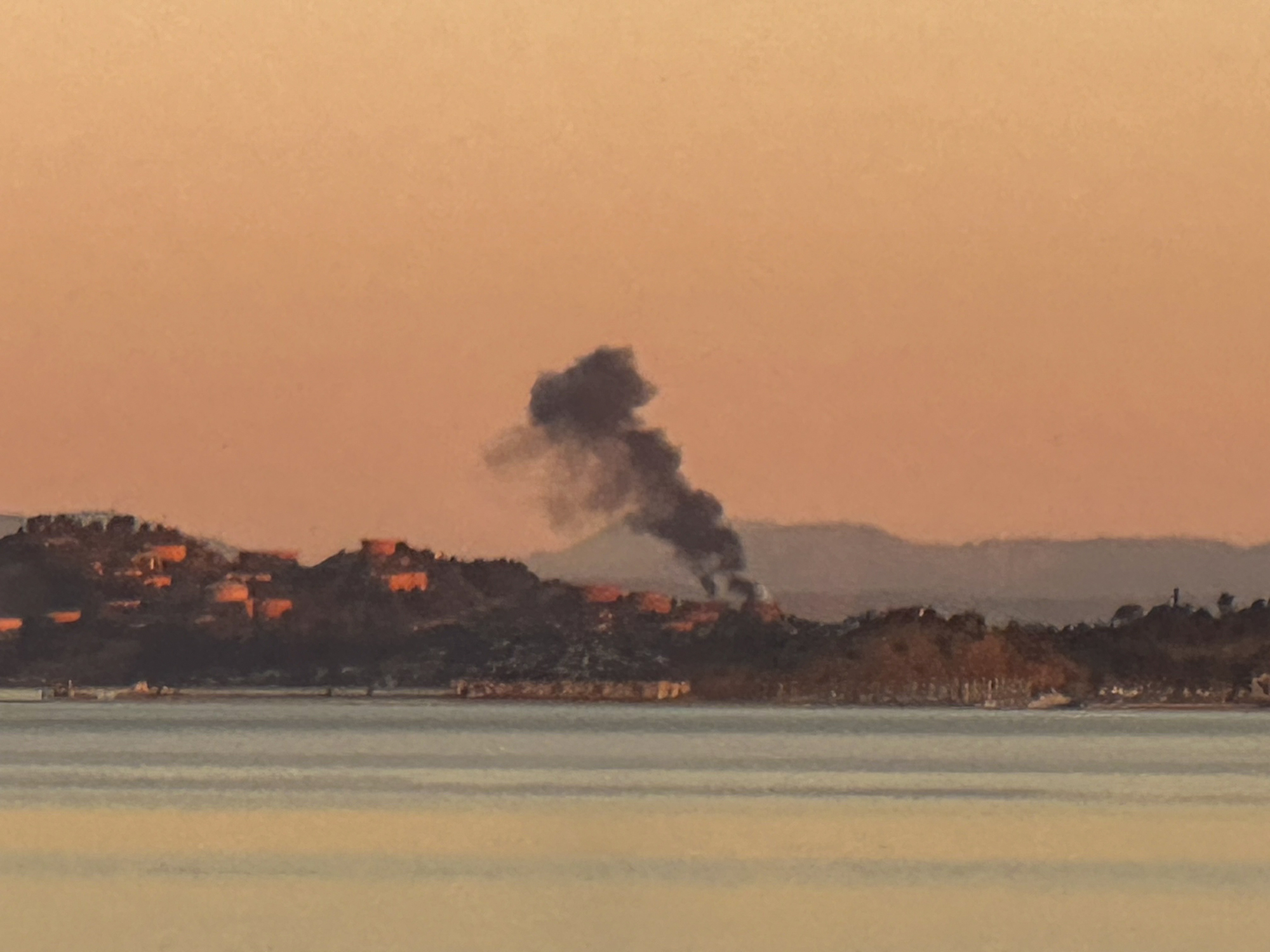
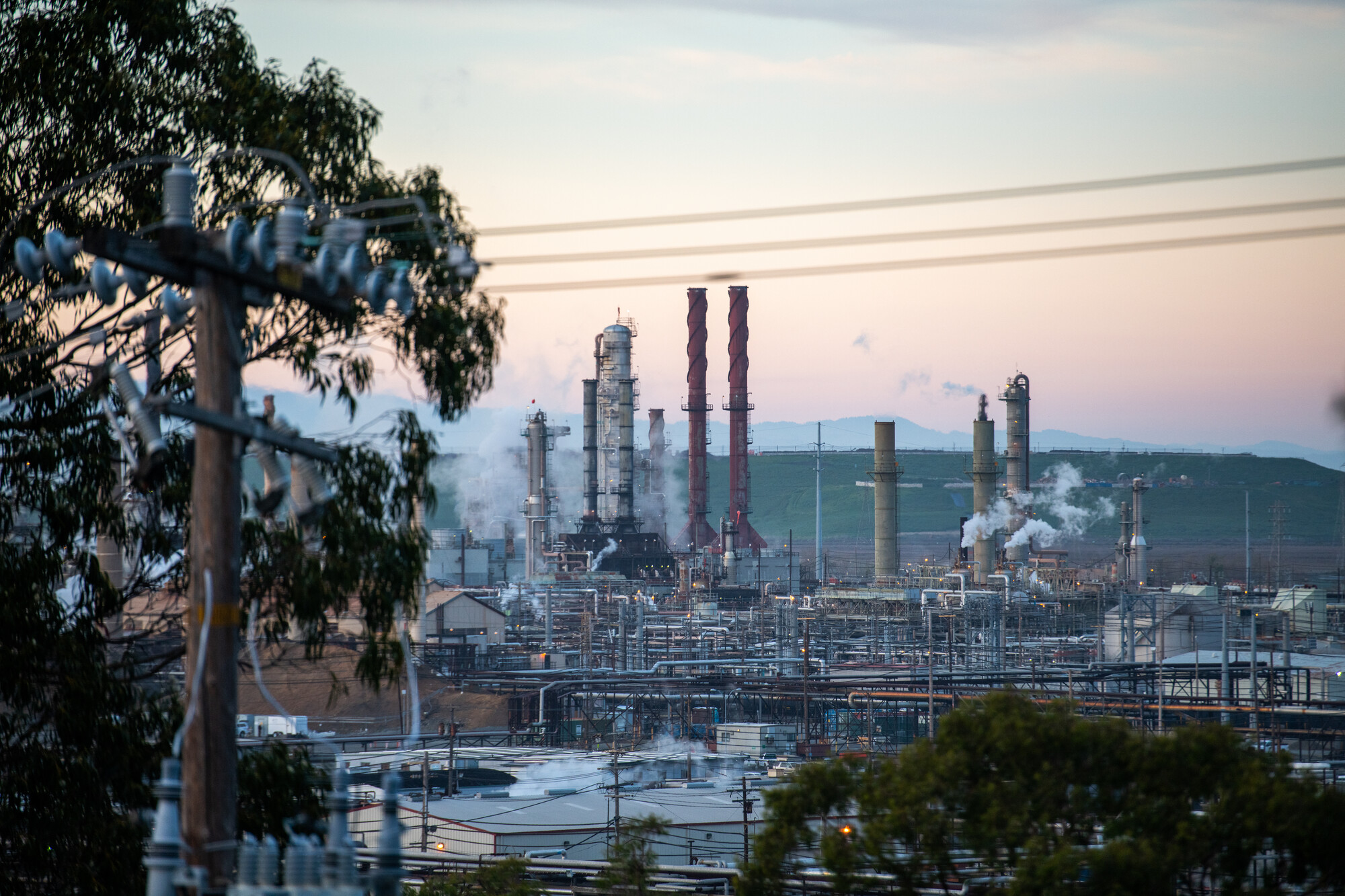
East Bay residents wanted answers this week, after a major new report by air regulators found that people living close to the Chevron Richmond Refinery face an elevated risk of developing cancer over a lifetime, and other illnesses from short exposure to excess emissions.
The Bay Area Air District released the preliminary health risk assessment on Aug. 21. Most of the cancer risk came from toxic air contaminants that seeped from pipe fittings and storage tanks throughout the petroleum refinery, according to the report.
The model analysis examined the highest cancer risk over a lifetime posed by exposure to facility emissions and found it to be more than three times higher than its threshold for action.
The regulator requires facilities to take action to reduce the risk if it equals or exceeds 10 in a million. The Air District found the Richmond refinery exposure to be 37 chances in a million.
At a public hearing, Richmond City Councilmember Sue Wilson said residents have been confused by the technical analysis and asked air officials to clarify what the report means for the constituents in her district.
“ I appreciate that you’ve been trying to frame it in a way that we can understand,” Wilson said. “But I still don’t understand what it means to have a risk action level of 37 in a million.”
That was the question of the evening, repeated by many and for which the answer was a highly technical explanation of the limits of the study, which frustrated people who wanted to know the cumulative impacts from all refinery emissions in Richmond.
The Bay Area Air District findings measured risk levels over 30 years for residents, workers and students who face varying degrees of exposure to toxic emissions.
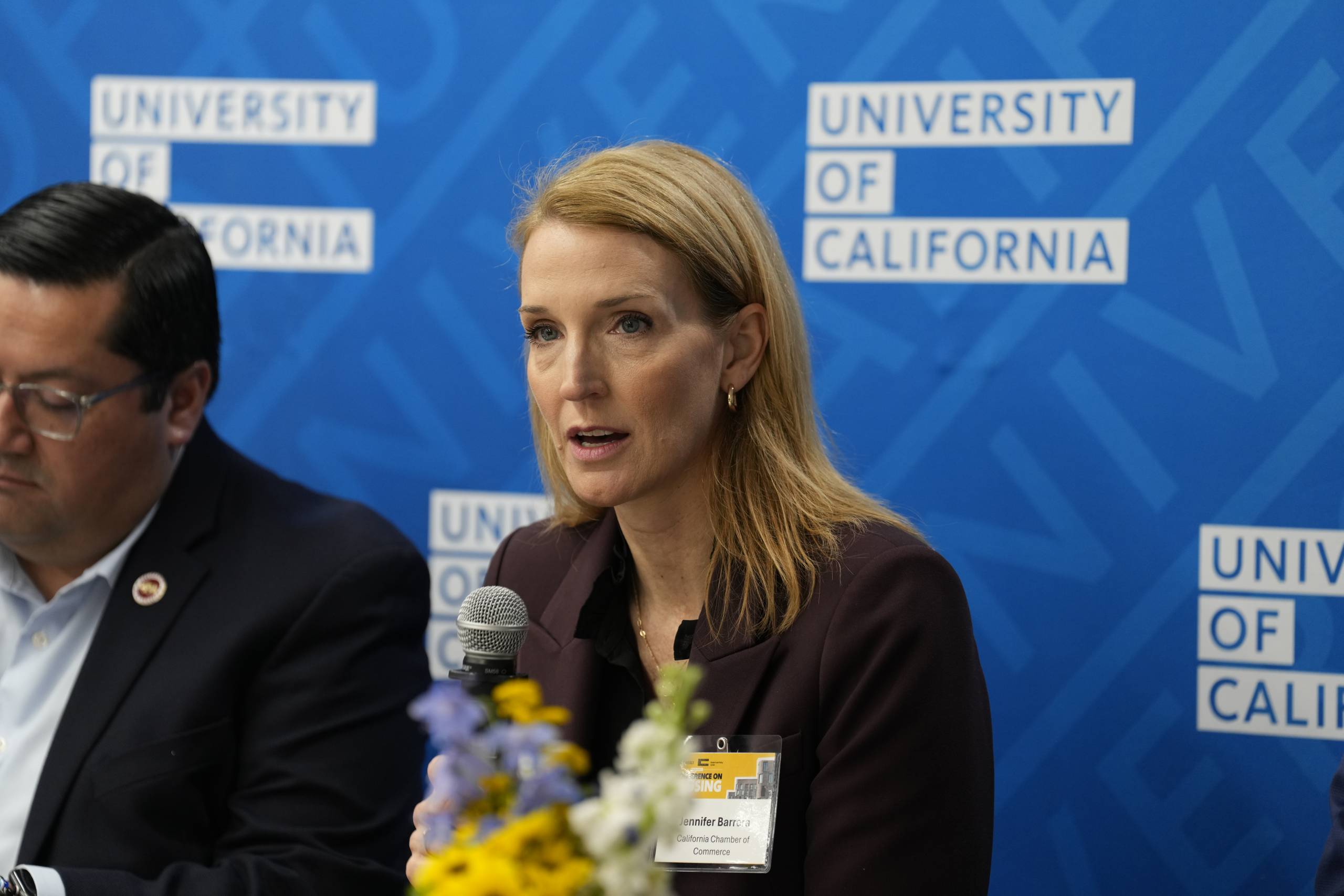
“We’re not here talking about multiple types of pollution, sulfur dioxide, nitrous, particulate matter in general from multiple sources,” said Dr. Rohan Radhakrishna, health officer for the Air District. “This is narrow, but it’s still significant.”
Radhakrishna said it might help to consider how data from the Institute of Highway Safety is used to measure the risk of dying from driving.
“The risk of dying in a motor vehicle accident for driving for a year is 37 in a million,” Radhakrishna said, “which is the same for the risk presented by cancer.”
The Air District is empowered to conduct assessments to measure health risks posed by high-impact industrial facilities like Chevron’s Richmond refinery under regulations it adopted in 2017 and modified in June.
The rules aim to get the Richmond facility and others to reduce emissions.
For community members who’ve spent decades trying to combat toxic emissions at the Chevron refinery, the assessment is the first scientific study to measure the risks from air pollution from the facility.
“ This finding provides data for what our community has known for decades: that Chevron is polluting our community and making people sick,” said Scott Nanos-Luz, the Richmond organizer for the Asian Pacific Environmental Network. “‘This is the science of it. This is the proof.”
Risk assessment data
The risk assessment does not include data from major incidents, such as the 2012 explosion and fire that sent 15,000 nearby residents to seek medical treatment.
Instead, its purpose is to identify routine emissions that occur over the long term and can be prevented going forward, said Ariana Husain, a manager in the Air District’s Engineering Division who conducted the health risk assessment.
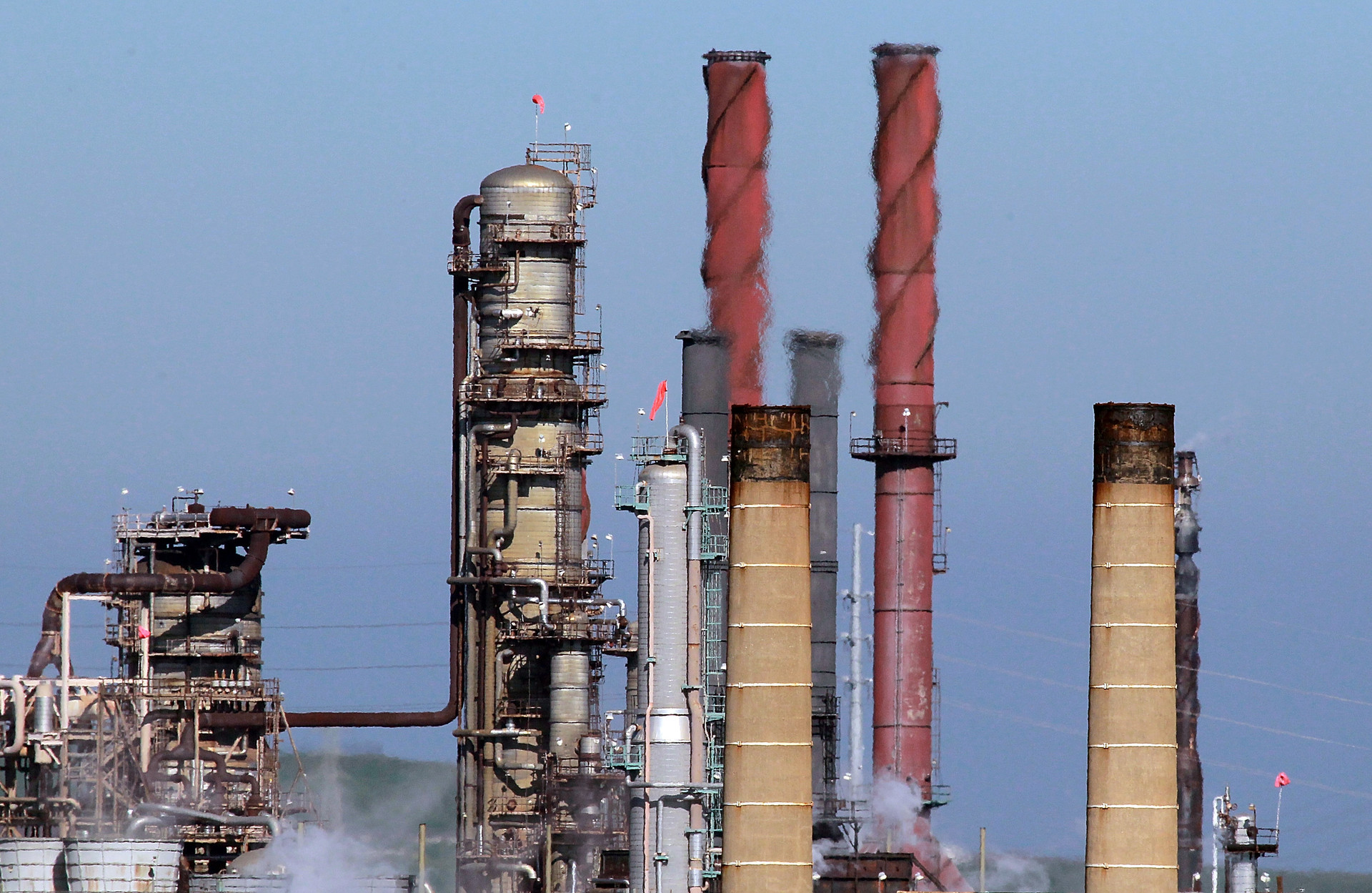
The Air District identified ten specific sources of toxic emissions, including storage tanks, pipe fittings, valves and a wastewater treatment plan.
“They’re looking at ten sources within one facility that have a few toxic air contaminants that can raise your cancer risk,” Radhakrishna said. “It doesn’t go beyond that, so it doesn’t link to correlation or causation to other health conditions.”
One contaminant regulators identified is benzo[a]pyrene, which has been proven to cause cancer and can affect the developmental system, the reproductive system and the immune system.
Benzene, the other toxic contaminant identified as over the regulatory limit for one-hour exposure, can irritate the respiratory system.
Community participation
The provisional health risk assessment is open for public comment until Nov. 23 at 5 p.m.
The Air District is seeking input from Richmond residents, scientists and experts and said it will be working closely with city officials to hold additional informational sessions.
“ What we’re looking for during public comment period would be, are we missing things? Do you have input on the thresholds?” Radhakrishna said. “Are there sources that we should be considering, other methodologies that you’d like to mention? Did you double-check our results and come up with something higher or lower?”
Caitlin Powell, a spokesperson for the Chevron Richmond Refinery, said the company plans to provide technical comments and updated information to the air district.
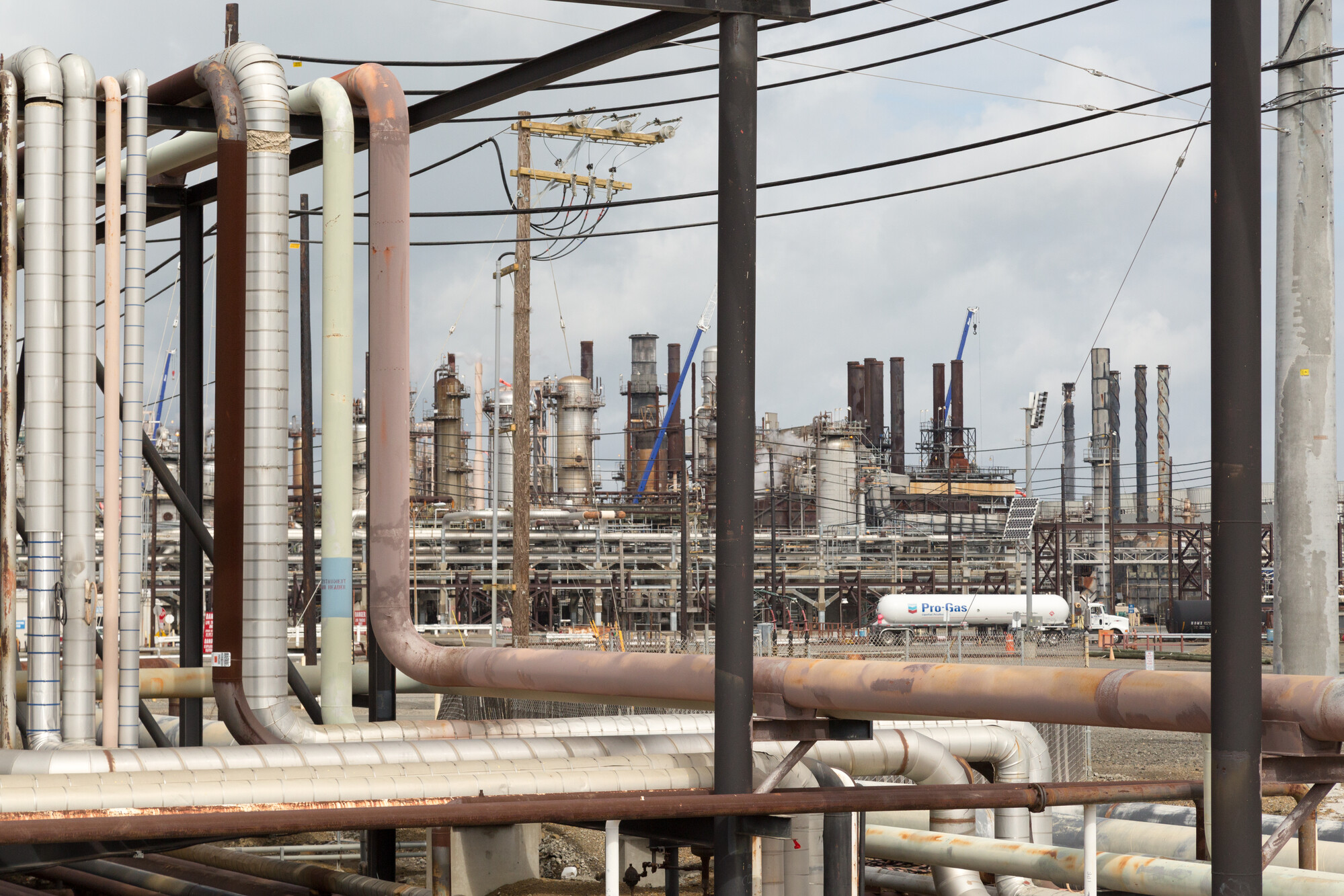
“A health-protective assessment should also be accurate,” Powell said in a statement, adding that the company has identified outdated equipment and assumptions the Air District made about the Richmond refinery “that do not reflect actual operations.”
The Air District has acknowledged that additional data may increase or decrease the final risk assessment.
“ We’ll review all comments, and any new data will then be verified,” Husain said. “If this data is found to affect the health risk assessment, we will be revising the health risk assessment.”
Chevron is the first facility for which the Air District conducted a health risk assessment, but according to a list on the agency website, regulators plan to look at the Martinez Refining Company’s facility in Martinez and the now-shuttered Valero refinery in Benicia. The agency has prioritized industrial sites with the greatest emissions. Refineries make up the top four facilities on the list.