Residents Near Chevron’s Richmond Refinery Face Higher Risk of Cancer, Air District Says
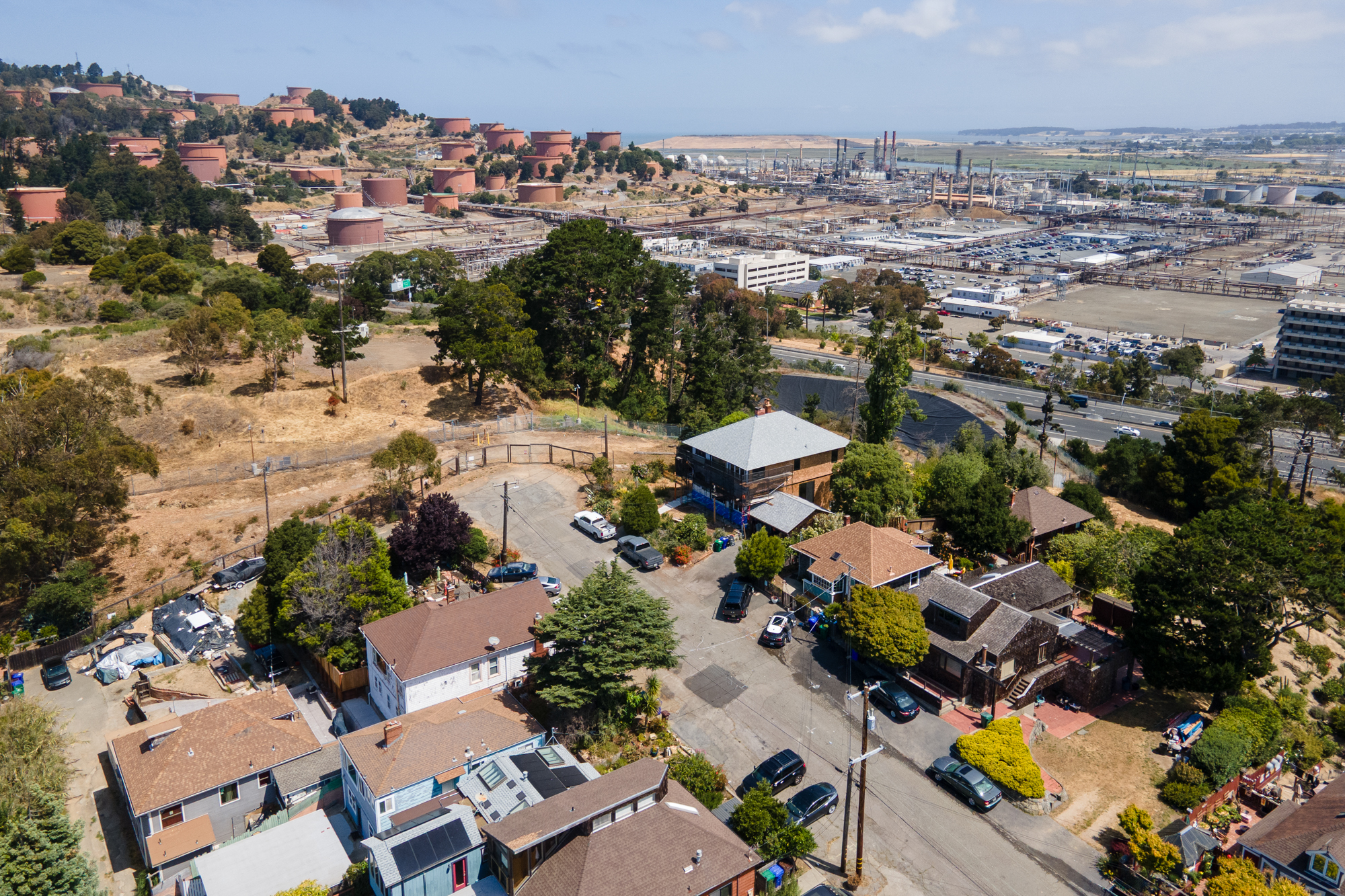
People living close to the Chevron Refinery in Richmond face an elevated risk of developing cancer over a lifetime, and illness from short exposure to excess emissions, according to a preliminary health risk assessment by the Bay Area Air District released Tuesday.
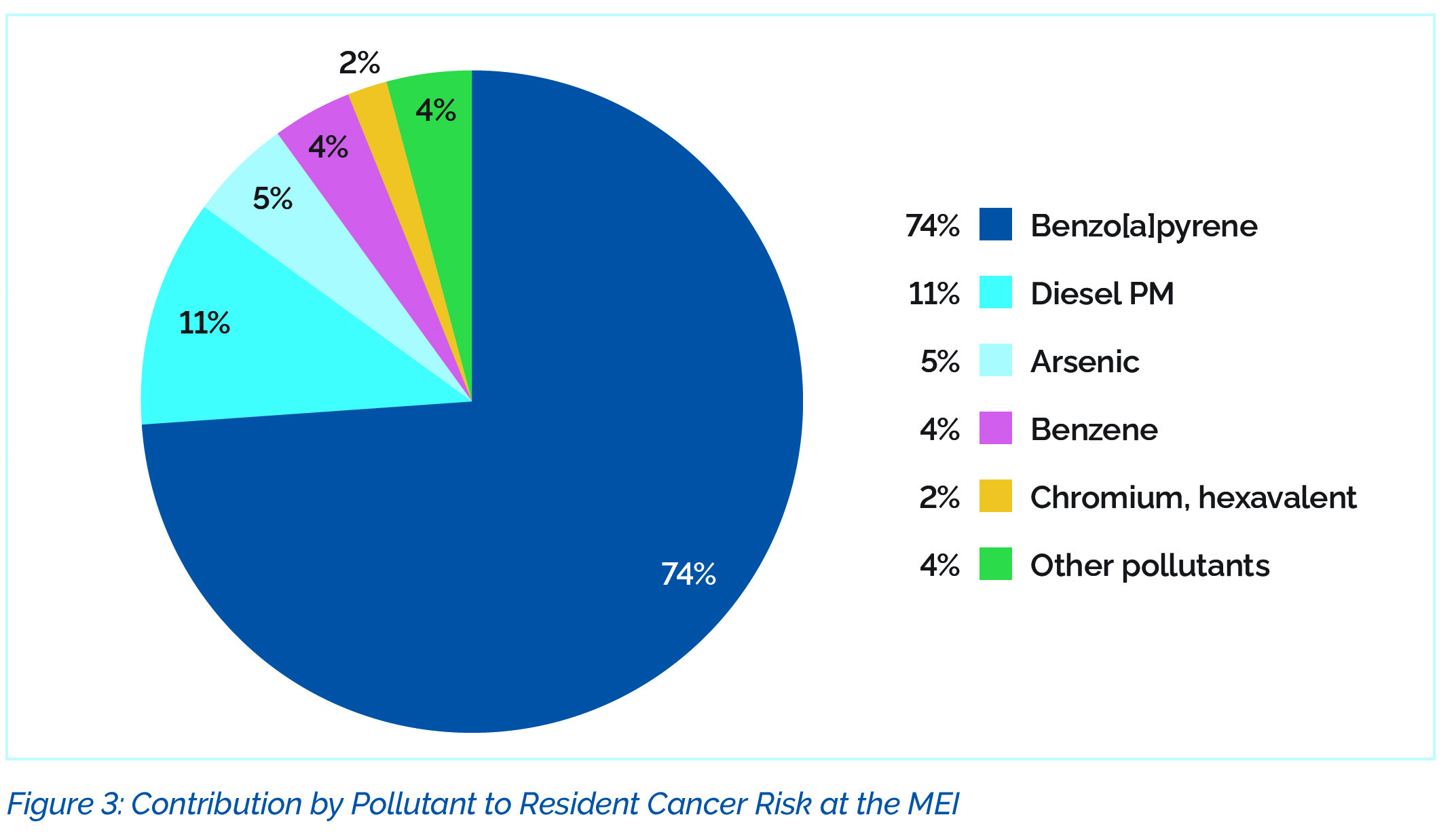
Most of the cancer risk came from benzo[a]pyrene and other toxic air contaminants known as polycyclic aromatic hydrocarbons (PAH’s) that seeped from pipe fittings and storage tanks throughout the refinery. Diesel particulate matter and arsenic emissions were also found to be above the regulator’s allowed limit.
“There are multiple sources with multiple pollutants that are beyond the risk threshold,” said Dr. Rohan Radhakrishna, the Air District’s health officer. “That can harm people’s health, and [it] needs to be reduced.”
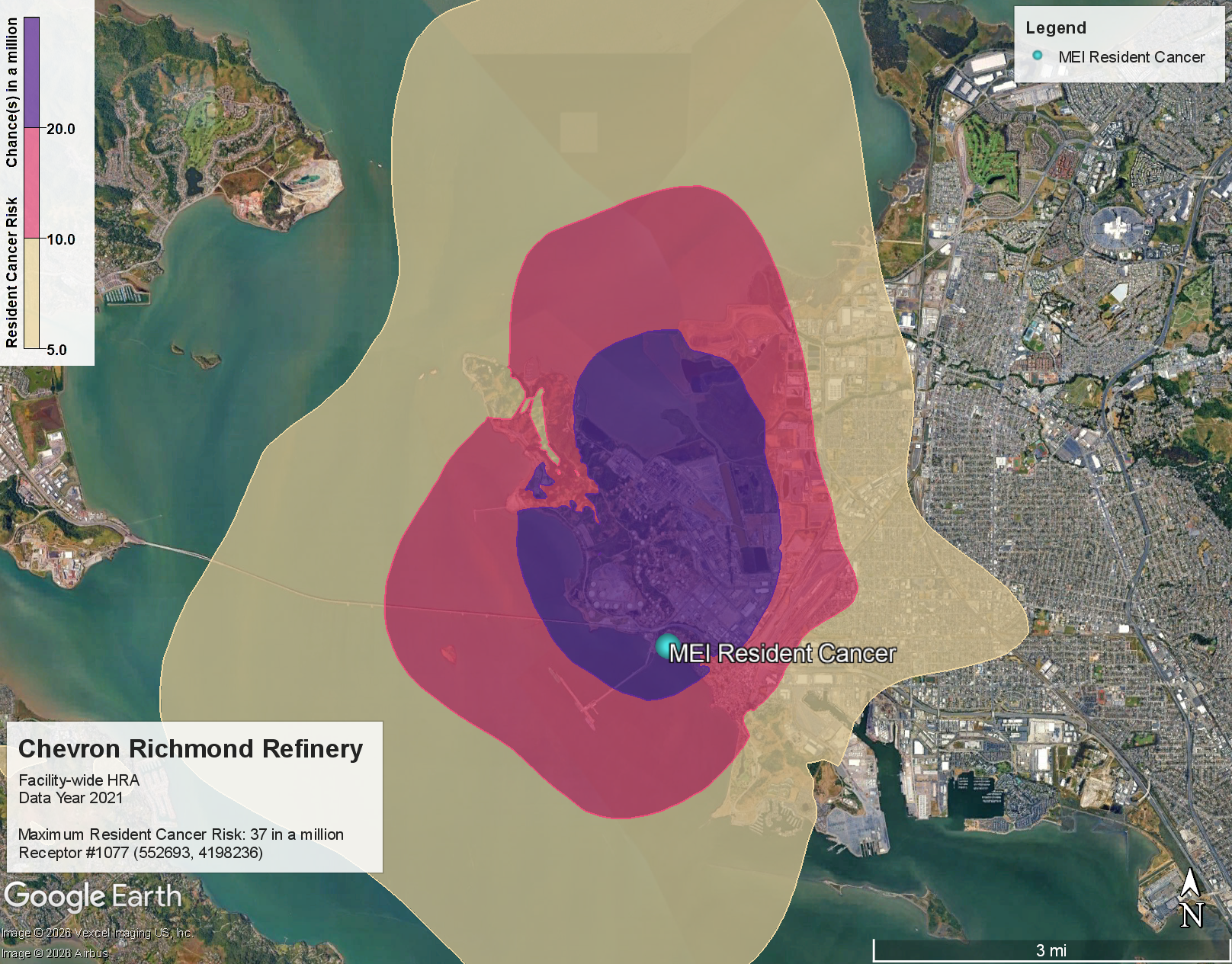
The model analysis examines the highest cancer risk over a lifetime posed by exposure to facility emissions. The Air District found the Richmond refinery exposure to be 37 chances in a million, which is more than three times higher than its threshold for action.
The air regulator requires facilities to take action to reduce the risk if it equals or exceeds 10 in a million.
“It is an estimate based on worst-case scenarios,” said Ariana Husain, the regulator’s risk assessment manager. “It does not represent the average risk to residents in Richmond.”
Nor does it mean that 37 more people in a million will develop cancer, Husain said.
“It’s really the first step in understanding risk posed by emissions from facility operations to the nearby community,” Husain said.
The health risk assessment is a tool to measure the risk of toxic air contaminants from high-impact industrial facilities like Chevron’s Richmond refinery, Husain said. The Air District is empowered to conduct these assessments under regulations it adopted in 2017 and modified in June.
The rules require those facilities to work with the air regulator to reduce emissions and the risk to communities.
Caitlin Powell, a Chevron Richmond spokesperson, pushed back in an email and said the company found “significant issues” with the assessment “that we believe materially overstate the Richmond refinery’s emissions and modeled health risk.”
Chevron also quickly circulated an FAQ document to reporters about the assessment that categorized the tool as “conservative” and meant to understand where regulators should “focus efforts and resources to improve air quality and protect public health.”
“Scientific methods used in HRAs cannot be used to link individual illnesses to chemical exposures,” the document said.
It also noted that the refinery’s cancer risk assessment “is not itself a violation” and fell below the “action” levels set by air districts in Los Angeles and the San Joaquin Valley.
Chevron has 90 days to challenge the Air District’s findings and suggest modifications to the risk assessment. During that time, the public may also submit comments to the air regulator.
Long-term exposure to these substances may increase cancer risk and harm developmental, reproductive and immune systems. Children under two are more susceptible to effects.
The Air District measured the potential impact of excess emissions on three categories of people with varying degrees of exposure. First, residents who they assumed to have 24 hours a day of exposure, non-resident refinery workers who face 8 hours of exposure a day, and students who attended school near the refinery but lived elsewhere.
The assessment found that people who live within approximately 3 miles of the refinery, including in the communities of Achitson, Brickyard Cove, Iron Triangle, Point Richmond and North Richmond, face the greatest health risk.
Chevron workers who live out of town did not face an increased risk of cancer, but are subject to acute one-hour releases of benzene that can evaporate from the refinery’s waste treatment system.
“That is a toxic air contaminant that you can get irritated by in a very short amount of time,” Radhakrishna said. “Smelling it in your nose, in your mouth, in your throat, in your lungs, coughing attacks, and exacerbation of existing health conditions.”
The effects of benzene are temporary and based on proximity to the refinery, according to the report, but Radhakrishna noted that repeated exposure to benzene can also contribute to cancer over the long term.
The health risk assessment found that children who attend schools near the refinery but don’t live in the area did not face an elevated risk of cancer, but are exposed to risks from the one-hour releases, as are residents and anyone within approximately three miles of the facilities when it releases emissions.
The Air District scheduled a public meeting to explain the findings and the comment process on Monday, Sept. 21 at 5:30 p.m. at the Richmond Memorial Civic Auditorium and Convention Center.
The air regulators will consider both public comment and responses from Chevron before issuing a final risk assessment for the Richmond refinery. Then the company is required to submit a plan to reduce the risk, which will also be open to public comment and must ultimately be approved by the Air District.