window.__IS_SSR__=true
window.__INITIAL_STATE__={
"attachmentsReducer": {
"audio_0": {
"type": "attachments",
"id": "audio_0",
"imgSizes": {
"kqedFullSize": {
"file": "https://ww2.kqed.org/news/wp-content/themes/KQED-unified/img/audio_bgs/background0.jpg"
}
}
},
"audio_1": {
"type": "attachments",
"id": "audio_1",
"imgSizes": {
"kqedFullSize": {
"file": "https://ww2.kqed.org/news/wp-content/themes/KQED-unified/img/audio_bgs/background1.jpg"
}
}
},
"audio_2": {
"type": "attachments",
"id": "audio_2",
"imgSizes": {
"kqedFullSize": {
"file": "https://ww2.kqed.org/news/wp-content/themes/KQED-unified/img/audio_bgs/background2.jpg"
}
}
},
"audio_3": {
"type": "attachments",
"id": "audio_3",
"imgSizes": {
"kqedFullSize": {
"file": "https://ww2.kqed.org/news/wp-content/themes/KQED-unified/img/audio_bgs/background3.jpg"
}
}
},
"audio_4": {
"type": "attachments",
"id": "audio_4",
"imgSizes": {
"kqedFullSize": {
"file": "https://ww2.kqed.org/news/wp-content/themes/KQED-unified/img/audio_bgs/background4.jpg"
}
}
},
"placeholder": {
"type": "attachments",
"id": "placeholder",
"imgSizes": {
"thumbnail": {
"file": "https://cdn.kqed.org/wp-content/uploads/2024/12/KQED-Default-Image-816638274-2000x1333-1-160x107.jpg",
"width": 160,
"height": 107,
"mimeType": "image/jpeg"
},
"medium": {
"file": "https://cdn.kqed.org/wp-content/uploads/2024/12/KQED-Default-Image-816638274-2000x1333-1-800x533.jpg",
"width": 800,
"height": 533,
"mimeType": "image/jpeg"
},
"medium_large": {
"file": "https://cdn.kqed.org/wp-content/uploads/2024/12/KQED-Default-Image-816638274-2000x1333-1-768x512.jpg",
"width": 768,
"height": 512,
"mimeType": "image/jpeg"
},
"large": {
"file": "https://cdn.kqed.org/wp-content/uploads/2024/12/KQED-Default-Image-816638274-2000x1333-1-1020x680.jpg",
"width": 1020,
"height": 680,
"mimeType": "image/jpeg"
},
"1536x1536": {
"file": "https://cdn.kqed.org/wp-content/uploads/2024/12/KQED-Default-Image-816638274-2000x1333-1-1536x1024.jpg",
"width": 1536,
"height": 1024,
"mimeType": "image/jpeg"
},
"fd-lrg": {
"file": "https://cdn.kqed.org/wp-content/uploads/2024/12/KQED-Default-Image-816638274-2000x1333-1-1536x1024.jpg",
"width": 1536,
"height": 1024,
"mimeType": "image/jpeg"
},
"fd-med": {
"file": "https://cdn.kqed.org/wp-content/uploads/2024/12/KQED-Default-Image-816638274-2000x1333-1-1020x680.jpg",
"width": 1020,
"height": 680,
"mimeType": "image/jpeg"
},
"fd-sm": {
"file": "https://cdn.kqed.org/wp-content/uploads/2024/12/KQED-Default-Image-816638274-2000x1333-1-800x533.jpg",
"width": 800,
"height": 533,
"mimeType": "image/jpeg"
},
"post-thumbnail": {
"file": "https://cdn.kqed.org/wp-content/uploads/2024/12/KQED-Default-Image-816638274-2000x1333-1-672x372.jpg",
"width": 672,
"height": 372,
"mimeType": "image/jpeg"
},
"twentyfourteen-full-width": {
"file": "https://cdn.kqed.org/wp-content/uploads/2024/12/KQED-Default-Image-816638274-2000x1333-1-1038x576.jpg",
"width": 1038,
"height": 576,
"mimeType": "image/jpeg"
},
"xxsmall": {
"file": "https://cdn.kqed.org/wp-content/uploads/2024/12/KQED-Default-Image-816638274-2000x1333-1-160x107.jpg",
"width": 160,
"height": 107,
"mimeType": "image/jpeg"
},
"xsmall": {
"file": "https://cdn.kqed.org/wp-content/uploads/2024/12/KQED-Default-Image-816638274-2000x1333-1-672x372.jpg",
"width": 672,
"height": 372,
"mimeType": "image/jpeg"
},
"small": {
"file": "https://cdn.kqed.org/wp-content/uploads/2024/12/KQED-Default-Image-816638274-2000x1333-1-672x372.jpg",
"width": 672,
"height": 372,
"mimeType": "image/jpeg"
},
"xlarge": {
"file": "https://cdn.kqed.org/wp-content/uploads/2024/12/KQED-Default-Image-816638274-2000x1333-1-1020x680.jpg",
"width": 1020,
"height": 680,
"mimeType": "image/jpeg"
},
"full-width": {
"file": "https://cdn.kqed.org/wp-content/uploads/2024/12/KQED-Default-Image-816638274-2000x1333-1-1920x1280.jpg",
"width": 1920,
"height": 1280,
"mimeType": "image/jpeg"
},
"guest-author-32": {
"file": "https://cdn.kqed.org/wp-content/uploads/2025/01/KQED-Default-Image-816638274-1333x1333-1-160x160.jpg",
"width": 32,
"height": 32,
"mimeType": "image/jpeg"
},
"guest-author-50": {
"file": "https://cdn.kqed.org/wp-content/uploads/2025/01/KQED-Default-Image-816638274-1333x1333-1-160x160.jpg",
"width": 50,
"height": 50,
"mimeType": "image/jpeg"
},
"guest-author-64": {
"file": "https://cdn.kqed.org/wp-content/uploads/2025/01/KQED-Default-Image-816638274-1333x1333-1-160x160.jpg",
"width": 64,
"height": 64,
"mimeType": "image/jpeg"
},
"guest-author-96": {
"file": "https://cdn.kqed.org/wp-content/uploads/2025/01/KQED-Default-Image-816638274-1333x1333-1-160x160.jpg",
"width": 96,
"height": 96,
"mimeType": "image/jpeg"
},
"guest-author-128": {
"file": "https://cdn.kqed.org/wp-content/uploads/2025/01/KQED-Default-Image-816638274-1333x1333-1-160x160.jpg",
"width": 128,
"height": 128,
"mimeType": "image/jpeg"
},
"detail": {
"file": "https://cdn.kqed.org/wp-content/uploads/2025/01/KQED-Default-Image-816638274-1333x1333-1-160x160.jpg",
"width": 160,
"height": 160,
"mimeType": "image/jpeg"
},
"kqedFullSize": {
"file": "https://cdn.kqed.org/wp-content/uploads/2024/12/KQED-Default-Image-816638274-2000x1333-1.jpg",
"width": 2000,
"height": 1333
}
}
},
"news_12030645": {
"type": "attachments",
"id": "news_12030645",
"meta": {
"index": "attachments_1716263798",
"site": "news",
"id": "12030645",
"found": true
},
"title": "250310-TRUMP SF-MD-02-KQED",
"publishDate": 1741642330,
"status": "inherit",
"parent": 0,
"modified": 1741722554,
"caption": "OpenAI's Chief Commercial Officer Giancarlo Lionetti (right) helps San Francisco Mayor Daniel Lurie (center) cut a ceremonial ribbon at the opening of the new OpenAI headquarters in Mission Bay in San Francisco on March 10, 2025. The money flowing into local politics has deepened fractures in San Francisco’s Democratic Party, mirroring the national party’s struggle to unite.",
"credit": "Martin do Nascimento/KQED",
"altTag": null,
"description": null,
"imgSizes": {
"medium": {
"file": "https://cdn.kqed.org/wp-content/uploads/sites/10/2025/03/250310-TRUMP-SF-MD-02-KQED-800x533.jpg",
"width": 800,
"height": 533,
"mimeType": "image/jpeg"
},
"large": {
"file": "https://cdn.kqed.org/wp-content/uploads/sites/10/2025/03/250310-TRUMP-SF-MD-02-KQED-1020x680.jpg",
"width": 1020,
"height": 680,
"mimeType": "image/jpeg"
},
"thumbnail": {
"file": "https://cdn.kqed.org/wp-content/uploads/sites/10/2025/03/250310-TRUMP-SF-MD-02-KQED-160x107.jpg",
"width": 160,
"height": 107,
"mimeType": "image/jpeg"
},
"1536x1536": {
"file": "https://cdn.kqed.org/wp-content/uploads/sites/10/2025/03/250310-TRUMP-SF-MD-02-KQED-1536x1024.jpg",
"width": 1536,
"height": 1024,
"mimeType": "image/jpeg"
},
"post-thumbnail": {
"file": "https://cdn.kqed.org/wp-content/uploads/sites/10/2025/03/250310-TRUMP-SF-MD-02-KQED-672x372.jpg",
"width": 672,
"height": 372,
"mimeType": "image/jpeg"
},
"twentyfourteen-full-width": {
"file": "https://cdn.kqed.org/wp-content/uploads/sites/10/2025/03/250310-TRUMP-SF-MD-02-KQED-1038x576.jpg",
"width": 1038,
"height": 576,
"mimeType": "image/jpeg"
},
"full-width": {
"file": "https://cdn.kqed.org/wp-content/uploads/sites/10/2025/03/250310-TRUMP-SF-MD-02-KQED-1920x1280.jpg",
"width": 1920,
"height": 1280,
"mimeType": "image/jpeg"
},
"kqedFullSize": {
"file": "https://cdn.kqed.org/wp-content/uploads/sites/10/2025/03/250310-TRUMP-SF-MD-02-KQED.jpg",
"width": 2000,
"height": 1333
}
},
"isLoading": false,
"fetchFailed": false
},
"news_12033069": {
"type": "attachments",
"id": "news_12033069",
"meta": {
"index": "attachments_1716263798",
"site": "news",
"id": "12033069",
"found": true
},
"title": "paypal mafia_web img",
"publishDate": 1742956510,
"status": "inherit",
"parent": 12033066,
"modified": 1742957348,
"caption": "From left, Elon Musk, Peter Thiel and David Sacks — prominent members of the so-called “PayPal Mafia,” a group of former PayPal executives who became influential in Silicon Valley. (Photos by Theo Wargo/Getty Images, Nordin Catic/Getty Images, and Romain Maurice/Getty Images)",
"credit": null,
"altTag": "Black-and-white composite image of three white men shown in separate headshots, positioned side by side. On the left is Elon Musk, smiling slightly, with short, slicked-back hair and light stubble, wearing a white button-down shirt and a dark blazer. In the center is Peter Thiel, looking directly at the camera with a neutral expression, close-cropped hair, and wearing a dark suit jacket over a white shirt. On the right is David Sacks, smiling with his teeth visible, with short, neatly combed gray hair, wearing a black shirt and a light zip-up jacket. In the bottom right corner of the image, the text “CLOSE ALL TABS” appears in a pixelated, video game-style font.",
"description": null,
"imgSizes": {
"medium": {
"file": "https://cdn.kqed.org/wp-content/uploads/sites/10/2025/03/paypal-mafia_web-img-800x450.png",
"width": 800,
"height": 450,
"mimeType": "image/png"
},
"large": {
"file": "https://cdn.kqed.org/wp-content/uploads/sites/10/2025/03/paypal-mafia_web-img-1020x574.png",
"width": 1020,
"height": 574,
"mimeType": "image/png"
},
"thumbnail": {
"file": "https://cdn.kqed.org/wp-content/uploads/sites/10/2025/03/paypal-mafia_web-img-160x90.png",
"width": 160,
"height": 90,
"mimeType": "image/png"
},
"1536x1536": {
"file": "https://cdn.kqed.org/wp-content/uploads/sites/10/2025/03/paypal-mafia_web-img-1536x864.png",
"width": 1536,
"height": 864,
"mimeType": "image/png"
},
"post-thumbnail": {
"file": "https://cdn.kqed.org/wp-content/uploads/sites/10/2025/03/paypal-mafia_web-img-672x372.png",
"width": 672,
"height": 372,
"mimeType": "image/png"
},
"twentyfourteen-full-width": {
"file": "https://cdn.kqed.org/wp-content/uploads/sites/10/2025/03/paypal-mafia_web-img-1038x576.png",
"width": 1038,
"height": 576,
"mimeType": "image/png"
},
"kqedFullSize": {
"file": "https://cdn.kqed.org/wp-content/uploads/sites/10/2025/03/paypal-mafia_web-img.png",
"width": 1920,
"height": 1080
}
},
"isLoading": false,
"fetchFailed": false
},
"news_11885479": {
"type": "attachments",
"id": "news_11885479",
"meta": {
"index": "attachments_1716263798",
"site": "news",
"id": "11885479",
"found": true
},
"title": "pexels-matheus-cenali-2733918",
"publishDate": 1629241224,
"status": "inherit",
"parent": 11885417,
"modified": 1742942690,
"caption": "The U.S. Department of Agriculture on Monday released a reevaluation of the Thrifty Food Plan, which is used to calculate SNAP benefits.",
"credit": "Matheus Cenali/Pexels",
"altTag": "Photo of vegetables in a grocery store.",
"description": null,
"imgSizes": {
"medium": {
"file": "https://cdn.kqed.org/wp-content/uploads/sites/10/2021/08/pexels-matheus-cenali-2733918-800x533.jpeg",
"width": 800,
"height": 533,
"mimeType": "image/jpeg"
},
"large": {
"file": "https://cdn.kqed.org/wp-content/uploads/sites/10/2021/08/pexels-matheus-cenali-2733918-1020x680.jpeg",
"width": 1020,
"height": 680,
"mimeType": "image/jpeg"
},
"thumbnail": {
"file": "https://cdn.kqed.org/wp-content/uploads/sites/10/2021/08/pexels-matheus-cenali-2733918-160x107.jpeg",
"width": 160,
"height": 107,
"mimeType": "image/jpeg"
},
"1536x1536": {
"file": "https://cdn.kqed.org/wp-content/uploads/sites/10/2021/08/pexels-matheus-cenali-2733918-1536x1024.jpeg",
"width": 1536,
"height": 1024,
"mimeType": "image/jpeg"
},
"2048x2048": {
"file": "https://cdn.kqed.org/wp-content/uploads/sites/10/2021/08/pexels-matheus-cenali-2733918-2048x1365.jpeg",
"width": 2048,
"height": 1365,
"mimeType": "image/jpeg"
},
"post-thumbnail": {
"file": "https://cdn.kqed.org/wp-content/uploads/sites/10/2021/08/pexels-matheus-cenali-2733918-672x372.jpeg",
"width": 672,
"height": 372,
"mimeType": "image/jpeg"
},
"twentyfourteen-full-width": {
"file": "https://cdn.kqed.org/wp-content/uploads/sites/10/2021/08/pexels-matheus-cenali-2733918-1038x576.jpeg",
"width": 1038,
"height": 576,
"mimeType": "image/jpeg"
},
"full-width": {
"file": "https://cdn.kqed.org/wp-content/uploads/sites/10/2021/08/pexels-matheus-cenali-2733918-1920x1280.jpeg",
"width": 1920,
"height": 1280,
"mimeType": "image/jpeg"
},
"kqedFullSize": {
"file": "https://cdn.kqed.org/wp-content/uploads/sites/10/2021/08/pexels-matheus-cenali-2733918-scaled-e1742921578510.jpeg",
"width": 2000,
"height": 1334
}
},
"isLoading": false,
"fetchFailed": false
},
"news_12032975": {
"type": "attachments",
"id": "news_12032975",
"meta": {
"index": "attachments_1716263798",
"site": "news",
"id": "12032975",
"found": true
},
"title": "20250325_EPAPROTESTS_GC-4-KQED",
"publishDate": 1742933440,
"status": "inherit",
"parent": 0,
"modified": 1742938561,
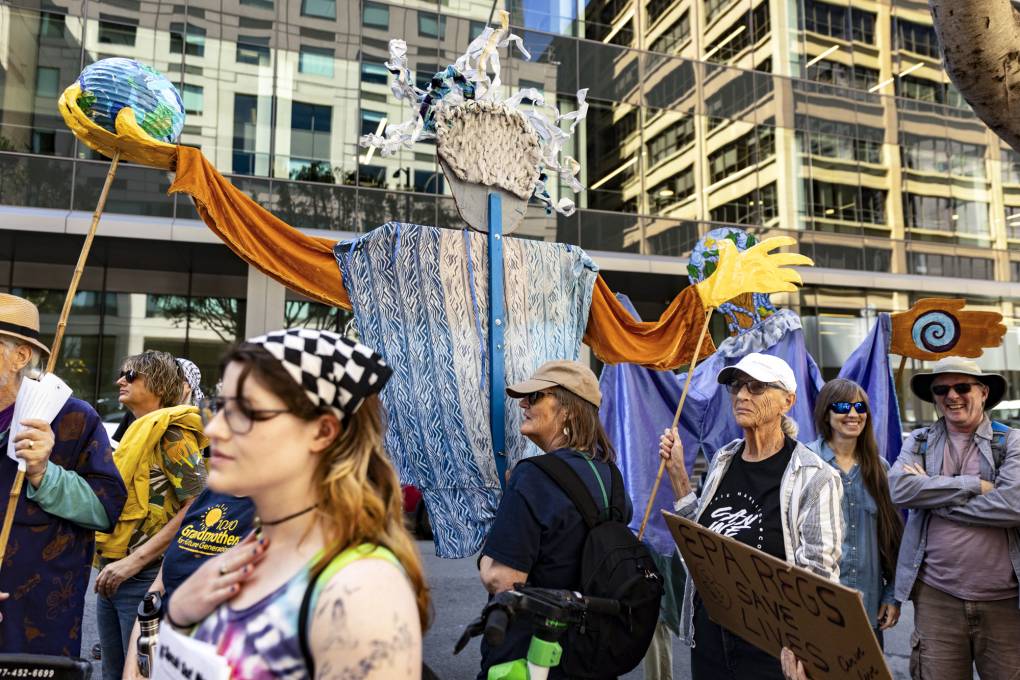
"caption": "A rally denouncing President Trump and Elon Musk’s attacks on environmental laws and environmental justice programs in front of the USEPA’s Regional Headquarters in San Francisco on Tuesday, March 25, 2025.",
"credit": "Gina Castro/KQED",
"altTag": null,
"description": null,
"imgSizes": {
"medium": {
"file": "https://cdn.kqed.org/wp-content/uploads/sites/10/2025/03/20250325_EPAPROTESTS_GC-4-KQED-800x533.jpg",
"width": 800,
"height": 533,
"mimeType": "image/jpeg"
},
"large": {
"file": "https://cdn.kqed.org/wp-content/uploads/sites/10/2025/03/20250325_EPAPROTESTS_GC-4-KQED-1020x680.jpg",
"width": 1020,
"height": 680,
"mimeType": "image/jpeg"
},
"thumbnail": {
"file": "https://cdn.kqed.org/wp-content/uploads/sites/10/2025/03/20250325_EPAPROTESTS_GC-4-KQED-160x107.jpg",
"width": 160,
"height": 107,
"mimeType": "image/jpeg"
},
"1536x1536": {
"file": "https://cdn.kqed.org/wp-content/uploads/sites/10/2025/03/20250325_EPAPROTESTS_GC-4-KQED-1536x1024.jpg",
"width": 1536,
"height": 1024,
"mimeType": "image/jpeg"
},
"post-thumbnail": {
"file": "https://cdn.kqed.org/wp-content/uploads/sites/10/2025/03/20250325_EPAPROTESTS_GC-4-KQED-672x372.jpg",
"width": 672,
"height": 372,
"mimeType": "image/jpeg"
},
"twentyfourteen-full-width": {
"file": "https://cdn.kqed.org/wp-content/uploads/sites/10/2025/03/20250325_EPAPROTESTS_GC-4-KQED-1038x576.jpg",
"width": 1038,
"height": 576,
"mimeType": "image/jpeg"
},
"full-width": {
"file": "https://cdn.kqed.org/wp-content/uploads/sites/10/2025/03/20250325_EPAPROTESTS_GC-4-KQED-1920x1280.jpg",
"width": 1920,
"height": 1280,
"mimeType": "image/jpeg"
},
"kqedFullSize": {
"file": "https://cdn.kqed.org/wp-content/uploads/sites/10/2025/03/20250325_EPAPROTESTS_GC-4-KQED.jpg",
"width": 2000,
"height": 1333
}
},
"isLoading": false,
"fetchFailed": false
},
"news_12032668": {
"type": "attachments",
"id": "news_12032668",
"meta": {
"index": "attachments_1716263798",
"site": "news",
"id": "12032668",
"found": true
},
"title": "npr.brightspotcdn copy",
"publishDate": 1742778745,
"status": "inherit",
"parent": 12032665,
"modified": 1742778764,
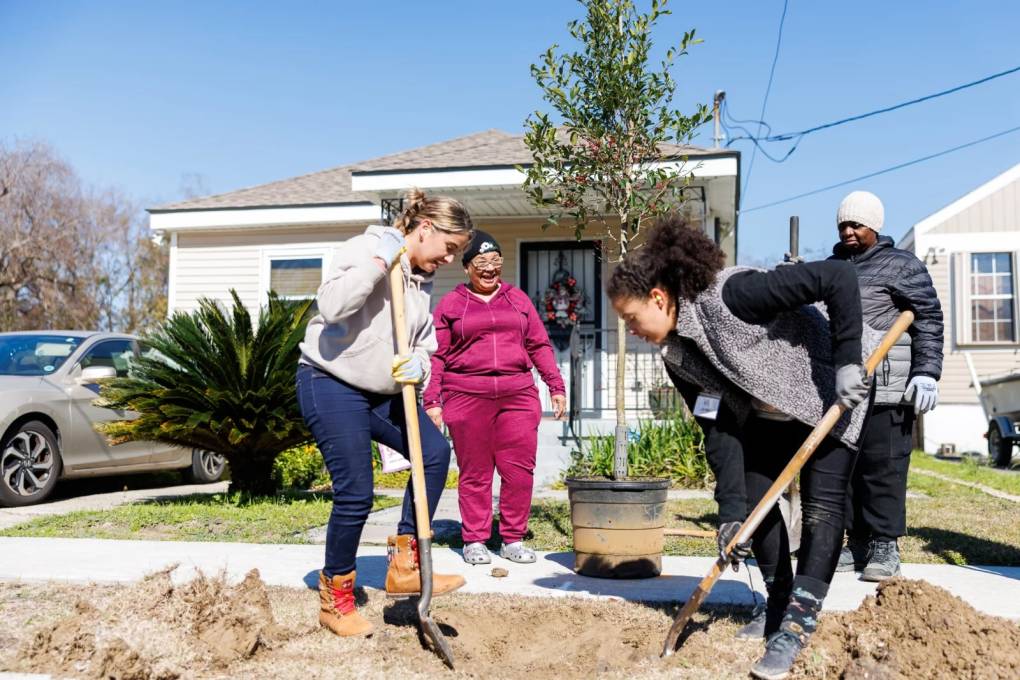
"caption": "Volunteers Olly De Almeida (left), Jordan Bordenave (right) and Rosemary White (far right) plant a tree in front of Tribble Condor's (center) house in New Orleans' Lower 9th Ward. The project was funded by a federal grant terminated in February.",
"credit": "Arbor Day Foundation",
"altTag": null,
"description": null,
"imgSizes": {
"medium": {
"file": "https://cdn.kqed.org/wp-content/uploads/sites/10/2025/03/npr.brightspotcdn-copy-9-800x534.jpg",
"width": 800,
"height": 534,
"mimeType": "image/jpeg"
},
"large": {
"file": "https://cdn.kqed.org/wp-content/uploads/sites/10/2025/03/npr.brightspotcdn-copy-9-1020x680.jpg",
"width": 1020,
"height": 680,
"mimeType": "image/jpeg"
},
"thumbnail": {
"file": "https://cdn.kqed.org/wp-content/uploads/sites/10/2025/03/npr.brightspotcdn-copy-9-160x107.jpg",
"width": 160,
"height": 107,
"mimeType": "image/jpeg"
},
"1536x1536": {
"file": "https://cdn.kqed.org/wp-content/uploads/sites/10/2025/03/npr.brightspotcdn-copy-9-1536x1024.jpg",
"width": 1536,
"height": 1024,
"mimeType": "image/jpeg"
},
"post-thumbnail": {
"file": "https://cdn.kqed.org/wp-content/uploads/sites/10/2025/03/npr.brightspotcdn-copy-9-672x372.jpg",
"width": 672,
"height": 372,
"mimeType": "image/jpeg"
},
"twentyfourteen-full-width": {
"file": "https://cdn.kqed.org/wp-content/uploads/sites/10/2025/03/npr.brightspotcdn-copy-9-1038x576.jpg",
"width": 1038,
"height": 576,
"mimeType": "image/jpeg"
},
"kqedFullSize": {
"file": "https://cdn.kqed.org/wp-content/uploads/sites/10/2025/03/npr.brightspotcdn-copy-9.jpg",
"width": 1600,
"height": 1067
}
},
"isLoading": false,
"fetchFailed": false
},
"news_12032820": {
"type": "attachments",
"id": "news_12032820",
"meta": {
"index": "attachments_1716263798",
"site": "news",
"id": "12032820",
"found": true
},
"title": "National Institutes Of Health Cuts $4 Billion In Biomedical Research Funding",
"publishDate": 1742854143,
"status": "inherit",
"parent": 12032795,
"modified": 1744415960,
"caption": "UCSF Mission Bay campus on Feb. 10, 2025, in San Francisco, California. ",
"credit": "Justin Sullivan/Getty Images",
"altTag": null,
"description": null,
"imgSizes": {
"medium": {
"file": "https://cdn.kqed.org/wp-content/uploads/sites/10/2025/03/UCSFGetty-800x537.jpg",
"width": 800,
"height": 537,
"mimeType": "image/jpeg"
},
"large": {
"file": "https://cdn.kqed.org/wp-content/uploads/sites/10/2025/03/UCSFGetty-1020x685.jpg",
"width": 1020,
"height": 685,
"mimeType": "image/jpeg"
},
"thumbnail": {
"file": "https://cdn.kqed.org/wp-content/uploads/sites/10/2025/03/UCSFGetty-160x107.jpg",
"width": 160,
"height": 107,
"mimeType": "image/jpeg"
},
"1536x1536": {
"file": "https://cdn.kqed.org/wp-content/uploads/sites/10/2025/03/UCSFGetty-1536x1031.jpg",
"width": 1536,
"height": 1031,
"mimeType": "image/jpeg"
},
"post-thumbnail": {
"file": "https://cdn.kqed.org/wp-content/uploads/sites/10/2025/03/UCSFGetty-672x372.jpg",
"width": 672,
"height": 372,
"mimeType": "image/jpeg"
},
"twentyfourteen-full-width": {
"file": "https://cdn.kqed.org/wp-content/uploads/sites/10/2025/03/UCSFGetty-1038x576.jpg",
"width": 1038,
"height": 576,
"mimeType": "image/jpeg"
},
"full-width": {
"file": "https://cdn.kqed.org/wp-content/uploads/sites/10/2025/03/UCSFGetty-1920x1289.jpg",
"width": 1920,
"height": 1289,
"mimeType": "image/jpeg"
},
"kqedFullSize": {
"file": "https://cdn.kqed.org/wp-content/uploads/sites/10/2025/03/UCSFGetty.jpg",
"width": 2000,
"height": 1343
}
},
"isLoading": false,
"fetchFailed": false
},
"news_12033027": {
"type": "attachments",
"id": "news_12033027",
"meta": {
"index": "attachments_1716263798",
"site": "news",
"id": "12033027",
"found": true
},
"title": "250323-DEM-TOWN-HALLS-MD-21-KQED-5",
"publishDate": 1742942254,
"status": "inherit",
"parent": 0,
"modified": 1742942310,
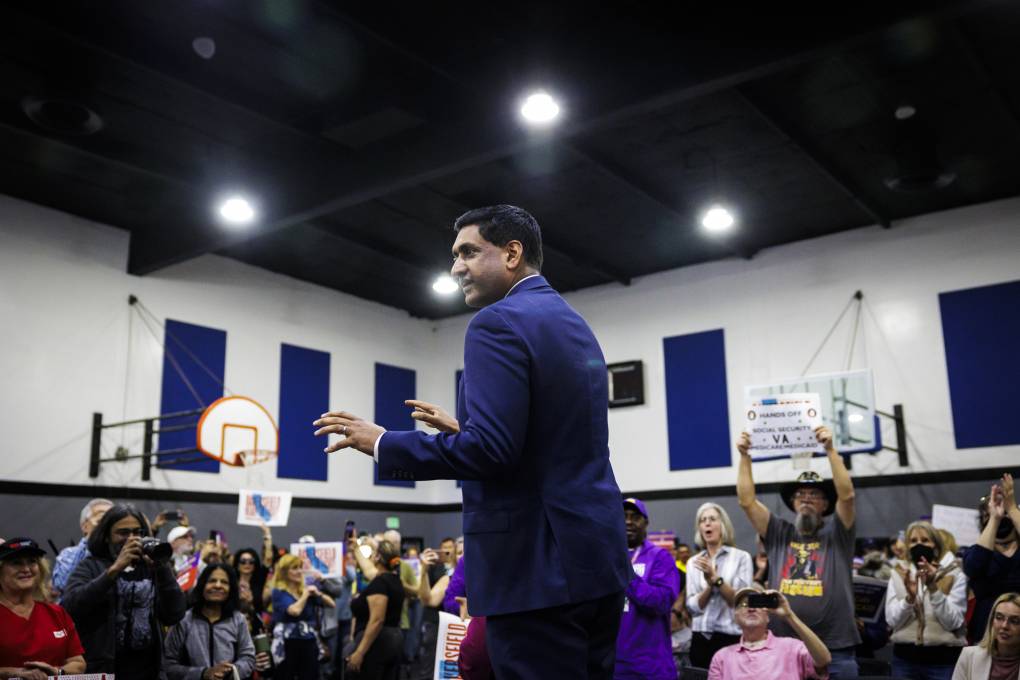
"caption": "Rep. Ro Khanna holds a town hall meeting at the MLK Community Center in Bakersfield on March 23, 2025, the first of three town hall events Khanna was set to hold in Republican-held congressional districts across the state.",
"credit": "Martin do Nascimento/KQED",
"altTag": null,
"description": null,
"imgSizes": {
"medium": {
"file": "https://cdn.kqed.org/wp-content/uploads/sites/10/2025/03/250323-DEM-TOWN-HALLS-MD-21-KQED-5-800x533.jpg",
"width": 800,
"height": 533,
"mimeType": "image/jpeg"
},
"large": {
"file": "https://cdn.kqed.org/wp-content/uploads/sites/10/2025/03/250323-DEM-TOWN-HALLS-MD-21-KQED-5-1020x680.jpg",
"width": 1020,
"height": 680,
"mimeType": "image/jpeg"
},
"thumbnail": {
"file": "https://cdn.kqed.org/wp-content/uploads/sites/10/2025/03/250323-DEM-TOWN-HALLS-MD-21-KQED-5-160x107.jpg",
"width": 160,
"height": 107,
"mimeType": "image/jpeg"
},
"1536x1536": {
"file": "https://cdn.kqed.org/wp-content/uploads/sites/10/2025/03/250323-DEM-TOWN-HALLS-MD-21-KQED-5-1536x1024.jpg",
"width": 1536,
"height": 1024,
"mimeType": "image/jpeg"
},
"post-thumbnail": {
"file": "https://cdn.kqed.org/wp-content/uploads/sites/10/2025/03/250323-DEM-TOWN-HALLS-MD-21-KQED-5-672x372.jpg",
"width": 672,
"height": 372,
"mimeType": "image/jpeg"
},
"twentyfourteen-full-width": {
"file": "https://cdn.kqed.org/wp-content/uploads/sites/10/2025/03/250323-DEM-TOWN-HALLS-MD-21-KQED-5-1038x576.jpg",
"width": 1038,
"height": 576,
"mimeType": "image/jpeg"
},
"full-width": {
"file": "https://cdn.kqed.org/wp-content/uploads/sites/10/2025/03/250323-DEM-TOWN-HALLS-MD-21-KQED-5-1920x1280.jpg",
"width": 1920,
"height": 1280,
"mimeType": "image/jpeg"
},
"kqedFullSize": {
"file": "https://cdn.kqed.org/wp-content/uploads/sites/10/2025/03/250323-DEM-TOWN-HALLS-MD-21-KQED-5.jpg",
"width": 2000,
"height": 1333
}
},
"isLoading": false,
"fetchFailed": false
},
"news_12032574": {
"type": "attachments",
"id": "news_12032574",
"meta": {
"index": "attachments_1716263798",
"site": "news",
"id": "12032574",
"found": true
},
"title": "092623_Newsom-Gun-Bill-Signing_MG_CM_11 copy",
"publishDate": 1742598456,
"status": "inherit",
"parent": 12032573,
"modified": 1742598480,
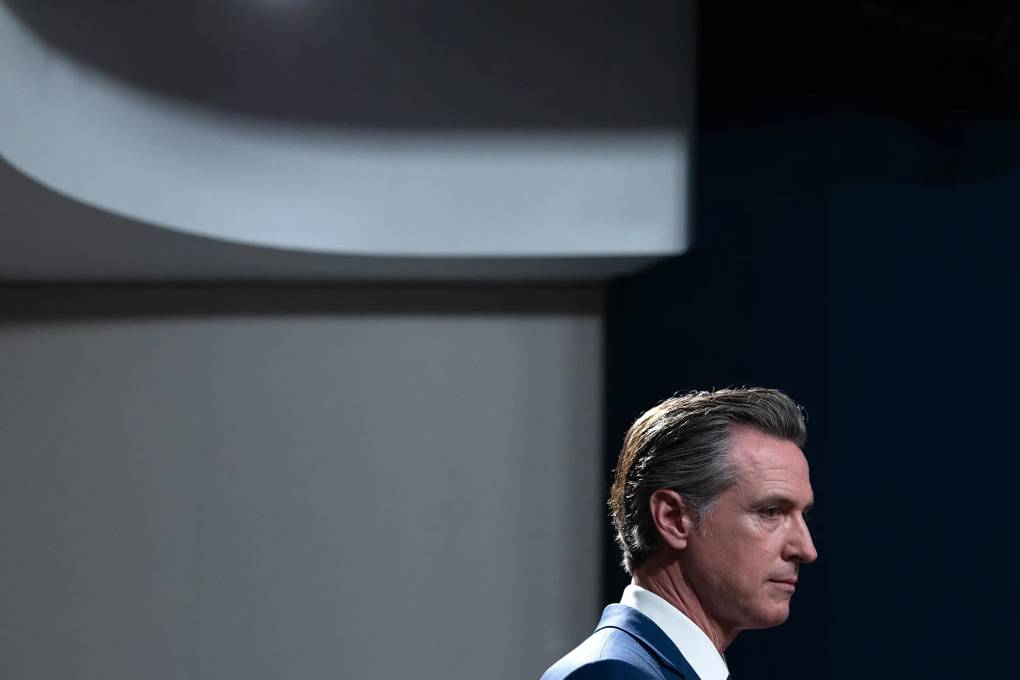
"caption": "Gov. Gavin Newsom is seen during a press conference where he signed new gun legislation into law at the Capitol Annex Swing Space in Sacramento on Sept. 26, 2023. ",
"credit": "Miguel Gutierrez Jr./CalMatters",
"altTag": null,
"description": null,
"imgSizes": {
"medium": {
"file": "https://cdn.kqed.org/wp-content/uploads/sites/10/2025/03/092623_Newsom-Gun-Bill-Signing_MG_CM_11-copy-800x533.jpg",
"width": 800,
"height": 533,
"mimeType": "image/jpeg"
},
"large": {
"file": "https://cdn.kqed.org/wp-content/uploads/sites/10/2025/03/092623_Newsom-Gun-Bill-Signing_MG_CM_11-copy-1020x680.jpg",
"width": 1020,
"height": 680,
"mimeType": "image/jpeg"
},
"thumbnail": {
"file": "https://cdn.kqed.org/wp-content/uploads/sites/10/2025/03/092623_Newsom-Gun-Bill-Signing_MG_CM_11-copy-160x107.jpg",
"width": 160,
"height": 107,
"mimeType": "image/jpeg"
},
"1536x1536": {
"file": "https://cdn.kqed.org/wp-content/uploads/sites/10/2025/03/092623_Newsom-Gun-Bill-Signing_MG_CM_11-copy-1536x1024.jpg",
"width": 1536,
"height": 1024,
"mimeType": "image/jpeg"
},
"post-thumbnail": {
"file": "https://cdn.kqed.org/wp-content/uploads/sites/10/2025/03/092623_Newsom-Gun-Bill-Signing_MG_CM_11-copy-672x372.jpg",
"width": 672,
"height": 372,
"mimeType": "image/jpeg"
},
"twentyfourteen-full-width": {
"file": "https://cdn.kqed.org/wp-content/uploads/sites/10/2025/03/092623_Newsom-Gun-Bill-Signing_MG_CM_11-copy-1038x576.jpg",
"width": 1038,
"height": 576,
"mimeType": "image/jpeg"
},
"full-width": {
"file": "https://cdn.kqed.org/wp-content/uploads/sites/10/2025/03/092623_Newsom-Gun-Bill-Signing_MG_CM_11-copy-1920x1280.jpg",
"width": 1920,
"height": 1280,
"mimeType": "image/jpeg"
},
"kqedFullSize": {
"file": "https://cdn.kqed.org/wp-content/uploads/sites/10/2025/03/092623_Newsom-Gun-Bill-Signing_MG_CM_11-copy.jpg",
"width": 2000,
"height": 1333
}
},
"isLoading": false,
"fetchFailed": false
},
"news_12032511": {
"type": "attachments",
"id": "news_12032511",
"meta": {
"index": "attachments_1716263798",
"site": "news",
"id": "12032511",
"found": true
},
"title": "250320-JAPANESEAMERICANSDENOUNCE-03-BL-KQED",
"publishDate": 1742590682,
"status": "inherit",
"parent": 0,
"modified": 1742590695,
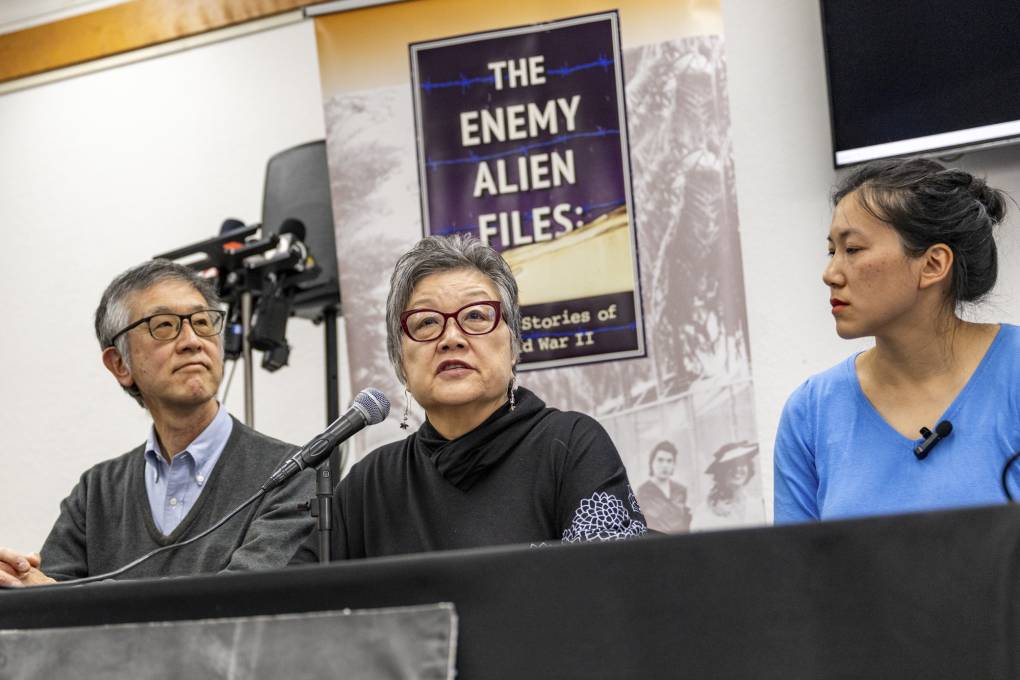
"caption": "Joyce Nakamura, from the Japanese American Citizens League, speaks at the Japanese Cultural and Community Center in San Francisco on March 20, 2025, during a press conference condemning the use of the Alien Enemies Act to target immigrants.",
"credit": "Beth LaBerge/KQED",
"altTag": null,
"description": null,
"imgSizes": {
"medium": {
"file": "https://cdn.kqed.org/wp-content/uploads/sites/10/2025/03/250320-JAPANESEAMERICANSDENOUNCE-03-BL-KQED-800x533.jpg",
"width": 800,
"height": 533,
"mimeType": "image/jpeg"
},
"large": {
"file": "https://cdn.kqed.org/wp-content/uploads/sites/10/2025/03/250320-JAPANESEAMERICANSDENOUNCE-03-BL-KQED-1020x680.jpg",
"width": 1020,
"height": 680,
"mimeType": "image/jpeg"
},
"thumbnail": {
"file": "https://cdn.kqed.org/wp-content/uploads/sites/10/2025/03/250320-JAPANESEAMERICANSDENOUNCE-03-BL-KQED-160x107.jpg",
"width": 160,
"height": 107,
"mimeType": "image/jpeg"
},
"1536x1536": {
"file": "https://cdn.kqed.org/wp-content/uploads/sites/10/2025/03/250320-JAPANESEAMERICANSDENOUNCE-03-BL-KQED-1536x1024.jpg",
"width": 1536,
"height": 1024,
"mimeType": "image/jpeg"
},
"post-thumbnail": {
"file": "https://cdn.kqed.org/wp-content/uploads/sites/10/2025/03/250320-JAPANESEAMERICANSDENOUNCE-03-BL-KQED-672x372.jpg",
"width": 672,
"height": 372,
"mimeType": "image/jpeg"
},
"twentyfourteen-full-width": {
"file": "https://cdn.kqed.org/wp-content/uploads/sites/10/2025/03/250320-JAPANESEAMERICANSDENOUNCE-03-BL-KQED-1038x576.jpg",
"width": 1038,
"height": 576,
"mimeType": "image/jpeg"
},
"full-width": {
"file": "https://cdn.kqed.org/wp-content/uploads/sites/10/2025/03/250320-JAPANESEAMERICANSDENOUNCE-03-BL-KQED-1920x1280.jpg",
"width": 1920,
"height": 1280,
"mimeType": "image/jpeg"
},
"kqedFullSize": {
"file": "https://cdn.kqed.org/wp-content/uploads/sites/10/2025/03/250320-JAPANESEAMERICANSDENOUNCE-03-BL-KQED.jpg",
"width": 2000,
"height": 1333
}
},
"isLoading": false,
"fetchFailed": false
},
"news_12032461": {
"type": "attachments",
"id": "news_12032461",
"meta": {
"index": "attachments_1716263798",
"site": "news",
"id": "12032461",
"found": true
},
"title": "npr.brightspotcdn copy",
"publishDate": 1742585776,
"status": "inherit",
"parent": 12032460,
"modified": 1742585819,
"caption": "The federal student loan portfolio — which manages about $1.6 trillion in loans for roughly 43 million borrowers — is currently overseen by the Education Department's office of Federal Student Aid.",
"credit": "Mario Tama/Getty Images",
"altTag": null,
"description": null,
"imgSizes": {
"medium": {
"file": "https://cdn.kqed.org/wp-content/uploads/sites/10/2025/03/npr.brightspotcdn-copy-8-800x521.jpg",
"width": 800,
"height": 521,
"mimeType": "image/jpeg"
},
"large": {
"file": "https://cdn.kqed.org/wp-content/uploads/sites/10/2025/03/npr.brightspotcdn-copy-8-1020x665.jpg",
"width": 1020,
"height": 665,
"mimeType": "image/jpeg"
},
"thumbnail": {
"file": "https://cdn.kqed.org/wp-content/uploads/sites/10/2025/03/npr.brightspotcdn-copy-8-160x104.jpg",
"width": 160,
"height": 104,
"mimeType": "image/jpeg"
},
"1536x1536": {
"file": "https://cdn.kqed.org/wp-content/uploads/sites/10/2025/03/npr.brightspotcdn-copy-8-1536x1001.jpg",
"width": 1536,
"height": 1001,
"mimeType": "image/jpeg"
},
"post-thumbnail": {
"file": "https://cdn.kqed.org/wp-content/uploads/sites/10/2025/03/npr.brightspotcdn-copy-8-672x372.jpg",
"width": 672,
"height": 372,
"mimeType": "image/jpeg"
},
"twentyfourteen-full-width": {
"file": "https://cdn.kqed.org/wp-content/uploads/sites/10/2025/03/npr.brightspotcdn-copy-8-1038x576.jpg",
"width": 1038,
"height": 576,
"mimeType": "image/jpeg"
},
"kqedFullSize": {
"file": "https://cdn.kqed.org/wp-content/uploads/sites/10/2025/03/npr.brightspotcdn-copy-8.jpg",
"width": 1800,
"height": 1173
}
},
"isLoading": false,
"fetchFailed": false
},
"news_12032407": {
"type": "attachments",
"id": "news_12032407",
"meta": {
"index": "attachments_1716263798",
"site": "news",
"id": "12032407",
"found": true
},
"title": "University of California labor unions on strike",
"publishDate": 1742519313,
"status": "inherit",
"parent": 12032232,
"modified": 1742576600,
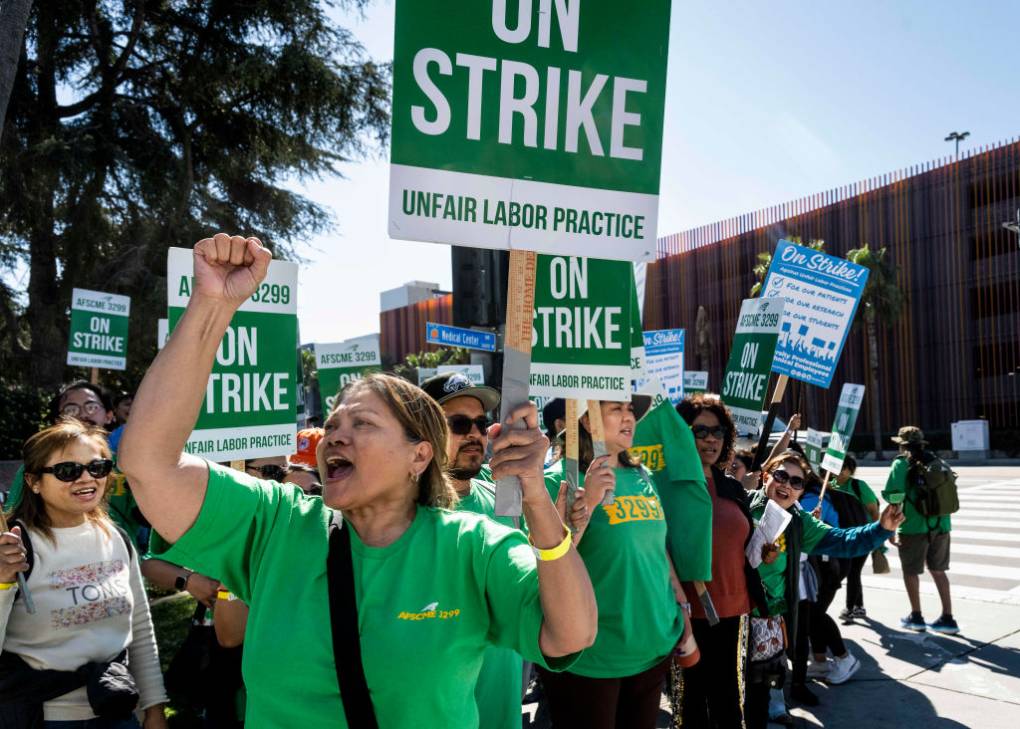
"caption": "Members of University Professional and Technical Employees-CWA Local 9119 and AFSCME Local 3299 protest on West Chapman Avenue in front of UC Irvine Medical Center in Orange, California, on Feb. 26, 2025. AFSCME Local 3299 President Liz Perlman said Wednesday, 'It's the weight at the top that's crushing the system,' blaming the UC top brass for the hiring freeze.",
"credit": "Paul Bersebach/MediaNews Group/Orange County Register via Getty Images",
"altTag": null,
"description": null,
"imgSizes": {
"medium": {
"file": "https://cdn.kqed.org/wp-content/uploads/sites/10/2025/03/GettyImages-2201544551-800x572.jpg",
"width": 800,
"height": 572,
"mimeType": "image/jpeg"
},
"large": {
"file": "https://cdn.kqed.org/wp-content/uploads/sites/10/2025/03/GettyImages-2201544551-1020x729.jpg",
"width": 1020,
"height": 729,
"mimeType": "image/jpeg"
},
"thumbnail": {
"file": "https://cdn.kqed.org/wp-content/uploads/sites/10/2025/03/GettyImages-2201544551-160x114.jpg",
"width": 160,
"height": 114,
"mimeType": "image/jpeg"
},
"post-thumbnail": {
"file": "https://cdn.kqed.org/wp-content/uploads/sites/10/2025/03/GettyImages-2201544551-672x372.jpg",
"width": 672,
"height": 372,
"mimeType": "image/jpeg"
},
"twentyfourteen-full-width": {
"file": "https://cdn.kqed.org/wp-content/uploads/sites/10/2025/03/GettyImages-2201544551-1024x576.jpg",
"width": 1024,
"height": 576,
"mimeType": "image/jpeg"
},
"kqedFullSize": {
"file": "https://cdn.kqed.org/wp-content/uploads/sites/10/2025/03/GettyImages-2201544551.jpg",
"width": 1024,
"height": 732
}
},
"isLoading": false,
"fetchFailed": false
},
"news_12032227": {
"type": "attachments",
"id": "news_12032227",
"meta": {
"index": "attachments_1716263798",
"site": "news",
"id": "12032227",
"found": true
},
"title": "240311-JewishProtest-JY-24_qed",
"publishDate": 1742490045,
"status": "inherit",
"parent": 12032222,
"modified": 1757631348,
"caption": "Rabbi Gil Leeds of Berkeley Chabad, left, and Rabbi Adam Naftalin-Kelman, executive director of Berkeley Hillel, right, embrace as Jewish Berkeley students, faculty and community members rally on campus in Berkeley, California, on March 11, 2024. The crowd of over 100 rallied to protest antisemitism and blockage of Sather Gate by pro-Palestinian and anti-Israel students, stating that the University had not been enforcing its policy of keeping the gate path clear.",
"credit": "Juliana Yamada for KQED",
"altTag": null,
"description": null,
"imgSizes": {
"medium": {
"file": "https://cdn.kqed.org/wp-content/uploads/sites/10/2025/03/240311-JewishProtest-JY-24_qed-800x533.jpg",
"width": 800,
"height": 533,
"mimeType": "image/jpeg"
},
"large": {
"file": "https://cdn.kqed.org/wp-content/uploads/sites/10/2025/03/240311-JewishProtest-JY-24_qed-1020x680.jpg",
"width": 1020,
"height": 680,
"mimeType": "image/jpeg"
},
"thumbnail": {
"file": "https://cdn.kqed.org/wp-content/uploads/sites/10/2025/03/240311-JewishProtest-JY-24_qed-160x107.jpg",
"width": 160,
"height": 107,
"mimeType": "image/jpeg"
},
"1536x1536": {
"file": "https://cdn.kqed.org/wp-content/uploads/sites/10/2025/03/240311-JewishProtest-JY-24_qed-1536x1024.jpg",
"width": 1536,
"height": 1024,
"mimeType": "image/jpeg"
},
"post-thumbnail": {
"file": "https://cdn.kqed.org/wp-content/uploads/sites/10/2025/03/240311-JewishProtest-JY-24_qed-672x372.jpg",
"width": 672,
"height": 372,
"mimeType": "image/jpeg"
},
"twentyfourteen-full-width": {
"file": "https://cdn.kqed.org/wp-content/uploads/sites/10/2025/03/240311-JewishProtest-JY-24_qed-1038x576.jpg",
"width": 1038,
"height": 576,
"mimeType": "image/jpeg"
},
"full-width": {
"file": "https://cdn.kqed.org/wp-content/uploads/sites/10/2025/03/240311-JewishProtest-JY-24_qed-1920x1280.jpg",
"width": 1920,
"height": 1280,
"mimeType": "image/jpeg"
},
"kqedFullSize": {
"file": "https://cdn.kqed.org/wp-content/uploads/sites/10/2025/03/240311-JewishProtest-JY-24_qed.jpg",
"width": 2000,
"height": 1333
}
},
"isLoading": false,
"fetchFailed": false
}
},
"audioPlayerReducer": {
"postId": "stream_live",
"isPaused": true,
"isPlaying": false,
"pfsActive": false,
"pledgeModalIsOpen": true,
"playerDrawerIsOpen": false,
"liveAudioPlayStartedAt": 0,
"liveAudioPlayContext": ""
},
"authorsReducer": {
"byline_news_12032665": {
"type": "authors",
"id": "byline_news_12032665",
"meta": {
"override": true
},
"slug": "byline_news_12032665",
"name": " Eva Tesfaye, NPR",
"isLoading": false
},
"byline_news_12032573": {
"type": "authors",
"id": "byline_news_12032573",
"meta": {
"override": true
},
"slug": "byline_news_12032573",
"name": "\u003ca href=\"https://calmatters.org/author/alexei-koseff/\">Alexei Koseff\u003c/a>, CalMatters",
"isLoading": false
},
"byline_news_12032460": {
"type": "authors",
"id": "byline_news_12032460",
"meta": {
"override": true
},
"slug": "byline_news_12032460",
"name": "\u003ca href=\"https://www.npr.org/people/349625027/cory-turner\">Cory Turner\u003c/a>, NPR",
"isLoading": false
},
"gmarzorati": {
"type": "authors",
"id": "227",
"meta": {
"index": "authors_1716337520",
"id": "227",
"found": true
},
"name": "Guy Marzorati",
"firstName": "Guy",
"lastName": "Marzorati",
"slug": "gmarzorati",
"email": "gmarzorati@KQED.org",
"display_author_email": true,
"staff_mastheads": [
"news"
],
"title": "Correspondent",
"bio": "Guy Marzorati is a correspondent on KQED's California Politics and Government Desk, based in San Jose. A graduate of Santa Clara University, Guy joined KQED in 2013. He reports on state and local politics and produces KQED's digital voter guide.",
"avatar": "https://secure.gravatar.com/avatar/e7038b8dbfd55b104369b76b1cd0b9de?s=600&d=blank&r=g",
"twitter": "guymarzorati",
"facebook": null,
"instagram": null,
"linkedin": null,
"sites": [
{
"site": "",
"roles": [
"editor"
]
},
{
"site": "news",
"roles": [
"editor"
]
},
{
"site": "science",
"roles": [
"editor"
]
},
{
"site": "forum",
"roles": [
"editor"
]
},
{
"site": "elections",
"roles": [
"editor"
]
},
{
"site": "liveblog",
"roles": [
"editor"
]
}
],
"headData": {
"title": "Guy Marzorati | KQED",
"description": "Correspondent",
"ogImgSrc": "https://secure.gravatar.com/avatar/e7038b8dbfd55b104369b76b1cd0b9de?s=600&d=blank&r=g",
"twImgSrc": "https://secure.gravatar.com/avatar/e7038b8dbfd55b104369b76b1cd0b9de?s=600&d=blank&r=g"
},
"isLoading": false,
"link": "/author/gmarzorati"
},
"scottshafer": {
"type": "authors",
"id": "255",
"meta": {
"index": "authors_1716337520",
"id": "255",
"found": true
},
"name": "Scott Shafer",
"firstName": "Scott",
"lastName": "Shafer",
"slug": "scottshafer",
"email": "sshafer@kqed.org",
"display_author_email": false,
"staff_mastheads": [
"news"
],
"title": "KQED Contributor",
"bio": "Scott Shafer is a senior editor with the KQED Politics and Government desk. He is co-host of Political Breakdown, the award-winning radio show and podcast with a personal take on the world of politics. Scott came to KQED in 1998 to host the statewide\u003cem> California Report\u003c/em>. Prior to that he had extended stints in politics and government\u003cem>.\u003c/em> He uses that inside experience at KQED in his, reporting, hosting and analysis for the politics desk. Scott collaborated \u003cem>Political Breakdown a\u003c/em>nd on \u003cem>The Political Mind of Jerry Brown, \u003c/em>an eight-part series about the life and extraordinary political career of the former governor. For fun, he plays water polo with the San Francisco Tsunami.",
"avatar": "https://secure.gravatar.com/avatar/a62ebae45b79d7aed1a39a0e3bf68104?s=600&d=blank&r=g",
"twitter": "scottshafer",
"bluesky": null,
"facebook": null,
"instagram": null,
"linkedin": null,
"sites": [
{
"site": "news",
"roles": [
"editor"
]
},
{
"site": "stateofhealth",
"roles": [
"author"
]
},
{
"site": "science",
"roles": [
"author"
]
},
{
"site": "forum",
"roles": [
"subscriber"
]
},
{
"site": "liveblog",
"roles": [
"author"
]
}
],
"headData": {
"title": "Scott Shafer | KQED",
"description": "KQED Contributor",
"ogImgSrc": "https://secure.gravatar.com/avatar/a62ebae45b79d7aed1a39a0e3bf68104?s=600&d=blank&r=g",
"twImgSrc": "https://secure.gravatar.com/avatar/a62ebae45b79d7aed1a39a0e3bf68104?s=600&d=blank&r=g"
},
"isLoading": false,
"link": "/author/scottshafer"
},
"matthewgreen": {
"type": "authors",
"id": "1263",
"meta": {
"index": "authors_1716337520",
"id": "1263",
"found": true
},
"name": "Matthew Green",
"firstName": "Matthew",
"lastName": "Green",
"slug": "matthewgreen",
"email": "mgreen@kqed.org",
"display_author_email": false,
"staff_mastheads": [],
"title": "KQED Editor/Reporter",
"bio": "Matthew Green is a digital media producer for KQED News. He previously produced \u003ca href=\"http://www.kqed.org/lowdown\">The Lowdown\u003c/a>, KQED’s multimedia news education blog. Matthew's written for numerous Bay Area publications, including the Oakland Tribune and San Francisco Chronicle. He also taught journalism classes at Fremont High School in East Oakland.\r\n\r\nEmail: mgreen@kqed.org; Twitter: @MGreenKQED",
"avatar": "https://secure.gravatar.com/avatar/3bf498d1267ca02c8494f33d8cfc575e?s=600&d=blank&r=g",
"twitter": "MGreenKQED",
"facebook": null,
"instagram": null,
"linkedin": null,
"sites": [
{
"site": "news",
"roles": []
},
{
"site": "lowdown",
"roles": []
},
{
"site": "science",
"roles": []
},
{
"site": "education",
"roles": []
},
{
"site": "quest",
"roles": []
},
{
"site": "liveblog",
"roles": []
}
],
"headData": {
"title": "Matthew Green | KQED",
"description": "KQED Editor/Reporter",
"ogImgSrc": "https://secure.gravatar.com/avatar/3bf498d1267ca02c8494f33d8cfc575e?s=600&d=blank&r=g",
"twImgSrc": "https://secure.gravatar.com/avatar/3bf498d1267ca02c8494f33d8cfc575e?s=600&d=blank&r=g"
},
"isLoading": false,
"link": "/author/matthewgreen"
},
"clei": {
"type": "authors",
"id": "8617",
"meta": {
"index": "authors_1716337520",
"id": "8617",
"found": true
},
"name": "Cecilia Lei",
"firstName": "Cecilia",
"lastName": "Lei",
"slug": "clei",
"email": "clei@KQED.org",
"display_author_email": false,
"staff_mastheads": [],
"title": "KQED Contributor",
"bio": "Cecilia Lei is an on-call host and producer for KQED News and Podcasts. Previously, she was the executive producer and host of the San Francisco Chronicle's daily news podcast, 'Fifth and Mission'. Cecilia is a graduate of UC Berkeley’s Graduate School of Journalism and the former president of the Asian American Journalists Association San Francisco Bay Area chapter.",
"avatar": "https://secure.gravatar.com/avatar/40975f1f88fccf628ee537bf6ffc2af8?s=600&d=blank&r=g",
"twitter": null,
"facebook": null,
"instagram": null,
"linkedin": null,
"sites": [
{
"site": "arts",
"roles": [
"contributor"
]
},
{
"site": "news",
"roles": [
"author",
"read_private_posts"
]
},
{
"site": "about",
"roles": [
"editor"
]
}
],
"headData": {
"title": "Cecilia Lei | KQED",
"description": "KQED Contributor",
"ogImgSrc": "https://secure.gravatar.com/avatar/40975f1f88fccf628ee537bf6ffc2af8?s=600&d=blank&r=g",
"twImgSrc": "https://secure.gravatar.com/avatar/40975f1f88fccf628ee537bf6ffc2af8?s=600&d=blank&r=g"
},
"isLoading": false,
"link": "/author/clei"
},
"eromero": {
"type": "authors",
"id": "11746",
"meta": {
"index": "authors_1716337520",
"id": "11746",
"found": true
},
"name": "Ezra David Romero",
"firstName": "Ezra David",
"lastName": "Romero",
"slug": "eromero",
"email": "eromero@kqed.org",
"display_author_email": true,
"staff_mastheads": [
"news",
"science"
],
"title": "Climate Reporter",
"bio": "Ezra David Romero is a climate reporter for KQED News. He covers the absence and excess of water in the Bay Area — think sea level rise, flooding and drought. For nearly a decade he’s covered how warming temperatures are altering the lives of Californians. He’s reported on farmers worried their pistachio trees aren’t getting enough sleep, families desperate for water, scientists studying dying giant sequoias, and alongside firefighters containing wildfires. His work has appeared on local stations across California and nationally on public radio shows like Morning Edition, Here and Now, All Things Considered and Science Friday. ",
"avatar": "https://secure.gravatar.com/avatar/9c15bb8bab267e058708a9eeaeef16bf?s=600&d=blank&r=g",
"twitter": "ezraromero",
"bluesky": null,
"facebook": null,
"instagram": null,
"linkedin": null,
"sites": [
{
"site": "arts",
"roles": [
"editor"
]
},
{
"site": "news",
"roles": [
"editor"
]
},
{
"site": "science",
"roles": [
"editor"
]
},
{
"site": "liveblog",
"roles": [
"author"
]
}
],
"headData": {
"title": "Ezra David Romero | KQED",
"description": "Climate Reporter",
"ogImgSrc": "https://secure.gravatar.com/avatar/9c15bb8bab267e058708a9eeaeef16bf?s=600&d=blank&r=g",
"twImgSrc": "https://secure.gravatar.com/avatar/9c15bb8bab267e058708a9eeaeef16bf?s=600&d=blank&r=g"
},
"isLoading": false,
"link": "/author/eromero"
},
"sjohnson": {
"type": "authors",
"id": "11840",
"meta": {
"index": "authors_1716337520",
"id": "11840",
"found": true
},
"name": "Sydney Johnson",
"firstName": "Sydney",
"lastName": "Johnson",
"slug": "sjohnson",
"email": "sjohnson@kqed.org",
"display_author_email": false,
"staff_mastheads": [
"news"
],
"title": "KQED Reporter",
"bio": "Sydney Johnson is a general assignment reporter at KQED. She previously reported on public health and city government at the San Francisco Examiner, and before that, she covered statewide education policy for EdSource. Her reporting has won multiple local, state and national awards. Sydney is a graduate of the University of California, Berkeley and lives in San Francisco.",
"avatar": "https://secure.gravatar.com/avatar/97855f2719b72ad6190b7c535fe642c8?s=600&d=blank&r=g",
"twitter": "sydneyfjohnson",
"facebook": null,
"instagram": null,
"linkedin": null,
"sites": [
{
"site": "news",
"roles": [
"editor"
]
}
],
"headData": {
"title": "Sydney Johnson | KQED",
"description": "KQED Reporter",
"ogImgSrc": "https://secure.gravatar.com/avatar/97855f2719b72ad6190b7c535fe642c8?s=600&d=blank&r=g",
"twImgSrc": "https://secure.gravatar.com/avatar/97855f2719b72ad6190b7c535fe642c8?s=600&d=blank&r=g"
},
"isLoading": false,
"link": "/author/sjohnson"
},
"cegusa": {
"type": "authors",
"id": "11869",
"meta": {
"index": "authors_1716337520",
"id": "11869",
"found": true
},
"name": "Chris Egusa",
"firstName": "Chris",
"lastName": "Egusa",
"slug": "cegusa",
"email": "cegusa@kqed.org",
"display_author_email": false,
"staff_mastheads": [],
"title": "KQED Contributor",
"bio": null,
"avatar": "https://secure.gravatar.com/avatar/3562ed52747313a4c94017da88ea89f9e85cd901f63ebc056a7d5e0adf4a03da?s=600&d=blank&r=g",
"twitter": null,
"bluesky": null,
"facebook": null,
"instagram": null,
"linkedin": null,
"sites": [
{
"site": "arts",
"roles": [
"editor"
]
},
{
"site": "news",
"roles": [
"editor"
]
}
],
"headData": {
"title": "Chris Egusa | KQED",
"description": "KQED Contributor",
"ogImgSrc": "https://secure.gravatar.com/avatar/3562ed52747313a4c94017da88ea89f9e85cd901f63ebc056a7d5e0adf4a03da?s=600&d=blank&r=g",
"twImgSrc": "https://secure.gravatar.com/avatar/3562ed52747313a4c94017da88ea89f9e85cd901f63ebc056a7d5e0adf4a03da?s=600&d=blank&r=g"
},
"isLoading": false,
"link": "/author/cegusa"
},
"skennedy": {
"type": "authors",
"id": "11935",
"meta": {
"index": "authors_1716337520",
"id": "11935",
"found": true
},
"name": "Samantha Kennedy",
"firstName": "Samantha",
"lastName": "Kennedy",
"slug": "skennedy",
"email": "SKennedy@kqed.org",
"display_author_email": false,
"staff_mastheads": [],
"title": "KQED Contributor",
"bio": null,
"avatar": "https://secure.gravatar.com/avatar/adc7b14bf1e801793202a156ecc864d4ad505b0fd63162a2f3da0e5ba57222d0?s=600&d=blank&r=g",
"twitter": null,
"bluesky": null,
"facebook": null,
"instagram": null,
"linkedin": null,
"sites": [
{
"site": "arts",
"roles": [
"author"
]
},
{
"site": "news",
"roles": [
"editor"
]
},
{
"site": "science",
"roles": [
"editor"
]
}
],
"headData": {
"title": "Samantha Kennedy | KQED",
"description": "KQED Contributor",
"ogImgSrc": "https://secure.gravatar.com/avatar/adc7b14bf1e801793202a156ecc864d4ad505b0fd63162a2f3da0e5ba57222d0?s=600&d=blank&r=g",
"twImgSrc": "https://secure.gravatar.com/avatar/adc7b14bf1e801793202a156ecc864d4ad505b0fd63162a2f3da0e5ba57222d0?s=600&d=blank&r=g"
},
"isLoading": false,
"link": "/author/skennedy"
},
"mcueva": {
"type": "authors",
"id": "11943",
"meta": {
"index": "authors_1716337520",
"id": "11943",
"found": true
},
"name": "Maya Cueva",
"firstName": "Maya",
"lastName": "Cueva",
"slug": "mcueva",
"email": "mcueva@kqed.org",
"display_author_email": false,
"staff_mastheads": [],
"title": "KQED Contributor",
"bio": null,
"avatar": "https://secure.gravatar.com/avatar/26d0967153608e4720f52779f754087a?s=600&d=blank&r=g",
"twitter": null,
"facebook": null,
"instagram": null,
"linkedin": null,
"sites": [
{
"site": "news",
"roles": [
"editor"
]
}
],
"headData": {
"title": "Maya Cueva | KQED",
"description": "KQED Contributor",
"ogImgSrc": "https://secure.gravatar.com/avatar/26d0967153608e4720f52779f754087a?s=600&d=blank&r=g",
"twImgSrc": "https://secure.gravatar.com/avatar/26d0967153608e4720f52779f754087a?s=600&d=blank&r=g"
},
"isLoading": false,
"link": "/author/mcueva"
},
"msung": {
"type": "authors",
"id": "11944",
"meta": {
"index": "authors_1716337520",
"id": "11944",
"found": true
},
"name": "Morgan Sung",
"firstName": "Morgan",
"lastName": "Sung",
"slug": "msung",
"email": "msung@kqed.org",
"display_author_email": false,
"staff_mastheads": [],
"title": "Close All Tabs Host",
"bio": null,
"avatar": "https://secure.gravatar.com/avatar/34033b8d232ee6c987ca6f0a1a28f0e5?s=600&d=blank&r=g",
"twitter": null,
"facebook": null,
"instagram": null,
"linkedin": null,
"sites": [
{
"site": "news",
"roles": [
"editor"
]
}
],
"headData": {
"title": "Morgan Sung | KQED",
"description": "Close All Tabs Host",
"ogImgSrc": "https://secure.gravatar.com/avatar/34033b8d232ee6c987ca6f0a1a28f0e5?s=600&d=blank&r=g",
"twImgSrc": "https://secure.gravatar.com/avatar/34033b8d232ee6c987ca6f0a1a28f0e5?s=600&d=blank&r=g"
},
"isLoading": false,
"link": "/author/msung"
}
},
"pagesReducer": {
"news_tag_donald-trump": {
"type": "terms",
"id": "news_1323",
"meta": {
"index": "terms_1716263798",
"site": "news",
"id": "1323",
"score": 8.555192
},
"featImg": null,
"name": "Donald Trump",
"description": null,
"taxonomy": "tag",
"headData": {
"twImgId": null,
"twTitle": null,
"ogTitle": null,
"ogImgId": null,
"twDescription": null,
"description": null,
"title": "Donald Trump Archives | KQED News",
"ogDescription": null
},
"ttid": 1335,
"slug": "donald-trump",
"isLoading": false,
"title": "Donald Trump",
"pageMeta": {
"site": "news",
"WpPageTemplate": "page-topic-editorial",
"currentPage": 46
},
"blocks": [
{
"blockName": "kqed/post-list",
"attrs": {
"layout": "cardArticle2",
"query": "posts/news?tag=donald-trump",
"seeMore": false,
"paginated": true,
"page": 46
}
},
{
"blockName": "kqed/ad"
}
]
}
},
"pfsSessionReducer": {},
"postsReducer": {
"stream_live": {
"type": "live",
"id": "stream_live",
"audioUrl": "https://streams.kqed.org/kqedradio",
"title": "Live Stream",
"excerpt": "Live Stream information currently unavailable.",
"link": "/radio",
"featImg": "",
"label": {
"name": "KQED Live",
"link": "/"
}
},
"stream_kqedNewscast": {
"type": "posts",
"id": "stream_kqedNewscast",
"audioUrl": "https://www.kqed.org/.stream/anon/radio/RDnews/newscast.mp3?_=1",
"title": "KQED Newscast",
"featImg": "",
"label": {
"name": "88.5 FM",
"link": "/"
}
},
"news_12032892": {
"type": "posts",
"id": "news_12032892",
"meta": {
"index": "posts_1716263798",
"site": "news",
"id": "12032892",
"score": null,
"sort": [
1742986832000
]
},
"guestAuthors": [],
"slug": "billionaire-influence-deepens-divisions-among-san-francisco-democrats",
"title": "Billionaire Influence Deepens Divisions Among San Francisco Democrats",
"publishDate": 1742986832,
"format": "standard",
"headTitle": "Billionaire Influence Deepens Divisions Among San Francisco Democrats | KQED",
"labelTerm": {
"site": "news"
},
"content": "\u003cp>Silicon Valley billionaires \u003ca href=\"https://www.kqed.org/news/12017551/is-san-francisco-a-bellwether-for-cryptocurrency-influence-on-local-elections\">poured millions of dollars\u003c/a> into San Francisco elections in November to increase policing, consolidate mayoral power and shift the city to the center politically.\u003c/p>\n\u003cp>The bets paid off — for some.\u003c/p>\n\u003cp>\u003ca href=\"https://www.kqed.org/news/tag/daniel-lurie\">Mayor Daniel Lurie\u003c/a> tapped OpenAI CEO Sam Altman, cryptocurrency CEO Chris Larsen and other business leaders to help lure major companies and their employees back to San Francisco.\u003c/p>\n\u003cp>The move is a boon for private sector leaders, who now have a direct line to City Hall, and comes as San Francisco’s economy struggles to rebound from the pandemic.\u003c/p>\n\u003cp>[ad fullwidth]\u003c/p>\n\u003cp>However, several billionaires shaping San Francisco are also working with \u003ca href=\"https://www.kqed.org/news/tag/donald-trump\">President Donald Trump\u003c/a>. The money flowing into local politics has deepened fractures among San Francisco Democratic leaders, mirroring the national Democratic Party’s struggle to unite behind a single strategy.\u003c/p>\n\u003cp>“San Francisco should be leading the resistance and opposition to Donald Trump, but we’re seeing how big money in San Francisco has kind of neutered the city. It has neutralized us on issues,” said Peter Gallotta, a member of San Francisco’s Democratic County Central Committee. “We’re struggling now with an identity crisis of ‘who are we?’”\u003c/p>\n\u003cfigure id=\"attachment_12030646\" class=\"wp-caption aligncenter\" style=\"max-width: 2000px\">\u003cimg loading=\"lazy\" decoding=\"async\" class=\"size-full wp-image-12030646\" src=\"https://cdn.kqed.org/wp-content/uploads/sites/10/2025/03/250310-TRUMP-SF-MD-06-KQED.jpg\" alt=\"\" width=\"2000\" height=\"1333\" srcset=\"https://cdn.kqed.org/wp-content/uploads/sites/10/2025/03/250310-TRUMP-SF-MD-06-KQED.jpg 2000w, https://cdn.kqed.org/wp-content/uploads/sites/10/2025/03/250310-TRUMP-SF-MD-06-KQED-800x533.jpg 800w, https://cdn.kqed.org/wp-content/uploads/sites/10/2025/03/250310-TRUMP-SF-MD-06-KQED-1020x680.jpg 1020w, https://cdn.kqed.org/wp-content/uploads/sites/10/2025/03/250310-TRUMP-SF-MD-06-KQED-160x107.jpg 160w, https://cdn.kqed.org/wp-content/uploads/sites/10/2025/03/250310-TRUMP-SF-MD-06-KQED-1536x1024.jpg 1536w, https://cdn.kqed.org/wp-content/uploads/sites/10/2025/03/250310-TRUMP-SF-MD-06-KQED-1920x1280.jpg 1920w\" sizes=\"auto, (max-width: 2000px) 100vw, 2000px\">\u003cfigcaption class=\"wp-caption-text\">San Francisco Mayor Daniel Lurie speaks at the opening of the new OpenAI headquarters in Mission Bay in San Francisco on March 10, 2025. \u003ccite>(Martin do Nascimento/KQED)\u003c/cite>\u003c/figcaption>\u003c/figure>\n\u003cp>The identity crisis was palpable shortly after Trump’s inauguration when Gallotta proposed a \u003ca href=\"https://drive.google.com/file/d/143yCoEPWOXYbmCVtUrH7K2GSLncG_ebm/view\">resolution condemning tech titans\u003c/a> who supported Democrats in San Francisco while cozying up to Republicans in Washington.\u003c/p>\n\u003cp>Gallotta, a DCCC member since 2017, sought to spotlight figures like Larsen, who contributed more than $1 million to moderate Democratic candidates in San Francisco’s November election, campaign finance records show. Ripple, the cryptocurrency company Larsen co-founded and chairs, donated $5 million to Trump’s inauguration fund.\u003c/p>\n\u003cp>WhatsApp CEO Jan Koum donated $250,000 to a PAC supporting Lurie for mayor and $5.1 million to Trump’s campaign. Venture capitalist William Oberndorf, co-founder of Neighbors for a Better San Francisco, a moderate organizing group, spent over $1 million on San Francisco elections in 2024, primarily backing mayoral candidate Mark Farrell. Oberndorf also contributed $100,000 to Mitch McConnell’s Senate Leadership Fund, according to Federal Election Commission data.[aside postID=news_12023569 hero='https://cdn.kqed.org/wp-content/uploads/sites/10/2025/01/240108-LurieInaugurationDay-34_qed-1020x680.jpg']Altman, who contributed $1 million to Trump’s inauguration, was \u003ca href=\"https://www.kqed.org/news/12014714/san-francisco-mayor-elect-daniel-lurie-taps-openai-founder-transition-team\">a key advisor\u003c/a> on Lurie’s City Hall transition team.\u003c/p>\n\u003cp>“Democrats really need to point to how this money is already influencing the policies of the Trump administration, and also just how big money continues to influence our political system here in California and in San Francisco,” Gallotta, one of the remaining progressives on the DCCC after moderates took over the majority in 2024, told KQED.\u003c/p>\n\u003cp>Gallotta’s resolution passed, but several members pushed back against language that called out leaders in tech, one of the city’s biggest industries for tax revenue. Nancy Tung, chair of the DCCC, voted against the resolution.\u003c/p>\n\u003cp>“If it was an indictment on the amount of money that gets spent in our political elections in San Francisco, then it was really one-sided,” Tung told KQED, pointing to money spent by organized labor on local races.\u003c/p>\n\u003cp>Silicon Valley’s spending power often outweighs that of organized labor, said Jane Kim, a member of the DCCC and director of the California Working Families Party.\u003c/p>\n\u003cp>“Billionaire wealth will vastly outpower labor’s ability to give,” she said. “What we see is an unfortunate imbalance of who gets influence in government today.”\u003c/p>\n\u003cfigure id=\"attachment_11656798\" class=\"wp-caption aligncenter\" style=\"max-width: 1920px\">\u003cimg loading=\"lazy\" decoding=\"async\" class=\"size-full wp-image-11656798\" src=\"https://cdn.kqed.org/wp-content/uploads/sites/10/2018/03/kim-20180319.jpg\" alt=\"\" width=\"1920\" height=\"1280\" srcset=\"https://cdn.kqed.org/wp-content/uploads/sites/10/2018/03/kim-20180319.jpg 1920w, https://cdn.kqed.org/wp-content/uploads/sites/10/2018/03/kim-20180319-160x107.jpg 160w, https://cdn.kqed.org/wp-content/uploads/sites/10/2018/03/kim-20180319-800x533.jpg 800w, https://cdn.kqed.org/wp-content/uploads/sites/10/2018/03/kim-20180319-1020x680.jpg 1020w, https://cdn.kqed.org/wp-content/uploads/sites/10/2018/03/kim-20180319-1180x787.jpg 1180w, https://cdn.kqed.org/wp-content/uploads/sites/10/2018/03/kim-20180319-960x640.jpg 960w, https://cdn.kqed.org/wp-content/uploads/sites/10/2018/03/kim-20180319-240x160.jpg 240w, https://cdn.kqed.org/wp-content/uploads/sites/10/2018/03/kim-20180319-375x250.jpg 375w, https://cdn.kqed.org/wp-content/uploads/sites/10/2018/03/kim-20180319-520x347.jpg 520w\" sizes=\"auto, (max-width: 1920px) 100vw, 1920px\">\u003cfigcaption class=\"wp-caption-text\">Former San Francisco Supervisor Jane Kim at a mayoral debate on March 19, 2018. Kim is a member of the DCCC and director of the California Working Families Party. \u003ccite>(Samantha Shanahan/KQED)\u003c/cite>\u003c/figcaption>\u003c/figure>\n\u003cp>Others wanted to dilute Galotta’s resolution to rebuke Trump rather than his donors who are influencing San Francisco.\u003c/p>\n\u003cp>“What we need to perpetuate is a united voice opposing Donald Trump, not having the same old tired fights,” DCCC member Trevor Chandler said during January’s meeting.\u003c/p>\n\u003cp>The DCCC later voted to create a \u003ca href=\"https://drive.google.com/file/d/1PuX1yWyVLI10gegryZPmnNZ_kzd6DN13/view\">separate resolution\u003c/a> based on Chandler’s proposal to denounce Trump’s agenda targeting the city’s sanctuary status, transgender rights and other issues. It passed in February after additional infighting.\u003c/p>\n\u003cp>“The resistance against Trump this time around is really going to be in the courts again,” Tung said. “I understand that people are very frustrated, and they want to be demonstrating in the streets, but it’s exhausting to do that.”[aside postID=news_12017551 hero='https://cdn.kqed.org/wp-content/uploads/sites/10/2024/12/GettyImages-2162428471-1020x680.jpg']Democrats in Washington are struggling to find a strategy for countering Trump. Their disagreements came to a head this month when Senate Minority Leader Chuck Schumer was one of 10 Democrats to vote for a Republican spending bill aimed at delaying a government shutdown.\u003c/p>\n\u003cp>“I myself don’t give away anything for nothing,” Speaker Emerita Nancy Pelosi told reporters in a dig at Schumer after the bill passed.\u003c/p>\n\u003cp>As representatives in Washington splinter over government funding, San Francisco faces its own nearly $1 billion budget deficit. Kim, a former San Francisco supervisor, compared agitation among San Francisco Democrats to intraparty fights at the national level.\u003c/p>\n\u003cp>“We see a lot of the same advisors and donors for both Lurie’s administration and the Trump administration, and the fact that he hasn’t spoken for that is disappointing,” Kim said. “Clearly, they’re very different in terms of the goals that they have.\u003c/p>\n\u003cp>“But they have a similar approach to government — that you don’t need any government experience in order to lead and that hiring the wealthiest people with private sector experience is going to fix the government.”\u003c/p>\n\u003cp>Lurie, who had no prior elected experience before becoming mayor, broke the city’s record for the \u003ca href=\"https://www.kqed.org/news/12013464/daniel-lurie-clinches-victory-become-sfs-next-mayor-unseating-london-breed\">most expensive mayoral campaign in history\u003c/a>, the majority coming from his own wealth as an heir of the Levi Strauss fortune.\u003c/p>\n\u003cfigure id=\"attachment_12020970\" class=\"wp-caption aligncenter\" style=\"max-width: 2000px\">\u003cimg loading=\"lazy\" decoding=\"async\" class=\"size-full wp-image-12020970\" src=\"https://cdn.kqed.org/wp-content/uploads/sites/10/2025/01/20250108_LurieInauguration_GC-13.jpg\" alt=\"\" width=\"2000\" height=\"1333\" srcset=\"https://cdn.kqed.org/wp-content/uploads/sites/10/2025/01/20250108_LurieInauguration_GC-13.jpg 2000w, https://cdn.kqed.org/wp-content/uploads/sites/10/2025/01/20250108_LurieInauguration_GC-13-800x533.jpg 800w, https://cdn.kqed.org/wp-content/uploads/sites/10/2025/01/20250108_LurieInauguration_GC-13-1020x680.jpg 1020w, https://cdn.kqed.org/wp-content/uploads/sites/10/2025/01/20250108_LurieInauguration_GC-13-160x107.jpg 160w, https://cdn.kqed.org/wp-content/uploads/sites/10/2025/01/20250108_LurieInauguration_GC-13-1536x1024.jpg 1536w, https://cdn.kqed.org/wp-content/uploads/sites/10/2025/01/20250108_LurieInauguration_GC-13-1920x1280.jpg 1920w\" sizes=\"auto, (max-width: 2000px) 100vw, 2000px\">\u003cfigcaption class=\"wp-caption-text\">Audience members attend Mayor-elect Daniel Lurie’s inauguration ceremony at Civic Center Plaza in San Francisco on Jan. 8, 2025. \u003ccite>(Gina Castro/KQED)\u003c/cite>\u003c/figcaption>\u003c/figure>\n\u003cp>Since taking office, Lurie has \u003ca href=\"https://www.kqed.org/news/12015128/sfs-next-mayor-wants-city-lean-into-ai-stay-out-regulating\">boosted the city as an artificial intelligence hub\u003c/a>. Accompanied by a live pianist, Lurie recently promised tech workers at the new Mission Bay headquarters of OpenAI, the artificial intelligence company and maker of ChatGPT, that San Francisco’s reputation as the tech capital of the world would soon rise again.\u003c/p>\n\u003cp>“OpenAI is leading our city’s latest tech resurgence,” he said. “My administration will ensure that our city is a place where companies can succeed and a place where your employees are proud to live.”\u003c/p>\n\u003cp>Lurie has \u003ca href=\"https://www.kqed.org/news/12023569/lurie-tiptoes-around-trump-as-sf-leaders-challenge-executive-orders\">remained quiet on Trump\u003c/a> and his relationship with Altman, Elon Musk, David Sachs and other Silicon Valley billionaires. Instead, City Attorney David Chiu and city supervisors have led resistance to Trump’s attacks on LGBTQ rights, immigrants and public funding as \u003ca href=\"https://www.sfchronicle.com/politics/article/california-democrats-constituents-resistance-20207038.php\">Bay Area residents\u003c/a> increasingly demand Democratic representatives in Washington press harder against executive orders from the White House.\u003c/p>\n\u003cp>“Daniel Lurie is the poster child of our politics becoming an oligarchy. But he didn’t pass Citizens United — he exploited it. And we need to give him a chance,” said political consultant Eric Jaye, referring to the 2010 Supreme Court ruling in \u003cem>Citizens United v. Federal Election Commission\u003c/em>, which allowed wealthy people and corporations to spend unlimited money on elections. “This country has been sliding away from a vigorous democracy. You can buy elections now.”\u003c/p>\n\u003cp>Without campaign finance reform, private interests will continue to wield and consolidate power locally and nationally, Jaye said.\u003c/p>\n\u003cp>“The richest people in the world want to control the San Francisco government, and they are spending virtually unlimited amounts of money in an attempt to do so,” he added.\u003c/p>\n\u003cp>[ad floatright]\u003c/p>\n",
"blocks": [],
"excerpt": "The money flowing into local politics has deepened fractures in San Francisco’s Democratic Party, mirroring the national party’s struggle to unite.",
"status": "publish",
"parent": 0,
"modified": 1743008765,
"stats": {
"hasAudio": false,
"hasVideo": false,
"hasChartOrMap": false,
"iframeSrcs": [],
"hasGoogleForm": false,
"hasGallery": false,
"hasHearkenModule": false,
"hasPolis": false,
"paragraphCount": 31,
"wordCount": 1374
},
"headData": {
"title": "Billionaire Influence Deepens Divisions Among San Francisco Democrats | KQED",
"description": "The money flowing into local politics has deepened fractures in San Francisco’s Democratic Party, mirroring the national party’s struggle to unite.",
"ogTitle": "",
"ogDescription": "",
"ogImgId": "",
"twTitle": "",
"twDescription": "",
"twImgId": "",
"schema": {
"@context": "https://schema.org",
"@type": "NewsArticle",
"headline": "Billionaire Influence Deepens Divisions Among San Francisco Democrats",
"datePublished": "2025-03-26T04:00:32-07:00",
"dateModified": "2025-03-26T10:06:05-07:00",
"image": "https://cdn.kqed.org/wp-content/uploads/2020/02/KQED-OG-Image@1x.png",
"isAccessibleForFree": "True",
"publisher": {
"@type": "NewsMediaOrganization",
"@id": "https://www.kqed.org/#organization",
"name": "KQED",
"logo": "https://cdn.kqed.org/wp-content/uploads/2020/02/KQED-OG-Image@1x.png",
"url": "https://www.kqed.org",
"sameAs": [
"https://www.facebook.com/KQED",
"https://twitter.com/KQED",
"https://www.instagram.com/kqed/",
"https://www.tiktok.com/@kqedofficial",
"https://www.linkedin.com/company/kqed",
"https://www.youtube.com/channel/UCeC0IOo7i1P_61zVUWbJ4nw"
]
}
}
},
"sticky": false,
"nprStoryId": "kqed-12032892",
"templateType": "standard",
"featuredImageType": "standard",
"excludeFromSiteSearch": "Include",
"articleAge": "0",
"path": "/news/12032892/billionaire-influence-deepens-divisions-among-san-francisco-democrats",
"audioTrackLength": null,
"parsedContent": [
{
"type": "contentString",
"content": "\u003cdiv class=\"post-body\">\u003cp>\u003cp>Silicon Valley billionaires \u003ca href=\"https://www.kqed.org/news/12017551/is-san-francisco-a-bellwether-for-cryptocurrency-influence-on-local-elections\">poured millions of dollars\u003c/a> into San Francisco elections in November to increase policing, consolidate mayoral power and shift the city to the center politically.\u003c/p>\n\u003cp>The bets paid off — for some.\u003c/p>\n\u003cp>\u003ca href=\"https://www.kqed.org/news/tag/daniel-lurie\">Mayor Daniel Lurie\u003c/a> tapped OpenAI CEO Sam Altman, cryptocurrency CEO Chris Larsen and other business leaders to help lure major companies and their employees back to San Francisco.\u003c/p>\n\u003cp>The move is a boon for private sector leaders, who now have a direct line to City Hall, and comes as San Francisco’s economy struggles to rebound from the pandemic.\u003c/p>\n\u003cp>\u003c/p>\u003c/div>",
"attributes": {
"named": {},
"numeric": []
}
},
{
"type": "component",
"content": "",
"name": "ad",
"attributes": {
"named": {
"label": "fullwidth"
},
"numeric": [
"fullwidth"
]
}
},
{
"type": "contentString",
"content": "\u003cdiv class=\"post-body\">\u003cp>\u003c/p>\n\u003cp>However, several billionaires shaping San Francisco are also working with \u003ca href=\"https://www.kqed.org/news/tag/donald-trump\">President Donald Trump\u003c/a>. The money flowing into local politics has deepened fractures among San Francisco Democratic leaders, mirroring the national Democratic Party’s struggle to unite behind a single strategy.\u003c/p>\n\u003cp>“San Francisco should be leading the resistance and opposition to Donald Trump, but we’re seeing how big money in San Francisco has kind of neutered the city. It has neutralized us on issues,” said Peter Gallotta, a member of San Francisco’s Democratic County Central Committee. “We’re struggling now with an identity crisis of ‘who are we?’”\u003c/p>\n\u003cfigure id=\"attachment_12030646\" class=\"wp-caption aligncenter\" style=\"max-width: 2000px\">\u003cimg loading=\"lazy\" decoding=\"async\" class=\"size-full wp-image-12030646\" src=\"https://cdn.kqed.org/wp-content/uploads/sites/10/2025/03/250310-TRUMP-SF-MD-06-KQED.jpg\" alt=\"\" width=\"2000\" height=\"1333\" srcset=\"https://cdn.kqed.org/wp-content/uploads/sites/10/2025/03/250310-TRUMP-SF-MD-06-KQED.jpg 2000w, https://cdn.kqed.org/wp-content/uploads/sites/10/2025/03/250310-TRUMP-SF-MD-06-KQED-800x533.jpg 800w, https://cdn.kqed.org/wp-content/uploads/sites/10/2025/03/250310-TRUMP-SF-MD-06-KQED-1020x680.jpg 1020w, https://cdn.kqed.org/wp-content/uploads/sites/10/2025/03/250310-TRUMP-SF-MD-06-KQED-160x107.jpg 160w, https://cdn.kqed.org/wp-content/uploads/sites/10/2025/03/250310-TRUMP-SF-MD-06-KQED-1536x1024.jpg 1536w, https://cdn.kqed.org/wp-content/uploads/sites/10/2025/03/250310-TRUMP-SF-MD-06-KQED-1920x1280.jpg 1920w\" sizes=\"auto, (max-width: 2000px) 100vw, 2000px\">\u003cfigcaption class=\"wp-caption-text\">San Francisco Mayor Daniel Lurie speaks at the opening of the new OpenAI headquarters in Mission Bay in San Francisco on March 10, 2025. \u003ccite>(Martin do Nascimento/KQED)\u003c/cite>\u003c/figcaption>\u003c/figure>\n\u003cp>The identity crisis was palpable shortly after Trump’s inauguration when Gallotta proposed a \u003ca href=\"https://drive.google.com/file/d/143yCoEPWOXYbmCVtUrH7K2GSLncG_ebm/view\">resolution condemning tech titans\u003c/a> who supported Democrats in San Francisco while cozying up to Republicans in Washington.\u003c/p>\n\u003cp>Gallotta, a DCCC member since 2017, sought to spotlight figures like Larsen, who contributed more than $1 million to moderate Democratic candidates in San Francisco’s November election, campaign finance records show. Ripple, the cryptocurrency company Larsen co-founded and chairs, donated $5 million to Trump’s inauguration fund.\u003c/p>\n\u003cp>WhatsApp CEO Jan Koum donated $250,000 to a PAC supporting Lurie for mayor and $5.1 million to Trump’s campaign. Venture capitalist William Oberndorf, co-founder of Neighbors for a Better San Francisco, a moderate organizing group, spent over $1 million on San Francisco elections in 2024, primarily backing mayoral candidate Mark Farrell. Oberndorf also contributed $100,000 to Mitch McConnell’s Senate Leadership Fund, according to Federal Election Commission data.\u003c/p>\u003c/div>",
"attributes": {
"named": {},
"numeric": []
}
},
{
"type": "component",
"content": "",
"name": "aside",
"attributes": {
"named": {
"postid": "news_12023569",
"hero": "https://cdn.kqed.org/wp-content/uploads/sites/10/2025/01/240108-LurieInaugurationDay-34_qed-1020x680.jpg",
"label": ""
},
"numeric": []
}
},
{
"type": "contentString",
"content": "\u003cdiv class=\"post-body\">\u003cp>Altman, who contributed $1 million to Trump’s inauguration, was \u003ca href=\"https://www.kqed.org/news/12014714/san-francisco-mayor-elect-daniel-lurie-taps-openai-founder-transition-team\">a key advisor\u003c/a> on Lurie’s City Hall transition team.\u003c/p>\n\u003cp>“Democrats really need to point to how this money is already influencing the policies of the Trump administration, and also just how big money continues to influence our political system here in California and in San Francisco,” Gallotta, one of the remaining progressives on the DCCC after moderates took over the majority in 2024, told KQED.\u003c/p>\n\u003cp>Gallotta’s resolution passed, but several members pushed back against language that called out leaders in tech, one of the city’s biggest industries for tax revenue. Nancy Tung, chair of the DCCC, voted against the resolution.\u003c/p>\n\u003cp>“If it was an indictment on the amount of money that gets spent in our political elections in San Francisco, then it was really one-sided,” Tung told KQED, pointing to money spent by organized labor on local races.\u003c/p>\n\u003cp>Silicon Valley’s spending power often outweighs that of organized labor, said Jane Kim, a member of the DCCC and director of the California Working Families Party.\u003c/p>\n\u003cp>“Billionaire wealth will vastly outpower labor’s ability to give,” she said. “What we see is an unfortunate imbalance of who gets influence in government today.”\u003c/p>\n\u003cfigure id=\"attachment_11656798\" class=\"wp-caption aligncenter\" style=\"max-width: 1920px\">\u003cimg loading=\"lazy\" decoding=\"async\" class=\"size-full wp-image-11656798\" src=\"https://cdn.kqed.org/wp-content/uploads/sites/10/2018/03/kim-20180319.jpg\" alt=\"\" width=\"1920\" height=\"1280\" srcset=\"https://cdn.kqed.org/wp-content/uploads/sites/10/2018/03/kim-20180319.jpg 1920w, https://cdn.kqed.org/wp-content/uploads/sites/10/2018/03/kim-20180319-160x107.jpg 160w, https://cdn.kqed.org/wp-content/uploads/sites/10/2018/03/kim-20180319-800x533.jpg 800w, https://cdn.kqed.org/wp-content/uploads/sites/10/2018/03/kim-20180319-1020x680.jpg 1020w, https://cdn.kqed.org/wp-content/uploads/sites/10/2018/03/kim-20180319-1180x787.jpg 1180w, https://cdn.kqed.org/wp-content/uploads/sites/10/2018/03/kim-20180319-960x640.jpg 960w, https://cdn.kqed.org/wp-content/uploads/sites/10/2018/03/kim-20180319-240x160.jpg 240w, https://cdn.kqed.org/wp-content/uploads/sites/10/2018/03/kim-20180319-375x250.jpg 375w, https://cdn.kqed.org/wp-content/uploads/sites/10/2018/03/kim-20180319-520x347.jpg 520w\" sizes=\"auto, (max-width: 1920px) 100vw, 1920px\">\u003cfigcaption class=\"wp-caption-text\">Former San Francisco Supervisor Jane Kim at a mayoral debate on March 19, 2018. Kim is a member of the DCCC and director of the California Working Families Party. \u003ccite>(Samantha Shanahan/KQED)\u003c/cite>\u003c/figcaption>\u003c/figure>\n\u003cp>Others wanted to dilute Galotta’s resolution to rebuke Trump rather than his donors who are influencing San Francisco.\u003c/p>\n\u003cp>“What we need to perpetuate is a united voice opposing Donald Trump, not having the same old tired fights,” DCCC member Trevor Chandler said during January’s meeting.\u003c/p>\n\u003cp>The DCCC later voted to create a \u003ca href=\"https://drive.google.com/file/d/1PuX1yWyVLI10gegryZPmnNZ_kzd6DN13/view\">separate resolution\u003c/a> based on Chandler’s proposal to denounce Trump’s agenda targeting the city’s sanctuary status, transgender rights and other issues. It passed in February after additional infighting.\u003c/p>\n\u003cp>“The resistance against Trump this time around is really going to be in the courts again,” Tung said. “I understand that people are very frustrated, and they want to be demonstrating in the streets, but it’s exhausting to do that.”\u003c/p>\u003c/div>",
"attributes": {
"named": {},
"numeric": []
}
},
{
"type": "component",
"content": "",
"name": "aside",
"attributes": {
"named": {
"postid": "news_12017551",
"hero": "https://cdn.kqed.org/wp-content/uploads/sites/10/2024/12/GettyImages-2162428471-1020x680.jpg",
"label": ""
},
"numeric": []
}
},
{
"type": "contentString",
"content": "\u003cdiv class=\"post-body\">\u003cp>Democrats in Washington are struggling to find a strategy for countering Trump. Their disagreements came to a head this month when Senate Minority Leader Chuck Schumer was one of 10 Democrats to vote for a Republican spending bill aimed at delaying a government shutdown.\u003c/p>\n\u003cp>“I myself don’t give away anything for nothing,” Speaker Emerita Nancy Pelosi told reporters in a dig at Schumer after the bill passed.\u003c/p>\n\u003cp>As representatives in Washington splinter over government funding, San Francisco faces its own nearly $1 billion budget deficit. Kim, a former San Francisco supervisor, compared agitation among San Francisco Democrats to intraparty fights at the national level.\u003c/p>\n\u003cp>“We see a lot of the same advisors and donors for both Lurie’s administration and the Trump administration, and the fact that he hasn’t spoken for that is disappointing,” Kim said. “Clearly, they’re very different in terms of the goals that they have.\u003c/p>\n\u003cp>“But they have a similar approach to government — that you don’t need any government experience in order to lead and that hiring the wealthiest people with private sector experience is going to fix the government.”\u003c/p>\n\u003cp>Lurie, who had no prior elected experience before becoming mayor, broke the city’s record for the \u003ca href=\"https://www.kqed.org/news/12013464/daniel-lurie-clinches-victory-become-sfs-next-mayor-unseating-london-breed\">most expensive mayoral campaign in history\u003c/a>, the majority coming from his own wealth as an heir of the Levi Strauss fortune.\u003c/p>\n\u003cfigure id=\"attachment_12020970\" class=\"wp-caption aligncenter\" style=\"max-width: 2000px\">\u003cimg loading=\"lazy\" decoding=\"async\" class=\"size-full wp-image-12020970\" src=\"https://cdn.kqed.org/wp-content/uploads/sites/10/2025/01/20250108_LurieInauguration_GC-13.jpg\" alt=\"\" width=\"2000\" height=\"1333\" srcset=\"https://cdn.kqed.org/wp-content/uploads/sites/10/2025/01/20250108_LurieInauguration_GC-13.jpg 2000w, https://cdn.kqed.org/wp-content/uploads/sites/10/2025/01/20250108_LurieInauguration_GC-13-800x533.jpg 800w, https://cdn.kqed.org/wp-content/uploads/sites/10/2025/01/20250108_LurieInauguration_GC-13-1020x680.jpg 1020w, https://cdn.kqed.org/wp-content/uploads/sites/10/2025/01/20250108_LurieInauguration_GC-13-160x107.jpg 160w, https://cdn.kqed.org/wp-content/uploads/sites/10/2025/01/20250108_LurieInauguration_GC-13-1536x1024.jpg 1536w, https://cdn.kqed.org/wp-content/uploads/sites/10/2025/01/20250108_LurieInauguration_GC-13-1920x1280.jpg 1920w\" sizes=\"auto, (max-width: 2000px) 100vw, 2000px\">\u003cfigcaption class=\"wp-caption-text\">Audience members attend Mayor-elect Daniel Lurie’s inauguration ceremony at Civic Center Plaza in San Francisco on Jan. 8, 2025. \u003ccite>(Gina Castro/KQED)\u003c/cite>\u003c/figcaption>\u003c/figure>\n\u003cp>Since taking office, Lurie has \u003ca href=\"https://www.kqed.org/news/12015128/sfs-next-mayor-wants-city-lean-into-ai-stay-out-regulating\">boosted the city as an artificial intelligence hub\u003c/a>. Accompanied by a live pianist, Lurie recently promised tech workers at the new Mission Bay headquarters of OpenAI, the artificial intelligence company and maker of ChatGPT, that San Francisco’s reputation as the tech capital of the world would soon rise again.\u003c/p>\n\u003cp>“OpenAI is leading our city’s latest tech resurgence,” he said. “My administration will ensure that our city is a place where companies can succeed and a place where your employees are proud to live.”\u003c/p>\n\u003cp>Lurie has \u003ca href=\"https://www.kqed.org/news/12023569/lurie-tiptoes-around-trump-as-sf-leaders-challenge-executive-orders\">remained quiet on Trump\u003c/a> and his relationship with Altman, Elon Musk, David Sachs and other Silicon Valley billionaires. Instead, City Attorney David Chiu and city supervisors have led resistance to Trump’s attacks on LGBTQ rights, immigrants and public funding as \u003ca href=\"https://www.sfchronicle.com/politics/article/california-democrats-constituents-resistance-20207038.php\">Bay Area residents\u003c/a> increasingly demand Democratic representatives in Washington press harder against executive orders from the White House.\u003c/p>\n\u003cp>“Daniel Lurie is the poster child of our politics becoming an oligarchy. But he didn’t pass Citizens United — he exploited it. And we need to give him a chance,” said political consultant Eric Jaye, referring to the 2010 Supreme Court ruling in \u003cem>Citizens United v. Federal Election Commission\u003c/em>, which allowed wealthy people and corporations to spend unlimited money on elections. “This country has been sliding away from a vigorous democracy. You can buy elections now.”\u003c/p>\n\u003cp>Without campaign finance reform, private interests will continue to wield and consolidate power locally and nationally, Jaye said.\u003c/p>\n\u003cp>“The richest people in the world want to control the San Francisco government, and they are spending virtually unlimited amounts of money in an attempt to do so,” he added.\u003c/p>\n\u003cp>\u003c/p>\u003c/div>",
"attributes": {
"named": {},
"numeric": []
}
},
{
"type": "component",
"content": "",
"name": "ad",
"attributes": {
"named": {
"label": "floatright"
},
"numeric": [
"floatright"
]
}
},
{
"type": "contentString",
"content": "\u003cdiv class=\"post-body\">\u003cp>\u003c/p>\n\u003c/div>\u003c/p>",
"attributes": {
"named": {},
"numeric": []
}
}
],
"link": "/news/12032892/billionaire-influence-deepens-divisions-among-san-francisco-democrats",
"authors": [
"11840"
],
"categories": [
"news_31795",
"news_8",
"news_13"
],
"tags": [
"news_34061",
"news_20251",
"news_34055",
"news_176",
"news_1323",
"news_27626",
"news_34377",
"news_736",
"news_33542",
"news_17968",
"news_38",
"news_34586",
"news_1631"
],
"featImg": "news_12030645",
"label": "news"
},
"news_12033066": {
"type": "posts",
"id": "news_12033066",
"meta": {
"index": "posts_1716263798",
"site": "news",
"id": "12033066",
"score": null,
"sort": [
1742983202000
]
},
"guestAuthors": [],
"slug": "the-broligarchy-pt-1-chronicles-of-the-paypal-mafia",
"title": "The Broligarchy Pt 1: Chronicles of the PayPal Mafia",
"publishDate": 1742983202,
"format": "audio",
"headTitle": "The Broligarchy Pt 1: Chronicles of the PayPal Mafia | KQED",
"labelTerm": {},
"content": "\u003cp>The term “broligarchy” refers to the Silicon Valley elite tech leaders who have accumulated vast amounts of wealth, power, and now, political control over the last quarter century. In the first of a two-part series, Morgan dives deep into one highly influential subset of this “broligarchy,” the so-called PayPal Mafia. Joined by The Guardian reporter Chris McGreal, we explore this group’s rise to political prominence, and look at some of its members’ roots in an oppressive political regime.\u003c/p>\n\u003cp>\u003c!-- iframe plugin v.4.3 wordpress.org/plugins/iframe/ -->\u003cbr>\n\u003ciframe loading=\"lazy\" frameborder=\"0\" height=\"200\" scrolling=\"no\" src=\"https://playlist.megaphone.fm/?e=KQINC4594835433\" width=\"100%\" class=\"iframe-class\">\u003c/iframe>\u003c/p>\n\u003cp>\u003cspan style=\"font-weight: 400\">Guests:\u003c/span>\u003c/p>\n\u003cul>\n\u003cli style=\"font-weight: 400\">\u003ca href=\"https://www.theguardian.com/profile/chrismcgreal\">\u003cspan style=\"font-weight: 400\">Chris McGreal\u003c/span>\u003c/a>\u003cspan style=\"font-weight: 400\">, Reporter for \u003c/span>\u003ci>\u003cspan style=\"font-weight: 400\">The Guardian\u003c/span>\u003c/i>\u003c/li>\n\u003c/ul>\n\u003cp>\u003cspan style=\"font-weight: 400\">Further reading:\u003c/span>\u003c/p>\n\u003cul>\n\u003cli>\u003ca href=\"https://www.theguardian.com/technology/2025/jan/26/elon-musk-peter-thiel-apartheid-south-africa\">\u003cspan style=\"font-weight: 400\">“How the roots of the ‘PayPal mafia’ extend to apartheid South Africa”\u003c/span>\u003c/a>\u003cspan style=\"font-weight: 400\"> — Chris McGreal, \u003cem>The Guardian\u003c/em>\u003c/span>\u003c/li>\n\u003cli>\u003ca href=\"https://www.theguardian.com/us-news/2025/feb/14/trump-musk-south-africa-afriforum\">\u003cspan style=\"font-weight: 400\">“‘White supremacists in suits and ties’: the rightwing Afrikaner group in Trump’s ear”\u003c/span>\u003c/a>\u003cspan style=\"font-weight: 400\"> — Chris McGreal, \u003cem>The Guardian\u003c/em>\u003c/span>\u003c/li>\n\u003cli>\u003ca href=\"https://www.aljazeera.com/news/2025/2/5/is-south-africa-confiscating-land-targeting-some-groups-as-trump-claims\">“Is South Africa ‘confiscating land’, targeting some groups as Trump claims?”\u003c/a> — Qaanitah Hunter, \u003cem>Al Jazeera\u003c/em>\u003c/li>\n\u003c/ul>\n\u003cp>Want to give us feedback on the show? Shoot us an email at \u003ca href=\"mailto:CloseAllTabs@KQED.org\">CloseAllTabs@KQED.org\u003c/a>\u003c/p>\n\u003cp>\u003ca href=\"https://www.instagram.com/closealltabspod/\">Follow us on Instagram\u003c/a>\u003c/p>\n\u003cp>[ad fullwidth]\u003c/p>\n\u003ch2>\u003c/h2>\n\u003ch2 id=\"episode-transcript\">Episode Transcript\u003c/h2>\n\u003cp>\u003ci data-stringify-type=\"italic\">This is a computer-generated transcript. While our team has reviewed it, there may be errors.\u003c/i>\u003c/p>\n\u003cp>\u003cb>Morgan Sung: \u003c/b>\u003cspan style=\"font-weight: 400\">Guys, I think we need to talk about the broligarchy. \u003c/span>\u003c/p>\n\u003cp>\u003cb>News Anchor 1 \u003c/b>\u003cspan style=\"font-weight: 400\">We’re seeing a rise in what I guess we’ll call the broligarchy. \u003c/span>\u003c/p>\n\u003cp>\u003cb>News Anchor 2 \u003c/b>\u003cspan style=\"font-weight: 400\">The broligarchs really have an explicit political agenda. \u003c/span>\u003c/p>\n\u003cp>\u003cb>News Anchor 3 \u003c/b>\u003cspan style=\"font-weight: 400\">How do you survive the broligarchy? \u003c/span>\u003c/p>\n\u003cp>\u003cb>Morgan Sung: \u003c/b>\u003cspan style=\"font-weight: 400\">You may have heard this word more and more often in the past few months as rich, well-connected tech bros gain power and influence in the current presidential administration. Think of the tech CEOs at inauguration. Mark Zuckerberg, Elon Musk, Sundar Pichai, Jeff Bezos, all lined up and ready to get cozy with the White House. They may be some of the most public-facing broligarchs, but there are a lot of highly influential tech dudes working behind the scenes. And today, we’re gonna look into a specific subset of these guys who are all deeply embedded or invested in the federal government. And they all seem to know each other. \u003c/span>\u003c/p>\n\u003cp>\u003cspan style=\"font-weight: 400\">So imagine a cork board with a bunch of photos on it, and I’ve got some red string in my hands. Let’s see how they’re all connected. Ready? So at the top of the board, there’s Elon Musk. Maybe you’ve heard of him. He’s the billionaire Tesla CEO who bought Twitter and turned it into X. He’s also leading the charge at the Department of Government Efficiency, also known as DOGE, the organization slashing government agencies left and right. \u003c/span>\u003c/p>\n\u003cp>\u003cspan style=\"font-weight: 400\">Okay, let’s connect that to this guy on the right. There’s David Sachs, venture capitalist, famed angel investor, and recently appointed White House AI and Crypto Czar. And then a little lower, there’s Ken Howery, another billionaire VC and the former ambassador to Sweden during Trump’s first term. He’s the current pick for ambassador to Denmark. So if Trump actually tries to colonize Greenland, Ken Howery will be involved. Keeping track of those strings? Good, because here’s another one on the other side of the board, Jacob Helberg, a tech advisor married to tech investor, Keith Rabois. Jacob Helberg is a nominee for undersecretary of state for economic growth, energy, and the environment. \u003c/span>\u003c/p>\n\u003cp>\u003cspan style=\"font-weight: 400\">And at the center of all of this is Peter Thiel, the elusive billionaire, tech titan, and big time Republican donor. He’s the one who introduced JD Vance to Trump in 2021. And through his Silicon Valley connections, he brought a whole bunch of other people into the White House orbit. So what do all of the guys in this web we’ve created have in common? And how are they using their proximity to the president to shape US policy? \u003c/span>\u003c/p>\n\u003cp>\u003cspan style=\"font-weight: 400\">This group’s ties to Silicon Valley are widely known, but what’s less public is that some of them have roots in an especially oppressive political regime. That’s what we’re getting into on the show today. Let’s dive in. \u003c/span>\u003c/p>\n\u003cp>\u003cspan style=\"font-weight: 400\">This is Close All Tabs. I’m Morgan Sung, tech journalist and your chronically online friend, here to open as many browser tabs as it takes to help you understand how the digital world affects our real lives. Let’s get into it. \u003c/span>\u003c/p>\n\u003cp>\u003cspan style=\"font-weight: 400\">Okay, so let’s get back to this cork board. Musk, Sacks, Howery, Helberg, Thiel, what’s the red thread connecting all of them? Well, they were involved in PayPal during its earliest years before the company went public and made everyone very rich. Or in Jacob Helberg’s case, married to a former PayPal executive who became very rich. This group is so well connected and so influential within Silicon Valley, that they’re known by this one nickname. \u003c/span>\u003c/p>\n\u003cp>\u003cb>News Anchor 4: \u003c/b>\u003cspan style=\"font-weight: 400\">the PayPal Mafia \u003c/span>\u003c/p>\n\u003cp>\u003cb>News Anchor 5: \u003c/b>\u003cspan style=\"font-weight: 400\">Who are the PayPal Mafia? \u003c/span>\u003c/p>\n\u003cp>\u003cb>News Anchor 6: \u003c/b>\u003cspan style=\"font-weight: 400\">The PayPal Mafia has laid the foundation for a new era of power. \u003c/span>\u003c/p>\n\u003cp>\u003cb>Morgan Sung: \u003c/b>\u003cspan style=\"font-weight: 400\">Let me get my big red Sharpie out. Within the PayPal mafia, there’s another subset of this group that we’re gonna draw a circle around today. And we’ll talk about that in a minute. But first, you know how this goes. We start with a new tab. What is the PayPal Mafia? \u003c/span>\u003c/p>\n\u003cp>\u003cb>Countdown Announcer: \u003c/b>\u003cspan style=\"font-weight: 400\">Three, two, one, happy 2000! \u003c/span>\u003c/p>\n\u003cp>\u003cb>Morgan Sung: \u003c/b>\u003cspan style=\"font-weight: 400\">It’s the year 2000. \u003c/span>\u003c/p>\n\u003cp>\u003cb>AOL: \u003c/b>\u003cspan style=\"font-weight: 400\">You’ve got mail. \u003c/span>\u003c/p>\n\u003cp>\u003cb>Morgan Sung: \u003c/b>\u003cspan style=\"font-weight: 400\">X.com, the online bank service, not the shell of Twitter, has just merged with a software company, Confinity. Elon Musk co-founded X.Com, and Peter Thiel co-founded Confinity. This merged company is rebranded as PayPal. It’s a game changer, and the company’s secure online payment system becomes a massive success. Two years later, PayPal goes public. Then, eBay buys the company for $1.5 billion, giving everyone with a stake in PayPal a pretty hefty chunk of money. \u003c/span>\u003c/p>\n\u003cp>\u003cspan style=\"font-weight: 400\">Now, a lot of PayPal’s co-founders, executives, engineers, and other employees leave the company very quickly after eBay’s acquisition, but they keep in touch. They stay close. And in the years following, PayPal alumni, those co-founders, executives, engineers, and other employers, they go off and start other companies — YouTube, Tesla, LinkedIn, Yelp, and so many more. They also start investing in each other’s companies, attending each others’ parties, advising each other, sitting on each others’ boards, and co-founding more companies with each other. They become super influential within Silicon Valley. If you wanted to get your foot in the door in the tech industry, you needed to get good with the PayPal mafia. \u003c/span>\u003c/p>\n\u003cp>\u003cspan style=\"font-weight: 400\">The name comes from a 2007 Fortune magazine feature that literally called them the PayPal Mafia in the headline. The cover photo features 13 of them, all men, of course, cosplaying as seedy New Jersey mobsters. They’re dressed in track suits, leather jackets, or big boxy sports coats with the shoulder pads. They’ve got the chunky gold chains, of course, and their hair is slicked back, and they’re surrounded by poker chips and glasses of whiskey. A few of them are puffing on cigars. It’s a scene straight out of \u003cem>The Sopranos\u003c/em>. \u003c/span>\u003c/p>\n\u003cp>\u003cb>Tony Soprano: \u003c/b>\u003cspan style=\"font-weight: 400\">It’s a stereotype, and it’s offensive. There is no mafia. \u003c/span>\u003c/p>\n\u003cp>\u003cb>Morgan Sung: \u003c/b>\u003cspan style=\"font-weight: 400\">Today, this photo shoot might be considered an offensive caricature of Italian-American gangsters, but it’s 2007. It was a direct reference to the biggest show on TV at the time. And the godfather of the PayPal Mafia, front and center of the photo shoot is Peter Thiel. \u003c/span>\u003c/p>\n\u003cp>\u003cb>Morgan Sung: \u003c/b>\u003cspan style=\"font-weight: 400\">After PayPal, he co-founded Palantir Technologies, a big data company that has major contracts with the Department of Defense and U.S. intelligence agencies. And then he co-founded Founders Fund, this massive venture capital fund that was a super early investor in SpaceX and Facebook. He’s known as the godfather because he’s so well connected within both Silicon Valley and the U.S. government. And because he’s used his network to invest in companies and in people. Remember, he’s the one who put JD Vance on the map. He funded Vance’s Ohio Senate campaign and then orchestrated his first meeting with Trump. Thiel has been such a prominent figure within the tech industry that there’s a whole character, Peter Gregory, based off of him in the HBO show, Silicon Valley. \u003c/span>\u003c/p>\n\u003cp>\u003cb>Richard Hendricks: \u003c/b>\u003cspan style=\"font-weight: 400\">Well, that is before I just give up and go back to college. \u003c/span>\u003c/p>\n\u003cp>\u003cb>Peter Gregory: \u003c/b>\u003cspan style=\"font-weight: 400\">Do not do that. Go work at Burger King. Go into the woods and forage for nuts and berries. Do not go back to college. \u003c/span>\u003c/p>\n\u003cp>\u003cb>Morgan Sung: \u003c/b>\u003cspan style=\"font-weight: 400\">Now, Thiel’s actual beliefs are all over the place. Like his TV counterpart, he has said that university education holds back innovation. In the ’90s, he and David Sacks co-authored a book about how multiculturalism and political correctness were ruining academia. And he’s also been really into building offshore, independent, libertarian islands where tech innovation can happen outside of any government oversight. But he’s got influence and some of his ideology seems to be spreading among the power players of the tech industry. Politically speaking, he’s endorsed and funded Republican candidates since the early 2000s and has been described as techno-libertarian, but his comments and writing veer toward what a lot of critics say is just fascist. His biographer, Max Chafkin, said that Thiel is, quote, “hostile to the idea of democracy.” \u003c/span>\u003c/p>\n\u003cp>\u003cspan style=\"font-weight: 400\">Anyway, Thiel has been one of Trump’s earliest political supporters. He backed Trump in 2016, and although he declined to fund the 2024 campaign, he also hosted an inauguration party back in January with a ton of Silicon Valley insiders. \u003c/span>\u003c/p>\n\u003cp>\u003cspan style=\"font-weight: 400\">Many other members of the PayPal mafia up on my corkboard either haven’t been visibly involved in politics or have supported Democrats. Reid Hoffman, who was PayPal’s chief operating officer before he co-founded LinkedIn, was a major Democratic donor in 2024. And Elon Musk and David Sacks both endorsed Hillary Clinton in 2016. \u003c/span>\u003c/p>\n\u003cp>\u003cspan style=\"font-weight: 400\">But today, Musk and Sacks are both known to be very conservative, bordering on extremist. They’re also core members of the PayPal Mafia in this red circle we’ve drawn. But why are these three guys grouped together like this? There’s a lesser-known commonality linking them together. They have roots in apartheid-era South Africa. \u003c/span>\u003c/p>\n\u003cp>\u003cspan style=\"font-weight: 400\">Well, that’s a new tab. PayPal Mafia and apartheid. \u003c/span>\u003c/p>\n\u003cp>\u003cspan style=\"font-weight: 400\">During a speech on President Trump’s second inauguration day, Elon Musk did a gesture that looked a lot like a Nazi salute. \u003c/span>\u003c/p>\n\u003cp>\u003cb>Elon Musk: \u003c/b>\u003cspan style=\"font-weight: 400\">Thank you. My heart goes out to you. \u003c/span>\u003c/p>\n\u003cp>\u003cb>Morgan Sung: \u003c/b>\u003cspan style=\"font-weight: 400\">And then he turned around and did it again. \u003c/span>\u003c/p>\n\u003cp>\u003cb>Elon Musk: \u003c/b>\u003cspan style=\"font-weight: 400\">This is what victory feels like. Yeah!\u003c/span>\u003c/p>\n\u003cp>\u003cb>Morgan Sung: \u003c/b>\u003cspan style=\"font-weight: 400\">It was that Inauguration Day incident that piqued journalist Chris McGreal’s curiosity about Elon Musk and his upbringing. It turns out that Musk, along with several other members of the PayPal mafia, spent at least some of their formative years in South Africa, a place Chris knew well. \u003c/span>\u003c/p>\n\u003cp>\u003cb>Chris McGreal: \u003c/b>\u003cspan style=\"font-weight: 400\">South Africa’s apartheid system had, you know, roots, close links to fascism in Europe. So people started to ask, well, is there a connection? And that’s what we went to look at. \u003c/span>\u003c/p>\n\u003cp>\u003cb>Morgan Sung: \u003c/b>\u003cspan style=\"font-weight: 400\">So Chris has been a foreign correspondent for \u003cem>The Guardian\u003c/em> for decades, covering Africa, the Middle East, and Central America. And a little over 30 years ago, he was actually based in Johannesburg, covering the last years of South African apartheid. \u003c/span>\u003c/p>\n\u003cp>\u003cb>Chris McGreal: \u003c/b>\u003cspan style=\"font-weight: 400\">So apartheid was a system that essentially came to being in 1948. There’d always been racial discrimination, but the system that’s introduced in 1948 is a very rigid system of segregation. \u003c/span>\u003c/p>\n\u003cp>\u003cb>Morgan Sung: \u003c/b>\u003cspan style=\"font-weight: 400\">Under the system, all South Africans were registered and assigned to one of four racial groups — white, Asian, Native, which meant Black, or Colored, which lumped everyone who was mixed race into one group. \u003c/span>\u003c/p>\n\u003cp>\u003cb>Chris McGreal: \u003c/b>\u003cspan style=\"font-weight: 400\">They were only allowed to marry or have sex with people of their same race. And they introduced legislation. It was called job reservation, which meant that the best jobs and the best land and the best everything were reserved for white people. This was a very rigid system of segregation that went far beyond what had existed, say, in the southern United States. And in some ways, it had its roots in fascism in 1930s Europe. \u003c/span>\u003c/p>\n\u003cp>\u003cb>Morgan Sung: \u003c/b>\u003cspan style=\"font-weight: 400\">When Elon Musk was born in Pretoria in 1971, the Prime Minister of South Africa was a man named John Vorster. In the 1930s, Vorster had been part of a South African fascist militia that was wildly anti-Semitic and openly pro-Nazi. \u003c/span>\u003c/p>\n\u003cp>\u003cb>Chris McGreal: \u003c/b>\u003cspan style=\"font-weight: 400\">Vorster famously said that the system that they were promoting in South Africa was called Christian nationalism. And he said, in Germany, they call it Nazism, in Italy, they called it fascism. We call it Christian nationalism, but it’s essentially all the same thing. \u003c/span>\u003c/p>\n\u003cp>\u003cb>Morgan Sung: \u003c/b>\u003cspan style=\"font-weight: 400\">So that sets the stage for the kind of political environment that these core members of the PayPal mafia grew up in. Let’s take a closer look. There’s David Sacks, the White House AI and Crypto Czar. \u003c/span>\u003c/p>\n\u003cp>\u003cb>Chris McGreal: \u003c/b>\u003cspan style=\"font-weight: 400\">So he was born in Cape Town, but at a relatively young age, five years old, I think, his family moves to Tennessee where he grows up. So he’s less directly affected by apartheid on the frontline at the coalface of apartheid. But you know he grew up in a white diaspora, white South African diaspora family, and remained very closely tied to South Africa. So you would have had those influences, but they wouldn’t have been quite so direct. \u003c/span>\u003c/p>\n\u003cp>\u003cb>Morgan Sung: \u003c/b>\u003cspan style=\"font-weight: 400\">And then Peter Thiel, PayPal Mafia godfather and kingmaker of Silicon Valley. And Chris noted that the area where Thiel spent his adolescence was openly supportive of the Nazis. \u003c/span>\u003c/p>\n\u003cp>\u003cb>Chris McGreal: \u003c/b>\u003cspan style=\"font-weight: 400\">Peter Thiel’s father was in the mining business. They initially moved to Johannesburg. The white population was mostly of German descent. And even in the 1970s and ’80s, there was still open support for the Nazis. They still celebrated Hitler’s birthday every May. You could go into gift shops and buy swastika flags. I found a \u003cem>New York Times\u003c/em> article from 1975 where the reporter describes driving into a gas station and being met by an attendant who gives a Nazi salute and says Hitler died. That’s in the ’70s when Thiel’s at school in that city. \u003c/span>\u003c/p>\n\u003cp>\u003cb>Morgan Sung: \u003c/b>\u003cspan style=\"font-weight: 400\">And lastly, Elon Musk. We know who he is by now. \u003c/span>\u003c/p>\n\u003cp>\u003cb>Chris McGreal: \u003c/b>\u003cspan style=\"font-weight: 400\">Musk’s father was a mine owner. He grew up in incredible wealth, even by the standards of white South Africa, which would have meant that he was surrounded by black servants and he certainly wouldn’t have wanted for anything that he needed. Musk, again, is perhaps the most interesting case. \u003c/span>\u003c/p>\n\u003cp>\u003cb>Morgan Sung: \u003c/b>\u003cspan style=\"font-weight: 400\">Chris says that because Musk’s maternal grandfather, Joshua Haldeman, was actually deeply involved in a movement in Canada called Technocracy Incorporated. They pushed for abolishing democracy in favor of letting technical and scientific experts run the government. Under Haldeman’s leadership, the organization became increasingly fascist. And during World War II, the Canadian government banned the organization and arrested Haldemen for his opposition to the country’s fight against Hitler. Yes, you heard that correctly. Haldeman opposed the country’s fight against Hitler. \u003c/span>\u003c/p>\n\u003cp>\u003cb>Chris McGreal: \u003c/b>\u003cspan style=\"font-weight: 400\">We get apartheid in South Africa in 1948, and Joshua Haldeman likes the look of that. He thinks that that’s a … that looks like a good system. So in 1950, he moves to South Africa where he can go on essentially living the fascist dream. \u003c/span>\u003c/p>\n\u003cp>\u003cb>Morgan Sung: \u003c/b>\u003cspan style=\"font-weight: 400\">So Haldeman, Musk’s grandfather, moves to South Africa. Not because he has any ties to the country, but because he likes the idea of apartheid. \u003c/span>\u003c/p>\n\u003cp>\u003cb>Chris McGreal: \u003c/b>\u003cspan style=\"font-weight: 400\">Now, the grandfather dies when Musk himself is very young, but the ideas live on inside that branch of the family. And Musk’s father, Errol, has described his kind of parents-in-law as openly neo-Nazi. So one of the things you’ll notice Musk ends up going to a high school called Pretoria Boys High, which under South Africa’s laws is racially segregated. \u003c/span>\u003c/p>\n\u003cp>\u003cspan style=\"font-weight: 400\">One of the complications of South Africa is that the white population isn’t homogenous. You’ve got the Afrikaners and they’re the people who were descended from the Dutch, and they are the people, who essentially ran the country politically. They were the people behind the National Party and apartheid. The other half of the population, white population, was English speakers, descendants of British colonists. These two white groups are actually in conflict quite a lot. \u003c/span>\u003c/p>\n\u003cp>\u003cspan style=\"font-weight: 400\">Pretoria of Boys High was mostly English speakers. So inside that school, there were actually quite a lot of people who were resistant to apartheid and the Afrikaners and the National Party. \u003c/span>\u003c/p>\n\u003cp>\u003cb>Morgan Sung: \u003c/b>\u003cspan style=\"font-weight: 400\">Those classmates who went on to resist apartheid include Edwin Cameron, who became a Supreme Court Justice under the post-apartheid system, and Peter Hain, who led the anti-apartheid movement in Britain. \u003c/span>\u003c/p>\n\u003cp>\u003cb>Chris McGreal: \u003c/b>\u003cspan style=\"font-weight: 400\">So those kinds of people were in that school with Musk. But we don’t see any evidence, or we’ve never heard any evidence that he took a stand on apartheid. One of the things you can safely say about South Africa at that time, it’s no matter what your background and education, if you were white, you were growing up in immense privilege, surrounded by people who were treated as second, third and fourth class citizens compared to you by law. \u003c/span>\u003c/p>\n\u003cp>\u003cspan style=\"font-weight: 400\">In the end, you still imbue some of that system, some of the racism, some with that privilege, even if you don’t recognize it at the time. I think that that’s probably true of Musk in particular. Perhaps some of the other men we’ve talked about less because they left South Africa at a younger age, but it’s hard to imagine that Musk wasn’t influenced by that in this way. \u003c/span>\u003c/p>\n\u003cp>\u003cb>Morgan Sung: \u003c/b>\u003cspan style=\"font-weight: 400\">Like Chris said, others who grew up in the same environment, in the same place of privilege during apartheid, actually went on to espouse very different ideas and actively work against racism. So there isn’t always a direct line between someone’s upbringing and their politics as an adult. \u003c/span>\u003c/p>\n\u003cp>\u003cspan style=\"font-weight: 400\">However, there are some connections here between these men’s backgrounds, their current anti-DEI stances, and the policies that they’re trying to influence both in the U.S. and abroad. And President Trump seems to be on that same wavelength, especially around U.S. policy toward South Africa. But that is a new tab after a quick break. \u003c/span>\u003c/p>\n\u003cp>\u003cspan style=\"font-weight: 400\">Okay, so we just learned about how some core members of the PayPal mafia were all born in South Africa during this horrifically oppressive time called apartheid. So what does all this have to do with Trump’s fixation on South Africa? And that is a new tab. Trump, South Africa, and Elon Musk. \u003c/span>\u003c/p>\n\u003cp>\u003cb>News Anchor 7: \u003c/b>\u003cspan style=\"font-weight: 400\">There’s an escalating dispute between President Trump and South Africa over a new land policy that he says discriminates against the country’s white minority. \u003c/span>\u003c/p>\n\u003cp>\u003cb>Morgan Sung: \u003c/b>\u003cspan style=\"font-weight: 400\">Since getting back into the Oval Office, Trump has been paying a lot of attention to South Africa. First, he signed an executive order stopping all aid to South African and offering refugee status to white South Africans. And then he’s been posting about it over and over again on Truth Social, the right-leaning Twitter clone that he owns. So what’s this all about? \u003c/span>\u003c/p>\n\u003cp>\u003cb>Chris McGreal: \u003c/b>\u003cspan style=\"font-weight: 400\">It’s about several things. One has nothing to do with the subject at hand, which is that South Africa took Israel to the International Court of Justice over what has been described as the genocide in Gaza. And there are a lot of people who have been very angered in the U.S. and in Washington by that and have been pressing Trump to punish South Africa for that. So that’s one part of it. \u003c/span>\u003c/p>\n\u003cp>\u003cspan style=\"font-weight: 400\">But a second part is, what’s happening in South Africa fits the narrative that you hear on the right in this country, particularly amongst white supremacists, about white genocide, about the Great Replacement Theory, all of those things which suggest that the white population of the United States and the white populations around the world is somehow under some kind threat from other races. \u003c/span>\u003c/p>\n\u003cp>\u003cb>News Anchor 8: \u003c/b>\u003cspan style=\"font-weight: 400\">We begin with the latest on U.S.-South African tensions. Pretoria has pushed back as it continues to face strong allegations of racism from U. S. President Donald Trump and his South African-born ally Elon Musk. \u003c/span>\u003c/p>\n\u003cp>\u003cb>Chris McGreal: \u003c/b>\u003cspan style=\"font-weight: 400\">You can see Trump first become aware of it in 2018, during his first presidency, when a group of Afrikaners who run an organization called AfriForum, and they’re pressing the idea that in South Africa, white farmers are being murdered for their land. What they’re portraying is that South Africa in the years after apartheid has essentially become a new kind of racist country, that now it’s black people persecuting white and instead of white people persecuting black people. \u003c/span>\u003c/p>\n\u003cp>\u003cspan style=\"font-weight: 400\">This, of course, fits very much with a lot of the kind of stuff we hear from Trump and the people around him. And so it paints whites as victims. But AfriForum turned up in America in 2018, pushing this idea that there was this essentially white genocide going on. One of their number appears on Tucker Carlson on Fox News and starts talking about this. \u003c/span>\u003c/p>\n\u003cp>\u003cb>Tucker Carlson \u003c/b>\u003cspan style=\"font-weight: 400\">South Africa is a diverse country, but the South African government would like to make it much less diverse. \u003c/span>\u003c/p>\n\u003cp>\u003cb>AfriForum Member \u003c/b>\u003cspan style=\"font-weight: 400\">Basically threatening white farmers that if they do not voluntarily hand over their land to black people, then there would be a violent takeover. \u003c/span>\u003c/p>\n\u003cp>\u003cb>Chris McGreal: \u003c/b>\u003cspan style=\"font-weight: 400\">And Trump is watching and Trump tweets to his then Secretary of State Mike Pompeo. \u003c/span>\u003c/p>\n\u003cp>\u003cb>News Anchor 3 \u003c/b>\u003cspan style=\"font-weight: 400\">In a late night tweet, Trump said he’d asked Secretary of State Mike Pompeo to study South Africa’s land and farm seizures in addition to expropriations and large-scale killing of farmers. \u003c/span>\u003c/p>\n\u003cp>\u003cb>Chris McGreal: \u003c/b>\u003cspan style=\"font-weight: 400\">When Trump comes back to power in January, it happens to coincide with a new law in South Africa, which is about redistribution of land. \u003c/span>\u003c/p>\n\u003cp>\u003cb>News Anchor 9 \u003c/b>F\u003cspan style=\"font-weight: 400\">rustration over the slow pace of land reform in South Africa has been mounting and the new expropriation act aims to accelerate the redistribution of land in the country. \u003c/span>\u003c/p>\n\u003cp>\u003cb>Chris McGreal: \u003c/b>\u003cspan style=\"font-weight: 400\">Seventy percent of the land in South Africa, the agricultural land, is still in the hands of white people who only account for 7% of population. \u003c/span>\u003c/p>\n\u003cp>\u003cb>Morgan Sung: \u003c/b>\u003cspan style=\"font-weight: 400\">Remember, during apartheid, black South Africans were subjected to extremely rigid segregation. The 1913 Natives Land Act designated the majority of South Africa as white and forbade the black indigenous population from owning land beyond a tiny amount that was set aside in special reserves. Black South Africans who were already living in those white areas were evicted en masse and had to relocate to poor townships or work as farm laborers. Either way, they were forced into poverty. \u003c/span>\u003c/p>\n\u003cp>\u003cspan style=\"font-weight: 400\">The Expropriation Act, signed into South African law this year, sets up a legal framework to redistribute land and address ownership imbalance within the country. The government isn’t just seizing land left and right. There’s a whole process involved that also includes paying landowners a fair price. A lot of the backlash to the new law is over one clause that allows the South African government to take land without compensation, but only in very specific circumstances. Like if the land was abandoned or if the owner isn’t actually using it and is just holding onto it until the property value goes up. \u003c/span>\u003c/p>\n\u003cp>\u003cb>Chris McGreal: \u003c/b>\u003cspan style=\"font-weight: 400\">This was leapt on by the white right as evidence of essentially a new form of racism that white people were going to lose their land, including Musk. Musk for a while had been pressing the idea that affirmative action laws, that black empowerment laws in South Africa, were somehow a new formal apartheid. The idea of uplifting people who had been persecuted and discriminated against was actually a new form of apartheid. He was trying to turn the system on its head and say that whites are now the victims, which is plainly not the case. They remain economically dominant in South Africa and very much in a place of privilege. But that was the line that Musk was pushing. And it’s clear that Trump has been steered towards a direct confrontation with South Africa. I doubt he would have paid much attention on his own. I doubt he’s got into office this time and suddenly thought, I must go and deal with the South Africa situation. \u003c/span>\u003c/p>\n\u003cp>\u003cb>News Anchor 9: \u003c/b>\u003cspan style=\"font-weight: 400\">Now in a social media post directly offering South African farmers and their families safe refuge in the U.S. and an expedited pathway to citizenship, erroneously stating that their land and farms were being confiscated. \u003c/span>\u003c/p>\n\u003cp>\u003cb>Morgan Sung: \u003c/b>\u003cspan style=\"font-weight: 400\">And there’s another link here between Trump’s renewed crusade against South African reparations for black citizens, the actual victims of apartheid, and Musk’s business interests. Specifically, his satellite internet service company, Starlink. \u003c/span>\u003c/p>\n\u003cp>\u003cb>Chris McGreal: \u003c/b>\u003cspan style=\"font-weight: 400\">Musk has been in dispute with South Africa and government over affirmative action, over black empowerment for a couple of years now, and it seems to be rooted in part in his desire to get Starlink into South Africa. \u003c/span>\u003c/p>\n\u003cp>\u003cb>Morgan Sung: \u003c/b>\u003cspan style=\"font-weight: 400\">Under South Africa’s Black empowerment initiatives, the country mandates that foreign investors in the telecoms industry have to have at least 30% black ownership in any local operations. Musk has been pushing back on this requirement, claiming that he’s standing up for white people against discrimination. And he has AfriForum lobbying on his behalf within South Africa. \u003c/span>\u003c/p>\n\u003cp>\u003cb>Chris McGreal: \u003c/b>\u003cspan style=\"font-weight: 400\">I think essentially what we’re seeing here, at least in part, because there are other forces of work at this as well, but in terms of Musk’s thing, I think, you know, he’s trying to pile on the pressure and Trump’s executive order is part of this on South Africa to back down on affirmative action laws on Black empowerment requirements for his businesses. \u003c/span>\u003c/p>\n\u003cp>\u003cb>Morgan Sung: \u003c/b>\u003cspan style=\"font-weight: 400\">Musk has been on a similar crusade here in the U.S. He’s been openly critical of diversity, equity, and inclusion programs, and has said that DEI is just another word for racism. And although he isn’t technically a federal employee, he has been the public face of DOGE, which has slashed DEI programs and gutted federal agencies. \u003c/span>\u003c/p>\n\u003cp>\u003cspan style=\"font-weight: 400\">In just a few months, they’ve canceled millions of dollars of federal grants for affordable housing programs, health research in marginalized communities, and education programs to help low-income students. DOGE also fired all employees in DEI positions who are disproportionately black, indigenous, or people of color. \u003c/span>\u003c/p>\n\u003cp>\u003cspan style=\"font-weight: 400\">Big picture here. I mean, the situation with Elon Musk in South Africa is just one example of how an unelected billionaire can sway policy. How else can you see this group of technocrats, as you said, how else do you see them influence U.S. politics going forward? \u003c/span>\u003c/p>\n\u003cp>\u003cb>Chris McGreal: \u003c/b>\u003cspan style=\"font-weight: 400\">Well, I think, you know, what we should look at very closely is they want to strip back regulation. They want to step back accountability. They essentially want a totally free market in which they can do what they want. And I think that’s actually where the real influence will lie. Now, as we know, in American politics, since the Citizens United ruling by the Supreme Court, money talks a lot and they’ve got money. So I would imagine that they will be ensuring that the people who get elected to Congress are people sympathetic to that. \u003c/span>\u003c/p>\n\u003cp>\u003cb>Morgan Sung: \u003c/b>\u003cspan style=\"font-weight: 400\">So we’ve been looking at the PayPal mafia in South Africa, but let’s zoom out a bit and open one last tab. The rise of the broligarchy. Now, the PayPal mafia is not the only tech power group to exist. The broligarchy — and the power that they have — runs deep within American politics beyond the tech industry. Just look at the Citizens United ruling that Chris pointed out. This 2010 Supreme Court case redefined American elections by overhauling campaign finance laws. It struck down the limit on how much a corporation can directly spend on a political campaign, and set the stage for the creation of super PACs. \u003c/span>\u003c/p>\n\u003cp>\u003cspan style=\"font-weight: 400\">This ruling is what allowed former New York City Mayor Mike Bloomberg, a former Republican turned Democrat, to donate nearly $100 million to various super PACS funding the 2024 Democratic presidential campaign. It’s also directly linked to Elon Musk launching his own super PAC and spending over a quarter of a billion dollars funding Donald Trump’s campaign. The concept of the American oligarchy is not new. It’s just that now the tech bros are at the forefront. \u003c/span>\u003c/p>\n\u003cp>\u003cb>Chris McGreal: \u003c/b>\u003cspan style=\"font-weight: 400\">We kind of get hung up on these guys because they’re obviously of the moment, and that’s important. But, you know, it’s worth looking at what’s been happening in the United States over the past 40 years. And it’s an oligarchy that has been developing. I mean, we’ve seen some very powerful interests in this country essentially taking control of politics, and I think these guys have moved to the fore over recent years because of the role that technology has come to play, and then they may be pushing it in new directions. But, you know, it’s not like they are the original oligarchs in this country; these are guys who’ve emerged at the most kind of fundamental time with Trump in power. They are, in many ways, you know, like oligarchs everywhere, right? They’re serving their own interests and they are hijacking politics to do it. \u003c/span>\u003c/p>\n\u003cp>\u003cb>Morgan Sung: \u003c/b>\u003cspan style=\"font-weight: 400\">We’ve been living at the whims of billionaires throughout American history. It’s just that in the past it wasn’t as obvious. \u003c/span>\u003c/p>\n\u003cp>\u003cb>Chris McGreal: \u003c/b>\u003cspan style=\"font-weight: 400\">We’ve seen the results of 40 years of deregulation, 40 years of being told that government is bad and big business is good. I mean, it’s clear in the United States that people’s lives are, you know, really quite directly controlled in lots of ways by corporations. American lives have been greatly influenced by this kind of control. The difference I think with, as you say, the broligarchy is that they’re more visible. They’re hungry. In the past, they’ve been hungry for money, and I think now they’re hungry for power. \u003c/span>\u003c/p>\n\u003cp>\u003cb>Morgan Sung: \u003c/b>\u003cspan style=\"font-weight: 400\">And it’s not just that the PayPal mafia and other members of the broligarchy are rich and powerful. A lot of them have also expressed some pretty fascist white supremacist views. So what does it mean for democracy if this group of broligarchs has this much power? Is there any historic precedent for this dystopia that we’re currently living through? \u003c/span>\u003c/p>\n\u003cp>\u003cspan style=\"font-weight: 400\">Okay, that is a separate deep dive. So you’ll have to come back next week when we dig further into the broligarchy. We’re gonna figure out if the rumors are true. Are we really slouching toward techno-fascism? Or are we already in it? And what does techno-fascism even mean? For now, let’s close these tabs. \u003c/span>\u003c/p>\n\u003cp>\u003cspan style=\"font-weight: 400\">Close All Tabs is a production of KQED Studios and is reported and hosted by me, Morgan Sung. Our producer is Maya Cueva. Chris Egusa is our Senior Editor. Jen Chien is KQED’s director of podcasts and helps edit the show. Sound design by Maya Cueva. Original music by Chris Egusa, with additional music by APM. Mixing and mastering by Brendan Willard. \u003c/span>\u003c/p>\n\u003cp>\u003cspan style=\"font-weight: 400\">Audience engagement support from Maha Sanad and Alana Walker. Katie Sprenger is our Podcast Operations Manager, and Holly Kernan is our Chief Content Officer. Support for this program comes from Birong Hu and supporters of the KQED Studios Fund. \u003c/span>\u003c/p>\n\u003cp>\u003cspan style=\"font-weight: 400\">Some members of the KQED podcast team are represented by the Screen Actors Guild, American Federation of Television and Radio Artists, San Francisco, Northern California Local. Keyboard sounds were recorded on my purple and pink Dust Silver K84 Wired Mechanical Keyboard with Gateron Red switches. \u003c/span>\u003c/p>\n\u003cp>\u003cspan style=\"font-weight: 400\">If you have feedback or a topic you think we should cover, hit us up at CloseAllTabs at kqed.org. Follow us on Instagram @CloseAllTabsPod. And if you’re enjoying the show, give us a rating on Apple podcasts or whatever platform you use. Thanks for listening!\u003c/span>\u003c/p>\n\u003cp>[ad floatright]\u003c/p>\n",
"blocks": [],
"excerpt": "The so-called \"PayPal Mafia\" is group of influential tech executives, some of whom have roots in an oppressive political regime.",
"status": "publish",
"parent": 0,
"modified": 1743539459,
"stats": {
"hasAudio": true,
"hasVideo": false,
"hasChartOrMap": false,
"iframeSrcs": [],
"hasGoogleForm": false,
"hasGallery": false,
"hasHearkenModule": false,
"hasPolis": false,
"paragraphCount": 107,
"wordCount": 5790
},
"headData": {
"title": "The Broligarchy Pt 1: Chronicles of the PayPal Mafia | KQED",
"description": "The term “broligarchy” refers to the Silicon Valley elite tech leaders who have accumulated vast amounts of wealth, power, and now, political control over the last quarter century. In the first of a two-part series, Morgan dives deep into one highly influential subset of this “broligarchy,” the so-called PayPal Mafia. Joined by The Guardian reporter Chris McGreal, we explore this group’s rise to political prominence, and look at some of its members' roots in an oppressive political regime.",
"ogTitle": "",
"ogDescription": "",
"ogImgId": "",
"twTitle": "",
"twDescription": "",
"twImgId": "",
"socialDescription": "The term “broligarchy” refers to the Silicon Valley elite tech leaders who have accumulated vast amounts of wealth, power, and now, political control over the last quarter century. In the first of a two-part series, Morgan dives deep into one highly influential subset of this “broligarchy,” the so-called PayPal Mafia. Joined by The Guardian reporter Chris McGreal, we explore this group’s rise to political prominence, and look at some of its members' roots in an oppressive political regime.",
"schema": {
"@context": "https://schema.org",
"@type": "NewsArticle",
"headline": "The Broligarchy Pt 1: Chronicles of the PayPal Mafia",
"datePublished": "2025-03-26T03:00:02-07:00",
"dateModified": "2025-04-01T13:30:59-07:00",
"image": "https://cdn.kqed.org/wp-content/uploads/2020/02/KQED-OG-Image@1x.png",
"isAccessibleForFree": "True",
"publisher": {
"@type": "NewsMediaOrganization",
"@id": "https://www.kqed.org/#organization",
"name": "KQED",
"logo": "https://cdn.kqed.org/wp-content/uploads/2020/02/KQED-OG-Image@1x.png",
"url": "https://www.kqed.org",
"sameAs": [
"https://www.facebook.com/KQED",
"https://twitter.com/KQED",
"https://www.instagram.com/kqed/",
"https://www.tiktok.com/@kqedofficial",
"https://www.linkedin.com/company/kqed",
"https://www.youtube.com/channel/UCeC0IOo7i1P_61zVUWbJ4nw"
]
}
}
},
"source": "Close All Tabs",
"sourceUrl": "https://www.kqed.org/podcasts/closealltabs",
"audioUrl": "https://chrt.fm/track/G6C7C3/traffic.megaphone.fm/KQINC4594835433.mp3?updated=1742956400",
"sticky": false,
"nprStoryId": "kqed-12033066",
"templateType": "standard",
"featuredImageType": "standard",
"excludeFromSiteSearch": "Include",
"articleAge": "0",
"path": "/news/12033066/the-broligarchy-pt-1-chronicles-of-the-paypal-mafia",
"audioTrackLength": null,
"parsedContent": [
{
"type": "contentString",
"content": "\u003cdiv class=\"post-body\">\u003cp>\u003cp>The term “broligarchy” refers to the Silicon Valley elite tech leaders who have accumulated vast amounts of wealth, power, and now, political control over the last quarter century. In the first of a two-part series, Morgan dives deep into one highly influential subset of this “broligarchy,” the so-called PayPal Mafia. Joined by The Guardian reporter Chris McGreal, we explore this group’s rise to political prominence, and look at some of its members’ roots in an oppressive political regime.\u003c/p>\n\u003cp>\u003c!-- iframe plugin v.4.3 wordpress.org/plugins/iframe/ -->\u003cbr>\n\u003ciframe loading=\"lazy\" frameborder=\"0\" height=\"200\" scrolling=\"no\" src=\"https://playlist.megaphone.fm/?e=KQINC4594835433\" width=\"100%\" class=\"iframe-class\">\u003c/iframe>\u003c/p>\n\u003cp>\u003cspan style=\"font-weight: 400\">Guests:\u003c/span>\u003c/p>\n\u003cul>\n\u003cli style=\"font-weight: 400\">\u003ca href=\"https://www.theguardian.com/profile/chrismcgreal\">\u003cspan style=\"font-weight: 400\">Chris McGreal\u003c/span>\u003c/a>\u003cspan style=\"font-weight: 400\">, Reporter for \u003c/span>\u003ci>\u003cspan style=\"font-weight: 400\">The Guardian\u003c/span>\u003c/i>\u003c/li>\n\u003c/ul>\n\u003cp>\u003cspan style=\"font-weight: 400\">Further reading:\u003c/span>\u003c/p>\n\u003cul>\n\u003cli>\u003ca href=\"https://www.theguardian.com/technology/2025/jan/26/elon-musk-peter-thiel-apartheid-south-africa\">\u003cspan style=\"font-weight: 400\">“How the roots of the ‘PayPal mafia’ extend to apartheid South Africa”\u003c/span>\u003c/a>\u003cspan style=\"font-weight: 400\"> — Chris McGreal, \u003cem>The Guardian\u003c/em>\u003c/span>\u003c/li>\n\u003cli>\u003ca href=\"https://www.theguardian.com/us-news/2025/feb/14/trump-musk-south-africa-afriforum\">\u003cspan style=\"font-weight: 400\">“‘White supremacists in suits and ties’: the rightwing Afrikaner group in Trump’s ear”\u003c/span>\u003c/a>\u003cspan style=\"font-weight: 400\"> — Chris McGreal, \u003cem>The Guardian\u003c/em>\u003c/span>\u003c/li>\n\u003cli>\u003ca href=\"https://www.aljazeera.com/news/2025/2/5/is-south-africa-confiscating-land-targeting-some-groups-as-trump-claims\">“Is South Africa ‘confiscating land’, targeting some groups as Trump claims?”\u003c/a> — Qaanitah Hunter, \u003cem>Al Jazeera\u003c/em>\u003c/li>\n\u003c/ul>\n\u003cp>Want to give us feedback on the show? Shoot us an email at \u003ca href=\"mailto:CloseAllTabs@KQED.org\">CloseAllTabs@KQED.org\u003c/a>\u003c/p>\n\u003cp>\u003ca href=\"https://www.instagram.com/closealltabspod/\">Follow us on Instagram\u003c/a>\u003c/p>\n\u003cp>\u003c/p>\u003c/div>",
"attributes": {
"named": {},
"numeric": []
}
},
{
"type": "component",
"content": "",
"name": "ad",
"attributes": {
"named": {
"label": "fullwidth"
},
"numeric": [
"fullwidth"
]
}
},
{
"type": "contentString",
"content": "\u003cdiv class=\"post-body\">\u003cp>\u003c/p>\n\u003ch2>\u003c/h2>\u003c/div>",
"attributes": {
"named": {},
"numeric": []
}
},
{
"type": "contentString",
"content": "\u003cdiv class=\"post-content post-body\">\u003ch2 id=\"episode-transcript\">Episode Transcript\u003c/h2>\n\u003cp>\u003ci data-stringify-type=\"italic\">This is a computer-generated transcript. While our team has reviewed it, there may be errors.\u003c/i>\u003c/p>\n\u003cp>\u003cb>Morgan Sung: \u003c/b>\u003cspan style=\"font-weight: 400\">Guys, I think we need to talk about the broligarchy. \u003c/span>\u003c/p>\n\u003cp>\u003cb>News Anchor 1 \u003c/b>\u003cspan style=\"font-weight: 400\">We’re seeing a rise in what I guess we’ll call the broligarchy. \u003c/span>\u003c/p>\n\u003cp>\u003cb>News Anchor 2 \u003c/b>\u003cspan style=\"font-weight: 400\">The broligarchs really have an explicit political agenda. \u003c/span>\u003c/p>\n\u003cp>\u003cb>News Anchor 3 \u003c/b>\u003cspan style=\"font-weight: 400\">How do you survive the broligarchy? \u003c/span>\u003c/p>\n\u003cp>\u003cb>Morgan Sung: \u003c/b>\u003cspan style=\"font-weight: 400\">You may have heard this word more and more often in the past few months as rich, well-connected tech bros gain power and influence in the current presidential administration. Think of the tech CEOs at inauguration. Mark Zuckerberg, Elon Musk, Sundar Pichai, Jeff Bezos, all lined up and ready to get cozy with the White House. They may be some of the most public-facing broligarchs, but there are a lot of highly influential tech dudes working behind the scenes. And today, we’re gonna look into a specific subset of these guys who are all deeply embedded or invested in the federal government. And they all seem to know each other. \u003c/span>\u003c/p>\n\u003cp>\u003cspan style=\"font-weight: 400\">So imagine a cork board with a bunch of photos on it, and I’ve got some red string in my hands. Let’s see how they’re all connected. Ready? So at the top of the board, there’s Elon Musk. Maybe you’ve heard of him. He’s the billionaire Tesla CEO who bought Twitter and turned it into X. He’s also leading the charge at the Department of Government Efficiency, also known as DOGE, the organization slashing government agencies left and right. \u003c/span>\u003c/p>\n\u003cp>\u003cspan style=\"font-weight: 400\">Okay, let’s connect that to this guy on the right. There’s David Sachs, venture capitalist, famed angel investor, and recently appointed White House AI and Crypto Czar. And then a little lower, there’s Ken Howery, another billionaire VC and the former ambassador to Sweden during Trump’s first term. He’s the current pick for ambassador to Denmark. So if Trump actually tries to colonize Greenland, Ken Howery will be involved. Keeping track of those strings? Good, because here’s another one on the other side of the board, Jacob Helberg, a tech advisor married to tech investor, Keith Rabois. Jacob Helberg is a nominee for undersecretary of state for economic growth, energy, and the environment. \u003c/span>\u003c/p>\n\u003cp>\u003cspan style=\"font-weight: 400\">And at the center of all of this is Peter Thiel, the elusive billionaire, tech titan, and big time Republican donor. He’s the one who introduced JD Vance to Trump in 2021. And through his Silicon Valley connections, he brought a whole bunch of other people into the White House orbit. So what do all of the guys in this web we’ve created have in common? And how are they using their proximity to the president to shape US policy? \u003c/span>\u003c/p>\n\u003cp>\u003cspan style=\"font-weight: 400\">This group’s ties to Silicon Valley are widely known, but what’s less public is that some of them have roots in an especially oppressive political regime. That’s what we’re getting into on the show today. Let’s dive in. \u003c/span>\u003c/p>\n\u003cp>\u003cspan style=\"font-weight: 400\">This is Close All Tabs. I’m Morgan Sung, tech journalist and your chronically online friend, here to open as many browser tabs as it takes to help you understand how the digital world affects our real lives. Let’s get into it. \u003c/span>\u003c/p>\n\u003cp>\u003cspan style=\"font-weight: 400\">Okay, so let’s get back to this cork board. Musk, Sacks, Howery, Helberg, Thiel, what’s the red thread connecting all of them? Well, they were involved in PayPal during its earliest years before the company went public and made everyone very rich. Or in Jacob Helberg’s case, married to a former PayPal executive who became very rich. This group is so well connected and so influential within Silicon Valley, that they’re known by this one nickname. \u003c/span>\u003c/p>\n\u003cp>\u003cb>News Anchor 4: \u003c/b>\u003cspan style=\"font-weight: 400\">the PayPal Mafia \u003c/span>\u003c/p>\n\u003cp>\u003cb>News Anchor 5: \u003c/b>\u003cspan style=\"font-weight: 400\">Who are the PayPal Mafia? \u003c/span>\u003c/p>\n\u003cp>\u003cb>News Anchor 6: \u003c/b>\u003cspan style=\"font-weight: 400\">The PayPal Mafia has laid the foundation for a new era of power. \u003c/span>\u003c/p>\n\u003cp>\u003cb>Morgan Sung: \u003c/b>\u003cspan style=\"font-weight: 400\">Let me get my big red Sharpie out. Within the PayPal mafia, there’s another subset of this group that we’re gonna draw a circle around today. And we’ll talk about that in a minute. But first, you know how this goes. We start with a new tab. What is the PayPal Mafia? \u003c/span>\u003c/p>\n\u003cp>\u003cb>Countdown Announcer: \u003c/b>\u003cspan style=\"font-weight: 400\">Three, two, one, happy 2000! \u003c/span>\u003c/p>\n\u003cp>\u003cb>Morgan Sung: \u003c/b>\u003cspan style=\"font-weight: 400\">It’s the year 2000. \u003c/span>\u003c/p>\n\u003cp>\u003cb>AOL: \u003c/b>\u003cspan style=\"font-weight: 400\">You’ve got mail. \u003c/span>\u003c/p>\n\u003cp>\u003cb>Morgan Sung: \u003c/b>\u003cspan style=\"font-weight: 400\">X.com, the online bank service, not the shell of Twitter, has just merged with a software company, Confinity. Elon Musk co-founded X.Com, and Peter Thiel co-founded Confinity. This merged company is rebranded as PayPal. It’s a game changer, and the company’s secure online payment system becomes a massive success. Two years later, PayPal goes public. Then, eBay buys the company for $1.5 billion, giving everyone with a stake in PayPal a pretty hefty chunk of money. \u003c/span>\u003c/p>\n\u003cp>\u003cspan style=\"font-weight: 400\">Now, a lot of PayPal’s co-founders, executives, engineers, and other employees leave the company very quickly after eBay’s acquisition, but they keep in touch. They stay close. And in the years following, PayPal alumni, those co-founders, executives, engineers, and other employers, they go off and start other companies — YouTube, Tesla, LinkedIn, Yelp, and so many more. They also start investing in each other’s companies, attending each others’ parties, advising each other, sitting on each others’ boards, and co-founding more companies with each other. They become super influential within Silicon Valley. If you wanted to get your foot in the door in the tech industry, you needed to get good with the PayPal mafia. \u003c/span>\u003c/p>\n\u003cp>\u003cspan style=\"font-weight: 400\">The name comes from a 2007 Fortune magazine feature that literally called them the PayPal Mafia in the headline. The cover photo features 13 of them, all men, of course, cosplaying as seedy New Jersey mobsters. They’re dressed in track suits, leather jackets, or big boxy sports coats with the shoulder pads. They’ve got the chunky gold chains, of course, and their hair is slicked back, and they’re surrounded by poker chips and glasses of whiskey. A few of them are puffing on cigars. It’s a scene straight out of \u003cem>The Sopranos\u003c/em>. \u003c/span>\u003c/p>\n\u003cp>\u003cb>Tony Soprano: \u003c/b>\u003cspan style=\"font-weight: 400\">It’s a stereotype, and it’s offensive. There is no mafia. \u003c/span>\u003c/p>\n\u003cp>\u003cb>Morgan Sung: \u003c/b>\u003cspan style=\"font-weight: 400\">Today, this photo shoot might be considered an offensive caricature of Italian-American gangsters, but it’s 2007. It was a direct reference to the biggest show on TV at the time. And the godfather of the PayPal Mafia, front and center of the photo shoot is Peter Thiel. \u003c/span>\u003c/p>\n\u003cp>\u003cb>Morgan Sung: \u003c/b>\u003cspan style=\"font-weight: 400\">After PayPal, he co-founded Palantir Technologies, a big data company that has major contracts with the Department of Defense and U.S. intelligence agencies. And then he co-founded Founders Fund, this massive venture capital fund that was a super early investor in SpaceX and Facebook. He’s known as the godfather because he’s so well connected within both Silicon Valley and the U.S. government. And because he’s used his network to invest in companies and in people. Remember, he’s the one who put JD Vance on the map. He funded Vance’s Ohio Senate campaign and then orchestrated his first meeting with Trump. Thiel has been such a prominent figure within the tech industry that there’s a whole character, Peter Gregory, based off of him in the HBO show, Silicon Valley. \u003c/span>\u003c/p>\n\u003cp>\u003cb>Richard Hendricks: \u003c/b>\u003cspan style=\"font-weight: 400\">Well, that is before I just give up and go back to college. \u003c/span>\u003c/p>\n\u003cp>\u003cb>Peter Gregory: \u003c/b>\u003cspan style=\"font-weight: 400\">Do not do that. Go work at Burger King. Go into the woods and forage for nuts and berries. Do not go back to college. \u003c/span>\u003c/p>\n\u003cp>\u003cb>Morgan Sung: \u003c/b>\u003cspan style=\"font-weight: 400\">Now, Thiel’s actual beliefs are all over the place. Like his TV counterpart, he has said that university education holds back innovation. In the ’90s, he and David Sacks co-authored a book about how multiculturalism and political correctness were ruining academia. And he’s also been really into building offshore, independent, libertarian islands where tech innovation can happen outside of any government oversight. But he’s got influence and some of his ideology seems to be spreading among the power players of the tech industry. Politically speaking, he’s endorsed and funded Republican candidates since the early 2000s and has been described as techno-libertarian, but his comments and writing veer toward what a lot of critics say is just fascist. His biographer, Max Chafkin, said that Thiel is, quote, “hostile to the idea of democracy.” \u003c/span>\u003c/p>\n\u003cp>\u003cspan style=\"font-weight: 400\">Anyway, Thiel has been one of Trump’s earliest political supporters. He backed Trump in 2016, and although he declined to fund the 2024 campaign, he also hosted an inauguration party back in January with a ton of Silicon Valley insiders. \u003c/span>\u003c/p>\n\u003cp>\u003cspan style=\"font-weight: 400\">Many other members of the PayPal mafia up on my corkboard either haven’t been visibly involved in politics or have supported Democrats. Reid Hoffman, who was PayPal’s chief operating officer before he co-founded LinkedIn, was a major Democratic donor in 2024. And Elon Musk and David Sacks both endorsed Hillary Clinton in 2016. \u003c/span>\u003c/p>\n\u003cp>\u003cspan style=\"font-weight: 400\">But today, Musk and Sacks are both known to be very conservative, bordering on extremist. They’re also core members of the PayPal Mafia in this red circle we’ve drawn. But why are these three guys grouped together like this? There’s a lesser-known commonality linking them together. They have roots in apartheid-era South Africa. \u003c/span>\u003c/p>\n\u003cp>\u003cspan style=\"font-weight: 400\">Well, that’s a new tab. PayPal Mafia and apartheid. \u003c/span>\u003c/p>\n\u003cp>\u003cspan style=\"font-weight: 400\">During a speech on President Trump’s second inauguration day, Elon Musk did a gesture that looked a lot like a Nazi salute. \u003c/span>\u003c/p>\n\u003cp>\u003cb>Elon Musk: \u003c/b>\u003cspan style=\"font-weight: 400\">Thank you. My heart goes out to you. \u003c/span>\u003c/p>\n\u003cp>\u003cb>Morgan Sung: \u003c/b>\u003cspan style=\"font-weight: 400\">And then he turned around and did it again. \u003c/span>\u003c/p>\n\u003cp>\u003cb>Elon Musk: \u003c/b>\u003cspan style=\"font-weight: 400\">This is what victory feels like. Yeah!\u003c/span>\u003c/p>\n\u003cp>\u003cb>Morgan Sung: \u003c/b>\u003cspan style=\"font-weight: 400\">It was that Inauguration Day incident that piqued journalist Chris McGreal’s curiosity about Elon Musk and his upbringing. It turns out that Musk, along with several other members of the PayPal mafia, spent at least some of their formative years in South Africa, a place Chris knew well. \u003c/span>\u003c/p>\n\u003cp>\u003cb>Chris McGreal: \u003c/b>\u003cspan style=\"font-weight: 400\">South Africa’s apartheid system had, you know, roots, close links to fascism in Europe. So people started to ask, well, is there a connection? And that’s what we went to look at. \u003c/span>\u003c/p>\n\u003cp>\u003cb>Morgan Sung: \u003c/b>\u003cspan style=\"font-weight: 400\">So Chris has been a foreign correspondent for \u003cem>The Guardian\u003c/em> for decades, covering Africa, the Middle East, and Central America. And a little over 30 years ago, he was actually based in Johannesburg, covering the last years of South African apartheid. \u003c/span>\u003c/p>\n\u003cp>\u003cb>Chris McGreal: \u003c/b>\u003cspan style=\"font-weight: 400\">So apartheid was a system that essentially came to being in 1948. There’d always been racial discrimination, but the system that’s introduced in 1948 is a very rigid system of segregation. \u003c/span>\u003c/p>\n\u003cp>\u003cb>Morgan Sung: \u003c/b>\u003cspan style=\"font-weight: 400\">Under the system, all South Africans were registered and assigned to one of four racial groups — white, Asian, Native, which meant Black, or Colored, which lumped everyone who was mixed race into one group. \u003c/span>\u003c/p>\n\u003cp>\u003cb>Chris McGreal: \u003c/b>\u003cspan style=\"font-weight: 400\">They were only allowed to marry or have sex with people of their same race. And they introduced legislation. It was called job reservation, which meant that the best jobs and the best land and the best everything were reserved for white people. This was a very rigid system of segregation that went far beyond what had existed, say, in the southern United States. And in some ways, it had its roots in fascism in 1930s Europe. \u003c/span>\u003c/p>\n\u003cp>\u003cb>Morgan Sung: \u003c/b>\u003cspan style=\"font-weight: 400\">When Elon Musk was born in Pretoria in 1971, the Prime Minister of South Africa was a man named John Vorster. In the 1930s, Vorster had been part of a South African fascist militia that was wildly anti-Semitic and openly pro-Nazi. \u003c/span>\u003c/p>\n\u003cp>\u003cb>Chris McGreal: \u003c/b>\u003cspan style=\"font-weight: 400\">Vorster famously said that the system that they were promoting in South Africa was called Christian nationalism. And he said, in Germany, they call it Nazism, in Italy, they called it fascism. We call it Christian nationalism, but it’s essentially all the same thing. \u003c/span>\u003c/p>\n\u003cp>\u003cb>Morgan Sung: \u003c/b>\u003cspan style=\"font-weight: 400\">So that sets the stage for the kind of political environment that these core members of the PayPal mafia grew up in. Let’s take a closer look. There’s David Sacks, the White House AI and Crypto Czar. \u003c/span>\u003c/p>\n\u003cp>\u003cb>Chris McGreal: \u003c/b>\u003cspan style=\"font-weight: 400\">So he was born in Cape Town, but at a relatively young age, five years old, I think, his family moves to Tennessee where he grows up. So he’s less directly affected by apartheid on the frontline at the coalface of apartheid. But you know he grew up in a white diaspora, white South African diaspora family, and remained very closely tied to South Africa. So you would have had those influences, but they wouldn’t have been quite so direct. \u003c/span>\u003c/p>\n\u003cp>\u003cb>Morgan Sung: \u003c/b>\u003cspan style=\"font-weight: 400\">And then Peter Thiel, PayPal Mafia godfather and kingmaker of Silicon Valley. And Chris noted that the area where Thiel spent his adolescence was openly supportive of the Nazis. \u003c/span>\u003c/p>\n\u003cp>\u003cb>Chris McGreal: \u003c/b>\u003cspan style=\"font-weight: 400\">Peter Thiel’s father was in the mining business. They initially moved to Johannesburg. The white population was mostly of German descent. And even in the 1970s and ’80s, there was still open support for the Nazis. They still celebrated Hitler’s birthday every May. You could go into gift shops and buy swastika flags. I found a \u003cem>New York Times\u003c/em> article from 1975 where the reporter describes driving into a gas station and being met by an attendant who gives a Nazi salute and says Hitler died. That’s in the ’70s when Thiel’s at school in that city. \u003c/span>\u003c/p>\n\u003cp>\u003cb>Morgan Sung: \u003c/b>\u003cspan style=\"font-weight: 400\">And lastly, Elon Musk. We know who he is by now. \u003c/span>\u003c/p>\n\u003cp>\u003cb>Chris McGreal: \u003c/b>\u003cspan style=\"font-weight: 400\">Musk’s father was a mine owner. He grew up in incredible wealth, even by the standards of white South Africa, which would have meant that he was surrounded by black servants and he certainly wouldn’t have wanted for anything that he needed. Musk, again, is perhaps the most interesting case. \u003c/span>\u003c/p>\n\u003cp>\u003cb>Morgan Sung: \u003c/b>\u003cspan style=\"font-weight: 400\">Chris says that because Musk’s maternal grandfather, Joshua Haldeman, was actually deeply involved in a movement in Canada called Technocracy Incorporated. They pushed for abolishing democracy in favor of letting technical and scientific experts run the government. Under Haldeman’s leadership, the organization became increasingly fascist. And during World War II, the Canadian government banned the organization and arrested Haldemen for his opposition to the country’s fight against Hitler. Yes, you heard that correctly. Haldeman opposed the country’s fight against Hitler. \u003c/span>\u003c/p>\n\u003cp>\u003cb>Chris McGreal: \u003c/b>\u003cspan style=\"font-weight: 400\">We get apartheid in South Africa in 1948, and Joshua Haldeman likes the look of that. He thinks that that’s a … that looks like a good system. So in 1950, he moves to South Africa where he can go on essentially living the fascist dream. \u003c/span>\u003c/p>\n\u003cp>\u003cb>Morgan Sung: \u003c/b>\u003cspan style=\"font-weight: 400\">So Haldeman, Musk’s grandfather, moves to South Africa. Not because he has any ties to the country, but because he likes the idea of apartheid. \u003c/span>\u003c/p>\n\u003cp>\u003cb>Chris McGreal: \u003c/b>\u003cspan style=\"font-weight: 400\">Now, the grandfather dies when Musk himself is very young, but the ideas live on inside that branch of the family. And Musk’s father, Errol, has described his kind of parents-in-law as openly neo-Nazi. So one of the things you’ll notice Musk ends up going to a high school called Pretoria Boys High, which under South Africa’s laws is racially segregated. \u003c/span>\u003c/p>\n\u003cp>\u003cspan style=\"font-weight: 400\">One of the complications of South Africa is that the white population isn’t homogenous. You’ve got the Afrikaners and they’re the people who were descended from the Dutch, and they are the people, who essentially ran the country politically. They were the people behind the National Party and apartheid. The other half of the population, white population, was English speakers, descendants of British colonists. These two white groups are actually in conflict quite a lot. \u003c/span>\u003c/p>\n\u003cp>\u003cspan style=\"font-weight: 400\">Pretoria of Boys High was mostly English speakers. So inside that school, there were actually quite a lot of people who were resistant to apartheid and the Afrikaners and the National Party. \u003c/span>\u003c/p>\n\u003cp>\u003cb>Morgan Sung: \u003c/b>\u003cspan style=\"font-weight: 400\">Those classmates who went on to resist apartheid include Edwin Cameron, who became a Supreme Court Justice under the post-apartheid system, and Peter Hain, who led the anti-apartheid movement in Britain. \u003c/span>\u003c/p>\n\u003cp>\u003cb>Chris McGreal: \u003c/b>\u003cspan style=\"font-weight: 400\">So those kinds of people were in that school with Musk. But we don’t see any evidence, or we’ve never heard any evidence that he took a stand on apartheid. One of the things you can safely say about South Africa at that time, it’s no matter what your background and education, if you were white, you were growing up in immense privilege, surrounded by people who were treated as second, third and fourth class citizens compared to you by law. \u003c/span>\u003c/p>\n\u003cp>\u003cspan style=\"font-weight: 400\">In the end, you still imbue some of that system, some of the racism, some with that privilege, even if you don’t recognize it at the time. I think that that’s probably true of Musk in particular. Perhaps some of the other men we’ve talked about less because they left South Africa at a younger age, but it’s hard to imagine that Musk wasn’t influenced by that in this way. \u003c/span>\u003c/p>\n\u003cp>\u003cb>Morgan Sung: \u003c/b>\u003cspan style=\"font-weight: 400\">Like Chris said, others who grew up in the same environment, in the same place of privilege during apartheid, actually went on to espouse very different ideas and actively work against racism. So there isn’t always a direct line between someone’s upbringing and their politics as an adult. \u003c/span>\u003c/p>\n\u003cp>\u003cspan style=\"font-weight: 400\">However, there are some connections here between these men’s backgrounds, their current anti-DEI stances, and the policies that they’re trying to influence both in the U.S. and abroad. And President Trump seems to be on that same wavelength, especially around U.S. policy toward South Africa. But that is a new tab after a quick break. \u003c/span>\u003c/p>\n\u003cp>\u003cspan style=\"font-weight: 400\">Okay, so we just learned about how some core members of the PayPal mafia were all born in South Africa during this horrifically oppressive time called apartheid. So what does all this have to do with Trump’s fixation on South Africa? And that is a new tab. Trump, South Africa, and Elon Musk. \u003c/span>\u003c/p>\n\u003cp>\u003cb>News Anchor 7: \u003c/b>\u003cspan style=\"font-weight: 400\">There’s an escalating dispute between President Trump and South Africa over a new land policy that he says discriminates against the country’s white minority. \u003c/span>\u003c/p>\n\u003cp>\u003cb>Morgan Sung: \u003c/b>\u003cspan style=\"font-weight: 400\">Since getting back into the Oval Office, Trump has been paying a lot of attention to South Africa. First, he signed an executive order stopping all aid to South African and offering refugee status to white South Africans. And then he’s been posting about it over and over again on Truth Social, the right-leaning Twitter clone that he owns. So what’s this all about? \u003c/span>\u003c/p>\n\u003cp>\u003cb>Chris McGreal: \u003c/b>\u003cspan style=\"font-weight: 400\">It’s about several things. One has nothing to do with the subject at hand, which is that South Africa took Israel to the International Court of Justice over what has been described as the genocide in Gaza. And there are a lot of people who have been very angered in the U.S. and in Washington by that and have been pressing Trump to punish South Africa for that. So that’s one part of it. \u003c/span>\u003c/p>\n\u003cp>\u003cspan style=\"font-weight: 400\">But a second part is, what’s happening in South Africa fits the narrative that you hear on the right in this country, particularly amongst white supremacists, about white genocide, about the Great Replacement Theory, all of those things which suggest that the white population of the United States and the white populations around the world is somehow under some kind threat from other races. \u003c/span>\u003c/p>\n\u003cp>\u003cb>News Anchor 8: \u003c/b>\u003cspan style=\"font-weight: 400\">We begin with the latest on U.S.-South African tensions. Pretoria has pushed back as it continues to face strong allegations of racism from U. S. President Donald Trump and his South African-born ally Elon Musk. \u003c/span>\u003c/p>\n\u003cp>\u003cb>Chris McGreal: \u003c/b>\u003cspan style=\"font-weight: 400\">You can see Trump first become aware of it in 2018, during his first presidency, when a group of Afrikaners who run an organization called AfriForum, and they’re pressing the idea that in South Africa, white farmers are being murdered for their land. What they’re portraying is that South Africa in the years after apartheid has essentially become a new kind of racist country, that now it’s black people persecuting white and instead of white people persecuting black people. \u003c/span>\u003c/p>\n\u003cp>\u003cspan style=\"font-weight: 400\">This, of course, fits very much with a lot of the kind of stuff we hear from Trump and the people around him. And so it paints whites as victims. But AfriForum turned up in America in 2018, pushing this idea that there was this essentially white genocide going on. One of their number appears on Tucker Carlson on Fox News and starts talking about this. \u003c/span>\u003c/p>\n\u003cp>\u003cb>Tucker Carlson \u003c/b>\u003cspan style=\"font-weight: 400\">South Africa is a diverse country, but the South African government would like to make it much less diverse. \u003c/span>\u003c/p>\n\u003cp>\u003cb>AfriForum Member \u003c/b>\u003cspan style=\"font-weight: 400\">Basically threatening white farmers that if they do not voluntarily hand over their land to black people, then there would be a violent takeover. \u003c/span>\u003c/p>\n\u003cp>\u003cb>Chris McGreal: \u003c/b>\u003cspan style=\"font-weight: 400\">And Trump is watching and Trump tweets to his then Secretary of State Mike Pompeo. \u003c/span>\u003c/p>\n\u003cp>\u003cb>News Anchor 3 \u003c/b>\u003cspan style=\"font-weight: 400\">In a late night tweet, Trump said he’d asked Secretary of State Mike Pompeo to study South Africa’s land and farm seizures in addition to expropriations and large-scale killing of farmers. \u003c/span>\u003c/p>\n\u003cp>\u003cb>Chris McGreal: \u003c/b>\u003cspan style=\"font-weight: 400\">When Trump comes back to power in January, it happens to coincide with a new law in South Africa, which is about redistribution of land. \u003c/span>\u003c/p>\n\u003cp>\u003cb>News Anchor 9 \u003c/b>F\u003cspan style=\"font-weight: 400\">rustration over the slow pace of land reform in South Africa has been mounting and the new expropriation act aims to accelerate the redistribution of land in the country. \u003c/span>\u003c/p>\n\u003cp>\u003cb>Chris McGreal: \u003c/b>\u003cspan style=\"font-weight: 400\">Seventy percent of the land in South Africa, the agricultural land, is still in the hands of white people who only account for 7% of population. \u003c/span>\u003c/p>\n\u003cp>\u003cb>Morgan Sung: \u003c/b>\u003cspan style=\"font-weight: 400\">Remember, during apartheid, black South Africans were subjected to extremely rigid segregation. The 1913 Natives Land Act designated the majority of South Africa as white and forbade the black indigenous population from owning land beyond a tiny amount that was set aside in special reserves. Black South Africans who were already living in those white areas were evicted en masse and had to relocate to poor townships or work as farm laborers. Either way, they were forced into poverty. \u003c/span>\u003c/p>\n\u003cp>\u003cspan style=\"font-weight: 400\">The Expropriation Act, signed into South African law this year, sets up a legal framework to redistribute land and address ownership imbalance within the country. The government isn’t just seizing land left and right. There’s a whole process involved that also includes paying landowners a fair price. A lot of the backlash to the new law is over one clause that allows the South African government to take land without compensation, but only in very specific circumstances. Like if the land was abandoned or if the owner isn’t actually using it and is just holding onto it until the property value goes up. \u003c/span>\u003c/p>\n\u003cp>\u003cb>Chris McGreal: \u003c/b>\u003cspan style=\"font-weight: 400\">This was leapt on by the white right as evidence of essentially a new form of racism that white people were going to lose their land, including Musk. Musk for a while had been pressing the idea that affirmative action laws, that black empowerment laws in South Africa, were somehow a new formal apartheid. The idea of uplifting people who had been persecuted and discriminated against was actually a new form of apartheid. He was trying to turn the system on its head and say that whites are now the victims, which is plainly not the case. They remain economically dominant in South Africa and very much in a place of privilege. But that was the line that Musk was pushing. And it’s clear that Trump has been steered towards a direct confrontation with South Africa. I doubt he would have paid much attention on his own. I doubt he’s got into office this time and suddenly thought, I must go and deal with the South Africa situation. \u003c/span>\u003c/p>\n\u003cp>\u003cb>News Anchor 9: \u003c/b>\u003cspan style=\"font-weight: 400\">Now in a social media post directly offering South African farmers and their families safe refuge in the U.S. and an expedited pathway to citizenship, erroneously stating that their land and farms were being confiscated. \u003c/span>\u003c/p>\n\u003cp>\u003cb>Morgan Sung: \u003c/b>\u003cspan style=\"font-weight: 400\">And there’s another link here between Trump’s renewed crusade against South African reparations for black citizens, the actual victims of apartheid, and Musk’s business interests. Specifically, his satellite internet service company, Starlink. \u003c/span>\u003c/p>\n\u003cp>\u003cb>Chris McGreal: \u003c/b>\u003cspan style=\"font-weight: 400\">Musk has been in dispute with South Africa and government over affirmative action, over black empowerment for a couple of years now, and it seems to be rooted in part in his desire to get Starlink into South Africa. \u003c/span>\u003c/p>\n\u003cp>\u003cb>Morgan Sung: \u003c/b>\u003cspan style=\"font-weight: 400\">Under South Africa’s Black empowerment initiatives, the country mandates that foreign investors in the telecoms industry have to have at least 30% black ownership in any local operations. Musk has been pushing back on this requirement, claiming that he’s standing up for white people against discrimination. And he has AfriForum lobbying on his behalf within South Africa. \u003c/span>\u003c/p>\n\u003cp>\u003cb>Chris McGreal: \u003c/b>\u003cspan style=\"font-weight: 400\">I think essentially what we’re seeing here, at least in part, because there are other forces of work at this as well, but in terms of Musk’s thing, I think, you know, he’s trying to pile on the pressure and Trump’s executive order is part of this on South Africa to back down on affirmative action laws on Black empowerment requirements for his businesses. \u003c/span>\u003c/p>\n\u003cp>\u003cb>Morgan Sung: \u003c/b>\u003cspan style=\"font-weight: 400\">Musk has been on a similar crusade here in the U.S. He’s been openly critical of diversity, equity, and inclusion programs, and has said that DEI is just another word for racism. And although he isn’t technically a federal employee, he has been the public face of DOGE, which has slashed DEI programs and gutted federal agencies. \u003c/span>\u003c/p>\n\u003cp>\u003cspan style=\"font-weight: 400\">In just a few months, they’ve canceled millions of dollars of federal grants for affordable housing programs, health research in marginalized communities, and education programs to help low-income students. DOGE also fired all employees in DEI positions who are disproportionately black, indigenous, or people of color. \u003c/span>\u003c/p>\n\u003cp>\u003cspan style=\"font-weight: 400\">Big picture here. I mean, the situation with Elon Musk in South Africa is just one example of how an unelected billionaire can sway policy. How else can you see this group of technocrats, as you said, how else do you see them influence U.S. politics going forward? \u003c/span>\u003c/p>\n\u003cp>\u003cb>Chris McGreal: \u003c/b>\u003cspan style=\"font-weight: 400\">Well, I think, you know, what we should look at very closely is they want to strip back regulation. They want to step back accountability. They essentially want a totally free market in which they can do what they want. And I think that’s actually where the real influence will lie. Now, as we know, in American politics, since the Citizens United ruling by the Supreme Court, money talks a lot and they’ve got money. So I would imagine that they will be ensuring that the people who get elected to Congress are people sympathetic to that. \u003c/span>\u003c/p>\n\u003cp>\u003cb>Morgan Sung: \u003c/b>\u003cspan style=\"font-weight: 400\">So we’ve been looking at the PayPal mafia in South Africa, but let’s zoom out a bit and open one last tab. The rise of the broligarchy. Now, the PayPal mafia is not the only tech power group to exist. The broligarchy — and the power that they have — runs deep within American politics beyond the tech industry. Just look at the Citizens United ruling that Chris pointed out. This 2010 Supreme Court case redefined American elections by overhauling campaign finance laws. It struck down the limit on how much a corporation can directly spend on a political campaign, and set the stage for the creation of super PACs. \u003c/span>\u003c/p>\n\u003cp>\u003cspan style=\"font-weight: 400\">This ruling is what allowed former New York City Mayor Mike Bloomberg, a former Republican turned Democrat, to donate nearly $100 million to various super PACS funding the 2024 Democratic presidential campaign. It’s also directly linked to Elon Musk launching his own super PAC and spending over a quarter of a billion dollars funding Donald Trump’s campaign. The concept of the American oligarchy is not new. It’s just that now the tech bros are at the forefront. \u003c/span>\u003c/p>\n\u003cp>\u003cb>Chris McGreal: \u003c/b>\u003cspan style=\"font-weight: 400\">We kind of get hung up on these guys because they’re obviously of the moment, and that’s important. But, you know, it’s worth looking at what’s been happening in the United States over the past 40 years. And it’s an oligarchy that has been developing. I mean, we’ve seen some very powerful interests in this country essentially taking control of politics, and I think these guys have moved to the fore over recent years because of the role that technology has come to play, and then they may be pushing it in new directions. But, you know, it’s not like they are the original oligarchs in this country; these are guys who’ve emerged at the most kind of fundamental time with Trump in power. They are, in many ways, you know, like oligarchs everywhere, right? They’re serving their own interests and they are hijacking politics to do it. \u003c/span>\u003c/p>\n\u003cp>\u003cb>Morgan Sung: \u003c/b>\u003cspan style=\"font-weight: 400\">We’ve been living at the whims of billionaires throughout American history. It’s just that in the past it wasn’t as obvious. \u003c/span>\u003c/p>\n\u003cp>\u003cb>Chris McGreal: \u003c/b>\u003cspan style=\"font-weight: 400\">We’ve seen the results of 40 years of deregulation, 40 years of being told that government is bad and big business is good. I mean, it’s clear in the United States that people’s lives are, you know, really quite directly controlled in lots of ways by corporations. American lives have been greatly influenced by this kind of control. The difference I think with, as you say, the broligarchy is that they’re more visible. They’re hungry. In the past, they’ve been hungry for money, and I think now they’re hungry for power. \u003c/span>\u003c/p>\n\u003cp>\u003cb>Morgan Sung: \u003c/b>\u003cspan style=\"font-weight: 400\">And it’s not just that the PayPal mafia and other members of the broligarchy are rich and powerful. A lot of them have also expressed some pretty fascist white supremacist views. So what does it mean for democracy if this group of broligarchs has this much power? Is there any historic precedent for this dystopia that we’re currently living through? \u003c/span>\u003c/p>\n\u003cp>\u003cspan style=\"font-weight: 400\">Okay, that is a separate deep dive. So you’ll have to come back next week when we dig further into the broligarchy. We’re gonna figure out if the rumors are true. Are we really slouching toward techno-fascism? Or are we already in it? And what does techno-fascism even mean? For now, let’s close these tabs. \u003c/span>\u003c/p>\n\u003cp>\u003cspan style=\"font-weight: 400\">Close All Tabs is a production of KQED Studios and is reported and hosted by me, Morgan Sung. Our producer is Maya Cueva. Chris Egusa is our Senior Editor. Jen Chien is KQED’s director of podcasts and helps edit the show. Sound design by Maya Cueva. Original music by Chris Egusa, with additional music by APM. Mixing and mastering by Brendan Willard. \u003c/span>\u003c/p>\n\u003cp>\u003cspan style=\"font-weight: 400\">Audience engagement support from Maha Sanad and Alana Walker. Katie Sprenger is our Podcast Operations Manager, and Holly Kernan is our Chief Content Officer. Support for this program comes from Birong Hu and supporters of the KQED Studios Fund. \u003c/span>\u003c/p>\n\u003cp>\u003cspan style=\"font-weight: 400\">Some members of the KQED podcast team are represented by the Screen Actors Guild, American Federation of Television and Radio Artists, San Francisco, Northern California Local. Keyboard sounds were recorded on my purple and pink Dust Silver K84 Wired Mechanical Keyboard with Gateron Red switches. \u003c/span>\u003c/p>\n\u003cp>\u003cspan style=\"font-weight: 400\">If you have feedback or a topic you think we should cover, hit us up at CloseAllTabs at kqed.org. Follow us on Instagram @CloseAllTabsPod. And if you’re enjoying the show, give us a rating on Apple podcasts or whatever platform you use. Thanks for listening!\u003c/span>\u003c/p>\n\u003cp>\u003c/p>\n\u003c/div>"
}
],
"link": "/news/12033066/the-broligarchy-pt-1-chronicles-of-the-paypal-mafia",
"authors": [
"11944",
"11943",
"11869"
],
"programs": [
"news_35082"
],
"categories": [
"news_33520",
"news_248"
],
"tags": [
"news_22973",
"news_1323",
"news_3897",
"news_3137",
"news_34586",
"news_1631"
],
"featImg": "news_12033069",
"label": "source_news_12033066"
},
"news_12032878": {
"type": "posts",
"id": "news_12032878",
"meta": {
"index": "posts_1716263798",
"site": "news",
"id": "12032878",
"score": null,
"sort": [
1742941816000
]
},
"guestAuthors": [],
"slug": "gop-cuts-to-medicaid-snap-would-shrink-californias-economy-by-17-billion-and-kill-nearly-140000-jobs-new-study-finds",
"title": "California Faces $17 Billion Economic Hit, 140,000 Job Losses Under GOP Budget Cuts",
"publishDate": 1742941816,
"format": "standard",
"headTitle": "California Faces $17 Billion Economic Hit, 140,000 Job Losses Under GOP Budget Cuts | KQED",
"labelTerm": {
"site": "news"
},
"content": "\u003cp>\u003ca href=\"https://www.kqed.org/news/tag/california\">California\u003c/a> could lose nearly 140,000 jobs and see its economy shrink by close to $17 billion next year, far more than any other state, if congressional Republicans push through massive cuts to Medicaid and SNAP programs.\u003c/p>\n\u003cp>That’s according to \u003ca href=\"https://www.commonwealthfund.org/publications/issue-briefs/2025/mar/how-cuts-medicaid-snap-could-trigger-job-loss-state-revenue\">a new study\u003c/a> by the Commonwealth Fund, a left-leaning health policy group, and George Washington University, that estimates the potential economic hit to each state under the current Republican proposal to slash more than $1 trillion from Medicaid and SNAP — the Supplemental Nutrition Assistance Program — over the next decade.\u003c/p>\n\u003cp>While recent analyses have largely focused on the tremendous consequences such sweeping cuts would have on program recipients, far less attention has been given to how such cuts would “necessarily weaken states’ economies and result in substantial job losses through a ‘multiplier effect,’” the study’s authors note.\u003c/p>\n\u003cp>[ad fullwidth]\u003c/p>\n\u003cp>“Part of the point we’re trying to make is these are not harmless cuts,” said Leighton Ku, the study’s lead author, who is a professor of health policy and management at George Washington University. “We were trying to say there are broader effects for state economies. There are the sorts of things that also lead to unemployment rates going up, to state tax revenues going down as opposed to just the effect for the low-income people.”\u003c/p>\n\u003cp>Although huge numbers of lower-income Americans benefit from the programs, Ku said, the direct recipients of Medicaid payments and SNAP benefits are actually health care providers and grocery stores.\u003c/p>\n\u003cp>“What happens is if they lose money because of the SNAP or Medicaid cutbacks, then these businesses need to reduce how much spending they have,” said Ku, whose analysis is based on each state’s most recent federal medical assistance expenditures, as well as U.S. Department of Agriculture SNAP benefit spending.\u003c/p>\n\u003cp>[aside postID=news_12028454 hero='https://cdn.kqed.org/wp-content/uploads/sites/10/2025/02/GettyImages-2177324845-1020x680.jpg']\u003c/p>\n\u003cp>“So they need to lay off staff. They need to buy fewer stuff from other places,” he said. “Ultimately speaking, this leads to broader reductions in the economy.”\u003c/p>\n\u003cp>The cutbacks will also lower the amount of taxes that state and local governments can collect, with state and local tax revenues falling by about $1.4 billion in California alone, Ku added.\u003c/p>\n\u003cp>“This would be in addition to the budget problems the state is already facing,” he said.\u003c/p>\n\u003cp>Medicaid provides health insurance to more than 72 million Americans with limited incomes and funds long-term care for some seniors. In California, \u003ca href=\"https://www.dhcs.ca.gov/dataandstats/dashboards/Pages/Medi-Cal-Enrollment-and-Renewals-Dashboard-January2025.aspx\">nearly 15 million people\u003c/a> — more than a third of residents — are enrolled in Medi-Cal, the state’s version of the program. About two-thirds of funding for state Medicaid programs is federal.\u003c/p>\n\u003cp>Meanwhile, nearly 42 million Americans — including \u003ca href=\"https://www.cbpp.org/sites/default/files/atoms/files/snap_factsheet_california.pdf\">more than 5 million in California\u003c/a> — are enrolled in SNAP, which offers food benefits to lower-income families and is funded entirely by the federal government.\u003c/p>\n\u003cp>Taken together, the Republican proposal to cut upward of $880 billion in funding for Medicaid and $230 billion for SNAP over the next 10 years would collectively reduce state GDPs by $113 billion in 2026, resulting in the loss of more than 1 million jobs, Ku estimates.\u003c/p>\n\u003cp>“I would say the point that we’re trying to make is [Republicans] should be aware that the deep cuts they’re talking about are going to increase unemployment. They’re not going to help strengthen the economy of states,” Ku said. “They’re going to make it harder for states to balance their budgets.”\u003c/p>\n\u003cp>The U.S. House of Representatives’ current budget resolution \u003ca href=\"https://www.nytimes.com/2025/03/10/briefing/republicans-medicaid.html\">offers a blueprint\u003c/a> for the so-called reconciliation bill that Republicans hope to pass in the coming months. The legislation would extend the 2017 tax cuts that lawmakers passed during President Donald Trump’s first term, offsetting the cost by slashing funding to safety net programs, which Republicans have long attacked as being rife with fraud and waste.\u003c/p>\n\u003cp>And while the House resolution doesn’t explicitly call for cutting Medicaid or food assistance, it directs two House committees with jurisdiction over the programs to identify the $1 trillion in cuts, something that would be virtually impossible without slashing Medicaid and SNAP.\u003c/p>\n\u003cp>“There’s a fairness problem here,” Ku said. “These will be cuts that will harm people, will harm state economies, will increase unemployment.”\u003c/p>\n\u003cp>\u003cem>KQED’s \u003c/em>\u003ca href=\"https://www.kqed.org/author/lesleymcclurg\">\u003cem>Lesley McClurg\u003c/em>\u003c/a>\u003cem> contributed to this story\u003c/em>.\u003c/p>\n\u003cp>\u003c/p>\n",
"blocks": [],
"excerpt": "Taken together, the Republican proposal to cut upward of $880 billion in funding for Medicaid and $230 billion for SNAP over the next 10 years would collectively reduce state GDPs by $113 billion in 2026, resulting in the loss of more than 1 million jobs, the report estimates.",
"status": "publish",
"parent": 0,
"modified": 1742946805,
"stats": {
"hasAudio": false,
"hasVideo": false,
"hasChartOrMap": false,
"iframeSrcs": [],
"hasGoogleForm": false,
"hasGallery": false,
"hasHearkenModule": false,
"hasPolis": false,
"paragraphCount": 20,
"wordCount": 775
},
"headData": {
"title": "California Faces $17 Billion Economic Hit, 140,000 Job Losses Under GOP Budget Cuts | KQED",
"description": "Taken together, the Republican proposal to cut upward of $880 billion in funding for Medicaid and $230 billion for SNAP over the next 10 years would collectively reduce state GDPs by $113 billion in 2026, resulting in the loss of more than 1 million jobs, the report estimates.",
"ogTitle": "",
"ogDescription": "",
"ogImgId": "",
"twTitle": "",
"twDescription": "",
"twImgId": "",
"schema": {
"@context": "https://schema.org",
"@type": "NewsArticle",
"headline": "California Faces $17 Billion Economic Hit, 140,000 Job Losses Under GOP Budget Cuts",
"datePublished": "2025-03-25T15:30:16-07:00",
"dateModified": "2025-03-25T16:53:25-07:00",
"image": "https://cdn.kqed.org/wp-content/uploads/2020/02/KQED-OG-Image@1x.png",
"isAccessibleForFree": "True",
"publisher": {
"@type": "NewsMediaOrganization",
"@id": "https://www.kqed.org/#organization",
"name": "KQED",
"logo": "https://cdn.kqed.org/wp-content/uploads/2020/02/KQED-OG-Image@1x.png",
"url": "https://www.kqed.org",
"sameAs": [
"https://www.facebook.com/KQED",
"https://twitter.com/KQED",
"https://www.instagram.com/kqed/",
"https://www.tiktok.com/@kqedofficial",
"https://www.linkedin.com/company/kqed",
"https://www.youtube.com/channel/UCeC0IOo7i1P_61zVUWbJ4nw"
]
}
}
},
"sticky": false,
"nprStoryId": "kqed-12032878",
"templateType": "standard",
"featuredImageType": "standard",
"excludeFromSiteSearch": "Include",
"articleAge": "0",
"path": "/news/12032878/gop-cuts-to-medicaid-snap-would-shrink-californias-economy-by-17-billion-and-kill-nearly-140000-jobs-new-study-finds",
"audioTrackLength": null,
"parsedContent": [
{
"type": "contentString",
"content": "\u003cdiv class=\"post-body\">\u003cp>\u003cp>\u003ca href=\"https://www.kqed.org/news/tag/california\">California\u003c/a> could lose nearly 140,000 jobs and see its economy shrink by close to $17 billion next year, far more than any other state, if congressional Republicans push through massive cuts to Medicaid and SNAP programs.\u003c/p>\n\u003cp>That’s according to \u003ca href=\"https://www.commonwealthfund.org/publications/issue-briefs/2025/mar/how-cuts-medicaid-snap-could-trigger-job-loss-state-revenue\">a new study\u003c/a> by the Commonwealth Fund, a left-leaning health policy group, and George Washington University, that estimates the potential economic hit to each state under the current Republican proposal to slash more than $1 trillion from Medicaid and SNAP — the Supplemental Nutrition Assistance Program — over the next decade.\u003c/p>\n\u003cp>While recent analyses have largely focused on the tremendous consequences such sweeping cuts would have on program recipients, far less attention has been given to how such cuts would “necessarily weaken states’ economies and result in substantial job losses through a ‘multiplier effect,’” the study’s authors note.\u003c/p>\n\u003cp>\u003c/p>\u003c/div>",
"attributes": {
"named": {},
"numeric": []
}
},
{
"type": "component",
"content": "",
"name": "ad",
"attributes": {
"named": {
"label": "fullwidth"
},
"numeric": [
"fullwidth"
]
}
},
{
"type": "contentString",
"content": "\u003cdiv class=\"post-body\">\u003cp>\u003c/p>\n\u003cp>“Part of the point we’re trying to make is these are not harmless cuts,” said Leighton Ku, the study’s lead author, who is a professor of health policy and management at George Washington University. “We were trying to say there are broader effects for state economies. There are the sorts of things that also lead to unemployment rates going up, to state tax revenues going down as opposed to just the effect for the low-income people.”\u003c/p>\n\u003cp>Although huge numbers of lower-income Americans benefit from the programs, Ku said, the direct recipients of Medicaid payments and SNAP benefits are actually health care providers and grocery stores.\u003c/p>\n\u003cp>“What happens is if they lose money because of the SNAP or Medicaid cutbacks, then these businesses need to reduce how much spending they have,” said Ku, whose analysis is based on each state’s most recent federal medical assistance expenditures, as well as U.S. Department of Agriculture SNAP benefit spending.\u003c/p>\n\u003cp>\u003c/p>\u003c/div>",
"attributes": {
"named": {},
"numeric": []
}
},
{
"type": "component",
"content": "",
"name": "aside",
"attributes": {
"named": {
"postid": "news_12028454",
"hero": "https://cdn.kqed.org/wp-content/uploads/sites/10/2025/02/GettyImages-2177324845-1020x680.jpg",
"label": ""
},
"numeric": []
}
},
{
"type": "contentString",
"content": "\u003cdiv class=\"post-body\">\u003cp>\u003c/p>\n\u003cp>“So they need to lay off staff. They need to buy fewer stuff from other places,” he said. “Ultimately speaking, this leads to broader reductions in the economy.”\u003c/p>\n\u003cp>The cutbacks will also lower the amount of taxes that state and local governments can collect, with state and local tax revenues falling by about $1.4 billion in California alone, Ku added.\u003c/p>\n\u003cp>“This would be in addition to the budget problems the state is already facing,” he said.\u003c/p>\n\u003cp>Medicaid provides health insurance to more than 72 million Americans with limited incomes and funds long-term care for some seniors. In California, \u003ca href=\"https://www.dhcs.ca.gov/dataandstats/dashboards/Pages/Medi-Cal-Enrollment-and-Renewals-Dashboard-January2025.aspx\">nearly 15 million people\u003c/a> — more than a third of residents — are enrolled in Medi-Cal, the state’s version of the program. About two-thirds of funding for state Medicaid programs is federal.\u003c/p>\n\u003cp>Meanwhile, nearly 42 million Americans — including \u003ca href=\"https://www.cbpp.org/sites/default/files/atoms/files/snap_factsheet_california.pdf\">more than 5 million in California\u003c/a> — are enrolled in SNAP, which offers food benefits to lower-income families and is funded entirely by the federal government.\u003c/p>\n\u003cp>Taken together, the Republican proposal to cut upward of $880 billion in funding for Medicaid and $230 billion for SNAP over the next 10 years would collectively reduce state GDPs by $113 billion in 2026, resulting in the loss of more than 1 million jobs, Ku estimates.\u003c/p>\n\u003cp>“I would say the point that we’re trying to make is [Republicans] should be aware that the deep cuts they’re talking about are going to increase unemployment. They’re not going to help strengthen the economy of states,” Ku said. “They’re going to make it harder for states to balance their budgets.”\u003c/p>\n\u003cp>The U.S. House of Representatives’ current budget resolution \u003ca href=\"https://www.nytimes.com/2025/03/10/briefing/republicans-medicaid.html\">offers a blueprint\u003c/a> for the so-called reconciliation bill that Republicans hope to pass in the coming months. The legislation would extend the 2017 tax cuts that lawmakers passed during President Donald Trump’s first term, offsetting the cost by slashing funding to safety net programs, which Republicans have long attacked as being rife with fraud and waste.\u003c/p>\n\u003cp>And while the House resolution doesn’t explicitly call for cutting Medicaid or food assistance, it directs two House committees with jurisdiction over the programs to identify the $1 trillion in cuts, something that would be virtually impossible without slashing Medicaid and SNAP.\u003c/p>\n\u003cp>“There’s a fairness problem here,” Ku said. “These will be cuts that will harm people, will harm state economies, will increase unemployment.”\u003c/p>\n\u003cp>\u003cem>KQED’s \u003c/em>\u003ca href=\"https://www.kqed.org/author/lesleymcclurg\">\u003cem>Lesley McClurg\u003c/em>\u003c/a>\u003cem> contributed to this story\u003c/em>.\u003c/p>\n\u003cp>\u003c/p>\n\u003c/div>\u003c/p>",
"attributes": {
"named": {},
"numeric": []
}
}
],
"link": "/news/12032878/gop-cuts-to-medicaid-snap-would-shrink-californias-economy-by-17-billion-and-kill-nearly-140000-jobs-new-study-finds",
"authors": [
"1263"
],
"categories": [
"news_457",
"news_8",
"news_13"
],
"tags": [
"news_18538",
"news_1323",
"news_20466",
"news_34377",
"news_23122",
"news_20337",
"news_21602",
"news_19994",
"news_18543",
"news_35118",
"news_20666",
"news_17968",
"news_22992"
],
"featImg": "news_11885479",
"label": "news"
},
"news_12032873": {
"type": "posts",
"id": "news_12032873",
"meta": {
"index": "posts_1716263798",
"site": "news",
"id": "12032873",
"score": null,
"sort": [
1742938029000
]
},
"guestAuthors": [],
"slug": "hundreds-rally-sf-support-epa-trump-cuts-climate-funds",
"title": "Protesters Rally in SF in Support of EPA, as Trump Cuts Climate Funds",
"publishDate": 1742938029,
"format": "standard",
"headTitle": "Protesters Rally in SF in Support of EPA, as Trump Cuts Climate Funds | KQED",
"labelTerm": {
"site": "news"
},
"content": "\u003cp>\u003cem>Updated 3:16 p.m. Tuesday\u003c/em>\u003c/p>\n\u003cp>More than 100 people rallied outside the U.S. Environmental Protection Agency’s regional headquarters in San Francisco on Tuesday, denouncing attempts by \u003ca href=\"https://www.kqed.org/news/tag/donald-trump\">the Trump administration\u003c/a> \u003ca href=\"https://www.kqed.org/news/12031373/a-radically-reshaped-epa-takes-its-toll-on-bay-area-environmental-justice-efforts\">to gut environmental laws\u003c/a> and eliminate environmental justice programs.\u003c/p>\n\u003cp>Passing cars honked in support as the crowd chanted, “We want clean air.” Attendees held up signs like “Our planet, our health” and “Let’s stop these money-grabbing maniacs from wrecking our world” as some EPA employees watched the protest from their office windows.\u003c/p>\n\u003cp>The groups rallied in what they described as a defense of their communities from the “White House, billionaires and polluters.”\u003c/p>\n\u003cp>[ad fullwidth]\u003c/p>\n\u003cp>“We’re here today to defend the EPA as an institution, so it can carry out its true mission,” said Bradley Angel, executive director of Greenaction for Health and Environmental Justice. While, at times, Angel said, the agency’s mission has been weakened by lax enforcement, its vital public service needs to continue.\u003c/p>\n\u003cp>“They needed to improve, but they need to exist,” Angel said. “This is a life or death issue.”\u003c/p>\n\u003cfigure id=\"attachment_12032974\" class=\"wp-caption aligncenter\" style=\"max-width: 2000px\">\u003cimg loading=\"lazy\" decoding=\"async\" class=\"wp-image-12032974 size-full\" src=\"https://cdn.kqed.org/wp-content/uploads/sites/10/2025/03/20250325_EPAPROTESTS_GC-2-KQED.jpg\" alt=\"\" width=\"2000\" height=\"1333\" srcset=\"https://cdn.kqed.org/wp-content/uploads/sites/10/2025/03/20250325_EPAPROTESTS_GC-2-KQED.jpg 2000w, https://cdn.kqed.org/wp-content/uploads/sites/10/2025/03/20250325_EPAPROTESTS_GC-2-KQED-800x533.jpg 800w, https://cdn.kqed.org/wp-content/uploads/sites/10/2025/03/20250325_EPAPROTESTS_GC-2-KQED-1020x680.jpg 1020w, https://cdn.kqed.org/wp-content/uploads/sites/10/2025/03/20250325_EPAPROTESTS_GC-2-KQED-160x107.jpg 160w, https://cdn.kqed.org/wp-content/uploads/sites/10/2025/03/20250325_EPAPROTESTS_GC-2-KQED-1536x1024.jpg 1536w, https://cdn.kqed.org/wp-content/uploads/sites/10/2025/03/20250325_EPAPROTESTS_GC-2-KQED-1920x1280.jpg 1920w\" sizes=\"auto, (max-width: 2000px) 100vw, 2000px\">\u003cfigcaption class=\"wp-caption-text\">Jon Fox attends a rally denouncing President Trump and Elon Musk’s attacks on environmental laws and environmental justice programs in front of the USEPA’s Regional Headquarters in San Francisco on March 25, 2025. \u003ccite>(Gina Castro/KQED)\u003c/cite>\u003c/figcaption>\u003c/figure>\n\u003cp>Climate groups across the Bay Area have seen federal grants canceled or frozen over the last few months. Some told KQED they do not know the status of their funding because agency staffers have been ordered not to communicate with them. Others are blindly billing for their projects with no assurance that they will be reimbursed.\u003c/p>\n\u003cp>In February, EPA officials terminated \u003ca href=\"https://www.epa.gov/newsreleases/administrator-zeldin-announces-billions-dollars-worth-gold-bars-have-been-located\">$20 billion in climate grants\u003c/a> issued by the Biden administration. The money was meant to finance clean energy and environmental projects through a so-called green bank. Environmental groups filed a lawsuit in response.[aside postID=news_12031373 hero='https://cdn.kqed.org/wp-content/uploads/sites/10/2025/03/AP25071680469371-1020x680.jpg']At least \u003ca href=\"https://www.kqed.org/science/1996440/uncertainty-looms-over-bay-area-climate-projects-under-trump\">$60 million in federal funding for climate projects across the Bay Area is at risk\u003c/a>, potentially stalling wildfire prevention efforts, trail building and more. That’s according to a survey by Together Bay Area, which represents dozens of the region’s nonprofits, tribes and public agencies.\u003c/p>\n\u003cp>“We found out that nature-based solutions to the climate crisis are slowing down and stopping because of the federal administration’s orders,” said Annie Burke, the group’s executive director. “That’s not a good thing. Climate change doesn’t care about what’s happening in Washington, D.C.”\u003c/p>\n\u003cp>Administration officials have targeted diversity, equity and inclusion programs, calling them wasteful spending that needs to be cut to align with orders from President Donald Trump. The agency shuttered its environmental justice offices nationwide.\u003c/p>\n\u003cp>Lee Zeldin, EPA’s administrator, said in a \u003ca href=\"https://www.epa.gov/newsreleases/epa-terminates-bidens-environmental-justice-dei-arms-agency#:~:text=%E2%80%9CPresident%20Trump%20was%20elected%20with,with%20equal%20dignity%20and%20respect.%E2%80%9D\">statement\u003c/a> that environmental justice has been used “primarily as an excuse to fund left-wing activists instead of actually spending those dollars to directly remediate environmental issues for those communities.”\u003c/p>\n\u003cfigure id=\"attachment_12032973\" class=\"wp-caption aligncenter\" style=\"max-width: 2000px\">\u003cimg loading=\"lazy\" decoding=\"async\" class=\"size-full wp-image-12032973\" src=\"https://cdn.kqed.org/wp-content/uploads/sites/10/2025/03/20250325_EPAPROTESTS_GC-1-KQED.jpg\" alt=\"\" width=\"2000\" height=\"1333\" srcset=\"https://cdn.kqed.org/wp-content/uploads/sites/10/2025/03/20250325_EPAPROTESTS_GC-1-KQED.jpg 2000w, https://cdn.kqed.org/wp-content/uploads/sites/10/2025/03/20250325_EPAPROTESTS_GC-1-KQED-800x533.jpg 800w, https://cdn.kqed.org/wp-content/uploads/sites/10/2025/03/20250325_EPAPROTESTS_GC-1-KQED-1020x680.jpg 1020w, https://cdn.kqed.org/wp-content/uploads/sites/10/2025/03/20250325_EPAPROTESTS_GC-1-KQED-160x107.jpg 160w, https://cdn.kqed.org/wp-content/uploads/sites/10/2025/03/20250325_EPAPROTESTS_GC-1-KQED-1536x1024.jpg 1536w, https://cdn.kqed.org/wp-content/uploads/sites/10/2025/03/20250325_EPAPROTESTS_GC-1-KQED-1920x1280.jpg 1920w\" sizes=\"auto, (max-width: 2000px) 100vw, 2000px\">\u003cfigcaption class=\"wp-caption-text\">A rally denouncing President Trump and Elon Musk’s attacks on environmental laws and environmental justice programs in front of the USEPA’s Regional Headquarters in San Francisco on March 25, 2025. \u003ccite>(Gina Castro/KQED)\u003c/cite>\u003c/figcaption>\u003c/figure>\n\u003cp>Zeldin also \u003ca href=\"https://www.epa.gov/newsreleases/epa-launches-biggest-deregulatory-action-us-history\">announced 31 actions\u003c/a> meant to assign more authority to the states and relax federal regulations. The administration argued that this would lower the cost of living while supporting the energy and automobile industries.\u003c/p>\n\u003cp>“We are driving a dagger straight into the heart of the climate change religion to drive down cost of living for American families, unleash American energy, bring auto jobs back to the U.S. and more,” Zeldin said.\u003c/p>\n\u003cp>Kamillah Ealom, director of All Things Bayview, said these policies will be devastating to residents in her shoreline community, which already contends with the lasting environmental and health effects of historic toxic waste dumping.\u003c/p>\n\u003cp>“Elon and Trump are coming for our fight,” Ealom said. “We already had to motivate the EPA to do their jobs. Now, Trump has just silenced and intimated them even more.”\u003c/p>\n\u003cp>\u003c/p>\n",
"blocks": [],
"excerpt": "Environmentalists and activists demonstrated in support of the embattled Environmental Protection Agency after Trump slashed funding for clean energy and environmental justice programs. ",
"status": "publish",
"parent": 0,
"modified": 1742940977,
"stats": {
"hasAudio": false,
"hasVideo": false,
"hasChartOrMap": false,
"iframeSrcs": [],
"hasGoogleForm": false,
"hasGallery": false,
"hasHearkenModule": false,
"hasPolis": false,
"paragraphCount": 17,
"wordCount": 715
},
"headData": {
"title": "Protesters Rally in SF in Support of EPA, as Trump Cuts Climate Funds | KQED",
"description": "Environmentalists and activists demonstrated in support of the embattled Environmental Protection Agency after Trump slashed funding for clean energy and environmental justice programs. ",
"ogTitle": "",
"ogDescription": "",
"ogImgId": "",
"twTitle": "",
"twDescription": "",
"twImgId": "",
"schema": {
"@context": "https://schema.org",
"@type": "NewsArticle",
"headline": "Protesters Rally in SF in Support of EPA, as Trump Cuts Climate Funds",
"datePublished": "2025-03-25T14:27:09-07:00",
"dateModified": "2025-03-25T15:16:17-07:00",
"image": "https://cdn.kqed.org/wp-content/uploads/2020/02/KQED-OG-Image@1x.png",
"isAccessibleForFree": "True",
"publisher": {
"@type": "NewsMediaOrganization",
"@id": "https://www.kqed.org/#organization",
"name": "KQED",
"logo": "https://cdn.kqed.org/wp-content/uploads/2020/02/KQED-OG-Image@1x.png",
"url": "https://www.kqed.org",
"sameAs": [
"https://www.facebook.com/KQED",
"https://twitter.com/KQED",
"https://www.instagram.com/kqed/",
"https://www.tiktok.com/@kqedofficial",
"https://www.linkedin.com/company/kqed",
"https://www.youtube.com/channel/UCeC0IOo7i1P_61zVUWbJ4nw"
]
}
}
},
"sticky": false,
"nprStoryId": "kqed-12032873",
"templateType": "standard",
"featuredImageType": "standard",
"excludeFromSiteSearch": "Include",
"articleAge": "0",
"path": "/news/12032873/hundreds-rally-sf-support-epa-trump-cuts-climate-funds",
"audioTrackLength": null,
"parsedContent": [
{
"type": "contentString",
"content": "\u003cdiv class=\"post-body\">\u003cp>\u003cp>\u003cem>Updated 3:16 p.m. Tuesday\u003c/em>\u003c/p>\n\u003cp>More than 100 people rallied outside the U.S. Environmental Protection Agency’s regional headquarters in San Francisco on Tuesday, denouncing attempts by \u003ca href=\"https://www.kqed.org/news/tag/donald-trump\">the Trump administration\u003c/a> \u003ca href=\"https://www.kqed.org/news/12031373/a-radically-reshaped-epa-takes-its-toll-on-bay-area-environmental-justice-efforts\">to gut environmental laws\u003c/a> and eliminate environmental justice programs.\u003c/p>\n\u003cp>Passing cars honked in support as the crowd chanted, “We want clean air.” Attendees held up signs like “Our planet, our health” and “Let’s stop these money-grabbing maniacs from wrecking our world” as some EPA employees watched the protest from their office windows.\u003c/p>\n\u003cp>The groups rallied in what they described as a defense of their communities from the “White House, billionaires and polluters.”\u003c/p>\n\u003cp>\u003c/p>\u003c/div>",
"attributes": {
"named": {},
"numeric": []
}
},
{
"type": "component",
"content": "",
"name": "ad",
"attributes": {
"named": {
"label": "fullwidth"
},
"numeric": [
"fullwidth"
]
}
},
{
"type": "contentString",
"content": "\u003cdiv class=\"post-body\">\u003cp>\u003c/p>\n\u003cp>“We’re here today to defend the EPA as an institution, so it can carry out its true mission,” said Bradley Angel, executive director of Greenaction for Health and Environmental Justice. While, at times, Angel said, the agency’s mission has been weakened by lax enforcement, its vital public service needs to continue.\u003c/p>\n\u003cp>“They needed to improve, but they need to exist,” Angel said. “This is a life or death issue.”\u003c/p>\n\u003cfigure id=\"attachment_12032974\" class=\"wp-caption aligncenter\" style=\"max-width: 2000px\">\u003cimg loading=\"lazy\" decoding=\"async\" class=\"wp-image-12032974 size-full\" src=\"https://cdn.kqed.org/wp-content/uploads/sites/10/2025/03/20250325_EPAPROTESTS_GC-2-KQED.jpg\" alt=\"\" width=\"2000\" height=\"1333\" srcset=\"https://cdn.kqed.org/wp-content/uploads/sites/10/2025/03/20250325_EPAPROTESTS_GC-2-KQED.jpg 2000w, https://cdn.kqed.org/wp-content/uploads/sites/10/2025/03/20250325_EPAPROTESTS_GC-2-KQED-800x533.jpg 800w, https://cdn.kqed.org/wp-content/uploads/sites/10/2025/03/20250325_EPAPROTESTS_GC-2-KQED-1020x680.jpg 1020w, https://cdn.kqed.org/wp-content/uploads/sites/10/2025/03/20250325_EPAPROTESTS_GC-2-KQED-160x107.jpg 160w, https://cdn.kqed.org/wp-content/uploads/sites/10/2025/03/20250325_EPAPROTESTS_GC-2-KQED-1536x1024.jpg 1536w, https://cdn.kqed.org/wp-content/uploads/sites/10/2025/03/20250325_EPAPROTESTS_GC-2-KQED-1920x1280.jpg 1920w\" sizes=\"auto, (max-width: 2000px) 100vw, 2000px\">\u003cfigcaption class=\"wp-caption-text\">Jon Fox attends a rally denouncing President Trump and Elon Musk’s attacks on environmental laws and environmental justice programs in front of the USEPA’s Regional Headquarters in San Francisco on March 25, 2025. \u003ccite>(Gina Castro/KQED)\u003c/cite>\u003c/figcaption>\u003c/figure>\n\u003cp>Climate groups across the Bay Area have seen federal grants canceled or frozen over the last few months. Some told KQED they do not know the status of their funding because agency staffers have been ordered not to communicate with them. Others are blindly billing for their projects with no assurance that they will be reimbursed.\u003c/p>\n\u003cp>In February, EPA officials terminated \u003ca href=\"https://www.epa.gov/newsreleases/administrator-zeldin-announces-billions-dollars-worth-gold-bars-have-been-located\">$20 billion in climate grants\u003c/a> issued by the Biden administration. The money was meant to finance clean energy and environmental projects through a so-called green bank. Environmental groups filed a lawsuit in response.\u003c/p>\u003c/div>",
"attributes": {
"named": {},
"numeric": []
}
},
{
"type": "component",
"content": "",
"name": "aside",
"attributes": {
"named": {
"postid": "news_12031373",
"hero": "https://cdn.kqed.org/wp-content/uploads/sites/10/2025/03/AP25071680469371-1020x680.jpg",
"label": ""
},
"numeric": []
}
},
{
"type": "contentString",
"content": "\u003cdiv class=\"post-body\">\u003cp>At least \u003ca href=\"https://www.kqed.org/science/1996440/uncertainty-looms-over-bay-area-climate-projects-under-trump\">$60 million in federal funding for climate projects across the Bay Area is at risk\u003c/a>, potentially stalling wildfire prevention efforts, trail building and more. That’s according to a survey by Together Bay Area, which represents dozens of the region’s nonprofits, tribes and public agencies.\u003c/p>\n\u003cp>“We found out that nature-based solutions to the climate crisis are slowing down and stopping because of the federal administration’s orders,” said Annie Burke, the group’s executive director. “That’s not a good thing. Climate change doesn’t care about what’s happening in Washington, D.C.”\u003c/p>\n\u003cp>Administration officials have targeted diversity, equity and inclusion programs, calling them wasteful spending that needs to be cut to align with orders from President Donald Trump. The agency shuttered its environmental justice offices nationwide.\u003c/p>\n\u003cp>Lee Zeldin, EPA’s administrator, said in a \u003ca href=\"https://www.epa.gov/newsreleases/epa-terminates-bidens-environmental-justice-dei-arms-agency#:~:text=%E2%80%9CPresident%20Trump%20was%20elected%20with,with%20equal%20dignity%20and%20respect.%E2%80%9D\">statement\u003c/a> that environmental justice has been used “primarily as an excuse to fund left-wing activists instead of actually spending those dollars to directly remediate environmental issues for those communities.”\u003c/p>\n\u003cfigure id=\"attachment_12032973\" class=\"wp-caption aligncenter\" style=\"max-width: 2000px\">\u003cimg loading=\"lazy\" decoding=\"async\" class=\"size-full wp-image-12032973\" src=\"https://cdn.kqed.org/wp-content/uploads/sites/10/2025/03/20250325_EPAPROTESTS_GC-1-KQED.jpg\" alt=\"\" width=\"2000\" height=\"1333\" srcset=\"https://cdn.kqed.org/wp-content/uploads/sites/10/2025/03/20250325_EPAPROTESTS_GC-1-KQED.jpg 2000w, https://cdn.kqed.org/wp-content/uploads/sites/10/2025/03/20250325_EPAPROTESTS_GC-1-KQED-800x533.jpg 800w, https://cdn.kqed.org/wp-content/uploads/sites/10/2025/03/20250325_EPAPROTESTS_GC-1-KQED-1020x680.jpg 1020w, https://cdn.kqed.org/wp-content/uploads/sites/10/2025/03/20250325_EPAPROTESTS_GC-1-KQED-160x107.jpg 160w, https://cdn.kqed.org/wp-content/uploads/sites/10/2025/03/20250325_EPAPROTESTS_GC-1-KQED-1536x1024.jpg 1536w, https://cdn.kqed.org/wp-content/uploads/sites/10/2025/03/20250325_EPAPROTESTS_GC-1-KQED-1920x1280.jpg 1920w\" sizes=\"auto, (max-width: 2000px) 100vw, 2000px\">\u003cfigcaption class=\"wp-caption-text\">A rally denouncing President Trump and Elon Musk’s attacks on environmental laws and environmental justice programs in front of the USEPA’s Regional Headquarters in San Francisco on March 25, 2025. \u003ccite>(Gina Castro/KQED)\u003c/cite>\u003c/figcaption>\u003c/figure>\n\u003cp>Zeldin also \u003ca href=\"https://www.epa.gov/newsreleases/epa-launches-biggest-deregulatory-action-us-history\">announced 31 actions\u003c/a> meant to assign more authority to the states and relax federal regulations. The administration argued that this would lower the cost of living while supporting the energy and automobile industries.\u003c/p>\n\u003cp>“We are driving a dagger straight into the heart of the climate change religion to drive down cost of living for American families, unleash American energy, bring auto jobs back to the U.S. and more,” Zeldin said.\u003c/p>\n\u003cp>Kamillah Ealom, director of All Things Bayview, said these policies will be devastating to residents in her shoreline community, which already contends with the lasting environmental and health effects of historic toxic waste dumping.\u003c/p>\n\u003cp>“Elon and Trump are coming for our fight,” Ealom said. “We already had to motivate the EPA to do their jobs. Now, Trump has just silenced and intimated them even more.”\u003c/p>\n\u003cp>\u003c/p>\n\u003c/div>\u003c/p>",
"attributes": {
"named": {},
"numeric": []
}
}
],
"link": "/news/12032873/hundreds-rally-sf-support-epa-trump-cuts-climate-funds",
"authors": [
"11746"
],
"categories": [
"news_34165",
"news_8",
"news_13"
],
"tags": [
"news_19204",
"news_255",
"news_1323",
"news_3897",
"news_18299",
"news_31830",
"news_21506",
"news_34377",
"news_28199",
"news_17968",
"news_745"
],
"featImg": "news_12032975",
"label": "news"
},
"news_12032665": {
"type": "posts",
"id": "news_12032665",
"meta": {
"index": "posts_1716263798",
"site": "news",
"id": "12032665",
"score": null,
"sort": [
1742918417000
]
},
"guestAuthors": [],
"slug": "is-planting-trees-dei-trump-administration-cuts-nationwide-tree-planting-effort",
"title": "Is Planting Trees 'DEI'? Trump Administration Cuts Nationwide Tree-Planting Effort",
"publishDate": 1742918417,
"format": "standard",
"headTitle": "Is Planting Trees ‘DEI’? Trump Administration Cuts Nationwide Tree-Planting Effort | KQED",
"labelTerm": {
"term": 253,
"site": "news"
},
"content": "\u003cp>The Trump administration’s efforts to end federal diversity, equity and inclusion programs has hit an unexpected target: In February, communities around the country learned that funding was canceled for a nationwide tree-planting program aimed at making neighborhoods cooler, healthier and more resilient to climate change.\u003c/p>\n\u003cp>The urban forestry initiative, administered by the nonprofit Arbor Day Foundation, was supposed to distribute $75 million in grant funding to about 100 different cities, nonprofit organizations and tribes to plant shade trees in neighborhoods that need them the most. The program was funded by the 2022 Inflation Reduction Act, which included \u003ca href=\"https://www.npr.org/2023/08/16/1193726242/a-year-in-landmark-u-s-climate-policy-drives-energy-transition-but-hurdles-remai\">big investments in climate initiatives\u003c/a>.\u003c/p>\n\u003cp>In a letter terminating the contract, the U.S. Forest Service stated the program “no longer aligns with agency priorities regarding diversity, equity and inclusion.” The U.S. Department of Agriculture, which houses the Forest Service, said in an emailed statement that the agency was complying with President Trump’s executive orders.\u003c/p>\n\u003cp>[ad fullwidth]\u003c/p>\n\u003cp>The Arbor Day Foundation was surprised by the sudden cancelation, said Executive Director Dan Lambe.\u003c/p>\n\u003cp>“This was hugely disappointing,” Lambe said. “It was an exciting opportunity for us to work with organizations and communities all across the country to plant trees in communities, to create jobs, to create economic benefits, to create conservation benefits, to help create cooler, safer, and healthier communities.”\u003c/p>\n\u003ch2>Rebuilding the canopy lost to Katrina\u003c/h2>\n\u003cp>Driving around the Lower 9th Ward in New Orleans, Arthur Johnson pointed out the abundance of concrete and vacant lots. The whole city gets hot in the summer, he said, but in this neighborhood, there’s hardly any tree shade to provide relief.\u003c/p>\n\u003cp>“Last summer was bad, worse than normal, but the summer before that was extremely bad, where we had no rain and extreme heat, ” said Johnson, CEO of the \u003ca href=\"https://sustainthenine.org/\">Lower 9th Ward Center for Sustainable Engagement and Development\u003c/a>. “Without trees to filter some of that heat, it’s just unbearable.”\u003c/p>\n\u003cp>Trees are proven to \u003ca href=\"https://www.epa.gov/heatislands/benefits-trees-and-vegetation\">reduce heat in cities,\u003c/a> take up stormwater when it rains and improve air quality — all important needs in New Orleans as climate change \u003ca href=\"https://www.npr.org/2024/10/08/nx-s1-5143320/hurricanes-climate-change\">intensifies storms\u003c/a> and \u003ca href=\"https://ready.nola.gov/hazard-mitigation/hazards/extreme-heat/#:~:text=The%20statistical%20probability%20of%20extreme,heat%20across%20the%20planning%20area.\">raises temperatures\u003c/a>.\u003c/p>\n\u003cfigure id=\"attachment_12032669\" class=\"wp-caption aligncenter\" style=\"max-width: 1600px\">\u003cimg loading=\"lazy\" decoding=\"async\" class=\"size-full wp-image-12032669\" src=\"https://cdn.kqed.org/wp-content/uploads/sites/10/2025/03/npr.brightspotcdn-1-copy-1.jpg\" alt=\"\" width=\"1600\" height=\"1067\" srcset=\"https://cdn.kqed.org/wp-content/uploads/sites/10/2025/03/npr.brightspotcdn-1-copy-1.jpg 1600w, https://cdn.kqed.org/wp-content/uploads/sites/10/2025/03/npr.brightspotcdn-1-copy-1-800x534.jpg 800w, https://cdn.kqed.org/wp-content/uploads/sites/10/2025/03/npr.brightspotcdn-1-copy-1-1020x680.jpg 1020w, https://cdn.kqed.org/wp-content/uploads/sites/10/2025/03/npr.brightspotcdn-1-copy-1-160x107.jpg 160w, https://cdn.kqed.org/wp-content/uploads/sites/10/2025/03/npr.brightspotcdn-1-copy-1-1536x1024.jpg 1536w\" sizes=\"auto, (max-width: 1600px) 100vw, 1600px\">\u003cfigcaption class=\"wp-caption-text\">Volunteers planted trees in January in the Lower 9th Ward of New Orleans. Trees can help protect neighborhoods from extreme heat and air pollution. \u003ccite>(Arbor Day Foundation)\u003c/cite>\u003c/figcaption>\u003c/figure>\n\u003cp>The city still hasn’t recovered the \u003ca href=\"https://nola.gov/next/resilience-sustainability/adaptation-nature-solutions/urban-reforestation/#:~:text=The%20City's%20Climate%20Action%20Plan,(Sustaining%20Our%20Urban%20Landscape).\">estimated 200,000 trees\u003c/a> lost to Hurricane Katrina 20 years ago. That lack of canopy is visible in the Lower 9th Ward, a majority Black neighborhood and one of the areas hit hardest by Hurricane Katrina.\u003c/p>\n\u003cp>Johnson’s organization was helping plant some 1,600 trees in the neighborhood when the funding was suddenly canceled. The project was managed by the New Orleans nonprofit \u003ca href=\"https://soulnola.org/\">Sustaining Our Urban Landscape\u003c/a>, or SOUL, which had been awarded a $1 million grant from the Forest Service.\u003c/p>\n\u003cp>SOUL’s executive director, Susannah Burley, said she found it absurd to cancel the funding as an equity program.\u003c/p>\n\u003cp>“That has nothing to do with this grant funding. The word ‘equity’ is pervasive in the grants that were funded by this, but in a totally different context,” Burley said, adding that in this context, equity meant planting trees in neighborhoods without them.\u003c/p>\n\u003cp>“Funding would have allowed us to finish planting the Lower 9th Ward, which is a really big deal,” Burley said. “That’ll be the third neighborhood that we’ve planted every street.”\u003c/p>\n\u003cp>That would have made significant progress towards a citywide goal to reach 10% tree canopy coverage in every neighborhood, as part of an effort to combat \u003ca href=\"https://www.npr.org/2023/07/26/1190071137/its-hot-out-there-a-new-analysis-shows-its-much-worse-if-youre-in-a-city\">the urban heat island effect\u003c/a>, reduce flooding, take up carbon and slow down subsidence.\u003c/p>\n\u003cfigure id=\"attachment_12032670\" class=\"wp-caption aligncenter\" style=\"max-width: 1600px\">\u003cimg loading=\"lazy\" decoding=\"async\" class=\"size-full wp-image-12032670\" src=\"https://cdn.kqed.org/wp-content/uploads/sites/10/2025/03/npr.brightspotcdn-2-copy.jpg\" alt=\"\" width=\"1600\" height=\"1200\" srcset=\"https://cdn.kqed.org/wp-content/uploads/sites/10/2025/03/npr.brightspotcdn-2-copy.jpg 1600w, https://cdn.kqed.org/wp-content/uploads/sites/10/2025/03/npr.brightspotcdn-2-copy-800x600.jpg 800w, https://cdn.kqed.org/wp-content/uploads/sites/10/2025/03/npr.brightspotcdn-2-copy-1020x765.jpg 1020w, https://cdn.kqed.org/wp-content/uploads/sites/10/2025/03/npr.brightspotcdn-2-copy-160x120.jpg 160w, https://cdn.kqed.org/wp-content/uploads/sites/10/2025/03/npr.brightspotcdn-2-copy-1536x1152.jpg 1536w\" sizes=\"auto, (max-width: 1600px) 100vw, 1600px\">\u003cfigcaption class=\"wp-caption-text\">As CEO of the Lower 9th Ward Center for Sustainable Engagement and Development, Arthur Johnson is trying to get the community to see the value in tree planting. \u003ccite>(Arthur Johnson)\u003c/cite>\u003c/figcaption>\u003c/figure>\n\u003cp>For Johnson, the sudden reversal has been frustrating. It undermines the trust his organization has built over years in a community that has historically been left behind, he said.\u003c/p>\n\u003cp>“You try to get people to have some confidence into what’s going on in the environment and what’s going on in the community and government,” Johnson said.\u003c/p>\n\u003ch2>Anti-DEI push hits environmental justice programs\u003c/h2>\n\u003cp>On his first day in office, President Trump signed an \u003ca href=\"https://www.whitehouse.gov/presidential-actions/2025/01/ending-radical-and-wasteful-government-dei-programs-and-preferencing/\">executive order\u003c/a> aimed at ending federal programs and grants related to diversity, equity and inclusion, which it called discriminatory and wasteful.\u003c/p>\n\u003cp>The order required agencies to provide a list of all DEI programs, including programs related to environmental justice. And it ordered agencies to terminate “‘equity’ actions, initiatives, or programs” and “‘equity-related’ grants or contracts.”\u003c/p>\n\u003cp>The $75 million tree-planting program was part of the Biden administration’s \u003ca href=\"https://bidenwhitehouse.archives.gov/environmentaljustice/justice40/\">Justice40 \u003c/a>initiative, which aimed to direct more resources to “disadvantaged communities.” The administration defined those as areas that were generally lower-income and faced more pollution, based on factors such as health, housing, transportation and workforce development.\u003c/p>\n\u003cfigure id=\"attachment_12032671\" class=\"wp-caption aligncenter\" style=\"max-width: 1600px\">\u003cimg loading=\"lazy\" decoding=\"async\" class=\"size-full wp-image-12032671\" src=\"https://cdn.kqed.org/wp-content/uploads/sites/10/2025/03/npr.brightspotcdn-3-copy.jpg\" alt=\"\" width=\"1600\" height=\"1067\" srcset=\"https://cdn.kqed.org/wp-content/uploads/sites/10/2025/03/npr.brightspotcdn-3-copy.jpg 1600w, https://cdn.kqed.org/wp-content/uploads/sites/10/2025/03/npr.brightspotcdn-3-copy-800x534.jpg 800w, https://cdn.kqed.org/wp-content/uploads/sites/10/2025/03/npr.brightspotcdn-3-copy-1020x680.jpg 1020w, https://cdn.kqed.org/wp-content/uploads/sites/10/2025/03/npr.brightspotcdn-3-copy-160x107.jpg 160w, https://cdn.kqed.org/wp-content/uploads/sites/10/2025/03/npr.brightspotcdn-3-copy-1536x1024.jpg 1536w\" sizes=\"auto, (max-width: 1600px) 100vw, 1600px\">\u003cfigcaption class=\"wp-caption-text\">Susannah Burley, executive director of the New Orleans nonprofit Sustaining Our Urban Landscape, spoke to volunteers helping plant trees in the Lower 9th Ward on January 20, 2025. Soon after that, the US Forest Service canceled funding for the program. \u003ccite>(Arbor Day Foundation)\u003c/cite>\u003c/figcaption>\u003c/figure>\n\u003cp>Ladd Keith, director of the Heat Resilience Initiative at the University of Arizona, said trees are a worthy investment. Research shows they can \u003ca href=\"https://academic.oup.com/jof/article-abstract/103/8/411/4598681\">return more financially\u003c/a> than their cost, through lower energy bills, lower health costs and higher property values.\u003c/p>\n\u003cp>“Not everything can be couched under a DEIA language kind of lens,” Keith said. “Grants like this are part of the responsibility of the federal government to help communities advance their interests and their progress.”\u003c/p>\n\u003cp>He argued there are good reasons to focus \u003ca href=\"https://www.npr.org/2019/09/04/755349748/trees-are-key-to-fighting-urban-heat-but-cities-keep-losing-them\">planting in specific areas\u003c/a>.\u003c/p>\n\u003cp>“Our governments historically have disinvested in low-income communities, and so it’s our responsibility to make that right now,” Keith said. “These grants allocated to these lower-income communities to plant trees would have done a little bit of justice, in bringing that urban canopy back up to more on par with higher-income neighborhoods.”\u003c/p>\n\u003ch2>Cuts felt from Louisiana to Oregon\u003c/h2>\n\u003cp>The cancellation hit communities across the country, from Oregon and \u003ca href=\"https://laist.com/news/climate-environment/tree-planting-budget-cuts-doge-elon-musk\">California\u003c/a> to Montana and \u003ca href=\"https://tennesseelookout.com/2025/02/26/usda-cuts-1m-grant-for-nashville-urban-canopy-program-nonprofit-says-move-will-hurt-tree-farms/\">Tennessee\u003c/a>.\u003c/p>\n\u003cp>In Talent, Oregon, Mike Oxendine runs \u003ca href=\"https://www.ourcommunityforestry.org/\">Our Community Forestry\u003c/a>. The tiny nonprofit was promised $600,000 to replace canopy lost to the \u003ca href=\"https://www.npr.org/2020/09/11/911965480/the-thing-i-dread-the-most-is-not-knowing-western-wildfires-rage-amid-race-to-fl\">Almeda Wildfire\u003c/a> in 2020.\u003c/p>\n\u003cp>“We spent a year of our time as volunteers writing this grant proposal to do this work here that nobody else is doing,” Oxendine said.\u003c/p>\n\u003cfigure id=\"attachment_12032672\" class=\"wp-caption aligncenter\" style=\"max-width: 1600px\">\u003cimg loading=\"lazy\" decoding=\"async\" class=\"size-full wp-image-12032672\" src=\"https://cdn.kqed.org/wp-content/uploads/sites/10/2025/03/npr.brightspotcdn-4-copy.jpg\" alt=\"\" width=\"1600\" height=\"1067\" srcset=\"https://cdn.kqed.org/wp-content/uploads/sites/10/2025/03/npr.brightspotcdn-4-copy.jpg 1600w, https://cdn.kqed.org/wp-content/uploads/sites/10/2025/03/npr.brightspotcdn-4-copy-800x534.jpg 800w, https://cdn.kqed.org/wp-content/uploads/sites/10/2025/03/npr.brightspotcdn-4-copy-1020x680.jpg 1020w, https://cdn.kqed.org/wp-content/uploads/sites/10/2025/03/npr.brightspotcdn-4-copy-160x107.jpg 160w, https://cdn.kqed.org/wp-content/uploads/sites/10/2025/03/npr.brightspotcdn-4-copy-1536x1024.jpg 1536w\" sizes=\"auto, (max-width: 1600px) 100vw, 1600px\">\u003cfigcaption class=\"wp-caption-text\">Volunteer James Herman gets ready to plant a tree in New Orleans’ Lower 9th Ward in January. The project was one of about a hundred nationwide chosen by the US Forest Service and the Arbor Day Foundation to receive funding under a $75 million federal grant. \u003ccite>(Arbor Day Foundation)\u003c/cite>\u003c/figcaption>\u003c/figure>\n\u003cp>The nonprofit planned to focus much of its planting in mobile home parks, which were some of the areas \u003ca href=\"https://www.opb.org/article/2023/09/08/wildfire-survivors-recovery-southern-oregon/\">slowest to recover \u003c/a>after the fire.\u003c/p>\n\u003cp>Oxedine said he doesn’t understand why the program was cut.\u003c/p>\n\u003cp>“As an all-volunteer organization, we’re putting those dollars to the highest possible use, and the return on investment is so big,” he said.\u003c/p>\n\u003cp>In Butte, Montana, the city was expecting nearly $800,000 from the program, said Trevor Peterson, the town’s sole urban forester. The grant would have allowed Butte to replace hazardous dead trees, while also staffing up the urban forestry department.\u003c/p>\n\u003cp>“If I died tomorrow, I want to know that the urban forest is going to continue to survive and thrive,” Peterson said. “This grant would have made a huge impact in that regard.”\u003c/p>\n\u003cp>Peterson said he’s looking for other funding, and working with local organizations to get a few trees removed for free.\u003c/p>\n\u003cp>In New Orleans, Arthur Johnson said the loss of federal grant money might slow down the work, but won’t stop it. His organization will work with SOUL to find other sources of funding and plant just a few trees at a time.\u003c/p>\n\u003cp>“We’ve gone through Katrina 20 years ago now, amazingly, where people felt hopeless, but they didn’t give up,” Johnson said. “The people who came here, who lived here, who came back, who didn’t leave, who had losses, but they still feel like it was worth it.”\u003c/p>\n\u003cp>“And so that’s what we want to do, and that’s what we’re going to continue to build,” he said.\u003c/p>\n\u003cp>[ad floatright]\u003c/p>\n",
"blocks": [],
"excerpt": "In February, communities around the country learned that funding was canceled for a nationwide tree-planting program aimed at making neighborhoods more resilient to climate change.",
"status": "publish",
"parent": 0,
"modified": 1742779762,
"stats": {
"hasAudio": false,
"hasVideo": false,
"hasChartOrMap": false,
"iframeSrcs": [],
"hasGoogleForm": false,
"hasGallery": false,
"hasHearkenModule": false,
"hasPolis": false,
"paragraphCount": 37,
"wordCount": 1492
},
"headData": {
"title": "Is Planting Trees 'DEI'? Trump Administration Cuts Nationwide Tree-Planting Effort | KQED",
"description": "In February, communities around the country learned that funding was canceled for a nationwide tree-planting program aimed at making neighborhoods more resilient to climate change.",
"ogTitle": "",
"ogDescription": "",
"ogImgId": "",
"twTitle": "",
"twDescription": "",
"twImgId": "",
"schema": {
"@context": "https://schema.org",
"@type": "NewsArticle",
"headline": "Is Planting Trees 'DEI'? Trump Administration Cuts Nationwide Tree-Planting Effort",
"datePublished": "2025-03-25T09:00:17-07:00",
"dateModified": "2025-03-23T18:29:22-07:00",
"image": "https://cdn.kqed.org/wp-content/uploads/2020/02/KQED-OG-Image@1x.png",
"isAccessibleForFree": "True",
"publisher": {
"@type": "NewsMediaOrganization",
"@id": "https://www.kqed.org/#organization",
"name": "KQED",
"logo": "https://cdn.kqed.org/wp-content/uploads/2020/02/KQED-OG-Image@1x.png",
"url": "https://www.kqed.org",
"sameAs": [
"https://www.facebook.com/KQED",
"https://twitter.com/KQED",
"https://www.instagram.com/kqed/",
"https://www.tiktok.com/@kqedofficial",
"https://www.linkedin.com/company/kqed",
"https://www.youtube.com/channel/UCeC0IOo7i1P_61zVUWbJ4nw"
]
}
}
},
"sticky": false,
"nprByline": " Eva Tesfaye, NPR",
"templateType": "standard",
"featuredImageType": "standard",
"excludeFromSiteSearch": "Include",
"showOnAuthorArchivePages": "No",
"articleAge": "0",
"path": "/news/12032665/is-planting-trees-dei-trump-administration-cuts-nationwide-tree-planting-effort",
"audioTrackLength": null,
"parsedContent": [
{
"type": "contentString",
"content": "\u003cdiv class=\"post-body\">\u003cp>\u003cp>The Trump administration’s efforts to end federal diversity, equity and inclusion programs has hit an unexpected target: In February, communities around the country learned that funding was canceled for a nationwide tree-planting program aimed at making neighborhoods cooler, healthier and more resilient to climate change.\u003c/p>\n\u003cp>The urban forestry initiative, administered by the nonprofit Arbor Day Foundation, was supposed to distribute $75 million in grant funding to about 100 different cities, nonprofit organizations and tribes to plant shade trees in neighborhoods that need them the most. The program was funded by the 2022 Inflation Reduction Act, which included \u003ca href=\"https://www.npr.org/2023/08/16/1193726242/a-year-in-landmark-u-s-climate-policy-drives-energy-transition-but-hurdles-remai\">big investments in climate initiatives\u003c/a>.\u003c/p>\n\u003cp>In a letter terminating the contract, the U.S. Forest Service stated the program “no longer aligns with agency priorities regarding diversity, equity and inclusion.” The U.S. Department of Agriculture, which houses the Forest Service, said in an emailed statement that the agency was complying with President Trump’s executive orders.\u003c/p>\n\u003cp>\u003c/p>\u003c/div>",
"attributes": {
"named": {},
"numeric": []
}
},
{
"type": "component",
"content": "",
"name": "ad",
"attributes": {
"named": {
"label": "fullwidth"
},
"numeric": [
"fullwidth"
]
}
},
{
"type": "contentString",
"content": "\u003cdiv class=\"post-body\">\u003cp>\u003c/p>\n\u003cp>The Arbor Day Foundation was surprised by the sudden cancelation, said Executive Director Dan Lambe.\u003c/p>\n\u003cp>“This was hugely disappointing,” Lambe said. “It was an exciting opportunity for us to work with organizations and communities all across the country to plant trees in communities, to create jobs, to create economic benefits, to create conservation benefits, to help create cooler, safer, and healthier communities.”\u003c/p>\n\u003ch2>Rebuilding the canopy lost to Katrina\u003c/h2>\n\u003cp>Driving around the Lower 9th Ward in New Orleans, Arthur Johnson pointed out the abundance of concrete and vacant lots. The whole city gets hot in the summer, he said, but in this neighborhood, there’s hardly any tree shade to provide relief.\u003c/p>\n\u003cp>“Last summer was bad, worse than normal, but the summer before that was extremely bad, where we had no rain and extreme heat, ” said Johnson, CEO of the \u003ca href=\"https://sustainthenine.org/\">Lower 9th Ward Center for Sustainable Engagement and Development\u003c/a>. “Without trees to filter some of that heat, it’s just unbearable.”\u003c/p>\n\u003cp>Trees are proven to \u003ca href=\"https://www.epa.gov/heatislands/benefits-trees-and-vegetation\">reduce heat in cities,\u003c/a> take up stormwater when it rains and improve air quality — all important needs in New Orleans as climate change \u003ca href=\"https://www.npr.org/2024/10/08/nx-s1-5143320/hurricanes-climate-change\">intensifies storms\u003c/a> and \u003ca href=\"https://ready.nola.gov/hazard-mitigation/hazards/extreme-heat/#:~:text=The%20statistical%20probability%20of%20extreme,heat%20across%20the%20planning%20area.\">raises temperatures\u003c/a>.\u003c/p>\n\u003cfigure id=\"attachment_12032669\" class=\"wp-caption aligncenter\" style=\"max-width: 1600px\">\u003cimg loading=\"lazy\" decoding=\"async\" class=\"size-full wp-image-12032669\" src=\"https://cdn.kqed.org/wp-content/uploads/sites/10/2025/03/npr.brightspotcdn-1-copy-1.jpg\" alt=\"\" width=\"1600\" height=\"1067\" srcset=\"https://cdn.kqed.org/wp-content/uploads/sites/10/2025/03/npr.brightspotcdn-1-copy-1.jpg 1600w, https://cdn.kqed.org/wp-content/uploads/sites/10/2025/03/npr.brightspotcdn-1-copy-1-800x534.jpg 800w, https://cdn.kqed.org/wp-content/uploads/sites/10/2025/03/npr.brightspotcdn-1-copy-1-1020x680.jpg 1020w, https://cdn.kqed.org/wp-content/uploads/sites/10/2025/03/npr.brightspotcdn-1-copy-1-160x107.jpg 160w, https://cdn.kqed.org/wp-content/uploads/sites/10/2025/03/npr.brightspotcdn-1-copy-1-1536x1024.jpg 1536w\" sizes=\"auto, (max-width: 1600px) 100vw, 1600px\">\u003cfigcaption class=\"wp-caption-text\">Volunteers planted trees in January in the Lower 9th Ward of New Orleans. Trees can help protect neighborhoods from extreme heat and air pollution. \u003ccite>(Arbor Day Foundation)\u003c/cite>\u003c/figcaption>\u003c/figure>\n\u003cp>The city still hasn’t recovered the \u003ca href=\"https://nola.gov/next/resilience-sustainability/adaptation-nature-solutions/urban-reforestation/#:~:text=The%20City's%20Climate%20Action%20Plan,(Sustaining%20Our%20Urban%20Landscape).\">estimated 200,000 trees\u003c/a> lost to Hurricane Katrina 20 years ago. That lack of canopy is visible in the Lower 9th Ward, a majority Black neighborhood and one of the areas hit hardest by Hurricane Katrina.\u003c/p>\n\u003cp>Johnson’s organization was helping plant some 1,600 trees in the neighborhood when the funding was suddenly canceled. The project was managed by the New Orleans nonprofit \u003ca href=\"https://soulnola.org/\">Sustaining Our Urban Landscape\u003c/a>, or SOUL, which had been awarded a $1 million grant from the Forest Service.\u003c/p>\n\u003cp>SOUL’s executive director, Susannah Burley, said she found it absurd to cancel the funding as an equity program.\u003c/p>\n\u003cp>“That has nothing to do with this grant funding. The word ‘equity’ is pervasive in the grants that were funded by this, but in a totally different context,” Burley said, adding that in this context, equity meant planting trees in neighborhoods without them.\u003c/p>\n\u003cp>“Funding would have allowed us to finish planting the Lower 9th Ward, which is a really big deal,” Burley said. “That’ll be the third neighborhood that we’ve planted every street.”\u003c/p>\n\u003cp>That would have made significant progress towards a citywide goal to reach 10% tree canopy coverage in every neighborhood, as part of an effort to combat \u003ca href=\"https://www.npr.org/2023/07/26/1190071137/its-hot-out-there-a-new-analysis-shows-its-much-worse-if-youre-in-a-city\">the urban heat island effect\u003c/a>, reduce flooding, take up carbon and slow down subsidence.\u003c/p>\n\u003cfigure id=\"attachment_12032670\" class=\"wp-caption aligncenter\" style=\"max-width: 1600px\">\u003cimg loading=\"lazy\" decoding=\"async\" class=\"size-full wp-image-12032670\" src=\"https://cdn.kqed.org/wp-content/uploads/sites/10/2025/03/npr.brightspotcdn-2-copy.jpg\" alt=\"\" width=\"1600\" height=\"1200\" srcset=\"https://cdn.kqed.org/wp-content/uploads/sites/10/2025/03/npr.brightspotcdn-2-copy.jpg 1600w, https://cdn.kqed.org/wp-content/uploads/sites/10/2025/03/npr.brightspotcdn-2-copy-800x600.jpg 800w, https://cdn.kqed.org/wp-content/uploads/sites/10/2025/03/npr.brightspotcdn-2-copy-1020x765.jpg 1020w, https://cdn.kqed.org/wp-content/uploads/sites/10/2025/03/npr.brightspotcdn-2-copy-160x120.jpg 160w, https://cdn.kqed.org/wp-content/uploads/sites/10/2025/03/npr.brightspotcdn-2-copy-1536x1152.jpg 1536w\" sizes=\"auto, (max-width: 1600px) 100vw, 1600px\">\u003cfigcaption class=\"wp-caption-text\">As CEO of the Lower 9th Ward Center for Sustainable Engagement and Development, Arthur Johnson is trying to get the community to see the value in tree planting. \u003ccite>(Arthur Johnson)\u003c/cite>\u003c/figcaption>\u003c/figure>\n\u003cp>For Johnson, the sudden reversal has been frustrating. It undermines the trust his organization has built over years in a community that has historically been left behind, he said.\u003c/p>\n\u003cp>“You try to get people to have some confidence into what’s going on in the environment and what’s going on in the community and government,” Johnson said.\u003c/p>\n\u003ch2>Anti-DEI push hits environmental justice programs\u003c/h2>\n\u003cp>On his first day in office, President Trump signed an \u003ca href=\"https://www.whitehouse.gov/presidential-actions/2025/01/ending-radical-and-wasteful-government-dei-programs-and-preferencing/\">executive order\u003c/a> aimed at ending federal programs and grants related to diversity, equity and inclusion, which it called discriminatory and wasteful.\u003c/p>\n\u003cp>The order required agencies to provide a list of all DEI programs, including programs related to environmental justice. And it ordered agencies to terminate “‘equity’ actions, initiatives, or programs” and “‘equity-related’ grants or contracts.”\u003c/p>\n\u003cp>The $75 million tree-planting program was part of the Biden administration’s \u003ca href=\"https://bidenwhitehouse.archives.gov/environmentaljustice/justice40/\">Justice40 \u003c/a>initiative, which aimed to direct more resources to “disadvantaged communities.” The administration defined those as areas that were generally lower-income and faced more pollution, based on factors such as health, housing, transportation and workforce development.\u003c/p>\n\u003cfigure id=\"attachment_12032671\" class=\"wp-caption aligncenter\" style=\"max-width: 1600px\">\u003cimg loading=\"lazy\" decoding=\"async\" class=\"size-full wp-image-12032671\" src=\"https://cdn.kqed.org/wp-content/uploads/sites/10/2025/03/npr.brightspotcdn-3-copy.jpg\" alt=\"\" width=\"1600\" height=\"1067\" srcset=\"https://cdn.kqed.org/wp-content/uploads/sites/10/2025/03/npr.brightspotcdn-3-copy.jpg 1600w, https://cdn.kqed.org/wp-content/uploads/sites/10/2025/03/npr.brightspotcdn-3-copy-800x534.jpg 800w, https://cdn.kqed.org/wp-content/uploads/sites/10/2025/03/npr.brightspotcdn-3-copy-1020x680.jpg 1020w, https://cdn.kqed.org/wp-content/uploads/sites/10/2025/03/npr.brightspotcdn-3-copy-160x107.jpg 160w, https://cdn.kqed.org/wp-content/uploads/sites/10/2025/03/npr.brightspotcdn-3-copy-1536x1024.jpg 1536w\" sizes=\"auto, (max-width: 1600px) 100vw, 1600px\">\u003cfigcaption class=\"wp-caption-text\">Susannah Burley, executive director of the New Orleans nonprofit Sustaining Our Urban Landscape, spoke to volunteers helping plant trees in the Lower 9th Ward on January 20, 2025. Soon after that, the US Forest Service canceled funding for the program. \u003ccite>(Arbor Day Foundation)\u003c/cite>\u003c/figcaption>\u003c/figure>\n\u003cp>Ladd Keith, director of the Heat Resilience Initiative at the University of Arizona, said trees are a worthy investment. Research shows they can \u003ca href=\"https://academic.oup.com/jof/article-abstract/103/8/411/4598681\">return more financially\u003c/a> than their cost, through lower energy bills, lower health costs and higher property values.\u003c/p>\n\u003cp>“Not everything can be couched under a DEIA language kind of lens,” Keith said. “Grants like this are part of the responsibility of the federal government to help communities advance their interests and their progress.”\u003c/p>\n\u003cp>He argued there are good reasons to focus \u003ca href=\"https://www.npr.org/2019/09/04/755349748/trees-are-key-to-fighting-urban-heat-but-cities-keep-losing-them\">planting in specific areas\u003c/a>.\u003c/p>\n\u003cp>“Our governments historically have disinvested in low-income communities, and so it’s our responsibility to make that right now,” Keith said. “These grants allocated to these lower-income communities to plant trees would have done a little bit of justice, in bringing that urban canopy back up to more on par with higher-income neighborhoods.”\u003c/p>\n\u003ch2>Cuts felt from Louisiana to Oregon\u003c/h2>\n\u003cp>The cancellation hit communities across the country, from Oregon and \u003ca href=\"https://laist.com/news/climate-environment/tree-planting-budget-cuts-doge-elon-musk\">California\u003c/a> to Montana and \u003ca href=\"https://tennesseelookout.com/2025/02/26/usda-cuts-1m-grant-for-nashville-urban-canopy-program-nonprofit-says-move-will-hurt-tree-farms/\">Tennessee\u003c/a>.\u003c/p>\n\u003cp>In Talent, Oregon, Mike Oxendine runs \u003ca href=\"https://www.ourcommunityforestry.org/\">Our Community Forestry\u003c/a>. The tiny nonprofit was promised $600,000 to replace canopy lost to the \u003ca href=\"https://www.npr.org/2020/09/11/911965480/the-thing-i-dread-the-most-is-not-knowing-western-wildfires-rage-amid-race-to-fl\">Almeda Wildfire\u003c/a> in 2020.\u003c/p>\n\u003cp>“We spent a year of our time as volunteers writing this grant proposal to do this work here that nobody else is doing,” Oxendine said.\u003c/p>\n\u003cfigure id=\"attachment_12032672\" class=\"wp-caption aligncenter\" style=\"max-width: 1600px\">\u003cimg loading=\"lazy\" decoding=\"async\" class=\"size-full wp-image-12032672\" src=\"https://cdn.kqed.org/wp-content/uploads/sites/10/2025/03/npr.brightspotcdn-4-copy.jpg\" alt=\"\" width=\"1600\" height=\"1067\" srcset=\"https://cdn.kqed.org/wp-content/uploads/sites/10/2025/03/npr.brightspotcdn-4-copy.jpg 1600w, https://cdn.kqed.org/wp-content/uploads/sites/10/2025/03/npr.brightspotcdn-4-copy-800x534.jpg 800w, https://cdn.kqed.org/wp-content/uploads/sites/10/2025/03/npr.brightspotcdn-4-copy-1020x680.jpg 1020w, https://cdn.kqed.org/wp-content/uploads/sites/10/2025/03/npr.brightspotcdn-4-copy-160x107.jpg 160w, https://cdn.kqed.org/wp-content/uploads/sites/10/2025/03/npr.brightspotcdn-4-copy-1536x1024.jpg 1536w\" sizes=\"auto, (max-width: 1600px) 100vw, 1600px\">\u003cfigcaption class=\"wp-caption-text\">Volunteer James Herman gets ready to plant a tree in New Orleans’ Lower 9th Ward in January. The project was one of about a hundred nationwide chosen by the US Forest Service and the Arbor Day Foundation to receive funding under a $75 million federal grant. \u003ccite>(Arbor Day Foundation)\u003c/cite>\u003c/figcaption>\u003c/figure>\n\u003cp>The nonprofit planned to focus much of its planting in mobile home parks, which were some of the areas \u003ca href=\"https://www.opb.org/article/2023/09/08/wildfire-survivors-recovery-southern-oregon/\">slowest to recover \u003c/a>after the fire.\u003c/p>\n\u003cp>Oxedine said he doesn’t understand why the program was cut.\u003c/p>\n\u003cp>“As an all-volunteer organization, we’re putting those dollars to the highest possible use, and the return on investment is so big,” he said.\u003c/p>\n\u003cp>In Butte, Montana, the city was expecting nearly $800,000 from the program, said Trevor Peterson, the town’s sole urban forester. The grant would have allowed Butte to replace hazardous dead trees, while also staffing up the urban forestry department.\u003c/p>\n\u003cp>“If I died tomorrow, I want to know that the urban forest is going to continue to survive and thrive,” Peterson said. “This grant would have made a huge impact in that regard.”\u003c/p>\n\u003cp>Peterson said he’s looking for other funding, and working with local organizations to get a few trees removed for free.\u003c/p>\n\u003cp>In New Orleans, Arthur Johnson said the loss of federal grant money might slow down the work, but won’t stop it. His organization will work with SOUL to find other sources of funding and plant just a few trees at a time.\u003c/p>\n\u003cp>“We’ve gone through Katrina 20 years ago now, amazingly, where people felt hopeless, but they didn’t give up,” Johnson said. “The people who came here, who lived here, who came back, who didn’t leave, who had losses, but they still feel like it was worth it.”\u003c/p>\n\u003cp>“And so that’s what we want to do, and that’s what we’re going to continue to build,” he said.\u003c/p>\n\u003cp>\u003c/p>\u003c/div>",
"attributes": {
"named": {},
"numeric": []
}
},
{
"type": "component",
"content": "",
"name": "ad",
"attributes": {
"named": {
"label": "floatright"
},
"numeric": [
"floatright"
]
}
},
{
"type": "contentString",
"content": "\u003cdiv class=\"post-body\">\u003cp>\u003c/p>\n\u003c/div>\u003c/p>",
"attributes": {
"named": {},
"numeric": []
}
}
],
"link": "/news/12032665/is-planting-trees-dei-trump-administration-cuts-nationwide-tree-planting-effort",
"authors": [
"byline_news_12032665"
],
"categories": [
"news_34165",
"news_8",
"news_13",
"news_356"
],
"tags": [
"news_4092",
"news_29916",
"news_1323",
"news_1167"
],
"affiliates": [
"news_253"
],
"featImg": "news_12032668",
"label": "news_253"
},
"news_12032795": {
"type": "posts",
"id": "news_12032795",
"meta": {
"index": "posts_1716263798",
"site": "news",
"id": "12032795",
"score": null,
"sort": [
1742907628000
]
},
"guestAuthors": [],
"slug": "ucsf-loses-top-heart-surgeon-over-trumps-hostility-toward-canada",
"title": "UCSF Loses Top Heart Surgeon Over Trump’s Hostility Toward Canada",
"publishDate": 1742907628,
"format": "standard",
"headTitle": "UCSF Loses Top Heart Surgeon Over Trump’s Hostility Toward Canada | KQED",
"labelTerm": {
"site": "news"
},
"content": "\u003cp>Cross-border politics have cost the UCSF Medical Center a leading heart surgeon from Canada who was set to start his job this month but changed his mind. The reason: \u003ca href=\"https://www.kqed.org/forum/2010101909303/canadians-to-trump-we-are-not-having-it\">economic and political hostility toward our northern neighbor\u003c/a> emanating from the Trump administration.\u003c/p>\n\u003cp>UCSF touted the hiring of Dr. Marc Ruel late last year, saying he would be relocating from Canada to serve as the chief of the Division of Adult Cardiothoracic Surgery.\u003c/p>\n\u003cp>“Dr. Ruel is one of the world’s most highly regarded cardiac surgeons, and his leadership will undoubtedly elevate our division to new heights across all our missions,” Dr. Julie Ann Sosa, chair of the Department of Surgery at UCSF, wrote in its December newsletter.\u003c/p>\n\u003cp>[ad fullwidth]\u003c/p>\n\u003cp>Ruel, too, had notified colleagues in Canada that he was leaving his post at the \u003ca href=\"https://www.ottawaheart.ca/profile/ruel-marc\">University of Ottawa Heart Institute\u003c/a> (UOHI) to head up the division at UCSF, a position he accepted last fall. But a message from Sosa and another UCSF physician sent on March 4 to colleagues notified staff that Ruel had decided not to move to California, apparently influenced by President Donald Trump’s \u003ca href=\"https://www.kqed.org/news/12025404/canada-tariffs-paused-california-wineries-fear-trade-dispute-would-be-crushing\">threats of tariffs\u003c/a> and talk of annexing Canada as the 51st state.\u003c/p>\n\u003cp>The message, signed by Sosa and Dr. Joshua Adler, acknowledged that much preparation had been made for Ruel’s arrival, adding that he “made the personal decision not to move forward with his relocation, given the evolving political climate and his commitment to serving his current institution in Ottawa.”\u003c/p>\n\u003cfigure id=\"attachment_12024922\" class=\"wp-caption aligncenter\" style=\"max-width: 2000px\">\u003cimg loading=\"lazy\" decoding=\"async\" class=\"wp-image-12024922 size-full\" src=\"https://cdn.kqed.org/wp-content/uploads/sites/10/2025/01/GettyImages-2194989581.jpg\" alt=\"\" width=\"2000\" height=\"1333\" srcset=\"https://cdn.kqed.org/wp-content/uploads/sites/10/2025/01/GettyImages-2194989581.jpg 2000w, https://cdn.kqed.org/wp-content/uploads/sites/10/2025/01/GettyImages-2194989581-800x533.jpg 800w, https://cdn.kqed.org/wp-content/uploads/sites/10/2025/01/GettyImages-2194989581-1020x680.jpg 1020w, https://cdn.kqed.org/wp-content/uploads/sites/10/2025/01/GettyImages-2194989581-160x107.jpg 160w, https://cdn.kqed.org/wp-content/uploads/sites/10/2025/01/GettyImages-2194989581-1536x1024.jpg 1536w, https://cdn.kqed.org/wp-content/uploads/sites/10/2025/01/GettyImages-2194989581-1920x1280.jpg 1920w\" sizes=\"auto, (max-width: 2000px) 100vw, 2000px\">\u003cfigcaption class=\"wp-caption-text\">President Donald Trump signs executive orders in the Oval Office on Jan. 20, 2025, in Washington, D.C. \u003ccite>(Anna Monkeymaker/Getty)\u003c/cite>\u003c/figcaption>\u003c/figure>\n\u003cp>The message also noted the “tremendous effort” UCSF teams put into preparing for Ruel’s arrival, “laying the groundwork for his transition … and extending a warm welcome to him and his family.” Despite that lost effort, the physicians said the medical center “respects his decision.”\u003c/p>\n\u003cp>The impact of Ruel’s decision is being felt by patients in the Bay Area, including Jennifer Friedman of Berkeley. She has a hereditary condition leading to a partially blocked artery to her heart — a condition she was told could, at some point, require invasive open-heart surgery and a very long recovery.\u003c/p>\n\u003cp>She was excited to learn from UCSF that Ruel could treat her using a far less invasive procedure. The two connected by text, email and phone to get her on his schedule at UCSF.\u003c/p>\n\u003cp>“Dr. Ruel was the hero surgeon that was coming to teach everybody at UCSF how to do the magical procedure,” Friedman told KQED. “And I was so excited that he was coming.”[aside postID=news_12032263 hero='https://cdn.kqed.org/wp-content/uploads/sites/10/2025/03/250320-JAPANESEAMERICANSDENOUNCE-03-BL-KQED-1020x680.jpg']Friedman said it was her understanding that in preparation for Ruel’s arrival, UCSF was going to “send a team of people from UCSF to Canada to see what his whole operating room situation looked like so they could basically recreate it here in San Francisco. And I don’t know if that happened or not, but then Trump was elected.”\u003c/p>\n\u003cp>The internal UCSF letter to staff was careful not to weigh in on the U.S. political situation — not surprising given the enormous amount of federal dollars UCSF receives — but said, “We respect his need to adapt to changing circumstances — just as we do every day to advance our mission and provide world-class care to our patients.”\u003c/p>\n\u003cp>In 2023, UCSF received $789 million in grants from the National Institutes of Health (NIH), which the Trump administration is trying to slash. In February, the University of California announced its \u003ca href=\"https://www.universityofcalifornia.edu/press-room/uc-supports-legal-action-against-misguided-plan-cut-vital-nih-research-funds\">support for a lawsuit \u003c/a>filed by Attorney General Rob Bonta and 21 other states seeking to block the action. Earlier this month, a federal judge extended a temporary restraining order pausing \u003ca href=\"https://www.kqed.org/news/12026447/judge-blocks-trump-plan-cut-research-funding-after-california-other-states-sue\">efforts to cut NIH medical and scientific research grants\u003c/a> to universities and hospitals.\u003c/p>\n\u003cp>UCSF did not publicly announce the loss of Ruel and declined KQED’s repeated requests for comment while referring us to the doctor. A spokesperson for the University of Ottawa confirmed that Ruel changed his mind over political considerations and will likely stay there.\u003c/p>\n\u003cfigure id=\"attachment_11974804\" class=\"wp-caption aligncenter\" style=\"max-width: 1920px\">\u003cimg loading=\"lazy\" decoding=\"async\" class=\"size-full wp-image-11974804\" src=\"https://cdn.kqed.org/wp-content/uploads/sites/10/2024/02/UCSFHealth.jpg\" alt=\"The exterior shot of the UCSF Health building in San Francisco.\" width=\"1920\" height=\"1280\" srcset=\"https://cdn.kqed.org/wp-content/uploads/sites/10/2024/02/UCSFHealth.jpg 1920w, https://cdn.kqed.org/wp-content/uploads/sites/10/2024/02/UCSFHealth-800x533.jpg 800w, https://cdn.kqed.org/wp-content/uploads/sites/10/2024/02/UCSFHealth-1020x680.jpg 1020w, https://cdn.kqed.org/wp-content/uploads/sites/10/2024/02/UCSFHealth-160x107.jpg 160w, https://cdn.kqed.org/wp-content/uploads/sites/10/2024/02/UCSFHealth-1536x1024.jpg 1536w\" sizes=\"auto, (max-width: 1920px) 100vw, 1920px\">\u003cfigcaption class=\"wp-caption-text\">The outside of UCSF Health in San Francisco. \u003ccite>(Smith Collection/Gado/Getty Images)\u003c/cite>\u003c/figcaption>\u003c/figure>\n\u003cp>According to UOHI’s website, Ruel, who was trained at Harvard, led its Division of Cardiac Surgery for 11 years. The university notes that the focus of Ruel’s research and work has been to make cardiac surgery “less invasive, more evidence-based, and performed with better patient outcomes.” He is currently the director of Minimally Invasive Cardiac Surgery at UOHI.\u003c/p>\n\u003cp>In an email to Friedman sent on March 4, Ruel told her of his regrets that he would no longer be coming to UCSF, stressing that it was his personal affection for his nation that drove his decision.\u003c/p>\n\u003cp>“I am a proud Canadian, above all else, and I cannot in my patriotic conscience ignore what is happening,” Ruel wrote.\u003c/p>\n\u003cp>Now Friedman, 57, is back to square one, looking for a new surgeon. \u003cstrong>“\u003c/strong>I’m disappointed, I’m sad and I’m scared. And I feel like this is just the beginning of the ramifications” of Trump’s policies, she said.\u003c/p>\n\u003cp>\u003c/p>\n",
"blocks": [],
"excerpt": "A leading heart surgeon from Canada who was set to start at UCSF this month changed his mind, citing “the evolving political climate” in the U.S.",
"status": "publish",
"parent": 0,
"modified": 1742860485,
"stats": {
"hasAudio": false,
"hasVideo": false,
"hasChartOrMap": false,
"iframeSrcs": [],
"hasGoogleForm": false,
"hasGallery": false,
"hasHearkenModule": false,
"hasPolis": false,
"paragraphCount": 18,
"wordCount": 910
},
"headData": {
"title": "UCSF Loses Top Heart Surgeon Over Trump’s Hostility Toward Canada | KQED",
"description": "A leading heart surgeon from Canada who was set to start at UCSF this month changed his mind, citing “the evolving political climate” in the U.S.",
"ogTitle": "",
"ogDescription": "",
"ogImgId": "",
"twTitle": "",
"twDescription": "",
"twImgId": "",
"schema": {
"@context": "https://schema.org",
"@type": "NewsArticle",
"headline": "UCSF Loses Top Heart Surgeon Over Trump’s Hostility Toward Canada",
"datePublished": "2025-03-25T06:00:28-07:00",
"dateModified": "2025-03-24T16:54:45-07:00",
"image": "https://cdn.kqed.org/wp-content/uploads/2020/02/KQED-OG-Image@1x.png",
"isAccessibleForFree": "True",
"publisher": {
"@type": "NewsMediaOrganization",
"@id": "https://www.kqed.org/#organization",
"name": "KQED",
"logo": "https://cdn.kqed.org/wp-content/uploads/2020/02/KQED-OG-Image@1x.png",
"url": "https://www.kqed.org",
"sameAs": [
"https://www.facebook.com/KQED",
"https://twitter.com/KQED",
"https://www.instagram.com/kqed/",
"https://www.tiktok.com/@kqedofficial",
"https://www.linkedin.com/company/kqed",
"https://www.youtube.com/channel/UCeC0IOo7i1P_61zVUWbJ4nw"
]
}
}
},
"sticky": false,
"templateType": "standard",
"featuredImageType": "standard",
"excludeFromSiteSearch": "Include",
"articleAge": "0",
"path": "/news/12032795/ucsf-loses-top-heart-surgeon-over-trumps-hostility-toward-canada",
"audioTrackLength": null,
"parsedContent": [
{
"type": "contentString",
"content": "\u003cdiv class=\"post-body\">\u003cp>\u003cp>Cross-border politics have cost the UCSF Medical Center a leading heart surgeon from Canada who was set to start his job this month but changed his mind. The reason: \u003ca href=\"https://www.kqed.org/forum/2010101909303/canadians-to-trump-we-are-not-having-it\">economic and political hostility toward our northern neighbor\u003c/a> emanating from the Trump administration.\u003c/p>\n\u003cp>UCSF touted the hiring of Dr. Marc Ruel late last year, saying he would be relocating from Canada to serve as the chief of the Division of Adult Cardiothoracic Surgery.\u003c/p>\n\u003cp>“Dr. Ruel is one of the world’s most highly regarded cardiac surgeons, and his leadership will undoubtedly elevate our division to new heights across all our missions,” Dr. Julie Ann Sosa, chair of the Department of Surgery at UCSF, wrote in its December newsletter.\u003c/p>\n\u003cp>\u003c/p>\u003c/div>",
"attributes": {
"named": {},
"numeric": []
}
},
{
"type": "component",
"content": "",
"name": "ad",
"attributes": {
"named": {
"label": "fullwidth"
},
"numeric": [
"fullwidth"
]
}
},
{
"type": "contentString",
"content": "\u003cdiv class=\"post-body\">\u003cp>\u003c/p>\n\u003cp>Ruel, too, had notified colleagues in Canada that he was leaving his post at the \u003ca href=\"https://www.ottawaheart.ca/profile/ruel-marc\">University of Ottawa Heart Institute\u003c/a> (UOHI) to head up the division at UCSF, a position he accepted last fall. But a message from Sosa and another UCSF physician sent on March 4 to colleagues notified staff that Ruel had decided not to move to California, apparently influenced by President Donald Trump’s \u003ca href=\"https://www.kqed.org/news/12025404/canada-tariffs-paused-california-wineries-fear-trade-dispute-would-be-crushing\">threats of tariffs\u003c/a> and talk of annexing Canada as the 51st state.\u003c/p>\n\u003cp>The message, signed by Sosa and Dr. Joshua Adler, acknowledged that much preparation had been made for Ruel’s arrival, adding that he “made the personal decision not to move forward with his relocation, given the evolving political climate and his commitment to serving his current institution in Ottawa.”\u003c/p>\n\u003cfigure id=\"attachment_12024922\" class=\"wp-caption aligncenter\" style=\"max-width: 2000px\">\u003cimg loading=\"lazy\" decoding=\"async\" class=\"wp-image-12024922 size-full\" src=\"https://cdn.kqed.org/wp-content/uploads/sites/10/2025/01/GettyImages-2194989581.jpg\" alt=\"\" width=\"2000\" height=\"1333\" srcset=\"https://cdn.kqed.org/wp-content/uploads/sites/10/2025/01/GettyImages-2194989581.jpg 2000w, https://cdn.kqed.org/wp-content/uploads/sites/10/2025/01/GettyImages-2194989581-800x533.jpg 800w, https://cdn.kqed.org/wp-content/uploads/sites/10/2025/01/GettyImages-2194989581-1020x680.jpg 1020w, https://cdn.kqed.org/wp-content/uploads/sites/10/2025/01/GettyImages-2194989581-160x107.jpg 160w, https://cdn.kqed.org/wp-content/uploads/sites/10/2025/01/GettyImages-2194989581-1536x1024.jpg 1536w, https://cdn.kqed.org/wp-content/uploads/sites/10/2025/01/GettyImages-2194989581-1920x1280.jpg 1920w\" sizes=\"auto, (max-width: 2000px) 100vw, 2000px\">\u003cfigcaption class=\"wp-caption-text\">President Donald Trump signs executive orders in the Oval Office on Jan. 20, 2025, in Washington, D.C. \u003ccite>(Anna Monkeymaker/Getty)\u003c/cite>\u003c/figcaption>\u003c/figure>\n\u003cp>The message also noted the “tremendous effort” UCSF teams put into preparing for Ruel’s arrival, “laying the groundwork for his transition … and extending a warm welcome to him and his family.” Despite that lost effort, the physicians said the medical center “respects his decision.”\u003c/p>\n\u003cp>The impact of Ruel’s decision is being felt by patients in the Bay Area, including Jennifer Friedman of Berkeley. She has a hereditary condition leading to a partially blocked artery to her heart — a condition she was told could, at some point, require invasive open-heart surgery and a very long recovery.\u003c/p>\n\u003cp>She was excited to learn from UCSF that Ruel could treat her using a far less invasive procedure. The two connected by text, email and phone to get her on his schedule at UCSF.\u003c/p>\n\u003cp>“Dr. Ruel was the hero surgeon that was coming to teach everybody at UCSF how to do the magical procedure,” Friedman told KQED. “And I was so excited that he was coming.”\u003c/p>\u003c/div>",
"attributes": {
"named": {},
"numeric": []
}
},
{
"type": "component",
"content": "",
"name": "aside",
"attributes": {
"named": {
"postid": "news_12032263",
"hero": "https://cdn.kqed.org/wp-content/uploads/sites/10/2025/03/250320-JAPANESEAMERICANSDENOUNCE-03-BL-KQED-1020x680.jpg",
"label": ""
},
"numeric": []
}
},
{
"type": "contentString",
"content": "\u003cdiv class=\"post-body\">\u003cp>Friedman said it was her understanding that in preparation for Ruel’s arrival, UCSF was going to “send a team of people from UCSF to Canada to see what his whole operating room situation looked like so they could basically recreate it here in San Francisco. And I don’t know if that happened or not, but then Trump was elected.”\u003c/p>\n\u003cp>The internal UCSF letter to staff was careful not to weigh in on the U.S. political situation — not surprising given the enormous amount of federal dollars UCSF receives — but said, “We respect his need to adapt to changing circumstances — just as we do every day to advance our mission and provide world-class care to our patients.”\u003c/p>\n\u003cp>In 2023, UCSF received $789 million in grants from the National Institutes of Health (NIH), which the Trump administration is trying to slash. In February, the University of California announced its \u003ca href=\"https://www.universityofcalifornia.edu/press-room/uc-supports-legal-action-against-misguided-plan-cut-vital-nih-research-funds\">support for a lawsuit \u003c/a>filed by Attorney General Rob Bonta and 21 other states seeking to block the action. Earlier this month, a federal judge extended a temporary restraining order pausing \u003ca href=\"https://www.kqed.org/news/12026447/judge-blocks-trump-plan-cut-research-funding-after-california-other-states-sue\">efforts to cut NIH medical and scientific research grants\u003c/a> to universities and hospitals.\u003c/p>\n\u003cp>UCSF did not publicly announce the loss of Ruel and declined KQED’s repeated requests for comment while referring us to the doctor. A spokesperson for the University of Ottawa confirmed that Ruel changed his mind over political considerations and will likely stay there.\u003c/p>\n\u003cfigure id=\"attachment_11974804\" class=\"wp-caption aligncenter\" style=\"max-width: 1920px\">\u003cimg loading=\"lazy\" decoding=\"async\" class=\"size-full wp-image-11974804\" src=\"https://cdn.kqed.org/wp-content/uploads/sites/10/2024/02/UCSFHealth.jpg\" alt=\"The exterior shot of the UCSF Health building in San Francisco.\" width=\"1920\" height=\"1280\" srcset=\"https://cdn.kqed.org/wp-content/uploads/sites/10/2024/02/UCSFHealth.jpg 1920w, https://cdn.kqed.org/wp-content/uploads/sites/10/2024/02/UCSFHealth-800x533.jpg 800w, https://cdn.kqed.org/wp-content/uploads/sites/10/2024/02/UCSFHealth-1020x680.jpg 1020w, https://cdn.kqed.org/wp-content/uploads/sites/10/2024/02/UCSFHealth-160x107.jpg 160w, https://cdn.kqed.org/wp-content/uploads/sites/10/2024/02/UCSFHealth-1536x1024.jpg 1536w\" sizes=\"auto, (max-width: 1920px) 100vw, 1920px\">\u003cfigcaption class=\"wp-caption-text\">The outside of UCSF Health in San Francisco. \u003ccite>(Smith Collection/Gado/Getty Images)\u003c/cite>\u003c/figcaption>\u003c/figure>\n\u003cp>According to UOHI’s website, Ruel, who was trained at Harvard, led its Division of Cardiac Surgery for 11 years. The university notes that the focus of Ruel’s research and work has been to make cardiac surgery “less invasive, more evidence-based, and performed with better patient outcomes.” He is currently the director of Minimally Invasive Cardiac Surgery at UOHI.\u003c/p>\n\u003cp>In an email to Friedman sent on March 4, Ruel told her of his regrets that he would no longer be coming to UCSF, stressing that it was his personal affection for his nation that drove his decision.\u003c/p>\n\u003cp>“I am a proud Canadian, above all else, and I cannot in my patriotic conscience ignore what is happening,” Ruel wrote.\u003c/p>\n\u003cp>Now Friedman, 57, is back to square one, looking for a new surgeon. \u003cstrong>“\u003c/strong>I’m disappointed, I’m sad and I’m scared. And I feel like this is just the beginning of the ramifications” of Trump’s policies, she said.\u003c/p>\n\u003cp>\u003c/p>\n\u003c/div>\u003c/p>",
"attributes": {
"named": {},
"numeric": []
}
}
],
"link": "/news/12032795/ucsf-loses-top-heart-surgeon-over-trumps-hostility-toward-canada",
"authors": [
"255"
],
"categories": [
"news_31795",
"news_8",
"news_13"
],
"tags": [
"news_18538",
"news_20189",
"news_1323",
"news_34377",
"news_18543",
"news_17968",
"news_38",
"news_922"
],
"featImg": "news_12032820",
"label": "news"
},
"news_12032718": {
"type": "posts",
"id": "news_12032718",
"meta": {
"index": "posts_1716263798",
"site": "news",
"id": "12032718",
"score": null,
"sort": [
1742833334000
]
},
"guestAuthors": [],
"slug": "frustrated-democrats-push-wartime-leaders-bakersfield-town-hall",
"title": "Frustrated Democrats Push for ‘Wartime Leaders’ at Bakersfield Town Hall",
"publishDate": 1742833334,
"format": "standard",
"headTitle": "Frustrated Democrats Push for ‘Wartime Leaders’ at Bakersfield Town Hall | KQED",
"labelTerm": {
"site": "news"
},
"content": "\u003cp>BAKERSFIELD — Erlinda Carrillo is already exhausted by the first two months of \u003ca href=\"https://www.kqed.org/news/tag/donald-trump\">President Donald Trump’s\u003c/a> second term.\u003c/p>\n\u003cp>Her daughter lost her job at a scientific research institute after the Trump administration canceled its government contract. She’s worried layoffs at the Department of Veterans Affairs will \u003ca href=\"https://www.kqed.org/news/12031166/federal-judge-in-sf-orders-trump-administration-to-reverse-mass-firings-at-6-agencies\">affect care for her brother\u003c/a>, a Vietnam War veteran. And she’s concerned about her Social Security benefits \u003ca href=\"https://www.npr.org/2025/03/22/nx-s1-5320263/social-security-administration-changes-identity-office\">amid cost-cutting\u003c/a> at the Social Security Administration.\u003c/p>\n\u003cp>“I’m tired of all of the backlash that we’re actually getting due to Donald Trump,” she said.\u003c/p>\n\u003cp>[ad fullwidth]\u003c/p>\n\u003cp>Carillo and her husband, Mitch, went looking for inspiration in the gym of a Bakersfield community center, \u003ca href=\"https://www.kqed.org/news/12032453/rep-ro-khanna-on-how-democrats-should-fight-back\">where Rep. Ro Khanna\u003c/a> held a town hall meeting on Sunday — hundreds of miles from his Silicon Valley district.\u003c/p>\n\u003cp>It was part of a day-long barnstorming tour of meetings in three districts represented by California Republicans for Khanna, a Democrat. Khanna mocked Republicans for not holding in-person town halls and denounced the GOP budget framework that could set the table for cuts to Medicaid.\u003c/p>\n\u003cfigure id=\"attachment_12032694\" class=\"wp-caption aligncenter\" style=\"max-width: 2000px\">\u003cimg loading=\"lazy\" decoding=\"async\" class=\"wp-image-12032694 size-full\" src=\"https://cdn.kqed.org/wp-content/uploads/sites/10/2025/03/250323-DEM-TOWN-HALLS-MD-12-KQED-1.jpg\" alt=\"\" width=\"2000\" height=\"1333\" srcset=\"https://cdn.kqed.org/wp-content/uploads/sites/10/2025/03/250323-DEM-TOWN-HALLS-MD-12-KQED-1.jpg 2000w, https://cdn.kqed.org/wp-content/uploads/sites/10/2025/03/250323-DEM-TOWN-HALLS-MD-12-KQED-1-800x533.jpg 800w, https://cdn.kqed.org/wp-content/uploads/sites/10/2025/03/250323-DEM-TOWN-HALLS-MD-12-KQED-1-1020x680.jpg 1020w, https://cdn.kqed.org/wp-content/uploads/sites/10/2025/03/250323-DEM-TOWN-HALLS-MD-12-KQED-1-160x107.jpg 160w, https://cdn.kqed.org/wp-content/uploads/sites/10/2025/03/250323-DEM-TOWN-HALLS-MD-12-KQED-1-1536x1024.jpg 1536w, https://cdn.kqed.org/wp-content/uploads/sites/10/2025/03/250323-DEM-TOWN-HALLS-MD-12-KQED-1-1920x1280.jpg 1920w\" sizes=\"auto, (max-width: 2000px) 100vw, 2000px\">\u003cfigcaption class=\"wp-caption-text\">Audrey Chavez (center) listens at a town hall meeting with Rep. Ro Khanna at the MLK Community Center in Bakersfield on March 23, 2025. \u003ccite>(Martin do Nascimento/KQED)\u003c/cite>\u003c/figcaption>\u003c/figure>\n\u003cp>He also got a taste of the rising frustration among Democratic voters who have criticized party leaders for lacking vitality and vision in their response to Trump.\u003c/p>\n\u003cp>Dispirited Democrats made up much of the crowd in Bakersfield. They \u003ca href=\"https://www.npr.org/2025/03/13/nx-s1-5327600/house-democrats-outrage-spending\">reserved particular criticism\u003c/a> for Senate Minority Leader Chuck Schumer, who led nine Democrats in voting for a Republican-authored budget resolution to avoid a government shutdown earlier this month.\u003c/p>\n\u003cp>“When is the Democratic Party going to set aside its peacetime leaders and bring up some wartime leaders?” Darren Bly asked Khanna. “Because that’s what we need.”[aside postID=news_12032453 hero='https://cdn.kqed.org/wp-content/uploads/sites/10/2024/01/GettyImages-1394023104-1020x680.jpg']Khanna reiterated his stance that the party’s “old guard needs to step aside,” and said, “If the party is letting us down, it’s time to rebuild the party.”\u003c/p>\n\u003cp>“If you are not fighting and marching and organizing, then you don’t understand the moment,” he continued. “We need Democratic leaders who are going to be with the people in the fight.”\u003c/p>\n\u003cp>A \u003ca href=\"https://www.documentcloud.org/documents/25597409-nbc-march-2025-poll/?q=stick&mode=document#document/p16\">recent NBC poll\u003c/a> found that 20% of Democratic voters have negative views of the party. Unlike in 2017, when most Democratic voters hoped their party would pursue compromise and consensus in Congress, the survey found 65% of Democratic voters want House Democrats to stick to their positions, even if it leads to gridlock in Washington.\u003c/p>\n\u003cp>“That’s what we want to see,” said Mitch Carillo, pointing to Khanna as he paced the makeshift stage answering questions. “They were mentioning the old guard in the Democratic Party, and they’ve done some really great things, but it’s time to step aside and let’s let this younger generation come in and see what they can do.”\u003c/p>\n\u003cp>“Because the Republicans aren’t playing fair, they’re not playing by the rule book, I mean, whatever it takes to win, they’ll do,” Carillo added. “The Democrats don’t have an answer for that. I think people like Ro Khanna do have an answer.”\u003c/p>\n\u003cfigure id=\"attachment_12032696\" class=\"wp-caption aligncenter\" style=\"max-width: 2000px\">\u003cimg loading=\"lazy\" decoding=\"async\" class=\"size-full wp-image-12032696\" src=\"https://cdn.kqed.org/wp-content/uploads/sites/10/2025/03/250323-DEM-TOWN-HALLS-MD-14-KQED-1.jpg\" alt=\"\" width=\"2000\" height=\"1333\" srcset=\"https://cdn.kqed.org/wp-content/uploads/sites/10/2025/03/250323-DEM-TOWN-HALLS-MD-14-KQED-1.jpg 2000w, https://cdn.kqed.org/wp-content/uploads/sites/10/2025/03/250323-DEM-TOWN-HALLS-MD-14-KQED-1-800x533.jpg 800w, https://cdn.kqed.org/wp-content/uploads/sites/10/2025/03/250323-DEM-TOWN-HALLS-MD-14-KQED-1-1020x680.jpg 1020w, https://cdn.kqed.org/wp-content/uploads/sites/10/2025/03/250323-DEM-TOWN-HALLS-MD-14-KQED-1-160x107.jpg 160w, https://cdn.kqed.org/wp-content/uploads/sites/10/2025/03/250323-DEM-TOWN-HALLS-MD-14-KQED-1-1536x1024.jpg 1536w, https://cdn.kqed.org/wp-content/uploads/sites/10/2025/03/250323-DEM-TOWN-HALLS-MD-14-KQED-1-1920x1280.jpg 1920w\" sizes=\"auto, (max-width: 2000px) 100vw, 2000px\">\u003cfigcaption class=\"wp-caption-text\">(From center right) Connie Wright, Sally MacGuire and Ali Ramirez applaud and cheer at a town hall meeting with Rep. Ro Khanna at the MLK Community Center in Bakersfield on March 23, 2025. \u003ccite>(Martin do Nascimento/KQED)\u003c/cite>\u003c/figcaption>\u003c/figure>\n\u003cp>In the short-term, Khanna is hoping strategic organizing efforts can strong-arm the Republican votes needed to block potential cuts to Medicaid, which covers health care for Americans with low incomes, disabilities or who live in nursing homes. His choice of the 22nd District was no accident: Two-thirds of residents receive health coverage through Medicaid, according to the California Budget & Policy Center.\u003c/p>\n\u003cp>“We need three Republicans — three Republicans — to prevent the cuts to Medicaid,” Khanna told the crowd on Sunday.\u003c/p>\n\u003cp>The district’s representative, David Valadao, said in a speech on the House floor last month that he has heard from many constituents “who tell me the only way they can afford health care is through programs like Medicaid.”\u003c/p>\n\u003cp>“I will not support a final reconciliation bill that risks leaving them behind,” he said.\u003c/p>\n\u003cfigure id=\"attachment_12032695\" class=\"wp-caption aligncenter\" style=\"max-width: 2000px\">\u003cimg loading=\"lazy\" decoding=\"async\" class=\"wp-image-12032695 size-full\" src=\"https://cdn.kqed.org/wp-content/uploads/sites/10/2025/03/250323-DEM-TOWN-HALLS-MD-13-KQED-1.jpg\" alt=\"\" width=\"2000\" height=\"1333\" srcset=\"https://cdn.kqed.org/wp-content/uploads/sites/10/2025/03/250323-DEM-TOWN-HALLS-MD-13-KQED-1.jpg 2000w, https://cdn.kqed.org/wp-content/uploads/sites/10/2025/03/250323-DEM-TOWN-HALLS-MD-13-KQED-1-800x533.jpg 800w, https://cdn.kqed.org/wp-content/uploads/sites/10/2025/03/250323-DEM-TOWN-HALLS-MD-13-KQED-1-1020x680.jpg 1020w, https://cdn.kqed.org/wp-content/uploads/sites/10/2025/03/250323-DEM-TOWN-HALLS-MD-13-KQED-1-160x107.jpg 160w, https://cdn.kqed.org/wp-content/uploads/sites/10/2025/03/250323-DEM-TOWN-HALLS-MD-13-KQED-1-1536x1024.jpg 1536w, https://cdn.kqed.org/wp-content/uploads/sites/10/2025/03/250323-DEM-TOWN-HALLS-MD-13-KQED-1-1920x1280.jpg 1920w\" sizes=\"auto, (max-width: 2000px) 100vw, 2000px\">\u003cfigcaption class=\"wp-caption-text\">Dawna Sodders-Simpson holds a sign at a town hall meeting with Rep. Ro Khanna at the MLK Community Center in Bakersfield on March 23, 2025. \u003ccite>(Martin do Nascimento/KQED)\u003c/cite>\u003c/figcaption>\u003c/figure>\n\u003cp>As part of a budget roadmap that will allow the party to renew their 2017 tax cut law, Republicans set a target of $880 billion in cuts to programs under the House Committee on Energy and Commerce. An \u003ca href=\"https://www.cbo.gov/system/files/2025-03/61235-Boyle-Pallone.pdf\">analysis released\u003c/a> by the nonpartisan Congressional Budget Office found that it would be impossible for Republicans to achieve that benchmark without cutting Medicaid, which accounts for $8.2 trillion of the $8.8 trillion in spending under that committee’s jurisdiction.\u003c/p>\n\u003cp>Russell Paul, a doctor in Bakersfield, said it would be heartbreaking if cuts led to patients being unable to afford care.\u003c/p>\n\u003cp>Paul, who was invited to the town hall by a coworker, heaped his own share of criticism on the Democratic Party.\u003c/p>\n\u003cp>“When we get young people like [Alexandria Ocasio-Cortez] or very progressive people like Bernie Sanders speaking truth to power, we try to marginalize them so we seem more mainstream,” he said. “This is sort of my start in becoming more active and trying to push back against what’s going on in our country.”\u003c/p>\n\u003cp>\u003c/p>\n",
"blocks": [],
"excerpt": "Khanna barnstormed through three districts represented by California Republicans on Sunday, getting a taste of the rising frustration among Democratic voters. ",
"status": "publish",
"parent": 0,
"modified": 1744822710,
"stats": {
"hasAudio": false,
"hasVideo": false,
"hasChartOrMap": false,
"iframeSrcs": [],
"hasGoogleForm": false,
"hasGallery": false,
"hasHearkenModule": false,
"hasPolis": false,
"paragraphCount": 22,
"wordCount": 981
},
"headData": {
"title": "Frustrated Democrats Push for ‘Wartime Leaders’ at Bakersfield Town Hall | KQED",
"description": "Khanna barnstormed through three districts represented by California Republicans on Sunday, getting a taste of the rising frustration among Democratic voters. ",
"ogTitle": "",
"ogDescription": "",
"ogImgId": "",
"twTitle": "",
"twDescription": "",
"twImgId": "",
"schema": {
"@context": "https://schema.org",
"@type": "NewsArticle",
"headline": "Frustrated Democrats Push for ‘Wartime Leaders’ at Bakersfield Town Hall",
"datePublished": "2025-03-24T09:22:14-07:00",
"dateModified": "2025-04-16T09:58:30-07:00",
"image": "https://cdn.kqed.org/wp-content/uploads/2020/02/KQED-OG-Image@1x.png",
"isAccessibleForFree": "True",
"publisher": {
"@type": "NewsMediaOrganization",
"@id": "https://www.kqed.org/#organization",
"name": "KQED",
"logo": "https://cdn.kqed.org/wp-content/uploads/2020/02/KQED-OG-Image@1x.png",
"url": "https://www.kqed.org",
"sameAs": [
"https://www.facebook.com/KQED",
"https://twitter.com/KQED",
"https://www.instagram.com/kqed/",
"https://www.tiktok.com/@kqedofficial",
"https://www.linkedin.com/company/kqed",
"https://www.youtube.com/channel/UCeC0IOo7i1P_61zVUWbJ4nw"
]
}
}
},
"audioUrl": "https://traffic.omny.fm/d/clips/0af137ef-751e-4b19-a055-aaef00d2d578/ffca7e9f-6831-41c5-bcaf-aaef00f5a073/705b898b-3a42-4bdd-b39e-b2aa010aff7a/audio.mp3",
"sticky": false,
"nprStoryId": "kqed-12032718",
"templateType": "standard",
"featuredImageType": "standard",
"excludeFromSiteSearch": "Include",
"articleAge": "0",
"path": "/news/12032718/frustrated-democrats-push-wartime-leaders-bakersfield-town-hall",
"audioTrackLength": null,
"parsedContent": [
{
"type": "contentString",
"content": "\u003cdiv class=\"post-body\">\u003cp>\u003cp>BAKERSFIELD — Erlinda Carrillo is already exhausted by the first two months of \u003ca href=\"https://www.kqed.org/news/tag/donald-trump\">President Donald Trump’s\u003c/a> second term.\u003c/p>\n\u003cp>Her daughter lost her job at a scientific research institute after the Trump administration canceled its government contract. She’s worried layoffs at the Department of Veterans Affairs will \u003ca href=\"https://www.kqed.org/news/12031166/federal-judge-in-sf-orders-trump-administration-to-reverse-mass-firings-at-6-agencies\">affect care for her brother\u003c/a>, a Vietnam War veteran. And she’s concerned about her Social Security benefits \u003ca href=\"https://www.npr.org/2025/03/22/nx-s1-5320263/social-security-administration-changes-identity-office\">amid cost-cutting\u003c/a> at the Social Security Administration.\u003c/p>\n\u003cp>“I’m tired of all of the backlash that we’re actually getting due to Donald Trump,” she said.\u003c/p>\n\u003cp>\u003c/p>\u003c/div>",
"attributes": {
"named": {},
"numeric": []
}
},
{
"type": "component",
"content": "",
"name": "ad",
"attributes": {
"named": {
"label": "fullwidth"
},
"numeric": [
"fullwidth"
]
}
},
{
"type": "contentString",
"content": "\u003cdiv class=\"post-body\">\u003cp>\u003c/p>\n\u003cp>Carillo and her husband, Mitch, went looking for inspiration in the gym of a Bakersfield community center, \u003ca href=\"https://www.kqed.org/news/12032453/rep-ro-khanna-on-how-democrats-should-fight-back\">where Rep. Ro Khanna\u003c/a> held a town hall meeting on Sunday — hundreds of miles from his Silicon Valley district.\u003c/p>\n\u003cp>It was part of a day-long barnstorming tour of meetings in three districts represented by California Republicans for Khanna, a Democrat. Khanna mocked Republicans for not holding in-person town halls and denounced the GOP budget framework that could set the table for cuts to Medicaid.\u003c/p>\n\u003cfigure id=\"attachment_12032694\" class=\"wp-caption aligncenter\" style=\"max-width: 2000px\">\u003cimg loading=\"lazy\" decoding=\"async\" class=\"wp-image-12032694 size-full\" src=\"https://cdn.kqed.org/wp-content/uploads/sites/10/2025/03/250323-DEM-TOWN-HALLS-MD-12-KQED-1.jpg\" alt=\"\" width=\"2000\" height=\"1333\" srcset=\"https://cdn.kqed.org/wp-content/uploads/sites/10/2025/03/250323-DEM-TOWN-HALLS-MD-12-KQED-1.jpg 2000w, https://cdn.kqed.org/wp-content/uploads/sites/10/2025/03/250323-DEM-TOWN-HALLS-MD-12-KQED-1-800x533.jpg 800w, https://cdn.kqed.org/wp-content/uploads/sites/10/2025/03/250323-DEM-TOWN-HALLS-MD-12-KQED-1-1020x680.jpg 1020w, https://cdn.kqed.org/wp-content/uploads/sites/10/2025/03/250323-DEM-TOWN-HALLS-MD-12-KQED-1-160x107.jpg 160w, https://cdn.kqed.org/wp-content/uploads/sites/10/2025/03/250323-DEM-TOWN-HALLS-MD-12-KQED-1-1536x1024.jpg 1536w, https://cdn.kqed.org/wp-content/uploads/sites/10/2025/03/250323-DEM-TOWN-HALLS-MD-12-KQED-1-1920x1280.jpg 1920w\" sizes=\"auto, (max-width: 2000px) 100vw, 2000px\">\u003cfigcaption class=\"wp-caption-text\">Audrey Chavez (center) listens at a town hall meeting with Rep. Ro Khanna at the MLK Community Center in Bakersfield on March 23, 2025. \u003ccite>(Martin do Nascimento/KQED)\u003c/cite>\u003c/figcaption>\u003c/figure>\n\u003cp>He also got a taste of the rising frustration among Democratic voters who have criticized party leaders for lacking vitality and vision in their response to Trump.\u003c/p>\n\u003cp>Dispirited Democrats made up much of the crowd in Bakersfield. They \u003ca href=\"https://www.npr.org/2025/03/13/nx-s1-5327600/house-democrats-outrage-spending\">reserved particular criticism\u003c/a> for Senate Minority Leader Chuck Schumer, who led nine Democrats in voting for a Republican-authored budget resolution to avoid a government shutdown earlier this month.\u003c/p>\n\u003cp>“When is the Democratic Party going to set aside its peacetime leaders and bring up some wartime leaders?” Darren Bly asked Khanna. “Because that’s what we need.”\u003c/p>\u003c/div>",
"attributes": {
"named": {},
"numeric": []
}
},
{
"type": "component",
"content": "",
"name": "aside",
"attributes": {
"named": {
"postid": "news_12032453",
"hero": "https://cdn.kqed.org/wp-content/uploads/sites/10/2024/01/GettyImages-1394023104-1020x680.jpg",
"label": ""
},
"numeric": []
}
},
{
"type": "contentString",
"content": "\u003cdiv class=\"post-body\">\u003cp>Khanna reiterated his stance that the party’s “old guard needs to step aside,” and said, “If the party is letting us down, it’s time to rebuild the party.”\u003c/p>\n\u003cp>“If you are not fighting and marching and organizing, then you don’t understand the moment,” he continued. “We need Democratic leaders who are going to be with the people in the fight.”\u003c/p>\n\u003cp>A \u003ca href=\"https://www.documentcloud.org/documents/25597409-nbc-march-2025-poll/?q=stick&mode=document#document/p16\">recent NBC poll\u003c/a> found that 20% of Democratic voters have negative views of the party. Unlike in 2017, when most Democratic voters hoped their party would pursue compromise and consensus in Congress, the survey found 65% of Democratic voters want House Democrats to stick to their positions, even if it leads to gridlock in Washington.\u003c/p>\n\u003cp>“That’s what we want to see,” said Mitch Carillo, pointing to Khanna as he paced the makeshift stage answering questions. “They were mentioning the old guard in the Democratic Party, and they’ve done some really great things, but it’s time to step aside and let’s let this younger generation come in and see what they can do.”\u003c/p>\n\u003cp>“Because the Republicans aren’t playing fair, they’re not playing by the rule book, I mean, whatever it takes to win, they’ll do,” Carillo added. “The Democrats don’t have an answer for that. I think people like Ro Khanna do have an answer.”\u003c/p>\n\u003cfigure id=\"attachment_12032696\" class=\"wp-caption aligncenter\" style=\"max-width: 2000px\">\u003cimg loading=\"lazy\" decoding=\"async\" class=\"size-full wp-image-12032696\" src=\"https://cdn.kqed.org/wp-content/uploads/sites/10/2025/03/250323-DEM-TOWN-HALLS-MD-14-KQED-1.jpg\" alt=\"\" width=\"2000\" height=\"1333\" srcset=\"https://cdn.kqed.org/wp-content/uploads/sites/10/2025/03/250323-DEM-TOWN-HALLS-MD-14-KQED-1.jpg 2000w, https://cdn.kqed.org/wp-content/uploads/sites/10/2025/03/250323-DEM-TOWN-HALLS-MD-14-KQED-1-800x533.jpg 800w, https://cdn.kqed.org/wp-content/uploads/sites/10/2025/03/250323-DEM-TOWN-HALLS-MD-14-KQED-1-1020x680.jpg 1020w, https://cdn.kqed.org/wp-content/uploads/sites/10/2025/03/250323-DEM-TOWN-HALLS-MD-14-KQED-1-160x107.jpg 160w, https://cdn.kqed.org/wp-content/uploads/sites/10/2025/03/250323-DEM-TOWN-HALLS-MD-14-KQED-1-1536x1024.jpg 1536w, https://cdn.kqed.org/wp-content/uploads/sites/10/2025/03/250323-DEM-TOWN-HALLS-MD-14-KQED-1-1920x1280.jpg 1920w\" sizes=\"auto, (max-width: 2000px) 100vw, 2000px\">\u003cfigcaption class=\"wp-caption-text\">(From center right) Connie Wright, Sally MacGuire and Ali Ramirez applaud and cheer at a town hall meeting with Rep. Ro Khanna at the MLK Community Center in Bakersfield on March 23, 2025. \u003ccite>(Martin do Nascimento/KQED)\u003c/cite>\u003c/figcaption>\u003c/figure>\n\u003cp>In the short-term, Khanna is hoping strategic organizing efforts can strong-arm the Republican votes needed to block potential cuts to Medicaid, which covers health care for Americans with low incomes, disabilities or who live in nursing homes. His choice of the 22nd District was no accident: Two-thirds of residents receive health coverage through Medicaid, according to the California Budget & Policy Center.\u003c/p>\n\u003cp>“We need three Republicans — three Republicans — to prevent the cuts to Medicaid,” Khanna told the crowd on Sunday.\u003c/p>\n\u003cp>The district’s representative, David Valadao, said in a speech on the House floor last month that he has heard from many constituents “who tell me the only way they can afford health care is through programs like Medicaid.”\u003c/p>\n\u003cp>“I will not support a final reconciliation bill that risks leaving them behind,” he said.\u003c/p>\n\u003cfigure id=\"attachment_12032695\" class=\"wp-caption aligncenter\" style=\"max-width: 2000px\">\u003cimg loading=\"lazy\" decoding=\"async\" class=\"wp-image-12032695 size-full\" src=\"https://cdn.kqed.org/wp-content/uploads/sites/10/2025/03/250323-DEM-TOWN-HALLS-MD-13-KQED-1.jpg\" alt=\"\" width=\"2000\" height=\"1333\" srcset=\"https://cdn.kqed.org/wp-content/uploads/sites/10/2025/03/250323-DEM-TOWN-HALLS-MD-13-KQED-1.jpg 2000w, https://cdn.kqed.org/wp-content/uploads/sites/10/2025/03/250323-DEM-TOWN-HALLS-MD-13-KQED-1-800x533.jpg 800w, https://cdn.kqed.org/wp-content/uploads/sites/10/2025/03/250323-DEM-TOWN-HALLS-MD-13-KQED-1-1020x680.jpg 1020w, https://cdn.kqed.org/wp-content/uploads/sites/10/2025/03/250323-DEM-TOWN-HALLS-MD-13-KQED-1-160x107.jpg 160w, https://cdn.kqed.org/wp-content/uploads/sites/10/2025/03/250323-DEM-TOWN-HALLS-MD-13-KQED-1-1536x1024.jpg 1536w, https://cdn.kqed.org/wp-content/uploads/sites/10/2025/03/250323-DEM-TOWN-HALLS-MD-13-KQED-1-1920x1280.jpg 1920w\" sizes=\"auto, (max-width: 2000px) 100vw, 2000px\">\u003cfigcaption class=\"wp-caption-text\">Dawna Sodders-Simpson holds a sign at a town hall meeting with Rep. Ro Khanna at the MLK Community Center in Bakersfield on March 23, 2025. \u003ccite>(Martin do Nascimento/KQED)\u003c/cite>\u003c/figcaption>\u003c/figure>\n\u003cp>As part of a budget roadmap that will allow the party to renew their 2017 tax cut law, Republicans set a target of $880 billion in cuts to programs under the House Committee on Energy and Commerce. An \u003ca href=\"https://www.cbo.gov/system/files/2025-03/61235-Boyle-Pallone.pdf\">analysis released\u003c/a> by the nonpartisan Congressional Budget Office found that it would be impossible for Republicans to achieve that benchmark without cutting Medicaid, which accounts for $8.2 trillion of the $8.8 trillion in spending under that committee’s jurisdiction.\u003c/p>\n\u003cp>Russell Paul, a doctor in Bakersfield, said it would be heartbreaking if cuts led to patients being unable to afford care.\u003c/p>\n\u003cp>Paul, who was invited to the town hall by a coworker, heaped his own share of criticism on the Democratic Party.\u003c/p>\n\u003cp>“When we get young people like [Alexandria Ocasio-Cortez] or very progressive people like Bernie Sanders speaking truth to power, we try to marginalize them so we seem more mainstream,” he said. “This is sort of my start in becoming more active and trying to push back against what’s going on in our country.”\u003c/p>\n\u003cp>\u003c/p>\n\u003c/div>\u003c/p>",
"attributes": {
"named": {},
"numeric": []
}
}
],
"link": "/news/12032718/frustrated-democrats-push-wartime-leaders-bakersfield-town-hall",
"authors": [
"227"
],
"categories": [
"news_31795",
"news_8",
"news_13"
],
"tags": [
"news_5563",
"news_18538",
"news_20251",
"news_176",
"news_1323",
"news_34377",
"news_18543",
"news_35118",
"news_20666",
"news_2672",
"news_17968",
"news_6238"
],
"featImg": "news_12033027",
"label": "news"
},
"news_12032573": {
"type": "posts",
"id": "news_12032573",
"meta": {
"index": "posts_1716263798",
"site": "news",
"id": "12032573",
"score": null,
"sort": [
1742751044000
]
},
"guestAuthors": [],
"slug": "gavin-newsoms-maga-curious-podcast-mystifies-listeners-and-sets-democratic-lawmakers-on-edge",
"title": "Gavin Newsom’s MAGA-Curious Podcast Mystifies Listeners — and Sets Democratic Lawmakers on Edge",
"publishDate": 1742751044,
"format": "standard",
"headTitle": "Gavin Newsom’s MAGA-Curious Podcast Mystifies Listeners — and Sets Democratic Lawmakers on Edge | KQED",
"labelTerm": {
"term": 18481,
"site": "news"
},
"content": "\u003cp>\u003cem>This story was originally published by \u003ca href=\"https://calmatters.org/\">CalMatters\u003c/a>. \u003ca href=\"https://calmatters.org/subscribe-to-calmatters/\">Sign up\u003c/a> for their newsletters.\u003c/em>\u003c/p>\n\u003cp>When Gov. Gavin Newsom launched his new podcast last month, he \u003ca href=\"https://www.politico.com/news/2025/02/26/gavin-newsom-podcast-maga-00206153\">touted it as an opportunity\u003c/a> to understand the MAGA movement’s motivations and figure out a path forward for Democrats after the party’s bruising losses in the 2024 election.\u003c/p>\n\u003cp>But the early response has predominantly been bewilderment — from supporters, critics and the public alike — as listeners struggle to make sense of Newsom’s intentions, his political evolution and what the show signals for his leadership of California.\u003c/p>\n\u003cp>The governor’s about-face from leading critic of President Donald Trump to MAGA-curious pundit comes at a critical moment for the state, as California \u003ca href=\"https://calmatters.org/politics/2025/01/california-trump-lawsuits/\">launches legal battles against Trump administration policies\u003c/a> and faces potentially hundreds of billions of dollars in federal funding cuts.\u003c/p>\n\u003cp>Republicans have dismissed Newsom’s concerted shift to the center on some issues as disingenuous and \u003ca href=\"https://x.com/AsmRepublicans/status/1902043977819549976\">roasted him\u003c/a> for diverting his attention away from solving the state’s problems. Even many allies who applaud Newsom for reaching across the ideological aisle were troubled by his early guests and how the governor boosted their ultraconservative views.\u003c/p>\n\u003cp>[ad fullwidth]\u003c/p>\n\u003cp>And in Sacramento, legislators and advocates are scratching their heads. If the podcast is, as insiders widely suspect, Newsom’s attempt to redefine himself ahead of a \u003ca href=\"https://calmatters.org/politics/2024/11/gavin-newsom-trump-president/\">long-anticipated presidential bid\u003c/a>, then what does a renewed focus on the national stage mean for the remaining two years of his governorship?\u003c/p>\n\u003cp>“Quite frankly, we’re all asking those questions,” said state Sen. Ben Allen, a Santa Monica Democrat.\u003c/p>\n\u003cp>Allen pushed for a limit on single-use plastics in California that Newsom signed into law in 2022 — before scrapping rules to put the law into effect right before the final deadline this month, citing cost concerns, and telling regulators to start over. Environmentalists fumed that the governor was \u003ca href=\"https://www.latimes.com/environment/story/2025-03-07/newsom-fails-to-greenlight-landmark-plastic-legislation\">bowing to industry pressure\u003c/a> after an election in which affordability was at the forefront of voters’ minds.\u003c/p>\n\u003cp>“I think people are trying to figure out what’s going on,” Allen said.\u003c/p>\n\u003ch2>The governor’s mixed messages\u003c/h2>\n\u003cp>Newsom gave \u003ca href=\"https://calmatters.org/politics/2025/02/gavin-newsom-la-fires-test/\">nearly all his attention\u003c/a> in the first part of the year to the response and recovery from the devastating wildfires that burned through Los Angeles County in early January. Despite initially proclaiming last fall that he would \u003ca href=\"https://calmatters.org/politics/capitol/2024/11/gavin-newsom-special-session-trump-resistance/\">again lead the resistance\u003c/a> to Trump, national politics took a backseat as the governor \u003ca href=\"https://calmatters.org/politics/2025/01/trump-la-fires-newsom/\">navigated their complex relationship\u003c/a> to lobby for federal disaster aid, which California has not yet secured.\u003c/p>\n\u003cp>But Newsom seemed to flip a switch in late February with the podcast launch. Since then, the governor has not held any public events or press conferences, allowing the \u003ca href=\"https://www.iheartmedia.com/press/iheartpodcasts-and-california-governor-gavin-newsom-announce-new-solo-podcast-gavin-newsom\">four episodes of his show\u003c/a> released so far to drive his messaging almost completely, though he has also waded back into denouncing federal Republicans on social media.[aside postID=news_12026230 hero='https://cdn.kqed.org/wp-content/uploads/sites/10/2025/01/102425-Newsom-Trump-LA-Fires-AP-CM-03-copy-1020x681.jpg']That has created a conundrum for those trying to understand how what Newsom says in these casual conversations may translate to his day job running the biggest state in the country. When his remarks generate headlines — as they did during the controversial first episode featuring the Trump-aligned activist Charlie Kirk, where Newsom \u003ca href=\"https://calmatters.org/politics/2025/03/newsom-transgender-athletes/\">called it “deeply unfair”\u003c/a> for transgender athletes to participate in girls’ sports — his office refuses to clarify his positions.\u003c/p>\n\u003cp>Speaking to far-right former Trump adviser Steve Bannon on the third episode last week about the president’s foreign trade strategy, Newsom said he was “not an absolutist as it relates to being against tariffs,” just days after the governor put out a statement that “tariffs are nothing more than a tax on hardworking American families.” Spokesperson Izzy Gardon would not explain when Newsom supported the use of tariffs, directing CalMatters back to his comments on the podcast.\u003c/p>\n\u003cp>Cornered by reporters at the Capitol this week, Newsom \u003ca href=\"https://x.com/ZavalaA/status/1902175222805172244\">dodged questions\u003c/a> about whether he supported Republican-led legislation that would ban transgender women and girls from competitive sports in California. “I haven’t seen any bills,” he repeatedly said.\u003c/p>\n\u003cp>The shifting tone and positions without explanation has undermined Democrats’ trust, said Anthony Rendon, who was Assembly speaker when Newsom took office during Trump’s first term promising to make California a bulwark against the president.\u003c/p>\n\u003cp>Rendon, who termed out of the Legislature last year, said he talks to former colleagues who now wonder whether they should strategically shift their priorities so that they don’t waste time on measures that Newsom will simply veto.\u003c/p>\n\u003cp>“They’re mystified,” he said. “‘WTF’ is the most common text message I get.”\u003c/p>\n\u003ch2>Uncertainty in Sacramento\u003c/h2>\n\u003cp>Many lawmakers, not wanting to damage their relationships with the man who ultimately decides the fate of their agendas, are loath to speak publicly about the governor’s podcast. Those who will can be painstakingly diplomatic, emphasizing that they remain committed to their own work.\u003c/p>\n\u003cp>“We just have to remain focused. The outside noise to me is neither here nor there,” said Sen. Lena Gonzalez, a Long Beach Democrat who serves as the Senate majority leader. “Sometimes words are just words, and I’m hoping that that’s where it stays.”\u003c/p>\n\u003cp>Some of the most progressive lawmakers at the Capitol have spoken out against Newsom’s choice of guests and his comments about transgender athletes, but they have largely separated those complaints from the governor himself, whom they characterize as an ally.\u003c/p>\n\u003cp>Assemblymember Ash Kalra, a San José Democrat, said there is too much focus on what the governor is doing as the Trump administration challenges democracy itself. He said it was not helpful for Democrats to go after each other when they should be fighting the Republicans in Washington, D.C.\u003c/p>\n\u003cp>“I do think that every Democrat right now should be ringing the alarm as to the constitutional crisis that we’re having, and anything that detracts from that I think minimizes the dangerous place we’re in as a nation,” Kalra said.\u003c/p>\n\u003cp>Like many Democrats, Allen complimented Newsom for “talking to people from different perspectives in different parts of the country” as the party tries to make sense of Trump’s victory in November. But Allen said he didn’t want Democrats to take the wrong lessons from the 2024 election and be afraid to assert their values.\u003c/p>\n\u003cp>“I do think that some of the people who have been on his show have been a little fringe,” Allen said. “I worry that they may be anchoring the conversation in a way that’s counterproductive.”\u003c/p>\n\u003cfigure id=\"attachment_12032580\" class=\"wp-caption aligncenter\" style=\"max-width: 1023px\">\u003cimg loading=\"lazy\" decoding=\"async\" class=\"size-full wp-image-12032580\" src=\"https://cdn.kqed.org/wp-content/uploads/sites/10/2025/03/092823-Newsom-Fast-Food-Bill-AJ-CM-29-1024x682-copy.jpg\" alt=\"\" width=\"1023\" height=\"682\" srcset=\"https://cdn.kqed.org/wp-content/uploads/sites/10/2025/03/092823-Newsom-Fast-Food-Bill-AJ-CM-29-1024x682-copy.jpg 1023w, https://cdn.kqed.org/wp-content/uploads/sites/10/2025/03/092823-Newsom-Fast-Food-Bill-AJ-CM-29-1024x682-copy-800x533.jpg 800w, https://cdn.kqed.org/wp-content/uploads/sites/10/2025/03/092823-Newsom-Fast-Food-Bill-AJ-CM-29-1024x682-copy-1020x680.jpg 1020w, https://cdn.kqed.org/wp-content/uploads/sites/10/2025/03/092823-Newsom-Fast-Food-Bill-AJ-CM-29-1024x682-copy-160x107.jpg 160w\" sizes=\"auto, (max-width: 1023px) 100vw, 1023px\">\u003cfigcaption class=\"wp-caption-text\">Gov. Gavin Newsom addresses media after signing legislation in Los Angeles on Sept. 28, 2023. \u003ccite>(Alisha Jucevic for CalMatters)\u003c/cite>\u003c/figcaption>\u003c/figure>\n\u003ch2>Listeners confused and distraught\u003c/h2>\n\u003cp>Listeners have been equally perplexed. Voter data expert Paul Mitchell \u003ca href=\"https://capitolweekly.net/ca-120-gavins-podcast-presidential-run-or-empire-building/\">surveyed 1,000 Californians\u003c/a> before and after the first episode of the podcast dropped and found a tangle of conflicting responses.\u003c/p>\n\u003cp>Asked to watch three snippets of Newsom’s conversation with Kirk, nearly a quarter of respondents said they viewed the governor as more moderate, but twice as many people said the podcast harmed their perception of Newsom as improved it.\u003c/p>\n\u003cp>“In the short-term, wow, Republicans are not convinced and Democrats are not pleased,” Mitchell said, pointing to hundreds of \u003ca href=\"https://www.dropbox.com/scl/fi/1f1d8h51nchuutsnwc87z/Newsom-All-Open-Ended-Comments-on-Podcast-Clips.pdf?rlkey=qdu127y2esukydobenkk1i5ru&e=1&dl=0\">open-ended comments\u003c/a> from the survey in which conservatives largely expressed suspicion of Newsom’s intentions and liberals felt betrayed.\u003c/p>\n\u003cp>Mitchell also tracked a drop in the governor’s approval rating, from 52% to 47%. But since the launch, positive and negative sentiments about the podcast have dropped while neutral sentiment has nearly doubled — with political independents seeming more receptive.\u003c/p>\n\u003cp>“That could be voters kind of cracking the door open,” Mitchell said. “If he’s trying to get away from the Gavin Newsom caricature, then that might be something he’s doing.”\u003c/p>\n\u003cp>Yet a true political reinvention, one that could reshape the arc of his career, is a long-term project, for better or worse.\u003c/p>\n\u003cp>Liberal donors and activists who backed Newsom in the past were shaken by the early episodes, which also saw the governor brush past comments that the 2020 election was stolen from Trump \u003ca href=\"https://x.com/akoseff/status/1899850041977942505\">without any debate\u003c/a> as he cozied up to figures who have been \u003ca href=\"https://www.nytimes.com/2024/07/15/us/politics/charlie-kirk-rnc-antisemitism.html\">accused of antisemitism\u003c/a> and \u003ca href=\"https://apnews.com/article/steve-bannon-cpac-nazi-salute-gesture-wave-43a06de6184fe58940c8ae3d743bc6ba\">doing a Nazi salute\u003c/a>. Movie star Jane Fonda \u003ca href=\"https://www.instagram.com/yasharali/reel/DHMJho5SR3w/\">compared Newsom\u003c/a> to the former UK Prime Minister Neville Chamberlain, known for appeasing Adolf Hitler’s early territorial annexations to avoid war.\u003c/p>\n\u003cp>Ludovic Blain, executive director of the progressive donor network California Donor Table, slammed Newsom for “capitulating to authoritarians,” even as he expressed hope that the governor would grow a stronger backbone and defend civil rights as the podcast continues.\u003c/p>\n\u003cp>“He’s turning the Democratic Party into one that stands for nothing,” Blain said. “We do expect Gavin to be better.”\u003c/p>\n\u003ch2>‘I don’t think this podcast is gonna help him’\u003c/h2>\n\u003cp>And if Newsom is going to persuade the public that he’s got bipartisan appeal and is electable in purple states, that day still looked far away at the recent California Republican Party convention in Sacramento. Attendees — even the young men whose drift to Trump in 2024 has convinced Democrats that podcasts are the future — were not buying the governor’s transformation.\u003c/p>\n\u003cp>“He hasn’t done anything to build any trust. And I don’t think this podcast is gonna help him,” said Topher Hall, a 25-year-old college student from El Dorado County wearing a Make America Great Again \u003cem>Again\u003c/em> sweatshirt.\u003c/p>\n\u003cp>Hall said he had watched clips from the podcast on Kirk’s social media and felt that Newsom was merely trying to use the large established audiences of his conservative guests to build his own platform.\u003c/p>\n\u003cp>After growing up apolitical in the liberal Bay Area, Hall said he was drawn to the Republican Party in recent years by its stances in favor of gun rights and against transgender athletes. But Newsom’s comments about the latter had struck him as opportunistic flip-flopping.\u003c/p>\n\u003cp>“He’s kind of a slick politician. I think he’s like the used car salesman of politics. I think he’s just Hollywood,” Hall said. “He’s just a sellout.”\u003c/p>\n\u003cp>Jessica Rutan, a 60-year-old retired educator from Fullerton, said Newsom lost her completely with his dictatorial lockdowns during the coronavirus pandemic. But she listened to his conversations with Kirk and Bannon, curious what they would say to him — and whether the governor would actually take their advice.\u003c/p>\n\u003cp>She was frustrated that he had not, calling Newsom’s engagement with the conservative activists “so disingenuous” and the “wrong priority” following the Los Angeles fires.\u003c/p>\n\u003cp>“Your place is the governor. You have a job to do and now you just want to sit on a chair and act like you’re buddies with people?” said Rutan, who sported a bedazzled red-white-and-blue elephant pin. “You have people in the state you need to take care of. Why aren’t you doing your job? And that’s what I’m most annoyed with.”\u003c/p>\n\u003cp>\u003cem>This article was \u003ca href=\"https://calmatters.org/politics/2025/03/gavin-newsom-podcast-politics/\">originally published on CalMatters\u003c/a> and was republished under the \u003ca href=\"https://creativecommons.org/licenses/by-nc-nd/4.0/\">Creative Commons Attribution-NonCommercial-NoDerivatives\u003c/a> license.\u003c/em>\u003c/p>\n\u003cp>[ad floatright]\u003c/p>\n",
"blocks": [],
"excerpt": "Gavin Newsom’s podcast launch baffles allies and critics alike as the governor disappears from public events, raising questions about his leadership priorities and political future.",
"status": "publish",
"parent": 0,
"modified": 1742599124,
"stats": {
"hasAudio": false,
"hasVideo": false,
"hasChartOrMap": false,
"iframeSrcs": [],
"hasGoogleForm": false,
"hasGallery": false,
"hasHearkenModule": false,
"hasPolis": false,
"paragraphCount": 43,
"wordCount": 1970
},
"headData": {
"title": "Gavin Newsom’s MAGA-Curious Podcast Mystifies Listeners — and Sets Democratic Lawmakers on Edge | KQED",
"description": "Gavin Newsom’s podcast launch baffles allies and critics alike as the governor disappears from public events, raising questions about his leadership priorities and political future.",
"ogTitle": "",
"ogDescription": "",
"ogImgId": "",
"twTitle": "",
"twDescription": "",
"twImgId": "",
"schema": {
"@context": "https://schema.org",
"@type": "NewsArticle",
"headline": "Gavin Newsom’s MAGA-Curious Podcast Mystifies Listeners — and Sets Democratic Lawmakers on Edge",
"datePublished": "2025-03-23T10:30:44-07:00",
"dateModified": "2025-03-21T16:18:44-07:00",
"image": "https://cdn.kqed.org/wp-content/uploads/2020/02/KQED-OG-Image@1x.png",
"isAccessibleForFree": "True",
"publisher": {
"@type": "NewsMediaOrganization",
"@id": "https://www.kqed.org/#organization",
"name": "KQED",
"logo": "https://cdn.kqed.org/wp-content/uploads/2020/02/KQED-OG-Image@1x.png",
"url": "https://www.kqed.org",
"sameAs": [
"https://www.facebook.com/KQED",
"https://twitter.com/KQED",
"https://www.instagram.com/kqed/",
"https://www.tiktok.com/@kqedofficial",
"https://www.linkedin.com/company/kqed",
"https://www.youtube.com/channel/UCeC0IOo7i1P_61zVUWbJ4nw"
]
}
}
},
"sticky": false,
"nprByline": "\u003ca href=\"https://calmatters.org/author/alexei-koseff/\">Alexei Koseff\u003c/a>, CalMatters",
"templateType": "standard",
"featuredImageType": "standard",
"excludeFromSiteSearch": "Include",
"showOnAuthorArchivePages": "No",
"articleAge": "0",
"path": "/news/12032573/gavin-newsoms-maga-curious-podcast-mystifies-listeners-and-sets-democratic-lawmakers-on-edge",
"audioTrackLength": null,
"parsedContent": [
{
"type": "contentString",
"content": "\u003cdiv class=\"post-body\">\u003cp>\u003cp>\u003cem>This story was originally published by \u003ca href=\"https://calmatters.org/\">CalMatters\u003c/a>. \u003ca href=\"https://calmatters.org/subscribe-to-calmatters/\">Sign up\u003c/a> for their newsletters.\u003c/em>\u003c/p>\n\u003cp>When Gov. Gavin Newsom launched his new podcast last month, he \u003ca href=\"https://www.politico.com/news/2025/02/26/gavin-newsom-podcast-maga-00206153\">touted it as an opportunity\u003c/a> to understand the MAGA movement’s motivations and figure out a path forward for Democrats after the party’s bruising losses in the 2024 election.\u003c/p>\n\u003cp>But the early response has predominantly been bewilderment — from supporters, critics and the public alike — as listeners struggle to make sense of Newsom’s intentions, his political evolution and what the show signals for his leadership of California.\u003c/p>\n\u003cp>The governor’s about-face from leading critic of President Donald Trump to MAGA-curious pundit comes at a critical moment for the state, as California \u003ca href=\"https://calmatters.org/politics/2025/01/california-trump-lawsuits/\">launches legal battles against Trump administration policies\u003c/a> and faces potentially hundreds of billions of dollars in federal funding cuts.\u003c/p>\n\u003cp>Republicans have dismissed Newsom’s concerted shift to the center on some issues as disingenuous and \u003ca href=\"https://x.com/AsmRepublicans/status/1902043977819549976\">roasted him\u003c/a> for diverting his attention away from solving the state’s problems. Even many allies who applaud Newsom for reaching across the ideological aisle were troubled by his early guests and how the governor boosted their ultraconservative views.\u003c/p>\n\u003cp>\u003c/p>\u003c/div>",
"attributes": {
"named": {},
"numeric": []
}
},
{
"type": "component",
"content": "",
"name": "ad",
"attributes": {
"named": {
"label": "fullwidth"
},
"numeric": [
"fullwidth"
]
}
},
{
"type": "contentString",
"content": "\u003cdiv class=\"post-body\">\u003cp>\u003c/p>\n\u003cp>And in Sacramento, legislators and advocates are scratching their heads. If the podcast is, as insiders widely suspect, Newsom’s attempt to redefine himself ahead of a \u003ca href=\"https://calmatters.org/politics/2024/11/gavin-newsom-trump-president/\">long-anticipated presidential bid\u003c/a>, then what does a renewed focus on the national stage mean for the remaining two years of his governorship?\u003c/p>\n\u003cp>“Quite frankly, we’re all asking those questions,” said state Sen. Ben Allen, a Santa Monica Democrat.\u003c/p>\n\u003cp>Allen pushed for a limit on single-use plastics in California that Newsom signed into law in 2022 — before scrapping rules to put the law into effect right before the final deadline this month, citing cost concerns, and telling regulators to start over. Environmentalists fumed that the governor was \u003ca href=\"https://www.latimes.com/environment/story/2025-03-07/newsom-fails-to-greenlight-landmark-plastic-legislation\">bowing to industry pressure\u003c/a> after an election in which affordability was at the forefront of voters’ minds.\u003c/p>\n\u003cp>“I think people are trying to figure out what’s going on,” Allen said.\u003c/p>\n\u003ch2>The governor’s mixed messages\u003c/h2>\n\u003cp>Newsom gave \u003ca href=\"https://calmatters.org/politics/2025/02/gavin-newsom-la-fires-test/\">nearly all his attention\u003c/a> in the first part of the year to the response and recovery from the devastating wildfires that burned through Los Angeles County in early January. Despite initially proclaiming last fall that he would \u003ca href=\"https://calmatters.org/politics/capitol/2024/11/gavin-newsom-special-session-trump-resistance/\">again lead the resistance\u003c/a> to Trump, national politics took a backseat as the governor \u003ca href=\"https://calmatters.org/politics/2025/01/trump-la-fires-newsom/\">navigated their complex relationship\u003c/a> to lobby for federal disaster aid, which California has not yet secured.\u003c/p>\n\u003cp>But Newsom seemed to flip a switch in late February with the podcast launch. Since then, the governor has not held any public events or press conferences, allowing the \u003ca href=\"https://www.iheartmedia.com/press/iheartpodcasts-and-california-governor-gavin-newsom-announce-new-solo-podcast-gavin-newsom\">four episodes of his show\u003c/a> released so far to drive his messaging almost completely, though he has also waded back into denouncing federal Republicans on social media.\u003c/p>\u003c/div>",
"attributes": {
"named": {},
"numeric": []
}
},
{
"type": "component",
"content": "",
"name": "aside",
"attributes": {
"named": {
"postid": "news_12026230",
"hero": "https://cdn.kqed.org/wp-content/uploads/sites/10/2025/01/102425-Newsom-Trump-LA-Fires-AP-CM-03-copy-1020x681.jpg",
"label": ""
},
"numeric": []
}
},
{
"type": "contentString",
"content": "\u003cdiv class=\"post-body\">\u003cp>That has created a conundrum for those trying to understand how what Newsom says in these casual conversations may translate to his day job running the biggest state in the country. When his remarks generate headlines — as they did during the controversial first episode featuring the Trump-aligned activist Charlie Kirk, where Newsom \u003ca href=\"https://calmatters.org/politics/2025/03/newsom-transgender-athletes/\">called it “deeply unfair”\u003c/a> for transgender athletes to participate in girls’ sports — his office refuses to clarify his positions.\u003c/p>\n\u003cp>Speaking to far-right former Trump adviser Steve Bannon on the third episode last week about the president’s foreign trade strategy, Newsom said he was “not an absolutist as it relates to being against tariffs,” just days after the governor put out a statement that “tariffs are nothing more than a tax on hardworking American families.” Spokesperson Izzy Gardon would not explain when Newsom supported the use of tariffs, directing CalMatters back to his comments on the podcast.\u003c/p>\n\u003cp>Cornered by reporters at the Capitol this week, Newsom \u003ca href=\"https://x.com/ZavalaA/status/1902175222805172244\">dodged questions\u003c/a> about whether he supported Republican-led legislation that would ban transgender women and girls from competitive sports in California. “I haven’t seen any bills,” he repeatedly said.\u003c/p>\n\u003cp>The shifting tone and positions without explanation has undermined Democrats’ trust, said Anthony Rendon, who was Assembly speaker when Newsom took office during Trump’s first term promising to make California a bulwark against the president.\u003c/p>\n\u003cp>Rendon, who termed out of the Legislature last year, said he talks to former colleagues who now wonder whether they should strategically shift their priorities so that they don’t waste time on measures that Newsom will simply veto.\u003c/p>\n\u003cp>“They’re mystified,” he said. “‘WTF’ is the most common text message I get.”\u003c/p>\n\u003ch2>Uncertainty in Sacramento\u003c/h2>\n\u003cp>Many lawmakers, not wanting to damage their relationships with the man who ultimately decides the fate of their agendas, are loath to speak publicly about the governor’s podcast. Those who will can be painstakingly diplomatic, emphasizing that they remain committed to their own work.\u003c/p>\n\u003cp>“We just have to remain focused. The outside noise to me is neither here nor there,” said Sen. Lena Gonzalez, a Long Beach Democrat who serves as the Senate majority leader. “Sometimes words are just words, and I’m hoping that that’s where it stays.”\u003c/p>\n\u003cp>Some of the most progressive lawmakers at the Capitol have spoken out against Newsom’s choice of guests and his comments about transgender athletes, but they have largely separated those complaints from the governor himself, whom they characterize as an ally.\u003c/p>\n\u003cp>Assemblymember Ash Kalra, a San José Democrat, said there is too much focus on what the governor is doing as the Trump administration challenges democracy itself. He said it was not helpful for Democrats to go after each other when they should be fighting the Republicans in Washington, D.C.\u003c/p>\n\u003cp>“I do think that every Democrat right now should be ringing the alarm as to the constitutional crisis that we’re having, and anything that detracts from that I think minimizes the dangerous place we’re in as a nation,” Kalra said.\u003c/p>\n\u003cp>Like many Democrats, Allen complimented Newsom for “talking to people from different perspectives in different parts of the country” as the party tries to make sense of Trump’s victory in November. But Allen said he didn’t want Democrats to take the wrong lessons from the 2024 election and be afraid to assert their values.\u003c/p>\n\u003cp>“I do think that some of the people who have been on his show have been a little fringe,” Allen said. “I worry that they may be anchoring the conversation in a way that’s counterproductive.”\u003c/p>\n\u003cfigure id=\"attachment_12032580\" class=\"wp-caption aligncenter\" style=\"max-width: 1023px\">\u003cimg loading=\"lazy\" decoding=\"async\" class=\"size-full wp-image-12032580\" src=\"https://cdn.kqed.org/wp-content/uploads/sites/10/2025/03/092823-Newsom-Fast-Food-Bill-AJ-CM-29-1024x682-copy.jpg\" alt=\"\" width=\"1023\" height=\"682\" srcset=\"https://cdn.kqed.org/wp-content/uploads/sites/10/2025/03/092823-Newsom-Fast-Food-Bill-AJ-CM-29-1024x682-copy.jpg 1023w, https://cdn.kqed.org/wp-content/uploads/sites/10/2025/03/092823-Newsom-Fast-Food-Bill-AJ-CM-29-1024x682-copy-800x533.jpg 800w, https://cdn.kqed.org/wp-content/uploads/sites/10/2025/03/092823-Newsom-Fast-Food-Bill-AJ-CM-29-1024x682-copy-1020x680.jpg 1020w, https://cdn.kqed.org/wp-content/uploads/sites/10/2025/03/092823-Newsom-Fast-Food-Bill-AJ-CM-29-1024x682-copy-160x107.jpg 160w\" sizes=\"auto, (max-width: 1023px) 100vw, 1023px\">\u003cfigcaption class=\"wp-caption-text\">Gov. Gavin Newsom addresses media after signing legislation in Los Angeles on Sept. 28, 2023. \u003ccite>(Alisha Jucevic for CalMatters)\u003c/cite>\u003c/figcaption>\u003c/figure>\n\u003ch2>Listeners confused and distraught\u003c/h2>\n\u003cp>Listeners have been equally perplexed. Voter data expert Paul Mitchell \u003ca href=\"https://capitolweekly.net/ca-120-gavins-podcast-presidential-run-or-empire-building/\">surveyed 1,000 Californians\u003c/a> before and after the first episode of the podcast dropped and found a tangle of conflicting responses.\u003c/p>\n\u003cp>Asked to watch three snippets of Newsom’s conversation with Kirk, nearly a quarter of respondents said they viewed the governor as more moderate, but twice as many people said the podcast harmed their perception of Newsom as improved it.\u003c/p>\n\u003cp>“In the short-term, wow, Republicans are not convinced and Democrats are not pleased,” Mitchell said, pointing to hundreds of \u003ca href=\"https://www.dropbox.com/scl/fi/1f1d8h51nchuutsnwc87z/Newsom-All-Open-Ended-Comments-on-Podcast-Clips.pdf?rlkey=qdu127y2esukydobenkk1i5ru&e=1&dl=0\">open-ended comments\u003c/a> from the survey in which conservatives largely expressed suspicion of Newsom’s intentions and liberals felt betrayed.\u003c/p>\n\u003cp>Mitchell also tracked a drop in the governor’s approval rating, from 52% to 47%. But since the launch, positive and negative sentiments about the podcast have dropped while neutral sentiment has nearly doubled — with political independents seeming more receptive.\u003c/p>\n\u003cp>“That could be voters kind of cracking the door open,” Mitchell said. “If he’s trying to get away from the Gavin Newsom caricature, then that might be something he’s doing.”\u003c/p>\n\u003cp>Yet a true political reinvention, one that could reshape the arc of his career, is a long-term project, for better or worse.\u003c/p>\n\u003cp>Liberal donors and activists who backed Newsom in the past were shaken by the early episodes, which also saw the governor brush past comments that the 2020 election was stolen from Trump \u003ca href=\"https://x.com/akoseff/status/1899850041977942505\">without any debate\u003c/a> as he cozied up to figures who have been \u003ca href=\"https://www.nytimes.com/2024/07/15/us/politics/charlie-kirk-rnc-antisemitism.html\">accused of antisemitism\u003c/a> and \u003ca href=\"https://apnews.com/article/steve-bannon-cpac-nazi-salute-gesture-wave-43a06de6184fe58940c8ae3d743bc6ba\">doing a Nazi salute\u003c/a>. Movie star Jane Fonda \u003ca href=\"https://www.instagram.com/yasharali/reel/DHMJho5SR3w/\">compared Newsom\u003c/a> to the former UK Prime Minister Neville Chamberlain, known for appeasing Adolf Hitler’s early territorial annexations to avoid war.\u003c/p>\n\u003cp>Ludovic Blain, executive director of the progressive donor network California Donor Table, slammed Newsom for “capitulating to authoritarians,” even as he expressed hope that the governor would grow a stronger backbone and defend civil rights as the podcast continues.\u003c/p>\n\u003cp>“He’s turning the Democratic Party into one that stands for nothing,” Blain said. “We do expect Gavin to be better.”\u003c/p>\n\u003ch2>‘I don’t think this podcast is gonna help him’\u003c/h2>\n\u003cp>And if Newsom is going to persuade the public that he’s got bipartisan appeal and is electable in purple states, that day still looked far away at the recent California Republican Party convention in Sacramento. Attendees — even the young men whose drift to Trump in 2024 has convinced Democrats that podcasts are the future — were not buying the governor’s transformation.\u003c/p>\n\u003cp>“He hasn’t done anything to build any trust. And I don’t think this podcast is gonna help him,” said Topher Hall, a 25-year-old college student from El Dorado County wearing a Make America Great Again \u003cem>Again\u003c/em> sweatshirt.\u003c/p>\n\u003cp>Hall said he had watched clips from the podcast on Kirk’s social media and felt that Newsom was merely trying to use the large established audiences of his conservative guests to build his own platform.\u003c/p>\n\u003cp>After growing up apolitical in the liberal Bay Area, Hall said he was drawn to the Republican Party in recent years by its stances in favor of gun rights and against transgender athletes. But Newsom’s comments about the latter had struck him as opportunistic flip-flopping.\u003c/p>\n\u003cp>“He’s kind of a slick politician. I think he’s like the used car salesman of politics. I think he’s just Hollywood,” Hall said. “He’s just a sellout.”\u003c/p>\n\u003cp>Jessica Rutan, a 60-year-old retired educator from Fullerton, said Newsom lost her completely with his dictatorial lockdowns during the coronavirus pandemic. But she listened to his conversations with Kirk and Bannon, curious what they would say to him — and whether the governor would actually take their advice.\u003c/p>\n\u003cp>She was frustrated that he had not, calling Newsom’s engagement with the conservative activists “so disingenuous” and the “wrong priority” following the Los Angeles fires.\u003c/p>\n\u003cp>“Your place is the governor. You have a job to do and now you just want to sit on a chair and act like you’re buddies with people?” said Rutan, who sported a bedazzled red-white-and-blue elephant pin. “You have people in the state you need to take care of. Why aren’t you doing your job? And that’s what I’m most annoyed with.”\u003c/p>\n\u003cp>\u003cem>This article was \u003ca href=\"https://calmatters.org/politics/2025/03/gavin-newsom-podcast-politics/\">originally published on CalMatters\u003c/a> and was republished under the \u003ca href=\"https://creativecommons.org/licenses/by-nc-nd/4.0/\">Creative Commons Attribution-NonCommercial-NoDerivatives\u003c/a> license.\u003c/em>\u003c/p>\n\u003cp>\u003c/p>\u003c/div>",
"attributes": {
"named": {},
"numeric": []
}
},
{
"type": "component",
"content": "",
"name": "ad",
"attributes": {
"named": {
"label": "floatright"
},
"numeric": [
"floatright"
]
}
},
{
"type": "contentString",
"content": "\u003cdiv class=\"post-body\">\u003cp>\u003c/p>\n\u003c/div>\u003c/p>",
"attributes": {
"named": {},
"numeric": []
}
}
],
"link": "/news/12032573/gavin-newsoms-maga-curious-podcast-mystifies-listeners-and-sets-democratic-lawmakers-on-edge",
"authors": [
"byline_news_12032573"
],
"categories": [
"news_8",
"news_33520",
"news_13"
],
"tags": [
"news_1323",
"news_16",
"news_28426"
],
"affiliates": [
"news_18481"
],
"featImg": "news_12032574",
"label": "news_18481"
},
"news_12032263": {
"type": "posts",
"id": "news_12032263",
"meta": {
"index": "posts_1716263798",
"site": "news",
"id": "12032263",
"score": null,
"sort": [
1742670034000
]
},
"guestAuthors": [],
"slug": "bay-area-japanese-americans-condemn-trumps-use-of-alien-enemies-act",
"title": "Bay Area Japanese Americans Condemn Trump’s Use of Alien Enemies Act",
"publishDate": 1742670034,
"format": "standard",
"headTitle": "Bay Area Japanese Americans Condemn Trump’s Use of Alien Enemies Act | KQED",
"labelTerm": {
"site": "news"
},
"content": "\u003cp>More than 70 passionate community members, activists and organizational leaders gathered at the Japanese Cultural Community Center of Northern California in San Francisco’s Japantown to rebuke the use of the Alien Enemies Act of 1798 by \u003ca href=\"https://www.kqed.org/news/tag/donald-trump\">President Donald Trump\u003c/a>.\u003c/p>\n\u003cp>The room buzzed with a sense of urgency after Trump invoked the centuries-old law to \u003ca href=\"https://www.npr.org/2025/03/16/g-s1-54154/alien-enemies-el-salvador-trump\">deport more than 200 people\u003c/a> with alleged ties to a notorious Venezuelan gang last week.\u003c/p>\n\u003cp>For many at the cultural center on Thursday, the Trump administration’s immigration crackdown carried troubling echoes of history. The last time the Alien Enemies Act was invoked was 84 years ago, after the bombing of Pearl Harbor. The act, which led to the detention of Japanese, German and Italian nationals, was the precursor to the incarceration of over 120,000 people with Japanese ancestry during World War II.\u003c/p>\n\u003cp>[ad fullwidth]\u003c/p>\n\u003cp>It authorized then-President Franklin D. Roosevelt to detain any Japanese national who was suspected of sabotage or espionage and allowed the FBI to raid Japanese homes and businesses.\u003c/p>\n\u003cp>“In 1941, our religious leaders, our community leaders, our school teachers were branded criminals,” Jon Osaki, executive director of the Japanese Community Youth Council, said at the event. “We need to make sure that those who are targeted in this country right now know that there are people who support them and are looking out for them.”\u003c/p>\n\u003cp>In the weeks leading up to Trump’s inauguration, many \u003ca href=\"https://www.kqed.org/news/12021919/bay-area-japanese-americans-draw-on-wwii-trauma-resist-deportation-threats\">Bay Area Japanese American community members had been on edge\u003c/a>, fearing he would follow through on his campaign promise to resurrect the dormant law — which has been used only three times during wartime — as a tool for mass deportation.\u003c/p>\n\u003cfigure id=\"attachment_12032501\" class=\"wp-caption aligncenter\" style=\"max-width: 2000px\">\u003cimg loading=\"lazy\" decoding=\"async\" class=\"size-full wp-image-12032501\" src=\"https://cdn.kqed.org/wp-content/uploads/sites/10/2025/03/250320-JAPANESEAMERICANSDENOUNCE-09-BL-KQED.jpg\" alt=\"\" width=\"2000\" height=\"1333\" srcset=\"https://cdn.kqed.org/wp-content/uploads/sites/10/2025/03/250320-JAPANESEAMERICANSDENOUNCE-09-BL-KQED.jpg 2000w, https://cdn.kqed.org/wp-content/uploads/sites/10/2025/03/250320-JAPANESEAMERICANSDENOUNCE-09-BL-KQED-800x533.jpg 800w, https://cdn.kqed.org/wp-content/uploads/sites/10/2025/03/250320-JAPANESEAMERICANSDENOUNCE-09-BL-KQED-1020x680.jpg 1020w, https://cdn.kqed.org/wp-content/uploads/sites/10/2025/03/250320-JAPANESEAMERICANSDENOUNCE-09-BL-KQED-160x107.jpg 160w, https://cdn.kqed.org/wp-content/uploads/sites/10/2025/03/250320-JAPANESEAMERICANSDENOUNCE-09-BL-KQED-1536x1024.jpg 1536w, https://cdn.kqed.org/wp-content/uploads/sites/10/2025/03/250320-JAPANESEAMERICANSDENOUNCE-09-BL-KQED-1920x1280.jpg 1920w\" sizes=\"auto, (max-width: 2000px) 100vw, 2000px\">\u003cfigcaption class=\"wp-caption-text\">Annie Lee (center), from Chinese for Affirmative Action, speaks at the Japanese Cultural and Community Center. \u003ccite>(Beth LaBerge/KQED)\u003c/cite>\u003c/figcaption>\u003c/figure>\n\u003cp>A week ago, those fears became reality. Trump invoked the Alien Enemies Act to justify removing alleged Venezuelan gang members, likening them to a foreign invasion despite \u003ca href=\"https://www.npr.org/2025/03/15/nx-s1-5246028/trump-alien-enemies-act-tren-de-aragua-deportation\">a federal court order\u003c/a> to halt the deportations and the use of wartime powers.\u003c/p>\n\u003cp>Now, Japanese American community members say the stakes couldn’t be any clearer.\u003c/p>\n\u003cp>“We’re no longer in the place where we’re bracing,” Carl Takei of the Asian Law Caucus, told KQED. “This is the point where fundamental aspects of our freedoms are very clearly at risk.”[aside postID=news_12021919 hero='https://cdn.kqed.org/wp-content/uploads/sites/10/2025/01/20250115_JapaneseAmericanActivism_GC-47-1020x680.jpg']A panel that included representatives from social justice organizations such as Tsuru for Solidarity, Chinese for Affirmative Action and the San Francisco Labor Council drew parallels between Trump’s anti-immigration policies and the injustices Japanese Americans endured years ago.\u003c/p>\n\u003cp>Some audience members were moved to tears. Others cheered as speakers urged people to take action.\u003c/p>\n\u003cp>Mano Raju, one of the panelists and San Francisco’s Public Defender, underscored the troubling scope of Trump’s power grab. By invoking the Alien Enemies Act, he asserted, Trump had effectively stripped immigrants of their right to due process — critical protections for anyone accused of criminal activity.\u003c/p>\n\u003cp>“Some of the people — who were essentially kidnapped by the U.S. government and shipped off to El Salvador in violation of a federal court order — have pending civil court dates in order to obtain their immigration status,” Raju said.\u003c/p>\n\u003cp>Having represented individuals accused of gang affiliation, Raju called the mass deportations without a day in court “terrifying and outrageous.”\u003c/p>\n\u003cp>“If I were representing any of those individuals, I would actually be digging deep to understand the dynamics of who they are, and I bet you a lot of times we’re going to find that these allegations against them are actually not true,” Raju told KQED.\u003c/p>\n\u003cfigure id=\"attachment_12032493\" class=\"wp-caption aligncenter\" style=\"max-width: 2000px\">\u003cimg loading=\"lazy\" decoding=\"async\" class=\"size-full wp-image-12032493\" src=\"https://cdn.kqed.org/wp-content/uploads/sites/10/2025/03/250320-JAPANESEAMERICANSDENOUNCE-01-BL-KQED.jpg\" alt=\"\" width=\"2000\" height=\"1333\" srcset=\"https://cdn.kqed.org/wp-content/uploads/sites/10/2025/03/250320-JAPANESEAMERICANSDENOUNCE-01-BL-KQED.jpg 2000w, https://cdn.kqed.org/wp-content/uploads/sites/10/2025/03/250320-JAPANESEAMERICANSDENOUNCE-01-BL-KQED-800x533.jpg 800w, https://cdn.kqed.org/wp-content/uploads/sites/10/2025/03/250320-JAPANESEAMERICANSDENOUNCE-01-BL-KQED-1020x680.jpg 1020w, https://cdn.kqed.org/wp-content/uploads/sites/10/2025/03/250320-JAPANESEAMERICANSDENOUNCE-01-BL-KQED-160x107.jpg 160w, https://cdn.kqed.org/wp-content/uploads/sites/10/2025/03/250320-JAPANESEAMERICANSDENOUNCE-01-BL-KQED-1536x1024.jpg 1536w, https://cdn.kqed.org/wp-content/uploads/sites/10/2025/03/250320-JAPANESEAMERICANSDENOUNCE-01-BL-KQED-1920x1280.jpg 1920w\" sizes=\"auto, (max-width: 2000px) 100vw, 2000px\">\u003cfigcaption class=\"wp-caption-text\">San Francisco Public Defender Mano Raju speaking at the Japanese Cultural and Community Center. \u003ccite>(Beth LaBerge/KQED)\u003c/cite>\u003c/figcaption>\u003c/figure>\n\u003cp>Takei noted the chilling similarities between the deportations and the targeting of Japanese immigrants during World War II.\u003c/p>\n\u003cp>“These initial roundups of Japanese immigrants who were not U.S. citizens were based on very thin evidence,” said Takei, who shared how the FBI targeted his great-grandfather for speaking to civilian ship captains who were mistaken for Japanese naval officials.\u003c/p>\n\u003cp>Takei said last weekend’s deportations could be the first step in a dangerous progression that mirrors the blueprint of the gradual expansion of arrests and detentions during World War II.\u003c/p>\n\u003cp>“The first stage is the one that looks very much like what is happening right now — that is the roundups of the Issei (immigrant) generation on the basis of the Alien Enemies invocation, and the phase that came after that was a much bigger roundup of everybody, citizens and noncitizens alike,” he said.\u003c/p>\n\u003cfigure id=\"attachment_12032498\" class=\"wp-caption aligncenter\" style=\"max-width: 2000px\">\u003cimg loading=\"lazy\" decoding=\"async\" class=\"size-full wp-image-12032498\" src=\"https://cdn.kqed.org/wp-content/uploads/sites/10/2025/03/250320-JAPANESEAMERICANSDENOUNCE-22-BL-KQED.jpg\" alt=\"\" width=\"2000\" height=\"1333\" srcset=\"https://cdn.kqed.org/wp-content/uploads/sites/10/2025/03/250320-JAPANESEAMERICANSDENOUNCE-22-BL-KQED.jpg 2000w, https://cdn.kqed.org/wp-content/uploads/sites/10/2025/03/250320-JAPANESEAMERICANSDENOUNCE-22-BL-KQED-800x533.jpg 800w, https://cdn.kqed.org/wp-content/uploads/sites/10/2025/03/250320-JAPANESEAMERICANSDENOUNCE-22-BL-KQED-1020x680.jpg 1020w, https://cdn.kqed.org/wp-content/uploads/sites/10/2025/03/250320-JAPANESEAMERICANSDENOUNCE-22-BL-KQED-160x107.jpg 160w, https://cdn.kqed.org/wp-content/uploads/sites/10/2025/03/250320-JAPANESEAMERICANSDENOUNCE-22-BL-KQED-1536x1024.jpg 1536w, https://cdn.kqed.org/wp-content/uploads/sites/10/2025/03/250320-JAPANESEAMERICANSDENOUNCE-22-BL-KQED-1920x1280.jpg 1920w\" sizes=\"auto, (max-width: 2000px) 100vw, 2000px\">\u003cfigcaption class=\"wp-caption-text\">The Japanese Cultural and Community Center. \u003ccite>(Beth LaBerge/KQED)\u003c/cite>\u003c/figcaption>\u003c/figure>\n\u003cp>That second phase came when Roosevelt issued Executive Order 9066. A majority of the Japanese people sent to prison camps were American citizens.\u003c/p>\n\u003cp>“Knowing that progression took place during World War II is one of the reasons why Japanese Americans are so angered and afraid by what is going on right now,” said Takei, who warned that if the invocation of the Alien Enemies Act stands in the courts, the implications could be serious for other immigrant groups since it blurs the line between state and non-state actors who can be deemed an invasive enemy of the U.S.\u003c/p>\n\u003cp>Derrlyn Tom, a resident of San Francisco’s Mission District, said she attended the meeting because she wants to be an ally to vulnerable immigrant groups. She said that sense of responsibility came from her time as a science teacher at Mission High School, where she taught for over 25 years, and the majority of the student population was Latino. Many students were refugees and had minimal connections or access to resources.\u003c/p>\n\u003cfigure id=\"attachment_12032495\" class=\"wp-caption aligncenter\" style=\"max-width: 2000px\">\u003cimg loading=\"lazy\" decoding=\"async\" class=\"size-full wp-image-12032495\" src=\"https://cdn.kqed.org/wp-content/uploads/sites/10/2025/03/250320-JAPANESEAMERICANSDENOUNCE-05-BL-KQED.jpg\" alt=\"\" width=\"2000\" height=\"1333\" srcset=\"https://cdn.kqed.org/wp-content/uploads/sites/10/2025/03/250320-JAPANESEAMERICANSDENOUNCE-05-BL-KQED.jpg 2000w, https://cdn.kqed.org/wp-content/uploads/sites/10/2025/03/250320-JAPANESEAMERICANSDENOUNCE-05-BL-KQED-800x533.jpg 800w, https://cdn.kqed.org/wp-content/uploads/sites/10/2025/03/250320-JAPANESEAMERICANSDENOUNCE-05-BL-KQED-1020x680.jpg 1020w, https://cdn.kqed.org/wp-content/uploads/sites/10/2025/03/250320-JAPANESEAMERICANSDENOUNCE-05-BL-KQED-160x107.jpg 160w, https://cdn.kqed.org/wp-content/uploads/sites/10/2025/03/250320-JAPANESEAMERICANSDENOUNCE-05-BL-KQED-1536x1024.jpg 1536w, https://cdn.kqed.org/wp-content/uploads/sites/10/2025/03/250320-JAPANESEAMERICANSDENOUNCE-05-BL-KQED-1920x1280.jpg 1920w\" sizes=\"auto, (max-width: 2000px) 100vw, 2000px\">\u003cfigcaption class=\"wp-caption-text\">Attendees clap for speaker Joyce Nakamura. \u003ccite>(Beth LaBerge/KQED)\u003c/cite>\u003c/figcaption>\u003c/figure>\n\u003cp>Tom told KQED that she also attended to connect more deeply with her Japanese heritage by witnessing how the Japanese American community was mobilizing on behalf of others.\u003c/p>\n\u003cp>“I feel it’s an honor to just be here, to see that this is happening,” Tom, 67, said. “I feel like I can and should be proud of this.”\u003c/p>\n\u003cp>Rev. Deborah Lee of the Interfaith Movement for Human Integrity emphasized that Japanese Americans speaking up now will be crucial to resisting the Trump administration’s efforts to upend the nation’s immigration system.\u003c/p>\n\u003cp>“Their history is a marker on the U.S. It’s one of the few times the United States has ever \u003ca href=\"https://www.kqed.org/news/11906015/how-japanese-americans-in-the-bay-area-are-carrying-forward-the-legacy-of-reparations\">admitted doing wrong and apologized\u003c/a>,” Lee said. “It’s so powerful to see the way they’re using their experience. Each community in the United States has some piece of the story.”\u003c/p>\n\u003cfigure id=\"attachment_12032497\" class=\"wp-caption aligncenter\" style=\"max-width: 2000px\">\u003cimg loading=\"lazy\" decoding=\"async\" class=\"size-full wp-image-12032497\" src=\"https://cdn.kqed.org/wp-content/uploads/sites/10/2025/03/250320-JAPANESEAMERICANSDENOUNCE-18-BL-KQED.jpg\" alt=\"\" width=\"2000\" height=\"1333\" srcset=\"https://cdn.kqed.org/wp-content/uploads/sites/10/2025/03/250320-JAPANESEAMERICANSDENOUNCE-18-BL-KQED.jpg 2000w, https://cdn.kqed.org/wp-content/uploads/sites/10/2025/03/250320-JAPANESEAMERICANSDENOUNCE-18-BL-KQED-800x533.jpg 800w, https://cdn.kqed.org/wp-content/uploads/sites/10/2025/03/250320-JAPANESEAMERICANSDENOUNCE-18-BL-KQED-1020x680.jpg 1020w, https://cdn.kqed.org/wp-content/uploads/sites/10/2025/03/250320-JAPANESEAMERICANSDENOUNCE-18-BL-KQED-160x107.jpg 160w, https://cdn.kqed.org/wp-content/uploads/sites/10/2025/03/250320-JAPANESEAMERICANSDENOUNCE-18-BL-KQED-1536x1024.jpg 1536w, https://cdn.kqed.org/wp-content/uploads/sites/10/2025/03/250320-JAPANESEAMERICANSDENOUNCE-18-BL-KQED-1920x1280.jpg 1920w\" sizes=\"auto, (max-width: 2000px) 100vw, 2000px\">\u003cfigcaption class=\"wp-caption-text\">Derrlyn Tom (right) speaks with friends at the Japanese Cultural and Community Center. \u003ccite>(Beth LaBerge/KQED)\u003c/cite>\u003c/figcaption>\u003c/figure>\n\u003cp>Satsuki Ina, co-founder of Tsuru for Solidarity, a group that seeks to eliminate detention centers, said Trump’s use of the Alien Enemies Act should be a last-straw moment for Japanese Americans, a wake-up call to speak out on behalf of others facing the same fate their families once did — and to be the kind of allies that the Japanese community needed and did not have during World War II.\u003c/p>\n\u003cp>In recent weeks, she said, Japanese American community members, including elderly survivors of World War II incarceration, have increasingly stepped forward to resist Trump’s immigration policies. Some have joined her group and are participating in know-your-rights training to take action, such as serving as witnesses to Immigration and Customs Enforcement raids.\u003c/p>\n\u003cp>Her co-founder, Mike Ishii, echoed that call to resistance, emphasizing that standing up against injustice is a long-standing tradition in the Japanese American community.\u003c/p>\n\u003cp>“This moment may feel especially fraught with anxiety, but our community has risen to the occasion many times,” he said. “We are strong, powerful, loving and resilient people. And you should not make us angry. Because when our righteous indignation is activated, we become a force to be reckoned with.”\u003c/p>\n\u003cp>[ad floatright]\u003c/p>\n",
"blocks": [],
"excerpt": "Japanese Americans, including elderly survivors of World War II incarceration, are stepping forward to resist Trump’s immigration policies.",
"status": "publish",
"parent": 0,
"modified": 1742775535,
"stats": {
"hasAudio": false,
"hasVideo": false,
"hasChartOrMap": false,
"iframeSrcs": [],
"hasGoogleForm": false,
"hasGallery": false,
"hasHearkenModule": false,
"hasPolis": false,
"paragraphCount": 31,
"wordCount": 1391
},
"headData": {
"title": "Bay Area Japanese Americans Condemn Trump’s Use of Alien Enemies Act | KQED",
"description": "Japanese Americans, including elderly survivors of World War II incarceration, are stepping forward to resist Trump’s immigration policies.",
"ogTitle": "",
"ogDescription": "",
"ogImgId": "",
"twTitle": "",
"twDescription": "",
"twImgId": "",
"schema": {
"@context": "https://schema.org",
"@type": "NewsArticle",
"headline": "Bay Area Japanese Americans Condemn Trump’s Use of Alien Enemies Act",
"datePublished": "2025-03-22T12:00:34-07:00",
"dateModified": "2025-03-23T17:18:55-07:00",
"image": "https://cdn.kqed.org/wp-content/uploads/2020/02/KQED-OG-Image@1x.png",
"isAccessibleForFree": "True",
"publisher": {
"@type": "NewsMediaOrganization",
"@id": "https://www.kqed.org/#organization",
"name": "KQED",
"logo": "https://cdn.kqed.org/wp-content/uploads/2020/02/KQED-OG-Image@1x.png",
"url": "https://www.kqed.org",
"sameAs": [
"https://www.facebook.com/KQED",
"https://twitter.com/KQED",
"https://www.instagram.com/kqed/",
"https://www.tiktok.com/@kqedofficial",
"https://www.linkedin.com/company/kqed",
"https://www.youtube.com/channel/UCeC0IOo7i1P_61zVUWbJ4nw"
]
}
}
},
"sticky": false,
"nprStoryId": "kqed-12032263",
"templateType": "standard",
"featuredImageType": "standard",
"excludeFromSiteSearch": "Include",
"articleAge": "0",
"path": "/news/12032263/bay-area-japanese-americans-condemn-trumps-use-of-alien-enemies-act",
"audioTrackLength": null,
"parsedContent": [
{
"type": "contentString",
"content": "\u003cdiv class=\"post-body\">\u003cp>\u003cp>More than 70 passionate community members, activists and organizational leaders gathered at the Japanese Cultural Community Center of Northern California in San Francisco’s Japantown to rebuke the use of the Alien Enemies Act of 1798 by \u003ca href=\"https://www.kqed.org/news/tag/donald-trump\">President Donald Trump\u003c/a>.\u003c/p>\n\u003cp>The room buzzed with a sense of urgency after Trump invoked the centuries-old law to \u003ca href=\"https://www.npr.org/2025/03/16/g-s1-54154/alien-enemies-el-salvador-trump\">deport more than 200 people\u003c/a> with alleged ties to a notorious Venezuelan gang last week.\u003c/p>\n\u003cp>For many at the cultural center on Thursday, the Trump administration’s immigration crackdown carried troubling echoes of history. The last time the Alien Enemies Act was invoked was 84 years ago, after the bombing of Pearl Harbor. The act, which led to the detention of Japanese, German and Italian nationals, was the precursor to the incarceration of over 120,000 people with Japanese ancestry during World War II.\u003c/p>\n\u003cp>\u003c/p>\u003c/div>",
"attributes": {
"named": {},
"numeric": []
}
},
{
"type": "component",
"content": "",
"name": "ad",
"attributes": {
"named": {
"label": "fullwidth"
},
"numeric": [
"fullwidth"
]
}
},
{
"type": "contentString",
"content": "\u003cdiv class=\"post-body\">\u003cp>\u003c/p>\n\u003cp>It authorized then-President Franklin D. Roosevelt to detain any Japanese national who was suspected of sabotage or espionage and allowed the FBI to raid Japanese homes and businesses.\u003c/p>\n\u003cp>“In 1941, our religious leaders, our community leaders, our school teachers were branded criminals,” Jon Osaki, executive director of the Japanese Community Youth Council, said at the event. “We need to make sure that those who are targeted in this country right now know that there are people who support them and are looking out for them.”\u003c/p>\n\u003cp>In the weeks leading up to Trump’s inauguration, many \u003ca href=\"https://www.kqed.org/news/12021919/bay-area-japanese-americans-draw-on-wwii-trauma-resist-deportation-threats\">Bay Area Japanese American community members had been on edge\u003c/a>, fearing he would follow through on his campaign promise to resurrect the dormant law — which has been used only three times during wartime — as a tool for mass deportation.\u003c/p>\n\u003cfigure id=\"attachment_12032501\" class=\"wp-caption aligncenter\" style=\"max-width: 2000px\">\u003cimg loading=\"lazy\" decoding=\"async\" class=\"size-full wp-image-12032501\" src=\"https://cdn.kqed.org/wp-content/uploads/sites/10/2025/03/250320-JAPANESEAMERICANSDENOUNCE-09-BL-KQED.jpg\" alt=\"\" width=\"2000\" height=\"1333\" srcset=\"https://cdn.kqed.org/wp-content/uploads/sites/10/2025/03/250320-JAPANESEAMERICANSDENOUNCE-09-BL-KQED.jpg 2000w, https://cdn.kqed.org/wp-content/uploads/sites/10/2025/03/250320-JAPANESEAMERICANSDENOUNCE-09-BL-KQED-800x533.jpg 800w, https://cdn.kqed.org/wp-content/uploads/sites/10/2025/03/250320-JAPANESEAMERICANSDENOUNCE-09-BL-KQED-1020x680.jpg 1020w, https://cdn.kqed.org/wp-content/uploads/sites/10/2025/03/250320-JAPANESEAMERICANSDENOUNCE-09-BL-KQED-160x107.jpg 160w, https://cdn.kqed.org/wp-content/uploads/sites/10/2025/03/250320-JAPANESEAMERICANSDENOUNCE-09-BL-KQED-1536x1024.jpg 1536w, https://cdn.kqed.org/wp-content/uploads/sites/10/2025/03/250320-JAPANESEAMERICANSDENOUNCE-09-BL-KQED-1920x1280.jpg 1920w\" sizes=\"auto, (max-width: 2000px) 100vw, 2000px\">\u003cfigcaption class=\"wp-caption-text\">Annie Lee (center), from Chinese for Affirmative Action, speaks at the Japanese Cultural and Community Center. \u003ccite>(Beth LaBerge/KQED)\u003c/cite>\u003c/figcaption>\u003c/figure>\n\u003cp>A week ago, those fears became reality. Trump invoked the Alien Enemies Act to justify removing alleged Venezuelan gang members, likening them to a foreign invasion despite \u003ca href=\"https://www.npr.org/2025/03/15/nx-s1-5246028/trump-alien-enemies-act-tren-de-aragua-deportation\">a federal court order\u003c/a> to halt the deportations and the use of wartime powers.\u003c/p>\n\u003cp>Now, Japanese American community members say the stakes couldn’t be any clearer.\u003c/p>\n\u003cp>“We’re no longer in the place where we’re bracing,” Carl Takei of the Asian Law Caucus, told KQED. “This is the point where fundamental aspects of our freedoms are very clearly at risk.”\u003c/p>\u003c/div>",
"attributes": {
"named": {},
"numeric": []
}
},
{
"type": "component",
"content": "",
"name": "aside",
"attributes": {
"named": {
"postid": "news_12021919",
"hero": "https://cdn.kqed.org/wp-content/uploads/sites/10/2025/01/20250115_JapaneseAmericanActivism_GC-47-1020x680.jpg",
"label": ""
},
"numeric": []
}
},
{
"type": "contentString",
"content": "\u003cdiv class=\"post-body\">\u003cp>A panel that included representatives from social justice organizations such as Tsuru for Solidarity, Chinese for Affirmative Action and the San Francisco Labor Council drew parallels between Trump’s anti-immigration policies and the injustices Japanese Americans endured years ago.\u003c/p>\n\u003cp>Some audience members were moved to tears. Others cheered as speakers urged people to take action.\u003c/p>\n\u003cp>Mano Raju, one of the panelists and San Francisco’s Public Defender, underscored the troubling scope of Trump’s power grab. By invoking the Alien Enemies Act, he asserted, Trump had effectively stripped immigrants of their right to due process — critical protections for anyone accused of criminal activity.\u003c/p>\n\u003cp>“Some of the people — who were essentially kidnapped by the U.S. government and shipped off to El Salvador in violation of a federal court order — have pending civil court dates in order to obtain their immigration status,” Raju said.\u003c/p>\n\u003cp>Having represented individuals accused of gang affiliation, Raju called the mass deportations without a day in court “terrifying and outrageous.”\u003c/p>\n\u003cp>“If I were representing any of those individuals, I would actually be digging deep to understand the dynamics of who they are, and I bet you a lot of times we’re going to find that these allegations against them are actually not true,” Raju told KQED.\u003c/p>\n\u003cfigure id=\"attachment_12032493\" class=\"wp-caption aligncenter\" style=\"max-width: 2000px\">\u003cimg loading=\"lazy\" decoding=\"async\" class=\"size-full wp-image-12032493\" src=\"https://cdn.kqed.org/wp-content/uploads/sites/10/2025/03/250320-JAPANESEAMERICANSDENOUNCE-01-BL-KQED.jpg\" alt=\"\" width=\"2000\" height=\"1333\" srcset=\"https://cdn.kqed.org/wp-content/uploads/sites/10/2025/03/250320-JAPANESEAMERICANSDENOUNCE-01-BL-KQED.jpg 2000w, https://cdn.kqed.org/wp-content/uploads/sites/10/2025/03/250320-JAPANESEAMERICANSDENOUNCE-01-BL-KQED-800x533.jpg 800w, https://cdn.kqed.org/wp-content/uploads/sites/10/2025/03/250320-JAPANESEAMERICANSDENOUNCE-01-BL-KQED-1020x680.jpg 1020w, https://cdn.kqed.org/wp-content/uploads/sites/10/2025/03/250320-JAPANESEAMERICANSDENOUNCE-01-BL-KQED-160x107.jpg 160w, https://cdn.kqed.org/wp-content/uploads/sites/10/2025/03/250320-JAPANESEAMERICANSDENOUNCE-01-BL-KQED-1536x1024.jpg 1536w, https://cdn.kqed.org/wp-content/uploads/sites/10/2025/03/250320-JAPANESEAMERICANSDENOUNCE-01-BL-KQED-1920x1280.jpg 1920w\" sizes=\"auto, (max-width: 2000px) 100vw, 2000px\">\u003cfigcaption class=\"wp-caption-text\">San Francisco Public Defender Mano Raju speaking at the Japanese Cultural and Community Center. \u003ccite>(Beth LaBerge/KQED)\u003c/cite>\u003c/figcaption>\u003c/figure>\n\u003cp>Takei noted the chilling similarities between the deportations and the targeting of Japanese immigrants during World War II.\u003c/p>\n\u003cp>“These initial roundups of Japanese immigrants who were not U.S. citizens were based on very thin evidence,” said Takei, who shared how the FBI targeted his great-grandfather for speaking to civilian ship captains who were mistaken for Japanese naval officials.\u003c/p>\n\u003cp>Takei said last weekend’s deportations could be the first step in a dangerous progression that mirrors the blueprint of the gradual expansion of arrests and detentions during World War II.\u003c/p>\n\u003cp>“The first stage is the one that looks very much like what is happening right now — that is the roundups of the Issei (immigrant) generation on the basis of the Alien Enemies invocation, and the phase that came after that was a much bigger roundup of everybody, citizens and noncitizens alike,” he said.\u003c/p>\n\u003cfigure id=\"attachment_12032498\" class=\"wp-caption aligncenter\" style=\"max-width: 2000px\">\u003cimg loading=\"lazy\" decoding=\"async\" class=\"size-full wp-image-12032498\" src=\"https://cdn.kqed.org/wp-content/uploads/sites/10/2025/03/250320-JAPANESEAMERICANSDENOUNCE-22-BL-KQED.jpg\" alt=\"\" width=\"2000\" height=\"1333\" srcset=\"https://cdn.kqed.org/wp-content/uploads/sites/10/2025/03/250320-JAPANESEAMERICANSDENOUNCE-22-BL-KQED.jpg 2000w, https://cdn.kqed.org/wp-content/uploads/sites/10/2025/03/250320-JAPANESEAMERICANSDENOUNCE-22-BL-KQED-800x533.jpg 800w, https://cdn.kqed.org/wp-content/uploads/sites/10/2025/03/250320-JAPANESEAMERICANSDENOUNCE-22-BL-KQED-1020x680.jpg 1020w, https://cdn.kqed.org/wp-content/uploads/sites/10/2025/03/250320-JAPANESEAMERICANSDENOUNCE-22-BL-KQED-160x107.jpg 160w, https://cdn.kqed.org/wp-content/uploads/sites/10/2025/03/250320-JAPANESEAMERICANSDENOUNCE-22-BL-KQED-1536x1024.jpg 1536w, https://cdn.kqed.org/wp-content/uploads/sites/10/2025/03/250320-JAPANESEAMERICANSDENOUNCE-22-BL-KQED-1920x1280.jpg 1920w\" sizes=\"auto, (max-width: 2000px) 100vw, 2000px\">\u003cfigcaption class=\"wp-caption-text\">The Japanese Cultural and Community Center. \u003ccite>(Beth LaBerge/KQED)\u003c/cite>\u003c/figcaption>\u003c/figure>\n\u003cp>That second phase came when Roosevelt issued Executive Order 9066. A majority of the Japanese people sent to prison camps were American citizens.\u003c/p>\n\u003cp>“Knowing that progression took place during World War II is one of the reasons why Japanese Americans are so angered and afraid by what is going on right now,” said Takei, who warned that if the invocation of the Alien Enemies Act stands in the courts, the implications could be serious for other immigrant groups since it blurs the line between state and non-state actors who can be deemed an invasive enemy of the U.S.\u003c/p>\n\u003cp>Derrlyn Tom, a resident of San Francisco’s Mission District, said she attended the meeting because she wants to be an ally to vulnerable immigrant groups. She said that sense of responsibility came from her time as a science teacher at Mission High School, where she taught for over 25 years, and the majority of the student population was Latino. Many students were refugees and had minimal connections or access to resources.\u003c/p>\n\u003cfigure id=\"attachment_12032495\" class=\"wp-caption aligncenter\" style=\"max-width: 2000px\">\u003cimg loading=\"lazy\" decoding=\"async\" class=\"size-full wp-image-12032495\" src=\"https://cdn.kqed.org/wp-content/uploads/sites/10/2025/03/250320-JAPANESEAMERICANSDENOUNCE-05-BL-KQED.jpg\" alt=\"\" width=\"2000\" height=\"1333\" srcset=\"https://cdn.kqed.org/wp-content/uploads/sites/10/2025/03/250320-JAPANESEAMERICANSDENOUNCE-05-BL-KQED.jpg 2000w, https://cdn.kqed.org/wp-content/uploads/sites/10/2025/03/250320-JAPANESEAMERICANSDENOUNCE-05-BL-KQED-800x533.jpg 800w, https://cdn.kqed.org/wp-content/uploads/sites/10/2025/03/250320-JAPANESEAMERICANSDENOUNCE-05-BL-KQED-1020x680.jpg 1020w, https://cdn.kqed.org/wp-content/uploads/sites/10/2025/03/250320-JAPANESEAMERICANSDENOUNCE-05-BL-KQED-160x107.jpg 160w, https://cdn.kqed.org/wp-content/uploads/sites/10/2025/03/250320-JAPANESEAMERICANSDENOUNCE-05-BL-KQED-1536x1024.jpg 1536w, https://cdn.kqed.org/wp-content/uploads/sites/10/2025/03/250320-JAPANESEAMERICANSDENOUNCE-05-BL-KQED-1920x1280.jpg 1920w\" sizes=\"auto, (max-width: 2000px) 100vw, 2000px\">\u003cfigcaption class=\"wp-caption-text\">Attendees clap for speaker Joyce Nakamura. \u003ccite>(Beth LaBerge/KQED)\u003c/cite>\u003c/figcaption>\u003c/figure>\n\u003cp>Tom told KQED that she also attended to connect more deeply with her Japanese heritage by witnessing how the Japanese American community was mobilizing on behalf of others.\u003c/p>\n\u003cp>“I feel it’s an honor to just be here, to see that this is happening,” Tom, 67, said. “I feel like I can and should be proud of this.”\u003c/p>\n\u003cp>Rev. Deborah Lee of the Interfaith Movement for Human Integrity emphasized that Japanese Americans speaking up now will be crucial to resisting the Trump administration’s efforts to upend the nation’s immigration system.\u003c/p>\n\u003cp>“Their history is a marker on the U.S. It’s one of the few times the United States has ever \u003ca href=\"https://www.kqed.org/news/11906015/how-japanese-americans-in-the-bay-area-are-carrying-forward-the-legacy-of-reparations\">admitted doing wrong and apologized\u003c/a>,” Lee said. “It’s so powerful to see the way they’re using their experience. Each community in the United States has some piece of the story.”\u003c/p>\n\u003cfigure id=\"attachment_12032497\" class=\"wp-caption aligncenter\" style=\"max-width: 2000px\">\u003cimg loading=\"lazy\" decoding=\"async\" class=\"size-full wp-image-12032497\" src=\"https://cdn.kqed.org/wp-content/uploads/sites/10/2025/03/250320-JAPANESEAMERICANSDENOUNCE-18-BL-KQED.jpg\" alt=\"\" width=\"2000\" height=\"1333\" srcset=\"https://cdn.kqed.org/wp-content/uploads/sites/10/2025/03/250320-JAPANESEAMERICANSDENOUNCE-18-BL-KQED.jpg 2000w, https://cdn.kqed.org/wp-content/uploads/sites/10/2025/03/250320-JAPANESEAMERICANSDENOUNCE-18-BL-KQED-800x533.jpg 800w, https://cdn.kqed.org/wp-content/uploads/sites/10/2025/03/250320-JAPANESEAMERICANSDENOUNCE-18-BL-KQED-1020x680.jpg 1020w, https://cdn.kqed.org/wp-content/uploads/sites/10/2025/03/250320-JAPANESEAMERICANSDENOUNCE-18-BL-KQED-160x107.jpg 160w, https://cdn.kqed.org/wp-content/uploads/sites/10/2025/03/250320-JAPANESEAMERICANSDENOUNCE-18-BL-KQED-1536x1024.jpg 1536w, https://cdn.kqed.org/wp-content/uploads/sites/10/2025/03/250320-JAPANESEAMERICANSDENOUNCE-18-BL-KQED-1920x1280.jpg 1920w\" sizes=\"auto, (max-width: 2000px) 100vw, 2000px\">\u003cfigcaption class=\"wp-caption-text\">Derrlyn Tom (right) speaks with friends at the Japanese Cultural and Community Center. \u003ccite>(Beth LaBerge/KQED)\u003c/cite>\u003c/figcaption>\u003c/figure>\n\u003cp>Satsuki Ina, co-founder of Tsuru for Solidarity, a group that seeks to eliminate detention centers, said Trump’s use of the Alien Enemies Act should be a last-straw moment for Japanese Americans, a wake-up call to speak out on behalf of others facing the same fate their families once did — and to be the kind of allies that the Japanese community needed and did not have during World War II.\u003c/p>\n\u003cp>In recent weeks, she said, Japanese American community members, including elderly survivors of World War II incarceration, have increasingly stepped forward to resist Trump’s immigration policies. Some have joined her group and are participating in know-your-rights training to take action, such as serving as witnesses to Immigration and Customs Enforcement raids.\u003c/p>\n\u003cp>Her co-founder, Mike Ishii, echoed that call to resistance, emphasizing that standing up against injustice is a long-standing tradition in the Japanese American community.\u003c/p>\n\u003cp>“This moment may feel especially fraught with anxiety, but our community has risen to the occasion many times,” he said. “We are strong, powerful, loving and resilient people. And you should not make us angry. Because when our righteous indignation is activated, we become a force to be reckoned with.”\u003c/p>\n\u003cp>\u003c/p>\u003c/div>",
"attributes": {
"named": {},
"numeric": []
}
},
{
"type": "component",
"content": "",
"name": "ad",
"attributes": {
"named": {
"label": "floatright"
},
"numeric": [
"floatright"
]
}
},
{
"type": "contentString",
"content": "\u003cdiv class=\"post-body\">\u003cp>\u003c/p>\n\u003c/div>\u003c/p>",
"attributes": {
"named": {},
"numeric": []
}
}
],
"link": "/news/12032263/bay-area-japanese-americans-condemn-trumps-use-of-alien-enemies-act",
"authors": [
"8617"
],
"categories": [
"news_31795",
"news_1169",
"news_8",
"news_13"
],
"tags": [
"news_18538",
"news_1323",
"news_20466",
"news_33935",
"news_27626",
"news_34377",
"news_20202",
"news_6431",
"news_17856",
"news_2267",
"news_23056",
"news_17968",
"news_38",
"news_20529"
],
"featImg": "news_12032511",
"label": "news"
},
"news_12032460": {
"type": "posts",
"id": "news_12032460",
"meta": {
"index": "posts_1716263798",
"site": "news",
"id": "12032460",
"score": null,
"sort": [
1742586804000
]
},
"guestAuthors": [],
"slug": "trump-says-education-department-will-no-longer-oversee-student-loans-special-needs",
"title": "Trump Says Education Department Will No Longer Oversee Student Loans, 'Special Needs'",
"publishDate": 1742586804,
"format": "standard",
"headTitle": "Trump Says Education Department Will No Longer Oversee Student Loans, ‘Special Needs’ | KQED",
"labelTerm": {
"term": 253,
"site": "news"
},
"content": "\u003cp>President Donald Trump continued the unwinding of the U.S. Department of Education on Friday, announcing that the management of the entire federal student loan portfolio and of the department’s “special needs” programs would be moved to other federal agencies effective immediately.\u003c/p>\n\u003cp>\u003ca href=\"https://www.youtube.com/watch?v=MVyVfkL7PwM\">Appearing in the Oval Office\u003c/a> with Defense Secretary Pete Hegseth, Trump said, “I’ve decided that the SBA, the Small Business Administration, headed by Kelly Loeffler, a terrific person, will handle all of the student loan portfolio. We have a portfolio that’s very large,” Trump said.\u003c/p>\n\u003cp>The federal student loan portfolio — \u003ca href=\"https://fsapartners.ed.gov/knowledge-center/library/electronic-announcements/2023-12-20/federal-student-aid-posts-new-quarterly-reports-fsa-data-center#:~:text=Outstanding%20Loan%20Portfolio%20Impact,regular%20portfolio%20reporting%20in%202007.\">which manages about $1.6 trillion in loans\u003c/a> for roughly 43 million borrowers — is currently overseen by the Education Department’s office of Federal Student Aid (FSA). That office has been gutted by the recent raft of buyouts, early retirements and \u003ca href=\"https://www.npr.org/2025/03/12/nx-s1-5325854/trump-education-department-layoffs-civil-rights-student-loans\">last week’s broad reduction-in-force\u003c/a>.\u003c/p>\n\u003cp>[ad fullwidth]\u003c/p>\n\u003cp>It was not clear, based on Trump’s announcement, how or if the remaining employees and expertise at FSA would be transferred to the Small Business Administration. Trump said he would move student loans “out of the Department of Education immediately” and that Loeffler and her staff are “all set for it. They’re waiting for it. It’ll be serviced much better than it has in the past. It’s been a mess.”\u003c/p>\n\u003cp>In a tweet after the Oval Office announcement, \u003ca href=\"https://x.com/SBA_Kelly/status/1903112091348676863\">Loeffler said\u003c/a>, “The SBA stands ready to take the lead on restoring accountability and integrity to America’s student loan portfolio.”\u003c/p>\n\u003cp>Multiple sources at FSA who could not speak publicly for fear of retribution said they were blindsided by the news.[aside postID=news_12031831 hero='https://cdn.kqed.org/wp-content/uploads/sites/10/2025/03/GettyImages-2204718967-1020x680.jpg']The office of Federal Student Aid referred NPR’s request for comment to the Education Department.\u003c/p>\n\u003cp>The Education Department, White House and the Small Business Administration did not immediately respond to a request for comment.\u003c/p>\n\u003cp>As recently as Thursday, White House press secretary Karoline Leavitt assured reporters that, “when it comes to student loans and Pell Grants, those will still be run out of the Department of Education.”\u003c/p>\n\u003cp>After announcing the movement of the federal student loan portfolio, Trump then said, “Bobby Kennedy, the Health and Human Services, will be handling special needs.”\u003c/p>\n\u003cp>This appears to be a reference to the federal law known as the Individuals with Disabilities Education Act (IDEA), which the Education Department administers. The law guarantees students with disabilities the right to a free, appropriate education and, in 2024, sent roughly $15 billion to schools to help pay for special education services.\u003c/p>\n\u003cp>The Education Department also has a dedicated \u003ca href=\"https://www.ed.gov/about/ed-offices/osers/osep\">Office of Special Education Programs\u003c/a>.[aside postID=news_12027906 hero='https://cdn.kqed.org/wp-content/uploads/sites/10/2025/02/250213-HEADSTARTFUNDINGINTERRUPTION-03-BL-KQED-1020x680.jpg']The Department of Health and Human Services, headed by Secretary Robert F. Kennedy, did not respond to multiple requests for comment.\u003c/p>\n\u003cp>In speaking to reporters Thursday, Leavitt also suggested IDEA funding would remain at the department, saying “any critical functions of the department” would remain. When asked specifically about funding for students with disabilities, she responded: “Same answer.”\u003c/p>\n\u003cp>Administration of IDEA and the federal student loan portfolio are two of the Education Department’s core responsibilities, and it’s unclear if transferring either to other federal agencies can be done without a vote of Congress.\u003c/p>\n\u003cp>The news comes a day after Trump \u003ca href=\"https://www.npr.org/2025/03/19/nx-s1-5333861/trump-executive-action-education-department\">signed an executive order\u003c/a> calling on U.S. Secretary of Education Linda McMahon to “take all necessary steps to facilitate the closure of the Department of Education.”\u003c/p>\n\u003cp>This is a developing story and will be updated as NPR learns more.\u003c/p>\n\u003cp>\u003c/p>\n",
"blocks": [],
"excerpt": "Trump said he would move student loans 'out of the Department of Education immediately.'",
"status": "publish",
"parent": 0,
"modified": 1742586804,
"stats": {
"hasAudio": false,
"hasVideo": false,
"hasChartOrMap": false,
"iframeSrcs": [],
"hasGoogleForm": false,
"hasGallery": false,
"hasHearkenModule": false,
"hasPolis": false,
"paragraphCount": 17,
"wordCount": 650
},
"headData": {
"title": "Trump Says Education Department Will No Longer Oversee Student Loans, 'Special Needs' | KQED",
"description": "Trump said he would move student loans 'out of the Department of Education immediately.'",
"ogTitle": "",
"ogDescription": "",
"ogImgId": "",
"twTitle": "",
"twDescription": "",
"twImgId": "",
"schema": {
"@context": "https://schema.org",
"@type": "NewsArticle",
"headline": "Trump Says Education Department Will No Longer Oversee Student Loans, 'Special Needs'",
"datePublished": "2025-03-21T12:53:24-07:00",
"dateModified": "2025-03-21T12:53:24-07:00",
"image": "https://cdn.kqed.org/wp-content/uploads/2020/02/KQED-OG-Image@1x.png",
"isAccessibleForFree": "True",
"publisher": {
"@type": "NewsMediaOrganization",
"@id": "https://www.kqed.org/#organization",
"name": "KQED",
"logo": "https://cdn.kqed.org/wp-content/uploads/2020/02/KQED-OG-Image@1x.png",
"url": "https://www.kqed.org",
"sameAs": [
"https://www.facebook.com/KQED",
"https://twitter.com/KQED",
"https://www.instagram.com/kqed/",
"https://www.tiktok.com/@kqedofficial",
"https://www.linkedin.com/company/kqed",
"https://www.youtube.com/channel/UCeC0IOo7i1P_61zVUWbJ4nw"
]
}
}
},
"sticky": false,
"nprByline": "\u003ca href=\"https://www.npr.org/people/349625027/cory-turner\">Cory Turner\u003c/a>, NPR",
"nprStoryId": "kqed-12032460",
"templateType": "standard",
"featuredImageType": "standard",
"excludeFromSiteSearch": "Include",
"showOnAuthorArchivePages": "No",
"articleAge": "0",
"path": "/news/12032460/trump-says-education-department-will-no-longer-oversee-student-loans-special-needs",
"audioTrackLength": null,
"parsedContent": [
{
"type": "contentString",
"content": "\u003cdiv class=\"post-body\">\u003cp>\u003cp>President Donald Trump continued the unwinding of the U.S. Department of Education on Friday, announcing that the management of the entire federal student loan portfolio and of the department’s “special needs” programs would be moved to other federal agencies effective immediately.\u003c/p>\n\u003cp>\u003ca href=\"https://www.youtube.com/watch?v=MVyVfkL7PwM\">Appearing in the Oval Office\u003c/a> with Defense Secretary Pete Hegseth, Trump said, “I’ve decided that the SBA, the Small Business Administration, headed by Kelly Loeffler, a terrific person, will handle all of the student loan portfolio. We have a portfolio that’s very large,” Trump said.\u003c/p>\n\u003cp>The federal student loan portfolio — \u003ca href=\"https://fsapartners.ed.gov/knowledge-center/library/electronic-announcements/2023-12-20/federal-student-aid-posts-new-quarterly-reports-fsa-data-center#:~:text=Outstanding%20Loan%20Portfolio%20Impact,regular%20portfolio%20reporting%20in%202007.\">which manages about $1.6 trillion in loans\u003c/a> for roughly 43 million borrowers — is currently overseen by the Education Department’s office of Federal Student Aid (FSA). That office has been gutted by the recent raft of buyouts, early retirements and \u003ca href=\"https://www.npr.org/2025/03/12/nx-s1-5325854/trump-education-department-layoffs-civil-rights-student-loans\">last week’s broad reduction-in-force\u003c/a>.\u003c/p>\n\u003cp>\u003c/p>\u003c/div>",
"attributes": {
"named": {},
"numeric": []
}
},
{
"type": "component",
"content": "",
"name": "ad",
"attributes": {
"named": {
"label": "fullwidth"
},
"numeric": [
"fullwidth"
]
}
},
{
"type": "contentString",
"content": "\u003cdiv class=\"post-body\">\u003cp>\u003c/p>\n\u003cp>It was not clear, based on Trump’s announcement, how or if the remaining employees and expertise at FSA would be transferred to the Small Business Administration. Trump said he would move student loans “out of the Department of Education immediately” and that Loeffler and her staff are “all set for it. They’re waiting for it. It’ll be serviced much better than it has in the past. It’s been a mess.”\u003c/p>\n\u003cp>In a tweet after the Oval Office announcement, \u003ca href=\"https://x.com/SBA_Kelly/status/1903112091348676863\">Loeffler said\u003c/a>, “The SBA stands ready to take the lead on restoring accountability and integrity to America’s student loan portfolio.”\u003c/p>\n\u003cp>Multiple sources at FSA who could not speak publicly for fear of retribution said they were blindsided by the news.\u003c/p>\u003c/div>",
"attributes": {
"named": {},
"numeric": []
}
},
{
"type": "component",
"content": "",
"name": "aside",
"attributes": {
"named": {
"postid": "news_12031831",
"hero": "https://cdn.kqed.org/wp-content/uploads/sites/10/2025/03/GettyImages-2204718967-1020x680.jpg",
"label": ""
},
"numeric": []
}
},
{
"type": "contentString",
"content": "\u003cdiv class=\"post-body\">\u003cp>The office of Federal Student Aid referred NPR’s request for comment to the Education Department.\u003c/p>\n\u003cp>The Education Department, White House and the Small Business Administration did not immediately respond to a request for comment.\u003c/p>\n\u003cp>As recently as Thursday, White House press secretary Karoline Leavitt assured reporters that, “when it comes to student loans and Pell Grants, those will still be run out of the Department of Education.”\u003c/p>\n\u003cp>After announcing the movement of the federal student loan portfolio, Trump then said, “Bobby Kennedy, the Health and Human Services, will be handling special needs.”\u003c/p>\n\u003cp>This appears to be a reference to the federal law known as the Individuals with Disabilities Education Act (IDEA), which the Education Department administers. The law guarantees students with disabilities the right to a free, appropriate education and, in 2024, sent roughly $15 billion to schools to help pay for special education services.\u003c/p>\n\u003cp>The Education Department also has a dedicated \u003ca href=\"https://www.ed.gov/about/ed-offices/osers/osep\">Office of Special Education Programs\u003c/a>.\u003c/p>\u003c/div>",
"attributes": {
"named": {},
"numeric": []
}
},
{
"type": "component",
"content": "",
"name": "aside",
"attributes": {
"named": {
"postid": "news_12027906",
"hero": "https://cdn.kqed.org/wp-content/uploads/sites/10/2025/02/250213-HEADSTARTFUNDINGINTERRUPTION-03-BL-KQED-1020x680.jpg",
"label": ""
},
"numeric": []
}
},
{
"type": "contentString",
"content": "\u003cdiv class=\"post-body\">\u003cp>The Department of Health and Human Services, headed by Secretary Robert F. Kennedy, did not respond to multiple requests for comment.\u003c/p>\n\u003cp>In speaking to reporters Thursday, Leavitt also suggested IDEA funding would remain at the department, saying “any critical functions of the department” would remain. When asked specifically about funding for students with disabilities, she responded: “Same answer.”\u003c/p>\n\u003cp>Administration of IDEA and the federal student loan portfolio are two of the Education Department’s core responsibilities, and it’s unclear if transferring either to other federal agencies can be done without a vote of Congress.\u003c/p>\n\u003cp>The news comes a day after Trump \u003ca href=\"https://www.npr.org/2025/03/19/nx-s1-5333861/trump-executive-action-education-department\">signed an executive order\u003c/a> calling on U.S. Secretary of Education Linda McMahon to “take all necessary steps to facilitate the closure of the Department of Education.”\u003c/p>\n\u003cp>This is a developing story and will be updated as NPR learns more.\u003c/p>\n\u003cp>\u003c/p>\n\u003c/div>\u003c/p>",
"attributes": {
"named": {},
"numeric": []
}
}
],
"link": "/news/12032460/trump-says-education-department-will-no-longer-oversee-student-loans-special-needs",
"authors": [
"byline_news_12032460"
],
"categories": [
"news_18540",
"news_8",
"news_13"
],
"tags": [
"news_1323",
"news_20013",
"news_17968",
"news_4449",
"news_25523",
"news_21567"
],
"affiliates": [
"news_253"
],
"featImg": "news_12032461",
"label": "news_253"
},
"news_12032232": {
"type": "posts",
"id": "news_12032232",
"meta": {
"index": "posts_1716263798",
"site": "news",
"id": "12032232",
"score": null,
"sort": [
1742562022000
]
},
"guestAuthors": [],
"slug": "head-of-ucs-largest-union-blasts-top-brass-for-hiring-freeze-amid-massive-vacancy-crisis",
"title": "Head of UC’s Largest Union Blasts Top Brass for Hiring Freeze Amid ‘Massive Vacancy Crisis’",
"publishDate": 1742562022,
"format": "standard",
"headTitle": "Head of UC’s Largest Union Blasts Top Brass for Hiring Freeze Amid ‘Massive Vacancy Crisis’ | KQED",
"labelTerm": {
"site": "news"
},
"content": "\u003cp>\u003cem>Updated 9:45 a.m. Friday\u003c/em>\u003c/p>\n\u003cp>The head of the University of California’s largest workers union slammed UC leaders a day after the administration announced a \u003ca href=\"https://www.latimes.com/california/story/2025-03-19/university-of-california-hiring-freeze-budget-trump-funding-cuts\">systemwide hiring freeze\u003c/a>.\u003c/p>\n\u003cp>“It’s the weight at the top that’s crushing the system, said Liz Perlman, executive director of the American Federation of State, County and Municipal Employees, Local 3299, which represents more than 37,000 UC service and patient care workers across the system’s 10 universities and five of its medical centers.\u003c/p>\n\u003cp>UC officials said on Wednesday the move was necessary to prevent layoffs and downsizing amid proposed state budget cuts — \u003ca href=\"https://edsource.org/2025/uc-csu-face-cuts-under-newsoms-proposed-budget/724947\">of nearly 8%\u003c/a> — and unprecedented threats from the Trump administration to slash hundreds of millions of dollars in medical and science research funding.\u003c/p>\n\u003cp>Calling the hiring freeze “disappointing but not surprising,” Perlman said UC has had a de facto hiring freeze in place since the start of the pandemic, with administrators consistently prioritizing executive staffing — increasing their ranks by more than 40% — instead of filling crucial frontline roles.\u003c/p>\n\u003cp>[ad fullwidth]\u003c/p>\n\u003cp>“There’s been a massive vacancy crisis of frontline staff,” she said, noting that 13,000 of her union’s members have left their jobs over the last four years as a result of not receiving competitive wages and dealing with increasingly overwhelming workloads.\u003c/p>\n\u003cp>UC’s top brass “has essentially starved the people at the bottom, who then, all of a sudden, are the ones who need to tighten their belts,” said Perlman, whose union has been without a contract since July and last month \u003ca href=\"https://www.kqed.org/news/12028446/tens-of-thousands-uc-workers-strike-disrupting-campuses-hospitals-labs\">staged a two-day strike\u003c/a> across the system.\u003c/p>\n\u003cp>The hiring freeze puts thousands of job openings in limbo across the UC system, \u003ca href=\"https://ucop.edu/institutional-research-academic-planning/_files/uc-facts-at-a-glance.pdf\">which employs\u003c/a> roughly 26,000 faculty, 48,000 academic workers and 192,000 staff members.\u003c/p>\n\u003cp>\u003ca href=\"https://ucnet.universityofcalifornia.edu/employee-news/president-drake-on-the-university-of-california-financial-outlook/\">In a letter\u003c/a> explaining the decision, UC President Michael V. Drake said higher education is in a “time of great uncertainty” and that the freeze would affect nearly every corner of the vast university system — including its top ranks. Drake said he and chancellors were preparing for “significant financial challenges ahead.”\u003c/p>\n\u003cp>Drake also said all UC institutions should implement “cost-saving measures,” such as delaying maintenance and reducing business travel – and directed them to “prepare financial strategies and workforce management plans” to address potential shortfalls.\u003c/p>\n\u003cp>[aside postID=news_12030313 hero='https://cdn.kqed.org/wp-content/uploads/sites/10/2025/03/250307-BERKELEY-SCIENCE-PROTEST-MD-08-KQED-1020x680.jpg']But Perlman said UC leaders aren’t taking responsibility for the questionable decisions they’ve been making for years.\u003c/p>\n\u003cp>“I understand that what’s happening at the federal level is serious,” she said. “But what’s been happening at the university for decades is a longstanding crisis of priorities.”\u003c/p>\n\u003cp>And despite UC claiming to be in a particularly precarious financial position, Perlman argued that the system continues to be profitable.\u003c/p>\n\u003cp>\u003cstrong>“\u003c/strong>They’ve had record student enrollment. They have record numbers of patient beds — 95% are filled across the system,” she said.\u003c/p>\n\u003cp>In response, Stett Holbrook, a UC spokesperson, said the university system has been negotiating a new contract with AFSCME for 15 months and offered two different proposals that included wage increases, health care subsidies and expanded sick leave — which the union rejected.\u003c/p>\n\u003cp>Holbrook also challenged Perlman’s assertion of a staffing crisis within her ranks.\u003c/p>\n\u003cp>“Data that UC has routinely shared with the union shows that over the last three years, AFSCME headcount actually increased, while the number of AFSCME-represented UC employees leaving UC is flattening,” he said in an email to KQED.\u003c/p>\n\u003cp>However, he added that UC, like many higher education institutions across the country, is “facing unprecedented financial challenges at both the state and federal level.” The hiring freeze, he said, is a key “preventive budget-saving measure.”\u003c/p>\n\u003cp>\u003cem>KQED’s Juan Carlos Lara contributed to this report.\u003c/em>\u003c/p>\n\u003cp>\u003c/p>\n",
"blocks": [],
"excerpt": "University of California leaders announced on Wednesday the sweeping hiring freeze, calling it a necessary step to prevent layoffs and downsizing amid proposed state budget cuts and unprecedented threats from the Trump administration to slash hundreds of millions of dollars in medical and science research funding.",
"status": "publish",
"parent": 0,
"modified": 1742580793,
"stats": {
"hasAudio": false,
"hasVideo": false,
"hasChartOrMap": false,
"iframeSrcs": [],
"hasGoogleForm": false,
"hasGallery": false,
"hasHearkenModule": false,
"hasPolis": false,
"paragraphCount": 21,
"wordCount": 683
},
"headData": {
"title": "Head of UC’s Largest Union Blasts Top Brass for Hiring Freeze Amid ‘Massive Vacancy Crisis’ | KQED",
"description": "University of California leaders announced on Wednesday the sweeping hiring freeze, calling it a necessary step to prevent layoffs and downsizing amid proposed state budget cuts and unprecedented threats from the Trump administration to slash hundreds of millions of dollars in medical and science research funding.",
"ogTitle": "",
"ogDescription": "",
"ogImgId": "",
"twTitle": "",
"twDescription": "",
"twImgId": "",
"schema": {
"@context": "https://schema.org",
"@type": "NewsArticle",
"headline": "Head of UC’s Largest Union Blasts Top Brass for Hiring Freeze Amid ‘Massive Vacancy Crisis’",
"datePublished": "2025-03-21T06:00:22-07:00",
"dateModified": "2025-03-21T11:13:13-07:00",
"image": "https://cdn.kqed.org/wp-content/uploads/2020/02/KQED-OG-Image@1x.png",
"isAccessibleForFree": "True",
"publisher": {
"@type": "NewsMediaOrganization",
"@id": "https://www.kqed.org/#organization",
"name": "KQED",
"logo": "https://cdn.kqed.org/wp-content/uploads/2020/02/KQED-OG-Image@1x.png",
"url": "https://www.kqed.org",
"sameAs": [
"https://www.facebook.com/KQED",
"https://twitter.com/KQED",
"https://www.instagram.com/kqed/",
"https://www.tiktok.com/@kqedofficial",
"https://www.linkedin.com/company/kqed",
"https://www.youtube.com/channel/UCeC0IOo7i1P_61zVUWbJ4nw"
]
}
}
},
"audioUrl": "https://traffic.omny.fm/d/clips/0af137ef-751e-4b19-a055-aaef00d2d578/ffca7e9f-6831-41c5-bcaf-aaef00f5a073/858cdd4d-adf3-412e-a409-b2a600fef49f/audio.mp3",
"sticky": false,
"nprStoryId": "kqed-12032232",
"templateType": "standard",
"featuredImageType": "standard",
"excludeFromSiteSearch": "Include",
"articleAge": "0",
"path": "/news/12032232/head-of-ucs-largest-union-blasts-top-brass-for-hiring-freeze-amid-massive-vacancy-crisis",
"audioTrackLength": null,
"parsedContent": [
{
"type": "contentString",
"content": "\u003cdiv class=\"post-body\">\u003cp>\u003cp>\u003cem>Updated 9:45 a.m. Friday\u003c/em>\u003c/p>\n\u003cp>The head of the University of California’s largest workers union slammed UC leaders a day after the administration announced a \u003ca href=\"https://www.latimes.com/california/story/2025-03-19/university-of-california-hiring-freeze-budget-trump-funding-cuts\">systemwide hiring freeze\u003c/a>.\u003c/p>\n\u003cp>“It’s the weight at the top that’s crushing the system, said Liz Perlman, executive director of the American Federation of State, County and Municipal Employees, Local 3299, which represents more than 37,000 UC service and patient care workers across the system’s 10 universities and five of its medical centers.\u003c/p>\n\u003cp>UC officials said on Wednesday the move was necessary to prevent layoffs and downsizing amid proposed state budget cuts — \u003ca href=\"https://edsource.org/2025/uc-csu-face-cuts-under-newsoms-proposed-budget/724947\">of nearly 8%\u003c/a> — and unprecedented threats from the Trump administration to slash hundreds of millions of dollars in medical and science research funding.\u003c/p>\n\u003cp>Calling the hiring freeze “disappointing but not surprising,” Perlman said UC has had a de facto hiring freeze in place since the start of the pandemic, with administrators consistently prioritizing executive staffing — increasing their ranks by more than 40% — instead of filling crucial frontline roles.\u003c/p>\n\u003cp>\u003c/p>\u003c/div>",
"attributes": {
"named": {},
"numeric": []
}
},
{
"type": "component",
"content": "",
"name": "ad",
"attributes": {
"named": {
"label": "fullwidth"
},
"numeric": [
"fullwidth"
]
}
},
{
"type": "contentString",
"content": "\u003cdiv class=\"post-body\">\u003cp>\u003c/p>\n\u003cp>“There’s been a massive vacancy crisis of frontline staff,” she said, noting that 13,000 of her union’s members have left their jobs over the last four years as a result of not receiving competitive wages and dealing with increasingly overwhelming workloads.\u003c/p>\n\u003cp>UC’s top brass “has essentially starved the people at the bottom, who then, all of a sudden, are the ones who need to tighten their belts,” said Perlman, whose union has been without a contract since July and last month \u003ca href=\"https://www.kqed.org/news/12028446/tens-of-thousands-uc-workers-strike-disrupting-campuses-hospitals-labs\">staged a two-day strike\u003c/a> across the system.\u003c/p>\n\u003cp>The hiring freeze puts thousands of job openings in limbo across the UC system, \u003ca href=\"https://ucop.edu/institutional-research-academic-planning/_files/uc-facts-at-a-glance.pdf\">which employs\u003c/a> roughly 26,000 faculty, 48,000 academic workers and 192,000 staff members.\u003c/p>\n\u003cp>\u003ca href=\"https://ucnet.universityofcalifornia.edu/employee-news/president-drake-on-the-university-of-california-financial-outlook/\">In a letter\u003c/a> explaining the decision, UC President Michael V. Drake said higher education is in a “time of great uncertainty” and that the freeze would affect nearly every corner of the vast university system — including its top ranks. Drake said he and chancellors were preparing for “significant financial challenges ahead.”\u003c/p>\n\u003cp>Drake also said all UC institutions should implement “cost-saving measures,” such as delaying maintenance and reducing business travel – and directed them to “prepare financial strategies and workforce management plans” to address potential shortfalls.\u003c/p>\n\u003cp>\u003c/p>\u003c/div>",
"attributes": {
"named": {},
"numeric": []
}
},
{
"type": "component",
"content": "",
"name": "aside",
"attributes": {
"named": {
"postid": "news_12030313",
"hero": "https://cdn.kqed.org/wp-content/uploads/sites/10/2025/03/250307-BERKELEY-SCIENCE-PROTEST-MD-08-KQED-1020x680.jpg",
"label": ""
},
"numeric": []
}
},
{
"type": "contentString",
"content": "\u003cdiv class=\"post-body\">\u003cp>But Perlman said UC leaders aren’t taking responsibility for the questionable decisions they’ve been making for years.\u003c/p>\n\u003cp>“I understand that what’s happening at the federal level is serious,” she said. “But what’s been happening at the university for decades is a longstanding crisis of priorities.”\u003c/p>\n\u003cp>And despite UC claiming to be in a particularly precarious financial position, Perlman argued that the system continues to be profitable.\u003c/p>\n\u003cp>\u003cstrong>“\u003c/strong>They’ve had record student enrollment. They have record numbers of patient beds — 95% are filled across the system,” she said.\u003c/p>\n\u003cp>In response, Stett Holbrook, a UC spokesperson, said the university system has been negotiating a new contract with AFSCME for 15 months and offered two different proposals that included wage increases, health care subsidies and expanded sick leave — which the union rejected.\u003c/p>\n\u003cp>Holbrook also challenged Perlman’s assertion of a staffing crisis within her ranks.\u003c/p>\n\u003cp>“Data that UC has routinely shared with the union shows that over the last three years, AFSCME headcount actually increased, while the number of AFSCME-represented UC employees leaving UC is flattening,” he said in an email to KQED.\u003c/p>\n\u003cp>However, he added that UC, like many higher education institutions across the country, is “facing unprecedented financial challenges at both the state and federal level.” The hiring freeze, he said, is a key “preventive budget-saving measure.”\u003c/p>\n\u003cp>\u003cem>KQED’s Juan Carlos Lara contributed to this report.\u003c/em>\u003c/p>\n\u003cp>\u003c/p>\n\u003c/div>\u003c/p>",
"attributes": {
"named": {},
"numeric": []
}
}
],
"link": "/news/12032232/head-of-ucs-largest-union-blasts-top-brass-for-hiring-freeze-amid-massive-vacancy-crisis",
"authors": [
"1263"
],
"categories": [
"news_31795",
"news_18540",
"news_8"
],
"tags": [
"news_18538",
"news_1323",
"news_20013",
"news_20466",
"news_34377",
"news_35063",
"news_34927",
"news_35113",
"news_19904",
"news_17968",
"news_21567",
"news_206"
],
"featImg": "news_12032407",
"label": "news"
},
"news_12032222": {
"type": "posts",
"id": "news_12032222",
"meta": {
"index": "posts_1716263798",
"site": "news",
"id": "12032222",
"score": null,
"sort": [
1742513230000
]
},
"guestAuthors": [],
"slug": "bay-area-jewish-nonprofits-say-trump-fema-cuts-left-them-without-security",
"title": "Bay Area Jewish Nonprofits Say Trump FEMA Cuts Have Left Them Without Security",
"publishDate": 1742513230,
"format": "standard",
"headTitle": "Bay Area Jewish Nonprofits Say Trump FEMA Cuts Have Left Them Without Security | KQED",
"labelTerm": {
"site": "news"
},
"content": "\u003cp>\u003ca href=\"https://www.kqed.org/news/tag/jewish\">Bay Area Jewish \u003c/a>nonprofits say millions in grant funding for necessary security enhancements is stuck in limbo after a funding freeze by \u003ca href=\"https://www.kqed.org/news/tag/donald-trump\">the Trump administration. \u003c/a>\u003c/p>\n\u003cp>The 30-day pause on funding through the Federal Emergency Management Agency’s Nonprofit Security Grant Program has left many Jewish groups without the tools needed to combat what some have called a nationwide surge in antisemitic incidents.\u003c/p>\n\u003cp>“There is a lot of uncertainty across the board for people who have received these grants, especially with the Jewish community and the rise in antisemitism in these spaces,” said Molly Jozer, a community security adviser for the Bay Area Jewish Community Federation. “A lot of people are really concerned, rightfully so.”\u003c/p>\n\u003cp>[ad fullwidth]\u003c/p>\n\u003cp>Summer camps, community centers and several synagogues did not receive their disbursements. Jozer said that funding — which is at least $5 million in Northern California — would have supported the installation of fencing or security cameras.\u003c/p>\n\u003cp>“Not getting reimbursed is financially devastating to these groups,” she said. “It’s just further stalling the progression of these projects being completed and building that safer community for themselves and the people they serve in that capacity.”\u003c/p>\n\u003cp>Jozer first received notification of the freeze around March 13 and expects funding to resume by mid-April, but has yet to receive confirmation and said communication with FEMA has been limited. FEMA did not respond to a request for comment.\u003c/p>\n\u003cp>Deborah Gottlieb, the director of grants management at the Secure Community Network, which advises synagogues on safety, said at that meeting of leaders from the Jewish Federation of North America that she believes nonprofits will be reimbursed at some point.[aside postID=news_11974526 hero='https://cdn.kqed.org/wp-content/uploads/sites/10/2024/02/240201-OCT-7-SURVIVORS-MD-02-KQED-1-1020x680.jpg']“There is a contractual obligation that you signed in your grant agreement,” she said, according to \u003ca href=\"https://jewishinsider.com/2025/03/jewish-security-grants-in-limbo-amid-fema-funding-freeze/\">Jewish Insider\u003c/a>. But Gottlieb was unsure of when that reimbursement might happen.\u003c/p>\n\u003cp>Until then, Jozer said the Bay Area Community Federation has been telling nonprofits to ensure paperwork for their grants is submitted.\u003c/p>\n\u003cp>“We’re standing by just to stand by and white-knuckling it through to see whether that funding freeze will be lifted or not,” she said.\u003c/p>\n\u003cp>The Trump administration’s cuts to FEMA and layoffs of hundreds of staffers have degraded the agency’s ability to respond to natural disasters and threats.\u003c/p>\n\u003cp>In 2024, more than \u003ca href=\"https://www.fema.gov/grants/preparedness/nonprofit-security\">$450 million\u003c/a> in funding was available for nonprofit organizations “at high risk of a terrorist attack,” according to the agency.\u003c/p>\n\u003cp>Part of the funding was also allocated by Congress by the National Security Act of 2024, which provided more than $95 billion in funding for Israel, Ukraine and Taiwan.\u003c/p>\n\u003cp>Jozer said getting through the freeze includes advocating for Jewish organizations, some of which are too small to do on their own.\u003c/p>\n\u003cp>“We’ve been doing the best on our side, as well as nationally across multitudes of Jewish organizations, to advocate on behalf of the nonprofits affected, both within our space and across the United States,” she added. “We’re really hoping the administration hears this and can make quick decisions to end this funding freeze.”\u003c/p>\n\u003cp>\u003c/p>\n",
"blocks": [],
"excerpt": "While Bay Area Jewish groups seek clarity on what Trump’s FEMA freeze means, one nonprofit leader said the cuts could be “financially devastating.” ",
"status": "publish",
"parent": 0,
"modified": 1742516101,
"stats": {
"hasAudio": false,
"hasVideo": false,
"hasChartOrMap": false,
"iframeSrcs": [],
"hasGoogleForm": false,
"hasGallery": false,
"hasHearkenModule": false,
"hasPolis": false,
"paragraphCount": 16,
"wordCount": 555
},
"headData": {
"title": "Bay Area Jewish Nonprofits Say Trump FEMA Cuts Have Left Them Without Security | KQED",
"description": "While Bay Area Jewish groups seek clarity on what Trump’s FEMA freeze means, one nonprofit leader said the cuts could be “financially devastating.” ",
"ogTitle": "",
"ogDescription": "",
"ogImgId": "",
"twTitle": "",
"twDescription": "",
"twImgId": "",
"schema": {
"@context": "https://schema.org",
"@type": "NewsArticle",
"headline": "Bay Area Jewish Nonprofits Say Trump FEMA Cuts Have Left Them Without Security",
"datePublished": "2025-03-20T16:27:10-07:00",
"dateModified": "2025-03-20T17:15:01-07:00",
"image": "https://cdn.kqed.org/wp-content/uploads/2020/02/KQED-OG-Image@1x.png",
"isAccessibleForFree": "True",
"publisher": {
"@type": "NewsMediaOrganization",
"@id": "https://www.kqed.org/#organization",
"name": "KQED",
"logo": "https://cdn.kqed.org/wp-content/uploads/2020/02/KQED-OG-Image@1x.png",
"url": "https://www.kqed.org",
"sameAs": [
"https://www.facebook.com/KQED",
"https://twitter.com/KQED",
"https://www.instagram.com/kqed/",
"https://www.tiktok.com/@kqedofficial",
"https://www.linkedin.com/company/kqed",
"https://www.youtube.com/channel/UCeC0IOo7i1P_61zVUWbJ4nw"
]
}
}
},
"sticky": false,
"nprStoryId": "kqed-12032222",
"templateType": "standard",
"featuredImageType": "standard",
"excludeFromSiteSearch": "Include",
"articleAge": "0",
"path": "/news/12032222/bay-area-jewish-nonprofits-say-trump-fema-cuts-left-them-without-security",
"audioTrackLength": null,
"parsedContent": [
{
"type": "contentString",
"content": "\u003cdiv class=\"post-body\">\u003cp>\u003cp>\u003ca href=\"https://www.kqed.org/news/tag/jewish\">Bay Area Jewish \u003c/a>nonprofits say millions in grant funding for necessary security enhancements is stuck in limbo after a funding freeze by \u003ca href=\"https://www.kqed.org/news/tag/donald-trump\">the Trump administration. \u003c/a>\u003c/p>\n\u003cp>The 30-day pause on funding through the Federal Emergency Management Agency’s Nonprofit Security Grant Program has left many Jewish groups without the tools needed to combat what some have called a nationwide surge in antisemitic incidents.\u003c/p>\n\u003cp>“There is a lot of uncertainty across the board for people who have received these grants, especially with the Jewish community and the rise in antisemitism in these spaces,” said Molly Jozer, a community security adviser for the Bay Area Jewish Community Federation. “A lot of people are really concerned, rightfully so.”\u003c/p>\n\u003cp>\u003c/p>\u003c/div>",
"attributes": {
"named": {},
"numeric": []
}
},
{
"type": "component",
"content": "",
"name": "ad",
"attributes": {
"named": {
"label": "fullwidth"
},
"numeric": [
"fullwidth"
]
}
},
{
"type": "contentString",
"content": "\u003cdiv class=\"post-body\">\u003cp>\u003c/p>\n\u003cp>Summer camps, community centers and several synagogues did not receive their disbursements. Jozer said that funding — which is at least $5 million in Northern California — would have supported the installation of fencing or security cameras.\u003c/p>\n\u003cp>“Not getting reimbursed is financially devastating to these groups,” she said. “It’s just further stalling the progression of these projects being completed and building that safer community for themselves and the people they serve in that capacity.”\u003c/p>\n\u003cp>Jozer first received notification of the freeze around March 13 and expects funding to resume by mid-April, but has yet to receive confirmation and said communication with FEMA has been limited. FEMA did not respond to a request for comment.\u003c/p>\n\u003cp>Deborah Gottlieb, the director of grants management at the Secure Community Network, which advises synagogues on safety, said at that meeting of leaders from the Jewish Federation of North America that she believes nonprofits will be reimbursed at some point.\u003c/p>\u003c/div>",
"attributes": {
"named": {},
"numeric": []
}
},
{
"type": "component",
"content": "",
"name": "aside",
"attributes": {
"named": {
"postid": "news_11974526",
"hero": "https://cdn.kqed.org/wp-content/uploads/sites/10/2024/02/240201-OCT-7-SURVIVORS-MD-02-KQED-1-1020x680.jpg",
"label": ""
},
"numeric": []
}
},
{
"type": "contentString",
"content": "\u003cdiv class=\"post-body\">\u003cp>“There is a contractual obligation that you signed in your grant agreement,” she said, according to \u003ca href=\"https://jewishinsider.com/2025/03/jewish-security-grants-in-limbo-amid-fema-funding-freeze/\">Jewish Insider\u003c/a>. But Gottlieb was unsure of when that reimbursement might happen.\u003c/p>\n\u003cp>Until then, Jozer said the Bay Area Community Federation has been telling nonprofits to ensure paperwork for their grants is submitted.\u003c/p>\n\u003cp>“We’re standing by just to stand by and white-knuckling it through to see whether that funding freeze will be lifted or not,” she said.\u003c/p>\n\u003cp>The Trump administration’s cuts to FEMA and layoffs of hundreds of staffers have degraded the agency’s ability to respond to natural disasters and threats.\u003c/p>\n\u003cp>In 2024, more than \u003ca href=\"https://www.fema.gov/grants/preparedness/nonprofit-security\">$450 million\u003c/a> in funding was available for nonprofit organizations “at high risk of a terrorist attack,” according to the agency.\u003c/p>\n\u003cp>Part of the funding was also allocated by Congress by the National Security Act of 2024, which provided more than $95 billion in funding for Israel, Ukraine and Taiwan.\u003c/p>\n\u003cp>Jozer said getting through the freeze includes advocating for Jewish organizations, some of which are too small to do on their own.\u003c/p>\n\u003cp>“We’ve been doing the best on our side, as well as nationally across multitudes of Jewish organizations, to advocate on behalf of the nonprofits affected, both within our space and across the United States,” she added. “We’re really hoping the administration hears this and can make quick decisions to end this funding freeze.”\u003c/p>\n\u003cp>\u003c/p>\n\u003c/div>\u003c/p>",
"attributes": {
"named": {},
"numeric": []
}
}
],
"link": "/news/12032222/bay-area-jewish-nonprofits-say-trump-fema-cuts-left-them-without-security",
"authors": [
"11935"
],
"categories": [
"news_31795",
"news_8",
"news_13"
],
"tags": [
"news_1386",
"news_22960",
"news_1323",
"news_20466",
"news_27626",
"news_34377",
"news_20310",
"news_17968",
"news_22456",
"news_25573"
],
"featImg": "news_12032227",
"label": "news"
}
},
"podcastsReducer": {
"isFetching": false,
"fetchFailed": false,
"hasFetched": false,
"podcasts": {}
},
"radioProgramsReducer": {
"isFetching": false,
"fetchFailed": false,
"hasFetched": false,
"radioPrograms": {}
},
"programsReducer": {
"all-things-considered": {
"id": "all-things-considered",
"title": "All Things Considered",
"info": "Every weekday, \u003cem>All Things Considered\u003c/em> hosts Robert Siegel, Audie Cornish, Ari Shapiro, and Kelly McEvers present the program's trademark mix of news, interviews, commentaries, reviews, and offbeat features. Michel Martin hosts on the weekends.",
"airtime": "MON-FRI 1pm-2pm, 4:30pm-6:30pm\u003cbr />SAT-SUN 5pm-6pm",
"imageSrc": "https://cdn.kqed.org/wp-content/uploads/2024/04/All-Things-Considered-Podcast-Tile-360x360-1.jpg",
"officialWebsiteLink": "https://www.npr.org/programs/all-things-considered/",
"meta": {
"site": "news",
"source": "npr"
},
"link": "/radio/program/all-things-considered"
},
"american-suburb-podcast": {
"id": "american-suburb-podcast",
"title": "American Suburb: The Podcast",
"tagline": "The flip side of gentrification, told through one town",
"info": "Gentrification is changing cities across America, forcing people from neighborhoods they have long called home. Call them the displaced. Now those priced out of the Bay Area are looking for a better life in an unlikely place. American Suburb follows this migration to one California town along the Delta, 45 miles from San Francisco. But is this once sleepy suburb ready for them?",
"imageSrc": "https://cdn.kqed.org/wp-content/uploads/2024/04/American-Suburb-Podcast-Tile-703x703-1.jpg",
"officialWebsiteLink": "/news/series/american-suburb-podcast",
"meta": {
"site": "news",
"source": "kqed",
"order": 19
},
"link": "/news/series/american-suburb-podcast/",
"subscribe": {
"npr": "https://rpb3r.app.goo.gl/RBrW",
"apple": "https://itunes.apple.com/WebObjects/MZStore.woa/wa/viewPodcast?mt=2&id=1287748328",
"tuneIn": "https://tunein.com/radio/American-Suburb-p1086805/",
"rss": "https://ww2.kqed.org/news/series/american-suburb-podcast/feed/podcast",
"google": "https://podcasts.google.com/feed/aHR0cHM6Ly9mZWVkcy5tZWdhcGhvbmUuZm0vS1FJTkMzMDExODgxNjA5"
}
},
"baycurious": {
"id": "baycurious",
"title": "Bay Curious",
"tagline": "Exploring the Bay Area, one question at a time",
"info": "KQED’s new podcast, Bay Curious, gets to the bottom of the mysteries — both profound and peculiar — that give the Bay Area its unique identity. And we’ll do it with your help! You ask the questions. You decide what Bay Curious investigates. And you join us on the journey to find the answers.",
"imageSrc": "https://cdn.kqed.org/wp-content/uploads/2024/04/Bay-Curious-Podcast-Tile-703x703-1.jpg",
"imageAlt": "KQED Bay Curious",
"officialWebsiteLink": "/news/series/baycurious",
"meta": {
"site": "news",
"source": "kqed",
"order": 3
},
"link": "/podcasts/baycurious",
"subscribe": {
"apple": "https://podcasts.apple.com/us/podcast/bay-curious/id1172473406",
"npr": "https://www.npr.org/podcasts/500557090/bay-curious",
"rss": "https://ww2.kqed.org/news/category/bay-curious-podcast/feed/podcast",
"amazon": "https://music.amazon.com/podcasts/9a90d476-aa04-455d-9a4c-0871ed6216d4/bay-curious",
"stitcher": "https://www.stitcher.com/podcast/kqed/bay-curious",
"spotify": "https://open.spotify.com/show/6O76IdmhixfijmhTZLIJ8k"
}
},
"bbc-world-service": {
"id": "bbc-world-service",
"title": "BBC World Service",
"info": "The day's top stories from BBC News compiled twice daily in the week, once at weekends.",
"airtime": "MON-FRI 9pm-10pm, TUE-FRI 1am-2am",
"imageSrc": "https://cdn.kqed.org/wp-content/uploads/2024/04/BBC-World-Service-Podcast-Tile-360x360-1.jpg",
"officialWebsiteLink": "https://www.bbc.co.uk/sounds/play/live:bbc_world_service",
"meta": {
"site": "news",
"source": "BBC World Service"
},
"link": "/radio/program/bbc-world-service",
"subscribe": {
"apple": "https://itunes.apple.com/us/podcast/global-news-podcast/id135067274?mt=2",
"tuneIn": "https://tunein.com/radio/BBC-World-Service-p455581/",
"rss": "https://podcasts.files.bbci.co.uk/p02nq0gn.rss"
}
},
"californiareport": {
"id": "californiareport",
"title": "The California Report",
"tagline": "California, day by day",
"info": "KQED’s statewide radio news program providing daily coverage of issues, trends and public policy decisions.",
"imageSrc": "https://cdn.kqed.org/wp-content/uploads/2024/04/The-California-Report-Podcast-Tile-703x703-1.jpg",
"imageAlt": "KQED The California Report",
"officialWebsiteLink": "/californiareport",
"meta": {
"site": "news",
"source": "kqed",
"order": 8
},
"link": "/californiareport",
"subscribe": {
"apple": "https://podcasts.apple.com/us/podcast/kqeds-the-california-report/id79681292",
"amazon": "https://music.amazon.com/podcasts/26099305-72af-4542-9dde-ac1807fe36d5/kqed-s-the-california-report",
"npr": "https://www.npr.org/podcasts/432285393/the-california-report",
"stitcher": "https://www.stitcher.com/podcast/kqedfm-kqeds-the-california-report-podcast-8838",
"rss": "https://ww2.kqed.org/news/tag/tcram/feed/podcast"
}
},
"californiareportmagazine": {
"id": "californiareportmagazine",
"title": "The California Report Magazine",
"tagline": "Your state, your stories",
"info": "Every week, The California Report Magazine takes you on a road trip for the ears: to visit the places and meet the people who make California unique. The in-depth storytelling podcast from the California Report.",
"airtime": "FRI 4:30pm-5pm, 6:30pm-7pm, 11pm-11:30pm",
"imageSrc": "https://cdn.kqed.org/wp-content/uploads/2024/04/The-California-Report-Magazine-Podcast-Tile-703x703-1.jpg",
"imageAlt": "KQED The California Report Magazine",
"officialWebsiteLink": "/californiareportmagazine",
"meta": {
"site": "news",
"source": "kqed",
"order": 10
},
"link": "/californiareportmagazine",
"subscribe": {
"apple": "https://podcasts.apple.com/us/podcast/the-california-report-magazine/id1314750545",
"google": "https://podcasts.google.com/feed/aHR0cHM6Ly9mZWVkcy5tZWdhcGhvbmUuZm0vS1FJTkM3NjkwNjk1OTAz",
"npr": "https://www.npr.org/podcasts/564733126/the-california-report-magazine",
"stitcher": "https://www.stitcher.com/podcast/kqed/the-california-report-magazine",
"rss": "https://ww2.kqed.org/news/tag/tcrmag/feed/podcast"
}
},
"city-arts": {
"id": "city-arts",
"title": "City Arts & Lectures",
"info": "A one-hour radio program to hear celebrated writers, artists and thinkers address contemporary ideas and values, often discussing the creative process. Please note: tapes or transcripts are not available",
"imageSrc": "https://ww2.kqed.org/radio/wp-content/uploads/sites/50/2018/05/cityartsandlecture-300x300.jpg",
"officialWebsiteLink": "https://www.cityarts.net/",
"airtime": "SUN 1pm-2pm, TUE 10pm, WED 1am",
"meta": {
"site": "news",
"source": "City Arts & Lectures"
},
"link": "https://www.cityarts.net",
"subscribe": {
"tuneIn": "https://tunein.com/radio/City-Arts-and-Lectures-p692/",
"rss": "https://www.cityarts.net/feed/"
}
},
"closealltabs": {
"id": "closealltabs",
"title": "Close All Tabs",
"tagline": "Your irreverent guide to the trends redefining our world",
"info": "Close All Tabs breaks down how digital culture shapes our world through thoughtful insights and irreverent humor.",
"imageSrc": "https://cdn.kqed.org/wp-content/uploads/2025/02/CAT_2_Tile-scaled.jpg",
"imageAlt": "KQED Close All Tabs",
"officialWebsiteLink": "/podcasts/closealltabs",
"meta": {
"site": "news",
"source": "kqed",
"order": 1
},
"link": "/podcasts/closealltabs",
"subscribe": {
"apple": "https://podcasts.apple.com/us/podcast/close-all-tabs/id214663465",
"rss": "https://feeds.megaphone.fm/KQINC6993880386",
"amazon": "https://music.amazon.com/podcasts/92d9d4ac-67a3-4eed-b10a-fb45d45b1ef2/close-all-tabs",
"spotify": "https://open.spotify.com/show/6LAJFHnGK1pYXYzv6SIol6?si=deb0cae19813417c"
}
},
"code-switch-life-kit": {
"id": "code-switch-life-kit",
"title": "Code Switch / Life Kit",
"info": "\u003cem>Code Switch\u003c/em>, which listeners will hear in the first part of the hour, has fearless and much-needed conversations about race. Hosted by journalists of color, the show tackles the subject of race head-on, exploring how it impacts every part of society — from politics and pop culture to history, sports and more.\u003cbr />\u003cbr />\u003cem>Life Kit\u003c/em>, which will be in the second part of the hour, guides you through spaces and feelings no one prepares you for — from finances to mental health, from workplace microaggressions to imposter syndrome, from relationships to parenting. The show features experts with real world experience and shares their knowledge. Because everyone needs a little help being human.\u003cbr />\u003cbr />\u003ca href=\"https://www.npr.org/podcasts/510312/codeswitch\">\u003cem>Code Switch\u003c/em> offical site and podcast\u003c/a>\u003cbr />\u003ca href=\"https://www.npr.org/lifekit\">\u003cem>Life Kit\u003c/em> offical site and podcast\u003c/a>\u003cbr />",
"airtime": "SUN 9pm-10pm",
"imageSrc": "https://cdn.kqed.org/wp-content/uploads/2024/04/Code-Switch-Life-Kit-Podcast-Tile-360x360-1.jpg",
"meta": {
"site": "radio",
"source": "npr"
},
"link": "/radio/program/code-switch-life-kit",
"subscribe": {
"apple": "https://podcasts.apple.com/podcast/1112190608?mt=2&at=11l79Y&ct=nprdirectory",
"google": "https://podcasts.google.com/feed/aHR0cHM6Ly93d3cubnByLm9yZy9yc3MvcG9kY2FzdC5waHA_aWQ9NTEwMzEy",
"spotify": "https://open.spotify.com/show/3bExJ9JQpkwNhoHvaIIuyV",
"rss": "https://feeds.npr.org/510312/podcast.xml"
}
},
"commonwealth-club": {
"id": "commonwealth-club",
"title": "Commonwealth Club of California Podcast",
"info": "The Commonwealth Club of California is the nation's oldest and largest public affairs forum. As a non-partisan forum, The Club brings to the public airwaves diverse viewpoints on important topics. The Club's weekly radio broadcast - the oldest in the U.S., dating back to 1924 - is carried across the nation on public radio stations and is now podcasting. Our website archive features audio of our recent programs, as well as selected speeches from our long and distinguished history. This podcast feed is usually updated twice a week and is always un-edited.",
"airtime": "THU 10pm, FRI 1am",
"imageSrc": "https://cdn.kqed.org/wp-content/uploads/2024/04/Commonwealth-Club-Podcast-Tile-360x360-1.jpg",
"officialWebsiteLink": "https://www.commonwealthclub.org/podcasts",
"meta": {
"site": "news",
"source": "Commonwealth Club of California"
},
"link": "/radio/program/commonwealth-club",
"subscribe": {
"apple": "https://itunes.apple.com/us/podcast/commonwealth-club-of-california-podcast/id976334034?mt=2",
"google": "https://podcasts.google.com/feed/aHR0cDovL3d3dy5jb21tb253ZWFsdGhjbHViLm9yZy9hdWRpby9wb2RjYXN0L3dlZWtseS54bWw",
"tuneIn": "https://tunein.com/radio/Commonwealth-Club-of-California-p1060/"
}
},
"forum": {
"id": "forum",
"title": "Forum",
"tagline": "The conversation starts here",
"info": "KQED’s live call-in program discussing local, state, national and international issues, as well as in-depth interviews.",
"airtime": "MON-FRI 9am-11am, 10pm-11pm",
"imageSrc": "https://cdn.kqed.org/wp-content/uploads/2024/04/Forum-Podcast-Tile-703x703-1.jpg",
"imageAlt": "KQED Forum with Mina Kim and Alexis Madrigal",
"officialWebsiteLink": "/forum",
"meta": {
"site": "news",
"source": "kqed",
"order": 9
},
"link": "/forum",
"subscribe": {
"apple": "https://podcasts.apple.com/us/podcast/kqeds-forum/id73329719",
"google": "https://podcasts.google.com/feed/aHR0cHM6Ly9mZWVkcy5tZWdhcGhvbmUuZm0vS1FJTkM5NTU3MzgxNjMz",
"npr": "https://www.npr.org/podcasts/432307980/forum",
"stitcher": "https://www.stitcher.com/podcast/kqedfm-kqeds-forum-podcast",
"rss": "https://feeds.megaphone.fm/KQINC9557381633"
}
},
"freakonomics-radio": {
"id": "freakonomics-radio",
"title": "Freakonomics Radio",
"info": "Freakonomics Radio is a one-hour award-winning podcast and public-radio project hosted by Stephen Dubner, with co-author Steve Levitt as a regular guest. It is produced in partnership with WNYC.",
"imageSrc": "https://ww2.kqed.org/news/wp-content/uploads/sites/10/2018/05/freakonomicsRadio.png",
"officialWebsiteLink": "http://freakonomics.com/",
"airtime": "SUN 1am-2am, SAT 3pm-4pm",
"meta": {
"site": "radio",
"source": "WNYC"
},
"link": "/radio/program/freakonomics-radio",
"subscribe": {
"npr": "https://rpb3r.app.goo.gl/4s8b",
"apple": "https://itunes.apple.com/us/podcast/freakonomics-radio/id354668519",
"tuneIn": "https://tunein.com/podcasts/WNYC-Podcasts/Freakonomics-Radio-p272293/",
"rss": "https://feeds.feedburner.com/freakonomicsradio"
}
},
"fresh-air": {
"id": "fresh-air",
"title": "Fresh Air",
"info": "Hosted by Terry Gross, \u003cem>Fresh Air from WHYY\u003c/em> is the Peabody Award-winning weekday magazine of contemporary arts and issues. One of public radio's most popular programs, Fresh Air features intimate conversations with today's biggest luminaries.",
"airtime": "MON-FRI 7pm-8pm",
"imageSrc": "https://cdn.kqed.org/wp-content/uploads/2024/04/Fresh-Air-Podcast-Tile-360x360-1.jpg",
"officialWebsiteLink": "https://www.npr.org/programs/fresh-air/",
"meta": {
"site": "radio",
"source": "npr"
},
"link": "/radio/program/fresh-air",
"subscribe": {
"npr": "https://rpb3r.app.goo.gl/4s8b",
"apple": "https://itunes.apple.com/WebObjects/MZStore.woa/wa/viewPodcast?s=143441&mt=2&id=214089682&at=11l79Y&ct=nprdirectory",
"tuneIn": "https://tunein.com/radio/Fresh-Air-p17/",
"rss": "https://feeds.npr.org/381444908/podcast.xml"
}
},
"here-and-now": {
"id": "here-and-now",
"title": "Here & Now",
"info": "A live production of NPR and WBUR Boston, in collaboration with stations across the country, Here & Now reflects the fluid world of news as it's happening in the middle of the day, with timely, in-depth news, interviews and conversation. Hosted by Robin Young, Jeremy Hobson and Tonya Mosley.",
"airtime": "MON-THU 11am-12pm",
"imageSrc": "https://cdn.kqed.org/wp-content/uploads/2024/04/Here-And-Now-Podcast-Tile-360x360-1.jpg",
"officialWebsiteLink": "http://www.wbur.org/hereandnow",
"meta": {
"site": "news",
"source": "npr"
},
"link": "/radio/program/here-and-now",
"subsdcribe": {
"apple": "https://itunes.apple.com/WebObjects/MZStore.woa/wa/viewPodcast?mt=2&id=426698661",
"tuneIn": "https://tunein.com/radio/Here--Now-p211/",
"rss": "https://feeds.npr.org/510051/podcast.xml"
}
},
"hidden-brain": {
"id": "hidden-brain",
"title": "Hidden Brain",
"info": "Shankar Vedantam uses science and storytelling to reveal the unconscious patterns that drive human behavior, shape our choices and direct our relationships.",
"imageSrc": "https://ww2.kqed.org/radio/wp-content/uploads/sites/50/2018/05/hiddenbrain.jpg",
"officialWebsiteLink": "https://www.npr.org/series/423302056/hidden-brain",
"airtime": "SUN 7pm-8pm",
"meta": {
"site": "news",
"source": "NPR"
},
"link": "/radio/program/hidden-brain",
"subscribe": {
"apple": "https://itunes.apple.com/us/podcast/hidden-brain/id1028908750?mt=2",
"tuneIn": "https://tunein.com/podcasts/Science-Podcasts/Hidden-Brain-p787503/",
"rss": "https://feeds.npr.org/510308/podcast.xml"
}
},
"how-i-built-this": {
"id": "how-i-built-this",
"title": "How I Built This with Guy Raz",
"info": "Guy Raz dives into the stories behind some of the world's best known companies. How I Built This weaves a narrative journey about innovators, entrepreneurs and idealists—and the movements they built.",
"imageSrc": "https://ww2.kqed.org/news/wp-content/uploads/sites/10/2018/05/howIBuiltThis.png",
"officialWebsiteLink": "https://www.npr.org/podcasts/510313/how-i-built-this",
"airtime": "SUN 7:30pm-8pm",
"meta": {
"site": "news",
"source": "npr"
},
"link": "/radio/program/how-i-built-this",
"subscribe": {
"npr": "https://rpb3r.app.goo.gl/3zxy",
"apple": "https://itunes.apple.com/us/podcast/how-i-built-this-with-guy-raz/id1150510297?mt=2",
"tuneIn": "https://tunein.com/podcasts/Arts--Culture-Podcasts/How-I-Built-This-p910896/",
"rss": "https://feeds.npr.org/510313/podcast.xml"
}
},
"hyphenacion": {
"id": "hyphenacion",
"title": "Hyphenación",
"tagline": "Where conversation and cultura meet",
"info": "What kind of no sabo word is Hyphenación? For us, it’s about living within a hyphenation. Like being a third-gen Mexican-American from the Texas border now living that Bay Area Chicano life. Like Xorje! Each week we bring together a couple of hyphenated Latinos to talk all about personal life choices: family, careers, relationships, belonging … everything is on the table. ",
"imageSrc": "https://cdn.kqed.org/wp-content/uploads/2025/03/Hyphenacion_FinalAssets_PodcastTile.png",
"imageAlt": "KQED Hyphenación",
"officialWebsiteLink": "/podcasts/hyphenacion",
"meta": {
"site": "news",
"source": "kqed",
"order": 15
},
"link": "/podcasts/hyphenacion",
"subscribe": {
"apple": "https://podcasts.apple.com/us/podcast/hyphenaci%C3%B3n/id1191591838",
"spotify": "https://open.spotify.com/show/2p3Fifq96nw9BPcmFdIq0o?si=39209f7b25774f38",
"youtube": "https://www.youtube.com/c/kqedarts",
"amazon": "https://music.amazon.com/podcasts/6c3dd23c-93fb-4aab-97ba-1725fa6315f1/hyphenaci%C3%B3n",
"rss": "https://feeds.megaphone.fm/KQINC2275451163"
}
},
"jerrybrown": {
"id": "jerrybrown",
"title": "The Political Mind of Jerry Brown",
"tagline": "Lessons from a lifetime in politics",
"info": "The Political Mind of Jerry Brown brings listeners the wisdom of the former Governor, Mayor, and presidential candidate. Scott Shafer interviewed Brown for more than 40 hours, covering the former governor's life and half-century in the political game – and Brown has some lessons he'd like to share. ",
"imageSrc": "https://cdn.kqed.org/wp-content/uploads/2024/04/The-Political-Mind-of-Jerry-Brown-Podcast-Tile-703x703-1.jpg",
"imageAlt": "KQED The Political Mind of Jerry Brown",
"officialWebsiteLink": "/podcasts/jerrybrown",
"meta": {
"site": "news",
"source": "kqed",
"order": 18
},
"link": "/podcasts/jerrybrown",
"subscribe": {
"npr": "https://www.npr.org/podcasts/790253322/the-political-mind-of-jerry-brown",
"apple": "https://itunes.apple.com/us/podcast/id1492194549",
"rss": "https://ww2.kqed.org/news/series/jerrybrown/feed/podcast/",
"tuneIn": "http://tun.in/pjGcK",
"stitcher": "https://www.stitcher.com/podcast/kqed/the-political-mind-of-jerry-brown",
"spotify": "https://open.spotify.com/show/54C1dmuyFyKMFttY6X2j6r?si=K8SgRCoISNK6ZbjpXrX5-w",
"amazon": "https://music.amazon.com/podcasts/44420f75-3b0e-4301-ab3b-16da6b09e543/the-political-mind-of-jerry-brown"
}
},
"latino-usa": {
"id": "latino-usa",
"title": "Latino USA",
"airtime": "MON 1am-2am, SUN 6pm-7pm",
"info": "Latino USA, the radio journal of news and culture, is the only national, English-language radio program produced from a Latino perspective.",
"imageSrc": "https://ww2.kqed.org/radio/wp-content/uploads/sites/50/2018/04/latinoUsa.jpg",
"officialWebsiteLink": "http://latinousa.org/",
"meta": {
"site": "news",
"source": "npr"
},
"link": "/radio/program/latino-usa",
"subscribe": {
"npr": "https://rpb3r.app.goo.gl/xtTd",
"apple": "https://itunes.apple.com/WebObjects/MZStore.woa/wa/viewPodcast?s=143441&mt=2&id=79681317&at=11l79Y&ct=nprdirectory",
"tuneIn": "https://tunein.com/radio/Latino-USA-p621/",
"rss": "https://feeds.npr.org/510016/podcast.xml"
}
},
"marketplace": {
"id": "marketplace",
"title": "Marketplace",
"info": "Our flagship program, helmed by Kai Ryssdal, examines what the day in money delivered, through stories, conversations, newsworthy numbers and more. Updated Monday through Friday at about 3:30 p.m. PT.",
"airtime": "MON-FRI 4pm-4:30pm, MON-WED 6:30pm-7pm",
"imageSrc": "https://cdn.kqed.org/wp-content/uploads/2024/04/Marketplace-Podcast-Tile-360x360-1.jpg",
"officialWebsiteLink": "https://www.marketplace.org/",
"meta": {
"site": "news",
"source": "American Public Media"
},
"link": "/radio/program/marketplace",
"subscribe": {
"apple": "https://itunes.apple.com/WebObjects/MZStore.woa/wa/viewPodcast?s=143441&mt=2&id=201853034&at=11l79Y&ct=nprdirectory",
"tuneIn": "https://tunein.com/radio/APM-Marketplace-p88/",
"rss": "https://feeds.publicradio.org/public_feeds/marketplace-pm/rss/rss"
}
},
"masters-of-scale": {
"id": "masters-of-scale",
"title": "Masters of Scale",
"info": "Masters of Scale is an original podcast in which LinkedIn co-founder and Greylock Partner Reid Hoffman sets out to describe and prove theories that explain how great entrepreneurs take their companies from zero to a gazillion in ingenious fashion.",
"airtime": "Every other Wednesday June 12 through October 16 at 8pm (repeats Thursdays at 2am)",
"imageSrc": "https://cdn.kqed.org/wp-content/uploads/2024/04/Masters-of-Scale-Podcast-Tile-360x360-1.jpg",
"officialWebsiteLink": "https://mastersofscale.com/",
"meta": {
"site": "radio",
"source": "WaitWhat"
},
"link": "/radio/program/masters-of-scale",
"subscribe": {
"apple": "http://mastersofscale.app.link/",
"rss": "https://rss.art19.com/masters-of-scale"
}
},
"mindshift": {
"id": "mindshift",
"title": "MindShift",
"tagline": "A podcast about the future of learning and how we raise our kids",
"info": "The MindShift podcast explores the innovations in education that are shaping how kids learn. Hosts Ki Sung and Katrina Schwartz introduce listeners to educators, researchers, parents and students who are developing effective ways to improve how kids learn. We cover topics like how fed-up administrators are developing surprising tactics to deal with classroom disruptions; how listening to podcasts are helping kids develop reading skills; the consequences of overparenting; and why interdisciplinary learning can engage students on all ends of the traditional achievement spectrum. This podcast is part of the MindShift education site, a division of KQED News. KQED is an NPR/PBS member station based in San Francisco. You can also visit the MindShift website for episodes and supplemental blog posts or tweet us \u003ca href=\"https://twitter.com/MindShiftKQED\">@MindShiftKQED\u003c/a> or visit us at \u003ca href=\"/mindshift\">MindShift.KQED.org\u003c/a>",
"imageSrc": "https://cdn.kqed.org/wp-content/uploads/2024/04/Mindshift-Podcast-Tile-703x703-1.jpg",
"imageAlt": "KQED MindShift: How We Will Learn",
"officialWebsiteLink": "/mindshift/",
"meta": {
"site": "news",
"source": "kqed",
"order": 12
},
"link": "/podcasts/mindshift",
"subscribe": {
"apple": "https://podcasts.apple.com/us/podcast/mindshift-podcast/id1078765985",
"google": "https://podcasts.google.com/feed/aHR0cHM6Ly9mZWVkcy5tZWdhcGhvbmUuZm0vS1FJTkM1NzY0NjAwNDI5",
"npr": "https://www.npr.org/podcasts/464615685/mind-shift-podcast",
"stitcher": "https://www.stitcher.com/podcast/kqed/stories-teachers-share",
"spotify": "https://open.spotify.com/show/0MxSpNYZKNprFLCl7eEtyx"
}
},
"morning-edition": {
"id": "morning-edition",
"title": "Morning Edition",
"info": "\u003cem>Morning Edition\u003c/em> takes listeners around the country and the world with multi-faceted stories and commentaries every weekday. Hosts Steve Inskeep, David Greene and Rachel Martin bring you the latest breaking news and features to prepare you for the day.",
"airtime": "MON-FRI 3am-9am",
"imageSrc": "https://cdn.kqed.org/wp-content/uploads/2024/04/Morning-Edition-Podcast-Tile-360x360-1.jpg",
"officialWebsiteLink": "https://www.npr.org/programs/morning-edition/",
"meta": {
"site": "news",
"source": "npr"
},
"link": "/radio/program/morning-edition"
},
"onourwatch": {
"id": "onourwatch",
"title": "On Our Watch",
"tagline": "Deeply-reported investigative journalism",
"info": "For decades, the process for how police police themselves has been inconsistent – if not opaque. In some states, like California, these proceedings were completely hidden. After a new police transparency law unsealed scores of internal affairs files, our reporters set out to examine these cases and the shadow world of police discipline. On Our Watch brings listeners into the rooms where officers are questioned and witnesses are interrogated to find out who this system is really protecting. Is it the officers, or the public they've sworn to serve?",
"imageSrc": "https://cdn.kqed.org/wp-content/uploads/2024/04/On-Our-Watch-Podcast-Tile-703x703-1.jpg",
"imageAlt": "On Our Watch from NPR and KQED",
"officialWebsiteLink": "/podcasts/onourwatch",
"meta": {
"site": "news",
"source": "kqed",
"order": 11
},
"link": "/podcasts/onourwatch",
"subscribe": {
"apple": "https://podcasts.apple.com/podcast/id1567098962",
"google": "https://podcasts.google.com/feed/aHR0cHM6Ly9mZWVkcy5ucHIub3JnLzUxMDM2MC9wb2RjYXN0LnhtbD9zYz1nb29nbGVwb2RjYXN0cw",
"npr": "https://rpb3r.app.goo.gl/onourwatch",
"spotify": "https://open.spotify.com/show/0OLWoyizopu6tY1XiuX70x",
"tuneIn": "https://tunein.com/radio/On-Our-Watch-p1436229/",
"stitcher": "https://www.stitcher.com/show/on-our-watch",
"rss": "https://feeds.npr.org/510360/podcast.xml"
}
},
"on-the-media": {
"id": "on-the-media",
"title": "On The Media",
"info": "Our weekly podcast explores how the media 'sausage' is made, casts an incisive eye on fluctuations in the marketplace of ideas, and examines threats to the freedom of information and expression in America and abroad. For one hour a week, the show tries to lift the veil from the process of \"making media,\" especially news media, because it's through that lens that we see the world and the world sees us",
"airtime": "SUN 2pm-3pm, MON 12am-1am",
"imageSrc": "https://ww2.kqed.org/radio/wp-content/uploads/sites/50/2018/04/onTheMedia.png",
"officialWebsiteLink": "https://www.wnycstudios.org/shows/otm",
"meta": {
"site": "news",
"source": "wnyc"
},
"link": "/radio/program/on-the-media",
"subscribe": {
"apple": "https://itunes.apple.com/us/podcast/on-the-media/id73330715?mt=2",
"tuneIn": "https://tunein.com/radio/On-the-Media-p69/",
"rss": "http://feeds.wnyc.org/onthemedia"
}
},
"pbs-newshour": {
"id": "pbs-newshour",
"title": "PBS NewsHour",
"info": "Analysis, background reports and updates from the PBS NewsHour putting today's news in context.",
"airtime": "MON-FRI 3pm-4pm",
"imageSrc": "https://cdn.kqed.org/wp-content/uploads/2024/04/PBS-News-Hour-Podcast-Tile-360x360-1.jpg",
"officialWebsiteLink": "https://www.pbs.org/newshour/",
"meta": {
"site": "news",
"source": "pbs"
},
"link": "/radio/program/pbs-newshour",
"subscribe": {
"apple": "https://itunes.apple.com/us/podcast/pbs-newshour-full-show/id394432287?mt=2",
"tuneIn": "https://tunein.com/radio/PBS-NewsHour---Full-Show-p425698/",
"rss": "https://www.pbs.org/newshour/feeds/rss/podcasts/show"
}
},
"perspectives": {
"id": "perspectives",
"title": "Perspectives",
"tagline": "KQED's series of daily listener commentaries since 1991",
"info": "KQED's series of daily listener commentaries since 1991.",
"imageSrc": "https://cdn.kqed.org/wp-content/uploads/2025/01/Perspectives_Tile_Final.jpg",
"imageAlt": "KQED Perspectives",
"officialWebsiteLink": "/perspectives/",
"meta": {
"site": "radio",
"source": "kqed",
"order": 14
},
"link": "/perspectives",
"subscribe": {
"apple": "https://podcasts.apple.com/us/podcast/id73801135",
"npr": "https://www.npr.org/podcasts/432309616/perspectives",
"rss": "https://ww2.kqed.org/perspectives/category/perspectives/feed/",
"google": "https://podcasts.google.com/feed/aHR0cHM6Ly93dzIua3FlZC5vcmcvcGVyc3BlY3RpdmVzL2NhdGVnb3J5L3BlcnNwZWN0aXZlcy9mZWVkLw"
}
},
"planet-money": {
"id": "planet-money",
"title": "Planet Money",
"info": "The economy explained. Imagine you could call up a friend and say, Meet me at the bar and tell me what's going on with the economy. Now imagine that's actually a fun evening.",
"airtime": "SUN 3pm-4pm",
"imageSrc": "https://ww2.kqed.org/radio/wp-content/uploads/sites/50/2018/04/planetmoney.jpg",
"officialWebsiteLink": "https://www.npr.org/sections/money/",
"meta": {
"site": "news",
"source": "npr"
},
"link": "/radio/program/planet-money",
"subscribe": {
"npr": "https://rpb3r.app.goo.gl/M4f5",
"apple": "https://itunes.apple.com/us/podcast/planet-money/id290783428?mt=2",
"tuneIn": "https://tunein.com/podcasts/Business--Economics-Podcasts/Planet-Money-p164680/",
"rss": "https://feeds.npr.org/510289/podcast.xml"
}
},
"politicalbreakdown": {
"id": "politicalbreakdown",
"title": "Political Breakdown",
"tagline": "Politics from a personal perspective",
"info": "Political Breakdown is a new series that explores the political intersection of California and the nation. Each week hosts Scott Shafer and Marisa Lagos are joined with a new special guest to unpack politics -- with personality — and offer an insider’s glimpse at how politics happens.",
"airtime": "THU 6:30pm-7pm",
"imageSrc": "https://cdn.kqed.org/wp-content/uploads/2024/04/Political-Breakdown-2024-Podcast-Tile-703x703-1.jpg",
"imageAlt": "KQED Political Breakdown",
"officialWebsiteLink": "/podcasts/politicalbreakdown",
"meta": {
"site": "radio",
"source": "kqed",
"order": 5
},
"link": "/podcasts/politicalbreakdown",
"subscribe": {
"apple": "https://podcasts.apple.com/us/podcast/political-breakdown/id1327641087",
"amazon": "https://music.amazon.com/podcasts/e0c2d153-ad36-4c8d-901d-f1da6a724824/political-breakdown",
"npr": "https://www.npr.org/podcasts/572155894/political-breakdown",
"stitcher": "https://www.stitcher.com/podcast/kqed/political-breakdown",
"spotify": "https://open.spotify.com/show/07RVyIjIdk2WDuVehvBMoN",
"rss": "https://ww2.kqed.org/news/tag/political-breakdown/feed/podcast"
}
},
"possible": {
"id": "possible",
"title": "Possible",
"info": "Possible is hosted by entrepreneur Reid Hoffman and writer Aria Finger. Together in Possible, Hoffman and Finger lead enlightening discussions about building a brighter collective future. The show features interviews with visionary guests like Trevor Noah, Sam Altman and Janette Sadik-Khan. Possible paints an optimistic portrait of the world we can create through science, policy, business, art and our shared humanity. It asks: What if everything goes right for once? How can we get there? Each episode also includes a short fiction story generated by advanced AI GPT-4, serving as a thought-provoking springboard to speculate how humanity could leverage technology for good.",
"airtime": "SUN 2pm",
"imageSrc": "https://cdn.kqed.org/wp-content/uploads/2024/04/Possible-Podcast-Tile-360x360-1.jpg",
"officialWebsiteLink": "https://www.possible.fm/",
"meta": {
"site": "news",
"source": "Possible"
},
"link": "/radio/program/possible",
"subscribe": {
"apple": "https://podcasts.apple.com/us/podcast/possible/id1677184070",
"spotify": "https://open.spotify.com/show/730YpdUSNlMyPQwNnyjp4k"
}
},
"pri-the-world": {
"id": "pri-the-world",
"title": "PRI's The World: Latest Edition",
"info": "Each weekday, host Marco Werman and his team of producers bring you the world's most interesting stories in an hour of radio that reminds us just how small our planet really is.",
"airtime": "MON-FRI 2pm-3pm",
"imageSrc": "https://cdn.kqed.org/wp-content/uploads/2024/04/The-World-Podcast-Tile-360x360-1.jpg",
"officialWebsiteLink": "https://www.pri.org/programs/the-world",
"meta": {
"site": "news",
"source": "PRI"
},
"link": "/radio/program/pri-the-world",
"subscribe": {
"apple": "https://itunes.apple.com/us/podcast/pris-the-world-latest-edition/id278196007?mt=2",
"tuneIn": "https://tunein.com/podcasts/News--Politics-Podcasts/PRIs-The-World-p24/",
"rss": "http://feeds.feedburner.com/pri/theworld"
}
},
"radiolab": {
"id": "radiolab",
"title": "Radiolab",
"info": "A two-time Peabody Award-winner, Radiolab is an investigation told through sounds and stories, and centered around one big idea. In the Radiolab world, information sounds like music and science and culture collide. Hosted by Jad Abumrad and Robert Krulwich, the show is designed for listeners who demand skepticism, but appreciate wonder. WNYC Studios is the producer of other leading podcasts including Freakonomics Radio, Death, Sex & Money, On the Media and many more.",
"airtime": "SUN 12am-1am, SAT 2pm-3pm",
"imageSrc": "https://ww2.kqed.org/radio/wp-content/uploads/sites/50/2018/04/radiolab1400.png",
"officialWebsiteLink": "https://www.wnycstudios.org/shows/radiolab/",
"meta": {
"site": "science",
"source": "WNYC"
},
"link": "/radio/program/radiolab",
"subscribe": {
"apple": "https://itunes.apple.com/us/podcast/radiolab/id152249110?mt=2",
"tuneIn": "https://tunein.com/radio/RadioLab-p68032/",
"rss": "https://feeds.wnyc.org/radiolab"
}
},
"reveal": {
"id": "reveal",
"title": "Reveal",
"info": "Created by The Center for Investigative Reporting and PRX, Reveal is public radios first one-hour weekly radio show and podcast dedicated to investigative reporting. Credible, fact based and without a partisan agenda, Reveal combines the power and artistry of driveway moment storytelling with data-rich reporting on critically important issues. The result is stories that inform and inspire, arming our listeners with information to right injustices, hold the powerful accountable and improve lives.Reveal is hosted by Al Letson and showcases the award-winning work of CIR and newsrooms large and small across the nation. In a radio and podcast market crowded with choices, Reveal focuses on important and often surprising stories that illuminate the world for our listeners.",
"airtime": "SAT 4pm-5pm",
"imageSrc": "https://ww2.kqed.org/radio/wp-content/uploads/sites/50/2018/04/reveal300px.png",
"officialWebsiteLink": "https://www.revealnews.org/episodes/",
"meta": {
"site": "news",
"source": "npr"
},
"link": "/radio/program/reveal",
"subscribe": {
"apple": "https://itunes.apple.com/us/podcast/reveal/id886009669",
"tuneIn": "https://tunein.com/radio/Reveal-p679597/",
"rss": "http://feeds.revealradio.org/revealpodcast"
}
},
"rightnowish": {
"id": "rightnowish",
"title": "Rightnowish",
"tagline": "Art is where you find it",
"info": "Rightnowish digs into life in the Bay Area right now… ish. Journalist Pendarvis Harshaw takes us to galleries painted on the sides of liquor stores in West Oakland. We'll dance in warehouses in the Bayview, make smoothies with kids in South Berkeley, and listen to classical music in a 1984 Cutlass Supreme in Richmond. Every week, Pen talks to movers and shakers about how the Bay Area shapes what they create, and how they shape the place we call home.",
"imageSrc": "https://cdn.kqed.org/wp-content/uploads/2024/04/Rightnowish-Podcast-Tile-500x500-1.jpg",
"imageAlt": "KQED Rightnowish with Pendarvis Harshaw",
"officialWebsiteLink": "/podcasts/rightnowish",
"meta": {
"site": "arts",
"source": "kqed",
"order": 16
},
"link": "/podcasts/rightnowish",
"subscribe": {
"npr": "https://www.npr.org/podcasts/721590300/rightnowish",
"rss": "https://ww2.kqed.org/arts/programs/rightnowish/feed/podcast",
"apple": "https://podcasts.apple.com/us/podcast/rightnowish/id1482187648",
"stitcher": "https://www.stitcher.com/podcast/kqed/rightnowish",
"google": "https://podcasts.google.com/feed/aHR0cHM6Ly9mZWVkcy5tZWdhcGhvbmUuZm0vS1FJTkMxMjU5MTY3NDc4",
"spotify": "https://open.spotify.com/show/7kEJuafTzTVan7B78ttz1I"
}
},
"science-friday": {
"id": "science-friday",
"title": "Science Friday",
"info": "Science Friday is a weekly science talk show, broadcast live over public radio stations nationwide. Each week, the show focuses on science topics that are in the news and tries to bring an educated, balanced discussion to bear on the scientific issues at hand. Panels of expert guests join host Ira Flatow, a veteran science journalist, to discuss science and to take questions from listeners during the call-in portion of the program.",
"airtime": "FRI 11am-1pm",
"imageSrc": "https://cdn.kqed.org/wp-content/uploads/2024/04/Science-Friday-Podcast-Tile-360x360-1.jpg",
"officialWebsiteLink": "https://www.wnycstudios.org/shows/science-friday",
"meta": {
"site": "news",
"source": "npr"
},
"link": "/radio/program/science-friday",
"subscribe": {
"apple": "https://itunes.apple.com/WebObjects/MZStore.woa/wa/viewPodcast?s=143441&mt=2&id=73329284&at=11l79Y&ct=nprdirectory",
"tuneIn": "https://tunein.com/radio/Science-Friday-p394/",
"rss": "http://feeds.wnyc.org/science-friday"
}
},
"snap-judgment": {
"id": "snap-judgment",
"title": "Snap Judgment",
"tagline": "Real stories with killer beats",
"info": "The Snap Judgment radio show and podcast mixes real stories with killer beats to produce cinematic, dramatic radio. Snap's musical brand of storytelling dares listeners to see the world through the eyes of another. This is storytelling... with a BEAT!! Snap first aired on public radio stations nationwide in July 2010. Today, Snap Judgment airs on over 450 public radio stations and is brought to the airwaves by KQED & PRX.",
"airtime": "SAT 1pm-2pm, 9pm-10pm",
"imageSrc": "https://cdn.kqed.org/wp-content/uploads/2024/05/Snap-Judgment-Podcast-Tile-703x703-1.jpg",
"imageAlt": "KQED Snap Judgment",
"officialWebsiteLink": "https://snapjudgment.org",
"meta": {
"site": "arts",
"source": "kqed",
"order": 4
},
"link": "https://snapjudgment.org",
"subscribe": {
"apple": "https://podcasts.apple.com/us/podcast/snap-judgment/id283657561",
"npr": "https://www.npr.org/podcasts/449018144/snap-judgment",
"stitcher": "https://www.pandora.com/podcast/snap-judgment/PC:241?source=stitcher-sunset",
"spotify": "https://open.spotify.com/show/3Cct7ZWmxHNAtLgBTqjC5v",
"rss": "https://snap.feed.snapjudgment.org/"
}
},
"soldout": {
"id": "soldout",
"title": "SOLD OUT: Rethinking Housing in America",
"tagline": "A new future for housing",
"info": "Sold Out: Rethinking Housing in America",
"imageSrc": "https://cdn.kqed.org/wp-content/uploads/2024/04/Sold-Out-Podcast-Tile-703x703-1.jpg",
"imageAlt": "KQED Sold Out: Rethinking Housing in America",
"officialWebsiteLink": "/podcasts/soldout",
"meta": {
"site": "news",
"source": "kqed",
"order": 13
},
"link": "/podcasts/soldout",
"subscribe": {
"npr": "https://www.npr.org/podcasts/911586047/s-o-l-d-o-u-t-a-new-future-for-housing",
"apple": "https://podcasts.apple.com/us/podcast/introducing-sold-out-rethinking-housing-in-america/id1531354937",
"rss": "https://feeds.megaphone.fm/soldout",
"spotify": "https://open.spotify.com/show/38dTBSk2ISFoPiyYNoKn1X",
"stitcher": "https://www.stitcher.com/podcast/kqed/sold-out-rethinking-housing-in-america",
"tunein": "https://tunein.com/radio/SOLD-OUT-Rethinking-Housing-in-America-p1365871/"
}
},
"spooked": {
"id": "spooked",
"title": "Spooked",
"tagline": "True-life supernatural stories",
"info": "",
"imageSrc": "https://cdn.kqed.org/wp-content/uploads/2024/10/Spooked-Podcast-Tile-703x703-1.jpg",
"imageAlt": "KQED Spooked",
"officialWebsiteLink": "https://spookedpodcast.org/",
"meta": {
"site": "news",
"source": "kqed",
"order": 7
},
"link": "https://spookedpodcast.org/",
"subscribe": {
"apple": "https://podcasts.apple.com/us/podcast/spooked/id1279361017",
"npr": "https://www.npr.org/podcasts/549547848/snap-judgment-presents-spooked",
"spotify": "https://open.spotify.com/show/76571Rfl3m7PLJQZKQIGCT",
"rss": "https://feeds.simplecast.com/TBotaapn"
}
},
"tech-nation": {
"id": "tech-nation",
"title": "Tech Nation Radio Podcast",
"info": "Tech Nation is a weekly public radio program, hosted by Dr. Moira Gunn. Founded in 1993, it has grown from a simple interview show to a multi-faceted production, featuring conversations with noted technology and science leaders, and a weekly science and technology-related commentary.",
"airtime": "FRI 10pm",
"imageSrc": "https://cdn.kqed.org/wp-content/uploads/2024/04/Tech-Nation-Radio-Podcast-Tile-360x360-1.jpg",
"officialWebsiteLink": "http://technation.podomatic.com/",
"meta": {
"site": "science",
"source": "Tech Nation Media"
},
"link": "/radio/program/tech-nation",
"subscribe": {
"rss": "https://technation.podomatic.com/rss2.xml"
}
},
"ted-radio-hour": {
"id": "ted-radio-hour",
"title": "TED Radio Hour",
"info": "The TED Radio Hour is a journey through fascinating ideas, astonishing inventions, fresh approaches to old problems, and new ways to think and create.",
"airtime": "SUN 3pm-4pm, SAT 10pm-11pm",
"imageSrc": "https://ww2.kqed.org/radio/wp-content/uploads/sites/50/2018/04/tedRadioHour.jpg",
"officialWebsiteLink": "https://www.npr.org/programs/ted-radio-hour/?showDate=2018-06-22",
"meta": {
"site": "news",
"source": "npr"
},
"link": "/radio/program/ted-radio-hour",
"subscribe": {
"npr": "https://rpb3r.app.goo.gl/8vsS",
"apple": "https://itunes.apple.com/WebObjects/MZStore.woa/wa/viewPodcast?s=143441&mt=2&id=523121474&at=11l79Y&ct=nprdirectory",
"tuneIn": "https://tunein.com/radio/TED-Radio-Hour-p418021/",
"rss": "https://feeds.npr.org/510298/podcast.xml"
}
},
"thebay": {
"id": "thebay",
"title": "The Bay",
"tagline": "Local news to keep you rooted",
"info": "Host Devin Katayama walks you through the biggest story of the day with reporters and newsmakers.",
"imageSrc": "https://cdn.kqed.org/wp-content/uploads/2024/04/The-Bay-Podcast-Tile-703x703-1.jpg",
"imageAlt": "KQED The Bay",
"officialWebsiteLink": "/podcasts/thebay",
"meta": {
"site": "radio",
"source": "kqed",
"order": 2
},
"link": "/podcasts/thebay",
"subscribe": {
"apple": "https://podcasts.apple.com/us/podcast/the-bay/id1350043452",
"amazon": "https://music.amazon.com/podcasts/d800ea4c-7a2c-42f2-b861-edaf78a5db0b/the-bay",
"npr": "https://www.npr.org/podcasts/586725995/the-bay",
"stitcher": "https://www.stitcher.com/podcast/kqed/the-bay",
"spotify": "https://open.spotify.com/show/4BIKBKIujizLHlIlBNaAqQ",
"rss": "https://feeds.megaphone.fm/KQINC8259786327"
}
},
"thelatest": {
"id": "thelatest",
"title": "The Latest",
"tagline": "Trusted local news in real time",
"info": "",
"imageSrc": "https://cdn.kqed.org/wp-content/uploads/2025/05/The-Latest-2025-Podcast-Tile-703x703-1.jpg",
"imageAlt": "KQED The Latest",
"officialWebsiteLink": "/thelatest",
"meta": {
"site": "news",
"source": "kqed",
"order": 6
},
"link": "/thelatest",
"subscribe": {
"apple": "https://podcasts.apple.com/us/podcast/the-latest-from-kqed/id1197721799",
"npr": "https://www.npr.org/podcasts/1257949365/the-latest-from-k-q-e-d",
"spotify": "https://open.spotify.com/show/5KIIXMgM9GTi5AepwOYvIZ?si=bd3053fec7244dba",
"rss": "https://feeds.megaphone.fm/KQINC9137121918"
}
},
"theleap": {
"id": "theleap",
"title": "The Leap",
"tagline": "What if you closed your eyes, and jumped?",
"info": "Stories about people making dramatic, risky changes, told by award-winning public radio reporter Judy Campbell.",
"imageSrc": "https://cdn.kqed.org/wp-content/uploads/2024/04/The-Leap-Podcast-Tile-703x703-1.jpg",
"imageAlt": "KQED The Leap",
"officialWebsiteLink": "/podcasts/theleap",
"meta": {
"site": "news",
"source": "kqed",
"order": 17
},
"link": "/podcasts/theleap",
"subscribe": {
"apple": "https://podcasts.apple.com/us/podcast/the-leap/id1046668171",
"npr": "https://www.npr.org/podcasts/447248267/the-leap",
"stitcher": "https://www.stitcher.com/podcast/kqed/the-leap",
"spotify": "https://open.spotify.com/show/3sSlVHHzU0ytLwuGs1SD1U",
"rss": "https://ww2.kqed.org/news/programs/the-leap/feed/podcast"
}
},
"the-moth-radio-hour": {
"id": "the-moth-radio-hour",
"title": "The Moth Radio Hour",
"info": "Since its launch in 1997, The Moth has presented thousands of true stories, told live and without notes, to standing-room-only crowds worldwide. Moth storytellers stand alone, under a spotlight, with only a microphone and a roomful of strangers. The storyteller and the audience embark on a high-wire act of shared experience which is both terrifying and exhilarating. Since 2008, The Moth podcast has featured many of our favorite stories told live on Moth stages around the country. For information on all of our programs and live events, visit themoth.org.",
"airtime": "SAT 8pm-9pm and SUN 11am-12pm",
"imageSrc": "https://ww2.kqed.org/radio/wp-content/uploads/sites/50/2018/04/theMoth.jpg",
"officialWebsiteLink": "https://themoth.org/",
"meta": {
"site": "arts",
"source": "prx"
},
"link": "/radio/program/the-moth-radio-hour",
"subscribe": {
"apple": "https://itunes.apple.com/us/podcast/the-moth-podcast/id275699983?mt=2",
"tuneIn": "https://tunein.com/radio/The-Moth-p273888/",
"rss": "http://feeds.themoth.org/themothpodcast"
}
},
"the-new-yorker-radio-hour": {
"id": "the-new-yorker-radio-hour",
"title": "The New Yorker Radio Hour",
"info": "The New Yorker Radio Hour is a weekly program presented by the magazine's editor, David Remnick, and produced by WNYC Studios and The New Yorker. Each episode features a diverse mix of interviews, profiles, storytelling, and an occasional burst of humor inspired by the magazine, and shaped by its writers, artists, and editors. This isn't a radio version of a magazine, but something all its own, reflecting the rich possibilities of audio storytelling and conversation. Theme music for the show was composed and performed by Merrill Garbus of tUnE-YArDs.",
"airtime": "SAT 10am-11am",
"imageSrc": "https://cdn.kqed.org/wp-content/uploads/2024/04/The-New-Yorker-Podcast-Tile-360x360-1.jpg",
"officialWebsiteLink": "https://www.wnycstudios.org/shows/tnyradiohour",
"meta": {
"site": "arts",
"source": "WNYC"
},
"link": "/radio/program/the-new-yorker-radio-hour",
"subscribe": {
"apple": "https://itunes.apple.com/us/podcast/id1050430296",
"tuneIn": "https://tunein.com/podcasts/WNYC-Podcasts/New-Yorker-Radio-Hour-p803804/",
"rss": "https://feeds.feedburner.com/newyorkerradiohour"
}
},
"the-sam-sanders-show": {
"id": "the-sam-sanders-show",
"title": "The Sam Sanders Show",
"info": "One of public radio's most dynamic voices, Sam Sanders helped launch The NPR Politics Podcast and hosted NPR's hit show It's Been A Minute. Now, the award-winning host returns with something brand new, The Sam Sanders Show. Every week, Sam Sanders and friends dig into the culture that shapes our lives: what's driving the biggest trends, how artists really think, and even the memes you can't stop scrolling past. Sam is beloved for his way of unpacking the world and bringing you up close to fresh currents and engaging conversations. The Sam Sanders Show is smart, funny and always a good time.",
"airtime": "FRI 12-1pm AND SAT 11am-12pm",
"imageSrc": "https://cdn.kqed.org/wp-content/uploads/2025/11/The-Sam-Sanders-Show-Podcast-Tile-400x400-1.jpg",
"officialWebsiteLink": "https://www.kcrw.com/shows/the-sam-sanders-show/latest",
"meta": {
"site": "arts",
"source": "KCRW"
},
"link": "https://www.kcrw.com/shows/the-sam-sanders-show/latest",
"subscribe": {
"rss": "https://feed.cdnstream1.com/zjb/feed/download/ac/28/59/ac28594c-e1d0-4231-8728-61865cdc80e8.xml"
}
},
"the-splendid-table": {
"id": "the-splendid-table",
"title": "The Splendid Table",
"info": "\u003cem>The Splendid Table\u003c/em> hosts our nation's conversations about cooking, sustainability and food culture.",
"imageSrc": "https://cdn.kqed.org/wp-content/uploads/2024/04/The-Splendid-Table-Podcast-Tile-360x360-1.jpg",
"officialWebsiteLink": "https://www.splendidtable.org/",
"airtime": "SUN 10-11 pm",
"meta": {
"site": "radio",
"source": "npr"
},
"link": "/radio/program/the-splendid-table"
},
"this-american-life": {
"id": "this-american-life",
"title": "This American Life",
"info": "This American Life is a weekly public radio show, heard by 2.2 million people on more than 500 stations. Another 2.5 million people download the weekly podcast. It is hosted by Ira Glass, produced in collaboration with Chicago Public Media, delivered to stations by PRX The Public Radio Exchange, and has won all of the major broadcasting awards.",
"airtime": "SAT 12pm-1pm, 7pm-8pm",
"imageSrc": "https://ww2.kqed.org/radio/wp-content/uploads/sites/50/2018/04/thisAmericanLife.png",
"officialWebsiteLink": "https://www.thisamericanlife.org/",
"meta": {
"site": "news",
"source": "wbez"
},
"link": "/radio/program/this-american-life",
"subscribe": {
"apple": "https://itunes.apple.com/WebObjects/MZStore.woa/wa/viewPodcast?s=143441&mt=2&id=201671138&at=11l79Y&ct=nprdirectory",
"rss": "https://www.thisamericanlife.org/podcast/rss.xml"
}
},
"tinydeskradio": {
"id": "tinydeskradio",
"title": "Tiny Desk Radio",
"info": "We're bringing the best of Tiny Desk to the airwaves, only on public radio.",
"airtime": "SUN 8pm and SAT 9pm",
"imageSrc": "https://cdn.kqed.org/wp-content/uploads/2025/04/300x300-For-Member-Station-Logo-Tiny-Desk-Radio-@2x.png",
"officialWebsiteLink": "https://www.npr.org/series/g-s1-52030/tiny-desk-radio",
"meta": {
"site": "news",
"source": "npr"
},
"link": "/radio/program/tinydeskradio",
"subscribe": {
"rss": "https://feeds.npr.org/g-s1-52030/rss.xml"
}
},
"wait-wait-dont-tell-me": {
"id": "wait-wait-dont-tell-me",
"title": "Wait Wait... Don't Tell Me!",
"info": "Peter Sagal and Bill Kurtis host the weekly NPR News quiz show alongside some of the best and brightest news and entertainment personalities.",
"airtime": "SUN 10am-11am, SAT 11am-12pm, SAT 6pm-7pm",
"imageSrc": "https://cdn.kqed.org/wp-content/uploads/2024/04/Wait-Wait-Podcast-Tile-300x300-1.jpg",
"officialWebsiteLink": "https://www.npr.org/programs/wait-wait-dont-tell-me/",
"meta": {
"site": "news",
"source": "npr"
},
"link": "/radio/program/wait-wait-dont-tell-me",
"subscribe": {
"npr": "https://rpb3r.app.goo.gl/Xogv",
"apple": "https://itunes.apple.com/WebObjects/MZStore.woa/wa/viewPodcast?s=143441&mt=2&id=121493804&at=11l79Y&ct=nprdirectory",
"tuneIn": "https://tunein.com/radio/Wait-Wait-Dont-Tell-Me-p46/",
"rss": "https://feeds.npr.org/344098539/podcast.xml"
}
},
"weekend-edition-saturday": {
"id": "weekend-edition-saturday",
"title": "Weekend Edition Saturday",
"info": "Weekend Edition Saturday wraps up the week's news and offers a mix of analysis and features on a wide range of topics, including arts, sports, entertainment, and human interest stories. The two-hour program is hosted by NPR's Peabody Award-winning Scott Simon.",
"airtime": "SAT 5am-10am",
"imageSrc": "https://cdn.kqed.org/wp-content/uploads/2024/04/Weekend-Edition-Podcast-Tile-360x360-1.jpg",
"officialWebsiteLink": "https://www.npr.org/programs/weekend-edition-saturday/",
"meta": {
"site": "news",
"source": "npr"
},
"link": "/radio/program/weekend-edition-saturday"
},
"weekend-edition-sunday": {
"id": "weekend-edition-sunday",
"title": "Weekend Edition Sunday",
"info": "Weekend Edition Sunday features interviews with newsmakers, artists, scientists, politicians, musicians, writers, theologians and historians. The program has covered news events from Nelson Mandela's 1990 release from a South African prison to the capture of Saddam Hussein.",
"airtime": "SUN 5am-10am",
"imageSrc": "https://cdn.kqed.org/wp-content/uploads/2024/04/Weekend-Edition-Podcast-Tile-360x360-1.jpg",
"officialWebsiteLink": "https://www.npr.org/programs/weekend-edition-sunday/",
"meta": {
"site": "news",
"source": "npr"
},
"link": "/radio/program/weekend-edition-sunday"
}
},
"racesReducer": {},
"racesGenElectionReducer": {},
"racesGenElection2026Reducer": {},
"radioSchedulesReducer": {},
"listsReducer": {
"posts/news?tag=donald-trump": {
"isFetching": false,
"latestQuery": {
"from": 540,
"size": 12
},
"vitalsOnly": false,
"totalRequested": 12,
"isLoading": false,
"isLoadingMore": true,
"total": {
"value": 2272,
"relation": "eq"
},
"items": [
"news_12032892",
"news_12033066",
"news_12032878",
"news_12032873",
"news_12032665",
"news_12032795",
"news_12032718",
"news_12032573",
"news_12032263",
"news_12032460",
"news_12032232",
"news_12032222"
],
"complete": true
}
},
"recallGuideReducer": {
"intros": {},
"policy": {},
"candidates": {}
},
"savedArticleReducer": {
"articles": [],
"status": {}
},
"newslettersReducer": {
"isFetching": false,
"fetchFailed": false,
"hasFetched": false,
"newsletters": {},
"isSubscribing": false,
"isUnsubscribing": false,
"subscribedNewsletters": {}
},
"termsReducer": {
"about": {
"name": "About",
"type": "terms",
"id": "about",
"slug": "about",
"link": "/about",
"taxonomy": "site"
},
"arts": {
"name": "Arts & Culture",
"grouping": [
"arts",
"pop",
"trulyca"
],
"description": "KQED Arts provides daily in-depth coverage of the Bay Area's music, art, film, performing arts, literature and arts news, as well as cultural commentary and criticism.",
"type": "terms",
"id": "arts",
"slug": "arts",
"link": "/arts",
"taxonomy": "site"
},
"artschool": {
"name": "Art School",
"parent": "arts",
"type": "terms",
"id": "artschool",
"slug": "artschool",
"link": "/artschool",
"taxonomy": "site"
},
"bayareabites": {
"name": "KQED food",
"grouping": [
"food",
"bayareabites",
"checkplease"
],
"parent": "food",
"type": "terms",
"id": "bayareabites",
"slug": "bayareabites",
"link": "/food",
"taxonomy": "site"
},
"bayareahiphop": {
"name": "Bay Area Hiphop",
"type": "terms",
"id": "bayareahiphop",
"slug": "bayareahiphop",
"link": "/bayareahiphop",
"taxonomy": "site"
},
"campaign21": {
"name": "Campaign 21",
"type": "terms",
"id": "campaign21",
"slug": "campaign21",
"link": "/campaign21",
"taxonomy": "site"
},
"careers": {
"name": "Careers",
"type": "terms",
"id": "careers",
"slug": "careers",
"link": "/careers",
"taxonomy": "site"
},
"checkplease": {
"name": "KQED food",
"grouping": [
"food",
"bayareabites",
"checkplease"
],
"parent": "food",
"type": "terms",
"id": "checkplease",
"slug": "checkplease",
"link": "/food",
"taxonomy": "site"
},
"education": {
"name": "Education",
"grouping": [
"education"
],
"type": "terms",
"id": "education",
"slug": "education",
"link": "/education",
"taxonomy": "site"
},
"elections": {
"name": "Elections",
"type": "terms",
"id": "elections",
"slug": "elections",
"link": "/elections",
"taxonomy": "site"
},
"events": {
"name": "Events",
"type": "terms",
"id": "events",
"slug": "events",
"link": "/events",
"taxonomy": "site"
},
"event": {
"name": "Event",
"alias": "events",
"type": "terms",
"id": "event",
"slug": "event",
"link": "/event",
"taxonomy": "site"
},
"filmschoolshorts": {
"name": "Film School Shorts",
"type": "terms",
"id": "filmschoolshorts",
"slug": "filmschoolshorts",
"link": "/filmschoolshorts",
"taxonomy": "site"
},
"food": {
"name": "KQED food",
"grouping": [
"food",
"bayareabites",
"checkplease"
],
"type": "terms",
"id": "food",
"slug": "food",
"link": "/food",
"taxonomy": "site"
},
"forum": {
"name": "Forum",
"relatedContentQuery": "posts/forum?",
"parent": "news",
"type": "terms",
"id": "forum",
"slug": "forum",
"link": "/forum",
"taxonomy": "site"
},
"futureofyou": {
"name": "Future of You",
"grouping": [
"science",
"futureofyou"
],
"parent": "science",
"type": "terms",
"id": "futureofyou",
"slug": "futureofyou",
"link": "/futureofyou",
"taxonomy": "site"
},
"jpepinheart": {
"name": "KQED food",
"relatedContentQuery": "posts/food,bayareabites,checkplease",
"parent": "food",
"type": "terms",
"id": "jpepinheart",
"slug": "jpepinheart",
"link": "/food",
"taxonomy": "site"
},
"liveblog": {
"name": "Live Blog",
"type": "terms",
"id": "liveblog",
"slug": "liveblog",
"link": "/liveblog",
"taxonomy": "site"
},
"livetv": {
"name": "Live TV",
"parent": "tv",
"type": "terms",
"id": "livetv",
"slug": "livetv",
"link": "/livetv",
"taxonomy": "site"
},
"lowdown": {
"name": "The Lowdown",
"relatedContentQuery": "posts/lowdown?",
"parent": "news",
"type": "terms",
"id": "lowdown",
"slug": "lowdown",
"link": "/lowdown",
"taxonomy": "site"
},
"mindshift": {
"name": "Mindshift",
"parent": "news",
"description": "MindShift explores the future of education by highlighting the innovative – and sometimes counterintuitive – ways educators and parents are helping all children succeed.",
"type": "terms",
"id": "mindshift",
"slug": "mindshift",
"link": "/mindshift",
"taxonomy": "site"
},
"news": {
"name": "News",
"grouping": [
"news",
"forum"
],
"type": "terms",
"id": "news",
"slug": "news",
"link": "/news",
"taxonomy": "site"
},
"newsletters": {
"name": "newsletters",
"type": "terms",
"id": "newsletters",
"slug": "newsletters",
"link": "/newsletters",
"taxonomy": "site"
},
"perspectives": {
"name": "Perspectives",
"parent": "radio",
"type": "terms",
"id": "perspectives",
"slug": "perspectives",
"link": "/perspectives",
"taxonomy": "site"
},
"podcasts": {
"name": "Podcasts",
"type": "terms",
"id": "podcasts",
"slug": "podcasts",
"link": "/podcasts",
"taxonomy": "site"
},
"pop": {
"name": "Pop",
"parent": "arts",
"type": "terms",
"id": "pop",
"slug": "pop",
"link": "/pop",
"taxonomy": "site"
},
"pressroom": {
"name": "Pressroom",
"type": "terms",
"id": "pressroom",
"slug": "pressroom",
"link": "/pressroom",
"taxonomy": "site"
},
"quest": {
"name": "Quest",
"parent": "science",
"type": "terms",
"id": "quest",
"slug": "quest",
"link": "/quest",
"taxonomy": "site"
},
"radio": {
"name": "Radio",
"grouping": [
"forum",
"perspectives"
],
"description": "Listen to KQED Public Radio – home of Forum and The California Report – on 88.5 FM in San Francisco, 89.3 FM in Sacramento, 88.3 FM in Santa Rosa and 88.1 FM in Martinez.",
"type": "terms",
"id": "radio",
"slug": "radio",
"link": "/radio",
"taxonomy": "site"
},
"root": {
"name": "KQED",
"image": "https://ww2.kqed.org/app/uploads/2020/02/KQED-OG-Image@1x.png",
"imageWidth": 1200,
"imageHeight": 630,
"headData": {
"title": "KQED | News, Radio, Podcasts, TV | Public Media for Northern California",
"description": "KQED provides public radio, television, and independent reporting on issues that matter to the Bay Area. We’re the NPR and PBS member station for Northern California."
},
"type": "terms",
"id": "root",
"slug": "root",
"link": "/root",
"taxonomy": "site"
},
"science": {
"name": "Science",
"grouping": [
"science",
"futureofyou"
],
"description": "KQED Science brings you award-winning science and environment coverage from the Bay Area and beyond.",
"type": "terms",
"id": "science",
"slug": "science",
"link": "/science",
"taxonomy": "site"
},
"stateofhealth": {
"name": "State of Health",
"parent": "science",
"type": "terms",
"id": "stateofhealth",
"slug": "stateofhealth",
"link": "/stateofhealth",
"taxonomy": "site"
},
"support": {
"name": "Support",
"type": "terms",
"id": "support",
"slug": "support",
"link": "/support",
"taxonomy": "site"
},
"thedolist": {
"name": "The Do List",
"parent": "arts",
"type": "terms",
"id": "thedolist",
"slug": "thedolist",
"link": "/thedolist",
"taxonomy": "site"
},
"trulyca": {
"name": "Truly CA",
"grouping": [
"arts",
"pop",
"trulyca"
],
"parent": "arts",
"type": "terms",
"id": "trulyca",
"slug": "trulyca",
"link": "/trulyca",
"taxonomy": "site"
},
"tv": {
"name": "TV",
"type": "terms",
"id": "tv",
"slug": "tv",
"link": "/tv",
"taxonomy": "site"
},
"voterguide": {
"name": "Voter Guide",
"parent": "elections",
"alias": "elections",
"type": "terms",
"id": "voterguide",
"slug": "voterguide",
"link": "/voterguide",
"taxonomy": "site"
},
"guiaelectoral": {
"name": "Guia Electoral",
"parent": "elections",
"alias": "elections",
"type": "terms",
"id": "guiaelectoral",
"slug": "guiaelectoral",
"link": "/guiaelectoral",
"taxonomy": "site"
},
"news_tag_donald-trump": {
"isLoading": true
},
"news_1323": {
"type": "terms",
"id": "news_1323",
"meta": {
"index": "terms_1716263798",
"site": "news",
"id": "1323",
"found": true
},
"relationships": {},
"featImg": null,
"name": "Donald Trump",
"description": null,
"taxonomy": "tag",
"headData": {
"twImgId": null,
"twTitle": null,
"ogTitle": null,
"ogImgId": null,
"twDescription": null,
"description": null,
"title": "Donald Trump Archives | KQED News",
"ogDescription": null
},
"ttid": 1335,
"slug": "donald-trump",
"isLoading": false,
"link": "/news/tag/donald-trump"
},
"source_news_12033066": {
"type": "terms",
"id": "source_news_12033066",
"meta": {
"override": true
},
"name": "Close All Tabs",
"link": "https://www.kqed.org/podcasts/closealltabs",
"isLoading": false
},
"news_31795": {
"type": "terms",
"id": "news_31795",
"meta": {
"index": "terms_1716263798",
"site": "news",
"id": "31795",
"found": true
},
"relationships": {},
"featImg": null,
"name": "California",
"description": null,
"taxonomy": "category",
"headData": {
"twImgId": null,
"twTitle": null,
"ogTitle": null,
"ogImgId": null,
"twDescription": null,
"description": null,
"title": "California Archives | KQED News",
"ogDescription": null
},
"ttid": 31812,
"slug": "california",
"isLoading": false,
"link": "/news/category/california"
},
"news_8": {
"type": "terms",
"id": "news_8",
"meta": {
"index": "terms_1716263798",
"site": "news",
"id": "8",
"found": true
},
"relationships": {},
"featImg": null,
"name": "News",
"description": null,
"taxonomy": "category",
"headData": {
"twImgId": null,
"twTitle": null,
"ogTitle": null,
"ogImgId": null,
"twDescription": null,
"description": null,
"title": "News Archives | KQED News",
"ogDescription": null
},
"ttid": 8,
"slug": "news",
"isLoading": false,
"link": "/news/category/news"
},
"news_13": {
"type": "terms",
"id": "news_13",
"meta": {
"index": "terms_1716263798",
"site": "news",
"id": "13",
"found": true
},
"relationships": {},
"name": "Politics",
"slug": "politics",
"taxonomy": "category",
"description": null,
"featImg": null,
"headData": {
"title": "Politics | KQED News",
"description": null,
"ogTitle": null,
"ogDescription": null,
"ogImgId": null,
"twTitle": null,
"twDescription": null,
"twImgId": null
},
"ttid": 13,
"isLoading": false,
"link": "/news/category/politics"
},
"news_34061": {
"type": "terms",
"id": "news_34061",
"meta": {
"index": "terms_1716263798",
"site": "news",
"id": "34061",
"found": true
},
"relationships": {},
"featImg": null,
"name": "billionaires",
"description": null,
"taxonomy": "tag",
"headData": {
"twImgId": null,
"twTitle": null,
"ogTitle": null,
"ogImgId": null,
"twDescription": null,
"description": null,
"title": "billionaires Archives | KQED News",
"ogDescription": null
},
"ttid": 34078,
"slug": "billionaires",
"isLoading": false,
"link": "/news/tag/billionaires"
},
"news_20251": {
"type": "terms",
"id": "news_20251",
"meta": {
"index": "terms_1716263798",
"site": "news",
"id": "20251",
"found": true
},
"relationships": {},
"featImg": null,
"name": "California Democrats",
"description": null,
"taxonomy": "tag",
"headData": {
"twImgId": null,
"twTitle": null,
"ogTitle": null,
"ogImgId": null,
"twDescription": null,
"description": null,
"title": "California Democrats Archives | KQED News",
"ogDescription": null
},
"ttid": 20268,
"slug": "california-democrats",
"isLoading": false,
"link": "/news/tag/california-democrats"
},
"news_34055": {
"type": "terms",
"id": "news_34055",
"meta": {
"index": "terms_1716263798",
"site": "news",
"id": "34055",
"found": true
},
"relationships": {},
"name": "Daniel Lurie",
"slug": "daniel-lurie",
"taxonomy": "tag",
"description": null,
"featImg": null,
"headData": {
"title": "Daniel Lurie | KQED News",
"description": null,
"ogTitle": null,
"ogDescription": null,
"ogImgId": null,
"twTitle": null,
"twDescription": null,
"twImgId": null
},
"ttid": 34072,
"isLoading": false,
"link": "/news/tag/daniel-lurie"
},
"news_176": {
"type": "terms",
"id": "news_176",
"meta": {
"index": "terms_1716263798",
"site": "news",
"id": "176",
"found": true
},
"relationships": {},
"featImg": null,
"name": "Democrats",
"description": null,
"taxonomy": "tag",
"headData": {
"twImgId": null,
"twTitle": null,
"ogTitle": null,
"ogImgId": null,
"twDescription": null,
"description": null,
"title": "Democrats Archives | KQED News",
"ogDescription": null
},
"ttid": 183,
"slug": "democrats",
"isLoading": false,
"link": "/news/tag/democrats"
},
"news_27626": {
"type": "terms",
"id": "news_27626",
"meta": {
"index": "terms_1716263798",
"site": "news",
"id": "27626",
"found": true
},
"relationships": {},
"featImg": null,
"name": "featured-news",
"description": null,
"taxonomy": "tag",
"headData": {
"twImgId": null,
"twTitle": null,
"ogTitle": null,
"ogImgId": null,
"twDescription": null,
"description": null,
"title": "featured-news Archives | KQED News",
"ogDescription": null
},
"ttid": 27643,
"slug": "featured-news",
"isLoading": false,
"link": "/news/tag/featured-news"
},
"news_34377": {
"type": "terms",
"id": "news_34377",
"meta": {
"index": "terms_1716263798",
"site": "news",
"id": "34377",
"found": true
},
"relationships": {},
"name": "featured-politics",
"slug": "featured-politics",
"taxonomy": "tag",
"description": null,
"featImg": null,
"headData": {
"title": "featured-politics Archives | KQED News",
"description": null,
"ogTitle": null,
"ogDescription": null,
"ogImgId": null,
"twTitle": null,
"twDescription": null,
"twImgId": null
},
"ttid": 34394,
"isLoading": false,
"link": "/news/tag/featured-politics"
},
"news_736": {
"type": "terms",
"id": "news_736",
"meta": {
"index": "terms_1716263798",
"site": "news",
"id": "736",
"found": true
},
"relationships": {},
"featImg": null,
"name": "Jane Kim",
"description": null,
"taxonomy": "tag",
"headData": {
"twImgId": null,
"twTitle": null,
"ogTitle": null,
"ogImgId": null,
"twDescription": null,
"description": null,
"title": "Jane Kim Archives | KQED News",
"ogDescription": null
},
"ttid": 745,
"slug": "jane-kim",
"isLoading": false,
"link": "/news/tag/jane-kim"
},
"news_33542": {
"type": "terms",
"id": "news_33542",
"meta": {
"index": "terms_1716263798",
"site": "news",
"id": "33542",
"found": true
},
"relationships": {},
"featImg": null,
"name": "OpenAI",
"description": null,
"taxonomy": "tag",
"headData": {
"twImgId": null,
"twTitle": null,
"ogTitle": null,
"ogImgId": null,
"twDescription": null,
"description": null,
"title": "OpenAI Archives | KQED News",
"ogDescription": null
},
"ttid": 33559,
"slug": "openai",
"isLoading": false,
"link": "/news/tag/openai"
},
"news_17968": {
"type": "terms",
"id": "news_17968",
"meta": {
"index": "terms_1716263798",
"site": "news",
"id": "17968",
"found": true
},
"relationships": {},
"name": "Politics",
"slug": "politics",
"taxonomy": "tag",
"description": null,
"featImg": null,
"headData": {
"title": "Politics | KQED News",
"description": null,
"ogTitle": null,
"ogDescription": null,
"ogImgId": null,
"twTitle": null,
"twDescription": null,
"twImgId": null
},
"ttid": 18002,
"isLoading": false,
"link": "/news/tag/politics"
},
"news_38": {
"type": "terms",
"id": "news_38",
"meta": {
"index": "terms_1716263798",
"site": "news",
"id": "38",
"found": true
},
"relationships": {},
"featImg": null,
"name": "San Francisco",
"description": null,
"taxonomy": "tag",
"headData": {
"twImgId": null,
"twTitle": null,
"ogTitle": null,
"ogImgId": null,
"twDescription": null,
"description": null,
"title": "San Francisco Archives | KQED News",
"ogDescription": null
},
"ttid": 58,
"slug": "san-francisco",
"isLoading": false,
"link": "/news/tag/san-francisco"
},
"news_34586": {
"type": "terms",
"id": "news_34586",
"meta": {
"index": "terms_1716263798",
"site": "news",
"id": "34586",
"found": true
},
"relationships": {},
"name": "Silicon Valley",
"slug": "silicon-valley",
"taxonomy": "tag",
"description": null,
"featImg": null,
"headData": {
"title": "Silicon Valley | KQED News",
"description": null,
"ogTitle": null,
"ogDescription": null,
"ogImgId": null,
"twTitle": null,
"twDescription": null,
"twImgId": null
},
"ttid": 34603,
"isLoading": false,
"link": "/news/tag/silicon-valley"
},
"news_1631": {
"type": "terms",
"id": "news_1631",
"meta": {
"index": "terms_1716263798",
"site": "news",
"id": "1631",
"found": true
},
"relationships": {},
"name": "Technology",
"slug": "technology",
"taxonomy": "tag",
"description": null,
"featImg": null,
"headData": {
"title": "Technology | KQED News",
"description": null,
"ogTitle": null,
"ogDescription": null,
"ogImgId": null,
"twTitle": null,
"twDescription": null,
"twImgId": null
},
"ttid": 1643,
"isLoading": false,
"link": "/news/tag/technology"
},
"news_33734": {
"type": "terms",
"id": "news_33734",
"meta": {
"index": "terms_1716263798",
"site": "news",
"id": "33734",
"found": true
},
"relationships": {},
"featImg": null,
"name": "Local Politics",
"description": null,
"taxonomy": "interest",
"headData": {
"twImgId": null,
"twTitle": null,
"ogTitle": null,
"ogImgId": null,
"twDescription": null,
"description": null,
"title": "Local Politics Archives | KQED News",
"ogDescription": null
},
"ttid": 33751,
"slug": "local-politics",
"isLoading": false,
"link": "/news/interest/local-politics"
},
"news_33733": {
"type": "terms",
"id": "news_33733",
"meta": {
"index": "terms_1716263798",
"site": "news",
"id": "33733",
"found": true
},
"relationships": {},
"featImg": null,
"name": "News",
"description": null,
"taxonomy": "interest",
"headData": {
"twImgId": null,
"twTitle": null,
"ogTitle": null,
"ogImgId": null,
"twDescription": null,
"description": null,
"title": "News Archives | KQED News",
"ogDescription": null
},
"ttid": 33750,
"slug": "news",
"isLoading": false,
"link": "/news/interest/news"
},
"news_33729": {
"type": "terms",
"id": "news_33729",
"meta": {
"index": "terms_1716263798",
"site": "news",
"id": "33729",
"found": true
},
"relationships": {},
"featImg": null,
"name": "San Francisco",
"description": null,
"taxonomy": "interest",
"headData": {
"twImgId": null,
"twTitle": null,
"ogTitle": null,
"ogImgId": null,
"twDescription": null,
"description": null,
"title": "San Francisco Archives | KQED News",
"ogDescription": null
},
"ttid": 33746,
"slug": "san-francisco",
"isLoading": false,
"link": "/news/interest/san-francisco"
},
"news_35082": {
"type": "terms",
"id": "news_35082",
"meta": {
"index": "terms_1716263798",
"site": "news",
"id": "35082",
"found": true
},
"relationships": {},
"name": "Close All Tabs",
"slug": "close-all-tabs",
"taxonomy": "program",
"description": null,
"featImg": null,
"headData": {
"title": "Close All Tabs | KQED News",
"description": null,
"ogTitle": null,
"ogDescription": null,
"ogImgId": null,
"twTitle": null,
"twDescription": null,
"twImgId": null
},
"ttid": 35099,
"isLoading": false,
"link": "/news/program/close-all-tabs"
},
"news_33520": {
"type": "terms",
"id": "news_33520",
"meta": {
"index": "terms_1716263798",
"site": "news",
"id": "33520",
"found": true
},
"relationships": {},
"featImg": null,
"name": "Podcast",
"description": null,
"taxonomy": "category",
"headData": {
"twImgId": null,
"twTitle": null,
"ogTitle": null,
"ogImgId": null,
"twDescription": null,
"description": null,
"title": "Podcast Archives | KQED News",
"ogDescription": null
},
"ttid": 33537,
"slug": "podcast",
"isLoading": false,
"link": "/news/category/podcast"
},
"news_248": {
"type": "terms",
"id": "news_248",
"meta": {
"index": "terms_1716263798",
"site": "news",
"id": "248",
"found": true
},
"relationships": {},
"featImg": null,
"name": "Technology",
"description": null,
"taxonomy": "category",
"headData": {
"twImgId": null,
"twTitle": null,
"ogTitle": null,
"ogImgId": null,
"twDescription": null,
"description": null,
"title": "Technology Archives | KQED News",
"ogDescription": null
},
"ttid": 256,
"slug": "technology",
"isLoading": false,
"link": "/news/category/technology"
},
"news_22973": {
"type": "terms",
"id": "news_22973",
"meta": {
"index": "terms_1716263798",
"site": "news",
"id": "22973",
"found": true
},
"relationships": {},
"featImg": null,
"name": "culture",
"description": null,
"taxonomy": "tag",
"headData": {
"twImgId": null,
"twTitle": null,
"ogTitle": null,
"ogImgId": null,
"twDescription": null,
"description": null,
"title": "culture Archives | KQED News",
"ogDescription": null
},
"ttid": 22990,
"slug": "culture",
"isLoading": false,
"link": "/news/tag/culture"
},
"news_3897": {
"type": "terms",
"id": "news_3897",
"meta": {
"index": "terms_1716263798",
"site": "news",
"id": "3897",
"found": true
},
"relationships": {},
"featImg": null,
"name": "Elon Musk",
"description": null,
"taxonomy": "tag",
"headData": {
"twImgId": null,
"twTitle": null,
"ogTitle": null,
"ogImgId": null,
"twDescription": null,
"description": null,
"title": "Elon Musk Archives | KQED News",
"ogDescription": null
},
"ttid": 3916,
"slug": "elon-musk",
"isLoading": false,
"link": "/news/tag/elon-musk"
},
"news_3137": {
"type": "terms",
"id": "news_3137",
"meta": {
"index": "terms_1716263798",
"site": "news",
"id": "3137",
"found": true
},
"relationships": {},
"featImg": null,
"name": "internet",
"description": null,
"taxonomy": "tag",
"headData": {
"twImgId": null,
"twTitle": null,
"ogTitle": null,
"ogImgId": null,
"twDescription": null,
"description": null,
"title": "internet Archives | KQED News",
"ogDescription": null
},
"ttid": 3155,
"slug": "internet",
"isLoading": false,
"link": "/news/tag/internet"
},
"news_33732": {
"type": "terms",
"id": "news_33732",
"meta": {
"index": "terms_1716263798",
"site": "news",
"id": "33732",
"found": true
},
"relationships": {},
"featImg": null,
"name": "Technology",
"description": null,
"taxonomy": "interest",
"headData": {
"twImgId": null,
"twTitle": null,
"ogTitle": null,
"ogImgId": null,
"twDescription": null,
"description": null,
"title": "Technology Archives | KQED News",
"ogDescription": null
},
"ttid": 33749,
"slug": "technology",
"isLoading": false,
"link": "/news/interest/technology"
},
"news_457": {
"type": "terms",
"id": "news_457",
"meta": {
"index": "terms_1716263798",
"site": "news",
"id": "457",
"found": true
},
"relationships": {},
"featImg": null,
"name": "Health",
"description": null,
"taxonomy": "category",
"headData": {
"twImgId": null,
"twTitle": null,
"ogTitle": null,
"ogImgId": null,
"twDescription": null,
"description": null,
"title": "Health Archives | KQED News",
"ogDescription": null
},
"ttid": 16998,
"slug": "health",
"isLoading": false,
"link": "/news/category/health"
},
"news_18538": {
"type": "terms",
"id": "news_18538",
"meta": {
"index": "terms_1716263798",
"site": "news",
"id": "18538",
"found": true
},
"relationships": {},
"featImg": null,
"name": "California",
"description": null,
"taxonomy": "tag",
"headData": {
"twImgId": null,
"twTitle": null,
"ogTitle": null,
"ogImgId": null,
"twDescription": null,
"description": null,
"title": "California Archives | KQED News",
"ogDescription": null
},
"ttid": 31,
"slug": "california",
"isLoading": false,
"link": "/news/tag/california"
},
"news_20466": {
"type": "terms",
"id": "news_20466",
"meta": {
"index": "terms_1716263798",
"site": "news",
"id": "20466",
"found": true
},
"relationships": {},
"featImg": null,
"name": "Executive Order",
"description": null,
"taxonomy": "tag",
"headData": {
"twImgId": null,
"twTitle": null,
"ogTitle": null,
"ogImgId": null,
"twDescription": null,
"description": null,
"title": "Executive Order Archives | KQED News",
"ogDescription": null
},
"ttid": 20483,
"slug": "executive-order",
"isLoading": false,
"link": "/news/tag/executive-order"
},
"news_23122": {
"type": "terms",
"id": "news_23122",
"meta": {
"index": "terms_1716263798",
"site": "news",
"id": "23122",
"found": true
},
"relationships": {},
"featImg": null,
"name": "food assistance",
"description": null,
"taxonomy": "tag",
"headData": {
"twImgId": null,
"twTitle": null,
"ogTitle": null,
"ogImgId": null,
"twDescription": null,
"description": null,
"title": "food assistance Archives | KQED News",
"ogDescription": null
},
"ttid": 23139,
"slug": "food-assistance",
"isLoading": false,
"link": "/news/tag/food-assistance"
},
"news_20337": {
"type": "terms",
"id": "news_20337",
"meta": {
"index": "terms_1716263798",
"site": "news",
"id": "20337",
"found": true
},
"relationships": {},
"featImg": null,
"name": "food banks",
"description": null,
"taxonomy": "tag",
"headData": {
"twImgId": null,
"twTitle": null,
"ogTitle": null,
"ogImgId": null,
"twDescription": null,
"description": null,
"title": "food banks Archives | KQED News",
"ogDescription": null
},
"ttid": 20354,
"slug": "food-banks",
"isLoading": false,
"link": "/news/tag/food-banks"
},
"news_21602": {
"type": "terms",
"id": "news_21602",
"meta": {
"index": "terms_1716263798",
"site": "news",
"id": "21602",
"found": true
},
"relationships": {},
"featImg": null,
"name": "food insecurity",
"description": null,
"taxonomy": "tag",
"headData": {
"twImgId": null,
"twTitle": null,
"ogTitle": null,
"ogImgId": null,
"twDescription": null,
"description": null,
"title": "food insecurity Archives | KQED News",
"ogDescription": null
},
"ttid": 21619,
"slug": "food-insecurity",
"isLoading": false,
"link": "/news/tag/food-insecurity"
},
"news_19994": {
"type": "terms",
"id": "news_19994",
"meta": {
"index": "terms_1716263798",
"site": "news",
"id": "19994",
"found": true
},
"relationships": {},
"featImg": null,
"name": "food stamps",
"description": null,
"taxonomy": "tag",
"headData": {
"twImgId": null,
"twTitle": null,
"ogTitle": null,
"ogImgId": null,
"twDescription": null,
"description": null,
"title": "food stamps Archives | KQED News",
"ogDescription": null
},
"ttid": 20011,
"slug": "food-stamps",
"isLoading": false,
"link": "/news/tag/food-stamps"
},
"news_18543": {
"type": "terms",
"id": "news_18543",
"meta": {
"index": "terms_1716263798",
"site": "news",
"id": "18543",
"found": true
},
"relationships": {},
"featImg": null,
"name": "Health",
"description": null,
"taxonomy": "tag",
"headData": {
"twImgId": null,
"twTitle": null,
"ogTitle": null,
"ogImgId": null,
"twDescription": null,
"description": null,
"title": "Health Archives | KQED News",
"ogDescription": null
},
"ttid": 466,
"slug": "health",
"isLoading": false,
"link": "/news/tag/health"
},
"news_35118": {
"type": "terms",
"id": "news_35118",
"meta": {
"index": "terms_1716263798",
"site": "news",
"id": "35118",
"found": true
},
"relationships": {},
"name": "health care",
"slug": "health-care",
"taxonomy": "tag",
"description": null,
"featImg": null,
"headData": {
"title": "health care | KQED News",
"description": null,
"ogTitle": null,
"ogDescription": null,
"ogImgId": null,
"twTitle": null,
"twDescription": null,
"twImgId": null
},
"ttid": 35135,
"isLoading": false,
"link": "/news/tag/health-care"
},
"news_20666": {
"type": "terms",
"id": "news_20666",
"meta": {
"index": "terms_1716263798",
"site": "news",
"id": "20666",
"found": true
},
"relationships": {},
"featImg": null,
"name": "Medicaid",
"description": null,
"taxonomy": "tag",
"headData": {
"twImgId": null,
"twTitle": null,
"ogTitle": null,
"ogImgId": null,
"twDescription": null,
"description": null,
"title": "Medicaid Archives | KQED News",
"ogDescription": null
},
"ttid": 20683,
"slug": "medicaid",
"isLoading": false,
"link": "/news/tag/medicaid"
},
"news_22992": {
"type": "terms",
"id": "news_22992",
"meta": {
"index": "terms_1716263798",
"site": "news",
"id": "22992",
"found": true
},
"relationships": {},
"featImg": null,
"name": "snap",
"description": null,
"taxonomy": "tag",
"headData": {
"twImgId": null,
"twTitle": null,
"ogTitle": null,
"ogImgId": null,
"twDescription": null,
"description": null,
"title": "snap Archives | KQED News",
"ogDescription": null
},
"ttid": 23009,
"slug": "snap",
"isLoading": false,
"link": "/news/tag/snap"
},
"news_33747": {
"type": "terms",
"id": "news_33747",
"meta": {
"index": "terms_1716263798",
"site": "news",
"id": "33747",
"found": true
},
"relationships": {},
"featImg": null,
"name": "Health",
"description": null,
"taxonomy": "interest",
"headData": {
"twImgId": null,
"twTitle": null,
"ogTitle": null,
"ogImgId": null,
"twDescription": null,
"description": null,
"title": "Health Archives | KQED News",
"ogDescription": null
},
"ttid": 33764,
"slug": "health",
"isLoading": false,
"link": "/news/interest/health"
},
"news_34165": {
"type": "terms",
"id": "news_34165",
"meta": {
"index": "terms_1716263798",
"site": "news",
"id": "34165",
"found": true
},
"relationships": {},
"name": "Climate",
"slug": "climate",
"taxonomy": "category",
"description": null,
"featImg": null,
"headData": {
"title": "Climate Archives | KQED News",
"description": null,
"ogTitle": null,
"ogDescription": null,
"ogImgId": null,
"twTitle": null,
"twDescription": null,
"twImgId": null
},
"ttid": 34182,
"isLoading": false,
"link": "/news/category/climate"
},
"news_19204": {
"type": "terms",
"id": "news_19204",
"meta": {
"index": "terms_1716263798",
"site": "news",
"id": "19204",
"found": true
},
"relationships": {},
"featImg": null,
"name": "climate",
"description": null,
"taxonomy": "tag",
"headData": {
"twImgId": null,
"twTitle": null,
"ogTitle": null,
"ogImgId": null,
"twDescription": null,
"description": null,
"title": "climate Archives | KQED News",
"ogDescription": null
},
"ttid": 19221,
"slug": "climate",
"isLoading": false,
"link": "/news/tag/climate"
},
"news_255": {
"type": "terms",
"id": "news_255",
"meta": {
"index": "terms_1716263798",
"site": "news",
"id": "255",
"found": true
},
"relationships": {},
"featImg": null,
"name": "climate change",
"description": null,
"taxonomy": "tag",
"headData": {
"twImgId": null,
"twTitle": null,
"ogTitle": null,
"ogImgId": null,
"twDescription": null,
"description": null,
"title": "climate change Archives | KQED News",
"ogDescription": null
},
"ttid": 263,
"slug": "climate-change",
"isLoading": false,
"link": "/news/tag/climate-change"
},
"news_18299": {
"type": "terms",
"id": "news_18299",
"meta": {
"index": "terms_1716263798",
"site": "news",
"id": "18299",
"found": true
},
"relationships": {},
"featImg": null,
"name": "environmental justice",
"description": null,
"taxonomy": "tag",
"headData": {
"twImgId": null,
"twTitle": null,
"ogTitle": null,
"ogImgId": null,
"twDescription": null,
"description": null,
"title": "environmental justice Archives | KQED News",
"ogDescription": null
},
"ttid": 18333,
"slug": "environmental-justice",
"isLoading": false,
"link": "/news/tag/environmental-justice"
},
"news_31830": {
"type": "terms",
"id": "news_31830",
"meta": {
"index": "terms_1716263798",
"site": "news",
"id": "31830",
"found": true
},
"relationships": {},
"featImg": null,
"name": "environmental pollution",
"description": null,
"taxonomy": "tag",
"headData": {
"twImgId": null,
"twTitle": null,
"ogTitle": null,
"ogImgId": null,
"twDescription": null,
"description": null,
"title": "environmental pollution Archives | KQED News",
"ogDescription": null
},
"ttid": 31847,
"slug": "environmental-pollution",
"isLoading": false,
"link": "/news/tag/environmental-pollution"
},
"news_21506": {
"type": "terms",
"id": "news_21506",
"meta": {
"index": "terms_1716263798",
"site": "news",
"id": "21506",
"found": true
},
"relationships": {},
"featImg": null,
"name": "Environmental Protection Agency",
"description": null,
"taxonomy": "tag",
"headData": {
"twImgId": null,
"twTitle": null,
"ogTitle": null,
"ogImgId": null,
"twDescription": null,
"description": null,
"title": "Environmental Protection Agency Archives | KQED News",
"ogDescription": null
},
"ttid": 21523,
"slug": "environmental-protection-agency",
"isLoading": false,
"link": "/news/tag/environmental-protection-agency"
},
"news_28199": {
"type": "terms",
"id": "news_28199",
"meta": {
"index": "terms_1716263798",
"site": "news",
"id": "28199",
"found": true
},
"relationships": {},
"featImg": null,
"name": "featured-science",
"description": null,
"taxonomy": "tag",
"headData": {
"twImgId": null,
"twTitle": null,
"ogTitle": null,
"ogImgId": null,
"twDescription": null,
"description": null,
"title": "featured-science Archives | KQED News",
"ogDescription": null
},
"ttid": 28216,
"slug": "featured-science",
"isLoading": false,
"link": "/news/tag/featured-science"
},
"news_745": {
"type": "terms",
"id": "news_745",
"meta": {
"index": "terms_1716263798",
"site": "news",
"id": "745",
"found": true
},
"relationships": {},
"featImg": null,
"name": "protests",
"description": null,
"taxonomy": "tag",
"headData": {
"twImgId": null,
"twTitle": null,
"ogTitle": null,
"ogImgId": null,
"twDescription": null,
"description": null,
"title": "protests Archives | KQED News",
"ogDescription": null
},
"ttid": 754,
"slug": "protests",
"isLoading": false,
"link": "/news/tag/protests"
},
"news_33750": {
"type": "terms",
"id": "news_33750",
"meta": {
"index": "terms_1716263798",
"site": "news",
"id": "33750",
"found": true
},
"relationships": {},
"featImg": null,
"name": "Climate",
"description": null,
"taxonomy": "interest",
"headData": {
"twImgId": null,
"twTitle": null,
"ogTitle": null,
"ogImgId": null,
"twDescription": null,
"description": null,
"title": "Climate Archives | KQED News",
"ogDescription": null
},
"ttid": 33767,
"slug": "climate",
"isLoading": false,
"link": "/news/interest/climate"
},
"news_356": {
"type": "terms",
"id": "news_356",
"meta": {
"index": "terms_1716263798",
"site": "news",
"id": "356",
"found": true
},
"relationships": {},
"featImg": null,
"name": "Science",
"description": null,
"taxonomy": "category",
"headData": {
"twImgId": null,
"twTitle": null,
"ogTitle": null,
"ogImgId": null,
"twDescription": null,
"description": null,
"title": "Science Archives | KQED News",
"ogDescription": null
},
"ttid": 364,
"slug": "science",
"isLoading": false,
"link": "/news/category/science"
},
"news_4092": {
"type": "terms",
"id": "news_4092",
"meta": {
"index": "terms_1716263798",
"site": "news",
"id": "4092",
"found": true
},
"relationships": {},
"featImg": null,
"name": "agriculture",
"description": null,
"taxonomy": "tag",
"headData": {
"twImgId": null,
"twTitle": null,
"ogTitle": null,
"ogImgId": null,
"twDescription": null,
"description": null,
"title": "agriculture Archives | KQED News",
"ogDescription": null
},
"ttid": 4111,
"slug": "agriculture-2",
"isLoading": false,
"link": "/news/tag/agriculture-2"
},
"news_29916": {
"type": "terms",
"id": "news_29916",
"meta": {
"index": "terms_1716263798",
"site": "news",
"id": "29916",
"found": true
},
"relationships": {},
"featImg": null,
"name": "california trees",
"description": null,
"taxonomy": "tag",
"headData": {
"twImgId": null,
"twTitle": null,
"ogTitle": null,
"ogImgId": null,
"twDescription": null,
"description": null,
"title": "california trees Archives | KQED News",
"ogDescription": null
},
"ttid": 29933,
"slug": "california-trees",
"isLoading": false,
"link": "/news/tag/california-trees"
},
"news_1167": {
"type": "terms",
"id": "news_1167",
"meta": {
"index": "terms_1716263798",
"site": "news",
"id": "1167",
"found": true
},
"relationships": {},
"featImg": null,
"name": "urban agriculture",
"description": null,
"taxonomy": "tag",
"headData": {
"twImgId": null,
"twTitle": null,
"ogTitle": null,
"ogImgId": null,
"twDescription": null,
"description": null,
"title": "urban agriculture Archives | KQED News",
"ogDescription": null
},
"ttid": 1178,
"slug": "urban-agriculture",
"isLoading": false,
"link": "/news/tag/urban-agriculture"
},
"news_253": {
"type": "terms",
"id": "news_253",
"meta": {
"index": "terms_1716263798",
"site": "news",
"id": "253",
"found": true
},
"relationships": {},
"featImg": null,
"name": "NPR",
"description": null,
"taxonomy": "affiliate",
"headData": {
"twImgId": null,
"twTitle": null,
"ogTitle": null,
"ogImgId": null,
"twDescription": null,
"description": "KQED is the NPR station for the Bay Area, providing award-winning news, programming, and community engagement.",
"title": "NPR Archives - Get the Latest News and Reports from California | KQED",
"ogDescription": null
},
"ttid": 7083,
"slug": "npr",
"isLoading": false,
"link": "/news/affiliate/npr"
},
"news_33737": {
"type": "terms",
"id": "news_33737",
"meta": {
"index": "terms_1716263798",
"site": "news",
"id": "33737",
"found": true
},
"relationships": {},
"featImg": null,
"name": "Science",
"description": null,
"taxonomy": "interest",
"headData": {
"twImgId": null,
"twTitle": null,
"ogTitle": null,
"ogImgId": null,
"twDescription": null,
"description": null,
"title": "Science Archives | KQED News",
"ogDescription": null
},
"ttid": 33754,
"slug": "science",
"isLoading": false,
"link": "/news/interest/science"
},
"news_20189": {
"type": "terms",
"id": "news_20189",
"meta": {
"index": "terms_1716263798",
"site": "news",
"id": "20189",
"found": true
},
"relationships": {},
"featImg": null,
"name": "canada",
"description": null,
"taxonomy": "tag",
"headData": {
"twImgId": null,
"twTitle": null,
"ogTitle": null,
"ogImgId": null,
"twDescription": null,
"description": null,
"title": "canada Archives | KQED News",
"ogDescription": null
},
"ttid": 20206,
"slug": "canada",
"isLoading": false,
"link": "/news/tag/canada"
},
"news_922": {
"type": "terms",
"id": "news_922",
"meta": {
"index": "terms_1716263798",
"site": "news",
"id": "922",
"found": true
},
"relationships": {},
"featImg": null,
"name": "ucsf",
"description": null,
"taxonomy": "tag",
"headData": {
"twImgId": null,
"twTitle": null,
"ogTitle": null,
"ogImgId": null,
"twDescription": null,
"description": null,
"title": "ucsf Archives | KQED News",
"ogDescription": null
},
"ttid": 932,
"slug": "ucsf",
"isLoading": false,
"link": "/news/tag/ucsf"
},
"news_5563": {
"type": "terms",
"id": "news_5563",
"meta": {
"index": "terms_1716263798",
"site": "news",
"id": "5563",
"found": true
},
"relationships": {},
"featImg": null,
"name": "Bakersfield",
"description": null,
"taxonomy": "tag",
"headData": {
"twImgId": null,
"twTitle": null,
"ogTitle": null,
"ogImgId": null,
"twDescription": null,
"description": null,
"title": "Bakersfield Archives | KQED News",
"ogDescription": null
},
"ttid": 5587,
"slug": "bakersfield",
"isLoading": false,
"link": "/news/tag/bakersfield"
},
"news_2672": {
"type": "terms",
"id": "news_2672",
"meta": {
"index": "terms_1716263798",
"site": "news",
"id": "2672",
"found": true
},
"relationships": {},
"featImg": null,
"name": "Photography",
"description": "Witness the Bay Area through captivating images and compelling narratives. Explore the latest visually-driven storytelling by KQED and immerse yourself in the heart of our community.",
"taxonomy": "tag",
"headData": {
"twImgId": null,
"twTitle": null,
"ogTitle": null,
"ogImgId": null,
"twDescription": null,
"description": "Witness the Bay Area through captivating images and compelling narratives. Explore the latest visually-driven storytelling by KQED and immerse yourself in the heart of our community.",
"title": "Photography Archives | KQED News",
"ogDescription": null
},
"ttid": 2689,
"slug": "photography",
"isLoading": false,
"link": "/news/tag/photography"
},
"news_6238": {
"type": "terms",
"id": "news_6238",
"meta": {
"index": "terms_1716263798",
"site": "news",
"id": "6238",
"found": true
},
"relationships": {},
"featImg": null,
"name": "Ro Khanna",
"description": null,
"taxonomy": "tag",
"headData": {
"twImgId": null,
"twTitle": null,
"ogTitle": null,
"ogImgId": null,
"twDescription": null,
"description": null,
"title": "Ro Khanna Archives | KQED News",
"ogDescription": null
},
"ttid": 6262,
"slug": "ro-khanna",
"isLoading": false,
"link": "/news/tag/ro-khanna"
},
"news_33738": {
"type": "terms",
"id": "news_33738",
"meta": {
"index": "terms_1716263798",
"site": "news",
"id": "33738",
"found": true
},
"relationships": {},
"featImg": null,
"name": "California",
"description": null,
"taxonomy": "interest",
"headData": {
"twImgId": null,
"twTitle": null,
"ogTitle": null,
"ogImgId": null,
"twDescription": null,
"description": null,
"title": "California Archives | KQED News",
"ogDescription": null
},
"ttid": 33755,
"slug": "california",
"isLoading": false,
"link": "/news/interest/california"
},
"news_16": {
"type": "terms",
"id": "news_16",
"meta": {
"index": "terms_1716263798",
"site": "news",
"id": "16",
"found": true
},
"relationships": {},
"featImg": null,
"name": "Gavin Newsom",
"description": null,
"taxonomy": "tag",
"headData": {
"twImgId": null,
"twTitle": null,
"ogTitle": null,
"ogImgId": null,
"twDescription": null,
"description": null,
"title": "Gavin Newsom Archives | KQED News",
"ogDescription": null
},
"ttid": 16,
"slug": "gavin-newsom",
"isLoading": false,
"link": "/news/tag/gavin-newsom"
},
"news_28426": {
"type": "terms",
"id": "news_28426",
"meta": {
"index": "terms_1716263798",
"site": "news",
"id": "28426",
"found": true
},
"relationships": {},
"featImg": null,
"name": "podcast",
"description": null,
"taxonomy": "tag",
"headData": {
"twImgId": null,
"twTitle": null,
"ogTitle": null,
"ogImgId": null,
"twDescription": null,
"description": null,
"title": "podcast Archives | KQED News",
"ogDescription": null
},
"ttid": 28443,
"slug": "podcast",
"isLoading": false,
"link": "/news/tag/podcast"
},
"news_18481": {
"type": "terms",
"id": "news_18481",
"meta": {
"index": "terms_1716263798",
"site": "news",
"id": "18481",
"found": true
},
"relationships": {},
"featImg": null,
"name": "CALmatters",
"description": null,
"taxonomy": "affiliate",
"headData": {
"twImgId": null,
"twTitle": null,
"ogTitle": null,
"ogImgId": null,
"twDescription": null,
"description": null,
"title": "CALmatters Archives | KQED Arts",
"ogDescription": null
},
"ttid": 18515,
"slug": "calmatters",
"isLoading": false,
"link": "/news/affiliate/calmatters"
},
"news_1169": {
"type": "terms",
"id": "news_1169",
"meta": {
"index": "terms_1716263798",
"site": "news",
"id": "1169",
"found": true
},
"relationships": {},
"featImg": null,
"name": "Immigration",
"description": null,
"taxonomy": "category",
"headData": {
"twImgId": null,
"twTitle": null,
"ogTitle": null,
"ogImgId": null,
"twDescription": null,
"description": null,
"title": "Immigration Archives | KQED News",
"ogDescription": null
},
"ttid": 1180,
"slug": "immigration",
"isLoading": false,
"link": "/news/category/immigration"
},
"news_33935": {
"type": "terms",
"id": "news_33935",
"meta": {
"index": "terms_1716263798",
"site": "news",
"id": "33935",
"found": true
},
"relationships": {},
"featImg": null,
"name": "featured-california-reparations",
"description": null,
"taxonomy": "tag",
"headData": {
"twImgId": null,
"twTitle": null,
"ogTitle": null,
"ogImgId": null,
"twDescription": null,
"description": null,
"title": "featured-california-reparations Archives | KQED News",
"ogDescription": null
},
"ttid": 33952,
"slug": "featured-california-reparations",
"isLoading": false,
"link": "/news/tag/featured-california-reparations"
},
"news_20202": {
"type": "terms",
"id": "news_20202",
"meta": {
"index": "terms_1716263798",
"site": "news",
"id": "20202",
"found": true
},
"relationships": {},
"featImg": null,
"name": "immigration",
"description": null,
"taxonomy": "tag",
"headData": {
"twImgId": null,
"twTitle": null,
"ogTitle": null,
"ogImgId": null,
"twDescription": null,
"description": null,
"title": "immigration Archives | KQED News",
"ogDescription": null
},
"ttid": 20219,
"slug": "immigration",
"isLoading": false,
"link": "/news/tag/immigration"
},
"news_6431": {
"type": "terms",
"id": "news_6431",
"meta": {
"index": "terms_1716263798",
"site": "news",
"id": "6431",
"found": true
},
"relationships": {},
"featImg": null,
"name": "Japanese American internment",
"description": null,
"taxonomy": "tag",
"headData": {
"twImgId": null,
"twTitle": null,
"ogTitle": null,
"ogImgId": null,
"twDescription": null,
"description": null,
"title": "Japanese American internment Archives | KQED News",
"ogDescription": null
},
"ttid": 6455,
"slug": "japanese-american-internment",
"isLoading": false,
"link": "/news/tag/japanese-american-internment"
},
"news_17856": {
"type": "terms",
"id": "news_17856",
"meta": {
"index": "terms_1716263798",
"site": "news",
"id": "17856",
"found": true
},
"relationships": {},
"featImg": null,
"name": "Japanese Americans",
"description": null,
"taxonomy": "tag",
"headData": {
"twImgId": null,
"twTitle": null,
"ogTitle": null,
"ogImgId": null,
"twDescription": null,
"description": null,
"title": "Japanese Americans Archives | KQED News",
"ogDescription": null
},
"ttid": 17890,
"slug": "japanese-americans",
"isLoading": false,
"link": "/news/tag/japanese-americans"
},
"news_2267": {
"type": "terms",
"id": "news_2267",
"meta": {
"index": "terms_1716263798",
"site": "news",
"id": "2267",
"found": true
},
"relationships": {},
"featImg": null,
"name": "Japanese internment",
"description": null,
"taxonomy": "tag",
"headData": {
"twImgId": null,
"twTitle": null,
"ogTitle": null,
"ogImgId": null,
"twDescription": null,
"description": null,
"title": "Japanese internment Archives | KQED News",
"ogDescription": null
},
"ttid": 2282,
"slug": "japanese-internment",
"isLoading": false,
"link": "/news/tag/japanese-internment"
},
"news_23056": {
"type": "terms",
"id": "news_23056",
"meta": {
"index": "terms_1716263798",
"site": "news",
"id": "23056",
"found": true
},
"relationships": {},
"featImg": null,
"name": "japantown",
"description": null,
"taxonomy": "tag",
"headData": {
"twImgId": null,
"twTitle": null,
"ogTitle": null,
"ogImgId": null,
"twDescription": null,
"description": null,
"title": "japantown Archives | KQED News",
"ogDescription": null
},
"ttid": 23073,
"slug": "japantown",
"isLoading": false,
"link": "/news/tag/japantown"
},
"news_20529": {
"type": "terms",
"id": "news_20529",
"meta": {
"index": "terms_1716263798",
"site": "news",
"id": "20529",
"found": true
},
"relationships": {},
"featImg": null,
"name": "U.S. Immigration and Customs Enforcement",
"description": null,
"taxonomy": "tag",
"headData": {
"twImgId": null,
"twTitle": null,
"ogTitle": null,
"ogImgId": null,
"twDescription": null,
"description": null,
"title": "U.S. Immigration and Customs Enforcement Archives | KQED News",
"ogDescription": null
},
"ttid": 20546,
"slug": "u-s-immigration-and-customs-enforcement",
"isLoading": false,
"link": "/news/tag/u-s-immigration-and-customs-enforcement"
},
"news_33748": {
"type": "terms",
"id": "news_33748",
"meta": {
"index": "terms_1716263798",
"site": "news",
"id": "33748",
"found": true
},
"relationships": {},
"featImg": null,
"name": "Immigration",
"description": null,
"taxonomy": "interest",
"headData": {
"twImgId": null,
"twTitle": null,
"ogTitle": null,
"ogImgId": null,
"twDescription": null,
"description": null,
"title": "Immigration Archives | KQED News",
"ogDescription": null
},
"ttid": 33765,
"slug": "immigration",
"isLoading": false,
"link": "/news/interest/immigration"
},
"news_18540": {
"type": "terms",
"id": "news_18540",
"meta": {
"index": "terms_1716263798",
"site": "news",
"id": "18540",
"found": true
},
"relationships": {},
"featImg": null,
"name": "Education",
"description": null,
"taxonomy": "category",
"headData": {
"twImgId": null,
"twTitle": null,
"ogTitle": null,
"ogImgId": null,
"twDescription": null,
"description": null,
"title": "Education Archives | KQED News",
"ogDescription": null
},
"ttid": 2595,
"slug": "education",
"isLoading": false,
"link": "/news/category/education"
},
"news_20013": {
"type": "terms",
"id": "news_20013",
"meta": {
"index": "terms_1716263798",
"site": "news",
"id": "20013",
"found": true
},
"relationships": {},
"featImg": null,
"name": "education",
"description": null,
"taxonomy": "tag",
"headData": {
"twImgId": null,
"twTitle": null,
"ogTitle": null,
"ogImgId": null,
"twDescription": null,
"description": null,
"title": "education Archives | KQED News",
"ogDescription": null
},
"ttid": 20030,
"slug": "education",
"isLoading": false,
"link": "/news/tag/education"
},
"news_4449": {
"type": "terms",
"id": "news_4449",
"meta": {
"index": "terms_1716263798",
"site": "news",
"id": "4449",
"found": true
},
"relationships": {},
"featImg": null,
"name": "special education",
"description": null,
"taxonomy": "tag",
"headData": {
"twImgId": null,
"twTitle": null,
"ogTitle": null,
"ogImgId": null,
"twDescription": null,
"description": null,
"title": "special education Archives | KQED News",
"ogDescription": null
},
"ttid": 4468,
"slug": "special-education",
"isLoading": false,
"link": "/news/tag/special-education"
},
"news_25523": {
"type": "terms",
"id": "news_25523",
"meta": {
"index": "terms_1716263798",
"site": "news",
"id": "25523",
"found": true
},
"relationships": {},
"featImg": null,
"name": "student loans",
"description": null,
"taxonomy": "tag",
"headData": {
"twImgId": null,
"twTitle": null,
"ogTitle": null,
"ogImgId": null,
"twDescription": null,
"description": null,
"title": "student loans Archives | KQED News",
"ogDescription": null
},
"ttid": 25540,
"slug": "student-loans",
"isLoading": false,
"link": "/news/tag/student-loans"
},
"news_21567": {
"type": "terms",
"id": "news_21567",
"meta": {
"index": "terms_1716263798",
"site": "news",
"id": "21567",
"found": true
},
"relationships": {},
"featImg": null,
"name": "U.S. Department of Education",
"description": null,
"taxonomy": "tag",
"headData": {
"twImgId": null,
"twTitle": null,
"ogTitle": null,
"ogImgId": null,
"twDescription": null,
"description": null,
"title": "U.S. Department of Education Archives | KQED News",
"ogDescription": null
},
"ttid": 21584,
"slug": "u-s-department-of-education",
"isLoading": false,
"link": "/news/tag/u-s-department-of-education"
},
"news_33746": {
"type": "terms",
"id": "news_33746",
"meta": {
"index": "terms_1716263798",
"site": "news",
"id": "33746",
"found": true
},
"relationships": {},
"featImg": null,
"name": "Education",
"description": null,
"taxonomy": "interest",
"headData": {
"twImgId": null,
"twTitle": null,
"ogTitle": null,
"ogImgId": null,
"twDescription": null,
"description": null,
"title": "Education Archives | KQED News",
"ogDescription": null
},
"ttid": 33763,
"slug": "education",
"isLoading": false,
"link": "/news/interest/education"
},
"news_35063": {
"type": "terms",
"id": "news_35063",
"meta": {
"index": "terms_1716263798",
"site": "news",
"id": "35063",
"found": true
},
"relationships": {},
"name": "federal funding",
"slug": "federal-funding",
"taxonomy": "tag",
"description": null,
"featImg": null,
"headData": {
"title": "federal funding | KQED News",
"description": null,
"ogTitle": null,
"ogDescription": null,
"ogImgId": null,
"twTitle": null,
"twDescription": null,
"twImgId": null
},
"ttid": 35080,
"isLoading": false,
"link": "/news/tag/federal-funding"
},
"news_34927": {
"type": "terms",
"id": "news_34927",
"meta": {
"index": "terms_1716263798",
"site": "news",
"id": "34927",
"found": true
},
"relationships": {},
"name": "federal funds",
"slug": "federal-funds",
"taxonomy": "tag",
"description": null,
"featImg": null,
"headData": {
"title": "federal funds | KQED News",
"description": null,
"ogTitle": null,
"ogDescription": null,
"ogImgId": null,
"twTitle": null,
"twDescription": null,
"twImgId": null
},
"ttid": 34944,
"isLoading": false,
"link": "/news/tag/federal-funds"
},
"news_35113": {
"type": "terms",
"id": "news_35113",
"meta": {
"index": "terms_1716263798",
"site": "news",
"id": "35113",
"found": true
},
"relationships": {},
"name": "hiring freeze",
"slug": "hiring-freeze",
"taxonomy": "tag",
"description": null,
"featImg": null,
"headData": {
"title": "hiring freeze | KQED News",
"description": null,
"ogTitle": null,
"ogDescription": null,
"ogImgId": null,
"twTitle": null,
"twDescription": null,
"twImgId": null
},
"ttid": 35130,
"isLoading": false,
"link": "/news/tag/hiring-freeze"
},
"news_19904": {
"type": "terms",
"id": "news_19904",
"meta": {
"index": "terms_1716263798",
"site": "news",
"id": "19904",
"found": true
},
"relationships": {},
"name": "Labor",
"slug": "labor",
"taxonomy": "tag",
"description": null,
"featImg": null,
"headData": {
"title": "Labor | KQED News",
"description": null,
"ogTitle": null,
"ogDescription": null,
"ogImgId": null,
"twTitle": null,
"twDescription": null,
"twImgId": null
},
"ttid": 19921,
"isLoading": false,
"link": "/news/tag/labor"
},
"news_206": {
"type": "terms",
"id": "news_206",
"meta": {
"index": "terms_1716263798",
"site": "news",
"id": "206",
"found": true
},
"relationships": {},
"featImg": null,
"name": "University of California",
"description": null,
"taxonomy": "tag",
"headData": {
"twImgId": null,
"twTitle": null,
"ogTitle": null,
"ogImgId": null,
"twDescription": null,
"description": null,
"title": "University of California Archives | KQED News",
"ogDescription": null
},
"ttid": 214,
"slug": "university-of-california",
"isLoading": false,
"link": "/news/tag/university-of-california"
},
"news_1386": {
"type": "terms",
"id": "news_1386",
"meta": {
"index": "terms_1716263798",
"site": "news",
"id": "1386",
"found": true
},
"relationships": {},
"featImg": null,
"name": "Bay Area",
"description": null,
"taxonomy": "tag",
"headData": {
"twImgId": null,
"twTitle": null,
"ogTitle": null,
"ogImgId": null,
"twDescription": null,
"description": null,
"title": "Bay Area Archives | KQED News",
"ogDescription": null
},
"ttid": 1398,
"slug": "bay-area",
"isLoading": false,
"link": "/news/tag/bay-area"
},
"news_22960": {
"type": "terms",
"id": "news_22960",
"meta": {
"index": "terms_1716263798",
"site": "news",
"id": "22960",
"found": true
},
"relationships": {},
"featImg": null,
"name": "community",
"description": null,
"taxonomy": "tag",
"headData": {
"twImgId": null,
"twTitle": null,
"ogTitle": null,
"ogImgId": null,
"twDescription": null,
"description": null,
"title": "community Archives | KQED News",
"ogDescription": null
},
"ttid": 22977,
"slug": "community",
"isLoading": false,
"link": "/news/tag/community"
},
"news_20310": {
"type": "terms",
"id": "news_20310",
"meta": {
"index": "terms_1716263798",
"site": "news",
"id": "20310",
"found": true
},
"relationships": {},
"featImg": null,
"name": "Jewish",
"description": null,
"taxonomy": "tag",
"headData": {
"twImgId": null,
"twTitle": null,
"ogTitle": null,
"ogImgId": null,
"twDescription": null,
"description": null,
"title": "Jewish Archives | KQED News",
"ogDescription": null
},
"ttid": 20327,
"slug": "jewish",
"isLoading": false,
"link": "/news/tag/jewish"
},
"news_22456": {
"type": "terms",
"id": "news_22456",
"meta": {
"index": "terms_1716263798",
"site": "news",
"id": "22456",
"found": true
},
"relationships": {},
"featImg": null,
"name": "public safety",
"description": null,
"taxonomy": "tag",
"headData": {
"twImgId": null,
"twTitle": null,
"ogTitle": null,
"ogImgId": null,
"twDescription": null,
"description": null,
"title": "public safety Archives | KQED News",
"ogDescription": null
},
"ttid": 22473,
"slug": "public-safety",
"isLoading": false,
"link": "/news/tag/public-safety"
},
"news_25573": {
"type": "terms",
"id": "news_25573",
"meta": {
"index": "terms_1716263798",
"site": "news",
"id": "25573",
"found": true
},
"relationships": {},
"featImg": null,
"name": "synagogue",
"description": null,
"taxonomy": "tag",
"headData": {
"twImgId": null,
"twTitle": null,
"ogTitle": null,
"ogImgId": null,
"twDescription": null,
"description": null,
"title": "synagogue Archives | KQED News",
"ogDescription": null
},
"ttid": 25590,
"slug": "synagogue",
"isLoading": false,
"link": "/news/tag/synagogue"
}
},
"userPermissionsReducer": {
"wpLoggedIn": false
},
"eventsReducer": {},
"fssReducer": {},
"tvDailyScheduleReducer": {},
"tvWeeklyScheduleReducer": {},
"tvPrimetimeScheduleReducer": {},
"tvMonthlyScheduleReducer": {},
"userAccountReducer": {
"user": {
"email": null,
"emailStatus": "EMAIL_UNVALIDATED",
"loggedStatus": "LOGGED_OUT",
"loggingChecked": false,
"articles": [],
"firstName": null,
"lastName": null,
"phoneNumber": null,
"fetchingMembership": false,
"membershipError": false,
"memberships": [
{
"id": null,
"startDate": null,
"firstName": null,
"lastName": null,
"familyNumber": null,
"memberNumber": null,
"memberSince": null,
"expirationDate": null,
"pfsEligible": false,
"isSustaining": false,
"membershipLevel": "Prospect",
"membershipStatus": "Non Member",
"lastGiftDate": null,
"renewalDate": null,
"lastDonationAmount": null
}
]
},
"authModal": {
"isOpen": false,
"view": "LANDING_VIEW"
},
"error": null
},
"youthMediaReducer": {},
"checkPleaseReducer": {
"filterData": {
"region": {
"key": "Restaurant Region",
"filters": [
"Any Region"
]
},
"cuisine": {
"key": "Restaurant Cuisine",
"filters": [
"Any Cuisine"
]
}
},
"restaurantDataById": {},
"restaurantIdsSorted": [],
"error": null
},
"userAgentReducer": {
"userAgent": "Mozilla/5.0 AppleWebKit/537.36 (KHTML, like Gecko; compatible; ClaudeBot/1.0; +claudebot@anthropic.com)",
"isBot": true
}
}