window.__IS_SSR__=true
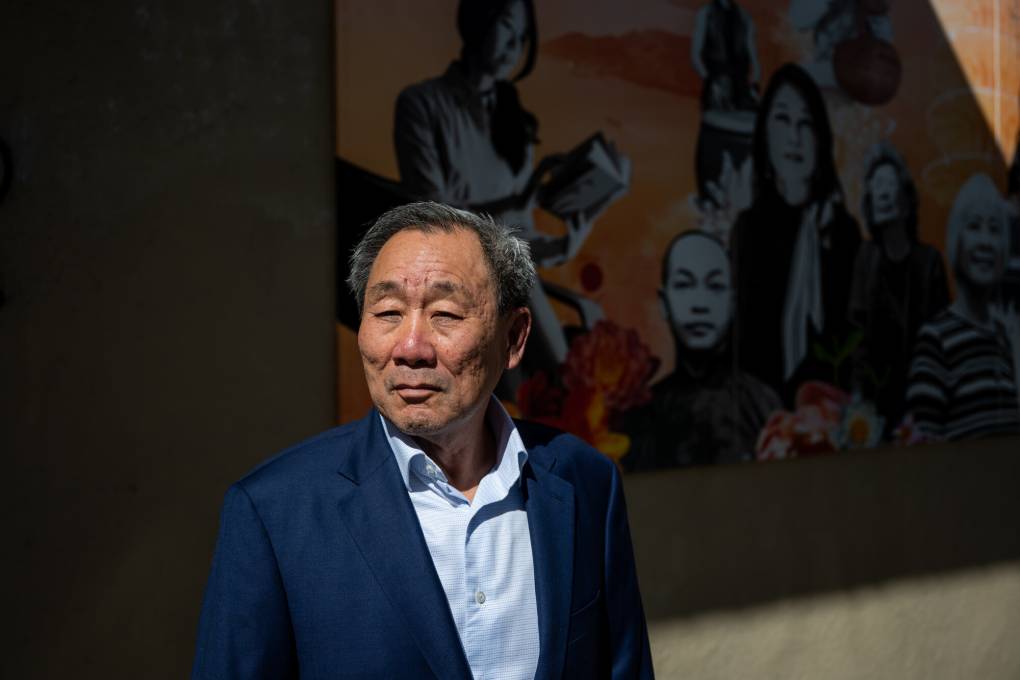
window.__INITIAL_STATE__={
"attachmentsReducer": {
"audio_0": {
"type": "attachments",
"id": "audio_0",
"imgSizes": {
"kqedFullSize": {
"file": "https://ww2.kqed.org/news/wp-content/themes/KQED-unified/img/audio_bgs/background0.jpg"
}
}
},
"audio_1": {
"type": "attachments",
"id": "audio_1",
"imgSizes": {
"kqedFullSize": {
"file": "https://ww2.kqed.org/news/wp-content/themes/KQED-unified/img/audio_bgs/background1.jpg"
}
}
},
"audio_2": {
"type": "attachments",
"id": "audio_2",
"imgSizes": {
"kqedFullSize": {
"file": "https://ww2.kqed.org/news/wp-content/themes/KQED-unified/img/audio_bgs/background2.jpg"
}
}
},
"audio_3": {
"type": "attachments",
"id": "audio_3",
"imgSizes": {
"kqedFullSize": {
"file": "https://ww2.kqed.org/news/wp-content/themes/KQED-unified/img/audio_bgs/background3.jpg"
}
}
},
"audio_4": {
"type": "attachments",
"id": "audio_4",
"imgSizes": {
"kqedFullSize": {
"file": "https://ww2.kqed.org/news/wp-content/themes/KQED-unified/img/audio_bgs/background4.jpg"
}
}
},
"placeholder": {
"type": "attachments",
"id": "placeholder",
"imgSizes": {
"thumbnail": {
"file": "https://cdn.kqed.org/wp-content/uploads/2024/12/KQED-Default-Image-816638274-2000x1333-1-160x107.jpg",
"width": 160,
"height": 107,
"mimeType": "image/jpeg"
},
"medium": {
"file": "https://cdn.kqed.org/wp-content/uploads/2024/12/KQED-Default-Image-816638274-2000x1333-1-800x533.jpg",
"width": 800,
"height": 533,
"mimeType": "image/jpeg"
},
"medium_large": {
"file": "https://cdn.kqed.org/wp-content/uploads/2024/12/KQED-Default-Image-816638274-2000x1333-1-768x512.jpg",
"width": 768,
"height": 512,
"mimeType": "image/jpeg"
},
"large": {
"file": "https://cdn.kqed.org/wp-content/uploads/2024/12/KQED-Default-Image-816638274-2000x1333-1-1020x680.jpg",
"width": 1020,
"height": 680,
"mimeType": "image/jpeg"
},
"1536x1536": {
"file": "https://cdn.kqed.org/wp-content/uploads/2024/12/KQED-Default-Image-816638274-2000x1333-1-1536x1024.jpg",
"width": 1536,
"height": 1024,
"mimeType": "image/jpeg"
},
"fd-lrg": {
"file": "https://cdn.kqed.org/wp-content/uploads/2024/12/KQED-Default-Image-816638274-2000x1333-1-1536x1024.jpg",
"width": 1536,
"height": 1024,
"mimeType": "image/jpeg"
},
"fd-med": {
"file": "https://cdn.kqed.org/wp-content/uploads/2024/12/KQED-Default-Image-816638274-2000x1333-1-1020x680.jpg",
"width": 1020,
"height": 680,
"mimeType": "image/jpeg"
},
"fd-sm": {
"file": "https://cdn.kqed.org/wp-content/uploads/2024/12/KQED-Default-Image-816638274-2000x1333-1-800x533.jpg",
"width": 800,
"height": 533,
"mimeType": "image/jpeg"
},
"post-thumbnail": {
"file": "https://cdn.kqed.org/wp-content/uploads/2024/12/KQED-Default-Image-816638274-2000x1333-1-672x372.jpg",
"width": 672,
"height": 372,
"mimeType": "image/jpeg"
},
"twentyfourteen-full-width": {
"file": "https://cdn.kqed.org/wp-content/uploads/2024/12/KQED-Default-Image-816638274-2000x1333-1-1038x576.jpg",
"width": 1038,
"height": 576,
"mimeType": "image/jpeg"
},
"xxsmall": {
"file": "https://cdn.kqed.org/wp-content/uploads/2024/12/KQED-Default-Image-816638274-2000x1333-1-160x107.jpg",
"width": 160,
"height": 107,
"mimeType": "image/jpeg"
},
"xsmall": {
"file": "https://cdn.kqed.org/wp-content/uploads/2024/12/KQED-Default-Image-816638274-2000x1333-1-672x372.jpg",
"width": 672,
"height": 372,
"mimeType": "image/jpeg"
},
"small": {
"file": "https://cdn.kqed.org/wp-content/uploads/2024/12/KQED-Default-Image-816638274-2000x1333-1-672x372.jpg",
"width": 672,
"height": 372,
"mimeType": "image/jpeg"
},
"xlarge": {
"file": "https://cdn.kqed.org/wp-content/uploads/2024/12/KQED-Default-Image-816638274-2000x1333-1-1020x680.jpg",
"width": 1020,
"height": 680,
"mimeType": "image/jpeg"
},
"full-width": {
"file": "https://cdn.kqed.org/wp-content/uploads/2024/12/KQED-Default-Image-816638274-2000x1333-1-1920x1280.jpg",
"width": 1920,
"height": 1280,
"mimeType": "image/jpeg"
},
"guest-author-32": {
"file": "https://cdn.kqed.org/wp-content/uploads/2025/01/KQED-Default-Image-816638274-1333x1333-1-160x160.jpg",
"width": 32,
"height": 32,
"mimeType": "image/jpeg"
},
"guest-author-50": {
"file": "https://cdn.kqed.org/wp-content/uploads/2025/01/KQED-Default-Image-816638274-1333x1333-1-160x160.jpg",
"width": 50,
"height": 50,
"mimeType": "image/jpeg"
},
"guest-author-64": {
"file": "https://cdn.kqed.org/wp-content/uploads/2025/01/KQED-Default-Image-816638274-1333x1333-1-160x160.jpg",
"width": 64,
"height": 64,
"mimeType": "image/jpeg"
},
"guest-author-96": {
"file": "https://cdn.kqed.org/wp-content/uploads/2025/01/KQED-Default-Image-816638274-1333x1333-1-160x160.jpg",
"width": 96,
"height": 96,
"mimeType": "image/jpeg"
},
"guest-author-128": {
"file": "https://cdn.kqed.org/wp-content/uploads/2025/01/KQED-Default-Image-816638274-1333x1333-1-160x160.jpg",
"width": 128,
"height": 128,
"mimeType": "image/jpeg"
},
"detail": {
"file": "https://cdn.kqed.org/wp-content/uploads/2025/01/KQED-Default-Image-816638274-1333x1333-1-160x160.jpg",
"width": 160,
"height": 160,
"mimeType": "image/jpeg"
},
"kqedFullSize": {
"file": "https://cdn.kqed.org/wp-content/uploads/2024/12/KQED-Default-Image-816638274-2000x1333-1.jpg",
"width": 2000,
"height": 1333
}
}
},
"news_12034488": {
"type": "attachments",
"id": "news_12034488",
"meta": {
"index": "attachments_1716263798",
"site": "news",
"id": "12034488",
"found": true
},
"title": "USAID",
"publishDate": 1743723216,
"status": "inherit",
"parent": 12034478,
"modified": 1760568574,
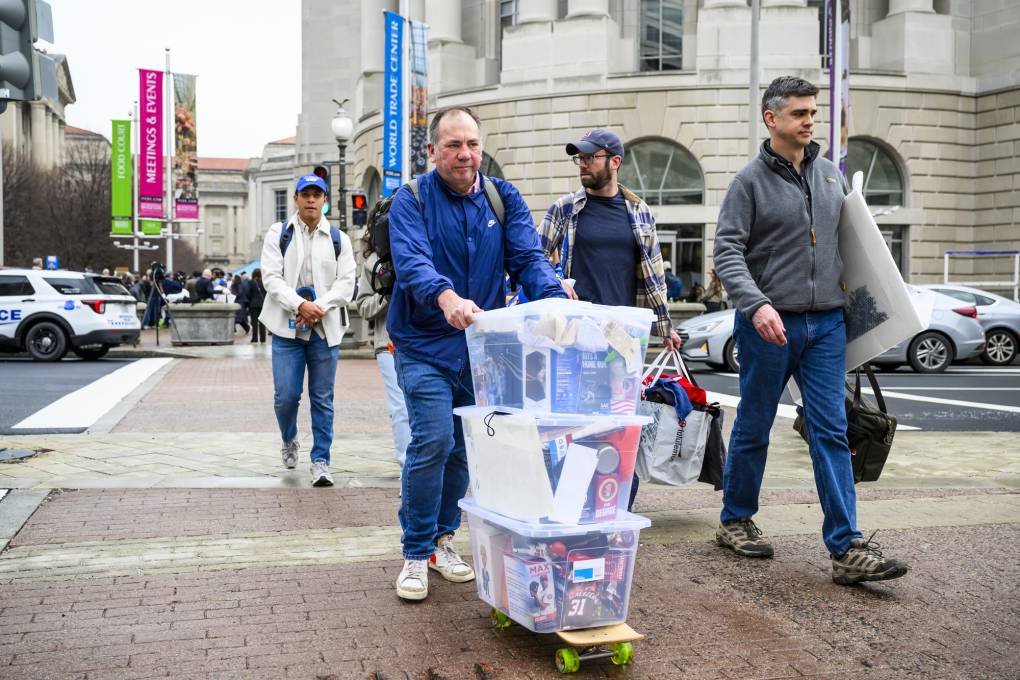
"caption": "A former USAID employee pushes personal items on a skateboard as he leaves the former USAID offices at the Ronald Reagan Building and International Trade Center on Feb. 27, 2025, in Washington, D.C. Amid the Trump administration’s mass layoffs, California has launched an initiative to recruit federal workers, especially in fields such as firefighting and medical and mental health.",
"credit": "Pete Kiehart/The Washington Post via Getty Images",
"altTag": null,
"description": null,
"imgSizes": {
"medium": {
"file": "https://cdn.kqed.org/wp-content/uploads/sites/10/2025/04/FederalEmployeeLayoffsGetty-800x533.jpg",
"width": 800,
"height": 533,
"mimeType": "image/jpeg"
},
"large": {
"file": "https://cdn.kqed.org/wp-content/uploads/sites/10/2025/04/FederalEmployeeLayoffsGetty-1020x680.jpg",
"width": 1020,
"height": 680,
"mimeType": "image/jpeg"
},
"thumbnail": {
"file": "https://cdn.kqed.org/wp-content/uploads/sites/10/2025/04/FederalEmployeeLayoffsGetty-160x107.jpg",
"width": 160,
"height": 107,
"mimeType": "image/jpeg"
},
"1536x1536": {
"file": "https://cdn.kqed.org/wp-content/uploads/sites/10/2025/04/FederalEmployeeLayoffsGetty-1536x1024.jpg",
"width": 1536,
"height": 1024,
"mimeType": "image/jpeg"
},
"post-thumbnail": {
"file": "https://cdn.kqed.org/wp-content/uploads/sites/10/2025/04/FederalEmployeeLayoffsGetty-672x372.jpg",
"width": 672,
"height": 372,
"mimeType": "image/jpeg"
},
"twentyfourteen-full-width": {
"file": "https://cdn.kqed.org/wp-content/uploads/sites/10/2025/04/FederalEmployeeLayoffsGetty-1038x576.jpg",
"width": 1038,
"height": 576,
"mimeType": "image/jpeg"
},
"full-width": {
"file": "https://cdn.kqed.org/wp-content/uploads/sites/10/2025/04/FederalEmployeeLayoffsGetty-1920x1280.jpg",
"width": 1920,
"height": 1280,
"mimeType": "image/jpeg"
},
"kqedFullSize": {
"file": "https://cdn.kqed.org/wp-content/uploads/sites/10/2025/04/FederalEmployeeLayoffsGetty.jpg",
"width": 2000,
"height": 1333
}
},
"isLoading": false,
"fetchFailed": false
},
"news_12034415": {
"type": "attachments",
"id": "news_12034415",
"meta": {
"index": "attachments_1716263798",
"site": "news",
"id": "12034415",
"found": true
},
"title": "071322-Mt-Shasta-GETTY-CM-01 copy",
"publishDate": 1743707869,
"status": "inherit",
"parent": 12034414,
"modified": 1743707908,
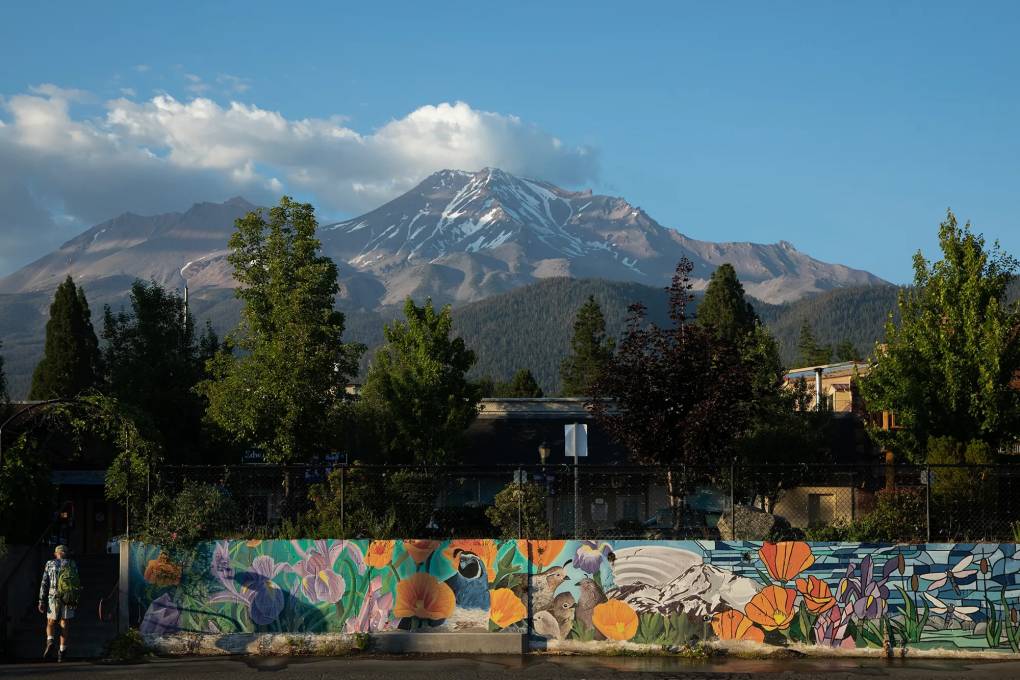
"caption": "Mount Shasta (right) and its geologic sibling Shastina, left, as seen from the city of Mount Shasta on July 13, 2022.",
"credit": "Myung J. Chun/Los Angeles Times via Getty Images",
"altTag": null,
"description": null,
"imgSizes": {
"medium": {
"file": "https://cdn.kqed.org/wp-content/uploads/sites/10/2025/04/071322-Mt-Shasta-GETTY-CM-01-copy-800x534.jpg",
"width": 800,
"height": 534,
"mimeType": "image/jpeg"
},
"large": {
"file": "https://cdn.kqed.org/wp-content/uploads/sites/10/2025/04/071322-Mt-Shasta-GETTY-CM-01-copy-1020x680.jpg",
"width": 1020,
"height": 680,
"mimeType": "image/jpeg"
},
"thumbnail": {
"file": "https://cdn.kqed.org/wp-content/uploads/sites/10/2025/04/071322-Mt-Shasta-GETTY-CM-01-copy-160x107.jpg",
"width": 160,
"height": 107,
"mimeType": "image/jpeg"
},
"1536x1536": {
"file": "https://cdn.kqed.org/wp-content/uploads/sites/10/2025/04/071322-Mt-Shasta-GETTY-CM-01-copy-1536x1025.jpg",
"width": 1536,
"height": 1025,
"mimeType": "image/jpeg"
},
"post-thumbnail": {
"file": "https://cdn.kqed.org/wp-content/uploads/sites/10/2025/04/071322-Mt-Shasta-GETTY-CM-01-copy-672x372.jpg",
"width": 672,
"height": 372,
"mimeType": "image/jpeg"
},
"twentyfourteen-full-width": {
"file": "https://cdn.kqed.org/wp-content/uploads/sites/10/2025/04/071322-Mt-Shasta-GETTY-CM-01-copy-1038x576.jpg",
"width": 1038,
"height": 576,
"mimeType": "image/jpeg"
},
"full-width": {
"file": "https://cdn.kqed.org/wp-content/uploads/sites/10/2025/04/071322-Mt-Shasta-GETTY-CM-01-copy-1920x1281.jpg",
"width": 1920,
"height": 1281,
"mimeType": "image/jpeg"
},
"kqedFullSize": {
"file": "https://cdn.kqed.org/wp-content/uploads/sites/10/2025/04/071322-Mt-Shasta-GETTY-CM-01-copy.jpg",
"width": 2000,
"height": 1334
}
},
"isLoading": false,
"fetchFailed": false
},
"news_12030406": {
"type": "attachments",
"id": "news_12030406",
"meta": {
"index": "attachments_1716263798",
"site": "news",
"id": "12030406",
"found": true
},
"title": "250307-BERKELEY SCIENCE PROTEST-MD-06-KQED",
"publishDate": 1741387524,
"status": "inherit",
"parent": 12030313,
"modified": 1741396036,
"caption": "Fred Dillon cheers at a rally at UC Berkeley in association with the national Stand Up for Science day of action in Berkeley on March 7, 2025.",
"credit": "Martin do Nascimento/KQED",
"altTag": null,
"description": null,
"imgSizes": {
"medium": {
"file": "https://cdn.kqed.org/wp-content/uploads/sites/10/2025/03/250307-BERKELEY-SCIENCE-PROTEST-MD-06-KQED-800x533.jpg",
"width": 800,
"height": 533,
"mimeType": "image/jpeg"
},
"large": {
"file": "https://cdn.kqed.org/wp-content/uploads/sites/10/2025/03/250307-BERKELEY-SCIENCE-PROTEST-MD-06-KQED-1020x680.jpg",
"width": 1020,
"height": 680,
"mimeType": "image/jpeg"
},
"thumbnail": {
"file": "https://cdn.kqed.org/wp-content/uploads/sites/10/2025/03/250307-BERKELEY-SCIENCE-PROTEST-MD-06-KQED-160x107.jpg",
"width": 160,
"height": 107,
"mimeType": "image/jpeg"
},
"1536x1536": {
"file": "https://cdn.kqed.org/wp-content/uploads/sites/10/2025/03/250307-BERKELEY-SCIENCE-PROTEST-MD-06-KQED-1536x1024.jpg",
"width": 1536,
"height": 1024,
"mimeType": "image/jpeg"
},
"post-thumbnail": {
"file": "https://cdn.kqed.org/wp-content/uploads/sites/10/2025/03/250307-BERKELEY-SCIENCE-PROTEST-MD-06-KQED-672x372.jpg",
"width": 672,
"height": 372,
"mimeType": "image/jpeg"
},
"twentyfourteen-full-width": {
"file": "https://cdn.kqed.org/wp-content/uploads/sites/10/2025/03/250307-BERKELEY-SCIENCE-PROTEST-MD-06-KQED-1038x576.jpg",
"width": 1038,
"height": 576,
"mimeType": "image/jpeg"
},
"full-width": {
"file": "https://cdn.kqed.org/wp-content/uploads/sites/10/2025/03/250307-BERKELEY-SCIENCE-PROTEST-MD-06-KQED-1920x1280.jpg",
"width": 1920,
"height": 1280,
"mimeType": "image/jpeg"
},
"kqedFullSize": {
"file": "https://cdn.kqed.org/wp-content/uploads/sites/10/2025/03/250307-BERKELEY-SCIENCE-PROTEST-MD-06-KQED.jpg",
"width": 2000,
"height": 1333
}
},
"isLoading": false,
"fetchFailed": false
},
"news_12034292": {
"type": "attachments",
"id": "news_12034292",
"meta": {
"index": "attachments_1716263798",
"site": "news",
"id": "12034292",
"found": true
},
"title": "Trump",
"publishDate": 1743626041,
"status": "inherit",
"parent": 12034289,
"modified": 1743626075,
"caption": "President Donald Trump speaks during an event to announce new tariffs in the Rose Garden at the White House, Wednesday, April 2, 2025, in Washington.",
"credit": "Mark Schiefelbein/AP Photo",
"altTag": null,
"description": null,
"imgSizes": {
"medium": {
"file": "https://cdn.kqed.org/wp-content/uploads/sites/10/2025/04/AP25092726973833-800x533.jpg",
"width": 800,
"height": 533,
"mimeType": "image/jpeg"
},
"large": {
"file": "https://cdn.kqed.org/wp-content/uploads/sites/10/2025/04/AP25092726973833-1020x680.jpg",
"width": 1020,
"height": 680,
"mimeType": "image/jpeg"
},
"thumbnail": {
"file": "https://cdn.kqed.org/wp-content/uploads/sites/10/2025/04/AP25092726973833-160x107.jpg",
"width": 160,
"height": 107,
"mimeType": "image/jpeg"
},
"1536x1536": {
"file": "https://cdn.kqed.org/wp-content/uploads/sites/10/2025/04/AP25092726973833-1536x1024.jpg",
"width": 1536,
"height": 1024,
"mimeType": "image/jpeg"
},
"2048x2048": {
"file": "https://cdn.kqed.org/wp-content/uploads/sites/10/2025/04/AP25092726973833-2048x1366.jpg",
"width": 2048,
"height": 1366,
"mimeType": "image/jpeg"
},
"post-thumbnail": {
"file": "https://cdn.kqed.org/wp-content/uploads/sites/10/2025/04/AP25092726973833-672x372.jpg",
"width": 672,
"height": 372,
"mimeType": "image/jpeg"
},
"twentyfourteen-full-width": {
"file": "https://cdn.kqed.org/wp-content/uploads/sites/10/2025/04/AP25092726973833-1038x576.jpg",
"width": 1038,
"height": 576,
"mimeType": "image/jpeg"
},
"full-width": {
"file": "https://cdn.kqed.org/wp-content/uploads/sites/10/2025/04/AP25092726973833-1920x1280.jpg",
"width": 1920,
"height": 1280,
"mimeType": "image/jpeg"
},
"kqedFullSize": {
"file": "https://cdn.kqed.org/wp-content/uploads/sites/10/2025/04/AP25092726973833-scaled-e1745005220186.jpg",
"width": 2000,
"height": 1334
}
},
"isLoading": false,
"fetchFailed": false
},
"news_12034018": {
"type": "attachments",
"id": "news_12034018",
"meta": {
"index": "attachments_1716263798",
"site": "news",
"id": "12034018",
"found": true
},
"title": "DSC_0194_qed",
"publishDate": 1743532379,
"status": "inherit",
"parent": 0,
"modified": 1743532556,
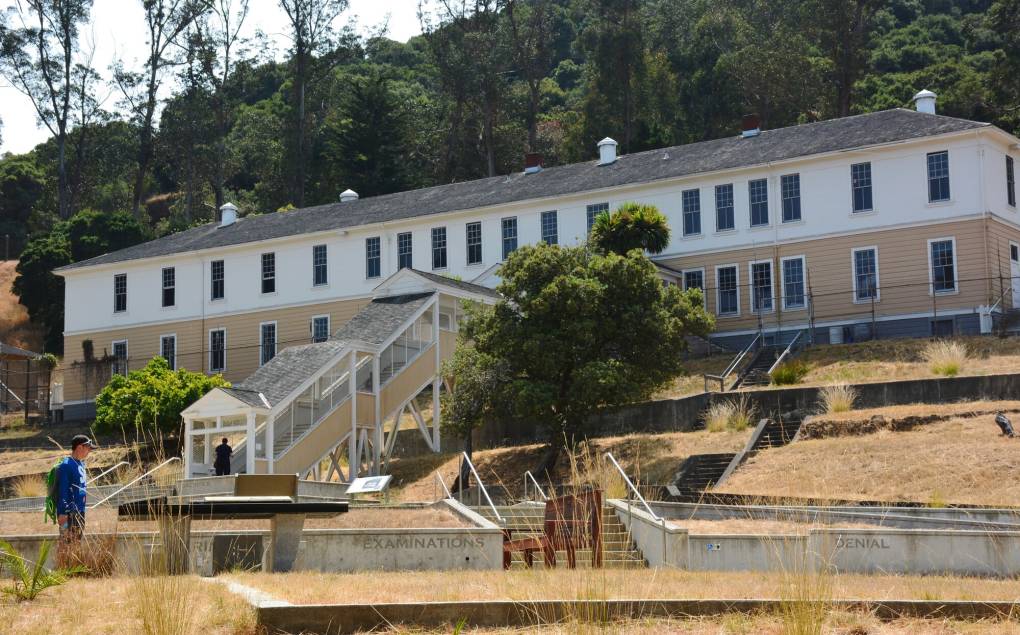
"caption": "Before the station opened in 1910, immigrants coming from the Pacific were housed in unsanitary facilities located at the Pacific Mail Steamship Company docks on the San Francisco waterfront. Angel Island was conceived as an ideal location for detention barracks due to its isolation from the mainland.",
"credit": "Marisol Medina-Cadena/KQED",
"altTag": null,
"description": null,
"imgSizes": {
"medium": {
"file": "https://cdn.kqed.org/wp-content/uploads/sites/10/2025/04/DSC_0194_qed-800x498.jpg",
"width": 800,
"height": 498,
"mimeType": "image/jpeg"
},
"large": {
"file": "https://cdn.kqed.org/wp-content/uploads/sites/10/2025/04/DSC_0194_qed-1020x635.jpg",
"width": 1020,
"height": 635,
"mimeType": "image/jpeg"
},
"thumbnail": {
"file": "https://cdn.kqed.org/wp-content/uploads/sites/10/2025/04/DSC_0194_qed-160x100.jpg",
"width": 160,
"height": 100,
"mimeType": "image/jpeg"
},
"1536x1536": {
"file": "https://cdn.kqed.org/wp-content/uploads/sites/10/2025/04/DSC_0194_qed-1536x957.jpg",
"width": 1536,
"height": 957,
"mimeType": "image/jpeg"
},
"post-thumbnail": {
"file": "https://cdn.kqed.org/wp-content/uploads/sites/10/2025/04/DSC_0194_qed-672x372.jpg",
"width": 672,
"height": 372,
"mimeType": "image/jpeg"
},
"twentyfourteen-full-width": {
"file": "https://cdn.kqed.org/wp-content/uploads/sites/10/2025/04/DSC_0194_qed-1038x576.jpg",
"width": 1038,
"height": 576,
"mimeType": "image/jpeg"
},
"full-width": {
"file": "https://cdn.kqed.org/wp-content/uploads/sites/10/2025/04/DSC_0194_qed-1920x1196.jpg",
"width": 1920,
"height": 1196,
"mimeType": "image/jpeg"
},
"kqedFullSize": {
"file": "https://cdn.kqed.org/wp-content/uploads/sites/10/2025/04/DSC_0194_qed.jpg",
"width": 2000,
"height": 1246
}
},
"isLoading": false,
"fetchFailed": false
},
"news_12023542": {
"type": "attachments",
"id": "news_12023542",
"meta": {
"index": "attachments_1716263798",
"site": "news",
"id": "12023542",
"found": true
},
"title": "250122-OaklandImmigrants-13-BL",
"publishDate": 1737580494,
"status": "inherit",
"parent": 12023560,
"modified": 1737586928,
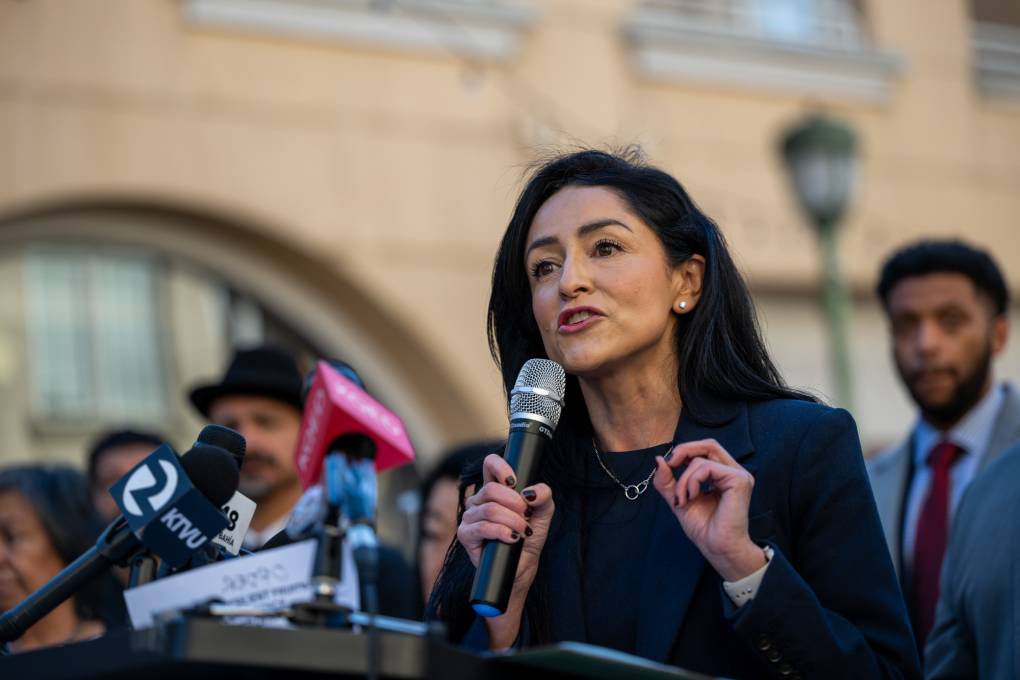
"caption": "Monique Berlanga, Executive Director for Centro Legal de La Raza, speaks during a press conference with leaders from community groups throughout Alameda County in the Fruitvale neighborhood of Oakland on Jan. 22, 2025.",
"credit": "Beth LaBerge/KQED",
"altTag": null,
"description": null,
"imgSizes": {
"medium": {
"file": "https://cdn.kqed.org/wp-content/uploads/sites/10/2025/01/250122-OaklandImmigrants-13-BL-800x533.jpg",
"width": 800,
"height": 533,
"mimeType": "image/jpeg"
},
"large": {
"file": "https://cdn.kqed.org/wp-content/uploads/sites/10/2025/01/250122-OaklandImmigrants-13-BL-1020x680.jpg",
"width": 1020,
"height": 680,
"mimeType": "image/jpeg"
},
"thumbnail": {
"file": "https://cdn.kqed.org/wp-content/uploads/sites/10/2025/01/250122-OaklandImmigrants-13-BL-160x107.jpg",
"width": 160,
"height": 107,
"mimeType": "image/jpeg"
},
"1536x1536": {
"file": "https://cdn.kqed.org/wp-content/uploads/sites/10/2025/01/250122-OaklandImmigrants-13-BL-1536x1024.jpg",
"width": 1536,
"height": 1024,
"mimeType": "image/jpeg"
},
"post-thumbnail": {
"file": "https://cdn.kqed.org/wp-content/uploads/sites/10/2025/01/250122-OaklandImmigrants-13-BL-672x372.jpg",
"width": 672,
"height": 372,
"mimeType": "image/jpeg"
},
"twentyfourteen-full-width": {
"file": "https://cdn.kqed.org/wp-content/uploads/sites/10/2025/01/250122-OaklandImmigrants-13-BL-1038x576.jpg",
"width": 1038,
"height": 576,
"mimeType": "image/jpeg"
},
"full-width": {
"file": "https://cdn.kqed.org/wp-content/uploads/sites/10/2025/01/250122-OaklandImmigrants-13-BL-1920x1280.jpg",
"width": 1920,
"height": 1280,
"mimeType": "image/jpeg"
},
"kqedFullSize": {
"file": "https://cdn.kqed.org/wp-content/uploads/sites/10/2025/01/250122-OaklandImmigrants-13-BL.jpg",
"width": 2000,
"height": 1333
}
},
"isLoading": false,
"fetchFailed": false
},
"news_12034002": {
"type": "attachments",
"id": "news_12034002",
"meta": {
"index": "attachments_1716263798",
"site": "news",
"id": "12034002",
"found": true
},
"title": "034_SanFrancisco_AlexPadillaMissionKids_06012021_qed (1)",
"publishDate": 1743529094,
"status": "inherit",
"parent": 12033989,
"modified": 1743529142,
"caption": "Sen. Alex Padilla speaks at a press briefing in San Francisco on June 1, 2021.",
"credit": "Beth LaBerge/KQED",
"altTag": null,
"description": null,
"imgSizes": {
"medium": {
"file": "https://cdn.kqed.org/wp-content/uploads/sites/10/2025/04/034_SanFrancisco_AlexPadillaMissionKids_06012021_qed-1-800x533.jpg",
"width": 800,
"height": 533,
"mimeType": "image/jpeg"
},
"large": {
"file": "https://cdn.kqed.org/wp-content/uploads/sites/10/2025/04/034_SanFrancisco_AlexPadillaMissionKids_06012021_qed-1-1020x680.jpg",
"width": 1020,
"height": 680,
"mimeType": "image/jpeg"
},
"thumbnail": {
"file": "https://cdn.kqed.org/wp-content/uploads/sites/10/2025/04/034_SanFrancisco_AlexPadillaMissionKids_06012021_qed-1-160x107.jpg",
"width": 160,
"height": 107,
"mimeType": "image/jpeg"
},
"1536x1536": {
"file": "https://cdn.kqed.org/wp-content/uploads/sites/10/2025/04/034_SanFrancisco_AlexPadillaMissionKids_06012021_qed-1-1536x1024.jpg",
"width": 1536,
"height": 1024,
"mimeType": "image/jpeg"
},
"post-thumbnail": {
"file": "https://cdn.kqed.org/wp-content/uploads/sites/10/2025/04/034_SanFrancisco_AlexPadillaMissionKids_06012021_qed-1-672x372.jpg",
"width": 672,
"height": 372,
"mimeType": "image/jpeg"
},
"twentyfourteen-full-width": {
"file": "https://cdn.kqed.org/wp-content/uploads/sites/10/2025/04/034_SanFrancisco_AlexPadillaMissionKids_06012021_qed-1-1038x576.jpg",
"width": 1038,
"height": 576,
"mimeType": "image/jpeg"
},
"full-width": {
"file": "https://cdn.kqed.org/wp-content/uploads/sites/10/2025/04/034_SanFrancisco_AlexPadillaMissionKids_06012021_qed-1-1920x1280.jpg",
"width": 1920,
"height": 1280,
"mimeType": "image/jpeg"
},
"kqedFullSize": {
"file": "https://cdn.kqed.org/wp-content/uploads/sites/10/2025/04/034_SanFrancisco_AlexPadillaMissionKids_06012021_qed-1.jpg",
"width": 2000,
"height": 1333
}
},
"isLoading": false,
"fetchFailed": false
},
"news_12029632": {
"type": "attachments",
"id": "news_12029632",
"meta": {
"index": "attachments_1716263798",
"site": "news",
"id": "12029632",
"found": true
},
"title": "20250227_TRANSGENDERSELFDEFENSE_GC-32-KQED",
"publishDate": 1741117448,
"status": "inherit",
"parent": 12032731,
"modified": 1742843405,
"caption": "Training instructor Joseph Bautista, center, demonstrates how to do a move to Skyler, left, and Moss O’Neal, right, during a self-defense training for transgender and gender nonconforming (TGNC) community members, at the Transgender District office, in San Francisco on Feb. 27, 2025. The training was organized by The Transgender District and Lyric SF.",
"credit": "Gina Castro/KQED",
"altTag": null,
"description": null,
"imgSizes": {
"medium": {
"file": "https://cdn.kqed.org/wp-content/uploads/sites/10/2025/03/20250227_TRANSGENDERSELFDEFENSE_GC-32-KQED-800x533.jpg",
"width": 800,
"height": 533,
"mimeType": "image/jpeg"
},
"large": {
"file": "https://cdn.kqed.org/wp-content/uploads/sites/10/2025/03/20250227_TRANSGENDERSELFDEFENSE_GC-32-KQED-1020x680.jpg",
"width": 1020,
"height": 680,
"mimeType": "image/jpeg"
},
"thumbnail": {
"file": "https://cdn.kqed.org/wp-content/uploads/sites/10/2025/03/20250227_TRANSGENDERSELFDEFENSE_GC-32-KQED-160x107.jpg",
"width": 160,
"height": 107,
"mimeType": "image/jpeg"
},
"1536x1536": {
"file": "https://cdn.kqed.org/wp-content/uploads/sites/10/2025/03/20250227_TRANSGENDERSELFDEFENSE_GC-32-KQED-1536x1024.jpg",
"width": 1536,
"height": 1024,
"mimeType": "image/jpeg"
},
"post-thumbnail": {
"file": "https://cdn.kqed.org/wp-content/uploads/sites/10/2025/03/20250227_TRANSGENDERSELFDEFENSE_GC-32-KQED-672x372.jpg",
"width": 672,
"height": 372,
"mimeType": "image/jpeg"
},
"twentyfourteen-full-width": {
"file": "https://cdn.kqed.org/wp-content/uploads/sites/10/2025/03/20250227_TRANSGENDERSELFDEFENSE_GC-32-KQED-1038x576.jpg",
"width": 1038,
"height": 576,
"mimeType": "image/jpeg"
},
"full-width": {
"file": "https://cdn.kqed.org/wp-content/uploads/sites/10/2025/03/20250227_TRANSGENDERSELFDEFENSE_GC-32-KQED-1920x1280.jpg",
"width": 1920,
"height": 1280,
"mimeType": "image/jpeg"
},
"kqedFullSize": {
"file": "https://cdn.kqed.org/wp-content/uploads/sites/10/2025/03/20250227_TRANSGENDERSELFDEFENSE_GC-32-KQED.jpg",
"width": 2000,
"height": 1333
}
},
"isLoading": false,
"fetchFailed": false
},
"news_12034052": {
"type": "attachments",
"id": "news_12034052",
"meta": {
"index": "attachments_1716263798",
"site": "news",
"id": "12034052",
"found": true
},
"title": "npr.brightspotcdn copy",
"publishDate": 1743535362,
"status": "inherit",
"parent": 12034051,
"modified": 1743535422,
"caption": "In this image provided by Senate Television, Sen, Cory Booker (D-N.J.) speaks on the Senate floor, Tuesday morning, April 1, 2025. ",
"credit": "Senate Television via AP",
"altTag": null,
"description": null,
"imgSizes": {
"medium": {
"file": "https://cdn.kqed.org/wp-content/uploads/sites/10/2025/04/npr.brightspotcdn-copy-2-800x533.jpg",
"width": 800,
"height": 533,
"mimeType": "image/jpeg"
},
"large": {
"file": "https://cdn.kqed.org/wp-content/uploads/sites/10/2025/04/npr.brightspotcdn-copy-2-1020x679.jpg",
"width": 1020,
"height": 679,
"mimeType": "image/jpeg"
},
"thumbnail": {
"file": "https://cdn.kqed.org/wp-content/uploads/sites/10/2025/04/npr.brightspotcdn-copy-2-160x107.jpg",
"width": 160,
"height": 107,
"mimeType": "image/jpeg"
},
"1536x1536": {
"file": "https://cdn.kqed.org/wp-content/uploads/sites/10/2025/04/npr.brightspotcdn-copy-2-1536x1022.jpg",
"width": 1536,
"height": 1022,
"mimeType": "image/jpeg"
},
"post-thumbnail": {
"file": "https://cdn.kqed.org/wp-content/uploads/sites/10/2025/04/npr.brightspotcdn-copy-2-672x372.jpg",
"width": 672,
"height": 372,
"mimeType": "image/jpeg"
},
"twentyfourteen-full-width": {
"file": "https://cdn.kqed.org/wp-content/uploads/sites/10/2025/04/npr.brightspotcdn-copy-2-1038x576.jpg",
"width": 1038,
"height": 576,
"mimeType": "image/jpeg"
},
"kqedFullSize": {
"file": "https://cdn.kqed.org/wp-content/uploads/sites/10/2025/04/npr.brightspotcdn-copy-2.jpg",
"width": 1600,
"height": 1065
}
},
"isLoading": false,
"fetchFailed": false
},
"news_11789749": {
"type": "attachments",
"id": "news_11789749",
"meta": {
"index": "attachments_1716263798",
"site": "news",
"id": "11789749",
"found": true
},
"title": "House Speaker Nancy Pelosi, D-Calif., announced at the Capitol on Thursday that the House is drafting articles of impeachment against President Trump.",
"publishDate": 1575558841,
"status": "inherit",
"parent": 11789748,
"modified": 1743526303,
"caption": null,
"credit": "J. Scott Applewhite/AP",
"altTag": null,
"description": "House Speaker Nancy Pelosi, D-Calif., announced at the Capitol on Thursday that the House is drafting articles of impeachment against President Trump.",
"imgSizes": {
"thumbnail": {
"file": "https://cdn.kqed.org/wp-content/uploads/sites/10/2019/12/ap_19339517645312_wide-ffafd91c38d240cad446fa4a43ddd2ffbad7e6f0-160x90.jpg",
"width": 160,
"height": 90,
"mimeType": "image/jpeg"
},
"medium": {
"file": "https://cdn.kqed.org/wp-content/uploads/sites/10/2019/12/ap_19339517645312_wide-ffafd91c38d240cad446fa4a43ddd2ffbad7e6f0-800x450.jpg",
"width": 800,
"height": 450,
"mimeType": "image/jpeg"
},
"large": {
"file": "https://cdn.kqed.org/wp-content/uploads/sites/10/2019/12/ap_19339517645312_wide-ffafd91c38d240cad446fa4a43ddd2ffbad7e6f0-1020x574.jpg",
"width": 1020,
"height": 574,
"mimeType": "image/jpeg"
},
"complete_open_graph": {
"file": "https://cdn.kqed.org/wp-content/uploads/sites/10/2019/12/ap_19339517645312_wide-ffafd91c38d240cad446fa4a43ddd2ffbad7e6f0-1200x675.jpg",
"width": 1200,
"height": 675,
"mimeType": "image/jpeg"
},
"post-thumbnail": {
"file": "https://cdn.kqed.org/wp-content/uploads/sites/10/2019/12/ap_19339517645312_wide-ffafd91c38d240cad446fa4a43ddd2ffbad7e6f0-672x372.jpg",
"width": 672,
"height": 372,
"mimeType": "image/jpeg"
},
"twentyfourteen-full-width": {
"file": "https://cdn.kqed.org/wp-content/uploads/sites/10/2019/12/ap_19339517645312_wide-ffafd91c38d240cad446fa4a43ddd2ffbad7e6f0-1038x576.jpg",
"width": 1038,
"height": 576,
"mimeType": "image/jpeg"
},
"full-width": {
"file": "https://cdn.kqed.org/wp-content/uploads/sites/10/2019/12/ap_19339517645312_wide-ffafd91c38d240cad446fa4a43ddd2ffbad7e6f0-1920x1080.jpg",
"width": 1920,
"height": 1080,
"mimeType": "image/jpeg"
},
"apple_news_ca_landscape_12_9": {
"file": "https://cdn.kqed.org/wp-content/uploads/sites/10/2019/12/ap_19339517645312_wide-ffafd91c38d240cad446fa4a43ddd2ffbad7e6f0-1832x1374.jpg",
"width": 1832,
"height": 1374,
"mimeType": "image/jpeg"
},
"apple_news_ca_landscape_9_7": {
"file": "https://cdn.kqed.org/wp-content/uploads/sites/10/2019/12/ap_19339517645312_wide-ffafd91c38d240cad446fa4a43ddd2ffbad7e6f0-1376x1032.jpg",
"width": 1376,
"height": 1032,
"mimeType": "image/jpeg"
},
"apple_news_ca_landscape_5_5": {
"file": "https://cdn.kqed.org/wp-content/uploads/sites/10/2019/12/ap_19339517645312_wide-ffafd91c38d240cad446fa4a43ddd2ffbad7e6f0-1044x783.jpg",
"width": 1044,
"height": 783,
"mimeType": "image/jpeg"
},
"apple_news_ca_landscape_4_7": {
"file": "https://cdn.kqed.org/wp-content/uploads/sites/10/2019/12/ap_19339517645312_wide-ffafd91c38d240cad446fa4a43ddd2ffbad7e6f0-632x474.jpg",
"width": 632,
"height": 474,
"mimeType": "image/jpeg"
},
"apple_news_ca_landscape_4_0": {
"file": "https://cdn.kqed.org/wp-content/uploads/sites/10/2019/12/ap_19339517645312_wide-ffafd91c38d240cad446fa4a43ddd2ffbad7e6f0-536x402.jpg",
"width": 536,
"height": 402,
"mimeType": "image/jpeg"
},
"apple_news_ca_portrait_12_9": {
"file": "https://cdn.kqed.org/wp-content/uploads/sites/10/2019/12/ap_19339517645312_wide-ffafd91c38d240cad446fa4a43ddd2ffbad7e6f0-1122x1496.jpg",
"width": 1122,
"height": 1496,
"mimeType": "image/jpeg"
},
"apple_news_ca_portrait_9_7": {
"file": "https://cdn.kqed.org/wp-content/uploads/sites/10/2019/12/ap_19339517645312_wide-ffafd91c38d240cad446fa4a43ddd2ffbad7e6f0-840x1120.jpg",
"width": 840,
"height": 1120,
"mimeType": "image/jpeg"
},
"apple_news_ca_portrait_5_5": {
"file": "https://cdn.kqed.org/wp-content/uploads/sites/10/2019/12/ap_19339517645312_wide-ffafd91c38d240cad446fa4a43ddd2ffbad7e6f0-687x916.jpg",
"width": 687,
"height": 916,
"mimeType": "image/jpeg"
},
"apple_news_ca_portrait_4_7": {
"file": "https://cdn.kqed.org/wp-content/uploads/sites/10/2019/12/ap_19339517645312_wide-ffafd91c38d240cad446fa4a43ddd2ffbad7e6f0-414x552.jpg",
"width": 414,
"height": 552,
"mimeType": "image/jpeg"
},
"apple_news_ca_portrait_4_0": {
"file": "https://cdn.kqed.org/wp-content/uploads/sites/10/2019/12/ap_19339517645312_wide-ffafd91c38d240cad446fa4a43ddd2ffbad7e6f0-354x472.jpg",
"width": 354,
"height": 472,
"mimeType": "image/jpeg"
},
"apple_news_ca_square_12_9": {
"file": "https://cdn.kqed.org/wp-content/uploads/sites/10/2019/12/ap_19339517645312_wide-ffafd91c38d240cad446fa4a43ddd2ffbad7e6f0-1472x1472.jpg",
"width": 1472,
"height": 1472,
"mimeType": "image/jpeg"
},
"apple_news_ca_square_9_7": {
"file": "https://cdn.kqed.org/wp-content/uploads/sites/10/2019/12/ap_19339517645312_wide-ffafd91c38d240cad446fa4a43ddd2ffbad7e6f0-1104x1104.jpg",
"width": 1104,
"height": 1104,
"mimeType": "image/jpeg"
},
"apple_news_ca_square_5_5": {
"file": "https://cdn.kqed.org/wp-content/uploads/sites/10/2019/12/ap_19339517645312_wide-ffafd91c38d240cad446fa4a43ddd2ffbad7e6f0-912x912.jpg",
"width": 912,
"height": 912,
"mimeType": "image/jpeg"
},
"apple_news_ca_square_4_7": {
"file": "https://cdn.kqed.org/wp-content/uploads/sites/10/2019/12/ap_19339517645312_wide-ffafd91c38d240cad446fa4a43ddd2ffbad7e6f0-550x550.jpg",
"width": 550,
"height": 550,
"mimeType": "image/jpeg"
},
"apple_news_ca_square_4_0": {
"file": "https://cdn.kqed.org/wp-content/uploads/sites/10/2019/12/ap_19339517645312_wide-ffafd91c38d240cad446fa4a43ddd2ffbad7e6f0-470x470.jpg",
"width": 470,
"height": 470,
"mimeType": "image/jpeg"
},
"kqedFullSize": {
"file": "https://cdn.kqed.org/wp-content/uploads/sites/10/2019/12/ap_19339517645312_wide-ffafd91c38d240cad446fa4a43ddd2ffbad7e6f0-e1743526269468.jpg",
"width": 2000,
"height": 1125
}
},
"isLoading": false,
"fetchFailed": false
},
"news_12032980": {
"type": "attachments",
"id": "news_12032980",
"meta": {
"index": "attachments_1716263798",
"site": "news",
"id": "12032980",
"found": true
},
"title": "250324-WongKimArk-02-BL_qed",
"publishDate": 1742934572,
"status": "inherit",
"parent": 12078171,
"modified": 1775080239,
"caption": "Norman Wong, the great-grandson of Wong Kim Ark, stands in front of a mural featuring his great-grandfather in San Francisco’s Chinatown on March 24, 2025, where Wong Kim Ark was born.",
"credit": "Beth LaBerge/KQED",
"altTag": null,
"description": null,
"imgSizes": {
"medium": {
"file": "https://cdn.kqed.org/wp-content/uploads/sites/10/2025/03/250324-WongKimArk-02-BL_qed-800x533.jpg",
"width": 800,
"height": 533,
"mimeType": "image/jpeg"
},
"large": {
"file": "https://cdn.kqed.org/wp-content/uploads/sites/10/2025/03/250324-WongKimArk-02-BL_qed-1020x680.jpg",
"width": 1020,
"height": 680,
"mimeType": "image/jpeg"
},
"thumbnail": {
"file": "https://cdn.kqed.org/wp-content/uploads/sites/10/2025/03/250324-WongKimArk-02-BL_qed-160x107.jpg",
"width": 160,
"height": 107,
"mimeType": "image/jpeg"
},
"1536x1536": {
"file": "https://cdn.kqed.org/wp-content/uploads/sites/10/2025/03/250324-WongKimArk-02-BL_qed-1536x1024.jpg",
"width": 1536,
"height": 1024,
"mimeType": "image/jpeg"
},
"post-thumbnail": {
"file": "https://cdn.kqed.org/wp-content/uploads/sites/10/2025/03/250324-WongKimArk-02-BL_qed-672x372.jpg",
"width": 672,
"height": 372,
"mimeType": "image/jpeg"
},
"twentyfourteen-full-width": {
"file": "https://cdn.kqed.org/wp-content/uploads/sites/10/2025/03/250324-WongKimArk-02-BL_qed-1038x576.jpg",
"width": 1038,
"height": 576,
"mimeType": "image/jpeg"
},
"full-width": {
"file": "https://cdn.kqed.org/wp-content/uploads/sites/10/2025/03/250324-WongKimArk-02-BL_qed-1920x1280.jpg",
"width": 1920,
"height": 1280,
"mimeType": "image/jpeg"
},
"kqedFullSize": {
"file": "https://cdn.kqed.org/wp-content/uploads/sites/10/2025/03/250324-WongKimArk-02-BL_qed.jpg",
"width": 2000,
"height": 1333
}
},
"isLoading": false,
"fetchFailed": false
},
"news_12032696": {
"type": "attachments",
"id": "news_12032696",
"meta": {
"index": "attachments_1716263798",
"site": "news",
"id": "12032696",
"found": true
},
"title": "250323-DEM TOWN HALLS-MD-14-KQED-1",
"publishDate": 1742819407,
"status": "inherit",
"parent": 12032718,
"modified": 1742833083,
"caption": "(From center right) Connie Wright, Sally MacGuire and Ali Ramirez applaud and cheer at a town hall meeting with Rep. Ro Khanna at the MLK Community Center in Bakersfield on March 23, 2025.",
"credit": "Martin do Nascimento/KQED",
"altTag": null,
"description": null,
"imgSizes": {
"medium": {
"file": "https://cdn.kqed.org/wp-content/uploads/sites/10/2025/03/250323-DEM-TOWN-HALLS-MD-14-KQED-1-800x533.jpg",
"width": 800,
"height": 533,
"mimeType": "image/jpeg"
},
"large": {
"file": "https://cdn.kqed.org/wp-content/uploads/sites/10/2025/03/250323-DEM-TOWN-HALLS-MD-14-KQED-1-1020x680.jpg",
"width": 1020,
"height": 680,
"mimeType": "image/jpeg"
},
"thumbnail": {
"file": "https://cdn.kqed.org/wp-content/uploads/sites/10/2025/03/250323-DEM-TOWN-HALLS-MD-14-KQED-1-160x107.jpg",
"width": 160,
"height": 107,
"mimeType": "image/jpeg"
},
"1536x1536": {
"file": "https://cdn.kqed.org/wp-content/uploads/sites/10/2025/03/250323-DEM-TOWN-HALLS-MD-14-KQED-1-1536x1024.jpg",
"width": 1536,
"height": 1024,
"mimeType": "image/jpeg"
},
"post-thumbnail": {
"file": "https://cdn.kqed.org/wp-content/uploads/sites/10/2025/03/250323-DEM-TOWN-HALLS-MD-14-KQED-1-672x372.jpg",
"width": 672,
"height": 372,
"mimeType": "image/jpeg"
},
"twentyfourteen-full-width": {
"file": "https://cdn.kqed.org/wp-content/uploads/sites/10/2025/03/250323-DEM-TOWN-HALLS-MD-14-KQED-1-1038x576.jpg",
"width": 1038,
"height": 576,
"mimeType": "image/jpeg"
},
"full-width": {
"file": "https://cdn.kqed.org/wp-content/uploads/sites/10/2025/03/250323-DEM-TOWN-HALLS-MD-14-KQED-1-1920x1280.jpg",
"width": 1920,
"height": 1280,
"mimeType": "image/jpeg"
},
"kqedFullSize": {
"file": "https://cdn.kqed.org/wp-content/uploads/sites/10/2025/03/250323-DEM-TOWN-HALLS-MD-14-KQED-1.jpg",
"width": 2000,
"height": 1333
}
},
"isLoading": false,
"fetchFailed": false
}
},
"audioPlayerReducer": {
"postId": "stream_live",
"isPaused": true,
"isPlaying": false,
"pfsActive": false,
"pledgeModalIsOpen": true,
"playerDrawerIsOpen": false,
"liveAudioPlayStartedAt": 0,
"liveAudioPlayContext": ""
},
"authorsReducer": {
"byline_news_12034414": {
"type": "authors",
"id": "byline_news_12034414",
"meta": {
"override": true
},
"slug": "byline_news_12034414",
"name": "\u003ca href=\"https://calmatters.org/author/jeanne-kuang/\">Jeanne Kuang\u003c/a>, CalMatters",
"isLoading": false
},
"byline_news_12034289": {
"type": "authors",
"id": "byline_news_12034289",
"meta": {
"override": true
},
"slug": "byline_news_12034289",
"name": "Josh Boak, Associated Press",
"isLoading": false
},
"byline_news_12034051": {
"type": "authors",
"id": "byline_news_12034051",
"meta": {
"override": true
},
"slug": "byline_news_12034051",
"name": "\u003ca href=\"https://www.npr.org/people/776048102/rachel-treisman\">Rachel Treisman\u003c/a>, NPR",
"isLoading": false
},
"gmarzorati": {
"type": "authors",
"id": "227",
"meta": {
"index": "authors_1716337520",
"id": "227",
"found": true
},
"name": "Guy Marzorati",
"firstName": "Guy",
"lastName": "Marzorati",
"slug": "gmarzorati",
"email": "gmarzorati@KQED.org",
"display_author_email": true,
"staff_mastheads": [
"news"
],
"title": "Correspondent",
"bio": "Guy Marzorati is a correspondent on KQED's California Politics and Government Desk, based in San Jose. A graduate of Santa Clara University, Guy joined KQED in 2013. He reports on state and local politics and produces KQED's digital voter guide.",
"avatar": "https://secure.gravatar.com/avatar/e7038b8dbfd55b104369b76b1cd0b9de?s=600&d=blank&r=g",
"twitter": "guymarzorati",
"facebook": null,
"instagram": null,
"linkedin": null,
"sites": [
{
"site": "",
"roles": [
"editor"
]
},
{
"site": "news",
"roles": [
"editor"
]
},
{
"site": "science",
"roles": [
"editor"
]
},
{
"site": "forum",
"roles": [
"editor"
]
},
{
"site": "elections",
"roles": [
"editor"
]
},
{
"site": "liveblog",
"roles": [
"editor"
]
}
],
"headData": {
"title": "Guy Marzorati | KQED",
"description": "Correspondent",
"ogImgSrc": "https://secure.gravatar.com/avatar/e7038b8dbfd55b104369b76b1cd0b9de?s=600&d=blank&r=g",
"twImgSrc": "https://secure.gravatar.com/avatar/e7038b8dbfd55b104369b76b1cd0b9de?s=600&d=blank&r=g"
},
"isLoading": false,
"link": "/author/gmarzorati"
},
"tychehendricks": {
"type": "authors",
"id": "259",
"meta": {
"index": "authors_1716337520",
"id": "259",
"found": true
},
"name": "Tyche Hendricks",
"firstName": "Tyche",
"lastName": "Hendricks",
"slug": "tychehendricks",
"email": "thendricks@kqed.org",
"display_author_email": true,
"staff_mastheads": [
"news"
],
"title": "KQED Senior Editor, Immigration",
"bio": "\u003cspan style=\"font-weight: 400;\">Tyche Hendricks is KQED’s senior editor for immigration, leading coverage of the policy and politics that affect California’s immigrant communities. Her work for KQED’s radio and online audiences is also carried on NPR and other national outlets. She has been recognized with awards from the Radio and Television News Directors Association, the Society for Professional Journalists; the Education Writers Association; the Best of the West and the National Federation of Community Broadcasters. Before joining KQED in 2010, Tyche spent more than a dozen years as a newspaper reporter, notably at the \u003c/span>\u003ci>\u003cspan style=\"font-weight: 400;\">San Francisco Chronicle\u003c/span>\u003c/i>\u003cspan style=\"font-weight: 400;\">. At different times she has covered criminal justice, government and politics and urban planning. Tyche has taught in the MFA Creative Writing program at the University of San Francisco and at UC Berkeley’s Graduate School of Journalism, where she was co-director of a national immigration symposium for professional journalists. She is the author of \u003c/span>\u003ci>\u003cspan style=\"font-weight: 400;\">The Wind Doesn't Need a Passport: Stories from the U.S.-Mexico Borderlands\u003c/span>\u003c/i>\u003cspan style=\"font-weight: 400;\"> (University of California Press). \u003c/span>",
"avatar": "https://secure.gravatar.com/avatar/b8ee458e2731c2d43df86882ce17267e?s=600&d=blank&r=g",
"twitter": "tychehendricks",
"facebook": null,
"instagram": null,
"linkedin": null,
"sites": [
{
"site": "news",
"roles": [
"editor"
]
},
{
"site": "stateofhealth",
"roles": [
"editor"
]
}
],
"headData": {
"title": "Tyche Hendricks | KQED",
"description": "KQED Senior Editor, Immigration",
"ogImgSrc": "https://secure.gravatar.com/avatar/b8ee458e2731c2d43df86882ce17267e?s=600&d=blank&r=g",
"twImgSrc": "https://secure.gravatar.com/avatar/b8ee458e2731c2d43df86882ce17267e?s=600&d=blank&r=g"
},
"isLoading": false,
"link": "/author/tychehendricks"
},
"ecruzguevarra": {
"type": "authors",
"id": "8654",
"meta": {
"index": "authors_1716337520",
"id": "8654",
"found": true
},
"name": "Ericka Cruz Guevarra",
"firstName": "Ericka",
"lastName": "Cruz Guevarra",
"slug": "ecruzguevarra",
"email": "ecruzguevarra@kqed.org",
"display_author_email": true,
"staff_mastheads": [
"news"
],
"title": "Producer, The Bay Podcast",
"bio": "Ericka Cruz Guevarra is host of \u003ca href=\"https://www.kqed.org/podcasts/thebay\">\u003cem>The Bay\u003c/em>\u003c/a> podcast at KQED. Before host, she was the show’s producer. Her work in that capacity includes a three-part reported series on policing in Vallejo, which won a 2020 excellence in journalism award from the Society of Professional Journalists. Ericka has worked as a breaking news reporter at Oregon Public Broadcasting, helped produce the Code Switch podcast, and was KQED’s inaugural Raul Ramirez Diversity Fund intern. She’s also an alumna of NPR’s Next Generation Radio program. Send her an email if you have strong feelings about whether Fairfield and Suisun City are the Bay. Ericka is represented by SAG-AFTRA.",
"avatar": "https://secure.gravatar.com/avatar/25e5ab8d3d53fad2dcc7bb2b5c506b1a?s=600&d=blank&r=g",
"twitter": "NotoriousECG",
"facebook": null,
"instagram": null,
"linkedin": null,
"sites": [
{
"site": "arts",
"roles": [
"subscriber"
]
},
{
"site": "news",
"roles": [
"editor",
"manage_categories"
]
},
{
"site": "futureofyou",
"roles": [
"subscriber"
]
},
{
"site": "stateofhealth",
"roles": [
"subscriber"
]
},
{
"site": "science",
"roles": [
"editor"
]
},
{
"site": "forum",
"roles": [
"subscriber"
]
}
],
"headData": {
"title": "Ericka Cruz Guevarra | KQED",
"description": "Producer, The Bay Podcast",
"ogImgSrc": "https://secure.gravatar.com/avatar/25e5ab8d3d53fad2dcc7bb2b5c506b1a?s=600&d=blank&r=g",
"twImgSrc": "https://secure.gravatar.com/avatar/25e5ab8d3d53fad2dcc7bb2b5c506b1a?s=600&d=blank&r=g"
},
"isLoading": false,
"link": "/author/ecruzguevarra"
},
"fjhabvala": {
"type": "authors",
"id": "8659",
"meta": {
"index": "authors_1716337520",
"id": "8659",
"found": true
},
"name": "Farida Jhabvala Romero",
"firstName": "Farida",
"lastName": "Jhabvala Romero",
"slug": "fjhabvala",
"email": "fjhabvala@kqed.org",
"display_author_email": true,
"staff_mastheads": [
"news"
],
"title": "KQED Contributor",
"bio": "\u003cspan style=\"font-weight: 400;\">Farida Jhabvala Romero is a Labor Correspondent for KQED. She previously covered immigration. Farida was \u003ca href=\"https://www.ccnma.org/2022-most-influential-latina-journalists\">named\u003c/a> one of the 10 Most Influential Latina Journalists in California in 2022 by the California Chicano News Media Association. Her work has won awards from the Society of Professional Journalists (Northern California), as well as a national and regional Edward M. Murrow Award for the collaborative reporting projects “Dangerous Air” and “Graying California.” \u003c/span>\u003cspan style=\"font-weight: 400;\">Before joining KQED, Farida worked as a producer at Radio Bilingüe, a national public radio network. Farida earned her master’s degree in journalism from Stanford University.\u003c/span>",
"avatar": "https://secure.gravatar.com/avatar/c3ab27c5554b67b478f80971e515aa02?s=600&d=blank&r=g",
"twitter": "FaridaJhabvala",
"facebook": null,
"instagram": null,
"linkedin": "https://www.linkedin.com/in/faridajhabvala/",
"sites": [
{
"site": "news",
"roles": [
"editor"
]
},
{
"site": "stateofhealth",
"roles": [
"author"
]
}
],
"headData": {
"title": "Farida Jhabvala Romero | KQED",
"description": "KQED Contributor",
"ogImgSrc": "https://secure.gravatar.com/avatar/c3ab27c5554b67b478f80971e515aa02?s=600&d=blank&r=g",
"twImgSrc": "https://secure.gravatar.com/avatar/c3ab27c5554b67b478f80971e515aa02?s=600&d=blank&r=g"
},
"isLoading": false,
"link": "/author/fjhabvala"
},
"btaylor": {
"type": "authors",
"id": "11365",
"meta": {
"index": "authors_1716337520",
"id": "11365",
"found": true
},
"name": "Bianca Taylor",
"firstName": "Bianca",
"lastName": "Taylor",
"slug": "btaylor",
"email": "btaylor@KQED.org",
"display_author_email": false,
"staff_mastheads": [
"news"
],
"title": "Host and Producer ",
"bio": "Bianca Taylor is a news producer and host of KQED's The Latest podcast.\r\n\r\nHer work with KQED has been honored by the Society of Professional Journalists NorCal, the Webby's, the Regional Murrow Awards, and ONA. She has also worked with NPR, the BBC World Service, and the Washington Post Creative Group.\r\n\r\nBianca is represented by SAG-AFTRA.",
"avatar": "https://secure.gravatar.com/avatar/6b9d3f6552dd10470c5d1c2e58cfe717?s=600&d=blank&r=g",
"twitter": "SoundsLkeBianca",
"facebook": null,
"instagram": null,
"linkedin": null,
"sites": [
{
"site": "arts",
"roles": [
"editor"
]
},
{
"site": "news",
"roles": [
"edit_others_posts",
"editor"
]
},
{
"site": "pop",
"roles": [
"editor"
]
},
{
"site": "bayareabites",
"roles": [
"author"
]
},
{
"site": "science",
"roles": [
"editor"
]
},
{
"site": "forum",
"roles": [
"editor"
]
},
{
"site": "radio",
"roles": [
"editor"
]
},
{
"site": "podcasts",
"roles": [
"editor"
]
}
],
"headData": {
"title": "Bianca Taylor | KQED",
"description": "Host and Producer ",
"ogImgSrc": "https://secure.gravatar.com/avatar/6b9d3f6552dd10470c5d1c2e58cfe717?s=600&d=blank&r=g",
"twImgSrc": "https://secure.gravatar.com/avatar/6b9d3f6552dd10470c5d1c2e58cfe717?s=600&d=blank&r=g"
},
"isLoading": false,
"link": "/author/btaylor"
},
"amontecillo": {
"type": "authors",
"id": "11649",
"meta": {
"index": "authors_1716337520",
"id": "11649",
"found": true
},
"name": "Alan Montecillo",
"firstName": "Alan",
"lastName": "Montecillo",
"slug": "amontecillo",
"email": "amontecillo@kqed.org",
"display_author_email": false,
"staff_mastheads": [
"news"
],
"title": "KQED Contributor",
"bio": "Alan Montecillo is the senior editor of \u003cem>\u003ca href=\"http://kqed.org/thebay\">The Bay\u003c/a>, \u003c/em> KQED's local news podcast. Before moving to the Bay Area, he worked as a senior talk show producer for WILL in Champaign-Urbana, Illinois and at Oregon Public Broadcasting in Portland, Oregon. He has won journalism awards from the Society of Professional Journalists Northern California, the Public Media Journalists Association, The Signal Awards, and has also received a regional Edward R. Murrow award. Alan is a Filipino American from Hong Kong and a graduate of Reed College.",
"avatar": "https://secure.gravatar.com/avatar/d5e4e7a76481969ccba76f4e2b5ccabc?s=600&d=blank&r=g",
"twitter": "alanmontecillo",
"facebook": null,
"instagram": null,
"linkedin": null,
"sites": [
{
"site": "",
"roles": [
"editor"
]
},
{
"site": "news",
"roles": [
"editor",
"manage_categories"
]
}
],
"headData": {
"title": "Alan Montecillo | KQED",
"description": "KQED Contributor",
"ogImgSrc": "https://secure.gravatar.com/avatar/d5e4e7a76481969ccba76f4e2b5ccabc?s=600&d=blank&r=g",
"twImgSrc": "https://secure.gravatar.com/avatar/d5e4e7a76481969ccba76f4e2b5ccabc?s=600&d=blank&r=g"
},
"isLoading": false,
"link": "/author/amontecillo"
},
"ccabreralomeli": {
"type": "authors",
"id": "11708",
"meta": {
"index": "authors_1716337520",
"id": "11708",
"found": true
},
"name": "Carlos Cabrera-Lomelí",
"firstName": "Carlos",
"lastName": "Cabrera-Lomelí",
"slug": "ccabreralomeli",
"email": "ccabreralomeli@KQED.org",
"display_author_email": true,
"staff_mastheads": [
"news"
],
"title": "Community Reporter",
"bio": "Carlos Cabrera-Lomelí is a community reporter with KQED's digital engagement team. He also reports and co-produces for KQED's bilingual news hub KQED en Español. He grew up in San Francisco's Mission District and has previously worked with Univision, 48 Hills and REFORMA in Mexico City.",
"avatar": "https://secure.gravatar.com/avatar/c309be9665e484f887b818c89e273ecc673004f426f36b24d00a4d813a2e0518?s=600&d=blank&r=g",
"twitter": "@LomeliCabrera",
"bluesky": null,
"facebook": null,
"instagram": null,
"linkedin": null,
"sites": [
{
"site": "arts",
"roles": [
"editor"
]
},
{
"site": "news",
"roles": [
"editor"
]
},
{
"site": "about",
"roles": [
"editor"
]
},
{
"site": "science",
"roles": [
"editor"
]
},
{
"site": "perspectives",
"roles": [
"editor"
]
},
{
"site": "elections",
"roles": [
"editor"
]
},
{
"site": "liveblog",
"roles": [
"contributor"
]
}
],
"headData": {
"title": "Carlos Cabrera-Lomelí | KQED",
"description": "Community Reporter",
"ogImgSrc": "https://secure.gravatar.com/avatar/c309be9665e484f887b818c89e273ecc673004f426f36b24d00a4d813a2e0518?s=600&d=blank&r=g",
"twImgSrc": "https://secure.gravatar.com/avatar/c309be9665e484f887b818c89e273ecc673004f426f36b24d00a4d813a2e0518?s=600&d=blank&r=g"
},
"isLoading": false,
"link": "/author/ccabreralomeli"
},
"jessicakariisa": {
"type": "authors",
"id": "11831",
"meta": {
"index": "authors_1716337520",
"id": "11831",
"found": true
},
"name": "Jessica Kariisa",
"firstName": "Jessica",
"lastName": "Kariisa",
"slug": "jessicakariisa",
"email": "jkariisa@kqed.org",
"display_author_email": false,
"staff_mastheads": [],
"title": "Producer, The Bay",
"bio": "Jessica Kariisa is the producer of The Bay. She first joined KQED as an intern for The California Report Magazine, after which she became an on-call producer. She reported a Bay Curious episode on the use of rap lyrics in criminal trials which won a Society of Professional Journalists award in 2023 for Excellence in Features Journalism and the 2023 Signal Award for Best Conversation Starter. She’s worked on podcasts for Snap Judgment and American Public Media. Before embarking on her audio career, she was a music journalist.\r\n\r\nJessica Kariisa is represented by SAG-AFTRA.",
"avatar": "https://secure.gravatar.com/avatar/522e97b28ac0b3d411621c0fde8f3419c7b71ea2c5c262c57c4bb600963f328c?s=600&d=blank&r=g",
"twitter": null,
"bluesky": null,
"facebook": null,
"instagram": null,
"linkedin": null,
"sites": [
{
"site": "arts",
"roles": [
"author"
]
},
{
"site": "news",
"roles": [
"editor",
"manage_categories"
]
}
],
"headData": {
"title": "Jessica Kariisa | KQED",
"description": "Producer, The Bay",
"ogImgSrc": "https://secure.gravatar.com/avatar/522e97b28ac0b3d411621c0fde8f3419c7b71ea2c5c262c57c4bb600963f328c?s=600&d=blank&r=g",
"twImgSrc": "https://secure.gravatar.com/avatar/522e97b28ac0b3d411621c0fde8f3419c7b71ea2c5c262c57c4bb600963f328c?s=600&d=blank&r=g"
},
"isLoading": false,
"link": "/author/jessicakariisa"
},
"nkhan": {
"type": "authors",
"id": "11867",
"meta": {
"index": "authors_1716337520",
"id": "11867",
"found": true
},
"name": "Nisa Khan",
"firstName": "Nisa",
"lastName": "Khan",
"slug": "nkhan",
"email": "nkhan@kqed.org",
"display_author_email": false,
"staff_mastheads": [],
"title": "KQED Contributor",
"bio": "Nisa Khan is a reporter for KQED's Audience News Desk. She was formerly a data reporter at Michigan Radio. She earned a Bachelor of Science in Information from the University of Michigan and a Master of Arts in Communication from Stanford University.",
"avatar": "https://secure.gravatar.com/avatar/a3bf1efcfbe7658d13a434cc54d0b2e3?s=600&d=blank&r=g",
"twitter": "mnisakhan",
"bluesky": null,
"facebook": null,
"instagram": null,
"linkedin": null,
"sites": [
{
"site": "arts",
"roles": [
"editor"
]
},
{
"site": "news",
"roles": [
"editor"
]
},
{
"site": "science",
"roles": [
"editor",
"author"
]
},
{
"site": "forum",
"roles": [
"editor"
]
},
{
"site": "liveblog",
"roles": [
"contributor"
]
}
],
"headData": {
"title": "Nisa Khan | KQED",
"description": "KQED Contributor",
"ogImgSrc": "https://secure.gravatar.com/avatar/a3bf1efcfbe7658d13a434cc54d0b2e3?s=600&d=blank&r=g",
"twImgSrc": "https://secure.gravatar.com/avatar/a3bf1efcfbe7658d13a434cc54d0b2e3?s=600&d=blank&r=g"
},
"isLoading": false,
"link": "/author/nkhan"
},
"kdebenedetti": {
"type": "authors",
"id": "11913",
"meta": {
"index": "authors_1716337520",
"id": "11913",
"found": true
},
"name": "Katie DeBenedetti",
"firstName": "Katie",
"lastName": "DeBenedetti",
"slug": "kdebenedetti",
"email": "kdebenedetti@kqed.org",
"display_author_email": false,
"staff_mastheads": [
"news",
"science"
],
"title": "KQED Contributor",
"bio": "Katie DeBenedetti is a digital reporter covering daily news for the Express Desk. Prior to joining KQED as a culture reporting intern in January 2024, she covered education and city government for the Napa Valley Register.",
"avatar": "https://secure.gravatar.com/avatar/6e31073cb8f7e4214ab03f42771d0f45?s=600&d=blank&r=g",
"twitter": null,
"facebook": null,
"instagram": null,
"linkedin": null,
"sites": [
{
"site": "news",
"roles": [
"author"
]
},
{
"site": "science",
"roles": [
"author"
]
},
{
"site": "liveblog",
"roles": [
"author"
]
}
],
"headData": {
"title": "Katie DeBenedetti | KQED",
"description": "KQED Contributor",
"ogImgSrc": "https://secure.gravatar.com/avatar/6e31073cb8f7e4214ab03f42771d0f45?s=600&d=blank&r=g",
"twImgSrc": "https://secure.gravatar.com/avatar/6e31073cb8f7e4214ab03f42771d0f45?s=600&d=blank&r=g"
},
"isLoading": false,
"link": "/author/kdebenedetti"
},
"slim": {
"type": "authors",
"id": "11920",
"meta": {
"index": "authors_1716337520",
"id": "11920",
"found": true
},
"name": "Samantha Lim",
"firstName": "Samantha",
"lastName": "Lim",
"slug": "slim",
"email": "slim@KQED.org",
"display_author_email": false,
"staff_mastheads": [],
"title": "KQED Contributor",
"bio": null,
"avatar": "https://secure.gravatar.com/avatar/82e592e6c15fe1a04d385e8ad0fb0b4e?s=600&d=blank&r=g",
"twitter": null,
"facebook": null,
"instagram": null,
"linkedin": null,
"sites": [
{
"site": "news",
"roles": []
}
],
"headData": {
"title": "Samantha Lim | KQED",
"description": "KQED Contributor",
"ogImgSrc": "https://secure.gravatar.com/avatar/82e592e6c15fe1a04d385e8ad0fb0b4e?s=600&d=blank&r=g",
"twImgSrc": "https://secure.gravatar.com/avatar/82e592e6c15fe1a04d385e8ad0fb0b4e?s=600&d=blank&r=g"
},
"isLoading": false,
"link": "/author/slim"
},
"mvelasquez": {
"type": "authors",
"id": "11939",
"meta": {
"index": "authors_1716337520",
"id": "11939",
"found": true
},
"name": "Mel Velasquez",
"firstName": "Mel",
"lastName": "Velasquez",
"slug": "mvelasquez",
"email": "mvelasquez@kqed.org",
"display_author_email": false,
"staff_mastheads": [],
"title": "KQED Contributor",
"bio": null,
"avatar": "https://secure.gravatar.com/avatar/409094312d56fab09fef4251e949ffa6?s=600&d=blank&r=g",
"twitter": null,
"facebook": null,
"instagram": null,
"linkedin": "www.linkedin.com/in/melanievelasquezz",
"sites": [
{
"site": "news",
"roles": [
"editor"
]
}
],
"headData": {
"title": "Mel Velasquez | KQED",
"description": "KQED Contributor",
"ogImgSrc": "https://secure.gravatar.com/avatar/409094312d56fab09fef4251e949ffa6?s=600&d=blank&r=g",
"twImgSrc": "https://secure.gravatar.com/avatar/409094312d56fab09fef4251e949ffa6?s=600&d=blank&r=g"
},
"isLoading": false,
"link": "/author/mvelasquez"
}
},
"pagesReducer": {
"news_tag_donald-trump": {
"type": "terms",
"id": "news_1323",
"meta": {
"index": "terms_1716263798",
"site": "news",
"id": "1323",
"score": 8.555192
},
"featImg": null,
"name": "Donald Trump",
"description": null,
"taxonomy": "tag",
"headData": {
"twImgId": null,
"twTitle": null,
"ogTitle": null,
"ogImgId": null,
"twDescription": null,
"description": null,
"title": "Donald Trump Archives | KQED News",
"ogDescription": null
},
"ttid": 1335,
"slug": "donald-trump",
"isLoading": false,
"title": "Donald Trump",
"pageMeta": {
"site": "news",
"WpPageTemplate": "page-topic-editorial",
"currentPage": 44
},
"blocks": [
{
"blockName": "kqed/post-list",
"attrs": {
"layout": "cardArticle2",
"query": "posts/news?tag=donald-trump",
"seeMore": false,
"paginated": true,
"page": 44
}
},
{
"blockName": "kqed/ad"
}
]
}
},
"pfsSessionReducer": {},
"postsReducer": {
"stream_live": {
"type": "live",
"id": "stream_live",
"audioUrl": "https://streams.kqed.org/kqedradio",
"title": "Live Stream",
"excerpt": "Live Stream information currently unavailable.",
"link": "/radio",
"featImg": "",
"label": {
"name": "KQED Live",
"link": "/"
}
},
"stream_kqedNewscast": {
"type": "posts",
"id": "stream_kqedNewscast",
"audioUrl": "https://www.kqed.org/.stream/anon/radio/RDnews/newscast.mp3?_=1",
"title": "KQED Newscast",
"featImg": "",
"label": {
"name": "88.5 FM",
"link": "/"
}
},
"news_12034478": {
"type": "posts",
"id": "news_12034478",
"meta": {
"index": "posts_1716263798",
"site": "news",
"id": "12034478",
"score": null,
"sort": [
1743784023000
]
},
"guestAuthors": [],
"slug": "federal-workers-fired-thousands-california-wants-hire-them",
"title": "Federal Workers Are Being Fired by the Thousands. California Wants to Hire Them",
"publishDate": 1743784023,
"format": "standard",
"headTitle": "Federal Workers Are Being Fired by the Thousands. California Wants to Hire Them | KQED",
"labelTerm": {
"site": "news"
},
"content": "\u003cp>The Golden State has a message for federal employees who’ve \u003ca href=\"https://www.kqed.org/news/12034414/rural-california-relies-on-the-trump-administration-for-jobs-now-theyre-bracing-for-cuts\">lost their jobs\u003c/a>: Come work for California.\u003c/p>\n\u003cp>As the Trump administration carries out massive layoffs across federal agencies, California launched \u003ca href=\"https://www.calhr.ca.gov/Pages/latest-news.aspx\">an initiative\u003c/a> on Friday to recruit those displaced workers to thousands of vacant positions with the state.\u003c/p>\n\u003cp>Top recruitment priorities for the state’s 3,200 current job openings include \u003ca href=\"https://www.kqed.org/news/12029182/federal-policy-turmoil-threatens-californias-wildfire-prevention-efforts\">firefighters\u003c/a>, clinical social workers and psychologists, Monica Erickson, chief deputy director of the California Department of Human Resources, told KQED.\u003c/p>\n\u003cp>[ad fullwidth]\u003c/p>\n\u003cp>“This is an incredible opportunity for California to be able to get workers that have incredible skill sets that California is looking for,” said Erickson, a state employee for 35 years. “We have great opportunities.”\u003c/p>\n\u003cp>Tens of thousands of federal workers have been terminated or placed on administrative leave as President Trump and billionaire adviser Elon Musk’s Department of Government Efficiency shrinks agencies in a quest to reduce spending. Just this week, about 10,000 people were laid off from the Department of Health and Human Services, including hundreds at a \u003ca href=\"https://www.kqed.org/news/12033968/san-franciscos-hhs-office-close-federal-health-cuts-pelosi\">San Francisco office that was shut down\u003c/a>.\u003c/p>\n\u003cfigure id=\"attachment_12024152\" class=\"wp-caption aligncenter\" style=\"max-width: 2000px\">\u003cimg loading=\"lazy\" decoding=\"async\" class=\"size-full wp-image-12024152\" src=\"https://cdn.kqed.org/wp-content/uploads/sites/10/2025/01/102425-Newsom-Trump-LA-Fires-AP-CM-03-copy.jpg\" alt=\"Two men wearing jackets and the man on the right wearing a black hat stand near each other talking.\" width=\"2000\" height=\"1336\" srcset=\"https://cdn.kqed.org/wp-content/uploads/sites/10/2025/01/102425-Newsom-Trump-LA-Fires-AP-CM-03-copy.jpg 2000w, https://cdn.kqed.org/wp-content/uploads/sites/10/2025/01/102425-Newsom-Trump-LA-Fires-AP-CM-03-copy-800x534.jpg 800w, https://cdn.kqed.org/wp-content/uploads/sites/10/2025/01/102425-Newsom-Trump-LA-Fires-AP-CM-03-copy-1020x681.jpg 1020w, https://cdn.kqed.org/wp-content/uploads/sites/10/2025/01/102425-Newsom-Trump-LA-Fires-AP-CM-03-copy-160x107.jpg 160w, https://cdn.kqed.org/wp-content/uploads/sites/10/2025/01/102425-Newsom-Trump-LA-Fires-AP-CM-03-copy-1536x1026.jpg 1536w, https://cdn.kqed.org/wp-content/uploads/sites/10/2025/01/102425-Newsom-Trump-LA-Fires-AP-CM-03-copy-1920x1283.jpg 1920w\" sizes=\"auto, (max-width: 2000px) 100vw, 2000px\">\u003cfigcaption class=\"wp-caption-text\">President Donald Trump talks with Gov. Gavin Newsom after arriving on Air Force One at Los Angeles International Airport in Los Angeles on Jan. 24, 2025. \u003ccite>(Mark Schiefelbein/AP Photo)\u003c/cite>\u003c/figcaption>\u003c/figure>\n\u003cp>Last month, Gov. Gavin Newsom \u003ca href=\"https://www.gov.ca.gov/2025/03/03/governor-newsom-orders-return-to-office/\">ordered\u003c/a> CalHR to take steps to recruit laid-off federal employees. That includes a new resource \u003ca href=\"https://workforcalifornia.ca.gov/federalworkers\">website\u003c/a> that aims to help former or current federal workers better understand California’s job application process and find openings that match their skills, particularly in fields such as firefighting, \u003ca href=\"https://www.kqed.org/news/12029178/trumps-mass-layoffs-noaa-cut-into-bay-area-weather-service\">weather forecasting\u003c/a>, \u003ca href=\"https://www.kqed.org/news/12029795/california-scientists-left-adrift-mass-federal-layoffs-noaa\">science\u003c/a>, and medical and mental health.\u003c/p>\n\u003cp>“California values the skillset and experience federal workers bring to public service — and we want them to know that there is a place for them here in the Golden State,” Newsom said in a statement. “Recruiting these experienced professionals to fill key job openings in a variety of fields can help us now and into the future.”\u003c/p>\n\u003cp>California is joining other states that are wooing former federal employees to fill jobs within their ranks. New York Gov. Kathy Hochul said a “You’re Hired” campaign that started in February has drawn more than \u003ca href=\"https://www.governor.ny.gov/news/youre-hired-governor-hochul-announces-more-1300-applications-received-new-york-launched#:~:text=Governor%20Kathy%20Hochul%20today%20updated,of%20Government%20Efficiency%20\">1,300 job applications\u003c/a> to state agencies and hired 28 candidates with federal work experience.[aside postID=news_12034221 hero='https://cdn.kqed.org/wp-content/uploads/sites/10/2025/03/250307-BERKELEY-SCIENCE-PROTEST-MD-06-KQED-1020x680.jpg']According to the Hawaii Department of Human Resources Development, the state has hired 12 former federal workers, with more in the pipeline, after receiving more than 2,200 applications since February.\u003c/p>\n\u003cp>Hawaii Gov. Josh Green ordered the state to \u003ca href=\"https://governor.hawaii.gov/newsroom/office-of-the-governor-news-release-gov-green-signs-executive-order-for-expedited-state-hiring/\">expedite\u003c/a> its hiring process for federal workers, a step California has not yet taken, according to Erickson.\u003c/p>\n\u003cp>“We’re certainly trying to focus on our federal workforce and bring them over by providing resources to them, videos to make it easy to hire, but the process is the same,” Erickson said.\u003c/p>\n\u003cp>Applicants who’ve self-identified as being affected by federal job cuts have created 165 online accounts to apply for California state jobs since March 7, when CalHR started tracking this information. The agency does not know how many of these applicants have been hired, according to a spokesperson.\u003c/p>\n\u003cp>California’s new one-stop website for federal employees features guides to navigate the application process, examples of state positions that may have federal equivalency and a look at benefits available to California state workers such as employee pensions.\u003c/p>\n\u003cp>CalHR will hold a virtual training on Thursday tailored to former federal employees on how to apply for a state job, as well as future \u003ca href=\"https://workforcalifornia.ca.gov/events/\">hiring events\u003c/a>.\u003c/p>\n\u003cp>\u003c/p>\n",
"blocks": [],
"excerpt": "Amid the Trump administration’s mass layoffs, California has launched an initiative to recruit federal workers, especially in fields such as firefighting and medical and mental health.",
"status": "publish",
"parent": 0,
"modified": 1744045746,
"stats": {
"hasAudio": false,
"hasVideo": false,
"hasChartOrMap": false,
"iframeSrcs": [],
"hasGoogleForm": false,
"hasGallery": false,
"hasHearkenModule": false,
"hasPolis": false,
"paragraphCount": 15,
"wordCount": 629
},
"headData": {
"title": "Federal Workers Are Being Fired by the Thousands. California Wants to Hire Them | KQED",
"description": "Amid the Trump administration’s mass layoffs, California has launched an initiative to recruit federal workers, especially in fields such as firefighting and medical and mental health.",
"ogTitle": "",
"ogDescription": "",
"ogImgId": "",
"twTitle": "",
"twDescription": "",
"twImgId": "",
"schema": {
"@context": "https://schema.org",
"@type": "NewsArticle",
"headline": "Federal Workers Are Being Fired by the Thousands. California Wants to Hire Them",
"datePublished": "2025-04-04T09:27:03-07:00",
"dateModified": "2025-04-07T10:09:06-07:00",
"image": "https://cdn.kqed.org/wp-content/uploads/2020/02/KQED-OG-Image@1x.png",
"isAccessibleForFree": "True",
"publisher": {
"@type": "NewsMediaOrganization",
"@id": "https://www.kqed.org/#organization",
"name": "KQED",
"logo": "https://cdn.kqed.org/wp-content/uploads/2020/02/KQED-OG-Image@1x.png",
"url": "https://www.kqed.org",
"sameAs": [
"https://www.facebook.com/KQED",
"https://twitter.com/KQED",
"https://www.instagram.com/kqed/",
"https://www.tiktok.com/@kqedofficial",
"https://www.linkedin.com/company/kqed",
"https://www.youtube.com/channel/UCeC0IOo7i1P_61zVUWbJ4nw"
]
}
}
},
"audioUrl": "https://traffic.omny.fm/d/clips/0af137ef-751e-4b19-a055-aaef00d2d578/ffca7e9f-6831-4[…]f-aaef00f5a073/21086ca5-219a-4279-a356-b2b801047bd2/audio.mp3",
"sticky": false,
"nprStoryId": "kqed-12034478",
"templateType": "standard",
"featuredImageType": "standard",
"excludeFromSiteSearch": "Include",
"articleAge": "0",
"path": "/news/12034478/federal-workers-fired-thousands-california-wants-hire-them",
"audioTrackLength": null,
"parsedContent": [
{
"type": "contentString",
"content": "\u003cdiv class=\"post-body\">\u003cp>\u003cp>The Golden State has a message for federal employees who’ve \u003ca href=\"https://www.kqed.org/news/12034414/rural-california-relies-on-the-trump-administration-for-jobs-now-theyre-bracing-for-cuts\">lost their jobs\u003c/a>: Come work for California.\u003c/p>\n\u003cp>As the Trump administration carries out massive layoffs across federal agencies, California launched \u003ca href=\"https://www.calhr.ca.gov/Pages/latest-news.aspx\">an initiative\u003c/a> on Friday to recruit those displaced workers to thousands of vacant positions with the state.\u003c/p>\n\u003cp>Top recruitment priorities for the state’s 3,200 current job openings include \u003ca href=\"https://www.kqed.org/news/12029182/federal-policy-turmoil-threatens-californias-wildfire-prevention-efforts\">firefighters\u003c/a>, clinical social workers and psychologists, Monica Erickson, chief deputy director of the California Department of Human Resources, told KQED.\u003c/p>\n\u003cp>\u003c/p>\u003c/div>",
"attributes": {
"named": {},
"numeric": []
}
},
{
"type": "component",
"content": "",
"name": "ad",
"attributes": {
"named": {
"label": "fullwidth"
},
"numeric": [
"fullwidth"
]
}
},
{
"type": "contentString",
"content": "\u003cdiv class=\"post-body\">\u003cp>\u003c/p>\n\u003cp>“This is an incredible opportunity for California to be able to get workers that have incredible skill sets that California is looking for,” said Erickson, a state employee for 35 years. “We have great opportunities.”\u003c/p>\n\u003cp>Tens of thousands of federal workers have been terminated or placed on administrative leave as President Trump and billionaire adviser Elon Musk’s Department of Government Efficiency shrinks agencies in a quest to reduce spending. Just this week, about 10,000 people were laid off from the Department of Health and Human Services, including hundreds at a \u003ca href=\"https://www.kqed.org/news/12033968/san-franciscos-hhs-office-close-federal-health-cuts-pelosi\">San Francisco office that was shut down\u003c/a>.\u003c/p>\n\u003cfigure id=\"attachment_12024152\" class=\"wp-caption aligncenter\" style=\"max-width: 2000px\">\u003cimg loading=\"lazy\" decoding=\"async\" class=\"size-full wp-image-12024152\" src=\"https://cdn.kqed.org/wp-content/uploads/sites/10/2025/01/102425-Newsom-Trump-LA-Fires-AP-CM-03-copy.jpg\" alt=\"Two men wearing jackets and the man on the right wearing a black hat stand near each other talking.\" width=\"2000\" height=\"1336\" srcset=\"https://cdn.kqed.org/wp-content/uploads/sites/10/2025/01/102425-Newsom-Trump-LA-Fires-AP-CM-03-copy.jpg 2000w, https://cdn.kqed.org/wp-content/uploads/sites/10/2025/01/102425-Newsom-Trump-LA-Fires-AP-CM-03-copy-800x534.jpg 800w, https://cdn.kqed.org/wp-content/uploads/sites/10/2025/01/102425-Newsom-Trump-LA-Fires-AP-CM-03-copy-1020x681.jpg 1020w, https://cdn.kqed.org/wp-content/uploads/sites/10/2025/01/102425-Newsom-Trump-LA-Fires-AP-CM-03-copy-160x107.jpg 160w, https://cdn.kqed.org/wp-content/uploads/sites/10/2025/01/102425-Newsom-Trump-LA-Fires-AP-CM-03-copy-1536x1026.jpg 1536w, https://cdn.kqed.org/wp-content/uploads/sites/10/2025/01/102425-Newsom-Trump-LA-Fires-AP-CM-03-copy-1920x1283.jpg 1920w\" sizes=\"auto, (max-width: 2000px) 100vw, 2000px\">\u003cfigcaption class=\"wp-caption-text\">President Donald Trump talks with Gov. Gavin Newsom after arriving on Air Force One at Los Angeles International Airport in Los Angeles on Jan. 24, 2025. \u003ccite>(Mark Schiefelbein/AP Photo)\u003c/cite>\u003c/figcaption>\u003c/figure>\n\u003cp>Last month, Gov. Gavin Newsom \u003ca href=\"https://www.gov.ca.gov/2025/03/03/governor-newsom-orders-return-to-office/\">ordered\u003c/a> CalHR to take steps to recruit laid-off federal employees. That includes a new resource \u003ca href=\"https://workforcalifornia.ca.gov/federalworkers\">website\u003c/a> that aims to help former or current federal workers better understand California’s job application process and find openings that match their skills, particularly in fields such as firefighting, \u003ca href=\"https://www.kqed.org/news/12029178/trumps-mass-layoffs-noaa-cut-into-bay-area-weather-service\">weather forecasting\u003c/a>, \u003ca href=\"https://www.kqed.org/news/12029795/california-scientists-left-adrift-mass-federal-layoffs-noaa\">science\u003c/a>, and medical and mental health.\u003c/p>\n\u003cp>“California values the skillset and experience federal workers bring to public service — and we want them to know that there is a place for them here in the Golden State,” Newsom said in a statement. “Recruiting these experienced professionals to fill key job openings in a variety of fields can help us now and into the future.”\u003c/p>\n\u003cp>California is joining other states that are wooing former federal employees to fill jobs within their ranks. New York Gov. Kathy Hochul said a “You’re Hired” campaign that started in February has drawn more than \u003ca href=\"https://www.governor.ny.gov/news/youre-hired-governor-hochul-announces-more-1300-applications-received-new-york-launched#:~:text=Governor%20Kathy%20Hochul%20today%20updated,of%20Government%20Efficiency%20\">1,300 job applications\u003c/a> to state agencies and hired 28 candidates with federal work experience.\u003c/p>\u003c/div>",
"attributes": {
"named": {},
"numeric": []
}
},
{
"type": "component",
"content": "",
"name": "aside",
"attributes": {
"named": {
"postid": "news_12034221",
"hero": "https://cdn.kqed.org/wp-content/uploads/sites/10/2025/03/250307-BERKELEY-SCIENCE-PROTEST-MD-06-KQED-1020x680.jpg",
"label": ""
},
"numeric": []
}
},
{
"type": "contentString",
"content": "\u003cdiv class=\"post-body\">\u003cp>According to the Hawaii Department of Human Resources Development, the state has hired 12 former federal workers, with more in the pipeline, after receiving more than 2,200 applications since February.\u003c/p>\n\u003cp>Hawaii Gov. Josh Green ordered the state to \u003ca href=\"https://governor.hawaii.gov/newsroom/office-of-the-governor-news-release-gov-green-signs-executive-order-for-expedited-state-hiring/\">expedite\u003c/a> its hiring process for federal workers, a step California has not yet taken, according to Erickson.\u003c/p>\n\u003cp>“We’re certainly trying to focus on our federal workforce and bring them over by providing resources to them, videos to make it easy to hire, but the process is the same,” Erickson said.\u003c/p>\n\u003cp>Applicants who’ve self-identified as being affected by federal job cuts have created 165 online accounts to apply for California state jobs since March 7, when CalHR started tracking this information. The agency does not know how many of these applicants have been hired, according to a spokesperson.\u003c/p>\n\u003cp>California’s new one-stop website for federal employees features guides to navigate the application process, examples of state positions that may have federal equivalency and a look at benefits available to California state workers such as employee pensions.\u003c/p>\n\u003cp>CalHR will hold a virtual training on Thursday tailored to former federal employees on how to apply for a state job, as well as future \u003ca href=\"https://workforcalifornia.ca.gov/events/\">hiring events\u003c/a>.\u003c/p>\n\u003cp>\u003c/p>\n\u003c/div>\u003c/p>",
"attributes": {
"named": {},
"numeric": []
}
}
],
"link": "/news/12034478/federal-workers-fired-thousands-california-wants-hire-them",
"authors": [
"8659"
],
"categories": [
"news_31795",
"news_34551",
"news_8"
],
"tags": [
"news_18538",
"news_1323",
"news_3897",
"news_20466",
"news_34377",
"news_34957",
"news_34974",
"news_16",
"news_19904",
"news_352",
"news_17968"
],
"featImg": "news_12034488",
"label": "news"
},
"news_12034414": {
"type": "posts",
"id": "news_12034414",
"meta": {
"index": "posts_1716263798",
"site": "news",
"id": "12034414",
"score": null,
"sort": [
1743709300000
]
},
"guestAuthors": [],
"slug": "rural-california-relies-on-the-trump-administration-for-jobs-now-theyre-bracing-for-cuts",
"title": "Rural California Relies on the Trump Administration for Jobs. Now They're Bracing for Cuts",
"publishDate": 1743709300,
"format": "standard",
"headTitle": "Rural California Relies on the Trump Administration for Jobs. Now They’re Bracing for Cuts | KQED",
"labelTerm": {
"term": 18481,
"site": "news"
},
"content": "\u003cp>\u003cem>This story was originally published by \u003ca href=\"https://calmatters.org/\">CalMatters\u003c/a>. \u003ca href=\"https://calmatters.org/subscribe-to-calmatters/\">Sign up\u003c/a> for their newsletters.\u003c/em>\u003c/p>\n\u003cp>Far from the halls of power in Washington, the forested hamlet of Mount Shasta has long tied its economic fate to a functioning federal government.\u003c/p>\n\u003cp>Yet even in a county where President Donald Trump’s cuts could hit the region’s economy hard, some are welcoming them. Nearly 60% of voters there supported the president.\u003c/p>\n\u003cp>The past two months have been a whirlwind for rural towns across California like Mount Shasta, population 3,200, where federal lands abound and outdoor recreation drives the local economy. Probationary federal workers were abruptly fired, then reinstated under court order, as further reductions in force loom. Local organizations scrambled when the federal government froze some grant funds for wildfire preparation, trail maintenance and other work, then some saw the money trickle in again but with no guarantee it’ll continue.\u003c/p>\n\u003cp>[ad fullwidth]\u003c/p>\n\u003cp>The Sierra Club and other nonprofits are suing the Trump administration to reverse Forest Service firings.\u003c/p>\n\u003cp>Business owners and officials in forest towns, overwhelmingly dependent on recreation and tourism, are anxious about whether there will be enough federal workers to keep trails open, campgrounds clean and visitors coming.\u003c/p>\n\u003cp>Some forest towns, like Mammoth Lakes in the eastern Sierra Nevada, are trying to backfill some anticipated federal losses with their own dollars. But that would be a tough undertaking for many others.\u003c/p>\n\u003cp>“We are a poor, rural county,” said Siskiyou County Supervisor Ed Valenzuela, who represents Mount Shasta. “Federal funding, it’s not like that money is going to be replicated anywhere else.”\u003c/p>\n\u003ch2>Rural California relies on federal funding\u003c/h2>\n\u003cp>He has cause for concern. The namesake mountain towers above the small town, drawing in thousands of visitors to climb and ski. In surrounding Siskiyou County, over 60% of the land is owned and managed by the U.S. Forest Service. As much as 6% of the county workforce is employed by the federal government, according to Census data.\u003c/p>\n\u003cp>It’s second only to neighboring Lassen County. Both are among the most Trump-supporting counties in the state. In Siskiyou County, nearly 60% voted for the president in November.[aside postID=news_12026245 hero='https://cdn.kqed.org/wp-content/uploads/sites/10/2025/01/ap25023755326447-1020x681.jpeg']Estimates from state labor agencies show other small, forested counties in Northern California and the Sierra Nevada also have high shares of federal employment. By contrast, though federal agencies employ far more people at offices in urban counties, they’re only responsible for 1–2% of the workforces there.\u003c/p>\n\u003cp>“Things are magnified in a small community,” said Tonya Dowse, executive director of the Siskiyou Economic Development Council, a nonprofit that receives several federal grants to help small businesses, farmers and towns including Mount Shasta. “Small reductions are felt to a greater extent.”\u003c/p>\n\u003cp>Federal land makes up the majority of many rural counties, which are already dealing with the \u003ca href=\"https://calmatters.org/education/k-12-education/2025/03/rural-counties/\">likely loss of millions of federal dollars\u003c/a> that prop up their school systems and public works departments. Rural hospitals are \u003ca href=\"https://ccf.georgetown.edu/2025/01/15/medicaids-role-in-small-towns-and-rural-areas/\">generally more reliant\u003c/a> on the massive low-income health program Medicaid. Their populations are older and poorer, making the Social Security Administration and federally funded safety net programs critical.\u003c/p>\n\u003cfigure id=\"attachment_12034416\" class=\"wp-caption aligncenter\" style=\"max-width: 2500px\">\u003cimg loading=\"lazy\" decoding=\"async\" class=\"size-full wp-image-12034416\" src=\"https://cdn.kqed.org/wp-content/uploads/sites/10/2025/04/Copy-of-KQED-side-by-side-downpage-image.jpg\" alt=\"\" width=\"2500\" height=\"833\" srcset=\"https://cdn.kqed.org/wp-content/uploads/sites/10/2025/04/Copy-of-KQED-side-by-side-downpage-image.jpg 2500w, https://cdn.kqed.org/wp-content/uploads/sites/10/2025/04/Copy-of-KQED-side-by-side-downpage-image-800x267.jpg 800w, https://cdn.kqed.org/wp-content/uploads/sites/10/2025/04/Copy-of-KQED-side-by-side-downpage-image-1020x340.jpg 1020w, https://cdn.kqed.org/wp-content/uploads/sites/10/2025/04/Copy-of-KQED-side-by-side-downpage-image-160x53.jpg 160w, https://cdn.kqed.org/wp-content/uploads/sites/10/2025/04/Copy-of-KQED-side-by-side-downpage-image-1536x512.jpg 1536w, https://cdn.kqed.org/wp-content/uploads/sites/10/2025/04/Copy-of-KQED-side-by-side-downpage-image-2048x682.jpg 2048w, https://cdn.kqed.org/wp-content/uploads/sites/10/2025/04/Copy-of-KQED-side-by-side-downpage-image-1920x640.jpg 1920w\" sizes=\"auto, (max-width: 2500px) 100vw, 2500px\">\u003cfigcaption class=\"wp-caption-text\">A view of the rural Siskiyou County community of Happy Camp on Dec. 13, 2024. \u003ccite>(Miguel Gutierrez Jr./CalMatters)\u003c/cite>\u003c/figcaption>\u003c/figure>\n\u003cp>Federal officials have not been forthcoming about exactly how many workers have been fired and reinstated in recent weeks, and locals say they’re unsure themselves. The Forest Service in February cut at least 3,400 probationary employees nationwide. The Washington Post reported last week that the administration plans new cuts of \u003ca href=\"https://www.washingtonpost.com/politics/2025/03/27/federal-worker-layoffs-government-agencies/\">between 8% to 50% across federal agencies\u003c/a>.\u003c/p>\n\u003cp>A spokesperson for the Forest Service, who would not provide a name, would say only that probationary employees who were fired in February were placed in March under a “phased plan for return-to-duty.” Thomas Stokesberry, a spokesperson for the Shasta-Trinity National Forest, directed a separate request for a breakdown of staffing cuts to the regional Forest Service press office, which did not respond.\u003c/p>\n\u003cp>In Mount Shasta, everyone seems to know someone who is affected. John Redmond, a bar owner who is also the mayor, said his regulars who work at the local Forest Service district office haven’t been spending as much since they were fired or heard of cuts. Timothy Keating, a longtime mountain guide, said he depends on a fully staffed Forest Service to approve his operating permits.\u003c/p>\n\u003cp>Down the street, an outdoor goods store manager named Michelle is also worried about economic fallout. She wouldn’t give her last name out of fear of drawing attention to her husband, a federal employee who she said was anxious about losing his job in the next round of reductions in force.\u003c/p>\n\u003cp>“A lot of federal workers make up our middle class,” she said. “This can really hurt our local tax base and spending levels.”\u003c/p>\n\u003ch2>Trump’s cuts will hit a divided county\u003c/h2>\n\u003cp>Yet others welcome cuts, even if they’ll hit the local economy.\u003c/p>\n\u003cp>While the town of Mount Shasta is liberal, its streets of Subarus, crystal shops and bed-and-breakfasts welcoming out-of-town mountaineers give way quickly to vast stretches of the county where ranchers and loggers have long clashed with environmentalists and chafed at state and federal regulations.[aside postID=news_12028454 hero='https://cdn.kqed.org/wp-content/uploads/sites/10/2025/02/GettyImages-2177324845-1020x680.jpg']Longtime resentment over Forest Service management and the decline of the timber industry have split the county.\u003c/p>\n\u003cp>Many in Mount Shasta cheered when then-President Joe Biden, in his last days in office in January, designated a new national monument on Forest Service lands outside the town, increasing federal protections there. Other Siskiyou County residents, including Supervisor W. Jess Harris, celebrated when Trump indicated last month he may revoke the designation.\u003c/p>\n\u003cp>Harris acknowledges the county relies on the federal government for both services and jobs — but he said it doesn’t have to be that way. He hopes federal cuts will reduce grants to environmental nonprofits that he says have hampered private industry.\u003c/p>\n\u003cp>Regulations like those that restrict logging to protect the spotted owl, listed as a threatened species, have “effectively damaged all of our natural resource industries,” he said. “Our area’s just a prime example of what happens when you kill the industry and become reliant on the government jobs.”\u003c/p>\n\u003cp>Dan Dorsey, chair of the local Republican Party, said he welcomes reducing federal spending and doesn’t believe the cuts will be drastic.\u003c/p>\n\u003cp>“I think the idea is to sit back and wait and see where the cuts are going to be made, and do we actually need those programs anymore?” he said. “We have too many -ologists all over the place.”\u003c/p>\n\u003cp>Other local politicians are caught in the middle.\u003c/p>\n\u003cp>Assemblywoman Heather Hadwick, a Republican from Alturas, represents 11 rural counties across Northern California, including Siskiyou. She said she’s worried about the economic ripple effects of job losses in small towns, and about funding delays in local wildfire mitigation projects, when now is the season to make those preparations.\u003c/p>\n\u003cfigure id=\"attachment_12034417\" class=\"wp-caption aligncenter\" style=\"max-width: 2000px\">\u003cimg loading=\"lazy\" decoding=\"async\" class=\"size-full wp-image-12034417\" src=\"https://cdn.kqed.org/wp-content/uploads/sites/10/2025/04/022025_Capitol-Session_FG_CM_28-copy.jpg\" alt=\"\" width=\"2000\" height=\"1333\" srcset=\"https://cdn.kqed.org/wp-content/uploads/sites/10/2025/04/022025_Capitol-Session_FG_CM_28-copy.jpg 2000w, https://cdn.kqed.org/wp-content/uploads/sites/10/2025/04/022025_Capitol-Session_FG_CM_28-copy-800x533.jpg 800w, https://cdn.kqed.org/wp-content/uploads/sites/10/2025/04/022025_Capitol-Session_FG_CM_28-copy-1020x680.jpg 1020w, https://cdn.kqed.org/wp-content/uploads/sites/10/2025/04/022025_Capitol-Session_FG_CM_28-copy-160x107.jpg 160w, https://cdn.kqed.org/wp-content/uploads/sites/10/2025/04/022025_Capitol-Session_FG_CM_28-copy-1536x1024.jpg 1536w, https://cdn.kqed.org/wp-content/uploads/sites/10/2025/04/022025_Capitol-Session_FG_CM_28-copy-1920x1280.jpg 1920w\" sizes=\"auto, (max-width: 2000px) 100vw, 2000px\">\u003cfigcaption class=\"wp-caption-text\">Assemblymember Heather Hadwick speaks before lawmakers during an Assembly floor session at the state Capitol in Sacramento on Feb. 20, 2025. \u003ccite>(Fred Greaves for CalMatters)\u003c/cite>\u003c/figcaption>\u003c/figure>\n\u003cp>It’s personal, too. Hadwick’s husband manages a local office of the U.S. Department of Agriculture and she’s seen firsthand how “his people are stressed.” But her district, which she said already holds deep distrust of the government, voted for cuts and spending reviews.\u003c/p>\n\u003cp>“I think it’s going to be uncomfortable for a while and it’s going to hurt, I know some of those programs that I care about deeply are going to be affected,” she said. “My district is very conservative, and I am very conservative … I’m going to trust in my president and trust what he’s doing is best.”\u003c/p>\n\u003cp>With both federal uncertainty and local polarization, some are hesitant to speak publicly against the cuts. The leader of one nonprofit in Siskiyou County detailed to CalMatters how the group had a Forest Service grant temporarily frozen, delaying the hiring of contractors. But after meeting with the rest of the organization the leader asked to withdraw their comments, stressing the need to remain “apolitical.”\u003c/p>\n\u003ch2>Other forest towns are preparing\u003c/h2>\n\u003cp>In bluer parts of California, some forest towns are trying to mount a small resistance. Council members in Truckee, near Lake Tahoe, last month \u003ca href=\"https://www.townoftruckee.gov/CivicAlerts.aspx?AID=116\">passed a resolution\u003c/a> denouncing possible federal cuts, citing the impact they would have on the region’s ability to prevent wildfires and accommodate tourists visiting the Tahoe National Forest.\u003c/p>\n\u003cp>Similar resolutions have passed in a handful of local fire protection districts and in the eastern Sierra Nevada town of Mammoth Lakes.\u003c/p>\n\u003cp>The town, population 7,200, balloons to nearly quadruple its size on the weekends, from skiers in winter to backpackers, climbers and tourists in spring, summer and fall. It needs the visitors: Nearly three-quarters of Mammoth Lakes’ revenue comes from a bed tax on hotels and Airbnbs, Mayor Chris Bubser said.\u003c/p>\n\u003cp>Bubser said the city has already hired a new staff member to pick up trash and help maintain local campgrounds in case there aren’t enough Forest Service personnel to do so this summer.\u003c/p>\n\u003cp>And in March, the Mammoth Lakes Town Council agreed to provide $700,000 in bridge funding for a forest-thinning and wildfire resilience project run by a local nonprofit that spans 58,000 acres of mostly national forest land surrounding the town. The project relies on about $17 million in different federal grants, some of which is frozen, she said. But Bubser said she didn’t want the project to get delayed, risking having contractors leave town if they can’t be hired in time.\u003c/p>\n\u003cp>“How, as a small-town government, are we supposed to plan and execute when the earth is moving beneath us?” she said. “We have to be prepared for any situation. We’re all alone out here.”\u003c/p>\n\u003cp>\u003cem>This article was \u003ca href=\"https://calmatters.org/politics/2025/04/rural-california-federal-cuts/\">originally published on CalMatters\u003c/a> and was republished under the \u003ca href=\"https://creativecommons.org/licenses/by-nc-nd/4.0/\">Creative Commons Attribution-NonCommercial-NoDerivatives\u003c/a> license.\u003c/em>\u003c/p>\n\u003cp>[ad floatright]\u003c/p>\n",
"blocks": [],
"excerpt": "Rural counties are some of the most reliant on federal funding and federal workers. But some still welcome Trump’s upcoming cuts to forestry and other departments.",
"status": "publish",
"parent": 0,
"modified": 1743709300,
"stats": {
"hasAudio": false,
"hasVideo": false,
"hasChartOrMap": false,
"iframeSrcs": [],
"hasGoogleForm": false,
"hasGallery": false,
"hasHearkenModule": false,
"hasPolis": false,
"paragraphCount": 38,
"wordCount": 1756
},
"headData": {
"title": "Rural California Relies on the Trump Administration for Jobs. Now They're Bracing for Cuts | KQED",
"description": "Rural counties are some of the most reliant on federal funding and federal workers. But some still welcome Trump’s upcoming cuts to forestry and other departments.",
"ogTitle": "",
"ogDescription": "",
"ogImgId": "",
"twTitle": "",
"twDescription": "",
"twImgId": "",
"schema": {
"@context": "https://schema.org",
"@type": "NewsArticle",
"headline": "Rural California Relies on the Trump Administration for Jobs. Now They're Bracing for Cuts",
"datePublished": "2025-04-03T12:41:40-07:00",
"dateModified": "2025-04-03T12:41:40-07:00",
"image": "https://cdn.kqed.org/wp-content/uploads/2020/02/KQED-OG-Image@1x.png",
"isAccessibleForFree": "True",
"publisher": {
"@type": "NewsMediaOrganization",
"@id": "https://www.kqed.org/#organization",
"name": "KQED",
"logo": "https://cdn.kqed.org/wp-content/uploads/2020/02/KQED-OG-Image@1x.png",
"url": "https://www.kqed.org",
"sameAs": [
"https://www.facebook.com/KQED",
"https://twitter.com/KQED",
"https://www.instagram.com/kqed/",
"https://www.tiktok.com/@kqedofficial",
"https://www.linkedin.com/company/kqed",
"https://www.youtube.com/channel/UCeC0IOo7i1P_61zVUWbJ4nw"
]
}
}
},
"sticky": false,
"nprByline": "\u003ca href=\"https://calmatters.org/author/jeanne-kuang/\">Jeanne Kuang\u003c/a>, CalMatters",
"nprStoryId": "kqed-12034414",
"templateType": "standard",
"featuredImageType": "standard",
"excludeFromSiteSearch": "Include",
"showOnAuthorArchivePages": "No",
"articleAge": "0",
"path": "/news/12034414/rural-california-relies-on-the-trump-administration-for-jobs-now-theyre-bracing-for-cuts",
"audioTrackLength": null,
"parsedContent": [
{
"type": "contentString",
"content": "\u003cdiv class=\"post-body\">\u003cp>\u003cp>\u003cem>This story was originally published by \u003ca href=\"https://calmatters.org/\">CalMatters\u003c/a>. \u003ca href=\"https://calmatters.org/subscribe-to-calmatters/\">Sign up\u003c/a> for their newsletters.\u003c/em>\u003c/p>\n\u003cp>Far from the halls of power in Washington, the forested hamlet of Mount Shasta has long tied its economic fate to a functioning federal government.\u003c/p>\n\u003cp>Yet even in a county where President Donald Trump’s cuts could hit the region’s economy hard, some are welcoming them. Nearly 60% of voters there supported the president.\u003c/p>\n\u003cp>The past two months have been a whirlwind for rural towns across California like Mount Shasta, population 3,200, where federal lands abound and outdoor recreation drives the local economy. Probationary federal workers were abruptly fired, then reinstated under court order, as further reductions in force loom. Local organizations scrambled when the federal government froze some grant funds for wildfire preparation, trail maintenance and other work, then some saw the money trickle in again but with no guarantee it’ll continue.\u003c/p>\n\u003cp>\u003c/p>\u003c/div>",
"attributes": {
"named": {},
"numeric": []
}
},
{
"type": "component",
"content": "",
"name": "ad",
"attributes": {
"named": {
"label": "fullwidth"
},
"numeric": [
"fullwidth"
]
}
},
{
"type": "contentString",
"content": "\u003cdiv class=\"post-body\">\u003cp>\u003c/p>\n\u003cp>The Sierra Club and other nonprofits are suing the Trump administration to reverse Forest Service firings.\u003c/p>\n\u003cp>Business owners and officials in forest towns, overwhelmingly dependent on recreation and tourism, are anxious about whether there will be enough federal workers to keep trails open, campgrounds clean and visitors coming.\u003c/p>\n\u003cp>Some forest towns, like Mammoth Lakes in the eastern Sierra Nevada, are trying to backfill some anticipated federal losses with their own dollars. But that would be a tough undertaking for many others.\u003c/p>\n\u003cp>“We are a poor, rural county,” said Siskiyou County Supervisor Ed Valenzuela, who represents Mount Shasta. “Federal funding, it’s not like that money is going to be replicated anywhere else.”\u003c/p>\n\u003ch2>Rural California relies on federal funding\u003c/h2>\n\u003cp>He has cause for concern. The namesake mountain towers above the small town, drawing in thousands of visitors to climb and ski. In surrounding Siskiyou County, over 60% of the land is owned and managed by the U.S. Forest Service. As much as 6% of the county workforce is employed by the federal government, according to Census data.\u003c/p>\n\u003cp>It’s second only to neighboring Lassen County. Both are among the most Trump-supporting counties in the state. In Siskiyou County, nearly 60% voted for the president in November.\u003c/p>\u003c/div>",
"attributes": {
"named": {},
"numeric": []
}
},
{
"type": "component",
"content": "",
"name": "aside",
"attributes": {
"named": {
"postid": "news_12026245",
"hero": "https://cdn.kqed.org/wp-content/uploads/sites/10/2025/01/ap25023755326447-1020x681.jpeg",
"label": ""
},
"numeric": []
}
},
{
"type": "contentString",
"content": "\u003cdiv class=\"post-body\">\u003cp>Estimates from state labor agencies show other small, forested counties in Northern California and the Sierra Nevada also have high shares of federal employment. By contrast, though federal agencies employ far more people at offices in urban counties, they’re only responsible for 1–2% of the workforces there.\u003c/p>\n\u003cp>“Things are magnified in a small community,” said Tonya Dowse, executive director of the Siskiyou Economic Development Council, a nonprofit that receives several federal grants to help small businesses, farmers and towns including Mount Shasta. “Small reductions are felt to a greater extent.”\u003c/p>\n\u003cp>Federal land makes up the majority of many rural counties, which are already dealing with the \u003ca href=\"https://calmatters.org/education/k-12-education/2025/03/rural-counties/\">likely loss of millions of federal dollars\u003c/a> that prop up their school systems and public works departments. Rural hospitals are \u003ca href=\"https://ccf.georgetown.edu/2025/01/15/medicaids-role-in-small-towns-and-rural-areas/\">generally more reliant\u003c/a> on the massive low-income health program Medicaid. Their populations are older and poorer, making the Social Security Administration and federally funded safety net programs critical.\u003c/p>\n\u003cfigure id=\"attachment_12034416\" class=\"wp-caption aligncenter\" style=\"max-width: 2500px\">\u003cimg loading=\"lazy\" decoding=\"async\" class=\"size-full wp-image-12034416\" src=\"https://cdn.kqed.org/wp-content/uploads/sites/10/2025/04/Copy-of-KQED-side-by-side-downpage-image.jpg\" alt=\"\" width=\"2500\" height=\"833\" srcset=\"https://cdn.kqed.org/wp-content/uploads/sites/10/2025/04/Copy-of-KQED-side-by-side-downpage-image.jpg 2500w, https://cdn.kqed.org/wp-content/uploads/sites/10/2025/04/Copy-of-KQED-side-by-side-downpage-image-800x267.jpg 800w, https://cdn.kqed.org/wp-content/uploads/sites/10/2025/04/Copy-of-KQED-side-by-side-downpage-image-1020x340.jpg 1020w, https://cdn.kqed.org/wp-content/uploads/sites/10/2025/04/Copy-of-KQED-side-by-side-downpage-image-160x53.jpg 160w, https://cdn.kqed.org/wp-content/uploads/sites/10/2025/04/Copy-of-KQED-side-by-side-downpage-image-1536x512.jpg 1536w, https://cdn.kqed.org/wp-content/uploads/sites/10/2025/04/Copy-of-KQED-side-by-side-downpage-image-2048x682.jpg 2048w, https://cdn.kqed.org/wp-content/uploads/sites/10/2025/04/Copy-of-KQED-side-by-side-downpage-image-1920x640.jpg 1920w\" sizes=\"auto, (max-width: 2500px) 100vw, 2500px\">\u003cfigcaption class=\"wp-caption-text\">A view of the rural Siskiyou County community of Happy Camp on Dec. 13, 2024. \u003ccite>(Miguel Gutierrez Jr./CalMatters)\u003c/cite>\u003c/figcaption>\u003c/figure>\n\u003cp>Federal officials have not been forthcoming about exactly how many workers have been fired and reinstated in recent weeks, and locals say they’re unsure themselves. The Forest Service in February cut at least 3,400 probationary employees nationwide. The Washington Post reported last week that the administration plans new cuts of \u003ca href=\"https://www.washingtonpost.com/politics/2025/03/27/federal-worker-layoffs-government-agencies/\">between 8% to 50% across federal agencies\u003c/a>.\u003c/p>\n\u003cp>A spokesperson for the Forest Service, who would not provide a name, would say only that probationary employees who were fired in February were placed in March under a “phased plan for return-to-duty.” Thomas Stokesberry, a spokesperson for the Shasta-Trinity National Forest, directed a separate request for a breakdown of staffing cuts to the regional Forest Service press office, which did not respond.\u003c/p>\n\u003cp>In Mount Shasta, everyone seems to know someone who is affected. John Redmond, a bar owner who is also the mayor, said his regulars who work at the local Forest Service district office haven’t been spending as much since they were fired or heard of cuts. Timothy Keating, a longtime mountain guide, said he depends on a fully staffed Forest Service to approve his operating permits.\u003c/p>\n\u003cp>Down the street, an outdoor goods store manager named Michelle is also worried about economic fallout. She wouldn’t give her last name out of fear of drawing attention to her husband, a federal employee who she said was anxious about losing his job in the next round of reductions in force.\u003c/p>\n\u003cp>“A lot of federal workers make up our middle class,” she said. “This can really hurt our local tax base and spending levels.”\u003c/p>\n\u003ch2>Trump’s cuts will hit a divided county\u003c/h2>\n\u003cp>Yet others welcome cuts, even if they’ll hit the local economy.\u003c/p>\n\u003cp>While the town of Mount Shasta is liberal, its streets of Subarus, crystal shops and bed-and-breakfasts welcoming out-of-town mountaineers give way quickly to vast stretches of the county where ranchers and loggers have long clashed with environmentalists and chafed at state and federal regulations.\u003c/p>\u003c/div>",
"attributes": {
"named": {},
"numeric": []
}
},
{
"type": "component",
"content": "",
"name": "aside",
"attributes": {
"named": {
"postid": "news_12028454",
"hero": "https://cdn.kqed.org/wp-content/uploads/sites/10/2025/02/GettyImages-2177324845-1020x680.jpg",
"label": ""
},
"numeric": []
}
},
{
"type": "contentString",
"content": "\u003cdiv class=\"post-body\">\u003cp>Longtime resentment over Forest Service management and the decline of the timber industry have split the county.\u003c/p>\n\u003cp>Many in Mount Shasta cheered when then-President Joe Biden, in his last days in office in January, designated a new national monument on Forest Service lands outside the town, increasing federal protections there. Other Siskiyou County residents, including Supervisor W. Jess Harris, celebrated when Trump indicated last month he may revoke the designation.\u003c/p>\n\u003cp>Harris acknowledges the county relies on the federal government for both services and jobs — but he said it doesn’t have to be that way. He hopes federal cuts will reduce grants to environmental nonprofits that he says have hampered private industry.\u003c/p>\n\u003cp>Regulations like those that restrict logging to protect the spotted owl, listed as a threatened species, have “effectively damaged all of our natural resource industries,” he said. “Our area’s just a prime example of what happens when you kill the industry and become reliant on the government jobs.”\u003c/p>\n\u003cp>Dan Dorsey, chair of the local Republican Party, said he welcomes reducing federal spending and doesn’t believe the cuts will be drastic.\u003c/p>\n\u003cp>“I think the idea is to sit back and wait and see where the cuts are going to be made, and do we actually need those programs anymore?” he said. “We have too many -ologists all over the place.”\u003c/p>\n\u003cp>Other local politicians are caught in the middle.\u003c/p>\n\u003cp>Assemblywoman Heather Hadwick, a Republican from Alturas, represents 11 rural counties across Northern California, including Siskiyou. She said she’s worried about the economic ripple effects of job losses in small towns, and about funding delays in local wildfire mitigation projects, when now is the season to make those preparations.\u003c/p>\n\u003cfigure id=\"attachment_12034417\" class=\"wp-caption aligncenter\" style=\"max-width: 2000px\">\u003cimg loading=\"lazy\" decoding=\"async\" class=\"size-full wp-image-12034417\" src=\"https://cdn.kqed.org/wp-content/uploads/sites/10/2025/04/022025_Capitol-Session_FG_CM_28-copy.jpg\" alt=\"\" width=\"2000\" height=\"1333\" srcset=\"https://cdn.kqed.org/wp-content/uploads/sites/10/2025/04/022025_Capitol-Session_FG_CM_28-copy.jpg 2000w, https://cdn.kqed.org/wp-content/uploads/sites/10/2025/04/022025_Capitol-Session_FG_CM_28-copy-800x533.jpg 800w, https://cdn.kqed.org/wp-content/uploads/sites/10/2025/04/022025_Capitol-Session_FG_CM_28-copy-1020x680.jpg 1020w, https://cdn.kqed.org/wp-content/uploads/sites/10/2025/04/022025_Capitol-Session_FG_CM_28-copy-160x107.jpg 160w, https://cdn.kqed.org/wp-content/uploads/sites/10/2025/04/022025_Capitol-Session_FG_CM_28-copy-1536x1024.jpg 1536w, https://cdn.kqed.org/wp-content/uploads/sites/10/2025/04/022025_Capitol-Session_FG_CM_28-copy-1920x1280.jpg 1920w\" sizes=\"auto, (max-width: 2000px) 100vw, 2000px\">\u003cfigcaption class=\"wp-caption-text\">Assemblymember Heather Hadwick speaks before lawmakers during an Assembly floor session at the state Capitol in Sacramento on Feb. 20, 2025. \u003ccite>(Fred Greaves for CalMatters)\u003c/cite>\u003c/figcaption>\u003c/figure>\n\u003cp>It’s personal, too. Hadwick’s husband manages a local office of the U.S. Department of Agriculture and she’s seen firsthand how “his people are stressed.” But her district, which she said already holds deep distrust of the government, voted for cuts and spending reviews.\u003c/p>\n\u003cp>“I think it’s going to be uncomfortable for a while and it’s going to hurt, I know some of those programs that I care about deeply are going to be affected,” she said. “My district is very conservative, and I am very conservative … I’m going to trust in my president and trust what he’s doing is best.”\u003c/p>\n\u003cp>With both federal uncertainty and local polarization, some are hesitant to speak publicly against the cuts. The leader of one nonprofit in Siskiyou County detailed to CalMatters how the group had a Forest Service grant temporarily frozen, delaying the hiring of contractors. But after meeting with the rest of the organization the leader asked to withdraw their comments, stressing the need to remain “apolitical.”\u003c/p>\n\u003ch2>Other forest towns are preparing\u003c/h2>\n\u003cp>In bluer parts of California, some forest towns are trying to mount a small resistance. Council members in Truckee, near Lake Tahoe, last month \u003ca href=\"https://www.townoftruckee.gov/CivicAlerts.aspx?AID=116\">passed a resolution\u003c/a> denouncing possible federal cuts, citing the impact they would have on the region’s ability to prevent wildfires and accommodate tourists visiting the Tahoe National Forest.\u003c/p>\n\u003cp>Similar resolutions have passed in a handful of local fire protection districts and in the eastern Sierra Nevada town of Mammoth Lakes.\u003c/p>\n\u003cp>The town, population 7,200, balloons to nearly quadruple its size on the weekends, from skiers in winter to backpackers, climbers and tourists in spring, summer and fall. It needs the visitors: Nearly three-quarters of Mammoth Lakes’ revenue comes from a bed tax on hotels and Airbnbs, Mayor Chris Bubser said.\u003c/p>\n\u003cp>Bubser said the city has already hired a new staff member to pick up trash and help maintain local campgrounds in case there aren’t enough Forest Service personnel to do so this summer.\u003c/p>\n\u003cp>And in March, the Mammoth Lakes Town Council agreed to provide $700,000 in bridge funding for a forest-thinning and wildfire resilience project run by a local nonprofit that spans 58,000 acres of mostly national forest land surrounding the town. The project relies on about $17 million in different federal grants, some of which is frozen, she said. But Bubser said she didn’t want the project to get delayed, risking having contractors leave town if they can’t be hired in time.\u003c/p>\n\u003cp>“How, as a small-town government, are we supposed to plan and execute when the earth is moving beneath us?” she said. “We have to be prepared for any situation. We’re all alone out here.”\u003c/p>\n\u003cp>\u003cem>This article was \u003ca href=\"https://calmatters.org/politics/2025/04/rural-california-federal-cuts/\">originally published on CalMatters\u003c/a> and was republished under the \u003ca href=\"https://creativecommons.org/licenses/by-nc-nd/4.0/\">Creative Commons Attribution-NonCommercial-NoDerivatives\u003c/a> license.\u003c/em>\u003c/p>\n\u003cp>\u003c/p>\u003c/div>",
"attributes": {
"named": {},
"numeric": []
}
},
{
"type": "component",
"content": "",
"name": "ad",
"attributes": {
"named": {
"label": "floatright"
},
"numeric": [
"floatright"
]
}
},
{
"type": "contentString",
"content": "\u003cdiv class=\"post-body\">\u003cp>\u003c/p>\n\u003c/div>\u003c/p>",
"attributes": {
"named": {},
"numeric": []
}
}
],
"link": "/news/12034414/rural-california-relies-on-the-trump-administration-for-jobs-now-theyre-bracing-for-cuts",
"authors": [
"byline_news_12034414"
],
"categories": [
"news_1758",
"news_457",
"news_34551",
"news_8",
"news_13"
],
"tags": [
"news_2704",
"news_1323",
"news_20023",
"news_35063",
"news_18543",
"news_19904",
"news_2715",
"news_21603",
"news_20792"
],
"affiliates": [
"news_18481"
],
"featImg": "news_12034415",
"label": "news_18481"
},
"news_12034221": {
"type": "posts",
"id": "news_12034221",
"meta": {
"index": "posts_1716263798",
"site": "news",
"id": "12034221",
"score": null,
"sort": [
1743627381000
]
},
"guestAuthors": [],
"slug": "trump-administration-subpoenas-uc-faculty-information-antisemitism-investigation",
"title": "Trump Administration Subpoenas UC Faculty Information in Antisemitism Investigation",
"publishDate": 1743627381,
"format": "standard",
"headTitle": "Trump Administration Subpoenas UC Faculty Information in Antisemitism Investigation | KQED",
"labelTerm": {
"site": "news"
},
"content": "\u003cp>\u003cem>Updated 9:15 a.m. Thursday\u003c/em>\u003c/p>\n\u003cp>Hundreds of University of California employees could have their personal information turned over to the federal government as part of the Trump administration’s \u003ca href=\"https://www.kqed.org/news/12029887/trump-doj-investigate-university-california-over-antisemitism-allegations\">investigation into allegations of antisemitism\u003c/a> on college campuses.\u003c/p>\n\u003cp>The Equal Employment Opportunity Commission, which enforces workplace anti-discrimination laws, last week subpoenaed the university system for information about some employees as part of the probe, according to a letter from the UC’s general counsel to affected faculty and staff members.\u003c/p>\n\u003cp>Severin Borenstein, a professor at UC Berkeley’s Haas School of Business, is among those whose information the EEOC is seeking because he signed an open letter to the campus’s administration decrying Hamas’s attack in Israel on Oct. 7, 2023.\u003c/p>\n\u003cp>[ad fullwidth]\u003c/p>\n\u003cp>“I was certainly unsettled by the fact that the EEOC was asking for my personal email and personal phone number due to my signing a letter that in no way could be interpreted as supporting violence or undermining the federal government,” Borenstein told KQED.\u003c/p>\n\u003cp>He said he received a message from the UC president’s office last Thursday informing him that the EEOC had subpoenaed his name, position, personal email and phone number, along with other employment information.\u003c/p>\n\u003cfigure id=\"attachment_12034299\" class=\"wp-caption aligncenter\" style=\"max-width: 2000px\">\u003cimg loading=\"lazy\" decoding=\"async\" class=\"size-full wp-image-12034299\" src=\"https://cdn.kqed.org/wp-content/uploads/sites/10/2025/04/DSC8380_qed.jpg\" alt=\"\" width=\"2000\" height=\"1333\" srcset=\"https://cdn.kqed.org/wp-content/uploads/sites/10/2025/04/DSC8380_qed.jpg 2000w, https://cdn.kqed.org/wp-content/uploads/sites/10/2025/04/DSC8380_qed-800x533.jpg 800w, https://cdn.kqed.org/wp-content/uploads/sites/10/2025/04/DSC8380_qed-1020x680.jpg 1020w, https://cdn.kqed.org/wp-content/uploads/sites/10/2025/04/DSC8380_qed-160x107.jpg 160w, https://cdn.kqed.org/wp-content/uploads/sites/10/2025/04/DSC8380_qed-1536x1024.jpg 1536w, https://cdn.kqed.org/wp-content/uploads/sites/10/2025/04/DSC8380_qed-1920x1280.jpg 1920w\" sizes=\"auto, (max-width: 2000px) 100vw, 2000px\">\u003cfigcaption class=\"wp-caption-text\">Students hold up homemade signs and shirts to protest against UC Berkeley during the 2024 commencement ceremony at the California Memorial Stadium in Berkeley, California, on May 11, 2024. \u003ccite>(Aryk Copley/KQED)\u003c/cite>\u003c/figcaption>\u003c/figure>\n\u003cp>The request applies to all signatories of two open letters. The one Borenstein signed, along with more than 360 professors and lecturers in October 2023, calls for support for Jewish staff and students and also wishes safety for students and faculty with Palestinian family and ties in Gaza. The other, signed by about 500 faculty members, was addressed to the UC regents in May 2024 and alleges that campus antisemitism had put Jewish students and faculty in danger after \u003ca href=\"https://www.kqed.org/news/12007970/1-year-later-the-impact-of-oct-7-siege-of-gaza-on-life-in-the-bay-area\">pro-Palestinian protests\u003c/a> spread over Israel’s war on Gaza.\u003c/p>\n\u003cp>“This notice is to inform you that, because your signature appears on one of these letters, your information on file with the University is being produced to the EEOC in response to this subpoena,” read the message from UC general counsel Charles Robinson to those who signed the letters.[aside postID=news_12032030 hero='https://cdn.kqed.org/wp-content/uploads/sites/10/2025/03/250319-UCBerkeleyProtest-13-BL-1020x680.jpg']It also said that a member of the EEOC staff could reach out to UC employees “regarding [their] own experiences at the university” as part of its investigation.\u003c/p>\n\u003cp>Borenstein, who is Jewish, said he was initially puzzled by his inclusion in the subpoena because the letters were “not the sort of thing that so far the \u003ca href=\"https://www.kqed.org/news/12032030/uc-berkeley-faculty-rally-to-defend-free-speech-and-protest-cuts\">Trump administration has been targeting\u003c/a>.”\u003c/p>\n\u003cp>“One possibility is they are actually looking for allies within the academic community, and the people who signed this letter might be allies to whatever policies they expect to put into place in punishing the University of California,” he told KQED. “The other possibility was that even expressing any sympathy towards the people of Gaza would potentially bring down the wrath of the Trump administration.”\u003c/p>\n\u003cp>The UC Office of the President said in a statement that it “remains committed to protecting the privacy of its community members, while complying with its legal obligation in responding to the agency requests.” The EEOC did not respond to requests for comment.\u003c/p>\n\u003cp>The subpoena follows investigations that the Trump administration has launched into alleged antisemitism at Columbia and Harvard universities, both of which have affected federal funding at the schools.\u003c/p>\n\u003cfigure id=\"attachment_11984899\" class=\"wp-caption aligncenter\" style=\"max-width: 1920px\">\u003cimg loading=\"lazy\" decoding=\"async\" class=\"size-full wp-image-11984899\" src=\"https://cdn.kqed.org/wp-content/uploads/sites/10/2024/05/AP24123503256182_qut.jpg\" alt=\"Five college students sit on the ground with laptops\" width=\"1920\" height=\"1280\" srcset=\"https://cdn.kqed.org/wp-content/uploads/sites/10/2024/05/AP24123503256182_qut.jpg 1920w, https://cdn.kqed.org/wp-content/uploads/sites/10/2024/05/AP24123503256182_qut-800x533.jpg 800w, https://cdn.kqed.org/wp-content/uploads/sites/10/2024/05/AP24123503256182_qut-1020x680.jpg 1020w, https://cdn.kqed.org/wp-content/uploads/sites/10/2024/05/AP24123503256182_qut-160x107.jpg 160w, https://cdn.kqed.org/wp-content/uploads/sites/10/2024/05/AP24123503256182_qut-1536x1024.jpg 1536w\" sizes=\"auto, (max-width: 1920px) 100vw, 1920px\">\u003cfigcaption class=\"wp-caption-text\">Staff members of the Columbia Daily Spectator, the college newspaper, work into the night as police cleared out demonstrators from Columbia University’s campus, late Tuesday, April 30, 2024, in New York. \u003ccite>(Jake Offenhartz/Associated Press)\u003c/cite>\u003c/figcaption>\u003c/figure>\n\u003cp>In a letter to its members this week, a UC faculty association said those cases have set a clear precedent “that the Trump administration is using these investigations as pretext to make multimillion dollar cuts to research funding in higher education.”\u003c/p>\n\u003cp>Even after complying with the administration’s demands, neither Columbia nor Harvard has had its funding restored, UC-AFT Local 1474 President Katie Rodger wrote in the message, which demanded that the UC system protect employees’ privacy and decline to respond to the subpoena.\u003c/p>\n\u003cp>A federal antisemitism task force this week launched a review of more than $255 million in contracts and grants between Harvard, its partners and the government.[aside postID=news_12033446 hero='https://cdn.kqed.org/wp-content/uploads/sites/10/2025/03/DonaldTrump100DaysGetty-1020x680.jpg']The same task force in March canceled $400 million in research funding from federal sources to Columbia. In response, the university agreed to make changes to its student disciplinary process, put limitations on protests and stepped up oversight of its Middle Eastern studies program, among other changes.\u003c/p>\n\u003cp>“I think it’s pretty clear that the Trump administration is using antisemitism as a smoke screen to go after academic institutions for what they think is a liberal bias and possibly just to suppress intellectual learning,” Borenstein said. “I believe that the general antagonism towards universities and the cutting off of grants on completely non-political subjects and research that very much benefits people of all political persuasion has nothing to do with antisemitism.”\u003c/p>\n\u003cp>Borenstein said that although the war in the Middle East has spurred heated and contentious debate on college campuses, “the role of a university is to allow open debate,” even when it’s uncomfortable.\u003c/p>\n\u003cp>“This has very little, if anything, to do with the Trump administration’s focus on universities,” he said of the investigations. “I think that’s made clear by the broad brush punishment that they are suggesting towards entire universities and organizations that have no political implication whatsoever.”\u003c/p>\n\u003cp>\u003c/p>\n",
"blocks": [],
"excerpt": "Hundreds of University of California employees who signed open letters could have their personal information turned over in a federal probe into allegations of campus antisemitism.",
"status": "publish",
"parent": 0,
"modified": 1743697713,
"stats": {
"hasAudio": false,
"hasVideo": false,
"hasChartOrMap": false,
"iframeSrcs": [],
"hasGoogleForm": false,
"hasGallery": false,
"hasHearkenModule": false,
"hasPolis": false,
"paragraphCount": 20,
"wordCount": 999
},
"headData": {
"title": "Trump Administration Subpoenas UC Faculty Information in Antisemitism Investigation | KQED",
"description": "Hundreds of University of California employees who signed open letters could have their personal information turned over in a federal probe into allegations of campus antisemitism.",
"ogTitle": "",
"ogDescription": "",
"ogImgId": "",
"twTitle": "",
"twDescription": "",
"twImgId": "",
"schema": {
"@context": "https://schema.org",
"@type": "NewsArticle",
"headline": "Trump Administration Subpoenas UC Faculty Information in Antisemitism Investigation",
"datePublished": "2025-04-02T13:56:21-07:00",
"dateModified": "2025-04-03T09:28:33-07:00",
"image": "https://cdn.kqed.org/wp-content/uploads/2020/02/KQED-OG-Image@1x.png",
"isAccessibleForFree": "True",
"publisher": {
"@type": "NewsMediaOrganization",
"@id": "https://www.kqed.org/#organization",
"name": "KQED",
"logo": "https://cdn.kqed.org/wp-content/uploads/2020/02/KQED-OG-Image@1x.png",
"url": "https://www.kqed.org",
"sameAs": [
"https://www.facebook.com/KQED",
"https://twitter.com/KQED",
"https://www.instagram.com/kqed/",
"https://www.tiktok.com/@kqedofficial",
"https://www.linkedin.com/company/kqed",
"https://www.youtube.com/channel/UCeC0IOo7i1P_61zVUWbJ4nw"
]
}
}
},
"sticky": false,
"nprStoryId": "kqed-12034221",
"templateType": "standard",
"featuredImageType": "standard",
"excludeFromSiteSearch": "Include",
"articleAge": "0",
"path": "/news/12034221/trump-administration-subpoenas-uc-faculty-information-antisemitism-investigation",
"audioTrackLength": null,
"parsedContent": [
{
"type": "contentString",
"content": "\u003cdiv class=\"post-body\">\u003cp>\u003cp>\u003cem>Updated 9:15 a.m. Thursday\u003c/em>\u003c/p>\n\u003cp>Hundreds of University of California employees could have their personal information turned over to the federal government as part of the Trump administration’s \u003ca href=\"https://www.kqed.org/news/12029887/trump-doj-investigate-university-california-over-antisemitism-allegations\">investigation into allegations of antisemitism\u003c/a> on college campuses.\u003c/p>\n\u003cp>The Equal Employment Opportunity Commission, which enforces workplace anti-discrimination laws, last week subpoenaed the university system for information about some employees as part of the probe, according to a letter from the UC’s general counsel to affected faculty and staff members.\u003c/p>\n\u003cp>Severin Borenstein, a professor at UC Berkeley’s Haas School of Business, is among those whose information the EEOC is seeking because he signed an open letter to the campus’s administration decrying Hamas’s attack in Israel on Oct. 7, 2023.\u003c/p>\n\u003cp>\u003c/p>\u003c/div>",
"attributes": {
"named": {},
"numeric": []
}
},
{
"type": "component",
"content": "",
"name": "ad",
"attributes": {
"named": {
"label": "fullwidth"
},
"numeric": [
"fullwidth"
]
}
},
{
"type": "contentString",
"content": "\u003cdiv class=\"post-body\">\u003cp>\u003c/p>\n\u003cp>“I was certainly unsettled by the fact that the EEOC was asking for my personal email and personal phone number due to my signing a letter that in no way could be interpreted as supporting violence or undermining the federal government,” Borenstein told KQED.\u003c/p>\n\u003cp>He said he received a message from the UC president’s office last Thursday informing him that the EEOC had subpoenaed his name, position, personal email and phone number, along with other employment information.\u003c/p>\n\u003cfigure id=\"attachment_12034299\" class=\"wp-caption aligncenter\" style=\"max-width: 2000px\">\u003cimg loading=\"lazy\" decoding=\"async\" class=\"size-full wp-image-12034299\" src=\"https://cdn.kqed.org/wp-content/uploads/sites/10/2025/04/DSC8380_qed.jpg\" alt=\"\" width=\"2000\" height=\"1333\" srcset=\"https://cdn.kqed.org/wp-content/uploads/sites/10/2025/04/DSC8380_qed.jpg 2000w, https://cdn.kqed.org/wp-content/uploads/sites/10/2025/04/DSC8380_qed-800x533.jpg 800w, https://cdn.kqed.org/wp-content/uploads/sites/10/2025/04/DSC8380_qed-1020x680.jpg 1020w, https://cdn.kqed.org/wp-content/uploads/sites/10/2025/04/DSC8380_qed-160x107.jpg 160w, https://cdn.kqed.org/wp-content/uploads/sites/10/2025/04/DSC8380_qed-1536x1024.jpg 1536w, https://cdn.kqed.org/wp-content/uploads/sites/10/2025/04/DSC8380_qed-1920x1280.jpg 1920w\" sizes=\"auto, (max-width: 2000px) 100vw, 2000px\">\u003cfigcaption class=\"wp-caption-text\">Students hold up homemade signs and shirts to protest against UC Berkeley during the 2024 commencement ceremony at the California Memorial Stadium in Berkeley, California, on May 11, 2024. \u003ccite>(Aryk Copley/KQED)\u003c/cite>\u003c/figcaption>\u003c/figure>\n\u003cp>The request applies to all signatories of two open letters. The one Borenstein signed, along with more than 360 professors and lecturers in October 2023, calls for support for Jewish staff and students and also wishes safety for students and faculty with Palestinian family and ties in Gaza. The other, signed by about 500 faculty members, was addressed to the UC regents in May 2024 and alleges that campus antisemitism had put Jewish students and faculty in danger after \u003ca href=\"https://www.kqed.org/news/12007970/1-year-later-the-impact-of-oct-7-siege-of-gaza-on-life-in-the-bay-area\">pro-Palestinian protests\u003c/a> spread over Israel’s war on Gaza.\u003c/p>\n\u003cp>“This notice is to inform you that, because your signature appears on one of these letters, your information on file with the University is being produced to the EEOC in response to this subpoena,” read the message from UC general counsel Charles Robinson to those who signed the letters.\u003c/p>\u003c/div>",
"attributes": {
"named": {},
"numeric": []
}
},
{
"type": "component",
"content": "",
"name": "aside",
"attributes": {
"named": {
"postid": "news_12032030",
"hero": "https://cdn.kqed.org/wp-content/uploads/sites/10/2025/03/250319-UCBerkeleyProtest-13-BL-1020x680.jpg",
"label": ""
},
"numeric": []
}
},
{
"type": "contentString",
"content": "\u003cdiv class=\"post-body\">\u003cp>It also said that a member of the EEOC staff could reach out to UC employees “regarding [their] own experiences at the university” as part of its investigation.\u003c/p>\n\u003cp>Borenstein, who is Jewish, said he was initially puzzled by his inclusion in the subpoena because the letters were “not the sort of thing that so far the \u003ca href=\"https://www.kqed.org/news/12032030/uc-berkeley-faculty-rally-to-defend-free-speech-and-protest-cuts\">Trump administration has been targeting\u003c/a>.”\u003c/p>\n\u003cp>“One possibility is they are actually looking for allies within the academic community, and the people who signed this letter might be allies to whatever policies they expect to put into place in punishing the University of California,” he told KQED. “The other possibility was that even expressing any sympathy towards the people of Gaza would potentially bring down the wrath of the Trump administration.”\u003c/p>\n\u003cp>The UC Office of the President said in a statement that it “remains committed to protecting the privacy of its community members, while complying with its legal obligation in responding to the agency requests.” The EEOC did not respond to requests for comment.\u003c/p>\n\u003cp>The subpoena follows investigations that the Trump administration has launched into alleged antisemitism at Columbia and Harvard universities, both of which have affected federal funding at the schools.\u003c/p>\n\u003cfigure id=\"attachment_11984899\" class=\"wp-caption aligncenter\" style=\"max-width: 1920px\">\u003cimg loading=\"lazy\" decoding=\"async\" class=\"size-full wp-image-11984899\" src=\"https://cdn.kqed.org/wp-content/uploads/sites/10/2024/05/AP24123503256182_qut.jpg\" alt=\"Five college students sit on the ground with laptops\" width=\"1920\" height=\"1280\" srcset=\"https://cdn.kqed.org/wp-content/uploads/sites/10/2024/05/AP24123503256182_qut.jpg 1920w, https://cdn.kqed.org/wp-content/uploads/sites/10/2024/05/AP24123503256182_qut-800x533.jpg 800w, https://cdn.kqed.org/wp-content/uploads/sites/10/2024/05/AP24123503256182_qut-1020x680.jpg 1020w, https://cdn.kqed.org/wp-content/uploads/sites/10/2024/05/AP24123503256182_qut-160x107.jpg 160w, https://cdn.kqed.org/wp-content/uploads/sites/10/2024/05/AP24123503256182_qut-1536x1024.jpg 1536w\" sizes=\"auto, (max-width: 1920px) 100vw, 1920px\">\u003cfigcaption class=\"wp-caption-text\">Staff members of the Columbia Daily Spectator, the college newspaper, work into the night as police cleared out demonstrators from Columbia University’s campus, late Tuesday, April 30, 2024, in New York. \u003ccite>(Jake Offenhartz/Associated Press)\u003c/cite>\u003c/figcaption>\u003c/figure>\n\u003cp>In a letter to its members this week, a UC faculty association said those cases have set a clear precedent “that the Trump administration is using these investigations as pretext to make multimillion dollar cuts to research funding in higher education.”\u003c/p>\n\u003cp>Even after complying with the administration’s demands, neither Columbia nor Harvard has had its funding restored, UC-AFT Local 1474 President Katie Rodger wrote in the message, which demanded that the UC system protect employees’ privacy and decline to respond to the subpoena.\u003c/p>\n\u003cp>A federal antisemitism task force this week launched a review of more than $255 million in contracts and grants between Harvard, its partners and the government.\u003c/p>\u003c/div>",
"attributes": {
"named": {},
"numeric": []
}
},
{
"type": "component",
"content": "",
"name": "aside",
"attributes": {
"named": {
"postid": "news_12033446",
"hero": "https://cdn.kqed.org/wp-content/uploads/sites/10/2025/03/DonaldTrump100DaysGetty-1020x680.jpg",
"label": ""
},
"numeric": []
}
},
{
"type": "contentString",
"content": "\u003cdiv class=\"post-body\">\u003cp>The same task force in March canceled $400 million in research funding from federal sources to Columbia. In response, the university agreed to make changes to its student disciplinary process, put limitations on protests and stepped up oversight of its Middle Eastern studies program, among other changes.\u003c/p>\n\u003cp>“I think it’s pretty clear that the Trump administration is using antisemitism as a smoke screen to go after academic institutions for what they think is a liberal bias and possibly just to suppress intellectual learning,” Borenstein said. “I believe that the general antagonism towards universities and the cutting off of grants on completely non-political subjects and research that very much benefits people of all political persuasion has nothing to do with antisemitism.”\u003c/p>\n\u003cp>Borenstein said that although the war in the Middle East has spurred heated and contentious debate on college campuses, “the role of a university is to allow open debate,” even when it’s uncomfortable.\u003c/p>\n\u003cp>“This has very little, if anything, to do with the Trump administration’s focus on universities,” he said of the investigations. “I think that’s made clear by the broad brush punishment that they are suggesting towards entire universities and organizations that have no political implication whatsoever.”\u003c/p>\n\u003cp>\u003c/p>\n\u003c/div>\u003c/p>",
"attributes": {
"named": {},
"numeric": []
}
}
],
"link": "/news/12034221/trump-administration-subpoenas-uc-faculty-information-antisemitism-investigation",
"authors": [
"11913"
],
"categories": [
"news_31795",
"news_8",
"news_13"
],
"tags": [
"news_24276",
"news_129",
"news_1323",
"news_20013",
"news_20466",
"news_34377",
"news_35063",
"news_6631",
"news_4843",
"news_33333",
"news_17968",
"news_17597",
"news_206"
],
"featImg": "news_12030406",
"label": "news"
},
"news_12034289": {
"type": "posts",
"id": "news_12034289",
"meta": {
"index": "posts_1716263798",
"site": "news",
"id": "12034289",
"score": null,
"sort": [
1743626207000
]
},
"guestAuthors": [],
"slug": "trump-launches-liberation-day-tariffs-saying-global-trade-has-plundered-us-economy",
"title": "Trump Launches 'Liberation Day' Tariffs, Saying Global Trade Has 'Plundered' US Economy",
"publishDate": 1743626207,
"format": "standard",
"headTitle": "Trump Launches ‘Liberation Day’ Tariffs, Saying Global Trade Has ‘Plundered’ US Economy | KQED",
"labelTerm": {
"site": "news"
},
"content": "\u003cp>\u003cem>Updated 2 p.m. Wednesday\u003c/em>\u003c/p>\n\u003cp>President Donald Trump declared on Wednesday a 10% baseline tax on imports from all countries and higher tariff rates on dozens of nations that run trade surpluses with the United States, threatening to upend much of the architecture of the global economy and trigger broader trade wars.\u003c/p>\n\u003cp>Trump held up a chart while speaking at the White House, showing the United States would charge a 34% tax on imports from China, a 20% tax on imports from the European Union, 25% on South Korea, 24% on Japan and 32% on Taiwan.\u003c/p>\n\u003cp>The president used aggressive rhetoric to describe a global trade system that the United States helped to build after World War II, saying “our country has been looted, pillaged, raped, plundered” by other nations.\u003c/p>\n\u003cp>[ad fullwidth]\u003c/p>\n\u003cp>Trump declared a national economic emergency to launch the tariffs, expected to produce hundreds of billions in annual revenues. He has promised that factory jobs will return back to the United States as a result of the taxes, but his policies risk a sudden economic slowdown as consumers and businesses could face sharp price hikes on autos, clothes and other goods.\u003c/p>\n\u003cp>“Taxpayers have been ripped off for more than 50 years,” Trump said in remarks at the White House. “But it is not going to happen anymore.”\u003c/p>\n\u003cp>Trump was fulfilling a key campaign promise as he imposed what he called “reciprocal” tariffs on trade partners, acting without Congress through the 1977 International Emergency Powers Act in an extraordinary attempt to both break and ultimately reshape America’s trading relationship with the world.\u003c/p>\n\u003cp>The president’s higher rates would hit foreign entities that sell more goods to the United States than they buy, meaning the tariffs could stay in place for some time as the administration expects other nations to lower their tariffs and other barriers to trade that it says have led to a $1.2 trillion trade imbalance last year.\u003c/p>\n\u003cp>[aside postID=news_12033974 hero='https://cdn.kqed.org/wp-content/uploads/sites/10/2025/04/GettyImages-2207060270-1020x667.jpg']\u003c/p>\n\u003cp>The tariffs follow similar recent announcements of 25% taxes on \u003ca href=\"https://apnews.com/article/autos-tariffs-trump-tax-imports-ford-gm-e53823ef7bbb7b3c46d11eca90aaa638\">auto imports\u003c/a>; levies against \u003ca href=\"https://apnews.com/article/trump-tariffs-canada-mexico-china-643086a6dc7ff716d876b3c83e3255b0\">China, Canada and Mexico;\u003c/a> and expanded trade penalties on \u003ca href=\"https://apnews.com/article/trump-tariffs-aluminum-steel-e5a6295577275045db3484b71c979bfb\">steel and aluminum\u003c/a>. Trump has also imposed tariffs on \u003ca href=\"https://apnews.com/article/trump-tariff-venezuela-oil-gas-tax-9197d606dea29caed6a7a79dd358d26a\">countries that import oil from Venezuela\u003c/a> and he plans separate import taxes on pharmaceutical drugs, lumber, copper and computer chips.\u003c/p>\n\u003cp>None of the warning signs about a falling stock market or consumer sentiment turning morose have caused the administration to publicly second-guess its strategy, despite the risk of political backlash as voters in last year’s election said they wanted Trump to combat inflation.\u003c/p>\n\u003cp>Senior administration officials, who insisted on anonymity to preview the new tariffs with reporters ahead of Trump’s speech, said the taxes would raise hundreds of billions of dollars annually in revenues. They said the 10% baseline rate existed to help ensure compliance, while the higher rates were based on the trade deficits run with other nations and then halved to reach the numbers that Trump presented in the Rose Garden.\u003c/p>\n\u003cfigure id=\"attachment_12034312\" class=\"wp-caption aligncenter\" style=\"max-width: 1024px\">\u003cimg loading=\"lazy\" decoding=\"async\" class=\"size-full wp-image-12034312\" src=\"https://cdn.kqed.org/wp-content/uploads/sites/10/2222/04/GettyImages-2207584759.jpg\" alt=\"\" width=\"1024\" height=\"683\" srcset=\"https://cdn.kqed.org/wp-content/uploads/sites/10/2222/04/GettyImages-2207584759.jpg 1024w, https://cdn.kqed.org/wp-content/uploads/sites/10/2222/04/GettyImages-2207584759-800x534.jpg 800w, https://cdn.kqed.org/wp-content/uploads/sites/10/2222/04/GettyImages-2207584759-1020x680.jpg 1020w, https://cdn.kqed.org/wp-content/uploads/sites/10/2222/04/GettyImages-2207584759-160x107.jpg 160w\" sizes=\"auto, (max-width: 1024px) 100vw, 1024px\">\u003cfigcaption class=\"wp-caption-text\">President Trump (left) delivers remarks on reciprocal tariffs as US Secretary of Commerce Howard Lutnick looks on during an event in the Rose Garden entitled ‘Make America Wealthy Again’ at the White House in Washington, DC, on April 2, 2025. \u003ccite>(Brendan Smialowski/AFP via Getty Images)\u003c/cite>\u003c/figcaption>\u003c/figure>\n\u003cp>In a follow-up series of questions by The Associated Press, the White House could not say whether the tariff exemptions on imports worth $800 or less would remain in place, possibly shielding some imports from the new taxes.\u003c/p>\n\u003cp>Based on the possibility of broad tariffs that have been floated by some White House aides, most outside analyses by banks and think tanks see an economy tarnished by higher prices and stagnating growth.\u003c/p>\n\u003cp>Trump would be applying these tariffs on his own; he has ways of doing so without congressional approval. That makes it easy for Democratic lawmakers and policymakers to criticize the administration if the uncertainty expressed by businesses and declining consumer sentiment are signs of trouble to come.\u003c/p>\n\u003cp>Heather Boushey, a member of the Biden White House’s Council of Economic Advisers, noted that the less aggressive tariffs Trump imposed during his first term failed to stir the manufacturing renaissance he promised voters.\u003c/p>\n\u003cp>“We are not seeing indications of the boom that the president promised,” Boushey said. “It’s a failed strategy.”\u003c/p>\n\u003cp>Rep. Suzan DelBene, D-Wash., said the tariffs are “part of the chaos and dysfunction” being generated across the Trump administration. The chair of the Democratic Congressional Campaign Committee stressed that Trump should not have the sole authority to raise taxes as he intends without getting lawmakers’ approval, saying that Republicans so far have been “blindly loyal.”\u003c/p>\n\u003cp>“The president shouldn’t be able to do that,” DelBene said. “This is a massive tax increase on American families, and it’s without a vote in Congress … President Trump promised on the campaign trail that he would lower costs on day one. Now he says he doesn’t care if prices go up — he’s broken his promise.”\u003c/p>\n\u003cp>Even Republicans who trust Trump’s instincts have acknowledged that the tariffs could disrupt an economy with an otherwise healthy 4.1 % unemployment rate.\u003c/p>\n\u003cp>“We’ll see how it all develops,” said House Speaker Mike Johnson, R-La. “It may be rocky in the beginning. But I think that this will make sense for Americans and help all Americans.”\u003c/p>\n\u003cp>Longtime trading partners are preparing their own countermeasures. Canada has imposed some in response to the 25% tariffs that Trump tied to the trafficking of fentanyl. The European Union, in response to the steel and aluminum tariffs, put taxes on 26 billion euros’ worth ($28 billion) of U.S. goods, including on bourbon, which prompted Trump to threaten a 200% tariff on European alcohol.\u003c/p>\n\u003cp>Many allies feel they have been reluctantly drawn into a confrontation by Trump, who routinely says America’s friends and foes have essentially ripped off the United States with a mix of tariffs and other trade barriers.\u003c/p>\n\u003cp>The flip side is that Americans also have the incomes to choose to buy designer gowns by French fashion houses and autos from German manufacturers, whereas \u003ca href=\"https://data.worldbank.org/indicator/NY.GDP.PCAP.PP.CD?most_recent_value_desc=true\">World Bank data\u003c/a> show the EU has lower incomes per capita than the U.S.\u003c/p>\n\u003cp>“Europe has not started this confrontation,” said European Commission President Ursula von der Leyen. “We do not necessarily want to retaliate but, if it is necessary, we have a strong plan to retaliate and we will use it.”\u003c/p>\n\u003cp>Italy’s premier, Giorgia Meloni, on Wednesday reiterated her call to avoid an EU-US trade war, saying it would harm both sides and would have “heavy” consequences for her country’s economy.\u003c/p>\n\u003cp>Because Trump had hyped his tariffs without providing specifics until Wednesday, he provided a deeper sense of uncertainty for the world, a sign that the economic slowdown could possibly extend beyond U.S. borders to other nations that would see one person to blame.\u003c/p>\n\u003cp>Ray Sparnaay, general manager of JE Fixture & Tool, a Canadian tool and die business that sits across the Detroit River, said the uncertainty has crushed his company’s ability to make plans.\u003c/p>\n\u003cp>“There’s going to be tariffs implemented. We just don’t know at this point,” he said Monday. “That’s one of the biggest problems we’ve had probably the last — well, since November — is the uncertainty. It’s basically slowed all of our quoting processes, business that we hope to secure has been stalled.”\u003c/p>\n\u003cp>\u003cem>Associated Press writers Mike Householder in Oldcastle, Ontario, Sylvie Corbet in Paris and Lisa Mascaro contributed to this report.\u003c/em>\u003c/p>\n\u003cp>[ad floatright]\u003c/p>\n",
"blocks": [],
"excerpt": "President Donald Trump said 'our country has been looted, pillaged, raped, plundered' by other nations as he shows a willingness to dismantle a global economic system that the US helped to build after World War II.",
"status": "publish",
"parent": 0,
"modified": 1743629130,
"stats": {
"hasAudio": false,
"hasVideo": false,
"hasChartOrMap": false,
"iframeSrcs": [],
"hasGoogleForm": false,
"hasGallery": false,
"hasHearkenModule": false,
"hasPolis": false,
"paragraphCount": 32,
"wordCount": 1342
},
"headData": {
"title": "Trump Launches 'Liberation Day' Tariffs, Saying Global Trade Has 'Plundered' US Economy | KQED",
"description": "President Donald Trump said 'our country has been looted, pillaged, raped, plundered' by other nations as he shows a willingness to dismantle a global economic system that the US helped to build after World War II.",
"ogTitle": "",
"ogDescription": "",
"ogImgId": "",
"twTitle": "",
"twDescription": "",
"twImgId": "",
"schema": {
"@context": "https://schema.org",
"@type": "NewsArticle",
"headline": "Trump Launches 'Liberation Day' Tariffs, Saying Global Trade Has 'Plundered' US Economy",
"datePublished": "2025-04-02T13:36:47-07:00",
"dateModified": "2025-04-02T14:25:30-07:00",
"image": "https://cdn.kqed.org/wp-content/uploads/2020/02/KQED-OG-Image@1x.png",
"isAccessibleForFree": "True",
"publisher": {
"@type": "NewsMediaOrganization",
"@id": "https://www.kqed.org/#organization",
"name": "KQED",
"logo": "https://cdn.kqed.org/wp-content/uploads/2020/02/KQED-OG-Image@1x.png",
"url": "https://www.kqed.org",
"sameAs": [
"https://www.facebook.com/KQED",
"https://twitter.com/KQED",
"https://www.instagram.com/kqed/",
"https://www.tiktok.com/@kqedofficial",
"https://www.linkedin.com/company/kqed",
"https://www.youtube.com/channel/UCeC0IOo7i1P_61zVUWbJ4nw"
]
}
}
},
"sticky": false,
"nprByline": "Josh Boak, Associated Press",
"nprStoryId": "kqed-12034289",
"templateType": "standard",
"featuredImageType": "standard",
"excludeFromSiteSearch": "Include",
"showOnAuthorArchivePages": "No",
"articleAge": "0",
"path": "/news/12034289/trump-launches-liberation-day-tariffs-saying-global-trade-has-plundered-us-economy",
"audioTrackLength": null,
"parsedContent": [
{
"type": "contentString",
"content": "\u003cdiv class=\"post-body\">\u003cp>\u003cp>\u003cem>Updated 2 p.m. Wednesday\u003c/em>\u003c/p>\n\u003cp>President Donald Trump declared on Wednesday a 10% baseline tax on imports from all countries and higher tariff rates on dozens of nations that run trade surpluses with the United States, threatening to upend much of the architecture of the global economy and trigger broader trade wars.\u003c/p>\n\u003cp>Trump held up a chart while speaking at the White House, showing the United States would charge a 34% tax on imports from China, a 20% tax on imports from the European Union, 25% on South Korea, 24% on Japan and 32% on Taiwan.\u003c/p>\n\u003cp>The president used aggressive rhetoric to describe a global trade system that the United States helped to build after World War II, saying “our country has been looted, pillaged, raped, plundered” by other nations.\u003c/p>\n\u003cp>\u003c/p>\u003c/div>",
"attributes": {
"named": {},
"numeric": []
}
},
{
"type": "component",
"content": "",
"name": "ad",
"attributes": {
"named": {
"label": "fullwidth"
},
"numeric": [
"fullwidth"
]
}
},
{
"type": "contentString",
"content": "\u003cdiv class=\"post-body\">\u003cp>\u003c/p>\n\u003cp>Trump declared a national economic emergency to launch the tariffs, expected to produce hundreds of billions in annual revenues. He has promised that factory jobs will return back to the United States as a result of the taxes, but his policies risk a sudden economic slowdown as consumers and businesses could face sharp price hikes on autos, clothes and other goods.\u003c/p>\n\u003cp>“Taxpayers have been ripped off for more than 50 years,” Trump said in remarks at the White House. “But it is not going to happen anymore.”\u003c/p>\n\u003cp>Trump was fulfilling a key campaign promise as he imposed what he called “reciprocal” tariffs on trade partners, acting without Congress through the 1977 International Emergency Powers Act in an extraordinary attempt to both break and ultimately reshape America’s trading relationship with the world.\u003c/p>\n\u003cp>The president’s higher rates would hit foreign entities that sell more goods to the United States than they buy, meaning the tariffs could stay in place for some time as the administration expects other nations to lower their tariffs and other barriers to trade that it says have led to a $1.2 trillion trade imbalance last year.\u003c/p>\n\u003cp>\u003c/p>\u003c/div>",
"attributes": {
"named": {},
"numeric": []
}
},
{
"type": "component",
"content": "",
"name": "aside",
"attributes": {
"named": {
"postid": "news_12033974",
"hero": "https://cdn.kqed.org/wp-content/uploads/sites/10/2025/04/GettyImages-2207060270-1020x667.jpg",
"label": ""
},
"numeric": []
}
},
{
"type": "contentString",
"content": "\u003cdiv class=\"post-body\">\u003cp>\u003c/p>\n\u003cp>The tariffs follow similar recent announcements of 25% taxes on \u003ca href=\"https://apnews.com/article/autos-tariffs-trump-tax-imports-ford-gm-e53823ef7bbb7b3c46d11eca90aaa638\">auto imports\u003c/a>; levies against \u003ca href=\"https://apnews.com/article/trump-tariffs-canada-mexico-china-643086a6dc7ff716d876b3c83e3255b0\">China, Canada and Mexico;\u003c/a> and expanded trade penalties on \u003ca href=\"https://apnews.com/article/trump-tariffs-aluminum-steel-e5a6295577275045db3484b71c979bfb\">steel and aluminum\u003c/a>. Trump has also imposed tariffs on \u003ca href=\"https://apnews.com/article/trump-tariff-venezuela-oil-gas-tax-9197d606dea29caed6a7a79dd358d26a\">countries that import oil from Venezuela\u003c/a> and he plans separate import taxes on pharmaceutical drugs, lumber, copper and computer chips.\u003c/p>\n\u003cp>None of the warning signs about a falling stock market or consumer sentiment turning morose have caused the administration to publicly second-guess its strategy, despite the risk of political backlash as voters in last year’s election said they wanted Trump to combat inflation.\u003c/p>\n\u003cp>Senior administration officials, who insisted on anonymity to preview the new tariffs with reporters ahead of Trump’s speech, said the taxes would raise hundreds of billions of dollars annually in revenues. They said the 10% baseline rate existed to help ensure compliance, while the higher rates were based on the trade deficits run with other nations and then halved to reach the numbers that Trump presented in the Rose Garden.\u003c/p>\n\u003cfigure id=\"attachment_12034312\" class=\"wp-caption aligncenter\" style=\"max-width: 1024px\">\u003cimg loading=\"lazy\" decoding=\"async\" class=\"size-full wp-image-12034312\" src=\"https://cdn.kqed.org/wp-content/uploads/sites/10/2222/04/GettyImages-2207584759.jpg\" alt=\"\" width=\"1024\" height=\"683\" srcset=\"https://cdn.kqed.org/wp-content/uploads/sites/10/2222/04/GettyImages-2207584759.jpg 1024w, https://cdn.kqed.org/wp-content/uploads/sites/10/2222/04/GettyImages-2207584759-800x534.jpg 800w, https://cdn.kqed.org/wp-content/uploads/sites/10/2222/04/GettyImages-2207584759-1020x680.jpg 1020w, https://cdn.kqed.org/wp-content/uploads/sites/10/2222/04/GettyImages-2207584759-160x107.jpg 160w\" sizes=\"auto, (max-width: 1024px) 100vw, 1024px\">\u003cfigcaption class=\"wp-caption-text\">President Trump (left) delivers remarks on reciprocal tariffs as US Secretary of Commerce Howard Lutnick looks on during an event in the Rose Garden entitled ‘Make America Wealthy Again’ at the White House in Washington, DC, on April 2, 2025. \u003ccite>(Brendan Smialowski/AFP via Getty Images)\u003c/cite>\u003c/figcaption>\u003c/figure>\n\u003cp>In a follow-up series of questions by The Associated Press, the White House could not say whether the tariff exemptions on imports worth $800 or less would remain in place, possibly shielding some imports from the new taxes.\u003c/p>\n\u003cp>Based on the possibility of broad tariffs that have been floated by some White House aides, most outside analyses by banks and think tanks see an economy tarnished by higher prices and stagnating growth.\u003c/p>\n\u003cp>Trump would be applying these tariffs on his own; he has ways of doing so without congressional approval. That makes it easy for Democratic lawmakers and policymakers to criticize the administration if the uncertainty expressed by businesses and declining consumer sentiment are signs of trouble to come.\u003c/p>\n\u003cp>Heather Boushey, a member of the Biden White House’s Council of Economic Advisers, noted that the less aggressive tariffs Trump imposed during his first term failed to stir the manufacturing renaissance he promised voters.\u003c/p>\n\u003cp>“We are not seeing indications of the boom that the president promised,” Boushey said. “It’s a failed strategy.”\u003c/p>\n\u003cp>Rep. Suzan DelBene, D-Wash., said the tariffs are “part of the chaos and dysfunction” being generated across the Trump administration. The chair of the Democratic Congressional Campaign Committee stressed that Trump should not have the sole authority to raise taxes as he intends without getting lawmakers’ approval, saying that Republicans so far have been “blindly loyal.”\u003c/p>\n\u003cp>“The president shouldn’t be able to do that,” DelBene said. “This is a massive tax increase on American families, and it’s without a vote in Congress … President Trump promised on the campaign trail that he would lower costs on day one. Now he says he doesn’t care if prices go up — he’s broken his promise.”\u003c/p>\n\u003cp>Even Republicans who trust Trump’s instincts have acknowledged that the tariffs could disrupt an economy with an otherwise healthy 4.1 % unemployment rate.\u003c/p>\n\u003cp>“We’ll see how it all develops,” said House Speaker Mike Johnson, R-La. “It may be rocky in the beginning. But I think that this will make sense for Americans and help all Americans.”\u003c/p>\n\u003cp>Longtime trading partners are preparing their own countermeasures. Canada has imposed some in response to the 25% tariffs that Trump tied to the trafficking of fentanyl. The European Union, in response to the steel and aluminum tariffs, put taxes on 26 billion euros’ worth ($28 billion) of U.S. goods, including on bourbon, which prompted Trump to threaten a 200% tariff on European alcohol.\u003c/p>\n\u003cp>Many allies feel they have been reluctantly drawn into a confrontation by Trump, who routinely says America’s friends and foes have essentially ripped off the United States with a mix of tariffs and other trade barriers.\u003c/p>\n\u003cp>The flip side is that Americans also have the incomes to choose to buy designer gowns by French fashion houses and autos from German manufacturers, whereas \u003ca href=\"https://data.worldbank.org/indicator/NY.GDP.PCAP.PP.CD?most_recent_value_desc=true\">World Bank data\u003c/a> show the EU has lower incomes per capita than the U.S.\u003c/p>\n\u003cp>“Europe has not started this confrontation,” said European Commission President Ursula von der Leyen. “We do not necessarily want to retaliate but, if it is necessary, we have a strong plan to retaliate and we will use it.”\u003c/p>\n\u003cp>Italy’s premier, Giorgia Meloni, on Wednesday reiterated her call to avoid an EU-US trade war, saying it would harm both sides and would have “heavy” consequences for her country’s economy.\u003c/p>\n\u003cp>Because Trump had hyped his tariffs without providing specifics until Wednesday, he provided a deeper sense of uncertainty for the world, a sign that the economic slowdown could possibly extend beyond U.S. borders to other nations that would see one person to blame.\u003c/p>\n\u003cp>Ray Sparnaay, general manager of JE Fixture & Tool, a Canadian tool and die business that sits across the Detroit River, said the uncertainty has crushed his company’s ability to make plans.\u003c/p>\n\u003cp>“There’s going to be tariffs implemented. We just don’t know at this point,” he said Monday. “That’s one of the biggest problems we’ve had probably the last — well, since November — is the uncertainty. It’s basically slowed all of our quoting processes, business that we hope to secure has been stalled.”\u003c/p>\n\u003cp>\u003cem>Associated Press writers Mike Householder in Oldcastle, Ontario, Sylvie Corbet in Paris and Lisa Mascaro contributed to this report.\u003c/em>\u003c/p>\n\u003cp>\u003c/p>\u003c/div>",
"attributes": {
"named": {},
"numeric": []
}
},
{
"type": "component",
"content": "",
"name": "ad",
"attributes": {
"named": {
"label": "floatright"
},
"numeric": [
"floatright"
]
}
},
{
"type": "contentString",
"content": "\u003cdiv class=\"post-body\">\u003cp>\u003c/p>\n\u003c/div>\u003c/p>",
"attributes": {
"named": {},
"numeric": []
}
}
],
"link": "/news/12034289/trump-launches-liberation-day-tariffs-saying-global-trade-has-plundered-us-economy",
"authors": [
"byline_news_12034289"
],
"categories": [
"news_1758",
"news_8",
"news_13"
],
"tags": [
"news_1323",
"news_23908",
"news_18696",
"news_22934"
],
"featImg": "news_12034292",
"label": "news"
},
"news_12034009": {
"type": "posts",
"id": "news_12034009",
"meta": {
"index": "posts_1716263798",
"site": "news",
"id": "12034009",
"score": null,
"sort": [
1743604202000
]
},
"guestAuthors": [],
"slug": "angel-island-exhibit-aims-shine-light-border-surveillance-american-exclusion",
"title": "Angel Island Exhibit Aims to Shine Light on Border Surveillance, American Exclusion",
"publishDate": 1743604202,
"format": "standard",
"headTitle": "Angel Island Exhibit Aims to Shine Light on Border Surveillance, American Exclusion | KQED",
"labelTerm": {
"site": "news"
},
"content": "\u003cp>As the Trump administration cracks down on \u003ca href=\"https://www.kqed.org/immigration\">immigration\u003c/a>, a new exhibit on Angel Island in the San Francisco Bay draws attention to the “virtual wall” that already looms over the \u003ca href=\"https://www.kqed.org/news/tag/u-s-mexico-border\">U.S.–Mexico border\u003c/a> — and the island’s past as a piece of exclusionary American immigration policy.\u003c/p>\n\u003cp>In the early 1900s, the Angel Island Immigration Museum was the site of a hospital and processing station for detained asylum seekers, most of them from China or other parts of Asia. Now, posters set out in the airy building display the blimp-like cameras and tall towers that surveil zones on the U.S.’s southern border.\u003c/p>\n\u003cp>Border communities are keenly aware of the license plate readers that can track their cars and the cameras that can peer into their backyards or at the jungle gyms where their kids play, according to Matthew Guariglia, a senior policy analyst at the Electronic Frontier Foundation, which installed the Angel Island State Park exhibit.\u003c/p>\n\u003cp>[ad fullwidth]\u003c/p>\n\u003cp>The exhibit, which opens Wednesday, “provides a kind of border surveillance 101” for others who might not be aware of the privacy-impeding technology already creating a barrier between the U.S. and its southern neighbor, Guariglia told KQED. “How much surveillance infrastructure there really is on the U.S.–Mexico border, what technology there is, and how it’s being used.”\u003c/p>\n\u003cp>For the past few years, the EFF has been conducting research along the southern border, identifying where surveillance equipment is and the ways that it can be disguised — like the seismic trail sensors that track movement and often look like rocks or litter scattered throughout the desert.\u003c/p>\n\u003cfigure id=\"attachment_12034023\" class=\"wp-caption aligncenter\" style=\"max-width: 2000px\">\u003cimg loading=\"lazy\" decoding=\"async\" class=\"size-full wp-image-12034023\" src=\"https://cdn.kqed.org/wp-content/uploads/sites/10/2025/04/AngelIsland1.jpg\" alt=\"\" width=\"2000\" height=\"1331\" srcset=\"https://cdn.kqed.org/wp-content/uploads/sites/10/2025/04/AngelIsland1.jpg 2000w, https://cdn.kqed.org/wp-content/uploads/sites/10/2025/04/AngelIsland1-800x532.jpg 800w, https://cdn.kqed.org/wp-content/uploads/sites/10/2025/04/AngelIsland1-1020x679.jpg 1020w, https://cdn.kqed.org/wp-content/uploads/sites/10/2025/04/AngelIsland1-160x106.jpg 160w, https://cdn.kqed.org/wp-content/uploads/sites/10/2025/04/AngelIsland1-1536x1022.jpg 1536w, https://cdn.kqed.org/wp-content/uploads/sites/10/2025/04/AngelIsland1-1920x1278.jpg 1920w\" sizes=\"auto, (max-width: 2000px) 100vw, 2000px\">\u003cfigcaption class=\"wp-caption-text\">A visitor observes the Electronic Frontier Foundation’s new exhibit at Angel Island State Park, “Border Surveillance: Places, People and Technology,” the first of its kind in a California State Park. Open through late May, the display examines the U.S. government’s “virtual wall” along the U.S.-Mexico border and its impact on civil rights. \u003ccite>(Courtesy of Electronic Frontier Foundation)\u003c/cite>\u003c/figcaption>\u003c/figure>\n\u003cp>\u003ca href=\"https://www.kqed.org/news/11821133/the-little-known-history-of-japanese-internment-on-angel-island\">Angel Island\u003c/a> felt like the perfect place to debut the work the team has done so far because, according to Guariglia, it is a past “product of Chinese exclusion.”\u003c/p>\n\u003cp>“Here we had right in our own backyard a kind of encapsulation of how the government throws its power around on some of the most vulnerable people there are, which are immigrants,” he said.\u003c/p>\n\u003cp>“From the time that Angel Island served as an immigration station from 1910 to 1940, where the majority of the immigrants detained and processed there were of Asian immigrant heritage, there have also been concurrent efforts along the southern border,” said Ed Tepporn, the executive director of the Angel Island Immigration Station Foundation.[aside postID=news_12032263 hero='https://cdn.kqed.org/wp-content/uploads/sites/10/2025/03/250320-JAPANESEAMERICANSDENOUNCE-03-BL-KQED-1020x680.jpg']Tepporn said that the museum on the island now serves as an educational site for Americans who don’t know as much as they should about the Chinese Exclusion Act — and subsequent expansion of exclusionary efforts to other Asian and Pacific Islander nations.\u003c/p>\n\u003cp>“They’re not just the things that happened to people from a long time ago, but unfortunately, the same detention, exclusion, racism and xenophobia that immigrants who were held and detained at Angel Island experienced over a hundred years ago in many ways is happening to specific immigrant communities today,” he told KQED.\u003c/p>\n\u003cp>The exhibit opens as the Trump administration has promised in its first months to carry out \u003ca href=\"https://www.kqed.org/news/12016488/how-trumps-plan-for-mass-deportations-could-play-out\">mass deportations\u003c/a> of illegal immigrants and attempts to \u003ca href=\"https://www.kqed.org/news/12024082/qa-what-to-know-about-birthright-citizenship\">narrow legal pathways\u003c/a> into the U.S. But the exhibit, and the surveillance it shows, has been in the works for much longer, according to Guariglia.\u003c/p>\n\u003cp>“Now, this is more important than ever, but really, it kind of doesn’t matter who’s been in office,” he said. “Administrations from both [U.S. political] parties have really kind of increased spending on government surveillance infrastructure at the U.S.–Mexico border over the last 20 years.”\u003c/p>\n\u003cfigure id=\"attachment_12034017\" class=\"wp-caption aligncenter\" style=\"max-width: 1999px\">\u003cimg loading=\"lazy\" decoding=\"async\" class=\"size-full wp-image-12034017\" src=\"https://cdn.kqed.org/wp-content/uploads/sites/10/2025/04/KQED-10_qed.jpg\" alt=\"\" width=\"1999\" height=\"1333\" srcset=\"https://cdn.kqed.org/wp-content/uploads/sites/10/2025/04/KQED-10_qed.jpg 1999w, https://cdn.kqed.org/wp-content/uploads/sites/10/2025/04/KQED-10_qed-800x533.jpg 800w, https://cdn.kqed.org/wp-content/uploads/sites/10/2025/04/KQED-10_qed-1020x680.jpg 1020w, https://cdn.kqed.org/wp-content/uploads/sites/10/2025/04/KQED-10_qed-160x107.jpg 160w, https://cdn.kqed.org/wp-content/uploads/sites/10/2025/04/KQED-10_qed-1536x1024.jpg 1536w, https://cdn.kqed.org/wp-content/uploads/sites/10/2025/04/KQED-10_qed-1920x1280.jpg 1920w\" sizes=\"auto, (max-width: 1999px) 100vw, 1999px\">\u003cfigcaption class=\"wp-caption-text\">The U.S.-Mexico border wall runs west between the eastern outskirts of Tijuana and the Otay Mountain Wilderness on Sept. 16, 2024. \u003ccite>(Zoë Meyers for KQED)\u003c/cite>\u003c/figcaption>\u003c/figure>\n\u003cp>That spans the terms of Democrats Barack Obama, who was infamously labeled the “deporter in chief” by immigrant rights groups, and \u003ca href=\"https://www.kqed.org/news/11958372/biden-border-policies-face-challenges-from-left-and-right\">Joe Biden\u003c/a>, whose administration attempted to crack down on the southern border during his — and \u003ca href=\"https://www.kqed.org/news/11999721/as-republicans-attack-harris-on-immigration-heres-what-her-california-record-reveals\">Kamala Harris’\u003c/a> — campaigns last year.\u003c/p>\n\u003cp>Guariglia said that since finalizing the exhibit, the EFF has turned to examining legal and policy strategies to combat the “intense” surveillance happening in border towns. In the meantime, he and Tepporn hope more people become cognizant of the U.S.’s presence there.\u003c/p>\n\u003cp>“Visitors have a chance to reflect on how these histories connect to their own families or their own communities’ experiences and perhaps to imagine together a future that is filled with more welcome and more belonging,” Tepporn told KQED.\u003c/p>\n\u003cp>After the tenancy at Angel Island, the EFF hopes to display its research across the country, potentially moving to Southern California next.\u003c/p>\n\u003cp>\u003cem>KQED’s \u003c/em>\u003ca href=\"https://www.kqed.org/author/emanoukian\">\u003cem>Elize Manoukian\u003c/em>\u003c/a>\u003cem> contributed to this report.\u003c/em>\u003c/p>\n\u003cp>\u003c/p>\n",
"blocks": [],
"excerpt": "Amid Trump’s immigration crackdown, a new exhibit about the U.S.-Mexico border’s “virtual wall” comes to Angel Island, where detained asylum seekers were processed in the 1900s.",
"status": "publish",
"parent": 0,
"modified": 1743554457,
"stats": {
"hasAudio": false,
"hasVideo": false,
"hasChartOrMap": false,
"iframeSrcs": [],
"hasGoogleForm": false,
"hasGallery": false,
"hasHearkenModule": false,
"hasPolis": false,
"paragraphCount": 18,
"wordCount": 897
},
"headData": {
"title": "Angel Island Exhibit Aims to Shine Light on Border Surveillance, American Exclusion | KQED",
"description": "Amid Trump’s immigration crackdown, a new exhibit about the U.S.-Mexico border’s “virtual wall” comes to Angel Island, where detained asylum seekers were processed in the 1900s.",
"ogTitle": "",
"ogDescription": "",
"ogImgId": "",
"twTitle": "",
"twDescription": "",
"twImgId": "",
"schema": {
"@context": "https://schema.org",
"@type": "NewsArticle",
"headline": "Angel Island Exhibit Aims to Shine Light on Border Surveillance, American Exclusion",
"datePublished": "2025-04-02T07:30:02-07:00",
"dateModified": "2025-04-01T17:40:57-07:00",
"image": "https://cdn.kqed.org/wp-content/uploads/2020/02/KQED-OG-Image@1x.png",
"isAccessibleForFree": "True",
"publisher": {
"@type": "NewsMediaOrganization",
"@id": "https://www.kqed.org/#organization",
"name": "KQED",
"logo": "https://cdn.kqed.org/wp-content/uploads/2020/02/KQED-OG-Image@1x.png",
"url": "https://www.kqed.org",
"sameAs": [
"https://www.facebook.com/KQED",
"https://twitter.com/KQED",
"https://www.instagram.com/kqed/",
"https://www.tiktok.com/@kqedofficial",
"https://www.linkedin.com/company/kqed",
"https://www.youtube.com/channel/UCeC0IOo7i1P_61zVUWbJ4nw"
]
}
}
},
"sticky": false,
"templateType": "standard",
"featuredImageType": "standard",
"excludeFromSiteSearch": "Include",
"articleAge": "0",
"path": "/news/12034009/angel-island-exhibit-aims-shine-light-border-surveillance-american-exclusion",
"audioTrackLength": null,
"parsedContent": [
{
"type": "contentString",
"content": "\u003cdiv class=\"post-body\">\u003cp>\u003cp>As the Trump administration cracks down on \u003ca href=\"https://www.kqed.org/immigration\">immigration\u003c/a>, a new exhibit on Angel Island in the San Francisco Bay draws attention to the “virtual wall” that already looms over the \u003ca href=\"https://www.kqed.org/news/tag/u-s-mexico-border\">U.S.–Mexico border\u003c/a> — and the island’s past as a piece of exclusionary American immigration policy.\u003c/p>\n\u003cp>In the early 1900s, the Angel Island Immigration Museum was the site of a hospital and processing station for detained asylum seekers, most of them from China or other parts of Asia. Now, posters set out in the airy building display the blimp-like cameras and tall towers that surveil zones on the U.S.’s southern border.\u003c/p>\n\u003cp>Border communities are keenly aware of the license plate readers that can track their cars and the cameras that can peer into their backyards or at the jungle gyms where their kids play, according to Matthew Guariglia, a senior policy analyst at the Electronic Frontier Foundation, which installed the Angel Island State Park exhibit.\u003c/p>\n\u003cp>\u003c/p>\u003c/div>",
"attributes": {
"named": {},
"numeric": []
}
},
{
"type": "component",
"content": "",
"name": "ad",
"attributes": {
"named": {
"label": "fullwidth"
},
"numeric": [
"fullwidth"
]
}
},
{
"type": "contentString",
"content": "\u003cdiv class=\"post-body\">\u003cp>\u003c/p>\n\u003cp>The exhibit, which opens Wednesday, “provides a kind of border surveillance 101” for others who might not be aware of the privacy-impeding technology already creating a barrier between the U.S. and its southern neighbor, Guariglia told KQED. “How much surveillance infrastructure there really is on the U.S.–Mexico border, what technology there is, and how it’s being used.”\u003c/p>\n\u003cp>For the past few years, the EFF has been conducting research along the southern border, identifying where surveillance equipment is and the ways that it can be disguised — like the seismic trail sensors that track movement and often look like rocks or litter scattered throughout the desert.\u003c/p>\n\u003cfigure id=\"attachment_12034023\" class=\"wp-caption aligncenter\" style=\"max-width: 2000px\">\u003cimg loading=\"lazy\" decoding=\"async\" class=\"size-full wp-image-12034023\" src=\"https://cdn.kqed.org/wp-content/uploads/sites/10/2025/04/AngelIsland1.jpg\" alt=\"\" width=\"2000\" height=\"1331\" srcset=\"https://cdn.kqed.org/wp-content/uploads/sites/10/2025/04/AngelIsland1.jpg 2000w, https://cdn.kqed.org/wp-content/uploads/sites/10/2025/04/AngelIsland1-800x532.jpg 800w, https://cdn.kqed.org/wp-content/uploads/sites/10/2025/04/AngelIsland1-1020x679.jpg 1020w, https://cdn.kqed.org/wp-content/uploads/sites/10/2025/04/AngelIsland1-160x106.jpg 160w, https://cdn.kqed.org/wp-content/uploads/sites/10/2025/04/AngelIsland1-1536x1022.jpg 1536w, https://cdn.kqed.org/wp-content/uploads/sites/10/2025/04/AngelIsland1-1920x1278.jpg 1920w\" sizes=\"auto, (max-width: 2000px) 100vw, 2000px\">\u003cfigcaption class=\"wp-caption-text\">A visitor observes the Electronic Frontier Foundation’s new exhibit at Angel Island State Park, “Border Surveillance: Places, People and Technology,” the first of its kind in a California State Park. Open through late May, the display examines the U.S. government’s “virtual wall” along the U.S.-Mexico border and its impact on civil rights. \u003ccite>(Courtesy of Electronic Frontier Foundation)\u003c/cite>\u003c/figcaption>\u003c/figure>\n\u003cp>\u003ca href=\"https://www.kqed.org/news/11821133/the-little-known-history-of-japanese-internment-on-angel-island\">Angel Island\u003c/a> felt like the perfect place to debut the work the team has done so far because, according to Guariglia, it is a past “product of Chinese exclusion.”\u003c/p>\n\u003cp>“Here we had right in our own backyard a kind of encapsulation of how the government throws its power around on some of the most vulnerable people there are, which are immigrants,” he said.\u003c/p>\n\u003cp>“From the time that Angel Island served as an immigration station from 1910 to 1940, where the majority of the immigrants detained and processed there were of Asian immigrant heritage, there have also been concurrent efforts along the southern border,” said Ed Tepporn, the executive director of the Angel Island Immigration Station Foundation.\u003c/p>\u003c/div>",
"attributes": {
"named": {},
"numeric": []
}
},
{
"type": "component",
"content": "",
"name": "aside",
"attributes": {
"named": {
"postid": "news_12032263",
"hero": "https://cdn.kqed.org/wp-content/uploads/sites/10/2025/03/250320-JAPANESEAMERICANSDENOUNCE-03-BL-KQED-1020x680.jpg",
"label": ""
},
"numeric": []
}
},
{
"type": "contentString",
"content": "\u003cdiv class=\"post-body\">\u003cp>Tepporn said that the museum on the island now serves as an educational site for Americans who don’t know as much as they should about the Chinese Exclusion Act — and subsequent expansion of exclusionary efforts to other Asian and Pacific Islander nations.\u003c/p>\n\u003cp>“They’re not just the things that happened to people from a long time ago, but unfortunately, the same detention, exclusion, racism and xenophobia that immigrants who were held and detained at Angel Island experienced over a hundred years ago in many ways is happening to specific immigrant communities today,” he told KQED.\u003c/p>\n\u003cp>The exhibit opens as the Trump administration has promised in its first months to carry out \u003ca href=\"https://www.kqed.org/news/12016488/how-trumps-plan-for-mass-deportations-could-play-out\">mass deportations\u003c/a> of illegal immigrants and attempts to \u003ca href=\"https://www.kqed.org/news/12024082/qa-what-to-know-about-birthright-citizenship\">narrow legal pathways\u003c/a> into the U.S. But the exhibit, and the surveillance it shows, has been in the works for much longer, according to Guariglia.\u003c/p>\n\u003cp>“Now, this is more important than ever, but really, it kind of doesn’t matter who’s been in office,” he said. “Administrations from both [U.S. political] parties have really kind of increased spending on government surveillance infrastructure at the U.S.–Mexico border over the last 20 years.”\u003c/p>\n\u003cfigure id=\"attachment_12034017\" class=\"wp-caption aligncenter\" style=\"max-width: 1999px\">\u003cimg loading=\"lazy\" decoding=\"async\" class=\"size-full wp-image-12034017\" src=\"https://cdn.kqed.org/wp-content/uploads/sites/10/2025/04/KQED-10_qed.jpg\" alt=\"\" width=\"1999\" height=\"1333\" srcset=\"https://cdn.kqed.org/wp-content/uploads/sites/10/2025/04/KQED-10_qed.jpg 1999w, https://cdn.kqed.org/wp-content/uploads/sites/10/2025/04/KQED-10_qed-800x533.jpg 800w, https://cdn.kqed.org/wp-content/uploads/sites/10/2025/04/KQED-10_qed-1020x680.jpg 1020w, https://cdn.kqed.org/wp-content/uploads/sites/10/2025/04/KQED-10_qed-160x107.jpg 160w, https://cdn.kqed.org/wp-content/uploads/sites/10/2025/04/KQED-10_qed-1536x1024.jpg 1536w, https://cdn.kqed.org/wp-content/uploads/sites/10/2025/04/KQED-10_qed-1920x1280.jpg 1920w\" sizes=\"auto, (max-width: 1999px) 100vw, 1999px\">\u003cfigcaption class=\"wp-caption-text\">The U.S.-Mexico border wall runs west between the eastern outskirts of Tijuana and the Otay Mountain Wilderness on Sept. 16, 2024. \u003ccite>(Zoë Meyers for KQED)\u003c/cite>\u003c/figcaption>\u003c/figure>\n\u003cp>That spans the terms of Democrats Barack Obama, who was infamously labeled the “deporter in chief” by immigrant rights groups, and \u003ca href=\"https://www.kqed.org/news/11958372/biden-border-policies-face-challenges-from-left-and-right\">Joe Biden\u003c/a>, whose administration attempted to crack down on the southern border during his — and \u003ca href=\"https://www.kqed.org/news/11999721/as-republicans-attack-harris-on-immigration-heres-what-her-california-record-reveals\">Kamala Harris’\u003c/a> — campaigns last year.\u003c/p>\n\u003cp>Guariglia said that since finalizing the exhibit, the EFF has turned to examining legal and policy strategies to combat the “intense” surveillance happening in border towns. In the meantime, he and Tepporn hope more people become cognizant of the U.S.’s presence there.\u003c/p>\n\u003cp>“Visitors have a chance to reflect on how these histories connect to their own families or their own communities’ experiences and perhaps to imagine together a future that is filled with more welcome and more belonging,” Tepporn told KQED.\u003c/p>\n\u003cp>After the tenancy at Angel Island, the EFF hopes to display its research across the country, potentially moving to Southern California next.\u003c/p>\n\u003cp>\u003cem>KQED’s \u003c/em>\u003ca href=\"https://www.kqed.org/author/emanoukian\">\u003cem>Elize Manoukian\u003c/em>\u003c/a>\u003cem> contributed to this report.\u003c/em>\u003c/p>\n\u003cp>\u003c/p>\n\u003c/div>\u003c/p>",
"attributes": {
"named": {},
"numeric": []
}
}
],
"link": "/news/12034009/angel-island-exhibit-aims-shine-light-border-surveillance-american-exclusion",
"authors": [
"11913"
],
"categories": [
"news_31795",
"news_1169",
"news_8"
],
"tags": [
"news_28025",
"news_1386",
"news_20458",
"news_20594",
"news_1323",
"news_20466",
"news_34377",
"news_20202",
"news_17968",
"news_1861",
"news_4289",
"news_1631",
"news_21038"
],
"featImg": "news_12034018",
"label": "news"
},
"news_12034004": {
"type": "posts",
"id": "news_12034004",
"meta": {
"index": "posts_1716263798",
"site": "news",
"id": "12034004",
"score": null,
"sort": [
1743595241000
]
},
"guestAuthors": [],
"slug": "as-deportation-fears-rise-alameda-county-invests-in-immigrant-legal-defense",
"title": "As Deportation Fears Rise, Alameda County Invests in Immigrant Legal Defense",
"publishDate": 1743595241,
"format": "standard",
"headTitle": "As Deportation Fears Rise, Alameda County Invests in Immigrant Legal Defense | KQED",
"labelTerm": {
"site": "news"
},
"content": "\u003cp>As the \u003ca href=\"https://www.kqed.org/news/tag/donald-trump\">Trump administration\u003c/a> intensifies attacks on immigrant communities, \u003ca href=\"https://www.kqed.org/news/tag/alameda-county\">Alameda County\u003c/a> supervisors voted Tuesday to allocate roughly $1.3 million to the Alameda Public Defender’s immigration unit, which provides legal representation to people facing possible detention and deportation.\u003c/p>\n\u003cp>The one-time emergency funds will help support the immigration unit for two years — $80,000 has been earmarked for fiscal year 2025, while $1,300,000 will be set aside for fiscal year 2026. Most of the money will be used to expand the office through the hiring of additional immigration attorneys and support staff, while the remaining funds will be used to cover litigation costs in criminal and immigration courts.\u003c/p>\n\u003cp>“There are people who are being stopped, detained, held in custody … and sent back to countries where they might be tortured or executed, and they don’t have access to counsel,” said Brendon Woods, Alameda County’s public defender. “People are being removed from this country when they actually have a legal right to stay here, but they don’t have a lawyer representing them to enforce that right.\u003c/p>\n\u003cp>“That’s why we’re doing it.”\u003c/p>\n\u003cp>[ad fullwidth]\u003c/p>\n\u003cp>Alameda County supervisors approved $3.5 million last month to bolster support services and legal aid for the county’s refugee and immigrant communities. Some of the money is being allocated to the immigration unit at the Public Defender’s Office, with the remaining $2.2 million going to East Bay nonprofits. According to Woods, it’s likely the largest amount of funding that the immigration unit has received.\u003c/p>\n\u003cp>Since the start of President Donald Trump’s second term, widespread anxiety over his anti-immigrant policies has pushed many state and local officials to take action. Bay Area counties have reaffirmed their sanctuary statuses amid reports of \u003ca href=\"https://www.kqed.org/news/12024442/ice-agents-tried-to-enter-downtown-sf-office-buildings-janitors-union-says\">immigration enforcement\u003c/a> in cities such as San José and San Francisco, as well as Trump’s calls for rapid deportations without due process through the \u003ca href=\"https://www.kqed.org/news/12024776/laken-riley-act-raises-alarms-from-bay-area-civil-rights-attorneys\">Laken Riley Act\u003c/a> and the \u003ca href=\"https://www.kqed.org/news/12032263/bay-area-japanese-americans-condemn-trumps-use-of-alien-enemies-act\">Aliens Enemy Act\u003c/a>.\u003c/p>\n\u003cp>Recently, Trump called for the removal of Venezuelans who he claimed belonged to Tren de Aragua, a criminal organization designated as a foreign terrorist group by his administration. However, the administration has provided little evidence to back the allegations, and deportations have already occurred despite court orders.\u003c/p>\n\u003cp>[aside postID=forum_2010101909406 hero='https://cdn.kqed.org/wp-content/uploads/sites/43/2025/03/immigration-1020x574.jpg']\u003c/p>\n\u003cp>“People are terrified and rightfully so as this administration does not give a damn about the legal process,” Woods said. “I don’t think any of us would’ve thought that would be happening in the United States. People with criminal convictions from over 20 years ago, who are legal permanent residents, are being detained and held right now. This is not due process.”\u003c/p>\n\u003cp>In 2014, the Public Defender’s Office became the first in the state to create a deportation defense unit. Other public defenders throughout the Bay Area created similar units after Trump was first elected.\u003c/p>\n\u003cp>The Contra Costa County Office of the Public Defender helped launch the nonprofit Stand Together Contra Costa in 2018 as part of its legal defense initiative for undocumented county residents. Stand Together also manages the county’s rapid response hotline, which residents can use to report immigrant enforcement activity and request legal aid.\u003c/p>\n\u003cp>In 2017, the San Francisco Public Defender’s Office created an immigration unit after the first Trump administration threatened to facilitate mass deportation of undocumented residents. It was the third public defender’s office to provide immigrants with legal representation during removal proceedings.\u003c/p>\n\u003cp>According to Woods, it’s likely that demand for services is going to increase. Alameda County Public Defender’s Office is working with local nonprofits and advocacy groups to make sure that resources are accessible, Woods said, adding that the newly allocated funds will allow it to expand its reach.\u003c/p>\n\u003cp>“I hope we are staffed up and prepared for the coming challenges,” Woods said. “Immigration laws and what we think is normal changes almost daily. It’s almost as if the government or administration is throwing out the playbook.”\u003c/p>\n\u003cp>\u003c/p>\n",
"blocks": [],
"excerpt": "The Alameda County Board of Supervisors allocated $1.3 million to the Alameda Public Defender’s immigration unit.",
"status": "publish",
"parent": 0,
"modified": 1743555352,
"stats": {
"hasAudio": false,
"hasVideo": false,
"hasChartOrMap": false,
"iframeSrcs": [],
"hasGoogleForm": false,
"hasGallery": false,
"hasHearkenModule": false,
"hasPolis": false,
"paragraphCount": 16,
"wordCount": 713
},
"headData": {
"title": "As Deportation Fears Rise, Alameda County Invests in Immigrant Legal Defense | KQED",
"description": "The Alameda County Board of Supervisors allocated $1.3 million to the Alameda Public Defender’s immigration unit.",
"ogTitle": "",
"ogDescription": "",
"ogImgId": "",
"twTitle": "",
"twDescription": "",
"twImgId": "",
"schema": {
"@context": "https://schema.org",
"@type": "NewsArticle",
"headline": "As Deportation Fears Rise, Alameda County Invests in Immigrant Legal Defense",
"datePublished": "2025-04-02T05:00:41-07:00",
"dateModified": "2025-04-01T17:55:52-07:00",
"image": "https://cdn.kqed.org/wp-content/uploads/2020/02/KQED-OG-Image@1x.png",
"isAccessibleForFree": "True",
"publisher": {
"@type": "NewsMediaOrganization",
"@id": "https://www.kqed.org/#organization",
"name": "KQED",
"logo": "https://cdn.kqed.org/wp-content/uploads/2020/02/KQED-OG-Image@1x.png",
"url": "https://www.kqed.org",
"sameAs": [
"https://www.facebook.com/KQED",
"https://twitter.com/KQED",
"https://www.instagram.com/kqed/",
"https://www.tiktok.com/@kqedofficial",
"https://www.linkedin.com/company/kqed",
"https://www.youtube.com/channel/UCeC0IOo7i1P_61zVUWbJ4nw"
]
}
}
},
"sticky": false,
"templateType": "standard",
"featuredImageType": "standard",
"excludeFromSiteSearch": "Include",
"articleAge": "0",
"path": "/news/12034004/as-deportation-fears-rise-alameda-county-invests-in-immigrant-legal-defense",
"audioTrackLength": null,
"parsedContent": [
{
"type": "contentString",
"content": "\u003cdiv class=\"post-body\">\u003cp>\u003cp>As the \u003ca href=\"https://www.kqed.org/news/tag/donald-trump\">Trump administration\u003c/a> intensifies attacks on immigrant communities, \u003ca href=\"https://www.kqed.org/news/tag/alameda-county\">Alameda County\u003c/a> supervisors voted Tuesday to allocate roughly $1.3 million to the Alameda Public Defender’s immigration unit, which provides legal representation to people facing possible detention and deportation.\u003c/p>\n\u003cp>The one-time emergency funds will help support the immigration unit for two years — $80,000 has been earmarked for fiscal year 2025, while $1,300,000 will be set aside for fiscal year 2026. Most of the money will be used to expand the office through the hiring of additional immigration attorneys and support staff, while the remaining funds will be used to cover litigation costs in criminal and immigration courts.\u003c/p>\n\u003cp>“There are people who are being stopped, detained, held in custody … and sent back to countries where they might be tortured or executed, and they don’t have access to counsel,” said Brendon Woods, Alameda County’s public defender. “People are being removed from this country when they actually have a legal right to stay here, but they don’t have a lawyer representing them to enforce that right.\u003c/p>\n\u003cp>“That’s why we’re doing it.”\u003c/p>\n\u003cp>\u003c/p>\u003c/div>",
"attributes": {
"named": {},
"numeric": []
}
},
{
"type": "component",
"content": "",
"name": "ad",
"attributes": {
"named": {
"label": "fullwidth"
},
"numeric": [
"fullwidth"
]
}
},
{
"type": "contentString",
"content": "\u003cdiv class=\"post-body\">\u003cp>\u003c/p>\n\u003cp>Alameda County supervisors approved $3.5 million last month to bolster support services and legal aid for the county’s refugee and immigrant communities. Some of the money is being allocated to the immigration unit at the Public Defender’s Office, with the remaining $2.2 million going to East Bay nonprofits. According to Woods, it’s likely the largest amount of funding that the immigration unit has received.\u003c/p>\n\u003cp>Since the start of President Donald Trump’s second term, widespread anxiety over his anti-immigrant policies has pushed many state and local officials to take action. Bay Area counties have reaffirmed their sanctuary statuses amid reports of \u003ca href=\"https://www.kqed.org/news/12024442/ice-agents-tried-to-enter-downtown-sf-office-buildings-janitors-union-says\">immigration enforcement\u003c/a> in cities such as San José and San Francisco, as well as Trump’s calls for rapid deportations without due process through the \u003ca href=\"https://www.kqed.org/news/12024776/laken-riley-act-raises-alarms-from-bay-area-civil-rights-attorneys\">Laken Riley Act\u003c/a> and the \u003ca href=\"https://www.kqed.org/news/12032263/bay-area-japanese-americans-condemn-trumps-use-of-alien-enemies-act\">Aliens Enemy Act\u003c/a>.\u003c/p>\n\u003cp>Recently, Trump called for the removal of Venezuelans who he claimed belonged to Tren de Aragua, a criminal organization designated as a foreign terrorist group by his administration. However, the administration has provided little evidence to back the allegations, and deportations have already occurred despite court orders.\u003c/p>\n\u003cp>\u003c/p>\u003c/div>",
"attributes": {
"named": {},
"numeric": []
}
},
{
"type": "component",
"content": "",
"name": "aside",
"attributes": {
"named": {
"postid": "forum_2010101909406",
"hero": "https://cdn.kqed.org/wp-content/uploads/sites/43/2025/03/immigration-1020x574.jpg",
"label": ""
},
"numeric": []
}
},
{
"type": "contentString",
"content": "\u003cdiv class=\"post-body\">\u003cp>\u003c/p>\n\u003cp>“People are terrified and rightfully so as this administration does not give a damn about the legal process,” Woods said. “I don’t think any of us would’ve thought that would be happening in the United States. People with criminal convictions from over 20 years ago, who are legal permanent residents, are being detained and held right now. This is not due process.”\u003c/p>\n\u003cp>In 2014, the Public Defender’s Office became the first in the state to create a deportation defense unit. Other public defenders throughout the Bay Area created similar units after Trump was first elected.\u003c/p>\n\u003cp>The Contra Costa County Office of the Public Defender helped launch the nonprofit Stand Together Contra Costa in 2018 as part of its legal defense initiative for undocumented county residents. Stand Together also manages the county’s rapid response hotline, which residents can use to report immigrant enforcement activity and request legal aid.\u003c/p>\n\u003cp>In 2017, the San Francisco Public Defender’s Office created an immigration unit after the first Trump administration threatened to facilitate mass deportation of undocumented residents. It was the third public defender’s office to provide immigrants with legal representation during removal proceedings.\u003c/p>\n\u003cp>According to Woods, it’s likely that demand for services is going to increase. Alameda County Public Defender’s Office is working with local nonprofits and advocacy groups to make sure that resources are accessible, Woods said, adding that the newly allocated funds will allow it to expand its reach.\u003c/p>\n\u003cp>“I hope we are staffed up and prepared for the coming challenges,” Woods said. “Immigration laws and what we think is normal changes almost daily. It’s almost as if the government or administration is throwing out the playbook.”\u003c/p>\n\u003cp>\u003c/p>\n\u003c/div>\u003c/p>",
"attributes": {
"named": {},
"numeric": []
}
}
],
"link": "/news/12034004/as-deportation-fears-rise-alameda-county-invests-in-immigrant-legal-defense",
"authors": [
"11920"
],
"categories": [
"news_1169",
"news_8",
"news_13"
],
"tags": [
"news_18848",
"news_260",
"news_20332",
"news_1323",
"news_20466",
"news_34377",
"news_20202",
"news_17968"
],
"featImg": "news_12023542",
"label": "news"
},
"news_12033989": {
"type": "posts",
"id": "news_12033989",
"meta": {
"index": "posts_1716263798",
"site": "news",
"id": "12033989",
"score": null,
"sort": [
1743591611000
]
},
"guestAuthors": [],
"slug": "guantanamo-ice-detention-costs-40-million-in-1st-month-padilla-calls-spending-exorbitant",
"title": "Guantanamo ICE Detention Costs $40 Million in 1st Month, Padilla Calls Spending ‘Exorbitant’",
"publishDate": 1743591611,
"format": "standard",
"headTitle": "Guantanamo ICE Detention Costs $40 Million in 1st Month, Padilla Calls Spending ‘Exorbitant’ | KQED",
"labelTerm": {
"site": "news"
},
"content": "\u003cp>The \u003ca href=\"https://www.kqed.org/news/tag/donald-trump\">Trump administration’s\u003c/a> move to detain people for Immigration and Customs Enforcement at the U.S. naval base in Guantanamo Bay, Cuba, has cost taxpayers $40 million in its first month, according to U.S. Sen. Alex Padilla, D-Calif., who called the price tag “exorbitant.”\u003c/p>\n\u003cp>Padilla said the administration only disclosed the cost information after he and several other senators \u003ca href=\"https://www.padilla.senate.gov/newsroom/press-releases/after-visiting-guantanamo-bay-senators-blast-trump-admin-for-wasting-taxpayer-dollars-misusing-military-resources/\">traveled to Guantanamo last Friday\u003c/a>. As the ranking Democrat on the Senate Judiciary Subcommittee on Border Security and Immigration, Padilla joined top-ranking members of the Armed Services, Foreign Relations and Homeland Security committees on the oversight trip.\u003c/p>\n\u003cp>On the day of the senators’ visit, 87 people were detained at the facility, according to Padilla’s office. The Department of Homeland Security estimates that each detention bed at standard ICE facilities costs about $165 per day. At that rate, holding 87 people for a month in the U.S. would total about $430,000 — a fraction of the $40 million spent at Guantanamo.\u003c/p>\n\u003cp>[ad fullwidth]\u003c/p>\n\u003cp>“It’s a huge waste of taxpayer dollars,” Padilla said of the Guantanamo operation. “It was done without any significant planning or preparation, simply to give Donald Trump the talking point or the soundbite that he wants. It’s irresponsible, it’s reckless and it undermines due process.”\u003c/p>\n\u003cp>Homeland Security and U.S. Immigration and Customs Enforcement officials did not respond to KQED’s request for comment.\u003c/p>\n\u003cp>Sen. John Cornyn, the chair of the Senate Judiciary’s immigration subcommittee, also did not respond to a request for comment on the senators’ trip to Guantanamo.\u003c/p>\n\u003cp>[aside postID=news_12024663 hero='https://cdn.kqed.org/wp-content/uploads/sites/10/2025/01/GettyImages-2189040714-1020x680.jpg']\u003c/p>\n\u003cp>A significant portion of the cost stems from the use of military personnel for detention operations rather than ICE officials or their contractors. Padilla said that if Trump and his senior adviser Elon Musk are serious about rooting out waste and abuse in government spending, this is a “prime candidate for their attention.”\u003c/p>\n\u003cp>He added that many of the service members there were redeployed on very short notice, taking them away from other “critical missions.”\u003c/p>\n\u003cp>Before the trip, Padilla and other Democratic senators wrote in \u003ca href=\"https://www.judiciary.senate.gov/imo/media/doc/2025-02-24%20-%20Letter%20to%20WH%20re%20Guantanamo.pdf\">a letter to Trump (PDF)\u003c/a> that immigrant detention on foreign soil is “unprecedented, unlawful, and harmful to American national security, values, and interests.”\u003c/p>\n\u003cp>During the visit, Padilla discovered that nearly half of the 87 people in detention were held in a low-security facility, undermining the administration’s claim that only the “\u003ca href=\"https://x.com/Sec_Noem/status/1886875324928938185\">worst of the worst\u003c/a>” violent criminals were being sent to Guantanamo.\u003c/p>\n\u003cp>“Every question we asked led to more and more questions. It became clearer and clearer throughout the day that this was very much a ‘ready, fire, aim’ sequence of events,” Padilla told KQED. “They’ve been doing this for more than a month-and-a-half now, and there’s still some very basic infrastructure that hasn’t been put in place … whether it’s housing, whether it’s affording migrants access to counsel or basic communications.”\u003c/p>\n\u003cp>Immigrant rights and civil liberties groups have filed at least two lawsuits against the Trump administration, calling the transfers to Guantanamo \u003ca href=\"https://static01.nyt.com/newsgraphics/documenttools/fe1ce228b35687ea/d4406899-full.pdf\">illegal and unconstitutional (PDF)\u003c/a> and charging that \u003ca href=\"https://static01.nyt.com/newsgraphics/documenttools/fe1ce228b35687ea/d4406899-full.pdf\">detainees have been held incommunicado (PDF)\u003c/a> without the ability to contact their lawyers or family members.\u003c/p>\n\u003cp>\u003c/p>\n",
"blocks": [],
"excerpt": "Nearly half of the 87 detainees at Guantanamo Bay last week were in low-security housing, contradicting claims that only violent criminals are held there, Sen. Alex Padilla says.",
"status": "publish",
"parent": 0,
"modified": 1743615851,
"stats": {
"hasAudio": false,
"hasVideo": false,
"hasChartOrMap": false,
"iframeSrcs": [],
"hasGoogleForm": false,
"hasGallery": false,
"hasHearkenModule": false,
"hasPolis": false,
"paragraphCount": 15,
"wordCount": 588
},
"headData": {
"title": "Guantanamo ICE Detention Costs $40 Million in 1st Month, Padilla Calls Spending ‘Exorbitant’ | KQED",
"description": "Nearly half of the 87 detainees at Guantanamo Bay last week were in low-security housing, contradicting claims that only violent criminals are held there, Sen. Alex Padilla says.",
"ogTitle": "",
"ogDescription": "",
"ogImgId": "",
"twTitle": "",
"twDescription": "",
"twImgId": "",
"schema": {
"@context": "https://schema.org",
"@type": "NewsArticle",
"headline": "Guantanamo ICE Detention Costs $40 Million in 1st Month, Padilla Calls Spending ‘Exorbitant’",
"datePublished": "2025-04-02T04:00:11-07:00",
"dateModified": "2025-04-02T10:44:11-07:00",
"image": "https://cdn.kqed.org/wp-content/uploads/2020/02/KQED-OG-Image@1x.png",
"isAccessibleForFree": "True",
"publisher": {
"@type": "NewsMediaOrganization",
"@id": "https://www.kqed.org/#organization",
"name": "KQED",
"logo": "https://cdn.kqed.org/wp-content/uploads/2020/02/KQED-OG-Image@1x.png",
"url": "https://www.kqed.org",
"sameAs": [
"https://www.facebook.com/KQED",
"https://twitter.com/KQED",
"https://www.instagram.com/kqed/",
"https://www.tiktok.com/@kqedofficial",
"https://www.linkedin.com/company/kqed",
"https://www.youtube.com/channel/UCeC0IOo7i1P_61zVUWbJ4nw"
]
}
}
},
"audioUrl": "https://traffic.omny.fm/d/clips/0af137ef-751e-4b19-a055-aaef00d2d578/ffca7e9f-6831-4[…]f-aaef00f5a073/e0ba0d6c-775c-42ea-aeac-b2b3010cd6c3/audio.mp3",
"sticky": false,
"nprStoryId": "kqed-12033989",
"templateType": "standard",
"featuredImageType": "standard",
"excludeFromSiteSearch": "Include",
"articleAge": "0",
"path": "/news/12033989/guantanamo-ice-detention-costs-40-million-in-1st-month-padilla-calls-spending-exorbitant",
"audioTrackLength": null,
"parsedContent": [
{
"type": "contentString",
"content": "\u003cdiv class=\"post-body\">\u003cp>\u003cp>The \u003ca href=\"https://www.kqed.org/news/tag/donald-trump\">Trump administration’s\u003c/a> move to detain people for Immigration and Customs Enforcement at the U.S. naval base in Guantanamo Bay, Cuba, has cost taxpayers $40 million in its first month, according to U.S. Sen. Alex Padilla, D-Calif., who called the price tag “exorbitant.”\u003c/p>\n\u003cp>Padilla said the administration only disclosed the cost information after he and several other senators \u003ca href=\"https://www.padilla.senate.gov/newsroom/press-releases/after-visiting-guantanamo-bay-senators-blast-trump-admin-for-wasting-taxpayer-dollars-misusing-military-resources/\">traveled to Guantanamo last Friday\u003c/a>. As the ranking Democrat on the Senate Judiciary Subcommittee on Border Security and Immigration, Padilla joined top-ranking members of the Armed Services, Foreign Relations and Homeland Security committees on the oversight trip.\u003c/p>\n\u003cp>On the day of the senators’ visit, 87 people were detained at the facility, according to Padilla’s office. The Department of Homeland Security estimates that each detention bed at standard ICE facilities costs about $165 per day. At that rate, holding 87 people for a month in the U.S. would total about $430,000 — a fraction of the $40 million spent at Guantanamo.\u003c/p>\n\u003cp>\u003c/p>\u003c/div>",
"attributes": {
"named": {},
"numeric": []
}
},
{
"type": "component",
"content": "",
"name": "ad",
"attributes": {
"named": {
"label": "fullwidth"
},
"numeric": [
"fullwidth"
]
}
},
{
"type": "contentString",
"content": "\u003cdiv class=\"post-body\">\u003cp>\u003c/p>\n\u003cp>“It’s a huge waste of taxpayer dollars,” Padilla said of the Guantanamo operation. “It was done without any significant planning or preparation, simply to give Donald Trump the talking point or the soundbite that he wants. It’s irresponsible, it’s reckless and it undermines due process.”\u003c/p>\n\u003cp>Homeland Security and U.S. Immigration and Customs Enforcement officials did not respond to KQED’s request for comment.\u003c/p>\n\u003cp>Sen. John Cornyn, the chair of the Senate Judiciary’s immigration subcommittee, also did not respond to a request for comment on the senators’ trip to Guantanamo.\u003c/p>\n\u003cp>\u003c/p>\u003c/div>",
"attributes": {
"named": {},
"numeric": []
}
},
{
"type": "component",
"content": "",
"name": "aside",
"attributes": {
"named": {
"postid": "news_12024663",
"hero": "https://cdn.kqed.org/wp-content/uploads/sites/10/2025/01/GettyImages-2189040714-1020x680.jpg",
"label": ""
},
"numeric": []
}
},
{
"type": "contentString",
"content": "\u003cdiv class=\"post-body\">\u003cp>\u003c/p>\n\u003cp>A significant portion of the cost stems from the use of military personnel for detention operations rather than ICE officials or their contractors. Padilla said that if Trump and his senior adviser Elon Musk are serious about rooting out waste and abuse in government spending, this is a “prime candidate for their attention.”\u003c/p>\n\u003cp>He added that many of the service members there were redeployed on very short notice, taking them away from other “critical missions.”\u003c/p>\n\u003cp>Before the trip, Padilla and other Democratic senators wrote in \u003ca href=\"https://www.judiciary.senate.gov/imo/media/doc/2025-02-24%20-%20Letter%20to%20WH%20re%20Guantanamo.pdf\">a letter to Trump (PDF)\u003c/a> that immigrant detention on foreign soil is “unprecedented, unlawful, and harmful to American national security, values, and interests.”\u003c/p>\n\u003cp>During the visit, Padilla discovered that nearly half of the 87 people in detention were held in a low-security facility, undermining the administration’s claim that only the “\u003ca href=\"https://x.com/Sec_Noem/status/1886875324928938185\">worst of the worst\u003c/a>” violent criminals were being sent to Guantanamo.\u003c/p>\n\u003cp>“Every question we asked led to more and more questions. It became clearer and clearer throughout the day that this was very much a ‘ready, fire, aim’ sequence of events,” Padilla told KQED. “They’ve been doing this for more than a month-and-a-half now, and there’s still some very basic infrastructure that hasn’t been put in place … whether it’s housing, whether it’s affording migrants access to counsel or basic communications.”\u003c/p>\n\u003cp>Immigrant rights and civil liberties groups have filed at least two lawsuits against the Trump administration, calling the transfers to Guantanamo \u003ca href=\"https://static01.nyt.com/newsgraphics/documenttools/fe1ce228b35687ea/d4406899-full.pdf\">illegal and unconstitutional (PDF)\u003c/a> and charging that \u003ca href=\"https://static01.nyt.com/newsgraphics/documenttools/fe1ce228b35687ea/d4406899-full.pdf\">detainees have been held incommunicado (PDF)\u003c/a> without the ability to contact their lawyers or family members.\u003c/p>\n\u003cp>\u003c/p>\n\u003c/div>\u003c/p>",
"attributes": {
"named": {},
"numeric": []
}
}
],
"link": "/news/12033989/guantanamo-ice-detention-costs-40-million-in-1st-month-padilla-calls-spending-exorbitant",
"authors": [
"259"
],
"categories": [
"news_1169",
"news_8",
"news_13"
],
"tags": [
"news_19112",
"news_1323",
"news_20466",
"news_35120",
"news_848",
"news_20202",
"news_20529"
],
"featImg": "news_12034002",
"label": "news"
},
"news_12034022": {
"type": "posts",
"id": "news_12034022",
"meta": {
"index": "posts_1716263798",
"site": "news",
"id": "12034022",
"score": null,
"sort": [
1743588029000
]
},
"guestAuthors": [],
"slug": "one-remedy-to-fear-for-trans-folks-self-defense-classes",
"title": "One ‘Remedy to Fear’ for Trans Folks? Self-Defense Classes",
"publishDate": 1743588029,
"format": "audio",
"headTitle": "One ‘Remedy to Fear’ for Trans Folks? Self-Defense Classes | KQED",
"labelTerm": {},
"content": "\u003cp style=\"font-weight: 400\">\u003cspan style=\"font-weight: 400\">President Donald Trump’s executive orders and rhetoric have created a climate of fear in queer and transgender communities, including here in the Bay Area. KQED’s Bianca Taylor reports on a self-defense class in San Francisco’s Transgender District that teaches people skills to protect themselves while also building community.\u003c/span>\u003c/p>\n\u003cp>\u003c!-- iframe plugin v.4.3 wordpress.org/plugins/iframe/ -->\u003cbr>\n\u003ciframe loading=\"lazy\" frameborder=\"0\" height=\"200\" scrolling=\"no\" src=\"https://playlist.megaphone.fm?e=KQINC4240087756\" width=\"100%\" class=\"iframe-class\">\u003c/iframe>\u003c/p>\n\u003cp style=\"font-weight: 400\">\u003cb>Links:\u003c/b>\u003c/p>\n\u003cul style=\"font-weight: 400\">\n\u003cli style=\"font-weight: 400\">\u003ca href=\"https://www.kqed.org/news/12032731/amid-rising-threats-transgender-community-builds-bonds-san-francisco-self-defense-class\">\u003cspan style=\"font-weight: 400\">Amid Rising Threats, Transgender Community Builds Bonds at This SF Self-Defense Class\u003c/span>\u003c/a>\u003c/li>\n\u003cli style=\"font-weight: 400\">\u003ca href=\"https://www.kqed.org/news/12032731/amid-rising-threats-transgender-community-builds-bonds-san-francisco-self-defense-class#WhereLGBTQ+peoplecanfindself-defenseclassesintheBayArea\">\u003cspan style=\"font-weight: 400\">Where LGBTQ+ people can find self-defense classes in the Bay Area\u003c/span>\u003c/a>\u003c/li>\n\u003c/ul>\n\u003cp>\u003cem>This is a computer-generated transcript. While it has been reviewed by our team, there may be some errors.\u003c/em>\u003c/p>\n\u003cp>\u003cstrong>Ericka Cruz Guevarra \u003c/strong>[00:02:51] Well, I wonder if you can start by just telling me about this self-defense class that you went to. Where was it and I guess what were the vibes?\u003c/p>\n\u003cp>[ad fullwidth]\u003c/p>\n\u003cp>\u003cstrong>Bianca Taylor \u003c/strong>[00:02:59] I reported on a self-defense training class that was specifically for gender, queer, gender expansive and trans folks.\u003c/p>\n\u003cp>\u003cstrong>Organizer \u003c/strong>[00:03:06] We have pizza available in the pink room, there’s a vegan option\u003c/p>\n\u003cp>\u003cstrong>Ericka Cruz Guevarra \u003c/strong>[00:03:10] Bianca Taylor is host and producer of KQED’s The Latest Podcast.\u003c/p>\n\u003cp>\u003cstrong>Bianca Taylor \u003c/strong>[00:03:16] and it was held at the Transgender District, which is both a geographical space sort of in the Tenderloin in San Francisco as well as a non-profit organization founded by and for trans women of color.\u003c/p>\n\u003cp>\u003cstrong>Bianca Taylor \u003c/strong>[00:03:34] The space itself was really beautiful. It was like a big open office space. They basically turned the transgender district into the dojo for the evening. There were about 12 people who came and one instructor, Joseph Bautista.\u003c/p>\n\u003cp>\u003cstrong>Joseph Bautista \u003c/strong>[00:03:49] We’re gonna get into some things today. We’re going to go over verbal de-escalation, situational awareness, and of course the physical.\u003c/p>\n\u003cp>\u003cstrong>Bianca Taylor \u003c/strong>[00:03:56] It was really lively, you know, they did partnered exercises.\u003c/p>\n\u003cp>\u003cstrong>Joseph Bautista \u003c/strong>[00:04:02] Everyone that is facing the windows you are the designated attacker for this round okay all I want you to do right now is slowly with your right hand try to touch the other person’s head\u003c/p>\n\u003cp>\u003cstrong>Bianca Taylor \u003c/strong>[00:04:15] Everything from learning how to like push and punch someone away to like what to do if you’re being choked or like how to stab someone with a ballpoint pen. And then there was also a lot of emphasis put on how to just be aware of your surroundings, how to make sure you’re not an easy target, and then how to verbally de-escalate a situation.\u003c/p>\n\u003cp>\u003cstrong>Bianca Taylor \u003c/strong>[00:04:38] You know, those are really serious, scary scenarios, but the room was buzzing.\u003c/p>\n\u003cp>\u003cstrong>Joseph Bautista \u003c/strong>[00:04:43] Now push the shoulders. Boom, see, it’s safer, right? You’re getting away from this, I know right, no, yeah, yeah.\u003c/p>\n\u003cp>\u003cstrong>Participant 1 \u003c/strong>[00:04:50] I’ll attack you now. Okay, okay.\u003c/p>\n\u003cp>\u003cstrong>Participant 2 \u003c/strong>[00:04:52] That sounds crazy. Yeah.\u003c/p>\n\u003cp>\u003cstrong>Bianca Taylor \u003c/strong>[00:04:54] People came with friends, but people also came solo and through the experience, you know, switched partners so folks were meeting new people. There was an air of excitement.\u003c/p>\n\u003cp>\u003cstrong>Joseph Bautista \u003c/strong>[00:05:05] And time! This is it! This is it! Say thank you to your partner and do-si-do and find a new one!\u003c/p>\n\u003cp>\u003cstrong>Ericka Cruz Guevarra \u003c/strong>[00:05:14] I know you actually spoke to some people who were participating in the self-defense class. Who did you meet and what did they tell you about why they were taking the class?\u003c/p>\n\u003cp>\u003cstrong>Bianca Taylor \u003c/strong>[00:05:24] One of the folks I met was Alexis Jimenez.\u003c/p>\n\u003cp>\u003cstrong>Alexis Jimenez \u003c/strong>[00:05:27] I’m really interested in learning the techniques to like push away from like people grabbing certain parts of my body, whether it’s like… your neck.\u003c/p>\n\u003cp>\u003cstrong>Bianca Taylor \u003c/strong>[00:05:39] She had a little bit of background in Taekwondo, but she was mostly there because she had had some scary experiences before.\u003c/p>\n\u003cp>\u003cstrong>Alexis Jimenez \u003c/strong>[00:05:49] Though I have had stalkers and reported to police about this before,\u003c/p>\n\u003cp>\u003cstrong>Bianca Taylor \u003c/strong>[00:05:55] And in that moment sort of realized if something came to pass she wasn’t sure she knew what to do to protect herself and so she came to the class to learn additional techniques to kind of build on what she had learned a while ago.\u003c/p>\n\u003cp>\u003cstrong>Alexis Jimenez \u003c/strong>[00:06:12] Thought about scenarios of what could have happened and whether or not I’m prepared to defend myself in those situations. So it’s good that the stars have aligned for me to now kind of get some exposure and learning around this. That’s kind of what motivates me.\u003c/p>\n\u003cp>\u003cstrong>Ericka Cruz Guevarra \u003c/strong>[00:06:32] I mean, it’s, I think, very clear that trans people are under attack right now between President Donald Trump’s several executive orders, anti-trans executive orders and anti-Trans legislation introduced in state houses around the country. How do the people behind the self-defense class talk about why this is so important to do right now, like to hold a self-defense class like this?\u003c/p>\n\u003cp>\u003cstrong>Bianca Taylor \u003c/strong>[00:07:02] Yeah, I think there’s a couple of reasons, you know, there are legal challenges to those executive orders that you spoke about, but the reality for people living, even in a sanctuary city like San Francisco, a trans sanctuary city, people still feel afraid.\u003c/p>\n\u003cp>\u003cstrong>Carolina Osoria \u003c/strong>[00:07:21] The goal of this and other classes is to have people feel empowered.\u003c/p>\n\u003cp>\u003cstrong>Bianca Taylor \u003c/strong>[00:07:26] The training was put on by Carolina Osoria, she’s the program associate, and she told me that this class was really a response to what their community had been feeling after the 2024 election of Donald Trump. She said that community members were feeling very vulnerable.\u003c/p>\n\u003cp>\u003cstrong>Carolina Osoria \u003c/strong>[00:07:46] I feel like this it just feels a little bit worse. The landscape that he’s creating, this landscape is very much rooted in violence.\u003c/p>\n\u003cp>\u003cstrong>Bianca Taylor \u003c/strong>[00:07:56] Carolina said that she wanted the community to feel physically empowered at a time when there were a lot of threats towards trans people.\u003c/p>\n\u003cp>\u003cstrong>Carolina Osoria \u003c/strong>[00:08:05] And through that, if we’re able to help Black trans women, Black trans men, Black trans non-binary folks feel empowered and by giving them the adequate skills that they would need to do so, we’ll be helping all folks.\u003c/p>\n\u003cp>\u003cstrong>Bianca Taylor \u003c/strong>[00:08:23] There was a 2021 study that was done in San Francisco and the Bay Area, and it showed that trans women of color disproportionately bear the brunt of the violent crime committed against trans people. More than half of the physically violent crimes in this report were reported by trans women of color, or specifically Black and Latina trans women. So the reason that that is important in the context of this training is that the training happened in the Tenderloin. and the largest population of trans folk in the Tenderloin are trans women of color.\u003c/p>\n\u003cp>\u003cstrong>Ericka Cruz Guevarra \u003c/strong>[00:08:56] I mean, it is really striking, Bianca, that we’re talking about the fears of trans people right now, and also just, I guess, holding that up against the mood that you paint of the class as this really buzzing and exciting place. I mean it’s super serious stuff, but it seems like people are getting more out of the class than just self-defense. I wonder if you can tell me about the community that’s also being built.\u003c/p>\n\u003cp>\u003cstrong>Bianca Taylor \u003c/strong>[00:09:24] Yeah, I mean, Carolina really stressed that, like, a remedy to fear is being in power with other people, and I think that was very obviously felt.\u003c/p>\n\u003cp>\u003cstrong>Moss O’Neal \u003c/strong>[00:09:33] I’m not really sure what to expect because I haven’t done this before, but I’m excited.\u003c/p>\n\u003cp>\u003cstrong>Bianca Taylor \u003c/strong>[00:09:37] One of the folks I spoke with, his name was Moss O’Neal.\u003c/p>\n\u003cp>\u003cstrong>Bianca Taylor \u003c/strong>[00:09:41] Have you ever done a self-defense training?\u003c/p>\n\u003cp>\u003cstrong>Moss O’Neal \u003c/strong>[00:09:43] I have not, no.\u003c/p>\n\u003cp>\u003cstrong>Bianca Taylor \u003c/strong>[00:09:45] Have you felt like you wished you had?\u003c/p>\n\u003cp>\u003cstrong>Moss O’Neal \u003c/strong>[00:09:47] Yes, yeah, several times, and I think this will be good for me.\u003c/p>\n\u003cp>\u003cstrong>Bianca Taylor \u003c/strong>[00:09:51] He has had moments where he wished he had known how to defend himself, sort of walking around San Francisco. And he also specifically said he came to meet more queer people, to find queer community. After the training was over, there was pizza and drinks and folks stuck around and exchanged phone numbers. And I think that, especially in a time where it can feel scary to wear the clothes you wanna wear, walk down the street, be the person that you know you are. Being in a room with people who are going through the same thing and doing something joyful is very powerful. And I think that in addition to sort of like the physical techniques that folks used and how people learned how to use their voice, you can’t deny that there’s also power just knowing that you’re not alone.\u003c/p>\n\u003cp>\u003cstrong>Ericka Cruz Guevarra \u003c/strong>[00:10:39] Yeah, it seems like trans people and folks from the queer community who attended this training are really looking to feel empowered right now, not afraid.\u003c/p>\n\u003cp>\u003cstrong>Bianca Taylor \u003c/strong>[00:10:48] Yeah, I mean, the word that kept coming up was resilient.\u003c/p>\n\u003cp>\u003cstrong>Bianca Taylor \u003c/strong>[00:10:55] This is not the first time the gender expansive and trans community has been in the crossfire or scapegoated for societal ills, and it probably won’t be the last time. I think the really incredible thing about a place like the Transgender District and this training is that it is so rooted in a history of resistance and resilience in San Francisco and in the Bay Area. And I want to stress that San Francisco is not, it’s not necessarily a safe haven still. There are still real reasons that folks feel afraid. It’s telling and demonstrative of just the era that we’re in that even in a place like San Francisco there’s work to do.\u003c/p>\n\u003cp>\u003cstrong>Ericka Cruz Guevarra \u003c/strong>[00:11:36] Well, Bianca, thank you so much for sharing your reporting with us. I appreciate it.\u003c/p>\n\u003cp>\u003cstrong>Bianca Taylor \u003c/strong>[00:11:40] Thanks, Ericka.\u003c/p>\n\u003cp>[ad floatright]\u003c/p>\n\u003cp>\u003cstrong>Ericka Cruz Guevarra \u003c/strong>[00:11:45] That was Bianca Taylor, host and producer of The Latest, which you can find wherever you listen to The Bay. By the way, if you or someone you know is interested in self-defense classes like this one, there are some links in our episode notes for how LGBTQ+ people can find self-defense classes in The Bay Area. This 20-minute conversation with Bianca was cut down and edited by our intern Mel Velasquez. Alan Montecillo is our senior editor. He scored this episode and added all the tape. Jessica Kariisa is our producer, music courtesy of Audio Network and Blue Dot Sessions. Support for The Bay is provided in part by the Osher Production Fund. Some members of the KQED podcast team are represented by the Screen Actors Guild. American Federation of Television and Radio Artists, San Francisco, Northern California\u003c/p>\n\n",
"blocks": [],
"excerpt": "KQED’s Bianca Taylor reports on a self-defense class in San Francisco’s Transgender District that teaches people skills to protect themselves while also building community.",
"status": "publish",
"parent": 0,
"modified": 1743617801,
"stats": {
"hasAudio": true,
"hasVideo": false,
"hasChartOrMap": false,
"iframeSrcs": [],
"hasGoogleForm": false,
"hasGallery": false,
"hasHearkenModule": false,
"hasPolis": false,
"paragraphCount": 50,
"wordCount": 1970
},
"headData": {
"title": "One ‘Remedy to Fear’ for Trans Folks? Self-Defense Classes | KQED",
"description": "KQED’s Bianca Taylor reports on a self-defense class in San Francisco’s Transgender District that teaches people skills to protect themselves while also building community.",
"ogTitle": "",
"ogDescription": "",
"ogImgId": "",
"twTitle": "",
"twDescription": "",
"twImgId": "",
"schema": {
"@context": "https://schema.org",
"@type": "NewsArticle",
"headline": "One ‘Remedy to Fear’ for Trans Folks? Self-Defense Classes",
"datePublished": "2025-04-02T03:00:29-07:00",
"dateModified": "2025-04-02T11:16:41-07:00",
"image": "https://cdn.kqed.org/wp-content/uploads/2020/02/KQED-OG-Image@1x.png",
"isAccessibleForFree": "True",
"publisher": {
"@type": "NewsMediaOrganization",
"@id": "https://www.kqed.org/#organization",
"name": "KQED",
"logo": "https://cdn.kqed.org/wp-content/uploads/2020/02/KQED-OG-Image@1x.png",
"url": "https://www.kqed.org",
"sameAs": [
"https://www.facebook.com/KQED",
"https://twitter.com/KQED",
"https://www.instagram.com/kqed/",
"https://www.tiktok.com/@kqedofficial",
"https://www.linkedin.com/company/kqed",
"https://www.youtube.com/channel/UCeC0IOo7i1P_61zVUWbJ4nw"
]
}
}
},
"source": "The Bay",
"sourceUrl": "https://www.kqed.org/podcasts/thebay",
"audioUrl": "https://www.podtrac.com/pts/redirect.mp3/chrt.fm/track/G6C7C3/traffic.megaphone.fm/KQINC4240087756.mp3?updated=1743547764",
"sticky": false,
"nprStoryId": "kqed-12034022",
"templateType": "standard",
"featuredImageType": "standard",
"excludeFromSiteSearch": "Include",
"articleAge": "0",
"path": "/news/12034022/one-remedy-to-fear-for-trans-folks-self-defense-classes",
"audioTrackLength": null,
"parsedContent": [
{
"type": "contentString",
"content": "\u003cdiv class=\"post-body\">\u003cp>\u003cp style=\"font-weight: 400\">\u003cspan style=\"font-weight: 400\">President Donald Trump’s executive orders and rhetoric have created a climate of fear in queer and transgender communities, including here in the Bay Area. KQED’s Bianca Taylor reports on a self-defense class in San Francisco’s Transgender District that teaches people skills to protect themselves while also building community.\u003c/span>\u003c/p>\n\u003cp>\u003c!-- iframe plugin v.4.3 wordpress.org/plugins/iframe/ -->\u003cbr>\n\u003ciframe loading=\"lazy\" frameborder=\"0\" height=\"200\" scrolling=\"no\" src=\"https://playlist.megaphone.fm?e=KQINC4240087756\" width=\"100%\" class=\"iframe-class\">\u003c/iframe>\u003c/p>\n\u003cp style=\"font-weight: 400\">\u003cb>Links:\u003c/b>\u003c/p>\n\u003cul style=\"font-weight: 400\">\n\u003cli style=\"font-weight: 400\">\u003ca href=\"https://www.kqed.org/news/12032731/amid-rising-threats-transgender-community-builds-bonds-san-francisco-self-defense-class\">\u003cspan style=\"font-weight: 400\">Amid Rising Threats, Transgender Community Builds Bonds at This SF Self-Defense Class\u003c/span>\u003c/a>\u003c/li>\n\u003cli style=\"font-weight: 400\">\u003ca href=\"https://www.kqed.org/news/12032731/amid-rising-threats-transgender-community-builds-bonds-san-francisco-self-defense-class#WhereLGBTQ+peoplecanfindself-defenseclassesintheBayArea\">\u003cspan style=\"font-weight: 400\">Where LGBTQ+ people can find self-defense classes in the Bay Area\u003c/span>\u003c/a>\u003c/li>\n\u003c/ul>\n\u003cp>\u003cem>This is a computer-generated transcript. While it has been reviewed by our team, there may be some errors.\u003c/em>\u003c/p>\n\u003cp>\u003cstrong>Ericka Cruz Guevarra \u003c/strong>[00:02:51] Well, I wonder if you can start by just telling me about this self-defense class that you went to. Where was it and I guess what were the vibes?\u003c/p>\n\u003cp>\u003c/p>\u003c/div>",
"attributes": {
"named": {},
"numeric": []
}
},
{
"type": "component",
"content": "",
"name": "ad",
"attributes": {
"named": {
"label": "fullwidth"
},
"numeric": [
"fullwidth"
]
}
},
{
"type": "contentString",
"content": "\u003cdiv class=\"post-body\">\u003cp>\u003c/p>\n\u003cp>\u003cstrong>Bianca Taylor \u003c/strong>[00:02:59] I reported on a self-defense training class that was specifically for gender, queer, gender expansive and trans folks.\u003c/p>\n\u003cp>\u003cstrong>Organizer \u003c/strong>[00:03:06] We have pizza available in the pink room, there’s a vegan option\u003c/p>\n\u003cp>\u003cstrong>Ericka Cruz Guevarra \u003c/strong>[00:03:10] Bianca Taylor is host and producer of KQED’s The Latest Podcast.\u003c/p>\n\u003cp>\u003cstrong>Bianca Taylor \u003c/strong>[00:03:16] and it was held at the Transgender District, which is both a geographical space sort of in the Tenderloin in San Francisco as well as a non-profit organization founded by and for trans women of color.\u003c/p>\n\u003cp>\u003cstrong>Bianca Taylor \u003c/strong>[00:03:34] The space itself was really beautiful. It was like a big open office space. They basically turned the transgender district into the dojo for the evening. There were about 12 people who came and one instructor, Joseph Bautista.\u003c/p>\n\u003cp>\u003cstrong>Joseph Bautista \u003c/strong>[00:03:49] We’re gonna get into some things today. We’re going to go over verbal de-escalation, situational awareness, and of course the physical.\u003c/p>\n\u003cp>\u003cstrong>Bianca Taylor \u003c/strong>[00:03:56] It was really lively, you know, they did partnered exercises.\u003c/p>\n\u003cp>\u003cstrong>Joseph Bautista \u003c/strong>[00:04:02] Everyone that is facing the windows you are the designated attacker for this round okay all I want you to do right now is slowly with your right hand try to touch the other person’s head\u003c/p>\n\u003cp>\u003cstrong>Bianca Taylor \u003c/strong>[00:04:15] Everything from learning how to like push and punch someone away to like what to do if you’re being choked or like how to stab someone with a ballpoint pen. And then there was also a lot of emphasis put on how to just be aware of your surroundings, how to make sure you’re not an easy target, and then how to verbally de-escalate a situation.\u003c/p>\n\u003cp>\u003cstrong>Bianca Taylor \u003c/strong>[00:04:38] You know, those are really serious, scary scenarios, but the room was buzzing.\u003c/p>\n\u003cp>\u003cstrong>Joseph Bautista \u003c/strong>[00:04:43] Now push the shoulders. Boom, see, it’s safer, right? You’re getting away from this, I know right, no, yeah, yeah.\u003c/p>\n\u003cp>\u003cstrong>Participant 1 \u003c/strong>[00:04:50] I’ll attack you now. Okay, okay.\u003c/p>\n\u003cp>\u003cstrong>Participant 2 \u003c/strong>[00:04:52] That sounds crazy. Yeah.\u003c/p>\n\u003cp>\u003cstrong>Bianca Taylor \u003c/strong>[00:04:54] People came with friends, but people also came solo and through the experience, you know, switched partners so folks were meeting new people. There was an air of excitement.\u003c/p>\n\u003cp>\u003cstrong>Joseph Bautista \u003c/strong>[00:05:05] And time! This is it! This is it! Say thank you to your partner and do-si-do and find a new one!\u003c/p>\n\u003cp>\u003cstrong>Ericka Cruz Guevarra \u003c/strong>[00:05:14] I know you actually spoke to some people who were participating in the self-defense class. Who did you meet and what did they tell you about why they were taking the class?\u003c/p>\n\u003cp>\u003cstrong>Bianca Taylor \u003c/strong>[00:05:24] One of the folks I met was Alexis Jimenez.\u003c/p>\n\u003cp>\u003cstrong>Alexis Jimenez \u003c/strong>[00:05:27] I’m really interested in learning the techniques to like push away from like people grabbing certain parts of my body, whether it’s like… your neck.\u003c/p>\n\u003cp>\u003cstrong>Bianca Taylor \u003c/strong>[00:05:39] She had a little bit of background in Taekwondo, but she was mostly there because she had had some scary experiences before.\u003c/p>\n\u003cp>\u003cstrong>Alexis Jimenez \u003c/strong>[00:05:49] Though I have had stalkers and reported to police about this before,\u003c/p>\n\u003cp>\u003cstrong>Bianca Taylor \u003c/strong>[00:05:55] And in that moment sort of realized if something came to pass she wasn’t sure she knew what to do to protect herself and so she came to the class to learn additional techniques to kind of build on what she had learned a while ago.\u003c/p>\n\u003cp>\u003cstrong>Alexis Jimenez \u003c/strong>[00:06:12] Thought about scenarios of what could have happened and whether or not I’m prepared to defend myself in those situations. So it’s good that the stars have aligned for me to now kind of get some exposure and learning around this. That’s kind of what motivates me.\u003c/p>\n\u003cp>\u003cstrong>Ericka Cruz Guevarra \u003c/strong>[00:06:32] I mean, it’s, I think, very clear that trans people are under attack right now between President Donald Trump’s several executive orders, anti-trans executive orders and anti-Trans legislation introduced in state houses around the country. How do the people behind the self-defense class talk about why this is so important to do right now, like to hold a self-defense class like this?\u003c/p>\n\u003cp>\u003cstrong>Bianca Taylor \u003c/strong>[00:07:02] Yeah, I think there’s a couple of reasons, you know, there are legal challenges to those executive orders that you spoke about, but the reality for people living, even in a sanctuary city like San Francisco, a trans sanctuary city, people still feel afraid.\u003c/p>\n\u003cp>\u003cstrong>Carolina Osoria \u003c/strong>[00:07:21] The goal of this and other classes is to have people feel empowered.\u003c/p>\n\u003cp>\u003cstrong>Bianca Taylor \u003c/strong>[00:07:26] The training was put on by Carolina Osoria, she’s the program associate, and she told me that this class was really a response to what their community had been feeling after the 2024 election of Donald Trump. She said that community members were feeling very vulnerable.\u003c/p>\n\u003cp>\u003cstrong>Carolina Osoria \u003c/strong>[00:07:46] I feel like this it just feels a little bit worse. The landscape that he’s creating, this landscape is very much rooted in violence.\u003c/p>\n\u003cp>\u003cstrong>Bianca Taylor \u003c/strong>[00:07:56] Carolina said that she wanted the community to feel physically empowered at a time when there were a lot of threats towards trans people.\u003c/p>\n\u003cp>\u003cstrong>Carolina Osoria \u003c/strong>[00:08:05] And through that, if we’re able to help Black trans women, Black trans men, Black trans non-binary folks feel empowered and by giving them the adequate skills that they would need to do so, we’ll be helping all folks.\u003c/p>\n\u003cp>\u003cstrong>Bianca Taylor \u003c/strong>[00:08:23] There was a 2021 study that was done in San Francisco and the Bay Area, and it showed that trans women of color disproportionately bear the brunt of the violent crime committed against trans people. More than half of the physically violent crimes in this report were reported by trans women of color, or specifically Black and Latina trans women. So the reason that that is important in the context of this training is that the training happened in the Tenderloin. and the largest population of trans folk in the Tenderloin are trans women of color.\u003c/p>\n\u003cp>\u003cstrong>Ericka Cruz Guevarra \u003c/strong>[00:08:56] I mean, it is really striking, Bianca, that we’re talking about the fears of trans people right now, and also just, I guess, holding that up against the mood that you paint of the class as this really buzzing and exciting place. I mean it’s super serious stuff, but it seems like people are getting more out of the class than just self-defense. I wonder if you can tell me about the community that’s also being built.\u003c/p>\n\u003cp>\u003cstrong>Bianca Taylor \u003c/strong>[00:09:24] Yeah, I mean, Carolina really stressed that, like, a remedy to fear is being in power with other people, and I think that was very obviously felt.\u003c/p>\n\u003cp>\u003cstrong>Moss O’Neal \u003c/strong>[00:09:33] I’m not really sure what to expect because I haven’t done this before, but I’m excited.\u003c/p>\n\u003cp>\u003cstrong>Bianca Taylor \u003c/strong>[00:09:37] One of the folks I spoke with, his name was Moss O’Neal.\u003c/p>\n\u003cp>\u003cstrong>Bianca Taylor \u003c/strong>[00:09:41] Have you ever done a self-defense training?\u003c/p>\n\u003cp>\u003cstrong>Moss O’Neal \u003c/strong>[00:09:43] I have not, no.\u003c/p>\n\u003cp>\u003cstrong>Bianca Taylor \u003c/strong>[00:09:45] Have you felt like you wished you had?\u003c/p>\n\u003cp>\u003cstrong>Moss O’Neal \u003c/strong>[00:09:47] Yes, yeah, several times, and I think this will be good for me.\u003c/p>\n\u003cp>\u003cstrong>Bianca Taylor \u003c/strong>[00:09:51] He has had moments where he wished he had known how to defend himself, sort of walking around San Francisco. And he also specifically said he came to meet more queer people, to find queer community. After the training was over, there was pizza and drinks and folks stuck around and exchanged phone numbers. And I think that, especially in a time where it can feel scary to wear the clothes you wanna wear, walk down the street, be the person that you know you are. Being in a room with people who are going through the same thing and doing something joyful is very powerful. And I think that in addition to sort of like the physical techniques that folks used and how people learned how to use their voice, you can’t deny that there’s also power just knowing that you’re not alone.\u003c/p>\n\u003cp>\u003cstrong>Ericka Cruz Guevarra \u003c/strong>[00:10:39] Yeah, it seems like trans people and folks from the queer community who attended this training are really looking to feel empowered right now, not afraid.\u003c/p>\n\u003cp>\u003cstrong>Bianca Taylor \u003c/strong>[00:10:48] Yeah, I mean, the word that kept coming up was resilient.\u003c/p>\n\u003cp>\u003cstrong>Bianca Taylor \u003c/strong>[00:10:55] This is not the first time the gender expansive and trans community has been in the crossfire or scapegoated for societal ills, and it probably won’t be the last time. I think the really incredible thing about a place like the Transgender District and this training is that it is so rooted in a history of resistance and resilience in San Francisco and in the Bay Area. And I want to stress that San Francisco is not, it’s not necessarily a safe haven still. There are still real reasons that folks feel afraid. It’s telling and demonstrative of just the era that we’re in that even in a place like San Francisco there’s work to do.\u003c/p>\n\u003cp>\u003cstrong>Ericka Cruz Guevarra \u003c/strong>[00:11:36] Well, Bianca, thank you so much for sharing your reporting with us. I appreciate it.\u003c/p>\n\u003cp>\u003cstrong>Bianca Taylor \u003c/strong>[00:11:40] Thanks, Ericka.\u003c/p>\n\u003cp>\u003c/p>\u003c/div>",
"attributes": {
"named": {},
"numeric": []
}
},
{
"type": "component",
"content": "",
"name": "ad",
"attributes": {
"named": {
"label": "floatright"
},
"numeric": [
"floatright"
]
}
},
{
"type": "contentString",
"content": "\u003cdiv class=\"post-body\">\u003cp>\u003c/p>\n\u003cp>\u003cstrong>Ericka Cruz Guevarra \u003c/strong>[00:11:45] That was Bianca Taylor, host and producer of The Latest, which you can find wherever you listen to The Bay. By the way, if you or someone you know is interested in self-defense classes like this one, there are some links in our episode notes for how LGBTQ+ people can find self-defense classes in The Bay Area. This 20-minute conversation with Bianca was cut down and edited by our intern Mel Velasquez. Alan Montecillo is our senior editor. He scored this episode and added all the tape. Jessica Kariisa is our producer, music courtesy of Audio Network and Blue Dot Sessions. Support for The Bay is provided in part by the Osher Production Fund. Some members of the KQED podcast team are represented by the Screen Actors Guild. American Federation of Television and Radio Artists, San Francisco, Northern California\u003c/p>\n\n\u003c/div>\u003c/p>",
"attributes": {
"named": {},
"numeric": []
}
}
],
"link": "/news/12034022/one-remedy-to-fear-for-trans-folks-self-defense-classes",
"authors": [
"8654",
"11365",
"11939",
"11649",
"11831"
],
"categories": [
"news_8"
],
"tags": [
"news_1323",
"news_33812",
"news_38",
"news_22598",
"news_2486"
],
"featImg": "news_12029632",
"label": "source_news_12034022"
},
"news_12034051": {
"type": "posts",
"id": "news_12034051",
"meta": {
"index": "posts_1716263798",
"site": "news",
"id": "12034051",
"score": null,
"sort": [
1743555632000
]
},
"guestAuthors": [],
"slug": "sen-cory-bookers-anti-trump-speech-on-the-senate-floor-has-lasted-20-hours-and-counting",
"title": "Cory Booker's Senate Floor Speech Warning Against Trump Passes Record 24-Hour Mark",
"publishDate": 1743555632,
"format": "standard",
"headTitle": "Cory Booker’s Senate Floor Speech Warning Against Trump Passes Record 24-Hour Mark | KQED",
"labelTerm": {
"term": 253,
"site": "news"
},
"content": "\u003cp>\u003cem>Updated 5:30 p.m. Tuesday\u003c/em>\u003c/p>\n\u003cp>Sen. Cory Booker devoted all of Monday night and into Tuesday evening\u003cstrong> \u003c/strong>on the Senate floor, delivering an impassioned speech in protest of the Trump administration’s policies. This effort, which also involves numerous other\u003cstrong> \u003c/strong>Democrats, has set a record for the longest speech on record given in the chamber.\u003c/p>\n\u003cp>Booker wiped away tears and placed his hand over his heart as fellow Democrats, including House Democratic Leader Hakeem Jeffries, cheered. Some, like Sen. Tammy Baldwin, were seen crying, while Rep. Lucy McBath was seen comforting a woman beside her during the applause\u003c/p>\n\u003cp>“I wanted to not quite wrap this up yet,” he said, praising his staff for their support in preparing for the endurance speech.\u003c/p>\n\u003cp>[ad fullwidth]\u003c/p>\n\u003cp>The New Jersey Democrat took the podium at 7 p.m. ET on Monday, vowing to speak “for as long as I am physically able.” More than 24-hours later, Booker, who appeared visibly emotional and affected by the exhaustive speech, had broken the record for lengthiest remarks delivered.\u003c/p>\n\u003cp>Booker’s speech officially surpasses the previous record set\u003cstrong> i\u003c/strong>n 1957 by noted segregationist Strom Thurmond. Thurmond filibustered for 24 hours and 18 minutes to\u003cstrong> \u003c/strong>oppose the Civil Rights Act.\u003c/p>\n\u003cp>Booker’s achievement stands in stark contrast to Thurmond’s efforts to deny Black Americans equal protections under federal law.\u003c/p>\n\u003cp>Sen. Chris Murphy, D-Conn., an ally and friend of the New Jersey Democrat Booker, took the floor briefly during the marathon speech to commend Booker for his perseverance and to highlight the difference between Booker’s advocacy for social justice and Thurmond’s attempts to uphold a status quo of racial inequity.\u003c/p>\n\u003cp>“What you have done here today, Sen. Booker, couldn’t be more different than what occurred on this floor in 1957. Strom Thurmond was standing in the way of inevitable progress towards equal political and economic rights for Black Americans,” Murphy said.\u003c/p>\n\u003cp>“Today, you are standing in the way, not of progress, but of retreat. You are standing in the way of retreat from the rule of law.”\u003c/p>\n\u003cp>By the evening,\u003cstrong> \u003c/strong>more than 115,000\u003cstrong> \u003c/strong>people were watching Booker’s livestream on\u003ca href=\"https://www.youtube.com/watch?v=v2utlMxAwtE\" target=\"_blank\" rel=\"noopener\"> YouTube \u003c/a>alone.\u003c/p>\n\u003cp>“I’ve been hearing from people all over my state and indeed all over the nation calling upon folks in Congress to do more, to do things that recognize the urgency, the crisis of the moment,” Booker \u003ca href=\"https://x.com/SenBooker/status/1906847509395493318\" target=\"_blank\" rel=\"noopener\">said in a video\u003c/a> posted to social media beforehand. “And so we all have a responsibility, I believe, to do something different, to cause — as [late Rep.] \u003ca href=\"https://www.npr.org/2020/01/17/796954200/rep-john-lewis-fight-for-civil-rights-began-with-a-letter-to-martin-luther-king-\" target=\"_blank\" rel=\"noopener\">John Lewis said\u003c/a> — ‘good trouble,’ and that includes me.”\u003c/p>\n\u003cp>Booker’s speech has taken aim at President Trump, White House senior adviser Elon Musk and policies that he says show a “complete disregard for the rule of law, the Constitution and the needs of the American people.”[aside postID=news_12032718 hero='https://cdn.kqed.org/wp-content/uploads/sites/10/2025/03/250323-DEM-TOWN-HALLS-MD-21-KQED-5-1020x680.jpg']The speech has covered a \u003ca href=\"https://www.booker.senate.gov/news/press\" target=\"_blank\" rel=\"noopener\">wide range of topics\u003c/a> from health care and Social Security to immigration, the economy, public education, free speech and foreign policy. And it included portions of letters that Booker said he had received from affected constituents, as well as public comments from world leaders, in recent weeks.\u003c/p>\n\u003cp>“In just 71 days, the president has inflicted harm after harm on Americans’ safety, financial stability, the foundations of our democracy and any sense of common decency,” Booker said in his \u003ca href=\"https://www.booker.senate.gov/news/press/video-booker-launches-floor-speech-by-saying-i-am-going-to-stand-here-until-i-no-longer-can-i-am-going-to-speak-up\" target=\"_blank\" rel=\"noopener\">introductory remarks\u003c/a>. “These are not normal times in our nation. And they should not be treated as such in the United States Senate.”\u003c/p>\n\u003cp>Trump and Musk have not commented publicly on Booker’s speech. It comes at a \u003ca href=\"https://www.npr.org/2025/03/13/nx-s1-5327600/house-democrats-outrage-spending\" target=\"_blank\" rel=\"noopener\">tense time for Booker’s party\u003c/a>: Nine Democrats joined with Republicans to advance a Trump-backed spending bill last month, preventing a government shutdown but alienating constituents who \u003ca href=\"https://www.npr.org/2025/03/20/nx-s1-5333880/colorado-constituents-press-democrats-on-the-partys-plan-to-oppose-trump\" target=\"_blank\" rel=\"noopener\">want lawmakers to push back\u003c/a> against the president’s agenda.\u003c/p>\n\u003cp>Booker did not pull out the \u003ca href=\"https://abcnews.go.com/Politics/memorable-filibusters-senate/story?id=46593736\" target=\"_blank\" rel=\"noopener\">phone book or children’s literature\u003c/a> to read from, as some of his predecessors have done on the Senate floor. He has stayed focused on the topic of Trump’s agenda and how he says it is hurting everyday Americans — weaving together domestic and foreign policy concerns.\u003c/p>\n\u003cdiv class=\"ad-header \">\n\u003cp>In the 15th hour, he said he still had “fuel in the tank.” About 16 hours and 24 minutes in, Booker looked at the time and said, “We are way behind the schedule of where we wanted to be at this point.” But he didn’t immediately move to wrap things up.\u003c/p>\n\u003cp>“And so to obey my staff, as senators are told to do, I want to move quickly to housing issues,” he said.\u003c/p>\n\u003cp>Booker paused for a brief prayer by the Senate chaplain at noon, following a long-standing \u003ca href=\"https://x.com/SenatePress/status/1907103250735632467\" target=\"_blank\" rel=\"noopener\">Senate rule\u003c/a>. Chaplain Barry Black specifically thanked “floor staff, Capitol police, stenographers, the pages and all those who have worked throughout the night.”\u003c/p>\n\u003ch2 class=\"edTag\">What are the rules?\u003c/h2>\n\u003cp>The use of long speeches to delay legislation, known as a filibuster, is a time-honored tradition in the Senate. But that’s not technically what Booker’s speech is, since he is not trying to block a specific bill or nominee.\u003c/p>\n\u003cp>Under Senate rules, unless special limits on debate are in effect, a senator who has been recognized by the presiding officer can speak for as long as they wish, according to the \u003ca href=\"https://www.congress.gov/crs-product/RL30360\" target=\"_blank\" rel=\"noopener\">Congressional Research Service\u003c/a>.\u003c/p>\n\u003cp>“They usually cannot be forced to cede the floor, or even be interrupted, without their consent,” it says.[aside postID=forum_2010101909183 hero='https://cdn.kqed.org/wp-content/uploads/sites/43/2025/03/GettyImages-1166902886-1-1020x574.jpg']They must meet a few requirements, however. For one, the senator must “remain standing and must speak more or less continuously,” the Congressional Research Service states, which becomes more difficult as the hours pass.\u003c/p>\n\u003cp>Sen. Murphy \u003ca href=\"https://x.com/ChrisMurphyCT/status/1906885826279325835\" target=\"_blank\" rel=\"noopener\">posted on X on Monday night\u003c/a> that Booker had employed an “interesting tactic” to that effect.\u003c/p>\n\u003cp>“Cory had a Senate page take his chair away to eliminate any temptation to sit down,” he wrote, just under three hours into the speech.\u003c/p>\n\u003cp>Booker employed another strategy at various points: permitting his fellow Democrats to ask questions, which is the only way a senator can yield without losing the floor. But it’s only partial relief: The senator must remain standing while others are talking.\u003c/p>\n\u003cp>“I will yield for a question while retaining the floor,” Booker responded each time a senator asked for his permission.\u003c/p>\n\u003cp>More than a \u003ca href=\"https://www.dailypress.senate.gov/\" target=\"_blank\" rel=\"noopener\">dozen Democrats\u003c/a> participated in the proceedings throughout Tuesday morning, including Murphy, Sen. Andy Kim of New Jersey, Sen. Peter Welch of Vermont, Sens. Dick Durbin and Tammy Duckworth of Illinois, Sen. Kirsten Gillibrand of New York, Sens. Tina Smith and Amy Klobuchar of Minnesota, Sen. Ron Wyden of Oregon, Sen. Raphael Warnock of Georgia, Sen. Chris Coons of Delaware, Sen. Mark Warner of Virginia, Sens. Elizabeth Warren and Ed Markey of Massachusetts, Sens. Chris Van Hollen and Angela Alsobrooks of Maryland, Sen. Maggie Hassan of New Hampshire and Sen. Ben Ray Luján of New Mexico.\u003c/p>\n\u003ch2 class=\"edTag\">What did other Democrats say?\u003c/h2>\n\u003cp>The senators each spoke for several minutes about various issues Booker had mentioned, from Medicaid to tariffs to national security, veterans affairs, agriculture and housing. They asked Booker questions — giving him time to elaborate on their topics of choice — and applauded his persistence.\u003c/p>\n\u003cp>“I thank the gentlemen for his fortitude, his strength and the crystalline brilliance with which he has shown the American people the huge dangers that face them with this Trump-DOGE-Musk administration,” Senate Minority Leader Chuck Schumer said at the end of his second round of questioning on Tuesday morning, referring to the Department of Government Efficiency that Musk oversees.\u003c/p>\n\u003cp>Booker also heaped praise on his colleagues, talking up their accomplishments and shared work experience. While the tone of his speech was somber, there were some moments of levity between lawmakers.\u003c/p>\n\u003cp>At one point, Klobuchar — who had quoted Minnesota native Bob Dylan — asked Booker to name his favorite New Jersey musician, and he gracefully deflected.\u003c/p>\n\u003cp>Later, while responding to Schumer’s praise, Booker joked that “never before in history in America has a man from Brooklyn said so many complimentary things about a man from Newark.” When Schumer responded by saying they were both New York Giants fans, Booker reminded him that the team \u003ca href=\"https://www.metlifestadium.com/stadium/about-us\" target=\"_blank\" rel=\"noopener\">plays in New Jersey\u003c/a> and would discuss it no further.\u003c/p>\n\u003cp>“This is not a colloquy,” he said with mock seriousness as those in the room laughed. “I hold the floor — I do not yield.”\u003c/p>\n\u003ch2 class=\"edTag\">How long can these speeches go?\u003c/h2>\n\u003cp>Booker’s speech has been a marathon effort.\u003c/p>\n\u003cp>His efforts surpass those of Murphy, who led Democrats in a \u003ca href=\"https://www.npr.org/sections/thetwo-way/2016/06/15/482182468/live-video-democrats-to-hold-floor-indefinitely-in-push-for-gun-control\" target=\"_blank\" rel=\"noopener\">push for gun control legislation\u003c/a> that lasted 15 hours, after the Pulse nightclub shooting in 2016 in Orlando, Florida. Booker was by his side for that entire speech and said Tuesday that Murphy had returned the favor.\u003c/p>\n\u003cp>Republican Sen. Ted Cruz of Texas held the floor for \u003ca href=\"https://www.npr.org/sections/itsallpolitics/2013/09/25/226190945/a-tale-of-two-talks-ted-cruz-outlasts-rand-paul-by-8-hours\" target=\"_blank\" rel=\"noopener\">21 hours and 19 minutes\u003c/a> as he advocated unsuccessfully for defunding the Affordable Care Act in 2013 — more than eight hours longer than Republican Sen. Rand Paul of Kentucky did \u003ca href=\"https://www.npr.org/sections/thetwo-way/2013/03/07/173693133/nearly-13-hours-later-sen-paul-ends-his-filibuster-heres-the-video\" target=\"_blank\" rel=\"noopener\">when he filibustered\u003c/a> John Brennan’s CIA nomination months earlier.\u003c/p>\n\u003cp>The longest filibuster on record had been Thurmond’s 1957 speech that lasted for 24 hours and 18 minutes.\u003c/p>\n\u003cp>Media \u003ca href=\"https://www.npr.org/sections/thetwo-way/2013/03/07/173736882/how-did-strom-thurmond-last-through-his-24-hour-filibuster\" target=\"_blank\" rel=\"noopener\">reported at the time\u003c/a> that Thurmond sustained himself with “diced pumpernickel and bits of cooked hamburger” and sips of orange juice. His aides set up a bucket in the cloakroom so he could keep a foot on the Senate floor if he needed to relieve himself.\u003c/p>\n\u003c/div>\n\u003cp>[ad floatright]\u003c/p>\n",
"blocks": [],
"excerpt": "Booker spent all of Monday night and Tuesday morning on the Senate floor, delivering an impassioned speech in protest of the Trump administration's policies. He has set a record for the longest speech on record given in the chamber.",
"status": "publish",
"parent": 0,
"modified": 1743555651,
"stats": {
"hasAudio": false,
"hasVideo": false,
"hasChartOrMap": false,
"iframeSrcs": [],
"hasGoogleForm": false,
"hasGallery": false,
"hasHearkenModule": false,
"hasPolis": false,
"paragraphCount": 40,
"wordCount": 1723
},
"headData": {
"title": "Cory Booker's Senate Floor Speech Warning Against Trump Passes Record 24-Hour Mark | KQED",
"description": "Booker spent all of Monday night and Tuesday morning on the Senate floor, delivering an impassioned speech in protest of the Trump administration's policies. He has set a record for the longest speech on record given in the chamber.",
"ogTitle": "",
"ogDescription": "",
"ogImgId": "",
"twTitle": "",
"twDescription": "",
"twImgId": "",
"schema": {
"@context": "https://schema.org",
"@type": "NewsArticle",
"headline": "Cory Booker's Senate Floor Speech Warning Against Trump Passes Record 24-Hour Mark",
"datePublished": "2025-04-01T18:00:32-07:00",
"dateModified": "2025-04-01T18:00:51-07:00",
"image": "https://cdn.kqed.org/wp-content/uploads/2020/02/KQED-OG-Image@1x.png",
"isAccessibleForFree": "True",
"publisher": {
"@type": "NewsMediaOrganization",
"@id": "https://www.kqed.org/#organization",
"name": "KQED",
"logo": "https://cdn.kqed.org/wp-content/uploads/2020/02/KQED-OG-Image@1x.png",
"url": "https://www.kqed.org",
"sameAs": [
"https://www.facebook.com/KQED",
"https://twitter.com/KQED",
"https://www.instagram.com/kqed/",
"https://www.tiktok.com/@kqedofficial",
"https://www.linkedin.com/company/kqed",
"https://www.youtube.com/channel/UCeC0IOo7i1P_61zVUWbJ4nw"
]
}
}
},
"sticky": false,
"nprByline": "\u003ca href=\"https://www.npr.org/people/776048102/rachel-treisman\">Rachel Treisman\u003c/a>, NPR",
"nprStoryId": "kqed-12034051",
"templateType": "standard",
"featuredImageType": "standard",
"excludeFromSiteSearch": "Include",
"showOnAuthorArchivePages": "No",
"articleAge": "0",
"path": "/news/12034051/sen-cory-bookers-anti-trump-speech-on-the-senate-floor-has-lasted-20-hours-and-counting",
"audioTrackLength": null,
"parsedContent": [
{
"type": "contentString",
"content": "\u003cdiv class=\"post-body\">\u003cp>\u003cp>\u003cem>Updated 5:30 p.m. Tuesday\u003c/em>\u003c/p>\n\u003cp>Sen. Cory Booker devoted all of Monday night and into Tuesday evening\u003cstrong> \u003c/strong>on the Senate floor, delivering an impassioned speech in protest of the Trump administration’s policies. This effort, which also involves numerous other\u003cstrong> \u003c/strong>Democrats, has set a record for the longest speech on record given in the chamber.\u003c/p>\n\u003cp>Booker wiped away tears and placed his hand over his heart as fellow Democrats, including House Democratic Leader Hakeem Jeffries, cheered. Some, like Sen. Tammy Baldwin, were seen crying, while Rep. Lucy McBath was seen comforting a woman beside her during the applause\u003c/p>\n\u003cp>“I wanted to not quite wrap this up yet,” he said, praising his staff for their support in preparing for the endurance speech.\u003c/p>\n\u003cp>\u003c/p>\u003c/div>",
"attributes": {
"named": {},
"numeric": []
}
},
{
"type": "component",
"content": "",
"name": "ad",
"attributes": {
"named": {
"label": "fullwidth"
},
"numeric": [
"fullwidth"
]
}
},
{
"type": "contentString",
"content": "\u003cdiv class=\"post-body\">\u003cp>\u003c/p>\n\u003cp>The New Jersey Democrat took the podium at 7 p.m. ET on Monday, vowing to speak “for as long as I am physically able.” More than 24-hours later, Booker, who appeared visibly emotional and affected by the exhaustive speech, had broken the record for lengthiest remarks delivered.\u003c/p>\n\u003cp>Booker’s speech officially surpasses the previous record set\u003cstrong> i\u003c/strong>n 1957 by noted segregationist Strom Thurmond. Thurmond filibustered for 24 hours and 18 minutes to\u003cstrong> \u003c/strong>oppose the Civil Rights Act.\u003c/p>\n\u003cp>Booker’s achievement stands in stark contrast to Thurmond’s efforts to deny Black Americans equal protections under federal law.\u003c/p>\n\u003cp>Sen. Chris Murphy, D-Conn., an ally and friend of the New Jersey Democrat Booker, took the floor briefly during the marathon speech to commend Booker for his perseverance and to highlight the difference between Booker’s advocacy for social justice and Thurmond’s attempts to uphold a status quo of racial inequity.\u003c/p>\n\u003cp>“What you have done here today, Sen. Booker, couldn’t be more different than what occurred on this floor in 1957. Strom Thurmond was standing in the way of inevitable progress towards equal political and economic rights for Black Americans,” Murphy said.\u003c/p>\n\u003cp>“Today, you are standing in the way, not of progress, but of retreat. You are standing in the way of retreat from the rule of law.”\u003c/p>\n\u003cp>By the evening,\u003cstrong> \u003c/strong>more than 115,000\u003cstrong> \u003c/strong>people were watching Booker’s livestream on\u003ca href=\"https://www.youtube.com/watch?v=v2utlMxAwtE\" target=\"_blank\" rel=\"noopener\"> YouTube \u003c/a>alone.\u003c/p>\n\u003cp>“I’ve been hearing from people all over my state and indeed all over the nation calling upon folks in Congress to do more, to do things that recognize the urgency, the crisis of the moment,” Booker \u003ca href=\"https://x.com/SenBooker/status/1906847509395493318\" target=\"_blank\" rel=\"noopener\">said in a video\u003c/a> posted to social media beforehand. “And so we all have a responsibility, I believe, to do something different, to cause — as [late Rep.] \u003ca href=\"https://www.npr.org/2020/01/17/796954200/rep-john-lewis-fight-for-civil-rights-began-with-a-letter-to-martin-luther-king-\" target=\"_blank\" rel=\"noopener\">John Lewis said\u003c/a> — ‘good trouble,’ and that includes me.”\u003c/p>\n\u003cp>Booker’s speech has taken aim at President Trump, White House senior adviser Elon Musk and policies that he says show a “complete disregard for the rule of law, the Constitution and the needs of the American people.”\u003c/p>\u003c/div>",
"attributes": {
"named": {},
"numeric": []
}
},
{
"type": "component",
"content": "",
"name": "aside",
"attributes": {
"named": {
"postid": "news_12032718",
"hero": "https://cdn.kqed.org/wp-content/uploads/sites/10/2025/03/250323-DEM-TOWN-HALLS-MD-21-KQED-5-1020x680.jpg",
"label": ""
},
"numeric": []
}
},
{
"type": "contentString",
"content": "\u003cdiv class=\"post-body\">\u003cp>The speech has covered a \u003ca href=\"https://www.booker.senate.gov/news/press\" target=\"_blank\" rel=\"noopener\">wide range of topics\u003c/a> from health care and Social Security to immigration, the economy, public education, free speech and foreign policy. And it included portions of letters that Booker said he had received from affected constituents, as well as public comments from world leaders, in recent weeks.\u003c/p>\n\u003cp>“In just 71 days, the president has inflicted harm after harm on Americans’ safety, financial stability, the foundations of our democracy and any sense of common decency,” Booker said in his \u003ca href=\"https://www.booker.senate.gov/news/press/video-booker-launches-floor-speech-by-saying-i-am-going-to-stand-here-until-i-no-longer-can-i-am-going-to-speak-up\" target=\"_blank\" rel=\"noopener\">introductory remarks\u003c/a>. “These are not normal times in our nation. And they should not be treated as such in the United States Senate.”\u003c/p>\n\u003cp>Trump and Musk have not commented publicly on Booker’s speech. It comes at a \u003ca href=\"https://www.npr.org/2025/03/13/nx-s1-5327600/house-democrats-outrage-spending\" target=\"_blank\" rel=\"noopener\">tense time for Booker’s party\u003c/a>: Nine Democrats joined with Republicans to advance a Trump-backed spending bill last month, preventing a government shutdown but alienating constituents who \u003ca href=\"https://www.npr.org/2025/03/20/nx-s1-5333880/colorado-constituents-press-democrats-on-the-partys-plan-to-oppose-trump\" target=\"_blank\" rel=\"noopener\">want lawmakers to push back\u003c/a> against the president’s agenda.\u003c/p>\n\u003cp>Booker did not pull out the \u003ca href=\"https://abcnews.go.com/Politics/memorable-filibusters-senate/story?id=46593736\" target=\"_blank\" rel=\"noopener\">phone book or children’s literature\u003c/a> to read from, as some of his predecessors have done on the Senate floor. He has stayed focused on the topic of Trump’s agenda and how he says it is hurting everyday Americans — weaving together domestic and foreign policy concerns.\u003c/p>\n\u003cdiv class=\"ad-header \">\n\u003cp>In the 15th hour, he said he still had “fuel in the tank.” About 16 hours and 24 minutes in, Booker looked at the time and said, “We are way behind the schedule of where we wanted to be at this point.” But he didn’t immediately move to wrap things up.\u003c/p>\n\u003cp>“And so to obey my staff, as senators are told to do, I want to move quickly to housing issues,” he said.\u003c/p>\n\u003cp>Booker paused for a brief prayer by the Senate chaplain at noon, following a long-standing \u003ca href=\"https://x.com/SenatePress/status/1907103250735632467\" target=\"_blank\" rel=\"noopener\">Senate rule\u003c/a>. Chaplain Barry Black specifically thanked “floor staff, Capitol police, stenographers, the pages and all those who have worked throughout the night.”\u003c/p>\n\u003ch2 class=\"edTag\">What are the rules?\u003c/h2>\n\u003cp>The use of long speeches to delay legislation, known as a filibuster, is a time-honored tradition in the Senate. But that’s not technically what Booker’s speech is, since he is not trying to block a specific bill or nominee.\u003c/p>\n\u003cp>Under Senate rules, unless special limits on debate are in effect, a senator who has been recognized by the presiding officer can speak for as long as they wish, according to the \u003ca href=\"https://www.congress.gov/crs-product/RL30360\" target=\"_blank\" rel=\"noopener\">Congressional Research Service\u003c/a>.\u003c/p>\n\u003cp>“They usually cannot be forced to cede the floor, or even be interrupted, without their consent,” it says.\u003c/p>\u003c/div>",
"attributes": {
"named": {},
"numeric": []
}
},
{
"type": "component",
"content": "",
"name": "aside",
"attributes": {
"named": {
"postid": "forum_2010101909183",
"hero": "https://cdn.kqed.org/wp-content/uploads/sites/43/2025/03/GettyImages-1166902886-1-1020x574.jpg",
"label": ""
},
"numeric": []
}
},
{
"type": "contentString",
"content": "\u003cdiv class=\"post-body\">\u003cp>They must meet a few requirements, however. For one, the senator must “remain standing and must speak more or less continuously,” the Congressional Research Service states, which becomes more difficult as the hours pass.\u003c/p>\n\u003cp>Sen. Murphy \u003ca href=\"https://x.com/ChrisMurphyCT/status/1906885826279325835\" target=\"_blank\" rel=\"noopener\">posted on X on Monday night\u003c/a> that Booker had employed an “interesting tactic” to that effect.\u003c/p>\n\u003cp>“Cory had a Senate page take his chair away to eliminate any temptation to sit down,” he wrote, just under three hours into the speech.\u003c/p>\n\u003cp>Booker employed another strategy at various points: permitting his fellow Democrats to ask questions, which is the only way a senator can yield without losing the floor. But it’s only partial relief: The senator must remain standing while others are talking.\u003c/p>\n\u003cp>“I will yield for a question while retaining the floor,” Booker responded each time a senator asked for his permission.\u003c/p>\n\u003cp>More than a \u003ca href=\"https://www.dailypress.senate.gov/\" target=\"_blank\" rel=\"noopener\">dozen Democrats\u003c/a> participated in the proceedings throughout Tuesday morning, including Murphy, Sen. Andy Kim of New Jersey, Sen. Peter Welch of Vermont, Sens. Dick Durbin and Tammy Duckworth of Illinois, Sen. Kirsten Gillibrand of New York, Sens. Tina Smith and Amy Klobuchar of Minnesota, Sen. Ron Wyden of Oregon, Sen. Raphael Warnock of Georgia, Sen. Chris Coons of Delaware, Sen. Mark Warner of Virginia, Sens. Elizabeth Warren and Ed Markey of Massachusetts, Sens. Chris Van Hollen and Angela Alsobrooks of Maryland, Sen. Maggie Hassan of New Hampshire and Sen. Ben Ray Luján of New Mexico.\u003c/p>\n\u003ch2 class=\"edTag\">What did other Democrats say?\u003c/h2>\n\u003cp>The senators each spoke for several minutes about various issues Booker had mentioned, from Medicaid to tariffs to national security, veterans affairs, agriculture and housing. They asked Booker questions — giving him time to elaborate on their topics of choice — and applauded his persistence.\u003c/p>\n\u003cp>“I thank the gentlemen for his fortitude, his strength and the crystalline brilliance with which he has shown the American people the huge dangers that face them with this Trump-DOGE-Musk administration,” Senate Minority Leader Chuck Schumer said at the end of his second round of questioning on Tuesday morning, referring to the Department of Government Efficiency that Musk oversees.\u003c/p>\n\u003cp>Booker also heaped praise on his colleagues, talking up their accomplishments and shared work experience. While the tone of his speech was somber, there were some moments of levity between lawmakers.\u003c/p>\n\u003cp>At one point, Klobuchar — who had quoted Minnesota native Bob Dylan — asked Booker to name his favorite New Jersey musician, and he gracefully deflected.\u003c/p>\n\u003cp>Later, while responding to Schumer’s praise, Booker joked that “never before in history in America has a man from Brooklyn said so many complimentary things about a man from Newark.” When Schumer responded by saying they were both New York Giants fans, Booker reminded him that the team \u003ca href=\"https://www.metlifestadium.com/stadium/about-us\" target=\"_blank\" rel=\"noopener\">plays in New Jersey\u003c/a> and would discuss it no further.\u003c/p>\n\u003cp>“This is not a colloquy,” he said with mock seriousness as those in the room laughed. “I hold the floor — I do not yield.”\u003c/p>\n\u003ch2 class=\"edTag\">How long can these speeches go?\u003c/h2>\n\u003cp>Booker’s speech has been a marathon effort.\u003c/p>\n\u003cp>His efforts surpass those of Murphy, who led Democrats in a \u003ca href=\"https://www.npr.org/sections/thetwo-way/2016/06/15/482182468/live-video-democrats-to-hold-floor-indefinitely-in-push-for-gun-control\" target=\"_blank\" rel=\"noopener\">push for gun control legislation\u003c/a> that lasted 15 hours, after the Pulse nightclub shooting in 2016 in Orlando, Florida. Booker was by his side for that entire speech and said Tuesday that Murphy had returned the favor.\u003c/p>\n\u003cp>Republican Sen. Ted Cruz of Texas held the floor for \u003ca href=\"https://www.npr.org/sections/itsallpolitics/2013/09/25/226190945/a-tale-of-two-talks-ted-cruz-outlasts-rand-paul-by-8-hours\" target=\"_blank\" rel=\"noopener\">21 hours and 19 minutes\u003c/a> as he advocated unsuccessfully for defunding the Affordable Care Act in 2013 — more than eight hours longer than Republican Sen. Rand Paul of Kentucky did \u003ca href=\"https://www.npr.org/sections/thetwo-way/2013/03/07/173693133/nearly-13-hours-later-sen-paul-ends-his-filibuster-heres-the-video\" target=\"_blank\" rel=\"noopener\">when he filibustered\u003c/a> John Brennan’s CIA nomination months earlier.\u003c/p>\n\u003cp>The longest filibuster on record had been Thurmond’s 1957 speech that lasted for 24 hours and 18 minutes.\u003c/p>\n\u003cp>Media \u003ca href=\"https://www.npr.org/sections/thetwo-way/2013/03/07/173736882/how-did-strom-thurmond-last-through-his-24-hour-filibuster\" target=\"_blank\" rel=\"noopener\">reported at the time\u003c/a> that Thurmond sustained himself with “diced pumpernickel and bits of cooked hamburger” and sips of orange juice. His aides set up a bucket in the cloakroom so he could keep a foot on the Senate floor if he needed to relieve himself.\u003c/p>\n\u003c/div>\n\u003cp>\u003c/p>\u003c/div>",
"attributes": {
"named": {},
"numeric": []
}
},
{
"type": "component",
"content": "",
"name": "ad",
"attributes": {
"named": {
"label": "floatright"
},
"numeric": [
"floatright"
]
}
},
{
"type": "contentString",
"content": "\u003cdiv class=\"post-body\">\u003cp>\u003c/p>\n\u003c/div>\u003c/p>",
"attributes": {
"named": {},
"numeric": []
}
}
],
"link": "/news/12034051/sen-cory-bookers-anti-trump-speech-on-the-senate-floor-has-lasted-20-hours-and-counting",
"authors": [
"byline_news_12034051"
],
"categories": [
"news_8"
],
"tags": [
"news_24081",
"news_176",
"news_1323",
"news_17628"
],
"affiliates": [
"news_253"
],
"featImg": "news_12034052",
"label": "news_253"
},
"news_12033968": {
"type": "posts",
"id": "news_12033968",
"meta": {
"index": "posts_1716263798",
"site": "news",
"id": "12033968",
"score": null,
"sort": [
1743526810000
]
},
"guestAuthors": [],
"slug": "san-franciscos-hhs-office-close-federal-health-cuts-pelosi",
"title": "San Francisco’s HHS Office to Close in ‘Irresponsible’ Federal Health Cuts, Pelosi Says",
"publishDate": 1743526810,
"format": "standard",
"headTitle": "San Francisco’s HHS Office to Close in ‘Irresponsible’ Federal Health Cuts, Pelosi Says | KQED",
"labelTerm": {
"site": "news"
},
"content": "\u003cp>The Trump administration will shutter San Francisco’s \u003ca href=\"https://www.kqed.org/news/tag/department-of-health-and-human-services\">Department of Health and Human Services\u003c/a> office this spring, Speaker Emerita Nancy Pelosi’s office confirmed Tuesday as thousands of layoffs began amid wide cuts to the federal health agency.\u003c/p>\n\u003cp>The regional office, located in the Speaker Nancy Pelosi Federal Building at 7th and Mission streets, is the home of \u003ca href=\"https://www.kqed.org/news/12033802/how-cuts-medicaid-republican-gains-california\">federal health programs like Medicaid\u003c/a> and Medicare, substance abuse and mental health resources and HIV/AIDS care for the western states of California, Arizona, Hawaii and Nevada, along with six nearby American territories.\u003c/p>\n\u003cp>It also employs hundreds of San Franciscans, who are among those across the department who began receiving layoff notices on Tuesday morning, according to reporting from the Associated Press.\u003c/p>\n\u003cp>[ad fullwidth]\u003c/p>\n\u003cp>“By closing our regional office, the Trump Administration would choose to put the health and safety of Bay Area residents and all Californians in jeopardy, gut vital public health initiatives like the Ryan White HIV/AIDS Program, and potentially axe hundreds of career civil servant jobs held by hard working Californians,” Pelosi said in a statement to KQED.\u003c/p>\n\u003cp>The nationwide layoffs are part of \u003ca href=\"https://www.kqed.org/news/12033326/preparing-trump-cuts-california-senator-proposes-research-vaccine-access-bills\">a massive overhaul\u003c/a> led by Health Secretary Robert F. Kennedy Jr., who announced last week that in the name of the administration’s focus on “government efficiency,” the department would terminate about an eighth of the workforce, or around 10,000 people. Combined with another 10,000 who have already left via early retirement or other means, the department is expected to shrink from about 82,000 employees to 62,000.[aside postID=news_12033802 hero='https://cdn.kqed.org/wp-content/uploads/sites/10/2025/03/250323-DEM-TOWN-HALLS-MD-14-KQED-1-1020x680.jpg']Kennedy announced in a statement that he plans to downsize the department, which is responsible for monitoring global trends and disease outbreaks, as well as \u003ca href=\"https://www.kqed.org/news/12033412/trump-administration-revokes-11-billion-in-funding-for-addiction-mental-health-care\">conducting medical research\u003c/a> and housing the Food and Drug Administration and federal health insurance programs.\u003c/p>\n\u003cp>He plans to halve the number of regional offices, like San Francisco’s, and decrease the number of divisions within the agency.\u003c/p>\n\u003cp>Notably, the new “Administration for a Healthy America” would merge the Substance Abuse and Mental Health Services Administration and the Agency for Toxic Substances and Disease Registry with three other agencies to “improve coordination of health resources for low income Americans.”\u003c/p>\n\u003cp>Pelosi said she and other Congress members were “examining all possible avenues to fight back against these irresponsible cuts,” saying that the decision is “shortsighted” and will slow down services for San Franciscans.\u003c/p>\n\u003cp>“Make no mistake: the reported plans to restructure HHS and close the San Francisco regional office would directly harm our most vulnerable communities and make America sicker,” Pelosi wrote in her statement.\u003c/p>\n\u003cp>\u003c/p>\n",
"blocks": [],
"excerpt": "The Trump administration will shutter San Francisco’s Department of Health and Human Services office, which runs programs like Medicaid and Medicare, mental health resources and HIV/AIDS care.",
"status": "publish",
"parent": 0,
"modified": 1743532566,
"stats": {
"hasAudio": false,
"hasVideo": false,
"hasChartOrMap": false,
"iframeSrcs": [],
"hasGoogleForm": false,
"hasGallery": false,
"hasHearkenModule": false,
"hasPolis": false,
"paragraphCount": 11,
"wordCount": 468
},
"headData": {
"title": "San Francisco’s HHS Office to Close in ‘Irresponsible’ Federal Health Cuts, Pelosi Says | KQED",
"description": "The Trump administration will shutter San Francisco’s Department of Health and Human Services office, which runs programs like Medicaid and Medicare, mental health resources and HIV/AIDS care.",
"ogTitle": "",
"ogDescription": "",
"ogImgId": "",
"twTitle": "",
"twDescription": "",
"twImgId": "",
"schema": {
"@context": "https://schema.org",
"@type": "NewsArticle",
"headline": "San Francisco’s HHS Office to Close in ‘Irresponsible’ Federal Health Cuts, Pelosi Says",
"datePublished": "2025-04-01T10:00:10-07:00",
"dateModified": "2025-04-01T11:36:06-07:00",
"image": "https://cdn.kqed.org/wp-content/uploads/2020/02/KQED-OG-Image@1x.png",
"isAccessibleForFree": "True",
"publisher": {
"@type": "NewsMediaOrganization",
"@id": "https://www.kqed.org/#organization",
"name": "KQED",
"logo": "https://cdn.kqed.org/wp-content/uploads/2020/02/KQED-OG-Image@1x.png",
"url": "https://www.kqed.org",
"sameAs": [
"https://www.facebook.com/KQED",
"https://twitter.com/KQED",
"https://www.instagram.com/kqed/",
"https://www.tiktok.com/@kqedofficial",
"https://www.linkedin.com/company/kqed",
"https://www.youtube.com/channel/UCeC0IOo7i1P_61zVUWbJ4nw"
]
}
}
},
"sticky": false,
"nprStoryId": "kqed-12033968",
"templateType": "standard",
"featuredImageType": "standard",
"excludeFromSiteSearch": "Include",
"articleAge": "0",
"path": "/news/12033968/san-franciscos-hhs-office-close-federal-health-cuts-pelosi",
"audioTrackLength": null,
"parsedContent": [
{
"type": "contentString",
"content": "\u003cdiv class=\"post-body\">\u003cp>\u003cp>The Trump administration will shutter San Francisco’s \u003ca href=\"https://www.kqed.org/news/tag/department-of-health-and-human-services\">Department of Health and Human Services\u003c/a> office this spring, Speaker Emerita Nancy Pelosi’s office confirmed Tuesday as thousands of layoffs began amid wide cuts to the federal health agency.\u003c/p>\n\u003cp>The regional office, located in the Speaker Nancy Pelosi Federal Building at 7th and Mission streets, is the home of \u003ca href=\"https://www.kqed.org/news/12033802/how-cuts-medicaid-republican-gains-california\">federal health programs like Medicaid\u003c/a> and Medicare, substance abuse and mental health resources and HIV/AIDS care for the western states of California, Arizona, Hawaii and Nevada, along with six nearby American territories.\u003c/p>\n\u003cp>It also employs hundreds of San Franciscans, who are among those across the department who began receiving layoff notices on Tuesday morning, according to reporting from the Associated Press.\u003c/p>\n\u003cp>\u003c/p>\u003c/div>",
"attributes": {
"named": {},
"numeric": []
}
},
{
"type": "component",
"content": "",
"name": "ad",
"attributes": {
"named": {
"label": "fullwidth"
},
"numeric": [
"fullwidth"
]
}
},
{
"type": "contentString",
"content": "\u003cdiv class=\"post-body\">\u003cp>\u003c/p>\n\u003cp>“By closing our regional office, the Trump Administration would choose to put the health and safety of Bay Area residents and all Californians in jeopardy, gut vital public health initiatives like the Ryan White HIV/AIDS Program, and potentially axe hundreds of career civil servant jobs held by hard working Californians,” Pelosi said in a statement to KQED.\u003c/p>\n\u003cp>The nationwide layoffs are part of \u003ca href=\"https://www.kqed.org/news/12033326/preparing-trump-cuts-california-senator-proposes-research-vaccine-access-bills\">a massive overhaul\u003c/a> led by Health Secretary Robert F. Kennedy Jr., who announced last week that in the name of the administration’s focus on “government efficiency,” the department would terminate about an eighth of the workforce, or around 10,000 people. Combined with another 10,000 who have already left via early retirement or other means, the department is expected to shrink from about 82,000 employees to 62,000.\u003c/p>\u003c/div>",
"attributes": {
"named": {},
"numeric": []
}
},
{
"type": "component",
"content": "",
"name": "aside",
"attributes": {
"named": {
"postid": "news_12033802",
"hero": "https://cdn.kqed.org/wp-content/uploads/sites/10/2025/03/250323-DEM-TOWN-HALLS-MD-14-KQED-1-1020x680.jpg",
"label": ""
},
"numeric": []
}
},
{
"type": "contentString",
"content": "\u003cdiv class=\"post-body\">\u003cp>Kennedy announced in a statement that he plans to downsize the department, which is responsible for monitoring global trends and disease outbreaks, as well as \u003ca href=\"https://www.kqed.org/news/12033412/trump-administration-revokes-11-billion-in-funding-for-addiction-mental-health-care\">conducting medical research\u003c/a> and housing the Food and Drug Administration and federal health insurance programs.\u003c/p>\n\u003cp>He plans to halve the number of regional offices, like San Francisco’s, and decrease the number of divisions within the agency.\u003c/p>\n\u003cp>Notably, the new “Administration for a Healthy America” would merge the Substance Abuse and Mental Health Services Administration and the Agency for Toxic Substances and Disease Registry with three other agencies to “improve coordination of health resources for low income Americans.”\u003c/p>\n\u003cp>Pelosi said she and other Congress members were “examining all possible avenues to fight back against these irresponsible cuts,” saying that the decision is “shortsighted” and will slow down services for San Franciscans.\u003c/p>\n\u003cp>“Make no mistake: the reported plans to restructure HHS and close the San Francisco regional office would directly harm our most vulnerable communities and make America sicker,” Pelosi wrote in her statement.\u003c/p>\n\u003cp>\u003c/p>\n\u003c/div>\u003c/p>",
"attributes": {
"named": {},
"numeric": []
}
}
],
"link": "/news/12033968/san-franciscos-hhs-office-close-federal-health-cuts-pelosi",
"authors": [
"11913"
],
"categories": [
"news_457",
"news_8",
"news_13"
],
"tags": [
"news_23556",
"news_1323",
"news_20466",
"news_34377",
"news_18543",
"news_35118",
"news_177",
"news_17968",
"news_19960",
"news_38"
],
"featImg": "news_11789749",
"label": "news"
},
"news_12033789": {
"type": "posts",
"id": "news_12033789",
"meta": {
"index": "posts_1716263798",
"site": "news",
"id": "12033789",
"score": null,
"sort": [
1743516024000
]
},
"guestAuthors": [],
"slug": "lets-fight-back-127-years-after-momentous-supreme-court-ruling-san-francisco-honors-wong-kim-ark",
"title": "'Let’s Fight Back': 127 Years After Momentous Supreme Court Ruling, San Francisco Honors Wong Kim Ark",
"publishDate": 1743516024,
"format": "standard",
"headTitle": "‘Let’s Fight Back’: 127 Years After Momentous Supreme Court Ruling, San Francisco Honors Wong Kim Ark | KQED",
"labelTerm": {
"site": "news"
},
"content": "\u003cp>On Friday, the corner of Grant Avenue and Sacramento Street in San Francisco’s Chinatown — usually packed with tourists and residents moving through the narrow sidewalks — saw a different crowd: organizers, lawmakers and historians gathered to honor the 127th anniversary of \u003ca href=\"https://www.kqed.org/news/12015449/a-129-year-old-san-francisco-lawsuit-could-stop-trump-from-ending-birthright-citizenship\">\u003cem>United States v. Wong Kim Ark\u003c/em>\u003c/a>, the landmark Supreme Court ruling that set the precedent for birthright citizenship.\u003c/p>\n\u003cp>Friday’s event was the culmination of a week of programming titled “\u003ca href=\"https://caasf.org/2025/03/born-in-the-usa-wong-kim-ark-and-the-fight-for-citizenship/\">Born in the USA: Wong Kim Ark & The Fight for Citizenship\u003c/a>,” organized by the nonprofit Chinese for Affirmative Action. As the Trump administration continues its fights in the courts to limit who gets to be a \u003ca href=\"https://www.kqed.org/news/12023740/federal-judge-temporarily-blocks-trumps-executive-order-ending-birthright-citizenship\">U.S. citizen at birth\u003c/a>, Chinese and Chinese American organizers and lawmakers in San Francisco are stepping up to honor the legacy of Wong Kim Ark by mobilizing to defend birthright citizenship on the national stage.\u003c/p>\n\u003cp>“Attacks on our constitutional rights are only meant to divide us further in an already fractured world,” Norman Wong, Wong Kim Ark’s great-grandson, said on Friday.\u003c/p>\n\u003cp>[ad fullwidth]\u003c/p>\n\u003cp>Next to him stood officials from across the state, including San Francisco City Attorney David Chiu, who has filed multiple lawsuits for the city against the federal government, \u003ca href=\"https://www.sfcityattorney.org/2025/01/21/san-francisco-city-attorney-and-attorneys-general-file-suit-to-protect-birthright-citizenship/\">including one over birthright citizenship\u003c/a>.\u003c/p>\n\u003cp>Wong Kim Ark was born right on that same block on Sacramento Street in the 1870s to Chinese immigrants. In 1894, he traveled to China to visit his family. During his trip, he \u003ca href=\"https://theamericanscholar.org/birthright-citizens-and-paper-sons/\">married a woman and had a child with her\u003c/a>. On his way back to the U.S., he was detained in San Francisco. Customs officials claimed that he was not a U.S. citizen but rather a Chinese national through his parents, blocking him from entering the country due to the Chinese Exclusion Act of 1882.\u003c/p>\n\u003cfigure id=\"attachment_12033800\" class=\"wp-caption aligncenter\" style=\"max-width: 2000px\">\u003ca href=\"https://cdn.kqed.org/wp-content/uploads/sites/10/2025/03/20250328_WONG-KIM-ARK_DB_00062-KQED.jpg\">\u003cimg loading=\"lazy\" decoding=\"async\" class=\"size-full wp-image-12033800\" src=\"https://cdn.kqed.org/wp-content/uploads/sites/10/2025/03/20250328_WONG-KIM-ARK_DB_00062-KQED.jpg\" alt=\"\" width=\"2000\" height=\"1333\" srcset=\"https://cdn.kqed.org/wp-content/uploads/sites/10/2025/03/20250328_WONG-KIM-ARK_DB_00062-KQED.jpg 2000w, https://cdn.kqed.org/wp-content/uploads/sites/10/2025/03/20250328_WONG-KIM-ARK_DB_00062-KQED-800x533.jpg 800w, https://cdn.kqed.org/wp-content/uploads/sites/10/2025/03/20250328_WONG-KIM-ARK_DB_00062-KQED-1020x680.jpg 1020w, https://cdn.kqed.org/wp-content/uploads/sites/10/2025/03/20250328_WONG-KIM-ARK_DB_00062-KQED-160x107.jpg 160w, https://cdn.kqed.org/wp-content/uploads/sites/10/2025/03/20250328_WONG-KIM-ARK_DB_00062-KQED-1536x1024.jpg 1536w, https://cdn.kqed.org/wp-content/uploads/sites/10/2025/03/20250328_WONG-KIM-ARK_DB_00062-KQED-1920x1280.jpg 1920w\" sizes=\"auto, (max-width: 2000px) 100vw, 2000px\">\u003c/a>\u003cfigcaption class=\"wp-caption-text\">A press conference marking the conclusion of Wong Kim Ark week in San Francisco’s Chinatown on the corner of Grant Avenue and Sacramento Street, at the birthplace of Wong Kim Ark, March 28, 2025. Honoring his legacy and the fight for birthright citizenship, this event featured a plaque rendering of Wong Kim Ark celebrating his enduring impact on birthright citizenship and the ongoing efforts to protect this fundamental right. \u003ccite>(David M Barreda/KQED)\u003c/cite>\u003c/figcaption>\u003c/figure>\n\u003cp>Wong Kim Ark sued the U.S. government in order to be recognized as an American citizen. His case went all the way to the Supreme Court, which affirmed that the Constitution \u003ca href=\"https://www.law.cornell.edu/supremecourt/text/169/649\">recognized Wong as a U.S. citizen\u003c/a> because he was born on American soil. The ruling established birthright citizenship as a constitutional principle.\u003c/p>\n\u003cp>“Wong Kim Ark was not a hero alone,” said Norman Wong, noting that his great-grandfather had the financial and legal support of San Francisco’s Chinese community. “Now we need each of us to find the hero inside to make our world right.”\u003c/p>\n\u003cp>Wong Kim Ark’s case is what could stop President Donald Trump from fulfilling one of his biggest campaign promises: ending birthright citizenship for the U.S.-born children of undocumented immigrants.\u003c/p>\n\u003cp>On his first day back in the White House, Trump \u003ca href=\"https://www.kqed.org/news/12024082/qa-what-to-know-about-birthright-citizenship\">signed an executive order\u003c/a> that would radically transform who gets to be a U.S. citizen at birth. The order goes further than what Trump \u003ca href=\"https://x.com/TrumpWarRoom/status/1663537082633953282\">promised on the campaign trail\u003c/a>: It denies birthright citizenship to babies born on or after Feb. 19, 2025, who don’t have at least one parent who is a citizen or a lawful permanent resident.\u003c/p>\n\u003cp>However, multiple federal judges have already \u003ca href=\"https://abcnews.go.com/US/judge-future-trumps-order-blocking-birthright-citizenship/story?id=118460936\">issued injunctions against the executive order\u003c/a>, blocking the federal government from moving forward with Trump’s plans.\u003c/p>\n\u003cp>Last month, the Trump administration asked the Supreme Court to lift the pause on his policy in some \u003ca href=\"https://www.nytimes.com/2025/03/13/us/politics/trump-birthright-citizenship-supreme-court.html\">parts of the country\u003c/a>. During a March 24 event dedicated to Wong Kim Ark, Chiu described this idea as chaotic.\u003c/p>\n\u003cp>[aside postID=news_12015449 hero='https://cdn.kqed.org/wp-content/uploads/sites/10/2024/11/20241119_BirthrightCitizenshipExplainer_GC-16_qed-1020x680.jpg']\u003c/p>\n\u003cp>“We could have an entire generation of babies, newborns, kids, who were born here in the United States who are literally classless,” Chiu said. “It would create a permanent generation of folks who have never lived anywhere else but are considered undocumented. And we’re talking about kids who would not be able to naturalize or obtain citizenship elsewhere because they’re born here.\u003c/p>\n\u003cp>“We’re talking about casting an entire underclass of babies to lifelong immigration purgatory.”\u003c/p>\n\u003cp>San Francisco Mayor Daniel Lurie proclaimed March 28, 2025, as Wong Kim Ark Day in the city, while California Attorney General Rob Bonta mentioned Wong multiple times when he announced that the state \u003ca href=\"https://oag.ca.gov/news/press-releases/attorney-general-bonta-sues-trump-administration-over-unconstitutional\">would sue the federal government over Trump’s birthright executive order\u003c/a>. And earlier in March, state legislators — including Bay Area Reps. Alex Lee, Matt Haney and Ash Kalra — introduced a joint Assembly resolution which, if passed, would reinforce California’s “commitment to birthright citizenship” in honor of Wong Kim Ark’s legal battle.\u003c/p>\n\u003cp>Annie Lee, managing director of policy at Chinese for Affirmative Action, said getting the resolution passed is an important step to protect California’s immigrant communities. “For those of us who were born citizens, we take for granted what it means to be a citizen,” she said. “But there is so much tied to citizenship.”\u003c/p>\n\u003cp>Similar to Wong Kim Ark, Lee was born in San Francisco and grew up traveling between the U.S. and China to visit family. Having American citizenship allowed her to seek more financial aid for her education and express her beliefs via the ballot box.\u003c/p>\n\u003cp>“The important thing about Wong Kim Ark’s case is not that it happened 127 years ago — it’s that it matters today,” she said. “It matters today because every child born in the United States is a citizen, and we cannot allow that fundamental constitutional right to change.”\u003c/p>\n\u003cfigure id=\"attachment_12033798\" class=\"wp-caption aligncenter\" style=\"max-width: 2000px\">\u003ca href=\"https://cdn.kqed.org/wp-content/uploads/sites/10/2025/03/20250328_WONG-KIM-ARK_DB_00021-KQED.jpg\">\u003cimg loading=\"lazy\" decoding=\"async\" class=\"size-full wp-image-12033798\" src=\"https://cdn.kqed.org/wp-content/uploads/sites/10/2025/03/20250328_WONG-KIM-ARK_DB_00021-KQED.jpg\" alt=\"\" width=\"2000\" height=\"1333\" srcset=\"https://cdn.kqed.org/wp-content/uploads/sites/10/2025/03/20250328_WONG-KIM-ARK_DB_00021-KQED.jpg 2000w, https://cdn.kqed.org/wp-content/uploads/sites/10/2025/03/20250328_WONG-KIM-ARK_DB_00021-KQED-800x533.jpg 800w, https://cdn.kqed.org/wp-content/uploads/sites/10/2025/03/20250328_WONG-KIM-ARK_DB_00021-KQED-1020x680.jpg 1020w, https://cdn.kqed.org/wp-content/uploads/sites/10/2025/03/20250328_WONG-KIM-ARK_DB_00021-KQED-160x107.jpg 160w, https://cdn.kqed.org/wp-content/uploads/sites/10/2025/03/20250328_WONG-KIM-ARK_DB_00021-KQED-1536x1024.jpg 1536w, https://cdn.kqed.org/wp-content/uploads/sites/10/2025/03/20250328_WONG-KIM-ARK_DB_00021-KQED-1920x1280.jpg 1920w\" sizes=\"auto, (max-width: 2000px) 100vw, 2000px\">\u003c/a>\u003cfigcaption class=\"wp-caption-text\">A plaque rendering of Wong Kim Ark is unveiled at the conclusion of Wong Kim Ark week in San Francisco’s Chinatown on the corner of Grant Avenue and Sacramento Street on March 28, 2025. \u003ccite>(David M Barreda/KQED)\u003c/cite>\u003c/figcaption>\u003c/figure>\n\u003cp>When Wong Kim Ark took the federal government to court, his legal argument was based on \u003ca href=\"https://constitution.congress.gov/constitution/amendment-14/\">the Fourteenth Amendment\u003c/a>, which protects rights like birthright citizenship, due process and equal protection. Congress originally passed the Fourteenth Amendment in response to the laws many Southern states instituted after the Civil War that severely restricted the rights of formerly enslaved Black Americans and their children.\u003c/p>\n\u003cp>“I’m so proud of this community, the Chinatown community, because Asian Americans have been in the fight for civil rights for a really long time,” Lee said. “And we don’t just do it for ourselves, we do it in collaboration with other communities of color.”\u003c/p>\n\u003cp>For Norman Wong, a San Francisco native like his great-grandfather, defending birthright citizenship is also about his father and \u003ca href=\"https://theamericanscholar.org/birthright-citizens-and-paper-sons/\">the family’s complex history\u003c/a>.\u003c/p>\n\u003cp>Late into his life, Norman Wong’s father was interviewed by local press and even taken to events on Angel Island where Wong Kim Ark was detained. His father started taking pride in the Wong Kim Ark story.\u003c/p>\n\u003cp>“He did these things without our knowledge,” Wong said. “I was well into my adulthood, probably middle-aged, before I ever heard the name Wong Kim Ark. My father didn’t talk about his past. It’s because my father had a very painful childhood when he came over [from China.]”\u003c/p>\n\u003cp>[aside postID=news_12021919 hero='https://cdn.kqed.org/wp-content/uploads/sites/10/2025/01/20250115_JapaneseAmericanActivism_GC-47-1020x680.jpg']\u003c/p>\n\u003cp>His father began sharing more with him and his wife, pulling out articles and talking about the reporters who visited him.\u003c/p>\n\u003cp>“Parents of our generation, it was different. You did what you were told, and you didn’t really ask questions,” Wong said. “Now, we have all these young people that wanna bring up these questions. I’d like to be part of this, [for] my grandchildren … I think it’s really important to know who your ancestors are.\u003c/p>\n\u003cp>“I want my children and my grandchildren and their children to have a better life … I don’t see them having a better life in this country if everything turns draconian.”\u003c/p>\n\u003cp>But the story equally involves his mother’s side. The Trump administration recently invoked the Alien Enemies Act of 1798 to \u003ca href=\"https://apnews.com/article/trump-venezuela-el-salvador-immigration-dd4f61999f85c4dd8bcaba7d4fc7c9af\">detain and deport hundreds of immigrants\u003c/a> to El Salvador. The last time the act was used was 84 years ago, after the bombing of Pearl Harbor. It led to the detention of Japanese, German and Italian nationals and was the precursor to the incarceration of over 120,000 people with Japanese ancestry during World War II, including Wong’s mother.\u003c/p>\n\u003cp>“Threats to birthright citizenship will only divide us,” Norman Wong said during the March 24 event. “We need to come together to continue the impact of my great-grandfather and to remember the history of my mother.\u003c/p>\n\u003cp>“Let’s fight back.”\u003c/p>\n\u003cp>[ad floatright]\u003c/p>\n",
"blocks": [],
"excerpt": "One hundred and twenty-seven years ago, the Supreme Court case of San Francisco resident Wong Kim Ark set the precedent for birthright citizenship — and last week, the city honored his legacy.",
"status": "publish",
"parent": 0,
"modified": 1743523532,
"stats": {
"hasAudio": false,
"hasVideo": false,
"hasChartOrMap": false,
"iframeSrcs": [],
"hasGoogleForm": false,
"hasGallery": false,
"hasHearkenModule": false,
"hasPolis": false,
"paragraphCount": 32,
"wordCount": 1558
},
"headData": {
"title": "'Let’s Fight Back': 127 Years After Momentous Supreme Court Ruling, San Francisco Honors Wong Kim Ark | KQED",
"description": "One hundred and twenty-seven years ago, the Supreme Court case of San Francisco resident Wong Kim Ark set the precedent for birthright citizenship — and last week, the city honored his legacy.",
"ogTitle": "",
"ogDescription": "",
"ogImgId": "",
"twTitle": "",
"twDescription": "",
"twImgId": "",
"schema": {
"@context": "https://schema.org",
"@type": "NewsArticle",
"headline": "'Let’s Fight Back': 127 Years After Momentous Supreme Court Ruling, San Francisco Honors Wong Kim Ark",
"datePublished": "2025-04-01T07:00:24-07:00",
"dateModified": "2025-04-01T09:05:32-07:00",
"image": "https://cdn.kqed.org/wp-content/uploads/2020/02/KQED-OG-Image@1x.png",
"isAccessibleForFree": "True",
"publisher": {
"@type": "NewsMediaOrganization",
"@id": "https://www.kqed.org/#organization",
"name": "KQED",
"logo": "https://cdn.kqed.org/wp-content/uploads/2020/02/KQED-OG-Image@1x.png",
"url": "https://www.kqed.org",
"sameAs": [
"https://www.facebook.com/KQED",
"https://twitter.com/KQED",
"https://www.instagram.com/kqed/",
"https://www.tiktok.com/@kqedofficial",
"https://www.linkedin.com/company/kqed",
"https://www.youtube.com/channel/UCeC0IOo7i1P_61zVUWbJ4nw"
]
}
}
},
"sticky": false,
"nprStoryId": "kqed-12033789",
"templateType": "standard",
"featuredImageType": "standard",
"excludeFromSiteSearch": "Include",
"articleAge": "0",
"path": "/news/12033789/lets-fight-back-127-years-after-momentous-supreme-court-ruling-san-francisco-honors-wong-kim-ark",
"audioTrackLength": null,
"parsedContent": [
{
"type": "contentString",
"content": "\u003cdiv class=\"post-body\">\u003cp>\u003cp>On Friday, the corner of Grant Avenue and Sacramento Street in San Francisco’s Chinatown — usually packed with tourists and residents moving through the narrow sidewalks — saw a different crowd: organizers, lawmakers and historians gathered to honor the 127th anniversary of \u003ca href=\"https://www.kqed.org/news/12015449/a-129-year-old-san-francisco-lawsuit-could-stop-trump-from-ending-birthright-citizenship\">\u003cem>United States v. Wong Kim Ark\u003c/em>\u003c/a>, the landmark Supreme Court ruling that set the precedent for birthright citizenship.\u003c/p>\n\u003cp>Friday’s event was the culmination of a week of programming titled “\u003ca href=\"https://caasf.org/2025/03/born-in-the-usa-wong-kim-ark-and-the-fight-for-citizenship/\">Born in the USA: Wong Kim Ark & The Fight for Citizenship\u003c/a>,” organized by the nonprofit Chinese for Affirmative Action. As the Trump administration continues its fights in the courts to limit who gets to be a \u003ca href=\"https://www.kqed.org/news/12023740/federal-judge-temporarily-blocks-trumps-executive-order-ending-birthright-citizenship\">U.S. citizen at birth\u003c/a>, Chinese and Chinese American organizers and lawmakers in San Francisco are stepping up to honor the legacy of Wong Kim Ark by mobilizing to defend birthright citizenship on the national stage.\u003c/p>\n\u003cp>“Attacks on our constitutional rights are only meant to divide us further in an already fractured world,” Norman Wong, Wong Kim Ark’s great-grandson, said on Friday.\u003c/p>\n\u003cp>\u003c/p>\u003c/div>",
"attributes": {
"named": {},
"numeric": []
}
},
{
"type": "component",
"content": "",
"name": "ad",
"attributes": {
"named": {
"label": "fullwidth"
},
"numeric": [
"fullwidth"
]
}
},
{
"type": "contentString",
"content": "\u003cdiv class=\"post-body\">\u003cp>\u003c/p>\n\u003cp>Next to him stood officials from across the state, including San Francisco City Attorney David Chiu, who has filed multiple lawsuits for the city against the federal government, \u003ca href=\"https://www.sfcityattorney.org/2025/01/21/san-francisco-city-attorney-and-attorneys-general-file-suit-to-protect-birthright-citizenship/\">including one over birthright citizenship\u003c/a>.\u003c/p>\n\u003cp>Wong Kim Ark was born right on that same block on Sacramento Street in the 1870s to Chinese immigrants. In 1894, he traveled to China to visit his family. During his trip, he \u003ca href=\"https://theamericanscholar.org/birthright-citizens-and-paper-sons/\">married a woman and had a child with her\u003c/a>. On his way back to the U.S., he was detained in San Francisco. Customs officials claimed that he was not a U.S. citizen but rather a Chinese national through his parents, blocking him from entering the country due to the Chinese Exclusion Act of 1882.\u003c/p>\n\u003cfigure id=\"attachment_12033800\" class=\"wp-caption aligncenter\" style=\"max-width: 2000px\">\u003ca href=\"https://cdn.kqed.org/wp-content/uploads/sites/10/2025/03/20250328_WONG-KIM-ARK_DB_00062-KQED.jpg\">\u003cimg loading=\"lazy\" decoding=\"async\" class=\"size-full wp-image-12033800\" src=\"https://cdn.kqed.org/wp-content/uploads/sites/10/2025/03/20250328_WONG-KIM-ARK_DB_00062-KQED.jpg\" alt=\"\" width=\"2000\" height=\"1333\" srcset=\"https://cdn.kqed.org/wp-content/uploads/sites/10/2025/03/20250328_WONG-KIM-ARK_DB_00062-KQED.jpg 2000w, https://cdn.kqed.org/wp-content/uploads/sites/10/2025/03/20250328_WONG-KIM-ARK_DB_00062-KQED-800x533.jpg 800w, https://cdn.kqed.org/wp-content/uploads/sites/10/2025/03/20250328_WONG-KIM-ARK_DB_00062-KQED-1020x680.jpg 1020w, https://cdn.kqed.org/wp-content/uploads/sites/10/2025/03/20250328_WONG-KIM-ARK_DB_00062-KQED-160x107.jpg 160w, https://cdn.kqed.org/wp-content/uploads/sites/10/2025/03/20250328_WONG-KIM-ARK_DB_00062-KQED-1536x1024.jpg 1536w, https://cdn.kqed.org/wp-content/uploads/sites/10/2025/03/20250328_WONG-KIM-ARK_DB_00062-KQED-1920x1280.jpg 1920w\" sizes=\"auto, (max-width: 2000px) 100vw, 2000px\">\u003c/a>\u003cfigcaption class=\"wp-caption-text\">A press conference marking the conclusion of Wong Kim Ark week in San Francisco’s Chinatown on the corner of Grant Avenue and Sacramento Street, at the birthplace of Wong Kim Ark, March 28, 2025. Honoring his legacy and the fight for birthright citizenship, this event featured a plaque rendering of Wong Kim Ark celebrating his enduring impact on birthright citizenship and the ongoing efforts to protect this fundamental right. \u003ccite>(David M Barreda/KQED)\u003c/cite>\u003c/figcaption>\u003c/figure>\n\u003cp>Wong Kim Ark sued the U.S. government in order to be recognized as an American citizen. His case went all the way to the Supreme Court, which affirmed that the Constitution \u003ca href=\"https://www.law.cornell.edu/supremecourt/text/169/649\">recognized Wong as a U.S. citizen\u003c/a> because he was born on American soil. The ruling established birthright citizenship as a constitutional principle.\u003c/p>\n\u003cp>“Wong Kim Ark was not a hero alone,” said Norman Wong, noting that his great-grandfather had the financial and legal support of San Francisco’s Chinese community. “Now we need each of us to find the hero inside to make our world right.”\u003c/p>\n\u003cp>Wong Kim Ark’s case is what could stop President Donald Trump from fulfilling one of his biggest campaign promises: ending birthright citizenship for the U.S.-born children of undocumented immigrants.\u003c/p>\n\u003cp>On his first day back in the White House, Trump \u003ca href=\"https://www.kqed.org/news/12024082/qa-what-to-know-about-birthright-citizenship\">signed an executive order\u003c/a> that would radically transform who gets to be a U.S. citizen at birth. The order goes further than what Trump \u003ca href=\"https://x.com/TrumpWarRoom/status/1663537082633953282\">promised on the campaign trail\u003c/a>: It denies birthright citizenship to babies born on or after Feb. 19, 2025, who don’t have at least one parent who is a citizen or a lawful permanent resident.\u003c/p>\n\u003cp>However, multiple federal judges have already \u003ca href=\"https://abcnews.go.com/US/judge-future-trumps-order-blocking-birthright-citizenship/story?id=118460936\">issued injunctions against the executive order\u003c/a>, blocking the federal government from moving forward with Trump’s plans.\u003c/p>\n\u003cp>Last month, the Trump administration asked the Supreme Court to lift the pause on his policy in some \u003ca href=\"https://www.nytimes.com/2025/03/13/us/politics/trump-birthright-citizenship-supreme-court.html\">parts of the country\u003c/a>. During a March 24 event dedicated to Wong Kim Ark, Chiu described this idea as chaotic.\u003c/p>\n\u003cp>\u003c/p>\u003c/div>",
"attributes": {
"named": {},
"numeric": []
}
},
{
"type": "component",
"content": "",
"name": "aside",
"attributes": {
"named": {
"postid": "news_12015449",
"hero": "https://cdn.kqed.org/wp-content/uploads/sites/10/2024/11/20241119_BirthrightCitizenshipExplainer_GC-16_qed-1020x680.jpg",
"label": ""
},
"numeric": []
}
},
{
"type": "contentString",
"content": "\u003cdiv class=\"post-body\">\u003cp>\u003c/p>\n\u003cp>“We could have an entire generation of babies, newborns, kids, who were born here in the United States who are literally classless,” Chiu said. “It would create a permanent generation of folks who have never lived anywhere else but are considered undocumented. And we’re talking about kids who would not be able to naturalize or obtain citizenship elsewhere because they’re born here.\u003c/p>\n\u003cp>“We’re talking about casting an entire underclass of babies to lifelong immigration purgatory.”\u003c/p>\n\u003cp>San Francisco Mayor Daniel Lurie proclaimed March 28, 2025, as Wong Kim Ark Day in the city, while California Attorney General Rob Bonta mentioned Wong multiple times when he announced that the state \u003ca href=\"https://oag.ca.gov/news/press-releases/attorney-general-bonta-sues-trump-administration-over-unconstitutional\">would sue the federal government over Trump’s birthright executive order\u003c/a>. And earlier in March, state legislators — including Bay Area Reps. Alex Lee, Matt Haney and Ash Kalra — introduced a joint Assembly resolution which, if passed, would reinforce California’s “commitment to birthright citizenship” in honor of Wong Kim Ark’s legal battle.\u003c/p>\n\u003cp>Annie Lee, managing director of policy at Chinese for Affirmative Action, said getting the resolution passed is an important step to protect California’s immigrant communities. “For those of us who were born citizens, we take for granted what it means to be a citizen,” she said. “But there is so much tied to citizenship.”\u003c/p>\n\u003cp>Similar to Wong Kim Ark, Lee was born in San Francisco and grew up traveling between the U.S. and China to visit family. Having American citizenship allowed her to seek more financial aid for her education and express her beliefs via the ballot box.\u003c/p>\n\u003cp>“The important thing about Wong Kim Ark’s case is not that it happened 127 years ago — it’s that it matters today,” she said. “It matters today because every child born in the United States is a citizen, and we cannot allow that fundamental constitutional right to change.”\u003c/p>\n\u003cfigure id=\"attachment_12033798\" class=\"wp-caption aligncenter\" style=\"max-width: 2000px\">\u003ca href=\"https://cdn.kqed.org/wp-content/uploads/sites/10/2025/03/20250328_WONG-KIM-ARK_DB_00021-KQED.jpg\">\u003cimg loading=\"lazy\" decoding=\"async\" class=\"size-full wp-image-12033798\" src=\"https://cdn.kqed.org/wp-content/uploads/sites/10/2025/03/20250328_WONG-KIM-ARK_DB_00021-KQED.jpg\" alt=\"\" width=\"2000\" height=\"1333\" srcset=\"https://cdn.kqed.org/wp-content/uploads/sites/10/2025/03/20250328_WONG-KIM-ARK_DB_00021-KQED.jpg 2000w, https://cdn.kqed.org/wp-content/uploads/sites/10/2025/03/20250328_WONG-KIM-ARK_DB_00021-KQED-800x533.jpg 800w, https://cdn.kqed.org/wp-content/uploads/sites/10/2025/03/20250328_WONG-KIM-ARK_DB_00021-KQED-1020x680.jpg 1020w, https://cdn.kqed.org/wp-content/uploads/sites/10/2025/03/20250328_WONG-KIM-ARK_DB_00021-KQED-160x107.jpg 160w, https://cdn.kqed.org/wp-content/uploads/sites/10/2025/03/20250328_WONG-KIM-ARK_DB_00021-KQED-1536x1024.jpg 1536w, https://cdn.kqed.org/wp-content/uploads/sites/10/2025/03/20250328_WONG-KIM-ARK_DB_00021-KQED-1920x1280.jpg 1920w\" sizes=\"auto, (max-width: 2000px) 100vw, 2000px\">\u003c/a>\u003cfigcaption class=\"wp-caption-text\">A plaque rendering of Wong Kim Ark is unveiled at the conclusion of Wong Kim Ark week in San Francisco’s Chinatown on the corner of Grant Avenue and Sacramento Street on March 28, 2025. \u003ccite>(David M Barreda/KQED)\u003c/cite>\u003c/figcaption>\u003c/figure>\n\u003cp>When Wong Kim Ark took the federal government to court, his legal argument was based on \u003ca href=\"https://constitution.congress.gov/constitution/amendment-14/\">the Fourteenth Amendment\u003c/a>, which protects rights like birthright citizenship, due process and equal protection. Congress originally passed the Fourteenth Amendment in response to the laws many Southern states instituted after the Civil War that severely restricted the rights of formerly enslaved Black Americans and their children.\u003c/p>\n\u003cp>“I’m so proud of this community, the Chinatown community, because Asian Americans have been in the fight for civil rights for a really long time,” Lee said. “And we don’t just do it for ourselves, we do it in collaboration with other communities of color.”\u003c/p>\n\u003cp>For Norman Wong, a San Francisco native like his great-grandfather, defending birthright citizenship is also about his father and \u003ca href=\"https://theamericanscholar.org/birthright-citizens-and-paper-sons/\">the family’s complex history\u003c/a>.\u003c/p>\n\u003cp>Late into his life, Norman Wong’s father was interviewed by local press and even taken to events on Angel Island where Wong Kim Ark was detained. His father started taking pride in the Wong Kim Ark story.\u003c/p>\n\u003cp>“He did these things without our knowledge,” Wong said. “I was well into my adulthood, probably middle-aged, before I ever heard the name Wong Kim Ark. My father didn’t talk about his past. It’s because my father had a very painful childhood when he came over [from China.]”\u003c/p>\n\u003cp>\u003c/p>\u003c/div>",
"attributes": {
"named": {},
"numeric": []
}
},
{
"type": "component",
"content": "",
"name": "aside",
"attributes": {
"named": {
"postid": "news_12021919",
"hero": "https://cdn.kqed.org/wp-content/uploads/sites/10/2025/01/20250115_JapaneseAmericanActivism_GC-47-1020x680.jpg",
"label": ""
},
"numeric": []
}
},
{
"type": "contentString",
"content": "\u003cdiv class=\"post-body\">\u003cp>\u003c/p>\n\u003cp>His father began sharing more with him and his wife, pulling out articles and talking about the reporters who visited him.\u003c/p>\n\u003cp>“Parents of our generation, it was different. You did what you were told, and you didn’t really ask questions,” Wong said. “Now, we have all these young people that wanna bring up these questions. I’d like to be part of this, [for] my grandchildren … I think it’s really important to know who your ancestors are.\u003c/p>\n\u003cp>“I want my children and my grandchildren and their children to have a better life … I don’t see them having a better life in this country if everything turns draconian.”\u003c/p>\n\u003cp>But the story equally involves his mother’s side. The Trump administration recently invoked the Alien Enemies Act of 1798 to \u003ca href=\"https://apnews.com/article/trump-venezuela-el-salvador-immigration-dd4f61999f85c4dd8bcaba7d4fc7c9af\">detain and deport hundreds of immigrants\u003c/a> to El Salvador. The last time the act was used was 84 years ago, after the bombing of Pearl Harbor. It led to the detention of Japanese, German and Italian nationals and was the precursor to the incarceration of over 120,000 people with Japanese ancestry during World War II, including Wong’s mother.\u003c/p>\n\u003cp>“Threats to birthright citizenship will only divide us,” Norman Wong said during the March 24 event. “We need to come together to continue the impact of my great-grandfather and to remember the history of my mother.\u003c/p>\n\u003cp>“Let’s fight back.”\u003c/p>\n\u003cp>\u003c/p>\u003c/div>",
"attributes": {
"named": {},
"numeric": []
}
},
{
"type": "component",
"content": "",
"name": "ad",
"attributes": {
"named": {
"label": "floatright"
},
"numeric": [
"floatright"
]
}
},
{
"type": "contentString",
"content": "\u003cdiv class=\"post-body\">\u003cp>\u003c/p>\n\u003c/div>\u003c/p>",
"attributes": {
"named": {},
"numeric": []
}
}
],
"link": "/news/12033789/lets-fight-back-127-years-after-momentous-supreme-court-ruling-san-francisco-honors-wong-kim-ark",
"authors": [
"11708",
"11867"
],
"categories": [
"news_223",
"news_31795",
"news_8"
],
"tags": [
"news_21077",
"news_20075",
"news_32707",
"news_34903",
"news_30652",
"news_1323",
"news_20466",
"news_27626",
"news_34377",
"news_20202",
"news_17968",
"news_38",
"news_30076"
],
"featImg": "news_12032980",
"label": "news"
},
"news_12033802": {
"type": "posts",
"id": "news_12033802",
"meta": {
"index": "posts_1716263798",
"site": "news",
"id": "12033802",
"score": null,
"sort": [
1743516008000
]
},
"guestAuthors": [],
"slug": "how-cuts-medicaid-republican-gains-california",
"title": "Here’s How Cuts to Medicaid Could Blunt Republican Gains in California",
"publishDate": 1743516008,
"format": "standard",
"headTitle": "Here’s How Cuts to Medicaid Could Blunt Republican Gains in California | KQED",
"labelTerm": {
"site": "news"
},
"content": "\u003cp>BAKERSFIELD — In 2021, \u003ca href=\"https://www.kqed.org/news/tag/bakersfield\">Bakersfield\u003c/a> resident Elizabeth Ramirez’s mother broke three bones in a fall, leaving Ramirez with a new set of responsibilities: cooking and cleaning for her mom, bathing her and driving her to appointments.\u003c/p>\n\u003cp>“So I was caregiving for her on top of my kids,” Ramirez said. “It was just a lot.”\u003c/p>\n\u003cp>After a few years of juggling, Ramirez became a registered care provider for her mother through the state’s In-Home Supportive Services, a program provided \u003ca href=\"https://www.kqed.org/news/12032878/gop-cuts-to-medicaid-snap-would-shrink-californias-economy-by-17-billion-and-kill-nearly-140000-jobs-new-study-finds\" target=\"_blank\" rel=\"noopener\">through Medi-Cal\u003c/a>.\u003c/p>\n\u003cp>[ad fullwidth]\u003c/p>\n\u003cp>“So the work I put into making sure she’s safe and healthy, I get paid for it now,” Ramirez said. “It’s such a good support system that keeps people from drowning.”\u003c/p>\n\u003cp>No congressional seat in California relies more on Medi-Cal than the 22nd District, which follows Interstate 5 and Highway 99 as they stretch southeast from Avenal and Delano, through almond and pistachio orchards, to Bakersfield.\u003c/p>\n\u003cp>Two-thirds of residents are enrolled in Medi-Cal, the state’s Medicaid program, which provides health care to low-income residents, people with disabilities and those living in nursing homes or need of a personal caregiver.\u003c/p>\n\u003cfigure id=\"attachment_11933948\" class=\"wp-caption aligncenter\" style=\"max-width: 1024px\">\u003cimg loading=\"lazy\" decoding=\"async\" class=\"wp-image-11933948 size-full\" src=\"https://cdn.kqed.org/wp-content/uploads/sites/10/2022/12/GettyImages-1245162773.jpg\" alt=\"oil pumps in a field\" width=\"1024\" height=\"683\" srcset=\"https://cdn.kqed.org/wp-content/uploads/sites/10/2022/12/GettyImages-1245162773.jpg 1024w, https://cdn.kqed.org/wp-content/uploads/sites/10/2022/12/GettyImages-1245162773-800x534.jpg 800w, https://cdn.kqed.org/wp-content/uploads/sites/10/2022/12/GettyImages-1245162773-1020x680.jpg 1020w, https://cdn.kqed.org/wp-content/uploads/sites/10/2022/12/GettyImages-1245162773-160x107.jpg 160w\" sizes=\"auto, (max-width: 1024px) 100vw, 1024px\">\u003cfigcaption class=\"wp-caption-text\">Oil wells are seen at an oil facility by Interstate 5 near Bakersfield. \u003ccite>(Tayfun Coskun/Anadolu Agency via Getty Images)\u003c/cite>\u003c/figcaption>\u003c/figure>\n\u003cp>The 22nd District is also experiencing an intense political shift.\u003c/p>\n\u003cp>Back in 2020, voters here supported Joe Biden over Donald Trump in the presidential election by a 55%-42% margin. In November, Trump won the 22nd District, 52%-46% over Kamala Harris. The 19-point shift between 2020 and 2024 was the largest in California, securing incumbent Rep. David Valadao a comfortable victory that helped the GOP maintain control of the House of Representatives.\u003c/p>\n\u003cp>Connie Conway, the chair of the Republican Party of Tulare County, said Trump drew support from new voters — enough to start a young Republicans chapter in the county — and disaffected Democrats.\u003c/p>\n\u003cp>“I say this to people all the time, and I know because I’m a lifelong Central Valley girl, ‘We’re pretty conservative no matter what your party registration is,” Conway said.\u003c/p>\n\u003cp>Across California, Trump made his largest gains in districts like the 22nd — inland, working class, majority-Latino and, according to a KQED analysis, heavily reliant on Medi-Cal.\u003c/p>\n\u003cp>“We’re not known for our excess wealth, at least in our part of the Central Valley. We’re just hard-working people that share a lot of the same values: family, faith,” Conway said. “I think in this past election, that really resonated with a lot of folks.”\u003c/p>\n\u003cp>\u003c!-- iframe plugin v.4.3 wordpress.org/plugins/iframe/ -->\u003cbr>\n\u003ciframe loading=\"lazy\" title=\"GOP Gains and Medi-Cal Enrollment\" aria-label=\"Scatter Plot\" id=\"datawrapper-chart-svLzI\" src=\"https://datawrapper.dwcdn.net/svLzI/6/\" scrolling=\"no\" frameborder=\"0\" style=\"width: 0; min-width: 100% !important; border: none;\" height=\"576\" data-external=\"1\" width=\"100%\" class=\"iframe-class\">\u003c/iframe>\u003c/p>\n\u003cp>Now, Republicans in Congress are moving ahead with plans to slash the health care program.\u003c/p>\n\u003cp>House Republicans passed a budget resolution in February that set a goal of $2 trillion in spending cuts. It was the first step toward passing a budget that party leaders hope will include over $4.5 trillion in new spending and tax cuts.\u003c/p>\n\u003cp>Top Republicans ruled out reductions to Social Security, Medicare and defense, leaving Medicaid as the most expensive program on the chopping block.\u003c/p>\n\u003cp>The path to achieving the centerpiece of Trump’s legislative agenda could go straight through the pocketbooks of the voters who powered GOP progress in 2024. Cuts to Medicaid, which has enjoyed bipartisan support, could imperil representatives like Valadao and give \u003ca href=\"https://www.kqed.org/news/12032994/democrats-focus-their-message-on-gop-cuts-to-medicaid\">new life to Democrats\u003c/a> looking for ways to reverse their decline in California’s working class communities.\u003c/p>\n\u003cp>[aside postID=news_12033446 hero='https://cdn.kqed.org/wp-content/uploads/sites/10/2025/03/DonaldTrump100DaysGetty-1020x680.jpg']\u003c/p>\n\u003cp>“I don’t want to say that there is an opportunity, since nothing good will come out of this budget, but the opportunity to clarify and define what we as a party are doing in this term of Trump is going to be critical,” said Orrin Evans, a Democratic strategist who has worked on multiple House campaigns in the state. “We have to be united in standing against this.”\u003c/p>\n\u003cp>KQED cross-referenced district-by-district Medicaid enrollment numbers from the UC Berkeley Labor Center with presidential vote totals from the 2020 and 2024 elections in each of the state’s 52 congressional districts, compiled by the California Target Book.\u003c/p>\n\u003cp>Of the 13 seats with the largest shift toward Trump in 2024 — the top quartile of districts — eight were among the top quartile in Medi-Cal reliance. Twelve of the 13 had Medi-Cal populations above the state average.\u003c/p>\n\u003cp>While Valadao voted for the budget resolution, he has expressed concerns for his constituents who benefit from Medi-Cal and said he would not vote for a final budget bill “that risks leaving them behind.” It’s unclear how the party would offset the costs of tax cuts without targeting Medicaid.\u003c/p>\n\u003cp>Doing so could bring political risk for California Republicans beyond just vulnerable incumbents like Valadao. The GOP made \u003ca href=\"https://www.kqed.org/news/12025617/confronting-trump-gotten-harder-california-legislature\">significant inroads\u003c/a> in communities still represented by Democrats in Congress — in the Central Valley, Inland Empire and along the state’s southern border — which fueled Republican gains further down the ballot in 2024.\u003c/p>\n\u003cp>The shifts reflect the acceleration of a yearslong \u003ca href=\"https://www.kqed.org/news/12011642/how-the-diploma-divide-is-reshaping-politics-in-a-key-california-house-race\">political realignment\u003c/a> along \u003ca href=\"https://www.kqed.org/forum/2010101908312/how-the-diploma-divide-polarizes-the-u-s-electorate\">educational lines\u003c/a>. During the Trump era, Democrats have gained ground in highly-educated suburban areas, such as coastal Orange and San Diego counties, and lost support in more working-class counties further inland.\u003c/p>\n\u003cfigure id=\"attachment_12010091\" class=\"wp-caption aligncenter\" style=\"max-width: 2000px\">\u003cimg loading=\"lazy\" decoding=\"async\" class=\"wp-image-12010091 size-full\" src=\"https://cdn.kqed.org/wp-content/uploads/sites/10/2024/10/GettyImages-1255046550-1-scaled-e1743452454384.jpg\" alt=\"\" width=\"2000\" height=\"1334\">\u003cfigcaption class=\"wp-caption-text\">Republican Rep. David Valadao of California’s 22nd Congressional District, pictured in 2022. \u003ccite>(Irfan Khan/Los Angeles Times via Getty Images)\u003c/cite>\u003c/figcaption>\u003c/figure>\n\u003cp>In November, Republicans scored \u003ca href=\"https://www.kqed.org/news/12016328/special-session-to-trump-proof-california-opens-in-sacramento\">two shocking victories\u003c/a> in state Assembly districts long held by Democrats in Imperial and Riverside counties.\u003c/p>\n\u003cp>Valadao’s Bakersfield seat fits the profile of these areas in political transition. According to estimates from the U.S. Census’ American Community Survey, nearly 60% of the citizen voting-age population is Latino, the most of any district in California. Meanwhile, fewer than one in 10 residents over age 24 hold a college degree, the lowest share of any district in the state.\u003c/p>\n\u003cp>“That particular district, President Trump did far better than other Republican candidates had done at the top of the ticket,” said Tal Eslick, Valadao’s former chief of staff, on KQED’s \u003ca href=\"https://www.kqed.org/news/12030830/could-gop-spending-cuts-cost-republicans-the-house\">\u003cem>Political Breakdown\u003c/em>\u003c/a>. “So I think this is an example of a district that’s changing, especially among, I would say, Hispanic males.”\u003c/p>\n\u003cp>Eslick and Conway attributed the GOP’s 2024 turnaround in the area to a mix of economic concerns, such as the cost of living, and social issues, including the debate over transgender rights.\u003c/p>\n\u003cp>“If you can imagine a 70-year-old Hispanic female from Corcoran, I don’t think the trans issues or other issues like that resonated with her,” Eslick said. “I think [Democrats] lost many of those folks, and those folks went towards President Trump.”\u003c/p>\n\u003cp>But it’s exactly in these areas of the state that the health care coverage provided by Medi-Cal is a lifeline for residents, said Scott Graves, budget director at the California Budget & Policy Center.\u003c/p>\n\u003cp>“In the more rural areas of the state, in farming communities, they’re doing some pretty backbreaking jobs,” Graves said. “They’re not getting very well compensated for it, and they’re very unlikely to be offered a health coverage plan.”\u003c/p>\n\u003cp>The federal government covers roughly half of most Medicaid costs in California, splitting the expense with the state government. Under the Affordable Care Act, Medicaid expanded to cover Californians making up to 138% of the federal poverty level ($21,597 for a single adult in 2025), with the federal government covering 90% of the new costs.\u003c/p>\n\u003cfigure id=\"attachment_12032710\" class=\"wp-caption aligncenter\" style=\"max-width: 2000px\">\u003cimg loading=\"lazy\" decoding=\"async\" class=\"wp-image-12032710 size-full\" src=\"https://cdn.kqed.org/wp-content/uploads/sites/10/2025/03/250323-DEM-TOWN-HALLS-MD-16-KQED-3.jpg\" alt=\"\" width=\"2000\" height=\"1333\" srcset=\"https://cdn.kqed.org/wp-content/uploads/sites/10/2025/03/250323-DEM-TOWN-HALLS-MD-16-KQED-3.jpg 2000w, https://cdn.kqed.org/wp-content/uploads/sites/10/2025/03/250323-DEM-TOWN-HALLS-MD-16-KQED-3-800x533.jpg 800w, https://cdn.kqed.org/wp-content/uploads/sites/10/2025/03/250323-DEM-TOWN-HALLS-MD-16-KQED-3-1020x680.jpg 1020w, https://cdn.kqed.org/wp-content/uploads/sites/10/2025/03/250323-DEM-TOWN-HALLS-MD-16-KQED-3-160x107.jpg 160w, https://cdn.kqed.org/wp-content/uploads/sites/10/2025/03/250323-DEM-TOWN-HALLS-MD-16-KQED-3-1536x1024.jpg 1536w, https://cdn.kqed.org/wp-content/uploads/sites/10/2025/03/250323-DEM-TOWN-HALLS-MD-16-KQED-3-1920x1280.jpg 1920w\" sizes=\"auto, (max-width: 2000px) 100vw, 2000px\">\u003cfigcaption class=\"wp-caption-text\">Elizabeth Ramirez outside the MLK Community Center in Bakersfield, where Rep. Ro Khanna held a town hall meeting on March 23, 2025, the first of three town hall events Khanna was set to hold in Republican-held congressional districts across the state. \u003ccite>(Martin do Nascimento/KQED)\u003c/cite>\u003c/figcaption>\u003c/figure>\n\u003cp>Medi-Cal dollars are inextricably woven into the local economy in this part of the state. Kaweah Health Medical Center in Visalia is the largest hospital in Tulare County. It’s also the county’s largest employer.\u003c/p>\n\u003cp>The hospital receives more than 30% of its revenue through Medi-Cal, according to Gary Herbst, Kaweah’s CEO, compared to less than 20% from private insurance. When Herbst first arrived at Kaweah in 1992, that ratio was reversed.\u003c/p>\n\u003cp>Herbst has begun planning for various scenarios of cuts to Medicaid. If the federal government were to lower its cost-sharing to 45% for both traditional and expansion Medi-Cal enrollees, the loss for Kaweah would be around $60 million a year.\u003c/p>\n\u003cp>“If we were to lose 50, 60 million dollars a year in Medi-Cal funding, then where would I cut? How many hundreds of people would I have to lay off? How many services would I have to close?” he said. “We’ve never faced losses of this magnitude.”[aside postID=news_12022068 hero='https://cdn.kqed.org/wp-content/uploads/sites/10/2024/11/GettyImages-536950177-1020x680.jpg']Doctors and nurses at Kaweah would still be required to provide emergency services to anyone who shows up at the hospital, regardless of their ability to pay. So the cuts could potentially come to services such as colonoscopy screenings, surgeries for hip and knee replacements or primary care visits.\u003c/p>\n\u003cp>“It’s not possible to cover a $50- to $60-million reduction in funding and say, ‘Oh, we’re just going to stop providing services to Medi-Cal patients,’” Herbst said. “We would literally be forced to close an entire service, probably multiple services, so it would affect all patients that are receiving those services.”\u003c/p>\n\u003cp>The consequences appeared to be on Valadao’s mind when he spoke on the House floor before voting to advance the GOP budget framework.\u003c/p>\n\u003cp>“I’ve heard from countless constituents who tell me the only way they can afford health care is through programs like Medicaid, and I will not support a final reconciliation bill that risks leaving them behind,” he said.\u003c/p>\n\u003cp>Valadao said Congress is faced with “a historic opportunity to advance the key priorities of this administration.” By cutting spending, Congress would be able to extend crucial provisions of the 2017 Tax Cuts and Jobs Act, such as the doubling of the standard deduction and the child tax credit.\u003c/p>\n\u003cp>After Valadao spoke, Rep. Steve Scalise, the House Majority Leader, said California’s 22nd District “is going to have a very loud voice as this process moves forward.” He said Medicaid could be strengthened by weeding out “waste, fraud and abuse,” without providing details on where that exists in the program.\u003c/p>\n\u003cfigure id=\"attachment_11930872\" class=\"wp-caption aligncenter\" style=\"max-width: 1024px\">\u003cimg loading=\"lazy\" decoding=\"async\" class=\"wp-image-11930872 size-full\" src=\"https://cdn.kqed.org/wp-content/uploads/sites/10/2022/11/GettyImages-1231769719.jpg\" alt=\"A white man in a blue suit.\" width=\"1024\" height=\"683\" srcset=\"https://cdn.kqed.org/wp-content/uploads/sites/10/2022/11/GettyImages-1231769719.jpg 1024w, https://cdn.kqed.org/wp-content/uploads/sites/10/2022/11/GettyImages-1231769719-800x534.jpg 800w, https://cdn.kqed.org/wp-content/uploads/sites/10/2022/11/GettyImages-1231769719-1020x680.jpg 1020w, https://cdn.kqed.org/wp-content/uploads/sites/10/2022/11/GettyImages-1231769719-160x107.jpg 160w\" sizes=\"auto, (max-width: 1024px) 100vw, 1024px\">\u003cfigcaption class=\"wp-caption-text\">Rep. David Valadao (R-Calif.) speaks during a news conference with other House Republican members on immigration in Washington in 2021. \u003ccite>(Caroline Brehman/CQ-Roll Call, Inc via Getty Images)\u003c/cite>\u003c/figcaption>\u003c/figure>\n\u003cp>Valadao declined an interview for this story. Longtime allies such as Eslick and Conway were skeptical that Republicans in Congress would actually carry out large cuts to Medicaid.\u003c/p>\n\u003cp>“I don’t see a scenario in which Republicans, or for that matter any politician, go after an entitlement program that is pretty popular and obviously a key issue for a large swath of people,” Eslick said.\u003c/p>\n\u003cp>It seems impossible for Republicans to achieve their ambitious goals for cutting spending without touching Medicaid. The budget plan passed by the House called for $880 billion in cuts over the next 10 years from programs overseen by the Committee on Energy and Commerce. Just $581 billion of spending \u003ca href=\"https://www.cbo.gov/system/files/2025-03/61235-Boyle-Pallone.pdf\">under the committee’s\u003c/a> jurisdiction is for programs other than Medicaid, according to the Congressional Budget Office.[aside postID=news_12032718 hero='https://cdn.kqed.org/wp-content/uploads/sites/10/2025/03/250323-DEM-TOWN-HALLS-MD-21-KQED-5-1020x680.jpg']Valadao is a political survivor, one of just two Republicans left in the House who voted to impeach Trump in 2021, but he’s not immune to the high-stakes politics of health care. In 2017, he voted to repeal the Affordable Care Act. A year later, he lost his campaign for re-election.\u003c/p>\n\u003cp>“David Valadao has a very clear choice: he can vote on behalf of his district or he can take another step towards a successful lobbying career which he will assume as soon as he is defeated,” said Evans, the Democratic strategist. “Voting for this draconian budget, there is no argument in how it would advance or help constituents in his district.”\u003c/p>\n\u003cp>Another clue about Medicaid’s political potency lies in a little-noticed ballot measure passed in November by California voters. Proposition 35 extended a state tax on providers of health care plans and restricted the revenue to fund Medi-Cal.\u003c/p>\n\u003cp>The initiative passed overwhelmingly with 68% of the vote — outpacing other ballot measures with similar levels of bipartisan support — and it tallied 70% approval in those 13 seats that saw the largest shift toward Trump.\u003c/p>\n\u003cp>Dustin Corcoran, CEO of the California Medical Association, which represents physicians in the state, said Medicaid is often a blind spot for policymakers and elected officials, who typically receive health coverage on the private market.\u003c/p>\n\u003cp>Corcoran saw a different reality as he traveled the state as co-chair of the Proposition 35 campaign. One stop took him to the campus of the UC Merced, in the heart of the 13th Congressional District, which has the third-highest Medi-Cal population and fourth-largest shift toward Trump.\u003c/p>\n\u003cp>He asked this icebreaker: Who knows what Medicaid is?\u003c/p>\n\u003cp>“Every hand went up,” Corcoran said. “Every single hand in the room.”\u003c/p>\n\u003cp>[ad floatright]\u003c/p>\n",
"blocks": [],
"excerpt": "A KQED analysis found the Congressional Districts that shifted most toward President Donald Trump also rely disproportionately on Medi-Cal.",
"status": "publish",
"parent": 0,
"modified": 1743459714,
"stats": {
"hasAudio": false,
"hasVideo": false,
"hasChartOrMap": true,
"iframeSrcs": [
"https://datawrapper.dwcdn.net/svLzI/6/"
],
"hasGoogleForm": false,
"hasGallery": false,
"hasHearkenModule": false,
"hasPolis": false,
"paragraphCount": 53,
"wordCount": 2338
},
"headData": {
"title": "Here’s How Cuts to Medicaid Could Blunt Republican Gains in California | KQED",
"description": "A KQED analysis found the Congressional Districts that shifted most toward President Donald Trump also rely disproportionately on Medi-Cal.",
"ogTitle": "",
"ogDescription": "",
"ogImgId": "",
"twTitle": "",
"twDescription": "",
"twImgId": "",
"schema": {
"@context": "https://schema.org",
"@type": "NewsArticle",
"headline": "Here’s How Cuts to Medicaid Could Blunt Republican Gains in California",
"datePublished": "2025-04-01T07:00:08-07:00",
"dateModified": "2025-03-31T15:21:54-07:00",
"image": "https://cdn.kqed.org/wp-content/uploads/2020/02/KQED-OG-Image@1x.png",
"isAccessibleForFree": "True",
"publisher": {
"@type": "NewsMediaOrganization",
"@id": "https://www.kqed.org/#organization",
"name": "KQED",
"logo": "https://cdn.kqed.org/wp-content/uploads/2020/02/KQED-OG-Image@1x.png",
"url": "https://www.kqed.org",
"sameAs": [
"https://www.facebook.com/KQED",
"https://twitter.com/KQED",
"https://www.instagram.com/kqed/",
"https://www.tiktok.com/@kqedofficial",
"https://www.linkedin.com/company/kqed",
"https://www.youtube.com/channel/UCeC0IOo7i1P_61zVUWbJ4nw"
]
}
}
},
"sticky": false,
"templateType": "standard",
"featuredImageType": "standard",
"excludeFromSiteSearch": "Include",
"articleAge": "0",
"path": "/news/12033802/how-cuts-medicaid-republican-gains-california",
"audioTrackLength": null,
"parsedContent": [
{
"type": "contentString",
"content": "\u003cdiv class=\"post-body\">\u003cp>\u003cp>BAKERSFIELD — In 2021, \u003ca href=\"https://www.kqed.org/news/tag/bakersfield\">Bakersfield\u003c/a> resident Elizabeth Ramirez’s mother broke three bones in a fall, leaving Ramirez with a new set of responsibilities: cooking and cleaning for her mom, bathing her and driving her to appointments.\u003c/p>\n\u003cp>“So I was caregiving for her on top of my kids,” Ramirez said. “It was just a lot.”\u003c/p>\n\u003cp>After a few years of juggling, Ramirez became a registered care provider for her mother through the state’s In-Home Supportive Services, a program provided \u003ca href=\"https://www.kqed.org/news/12032878/gop-cuts-to-medicaid-snap-would-shrink-californias-economy-by-17-billion-and-kill-nearly-140000-jobs-new-study-finds\" target=\"_blank\" rel=\"noopener\">through Medi-Cal\u003c/a>.\u003c/p>\n\u003cp>\u003c/p>\u003c/div>",
"attributes": {
"named": {},
"numeric": []
}
},
{
"type": "component",
"content": "",
"name": "ad",
"attributes": {
"named": {
"label": "fullwidth"
},
"numeric": [
"fullwidth"
]
}
},
{
"type": "contentString",
"content": "\u003cdiv class=\"post-body\">\u003cp>\u003c/p>\n\u003cp>“So the work I put into making sure she’s safe and healthy, I get paid for it now,” Ramirez said. “It’s such a good support system that keeps people from drowning.”\u003c/p>\n\u003cp>No congressional seat in California relies more on Medi-Cal than the 22nd District, which follows Interstate 5 and Highway 99 as they stretch southeast from Avenal and Delano, through almond and pistachio orchards, to Bakersfield.\u003c/p>\n\u003cp>Two-thirds of residents are enrolled in Medi-Cal, the state’s Medicaid program, which provides health care to low-income residents, people with disabilities and those living in nursing homes or need of a personal caregiver.\u003c/p>\n\u003cfigure id=\"attachment_11933948\" class=\"wp-caption aligncenter\" style=\"max-width: 1024px\">\u003cimg loading=\"lazy\" decoding=\"async\" class=\"wp-image-11933948 size-full\" src=\"https://cdn.kqed.org/wp-content/uploads/sites/10/2022/12/GettyImages-1245162773.jpg\" alt=\"oil pumps in a field\" width=\"1024\" height=\"683\" srcset=\"https://cdn.kqed.org/wp-content/uploads/sites/10/2022/12/GettyImages-1245162773.jpg 1024w, https://cdn.kqed.org/wp-content/uploads/sites/10/2022/12/GettyImages-1245162773-800x534.jpg 800w, https://cdn.kqed.org/wp-content/uploads/sites/10/2022/12/GettyImages-1245162773-1020x680.jpg 1020w, https://cdn.kqed.org/wp-content/uploads/sites/10/2022/12/GettyImages-1245162773-160x107.jpg 160w\" sizes=\"auto, (max-width: 1024px) 100vw, 1024px\">\u003cfigcaption class=\"wp-caption-text\">Oil wells are seen at an oil facility by Interstate 5 near Bakersfield. \u003ccite>(Tayfun Coskun/Anadolu Agency via Getty Images)\u003c/cite>\u003c/figcaption>\u003c/figure>\n\u003cp>The 22nd District is also experiencing an intense political shift.\u003c/p>\n\u003cp>Back in 2020, voters here supported Joe Biden over Donald Trump in the presidential election by a 55%-42% margin. In November, Trump won the 22nd District, 52%-46% over Kamala Harris. The 19-point shift between 2020 and 2024 was the largest in California, securing incumbent Rep. David Valadao a comfortable victory that helped the GOP maintain control of the House of Representatives.\u003c/p>\n\u003cp>Connie Conway, the chair of the Republican Party of Tulare County, said Trump drew support from new voters — enough to start a young Republicans chapter in the county — and disaffected Democrats.\u003c/p>\n\u003cp>“I say this to people all the time, and I know because I’m a lifelong Central Valley girl, ‘We’re pretty conservative no matter what your party registration is,” Conway said.\u003c/p>\n\u003cp>Across California, Trump made his largest gains in districts like the 22nd — inland, working class, majority-Latino and, according to a KQED analysis, heavily reliant on Medi-Cal.\u003c/p>\n\u003cp>“We’re not known for our excess wealth, at least in our part of the Central Valley. We’re just hard-working people that share a lot of the same values: family, faith,” Conway said. “I think in this past election, that really resonated with a lot of folks.”\u003c/p>\n\u003cp>\u003c!-- iframe plugin v.4.3 wordpress.org/plugins/iframe/ -->\u003cbr>\n\u003ciframe loading=\"lazy\" title=\"GOP Gains and Medi-Cal Enrollment\" aria-label=\"Scatter Plot\" id=\"datawrapper-chart-svLzI\" src=\"https://datawrapper.dwcdn.net/svLzI/6/\" scrolling=\"no\" frameborder=\"0\" style=\"width: 0; min-width: 100% !important; border: none;\" height=\"576\" data-external=\"1\" width=\"100%\" class=\"iframe-class\">\u003c/iframe>\u003c/p>\n\u003cp>Now, Republicans in Congress are moving ahead with plans to slash the health care program.\u003c/p>\n\u003cp>House Republicans passed a budget resolution in February that set a goal of $2 trillion in spending cuts. It was the first step toward passing a budget that party leaders hope will include over $4.5 trillion in new spending and tax cuts.\u003c/p>\n\u003cp>Top Republicans ruled out reductions to Social Security, Medicare and defense, leaving Medicaid as the most expensive program on the chopping block.\u003c/p>\n\u003cp>The path to achieving the centerpiece of Trump’s legislative agenda could go straight through the pocketbooks of the voters who powered GOP progress in 2024. Cuts to Medicaid, which has enjoyed bipartisan support, could imperil representatives like Valadao and give \u003ca href=\"https://www.kqed.org/news/12032994/democrats-focus-their-message-on-gop-cuts-to-medicaid\">new life to Democrats\u003c/a> looking for ways to reverse their decline in California’s working class communities.\u003c/p>\n\u003cp>\u003c/p>\u003c/div>",
"attributes": {
"named": {},
"numeric": []
}
},
{
"type": "component",
"content": "",
"name": "aside",
"attributes": {
"named": {
"postid": "news_12033446",
"hero": "https://cdn.kqed.org/wp-content/uploads/sites/10/2025/03/DonaldTrump100DaysGetty-1020x680.jpg",
"label": ""
},
"numeric": []
}
},
{
"type": "contentString",
"content": "\u003cdiv class=\"post-body\">\u003cp>\u003c/p>\n\u003cp>“I don’t want to say that there is an opportunity, since nothing good will come out of this budget, but the opportunity to clarify and define what we as a party are doing in this term of Trump is going to be critical,” said Orrin Evans, a Democratic strategist who has worked on multiple House campaigns in the state. “We have to be united in standing against this.”\u003c/p>\n\u003cp>KQED cross-referenced district-by-district Medicaid enrollment numbers from the UC Berkeley Labor Center with presidential vote totals from the 2020 and 2024 elections in each of the state’s 52 congressional districts, compiled by the California Target Book.\u003c/p>\n\u003cp>Of the 13 seats with the largest shift toward Trump in 2024 — the top quartile of districts — eight were among the top quartile in Medi-Cal reliance. Twelve of the 13 had Medi-Cal populations above the state average.\u003c/p>\n\u003cp>While Valadao voted for the budget resolution, he has expressed concerns for his constituents who benefit from Medi-Cal and said he would not vote for a final budget bill “that risks leaving them behind.” It’s unclear how the party would offset the costs of tax cuts without targeting Medicaid.\u003c/p>\n\u003cp>Doing so could bring political risk for California Republicans beyond just vulnerable incumbents like Valadao. The GOP made \u003ca href=\"https://www.kqed.org/news/12025617/confronting-trump-gotten-harder-california-legislature\">significant inroads\u003c/a> in communities still represented by Democrats in Congress — in the Central Valley, Inland Empire and along the state’s southern border — which fueled Republican gains further down the ballot in 2024.\u003c/p>\n\u003cp>The shifts reflect the acceleration of a yearslong \u003ca href=\"https://www.kqed.org/news/12011642/how-the-diploma-divide-is-reshaping-politics-in-a-key-california-house-race\">political realignment\u003c/a> along \u003ca href=\"https://www.kqed.org/forum/2010101908312/how-the-diploma-divide-polarizes-the-u-s-electorate\">educational lines\u003c/a>. During the Trump era, Democrats have gained ground in highly-educated suburban areas, such as coastal Orange and San Diego counties, and lost support in more working-class counties further inland.\u003c/p>\n\u003cfigure id=\"attachment_12010091\" class=\"wp-caption aligncenter\" style=\"max-width: 2000px\">\u003cimg loading=\"lazy\" decoding=\"async\" class=\"wp-image-12010091 size-full\" src=\"https://cdn.kqed.org/wp-content/uploads/sites/10/2024/10/GettyImages-1255046550-1-scaled-e1743452454384.jpg\" alt=\"\" width=\"2000\" height=\"1334\">\u003cfigcaption class=\"wp-caption-text\">Republican Rep. David Valadao of California’s 22nd Congressional District, pictured in 2022. \u003ccite>(Irfan Khan/Los Angeles Times via Getty Images)\u003c/cite>\u003c/figcaption>\u003c/figure>\n\u003cp>In November, Republicans scored \u003ca href=\"https://www.kqed.org/news/12016328/special-session-to-trump-proof-california-opens-in-sacramento\">two shocking victories\u003c/a> in state Assembly districts long held by Democrats in Imperial and Riverside counties.\u003c/p>\n\u003cp>Valadao’s Bakersfield seat fits the profile of these areas in political transition. According to estimates from the U.S. Census’ American Community Survey, nearly 60% of the citizen voting-age population is Latino, the most of any district in California. Meanwhile, fewer than one in 10 residents over age 24 hold a college degree, the lowest share of any district in the state.\u003c/p>\n\u003cp>“That particular district, President Trump did far better than other Republican candidates had done at the top of the ticket,” said Tal Eslick, Valadao’s former chief of staff, on KQED’s \u003ca href=\"https://www.kqed.org/news/12030830/could-gop-spending-cuts-cost-republicans-the-house\">\u003cem>Political Breakdown\u003c/em>\u003c/a>. “So I think this is an example of a district that’s changing, especially among, I would say, Hispanic males.”\u003c/p>\n\u003cp>Eslick and Conway attributed the GOP’s 2024 turnaround in the area to a mix of economic concerns, such as the cost of living, and social issues, including the debate over transgender rights.\u003c/p>\n\u003cp>“If you can imagine a 70-year-old Hispanic female from Corcoran, I don’t think the trans issues or other issues like that resonated with her,” Eslick said. “I think [Democrats] lost many of those folks, and those folks went towards President Trump.”\u003c/p>\n\u003cp>But it’s exactly in these areas of the state that the health care coverage provided by Medi-Cal is a lifeline for residents, said Scott Graves, budget director at the California Budget & Policy Center.\u003c/p>\n\u003cp>“In the more rural areas of the state, in farming communities, they’re doing some pretty backbreaking jobs,” Graves said. “They’re not getting very well compensated for it, and they’re very unlikely to be offered a health coverage plan.”\u003c/p>\n\u003cp>The federal government covers roughly half of most Medicaid costs in California, splitting the expense with the state government. Under the Affordable Care Act, Medicaid expanded to cover Californians making up to 138% of the federal poverty level ($21,597 for a single adult in 2025), with the federal government covering 90% of the new costs.\u003c/p>\n\u003cfigure id=\"attachment_12032710\" class=\"wp-caption aligncenter\" style=\"max-width: 2000px\">\u003cimg loading=\"lazy\" decoding=\"async\" class=\"wp-image-12032710 size-full\" src=\"https://cdn.kqed.org/wp-content/uploads/sites/10/2025/03/250323-DEM-TOWN-HALLS-MD-16-KQED-3.jpg\" alt=\"\" width=\"2000\" height=\"1333\" srcset=\"https://cdn.kqed.org/wp-content/uploads/sites/10/2025/03/250323-DEM-TOWN-HALLS-MD-16-KQED-3.jpg 2000w, https://cdn.kqed.org/wp-content/uploads/sites/10/2025/03/250323-DEM-TOWN-HALLS-MD-16-KQED-3-800x533.jpg 800w, https://cdn.kqed.org/wp-content/uploads/sites/10/2025/03/250323-DEM-TOWN-HALLS-MD-16-KQED-3-1020x680.jpg 1020w, https://cdn.kqed.org/wp-content/uploads/sites/10/2025/03/250323-DEM-TOWN-HALLS-MD-16-KQED-3-160x107.jpg 160w, https://cdn.kqed.org/wp-content/uploads/sites/10/2025/03/250323-DEM-TOWN-HALLS-MD-16-KQED-3-1536x1024.jpg 1536w, https://cdn.kqed.org/wp-content/uploads/sites/10/2025/03/250323-DEM-TOWN-HALLS-MD-16-KQED-3-1920x1280.jpg 1920w\" sizes=\"auto, (max-width: 2000px) 100vw, 2000px\">\u003cfigcaption class=\"wp-caption-text\">Elizabeth Ramirez outside the MLK Community Center in Bakersfield, where Rep. Ro Khanna held a town hall meeting on March 23, 2025, the first of three town hall events Khanna was set to hold in Republican-held congressional districts across the state. \u003ccite>(Martin do Nascimento/KQED)\u003c/cite>\u003c/figcaption>\u003c/figure>\n\u003cp>Medi-Cal dollars are inextricably woven into the local economy in this part of the state. Kaweah Health Medical Center in Visalia is the largest hospital in Tulare County. It’s also the county’s largest employer.\u003c/p>\n\u003cp>The hospital receives more than 30% of its revenue through Medi-Cal, according to Gary Herbst, Kaweah’s CEO, compared to less than 20% from private insurance. When Herbst first arrived at Kaweah in 1992, that ratio was reversed.\u003c/p>\n\u003cp>Herbst has begun planning for various scenarios of cuts to Medicaid. If the federal government were to lower its cost-sharing to 45% for both traditional and expansion Medi-Cal enrollees, the loss for Kaweah would be around $60 million a year.\u003c/p>\n\u003cp>“If we were to lose 50, 60 million dollars a year in Medi-Cal funding, then where would I cut? How many hundreds of people would I have to lay off? How many services would I have to close?” he said. “We’ve never faced losses of this magnitude.”\u003c/p>\u003c/div>",
"attributes": {
"named": {},
"numeric": []
}
},
{
"type": "component",
"content": "",
"name": "aside",
"attributes": {
"named": {
"postid": "news_12022068",
"hero": "https://cdn.kqed.org/wp-content/uploads/sites/10/2024/11/GettyImages-536950177-1020x680.jpg",
"label": ""
},
"numeric": []
}
},
{
"type": "contentString",
"content": "\u003cdiv class=\"post-body\">\u003cp>Doctors and nurses at Kaweah would still be required to provide emergency services to anyone who shows up at the hospital, regardless of their ability to pay. So the cuts could potentially come to services such as colonoscopy screenings, surgeries for hip and knee replacements or primary care visits.\u003c/p>\n\u003cp>“It’s not possible to cover a $50- to $60-million reduction in funding and say, ‘Oh, we’re just going to stop providing services to Medi-Cal patients,’” Herbst said. “We would literally be forced to close an entire service, probably multiple services, so it would affect all patients that are receiving those services.”\u003c/p>\n\u003cp>The consequences appeared to be on Valadao’s mind when he spoke on the House floor before voting to advance the GOP budget framework.\u003c/p>\n\u003cp>“I’ve heard from countless constituents who tell me the only way they can afford health care is through programs like Medicaid, and I will not support a final reconciliation bill that risks leaving them behind,” he said.\u003c/p>\n\u003cp>Valadao said Congress is faced with “a historic opportunity to advance the key priorities of this administration.” By cutting spending, Congress would be able to extend crucial provisions of the 2017 Tax Cuts and Jobs Act, such as the doubling of the standard deduction and the child tax credit.\u003c/p>\n\u003cp>After Valadao spoke, Rep. Steve Scalise, the House Majority Leader, said California’s 22nd District “is going to have a very loud voice as this process moves forward.” He said Medicaid could be strengthened by weeding out “waste, fraud and abuse,” without providing details on where that exists in the program.\u003c/p>\n\u003cfigure id=\"attachment_11930872\" class=\"wp-caption aligncenter\" style=\"max-width: 1024px\">\u003cimg loading=\"lazy\" decoding=\"async\" class=\"wp-image-11930872 size-full\" src=\"https://cdn.kqed.org/wp-content/uploads/sites/10/2022/11/GettyImages-1231769719.jpg\" alt=\"A white man in a blue suit.\" width=\"1024\" height=\"683\" srcset=\"https://cdn.kqed.org/wp-content/uploads/sites/10/2022/11/GettyImages-1231769719.jpg 1024w, https://cdn.kqed.org/wp-content/uploads/sites/10/2022/11/GettyImages-1231769719-800x534.jpg 800w, https://cdn.kqed.org/wp-content/uploads/sites/10/2022/11/GettyImages-1231769719-1020x680.jpg 1020w, https://cdn.kqed.org/wp-content/uploads/sites/10/2022/11/GettyImages-1231769719-160x107.jpg 160w\" sizes=\"auto, (max-width: 1024px) 100vw, 1024px\">\u003cfigcaption class=\"wp-caption-text\">Rep. David Valadao (R-Calif.) speaks during a news conference with other House Republican members on immigration in Washington in 2021. \u003ccite>(Caroline Brehman/CQ-Roll Call, Inc via Getty Images)\u003c/cite>\u003c/figcaption>\u003c/figure>\n\u003cp>Valadao declined an interview for this story. Longtime allies such as Eslick and Conway were skeptical that Republicans in Congress would actually carry out large cuts to Medicaid.\u003c/p>\n\u003cp>“I don’t see a scenario in which Republicans, or for that matter any politician, go after an entitlement program that is pretty popular and obviously a key issue for a large swath of people,” Eslick said.\u003c/p>\n\u003cp>It seems impossible for Republicans to achieve their ambitious goals for cutting spending without touching Medicaid. The budget plan passed by the House called for $880 billion in cuts over the next 10 years from programs overseen by the Committee on Energy and Commerce. Just $581 billion of spending \u003ca href=\"https://www.cbo.gov/system/files/2025-03/61235-Boyle-Pallone.pdf\">under the committee’s\u003c/a> jurisdiction is for programs other than Medicaid, according to the Congressional Budget Office.\u003c/p>\u003c/div>",
"attributes": {
"named": {},
"numeric": []
}
},
{
"type": "component",
"content": "",
"name": "aside",
"attributes": {
"named": {
"postid": "news_12032718",
"hero": "https://cdn.kqed.org/wp-content/uploads/sites/10/2025/03/250323-DEM-TOWN-HALLS-MD-21-KQED-5-1020x680.jpg",
"label": ""
},
"numeric": []
}
},
{
"type": "contentString",
"content": "\u003cdiv class=\"post-body\">\u003cp>Valadao is a political survivor, one of just two Republicans left in the House who voted to impeach Trump in 2021, but he’s not immune to the high-stakes politics of health care. In 2017, he voted to repeal the Affordable Care Act. A year later, he lost his campaign for re-election.\u003c/p>\n\u003cp>“David Valadao has a very clear choice: he can vote on behalf of his district or he can take another step towards a successful lobbying career which he will assume as soon as he is defeated,” said Evans, the Democratic strategist. “Voting for this draconian budget, there is no argument in how it would advance or help constituents in his district.”\u003c/p>\n\u003cp>Another clue about Medicaid’s political potency lies in a little-noticed ballot measure passed in November by California voters. Proposition 35 extended a state tax on providers of health care plans and restricted the revenue to fund Medi-Cal.\u003c/p>\n\u003cp>The initiative passed overwhelmingly with 68% of the vote — outpacing other ballot measures with similar levels of bipartisan support — and it tallied 70% approval in those 13 seats that saw the largest shift toward Trump.\u003c/p>\n\u003cp>Dustin Corcoran, CEO of the California Medical Association, which represents physicians in the state, said Medicaid is often a blind spot for policymakers and elected officials, who typically receive health coverage on the private market.\u003c/p>\n\u003cp>Corcoran saw a different reality as he traveled the state as co-chair of the Proposition 35 campaign. One stop took him to the campus of the UC Merced, in the heart of the 13th Congressional District, which has the third-highest Medi-Cal population and fourth-largest shift toward Trump.\u003c/p>\n\u003cp>He asked this icebreaker: Who knows what Medicaid is?\u003c/p>\n\u003cp>“Every hand went up,” Corcoran said. “Every single hand in the room.”\u003c/p>\n\u003cp>\u003c/p>\u003c/div>",
"attributes": {
"named": {},
"numeric": []
}
},
{
"type": "component",
"content": "",
"name": "ad",
"attributes": {
"named": {
"label": "floatright"
},
"numeric": [
"floatright"
]
}
},
{
"type": "contentString",
"content": "\u003cdiv class=\"post-body\">\u003cp>\u003c/p>\n\u003c/div>\u003c/p>",
"attributes": {
"named": {},
"numeric": []
}
}
],
"link": "/news/12033802/how-cuts-medicaid-republican-gains-california",
"authors": [
"227"
],
"categories": [
"news_457",
"news_8",
"news_13"
],
"tags": [
"news_5563",
"news_22578",
"news_18538",
"news_311",
"news_20717",
"news_1323",
"news_20466",
"news_27626",
"news_34377",
"news_23122",
"news_20337",
"news_21602",
"news_19994",
"news_35118",
"news_2605",
"news_30761",
"news_20666",
"news_17968",
"news_19960",
"news_22992"
],
"featImg": "news_12032696",
"label": "news"
}
},
"podcastsReducer": {
"isFetching": false,
"fetchFailed": false,
"hasFetched": false,
"podcasts": {}
},
"radioProgramsReducer": {
"isFetching": false,
"fetchFailed": false,
"hasFetched": false,
"radioPrograms": {}
},
"programsReducer": {
"all-things-considered": {
"id": "all-things-considered",
"title": "All Things Considered",
"info": "Every weekday, \u003cem>All Things Considered\u003c/em> hosts Robert Siegel, Audie Cornish, Ari Shapiro, and Kelly McEvers present the program's trademark mix of news, interviews, commentaries, reviews, and offbeat features. Michel Martin hosts on the weekends.",
"airtime": "MON-FRI 1pm-2pm, 4:30pm-6:30pm\u003cbr />SAT-SUN 5pm-6pm",
"imageSrc": "https://cdn.kqed.org/wp-content/uploads/2024/04/All-Things-Considered-Podcast-Tile-360x360-1.jpg",
"officialWebsiteLink": "https://www.npr.org/programs/all-things-considered/",
"meta": {
"site": "news",
"source": "npr"
},
"link": "/radio/program/all-things-considered"
},
"american-suburb-podcast": {
"id": "american-suburb-podcast",
"title": "American Suburb: The Podcast",
"tagline": "The flip side of gentrification, told through one town",
"info": "Gentrification is changing cities across America, forcing people from neighborhoods they have long called home. Call them the displaced. Now those priced out of the Bay Area are looking for a better life in an unlikely place. American Suburb follows this migration to one California town along the Delta, 45 miles from San Francisco. But is this once sleepy suburb ready for them?",
"imageSrc": "https://cdn.kqed.org/wp-content/uploads/2024/04/American-Suburb-Podcast-Tile-703x703-1.jpg",
"officialWebsiteLink": "/news/series/american-suburb-podcast",
"meta": {
"site": "news",
"source": "kqed",
"order": 19
},
"link": "/news/series/american-suburb-podcast/",
"subscribe": {
"npr": "https://rpb3r.app.goo.gl/RBrW",
"apple": "https://itunes.apple.com/WebObjects/MZStore.woa/wa/viewPodcast?mt=2&id=1287748328",
"tuneIn": "https://tunein.com/radio/American-Suburb-p1086805/",
"rss": "https://ww2.kqed.org/news/series/american-suburb-podcast/feed/podcast",
"google": "https://podcasts.google.com/feed/aHR0cHM6Ly9mZWVkcy5tZWdhcGhvbmUuZm0vS1FJTkMzMDExODgxNjA5"
}
},
"baycurious": {
"id": "baycurious",
"title": "Bay Curious",
"tagline": "Exploring the Bay Area, one question at a time",
"info": "KQED’s new podcast, Bay Curious, gets to the bottom of the mysteries — both profound and peculiar — that give the Bay Area its unique identity. And we’ll do it with your help! You ask the questions. You decide what Bay Curious investigates. And you join us on the journey to find the answers.",
"imageSrc": "https://cdn.kqed.org/wp-content/uploads/2024/04/Bay-Curious-Podcast-Tile-703x703-1.jpg",
"imageAlt": "KQED Bay Curious",
"officialWebsiteLink": "/news/series/baycurious",
"meta": {
"site": "news",
"source": "kqed",
"order": 3
},
"link": "/podcasts/baycurious",
"subscribe": {
"apple": "https://podcasts.apple.com/us/podcast/bay-curious/id1172473406",
"npr": "https://www.npr.org/podcasts/500557090/bay-curious",
"rss": "https://ww2.kqed.org/news/category/bay-curious-podcast/feed/podcast",
"amazon": "https://music.amazon.com/podcasts/9a90d476-aa04-455d-9a4c-0871ed6216d4/bay-curious",
"stitcher": "https://www.stitcher.com/podcast/kqed/bay-curious",
"spotify": "https://open.spotify.com/show/6O76IdmhixfijmhTZLIJ8k"
}
},
"bbc-world-service": {
"id": "bbc-world-service",
"title": "BBC World Service",
"info": "The day's top stories from BBC News compiled twice daily in the week, once at weekends.",
"airtime": "MON-FRI 9pm-10pm, TUE-FRI 1am-2am",
"imageSrc": "https://cdn.kqed.org/wp-content/uploads/2024/04/BBC-World-Service-Podcast-Tile-360x360-1.jpg",
"officialWebsiteLink": "https://www.bbc.co.uk/sounds/play/live:bbc_world_service",
"meta": {
"site": "news",
"source": "BBC World Service"
},
"link": "/radio/program/bbc-world-service",
"subscribe": {
"apple": "https://itunes.apple.com/us/podcast/global-news-podcast/id135067274?mt=2",
"tuneIn": "https://tunein.com/radio/BBC-World-Service-p455581/",
"rss": "https://podcasts.files.bbci.co.uk/p02nq0gn.rss"
}
},
"californiareport": {
"id": "californiareport",
"title": "The California Report",
"tagline": "California, day by day",
"info": "KQED’s statewide radio news program providing daily coverage of issues, trends and public policy decisions.",
"imageSrc": "https://cdn.kqed.org/wp-content/uploads/2024/04/The-California-Report-Podcast-Tile-703x703-1.jpg",
"imageAlt": "KQED The California Report",
"officialWebsiteLink": "/californiareport",
"meta": {
"site": "news",
"source": "kqed",
"order": 8
},
"link": "/californiareport",
"subscribe": {
"apple": "https://podcasts.apple.com/us/podcast/kqeds-the-california-report/id79681292",
"amazon": "https://music.amazon.com/podcasts/26099305-72af-4542-9dde-ac1807fe36d5/kqed-s-the-california-report",
"npr": "https://www.npr.org/podcasts/432285393/the-california-report",
"stitcher": "https://www.stitcher.com/podcast/kqedfm-kqeds-the-california-report-podcast-8838",
"rss": "https://ww2.kqed.org/news/tag/tcram/feed/podcast"
}
},
"californiareportmagazine": {
"id": "californiareportmagazine",
"title": "The California Report Magazine",
"tagline": "Your state, your stories",
"info": "Every week, The California Report Magazine takes you on a road trip for the ears: to visit the places and meet the people who make California unique. The in-depth storytelling podcast from the California Report.",
"airtime": "FRI 4:30pm-5pm, 6:30pm-7pm, 11pm-11:30pm",
"imageSrc": "https://cdn.kqed.org/wp-content/uploads/2024/04/The-California-Report-Magazine-Podcast-Tile-703x703-1.jpg",
"imageAlt": "KQED The California Report Magazine",
"officialWebsiteLink": "/californiareportmagazine",
"meta": {
"site": "news",
"source": "kqed",
"order": 10
},
"link": "/californiareportmagazine",
"subscribe": {
"apple": "https://podcasts.apple.com/us/podcast/the-california-report-magazine/id1314750545",
"google": "https://podcasts.google.com/feed/aHR0cHM6Ly9mZWVkcy5tZWdhcGhvbmUuZm0vS1FJTkM3NjkwNjk1OTAz",
"npr": "https://www.npr.org/podcasts/564733126/the-california-report-magazine",
"stitcher": "https://www.stitcher.com/podcast/kqed/the-california-report-magazine",
"rss": "https://ww2.kqed.org/news/tag/tcrmag/feed/podcast"
}
},
"city-arts": {
"id": "city-arts",
"title": "City Arts & Lectures",
"info": "A one-hour radio program to hear celebrated writers, artists and thinkers address contemporary ideas and values, often discussing the creative process. Please note: tapes or transcripts are not available",
"imageSrc": "https://ww2.kqed.org/radio/wp-content/uploads/sites/50/2018/05/cityartsandlecture-300x300.jpg",
"officialWebsiteLink": "https://www.cityarts.net/",
"airtime": "SUN 1pm-2pm, TUE 10pm, WED 1am",
"meta": {
"site": "news",
"source": "City Arts & Lectures"
},
"link": "https://www.cityarts.net",
"subscribe": {
"tuneIn": "https://tunein.com/radio/City-Arts-and-Lectures-p692/",
"rss": "https://www.cityarts.net/feed/"
}
},
"closealltabs": {
"id": "closealltabs",
"title": "Close All Tabs",
"tagline": "Your irreverent guide to the trends redefining our world",
"info": "Close All Tabs breaks down how digital culture shapes our world through thoughtful insights and irreverent humor.",
"imageSrc": "https://cdn.kqed.org/wp-content/uploads/2025/02/CAT_2_Tile-scaled.jpg",
"imageAlt": "KQED Close All Tabs",
"officialWebsiteLink": "/podcasts/closealltabs",
"meta": {
"site": "news",
"source": "kqed",
"order": 1
},
"link": "/podcasts/closealltabs",
"subscribe": {
"apple": "https://podcasts.apple.com/us/podcast/close-all-tabs/id214663465",
"rss": "https://feeds.megaphone.fm/KQINC6993880386",
"amazon": "https://music.amazon.com/podcasts/92d9d4ac-67a3-4eed-b10a-fb45d45b1ef2/close-all-tabs",
"spotify": "https://open.spotify.com/show/6LAJFHnGK1pYXYzv6SIol6?si=deb0cae19813417c"
}
},
"code-switch-life-kit": {
"id": "code-switch-life-kit",
"title": "Code Switch / Life Kit",
"info": "\u003cem>Code Switch\u003c/em>, which listeners will hear in the first part of the hour, has fearless and much-needed conversations about race. Hosted by journalists of color, the show tackles the subject of race head-on, exploring how it impacts every part of society — from politics and pop culture to history, sports and more.\u003cbr />\u003cbr />\u003cem>Life Kit\u003c/em>, which will be in the second part of the hour, guides you through spaces and feelings no one prepares you for — from finances to mental health, from workplace microaggressions to imposter syndrome, from relationships to parenting. The show features experts with real world experience and shares their knowledge. Because everyone needs a little help being human.\u003cbr />\u003cbr />\u003ca href=\"https://www.npr.org/podcasts/510312/codeswitch\">\u003cem>Code Switch\u003c/em> offical site and podcast\u003c/a>\u003cbr />\u003ca href=\"https://www.npr.org/lifekit\">\u003cem>Life Kit\u003c/em> offical site and podcast\u003c/a>\u003cbr />",
"airtime": "SUN 9pm-10pm",
"imageSrc": "https://cdn.kqed.org/wp-content/uploads/2024/04/Code-Switch-Life-Kit-Podcast-Tile-360x360-1.jpg",
"meta": {
"site": "radio",
"source": "npr"
},
"link": "/radio/program/code-switch-life-kit",
"subscribe": {
"apple": "https://podcasts.apple.com/podcast/1112190608?mt=2&at=11l79Y&ct=nprdirectory",
"google": "https://podcasts.google.com/feed/aHR0cHM6Ly93d3cubnByLm9yZy9yc3MvcG9kY2FzdC5waHA_aWQ9NTEwMzEy",
"spotify": "https://open.spotify.com/show/3bExJ9JQpkwNhoHvaIIuyV",
"rss": "https://feeds.npr.org/510312/podcast.xml"
}
},
"commonwealth-club": {
"id": "commonwealth-club",
"title": "Commonwealth Club of California Podcast",
"info": "The Commonwealth Club of California is the nation's oldest and largest public affairs forum. As a non-partisan forum, The Club brings to the public airwaves diverse viewpoints on important topics. The Club's weekly radio broadcast - the oldest in the U.S., dating back to 1924 - is carried across the nation on public radio stations and is now podcasting. Our website archive features audio of our recent programs, as well as selected speeches from our long and distinguished history. This podcast feed is usually updated twice a week and is always un-edited.",
"airtime": "THU 10pm, FRI 1am",
"imageSrc": "https://cdn.kqed.org/wp-content/uploads/2024/04/Commonwealth-Club-Podcast-Tile-360x360-1.jpg",
"officialWebsiteLink": "https://www.commonwealthclub.org/podcasts",
"meta": {
"site": "news",
"source": "Commonwealth Club of California"
},
"link": "/radio/program/commonwealth-club",
"subscribe": {
"apple": "https://itunes.apple.com/us/podcast/commonwealth-club-of-california-podcast/id976334034?mt=2",
"google": "https://podcasts.google.com/feed/aHR0cDovL3d3dy5jb21tb253ZWFsdGhjbHViLm9yZy9hdWRpby9wb2RjYXN0L3dlZWtseS54bWw",
"tuneIn": "https://tunein.com/radio/Commonwealth-Club-of-California-p1060/"
}
},
"forum": {
"id": "forum",
"title": "Forum",
"tagline": "The conversation starts here",
"info": "KQED’s live call-in program discussing local, state, national and international issues, as well as in-depth interviews.",
"airtime": "MON-FRI 9am-11am, 10pm-11pm",
"imageSrc": "https://cdn.kqed.org/wp-content/uploads/2024/04/Forum-Podcast-Tile-703x703-1.jpg",
"imageAlt": "KQED Forum with Mina Kim and Alexis Madrigal",
"officialWebsiteLink": "/forum",
"meta": {
"site": "news",
"source": "kqed",
"order": 9
},
"link": "/forum",
"subscribe": {
"apple": "https://podcasts.apple.com/us/podcast/kqeds-forum/id73329719",
"google": "https://podcasts.google.com/feed/aHR0cHM6Ly9mZWVkcy5tZWdhcGhvbmUuZm0vS1FJTkM5NTU3MzgxNjMz",
"npr": "https://www.npr.org/podcasts/432307980/forum",
"stitcher": "https://www.stitcher.com/podcast/kqedfm-kqeds-forum-podcast",
"rss": "https://feeds.megaphone.fm/KQINC9557381633"
}
},
"freakonomics-radio": {
"id": "freakonomics-radio",
"title": "Freakonomics Radio",
"info": "Freakonomics Radio is a one-hour award-winning podcast and public-radio project hosted by Stephen Dubner, with co-author Steve Levitt as a regular guest. It is produced in partnership with WNYC.",
"imageSrc": "https://ww2.kqed.org/news/wp-content/uploads/sites/10/2018/05/freakonomicsRadio.png",
"officialWebsiteLink": "http://freakonomics.com/",
"airtime": "SUN 1am-2am, SAT 3pm-4pm",
"meta": {
"site": "radio",
"source": "WNYC"
},
"link": "/radio/program/freakonomics-radio",
"subscribe": {
"npr": "https://rpb3r.app.goo.gl/4s8b",
"apple": "https://itunes.apple.com/us/podcast/freakonomics-radio/id354668519",
"tuneIn": "https://tunein.com/podcasts/WNYC-Podcasts/Freakonomics-Radio-p272293/",
"rss": "https://feeds.feedburner.com/freakonomicsradio"
}
},
"fresh-air": {
"id": "fresh-air",
"title": "Fresh Air",
"info": "Hosted by Terry Gross, \u003cem>Fresh Air from WHYY\u003c/em> is the Peabody Award-winning weekday magazine of contemporary arts and issues. One of public radio's most popular programs, Fresh Air features intimate conversations with today's biggest luminaries.",
"airtime": "MON-FRI 7pm-8pm",
"imageSrc": "https://cdn.kqed.org/wp-content/uploads/2024/04/Fresh-Air-Podcast-Tile-360x360-1.jpg",
"officialWebsiteLink": "https://www.npr.org/programs/fresh-air/",
"meta": {
"site": "radio",
"source": "npr"
},
"link": "/radio/program/fresh-air",
"subscribe": {
"npr": "https://rpb3r.app.goo.gl/4s8b",
"apple": "https://itunes.apple.com/WebObjects/MZStore.woa/wa/viewPodcast?s=143441&mt=2&id=214089682&at=11l79Y&ct=nprdirectory",
"tuneIn": "https://tunein.com/radio/Fresh-Air-p17/",
"rss": "https://feeds.npr.org/381444908/podcast.xml"
}
},
"here-and-now": {
"id": "here-and-now",
"title": "Here & Now",
"info": "A live production of NPR and WBUR Boston, in collaboration with stations across the country, Here & Now reflects the fluid world of news as it's happening in the middle of the day, with timely, in-depth news, interviews and conversation. Hosted by Robin Young, Jeremy Hobson and Tonya Mosley.",
"airtime": "MON-THU 11am-12pm",
"imageSrc": "https://cdn.kqed.org/wp-content/uploads/2024/04/Here-And-Now-Podcast-Tile-360x360-1.jpg",
"officialWebsiteLink": "http://www.wbur.org/hereandnow",
"meta": {
"site": "news",
"source": "npr"
},
"link": "/radio/program/here-and-now",
"subsdcribe": {
"apple": "https://itunes.apple.com/WebObjects/MZStore.woa/wa/viewPodcast?mt=2&id=426698661",
"tuneIn": "https://tunein.com/radio/Here--Now-p211/",
"rss": "https://feeds.npr.org/510051/podcast.xml"
}
},
"hidden-brain": {
"id": "hidden-brain",
"title": "Hidden Brain",
"info": "Shankar Vedantam uses science and storytelling to reveal the unconscious patterns that drive human behavior, shape our choices and direct our relationships.",
"imageSrc": "https://ww2.kqed.org/radio/wp-content/uploads/sites/50/2018/05/hiddenbrain.jpg",
"officialWebsiteLink": "https://www.npr.org/series/423302056/hidden-brain",
"airtime": "SUN 7pm-8pm",
"meta": {
"site": "news",
"source": "NPR"
},
"link": "/radio/program/hidden-brain",
"subscribe": {
"apple": "https://itunes.apple.com/us/podcast/hidden-brain/id1028908750?mt=2",
"tuneIn": "https://tunein.com/podcasts/Science-Podcasts/Hidden-Brain-p787503/",
"rss": "https://feeds.npr.org/510308/podcast.xml"
}
},
"how-i-built-this": {
"id": "how-i-built-this",
"title": "How I Built This with Guy Raz",
"info": "Guy Raz dives into the stories behind some of the world's best known companies. How I Built This weaves a narrative journey about innovators, entrepreneurs and idealists—and the movements they built.",
"imageSrc": "https://ww2.kqed.org/news/wp-content/uploads/sites/10/2018/05/howIBuiltThis.png",
"officialWebsiteLink": "https://www.npr.org/podcasts/510313/how-i-built-this",
"airtime": "SUN 7:30pm-8pm",
"meta": {
"site": "news",
"source": "npr"
},
"link": "/radio/program/how-i-built-this",
"subscribe": {
"npr": "https://rpb3r.app.goo.gl/3zxy",
"apple": "https://itunes.apple.com/us/podcast/how-i-built-this-with-guy-raz/id1150510297?mt=2",
"tuneIn": "https://tunein.com/podcasts/Arts--Culture-Podcasts/How-I-Built-This-p910896/",
"rss": "https://feeds.npr.org/510313/podcast.xml"
}
},
"hyphenacion": {
"id": "hyphenacion",
"title": "Hyphenación",
"tagline": "Where conversation and cultura meet",
"info": "What kind of no sabo word is Hyphenación? For us, it’s about living within a hyphenation. Like being a third-gen Mexican-American from the Texas border now living that Bay Area Chicano life. Like Xorje! Each week we bring together a couple of hyphenated Latinos to talk all about personal life choices: family, careers, relationships, belonging … everything is on the table. ",
"imageSrc": "https://cdn.kqed.org/wp-content/uploads/2025/03/Hyphenacion_FinalAssets_PodcastTile.png",
"imageAlt": "KQED Hyphenación",
"officialWebsiteLink": "/podcasts/hyphenacion",
"meta": {
"site": "news",
"source": "kqed",
"order": 15
},
"link": "/podcasts/hyphenacion",
"subscribe": {
"apple": "https://podcasts.apple.com/us/podcast/hyphenaci%C3%B3n/id1191591838",
"spotify": "https://open.spotify.com/show/2p3Fifq96nw9BPcmFdIq0o?si=39209f7b25774f38",
"youtube": "https://www.youtube.com/c/kqedarts",
"amazon": "https://music.amazon.com/podcasts/6c3dd23c-93fb-4aab-97ba-1725fa6315f1/hyphenaci%C3%B3n",
"rss": "https://feeds.megaphone.fm/KQINC2275451163"
}
},
"jerrybrown": {
"id": "jerrybrown",
"title": "The Political Mind of Jerry Brown",
"tagline": "Lessons from a lifetime in politics",
"info": "The Political Mind of Jerry Brown brings listeners the wisdom of the former Governor, Mayor, and presidential candidate. Scott Shafer interviewed Brown for more than 40 hours, covering the former governor's life and half-century in the political game – and Brown has some lessons he'd like to share. ",
"imageSrc": "https://cdn.kqed.org/wp-content/uploads/2024/04/The-Political-Mind-of-Jerry-Brown-Podcast-Tile-703x703-1.jpg",
"imageAlt": "KQED The Political Mind of Jerry Brown",
"officialWebsiteLink": "/podcasts/jerrybrown",
"meta": {
"site": "news",
"source": "kqed",
"order": 18
},
"link": "/podcasts/jerrybrown",
"subscribe": {
"npr": "https://www.npr.org/podcasts/790253322/the-political-mind-of-jerry-brown",
"apple": "https://itunes.apple.com/us/podcast/id1492194549",
"rss": "https://ww2.kqed.org/news/series/jerrybrown/feed/podcast/",
"tuneIn": "http://tun.in/pjGcK",
"stitcher": "https://www.stitcher.com/podcast/kqed/the-political-mind-of-jerry-brown",
"spotify": "https://open.spotify.com/show/54C1dmuyFyKMFttY6X2j6r?si=K8SgRCoISNK6ZbjpXrX5-w",
"amazon": "https://music.amazon.com/podcasts/44420f75-3b0e-4301-ab3b-16da6b09e543/the-political-mind-of-jerry-brown"
}
},
"latino-usa": {
"id": "latino-usa",
"title": "Latino USA",
"airtime": "MON 1am-2am, SUN 6pm-7pm",
"info": "Latino USA, the radio journal of news and culture, is the only national, English-language radio program produced from a Latino perspective.",
"imageSrc": "https://ww2.kqed.org/radio/wp-content/uploads/sites/50/2018/04/latinoUsa.jpg",
"officialWebsiteLink": "http://latinousa.org/",
"meta": {
"site": "news",
"source": "npr"
},
"link": "/radio/program/latino-usa",
"subscribe": {
"npr": "https://rpb3r.app.goo.gl/xtTd",
"apple": "https://itunes.apple.com/WebObjects/MZStore.woa/wa/viewPodcast?s=143441&mt=2&id=79681317&at=11l79Y&ct=nprdirectory",
"tuneIn": "https://tunein.com/radio/Latino-USA-p621/",
"rss": "https://feeds.npr.org/510016/podcast.xml"
}
},
"marketplace": {
"id": "marketplace",
"title": "Marketplace",
"info": "Our flagship program, helmed by Kai Ryssdal, examines what the day in money delivered, through stories, conversations, newsworthy numbers and more. Updated Monday through Friday at about 3:30 p.m. PT.",
"airtime": "MON-FRI 4pm-4:30pm, MON-WED 6:30pm-7pm",
"imageSrc": "https://cdn.kqed.org/wp-content/uploads/2024/04/Marketplace-Podcast-Tile-360x360-1.jpg",
"officialWebsiteLink": "https://www.marketplace.org/",
"meta": {
"site": "news",
"source": "American Public Media"
},
"link": "/radio/program/marketplace",
"subscribe": {
"apple": "https://itunes.apple.com/WebObjects/MZStore.woa/wa/viewPodcast?s=143441&mt=2&id=201853034&at=11l79Y&ct=nprdirectory",
"tuneIn": "https://tunein.com/radio/APM-Marketplace-p88/",
"rss": "https://feeds.publicradio.org/public_feeds/marketplace-pm/rss/rss"
}
},
"masters-of-scale": {
"id": "masters-of-scale",
"title": "Masters of Scale",
"info": "Masters of Scale is an original podcast in which LinkedIn co-founder and Greylock Partner Reid Hoffman sets out to describe and prove theories that explain how great entrepreneurs take their companies from zero to a gazillion in ingenious fashion.",
"airtime": "Every other Wednesday June 12 through October 16 at 8pm (repeats Thursdays at 2am)",
"imageSrc": "https://cdn.kqed.org/wp-content/uploads/2024/04/Masters-of-Scale-Podcast-Tile-360x360-1.jpg",
"officialWebsiteLink": "https://mastersofscale.com/",
"meta": {
"site": "radio",
"source": "WaitWhat"
},
"link": "/radio/program/masters-of-scale",
"subscribe": {
"apple": "http://mastersofscale.app.link/",
"rss": "https://rss.art19.com/masters-of-scale"
}
},
"mindshift": {
"id": "mindshift",
"title": "MindShift",
"tagline": "A podcast about the future of learning and how we raise our kids",
"info": "The MindShift podcast explores the innovations in education that are shaping how kids learn. Hosts Ki Sung and Katrina Schwartz introduce listeners to educators, researchers, parents and students who are developing effective ways to improve how kids learn. We cover topics like how fed-up administrators are developing surprising tactics to deal with classroom disruptions; how listening to podcasts are helping kids develop reading skills; the consequences of overparenting; and why interdisciplinary learning can engage students on all ends of the traditional achievement spectrum. This podcast is part of the MindShift education site, a division of KQED News. KQED is an NPR/PBS member station based in San Francisco. You can also visit the MindShift website for episodes and supplemental blog posts or tweet us \u003ca href=\"https://twitter.com/MindShiftKQED\">@MindShiftKQED\u003c/a> or visit us at \u003ca href=\"/mindshift\">MindShift.KQED.org\u003c/a>",
"imageSrc": "https://cdn.kqed.org/wp-content/uploads/2024/04/Mindshift-Podcast-Tile-703x703-1.jpg",
"imageAlt": "KQED MindShift: How We Will Learn",
"officialWebsiteLink": "/mindshift/",
"meta": {
"site": "news",
"source": "kqed",
"order": 12
},
"link": "/podcasts/mindshift",
"subscribe": {
"apple": "https://podcasts.apple.com/us/podcast/mindshift-podcast/id1078765985",
"google": "https://podcasts.google.com/feed/aHR0cHM6Ly9mZWVkcy5tZWdhcGhvbmUuZm0vS1FJTkM1NzY0NjAwNDI5",
"npr": "https://www.npr.org/podcasts/464615685/mind-shift-podcast",
"stitcher": "https://www.stitcher.com/podcast/kqed/stories-teachers-share",
"spotify": "https://open.spotify.com/show/0MxSpNYZKNprFLCl7eEtyx"
}
},
"morning-edition": {
"id": "morning-edition",
"title": "Morning Edition",
"info": "\u003cem>Morning Edition\u003c/em> takes listeners around the country and the world with multi-faceted stories and commentaries every weekday. Hosts Steve Inskeep, David Greene and Rachel Martin bring you the latest breaking news and features to prepare you for the day.",
"airtime": "MON-FRI 3am-9am",
"imageSrc": "https://cdn.kqed.org/wp-content/uploads/2024/04/Morning-Edition-Podcast-Tile-360x360-1.jpg",
"officialWebsiteLink": "https://www.npr.org/programs/morning-edition/",
"meta": {
"site": "news",
"source": "npr"
},
"link": "/radio/program/morning-edition"
},
"onourwatch": {
"id": "onourwatch",
"title": "On Our Watch",
"tagline": "Deeply-reported investigative journalism",
"info": "For decades, the process for how police police themselves has been inconsistent – if not opaque. In some states, like California, these proceedings were completely hidden. After a new police transparency law unsealed scores of internal affairs files, our reporters set out to examine these cases and the shadow world of police discipline. On Our Watch brings listeners into the rooms where officers are questioned and witnesses are interrogated to find out who this system is really protecting. Is it the officers, or the public they've sworn to serve?",
"imageSrc": "https://cdn.kqed.org/wp-content/uploads/2024/04/On-Our-Watch-Podcast-Tile-703x703-1.jpg",
"imageAlt": "On Our Watch from NPR and KQED",
"officialWebsiteLink": "/podcasts/onourwatch",
"meta": {
"site": "news",
"source": "kqed",
"order": 11
},
"link": "/podcasts/onourwatch",
"subscribe": {
"apple": "https://podcasts.apple.com/podcast/id1567098962",
"google": "https://podcasts.google.com/feed/aHR0cHM6Ly9mZWVkcy5ucHIub3JnLzUxMDM2MC9wb2RjYXN0LnhtbD9zYz1nb29nbGVwb2RjYXN0cw",
"npr": "https://rpb3r.app.goo.gl/onourwatch",
"spotify": "https://open.spotify.com/show/0OLWoyizopu6tY1XiuX70x",
"tuneIn": "https://tunein.com/radio/On-Our-Watch-p1436229/",
"stitcher": "https://www.stitcher.com/show/on-our-watch",
"rss": "https://feeds.npr.org/510360/podcast.xml"
}
},
"on-the-media": {
"id": "on-the-media",
"title": "On The Media",
"info": "Our weekly podcast explores how the media 'sausage' is made, casts an incisive eye on fluctuations in the marketplace of ideas, and examines threats to the freedom of information and expression in America and abroad. For one hour a week, the show tries to lift the veil from the process of \"making media,\" especially news media, because it's through that lens that we see the world and the world sees us",
"airtime": "SUN 2pm-3pm, MON 12am-1am",
"imageSrc": "https://ww2.kqed.org/radio/wp-content/uploads/sites/50/2018/04/onTheMedia.png",
"officialWebsiteLink": "https://www.wnycstudios.org/shows/otm",
"meta": {
"site": "news",
"source": "wnyc"
},
"link": "/radio/program/on-the-media",
"subscribe": {
"apple": "https://itunes.apple.com/us/podcast/on-the-media/id73330715?mt=2",
"tuneIn": "https://tunein.com/radio/On-the-Media-p69/",
"rss": "http://feeds.wnyc.org/onthemedia"
}
},
"pbs-newshour": {
"id": "pbs-newshour",
"title": "PBS NewsHour",
"info": "Analysis, background reports and updates from the PBS NewsHour putting today's news in context.",
"airtime": "MON-FRI 3pm-4pm",
"imageSrc": "https://cdn.kqed.org/wp-content/uploads/2024/04/PBS-News-Hour-Podcast-Tile-360x360-1.jpg",
"officialWebsiteLink": "https://www.pbs.org/newshour/",
"meta": {
"site": "news",
"source": "pbs"
},
"link": "/radio/program/pbs-newshour",
"subscribe": {
"apple": "https://itunes.apple.com/us/podcast/pbs-newshour-full-show/id394432287?mt=2",
"tuneIn": "https://tunein.com/radio/PBS-NewsHour---Full-Show-p425698/",
"rss": "https://www.pbs.org/newshour/feeds/rss/podcasts/show"
}
},
"perspectives": {
"id": "perspectives",
"title": "Perspectives",
"tagline": "KQED's series of daily listener commentaries since 1991",
"info": "KQED's series of daily listener commentaries since 1991.",
"imageSrc": "https://cdn.kqed.org/wp-content/uploads/2025/01/Perspectives_Tile_Final.jpg",
"imageAlt": "KQED Perspectives",
"officialWebsiteLink": "/perspectives/",
"meta": {
"site": "radio",
"source": "kqed",
"order": 14
},
"link": "/perspectives",
"subscribe": {
"apple": "https://podcasts.apple.com/us/podcast/id73801135",
"npr": "https://www.npr.org/podcasts/432309616/perspectives",
"rss": "https://ww2.kqed.org/perspectives/category/perspectives/feed/",
"google": "https://podcasts.google.com/feed/aHR0cHM6Ly93dzIua3FlZC5vcmcvcGVyc3BlY3RpdmVzL2NhdGVnb3J5L3BlcnNwZWN0aXZlcy9mZWVkLw"
}
},
"planet-money": {
"id": "planet-money",
"title": "Planet Money",
"info": "The economy explained. Imagine you could call up a friend and say, Meet me at the bar and tell me what's going on with the economy. Now imagine that's actually a fun evening.",
"airtime": "SUN 3pm-4pm",
"imageSrc": "https://ww2.kqed.org/radio/wp-content/uploads/sites/50/2018/04/planetmoney.jpg",
"officialWebsiteLink": "https://www.npr.org/sections/money/",
"meta": {
"site": "news",
"source": "npr"
},
"link": "/radio/program/planet-money",
"subscribe": {
"npr": "https://rpb3r.app.goo.gl/M4f5",
"apple": "https://itunes.apple.com/us/podcast/planet-money/id290783428?mt=2",
"tuneIn": "https://tunein.com/podcasts/Business--Economics-Podcasts/Planet-Money-p164680/",
"rss": "https://feeds.npr.org/510289/podcast.xml"
}
},
"politicalbreakdown": {
"id": "politicalbreakdown",
"title": "Political Breakdown",
"tagline": "Politics from a personal perspective",
"info": "Political Breakdown is a new series that explores the political intersection of California and the nation. Each week hosts Scott Shafer and Marisa Lagos are joined with a new special guest to unpack politics -- with personality — and offer an insider’s glimpse at how politics happens.",
"airtime": "THU 6:30pm-7pm",
"imageSrc": "https://cdn.kqed.org/wp-content/uploads/2024/04/Political-Breakdown-2024-Podcast-Tile-703x703-1.jpg",
"imageAlt": "KQED Political Breakdown",
"officialWebsiteLink": "/podcasts/politicalbreakdown",
"meta": {
"site": "radio",
"source": "kqed",
"order": 5
},
"link": "/podcasts/politicalbreakdown",
"subscribe": {
"apple": "https://podcasts.apple.com/us/podcast/political-breakdown/id1327641087",
"amazon": "https://music.amazon.com/podcasts/e0c2d153-ad36-4c8d-901d-f1da6a724824/political-breakdown",
"npr": "https://www.npr.org/podcasts/572155894/political-breakdown",
"stitcher": "https://www.stitcher.com/podcast/kqed/political-breakdown",
"spotify": "https://open.spotify.com/show/07RVyIjIdk2WDuVehvBMoN",
"rss": "https://ww2.kqed.org/news/tag/political-breakdown/feed/podcast"
}
},
"possible": {
"id": "possible",
"title": "Possible",
"info": "Possible is hosted by entrepreneur Reid Hoffman and writer Aria Finger. Together in Possible, Hoffman and Finger lead enlightening discussions about building a brighter collective future. The show features interviews with visionary guests like Trevor Noah, Sam Altman and Janette Sadik-Khan. Possible paints an optimistic portrait of the world we can create through science, policy, business, art and our shared humanity. It asks: What if everything goes right for once? How can we get there? Each episode also includes a short fiction story generated by advanced AI GPT-4, serving as a thought-provoking springboard to speculate how humanity could leverage technology for good.",
"airtime": "SUN 2pm",
"imageSrc": "https://cdn.kqed.org/wp-content/uploads/2024/04/Possible-Podcast-Tile-360x360-1.jpg",
"officialWebsiteLink": "https://www.possible.fm/",
"meta": {
"site": "news",
"source": "Possible"
},
"link": "/radio/program/possible",
"subscribe": {
"apple": "https://podcasts.apple.com/us/podcast/possible/id1677184070",
"spotify": "https://open.spotify.com/show/730YpdUSNlMyPQwNnyjp4k"
}
},
"pri-the-world": {
"id": "pri-the-world",
"title": "PRI's The World: Latest Edition",
"info": "Each weekday, host Marco Werman and his team of producers bring you the world's most interesting stories in an hour of radio that reminds us just how small our planet really is.",
"airtime": "MON-FRI 2pm-3pm",
"imageSrc": "https://cdn.kqed.org/wp-content/uploads/2024/04/The-World-Podcast-Tile-360x360-1.jpg",
"officialWebsiteLink": "https://www.pri.org/programs/the-world",
"meta": {
"site": "news",
"source": "PRI"
},
"link": "/radio/program/pri-the-world",
"subscribe": {
"apple": "https://itunes.apple.com/us/podcast/pris-the-world-latest-edition/id278196007?mt=2",
"tuneIn": "https://tunein.com/podcasts/News--Politics-Podcasts/PRIs-The-World-p24/",
"rss": "http://feeds.feedburner.com/pri/theworld"
}
},
"radiolab": {
"id": "radiolab",
"title": "Radiolab",
"info": "A two-time Peabody Award-winner, Radiolab is an investigation told through sounds and stories, and centered around one big idea. In the Radiolab world, information sounds like music and science and culture collide. Hosted by Jad Abumrad and Robert Krulwich, the show is designed for listeners who demand skepticism, but appreciate wonder. WNYC Studios is the producer of other leading podcasts including Freakonomics Radio, Death, Sex & Money, On the Media and many more.",
"airtime": "SUN 12am-1am, SAT 2pm-3pm",
"imageSrc": "https://ww2.kqed.org/radio/wp-content/uploads/sites/50/2018/04/radiolab1400.png",
"officialWebsiteLink": "https://www.wnycstudios.org/shows/radiolab/",
"meta": {
"site": "science",
"source": "WNYC"
},
"link": "/radio/program/radiolab",
"subscribe": {
"apple": "https://itunes.apple.com/us/podcast/radiolab/id152249110?mt=2",
"tuneIn": "https://tunein.com/radio/RadioLab-p68032/",
"rss": "https://feeds.wnyc.org/radiolab"
}
},
"reveal": {
"id": "reveal",
"title": "Reveal",
"info": "Created by The Center for Investigative Reporting and PRX, Reveal is public radios first one-hour weekly radio show and podcast dedicated to investigative reporting. Credible, fact based and without a partisan agenda, Reveal combines the power and artistry of driveway moment storytelling with data-rich reporting on critically important issues. The result is stories that inform and inspire, arming our listeners with information to right injustices, hold the powerful accountable and improve lives.Reveal is hosted by Al Letson and showcases the award-winning work of CIR and newsrooms large and small across the nation. In a radio and podcast market crowded with choices, Reveal focuses on important and often surprising stories that illuminate the world for our listeners.",
"airtime": "SAT 4pm-5pm",
"imageSrc": "https://ww2.kqed.org/radio/wp-content/uploads/sites/50/2018/04/reveal300px.png",
"officialWebsiteLink": "https://www.revealnews.org/episodes/",
"meta": {
"site": "news",
"source": "npr"
},
"link": "/radio/program/reveal",
"subscribe": {
"apple": "https://itunes.apple.com/us/podcast/reveal/id886009669",
"tuneIn": "https://tunein.com/radio/Reveal-p679597/",
"rss": "http://feeds.revealradio.org/revealpodcast"
}
},
"rightnowish": {
"id": "rightnowish",
"title": "Rightnowish",
"tagline": "Art is where you find it",
"info": "Rightnowish digs into life in the Bay Area right now… ish. Journalist Pendarvis Harshaw takes us to galleries painted on the sides of liquor stores in West Oakland. We'll dance in warehouses in the Bayview, make smoothies with kids in South Berkeley, and listen to classical music in a 1984 Cutlass Supreme in Richmond. Every week, Pen talks to movers and shakers about how the Bay Area shapes what they create, and how they shape the place we call home.",
"imageSrc": "https://cdn.kqed.org/wp-content/uploads/2024/04/Rightnowish-Podcast-Tile-500x500-1.jpg",
"imageAlt": "KQED Rightnowish with Pendarvis Harshaw",
"officialWebsiteLink": "/podcasts/rightnowish",
"meta": {
"site": "arts",
"source": "kqed",
"order": 16
},
"link": "/podcasts/rightnowish",
"subscribe": {
"npr": "https://www.npr.org/podcasts/721590300/rightnowish",
"rss": "https://ww2.kqed.org/arts/programs/rightnowish/feed/podcast",
"apple": "https://podcasts.apple.com/us/podcast/rightnowish/id1482187648",
"stitcher": "https://www.stitcher.com/podcast/kqed/rightnowish",
"google": "https://podcasts.google.com/feed/aHR0cHM6Ly9mZWVkcy5tZWdhcGhvbmUuZm0vS1FJTkMxMjU5MTY3NDc4",
"spotify": "https://open.spotify.com/show/7kEJuafTzTVan7B78ttz1I"
}
},
"science-friday": {
"id": "science-friday",
"title": "Science Friday",
"info": "Science Friday is a weekly science talk show, broadcast live over public radio stations nationwide. Each week, the show focuses on science topics that are in the news and tries to bring an educated, balanced discussion to bear on the scientific issues at hand. Panels of expert guests join host Ira Flatow, a veteran science journalist, to discuss science and to take questions from listeners during the call-in portion of the program.",
"airtime": "FRI 11am-1pm",
"imageSrc": "https://cdn.kqed.org/wp-content/uploads/2024/04/Science-Friday-Podcast-Tile-360x360-1.jpg",
"officialWebsiteLink": "https://www.wnycstudios.org/shows/science-friday",
"meta": {
"site": "news",
"source": "npr"
},
"link": "/radio/program/science-friday",
"subscribe": {
"apple": "https://itunes.apple.com/WebObjects/MZStore.woa/wa/viewPodcast?s=143441&mt=2&id=73329284&at=11l79Y&ct=nprdirectory",
"tuneIn": "https://tunein.com/radio/Science-Friday-p394/",
"rss": "http://feeds.wnyc.org/science-friday"
}
},
"snap-judgment": {
"id": "snap-judgment",
"title": "Snap Judgment",
"tagline": "Real stories with killer beats",
"info": "The Snap Judgment radio show and podcast mixes real stories with killer beats to produce cinematic, dramatic radio. Snap's musical brand of storytelling dares listeners to see the world through the eyes of another. This is storytelling... with a BEAT!! Snap first aired on public radio stations nationwide in July 2010. Today, Snap Judgment airs on over 450 public radio stations and is brought to the airwaves by KQED & PRX.",
"airtime": "SAT 1pm-2pm, 9pm-10pm",
"imageSrc": "https://cdn.kqed.org/wp-content/uploads/2024/05/Snap-Judgment-Podcast-Tile-703x703-1.jpg",
"imageAlt": "KQED Snap Judgment",
"officialWebsiteLink": "https://snapjudgment.org",
"meta": {
"site": "arts",
"source": "kqed",
"order": 4
},
"link": "https://snapjudgment.org",
"subscribe": {
"apple": "https://podcasts.apple.com/us/podcast/snap-judgment/id283657561",
"npr": "https://www.npr.org/podcasts/449018144/snap-judgment",
"stitcher": "https://www.pandora.com/podcast/snap-judgment/PC:241?source=stitcher-sunset",
"spotify": "https://open.spotify.com/show/3Cct7ZWmxHNAtLgBTqjC5v",
"rss": "https://snap.feed.snapjudgment.org/"
}
},
"soldout": {
"id": "soldout",
"title": "SOLD OUT: Rethinking Housing in America",
"tagline": "A new future for housing",
"info": "Sold Out: Rethinking Housing in America",
"imageSrc": "https://cdn.kqed.org/wp-content/uploads/2024/04/Sold-Out-Podcast-Tile-703x703-1.jpg",
"imageAlt": "KQED Sold Out: Rethinking Housing in America",
"officialWebsiteLink": "/podcasts/soldout",
"meta": {
"site": "news",
"source": "kqed",
"order": 13
},
"link": "/podcasts/soldout",
"subscribe": {
"npr": "https://www.npr.org/podcasts/911586047/s-o-l-d-o-u-t-a-new-future-for-housing",
"apple": "https://podcasts.apple.com/us/podcast/introducing-sold-out-rethinking-housing-in-america/id1531354937",
"rss": "https://feeds.megaphone.fm/soldout",
"spotify": "https://open.spotify.com/show/38dTBSk2ISFoPiyYNoKn1X",
"stitcher": "https://www.stitcher.com/podcast/kqed/sold-out-rethinking-housing-in-america",
"tunein": "https://tunein.com/radio/SOLD-OUT-Rethinking-Housing-in-America-p1365871/"
}
},
"spooked": {
"id": "spooked",
"title": "Spooked",
"tagline": "True-life supernatural stories",
"info": "",
"imageSrc": "https://cdn.kqed.org/wp-content/uploads/2024/10/Spooked-Podcast-Tile-703x703-1.jpg",
"imageAlt": "KQED Spooked",
"officialWebsiteLink": "https://spookedpodcast.org/",
"meta": {
"site": "news",
"source": "kqed",
"order": 7
},
"link": "https://spookedpodcast.org/",
"subscribe": {
"apple": "https://podcasts.apple.com/us/podcast/spooked/id1279361017",
"npr": "https://www.npr.org/podcasts/549547848/snap-judgment-presents-spooked",
"spotify": "https://open.spotify.com/show/76571Rfl3m7PLJQZKQIGCT",
"rss": "https://feeds.simplecast.com/TBotaapn"
}
},
"tech-nation": {
"id": "tech-nation",
"title": "Tech Nation Radio Podcast",
"info": "Tech Nation is a weekly public radio program, hosted by Dr. Moira Gunn. Founded in 1993, it has grown from a simple interview show to a multi-faceted production, featuring conversations with noted technology and science leaders, and a weekly science and technology-related commentary.",
"airtime": "FRI 10pm",
"imageSrc": "https://cdn.kqed.org/wp-content/uploads/2024/04/Tech-Nation-Radio-Podcast-Tile-360x360-1.jpg",
"officialWebsiteLink": "http://technation.podomatic.com/",
"meta": {
"site": "science",
"source": "Tech Nation Media"
},
"link": "/radio/program/tech-nation",
"subscribe": {
"rss": "https://technation.podomatic.com/rss2.xml"
}
},
"ted-radio-hour": {
"id": "ted-radio-hour",
"title": "TED Radio Hour",
"info": "The TED Radio Hour is a journey through fascinating ideas, astonishing inventions, fresh approaches to old problems, and new ways to think and create.",
"airtime": "SUN 3pm-4pm, SAT 10pm-11pm",
"imageSrc": "https://ww2.kqed.org/radio/wp-content/uploads/sites/50/2018/04/tedRadioHour.jpg",
"officialWebsiteLink": "https://www.npr.org/programs/ted-radio-hour/?showDate=2018-06-22",
"meta": {
"site": "news",
"source": "npr"
},
"link": "/radio/program/ted-radio-hour",
"subscribe": {
"npr": "https://rpb3r.app.goo.gl/8vsS",
"apple": "https://itunes.apple.com/WebObjects/MZStore.woa/wa/viewPodcast?s=143441&mt=2&id=523121474&at=11l79Y&ct=nprdirectory",
"tuneIn": "https://tunein.com/radio/TED-Radio-Hour-p418021/",
"rss": "https://feeds.npr.org/510298/podcast.xml"
}
},
"thebay": {
"id": "thebay",
"title": "The Bay",
"tagline": "Local news to keep you rooted",
"info": "Host Devin Katayama walks you through the biggest story of the day with reporters and newsmakers.",
"imageSrc": "https://cdn.kqed.org/wp-content/uploads/2024/04/The-Bay-Podcast-Tile-703x703-1.jpg",
"imageAlt": "KQED The Bay",
"officialWebsiteLink": "/podcasts/thebay",
"meta": {
"site": "radio",
"source": "kqed",
"order": 2
},
"link": "/podcasts/thebay",
"subscribe": {
"apple": "https://podcasts.apple.com/us/podcast/the-bay/id1350043452",
"amazon": "https://music.amazon.com/podcasts/d800ea4c-7a2c-42f2-b861-edaf78a5db0b/the-bay",
"npr": "https://www.npr.org/podcasts/586725995/the-bay",
"stitcher": "https://www.stitcher.com/podcast/kqed/the-bay",
"spotify": "https://open.spotify.com/show/4BIKBKIujizLHlIlBNaAqQ",
"rss": "https://feeds.megaphone.fm/KQINC8259786327"
}
},
"thelatest": {
"id": "thelatest",
"title": "The Latest",
"tagline": "Trusted local news in real time",
"info": "",
"imageSrc": "https://cdn.kqed.org/wp-content/uploads/2025/05/The-Latest-2025-Podcast-Tile-703x703-1.jpg",
"imageAlt": "KQED The Latest",
"officialWebsiteLink": "/thelatest",
"meta": {
"site": "news",
"source": "kqed",
"order": 6
},
"link": "/thelatest",
"subscribe": {
"apple": "https://podcasts.apple.com/us/podcast/the-latest-from-kqed/id1197721799",
"npr": "https://www.npr.org/podcasts/1257949365/the-latest-from-k-q-e-d",
"spotify": "https://open.spotify.com/show/5KIIXMgM9GTi5AepwOYvIZ?si=bd3053fec7244dba",
"rss": "https://feeds.megaphone.fm/KQINC9137121918"
}
},
"theleap": {
"id": "theleap",
"title": "The Leap",
"tagline": "What if you closed your eyes, and jumped?",
"info": "Stories about people making dramatic, risky changes, told by award-winning public radio reporter Judy Campbell.",
"imageSrc": "https://cdn.kqed.org/wp-content/uploads/2024/04/The-Leap-Podcast-Tile-703x703-1.jpg",
"imageAlt": "KQED The Leap",
"officialWebsiteLink": "/podcasts/theleap",
"meta": {
"site": "news",
"source": "kqed",
"order": 17
},
"link": "/podcasts/theleap",
"subscribe": {
"apple": "https://podcasts.apple.com/us/podcast/the-leap/id1046668171",
"npr": "https://www.npr.org/podcasts/447248267/the-leap",
"stitcher": "https://www.stitcher.com/podcast/kqed/the-leap",
"spotify": "https://open.spotify.com/show/3sSlVHHzU0ytLwuGs1SD1U",
"rss": "https://ww2.kqed.org/news/programs/the-leap/feed/podcast"
}
},
"the-moth-radio-hour": {
"id": "the-moth-radio-hour",
"title": "The Moth Radio Hour",
"info": "Since its launch in 1997, The Moth has presented thousands of true stories, told live and without notes, to standing-room-only crowds worldwide. Moth storytellers stand alone, under a spotlight, with only a microphone and a roomful of strangers. The storyteller and the audience embark on a high-wire act of shared experience which is both terrifying and exhilarating. Since 2008, The Moth podcast has featured many of our favorite stories told live on Moth stages around the country. For information on all of our programs and live events, visit themoth.org.",
"airtime": "SAT 8pm-9pm and SUN 11am-12pm",
"imageSrc": "https://ww2.kqed.org/radio/wp-content/uploads/sites/50/2018/04/theMoth.jpg",
"officialWebsiteLink": "https://themoth.org/",
"meta": {
"site": "arts",
"source": "prx"
},
"link": "/radio/program/the-moth-radio-hour",
"subscribe": {
"apple": "https://itunes.apple.com/us/podcast/the-moth-podcast/id275699983?mt=2",
"tuneIn": "https://tunein.com/radio/The-Moth-p273888/",
"rss": "http://feeds.themoth.org/themothpodcast"
}
},
"the-new-yorker-radio-hour": {
"id": "the-new-yorker-radio-hour",
"title": "The New Yorker Radio Hour",
"info": "The New Yorker Radio Hour is a weekly program presented by the magazine's editor, David Remnick, and produced by WNYC Studios and The New Yorker. Each episode features a diverse mix of interviews, profiles, storytelling, and an occasional burst of humor inspired by the magazine, and shaped by its writers, artists, and editors. This isn't a radio version of a magazine, but something all its own, reflecting the rich possibilities of audio storytelling and conversation. Theme music for the show was composed and performed by Merrill Garbus of tUnE-YArDs.",
"airtime": "SAT 10am-11am",
"imageSrc": "https://cdn.kqed.org/wp-content/uploads/2024/04/The-New-Yorker-Podcast-Tile-360x360-1.jpg",
"officialWebsiteLink": "https://www.wnycstudios.org/shows/tnyradiohour",
"meta": {
"site": "arts",
"source": "WNYC"
},
"link": "/radio/program/the-new-yorker-radio-hour",
"subscribe": {
"apple": "https://itunes.apple.com/us/podcast/id1050430296",
"tuneIn": "https://tunein.com/podcasts/WNYC-Podcasts/New-Yorker-Radio-Hour-p803804/",
"rss": "https://feeds.feedburner.com/newyorkerradiohour"
}
},
"the-sam-sanders-show": {
"id": "the-sam-sanders-show",
"title": "The Sam Sanders Show",
"info": "One of public radio's most dynamic voices, Sam Sanders helped launch The NPR Politics Podcast and hosted NPR's hit show It's Been A Minute. Now, the award-winning host returns with something brand new, The Sam Sanders Show. Every week, Sam Sanders and friends dig into the culture that shapes our lives: what's driving the biggest trends, how artists really think, and even the memes you can't stop scrolling past. Sam is beloved for his way of unpacking the world and bringing you up close to fresh currents and engaging conversations. The Sam Sanders Show is smart, funny and always a good time.",
"airtime": "FRI 12-1pm AND SAT 11am-12pm",
"imageSrc": "https://cdn.kqed.org/wp-content/uploads/2025/11/The-Sam-Sanders-Show-Podcast-Tile-400x400-1.jpg",
"officialWebsiteLink": "https://www.kcrw.com/shows/the-sam-sanders-show/latest",
"meta": {
"site": "arts",
"source": "KCRW"
},
"link": "https://www.kcrw.com/shows/the-sam-sanders-show/latest",
"subscribe": {
"rss": "https://feed.cdnstream1.com/zjb/feed/download/ac/28/59/ac28594c-e1d0-4231-8728-61865cdc80e8.xml"
}
},
"the-splendid-table": {
"id": "the-splendid-table",
"title": "The Splendid Table",
"info": "\u003cem>The Splendid Table\u003c/em> hosts our nation's conversations about cooking, sustainability and food culture.",
"imageSrc": "https://cdn.kqed.org/wp-content/uploads/2024/04/The-Splendid-Table-Podcast-Tile-360x360-1.jpg",
"officialWebsiteLink": "https://www.splendidtable.org/",
"airtime": "SUN 10-11 pm",
"meta": {
"site": "radio",
"source": "npr"
},
"link": "/radio/program/the-splendid-table"
},
"this-american-life": {
"id": "this-american-life",
"title": "This American Life",
"info": "This American Life is a weekly public radio show, heard by 2.2 million people on more than 500 stations. Another 2.5 million people download the weekly podcast. It is hosted by Ira Glass, produced in collaboration with Chicago Public Media, delivered to stations by PRX The Public Radio Exchange, and has won all of the major broadcasting awards.",
"airtime": "SAT 12pm-1pm, 7pm-8pm",
"imageSrc": "https://ww2.kqed.org/radio/wp-content/uploads/sites/50/2018/04/thisAmericanLife.png",
"officialWebsiteLink": "https://www.thisamericanlife.org/",
"meta": {
"site": "news",
"source": "wbez"
},
"link": "/radio/program/this-american-life",
"subscribe": {
"apple": "https://itunes.apple.com/WebObjects/MZStore.woa/wa/viewPodcast?s=143441&mt=2&id=201671138&at=11l79Y&ct=nprdirectory",
"rss": "https://www.thisamericanlife.org/podcast/rss.xml"
}
},
"tinydeskradio": {
"id": "tinydeskradio",
"title": "Tiny Desk Radio",
"info": "We're bringing the best of Tiny Desk to the airwaves, only on public radio.",
"airtime": "SUN 8pm and SAT 9pm",
"imageSrc": "https://cdn.kqed.org/wp-content/uploads/2025/04/300x300-For-Member-Station-Logo-Tiny-Desk-Radio-@2x.png",
"officialWebsiteLink": "https://www.npr.org/series/g-s1-52030/tiny-desk-radio",
"meta": {
"site": "news",
"source": "npr"
},
"link": "/radio/program/tinydeskradio",
"subscribe": {
"rss": "https://feeds.npr.org/g-s1-52030/rss.xml"
}
},
"wait-wait-dont-tell-me": {
"id": "wait-wait-dont-tell-me",
"title": "Wait Wait... Don't Tell Me!",
"info": "Peter Sagal and Bill Kurtis host the weekly NPR News quiz show alongside some of the best and brightest news and entertainment personalities.",
"airtime": "SUN 10am-11am, SAT 11am-12pm, SAT 6pm-7pm",
"imageSrc": "https://cdn.kqed.org/wp-content/uploads/2024/04/Wait-Wait-Podcast-Tile-300x300-1.jpg",
"officialWebsiteLink": "https://www.npr.org/programs/wait-wait-dont-tell-me/",
"meta": {
"site": "news",
"source": "npr"
},
"link": "/radio/program/wait-wait-dont-tell-me",
"subscribe": {
"npr": "https://rpb3r.app.goo.gl/Xogv",
"apple": "https://itunes.apple.com/WebObjects/MZStore.woa/wa/viewPodcast?s=143441&mt=2&id=121493804&at=11l79Y&ct=nprdirectory",
"tuneIn": "https://tunein.com/radio/Wait-Wait-Dont-Tell-Me-p46/",
"rss": "https://feeds.npr.org/344098539/podcast.xml"
}
},
"weekend-edition-saturday": {
"id": "weekend-edition-saturday",
"title": "Weekend Edition Saturday",
"info": "Weekend Edition Saturday wraps up the week's news and offers a mix of analysis and features on a wide range of topics, including arts, sports, entertainment, and human interest stories. The two-hour program is hosted by NPR's Peabody Award-winning Scott Simon.",
"airtime": "SAT 5am-10am",
"imageSrc": "https://cdn.kqed.org/wp-content/uploads/2024/04/Weekend-Edition-Podcast-Tile-360x360-1.jpg",
"officialWebsiteLink": "https://www.npr.org/programs/weekend-edition-saturday/",
"meta": {
"site": "news",
"source": "npr"
},
"link": "/radio/program/weekend-edition-saturday"
},
"weekend-edition-sunday": {
"id": "weekend-edition-sunday",
"title": "Weekend Edition Sunday",
"info": "Weekend Edition Sunday features interviews with newsmakers, artists, scientists, politicians, musicians, writers, theologians and historians. The program has covered news events from Nelson Mandela's 1990 release from a South African prison to the capture of Saddam Hussein.",
"airtime": "SUN 5am-10am",
"imageSrc": "https://cdn.kqed.org/wp-content/uploads/2024/04/Weekend-Edition-Podcast-Tile-360x360-1.jpg",
"officialWebsiteLink": "https://www.npr.org/programs/weekend-edition-sunday/",
"meta": {
"site": "news",
"source": "npr"
},
"link": "/radio/program/weekend-edition-sunday"
}
},
"racesReducer": {},
"racesGenElectionReducer": {},
"racesGenElection2026Reducer": {},
"radioSchedulesReducer": {},
"listsReducer": {
"posts/news?tag=donald-trump": {
"isFetching": false,
"latestQuery": {
"from": 516,
"size": 12
},
"vitalsOnly": false,
"totalRequested": 12,
"isLoading": false,
"isLoadingMore": true,
"total": {
"value": 2272,
"relation": "eq"
},
"items": [
"news_12034478",
"news_12034414",
"news_12034221",
"news_12034289",
"news_12034009",
"news_12034004",
"news_12033989",
"news_12034022",
"news_12034051",
"news_12033968",
"news_12033789",
"news_12033802"
],
"complete": true
}
},
"recallGuideReducer": {
"intros": {},
"policy": {},
"candidates": {}
},
"savedArticleReducer": {
"articles": [],
"status": {}
},
"newslettersReducer": {
"isFetching": false,
"fetchFailed": false,
"hasFetched": false,
"newsletters": {},
"isSubscribing": false,
"isUnsubscribing": false,
"subscribedNewsletters": {}
},
"termsReducer": {
"about": {
"name": "About",
"type": "terms",
"id": "about",
"slug": "about",
"link": "/about",
"taxonomy": "site"
},
"arts": {
"name": "Arts & Culture",
"grouping": [
"arts",
"pop",
"trulyca"
],
"description": "KQED Arts provides daily in-depth coverage of the Bay Area's music, art, film, performing arts, literature and arts news, as well as cultural commentary and criticism.",
"type": "terms",
"id": "arts",
"slug": "arts",
"link": "/arts",
"taxonomy": "site"
},
"artschool": {
"name": "Art School",
"parent": "arts",
"type": "terms",
"id": "artschool",
"slug": "artschool",
"link": "/artschool",
"taxonomy": "site"
},
"bayareabites": {
"name": "KQED food",
"grouping": [
"food",
"bayareabites",
"checkplease"
],
"parent": "food",
"type": "terms",
"id": "bayareabites",
"slug": "bayareabites",
"link": "/food",
"taxonomy": "site"
},
"bayareahiphop": {
"name": "Bay Area Hiphop",
"type": "terms",
"id": "bayareahiphop",
"slug": "bayareahiphop",
"link": "/bayareahiphop",
"taxonomy": "site"
},
"campaign21": {
"name": "Campaign 21",
"type": "terms",
"id": "campaign21",
"slug": "campaign21",
"link": "/campaign21",
"taxonomy": "site"
},
"careers": {
"name": "Careers",
"type": "terms",
"id": "careers",
"slug": "careers",
"link": "/careers",
"taxonomy": "site"
},
"checkplease": {
"name": "KQED food",
"grouping": [
"food",
"bayareabites",
"checkplease"
],
"parent": "food",
"type": "terms",
"id": "checkplease",
"slug": "checkplease",
"link": "/food",
"taxonomy": "site"
},
"education": {
"name": "Education",
"grouping": [
"education"
],
"type": "terms",
"id": "education",
"slug": "education",
"link": "/education",
"taxonomy": "site"
},
"elections": {
"name": "Elections",
"type": "terms",
"id": "elections",
"slug": "elections",
"link": "/elections",
"taxonomy": "site"
},
"events": {
"name": "Events",
"type": "terms",
"id": "events",
"slug": "events",
"link": "/events",
"taxonomy": "site"
},
"event": {
"name": "Event",
"alias": "events",
"type": "terms",
"id": "event",
"slug": "event",
"link": "/event",
"taxonomy": "site"
},
"filmschoolshorts": {
"name": "Film School Shorts",
"type": "terms",
"id": "filmschoolshorts",
"slug": "filmschoolshorts",
"link": "/filmschoolshorts",
"taxonomy": "site"
},
"food": {
"name": "KQED food",
"grouping": [
"food",
"bayareabites",
"checkplease"
],
"type": "terms",
"id": "food",
"slug": "food",
"link": "/food",
"taxonomy": "site"
},
"forum": {
"name": "Forum",
"relatedContentQuery": "posts/forum?",
"parent": "news",
"type": "terms",
"id": "forum",
"slug": "forum",
"link": "/forum",
"taxonomy": "site"
},
"futureofyou": {
"name": "Future of You",
"grouping": [
"science",
"futureofyou"
],
"parent": "science",
"type": "terms",
"id": "futureofyou",
"slug": "futureofyou",
"link": "/futureofyou",
"taxonomy": "site"
},
"jpepinheart": {
"name": "KQED food",
"relatedContentQuery": "posts/food,bayareabites,checkplease",
"parent": "food",
"type": "terms",
"id": "jpepinheart",
"slug": "jpepinheart",
"link": "/food",
"taxonomy": "site"
},
"liveblog": {
"name": "Live Blog",
"type": "terms",
"id": "liveblog",
"slug": "liveblog",
"link": "/liveblog",
"taxonomy": "site"
},
"livetv": {
"name": "Live TV",
"parent": "tv",
"type": "terms",
"id": "livetv",
"slug": "livetv",
"link": "/livetv",
"taxonomy": "site"
},
"lowdown": {
"name": "The Lowdown",
"relatedContentQuery": "posts/lowdown?",
"parent": "news",
"type": "terms",
"id": "lowdown",
"slug": "lowdown",
"link": "/lowdown",
"taxonomy": "site"
},
"mindshift": {
"name": "Mindshift",
"parent": "news",
"description": "MindShift explores the future of education by highlighting the innovative – and sometimes counterintuitive – ways educators and parents are helping all children succeed.",
"type": "terms",
"id": "mindshift",
"slug": "mindshift",
"link": "/mindshift",
"taxonomy": "site"
},
"news": {
"name": "News",
"grouping": [
"news",
"forum"
],
"type": "terms",
"id": "news",
"slug": "news",
"link": "/news",
"taxonomy": "site"
},
"newsletters": {
"name": "newsletters",
"type": "terms",
"id": "newsletters",
"slug": "newsletters",
"link": "/newsletters",
"taxonomy": "site"
},
"perspectives": {
"name": "Perspectives",
"parent": "radio",
"type": "terms",
"id": "perspectives",
"slug": "perspectives",
"link": "/perspectives",
"taxonomy": "site"
},
"podcasts": {
"name": "Podcasts",
"type": "terms",
"id": "podcasts",
"slug": "podcasts",
"link": "/podcasts",
"taxonomy": "site"
},
"pop": {
"name": "Pop",
"parent": "arts",
"type": "terms",
"id": "pop",
"slug": "pop",
"link": "/pop",
"taxonomy": "site"
},
"pressroom": {
"name": "Pressroom",
"type": "terms",
"id": "pressroom",
"slug": "pressroom",
"link": "/pressroom",
"taxonomy": "site"
},
"quest": {
"name": "Quest",
"parent": "science",
"type": "terms",
"id": "quest",
"slug": "quest",
"link": "/quest",
"taxonomy": "site"
},
"radio": {
"name": "Radio",
"grouping": [
"forum",
"perspectives"
],
"description": "Listen to KQED Public Radio – home of Forum and The California Report – on 88.5 FM in San Francisco, 89.3 FM in Sacramento, 88.3 FM in Santa Rosa and 88.1 FM in Martinez.",
"type": "terms",
"id": "radio",
"slug": "radio",
"link": "/radio",
"taxonomy": "site"
},
"root": {
"name": "KQED",
"image": "https://ww2.kqed.org/app/uploads/2020/02/KQED-OG-Image@1x.png",
"imageWidth": 1200,
"imageHeight": 630,
"headData": {
"title": "KQED | News, Radio, Podcasts, TV | Public Media for Northern California",
"description": "KQED provides public radio, television, and independent reporting on issues that matter to the Bay Area. We’re the NPR and PBS member station for Northern California."
},
"type": "terms",
"id": "root",
"slug": "root",
"link": "/root",
"taxonomy": "site"
},
"science": {
"name": "Science",
"grouping": [
"science",
"futureofyou"
],
"description": "KQED Science brings you award-winning science and environment coverage from the Bay Area and beyond.",
"type": "terms",
"id": "science",
"slug": "science",
"link": "/science",
"taxonomy": "site"
},
"stateofhealth": {
"name": "State of Health",
"parent": "science",
"type": "terms",
"id": "stateofhealth",
"slug": "stateofhealth",
"link": "/stateofhealth",
"taxonomy": "site"
},
"support": {
"name": "Support",
"type": "terms",
"id": "support",
"slug": "support",
"link": "/support",
"taxonomy": "site"
},
"thedolist": {
"name": "The Do List",
"parent": "arts",
"type": "terms",
"id": "thedolist",
"slug": "thedolist",
"link": "/thedolist",
"taxonomy": "site"
},
"trulyca": {
"name": "Truly CA",
"grouping": [
"arts",
"pop",
"trulyca"
],
"parent": "arts",
"type": "terms",
"id": "trulyca",
"slug": "trulyca",
"link": "/trulyca",
"taxonomy": "site"
},
"tv": {
"name": "TV",
"type": "terms",
"id": "tv",
"slug": "tv",
"link": "/tv",
"taxonomy": "site"
},
"voterguide": {
"name": "Voter Guide",
"parent": "elections",
"alias": "elections",
"type": "terms",
"id": "voterguide",
"slug": "voterguide",
"link": "/voterguide",
"taxonomy": "site"
},
"guiaelectoral": {
"name": "Guia Electoral",
"parent": "elections",
"alias": "elections",
"type": "terms",
"id": "guiaelectoral",
"slug": "guiaelectoral",
"link": "/guiaelectoral",
"taxonomy": "site"
},
"news_tag_donald-trump": {
"isLoading": true
},
"news_1323": {
"type": "terms",
"id": "news_1323",
"meta": {
"index": "terms_1716263798",
"site": "news",
"id": "1323",
"found": true
},
"relationships": {},
"featImg": null,
"name": "Donald Trump",
"description": null,
"taxonomy": "tag",
"headData": {
"twImgId": null,
"twTitle": null,
"ogTitle": null,
"ogImgId": null,
"twDescription": null,
"description": null,
"title": "Donald Trump Archives | KQED News",
"ogDescription": null
},
"ttid": 1335,
"slug": "donald-trump",
"isLoading": false,
"link": "/news/tag/donald-trump"
},
"source_news_12034022": {
"type": "terms",
"id": "source_news_12034022",
"meta": {
"override": true
},
"name": "The Bay",
"link": "https://www.kqed.org/podcasts/thebay",
"isLoading": false
},
"news_31795": {
"type": "terms",
"id": "news_31795",
"meta": {
"index": "terms_1716263798",
"site": "news",
"id": "31795",
"found": true
},
"relationships": {},
"featImg": null,
"name": "California",
"description": null,
"taxonomy": "category",
"headData": {
"twImgId": null,
"twTitle": null,
"ogTitle": null,
"ogImgId": null,
"twDescription": null,
"description": null,
"title": "California Archives | KQED News",
"ogDescription": null
},
"ttid": 31812,
"slug": "california",
"isLoading": false,
"link": "/news/category/california"
},
"news_34551": {
"type": "terms",
"id": "news_34551",
"meta": {
"index": "terms_1716263798",
"site": "news",
"id": "34551",
"found": true
},
"relationships": {},
"name": "Labor",
"slug": "labor",
"taxonomy": "category",
"description": "We examine worker safety, workplace regulation, employment trends and union organizing.",
"featImg": null,
"headData": {
"title": "Labor | KQED News",
"description": "We examine worker safety, workplace regulation, employment trends and union organizing.",
"ogTitle": null,
"ogDescription": null,
"ogImgId": null,
"twTitle": null,
"twDescription": null,
"twImgId": null
},
"ttid": 34568,
"isLoading": false,
"link": "/news/category/labor"
},
"news_8": {
"type": "terms",
"id": "news_8",
"meta": {
"index": "terms_1716263798",
"site": "news",
"id": "8",
"found": true
},
"relationships": {},
"featImg": null,
"name": "News",
"description": null,
"taxonomy": "category",
"headData": {
"twImgId": null,
"twTitle": null,
"ogTitle": null,
"ogImgId": null,
"twDescription": null,
"description": null,
"title": "News Archives | KQED News",
"ogDescription": null
},
"ttid": 8,
"slug": "news",
"isLoading": false,
"link": "/news/category/news"
},
"news_18538": {
"type": "terms",
"id": "news_18538",
"meta": {
"index": "terms_1716263798",
"site": "news",
"id": "18538",
"found": true
},
"relationships": {},
"featImg": null,
"name": "California",
"description": null,
"taxonomy": "tag",
"headData": {
"twImgId": null,
"twTitle": null,
"ogTitle": null,
"ogImgId": null,
"twDescription": null,
"description": null,
"title": "California Archives | KQED News",
"ogDescription": null
},
"ttid": 31,
"slug": "california",
"isLoading": false,
"link": "/news/tag/california"
},
"news_3897": {
"type": "terms",
"id": "news_3897",
"meta": {
"index": "terms_1716263798",
"site": "news",
"id": "3897",
"found": true
},
"relationships": {},
"featImg": null,
"name": "Elon Musk",
"description": null,
"taxonomy": "tag",
"headData": {
"twImgId": null,
"twTitle": null,
"ogTitle": null,
"ogImgId": null,
"twDescription": null,
"description": null,
"title": "Elon Musk Archives | KQED News",
"ogDescription": null
},
"ttid": 3916,
"slug": "elon-musk",
"isLoading": false,
"link": "/news/tag/elon-musk"
},
"news_20466": {
"type": "terms",
"id": "news_20466",
"meta": {
"index": "terms_1716263798",
"site": "news",
"id": "20466",
"found": true
},
"relationships": {},
"featImg": null,
"name": "Executive Order",
"description": null,
"taxonomy": "tag",
"headData": {
"twImgId": null,
"twTitle": null,
"ogTitle": null,
"ogImgId": null,
"twDescription": null,
"description": null,
"title": "Executive Order Archives | KQED News",
"ogDescription": null
},
"ttid": 20483,
"slug": "executive-order",
"isLoading": false,
"link": "/news/tag/executive-order"
},
"news_34377": {
"type": "terms",
"id": "news_34377",
"meta": {
"index": "terms_1716263798",
"site": "news",
"id": "34377",
"found": true
},
"relationships": {},
"name": "featured-politics",
"slug": "featured-politics",
"taxonomy": "tag",
"description": null,
"featImg": null,
"headData": {
"title": "featured-politics Archives | KQED News",
"description": null,
"ogTitle": null,
"ogDescription": null,
"ogImgId": null,
"twTitle": null,
"twDescription": null,
"twImgId": null
},
"ttid": 34394,
"isLoading": false,
"link": "/news/tag/featured-politics"
},
"news_34957": {
"type": "terms",
"id": "news_34957",
"meta": {
"index": "terms_1716263798",
"site": "news",
"id": "34957",
"found": true
},
"relationships": {},
"name": "federal employees",
"slug": "federal-employees",
"taxonomy": "tag",
"description": null,
"featImg": null,
"headData": {
"title": "federal employees | KQED News",
"description": null,
"ogTitle": null,
"ogDescription": null,
"ogImgId": null,
"twTitle": null,
"twDescription": null,
"twImgId": null
},
"ttid": 34974,
"isLoading": false,
"link": "/news/tag/federal-employees"
},
"news_34974": {
"type": "terms",
"id": "news_34974",
"meta": {
"index": "terms_1716263798",
"site": "news",
"id": "34974",
"found": true
},
"relationships": {},
"name": "federal workers",
"slug": "federal-workers",
"taxonomy": "tag",
"description": null,
"featImg": null,
"headData": {
"title": "federal workers | KQED News",
"description": null,
"ogTitle": null,
"ogDescription": null,
"ogImgId": null,
"twTitle": null,
"twDescription": null,
"twImgId": null
},
"ttid": 34991,
"isLoading": false,
"link": "/news/tag/federal-workers"
},
"news_16": {
"type": "terms",
"id": "news_16",
"meta": {
"index": "terms_1716263798",
"site": "news",
"id": "16",
"found": true
},
"relationships": {},
"featImg": null,
"name": "Gavin Newsom",
"description": null,
"taxonomy": "tag",
"headData": {
"twImgId": null,
"twTitle": null,
"ogTitle": null,
"ogImgId": null,
"twDescription": null,
"description": null,
"title": "Gavin Newsom Archives | KQED News",
"ogDescription": null
},
"ttid": 16,
"slug": "gavin-newsom",
"isLoading": false,
"link": "/news/tag/gavin-newsom"
},
"news_19904": {
"type": "terms",
"id": "news_19904",
"meta": {
"index": "terms_1716263798",
"site": "news",
"id": "19904",
"found": true
},
"relationships": {},
"name": "Labor",
"slug": "labor",
"taxonomy": "tag",
"description": null,
"featImg": null,
"headData": {
"title": "Labor | KQED News",
"description": null,
"ogTitle": null,
"ogDescription": null,
"ogImgId": null,
"twTitle": null,
"twDescription": null,
"twImgId": null
},
"ttid": 19921,
"isLoading": false,
"link": "/news/tag/labor"
},
"news_352": {
"type": "terms",
"id": "news_352",
"meta": {
"index": "terms_1716263798",
"site": "news",
"id": "352",
"found": true
},
"relationships": {},
"featImg": null,
"name": "layoffs",
"description": null,
"taxonomy": "tag",
"headData": {
"twImgId": null,
"twTitle": null,
"ogTitle": null,
"ogImgId": null,
"twDescription": null,
"description": null,
"title": "layoffs Archives | KQED News",
"ogDescription": null
},
"ttid": 360,
"slug": "layoffs",
"isLoading": false,
"link": "/news/tag/layoffs"
},
"news_17968": {
"type": "terms",
"id": "news_17968",
"meta": {
"index": "terms_1716263798",
"site": "news",
"id": "17968",
"found": true
},
"relationships": {},
"name": "Politics",
"slug": "politics",
"taxonomy": "tag",
"description": null,
"featImg": null,
"headData": {
"title": "Politics | KQED News",
"description": null,
"ogTitle": null,
"ogDescription": null,
"ogImgId": null,
"twTitle": null,
"twDescription": null,
"twImgId": null
},
"ttid": 18002,
"isLoading": false,
"link": "/news/tag/politics"
},
"news_33738": {
"type": "terms",
"id": "news_33738",
"meta": {
"index": "terms_1716263798",
"site": "news",
"id": "33738",
"found": true
},
"relationships": {},
"featImg": null,
"name": "California",
"description": null,
"taxonomy": "interest",
"headData": {
"twImgId": null,
"twTitle": null,
"ogTitle": null,
"ogImgId": null,
"twDescription": null,
"description": null,
"title": "California Archives | KQED News",
"ogDescription": null
},
"ttid": 33755,
"slug": "california",
"isLoading": false,
"link": "/news/interest/california"
},
"news_33734": {
"type": "terms",
"id": "news_33734",
"meta": {
"index": "terms_1716263798",
"site": "news",
"id": "33734",
"found": true
},
"relationships": {},
"featImg": null,
"name": "Local Politics",
"description": null,
"taxonomy": "interest",
"headData": {
"twImgId": null,
"twTitle": null,
"ogTitle": null,
"ogImgId": null,
"twDescription": null,
"description": null,
"title": "Local Politics Archives | KQED News",
"ogDescription": null
},
"ttid": 33751,
"slug": "local-politics",
"isLoading": false,
"link": "/news/interest/local-politics"
},
"news_33733": {
"type": "terms",
"id": "news_33733",
"meta": {
"index": "terms_1716263798",
"site": "news",
"id": "33733",
"found": true
},
"relationships": {},
"featImg": null,
"name": "News",
"description": null,
"taxonomy": "interest",
"headData": {
"twImgId": null,
"twTitle": null,
"ogTitle": null,
"ogImgId": null,
"twDescription": null,
"description": null,
"title": "News Archives | KQED News",
"ogDescription": null
},
"ttid": 33750,
"slug": "news",
"isLoading": false,
"link": "/news/interest/news"
},
"news_1758": {
"type": "terms",
"id": "news_1758",
"meta": {
"index": "terms_1716263798",
"site": "news",
"id": "1758",
"found": true
},
"relationships": {},
"featImg": null,
"name": "Economy",
"description": null,
"taxonomy": "category",
"headData": {
"twImgId": null,
"twTitle": null,
"ogTitle": null,
"ogImgId": null,
"twDescription": null,
"description": "Full coverage of the economy",
"title": "Economy Archives | KQED News",
"ogDescription": null
},
"ttid": 2648,
"slug": "economy",
"isLoading": false,
"link": "/news/category/economy"
},
"news_457": {
"type": "terms",
"id": "news_457",
"meta": {
"index": "terms_1716263798",
"site": "news",
"id": "457",
"found": true
},
"relationships": {},
"featImg": null,
"name": "Health",
"description": null,
"taxonomy": "category",
"headData": {
"twImgId": null,
"twTitle": null,
"ogTitle": null,
"ogImgId": null,
"twDescription": null,
"description": null,
"title": "Health Archives | KQED News",
"ogDescription": null
},
"ttid": 16998,
"slug": "health",
"isLoading": false,
"link": "/news/category/health"
},
"news_13": {
"type": "terms",
"id": "news_13",
"meta": {
"index": "terms_1716263798",
"site": "news",
"id": "13",
"found": true
},
"relationships": {},
"name": "Politics",
"slug": "politics",
"taxonomy": "category",
"description": null,
"featImg": null,
"headData": {
"title": "Politics | KQED News",
"description": null,
"ogTitle": null,
"ogDescription": null,
"ogImgId": null,
"twTitle": null,
"twDescription": null,
"twImgId": null
},
"ttid": 13,
"isLoading": false,
"link": "/news/category/politics"
},
"news_2704": {
"type": "terms",
"id": "news_2704",
"meta": {
"index": "terms_1716263798",
"site": "news",
"id": "2704",
"found": true
},
"relationships": {},
"featImg": null,
"name": "California Legislature",
"description": null,
"taxonomy": "tag",
"headData": {
"twImgId": null,
"twTitle": null,
"ogTitle": null,
"ogImgId": null,
"twDescription": null,
"description": null,
"title": "California Legislature Archives | KQED News",
"ogDescription": null
},
"ttid": 2722,
"slug": "california-legislature",
"isLoading": false,
"link": "/news/tag/california-legislature"
},
"news_20023": {
"type": "terms",
"id": "news_20023",
"meta": {
"index": "terms_1716263798",
"site": "news",
"id": "20023",
"found": true
},
"relationships": {},
"featImg": null,
"name": "environment",
"description": null,
"taxonomy": "tag",
"headData": {
"twImgId": null,
"twTitle": null,
"ogTitle": null,
"ogImgId": null,
"twDescription": null,
"description": null,
"title": "environment Archives | KQED News",
"ogDescription": null
},
"ttid": 20040,
"slug": "environment",
"isLoading": false,
"link": "/news/tag/environment"
},
"news_35063": {
"type": "terms",
"id": "news_35063",
"meta": {
"index": "terms_1716263798",
"site": "news",
"id": "35063",
"found": true
},
"relationships": {},
"name": "federal funding",
"slug": "federal-funding",
"taxonomy": "tag",
"description": null,
"featImg": null,
"headData": {
"title": "federal funding | KQED News",
"description": null,
"ogTitle": null,
"ogDescription": null,
"ogImgId": null,
"twTitle": null,
"twDescription": null,
"twImgId": null
},
"ttid": 35080,
"isLoading": false,
"link": "/news/tag/federal-funding"
},
"news_18543": {
"type": "terms",
"id": "news_18543",
"meta": {
"index": "terms_1716263798",
"site": "news",
"id": "18543",
"found": true
},
"relationships": {},
"featImg": null,
"name": "Health",
"description": null,
"taxonomy": "tag",
"headData": {
"twImgId": null,
"twTitle": null,
"ogTitle": null,
"ogImgId": null,
"twDescription": null,
"description": null,
"title": "Health Archives | KQED News",
"ogDescription": null
},
"ttid": 466,
"slug": "health",
"isLoading": false,
"link": "/news/tag/health"
},
"news_2715": {
"type": "terms",
"id": "news_2715",
"meta": {
"index": "terms_1716263798",
"site": "news",
"id": "2715",
"found": true
},
"relationships": {},
"featImg": null,
"name": "national parks",
"description": null,
"taxonomy": "tag",
"headData": {
"twImgId": null,
"twTitle": null,
"ogTitle": null,
"ogImgId": null,
"twDescription": null,
"description": null,
"title": "national parks Archives | KQED News",
"ogDescription": null
},
"ttid": 2733,
"slug": "national-parks",
"isLoading": false,
"link": "/news/tag/national-parks"
},
"news_21603": {
"type": "terms",
"id": "news_21603",
"meta": {
"index": "terms_1716263798",
"site": "news",
"id": "21603",
"found": true
},
"relationships": {},
"featImg": null,
"name": "rural California",
"description": null,
"taxonomy": "tag",
"headData": {
"twImgId": null,
"twTitle": null,
"ogTitle": null,
"ogImgId": null,
"twDescription": null,
"description": null,
"title": "rural California Archives | KQED News",
"ogDescription": null
},
"ttid": 21620,
"slug": "rural-california",
"isLoading": false,
"link": "/news/tag/rural-california"
},
"news_20792": {
"type": "terms",
"id": "news_20792",
"meta": {
"index": "terms_1716263798",
"site": "news",
"id": "20792",
"found": true
},
"relationships": {},
"featImg": null,
"name": "U.S. Forest Service",
"description": null,
"taxonomy": "tag",
"headData": {
"twImgId": null,
"twTitle": null,
"ogTitle": null,
"ogImgId": null,
"twDescription": null,
"description": null,
"title": "U.S. Forest Service Archives | KQED News",
"ogDescription": null
},
"ttid": 20809,
"slug": "u-s-forest-service",
"isLoading": false,
"link": "/news/tag/u-s-forest-service"
},
"news_18481": {
"type": "terms",
"id": "news_18481",
"meta": {
"index": "terms_1716263798",
"site": "news",
"id": "18481",
"found": true
},
"relationships": {},
"featImg": null,
"name": "CALmatters",
"description": null,
"taxonomy": "affiliate",
"headData": {
"twImgId": null,
"twTitle": null,
"ogTitle": null,
"ogImgId": null,
"twDescription": null,
"description": null,
"title": "CALmatters Archives | KQED Arts",
"ogDescription": null
},
"ttid": 18515,
"slug": "calmatters",
"isLoading": false,
"link": "/news/affiliate/calmatters"
},
"news_24276": {
"type": "terms",
"id": "news_24276",
"meta": {
"index": "terms_1716263798",
"site": "news",
"id": "24276",
"found": true
},
"relationships": {},
"featImg": null,
"name": "Anti-Semitism",
"description": null,
"taxonomy": "tag",
"headData": {
"twImgId": null,
"twTitle": null,
"ogTitle": null,
"ogImgId": null,
"twDescription": null,
"description": null,
"title": "Anti-Semitism Archives | KQED News",
"ogDescription": null
},
"ttid": 24293,
"slug": "anti-semitism",
"isLoading": false,
"link": "/news/tag/anti-semitism"
},
"news_129": {
"type": "terms",
"id": "news_129",
"meta": {
"index": "terms_1716263798",
"site": "news",
"id": "129",
"found": true
},
"relationships": {},
"featImg": null,
"name": "Berkeley",
"description": null,
"taxonomy": "tag",
"headData": {
"twImgId": null,
"twTitle": null,
"ogTitle": null,
"ogImgId": null,
"twDescription": null,
"description": null,
"title": "Berkeley Archives | KQED News",
"ogDescription": null
},
"ttid": 133,
"slug": "berkeley",
"isLoading": false,
"link": "/news/tag/berkeley"
},
"news_20013": {
"type": "terms",
"id": "news_20013",
"meta": {
"index": "terms_1716263798",
"site": "news",
"id": "20013",
"found": true
},
"relationships": {},
"featImg": null,
"name": "education",
"description": null,
"taxonomy": "tag",
"headData": {
"twImgId": null,
"twTitle": null,
"ogTitle": null,
"ogImgId": null,
"twDescription": null,
"description": null,
"title": "education Archives | KQED News",
"ogDescription": null
},
"ttid": 20030,
"slug": "education",
"isLoading": false,
"link": "/news/tag/education"
},
"news_6631": {
"type": "terms",
"id": "news_6631",
"meta": {
"index": "terms_1716263798",
"site": "news",
"id": "6631",
"found": true
},
"relationships": {},
"featImg": null,
"name": "Gaza",
"description": null,
"taxonomy": "tag",
"headData": {
"twImgId": null,
"twTitle": null,
"ogTitle": null,
"ogImgId": null,
"twDescription": null,
"description": null,
"title": "Gaza Archives | KQED News",
"ogDescription": null
},
"ttid": 6655,
"slug": "gaza",
"isLoading": false,
"link": "/news/tag/gaza"
},
"news_4843": {
"type": "terms",
"id": "news_4843",
"meta": {
"index": "terms_1716263798",
"site": "news",
"id": "4843",
"found": true
},
"relationships": {},
"featImg": null,
"name": "higher education",
"description": null,
"taxonomy": "tag",
"headData": {
"twImgId": null,
"twTitle": null,
"ogTitle": null,
"ogImgId": null,
"twDescription": null,
"description": null,
"title": "higher education Archives | KQED News",
"ogDescription": null
},
"ttid": 4862,
"slug": "higher-education",
"isLoading": false,
"link": "/news/tag/higher-education"
},
"news_33333": {
"type": "terms",
"id": "news_33333",
"meta": {
"index": "terms_1716263798",
"site": "news",
"id": "33333",
"found": true
},
"relationships": {},
"featImg": null,
"name": "Israel-Hamas War",
"description": null,
"taxonomy": "tag",
"headData": {
"twImgId": null,
"twTitle": null,
"ogTitle": null,
"ogImgId": null,
"twDescription": null,
"description": null,
"title": "Israel-Hamas War Archives | KQED News",
"ogDescription": null
},
"ttid": 33350,
"slug": "israel-hamas-war",
"isLoading": false,
"link": "/news/tag/israel-hamas-war"
},
"news_17597": {
"type": "terms",
"id": "news_17597",
"meta": {
"index": "terms_1716263798",
"site": "news",
"id": "17597",
"found": true
},
"relationships": {},
"featImg": null,
"name": "UC Berkeley",
"description": null,
"taxonomy": "tag",
"headData": {
"twImgId": null,
"twTitle": null,
"ogTitle": null,
"ogImgId": null,
"twDescription": null,
"description": null,
"title": "UC Berkeley Archives | KQED News",
"ogDescription": null
},
"ttid": 17631,
"slug": "uc-berkeley",
"isLoading": false,
"link": "/news/tag/uc-berkeley"
},
"news_206": {
"type": "terms",
"id": "news_206",
"meta": {
"index": "terms_1716263798",
"site": "news",
"id": "206",
"found": true
},
"relationships": {},
"featImg": null,
"name": "University of California",
"description": null,
"taxonomy": "tag",
"headData": {
"twImgId": null,
"twTitle": null,
"ogTitle": null,
"ogImgId": null,
"twDescription": null,
"description": null,
"title": "University of California Archives | KQED News",
"ogDescription": null
},
"ttid": 214,
"slug": "university-of-california",
"isLoading": false,
"link": "/news/tag/university-of-california"
},
"news_33742": {
"type": "terms",
"id": "news_33742",
"meta": {
"index": "terms_1716263798",
"site": "news",
"id": "33742",
"found": true
},
"relationships": {},
"featImg": null,
"name": "Berkeley",
"description": null,
"taxonomy": "interest",
"headData": {
"twImgId": null,
"twTitle": null,
"ogTitle": null,
"ogImgId": null,
"twDescription": null,
"description": null,
"title": "Berkeley Archives | KQED News",
"ogDescription": null
},
"ttid": 33759,
"slug": "berkeley",
"isLoading": false,
"link": "/news/interest/berkeley"
},
"news_23908": {
"type": "terms",
"id": "news_23908",
"meta": {
"index": "terms_1716263798",
"site": "news",
"id": "23908",
"found": true
},
"relationships": {},
"featImg": null,
"name": "tariffs",
"description": null,
"taxonomy": "tag",
"headData": {
"twImgId": null,
"twTitle": null,
"ogTitle": null,
"ogImgId": null,
"twDescription": null,
"description": null,
"title": "tariffs Archives | KQED News",
"ogDescription": null
},
"ttid": 23925,
"slug": "tariffs",
"isLoading": false,
"link": "/news/tag/tariffs"
},
"news_18696": {
"type": "terms",
"id": "news_18696",
"meta": {
"index": "terms_1716263798",
"site": "news",
"id": "18696",
"found": true
},
"relationships": {},
"featImg": null,
"name": "trade",
"description": null,
"taxonomy": "tag",
"headData": {
"twImgId": null,
"twTitle": null,
"ogTitle": null,
"ogImgId": null,
"twDescription": null,
"description": null,
"title": "trade Archives | KQED News",
"ogDescription": null
},
"ttid": 18713,
"slug": "trade",
"isLoading": false,
"link": "/news/tag/trade"
},
"news_22934": {
"type": "terms",
"id": "news_22934",
"meta": {
"index": "terms_1716263798",
"site": "news",
"id": "22934",
"found": true
},
"relationships": {},
"featImg": null,
"name": "trade war",
"description": null,
"taxonomy": "tag",
"headData": {
"twImgId": null,
"twTitle": null,
"ogTitle": null,
"ogImgId": null,
"twDescription": null,
"description": null,
"title": "trade war Archives | KQED News",
"ogDescription": null
},
"ttid": 22951,
"slug": "trade-war",
"isLoading": false,
"link": "/news/tag/trade-war"
},
"news_1169": {
"type": "terms",
"id": "news_1169",
"meta": {
"index": "terms_1716263798",
"site": "news",
"id": "1169",
"found": true
},
"relationships": {},
"featImg": null,
"name": "Immigration",
"description": null,
"taxonomy": "category",
"headData": {
"twImgId": null,
"twTitle": null,
"ogTitle": null,
"ogImgId": null,
"twDescription": null,
"description": null,
"title": "Immigration Archives | KQED News",
"ogDescription": null
},
"ttid": 1180,
"slug": "immigration",
"isLoading": false,
"link": "/news/category/immigration"
},
"news_28025": {
"type": "terms",
"id": "news_28025",
"meta": {
"index": "terms_1716263798",
"site": "news",
"id": "28025",
"found": true
},
"relationships": {},
"featImg": null,
"name": "Angel Island",
"description": null,
"taxonomy": "tag",
"headData": {
"twImgId": null,
"twTitle": null,
"ogTitle": null,
"ogImgId": null,
"twDescription": null,
"description": null,
"title": "Angel Island Archives | KQED News",
"ogDescription": null
},
"ttid": 28042,
"slug": "angel-island",
"isLoading": false,
"link": "/news/tag/angel-island"
},
"news_1386": {
"type": "terms",
"id": "news_1386",
"meta": {
"index": "terms_1716263798",
"site": "news",
"id": "1386",
"found": true
},
"relationships": {},
"featImg": null,
"name": "Bay Area",
"description": null,
"taxonomy": "tag",
"headData": {
"twImgId": null,
"twTitle": null,
"ogTitle": null,
"ogImgId": null,
"twDescription": null,
"description": null,
"title": "Bay Area Archives | KQED News",
"ogDescription": null
},
"ttid": 1398,
"slug": "bay-area",
"isLoading": false,
"link": "/news/tag/bay-area"
},
"news_20458": {
"type": "terms",
"id": "news_20458",
"meta": {
"index": "terms_1716263798",
"site": "news",
"id": "20458",
"found": true
},
"relationships": {},
"featImg": null,
"name": "border",
"description": null,
"taxonomy": "tag",
"headData": {
"twImgId": null,
"twTitle": null,
"ogTitle": null,
"ogImgId": null,
"twDescription": null,
"description": null,
"title": "border Archives | KQED News",
"ogDescription": null
},
"ttid": 20475,
"slug": "border",
"isLoading": false,
"link": "/news/tag/border"
},
"news_20594": {
"type": "terms",
"id": "news_20594",
"meta": {
"index": "terms_1716263798",
"site": "news",
"id": "20594",
"found": true
},
"relationships": {},
"featImg": null,
"name": "border security",
"description": null,
"taxonomy": "tag",
"headData": {
"twImgId": null,
"twTitle": null,
"ogTitle": null,
"ogImgId": null,
"twDescription": null,
"description": null,
"title": "border security Archives | KQED News",
"ogDescription": null
},
"ttid": 20611,
"slug": "border-security",
"isLoading": false,
"link": "/news/tag/border-security"
},
"news_20202": {
"type": "terms",
"id": "news_20202",
"meta": {
"index": "terms_1716263798",
"site": "news",
"id": "20202",
"found": true
},
"relationships": {},
"featImg": null,
"name": "immigration",
"description": null,
"taxonomy": "tag",
"headData": {
"twImgId": null,
"twTitle": null,
"ogTitle": null,
"ogImgId": null,
"twDescription": null,
"description": null,
"title": "immigration Archives | KQED News",
"ogDescription": null
},
"ttid": 20219,
"slug": "immigration",
"isLoading": false,
"link": "/news/tag/immigration"
},
"news_1861": {
"type": "terms",
"id": "news_1861",
"meta": {
"index": "terms_1716263798",
"site": "news",
"id": "1861",
"found": true
},
"relationships": {},
"featImg": null,
"name": "San Francisco Bay",
"description": null,
"taxonomy": "tag",
"headData": {
"twImgId": null,
"twTitle": null,
"ogTitle": null,
"ogImgId": null,
"twDescription": null,
"description": null,
"title": "San Francisco Bay Archives | KQED News",
"ogDescription": null
},
"ttid": 1876,
"slug": "san-francisco-bay",
"isLoading": false,
"link": "/news/tag/san-francisco-bay"
},
"news_4289": {
"type": "terms",
"id": "news_4289",
"meta": {
"index": "terms_1716263798",
"site": "news",
"id": "4289",
"found": true
},
"relationships": {},
"featImg": null,
"name": "surveillance",
"description": null,
"taxonomy": "tag",
"headData": {
"twImgId": null,
"twTitle": null,
"ogTitle": null,
"ogImgId": null,
"twDescription": null,
"description": null,
"title": "surveillance Archives | KQED News",
"ogDescription": null
},
"ttid": 4308,
"slug": "surveillance",
"isLoading": false,
"link": "/news/tag/surveillance"
},
"news_1631": {
"type": "terms",
"id": "news_1631",
"meta": {
"index": "terms_1716263798",
"site": "news",
"id": "1631",
"found": true
},
"relationships": {},
"name": "Technology",
"slug": "technology",
"taxonomy": "tag",
"description": null,
"featImg": null,
"headData": {
"title": "Technology | KQED News",
"description": null,
"ogTitle": null,
"ogDescription": null,
"ogImgId": null,
"twTitle": null,
"twDescription": null,
"twImgId": null
},
"ttid": 1643,
"isLoading": false,
"link": "/news/tag/technology"
},
"news_21038": {
"type": "terms",
"id": "news_21038",
"meta": {
"index": "terms_1716263798",
"site": "news",
"id": "21038",
"found": true
},
"relationships": {},
"featImg": null,
"name": "U.S. Mexico border",
"description": null,
"taxonomy": "tag",
"headData": {
"twImgId": null,
"twTitle": null,
"ogTitle": null,
"ogImgId": null,
"twDescription": null,
"description": null,
"title": "U.S. Mexico border Archives | KQED News",
"ogDescription": null
},
"ttid": 21055,
"slug": "u-s-mexico-border",
"isLoading": false,
"link": "/news/tag/u-s-mexico-border"
},
"news_33748": {
"type": "terms",
"id": "news_33748",
"meta": {
"index": "terms_1716263798",
"site": "news",
"id": "33748",
"found": true
},
"relationships": {},
"featImg": null,
"name": "Immigration",
"description": null,
"taxonomy": "interest",
"headData": {
"twImgId": null,
"twTitle": null,
"ogTitle": null,
"ogImgId": null,
"twDescription": null,
"description": null,
"title": "Immigration Archives | KQED News",
"ogDescription": null
},
"ttid": 33765,
"slug": "immigration",
"isLoading": false,
"link": "/news/interest/immigration"
},
"news_33729": {
"type": "terms",
"id": "news_33729",
"meta": {
"index": "terms_1716263798",
"site": "news",
"id": "33729",
"found": true
},
"relationships": {},
"featImg": null,
"name": "San Francisco",
"description": null,
"taxonomy": "interest",
"headData": {
"twImgId": null,
"twTitle": null,
"ogTitle": null,
"ogImgId": null,
"twDescription": null,
"description": null,
"title": "San Francisco Archives | KQED News",
"ogDescription": null
},
"ttid": 33746,
"slug": "san-francisco",
"isLoading": false,
"link": "/news/interest/san-francisco"
},
"news_18848": {
"type": "terms",
"id": "news_18848",
"meta": {
"index": "terms_1716263798",
"site": "news",
"id": "18848",
"found": true
},
"relationships": {},
"featImg": null,
"name": "Alameda",
"description": null,
"taxonomy": "tag",
"headData": {
"twImgId": null,
"twTitle": null,
"ogTitle": null,
"ogImgId": null,
"twDescription": null,
"description": null,
"title": "Alameda Archives | KQED News",
"ogDescription": null
},
"ttid": 18865,
"slug": "alameda",
"isLoading": false,
"link": "/news/tag/alameda"
},
"news_260": {
"type": "terms",
"id": "news_260",
"meta": {
"index": "terms_1716263798",
"site": "news",
"id": "260",
"found": true
},
"relationships": {},
"featImg": null,
"name": "Alameda County",
"description": null,
"taxonomy": "tag",
"headData": {
"twImgId": null,
"twTitle": null,
"ogTitle": null,
"ogImgId": null,
"twDescription": null,
"description": null,
"title": "Alameda County Archives | KQED News",
"ogDescription": null
},
"ttid": 268,
"slug": "alameda-county",
"isLoading": false,
"link": "/news/tag/alameda-county"
},
"news_20332": {
"type": "terms",
"id": "news_20332",
"meta": {
"index": "terms_1716263798",
"site": "news",
"id": "20332",
"found": true
},
"relationships": {},
"featImg": null,
"name": "Board of Supervisors",
"description": null,
"taxonomy": "tag",
"headData": {
"twImgId": null,
"twTitle": null,
"ogTitle": null,
"ogImgId": null,
"twDescription": null,
"description": null,
"title": "Board of Supervisors Archives | KQED News",
"ogDescription": null
},
"ttid": 20349,
"slug": "board-of-supervisors",
"isLoading": false,
"link": "/news/tag/board-of-supervisors"
},
"news_33741": {
"type": "terms",
"id": "news_33741",
"meta": {
"index": "terms_1716263798",
"site": "news",
"id": "33741",
"found": true
},
"relationships": {},
"featImg": null,
"name": "East Bay",
"description": null,
"taxonomy": "interest",
"headData": {
"twImgId": null,
"twTitle": null,
"ogTitle": null,
"ogImgId": null,
"twDescription": null,
"description": null,
"title": "East Bay Archives | KQED News",
"ogDescription": null
},
"ttid": 33758,
"slug": "east-bay",
"isLoading": false,
"link": "/news/interest/east-bay"
},
"news_19112": {
"type": "terms",
"id": "news_19112",
"meta": {
"index": "terms_1716263798",
"site": "news",
"id": "19112",
"found": true
},
"relationships": {},
"featImg": null,
"name": "Alex Padilla",
"description": null,
"taxonomy": "tag",
"headData": {
"twImgId": null,
"twTitle": null,
"ogTitle": null,
"ogImgId": null,
"twDescription": null,
"description": null,
"title": "Alex Padilla Archives | KQED News",
"ogDescription": null
},
"ttid": 19129,
"slug": "alex-padilla",
"isLoading": false,
"link": "/news/tag/alex-padilla"
},
"news_35120": {
"type": "terms",
"id": "news_35120",
"meta": {
"index": "terms_1716263798",
"site": "news",
"id": "35120",
"found": true
},
"relationships": {},
"name": "Guantanamo Bay",
"slug": "guantanamo-bay",
"taxonomy": "tag",
"description": null,
"featImg": null,
"headData": {
"title": "Guantanamo Bay | KQED News",
"description": null,
"ogTitle": null,
"ogDescription": null,
"ogImgId": null,
"twTitle": null,
"twDescription": null,
"twImgId": null
},
"ttid": 35137,
"isLoading": false,
"link": "/news/tag/guantanamo-bay"
},
"news_848": {
"type": "terms",
"id": "news_848",
"meta": {
"index": "terms_1716263798",
"site": "news",
"id": "848",
"found": true
},
"relationships": {},
"featImg": null,
"name": "Guantanamo detainees",
"description": null,
"taxonomy": "tag",
"headData": {
"twImgId": null,
"twTitle": null,
"ogTitle": null,
"ogImgId": null,
"twDescription": null,
"description": null,
"title": "Guantanamo detainees Archives | KQED News",
"ogDescription": null
},
"ttid": 858,
"slug": "guantanamo-detainees",
"isLoading": false,
"link": "/news/tag/guantanamo-detainees"
},
"news_20529": {
"type": "terms",
"id": "news_20529",
"meta": {
"index": "terms_1716263798",
"site": "news",
"id": "20529",
"found": true
},
"relationships": {},
"featImg": null,
"name": "U.S. Immigration and Customs Enforcement",
"description": null,
"taxonomy": "tag",
"headData": {
"twImgId": null,
"twTitle": null,
"ogTitle": null,
"ogImgId": null,
"twDescription": null,
"description": null,
"title": "U.S. Immigration and Customs Enforcement Archives | KQED News",
"ogDescription": null
},
"ttid": 20546,
"slug": "u-s-immigration-and-customs-enforcement",
"isLoading": false,
"link": "/news/tag/u-s-immigration-and-customs-enforcement"
},
"news_33812": {
"type": "terms",
"id": "news_33812",
"meta": {
"index": "terms_1716263798",
"site": "news",
"id": "33812",
"found": true
},
"relationships": {},
"featImg": null,
"name": "Interests",
"description": null,
"taxonomy": "tag",
"headData": {
"twImgId": null,
"twTitle": null,
"ogTitle": null,
"ogImgId": null,
"twDescription": null,
"description": null,
"title": "Interests Archives | KQED News",
"ogDescription": null
},
"ttid": 33829,
"slug": "interests",
"isLoading": false,
"link": "/news/tag/interests"
},
"news_38": {
"type": "terms",
"id": "news_38",
"meta": {
"index": "terms_1716263798",
"site": "news",
"id": "38",
"found": true
},
"relationships": {},
"featImg": null,
"name": "San Francisco",
"description": null,
"taxonomy": "tag",
"headData": {
"twImgId": null,
"twTitle": null,
"ogTitle": null,
"ogImgId": null,
"twDescription": null,
"description": null,
"title": "San Francisco Archives | KQED News",
"ogDescription": null
},
"ttid": 58,
"slug": "san-francisco",
"isLoading": false,
"link": "/news/tag/san-francisco"
},
"news_22598": {
"type": "terms",
"id": "news_22598",
"meta": {
"index": "terms_1716263798",
"site": "news",
"id": "22598",
"found": true
},
"relationships": {},
"featImg": null,
"name": "The Bay",
"description": "\u003cimg class=\"alignnone size-medium wp-image-11638190\" src=\"https://ww2.kqed.org/news/wp-content/uploads/sites/10/2018/02/TheBay_1200x6301.png\" alt=\"\" />\r\n\u003cbr/>\r\n\r\nEvery good story starts local. So that’s where we start. \u003ci>The Bay\u003c/i> is storytelling for daily news. KQED host Devin Katayama talks with reporters to help us make sense of what’s happening in the Bay Area. One story. One conversation. One idea.\r\n\r\n\u003cstrong>Subscribe to The Bay:\u003c/strong>\r\n\r\n\u003ca href=\"https://itunes.apple.com/us/podcast/the-bay/id1350043452?mt=2\">\u003cimg src=\"https://ww2.kqed.org/news/wp-content/uploads/sites/10/2018/01/Listen_on_Apple_Podcasts_sRGB_US-e1515635079510.png\" />\u003c/a>",
"taxonomy": "tag",
"headData": {
"twImgId": null,
"twTitle": null,
"ogTitle": null,
"ogImgId": null,
"twDescription": null,
"description": "Every good story starts local. So that’s where we start. The Bay is storytelling for daily news. KQED host Devin Katayama talks with reporters to help us make sense of what’s happening in the Bay Area. One story. One conversation. One idea. Subscribe to The Bay:",
"title": "The Bay Archives | KQED News",
"ogDescription": null
},
"ttid": 22615,
"slug": "the-bay",
"isLoading": false,
"link": "/news/tag/the-bay"
},
"news_2486": {
"type": "terms",
"id": "news_2486",
"meta": {
"index": "terms_1716263798",
"site": "news",
"id": "2486",
"found": true
},
"relationships": {},
"featImg": null,
"name": "transgender",
"description": null,
"taxonomy": "tag",
"headData": {
"twImgId": null,
"twTitle": null,
"ogTitle": null,
"ogImgId": null,
"twDescription": null,
"description": null,
"title": "transgender Archives | KQED News",
"ogDescription": null
},
"ttid": 2501,
"slug": "transgender",
"isLoading": false,
"link": "/news/tag/transgender"
},
"news_24081": {
"type": "terms",
"id": "news_24081",
"meta": {
"index": "terms_1716263798",
"site": "news",
"id": "24081",
"found": true
},
"relationships": {},
"featImg": null,
"name": "cory booker",
"description": null,
"taxonomy": "tag",
"headData": {
"twImgId": null,
"twTitle": null,
"ogTitle": null,
"ogImgId": null,
"twDescription": null,
"description": null,
"title": "cory booker Archives | KQED News",
"ogDescription": null
},
"ttid": 24098,
"slug": "cory-booker",
"isLoading": false,
"link": "/news/tag/cory-booker"
},
"news_176": {
"type": "terms",
"id": "news_176",
"meta": {
"index": "terms_1716263798",
"site": "news",
"id": "176",
"found": true
},
"relationships": {},
"featImg": null,
"name": "Democrats",
"description": null,
"taxonomy": "tag",
"headData": {
"twImgId": null,
"twTitle": null,
"ogTitle": null,
"ogImgId": null,
"twDescription": null,
"description": null,
"title": "Democrats Archives | KQED News",
"ogDescription": null
},
"ttid": 183,
"slug": "democrats",
"isLoading": false,
"link": "/news/tag/democrats"
},
"news_17628": {
"type": "terms",
"id": "news_17628",
"meta": {
"index": "terms_1716263798",
"site": "news",
"id": "17628",
"found": true
},
"relationships": {},
"featImg": null,
"name": "U.S. Senate",
"description": null,
"taxonomy": "tag",
"headData": {
"twImgId": null,
"twTitle": null,
"ogTitle": null,
"ogImgId": null,
"twDescription": null,
"description": null,
"title": "U.S. Senate Archives | KQED News",
"ogDescription": null
},
"ttid": 17662,
"slug": "u-s-senate",
"isLoading": false,
"link": "/news/tag/u-s-senate"
},
"news_253": {
"type": "terms",
"id": "news_253",
"meta": {
"index": "terms_1716263798",
"site": "news",
"id": "253",
"found": true
},
"relationships": {},
"featImg": null,
"name": "NPR",
"description": null,
"taxonomy": "affiliate",
"headData": {
"twImgId": null,
"twTitle": null,
"ogTitle": null,
"ogImgId": null,
"twDescription": null,
"description": "KQED is the NPR station for the Bay Area, providing award-winning news, programming, and community engagement.",
"title": "NPR Archives - Get the Latest News and Reports from California | KQED",
"ogDescription": null
},
"ttid": 7083,
"slug": "npr",
"isLoading": false,
"link": "/news/affiliate/npr"
},
"news_23556": {
"type": "terms",
"id": "news_23556",
"meta": {
"index": "terms_1716263798",
"site": "news",
"id": "23556",
"found": true
},
"relationships": {},
"featImg": null,
"name": "Department of Health and Human Services",
"description": null,
"taxonomy": "tag",
"headData": {
"twImgId": null,
"twTitle": null,
"ogTitle": null,
"ogImgId": null,
"twDescription": null,
"description": null,
"title": "Department of Health and Human Services Archives | KQED News",
"ogDescription": null
},
"ttid": 23573,
"slug": "department-of-health-and-human-services",
"isLoading": false,
"link": "/news/tag/department-of-health-and-human-services"
},
"news_35118": {
"type": "terms",
"id": "news_35118",
"meta": {
"index": "terms_1716263798",
"site": "news",
"id": "35118",
"found": true
},
"relationships": {},
"name": "health care",
"slug": "health-care",
"taxonomy": "tag",
"description": null,
"featImg": null,
"headData": {
"title": "health care | KQED News",
"description": null,
"ogTitle": null,
"ogDescription": null,
"ogImgId": null,
"twTitle": null,
"twDescription": null,
"twImgId": null
},
"ttid": 35135,
"isLoading": false,
"link": "/news/tag/health-care"
},
"news_177": {
"type": "terms",
"id": "news_177",
"meta": {
"index": "terms_1716263798",
"site": "news",
"id": "177",
"found": true
},
"relationships": {},
"featImg": null,
"name": "Nancy Pelosi",
"description": null,
"taxonomy": "tag",
"headData": {
"twImgId": null,
"twTitle": null,
"ogTitle": null,
"ogImgId": null,
"twDescription": null,
"description": null,
"title": "Nancy Pelosi Archives | KQED News",
"ogDescription": null
},
"ttid": 184,
"slug": "nancy-pelosi",
"isLoading": false,
"link": "/news/tag/nancy-pelosi"
},
"news_19960": {
"type": "terms",
"id": "news_19960",
"meta": {
"index": "terms_1716263798",
"site": "news",
"id": "19960",
"found": true
},
"relationships": {},
"featImg": null,
"name": "public health",
"description": null,
"taxonomy": "tag",
"headData": {
"twImgId": null,
"twTitle": null,
"ogTitle": null,
"ogImgId": null,
"twDescription": null,
"description": null,
"title": "public health Archives | KQED News",
"ogDescription": null
},
"ttid": 19977,
"slug": "public-health",
"isLoading": false,
"link": "/news/tag/public-health"
},
"news_33747": {
"type": "terms",
"id": "news_33747",
"meta": {
"index": "terms_1716263798",
"site": "news",
"id": "33747",
"found": true
},
"relationships": {},
"featImg": null,
"name": "Health",
"description": null,
"taxonomy": "interest",
"headData": {
"twImgId": null,
"twTitle": null,
"ogTitle": null,
"ogImgId": null,
"twDescription": null,
"description": null,
"title": "Health Archives | KQED News",
"ogDescription": null
},
"ttid": 33764,
"slug": "health",
"isLoading": false,
"link": "/news/interest/health"
},
"news_223": {
"type": "terms",
"id": "news_223",
"meta": {
"index": "terms_1716263798",
"site": "news",
"id": "223",
"found": true
},
"relationships": {},
"featImg": null,
"name": "Arts and Culture",
"description": null,
"taxonomy": "category",
"headData": {
"twImgId": null,
"twTitle": null,
"ogTitle": null,
"ogImgId": null,
"twDescription": null,
"description": null,
"title": "Arts and Culture Archives | KQED News",
"ogDescription": null
},
"ttid": 231,
"slug": "arts-and-culture",
"isLoading": false,
"link": "/news/category/arts-and-culture"
},
"news_21077": {
"type": "terms",
"id": "news_21077",
"meta": {
"index": "terms_1716263798",
"site": "news",
"id": "21077",
"found": true
},
"relationships": {},
"featImg": null,
"name": "activism",
"description": null,
"taxonomy": "tag",
"headData": {
"twImgId": null,
"twTitle": null,
"ogTitle": null,
"ogImgId": null,
"twDescription": null,
"description": null,
"title": "activism Archives | KQED News",
"ogDescription": null
},
"ttid": 21094,
"slug": "activism",
"isLoading": false,
"link": "/news/tag/activism"
},
"news_20075": {
"type": "terms",
"id": "news_20075",
"meta": {
"index": "terms_1716263798",
"site": "news",
"id": "20075",
"found": true
},
"relationships": {},
"featImg": null,
"name": "asian americans",
"description": null,
"taxonomy": "tag",
"headData": {
"twImgId": null,
"twTitle": null,
"ogTitle": null,
"ogImgId": null,
"twDescription": null,
"description": null,
"title": "asian americans Archives | KQED News",
"ogDescription": null
},
"ttid": 20092,
"slug": "asian-americans",
"isLoading": false,
"link": "/news/tag/asian-americans"
},
"news_32707": {
"type": "terms",
"id": "news_32707",
"meta": {
"index": "terms_1716263798",
"site": "news",
"id": "32707",
"found": true
},
"relationships": {},
"featImg": null,
"name": "audience-news",
"description": null,
"taxonomy": "tag",
"headData": {
"twImgId": null,
"twTitle": null,
"ogTitle": null,
"ogImgId": null,
"twDescription": null,
"description": null,
"title": "audience-news Archives | KQED News",
"ogDescription": null
},
"ttid": 32724,
"slug": "audience-news",
"isLoading": false,
"link": "/news/tag/audience-news"
},
"news_34903": {
"type": "terms",
"id": "news_34903",
"meta": {
"index": "terms_1716263798",
"site": "news",
"id": "34903",
"found": true
},
"relationships": {},
"name": "birthright citizenship",
"slug": "birthright-citizenship",
"taxonomy": "tag",
"description": null,
"featImg": null,
"headData": {
"title": "birthright citizenship | KQED News",
"description": null,
"ogTitle": null,
"ogDescription": null,
"ogImgId": null,
"twTitle": null,
"twDescription": null,
"twImgId": null
},
"ttid": 34920,
"isLoading": false,
"link": "/news/tag/birthright-citizenship"
},
"news_30652": {
"type": "terms",
"id": "news_30652",
"meta": {
"index": "terms_1716263798",
"site": "news",
"id": "30652",
"found": true
},
"relationships": {},
"featImg": null,
"name": "california-reparations",
"description": null,
"taxonomy": "tag",
"headData": {
"twImgId": null,
"twTitle": null,
"ogTitle": null,
"ogImgId": null,
"twDescription": null,
"description": null,
"title": "california-reparations Archives | KQED News",
"ogDescription": null
},
"ttid": 30669,
"slug": "california-reparations",
"isLoading": false,
"link": "/news/tag/california-reparations"
},
"news_27626": {
"type": "terms",
"id": "news_27626",
"meta": {
"index": "terms_1716263798",
"site": "news",
"id": "27626",
"found": true
},
"relationships": {},
"featImg": null,
"name": "featured-news",
"description": null,
"taxonomy": "tag",
"headData": {
"twImgId": null,
"twTitle": null,
"ogTitle": null,
"ogImgId": null,
"twDescription": null,
"description": null,
"title": "featured-news Archives | KQED News",
"ogDescription": null
},
"ttid": 27643,
"slug": "featured-news",
"isLoading": false,
"link": "/news/tag/featured-news"
},
"news_30076": {
"type": "terms",
"id": "news_30076",
"meta": {
"index": "terms_1716263798",
"site": "news",
"id": "30076",
"found": true
},
"relationships": {},
"featImg": null,
"name": "San Francisco Chinatown",
"description": null,
"taxonomy": "tag",
"headData": {
"twImgId": null,
"twTitle": null,
"ogTitle": null,
"ogImgId": null,
"twDescription": null,
"description": null,
"title": "San Francisco Chinatown Archives | KQED News",
"ogDescription": null
},
"ttid": 30093,
"slug": "san-francisco-chinatown",
"isLoading": false,
"link": "/news/tag/san-francisco-chinatown"
},
"news_33736": {
"type": "terms",
"id": "news_33736",
"meta": {
"index": "terms_1716263798",
"site": "news",
"id": "33736",
"found": true
},
"relationships": {},
"featImg": null,
"name": "Arts and Culture",
"description": null,
"taxonomy": "interest",
"headData": {
"twImgId": null,
"twTitle": null,
"ogTitle": null,
"ogImgId": null,
"twDescription": null,
"description": null,
"title": "Arts and Culture Archives | KQED News",
"ogDescription": null
},
"ttid": 33753,
"slug": "arts-and-culture",
"isLoading": false,
"link": "/news/interest/arts-and-culture"
},
"news_5563": {
"type": "terms",
"id": "news_5563",
"meta": {
"index": "terms_1716263798",
"site": "news",
"id": "5563",
"found": true
},
"relationships": {},
"featImg": null,
"name": "Bakersfield",
"description": null,
"taxonomy": "tag",
"headData": {
"twImgId": null,
"twTitle": null,
"ogTitle": null,
"ogImgId": null,
"twDescription": null,
"description": null,
"title": "Bakersfield Archives | KQED News",
"ogDescription": null
},
"ttid": 5587,
"slug": "bakersfield",
"isLoading": false,
"link": "/news/tag/bakersfield"
},
"news_22578": {
"type": "terms",
"id": "news_22578",
"meta": {
"index": "terms_1716263798",
"site": "news",
"id": "22578",
"found": true
},
"relationships": {},
"featImg": null,
"name": "CalFresh",
"description": null,
"taxonomy": "tag",
"headData": {
"twImgId": null,
"twTitle": null,
"ogTitle": null,
"ogImgId": null,
"twDescription": null,
"description": null,
"title": "CalFresh Archives | KQED News",
"ogDescription": null
},
"ttid": 22595,
"slug": "calfresh",
"isLoading": false,
"link": "/news/tag/calfresh"
},
"news_311": {
"type": "terms",
"id": "news_311",
"meta": {
"index": "terms_1716263798",
"site": "news",
"id": "311",
"found": true
},
"relationships": {},
"featImg": null,
"name": "Central Valley",
"description": null,
"taxonomy": "tag",
"headData": {
"twImgId": null,
"twTitle": null,
"ogTitle": null,
"ogImgId": null,
"twDescription": null,
"description": null,
"title": "Central Valley Archives | KQED News",
"ogDescription": null
},
"ttid": 319,
"slug": "central-valley",
"isLoading": false,
"link": "/news/tag/central-valley"
},
"news_20717": {
"type": "terms",
"id": "news_20717",
"meta": {
"index": "terms_1716263798",
"site": "news",
"id": "20717",
"found": true
},
"relationships": {},
"featImg": null,
"name": "David Valadao",
"description": null,
"taxonomy": "tag",
"headData": {
"twImgId": null,
"twTitle": null,
"ogTitle": null,
"ogImgId": null,
"twDescription": null,
"description": null,
"title": "David Valadao Archives | KQED News",
"ogDescription": null
},
"ttid": 20734,
"slug": "david-valadao",
"isLoading": false,
"link": "/news/tag/david-valadao"
},
"news_23122": {
"type": "terms",
"id": "news_23122",
"meta": {
"index": "terms_1716263798",
"site": "news",
"id": "23122",
"found": true
},
"relationships": {},
"featImg": null,
"name": "food assistance",
"description": null,
"taxonomy": "tag",
"headData": {
"twImgId": null,
"twTitle": null,
"ogTitle": null,
"ogImgId": null,
"twDescription": null,
"description": null,
"title": "food assistance Archives | KQED News",
"ogDescription": null
},
"ttid": 23139,
"slug": "food-assistance",
"isLoading": false,
"link": "/news/tag/food-assistance"
},
"news_20337": {
"type": "terms",
"id": "news_20337",
"meta": {
"index": "terms_1716263798",
"site": "news",
"id": "20337",
"found": true
},
"relationships": {},
"featImg": null,
"name": "food banks",
"description": null,
"taxonomy": "tag",
"headData": {
"twImgId": null,
"twTitle": null,
"ogTitle": null,
"ogImgId": null,
"twDescription": null,
"description": null,
"title": "food banks Archives | KQED News",
"ogDescription": null
},
"ttid": 20354,
"slug": "food-banks",
"isLoading": false,
"link": "/news/tag/food-banks"
},
"news_21602": {
"type": "terms",
"id": "news_21602",
"meta": {
"index": "terms_1716263798",
"site": "news",
"id": "21602",
"found": true
},
"relationships": {},
"featImg": null,
"name": "food insecurity",
"description": null,
"taxonomy": "tag",
"headData": {
"twImgId": null,
"twTitle": null,
"ogTitle": null,
"ogImgId": null,
"twDescription": null,
"description": null,
"title": "food insecurity Archives | KQED News",
"ogDescription": null
},
"ttid": 21619,
"slug": "food-insecurity",
"isLoading": false,
"link": "/news/tag/food-insecurity"
},
"news_19994": {
"type": "terms",
"id": "news_19994",
"meta": {
"index": "terms_1716263798",
"site": "news",
"id": "19994",
"found": true
},
"relationships": {},
"featImg": null,
"name": "food stamps",
"description": null,
"taxonomy": "tag",
"headData": {
"twImgId": null,
"twTitle": null,
"ogTitle": null,
"ogImgId": null,
"twDescription": null,
"description": null,
"title": "food stamps Archives | KQED News",
"ogDescription": null
},
"ttid": 20011,
"slug": "food-stamps",
"isLoading": false,
"link": "/news/tag/food-stamps"
},
"news_2605": {
"type": "terms",
"id": "news_2605",
"meta": {
"index": "terms_1716263798",
"site": "news",
"id": "2605",
"found": true
},
"relationships": {},
"featImg": null,
"name": "Medi-Cal",
"description": null,
"taxonomy": "tag",
"headData": {
"twImgId": null,
"twTitle": null,
"ogTitle": null,
"ogImgId": null,
"twDescription": null,
"description": null,
"title": "Medi-Cal Archives | KQED News",
"ogDescription": null
},
"ttid": 2621,
"slug": "medi-cal",
"isLoading": false,
"link": "/news/tag/medi-cal"
},
"news_30761": {
"type": "terms",
"id": "news_30761",
"meta": {
"index": "terms_1716263798",
"site": "news",
"id": "30761",
"found": true
},
"relationships": {},
"featImg": null,
"name": "Medi-Cal coverage",
"description": null,
"taxonomy": "tag",
"headData": {
"twImgId": null,
"twTitle": null,
"ogTitle": null,
"ogImgId": null,
"twDescription": null,
"description": null,
"title": "Medi-Cal coverage Archives | KQED News",
"ogDescription": null
},
"ttid": 30778,
"slug": "medi-cal-coverage",
"isLoading": false,
"link": "/news/tag/medi-cal-coverage"
},
"news_20666": {
"type": "terms",
"id": "news_20666",
"meta": {
"index": "terms_1716263798",
"site": "news",
"id": "20666",
"found": true
},
"relationships": {},
"featImg": null,
"name": "Medicaid",
"description": null,
"taxonomy": "tag",
"headData": {
"twImgId": null,
"twTitle": null,
"ogTitle": null,
"ogImgId": null,
"twDescription": null,
"description": null,
"title": "Medicaid Archives | KQED News",
"ogDescription": null
},
"ttid": 20683,
"slug": "medicaid",
"isLoading": false,
"link": "/news/tag/medicaid"
},
"news_22992": {
"type": "terms",
"id": "news_22992",
"meta": {
"index": "terms_1716263798",
"site": "news",
"id": "22992",
"found": true
},
"relationships": {},
"featImg": null,
"name": "snap",
"description": null,
"taxonomy": "tag",
"headData": {
"twImgId": null,
"twTitle": null,
"ogTitle": null,
"ogImgId": null,
"twDescription": null,
"description": null,
"title": "snap Archives | KQED News",
"ogDescription": null
},
"ttid": 23009,
"slug": "snap",
"isLoading": false,
"link": "/news/tag/snap"
}
},
"userPermissionsReducer": {
"wpLoggedIn": false
},
"eventsReducer": {},
"fssReducer": {},
"tvDailyScheduleReducer": {},
"tvWeeklyScheduleReducer": {},
"tvPrimetimeScheduleReducer": {},
"tvMonthlyScheduleReducer": {},
"userAccountReducer": {
"user": {
"email": null,
"emailStatus": "EMAIL_UNVALIDATED",
"loggedStatus": "LOGGED_OUT",
"loggingChecked": false,
"articles": [],
"firstName": null,
"lastName": null,
"phoneNumber": null,
"fetchingMembership": false,
"membershipError": false,
"memberships": [
{
"id": null,
"startDate": null,
"firstName": null,
"lastName": null,
"familyNumber": null,
"memberNumber": null,
"memberSince": null,
"expirationDate": null,
"pfsEligible": false,
"isSustaining": false,
"membershipLevel": "Prospect",
"membershipStatus": "Non Member",
"lastGiftDate": null,
"renewalDate": null,
"lastDonationAmount": null
}
]
},
"authModal": {
"isOpen": false,
"view": "LANDING_VIEW"
},
"error": null
},
"youthMediaReducer": {},
"checkPleaseReducer": {
"filterData": {
"region": {
"key": "Restaurant Region",
"filters": [
"Any Region"
]
},
"cuisine": {
"key": "Restaurant Cuisine",
"filters": [
"Any Cuisine"
]
}
},
"restaurantDataById": {},
"restaurantIdsSorted": [],
"error": null
},
"userAgentReducer": {
"userAgent": "Mozilla/5.0 AppleWebKit/537.36 (KHTML, like Gecko; compatible; ClaudeBot/1.0; +claudebot@anthropic.com)",
"isBot": true
}
}