window.__IS_SSR__=true
window.__INITIAL_STATE__={
"attachmentsReducer": {
"audio_0": {
"type": "attachments",
"id": "audio_0",
"imgSizes": {
"kqedFullSize": {
"file": "https://ww2.kqed.org/news/wp-content/themes/KQED-unified/img/audio_bgs/background0.jpg"
}
}
},
"audio_1": {
"type": "attachments",
"id": "audio_1",
"imgSizes": {
"kqedFullSize": {
"file": "https://ww2.kqed.org/news/wp-content/themes/KQED-unified/img/audio_bgs/background1.jpg"
}
}
},
"audio_2": {
"type": "attachments",
"id": "audio_2",
"imgSizes": {
"kqedFullSize": {
"file": "https://ww2.kqed.org/news/wp-content/themes/KQED-unified/img/audio_bgs/background2.jpg"
}
}
},
"audio_3": {
"type": "attachments",
"id": "audio_3",
"imgSizes": {
"kqedFullSize": {
"file": "https://ww2.kqed.org/news/wp-content/themes/KQED-unified/img/audio_bgs/background3.jpg"
}
}
},
"audio_4": {
"type": "attachments",
"id": "audio_4",
"imgSizes": {
"kqedFullSize": {
"file": "https://ww2.kqed.org/news/wp-content/themes/KQED-unified/img/audio_bgs/background4.jpg"
}
}
},
"placeholder": {
"type": "attachments",
"id": "placeholder",
"imgSizes": {
"thumbnail": {
"file": "https://cdn.kqed.org/wp-content/uploads/2024/12/KQED-Default-Image-816638274-2000x1333-1-160x107.jpg",
"width": 160,
"height": 107,
"mimeType": "image/jpeg"
},
"medium": {
"file": "https://cdn.kqed.org/wp-content/uploads/2024/12/KQED-Default-Image-816638274-2000x1333-1-800x533.jpg",
"width": 800,
"height": 533,
"mimeType": "image/jpeg"
},
"medium_large": {
"file": "https://cdn.kqed.org/wp-content/uploads/2024/12/KQED-Default-Image-816638274-2000x1333-1-768x512.jpg",
"width": 768,
"height": 512,
"mimeType": "image/jpeg"
},
"large": {
"file": "https://cdn.kqed.org/wp-content/uploads/2024/12/KQED-Default-Image-816638274-2000x1333-1-1020x680.jpg",
"width": 1020,
"height": 680,
"mimeType": "image/jpeg"
},
"1536x1536": {
"file": "https://cdn.kqed.org/wp-content/uploads/2024/12/KQED-Default-Image-816638274-2000x1333-1-1536x1024.jpg",
"width": 1536,
"height": 1024,
"mimeType": "image/jpeg"
},
"fd-lrg": {
"file": "https://cdn.kqed.org/wp-content/uploads/2024/12/KQED-Default-Image-816638274-2000x1333-1-1536x1024.jpg",
"width": 1536,
"height": 1024,
"mimeType": "image/jpeg"
},
"fd-med": {
"file": "https://cdn.kqed.org/wp-content/uploads/2024/12/KQED-Default-Image-816638274-2000x1333-1-1020x680.jpg",
"width": 1020,
"height": 680,
"mimeType": "image/jpeg"
},
"fd-sm": {
"file": "https://cdn.kqed.org/wp-content/uploads/2024/12/KQED-Default-Image-816638274-2000x1333-1-800x533.jpg",
"width": 800,
"height": 533,
"mimeType": "image/jpeg"
},
"post-thumbnail": {
"file": "https://cdn.kqed.org/wp-content/uploads/2024/12/KQED-Default-Image-816638274-2000x1333-1-672x372.jpg",
"width": 672,
"height": 372,
"mimeType": "image/jpeg"
},
"twentyfourteen-full-width": {
"file": "https://cdn.kqed.org/wp-content/uploads/2024/12/KQED-Default-Image-816638274-2000x1333-1-1038x576.jpg",
"width": 1038,
"height": 576,
"mimeType": "image/jpeg"
},
"xxsmall": {
"file": "https://cdn.kqed.org/wp-content/uploads/2024/12/KQED-Default-Image-816638274-2000x1333-1-160x107.jpg",
"width": 160,
"height": 107,
"mimeType": "image/jpeg"
},
"xsmall": {
"file": "https://cdn.kqed.org/wp-content/uploads/2024/12/KQED-Default-Image-816638274-2000x1333-1-672x372.jpg",
"width": 672,
"height": 372,
"mimeType": "image/jpeg"
},
"small": {
"file": "https://cdn.kqed.org/wp-content/uploads/2024/12/KQED-Default-Image-816638274-2000x1333-1-672x372.jpg",
"width": 672,
"height": 372,
"mimeType": "image/jpeg"
},
"xlarge": {
"file": "https://cdn.kqed.org/wp-content/uploads/2024/12/KQED-Default-Image-816638274-2000x1333-1-1020x680.jpg",
"width": 1020,
"height": 680,
"mimeType": "image/jpeg"
},
"full-width": {
"file": "https://cdn.kqed.org/wp-content/uploads/2024/12/KQED-Default-Image-816638274-2000x1333-1-1920x1280.jpg",
"width": 1920,
"height": 1280,
"mimeType": "image/jpeg"
},
"guest-author-32": {
"file": "https://cdn.kqed.org/wp-content/uploads/2025/01/KQED-Default-Image-816638274-1333x1333-1-160x160.jpg",
"width": 32,
"height": 32,
"mimeType": "image/jpeg"
},
"guest-author-50": {
"file": "https://cdn.kqed.org/wp-content/uploads/2025/01/KQED-Default-Image-816638274-1333x1333-1-160x160.jpg",
"width": 50,
"height": 50,
"mimeType": "image/jpeg"
},
"guest-author-64": {
"file": "https://cdn.kqed.org/wp-content/uploads/2025/01/KQED-Default-Image-816638274-1333x1333-1-160x160.jpg",
"width": 64,
"height": 64,
"mimeType": "image/jpeg"
},
"guest-author-96": {
"file": "https://cdn.kqed.org/wp-content/uploads/2025/01/KQED-Default-Image-816638274-1333x1333-1-160x160.jpg",
"width": 96,
"height": 96,
"mimeType": "image/jpeg"
},
"guest-author-128": {
"file": "https://cdn.kqed.org/wp-content/uploads/2025/01/KQED-Default-Image-816638274-1333x1333-1-160x160.jpg",
"width": 128,
"height": 128,
"mimeType": "image/jpeg"
},
"detail": {
"file": "https://cdn.kqed.org/wp-content/uploads/2025/01/KQED-Default-Image-816638274-1333x1333-1-160x160.jpg",
"width": 160,
"height": 160,
"mimeType": "image/jpeg"
},
"kqedFullSize": {
"file": "https://cdn.kqed.org/wp-content/uploads/2024/12/KQED-Default-Image-816638274-2000x1333-1.jpg",
"width": 2000,
"height": 1333
}
}
},
"news_12034706": {
"type": "attachments",
"id": "news_12034706",
"meta": {
"index": "attachments_1716263798",
"site": "news",
"id": "12034706",
"found": true
},
"title": "250319-UCBerkeleyProtest-14-BL_qed",
"publishDate": 1744042874,
"status": "inherit",
"parent": 12034703,
"modified": 1744042951,
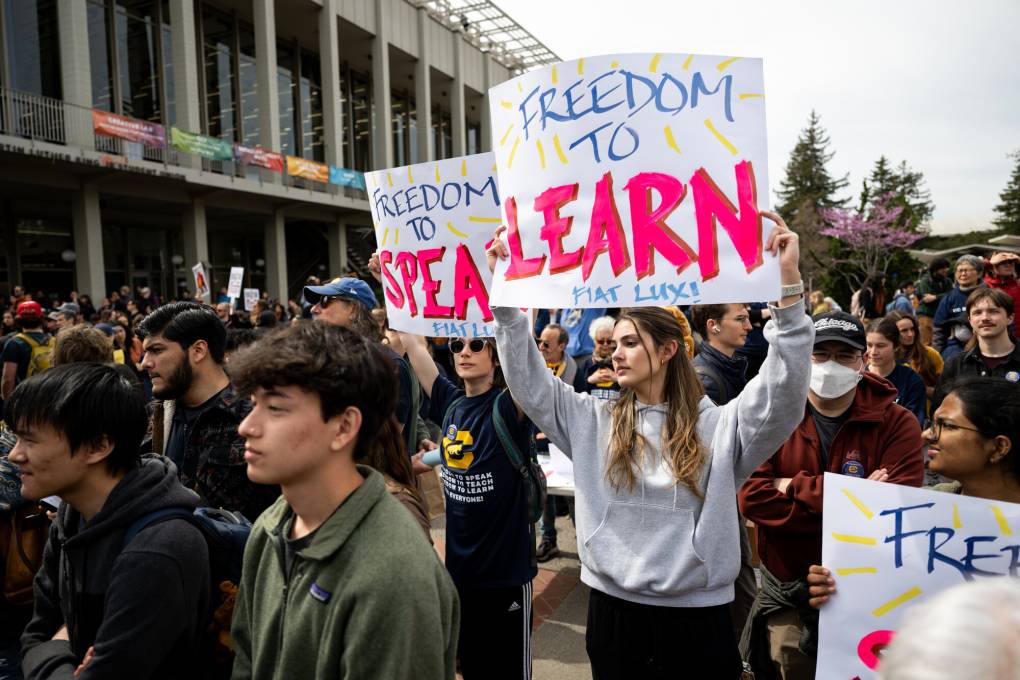
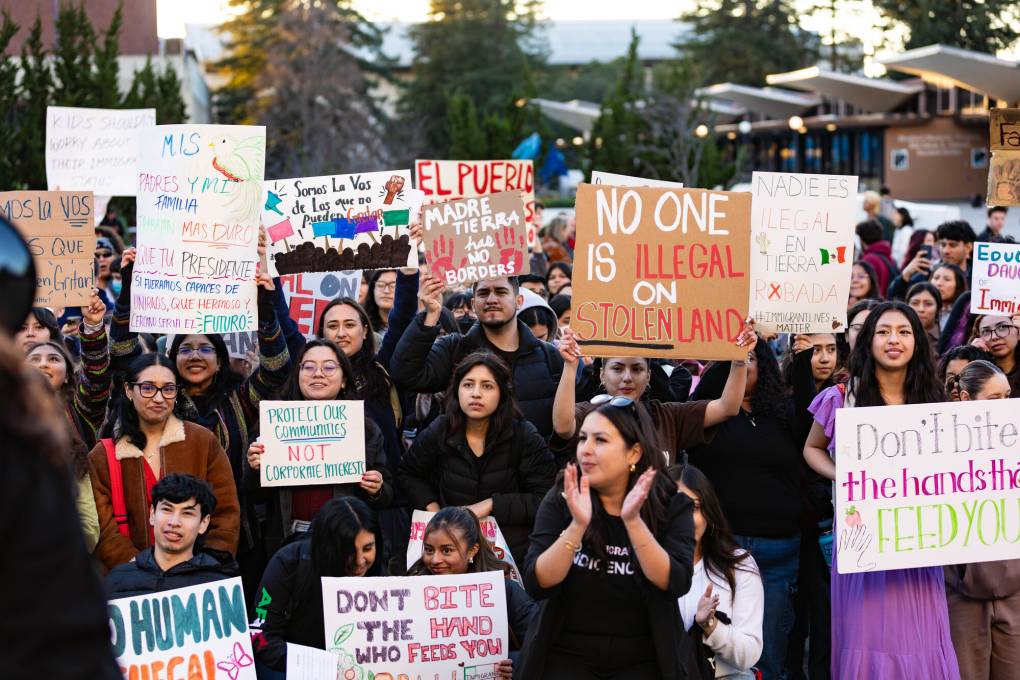
"caption": "Students attend a rally in Sproul Plaza at UC Berkeley on March 19, 2025, to protest the Trump administration's scrutiny of campus protests and curriculum nationwide. The demonstration comes amid broader concerns over federal funding cuts and actions perceived as threats to academic freedom.",
"credit": "Beth LaBerge/KQED",
"altTag": null,
"description": null,
"imgSizes": {
"medium": {
"file": "https://cdn.kqed.org/wp-content/uploads/sites/10/2025/04/250319-UCBerkeleyProtest-14-BL_qed-800x533.jpg",
"width": 800,
"height": 533,
"mimeType": "image/jpeg"
},
"large": {
"file": "https://cdn.kqed.org/wp-content/uploads/sites/10/2025/04/250319-UCBerkeleyProtest-14-BL_qed-1020x680.jpg",
"width": 1020,
"height": 680,
"mimeType": "image/jpeg"
},
"thumbnail": {
"file": "https://cdn.kqed.org/wp-content/uploads/sites/10/2025/04/250319-UCBerkeleyProtest-14-BL_qed-160x107.jpg",
"width": 160,
"height": 107,
"mimeType": "image/jpeg"
},
"1536x1536": {
"file": "https://cdn.kqed.org/wp-content/uploads/sites/10/2025/04/250319-UCBerkeleyProtest-14-BL_qed-1536x1024.jpg",
"width": 1536,
"height": 1024,
"mimeType": "image/jpeg"
},
"post-thumbnail": {
"file": "https://cdn.kqed.org/wp-content/uploads/sites/10/2025/04/250319-UCBerkeleyProtest-14-BL_qed-672x372.jpg",
"width": 672,
"height": 372,
"mimeType": "image/jpeg"
},
"twentyfourteen-full-width": {
"file": "https://cdn.kqed.org/wp-content/uploads/sites/10/2025/04/250319-UCBerkeleyProtest-14-BL_qed-1038x576.jpg",
"width": 1038,
"height": 576,
"mimeType": "image/jpeg"
},
"full-width": {
"file": "https://cdn.kqed.org/wp-content/uploads/sites/10/2025/04/250319-UCBerkeleyProtest-14-BL_qed-1920x1280.jpg",
"width": 1920,
"height": 1280,
"mimeType": "image/jpeg"
},
"kqedFullSize": {
"file": "https://cdn.kqed.org/wp-content/uploads/sites/10/2025/04/250319-UCBerkeleyProtest-14-BL_qed.jpg",
"width": 2000,
"height": 1333
}
},
"isLoading": false,
"fetchFailed": false
},
"news_12035189": {
"type": "attachments",
"id": "news_12035189",
"meta": {
"index": "attachments_1716263798",
"site": "news",
"id": "12035189",
"found": true
},
"title": "npr.brightspotcdn copy",
"publishDate": 1744224218,
"status": "inherit",
"parent": 12035188,
"modified": 1746123189,
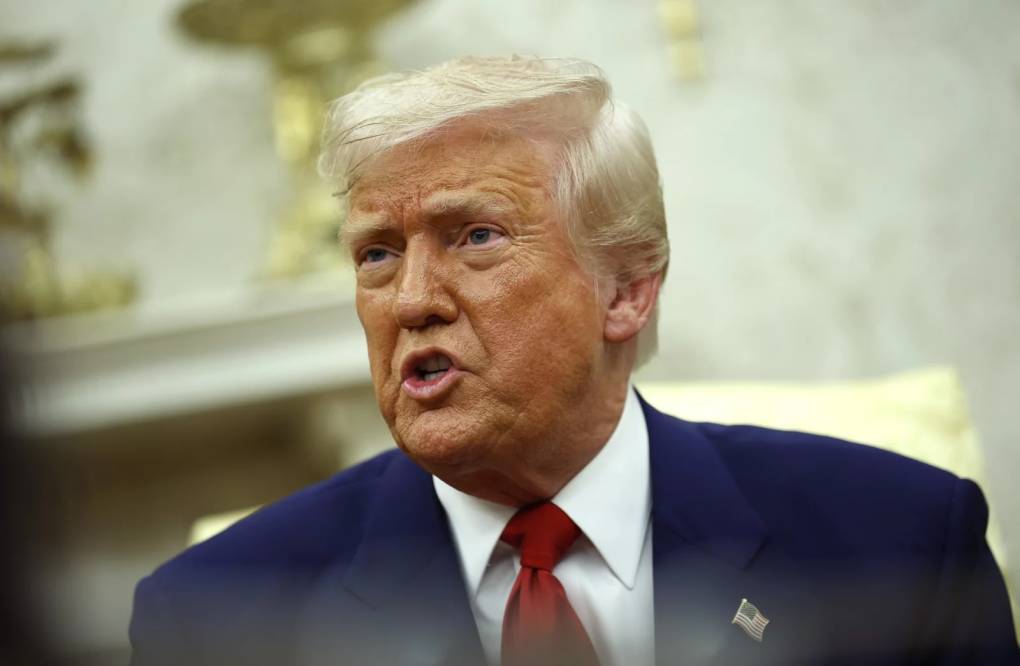
"caption": "President Trump answers a reporter's question in the Oval Office on Monday. ",
"credit": "Kevin Dietsch/Getty Images",
"altTag": null,
"description": null,
"imgSizes": {
"medium": {
"file": "https://cdn.kqed.org/wp-content/uploads/sites/10/2025/04/npr.brightspotcdn-copy-6-800x522.jpg",
"width": 800,
"height": 522,
"mimeType": "image/jpeg"
},
"large": {
"file": "https://cdn.kqed.org/wp-content/uploads/sites/10/2025/04/npr.brightspotcdn-copy-6-1020x666.jpg",
"width": 1020,
"height": 666,
"mimeType": "image/jpeg"
},
"thumbnail": {
"file": "https://cdn.kqed.org/wp-content/uploads/sites/10/2025/04/npr.brightspotcdn-copy-6-160x104.jpg",
"width": 160,
"height": 104,
"mimeType": "image/jpeg"
},
"1536x1536": {
"file": "https://cdn.kqed.org/wp-content/uploads/sites/10/2025/04/npr.brightspotcdn-copy-6-1536x1002.jpg",
"width": 1536,
"height": 1002,
"mimeType": "image/jpeg"
},
"post-thumbnail": {
"file": "https://cdn.kqed.org/wp-content/uploads/sites/10/2025/04/npr.brightspotcdn-copy-6-672x372.jpg",
"width": 672,
"height": 372,
"mimeType": "image/jpeg"
},
"twentyfourteen-full-width": {
"file": "https://cdn.kqed.org/wp-content/uploads/sites/10/2025/04/npr.brightspotcdn-copy-6-1038x576.jpg",
"width": 1038,
"height": 576,
"mimeType": "image/jpeg"
},
"kqedFullSize": {
"file": "https://cdn.kqed.org/wp-content/uploads/sites/10/2025/04/npr.brightspotcdn-copy-6.jpg",
"width": 1600,
"height": 1044
}
},
"isLoading": false,
"fetchFailed": false
},
"news_12034833": {
"type": "attachments",
"id": "news_12034833",
"meta": {
"index": "attachments_1716263798",
"site": "news",
"id": "12034833",
"found": true
},
"title": "250407-TARIFFSBAYAREASMALLBIZ-05-BL_QED-KQED",
"publishDate": 1744072380,
"status": "inherit",
"parent": 0,
"modified": 1744072447,
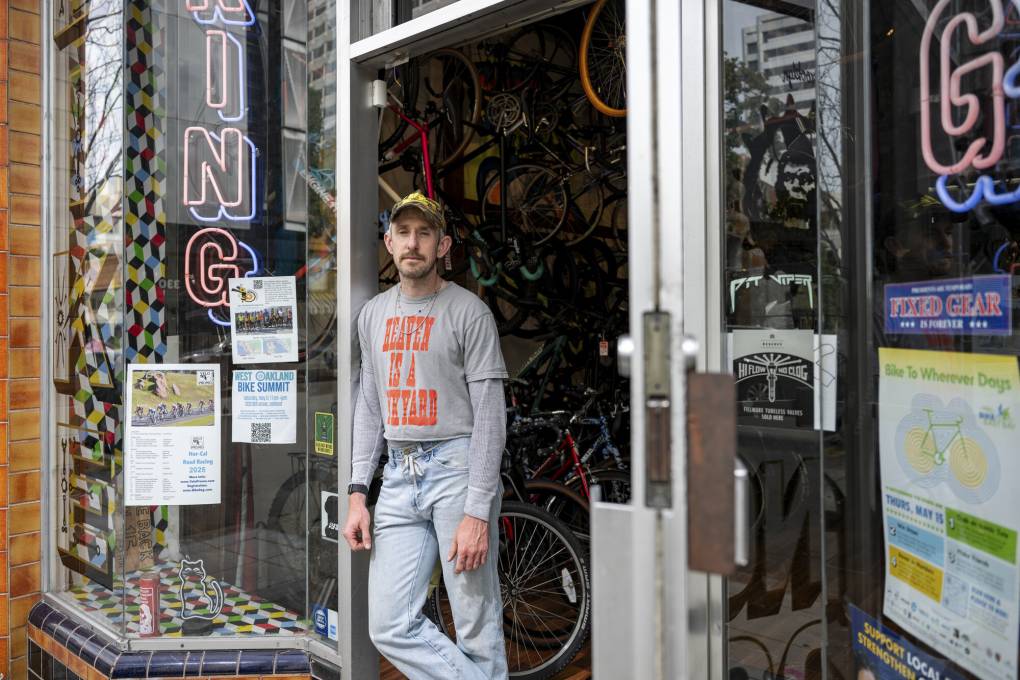
"caption": "Taylor Peliska, a bicycle mechanic, stands in the doorway at King Kog Bicycle Shop in Oakland on April 7, 2025.",
"credit": "Beth LaBerge/KQED",
"altTag": null,
"description": null,
"imgSizes": {
"medium": {
"file": "https://cdn.kqed.org/wp-content/uploads/sites/10/2025/04/250407-TARIFFSBAYAREASMALLBIZ-05-BL_QED-KQED-800x533.jpg",
"width": 800,
"height": 533,
"mimeType": "image/jpeg"
},
"large": {
"file": "https://cdn.kqed.org/wp-content/uploads/sites/10/2025/04/250407-TARIFFSBAYAREASMALLBIZ-05-BL_QED-KQED-1020x680.jpg",
"width": 1020,
"height": 680,
"mimeType": "image/jpeg"
},
"thumbnail": {
"file": "https://cdn.kqed.org/wp-content/uploads/sites/10/2025/04/250407-TARIFFSBAYAREASMALLBIZ-05-BL_QED-KQED-160x107.jpg",
"width": 160,
"height": 107,
"mimeType": "image/jpeg"
},
"1536x1536": {
"file": "https://cdn.kqed.org/wp-content/uploads/sites/10/2025/04/250407-TARIFFSBAYAREASMALLBIZ-05-BL_QED-KQED-1536x1024.jpg",
"width": 1536,
"height": 1024,
"mimeType": "image/jpeg"
},
"post-thumbnail": {
"file": "https://cdn.kqed.org/wp-content/uploads/sites/10/2025/04/250407-TARIFFSBAYAREASMALLBIZ-05-BL_QED-KQED-672x372.jpg",
"width": 672,
"height": 372,
"mimeType": "image/jpeg"
},
"twentyfourteen-full-width": {
"file": "https://cdn.kqed.org/wp-content/uploads/sites/10/2025/04/250407-TARIFFSBAYAREASMALLBIZ-05-BL_QED-KQED-1038x576.jpg",
"width": 1038,
"height": 576,
"mimeType": "image/jpeg"
},
"full-width": {
"file": "https://cdn.kqed.org/wp-content/uploads/sites/10/2025/04/250407-TARIFFSBAYAREASMALLBIZ-05-BL_QED-KQED-1920x1280.jpg",
"width": 1920,
"height": 1280,
"mimeType": "image/jpeg"
},
"kqedFullSize": {
"file": "https://cdn.kqed.org/wp-content/uploads/sites/10/2025/04/250407-TARIFFSBAYAREASMALLBIZ-05-BL_QED-KQED.jpg",
"width": 2000,
"height": 1333
}
},
"isLoading": false,
"fetchFailed": false
},
"news_12034834": {
"type": "attachments",
"id": "news_12034834",
"meta": {
"index": "attachments_1716263798",
"site": "news",
"id": "12034834",
"found": true
},
"title": "250407-TARIFFSBAYAREASMALLBIZ-10-BL_QED-KQED",
"publishDate": 1744072385,
"status": "inherit",
"parent": 12034827,
"modified": 1744154413,
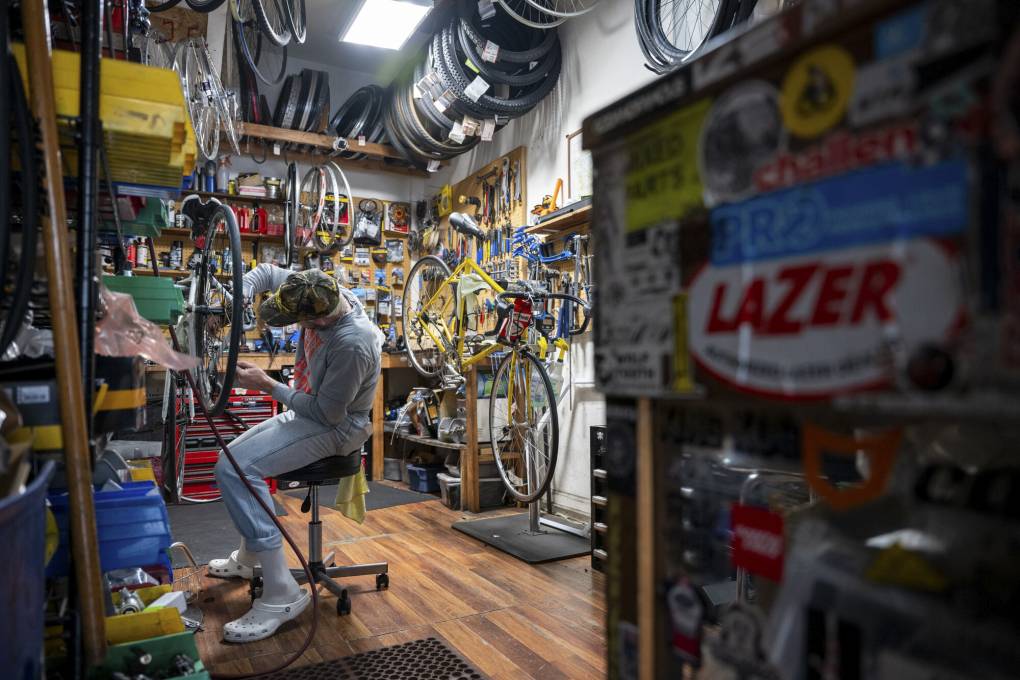
"caption": "Taylor Peliska, a bicycle mechanic, works on a bike at King Kog Bicycle Shop in Oakland on April 7, 2025.",
"credit": "Beth LaBerge/KQED",
"altTag": null,
"description": null,
"imgSizes": {
"medium": {
"file": "https://cdn.kqed.org/wp-content/uploads/sites/10/2025/04/250407-TARIFFSBAYAREASMALLBIZ-10-BL_QED-KQED-800x533.jpg",
"width": 800,
"height": 533,
"mimeType": "image/jpeg"
},
"large": {
"file": "https://cdn.kqed.org/wp-content/uploads/sites/10/2025/04/250407-TARIFFSBAYAREASMALLBIZ-10-BL_QED-KQED-1020x680.jpg",
"width": 1020,
"height": 680,
"mimeType": "image/jpeg"
},
"thumbnail": {
"file": "https://cdn.kqed.org/wp-content/uploads/sites/10/2025/04/250407-TARIFFSBAYAREASMALLBIZ-10-BL_QED-KQED-160x107.jpg",
"width": 160,
"height": 107,
"mimeType": "image/jpeg"
},
"1536x1536": {
"file": "https://cdn.kqed.org/wp-content/uploads/sites/10/2025/04/250407-TARIFFSBAYAREASMALLBIZ-10-BL_QED-KQED-1536x1024.jpg",
"width": 1536,
"height": 1024,
"mimeType": "image/jpeg"
},
"post-thumbnail": {
"file": "https://cdn.kqed.org/wp-content/uploads/sites/10/2025/04/250407-TARIFFSBAYAREASMALLBIZ-10-BL_QED-KQED-672x372.jpg",
"width": 672,
"height": 372,
"mimeType": "image/jpeg"
},
"twentyfourteen-full-width": {
"file": "https://cdn.kqed.org/wp-content/uploads/sites/10/2025/04/250407-TARIFFSBAYAREASMALLBIZ-10-BL_QED-KQED-1038x576.jpg",
"width": 1038,
"height": 576,
"mimeType": "image/jpeg"
},
"full-width": {
"file": "https://cdn.kqed.org/wp-content/uploads/sites/10/2025/04/250407-TARIFFSBAYAREASMALLBIZ-10-BL_QED-KQED-1920x1280.jpg",
"width": 1920,
"height": 1280,
"mimeType": "image/jpeg"
},
"kqedFullSize": {
"file": "https://cdn.kqed.org/wp-content/uploads/sites/10/2025/04/250407-TARIFFSBAYAREASMALLBIZ-10-BL_QED-KQED.jpg",
"width": 2000,
"height": 1333
}
},
"isLoading": false,
"fetchFailed": false
},
"news_12035017": {
"type": "attachments",
"id": "news_12035017",
"meta": {
"index": "attachments_1716263798",
"site": "news",
"id": "12035017",
"found": true
},
"title": "250408-JOHN KEKER-MD-05-KQED-3",
"publishDate": 1744152886,
"status": "inherit",
"parent": 0,
"modified": 1744153327,
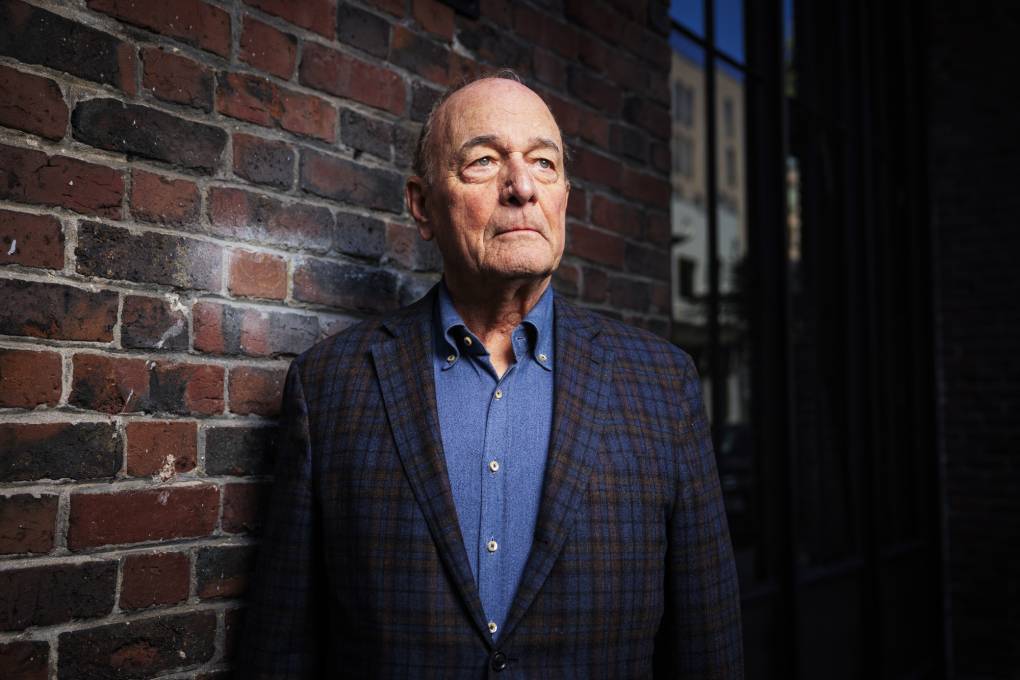
"caption": "John Keker outside of the offices of Keker, Van Nest & Peters in San Francisco on April 8, 2025.",
"credit": "Martin do Nascimento/KQED",
"altTag": null,
"description": null,
"imgSizes": {
"medium": {
"file": "https://cdn.kqed.org/wp-content/uploads/sites/10/2025/04/250408-JOHN-KEKER-MD-05-KQED-3-800x533.jpg",
"width": 800,
"height": 533,
"mimeType": "image/jpeg"
},
"large": {
"file": "https://cdn.kqed.org/wp-content/uploads/sites/10/2025/04/250408-JOHN-KEKER-MD-05-KQED-3-1020x680.jpg",
"width": 1020,
"height": 680,
"mimeType": "image/jpeg"
},
"thumbnail": {
"file": "https://cdn.kqed.org/wp-content/uploads/sites/10/2025/04/250408-JOHN-KEKER-MD-05-KQED-3-160x107.jpg",
"width": 160,
"height": 107,
"mimeType": "image/jpeg"
},
"1536x1536": {
"file": "https://cdn.kqed.org/wp-content/uploads/sites/10/2025/04/250408-JOHN-KEKER-MD-05-KQED-3-1536x1024.jpg",
"width": 1536,
"height": 1024,
"mimeType": "image/jpeg"
},
"post-thumbnail": {
"file": "https://cdn.kqed.org/wp-content/uploads/sites/10/2025/04/250408-JOHN-KEKER-MD-05-KQED-3-672x372.jpg",
"width": 672,
"height": 372,
"mimeType": "image/jpeg"
},
"twentyfourteen-full-width": {
"file": "https://cdn.kqed.org/wp-content/uploads/sites/10/2025/04/250408-JOHN-KEKER-MD-05-KQED-3-1038x576.jpg",
"width": 1038,
"height": 576,
"mimeType": "image/jpeg"
},
"full-width": {
"file": "https://cdn.kqed.org/wp-content/uploads/sites/10/2025/04/250408-JOHN-KEKER-MD-05-KQED-3-1920x1280.jpg",
"width": 1920,
"height": 1280,
"mimeType": "image/jpeg"
},
"kqedFullSize": {
"file": "https://cdn.kqed.org/wp-content/uploads/sites/10/2025/04/250408-JOHN-KEKER-MD-05-KQED-3.jpg",
"width": 2000,
"height": 1333
}
},
"isLoading": false,
"fetchFailed": false
},
"news_12034753": {
"type": "attachments",
"id": "news_12034753",
"meta": {
"index": "attachments_1716263798",
"site": "news",
"id": "12034753",
"found": true
},
"title": "20250129_UCBerkeleyRally_GC-72_qed",
"publishDate": 1744048834,
"status": "inherit",
"parent": 12034742,
"modified": 1744048856,
"caption": "Hundreds of students and supporters rally, in solidarity with their undocumented classmates as the Trump administration begins to carry out mass deportations, at Sproul Plaza at UC Berkeley on Jan. 29, 2025.",
"credit": "Gina Castro/KQED",
"altTag": null,
"description": null,
"imgSizes": {
"medium": {
"file": "https://cdn.kqed.org/wp-content/uploads/sites/10/2025/04/20250129_UCBerkeleyRally_GC-72_qed-800x533.jpg",
"width": 800,
"height": 533,
"mimeType": "image/jpeg"
},
"large": {
"file": "https://cdn.kqed.org/wp-content/uploads/sites/10/2025/04/20250129_UCBerkeleyRally_GC-72_qed-1020x680.jpg",
"width": 1020,
"height": 680,
"mimeType": "image/jpeg"
},
"thumbnail": {
"file": "https://cdn.kqed.org/wp-content/uploads/sites/10/2025/04/20250129_UCBerkeleyRally_GC-72_qed-160x107.jpg",
"width": 160,
"height": 107,
"mimeType": "image/jpeg"
},
"1536x1536": {
"file": "https://cdn.kqed.org/wp-content/uploads/sites/10/2025/04/20250129_UCBerkeleyRally_GC-72_qed-1536x1024.jpg",
"width": 1536,
"height": 1024,
"mimeType": "image/jpeg"
},
"post-thumbnail": {
"file": "https://cdn.kqed.org/wp-content/uploads/sites/10/2025/04/20250129_UCBerkeleyRally_GC-72_qed-672x372.jpg",
"width": 672,
"height": 372,
"mimeType": "image/jpeg"
},
"twentyfourteen-full-width": {
"file": "https://cdn.kqed.org/wp-content/uploads/sites/10/2025/04/20250129_UCBerkeleyRally_GC-72_qed-1038x576.jpg",
"width": 1038,
"height": 576,
"mimeType": "image/jpeg"
},
"full-width": {
"file": "https://cdn.kqed.org/wp-content/uploads/sites/10/2025/04/20250129_UCBerkeleyRally_GC-72_qed-1920x1280.jpg",
"width": 1920,
"height": 1280,
"mimeType": "image/jpeg"
},
"kqedFullSize": {
"file": "https://cdn.kqed.org/wp-content/uploads/sites/10/2025/04/20250129_UCBerkeleyRally_GC-72_qed.jpg",
"width": 2000,
"height": 1333
}
},
"isLoading": false,
"fetchFailed": false
},
"news_12034877": {
"type": "attachments",
"id": "news_12034877",
"meta": {
"index": "attachments_1716263798",
"site": "news",
"id": "12034877",
"found": true
},
"title": "President Trump Announces New Reciprocal Tariffs On Dozens Of Nations",
"publishDate": 1744134491,
"status": "inherit",
"parent": 12034730,
"modified": 1744135900,
"caption": "Apple iPhone 16 seen on display at an Apple store in New York on April 4, 2025. ",
"credit": "Michael M. Santiago/Getty Images",
"altTag": null,
"description": null,
"imgSizes": {
"medium": {
"file": "https://cdn.kqed.org/wp-content/uploads/sites/10/2025/04/iPhone16Getty-800x533.jpg",
"width": 800,
"height": 533,
"mimeType": "image/jpeg"
},
"large": {
"file": "https://cdn.kqed.org/wp-content/uploads/sites/10/2025/04/iPhone16Getty-1020x680.jpg",
"width": 1020,
"height": 680,
"mimeType": "image/jpeg"
},
"thumbnail": {
"file": "https://cdn.kqed.org/wp-content/uploads/sites/10/2025/04/iPhone16Getty-160x107.jpg",
"width": 160,
"height": 107,
"mimeType": "image/jpeg"
},
"1536x1536": {
"file": "https://cdn.kqed.org/wp-content/uploads/sites/10/2025/04/iPhone16Getty-1536x1024.jpg",
"width": 1536,
"height": 1024,
"mimeType": "image/jpeg"
},
"post-thumbnail": {
"file": "https://cdn.kqed.org/wp-content/uploads/sites/10/2025/04/iPhone16Getty-672x372.jpg",
"width": 672,
"height": 372,
"mimeType": "image/jpeg"
},
"twentyfourteen-full-width": {
"file": "https://cdn.kqed.org/wp-content/uploads/sites/10/2025/04/iPhone16Getty-1038x576.jpg",
"width": 1038,
"height": 576,
"mimeType": "image/jpeg"
},
"full-width": {
"file": "https://cdn.kqed.org/wp-content/uploads/sites/10/2025/04/iPhone16Getty-1920x1280.jpg",
"width": 1920,
"height": 1280,
"mimeType": "image/jpeg"
},
"kqedFullSize": {
"file": "https://cdn.kqed.org/wp-content/uploads/sites/10/2025/04/iPhone16Getty.jpg",
"width": 2000,
"height": 1333
}
},
"isLoading": false,
"fetchFailed": false
},
"news_12029388": {
"type": "attachments",
"id": "news_12029388",
"meta": {
"index": "attachments_1716263798",
"site": "news",
"id": "12029388",
"found": true
},
"title": "Evan Lewis at Northeastern University in Oakland on Feb. 28, 2025.",
"publishDate": 1740844049,
"status": "inherit",
"parent": 0,
"modified": 1740844114,
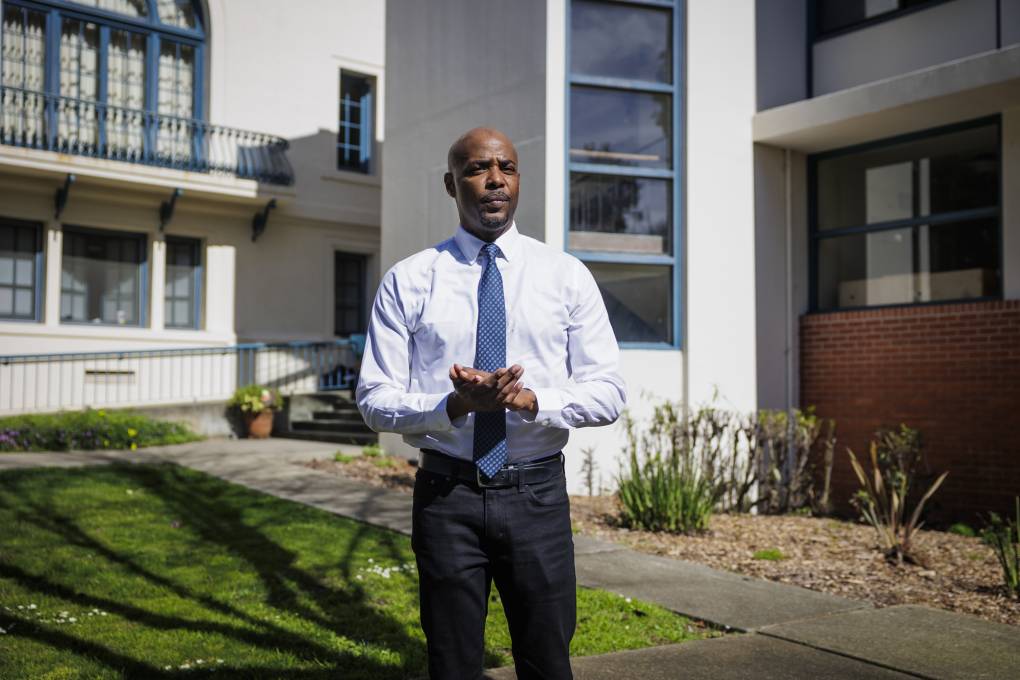
"caption": "Evan Lewis at Northeastern University in Oakland on Feb. 28, 2025.",
"credit": "Martin do Nascimento/KQED",
"altTag": null,
"description": null,
"imgSizes": {
"medium": {
"file": "https://cdn.kqed.org/wp-content/uploads/sites/10/2025/03/250228-RACIAL-VIOLENCE-CONFERENCE-MD-04-KQED-800x533.jpg",
"width": 800,
"height": 533,
"mimeType": "image/jpeg"
},
"large": {
"file": "https://cdn.kqed.org/wp-content/uploads/sites/10/2025/03/250228-RACIAL-VIOLENCE-CONFERENCE-MD-04-KQED-1020x680.jpg",
"width": 1020,
"height": 680,
"mimeType": "image/jpeg"
},
"thumbnail": {
"file": "https://cdn.kqed.org/wp-content/uploads/sites/10/2025/03/250228-RACIAL-VIOLENCE-CONFERENCE-MD-04-KQED-160x107.jpg",
"width": 160,
"height": 107,
"mimeType": "image/jpeg"
},
"1536x1536": {
"file": "https://cdn.kqed.org/wp-content/uploads/sites/10/2025/03/250228-RACIAL-VIOLENCE-CONFERENCE-MD-04-KQED-1536x1024.jpg",
"width": 1536,
"height": 1024,
"mimeType": "image/jpeg"
},
"post-thumbnail": {
"file": "https://cdn.kqed.org/wp-content/uploads/sites/10/2025/03/250228-RACIAL-VIOLENCE-CONFERENCE-MD-04-KQED-672x372.jpg",
"width": 672,
"height": 372,
"mimeType": "image/jpeg"
},
"twentyfourteen-full-width": {
"file": "https://cdn.kqed.org/wp-content/uploads/sites/10/2025/03/250228-RACIAL-VIOLENCE-CONFERENCE-MD-04-KQED-1038x576.jpg",
"width": 1038,
"height": 576,
"mimeType": "image/jpeg"
},
"full-width": {
"file": "https://cdn.kqed.org/wp-content/uploads/sites/10/2025/03/250228-RACIAL-VIOLENCE-CONFERENCE-MD-04-KQED-1920x1280.jpg",
"width": 1920,
"height": 1280,
"mimeType": "image/jpeg"
},
"kqedFullSize": {
"file": "https://cdn.kqed.org/wp-content/uploads/sites/10/2025/03/250228-RACIAL-VIOLENCE-CONFERENCE-MD-04-KQED.jpg",
"width": 2000,
"height": 1333
}
},
"isLoading": false,
"fetchFailed": false
},
"news_12034662": {
"type": "attachments",
"id": "news_12034662",
"meta": {
"index": "attachments_1716263798",
"site": "news",
"id": "12034662",
"found": true
},
"title": "IMG_1407",
"publishDate": 1743893176,
"status": "inherit",
"parent": 0,
"modified": 1743893422,
"caption": "Protestors carry a variety of homemade signs during a Hands Off! protest against Elon Musk and Donald Trump in Oakland on April 5, 2025.",
"credit": "Aryk Copley for KQED",
"altTag": null,
"description": null,
"imgSizes": {
"medium": {
"file": "https://cdn.kqed.org/wp-content/uploads/sites/10/2025/04/IMG_1407-800x533.jpeg",
"width": 800,
"height": 533,
"mimeType": "image/jpeg"
},
"large": {
"file": "https://cdn.kqed.org/wp-content/uploads/sites/10/2025/04/IMG_1407-1020x680.jpeg",
"width": 1020,
"height": 680,
"mimeType": "image/jpeg"
},
"thumbnail": {
"file": "https://cdn.kqed.org/wp-content/uploads/sites/10/2025/04/IMG_1407-160x107.jpeg",
"width": 160,
"height": 107,
"mimeType": "image/jpeg"
},
"1536x1536": {
"file": "https://cdn.kqed.org/wp-content/uploads/sites/10/2025/04/IMG_1407-1536x1024.jpeg",
"width": 1536,
"height": 1024,
"mimeType": "image/jpeg"
},
"post-thumbnail": {
"file": "https://cdn.kqed.org/wp-content/uploads/sites/10/2025/04/IMG_1407-672x372.jpeg",
"width": 672,
"height": 372,
"mimeType": "image/jpeg"
},
"twentyfourteen-full-width": {
"file": "https://cdn.kqed.org/wp-content/uploads/sites/10/2025/04/IMG_1407-1038x576.jpeg",
"width": 1038,
"height": 576,
"mimeType": "image/jpeg"
},
"full-width": {
"file": "https://cdn.kqed.org/wp-content/uploads/sites/10/2025/04/IMG_1407-1920x1280.jpeg",
"width": 1920,
"height": 1280,
"mimeType": "image/jpeg"
},
"kqedFullSize": {
"file": "https://cdn.kqed.org/wp-content/uploads/sites/10/2025/04/IMG_1407.jpeg",
"width": 1999,
"height": 1333
}
},
"isLoading": false,
"fetchFailed": false
},
"news_12007576": {
"type": "attachments",
"id": "news_12007576",
"meta": {
"index": "attachments_1716263798",
"site": "news",
"id": "12007576",
"found": true
},
"title": "Democratic Reps. Schiff, Swalwell, And Omar Discuss Committee Assignments",
"publishDate": 1727906823,
"status": "inherit",
"parent": 12007542,
"modified": 1743811463,
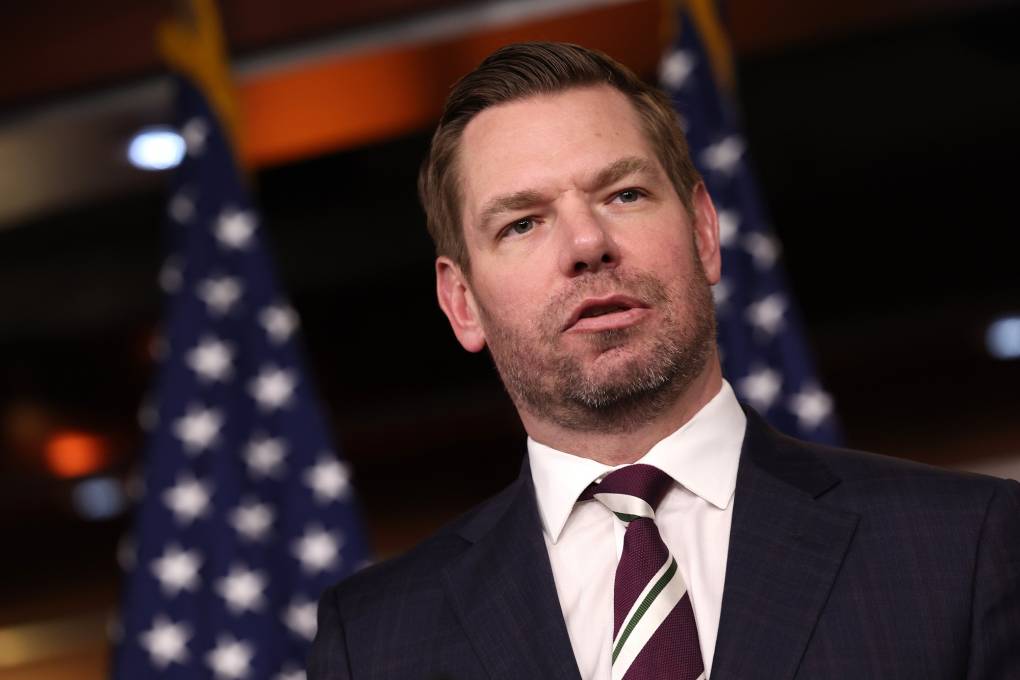
"caption": "Eric Swalwell, D-Dublin, speaks at a press conference on committee assignments for the 118th U.S. Congress at the U.S. Capitol Building on Jan. 25, 2023, in Washington, D.C.",
"credit": "Kevin Dietsch/Getty Images",
"altTag": null,
"description": null,
"imgSizes": {
"medium": {
"file": "https://cdn.kqed.org/wp-content/uploads/sites/10/2024/10/EricSwalwellGetty1-800x533.jpg",
"width": 800,
"height": 533,
"mimeType": "image/jpeg"
},
"large": {
"file": "https://cdn.kqed.org/wp-content/uploads/sites/10/2024/10/EricSwalwellGetty1-1020x680.jpg",
"width": 1020,
"height": 680,
"mimeType": "image/jpeg"
},
"thumbnail": {
"file": "https://cdn.kqed.org/wp-content/uploads/sites/10/2024/10/EricSwalwellGetty1-160x107.jpg",
"width": 160,
"height": 107,
"mimeType": "image/jpeg"
},
"1536x1536": {
"file": "https://cdn.kqed.org/wp-content/uploads/sites/10/2024/10/EricSwalwellGetty1-1536x1024.jpg",
"width": 1536,
"height": 1024,
"mimeType": "image/jpeg"
},
"post-thumbnail": {
"file": "https://cdn.kqed.org/wp-content/uploads/sites/10/2024/10/EricSwalwellGetty1-672x372.jpg",
"width": 672,
"height": 372,
"mimeType": "image/jpeg"
},
"twentyfourteen-full-width": {
"file": "https://cdn.kqed.org/wp-content/uploads/sites/10/2024/10/EricSwalwellGetty1-1038x576.jpg",
"width": 1038,
"height": 576,
"mimeType": "image/jpeg"
},
"full-width": {
"file": "https://cdn.kqed.org/wp-content/uploads/sites/10/2024/10/EricSwalwellGetty1-1920x1280.jpg",
"width": 1920,
"height": 1280,
"mimeType": "image/jpeg"
},
"kqedFullSize": {
"file": "https://cdn.kqed.org/wp-content/uploads/sites/10/2024/10/EricSwalwellGetty1.jpg",
"width": 2000,
"height": 1333
}
},
"isLoading": false,
"fetchFailed": false
},
"news_12034533": {
"type": "attachments",
"id": "news_12034533",
"meta": {
"index": "attachments_1716263798",
"site": "news",
"id": "12034533",
"found": true
},
"title": "HHS Announces Plan To Cut 10,000 Employees And Close Offices",
"publishDate": 1743789804,
"status": "inherit",
"parent": 12034527,
"modified": 1743789859,
"caption": "The U.S. Department of Health and Human Services building is seen on March 27, 2025, in Washington, D.C. The Department of Health and Human Services announced it is cutting 10,000 jobs and closing offices aimed at cutting $1.8 billion.",
"credit": "Kayla Bartkowski/Getty Images",
"altTag": null,
"description": null,
"imgSizes": {
"medium": {
"file": "https://cdn.kqed.org/wp-content/uploads/sites/10/2025/04/USDeptHealthHumanServicesGetty-800x533.jpg",
"width": 800,
"height": 533,
"mimeType": "image/jpeg"
},
"large": {
"file": "https://cdn.kqed.org/wp-content/uploads/sites/10/2025/04/USDeptHealthHumanServicesGetty-1020x680.jpg",
"width": 1020,
"height": 680,
"mimeType": "image/jpeg"
},
"thumbnail": {
"file": "https://cdn.kqed.org/wp-content/uploads/sites/10/2025/04/USDeptHealthHumanServicesGetty-160x107.jpg",
"width": 160,
"height": 107,
"mimeType": "image/jpeg"
},
"1536x1536": {
"file": "https://cdn.kqed.org/wp-content/uploads/sites/10/2025/04/USDeptHealthHumanServicesGetty-1536x1024.jpg",
"width": 1536,
"height": 1024,
"mimeType": "image/jpeg"
},
"post-thumbnail": {
"file": "https://cdn.kqed.org/wp-content/uploads/sites/10/2025/04/USDeptHealthHumanServicesGetty-672x372.jpg",
"width": 672,
"height": 372,
"mimeType": "image/jpeg"
},
"twentyfourteen-full-width": {
"file": "https://cdn.kqed.org/wp-content/uploads/sites/10/2025/04/USDeptHealthHumanServicesGetty-1038x576.jpg",
"width": 1038,
"height": 576,
"mimeType": "image/jpeg"
},
"full-width": {
"file": "https://cdn.kqed.org/wp-content/uploads/sites/10/2025/04/USDeptHealthHumanServicesGetty-1920x1280.jpg",
"width": 1920,
"height": 1280,
"mimeType": "image/jpeg"
},
"kqedFullSize": {
"file": "https://cdn.kqed.org/wp-content/uploads/sites/10/2025/04/USDeptHealthHumanServicesGetty.jpg",
"width": 2000,
"height": 1333
}
},
"isLoading": false,
"fetchFailed": false
},
"news_12034427": {
"type": "attachments",
"id": "news_12034427",
"meta": {
"index": "attachments_1716263798",
"site": "news",
"id": "12034427",
"found": true
},
"title": "npr.brightspotcdn copy",
"publishDate": 1743709665,
"status": "inherit",
"parent": 12034425,
"modified": 1746748188,
"caption": "President Donald Trump holds a chart as he delivers remarks on reciprocal tariffs during an event in the Rose Garden entitled \"Make America Wealthy Again\" at the White House in Washington, D.C., on April 2, 2025.",
"credit": "Brendan Smialowski/AFP via Getty Images",
"altTag": null,
"description": null,
"imgSizes": {
"medium": {
"file": "https://cdn.kqed.org/wp-content/uploads/sites/10/2025/04/npr.brightspotcdn-copy-4-800x534.jpg",
"width": 800,
"height": 534,
"mimeType": "image/jpeg"
},
"large": {
"file": "https://cdn.kqed.org/wp-content/uploads/sites/10/2025/04/npr.brightspotcdn-copy-4-1020x680.jpg",
"width": 1020,
"height": 680,
"mimeType": "image/jpeg"
},
"thumbnail": {
"file": "https://cdn.kqed.org/wp-content/uploads/sites/10/2025/04/npr.brightspotcdn-copy-4-160x107.jpg",
"width": 160,
"height": 107,
"mimeType": "image/jpeg"
},
"1536x1536": {
"file": "https://cdn.kqed.org/wp-content/uploads/sites/10/2025/04/npr.brightspotcdn-copy-4-1536x1024.jpg",
"width": 1536,
"height": 1024,
"mimeType": "image/jpeg"
},
"post-thumbnail": {
"file": "https://cdn.kqed.org/wp-content/uploads/sites/10/2025/04/npr.brightspotcdn-copy-4-672x372.jpg",
"width": 672,
"height": 372,
"mimeType": "image/jpeg"
},
"twentyfourteen-full-width": {
"file": "https://cdn.kqed.org/wp-content/uploads/sites/10/2025/04/npr.brightspotcdn-copy-4-1038x576.jpg",
"width": 1038,
"height": 576,
"mimeType": "image/jpeg"
},
"kqedFullSize": {
"file": "https://cdn.kqed.org/wp-content/uploads/sites/10/2025/04/npr.brightspotcdn-copy-4.jpg",
"width": 1600,
"height": 1067
}
},
"isLoading": false,
"fetchFailed": false
}
},
"audioPlayerReducer": {
"postId": "stream_live",
"isPaused": true,
"isPlaying": false,
"pfsActive": false,
"pledgeModalIsOpen": true,
"playerDrawerIsOpen": false,
"liveAudioPlayStartedAt": 0,
"liveAudioPlayContext": ""
},
"authorsReducer": {
"byline_news_12035188": {
"type": "authors",
"id": "byline_news_12035188",
"meta": {
"override": true
},
"slug": "byline_news_12035188",
"name": "\u003ca href=\"https://www.npr.org/people/729411445/franco-ordonez\">Franco Ordoñez\u003c/a>, NPR",
"isLoading": false
},
"byline_news_12034641": {
"type": "authors",
"id": "byline_news_12034641",
"meta": {
"override": true
},
"slug": "byline_news_12034641",
"name": "The Associated Press and KQED",
"isLoading": false
},
"byline_news_12034425": {
"type": "authors",
"id": "byline_news_12034425",
"meta": {
"override": true
},
"slug": "byline_news_12034425",
"name": "\u003ca href=\"https://www.npr.org/people/1117285034/jeff-guo\">Jeff Guo\u003c/a>, NPR",
"isLoading": false
},
"rachael-myrow": {
"type": "authors",
"id": "251",
"meta": {
"index": "authors_1716337520",
"id": "251",
"found": true
},
"name": "Rachael Myrow",
"firstName": "Rachael",
"lastName": "Myrow",
"slug": "rachael-myrow",
"email": "rmyrow@kqed.org",
"display_author_email": true,
"staff_mastheads": [
"news"
],
"title": "Senior Editor of KQED's Silicon Valley News Desk",
"bio": "• I write and edit stories about how Silicon Valley power and policies shape everyday life in California. I’m also passionate about making Bay Area history and culture more accessible to a broad public. • I’ve been a journalist for most of my life, starting in high school with The Franklin Press in Los Angeles, where I grew up. While earning my first degree in English at UC Berkeley, I got my start in public radio at KALX-FM. After completing a second degree in journalism at Cal, I landed my first professional job at Marketplace, then moved on to KPCC (now LAist), and then KQED, where I hosted The California Report for more than seven years. • My reporting has appeared on NPR, The World, WBUR’s \u003ci>Here & Now\u003c/i>, and the BBC. I also guest host for KQED’s \u003ci>Forum\u003c/i>, as well as the Commonwealth Club in San Francisco. • I speak periodically on media, democracy and technology issues, and do voiceover work for documentaries and educational video projects. • Outside of the studio, you'll find me hiking Bay Area trails and whipping up Insta-ready meals in my kitchen. • I do not accept gifts, money, or favors from anyone connected to my reporting, I don't pay people for information, and I do not support or donate to political causes. • I strive to treat the people I report on with fairness, honesty, and respect. I also recognize there are often multiple sides to a story and work to verify information through multiple sources and documentation. If I get something wrong, I correct it.",
"avatar": "https://secure.gravatar.com/avatar/87bf8cb5874e045cdff430523a6d48b1?s=600&d=blank&r=g",
"twitter": "rachaelmyrow",
"facebook": null,
"instagram": null,
"linkedin": "https://www.linkedin.com/in/rachaelmyrow/",
"sites": [
{
"site": "arts",
"roles": [
"administrator"
]
},
{
"site": "news",
"roles": [
"edit_others_posts",
"editor"
]
},
{
"site": "futureofyou",
"roles": [
"editor"
]
},
{
"site": "bayareabites",
"roles": [
"editor"
]
},
{
"site": "stateofhealth",
"roles": [
"editor"
]
},
{
"site": "science",
"roles": [
"editor"
]
},
{
"site": "food",
"roles": [
"editor"
]
},
{
"site": "forum",
"roles": [
"editor"
]
},
{
"site": "liveblog",
"roles": [
"author"
]
}
],
"headData": {
"title": "Rachael Myrow | KQED",
"description": "Senior Editor of KQED's Silicon Valley News Desk",
"ogImgSrc": "https://secure.gravatar.com/avatar/87bf8cb5874e045cdff430523a6d48b1?s=600&d=blank&r=g",
"twImgSrc": "https://secure.gravatar.com/avatar/87bf8cb5874e045cdff430523a6d48b1?s=600&d=blank&r=g"
},
"isLoading": false,
"link": "/author/rachael-myrow"
},
"tychehendricks": {
"type": "authors",
"id": "259",
"meta": {
"index": "authors_1716337520",
"id": "259",
"found": true
},
"name": "Tyche Hendricks",
"firstName": "Tyche",
"lastName": "Hendricks",
"slug": "tychehendricks",
"email": "thendricks@kqed.org",
"display_author_email": true,
"staff_mastheads": [
"news"
],
"title": "KQED Senior Editor, Immigration",
"bio": "\u003cspan style=\"font-weight: 400;\">Tyche Hendricks is KQED’s senior editor for immigration, leading coverage of the policy and politics that affect California’s immigrant communities. Her work for KQED’s radio and online audiences is also carried on NPR and other national outlets. She has been recognized with awards from the Radio and Television News Directors Association, the Society for Professional Journalists; the Education Writers Association; the Best of the West and the National Federation of Community Broadcasters. Before joining KQED in 2010, Tyche spent more than a dozen years as a newspaper reporter, notably at the \u003c/span>\u003ci>\u003cspan style=\"font-weight: 400;\">San Francisco Chronicle\u003c/span>\u003c/i>\u003cspan style=\"font-weight: 400;\">. At different times she has covered criminal justice, government and politics and urban planning. Tyche has taught in the MFA Creative Writing program at the University of San Francisco and at UC Berkeley’s Graduate School of Journalism, where she was co-director of a national immigration symposium for professional journalists. She is the author of \u003c/span>\u003ci>\u003cspan style=\"font-weight: 400;\">The Wind Doesn't Need a Passport: Stories from the U.S.-Mexico Borderlands\u003c/span>\u003c/i>\u003cspan style=\"font-weight: 400;\"> (University of California Press). \u003c/span>",
"avatar": "https://secure.gravatar.com/avatar/b8ee458e2731c2d43df86882ce17267e?s=600&d=blank&r=g",
"twitter": "tychehendricks",
"facebook": null,
"instagram": null,
"linkedin": null,
"sites": [
{
"site": "news",
"roles": [
"editor"
]
},
{
"site": "stateofhealth",
"roles": [
"editor"
]
}
],
"headData": {
"title": "Tyche Hendricks | KQED",
"description": "KQED Senior Editor, Immigration",
"ogImgSrc": "https://secure.gravatar.com/avatar/b8ee458e2731c2d43df86882ce17267e?s=600&d=blank&r=g",
"twImgSrc": "https://secure.gravatar.com/avatar/b8ee458e2731c2d43df86882ce17267e?s=600&d=blank&r=g"
},
"isLoading": false,
"link": "/author/tychehendricks"
},
"mlagos": {
"type": "authors",
"id": "3239",
"meta": {
"index": "authors_1716337520",
"id": "3239",
"found": true
},
"name": "Marisa Lagos",
"firstName": "Marisa",
"lastName": "Lagos",
"slug": "mlagos",
"email": "mlagos@kqed.org",
"display_author_email": false,
"staff_mastheads": [
"news"
],
"title": "KQED Contributor",
"bio": "Marisa Lagos is a correspondent for KQED’s California Politics and Government Desk and co-hosts the award-winning show and podcast, Political Breakdown. At KQED, Lagos also conducts reporting, analysis and investigations into state, local and national politics for radio, TV, online and onstage. In 2022, she and co-host, Scott Shafer, moderated the only gubernatorial debate in California. In 2020, the \u003ci>Washington Post\u003c/i> named her one of the top political journalists in California; she was nominated for a Peabody and won several other awards for her work investigating the 2017 California wildfires. She has worked at the \u003ci>San Francisco Chronicle\u003c/i>, \u003ci>San Francisco Examiner\u003c/i> and \u003ci>Los Angeles Times\u003c/i>. A UC Santa Barbara graduate, she lives in San Francisco with her two sons and husband.",
"avatar": "https://secure.gravatar.com/avatar/a261a0d3696fc066871ef96b85b5e7d2?s=600&d=blank&r=g",
"twitter": "@mlagos",
"facebook": null,
"instagram": null,
"linkedin": null,
"sites": [
{
"site": "arts",
"roles": [
"author"
]
},
{
"site": "news",
"roles": [
"editor"
]
},
{
"site": "science",
"roles": [
"editor"
]
},
{
"site": "forum",
"roles": [
"author"
]
},
{
"site": "liveblog",
"roles": [
"author"
]
}
],
"headData": {
"title": "Marisa Lagos | KQED",
"description": "KQED Contributor",
"ogImgSrc": "https://secure.gravatar.com/avatar/a261a0d3696fc066871ef96b85b5e7d2?s=600&d=blank&r=g",
"twImgSrc": "https://secure.gravatar.com/avatar/a261a0d3696fc066871ef96b85b5e7d2?s=600&d=blank&r=g"
},
"isLoading": false,
"link": "/author/mlagos"
},
"ecruzguevarra": {
"type": "authors",
"id": "8654",
"meta": {
"index": "authors_1716337520",
"id": "8654",
"found": true
},
"name": "Ericka Cruz Guevarra",
"firstName": "Ericka",
"lastName": "Cruz Guevarra",
"slug": "ecruzguevarra",
"email": "ecruzguevarra@kqed.org",
"display_author_email": true,
"staff_mastheads": [
"news"
],
"title": "Producer, The Bay Podcast",
"bio": "Ericka Cruz Guevarra is host of \u003ca href=\"https://www.kqed.org/podcasts/thebay\">\u003cem>The Bay\u003c/em>\u003c/a> podcast at KQED. Before host, she was the show’s producer. Her work in that capacity includes a three-part reported series on policing in Vallejo, which won a 2020 excellence in journalism award from the Society of Professional Journalists. Ericka has worked as a breaking news reporter at Oregon Public Broadcasting, helped produce the Code Switch podcast, and was KQED’s inaugural Raul Ramirez Diversity Fund intern. She’s also an alumna of NPR’s Next Generation Radio program. Send her an email if you have strong feelings about whether Fairfield and Suisun City are the Bay. Ericka is represented by SAG-AFTRA.",
"avatar": "https://secure.gravatar.com/avatar/25e5ab8d3d53fad2dcc7bb2b5c506b1a?s=600&d=blank&r=g",
"twitter": "NotoriousECG",
"facebook": null,
"instagram": null,
"linkedin": null,
"sites": [
{
"site": "arts",
"roles": [
"subscriber"
]
},
{
"site": "news",
"roles": [
"editor",
"manage_categories"
]
},
{
"site": "futureofyou",
"roles": [
"subscriber"
]
},
{
"site": "stateofhealth",
"roles": [
"subscriber"
]
},
{
"site": "science",
"roles": [
"editor"
]
},
{
"site": "forum",
"roles": [
"subscriber"
]
}
],
"headData": {
"title": "Ericka Cruz Guevarra | KQED",
"description": "Producer, The Bay Podcast",
"ogImgSrc": "https://secure.gravatar.com/avatar/25e5ab8d3d53fad2dcc7bb2b5c506b1a?s=600&d=blank&r=g",
"twImgSrc": "https://secure.gravatar.com/avatar/25e5ab8d3d53fad2dcc7bb2b5c506b1a?s=600&d=blank&r=g"
},
"isLoading": false,
"link": "/author/ecruzguevarra"
},
"amontecillo": {
"type": "authors",
"id": "11649",
"meta": {
"index": "authors_1716337520",
"id": "11649",
"found": true
},
"name": "Alan Montecillo",
"firstName": "Alan",
"lastName": "Montecillo",
"slug": "amontecillo",
"email": "amontecillo@kqed.org",
"display_author_email": false,
"staff_mastheads": [
"news"
],
"title": "KQED Contributor",
"bio": "Alan Montecillo is the senior editor of \u003cem>\u003ca href=\"http://kqed.org/thebay\">The Bay\u003c/a>, \u003c/em> KQED's local news podcast. Before moving to the Bay Area, he worked as a senior talk show producer for WILL in Champaign-Urbana, Illinois and at Oregon Public Broadcasting in Portland, Oregon. He has won journalism awards from the Society of Professional Journalists Northern California, the Public Media Journalists Association, The Signal Awards, and has also received a regional Edward R. Murrow award. Alan is a Filipino American from Hong Kong and a graduate of Reed College.",
"avatar": "https://secure.gravatar.com/avatar/d5e4e7a76481969ccba76f4e2b5ccabc?s=600&d=blank&r=g",
"twitter": "alanmontecillo",
"facebook": null,
"instagram": null,
"linkedin": null,
"sites": [
{
"site": "",
"roles": [
"editor"
]
},
{
"site": "news",
"roles": [
"editor",
"manage_categories"
]
}
],
"headData": {
"title": "Alan Montecillo | KQED",
"description": "KQED Contributor",
"ogImgSrc": "https://secure.gravatar.com/avatar/d5e4e7a76481969ccba76f4e2b5ccabc?s=600&d=blank&r=g",
"twImgSrc": "https://secure.gravatar.com/avatar/d5e4e7a76481969ccba76f4e2b5ccabc?s=600&d=blank&r=g"
},
"isLoading": false,
"link": "/author/amontecillo"
},
"jessicakariisa": {
"type": "authors",
"id": "11831",
"meta": {
"index": "authors_1716337520",
"id": "11831",
"found": true
},
"name": "Jessica Kariisa",
"firstName": "Jessica",
"lastName": "Kariisa",
"slug": "jessicakariisa",
"email": "jkariisa@kqed.org",
"display_author_email": false,
"staff_mastheads": [],
"title": "Producer, The Bay",
"bio": "Jessica Kariisa is the producer of The Bay. She first joined KQED as an intern for The California Report Magazine, after which she became an on-call producer. She reported a Bay Curious episode on the use of rap lyrics in criminal trials which won a Society of Professional Journalists award in 2023 for Excellence in Features Journalism and the 2023 Signal Award for Best Conversation Starter. She’s worked on podcasts for Snap Judgment and American Public Media. Before embarking on her audio career, she was a music journalist.\r\n\r\nJessica Kariisa is represented by SAG-AFTRA.",
"avatar": "https://secure.gravatar.com/avatar/522e97b28ac0b3d411621c0fde8f3419c7b71ea2c5c262c57c4bb600963f328c?s=600&d=blank&r=g",
"twitter": null,
"bluesky": null,
"facebook": null,
"instagram": null,
"linkedin": null,
"sites": [
{
"site": "arts",
"roles": [
"author"
]
},
{
"site": "news",
"roles": [
"editor",
"manage_categories"
]
}
],
"headData": {
"title": "Jessica Kariisa | KQED",
"description": "Producer, The Bay",
"ogImgSrc": "https://secure.gravatar.com/avatar/522e97b28ac0b3d411621c0fde8f3419c7b71ea2c5c262c57c4bb600963f328c?s=600&d=blank&r=g",
"twImgSrc": "https://secure.gravatar.com/avatar/522e97b28ac0b3d411621c0fde8f3419c7b71ea2c5c262c57c4bb600963f328c?s=600&d=blank&r=g"
},
"isLoading": false,
"link": "/author/jessicakariisa"
},
"nkhan": {
"type": "authors",
"id": "11867",
"meta": {
"index": "authors_1716337520",
"id": "11867",
"found": true
},
"name": "Nisa Khan",
"firstName": "Nisa",
"lastName": "Khan",
"slug": "nkhan",
"email": "nkhan@kqed.org",
"display_author_email": false,
"staff_mastheads": [],
"title": "KQED Contributor",
"bio": "Nisa Khan is a reporter for KQED's Audience News Desk. She was formerly a data reporter at Michigan Radio. She earned a Bachelor of Science in Information from the University of Michigan and a Master of Arts in Communication from Stanford University.",
"avatar": "https://secure.gravatar.com/avatar/a3bf1efcfbe7658d13a434cc54d0b2e3?s=600&d=blank&r=g",
"twitter": "mnisakhan",
"bluesky": null,
"facebook": null,
"instagram": null,
"linkedin": null,
"sites": [
{
"site": "arts",
"roles": [
"editor"
]
},
{
"site": "news",
"roles": [
"editor"
]
},
{
"site": "science",
"roles": [
"editor",
"author"
]
},
{
"site": "forum",
"roles": [
"editor"
]
},
{
"site": "liveblog",
"roles": [
"contributor"
]
}
],
"headData": {
"title": "Nisa Khan | KQED",
"description": "KQED Contributor",
"ogImgSrc": "https://secure.gravatar.com/avatar/a3bf1efcfbe7658d13a434cc54d0b2e3?s=600&d=blank&r=g",
"twImgSrc": "https://secure.gravatar.com/avatar/a3bf1efcfbe7658d13a434cc54d0b2e3?s=600&d=blank&r=g"
},
"isLoading": false,
"link": "/author/nkhan"
},
"kdebenedetti": {
"type": "authors",
"id": "11913",
"meta": {
"index": "authors_1716337520",
"id": "11913",
"found": true
},
"name": "Katie DeBenedetti",
"firstName": "Katie",
"lastName": "DeBenedetti",
"slug": "kdebenedetti",
"email": "kdebenedetti@kqed.org",
"display_author_email": false,
"staff_mastheads": [
"news",
"science"
],
"title": "KQED Contributor",
"bio": "Katie DeBenedetti is a digital reporter covering daily news for the Express Desk. Prior to joining KQED as a culture reporting intern in January 2024, she covered education and city government for the Napa Valley Register.",
"avatar": "https://secure.gravatar.com/avatar/6e31073cb8f7e4214ab03f42771d0f45?s=600&d=blank&r=g",
"twitter": null,
"facebook": null,
"instagram": null,
"linkedin": null,
"sites": [
{
"site": "news",
"roles": [
"author"
]
},
{
"site": "science",
"roles": [
"author"
]
},
{
"site": "liveblog",
"roles": [
"author"
]
}
],
"headData": {
"title": "Katie DeBenedetti | KQED",
"description": "KQED Contributor",
"ogImgSrc": "https://secure.gravatar.com/avatar/6e31073cb8f7e4214ab03f42771d0f45?s=600&d=blank&r=g",
"twImgSrc": "https://secure.gravatar.com/avatar/6e31073cb8f7e4214ab03f42771d0f45?s=600&d=blank&r=g"
},
"isLoading": false,
"link": "/author/kdebenedetti"
},
"slim": {
"type": "authors",
"id": "11920",
"meta": {
"index": "authors_1716337520",
"id": "11920",
"found": true
},
"name": "Samantha Lim",
"firstName": "Samantha",
"lastName": "Lim",
"slug": "slim",
"email": "slim@KQED.org",
"display_author_email": false,
"staff_mastheads": [],
"title": "KQED Contributor",
"bio": null,
"avatar": "https://secure.gravatar.com/avatar/82e592e6c15fe1a04d385e8ad0fb0b4e?s=600&d=blank&r=g",
"twitter": null,
"facebook": null,
"instagram": null,
"linkedin": null,
"sites": [
{
"site": "news",
"roles": []
}
],
"headData": {
"title": "Samantha Lim | KQED",
"description": "KQED Contributor",
"ogImgSrc": "https://secure.gravatar.com/avatar/82e592e6c15fe1a04d385e8ad0fb0b4e?s=600&d=blank&r=g",
"twImgSrc": "https://secure.gravatar.com/avatar/82e592e6c15fe1a04d385e8ad0fb0b4e?s=600&d=blank&r=g"
},
"isLoading": false,
"link": "/author/slim"
},
"mvelasquez": {
"type": "authors",
"id": "11939",
"meta": {
"index": "authors_1716337520",
"id": "11939",
"found": true
},
"name": "Mel Velasquez",
"firstName": "Mel",
"lastName": "Velasquez",
"slug": "mvelasquez",
"email": "mvelasquez@kqed.org",
"display_author_email": false,
"staff_mastheads": [],
"title": "KQED Contributor",
"bio": null,
"avatar": "https://secure.gravatar.com/avatar/409094312d56fab09fef4251e949ffa6?s=600&d=blank&r=g",
"twitter": null,
"facebook": null,
"instagram": null,
"linkedin": "www.linkedin.com/in/melanievelasquezz",
"sites": [
{
"site": "news",
"roles": [
"editor"
]
}
],
"headData": {
"title": "Mel Velasquez | KQED",
"description": "KQED Contributor",
"ogImgSrc": "https://secure.gravatar.com/avatar/409094312d56fab09fef4251e949ffa6?s=600&d=blank&r=g",
"twImgSrc": "https://secure.gravatar.com/avatar/409094312d56fab09fef4251e949ffa6?s=600&d=blank&r=g"
},
"isLoading": false,
"link": "/author/mvelasquez"
}
},
"pagesReducer": {
"news_tag_donald-trump": {
"type": "terms",
"id": "news_1323",
"meta": {
"index": "terms_1716263798",
"site": "news",
"id": "1323",
"score": 8.5546055
},
"featImg": null,
"name": "Donald Trump",
"description": null,
"taxonomy": "tag",
"headData": {
"twImgId": null,
"twTitle": null,
"ogTitle": null,
"ogImgId": null,
"twDescription": null,
"description": null,
"title": "Donald Trump Archives | KQED News",
"ogDescription": null
},
"ttid": 1335,
"slug": "donald-trump",
"isLoading": false,
"title": "Donald Trump",
"pageMeta": {
"site": "news",
"WpPageTemplate": "page-topic-editorial",
"currentPage": 43
},
"blocks": [
{
"blockName": "kqed/post-list",
"attrs": {
"layout": "cardArticle2",
"query": "posts/news?tag=donald-trump",
"seeMore": false,
"paginated": true,
"page": 43
}
},
{
"blockName": "kqed/ad"
}
]
}
},
"pfsSessionReducer": {},
"postsReducer": {
"stream_live": {
"type": "live",
"id": "stream_live",
"audioUrl": "https://streams.kqed.org/kqedradio",
"title": "Live Stream",
"excerpt": "Live Stream information currently unavailable.",
"link": "/radio",
"featImg": "",
"label": {
"name": "KQED Live",
"link": "/"
}
},
"stream_kqedNewscast": {
"type": "posts",
"id": "stream_kqedNewscast",
"audioUrl": "https://www.kqed.org/.stream/anon/radio/RDnews/newscast.mp3?_=1",
"title": "KQED Newscast",
"featImg": "",
"label": {
"name": "88.5 FM",
"link": "/"
}
},
"news_12034703": {
"type": "posts",
"id": "news_12034703",
"meta": {
"index": "posts_1716263798",
"site": "news",
"id": "12034703",
"score": null,
"sort": [
1744311637000
]
},
"guestAuthors": [],
"slug": "what-should-international-students-on-visas-and-green-cards-know-right-now",
"title": "What Should International Students on Visas and Green Cards Know Right Now?",
"publishDate": 1744311637,
"format": "standard",
"headTitle": "What Should International Students on Visas and Green Cards Know Right Now? | KQED",
"labelTerm": {
"site": "news"
},
"content": "\u003cp>\u003cem>Updated, 3 p.m. Thursday\u003c/em>\u003c/p>\n\u003cp>Advocates and attorneys are scrambling to provide guidance for international students at universities across California after the Trump administration \u003ca href=\"https://www.kqed.org/news/12034742/california-students-visa-cancellations-sue-trump-administration\">revoked at least 96 student visas\u003c/a> last week, following several high-profile detentions of \u003ca href=\"https://www.cnn.com/2025/03/31/us/what-we-know-college-activists-immigration-hnk/index.html\">college students and staff\u003c/a> by immigration authorities.\u003c/p>\n\u003cp>International students are being advised to get familiar with their legal rights, consider canceling any travel outside of the United States and pause their social media activity.\u003c/p>\n\u003cp>\u003ca href=\"https://www.kqed.org/news/12034703/what-should-international-students-on-visas-and-green-cards-know-right-now\">The federal government’s revocation of visas for students\u003c/a> at schools including Stanford, UC Davis, UC Berkeley, UCLA, UC San Diego and UC Irvine caught universities and students off guard. Some students have \u003ca href=\"https://www.kqed.org/news/12034742/california-students-visa-cancellations-sue-trump-administration\">responded by suing the federal government\u003c/a>.\u003c/p>\n\u003cp>[ad fullwidth]\u003c/p>\n\u003cp>“These actions create an uncertain and challenging environment for our campus community,” UC Berkeley Chancellor Richard Lyons said \u003ca href=\"https://news.berkeley.edu/2025/04/07/a-message-about-recent-federal-visa-program-updates/\">in a statement on Monday\u003c/a>. “Your university supports, without reservation, the right and ability of immigrant and international students, staff, and faculty to participate fully in the campus experience.”\u003c/p>\n\u003cp>The Trump administration said last month that since January, officials had revoked \u003ca href=\"https://www.nytimes.com/2025/03/28/us/politics/rubio-immigration-students-ozturk-chung-khalil.html\">around 300 visas\u003c/a>, including those of students, because of their foreign policy views or criminal history. The administration has taken major steps \u003ca href=\"https://www.cnn.com/2025/03/29/us/rumeysa-ozturk-tufts-university-arrest-saturday/index.html\">targeting international students who had engaged in pro-Palestinian protests\u003c/a> and advocacy during the wave of demonstrations that has \u003ca href=\"https://www.kqed.org/news/12007970/1-year-later-the-impact-of-oct-7-siege-of-gaza-on-life-in-the-bay-area\">swept college campuses since October 2023\u003c/a>.\u003c/p>\n\u003cp>Several international students \u003ca href=\"https://www.cnn.com/2025/03/31/us/what-we-know-college-activists-immigration-hnk/index.html\">have been detained\u003c/a> recently, with \u003ca href=\"https://www.kqed.org/news/12031867/israels-renewed-assault-gaza-draws-hundreds-streets-san-francisco\">Mahmoud Khalil\u003c/a>’s detention being one of the most high-profile cases. Khalil, a green card holder and pro-Palestinian organizer at Columbia University, was arrested by federal authorities and moved to an immigration detention center in Louisiana.\u003c/p>\n\u003cp>In some cases, the federal government claimed that the international students were taking part in “activities that are counter to our national interest, to our foreign policy.”\u003c/p>\n\u003cp>“We gave you a visa to come and study and get a degree, not to become a social activist that tears up our university campuses,” Secretary of State Marco Rubio \u003ca href=\"https://www.cbsnews.com/news/student-protesters-visas-green-cards-trump-ice-detentions-free-speech/\">said at a news conference in Guyana\u003c/a>, CBS reported. “And if we’ve given you a visa, and then you decide to do that, we’re going to take it away.”\u003c/p>\n\u003ch2>\u003cstrong>A chilling effect\u003c/strong>\u003c/h2>\n\u003cp>As legal teams have moved \u003ca href=\"https://www.aclu.org/news/free-speech/a-letter-from-palestinian-activist-mahmoud-khalil\">to support students\u003c/a>, pro-Palestinian advocacy groups say that the administration was “chilling speech” and curbing protest against the United States’ support of Israel \u003ca href=\"https://www.jewishvoiceforpeace.org/resource/zionism/\">by conflating criticism of Israel with antisemitism\u003c/a>.\u003c/p>\n\u003cp>[aside postID=news_12024332 hero='https://cdn.kqed.org/wp-content/uploads/sites/10/2025/01/GettyImages-2192874110-1020x680.png']\u003c/p>\n\u003cp>“It’s becoming a very insecure and strange time for this republic,” said Ramsey Judah, a lawyer with the Council on American-Islamic Relations (CAIR) in Los Angeles, who said that the chilling effect on speech was not confined to students or green card and visa holders.\u003c/p>\n\u003cp>“We’re seeing it across the board because people now are scared to speak up, not just on Palestine,” he said.\u003c/p>\n\u003cp>In \u003ca href=\"https://jcrc.org/blog/jcrc-statement-on-detentions-of-campus-protesters/\">a statement\u003c/a>, the Jewish Community Relations Council in the Bay Area said that despite disagreeing with the rhetoric of the campus protests, the group believes that it’s “incumbent upon law enforcement agencies to provide these protesters with transparency around their alleged violations and proper notice before commencing deportation proceedings.”\u003c/p>\n\u003cp>So, if you’re an international student on a green card or a visa, what should you know about this moment?\u003c/p>\n\u003cp>KQED spoke to Judah and other experts with advocacy groups about the guidance they provide to students, staff and faculty — particularly to students who have been active during pro-Palestinian protests over the past year and a half. Please bear in mind that this is not legal advice and advocates emphasize that students should consult with an immigration attorney about their individual situation. \u003cstrong>\u003ca href=\"#A\">(Jump straight to: Where can international students find legal advice?)\u003c/a>\u003c/strong>\u003c/p>\n\u003ch2>\u003cstrong>Should international students be traveling right now? \u003c/strong>\u003c/h2>\n\u003cp>Many schools are advising students, faculty and staff on \u003ca href=\"https://www.usatoday.com/story/travel/news/2025/03/19/international-students-travel-trump/82527462007/\">visas or green cards\u003c/a> to reconsider international travel amid the looming uncertainty of an \u003ca href=\"https://www.usatoday.com/story/news/world/2025/03/31/trump-travel-ban-visa-restrictions-delayed/82744274007/\">anticipated travel ban\u003c/a> that could target visitors from countries like Venezuela, Haiti and Pakistan.\u003c/p>\n\u003cp>UC Berkeley’s International Office \u003ca href=\"https://internationaloffice.berkeley.edu/home\">issued an advisory\u003c/a> stating that it “does not currently recommend” that international students “engage [in] international travel for personal or professional reasons” and that “current U.S. immigration policy is unpredictable and subject to rapid change.”\u003c/p>\n\u003cp>While acknowledging that “there have been no specific updates with respect to travel,” \u003ca href=\"https://internationaloffice.berkeley.edu/immigration/immigration-policy-changes-faq\">UC Berkeley told international students\u003c/a> that it was “possible that international travel could include additional risks including delays in visa appointments and processing times, increased likelihood of visa denials, and heightened screening upon reentry to the U.S.”[aside postID=news_12026817 hero='https://cdn.kqed.org/wp-content/uploads/sites/10/2025/02/GettyImages-2197914000-1020x680.jpg']“We actually are telling everybody not to travel, especially if you are a student, because they’ve been denying people’s entry,” Judah said. He specifically referenced \u003ca href=\"https://www.theguardian.com/us-news/2025/mar/19/canadian-detained-us-immigration-jasmine-mooney\">the case of a Canadian woman\u003c/a> who was detained for two weeks after attempting to process a U.S. work visa at the San Diego border.\u003c/p>\n\u003cp>And while American citizens cannot be \u003ca href=\"https://www.aclunc.org/our-work/know-your-rights/know-your-rights-us-airports-and-ports-entry\">denied reentry\u003c/a> into the U.S., Judah said that even they may need to reconsider visiting a country that appeared on \u003ca href=\"https://www.nytimes.com/2025/03/14/us/politics/trump-travel-ban.html\">the draft travel ban list\u003c/a> since it could “open you up to interrogations when you get back.”\u003c/p>\n\u003cp>Judah said CAIR has been preparing visa and green card holders on what they can potentially expect when they reenter the country, including having their laptops and cellphones unlocked and searched.\u003c/p>\n\u003cp>At the border or an airport, an officer needs “some sort of reasonable suspicion to look through your phone,” said Judah, but “reasonable suspicion is completely subjective. It really comes down to who the officer is.”\u003c/p>\n\u003cp>UC Berkeley is \u003ca href=\"https://internationaloffice.berkeley.edu/immigration/immigration-policy-changes-faq\">asking international students\u003c/a> to consider “leaving personal laptops and phones behind” if they do travel outside of the country, and if traveling with them, to “set all apps and social media accounts to private.”\u003c/p>\n\u003cp>NPR has \u003ca href=\"https://www.kqed.org/news/12033720/what-green-card-and-visa-holders-should-know-before-traveling-abroad\">an article diving deeper\u003c/a> on what visa and green card holders should know before traveling abroad. According to NPR, some immigration attorneys have been \u003ca href=\"https://www.kqed.org/news/12033720/what-green-card-and-visa-holders-should-know-before-traveling-abroad\">warning some green card holders to avoid leaving the country if they have a criminal record\u003c/a>, no matter how minor.\u003c/p>\n\u003cp>San Francisco-based attorney Ghassan Shamieh said that as of Wednesday, he was not aware of any reports of domestic flights being impacted by this new climate, but warned that “things can change at a moment’s notice.”\u003c/p>\n\u003cp>Shamieh, who has been consulting with students affected by the recent visa revocations, said students should be “monitoring trustworthy news sources,” and that “staying in touch with a trusted immigration attorney is going to be key for any student regardless of where they want to travel, how they want to travel or what they want to do.”\u003c/p>\n\u003cfigure id=\"attachment_12035376\" class=\"wp-caption aligncenter\" style=\"max-width: 2000px\">\u003cimg loading=\"lazy\" decoding=\"async\" class=\"size-full wp-image-12035376\" src=\"https://cdn.kqed.org/wp-content/uploads/sites/10/2025/04/2845795_qed.jpg\" alt=\"\" width=\"2000\" height=\"969\" srcset=\"https://cdn.kqed.org/wp-content/uploads/sites/10/2025/04/2845795_qed.jpg 2000w, https://cdn.kqed.org/wp-content/uploads/sites/10/2025/04/2845795_qed-800x388.jpg 800w, https://cdn.kqed.org/wp-content/uploads/sites/10/2025/04/2845795_qed-1020x494.jpg 1020w, https://cdn.kqed.org/wp-content/uploads/sites/10/2025/04/2845795_qed-160x78.jpg 160w, https://cdn.kqed.org/wp-content/uploads/sites/10/2025/04/2845795_qed-1536x744.jpg 1536w, https://cdn.kqed.org/wp-content/uploads/sites/10/2025/04/2845795_qed-1920x930.jpg 1920w\" sizes=\"auto, (max-width: 2000px) 100vw, 2000px\">\u003cfigcaption class=\"wp-caption-text\">A U.S. Customs and Border Protection agent stands watch as a crowd of overseas visitors to the U.S. wait in line to pass through Customs on Jan. 5, 2004, at JFK airport in New York City. \u003ccite>(Stephen Chernin/Getty Images)\u003c/cite>\u003c/figcaption>\u003c/figure>\n\u003ch2>\u003cstrong>Do California colleges work with immigration authorities? \u003c/strong>\u003c/h2>\n\u003cp>The Trump administration has made broad moves to pressure universities to follow \u003ca href=\"https://apnews.com/article/harvard-investigation-antisemitism-trump-2ee1a2a9df6d09d155dac7a4e39b186c\">federal demands\u003c/a>, including \u003ca href=\"https://www.cnn.com/2025/04/09/us/cornell-northwestern-federal-funding-freeze/index.html\">changes to diversity, equity and inclusion programs\u003c/a>.\u003c/p>\n\u003cp>Earlier this year, the U.S. Department of Justice stated its intent to investigate the University of California over \u003ca href=\"https://www.kqed.org/news/12029887/trump-doj-investigate-university-california-over-antisemitism-allegations\">antisemitism allegations\u003c/a>. The UC said \u003ca href=\"https://www.kqed.org/news/12029887/trump-doj-investigate-university-california-over-antisemitism-allegations\">in an early March statement\u003c/a> that it “is unwavering in its commitment to combating antisemitism and protecting everyone’s civil rights.”\u003c/p>\n\u003cp>While \u003ca href=\"https://calmatters.org/justice/2025/02/california-deportations-hit-people-with-deep-roots/\">U.S. Immigration and Customs Enforcement can still operate in California\u003c/a>, state law \u003ca href=\"https://www.aclusocal.org/en/know-your-rights/california-values-act-sb-54\">bars the use of state or local resources\u003c/a> to assist in federal immigration enforcement — except when the person being sought has been “\u003ca href=\"https://www.ilrc.org/sites/default/files/resources/sb54_advisory-gr-20180208.pdf\">convicted of a serious or violent state prison felony\u003c/a>.”[aside postID=news_12025647 hero='https://cdn.kqed.org/wp-content/uploads/sites/10/2025/01/GettyImages-1243312873-1020x680.jpg']This law also means that public schools, including public colleges and universities, cannot assist immigration officers and provide information about a student.\u003c/p>\n\u003cp>California universities have been encouraged by state Attorney General Rob Bonta to \u003ca href=\"https://oag.ca.gov/sites/all/files/agweb/pdfs/immigration/higher-education-guidance.pdf\">develop policies\u003c/a> that make campus areas private from search without a warrant, although this does not bar ICE from entering campus. Most schools are also \u003ca href=\"https://oag.ca.gov/sites/all/files/agweb/pdfs/immigration/higher-education-guidance.pdf\">required to let students know\u003c/a> that \u003ca href=\"https://www.kqed.org/news/12026817/ice-schools-and-children-what-families-should-know\">immigration authorities are on campus\u003c/a>.\u003c/p>\n\u003cp>In \u003ca href=\"https://oag.ca.gov/news/press-releases/response-increased-threats-california-immigrant-communities-attorney-general\">December\u003c/a>, Bonta rolled out \u003ca href=\"https://oag.ca.gov/sites/all/files/agweb/pdfs/immigration/higher-education-guidance.pdf\">guidance for schools and colleges to adopt\u003c/a> “in responding to immigration issues” and encouraged California residents \u003ca href=\"https://oag.ca.gov/contact/consumer-complaint-against-business-or-company\">to report any suspicions\u003c/a> that a school or its staff are assisting ICE to his office.\u003c/p>\n\u003cp>Despite California law, \u003ca href=\"https://www.cbsnews.com/boston/news/tufts-student-rumeysa-ozturk-arrested-ice-massachusetts/\">international students are still fearful\u003c/a> that \u003ca href=\"https://uk.news.yahoo.com/trump-asks-supreme-court-let-192827441.html\">immigration agents are ignoring due process. \u003c/a>\u003c/p>\n\u003cp>While a \u003ca href=\"https://www.aljazeera.com/news/2025/3/28/what-evidence-does-the-us-government-need-to-deport-green-card-holders\">green card can be revoked after certain serious criminal convictions\u003c/a>, international student and permanent resident Mahmoud Khalil was first detained \u003ca href=\"https://www.npr.org/2025/03/19/1239428600/columbia-mahmoud-khalil-law-arrest-international-students\">without a criminal charge\u003c/a>. The Trump administration said its decision to revoke Khalil’s green card was based on a provision of \u003ca href=\"https://www.aila.org/library/policy-brief-explaining-the-foreign-policy-ground-of-removability\">the Immigration and Nationality Act\u003c/a> related to foreign policy — a justification the American Immigration Lawyers Association called “\u003ca href=\"https://www.aila.org/library/policy-brief-explaining-the-foreign-policy-ground-of-removability\">obscure and constitutionally suspect\u003c/a>.”\u003c/p>\n\u003cp>“[To] see it happen based on free speech with no charges, no crime, no anything — that’s kind of a shock to everybody who works in immigration and even people inside of the government, because this is something that’s really unheard of,” Judah said.\u003c/p>\n\u003ch2>\u003cstrong>What documentation is important for international students right now? \u003c/strong>\u003c/h2>\n\u003cp>Attorney Shamieh said international students should immediately get in touch with their college campus’ international students office and make sure that team is checking their immigration status in the \u003ca href=\"https://www.ice.gov/sevis\">Student and Exchange Visitor Information System\u003c/a> (SEVIS) records regularly. Shamieh said some records have been \u003ca href=\"https://www.kqed.org/news/12034742/california-students-visa-cancellations-sue-trump-administration\">terminated without warning\u003c/a>.\u003c/p>\n\u003cp>Shamieh also advised that international students should check with an attorney before making any updates to immigration documents, like a visa renewal.\u003c/p>\n\u003cp>“It’s really risky to travel right now. So if there are opportunities to renew documents while staying here in the United States, I definitely recommend doing that,” Shamieh said. “Always with the caveat of consulting with an immigration attorney, because they’ll best be able to analyze your specific situation and guide you accordingly.”\u003c/p>\n\u003cp>Elif Koc, a student disciplinary legal fellow with CAIR-LA, said now would be a good time for students to “get your documents in order.”\u003c/p>\n\u003cp>Koc said students can make copies of passports or visas and make sure trusted people in their life have them on hand.\u003c/p>\n\u003cp>“Because if, God forbid, something like [detention] does happen, I think it’s helpful for your attorneys and whoever is assisting to have all of that information organized and ready to go,” she said.\u003c/p>\n\u003cp>Koc recommended that some students also consider asking for \u003ca href=\"https://manifestlaw.com/blog/immigration-letter-of-support-for-a-family-member/\">an immigration letter of support\u003c/a> from a professor they are close to or from an organization they are a part of. In case of a situation like \u003ca href=\"https://michiganimmigrant.org/sites/default/files/Writing%20letters%20for%20immigration%20purposes.pdf\">a possible deportation\u003c/a>, the letter — often addressed to an immigration judge — can detail the student’s role in the country, what they are studying and provide more perspective about them.\u003c/p>\n\u003cp>When it comes to accessing support, students, staff and faculty should connect with legal organizations as a way of “arming yourself with knowledge and preparing yourself,” Koc said. “There are lots of people who are extremely concerned with protecting free speech rights and your rights as a student.” \u003cstrong>\u003ca href=\"#A\">Jump straight to where international students can find legal support.\u003c/a>\u003c/strong>\u003c/p>\n\u003cp>Shamieh also advised that students have \u003ca href=\"https://www.kqed.org/news/12024332/ice-raids-in-california-how-to-sort-fact-from-rumor-online\">the numbers of Rapid Response Networks\u003c/a> and trusted attorneys readily available for themselves and their friends and family in case they need help navigating encounters with ICE.\u003c/p>\n\u003ch2>\u003cstrong>What should international students know about using social media right now?\u003c/strong>\u003c/h2>\n\u003cp>This week, \u003ca href=\"https://www.uscis.gov/newsroom/news-releases/dhs-to-begin-screening-aliens-social-media-activity-for-antisemitism\">the Department of Homeland Security announced\u003c/a> that it would immediately begin screening immigrants’ social media for “antisemitic activity” as “grounds for denying immigration benefit requests.” In early March, \u003ca href=\"https://www.axios.com/2025/03/06/state-department-ai-revoke-foreign-student-visas-hamas\">Axios reported\u003c/a> that the State Department would launch an AI program to review the social media of student visa holders and cancel visas of those who the federal government deems as “pro-Hamas.”\u003c/p>\n\u003cp>Despite the Consitution’s protection of free speech under \u003ca href=\"https://constitution.congress.gov/constitution/amendment-1/\">the First Amendment\u003c/a>, Koc said students who have taken part in any pro-Palestinian protests should consider limiting their posts on social media and setting their accounts to private if it is currently public.\u003c/p>\n\u003cp>Koc suggests that students consider what in their social media history “would make you an appealing target for the current administration.”\u003c/p>\n\u003cp>“Just being really cautious about what you’re saying and how it could be construed or how it could be manipulated is a really good practice,” she advised.\u003c/p>\n\u003cp>UC Berkeley also \u003ca href=\"https://internationaloffice.berkeley.edu/immigration/immigration-policy-changes-faq\">advises international students\u003c/a> to remove any content from their social media “related to political protests or statements that could be considered as somehow promoting unlawful, antisemitic, or terrorist support.”\u003c/p>\n\u003ch2>\u003cstrong>What about students who continue to protest right now? \u003c/strong>\u003c/h2>\n\u003cp>For future protests, Koc said it was vital for students to be aware of their campus’ code of conduct and student disciplinary process — and how these might change under the new administration.\u003c/p>\n\u003cp>Schools have been the subject of the federal government’s attention, especially after Columbia responded to President Donald Trump’s threat to withhold \u003ca href=\"https://www.nytimes.com/2025/03/21/nyregion/columbia-response-trump-demands.html\">$400 million of federal funding\u003c/a> by agreeing to overhaul policies, including banning \u003ca href=\"https://www.theguardian.com/us-news/2025/mar/21/columbia-university-funding-trump-demands\">face masks on campus\u003c/a>. The White House is also attempting to access the information of \u003ca href=\"https://ca.cair.com/press-release/cair-sfba-condemns-trump-administrations-demand-for-uc-berkeley-faculty-info-as-attack-on-academic-freedom-free-speech/\">UC Berkeley faculty who signed open letters\u003c/a> related to Gaza in 2023 and 2024.\u003c/p>\n\u003cfigure id=\"attachment_12035377\" class=\"wp-caption aligncenter\" style=\"max-width: 1999px\">\u003cimg loading=\"lazy\" decoding=\"async\" class=\"size-full wp-image-12035377\" src=\"https://cdn.kqed.org/wp-content/uploads/sites/10/2025/04/250307-BERKELEY-SCIENCE-PROTEST-MD-08_qed.jpg\" alt=\"\" width=\"1999\" height=\"1333\" srcset=\"https://cdn.kqed.org/wp-content/uploads/sites/10/2025/04/250307-BERKELEY-SCIENCE-PROTEST-MD-08_qed.jpg 1999w, https://cdn.kqed.org/wp-content/uploads/sites/10/2025/04/250307-BERKELEY-SCIENCE-PROTEST-MD-08_qed-800x533.jpg 800w, https://cdn.kqed.org/wp-content/uploads/sites/10/2025/04/250307-BERKELEY-SCIENCE-PROTEST-MD-08_qed-1020x680.jpg 1020w, https://cdn.kqed.org/wp-content/uploads/sites/10/2025/04/250307-BERKELEY-SCIENCE-PROTEST-MD-08_qed-160x107.jpg 160w, https://cdn.kqed.org/wp-content/uploads/sites/10/2025/04/250307-BERKELEY-SCIENCE-PROTEST-MD-08_qed-1536x1024.jpg 1536w, https://cdn.kqed.org/wp-content/uploads/sites/10/2025/04/250307-BERKELEY-SCIENCE-PROTEST-MD-08_qed-1920x1280.jpg 1920w\" sizes=\"auto, (max-width: 1999px) 100vw, 1999px\">\u003cfigcaption class=\"wp-caption-text\">A march through the UC Berkeley campus in association with the national Stand Up for Science day of action in Berkeley on March 7, 2025. \u003ccite>(Martin do Nascimento/KQED)\u003c/cite>\u003c/figcaption>\u003c/figure>\n\u003cp>Koc recommended that students, staff and faculty familiarize themselves with their school’s “\u003ca href=\"https://firstamendment.mtsu.edu/article/time-place-and-manner-restrictions/\">time, place and manner” restrictions,\u003c/a> which govern protesting. The restrictions are “\u003ca href=\"https://www.calstate.edu/csu-system/transparency-accountability/Pages/tpm-faqs.aspx\">content-neutral\u003c/a>,” meaning that the policies apply across all protests or demonstrations, regardless of the speaker’s message.\u003c/p>\n\u003cp>“When it comes to campus protests, individual public campuses, they can restrict where and when and how you speak,” Koc explained. “When it comes to amplified noise, maybe they’ll say you can’t stand outside a classroom and protest.”\u003c/p>\n\u003cp>KQED has guides on \u003ca href=\"https://www.kqed.org/news/11871364/recording-the-police-what-to-know-and-how-to-stay-safe-doing-it\">how to safely document interactions with police\u003c/a> and what to know when \u003ca href=\"https://www.kqed.org/news/11821950/how-to-safely-attend-a-protest-in-the-bay-area\">attending a rally in the Bay Area\u003c/a>.\u003c/p>\n\u003cp>Koc said she sees aspects of the federal government’s tactics against international students as an attempt to quell protesting and that U.S. citizens should not feel they should stop protesting. Nonetheless, international students on visas and green cards should consider “being really careful at this point” with their “level of participation” in protests right now, she advised. Visa holders, for example, could be forced to leave the United States if they are temporarily suspended from school.\u003c/p>\n\u003cp>For the time being, international students who wish to keep engaging in civil disobedience should “perhaps consider taking more of a removed role, even if no one is doing anything wrong,” Koc said. “Even as they’re following all their campuses’ rules and protesting in a completely legitimate way.”\u003c/p>\n\u003ch2>\u003cstrong>\u003ca id=\"A\">\u003c/a>Where can you find support from immigration experts and advocates?\u003c/strong>\u003c/h2>\n\u003cp>Shamieh said international students who are engaged with political activism or have a criminal history — even a minor one — should preemptively reach out to an attorney “to devise a plan.”\u003c/p>\n\u003cp>You can check with your university’s international students’ office on what support or guidance they are providing. If you are part of a union, your lawyer may also be able to provide assistance.\u003c/p>\n\u003cp>Other resources for immigration advice and advocacy include:\u003c/p>\n\u003cul>\n\u003cli>\u003ca href=\"https://www.aclunc.org/home\">American Civil Liberties Union, Northern California\u003c/a>\u003c/li>\n\u003cli>\u003ca href=\"https://law.stanford.edu/immigrants-rights-clinic/community-resources/\">Stanford’s Immigrants’ Rights Clinic\u003c/a>\u003c/li>\n\u003cli>\u003ca href=\"https://www.nilc.org/\">National Immigration Law Center\u003c/a>\u003c/li>\n\u003cli>\u003ca href=\"https://www.immigrationadvocates.org/nonprofit/legaldirectory/search?state=CA\">National Immigration Legal Services Directory\u003c/a>\u003c/li>\n\u003cli>\u003ca href=\"https://ccrjustice.org/\">Center for Constitutional Rights\u003c/a>\u003c/li>\n\u003cli>\u003ca href=\"https://palestinelegal.org/\">Palestine Legal\u003c/a>\u003c/li>\n\u003cli>\u003ca href=\"https://mlfa.org/apply-for-help/\">Muslim Legal Fund of America\u003c/a>\u003c/li>\n\u003cli>\u003ca href=\"https://www.law.berkeley.edu/experiential/pro-bono-program/slps/current-slps-projects/palestine-advocacy-legal-assistance-project/\">Palestine Advocacy Legal Assistance Project\u003c/a> from UC Berkeley\u003c/li>\n\u003cli>\u003ca href=\"https://www.araborganizing.org/page/immigration/\">Arab Resources and Organizing Center\u003c/a>\u003c/li>\n\u003cli>\u003ca href=\"https://www.thefire.org/defending-your-rights/legal-support/fire-legal-network\">Foundation for Individual Rights and Expression\u003c/a>\u003c/li>\n\u003cli>\u003ca href=\"https://www.asianlawcaucus.org/\">Asian Law Caucus\u003c/a>\u003c/li>\n\u003c/ul>\n\u003cp>You can also use the asylumadvocacy.org’s \u003ca href=\"https://help.asylumadvocacy.org/private-attorneys/\">database to look up a private immigration attorney\u003c/a>.\u003c/p>\n\u003cp>[ad floatright]\u003c/p>\n",
"blocks": [],
"excerpt": "Advocates and attorneys are advising international students to get familiar with their legal rights, consider canceling any travel outside of the United States and pause their social media activity.",
"status": "publish",
"parent": 0,
"modified": 1744324494,
"stats": {
"hasAudio": false,
"hasVideo": false,
"hasChartOrMap": false,
"iframeSrcs": [],
"hasGoogleForm": false,
"hasGallery": false,
"hasHearkenModule": false,
"hasPolis": false,
"paragraphCount": 61,
"wordCount": 2773
},
"headData": {
"title": "What Should International Students on Visas and Green Cards Know Right Now? | KQED",
"description": "Advocates and attorneys are advising international students to get familiar with their legal rights, consider canceling any travel outside of the United States and pause their social media activity.",
"ogTitle": "",
"ogDescription": "",
"ogImgId": "",
"twTitle": "",
"twDescription": "",
"twImgId": "",
"schema": {
"@context": "https://schema.org",
"@type": "NewsArticle",
"headline": "What Should International Students on Visas and Green Cards Know Right Now?",
"datePublished": "2025-04-10T12:00:37-07:00",
"dateModified": "2025-04-10T15:34:54-07:00",
"image": "https://cdn.kqed.org/wp-content/uploads/2020/02/KQED-OG-Image@1x.png",
"isAccessibleForFree": "True",
"publisher": {
"@type": "NewsMediaOrganization",
"@id": "https://www.kqed.org/#organization",
"name": "KQED",
"logo": "https://cdn.kqed.org/wp-content/uploads/2020/02/KQED-OG-Image@1x.png",
"url": "https://www.kqed.org",
"sameAs": [
"https://www.facebook.com/KQED",
"https://twitter.com/KQED",
"https://www.instagram.com/kqed/",
"https://www.tiktok.com/@kqedofficial",
"https://www.linkedin.com/company/kqed",
"https://www.youtube.com/channel/UCeC0IOo7i1P_61zVUWbJ4nw"
]
}
}
},
"sticky": false,
"nprStoryId": "kqed-12034703",
"templateType": "standard",
"featuredImageType": "standard",
"excludeFromSiteSearch": "Include",
"articleAge": "0",
"path": "/news/12034703/what-should-international-students-on-visas-and-green-cards-know-right-now",
"audioTrackLength": null,
"parsedContent": [
{
"type": "contentString",
"content": "\u003cdiv class=\"post-body\">\u003cp>\u003cp>\u003cem>Updated, 3 p.m. Thursday\u003c/em>\u003c/p>\n\u003cp>Advocates and attorneys are scrambling to provide guidance for international students at universities across California after the Trump administration \u003ca href=\"https://www.kqed.org/news/12034742/california-students-visa-cancellations-sue-trump-administration\">revoked at least 96 student visas\u003c/a> last week, following several high-profile detentions of \u003ca href=\"https://www.cnn.com/2025/03/31/us/what-we-know-college-activists-immigration-hnk/index.html\">college students and staff\u003c/a> by immigration authorities.\u003c/p>\n\u003cp>International students are being advised to get familiar with their legal rights, consider canceling any travel outside of the United States and pause their social media activity.\u003c/p>\n\u003cp>\u003ca href=\"https://www.kqed.org/news/12034703/what-should-international-students-on-visas-and-green-cards-know-right-now\">The federal government’s revocation of visas for students\u003c/a> at schools including Stanford, UC Davis, UC Berkeley, UCLA, UC San Diego and UC Irvine caught universities and students off guard. Some students have \u003ca href=\"https://www.kqed.org/news/12034742/california-students-visa-cancellations-sue-trump-administration\">responded by suing the federal government\u003c/a>.\u003c/p>\n\u003cp>\u003c/p>\u003c/div>",
"attributes": {
"named": {},
"numeric": []
}
},
{
"type": "component",
"content": "",
"name": "ad",
"attributes": {
"named": {
"label": "fullwidth"
},
"numeric": [
"fullwidth"
]
}
},
{
"type": "contentString",
"content": "\u003cdiv class=\"post-body\">\u003cp>\u003c/p>\n\u003cp>“These actions create an uncertain and challenging environment for our campus community,” UC Berkeley Chancellor Richard Lyons said \u003ca href=\"https://news.berkeley.edu/2025/04/07/a-message-about-recent-federal-visa-program-updates/\">in a statement on Monday\u003c/a>. “Your university supports, without reservation, the right and ability of immigrant and international students, staff, and faculty to participate fully in the campus experience.”\u003c/p>\n\u003cp>The Trump administration said last month that since January, officials had revoked \u003ca href=\"https://www.nytimes.com/2025/03/28/us/politics/rubio-immigration-students-ozturk-chung-khalil.html\">around 300 visas\u003c/a>, including those of students, because of their foreign policy views or criminal history. The administration has taken major steps \u003ca href=\"https://www.cnn.com/2025/03/29/us/rumeysa-ozturk-tufts-university-arrest-saturday/index.html\">targeting international students who had engaged in pro-Palestinian protests\u003c/a> and advocacy during the wave of demonstrations that has \u003ca href=\"https://www.kqed.org/news/12007970/1-year-later-the-impact-of-oct-7-siege-of-gaza-on-life-in-the-bay-area\">swept college campuses since October 2023\u003c/a>.\u003c/p>\n\u003cp>Several international students \u003ca href=\"https://www.cnn.com/2025/03/31/us/what-we-know-college-activists-immigration-hnk/index.html\">have been detained\u003c/a> recently, with \u003ca href=\"https://www.kqed.org/news/12031867/israels-renewed-assault-gaza-draws-hundreds-streets-san-francisco\">Mahmoud Khalil\u003c/a>’s detention being one of the most high-profile cases. Khalil, a green card holder and pro-Palestinian organizer at Columbia University, was arrested by federal authorities and moved to an immigration detention center in Louisiana.\u003c/p>\n\u003cp>In some cases, the federal government claimed that the international students were taking part in “activities that are counter to our national interest, to our foreign policy.”\u003c/p>\n\u003cp>“We gave you a visa to come and study and get a degree, not to become a social activist that tears up our university campuses,” Secretary of State Marco Rubio \u003ca href=\"https://www.cbsnews.com/news/student-protesters-visas-green-cards-trump-ice-detentions-free-speech/\">said at a news conference in Guyana\u003c/a>, CBS reported. “And if we’ve given you a visa, and then you decide to do that, we’re going to take it away.”\u003c/p>\n\u003ch2>\u003cstrong>A chilling effect\u003c/strong>\u003c/h2>\n\u003cp>As legal teams have moved \u003ca href=\"https://www.aclu.org/news/free-speech/a-letter-from-palestinian-activist-mahmoud-khalil\">to support students\u003c/a>, pro-Palestinian advocacy groups say that the administration was “chilling speech” and curbing protest against the United States’ support of Israel \u003ca href=\"https://www.jewishvoiceforpeace.org/resource/zionism/\">by conflating criticism of Israel with antisemitism\u003c/a>.\u003c/p>\n\u003cp>\u003c/p>\u003c/div>",
"attributes": {
"named": {},
"numeric": []
}
},
{
"type": "component",
"content": "",
"name": "aside",
"attributes": {
"named": {
"postid": "news_12024332",
"hero": "https://cdn.kqed.org/wp-content/uploads/sites/10/2025/01/GettyImages-2192874110-1020x680.png",
"label": ""
},
"numeric": []
}
},
{
"type": "contentString",
"content": "\u003cdiv class=\"post-body\">\u003cp>\u003c/p>\n\u003cp>“It’s becoming a very insecure and strange time for this republic,” said Ramsey Judah, a lawyer with the Council on American-Islamic Relations (CAIR) in Los Angeles, who said that the chilling effect on speech was not confined to students or green card and visa holders.\u003c/p>\n\u003cp>“We’re seeing it across the board because people now are scared to speak up, not just on Palestine,” he said.\u003c/p>\n\u003cp>In \u003ca href=\"https://jcrc.org/blog/jcrc-statement-on-detentions-of-campus-protesters/\">a statement\u003c/a>, the Jewish Community Relations Council in the Bay Area said that despite disagreeing with the rhetoric of the campus protests, the group believes that it’s “incumbent upon law enforcement agencies to provide these protesters with transparency around their alleged violations and proper notice before commencing deportation proceedings.”\u003c/p>\n\u003cp>So, if you’re an international student on a green card or a visa, what should you know about this moment?\u003c/p>\n\u003cp>KQED spoke to Judah and other experts with advocacy groups about the guidance they provide to students, staff and faculty — particularly to students who have been active during pro-Palestinian protests over the past year and a half. Please bear in mind that this is not legal advice and advocates emphasize that students should consult with an immigration attorney about their individual situation. \u003cstrong>\u003ca href=\"#A\">(Jump straight to: Where can international students find legal advice?)\u003c/a>\u003c/strong>\u003c/p>\n\u003ch2>\u003cstrong>Should international students be traveling right now? \u003c/strong>\u003c/h2>\n\u003cp>Many schools are advising students, faculty and staff on \u003ca href=\"https://www.usatoday.com/story/travel/news/2025/03/19/international-students-travel-trump/82527462007/\">visas or green cards\u003c/a> to reconsider international travel amid the looming uncertainty of an \u003ca href=\"https://www.usatoday.com/story/news/world/2025/03/31/trump-travel-ban-visa-restrictions-delayed/82744274007/\">anticipated travel ban\u003c/a> that could target visitors from countries like Venezuela, Haiti and Pakistan.\u003c/p>\n\u003cp>UC Berkeley’s International Office \u003ca href=\"https://internationaloffice.berkeley.edu/home\">issued an advisory\u003c/a> stating that it “does not currently recommend” that international students “engage [in] international travel for personal or professional reasons” and that “current U.S. immigration policy is unpredictable and subject to rapid change.”\u003c/p>\n\u003cp>While acknowledging that “there have been no specific updates with respect to travel,” \u003ca href=\"https://internationaloffice.berkeley.edu/immigration/immigration-policy-changes-faq\">UC Berkeley told international students\u003c/a> that it was “possible that international travel could include additional risks including delays in visa appointments and processing times, increased likelihood of visa denials, and heightened screening upon reentry to the U.S.”\u003c/p>\u003c/div>",
"attributes": {
"named": {},
"numeric": []
}
},
{
"type": "component",
"content": "",
"name": "aside",
"attributes": {
"named": {
"postid": "news_12026817",
"hero": "https://cdn.kqed.org/wp-content/uploads/sites/10/2025/02/GettyImages-2197914000-1020x680.jpg",
"label": ""
},
"numeric": []
}
},
{
"type": "contentString",
"content": "\u003cdiv class=\"post-body\">\u003cp>“We actually are telling everybody not to travel, especially if you are a student, because they’ve been denying people’s entry,” Judah said. He specifically referenced \u003ca href=\"https://www.theguardian.com/us-news/2025/mar/19/canadian-detained-us-immigration-jasmine-mooney\">the case of a Canadian woman\u003c/a> who was detained for two weeks after attempting to process a U.S. work visa at the San Diego border.\u003c/p>\n\u003cp>And while American citizens cannot be \u003ca href=\"https://www.aclunc.org/our-work/know-your-rights/know-your-rights-us-airports-and-ports-entry\">denied reentry\u003c/a> into the U.S., Judah said that even they may need to reconsider visiting a country that appeared on \u003ca href=\"https://www.nytimes.com/2025/03/14/us/politics/trump-travel-ban.html\">the draft travel ban list\u003c/a> since it could “open you up to interrogations when you get back.”\u003c/p>\n\u003cp>Judah said CAIR has been preparing visa and green card holders on what they can potentially expect when they reenter the country, including having their laptops and cellphones unlocked and searched.\u003c/p>\n\u003cp>At the border or an airport, an officer needs “some sort of reasonable suspicion to look through your phone,” said Judah, but “reasonable suspicion is completely subjective. It really comes down to who the officer is.”\u003c/p>\n\u003cp>UC Berkeley is \u003ca href=\"https://internationaloffice.berkeley.edu/immigration/immigration-policy-changes-faq\">asking international students\u003c/a> to consider “leaving personal laptops and phones behind” if they do travel outside of the country, and if traveling with them, to “set all apps and social media accounts to private.”\u003c/p>\n\u003cp>NPR has \u003ca href=\"https://www.kqed.org/news/12033720/what-green-card-and-visa-holders-should-know-before-traveling-abroad\">an article diving deeper\u003c/a> on what visa and green card holders should know before traveling abroad. According to NPR, some immigration attorneys have been \u003ca href=\"https://www.kqed.org/news/12033720/what-green-card-and-visa-holders-should-know-before-traveling-abroad\">warning some green card holders to avoid leaving the country if they have a criminal record\u003c/a>, no matter how minor.\u003c/p>\n\u003cp>San Francisco-based attorney Ghassan Shamieh said that as of Wednesday, he was not aware of any reports of domestic flights being impacted by this new climate, but warned that “things can change at a moment’s notice.”\u003c/p>\n\u003cp>Shamieh, who has been consulting with students affected by the recent visa revocations, said students should be “monitoring trustworthy news sources,” and that “staying in touch with a trusted immigration attorney is going to be key for any student regardless of where they want to travel, how they want to travel or what they want to do.”\u003c/p>\n\u003cfigure id=\"attachment_12035376\" class=\"wp-caption aligncenter\" style=\"max-width: 2000px\">\u003cimg loading=\"lazy\" decoding=\"async\" class=\"size-full wp-image-12035376\" src=\"https://cdn.kqed.org/wp-content/uploads/sites/10/2025/04/2845795_qed.jpg\" alt=\"\" width=\"2000\" height=\"969\" srcset=\"https://cdn.kqed.org/wp-content/uploads/sites/10/2025/04/2845795_qed.jpg 2000w, https://cdn.kqed.org/wp-content/uploads/sites/10/2025/04/2845795_qed-800x388.jpg 800w, https://cdn.kqed.org/wp-content/uploads/sites/10/2025/04/2845795_qed-1020x494.jpg 1020w, https://cdn.kqed.org/wp-content/uploads/sites/10/2025/04/2845795_qed-160x78.jpg 160w, https://cdn.kqed.org/wp-content/uploads/sites/10/2025/04/2845795_qed-1536x744.jpg 1536w, https://cdn.kqed.org/wp-content/uploads/sites/10/2025/04/2845795_qed-1920x930.jpg 1920w\" sizes=\"auto, (max-width: 2000px) 100vw, 2000px\">\u003cfigcaption class=\"wp-caption-text\">A U.S. Customs and Border Protection agent stands watch as a crowd of overseas visitors to the U.S. wait in line to pass through Customs on Jan. 5, 2004, at JFK airport in New York City. \u003ccite>(Stephen Chernin/Getty Images)\u003c/cite>\u003c/figcaption>\u003c/figure>\n\u003ch2>\u003cstrong>Do California colleges work with immigration authorities? \u003c/strong>\u003c/h2>\n\u003cp>The Trump administration has made broad moves to pressure universities to follow \u003ca href=\"https://apnews.com/article/harvard-investigation-antisemitism-trump-2ee1a2a9df6d09d155dac7a4e39b186c\">federal demands\u003c/a>, including \u003ca href=\"https://www.cnn.com/2025/04/09/us/cornell-northwestern-federal-funding-freeze/index.html\">changes to diversity, equity and inclusion programs\u003c/a>.\u003c/p>\n\u003cp>Earlier this year, the U.S. Department of Justice stated its intent to investigate the University of California over \u003ca href=\"https://www.kqed.org/news/12029887/trump-doj-investigate-university-california-over-antisemitism-allegations\">antisemitism allegations\u003c/a>. The UC said \u003ca href=\"https://www.kqed.org/news/12029887/trump-doj-investigate-university-california-over-antisemitism-allegations\">in an early March statement\u003c/a> that it “is unwavering in its commitment to combating antisemitism and protecting everyone’s civil rights.”\u003c/p>\n\u003cp>While \u003ca href=\"https://calmatters.org/justice/2025/02/california-deportations-hit-people-with-deep-roots/\">U.S. Immigration and Customs Enforcement can still operate in California\u003c/a>, state law \u003ca href=\"https://www.aclusocal.org/en/know-your-rights/california-values-act-sb-54\">bars the use of state or local resources\u003c/a> to assist in federal immigration enforcement — except when the person being sought has been “\u003ca href=\"https://www.ilrc.org/sites/default/files/resources/sb54_advisory-gr-20180208.pdf\">convicted of a serious or violent state prison felony\u003c/a>.”\u003c/p>\u003c/div>",
"attributes": {
"named": {},
"numeric": []
}
},
{
"type": "component",
"content": "",
"name": "aside",
"attributes": {
"named": {
"postid": "news_12025647",
"hero": "https://cdn.kqed.org/wp-content/uploads/sites/10/2025/01/GettyImages-1243312873-1020x680.jpg",
"label": ""
},
"numeric": []
}
},
{
"type": "contentString",
"content": "\u003cdiv class=\"post-body\">\u003cp>This law also means that public schools, including public colleges and universities, cannot assist immigration officers and provide information about a student.\u003c/p>\n\u003cp>California universities have been encouraged by state Attorney General Rob Bonta to \u003ca href=\"https://oag.ca.gov/sites/all/files/agweb/pdfs/immigration/higher-education-guidance.pdf\">develop policies\u003c/a> that make campus areas private from search without a warrant, although this does not bar ICE from entering campus. Most schools are also \u003ca href=\"https://oag.ca.gov/sites/all/files/agweb/pdfs/immigration/higher-education-guidance.pdf\">required to let students know\u003c/a> that \u003ca href=\"https://www.kqed.org/news/12026817/ice-schools-and-children-what-families-should-know\">immigration authorities are on campus\u003c/a>.\u003c/p>\n\u003cp>In \u003ca href=\"https://oag.ca.gov/news/press-releases/response-increased-threats-california-immigrant-communities-attorney-general\">December\u003c/a>, Bonta rolled out \u003ca href=\"https://oag.ca.gov/sites/all/files/agweb/pdfs/immigration/higher-education-guidance.pdf\">guidance for schools and colleges to adopt\u003c/a> “in responding to immigration issues” and encouraged California residents \u003ca href=\"https://oag.ca.gov/contact/consumer-complaint-against-business-or-company\">to report any suspicions\u003c/a> that a school or its staff are assisting ICE to his office.\u003c/p>\n\u003cp>Despite California law, \u003ca href=\"https://www.cbsnews.com/boston/news/tufts-student-rumeysa-ozturk-arrested-ice-massachusetts/\">international students are still fearful\u003c/a> that \u003ca href=\"https://uk.news.yahoo.com/trump-asks-supreme-court-let-192827441.html\">immigration agents are ignoring due process. \u003c/a>\u003c/p>\n\u003cp>While a \u003ca href=\"https://www.aljazeera.com/news/2025/3/28/what-evidence-does-the-us-government-need-to-deport-green-card-holders\">green card can be revoked after certain serious criminal convictions\u003c/a>, international student and permanent resident Mahmoud Khalil was first detained \u003ca href=\"https://www.npr.org/2025/03/19/1239428600/columbia-mahmoud-khalil-law-arrest-international-students\">without a criminal charge\u003c/a>. The Trump administration said its decision to revoke Khalil’s green card was based on a provision of \u003ca href=\"https://www.aila.org/library/policy-brief-explaining-the-foreign-policy-ground-of-removability\">the Immigration and Nationality Act\u003c/a> related to foreign policy — a justification the American Immigration Lawyers Association called “\u003ca href=\"https://www.aila.org/library/policy-brief-explaining-the-foreign-policy-ground-of-removability\">obscure and constitutionally suspect\u003c/a>.”\u003c/p>\n\u003cp>“[To] see it happen based on free speech with no charges, no crime, no anything — that’s kind of a shock to everybody who works in immigration and even people inside of the government, because this is something that’s really unheard of,” Judah said.\u003c/p>\n\u003ch2>\u003cstrong>What documentation is important for international students right now? \u003c/strong>\u003c/h2>\n\u003cp>Attorney Shamieh said international students should immediately get in touch with their college campus’ international students office and make sure that team is checking their immigration status in the \u003ca href=\"https://www.ice.gov/sevis\">Student and Exchange Visitor Information System\u003c/a> (SEVIS) records regularly. Shamieh said some records have been \u003ca href=\"https://www.kqed.org/news/12034742/california-students-visa-cancellations-sue-trump-administration\">terminated without warning\u003c/a>.\u003c/p>\n\u003cp>Shamieh also advised that international students should check with an attorney before making any updates to immigration documents, like a visa renewal.\u003c/p>\n\u003cp>“It’s really risky to travel right now. So if there are opportunities to renew documents while staying here in the United States, I definitely recommend doing that,” Shamieh said. “Always with the caveat of consulting with an immigration attorney, because they’ll best be able to analyze your specific situation and guide you accordingly.”\u003c/p>\n\u003cp>Elif Koc, a student disciplinary legal fellow with CAIR-LA, said now would be a good time for students to “get your documents in order.”\u003c/p>\n\u003cp>Koc said students can make copies of passports or visas and make sure trusted people in their life have them on hand.\u003c/p>\n\u003cp>“Because if, God forbid, something like [detention] does happen, I think it’s helpful for your attorneys and whoever is assisting to have all of that information organized and ready to go,” she said.\u003c/p>\n\u003cp>Koc recommended that some students also consider asking for \u003ca href=\"https://manifestlaw.com/blog/immigration-letter-of-support-for-a-family-member/\">an immigration letter of support\u003c/a> from a professor they are close to or from an organization they are a part of. In case of a situation like \u003ca href=\"https://michiganimmigrant.org/sites/default/files/Writing%20letters%20for%20immigration%20purposes.pdf\">a possible deportation\u003c/a>, the letter — often addressed to an immigration judge — can detail the student’s role in the country, what they are studying and provide more perspective about them.\u003c/p>\n\u003cp>When it comes to accessing support, students, staff and faculty should connect with legal organizations as a way of “arming yourself with knowledge and preparing yourself,” Koc said. “There are lots of people who are extremely concerned with protecting free speech rights and your rights as a student.” \u003cstrong>\u003ca href=\"#A\">Jump straight to where international students can find legal support.\u003c/a>\u003c/strong>\u003c/p>\n\u003cp>Shamieh also advised that students have \u003ca href=\"https://www.kqed.org/news/12024332/ice-raids-in-california-how-to-sort-fact-from-rumor-online\">the numbers of Rapid Response Networks\u003c/a> and trusted attorneys readily available for themselves and their friends and family in case they need help navigating encounters with ICE.\u003c/p>\n\u003ch2>\u003cstrong>What should international students know about using social media right now?\u003c/strong>\u003c/h2>\n\u003cp>This week, \u003ca href=\"https://www.uscis.gov/newsroom/news-releases/dhs-to-begin-screening-aliens-social-media-activity-for-antisemitism\">the Department of Homeland Security announced\u003c/a> that it would immediately begin screening immigrants’ social media for “antisemitic activity” as “grounds for denying immigration benefit requests.” In early March, \u003ca href=\"https://www.axios.com/2025/03/06/state-department-ai-revoke-foreign-student-visas-hamas\">Axios reported\u003c/a> that the State Department would launch an AI program to review the social media of student visa holders and cancel visas of those who the federal government deems as “pro-Hamas.”\u003c/p>\n\u003cp>Despite the Consitution’s protection of free speech under \u003ca href=\"https://constitution.congress.gov/constitution/amendment-1/\">the First Amendment\u003c/a>, Koc said students who have taken part in any pro-Palestinian protests should consider limiting their posts on social media and setting their accounts to private if it is currently public.\u003c/p>\n\u003cp>Koc suggests that students consider what in their social media history “would make you an appealing target for the current administration.”\u003c/p>\n\u003cp>“Just being really cautious about what you’re saying and how it could be construed or how it could be manipulated is a really good practice,” she advised.\u003c/p>\n\u003cp>UC Berkeley also \u003ca href=\"https://internationaloffice.berkeley.edu/immigration/immigration-policy-changes-faq\">advises international students\u003c/a> to remove any content from their social media “related to political protests or statements that could be considered as somehow promoting unlawful, antisemitic, or terrorist support.”\u003c/p>\n\u003ch2>\u003cstrong>What about students who continue to protest right now? \u003c/strong>\u003c/h2>\n\u003cp>For future protests, Koc said it was vital for students to be aware of their campus’ code of conduct and student disciplinary process — and how these might change under the new administration.\u003c/p>\n\u003cp>Schools have been the subject of the federal government’s attention, especially after Columbia responded to President Donald Trump’s threat to withhold \u003ca href=\"https://www.nytimes.com/2025/03/21/nyregion/columbia-response-trump-demands.html\">$400 million of federal funding\u003c/a> by agreeing to overhaul policies, including banning \u003ca href=\"https://www.theguardian.com/us-news/2025/mar/21/columbia-university-funding-trump-demands\">face masks on campus\u003c/a>. The White House is also attempting to access the information of \u003ca href=\"https://ca.cair.com/press-release/cair-sfba-condemns-trump-administrations-demand-for-uc-berkeley-faculty-info-as-attack-on-academic-freedom-free-speech/\">UC Berkeley faculty who signed open letters\u003c/a> related to Gaza in 2023 and 2024.\u003c/p>\n\u003cfigure id=\"attachment_12035377\" class=\"wp-caption aligncenter\" style=\"max-width: 1999px\">\u003cimg loading=\"lazy\" decoding=\"async\" class=\"size-full wp-image-12035377\" src=\"https://cdn.kqed.org/wp-content/uploads/sites/10/2025/04/250307-BERKELEY-SCIENCE-PROTEST-MD-08_qed.jpg\" alt=\"\" width=\"1999\" height=\"1333\" srcset=\"https://cdn.kqed.org/wp-content/uploads/sites/10/2025/04/250307-BERKELEY-SCIENCE-PROTEST-MD-08_qed.jpg 1999w, https://cdn.kqed.org/wp-content/uploads/sites/10/2025/04/250307-BERKELEY-SCIENCE-PROTEST-MD-08_qed-800x533.jpg 800w, https://cdn.kqed.org/wp-content/uploads/sites/10/2025/04/250307-BERKELEY-SCIENCE-PROTEST-MD-08_qed-1020x680.jpg 1020w, https://cdn.kqed.org/wp-content/uploads/sites/10/2025/04/250307-BERKELEY-SCIENCE-PROTEST-MD-08_qed-160x107.jpg 160w, https://cdn.kqed.org/wp-content/uploads/sites/10/2025/04/250307-BERKELEY-SCIENCE-PROTEST-MD-08_qed-1536x1024.jpg 1536w, https://cdn.kqed.org/wp-content/uploads/sites/10/2025/04/250307-BERKELEY-SCIENCE-PROTEST-MD-08_qed-1920x1280.jpg 1920w\" sizes=\"auto, (max-width: 1999px) 100vw, 1999px\">\u003cfigcaption class=\"wp-caption-text\">A march through the UC Berkeley campus in association with the national Stand Up for Science day of action in Berkeley on March 7, 2025. \u003ccite>(Martin do Nascimento/KQED)\u003c/cite>\u003c/figcaption>\u003c/figure>\n\u003cp>Koc recommended that students, staff and faculty familiarize themselves with their school’s “\u003ca href=\"https://firstamendment.mtsu.edu/article/time-place-and-manner-restrictions/\">time, place and manner” restrictions,\u003c/a> which govern protesting. The restrictions are “\u003ca href=\"https://www.calstate.edu/csu-system/transparency-accountability/Pages/tpm-faqs.aspx\">content-neutral\u003c/a>,” meaning that the policies apply across all protests or demonstrations, regardless of the speaker’s message.\u003c/p>\n\u003cp>“When it comes to campus protests, individual public campuses, they can restrict where and when and how you speak,” Koc explained. “When it comes to amplified noise, maybe they’ll say you can’t stand outside a classroom and protest.”\u003c/p>\n\u003cp>KQED has guides on \u003ca href=\"https://www.kqed.org/news/11871364/recording-the-police-what-to-know-and-how-to-stay-safe-doing-it\">how to safely document interactions with police\u003c/a> and what to know when \u003ca href=\"https://www.kqed.org/news/11821950/how-to-safely-attend-a-protest-in-the-bay-area\">attending a rally in the Bay Area\u003c/a>.\u003c/p>\n\u003cp>Koc said she sees aspects of the federal government’s tactics against international students as an attempt to quell protesting and that U.S. citizens should not feel they should stop protesting. Nonetheless, international students on visas and green cards should consider “being really careful at this point” with their “level of participation” in protests right now, she advised. Visa holders, for example, could be forced to leave the United States if they are temporarily suspended from school.\u003c/p>\n\u003cp>For the time being, international students who wish to keep engaging in civil disobedience should “perhaps consider taking more of a removed role, even if no one is doing anything wrong,” Koc said. “Even as they’re following all their campuses’ rules and protesting in a completely legitimate way.”\u003c/p>\n\u003ch2>\u003cstrong>\u003ca id=\"A\">\u003c/a>Where can you find support from immigration experts and advocates?\u003c/strong>\u003c/h2>\n\u003cp>Shamieh said international students who are engaged with political activism or have a criminal history — even a minor one — should preemptively reach out to an attorney “to devise a plan.”\u003c/p>\n\u003cp>You can check with your university’s international students’ office on what support or guidance they are providing. If you are part of a union, your lawyer may also be able to provide assistance.\u003c/p>\n\u003cp>Other resources for immigration advice and advocacy include:\u003c/p>\n\u003cul>\n\u003cli>\u003ca href=\"https://www.aclunc.org/home\">American Civil Liberties Union, Northern California\u003c/a>\u003c/li>\n\u003cli>\u003ca href=\"https://law.stanford.edu/immigrants-rights-clinic/community-resources/\">Stanford’s Immigrants’ Rights Clinic\u003c/a>\u003c/li>\n\u003cli>\u003ca href=\"https://www.nilc.org/\">National Immigration Law Center\u003c/a>\u003c/li>\n\u003cli>\u003ca href=\"https://www.immigrationadvocates.org/nonprofit/legaldirectory/search?state=CA\">National Immigration Legal Services Directory\u003c/a>\u003c/li>\n\u003cli>\u003ca href=\"https://ccrjustice.org/\">Center for Constitutional Rights\u003c/a>\u003c/li>\n\u003cli>\u003ca href=\"https://palestinelegal.org/\">Palestine Legal\u003c/a>\u003c/li>\n\u003cli>\u003ca href=\"https://mlfa.org/apply-for-help/\">Muslim Legal Fund of America\u003c/a>\u003c/li>\n\u003cli>\u003ca href=\"https://www.law.berkeley.edu/experiential/pro-bono-program/slps/current-slps-projects/palestine-advocacy-legal-assistance-project/\">Palestine Advocacy Legal Assistance Project\u003c/a> from UC Berkeley\u003c/li>\n\u003cli>\u003ca href=\"https://www.araborganizing.org/page/immigration/\">Arab Resources and Organizing Center\u003c/a>\u003c/li>\n\u003cli>\u003ca href=\"https://www.thefire.org/defending-your-rights/legal-support/fire-legal-network\">Foundation for Individual Rights and Expression\u003c/a>\u003c/li>\n\u003cli>\u003ca href=\"https://www.asianlawcaucus.org/\">Asian Law Caucus\u003c/a>\u003c/li>\n\u003c/ul>\n\u003cp>You can also use the asylumadvocacy.org’s \u003ca href=\"https://help.asylumadvocacy.org/private-attorneys/\">database to look up a private immigration attorney\u003c/a>.\u003c/p>\n\u003cp>\u003c/p>\u003c/div>",
"attributes": {
"named": {},
"numeric": []
}
},
{
"type": "component",
"content": "",
"name": "ad",
"attributes": {
"named": {
"label": "floatright"
},
"numeric": [
"floatright"
]
}
},
{
"type": "contentString",
"content": "\u003cdiv class=\"post-body\">\u003cp>\u003c/p>\n\u003c/div>\u003c/p>",
"attributes": {
"named": {},
"numeric": []
}
}
],
"link": "/news/12034703/what-should-international-students-on-visas-and-green-cards-know-right-now",
"authors": [
"11867"
],
"categories": [
"news_31795",
"news_18540",
"news_1169",
"news_8",
"news_13"
],
"tags": [
"news_32707",
"news_18538",
"news_1323",
"news_34377",
"news_20829",
"news_27924",
"news_20202",
"news_17968"
],
"featImg": "news_12034706",
"label": "news"
},
"news_12035188": {
"type": "posts",
"id": "news_12035188",
"meta": {
"index": "posts_1716263798",
"site": "news",
"id": "12035188",
"score": null,
"sort": [
1744224714000
]
},
"guestAuthors": [],
"slug": "trump-says-he-will-pause-tariffs-for-90-days-but-not-for-china",
"title": "Trump Says He Will Pause Tariffs for 90 Days, but Not for China",
"publishDate": 1744224714,
"format": "standard",
"headTitle": "Trump Says He Will Pause Tariffs for 90 Days, but Not for China | KQED",
"labelTerm": {
"term": 253,
"site": "news"
},
"content": "\u003cp>President Trump on Wednesday said on social media that he would pause tariffs on most countries for 90 days but would immediately hike tariffs on China to 125%.\u003c/p>\n\u003cp>White House press secretary Karoline Leavitt told reporters at the White House that \u003ca href=\"https://www.npr.org/2025/04/02/nx-s1-5345802/trump-tariffs-liberation-day\">tariffs\u003c/a> would be brought down to a “universal 10%” level during the 90-day pause, aside from China.\u003c/p>\n\u003cp>Treasury Secretary Scott Bessent told reporters, “It took great courage — great courage — for him [Trump] to stay the course until this moment.”\u003c/p>\n\u003cp>[ad fullwidth]\u003c/p>\n\u003cp>Bessent said China was the “biggest source” of trade issues for the United States and the rest of the world.\u003c/p>\n\u003cp>“I’m not calling it a trade war, but I’m saying that China has escalated, and President Trump responded very courageously to that, and we are going to work on a solution with the our trading partners,” he said.\u003c/p>\n\u003cp>Bessent said the decision to pause tariffs was not made because of the sharp decline in \u003ca href=\"https://www.npr.org/2025/04/09/nx-s1-5357405/stocks-tariffs-china-eu-trump-trade-war\">the stock market\u003c/a>, insisting the pause was needed to come to “bespoke” trade arrangements with other countries.\u003c/p>\n\u003cp>“It is going to take some time, and President Trump wants to be personally involved. So that’s why we’re getting the 90-day pause,” he said.\u003c/p>\n\u003cfigure id=\"attachment_12035190\" class=\"wp-caption aligncenter\" style=\"max-width: 1600px\">\u003cimg loading=\"lazy\" decoding=\"async\" class=\"size-full wp-image-12035190\" src=\"https://cdn.kqed.org/wp-content/uploads/sites/10/2025/04/npr.brightspotcdn-copy-7.jpg\" alt=\"\" width=\"1600\" height=\"1067\" srcset=\"https://cdn.kqed.org/wp-content/uploads/sites/10/2025/04/npr.brightspotcdn-copy-7.jpg 1600w, https://cdn.kqed.org/wp-content/uploads/sites/10/2025/04/npr.brightspotcdn-copy-7-800x534.jpg 800w, https://cdn.kqed.org/wp-content/uploads/sites/10/2025/04/npr.brightspotcdn-copy-7-1020x680.jpg 1020w, https://cdn.kqed.org/wp-content/uploads/sites/10/2025/04/npr.brightspotcdn-copy-7-160x107.jpg 160w, https://cdn.kqed.org/wp-content/uploads/sites/10/2025/04/npr.brightspotcdn-copy-7-1536x1024.jpg 1536w\" sizes=\"auto, (max-width: 1600px) 100vw, 1600px\">\u003cfigcaption class=\"wp-caption-text\">Treasury Secretary Scott Bessent speaks to the press outside the West Wing of the White House on Wednesday about President Trump’s decision to pause tariffs on US trading partners, but not for China. \u003ccite>(Saul Loeb/AFP via Getty Images)\u003c/cite>\u003c/figcaption>\u003c/figure>\n\u003cp>Bessent said that a range of issues would be on the table during talks with other countries, including liquefied natural gas (LNG) deals, non-tariff trade barriers, currency policies and subsidies. He said he has a meeting with Vietnamese officials today.\u003c/p>\n\u003cp>“These are complicated negotiations. These are imbalances that have taken decades to create,” he said.\u003c/p>\n\u003cp>Bessent told reporters that Trump had made his decision on Sunday. “This was driven by the president’s strategy. He and I had a long talk on Sunday, and this was his strategy all along.”\u003c/p>\n\u003cp>He said that Trump had “goaded China into a bad position” with its decision to hike its own retaliatory tariff to \u003ca href=\"https://www.npr.org/2025/04/09/g-s1-59092/asian-markets-tumble-trump-tariffs\">84% on all U.S. imports\u003c/a>.\u003c/p>\n\u003cp>\u003c/p>\n",
"blocks": [],
"excerpt": "Treasury Secretary Scott Bessent said the decision to pause tariffs was not made because of the sharp decline in the stock market. ",
"status": "publish",
"parent": 0,
"modified": 1744224750,
"stats": {
"hasAudio": false,
"hasVideo": false,
"hasChartOrMap": false,
"iframeSrcs": [],
"hasGoogleForm": false,
"hasGallery": false,
"hasHearkenModule": false,
"hasPolis": false,
"paragraphCount": 13,
"wordCount": 392
},
"headData": {
"title": "Trump Says He Will Pause Tariffs for 90 Days, but Not for China | KQED",
"description": "Treasury Secretary Scott Bessent said the decision to pause tariffs was not made because of the sharp decline in the stock market. ",
"ogTitle": "",
"ogDescription": "",
"ogImgId": "",
"twTitle": "",
"twDescription": "",
"twImgId": "",
"schema": {
"@context": "https://schema.org",
"@type": "NewsArticle",
"headline": "Trump Says He Will Pause Tariffs for 90 Days, but Not for China",
"datePublished": "2025-04-09T11:51:54-07:00",
"dateModified": "2025-04-09T11:52:30-07:00",
"image": "https://cdn.kqed.org/wp-content/uploads/2020/02/KQED-OG-Image@1x.png",
"isAccessibleForFree": "True",
"publisher": {
"@type": "NewsMediaOrganization",
"@id": "https://www.kqed.org/#organization",
"name": "KQED",
"logo": "https://cdn.kqed.org/wp-content/uploads/2020/02/KQED-OG-Image@1x.png",
"url": "https://www.kqed.org",
"sameAs": [
"https://www.facebook.com/KQED",
"https://twitter.com/KQED",
"https://www.instagram.com/kqed/",
"https://www.tiktok.com/@kqedofficial",
"https://www.linkedin.com/company/kqed",
"https://www.youtube.com/channel/UCeC0IOo7i1P_61zVUWbJ4nw"
]
}
}
},
"sticky": false,
"nprByline": "\u003ca href=\"https://www.npr.org/people/729411445/franco-ordonez\">Franco Ordoñez\u003c/a>, NPR",
"nprStoryId": "kqed-12035188",
"templateType": "standard",
"featuredImageType": "standard",
"excludeFromSiteSearch": "Include",
"showOnAuthorArchivePages": "No",
"articleAge": "0",
"path": "/news/12035188/trump-says-he-will-pause-tariffs-for-90-days-but-not-for-china",
"audioTrackLength": null,
"parsedContent": [
{
"type": "contentString",
"content": "\u003cdiv class=\"post-body\">\u003cp>\u003cp>President Trump on Wednesday said on social media that he would pause tariffs on most countries for 90 days but would immediately hike tariffs on China to 125%.\u003c/p>\n\u003cp>White House press secretary Karoline Leavitt told reporters at the White House that \u003ca href=\"https://www.npr.org/2025/04/02/nx-s1-5345802/trump-tariffs-liberation-day\">tariffs\u003c/a> would be brought down to a “universal 10%” level during the 90-day pause, aside from China.\u003c/p>\n\u003cp>Treasury Secretary Scott Bessent told reporters, “It took great courage — great courage — for him [Trump] to stay the course until this moment.”\u003c/p>\n\u003cp>\u003c/p>\u003c/div>",
"attributes": {
"named": {},
"numeric": []
}
},
{
"type": "component",
"content": "",
"name": "ad",
"attributes": {
"named": {
"label": "fullwidth"
},
"numeric": [
"fullwidth"
]
}
},
{
"type": "contentString",
"content": "\u003cdiv class=\"post-body\">\u003cp>\u003c/p>\n\u003cp>Bessent said China was the “biggest source” of trade issues for the United States and the rest of the world.\u003c/p>\n\u003cp>“I’m not calling it a trade war, but I’m saying that China has escalated, and President Trump responded very courageously to that, and we are going to work on a solution with the our trading partners,” he said.\u003c/p>\n\u003cp>Bessent said the decision to pause tariffs was not made because of the sharp decline in \u003ca href=\"https://www.npr.org/2025/04/09/nx-s1-5357405/stocks-tariffs-china-eu-trump-trade-war\">the stock market\u003c/a>, insisting the pause was needed to come to “bespoke” trade arrangements with other countries.\u003c/p>\n\u003cp>“It is going to take some time, and President Trump wants to be personally involved. So that’s why we’re getting the 90-day pause,” he said.\u003c/p>\n\u003cfigure id=\"attachment_12035190\" class=\"wp-caption aligncenter\" style=\"max-width: 1600px\">\u003cimg loading=\"lazy\" decoding=\"async\" class=\"size-full wp-image-12035190\" src=\"https://cdn.kqed.org/wp-content/uploads/sites/10/2025/04/npr.brightspotcdn-copy-7.jpg\" alt=\"\" width=\"1600\" height=\"1067\" srcset=\"https://cdn.kqed.org/wp-content/uploads/sites/10/2025/04/npr.brightspotcdn-copy-7.jpg 1600w, https://cdn.kqed.org/wp-content/uploads/sites/10/2025/04/npr.brightspotcdn-copy-7-800x534.jpg 800w, https://cdn.kqed.org/wp-content/uploads/sites/10/2025/04/npr.brightspotcdn-copy-7-1020x680.jpg 1020w, https://cdn.kqed.org/wp-content/uploads/sites/10/2025/04/npr.brightspotcdn-copy-7-160x107.jpg 160w, https://cdn.kqed.org/wp-content/uploads/sites/10/2025/04/npr.brightspotcdn-copy-7-1536x1024.jpg 1536w\" sizes=\"auto, (max-width: 1600px) 100vw, 1600px\">\u003cfigcaption class=\"wp-caption-text\">Treasury Secretary Scott Bessent speaks to the press outside the West Wing of the White House on Wednesday about President Trump’s decision to pause tariffs on US trading partners, but not for China. \u003ccite>(Saul Loeb/AFP via Getty Images)\u003c/cite>\u003c/figcaption>\u003c/figure>\n\u003cp>Bessent said that a range of issues would be on the table during talks with other countries, including liquefied natural gas (LNG) deals, non-tariff trade barriers, currency policies and subsidies. He said he has a meeting with Vietnamese officials today.\u003c/p>\n\u003cp>“These are complicated negotiations. These are imbalances that have taken decades to create,” he said.\u003c/p>\n\u003cp>Bessent told reporters that Trump had made his decision on Sunday. “This was driven by the president’s strategy. He and I had a long talk on Sunday, and this was his strategy all along.”\u003c/p>\n\u003cp>He said that Trump had “goaded China into a bad position” with its decision to hike its own retaliatory tariff to \u003ca href=\"https://www.npr.org/2025/04/09/g-s1-59092/asian-markets-tumble-trump-tariffs\">84% on all U.S. imports\u003c/a>.\u003c/p>\n\u003cp>\u003c/p>\n\u003c/div>\u003c/p>",
"attributes": {
"named": {},
"numeric": []
}
}
],
"link": "/news/12035188/trump-says-he-will-pause-tariffs-for-90-days-but-not-for-china",
"authors": [
"byline_news_12035188"
],
"categories": [
"news_1758",
"news_8",
"news_13"
],
"tags": [
"news_18378",
"news_1323",
"news_18545",
"news_23908"
],
"affiliates": [
"news_253"
],
"featImg": "news_12035189",
"label": "news_253"
},
"news_12034827": {
"type": "posts",
"id": "news_12034827",
"meta": {
"index": "posts_1716263798",
"site": "news",
"id": "12034827",
"score": null,
"sort": [
1744203608000
]
},
"guestAuthors": [],
"slug": "bay-area-business-already-tough-trumps-tariffs-preparing-pain",
"title": "Bay Area Business Is Already Tough. After Trump’s Tariffs, Many Are Preparing for Pain",
"publishDate": 1744203608,
"format": "standard",
"headTitle": "Bay Area Business Is Already Tough. After Trump’s Tariffs, Many Are Preparing for Pain | KQED",
"labelTerm": {
"site": "news"
},
"content": "\u003cp>While President Donald Trump has defended \u003ca href=\"https://www.kqed.org/forum/2010101909473/the-fallout-of-trumps-expansive-tariffs\">his tariffs\u003c/a> as “medicine” for American industry during what he calls an economic emergency, many Bay Area small businesses that rely on imported goods are bracing for major upheaval.\u003c/p>\n\u003cp>Trump’s aggressive trade policy unveiled last week sent shockwaves through the global economy and U.S. markets. In addition to a 10% baseline tax on all imported goods, the U.S. will impose “reciprocal” tariffs affecting dozens of trade partners.\u003c/p>\n\u003cp>Those levies will increase costs for business owners — increases that many expect will be passed on to consumers.\u003c/p>\n\u003cp>[ad fullwidth]\u003c/p>\n\u003cp>Taylor Peliska, an employee at King Kog Bicycle Shop in downtown Oakland, estimated that roughly 90% of the goods in the store are imported. If Trump’s tariffs on goods from China and Taiwan remain, prices will definitely increase, he said.\u003c/p>\n\u003cp>“Almost everything that we make is from overseas,” Peliska said. “I personally don’t think tariffs are bad … but to do it in a sort of blanket way doesn’t really make sense, and to do it without having any domestic infrastructure to replace it also doesn’t make sense.”\u003c/p>\n\u003cp>“Prices are going to go up, but for how long … we don’t know.”\u003c/p>\n\u003cfigure id=\"attachment_12034834\" class=\"wp-caption aligncenter\" style=\"max-width: 2000px\">\u003cimg loading=\"lazy\" decoding=\"async\" class=\"size-full wp-image-12034834\" src=\"https://cdn.kqed.org/wp-content/uploads/sites/10/2025/04/250407-TARIFFSBAYAREASMALLBIZ-10-BL_QED-KQED.jpg\" alt=\"\" width=\"2000\" height=\"1333\" srcset=\"https://cdn.kqed.org/wp-content/uploads/sites/10/2025/04/250407-TARIFFSBAYAREASMALLBIZ-10-BL_QED-KQED.jpg 2000w, https://cdn.kqed.org/wp-content/uploads/sites/10/2025/04/250407-TARIFFSBAYAREASMALLBIZ-10-BL_QED-KQED-800x533.jpg 800w, https://cdn.kqed.org/wp-content/uploads/sites/10/2025/04/250407-TARIFFSBAYAREASMALLBIZ-10-BL_QED-KQED-1020x680.jpg 1020w, https://cdn.kqed.org/wp-content/uploads/sites/10/2025/04/250407-TARIFFSBAYAREASMALLBIZ-10-BL_QED-KQED-160x107.jpg 160w, https://cdn.kqed.org/wp-content/uploads/sites/10/2025/04/250407-TARIFFSBAYAREASMALLBIZ-10-BL_QED-KQED-1536x1024.jpg 1536w, https://cdn.kqed.org/wp-content/uploads/sites/10/2025/04/250407-TARIFFSBAYAREASMALLBIZ-10-BL_QED-KQED-1920x1280.jpg 1920w\" sizes=\"auto, (max-width: 2000px) 100vw, 2000px\">\u003cfigcaption class=\"wp-caption-text\">Taylor Peliska, a bicycle mechanic, works on a bike at King Kog Bicycle Shop in Oakland on April 7, 2025. \u003ccite>(Beth LaBerge/KQED)\u003c/cite>\u003c/figcaption>\u003c/figure>\n\u003cp>Other small businesses face the same uncertainty.\u003c/p>\n\u003cp>China, which exported over \u003ca href=\"https://ustr.gov/countries-regions/china-mongolia-taiwan/peoples-republic-china\">$400 billion\u003c/a> worth of goods to the United States in 2024, faces a 34% tariff, which is set to take effect Wednesday. Trump also threatened this week to impose an \u003ca href=\"https://truthsocial.com/@realDonaldTrump/posts/114297331052690348\">additional 50% tariff \u003c/a>on China after the nation announced plans to issue a 34% import fee on the U.S. in retaliation for Trump’s initial announcement.\u003c/p>\n\u003cp>Erik Bigglestone, who co-owns Games of Berkeley in the East Bay, said the store is already preparing for the worst. Nearly all of the board games and toys sold in the store are imported, and more than 90% of its products come from China, he said.[aside postID=news_12034730 hero='https://cdn.kqed.org/wp-content/uploads/sites/10/2025/04/iPhone16Getty-1020x680.jpg']Many manufacturers and store owners in the games industry are worried that the tariffs could put them out of business, Bigglestone said. Games of Berkeley, which has been in the community for nearly 45 years, is also at risk of going away, he said.\u003c/p>\n\u003cp>Suppliers have warned him that some goods may go up 10% to 25% in price over the next few weeks. As a small business, Games of Berkeley will need to pass some of those additional costs onto consumers, which could deter them from shopping locally when companies such as Amazon will be able to eat more of those import taxes, he added.\u003c/p>\n\u003cp>“It’s already expensive to do business in the Bay Area,” he said. “When you start throwing more and more expenses on top of it, that can really make people think twice about whether they even want to try and weather that storm.”\u003c/p>\n\u003cp>Bigglestone said he and the game store’s other owners have discussed raising prices preemptively so that they’re prepared for increased import costs moving forward. They’re also looking at increasing the store’s used games inventory and eliminating less popular options.\u003c/p>\n\u003cp>“It’s a pain and trauma that is being inflicted without any thought to the actual real-world consequences,” Bigglesone said.\u003c/p>\n\u003cfigure id=\"attachment_12034836\" class=\"wp-caption aligncenter\" style=\"max-width: 2000px\">\u003cimg loading=\"lazy\" decoding=\"async\" class=\"size-full wp-image-12034836\" src=\"https://cdn.kqed.org/wp-content/uploads/sites/10/2025/04/250407-TARIFFSBAYAREASMALLBIZ-13-BL_QED-KQED.jpg\" alt=\"\" width=\"2000\" height=\"1333\" srcset=\"https://cdn.kqed.org/wp-content/uploads/sites/10/2025/04/250407-TARIFFSBAYAREASMALLBIZ-13-BL_QED-KQED.jpg 2000w, https://cdn.kqed.org/wp-content/uploads/sites/10/2025/04/250407-TARIFFSBAYAREASMALLBIZ-13-BL_QED-KQED-800x533.jpg 800w, https://cdn.kqed.org/wp-content/uploads/sites/10/2025/04/250407-TARIFFSBAYAREASMALLBIZ-13-BL_QED-KQED-1020x680.jpg 1020w, https://cdn.kqed.org/wp-content/uploads/sites/10/2025/04/250407-TARIFFSBAYAREASMALLBIZ-13-BL_QED-KQED-160x107.jpg 160w, https://cdn.kqed.org/wp-content/uploads/sites/10/2025/04/250407-TARIFFSBAYAREASMALLBIZ-13-BL_QED-KQED-1536x1024.jpg 1536w, https://cdn.kqed.org/wp-content/uploads/sites/10/2025/04/250407-TARIFFSBAYAREASMALLBIZ-13-BL_QED-KQED-1920x1280.jpg 1920w\" sizes=\"auto, (max-width: 2000px) 100vw, 2000px\">\u003cfigcaption class=\"wp-caption-text\">Bikes and bike frames for sale hang from the ceiling at King Kog Bicycle Shop in Oakland on April 7, 2025. \u003ccite>(Beth LaBerge/KQED)\u003c/cite>\u003c/figcaption>\u003c/figure>\n\u003cp>Neale Mahoney, a professor of economics at Stanford University, said Trump’s tariffs will have sweeping effects across most industries. Businesses that rely on imported goods will be the first to increase their prices, but suppliers that import raw materials will also need to adjust, he said.\u003c/p>\n\u003cp>As those businesses begin increasing the prices of their goods, even companies that don’t rely on imports will be incentivized to follow suit, driving up the expected price for certain items universally, he said.\u003c/p>\n\u003cp>Ryan Cummings, chief of staff at the Stanford Institute for Economic Policy Research, said it’s rare to see financial uncertainty that is so reversible. If Trump announced that the tariffs were canceled, a lot of the fear and anxiety driving the market would decrease, he said, referencing the sudden market downturn that followed Trump’s announcement.\u003c/p>\n\u003cp>“If these tariffs stay where they are, we’re talking about destroying global supply chains and global value chains,” Cummings said. “If the tariffs stay in place, it will not only be a recession but a deep recession. But it’s avoidable. It’s completely avoidable.”\u003c/p>\n\u003cfigure id=\"attachment_12034835\" class=\"wp-caption aligncenter\" style=\"max-width: 2000px\">\u003cimg loading=\"lazy\" decoding=\"async\" class=\"size-full wp-image-12034835\" src=\"https://cdn.kqed.org/wp-content/uploads/sites/10/2025/04/250407-TARIFFSBAYAREASMALLBIZ-12-BL_QED-KQED.jpg\" alt=\"\" width=\"2000\" height=\"1334\" srcset=\"https://cdn.kqed.org/wp-content/uploads/sites/10/2025/04/250407-TARIFFSBAYAREASMALLBIZ-12-BL_QED-KQED.jpg 2000w, https://cdn.kqed.org/wp-content/uploads/sites/10/2025/04/250407-TARIFFSBAYAREASMALLBIZ-12-BL_QED-KQED-800x534.jpg 800w, https://cdn.kqed.org/wp-content/uploads/sites/10/2025/04/250407-TARIFFSBAYAREASMALLBIZ-12-BL_QED-KQED-1020x680.jpg 1020w, https://cdn.kqed.org/wp-content/uploads/sites/10/2025/04/250407-TARIFFSBAYAREASMALLBIZ-12-BL_QED-KQED-160x107.jpg 160w, https://cdn.kqed.org/wp-content/uploads/sites/10/2025/04/250407-TARIFFSBAYAREASMALLBIZ-12-BL_QED-KQED-1536x1025.jpg 1536w, https://cdn.kqed.org/wp-content/uploads/sites/10/2025/04/250407-TARIFFSBAYAREASMALLBIZ-12-BL_QED-KQED-1920x1281.jpg 1920w\" sizes=\"auto, (max-width: 2000px) 100vw, 2000px\">\u003cfigcaption class=\"wp-caption-text\">A bicycle for sale at King Kog Bicycle Shop in Oakland on April 7, 2025, displays a “Made in Cambodia” sticker. \u003ccite>(Beth LaBerge/KQED)\u003c/cite>\u003c/figcaption>\u003c/figure>\n\u003cp>Back in Oakland, a few doors down from King Kog Bicycle Shop is Howden Market, a small corner store that sells artisanal wines, beers and other craft goods. Kanitha Matoury, the store’s owner, said she was drawn to the neighborhood because of the beautiful building and her passion for food, drink and community.\u003c/p>\n\u003cp>While Howden sources many of its products locally, several of its nearly 200 vendors get the raw materials for their cans and bottles from overseas, Matoury said, adding that the United States doesn’t have the infrastructure and the factories to keep up with demand.\u003c/p>\n\u003cp>In recent years, inflation has made it difficult to stay afloat, Matoury said, adding that Trump’s tariffs will make it even harder. In cities such as Oakland, where the small business sector is taking a hit from increased rent and petty crime, store owners can’t take much more, she said.\u003c/p>\n\u003cp>“I believe, like what Barack Obama said, that small business is the backbone of our economy and the cornerstone of our community,” said Matoury, who is running for Oakland City Council. “Small businesses all over America are literally just closing shop.”\u003c/p>\n\u003cp>\u003c/p>\n",
"blocks": [],
"excerpt": "President Trump’s aggressive trade policy has sent shockwaves through the global economy. Now, small businesses are bracing for increased costs that will likely be passed onto consumers.",
"status": "publish",
"parent": 0,
"modified": 1744210836,
"stats": {
"hasAudio": false,
"hasVideo": false,
"hasChartOrMap": false,
"iframeSrcs": [],
"hasGoogleForm": false,
"hasGallery": false,
"hasHearkenModule": false,
"hasPolis": false,
"paragraphCount": 23,
"wordCount": 1048
},
"headData": {
"title": "Bay Area Business Is Already Tough. After Trump’s Tariffs, Many Are Preparing for Pain | KQED",
"description": "President Trump’s aggressive trade policy has sent shockwaves through the global economy. Now, small businesses are bracing for increased costs that will likely be passed onto consumers.",
"ogTitle": "",
"ogDescription": "",
"ogImgId": "",
"twTitle": "",
"twDescription": "",
"twImgId": "",
"schema": {
"@context": "https://schema.org",
"@type": "NewsArticle",
"headline": "Bay Area Business Is Already Tough. After Trump’s Tariffs, Many Are Preparing for Pain",
"datePublished": "2025-04-09T06:00:08-07:00",
"dateModified": "2025-04-09T08:00:36-07:00",
"image": "https://cdn.kqed.org/wp-content/uploads/2020/02/KQED-OG-Image@1x.png",
"isAccessibleForFree": "True",
"publisher": {
"@type": "NewsMediaOrganization",
"@id": "https://www.kqed.org/#organization",
"name": "KQED",
"logo": "https://cdn.kqed.org/wp-content/uploads/2020/02/KQED-OG-Image@1x.png",
"url": "https://www.kqed.org",
"sameAs": [
"https://www.facebook.com/KQED",
"https://twitter.com/KQED",
"https://www.instagram.com/kqed/",
"https://www.tiktok.com/@kqedofficial",
"https://www.linkedin.com/company/kqed",
"https://www.youtube.com/channel/UCeC0IOo7i1P_61zVUWbJ4nw"
]
}
}
},
"sticky": false,
"nprStoryId": "kqed-12034827",
"templateType": "standard",
"featuredImageType": "standard",
"excludeFromSiteSearch": "Include",
"articleAge": "0",
"path": "/news/12034827/bay-area-business-already-tough-trumps-tariffs-preparing-pain",
"audioTrackLength": null,
"parsedContent": [
{
"type": "contentString",
"content": "\u003cdiv class=\"post-body\">\u003cp>\u003cp>While President Donald Trump has defended \u003ca href=\"https://www.kqed.org/forum/2010101909473/the-fallout-of-trumps-expansive-tariffs\">his tariffs\u003c/a> as “medicine” for American industry during what he calls an economic emergency, many Bay Area small businesses that rely on imported goods are bracing for major upheaval.\u003c/p>\n\u003cp>Trump’s aggressive trade policy unveiled last week sent shockwaves through the global economy and U.S. markets. In addition to a 10% baseline tax on all imported goods, the U.S. will impose “reciprocal” tariffs affecting dozens of trade partners.\u003c/p>\n\u003cp>Those levies will increase costs for business owners — increases that many expect will be passed on to consumers.\u003c/p>\n\u003cp>\u003c/p>\u003c/div>",
"attributes": {
"named": {},
"numeric": []
}
},
{
"type": "component",
"content": "",
"name": "ad",
"attributes": {
"named": {
"label": "fullwidth"
},
"numeric": [
"fullwidth"
]
}
},
{
"type": "contentString",
"content": "\u003cdiv class=\"post-body\">\u003cp>\u003c/p>\n\u003cp>Taylor Peliska, an employee at King Kog Bicycle Shop in downtown Oakland, estimated that roughly 90% of the goods in the store are imported. If Trump’s tariffs on goods from China and Taiwan remain, prices will definitely increase, he said.\u003c/p>\n\u003cp>“Almost everything that we make is from overseas,” Peliska said. “I personally don’t think tariffs are bad … but to do it in a sort of blanket way doesn’t really make sense, and to do it without having any domestic infrastructure to replace it also doesn’t make sense.”\u003c/p>\n\u003cp>“Prices are going to go up, but for how long … we don’t know.”\u003c/p>\n\u003cfigure id=\"attachment_12034834\" class=\"wp-caption aligncenter\" style=\"max-width: 2000px\">\u003cimg loading=\"lazy\" decoding=\"async\" class=\"size-full wp-image-12034834\" src=\"https://cdn.kqed.org/wp-content/uploads/sites/10/2025/04/250407-TARIFFSBAYAREASMALLBIZ-10-BL_QED-KQED.jpg\" alt=\"\" width=\"2000\" height=\"1333\" srcset=\"https://cdn.kqed.org/wp-content/uploads/sites/10/2025/04/250407-TARIFFSBAYAREASMALLBIZ-10-BL_QED-KQED.jpg 2000w, https://cdn.kqed.org/wp-content/uploads/sites/10/2025/04/250407-TARIFFSBAYAREASMALLBIZ-10-BL_QED-KQED-800x533.jpg 800w, https://cdn.kqed.org/wp-content/uploads/sites/10/2025/04/250407-TARIFFSBAYAREASMALLBIZ-10-BL_QED-KQED-1020x680.jpg 1020w, https://cdn.kqed.org/wp-content/uploads/sites/10/2025/04/250407-TARIFFSBAYAREASMALLBIZ-10-BL_QED-KQED-160x107.jpg 160w, https://cdn.kqed.org/wp-content/uploads/sites/10/2025/04/250407-TARIFFSBAYAREASMALLBIZ-10-BL_QED-KQED-1536x1024.jpg 1536w, https://cdn.kqed.org/wp-content/uploads/sites/10/2025/04/250407-TARIFFSBAYAREASMALLBIZ-10-BL_QED-KQED-1920x1280.jpg 1920w\" sizes=\"auto, (max-width: 2000px) 100vw, 2000px\">\u003cfigcaption class=\"wp-caption-text\">Taylor Peliska, a bicycle mechanic, works on a bike at King Kog Bicycle Shop in Oakland on April 7, 2025. \u003ccite>(Beth LaBerge/KQED)\u003c/cite>\u003c/figcaption>\u003c/figure>\n\u003cp>Other small businesses face the same uncertainty.\u003c/p>\n\u003cp>China, which exported over \u003ca href=\"https://ustr.gov/countries-regions/china-mongolia-taiwan/peoples-republic-china\">$400 billion\u003c/a> worth of goods to the United States in 2024, faces a 34% tariff, which is set to take effect Wednesday. Trump also threatened this week to impose an \u003ca href=\"https://truthsocial.com/@realDonaldTrump/posts/114297331052690348\">additional 50% tariff \u003c/a>on China after the nation announced plans to issue a 34% import fee on the U.S. in retaliation for Trump’s initial announcement.\u003c/p>\n\u003cp>Erik Bigglestone, who co-owns Games of Berkeley in the East Bay, said the store is already preparing for the worst. Nearly all of the board games and toys sold in the store are imported, and more than 90% of its products come from China, he said.\u003c/p>\u003c/div>",
"attributes": {
"named": {},
"numeric": []
}
},
{
"type": "component",
"content": "",
"name": "aside",
"attributes": {
"named": {
"postid": "news_12034730",
"hero": "https://cdn.kqed.org/wp-content/uploads/sites/10/2025/04/iPhone16Getty-1020x680.jpg",
"label": ""
},
"numeric": []
}
},
{
"type": "contentString",
"content": "\u003cdiv class=\"post-body\">\u003cp>Many manufacturers and store owners in the games industry are worried that the tariffs could put them out of business, Bigglestone said. Games of Berkeley, which has been in the community for nearly 45 years, is also at risk of going away, he said.\u003c/p>\n\u003cp>Suppliers have warned him that some goods may go up 10% to 25% in price over the next few weeks. As a small business, Games of Berkeley will need to pass some of those additional costs onto consumers, which could deter them from shopping locally when companies such as Amazon will be able to eat more of those import taxes, he added.\u003c/p>\n\u003cp>“It’s already expensive to do business in the Bay Area,” he said. “When you start throwing more and more expenses on top of it, that can really make people think twice about whether they even want to try and weather that storm.”\u003c/p>\n\u003cp>Bigglestone said he and the game store’s other owners have discussed raising prices preemptively so that they’re prepared for increased import costs moving forward. They’re also looking at increasing the store’s used games inventory and eliminating less popular options.\u003c/p>\n\u003cp>“It’s a pain and trauma that is being inflicted without any thought to the actual real-world consequences,” Bigglesone said.\u003c/p>\n\u003cfigure id=\"attachment_12034836\" class=\"wp-caption aligncenter\" style=\"max-width: 2000px\">\u003cimg loading=\"lazy\" decoding=\"async\" class=\"size-full wp-image-12034836\" src=\"https://cdn.kqed.org/wp-content/uploads/sites/10/2025/04/250407-TARIFFSBAYAREASMALLBIZ-13-BL_QED-KQED.jpg\" alt=\"\" width=\"2000\" height=\"1333\" srcset=\"https://cdn.kqed.org/wp-content/uploads/sites/10/2025/04/250407-TARIFFSBAYAREASMALLBIZ-13-BL_QED-KQED.jpg 2000w, https://cdn.kqed.org/wp-content/uploads/sites/10/2025/04/250407-TARIFFSBAYAREASMALLBIZ-13-BL_QED-KQED-800x533.jpg 800w, https://cdn.kqed.org/wp-content/uploads/sites/10/2025/04/250407-TARIFFSBAYAREASMALLBIZ-13-BL_QED-KQED-1020x680.jpg 1020w, https://cdn.kqed.org/wp-content/uploads/sites/10/2025/04/250407-TARIFFSBAYAREASMALLBIZ-13-BL_QED-KQED-160x107.jpg 160w, https://cdn.kqed.org/wp-content/uploads/sites/10/2025/04/250407-TARIFFSBAYAREASMALLBIZ-13-BL_QED-KQED-1536x1024.jpg 1536w, https://cdn.kqed.org/wp-content/uploads/sites/10/2025/04/250407-TARIFFSBAYAREASMALLBIZ-13-BL_QED-KQED-1920x1280.jpg 1920w\" sizes=\"auto, (max-width: 2000px) 100vw, 2000px\">\u003cfigcaption class=\"wp-caption-text\">Bikes and bike frames for sale hang from the ceiling at King Kog Bicycle Shop in Oakland on April 7, 2025. \u003ccite>(Beth LaBerge/KQED)\u003c/cite>\u003c/figcaption>\u003c/figure>\n\u003cp>Neale Mahoney, a professor of economics at Stanford University, said Trump’s tariffs will have sweeping effects across most industries. Businesses that rely on imported goods will be the first to increase their prices, but suppliers that import raw materials will also need to adjust, he said.\u003c/p>\n\u003cp>As those businesses begin increasing the prices of their goods, even companies that don’t rely on imports will be incentivized to follow suit, driving up the expected price for certain items universally, he said.\u003c/p>\n\u003cp>Ryan Cummings, chief of staff at the Stanford Institute for Economic Policy Research, said it’s rare to see financial uncertainty that is so reversible. If Trump announced that the tariffs were canceled, a lot of the fear and anxiety driving the market would decrease, he said, referencing the sudden market downturn that followed Trump’s announcement.\u003c/p>\n\u003cp>“If these tariffs stay where they are, we’re talking about destroying global supply chains and global value chains,” Cummings said. “If the tariffs stay in place, it will not only be a recession but a deep recession. But it’s avoidable. It’s completely avoidable.”\u003c/p>\n\u003cfigure id=\"attachment_12034835\" class=\"wp-caption aligncenter\" style=\"max-width: 2000px\">\u003cimg loading=\"lazy\" decoding=\"async\" class=\"size-full wp-image-12034835\" src=\"https://cdn.kqed.org/wp-content/uploads/sites/10/2025/04/250407-TARIFFSBAYAREASMALLBIZ-12-BL_QED-KQED.jpg\" alt=\"\" width=\"2000\" height=\"1334\" srcset=\"https://cdn.kqed.org/wp-content/uploads/sites/10/2025/04/250407-TARIFFSBAYAREASMALLBIZ-12-BL_QED-KQED.jpg 2000w, https://cdn.kqed.org/wp-content/uploads/sites/10/2025/04/250407-TARIFFSBAYAREASMALLBIZ-12-BL_QED-KQED-800x534.jpg 800w, https://cdn.kqed.org/wp-content/uploads/sites/10/2025/04/250407-TARIFFSBAYAREASMALLBIZ-12-BL_QED-KQED-1020x680.jpg 1020w, https://cdn.kqed.org/wp-content/uploads/sites/10/2025/04/250407-TARIFFSBAYAREASMALLBIZ-12-BL_QED-KQED-160x107.jpg 160w, https://cdn.kqed.org/wp-content/uploads/sites/10/2025/04/250407-TARIFFSBAYAREASMALLBIZ-12-BL_QED-KQED-1536x1025.jpg 1536w, https://cdn.kqed.org/wp-content/uploads/sites/10/2025/04/250407-TARIFFSBAYAREASMALLBIZ-12-BL_QED-KQED-1920x1281.jpg 1920w\" sizes=\"auto, (max-width: 2000px) 100vw, 2000px\">\u003cfigcaption class=\"wp-caption-text\">A bicycle for sale at King Kog Bicycle Shop in Oakland on April 7, 2025, displays a “Made in Cambodia” sticker. \u003ccite>(Beth LaBerge/KQED)\u003c/cite>\u003c/figcaption>\u003c/figure>\n\u003cp>Back in Oakland, a few doors down from King Kog Bicycle Shop is Howden Market, a small corner store that sells artisanal wines, beers and other craft goods. Kanitha Matoury, the store’s owner, said she was drawn to the neighborhood because of the beautiful building and her passion for food, drink and community.\u003c/p>\n\u003cp>While Howden sources many of its products locally, several of its nearly 200 vendors get the raw materials for their cans and bottles from overseas, Matoury said, adding that the United States doesn’t have the infrastructure and the factories to keep up with demand.\u003c/p>\n\u003cp>In recent years, inflation has made it difficult to stay afloat, Matoury said, adding that Trump’s tariffs will make it even harder. In cities such as Oakland, where the small business sector is taking a hit from increased rent and petty crime, store owners can’t take much more, she said.\u003c/p>\n\u003cp>“I believe, like what Barack Obama said, that small business is the backbone of our economy and the cornerstone of our community,” said Matoury, who is running for Oakland City Council. “Small businesses all over America are literally just closing shop.”\u003c/p>\n\u003cp>\u003c/p>\n\u003c/div>\u003c/p>",
"attributes": {
"named": {},
"numeric": []
}
}
],
"link": "/news/12034827/bay-area-business-already-tough-trumps-tariffs-preparing-pain",
"authors": [
"11920"
],
"categories": [
"news_1758",
"news_8",
"news_13"
],
"tags": [
"news_1386",
"news_3651",
"news_1323",
"news_18545",
"news_27626",
"news_34377",
"news_34054",
"news_17968",
"news_38",
"news_27734",
"news_23908"
],
"featImg": "news_12034833",
"label": "news"
},
"news_12034897": {
"type": "posts",
"id": "news_12034897",
"meta": {
"index": "posts_1716263798",
"site": "news",
"id": "12034897",
"score": null,
"sort": [
1744192832000
]
},
"guestAuthors": [],
"slug": "its-a-pain-and-trauma-that-is-being-inflicted-bay-area-businesses-react-to-trumps-tariffs",
"title": "‘It's a Pain and Trauma That Is Being Inflicted’: Bay Area Businesses React to Trump's Tariffs",
"publishDate": 1744192832,
"format": "audio",
"headTitle": "‘It’s a Pain and Trauma That Is Being Inflicted’: Bay Area Businesses React to Trump’s Tariffs | KQED",
"labelTerm": {},
"content": "\u003cp style=\"font-weight: 400\">\u003cspan style=\"font-weight: 400\">President Donald Trump’s sweeping tariffs on imports have rattled local business owners. Some worry that the costs will trickle down to consumers and discourage businesses already struggling to afford operating in the Bay Area.\u003c/span>\u003c/p>\n\u003cp style=\"font-weight: 400\">\u003ci>\u003cspan style=\"font-weight: 400\">Some members of the KQED podcast team are represented by The Screen Actors Guild, American Federation of Television and Radio Artists. San Francisco Northern California Local.\u003c/span>\u003c/i>\u003c/p>\n\u003cp>\u003c!-- iframe plugin v.4.3 wordpress.org/plugins/iframe/ -->\u003cbr>\n\u003ciframe loading=\"lazy\" frameborder=\"0\" height=\"200\" scrolling=\"no\" src=\"https://playlist.megaphone.fm?e=KQINC8865768433&light=true\" width=\"100%\" class=\"iframe-class\">\u003c/iframe>\u003c/p>\n\u003cp>\u003cem>This is a computer-generated transcript. While it has been reviewed by our team, there may be some errors.\u003c/em>\u003c/p>\n\u003cp>\u003cstrong>Ericka Cruz Guevarra \u003c/strong>[00:01:16] So, Samantha Trump announced these tariffs, which actually technically go into effect today. What exactly did he announce?\u003c/p>\n\u003cp>[ad fullwidth]\u003c/p>\n\u003cp>\u003cstrong>Samantha Lim \u003c/strong>[00:01:26] So last week on what Trump declared to be Liberation Day, he announced a baseline 10% tariff to be charged on all imported goods. Trump also introduced additional tariffs on dozens of countries, I think about 60, in response to what he called an economic emergency.\u003c/p>\n\u003cp>\u003cstrong>Trump \u003c/strong>[00:01:52] But now it’s our turn to prosper, and in so doing, use trillions and trillions of dollars to reduce our taxes and pay down our national debt, and it’ll all happen very quickly.\u003c/p>\n\u003cp>\u003cstrong>Samantha Lim \u003c/strong>[00:02:05] Trump has defended the tariffs by saying that they’re a quote unquote necessary medicine for the American economy. He believes they’ll bring factory jobs back to the United States and in essence, punish countries that have exploited American trade relations. But economists are warning that the aggressive trade policy could have effects on the American economy and its sustainability.\u003c/p>\n\u003cp>\u003cstrong>Ericka Cruz Guevarra \u003c/strong>[00:02:33] So how exactly are these tariffs supposed to work?\u003c/p>\n\u003cp>\u003cstrong>Samantha Lim \u003c/strong>[00:02:38] A tariff is a tax paid on goods imported into a particular country, in this case the United States. Tariffs are actually paid by the importer to the U.S. Treasury, so it’s not the country exporting the goods that handles the costs, it’s whatever company or business importing items into the US.\u003c/p>\n\u003cp>\u003cstrong>Ericka Cruz Guevarra \u003c/strong>[00:02:57] So which countries are we talking about are facing some of the highest tariffs?\u003c/p>\n\u003cp>\u003cstrong>Samantha Lim \u003c/strong>[00:03:02] Largely Asian countries are taking the brunt of this tariff policy. We’re looking at nations like Cambodia facing a 49% tariff and Vietnam facing a 46% tarif. And in particular, one of the United States’ largest trading partners, China, is in the midst of what’s becoming a trade war with US. The United States originally announced that China would be facing a 34% tariff, and this is in addition to a previously imposed 20% baseline. After the Chinese government, however, threatened to retaliate with its own tariff on the United States, Trump then threatened to levy an additional 50% tarif on the country. So it’s escalating as it goes.\u003c/p>\n\u003cp>\u003cstrong>Ericka Cruz Guevarra \u003c/strong>[00:03:50] I can imagine that’s a lot of industries here then that might be affected. Do we have a sense of what industries might be bearing the brunt of these tariffs?\u003c/p>\n\u003cp>\u003cstrong>Samantha Lim \u003c/strong>[00:04:01] Because of the sweeping nature of the trade policy that Trump introduced, it seems like no industry is really being spared or at least that’s what many of the economists I spoke to told me. Generally though, we’re seeing things like the tech industry take the biggest hit. Tech stocks like Apple, Microsoft, and Nvidia took a huge hit immediately following the tariff announcement.\u003c/p>\n\u003cp>\u003cstrong>Ericka Cruz Guevarra \u003c/strong>[00:04:26] And as you found in your reporting that includes local businesses here in the Bay Area, tell me about where you went for your reporting and what you set out to do.\u003c/p>\n\u003cp>\u003cstrong>Samantha Lim \u003c/strong>[00:04:40] So yesterday, a few days after the tariff policy was originally announced, I had the opportunity to talk to a few business owners and employees who operate in the East Bay. One of them was Games of Berkeley. It’s a locally-owned board game store that’s operated in the East Bay for nearly 45 years. And it has three owners, one of whom I got to speak with Eric Bigglestone, who told me that nearly all of the products in store will be impacted by the tariffs.\u003c/p>\n\u003cp>\u003cstrong>Eric Bigglestone \u003c/strong>[00:05:11] There is all sorts of very deep concern about whether it’s going to cause a lot of folks to go out of business.\u003c/p>\n\u003cp>\u003cstrong>Ericka Cruz Guevarra \u003c/strong>[00:05:21] What kind of things are we talking about? I imagine like Yu-Gi-Oh cards or Pokemon cards.\u003c/p>\n\u003cp>\u003cstrong>Samantha Lim \u003c/strong>[00:05:30] Yeah, so if you’ve ever been to Games of Berkley, it’s like a retro board game wonderland. He has card games, like you mentioned, Yu-Gi-Oh and Pokemon cards, trading items, but it’s a really cool space.\u003c/p>\n\u003cp>\u003cstrong>Ericka Cruz Guevarra \u003c/strong>[00:05:49] What specifically for Eric though on his side is going to cost more?\u003c/p>\n\u003cp>\u003cstrong>Samantha Lim \u003c/strong>[00:05:55] So Eric told me more than 90% of those goods come directly from China. He was very clear that this is going to have an impact on his store and on the prices of his products.\u003c/p>\n\u003cp>\u003cstrong>Eric Bigglestone \u003c/strong>[00:06:07] Most of our distributors are at about 10% right now. One of our suppliers sent us an email last week that said, as of April 5th, the cost to you increases by 10%. And then as of May 1st, it increases by 25%.\u003c/p>\n\u003cp>\u003cstrong>Samantha Lim \u003c/strong>[00:06:30] He’s also talked about cutting some of the supply in his store, omitting those games that maybe don’t sell as well or not as popular. There’s also discussion about expanding their stock of vintage and used games as a way of getting around import fees.\u003c/p>\n\u003cp>\u003cstrong>Eric Bigglestone \u003c/strong>[00:06:49] You know, we’ve been in business now for 45 years. We would hate for something like this to knock us out.\u003c/p>\n\u003cp>\u003cstrong>Ericka Cruz Guevarra \u003c/strong>[00:06:57] I mean, what did Eric tell you about how he’s feeling right now as a business owner in Berkeley? I imagine it’s a little scary.\u003c/p>\n\u003cp>\u003cstrong>Samantha Lim \u003c/strong>[00:07:07] I’m hearing from him and other business owners that the biggest feeling is uncertainty and fear when you think about something like a tariff policy where there’s not really any way to mitigate it if you’re a business owner that relies on imported goods. There’s no idea or sense of what will happen. And his biggest fear is that as a result of these tariffs, a lot of community-owned businesses, including Games of Berkeley, may have to shut down as a result. He’s just very scared and worried.\u003c/p>\n\u003cp>\u003cstrong>Eric Bigglestone \u003c/strong>[00:07:40] If you’ve got someone who was already on the fence between whether they were gonna purchase from us or purchase from, say, Amazon, which can continue to afford to discount deeply, then that gives them, unfortunately, even more incentive to buy from elsewhere.\u003c/p>\n\u003cp>\u003cstrong>Ericka Cruz Guevarra \u003c/strong>[00:08:13] You also went to a bike shop in Oakland. Who did you talk to there?\u003c/p>\n\u003cp>\u003cstrong>Samantha Lim \u003c/strong>[00:08:27] I also visited a bike shop called King Kog Bicycle Shop in downtown Oakland. They’ve been around for nearly 15 years. And there I got to speak with employee Taylor Poliska.\u003c/p>\n\u003cp>\u003cstrong>Taylor Poliska \u003c/strong>[00:08:40] Like probably 90 to 99% is all imported. And so, yeah, it’s gonna be interesting to see. I mean, our prices for sure are gonna go up eventually, like right now.\u003c/p>\n\u003cp>\u003cstrong>Ericka Cruz Guevarra \u003c/strong>[00:08:51] And for a bike shop, I guess what kinds of parts or things are imported from elsewhere for them?\u003c/p>\n\u003cp>\u003cstrong>Samantha Lim \u003c/strong>[00:08:59] I mean, just looking around the store, I was able to see some of the labels. We’re talking about tools, bike parts, gears, oil. These things are coming from other countries. Even the raw materials for certain goods. If an item is manufactured in the United States, some component of it may come from a country like China, and so you have to think about the raw materials as well, those are also being taxed as they’re imported in.\u003c/p>\n\u003cp>\u003cstrong>Ericka Cruz Guevarra \u003c/strong>[00:09:27] Are people like Taylor also worried about potentially going out of business?\u003c/p>\n\u003cp>\u003cstrong>Samantha \u003c/strong>[00:09:32] So Taylor told me something pretty interesting. He worked in bike repairs and bike manufacturing during the pandemic. And he said, even then, when we saw the economy take quite a big hit, he said people during times of economic uncertainty like to go on bikes.\u003c/p>\n\u003cp>\u003cstrong>Taylor Poliska \u003c/strong>[00:09:53] Bikes are one of those things that I don’t want to say are like recession proof, but like people tend to buy and like bike more in recessions because they’re like a cheap alternative to transportation and they’re, like going out on a bike ride is kind of like a mini vacation. But definitely talking with people in the industry, everything that we make is from overseas.\u003c/p>\n\u003cp>\u003cstrong>Samantha Lim \u003c/strong>[00:10:19] One thing that Taylor mentioned is that he doesn’t entirely disagree with tariffs, but he disagrees with the way that it’s being carried out.\u003c/p>\n\u003cp>\u003cstrong>Taylor Poliska \u003c/strong>[00:10:29] Protecting American infrastructure and American jobs through controlling markets, I think is a really valuable thing. But to do it sort of blanket doesn’t really make a lot of sense.\u003c/p>\n\u003cp>\u003cstrong>Samantha Lim \u003c/strong>[00:10:42] He thinks that sweeping tariffs on imported goods as a whole is unfeasible considering that the United States does not have factories to keep up with the demand.\u003c/p>\n\u003cp>\u003cstrong>Taylor Poliska \u003c/strong>[00:10:54] And to do it without having any sort of domestic infrastructure to replace it doesn’t make a lot of sense. It’s just people are like, we don’t know. We don’t what’s going on.\u003c/p>\n\u003cp>\u003cstrong>Ericka Cruz Guevarra \u003c/strong>[00:11:07] Well, zooming out here, Samantha, I mean, President Trump says that these tariffs are temporary, it’s a sort of necessary evil in response to other countries’ sort of unfair trade practices. But I know you spoke to some economists about the potential impact of all of this. What did they tell you?\u003c/p>\n\u003cp>\u003cstrong>Samantha Lim \u003c/strong>[00:11:31] So one economist I spoke to was Neale Mahoney. He’s a professor of economics at Stanford and a member of the Stanford Institute of Economic Policy Research. He said, there have been few times where a economic policy like the one being instated now has had such a huge and immediate effect.\u003c/p>\n\u003cp>\u003cstrong>Neale Mahoney \u003c/strong>[00:11:54] The tariffs are going to raise prices that consumers see or pretty much everything they purchase.\u003c/p>\n\u003cp>\u003cstrong>Samantha Lim \u003c/strong>[00:12:02] We saw stock market indexes like the S&P 500 take major blows immediately after the policy was announced. It dropped nearly 5% just a couple of days after. And Neale was talking about the effects it may have on consumption as a whole.\u003c/p>\n\u003cp>\u003cstrong>Neale Mahoney \u003c/strong>[00:12:21] When consumers become worried, they hold back. When firms face uncertainty, they pull back on hiring, they pull back on their investments. So, we’ve already seen those troubling decreases in consumer confidence.\u003c/p>\n\u003cp>\u003cstrong>Samantha Lim \u003c/strong>[00:12:37] Companies that import goods will have to increase their prices to offset the additional costs, and even those that produce their products in the United States, like I mentioned, will have to rely on other countries like China, Canada, and Mexico, for example, for raw materials.\u003c/p>\n\u003cp>\u003cstrong>Ericka Cruz Guevarra \u003c/strong>[00:12:56] And I imagine that’s all gonna sort of fall onto the consumer, which, I mean, if I may just speak for myself and all the people around me, I feel like there’s already been so much anxiety about inflation, things getting more expensive, it already being difficult to afford, living in the Bay Area. I mean what is this going to mean for Bay Area consumers?\u003c/p>\n\u003cp>\u003cstrong>Samantha Lim \u003c/strong>[00:13:22] So one thing that Neale mentioned was how integrated the Bay Area is in just the larger international economy. We’re surrounded on all sides by major corporations and a robust small business sector.\u003c/p>\n\u003cp>\u003cstrong>Neale Mahoney \u003c/strong>[00:13:36] Our fate is closely tied to the global economy. The Bay Area is just sort of more integrated with the rest of the world than pretty much any other place.\u003c/p>\n\u003cp>\u003cstrong>Samantha Lim \u003c/strong>[00:13:49] Neale said that there are few industries and or people who are not going to feel the brunt of a policy like Trump’s. And all of that is bolstered by the uncertainty we’re feeling in the market. Neale talked about anxiety and uncertainty being the primary driver of not only our stock but also our consumption. and so it’s definitely going to be difficult to traverse if the policy stands.\u003c/p>\n\u003cp>\u003cstrong>Neale Mahoney \u003c/strong>[00:14:21] We are going to see a lot of people deciding to press pause on their hiring, on their investment, on sort of the types of business activity that make the economy work.\u003c/p>\n\u003cp>\u003cstrong>Ericka Cruz Guevarra \u003c/strong>[00:14:43] Well, I want to come back to, I guess, the people that you talked to, Samantha. How would you summarize, I think, the mood and the vibes right now?\u003c/p>\n\u003cp>\u003cstrong>Samantha Lim \u003c/strong>[00:14:55] I think the general consensus is that people are tired. In addition to being uncertain and anxious, Trump’s policies since he took office in January have instilled a lot of fear into broader society. And I think now with this additional economic turmoil, people are either choosing to fight back and other people are just waiting to see what happens next.\u003c/p>\n\u003cp>[ad floatright]\u003c/p>\n\u003cp>\u003cstrong>Ericka Cruz Guevarra \u003c/strong>[00:15:28] Well, Samantha, thank you so much for your reporting. I appreciate it.\u003c/p>\n\n",
"blocks": [],
"excerpt": "President Donald Trump’s sweeping tariffs on imports have rattled local business owners.",
"status": "publish",
"parent": 0,
"modified": 1744309984,
"stats": {
"hasAudio": true,
"hasVideo": false,
"hasChartOrMap": false,
"iframeSrcs": [],
"hasGoogleForm": false,
"hasGallery": false,
"hasHearkenModule": false,
"hasPolis": false,
"paragraphCount": 53,
"wordCount": 2396
},
"headData": {
"title": "‘It's a Pain and Trauma That Is Being Inflicted’: Bay Area Businesses React to Trump's Tariffs | KQED",
"description": "President Donald Trump’s sweeping tariffs on imports have rattled local business owners.",
"ogTitle": "",
"ogDescription": "",
"ogImgId": "",
"twTitle": "",
"twDescription": "",
"twImgId": "",
"schema": {
"@context": "https://schema.org",
"@type": "NewsArticle",
"headline": "‘It's a Pain and Trauma That Is Being Inflicted’: Bay Area Businesses React to Trump's Tariffs",
"datePublished": "2025-04-09T03:00:32-07:00",
"dateModified": "2025-04-10T11:33:04-07:00",
"image": "https://cdn.kqed.org/wp-content/uploads/2020/02/KQED-OG-Image@1x.png",
"isAccessibleForFree": "True",
"publisher": {
"@type": "NewsMediaOrganization",
"@id": "https://www.kqed.org/#organization",
"name": "KQED",
"logo": "https://cdn.kqed.org/wp-content/uploads/2020/02/KQED-OG-Image@1x.png",
"url": "https://www.kqed.org",
"sameAs": [
"https://www.facebook.com/KQED",
"https://twitter.com/KQED",
"https://www.instagram.com/kqed/",
"https://www.tiktok.com/@kqedofficial",
"https://www.linkedin.com/company/kqed",
"https://www.youtube.com/channel/UCeC0IOo7i1P_61zVUWbJ4nw"
]
}
}
},
"source": "The Bay",
"sourceUrl": "https://www.kqed.org/podcasts/thebay",
"audioUrl": "https://www.podtrac.com/pts/redirect.mp3/chrt.fm/track/G6C7C3/traffic.megaphone.fm/KQINC8865768433.mp3?updated=1744137539",
"sticky": false,
"nprStoryId": "kqed-12034897",
"templateType": "standard",
"featuredImageType": "standard",
"excludeFromSiteSearch": "Include",
"articleAge": "0",
"path": "/news/12034897/its-a-pain-and-trauma-that-is-being-inflicted-bay-area-businesses-react-to-trumps-tariffs",
"audioTrackLength": null,
"parsedContent": [
{
"type": "contentString",
"content": "\u003cdiv class=\"post-body\">\u003cp>\u003cp style=\"font-weight: 400\">\u003cspan style=\"font-weight: 400\">President Donald Trump’s sweeping tariffs on imports have rattled local business owners. Some worry that the costs will trickle down to consumers and discourage businesses already struggling to afford operating in the Bay Area.\u003c/span>\u003c/p>\n\u003cp style=\"font-weight: 400\">\u003ci>\u003cspan style=\"font-weight: 400\">Some members of the KQED podcast team are represented by The Screen Actors Guild, American Federation of Television and Radio Artists. San Francisco Northern California Local.\u003c/span>\u003c/i>\u003c/p>\n\u003cp>\u003c!-- iframe plugin v.4.3 wordpress.org/plugins/iframe/ -->\u003cbr>\n\u003ciframe loading=\"lazy\" frameborder=\"0\" height=\"200\" scrolling=\"no\" src=\"https://playlist.megaphone.fm?e=KQINC8865768433&light=true\" width=\"100%\" class=\"iframe-class\">\u003c/iframe>\u003c/p>\n\u003cp>\u003cem>This is a computer-generated transcript. While it has been reviewed by our team, there may be some errors.\u003c/em>\u003c/p>\n\u003cp>\u003cstrong>Ericka Cruz Guevarra \u003c/strong>[00:01:16] So, Samantha Trump announced these tariffs, which actually technically go into effect today. What exactly did he announce?\u003c/p>\n\u003cp>\u003c/p>\u003c/div>",
"attributes": {
"named": {},
"numeric": []
}
},
{
"type": "component",
"content": "",
"name": "ad",
"attributes": {
"named": {
"label": "fullwidth"
},
"numeric": [
"fullwidth"
]
}
},
{
"type": "contentString",
"content": "\u003cdiv class=\"post-body\">\u003cp>\u003c/p>\n\u003cp>\u003cstrong>Samantha Lim \u003c/strong>[00:01:26] So last week on what Trump declared to be Liberation Day, he announced a baseline 10% tariff to be charged on all imported goods. Trump also introduced additional tariffs on dozens of countries, I think about 60, in response to what he called an economic emergency.\u003c/p>\n\u003cp>\u003cstrong>Trump \u003c/strong>[00:01:52] But now it’s our turn to prosper, and in so doing, use trillions and trillions of dollars to reduce our taxes and pay down our national debt, and it’ll all happen very quickly.\u003c/p>\n\u003cp>\u003cstrong>Samantha Lim \u003c/strong>[00:02:05] Trump has defended the tariffs by saying that they’re a quote unquote necessary medicine for the American economy. He believes they’ll bring factory jobs back to the United States and in essence, punish countries that have exploited American trade relations. But economists are warning that the aggressive trade policy could have effects on the American economy and its sustainability.\u003c/p>\n\u003cp>\u003cstrong>Ericka Cruz Guevarra \u003c/strong>[00:02:33] So how exactly are these tariffs supposed to work?\u003c/p>\n\u003cp>\u003cstrong>Samantha Lim \u003c/strong>[00:02:38] A tariff is a tax paid on goods imported into a particular country, in this case the United States. Tariffs are actually paid by the importer to the U.S. Treasury, so it’s not the country exporting the goods that handles the costs, it’s whatever company or business importing items into the US.\u003c/p>\n\u003cp>\u003cstrong>Ericka Cruz Guevarra \u003c/strong>[00:02:57] So which countries are we talking about are facing some of the highest tariffs?\u003c/p>\n\u003cp>\u003cstrong>Samantha Lim \u003c/strong>[00:03:02] Largely Asian countries are taking the brunt of this tariff policy. We’re looking at nations like Cambodia facing a 49% tariff and Vietnam facing a 46% tarif. And in particular, one of the United States’ largest trading partners, China, is in the midst of what’s becoming a trade war with US. The United States originally announced that China would be facing a 34% tariff, and this is in addition to a previously imposed 20% baseline. After the Chinese government, however, threatened to retaliate with its own tariff on the United States, Trump then threatened to levy an additional 50% tarif on the country. So it’s escalating as it goes.\u003c/p>\n\u003cp>\u003cstrong>Ericka Cruz Guevarra \u003c/strong>[00:03:50] I can imagine that’s a lot of industries here then that might be affected. Do we have a sense of what industries might be bearing the brunt of these tariffs?\u003c/p>\n\u003cp>\u003cstrong>Samantha Lim \u003c/strong>[00:04:01] Because of the sweeping nature of the trade policy that Trump introduced, it seems like no industry is really being spared or at least that’s what many of the economists I spoke to told me. Generally though, we’re seeing things like the tech industry take the biggest hit. Tech stocks like Apple, Microsoft, and Nvidia took a huge hit immediately following the tariff announcement.\u003c/p>\n\u003cp>\u003cstrong>Ericka Cruz Guevarra \u003c/strong>[00:04:26] And as you found in your reporting that includes local businesses here in the Bay Area, tell me about where you went for your reporting and what you set out to do.\u003c/p>\n\u003cp>\u003cstrong>Samantha Lim \u003c/strong>[00:04:40] So yesterday, a few days after the tariff policy was originally announced, I had the opportunity to talk to a few business owners and employees who operate in the East Bay. One of them was Games of Berkeley. It’s a locally-owned board game store that’s operated in the East Bay for nearly 45 years. And it has three owners, one of whom I got to speak with Eric Bigglestone, who told me that nearly all of the products in store will be impacted by the tariffs.\u003c/p>\n\u003cp>\u003cstrong>Eric Bigglestone \u003c/strong>[00:05:11] There is all sorts of very deep concern about whether it’s going to cause a lot of folks to go out of business.\u003c/p>\n\u003cp>\u003cstrong>Ericka Cruz Guevarra \u003c/strong>[00:05:21] What kind of things are we talking about? I imagine like Yu-Gi-Oh cards or Pokemon cards.\u003c/p>\n\u003cp>\u003cstrong>Samantha Lim \u003c/strong>[00:05:30] Yeah, so if you’ve ever been to Games of Berkley, it’s like a retro board game wonderland. He has card games, like you mentioned, Yu-Gi-Oh and Pokemon cards, trading items, but it’s a really cool space.\u003c/p>\n\u003cp>\u003cstrong>Ericka Cruz Guevarra \u003c/strong>[00:05:49] What specifically for Eric though on his side is going to cost more?\u003c/p>\n\u003cp>\u003cstrong>Samantha Lim \u003c/strong>[00:05:55] So Eric told me more than 90% of those goods come directly from China. He was very clear that this is going to have an impact on his store and on the prices of his products.\u003c/p>\n\u003cp>\u003cstrong>Eric Bigglestone \u003c/strong>[00:06:07] Most of our distributors are at about 10% right now. One of our suppliers sent us an email last week that said, as of April 5th, the cost to you increases by 10%. And then as of May 1st, it increases by 25%.\u003c/p>\n\u003cp>\u003cstrong>Samantha Lim \u003c/strong>[00:06:30] He’s also talked about cutting some of the supply in his store, omitting those games that maybe don’t sell as well or not as popular. There’s also discussion about expanding their stock of vintage and used games as a way of getting around import fees.\u003c/p>\n\u003cp>\u003cstrong>Eric Bigglestone \u003c/strong>[00:06:49] You know, we’ve been in business now for 45 years. We would hate for something like this to knock us out.\u003c/p>\n\u003cp>\u003cstrong>Ericka Cruz Guevarra \u003c/strong>[00:06:57] I mean, what did Eric tell you about how he’s feeling right now as a business owner in Berkeley? I imagine it’s a little scary.\u003c/p>\n\u003cp>\u003cstrong>Samantha Lim \u003c/strong>[00:07:07] I’m hearing from him and other business owners that the biggest feeling is uncertainty and fear when you think about something like a tariff policy where there’s not really any way to mitigate it if you’re a business owner that relies on imported goods. There’s no idea or sense of what will happen. And his biggest fear is that as a result of these tariffs, a lot of community-owned businesses, including Games of Berkeley, may have to shut down as a result. He’s just very scared and worried.\u003c/p>\n\u003cp>\u003cstrong>Eric Bigglestone \u003c/strong>[00:07:40] If you’ve got someone who was already on the fence between whether they were gonna purchase from us or purchase from, say, Amazon, which can continue to afford to discount deeply, then that gives them, unfortunately, even more incentive to buy from elsewhere.\u003c/p>\n\u003cp>\u003cstrong>Ericka Cruz Guevarra \u003c/strong>[00:08:13] You also went to a bike shop in Oakland. Who did you talk to there?\u003c/p>\n\u003cp>\u003cstrong>Samantha Lim \u003c/strong>[00:08:27] I also visited a bike shop called King Kog Bicycle Shop in downtown Oakland. They’ve been around for nearly 15 years. And there I got to speak with employee Taylor Poliska.\u003c/p>\n\u003cp>\u003cstrong>Taylor Poliska \u003c/strong>[00:08:40] Like probably 90 to 99% is all imported. And so, yeah, it’s gonna be interesting to see. I mean, our prices for sure are gonna go up eventually, like right now.\u003c/p>\n\u003cp>\u003cstrong>Ericka Cruz Guevarra \u003c/strong>[00:08:51] And for a bike shop, I guess what kinds of parts or things are imported from elsewhere for them?\u003c/p>\n\u003cp>\u003cstrong>Samantha Lim \u003c/strong>[00:08:59] I mean, just looking around the store, I was able to see some of the labels. We’re talking about tools, bike parts, gears, oil. These things are coming from other countries. Even the raw materials for certain goods. If an item is manufactured in the United States, some component of it may come from a country like China, and so you have to think about the raw materials as well, those are also being taxed as they’re imported in.\u003c/p>\n\u003cp>\u003cstrong>Ericka Cruz Guevarra \u003c/strong>[00:09:27] Are people like Taylor also worried about potentially going out of business?\u003c/p>\n\u003cp>\u003cstrong>Samantha \u003c/strong>[00:09:32] So Taylor told me something pretty interesting. He worked in bike repairs and bike manufacturing during the pandemic. And he said, even then, when we saw the economy take quite a big hit, he said people during times of economic uncertainty like to go on bikes.\u003c/p>\n\u003cp>\u003cstrong>Taylor Poliska \u003c/strong>[00:09:53] Bikes are one of those things that I don’t want to say are like recession proof, but like people tend to buy and like bike more in recessions because they’re like a cheap alternative to transportation and they’re, like going out on a bike ride is kind of like a mini vacation. But definitely talking with people in the industry, everything that we make is from overseas.\u003c/p>\n\u003cp>\u003cstrong>Samantha Lim \u003c/strong>[00:10:19] One thing that Taylor mentioned is that he doesn’t entirely disagree with tariffs, but he disagrees with the way that it’s being carried out.\u003c/p>\n\u003cp>\u003cstrong>Taylor Poliska \u003c/strong>[00:10:29] Protecting American infrastructure and American jobs through controlling markets, I think is a really valuable thing. But to do it sort of blanket doesn’t really make a lot of sense.\u003c/p>\n\u003cp>\u003cstrong>Samantha Lim \u003c/strong>[00:10:42] He thinks that sweeping tariffs on imported goods as a whole is unfeasible considering that the United States does not have factories to keep up with the demand.\u003c/p>\n\u003cp>\u003cstrong>Taylor Poliska \u003c/strong>[00:10:54] And to do it without having any sort of domestic infrastructure to replace it doesn’t make a lot of sense. It’s just people are like, we don’t know. We don’t what’s going on.\u003c/p>\n\u003cp>\u003cstrong>Ericka Cruz Guevarra \u003c/strong>[00:11:07] Well, zooming out here, Samantha, I mean, President Trump says that these tariffs are temporary, it’s a sort of necessary evil in response to other countries’ sort of unfair trade practices. But I know you spoke to some economists about the potential impact of all of this. What did they tell you?\u003c/p>\n\u003cp>\u003cstrong>Samantha Lim \u003c/strong>[00:11:31] So one economist I spoke to was Neale Mahoney. He’s a professor of economics at Stanford and a member of the Stanford Institute of Economic Policy Research. He said, there have been few times where a economic policy like the one being instated now has had such a huge and immediate effect.\u003c/p>\n\u003cp>\u003cstrong>Neale Mahoney \u003c/strong>[00:11:54] The tariffs are going to raise prices that consumers see or pretty much everything they purchase.\u003c/p>\n\u003cp>\u003cstrong>Samantha Lim \u003c/strong>[00:12:02] We saw stock market indexes like the S&P 500 take major blows immediately after the policy was announced. It dropped nearly 5% just a couple of days after. And Neale was talking about the effects it may have on consumption as a whole.\u003c/p>\n\u003cp>\u003cstrong>Neale Mahoney \u003c/strong>[00:12:21] When consumers become worried, they hold back. When firms face uncertainty, they pull back on hiring, they pull back on their investments. So, we’ve already seen those troubling decreases in consumer confidence.\u003c/p>\n\u003cp>\u003cstrong>Samantha Lim \u003c/strong>[00:12:37] Companies that import goods will have to increase their prices to offset the additional costs, and even those that produce their products in the United States, like I mentioned, will have to rely on other countries like China, Canada, and Mexico, for example, for raw materials.\u003c/p>\n\u003cp>\u003cstrong>Ericka Cruz Guevarra \u003c/strong>[00:12:56] And I imagine that’s all gonna sort of fall onto the consumer, which, I mean, if I may just speak for myself and all the people around me, I feel like there’s already been so much anxiety about inflation, things getting more expensive, it already being difficult to afford, living in the Bay Area. I mean what is this going to mean for Bay Area consumers?\u003c/p>\n\u003cp>\u003cstrong>Samantha Lim \u003c/strong>[00:13:22] So one thing that Neale mentioned was how integrated the Bay Area is in just the larger international economy. We’re surrounded on all sides by major corporations and a robust small business sector.\u003c/p>\n\u003cp>\u003cstrong>Neale Mahoney \u003c/strong>[00:13:36] Our fate is closely tied to the global economy. The Bay Area is just sort of more integrated with the rest of the world than pretty much any other place.\u003c/p>\n\u003cp>\u003cstrong>Samantha Lim \u003c/strong>[00:13:49] Neale said that there are few industries and or people who are not going to feel the brunt of a policy like Trump’s. And all of that is bolstered by the uncertainty we’re feeling in the market. Neale talked about anxiety and uncertainty being the primary driver of not only our stock but also our consumption. and so it’s definitely going to be difficult to traverse if the policy stands.\u003c/p>\n\u003cp>\u003cstrong>Neale Mahoney \u003c/strong>[00:14:21] We are going to see a lot of people deciding to press pause on their hiring, on their investment, on sort of the types of business activity that make the economy work.\u003c/p>\n\u003cp>\u003cstrong>Ericka Cruz Guevarra \u003c/strong>[00:14:43] Well, I want to come back to, I guess, the people that you talked to, Samantha. How would you summarize, I think, the mood and the vibes right now?\u003c/p>\n\u003cp>\u003cstrong>Samantha Lim \u003c/strong>[00:14:55] I think the general consensus is that people are tired. In addition to being uncertain and anxious, Trump’s policies since he took office in January have instilled a lot of fear into broader society. And I think now with this additional economic turmoil, people are either choosing to fight back and other people are just waiting to see what happens next.\u003c/p>\n\u003cp>\u003c/p>\u003c/div>",
"attributes": {
"named": {},
"numeric": []
}
},
{
"type": "component",
"content": "",
"name": "ad",
"attributes": {
"named": {
"label": "floatright"
},
"numeric": [
"floatright"
]
}
},
{
"type": "contentString",
"content": "\u003cdiv class=\"post-body\">\u003cp>\u003c/p>\n\u003cp>\u003cstrong>Ericka Cruz Guevarra \u003c/strong>[00:15:28] Well, Samantha, thank you so much for your reporting. I appreciate it.\u003c/p>\n\n\u003c/div>\u003c/p>",
"attributes": {
"named": {},
"numeric": []
}
}
],
"link": "/news/12034897/its-a-pain-and-trauma-that-is-being-inflicted-bay-area-businesses-react-to-trumps-tariffs",
"authors": [
"8654",
"11920",
"11939",
"11649",
"11831"
],
"categories": [
"news_8"
],
"tags": [
"news_17611",
"news_1323",
"news_18545",
"news_33812",
"news_23908",
"news_22598"
],
"featImg": "news_12034834",
"label": "source_news_12034897"
},
"news_12034922": {
"type": "posts",
"id": "news_12034922",
"meta": {
"index": "posts_1716263798",
"site": "news",
"id": "12034922",
"score": null,
"sort": [
1744153900000
]
},
"guestAuthors": [],
"slug": "why-this-sf-law-firm-is-taking-on-the-president",
"title": "Why This SF Law Firm Is Taking On the President",
"publishDate": 1744153900,
"format": "audio",
"headTitle": "Why This SF Law Firm Is Taking On the President | KQED",
"labelTerm": {},
"content": "\u003cp>\u003cspan style=\"font-weight: 400\">President Donald Trump is going after big law, slapping sanctions and punishments on firms whose past work or lawyers he doesn’t like. Although several big firms have capitulated to Trump, others are fighting back — including San Francisco firm Keker, Van Nest & Peters. \u003c/span>\u003c/p>\n\u003cp>Marisa joins the firm’s co-founder and partner John Keker at his San Francisco office to discuss why the law firm is willing to put its own business at risk to take on the president.\u003c/p>\n\u003cp>[ad fullwidth]\u003c/p>\u003cp>\u003c/p>\n",
"blocks": [],
"excerpt": null,
"status": "publish",
"parent": 0,
"modified": 1744164387,
"stats": {
"hasAudio": false,
"hasVideo": false,
"hasChartOrMap": false,
"iframeSrcs": [],
"hasGoogleForm": false,
"hasGallery": false,
"hasHearkenModule": false,
"hasPolis": false,
"paragraphCount": 4,
"wordCount": 86
},
"headData": {
"title": "Why This SF Law Firm Is Taking On the President | KQED",
"description": "President Donald Trump is going after big law, slapping sanctions and punishments on firms whose past work or lawyers he doesn’t like. Although several big firms have capitulated to Trump, others are fighting back — including San Francisco firm Keker, Van Nest & Peters. Marisa joins the firm's co-founder and partner John Keker at his San Francisco office to discuss why the law firm is willing to put its own business at risk to take on the president.",
"ogTitle": "",
"ogDescription": "",
"ogImgId": "",
"twTitle": "",
"twDescription": "",
"twImgId": "",
"schema": {
"@context": "https://schema.org",
"@type": "NewsArticle",
"headline": "Why This SF Law Firm Is Taking On the President",
"datePublished": "2025-04-08T16:11:40-07:00",
"dateModified": "2025-04-08T19:06:27-07:00",
"image": "https://cdn.kqed.org/wp-content/uploads/2020/02/KQED-OG-Image@1x.png",
"isAccessibleForFree": "True",
"publisher": {
"@type": "NewsMediaOrganization",
"@id": "https://www.kqed.org/#organization",
"name": "KQED",
"logo": "https://cdn.kqed.org/wp-content/uploads/2020/02/KQED-OG-Image@1x.png",
"url": "https://www.kqed.org",
"sameAs": [
"https://www.facebook.com/KQED",
"https://twitter.com/KQED",
"https://www.instagram.com/kqed/",
"https://www.tiktok.com/@kqedofficial",
"https://www.linkedin.com/company/kqed",
"https://www.youtube.com/channel/UCeC0IOo7i1P_61zVUWbJ4nw"
]
}
}
},
"source": "Political Breakdown",
"audioUrl": "https://www.podtrac.com/pts/redirect.mp3/chrt.fm/track/G6C7C3/traffic.megaphone.fm/KQINC9193678302.mp3?updated=1744152706",
"sticky": false,
"nprStoryId": "kqed-12034922",
"templateType": "standard",
"featuredImageType": "standard",
"excludeFromSiteSearch": "Include",
"articleAge": "0",
"path": "/news/12034922/why-this-sf-law-firm-is-taking-on-the-president",
"audioTrackLength": null,
"parsedContent": [
{
"type": "contentString",
"content": "\u003cdiv class=\"post-body\">\u003cp>\u003cp>\u003cspan style=\"font-weight: 400\">President Donald Trump is going after big law, slapping sanctions and punishments on firms whose past work or lawyers he doesn’t like. Although several big firms have capitulated to Trump, others are fighting back — including San Francisco firm Keker, Van Nest & Peters. \u003c/span>\u003c/p>\n\u003cp>Marisa joins the firm’s co-founder and partner John Keker at his San Francisco office to discuss why the law firm is willing to put its own business at risk to take on the president.\u003c/p>\n\u003cp>\u003c/p>\u003c/div>",
"attributes": {
"named": {},
"numeric": []
}
},
{
"type": "component",
"content": "",
"name": "ad",
"attributes": {
"named": {
"label": "fullwidth"
},
"numeric": [
"fullwidth"
]
}
},
{
"type": "contentString",
"content": "\u003cdiv class=\"post-body\">\u003cp>\u003c/p>\u003cp>\u003c/p>\n\u003c/div>\u003c/p>",
"attributes": {
"named": {},
"numeric": []
}
}
],
"link": "/news/12034922/why-this-sf-law-firm-is-taking-on-the-president",
"authors": [
"3239"
],
"programs": [
"news_33544"
],
"categories": [
"news_8"
],
"tags": [
"news_1323",
"news_35262",
"news_35263",
"news_22235",
"news_17968",
"news_34624"
],
"featImg": "news_12035017",
"label": "source_news_12034922"
},
"news_12034742": {
"type": "posts",
"id": "news_12034742",
"meta": {
"index": "posts_1716263798",
"site": "news",
"id": "12034742",
"score": null,
"sort": [
1744139518000
]
},
"guestAuthors": [],
"slug": "california-students-visa-cancellations-sue-trump-administration",
"title": "California Students, Blindsided by Visa Cancellations, Sue Trump Administration",
"publishDate": 1744139518,
"format": "standard",
"headTitle": "California Students, Blindsided by Visa Cancellations, Sue Trump Administration | KQED",
"labelTerm": {
"site": "news"
},
"content": "\u003cp>Two international students at California colleges are suing the federal government after they were among dozens in the state whose \u003ca href=\"https://www.kqed.org/news/12033555/trump-administration-advances-immigration-crackdown-on-foreign-student-protesters\">student visas were revoked\u003c/a> and whose records in a key federal database were terminated, effectively stripping them of the ability to continue studying in the United States.\u003c/p>\n\u003cp>The plaintiffs in both cases have been in the U.S. on student visas for more than five years, according to court filings. One is a student at \u003ca href=\"https://cdn.kqed.org/wp-content/uploads/sites/10/2025/04/Student-Doe-2-v.-Noem_Complaint-4-6-25-2.pdf\" target=\"_blank\" rel=\"noopener\">a college in Orange County\u003c/a>, the other at \u003ca href=\"https://cdn.kqed.org/wp-content/uploads/sites/10/2025/04/SEVIS-Student-Doe-1-4-5-25-Complaint-2.pdf\" target=\"_blank\" rel=\"noopener\">a college in the Inland Empire\u003c/a>. Both were listed in the lawsuits as “Student Doe” to protect their identities. A lawyer representing the students would not divulge where they were enrolled, citing the risk that they could be located and deported by U.S. Immigration and Customs Enforcement.\u003c/p>\n\u003cp>The lawsuits come as the Trump administration has revoked the visas of hundreds of international students (as well as recent graduates engaged in \u003ca href=\"https://www.uscis.gov/working-in-the-united-states/students-and-exchange-visitors/optional-practical-training-extension-for-stem-students-stem-opt\">a program that allows them to get professional training\u003c/a>), in many cases citing their \u003ca href=\"https://www.kqed.org/news/12030938/uc-berkeley-students-faculty-rally-against-trumps-push-to-deport-protesters\">involvement in pro-Palestinian activism\u003c/a> that administration officials have labeled pro-Hamas or antisemitic.\u003c/p>\n\u003cp>[ad fullwidth]\u003c/p>\n\u003cp>At least 96 student visa holders in California have been affected in recent days: six at Stanford; 32 in the California State University system and at least 58 across multiple University of California campuses, including UC Davis, UC Berkeley, UCLA, UC San Diego, UC Irvine, UC Riverside and UC Santa Cruz, according to university officials.\u003c/p>\n\u003cp>“These actions create an uncertain and challenging environment for our campus community,” UC Berkeley Chancellor Richard Lyons said in \u003ca href=\"https://news.berkeley.edu/2025/04/07/a-message-about-recent-federal-visa-program-updates/\">a statement\u003c/a> Monday. “Your university supports, without reservation, the right and ability of immigrant and international students, staff, and faculty to participate fully in the campus experience.”\u003c/p>\n\u003cfigure id=\"attachment_12032122\" class=\"wp-caption aligncenter\" style=\"max-width: 2000px\">\u003cimg loading=\"lazy\" decoding=\"async\" class=\"size-full wp-image-12032122\" src=\"https://cdn.kqed.org/wp-content/uploads/sites/10/2025/03/250319-UCBerkeleyProtest-03-BL.jpg\" alt=\"\" width=\"2000\" height=\"1333\" srcset=\"https://cdn.kqed.org/wp-content/uploads/sites/10/2025/03/250319-UCBerkeleyProtest-03-BL.jpg 2000w, https://cdn.kqed.org/wp-content/uploads/sites/10/2025/03/250319-UCBerkeleyProtest-03-BL-800x533.jpg 800w, https://cdn.kqed.org/wp-content/uploads/sites/10/2025/03/250319-UCBerkeleyProtest-03-BL-1020x680.jpg 1020w, https://cdn.kqed.org/wp-content/uploads/sites/10/2025/03/250319-UCBerkeleyProtest-03-BL-160x107.jpg 160w, https://cdn.kqed.org/wp-content/uploads/sites/10/2025/03/250319-UCBerkeleyProtest-03-BL-1536x1024.jpg 1536w, https://cdn.kqed.org/wp-content/uploads/sites/10/2025/03/250319-UCBerkeleyProtest-03-BL-1920x1280.jpg 1920w\" sizes=\"auto, (max-width: 2000px) 100vw, 2000px\">\u003cfigcaption class=\"wp-caption-text\">Faculty, students, and supporters gather in Sproul Plaza at UC Berkeley on March 19, 2025, to protest the Trump administration’s scrutiny of campus protests and curriculum nationwide. \u003ccite>(Beth LaBerge/KQED)\u003c/cite>\u003c/figcaption>\u003c/figure>\n\u003cp>Khaled Alrabe, a Berkeley-based attorney with the National Immigration Project, is representing the two Southern California students suing the federal government.\u003c/p>\n\u003cp>He said universities and students themselves have been blindsided by a “mass and abrupt cancellation of student statuses” that gained steam last week. The NLG estimates the number of revoked visas could exceed 1,000 nationally.\u003c/p>\n\u003cp>“It’s all across the country, not just in California. It’s just been nonstop,” Alrabe said. “We believe that these cancellations are unlawful, and we’re still trying to figure out a pattern. But people should be very concerned because it seems to be extremely broad and affecting all types of students.”\u003c/p>\n\u003cp>There were more than \u003ca href=\"https://opendoorsdata.org/data/international-students/\">1.1 million international students in the U.S.\u003c/a> last year, including 140,858 in California, according to federal data compiled by the Institute of International Education.\u003c/p>\n\u003cp>Alrabe said many, but not all, students targeted were from Arab or Asian countries. Students who had been involved in political activism or had minor criminal offenses seemed to be a focus, he added.\u003c/p>\n\u003cp>Each of the two California students who sued had a misdemeanor conviction — one for reckless driving, the other for driving under the influence of alcohol. But that’s not enough to justify terminating their student status, according to Alrabe. Rather, the threshold under immigration law is \u003ca href=\"https://www.ecfr.gov/current/title-8/chapter-I/subchapter-B/part-214/subpart-A/section-214.1\">a conviction for “a crime of violence”\u003c/a> with a potential sentence of more than a year.\u003c/p>\n\u003cp>Neither student has a history of activism, Alrabe said, but both are from predominantly Muslim countries. In each case, the government cited a \u003ca href=\"https://codes.findlaw.com/us/title-8-aliens-and-nationality/8-usc-sect-1227/\">seldom-used provision of immigration law\u003c/a> that says a non-citizen is deportable if their “presence or activities in the United States the Secretary of State has reasonable ground to believe would have potentially serious adverse foreign policy consequences.”\u003c/p>\n\u003ch2>‘We believe these terminations are unlawful’\u003c/h2>\n\u003cp>The two lawsuits challenge ICE for terminating their records in the agency’s \u003ca href=\"https://www.ice.gov/sevis\">Student and Exchange Visitor Information Systems (SEVIS) database\u003c/a> rather than taking on the State Department for canceling their F-1 student visas. The SEVIS termination effectively ends their legal basis for remaining in the country and puts them at risk of deportation.\u003c/p>\n\u003cp>The students argue that ICE lacks legal grounds for terminating them because they met all the requirements for student status.\u003c/p>\n\u003cfigure id=\"attachment_12024749\" class=\"wp-caption aligncenter\" style=\"max-width: 2000px\">\u003cimg loading=\"lazy\" decoding=\"async\" class=\"size-full wp-image-12024749\" src=\"https://cdn.kqed.org/wp-content/uploads/sites/10/2025/01/20250129_UCBerkeleyRally_GC-26.jpg\" alt=\"\" width=\"2000\" height=\"1333\" srcset=\"https://cdn.kqed.org/wp-content/uploads/sites/10/2025/01/20250129_UCBerkeleyRally_GC-26.jpg 2000w, https://cdn.kqed.org/wp-content/uploads/sites/10/2025/01/20250129_UCBerkeleyRally_GC-26-800x533.jpg 800w, https://cdn.kqed.org/wp-content/uploads/sites/10/2025/01/20250129_UCBerkeleyRally_GC-26-1020x680.jpg 1020w, https://cdn.kqed.org/wp-content/uploads/sites/10/2025/01/20250129_UCBerkeleyRally_GC-26-160x107.jpg 160w, https://cdn.kqed.org/wp-content/uploads/sites/10/2025/01/20250129_UCBerkeleyRally_GC-26-1536x1024.jpg 1536w, https://cdn.kqed.org/wp-content/uploads/sites/10/2025/01/20250129_UCBerkeleyRally_GC-26-1920x1280.jpg 1920w\" sizes=\"auto, (max-width: 2000px) 100vw, 2000px\">\u003cfigcaption class=\"wp-caption-text\">Students and supporters rally in response to the mass deportations ordered by the Trump administration at Sproul Plaza on the University of California, Berkeley campus on Wednesday, Jan. 29, 2025. \u003ccite>(Gina Castro/KQED)\u003c/cite>\u003c/figcaption>\u003c/figure>\n\u003cp>“We believe these terminations are unlawful,” Alrabe said. “The fact that the students have maintained lawful status, have been in compliance with all the requirements of their student status, and yet still are being punished, is very concerning.”\u003c/p>\n\u003cp>ICE did not respond to KQED’s request for comment by press time. In a statement Monday, the U.S. State Department said it has “zero tolerance for non-citizens who violate U.S. laws.”\u003c/p>\n\u003cp>“Those who break the law, including students, may face visa refusal, visa revocation, and/or deportation,” the statement read in part. “The Department revokes visas every day in order to secure America’s borders and keep our communities safe — and will continue to do so.”\u003c/p>\n\u003ch2>Activists targeted nationwide\u003c/h2>\n\u003cp>Last month, several students critical of Israel’s bombardment of Gaza were \u003ca href=\"https://www.npr.org/2025/03/28/nx-s1-5342680/rubio-says-300-visas-have-been-revoked-as-trump-cracks-down-on-student-activism\">arrested by ICE\u003c/a>, including Columbia University graduate Mahmoud Khalil, a lawful permanent resident, and Tufts University international student Rumeysa Ozturk. Both are being held in an immigration detention in Louisiana.\u003c/p>\n\u003cp>In those cases, Secretary of State Marco Rubio cited foreign policy grounds as a reason to revoke Ozturk’s visa and even Khalil’s green card (a move that would require an immigration judge’s approval).[aside postID=news_12033446 hero='https://cdn.kqed.org/wp-content/uploads/sites/10/2025/03/DonaldTrump100DaysGetty-1020x680.jpg']“We gave you a visa to come and study and get a degree, not to become a social activist that tears up our university campuses,” Rubio said at a \u003ca href=\"https://www.state.gov/secretary-of-state-marco-rubio-and-guyanese-president-irfaan-ali-at-a-joint-press-availability/\">March 27 news conference\u003c/a>. “Every time I find one of these lunatics, I take away their visa.”\u003c/p>\n\u003cp>Now, the visa revocations in California have put students here in a “tailspin,” said Zahra Billoo, executive director of the Bay Area chapter of the Council on American-Islamic Relations.\u003c/p>\n\u003cp>“We have been receiving inquiries from other visa holders, as well as, by the way, from U.S. citizens who are asking, could they be next?” she said. “This administration has been very troubling in its open and flagrant disregard of due process.”\u003c/p>\n\u003cp>Billoo is counseling concerned students to seek legal advice and not allow law enforcement into their homes without a judicial warrant. She added that CAIR believes students with immigration concerns may be safer if they remain in the public eye rather than trying to stay below the radar.\u003c/p>\n\u003ch2>Higher education under pressure\u003c/h2>\n\u003cp>So far, none of the California universities have indicated that students have been arrested by ICE or deported, except for one UC San Diego student who university officials said was “detained at the border, denied entry and deported to their home country.”\u003c/p>\n\u003cp>None of the university officials contacted by KQED was willing to be interviewed about the visa revocations. And their statements ranged from terse to more expansive.\u003c/p>\n\u003cfigure id=\"attachment_11338392\" class=\"wp-caption aligncenter\" style=\"max-width: 1920px\">\u003cimg loading=\"lazy\" decoding=\"async\" class=\"wp-image-11338392 size-full\" src=\"https://cdn.kqed.org/wp-content/uploads/sites/10/2017/02/uc-davis-1920-1.jpg\" alt=\"UC Davis campus police are investigating anti-Semitic flyers posted on and near the campus on Monday.\" width=\"1920\" height=\"1280\" srcset=\"https://cdn.kqed.org/wp-content/uploads/sites/10/2017/02/uc-davis-1920-1.jpg 1920w, https://cdn.kqed.org/wp-content/uploads/sites/10/2017/02/uc-davis-1920-1-160x107.jpg 160w, https://cdn.kqed.org/wp-content/uploads/sites/10/2017/02/uc-davis-1920-1-800x533.jpg 800w, https://cdn.kqed.org/wp-content/uploads/sites/10/2017/02/uc-davis-1920-1-1020x680.jpg 1020w, https://cdn.kqed.org/wp-content/uploads/sites/10/2017/02/uc-davis-1920-1-1180x787.jpg 1180w, https://cdn.kqed.org/wp-content/uploads/sites/10/2017/02/uc-davis-1920-1-960x640.jpg 960w, https://cdn.kqed.org/wp-content/uploads/sites/10/2017/02/uc-davis-1920-1-240x160.jpg 240w, https://cdn.kqed.org/wp-content/uploads/sites/10/2017/02/uc-davis-1920-1-375x250.jpg 375w, https://cdn.kqed.org/wp-content/uploads/sites/10/2017/02/uc-davis-1920-1-520x347.jpg 520w\" sizes=\"auto, (max-width: 1920px) 100vw, 1920px\">\u003cfigcaption class=\"wp-caption-text\">The UC Davis campus on Feb. 28, 2017. UC Davis Chancellor Gary May addressed the Davis community this week after the termination of F-1 visas for seven students and five recent graduates, stating the university is offering support resources to those impacted. \u003ccite>(Christian Ostrosky/Flickr)\u003c/cite>\u003c/figcaption>\u003c/figure>\n\u003cp>The University of California Office of the President issued \u003ca href=\"https://www.universityofcalifornia.edu/press-room/university-california-statement-international-students-visa-status-terminations\">a one-paragraph statement \u003c/a>that read in part: “We are committed to doing what we can to support all members of our community as they exercise their rights under the law. In doing that, the University will continue to follow all applicable state and federal laws.”\u003c/p>\n\u003cp>At UC Davis, where seven students and five recent graduates had their F-1 visas terminated, \u003ca href=\"https://www.ucdavis.edu/news/statement-chancellor-gary-s-may-federal-immigration-enforcement-actions\">Chancellor Gary May released a statement Saturday\u003c/a> saying he recognized the distress students might be feeling and adding that the university was providing resources for those who have been affected.\u003c/p>\n\u003cp>“We reiterate our strong support for our international students and want all of our students, staff and faculty to know we support your ability to work, learn, teach and thrive here,” May said. “We are committed to upholding the law, and we expect local, state and federal agencies to do the same. At the same time, we will continue to advocate at every level of government for the rights and safety of all our community members.”[aside postID=news_12024593 hero='https://cdn.kqed.org/wp-content/uploads/sites/10/2025/01/20250129_UcBerkeleyRally_GC-1-1020x680.jpg']May said the federal government has not explained the reasons behind the terminations. He added that federal agents had not entered the campus or taken any member of the community into custody.\u003c/p>\n\u003cp>Stanford University officials emphasized that they keep student and personnel records private and will not share information with immigration agencies unless legally compelled to do so.\u003c/p>\n\u003cp>\u003ca href=\"https://immigration.stanford.edu\">A statement on the Stanford website\u003c/a> added: “Consistent with the approach of law enforcement agencies in Santa Clara County, [campus public safety] does not inquire about immigration status in the normal course of its duties and will not participate with other agencies in immigration enforcement activities unless legally required to do so.”\u003c/p>\n\u003cp>The visa terminations come at a time when scores of U.S. universities are facing pressure as the Trump administration threatens to withhold \u003ca href=\"https://www.kqed.org/news/12030313/uc-berkeley-scientists-protest-trump-administrations-cuts-to-research-funding\">billions of dollars in research funding\u003c/a> and has launched investigations into campus diversity initiatives and \u003ca href=\"https://www.kqed.org/news/12034221/trump-administration-subpoenas-uc-faculty-information-antisemitism-investigation\">alleged tolerance of antisemitism\u003c/a>. Late last month, Pomona College said it’s \u003ca href=\"https://www.pomona.edu/administration/president/statements/posts/update-congressional-inquiry\">cooperating with a congressional committee’s request for information\u003c/a> related to campus protests but would protect the privacy of student information.\u003c/p>\n\u003cp>“This should be viewed in the context of the larger environment we’re in, where there is targeting of not just students for ideological reasons, but also universities,” Alrabe said. “This is a broader issue. And this is just the beginning of a pattern that is quite concerning.”\u003c/p>\n\u003cp>[ad floatright]\u003c/p>\n",
"blocks": [],
"excerpt": "Lawsuits filed by two international students at California colleges come as hundreds across the country are effectively stripped of the ability to keep studying in the U.S. ",
"status": "publish",
"parent": 0,
"modified": 1744155606,
"stats": {
"hasAudio": false,
"hasVideo": false,
"hasChartOrMap": false,
"iframeSrcs": [],
"hasGoogleForm": false,
"hasGallery": false,
"hasHearkenModule": false,
"hasPolis": false,
"paragraphCount": 33,
"wordCount": 1729
},
"headData": {
"title": "California Students, Blindsided by Visa Cancellations, Sue Trump Administration | KQED",
"description": "Lawsuits filed by two international students at California colleges come as hundreds across the country are effectively stripped of the ability to keep studying in the U.S. ",
"ogTitle": "",
"ogDescription": "",
"ogImgId": "",
"twTitle": "",
"twDescription": "",
"twImgId": "",
"schema": {
"@context": "https://schema.org",
"@type": "NewsArticle",
"headline": "California Students, Blindsided by Visa Cancellations, Sue Trump Administration",
"datePublished": "2025-04-08T12:11:58-07:00",
"dateModified": "2025-04-08T16:40:06-07:00",
"image": "https://cdn.kqed.org/wp-content/uploads/2020/02/KQED-OG-Image@1x.png",
"isAccessibleForFree": "True",
"publisher": {
"@type": "NewsMediaOrganization",
"@id": "https://www.kqed.org/#organization",
"name": "KQED",
"logo": "https://cdn.kqed.org/wp-content/uploads/2020/02/KQED-OG-Image@1x.png",
"url": "https://www.kqed.org",
"sameAs": [
"https://www.facebook.com/KQED",
"https://twitter.com/KQED",
"https://www.instagram.com/kqed/",
"https://www.tiktok.com/@kqedofficial",
"https://www.linkedin.com/company/kqed",
"https://www.youtube.com/channel/UCeC0IOo7i1P_61zVUWbJ4nw"
]
}
}
},
"audioUrl": "https://traffic.omny.fm/d/clips/0af137ef-751e-4b19-a055-aaef00d2d578/ffca7e9f-6831-41c5-bcaf-aaef00f5a073/e1e73e58-c306-4c92-9160-b2b901048d78/audio.mp3",
"sticky": false,
"nprStoryId": "kqed-12034742",
"templateType": "standard",
"featuredImageType": "standard",
"excludeFromSiteSearch": "Include",
"articleAge": "0",
"path": "/news/12034742/california-students-visa-cancellations-sue-trump-administration",
"audioTrackLength": null,
"parsedContent": [
{
"type": "contentString",
"content": "\u003cdiv class=\"post-body\">\u003cp>\u003cp>Two international students at California colleges are suing the federal government after they were among dozens in the state whose \u003ca href=\"https://www.kqed.org/news/12033555/trump-administration-advances-immigration-crackdown-on-foreign-student-protesters\">student visas were revoked\u003c/a> and whose records in a key federal database were terminated, effectively stripping them of the ability to continue studying in the United States.\u003c/p>\n\u003cp>The plaintiffs in both cases have been in the U.S. on student visas for more than five years, according to court filings. One is a student at \u003ca href=\"https://cdn.kqed.org/wp-content/uploads/sites/10/2025/04/Student-Doe-2-v.-Noem_Complaint-4-6-25-2.pdf\" target=\"_blank\" rel=\"noopener\">a college in Orange County\u003c/a>, the other at \u003ca href=\"https://cdn.kqed.org/wp-content/uploads/sites/10/2025/04/SEVIS-Student-Doe-1-4-5-25-Complaint-2.pdf\" target=\"_blank\" rel=\"noopener\">a college in the Inland Empire\u003c/a>. Both were listed in the lawsuits as “Student Doe” to protect their identities. A lawyer representing the students would not divulge where they were enrolled, citing the risk that they could be located and deported by U.S. Immigration and Customs Enforcement.\u003c/p>\n\u003cp>The lawsuits come as the Trump administration has revoked the visas of hundreds of international students (as well as recent graduates engaged in \u003ca href=\"https://www.uscis.gov/working-in-the-united-states/students-and-exchange-visitors/optional-practical-training-extension-for-stem-students-stem-opt\">a program that allows them to get professional training\u003c/a>), in many cases citing their \u003ca href=\"https://www.kqed.org/news/12030938/uc-berkeley-students-faculty-rally-against-trumps-push-to-deport-protesters\">involvement in pro-Palestinian activism\u003c/a> that administration officials have labeled pro-Hamas or antisemitic.\u003c/p>\n\u003cp>\u003c/p>\u003c/div>",
"attributes": {
"named": {},
"numeric": []
}
},
{
"type": "component",
"content": "",
"name": "ad",
"attributes": {
"named": {
"label": "fullwidth"
},
"numeric": [
"fullwidth"
]
}
},
{
"type": "contentString",
"content": "\u003cdiv class=\"post-body\">\u003cp>\u003c/p>\n\u003cp>At least 96 student visa holders in California have been affected in recent days: six at Stanford; 32 in the California State University system and at least 58 across multiple University of California campuses, including UC Davis, UC Berkeley, UCLA, UC San Diego, UC Irvine, UC Riverside and UC Santa Cruz, according to university officials.\u003c/p>\n\u003cp>“These actions create an uncertain and challenging environment for our campus community,” UC Berkeley Chancellor Richard Lyons said in \u003ca href=\"https://news.berkeley.edu/2025/04/07/a-message-about-recent-federal-visa-program-updates/\">a statement\u003c/a> Monday. “Your university supports, without reservation, the right and ability of immigrant and international students, staff, and faculty to participate fully in the campus experience.”\u003c/p>\n\u003cfigure id=\"attachment_12032122\" class=\"wp-caption aligncenter\" style=\"max-width: 2000px\">\u003cimg loading=\"lazy\" decoding=\"async\" class=\"size-full wp-image-12032122\" src=\"https://cdn.kqed.org/wp-content/uploads/sites/10/2025/03/250319-UCBerkeleyProtest-03-BL.jpg\" alt=\"\" width=\"2000\" height=\"1333\" srcset=\"https://cdn.kqed.org/wp-content/uploads/sites/10/2025/03/250319-UCBerkeleyProtest-03-BL.jpg 2000w, https://cdn.kqed.org/wp-content/uploads/sites/10/2025/03/250319-UCBerkeleyProtest-03-BL-800x533.jpg 800w, https://cdn.kqed.org/wp-content/uploads/sites/10/2025/03/250319-UCBerkeleyProtest-03-BL-1020x680.jpg 1020w, https://cdn.kqed.org/wp-content/uploads/sites/10/2025/03/250319-UCBerkeleyProtest-03-BL-160x107.jpg 160w, https://cdn.kqed.org/wp-content/uploads/sites/10/2025/03/250319-UCBerkeleyProtest-03-BL-1536x1024.jpg 1536w, https://cdn.kqed.org/wp-content/uploads/sites/10/2025/03/250319-UCBerkeleyProtest-03-BL-1920x1280.jpg 1920w\" sizes=\"auto, (max-width: 2000px) 100vw, 2000px\">\u003cfigcaption class=\"wp-caption-text\">Faculty, students, and supporters gather in Sproul Plaza at UC Berkeley on March 19, 2025, to protest the Trump administration’s scrutiny of campus protests and curriculum nationwide. \u003ccite>(Beth LaBerge/KQED)\u003c/cite>\u003c/figcaption>\u003c/figure>\n\u003cp>Khaled Alrabe, a Berkeley-based attorney with the National Immigration Project, is representing the two Southern California students suing the federal government.\u003c/p>\n\u003cp>He said universities and students themselves have been blindsided by a “mass and abrupt cancellation of student statuses” that gained steam last week. The NLG estimates the number of revoked visas could exceed 1,000 nationally.\u003c/p>\n\u003cp>“It’s all across the country, not just in California. It’s just been nonstop,” Alrabe said. “We believe that these cancellations are unlawful, and we’re still trying to figure out a pattern. But people should be very concerned because it seems to be extremely broad and affecting all types of students.”\u003c/p>\n\u003cp>There were more than \u003ca href=\"https://opendoorsdata.org/data/international-students/\">1.1 million international students in the U.S.\u003c/a> last year, including 140,858 in California, according to federal data compiled by the Institute of International Education.\u003c/p>\n\u003cp>Alrabe said many, but not all, students targeted were from Arab or Asian countries. Students who had been involved in political activism or had minor criminal offenses seemed to be a focus, he added.\u003c/p>\n\u003cp>Each of the two California students who sued had a misdemeanor conviction — one for reckless driving, the other for driving under the influence of alcohol. But that’s not enough to justify terminating their student status, according to Alrabe. Rather, the threshold under immigration law is \u003ca href=\"https://www.ecfr.gov/current/title-8/chapter-I/subchapter-B/part-214/subpart-A/section-214.1\">a conviction for “a crime of violence”\u003c/a> with a potential sentence of more than a year.\u003c/p>\n\u003cp>Neither student has a history of activism, Alrabe said, but both are from predominantly Muslim countries. In each case, the government cited a \u003ca href=\"https://codes.findlaw.com/us/title-8-aliens-and-nationality/8-usc-sect-1227/\">seldom-used provision of immigration law\u003c/a> that says a non-citizen is deportable if their “presence or activities in the United States the Secretary of State has reasonable ground to believe would have potentially serious adverse foreign policy consequences.”\u003c/p>\n\u003ch2>‘We believe these terminations are unlawful’\u003c/h2>\n\u003cp>The two lawsuits challenge ICE for terminating their records in the agency’s \u003ca href=\"https://www.ice.gov/sevis\">Student and Exchange Visitor Information Systems (SEVIS) database\u003c/a> rather than taking on the State Department for canceling their F-1 student visas. The SEVIS termination effectively ends their legal basis for remaining in the country and puts them at risk of deportation.\u003c/p>\n\u003cp>The students argue that ICE lacks legal grounds for terminating them because they met all the requirements for student status.\u003c/p>\n\u003cfigure id=\"attachment_12024749\" class=\"wp-caption aligncenter\" style=\"max-width: 2000px\">\u003cimg loading=\"lazy\" decoding=\"async\" class=\"size-full wp-image-12024749\" src=\"https://cdn.kqed.org/wp-content/uploads/sites/10/2025/01/20250129_UCBerkeleyRally_GC-26.jpg\" alt=\"\" width=\"2000\" height=\"1333\" srcset=\"https://cdn.kqed.org/wp-content/uploads/sites/10/2025/01/20250129_UCBerkeleyRally_GC-26.jpg 2000w, https://cdn.kqed.org/wp-content/uploads/sites/10/2025/01/20250129_UCBerkeleyRally_GC-26-800x533.jpg 800w, https://cdn.kqed.org/wp-content/uploads/sites/10/2025/01/20250129_UCBerkeleyRally_GC-26-1020x680.jpg 1020w, https://cdn.kqed.org/wp-content/uploads/sites/10/2025/01/20250129_UCBerkeleyRally_GC-26-160x107.jpg 160w, https://cdn.kqed.org/wp-content/uploads/sites/10/2025/01/20250129_UCBerkeleyRally_GC-26-1536x1024.jpg 1536w, https://cdn.kqed.org/wp-content/uploads/sites/10/2025/01/20250129_UCBerkeleyRally_GC-26-1920x1280.jpg 1920w\" sizes=\"auto, (max-width: 2000px) 100vw, 2000px\">\u003cfigcaption class=\"wp-caption-text\">Students and supporters rally in response to the mass deportations ordered by the Trump administration at Sproul Plaza on the University of California, Berkeley campus on Wednesday, Jan. 29, 2025. \u003ccite>(Gina Castro/KQED)\u003c/cite>\u003c/figcaption>\u003c/figure>\n\u003cp>“We believe these terminations are unlawful,” Alrabe said. “The fact that the students have maintained lawful status, have been in compliance with all the requirements of their student status, and yet still are being punished, is very concerning.”\u003c/p>\n\u003cp>ICE did not respond to KQED’s request for comment by press time. In a statement Monday, the U.S. State Department said it has “zero tolerance for non-citizens who violate U.S. laws.”\u003c/p>\n\u003cp>“Those who break the law, including students, may face visa refusal, visa revocation, and/or deportation,” the statement read in part. “The Department revokes visas every day in order to secure America’s borders and keep our communities safe — and will continue to do so.”\u003c/p>\n\u003ch2>Activists targeted nationwide\u003c/h2>\n\u003cp>Last month, several students critical of Israel’s bombardment of Gaza were \u003ca href=\"https://www.npr.org/2025/03/28/nx-s1-5342680/rubio-says-300-visas-have-been-revoked-as-trump-cracks-down-on-student-activism\">arrested by ICE\u003c/a>, including Columbia University graduate Mahmoud Khalil, a lawful permanent resident, and Tufts University international student Rumeysa Ozturk. Both are being held in an immigration detention in Louisiana.\u003c/p>\n\u003cp>In those cases, Secretary of State Marco Rubio cited foreign policy grounds as a reason to revoke Ozturk’s visa and even Khalil’s green card (a move that would require an immigration judge’s approval).\u003c/p>\u003c/div>",
"attributes": {
"named": {},
"numeric": []
}
},
{
"type": "component",
"content": "",
"name": "aside",
"attributes": {
"named": {
"postid": "news_12033446",
"hero": "https://cdn.kqed.org/wp-content/uploads/sites/10/2025/03/DonaldTrump100DaysGetty-1020x680.jpg",
"label": ""
},
"numeric": []
}
},
{
"type": "contentString",
"content": "\u003cdiv class=\"post-body\">\u003cp>“We gave you a visa to come and study and get a degree, not to become a social activist that tears up our university campuses,” Rubio said at a \u003ca href=\"https://www.state.gov/secretary-of-state-marco-rubio-and-guyanese-president-irfaan-ali-at-a-joint-press-availability/\">March 27 news conference\u003c/a>. “Every time I find one of these lunatics, I take away their visa.”\u003c/p>\n\u003cp>Now, the visa revocations in California have put students here in a “tailspin,” said Zahra Billoo, executive director of the Bay Area chapter of the Council on American-Islamic Relations.\u003c/p>\n\u003cp>“We have been receiving inquiries from other visa holders, as well as, by the way, from U.S. citizens who are asking, could they be next?” she said. “This administration has been very troubling in its open and flagrant disregard of due process.”\u003c/p>\n\u003cp>Billoo is counseling concerned students to seek legal advice and not allow law enforcement into their homes without a judicial warrant. She added that CAIR believes students with immigration concerns may be safer if they remain in the public eye rather than trying to stay below the radar.\u003c/p>\n\u003ch2>Higher education under pressure\u003c/h2>\n\u003cp>So far, none of the California universities have indicated that students have been arrested by ICE or deported, except for one UC San Diego student who university officials said was “detained at the border, denied entry and deported to their home country.”\u003c/p>\n\u003cp>None of the university officials contacted by KQED was willing to be interviewed about the visa revocations. And their statements ranged from terse to more expansive.\u003c/p>\n\u003cfigure id=\"attachment_11338392\" class=\"wp-caption aligncenter\" style=\"max-width: 1920px\">\u003cimg loading=\"lazy\" decoding=\"async\" class=\"wp-image-11338392 size-full\" src=\"https://cdn.kqed.org/wp-content/uploads/sites/10/2017/02/uc-davis-1920-1.jpg\" alt=\"UC Davis campus police are investigating anti-Semitic flyers posted on and near the campus on Monday.\" width=\"1920\" height=\"1280\" srcset=\"https://cdn.kqed.org/wp-content/uploads/sites/10/2017/02/uc-davis-1920-1.jpg 1920w, https://cdn.kqed.org/wp-content/uploads/sites/10/2017/02/uc-davis-1920-1-160x107.jpg 160w, https://cdn.kqed.org/wp-content/uploads/sites/10/2017/02/uc-davis-1920-1-800x533.jpg 800w, https://cdn.kqed.org/wp-content/uploads/sites/10/2017/02/uc-davis-1920-1-1020x680.jpg 1020w, https://cdn.kqed.org/wp-content/uploads/sites/10/2017/02/uc-davis-1920-1-1180x787.jpg 1180w, https://cdn.kqed.org/wp-content/uploads/sites/10/2017/02/uc-davis-1920-1-960x640.jpg 960w, https://cdn.kqed.org/wp-content/uploads/sites/10/2017/02/uc-davis-1920-1-240x160.jpg 240w, https://cdn.kqed.org/wp-content/uploads/sites/10/2017/02/uc-davis-1920-1-375x250.jpg 375w, https://cdn.kqed.org/wp-content/uploads/sites/10/2017/02/uc-davis-1920-1-520x347.jpg 520w\" sizes=\"auto, (max-width: 1920px) 100vw, 1920px\">\u003cfigcaption class=\"wp-caption-text\">The UC Davis campus on Feb. 28, 2017. UC Davis Chancellor Gary May addressed the Davis community this week after the termination of F-1 visas for seven students and five recent graduates, stating the university is offering support resources to those impacted. \u003ccite>(Christian Ostrosky/Flickr)\u003c/cite>\u003c/figcaption>\u003c/figure>\n\u003cp>The University of California Office of the President issued \u003ca href=\"https://www.universityofcalifornia.edu/press-room/university-california-statement-international-students-visa-status-terminations\">a one-paragraph statement \u003c/a>that read in part: “We are committed to doing what we can to support all members of our community as they exercise their rights under the law. In doing that, the University will continue to follow all applicable state and federal laws.”\u003c/p>\n\u003cp>At UC Davis, where seven students and five recent graduates had their F-1 visas terminated, \u003ca href=\"https://www.ucdavis.edu/news/statement-chancellor-gary-s-may-federal-immigration-enforcement-actions\">Chancellor Gary May released a statement Saturday\u003c/a> saying he recognized the distress students might be feeling and adding that the university was providing resources for those who have been affected.\u003c/p>\n\u003cp>“We reiterate our strong support for our international students and want all of our students, staff and faculty to know we support your ability to work, learn, teach and thrive here,” May said. “We are committed to upholding the law, and we expect local, state and federal agencies to do the same. At the same time, we will continue to advocate at every level of government for the rights and safety of all our community members.”\u003c/p>\u003c/div>",
"attributes": {
"named": {},
"numeric": []
}
},
{
"type": "component",
"content": "",
"name": "aside",
"attributes": {
"named": {
"postid": "news_12024593",
"hero": "https://cdn.kqed.org/wp-content/uploads/sites/10/2025/01/20250129_UcBerkeleyRally_GC-1-1020x680.jpg",
"label": ""
},
"numeric": []
}
},
{
"type": "contentString",
"content": "\u003cdiv class=\"post-body\">\u003cp>May said the federal government has not explained the reasons behind the terminations. He added that federal agents had not entered the campus or taken any member of the community into custody.\u003c/p>\n\u003cp>Stanford University officials emphasized that they keep student and personnel records private and will not share information with immigration agencies unless legally compelled to do so.\u003c/p>\n\u003cp>\u003ca href=\"https://immigration.stanford.edu\">A statement on the Stanford website\u003c/a> added: “Consistent with the approach of law enforcement agencies in Santa Clara County, [campus public safety] does not inquire about immigration status in the normal course of its duties and will not participate with other agencies in immigration enforcement activities unless legally required to do so.”\u003c/p>\n\u003cp>The visa terminations come at a time when scores of U.S. universities are facing pressure as the Trump administration threatens to withhold \u003ca href=\"https://www.kqed.org/news/12030313/uc-berkeley-scientists-protest-trump-administrations-cuts-to-research-funding\">billions of dollars in research funding\u003c/a> and has launched investigations into campus diversity initiatives and \u003ca href=\"https://www.kqed.org/news/12034221/trump-administration-subpoenas-uc-faculty-information-antisemitism-investigation\">alleged tolerance of antisemitism\u003c/a>. Late last month, Pomona College said it’s \u003ca href=\"https://www.pomona.edu/administration/president/statements/posts/update-congressional-inquiry\">cooperating with a congressional committee’s request for information\u003c/a> related to campus protests but would protect the privacy of student information.\u003c/p>\n\u003cp>“This should be viewed in the context of the larger environment we’re in, where there is targeting of not just students for ideological reasons, but also universities,” Alrabe said. “This is a broader issue. And this is just the beginning of a pattern that is quite concerning.”\u003c/p>\n\u003cp>\u003c/p>\u003c/div>",
"attributes": {
"named": {},
"numeric": []
}
},
{
"type": "component",
"content": "",
"name": "ad",
"attributes": {
"named": {
"label": "floatright"
},
"numeric": [
"floatright"
]
}
},
{
"type": "contentString",
"content": "\u003cdiv class=\"post-body\">\u003cp>\u003c/p>\n\u003c/div>\u003c/p>",
"attributes": {
"named": {},
"numeric": []
}
}
],
"link": "/news/12034742/california-students-visa-cancellations-sue-trump-administration",
"authors": [
"259"
],
"categories": [
"news_18540",
"news_1169",
"news_8",
"news_13"
],
"tags": [
"news_18538",
"news_1323",
"news_20013",
"news_20466",
"news_27626",
"news_34377",
"news_27924",
"news_20202",
"news_17968",
"news_178",
"news_1928",
"news_17597",
"news_33765"
],
"featImg": "news_12034753",
"label": "news"
},
"news_12034730": {
"type": "posts",
"id": "news_12034730",
"meta": {
"index": "posts_1716263798",
"site": "news",
"id": "12034730",
"score": null,
"sort": [
1744135392000
]
},
"guestAuthors": [],
"slug": "trump-tariffs-shake-world-economy-rattling-silicon-valley",
"title": "Trump Tariffs Shake World Economy, Rattling Silicon Valley",
"publishDate": 1744135392,
"format": "standard",
"headTitle": "Trump Tariffs Shake World Economy, Rattling Silicon Valley | KQED",
"labelTerm": {
"site": "news"
},
"content": "\u003cp>Silicon Valley companies, especially those that rely heavily on international supply chains, have seen their stocks drop precipitously since President Trump revealed \u003ca href=\"https://www.whitehouse.gov/presidential-actions/2025/04/regulating-imports-with-a-reciprocal-tariff-to-rectify-trade-practices-that-contribute-to-large-and-persistent-annual-united-states-goods-trade-deficits/\">his tariff plan\u003c/a> on April 2.\u003c/p>\n\u003cp>A 10% tariff on all imported goods went into effect on April 5 and higher tariffs on specific countries (like China and Mexico) are scheduled to begin on April 9. While it’s unclear whether all the tariffs are here to stay, companies are already acting as if Trump will deliver on his threats in the long term.\u003c/p>\n\u003cp>More of Apple’s iPhones, famously constructed from parts sourced all over the world, may soon be \u003ca href=\"https://www.wsj.com/tech/apple-iphone-production-china-tariffs-6cc37f40\">assembled in India\u003c/a> to sidestep Chinese tariffs that could raise the hardware cost of the iPhone 16 Pro by $300 each. Nintendo is \u003ca href=\"https://www.bloomberg.com/news/articles/2025-04-04/nintendo-delays-pre-orders-for-switch-2-after-trump-tariffs\">delaying pre-orders\u003c/a> for the new Switch 2 in the U.S. while it games out-market conditions. It’s about to become much more expensive for Amazon, Meta, Google and Microsoft to build the \u003ca href=\"https://www.nytimes.com/interactive/2025/03/16/technology/ai-data-centers.html\">supercomputers to power artificial intelligence\u003c/a>, and while they have the cash reserves to stay in the game, rivals in China and elsewhere will become a graver threat.\u003c/p>\n\u003cp>[ad fullwidth]\u003c/p>\n\u003cp>The global economy has run on international trade for half a century. So, Trump’s decision to upend the status quo is disruptive for global industries like tech.\u003c/p>\n\u003cp>“Apple and Tesla and other leading firms are selling to people all across the world,” said economics professor Neale Mahoney, who is also director of the Stanford Institute for Economic Policy Research. “We’re going to really feel that in not just the stock price of these firms, but their decisions around investment and expansion, and ultimately, their decisions to pull back.”\u003c/p>\n\u003cp>Russell Hancock, head of Joint Venture Silicon Valley, which studies economic and social trends in the region, says he can’t see any silver lining for tech companies, whether or not they’re involved in manufacturing or consumer retail. Meta, Google and Amazon, for instance, enjoy enormous \u003ca href=\"https://www.nytimes.com/2025/04/04/technology/trump-tariffs-meta.html\">ad revenues that could suffer\u003c/a> from a foreign retreat in spending.\u003c/p>\n\u003cfigure id=\"attachment_11923228\" class=\"wp-caption aligncenter\" style=\"max-width: 2560px\">\u003cimg loading=\"lazy\" decoding=\"async\" class=\"size-full wp-image-11923228\" src=\"https://cdn.kqed.org/wp-content/uploads/sites/10/2022/08/gettyimages-1405480844-d0869ec2fd9e972fcc6285312c29f78ee1099fd5-scaled.jpg\" alt=\"\" width=\"2560\" height=\"1919\" srcset=\"https://cdn.kqed.org/wp-content/uploads/sites/10/2022/08/gettyimages-1405480844-d0869ec2fd9e972fcc6285312c29f78ee1099fd5-scaled.jpg 2560w, https://cdn.kqed.org/wp-content/uploads/sites/10/2022/08/gettyimages-1405480844-d0869ec2fd9e972fcc6285312c29f78ee1099fd5-800x600.jpg 800w, https://cdn.kqed.org/wp-content/uploads/sites/10/2022/08/gettyimages-1405480844-d0869ec2fd9e972fcc6285312c29f78ee1099fd5-1020x764.jpg 1020w, https://cdn.kqed.org/wp-content/uploads/sites/10/2022/08/gettyimages-1405480844-d0869ec2fd9e972fcc6285312c29f78ee1099fd5-160x120.jpg 160w, https://cdn.kqed.org/wp-content/uploads/sites/10/2022/08/gettyimages-1405480844-d0869ec2fd9e972fcc6285312c29f78ee1099fd5-1536x1151.jpg 1536w, https://cdn.kqed.org/wp-content/uploads/sites/10/2022/08/gettyimages-1405480844-d0869ec2fd9e972fcc6285312c29f78ee1099fd5-2048x1535.jpg 2048w, https://cdn.kqed.org/wp-content/uploads/sites/10/2022/08/gettyimages-1405480844-d0869ec2fd9e972fcc6285312c29f78ee1099fd5-1920x1439.jpg 1920w\" sizes=\"auto, (max-width: 2560px) 100vw, 2560px\">\u003cfigcaption class=\"wp-caption-text\">Brand new Tesla cars sit in a parking lot at a Tesla showroom on June 27, 2022, in Corte Madera, California. \u003ccite>(Justin Sullivan/Getty Images)\u003c/cite>\u003c/figcaption>\u003c/figure>\n\u003cp>“Personally, I think [Trump’s new tariff regime] is crazy,” Hancock said. “What I see is instability, retaliation [from other countries], and the upsetting of international systems that have been in place for a very long time.”\u003c/p>\n\u003cp>He also predicts more layoffs in the Bay Area if Trump doesn’t change course soon. But Hancock isn’t just talking about tariffs.\u003c/p>\n\u003cp>The San Francisco Bay Area has historically enjoyed a proximity to top academic institutions like Stanford University, University of California, Berkeley and San José State University, providing a ready talent pool and a steady stream of start-ups. However, those universities are facing uncertainties and enacting job freezes as the Trump administration tries to\u003ca href=\"https://www.npr.org/sections/shots-health-news/2025/02/08/g-s1-47383/nih-announces-new-funding-policy-that-rattles-medical-researchers\"> limit the National Institutes of Health research funding\u003c/a> they rely on, as well as research into emerging technologies like quantum computing.\u003c/p>\n\u003cp>The Trump administration is also taking on the H1B visa popular in Silicon Valley by \u003ca href=\"https://www.ndtv.com/world-news/trump-shuts-down-office-helping-immigrants-with-green-cards-h-1b-visas-8105875\">shutting down\u003c/a> the Office of the Citizenship and Immigration Services Ombudsman, which helps applicants who are struggling to get their cases processed. Tech companies are telling immigrant employees on visas \u003ca href=\"https://www.washingtonpost.com/technology/2025/03/31/immigration-h1b-fear-siliconvalley/\">not to leave the U.S.\u003c/a>, for fear they might not be let back in.[aside postID=news_12026185 hero='https://cdn.kqed.org/wp-content/uploads/sites/10/2024/11/TrumpOilGasRegulationsAP-1020x680.jpg']“We’re already seeing that companies are expanding elsewhere, at a faster rate than they are here, in Silicon Valley,” Hancock said. “If you’re a major tech company, you’ve also been adding people in Boston, Miami, London and Asia. [Tariffs] will accelerate that trend.” He also anticipates that companies and individuals from abroad will not be as keen to invest in the Bay Area as\u003ca href=\"https://www.kqed.org/news/11738951/something-in-the-silicon-valley-air-why-multinational-firms-send-their-entrepreneurs-here\"> they have been\u003c/a> over the last half century.\u003c/p>\n\u003cp>Some Valley watchers are holding out hope that the president is rattling his sabre as a bargaining tactic to wring more concessions from the nation’s trading partners. But venture capitalist, entrepreneur, and technology investor Chamath Palihapitiya, co-host of the mostly libertarian “All-In” podcast, said on the podcast he \u003ca href=\"https://www.youtube.com/watch?v=j2zvPf0SyHU\">doesn’t believe Trump will back down\u003c/a> because the president has consistently spoken in favor of tariffs as a macroeconomic tool to restore American manufacturing supremacy lost over the last 40 years.\u003c/p>\n\u003cp>Missing from the public conversation, in news articles and social media, are the direct voices of tech company leaders. This is in large part due to fears of attracting negative attention from the Trump administration. “CEOs with large global supply chains can’t be outspoken on this topic publicly because they need to cut deals,” Aaron Levie, chief executive of Box, \u003ca href=\"https://x.com/levie/status/1908572050261995522\">wrote on social media platform X\u003c/a>. “But this is the tone of the convos happening right now,” he added, reposting pointedly negative comments about the tariffs from tech analyst Dan Ives.\u003c/p>\n\u003cp>“If these tariffs (in current form/rates) hold, there is no debate … it would set the US tech world back a decade in our opinion while China is the clear winner,” \u003ca href=\"https://x.com/DivesTech/status/1908545270452732369/photo/1\">Ives wrote\u003c/a>.\u003c/p>\n\u003cp>Ives continued, “In one day, this tariff policy, if enacted, will create an upside down supply chain, massive costs … and slow down US tech innovation.”\u003c/p>\n\u003cp>\u003c/p>\n",
"blocks": [],
"excerpt": "From semiconductor chips to iPhones to video games, Silicon Valley’s manufacturing supply chain is multinational. So what happens now that Trump’s tariff threats turn out to be real? ",
"status": "publish",
"parent": 0,
"modified": 1744154460,
"stats": {
"hasAudio": false,
"hasVideo": false,
"hasChartOrMap": false,
"iframeSrcs": [],
"hasGoogleForm": false,
"hasGallery": false,
"hasHearkenModule": false,
"hasPolis": false,
"paragraphCount": 16,
"wordCount": 926
},
"headData": {
"title": "Trump Tariffs Shake World Economy, Rattling Silicon Valley | KQED",
"description": "From semiconductor chips to iPhones to video games, Silicon Valley’s manufacturing supply chain is multinational. So what happens now that Trump’s tariff threats turn out to be real? ",
"ogTitle": "",
"ogDescription": "",
"ogImgId": "",
"twTitle": "",
"twDescription": "",
"twImgId": "",
"schema": {
"@context": "https://schema.org",
"@type": "NewsArticle",
"headline": "Trump Tariffs Shake World Economy, Rattling Silicon Valley",
"datePublished": "2025-04-08T11:03:12-07:00",
"dateModified": "2025-04-08T16:21:00-07:00",
"image": "https://cdn.kqed.org/wp-content/uploads/2020/02/KQED-OG-Image@1x.png",
"isAccessibleForFree": "True",
"publisher": {
"@type": "NewsMediaOrganization",
"@id": "https://www.kqed.org/#organization",
"name": "KQED",
"logo": "https://cdn.kqed.org/wp-content/uploads/2020/02/KQED-OG-Image@1x.png",
"url": "https://www.kqed.org",
"sameAs": [
"https://www.facebook.com/KQED",
"https://twitter.com/KQED",
"https://www.instagram.com/kqed/",
"https://www.tiktok.com/@kqedofficial",
"https://www.linkedin.com/company/kqed",
"https://www.youtube.com/channel/UCeC0IOo7i1P_61zVUWbJ4nw"
]
}
}
},
"audioUrl": "https://traffic.omny.fm/d/clips/0af137ef-751e-4b19-a055-aaef00d2d578/ffca7e9f-6831-41c5-bcaf-aaef00f5a073/6d4f0b54-3782-4980-afcb-b2b901048d74/audio.mp3",
"sticky": false,
"nprStoryId": "kqed-12034730",
"templateType": "standard",
"featuredImageType": "standard",
"excludeFromSiteSearch": "Include",
"articleAge": "0",
"path": "/news/12034730/trump-tariffs-shake-world-economy-rattling-silicon-valley",
"audioTrackLength": null,
"parsedContent": [
{
"type": "contentString",
"content": "\u003cdiv class=\"post-body\">\u003cp>\u003cp>Silicon Valley companies, especially those that rely heavily on international supply chains, have seen their stocks drop precipitously since President Trump revealed \u003ca href=\"https://www.whitehouse.gov/presidential-actions/2025/04/regulating-imports-with-a-reciprocal-tariff-to-rectify-trade-practices-that-contribute-to-large-and-persistent-annual-united-states-goods-trade-deficits/\">his tariff plan\u003c/a> on April 2.\u003c/p>\n\u003cp>A 10% tariff on all imported goods went into effect on April 5 and higher tariffs on specific countries (like China and Mexico) are scheduled to begin on April 9. While it’s unclear whether all the tariffs are here to stay, companies are already acting as if Trump will deliver on his threats in the long term.\u003c/p>\n\u003cp>More of Apple’s iPhones, famously constructed from parts sourced all over the world, may soon be \u003ca href=\"https://www.wsj.com/tech/apple-iphone-production-china-tariffs-6cc37f40\">assembled in India\u003c/a> to sidestep Chinese tariffs that could raise the hardware cost of the iPhone 16 Pro by $300 each. Nintendo is \u003ca href=\"https://www.bloomberg.com/news/articles/2025-04-04/nintendo-delays-pre-orders-for-switch-2-after-trump-tariffs\">delaying pre-orders\u003c/a> for the new Switch 2 in the U.S. while it games out-market conditions. It’s about to become much more expensive for Amazon, Meta, Google and Microsoft to build the \u003ca href=\"https://www.nytimes.com/interactive/2025/03/16/technology/ai-data-centers.html\">supercomputers to power artificial intelligence\u003c/a>, and while they have the cash reserves to stay in the game, rivals in China and elsewhere will become a graver threat.\u003c/p>\n\u003cp>\u003c/p>\u003c/div>",
"attributes": {
"named": {},
"numeric": []
}
},
{
"type": "component",
"content": "",
"name": "ad",
"attributes": {
"named": {
"label": "fullwidth"
},
"numeric": [
"fullwidth"
]
}
},
{
"type": "contentString",
"content": "\u003cdiv class=\"post-body\">\u003cp>\u003c/p>\n\u003cp>The global economy has run on international trade for half a century. So, Trump’s decision to upend the status quo is disruptive for global industries like tech.\u003c/p>\n\u003cp>“Apple and Tesla and other leading firms are selling to people all across the world,” said economics professor Neale Mahoney, who is also director of the Stanford Institute for Economic Policy Research. “We’re going to really feel that in not just the stock price of these firms, but their decisions around investment and expansion, and ultimately, their decisions to pull back.”\u003c/p>\n\u003cp>Russell Hancock, head of Joint Venture Silicon Valley, which studies economic and social trends in the region, says he can’t see any silver lining for tech companies, whether or not they’re involved in manufacturing or consumer retail. Meta, Google and Amazon, for instance, enjoy enormous \u003ca href=\"https://www.nytimes.com/2025/04/04/technology/trump-tariffs-meta.html\">ad revenues that could suffer\u003c/a> from a foreign retreat in spending.\u003c/p>\n\u003cfigure id=\"attachment_11923228\" class=\"wp-caption aligncenter\" style=\"max-width: 2560px\">\u003cimg loading=\"lazy\" decoding=\"async\" class=\"size-full wp-image-11923228\" src=\"https://cdn.kqed.org/wp-content/uploads/sites/10/2022/08/gettyimages-1405480844-d0869ec2fd9e972fcc6285312c29f78ee1099fd5-scaled.jpg\" alt=\"\" width=\"2560\" height=\"1919\" srcset=\"https://cdn.kqed.org/wp-content/uploads/sites/10/2022/08/gettyimages-1405480844-d0869ec2fd9e972fcc6285312c29f78ee1099fd5-scaled.jpg 2560w, https://cdn.kqed.org/wp-content/uploads/sites/10/2022/08/gettyimages-1405480844-d0869ec2fd9e972fcc6285312c29f78ee1099fd5-800x600.jpg 800w, https://cdn.kqed.org/wp-content/uploads/sites/10/2022/08/gettyimages-1405480844-d0869ec2fd9e972fcc6285312c29f78ee1099fd5-1020x764.jpg 1020w, https://cdn.kqed.org/wp-content/uploads/sites/10/2022/08/gettyimages-1405480844-d0869ec2fd9e972fcc6285312c29f78ee1099fd5-160x120.jpg 160w, https://cdn.kqed.org/wp-content/uploads/sites/10/2022/08/gettyimages-1405480844-d0869ec2fd9e972fcc6285312c29f78ee1099fd5-1536x1151.jpg 1536w, https://cdn.kqed.org/wp-content/uploads/sites/10/2022/08/gettyimages-1405480844-d0869ec2fd9e972fcc6285312c29f78ee1099fd5-2048x1535.jpg 2048w, https://cdn.kqed.org/wp-content/uploads/sites/10/2022/08/gettyimages-1405480844-d0869ec2fd9e972fcc6285312c29f78ee1099fd5-1920x1439.jpg 1920w\" sizes=\"auto, (max-width: 2560px) 100vw, 2560px\">\u003cfigcaption class=\"wp-caption-text\">Brand new Tesla cars sit in a parking lot at a Tesla showroom on June 27, 2022, in Corte Madera, California. \u003ccite>(Justin Sullivan/Getty Images)\u003c/cite>\u003c/figcaption>\u003c/figure>\n\u003cp>“Personally, I think [Trump’s new tariff regime] is crazy,” Hancock said. “What I see is instability, retaliation [from other countries], and the upsetting of international systems that have been in place for a very long time.”\u003c/p>\n\u003cp>He also predicts more layoffs in the Bay Area if Trump doesn’t change course soon. But Hancock isn’t just talking about tariffs.\u003c/p>\n\u003cp>The San Francisco Bay Area has historically enjoyed a proximity to top academic institutions like Stanford University, University of California, Berkeley and San José State University, providing a ready talent pool and a steady stream of start-ups. However, those universities are facing uncertainties and enacting job freezes as the Trump administration tries to\u003ca href=\"https://www.npr.org/sections/shots-health-news/2025/02/08/g-s1-47383/nih-announces-new-funding-policy-that-rattles-medical-researchers\"> limit the National Institutes of Health research funding\u003c/a> they rely on, as well as research into emerging technologies like quantum computing.\u003c/p>\n\u003cp>The Trump administration is also taking on the H1B visa popular in Silicon Valley by \u003ca href=\"https://www.ndtv.com/world-news/trump-shuts-down-office-helping-immigrants-with-green-cards-h-1b-visas-8105875\">shutting down\u003c/a> the Office of the Citizenship and Immigration Services Ombudsman, which helps applicants who are struggling to get their cases processed. Tech companies are telling immigrant employees on visas \u003ca href=\"https://www.washingtonpost.com/technology/2025/03/31/immigration-h1b-fear-siliconvalley/\">not to leave the U.S.\u003c/a>, for fear they might not be let back in.\u003c/p>\u003c/div>",
"attributes": {
"named": {},
"numeric": []
}
},
{
"type": "component",
"content": "",
"name": "aside",
"attributes": {
"named": {
"postid": "news_12026185",
"hero": "https://cdn.kqed.org/wp-content/uploads/sites/10/2024/11/TrumpOilGasRegulationsAP-1020x680.jpg",
"label": ""
},
"numeric": []
}
},
{
"type": "contentString",
"content": "\u003cdiv class=\"post-body\">\u003cp>“We’re already seeing that companies are expanding elsewhere, at a faster rate than they are here, in Silicon Valley,” Hancock said. “If you’re a major tech company, you’ve also been adding people in Boston, Miami, London and Asia. [Tariffs] will accelerate that trend.” He also anticipates that companies and individuals from abroad will not be as keen to invest in the Bay Area as\u003ca href=\"https://www.kqed.org/news/11738951/something-in-the-silicon-valley-air-why-multinational-firms-send-their-entrepreneurs-here\"> they have been\u003c/a> over the last half century.\u003c/p>\n\u003cp>Some Valley watchers are holding out hope that the president is rattling his sabre as a bargaining tactic to wring more concessions from the nation’s trading partners. But venture capitalist, entrepreneur, and technology investor Chamath Palihapitiya, co-host of the mostly libertarian “All-In” podcast, said on the podcast he \u003ca href=\"https://www.youtube.com/watch?v=j2zvPf0SyHU\">doesn’t believe Trump will back down\u003c/a> because the president has consistently spoken in favor of tariffs as a macroeconomic tool to restore American manufacturing supremacy lost over the last 40 years.\u003c/p>\n\u003cp>Missing from the public conversation, in news articles and social media, are the direct voices of tech company leaders. This is in large part due to fears of attracting negative attention from the Trump administration. “CEOs with large global supply chains can’t be outspoken on this topic publicly because they need to cut deals,” Aaron Levie, chief executive of Box, \u003ca href=\"https://x.com/levie/status/1908572050261995522\">wrote on social media platform X\u003c/a>. “But this is the tone of the convos happening right now,” he added, reposting pointedly negative comments about the tariffs from tech analyst Dan Ives.\u003c/p>\n\u003cp>“If these tariffs (in current form/rates) hold, there is no debate … it would set the US tech world back a decade in our opinion while China is the clear winner,” \u003ca href=\"https://x.com/DivesTech/status/1908545270452732369/photo/1\">Ives wrote\u003c/a>.\u003c/p>\n\u003cp>Ives continued, “In one day, this tariff policy, if enacted, will create an upside down supply chain, massive costs … and slow down US tech innovation.”\u003c/p>\n\u003cp>\u003c/p>\n\u003c/div>\u003c/p>",
"attributes": {
"named": {},
"numeric": []
}
}
],
"link": "/news/12034730/trump-tariffs-shake-world-economy-rattling-silicon-valley",
"authors": [
"251"
],
"categories": [
"news_31795",
"news_8",
"news_13"
],
"tags": [
"news_18538",
"news_1323",
"news_20466",
"news_34377",
"news_17968",
"news_34586",
"news_23908",
"news_1631"
],
"featImg": "news_12034877",
"label": "news"
},
"news_12034699": {
"type": "posts",
"id": "news_12034699",
"meta": {
"index": "posts_1716263798",
"site": "news",
"id": "12034699",
"score": null,
"sort": [
1744110007000
]
},
"guestAuthors": [],
"slug": "racial-justice-advocates-stay-course-dei-faces-mounting-attacks",
"title": "As Trump Slams DEI, Racial Justice Leaders Stay Focused on Reparations",
"publishDate": 1744110007,
"format": "standard",
"headTitle": "As Trump Slams DEI, Racial Justice Leaders Stay Focused on Reparations | KQED",
"labelTerm": {
"site": "news"
},
"content": "\u003cp>\u003ca href=\"https://www.kqed.org/news/tag/donald-trump\">President Donald Trump’s\u003c/a> executive orders aimed at dismantling diversity, equity and inclusion programs across government, academia and business are nothing new to civil rights advocates in the reparative justice movement.\u003c/p>\n\u003cp>Soon after his inauguration in January, Trump issued directives instructing federal agencies to investigate “illegal DEI” in both the private and public sectors. One of Trump’s \u003ca href=\"https://www.whitehouse.gov/presidential-actions/2025/01/ending-radical-indoctrination-in-k-12-schooling/\">executive orders\u003c/a> accused educators of pushing anti-American ideologies and threatened to withhold funding from schools that portray the U.S. as fundamentally racist, sexist or discriminatory. In February, the Pentagon paused observances of Juneteenth, Women’s History Month, Pride Month, Holocaust Remembrance Day and others.\u003c/p>\n\u003cp>Despite the Trump administration’s efforts to limit conversations around race and accountability, some restorative justice advocates see an opportunity to advance the movement. On the final day of Black History Month, dozens gathered at Mills College at Northeastern University for a conference on systemic racism and reparations.\u003c/p>\n\u003cp>[ad fullwidth]\u003c/p>\n\u003cp>The message: Reparations advocates aren’t backing down — they’re rising, rooted and here to stay. The pursuit of reparative justice marches on.\u003c/p>\n\u003cp>“There’s going to be people who are against reparations, who are going to do everything possible to put out their own narratives as to why reparations shouldn’t or can’t be achieved,” said Kamilah Moore, who chaired the California Reparations Task Force, \u003ca href=\"https://www.kqed.org/reparations\">the first statewide commission to study reparations\u003c/a> for Black people. “We have to make sure that narratives are out there and to particularly center the narratives of those who have been directly impacted and let them lead.”\u003c/p>\n\u003cfigure id=\"attachment_12029390\" class=\"wp-caption aligncenter\" style=\"max-width: 2000px\">\u003cimg loading=\"lazy\" decoding=\"async\" class=\"size-full wp-image-12029390\" src=\"https://cdn.kqed.org/wp-content/uploads/sites/10/2025/03/250228-RACIAL-VIOLENCE-CONFERENCE-MD-07-KQED.jpg\" alt=\"\" width=\"2000\" height=\"1333\" srcset=\"https://cdn.kqed.org/wp-content/uploads/sites/10/2025/03/250228-RACIAL-VIOLENCE-CONFERENCE-MD-07-KQED.jpg 2000w, https://cdn.kqed.org/wp-content/uploads/sites/10/2025/03/250228-RACIAL-VIOLENCE-CONFERENCE-MD-07-KQED-800x533.jpg 800w, https://cdn.kqed.org/wp-content/uploads/sites/10/2025/03/250228-RACIAL-VIOLENCE-CONFERENCE-MD-07-KQED-1020x680.jpg 1020w, https://cdn.kqed.org/wp-content/uploads/sites/10/2025/03/250228-RACIAL-VIOLENCE-CONFERENCE-MD-07-KQED-160x107.jpg 160w, https://cdn.kqed.org/wp-content/uploads/sites/10/2025/03/250228-RACIAL-VIOLENCE-CONFERENCE-MD-07-KQED-1536x1024.jpg 1536w, https://cdn.kqed.org/wp-content/uploads/sites/10/2025/03/250228-RACIAL-VIOLENCE-CONFERENCE-MD-07-KQED-1920x1280.jpg 1920w\" sizes=\"auto, (max-width: 2000px) 100vw, 2000px\">\u003cfigcaption class=\"wp-caption-text\">Kamilah Moore at Northeastern University in Oakland on Feb. 28, 2025. \u003ccite>(Martin do Nascimento/KQED)\u003c/cite>\u003c/figcaption>\u003c/figure>\n\u003cp>The task force focused on the state’s role in advancing slavery and inflicting harm on Black residents, delivering a \u003ca href=\"https://oag.ca.gov/ab3121/report\">1,000-page report\u003c/a> on the damages caused by enslavement and anti-Black discrimination, as well as solutions for recompense.\u003c/p>\n\u003cp>Reparative justice advocates are unyielding in their pursuit of redress for decades of police violence in Black communities, mass incarceration and the seizure of Black-owned properties through eminent domain. Reparations could come in the form of expanded social services, such as housing grants, free or reduced-cost health care and improved education opportunities for marginalized youth.\u003c/p>\n\u003cp>In 2023, the task force submitted over a hundred recommendations. The California Legislative Black Caucus \u003ca href=\"https://www.kqed.org/news/11981271/track-the-success-of-californias-14-reparations-bills-for-black-residents\">introduced a slate of bills\u003c/a> in 2024 that incorporated many of the task force’s policy proposals. Gov. Gavin Newsom signed six of the bills, including one that required California to \u003ca href=\"https://www.kqed.org/news/12006819/california-to-issue-apology-for-slavery-as-newsom-signs-reparations-bills\">offer a formal apology\u003c/a> for its role in furthering the oppression of Black residents.[aside postID=news_12027903 hero='https://cdn.kqed.org/wp-content/uploads/sites/10/2024/04/CMReparations01-1020x680.jpg']It wasn’t enough. Senate Bill 1403, which would have created an agency to implement the task force’s recommendations, was derailed after \u003ca href=\"https://www.kqed.org/news/12002804/centerpiece-reparations-bill-derailed-by-newsoms-late-request-heres-why\">last-minute pressure from Newsom’s staff\u003c/a> to change the bill, dividing Black lawmakers. Instead of creating the agency, the amendments proposed earmarking $6 million for the California State University system to lead a study of reparations.\u003c/p>\n\u003cp>Protests erupted inside the state Capitol.\u003c/p>\n\u003cp>“Without [reparations], it doesn’t matter how hard Black folks as a collective work,” Moore said. “We’re playing catch up because of 256 years of enslavement and over 60 years of state-sanctioned violence and discrimination that has collectively hindered the Black American.”\u003c/p>\n\u003cp>The Civil Rights and Restorative Justice Project at Northeastern University School of Law, launched in 2007, examines how racial violence in the Jim Crow era shaped American politics and the legal system. Margaret Burnham, CRRJ’s director, said the initiative focuses on victims of lynching — typically Black men and women who were publicly tortured and killed outside of the judicial system.\u003c/p>\n\u003cp>“There are many communities, cities and localities that are now considering the ways in which governmental entities contributed to these harms,” Burnham, who is also a law professor at Northeastern, said. “It seems appropriate to raise again the question of whether there should be some repair for those families affected by perhaps the most extreme form of racist Jim Crow era violence.”\u003c/p>\n\u003cfigure id=\"attachment_12029392\" class=\"wp-caption aligncenter\" style=\"max-width: 2000px\">\u003cimg loading=\"lazy\" decoding=\"async\" class=\"size-full wp-image-12029392\" src=\"https://cdn.kqed.org/wp-content/uploads/sites/10/2025/03/250228-RACIAL-VIOLENCE-CONFERENCE-MD-11-KQED.jpg\" alt=\"\" width=\"2000\" height=\"1333\" srcset=\"https://cdn.kqed.org/wp-content/uploads/sites/10/2025/03/250228-RACIAL-VIOLENCE-CONFERENCE-MD-11-KQED.jpg 2000w, https://cdn.kqed.org/wp-content/uploads/sites/10/2025/03/250228-RACIAL-VIOLENCE-CONFERENCE-MD-11-KQED-800x533.jpg 800w, https://cdn.kqed.org/wp-content/uploads/sites/10/2025/03/250228-RACIAL-VIOLENCE-CONFERENCE-MD-11-KQED-1020x680.jpg 1020w, https://cdn.kqed.org/wp-content/uploads/sites/10/2025/03/250228-RACIAL-VIOLENCE-CONFERENCE-MD-11-KQED-160x107.jpg 160w, https://cdn.kqed.org/wp-content/uploads/sites/10/2025/03/250228-RACIAL-VIOLENCE-CONFERENCE-MD-11-KQED-1536x1024.jpg 1536w, https://cdn.kqed.org/wp-content/uploads/sites/10/2025/03/250228-RACIAL-VIOLENCE-CONFERENCE-MD-11-KQED-1920x1280.jpg 1920w\" sizes=\"auto, (max-width: 2000px) 100vw, 2000px\">\u003cfigcaption class=\"wp-caption-text\">Margaret A. Burnham, Professor of Law at the Northeastern University School of Law, speaks at the Towards Justice: Addressing Racial Violence, Advancing Legal Clarity, and Restoring Community conference at Northeastern University in Oakland on Feb. 28, 2025. \u003ccite>(Martin do Nascimento/KQED)\u003c/cite>\u003c/figcaption>\u003c/figure>\n\u003cp>The CRRJ partnered with the Legacy Coalition, a nonprofit that advocates on behalf of the descendants of lynching victims, to preserve the voices of Black Americans through its archive. Evan Lewis, the coalition’s founding director, said part of its mission is to ensure people understand how the country’s discriminatory and anti-Black roots, dating back to enslavement, continue to shape many institutions, such as policing.\u003c/p>\n\u003cp>“When Black people in America stand up and tell the truth about their experiences, you can bet there’s going to be some pushback,” Lewis said. “Much of what we’re seeing right now is sort of a last-gasp effort for folks who are resistant to progress to hold onto the status quo and to hold onto an old and outdated way of doing things.\u003c/p>\n\u003cp>“These are dark days, but there are certainly bright mornings coming.”\u003c/p>\n\u003cp>Darcelle Lahr, a business professor at Mills, said restorative justice requires an acknowledgment of the deliberate role that the government has played in allowing racist policies and institutions to flourish, all while inflicting harm on Black people.\u003c/p>\n\u003cp>Black neighborhoods still suffer from the effects of redlining, a policy that allowed creditors to deny financial services to areas with largely Black and Hispanic populations. Residents continue to battle air pollution, poor infrastructure and higher rates of poverty despite the practice being banned in 1968, according to a 2023 \u003ca href=\"https://publichealth.berkeley.edu/news-media/research-highlights/50-years-after-being-outlawed-redlining-still-drives-neighborhood-health-inequities\">report\u003c/a> by the UC Berkeley School of Public Health.\u003c/p>\n\u003cfigure id=\"attachment_11952804\" class=\"wp-caption aligncenter\" style=\"max-width: 2000px\">\u003cimg loading=\"lazy\" decoding=\"async\" class=\"size-full wp-image-11952804\" src=\"https://cdn.kqed.org/wp-content/uploads/sites/10/2023/06/RS66198_230609-InTheBlack-03-BL-KQED.jpg\" alt='A person walks down a nearly empty city sidewalk featuring a street sign reading \"Feel More in the Fillmore.\"' width=\"2000\" height=\"1333\" srcset=\"https://cdn.kqed.org/wp-content/uploads/sites/10/2023/06/RS66198_230609-InTheBlack-03-BL-KQED.jpg 2000w, https://cdn.kqed.org/wp-content/uploads/sites/10/2023/06/RS66198_230609-InTheBlack-03-BL-KQED-800x533.jpg 800w, https://cdn.kqed.org/wp-content/uploads/sites/10/2023/06/RS66198_230609-InTheBlack-03-BL-KQED-1020x680.jpg 1020w, https://cdn.kqed.org/wp-content/uploads/sites/10/2023/06/RS66198_230609-InTheBlack-03-BL-KQED-160x107.jpg 160w, https://cdn.kqed.org/wp-content/uploads/sites/10/2023/06/RS66198_230609-InTheBlack-03-BL-KQED-1536x1024.jpg 1536w, https://cdn.kqed.org/wp-content/uploads/sites/10/2023/06/RS66198_230609-InTheBlack-03-BL-KQED-1920x1280.jpg 1920w\" sizes=\"auto, (max-width: 2000px) 100vw, 2000px\">\u003cfigcaption class=\"wp-caption-text\">A sign for the Fillmore is reflected in the window of the Fillmore Heritage Center in San Francisco on June 9, 2023. \u003ccite>(Beth LaBerge/KQED)\u003c/cite>\u003c/figcaption>\u003c/figure>\n\u003cp>Once known as the “Harlem of the West,” \u003ca href=\"https://www.kqed.org/news/11954111/longtime-fillmore-resident-hopes-to-restore-commerce-with-black-led-marketplace\">the Fillmore District\u003c/a>, with its old Victorian houses and mostly Black population, became the \u003ca href=\"https://www.kqed.org/news/11825401/how-urban-renewal-decimated-the-fillmore-district-and-took-jazz-with-it\">focus of San Francisco’s urban renewal\u003c/a> in the 1960s and 1970s. Many homes were seized through eminent domain and bulldozed, while others were relocated. Many Black-owned businesses were forced to shut down, and more than 10,000 Black residents were displaced.\u003c/p>\n\u003cp>The \u003ca href=\"https://www.kqed.org/news/11943263/americas-highway-system-is-a-monument-to-environmental-racism-and-a-history-of-inequity\">construction of Interstate 980\u003c/a> in Oakland separated West Oakland’s Black residents from downtown. Certain neighborhoods in Oakland have higher rates of respiratory illness due to smog and pollution emanating from the highway, markers of what the reparations task force called environmental racism.\u003c/p>\n\u003cp>Black Californians make up 28% of the state’s prison population but only 6% of the overall population, according to a 2024 report by the California Institute of Public Policy. In November, Proposition 6, a measure to \u003ca href=\"https://www.kqed.org/news/12013392/californians-voted-against-outlawing-slavery-why-is-prop-6-failing\">end forced prison labor\u003c/a>, failed.\u003c/p>\n\u003cp>“California has this reputation of being the most progressive, but when California voters were presented with the opportunity to end slavery in prisons, the majority voted no,” Moore said. “There’s a lot of education that has to continue to essentially change the hearts and minds of folks because that’s really what it’s all about.”\u003c/p>\n\u003cfigure id=\"attachment_12029393\" class=\"wp-caption aligncenter\" style=\"max-width: 2000px\">\u003cimg loading=\"lazy\" decoding=\"async\" class=\"size-full wp-image-12029393\" src=\"https://cdn.kqed.org/wp-content/uploads/sites/10/2025/03/250228-RACIAL-VIOLENCE-CONFERENCE-MD-12-KQED.jpg\" alt=\"\" width=\"2000\" height=\"1333\" srcset=\"https://cdn.kqed.org/wp-content/uploads/sites/10/2025/03/250228-RACIAL-VIOLENCE-CONFERENCE-MD-12-KQED.jpg 2000w, https://cdn.kqed.org/wp-content/uploads/sites/10/2025/03/250228-RACIAL-VIOLENCE-CONFERENCE-MD-12-KQED-800x533.jpg 800w, https://cdn.kqed.org/wp-content/uploads/sites/10/2025/03/250228-RACIAL-VIOLENCE-CONFERENCE-MD-12-KQED-1020x680.jpg 1020w, https://cdn.kqed.org/wp-content/uploads/sites/10/2025/03/250228-RACIAL-VIOLENCE-CONFERENCE-MD-12-KQED-160x107.jpg 160w, https://cdn.kqed.org/wp-content/uploads/sites/10/2025/03/250228-RACIAL-VIOLENCE-CONFERENCE-MD-12-KQED-1536x1024.jpg 1536w, https://cdn.kqed.org/wp-content/uploads/sites/10/2025/03/250228-RACIAL-VIOLENCE-CONFERENCE-MD-12-KQED-1920x1280.jpg 1920w\" sizes=\"auto, (max-width: 2000px) 100vw, 2000px\">\u003cfigcaption class=\"wp-caption-text\">Cheryl Mann (right) and Shauna Taradash listen to panelists speak at the Towards Justice: Addressing Racial Violence, Advancing Legal Clarity, and Restoring Community conference at Northeastern University in Oakland on Feb. 28, 2025. \u003ccite>(Martin do Nascimento/KQED)\u003c/cite>\u003c/figcaption>\u003c/figure>\n\u003cp>A second bill to ban involuntary servitude in prisons was \u003ca href=\"https://www.kqed.org/news/12027903/california-lawmakers-target-historical-harm-to-black-residents-in-latest-bill-push\">introduced last month\u003c/a> by Black lawmakers as part of a suite of new reparations proposals. It could appear on the 2026 ballot.\u003c/p>\n\u003cp>In 2020, California passed the Racial Justice Act to address racial bias in the criminal justice system. The reparations task force report included provisions to strengthen the act, which was used last February to challenge alleged racial bias in a criminal case.[aside postID=news_12013392 hero='https://cdn.kqed.org/wp-content/uploads/sites/10/2024/10/GETTYIMAGES-1210676438-KQED-1020x680.jpg']A Contra Costa County Superior Court judge ruled that racism within the Antioch Police Department \u003ca href=\"https://www.kqed.org/news/11975584/californias-groundbreaking-racial-justice-act-cuts-its-teeth-in-contra-costa\">tainted a murder investigation\u003c/a> following an FBI investigation into the department that uncovered racist text messages exchanged by officers involved in the investigation.\u003c/p>\n\u003cp>One of the officers, Eric Rombough, pleaded guilty in January to conspiracy to deprive residents of their civil rights and confessed to brutalizing suspects, mostly Black and brown men.\u003c/p>\n\u003cp>In March, \u003ca href=\"https://www.kqed.org/news/12030234/ex-antioch-officer-testifies-against-former-partner-in-federal-civil-rights-case\">Rombough testified at the trial\u003c/a> of an Antioch officer he allegedly conspired with. In messages, Rombough and other officers repeatedly referred to Black residents as “gorillas” and made racist jokes about the people they injured.\u003c/p>\n\u003cp>“The longer we continue to try to hide the history of what has happened to this community, the longer the pain will continue, the longer the extraction will continue,” Lahr said, referring to the racial wealth gap that divides Black and white Americans. “That’s why bringing this to folks’ attention — the fact that this is a continuation of things that have been done in the past — is so necessary to move forward collectively.”\u003c/p>\n\u003cp>[ad floatright]\u003c/p>\n",
"blocks": [],
"excerpt": "Despite the targeting of DEI by the Trump administration, racial and restorative justice advocates at a conference in Oakland see an opportunity to advance the reparations movement.",
"status": "publish",
"parent": 0,
"modified": 1744131311,
"stats": {
"hasAudio": false,
"hasVideo": false,
"hasChartOrMap": false,
"iframeSrcs": [],
"hasGoogleForm": false,
"hasGallery": false,
"hasHearkenModule": false,
"hasPolis": false,
"paragraphCount": 28,
"wordCount": 1570
},
"headData": {
"title": "As Trump Slams DEI, Racial Justice Leaders Stay Focused on Reparations | KQED",
"description": "Despite the targeting of DEI by the Trump administration, racial and restorative justice advocates at a conference in Oakland see an opportunity to advance the reparations movement.",
"ogTitle": "",
"ogDescription": "",
"ogImgId": "",
"twTitle": "",
"twDescription": "",
"twImgId": "",
"schema": {
"@context": "https://schema.org",
"@type": "NewsArticle",
"headline": "As Trump Slams DEI, Racial Justice Leaders Stay Focused on Reparations",
"datePublished": "2025-04-08T04:00:07-07:00",
"dateModified": "2025-04-08T09:55:11-07:00",
"image": "https://cdn.kqed.org/wp-content/uploads/2020/02/KQED-OG-Image@1x.png",
"isAccessibleForFree": "True",
"publisher": {
"@type": "NewsMediaOrganization",
"@id": "https://www.kqed.org/#organization",
"name": "KQED",
"logo": "https://cdn.kqed.org/wp-content/uploads/2020/02/KQED-OG-Image@1x.png",
"url": "https://www.kqed.org",
"sameAs": [
"https://www.facebook.com/KQED",
"https://twitter.com/KQED",
"https://www.instagram.com/kqed/",
"https://www.tiktok.com/@kqedofficial",
"https://www.linkedin.com/company/kqed",
"https://www.youtube.com/channel/UCeC0IOo7i1P_61zVUWbJ4nw"
]
}
}
},
"sticky": false,
"nprStoryId": "kqed-12034699",
"templateType": "standard",
"featuredImageType": "standard",
"excludeFromSiteSearch": "Include",
"articleAge": "0",
"path": "/news/12034699/racial-justice-advocates-stay-course-dei-faces-mounting-attacks",
"audioTrackLength": null,
"parsedContent": [
{
"type": "contentString",
"content": "\u003cdiv class=\"post-body\">\u003cp>\u003cp>\u003ca href=\"https://www.kqed.org/news/tag/donald-trump\">President Donald Trump’s\u003c/a> executive orders aimed at dismantling diversity, equity and inclusion programs across government, academia and business are nothing new to civil rights advocates in the reparative justice movement.\u003c/p>\n\u003cp>Soon after his inauguration in January, Trump issued directives instructing federal agencies to investigate “illegal DEI” in both the private and public sectors. One of Trump’s \u003ca href=\"https://www.whitehouse.gov/presidential-actions/2025/01/ending-radical-indoctrination-in-k-12-schooling/\">executive orders\u003c/a> accused educators of pushing anti-American ideologies and threatened to withhold funding from schools that portray the U.S. as fundamentally racist, sexist or discriminatory. In February, the Pentagon paused observances of Juneteenth, Women’s History Month, Pride Month, Holocaust Remembrance Day and others.\u003c/p>\n\u003cp>Despite the Trump administration’s efforts to limit conversations around race and accountability, some restorative justice advocates see an opportunity to advance the movement. On the final day of Black History Month, dozens gathered at Mills College at Northeastern University for a conference on systemic racism and reparations.\u003c/p>\n\u003cp>\u003c/p>\u003c/div>",
"attributes": {
"named": {},
"numeric": []
}
},
{
"type": "component",
"content": "",
"name": "ad",
"attributes": {
"named": {
"label": "fullwidth"
},
"numeric": [
"fullwidth"
]
}
},
{
"type": "contentString",
"content": "\u003cdiv class=\"post-body\">\u003cp>\u003c/p>\n\u003cp>The message: Reparations advocates aren’t backing down — they’re rising, rooted and here to stay. The pursuit of reparative justice marches on.\u003c/p>\n\u003cp>“There’s going to be people who are against reparations, who are going to do everything possible to put out their own narratives as to why reparations shouldn’t or can’t be achieved,” said Kamilah Moore, who chaired the California Reparations Task Force, \u003ca href=\"https://www.kqed.org/reparations\">the first statewide commission to study reparations\u003c/a> for Black people. “We have to make sure that narratives are out there and to particularly center the narratives of those who have been directly impacted and let them lead.”\u003c/p>\n\u003cfigure id=\"attachment_12029390\" class=\"wp-caption aligncenter\" style=\"max-width: 2000px\">\u003cimg loading=\"lazy\" decoding=\"async\" class=\"size-full wp-image-12029390\" src=\"https://cdn.kqed.org/wp-content/uploads/sites/10/2025/03/250228-RACIAL-VIOLENCE-CONFERENCE-MD-07-KQED.jpg\" alt=\"\" width=\"2000\" height=\"1333\" srcset=\"https://cdn.kqed.org/wp-content/uploads/sites/10/2025/03/250228-RACIAL-VIOLENCE-CONFERENCE-MD-07-KQED.jpg 2000w, https://cdn.kqed.org/wp-content/uploads/sites/10/2025/03/250228-RACIAL-VIOLENCE-CONFERENCE-MD-07-KQED-800x533.jpg 800w, https://cdn.kqed.org/wp-content/uploads/sites/10/2025/03/250228-RACIAL-VIOLENCE-CONFERENCE-MD-07-KQED-1020x680.jpg 1020w, https://cdn.kqed.org/wp-content/uploads/sites/10/2025/03/250228-RACIAL-VIOLENCE-CONFERENCE-MD-07-KQED-160x107.jpg 160w, https://cdn.kqed.org/wp-content/uploads/sites/10/2025/03/250228-RACIAL-VIOLENCE-CONFERENCE-MD-07-KQED-1536x1024.jpg 1536w, https://cdn.kqed.org/wp-content/uploads/sites/10/2025/03/250228-RACIAL-VIOLENCE-CONFERENCE-MD-07-KQED-1920x1280.jpg 1920w\" sizes=\"auto, (max-width: 2000px) 100vw, 2000px\">\u003cfigcaption class=\"wp-caption-text\">Kamilah Moore at Northeastern University in Oakland on Feb. 28, 2025. \u003ccite>(Martin do Nascimento/KQED)\u003c/cite>\u003c/figcaption>\u003c/figure>\n\u003cp>The task force focused on the state’s role in advancing slavery and inflicting harm on Black residents, delivering a \u003ca href=\"https://oag.ca.gov/ab3121/report\">1,000-page report\u003c/a> on the damages caused by enslavement and anti-Black discrimination, as well as solutions for recompense.\u003c/p>\n\u003cp>Reparative justice advocates are unyielding in their pursuit of redress for decades of police violence in Black communities, mass incarceration and the seizure of Black-owned properties through eminent domain. Reparations could come in the form of expanded social services, such as housing grants, free or reduced-cost health care and improved education opportunities for marginalized youth.\u003c/p>\n\u003cp>In 2023, the task force submitted over a hundred recommendations. The California Legislative Black Caucus \u003ca href=\"https://www.kqed.org/news/11981271/track-the-success-of-californias-14-reparations-bills-for-black-residents\">introduced a slate of bills\u003c/a> in 2024 that incorporated many of the task force’s policy proposals. Gov. Gavin Newsom signed six of the bills, including one that required California to \u003ca href=\"https://www.kqed.org/news/12006819/california-to-issue-apology-for-slavery-as-newsom-signs-reparations-bills\">offer a formal apology\u003c/a> for its role in furthering the oppression of Black residents.\u003c/p>\u003c/div>",
"attributes": {
"named": {},
"numeric": []
}
},
{
"type": "component",
"content": "",
"name": "aside",
"attributes": {
"named": {
"postid": "news_12027903",
"hero": "https://cdn.kqed.org/wp-content/uploads/sites/10/2024/04/CMReparations01-1020x680.jpg",
"label": ""
},
"numeric": []
}
},
{
"type": "contentString",
"content": "\u003cdiv class=\"post-body\">\u003cp>It wasn’t enough. Senate Bill 1403, which would have created an agency to implement the task force’s recommendations, was derailed after \u003ca href=\"https://www.kqed.org/news/12002804/centerpiece-reparations-bill-derailed-by-newsoms-late-request-heres-why\">last-minute pressure from Newsom’s staff\u003c/a> to change the bill, dividing Black lawmakers. Instead of creating the agency, the amendments proposed earmarking $6 million for the California State University system to lead a study of reparations.\u003c/p>\n\u003cp>Protests erupted inside the state Capitol.\u003c/p>\n\u003cp>“Without [reparations], it doesn’t matter how hard Black folks as a collective work,” Moore said. “We’re playing catch up because of 256 years of enslavement and over 60 years of state-sanctioned violence and discrimination that has collectively hindered the Black American.”\u003c/p>\n\u003cp>The Civil Rights and Restorative Justice Project at Northeastern University School of Law, launched in 2007, examines how racial violence in the Jim Crow era shaped American politics and the legal system. Margaret Burnham, CRRJ’s director, said the initiative focuses on victims of lynching — typically Black men and women who were publicly tortured and killed outside of the judicial system.\u003c/p>\n\u003cp>“There are many communities, cities and localities that are now considering the ways in which governmental entities contributed to these harms,” Burnham, who is also a law professor at Northeastern, said. “It seems appropriate to raise again the question of whether there should be some repair for those families affected by perhaps the most extreme form of racist Jim Crow era violence.”\u003c/p>\n\u003cfigure id=\"attachment_12029392\" class=\"wp-caption aligncenter\" style=\"max-width: 2000px\">\u003cimg loading=\"lazy\" decoding=\"async\" class=\"size-full wp-image-12029392\" src=\"https://cdn.kqed.org/wp-content/uploads/sites/10/2025/03/250228-RACIAL-VIOLENCE-CONFERENCE-MD-11-KQED.jpg\" alt=\"\" width=\"2000\" height=\"1333\" srcset=\"https://cdn.kqed.org/wp-content/uploads/sites/10/2025/03/250228-RACIAL-VIOLENCE-CONFERENCE-MD-11-KQED.jpg 2000w, https://cdn.kqed.org/wp-content/uploads/sites/10/2025/03/250228-RACIAL-VIOLENCE-CONFERENCE-MD-11-KQED-800x533.jpg 800w, https://cdn.kqed.org/wp-content/uploads/sites/10/2025/03/250228-RACIAL-VIOLENCE-CONFERENCE-MD-11-KQED-1020x680.jpg 1020w, https://cdn.kqed.org/wp-content/uploads/sites/10/2025/03/250228-RACIAL-VIOLENCE-CONFERENCE-MD-11-KQED-160x107.jpg 160w, https://cdn.kqed.org/wp-content/uploads/sites/10/2025/03/250228-RACIAL-VIOLENCE-CONFERENCE-MD-11-KQED-1536x1024.jpg 1536w, https://cdn.kqed.org/wp-content/uploads/sites/10/2025/03/250228-RACIAL-VIOLENCE-CONFERENCE-MD-11-KQED-1920x1280.jpg 1920w\" sizes=\"auto, (max-width: 2000px) 100vw, 2000px\">\u003cfigcaption class=\"wp-caption-text\">Margaret A. Burnham, Professor of Law at the Northeastern University School of Law, speaks at the Towards Justice: Addressing Racial Violence, Advancing Legal Clarity, and Restoring Community conference at Northeastern University in Oakland on Feb. 28, 2025. \u003ccite>(Martin do Nascimento/KQED)\u003c/cite>\u003c/figcaption>\u003c/figure>\n\u003cp>The CRRJ partnered with the Legacy Coalition, a nonprofit that advocates on behalf of the descendants of lynching victims, to preserve the voices of Black Americans through its archive. Evan Lewis, the coalition’s founding director, said part of its mission is to ensure people understand how the country’s discriminatory and anti-Black roots, dating back to enslavement, continue to shape many institutions, such as policing.\u003c/p>\n\u003cp>“When Black people in America stand up and tell the truth about their experiences, you can bet there’s going to be some pushback,” Lewis said. “Much of what we’re seeing right now is sort of a last-gasp effort for folks who are resistant to progress to hold onto the status quo and to hold onto an old and outdated way of doing things.\u003c/p>\n\u003cp>“These are dark days, but there are certainly bright mornings coming.”\u003c/p>\n\u003cp>Darcelle Lahr, a business professor at Mills, said restorative justice requires an acknowledgment of the deliberate role that the government has played in allowing racist policies and institutions to flourish, all while inflicting harm on Black people.\u003c/p>\n\u003cp>Black neighborhoods still suffer from the effects of redlining, a policy that allowed creditors to deny financial services to areas with largely Black and Hispanic populations. Residents continue to battle air pollution, poor infrastructure and higher rates of poverty despite the practice being banned in 1968, according to a 2023 \u003ca href=\"https://publichealth.berkeley.edu/news-media/research-highlights/50-years-after-being-outlawed-redlining-still-drives-neighborhood-health-inequities\">report\u003c/a> by the UC Berkeley School of Public Health.\u003c/p>\n\u003cfigure id=\"attachment_11952804\" class=\"wp-caption aligncenter\" style=\"max-width: 2000px\">\u003cimg loading=\"lazy\" decoding=\"async\" class=\"size-full wp-image-11952804\" src=\"https://cdn.kqed.org/wp-content/uploads/sites/10/2023/06/RS66198_230609-InTheBlack-03-BL-KQED.jpg\" alt='A person walks down a nearly empty city sidewalk featuring a street sign reading \"Feel More in the Fillmore.\"' width=\"2000\" height=\"1333\" srcset=\"https://cdn.kqed.org/wp-content/uploads/sites/10/2023/06/RS66198_230609-InTheBlack-03-BL-KQED.jpg 2000w, https://cdn.kqed.org/wp-content/uploads/sites/10/2023/06/RS66198_230609-InTheBlack-03-BL-KQED-800x533.jpg 800w, https://cdn.kqed.org/wp-content/uploads/sites/10/2023/06/RS66198_230609-InTheBlack-03-BL-KQED-1020x680.jpg 1020w, https://cdn.kqed.org/wp-content/uploads/sites/10/2023/06/RS66198_230609-InTheBlack-03-BL-KQED-160x107.jpg 160w, https://cdn.kqed.org/wp-content/uploads/sites/10/2023/06/RS66198_230609-InTheBlack-03-BL-KQED-1536x1024.jpg 1536w, https://cdn.kqed.org/wp-content/uploads/sites/10/2023/06/RS66198_230609-InTheBlack-03-BL-KQED-1920x1280.jpg 1920w\" sizes=\"auto, (max-width: 2000px) 100vw, 2000px\">\u003cfigcaption class=\"wp-caption-text\">A sign for the Fillmore is reflected in the window of the Fillmore Heritage Center in San Francisco on June 9, 2023. \u003ccite>(Beth LaBerge/KQED)\u003c/cite>\u003c/figcaption>\u003c/figure>\n\u003cp>Once known as the “Harlem of the West,” \u003ca href=\"https://www.kqed.org/news/11954111/longtime-fillmore-resident-hopes-to-restore-commerce-with-black-led-marketplace\">the Fillmore District\u003c/a>, with its old Victorian houses and mostly Black population, became the \u003ca href=\"https://www.kqed.org/news/11825401/how-urban-renewal-decimated-the-fillmore-district-and-took-jazz-with-it\">focus of San Francisco’s urban renewal\u003c/a> in the 1960s and 1970s. Many homes were seized through eminent domain and bulldozed, while others were relocated. Many Black-owned businesses were forced to shut down, and more than 10,000 Black residents were displaced.\u003c/p>\n\u003cp>The \u003ca href=\"https://www.kqed.org/news/11943263/americas-highway-system-is-a-monument-to-environmental-racism-and-a-history-of-inequity\">construction of Interstate 980\u003c/a> in Oakland separated West Oakland’s Black residents from downtown. Certain neighborhoods in Oakland have higher rates of respiratory illness due to smog and pollution emanating from the highway, markers of what the reparations task force called environmental racism.\u003c/p>\n\u003cp>Black Californians make up 28% of the state’s prison population but only 6% of the overall population, according to a 2024 report by the California Institute of Public Policy. In November, Proposition 6, a measure to \u003ca href=\"https://www.kqed.org/news/12013392/californians-voted-against-outlawing-slavery-why-is-prop-6-failing\">end forced prison labor\u003c/a>, failed.\u003c/p>\n\u003cp>“California has this reputation of being the most progressive, but when California voters were presented with the opportunity to end slavery in prisons, the majority voted no,” Moore said. “There’s a lot of education that has to continue to essentially change the hearts and minds of folks because that’s really what it’s all about.”\u003c/p>\n\u003cfigure id=\"attachment_12029393\" class=\"wp-caption aligncenter\" style=\"max-width: 2000px\">\u003cimg loading=\"lazy\" decoding=\"async\" class=\"size-full wp-image-12029393\" src=\"https://cdn.kqed.org/wp-content/uploads/sites/10/2025/03/250228-RACIAL-VIOLENCE-CONFERENCE-MD-12-KQED.jpg\" alt=\"\" width=\"2000\" height=\"1333\" srcset=\"https://cdn.kqed.org/wp-content/uploads/sites/10/2025/03/250228-RACIAL-VIOLENCE-CONFERENCE-MD-12-KQED.jpg 2000w, https://cdn.kqed.org/wp-content/uploads/sites/10/2025/03/250228-RACIAL-VIOLENCE-CONFERENCE-MD-12-KQED-800x533.jpg 800w, https://cdn.kqed.org/wp-content/uploads/sites/10/2025/03/250228-RACIAL-VIOLENCE-CONFERENCE-MD-12-KQED-1020x680.jpg 1020w, https://cdn.kqed.org/wp-content/uploads/sites/10/2025/03/250228-RACIAL-VIOLENCE-CONFERENCE-MD-12-KQED-160x107.jpg 160w, https://cdn.kqed.org/wp-content/uploads/sites/10/2025/03/250228-RACIAL-VIOLENCE-CONFERENCE-MD-12-KQED-1536x1024.jpg 1536w, https://cdn.kqed.org/wp-content/uploads/sites/10/2025/03/250228-RACIAL-VIOLENCE-CONFERENCE-MD-12-KQED-1920x1280.jpg 1920w\" sizes=\"auto, (max-width: 2000px) 100vw, 2000px\">\u003cfigcaption class=\"wp-caption-text\">Cheryl Mann (right) and Shauna Taradash listen to panelists speak at the Towards Justice: Addressing Racial Violence, Advancing Legal Clarity, and Restoring Community conference at Northeastern University in Oakland on Feb. 28, 2025. \u003ccite>(Martin do Nascimento/KQED)\u003c/cite>\u003c/figcaption>\u003c/figure>\n\u003cp>A second bill to ban involuntary servitude in prisons was \u003ca href=\"https://www.kqed.org/news/12027903/california-lawmakers-target-historical-harm-to-black-residents-in-latest-bill-push\">introduced last month\u003c/a> by Black lawmakers as part of a suite of new reparations proposals. It could appear on the 2026 ballot.\u003c/p>\n\u003cp>In 2020, California passed the Racial Justice Act to address racial bias in the criminal justice system. The reparations task force report included provisions to strengthen the act, which was used last February to challenge alleged racial bias in a criminal case.\u003c/p>\u003c/div>",
"attributes": {
"named": {},
"numeric": []
}
},
{
"type": "component",
"content": "",
"name": "aside",
"attributes": {
"named": {
"postid": "news_12013392",
"hero": "https://cdn.kqed.org/wp-content/uploads/sites/10/2024/10/GETTYIMAGES-1210676438-KQED-1020x680.jpg",
"label": ""
},
"numeric": []
}
},
{
"type": "contentString",
"content": "\u003cdiv class=\"post-body\">\u003cp>A Contra Costa County Superior Court judge ruled that racism within the Antioch Police Department \u003ca href=\"https://www.kqed.org/news/11975584/californias-groundbreaking-racial-justice-act-cuts-its-teeth-in-contra-costa\">tainted a murder investigation\u003c/a> following an FBI investigation into the department that uncovered racist text messages exchanged by officers involved in the investigation.\u003c/p>\n\u003cp>One of the officers, Eric Rombough, pleaded guilty in January to conspiracy to deprive residents of their civil rights and confessed to brutalizing suspects, mostly Black and brown men.\u003c/p>\n\u003cp>In March, \u003ca href=\"https://www.kqed.org/news/12030234/ex-antioch-officer-testifies-against-former-partner-in-federal-civil-rights-case\">Rombough testified at the trial\u003c/a> of an Antioch officer he allegedly conspired with. In messages, Rombough and other officers repeatedly referred to Black residents as “gorillas” and made racist jokes about the people they injured.\u003c/p>\n\u003cp>“The longer we continue to try to hide the history of what has happened to this community, the longer the pain will continue, the longer the extraction will continue,” Lahr said, referring to the racial wealth gap that divides Black and white Americans. “That’s why bringing this to folks’ attention — the fact that this is a continuation of things that have been done in the past — is so necessary to move forward collectively.”\u003c/p>\n\u003cp>\u003c/p>\u003c/div>",
"attributes": {
"named": {},
"numeric": []
}
},
{
"type": "component",
"content": "",
"name": "ad",
"attributes": {
"named": {
"label": "floatright"
},
"numeric": [
"floatright"
]
}
},
{
"type": "contentString",
"content": "\u003cdiv class=\"post-body\">\u003cp>\u003c/p>\n\u003c/div>\u003c/p>",
"attributes": {
"named": {},
"numeric": []
}
}
],
"link": "/news/12034699/racial-justice-advocates-stay-course-dei-faces-mounting-attacks",
"authors": [
"11920"
],
"categories": [
"news_8",
"news_13",
"news_34199"
],
"tags": [
"news_18538",
"news_30652",
"news_1323",
"news_33935",
"news_27626",
"news_34377",
"news_34512",
"news_17968",
"news_2923"
],
"featImg": "news_12029388",
"label": "news"
},
"news_12034641": {
"type": "posts",
"id": "news_12034641",
"meta": {
"index": "posts_1716263798",
"site": "news",
"id": "12034641",
"score": null,
"sort": [
1743880078000
]
},
"guestAuthors": [],
"slug": "protesters-slam-trump-and-musk-in-hands-off-rallies-across-the-us",
"title": "Thousands Across Bay Area Join Nationwide Rallies Slamming Trump and Musk",
"publishDate": 1743880078,
"format": "standard",
"headTitle": "Thousands Across Bay Area Join Nationwide Rallies Slamming Trump and Musk | KQED",
"labelTerm": {
"site": "news"
},
"content": "\u003cp>\u003cem>Updated 6 p.m. Saturday\u003c/em>\u003c/p>\n\u003cp>Thousands of people turned out in protests across the Bay Area Saturday, joining crowds across the country who say President Donald Trump is taking the country in the wrong direction.\u003c/p>\n\u003cp>So-called Hands Off! demonstrations were organized for more than 1,200 locations in all 50 states by more than 150 groups including civil rights organizations, labor unions, LBGTQ+ advocates, veterans and elections activists. The rallies appeared peaceful, with no immediate reports of arrests.\u003c/p>\n\u003cp>In Downtown Oakland, thousands gathered with signs supporting various government programs under threat from the Trump administration and Elon Musk’s Department of Government Efficiency.\u003c/p>\n\u003cfigure id=\"attachment_12034667\" class=\"wp-caption aligncenter\" style=\"max-width: 1999px\">\u003cimg loading=\"lazy\" decoding=\"async\" class=\"size-full wp-image-12034667\" src=\"https://cdn.kqed.org/wp-content/uploads/sites/10/2025/04/IMG_1408.jpeg\" alt=\"\" width=\"1999\" height=\"1333\" srcset=\"https://cdn.kqed.org/wp-content/uploads/sites/10/2025/04/IMG_1408.jpeg 1999w, https://cdn.kqed.org/wp-content/uploads/sites/10/2025/04/IMG_1408-800x533.jpeg 800w, https://cdn.kqed.org/wp-content/uploads/sites/10/2025/04/IMG_1408-1020x680.jpeg 1020w, https://cdn.kqed.org/wp-content/uploads/sites/10/2025/04/IMG_1408-160x107.jpeg 160w, https://cdn.kqed.org/wp-content/uploads/sites/10/2025/04/IMG_1408-1536x1024.jpeg 1536w, https://cdn.kqed.org/wp-content/uploads/sites/10/2025/04/IMG_1408-1920x1280.jpeg 1920w\" sizes=\"auto, (max-width: 1999px) 100vw, 1999px\">\u003cfigcaption class=\"wp-caption-text\">Thousands gather at Frank Ogawa Plaza in Oakland for a protest against Elon Musk and Donald Trump on April 5, 2025. \u003ccite>(Aryk Copley for KQED)\u003c/cite>\u003c/figcaption>\u003c/figure>\n\u003cp>“Hands off of all of it, hands off of our Medicaid, hands off of our VA nurses, hands off of our union rights,” said Katie Roemer, a registered nurse from Oakland. “The reason we have these services is because the people of our country have decided that is something that is important. That we take care of each other. And as nurses, we want to support that.”\u003c/p>\n\u003cp>From the National Mall and Midtown Manhattan to Boston Common and multiple state capitols, thousands of protesters assailed Trump and billionaire \u003ca href=\"https://apnews.com/hub/elon-musk\">Elon Musk\u003c/a>‘s actions on government downsizing, the economy, immigration and human rights. In Seattle, in the shadow of the city’s iconic Space Needle, protesters held signs with slogans like “Fight the oligarchy.”\u003c/p>\n\u003cfigure id=\"attachment_12034644\" class=\"wp-caption aligncenter\" style=\"max-width: 1024px\">\u003cimg loading=\"lazy\" decoding=\"async\" class=\"size-full wp-image-12034644\" src=\"https://cdn.kqed.org/wp-content/uploads/sites/10/2025/04/GettyImages-2208063472.jpg\" alt=\"\" width=\"1024\" height=\"683\" srcset=\"https://cdn.kqed.org/wp-content/uploads/sites/10/2025/04/GettyImages-2208063472.jpg 1024w, https://cdn.kqed.org/wp-content/uploads/sites/10/2025/04/GettyImages-2208063472-800x534.jpg 800w, https://cdn.kqed.org/wp-content/uploads/sites/10/2025/04/GettyImages-2208063472-1020x680.jpg 1020w, https://cdn.kqed.org/wp-content/uploads/sites/10/2025/04/GettyImages-2208063472-160x107.jpg 160w\" sizes=\"auto, (max-width: 1024px) 100vw, 1024px\">\u003cfigcaption class=\"wp-caption-text\">Demonstrators gather outside the Minnesota State Capitol during the nationwide ‘Hands Off!’ protest against US President Donald Trump and his advisor, Tesla CEO Elon Musk, in St. Paul, Minnesota, on April 5, 2025. \u003ccite>(Tim Evans/AFP via Getty Images)\u003c/cite>\u003c/figcaption>\u003c/figure>\n\u003cp>[ad fullwidth]\u003c/p>\n\u003cp>Demonstrators voiced anger over the administration’s moves to \u003ca href=\"https://apnews.com/article/trump-doge-veterans-64722f96984f1b730fea88278f6bc93f\">fire thousands of federal workers\u003c/a>, \u003ca href=\"https://apnews.com/article/social-security-offices-closures-doge-trump-b2b1a5b2ba4fb968abc3379bf90715ff\">close Social Security Administration field offices\u003c/a>, \u003ca href=\"https://apnews.com/article/usaid-federal-judge-trump-administration-bdc919a5d98eda5ab72a32fdfe2f147d\">effectively shutter entire agencies\u003c/a>, \u003ca href=\"https://apnews.com/article/trump-deportations-el-salvador-justice-contempt-6085e64a04b5d6455f368175af83e724\">deport immigrants\u003c/a>, \u003ca href=\"https://apnews.com/article/transgender-visibility-trump-orders-2f949cdab2673e3becdfc3d213158aa9\">scale back protections for transgender people\u003c/a> and \u003ca href=\"https://apnews.com/article/trump-covid-federal-money-lawsuit-restraining-order-hhs-4d534b9f04389161f71e3bc541e87d7a\">cut funding for health programs\u003c/a>.\u003c/p>\n\u003cfigure id=\"attachment_12034656\" class=\"wp-caption aligncenter\" style=\"max-width: 1999px\">\u003cimg loading=\"lazy\" decoding=\"async\" class=\"size-full wp-image-12034656\" src=\"https://cdn.kqed.org/wp-content/uploads/sites/10/2025/04/IMG_1411.jpeg\" alt=\"\" width=\"1999\" height=\"1333\" srcset=\"https://cdn.kqed.org/wp-content/uploads/sites/10/2025/04/IMG_1411.jpeg 1999w, https://cdn.kqed.org/wp-content/uploads/sites/10/2025/04/IMG_1411-800x533.jpeg 800w, https://cdn.kqed.org/wp-content/uploads/sites/10/2025/04/IMG_1411-1020x680.jpeg 1020w, https://cdn.kqed.org/wp-content/uploads/sites/10/2025/04/IMG_1411-160x107.jpeg 160w, https://cdn.kqed.org/wp-content/uploads/sites/10/2025/04/IMG_1411-1536x1024.jpeg 1536w, https://cdn.kqed.org/wp-content/uploads/sites/10/2025/04/IMG_1411-1920x1280.jpeg 1920w\" sizes=\"auto, (max-width: 1999px) 100vw, 1999px\">\u003cfigcaption class=\"wp-caption-text\">Jon Ramirez-Monaco waves a large hand-shaped sign as protestors march down Clay St. following a rally against Donald Trump and Elon Musk on April 5, 2025. \u003ccite>(Aryk Copley for KQED)\u003c/cite>\u003c/figcaption>\u003c/figure>\n\u003cp>Oakland School Board Vice President Valarie Bachelor said\u003cbr>\nshe fears how government cuts will affect her school district.\u003c/p>\n\u003cp>“By defunding the Department of Education you’re taking away food lunch programs, you’re taking away funding from vulnerable students,” said Bachelor. “It scares me to think about what’s going to happen to our immigrant families and students in the district. By gutting these systems they’re attacking all of us in different ways and that’s why we need to stand together and say absolutely not.”\u003c/p>\n\u003cfigure id=\"attachment_12034666\" class=\"wp-caption aligncenter\" style=\"max-width: 1999px\">\u003cimg loading=\"lazy\" decoding=\"async\" class=\"size-full wp-image-12034666\" src=\"https://cdn.kqed.org/wp-content/uploads/sites/10/2025/04/IMG_1401.jpeg\" alt=\"\" width=\"1999\" height=\"1333\" srcset=\"https://cdn.kqed.org/wp-content/uploads/sites/10/2025/04/IMG_1401.jpeg 1999w, https://cdn.kqed.org/wp-content/uploads/sites/10/2025/04/IMG_1401-800x533.jpeg 800w, https://cdn.kqed.org/wp-content/uploads/sites/10/2025/04/IMG_1401-1020x680.jpeg 1020w, https://cdn.kqed.org/wp-content/uploads/sites/10/2025/04/IMG_1401-160x107.jpeg 160w, https://cdn.kqed.org/wp-content/uploads/sites/10/2025/04/IMG_1401-1536x1024.jpeg 1536w, https://cdn.kqed.org/wp-content/uploads/sites/10/2025/04/IMG_1401-1920x1280.jpeg 1920w\" sizes=\"auto, (max-width: 1999px) 100vw, 1999px\">\u003cfigcaption class=\"wp-caption-text\">Valerie Bachelor delivers a speech during a Hands Off! protest in Oakland on April 5, 2025. \u003ccite>(Aryk Copley for KQED)\u003c/cite>\u003c/figcaption>\u003c/figure>\n\u003cp>Other attendees said they were worried about threats to climate initiatives, social security and DEI programs.\u003c/p>\n\u003cp>Oakland resident and parent Monica Laboskey spoke about the importance of uniting and coming out as a community to “fight the good fight.”\u003c/p>\n\u003cp>“Hands off our funding. … It is so critical that our important services, our education, our nonprofits, our health care, our universities, that we continue to get the funding we need to continue to do the good work that everyone’s doing,” said Laboskey. “We need to figure out what’s next, and how do we take this passion and this anger and turn it into a real movement.\u003c/p>\n\u003cp>“We deserve to live in a safe, joyful society,” Laboskey said.\u003c/p>\n\u003cfigure id=\"attachment_12034658\" class=\"wp-caption aligncenter\" style=\"max-width: 1999px\">\u003cimg loading=\"lazy\" decoding=\"async\" class=\"size-full wp-image-12034658\" src=\"https://cdn.kqed.org/wp-content/uploads/sites/10/2025/04/IMG_1402.jpeg\" alt=\"\" width=\"1999\" height=\"1333\" srcset=\"https://cdn.kqed.org/wp-content/uploads/sites/10/2025/04/IMG_1402.jpeg 1999w, https://cdn.kqed.org/wp-content/uploads/sites/10/2025/04/IMG_1402-800x533.jpeg 800w, https://cdn.kqed.org/wp-content/uploads/sites/10/2025/04/IMG_1402-1020x680.jpeg 1020w, https://cdn.kqed.org/wp-content/uploads/sites/10/2025/04/IMG_1402-160x107.jpeg 160w, https://cdn.kqed.org/wp-content/uploads/sites/10/2025/04/IMG_1402-1536x1024.jpeg 1536w, https://cdn.kqed.org/wp-content/uploads/sites/10/2025/04/IMG_1402-1920x1280.jpeg 1920w\" sizes=\"auto, (max-width: 1999px) 100vw, 1999px\">\u003cfigcaption class=\"wp-caption-text\">Ginger Rubio, dressed as a musk rat, entertains other supporters during a Hands Off! rally in Oakland on April 5, 2025. \u003ccite>(Aryk Copley for KQED)\u003c/cite>\u003c/figcaption>\u003c/figure>\n\u003cp>Musk, a Trump adviser who owns Tesla, SpaceX and the social media platform X, has played a key role in the downsizing as the head of the newly created Department of Government Efficiency. He says he is saving taxpayers billions of dollars.\u003c/p>\n\u003cp>Kelley Robinson, president of the Human Rights Campaign advocacy group, criticized the administration’s treatment of the LBGTQ+ community at the rally at the National Mall, where Democratic members of Congress also took the stage.\u003c/p>\n\u003cfigure id=\"attachment_12034646\" class=\"wp-caption aligncenter\" style=\"max-width: 1024px\">\u003cimg loading=\"lazy\" decoding=\"async\" class=\"size-full wp-image-12034646\" src=\"https://cdn.kqed.org/wp-content/uploads/sites/10/2025/04/GettyImages-2208063639.jpg\" alt=\"\" width=\"1024\" height=\"683\" srcset=\"https://cdn.kqed.org/wp-content/uploads/sites/10/2025/04/GettyImages-2208063639.jpg 1024w, https://cdn.kqed.org/wp-content/uploads/sites/10/2025/04/GettyImages-2208063639-800x534.jpg 800w, https://cdn.kqed.org/wp-content/uploads/sites/10/2025/04/GettyImages-2208063639-1020x680.jpg 1020w, https://cdn.kqed.org/wp-content/uploads/sites/10/2025/04/GettyImages-2208063639-160x107.jpg 160w\" sizes=\"auto, (max-width: 1024px) 100vw, 1024px\">\u003cfigcaption class=\"wp-caption-text\">Protesters gather on the National Mall for the nationwide ‘Hands Off!’ protest against US President Donald Trump and his advisor, Tesla CEO Elon Musk, in Washington, DC, on April 5, 2025. \u003ccite>(Roberto Schmidt/AFP via Getty Images)\u003c/cite>\u003c/figcaption>\u003c/figure>\n\u003cp>“The attacks that we’re seeing, they’re not just political. They are personal, y’all,” Robinson said. “They’re trying to ban our books, they’re slashing HIV prevention funding, they’re criminalizing our doctors, our teachers, our families and our lives.”\u003c/p>\n\u003cp>“We don’t want this America, y’all,” Robinson added. “We want the America we deserve, where dignity, safety and freedom belong not to some of us, but to all of us.”\u003c/p>\n\u003cfigure id=\"attachment_12034664\" class=\"wp-caption aligncenter\" style=\"max-width: 1999px\">\u003cimg loading=\"lazy\" decoding=\"async\" class=\"size-full wp-image-12034664\" src=\"https://cdn.kqed.org/wp-content/uploads/sites/10/2025/04/IMG_1410.jpeg\" alt=\"\" width=\"1999\" height=\"1333\" srcset=\"https://cdn.kqed.org/wp-content/uploads/sites/10/2025/04/IMG_1410.jpeg 1999w, https://cdn.kqed.org/wp-content/uploads/sites/10/2025/04/IMG_1410-800x533.jpeg 800w, https://cdn.kqed.org/wp-content/uploads/sites/10/2025/04/IMG_1410-1020x680.jpeg 1020w, https://cdn.kqed.org/wp-content/uploads/sites/10/2025/04/IMG_1410-160x107.jpeg 160w, https://cdn.kqed.org/wp-content/uploads/sites/10/2025/04/IMG_1410-1536x1024.jpeg 1536w, https://cdn.kqed.org/wp-content/uploads/sites/10/2025/04/IMG_1410-1920x1280.jpeg 1920w\" sizes=\"auto, (max-width: 1999px) 100vw, 1999px\">\u003cfigcaption class=\"wp-caption-text\">Two masked protestors don red robes and white masks to protest against the Trump Administration during a rally in Frank Ogawa Plaza on April 5, 2025. \u003ccite>(Aryk Copley for KQED)\u003c/cite>\u003c/figcaption>\u003c/figure>\n\u003cp>In Boston, demonstrators brandished signs such as “Hands off our democracy” and “Hands off our Social Security.”\u003c/p>\n\u003cp>Mayor Michelle Wu said she does not want her children and others’ to live in a world in which threats and intimidation are government tactics and values like diversity and equality are under attack.\u003c/p>\n\u003cp>“I refuse to accept that they could grow up in a world where immigrants like their grandma and grandpa are automatically presumed to be criminals,” Wu said.\u003c/p>\n\u003cfigure id=\"attachment_12034660\" class=\"wp-caption aligncenter\" style=\"max-width: 1999px\">\u003cimg loading=\"lazy\" decoding=\"async\" class=\"size-full wp-image-12034660\" src=\"https://cdn.kqed.org/wp-content/uploads/sites/10/2025/04/IMG_1404.jpeg\" alt=\"\" width=\"1999\" height=\"1333\" srcset=\"https://cdn.kqed.org/wp-content/uploads/sites/10/2025/04/IMG_1404.jpeg 1999w, https://cdn.kqed.org/wp-content/uploads/sites/10/2025/04/IMG_1404-800x533.jpeg 800w, https://cdn.kqed.org/wp-content/uploads/sites/10/2025/04/IMG_1404-1020x680.jpeg 1020w, https://cdn.kqed.org/wp-content/uploads/sites/10/2025/04/IMG_1404-160x107.jpeg 160w, https://cdn.kqed.org/wp-content/uploads/sites/10/2025/04/IMG_1404-1536x1024.jpeg 1536w, https://cdn.kqed.org/wp-content/uploads/sites/10/2025/04/IMG_1404-1920x1280.jpeg 1920w\" sizes=\"auto, (max-width: 1999px) 100vw, 1999px\">\u003cfigcaption class=\"wp-caption-text\">Morgan Lynn (center) dresses as the Statue of Liberty during a protest against Elon Musk and Donald Trump in Oakland on April 5, 2025. \u003ccite>(Aryk Copley for KQED)\u003c/cite>\u003c/figcaption>\u003c/figure>\n\u003cp>Roger Broom, 66, a retiree from Delaware County, Ohio, was one of hundreds who rallied at the Statehouse in Columbus. He said he used to be a Reagan Republican but has been turned off by Trump.\u003c/p>\n\u003cp>“He’s tearing this country apart,” Broom said. “It’s just an administration of grievances.”\u003c/p>\n\u003cp>Hundreds of people also demonstrated in Palm Beach Gardens, Florida, a few miles from Trump’s golf course in Jupiter, where he spent the morning at the club’s Senior Club Championship. People lined both sides of PGA Drive, encouraging cars to honk and chanting slogans against Trump.\u003c/p>\n\u003cfigure id=\"attachment_12034661\" class=\"wp-caption aligncenter\" style=\"max-width: 1999px\">\u003cimg loading=\"lazy\" decoding=\"async\" class=\"size-full wp-image-12034661\" src=\"https://cdn.kqed.org/wp-content/uploads/sites/10/2025/04/IMG_1400.jpeg\" alt=\"\" width=\"1999\" height=\"1333\" srcset=\"https://cdn.kqed.org/wp-content/uploads/sites/10/2025/04/IMG_1400.jpeg 1999w, https://cdn.kqed.org/wp-content/uploads/sites/10/2025/04/IMG_1400-800x533.jpeg 800w, https://cdn.kqed.org/wp-content/uploads/sites/10/2025/04/IMG_1400-1020x680.jpeg 1020w, https://cdn.kqed.org/wp-content/uploads/sites/10/2025/04/IMG_1400-160x107.jpeg 160w, https://cdn.kqed.org/wp-content/uploads/sites/10/2025/04/IMG_1400-1536x1024.jpeg 1536w, https://cdn.kqed.org/wp-content/uploads/sites/10/2025/04/IMG_1400-1920x1280.jpeg 1920w\" sizes=\"auto, (max-width: 1999px) 100vw, 1999px\">\u003cfigcaption class=\"wp-caption-text\">An enormous crowd fills the whole of Frank Ogawa Plaza during a Hands Off! protest against Elon Musk and Donald Trump on April 5, 2025. \u003ccite>(Aryk Copley for KQED)\u003c/cite>\u003c/figcaption>\u003c/figure>\n\u003cp>“They need to keep their hands off of our Social Security,” said Archer Moran of Port St. Lucie, Florida.\u003c/p>\n\u003cp>“The list of what they need to keep their hands off of is too long,” Moran said. “And it’s amazing how soon these protests are happening since he’s taken office.”\u003c/p>\n\u003cp>The president planned to go golfing again Sunday, according to the White House.[aside postID=news_12033741 hero='https://cdn.kqed.org/wp-content/uploads/sites/10/2025/03/IMG_7111-e1743284395669.jpg']Asked about the protests, the White House said in a statement that “President Trump’s position is clear: he will always protect Social Security, Medicare, and Medicaid for eligible beneficiaries. Meanwhile, the Democrats’ stance is giving Social Security, Medicaid, and Medicare benefits to illegal aliens, which will bankrupt these programs and crush American seniors.”\u003c/p>\n\u003cp>Activists have staged \u003ca href=\"https://apnews.com/article/50501-protests-project-2025-trump-state-capitols-ddd341171a54ba9b498cbfe7530e18ab\">nationwide demonstrations\u003c/a> against Trump and Musk multiple times since \u003ca href=\"https://apnews.com/article/trump-inauguration-scene-rotunda-republicans-second-term-618e452b9e8fe294095937b27816d21a\">Trump returned to office\u003c/a>. But before Saturday the opposition movement had yet to produce a mass mobilization like the \u003ca href=\"https://apnews.com/article/de267a3227574cb182b953cb60e69ae2\">Women’s March in 2017\u003c/a>, which brought thousands of women to Washington after Trump’s first inauguration, or the Black Lives Matter \u003ca href=\"https://apnews.com/article/mo-state-wire-in-state-wire-mi-state-wire-minneapolis-virus-outbreak-55933b8695e36337a6bfe96728b3e7f3\">demonstrations that erupted in multiple cities\u003c/a> after George Floyd’s killing by police in Minneapolis in 2020.\u003c/p>\n\u003cfigure id=\"attachment_12034657\" class=\"wp-caption aligncenter\" style=\"max-width: 1999px\">\u003cimg loading=\"lazy\" decoding=\"async\" class=\"size-full wp-image-12034657\" src=\"https://cdn.kqed.org/wp-content/uploads/sites/10/2025/04/IMG_1406.jpeg\" alt=\"\" width=\"1999\" height=\"1333\" srcset=\"https://cdn.kqed.org/wp-content/uploads/sites/10/2025/04/IMG_1406.jpeg 1999w, https://cdn.kqed.org/wp-content/uploads/sites/10/2025/04/IMG_1406-800x533.jpeg 800w, https://cdn.kqed.org/wp-content/uploads/sites/10/2025/04/IMG_1406-1020x680.jpeg 1020w, https://cdn.kqed.org/wp-content/uploads/sites/10/2025/04/IMG_1406-160x107.jpeg 160w, https://cdn.kqed.org/wp-content/uploads/sites/10/2025/04/IMG_1406-1536x1024.jpeg 1536w, https://cdn.kqed.org/wp-content/uploads/sites/10/2025/04/IMG_1406-1920x1280.jpeg 1920w\" sizes=\"auto, (max-width: 1999px) 100vw, 1999px\">\u003cfigcaption class=\"wp-caption-text\">A rally participant attaches a homemade sign to the back of a hat during a protest against Elon Musk and Donald Trump in Oakland on April 5, 2025. \u003ccite>(Aryk Copley for KQED)\u003c/cite>\u003c/figcaption>\u003c/figure>\n\u003cp>In Charlotte, North Carolina, protesters said they were supporting a variety of causes, from Social Security and education to immigration and women’s reproductive rights.\u003c/p>\n\u003cp>“Regardless of your party, regardless of who you voted for, what’s going on today, what’s happening today is abhorrent,” said Britt Castillo, 35, of Charlotte. “It’s disgusting, and as broken as our current system might be, the way that the current administration is going about trying to fix things — it is not the way to do it. They’re not listening to the people.”\u003c/p>\n\u003cfigure id=\"attachment_12034663\" class=\"wp-caption aligncenter\" style=\"max-width: 1999px\">\u003cimg loading=\"lazy\" decoding=\"async\" class=\"size-full wp-image-12034663\" src=\"https://cdn.kqed.org/wp-content/uploads/sites/10/2025/04/IMG_1403.jpeg\" alt=\"\" width=\"1999\" height=\"1333\" srcset=\"https://cdn.kqed.org/wp-content/uploads/sites/10/2025/04/IMG_1403.jpeg 1999w, https://cdn.kqed.org/wp-content/uploads/sites/10/2025/04/IMG_1403-800x533.jpeg 800w, https://cdn.kqed.org/wp-content/uploads/sites/10/2025/04/IMG_1403-1020x680.jpeg 1020w, https://cdn.kqed.org/wp-content/uploads/sites/10/2025/04/IMG_1403-160x107.jpeg 160w, https://cdn.kqed.org/wp-content/uploads/sites/10/2025/04/IMG_1403-1536x1024.jpeg 1536w, https://cdn.kqed.org/wp-content/uploads/sites/10/2025/04/IMG_1403-1920x1280.jpeg 1920w\" sizes=\"auto, (max-width: 1999px) 100vw, 1999px\">\u003cfigcaption class=\"wp-caption-text\">Juniper Tinker Ward waves a homemade sign during a protest against Elon Musk and Donald Trump in Oakland on April 5, 2025. \u003ccite>(Aryk Copley for KQED)\u003c/cite>\u003c/figcaption>\u003c/figure>\n\u003cp>\u003cem>This story was reported by Dave Collins of The Associated Press, with contributions from AP’s Julie Carr Smyth in Columbus, Ohio, Fatima Hussein in West Palm Beach, Florida, and Erik Verduzco in Charlotte, North Carolina. KQED’s Billy Cruz contributed reporting from Oakland.\u003c/em>\u003c/p>\n\u003cp>[ad floatright]\u003c/p>\n",
"blocks": [],
"excerpt": "Protesters in Oakland and the Bay Area joined more than 1,200 'Hands Off!' demonstrations nationwide, including civil rights organizations, labor unions, LBGTQ+ advocates, veterans and elections activists.",
"status": "publish",
"parent": 0,
"modified": 1743948970,
"stats": {
"hasAudio": false,
"hasVideo": false,
"hasChartOrMap": false,
"iframeSrcs": [],
"hasGoogleForm": false,
"hasGallery": false,
"hasHearkenModule": false,
"hasPolis": false,
"paragraphCount": 32,
"wordCount": 1573
},
"headData": {
"title": "Thousands Across Bay Area Join Nationwide Rallies Slamming Trump and Musk | KQED",
"description": "Protesters in Oakland and the Bay Area joined more than 1,200 'Hands Off!' demonstrations nationwide, including civil rights organizations, labor unions, LBGTQ+ advocates, veterans and elections activists.",
"ogTitle": "",
"ogDescription": "",
"ogImgId": "",
"twTitle": "",
"twDescription": "",
"twImgId": "",
"schema": {
"@context": "https://schema.org",
"@type": "NewsArticle",
"headline": "Thousands Across Bay Area Join Nationwide Rallies Slamming Trump and Musk",
"datePublished": "2025-04-05T12:07:58-07:00",
"dateModified": "2025-04-06T07:16:10-07:00",
"image": "https://cdn.kqed.org/wp-content/uploads/2020/02/KQED-OG-Image@1x.png",
"isAccessibleForFree": "True",
"publisher": {
"@type": "NewsMediaOrganization",
"@id": "https://www.kqed.org/#organization",
"name": "KQED",
"logo": "https://cdn.kqed.org/wp-content/uploads/2020/02/KQED-OG-Image@1x.png",
"url": "https://www.kqed.org",
"sameAs": [
"https://www.facebook.com/KQED",
"https://twitter.com/KQED",
"https://www.instagram.com/kqed/",
"https://www.tiktok.com/@kqedofficial",
"https://www.linkedin.com/company/kqed",
"https://www.youtube.com/channel/UCeC0IOo7i1P_61zVUWbJ4nw"
]
}
}
},
"sticky": false,
"nprByline": "The Associated Press and KQED",
"nprStoryId": "kqed-12034641",
"templateType": "standard",
"featuredImageType": "standard",
"excludeFromSiteSearch": "Include",
"showOnAuthorArchivePages": "No",
"articleAge": "0",
"path": "/news/12034641/protesters-slam-trump-and-musk-in-hands-off-rallies-across-the-us",
"audioTrackLength": null,
"parsedContent": [
{
"type": "contentString",
"content": "\u003cdiv class=\"post-body\">\u003cp>\u003cp>\u003cem>Updated 6 p.m. Saturday\u003c/em>\u003c/p>\n\u003cp>Thousands of people turned out in protests across the Bay Area Saturday, joining crowds across the country who say President Donald Trump is taking the country in the wrong direction.\u003c/p>\n\u003cp>So-called Hands Off! demonstrations were organized for more than 1,200 locations in all 50 states by more than 150 groups including civil rights organizations, labor unions, LBGTQ+ advocates, veterans and elections activists. The rallies appeared peaceful, with no immediate reports of arrests.\u003c/p>\n\u003cp>In Downtown Oakland, thousands gathered with signs supporting various government programs under threat from the Trump administration and Elon Musk’s Department of Government Efficiency.\u003c/p>\n\u003cfigure id=\"attachment_12034667\" class=\"wp-caption aligncenter\" style=\"max-width: 1999px\">\u003cimg loading=\"lazy\" decoding=\"async\" class=\"size-full wp-image-12034667\" src=\"https://cdn.kqed.org/wp-content/uploads/sites/10/2025/04/IMG_1408.jpeg\" alt=\"\" width=\"1999\" height=\"1333\" srcset=\"https://cdn.kqed.org/wp-content/uploads/sites/10/2025/04/IMG_1408.jpeg 1999w, https://cdn.kqed.org/wp-content/uploads/sites/10/2025/04/IMG_1408-800x533.jpeg 800w, https://cdn.kqed.org/wp-content/uploads/sites/10/2025/04/IMG_1408-1020x680.jpeg 1020w, https://cdn.kqed.org/wp-content/uploads/sites/10/2025/04/IMG_1408-160x107.jpeg 160w, https://cdn.kqed.org/wp-content/uploads/sites/10/2025/04/IMG_1408-1536x1024.jpeg 1536w, https://cdn.kqed.org/wp-content/uploads/sites/10/2025/04/IMG_1408-1920x1280.jpeg 1920w\" sizes=\"auto, (max-width: 1999px) 100vw, 1999px\">\u003cfigcaption class=\"wp-caption-text\">Thousands gather at Frank Ogawa Plaza in Oakland for a protest against Elon Musk and Donald Trump on April 5, 2025. \u003ccite>(Aryk Copley for KQED)\u003c/cite>\u003c/figcaption>\u003c/figure>\n\u003cp>“Hands off of all of it, hands off of our Medicaid, hands off of our VA nurses, hands off of our union rights,” said Katie Roemer, a registered nurse from Oakland. “The reason we have these services is because the people of our country have decided that is something that is important. That we take care of each other. And as nurses, we want to support that.”\u003c/p>\n\u003cp>From the National Mall and Midtown Manhattan to Boston Common and multiple state capitols, thousands of protesters assailed Trump and billionaire \u003ca href=\"https://apnews.com/hub/elon-musk\">Elon Musk\u003c/a>‘s actions on government downsizing, the economy, immigration and human rights. In Seattle, in the shadow of the city’s iconic Space Needle, protesters held signs with slogans like “Fight the oligarchy.”\u003c/p>\n\u003cfigure id=\"attachment_12034644\" class=\"wp-caption aligncenter\" style=\"max-width: 1024px\">\u003cimg loading=\"lazy\" decoding=\"async\" class=\"size-full wp-image-12034644\" src=\"https://cdn.kqed.org/wp-content/uploads/sites/10/2025/04/GettyImages-2208063472.jpg\" alt=\"\" width=\"1024\" height=\"683\" srcset=\"https://cdn.kqed.org/wp-content/uploads/sites/10/2025/04/GettyImages-2208063472.jpg 1024w, https://cdn.kqed.org/wp-content/uploads/sites/10/2025/04/GettyImages-2208063472-800x534.jpg 800w, https://cdn.kqed.org/wp-content/uploads/sites/10/2025/04/GettyImages-2208063472-1020x680.jpg 1020w, https://cdn.kqed.org/wp-content/uploads/sites/10/2025/04/GettyImages-2208063472-160x107.jpg 160w\" sizes=\"auto, (max-width: 1024px) 100vw, 1024px\">\u003cfigcaption class=\"wp-caption-text\">Demonstrators gather outside the Minnesota State Capitol during the nationwide ‘Hands Off!’ protest against US President Donald Trump and his advisor, Tesla CEO Elon Musk, in St. Paul, Minnesota, on April 5, 2025. \u003ccite>(Tim Evans/AFP via Getty Images)\u003c/cite>\u003c/figcaption>\u003c/figure>\n\u003cp>\u003c/p>\u003c/div>",
"attributes": {
"named": {},
"numeric": []
}
},
{
"type": "component",
"content": "",
"name": "ad",
"attributes": {
"named": {
"label": "fullwidth"
},
"numeric": [
"fullwidth"
]
}
},
{
"type": "contentString",
"content": "\u003cdiv class=\"post-body\">\u003cp>\u003c/p>\n\u003cp>Demonstrators voiced anger over the administration’s moves to \u003ca href=\"https://apnews.com/article/trump-doge-veterans-64722f96984f1b730fea88278f6bc93f\">fire thousands of federal workers\u003c/a>, \u003ca href=\"https://apnews.com/article/social-security-offices-closures-doge-trump-b2b1a5b2ba4fb968abc3379bf90715ff\">close Social Security Administration field offices\u003c/a>, \u003ca href=\"https://apnews.com/article/usaid-federal-judge-trump-administration-bdc919a5d98eda5ab72a32fdfe2f147d\">effectively shutter entire agencies\u003c/a>, \u003ca href=\"https://apnews.com/article/trump-deportations-el-salvador-justice-contempt-6085e64a04b5d6455f368175af83e724\">deport immigrants\u003c/a>, \u003ca href=\"https://apnews.com/article/transgender-visibility-trump-orders-2f949cdab2673e3becdfc3d213158aa9\">scale back protections for transgender people\u003c/a> and \u003ca href=\"https://apnews.com/article/trump-covid-federal-money-lawsuit-restraining-order-hhs-4d534b9f04389161f71e3bc541e87d7a\">cut funding for health programs\u003c/a>.\u003c/p>\n\u003cfigure id=\"attachment_12034656\" class=\"wp-caption aligncenter\" style=\"max-width: 1999px\">\u003cimg loading=\"lazy\" decoding=\"async\" class=\"size-full wp-image-12034656\" src=\"https://cdn.kqed.org/wp-content/uploads/sites/10/2025/04/IMG_1411.jpeg\" alt=\"\" width=\"1999\" height=\"1333\" srcset=\"https://cdn.kqed.org/wp-content/uploads/sites/10/2025/04/IMG_1411.jpeg 1999w, https://cdn.kqed.org/wp-content/uploads/sites/10/2025/04/IMG_1411-800x533.jpeg 800w, https://cdn.kqed.org/wp-content/uploads/sites/10/2025/04/IMG_1411-1020x680.jpeg 1020w, https://cdn.kqed.org/wp-content/uploads/sites/10/2025/04/IMG_1411-160x107.jpeg 160w, https://cdn.kqed.org/wp-content/uploads/sites/10/2025/04/IMG_1411-1536x1024.jpeg 1536w, https://cdn.kqed.org/wp-content/uploads/sites/10/2025/04/IMG_1411-1920x1280.jpeg 1920w\" sizes=\"auto, (max-width: 1999px) 100vw, 1999px\">\u003cfigcaption class=\"wp-caption-text\">Jon Ramirez-Monaco waves a large hand-shaped sign as protestors march down Clay St. following a rally against Donald Trump and Elon Musk on April 5, 2025. \u003ccite>(Aryk Copley for KQED)\u003c/cite>\u003c/figcaption>\u003c/figure>\n\u003cp>Oakland School Board Vice President Valarie Bachelor said\u003cbr>\nshe fears how government cuts will affect her school district.\u003c/p>\n\u003cp>“By defunding the Department of Education you’re taking away food lunch programs, you’re taking away funding from vulnerable students,” said Bachelor. “It scares me to think about what’s going to happen to our immigrant families and students in the district. By gutting these systems they’re attacking all of us in different ways and that’s why we need to stand together and say absolutely not.”\u003c/p>\n\u003cfigure id=\"attachment_12034666\" class=\"wp-caption aligncenter\" style=\"max-width: 1999px\">\u003cimg loading=\"lazy\" decoding=\"async\" class=\"size-full wp-image-12034666\" src=\"https://cdn.kqed.org/wp-content/uploads/sites/10/2025/04/IMG_1401.jpeg\" alt=\"\" width=\"1999\" height=\"1333\" srcset=\"https://cdn.kqed.org/wp-content/uploads/sites/10/2025/04/IMG_1401.jpeg 1999w, https://cdn.kqed.org/wp-content/uploads/sites/10/2025/04/IMG_1401-800x533.jpeg 800w, https://cdn.kqed.org/wp-content/uploads/sites/10/2025/04/IMG_1401-1020x680.jpeg 1020w, https://cdn.kqed.org/wp-content/uploads/sites/10/2025/04/IMG_1401-160x107.jpeg 160w, https://cdn.kqed.org/wp-content/uploads/sites/10/2025/04/IMG_1401-1536x1024.jpeg 1536w, https://cdn.kqed.org/wp-content/uploads/sites/10/2025/04/IMG_1401-1920x1280.jpeg 1920w\" sizes=\"auto, (max-width: 1999px) 100vw, 1999px\">\u003cfigcaption class=\"wp-caption-text\">Valerie Bachelor delivers a speech during a Hands Off! protest in Oakland on April 5, 2025. \u003ccite>(Aryk Copley for KQED)\u003c/cite>\u003c/figcaption>\u003c/figure>\n\u003cp>Other attendees said they were worried about threats to climate initiatives, social security and DEI programs.\u003c/p>\n\u003cp>Oakland resident and parent Monica Laboskey spoke about the importance of uniting and coming out as a community to “fight the good fight.”\u003c/p>\n\u003cp>“Hands off our funding. … It is so critical that our important services, our education, our nonprofits, our health care, our universities, that we continue to get the funding we need to continue to do the good work that everyone’s doing,” said Laboskey. “We need to figure out what’s next, and how do we take this passion and this anger and turn it into a real movement.\u003c/p>\n\u003cp>“We deserve to live in a safe, joyful society,” Laboskey said.\u003c/p>\n\u003cfigure id=\"attachment_12034658\" class=\"wp-caption aligncenter\" style=\"max-width: 1999px\">\u003cimg loading=\"lazy\" decoding=\"async\" class=\"size-full wp-image-12034658\" src=\"https://cdn.kqed.org/wp-content/uploads/sites/10/2025/04/IMG_1402.jpeg\" alt=\"\" width=\"1999\" height=\"1333\" srcset=\"https://cdn.kqed.org/wp-content/uploads/sites/10/2025/04/IMG_1402.jpeg 1999w, https://cdn.kqed.org/wp-content/uploads/sites/10/2025/04/IMG_1402-800x533.jpeg 800w, https://cdn.kqed.org/wp-content/uploads/sites/10/2025/04/IMG_1402-1020x680.jpeg 1020w, https://cdn.kqed.org/wp-content/uploads/sites/10/2025/04/IMG_1402-160x107.jpeg 160w, https://cdn.kqed.org/wp-content/uploads/sites/10/2025/04/IMG_1402-1536x1024.jpeg 1536w, https://cdn.kqed.org/wp-content/uploads/sites/10/2025/04/IMG_1402-1920x1280.jpeg 1920w\" sizes=\"auto, (max-width: 1999px) 100vw, 1999px\">\u003cfigcaption class=\"wp-caption-text\">Ginger Rubio, dressed as a musk rat, entertains other supporters during a Hands Off! rally in Oakland on April 5, 2025. \u003ccite>(Aryk Copley for KQED)\u003c/cite>\u003c/figcaption>\u003c/figure>\n\u003cp>Musk, a Trump adviser who owns Tesla, SpaceX and the social media platform X, has played a key role in the downsizing as the head of the newly created Department of Government Efficiency. He says he is saving taxpayers billions of dollars.\u003c/p>\n\u003cp>Kelley Robinson, president of the Human Rights Campaign advocacy group, criticized the administration’s treatment of the LBGTQ+ community at the rally at the National Mall, where Democratic members of Congress also took the stage.\u003c/p>\n\u003cfigure id=\"attachment_12034646\" class=\"wp-caption aligncenter\" style=\"max-width: 1024px\">\u003cimg loading=\"lazy\" decoding=\"async\" class=\"size-full wp-image-12034646\" src=\"https://cdn.kqed.org/wp-content/uploads/sites/10/2025/04/GettyImages-2208063639.jpg\" alt=\"\" width=\"1024\" height=\"683\" srcset=\"https://cdn.kqed.org/wp-content/uploads/sites/10/2025/04/GettyImages-2208063639.jpg 1024w, https://cdn.kqed.org/wp-content/uploads/sites/10/2025/04/GettyImages-2208063639-800x534.jpg 800w, https://cdn.kqed.org/wp-content/uploads/sites/10/2025/04/GettyImages-2208063639-1020x680.jpg 1020w, https://cdn.kqed.org/wp-content/uploads/sites/10/2025/04/GettyImages-2208063639-160x107.jpg 160w\" sizes=\"auto, (max-width: 1024px) 100vw, 1024px\">\u003cfigcaption class=\"wp-caption-text\">Protesters gather on the National Mall for the nationwide ‘Hands Off!’ protest against US President Donald Trump and his advisor, Tesla CEO Elon Musk, in Washington, DC, on April 5, 2025. \u003ccite>(Roberto Schmidt/AFP via Getty Images)\u003c/cite>\u003c/figcaption>\u003c/figure>\n\u003cp>“The attacks that we’re seeing, they’re not just political. They are personal, y’all,” Robinson said. “They’re trying to ban our books, they’re slashing HIV prevention funding, they’re criminalizing our doctors, our teachers, our families and our lives.”\u003c/p>\n\u003cp>“We don’t want this America, y’all,” Robinson added. “We want the America we deserve, where dignity, safety and freedom belong not to some of us, but to all of us.”\u003c/p>\n\u003cfigure id=\"attachment_12034664\" class=\"wp-caption aligncenter\" style=\"max-width: 1999px\">\u003cimg loading=\"lazy\" decoding=\"async\" class=\"size-full wp-image-12034664\" src=\"https://cdn.kqed.org/wp-content/uploads/sites/10/2025/04/IMG_1410.jpeg\" alt=\"\" width=\"1999\" height=\"1333\" srcset=\"https://cdn.kqed.org/wp-content/uploads/sites/10/2025/04/IMG_1410.jpeg 1999w, https://cdn.kqed.org/wp-content/uploads/sites/10/2025/04/IMG_1410-800x533.jpeg 800w, https://cdn.kqed.org/wp-content/uploads/sites/10/2025/04/IMG_1410-1020x680.jpeg 1020w, https://cdn.kqed.org/wp-content/uploads/sites/10/2025/04/IMG_1410-160x107.jpeg 160w, https://cdn.kqed.org/wp-content/uploads/sites/10/2025/04/IMG_1410-1536x1024.jpeg 1536w, https://cdn.kqed.org/wp-content/uploads/sites/10/2025/04/IMG_1410-1920x1280.jpeg 1920w\" sizes=\"auto, (max-width: 1999px) 100vw, 1999px\">\u003cfigcaption class=\"wp-caption-text\">Two masked protestors don red robes and white masks to protest against the Trump Administration during a rally in Frank Ogawa Plaza on April 5, 2025. \u003ccite>(Aryk Copley for KQED)\u003c/cite>\u003c/figcaption>\u003c/figure>\n\u003cp>In Boston, demonstrators brandished signs such as “Hands off our democracy” and “Hands off our Social Security.”\u003c/p>\n\u003cp>Mayor Michelle Wu said she does not want her children and others’ to live in a world in which threats and intimidation are government tactics and values like diversity and equality are under attack.\u003c/p>\n\u003cp>“I refuse to accept that they could grow up in a world where immigrants like their grandma and grandpa are automatically presumed to be criminals,” Wu said.\u003c/p>\n\u003cfigure id=\"attachment_12034660\" class=\"wp-caption aligncenter\" style=\"max-width: 1999px\">\u003cimg loading=\"lazy\" decoding=\"async\" class=\"size-full wp-image-12034660\" src=\"https://cdn.kqed.org/wp-content/uploads/sites/10/2025/04/IMG_1404.jpeg\" alt=\"\" width=\"1999\" height=\"1333\" srcset=\"https://cdn.kqed.org/wp-content/uploads/sites/10/2025/04/IMG_1404.jpeg 1999w, https://cdn.kqed.org/wp-content/uploads/sites/10/2025/04/IMG_1404-800x533.jpeg 800w, https://cdn.kqed.org/wp-content/uploads/sites/10/2025/04/IMG_1404-1020x680.jpeg 1020w, https://cdn.kqed.org/wp-content/uploads/sites/10/2025/04/IMG_1404-160x107.jpeg 160w, https://cdn.kqed.org/wp-content/uploads/sites/10/2025/04/IMG_1404-1536x1024.jpeg 1536w, https://cdn.kqed.org/wp-content/uploads/sites/10/2025/04/IMG_1404-1920x1280.jpeg 1920w\" sizes=\"auto, (max-width: 1999px) 100vw, 1999px\">\u003cfigcaption class=\"wp-caption-text\">Morgan Lynn (center) dresses as the Statue of Liberty during a protest against Elon Musk and Donald Trump in Oakland on April 5, 2025. \u003ccite>(Aryk Copley for KQED)\u003c/cite>\u003c/figcaption>\u003c/figure>\n\u003cp>Roger Broom, 66, a retiree from Delaware County, Ohio, was one of hundreds who rallied at the Statehouse in Columbus. He said he used to be a Reagan Republican but has been turned off by Trump.\u003c/p>\n\u003cp>“He’s tearing this country apart,” Broom said. “It’s just an administration of grievances.”\u003c/p>\n\u003cp>Hundreds of people also demonstrated in Palm Beach Gardens, Florida, a few miles from Trump’s golf course in Jupiter, where he spent the morning at the club’s Senior Club Championship. People lined both sides of PGA Drive, encouraging cars to honk and chanting slogans against Trump.\u003c/p>\n\u003cfigure id=\"attachment_12034661\" class=\"wp-caption aligncenter\" style=\"max-width: 1999px\">\u003cimg loading=\"lazy\" decoding=\"async\" class=\"size-full wp-image-12034661\" src=\"https://cdn.kqed.org/wp-content/uploads/sites/10/2025/04/IMG_1400.jpeg\" alt=\"\" width=\"1999\" height=\"1333\" srcset=\"https://cdn.kqed.org/wp-content/uploads/sites/10/2025/04/IMG_1400.jpeg 1999w, https://cdn.kqed.org/wp-content/uploads/sites/10/2025/04/IMG_1400-800x533.jpeg 800w, https://cdn.kqed.org/wp-content/uploads/sites/10/2025/04/IMG_1400-1020x680.jpeg 1020w, https://cdn.kqed.org/wp-content/uploads/sites/10/2025/04/IMG_1400-160x107.jpeg 160w, https://cdn.kqed.org/wp-content/uploads/sites/10/2025/04/IMG_1400-1536x1024.jpeg 1536w, https://cdn.kqed.org/wp-content/uploads/sites/10/2025/04/IMG_1400-1920x1280.jpeg 1920w\" sizes=\"auto, (max-width: 1999px) 100vw, 1999px\">\u003cfigcaption class=\"wp-caption-text\">An enormous crowd fills the whole of Frank Ogawa Plaza during a Hands Off! protest against Elon Musk and Donald Trump on April 5, 2025. \u003ccite>(Aryk Copley for KQED)\u003c/cite>\u003c/figcaption>\u003c/figure>\n\u003cp>“They need to keep their hands off of our Social Security,” said Archer Moran of Port St. Lucie, Florida.\u003c/p>\n\u003cp>“The list of what they need to keep their hands off of is too long,” Moran said. “And it’s amazing how soon these protests are happening since he’s taken office.”\u003c/p>\n\u003cp>The president planned to go golfing again Sunday, according to the White House.\u003c/p>\u003c/div>",
"attributes": {
"named": {},
"numeric": []
}
},
{
"type": "component",
"content": "",
"name": "aside",
"attributes": {
"named": {
"postid": "news_12033741",
"hero": "https://cdn.kqed.org/wp-content/uploads/sites/10/2025/03/IMG_7111-e1743284395669.jpg",
"label": ""
},
"numeric": []
}
},
{
"type": "contentString",
"content": "\u003cdiv class=\"post-body\">\u003cp>Asked about the protests, the White House said in a statement that “President Trump’s position is clear: he will always protect Social Security, Medicare, and Medicaid for eligible beneficiaries. Meanwhile, the Democrats’ stance is giving Social Security, Medicaid, and Medicare benefits to illegal aliens, which will bankrupt these programs and crush American seniors.”\u003c/p>\n\u003cp>Activists have staged \u003ca href=\"https://apnews.com/article/50501-protests-project-2025-trump-state-capitols-ddd341171a54ba9b498cbfe7530e18ab\">nationwide demonstrations\u003c/a> against Trump and Musk multiple times since \u003ca href=\"https://apnews.com/article/trump-inauguration-scene-rotunda-republicans-second-term-618e452b9e8fe294095937b27816d21a\">Trump returned to office\u003c/a>. But before Saturday the opposition movement had yet to produce a mass mobilization like the \u003ca href=\"https://apnews.com/article/de267a3227574cb182b953cb60e69ae2\">Women’s March in 2017\u003c/a>, which brought thousands of women to Washington after Trump’s first inauguration, or the Black Lives Matter \u003ca href=\"https://apnews.com/article/mo-state-wire-in-state-wire-mi-state-wire-minneapolis-virus-outbreak-55933b8695e36337a6bfe96728b3e7f3\">demonstrations that erupted in multiple cities\u003c/a> after George Floyd’s killing by police in Minneapolis in 2020.\u003c/p>\n\u003cfigure id=\"attachment_12034657\" class=\"wp-caption aligncenter\" style=\"max-width: 1999px\">\u003cimg loading=\"lazy\" decoding=\"async\" class=\"size-full wp-image-12034657\" src=\"https://cdn.kqed.org/wp-content/uploads/sites/10/2025/04/IMG_1406.jpeg\" alt=\"\" width=\"1999\" height=\"1333\" srcset=\"https://cdn.kqed.org/wp-content/uploads/sites/10/2025/04/IMG_1406.jpeg 1999w, https://cdn.kqed.org/wp-content/uploads/sites/10/2025/04/IMG_1406-800x533.jpeg 800w, https://cdn.kqed.org/wp-content/uploads/sites/10/2025/04/IMG_1406-1020x680.jpeg 1020w, https://cdn.kqed.org/wp-content/uploads/sites/10/2025/04/IMG_1406-160x107.jpeg 160w, https://cdn.kqed.org/wp-content/uploads/sites/10/2025/04/IMG_1406-1536x1024.jpeg 1536w, https://cdn.kqed.org/wp-content/uploads/sites/10/2025/04/IMG_1406-1920x1280.jpeg 1920w\" sizes=\"auto, (max-width: 1999px) 100vw, 1999px\">\u003cfigcaption class=\"wp-caption-text\">A rally participant attaches a homemade sign to the back of a hat during a protest against Elon Musk and Donald Trump in Oakland on April 5, 2025. \u003ccite>(Aryk Copley for KQED)\u003c/cite>\u003c/figcaption>\u003c/figure>\n\u003cp>In Charlotte, North Carolina, protesters said they were supporting a variety of causes, from Social Security and education to immigration and women’s reproductive rights.\u003c/p>\n\u003cp>“Regardless of your party, regardless of who you voted for, what’s going on today, what’s happening today is abhorrent,” said Britt Castillo, 35, of Charlotte. “It’s disgusting, and as broken as our current system might be, the way that the current administration is going about trying to fix things — it is not the way to do it. They’re not listening to the people.”\u003c/p>\n\u003cfigure id=\"attachment_12034663\" class=\"wp-caption aligncenter\" style=\"max-width: 1999px\">\u003cimg loading=\"lazy\" decoding=\"async\" class=\"size-full wp-image-12034663\" src=\"https://cdn.kqed.org/wp-content/uploads/sites/10/2025/04/IMG_1403.jpeg\" alt=\"\" width=\"1999\" height=\"1333\" srcset=\"https://cdn.kqed.org/wp-content/uploads/sites/10/2025/04/IMG_1403.jpeg 1999w, https://cdn.kqed.org/wp-content/uploads/sites/10/2025/04/IMG_1403-800x533.jpeg 800w, https://cdn.kqed.org/wp-content/uploads/sites/10/2025/04/IMG_1403-1020x680.jpeg 1020w, https://cdn.kqed.org/wp-content/uploads/sites/10/2025/04/IMG_1403-160x107.jpeg 160w, https://cdn.kqed.org/wp-content/uploads/sites/10/2025/04/IMG_1403-1536x1024.jpeg 1536w, https://cdn.kqed.org/wp-content/uploads/sites/10/2025/04/IMG_1403-1920x1280.jpeg 1920w\" sizes=\"auto, (max-width: 1999px) 100vw, 1999px\">\u003cfigcaption class=\"wp-caption-text\">Juniper Tinker Ward waves a homemade sign during a protest against Elon Musk and Donald Trump in Oakland on April 5, 2025. \u003ccite>(Aryk Copley for KQED)\u003c/cite>\u003c/figcaption>\u003c/figure>\n\u003cp>\u003cem>This story was reported by Dave Collins of The Associated Press, with contributions from AP’s Julie Carr Smyth in Columbus, Ohio, Fatima Hussein in West Palm Beach, Florida, and Erik Verduzco in Charlotte, North Carolina. KQED’s Billy Cruz contributed reporting from Oakland.\u003c/em>\u003c/p>\n\u003cp>\u003c/p>\u003c/div>",
"attributes": {
"named": {},
"numeric": []
}
},
{
"type": "component",
"content": "",
"name": "ad",
"attributes": {
"named": {
"label": "floatright"
},
"numeric": [
"floatright"
]
}
},
{
"type": "contentString",
"content": "\u003cdiv class=\"post-body\">\u003cp>\u003c/p>\n\u003c/div>\u003c/p>",
"attributes": {
"named": {},
"numeric": []
}
}
],
"link": "/news/12034641/protesters-slam-trump-and-musk-in-hands-off-rallies-across-the-us",
"authors": [
"byline_news_12034641"
],
"categories": [
"news_8",
"news_13"
],
"tags": [
"news_34975",
"news_1323",
"news_3897",
"news_27626",
"news_2672",
"news_745"
],
"featImg": "news_12034662",
"label": "news"
},
"news_12034391": {
"type": "posts",
"id": "news_12034391",
"meta": {
"index": "posts_1716263798",
"site": "news",
"id": "12034391",
"score": null,
"sort": [
1743858042000
]
},
"guestAuthors": [],
"slug": "democrats-saw-this-week-as-a-turning-point-some-young-californians-arent-so-sure",
"title": "Democrats Saw This Week as a Turning Point. Some Young Californians Aren’t So Sure",
"publishDate": 1743858042,
"format": "standard",
"headTitle": "Democrats Saw This Week as a Turning Point. Some Young Californians Aren’t So Sure | KQED",
"labelTerm": {
"site": "news"
},
"content": "\u003cp>When \u003ca href=\"https://www.kqed.org/news/12034051/sen-cory-bookers-anti-trump-speech-on-the-senate-floor-has-lasted-20-hours-and-counting\">Sen. Cory Booker\u003c/a> delivered a passionate 25-hour speech on the Senate floor this week, railing against President Donald Trump’s policies, Democrats across the country saw an electrifying act of resistance against the Trump administration.\u003c/p>\n\u003cp>Hours after he ceded the floor on Tuesday evening, a liberal judge claimed victory over a Trump-endorsed opponent backed by \u003ca href=\"https://www.kqed.org/news/12034230/5-takeaways-from-tuesdays-elections-including-bad-news-for-elon-musk\">millions in spending from Elon Musk\u003c/a> in Wisconsin’s Supreme Court race.\u003c/p>\n\u003cp>California Democrats, like many across the country, were galvanized, expressing optimism that Booker’s rallying cry and the battleground state victory in Wisconsin could signal a shift in momentum for the party after Trump’s directives threatening \u003ca href=\"https://www.kqed.org/news/12032263/bay-area-japanese-americans-condemn-trumps-use-of-alien-enemies-act\">immigrants\u003c/a>, \u003ca href=\"https://www.kqed.org/forum/2010101909475/federal-funding-cuts-hit-cancer-research\">federal research funding\u003c/a>, \u003ca href=\"https://www.kqed.org/news/12034382/why-medi-cal-and-gop-budget-could-cut-into-republican-gains-in-california\">health care\u003c/a>, \u003ca href=\"https://www.kqed.org/news/12023784/after-trumps-order-on-two-genders-trans-rights-groups-taking-action\">transgender rights\u003c/a> and \u003ca href=\"https://www.kqed.org/news/12031468/trumps-anti-dei-crackdown-targets-over-50-universities-nationwide\">DEI\u003c/a> have dominated the news cycle. However, some young voters, frustrated by what they describe as months of inaction, are worried that the impetus will stop on the Senate floor.\u003c/p>\n\u003cp>[ad fullwidth]\u003c/p>\n\u003cp>“It was inspiring, and seeing other Democrats support Booker was uplifting. … Maybe things are going to start happening,” said Lauren Utne, a graduate student at UC Berkeley. “But overall, I just want to see more people stand up to Donald Trump and the Republicans.”\u003c/p>\n\u003cp>House Democrats say there are limits to what they can do in the face of Republicans’ hold on the federal government with control of the executive office and both chambers of Congress.\u003c/p>\n\u003cp>Rep. Mike Thompson, D-St. Helena, said he’s been holding town hall meetings and rallies, meeting with constituents and speaking out whenever he can. He’s also joined Democrats like California Attorney General Rob Bonta in pursuing legal action against the Trump administration, he said.\u003c/p>\n\u003cp>Bonta is leading the charge against many of Trump’s policies, joining suits against orders that impose \u003ca href=\"https://www.kqed.org/news/12033731/trumps-election-order-creates-confusion-before-the-next-federal-election-in-2026\">new voting restrictions and guidelines\u003c/a> and cut funding for universities and other research institutions.\u003c/p>\n\u003cp>“We should organize. We should get together,” Thompson said. “There’s a ton of opportunities out there. The rallies have been going well. The court cases have been going well. We’ve got a midterm election right around the corner. We’re going to do well by sticking together and being unified.”\u003c/p>\n\u003cp>Rep. Sam Liccardo, D-San José, who represents a section of Silicon Valley, said he’s focused on fighting Trump policies that are hurting Californians economically — especially as \u003ca href=\"https://www.kqed.org/news/12034425/how-much-will-tariffs-raise-prices-trumps-economists-revealed-their-answer\">new tariffs\u003c/a> go into effect this week that he said will disproportionately affect working families.\u003c/p>\n\u003cp>[aside postID=forum_2010101909183 hero='https://cdn.kqed.org/wp-content/uploads/sites/43/2025/03/GettyImages-1166902886-1-1020x574.jpg']\u003c/p>\n\u003cp>“You’ll see me on the House floor next week, battling against a bill Republicans are introducing to lift the caps on overdraft fees that we know have cost American families $1 billion a year,” he said. “You’ll see me certainly in lots of other districts in California [where] residents do not have a representative willing to have a town hall because the Republican leadership told their delegation not to have town halls in their district. We’re going to go there and talk to folks about the impacts of cutting Medicaid and the impacts on Social Security.”\u003c/p>\n\u003cp>Since succeeding Rep. Barbara Lee in November, \u003ca href=\"https://www.kqed.org/news/12030116/rep-lateefah-simon-rebukes-trump-in-fiery-speech-calls-for-bold-progressive-action\">Rep. Lateefah Simon, \u003c/a>D-Oakland, said she’s been in her East Bay district talking to constituents and hosting round tables with local businesses and experts every weekend. This Saturday, though, she’s staying in Washington to join the “Hands Off” protest against the Trump administration happening there.\u003c/p>\n\u003cp>Other demonstrations are planned across the country, including in San Francisco and Oakland.\u003c/p>\n\u003cp>“Folks need us and want us to have a visceral but also strategic reaction to the dismantling of government,” said Simon, who has a background as a liberal activist and organizer. “We have been in very dangerous governments before, and the newness of this country demands that we use everything that we have.”\u003c/p>\n\u003cp>Simon said Democrats have been working behind the scenes to pressure Republican colleagues in committee meetings and on the floor. Booker’s marathon speech gave them the fuel they need to keep pushing, she continued.\u003c/p>\n\u003cp>“It was one of the most impactful moments I have seen in government,” Simon told KQED.\u003c/p>\n\u003cp>Not all constituents are convinced, though.\u003c/p>\n\u003cp>Utne, who is studying natural resources at UC Berkeley, said she’s disappointed at how Democratic leaders have reacted to Trump’s election.\u003c/p>\n\u003cp>She was shocked when several Senate Democrats, led by Sen. Chuck Schumer, D-New York, voted in favor of a Republican stopgap funding bill last month to \u003ca href=\"https://www.kqed.org/news/12031318/schumer-to-support-gop-funding-bill-unwilling-to-risk-government-shutdown\">avoid a government shutdown\u003c/a>, one of the few ways the minority party could have exerted power over the federal government.\u003c/p>\n\u003cp>Utne said the decision felt particularly disheartening because so many of her friends either lost their jobs in departments where spending is being slashed or are struggling to find work as a result of the federal hiring freeze.[aside postID=news_12032453 hero='https://cdn.kqed.org/wp-content/uploads/sites/10/2024/01/GettyImages-1394023104-1020x680.jpg']She also pointed to California Gov. Gavin Newsom, who launched a podcast in February on which \u003ca href=\"https://www.kqed.org/news/12032573/gavin-newsoms-maga-curious-podcast-mystifies-listeners-and-sets-democratic-lawmakers-on-edge\">he has drawn fire\u003c/a> for hosting right-wing guests such as Charlie Kirk and Steve Bannon.\u003c/p>\n\u003cp>In his first episode with Kirk, Newsom made headlines for saying it was \u003ca href=\"https://www.kqed.org/news/12033818/lgbtq-activists-rally-at-newsoms-home-demand-stronger-trans-rights-commitment\">unfair for transgender athletes\u003c/a> to participate in women’s sports. In liberal strongholds like California, representatives need to use their power to stand up for issues that are hurting residents, Utne said.\u003c/p>\n\u003cp>“California has always been such a big economic leader and a leader in environmental rights and queer rights and all these other things,” Utne said. “We should be at the front.”\u003c/p>\n\u003cp>Angie Zhu, a sophomore at UC Berkeley, said most of the headlines she’s read center on what Republicans and Trump are doing.\u003c/p>\n\u003cp>Democrats need to stir up more publicity around what they are doing to fight back, she said. The Republican Party is better at maintaining an active social media presence, she said, adding that social media is the best way to engage young voters.\u003c/p>\n\u003cp>“For people who are not involved in politics, our sources are through what’s popping up on Instagram and TikTok,” Zhu said.\u003c/p>\n\u003cp>Max Suckley, a senior at UC Berkeley, said older politicians have been too complacent since Trump’s election. It feels like many Democratic leaders are giving up and waiting for the next election before they make a move, he said.\u003c/p>\n\u003cp>Suckley said he wants to see politicians stand alone and “do the right thing” regardless of political affiliation or possible cuts to federal funding. If representatives are unwilling to aggressively defend Californians, voters need to replace them, he said.\u003c/p>\n\u003cp>He said he’s tired of receiving text messages and emails from politicians who promise to fight on behalf of their constituents before turning around to approve Republican funding bills, referencing the Democratic Party fracture last month.\u003c/p>\n\u003cp>“I want to see action,” Suckley said. “Go vote against the bill. Go speak against it. Go filibuster for 25 hours and piss down your leg like Cory Booker. Go do something about it.”\u003c/p>\n\u003cp>To be clear, Booker did not relieve himself on the Senate floor.\u003c/p>\n\u003cp>[ad floatright]\u003c/p>\n",
"blocks": [],
"excerpt": "After Sen. Cory Booker’s passionate 25-hour Senate speech and a liberal judge’s win in a key Wisconsin Supreme Court election, many Democrats are hopeful for a shift in momentum.",
"status": "publish",
"parent": 0,
"modified": 1743813755,
"stats": {
"hasAudio": false,
"hasVideo": false,
"hasChartOrMap": false,
"iframeSrcs": [],
"hasGoogleForm": false,
"hasGallery": false,
"hasHearkenModule": false,
"hasPolis": false,
"paragraphCount": 32,
"wordCount": 1240
},
"headData": {
"title": "Democrats Saw This Week as a Turning Point. Some Young Californians Aren’t So Sure | KQED",
"description": "After Sen. Cory Booker’s passionate 25-hour Senate speech and a liberal judge’s win in a key Wisconsin Supreme Court election, many Democrats are hopeful for a shift in momentum.",
"ogTitle": "",
"ogDescription": "",
"ogImgId": "",
"twTitle": "",
"twDescription": "",
"twImgId": "",
"schema": {
"@context": "https://schema.org",
"@type": "NewsArticle",
"headline": "Democrats Saw This Week as a Turning Point. Some Young Californians Aren’t So Sure",
"datePublished": "2025-04-05T06:00:42-07:00",
"dateModified": "2025-04-04T17:42:35-07:00",
"image": "https://cdn.kqed.org/wp-content/uploads/2020/02/KQED-OG-Image@1x.png",
"isAccessibleForFree": "True",
"publisher": {
"@type": "NewsMediaOrganization",
"@id": "https://www.kqed.org/#organization",
"name": "KQED",
"logo": "https://cdn.kqed.org/wp-content/uploads/2020/02/KQED-OG-Image@1x.png",
"url": "https://www.kqed.org",
"sameAs": [
"https://www.facebook.com/KQED",
"https://twitter.com/KQED",
"https://www.instagram.com/kqed/",
"https://www.tiktok.com/@kqedofficial",
"https://www.linkedin.com/company/kqed",
"https://www.youtube.com/channel/UCeC0IOo7i1P_61zVUWbJ4nw"
]
}
}
},
"sticky": false,
"templateType": "standard",
"featuredImageType": "standard",
"excludeFromSiteSearch": "Include",
"articleAge": "0",
"path": "/news/12034391/democrats-saw-this-week-as-a-turning-point-some-young-californians-arent-so-sure",
"audioTrackLength": null,
"parsedContent": [
{
"type": "contentString",
"content": "\u003cdiv class=\"post-body\">\u003cp>\u003cp>When \u003ca href=\"https://www.kqed.org/news/12034051/sen-cory-bookers-anti-trump-speech-on-the-senate-floor-has-lasted-20-hours-and-counting\">Sen. Cory Booker\u003c/a> delivered a passionate 25-hour speech on the Senate floor this week, railing against President Donald Trump’s policies, Democrats across the country saw an electrifying act of resistance against the Trump administration.\u003c/p>\n\u003cp>Hours after he ceded the floor on Tuesday evening, a liberal judge claimed victory over a Trump-endorsed opponent backed by \u003ca href=\"https://www.kqed.org/news/12034230/5-takeaways-from-tuesdays-elections-including-bad-news-for-elon-musk\">millions in spending from Elon Musk\u003c/a> in Wisconsin’s Supreme Court race.\u003c/p>\n\u003cp>California Democrats, like many across the country, were galvanized, expressing optimism that Booker’s rallying cry and the battleground state victory in Wisconsin could signal a shift in momentum for the party after Trump’s directives threatening \u003ca href=\"https://www.kqed.org/news/12032263/bay-area-japanese-americans-condemn-trumps-use-of-alien-enemies-act\">immigrants\u003c/a>, \u003ca href=\"https://www.kqed.org/forum/2010101909475/federal-funding-cuts-hit-cancer-research\">federal research funding\u003c/a>, \u003ca href=\"https://www.kqed.org/news/12034382/why-medi-cal-and-gop-budget-could-cut-into-republican-gains-in-california\">health care\u003c/a>, \u003ca href=\"https://www.kqed.org/news/12023784/after-trumps-order-on-two-genders-trans-rights-groups-taking-action\">transgender rights\u003c/a> and \u003ca href=\"https://www.kqed.org/news/12031468/trumps-anti-dei-crackdown-targets-over-50-universities-nationwide\">DEI\u003c/a> have dominated the news cycle. However, some young voters, frustrated by what they describe as months of inaction, are worried that the impetus will stop on the Senate floor.\u003c/p>\n\u003cp>\u003c/p>\u003c/div>",
"attributes": {
"named": {},
"numeric": []
}
},
{
"type": "component",
"content": "",
"name": "ad",
"attributes": {
"named": {
"label": "fullwidth"
},
"numeric": [
"fullwidth"
]
}
},
{
"type": "contentString",
"content": "\u003cdiv class=\"post-body\">\u003cp>\u003c/p>\n\u003cp>“It was inspiring, and seeing other Democrats support Booker was uplifting. … Maybe things are going to start happening,” said Lauren Utne, a graduate student at UC Berkeley. “But overall, I just want to see more people stand up to Donald Trump and the Republicans.”\u003c/p>\n\u003cp>House Democrats say there are limits to what they can do in the face of Republicans’ hold on the federal government with control of the executive office and both chambers of Congress.\u003c/p>\n\u003cp>Rep. Mike Thompson, D-St. Helena, said he’s been holding town hall meetings and rallies, meeting with constituents and speaking out whenever he can. He’s also joined Democrats like California Attorney General Rob Bonta in pursuing legal action against the Trump administration, he said.\u003c/p>\n\u003cp>Bonta is leading the charge against many of Trump’s policies, joining suits against orders that impose \u003ca href=\"https://www.kqed.org/news/12033731/trumps-election-order-creates-confusion-before-the-next-federal-election-in-2026\">new voting restrictions and guidelines\u003c/a> and cut funding for universities and other research institutions.\u003c/p>\n\u003cp>“We should organize. We should get together,” Thompson said. “There’s a ton of opportunities out there. The rallies have been going well. The court cases have been going well. We’ve got a midterm election right around the corner. We’re going to do well by sticking together and being unified.”\u003c/p>\n\u003cp>Rep. Sam Liccardo, D-San José, who represents a section of Silicon Valley, said he’s focused on fighting Trump policies that are hurting Californians economically — especially as \u003ca href=\"https://www.kqed.org/news/12034425/how-much-will-tariffs-raise-prices-trumps-economists-revealed-their-answer\">new tariffs\u003c/a> go into effect this week that he said will disproportionately affect working families.\u003c/p>\n\u003cp>\u003c/p>\u003c/div>",
"attributes": {
"named": {},
"numeric": []
}
},
{
"type": "component",
"content": "",
"name": "aside",
"attributes": {
"named": {
"postid": "forum_2010101909183",
"hero": "https://cdn.kqed.org/wp-content/uploads/sites/43/2025/03/GettyImages-1166902886-1-1020x574.jpg",
"label": ""
},
"numeric": []
}
},
{
"type": "contentString",
"content": "\u003cdiv class=\"post-body\">\u003cp>\u003c/p>\n\u003cp>“You’ll see me on the House floor next week, battling against a bill Republicans are introducing to lift the caps on overdraft fees that we know have cost American families $1 billion a year,” he said. “You’ll see me certainly in lots of other districts in California [where] residents do not have a representative willing to have a town hall because the Republican leadership told their delegation not to have town halls in their district. We’re going to go there and talk to folks about the impacts of cutting Medicaid and the impacts on Social Security.”\u003c/p>\n\u003cp>Since succeeding Rep. Barbara Lee in November, \u003ca href=\"https://www.kqed.org/news/12030116/rep-lateefah-simon-rebukes-trump-in-fiery-speech-calls-for-bold-progressive-action\">Rep. Lateefah Simon, \u003c/a>D-Oakland, said she’s been in her East Bay district talking to constituents and hosting round tables with local businesses and experts every weekend. This Saturday, though, she’s staying in Washington to join the “Hands Off” protest against the Trump administration happening there.\u003c/p>\n\u003cp>Other demonstrations are planned across the country, including in San Francisco and Oakland.\u003c/p>\n\u003cp>“Folks need us and want us to have a visceral but also strategic reaction to the dismantling of government,” said Simon, who has a background as a liberal activist and organizer. “We have been in very dangerous governments before, and the newness of this country demands that we use everything that we have.”\u003c/p>\n\u003cp>Simon said Democrats have been working behind the scenes to pressure Republican colleagues in committee meetings and on the floor. Booker’s marathon speech gave them the fuel they need to keep pushing, she continued.\u003c/p>\n\u003cp>“It was one of the most impactful moments I have seen in government,” Simon told KQED.\u003c/p>\n\u003cp>Not all constituents are convinced, though.\u003c/p>\n\u003cp>Utne, who is studying natural resources at UC Berkeley, said she’s disappointed at how Democratic leaders have reacted to Trump’s election.\u003c/p>\n\u003cp>She was shocked when several Senate Democrats, led by Sen. Chuck Schumer, D-New York, voted in favor of a Republican stopgap funding bill last month to \u003ca href=\"https://www.kqed.org/news/12031318/schumer-to-support-gop-funding-bill-unwilling-to-risk-government-shutdown\">avoid a government shutdown\u003c/a>, one of the few ways the minority party could have exerted power over the federal government.\u003c/p>\n\u003cp>Utne said the decision felt particularly disheartening because so many of her friends either lost their jobs in departments where spending is being slashed or are struggling to find work as a result of the federal hiring freeze.\u003c/p>\u003c/div>",
"attributes": {
"named": {},
"numeric": []
}
},
{
"type": "component",
"content": "",
"name": "aside",
"attributes": {
"named": {
"postid": "news_12032453",
"hero": "https://cdn.kqed.org/wp-content/uploads/sites/10/2024/01/GettyImages-1394023104-1020x680.jpg",
"label": ""
},
"numeric": []
}
},
{
"type": "contentString",
"content": "\u003cdiv class=\"post-body\">\u003cp>She also pointed to California Gov. Gavin Newsom, who launched a podcast in February on which \u003ca href=\"https://www.kqed.org/news/12032573/gavin-newsoms-maga-curious-podcast-mystifies-listeners-and-sets-democratic-lawmakers-on-edge\">he has drawn fire\u003c/a> for hosting right-wing guests such as Charlie Kirk and Steve Bannon.\u003c/p>\n\u003cp>In his first episode with Kirk, Newsom made headlines for saying it was \u003ca href=\"https://www.kqed.org/news/12033818/lgbtq-activists-rally-at-newsoms-home-demand-stronger-trans-rights-commitment\">unfair for transgender athletes\u003c/a> to participate in women’s sports. In liberal strongholds like California, representatives need to use their power to stand up for issues that are hurting residents, Utne said.\u003c/p>\n\u003cp>“California has always been such a big economic leader and a leader in environmental rights and queer rights and all these other things,” Utne said. “We should be at the front.”\u003c/p>\n\u003cp>Angie Zhu, a sophomore at UC Berkeley, said most of the headlines she’s read center on what Republicans and Trump are doing.\u003c/p>\n\u003cp>Democrats need to stir up more publicity around what they are doing to fight back, she said. The Republican Party is better at maintaining an active social media presence, she said, adding that social media is the best way to engage young voters.\u003c/p>\n\u003cp>“For people who are not involved in politics, our sources are through what’s popping up on Instagram and TikTok,” Zhu said.\u003c/p>\n\u003cp>Max Suckley, a senior at UC Berkeley, said older politicians have been too complacent since Trump’s election. It feels like many Democratic leaders are giving up and waiting for the next election before they make a move, he said.\u003c/p>\n\u003cp>Suckley said he wants to see politicians stand alone and “do the right thing” regardless of political affiliation or possible cuts to federal funding. If representatives are unwilling to aggressively defend Californians, voters need to replace them, he said.\u003c/p>\n\u003cp>He said he’s tired of receiving text messages and emails from politicians who promise to fight on behalf of their constituents before turning around to approve Republican funding bills, referencing the Democratic Party fracture last month.\u003c/p>\n\u003cp>“I want to see action,” Suckley said. “Go vote against the bill. Go speak against it. Go filibuster for 25 hours and piss down your leg like Cory Booker. Go do something about it.”\u003c/p>\n\u003cp>To be clear, Booker did not relieve himself on the Senate floor.\u003c/p>\n\u003cp>\u003c/p>\u003c/div>",
"attributes": {
"named": {},
"numeric": []
}
},
{
"type": "component",
"content": "",
"name": "ad",
"attributes": {
"named": {
"label": "floatright"
},
"numeric": [
"floatright"
]
}
},
{
"type": "contentString",
"content": "\u003cdiv class=\"post-body\">\u003cp>\u003c/p>\n\u003c/div>\u003c/p>",
"attributes": {
"named": {},
"numeric": []
}
}
],
"link": "/news/12034391/democrats-saw-this-week-as-a-turning-point-some-young-californians-arent-so-sure",
"authors": [
"11913",
"11920"
],
"categories": [
"news_31795",
"news_8",
"news_13"
],
"tags": [
"news_20156",
"news_20251",
"news_1323",
"news_20910",
"news_34377",
"news_17968"
],
"featImg": "news_12007576",
"label": "news"
},
"news_12034527": {
"type": "posts",
"id": "news_12034527",
"meta": {
"index": "posts_1716263798",
"site": "news",
"id": "12034527",
"score": null,
"sort": [
1743797696000
]
},
"guestAuthors": [],
"slug": "meals-on-wheels-child-welfare-hhs-staff-sf-woke-up-our-jobs-gone",
"title": "Meals on Wheels, Child Welfare: Key HHS Staff in SF ‘Woke Up and Our Jobs Were Gone’",
"publishDate": 1743797696,
"format": "standard",
"headTitle": "Meals on Wheels, Child Welfare: Key HHS Staff in SF ‘Woke Up and Our Jobs Were Gone’ | KQED",
"labelTerm": {
"site": "news"
},
"content": "\u003cp>Sara Minnich woke up Tuesday to an email she’d been dreading for weeks.\u003c/p>\n\u003cp>She was laid off from her job at the Health Resources and Services Administration — one of the federal agencies whose \u003ca href=\"https://www.kqed.org/news/12033968/san-franciscos-hhs-office-close-federal-health-cuts-pelosi\">San Francisco staff was gutted\u003c/a> as part of wide-ranging cuts to the Department of Health and Human Services’ workforce.\u003c/p>\n\u003cp>“We woke up one day and our jobs were gone,” she told KQED.\u003c/p>\n\u003cp>Minnich and hundreds of other HHS workers in the San Francisco regional office — which connects California, Nevada, Arizona, Hawaii, six U.S. territories and more than 100 tribes to federal health resources — were shut out of their government emails, computers and offices just hours after getting the message around 2:30 a.m.\u003c/p>\n\u003cp>[ad fullwidth]\u003c/p>\n\u003cp>The layoffs and closure of the office came less than a week after Health Secretary Robert F. Kennedy Jr. announced that HHS would reduce its staff by about 25% and shutter at least five of its 10 regional offices in the name of “governmental efficiency.” He said about 10,000 roles would be eliminated, on top of another 10,000 employees who had agreed to leave through early retirement and other means.\u003c/p>\n\u003cp>Three former employees in San Francisco’s office who lost their jobs spoke to KQED about what they did for the department and the holes their terminations will leave behind.\u003c/p>\n\u003ch2>Historical knowledge thrown out the window\u003c/h2>\n\u003cp>The email was an impersonal form message: Minnich would be placed on 60 days of administrative leave before losing her job entirely. After she opened it, she quickly fired off a few emails to contacts in the department’s Denver office, one of the five she heard would remain open.\u003c/p>\n\u003cp>Minnich said she didn’t have time to hand off all of her work, but one of the documents she sent was vital: a 4,000-person contact list that included leads at primary care associations, employees in the region’s state offices for rural health, and organizations like the California Growers Association.\u003c/p>\n\u003cfigure id=\"attachment_12034562\" class=\"wp-caption aligncenter\" style=\"max-width: 2000px\">\u003cimg loading=\"lazy\" decoding=\"async\" class=\"size-full wp-image-12034562\" src=\"https://cdn.kqed.org/wp-content/uploads/sites/10/2025/04/HHSGetty.jpg\" alt=\"\" width=\"2000\" height=\"1333\" srcset=\"https://cdn.kqed.org/wp-content/uploads/sites/10/2025/04/HHSGetty.jpg 2000w, https://cdn.kqed.org/wp-content/uploads/sites/10/2025/04/HHSGetty-800x533.jpg 800w, https://cdn.kqed.org/wp-content/uploads/sites/10/2025/04/HHSGetty-1020x680.jpg 1020w, https://cdn.kqed.org/wp-content/uploads/sites/10/2025/04/HHSGetty-160x107.jpg 160w, https://cdn.kqed.org/wp-content/uploads/sites/10/2025/04/HHSGetty-1536x1024.jpg 1536w, https://cdn.kqed.org/wp-content/uploads/sites/10/2025/04/HHSGetty-1920x1280.jpg 1920w\" sizes=\"auto, (max-width: 2000px) 100vw, 2000px\">\u003cfigcaption class=\"wp-caption-text\">Employees of the Department of Health and Human Services (HHS) stand in line to enter the Mary E. Switzer Memorial Building on April 2, 2025 in Washington, D.C. Layoffs began earlier this week at the Health and Human Service Administration offices after it was announced last week that the Trump Administration plans to cut 10,000 jobs at HHS. \u003ccite>(Anna Moneymaker/Getty Images)\u003c/cite>\u003c/figcaption>\u003c/figure>\n\u003cp>Minnich described her role as two-pronged: helping people connect with HRSA grant money and programs and making the programs work better for their needs.\u003c/p>\n\u003cp>When the COVID-19 vaccine was rolled out in 2021, HRSA worked with the California Growers Association to vaccinate migrant farmworkers. It also regularly hosts grant workshops with community-based health centers that don’t have the bandwidth to hire an expert, and it connects primary care associations and clinics in rural areas with targeted health initiatives like the Rural Communities Opioid Response Program and another for all-inclusive elder care.\u003c/p>\n\u003cp>“We are like ambassadors for the agency and liaisons between the general public, between HRSA grantees, [and] between health centers,” Minnich said.\u003c/p>\n\u003cp>She also did public health surveillance and collected feedback about the efficiency of some of the federal HRSA initiatives.\u003c/p>\n\u003cp>This meant hearing: “‘Here’s the way that we feel like us in rural areas are being left out,’ or ‘Here’s a gap in policy where it doesn’t take into account these specific circumstances,’” she said. “We could relay those messages back to our leadership and to the different bureaus and offices that were in charge of coming out with the funding opportunities and with the policies surrounding these grants.”\u003c/p>\n\u003cp>In the San Francisco office’s region, this work was especially important.\u003c/p>\n\u003cp>“When working with these Pacific Island jurisdictions and tribes, there’s so much knowledge and just so much trust that needs to be built before there’s any sort of successful partnership there,” Minnich said. “The amount of historical knowledge and experience and relationships that have sometimes taken decades to build … it feels like it’s all just being thrown out the window.”\u003c/p>\n\u003ch2>‘We are the connective tissue’\u003c/h2>\n\u003cp>Fay Gordon was a regional administrator for the Administration for Community Living, an agency that ensures states and territories adhere to federal laws related to community health and services for older adults and people with disabilities. It \u003ca href=\"https://www.npr.org/sections/shots-health-news/2025/04/01/g-s1-57716/hhs-layoffs-seniors-disabled-liheap-acl\">coordinates Meals on Wheels\u003c/a>, which serves more than 216 million meals a year, and funds senior centers.\u003c/p>\n\u003cp>In addition to oversight and data management, a big part of Gordon’s job was to be a point of contact for service providers and recipients and “the central voice for them within our headquarters in D.C.”\u003c/p>\n\u003cfigure id=\"attachment_11937354\" class=\"wp-caption aligncenter\" style=\"max-width: 1920px\">\u003cimg loading=\"lazy\" decoding=\"async\" class=\"size-full wp-image-11937354\" src=\"https://cdn.kqed.org/wp-content/uploads/sites/10/2023/01/RS41018_030_KQED_EmbarcaderoNavigationCenter_01302020_7939-qut.jpg\" alt=\"Pre-packed meals in a fridge awaiting delivery.\" width=\"1920\" height=\"1278\" srcset=\"https://cdn.kqed.org/wp-content/uploads/sites/10/2023/01/RS41018_030_KQED_EmbarcaderoNavigationCenter_01302020_7939-qut.jpg 1920w, https://cdn.kqed.org/wp-content/uploads/sites/10/2023/01/RS41018_030_KQED_EmbarcaderoNavigationCenter_01302020_7939-qut-800x533.jpg 800w, https://cdn.kqed.org/wp-content/uploads/sites/10/2023/01/RS41018_030_KQED_EmbarcaderoNavigationCenter_01302020_7939-qut-1020x679.jpg 1020w, https://cdn.kqed.org/wp-content/uploads/sites/10/2023/01/RS41018_030_KQED_EmbarcaderoNavigationCenter_01302020_7939-qut-160x107.jpg 160w, https://cdn.kqed.org/wp-content/uploads/sites/10/2023/01/RS41018_030_KQED_EmbarcaderoNavigationCenter_01302020_7939-qut-1536x1022.jpg 1536w\" sizes=\"auto, (max-width: 1920px) 100vw, 1920px\">\u003cfigcaption class=\"wp-caption-text\">Dinners prepared by Meals on Wheels in the kitchen at the Embarcadero SAFE Navigation Center at the corner of Embarcadero and Beale Street in San Francisco on Jan. 30, 2020. \u003ccite>(Beth LaBerge/KQED)\u003c/cite>\u003c/figcaption>\u003c/figure>\n\u003cp>“We are the connective tissue,” Gordon said. “We are the direct line from these local providers, from the senior centers, from the transportation providers, from the people who are doing respite … back to the complexity of the federal bureaucracy. And now that line is lost and that voice is lost.”\u003c/p>\n\u003cp>The Administration for Community Living is being completely overhauled. According to Kennedy’s March 27 directive, its “critical programs” will be integrated into other HHS agencies, like the Administration for Children and Families and the Centers for Medicare and Medicaid Services.\u003c/p>\n\u003cp>Gordon said that not having dedicated staff for ACL programs worries her.[aside postID=news_12034478 hero='https://cdn.kqed.org/wp-content/uploads/sites/10/2025/04/FederalEmployeeLayoffsGetty-1020x680.jpg']“I think it has to do with capacity and relationships,” she said.\u003c/p>\n\u003cp>One part of the job that’s often overlooked is the role regional ACL employees play in disaster response, which often disproportionately affects older adults, according to Gordon.\u003c/p>\n\u003cp>After the deadly wildfires that devastated Los Angeles this year, she said her knowledge of California’s unique assisted living system was imperative in helping facilities and connecting residents with resources.\u003c/p>\n\u003cp>“Most people who work at the national level don’t realize that California has a very unique system of assisted living,” she said. “I was able to step in and say, ‘We’ve got to check on these smaller residential facilities, see if these business owners are OK, see where their residents are, what their emergency plan was.’”\u003c/p>\n\u003cp>Gordon did similar work after a major typhoon in Guam in May 2023 and the fires in Maui that August, she said.\u003c/p>\n\u003cp>“I am extraordinarily concerned with what will happen when there is a major climate disaster, which, given the fact that we work in the Pacific Coast, as we have seen, is very likely to happen,” she told KQED. “What happens when there’s no leadership at the national level that understands the unique systems and programs for older adults in that state and in that locality?\u003c/p>\n\u003cp>“And who will be there to elevate those needs and make sure that they get the supplemental programs and the funding and the resources in a timely manner?”\u003c/p>\n\u003ch2>Preventing waste and abuse\u003c/h2>\n\u003cp>Around 55 of the 65 Administration for Children and Families workers based in San Francisco were also laid off, including regional administrator Pete Weldy.\u003c/p>\n\u003cp>“Our entire Head Start team, our entire childcare team, our child welfare team, our child support team, the people that oversee the Temporary Assistance for Needy Families program, our people who do work on low income heating energy assistance programs” were all affected, he told KQED.\u003c/p>\n\u003cfigure id=\"attachment_12022566\" class=\"wp-caption aligncenter\" style=\"max-width: 1988px\">\u003cimg loading=\"lazy\" decoding=\"async\" class=\"wp-image-12022566 size-full\" src=\"https://cdn.kqed.org/wp-content/uploads/sites/10/2025/01/20240524_MobileHeadStart-14_qed.jpg\" alt=\"\" width=\"1988\" height=\"1333\" srcset=\"https://cdn.kqed.org/wp-content/uploads/sites/10/2025/01/20240524_MobileHeadStart-14_qed.jpg 1988w, https://cdn.kqed.org/wp-content/uploads/sites/10/2025/01/20240524_MobileHeadStart-14_qed-800x536.jpg 800w, https://cdn.kqed.org/wp-content/uploads/sites/10/2025/01/20240524_MobileHeadStart-14_qed-1020x684.jpg 1020w, https://cdn.kqed.org/wp-content/uploads/sites/10/2025/01/20240524_MobileHeadStart-14_qed-160x107.jpg 160w, https://cdn.kqed.org/wp-content/uploads/sites/10/2025/01/20240524_MobileHeadStart-14_qed-1536x1030.jpg 1536w, https://cdn.kqed.org/wp-content/uploads/sites/10/2025/01/20240524_MobileHeadStart-14_qed-1920x1287.jpg 1920w\" sizes=\"auto, (max-width: 1988px) 100vw, 1988px\">\u003cfigcaption class=\"wp-caption-text\">Children play under a giant parachute at Lincoln Square Park in Oakland on Friday, May 24, 2024. Last year, the city of Oakland introduced their ‘Ready, Set, Go,’ vehicle, an RV converted into a Head Start classroom, which travels to homeless shelters, providing educational and social services to families experiencing housing instability. \u003ccite>(Gina Castro/KQED)\u003c/cite>\u003c/figcaption>\u003c/figure>\n\u003cp>One of the administration’s most well-known programs is Head Start, which provides early education, nutrition, health and other services for children from low-income families.\u003c/p>\n\u003cp>In California, these are run through various entities, including cities like \u003ca href=\"https://www.oaklandca.gov/topics/head-start\">Oakland\u003c/a> and county offices of education. In Oakland, Head Start funds a preschool program, lends laptops, and trains educators to work with kids up to 5 years old.\u003c/p>\n\u003cp>Weldy said that ACF also funded San Francisco’s Larkin Street Youth Services and Huckleberry Youth Programs through its Runaway and Homeless Youth Program.\u003c/p>\n\u003cp>ACF’s job was to ensure the programs used funding correctly and provided imperative resources for low-income families and youth.\u003c/p>\n\u003cp>[aside postID=news_12033968 hero='https://cdn.kqed.org/wp-content/uploads/sites/10/2019/12/ap_19339517645312_wide-ffafd91c38d240cad446fa4a43ddd2ffbad7e6f0-1020x574.jpg']“Program officers are really the people who are supposed to be preventing waste, fraud and abuse, who are making sure the dollars are spent in the way that Congress intended them to be spent — those are the folks who were there, who were providing both technical assistance and oversight over taxpayer dollars,” he said. “That oversight is now gone.”\u003c/p>\n\u003cp>Weldy said the federal government was putting some “hurdles” in its payment management system, which would require grant recipients to get validation from an employee before using some of their funds.\u003c/p>\n\u003cp>“With so many reductions yesterday, it’s hard to say if those programs are going to be able to get the money as quickly as they normally would,” he said.\u003c/p>\n\u003cp>Weldy isn’t as worried about the states as he is the tribes and territories he worked with, though.\u003c/p>\n\u003cp>One of the U.S.’s largest tribes, the Navajo Nation, is within San Francisco’s region, he said. “You also have a bunch of really smaller tribes. You have landless urban tribes who are federally recognized. These are really complicated, delicate relationships that the federal government’s been trying to mend for a hundred years or more, and we were making really good progress,” he said.\u003c/p>\n\u003cp>“But I think you have to be here to do that kind of work.”\u003c/p>\n\u003cp>He said that there are also unique challenges that face the Pacific territories, like American Samoa, the Commonwealth of the Northern Mariana Islands and Guam, since they are “treated like a state but not funded like one.”\u003c/p>\n\u003cp>Knowing the community nonprofits and funding recipients in the many areas covered by the West Coast region is key to making sure the $12 billion that used to flow through the San Francisco office was spent and went to good use, Weldy said.\u003c/p>\n\u003cp>“The regional offices like the front lines of the federal government,” he said. “We’re here in San Francisco because we’re closer to all of our partners in the region. We’re in the same time zone. They can come and visit us; we go visit them.”\u003c/p>\n\u003cp>All three employees said they hadn’t been told how the department plans to redistribute their work — or whether any such plan exists. Some grant recipients might start working with people in farther regional branches, like Denver or HHS’s D.C. headquarters.\u003c/p>\n\u003cp>They also aren’t sure whether their long-established regional networks will be maintained at all. Many contacts have already been wiped from their records.\u003c/p>\n\u003cp>[ad floatright]\u003c/p>\n",
"blocks": [],
"excerpt": "After San Francisco’s Department of Health and Human Services regional office was shuttered this week, former employees spoke to KQED about the holes their terminations will leave behind.",
"status": "publish",
"parent": 0,
"modified": 1744218417,
"stats": {
"hasAudio": false,
"hasVideo": false,
"hasChartOrMap": false,
"iframeSrcs": [],
"hasGoogleForm": false,
"hasGallery": false,
"hasHearkenModule": false,
"hasPolis": false,
"paragraphCount": 45,
"wordCount": 1959
},
"headData": {
"title": "Meals on Wheels, Child Welfare: Key HHS Staff in SF ‘Woke Up and Our Jobs Were Gone’ | KQED",
"description": "After San Francisco’s Department of Health and Human Services regional office was shuttered this week, former employees spoke to KQED about the holes their terminations will leave behind.",
"ogTitle": "",
"ogDescription": "",
"ogImgId": "",
"twTitle": "",
"twDescription": "",
"twImgId": "",
"schema": {
"@context": "https://schema.org",
"@type": "NewsArticle",
"headline": "Meals on Wheels, Child Welfare: Key HHS Staff in SF ‘Woke Up and Our Jobs Were Gone’",
"datePublished": "2025-04-04T13:14:56-07:00",
"dateModified": "2025-04-09T10:06:57-07:00",
"image": "https://cdn.kqed.org/wp-content/uploads/2020/02/KQED-OG-Image@1x.png",
"isAccessibleForFree": "True",
"publisher": {
"@type": "NewsMediaOrganization",
"@id": "https://www.kqed.org/#organization",
"name": "KQED",
"logo": "https://cdn.kqed.org/wp-content/uploads/2020/02/KQED-OG-Image@1x.png",
"url": "https://www.kqed.org",
"sameAs": [
"https://www.facebook.com/KQED",
"https://twitter.com/KQED",
"https://www.instagram.com/kqed/",
"https://www.tiktok.com/@kqedofficial",
"https://www.linkedin.com/company/kqed",
"https://www.youtube.com/channel/UCeC0IOo7i1P_61zVUWbJ4nw"
]
}
}
},
"audioUrl": "https://traffic.omny.fm/d/clips/0af137ef-751e-4b19-a055-aaef00d2d578/ffca7e9f-6831-41c5-bcaf-aaef00f5a073/75e83911-6dd1-449a-ba9b-b2ba0105a3a2/audio.mp3",
"sticky": false,
"nprStoryId": "kqed-12034527",
"templateType": "standard",
"featuredImageType": "standard",
"excludeFromSiteSearch": "Include",
"articleAge": "0",
"path": "/news/12034527/meals-on-wheels-child-welfare-hhs-staff-sf-woke-up-our-jobs-gone",
"audioTrackLength": null,
"parsedContent": [
{
"type": "contentString",
"content": "\u003cdiv class=\"post-body\">\u003cp>\u003cp>Sara Minnich woke up Tuesday to an email she’d been dreading for weeks.\u003c/p>\n\u003cp>She was laid off from her job at the Health Resources and Services Administration — one of the federal agencies whose \u003ca href=\"https://www.kqed.org/news/12033968/san-franciscos-hhs-office-close-federal-health-cuts-pelosi\">San Francisco staff was gutted\u003c/a> as part of wide-ranging cuts to the Department of Health and Human Services’ workforce.\u003c/p>\n\u003cp>“We woke up one day and our jobs were gone,” she told KQED.\u003c/p>\n\u003cp>Minnich and hundreds of other HHS workers in the San Francisco regional office — which connects California, Nevada, Arizona, Hawaii, six U.S. territories and more than 100 tribes to federal health resources — were shut out of their government emails, computers and offices just hours after getting the message around 2:30 a.m.\u003c/p>\n\u003cp>\u003c/p>\u003c/div>",
"attributes": {
"named": {},
"numeric": []
}
},
{
"type": "component",
"content": "",
"name": "ad",
"attributes": {
"named": {
"label": "fullwidth"
},
"numeric": [
"fullwidth"
]
}
},
{
"type": "contentString",
"content": "\u003cdiv class=\"post-body\">\u003cp>\u003c/p>\n\u003cp>The layoffs and closure of the office came less than a week after Health Secretary Robert F. Kennedy Jr. announced that HHS would reduce its staff by about 25% and shutter at least five of its 10 regional offices in the name of “governmental efficiency.” He said about 10,000 roles would be eliminated, on top of another 10,000 employees who had agreed to leave through early retirement and other means.\u003c/p>\n\u003cp>Three former employees in San Francisco’s office who lost their jobs spoke to KQED about what they did for the department and the holes their terminations will leave behind.\u003c/p>\n\u003ch2>Historical knowledge thrown out the window\u003c/h2>\n\u003cp>The email was an impersonal form message: Minnich would be placed on 60 days of administrative leave before losing her job entirely. After she opened it, she quickly fired off a few emails to contacts in the department’s Denver office, one of the five she heard would remain open.\u003c/p>\n\u003cp>Minnich said she didn’t have time to hand off all of her work, but one of the documents she sent was vital: a 4,000-person contact list that included leads at primary care associations, employees in the region’s state offices for rural health, and organizations like the California Growers Association.\u003c/p>\n\u003cfigure id=\"attachment_12034562\" class=\"wp-caption aligncenter\" style=\"max-width: 2000px\">\u003cimg loading=\"lazy\" decoding=\"async\" class=\"size-full wp-image-12034562\" src=\"https://cdn.kqed.org/wp-content/uploads/sites/10/2025/04/HHSGetty.jpg\" alt=\"\" width=\"2000\" height=\"1333\" srcset=\"https://cdn.kqed.org/wp-content/uploads/sites/10/2025/04/HHSGetty.jpg 2000w, https://cdn.kqed.org/wp-content/uploads/sites/10/2025/04/HHSGetty-800x533.jpg 800w, https://cdn.kqed.org/wp-content/uploads/sites/10/2025/04/HHSGetty-1020x680.jpg 1020w, https://cdn.kqed.org/wp-content/uploads/sites/10/2025/04/HHSGetty-160x107.jpg 160w, https://cdn.kqed.org/wp-content/uploads/sites/10/2025/04/HHSGetty-1536x1024.jpg 1536w, https://cdn.kqed.org/wp-content/uploads/sites/10/2025/04/HHSGetty-1920x1280.jpg 1920w\" sizes=\"auto, (max-width: 2000px) 100vw, 2000px\">\u003cfigcaption class=\"wp-caption-text\">Employees of the Department of Health and Human Services (HHS) stand in line to enter the Mary E. Switzer Memorial Building on April 2, 2025 in Washington, D.C. Layoffs began earlier this week at the Health and Human Service Administration offices after it was announced last week that the Trump Administration plans to cut 10,000 jobs at HHS. \u003ccite>(Anna Moneymaker/Getty Images)\u003c/cite>\u003c/figcaption>\u003c/figure>\n\u003cp>Minnich described her role as two-pronged: helping people connect with HRSA grant money and programs and making the programs work better for their needs.\u003c/p>\n\u003cp>When the COVID-19 vaccine was rolled out in 2021, HRSA worked with the California Growers Association to vaccinate migrant farmworkers. It also regularly hosts grant workshops with community-based health centers that don’t have the bandwidth to hire an expert, and it connects primary care associations and clinics in rural areas with targeted health initiatives like the Rural Communities Opioid Response Program and another for all-inclusive elder care.\u003c/p>\n\u003cp>“We are like ambassadors for the agency and liaisons between the general public, between HRSA grantees, [and] between health centers,” Minnich said.\u003c/p>\n\u003cp>She also did public health surveillance and collected feedback about the efficiency of some of the federal HRSA initiatives.\u003c/p>\n\u003cp>This meant hearing: “‘Here’s the way that we feel like us in rural areas are being left out,’ or ‘Here’s a gap in policy where it doesn’t take into account these specific circumstances,’” she said. “We could relay those messages back to our leadership and to the different bureaus and offices that were in charge of coming out with the funding opportunities and with the policies surrounding these grants.”\u003c/p>\n\u003cp>In the San Francisco office’s region, this work was especially important.\u003c/p>\n\u003cp>“When working with these Pacific Island jurisdictions and tribes, there’s so much knowledge and just so much trust that needs to be built before there’s any sort of successful partnership there,” Minnich said. “The amount of historical knowledge and experience and relationships that have sometimes taken decades to build … it feels like it’s all just being thrown out the window.”\u003c/p>\n\u003ch2>‘We are the connective tissue’\u003c/h2>\n\u003cp>Fay Gordon was a regional administrator for the Administration for Community Living, an agency that ensures states and territories adhere to federal laws related to community health and services for older adults and people with disabilities. It \u003ca href=\"https://www.npr.org/sections/shots-health-news/2025/04/01/g-s1-57716/hhs-layoffs-seniors-disabled-liheap-acl\">coordinates Meals on Wheels\u003c/a>, which serves more than 216 million meals a year, and funds senior centers.\u003c/p>\n\u003cp>In addition to oversight and data management, a big part of Gordon’s job was to be a point of contact for service providers and recipients and “the central voice for them within our headquarters in D.C.”\u003c/p>\n\u003cfigure id=\"attachment_11937354\" class=\"wp-caption aligncenter\" style=\"max-width: 1920px\">\u003cimg loading=\"lazy\" decoding=\"async\" class=\"size-full wp-image-11937354\" src=\"https://cdn.kqed.org/wp-content/uploads/sites/10/2023/01/RS41018_030_KQED_EmbarcaderoNavigationCenter_01302020_7939-qut.jpg\" alt=\"Pre-packed meals in a fridge awaiting delivery.\" width=\"1920\" height=\"1278\" srcset=\"https://cdn.kqed.org/wp-content/uploads/sites/10/2023/01/RS41018_030_KQED_EmbarcaderoNavigationCenter_01302020_7939-qut.jpg 1920w, https://cdn.kqed.org/wp-content/uploads/sites/10/2023/01/RS41018_030_KQED_EmbarcaderoNavigationCenter_01302020_7939-qut-800x533.jpg 800w, https://cdn.kqed.org/wp-content/uploads/sites/10/2023/01/RS41018_030_KQED_EmbarcaderoNavigationCenter_01302020_7939-qut-1020x679.jpg 1020w, https://cdn.kqed.org/wp-content/uploads/sites/10/2023/01/RS41018_030_KQED_EmbarcaderoNavigationCenter_01302020_7939-qut-160x107.jpg 160w, https://cdn.kqed.org/wp-content/uploads/sites/10/2023/01/RS41018_030_KQED_EmbarcaderoNavigationCenter_01302020_7939-qut-1536x1022.jpg 1536w\" sizes=\"auto, (max-width: 1920px) 100vw, 1920px\">\u003cfigcaption class=\"wp-caption-text\">Dinners prepared by Meals on Wheels in the kitchen at the Embarcadero SAFE Navigation Center at the corner of Embarcadero and Beale Street in San Francisco on Jan. 30, 2020. \u003ccite>(Beth LaBerge/KQED)\u003c/cite>\u003c/figcaption>\u003c/figure>\n\u003cp>“We are the connective tissue,” Gordon said. “We are the direct line from these local providers, from the senior centers, from the transportation providers, from the people who are doing respite … back to the complexity of the federal bureaucracy. And now that line is lost and that voice is lost.”\u003c/p>\n\u003cp>The Administration for Community Living is being completely overhauled. According to Kennedy’s March 27 directive, its “critical programs” will be integrated into other HHS agencies, like the Administration for Children and Families and the Centers for Medicare and Medicaid Services.\u003c/p>\n\u003cp>Gordon said that not having dedicated staff for ACL programs worries her.\u003c/p>\u003c/div>",
"attributes": {
"named": {},
"numeric": []
}
},
{
"type": "component",
"content": "",
"name": "aside",
"attributes": {
"named": {
"postid": "news_12034478",
"hero": "https://cdn.kqed.org/wp-content/uploads/sites/10/2025/04/FederalEmployeeLayoffsGetty-1020x680.jpg",
"label": ""
},
"numeric": []
}
},
{
"type": "contentString",
"content": "\u003cdiv class=\"post-body\">\u003cp>“I think it has to do with capacity and relationships,” she said.\u003c/p>\n\u003cp>One part of the job that’s often overlooked is the role regional ACL employees play in disaster response, which often disproportionately affects older adults, according to Gordon.\u003c/p>\n\u003cp>After the deadly wildfires that devastated Los Angeles this year, she said her knowledge of California’s unique assisted living system was imperative in helping facilities and connecting residents with resources.\u003c/p>\n\u003cp>“Most people who work at the national level don’t realize that California has a very unique system of assisted living,” she said. “I was able to step in and say, ‘We’ve got to check on these smaller residential facilities, see if these business owners are OK, see where their residents are, what their emergency plan was.’”\u003c/p>\n\u003cp>Gordon did similar work after a major typhoon in Guam in May 2023 and the fires in Maui that August, she said.\u003c/p>\n\u003cp>“I am extraordinarily concerned with what will happen when there is a major climate disaster, which, given the fact that we work in the Pacific Coast, as we have seen, is very likely to happen,” she told KQED. “What happens when there’s no leadership at the national level that understands the unique systems and programs for older adults in that state and in that locality?\u003c/p>\n\u003cp>“And who will be there to elevate those needs and make sure that they get the supplemental programs and the funding and the resources in a timely manner?”\u003c/p>\n\u003ch2>Preventing waste and abuse\u003c/h2>\n\u003cp>Around 55 of the 65 Administration for Children and Families workers based in San Francisco were also laid off, including regional administrator Pete Weldy.\u003c/p>\n\u003cp>“Our entire Head Start team, our entire childcare team, our child welfare team, our child support team, the people that oversee the Temporary Assistance for Needy Families program, our people who do work on low income heating energy assistance programs” were all affected, he told KQED.\u003c/p>\n\u003cfigure id=\"attachment_12022566\" class=\"wp-caption aligncenter\" style=\"max-width: 1988px\">\u003cimg loading=\"lazy\" decoding=\"async\" class=\"wp-image-12022566 size-full\" src=\"https://cdn.kqed.org/wp-content/uploads/sites/10/2025/01/20240524_MobileHeadStart-14_qed.jpg\" alt=\"\" width=\"1988\" height=\"1333\" srcset=\"https://cdn.kqed.org/wp-content/uploads/sites/10/2025/01/20240524_MobileHeadStart-14_qed.jpg 1988w, https://cdn.kqed.org/wp-content/uploads/sites/10/2025/01/20240524_MobileHeadStart-14_qed-800x536.jpg 800w, https://cdn.kqed.org/wp-content/uploads/sites/10/2025/01/20240524_MobileHeadStart-14_qed-1020x684.jpg 1020w, https://cdn.kqed.org/wp-content/uploads/sites/10/2025/01/20240524_MobileHeadStart-14_qed-160x107.jpg 160w, https://cdn.kqed.org/wp-content/uploads/sites/10/2025/01/20240524_MobileHeadStart-14_qed-1536x1030.jpg 1536w, https://cdn.kqed.org/wp-content/uploads/sites/10/2025/01/20240524_MobileHeadStart-14_qed-1920x1287.jpg 1920w\" sizes=\"auto, (max-width: 1988px) 100vw, 1988px\">\u003cfigcaption class=\"wp-caption-text\">Children play under a giant parachute at Lincoln Square Park in Oakland on Friday, May 24, 2024. Last year, the city of Oakland introduced their ‘Ready, Set, Go,’ vehicle, an RV converted into a Head Start classroom, which travels to homeless shelters, providing educational and social services to families experiencing housing instability. \u003ccite>(Gina Castro/KQED)\u003c/cite>\u003c/figcaption>\u003c/figure>\n\u003cp>One of the administration’s most well-known programs is Head Start, which provides early education, nutrition, health and other services for children from low-income families.\u003c/p>\n\u003cp>In California, these are run through various entities, including cities like \u003ca href=\"https://www.oaklandca.gov/topics/head-start\">Oakland\u003c/a> and county offices of education. In Oakland, Head Start funds a preschool program, lends laptops, and trains educators to work with kids up to 5 years old.\u003c/p>\n\u003cp>Weldy said that ACF also funded San Francisco’s Larkin Street Youth Services and Huckleberry Youth Programs through its Runaway and Homeless Youth Program.\u003c/p>\n\u003cp>ACF’s job was to ensure the programs used funding correctly and provided imperative resources for low-income families and youth.\u003c/p>\n\u003cp>\u003c/p>\u003c/div>",
"attributes": {
"named": {},
"numeric": []
}
},
{
"type": "component",
"content": "",
"name": "aside",
"attributes": {
"named": {
"postid": "news_12033968",
"hero": "https://cdn.kqed.org/wp-content/uploads/sites/10/2019/12/ap_19339517645312_wide-ffafd91c38d240cad446fa4a43ddd2ffbad7e6f0-1020x574.jpg",
"label": ""
},
"numeric": []
}
},
{
"type": "contentString",
"content": "\u003cdiv class=\"post-body\">\u003cp>“Program officers are really the people who are supposed to be preventing waste, fraud and abuse, who are making sure the dollars are spent in the way that Congress intended them to be spent — those are the folks who were there, who were providing both technical assistance and oversight over taxpayer dollars,” he said. “That oversight is now gone.”\u003c/p>\n\u003cp>Weldy said the federal government was putting some “hurdles” in its payment management system, which would require grant recipients to get validation from an employee before using some of their funds.\u003c/p>\n\u003cp>“With so many reductions yesterday, it’s hard to say if those programs are going to be able to get the money as quickly as they normally would,” he said.\u003c/p>\n\u003cp>Weldy isn’t as worried about the states as he is the tribes and territories he worked with, though.\u003c/p>\n\u003cp>One of the U.S.’s largest tribes, the Navajo Nation, is within San Francisco’s region, he said. “You also have a bunch of really smaller tribes. You have landless urban tribes who are federally recognized. These are really complicated, delicate relationships that the federal government’s been trying to mend for a hundred years or more, and we were making really good progress,” he said.\u003c/p>\n\u003cp>“But I think you have to be here to do that kind of work.”\u003c/p>\n\u003cp>He said that there are also unique challenges that face the Pacific territories, like American Samoa, the Commonwealth of the Northern Mariana Islands and Guam, since they are “treated like a state but not funded like one.”\u003c/p>\n\u003cp>Knowing the community nonprofits and funding recipients in the many areas covered by the West Coast region is key to making sure the $12 billion that used to flow through the San Francisco office was spent and went to good use, Weldy said.\u003c/p>\n\u003cp>“The regional offices like the front lines of the federal government,” he said. “We’re here in San Francisco because we’re closer to all of our partners in the region. We’re in the same time zone. They can come and visit us; we go visit them.”\u003c/p>\n\u003cp>All three employees said they hadn’t been told how the department plans to redistribute their work — or whether any such plan exists. Some grant recipients might start working with people in farther regional branches, like Denver or HHS’s D.C. headquarters.\u003c/p>\n\u003cp>They also aren’t sure whether their long-established regional networks will be maintained at all. Many contacts have already been wiped from their records.\u003c/p>\n\u003cp>\u003c/p>\u003c/div>",
"attributes": {
"named": {},
"numeric": []
}
},
{
"type": "component",
"content": "",
"name": "ad",
"attributes": {
"named": {
"label": "floatright"
},
"numeric": [
"floatright"
]
}
},
{
"type": "contentString",
"content": "\u003cdiv class=\"post-body\">\u003cp>\u003c/p>\n\u003c/div>\u003c/p>",
"attributes": {
"named": {},
"numeric": []
}
}
],
"link": "/news/12034527/meals-on-wheels-child-welfare-hhs-staff-sf-woke-up-our-jobs-gone",
"authors": [
"11913"
],
"categories": [
"news_31795",
"news_457",
"news_8",
"news_13"
],
"tags": [
"news_18538",
"news_23556",
"news_1323",
"news_20466",
"news_27626",
"news_34377",
"news_34957",
"news_34974",
"news_18543",
"news_19904",
"news_352",
"news_177",
"news_17968",
"news_38",
"news_24935"
],
"featImg": "news_12034533",
"label": "news"
},
"news_12034425": {
"type": "posts",
"id": "news_12034425",
"meta": {
"index": "posts_1716263798",
"site": "news",
"id": "12034425",
"score": null,
"sort": [
1743786041000
]
},
"guestAuthors": [],
"slug": "how-much-will-tariffs-raise-prices-trumps-economists-revealed-their-answer",
"title": "How Much Will Tariffs Raise Prices? Trump's Economists Revealed Their Answer",
"publishDate": 1743786041,
"format": "standard",
"headTitle": "How Much Will Tariffs Raise Prices? Trump’s Economists Revealed Their Answer | KQED",
"labelTerm": {
"term": 253,
"site": "news"
},
"content": "\u003cp>When \u003ca href=\"https://www.npr.org/2025/04/02/nx-s1-5345802/trump-tariffs-liberation-day\">President Trump announced his latest tariffs\u003c/a> on Wednesday, he also ignited an economic mystery. Just where in the world did those numbers come from?\u003c/p>\n\u003cp>Holding up a sign on the White House lawn, Trump pointed to a new, 34% tax on imports from China; for the EU, a tax of 20%. Vietnam got 46%; India, 26%. Nigeria? Just 15 percent. Trump claimed that these “reciprocal” tariffs reflect how other countries already tax American products. “That means they do it to us and we do it to them,” he said. “Very simple.”\u003c/p>\n\u003cp>That is not true. These are not reciprocal tariffs. They do not correspond to the tariff rates in other countries. The truth behind where these tariffs came from is far more interesting.\u003c/p>\n\u003cp>[ad fullwidth]\u003c/p>\n\u003cp>On Wednesday night, the administration revealed how they calculated the new tariffs, which are the highest taxes on foreign products that America has seen in generations. (For a sense of that era, listen to the \u003ca href=\"https://open.spotify.com/episode/1Xu7WphFFwtQpWmnZ5dn4f?si=bftF4o2PQoaysSOZ21jFJw\">Planet Money episode on the Smoot-Hawley tariffs\u003c/a>.)\u003c/p>\n\u003cp>Buried in that math, finally, is a straightforward answer to a question that Trump has long refused to straightforwardly answer: How much will his tariffs raise prices?\u003c/p>\n\u003ch2>Diving deep into Trump’s tariff math\u003c/h2>\n\u003cp>This is \u003ca href=\"https://ustr.gov/issue-areas/reciprocal-tariff-calculations\">the Trump administration’s tariff formula\u003c/a>, as revealed on Wednesday night by the Office of the U.S. Trade Representative:\u003c/p>\n\u003cfigure id=\"attachment_12034435\" class=\"wp-caption aligncenter\" style=\"max-width: 1024px\">\u003cimg loading=\"lazy\" decoding=\"async\" class=\"size-full wp-image-12034435\" src=\"https://cdn.kqed.org/wp-content/uploads/sites/10/2025/04/npr.brightspotcdn-1-copy-2.jpg\" alt=\"\" width=\"1024\" height=\"433\" srcset=\"https://cdn.kqed.org/wp-content/uploads/sites/10/2025/04/npr.brightspotcdn-1-copy-2.jpg 1024w, https://cdn.kqed.org/wp-content/uploads/sites/10/2025/04/npr.brightspotcdn-1-copy-2-800x338.jpg 800w, https://cdn.kqed.org/wp-content/uploads/sites/10/2025/04/npr.brightspotcdn-1-copy-2-1020x431.jpg 1020w, https://cdn.kqed.org/wp-content/uploads/sites/10/2025/04/npr.brightspotcdn-1-copy-2-160x68.jpg 160w\" sizes=\"auto, (max-width: 1024px) 100vw, 1024px\">\u003cfigcaption class=\"wp-caption-text\">The Trump administration’s tariff formula. \u003ccite>(Screenshot from ustr.gov)\u003c/cite>\u003c/figcaption>\u003c/figure>\n\u003cp>Behind these Greek letters there’s a blunt but understandable approach. Essentially, the equation is trying to answer the question: How high should we set tariffs in order to get Americans to buy fewer foreign products, and close the trade deficit? This math says, the more of a trade deficit the U.S. has with another country, the higher that tariffs should be on that country’s products.\u003c/p>\n\u003cp>Take China for instance. Last year, Americans imported about $439 billion of products from China — chiefly electronics, clothing, and machinery — while exporting only $144 billion. According to this formula, a 67% tax on those Chinese products should correct this trade imbalance. (On Wednesday Trump announced that the actual tariff would only be half of that, or 34%.)\u003c/p>\n\u003cp>Here’s how Trump’s math says it would work: The 67% tax should raise the prices of Chinese products in the United States. And those higher prices should discourage Americans from buying Chinese products or products that contain Chinese components.\u003c/p>\n\u003cp>This is contrary to Trump’s previous public statements, where he has variously denied that tariffs would raise prices or has said that he “couldn’t care less.”\u003c/p>\n\u003cp>But according to Trump’s math, the tariffs are \u003cem>supposed\u003c/em> to raise prices. Because those higher prices are the driving force that will close the trade deficit.[aside postID=forum_2010101909269 hero='https://cdn.kqed.org/wp-content/uploads/sites/43/2025/03/Edward-Fishman-1020x638.png']There are a couple of major assumptions in Trump’s math. The biggest assumption involves how much the tariffs would cause prices to go up. Here, the administration makes an eyebrow-raising admission: It guesses that for every 10% hike in tariffs, there will be a 2.5% increase in prices.\u003c/p>\n\u003cp>Translation: Trump’s economists think that about a quarter of his tariffs will be passed onto American consumers in the form of higher prices.\u003c/p>\n\u003cp>Going back to the China example, here’s how it would all play out. According to Trump’s math, the 67% tariff on Chinese products would cause prices of those products to go up by 16.75%.\u003c/p>\n\u003cp>By coincidence, the administration also assumes that for every 10% increase in the price of foreign products, there will be a 40% decrease in how much Americans buy. (This is on the higher but still reasonable end of what mainstream economists believe.) So, faced with 16.75% higher prices, Trump expects Americans to decrease their purchases by four times that amount. Which brings us back to 67%.\u003c/p>\n\u003cp>In other words, a 67% tariff on Chinese products would reduce demand for Chinese products by … also 67%. So if Americans are currently buying $439 billion worth of Chinese products each year, Trump’s economists expect that the new tariffs will reduce that spending by $294 billion — which would close the trade deficit. At least in theory.\u003c/p>\n\u003ch2>What’s wrong with Trump’s tariff math?\u003c/h2>\n\u003cp>Certainly these new tariffs are not “reciprocal” tariffs. But the math behind them is not wholly invented or nonsensical, despite what some \u003ca href=\"https://x.com/NateSilver538/status/1907660479800991802\">online\u003c/a> have claimed.\u003c/p>\n\u003cp>In fact, for possibly the first time ever, the administration is explicitly acknowledging some of the basic economic logic of tariffs. Tariffs do raise prices. And higher prices do cause people to buy less stuff. And if Americans buy less foreign stuff, then America’s trade deficit with other countries will narrow.\u003c/p>\n\u003cp>But that’s not to say that any of Trump’s tariff calculations arrive at the right answer. For one, these are very rough, back-of-the-envelope calculations. As laid out, this formula treats every trading partner, every good and every industry the same. Bananas, oil, clothing, computers or cars — it doesn’t matter what a country sends to the U.S.\u003c/p>\n\u003cp>More importantly, the formula hinges on a big assumption about how much tariffs will raise prices. Trump’s math assumes that only a quarter of the tariffs would be passed onto American consumers in the form of higher prices. But economists who have studied Trump’s tariffs in 2018 — on steel and aluminum and various products from China — calculate that \u003ca href=\"https://www.princeton.edu/~reddings/pubpapers/JEP-tariffs-2019.pdf\">almost all of those tariffs (PDF)\u003c/a> ended up being passed onto Americans.\u003c/p>\n\u003cp>Aside from that, Trump’s tariff math also ignores the broader economic consequences of these sweeping new tariffs. They will have an effect on the overall American economy. They will influence exchange rates. And they will likely provoke retaliatory tariffs from other countries.\u003c/p>\n\u003cp>So, will Trump’s new tariffs actually close the trade deficit? Maybe, maybe not. But finally, at least, the administration has shown its work. And according to their calculations, raising prices and closing the trade deficit is what these tariffs are designed to do.\u003c/p>\n\u003cp>\u003c/p>\n",
"blocks": [],
"excerpt": "Here's how the Trump administration calculated the 'Liberation Day' tariffs that were announced on Wednesday, and how much we could expect these tariffs to raise prices.",
"status": "publish",
"parent": 0,
"modified": 1743710951,
"stats": {
"hasAudio": false,
"hasVideo": false,
"hasChartOrMap": false,
"iframeSrcs": [],
"hasGoogleForm": false,
"hasGallery": false,
"hasHearkenModule": false,
"hasPolis": false,
"paragraphCount": 23,
"wordCount": 1070
},
"headData": {
"title": "How Much Will Tariffs Raise Prices? Trump's Economists Revealed Their Answer | KQED",
"description": "Here's how the Trump administration calculated the 'Liberation Day' tariffs that were announced on Wednesday, and how much we could expect these tariffs to raise prices.",
"ogTitle": "",
"ogDescription": "",
"ogImgId": "",
"twTitle": "",
"twDescription": "",
"twImgId": "",
"schema": {
"@context": "https://schema.org",
"@type": "NewsArticle",
"headline": "How Much Will Tariffs Raise Prices? Trump's Economists Revealed Their Answer",
"datePublished": "2025-04-04T10:00:41-07:00",
"dateModified": "2025-04-03T13:09:11-07:00",
"image": "https://cdn.kqed.org/wp-content/uploads/2020/02/KQED-OG-Image@1x.png",
"isAccessibleForFree": "True",
"publisher": {
"@type": "NewsMediaOrganization",
"@id": "https://www.kqed.org/#organization",
"name": "KQED",
"logo": "https://cdn.kqed.org/wp-content/uploads/2020/02/KQED-OG-Image@1x.png",
"url": "https://www.kqed.org",
"sameAs": [
"https://www.facebook.com/KQED",
"https://twitter.com/KQED",
"https://www.instagram.com/kqed/",
"https://www.tiktok.com/@kqedofficial",
"https://www.linkedin.com/company/kqed",
"https://www.youtube.com/channel/UCeC0IOo7i1P_61zVUWbJ4nw"
]
}
}
},
"sticky": false,
"nprByline": "\u003ca href=\"https://www.npr.org/people/1117285034/jeff-guo\">Jeff Guo\u003c/a>, NPR",
"templateType": "standard",
"featuredImageType": "standard",
"excludeFromSiteSearch": "Include",
"showOnAuthorArchivePages": "No",
"articleAge": "0",
"path": "/news/12034425/how-much-will-tariffs-raise-prices-trumps-economists-revealed-their-answer",
"audioTrackLength": null,
"parsedContent": [
{
"type": "contentString",
"content": "\u003cdiv class=\"post-body\">\u003cp>\u003cp>When \u003ca href=\"https://www.npr.org/2025/04/02/nx-s1-5345802/trump-tariffs-liberation-day\">President Trump announced his latest tariffs\u003c/a> on Wednesday, he also ignited an economic mystery. Just where in the world did those numbers come from?\u003c/p>\n\u003cp>Holding up a sign on the White House lawn, Trump pointed to a new, 34% tax on imports from China; for the EU, a tax of 20%. Vietnam got 46%; India, 26%. Nigeria? Just 15 percent. Trump claimed that these “reciprocal” tariffs reflect how other countries already tax American products. “That means they do it to us and we do it to them,” he said. “Very simple.”\u003c/p>\n\u003cp>That is not true. These are not reciprocal tariffs. They do not correspond to the tariff rates in other countries. The truth behind where these tariffs came from is far more interesting.\u003c/p>\n\u003cp>\u003c/p>\u003c/div>",
"attributes": {
"named": {},
"numeric": []
}
},
{
"type": "component",
"content": "",
"name": "ad",
"attributes": {
"named": {
"label": "fullwidth"
},
"numeric": [
"fullwidth"
]
}
},
{
"type": "contentString",
"content": "\u003cdiv class=\"post-body\">\u003cp>\u003c/p>\n\u003cp>On Wednesday night, the administration revealed how they calculated the new tariffs, which are the highest taxes on foreign products that America has seen in generations. (For a sense of that era, listen to the \u003ca href=\"https://open.spotify.com/episode/1Xu7WphFFwtQpWmnZ5dn4f?si=bftF4o2PQoaysSOZ21jFJw\">Planet Money episode on the Smoot-Hawley tariffs\u003c/a>.)\u003c/p>\n\u003cp>Buried in that math, finally, is a straightforward answer to a question that Trump has long refused to straightforwardly answer: How much will his tariffs raise prices?\u003c/p>\n\u003ch2>Diving deep into Trump’s tariff math\u003c/h2>\n\u003cp>This is \u003ca href=\"https://ustr.gov/issue-areas/reciprocal-tariff-calculations\">the Trump administration’s tariff formula\u003c/a>, as revealed on Wednesday night by the Office of the U.S. Trade Representative:\u003c/p>\n\u003cfigure id=\"attachment_12034435\" class=\"wp-caption aligncenter\" style=\"max-width: 1024px\">\u003cimg loading=\"lazy\" decoding=\"async\" class=\"size-full wp-image-12034435\" src=\"https://cdn.kqed.org/wp-content/uploads/sites/10/2025/04/npr.brightspotcdn-1-copy-2.jpg\" alt=\"\" width=\"1024\" height=\"433\" srcset=\"https://cdn.kqed.org/wp-content/uploads/sites/10/2025/04/npr.brightspotcdn-1-copy-2.jpg 1024w, https://cdn.kqed.org/wp-content/uploads/sites/10/2025/04/npr.brightspotcdn-1-copy-2-800x338.jpg 800w, https://cdn.kqed.org/wp-content/uploads/sites/10/2025/04/npr.brightspotcdn-1-copy-2-1020x431.jpg 1020w, https://cdn.kqed.org/wp-content/uploads/sites/10/2025/04/npr.brightspotcdn-1-copy-2-160x68.jpg 160w\" sizes=\"auto, (max-width: 1024px) 100vw, 1024px\">\u003cfigcaption class=\"wp-caption-text\">The Trump administration’s tariff formula. \u003ccite>(Screenshot from ustr.gov)\u003c/cite>\u003c/figcaption>\u003c/figure>\n\u003cp>Behind these Greek letters there’s a blunt but understandable approach. Essentially, the equation is trying to answer the question: How high should we set tariffs in order to get Americans to buy fewer foreign products, and close the trade deficit? This math says, the more of a trade deficit the U.S. has with another country, the higher that tariffs should be on that country’s products.\u003c/p>\n\u003cp>Take China for instance. Last year, Americans imported about $439 billion of products from China — chiefly electronics, clothing, and machinery — while exporting only $144 billion. According to this formula, a 67% tax on those Chinese products should correct this trade imbalance. (On Wednesday Trump announced that the actual tariff would only be half of that, or 34%.)\u003c/p>\n\u003cp>Here’s how Trump’s math says it would work: The 67% tax should raise the prices of Chinese products in the United States. And those higher prices should discourage Americans from buying Chinese products or products that contain Chinese components.\u003c/p>\n\u003cp>This is contrary to Trump’s previous public statements, where he has variously denied that tariffs would raise prices or has said that he “couldn’t care less.”\u003c/p>\n\u003cp>But according to Trump’s math, the tariffs are \u003cem>supposed\u003c/em> to raise prices. Because those higher prices are the driving force that will close the trade deficit.\u003c/p>\u003c/div>",
"attributes": {
"named": {},
"numeric": []
}
},
{
"type": "component",
"content": "",
"name": "aside",
"attributes": {
"named": {
"postid": "forum_2010101909269",
"hero": "https://cdn.kqed.org/wp-content/uploads/sites/43/2025/03/Edward-Fishman-1020x638.png",
"label": ""
},
"numeric": []
}
},
{
"type": "contentString",
"content": "\u003cdiv class=\"post-body\">\u003cp>There are a couple of major assumptions in Trump’s math. The biggest assumption involves how much the tariffs would cause prices to go up. Here, the administration makes an eyebrow-raising admission: It guesses that for every 10% hike in tariffs, there will be a 2.5% increase in prices.\u003c/p>\n\u003cp>Translation: Trump’s economists think that about a quarter of his tariffs will be passed onto American consumers in the form of higher prices.\u003c/p>\n\u003cp>Going back to the China example, here’s how it would all play out. According to Trump’s math, the 67% tariff on Chinese products would cause prices of those products to go up by 16.75%.\u003c/p>\n\u003cp>By coincidence, the administration also assumes that for every 10% increase in the price of foreign products, there will be a 40% decrease in how much Americans buy. (This is on the higher but still reasonable end of what mainstream economists believe.) So, faced with 16.75% higher prices, Trump expects Americans to decrease their purchases by four times that amount. Which brings us back to 67%.\u003c/p>\n\u003cp>In other words, a 67% tariff on Chinese products would reduce demand for Chinese products by … also 67%. So if Americans are currently buying $439 billion worth of Chinese products each year, Trump’s economists expect that the new tariffs will reduce that spending by $294 billion — which would close the trade deficit. At least in theory.\u003c/p>\n\u003ch2>What’s wrong with Trump’s tariff math?\u003c/h2>\n\u003cp>Certainly these new tariffs are not “reciprocal” tariffs. But the math behind them is not wholly invented or nonsensical, despite what some \u003ca href=\"https://x.com/NateSilver538/status/1907660479800991802\">online\u003c/a> have claimed.\u003c/p>\n\u003cp>In fact, for possibly the first time ever, the administration is explicitly acknowledging some of the basic economic logic of tariffs. Tariffs do raise prices. And higher prices do cause people to buy less stuff. And if Americans buy less foreign stuff, then America’s trade deficit with other countries will narrow.\u003c/p>\n\u003cp>But that’s not to say that any of Trump’s tariff calculations arrive at the right answer. For one, these are very rough, back-of-the-envelope calculations. As laid out, this formula treats every trading partner, every good and every industry the same. Bananas, oil, clothing, computers or cars — it doesn’t matter what a country sends to the U.S.\u003c/p>\n\u003cp>More importantly, the formula hinges on a big assumption about how much tariffs will raise prices. Trump’s math assumes that only a quarter of the tariffs would be passed onto American consumers in the form of higher prices. But economists who have studied Trump’s tariffs in 2018 — on steel and aluminum and various products from China — calculate that \u003ca href=\"https://www.princeton.edu/~reddings/pubpapers/JEP-tariffs-2019.pdf\">almost all of those tariffs (PDF)\u003c/a> ended up being passed onto Americans.\u003c/p>\n\u003cp>Aside from that, Trump’s tariff math also ignores the broader economic consequences of these sweeping new tariffs. They will have an effect on the overall American economy. They will influence exchange rates. And they will likely provoke retaliatory tariffs from other countries.\u003c/p>\n\u003cp>So, will Trump’s new tariffs actually close the trade deficit? Maybe, maybe not. But finally, at least, the administration has shown its work. And according to their calculations, raising prices and closing the trade deficit is what these tariffs are designed to do.\u003c/p>\n\u003cp>\u003c/p>\n\u003c/div>\u003c/p>",
"attributes": {
"named": {},
"numeric": []
}
}
],
"link": "/news/12034425/how-much-will-tariffs-raise-prices-trumps-economists-revealed-their-answer",
"authors": [
"byline_news_12034425"
],
"categories": [
"news_1758",
"news_8",
"news_13"
],
"tags": [
"news_1323",
"news_18545",
"news_23908"
],
"affiliates": [
"news_253"
],
"featImg": "news_12034427",
"label": "news_253"
}
},
"podcastsReducer": {
"isFetching": false,
"fetchFailed": false,
"hasFetched": false,
"podcasts": {}
},
"radioProgramsReducer": {
"isFetching": false,
"fetchFailed": false,
"hasFetched": false,
"radioPrograms": {}
},
"programsReducer": {
"all-things-considered": {
"id": "all-things-considered",
"title": "All Things Considered",
"info": "Every weekday, \u003cem>All Things Considered\u003c/em> hosts Robert Siegel, Audie Cornish, Ari Shapiro, and Kelly McEvers present the program's trademark mix of news, interviews, commentaries, reviews, and offbeat features. Michel Martin hosts on the weekends.",
"airtime": "MON-FRI 1pm-2pm, 4:30pm-6:30pm\u003cbr />SAT-SUN 5pm-6pm",
"imageSrc": "https://cdn.kqed.org/wp-content/uploads/2024/04/All-Things-Considered-Podcast-Tile-360x360-1.jpg",
"officialWebsiteLink": "https://www.npr.org/programs/all-things-considered/",
"meta": {
"site": "news",
"source": "npr"
},
"link": "/radio/program/all-things-considered"
},
"american-suburb-podcast": {
"id": "american-suburb-podcast",
"title": "American Suburb: The Podcast",
"tagline": "The flip side of gentrification, told through one town",
"info": "Gentrification is changing cities across America, forcing people from neighborhoods they have long called home. Call them the displaced. Now those priced out of the Bay Area are looking for a better life in an unlikely place. American Suburb follows this migration to one California town along the Delta, 45 miles from San Francisco. But is this once sleepy suburb ready for them?",
"imageSrc": "https://cdn.kqed.org/wp-content/uploads/2024/04/American-Suburb-Podcast-Tile-703x703-1.jpg",
"officialWebsiteLink": "/news/series/american-suburb-podcast",
"meta": {
"site": "news",
"source": "kqed",
"order": 19
},
"link": "/news/series/american-suburb-podcast/",
"subscribe": {
"npr": "https://rpb3r.app.goo.gl/RBrW",
"apple": "https://itunes.apple.com/WebObjects/MZStore.woa/wa/viewPodcast?mt=2&id=1287748328",
"tuneIn": "https://tunein.com/radio/American-Suburb-p1086805/",
"rss": "https://ww2.kqed.org/news/series/american-suburb-podcast/feed/podcast",
"google": "https://podcasts.google.com/feed/aHR0cHM6Ly9mZWVkcy5tZWdhcGhvbmUuZm0vS1FJTkMzMDExODgxNjA5"
}
},
"baycurious": {
"id": "baycurious",
"title": "Bay Curious",
"tagline": "Exploring the Bay Area, one question at a time",
"info": "KQED’s new podcast, Bay Curious, gets to the bottom of the mysteries — both profound and peculiar — that give the Bay Area its unique identity. And we’ll do it with your help! You ask the questions. You decide what Bay Curious investigates. And you join us on the journey to find the answers.",
"imageSrc": "https://cdn.kqed.org/wp-content/uploads/2024/04/Bay-Curious-Podcast-Tile-703x703-1.jpg",
"imageAlt": "KQED Bay Curious",
"officialWebsiteLink": "/news/series/baycurious",
"meta": {
"site": "news",
"source": "kqed",
"order": 3
},
"link": "/podcasts/baycurious",
"subscribe": {
"apple": "https://podcasts.apple.com/us/podcast/bay-curious/id1172473406",
"npr": "https://www.npr.org/podcasts/500557090/bay-curious",
"rss": "https://ww2.kqed.org/news/category/bay-curious-podcast/feed/podcast",
"amazon": "https://music.amazon.com/podcasts/9a90d476-aa04-455d-9a4c-0871ed6216d4/bay-curious",
"stitcher": "https://www.stitcher.com/podcast/kqed/bay-curious",
"spotify": "https://open.spotify.com/show/6O76IdmhixfijmhTZLIJ8k"
}
},
"bbc-world-service": {
"id": "bbc-world-service",
"title": "BBC World Service",
"info": "The day's top stories from BBC News compiled twice daily in the week, once at weekends.",
"airtime": "MON-FRI 9pm-10pm, TUE-FRI 1am-2am",
"imageSrc": "https://cdn.kqed.org/wp-content/uploads/2024/04/BBC-World-Service-Podcast-Tile-360x360-1.jpg",
"officialWebsiteLink": "https://www.bbc.co.uk/sounds/play/live:bbc_world_service",
"meta": {
"site": "news",
"source": "BBC World Service"
},
"link": "/radio/program/bbc-world-service",
"subscribe": {
"apple": "https://itunes.apple.com/us/podcast/global-news-podcast/id135067274?mt=2",
"tuneIn": "https://tunein.com/radio/BBC-World-Service-p455581/",
"rss": "https://podcasts.files.bbci.co.uk/p02nq0gn.rss"
}
},
"californiareport": {
"id": "californiareport",
"title": "The California Report",
"tagline": "California, day by day",
"info": "KQED’s statewide radio news program providing daily coverage of issues, trends and public policy decisions.",
"imageSrc": "https://cdn.kqed.org/wp-content/uploads/2024/04/The-California-Report-Podcast-Tile-703x703-1.jpg",
"imageAlt": "KQED The California Report",
"officialWebsiteLink": "/californiareport",
"meta": {
"site": "news",
"source": "kqed",
"order": 8
},
"link": "/californiareport",
"subscribe": {
"apple": "https://podcasts.apple.com/us/podcast/kqeds-the-california-report/id79681292",
"amazon": "https://music.amazon.com/podcasts/26099305-72af-4542-9dde-ac1807fe36d5/kqed-s-the-california-report",
"npr": "https://www.npr.org/podcasts/432285393/the-california-report",
"stitcher": "https://www.stitcher.com/podcast/kqedfm-kqeds-the-california-report-podcast-8838",
"rss": "https://ww2.kqed.org/news/tag/tcram/feed/podcast"
}
},
"californiareportmagazine": {
"id": "californiareportmagazine",
"title": "The California Report Magazine",
"tagline": "Your state, your stories",
"info": "Every week, The California Report Magazine takes you on a road trip for the ears: to visit the places and meet the people who make California unique. The in-depth storytelling podcast from the California Report.",
"airtime": "FRI 4:30pm-5pm, 6:30pm-7pm, 11pm-11:30pm",
"imageSrc": "https://cdn.kqed.org/wp-content/uploads/2024/04/The-California-Report-Magazine-Podcast-Tile-703x703-1.jpg",
"imageAlt": "KQED The California Report Magazine",
"officialWebsiteLink": "/californiareportmagazine",
"meta": {
"site": "news",
"source": "kqed",
"order": 10
},
"link": "/californiareportmagazine",
"subscribe": {
"apple": "https://podcasts.apple.com/us/podcast/the-california-report-magazine/id1314750545",
"google": "https://podcasts.google.com/feed/aHR0cHM6Ly9mZWVkcy5tZWdhcGhvbmUuZm0vS1FJTkM3NjkwNjk1OTAz",
"npr": "https://www.npr.org/podcasts/564733126/the-california-report-magazine",
"stitcher": "https://www.stitcher.com/podcast/kqed/the-california-report-magazine",
"rss": "https://ww2.kqed.org/news/tag/tcrmag/feed/podcast"
}
},
"city-arts": {
"id": "city-arts",
"title": "City Arts & Lectures",
"info": "A one-hour radio program to hear celebrated writers, artists and thinkers address contemporary ideas and values, often discussing the creative process. Please note: tapes or transcripts are not available",
"imageSrc": "https://ww2.kqed.org/radio/wp-content/uploads/sites/50/2018/05/cityartsandlecture-300x300.jpg",
"officialWebsiteLink": "https://www.cityarts.net/",
"airtime": "SUN 1pm-2pm, TUE 10pm, WED 1am",
"meta": {
"site": "news",
"source": "City Arts & Lectures"
},
"link": "https://www.cityarts.net",
"subscribe": {
"tuneIn": "https://tunein.com/radio/City-Arts-and-Lectures-p692/",
"rss": "https://www.cityarts.net/feed/"
}
},
"closealltabs": {
"id": "closealltabs",
"title": "Close All Tabs",
"tagline": "Your irreverent guide to the trends redefining our world",
"info": "Close All Tabs breaks down how digital culture shapes our world through thoughtful insights and irreverent humor.",
"imageSrc": "https://cdn.kqed.org/wp-content/uploads/2025/02/CAT_2_Tile-scaled.jpg",
"imageAlt": "KQED Close All Tabs",
"officialWebsiteLink": "/podcasts/closealltabs",
"meta": {
"site": "news",
"source": "kqed",
"order": 1
},
"link": "/podcasts/closealltabs",
"subscribe": {
"apple": "https://podcasts.apple.com/us/podcast/close-all-tabs/id214663465",
"rss": "https://feeds.megaphone.fm/KQINC6993880386",
"amazon": "https://music.amazon.com/podcasts/92d9d4ac-67a3-4eed-b10a-fb45d45b1ef2/close-all-tabs",
"spotify": "https://open.spotify.com/show/6LAJFHnGK1pYXYzv6SIol6?si=deb0cae19813417c"
}
},
"code-switch-life-kit": {
"id": "code-switch-life-kit",
"title": "Code Switch / Life Kit",
"info": "\u003cem>Code Switch\u003c/em>, which listeners will hear in the first part of the hour, has fearless and much-needed conversations about race. Hosted by journalists of color, the show tackles the subject of race head-on, exploring how it impacts every part of society — from politics and pop culture to history, sports and more.\u003cbr />\u003cbr />\u003cem>Life Kit\u003c/em>, which will be in the second part of the hour, guides you through spaces and feelings no one prepares you for — from finances to mental health, from workplace microaggressions to imposter syndrome, from relationships to parenting. The show features experts with real world experience and shares their knowledge. Because everyone needs a little help being human.\u003cbr />\u003cbr />\u003ca href=\"https://www.npr.org/podcasts/510312/codeswitch\">\u003cem>Code Switch\u003c/em> offical site and podcast\u003c/a>\u003cbr />\u003ca href=\"https://www.npr.org/lifekit\">\u003cem>Life Kit\u003c/em> offical site and podcast\u003c/a>\u003cbr />",
"airtime": "SUN 9pm-10pm",
"imageSrc": "https://cdn.kqed.org/wp-content/uploads/2024/04/Code-Switch-Life-Kit-Podcast-Tile-360x360-1.jpg",
"meta": {
"site": "radio",
"source": "npr"
},
"link": "/radio/program/code-switch-life-kit",
"subscribe": {
"apple": "https://podcasts.apple.com/podcast/1112190608?mt=2&at=11l79Y&ct=nprdirectory",
"google": "https://podcasts.google.com/feed/aHR0cHM6Ly93d3cubnByLm9yZy9yc3MvcG9kY2FzdC5waHA_aWQ9NTEwMzEy",
"spotify": "https://open.spotify.com/show/3bExJ9JQpkwNhoHvaIIuyV",
"rss": "https://feeds.npr.org/510312/podcast.xml"
}
},
"commonwealth-club": {
"id": "commonwealth-club",
"title": "Commonwealth Club of California Podcast",
"info": "The Commonwealth Club of California is the nation's oldest and largest public affairs forum. As a non-partisan forum, The Club brings to the public airwaves diverse viewpoints on important topics. The Club's weekly radio broadcast - the oldest in the U.S., dating back to 1924 - is carried across the nation on public radio stations and is now podcasting. Our website archive features audio of our recent programs, as well as selected speeches from our long and distinguished history. This podcast feed is usually updated twice a week and is always un-edited.",
"airtime": "THU 10pm, FRI 1am",
"imageSrc": "https://cdn.kqed.org/wp-content/uploads/2024/04/Commonwealth-Club-Podcast-Tile-360x360-1.jpg",
"officialWebsiteLink": "https://www.commonwealthclub.org/podcasts",
"meta": {
"site": "news",
"source": "Commonwealth Club of California"
},
"link": "/radio/program/commonwealth-club",
"subscribe": {
"apple": "https://itunes.apple.com/us/podcast/commonwealth-club-of-california-podcast/id976334034?mt=2",
"google": "https://podcasts.google.com/feed/aHR0cDovL3d3dy5jb21tb253ZWFsdGhjbHViLm9yZy9hdWRpby9wb2RjYXN0L3dlZWtseS54bWw",
"tuneIn": "https://tunein.com/radio/Commonwealth-Club-of-California-p1060/"
}
},
"forum": {
"id": "forum",
"title": "Forum",
"tagline": "The conversation starts here",
"info": "KQED’s live call-in program discussing local, state, national and international issues, as well as in-depth interviews.",
"airtime": "MON-FRI 9am-11am, 10pm-11pm",
"imageSrc": "https://cdn.kqed.org/wp-content/uploads/2024/04/Forum-Podcast-Tile-703x703-1.jpg",
"imageAlt": "KQED Forum with Mina Kim and Alexis Madrigal",
"officialWebsiteLink": "/forum",
"meta": {
"site": "news",
"source": "kqed",
"order": 9
},
"link": "/forum",
"subscribe": {
"apple": "https://podcasts.apple.com/us/podcast/kqeds-forum/id73329719",
"google": "https://podcasts.google.com/feed/aHR0cHM6Ly9mZWVkcy5tZWdhcGhvbmUuZm0vS1FJTkM5NTU3MzgxNjMz",
"npr": "https://www.npr.org/podcasts/432307980/forum",
"stitcher": "https://www.stitcher.com/podcast/kqedfm-kqeds-forum-podcast",
"rss": "https://feeds.megaphone.fm/KQINC9557381633"
}
},
"freakonomics-radio": {
"id": "freakonomics-radio",
"title": "Freakonomics Radio",
"info": "Freakonomics Radio is a one-hour award-winning podcast and public-radio project hosted by Stephen Dubner, with co-author Steve Levitt as a regular guest. It is produced in partnership with WNYC.",
"imageSrc": "https://ww2.kqed.org/news/wp-content/uploads/sites/10/2018/05/freakonomicsRadio.png",
"officialWebsiteLink": "http://freakonomics.com/",
"airtime": "SUN 1am-2am, SAT 3pm-4pm",
"meta": {
"site": "radio",
"source": "WNYC"
},
"link": "/radio/program/freakonomics-radio",
"subscribe": {
"npr": "https://rpb3r.app.goo.gl/4s8b",
"apple": "https://itunes.apple.com/us/podcast/freakonomics-radio/id354668519",
"tuneIn": "https://tunein.com/podcasts/WNYC-Podcasts/Freakonomics-Radio-p272293/",
"rss": "https://feeds.feedburner.com/freakonomicsradio"
}
},
"fresh-air": {
"id": "fresh-air",
"title": "Fresh Air",
"info": "Hosted by Terry Gross, \u003cem>Fresh Air from WHYY\u003c/em> is the Peabody Award-winning weekday magazine of contemporary arts and issues. One of public radio's most popular programs, Fresh Air features intimate conversations with today's biggest luminaries.",
"airtime": "MON-FRI 7pm-8pm",
"imageSrc": "https://cdn.kqed.org/wp-content/uploads/2024/04/Fresh-Air-Podcast-Tile-360x360-1.jpg",
"officialWebsiteLink": "https://www.npr.org/programs/fresh-air/",
"meta": {
"site": "radio",
"source": "npr"
},
"link": "/radio/program/fresh-air",
"subscribe": {
"npr": "https://rpb3r.app.goo.gl/4s8b",
"apple": "https://itunes.apple.com/WebObjects/MZStore.woa/wa/viewPodcast?s=143441&mt=2&id=214089682&at=11l79Y&ct=nprdirectory",
"tuneIn": "https://tunein.com/radio/Fresh-Air-p17/",
"rss": "https://feeds.npr.org/381444908/podcast.xml"
}
},
"here-and-now": {
"id": "here-and-now",
"title": "Here & Now",
"info": "A live production of NPR and WBUR Boston, in collaboration with stations across the country, Here & Now reflects the fluid world of news as it's happening in the middle of the day, with timely, in-depth news, interviews and conversation. Hosted by Robin Young, Jeremy Hobson and Tonya Mosley.",
"airtime": "MON-THU 11am-12pm",
"imageSrc": "https://cdn.kqed.org/wp-content/uploads/2024/04/Here-And-Now-Podcast-Tile-360x360-1.jpg",
"officialWebsiteLink": "http://www.wbur.org/hereandnow",
"meta": {
"site": "news",
"source": "npr"
},
"link": "/radio/program/here-and-now",
"subsdcribe": {
"apple": "https://itunes.apple.com/WebObjects/MZStore.woa/wa/viewPodcast?mt=2&id=426698661",
"tuneIn": "https://tunein.com/radio/Here--Now-p211/",
"rss": "https://feeds.npr.org/510051/podcast.xml"
}
},
"hidden-brain": {
"id": "hidden-brain",
"title": "Hidden Brain",
"info": "Shankar Vedantam uses science and storytelling to reveal the unconscious patterns that drive human behavior, shape our choices and direct our relationships.",
"imageSrc": "https://ww2.kqed.org/radio/wp-content/uploads/sites/50/2018/05/hiddenbrain.jpg",
"officialWebsiteLink": "https://www.npr.org/series/423302056/hidden-brain",
"airtime": "SUN 7pm-8pm",
"meta": {
"site": "news",
"source": "NPR"
},
"link": "/radio/program/hidden-brain",
"subscribe": {
"apple": "https://itunes.apple.com/us/podcast/hidden-brain/id1028908750?mt=2",
"tuneIn": "https://tunein.com/podcasts/Science-Podcasts/Hidden-Brain-p787503/",
"rss": "https://feeds.npr.org/510308/podcast.xml"
}
},
"how-i-built-this": {
"id": "how-i-built-this",
"title": "How I Built This with Guy Raz",
"info": "Guy Raz dives into the stories behind some of the world's best known companies. How I Built This weaves a narrative journey about innovators, entrepreneurs and idealists—and the movements they built.",
"imageSrc": "https://ww2.kqed.org/news/wp-content/uploads/sites/10/2018/05/howIBuiltThis.png",
"officialWebsiteLink": "https://www.npr.org/podcasts/510313/how-i-built-this",
"airtime": "SUN 7:30pm-8pm",
"meta": {
"site": "news",
"source": "npr"
},
"link": "/radio/program/how-i-built-this",
"subscribe": {
"npr": "https://rpb3r.app.goo.gl/3zxy",
"apple": "https://itunes.apple.com/us/podcast/how-i-built-this-with-guy-raz/id1150510297?mt=2",
"tuneIn": "https://tunein.com/podcasts/Arts--Culture-Podcasts/How-I-Built-This-p910896/",
"rss": "https://feeds.npr.org/510313/podcast.xml"
}
},
"hyphenacion": {
"id": "hyphenacion",
"title": "Hyphenación",
"tagline": "Where conversation and cultura meet",
"info": "What kind of no sabo word is Hyphenación? For us, it’s about living within a hyphenation. Like being a third-gen Mexican-American from the Texas border now living that Bay Area Chicano life. Like Xorje! Each week we bring together a couple of hyphenated Latinos to talk all about personal life choices: family, careers, relationships, belonging … everything is on the table. ",
"imageSrc": "https://cdn.kqed.org/wp-content/uploads/2025/03/Hyphenacion_FinalAssets_PodcastTile.png",
"imageAlt": "KQED Hyphenación",
"officialWebsiteLink": "/podcasts/hyphenacion",
"meta": {
"site": "news",
"source": "kqed",
"order": 15
},
"link": "/podcasts/hyphenacion",
"subscribe": {
"apple": "https://podcasts.apple.com/us/podcast/hyphenaci%C3%B3n/id1191591838",
"spotify": "https://open.spotify.com/show/2p3Fifq96nw9BPcmFdIq0o?si=39209f7b25774f38",
"youtube": "https://www.youtube.com/c/kqedarts",
"amazon": "https://music.amazon.com/podcasts/6c3dd23c-93fb-4aab-97ba-1725fa6315f1/hyphenaci%C3%B3n",
"rss": "https://feeds.megaphone.fm/KQINC2275451163"
}
},
"jerrybrown": {
"id": "jerrybrown",
"title": "The Political Mind of Jerry Brown",
"tagline": "Lessons from a lifetime in politics",
"info": "The Political Mind of Jerry Brown brings listeners the wisdom of the former Governor, Mayor, and presidential candidate. Scott Shafer interviewed Brown for more than 40 hours, covering the former governor's life and half-century in the political game – and Brown has some lessons he'd like to share. ",
"imageSrc": "https://cdn.kqed.org/wp-content/uploads/2024/04/The-Political-Mind-of-Jerry-Brown-Podcast-Tile-703x703-1.jpg",
"imageAlt": "KQED The Political Mind of Jerry Brown",
"officialWebsiteLink": "/podcasts/jerrybrown",
"meta": {
"site": "news",
"source": "kqed",
"order": 18
},
"link": "/podcasts/jerrybrown",
"subscribe": {
"npr": "https://www.npr.org/podcasts/790253322/the-political-mind-of-jerry-brown",
"apple": "https://itunes.apple.com/us/podcast/id1492194549",
"rss": "https://ww2.kqed.org/news/series/jerrybrown/feed/podcast/",
"tuneIn": "http://tun.in/pjGcK",
"stitcher": "https://www.stitcher.com/podcast/kqed/the-political-mind-of-jerry-brown",
"spotify": "https://open.spotify.com/show/54C1dmuyFyKMFttY6X2j6r?si=K8SgRCoISNK6ZbjpXrX5-w",
"amazon": "https://music.amazon.com/podcasts/44420f75-3b0e-4301-ab3b-16da6b09e543/the-political-mind-of-jerry-brown"
}
},
"latino-usa": {
"id": "latino-usa",
"title": "Latino USA",
"airtime": "MON 1am-2am, SUN 6pm-7pm",
"info": "Latino USA, the radio journal of news and culture, is the only national, English-language radio program produced from a Latino perspective.",
"imageSrc": "https://ww2.kqed.org/radio/wp-content/uploads/sites/50/2018/04/latinoUsa.jpg",
"officialWebsiteLink": "http://latinousa.org/",
"meta": {
"site": "news",
"source": "npr"
},
"link": "/radio/program/latino-usa",
"subscribe": {
"npr": "https://rpb3r.app.goo.gl/xtTd",
"apple": "https://itunes.apple.com/WebObjects/MZStore.woa/wa/viewPodcast?s=143441&mt=2&id=79681317&at=11l79Y&ct=nprdirectory",
"tuneIn": "https://tunein.com/radio/Latino-USA-p621/",
"rss": "https://feeds.npr.org/510016/podcast.xml"
}
},
"marketplace": {
"id": "marketplace",
"title": "Marketplace",
"info": "Our flagship program, helmed by Kai Ryssdal, examines what the day in money delivered, through stories, conversations, newsworthy numbers and more. Updated Monday through Friday at about 3:30 p.m. PT.",
"airtime": "MON-FRI 4pm-4:30pm, MON-WED 6:30pm-7pm",
"imageSrc": "https://cdn.kqed.org/wp-content/uploads/2024/04/Marketplace-Podcast-Tile-360x360-1.jpg",
"officialWebsiteLink": "https://www.marketplace.org/",
"meta": {
"site": "news",
"source": "American Public Media"
},
"link": "/radio/program/marketplace",
"subscribe": {
"apple": "https://itunes.apple.com/WebObjects/MZStore.woa/wa/viewPodcast?s=143441&mt=2&id=201853034&at=11l79Y&ct=nprdirectory",
"tuneIn": "https://tunein.com/radio/APM-Marketplace-p88/",
"rss": "https://feeds.publicradio.org/public_feeds/marketplace-pm/rss/rss"
}
},
"masters-of-scale": {
"id": "masters-of-scale",
"title": "Masters of Scale",
"info": "Masters of Scale is an original podcast in which LinkedIn co-founder and Greylock Partner Reid Hoffman sets out to describe and prove theories that explain how great entrepreneurs take their companies from zero to a gazillion in ingenious fashion.",
"airtime": "Every other Wednesday June 12 through October 16 at 8pm (repeats Thursdays at 2am)",
"imageSrc": "https://cdn.kqed.org/wp-content/uploads/2024/04/Masters-of-Scale-Podcast-Tile-360x360-1.jpg",
"officialWebsiteLink": "https://mastersofscale.com/",
"meta": {
"site": "radio",
"source": "WaitWhat"
},
"link": "/radio/program/masters-of-scale",
"subscribe": {
"apple": "http://mastersofscale.app.link/",
"rss": "https://rss.art19.com/masters-of-scale"
}
},
"mindshift": {
"id": "mindshift",
"title": "MindShift",
"tagline": "A podcast about the future of learning and how we raise our kids",
"info": "The MindShift podcast explores the innovations in education that are shaping how kids learn. Hosts Ki Sung and Katrina Schwartz introduce listeners to educators, researchers, parents and students who are developing effective ways to improve how kids learn. We cover topics like how fed-up administrators are developing surprising tactics to deal with classroom disruptions; how listening to podcasts are helping kids develop reading skills; the consequences of overparenting; and why interdisciplinary learning can engage students on all ends of the traditional achievement spectrum. This podcast is part of the MindShift education site, a division of KQED News. KQED is an NPR/PBS member station based in San Francisco. You can also visit the MindShift website for episodes and supplemental blog posts or tweet us \u003ca href=\"https://twitter.com/MindShiftKQED\">@MindShiftKQED\u003c/a> or visit us at \u003ca href=\"/mindshift\">MindShift.KQED.org\u003c/a>",
"imageSrc": "https://cdn.kqed.org/wp-content/uploads/2024/04/Mindshift-Podcast-Tile-703x703-1.jpg",
"imageAlt": "KQED MindShift: How We Will Learn",
"officialWebsiteLink": "/mindshift/",
"meta": {
"site": "news",
"source": "kqed",
"order": 12
},
"link": "/podcasts/mindshift",
"subscribe": {
"apple": "https://podcasts.apple.com/us/podcast/mindshift-podcast/id1078765985",
"google": "https://podcasts.google.com/feed/aHR0cHM6Ly9mZWVkcy5tZWdhcGhvbmUuZm0vS1FJTkM1NzY0NjAwNDI5",
"npr": "https://www.npr.org/podcasts/464615685/mind-shift-podcast",
"stitcher": "https://www.stitcher.com/podcast/kqed/stories-teachers-share",
"spotify": "https://open.spotify.com/show/0MxSpNYZKNprFLCl7eEtyx"
}
},
"morning-edition": {
"id": "morning-edition",
"title": "Morning Edition",
"info": "\u003cem>Morning Edition\u003c/em> takes listeners around the country and the world with multi-faceted stories and commentaries every weekday. Hosts Steve Inskeep, David Greene and Rachel Martin bring you the latest breaking news and features to prepare you for the day.",
"airtime": "MON-FRI 3am-9am",
"imageSrc": "https://cdn.kqed.org/wp-content/uploads/2024/04/Morning-Edition-Podcast-Tile-360x360-1.jpg",
"officialWebsiteLink": "https://www.npr.org/programs/morning-edition/",
"meta": {
"site": "news",
"source": "npr"
},
"link": "/radio/program/morning-edition"
},
"onourwatch": {
"id": "onourwatch",
"title": "On Our Watch",
"tagline": "Deeply-reported investigative journalism",
"info": "For decades, the process for how police police themselves has been inconsistent – if not opaque. In some states, like California, these proceedings were completely hidden. After a new police transparency law unsealed scores of internal affairs files, our reporters set out to examine these cases and the shadow world of police discipline. On Our Watch brings listeners into the rooms where officers are questioned and witnesses are interrogated to find out who this system is really protecting. Is it the officers, or the public they've sworn to serve?",
"imageSrc": "https://cdn.kqed.org/wp-content/uploads/2024/04/On-Our-Watch-Podcast-Tile-703x703-1.jpg",
"imageAlt": "On Our Watch from NPR and KQED",
"officialWebsiteLink": "/podcasts/onourwatch",
"meta": {
"site": "news",
"source": "kqed",
"order": 11
},
"link": "/podcasts/onourwatch",
"subscribe": {
"apple": "https://podcasts.apple.com/podcast/id1567098962",
"google": "https://podcasts.google.com/feed/aHR0cHM6Ly9mZWVkcy5ucHIub3JnLzUxMDM2MC9wb2RjYXN0LnhtbD9zYz1nb29nbGVwb2RjYXN0cw",
"npr": "https://rpb3r.app.goo.gl/onourwatch",
"spotify": "https://open.spotify.com/show/0OLWoyizopu6tY1XiuX70x",
"tuneIn": "https://tunein.com/radio/On-Our-Watch-p1436229/",
"stitcher": "https://www.stitcher.com/show/on-our-watch",
"rss": "https://feeds.npr.org/510360/podcast.xml"
}
},
"on-the-media": {
"id": "on-the-media",
"title": "On The Media",
"info": "Our weekly podcast explores how the media 'sausage' is made, casts an incisive eye on fluctuations in the marketplace of ideas, and examines threats to the freedom of information and expression in America and abroad. For one hour a week, the show tries to lift the veil from the process of \"making media,\" especially news media, because it's through that lens that we see the world and the world sees us",
"airtime": "SUN 2pm-3pm, MON 12am-1am",
"imageSrc": "https://ww2.kqed.org/radio/wp-content/uploads/sites/50/2018/04/onTheMedia.png",
"officialWebsiteLink": "https://www.wnycstudios.org/shows/otm",
"meta": {
"site": "news",
"source": "wnyc"
},
"link": "/radio/program/on-the-media",
"subscribe": {
"apple": "https://itunes.apple.com/us/podcast/on-the-media/id73330715?mt=2",
"tuneIn": "https://tunein.com/radio/On-the-Media-p69/",
"rss": "http://feeds.wnyc.org/onthemedia"
}
},
"pbs-newshour": {
"id": "pbs-newshour",
"title": "PBS NewsHour",
"info": "Analysis, background reports and updates from the PBS NewsHour putting today's news in context.",
"airtime": "MON-FRI 3pm-4pm",
"imageSrc": "https://cdn.kqed.org/wp-content/uploads/2024/04/PBS-News-Hour-Podcast-Tile-360x360-1.jpg",
"officialWebsiteLink": "https://www.pbs.org/newshour/",
"meta": {
"site": "news",
"source": "pbs"
},
"link": "/radio/program/pbs-newshour",
"subscribe": {
"apple": "https://itunes.apple.com/us/podcast/pbs-newshour-full-show/id394432287?mt=2",
"tuneIn": "https://tunein.com/radio/PBS-NewsHour---Full-Show-p425698/",
"rss": "https://www.pbs.org/newshour/feeds/rss/podcasts/show"
}
},
"perspectives": {
"id": "perspectives",
"title": "Perspectives",
"tagline": "KQED's series of daily listener commentaries since 1991",
"info": "KQED's series of daily listener commentaries since 1991.",
"imageSrc": "https://cdn.kqed.org/wp-content/uploads/2025/01/Perspectives_Tile_Final.jpg",
"imageAlt": "KQED Perspectives",
"officialWebsiteLink": "/perspectives/",
"meta": {
"site": "radio",
"source": "kqed",
"order": 14
},
"link": "/perspectives",
"subscribe": {
"apple": "https://podcasts.apple.com/us/podcast/id73801135",
"npr": "https://www.npr.org/podcasts/432309616/perspectives",
"rss": "https://ww2.kqed.org/perspectives/category/perspectives/feed/",
"google": "https://podcasts.google.com/feed/aHR0cHM6Ly93dzIua3FlZC5vcmcvcGVyc3BlY3RpdmVzL2NhdGVnb3J5L3BlcnNwZWN0aXZlcy9mZWVkLw"
}
},
"planet-money": {
"id": "planet-money",
"title": "Planet Money",
"info": "The economy explained. Imagine you could call up a friend and say, Meet me at the bar and tell me what's going on with the economy. Now imagine that's actually a fun evening.",
"airtime": "SUN 3pm-4pm",
"imageSrc": "https://ww2.kqed.org/radio/wp-content/uploads/sites/50/2018/04/planetmoney.jpg",
"officialWebsiteLink": "https://www.npr.org/sections/money/",
"meta": {
"site": "news",
"source": "npr"
},
"link": "/radio/program/planet-money",
"subscribe": {
"npr": "https://rpb3r.app.goo.gl/M4f5",
"apple": "https://itunes.apple.com/us/podcast/planet-money/id290783428?mt=2",
"tuneIn": "https://tunein.com/podcasts/Business--Economics-Podcasts/Planet-Money-p164680/",
"rss": "https://feeds.npr.org/510289/podcast.xml"
}
},
"politicalbreakdown": {
"id": "politicalbreakdown",
"title": "Political Breakdown",
"tagline": "Politics from a personal perspective",
"info": "Political Breakdown is a new series that explores the political intersection of California and the nation. Each week hosts Scott Shafer and Marisa Lagos are joined with a new special guest to unpack politics -- with personality — and offer an insider’s glimpse at how politics happens.",
"airtime": "THU 6:30pm-7pm",
"imageSrc": "https://cdn.kqed.org/wp-content/uploads/2024/04/Political-Breakdown-2024-Podcast-Tile-703x703-1.jpg",
"imageAlt": "KQED Political Breakdown",
"officialWebsiteLink": "/podcasts/politicalbreakdown",
"meta": {
"site": "radio",
"source": "kqed",
"order": 5
},
"link": "/podcasts/politicalbreakdown",
"subscribe": {
"apple": "https://podcasts.apple.com/us/podcast/political-breakdown/id1327641087",
"amazon": "https://music.amazon.com/podcasts/e0c2d153-ad36-4c8d-901d-f1da6a724824/political-breakdown",
"npr": "https://www.npr.org/podcasts/572155894/political-breakdown",
"stitcher": "https://www.stitcher.com/podcast/kqed/political-breakdown",
"spotify": "https://open.spotify.com/show/07RVyIjIdk2WDuVehvBMoN",
"rss": "https://ww2.kqed.org/news/tag/political-breakdown/feed/podcast"
}
},
"possible": {
"id": "possible",
"title": "Possible",
"info": "Possible is hosted by entrepreneur Reid Hoffman and writer Aria Finger. Together in Possible, Hoffman and Finger lead enlightening discussions about building a brighter collective future. The show features interviews with visionary guests like Trevor Noah, Sam Altman and Janette Sadik-Khan. Possible paints an optimistic portrait of the world we can create through science, policy, business, art and our shared humanity. It asks: What if everything goes right for once? How can we get there? Each episode also includes a short fiction story generated by advanced AI GPT-4, serving as a thought-provoking springboard to speculate how humanity could leverage technology for good.",
"airtime": "SUN 2pm",
"imageSrc": "https://cdn.kqed.org/wp-content/uploads/2024/04/Possible-Podcast-Tile-360x360-1.jpg",
"officialWebsiteLink": "https://www.possible.fm/",
"meta": {
"site": "news",
"source": "Possible"
},
"link": "/radio/program/possible",
"subscribe": {
"apple": "https://podcasts.apple.com/us/podcast/possible/id1677184070",
"spotify": "https://open.spotify.com/show/730YpdUSNlMyPQwNnyjp4k"
}
},
"pri-the-world": {
"id": "pri-the-world",
"title": "PRI's The World: Latest Edition",
"info": "Each weekday, host Marco Werman and his team of producers bring you the world's most interesting stories in an hour of radio that reminds us just how small our planet really is.",
"airtime": "MON-FRI 2pm-3pm",
"imageSrc": "https://cdn.kqed.org/wp-content/uploads/2024/04/The-World-Podcast-Tile-360x360-1.jpg",
"officialWebsiteLink": "https://www.pri.org/programs/the-world",
"meta": {
"site": "news",
"source": "PRI"
},
"link": "/radio/program/pri-the-world",
"subscribe": {
"apple": "https://itunes.apple.com/us/podcast/pris-the-world-latest-edition/id278196007?mt=2",
"tuneIn": "https://tunein.com/podcasts/News--Politics-Podcasts/PRIs-The-World-p24/",
"rss": "http://feeds.feedburner.com/pri/theworld"
}
},
"radiolab": {
"id": "radiolab",
"title": "Radiolab",
"info": "A two-time Peabody Award-winner, Radiolab is an investigation told through sounds and stories, and centered around one big idea. In the Radiolab world, information sounds like music and science and culture collide. Hosted by Jad Abumrad and Robert Krulwich, the show is designed for listeners who demand skepticism, but appreciate wonder. WNYC Studios is the producer of other leading podcasts including Freakonomics Radio, Death, Sex & Money, On the Media and many more.",
"airtime": "SUN 12am-1am, SAT 2pm-3pm",
"imageSrc": "https://ww2.kqed.org/radio/wp-content/uploads/sites/50/2018/04/radiolab1400.png",
"officialWebsiteLink": "https://www.wnycstudios.org/shows/radiolab/",
"meta": {
"site": "science",
"source": "WNYC"
},
"link": "/radio/program/radiolab",
"subscribe": {
"apple": "https://itunes.apple.com/us/podcast/radiolab/id152249110?mt=2",
"tuneIn": "https://tunein.com/radio/RadioLab-p68032/",
"rss": "https://feeds.wnyc.org/radiolab"
}
},
"reveal": {
"id": "reveal",
"title": "Reveal",
"info": "Created by The Center for Investigative Reporting and PRX, Reveal is public radios first one-hour weekly radio show and podcast dedicated to investigative reporting. Credible, fact based and without a partisan agenda, Reveal combines the power and artistry of driveway moment storytelling with data-rich reporting on critically important issues. The result is stories that inform and inspire, arming our listeners with information to right injustices, hold the powerful accountable and improve lives.Reveal is hosted by Al Letson and showcases the award-winning work of CIR and newsrooms large and small across the nation. In a radio and podcast market crowded with choices, Reveal focuses on important and often surprising stories that illuminate the world for our listeners.",
"airtime": "SAT 4pm-5pm",
"imageSrc": "https://ww2.kqed.org/radio/wp-content/uploads/sites/50/2018/04/reveal300px.png",
"officialWebsiteLink": "https://www.revealnews.org/episodes/",
"meta": {
"site": "news",
"source": "npr"
},
"link": "/radio/program/reveal",
"subscribe": {
"apple": "https://itunes.apple.com/us/podcast/reveal/id886009669",
"tuneIn": "https://tunein.com/radio/Reveal-p679597/",
"rss": "http://feeds.revealradio.org/revealpodcast"
}
},
"rightnowish": {
"id": "rightnowish",
"title": "Rightnowish",
"tagline": "Art is where you find it",
"info": "Rightnowish digs into life in the Bay Area right now… ish. Journalist Pendarvis Harshaw takes us to galleries painted on the sides of liquor stores in West Oakland. We'll dance in warehouses in the Bayview, make smoothies with kids in South Berkeley, and listen to classical music in a 1984 Cutlass Supreme in Richmond. Every week, Pen talks to movers and shakers about how the Bay Area shapes what they create, and how they shape the place we call home.",
"imageSrc": "https://cdn.kqed.org/wp-content/uploads/2024/04/Rightnowish-Podcast-Tile-500x500-1.jpg",
"imageAlt": "KQED Rightnowish with Pendarvis Harshaw",
"officialWebsiteLink": "/podcasts/rightnowish",
"meta": {
"site": "arts",
"source": "kqed",
"order": 16
},
"link": "/podcasts/rightnowish",
"subscribe": {
"npr": "https://www.npr.org/podcasts/721590300/rightnowish",
"rss": "https://ww2.kqed.org/arts/programs/rightnowish/feed/podcast",
"apple": "https://podcasts.apple.com/us/podcast/rightnowish/id1482187648",
"stitcher": "https://www.stitcher.com/podcast/kqed/rightnowish",
"google": "https://podcasts.google.com/feed/aHR0cHM6Ly9mZWVkcy5tZWdhcGhvbmUuZm0vS1FJTkMxMjU5MTY3NDc4",
"spotify": "https://open.spotify.com/show/7kEJuafTzTVan7B78ttz1I"
}
},
"science-friday": {
"id": "science-friday",
"title": "Science Friday",
"info": "Science Friday is a weekly science talk show, broadcast live over public radio stations nationwide. Each week, the show focuses on science topics that are in the news and tries to bring an educated, balanced discussion to bear on the scientific issues at hand. Panels of expert guests join host Ira Flatow, a veteran science journalist, to discuss science and to take questions from listeners during the call-in portion of the program.",
"airtime": "FRI 11am-1pm",
"imageSrc": "https://cdn.kqed.org/wp-content/uploads/2024/04/Science-Friday-Podcast-Tile-360x360-1.jpg",
"officialWebsiteLink": "https://www.wnycstudios.org/shows/science-friday",
"meta": {
"site": "news",
"source": "npr"
},
"link": "/radio/program/science-friday",
"subscribe": {
"apple": "https://itunes.apple.com/WebObjects/MZStore.woa/wa/viewPodcast?s=143441&mt=2&id=73329284&at=11l79Y&ct=nprdirectory",
"tuneIn": "https://tunein.com/radio/Science-Friday-p394/",
"rss": "http://feeds.wnyc.org/science-friday"
}
},
"snap-judgment": {
"id": "snap-judgment",
"title": "Snap Judgment",
"tagline": "Real stories with killer beats",
"info": "The Snap Judgment radio show and podcast mixes real stories with killer beats to produce cinematic, dramatic radio. Snap's musical brand of storytelling dares listeners to see the world through the eyes of another. This is storytelling... with a BEAT!! Snap first aired on public radio stations nationwide in July 2010. Today, Snap Judgment airs on over 450 public radio stations and is brought to the airwaves by KQED & PRX.",
"airtime": "SAT 1pm-2pm, 9pm-10pm",
"imageSrc": "https://cdn.kqed.org/wp-content/uploads/2024/05/Snap-Judgment-Podcast-Tile-703x703-1.jpg",
"imageAlt": "KQED Snap Judgment",
"officialWebsiteLink": "https://snapjudgment.org",
"meta": {
"site": "arts",
"source": "kqed",
"order": 4
},
"link": "https://snapjudgment.org",
"subscribe": {
"apple": "https://podcasts.apple.com/us/podcast/snap-judgment/id283657561",
"npr": "https://www.npr.org/podcasts/449018144/snap-judgment",
"stitcher": "https://www.pandora.com/podcast/snap-judgment/PC:241?source=stitcher-sunset",
"spotify": "https://open.spotify.com/show/3Cct7ZWmxHNAtLgBTqjC5v",
"rss": "https://snap.feed.snapjudgment.org/"
}
},
"soldout": {
"id": "soldout",
"title": "SOLD OUT: Rethinking Housing in America",
"tagline": "A new future for housing",
"info": "Sold Out: Rethinking Housing in America",
"imageSrc": "https://cdn.kqed.org/wp-content/uploads/2024/04/Sold-Out-Podcast-Tile-703x703-1.jpg",
"imageAlt": "KQED Sold Out: Rethinking Housing in America",
"officialWebsiteLink": "/podcasts/soldout",
"meta": {
"site": "news",
"source": "kqed",
"order": 13
},
"link": "/podcasts/soldout",
"subscribe": {
"npr": "https://www.npr.org/podcasts/911586047/s-o-l-d-o-u-t-a-new-future-for-housing",
"apple": "https://podcasts.apple.com/us/podcast/introducing-sold-out-rethinking-housing-in-america/id1531354937",
"rss": "https://feeds.megaphone.fm/soldout",
"spotify": "https://open.spotify.com/show/38dTBSk2ISFoPiyYNoKn1X",
"stitcher": "https://www.stitcher.com/podcast/kqed/sold-out-rethinking-housing-in-america",
"tunein": "https://tunein.com/radio/SOLD-OUT-Rethinking-Housing-in-America-p1365871/"
}
},
"spooked": {
"id": "spooked",
"title": "Spooked",
"tagline": "True-life supernatural stories",
"info": "",
"imageSrc": "https://cdn.kqed.org/wp-content/uploads/2024/10/Spooked-Podcast-Tile-703x703-1.jpg",
"imageAlt": "KQED Spooked",
"officialWebsiteLink": "https://spookedpodcast.org/",
"meta": {
"site": "news",
"source": "kqed",
"order": 7
},
"link": "https://spookedpodcast.org/",
"subscribe": {
"apple": "https://podcasts.apple.com/us/podcast/spooked/id1279361017",
"npr": "https://www.npr.org/podcasts/549547848/snap-judgment-presents-spooked",
"spotify": "https://open.spotify.com/show/76571Rfl3m7PLJQZKQIGCT",
"rss": "https://feeds.simplecast.com/TBotaapn"
}
},
"tech-nation": {
"id": "tech-nation",
"title": "Tech Nation Radio Podcast",
"info": "Tech Nation is a weekly public radio program, hosted by Dr. Moira Gunn. Founded in 1993, it has grown from a simple interview show to a multi-faceted production, featuring conversations with noted technology and science leaders, and a weekly science and technology-related commentary.",
"airtime": "FRI 10pm",
"imageSrc": "https://cdn.kqed.org/wp-content/uploads/2024/04/Tech-Nation-Radio-Podcast-Tile-360x360-1.jpg",
"officialWebsiteLink": "http://technation.podomatic.com/",
"meta": {
"site": "science",
"source": "Tech Nation Media"
},
"link": "/radio/program/tech-nation",
"subscribe": {
"rss": "https://technation.podomatic.com/rss2.xml"
}
},
"ted-radio-hour": {
"id": "ted-radio-hour",
"title": "TED Radio Hour",
"info": "The TED Radio Hour is a journey through fascinating ideas, astonishing inventions, fresh approaches to old problems, and new ways to think and create.",
"airtime": "SUN 3pm-4pm, SAT 10pm-11pm",
"imageSrc": "https://ww2.kqed.org/radio/wp-content/uploads/sites/50/2018/04/tedRadioHour.jpg",
"officialWebsiteLink": "https://www.npr.org/programs/ted-radio-hour/?showDate=2018-06-22",
"meta": {
"site": "news",
"source": "npr"
},
"link": "/radio/program/ted-radio-hour",
"subscribe": {
"npr": "https://rpb3r.app.goo.gl/8vsS",
"apple": "https://itunes.apple.com/WebObjects/MZStore.woa/wa/viewPodcast?s=143441&mt=2&id=523121474&at=11l79Y&ct=nprdirectory",
"tuneIn": "https://tunein.com/radio/TED-Radio-Hour-p418021/",
"rss": "https://feeds.npr.org/510298/podcast.xml"
}
},
"thebay": {
"id": "thebay",
"title": "The Bay",
"tagline": "Local news to keep you rooted",
"info": "Host Devin Katayama walks you through the biggest story of the day with reporters and newsmakers.",
"imageSrc": "https://cdn.kqed.org/wp-content/uploads/2024/04/The-Bay-Podcast-Tile-703x703-1.jpg",
"imageAlt": "KQED The Bay",
"officialWebsiteLink": "/podcasts/thebay",
"meta": {
"site": "radio",
"source": "kqed",
"order": 2
},
"link": "/podcasts/thebay",
"subscribe": {
"apple": "https://podcasts.apple.com/us/podcast/the-bay/id1350043452",
"amazon": "https://music.amazon.com/podcasts/d800ea4c-7a2c-42f2-b861-edaf78a5db0b/the-bay",
"npr": "https://www.npr.org/podcasts/586725995/the-bay",
"stitcher": "https://www.stitcher.com/podcast/kqed/the-bay",
"spotify": "https://open.spotify.com/show/4BIKBKIujizLHlIlBNaAqQ",
"rss": "https://feeds.megaphone.fm/KQINC8259786327"
}
},
"thelatest": {
"id": "thelatest",
"title": "The Latest",
"tagline": "Trusted local news in real time",
"info": "",
"imageSrc": "https://cdn.kqed.org/wp-content/uploads/2025/05/The-Latest-2025-Podcast-Tile-703x703-1.jpg",
"imageAlt": "KQED The Latest",
"officialWebsiteLink": "/thelatest",
"meta": {
"site": "news",
"source": "kqed",
"order": 6
},
"link": "/thelatest",
"subscribe": {
"apple": "https://podcasts.apple.com/us/podcast/the-latest-from-kqed/id1197721799",
"npr": "https://www.npr.org/podcasts/1257949365/the-latest-from-k-q-e-d",
"spotify": "https://open.spotify.com/show/5KIIXMgM9GTi5AepwOYvIZ?si=bd3053fec7244dba",
"rss": "https://feeds.megaphone.fm/KQINC9137121918"
}
},
"theleap": {
"id": "theleap",
"title": "The Leap",
"tagline": "What if you closed your eyes, and jumped?",
"info": "Stories about people making dramatic, risky changes, told by award-winning public radio reporter Judy Campbell.",
"imageSrc": "https://cdn.kqed.org/wp-content/uploads/2024/04/The-Leap-Podcast-Tile-703x703-1.jpg",
"imageAlt": "KQED The Leap",
"officialWebsiteLink": "/podcasts/theleap",
"meta": {
"site": "news",
"source": "kqed",
"order": 17
},
"link": "/podcasts/theleap",
"subscribe": {
"apple": "https://podcasts.apple.com/us/podcast/the-leap/id1046668171",
"npr": "https://www.npr.org/podcasts/447248267/the-leap",
"stitcher": "https://www.stitcher.com/podcast/kqed/the-leap",
"spotify": "https://open.spotify.com/show/3sSlVHHzU0ytLwuGs1SD1U",
"rss": "https://ww2.kqed.org/news/programs/the-leap/feed/podcast"
}
},
"the-moth-radio-hour": {
"id": "the-moth-radio-hour",
"title": "The Moth Radio Hour",
"info": "Since its launch in 1997, The Moth has presented thousands of true stories, told live and without notes, to standing-room-only crowds worldwide. Moth storytellers stand alone, under a spotlight, with only a microphone and a roomful of strangers. The storyteller and the audience embark on a high-wire act of shared experience which is both terrifying and exhilarating. Since 2008, The Moth podcast has featured many of our favorite stories told live on Moth stages around the country. For information on all of our programs and live events, visit themoth.org.",
"airtime": "SAT 8pm-9pm and SUN 11am-12pm",
"imageSrc": "https://ww2.kqed.org/radio/wp-content/uploads/sites/50/2018/04/theMoth.jpg",
"officialWebsiteLink": "https://themoth.org/",
"meta": {
"site": "arts",
"source": "prx"
},
"link": "/radio/program/the-moth-radio-hour",
"subscribe": {
"apple": "https://itunes.apple.com/us/podcast/the-moth-podcast/id275699983?mt=2",
"tuneIn": "https://tunein.com/radio/The-Moth-p273888/",
"rss": "http://feeds.themoth.org/themothpodcast"
}
},
"the-new-yorker-radio-hour": {
"id": "the-new-yorker-radio-hour",
"title": "The New Yorker Radio Hour",
"info": "The New Yorker Radio Hour is a weekly program presented by the magazine's editor, David Remnick, and produced by WNYC Studios and The New Yorker. Each episode features a diverse mix of interviews, profiles, storytelling, and an occasional burst of humor inspired by the magazine, and shaped by its writers, artists, and editors. This isn't a radio version of a magazine, but something all its own, reflecting the rich possibilities of audio storytelling and conversation. Theme music for the show was composed and performed by Merrill Garbus of tUnE-YArDs.",
"airtime": "SAT 10am-11am",
"imageSrc": "https://cdn.kqed.org/wp-content/uploads/2024/04/The-New-Yorker-Podcast-Tile-360x360-1.jpg",
"officialWebsiteLink": "https://www.wnycstudios.org/shows/tnyradiohour",
"meta": {
"site": "arts",
"source": "WNYC"
},
"link": "/radio/program/the-new-yorker-radio-hour",
"subscribe": {
"apple": "https://itunes.apple.com/us/podcast/id1050430296",
"tuneIn": "https://tunein.com/podcasts/WNYC-Podcasts/New-Yorker-Radio-Hour-p803804/",
"rss": "https://feeds.feedburner.com/newyorkerradiohour"
}
},
"the-sam-sanders-show": {
"id": "the-sam-sanders-show",
"title": "The Sam Sanders Show",
"info": "One of public radio's most dynamic voices, Sam Sanders helped launch The NPR Politics Podcast and hosted NPR's hit show It's Been A Minute. Now, the award-winning host returns with something brand new, The Sam Sanders Show. Every week, Sam Sanders and friends dig into the culture that shapes our lives: what's driving the biggest trends, how artists really think, and even the memes you can't stop scrolling past. Sam is beloved for his way of unpacking the world and bringing you up close to fresh currents and engaging conversations. The Sam Sanders Show is smart, funny and always a good time.",
"airtime": "FRI 12-1pm AND SAT 11am-12pm",
"imageSrc": "https://cdn.kqed.org/wp-content/uploads/2025/11/The-Sam-Sanders-Show-Podcast-Tile-400x400-1.jpg",
"officialWebsiteLink": "https://www.kcrw.com/shows/the-sam-sanders-show/latest",
"meta": {
"site": "arts",
"source": "KCRW"
},
"link": "https://www.kcrw.com/shows/the-sam-sanders-show/latest",
"subscribe": {
"rss": "https://feed.cdnstream1.com/zjb/feed/download/ac/28/59/ac28594c-e1d0-4231-8728-61865cdc80e8.xml"
}
},
"the-splendid-table": {
"id": "the-splendid-table",
"title": "The Splendid Table",
"info": "\u003cem>The Splendid Table\u003c/em> hosts our nation's conversations about cooking, sustainability and food culture.",
"imageSrc": "https://cdn.kqed.org/wp-content/uploads/2024/04/The-Splendid-Table-Podcast-Tile-360x360-1.jpg",
"officialWebsiteLink": "https://www.splendidtable.org/",
"airtime": "SUN 10-11 pm",
"meta": {
"site": "radio",
"source": "npr"
},
"link": "/radio/program/the-splendid-table"
},
"this-american-life": {
"id": "this-american-life",
"title": "This American Life",
"info": "This American Life is a weekly public radio show, heard by 2.2 million people on more than 500 stations. Another 2.5 million people download the weekly podcast. It is hosted by Ira Glass, produced in collaboration with Chicago Public Media, delivered to stations by PRX The Public Radio Exchange, and has won all of the major broadcasting awards.",
"airtime": "SAT 12pm-1pm, 7pm-8pm",
"imageSrc": "https://ww2.kqed.org/radio/wp-content/uploads/sites/50/2018/04/thisAmericanLife.png",
"officialWebsiteLink": "https://www.thisamericanlife.org/",
"meta": {
"site": "news",
"source": "wbez"
},
"link": "/radio/program/this-american-life",
"subscribe": {
"apple": "https://itunes.apple.com/WebObjects/MZStore.woa/wa/viewPodcast?s=143441&mt=2&id=201671138&at=11l79Y&ct=nprdirectory",
"rss": "https://www.thisamericanlife.org/podcast/rss.xml"
}
},
"tinydeskradio": {
"id": "tinydeskradio",
"title": "Tiny Desk Radio",
"info": "We're bringing the best of Tiny Desk to the airwaves, only on public radio.",
"airtime": "SUN 8pm and SAT 9pm",
"imageSrc": "https://cdn.kqed.org/wp-content/uploads/2025/04/300x300-For-Member-Station-Logo-Tiny-Desk-Radio-@2x.png",
"officialWebsiteLink": "https://www.npr.org/series/g-s1-52030/tiny-desk-radio",
"meta": {
"site": "news",
"source": "npr"
},
"link": "/radio/program/tinydeskradio",
"subscribe": {
"rss": "https://feeds.npr.org/g-s1-52030/rss.xml"
}
},
"wait-wait-dont-tell-me": {
"id": "wait-wait-dont-tell-me",
"title": "Wait Wait... Don't Tell Me!",
"info": "Peter Sagal and Bill Kurtis host the weekly NPR News quiz show alongside some of the best and brightest news and entertainment personalities.",
"airtime": "SUN 10am-11am, SAT 11am-12pm, SAT 6pm-7pm",
"imageSrc": "https://cdn.kqed.org/wp-content/uploads/2024/04/Wait-Wait-Podcast-Tile-300x300-1.jpg",
"officialWebsiteLink": "https://www.npr.org/programs/wait-wait-dont-tell-me/",
"meta": {
"site": "news",
"source": "npr"
},
"link": "/radio/program/wait-wait-dont-tell-me",
"subscribe": {
"npr": "https://rpb3r.app.goo.gl/Xogv",
"apple": "https://itunes.apple.com/WebObjects/MZStore.woa/wa/viewPodcast?s=143441&mt=2&id=121493804&at=11l79Y&ct=nprdirectory",
"tuneIn": "https://tunein.com/radio/Wait-Wait-Dont-Tell-Me-p46/",
"rss": "https://feeds.npr.org/344098539/podcast.xml"
}
},
"weekend-edition-saturday": {
"id": "weekend-edition-saturday",
"title": "Weekend Edition Saturday",
"info": "Weekend Edition Saturday wraps up the week's news and offers a mix of analysis and features on a wide range of topics, including arts, sports, entertainment, and human interest stories. The two-hour program is hosted by NPR's Peabody Award-winning Scott Simon.",
"airtime": "SAT 5am-10am",
"imageSrc": "https://cdn.kqed.org/wp-content/uploads/2024/04/Weekend-Edition-Podcast-Tile-360x360-1.jpg",
"officialWebsiteLink": "https://www.npr.org/programs/weekend-edition-saturday/",
"meta": {
"site": "news",
"source": "npr"
},
"link": "/radio/program/weekend-edition-saturday"
},
"weekend-edition-sunday": {
"id": "weekend-edition-sunday",
"title": "Weekend Edition Sunday",
"info": "Weekend Edition Sunday features interviews with newsmakers, artists, scientists, politicians, musicians, writers, theologians and historians. The program has covered news events from Nelson Mandela's 1990 release from a South African prison to the capture of Saddam Hussein.",
"airtime": "SUN 5am-10am",
"imageSrc": "https://cdn.kqed.org/wp-content/uploads/2024/04/Weekend-Edition-Podcast-Tile-360x360-1.jpg",
"officialWebsiteLink": "https://www.npr.org/programs/weekend-edition-sunday/",
"meta": {
"site": "news",
"source": "npr"
},
"link": "/radio/program/weekend-edition-sunday"
}
},
"racesReducer": {},
"racesGenElectionReducer": {},
"racesGenElection2026Reducer": {},
"radioSchedulesReducer": {},
"listsReducer": {
"posts/news?tag=donald-trump": {
"isFetching": false,
"latestQuery": {
"from": 504,
"size": 12
},
"vitalsOnly": false,
"totalRequested": 12,
"isLoading": false,
"isLoadingMore": true,
"total": {
"value": 2272,
"relation": "eq"
},
"items": [
"news_12034703",
"news_12035188",
"news_12034827",
"news_12034897",
"news_12034922",
"news_12034742",
"news_12034730",
"news_12034699",
"news_12034641",
"news_12034391",
"news_12034527",
"news_12034425"
],
"complete": true
}
},
"recallGuideReducer": {
"intros": {},
"policy": {},
"candidates": {}
},
"savedArticleReducer": {
"articles": [],
"status": {}
},
"newslettersReducer": {
"isFetching": false,
"fetchFailed": false,
"hasFetched": false,
"newsletters": {},
"isSubscribing": false,
"isUnsubscribing": false,
"subscribedNewsletters": {}
},
"termsReducer": {
"about": {
"name": "About",
"type": "terms",
"id": "about",
"slug": "about",
"link": "/about",
"taxonomy": "site"
},
"arts": {
"name": "Arts & Culture",
"grouping": [
"arts",
"pop",
"trulyca"
],
"description": "KQED Arts provides daily in-depth coverage of the Bay Area's music, art, film, performing arts, literature and arts news, as well as cultural commentary and criticism.",
"type": "terms",
"id": "arts",
"slug": "arts",
"link": "/arts",
"taxonomy": "site"
},
"artschool": {
"name": "Art School",
"parent": "arts",
"type": "terms",
"id": "artschool",
"slug": "artschool",
"link": "/artschool",
"taxonomy": "site"
},
"bayareabites": {
"name": "KQED food",
"grouping": [
"food",
"bayareabites",
"checkplease"
],
"parent": "food",
"type": "terms",
"id": "bayareabites",
"slug": "bayareabites",
"link": "/food",
"taxonomy": "site"
},
"bayareahiphop": {
"name": "Bay Area Hiphop",
"type": "terms",
"id": "bayareahiphop",
"slug": "bayareahiphop",
"link": "/bayareahiphop",
"taxonomy": "site"
},
"campaign21": {
"name": "Campaign 21",
"type": "terms",
"id": "campaign21",
"slug": "campaign21",
"link": "/campaign21",
"taxonomy": "site"
},
"careers": {
"name": "Careers",
"type": "terms",
"id": "careers",
"slug": "careers",
"link": "/careers",
"taxonomy": "site"
},
"checkplease": {
"name": "KQED food",
"grouping": [
"food",
"bayareabites",
"checkplease"
],
"parent": "food",
"type": "terms",
"id": "checkplease",
"slug": "checkplease",
"link": "/food",
"taxonomy": "site"
},
"education": {
"name": "Education",
"grouping": [
"education"
],
"type": "terms",
"id": "education",
"slug": "education",
"link": "/education",
"taxonomy": "site"
},
"elections": {
"name": "Elections",
"type": "terms",
"id": "elections",
"slug": "elections",
"link": "/elections",
"taxonomy": "site"
},
"events": {
"name": "Events",
"type": "terms",
"id": "events",
"slug": "events",
"link": "/events",
"taxonomy": "site"
},
"event": {
"name": "Event",
"alias": "events",
"type": "terms",
"id": "event",
"slug": "event",
"link": "/event",
"taxonomy": "site"
},
"filmschoolshorts": {
"name": "Film School Shorts",
"type": "terms",
"id": "filmschoolshorts",
"slug": "filmschoolshorts",
"link": "/filmschoolshorts",
"taxonomy": "site"
},
"food": {
"name": "KQED food",
"grouping": [
"food",
"bayareabites",
"checkplease"
],
"type": "terms",
"id": "food",
"slug": "food",
"link": "/food",
"taxonomy": "site"
},
"forum": {
"name": "Forum",
"relatedContentQuery": "posts/forum?",
"parent": "news",
"type": "terms",
"id": "forum",
"slug": "forum",
"link": "/forum",
"taxonomy": "site"
},
"futureofyou": {
"name": "Future of You",
"grouping": [
"science",
"futureofyou"
],
"parent": "science",
"type": "terms",
"id": "futureofyou",
"slug": "futureofyou",
"link": "/futureofyou",
"taxonomy": "site"
},
"jpepinheart": {
"name": "KQED food",
"relatedContentQuery": "posts/food,bayareabites,checkplease",
"parent": "food",
"type": "terms",
"id": "jpepinheart",
"slug": "jpepinheart",
"link": "/food",
"taxonomy": "site"
},
"liveblog": {
"name": "Live Blog",
"type": "terms",
"id": "liveblog",
"slug": "liveblog",
"link": "/liveblog",
"taxonomy": "site"
},
"livetv": {
"name": "Live TV",
"parent": "tv",
"type": "terms",
"id": "livetv",
"slug": "livetv",
"link": "/livetv",
"taxonomy": "site"
},
"lowdown": {
"name": "The Lowdown",
"relatedContentQuery": "posts/lowdown?",
"parent": "news",
"type": "terms",
"id": "lowdown",
"slug": "lowdown",
"link": "/lowdown",
"taxonomy": "site"
},
"mindshift": {
"name": "Mindshift",
"parent": "news",
"description": "MindShift explores the future of education by highlighting the innovative – and sometimes counterintuitive – ways educators and parents are helping all children succeed.",
"type": "terms",
"id": "mindshift",
"slug": "mindshift",
"link": "/mindshift",
"taxonomy": "site"
},
"news": {
"name": "News",
"grouping": [
"news",
"forum"
],
"type": "terms",
"id": "news",
"slug": "news",
"link": "/news",
"taxonomy": "site"
},
"newsletters": {
"name": "newsletters",
"type": "terms",
"id": "newsletters",
"slug": "newsletters",
"link": "/newsletters",
"taxonomy": "site"
},
"perspectives": {
"name": "Perspectives",
"parent": "radio",
"type": "terms",
"id": "perspectives",
"slug": "perspectives",
"link": "/perspectives",
"taxonomy": "site"
},
"podcasts": {
"name": "Podcasts",
"type": "terms",
"id": "podcasts",
"slug": "podcasts",
"link": "/podcasts",
"taxonomy": "site"
},
"pop": {
"name": "Pop",
"parent": "arts",
"type": "terms",
"id": "pop",
"slug": "pop",
"link": "/pop",
"taxonomy": "site"
},
"pressroom": {
"name": "Pressroom",
"type": "terms",
"id": "pressroom",
"slug": "pressroom",
"link": "/pressroom",
"taxonomy": "site"
},
"quest": {
"name": "Quest",
"parent": "science",
"type": "terms",
"id": "quest",
"slug": "quest",
"link": "/quest",
"taxonomy": "site"
},
"radio": {
"name": "Radio",
"grouping": [
"forum",
"perspectives"
],
"description": "Listen to KQED Public Radio – home of Forum and The California Report – on 88.5 FM in San Francisco, 89.3 FM in Sacramento, 88.3 FM in Santa Rosa and 88.1 FM in Martinez.",
"type": "terms",
"id": "radio",
"slug": "radio",
"link": "/radio",
"taxonomy": "site"
},
"root": {
"name": "KQED",
"image": "https://ww2.kqed.org/app/uploads/2020/02/KQED-OG-Image@1x.png",
"imageWidth": 1200,
"imageHeight": 630,
"headData": {
"title": "KQED | News, Radio, Podcasts, TV | Public Media for Northern California",
"description": "KQED provides public radio, television, and independent reporting on issues that matter to the Bay Area. We’re the NPR and PBS member station for Northern California."
},
"type": "terms",
"id": "root",
"slug": "root",
"link": "/root",
"taxonomy": "site"
},
"science": {
"name": "Science",
"grouping": [
"science",
"futureofyou"
],
"description": "KQED Science brings you award-winning science and environment coverage from the Bay Area and beyond.",
"type": "terms",
"id": "science",
"slug": "science",
"link": "/science",
"taxonomy": "site"
},
"stateofhealth": {
"name": "State of Health",
"parent": "science",
"type": "terms",
"id": "stateofhealth",
"slug": "stateofhealth",
"link": "/stateofhealth",
"taxonomy": "site"
},
"support": {
"name": "Support",
"type": "terms",
"id": "support",
"slug": "support",
"link": "/support",
"taxonomy": "site"
},
"thedolist": {
"name": "The Do List",
"parent": "arts",
"type": "terms",
"id": "thedolist",
"slug": "thedolist",
"link": "/thedolist",
"taxonomy": "site"
},
"trulyca": {
"name": "Truly CA",
"grouping": [
"arts",
"pop",
"trulyca"
],
"parent": "arts",
"type": "terms",
"id": "trulyca",
"slug": "trulyca",
"link": "/trulyca",
"taxonomy": "site"
},
"tv": {
"name": "TV",
"type": "terms",
"id": "tv",
"slug": "tv",
"link": "/tv",
"taxonomy": "site"
},
"voterguide": {
"name": "Voter Guide",
"parent": "elections",
"alias": "elections",
"type": "terms",
"id": "voterguide",
"slug": "voterguide",
"link": "/voterguide",
"taxonomy": "site"
},
"guiaelectoral": {
"name": "Guia Electoral",
"parent": "elections",
"alias": "elections",
"type": "terms",
"id": "guiaelectoral",
"slug": "guiaelectoral",
"link": "/guiaelectoral",
"taxonomy": "site"
},
"news_tag_donald-trump": {
"isLoading": true
},
"news_1323": {
"type": "terms",
"id": "news_1323",
"meta": {
"index": "terms_1716263798",
"site": "news",
"id": "1323",
"found": true
},
"relationships": {},
"featImg": null,
"name": "Donald Trump",
"description": null,
"taxonomy": "tag",
"headData": {
"twImgId": null,
"twTitle": null,
"ogTitle": null,
"ogImgId": null,
"twDescription": null,
"description": null,
"title": "Donald Trump Archives | KQED News",
"ogDescription": null
},
"ttid": 1335,
"slug": "donald-trump",
"isLoading": false,
"link": "/news/tag/donald-trump"
},
"source_news_12034897": {
"type": "terms",
"id": "source_news_12034897",
"meta": {
"override": true
},
"name": "The Bay",
"link": "https://www.kqed.org/podcasts/thebay",
"isLoading": false
},
"source_news_12034922": {
"type": "terms",
"id": "source_news_12034922",
"meta": {
"override": true
},
"name": "Political Breakdown",
"isLoading": false
},
"news_31795": {
"type": "terms",
"id": "news_31795",
"meta": {
"index": "terms_1716263798",
"site": "news",
"id": "31795",
"found": true
},
"relationships": {},
"featImg": null,
"name": "California",
"description": null,
"taxonomy": "category",
"headData": {
"twImgId": null,
"twTitle": null,
"ogTitle": null,
"ogImgId": null,
"twDescription": null,
"description": null,
"title": "California Archives | KQED News",
"ogDescription": null
},
"ttid": 31812,
"slug": "california",
"isLoading": false,
"link": "/news/category/california"
},
"news_18540": {
"type": "terms",
"id": "news_18540",
"meta": {
"index": "terms_1716263798",
"site": "news",
"id": "18540",
"found": true
},
"relationships": {},
"featImg": null,
"name": "Education",
"description": null,
"taxonomy": "category",
"headData": {
"twImgId": null,
"twTitle": null,
"ogTitle": null,
"ogImgId": null,
"twDescription": null,
"description": null,
"title": "Education Archives | KQED News",
"ogDescription": null
},
"ttid": 2595,
"slug": "education",
"isLoading": false,
"link": "/news/category/education"
},
"news_1169": {
"type": "terms",
"id": "news_1169",
"meta": {
"index": "terms_1716263798",
"site": "news",
"id": "1169",
"found": true
},
"relationships": {},
"featImg": null,
"name": "Immigration",
"description": null,
"taxonomy": "category",
"headData": {
"twImgId": null,
"twTitle": null,
"ogTitle": null,
"ogImgId": null,
"twDescription": null,
"description": null,
"title": "Immigration Archives | KQED News",
"ogDescription": null
},
"ttid": 1180,
"slug": "immigration",
"isLoading": false,
"link": "/news/category/immigration"
},
"news_8": {
"type": "terms",
"id": "news_8",
"meta": {
"index": "terms_1716263798",
"site": "news",
"id": "8",
"found": true
},
"relationships": {},
"featImg": null,
"name": "News",
"description": null,
"taxonomy": "category",
"headData": {
"twImgId": null,
"twTitle": null,
"ogTitle": null,
"ogImgId": null,
"twDescription": null,
"description": null,
"title": "News Archives | KQED News",
"ogDescription": null
},
"ttid": 8,
"slug": "news",
"isLoading": false,
"link": "/news/category/news"
},
"news_13": {
"type": "terms",
"id": "news_13",
"meta": {
"index": "terms_1716263798",
"site": "news",
"id": "13",
"found": true
},
"relationships": {},
"name": "Politics",
"slug": "politics",
"taxonomy": "category",
"description": null,
"featImg": null,
"headData": {
"title": "Politics | KQED News",
"description": null,
"ogTitle": null,
"ogDescription": null,
"ogImgId": null,
"twTitle": null,
"twDescription": null,
"twImgId": null
},
"ttid": 13,
"isLoading": false,
"link": "/news/category/politics"
},
"news_32707": {
"type": "terms",
"id": "news_32707",
"meta": {
"index": "terms_1716263798",
"site": "news",
"id": "32707",
"found": true
},
"relationships": {},
"featImg": null,
"name": "audience-news",
"description": null,
"taxonomy": "tag",
"headData": {
"twImgId": null,
"twTitle": null,
"ogTitle": null,
"ogImgId": null,
"twDescription": null,
"description": null,
"title": "audience-news Archives | KQED News",
"ogDescription": null
},
"ttid": 32724,
"slug": "audience-news",
"isLoading": false,
"link": "/news/tag/audience-news"
},
"news_18538": {
"type": "terms",
"id": "news_18538",
"meta": {
"index": "terms_1716263798",
"site": "news",
"id": "18538",
"found": true
},
"relationships": {},
"featImg": null,
"name": "California",
"description": null,
"taxonomy": "tag",
"headData": {
"twImgId": null,
"twTitle": null,
"ogTitle": null,
"ogImgId": null,
"twDescription": null,
"description": null,
"title": "California Archives | KQED News",
"ogDescription": null
},
"ttid": 31,
"slug": "california",
"isLoading": false,
"link": "/news/tag/california"
},
"news_34377": {
"type": "terms",
"id": "news_34377",
"meta": {
"index": "terms_1716263798",
"site": "news",
"id": "34377",
"found": true
},
"relationships": {},
"name": "featured-politics",
"slug": "featured-politics",
"taxonomy": "tag",
"description": null,
"featImg": null,
"headData": {
"title": "featured-politics Archives | KQED News",
"description": null,
"ogTitle": null,
"ogDescription": null,
"ogImgId": null,
"twTitle": null,
"twDescription": null,
"twImgId": null
},
"ttid": 34394,
"isLoading": false,
"link": "/news/tag/featured-politics"
},
"news_20829": {
"type": "terms",
"id": "news_20829",
"meta": {
"index": "terms_1716263798",
"site": "news",
"id": "20829",
"found": true
},
"relationships": {},
"featImg": null,
"name": "green card",
"description": null,
"taxonomy": "tag",
"headData": {
"twImgId": null,
"twTitle": null,
"ogTitle": null,
"ogImgId": null,
"twDescription": null,
"description": null,
"title": "green card Archives | KQED News",
"ogDescription": null
},
"ttid": 20846,
"slug": "green-card",
"isLoading": false,
"link": "/news/tag/green-card"
},
"news_27924": {
"type": "terms",
"id": "news_27924",
"meta": {
"index": "terms_1716263798",
"site": "news",
"id": "27924",
"found": true
},
"relationships": {},
"featImg": null,
"name": "immigrant students",
"description": null,
"taxonomy": "tag",
"headData": {
"twImgId": null,
"twTitle": null,
"ogTitle": null,
"ogImgId": null,
"twDescription": null,
"description": null,
"title": "immigrant students Archives | KQED News",
"ogDescription": null
},
"ttid": 27941,
"slug": "immigrant-students",
"isLoading": false,
"link": "/news/tag/immigrant-students"
},
"news_20202": {
"type": "terms",
"id": "news_20202",
"meta": {
"index": "terms_1716263798",
"site": "news",
"id": "20202",
"found": true
},
"relationships": {},
"featImg": null,
"name": "immigration",
"description": null,
"taxonomy": "tag",
"headData": {
"twImgId": null,
"twTitle": null,
"ogTitle": null,
"ogImgId": null,
"twDescription": null,
"description": null,
"title": "immigration Archives | KQED News",
"ogDescription": null
},
"ttid": 20219,
"slug": "immigration",
"isLoading": false,
"link": "/news/tag/immigration"
},
"news_17968": {
"type": "terms",
"id": "news_17968",
"meta": {
"index": "terms_1716263798",
"site": "news",
"id": "17968",
"found": true
},
"relationships": {},
"name": "Politics",
"slug": "politics",
"taxonomy": "tag",
"description": null,
"featImg": null,
"headData": {
"title": "Politics | KQED News",
"description": null,
"ogTitle": null,
"ogDescription": null,
"ogImgId": null,
"twTitle": null,
"twDescription": null,
"twImgId": null
},
"ttid": 18002,
"isLoading": false,
"link": "/news/tag/politics"
},
"news_33746": {
"type": "terms",
"id": "news_33746",
"meta": {
"index": "terms_1716263798",
"site": "news",
"id": "33746",
"found": true
},
"relationships": {},
"featImg": null,
"name": "Education",
"description": null,
"taxonomy": "interest",
"headData": {
"twImgId": null,
"twTitle": null,
"ogTitle": null,
"ogImgId": null,
"twDescription": null,
"description": null,
"title": "Education Archives | KQED News",
"ogDescription": null
},
"ttid": 33763,
"slug": "education",
"isLoading": false,
"link": "/news/interest/education"
},
"news_33748": {
"type": "terms",
"id": "news_33748",
"meta": {
"index": "terms_1716263798",
"site": "news",
"id": "33748",
"found": true
},
"relationships": {},
"featImg": null,
"name": "Immigration",
"description": null,
"taxonomy": "interest",
"headData": {
"twImgId": null,
"twTitle": null,
"ogTitle": null,
"ogImgId": null,
"twDescription": null,
"description": null,
"title": "Immigration Archives | KQED News",
"ogDescription": null
},
"ttid": 33765,
"slug": "immigration",
"isLoading": false,
"link": "/news/interest/immigration"
},
"news_33734": {
"type": "terms",
"id": "news_33734",
"meta": {
"index": "terms_1716263798",
"site": "news",
"id": "33734",
"found": true
},
"relationships": {},
"featImg": null,
"name": "Local Politics",
"description": null,
"taxonomy": "interest",
"headData": {
"twImgId": null,
"twTitle": null,
"ogTitle": null,
"ogImgId": null,
"twDescription": null,
"description": null,
"title": "Local Politics Archives | KQED News",
"ogDescription": null
},
"ttid": 33751,
"slug": "local-politics",
"isLoading": false,
"link": "/news/interest/local-politics"
},
"news_33733": {
"type": "terms",
"id": "news_33733",
"meta": {
"index": "terms_1716263798",
"site": "news",
"id": "33733",
"found": true
},
"relationships": {},
"featImg": null,
"name": "News",
"description": null,
"taxonomy": "interest",
"headData": {
"twImgId": null,
"twTitle": null,
"ogTitle": null,
"ogImgId": null,
"twDescription": null,
"description": null,
"title": "News Archives | KQED News",
"ogDescription": null
},
"ttid": 33750,
"slug": "news",
"isLoading": false,
"link": "/news/interest/news"
},
"news_1758": {
"type": "terms",
"id": "news_1758",
"meta": {
"index": "terms_1716263798",
"site": "news",
"id": "1758",
"found": true
},
"relationships": {},
"featImg": null,
"name": "Economy",
"description": null,
"taxonomy": "category",
"headData": {
"twImgId": null,
"twTitle": null,
"ogTitle": null,
"ogImgId": null,
"twDescription": null,
"description": "Full coverage of the economy",
"title": "Economy Archives | KQED News",
"ogDescription": null
},
"ttid": 2648,
"slug": "economy",
"isLoading": false,
"link": "/news/category/economy"
},
"news_18378": {
"type": "terms",
"id": "news_18378",
"meta": {
"index": "terms_1716263798",
"site": "news",
"id": "18378",
"found": true
},
"relationships": {},
"featImg": null,
"name": "China",
"description": null,
"taxonomy": "tag",
"headData": {
"twImgId": null,
"twTitle": null,
"ogTitle": null,
"ogImgId": null,
"twDescription": null,
"description": null,
"title": "China Archives | KQED News",
"ogDescription": null
},
"ttid": 18412,
"slug": "china",
"isLoading": false,
"link": "/news/tag/china"
},
"news_18545": {
"type": "terms",
"id": "news_18545",
"meta": {
"index": "terms_1716263798",
"site": "news",
"id": "18545",
"found": true
},
"relationships": {},
"featImg": null,
"name": "Economy",
"description": null,
"taxonomy": "tag",
"headData": {
"twImgId": null,
"twTitle": null,
"ogTitle": null,
"ogImgId": null,
"twDescription": null,
"description": null,
"title": "Economy Archives | KQED News",
"ogDescription": null
},
"ttid": 1771,
"slug": "economy",
"isLoading": false,
"link": "/news/tag/economy"
},
"news_23908": {
"type": "terms",
"id": "news_23908",
"meta": {
"index": "terms_1716263798",
"site": "news",
"id": "23908",
"found": true
},
"relationships": {},
"featImg": null,
"name": "tariffs",
"description": null,
"taxonomy": "tag",
"headData": {
"twImgId": null,
"twTitle": null,
"ogTitle": null,
"ogImgId": null,
"twDescription": null,
"description": null,
"title": "tariffs Archives | KQED News",
"ogDescription": null
},
"ttid": 23925,
"slug": "tariffs",
"isLoading": false,
"link": "/news/tag/tariffs"
},
"news_253": {
"type": "terms",
"id": "news_253",
"meta": {
"index": "terms_1716263798",
"site": "news",
"id": "253",
"found": true
},
"relationships": {},
"featImg": null,
"name": "NPR",
"description": null,
"taxonomy": "affiliate",
"headData": {
"twImgId": null,
"twTitle": null,
"ogTitle": null,
"ogImgId": null,
"twDescription": null,
"description": "KQED is the NPR station for the Bay Area, providing award-winning news, programming, and community engagement.",
"title": "NPR Archives - Get the Latest News and Reports from California | KQED",
"ogDescription": null
},
"ttid": 7083,
"slug": "npr",
"isLoading": false,
"link": "/news/affiliate/npr"
},
"news_1386": {
"type": "terms",
"id": "news_1386",
"meta": {
"index": "terms_1716263798",
"site": "news",
"id": "1386",
"found": true
},
"relationships": {},
"featImg": null,
"name": "Bay Area",
"description": null,
"taxonomy": "tag",
"headData": {
"twImgId": null,
"twTitle": null,
"ogTitle": null,
"ogImgId": null,
"twDescription": null,
"description": null,
"title": "Bay Area Archives | KQED News",
"ogDescription": null
},
"ttid": 1398,
"slug": "bay-area",
"isLoading": false,
"link": "/news/tag/bay-area"
},
"news_3651": {
"type": "terms",
"id": "news_3651",
"meta": {
"index": "terms_1716263798",
"site": "news",
"id": "3651",
"found": true
},
"relationships": {},
"featImg": null,
"name": "California economy",
"description": null,
"taxonomy": "tag",
"headData": {
"twImgId": null,
"twTitle": null,
"ogTitle": null,
"ogImgId": null,
"twDescription": null,
"description": null,
"title": "California economy Archives | KQED News",
"ogDescription": null
},
"ttid": 3669,
"slug": "california-economy",
"isLoading": false,
"link": "/news/tag/california-economy"
},
"news_27626": {
"type": "terms",
"id": "news_27626",
"meta": {
"index": "terms_1716263798",
"site": "news",
"id": "27626",
"found": true
},
"relationships": {},
"featImg": null,
"name": "featured-news",
"description": null,
"taxonomy": "tag",
"headData": {
"twImgId": null,
"twTitle": null,
"ogTitle": null,
"ogImgId": null,
"twDescription": null,
"description": null,
"title": "featured-news Archives | KQED News",
"ogDescription": null
},
"ttid": 27643,
"slug": "featured-news",
"isLoading": false,
"link": "/news/tag/featured-news"
},
"news_34054": {
"type": "terms",
"id": "news_34054",
"meta": {
"index": "terms_1716263798",
"site": "news",
"id": "34054",
"found": true
},
"relationships": {},
"featImg": null,
"name": "oakland",
"description": null,
"taxonomy": "tag",
"headData": {
"twImgId": null,
"twTitle": null,
"ogTitle": null,
"ogImgId": null,
"twDescription": null,
"description": null,
"title": "oakland Archives | KQED News",
"ogDescription": null
},
"ttid": 34071,
"slug": "oakland",
"isLoading": false,
"link": "/news/tag/oakland"
},
"news_38": {
"type": "terms",
"id": "news_38",
"meta": {
"index": "terms_1716263798",
"site": "news",
"id": "38",
"found": true
},
"relationships": {},
"featImg": null,
"name": "San Francisco",
"description": null,
"taxonomy": "tag",
"headData": {
"twImgId": null,
"twTitle": null,
"ogTitle": null,
"ogImgId": null,
"twDescription": null,
"description": null,
"title": "San Francisco Archives | KQED News",
"ogDescription": null
},
"ttid": 58,
"slug": "san-francisco",
"isLoading": false,
"link": "/news/tag/san-francisco"
},
"news_27734": {
"type": "terms",
"id": "news_27734",
"meta": {
"index": "terms_1716263798",
"site": "news",
"id": "27734",
"found": true
},
"relationships": {},
"featImg": null,
"name": "small businesses",
"description": null,
"taxonomy": "tag",
"headData": {
"twImgId": null,
"twTitle": null,
"ogTitle": null,
"ogImgId": null,
"twDescription": null,
"description": null,
"title": "small businesses Archives | KQED News",
"ogDescription": null
},
"ttid": 27751,
"slug": "small-businesses",
"isLoading": false,
"link": "/news/tag/small-businesses"
},
"news_33738": {
"type": "terms",
"id": "news_33738",
"meta": {
"index": "terms_1716263798",
"site": "news",
"id": "33738",
"found": true
},
"relationships": {},
"featImg": null,
"name": "California",
"description": null,
"taxonomy": "interest",
"headData": {
"twImgId": null,
"twTitle": null,
"ogTitle": null,
"ogImgId": null,
"twDescription": null,
"description": null,
"title": "California Archives | KQED News",
"ogDescription": null
},
"ttid": 33755,
"slug": "california",
"isLoading": false,
"link": "/news/interest/california"
},
"news_17611": {
"type": "terms",
"id": "news_17611",
"meta": {
"index": "terms_1716263798",
"site": "news",
"id": "17611",
"found": true
},
"relationships": {},
"featImg": null,
"name": "business",
"description": null,
"taxonomy": "tag",
"headData": {
"twImgId": null,
"twTitle": null,
"ogTitle": null,
"ogImgId": null,
"twDescription": null,
"description": null,
"title": "business Archives | KQED News",
"ogDescription": null
},
"ttid": 17645,
"slug": "business",
"isLoading": false,
"link": "/news/tag/business"
},
"news_33812": {
"type": "terms",
"id": "news_33812",
"meta": {
"index": "terms_1716263798",
"site": "news",
"id": "33812",
"found": true
},
"relationships": {},
"featImg": null,
"name": "Interests",
"description": null,
"taxonomy": "tag",
"headData": {
"twImgId": null,
"twTitle": null,
"ogTitle": null,
"ogImgId": null,
"twDescription": null,
"description": null,
"title": "Interests Archives | KQED News",
"ogDescription": null
},
"ttid": 33829,
"slug": "interests",
"isLoading": false,
"link": "/news/tag/interests"
},
"news_22598": {
"type": "terms",
"id": "news_22598",
"meta": {
"index": "terms_1716263798",
"site": "news",
"id": "22598",
"found": true
},
"relationships": {},
"featImg": null,
"name": "The Bay",
"description": "\u003cimg class=\"alignnone size-medium wp-image-11638190\" src=\"https://ww2.kqed.org/news/wp-content/uploads/sites/10/2018/02/TheBay_1200x6301.png\" alt=\"\" />\r\n\u003cbr/>\r\n\r\nEvery good story starts local. So that’s where we start. \u003ci>The Bay\u003c/i> is storytelling for daily news. KQED host Devin Katayama talks with reporters to help us make sense of what’s happening in the Bay Area. One story. One conversation. One idea.\r\n\r\n\u003cstrong>Subscribe to The Bay:\u003c/strong>\r\n\r\n\u003ca href=\"https://itunes.apple.com/us/podcast/the-bay/id1350043452?mt=2\">\u003cimg src=\"https://ww2.kqed.org/news/wp-content/uploads/sites/10/2018/01/Listen_on_Apple_Podcasts_sRGB_US-e1515635079510.png\" />\u003c/a>",
"taxonomy": "tag",
"headData": {
"twImgId": null,
"twTitle": null,
"ogTitle": null,
"ogImgId": null,
"twDescription": null,
"description": "Every good story starts local. So that’s where we start. The Bay is storytelling for daily news. KQED host Devin Katayama talks with reporters to help us make sense of what’s happening in the Bay Area. One story. One conversation. One idea. Subscribe to The Bay:",
"title": "The Bay Archives | KQED News",
"ogDescription": null
},
"ttid": 22615,
"slug": "the-bay",
"isLoading": false,
"link": "/news/tag/the-bay"
},
"news_33544": {
"type": "terms",
"id": "news_33544",
"meta": {
"index": "terms_1716263798",
"site": "news",
"id": "33544",
"found": true
},
"relationships": {},
"featImg": null,
"name": "Political Breakdown",
"description": null,
"taxonomy": "program",
"headData": {
"twImgId": null,
"twTitle": null,
"ogTitle": null,
"ogImgId": null,
"twDescription": null,
"description": null,
"title": "Political Breakdown Archives | KQED News",
"ogDescription": null
},
"ttid": 33561,
"slug": "political-breakdown",
"isLoading": false,
"link": "/news/program/political-breakdown"
},
"news_35262": {
"type": "terms",
"id": "news_35262",
"meta": {
"index": "terms_1716263798",
"site": "news",
"id": "35262",
"found": true
},
"relationships": {},
"name": "John Keker",
"slug": "john-keker",
"taxonomy": "tag",
"description": null,
"featImg": null,
"headData": {
"title": "John Keker | KQED News",
"description": null,
"ogTitle": null,
"ogDescription": null,
"ogImgId": null,
"twTitle": null,
"twDescription": null,
"twImgId": null
},
"ttid": 35279,
"isLoading": false,
"link": "/news/tag/john-keker"
},
"news_35263": {
"type": "terms",
"id": "news_35263",
"meta": {
"index": "terms_1716263798",
"site": "news",
"id": "35263",
"found": true
},
"relationships": {},
"name": "law firms",
"slug": "law-firms",
"taxonomy": "tag",
"description": null,
"featImg": null,
"headData": {
"title": "law firms | KQED News",
"description": null,
"ogTitle": null,
"ogDescription": null,
"ogImgId": null,
"twTitle": null,
"twDescription": null,
"twImgId": null
},
"ttid": 35280,
"isLoading": false,
"link": "/news/tag/law-firms"
},
"news_22235": {
"type": "terms",
"id": "news_22235",
"meta": {
"index": "terms_1716263798",
"site": "news",
"id": "22235",
"found": true
},
"relationships": {},
"featImg": null,
"name": "Political Breakdown",
"description": "\u003cimg class=\"alignnone size-medium wp-image-11638190\" src=\"https://ww2.kqed.org/news/wp-content/uploads/sites/10/2018/01/PB-for-FB-links.png\" alt=\"\" />\r\n\r\nJoin hosts\u003cstrong> Scott Shafer\u003c/strong> and \u003cstrong>Marisa Lagos\u003c/strong> as they unpack the week in politics with a California perspective. Featuring interviews with reporters and other insiders involved in the craft of politics—including elected officials, candidates, pollsters, campaign managers, fundraisers, and other political players—\u003ci>Political Breakdown \u003c/i>pulls back the curtain to offer an insider’s glimpse at how politics works today.\r\n\r\n\u003ca href=\"https://itunes.apple.com/us/podcast/political-breakdown/id1327641087?mt=2\">\u003cimg src=\"https://ww2.kqed.org/news/wp-content/uploads/sites/10/2018/01/Listen_on_Apple_Podcasts_sRGB_US-e1515635079510.png\" />\u003c/a>",
"taxonomy": "tag",
"headData": {
"twImgId": null,
"twTitle": null,
"ogTitle": null,
"ogImgId": null,
"twDescription": null,
"description": "Join hosts Scott Shafer and Marisa Lagos as they unpack the week in politics with a California perspective. Featuring interviews with reporters and other insiders involved in the craft of politics—including elected officials, candidates, pollsters, campaign managers, fundraisers, and other political players—Political Breakdown pulls back the curtain to offer an insider’s glimpse at how politics works today.",
"title": "Political Breakdown Archives | KQED News",
"ogDescription": null
},
"ttid": 22252,
"slug": "political-breakdown",
"isLoading": false,
"link": "/news/tag/political-breakdown"
},
"news_34624": {
"type": "terms",
"id": "news_34624",
"meta": {
"index": "terms_1716263798",
"site": "news",
"id": "34624",
"found": true
},
"relationships": {},
"name": "politics featured",
"slug": "politics-featured",
"taxonomy": "tag",
"description": null,
"featImg": null,
"headData": {
"title": "politics featured | KQED News",
"description": null,
"ogTitle": null,
"ogDescription": null,
"ogImgId": null,
"twTitle": null,
"twDescription": null,
"twImgId": null
},
"ttid": 34641,
"isLoading": false,
"link": "/news/tag/politics-featured"
},
"news_20013": {
"type": "terms",
"id": "news_20013",
"meta": {
"index": "terms_1716263798",
"site": "news",
"id": "20013",
"found": true
},
"relationships": {},
"featImg": null,
"name": "education",
"description": null,
"taxonomy": "tag",
"headData": {
"twImgId": null,
"twTitle": null,
"ogTitle": null,
"ogImgId": null,
"twDescription": null,
"description": null,
"title": "education Archives | KQED News",
"ogDescription": null
},
"ttid": 20030,
"slug": "education",
"isLoading": false,
"link": "/news/tag/education"
},
"news_20466": {
"type": "terms",
"id": "news_20466",
"meta": {
"index": "terms_1716263798",
"site": "news",
"id": "20466",
"found": true
},
"relationships": {},
"featImg": null,
"name": "Executive Order",
"description": null,
"taxonomy": "tag",
"headData": {
"twImgId": null,
"twTitle": null,
"ogTitle": null,
"ogImgId": null,
"twDescription": null,
"description": null,
"title": "Executive Order Archives | KQED News",
"ogDescription": null
},
"ttid": 20483,
"slug": "executive-order",
"isLoading": false,
"link": "/news/tag/executive-order"
},
"news_178": {
"type": "terms",
"id": "news_178",
"meta": {
"index": "terms_1716263798",
"site": "news",
"id": "178",
"found": true
},
"relationships": {},
"featImg": null,
"name": "Stanford",
"description": null,
"taxonomy": "tag",
"headData": {
"twImgId": null,
"twTitle": null,
"ogTitle": null,
"ogImgId": null,
"twDescription": null,
"description": null,
"title": "Stanford Archives | KQED News",
"ogDescription": null
},
"ttid": 185,
"slug": "stanford",
"isLoading": false,
"link": "/news/tag/stanford"
},
"news_1928": {
"type": "terms",
"id": "news_1928",
"meta": {
"index": "terms_1716263798",
"site": "news",
"id": "1928",
"found": true
},
"relationships": {},
"featImg": null,
"name": "Stanford University",
"description": null,
"taxonomy": "tag",
"headData": {
"twImgId": null,
"twTitle": null,
"ogTitle": null,
"ogImgId": null,
"twDescription": null,
"description": null,
"title": "Stanford University Archives | KQED News",
"ogDescription": null
},
"ttid": 1943,
"slug": "stanford-university",
"isLoading": false,
"link": "/news/tag/stanford-university"
},
"news_17597": {
"type": "terms",
"id": "news_17597",
"meta": {
"index": "terms_1716263798",
"site": "news",
"id": "17597",
"found": true
},
"relationships": {},
"featImg": null,
"name": "UC Berkeley",
"description": null,
"taxonomy": "tag",
"headData": {
"twImgId": null,
"twTitle": null,
"ogTitle": null,
"ogImgId": null,
"twDescription": null,
"description": null,
"title": "UC Berkeley Archives | KQED News",
"ogDescription": null
},
"ttid": 17631,
"slug": "uc-berkeley",
"isLoading": false,
"link": "/news/tag/uc-berkeley"
},
"news_33765": {
"type": "terms",
"id": "news_33765",
"meta": {
"index": "terms_1716263798",
"site": "news",
"id": "33765",
"found": true
},
"relationships": {},
"featImg": null,
"name": "universities",
"description": null,
"taxonomy": "tag",
"headData": {
"twImgId": null,
"twTitle": null,
"ogTitle": null,
"ogImgId": null,
"twDescription": null,
"description": null,
"title": "universities Archives | KQED News",
"ogDescription": null
},
"ttid": 33782,
"slug": "universities",
"isLoading": false,
"link": "/news/tag/universities"
},
"news_34586": {
"type": "terms",
"id": "news_34586",
"meta": {
"index": "terms_1716263798",
"site": "news",
"id": "34586",
"found": true
},
"relationships": {},
"name": "Silicon Valley",
"slug": "silicon-valley",
"taxonomy": "tag",
"description": null,
"featImg": null,
"headData": {
"title": "Silicon Valley | KQED News",
"description": null,
"ogTitle": null,
"ogDescription": null,
"ogImgId": null,
"twTitle": null,
"twDescription": null,
"twImgId": null
},
"ttid": 34603,
"isLoading": false,
"link": "/news/tag/silicon-valley"
},
"news_1631": {
"type": "terms",
"id": "news_1631",
"meta": {
"index": "terms_1716263798",
"site": "news",
"id": "1631",
"found": true
},
"relationships": {},
"name": "Technology",
"slug": "technology",
"taxonomy": "tag",
"description": null,
"featImg": null,
"headData": {
"title": "Technology | KQED News",
"description": null,
"ogTitle": null,
"ogDescription": null,
"ogImgId": null,
"twTitle": null,
"twDescription": null,
"twImgId": null
},
"ttid": 1643,
"isLoading": false,
"link": "/news/tag/technology"
},
"news_33731": {
"type": "terms",
"id": "news_33731",
"meta": {
"index": "terms_1716263798",
"site": "news",
"id": "33731",
"found": true
},
"relationships": {},
"featImg": null,
"name": "South Bay",
"description": null,
"taxonomy": "interest",
"headData": {
"twImgId": null,
"twTitle": null,
"ogTitle": null,
"ogImgId": null,
"twDescription": null,
"description": null,
"title": "South Bay Archives | KQED News",
"ogDescription": null
},
"ttid": 33748,
"slug": "south-bay",
"isLoading": false,
"link": "/news/interest/south-bay"
},
"news_34199": {
"type": "terms",
"id": "news_34199",
"meta": {
"index": "terms_1716263798",
"site": "news",
"id": "34199",
"found": true
},
"relationships": {},
"name": "Reparations",
"slug": "reparations",
"taxonomy": "category",
"description": null,
"featImg": null,
"headData": {
"title": "Reparations Archives | KQED News",
"description": null,
"ogTitle": null,
"ogDescription": null,
"ogImgId": null,
"twTitle": null,
"twDescription": null,
"twImgId": null
},
"ttid": 34216,
"isLoading": false,
"link": "/news/category/reparations"
},
"news_30652": {
"type": "terms",
"id": "news_30652",
"meta": {
"index": "terms_1716263798",
"site": "news",
"id": "30652",
"found": true
},
"relationships": {},
"featImg": null,
"name": "california-reparations",
"description": null,
"taxonomy": "tag",
"headData": {
"twImgId": null,
"twTitle": null,
"ogTitle": null,
"ogImgId": null,
"twDescription": null,
"description": null,
"title": "california-reparations Archives | KQED News",
"ogDescription": null
},
"ttid": 30669,
"slug": "california-reparations",
"isLoading": false,
"link": "/news/tag/california-reparations"
},
"news_33935": {
"type": "terms",
"id": "news_33935",
"meta": {
"index": "terms_1716263798",
"site": "news",
"id": "33935",
"found": true
},
"relationships": {},
"featImg": null,
"name": "featured-california-reparations",
"description": null,
"taxonomy": "tag",
"headData": {
"twImgId": null,
"twTitle": null,
"ogTitle": null,
"ogImgId": null,
"twDescription": null,
"description": null,
"title": "featured-california-reparations Archives | KQED News",
"ogDescription": null
},
"ttid": 33952,
"slug": "featured-california-reparations",
"isLoading": false,
"link": "/news/tag/featured-california-reparations"
},
"news_34512": {
"type": "terms",
"id": "news_34512",
"meta": {
"index": "terms_1716263798",
"site": "news",
"id": "34512",
"found": true
},
"relationships": {},
"name": "featured-reparations",
"slug": "featured-reparations",
"taxonomy": "tag",
"description": null,
"featImg": null,
"headData": {
"title": "featured-reparations | KQED News",
"description": null,
"ogTitle": null,
"ogDescription": null,
"ogImgId": null,
"twTitle": null,
"twDescription": null,
"twImgId": null
},
"ttid": 34529,
"isLoading": false,
"link": "/news/tag/featured-reparations"
},
"news_2923": {
"type": "terms",
"id": "news_2923",
"meta": {
"index": "terms_1716263798",
"site": "news",
"id": "2923",
"found": true
},
"relationships": {},
"featImg": null,
"name": "reparations",
"description": null,
"taxonomy": "tag",
"headData": {
"twImgId": null,
"twTitle": null,
"ogTitle": null,
"ogImgId": null,
"twDescription": null,
"description": null,
"title": "reparations Archives | KQED News",
"ogDescription": null
},
"ttid": 2941,
"slug": "reparations",
"isLoading": false,
"link": "/news/tag/reparations"
},
"news_34975": {
"type": "terms",
"id": "news_34975",
"meta": {
"index": "terms_1716263798",
"site": "news",
"id": "34975",
"found": true
},
"relationships": {},
"name": "doge",
"slug": "doge",
"taxonomy": "tag",
"description": null,
"featImg": null,
"headData": {
"title": "doge | KQED News",
"description": null,
"ogTitle": null,
"ogDescription": null,
"ogImgId": null,
"twTitle": null,
"twDescription": null,
"twImgId": null
},
"ttid": 34992,
"isLoading": false,
"link": "/news/tag/doge"
},
"news_3897": {
"type": "terms",
"id": "news_3897",
"meta": {
"index": "terms_1716263798",
"site": "news",
"id": "3897",
"found": true
},
"relationships": {},
"featImg": null,
"name": "Elon Musk",
"description": null,
"taxonomy": "tag",
"headData": {
"twImgId": null,
"twTitle": null,
"ogTitle": null,
"ogImgId": null,
"twDescription": null,
"description": null,
"title": "Elon Musk Archives | KQED News",
"ogDescription": null
},
"ttid": 3916,
"slug": "elon-musk",
"isLoading": false,
"link": "/news/tag/elon-musk"
},
"news_2672": {
"type": "terms",
"id": "news_2672",
"meta": {
"index": "terms_1716263798",
"site": "news",
"id": "2672",
"found": true
},
"relationships": {},
"featImg": null,
"name": "Photography",
"description": "Witness the Bay Area through captivating images and compelling narratives. Explore the latest visually-driven storytelling by KQED and immerse yourself in the heart of our community.",
"taxonomy": "tag",
"headData": {
"twImgId": null,
"twTitle": null,
"ogTitle": null,
"ogImgId": null,
"twDescription": null,
"description": "Witness the Bay Area through captivating images and compelling narratives. Explore the latest visually-driven storytelling by KQED and immerse yourself in the heart of our community.",
"title": "Photography Archives | KQED News",
"ogDescription": null
},
"ttid": 2689,
"slug": "photography",
"isLoading": false,
"link": "/news/tag/photography"
},
"news_745": {
"type": "terms",
"id": "news_745",
"meta": {
"index": "terms_1716263798",
"site": "news",
"id": "745",
"found": true
},
"relationships": {},
"featImg": null,
"name": "protests",
"description": null,
"taxonomy": "tag",
"headData": {
"twImgId": null,
"twTitle": null,
"ogTitle": null,
"ogImgId": null,
"twDescription": null,
"description": null,
"title": "protests Archives | KQED News",
"ogDescription": null
},
"ttid": 754,
"slug": "protests",
"isLoading": false,
"link": "/news/tag/protests"
},
"news_20156": {
"type": "terms",
"id": "news_20156",
"meta": {
"index": "terms_1716263798",
"site": "news",
"id": "20156",
"found": true
},
"relationships": {},
"featImg": null,
"name": "California Democratic Party",
"description": null,
"taxonomy": "tag",
"headData": {
"twImgId": null,
"twTitle": null,
"ogTitle": null,
"ogImgId": null,
"twDescription": null,
"description": null,
"title": "California Democratic Party Archives | KQED News",
"ogDescription": null
},
"ttid": 20173,
"slug": "california-democratic-party",
"isLoading": false,
"link": "/news/tag/california-democratic-party"
},
"news_20251": {
"type": "terms",
"id": "news_20251",
"meta": {
"index": "terms_1716263798",
"site": "news",
"id": "20251",
"found": true
},
"relationships": {},
"featImg": null,
"name": "California Democrats",
"description": null,
"taxonomy": "tag",
"headData": {
"twImgId": null,
"twTitle": null,
"ogTitle": null,
"ogImgId": null,
"twDescription": null,
"description": null,
"title": "California Democrats Archives | KQED News",
"ogDescription": null
},
"ttid": 20268,
"slug": "california-democrats",
"isLoading": false,
"link": "/news/tag/california-democrats"
},
"news_20910": {
"type": "terms",
"id": "news_20910",
"meta": {
"index": "terms_1716263798",
"site": "news",
"id": "20910",
"found": true
},
"relationships": {},
"featImg": null,
"name": "Eric Swalwell",
"description": null,
"taxonomy": "tag",
"headData": {
"twImgId": null,
"twTitle": null,
"ogTitle": null,
"ogImgId": null,
"twDescription": null,
"description": null,
"title": "Eric Swalwell Archives | KQED News",
"ogDescription": null
},
"ttid": 20927,
"slug": "eric-swalwell",
"isLoading": false,
"link": "/news/tag/eric-swalwell"
},
"news_457": {
"type": "terms",
"id": "news_457",
"meta": {
"index": "terms_1716263798",
"site": "news",
"id": "457",
"found": true
},
"relationships": {},
"featImg": null,
"name": "Health",
"description": null,
"taxonomy": "category",
"headData": {
"twImgId": null,
"twTitle": null,
"ogTitle": null,
"ogImgId": null,
"twDescription": null,
"description": null,
"title": "Health Archives | KQED News",
"ogDescription": null
},
"ttid": 16998,
"slug": "health",
"isLoading": false,
"link": "/news/category/health"
},
"news_23556": {
"type": "terms",
"id": "news_23556",
"meta": {
"index": "terms_1716263798",
"site": "news",
"id": "23556",
"found": true
},
"relationships": {},
"featImg": null,
"name": "Department of Health and Human Services",
"description": null,
"taxonomy": "tag",
"headData": {
"twImgId": null,
"twTitle": null,
"ogTitle": null,
"ogImgId": null,
"twDescription": null,
"description": null,
"title": "Department of Health and Human Services Archives | KQED News",
"ogDescription": null
},
"ttid": 23573,
"slug": "department-of-health-and-human-services",
"isLoading": false,
"link": "/news/tag/department-of-health-and-human-services"
},
"news_34957": {
"type": "terms",
"id": "news_34957",
"meta": {
"index": "terms_1716263798",
"site": "news",
"id": "34957",
"found": true
},
"relationships": {},
"name": "federal employees",
"slug": "federal-employees",
"taxonomy": "tag",
"description": null,
"featImg": null,
"headData": {
"title": "federal employees | KQED News",
"description": null,
"ogTitle": null,
"ogDescription": null,
"ogImgId": null,
"twTitle": null,
"twDescription": null,
"twImgId": null
},
"ttid": 34974,
"isLoading": false,
"link": "/news/tag/federal-employees"
},
"news_34974": {
"type": "terms",
"id": "news_34974",
"meta": {
"index": "terms_1716263798",
"site": "news",
"id": "34974",
"found": true
},
"relationships": {},
"name": "federal workers",
"slug": "federal-workers",
"taxonomy": "tag",
"description": null,
"featImg": null,
"headData": {
"title": "federal workers | KQED News",
"description": null,
"ogTitle": null,
"ogDescription": null,
"ogImgId": null,
"twTitle": null,
"twDescription": null,
"twImgId": null
},
"ttid": 34991,
"isLoading": false,
"link": "/news/tag/federal-workers"
},
"news_18543": {
"type": "terms",
"id": "news_18543",
"meta": {
"index": "terms_1716263798",
"site": "news",
"id": "18543",
"found": true
},
"relationships": {},
"featImg": null,
"name": "Health",
"description": null,
"taxonomy": "tag",
"headData": {
"twImgId": null,
"twTitle": null,
"ogTitle": null,
"ogImgId": null,
"twDescription": null,
"description": null,
"title": "Health Archives | KQED News",
"ogDescription": null
},
"ttid": 466,
"slug": "health",
"isLoading": false,
"link": "/news/tag/health"
},
"news_19904": {
"type": "terms",
"id": "news_19904",
"meta": {
"index": "terms_1716263798",
"site": "news",
"id": "19904",
"found": true
},
"relationships": {},
"name": "Labor",
"slug": "labor",
"taxonomy": "tag",
"description": null,
"featImg": null,
"headData": {
"title": "Labor | KQED News",
"description": null,
"ogTitle": null,
"ogDescription": null,
"ogImgId": null,
"twTitle": null,
"twDescription": null,
"twImgId": null
},
"ttid": 19921,
"isLoading": false,
"link": "/news/tag/labor"
},
"news_352": {
"type": "terms",
"id": "news_352",
"meta": {
"index": "terms_1716263798",
"site": "news",
"id": "352",
"found": true
},
"relationships": {},
"featImg": null,
"name": "layoffs",
"description": null,
"taxonomy": "tag",
"headData": {
"twImgId": null,
"twTitle": null,
"ogTitle": null,
"ogImgId": null,
"twDescription": null,
"description": null,
"title": "layoffs Archives | KQED News",
"ogDescription": null
},
"ttid": 360,
"slug": "layoffs",
"isLoading": false,
"link": "/news/tag/layoffs"
},
"news_177": {
"type": "terms",
"id": "news_177",
"meta": {
"index": "terms_1716263798",
"site": "news",
"id": "177",
"found": true
},
"relationships": {},
"featImg": null,
"name": "Nancy Pelosi",
"description": null,
"taxonomy": "tag",
"headData": {
"twImgId": null,
"twTitle": null,
"ogTitle": null,
"ogImgId": null,
"twDescription": null,
"description": null,
"title": "Nancy Pelosi Archives | KQED News",
"ogDescription": null
},
"ttid": 184,
"slug": "nancy-pelosi",
"isLoading": false,
"link": "/news/tag/nancy-pelosi"
},
"news_24935": {
"type": "terms",
"id": "news_24935",
"meta": {
"index": "terms_1716263798",
"site": "news",
"id": "24935",
"found": true
},
"relationships": {},
"featImg": null,
"name": "U.S. Department of Health and Human Services",
"description": null,
"taxonomy": "tag",
"headData": {
"twImgId": null,
"twTitle": null,
"ogTitle": null,
"ogImgId": null,
"twDescription": null,
"description": null,
"title": "U.S. Department of Health and Human Services Archives | KQED News",
"ogDescription": null
},
"ttid": 24952,
"slug": "u-s-department-of-health-and-human-services",
"isLoading": false,
"link": "/news/tag/u-s-department-of-health-and-human-services"
},
"news_33747": {
"type": "terms",
"id": "news_33747",
"meta": {
"index": "terms_1716263798",
"site": "news",
"id": "33747",
"found": true
},
"relationships": {},
"featImg": null,
"name": "Health",
"description": null,
"taxonomy": "interest",
"headData": {
"twImgId": null,
"twTitle": null,
"ogTitle": null,
"ogImgId": null,
"twDescription": null,
"description": null,
"title": "Health Archives | KQED News",
"ogDescription": null
},
"ttid": 33764,
"slug": "health",
"isLoading": false,
"link": "/news/interest/health"
},
"news_33729": {
"type": "terms",
"id": "news_33729",
"meta": {
"index": "terms_1716263798",
"site": "news",
"id": "33729",
"found": true
},
"relationships": {},
"featImg": null,
"name": "San Francisco",
"description": null,
"taxonomy": "interest",
"headData": {
"twImgId": null,
"twTitle": null,
"ogTitle": null,
"ogImgId": null,
"twDescription": null,
"description": null,
"title": "San Francisco Archives | KQED News",
"ogDescription": null
},
"ttid": 33746,
"slug": "san-francisco",
"isLoading": false,
"link": "/news/interest/san-francisco"
}
},
"userPermissionsReducer": {
"wpLoggedIn": false
},
"eventsReducer": {},
"fssReducer": {},
"tvDailyScheduleReducer": {},
"tvWeeklyScheduleReducer": {},
"tvPrimetimeScheduleReducer": {},
"tvMonthlyScheduleReducer": {},
"userAccountReducer": {
"user": {
"email": null,
"emailStatus": "EMAIL_UNVALIDATED",
"loggedStatus": "LOGGED_OUT",
"loggingChecked": false,
"articles": [],
"firstName": null,
"lastName": null,
"phoneNumber": null,
"fetchingMembership": false,
"membershipError": false,
"memberships": [
{
"id": null,
"startDate": null,
"firstName": null,
"lastName": null,
"familyNumber": null,
"memberNumber": null,
"memberSince": null,
"expirationDate": null,
"pfsEligible": false,
"isSustaining": false,
"membershipLevel": "Prospect",
"membershipStatus": "Non Member",
"lastGiftDate": null,
"renewalDate": null,
"lastDonationAmount": null
}
]
},
"authModal": {
"isOpen": false,
"view": "LANDING_VIEW"
},
"error": null
},
"youthMediaReducer": {},
"checkPleaseReducer": {
"filterData": {
"region": {
"key": "Restaurant Region",
"filters": [
"Any Region"
]
},
"cuisine": {
"key": "Restaurant Cuisine",
"filters": [
"Any Cuisine"
]
}
},
"restaurantDataById": {},
"restaurantIdsSorted": [],
"error": null
},
"userAgentReducer": {
"userAgent": "Mozilla/5.0 AppleWebKit/537.36 (KHTML, like Gecko; compatible; ClaudeBot/1.0; +claudebot@anthropic.com)",
"isBot": true
}
}