window.__IS_SSR__=true
window.__INITIAL_STATE__={
"attachmentsReducer": {
"audio_0": {
"type": "attachments",
"id": "audio_0",
"imgSizes": {
"kqedFullSize": {
"file": "https://ww2.kqed.org/news/wp-content/themes/KQED-unified/img/audio_bgs/background0.jpg"
}
}
},
"audio_1": {
"type": "attachments",
"id": "audio_1",
"imgSizes": {
"kqedFullSize": {
"file": "https://ww2.kqed.org/news/wp-content/themes/KQED-unified/img/audio_bgs/background1.jpg"
}
}
},
"audio_2": {
"type": "attachments",
"id": "audio_2",
"imgSizes": {
"kqedFullSize": {
"file": "https://ww2.kqed.org/news/wp-content/themes/KQED-unified/img/audio_bgs/background2.jpg"
}
}
},
"audio_3": {
"type": "attachments",
"id": "audio_3",
"imgSizes": {
"kqedFullSize": {
"file": "https://ww2.kqed.org/news/wp-content/themes/KQED-unified/img/audio_bgs/background3.jpg"
}
}
},
"audio_4": {
"type": "attachments",
"id": "audio_4",
"imgSizes": {
"kqedFullSize": {
"file": "https://ww2.kqed.org/news/wp-content/themes/KQED-unified/img/audio_bgs/background4.jpg"
}
}
},
"placeholder": {
"type": "attachments",
"id": "placeholder",
"imgSizes": {
"thumbnail": {
"file": "https://cdn.kqed.org/wp-content/uploads/2024/12/KQED-Default-Image-816638274-2000x1333-1-160x107.jpg",
"width": 160,
"height": 107,
"mimeType": "image/jpeg"
},
"medium": {
"file": "https://cdn.kqed.org/wp-content/uploads/2024/12/KQED-Default-Image-816638274-2000x1333-1-800x533.jpg",
"width": 800,
"height": 533,
"mimeType": "image/jpeg"
},
"medium_large": {
"file": "https://cdn.kqed.org/wp-content/uploads/2024/12/KQED-Default-Image-816638274-2000x1333-1-768x512.jpg",
"width": 768,
"height": 512,
"mimeType": "image/jpeg"
},
"large": {
"file": "https://cdn.kqed.org/wp-content/uploads/2024/12/KQED-Default-Image-816638274-2000x1333-1-1020x680.jpg",
"width": 1020,
"height": 680,
"mimeType": "image/jpeg"
},
"1536x1536": {
"file": "https://cdn.kqed.org/wp-content/uploads/2024/12/KQED-Default-Image-816638274-2000x1333-1-1536x1024.jpg",
"width": 1536,
"height": 1024,
"mimeType": "image/jpeg"
},
"fd-lrg": {
"file": "https://cdn.kqed.org/wp-content/uploads/2024/12/KQED-Default-Image-816638274-2000x1333-1-1536x1024.jpg",
"width": 1536,
"height": 1024,
"mimeType": "image/jpeg"
},
"fd-med": {
"file": "https://cdn.kqed.org/wp-content/uploads/2024/12/KQED-Default-Image-816638274-2000x1333-1-1020x680.jpg",
"width": 1020,
"height": 680,
"mimeType": "image/jpeg"
},
"fd-sm": {
"file": "https://cdn.kqed.org/wp-content/uploads/2024/12/KQED-Default-Image-816638274-2000x1333-1-800x533.jpg",
"width": 800,
"height": 533,
"mimeType": "image/jpeg"
},
"post-thumbnail": {
"file": "https://cdn.kqed.org/wp-content/uploads/2024/12/KQED-Default-Image-816638274-2000x1333-1-672x372.jpg",
"width": 672,
"height": 372,
"mimeType": "image/jpeg"
},
"twentyfourteen-full-width": {
"file": "https://cdn.kqed.org/wp-content/uploads/2024/12/KQED-Default-Image-816638274-2000x1333-1-1038x576.jpg",
"width": 1038,
"height": 576,
"mimeType": "image/jpeg"
},
"xxsmall": {
"file": "https://cdn.kqed.org/wp-content/uploads/2024/12/KQED-Default-Image-816638274-2000x1333-1-160x107.jpg",
"width": 160,
"height": 107,
"mimeType": "image/jpeg"
},
"xsmall": {
"file": "https://cdn.kqed.org/wp-content/uploads/2024/12/KQED-Default-Image-816638274-2000x1333-1-672x372.jpg",
"width": 672,
"height": 372,
"mimeType": "image/jpeg"
},
"small": {
"file": "https://cdn.kqed.org/wp-content/uploads/2024/12/KQED-Default-Image-816638274-2000x1333-1-672x372.jpg",
"width": 672,
"height": 372,
"mimeType": "image/jpeg"
},
"xlarge": {
"file": "https://cdn.kqed.org/wp-content/uploads/2024/12/KQED-Default-Image-816638274-2000x1333-1-1020x680.jpg",
"width": 1020,
"height": 680,
"mimeType": "image/jpeg"
},
"full-width": {
"file": "https://cdn.kqed.org/wp-content/uploads/2024/12/KQED-Default-Image-816638274-2000x1333-1-1920x1280.jpg",
"width": 1920,
"height": 1280,
"mimeType": "image/jpeg"
},
"guest-author-32": {
"file": "https://cdn.kqed.org/wp-content/uploads/2025/01/KQED-Default-Image-816638274-1333x1333-1-160x160.jpg",
"width": 32,
"height": 32,
"mimeType": "image/jpeg"
},
"guest-author-50": {
"file": "https://cdn.kqed.org/wp-content/uploads/2025/01/KQED-Default-Image-816638274-1333x1333-1-160x160.jpg",
"width": 50,
"height": 50,
"mimeType": "image/jpeg"
},
"guest-author-64": {
"file": "https://cdn.kqed.org/wp-content/uploads/2025/01/KQED-Default-Image-816638274-1333x1333-1-160x160.jpg",
"width": 64,
"height": 64,
"mimeType": "image/jpeg"
},
"guest-author-96": {
"file": "https://cdn.kqed.org/wp-content/uploads/2025/01/KQED-Default-Image-816638274-1333x1333-1-160x160.jpg",
"width": 96,
"height": 96,
"mimeType": "image/jpeg"
},
"guest-author-128": {
"file": "https://cdn.kqed.org/wp-content/uploads/2025/01/KQED-Default-Image-816638274-1333x1333-1-160x160.jpg",
"width": 128,
"height": 128,
"mimeType": "image/jpeg"
},
"detail": {
"file": "https://cdn.kqed.org/wp-content/uploads/2025/01/KQED-Default-Image-816638274-1333x1333-1-160x160.jpg",
"width": 160,
"height": 160,
"mimeType": "image/jpeg"
},
"kqedFullSize": {
"file": "https://cdn.kqed.org/wp-content/uploads/2024/12/KQED-Default-Image-816638274-2000x1333-1.jpg",
"width": 2000,
"height": 1333
}
}
},
"news_11449024": {
"type": "attachments",
"id": "news_11449024",
"meta": {
"index": "attachments_1716263798",
"site": "news",
"id": "11449024",
"found": true
},
"parent": 11448928,
"imgSizes": {
"small": {
"file": "https://ww2.kqed.org/app/uploads/sites/10/2017/05/FeinsteinHarris-520x398.jpg",
"width": 520,
"mimeType": "image/jpeg",
"height": 398
},
"twentyfourteen-full-width": {
"file": "https://ww2.kqed.org/app/uploads/sites/10/2017/05/FeinsteinHarris-1038x576.jpg",
"width": 1038,
"mimeType": "image/jpeg",
"height": 576
},
"thumbnail": {
"file": "https://ww2.kqed.org/app/uploads/sites/10/2017/05/FeinsteinHarris-160x123.jpg",
"width": 160,
"mimeType": "image/jpeg",
"height": 123
},
"fd-sm": {
"file": "https://ww2.kqed.org/app/uploads/sites/10/2017/05/FeinsteinHarris-960x736.jpg",
"width": 960,
"mimeType": "image/jpeg",
"height": 736
},
"post-thumbnail": {
"file": "https://ww2.kqed.org/app/uploads/sites/10/2017/05/FeinsteinHarris-672x372.jpg",
"width": 672,
"mimeType": "image/jpeg",
"height": 372
},
"xsmall": {
"file": "https://ww2.kqed.org/app/uploads/sites/10/2017/05/FeinsteinHarris-375x287.jpg",
"width": 375,
"mimeType": "image/jpeg",
"height": 287
},
"kqedFullSize": {
"file": "https://ww2.kqed.org/app/uploads/sites/10/2017/05/FeinsteinHarris.jpg",
"width": 1920,
"height": 1471
},
"large": {
"file": "https://ww2.kqed.org/app/uploads/sites/10/2017/05/FeinsteinHarris-1020x781.jpg",
"width": 1020,
"mimeType": "image/jpeg",
"height": 781
},
"xlarge": {
"file": "https://ww2.kqed.org/app/uploads/sites/10/2017/05/FeinsteinHarris-1180x904.jpg",
"width": 1180,
"mimeType": "image/jpeg",
"height": 904
},
"guest-author-50": {
"file": "https://ww2.kqed.org/app/uploads/sites/10/2017/05/FeinsteinHarris-50x50.jpg",
"width": 50,
"mimeType": "image/jpeg",
"height": 50
},
"guest-author-96": {
"file": "https://ww2.kqed.org/app/uploads/sites/10/2017/05/FeinsteinHarris-96x96.jpg",
"width": 96,
"mimeType": "image/jpeg",
"height": 96
},
"medium": {
"file": "https://ww2.kqed.org/app/uploads/sites/10/2017/05/FeinsteinHarris-800x613.jpg",
"width": 800,
"mimeType": "image/jpeg",
"height": 613
},
"guest-author-64": {
"file": "https://ww2.kqed.org/app/uploads/sites/10/2017/05/FeinsteinHarris-64x64.jpg",
"width": 64,
"mimeType": "image/jpeg",
"height": 64
},
"guest-author-32": {
"file": "https://ww2.kqed.org/app/uploads/sites/10/2017/05/FeinsteinHarris-32x32.jpg",
"width": 32,
"mimeType": "image/jpeg",
"height": 32
},
"fd-lrg": {
"file": "https://ww2.kqed.org/app/uploads/sites/10/2017/05/FeinsteinHarris-1920x1471.jpg",
"width": 1920,
"mimeType": "image/jpeg",
"height": 1471
},
"fd-med": {
"file": "https://ww2.kqed.org/app/uploads/sites/10/2017/05/FeinsteinHarris-1180x904.jpg",
"width": 1180,
"mimeType": "image/jpeg",
"height": 904
},
"full-width": {
"file": "https://ww2.kqed.org/app/uploads/sites/10/2017/05/FeinsteinHarris-1920x1471.jpg",
"width": 1920,
"mimeType": "image/jpeg",
"height": 1471
},
"detail": {
"file": "https://ww2.kqed.org/app/uploads/sites/10/2017/05/FeinsteinHarris-150x150.jpg",
"width": 150,
"mimeType": "image/jpeg",
"height": 150
},
"guest-author-128": {
"file": "https://ww2.kqed.org/app/uploads/sites/10/2017/05/FeinsteinHarris-128x128.jpg",
"width": 128,
"mimeType": "image/jpeg",
"height": 128
},
"xxsmall": {
"file": "https://ww2.kqed.org/app/uploads/sites/10/2017/05/FeinsteinHarris-240x184.jpg",
"width": 240,
"mimeType": "image/jpeg",
"height": 184
}
},
"publishDate": 1494376100,
"modified": 1494376149,
"caption": "The initial reactions of Dianne Feinstein and Kamala Harris bring into sharp relief how different these two U.S. senators are.",
"description": "The initial reactions of Dianne Feinstein and Kamala Harris bring into sharp relief how different these two U.S. senators are.",
"title": "FeinsteinHarris",
"credit": "Mark Wilson/Getty Images",
"status": "inherit",
"isLoading": false,
"fetchFailed": false
},
"news_11448630": {
"type": "attachments",
"id": "news_11448630",
"meta": {
"index": "attachments_1716263798",
"site": "news",
"id": "11448630",
"found": true
},
"parent": 11447163,
"imgSizes": {
"small": {
"file": "https://ww2.kqed.org/app/uploads/sites/10/2017/05/Denham-520x306.jpg",
"width": 520,
"mimeType": "image/jpeg",
"height": 306
},
"twentyfourteen-full-width": {
"file": "https://ww2.kqed.org/app/uploads/sites/10/2017/05/Denham-1038x576.jpg",
"width": 1038,
"mimeType": "image/jpeg",
"height": 576
},
"thumbnail": {
"file": "https://ww2.kqed.org/app/uploads/sites/10/2017/05/Denham-160x94.jpg",
"width": 160,
"mimeType": "image/jpeg",
"height": 94
},
"fd-sm": {
"file": "https://ww2.kqed.org/app/uploads/sites/10/2017/05/Denham-960x565.jpg",
"width": 960,
"mimeType": "image/jpeg",
"height": 565
},
"post-thumbnail": {
"file": "https://ww2.kqed.org/app/uploads/sites/10/2017/05/Denham-672x372.jpg",
"width": 672,
"mimeType": "image/jpeg",
"height": 372
},
"xsmall": {
"file": "https://ww2.kqed.org/app/uploads/sites/10/2017/05/Denham-375x221.jpg",
"width": 375,
"mimeType": "image/jpeg",
"height": 221
},
"kqedFullSize": {
"file": "https://ww2.kqed.org/app/uploads/sites/10/2017/05/Denham.jpg",
"width": 1920,
"height": 1129
},
"large": {
"file": "https://ww2.kqed.org/app/uploads/sites/10/2017/05/Denham-1020x600.jpg",
"width": 1020,
"mimeType": "image/jpeg",
"height": 600
},
"xlarge": {
"file": "https://ww2.kqed.org/app/uploads/sites/10/2017/05/Denham-1180x694.jpg",
"width": 1180,
"mimeType": "image/jpeg",
"height": 694
},
"guest-author-50": {
"file": "https://ww2.kqed.org/app/uploads/sites/10/2017/05/Denham-50x50.jpg",
"width": 50,
"mimeType": "image/jpeg",
"height": 50
},
"guest-author-96": {
"file": "https://ww2.kqed.org/app/uploads/sites/10/2017/05/Denham-96x96.jpg",
"width": 96,
"mimeType": "image/jpeg",
"height": 96
},
"medium": {
"file": "https://ww2.kqed.org/app/uploads/sites/10/2017/05/Denham-800x470.jpg",
"width": 800,
"mimeType": "image/jpeg",
"height": 470
},
"guest-author-64": {
"file": "https://ww2.kqed.org/app/uploads/sites/10/2017/05/Denham-64x64.jpg",
"width": 64,
"mimeType": "image/jpeg",
"height": 64
},
"guest-author-32": {
"file": "https://ww2.kqed.org/app/uploads/sites/10/2017/05/Denham-32x32.jpg",
"width": 32,
"mimeType": "image/jpeg",
"height": 32
},
"fd-lrg": {
"file": "https://ww2.kqed.org/app/uploads/sites/10/2017/05/Denham-1920x1129.jpg",
"width": 1920,
"mimeType": "image/jpeg",
"height": 1129
},
"fd-med": {
"file": "https://ww2.kqed.org/app/uploads/sites/10/2017/05/Denham-1180x694.jpg",
"width": 1180,
"mimeType": "image/jpeg",
"height": 694
},
"full-width": {
"file": "https://ww2.kqed.org/app/uploads/sites/10/2017/05/Denham-1920x1129.jpg",
"width": 1920,
"mimeType": "image/jpeg",
"height": 1129
},
"detail": {
"file": "https://ww2.kqed.org/app/uploads/sites/10/2017/05/Denham-150x150.jpg",
"width": 150,
"mimeType": "image/jpeg",
"height": 150
},
"guest-author-128": {
"file": "https://ww2.kqed.org/app/uploads/sites/10/2017/05/Denham-128x128.jpg",
"width": 128,
"mimeType": "image/jpeg",
"height": 128
},
"xxsmall": {
"file": "https://ww2.kqed.org/app/uploads/sites/10/2017/05/Denham-240x141.jpg",
"width": 240,
"mimeType": "image/jpeg",
"height": 141
}
},
"publishDate": 1494361410,
"modified": 1494361584,
"caption": "Rep. Jeff Denham (R) meets with constituents on May 9, 2017. The Stanislaus County Republican was a controversial 'yes' vote on the GOP health care bill.",
"description": "Rep. Jeff Denham (R) meets with constituents on May 9, 2017. The Stanislaus County Republican was a controversial 'yes' vote on the GOP health care bill.",
"title": "Denham",
"credit": "Guy Marzorati/KQED",
"status": "inherit",
"isLoading": false,
"fetchFailed": false
},
"news_11445690": {
"type": "attachments",
"id": "news_11445690",
"meta": {
"index": "attachments_1716263798",
"site": "news",
"id": "11445690",
"found": true
},
"parent": 11443453,
"imgSizes": {
"small": {
"file": "https://ww2.kqed.org/app/uploads/sites/10/2017/05/diptych-520x260.png",
"width": 520,
"mimeType": "image/png",
"height": 260
},
"twentyfourteen-full-width": {
"file": "https://ww2.kqed.org/app/uploads/sites/10/2017/05/diptych-1038x576.png",
"width": 1038,
"mimeType": "image/png",
"height": 576
},
"thumbnail": {
"file": "https://ww2.kqed.org/app/uploads/sites/10/2017/05/diptych-160x80.png",
"width": 160,
"mimeType": "image/png",
"height": 80
},
"fd-sm": {
"file": "https://ww2.kqed.org/app/uploads/sites/10/2017/05/diptych-960x480.png",
"width": 960,
"mimeType": "image/png",
"height": 480
},
"post-thumbnail": {
"file": "https://ww2.kqed.org/app/uploads/sites/10/2017/05/diptych-672x372.png",
"width": 672,
"mimeType": "image/png",
"height": 372
},
"xsmall": {
"file": "https://ww2.kqed.org/app/uploads/sites/10/2017/05/diptych-375x188.png",
"width": 375,
"mimeType": "image/png",
"height": 188
},
"kqedFullSize": {
"file": "https://ww2.kqed.org/app/uploads/sites/10/2017/05/diptych.png",
"width": 2048,
"height": 1024
},
"large": {
"file": "https://ww2.kqed.org/app/uploads/sites/10/2017/05/diptych-1020x510.png",
"width": 1020,
"mimeType": "image/png",
"height": 510
},
"xlarge": {
"file": "https://ww2.kqed.org/app/uploads/sites/10/2017/05/diptych-1180x590.png",
"width": 1180,
"mimeType": "image/png",
"height": 590
},
"guest-author-50": {
"file": "https://ww2.kqed.org/app/uploads/sites/10/2017/05/diptych-50x50.png",
"width": 50,
"mimeType": "image/png",
"height": 50
},
"guest-author-96": {
"file": "https://ww2.kqed.org/app/uploads/sites/10/2017/05/diptych-96x96.png",
"width": 96,
"mimeType": "image/png",
"height": 96
},
"medium": {
"file": "https://ww2.kqed.org/app/uploads/sites/10/2017/05/diptych-800x400.png",
"width": 800,
"mimeType": "image/png",
"height": 400
},
"guest-author-64": {
"file": "https://ww2.kqed.org/app/uploads/sites/10/2017/05/diptych-64x64.png",
"width": 64,
"mimeType": "image/png",
"height": 64
},
"guest-author-32": {
"file": "https://ww2.kqed.org/app/uploads/sites/10/2017/05/diptych-32x32.png",
"width": 32,
"mimeType": "image/png",
"height": 32
},
"fd-lrg": {
"file": "https://ww2.kqed.org/app/uploads/sites/10/2017/05/diptych-1920x960.png",
"width": 1920,
"mimeType": "image/png",
"height": 960
},
"fd-med": {
"file": "https://ww2.kqed.org/app/uploads/sites/10/2017/05/diptych-1180x590.png",
"width": 1180,
"mimeType": "image/png",
"height": 590
},
"full-width": {
"file": "https://ww2.kqed.org/app/uploads/sites/10/2017/05/diptych-1920x960.png",
"width": 1920,
"mimeType": "image/png",
"height": 960
},
"detail": {
"file": "https://ww2.kqed.org/app/uploads/sites/10/2017/05/diptych-150x150.png",
"width": 150,
"mimeType": "image/png",
"height": 150
},
"guest-author-128": {
"file": "https://ww2.kqed.org/app/uploads/sites/10/2017/05/diptych-128x128.png",
"width": 128,
"mimeType": "image/png",
"height": 128
},
"xxsmall": {
"file": "https://ww2.kqed.org/app/uploads/sites/10/2017/05/diptych-240x120.png",
"width": 240,
"mimeType": "image/png",
"height": 120
}
},
"publishDate": 1494215478,
"modified": 1494215511,
"caption": "What California's Congressional representatives had to say about the AHCA bill that passed the U.S. House of Representatives on May 4, 2017.",
"description": null,
"title": "diptych",
"credit": "Miranda Leitsinger/KQED",
"status": "inherit",
"isLoading": false,
"fetchFailed": false
},
"news_11443321": {
"type": "attachments",
"id": "news_11443321",
"meta": {
"index": "attachments_1716263798",
"site": "news",
"id": "11443321",
"found": true
},
"parent": 11443320,
"imgSizes": {
"small": {
"file": "https://ww2.kqed.org/app/uploads/sites/10/2017/05/11833-pg278_b5f2_1-edit_custom-eeedfeb01c6b70597cabea39d0cda18bf635dd0a-520x747.jpg",
"width": 520,
"mimeType": "image/jpeg",
"height": 747
},
"twentyfourteen-full-width": {
"file": "https://ww2.kqed.org/app/uploads/sites/10/2017/05/11833-pg278_b5f2_1-edit_custom-eeedfeb01c6b70597cabea39d0cda18bf635dd0a-1038x576.jpg",
"width": 1038,
"mimeType": "image/jpeg",
"height": 576
},
"thumbnail": {
"file": "https://ww2.kqed.org/app/uploads/sites/10/2017/05/11833-pg278_b5f2_1-edit_custom-eeedfeb01c6b70597cabea39d0cda18bf635dd0a-160x230.jpg",
"width": 160,
"mimeType": "image/jpeg",
"height": 230
},
"fd-sm": {
"file": "https://ww2.kqed.org/app/uploads/sites/10/2017/05/11833-pg278_b5f2_1-edit_custom-eeedfeb01c6b70597cabea39d0cda18bf635dd0a-960x1379.jpg",
"width": 960,
"mimeType": "image/jpeg",
"height": 1379
},
"post-thumbnail": {
"file": "https://ww2.kqed.org/app/uploads/sites/10/2017/05/11833-pg278_b5f2_1-edit_custom-eeedfeb01c6b70597cabea39d0cda18bf635dd0a-672x372.jpg",
"width": 672,
"mimeType": "image/jpeg",
"height": 372
},
"xsmall": {
"file": "https://ww2.kqed.org/app/uploads/sites/10/2017/05/11833-pg278_b5f2_1-edit_custom-eeedfeb01c6b70597cabea39d0cda18bf635dd0a-375x539.jpg",
"width": 375,
"mimeType": "image/jpeg",
"height": 539
},
"kqedFullSize": {
"file": "https://ww2.kqed.org/app/uploads/sites/10/2017/05/11833-pg278_b5f2_1-edit_custom-eeedfeb01c6b70597cabea39d0cda18bf635dd0a.jpg",
"width": 1425,
"height": 2048
},
"large": {
"file": "https://ww2.kqed.org/app/uploads/sites/10/2017/05/11833-pg278_b5f2_1-edit_custom-eeedfeb01c6b70597cabea39d0cda18bf635dd0a-1020x1466.jpg",
"width": 1020,
"mimeType": "image/jpeg",
"height": 1466
},
"xlarge": {
"file": "https://ww2.kqed.org/app/uploads/sites/10/2017/05/11833-pg278_b5f2_1-edit_custom-eeedfeb01c6b70597cabea39d0cda18bf635dd0a-1180x1695.jpg",
"width": 1180,
"mimeType": "image/jpeg",
"height": 1695
},
"guest-author-50": {
"file": "https://ww2.kqed.org/app/uploads/sites/10/2017/05/11833-pg278_b5f2_1-edit_custom-eeedfeb01c6b70597cabea39d0cda18bf635dd0a-50x50.jpg",
"width": 50,
"mimeType": "image/jpeg",
"height": 50
},
"guest-author-96": {
"file": "https://ww2.kqed.org/app/uploads/sites/10/2017/05/11833-pg278_b5f2_1-edit_custom-eeedfeb01c6b70597cabea39d0cda18bf635dd0a-96x96.jpg",
"width": 96,
"mimeType": "image/jpeg",
"height": 96
},
"medium": {
"file": "https://ww2.kqed.org/app/uploads/sites/10/2017/05/11833-pg278_b5f2_1-edit_custom-eeedfeb01c6b70597cabea39d0cda18bf635dd0a-800x1149.jpg",
"width": 800,
"mimeType": "image/jpeg",
"height": 1149
},
"guest-author-64": {
"file": "https://ww2.kqed.org/app/uploads/sites/10/2017/05/11833-pg278_b5f2_1-edit_custom-eeedfeb01c6b70597cabea39d0cda18bf635dd0a-64x64.jpg",
"width": 64,
"mimeType": "image/jpeg",
"height": 64
},
"guest-author-32": {
"file": "https://ww2.kqed.org/app/uploads/sites/10/2017/05/11833-pg278_b5f2_1-edit_custom-eeedfeb01c6b70597cabea39d0cda18bf635dd0a-32x32.jpg",
"width": 32,
"mimeType": "image/jpeg",
"height": 32
},
"fd-med": {
"file": "https://ww2.kqed.org/app/uploads/sites/10/2017/05/11833-pg278_b5f2_1-edit_custom-eeedfeb01c6b70597cabea39d0cda18bf635dd0a-1180x1695.jpg",
"width": 1180,
"mimeType": "image/jpeg",
"height": 1695
},
"detail": {
"file": "https://ww2.kqed.org/app/uploads/sites/10/2017/05/11833-pg278_b5f2_1-edit_custom-eeedfeb01c6b70597cabea39d0cda18bf635dd0a-150x150.jpg",
"width": 150,
"mimeType": "image/jpeg",
"height": 150
},
"guest-author-128": {
"file": "https://ww2.kqed.org/app/uploads/sites/10/2017/05/11833-pg278_b5f2_1-edit_custom-eeedfeb01c6b70597cabea39d0cda18bf635dd0a-128x128.jpg",
"width": 128,
"mimeType": "image/jpeg",
"height": 128
},
"xxsmall": {
"file": "https://ww2.kqed.org/app/uploads/sites/10/2017/05/11833-pg278_b5f2_1-edit_custom-eeedfeb01c6b70597cabea39d0cda18bf635dd0a-240x345.jpg",
"width": 240,
"mimeType": "image/jpeg",
"height": 345
}
},
"publishDate": 1494085441,
"modified": 1494288901,
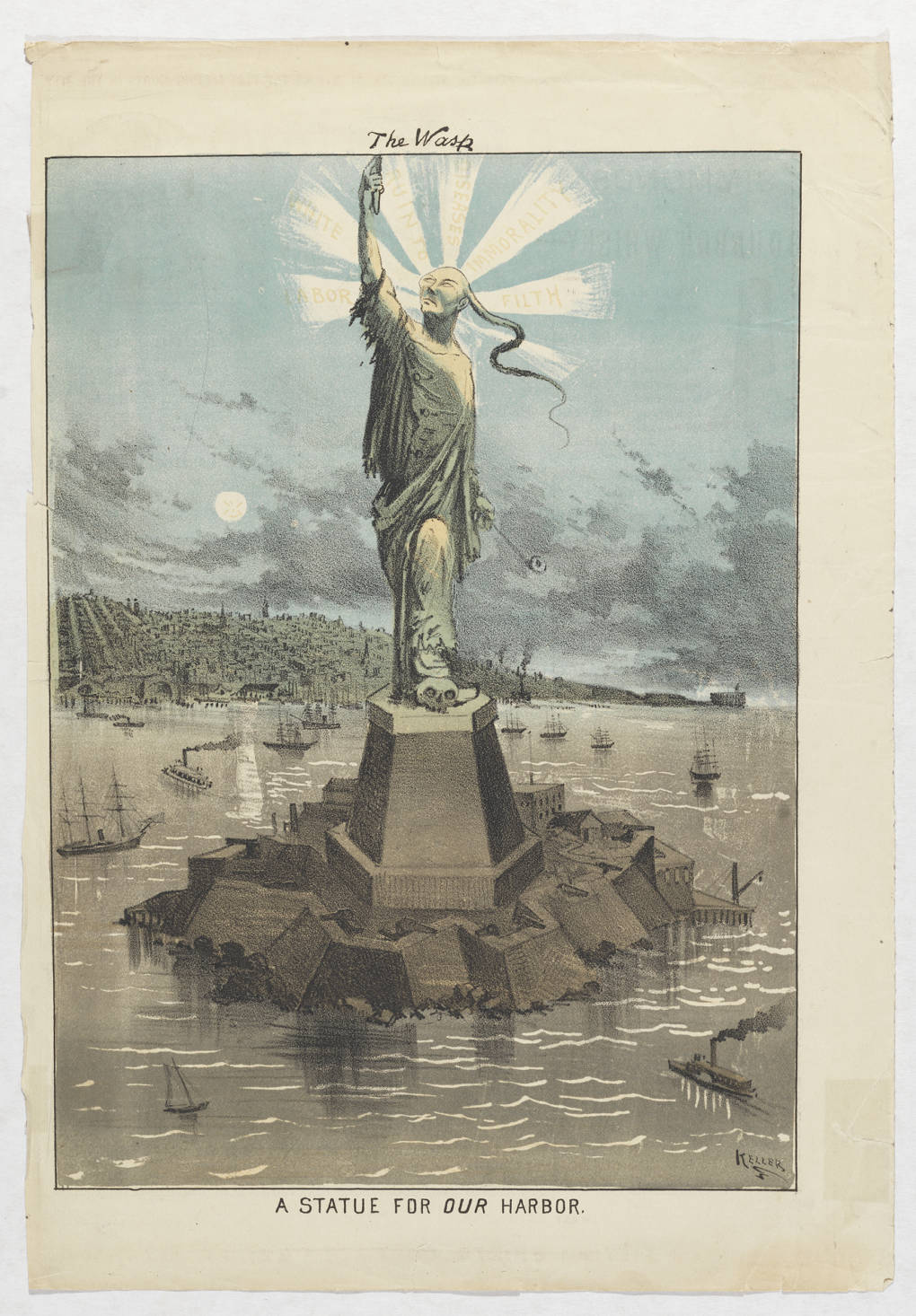
"caption": "A \"Statue for Our Harbor\" was published in 1881. It expressed the fear of Chinese immigrants, which led to the passage of the Chinese Exclusion Act 135 years ago.",
"description": "\u003cem>A Statue for Our Harbor\u003c/em> was\u003cem> \u003c/em>published in 1881. It expressed the fear of Chinese immigrants, which led to the passage of the Chinese Exclusion Act 135 years ago.",
"title": "A Statue for Our Harbor was published in 1881. It expressed the fear of Chinese immigrants, which led to the passage of the Chinese Exclusion Act 135 years ago.",
"credit": "George Frederick Keller/Historical Society of Pennsylvania",
"status": "inherit",
"isLoading": false,
"fetchFailed": false
},
"news_11439010": {
"type": "attachments",
"id": "news_11439010",
"meta": {
"index": "attachments_1716263798",
"site": "news",
"id": "11439010",
"found": true
},
"parent": 11438847,
"imgSizes": {
"small": {
"file": "https://ww2.kqed.org/app/uploads/sites/10/2017/05/Olive5-1-520x319.jpg",
"width": 520,
"mimeType": "image/jpeg",
"height": 319
},
"twentyfourteen-full-width": {
"file": "https://ww2.kqed.org/app/uploads/sites/10/2017/05/Olive5-1-1038x576.jpg",
"width": 1038,
"mimeType": "image/jpeg",
"height": 576
},
"thumbnail": {
"file": "https://ww2.kqed.org/app/uploads/sites/10/2017/05/Olive5-1-160x98.jpg",
"width": 160,
"mimeType": "image/jpeg",
"height": 98
},
"fd-sm": {
"file": "https://ww2.kqed.org/app/uploads/sites/10/2017/05/Olive5-1-960x589.jpg",
"width": 960,
"mimeType": "image/jpeg",
"height": 589
},
"post-thumbnail": {
"file": "https://ww2.kqed.org/app/uploads/sites/10/2017/05/Olive5-1-672x372.jpg",
"width": 672,
"mimeType": "image/jpeg",
"height": 372
},
"xsmall": {
"file": "https://ww2.kqed.org/app/uploads/sites/10/2017/05/Olive5-1-375x230.jpg",
"width": 375,
"mimeType": "image/jpeg",
"height": 230
},
"kqedFullSize": {
"file": "https://ww2.kqed.org/app/uploads/sites/10/2017/05/Olive5-1.jpg",
"width": 1280,
"height": 785
},
"large": {
"file": "https://ww2.kqed.org/app/uploads/sites/10/2017/05/Olive5-1-1020x626.jpg",
"width": 1020,
"mimeType": "image/jpeg",
"height": 626
},
"xlarge": {
"file": "https://ww2.kqed.org/app/uploads/sites/10/2017/05/Olive5-1-1180x724.jpg",
"width": 1180,
"mimeType": "image/jpeg",
"height": 724
},
"guest-author-50": {
"file": "https://ww2.kqed.org/app/uploads/sites/10/2017/05/Olive5-1-50x50.jpg",
"width": 50,
"mimeType": "image/jpeg",
"height": 50
},
"guest-author-96": {
"file": "https://ww2.kqed.org/app/uploads/sites/10/2017/05/Olive5-1-96x96.jpg",
"width": 96,
"mimeType": "image/jpeg",
"height": 96
},
"medium": {
"file": "https://ww2.kqed.org/app/uploads/sites/10/2017/05/Olive5-1-800x491.jpg",
"width": 800,
"mimeType": "image/jpeg",
"height": 491
},
"guest-author-64": {
"file": "https://ww2.kqed.org/app/uploads/sites/10/2017/05/Olive5-1-64x64.jpg",
"width": 64,
"mimeType": "image/jpeg",
"height": 64
},
"guest-author-32": {
"file": "https://ww2.kqed.org/app/uploads/sites/10/2017/05/Olive5-1-32x32.jpg",
"width": 32,
"mimeType": "image/jpeg",
"height": 32
},
"fd-med": {
"file": "https://ww2.kqed.org/app/uploads/sites/10/2017/05/Olive5-1-1180x724.jpg",
"width": 1180,
"mimeType": "image/jpeg",
"height": 724
},
"detail": {
"file": "https://ww2.kqed.org/app/uploads/sites/10/2017/05/Olive5-1-150x150.jpg",
"width": 150,
"mimeType": "image/jpeg",
"height": 150
},
"guest-author-128": {
"file": "https://ww2.kqed.org/app/uploads/sites/10/2017/05/Olive5-1-128x128.jpg",
"width": 128,
"mimeType": "image/jpeg",
"height": 128
},
"xxsmall": {
"file": "https://ww2.kqed.org/app/uploads/sites/10/2017/05/Olive5-1-240x147.jpg",
"width": 240,
"mimeType": "image/jpeg",
"height": 147
}
},
"publishDate": 1493850411,
"modified": 1493931895,
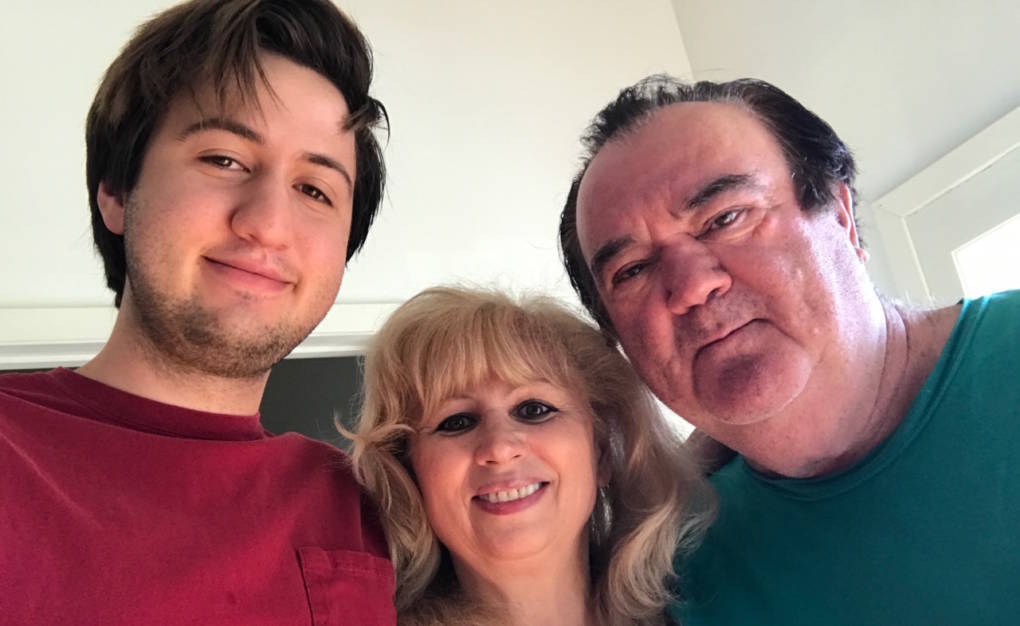
"caption": "Olive, with her parents.",
"description": "Olive, with her parents.",
"title": "Olive and Her Parents",
"credit": "Courtesy Olive",
"status": "inherit",
"isLoading": false,
"fetchFailed": false
},
"news_11441772": {
"type": "attachments",
"id": "news_11441772",
"meta": {
"index": "attachments_1716263798",
"site": "news",
"id": "11441772",
"found": true
},
"parent": 11441697,
"imgSizes": {
"small": {
"file": "https://ww2.kqed.org/app/uploads/sites/10/2017/05/RS16478_iStock_000062678534_Full-e1494004563874-520x278.jpg",
"width": 520,
"mimeType": "image/jpeg",
"height": 278
},
"twentyfourteen-full-width": {
"file": "https://ww2.kqed.org/app/uploads/sites/10/2017/05/RS16478_iStock_000062678534_Full-e1494004563874-1038x576.jpg",
"width": 1038,
"mimeType": "image/jpeg",
"height": 576
},
"thumbnail": {
"file": "https://ww2.kqed.org/app/uploads/sites/10/2017/05/RS16478_iStock_000062678534_Full-e1494004563874-160x86.jpg",
"width": 160,
"mimeType": "image/jpeg",
"height": 86
},
"fd-sm": {
"file": "https://ww2.kqed.org/app/uploads/sites/10/2017/05/RS16478_iStock_000062678534_Full-e1494004563874-960x513.jpg",
"width": 960,
"mimeType": "image/jpeg",
"height": 513
},
"post-thumbnail": {
"file": "https://ww2.kqed.org/app/uploads/sites/10/2017/05/RS16478_iStock_000062678534_Full-e1494004563874-672x372.jpg",
"width": 672,
"mimeType": "image/jpeg",
"height": 372
},
"xsmall": {
"file": "https://ww2.kqed.org/app/uploads/sites/10/2017/05/RS16478_iStock_000062678534_Full-e1494004563874-375x200.jpg",
"width": 375,
"mimeType": "image/jpeg",
"height": 200
},
"kqedFullSize": {
"file": "https://ww2.kqed.org/app/uploads/sites/10/2017/05/RS16478_iStock_000062678534_Full-e1494004563874.jpg",
"width": 1920,
"height": 1026
},
"large": {
"file": "https://ww2.kqed.org/app/uploads/sites/10/2017/05/RS16478_iStock_000062678534_Full-e1494004563874-1020x545.jpg",
"width": 1020,
"mimeType": "image/jpeg",
"height": 545
},
"xlarge": {
"file": "https://ww2.kqed.org/app/uploads/sites/10/2017/05/RS16478_iStock_000062678534_Full-e1494004563874-1180x631.jpg",
"width": 1180,
"mimeType": "image/jpeg",
"height": 631
},
"guest-author-50": {
"file": "https://ww2.kqed.org/app/uploads/sites/10/2017/05/RS16478_iStock_000062678534_Full-e1494004563874-50x50.jpg",
"width": 50,
"mimeType": "image/jpeg",
"height": 50
},
"guest-author-96": {
"file": "https://ww2.kqed.org/app/uploads/sites/10/2017/05/RS16478_iStock_000062678534_Full-e1494004563874-96x96.jpg",
"width": 96,
"mimeType": "image/jpeg",
"height": 96
},
"medium": {
"file": "https://ww2.kqed.org/app/uploads/sites/10/2017/05/RS16478_iStock_000062678534_Full-e1494004563874-800x428.jpg",
"width": 800,
"mimeType": "image/jpeg",
"height": 428
},
"guest-author-64": {
"file": "https://ww2.kqed.org/app/uploads/sites/10/2017/05/RS16478_iStock_000062678534_Full-e1494004563874-64x64.jpg",
"width": 64,
"mimeType": "image/jpeg",
"height": 64
},
"guest-author-32": {
"file": "https://ww2.kqed.org/app/uploads/sites/10/2017/05/RS16478_iStock_000062678534_Full-e1494004563874-32x32.jpg",
"width": 32,
"mimeType": "image/jpeg",
"height": 32
},
"fd-lrg": {
"file": "https://ww2.kqed.org/app/uploads/sites/10/2017/05/RS16478_iStock_000062678534_Full-e1494004563874-1920x1026.jpg",
"width": 1920,
"mimeType": "image/jpeg",
"height": 1026
},
"fd-med": {
"file": "https://ww2.kqed.org/app/uploads/sites/10/2017/05/RS16478_iStock_000062678534_Full-e1494004563874-1180x631.jpg",
"width": 1180,
"mimeType": "image/jpeg",
"height": 631
},
"full-width": {
"file": "https://ww2.kqed.org/app/uploads/sites/10/2017/05/RS16478_iStock_000062678534_Full-e1494004563874-1920x1026.jpg",
"width": 1920,
"mimeType": "image/jpeg",
"height": 1026
},
"detail": {
"file": "https://ww2.kqed.org/app/uploads/sites/10/2017/05/RS16478_iStock_000062678534_Full-e1494004563874-150x150.jpg",
"width": 150,
"mimeType": "image/jpeg",
"height": 150
},
"guest-author-128": {
"file": "https://ww2.kqed.org/app/uploads/sites/10/2017/05/RS16478_iStock_000062678534_Full-e1494004563874-128x128.jpg",
"width": 128,
"mimeType": "image/jpeg",
"height": 128
},
"xxsmall": {
"file": "https://ww2.kqed.org/app/uploads/sites/10/2017/05/RS16478_iStock_000062678534_Full-e1494004563874-240x128.jpg",
"width": 240,
"mimeType": "image/jpeg",
"height": 128
}
},
"publishDate": 1494004334,
"modified": 1494004497,
"caption": "There's a lot at stake for the Golden State under the Trump/DeVos administration.",
"description": null,
"title": "RS16478_iStock_000062678534_Full",
"credit": "Getty Images",
"status": "inherit",
"isLoading": false,
"fetchFailed": false
},
"news_11439183": {
"type": "attachments",
"id": "news_11439183",
"meta": {
"index": "attachments_1716263798",
"site": "news",
"id": "11439183",
"found": true
},
"parent": 11439084,
"imgSizes": {
"small": {
"file": "https://ww2.kqed.org/app/uploads/sites/10/2017/05/MCCarthy-520x344.jpg",
"width": 520,
"mimeType": "image/jpeg",
"height": 344
},
"twentyfourteen-full-width": {
"file": "https://ww2.kqed.org/app/uploads/sites/10/2017/05/MCCarthy-1038x576.jpg",
"width": 1038,
"mimeType": "image/jpeg",
"height": 576
},
"thumbnail": {
"file": "https://ww2.kqed.org/app/uploads/sites/10/2017/05/MCCarthy-160x106.jpg",
"width": 160,
"mimeType": "image/jpeg",
"height": 106
},
"fd-sm": {
"file": "https://ww2.kqed.org/app/uploads/sites/10/2017/05/MCCarthy-960x636.jpg",
"width": 960,
"mimeType": "image/jpeg",
"height": 636
},
"post-thumbnail": {
"file": "https://ww2.kqed.org/app/uploads/sites/10/2017/05/MCCarthy-672x372.jpg",
"width": 672,
"mimeType": "image/jpeg",
"height": 372
},
"xsmall": {
"file": "https://ww2.kqed.org/app/uploads/sites/10/2017/05/MCCarthy-375x248.jpg",
"width": 375,
"mimeType": "image/jpeg",
"height": 248
},
"kqedFullSize": {
"file": "https://ww2.kqed.org/app/uploads/sites/10/2017/05/MCCarthy.jpg",
"width": 1920,
"height": 1271
},
"large": {
"file": "https://ww2.kqed.org/app/uploads/sites/10/2017/05/MCCarthy-1020x675.jpg",
"width": 1020,
"mimeType": "image/jpeg",
"height": 675
},
"xlarge": {
"file": "https://ww2.kqed.org/app/uploads/sites/10/2017/05/MCCarthy-1180x781.jpg",
"width": 1180,
"mimeType": "image/jpeg",
"height": 781
},
"guest-author-50": {
"file": "https://ww2.kqed.org/app/uploads/sites/10/2017/05/MCCarthy-50x50.jpg",
"width": 50,
"mimeType": "image/jpeg",
"height": 50
},
"guest-author-96": {
"file": "https://ww2.kqed.org/app/uploads/sites/10/2017/05/MCCarthy-96x96.jpg",
"width": 96,
"mimeType": "image/jpeg",
"height": 96
},
"medium": {
"file": "https://ww2.kqed.org/app/uploads/sites/10/2017/05/MCCarthy-800x530.jpg",
"width": 800,
"mimeType": "image/jpeg",
"height": 530
},
"guest-author-64": {
"file": "https://ww2.kqed.org/app/uploads/sites/10/2017/05/MCCarthy-64x64.jpg",
"width": 64,
"mimeType": "image/jpeg",
"height": 64
},
"guest-author-32": {
"file": "https://ww2.kqed.org/app/uploads/sites/10/2017/05/MCCarthy-32x32.jpg",
"width": 32,
"mimeType": "image/jpeg",
"height": 32
},
"fd-lrg": {
"file": "https://ww2.kqed.org/app/uploads/sites/10/2017/05/MCCarthy-1920x1271.jpg",
"width": 1920,
"mimeType": "image/jpeg",
"height": 1271
},
"fd-med": {
"file": "https://ww2.kqed.org/app/uploads/sites/10/2017/05/MCCarthy-1180x781.jpg",
"width": 1180,
"mimeType": "image/jpeg",
"height": 781
},
"full-width": {
"file": "https://ww2.kqed.org/app/uploads/sites/10/2017/05/MCCarthy-1920x1271.jpg",
"width": 1920,
"mimeType": "image/jpeg",
"height": 1271
},
"detail": {
"file": "https://ww2.kqed.org/app/uploads/sites/10/2017/05/MCCarthy-150x150.jpg",
"width": 150,
"mimeType": "image/jpeg",
"height": 150
},
"guest-author-128": {
"file": "https://ww2.kqed.org/app/uploads/sites/10/2017/05/MCCarthy-128x128.jpg",
"width": 128,
"mimeType": "image/jpeg",
"height": 128
},
"xxsmall": {
"file": "https://ww2.kqed.org/app/uploads/sites/10/2017/05/MCCarthy-240x159.jpg",
"width": 240,
"mimeType": "image/jpeg",
"height": 159
}
},
"publishDate": 1493858636,
"modified": 1493858666,
"caption": "House Majority Leader Kevin McCarthy, seen walking to the House chamber on Wednesday, says he has the votes needed to pass the GOP health care bill on Thursday.",
"description": "House Majority Leader Kevin McCarthy, seen walking to the House chamber on Wednesday, says he has the votes needed to pass the GOP health care bill on Thursday.",
"title": "MCCarthy",
"credit": "Eric Thayer/Getty Images",
"status": "inherit",
"isLoading": false,
"fetchFailed": false
},
"news_11437440": {
"type": "attachments",
"id": "news_11437440",
"meta": {
"index": "attachments_1716263798",
"site": "news",
"id": "11437440",
"found": true
},
"parent": 11437439,
"imgSizes": {
"small": {
"file": "https://ww2.kqed.org/app/uploads/sites/10/2017/05/RobinLopez_Selfie-520x293.jpg",
"width": 520,
"mimeType": "image/jpeg",
"height": 293
},
"twentyfourteen-full-width": {
"file": "https://ww2.kqed.org/app/uploads/sites/10/2017/05/RobinLopez_Selfie-1038x576.jpg",
"width": 1038,
"mimeType": "image/jpeg",
"height": 576
},
"thumbnail": {
"file": "https://ww2.kqed.org/app/uploads/sites/10/2017/05/RobinLopez_Selfie-160x90.jpg",
"width": 160,
"mimeType": "image/jpeg",
"height": 90
},
"fd-sm": {
"file": "https://ww2.kqed.org/app/uploads/sites/10/2017/05/RobinLopez_Selfie-960x540.jpg",
"width": 960,
"mimeType": "image/jpeg",
"height": 540
},
"post-thumbnail": {
"file": "https://ww2.kqed.org/app/uploads/sites/10/2017/05/RobinLopez_Selfie-672x372.jpg",
"width": 672,
"mimeType": "image/jpeg",
"height": 372
},
"xsmall": {
"file": "https://ww2.kqed.org/app/uploads/sites/10/2017/05/RobinLopez_Selfie-375x211.jpg",
"width": 375,
"mimeType": "image/jpeg",
"height": 211
},
"kqedFullSize": {
"file": "https://ww2.kqed.org/app/uploads/sites/10/2017/05/RobinLopez_Selfie.jpg",
"width": 1280,
"height": 720
},
"large": {
"file": "https://ww2.kqed.org/app/uploads/sites/10/2017/05/RobinLopez_Selfie-1020x574.jpg",
"width": 1020,
"mimeType": "image/jpeg",
"height": 574
},
"xlarge": {
"file": "https://ww2.kqed.org/app/uploads/sites/10/2017/05/RobinLopez_Selfie-1180x664.jpg",
"width": 1180,
"mimeType": "image/jpeg",
"height": 664
},
"guest-author-50": {
"file": "https://ww2.kqed.org/app/uploads/sites/10/2017/05/RobinLopez_Selfie-50x50.jpg",
"width": 50,
"mimeType": "image/jpeg",
"height": 50
},
"guest-author-96": {
"file": "https://ww2.kqed.org/app/uploads/sites/10/2017/05/RobinLopez_Selfie-96x96.jpg",
"width": 96,
"mimeType": "image/jpeg",
"height": 96
},
"medium": {
"file": "https://ww2.kqed.org/app/uploads/sites/10/2017/05/RobinLopez_Selfie-800x450.jpg",
"width": 800,
"mimeType": "image/jpeg",
"height": 450
},
"guest-author-64": {
"file": "https://ww2.kqed.org/app/uploads/sites/10/2017/05/RobinLopez_Selfie-64x64.jpg",
"width": 64,
"mimeType": "image/jpeg",
"height": 64
},
"guest-author-32": {
"file": "https://ww2.kqed.org/app/uploads/sites/10/2017/05/RobinLopez_Selfie-32x32.jpg",
"width": 32,
"mimeType": "image/jpeg",
"height": 32
},
"fd-med": {
"file": "https://ww2.kqed.org/app/uploads/sites/10/2017/05/RobinLopez_Selfie-1180x664.jpg",
"width": 1180,
"mimeType": "image/jpeg",
"height": 664
},
"detail": {
"file": "https://ww2.kqed.org/app/uploads/sites/10/2017/05/RobinLopez_Selfie-150x150.jpg",
"width": 150,
"mimeType": "image/jpeg",
"height": 150
},
"guest-author-128": {
"file": "https://ww2.kqed.org/app/uploads/sites/10/2017/05/RobinLopez_Selfie-128x128.jpg",
"width": 128,
"mimeType": "image/jpeg",
"height": 128
},
"xxsmall": {
"file": "https://ww2.kqed.org/app/uploads/sites/10/2017/05/RobinLopez_Selfie-240x135.jpg",
"width": 240,
"mimeType": "image/jpeg",
"height": 135
}
},
"publishDate": 1493762107,
"modified": 1493762107,
"caption": null,
"description": null,
"title": "RobinLopez_Selfie",
"credit": null,
"status": "inherit",
"isLoading": false,
"fetchFailed": false
},
"news_11437434": {
"type": "attachments",
"id": "news_11437434",
"meta": {
"index": "attachments_1716263798",
"site": "news",
"id": "11437434",
"found": true
},
"parent": 11437433,
"imgSizes": {
"small": {
"file": "https://ww2.kqed.org/app/uploads/sites/10/2017/05/Eleanor_Chang_2-520x293.jpg",
"width": 520,
"mimeType": "image/jpeg",
"height": 293
},
"twentyfourteen-full-width": {
"file": "https://ww2.kqed.org/app/uploads/sites/10/2017/05/Eleanor_Chang_2-1038x576.jpg",
"width": 1038,
"mimeType": "image/jpeg",
"height": 576
},
"thumbnail": {
"file": "https://ww2.kqed.org/app/uploads/sites/10/2017/05/Eleanor_Chang_2-160x90.jpg",
"width": 160,
"mimeType": "image/jpeg",
"height": 90
},
"fd-sm": {
"file": "https://ww2.kqed.org/app/uploads/sites/10/2017/05/Eleanor_Chang_2-960x540.jpg",
"width": 960,
"mimeType": "image/jpeg",
"height": 540
},
"post-thumbnail": {
"file": "https://ww2.kqed.org/app/uploads/sites/10/2017/05/Eleanor_Chang_2-672x372.jpg",
"width": 672,
"mimeType": "image/jpeg",
"height": 372
},
"xsmall": {
"file": "https://ww2.kqed.org/app/uploads/sites/10/2017/05/Eleanor_Chang_2-375x211.jpg",
"width": 375,
"mimeType": "image/jpeg",
"height": 211
},
"kqedFullSize": {
"file": "https://ww2.kqed.org/app/uploads/sites/10/2017/05/Eleanor_Chang_2.jpg",
"width": 1280,
"height": 720
},
"large": {
"file": "https://ww2.kqed.org/app/uploads/sites/10/2017/05/Eleanor_Chang_2-1020x574.jpg",
"width": 1020,
"mimeType": "image/jpeg",
"height": 574
},
"xlarge": {
"file": "https://ww2.kqed.org/app/uploads/sites/10/2017/05/Eleanor_Chang_2-1180x664.jpg",
"width": 1180,
"mimeType": "image/jpeg",
"height": 664
},
"guest-author-50": {
"file": "https://ww2.kqed.org/app/uploads/sites/10/2017/05/Eleanor_Chang_2-50x50.jpg",
"width": 50,
"mimeType": "image/jpeg",
"height": 50
},
"guest-author-96": {
"file": "https://ww2.kqed.org/app/uploads/sites/10/2017/05/Eleanor_Chang_2-96x96.jpg",
"width": 96,
"mimeType": "image/jpeg",
"height": 96
},
"medium": {
"file": "https://ww2.kqed.org/app/uploads/sites/10/2017/05/Eleanor_Chang_2-800x450.jpg",
"width": 800,
"mimeType": "image/jpeg",
"height": 450
},
"guest-author-64": {
"file": "https://ww2.kqed.org/app/uploads/sites/10/2017/05/Eleanor_Chang_2-64x64.jpg",
"width": 64,
"mimeType": "image/jpeg",
"height": 64
},
"guest-author-32": {
"file": "https://ww2.kqed.org/app/uploads/sites/10/2017/05/Eleanor_Chang_2-32x32.jpg",
"width": 32,
"mimeType": "image/jpeg",
"height": 32
},
"fd-med": {
"file": "https://ww2.kqed.org/app/uploads/sites/10/2017/05/Eleanor_Chang_2-1180x664.jpg",
"width": 1180,
"mimeType": "image/jpeg",
"height": 664
},
"detail": {
"file": "https://ww2.kqed.org/app/uploads/sites/10/2017/05/Eleanor_Chang_2-150x150.jpg",
"width": 150,
"mimeType": "image/jpeg",
"height": 150
},
"guest-author-128": {
"file": "https://ww2.kqed.org/app/uploads/sites/10/2017/05/Eleanor_Chang_2-128x128.jpg",
"width": 128,
"mimeType": "image/jpeg",
"height": 128
},
"xxsmall": {
"file": "https://ww2.kqed.org/app/uploads/sites/10/2017/05/Eleanor_Chang_2-240x135.jpg",
"width": 240,
"mimeType": "image/jpeg",
"height": 135
}
},
"publishDate": 1493760525,
"modified": 1493760525,
"caption": null,
"description": null,
"title": "Eleanor_Chang_2",
"credit": null,
"status": "inherit",
"isLoading": false,
"fetchFailed": false
},
"news_11437233": {
"type": "attachments",
"id": "news_11437233",
"meta": {
"index": "attachments_1716263798",
"site": "news",
"id": "11437233",
"found": true
},
"parent": 11437232,
"imgSizes": {
"small": {
"file": "https://ww2.kqed.org/app/uploads/sites/10/2017/05/gettyimages-665981706_wide-a007df159bd5bf7a6ca3665c5db000d7c1bdfe91-520x292.jpg",
"width": 520,
"mimeType": "image/jpeg",
"height": 292
},
"twentyfourteen-full-width": {
"file": "https://ww2.kqed.org/app/uploads/sites/10/2017/05/gettyimages-665981706_wide-a007df159bd5bf7a6ca3665c5db000d7c1bdfe91-1038x576.jpg",
"width": 1038,
"mimeType": "image/jpeg",
"height": 576
},
"thumbnail": {
"file": "https://ww2.kqed.org/app/uploads/sites/10/2017/05/gettyimages-665981706_wide-a007df159bd5bf7a6ca3665c5db000d7c1bdfe91-160x90.jpg",
"width": 160,
"mimeType": "image/jpeg",
"height": 90
},
"fd-sm": {
"file": "https://ww2.kqed.org/app/uploads/sites/10/2017/05/gettyimages-665981706_wide-a007df159bd5bf7a6ca3665c5db000d7c1bdfe91-960x540.jpg",
"width": 960,
"mimeType": "image/jpeg",
"height": 540
},
"post-thumbnail": {
"file": "https://ww2.kqed.org/app/uploads/sites/10/2017/05/gettyimages-665981706_wide-a007df159bd5bf7a6ca3665c5db000d7c1bdfe91-672x372.jpg",
"width": 672,
"mimeType": "image/jpeg",
"height": 372
},
"xsmall": {
"file": "https://ww2.kqed.org/app/uploads/sites/10/2017/05/gettyimages-665981706_wide-a007df159bd5bf7a6ca3665c5db000d7c1bdfe91-375x211.jpg",
"width": 375,
"mimeType": "image/jpeg",
"height": 211
},
"kqedFullSize": {
"file": "https://ww2.kqed.org/app/uploads/sites/10/2017/05/gettyimages-665981706_wide-a007df159bd5bf7a6ca3665c5db000d7c1bdfe91-e1493748492807.jpg",
"width": 1920,
"height": 1080
},
"large": {
"file": "https://ww2.kqed.org/app/uploads/sites/10/2017/05/gettyimages-665981706_wide-a007df159bd5bf7a6ca3665c5db000d7c1bdfe91-1020x574.jpg",
"width": 1020,
"mimeType": "image/jpeg",
"height": 574
},
"xlarge": {
"file": "https://ww2.kqed.org/app/uploads/sites/10/2017/05/gettyimages-665981706_wide-a007df159bd5bf7a6ca3665c5db000d7c1bdfe91-1180x664.jpg",
"width": 1180,
"mimeType": "image/jpeg",
"height": 664
},
"guest-author-50": {
"file": "https://ww2.kqed.org/app/uploads/sites/10/2017/05/gettyimages-665981706_wide-a007df159bd5bf7a6ca3665c5db000d7c1bdfe91-50x50.jpg",
"width": 50,
"mimeType": "image/jpeg",
"height": 50
},
"guest-author-96": {
"file": "https://ww2.kqed.org/app/uploads/sites/10/2017/05/gettyimages-665981706_wide-a007df159bd5bf7a6ca3665c5db000d7c1bdfe91-96x96.jpg",
"width": 96,
"mimeType": "image/jpeg",
"height": 96
},
"medium": {
"file": "https://ww2.kqed.org/app/uploads/sites/10/2017/05/gettyimages-665981706_wide-a007df159bd5bf7a6ca3665c5db000d7c1bdfe91-800x450.jpg",
"width": 800,
"mimeType": "image/jpeg",
"height": 450
},
"guest-author-64": {
"file": "https://ww2.kqed.org/app/uploads/sites/10/2017/05/gettyimages-665981706_wide-a007df159bd5bf7a6ca3665c5db000d7c1bdfe91-64x64.jpg",
"width": 64,
"mimeType": "image/jpeg",
"height": 64
},
"guest-author-32": {
"file": "https://ww2.kqed.org/app/uploads/sites/10/2017/05/gettyimages-665981706_wide-a007df159bd5bf7a6ca3665c5db000d7c1bdfe91-32x32.jpg",
"width": 32,
"mimeType": "image/jpeg",
"height": 32
},
"fd-lrg": {
"file": "https://ww2.kqed.org/app/uploads/sites/10/2017/05/gettyimages-665981706_wide-a007df159bd5bf7a6ca3665c5db000d7c1bdfe91-1920x1080.jpg",
"width": 1920,
"mimeType": "image/jpeg",
"height": 1080
},
"fd-med": {
"file": "https://ww2.kqed.org/app/uploads/sites/10/2017/05/gettyimages-665981706_wide-a007df159bd5bf7a6ca3665c5db000d7c1bdfe91-1180x664.jpg",
"width": 1180,
"mimeType": "image/jpeg",
"height": 664
},
"full-width": {
"file": "https://ww2.kqed.org/app/uploads/sites/10/2017/05/gettyimages-665981706_wide-a007df159bd5bf7a6ca3665c5db000d7c1bdfe91-1920x1080.jpg",
"width": 1920,
"mimeType": "image/jpeg",
"height": 1080
},
"detail": {
"file": "https://ww2.kqed.org/app/uploads/sites/10/2017/05/gettyimages-665981706_wide-a007df159bd5bf7a6ca3665c5db000d7c1bdfe91-150x150.jpg",
"width": 150,
"mimeType": "image/jpeg",
"height": 150
},
"guest-author-128": {
"file": "https://ww2.kqed.org/app/uploads/sites/10/2017/05/gettyimages-665981706_wide-a007df159bd5bf7a6ca3665c5db000d7c1bdfe91-128x128.jpg",
"width": 128,
"mimeType": "image/jpeg",
"height": 128
},
"xxsmall": {
"file": "https://ww2.kqed.org/app/uploads/sites/10/2017/05/gettyimages-665981706_wide-a007df159bd5bf7a6ca3665c5db000d7c1bdfe91-240x135.jpg",
"width": 240,
"mimeType": "image/jpeg",
"height": 135
}
},
"publishDate": 1493748355,
"modified": 1493748483,
"caption": "The metal fence along the border between Sonoyta, Mexico, and the Arizona desert in the United States.",
"description": "The metal fence along the border between Sonoyta, Mexico, and the Arizona desert in the United States.",
"title": "The metal fence along the border between Sonoyta, Mexico, and the Arizona desert in the United States.",
"credit": "Pedro Pardo/AFP/Getty Images",
"status": "inherit",
"isLoading": false,
"fetchFailed": false
},
"news_11437055": {
"type": "attachments",
"id": "news_11437055",
"meta": {
"index": "attachments_1716263798",
"site": "news",
"id": "11437055",
"found": true
},
"parent": 11437054,
"imgSizes": {
"small": {
"file": "https://ww2.kqed.org/app/uploads/sites/10/2017/05/Schiff_MARQUEE-520x293.jpg",
"width": 520,
"mimeType": "image/jpeg",
"height": 293
},
"twentyfourteen-full-width": {
"file": "https://ww2.kqed.org/app/uploads/sites/10/2017/05/Schiff_MARQUEE-1038x576.jpg",
"width": 1038,
"mimeType": "image/jpeg",
"height": 576
},
"thumbnail": {
"file": "https://ww2.kqed.org/app/uploads/sites/10/2017/05/Schiff_MARQUEE-160x90.jpg",
"width": 160,
"mimeType": "image/jpeg",
"height": 90
},
"fd-sm": {
"file": "https://ww2.kqed.org/app/uploads/sites/10/2017/05/Schiff_MARQUEE-960x540.jpg",
"width": 960,
"mimeType": "image/jpeg",
"height": 540
},
"post-thumbnail": {
"file": "https://ww2.kqed.org/app/uploads/sites/10/2017/05/Schiff_MARQUEE-672x372.jpg",
"width": 672,
"mimeType": "image/jpeg",
"height": 372
},
"xsmall": {
"file": "https://ww2.kqed.org/app/uploads/sites/10/2017/05/Schiff_MARQUEE-375x211.jpg",
"width": 375,
"mimeType": "image/jpeg",
"height": 211
},
"kqedFullSize": {
"file": "https://ww2.kqed.org/app/uploads/sites/10/2017/05/Schiff_MARQUEE.jpg",
"width": 1280,
"height": 720
},
"large": {
"file": "https://ww2.kqed.org/app/uploads/sites/10/2017/05/Schiff_MARQUEE-1020x574.jpg",
"width": 1020,
"mimeType": "image/jpeg",
"height": 574
},
"xlarge": {
"file": "https://ww2.kqed.org/app/uploads/sites/10/2017/05/Schiff_MARQUEE-1180x664.jpg",
"width": 1180,
"mimeType": "image/jpeg",
"height": 664
},
"guest-author-50": {
"file": "https://ww2.kqed.org/app/uploads/sites/10/2017/05/Schiff_MARQUEE-50x50.jpg",
"width": 50,
"mimeType": "image/jpeg",
"height": 50
},
"guest-author-96": {
"file": "https://ww2.kqed.org/app/uploads/sites/10/2017/05/Schiff_MARQUEE-96x96.jpg",
"width": 96,
"mimeType": "image/jpeg",
"height": 96
},
"medium": {
"file": "https://ww2.kqed.org/app/uploads/sites/10/2017/05/Schiff_MARQUEE-800x450.jpg",
"width": 800,
"mimeType": "image/jpeg",
"height": 450
},
"guest-author-64": {
"file": "https://ww2.kqed.org/app/uploads/sites/10/2017/05/Schiff_MARQUEE-64x64.jpg",
"width": 64,
"mimeType": "image/jpeg",
"height": 64
},
"guest-author-32": {
"file": "https://ww2.kqed.org/app/uploads/sites/10/2017/05/Schiff_MARQUEE-32x32.jpg",
"width": 32,
"mimeType": "image/jpeg",
"height": 32
},
"fd-med": {
"file": "https://ww2.kqed.org/app/uploads/sites/10/2017/05/Schiff_MARQUEE-1180x664.jpg",
"width": 1180,
"mimeType": "image/jpeg",
"height": 664
},
"detail": {
"file": "https://ww2.kqed.org/app/uploads/sites/10/2017/05/Schiff_MARQUEE-150x150.jpg",
"width": 150,
"mimeType": "image/jpeg",
"height": 150
},
"guest-author-128": {
"file": "https://ww2.kqed.org/app/uploads/sites/10/2017/05/Schiff_MARQUEE-128x128.jpg",
"width": 128,
"mimeType": "image/jpeg",
"height": 128
},
"xxsmall": {
"file": "https://ww2.kqed.org/app/uploads/sites/10/2017/05/Schiff_MARQUEE-240x135.jpg",
"width": 240,
"mimeType": "image/jpeg",
"height": 135
}
},
"publishDate": 1493740352,
"modified": 1493740352,
"caption": null,
"description": null,
"title": "Schiff_MARQUEE",
"credit": null,
"status": "inherit",
"isLoading": false,
"fetchFailed": false
},
"news_11436499": {
"type": "attachments",
"id": "news_11436499",
"meta": {
"index": "attachments_1716263798",
"site": "news",
"id": "11436499",
"found": true
},
"parent": 11435606,
"imgSizes": {
"small": {
"file": "https://ww2.kqed.org/app/uploads/sites/10/2017/05/20170501_MayDayfeat_credit_BertJohnson-1-520x347.jpg",
"width": 520,
"mimeType": "image/jpeg",
"height": 347
},
"twentyfourteen-full-width": {
"file": "https://ww2.kqed.org/app/uploads/sites/10/2017/05/20170501_MayDayfeat_credit_BertJohnson-1-1038x576.jpg",
"width": 1038,
"mimeType": "image/jpeg",
"height": 576
},
"thumbnail": {
"file": "https://ww2.kqed.org/app/uploads/sites/10/2017/05/20170501_MayDayfeat_credit_BertJohnson-1-160x107.jpg",
"width": 160,
"mimeType": "image/jpeg",
"height": 107
},
"fd-sm": {
"file": "https://ww2.kqed.org/app/uploads/sites/10/2017/05/20170501_MayDayfeat_credit_BertJohnson-1-960x640.jpg",
"width": 960,
"mimeType": "image/jpeg",
"height": 640
},
"post-thumbnail": {
"file": "https://ww2.kqed.org/app/uploads/sites/10/2017/05/20170501_MayDayfeat_credit_BertJohnson-1-672x372.jpg",
"width": 672,
"mimeType": "image/jpeg",
"height": 372
},
"xsmall": {
"file": "https://ww2.kqed.org/app/uploads/sites/10/2017/05/20170501_MayDayfeat_credit_BertJohnson-1-375x250.jpg",
"width": 375,
"mimeType": "image/jpeg",
"height": 250
},
"kqedFullSize": {
"file": "https://ww2.kqed.org/app/uploads/sites/10/2017/05/20170501_MayDayfeat_credit_BertJohnson-1.jpg",
"width": 1920,
"height": 1280
},
"large": {
"file": "https://ww2.kqed.org/app/uploads/sites/10/2017/05/20170501_MayDayfeat_credit_BertJohnson-1-1020x680.jpg",
"width": 1020,
"mimeType": "image/jpeg",
"height": 680
},
"xlarge": {
"file": "https://ww2.kqed.org/app/uploads/sites/10/2017/05/20170501_MayDayfeat_credit_BertJohnson-1-1180x787.jpg",
"width": 1180,
"mimeType": "image/jpeg",
"height": 787
},
"guest-author-50": {
"file": "https://ww2.kqed.org/app/uploads/sites/10/2017/05/20170501_MayDayfeat_credit_BertJohnson-1-50x50.jpg",
"width": 50,
"mimeType": "image/jpeg",
"height": 50
},
"guest-author-96": {
"file": "https://ww2.kqed.org/app/uploads/sites/10/2017/05/20170501_MayDayfeat_credit_BertJohnson-1-96x96.jpg",
"width": 96,
"mimeType": "image/jpeg",
"height": 96
},
"medium": {
"file": "https://ww2.kqed.org/app/uploads/sites/10/2017/05/20170501_MayDayfeat_credit_BertJohnson-1-800x533.jpg",
"width": 800,
"mimeType": "image/jpeg",
"height": 533
},
"guest-author-64": {
"file": "https://ww2.kqed.org/app/uploads/sites/10/2017/05/20170501_MayDayfeat_credit_BertJohnson-1-64x64.jpg",
"width": 64,
"mimeType": "image/jpeg",
"height": 64
},
"guest-author-32": {
"file": "https://ww2.kqed.org/app/uploads/sites/10/2017/05/20170501_MayDayfeat_credit_BertJohnson-1-32x32.jpg",
"width": 32,
"mimeType": "image/jpeg",
"height": 32
},
"fd-lrg": {
"file": "https://ww2.kqed.org/app/uploads/sites/10/2017/05/20170501_MayDayfeat_credit_BertJohnson-1-1920x1280.jpg",
"width": 1920,
"mimeType": "image/jpeg",
"height": 1280
},
"fd-med": {
"file": "https://ww2.kqed.org/app/uploads/sites/10/2017/05/20170501_MayDayfeat_credit_BertJohnson-1-1180x787.jpg",
"width": 1180,
"mimeType": "image/jpeg",
"height": 787
},
"full-width": {
"file": "https://ww2.kqed.org/app/uploads/sites/10/2017/05/20170501_MayDayfeat_credit_BertJohnson-1-1920x1280.jpg",
"width": 1920,
"mimeType": "image/jpeg",
"height": 1280
},
"detail": {
"file": "https://ww2.kqed.org/app/uploads/sites/10/2017/05/20170501_MayDayfeat_credit_BertJohnson-1-150x150.jpg",
"width": 150,
"mimeType": "image/jpeg",
"height": 150
},
"guest-author-128": {
"file": "https://ww2.kqed.org/app/uploads/sites/10/2017/05/20170501_MayDayfeat_credit_BertJohnson-1-128x128.jpg",
"width": 128,
"mimeType": "image/jpeg",
"height": 128
},
"xxsmall": {
"file": "https://ww2.kqed.org/app/uploads/sites/10/2017/05/20170501_MayDayfeat_credit_BertJohnson-1-240x160.jpg",
"width": 240,
"mimeType": "image/jpeg",
"height": 160
}
},
"publishDate": 1493703417,
"modified": 1493703442,
"caption": "Thousands of people marched through downtown San Francisco for May Day on May 1, 2017. The holiday is also known as International Workers' Day and Bay Area protests focused on the concerns of immigrant workers, including undocumented laborers.",
"description": null,
"title": "20170501_MayDayfeat_credit_BertJohnson-1",
"credit": "Bert Johnson/KQED",
"status": "inherit",
"isLoading": false,
"fetchFailed": false
}
},
"audioPlayerReducer": {
"postId": "stream_live",
"isPaused": true,
"isPlaying": false,
"pfsActive": false,
"pledgeModalIsOpen": true,
"playerDrawerIsOpen": false,
"liveAudioPlayStartedAt": 0,
"liveAudioPlayContext": ""
},
"authorsReducer": {
"byline_news_11443320": {
"type": "authors",
"id": "byline_news_11443320",
"meta": {
"override": true
},
"slug": "byline_news_11443320",
"name": "Kat Chow",
"isLoading": false
},
"byline_news_11438847": {
"type": "authors",
"id": "byline_news_11438847",
"meta": {
"override": true
},
"slug": "byline_news_11438847",
"name": "Renee Gross",
"isLoading": false
},
"byline_news_11439084": {
"type": "authors",
"id": "byline_news_11439084",
"meta": {
"override": true
},
"slug": "byline_news_11439084",
"name": "Alison Kodjak",
"isLoading": false
},
"byline_news_11437232": {
"type": "authors",
"id": "byline_news_11437232",
"meta": {
"override": true
},
"slug": "byline_news_11437232",
"name": "Ben Adler",
"isLoading": false
},
"anatintocalis": {
"type": "authors",
"id": "211",
"meta": {
"index": "authors_1716337520",
"id": "211",
"found": true
},
"name": "Ana Tintocalis",
"firstName": "Ana",
"lastName": "Tintocalis",
"slug": "anatintocalis",
"email": "atintocalis@kqed.org",
"display_author_email": false,
"staff_mastheads": [],
"title": null,
"bio": null,
"avatar": "https://secure.gravatar.com/avatar/722c50f51f04eff38fa0e5a3f1d29450?s=600&d=blank&r=g",
"twitter": null,
"facebook": null,
"instagram": null,
"linkedin": null,
"sites": [
{
"site": "news",
"roles": [
"subscriber"
]
},
{
"site": "stateofhealth",
"roles": [
"subscriber"
]
}
],
"headData": {
"title": "Ana Tintocalis | KQED",
"description": null,
"ogImgSrc": "https://secure.gravatar.com/avatar/722c50f51f04eff38fa0e5a3f1d29450?s=600&d=blank&r=g",
"twImgSrc": "https://secure.gravatar.com/avatar/722c50f51f04eff38fa0e5a3f1d29450?s=600&d=blank&r=g"
},
"isLoading": false,
"link": "/author/anatintocalis"
},
"gmarzorati": {
"type": "authors",
"id": "227",
"meta": {
"index": "authors_1716337520",
"id": "227",
"found": true
},
"name": "Guy Marzorati",
"firstName": "Guy",
"lastName": "Marzorati",
"slug": "gmarzorati",
"email": "gmarzorati@KQED.org",
"display_author_email": true,
"staff_mastheads": [
"news"
],
"title": "Correspondent",
"bio": "Guy Marzorati is a correspondent on KQED's California Politics and Government Desk, based in San Jose. A graduate of Santa Clara University, Guy joined KQED in 2013. He reports on state and local politics and produces KQED's digital voter guide.",
"avatar": "https://secure.gravatar.com/avatar/e7038b8dbfd55b104369b76b1cd0b9de?s=600&d=blank&r=g",
"twitter": "guymarzorati",
"facebook": null,
"instagram": null,
"linkedin": null,
"sites": [
{
"site": "",
"roles": [
"editor"
]
},
{
"site": "news",
"roles": [
"editor"
]
},
{
"site": "science",
"roles": [
"editor"
]
},
{
"site": "forum",
"roles": [
"editor"
]
},
{
"site": "elections",
"roles": [
"editor"
]
},
{
"site": "liveblog",
"roles": [
"editor"
]
}
],
"headData": {
"title": "Guy Marzorati | KQED",
"description": "Correspondent",
"ogImgSrc": "https://secure.gravatar.com/avatar/e7038b8dbfd55b104369b76b1cd0b9de?s=600&d=blank&r=g",
"twImgSrc": "https://secure.gravatar.com/avatar/e7038b8dbfd55b104369b76b1cd0b9de?s=600&d=blank&r=g"
},
"isLoading": false,
"link": "/author/gmarzorati"
},
"kqed": {
"type": "authors",
"id": "236",
"meta": {
"index": "authors_1716337520",
"id": "236",
"found": true
},
"name": "KQED News Staff",
"firstName": "KQED News Staff",
"lastName": null,
"slug": "kqed",
"email": "faq@kqed.org",
"display_author_email": false,
"staff_mastheads": [],
"title": null,
"bio": null,
"avatar": "https://secure.gravatar.com/avatar/ef0e801a68c4c54afa9180db14084167?s=600&d=blank&r=g",
"twitter": null,
"facebook": null,
"instagram": null,
"linkedin": null,
"sites": [
{
"site": "arts",
"roles": [
"contributor"
]
},
{
"site": "news",
"roles": [
"editor"
]
},
{
"site": "futureofyou",
"roles": [
"author"
]
}
],
"headData": {
"title": "KQED News Staff | KQED",
"description": null,
"ogImgSrc": "https://secure.gravatar.com/avatar/ef0e801a68c4c54afa9180db14084167?s=600&d=blank&r=g",
"twImgSrc": "https://secure.gravatar.com/avatar/ef0e801a68c4c54afa9180db14084167?s=600&d=blank&r=g"
},
"isLoading": false,
"link": "/author/kqed"
},
"scottshafer": {
"type": "authors",
"id": "255",
"meta": {
"index": "authors_1716337520",
"id": "255",
"found": true
},
"name": "Scott Shafer",
"firstName": "Scott",
"lastName": "Shafer",
"slug": "scottshafer",
"email": "sshafer@kqed.org",
"display_author_email": false,
"staff_mastheads": [
"news"
],
"title": "KQED Contributor",
"bio": "Scott Shafer is a senior editor with the KQED Politics and Government desk. He is co-host of Political Breakdown, the award-winning radio show and podcast with a personal take on the world of politics. Scott came to KQED in 1998 to host the statewide\u003cem> California Report\u003c/em>. Prior to that he had extended stints in politics and government\u003cem>.\u003c/em> He uses that inside experience at KQED in his, reporting, hosting and analysis for the politics desk. Scott collaborated \u003cem>Political Breakdown a\u003c/em>nd on \u003cem>The Political Mind of Jerry Brown, \u003c/em>an eight-part series about the life and extraordinary political career of the former governor. For fun, he plays water polo with the San Francisco Tsunami.",
"avatar": "https://secure.gravatar.com/avatar/a62ebae45b79d7aed1a39a0e3bf68104?s=600&d=blank&r=g",
"twitter": "scottshafer",
"bluesky": null,
"facebook": null,
"instagram": null,
"linkedin": null,
"sites": [
{
"site": "news",
"roles": [
"editor"
]
},
{
"site": "stateofhealth",
"roles": [
"author"
]
},
{
"site": "science",
"roles": [
"author"
]
},
{
"site": "forum",
"roles": [
"subscriber"
]
},
{
"site": "liveblog",
"roles": [
"author"
]
}
],
"headData": {
"title": "Scott Shafer | KQED",
"description": "KQED Contributor",
"ogImgSrc": "https://secure.gravatar.com/avatar/a62ebae45b79d7aed1a39a0e3bf68104?s=600&d=blank&r=g",
"twImgSrc": "https://secure.gravatar.com/avatar/a62ebae45b79d7aed1a39a0e3bf68104?s=600&d=blank&r=g"
},
"isLoading": false,
"link": "/author/scottshafer"
},
"sheraz-sadiq": {
"type": "authors",
"id": "6176",
"meta": {
"index": "authors_1716337520",
"id": "6176",
"found": true
},
"name": "Sheraz Sadiq",
"firstName": "Sheraz",
"lastName": "Sadiq",
"slug": "sheraz-sadiq",
"email": "ssadiq@kqed.org",
"display_author_email": false,
"staff_mastheads": [],
"title": "KQED Contributor",
"bio": "Sheraz Sadiq is an Emmy Award-winning producer at San Francisco PBS affiliate KQED. In 2012, he received the AAAS Kavli Science Journalism award for a story he produced about the seismic retrofit of the Hetch Hetchy water delivery system which serves the San Francisco Bay Area. In addition to producing television content for KQED Science, he has also created online features and written news articles on scientific subjects ranging from astronomy to synthetic biology.",
"avatar": "https://secure.gravatar.com/avatar/d88c61c214e477c4c6f0ebaed4f581bf7c9b1dafd94cd4361285d427107adb8d?s=600&d=blank&r=g",
"twitter": null,
"bluesky": null,
"facebook": null,
"instagram": null,
"linkedin": null,
"sites": [
{
"site": "arts",
"roles": [
"subscriber"
]
},
{
"site": "news",
"roles": [
"subscriber"
]
},
{
"site": "futureofyou",
"roles": [
"subscriber"
]
},
{
"site": "science",
"roles": [
"subscriber"
]
},
{
"site": "quest",
"roles": [
"leadcoordinator",
"subscriber"
]
}
],
"headData": {
"title": "Sheraz Sadiq | KQED",
"description": "KQED Contributor",
"ogImgSrc": "https://secure.gravatar.com/avatar/d88c61c214e477c4c6f0ebaed4f581bf7c9b1dafd94cd4361285d427107adb8d?s=600&d=blank&r=g",
"twImgSrc": "https://secure.gravatar.com/avatar/d88c61c214e477c4c6f0ebaed4f581bf7c9b1dafd94cd4361285d427107adb8d?s=600&d=blank&r=g"
},
"isLoading": false,
"link": "/author/sheraz-sadiq"
},
"jeremysiegel": {
"type": "authors",
"id": "11258",
"meta": {
"index": "authors_1716337520",
"id": "11258",
"found": true
},
"name": "Jeremy Siegel",
"firstName": "Jeremy",
"lastName": "Siegel",
"slug": "jeremysiegel",
"email": "jsiegel@kqed.org",
"display_author_email": false,
"staff_mastheads": [],
"title": "KQED Contributor",
"bio": "Jeremy Siegel is is the weekend afternoon news anchor for KQED. His reporting can be heard on KQED News, Morning Edition, All Things Considered and The California Report. Jeremy's coverage of the Camp Fire in Butte County won the 2019 Society of Professional Journalists, Northern California Chapter, Excellence in Journalism Award for Breaking News. Jeremy grew up in Cincinnati, Ohio, and graduated from UC Berkeley.",
"avatar": "https://secure.gravatar.com/avatar/3921a64ceb9ed5d0ba47d9ae9782f1ab?s=600&d=blank&r=g",
"twitter": "jersiegel",
"facebook": null,
"instagram": null,
"linkedin": null,
"sites": [
{
"site": "arts",
"roles": []
},
{
"site": "news",
"roles": [
"subscriber"
]
},
{
"site": "science",
"roles": []
}
],
"headData": {
"title": "Jeremy Siegel | KQED",
"description": "KQED Contributor",
"ogImgSrc": "https://secure.gravatar.com/avatar/3921a64ceb9ed5d0ba47d9ae9782f1ab?s=600&d=blank&r=g",
"twImgSrc": "https://secure.gravatar.com/avatar/3921a64ceb9ed5d0ba47d9ae9782f1ab?s=600&d=blank&r=g"
},
"isLoading": false,
"link": "/author/jeremysiegel"
},
"jsepulvado": {
"type": "authors",
"id": "11298",
"meta": {
"index": "authors_1716337520",
"id": "11298",
"found": true
},
"name": "John Sepulvado",
"firstName": "John",
"lastName": "Sepulvado",
"slug": "jsepulvado",
"email": "jsepulvado@KQED.org",
"display_author_email": false,
"staff_mastheads": [],
"title": null,
"bio": "John Sepulvado is a former morning host of \u003cem>The California Report\u003c/em>. Prior to joining KQED in September 2016, John was the local host of NPR’s \u003cem>Weekend Edition\u003c/em> at Oregon Public Broadcasting (OPB). He has also served as a producer for America Public Media’s \u003cem>Marketplace Weekend\u003c/em> and worked as a national correspondent for CNN and as news director at WUSF in Tampa, Florida. John has earned prestigious RTDNA Murrow and PRNDI awards for investigative reporting, and helped CNN take home a Peabody Award for coverage of the 2010 Gulf oil spill. John attended Florida A&M in Tallahassee and is also a member of Phi Theta Kappa. He left KQED in 2019.",
"avatar": "https://secure.gravatar.com/avatar/b976d3c4cf11750a793b670e5acb7a1c?s=600&d=blank&r=g",
"twitter": null,
"facebook": null,
"instagram": null,
"linkedin": null,
"sites": [
{
"site": "news",
"roles": [
"author",
"edit_others_posts"
]
}
],
"headData": {
"title": "John Sepulvado | KQED",
"description": null,
"ogImgSrc": "https://secure.gravatar.com/avatar/b976d3c4cf11750a793b670e5acb7a1c?s=600&d=blank&r=g",
"twImgSrc": "https://secure.gravatar.com/avatar/b976d3c4cf11750a793b670e5acb7a1c?s=600&d=blank&r=g"
},
"isLoading": false,
"link": "/author/jsepulvado"
},
"mleitsinger": {
"type": "authors",
"id": "11310",
"meta": {
"index": "authors_1716337520",
"id": "11310",
"found": true
},
"name": "Miranda Leitsinger",
"firstName": "Miranda",
"lastName": "Leitsinger",
"slug": "mleitsinger",
"email": "mleitsinger@KQED.org",
"display_author_email": false,
"staff_mastheads": [
"news"
],
"title": "KQED Contributor",
"bio": "Miranda Leitsinger has worked in journalism as a reporter and editor since 2000, including seven years at The Associated Press in locales such as Cambodia and Puerto Rico, four years at NBC News Digital in New York and 2.5 years at CNN.com International in Hong Kong. Major stories she has covered included sexual abuse in the yoga community, the rise of women in local politics post-2016 election, the struggle over LGBTQ inclusion in the Boy Scouts, aftermath of the 2004 and 2011 tsunamis, the Aurora movie theater attack, the Newtown school shooting, Superstorm Sandy and the Boston Marathon bombing.",
"avatar": "https://secure.gravatar.com/avatar/cdd00de7be92aab3b7fd3d915e02033d?s=600&d=blank&r=g",
"twitter": "mimileitsinger",
"facebook": null,
"instagram": null,
"linkedin": null,
"sites": [
{
"site": "arts",
"roles": [
"author"
]
},
{
"site": "news",
"roles": [
"subscriber"
]
},
{
"site": "futureofyou",
"roles": [
"editor"
]
},
{
"site": "stateofhealth",
"roles": [
"editor"
]
}
],
"headData": {
"title": "Miranda Leitsinger | KQED",
"description": "KQED Contributor",
"ogImgSrc": "https://secure.gravatar.com/avatar/cdd00de7be92aab3b7fd3d915e02033d?s=600&d=blank&r=g",
"twImgSrc": "https://secure.gravatar.com/avatar/cdd00de7be92aab3b7fd3d915e02033d?s=600&d=blank&r=g"
},
"isLoading": false,
"link": "/author/mleitsinger"
},
"ajperry": {
"type": "authors",
"id": "11334",
"meta": {
"index": "authors_1716337520",
"id": "11334",
"found": true
},
"name": "Alyssa Jeong Perry",
"firstName": "Alyssa",
"lastName": "Perry",
"slug": "ajperry",
"email": "AlyssaPerry@KQED.org",
"display_author_email": false,
"staff_mastheads": [],
"title": "KQED Contributor",
"bio": "Alyssa Jeong Perry is a on-call reporter at KQED. She's had stories air on NPR and WBUR's \u003cem>Here & Now,\u003c/em> PRI's The World and WNYC's \u003cem>The Takeaway.\u003c/em> And her written stories have been published in \u003cem>The Guardian \u003c/em>and \u003cem>The Nation. \u003c/em> For her reporting on immigration, Alyssa was honored as a 2015 Ford Foundation fellow through International Center for Journalists and a 2016 Mark Felt fellow with the UC Berkeley's Investigative Reporting Program. She's also interned at \u003cem>Oregon Public Broadcasting \u003c/em>and has her masters in journalism from the UC Berkeley. Before diving deep into journalism, she lived in Korea for almost four years and traveled extensively through Central America and Asia.",
"avatar": "https://secure.gravatar.com/avatar/8601b3e2995177110a6b5beb3aaea2f3?s=600&d=blank&r=g",
"twitter": "alyssajperry",
"facebook": null,
"instagram": null,
"linkedin": null,
"sites": [
{
"site": "news",
"roles": [
"author"
]
}
],
"headData": {
"title": "Alyssa Jeong Perry | KQED",
"description": "KQED Contributor",
"ogImgSrc": "https://secure.gravatar.com/avatar/8601b3e2995177110a6b5beb3aaea2f3?s=600&d=blank&r=g",
"twImgSrc": "https://secure.gravatar.com/avatar/8601b3e2995177110a6b5beb3aaea2f3?s=600&d=blank&r=g"
},
"isLoading": false,
"link": "/author/ajperry"
}
},
"pagesReducer": {
"news_tag_donald-trump": {
"type": "terms",
"id": "news_1323",
"meta": {
"index": "terms_1716263798",
"site": "news",
"id": "1323",
"score": 8.557401
},
"featImg": null,
"name": "Donald Trump",
"description": null,
"taxonomy": "tag",
"headData": {
"twImgId": null,
"twTitle": null,
"ogTitle": null,
"ogImgId": null,
"twDescription": null,
"description": null,
"title": "Donald Trump Archives | KQED News",
"ogDescription": null
},
"ttid": 1335,
"slug": "donald-trump",
"isLoading": false,
"title": "Donald Trump",
"pageMeta": {
"site": "news",
"WpPageTemplate": "page-topic-editorial",
"currentPage": 160
},
"blocks": [
{
"blockName": "kqed/post-list",
"attrs": {
"layout": "cardArticle2",
"query": "posts/news?tag=donald-trump",
"seeMore": false,
"paginated": true,
"page": 160
}
},
{
"blockName": "kqed/ad"
}
]
}
},
"pfsSessionReducer": {},
"postsReducer": {
"stream_live": {
"type": "live",
"id": "stream_live",
"audioUrl": "https://streams.kqed.org/kqedradio",
"title": "Live Stream",
"excerpt": "Live Stream information currently unavailable.",
"link": "/radio",
"featImg": "",
"label": {
"name": "KQED Live",
"link": "/"
}
},
"stream_kqedNewscast": {
"type": "posts",
"id": "stream_kqedNewscast",
"audioUrl": "https://www.kqed.org/.stream/anon/radio/RDnews/newscast.mp3?_=1",
"title": "KQED Newscast",
"featImg": "",
"label": {
"name": "88.5 FM",
"link": "/"
}
},
"news_11448928": {
"type": "posts",
"id": "news_11448928",
"meta": {
"index": "posts_1716263798",
"site": "news",
"id": "11448928",
"score": null,
"sort": [
1494374023000
]
},
"parent": 0,
"labelTerm": {
"site": "news",
"term": 72
},
"blocks": [],
"publishDate": 1494374023,
"format": "standard",
"disqusTitle": "Feinstein, Harris Reactions to Comey Firing a Study in Contrasts",
"title": "Feinstein, Harris Reactions to Comey Firing a Study in Contrasts",
"headTitle": "The California Report | KQED News",
"content": "\u003cp>Moments after news broke Tuesday that President Donald Trump had \u003ca href=\"https://ww2.kqed.org/news/2017/05/09/president-trump-fires-fbi-director-james-comey/\" target=\"_blank\" rel=\"noopener noreferrer\">fired FBI Director James Comey\u003c/a>, reaction from California's representatives in Congress began spilling out across the internet. And, the initial reactions of Senators Dianne Feinstein and Kamala Harris bring into sharp relief how different these two U.S. senators are.\u003c/p>\n\u003cp>Feinstein, a member of the prestigious Judiciary and Intelligence committees, released a measured statement focusing on the kind of FBI director she'd like to see.\u003c/p>\n\u003cp>\"The next FBI director must be strong and independent and will receive a fair hearing in the Judiciary Committee,” Feinstein said, noting the president had called her with the news.\u003c/p>\n\u003cp>Harris' comment, on the other hand, provided the kind of red meat even vegan Democrats seem to want these days.\u003c/p>\n\u003cp>\"I've said it before and will again -- we must have a special prosecutor to oversee the FBI's Russia investigation,\" Harris tweeted. \"This cannot wait.\"\u003c/p>\n\u003cp>[ad fullwidth]\u003c/p>\n\u003cp>\u003cimg class=\"aligncenter size-medium wp-image-11448942\" src=\"https://ww2.kqed.org/news/wp-content/uploads/sites/10/2017/05/diptych_DiFi_Harris-800x400.png\" alt=\"\" width=\"800\" height=\"400\">\u003c/p>\n\u003cp>This was hardly the first time Harris has called for an independent investigation of Trump's ties with Russia. But the statements continue a pattern from these two Democrats, with Feinstein providing measured pragmatism as Harris plays to the party's base.\u003c/p>\n\u003cp>\"What we see is somebody who's not going to run for higher office again and somebody who wants to run for president,\" said Loyola Law School professor Jessica Levinson.\u003c/p>\n\u003cp>On Feinstein, Levinson said: \"We see someone who’s winding down her career and may \u003cem>have\u003c/em> to wind down because she’s been so unemotional about things people want to see her fired up about.\"\u003c/p>\n\u003cp>Harris, on the other hand, was doing \"the politically expedient thing,\" Levinson said. \"That’s very much her. She’s been running for office since she learned how to walk.\"\u003c/p>\n\u003cp>[contextly_sidebar id=\"nEpT3OPA1UU9AAz4UP89mQnR5n0tJnJH\"]\u003c/p>\n\u003cp>At a time when Democrats see blood in the water over the recent House passage of the American Health Care Act, Harris is upping the ante. During a recent interview for the Pod Save America podcast, California's junior senator called on the live audience to help defeat the seven Republican members of Congress from California deemed most vulnerable.\u003c/p>\n\u003cp>\"If the Republicans want people to lose their health care, then the Republicans need to lose their jobs,\" Harris said to a cheering live audience. \"Go to Darrell Issa's district and knock on doors.\"\u003c/p>\n\u003cp>At her recent town hall meetings, Feinstein has been urged to adopt a more strident, anti-Trump tone. But it's not really her style.\u003c/p>\n\u003cp>\"She has been political royalty for a very long time,\" law professor Levinson said. \"She seems to believe that if she’s going to have another term in the U.S. Senate, it's going be on her terms.\"\u003c/p>\n\u003cp>\u003cstrong>Update 7:53 a.m., Wednesday: \u003c/strong>\u003c/p>\n\u003cp>Early this morning, Sen. Feinstein's office released a second statement on the Comey firing, this one much more pointed.\u003c/p>\n\u003cp>“If Director Comey was fired to stifle the FBI’s Russia investigation—and the timing of this action makes that a real possibility—that simply can’t be allowed to happen,\" the statement read.\u003c/p>\n\u003cp>\u003c/p>\n\u003cp>“Toward that end, I plan to work closely with Senator Blumenthal on the appointment of an independent prosecutor. I will also support Deputy AG Rosenstein in the appointment of a special counsel who should be far removed from the politics of this place.\"\u003c/p>\n\n",
"disqusIdentifier": "11448928 https://ww2.kqed.org/news/?p=11448928",
"disqusUrl": "https://ww2.kqed.org/news/2017/05/09/feinstein-harris-reactions-to-comey-firing-a-study-in-contrasts/",
"stats": {
"hasVideo": false,
"hasChartOrMap": false,
"hasAudio": false,
"hasPolis": false,
"wordCount": 583,
"hasGoogleForm": false,
"hasGallery": false,
"hasHearkenModule": false,
"iframeSrcs": [],
"paragraphCount": 21
},
"modified": 1494438843,
"excerpt": "While Sen. Kamala Harris plays to the Democratic base, Sen. Dianne Feinstein is sounding like the elder stateswoman she is.",
"headData": {
"twImgId": "",
"twTitle": "",
"ogTitle": "",
"ogImgId": "",
"twDescription": "",
"description": "While Sen. Kamala Harris plays to the Democratic base, Sen. Dianne Feinstein is sounding like the elder stateswoman she is.",
"title": "Feinstein, Harris Reactions to Comey Firing a Study in Contrasts | KQED",
"ogDescription": "",
"schema": {
"@context": "https://schema.org",
"@type": "NewsArticle",
"headline": "Feinstein, Harris Reactions to Comey Firing a Study in Contrasts",
"datePublished": "2017-05-09T16:53:43-07:00",
"dateModified": "2017-05-10T10:54:03-07:00",
"image": "https://cdn.kqed.org/wp-content/uploads/2020/02/KQED-OG-Image@1x.png",
"isAccessibleForFree": "True",
"publisher": {
"@type": "NewsMediaOrganization",
"@id": "https://www.kqed.org/#organization",
"name": "KQED",
"logo": "https://cdn.kqed.org/wp-content/uploads/2020/02/KQED-OG-Image@1x.png",
"url": "https://www.kqed.org",
"sameAs": [
"https://www.facebook.com/KQED",
"https://twitter.com/KQED",
"https://www.instagram.com/kqed/",
"https://www.tiktok.com/@kqedofficial",
"https://www.linkedin.com/company/kqed",
"https://www.youtube.com/channel/UCeC0IOo7i1P_61zVUWbJ4nw"
]
}
}
},
"guestAuthors": [],
"slug": "feinstein-harris-reactions-to-comey-firing-a-study-in-contrasts",
"status": "publish",
"path": "/news/11448928/feinstein-harris-reactions-to-comey-firing-a-study-in-contrasts",
"audioTrackLength": null,
"parsedContent": [
{
"type": "contentString",
"content": "\u003cdiv class=\"post-body\">\u003cp>\u003cp>Moments after news broke Tuesday that President Donald Trump had \u003ca href=\"https://ww2.kqed.org/news/2017/05/09/president-trump-fires-fbi-director-james-comey/\" target=\"_blank\" rel=\"noopener noreferrer\">fired FBI Director James Comey\u003c/a>, reaction from California's representatives in Congress began spilling out across the internet. And, the initial reactions of Senators Dianne Feinstein and Kamala Harris bring into sharp relief how different these two U.S. senators are.\u003c/p>\n\u003cp>Feinstein, a member of the prestigious Judiciary and Intelligence committees, released a measured statement focusing on the kind of FBI director she'd like to see.\u003c/p>\n\u003cp>\"The next FBI director must be strong and independent and will receive a fair hearing in the Judiciary Committee,” Feinstein said, noting the president had called her with the news.\u003c/p>\n\u003cp>Harris' comment, on the other hand, provided the kind of red meat even vegan Democrats seem to want these days.\u003c/p>\n\u003cp>\"I've said it before and will again -- we must have a special prosecutor to oversee the FBI's Russia investigation,\" Harris tweeted. \"This cannot wait.\"\u003c/p>\n\u003cp>\u003c/p>\u003c/div>",
"attributes": {
"named": {},
"numeric": []
}
},
{
"type": "component",
"content": "",
"name": "ad",
"attributes": {
"named": {
"label": "fullwidth"
},
"numeric": [
"fullwidth"
]
}
},
{
"type": "contentString",
"content": "\u003cdiv class=\"post-body\">\u003cp>\u003c/p>\n\u003cp>\u003cimg class=\"aligncenter size-medium wp-image-11448942\" src=\"https://ww2.kqed.org/news/wp-content/uploads/sites/10/2017/05/diptych_DiFi_Harris-800x400.png\" alt=\"\" width=\"800\" height=\"400\">\u003c/p>\n\u003cp>This was hardly the first time Harris has called for an independent investigation of Trump's ties with Russia. But the statements continue a pattern from these two Democrats, with Feinstein providing measured pragmatism as Harris plays to the party's base.\u003c/p>\n\u003cp>\"What we see is somebody who's not going to run for higher office again and somebody who wants to run for president,\" said Loyola Law School professor Jessica Levinson.\u003c/p>\n\u003cp>On Feinstein, Levinson said: \"We see someone who’s winding down her career and may \u003cem>have\u003c/em> to wind down because she’s been so unemotional about things people want to see her fired up about.\"\u003c/p>\n\u003cp>Harris, on the other hand, was doing \"the politically expedient thing,\" Levinson said. \"That’s very much her. She’s been running for office since she learned how to walk.\"\u003c/p>\n\u003cp>\u003c/p>\u003cp>\u003c/p>\u003cp>\u003c/p>\n\u003cp>At a time when Democrats see blood in the water over the recent House passage of the American Health Care Act, Harris is upping the ante. During a recent interview for the Pod Save America podcast, California's junior senator called on the live audience to help defeat the seven Republican members of Congress from California deemed most vulnerable.\u003c/p>\n\u003cp>\"If the Republicans want people to lose their health care, then the Republicans need to lose their jobs,\" Harris said to a cheering live audience. \"Go to Darrell Issa's district and knock on doors.\"\u003c/p>\n\u003cp>At her recent town hall meetings, Feinstein has been urged to adopt a more strident, anti-Trump tone. But it's not really her style.\u003c/p>\n\u003cp>\"She has been political royalty for a very long time,\" law professor Levinson said. \"She seems to believe that if she’s going to have another term in the U.S. Senate, it's going be on her terms.\"\u003c/p>\n\u003cp>\u003cstrong>Update 7:53 a.m., Wednesday: \u003c/strong>\u003c/p>\n\u003cp>Early this morning, Sen. Feinstein's office released a second statement on the Comey firing, this one much more pointed.\u003c/p>\n\u003cp>“If Director Comey was fired to stifle the FBI’s Russia investigation—and the timing of this action makes that a real possibility—that simply can’t be allowed to happen,\" the statement read.\u003c/p>\n\u003cp>\u003c/p>\n\u003cp>“Toward that end, I plan to work closely with Senator Blumenthal on the appointment of an independent prosecutor. I will also support Deputy AG Rosenstein in the appointment of a special counsel who should be far removed from the politics of this place.\"\u003c/p>\n\n\u003c/div>\u003c/p>",
"attributes": {
"named": {},
"numeric": []
}
}
],
"link": "/news/11448928/feinstein-harris-reactions-to-comey-firing-a-study-in-contrasts",
"authors": [
"255"
],
"programs": [
"news_6944",
"news_72"
],
"categories": [
"news_8",
"news_13"
],
"tags": [
"news_274",
"news_1323",
"news_425",
"news_19542",
"news_20383",
"news_61",
"news_17041"
],
"featImg": "news_11449024",
"label": "news_72"
},
"news_11447163": {
"type": "posts",
"id": "news_11447163",
"meta": {
"index": "posts_1716263798",
"site": "news",
"id": "11447163",
"score": null,
"sort": [
1494339902000
]
},
"guestAuthors": [],
"slug": "rep-jeff-denham-to-face-constituents-after-controversial-gop-health-care-vote",
"title": "Rep. Jeff Denham Grilled by Constituents After Controversial GOP Health Care Vote",
"publishDate": 1494339902,
"format": "audio",
"headTitle": "Rep. Jeff Denham Grilled by Constituents After Controversial GOP Health Care Vote | KQED",
"labelTerm": {
"term": 72,
"site": "news"
},
"content": "\u003cp>Central Valley Rep. Jeff Denham was grilled by constituents on Tuesday upset with his vote to approve the Republican-drafted American Health Care Act that passed the House of Representatives last week.\u003c/p>\n\u003cp>The city of Riverbank invited the Stanislaus County congressman to meet with constituents over coffee at a local teen center. Although the event was planned long before the health care vote, City Manager Sean Scully said interest picked up in recent days after the vote took place.\u003c/p>\n\u003cp>Most questions centered on Denham’s vote for the AHCA.\u003c/p>\n\u003cp>\u003c!-- iframe plugin v.4.3 wordpress.org/plugins/iframe/ -->\u003cbr>\n\u003ciframe loading=\"lazy\" src=\"https://www.facebook.com/plugins/video.php?href=https%3A%2F%2Fwww.facebook.com%2FKQEDnews%2Fvideos%2F1447610475313345%2F&show_text=0&width=560\" width=\"800\" height=\"420\" style=\"border:none;overflow:hidden\" scrolling=\"no\" frameborder=\"0\" allowtransparency=\"true\" allowfullscreen=\"true\" class=\"iframe-class\">\u003c/iframe>\u003c/p>\n\u003cp>“I’m trying to understand how, when nurses are telling you to vote against this, when physicians — even though you’re saying that that’s who you’re trying to support — tell you to vote against this, you as a farmer are not listening to the people that are caring for these patients,” said Mechelle Perea-Ryan, an Oakdale nurse practitioner and educator of 25 years. “I don’t understand how you can do that vote with a clear conscience. … How come you are not listening to what we have to say?”\u003c/p>\n\u003cp>[ad fullwidth]\u003c/p>\n\u003cp>“I am listening,” Denham replied. “Under this important debate I’ve gone out to the hospitals, I’ve gone out and talked to the nurses. I’ve gone out and actually asked the questions on how do you fix our overcrowded emergency rooms. How do you get doctors to actually take Medi-Cal patients?\u003c/p>\n\u003cp>“There are a lot of challenges that not only have I listened, but I am fighting to make sure that we actually have a good response in this bill.”\u003c/p>\n\u003cp>Denham wasn’t the first to face upset constituents: Since the election of President Trump, California’s representatives have faced \u003ca href=\"https://ww2.kqed.org/news/2017/02/04/resist-protesters-descend-on-california-republicans-town-hall/\">lively crowds\u003c/a> at town halls and district events, with many voters urging the delegation to take a \u003ca href=\"https://ww2.kqed.org/news/2017/04/17/its-feinstein-vs-hecklers-at-town-hall-in-sf/\">hard stance \u003c/a>against the new administration and policies.\u003c/p>\n\u003cp>\u003cem>[contextly_sidebar id=”TgQZGALylkIdilNkAdOrMF9Y2tI9lPr0″]\u003c/em>\u003c/p>\n\u003cp>At a town hall that Denham (R-Turlock) held in April in Denair — which also drew a large, \u003ca href=\"http://audio.californiareport.org/archive/R201704180850/c\">rowdy crowd\u003c/a> — he told them \u003ca href=\"http://www.latimes.com/politics/essential/la-pol-ca-essential-politics-updates-rep-jeff-denham-1492484959-htmlstory.html\">he was a no vote\u003c/a> on the earlier draft of the GOP health care bill.\u003c/p>\n\u003cp>Last Thursday, he voted yes — along with \u003ca href=\"https://ww2.kqed.org/news/2017/05/06/what-your-california-representative-says-about-the-gop-health-bill/\">California’s 14 other Republican members of Congress\u003c/a> — on the latest Republican health legislation.\u003c/p>\n\u003cp>A few people at the event challenged him, accusing him of lying.\u003c/p>\n\u003cp>“During the town hall, you specifically said you were not going to repeal and replace the Affordable Care Act,” said Naramsen Goriel of Modesto. “Why did you lie to us?”\u003c/p>\n\u003cp>“Let’s be honest about what I said and be honest about the entire situation,” Denham replied. “Actually, what I said was, I cannot support a bill that does not address pre-existing conditions. (Denham was interrupted by people shouting: “This one doesn’t.”)\u003c/p>\n\u003cp>“Under the current plan, a state would have to opt out,” he continued. “They’d have to apply to the federal government to do that and they’d have to actually make sure they have a risk pool available.”\u003c/p>\n\u003cp>Denham co-sponsored a \u003ca href=\"http://docs.house.gov/billsthisweek/20170501/Upton%20Amendment.pdf\">late amendment\u003c/a> to the GOP bill that would provide $8 billion over the next five years to help pay for the insurance costs of Americans with pre-existing conditions. The AHCA allows states to apply for waivers to let insurers charge those sick consumers more.\u003c/p>\n\u003cp>One of his constituents at the Riverbank meeting challenged him on the high-risk pools.\u003c/p>\n\u003cp>“Do you have experience actually dealing with buying on a high-risk pool?” asked Brooke Myung of Riverbank, who said she worked in insurance billing. She noted that when she and her husband went to get him health insurance after he lost it at work, “it would have cost us our entire income, $2,000 every month. Except, there was a waiting period before we were allowed to buy. And then it was six months before it would cover his medication that keeps him alive.”\u003c/p>\n\u003cp>She added: “So how are we supposed to be assured that people in other states — because, yes, California won’t apply for waivers — but people in other states need to be protected from that, too. That’s unacceptable.”\u003c/p>\n\u003cp>Myung received applause from other attendees. “No part of this is OK,” she said. “No part of it helps to defend Americans, Californians specifically.”\u003c/p>\n\u003cp>Denham told her she had an open invitation to meet with him: “I would love to have you come in and walk me through the process that you’ve gone through. … Help me to understand.”\u003c/p>\n\u003cp>After the vote but ahead of the Riverbank event, Denham said that while “coverage in the Valley has expanded — and that’s a good thing — the access issues that existed before the ACA have only gotten worse with the expanded coverage.”\u003c/p>\n\u003cp>He added that California ranked near the bottom for Medicaid reimbursement rates, “creating a disincentive for physicians to accept more patients covered through Medi-Cal.”[contextly_sidebar id=”hTJ3zCw79M7GuP3WbL7lzRSR1YwiYhNA”]\u003c/p>\n\u003cp>“This coupled with the fact that we have been unable to recruit new physicians to our district has created a situation where coverage does not necessarily equal care, and families must resort to overflowing emergency rooms to be seen,” he has previously said.\u003c/p>\n\u003cp>“The American Health Care Act, as amended, is a good first step toward putting control over personal health care choices back into the hands of individuals — not the federal government — while ensuring important protections remain in place for those with pre-existing conditions and in high-risk pools,” Denham said.\u003c/p>\n\u003cp>Denham’s Stanislaus County seat has been an early target for Democrats, with Hillary Clinton outpacing Donald Trump in the 10th district by 3 points. Federal elections records shows five Democrats have filed to run against Denham, who was re-elected for a third time in November with 52 percent of the vote.\u003c/p>\n\u003cp>\u003c/p>\n\u003cp>\u003cem>Miranda Leitsinger and Polly Stryker contributed to this report.\u003c/em>\u003c/p>\n\n",
"blocks": [],
"excerpt": "The Stanislaus County Republican was a controversial 'yes' vote on the American Health Care Act. ",
"status": "publish",
"parent": 0,
"modified": 1738187220,
"stats": {
"hasAudio": false,
"hasVideo": false,
"hasChartOrMap": false,
"iframeSrcs": [],
"hasGoogleForm": false,
"hasGallery": false,
"hasHearkenModule": false,
"hasPolis": false,
"paragraphCount": 29,
"wordCount": 1068
},
"headData": {
"title": "Rep. Jeff Denham Grilled by Constituents After Controversial GOP Health Care Vote | KQED",
"description": "The Stanislaus County Republican was a controversial 'yes' vote on the American Health Care Act. ",
"ogTitle": "",
"ogDescription": "",
"ogImgId": "",
"twTitle": "",
"twDescription": "",
"twImgId": "",
"schema": {
"@context": "https://schema.org",
"@type": "NewsArticle",
"headline": "Rep. Jeff Denham Grilled by Constituents After Controversial GOP Health Care Vote",
"datePublished": "2017-05-09T07:25:02-07:00",
"dateModified": "2025-01-29T13:47:00-08:00",
"image": "https://cdn.kqed.org/wp-content/uploads/2020/02/KQED-OG-Image@1x.png",
"isAccessibleForFree": "True",
"publisher": {
"@type": "NewsMediaOrganization",
"@id": "https://www.kqed.org/#organization",
"name": "KQED",
"logo": "https://cdn.kqed.org/wp-content/uploads/2020/02/KQED-OG-Image@1x.png",
"url": "https://www.kqed.org",
"sameAs": [
"https://www.facebook.com/KQED",
"https://twitter.com/KQED",
"https://www.instagram.com/kqed/",
"https://www.tiktok.com/@kqedofficial",
"https://www.linkedin.com/company/kqed",
"https://www.youtube.com/channel/UCeC0IOo7i1P_61zVUWbJ4nw"
]
}
}
},
"audioUrl": "http://www.kqed.org/.stream/anon/radio/tcr/2017/05/2017-05-10b-tcr.mp3",
"sticky": false,
"path": "/news/11447163/rep-jeff-denham-to-face-constituents-after-controversial-gop-health-care-vote",
"audioTrackLength": null,
"parsedContent": [
{
"type": "contentString",
"content": "\u003cdiv class=\"post-body\">\u003cp>\u003cp>Central Valley Rep. Jeff Denham was grilled by constituents on Tuesday upset with his vote to approve the Republican-drafted American Health Care Act that passed the House of Representatives last week.\u003c/p>\n\u003cp>The city of Riverbank invited the Stanislaus County congressman to meet with constituents over coffee at a local teen center. Although the event was planned long before the health care vote, City Manager Sean Scully said interest picked up in recent days after the vote took place.\u003c/p>\n\u003cp>Most questions centered on Denham’s vote for the AHCA.\u003c/p>\n\u003cp>\u003c!-- iframe plugin v.4.3 wordpress.org/plugins/iframe/ -->\u003cbr>\n\u003ciframe loading=\"lazy\" src=\"https://www.facebook.com/plugins/video.php?href=https%3A%2F%2Fwww.facebook.com%2FKQEDnews%2Fvideos%2F1447610475313345%2F&show_text=0&width=560\" width=\"800\" height=\"420\" style=\"border:none;overflow:hidden\" scrolling=\"no\" frameborder=\"0\" allowtransparency=\"true\" allowfullscreen=\"true\" class=\"iframe-class\">\u003c/iframe>\u003c/p>\n\u003cp>“I’m trying to understand how, when nurses are telling you to vote against this, when physicians — even though you’re saying that that’s who you’re trying to support — tell you to vote against this, you as a farmer are not listening to the people that are caring for these patients,” said Mechelle Perea-Ryan, an Oakdale nurse practitioner and educator of 25 years. “I don’t understand how you can do that vote with a clear conscience. … How come you are not listening to what we have to say?”\u003c/p>\n\u003cp>\u003c/p>\u003c/div>",
"attributes": {
"named": {},
"numeric": []
}
},
{
"type": "component",
"content": "",
"name": "ad",
"attributes": {
"named": {
"label": "fullwidth"
},
"numeric": [
"fullwidth"
]
}
},
{
"type": "contentString",
"content": "\u003cdiv class=\"post-body\">\u003cp>\u003c/p>\n\u003cp>“I am listening,” Denham replied. “Under this important debate I’ve gone out to the hospitals, I’ve gone out and talked to the nurses. I’ve gone out and actually asked the questions on how do you fix our overcrowded emergency rooms. How do you get doctors to actually take Medi-Cal patients?\u003c/p>\n\u003cp>“There are a lot of challenges that not only have I listened, but I am fighting to make sure that we actually have a good response in this bill.”\u003c/p>\n\u003cp>Denham wasn’t the first to face upset constituents: Since the election of President Trump, California’s representatives have faced \u003ca href=\"https://ww2.kqed.org/news/2017/02/04/resist-protesters-descend-on-california-republicans-town-hall/\">lively crowds\u003c/a> at town halls and district events, with many voters urging the delegation to take a \u003ca href=\"https://ww2.kqed.org/news/2017/04/17/its-feinstein-vs-hecklers-at-town-hall-in-sf/\">hard stance \u003c/a>against the new administration and policies.\u003c/p>\n\u003cp>\u003cem>\u003c/p>\u003cp>\u003c/p>\u003cp>\u003c/em>\u003c/p>\n\u003cp>At a town hall that Denham (R-Turlock) held in April in Denair — which also drew a large, \u003ca href=\"http://audio.californiareport.org/archive/R201704180850/c\">rowdy crowd\u003c/a> — he told them \u003ca href=\"http://www.latimes.com/politics/essential/la-pol-ca-essential-politics-updates-rep-jeff-denham-1492484959-htmlstory.html\">he was a no vote\u003c/a> on the earlier draft of the GOP health care bill.\u003c/p>\n\u003cp>Last Thursday, he voted yes — along with \u003ca href=\"https://ww2.kqed.org/news/2017/05/06/what-your-california-representative-says-about-the-gop-health-bill/\">California’s 14 other Republican members of Congress\u003c/a> — on the latest Republican health legislation.\u003c/p>\n\u003cp>A few people at the event challenged him, accusing him of lying.\u003c/p>\n\u003cp>“During the town hall, you specifically said you were not going to repeal and replace the Affordable Care Act,” said Naramsen Goriel of Modesto. “Why did you lie to us?”\u003c/p>\n\u003cp>“Let’s be honest about what I said and be honest about the entire situation,” Denham replied. “Actually, what I said was, I cannot support a bill that does not address pre-existing conditions. (Denham was interrupted by people shouting: “This one doesn’t.”)\u003c/p>\n\u003cp>“Under the current plan, a state would have to opt out,” he continued. “They’d have to apply to the federal government to do that and they’d have to actually make sure they have a risk pool available.”\u003c/p>\n\u003cp>Denham co-sponsored a \u003ca href=\"http://docs.house.gov/billsthisweek/20170501/Upton%20Amendment.pdf\">late amendment\u003c/a> to the GOP bill that would provide $8 billion over the next five years to help pay for the insurance costs of Americans with pre-existing conditions. The AHCA allows states to apply for waivers to let insurers charge those sick consumers more.\u003c/p>\n\u003cp>One of his constituents at the Riverbank meeting challenged him on the high-risk pools.\u003c/p>\n\u003cp>“Do you have experience actually dealing with buying on a high-risk pool?” asked Brooke Myung of Riverbank, who said she worked in insurance billing. She noted that when she and her husband went to get him health insurance after he lost it at work, “it would have cost us our entire income, $2,000 every month. Except, there was a waiting period before we were allowed to buy. And then it was six months before it would cover his medication that keeps him alive.”\u003c/p>\n\u003cp>She added: “So how are we supposed to be assured that people in other states — because, yes, California won’t apply for waivers — but people in other states need to be protected from that, too. That’s unacceptable.”\u003c/p>\n\u003cp>Myung received applause from other attendees. “No part of this is OK,” she said. “No part of it helps to defend Americans, Californians specifically.”\u003c/p>\n\u003cp>Denham told her she had an open invitation to meet with him: “I would love to have you come in and walk me through the process that you’ve gone through. … Help me to understand.”\u003c/p>\n\u003cp>After the vote but ahead of the Riverbank event, Denham said that while “coverage in the Valley has expanded — and that’s a good thing — the access issues that existed before the ACA have only gotten worse with the expanded coverage.”\u003c/p>\n\u003cp>He added that California ranked near the bottom for Medicaid reimbursement rates, “creating a disincentive for physicians to accept more patients covered through Medi-Cal.”\u003c/p>\u003cp>\u003c/p>\u003cp>\u003c/p>\n\u003cp>“This coupled with the fact that we have been unable to recruit new physicians to our district has created a situation where coverage does not necessarily equal care, and families must resort to overflowing emergency rooms to be seen,” he has previously said.\u003c/p>\n\u003cp>“The American Health Care Act, as amended, is a good first step toward putting control over personal health care choices back into the hands of individuals — not the federal government — while ensuring important protections remain in place for those with pre-existing conditions and in high-risk pools,” Denham said.\u003c/p>\n\u003cp>Denham’s Stanislaus County seat has been an early target for Democrats, with Hillary Clinton outpacing Donald Trump in the 10th district by 3 points. Federal elections records shows five Democrats have filed to run against Denham, who was re-elected for a third time in November with 52 percent of the vote.\u003c/p>\n\u003cp>\u003c/p>\n\u003cp>\u003cem>Miranda Leitsinger and Polly Stryker contributed to this report.\u003c/em>\u003c/p>\n\n\u003c/div>\u003c/p>",
"attributes": {
"named": {},
"numeric": []
}
}
],
"link": "/news/11447163/rep-jeff-denham-to-face-constituents-after-controversial-gop-health-care-vote",
"authors": [
"227"
],
"programs": [
"news_6944",
"news_72"
],
"categories": [
"news_457",
"news_8",
"news_33520",
"news_13"
],
"tags": [
"news_20890",
"news_1323",
"news_18543",
"news_4874",
"news_3890",
"news_17968"
],
"featImg": "news_11448630",
"label": "news_72"
},
"news_11443453": {
"type": "posts",
"id": "news_11443453",
"meta": {
"index": "posts_1716263798",
"site": "news",
"id": "11443453",
"score": null,
"sort": [
1494113903000
]
},
"parent": 0,
"labelTerm": {
"site": "news",
"term": 72
},
"blocks": [],
"publishDate": 1494113903,
"format": "standard",
"disqusTitle": "What Your California Representative Says About the GOP Health Bill",
"title": "What Your California Representative Says About the GOP Health Bill",
"headTitle": "The California Report | KQED News",
"content": "\u003cp>After the House voted Thursday to narrowly approve a Republican-drafted bill that would eliminate many of the provisions of the Affordable Care Act, KQED collected statements made by California's members of Congress explaining why they voted the way they did.\u003c/p>\n\u003cp>We gathered comments made via social media and on the floor of the House, as well as from press releases sent out by each member's office. We included links to their Twitter and Facebook pages where you can see some of their statements, plus additional comments they've made.\u003c/p>\n\u003cp>For California's congressional representatives, the vote split along party lines: all 14 Republicans voted in support of the bill; all 38 Democrats against (an additional seat remains vacant after Xavier Becerra was named the state's attorney general). We have included a searchable table of the votes at the end of this post.\u003c/p>\n\u003cp>The House bill now moves to the Senate, where its fate is far from certain.\u003c/p>\n\u003ch3>\u003cstrong>Doug LaMalfa (R-Richvale, District 1)\u003c/strong>\u003c/h3>\n\u003cblockquote>\u003cp>“Here’s what we know: Obamacare is collapsing. Insurance providers are pulling out of the exchanges, premiums are continuing to skyrocket, and choices for Americans are dwindling – and it will only get worse.\u003c/p>\n\u003cp>Unfortunately, the reality is that too many young and healthy individuals are deciding they’d rather pay the penalty than sign up for care, citing financial barriers and lack of choice. A 28 year old making $45,000 a year with no major health concerns is not going to pay upwards of $400 a month for a plan that does not even work for them.\u003c/p>\n\u003cp>And they are not alone. In fact, in 2015, 7.5 million people chose to pay the penalty rather than purchase coverage. That same year, over 12 million filed for hardship exemptions. That’s nearly 20 million people that actively are not in the market today.\u003c/p>\n\u003cp>This causes premiums in the individual market to continue to rise, leaving middle income families struggling to afford their monthly payments, while providers continue to drop out, citing costs, and leaving residents with even fewer choices. Premiums are up 25% nationally and predicted to continue to rise, while one third of counties will have just one insurer this year.\u003c/p>\n\u003cp>From my very first day in Congress, the constituents of Northern California have pleaded that we get this law repealed and replaced with something that actually works for them. We also know that there will be no help from Democrats, forcing us to use the budget reconciliation process which requires only 51 votes in the Senate as opposed to 60 - Republicans have 52 votes.\u003c/p>\n\u003cp>The Senate Parliamentarian requires every measure to have a budgetary effect. Without budget reconciliation, this bill would need 60 votes to pass and would be dead upon arrival in the Senate – sticking Americans with the high costs of Obamacare for another year. This was our one and only shot to get this done using the budget reconciliation process.\u003c/p>\n\u003cp>The rules of reconciliation force the House to be cautious not to exceed parliamentary guidelines, but the Senate will have significantly more flexibility in their own chamber to test parliamentary limits.\u003c/p>\n\u003cp>Simultaneously, we passed legislation today that will ensure Members of Congress and staff are subject to the same healthcare options as the constituents they serve. This bill is not a finished product, but it’s a start. The American Healthcare Act is a positive step that will ultimately return the freedom of choice back to the patient.”\u003cbr>\n\u003ca href=\"https://twitter.com/RepLaMalfa\">Twitter\u003c/a>, \u003ca href=\"https://www.facebook.com/RepLaMalfa/\">Facebook\u003c/a>\u003c/p>\u003c/blockquote>\n\u003ch3>\u003cstrong>Jared Huffman (D-San Rafael, District 2)\u003c/strong>\u003c/h3>\n\u003cblockquote>\u003cp>“The narrow, party-line passage of TrumpCare today in the House is a disaster for the availability and quality of health insurance for my constituents and for our neighbors and families all across the country. TrumpCare will take away health coverage from 24 million Americans, gut coverage for mental health and other essential benefits, increase premiums 25-29% on average in each of the next two years, threaten funding for special education services in schools, impose an age tax on seniors, and it will once again allow discrimination against Americans with pre-existing conditions like asthma and diabetes.\u003c/p>\n\u003cp>At its core, TrumpCare is a massive tax break for the wealthiest of Americans, with the Republican Congress playing the role of a ‘reverse Robin Hood’: robbing health care from millions of Americans in order to hand out $600 billion in tax breaks to our country’s richest people and largest corporations. The Trumps, Kushners, and Kochs do not need this assistance from Congress. You know who does? The families across my district -- and across the country -- who rely on Medicaid, and on the health insurance that they purchase, to keep their families healthy and to recover from health crises. ...\u003c/p>\n\u003cp>While Trumpcare’s passage in the House today is a hard loss, there is a long road ahead before this becomes law. We have our work cut out for us, and we will need to keep up the impressive level of engagement that made it so difficult for President Trump and Congressional Republicans to even have this vote today.”\u003cbr>\n\u003ca href=\"https://twitter.com/RepHuffman\">Twitter\u003c/a>, \u003ca href=\"https://www.facebook.com/RepHuffman/\">Facebook\u003c/a>\u003c/p>\u003c/blockquote>\n\u003ch3>\u003cstrong>John Garamendi (D-Walnut Grove, District 3)\u003c/strong>\u003c/h3>\n\u003cblockquote>\u003cp>“This bill is atrocious. It is cruel. I simply cannot believe that something this bad could pass the House of Representatives, but it has.\u003c/p>\n\u003cp>This bill will strip 24 million people of their health insurance. It is a crushing age tax for Americans of 50-64 years of age, and will force them to pay up to five times as much as what a 30-year-old would pay for the same coverage. It will destabilize funding for Medicare, taking $75 billion out of the trust fund, and blow a $10 billion annual hole in MediCal.\u003c/p>\n\u003cp>It will practically eliminate the guarantee of coverage for pre-existing conditions, which could affect over 300,000 people in my district. But it will provide a massive, $600 billion tax cut to America’s richest.\u003c/p>\n\u003cp>It is an outright assault on the poor and the sick, and a huge transfer of wealth to the rich. Even worse, the Republican majority rushed to a vote on it without giving the Congressional Budget Office a chance to tell us just how bad it is.\u003c/p>\n\u003cp>I served for eight years as the Insurance Commissioner of California. I know exactly what insurance companies will do under policies that gives them free rein, and that’s what this bill does. The amendments that were put on this bill at the last second do nothing to reduce the devastation it will impose on America’s most vulnerable. It is a sad day in Congress.”\u003cbr>\n\u003ca href=\"https://twitter.com/RepGaramendi\">Twitter\u003c/a>, \u003ca href=\"https://www.facebook.com/repgaramendi/\">Facebook\u003c/a>\u003c/p>\u003c/blockquote>\n\u003ch3>\u003cstrong>Tom McClintock (R-Elk Grove, District 4)\u003c/strong>\u003c/h3>\n\u003cblockquote>\u003cp>“Obamacare is collapsing. Last year’s average premium increase of 25 percent is expected to balloon by another 40 percent this year. Last year there was only one provider in a third of American counties; this year entire regions will be without ANY providers. This week we learned Obamacare policies will NOT be available at any price in almost all of Iowa. Last year, more Americans opted to pay the steep tax penalty or request hardship exclusions than chose to purchase Obamacare plans they didn’t want and couldn’t afford.\u003c/p>\n\u003cp>The American Health Care Act replaces the compulsory one-size-fits-all bureaucratic model of Obamacare with a voluntary, patient-centered system by restoring a healthy competitive market, where patients will have the widest range of choices and the freedom to choose the plan that best meets their needs -- along with a supportive tax system to assure that plans are within their financial reach. Patients with pre-existing conditions are guaranteed coverage at affordable rates.\u003c/p>\n\u003cp>I had hoped the reforms could be enacted as a single, comprehensive bill. Conspicuously lacking in the AHCA is a provision to restore the freedom of consumers to shop across state lines, which will be vital to Californians stuck in the highly-regulated state system. But the AHCA moves us quickly toward a consumer-friendly health-care system and follow-up legislation will assure that Californians can access reformed markets in all fifty states.\u003cbr>\n\u003ca href=\"https://twitter.com/RepMcClintock\">Twitter\u003c/a>, \u003ca href=\"https://www.facebook.com/jointom/?hc_ref=SEARCH\">Facebook\u003c/a>\u003c/p>\u003c/blockquote>\n\u003ch3>\u003cstrong>Mike Thompson (D-St. Helena, District 5)\u003c/strong>\u003c/h3>\n\u003cblockquote>\u003cp>“This was a terrible bill in March, and it is a worse bill today. We already knew it would leave millions of Americans out in the cold and cause healthcare costs to skyrocket. Now, Republicans want to break their promise to protect people with pre-existing conditions by allowing insurers to price them out of coverage. That’s not protection, it’s extortion. Americans deserve better. I’ve spoken with thousands of my constituents who overwhelmingly oppose this bill. Republicans ought to listen to the people they serve, not a President who wants to make good on a campaign slogan despite what it will cost hardworking men and women across the country.”\u003cbr>\n\u003ca href=\"https://twitter.com/RepThompson\">Twitter\u003c/a>, \u003ca href=\"https://www.facebook.com/RepMikeThompson/\">Facebook\u003c/a>\u003c/p>\u003c/blockquote>\n\u003ch3>\u003cstrong>Doris Matsui (D-Sacramento, District 6)\u003c/strong>\u003c/h3>\n\u003cblockquote>\u003cp>“The American people watched as House Republicans and President Trump turned their backs on them today.\u003c/p>\n\u003cp>This ACA repeal bill will be devastating for nearly every American family. Parents will have less access to things like pediatric and emergency care. School districts will be forced to ration services for children with disabilities. Millions of Americans will see costs sky rocket if they have a pre-existing condition like cancer, asthma, or mental illness. Americans nearing retirement will pay a crippling age tax and seniors will see the Medicare and Medicaid programs they rely on for health and long term care put at risk.\u003c/p>\n\u003cp>With the passage of this bill, millions across the country are now less certain of their future.”\u003cbr>\n\u003ca href=\"https://twitter.com/DorisMatsui\">Twitter\u003c/a>, \u003ca href=\"https://www.facebook.com/doris.matsui/\">Facebook\u003c/a>\u003c/p>\n\u003cp>[contextly_sidebar id=\"TgQZGALylkIdilNkAdOrMF9Y2tI9lPr0\"]\u003c/p>\u003c/blockquote>\n\u003ch3>\u003cstrong>Ami Bera (D-Elk Grove, District 7)\u003c/strong>\u003c/h3>\n\u003cblockquote>\u003cp>“While the House Republicans celebrate at the White House, millions of hardworking Americans are worrying about whether they will be able to stay on their health care plans.\u003c/p>\n\u003cp>I don’t want to go back to a time when my patients* would have to make health care decisions based on their insurance coverage, and this bill is going to make it a lot harder for people with treatable diseases like arthritis, diabetes, heart disease, and survivors of cancer and assault to get health care.\u003c/p>\n\u003cp>We cannot play politics with people’s lives, and what happened today put political goals ahead of the lives of hardworking Americans. The fact that this bill was rushed through with no budget analysis or public debate shows just how bad it is. This is a sad day for America’s patients, and for the public’s trust in Congress.”\u003c/p>\n\u003cp>\u003cem>*Before serving in Congress, Dr. Bera practiced internal medicine, served as Sacramento County’s Chief Medical Officer, and taught at the UC Davis School of Medicine.\u003cbr>\n\u003c/em>\u003ca href=\"https://twitter.com/RepBera\">Twitter\u003c/a>, \u003ca href=\"https://www.facebook.com/RepAmiBera/\">Facebook\u003c/a>\u003c/p>\u003c/blockquote>\n\u003ch3>\u003cstrong>Paul Cook (R-Yucca Valley, District 8)\u003c/strong>\u003c/h3>\n\u003cblockquote>\u003cp>“Today I joined my colleagues in the House of Representatives in voting to continue the process of repealing and replacing Obamacare. The American Health Care Act is not a perfect bill, but it’s a significant improvement over the failing system created by Obamacare.\u003c/p>\n\u003cp>The American Health Care Act returns freedom to our state governments to shape health care policies that make sense for those states, rather than imposing a one-size-fits-all solution from Washington. Additionally, it maintains vital protections such as preventing insurers from discriminating based on pre-existing conditions and dedicates billions of dollars to establish high-risk insurance pools to guarantee that coverage remains affordable. It also restores freedom to American families by allowing them to choose the plan that works best for them.\u003c/p>\n\u003cp>Under Obamacare’s regulations, many counties and even some entire states were limited to a single plan on the health care exchanges denying patients any choice in their health care. There is still significant work to be done before this bill goes to the President’s desk and I look forward to the Senate continuing to improve this bill before it becomes law.”\u003cbr>\n\u003ca href=\"https://twitter.com/RepPaulCook\">Twitter\u003c/a>, \u003ca href=\"https://www.facebook.com/RepPaulCook/\">Facebook\u003c/a>\u003c/p>\u003c/blockquote>\n\u003ch3>\u003cstrong>Jerry McNerney (D-Stockton, District 9)\u003c/strong>\u003c/h3>\n\u003cblockquote>\u003cp>“Today, is a sad day for the future of the American health care system. Republicans voted to pass a bill that would take health care from millions of people across the country, including 263,000 constituents of mine who have health insurance because of the Affordable Care Act.\u003c/p>\n\u003cp>This Republican-led bill will not only jeopardize Americans’ health care benefits, it will also have a serious impact on our local economies, which have greatly benefited from expanded coverage. In my district alone, it would eliminate 4,000 jobs.\u003c/p>\n\u003cp>Health care should not be a partisan issue and I’m deeply disappointed that my colleagues across the aisle have turned this basic right into a battle between the two parties.”\u003cbr>\n\u003ca href=\"https://twitter.com/RepMcNerney\">Twitter\u003c/a>, \u003ca href=\"https://www.facebook.com/jerrymcnerney/\">Facebook\u003c/a>\u003c/p>\u003c/blockquote>\n\u003ch3>\u003cstrong>Jeff Denham (R-Atwater, District 10)\u003c/strong>\u003c/h3>\n\u003cblockquote>\u003cp>“The American Health Care Act, as amended, is a good first step toward putting control over personal healthcare choices back into the hands of individuals -- not the federal government -- while ensuring important protections remain in place for those with pre-existing conditions and in high risk pools.\u003c/p>\n\u003cp>While coverage in the Valley has expanded -- and that’s a good thing -- the access issues that existed before the ACA have only gotten worse with the expanded coverage. California ranks 48th in the U.S. for Medicaid reimbursement rates, creating a disincentive for physicians to accept more patients covered through Medi-Cal.\u003c/p>\n\u003cp>This coupled with the fact that we have been unable to recruit new physicians to our district has created a situation where coverage does not necessarily equal care and families must resort to overflowing emergency rooms to be seen.\u003c/p>\n\u003cp>All Americans should have the freedom to choose a healthcare plan that works best for their families, and as a parent, I understand that this choice is especially important when it comes to the care of young children. I will continue to fight for access to affordable health care options for the Valley.”\u003cbr>\n\u003ca href=\"https://twitter.com/RepJeffDenham\">Twitter\u003c/a>, \u003ca href=\"https://www.facebook.com/RepJeffDenham\">Facebook\u003c/a>\u003c/p>\u003c/blockquote>\n\u003ch3>\u003cstrong>Mark DeSaulnier (D-Concord, District 11)\u003c/strong>\u003c/h3>\n\u003cblockquote>\u003cp>“What took place on the floor of the House of Representatives is shocking, sad, and will -- with no hyperbole -- if passed by the Senate result in people dying.\u003c/p>\n\u003cp>Under Trumpcare, 24 million Americans will be kicked off their health insurance, those living with pre-existing conditions ranging from cancer to autism will witness their premiums skyrocket, seniors will be forced to pay 5 times more for their health care than the average American, and 30 million children will lose critical services by cutting Medicaid, all in the name of massive tax cuts for the wealthy.”\u003cbr>\n\u003ca href=\"https://twitter.com/RepDeSaulnier\">Twitter\u003c/a>, \u003ca href=\"https://www.facebook.com/RepMarkDeSaulnier/\">Facebook\u003c/a>\u003c/p>\u003c/blockquote>\n\u003ch3>\u003cstrong>Nancy Pelosi (D-San Francisco, District 12) \u003c/strong>\u003c/h3>\n\u003cp>\u003cem>Pelosi’s opening remarks ahead of vote on the House floor: \u003c/em>\u003c/p>\n\u003cblockquote>\u003cp>“Good afternoon, everyone. I’m honored to be here with the distinguished members of the House Democratic Leadership, as well as some of our members who are joining us. It was very interesting to see the debate today. I think there is no question that Democrats won the debate. Republicans have the majority -- they won the vote. But, the American people now have to judge them by how they have acted -- not by how we have characterized what they stand for. Now, they are on record.\u003c/p>\n\u003cp>As I said, this vote will be tattooed to them. As I also said, they will glow in the dark. This is a great civics lesson for America because most people don’t know who their member of Congress is. Well they do now. They know them as a member of Congress who made their premiums and out-of-pocket go up, had a crushing age tax on those 50 to 64, have (made) 24 million people fewer have access to health care, health insurance, and again, being very casual, undermining recklessly Medicare.\u003c/p>\n\u003cp>It’s true to their philosophy that Medicare should 'wither on the vine.’ Any moderate in the crowd who voted for this bill turned radical today, because this is a radical bill.\u003c/p>\n\u003cp>And you know what it’s all about, sadly? It’s not about families sitting down at the dinner table and saying, ‘How are we going to allocate resources so that our child with a pre-existing condition can have health care?’ Or, ‘How are we going to deal with a person with a disability into older age?’ This is about giving a tax break to the richest people in our country and corporate America at the expense of those people at that dinner table -- very sad.\u003c/p>\n\u003cp>One of the biggest transfers of wealth in the history of our country. But, it’s an opportunity. It’s an opportunity because the public will now see what they gave their name to. They have put their name next to your paying more for less. And we’ll make sure that the public is aware of that.\u003c/p>\n\u003cp>I think they walk the plank. They were -- I don’t know -- duped into walking the plank for a bill that will not become law. But I guess their desire to give a tax break for the rich just trumped everything.”\u003cbr>\n\u003ca href=\"https://twitter.com/NancyPelosi\">Twitter\u003c/a>, \u003ca href=\"https://www.facebook.com/pelosiforcongress/\">Facebook\u003c/a>\u003c/p>\n\u003cp>[contextly_sidebar id=\"mc1dGoy8AeHQSRBwvFII1rWQrXTlA9dR\"]\u003c/p>\u003c/blockquote>\n\u003ch3>\u003cstrong>Barbara Lee (D-Oakland, District 13)\u003c/strong>\u003c/h3>\n\u003cblockquote>\u003cp>“The American Health Care Act (AHCA) is an evil bill that rips healthcare from 24 million Americans while handing $600 billion to the wealthy and big corporations. This heartless legislation allows states to gut essential health benefits that require insurers to provide basic services like maternity care, cancer screenings and mental healthcare.\u003c/p>\n\u003cp>The drastic cuts in the Republican repeal plan gut services for children with disabilities, increases costs for cancer patients, steals from seniors and allows insurance companies to price-gouge people with pre-existing conditions.\u003c/p>\n\u003cp>Today Republicans’ core values were on full display, demonstrating the disgusting belief that only the rich are worthy of access to healthcare. Losing the lifesaving coverage provided by the Affordable Care Act would be a death sentence for thousands of Americans. I urge Republicans in the Senate to reject this disastrous bill and work with Democrats to improve the Affordable Care Act.”\u003cbr>\n\u003ca href=\"https://twitter.com/RepBarbaraLee\">Twitter\u003c/a>, \u003ca href=\"https://www.facebook.com/BarbaraLeeforCongress/\">Facebook\u003c/a>\u003c/p>\u003c/blockquote>\n\u003ch3>\u003cstrong>Jackie Speier (D-Peninsula, District 14) \u003c/strong>\u003c/h3>\n\u003cblockquote>\u003cp>“I am often disappointed about votes taken on the House these days but yesterday I was sick to my stomach. The callousness and greed that was the basis of the Republican victory is incomprehensible. More than 24 million vulnerable Americans will lose their health care so that the uber wealthy can enjoy a huge tax cut. That's what this vote was all about. And my colleagues across the aisle applauded and roared.”\u003cbr>\n\u003ca href=\"https://twitter.com/RepSpeier\">Twitter\u003c/a>, \u003ca href=\"https://www.facebook.com/JackieSpeier/\">Facebook\u003c/a>\u003c/p>\u003c/blockquote>\n\u003ch3>\u003cstrong>Eric Swalwell (D-Dublin, District 15)\u003c/strong>\u003c/h3>\n\u003cblockquote>\u003cp>“Yesterday, House Republicans passed a Trumpcare bill that will raise the cost of premiums, will kick 24 million people off of their coverage, and no longer ensures coverage for Americans with preexisting conditions.\u003c/p>\n\u003cp>But the fight is not over. People across America -- especially here in the East Bay -- are determined to be heard and stop Republicans from making it more expensive for all of us to see a doctor.\u003c/p>\n\u003cp>I'll never forget seeing my Republican colleagues cheering on the House Floor as they voted for this hurtful bill. Within minutes of its passage, a constituent texted me that she was terrified for the future of her two children, both whom have preexisting conditions. She was not cheering, and I know millions of people like her are scared for the future. The Senate should burn this bill and do all it can to ensure everyone has health care.”\u003cbr>\n\u003ca href=\"https://twitter.com/RepSwalwell\">Twitter\u003c/a>, \u003ca href=\"https://www.facebook.com/CongressmanEricSwalwell/\">Facebook\u003c/a>\u003c/p>\u003c/blockquote>\n\u003ch3>\u003cstrong>Jim Costa (D-Fresno, District 16)\u003c/strong>\u003c/h3>\n\u003cblockquote>\u003cp>“Congressional Republican leaders and the Trump Administration have spent several weeks negotiating, and the end result of those negotiations made a disastrous health care bill even worse.\u003c/p>\n\u003cp>The American people have demanded solutions that improve their health care outcomes from Congress, and this legislation fails to meet that test. If the American Health Care Act is enacted into law, then millions of Americans, including many of our friends and neighbors in the San Joaquin Valley, will either see their health care costs rise substantially or they will completely lose their coverage.\u003c/p>\n\u003cp>Unconscionably, this legislation will also reduce the health care options available to our nation’s veterans, betraying our nation’s heroes after they have served our country.\u003c/p>\n\u003cp>The fact is that hundreds of thousands of Valley residents have gained health care coverage, and the uninsured rate in my district alone has been cut in half due to the implementation of the Affordable Care Act.\u003c/p>\n\u003cp>The ACA is not perfect, and I’ve always been clear in saying that the law needs to be fixed, but the American Health Care Act, in its current form, is not the solution.\u003c/p>\n\u003cp>We must come together to find a bipartisan way to improve our health care system. I have been saying this for years, and I believe it now as much as ever. Only by working across the aisle, Republicans and Democrats together, can we address the challenges with our health care system to provide Americans -- all Americans -- access to quality and affordable health care coverage.\u003c/p>\n\u003cp>I sincerely hope that our U.S. Senators take a serious look at how this legislation would negatively impact our country’s health care system and either substantially change, or simply oppose, this bill. It is time to stop this needless partisan bickering and make the changes necessary in our health care system to improve health care outcomes and reduce costs for all Americans.”\u003cbr>\n\u003ca href=\"https://twitter.com/RepJimCosta\">Twitter\u003c/a>, \u003ca href=\"https://www.facebook.com/RepJimCosta/\">Facebook\u003c/a>\u003c/p>\u003c/blockquote>\n\u003ch3>\u003cstrong>Ro Khanna (D-Fremont, District 17)\u003c/strong>\u003c/h3>\n\u003cblockquote>\u003cp>“Today, the House had a choice. We could cast a vote to uphold our country’s values and keep people healthy, keep them secure, and keep improving care. Or a vote could be made that places corporate interests ahead of working families’ livelihood. I am disappointed to say that (the) latter happened.\u003c/p>\n\u003cp>The House GOP chose to gut The Affordable Care Act, a bill that provides more than 20 million people with health insurance with protections that allow fewer than 10 percent of the population to remain uninsured. This afternoon, congressional Republicans chose to halt the progress made on improving the nation’s health and livelihood, and instead put the country on a path to higher costs, less coverage, fewer protections, and larger premiums. All for a massive tax cut for millionaires and billionaires.\u003c/p>\n\u003cp>As the bill moves to the Senate, I encourage my colleagues in the other chamber not to make the same mistake that happened today. That senators listen to their constituents’ stories on how important health care is to them. The fight doesn’t end here, I will continue to advocate for improvements on ways people access and pay for health care, including Medicare for all.”\u003cbr>\n\u003ca href=\"https://twitter.com/RoKhannaUSA\">Twitter\u003c/a>, \u003ca href=\"https://www.facebook.com/RepRoKhanna/\">Facebook\u003c/a>\u003c/p>\u003c/blockquote>\n\u003ch3>\u003cstrong>Anna Eshoo (D-Silicon Valley, District 18)\u003c/strong>\u003c/h3>\n\u003cblockquote>\u003cp>“Today House Republicans voted once again to repeal the Affordable Care Act. Their so-called health care bill will rob 24 million Americans from insurance coverage, including the evisceration of essential health benefits like ambulatory patient services, emergency services, hospitalization, maternity, newborn care, mental health and substance use disorder services, prescription drugs, rehabilitation services and devices, laboratory services, preventive services and pediatric services.\u003c/p>\n\u003cp>Trumpcare will result in less coverage for fewer Americans at higher costs; imposes a crushing tax on older Americans between the ages of 50-64; and strips away Medicaid from millions of low-income families and children.\u003c/p>\n\u003cp>They have brought their legislation to the Floor with an amendment written in the dead-of-night that will push Americans with pre-existing conditions off their insurance and into high risk pools where they will face soaring costs with less coverage and restricted care.\u003c/p>\n\u003cp>And their process is as bad as the bill. It has not been subjected for analysis for costs and impacts by the nonpartisan Congressional Budget Office (CBO), and the American people have no idea what it will cost.\u003c/p>\n\u003cp>This bill is wrong, it’s immoral and it dishonors my constituents, the people of our country and the great values of our nation.”\u003cbr>\n\u003ca href=\"https://twitter.com/RepAnnaEshoo\">Twitter\u003c/a>, \u003ca href=\"https://www.facebook.com/RepAnnaEshoo/\">Facebook\u003c/a>\u003c/p>\u003c/blockquote>\n\u003ch3>\u003cstrong>Zoe Lofgren (D-San Jose, District 19)\u003c/strong>\u003c/h3>\n\u003cblockquote>\u003cp>“Today Republicans jammed through a bill that's very wrong. It's a $600 billion tax cut for the wealthiest Americans which throws millions of people off their health care insurance. It raises costs and lowers care which is why patient groups including cancer survivors oppose it.”\u003cbr>\n\u003ca href=\"https://twitter.com/@RepZoeLofgren\">Twitter\u003c/a>, \u003ca href=\"https://www.facebook.com/zoelofgren/\">Facebook\u003c/a>\u003c/p>\n\u003cp>[contextly_sidebar id=\"6c6E7KqQueljeRcMRV2rMkcxk05RDoKl\"]\u003c/p>\u003c/blockquote>\n\u003ch3>\u003cstrong>Jimmy Panetta (D-Carmel Valley, District 20)\u003c/strong>\u003c/h3>\n\u003cblockquote>\u003cp>“This flawed bill puts millions of Americans at risk of losing their health care. It is disheartening that this bill targets the most vulnerable among us, including those living with pre-existing conditions, expectant mothers, veterans, and those seeking treatment for mental health. I voted against this bill, and I urge my colleagues in the Senate to do the same. Instead of enacting this carelessly crafted, partisan bill, we in Congress should be working together to ensure that all Americans have access to affordable health care.”\u003cbr>\n\u003ca href=\"https://twitter.com/@RepJimmyPanetta\">Twitter\u003c/a>, \u003ca href=\"https://www.facebook.com/RepJimmyPanetta/\">Facebook\u003c/a>\u003c/p>\u003c/blockquote>\n\u003ch3>\u003cstrong>David Valadao (R-Hanford, District 21)\u003c/strong>\u003c/h3>\n\u003cblockquote>\u003cp>“Obamacare is failing. Under the law, our Central Valley communities were prevented from recruiting medical professionals, our emergency rooms were overflowing, and parents were unable to choose the best healthcare options for their children. As a parent, there is absolutely nothing more important to me than ensuring families have access to quality, affordable health insurance. Possession of an insurance card does not equate to healthcare services and medical treatment. The American Health Care Act will stabilize our healthcare system, ensuring our community has access to high quality, affordable health care.\"\u003cbr>\n\u003ca href=\"https://twitter.com/@RepDavidValadao\">Twitter\u003c/a>, \u003ca href=\"https://www.facebook.com/CongressmanDavidValadao/\">Facebook\u003c/a>\u003c/p>\u003c/blockquote>\n\u003ch3>\u003cstrong>Devin Nunes (R- Tulare, District 22)\u003c/strong>\u003c/h3>\n\u003cblockquote>\u003cp>“The House of Representatives took a big step today toward abolishing the failing Obamacare program and replacing it with a system that provides much better care at lower prices. Central Valley residents have been saddled for far too long with high prices, while many Medi-Cal participants are burdened by minimal healthcare choices, with some participants even forced to travel to the Bay Area or Los Angeles to see specialists. The bill passed by the House today will make healthcare available to every American who wants it while protecting those with pre-existing conditions.”\u003cbr>\n\u003ca href=\"https://twitter.com/@Rep_DevinNunes\">Twitter\u003c/a>, \u003ca href=\"https://www.facebook.com/Congressman-Devin-Nunes-376470350795/\">Facebook\u003c/a>\u003c/p>\u003c/blockquote>\n\u003ch3>\u003cstrong>Kevin McCarthy (R-Bakersfield, District 23)\u003c/strong>\u003c/h3>\n\u003cblockquote>\u003cp>McCarthy's comments on the House floor:\u003c/p>\n\u003cp>\"Americans are a practical people. We know that we can have fair healthcare for those who need it without trapping everyone in a government run system.\u003c/p>\n\u003cp>You know what doesn't cover pre-existing conditions? A health care system with no insurers.\"\u003c/p>\n\u003cp>McCarthy's comments on Twitter:\u003c/p>\n\u003cp>“Doing nothing is not an option. The American people are tied to Obamacare’s sinking ship, and we have to act now.\u003c/p>\n\u003cp>For seven years, Obamacare has failed America. The time has come to repeal and replace it.\u003c/p>\n\u003cp>\u003ca href=\"https://twitter.com/@GOPLeader\">Twitter\u003c/a>, \u003ca href=\"https://www.facebook.com/CongressmanKevinMcCarthy/\">Facebook\u003c/a>\u003c/p>\u003c/blockquote>\n\u003ch3>\u003cstrong>Salud Carbajal (D-Santa Barbara, District 24)\u003c/strong>\u003c/h3>\n\u003cblockquote>\u003cp>“In order to get their harmful legislation passed, the House Majority took a bill that leaves 24 million Americans without health insurance -- and made it even worse. The AHCA leaves Central Coast families with fewer protections, allowing insurers to make coverage prohibitively expensive for people with pre-existing conditions. Millions more will see their premiums and out-of-pocket costs increase 25% on average, with an added ‘Age Tax’ imposed on Americans over fifty.\u003c/p>\n\u003cp>It is unacceptable for the House Majority to have forced a vote on legislation that will impact millions of lives without knowing its full cost or its harmful effects. I hope that my colleagues in the Senate will put the health of the American people over politics, and reject this misguided legislation.”\u003cbr>\n\u003ca href=\"https://twitter.com/@RepCarbajal\">Twitter\u003c/a>, \u003ca href=\"https://www.facebook.com/CarbajalForCongress/\">Facebook\u003c/a>\u003c/p>\u003c/blockquote>\n\u003ch3>\u003cstrong>Steve Knight (R-Santa Clarita, District 25)\u003c/strong>\u003c/h3>\n\u003cblockquote>\u003cp>“As a husband to a nurse, I’ve seen firsthand the challenges families and patients face under our current health law, which is why today I voted in support of the American Health Care Act. I believe that our nation’s families deserve a healthcare system that is affordable and sustainable, not just for the next five years, but for generations to come.\u003c/p>\n\u003cp>The reality is that the Affordable Care Act is failing across the country by making care more expensive and in many places, severely limiting choices. It’s not just failing in other states, it will eventually fail in California too. Action is required right now to replace its most damaging aspects before many families have no choices at all.\u003c/p>\n\u003cp>I am pleased that the House adopted an amendment I authored that would ensure that individuals with pre-existing conditions are protected in every situation for every family, in every state, especially California. I have strongly advocated for and promised this throughout the entire discussion. This is a good first step, and I look forward to working with my colleagues to offer solutions that will address the problems faced by our current system and allow Americans access to the care they need.”\u003cbr>\n\u003ca href=\"https://twitter.com/@SteveKnight25\">Twitter\u003c/a>, \u003ca href=\"https://www.facebook.com/RepresentativeSteveKnight/\">Facebook\u003c/a>\u003c/p>\u003c/blockquote>\n\u003ch3>\u003cstrong>Julia Brownley (D-Westlake Village, District 26)\u003c/strong>\u003c/h3>\n\u003cblockquote>\u003cp>“We have known for months that the GOP healthcare bill could strip roughly 7 million veterans of eligibility for healthcare tax credit assistance. Despite warnings from our veterans service organizations, and pleas from veterans across the country, President Trump and Speaker Ryan have recklessly forged ahead despite the consequences. While I am deeply concerned about many aspects of this bill, the rush to put politics ahead of people, and the impact it could have on our veterans as a consequence, is simply shameful.”\u003cbr>\n\u003ca href=\"https://twitter.com/@JuliaBrownley26\">Twitter\u003c/a>, \u003ca href=\"https://www.facebook.com/RepJuliaBrownley/\">Facebook\u003c/a>\u003c/p>\u003c/blockquote>\n\u003ch3>\u003cstrong>Judy Chu\u003c/strong>\u003cstrong> (D-Monterey Park, District 27)\u003c/strong>\u003c/h3>\n\u003cblockquote>\u003cp>“I am incredibly saddened and outraged that Republicans ignored the expressed opposition from doctors, hospitals, patient advocates, health experts and even members of their own party to pass this heartless bill. It is unconscionable to me that they would charge ahead with -- and then celebrate -- a vote that they \u003cu>know\u003c/u> will force millions off their insurance and raise prices for people with preexisting conditions.\u003c/p>\n\u003cp>Worse, their rush to vote on this bill meant there wasn’t even time for the Congressional Budget Office to score the fiscal and human costs of the final version. The haste to act and then immediately hop on a bus to the White House shows that they were more concerned with helping Trump keep a campaign promise than with actually improving healthcare.\u003c/p>\n\u003cp>This bill will have serious consequences for the people of California in particular. One provision of this bill would deny subsidies to any healthcare plan that covers abortion. Meaning that in California, where all plans are required to cover abortion, healthcare costs will rise astronomically because Californians will be ineligible for tax credits.\u003c/p>\n\u003cp>This bill also threatens to kick 7 million veterans off their insurance, shortens the life of Medicare, allows people aged 50-64 to be charged 5 times more than young people, and eliminates coverage for 24 million Americans, including nearly 2 million Asian Americans and Pacific Islanders across the country. It defunds Planned Parenthood for one year, and would once again allow being a rape or domestic violence victim to be a pre-existing condition.\u003c/p>\n\u003cp>This bill creates a 'women’s tax' that would permit insurance companies to charge women more than men for essential coverage like pregnancy.\u003c/p>\n\u003cp>Trumpcare would cut $838 billion from Medicaid, endangering care for individuals with disabilities, low-income children, and seniors in nursing homes and long-term care facilities.\u003c/p>\n\u003cp>In the midst of the worst opioid epidemic our nation has ever seen, it rips mental health and addiction services away from those who need it most. Trumpcare does all this while giving the 400 richest families in America an annual tax break of $2.8 million.\u003c/p>\n\u003cp>As we have said in the past, Democrats remain willing and eager to work to improve the Affordable Care Act. But this was not an improvement. This was a cruel attack on vulnerable Americans, especially those with preexisting conditions.\u003c/p>\n\u003cp>An improvement is a plan that will increase access for all Americans, keep costs down, and ensure that being sick or a woman or a senior is not an excuse to be denied coverage.”\u003cbr>\n\u003ca href=\"https://twitter.com/@RepJudyChu\">Twitter\u003c/a>, \u003ca href=\"https://www.facebook.com/RepJudyChu/\">Facebook\u003c/a>\u003c/p>\u003c/blockquote>\n\u003ch3>\u003cstrong>Adam Schiff (D-Burbank, District 28) \u003c/strong>\u003c/h3>\n\u003cblockquote>\u003cp>“Today I voted no on the American Health Care Act, or TrumpCare. This ill-considered bill would reduce the number of insured Americans by at least 24 million, eliminate essential health benefits, increase costs for older Americans and women, and deny care for countless Americans with a preexisting condition. And all of this is being done to fund tax breaks for wealthy families.\u003c/p>\n\u003cp>The House Majority drafted this bill behind closed doors and rushed it to a vote without analysis from the non-partisan Congressional Budget Office, because they know CBO’s verdict on how many millions will lose their access to care will be devastating.\u003c/p>\n\u003cp>Speaker Ryan pulled this bill from a vote in March after a public outcry. Rather than go back to the drawing board to draft a bill that improves on the progress of the ACA, the Administration decided instead to cater to the extreme elements of their caucus. This bill keeps the same damaging policies in the first bill and adds an amendment that allows states to discriminate against the 129 million Americans with pre-existing conditions.\u003c/p>\n\u003cp>House Republicans had to pull out all the stops to pass a bill this bad, but make no mistake, the fight isn’t over. A large majority of Americans know that this bill will hurt their families and millions of others, and they’re counting on us to fight for continued access to healthcare for all.”\u003cbr>\n\u003ca href=\"https://twitter.com/@RepAdamSchiff\">Twitter\u003c/a>, \u003ca href=\"https://www.facebook.com/RepAdamSchiff/\">Facebook\u003cbr>\n\u003c/a>\u003c/p>\u003c/blockquote>\n\u003ch3>\u003cstrong>Tony Cardenas (D-San Fernando Valley, District 29)\u003c/strong>\u003c/h3>\n\u003cblockquote>\u003cp>“Today the Republicans voted for a bill that does the exact opposite of what they claim. They claim that it will reduce premiums -- it will not. They claim that more people will have healthcare -- that is not true. They say that it will protect people with pre-existing conditions -- that is a lie. This legislation strips healthcare coverage from 24 million Americans, puts an age-tax on seniors, defunds Planned Parenthood, and gives a massive tax break to millionaires and billionaires. This bill puts us on a road of economic disaster and will hurt working families.”\u003cbr>\n\u003ca href=\"https://twitter.com/@RepCardenas\">Twitter\u003c/a>, \u003ca href=\"https://www.facebook.com/repcardenas/\">Facebook\u003c/a>\u003c/p>\u003c/blockquote>\n\u003ch3>\u003cstrong>Brad Sherman\u003c/strong>\u003cstrong> (D-Sherman Oaks, District 30)\u003c/strong>\u003c/h3>\n\u003cblockquote>\u003cp>“This bill was written behind closed doors and the American public has not been given the time to understand the devastating effects it would have on them and their families.\u003c/p>\n\u003cp>Republicans claim that this bill is a panacea to cure the ills of our health care system but TrumpCare is a poison for America’s health care system, not an antidote.\u003c/p>\n\u003cp>Here is what we do know the bill will lead to:\u003c/p>\n\u003cp>-24 million Americans will lose health coverage under TrumpCare;\u003c/p>\n\u003cp>-Insurance costs will skyrocket for those who have preexisting conditions, if they are lucky enough to keep their coverage in the first place;\u003c/p>\n\u003cp>-Americans who get health care through their employer will not be spared -- millions everywhere are at risk of losing protection against lifetime caps on insurance;\u003c/p>\n\u003cp>-TrumpCare will cost American lives.\u003c/p>\n\u003cp>I refuse to support any effort that pulls the plug on health care for millions of the most vulnerable Americans.\u003c/p>\n\u003cp>I voted no on TrumpCare and will continue to stand up to Republican efforts to ‘Make America Sick Again.’”\u003cbr>\n\u003ca href=\"https://twitter.com/@BradSherman\">Twitter\u003c/a>, \u003ca href=\"https://www.facebook.com/CongressmanBradSherman/\">Facebook\u003c/a>\u003c/p>\u003c/blockquote>\n\u003ch3>Pete Aguilar (D-San Bernadino, District 31)\u003c/h3>\n\u003cblockquote>\u003cp>“Legislation that strips 24 million Americans of their coverage and discriminates against millions more who are living with pre-existing conditions is not a health care bill -- for some, it is a death sentence.\u003c/p>\n\u003cp>This bill will punish cancer survivors, kids with asthma and diabetes, and women. Women will be at the mercy of their insurance companies over whether or not they have coverage for maternity care.\u003c/p>\n\u003cp>Trumpcare is a heartless policy. Donald Trump and House Republicans should be ashamed of themselves.”\u003cbr>\n\u003ca href=\"https://twitter.com/@RepPeteAguilar\">Twitter\u003c/a>, \u003ca href=\"https://www.facebook.com/reppeteaguilar/\">Facebook\u003c/a>\u003c/p>\n\u003cp>[contextly_sidebar id=\"ZVLlzsLxfLceqCBDsxKJLgjz4BTv0ZmI\"]\u003c/p>\u003c/blockquote>\n\u003ch3>\u003cstrong>Grace Napolitano (D-El Monte, District 32)\u003c/strong>\u003c/h3>\n\u003cblockquote>\u003cp>“The Affordable Care Act extended health coverage, including lifesaving mental health services, to millions who were never able to get coverage before it became law, thanks largely to Medicaid expansion in California and 31 other states. It banned insurance companies from denying care due to pre-existing conditions, such as Bipolar disorder, Cancer, or Diabetes, giving peace of mind to San Gabriel Valley residents and millions nationwide.\u003c/p>\n\u003cp>It is absolutely appalling that President Trump and House Republicans would now eliminate these protections and restore the worst industry practices, sending us back to the dark ages.\u003c/p>\n\u003cp>I am infuriated by the result of the vote, yet I will continue to fight to increase health and mental health services for every man, woman, and child in this country.\u003c/p>\n\u003cp>Thank you to all of my constituents who called, wrote, and contacted me online, sharing your personal stories and voicing your opposition to TrumpCare. This is so critical for the San Gabriel Valley, and I remain focused as we look to the Senate.”\u003cbr>\n\u003ca href=\"https://twitter.com/@gracenapolitano\">Twitter\u003c/a>, \u003ca href=\"https://www.facebook.com/RepGraceNapolitano/\">Facebook\u003c/a>\u003c/p>\u003c/blockquote>\n\u003ch3>\u003cstrong>Ted Lieu (D-Torrance, District 33)\u003c/strong>\u003c/h3>\n\u003cblockquote>\u003cp>“The AHCA not only harms people with pre-existing conditions such as cancer, it lets insurers charge five TIMES MORE on seniors.\u003c/p>\n\u003cp>Any of us can wake up tomorrow with a preexisting condition. Trumpcare lets insurers jack up your premiums and after 5 years it's game over.”\u003cbr>\n\u003ca href=\"https://twitter.com/@tedlieu\">Twitter\u003c/a>, \u003ca href=\"https://www.facebook.com/RepTedLieu/\">Facebook\u003c/a>\u003c/p>\u003c/blockquote>\n\u003ch3>District 34: Vacancy\u003c/h3>\n\u003ch3>\u003cstrong>Norma Torres (D-Pomona, District 35)\u003c/strong>\u003c/h3>\n\u003cblockquote>\u003cp>“I voted against the American Health Care Act, because it jeopardizes the health and financial security of my constituents, as well as the millions of men, women, and children across this country who would no longer have access to quality, affordable health care.\u003c/p>\n\u003cp>There are more than 300,000 residents of the 35th congressional district who rely on Medi-Cal and thousands more who were able to gains insurance for the first time thanks to the ACA. There is no question that this legislation would make it more difficult and expensive for seniors, families, and people with disabilities to access care.\u003c/p>\n\u003cp>Instead of rushing this bill to the President’s desk, Republicans should be working with Democrats to improve our health care system. We all want to lower costs and expand access to affordable healthcare, and the bill we voted on today does neither.\u003c/p>\n\u003cp>I hope the Senate will be the voice of reason and put a stop to this train wreck before it is too late.”\u003cbr>\n\u003ca href=\"https://twitter.com/@NormaJTorres\">Twitter\u003c/a>, \u003ca href=\"https://www.facebook.com/RepNormaTorres/\">Facebook\u003c/a>\u003c/p>\u003c/blockquote>\n\u003ch3>\u003cstrong>Raul Ruiz (D-Palm Desert, District 36)\u003c/strong>\u003c/h3>\n\u003cblockquote>\u003cp>“Today I voted against the terrible American Health Care Act that will harm patients, my constituents, and the American people.\u003c/p>\n\u003cp>This legislation drives up out-of-pocket costs for seniors and families, allows insurers to drop patients with pre-existing illness, establishes an 'Age Tax' that will increase prices for seniors, and results in at least 24 million more uninsured Americans.\u003c/p>\n\u003cp>It also takes away guarantees for coverage of essential benefits like prescription drugs, mental health services, emergency care, and maternity care. All while giving $600 billion in tax cuts to the wealthiest.\u003c/p>\n\u003cp>As an emergency physician, I am outraged the House could pass a bill that does so much harm to patients. I will continue to fight against this bill and to improve health care for all Americans.”\u003cbr>\n\u003ca href=\"https://twitter.com/@CongressmanRuiz\">Twitter\u003c/a>, \u003ca href=\"https://www.facebook.com/CongressmanRaulRuizMD/\">Facebook\u003cbr>\n\u003c/a>\u003c/p>\u003c/blockquote>\n\u003ch3>\u003cstrong>Karen Bass (D-Los Angeles, District 37)\u003c/strong>\u003c/h3>\n\u003cblockquote>\u003cp>“Today, the House of Representatives passed Trumpcare 2.0, forgetting those with pre-existing conditions in favor of a plan that won’t cover substance use treatment, mental health treatment, or maternity care.\u003c/p>\n\u003cp>There’s no way to tell how much this will cost those living in my district, as House Republicans rushed the bill through without a final price score, but we do know that this bill will cost people their lives.\u003c/p>\n\u003cp>The fate of our health care now rests in the Senate’s hands to protect hundreds of thousands of Californians and millions more Americans that stand to lose their coverage should the plan become law. Know that despite this setback, our fight continues.”\u003cbr>\n\u003ca href=\"https://twitter.com/@RepKarenBass\">Twitter\u003c/a>, \u003ca href=\"https://www.facebook.com/RepKarenBass/\">Facebook\u003c/a>\u003c/p>\u003c/blockquote>\n\u003ch3>\u003cstrong>Linda Sanchez (D-Orange, District 38)\u003c/strong>\u003c/h3>\n\u003cblockquote>\u003cp>“I can’t believe we’re here again to vote, or not, on the Republican’s so-called health care bill. Let me remind my colleagues that we are finally here only after Republicans failed to even hold a vote on March 24th and then offered extreme multiple failed amendments to appease the furthest right of their party.\u003c/p>\n\u003cp>But I have to give it to them, it takes real cojones to stand here for a vote on a bill that they know provides zero health care benefits for the American people. It takes real fortitude and conviction to stand up for a bill that cuts coverage 24 million Americans, guts Medicaid, reduces the solvency of Medicare, and segregates the sickest.\u003c/p>\n\u003cp>The truth is Republicans lack the bravery to call this bill what it really is -- a massive tax cut for the rich on the backs of working moms and dads and the sick. They lack the integrity to do the hard work it takes to craft an actual health care bill that would build upon current law and improve the health of Americans.\u003c/p>\n\u003cp>I implore my colleagues to come to their senses, vote against this terrible bill, and work with us to continue improving health care in this country for all Americans.”\u003cbr>\n\u003ca href=\"https://twitter.com/@RepLindaSanchez\">Twitter\u003c/a>, \u003ca href=\"https://www.facebook.com/CongresswomanLindaSanchez/\">Facebook\u003c/a>\u003c/p>\u003c/blockquote>\n\u003ch3>\u003cstrong>Ed Royce (R-Fullerton, District 39)\u003c/strong>\u003c/h3>\n\u003cblockquote>\u003cp>“Under current law, Southern Californians are paying more and more for fewer choices. Too many families are struggling with premiums that are out of control. And things are only getting worse.\u003c/p>\n\u003cp>That’s why I voted today to move the reform process forward. This bill, while far from perfect, is a step toward lowering costs, protecting those with pre-existing conditions and expanding choices for everyone.\u003c/p>\n\u003cp>As we continue this important work, I will continue to listen to my constituents and fight for solutions that protect our most vulnerable.\"\u003cbr>\n\u003ca href=\"https://twitter.com/@RepEdRoyce\">Twitter\u003c/a>, \u003ca href=\"https://www.facebook.com/EdRoyce/\">Facebook\u003c/a>\u003c/p>\u003c/blockquote>\n\u003ch3>\u003cstrong>Lucille Roybal-Allard (D-Los Angel\u003c/strong>\u003cstrong>es, District 40)\u003c/strong>\u003c/h3>\n\u003cblockquote>\u003cp>“On this National Day of Prayer, I ask Divine forgiveness for the shameful vote the House of Representatives has taken to eradicate health care coverage for so many vulnerable Americans. I strongly opposed this monstrous bill.\u003c/p>\n\u003cp>The Republicans’ American Health Care Act is not an attempt to fix the ACA, nor is it an effort to offer a comparable replacement plan. The bill we voted on today is simply a response to campaign promises to repeal Obamacare, and if enacted, it will hurt all Americans in all communities at some point in their lives.\u003c/p>\n\u003cp>Trumpcare will embezzle health care from 24 million hard-working Americans, with no replacement plan to expand coverage to any currently uninsured individuals.\u003c/p>\n\u003cp>The bill will destroy protections for the 133 million Americans who have pre-existing conditions, making it all but impossible for these Americans fighting illness to afford the health coverage they desperately need.\u003c/p>\n\u003cp>It will abolish mandatory coverage for Essential Health Benefits and preventive services such as maternity care, mental health services and routine cancer screenings, allowing greedy health insurers to once again offer less care for more money.\u003c/p>\n\u003cp>It will force families to pay higher premiums and deductibles, and will increase out-of-pocket costs. And Americans aged 50-64 will face the most severe consequences of premium increases. No matter how healthy they are, they will be forced to pay premiums five times higher than what others pay for health coverage.\u003c/p>\n\u003cp>It will deny individuals protection against annual and lifetime spending caps, thus threatening the future financial stability of millions of individuals and families.\u003c/p>\n\u003cp>It will shorten the life of the Medicare Trust Fund and ransack Medicaid resources that seniors depend on to get the long-term care they need.\u003c/p>\n\u003cp>It will prevent Planned Parenthood from being reimbursed for health care it offers through federal programs like Medicaid. That will prevent Americans from using the provider of their choice when they seek preventive care.\u003c/p>\n\u003cp>And finally, the bill will eliminate the Prevention and Public Health Fund, slashing more than one-tenth of the Centers for Disease Control and Prevention’s budget. States stand to lose over $3 billion in funds they rely on to prevent chronic disease, halt the spread of infections, and invest in community resources that support healthier lives.\u003c/p>\n\u003cp>This shameful bill will do all of these things in order to give nearly $600 billion in tax breaks to high-income earners and health insurers.\u003c/p>\n\u003cp>It is unconscionable that this destructive legislation has been shoved through the House despite nearly unanimous opposition from every health professional, hospital, health clinic, disease group, and patient advocacy organization in the country.\u003c/p>\n\u003cp>I commend those of my Republican colleagues who showed the courage today to vote against this ruthless attack on America’s health.\u003c/p>\n\u003cp>And I pray that heaven will guide the hearts of our Senate colleagues to show their humanity and reject this callous assault on women, children, older Americans, individuals with disabilities, and hard-working families all across America.”\u003cbr>\n\u003ca href=\"https://twitter.com/@RepRoybalAllard\">Twitter\u003c/a>, \u003ca href=\"https://www.facebook.com/RepRoybalAllard/\">Facebook\u003c/a>\u003c/p>\u003c/blockquote>\n\u003ch3>\u003cstrong>Mark Takano (D-Riverside, District 41)\u003c/strong>\u003c/h3>\n\u003cblockquote>\u003cp>“I’ve often warned my constituents and colleagues that the modern Republican Party is more interested in cutting taxes on the wealthy than providing affordable health care to working families. I am truly sorry to have been right.\u003c/p>\n\u003cp>The American Health Care Act makes clear that President Trump, Speaker Ryan, and the House Republican Caucus will sacrifice the basic needs of Americans for a tax cut and a political victory.\u003c/p>\n\u003cp>The list of those who would be harmed by the AHCA is jarring. An estimated 24 million Americans would lose access to affordable care, an $880 billion cut to Medicaid would have serious and lasting effects on low-income families, and in many states the AHCA would leave seniors and those with pre-existing conditions facing exorbitant premiums. Even veterans are not spared: This bill jeopardizes access to tax credits for the 7 million veterans who are eligible but not enrolled at the VA.\u003c/p>\n\u003cp>There are no solutions in this bill. There are no remedies for the high cost of care. There is no support for those who need it most. There is only a political victory for a Republican Party that has lost its compassion for the American people.\"\u003cbr>\n\u003ca href=\"https://twitter.com/RepMarkTakano\">Twitter\u003c/a>, \u003ca href=\"https://www.facebook.com/RepMarkTakano/\">Facebook\u003c/a>\u003c/p>\u003c/blockquote>\n\u003ch3>\u003cstrong>Ken Calvert (R-Corona, District 42)\u003c/strong>\u003c/h3>\n\u003cblockquote>\u003cp>“My vote for the American Health Care Act fulfills a promise I made to voters to save them from the harmful effects far too many of them have experienced since Obamacare was enacted into law.\u003c/p>\n\u003cp>The American Health Care Act lays the groundwork for delivering the health care system Americans deserve by dismantling one-size-fits-all Obamacare and puts in its place policies that will create sustainable, market-driven, patient-focused health care options.\u003c/p>\n\u003cp>Every day we see more evidence that Obamacare is collapsing. Americans weren’t able to keep the health plans they liked, lost access to doctors they preferred, experienced premium and deductible increases, and witnessed health care providers leave the marketplace in droves.\u003c/p>\n\u003cp>Americans deserve real health care solutions and the peace of mind that comes along with those solutions.\u003c/p>\n\u003cp>Many of the constituents I have heard from believe we need to fix our broken health care system, but they are understandably concerned about access to affordable health care if they have a pre-existing condition. I share those concerns and want my constituents to know that the American Health Care Act does protect people with pre-existing conditions and puts in place a number of steps to maintain affordable access to care.\u003c/p>\n\u003cp>The American Health Care Act moves away from Obamacare’s Washington-driven health care system by empowering families with their own health care decisions, giving them the flexibility to purchase health care products that meet the specific needs of their family.\u003c/p>\n\u003cp>Our bill protects the most vulnerable Americans by strengthening Medicaid while providing a stable transition to make sure the rug is not pulled out from anyone.\u003c/p>\n\u003cp>Unlike Americans who receive health insurance from their employer, individuals who purchase health insurance on their own don’t receive a tax benefit when paying their premiums.\u003c/p>\n\u003cp>Our bill fixes that inequity in our tax code by providing those Americans with an advanceable, refundable tax credit to help them buy insurance and create more competition in the insurance market.\u003c/p>\n\u003cp>It is important for all Americans to know that the passage of the American Health Care Act is part of a three-pronged process to improve our health care system. This bill is not a silver bullet.\u003c/p>\n\u003cp>The Department of Health and Human Services will need to drastically reform the health care regulations that allowed Washington bureaucrats to make far too many decisions that should be made by patients and their doctors.\u003c/p>\n\u003cp>Lastly, Congress must pass legislation that is not restricted by the budget reconciliation process to further improve our federal health care policies and increase choice, competition and affordability.”\u003cbr>\n\u003ca href=\"https://twitter.com/KenCalvert\">Twitter\u003c/a>, \u003ca href=\"https://www.facebook.com/RepKenCalvert/?ref=br_rs\">Facebook\u003c/a>\u003c/p>\u003c/blockquote>\n\u003ch3>\u003cstrong>Maxine Waters (D-Inglewood, District 43)\u003c/strong>\u003c/h3>\n\u003cblockquote>\u003cp>“I am disgusted by today’s passage of Republicans’ Obamacare repeal bill in the U.S. House of Representatives. Donald Trump campaigned on repealing Obamacare, and Republicans have had over seven years to present healthcare legislation that they claimed would be better than Obamacare.\u003c/p>\n\u003cp>After their embarrassing failure to produce a plan and unite their caucus in March, they are now so desperate to secure a legislative victory that they jammed through a half-baked bill that will jeopardize the lives of millions of Americans.\u003c/p>\n\u003cp>This is a heartless and malicious ploy by Trump and his Republican allies in Congress, and they will all pay the price with their constituents.\u003c/p>\n\u003cp>Trumpcare will cause 24 million Americans to lose their health coverage, slash Medicaid by $880 billion, and gut protections for Americans with pre-existing conditions. It will impose a crushing age tax on older Americans, many of whom live on fixed incomes and have serious health issues, making their premiums five times higher than what others pay for the same coverage.\u003c/p>\n\u003cp>And to make matters worse, as Trumpcare forces families to pay higher premiums and deductibles, it will simultaneously provide $600 billion in tax cuts for large corporations and the wealthiest families in this country -- a move that Trump and House Republicans have conveniently hidden in the text of their bill.\u003c/p>\n\u003cp>How many times did Donald Trump promise that he would come up with a ‘new’ and ‘better’ health care plan? How many times did he ensure Americans that his plan would have a ‘lesser cost’? How many times did he reiterate that there would be ‘insurance for everybody’?\u003c/p>\n\u003cp>The bill that Trump negotiated, and House Republicans passed today, proves once again that Trump is nothing but a liar and a con man who only wants one thing -- a cheap victory for himself and the wealthiest people in this country -- and he couldn’t care less if that victory comes at the expense of millions of hard-working Americans and their families.\u003c/p>\n\u003cp>I am thoroughly outraged by the passage of such a reckless and ill-conceived bill that will hurt so many Americans. I stand with Congressional Democrats as we fight to stop this bill from passing the Senate and hold House Republicans accountable for this catastrophic assault on low- and middle-income families across this nation.”\u003cbr>\n\u003ca href=\"https://twitter.com/MaxineWaters\">Twitter\u003c/a>, \u003ca href=\"https://www.facebook.com/MaxineWaters/\">Facebook\u003c/a>\u003c/p>\u003c/blockquote>\n\u003ch3>\u003cstrong>Nanette Barragan (D-San Pedro, District 44)\u003c/strong>\u003c/h3>\n\u003cblockquote>\u003cp>“I'm voting NO on Trumpcare because it still guts key protections, steals from Medicare, and leaves 24 million Americans w/o coverage.”\u003cbr>\n\u003ca href=\"https://twitter.com/RepBarragan\">Twitter\u003c/a>, \u003ca href=\"https://www.facebook.com/CongresswomanBarragan/\">Facebook\u003c/a>\u003c/p>\u003c/blockquote>\n\u003ch3>\u003cstrong>Mimi Walters (R-Laguna Niguel, District 45)\u003c/strong>\u003c/h3>\n\u003cblockquote>\u003cp>“Today, the House of Representatives delivered on a promise that Republicans made to the American people seven years ago: to repeal and replace the Affordable Care Act. Our legislation, the American Health Care Act, will lower premiums and expand choices for hard working Americans.\u003c/p>\n\u003cp>It will also continue to ensure guaranteed coverage regardless of an individual’s health status, and allow families to keep children on their insurance plans until age 26.\u003c/p>\n\u003cp>Since I decided to run for Congress, I gave the people of Orange County my word that I would work to ensure all Americans have access to an affordable, patient-centered healthcare system.\u003c/p>\n\u003cp>The Affordable Care Act has clearly failed the American people through unaffordable premiums and deductibles, massive tax burdens on small businesses, and collapsing healthcare exchanges. I am honored to join my colleagues in the House to pass this landmark legislation for the American people.”\u003cbr>\n\u003ca href=\"https://twitter.com/RepMimiWalters\">Twitter\u003c/a>, \u003ca href=\"https://www.facebook.com/RepMimiWalters/\">Facebook\u003cbr>\n\u003c/a>\u003c/p>\u003c/blockquote>\n\u003ch3>Lou Correa (D-Santa Ana, District 46)\u003c/h3>\n\u003cblockquote>\u003cp>“Today Congress voted to repeal the Affordable Care Act by a margin of 217 to 213. Twenty Republicans stood with Democrats but we were unable to stop the repeal. With all the good ACA has done for this country it is sad that so many would be willing to throw it away. I am afraid that -- once again -- America’s most vulnerable will take the brunt of this repeal. I will continue to fight to protect people and their access to healthcare.”\u003cbr>\n\u003ca href=\"https://twitter.com/RepLouCorrea\">Twitter\u003c/a>, \u003ca href=\"https://www.facebook.com/RepLouCorrea/\">Facebook\u003c/a>\u003c/p>\u003c/blockquote>\n\u003ch3>\u003cstrong>Alan Lowenthal (D-Long Beach, District 47)\u003c/strong>\u003c/h3>\n\u003cblockquote>\u003cp>“I am appalled by the GOP healthcare bill. I am also dismayed by the abject disregard the GOP seems to have for our fellow Americans. I could not, in any way, vote for this bill. If I could vote no on it 100 times, I would proudly do so. This version of their plan turned out to be worse than the first version, just with a new coat of paint.\u003c/p>\n\u003cp>Since the GOP first proposed their plan, I received thousands of messages from constituents, as well as visits to my office and my recent town hall, all to let me know about their stories of life before the ACA, and to tell me that they have no interest in going back.\u003c/p>\n\u003cp>I know that my Republican colleagues heard from their constituents as well-- they should have listened to them.\u003c/p>\n\u003cp>The GOP offered no coherent vision of who this bill was supposed to help and seemed to ignore the fact that if would hurt tens of millions of Americans. The majority of the American people oppose it; groups representing seniors, hospitals, doctors, patients, and children oppose it; even many Republican House Members opposed it.\u003c/p>\n\u003cp>This bill guts Medicaid and premium tax credits to those most in need in order to give a huge tax break to the wealthiest Americans and CEOs of insurance companies.\u003c/p>\n\u003cp>The latest version also allows states to let insurance companies charge seniors and those with pre-existing conditions even more, as well as do away with the essential health benefits guaranteed by the Affordable Care Act.\u003c/p>\n\u003cp>The Congressional Budget Office made clear, 24 million Americans are going to suffer if this bill becomes law. It is reckless and heartless. I don’t think the American people are going to soon forget today’s vote.” \u003cstrong>\u003cbr>\n\u003c/strong>\u003ca href=\"https://twitter.com/RepLowenthal\">Twitter\u003c/a>, \u003ca href=\"https://www.facebook.com/RepLowenthal/\">Facebook\u003c/a>\u003c/p>\u003c/blockquote>\n\u003ch3>\u003cstrong>Dana Rohrabacher (R-Costa Mesa, District 48)\u003c/strong>\u003c/h3>\n\u003cblockquote>\u003cp>“Obamacare was on its own deathbed, risking the health of all Americans as its inevitable end drew closer. Rather than make healthcare more affordable, as the Democrats promised eight years ago, the Obamacare bureaucracy managed to price health insurance out of reach for more and more Americans.\u003c/p>\n\u003cp>As insurance providers of necessity pulled out of a growing number of states, and with doctors themselves quitting, ordinary Americans faced the peril of losing their coverage.\u003c/p>\n\u003cp>Congress was obliged to address the looming crisis. The Republican healthcare proposal takes us in the right direction.\u003c/p>\n\u003cp>While a different approach, it is no less committed to covering Americans with pre-existing conditions.\u003c/p>\n\u003cp>What we sent to the Senate may not satisfy everyone, but it's vastly superior to the failing Obamacare monstrosity. Ronald Reagan used to say, ‘The ‘status quo’ in Latin means the mess we're in.’ I'm proud to support the Republican healthcare alternative rather than just maintain the status quo.”\u003cbr>\n\u003ca href=\"https://twitter.com/DanaRohrabacher\">Twitter\u003c/a>, \u003ca href=\"https://www.facebook.com/RepRohrabacher/\">Facebook\u003c/a>\u003c/p>\u003c/blockquote>\n\u003ch3>\u003cstrong>Darrell Issa (R-Vista, District 49)\u003c/strong>\u003c/h3>\n\u003cblockquote>\u003cp>“Today, we made good on our promise to repeal and replace Obamacare. Let's stop pretending Obamacare is going to fix itself or that somehow, someday, it’s going to get better. Today's vote gives a voice to the victims of Obamacare, the millions of Americans who are paying higher premiums, receiving less coverage and for whom the status quo offered no end in sight.\u003c/p>\n\u003cp>Obamacare is doing real harm to California's families and struggling businesses, and constituents are counting on me to deliver real relief. Obamacare was a failure from the get-go. Now is the time to make it right.\"\u003cbr>\n\u003ca href=\"https://twitter.com/DarrellIssa\">Twitter\u003c/a>, \u003ca href=\"https://www.facebook.com/CongressmanIssa/\">Facebook\u003c/a>\u003c/p>\u003c/blockquote>\n\u003ch3>\u003cstrong>Duncan D. Hunter (R-Lakeside, District 50)\u003c/strong>\u003c/h3>\n\u003cblockquote>\u003cp>\u003cem>Statement requested\u003cbr>\n\u003c/em>\u003ca href=\"https://twitter.com/Rep_Hunter\">Twitter\u003c/a>, \u003ca href=\"https://www.facebook.com/DuncanHunter/\">Facebook\u003c/a>\u003c/p>\u003c/blockquote>\n\u003ch3>\u003cstrong>Juan Vargas (D-San Diego, District 51)\u003c/strong>\u003c/h3>\n\u003cblockquote>\u003cp>“Today is a disappointing and scary day for millions of Americans. House Republicans voted to take away health care from 24 million people, increase out of pocket costs for families, undermine individuals living with pre-existing conditions, and force seniors to pay more for their health care.\u003c/p>\n\u003cp>In Congress, we should be working to increase access to quality, affordable health care for all Americans, not turn back the clock on progress. If we want to lower costs and make health care accessible for every American, Trumpcare is not the answer.”\u003cbr>\n\u003ca href=\"https://twitter.com/RepJuanVargas\">Twitter\u003c/a>, \u003ca href=\"https://www.facebook.com/RepJuanVargas/\">Facebook\u003c/a>\u003c/p>\u003c/blockquote>\n\u003ch3>\u003cstrong>Scott Peters (D-La Jolla, District 52)\u003c/strong>\u003c/h3>\n\u003cblockquote>\u003cp>“This vote takes us one step closer to going back to a system where families go bankrupt over an unexpected illness and our emergency rooms are filled with mothers seeking basic care for their children.\u003c/p>\n\u003cp>I’ve opposed this reckless healthcare repeal bill every step of the way because it will rip coverage away from millions of Americans, increase out-of-pocket costs for working families and seniors, and undermine protections for many Americans with pre-existing conditions.\u003c/p>\n\u003cp>There are real steps we can take together to fix what’s not working in our healthcare system. Instead, today the House passed a bill that is opposed by doctors, nurses, hospitals, patients, and seniors because it would make the problems in our healthcare system worse, not better.\u003c/p>\n\u003cp>But this is not over. I will keep fighting to stop this terrible plan from becoming law and get to work on real healthcare reform to make healthcare more affordable and accessible for American families.”\u003cbr>\n\u003ca href=\"https://twitter.com/@ScottPetersSD\">Twitter\u003c/a>, \u003ca href=\"https://www.facebook.com/RepScottPeters/\">Facebook\u003c/a>\u003c/p>\u003c/blockquote>\n\u003ch3>\u003cstrong>Susan Davis (D-San Diego, District 53)\u003c/strong>\u003c/h3>\n\u003cblockquote>\u003cp>“You know a bill is bad when the Republicans' best argument for it is ‘Don’t worry, the bill will be changed in the Senate.’\u003c/p>\n\u003cp>It’s a sad day for the constituents who called my office worried about losing their coverage. This bill will provide fewer protections, less coverage, and higher costs. All to pay for a major tax cut for millionaires.”\u003cbr>\n\u003ca href=\"https://twitter.com/RepSusanDavis\">Twitter\u003c/a>, \u003ca href=\"https://www.facebook.com/RepSusanDavis/\">Facebook\u003c/a>\u003c/p>\u003c/blockquote>\n\u003cp>\u003cstrong>Use this interactive table to search for your representative to see how they voted.\u003c/strong>\u003c/p>\n\u003cp>[ad fullwidth]\u003c/p>\n\u003cp>[ad floatright]\u003c/p>\n\u003cp style=\"text-align: center\">[gopHCvote]\u003c/p>\n\n",
"disqusIdentifier": "11443453 https://ww2.kqed.org/news/?p=11443453",
"disqusUrl": "https://ww2.kqed.org/news/2017/05/06/what-your-california-representative-says-about-the-gop-health-bill/",
"stats": {
"hasVideo": false,
"hasChartOrMap": false,
"hasAudio": false,
"hasPolis": false,
"wordCount": 9978,
"hasGoogleForm": false,
"hasGallery": false,
"hasHearkenModule": false,
"iframeSrcs": [],
"paragraphCount": 213
},
"modified": 1494962231,
"excerpt": "We collected statements made by California’s members of Congress explaining their vote on the GOP health care bill.",
"headData": {
"twImgId": "",
"twTitle": "",
"ogTitle": "",
"ogImgId": "",
"twDescription": "",
"description": "We collected statements made by California’s members of Congress explaining their vote on the GOP health care bill.",
"title": "What Your California Representative Says About the GOP Health Bill | KQED",
"ogDescription": "",
"schema": {
"@context": "https://schema.org",
"@type": "NewsArticle",
"headline": "What Your California Representative Says About the GOP Health Bill",
"datePublished": "2017-05-06T16:38:23-07:00",
"dateModified": "2017-05-16T12:17:11-07:00",
"image": "https://cdn.kqed.org/wp-content/uploads/2020/02/KQED-OG-Image@1x.png",
"isAccessibleForFree": "True",
"publisher": {
"@type": "NewsMediaOrganization",
"@id": "https://www.kqed.org/#organization",
"name": "KQED",
"logo": "https://cdn.kqed.org/wp-content/uploads/2020/02/KQED-OG-Image@1x.png",
"url": "https://www.kqed.org",
"sameAs": [
"https://www.facebook.com/KQED",
"https://twitter.com/KQED",
"https://www.instagram.com/kqed/",
"https://www.tiktok.com/@kqedofficial",
"https://www.linkedin.com/company/kqed",
"https://www.youtube.com/channel/UCeC0IOo7i1P_61zVUWbJ4nw"
]
}
}
},
"guestAuthors": [],
"slug": "what-your-california-representative-says-about-the-gop-health-bill",
"status": "publish",
"path": "/news/11443453/what-your-california-representative-says-about-the-gop-health-bill",
"audioTrackLength": null,
"parsedContent": [
{
"type": "contentString",
"content": "\u003cdiv class=\"post-body\">\u003cp>\u003cp>After the House voted Thursday to narrowly approve a Republican-drafted bill that would eliminate many of the provisions of the Affordable Care Act, KQED collected statements made by California's members of Congress explaining why they voted the way they did.\u003c/p>\n\u003cp>We gathered comments made via social media and on the floor of the House, as well as from press releases sent out by each member's office. We included links to their Twitter and Facebook pages where you can see some of their statements, plus additional comments they've made.\u003c/p>\n\u003cp>For California's congressional representatives, the vote split along party lines: all 14 Republicans voted in support of the bill; all 38 Democrats against (an additional seat remains vacant after Xavier Becerra was named the state's attorney general). We have included a searchable table of the votes at the end of this post.\u003c/p>\n\u003cp>The House bill now moves to the Senate, where its fate is far from certain.\u003c/p>\n\u003ch3>\u003cstrong>Doug LaMalfa (R-Richvale, District 1)\u003c/strong>\u003c/h3>\n\u003cblockquote>\u003cp>“Here’s what we know: Obamacare is collapsing. Insurance providers are pulling out of the exchanges, premiums are continuing to skyrocket, and choices for Americans are dwindling – and it will only get worse.\u003c/p>\n\u003cp>Unfortunately, the reality is that too many young and healthy individuals are deciding they’d rather pay the penalty than sign up for care, citing financial barriers and lack of choice. A 28 year old making $45,000 a year with no major health concerns is not going to pay upwards of $400 a month for a plan that does not even work for them.\u003c/p>\n\u003cp>And they are not alone. In fact, in 2015, 7.5 million people chose to pay the penalty rather than purchase coverage. That same year, over 12 million filed for hardship exemptions. That’s nearly 20 million people that actively are not in the market today.\u003c/p>\n\u003cp>This causes premiums in the individual market to continue to rise, leaving middle income families struggling to afford their monthly payments, while providers continue to drop out, citing costs, and leaving residents with even fewer choices. Premiums are up 25% nationally and predicted to continue to rise, while one third of counties will have just one insurer this year.\u003c/p>\n\u003cp>From my very first day in Congress, the constituents of Northern California have pleaded that we get this law repealed and replaced with something that actually works for them. We also know that there will be no help from Democrats, forcing us to use the budget reconciliation process which requires only 51 votes in the Senate as opposed to 60 - Republicans have 52 votes.\u003c/p>\n\u003cp>The Senate Parliamentarian requires every measure to have a budgetary effect. Without budget reconciliation, this bill would need 60 votes to pass and would be dead upon arrival in the Senate – sticking Americans with the high costs of Obamacare for another year. This was our one and only shot to get this done using the budget reconciliation process.\u003c/p>\n\u003cp>The rules of reconciliation force the House to be cautious not to exceed parliamentary guidelines, but the Senate will have significantly more flexibility in their own chamber to test parliamentary limits.\u003c/p>\n\u003cp>Simultaneously, we passed legislation today that will ensure Members of Congress and staff are subject to the same healthcare options as the constituents they serve. This bill is not a finished product, but it’s a start. The American Healthcare Act is a positive step that will ultimately return the freedom of choice back to the patient.”\u003cbr>\n\u003ca href=\"https://twitter.com/RepLaMalfa\">Twitter\u003c/a>, \u003ca href=\"https://www.facebook.com/RepLaMalfa/\">Facebook\u003c/a>\u003c/p>\u003c/blockquote>\n\u003ch3>\u003cstrong>Jared Huffman (D-San Rafael, District 2)\u003c/strong>\u003c/h3>\n\u003cblockquote>\u003cp>“The narrow, party-line passage of TrumpCare today in the House is a disaster for the availability and quality of health insurance for my constituents and for our neighbors and families all across the country. TrumpCare will take away health coverage from 24 million Americans, gut coverage for mental health and other essential benefits, increase premiums 25-29% on average in each of the next two years, threaten funding for special education services in schools, impose an age tax on seniors, and it will once again allow discrimination against Americans with pre-existing conditions like asthma and diabetes.\u003c/p>\n\u003cp>At its core, TrumpCare is a massive tax break for the wealthiest of Americans, with the Republican Congress playing the role of a ‘reverse Robin Hood’: robbing health care from millions of Americans in order to hand out $600 billion in tax breaks to our country’s richest people and largest corporations. The Trumps, Kushners, and Kochs do not need this assistance from Congress. You know who does? The families across my district -- and across the country -- who rely on Medicaid, and on the health insurance that they purchase, to keep their families healthy and to recover from health crises. ...\u003c/p>\n\u003cp>While Trumpcare’s passage in the House today is a hard loss, there is a long road ahead before this becomes law. We have our work cut out for us, and we will need to keep up the impressive level of engagement that made it so difficult for President Trump and Congressional Republicans to even have this vote today.”\u003cbr>\n\u003ca href=\"https://twitter.com/RepHuffman\">Twitter\u003c/a>, \u003ca href=\"https://www.facebook.com/RepHuffman/\">Facebook\u003c/a>\u003c/p>\u003c/blockquote>\n\u003ch3>\u003cstrong>John Garamendi (D-Walnut Grove, District 3)\u003c/strong>\u003c/h3>\n\u003cblockquote>\u003cp>“This bill is atrocious. It is cruel. I simply cannot believe that something this bad could pass the House of Representatives, but it has.\u003c/p>\n\u003cp>This bill will strip 24 million people of their health insurance. It is a crushing age tax for Americans of 50-64 years of age, and will force them to pay up to five times as much as what a 30-year-old would pay for the same coverage. It will destabilize funding for Medicare, taking $75 billion out of the trust fund, and blow a $10 billion annual hole in MediCal.\u003c/p>\n\u003cp>It will practically eliminate the guarantee of coverage for pre-existing conditions, which could affect over 300,000 people in my district. But it will provide a massive, $600 billion tax cut to America’s richest.\u003c/p>\n\u003cp>It is an outright assault on the poor and the sick, and a huge transfer of wealth to the rich. Even worse, the Republican majority rushed to a vote on it without giving the Congressional Budget Office a chance to tell us just how bad it is.\u003c/p>\n\u003cp>I served for eight years as the Insurance Commissioner of California. I know exactly what insurance companies will do under policies that gives them free rein, and that’s what this bill does. The amendments that were put on this bill at the last second do nothing to reduce the devastation it will impose on America’s most vulnerable. It is a sad day in Congress.”\u003cbr>\n\u003ca href=\"https://twitter.com/RepGaramendi\">Twitter\u003c/a>, \u003ca href=\"https://www.facebook.com/repgaramendi/\">Facebook\u003c/a>\u003c/p>\u003c/blockquote>\n\u003ch3>\u003cstrong>Tom McClintock (R-Elk Grove, District 4)\u003c/strong>\u003c/h3>\n\u003cblockquote>\u003cp>“Obamacare is collapsing. Last year’s average premium increase of 25 percent is expected to balloon by another 40 percent this year. Last year there was only one provider in a third of American counties; this year entire regions will be without ANY providers. This week we learned Obamacare policies will NOT be available at any price in almost all of Iowa. Last year, more Americans opted to pay the steep tax penalty or request hardship exclusions than chose to purchase Obamacare plans they didn’t want and couldn’t afford.\u003c/p>\n\u003cp>The American Health Care Act replaces the compulsory one-size-fits-all bureaucratic model of Obamacare with a voluntary, patient-centered system by restoring a healthy competitive market, where patients will have the widest range of choices and the freedom to choose the plan that best meets their needs -- along with a supportive tax system to assure that plans are within their financial reach. Patients with pre-existing conditions are guaranteed coverage at affordable rates.\u003c/p>\n\u003cp>I had hoped the reforms could be enacted as a single, comprehensive bill. Conspicuously lacking in the AHCA is a provision to restore the freedom of consumers to shop across state lines, which will be vital to Californians stuck in the highly-regulated state system. But the AHCA moves us quickly toward a consumer-friendly health-care system and follow-up legislation will assure that Californians can access reformed markets in all fifty states.\u003cbr>\n\u003ca href=\"https://twitter.com/RepMcClintock\">Twitter\u003c/a>, \u003ca href=\"https://www.facebook.com/jointom/?hc_ref=SEARCH\">Facebook\u003c/a>\u003c/p>\u003c/blockquote>\n\u003ch3>\u003cstrong>Mike Thompson (D-St. Helena, District 5)\u003c/strong>\u003c/h3>\n\u003cblockquote>\u003cp>“This was a terrible bill in March, and it is a worse bill today. We already knew it would leave millions of Americans out in the cold and cause healthcare costs to skyrocket. Now, Republicans want to break their promise to protect people with pre-existing conditions by allowing insurers to price them out of coverage. That’s not protection, it’s extortion. Americans deserve better. I’ve spoken with thousands of my constituents who overwhelmingly oppose this bill. Republicans ought to listen to the people they serve, not a President who wants to make good on a campaign slogan despite what it will cost hardworking men and women across the country.”\u003cbr>\n\u003ca href=\"https://twitter.com/RepThompson\">Twitter\u003c/a>, \u003ca href=\"https://www.facebook.com/RepMikeThompson/\">Facebook\u003c/a>\u003c/p>\u003c/blockquote>\n\u003ch3>\u003cstrong>Doris Matsui (D-Sacramento, District 6)\u003c/strong>\u003c/h3>\n\u003cblockquote>\u003cp>“The American people watched as House Republicans and President Trump turned their backs on them today.\u003c/p>\n\u003cp>This ACA repeal bill will be devastating for nearly every American family. Parents will have less access to things like pediatric and emergency care. School districts will be forced to ration services for children with disabilities. Millions of Americans will see costs sky rocket if they have a pre-existing condition like cancer, asthma, or mental illness. Americans nearing retirement will pay a crippling age tax and seniors will see the Medicare and Medicaid programs they rely on for health and long term care put at risk.\u003c/p>\n\u003cp>With the passage of this bill, millions across the country are now less certain of their future.”\u003cbr>\n\u003ca href=\"https://twitter.com/DorisMatsui\">Twitter\u003c/a>, \u003ca href=\"https://www.facebook.com/doris.matsui/\">Facebook\u003c/a>\u003c/p>\n\u003cp>\u003c/p>\u003cp>\u003c/p>\u003cp>\u003c/p>\u003c/blockquote>\n\u003ch3>\u003cstrong>Ami Bera (D-Elk Grove, District 7)\u003c/strong>\u003c/h3>\n\u003cblockquote>\u003cp>“While the House Republicans celebrate at the White House, millions of hardworking Americans are worrying about whether they will be able to stay on their health care plans.\u003c/p>\n\u003cp>I don’t want to go back to a time when my patients* would have to make health care decisions based on their insurance coverage, and this bill is going to make it a lot harder for people with treatable diseases like arthritis, diabetes, heart disease, and survivors of cancer and assault to get health care.\u003c/p>\n\u003cp>We cannot play politics with people’s lives, and what happened today put political goals ahead of the lives of hardworking Americans. The fact that this bill was rushed through with no budget analysis or public debate shows just how bad it is. This is a sad day for America’s patients, and for the public’s trust in Congress.”\u003c/p>\n\u003cp>\u003cem>*Before serving in Congress, Dr. Bera practiced internal medicine, served as Sacramento County’s Chief Medical Officer, and taught at the UC Davis School of Medicine.\u003cbr>\n\u003c/em>\u003ca href=\"https://twitter.com/RepBera\">Twitter\u003c/a>, \u003ca href=\"https://www.facebook.com/RepAmiBera/\">Facebook\u003c/a>\u003c/p>\u003c/blockquote>\n\u003ch3>\u003cstrong>Paul Cook (R-Yucca Valley, District 8)\u003c/strong>\u003c/h3>\n\u003cblockquote>\u003cp>“Today I joined my colleagues in the House of Representatives in voting to continue the process of repealing and replacing Obamacare. The American Health Care Act is not a perfect bill, but it’s a significant improvement over the failing system created by Obamacare.\u003c/p>\n\u003cp>The American Health Care Act returns freedom to our state governments to shape health care policies that make sense for those states, rather than imposing a one-size-fits-all solution from Washington. Additionally, it maintains vital protections such as preventing insurers from discriminating based on pre-existing conditions and dedicates billions of dollars to establish high-risk insurance pools to guarantee that coverage remains affordable. It also restores freedom to American families by allowing them to choose the plan that works best for them.\u003c/p>\n\u003cp>Under Obamacare’s regulations, many counties and even some entire states were limited to a single plan on the health care exchanges denying patients any choice in their health care. There is still significant work to be done before this bill goes to the President’s desk and I look forward to the Senate continuing to improve this bill before it becomes law.”\u003cbr>\n\u003ca href=\"https://twitter.com/RepPaulCook\">Twitter\u003c/a>, \u003ca href=\"https://www.facebook.com/RepPaulCook/\">Facebook\u003c/a>\u003c/p>\u003c/blockquote>\n\u003ch3>\u003cstrong>Jerry McNerney (D-Stockton, District 9)\u003c/strong>\u003c/h3>\n\u003cblockquote>\u003cp>“Today, is a sad day for the future of the American health care system. Republicans voted to pass a bill that would take health care from millions of people across the country, including 263,000 constituents of mine who have health insurance because of the Affordable Care Act.\u003c/p>\n\u003cp>This Republican-led bill will not only jeopardize Americans’ health care benefits, it will also have a serious impact on our local economies, which have greatly benefited from expanded coverage. In my district alone, it would eliminate 4,000 jobs.\u003c/p>\n\u003cp>Health care should not be a partisan issue and I’m deeply disappointed that my colleagues across the aisle have turned this basic right into a battle between the two parties.”\u003cbr>\n\u003ca href=\"https://twitter.com/RepMcNerney\">Twitter\u003c/a>, \u003ca href=\"https://www.facebook.com/jerrymcnerney/\">Facebook\u003c/a>\u003c/p>\u003c/blockquote>\n\u003ch3>\u003cstrong>Jeff Denham (R-Atwater, District 10)\u003c/strong>\u003c/h3>\n\u003cblockquote>\u003cp>“The American Health Care Act, as amended, is a good first step toward putting control over personal healthcare choices back into the hands of individuals -- not the federal government -- while ensuring important protections remain in place for those with pre-existing conditions and in high risk pools.\u003c/p>\n\u003cp>While coverage in the Valley has expanded -- and that’s a good thing -- the access issues that existed before the ACA have only gotten worse with the expanded coverage. California ranks 48th in the U.S. for Medicaid reimbursement rates, creating a disincentive for physicians to accept more patients covered through Medi-Cal.\u003c/p>\n\u003cp>This coupled with the fact that we have been unable to recruit new physicians to our district has created a situation where coverage does not necessarily equal care and families must resort to overflowing emergency rooms to be seen.\u003c/p>\n\u003cp>All Americans should have the freedom to choose a healthcare plan that works best for their families, and as a parent, I understand that this choice is especially important when it comes to the care of young children. I will continue to fight for access to affordable health care options for the Valley.”\u003cbr>\n\u003ca href=\"https://twitter.com/RepJeffDenham\">Twitter\u003c/a>, \u003ca href=\"https://www.facebook.com/RepJeffDenham\">Facebook\u003c/a>\u003c/p>\u003c/blockquote>\n\u003ch3>\u003cstrong>Mark DeSaulnier (D-Concord, District 11)\u003c/strong>\u003c/h3>\n\u003cblockquote>\u003cp>“What took place on the floor of the House of Representatives is shocking, sad, and will -- with no hyperbole -- if passed by the Senate result in people dying.\u003c/p>\n\u003cp>Under Trumpcare, 24 million Americans will be kicked off their health insurance, those living with pre-existing conditions ranging from cancer to autism will witness their premiums skyrocket, seniors will be forced to pay 5 times more for their health care than the average American, and 30 million children will lose critical services by cutting Medicaid, all in the name of massive tax cuts for the wealthy.”\u003cbr>\n\u003ca href=\"https://twitter.com/RepDeSaulnier\">Twitter\u003c/a>, \u003ca href=\"https://www.facebook.com/RepMarkDeSaulnier/\">Facebook\u003c/a>\u003c/p>\u003c/blockquote>\n\u003ch3>\u003cstrong>Nancy Pelosi (D-San Francisco, District 12) \u003c/strong>\u003c/h3>\n\u003cp>\u003cem>Pelosi’s opening remarks ahead of vote on the House floor: \u003c/em>\u003c/p>\n\u003cblockquote>\u003cp>“Good afternoon, everyone. I’m honored to be here with the distinguished members of the House Democratic Leadership, as well as some of our members who are joining us. It was very interesting to see the debate today. I think there is no question that Democrats won the debate. Republicans have the majority -- they won the vote. But, the American people now have to judge them by how they have acted -- not by how we have characterized what they stand for. Now, they are on record.\u003c/p>\n\u003cp>As I said, this vote will be tattooed to them. As I also said, they will glow in the dark. This is a great civics lesson for America because most people don’t know who their member of Congress is. Well they do now. They know them as a member of Congress who made their premiums and out-of-pocket go up, had a crushing age tax on those 50 to 64, have (made) 24 million people fewer have access to health care, health insurance, and again, being very casual, undermining recklessly Medicare.\u003c/p>\n\u003cp>It’s true to their philosophy that Medicare should 'wither on the vine.’ Any moderate in the crowd who voted for this bill turned radical today, because this is a radical bill.\u003c/p>\n\u003cp>And you know what it’s all about, sadly? It’s not about families sitting down at the dinner table and saying, ‘How are we going to allocate resources so that our child with a pre-existing condition can have health care?’ Or, ‘How are we going to deal with a person with a disability into older age?’ This is about giving a tax break to the richest people in our country and corporate America at the expense of those people at that dinner table -- very sad.\u003c/p>\n\u003cp>One of the biggest transfers of wealth in the history of our country. But, it’s an opportunity. It’s an opportunity because the public will now see what they gave their name to. They have put their name next to your paying more for less. And we’ll make sure that the public is aware of that.\u003c/p>\n\u003cp>I think they walk the plank. They were -- I don’t know -- duped into walking the plank for a bill that will not become law. But I guess their desire to give a tax break for the rich just trumped everything.”\u003cbr>\n\u003ca href=\"https://twitter.com/NancyPelosi\">Twitter\u003c/a>, \u003ca href=\"https://www.facebook.com/pelosiforcongress/\">Facebook\u003c/a>\u003c/p>\n\u003cp>\u003c/p>\u003cp>\u003c/p>\u003cp>\u003c/p>\u003c/blockquote>\n\u003ch3>\u003cstrong>Barbara Lee (D-Oakland, District 13)\u003c/strong>\u003c/h3>\n\u003cblockquote>\u003cp>“The American Health Care Act (AHCA) is an evil bill that rips healthcare from 24 million Americans while handing $600 billion to the wealthy and big corporations. This heartless legislation allows states to gut essential health benefits that require insurers to provide basic services like maternity care, cancer screenings and mental healthcare.\u003c/p>\n\u003cp>The drastic cuts in the Republican repeal plan gut services for children with disabilities, increases costs for cancer patients, steals from seniors and allows insurance companies to price-gouge people with pre-existing conditions.\u003c/p>\n\u003cp>Today Republicans’ core values were on full display, demonstrating the disgusting belief that only the rich are worthy of access to healthcare. Losing the lifesaving coverage provided by the Affordable Care Act would be a death sentence for thousands of Americans. I urge Republicans in the Senate to reject this disastrous bill and work with Democrats to improve the Affordable Care Act.”\u003cbr>\n\u003ca href=\"https://twitter.com/RepBarbaraLee\">Twitter\u003c/a>, \u003ca href=\"https://www.facebook.com/BarbaraLeeforCongress/\">Facebook\u003c/a>\u003c/p>\u003c/blockquote>\n\u003ch3>\u003cstrong>Jackie Speier (D-Peninsula, District 14) \u003c/strong>\u003c/h3>\n\u003cblockquote>\u003cp>“I am often disappointed about votes taken on the House these days but yesterday I was sick to my stomach. The callousness and greed that was the basis of the Republican victory is incomprehensible. More than 24 million vulnerable Americans will lose their health care so that the uber wealthy can enjoy a huge tax cut. That's what this vote was all about. And my colleagues across the aisle applauded and roared.”\u003cbr>\n\u003ca href=\"https://twitter.com/RepSpeier\">Twitter\u003c/a>, \u003ca href=\"https://www.facebook.com/JackieSpeier/\">Facebook\u003c/a>\u003c/p>\u003c/blockquote>\n\u003ch3>\u003cstrong>Eric Swalwell (D-Dublin, District 15)\u003c/strong>\u003c/h3>\n\u003cblockquote>\u003cp>“Yesterday, House Republicans passed a Trumpcare bill that will raise the cost of premiums, will kick 24 million people off of their coverage, and no longer ensures coverage for Americans with preexisting conditions.\u003c/p>\n\u003cp>But the fight is not over. People across America -- especially here in the East Bay -- are determined to be heard and stop Republicans from making it more expensive for all of us to see a doctor.\u003c/p>\n\u003cp>I'll never forget seeing my Republican colleagues cheering on the House Floor as they voted for this hurtful bill. Within minutes of its passage, a constituent texted me that she was terrified for the future of her two children, both whom have preexisting conditions. She was not cheering, and I know millions of people like her are scared for the future. The Senate should burn this bill and do all it can to ensure everyone has health care.”\u003cbr>\n\u003ca href=\"https://twitter.com/RepSwalwell\">Twitter\u003c/a>, \u003ca href=\"https://www.facebook.com/CongressmanEricSwalwell/\">Facebook\u003c/a>\u003c/p>\u003c/blockquote>\n\u003ch3>\u003cstrong>Jim Costa (D-Fresno, District 16)\u003c/strong>\u003c/h3>\n\u003cblockquote>\u003cp>“Congressional Republican leaders and the Trump Administration have spent several weeks negotiating, and the end result of those negotiations made a disastrous health care bill even worse.\u003c/p>\n\u003cp>The American people have demanded solutions that improve their health care outcomes from Congress, and this legislation fails to meet that test. If the American Health Care Act is enacted into law, then millions of Americans, including many of our friends and neighbors in the San Joaquin Valley, will either see their health care costs rise substantially or they will completely lose their coverage.\u003c/p>\n\u003cp>Unconscionably, this legislation will also reduce the health care options available to our nation’s veterans, betraying our nation’s heroes after they have served our country.\u003c/p>\n\u003cp>The fact is that hundreds of thousands of Valley residents have gained health care coverage, and the uninsured rate in my district alone has been cut in half due to the implementation of the Affordable Care Act.\u003c/p>\n\u003cp>The ACA is not perfect, and I’ve always been clear in saying that the law needs to be fixed, but the American Health Care Act, in its current form, is not the solution.\u003c/p>\n\u003cp>We must come together to find a bipartisan way to improve our health care system. I have been saying this for years, and I believe it now as much as ever. Only by working across the aisle, Republicans and Democrats together, can we address the challenges with our health care system to provide Americans -- all Americans -- access to quality and affordable health care coverage.\u003c/p>\n\u003cp>I sincerely hope that our U.S. Senators take a serious look at how this legislation would negatively impact our country’s health care system and either substantially change, or simply oppose, this bill. It is time to stop this needless partisan bickering and make the changes necessary in our health care system to improve health care outcomes and reduce costs for all Americans.”\u003cbr>\n\u003ca href=\"https://twitter.com/RepJimCosta\">Twitter\u003c/a>, \u003ca href=\"https://www.facebook.com/RepJimCosta/\">Facebook\u003c/a>\u003c/p>\u003c/blockquote>\n\u003ch3>\u003cstrong>Ro Khanna (D-Fremont, District 17)\u003c/strong>\u003c/h3>\n\u003cblockquote>\u003cp>“Today, the House had a choice. We could cast a vote to uphold our country’s values and keep people healthy, keep them secure, and keep improving care. Or a vote could be made that places corporate interests ahead of working families’ livelihood. I am disappointed to say that (the) latter happened.\u003c/p>\n\u003cp>The House GOP chose to gut The Affordable Care Act, a bill that provides more than 20 million people with health insurance with protections that allow fewer than 10 percent of the population to remain uninsured. This afternoon, congressional Republicans chose to halt the progress made on improving the nation’s health and livelihood, and instead put the country on a path to higher costs, less coverage, fewer protections, and larger premiums. All for a massive tax cut for millionaires and billionaires.\u003c/p>\n\u003cp>As the bill moves to the Senate, I encourage my colleagues in the other chamber not to make the same mistake that happened today. That senators listen to their constituents’ stories on how important health care is to them. The fight doesn’t end here, I will continue to advocate for improvements on ways people access and pay for health care, including Medicare for all.”\u003cbr>\n\u003ca href=\"https://twitter.com/RoKhannaUSA\">Twitter\u003c/a>, \u003ca href=\"https://www.facebook.com/RepRoKhanna/\">Facebook\u003c/a>\u003c/p>\u003c/blockquote>\n\u003ch3>\u003cstrong>Anna Eshoo (D-Silicon Valley, District 18)\u003c/strong>\u003c/h3>\n\u003cblockquote>\u003cp>“Today House Republicans voted once again to repeal the Affordable Care Act. Their so-called health care bill will rob 24 million Americans from insurance coverage, including the evisceration of essential health benefits like ambulatory patient services, emergency services, hospitalization, maternity, newborn care, mental health and substance use disorder services, prescription drugs, rehabilitation services and devices, laboratory services, preventive services and pediatric services.\u003c/p>\n\u003cp>Trumpcare will result in less coverage for fewer Americans at higher costs; imposes a crushing tax on older Americans between the ages of 50-64; and strips away Medicaid from millions of low-income families and children.\u003c/p>\n\u003cp>They have brought their legislation to the Floor with an amendment written in the dead-of-night that will push Americans with pre-existing conditions off their insurance and into high risk pools where they will face soaring costs with less coverage and restricted care.\u003c/p>\n\u003cp>And their process is as bad as the bill. It has not been subjected for analysis for costs and impacts by the nonpartisan Congressional Budget Office (CBO), and the American people have no idea what it will cost.\u003c/p>\n\u003cp>This bill is wrong, it’s immoral and it dishonors my constituents, the people of our country and the great values of our nation.”\u003cbr>\n\u003ca href=\"https://twitter.com/RepAnnaEshoo\">Twitter\u003c/a>, \u003ca href=\"https://www.facebook.com/RepAnnaEshoo/\">Facebook\u003c/a>\u003c/p>\u003c/blockquote>\n\u003ch3>\u003cstrong>Zoe Lofgren (D-San Jose, District 19)\u003c/strong>\u003c/h3>\n\u003cblockquote>\u003cp>“Today Republicans jammed through a bill that's very wrong. It's a $600 billion tax cut for the wealthiest Americans which throws millions of people off their health care insurance. It raises costs and lowers care which is why patient groups including cancer survivors oppose it.”\u003cbr>\n\u003ca href=\"https://twitter.com/@RepZoeLofgren\">Twitter\u003c/a>, \u003ca href=\"https://www.facebook.com/zoelofgren/\">Facebook\u003c/a>\u003c/p>\n\u003cp>\u003c/p>\u003cp>\u003c/p>\u003cp>\u003c/p>\u003c/blockquote>\n\u003ch3>\u003cstrong>Jimmy Panetta (D-Carmel Valley, District 20)\u003c/strong>\u003c/h3>\n\u003cblockquote>\u003cp>“This flawed bill puts millions of Americans at risk of losing their health care. It is disheartening that this bill targets the most vulnerable among us, including those living with pre-existing conditions, expectant mothers, veterans, and those seeking treatment for mental health. I voted against this bill, and I urge my colleagues in the Senate to do the same. Instead of enacting this carelessly crafted, partisan bill, we in Congress should be working together to ensure that all Americans have access to affordable health care.”\u003cbr>\n\u003ca href=\"https://twitter.com/@RepJimmyPanetta\">Twitter\u003c/a>, \u003ca href=\"https://www.facebook.com/RepJimmyPanetta/\">Facebook\u003c/a>\u003c/p>\u003c/blockquote>\n\u003ch3>\u003cstrong>David Valadao (R-Hanford, District 21)\u003c/strong>\u003c/h3>\n\u003cblockquote>\u003cp>“Obamacare is failing. Under the law, our Central Valley communities were prevented from recruiting medical professionals, our emergency rooms were overflowing, and parents were unable to choose the best healthcare options for their children. As a parent, there is absolutely nothing more important to me than ensuring families have access to quality, affordable health insurance. Possession of an insurance card does not equate to healthcare services and medical treatment. The American Health Care Act will stabilize our healthcare system, ensuring our community has access to high quality, affordable health care.\"\u003cbr>\n\u003ca href=\"https://twitter.com/@RepDavidValadao\">Twitter\u003c/a>, \u003ca href=\"https://www.facebook.com/CongressmanDavidValadao/\">Facebook\u003c/a>\u003c/p>\u003c/blockquote>\n\u003ch3>\u003cstrong>Devin Nunes (R- Tulare, District 22)\u003c/strong>\u003c/h3>\n\u003cblockquote>\u003cp>“The House of Representatives took a big step today toward abolishing the failing Obamacare program and replacing it with a system that provides much better care at lower prices. Central Valley residents have been saddled for far too long with high prices, while many Medi-Cal participants are burdened by minimal healthcare choices, with some participants even forced to travel to the Bay Area or Los Angeles to see specialists. The bill passed by the House today will make healthcare available to every American who wants it while protecting those with pre-existing conditions.”\u003cbr>\n\u003ca href=\"https://twitter.com/@Rep_DevinNunes\">Twitter\u003c/a>, \u003ca href=\"https://www.facebook.com/Congressman-Devin-Nunes-376470350795/\">Facebook\u003c/a>\u003c/p>\u003c/blockquote>\n\u003ch3>\u003cstrong>Kevin McCarthy (R-Bakersfield, District 23)\u003c/strong>\u003c/h3>\n\u003cblockquote>\u003cp>McCarthy's comments on the House floor:\u003c/p>\n\u003cp>\"Americans are a practical people. We know that we can have fair healthcare for those who need it without trapping everyone in a government run system.\u003c/p>\n\u003cp>You know what doesn't cover pre-existing conditions? A health care system with no insurers.\"\u003c/p>\n\u003cp>McCarthy's comments on Twitter:\u003c/p>\n\u003cp>“Doing nothing is not an option. The American people are tied to Obamacare’s sinking ship, and we have to act now.\u003c/p>\n\u003cp>For seven years, Obamacare has failed America. The time has come to repeal and replace it.\u003c/p>\n\u003cp>\u003ca href=\"https://twitter.com/@GOPLeader\">Twitter\u003c/a>, \u003ca href=\"https://www.facebook.com/CongressmanKevinMcCarthy/\">Facebook\u003c/a>\u003c/p>\u003c/blockquote>\n\u003ch3>\u003cstrong>Salud Carbajal (D-Santa Barbara, District 24)\u003c/strong>\u003c/h3>\n\u003cblockquote>\u003cp>“In order to get their harmful legislation passed, the House Majority took a bill that leaves 24 million Americans without health insurance -- and made it even worse. The AHCA leaves Central Coast families with fewer protections, allowing insurers to make coverage prohibitively expensive for people with pre-existing conditions. Millions more will see their premiums and out-of-pocket costs increase 25% on average, with an added ‘Age Tax’ imposed on Americans over fifty.\u003c/p>\n\u003cp>It is unacceptable for the House Majority to have forced a vote on legislation that will impact millions of lives without knowing its full cost or its harmful effects. I hope that my colleagues in the Senate will put the health of the American people over politics, and reject this misguided legislation.”\u003cbr>\n\u003ca href=\"https://twitter.com/@RepCarbajal\">Twitter\u003c/a>, \u003ca href=\"https://www.facebook.com/CarbajalForCongress/\">Facebook\u003c/a>\u003c/p>\u003c/blockquote>\n\u003ch3>\u003cstrong>Steve Knight (R-Santa Clarita, District 25)\u003c/strong>\u003c/h3>\n\u003cblockquote>\u003cp>“As a husband to a nurse, I’ve seen firsthand the challenges families and patients face under our current health law, which is why today I voted in support of the American Health Care Act. I believe that our nation’s families deserve a healthcare system that is affordable and sustainable, not just for the next five years, but for generations to come.\u003c/p>\n\u003cp>The reality is that the Affordable Care Act is failing across the country by making care more expensive and in many places, severely limiting choices. It’s not just failing in other states, it will eventually fail in California too. Action is required right now to replace its most damaging aspects before many families have no choices at all.\u003c/p>\n\u003cp>I am pleased that the House adopted an amendment I authored that would ensure that individuals with pre-existing conditions are protected in every situation for every family, in every state, especially California. I have strongly advocated for and promised this throughout the entire discussion. This is a good first step, and I look forward to working with my colleagues to offer solutions that will address the problems faced by our current system and allow Americans access to the care they need.”\u003cbr>\n\u003ca href=\"https://twitter.com/@SteveKnight25\">Twitter\u003c/a>, \u003ca href=\"https://www.facebook.com/RepresentativeSteveKnight/\">Facebook\u003c/a>\u003c/p>\u003c/blockquote>\n\u003ch3>\u003cstrong>Julia Brownley (D-Westlake Village, District 26)\u003c/strong>\u003c/h3>\n\u003cblockquote>\u003cp>“We have known for months that the GOP healthcare bill could strip roughly 7 million veterans of eligibility for healthcare tax credit assistance. Despite warnings from our veterans service organizations, and pleas from veterans across the country, President Trump and Speaker Ryan have recklessly forged ahead despite the consequences. While I am deeply concerned about many aspects of this bill, the rush to put politics ahead of people, and the impact it could have on our veterans as a consequence, is simply shameful.”\u003cbr>\n\u003ca href=\"https://twitter.com/@JuliaBrownley26\">Twitter\u003c/a>, \u003ca href=\"https://www.facebook.com/RepJuliaBrownley/\">Facebook\u003c/a>\u003c/p>\u003c/blockquote>\n\u003ch3>\u003cstrong>Judy Chu\u003c/strong>\u003cstrong> (D-Monterey Park, District 27)\u003c/strong>\u003c/h3>\n\u003cblockquote>\u003cp>“I am incredibly saddened and outraged that Republicans ignored the expressed opposition from doctors, hospitals, patient advocates, health experts and even members of their own party to pass this heartless bill. It is unconscionable to me that they would charge ahead with -- and then celebrate -- a vote that they \u003cu>know\u003c/u> will force millions off their insurance and raise prices for people with preexisting conditions.\u003c/p>\n\u003cp>Worse, their rush to vote on this bill meant there wasn’t even time for the Congressional Budget Office to score the fiscal and human costs of the final version. The haste to act and then immediately hop on a bus to the White House shows that they were more concerned with helping Trump keep a campaign promise than with actually improving healthcare.\u003c/p>\n\u003cp>This bill will have serious consequences for the people of California in particular. One provision of this bill would deny subsidies to any healthcare plan that covers abortion. Meaning that in California, where all plans are required to cover abortion, healthcare costs will rise astronomically because Californians will be ineligible for tax credits.\u003c/p>\n\u003cp>This bill also threatens to kick 7 million veterans off their insurance, shortens the life of Medicare, allows people aged 50-64 to be charged 5 times more than young people, and eliminates coverage for 24 million Americans, including nearly 2 million Asian Americans and Pacific Islanders across the country. It defunds Planned Parenthood for one year, and would once again allow being a rape or domestic violence victim to be a pre-existing condition.\u003c/p>\n\u003cp>This bill creates a 'women’s tax' that would permit insurance companies to charge women more than men for essential coverage like pregnancy.\u003c/p>\n\u003cp>Trumpcare would cut $838 billion from Medicaid, endangering care for individuals with disabilities, low-income children, and seniors in nursing homes and long-term care facilities.\u003c/p>\n\u003cp>In the midst of the worst opioid epidemic our nation has ever seen, it rips mental health and addiction services away from those who need it most. Trumpcare does all this while giving the 400 richest families in America an annual tax break of $2.8 million.\u003c/p>\n\u003cp>As we have said in the past, Democrats remain willing and eager to work to improve the Affordable Care Act. But this was not an improvement. This was a cruel attack on vulnerable Americans, especially those with preexisting conditions.\u003c/p>\n\u003cp>An improvement is a plan that will increase access for all Americans, keep costs down, and ensure that being sick or a woman or a senior is not an excuse to be denied coverage.”\u003cbr>\n\u003ca href=\"https://twitter.com/@RepJudyChu\">Twitter\u003c/a>, \u003ca href=\"https://www.facebook.com/RepJudyChu/\">Facebook\u003c/a>\u003c/p>\u003c/blockquote>\n\u003ch3>\u003cstrong>Adam Schiff (D-Burbank, District 28) \u003c/strong>\u003c/h3>\n\u003cblockquote>\u003cp>“Today I voted no on the American Health Care Act, or TrumpCare. This ill-considered bill would reduce the number of insured Americans by at least 24 million, eliminate essential health benefits, increase costs for older Americans and women, and deny care for countless Americans with a preexisting condition. And all of this is being done to fund tax breaks for wealthy families.\u003c/p>\n\u003cp>The House Majority drafted this bill behind closed doors and rushed it to a vote without analysis from the non-partisan Congressional Budget Office, because they know CBO’s verdict on how many millions will lose their access to care will be devastating.\u003c/p>\n\u003cp>Speaker Ryan pulled this bill from a vote in March after a public outcry. Rather than go back to the drawing board to draft a bill that improves on the progress of the ACA, the Administration decided instead to cater to the extreme elements of their caucus. This bill keeps the same damaging policies in the first bill and adds an amendment that allows states to discriminate against the 129 million Americans with pre-existing conditions.\u003c/p>\n\u003cp>House Republicans had to pull out all the stops to pass a bill this bad, but make no mistake, the fight isn’t over. A large majority of Americans know that this bill will hurt their families and millions of others, and they’re counting on us to fight for continued access to healthcare for all.”\u003cbr>\n\u003ca href=\"https://twitter.com/@RepAdamSchiff\">Twitter\u003c/a>, \u003ca href=\"https://www.facebook.com/RepAdamSchiff/\">Facebook\u003cbr>\n\u003c/a>\u003c/p>\u003c/blockquote>\n\u003ch3>\u003cstrong>Tony Cardenas (D-San Fernando Valley, District 29)\u003c/strong>\u003c/h3>\n\u003cblockquote>\u003cp>“Today the Republicans voted for a bill that does the exact opposite of what they claim. They claim that it will reduce premiums -- it will not. They claim that more people will have healthcare -- that is not true. They say that it will protect people with pre-existing conditions -- that is a lie. This legislation strips healthcare coverage from 24 million Americans, puts an age-tax on seniors, defunds Planned Parenthood, and gives a massive tax break to millionaires and billionaires. This bill puts us on a road of economic disaster and will hurt working families.”\u003cbr>\n\u003ca href=\"https://twitter.com/@RepCardenas\">Twitter\u003c/a>, \u003ca href=\"https://www.facebook.com/repcardenas/\">Facebook\u003c/a>\u003c/p>\u003c/blockquote>\n\u003ch3>\u003cstrong>Brad Sherman\u003c/strong>\u003cstrong> (D-Sherman Oaks, District 30)\u003c/strong>\u003c/h3>\n\u003cblockquote>\u003cp>“This bill was written behind closed doors and the American public has not been given the time to understand the devastating effects it would have on them and their families.\u003c/p>\n\u003cp>Republicans claim that this bill is a panacea to cure the ills of our health care system but TrumpCare is a poison for America’s health care system, not an antidote.\u003c/p>\n\u003cp>Here is what we do know the bill will lead to:\u003c/p>\n\u003cp>-24 million Americans will lose health coverage under TrumpCare;\u003c/p>\n\u003cp>-Insurance costs will skyrocket for those who have preexisting conditions, if they are lucky enough to keep their coverage in the first place;\u003c/p>\n\u003cp>-Americans who get health care through their employer will not be spared -- millions everywhere are at risk of losing protection against lifetime caps on insurance;\u003c/p>\n\u003cp>-TrumpCare will cost American lives.\u003c/p>\n\u003cp>I refuse to support any effort that pulls the plug on health care for millions of the most vulnerable Americans.\u003c/p>\n\u003cp>I voted no on TrumpCare and will continue to stand up to Republican efforts to ‘Make America Sick Again.’”\u003cbr>\n\u003ca href=\"https://twitter.com/@BradSherman\">Twitter\u003c/a>, \u003ca href=\"https://www.facebook.com/CongressmanBradSherman/\">Facebook\u003c/a>\u003c/p>\u003c/blockquote>\n\u003ch3>Pete Aguilar (D-San Bernadino, District 31)\u003c/h3>\n\u003cblockquote>\u003cp>“Legislation that strips 24 million Americans of their coverage and discriminates against millions more who are living with pre-existing conditions is not a health care bill -- for some, it is a death sentence.\u003c/p>\n\u003cp>This bill will punish cancer survivors, kids with asthma and diabetes, and women. Women will be at the mercy of their insurance companies over whether or not they have coverage for maternity care.\u003c/p>\n\u003cp>Trumpcare is a heartless policy. Donald Trump and House Republicans should be ashamed of themselves.”\u003cbr>\n\u003ca href=\"https://twitter.com/@RepPeteAguilar\">Twitter\u003c/a>, \u003ca href=\"https://www.facebook.com/reppeteaguilar/\">Facebook\u003c/a>\u003c/p>\n\u003cp>\u003c/p>\u003cp>\u003c/p>\u003cp>\u003c/p>\u003c/blockquote>\n\u003ch3>\u003cstrong>Grace Napolitano (D-El Monte, District 32)\u003c/strong>\u003c/h3>\n\u003cblockquote>\u003cp>“The Affordable Care Act extended health coverage, including lifesaving mental health services, to millions who were never able to get coverage before it became law, thanks largely to Medicaid expansion in California and 31 other states. It banned insurance companies from denying care due to pre-existing conditions, such as Bipolar disorder, Cancer, or Diabetes, giving peace of mind to San Gabriel Valley residents and millions nationwide.\u003c/p>\n\u003cp>It is absolutely appalling that President Trump and House Republicans would now eliminate these protections and restore the worst industry practices, sending us back to the dark ages.\u003c/p>\n\u003cp>I am infuriated by the result of the vote, yet I will continue to fight to increase health and mental health services for every man, woman, and child in this country.\u003c/p>\n\u003cp>Thank you to all of my constituents who called, wrote, and contacted me online, sharing your personal stories and voicing your opposition to TrumpCare. This is so critical for the San Gabriel Valley, and I remain focused as we look to the Senate.”\u003cbr>\n\u003ca href=\"https://twitter.com/@gracenapolitano\">Twitter\u003c/a>, \u003ca href=\"https://www.facebook.com/RepGraceNapolitano/\">Facebook\u003c/a>\u003c/p>\u003c/blockquote>\n\u003ch3>\u003cstrong>Ted Lieu (D-Torrance, District 33)\u003c/strong>\u003c/h3>\n\u003cblockquote>\u003cp>“The AHCA not only harms people with pre-existing conditions such as cancer, it lets insurers charge five TIMES MORE on seniors.\u003c/p>\n\u003cp>Any of us can wake up tomorrow with a preexisting condition. Trumpcare lets insurers jack up your premiums and after 5 years it's game over.”\u003cbr>\n\u003ca href=\"https://twitter.com/@tedlieu\">Twitter\u003c/a>, \u003ca href=\"https://www.facebook.com/RepTedLieu/\">Facebook\u003c/a>\u003c/p>\u003c/blockquote>\n\u003ch3>District 34: Vacancy\u003c/h3>\n\u003ch3>\u003cstrong>Norma Torres (D-Pomona, District 35)\u003c/strong>\u003c/h3>\n\u003cblockquote>\u003cp>“I voted against the American Health Care Act, because it jeopardizes the health and financial security of my constituents, as well as the millions of men, women, and children across this country who would no longer have access to quality, affordable health care.\u003c/p>\n\u003cp>There are more than 300,000 residents of the 35th congressional district who rely on Medi-Cal and thousands more who were able to gains insurance for the first time thanks to the ACA. There is no question that this legislation would make it more difficult and expensive for seniors, families, and people with disabilities to access care.\u003c/p>\n\u003cp>Instead of rushing this bill to the President’s desk, Republicans should be working with Democrats to improve our health care system. We all want to lower costs and expand access to affordable healthcare, and the bill we voted on today does neither.\u003c/p>\n\u003cp>I hope the Senate will be the voice of reason and put a stop to this train wreck before it is too late.”\u003cbr>\n\u003ca href=\"https://twitter.com/@NormaJTorres\">Twitter\u003c/a>, \u003ca href=\"https://www.facebook.com/RepNormaTorres/\">Facebook\u003c/a>\u003c/p>\u003c/blockquote>\n\u003ch3>\u003cstrong>Raul Ruiz (D-Palm Desert, District 36)\u003c/strong>\u003c/h3>\n\u003cblockquote>\u003cp>“Today I voted against the terrible American Health Care Act that will harm patients, my constituents, and the American people.\u003c/p>\n\u003cp>This legislation drives up out-of-pocket costs for seniors and families, allows insurers to drop patients with pre-existing illness, establishes an 'Age Tax' that will increase prices for seniors, and results in at least 24 million more uninsured Americans.\u003c/p>\n\u003cp>It also takes away guarantees for coverage of essential benefits like prescription drugs, mental health services, emergency care, and maternity care. All while giving $600 billion in tax cuts to the wealthiest.\u003c/p>\n\u003cp>As an emergency physician, I am outraged the House could pass a bill that does so much harm to patients. I will continue to fight against this bill and to improve health care for all Americans.”\u003cbr>\n\u003ca href=\"https://twitter.com/@CongressmanRuiz\">Twitter\u003c/a>, \u003ca href=\"https://www.facebook.com/CongressmanRaulRuizMD/\">Facebook\u003cbr>\n\u003c/a>\u003c/p>\u003c/blockquote>\n\u003ch3>\u003cstrong>Karen Bass (D-Los Angeles, District 37)\u003c/strong>\u003c/h3>\n\u003cblockquote>\u003cp>“Today, the House of Representatives passed Trumpcare 2.0, forgetting those with pre-existing conditions in favor of a plan that won’t cover substance use treatment, mental health treatment, or maternity care.\u003c/p>\n\u003cp>There’s no way to tell how much this will cost those living in my district, as House Republicans rushed the bill through without a final price score, but we do know that this bill will cost people their lives.\u003c/p>\n\u003cp>The fate of our health care now rests in the Senate’s hands to protect hundreds of thousands of Californians and millions more Americans that stand to lose their coverage should the plan become law. Know that despite this setback, our fight continues.”\u003cbr>\n\u003ca href=\"https://twitter.com/@RepKarenBass\">Twitter\u003c/a>, \u003ca href=\"https://www.facebook.com/RepKarenBass/\">Facebook\u003c/a>\u003c/p>\u003c/blockquote>\n\u003ch3>\u003cstrong>Linda Sanchez (D-Orange, District 38)\u003c/strong>\u003c/h3>\n\u003cblockquote>\u003cp>“I can’t believe we’re here again to vote, or not, on the Republican’s so-called health care bill. Let me remind my colleagues that we are finally here only after Republicans failed to even hold a vote on March 24th and then offered extreme multiple failed amendments to appease the furthest right of their party.\u003c/p>\n\u003cp>But I have to give it to them, it takes real cojones to stand here for a vote on a bill that they know provides zero health care benefits for the American people. It takes real fortitude and conviction to stand up for a bill that cuts coverage 24 million Americans, guts Medicaid, reduces the solvency of Medicare, and segregates the sickest.\u003c/p>\n\u003cp>The truth is Republicans lack the bravery to call this bill what it really is -- a massive tax cut for the rich on the backs of working moms and dads and the sick. They lack the integrity to do the hard work it takes to craft an actual health care bill that would build upon current law and improve the health of Americans.\u003c/p>\n\u003cp>I implore my colleagues to come to their senses, vote against this terrible bill, and work with us to continue improving health care in this country for all Americans.”\u003cbr>\n\u003ca href=\"https://twitter.com/@RepLindaSanchez\">Twitter\u003c/a>, \u003ca href=\"https://www.facebook.com/CongresswomanLindaSanchez/\">Facebook\u003c/a>\u003c/p>\u003c/blockquote>\n\u003ch3>\u003cstrong>Ed Royce (R-Fullerton, District 39)\u003c/strong>\u003c/h3>\n\u003cblockquote>\u003cp>“Under current law, Southern Californians are paying more and more for fewer choices. Too many families are struggling with premiums that are out of control. And things are only getting worse.\u003c/p>\n\u003cp>That’s why I voted today to move the reform process forward. This bill, while far from perfect, is a step toward lowering costs, protecting those with pre-existing conditions and expanding choices for everyone.\u003c/p>\n\u003cp>As we continue this important work, I will continue to listen to my constituents and fight for solutions that protect our most vulnerable.\"\u003cbr>\n\u003ca href=\"https://twitter.com/@RepEdRoyce\">Twitter\u003c/a>, \u003ca href=\"https://www.facebook.com/EdRoyce/\">Facebook\u003c/a>\u003c/p>\u003c/blockquote>\n\u003ch3>\u003cstrong>Lucille Roybal-Allard (D-Los Angel\u003c/strong>\u003cstrong>es, District 40)\u003c/strong>\u003c/h3>\n\u003cblockquote>\u003cp>“On this National Day of Prayer, I ask Divine forgiveness for the shameful vote the House of Representatives has taken to eradicate health care coverage for so many vulnerable Americans. I strongly opposed this monstrous bill.\u003c/p>\n\u003cp>The Republicans’ American Health Care Act is not an attempt to fix the ACA, nor is it an effort to offer a comparable replacement plan. The bill we voted on today is simply a response to campaign promises to repeal Obamacare, and if enacted, it will hurt all Americans in all communities at some point in their lives.\u003c/p>\n\u003cp>Trumpcare will embezzle health care from 24 million hard-working Americans, with no replacement plan to expand coverage to any currently uninsured individuals.\u003c/p>\n\u003cp>The bill will destroy protections for the 133 million Americans who have pre-existing conditions, making it all but impossible for these Americans fighting illness to afford the health coverage they desperately need.\u003c/p>\n\u003cp>It will abolish mandatory coverage for Essential Health Benefits and preventive services such as maternity care, mental health services and routine cancer screenings, allowing greedy health insurers to once again offer less care for more money.\u003c/p>\n\u003cp>It will force families to pay higher premiums and deductibles, and will increase out-of-pocket costs. And Americans aged 50-64 will face the most severe consequences of premium increases. No matter how healthy they are, they will be forced to pay premiums five times higher than what others pay for health coverage.\u003c/p>\n\u003cp>It will deny individuals protection against annual and lifetime spending caps, thus threatening the future financial stability of millions of individuals and families.\u003c/p>\n\u003cp>It will shorten the life of the Medicare Trust Fund and ransack Medicaid resources that seniors depend on to get the long-term care they need.\u003c/p>\n\u003cp>It will prevent Planned Parenthood from being reimbursed for health care it offers through federal programs like Medicaid. That will prevent Americans from using the provider of their choice when they seek preventive care.\u003c/p>\n\u003cp>And finally, the bill will eliminate the Prevention and Public Health Fund, slashing more than one-tenth of the Centers for Disease Control and Prevention’s budget. States stand to lose over $3 billion in funds they rely on to prevent chronic disease, halt the spread of infections, and invest in community resources that support healthier lives.\u003c/p>\n\u003cp>This shameful bill will do all of these things in order to give nearly $600 billion in tax breaks to high-income earners and health insurers.\u003c/p>\n\u003cp>It is unconscionable that this destructive legislation has been shoved through the House despite nearly unanimous opposition from every health professional, hospital, health clinic, disease group, and patient advocacy organization in the country.\u003c/p>\n\u003cp>I commend those of my Republican colleagues who showed the courage today to vote against this ruthless attack on America’s health.\u003c/p>\n\u003cp>And I pray that heaven will guide the hearts of our Senate colleagues to show their humanity and reject this callous assault on women, children, older Americans, individuals with disabilities, and hard-working families all across America.”\u003cbr>\n\u003ca href=\"https://twitter.com/@RepRoybalAllard\">Twitter\u003c/a>, \u003ca href=\"https://www.facebook.com/RepRoybalAllard/\">Facebook\u003c/a>\u003c/p>\u003c/blockquote>\n\u003ch3>\u003cstrong>Mark Takano (D-Riverside, District 41)\u003c/strong>\u003c/h3>\n\u003cblockquote>\u003cp>“I’ve often warned my constituents and colleagues that the modern Republican Party is more interested in cutting taxes on the wealthy than providing affordable health care to working families. I am truly sorry to have been right.\u003c/p>\n\u003cp>The American Health Care Act makes clear that President Trump, Speaker Ryan, and the House Republican Caucus will sacrifice the basic needs of Americans for a tax cut and a political victory.\u003c/p>\n\u003cp>The list of those who would be harmed by the AHCA is jarring. An estimated 24 million Americans would lose access to affordable care, an $880 billion cut to Medicaid would have serious and lasting effects on low-income families, and in many states the AHCA would leave seniors and those with pre-existing conditions facing exorbitant premiums. Even veterans are not spared: This bill jeopardizes access to tax credits for the 7 million veterans who are eligible but not enrolled at the VA.\u003c/p>\n\u003cp>There are no solutions in this bill. There are no remedies for the high cost of care. There is no support for those who need it most. There is only a political victory for a Republican Party that has lost its compassion for the American people.\"\u003cbr>\n\u003ca href=\"https://twitter.com/RepMarkTakano\">Twitter\u003c/a>, \u003ca href=\"https://www.facebook.com/RepMarkTakano/\">Facebook\u003c/a>\u003c/p>\u003c/blockquote>\n\u003ch3>\u003cstrong>Ken Calvert (R-Corona, District 42)\u003c/strong>\u003c/h3>\n\u003cblockquote>\u003cp>“My vote for the American Health Care Act fulfills a promise I made to voters to save them from the harmful effects far too many of them have experienced since Obamacare was enacted into law.\u003c/p>\n\u003cp>The American Health Care Act lays the groundwork for delivering the health care system Americans deserve by dismantling one-size-fits-all Obamacare and puts in its place policies that will create sustainable, market-driven, patient-focused health care options.\u003c/p>\n\u003cp>Every day we see more evidence that Obamacare is collapsing. Americans weren’t able to keep the health plans they liked, lost access to doctors they preferred, experienced premium and deductible increases, and witnessed health care providers leave the marketplace in droves.\u003c/p>\n\u003cp>Americans deserve real health care solutions and the peace of mind that comes along with those solutions.\u003c/p>\n\u003cp>Many of the constituents I have heard from believe we need to fix our broken health care system, but they are understandably concerned about access to affordable health care if they have a pre-existing condition. I share those concerns and want my constituents to know that the American Health Care Act does protect people with pre-existing conditions and puts in place a number of steps to maintain affordable access to care.\u003c/p>\n\u003cp>The American Health Care Act moves away from Obamacare’s Washington-driven health care system by empowering families with their own health care decisions, giving them the flexibility to purchase health care products that meet the specific needs of their family.\u003c/p>\n\u003cp>Our bill protects the most vulnerable Americans by strengthening Medicaid while providing a stable transition to make sure the rug is not pulled out from anyone.\u003c/p>\n\u003cp>Unlike Americans who receive health insurance from their employer, individuals who purchase health insurance on their own don’t receive a tax benefit when paying their premiums.\u003c/p>\n\u003cp>Our bill fixes that inequity in our tax code by providing those Americans with an advanceable, refundable tax credit to help them buy insurance and create more competition in the insurance market.\u003c/p>\n\u003cp>It is important for all Americans to know that the passage of the American Health Care Act is part of a three-pronged process to improve our health care system. This bill is not a silver bullet.\u003c/p>\n\u003cp>The Department of Health and Human Services will need to drastically reform the health care regulations that allowed Washington bureaucrats to make far too many decisions that should be made by patients and their doctors.\u003c/p>\n\u003cp>Lastly, Congress must pass legislation that is not restricted by the budget reconciliation process to further improve our federal health care policies and increase choice, competition and affordability.”\u003cbr>\n\u003ca href=\"https://twitter.com/KenCalvert\">Twitter\u003c/a>, \u003ca href=\"https://www.facebook.com/RepKenCalvert/?ref=br_rs\">Facebook\u003c/a>\u003c/p>\u003c/blockquote>\n\u003ch3>\u003cstrong>Maxine Waters (D-Inglewood, District 43)\u003c/strong>\u003c/h3>\n\u003cblockquote>\u003cp>“I am disgusted by today’s passage of Republicans’ Obamacare repeal bill in the U.S. House of Representatives. Donald Trump campaigned on repealing Obamacare, and Republicans have had over seven years to present healthcare legislation that they claimed would be better than Obamacare.\u003c/p>\n\u003cp>After their embarrassing failure to produce a plan and unite their caucus in March, they are now so desperate to secure a legislative victory that they jammed through a half-baked bill that will jeopardize the lives of millions of Americans.\u003c/p>\n\u003cp>This is a heartless and malicious ploy by Trump and his Republican allies in Congress, and they will all pay the price with their constituents.\u003c/p>\n\u003cp>Trumpcare will cause 24 million Americans to lose their health coverage, slash Medicaid by $880 billion, and gut protections for Americans with pre-existing conditions. It will impose a crushing age tax on older Americans, many of whom live on fixed incomes and have serious health issues, making their premiums five times higher than what others pay for the same coverage.\u003c/p>\n\u003cp>And to make matters worse, as Trumpcare forces families to pay higher premiums and deductibles, it will simultaneously provide $600 billion in tax cuts for large corporations and the wealthiest families in this country -- a move that Trump and House Republicans have conveniently hidden in the text of their bill.\u003c/p>\n\u003cp>How many times did Donald Trump promise that he would come up with a ‘new’ and ‘better’ health care plan? How many times did he ensure Americans that his plan would have a ‘lesser cost’? How many times did he reiterate that there would be ‘insurance for everybody’?\u003c/p>\n\u003cp>The bill that Trump negotiated, and House Republicans passed today, proves once again that Trump is nothing but a liar and a con man who only wants one thing -- a cheap victory for himself and the wealthiest people in this country -- and he couldn’t care less if that victory comes at the expense of millions of hard-working Americans and their families.\u003c/p>\n\u003cp>I am thoroughly outraged by the passage of such a reckless and ill-conceived bill that will hurt so many Americans. I stand with Congressional Democrats as we fight to stop this bill from passing the Senate and hold House Republicans accountable for this catastrophic assault on low- and middle-income families across this nation.”\u003cbr>\n\u003ca href=\"https://twitter.com/MaxineWaters\">Twitter\u003c/a>, \u003ca href=\"https://www.facebook.com/MaxineWaters/\">Facebook\u003c/a>\u003c/p>\u003c/blockquote>\n\u003ch3>\u003cstrong>Nanette Barragan (D-San Pedro, District 44)\u003c/strong>\u003c/h3>\n\u003cblockquote>\u003cp>“I'm voting NO on Trumpcare because it still guts key protections, steals from Medicare, and leaves 24 million Americans w/o coverage.”\u003cbr>\n\u003ca href=\"https://twitter.com/RepBarragan\">Twitter\u003c/a>, \u003ca href=\"https://www.facebook.com/CongresswomanBarragan/\">Facebook\u003c/a>\u003c/p>\u003c/blockquote>\n\u003ch3>\u003cstrong>Mimi Walters (R-Laguna Niguel, District 45)\u003c/strong>\u003c/h3>\n\u003cblockquote>\u003cp>“Today, the House of Representatives delivered on a promise that Republicans made to the American people seven years ago: to repeal and replace the Affordable Care Act. Our legislation, the American Health Care Act, will lower premiums and expand choices for hard working Americans.\u003c/p>\n\u003cp>It will also continue to ensure guaranteed coverage regardless of an individual’s health status, and allow families to keep children on their insurance plans until age 26.\u003c/p>\n\u003cp>Since I decided to run for Congress, I gave the people of Orange County my word that I would work to ensure all Americans have access to an affordable, patient-centered healthcare system.\u003c/p>\n\u003cp>The Affordable Care Act has clearly failed the American people through unaffordable premiums and deductibles, massive tax burdens on small businesses, and collapsing healthcare exchanges. I am honored to join my colleagues in the House to pass this landmark legislation for the American people.”\u003cbr>\n\u003ca href=\"https://twitter.com/RepMimiWalters\">Twitter\u003c/a>, \u003ca href=\"https://www.facebook.com/RepMimiWalters/\">Facebook\u003cbr>\n\u003c/a>\u003c/p>\u003c/blockquote>\n\u003ch3>Lou Correa (D-Santa Ana, District 46)\u003c/h3>\n\u003cblockquote>\u003cp>“Today Congress voted to repeal the Affordable Care Act by a margin of 217 to 213. Twenty Republicans stood with Democrats but we were unable to stop the repeal. With all the good ACA has done for this country it is sad that so many would be willing to throw it away. I am afraid that -- once again -- America’s most vulnerable will take the brunt of this repeal. I will continue to fight to protect people and their access to healthcare.”\u003cbr>\n\u003ca href=\"https://twitter.com/RepLouCorrea\">Twitter\u003c/a>, \u003ca href=\"https://www.facebook.com/RepLouCorrea/\">Facebook\u003c/a>\u003c/p>\u003c/blockquote>\n\u003ch3>\u003cstrong>Alan Lowenthal (D-Long Beach, District 47)\u003c/strong>\u003c/h3>\n\u003cblockquote>\u003cp>“I am appalled by the GOP healthcare bill. I am also dismayed by the abject disregard the GOP seems to have for our fellow Americans. I could not, in any way, vote for this bill. If I could vote no on it 100 times, I would proudly do so. This version of their plan turned out to be worse than the first version, just with a new coat of paint.\u003c/p>\n\u003cp>Since the GOP first proposed their plan, I received thousands of messages from constituents, as well as visits to my office and my recent town hall, all to let me know about their stories of life before the ACA, and to tell me that they have no interest in going back.\u003c/p>\n\u003cp>I know that my Republican colleagues heard from their constituents as well-- they should have listened to them.\u003c/p>\n\u003cp>The GOP offered no coherent vision of who this bill was supposed to help and seemed to ignore the fact that if would hurt tens of millions of Americans. The majority of the American people oppose it; groups representing seniors, hospitals, doctors, patients, and children oppose it; even many Republican House Members opposed it.\u003c/p>\n\u003cp>This bill guts Medicaid and premium tax credits to those most in need in order to give a huge tax break to the wealthiest Americans and CEOs of insurance companies.\u003c/p>\n\u003cp>The latest version also allows states to let insurance companies charge seniors and those with pre-existing conditions even more, as well as do away with the essential health benefits guaranteed by the Affordable Care Act.\u003c/p>\n\u003cp>The Congressional Budget Office made clear, 24 million Americans are going to suffer if this bill becomes law. It is reckless and heartless. I don’t think the American people are going to soon forget today’s vote.” \u003cstrong>\u003cbr>\n\u003c/strong>\u003ca href=\"https://twitter.com/RepLowenthal\">Twitter\u003c/a>, \u003ca href=\"https://www.facebook.com/RepLowenthal/\">Facebook\u003c/a>\u003c/p>\u003c/blockquote>\n\u003ch3>\u003cstrong>Dana Rohrabacher (R-Costa Mesa, District 48)\u003c/strong>\u003c/h3>\n\u003cblockquote>\u003cp>“Obamacare was on its own deathbed, risking the health of all Americans as its inevitable end drew closer. Rather than make healthcare more affordable, as the Democrats promised eight years ago, the Obamacare bureaucracy managed to price health insurance out of reach for more and more Americans.\u003c/p>\n\u003cp>As insurance providers of necessity pulled out of a growing number of states, and with doctors themselves quitting, ordinary Americans faced the peril of losing their coverage.\u003c/p>\n\u003cp>Congress was obliged to address the looming crisis. The Republican healthcare proposal takes us in the right direction.\u003c/p>\n\u003cp>While a different approach, it is no less committed to covering Americans with pre-existing conditions.\u003c/p>\n\u003cp>What we sent to the Senate may not satisfy everyone, but it's vastly superior to the failing Obamacare monstrosity. Ronald Reagan used to say, ‘The ‘status quo’ in Latin means the mess we're in.’ I'm proud to support the Republican healthcare alternative rather than just maintain the status quo.”\u003cbr>\n\u003ca href=\"https://twitter.com/DanaRohrabacher\">Twitter\u003c/a>, \u003ca href=\"https://www.facebook.com/RepRohrabacher/\">Facebook\u003c/a>\u003c/p>\u003c/blockquote>\n\u003ch3>\u003cstrong>Darrell Issa (R-Vista, District 49)\u003c/strong>\u003c/h3>\n\u003cblockquote>\u003cp>“Today, we made good on our promise to repeal and replace Obamacare. Let's stop pretending Obamacare is going to fix itself or that somehow, someday, it’s going to get better. Today's vote gives a voice to the victims of Obamacare, the millions of Americans who are paying higher premiums, receiving less coverage and for whom the status quo offered no end in sight.\u003c/p>\n\u003cp>Obamacare is doing real harm to California's families and struggling businesses, and constituents are counting on me to deliver real relief. Obamacare was a failure from the get-go. Now is the time to make it right.\"\u003cbr>\n\u003ca href=\"https://twitter.com/DarrellIssa\">Twitter\u003c/a>, \u003ca href=\"https://www.facebook.com/CongressmanIssa/\">Facebook\u003c/a>\u003c/p>\u003c/blockquote>\n\u003ch3>\u003cstrong>Duncan D. Hunter (R-Lakeside, District 50)\u003c/strong>\u003c/h3>\n\u003cblockquote>\u003cp>\u003cem>Statement requested\u003cbr>\n\u003c/em>\u003ca href=\"https://twitter.com/Rep_Hunter\">Twitter\u003c/a>, \u003ca href=\"https://www.facebook.com/DuncanHunter/\">Facebook\u003c/a>\u003c/p>\u003c/blockquote>\n\u003ch3>\u003cstrong>Juan Vargas (D-San Diego, District 51)\u003c/strong>\u003c/h3>\n\u003cblockquote>\u003cp>“Today is a disappointing and scary day for millions of Americans. House Republicans voted to take away health care from 24 million people, increase out of pocket costs for families, undermine individuals living with pre-existing conditions, and force seniors to pay more for their health care.\u003c/p>\n\u003cp>In Congress, we should be working to increase access to quality, affordable health care for all Americans, not turn back the clock on progress. If we want to lower costs and make health care accessible for every American, Trumpcare is not the answer.”\u003cbr>\n\u003ca href=\"https://twitter.com/RepJuanVargas\">Twitter\u003c/a>, \u003ca href=\"https://www.facebook.com/RepJuanVargas/\">Facebook\u003c/a>\u003c/p>\u003c/blockquote>\n\u003ch3>\u003cstrong>Scott Peters (D-La Jolla, District 52)\u003c/strong>\u003c/h3>\n\u003cblockquote>\u003cp>“This vote takes us one step closer to going back to a system where families go bankrupt over an unexpected illness and our emergency rooms are filled with mothers seeking basic care for their children.\u003c/p>\n\u003cp>I’ve opposed this reckless healthcare repeal bill every step of the way because it will rip coverage away from millions of Americans, increase out-of-pocket costs for working families and seniors, and undermine protections for many Americans with pre-existing conditions.\u003c/p>\n\u003cp>There are real steps we can take together to fix what’s not working in our healthcare system. Instead, today the House passed a bill that is opposed by doctors, nurses, hospitals, patients, and seniors because it would make the problems in our healthcare system worse, not better.\u003c/p>\n\u003cp>But this is not over. I will keep fighting to stop this terrible plan from becoming law and get to work on real healthcare reform to make healthcare more affordable and accessible for American families.”\u003cbr>\n\u003ca href=\"https://twitter.com/@ScottPetersSD\">Twitter\u003c/a>, \u003ca href=\"https://www.facebook.com/RepScottPeters/\">Facebook\u003c/a>\u003c/p>\u003c/blockquote>\n\u003ch3>\u003cstrong>Susan Davis (D-San Diego, District 53)\u003c/strong>\u003c/h3>\n\u003cblockquote>\u003cp>“You know a bill is bad when the Republicans' best argument for it is ‘Don’t worry, the bill will be changed in the Senate.’\u003c/p>\n\u003cp>It’s a sad day for the constituents who called my office worried about losing their coverage. This bill will provide fewer protections, less coverage, and higher costs. All to pay for a major tax cut for millionaires.”\u003cbr>\n\u003ca href=\"https://twitter.com/RepSusanDavis\">Twitter\u003c/a>, \u003ca href=\"https://www.facebook.com/RepSusanDavis/\">Facebook\u003c/a>\u003c/p>\u003c/blockquote>\n\u003cp>\u003cstrong>Use this interactive table to search for your representative to see how they voted.\u003c/strong>\u003c/p>\n\u003cp>\u003c/p>\u003c/div>",
"attributes": {
"named": {},
"numeric": []
}
},
{
"type": "component",
"content": "",
"name": "ad",
"attributes": {
"named": {
"label": "fullwidth"
},
"numeric": [
"fullwidth"
]
}
},
{
"type": "contentString",
"content": "\u003cdiv class=\"post-body\">\u003cp>\u003c/p>\n\u003cp>\u003c/p>\u003c/div>",
"attributes": {
"named": {},
"numeric": []
}
},
{
"type": "component",
"content": "",
"name": "ad",
"attributes": {
"named": {
"label": "floatright"
},
"numeric": [
"floatright"
]
}
},
{
"type": "contentString",
"content": "\u003cdiv class=\"post-body\">\u003cp>\u003c/p>\n\u003cp style=\"text-align: center\">[gopHCvote]\u003c/p>\n\n\u003c/div>\u003c/p>",
"attributes": {
"named": {},
"numeric": []
}
}
],
"link": "/news/11443453/what-your-california-representative-says-about-the-gop-health-bill",
"authors": [
"11334",
"11258",
"11298",
"11310"
],
"programs": [
"news_6944",
"news_72"
],
"categories": [
"news_457",
"news_8",
"news_13"
],
"tags": [
"news_20890",
"news_18538",
"news_1323",
"news_3890"
],
"featImg": "news_11445690",
"label": "news_72"
},
"news_11443320": {
"type": "posts",
"id": "news_11443320",
"meta": {
"index": "posts_1716263798",
"site": "news",
"id": "11443320",
"score": null,
"sort": [
1494085983000
]
},
"parent": 0,
"labelTerm": {},
"blocks": [],
"publishDate": 1494085983,
"format": "standard",
"disqusTitle": "As Chinese Exclusion Act Turns 135, Experts Point to Parallels Today",
"title": "As Chinese Exclusion Act Turns 135, Experts Point to Parallels Today",
"headTitle": "The California Report | KQED News",
"content": "\u003cp>A Chinese man \u003ca href=\"http://digitallibrary.hsp.org/admin/media/hsp_dams/images/8/9/7/62338_ca_object_representations_media_89725_full_jpeg.jpg\">stands on a pedestal\u003c/a> surrounded by a harbor as a cartoon imitation of the Statue of Liberty. His clothes are tattered, his hair is in a long, thin tail, his eyes squint. The words \"diseases,\" \"filth,\" \"immorality\" and \"ruin to white labor\" float around his head.\u003c/p>\n\u003cp>This man is the center of an iconic image from 1881 called \"\u003ca href=\"http://digitallibrary.hsp.org/admin/media/hsp_dams/images/8/9/7/62338_ca_object_representations_media_89725_full_jpeg.jpg\">A Statue for Our Harbor\u003c/a>,\" made by the cartoonist George Frederick Keller. The image reflects the widespread anti-Chinese and anti-immigrant sentiment of the time, and was used to drum up support for the passage of the \u003ca href=\"https://www.ourdocuments.gov/doc.php?flash=true&doc=47\">Chinese Exclusion Act\u003c/a>, which turns 135 on Saturday. The law limited Chinese immigration and barred them from becoming naturalized U.S. citizens.\u003c/p>\n\u003cp>Experts point to the parallels between the political climate of the exclusion era and today: a close and contentious presidential election that stirred anti-immigrant sentiment; the growing economic anxiety of white Americans; and policies that would drastically shape the country's immigration laws.[contextly_sidebar id=\"OQUWLBNfz2Ep1Tb8RCOvCjs7om10ta5P\"]\u003c/p>\n\u003cp>On Saturday, a group of Asian-American activists are organizing a rally in San Francisco to acknowledge the anniversary of the Chinese Exclusion Act and to \"learn from our past and prevent it from repeating,\" according to Cynthia Choi, who works with Chinese For Affirmative Action, one of the groups organizing the event.\u003c/p>\n\u003cp>\"This is important for the Chinese-American and broader Asian-American community, to stand up against the new targets to this new form of exclusion, for us to say it was wrong 135 years ago and it's wrong today,\" Choi said. \"We're in a unique period where ... accurate information is not as easily attained, so there are a number of people who are on the fence, who are confused about the policies, who — more dangerously — feel as though this doesn't affect them.\"\u003c/p>\n\u003cp>[ad fullwidth]\u003c/p>\n\u003cp>\u003cstrong>Then And Now: Race And Class\u003c/strong>\u003c/p>\n\u003cp>\"Beginning in 1882, the United States stopped being a nation of immigrants that welcomed foreigners without restrictions, borders or gates. Instead, it became a ... gatekeeping nation,\" Erika Lee, a professor at the University of Minnesota, wrote in her book \u003ca href=\"https://muse.jhu.edu/article/180457\">\u003cem>At America's Gates: Chinese Immigration During The Exclusion Era, 1882-1943\u003c/em>\u003c/a>. \"In the process, the very definition of what it meant to be an 'American' became even more exclusionary.\"\u003c/p>\n\u003cp>The Chinese exclusion law was the very first time in American history that immigrants were barred because of their race and class. In 1882, when Congress passed the law, there were 39,600 men and women from China who arrived in the U.S. Just three years later, there were only 22, according to early records that Lee came across in her research.\u003c/p>\n\u003cp>The 1876 presidential race between Rutherford Hayes and Samuel Tilden was a major turning point in the country's stance on immigration. Leading up to the election, the race was so close and electoral votes were so coveted, it brought California's ongoing fight to push out Chinese immigrants to the national stage, Lee said. Many Californians worried that Chinese laborers would take their jobs, and that they were sexually lecherous threats to society.[contextly_sidebar id=\"hyKCyWOTBmuma3vComRqYDKa03FprCZc\"]\u003c/p>\n\u003cp>Lee said that anti-immigrant measures in the 1880s — and today — were driven by both working-class people and elites, as well as those who had a \"vested economic interest in border walls and detention centers.\" The Chinese Exclusion Act set the groundwork for immigrant detention centers and the country's first large-scale deportation of a single immigrant group. Specifically, the exclusion era brought an expansion of the federal government in terms of hiring more immigrant inspectors, whose responsibilities included working as interpreters and at the detention facilities.\u003c/p>\n\u003cp>As for today's parallel? Lee points to \u003ca href=\"http://www.latimes.com/business/la-fi-border-wall-20170323-story.html\">companies that are vying to build a U.S.-Mexico border wall\u003c/a>, and the question of whether there will be \u003ca href=\"http://www.npr.org/2017/01/04/508048666/will-the-private-prison-business-see-a-trump-bump\">more privately owned immigrant detention centers\u003c/a> under President Trump.\u003c/p>\n\u003cp>Lee says that today's equivalent is the proposed \"Muslim ban,\" because it singles out specific groups of people for discrimination. \"The fact that we don't explicitly name Muslims [in the executive order] is more of a reflection of how our racial sensibilities have changed over the past 135 years, in terms of being more polite in our racism.\"\u003c/p>\n\u003cp>And, Lee says, like the proposed ban — which Trump says will be in place until vetting procedures are strengthened — the Chinese Exclusion Act was also originally proposed as a temporary law. The exclusion act was meant to be law for a decade but lasted 61 years. It was repealed in 1943 with the Magnuson Act, when the U.S. wanted to foster an alliance with China in the war against Japan. In 2012, Congress \u003ca href=\"https://www.c-span.org/video/?c3342595/apologizing-chinese-exclusion-act-1882\">passed a resolution formally expressing regret\u003c/a> to Chinese-Americans for the exclusion law and other discriminatory measures.\u003c/p>\n\u003cp>But while there are many links between the exclusion era and today, there are also important differences. Trump's immigration orders have created \"one of the most divisive eras around immigration\" in history, Lee told NPR. And his policies have had wide-reaching consequences for immigrants that have been met with protests across the country.\u003c/p>\n\u003cp>\"I cannot think of another time or a set of laws that has the promise to transform immigration so dramatically at every level,\" Lee said. Trump's policies have included banning refugees, increasing border security and interior enforcement, expanding deportation and expedited removal, \u003ca href=\"https://www.nytimes.com/2017/04/18/us/politics/executive-order-hire-buy-american-h1b-visa-trump.html\">reforming the H1-B visa program\u003c/a> and attempting to enact a travel ban. Still, Lee said, what's different is the nationwide grass-roots efforts and legal challenges that have sprung up against Trump's immigration policies. \"There were no protests in support of Chinese immigrants [during the exclusion era in the U.S.],\" Lee said.\u003c/p>\n\u003cp>But it's unclear if some immigrants today draw a link between the historical exclusions and Trump's various immigration restrictions, according to Janelle Wong, the director of the Asian-American studies program at the University of Maryland, College Park.\u003c/p>\n\u003cp>\"On the one hand, more than 60 percent of Asian-American registered voters oppose a 'Muslim Ban.' This is pretty consistent across groups,\" Wong wrote in an email, citing her work on the \u003ca href=\"http://naasurvey.com/wp-content/uploads/2016/10/NAAS16-Fall-Oct5-slides.pdf\">National Asian American Survey\u003c/a>. \"On the other hand, the survey also shows that about 20 percent of Chinese Americans, and Asian-American registered voters as a whole, support such a ban. This, despite the fact that Chinese were the first in U.S. history to be excluded according to these kinds of ascriptive characteristics.\"\u003c/p>\n\u003cp>Choi, the rally organizer, said she feels that while the Chinese-Americans who support the ban are a minority, \"they're a vocal one.\" Choi said that many of the rally's speeches will be translated into Cantonese and Mandarin, which she hopes will draw in people who might speak only Chinese.\u003c/p>\n\u003cp>In 1885, a student named Saum Song Bo wrote a scathing open letter in a New York newspaper. He was struck by the irony that the U.S. was erecting the Statue Of Liberty three years after passing the Chinese Exclusion Act:\u003c/p>\n\u003cblockquote>\u003cp>\"That statue represents Liberty holding a torch which lights the passage of those of all nations who come into this country. But are the Chinese allowed to come? As for the Chinese who are here, are they allowed to enjoy liberty as men of all other nationalities enjoy it? Are they allowed to go about everywhere free from the insults, abuse, assaults, wrongs and injuries from which men of other nationalities are free?\"\u003c/p>\u003c/blockquote>\n\u003cp>[ad floatright]\u003c/p>\n\u003cp>Liberty, for Bo and many other immigrants in that era, felt out of reach.\u003c/p>\n\u003cdiv class=\"fullattribution\">Copyright 2017 NPR. To see more, visit http://www.npr.org/.\u003cimg src=\"https://www.google-analytics.com/__utm.gif?utmac=UA-5828686-4&utmdt=As+Chinese+Exclusion+Act+Turns+135%2C+Experts+Point+To+Parallels+Today&utme=8(APIKey)9(MDAxOTAwOTE4MDEyMTkxMDAzNjczZDljZA004)\">\u003c/div>\n\n",
"disqusIdentifier": "11443320 https://ww2.kqed.org/news/?p=11443320",
"disqusUrl": "https://ww2.kqed.org/news/2017/05/06/as-chinese-exclusion-act-turns-135-experts-point-to-parallels-today/",
"stats": {
"hasVideo": false,
"hasChartOrMap": false,
"hasAudio": false,
"hasPolis": false,
"wordCount": 1281,
"hasGoogleForm": false,
"hasGallery": false,
"hasHearkenModule": false,
"iframeSrcs": [],
"paragraphCount": 23
},
"modified": 1494289400,
"excerpt": "The law limited Chinese immigration and barred them from becoming naturalized U.S. citizens.",
"headData": {
"twImgId": "",
"twTitle": "",
"ogTitle": "",
"ogImgId": "",
"twDescription": "",
"description": "The law limited Chinese immigration and barred them from becoming naturalized U.S. citizens.",
"title": "As Chinese Exclusion Act Turns 135, Experts Point to Parallels Today | KQED",
"ogDescription": "",
"schema": {
"@context": "https://schema.org",
"@type": "NewsArticle",
"headline": "As Chinese Exclusion Act Turns 135, Experts Point to Parallels Today",
"datePublished": "2017-05-06T08:53:03-07:00",
"dateModified": "2017-05-08T17:23:20-07:00",
"image": "https://cdn.kqed.org/wp-content/uploads/2020/02/KQED-OG-Image@1x.png",
"isAccessibleForFree": "True",
"publisher": {
"@type": "NewsMediaOrganization",
"@id": "https://www.kqed.org/#organization",
"name": "KQED",
"logo": "https://cdn.kqed.org/wp-content/uploads/2020/02/KQED-OG-Image@1x.png",
"url": "https://www.kqed.org",
"sameAs": [
"https://www.facebook.com/KQED",
"https://twitter.com/KQED",
"https://www.instagram.com/kqed/",
"https://www.tiktok.com/@kqedofficial",
"https://www.linkedin.com/company/kqed",
"https://www.youtube.com/channel/UCeC0IOo7i1P_61zVUWbJ4nw"
]
}
}
},
"guestAuthors": [],
"slug": "as-chinese-exclusion-act-turns-135-experts-point-to-parallels-today",
"status": "publish",
"nprApiLink": "http://api.npr.org/query?id=527091890&apiKey=MDAxOTAwOTE4MDEyMTkxMDAzNjczZDljZA004",
"nprByline": "Kat Chow",
"nprStoryDate": "Fri, 05 May 2017 18:06:00 -0400",
"nprLastModifiedDate": "Fri, 05 May 2017 19:28:42 -0400",
"nprHtmlLink": "http://www.npr.org/sections/codeswitch/2017/05/05/527091890/the-135-year-bridge-between-the-chinese-exclusion-act-and-a-proposed-travel-ban?ft=nprml&f=527091890",
"nprImageAgency": "Historical Society of Pennsylvania",
"nprImageCredit": "George Frederick Keller",
"source": "NPR",
"nprStoryId": "527091890",
"nprRetrievedStory": "1",
"nprPubDate": "Fri, 05 May 2017 19:28:00 -0400",
"path": "/news/11443320/as-chinese-exclusion-act-turns-135-experts-point-to-parallels-today",
"audioTrackLength": null,
"parsedContent": [
{
"type": "contentString",
"content": "\u003cdiv class=\"post-body\">\u003cp>\u003cp>A Chinese man \u003ca href=\"http://digitallibrary.hsp.org/admin/media/hsp_dams/images/8/9/7/62338_ca_object_representations_media_89725_full_jpeg.jpg\">stands on a pedestal\u003c/a> surrounded by a harbor as a cartoon imitation of the Statue of Liberty. His clothes are tattered, his hair is in a long, thin tail, his eyes squint. The words \"diseases,\" \"filth,\" \"immorality\" and \"ruin to white labor\" float around his head.\u003c/p>\n\u003cp>This man is the center of an iconic image from 1881 called \"\u003ca href=\"http://digitallibrary.hsp.org/admin/media/hsp_dams/images/8/9/7/62338_ca_object_representations_media_89725_full_jpeg.jpg\">A Statue for Our Harbor\u003c/a>,\" made by the cartoonist George Frederick Keller. The image reflects the widespread anti-Chinese and anti-immigrant sentiment of the time, and was used to drum up support for the passage of the \u003ca href=\"https://www.ourdocuments.gov/doc.php?flash=true&doc=47\">Chinese Exclusion Act\u003c/a>, which turns 135 on Saturday. The law limited Chinese immigration and barred them from becoming naturalized U.S. citizens.\u003c/p>\n\u003cp>Experts point to the parallels between the political climate of the exclusion era and today: a close and contentious presidential election that stirred anti-immigrant sentiment; the growing economic anxiety of white Americans; and policies that would drastically shape the country's immigration laws.\u003c/p>\u003cp>\u003c/p>\u003cp>\u003c/p>\n\u003cp>On Saturday, a group of Asian-American activists are organizing a rally in San Francisco to acknowledge the anniversary of the Chinese Exclusion Act and to \"learn from our past and prevent it from repeating,\" according to Cynthia Choi, who works with Chinese For Affirmative Action, one of the groups organizing the event.\u003c/p>\n\u003cp>\"This is important for the Chinese-American and broader Asian-American community, to stand up against the new targets to this new form of exclusion, for us to say it was wrong 135 years ago and it's wrong today,\" Choi said. \"We're in a unique period where ... accurate information is not as easily attained, so there are a number of people who are on the fence, who are confused about the policies, who — more dangerously — feel as though this doesn't affect them.\"\u003c/p>\n\u003cp>\u003c/p>\u003c/div>",
"attributes": {
"named": {},
"numeric": []
}
},
{
"type": "component",
"content": "",
"name": "ad",
"attributes": {
"named": {
"label": "fullwidth"
},
"numeric": [
"fullwidth"
]
}
},
{
"type": "contentString",
"content": "\u003cdiv class=\"post-body\">\u003cp>\u003c/p>\n\u003cp>\u003cstrong>Then And Now: Race And Class\u003c/strong>\u003c/p>\n\u003cp>\"Beginning in 1882, the United States stopped being a nation of immigrants that welcomed foreigners without restrictions, borders or gates. Instead, it became a ... gatekeeping nation,\" Erika Lee, a professor at the University of Minnesota, wrote in her book \u003ca href=\"https://muse.jhu.edu/article/180457\">\u003cem>At America's Gates: Chinese Immigration During The Exclusion Era, 1882-1943\u003c/em>\u003c/a>. \"In the process, the very definition of what it meant to be an 'American' became even more exclusionary.\"\u003c/p>\n\u003cp>The Chinese exclusion law was the very first time in American history that immigrants were barred because of their race and class. In 1882, when Congress passed the law, there were 39,600 men and women from China who arrived in the U.S. Just three years later, there were only 22, according to early records that Lee came across in her research.\u003c/p>\n\u003cp>The 1876 presidential race between Rutherford Hayes and Samuel Tilden was a major turning point in the country's stance on immigration. Leading up to the election, the race was so close and electoral votes were so coveted, it brought California's ongoing fight to push out Chinese immigrants to the national stage, Lee said. Many Californians worried that Chinese laborers would take their jobs, and that they were sexually lecherous threats to society.\u003c/p>\u003cp>\u003c/p>\u003cp>\u003c/p>\n\u003cp>Lee said that anti-immigrant measures in the 1880s — and today — were driven by both working-class people and elites, as well as those who had a \"vested economic interest in border walls and detention centers.\" The Chinese Exclusion Act set the groundwork for immigrant detention centers and the country's first large-scale deportation of a single immigrant group. Specifically, the exclusion era brought an expansion of the federal government in terms of hiring more immigrant inspectors, whose responsibilities included working as interpreters and at the detention facilities.\u003c/p>\n\u003cp>As for today's parallel? Lee points to \u003ca href=\"http://www.latimes.com/business/la-fi-border-wall-20170323-story.html\">companies that are vying to build a U.S.-Mexico border wall\u003c/a>, and the question of whether there will be \u003ca href=\"http://www.npr.org/2017/01/04/508048666/will-the-private-prison-business-see-a-trump-bump\">more privately owned immigrant detention centers\u003c/a> under President Trump.\u003c/p>\n\u003cp>Lee says that today's equivalent is the proposed \"Muslim ban,\" because it singles out specific groups of people for discrimination. \"The fact that we don't explicitly name Muslims [in the executive order] is more of a reflection of how our racial sensibilities have changed over the past 135 years, in terms of being more polite in our racism.\"\u003c/p>\n\u003cp>And, Lee says, like the proposed ban — which Trump says will be in place until vetting procedures are strengthened — the Chinese Exclusion Act was also originally proposed as a temporary law. The exclusion act was meant to be law for a decade but lasted 61 years. It was repealed in 1943 with the Magnuson Act, when the U.S. wanted to foster an alliance with China in the war against Japan. In 2012, Congress \u003ca href=\"https://www.c-span.org/video/?c3342595/apologizing-chinese-exclusion-act-1882\">passed a resolution formally expressing regret\u003c/a> to Chinese-Americans for the exclusion law and other discriminatory measures.\u003c/p>\n\u003cp>But while there are many links between the exclusion era and today, there are also important differences. Trump's immigration orders have created \"one of the most divisive eras around immigration\" in history, Lee told NPR. And his policies have had wide-reaching consequences for immigrants that have been met with protests across the country.\u003c/p>\n\u003cp>\"I cannot think of another time or a set of laws that has the promise to transform immigration so dramatically at every level,\" Lee said. Trump's policies have included banning refugees, increasing border security and interior enforcement, expanding deportation and expedited removal, \u003ca href=\"https://www.nytimes.com/2017/04/18/us/politics/executive-order-hire-buy-american-h1b-visa-trump.html\">reforming the H1-B visa program\u003c/a> and attempting to enact a travel ban. Still, Lee said, what's different is the nationwide grass-roots efforts and legal challenges that have sprung up against Trump's immigration policies. \"There were no protests in support of Chinese immigrants [during the exclusion era in the U.S.],\" Lee said.\u003c/p>\n\u003cp>But it's unclear if some immigrants today draw a link between the historical exclusions and Trump's various immigration restrictions, according to Janelle Wong, the director of the Asian-American studies program at the University of Maryland, College Park.\u003c/p>\n\u003cp>\"On the one hand, more than 60 percent of Asian-American registered voters oppose a 'Muslim Ban.' This is pretty consistent across groups,\" Wong wrote in an email, citing her work on the \u003ca href=\"http://naasurvey.com/wp-content/uploads/2016/10/NAAS16-Fall-Oct5-slides.pdf\">National Asian American Survey\u003c/a>. \"On the other hand, the survey also shows that about 20 percent of Chinese Americans, and Asian-American registered voters as a whole, support such a ban. This, despite the fact that Chinese were the first in U.S. history to be excluded according to these kinds of ascriptive characteristics.\"\u003c/p>\n\u003cp>Choi, the rally organizer, said she feels that while the Chinese-Americans who support the ban are a minority, \"they're a vocal one.\" Choi said that many of the rally's speeches will be translated into Cantonese and Mandarin, which she hopes will draw in people who might speak only Chinese.\u003c/p>\n\u003cp>In 1885, a student named Saum Song Bo wrote a scathing open letter in a New York newspaper. He was struck by the irony that the U.S. was erecting the Statue Of Liberty three years after passing the Chinese Exclusion Act:\u003c/p>\n\u003cblockquote>\u003cp>\"That statue represents Liberty holding a torch which lights the passage of those of all nations who come into this country. But are the Chinese allowed to come? As for the Chinese who are here, are they allowed to enjoy liberty as men of all other nationalities enjoy it? Are they allowed to go about everywhere free from the insults, abuse, assaults, wrongs and injuries from which men of other nationalities are free?\"\u003c/p>\u003c/blockquote>\n\u003cp>\u003c/p>\u003c/div>",
"attributes": {
"named": {},
"numeric": []
}
},
{
"type": "component",
"content": "",
"name": "ad",
"attributes": {
"named": {
"label": "floatright"
},
"numeric": [
"floatright"
]
}
},
{
"type": "contentString",
"content": "\u003cdiv class=\"post-body\">\u003cp>\u003c/p>\n\u003cp>Liberty, for Bo and many other immigrants in that era, felt out of reach.\u003c/p>\n\u003cdiv class=\"fullattribution\">Copyright 2017 NPR. To see more, visit http://www.npr.org/.\u003cimg src=\"https://www.google-analytics.com/__utm.gif?utmac=UA-5828686-4&utmdt=As+Chinese+Exclusion+Act+Turns+135%2C+Experts+Point+To+Parallels+Today&utme=8(APIKey)9(MDAxOTAwOTE4MDEyMTkxMDAzNjczZDljZA004)\">\u003c/div>\n\n\u003c/div>\u003c/p>",
"attributes": {
"named": {},
"numeric": []
}
}
],
"link": "/news/11443320/as-chinese-exclusion-act-turns-135-experts-point-to-parallels-today",
"authors": [
"byline_news_11443320"
],
"programs": [
"news_6944",
"news_72"
],
"categories": [
"news_1169",
"news_6188",
"news_8"
],
"tags": [
"news_1006",
"news_17653",
"news_1323",
"news_6627"
],
"featImg": "news_11443321",
"label": "source_news_11443320"
},
"news_11438847": {
"type": "posts",
"id": "news_11438847",
"meta": {
"index": "posts_1716263798",
"site": "news",
"id": "11438847",
"score": null,
"sort": [
1494027025000
]
},
"guestAuthors": [],
"slug": "life-as-a-transgender-woman-whose-parents-voted-for-trump",
"title": "Life as a Transgender Woman Whose Parents Voted for Trump",
"publishDate": 1494027025,
"format": "audio",
"headTitle": "Life as a Transgender Woman Whose Parents Voted for Trump | KQED",
"labelTerm": {
"term": 72,
"site": "news"
},
"content": "\u003cp>\u003cem>This story is part of “\u003ca href=\"http://annenberg.usc.edu/news/students/usc-annenberg-student-journalists-kqeds-california-report-publish-joint-investigation\">At Risk in the Trump Era\u003c/a>,” a four-month investigation by USC Annenberg advanced radio students, exploring how vulnerable communities across Southern California react to the first months of Donald Trump’s presidency. The series profiles individuals burdened by new worries — looking for work, signing up for school, or even deciding whether to publicly express their sexual orientation or religious affiliation.\u003c/em>\u003c/p>\n\u003cp>\u003cem>Renee Gross brings us the story of Olive, a transgender 20-something in Los Angeles who says her home life with her parents has gotten more hostile since Trump took office. Olive and her parents have asked only to use their first names. \u003c/em>\u003c/p>\n\u003cp>Olive is parked in front of a grocery store miles away from her home. She pushes back her seat, undoes her pants, and pulls them down over her hairy legs. Then she slips on a skirt, top and jean jacket.\u003c/p>\n\u003cp>“Aaah, freedom!” she exhales.\u003c/p>\n\u003cp>Olive calls herself “vampire trans” because she dresses as male during the day, but at night puts on makeup and wears women’s clothes.\u003c/p>\n\u003cfigure id=\"attachment_11438996\" class=\"wp-caption aligncenter\" style=\"max-width: 800px\">\u003cimg loading=\"lazy\" decoding=\"async\" class=\"size-medium wp-image-11438996\" src=\"https://ww2.kqed.org/news/wp-content/uploads/sites/10/2017/05/Olive4-800x591.jpg\" alt=\"\" width=\"800\" height=\"591\" srcset=\"https://cdn.kqed.org/wp-content/uploads/sites/10/2017/05/Olive4-800x591.jpg 800w, https://cdn.kqed.org/wp-content/uploads/sites/10/2017/05/Olive4-160x118.jpg 160w, https://cdn.kqed.org/wp-content/uploads/sites/10/2017/05/Olive4-1020x753.jpg 1020w, https://cdn.kqed.org/wp-content/uploads/sites/10/2017/05/Olive4-1180x871.jpg 1180w, https://cdn.kqed.org/wp-content/uploads/sites/10/2017/05/Olive4-960x709.jpg 960w, https://cdn.kqed.org/wp-content/uploads/sites/10/2017/05/Olive4-240x177.jpg 240w, https://cdn.kqed.org/wp-content/uploads/sites/10/2017/05/Olive4-375x277.jpg 375w, https://cdn.kqed.org/wp-content/uploads/sites/10/2017/05/Olive4-520x384.jpg 520w, https://cdn.kqed.org/wp-content/uploads/sites/10/2017/05/Olive4.jpg 1738w\" sizes=\"(max-width: 800px) 100vw, 800px\">\u003cfigcaption class=\"wp-caption-text\">Olive performing stand-up at the Comedy Store. She jokes about her family and her love life, among other things. \u003ccite>(Renee Gross)\u003c/cite>\u003c/figcaption>\u003c/figure>\n\u003cp>She chose the name Olive partly because she used to imagine herself go-go dancing in olive-colored clothing.\u003c/p>\n\u003cp>[ad fullwidth]\u003c/p>\n\u003cp>But at home, she goes by her old name: Richard.\u003c/p>\n\u003cp>She lives with her parents, immigrants in their mid-60s.\u003c/p>\n\u003cp>“The transgender. That is ridiculous for me,” says her mother, Tatiana, who’s from Romania.\u003c/p>\n\u003cp>Olive and her mom often fight about Olive’s identity. But there are days they’ll spend time together, even making Olive’s favorite comfort food for breakfast, a Romanian dish of sweet meatballs.\u003c/p>\n\u003cp>“We love him, you know,” Tatiana says while they mix the meat. “But we don’t like what he’s doing, what direction he chooses in life. So we are very worried about him.”\u003c/p>\n\u003cp>Tatiana turns to Olive. “What’s your response on this?”\u003c/p>\n\u003cp>“I feel like you just don’t, you don’t see what my life is like,” says Olive. “I don’t think you will ever really see much of it because we don’t agree on how I should live my own life.”\u003c/p>\n\u003cp>“It’s something [like] the end of the world, you know, [that] even the president is against and everybody’s against,” says Tatiana.\u003c/p>\n\u003cfigure id=\"attachment_11438992\" class=\"wp-caption aligncenter\" style=\"max-width: 800px\">\u003cimg loading=\"lazy\" decoding=\"async\" class=\"size-medium wp-image-11438992\" src=\"https://ww2.kqed.org/news/wp-content/uploads/sites/10/2017/05/Olive3-800x621.jpg\" alt=\"\" width=\"800\" height=\"621\" srcset=\"https://cdn.kqed.org/wp-content/uploads/sites/10/2017/05/Olive3-800x621.jpg 800w, https://cdn.kqed.org/wp-content/uploads/sites/10/2017/05/Olive3-160x124.jpg 160w, https://cdn.kqed.org/wp-content/uploads/sites/10/2017/05/Olive3-240x186.jpg 240w, https://cdn.kqed.org/wp-content/uploads/sites/10/2017/05/Olive3-375x291.jpg 375w, https://cdn.kqed.org/wp-content/uploads/sites/10/2017/05/Olive3-520x404.jpg 520w, https://cdn.kqed.org/wp-content/uploads/sites/10/2017/05/Olive3.jpg 936w\" sizes=\"(max-width: 800px) 100vw, 800px\">\u003cfigcaption class=\"wp-caption-text\">Olive hugs her mother. \u003ccite>(Olive )\u003c/cite>\u003c/figcaption>\u003c/figure>\n\u003cp>Olive’s parents are big Trump supporters. Olive vehemently opposes the president.\u003c/p>\n\u003cp>Later, Olive says that conversation left her feeling depressed. She and her parents are always getting into dramatic fights.\u003c/p>\n\u003cp>Olive is trying to save up money to leave her parents’ house. She has a degree in film and she eventually wants to be a cinematographer. For now, she works as a production assistant on a TV show.\u003c/p>\n\u003cfigure id=\"attachment_11439000\" class=\"wp-caption aligncenter\" style=\"max-width: 800px\">\u003cimg loading=\"lazy\" decoding=\"async\" class=\"size-medium wp-image-11439000\" src=\"https://ww2.kqed.org/news/wp-content/uploads/sites/10/2017/05/Olive1-800x687.jpg\" alt=\"\" width=\"800\" height=\"687\" srcset=\"https://cdn.kqed.org/wp-content/uploads/sites/10/2017/05/Olive1-800x687.jpg 800w, https://cdn.kqed.org/wp-content/uploads/sites/10/2017/05/Olive1-160x137.jpg 160w, https://cdn.kqed.org/wp-content/uploads/sites/10/2017/05/Olive1-1020x876.jpg 1020w, https://cdn.kqed.org/wp-content/uploads/sites/10/2017/05/Olive1-1920x1648.jpg 1920w, https://cdn.kqed.org/wp-content/uploads/sites/10/2017/05/Olive1-1180x1013.jpg 1180w, https://cdn.kqed.org/wp-content/uploads/sites/10/2017/05/Olive1-960x824.jpg 960w, https://cdn.kqed.org/wp-content/uploads/sites/10/2017/05/Olive1-240x206.jpg 240w, https://cdn.kqed.org/wp-content/uploads/sites/10/2017/05/Olive1-375x322.jpg 375w, https://cdn.kqed.org/wp-content/uploads/sites/10/2017/05/Olive1-520x446.jpg 520w, https://cdn.kqed.org/wp-content/uploads/sites/10/2017/05/Olive1.jpg 2048w\" sizes=\"(max-width: 800px) 100vw, 800px\">\u003cfigcaption class=\"wp-caption-text\">Olive puts on nail polish in the car. She says she doesn’t feel like she she’s good at applying it yet, and often feels she ‘overpaints’ her nails. \u003ccite>(Renee Gross)\u003c/cite>\u003c/figcaption>\u003c/figure>\n\u003cp>Olive says during one recent fight, Tatiana told her she wanted to commit suicide. She just couldn’t deal with her child’s gender identity anymore.\u003c/p>\n\u003cp>“I was thinking about her killing herself,” Olive tells me. “And then I was thinking about just me killing myself. Like, who’s going first?”\u003c/p>\n\u003cp>Olive says around the time Trump got elected, she seriously considered killing herself.\u003c/p>\n\u003cp>“The energy in the house was just kind of upsetting.” Olive recalls. “Right as he got elected, both my parents were screaming and shouting, “Woo-hoo! Go Trump!’ They were just pointing at me like, ‘Haha we won.'”\u003c/p>\n\u003cp>As the weeks went by after the election, Olive says she just felt alienated. “And then I was in a lot of pain. I decided I didn’t want to deal with it anymore.”\u003c/p>\n\u003cp>She knew of a bridge that she used to go to with her dad. It’s on the L.A. River near a bike path.\u003c/p>\n\u003cp>“I just left my house one night when it was too much,” she says. “I drove there. I got there. And then my friend called me. And I was like OK, I’ll do this later.”\u003c/p>\n\u003cfigure id=\"attachment_11439003\" class=\"wp-caption aligncenter\" style=\"max-width: 800px\">\u003cimg loading=\"lazy\" decoding=\"async\" class=\"size-medium wp-image-11439003\" src=\"https://ww2.kqed.org/news/wp-content/uploads/sites/10/2017/05/Olive2-800x450.jpg\" alt=\"\" width=\"800\" height=\"450\" srcset=\"https://cdn.kqed.org/wp-content/uploads/sites/10/2017/05/Olive2-800x450.jpg 800w, https://cdn.kqed.org/wp-content/uploads/sites/10/2017/05/Olive2-160x90.jpg 160w, https://cdn.kqed.org/wp-content/uploads/sites/10/2017/05/Olive2-1020x574.jpg 1020w, https://cdn.kqed.org/wp-content/uploads/sites/10/2017/05/Olive2-1920x1080.jpg 1920w, https://cdn.kqed.org/wp-content/uploads/sites/10/2017/05/Olive2-1180x664.jpg 1180w, https://cdn.kqed.org/wp-content/uploads/sites/10/2017/05/Olive2-960x540.jpg 960w, https://cdn.kqed.org/wp-content/uploads/sites/10/2017/05/Olive2-240x135.jpg 240w, https://cdn.kqed.org/wp-content/uploads/sites/10/2017/05/Olive2-375x211.jpg 375w, https://cdn.kqed.org/wp-content/uploads/sites/10/2017/05/Olive2-520x293.jpg 520w, https://cdn.kqed.org/wp-content/uploads/sites/10/2017/05/Olive2.jpg 2048w\" sizes=\"(max-width: 800px) 100vw, 800px\">\u003cfigcaption class=\"wp-caption-text\">Olive practices her jokes at the Los Angeles LGBT Center. \u003ccite>(Renee Gross)\u003c/cite>\u003c/figcaption>\u003c/figure>\n\u003cp>A few months after Olive planned to kill herself, Trump \u003ca href=\"https://ww2.kqed.org/news/2017/02/22/trump-administration-lifts-transgender-bathroom-guidance/\" target=\"_blank\" rel=\"noopener\">rolled back protections\u003c/a> for transgender students in public schools.\u003c/p>\n\u003cp>Olive talks about it with her dad, Harry, a hefty man with black hair and a receding hairline. At one point in the conversation, Olive brings up the \u003ca href=\"https://www.usatoday.com/story/news/nation/2015/08/16/transgender-individuals-face-high-rates--suicide-attempts/31626633/\" target=\"_blank\" rel=\"noopener\">high suicide rate\u003c/a> for transgender youth.\u003c/p>\n\u003cp>“You don’t like hearing that, right?” she asks her dad. “That trans kids kill themselves?”\u003c/p>\n\u003cp>“Well, I always believed that trans is a mental problem,” says Harry. “I don’t get it. For me it is disgusting. Disgusting.”\u003c/p>\n\u003cp>Olive says she’s heard comments like this from her parents many times. She just tries to let the words run right through her.\u003c/p>\n\u003cp>“They are not trying to hurt me,” she says. “I don’t need to feel hurt by them.”\u003c/p>\n\u003cp>She says this fight with her father is a little easier than the ones before.\u003c/p>\n\u003cp>“We’re fighting less these days. It’s not as bad now. It’s, like, calmer.”\u003c/p>\n\u003cp>It’s calmer, in part, because the fighting takes so much of out of them. They feel spent.\u003c/p>\n\u003cfigure id=\"attachment_11439001\" class=\"wp-caption aligncenter\" style=\"max-width: 800px\">\u003cimg loading=\"lazy\" decoding=\"async\" class=\"size-medium wp-image-11439001\" src=\"https://ww2.kqed.org/news/wp-content/uploads/sites/10/2017/05/Olive6-800x614.jpg\" alt=\"\" width=\"800\" height=\"614\" srcset=\"https://cdn.kqed.org/wp-content/uploads/sites/10/2017/05/Olive6-800x614.jpg 800w, https://cdn.kqed.org/wp-content/uploads/sites/10/2017/05/Olive6-160x123.jpg 160w, https://cdn.kqed.org/wp-content/uploads/sites/10/2017/05/Olive6-1020x783.jpg 1020w, https://cdn.kqed.org/wp-content/uploads/sites/10/2017/05/Olive6-1920x1474.jpg 1920w, https://cdn.kqed.org/wp-content/uploads/sites/10/2017/05/Olive6-1180x906.jpg 1180w, https://cdn.kqed.org/wp-content/uploads/sites/10/2017/05/Olive6-960x737.jpg 960w, https://cdn.kqed.org/wp-content/uploads/sites/10/2017/05/Olive6-240x184.jpg 240w, https://cdn.kqed.org/wp-content/uploads/sites/10/2017/05/Olive6-375x288.jpg 375w, https://cdn.kqed.org/wp-content/uploads/sites/10/2017/05/Olive6-520x399.jpg 520w, https://cdn.kqed.org/wp-content/uploads/sites/10/2017/05/Olive6.jpg 2048w\" sizes=\"(max-width: 800px) 100vw, 800px\">\u003cfigcaption class=\"wp-caption-text\">Olive puts on lipstick in her car. She says she loves the name of it: Rage. \u003ccite>(Renee Gross)\u003c/cite>\u003c/figcaption>\u003c/figure>\n\u003cp>But even though both parents thoroughly reject Olive’s gender identity, she wants to take care of them. She can’t remember a time when they weren’t struggling with depression. Olive is an only child, and even as a teenager she worried about her parents’ health and their ability to navigate old age.\u003c/p>\n\u003cp>“I felt like I was responsible for them, like they’re my kids,” she says. “Sometimes it still feels like that.”\u003c/p>\n\u003cp>For now, taking care of them still means hiding her identity. At least while she still lives with them.\u003c/p>\n\u003cp>In the parking lot where she changes into her skirt and blouse, Olive puts on her makeup. She dodges her stubble as she outlines her lips in red. She says she loves the name of her lipstick: Rage.\u003c/p>\n\u003cp>“The intensity of it is nice,” she says. “More than a mask, it’s like armor on my lips.”\u003c/p>\n\u003cp>[ad floatright]\u003c/p>\n\u003cp>“And I just feel a little stronger for some reason.”\u003c/p>\n\n",
"blocks": [],
"excerpt": "Twenty-two-year-old Olive lives with her parents, who reject her transgender identity. They’re big Trump supporters, but Olive vehemently opposes the president.",
"status": "publish",
"parent": 0,
"modified": 1721105676,
"stats": {
"hasAudio": false,
"hasVideo": false,
"hasChartOrMap": false,
"iframeSrcs": [],
"hasGoogleForm": false,
"hasGallery": false,
"hasHearkenModule": false,
"hasPolis": false,
"paragraphCount": 41,
"wordCount": 1190
},
"headData": {
"title": "Life as a Transgender Woman Whose Parents Voted for Trump | KQED",
"description": "Twenty-two-year-old Olive lives with her parents, who reject her transgender identity. They’re big Trump supporters, but Olive vehemently opposes the president.",
"ogTitle": "",
"ogDescription": "",
"ogImgId": "",
"twTitle": "",
"twDescription": "",
"twImgId": "",
"schema": {
"@context": "https://schema.org",
"@type": "NewsArticle",
"headline": "Life as a Transgender Woman Whose Parents Voted for Trump",
"datePublished": "2017-05-05T16:30:25-07:00",
"dateModified": "2024-07-15T21:54:36-07:00",
"image": "https://cdn.kqed.org/wp-content/uploads/2020/02/KQED-OG-Image@1x.png",
"isAccessibleForFree": "True",
"publisher": {
"@type": "NewsMediaOrganization",
"@id": "https://www.kqed.org/#organization",
"name": "KQED",
"logo": "https://cdn.kqed.org/wp-content/uploads/2020/02/KQED-OG-Image@1x.png",
"url": "https://www.kqed.org",
"sameAs": [
"https://www.facebook.com/KQED",
"https://twitter.com/KQED",
"https://www.instagram.com/kqed/",
"https://www.tiktok.com/@kqedofficial",
"https://www.linkedin.com/company/kqed",
"https://www.youtube.com/channel/UCeC0IOo7i1P_61zVUWbJ4nw"
]
}
}
},
"audioUrl": "http://www.kqed.org/.stream/anon/radio/tcrmag/2017/05/2017-05-05a-tcrmag.mp3",
"guestFields": "0",
"sticky": false,
"nprByline": "Renee Gross",
"path": "/news/11438847/life-as-a-transgender-woman-whose-parents-voted-for-trump",
"audioTrackLength": null,
"parsedContent": [
{
"type": "contentString",
"content": "\u003cdiv class=\"post-body\">\u003cp>\u003cp>\u003cem>This story is part of “\u003ca href=\"http://annenberg.usc.edu/news/students/usc-annenberg-student-journalists-kqeds-california-report-publish-joint-investigation\">At Risk in the Trump Era\u003c/a>,” a four-month investigation by USC Annenberg advanced radio students, exploring how vulnerable communities across Southern California react to the first months of Donald Trump’s presidency. The series profiles individuals burdened by new worries — looking for work, signing up for school, or even deciding whether to publicly express their sexual orientation or religious affiliation.\u003c/em>\u003c/p>\n\u003cp>\u003cem>Renee Gross brings us the story of Olive, a transgender 20-something in Los Angeles who says her home life with her parents has gotten more hostile since Trump took office. Olive and her parents have asked only to use their first names. \u003c/em>\u003c/p>\n\u003cp>Olive is parked in front of a grocery store miles away from her home. She pushes back her seat, undoes her pants, and pulls them down over her hairy legs. Then she slips on a skirt, top and jean jacket.\u003c/p>\n\u003cp>“Aaah, freedom!” she exhales.\u003c/p>\n\u003cp>Olive calls herself “vampire trans” because she dresses as male during the day, but at night puts on makeup and wears women’s clothes.\u003c/p>\n\u003cfigure id=\"attachment_11438996\" class=\"wp-caption aligncenter\" style=\"max-width: 800px\">\u003cimg loading=\"lazy\" decoding=\"async\" class=\"size-medium wp-image-11438996\" src=\"https://ww2.kqed.org/news/wp-content/uploads/sites/10/2017/05/Olive4-800x591.jpg\" alt=\"\" width=\"800\" height=\"591\" srcset=\"https://cdn.kqed.org/wp-content/uploads/sites/10/2017/05/Olive4-800x591.jpg 800w, https://cdn.kqed.org/wp-content/uploads/sites/10/2017/05/Olive4-160x118.jpg 160w, https://cdn.kqed.org/wp-content/uploads/sites/10/2017/05/Olive4-1020x753.jpg 1020w, https://cdn.kqed.org/wp-content/uploads/sites/10/2017/05/Olive4-1180x871.jpg 1180w, https://cdn.kqed.org/wp-content/uploads/sites/10/2017/05/Olive4-960x709.jpg 960w, https://cdn.kqed.org/wp-content/uploads/sites/10/2017/05/Olive4-240x177.jpg 240w, https://cdn.kqed.org/wp-content/uploads/sites/10/2017/05/Olive4-375x277.jpg 375w, https://cdn.kqed.org/wp-content/uploads/sites/10/2017/05/Olive4-520x384.jpg 520w, https://cdn.kqed.org/wp-content/uploads/sites/10/2017/05/Olive4.jpg 1738w\" sizes=\"(max-width: 800px) 100vw, 800px\">\u003cfigcaption class=\"wp-caption-text\">Olive performing stand-up at the Comedy Store. She jokes about her family and her love life, among other things. \u003ccite>(Renee Gross)\u003c/cite>\u003c/figcaption>\u003c/figure>\n\u003cp>She chose the name Olive partly because she used to imagine herself go-go dancing in olive-colored clothing.\u003c/p>\n\u003cp>\u003c/p>\u003c/div>",
"attributes": {
"named": {},
"numeric": []
}
},
{
"type": "component",
"content": "",
"name": "ad",
"attributes": {
"named": {
"label": "fullwidth"
},
"numeric": [
"fullwidth"
]
}
},
{
"type": "contentString",
"content": "\u003cdiv class=\"post-body\">\u003cp>\u003c/p>\n\u003cp>But at home, she goes by her old name: Richard.\u003c/p>\n\u003cp>She lives with her parents, immigrants in their mid-60s.\u003c/p>\n\u003cp>“The transgender. That is ridiculous for me,” says her mother, Tatiana, who’s from Romania.\u003c/p>\n\u003cp>Olive and her mom often fight about Olive’s identity. But there are days they’ll spend time together, even making Olive’s favorite comfort food for breakfast, a Romanian dish of sweet meatballs.\u003c/p>\n\u003cp>“We love him, you know,” Tatiana says while they mix the meat. “But we don’t like what he’s doing, what direction he chooses in life. So we are very worried about him.”\u003c/p>\n\u003cp>Tatiana turns to Olive. “What’s your response on this?”\u003c/p>\n\u003cp>“I feel like you just don’t, you don’t see what my life is like,” says Olive. “I don’t think you will ever really see much of it because we don’t agree on how I should live my own life.”\u003c/p>\n\u003cp>“It’s something [like] the end of the world, you know, [that] even the president is against and everybody’s against,” says Tatiana.\u003c/p>\n\u003cfigure id=\"attachment_11438992\" class=\"wp-caption aligncenter\" style=\"max-width: 800px\">\u003cimg loading=\"lazy\" decoding=\"async\" class=\"size-medium wp-image-11438992\" src=\"https://ww2.kqed.org/news/wp-content/uploads/sites/10/2017/05/Olive3-800x621.jpg\" alt=\"\" width=\"800\" height=\"621\" srcset=\"https://cdn.kqed.org/wp-content/uploads/sites/10/2017/05/Olive3-800x621.jpg 800w, https://cdn.kqed.org/wp-content/uploads/sites/10/2017/05/Olive3-160x124.jpg 160w, https://cdn.kqed.org/wp-content/uploads/sites/10/2017/05/Olive3-240x186.jpg 240w, https://cdn.kqed.org/wp-content/uploads/sites/10/2017/05/Olive3-375x291.jpg 375w, https://cdn.kqed.org/wp-content/uploads/sites/10/2017/05/Olive3-520x404.jpg 520w, https://cdn.kqed.org/wp-content/uploads/sites/10/2017/05/Olive3.jpg 936w\" sizes=\"(max-width: 800px) 100vw, 800px\">\u003cfigcaption class=\"wp-caption-text\">Olive hugs her mother. \u003ccite>(Olive )\u003c/cite>\u003c/figcaption>\u003c/figure>\n\u003cp>Olive’s parents are big Trump supporters. Olive vehemently opposes the president.\u003c/p>\n\u003cp>Later, Olive says that conversation left her feeling depressed. She and her parents are always getting into dramatic fights.\u003c/p>\n\u003cp>Olive is trying to save up money to leave her parents’ house. She has a degree in film and she eventually wants to be a cinematographer. For now, she works as a production assistant on a TV show.\u003c/p>\n\u003cfigure id=\"attachment_11439000\" class=\"wp-caption aligncenter\" style=\"max-width: 800px\">\u003cimg loading=\"lazy\" decoding=\"async\" class=\"size-medium wp-image-11439000\" src=\"https://ww2.kqed.org/news/wp-content/uploads/sites/10/2017/05/Olive1-800x687.jpg\" alt=\"\" width=\"800\" height=\"687\" srcset=\"https://cdn.kqed.org/wp-content/uploads/sites/10/2017/05/Olive1-800x687.jpg 800w, https://cdn.kqed.org/wp-content/uploads/sites/10/2017/05/Olive1-160x137.jpg 160w, https://cdn.kqed.org/wp-content/uploads/sites/10/2017/05/Olive1-1020x876.jpg 1020w, https://cdn.kqed.org/wp-content/uploads/sites/10/2017/05/Olive1-1920x1648.jpg 1920w, https://cdn.kqed.org/wp-content/uploads/sites/10/2017/05/Olive1-1180x1013.jpg 1180w, https://cdn.kqed.org/wp-content/uploads/sites/10/2017/05/Olive1-960x824.jpg 960w, https://cdn.kqed.org/wp-content/uploads/sites/10/2017/05/Olive1-240x206.jpg 240w, https://cdn.kqed.org/wp-content/uploads/sites/10/2017/05/Olive1-375x322.jpg 375w, https://cdn.kqed.org/wp-content/uploads/sites/10/2017/05/Olive1-520x446.jpg 520w, https://cdn.kqed.org/wp-content/uploads/sites/10/2017/05/Olive1.jpg 2048w\" sizes=\"(max-width: 800px) 100vw, 800px\">\u003cfigcaption class=\"wp-caption-text\">Olive puts on nail polish in the car. She says she doesn’t feel like she she’s good at applying it yet, and often feels she ‘overpaints’ her nails. \u003ccite>(Renee Gross)\u003c/cite>\u003c/figcaption>\u003c/figure>\n\u003cp>Olive says during one recent fight, Tatiana told her she wanted to commit suicide. She just couldn’t deal with her child’s gender identity anymore.\u003c/p>\n\u003cp>“I was thinking about her killing herself,” Olive tells me. “And then I was thinking about just me killing myself. Like, who’s going first?”\u003c/p>\n\u003cp>Olive says around the time Trump got elected, she seriously considered killing herself.\u003c/p>\n\u003cp>“The energy in the house was just kind of upsetting.” Olive recalls. “Right as he got elected, both my parents were screaming and shouting, “Woo-hoo! Go Trump!’ They were just pointing at me like, ‘Haha we won.'”\u003c/p>\n\u003cp>As the weeks went by after the election, Olive says she just felt alienated. “And then I was in a lot of pain. I decided I didn’t want to deal with it anymore.”\u003c/p>\n\u003cp>She knew of a bridge that she used to go to with her dad. It’s on the L.A. River near a bike path.\u003c/p>\n\u003cp>“I just left my house one night when it was too much,” she says. “I drove there. I got there. And then my friend called me. And I was like OK, I’ll do this later.”\u003c/p>\n\u003cfigure id=\"attachment_11439003\" class=\"wp-caption aligncenter\" style=\"max-width: 800px\">\u003cimg loading=\"lazy\" decoding=\"async\" class=\"size-medium wp-image-11439003\" src=\"https://ww2.kqed.org/news/wp-content/uploads/sites/10/2017/05/Olive2-800x450.jpg\" alt=\"\" width=\"800\" height=\"450\" srcset=\"https://cdn.kqed.org/wp-content/uploads/sites/10/2017/05/Olive2-800x450.jpg 800w, https://cdn.kqed.org/wp-content/uploads/sites/10/2017/05/Olive2-160x90.jpg 160w, https://cdn.kqed.org/wp-content/uploads/sites/10/2017/05/Olive2-1020x574.jpg 1020w, https://cdn.kqed.org/wp-content/uploads/sites/10/2017/05/Olive2-1920x1080.jpg 1920w, https://cdn.kqed.org/wp-content/uploads/sites/10/2017/05/Olive2-1180x664.jpg 1180w, https://cdn.kqed.org/wp-content/uploads/sites/10/2017/05/Olive2-960x540.jpg 960w, https://cdn.kqed.org/wp-content/uploads/sites/10/2017/05/Olive2-240x135.jpg 240w, https://cdn.kqed.org/wp-content/uploads/sites/10/2017/05/Olive2-375x211.jpg 375w, https://cdn.kqed.org/wp-content/uploads/sites/10/2017/05/Olive2-520x293.jpg 520w, https://cdn.kqed.org/wp-content/uploads/sites/10/2017/05/Olive2.jpg 2048w\" sizes=\"(max-width: 800px) 100vw, 800px\">\u003cfigcaption class=\"wp-caption-text\">Olive practices her jokes at the Los Angeles LGBT Center. \u003ccite>(Renee Gross)\u003c/cite>\u003c/figcaption>\u003c/figure>\n\u003cp>A few months after Olive planned to kill herself, Trump \u003ca href=\"https://ww2.kqed.org/news/2017/02/22/trump-administration-lifts-transgender-bathroom-guidance/\" target=\"_blank\" rel=\"noopener\">rolled back protections\u003c/a> for transgender students in public schools.\u003c/p>\n\u003cp>Olive talks about it with her dad, Harry, a hefty man with black hair and a receding hairline. At one point in the conversation, Olive brings up the \u003ca href=\"https://www.usatoday.com/story/news/nation/2015/08/16/transgender-individuals-face-high-rates--suicide-attempts/31626633/\" target=\"_blank\" rel=\"noopener\">high suicide rate\u003c/a> for transgender youth.\u003c/p>\n\u003cp>“You don’t like hearing that, right?” she asks her dad. “That trans kids kill themselves?”\u003c/p>\n\u003cp>“Well, I always believed that trans is a mental problem,” says Harry. “I don’t get it. For me it is disgusting. Disgusting.”\u003c/p>\n\u003cp>Olive says she’s heard comments like this from her parents many times. She just tries to let the words run right through her.\u003c/p>\n\u003cp>“They are not trying to hurt me,” she says. “I don’t need to feel hurt by them.”\u003c/p>\n\u003cp>She says this fight with her father is a little easier than the ones before.\u003c/p>\n\u003cp>“We’re fighting less these days. It’s not as bad now. It’s, like, calmer.”\u003c/p>\n\u003cp>It’s calmer, in part, because the fighting takes so much of out of them. They feel spent.\u003c/p>\n\u003cfigure id=\"attachment_11439001\" class=\"wp-caption aligncenter\" style=\"max-width: 800px\">\u003cimg loading=\"lazy\" decoding=\"async\" class=\"size-medium wp-image-11439001\" src=\"https://ww2.kqed.org/news/wp-content/uploads/sites/10/2017/05/Olive6-800x614.jpg\" alt=\"\" width=\"800\" height=\"614\" srcset=\"https://cdn.kqed.org/wp-content/uploads/sites/10/2017/05/Olive6-800x614.jpg 800w, https://cdn.kqed.org/wp-content/uploads/sites/10/2017/05/Olive6-160x123.jpg 160w, https://cdn.kqed.org/wp-content/uploads/sites/10/2017/05/Olive6-1020x783.jpg 1020w, https://cdn.kqed.org/wp-content/uploads/sites/10/2017/05/Olive6-1920x1474.jpg 1920w, https://cdn.kqed.org/wp-content/uploads/sites/10/2017/05/Olive6-1180x906.jpg 1180w, https://cdn.kqed.org/wp-content/uploads/sites/10/2017/05/Olive6-960x737.jpg 960w, https://cdn.kqed.org/wp-content/uploads/sites/10/2017/05/Olive6-240x184.jpg 240w, https://cdn.kqed.org/wp-content/uploads/sites/10/2017/05/Olive6-375x288.jpg 375w, https://cdn.kqed.org/wp-content/uploads/sites/10/2017/05/Olive6-520x399.jpg 520w, https://cdn.kqed.org/wp-content/uploads/sites/10/2017/05/Olive6.jpg 2048w\" sizes=\"(max-width: 800px) 100vw, 800px\">\u003cfigcaption class=\"wp-caption-text\">Olive puts on lipstick in her car. She says she loves the name of it: Rage. \u003ccite>(Renee Gross)\u003c/cite>\u003c/figcaption>\u003c/figure>\n\u003cp>But even though both parents thoroughly reject Olive’s gender identity, she wants to take care of them. She can’t remember a time when they weren’t struggling with depression. Olive is an only child, and even as a teenager she worried about her parents’ health and their ability to navigate old age.\u003c/p>\n\u003cp>“I felt like I was responsible for them, like they’re my kids,” she says. “Sometimes it still feels like that.”\u003c/p>\n\u003cp>For now, taking care of them still means hiding her identity. At least while she still lives with them.\u003c/p>\n\u003cp>In the parking lot where she changes into her skirt and blouse, Olive puts on her makeup. She dodges her stubble as she outlines her lips in red. She says she loves the name of her lipstick: Rage.\u003c/p>\n\u003cp>“The intensity of it is nice,” she says. “More than a mask, it’s like armor on my lips.”\u003c/p>\n\u003cp>\u003c/p>\u003c/div>",
"attributes": {
"named": {},
"numeric": []
}
},
{
"type": "component",
"content": "",
"name": "ad",
"attributes": {
"named": {
"label": "floatright"
},
"numeric": [
"floatright"
]
}
},
{
"type": "contentString",
"content": "\u003cdiv class=\"post-body\">\u003cp>\u003c/p>\n\u003cp>“And I just feel a little stronger for some reason.”\u003c/p>\n\n\u003c/div>\u003c/p>",
"attributes": {
"named": {},
"numeric": []
}
}
],
"link": "/news/11438847/life-as-a-transgender-woman-whose-parents-voted-for-trump",
"authors": [
"byline_news_11438847"
],
"programs": [
"news_72"
],
"series": [
"news_20860"
],
"categories": [
"news_457",
"news_1169",
"news_8",
"news_13"
],
"tags": [
"news_20634",
"news_1323",
"news_20004",
"news_2109",
"news_2883",
"news_2486"
],
"featImg": "news_11439010",
"label": "news_72"
},
"news_11441697": {
"type": "posts",
"id": "news_11441697",
"meta": {
"index": "posts_1716263798",
"site": "news",
"id": "11441697",
"score": null,
"sort": [
1494010479000
]
},
"guestAuthors": [],
"slug": "what-are-your-questions-about-education-in-the-era-of-trump",
"title": "What Are Your Questions About Education in the Era of Trump?",
"publishDate": 1494010479,
"format": "image",
"headTitle": "What Are Your Questions About Education in the Era of Trump? | KQED",
"labelTerm": {
"term": 72,
"site": "news"
},
"content": "\u003cp>KQED is partnering with \u003ca href=\"http://www.scpr.org/\">KPCC \u003c/a>and \u003ca href=\"http://www.kpbs.org/\">KPBS\u003c/a> to do a statewide report on what education could look like in the era of Donald Trump, or what we’re calling Trump Ed.\u003c/p>\n\u003cp>California is likely to push back on much of the \u003ca href=\"https://ww2.kqed.org/news/2017/02/07/betsy-devos-confirmed-as-education-secretary/\">Trump/DeVos\u003c/a> education reform agenda. This is not unique: California butted heads with the federal education department under the former Obama/Duncan administration, too.\u003c/p>\n\u003cp>But now the Golden State has a lot more at stake: its new school accountability system, Common Core academic standards in the classroom and hefty sums of federal education dollars that pay for afterschool programs and teacher preparation.\u003c/p>\n\u003cp>What are your questions about Trump Ed?\u003c/p>\n\u003cp>[googleapps domain=”docs” dir=”forms/d/e/1FAIpQLSdLlvxGhQLkQbwPwCeGeroHa82_eqw3RTian5qRvY7MFjzGBw/viewform” query=”embedded=true” width=”760″ height=”900″ /]\u003c/p>\n\u003cp>[ad fullwidth]\u003c/p>\u003cp>\u003c/p>\n",
"blocks": [],
"excerpt": "As we look at what changes we could see in California under President Trump, we’d like to know what questions you have.",
"status": "publish",
"parent": 0,
"modified": 1721152547,
"stats": {
"hasAudio": false,
"hasVideo": false,
"hasChartOrMap": false,
"iframeSrcs": [],
"hasGoogleForm": true,
"hasGallery": false,
"hasHearkenModule": false,
"hasPolis": false,
"paragraphCount": 7,
"wordCount": 139
},
"headData": {
"title": "What Are Your Questions About Education in the Era of Trump? | KQED",
"description": "As we look at what changes we could see in California under President Trump, we’d like to know what questions you have.",
"ogTitle": "",
"ogDescription": "",
"ogImgId": "",
"twTitle": "",
"twDescription": "",
"twImgId": "",
"schema": {
"@context": "https://schema.org",
"@type": "NewsArticle",
"headline": "What Are Your Questions About Education in the Era of Trump?",
"datePublished": "2017-05-05T11:54:39-07:00",
"dateModified": "2024-07-16T10:55:47-07:00",
"image": "https://cdn.kqed.org/wp-content/uploads/2020/02/KQED-OG-Image@1x.png",
"isAccessibleForFree": "True",
"publisher": {
"@type": "NewsMediaOrganization",
"@id": "https://www.kqed.org/#organization",
"name": "KQED",
"logo": "https://cdn.kqed.org/wp-content/uploads/2020/02/KQED-OG-Image@1x.png",
"url": "https://www.kqed.org",
"sameAs": [
"https://www.facebook.com/KQED",
"https://twitter.com/KQED",
"https://www.instagram.com/kqed/",
"https://www.tiktok.com/@kqedofficial",
"https://www.linkedin.com/company/kqed",
"https://www.youtube.com/channel/UCeC0IOo7i1P_61zVUWbJ4nw"
]
}
}
},
"sticky": false,
"path": "/news/11441697/what-are-your-questions-about-education-in-the-era-of-trump",
"audioTrackLength": null,
"parsedContent": [
{
"type": "contentString",
"content": "\u003cdiv class=\"post-body\">\u003cp>\u003cp>KQED is partnering with \u003ca href=\"http://www.scpr.org/\">KPCC \u003c/a>and \u003ca href=\"http://www.kpbs.org/\">KPBS\u003c/a> to do a statewide report on what education could look like in the era of Donald Trump, or what we’re calling Trump Ed.\u003c/p>\n\u003cp>California is likely to push back on much of the \u003ca href=\"https://ww2.kqed.org/news/2017/02/07/betsy-devos-confirmed-as-education-secretary/\">Trump/DeVos\u003c/a> education reform agenda. This is not unique: California butted heads with the federal education department under the former Obama/Duncan administration, too.\u003c/p>\n\u003cp>But now the Golden State has a lot more at stake: its new school accountability system, Common Core academic standards in the classroom and hefty sums of federal education dollars that pay for afterschool programs and teacher preparation.\u003c/p>\n\u003cp>What are your questions about Trump Ed?\u003c/p>\n\u003cp>\u003c/p>\u003cp>\u003ciframe\n src='https://”docs”.google.com/”forms/d/e/1FAIpQLSdLlvxGhQLkQbwPwCeGeroHa82_eqw3RTian5qRvY7MFjzGBw/viewform”?embedded=true'\n title='https://”docs”.google.com/”forms/d/e/1FAIpQLSdLlvxGhQLkQbwPwCeGeroHa82_eqw3RTian5qRvY7MFjzGBw/viewform”'\n width='”760″'\n height='”900″'\n frameborder='no'>\u003c/iframe>\u003c/p>\u003cp>\u003c/p>\n\u003cp>\u003c/p>\u003c/div>",
"attributes": {
"named": {},
"numeric": []
}
},
{
"type": "component",
"content": "",
"name": "ad",
"attributes": {
"named": {
"label": "fullwidth"
},
"numeric": [
"fullwidth"
]
}
},
{
"type": "contentString",
"content": "\u003cdiv class=\"post-body\">\u003cp>\u003c/p>\u003cp>\u003c/p>\n\u003c/div>\u003c/p>",
"attributes": {
"named": {},
"numeric": []
}
}
],
"link": "/news/11441697/what-are-your-questions-about-education-in-the-era-of-trump",
"authors": [
"211"
],
"programs": [
"news_6944",
"news_72"
],
"categories": [
"news_18540",
"news_8",
"news_13"
],
"tags": [
"news_20504",
"news_19655",
"news_1323",
"news_20013"
],
"featImg": "news_11441772",
"label": "news_72"
},
"news_11439084": {
"type": "posts",
"id": "news_11439084",
"meta": {
"index": "posts_1716263798",
"site": "news",
"id": "11439084",
"score": null,
"sort": [
1493857020000
]
},
"parent": 0,
"labelTerm": {},
"blocks": [],
"publishDate": 1493857020,
"format": "standard",
"disqusTitle": "House to Vote on GOP Health Bill Thursday, Leadership Sure of Support",
"title": "House to Vote on GOP Health Bill Thursday, Leadership Sure of Support",
"headTitle": "The California Report | KQED News",
"content": "\u003cp>\u003cstrong>Updated at 7:15 p.m. ET\u003c/strong>\u003c/p>\n\u003cp>House Republicans are bringing their health care bill back for a vote on Thursday. The American Health Care Act \u003ca href=\"https://ww2.kqed.org/news/2017/03/24/republicans-kill-health-care-vote-as-gop-members-defect/\" target=\"_blank\">was pulled from the House floor\u003c/a> just minutes before an expected vote in March, which was seen as a stark failure of Republicans on a key campaign promise.\u003c/p>\n\u003cp>House Majority Leader Kevin McCarthy said Wednesday evening that they are confident in having enough votes to pass the bill in its latest form early Thursday afternoon.\u003c/p>\n\u003cp>As they have tried to \u003ca href=\"http://www.npr.org/2017/04/27/525918227/new-health-care-bill-needs-moderate-republicans-support-what-do-they-want\">gather enough support\u003c/a> to get their health care bill passed, Republican lawmakers keep adding pots of money to the proposal to \u003ca href=\"http://www.npr.org/2017/05/01/526436036/president-trump-promotes-revised-version-of-gop-health-care-bill\">pay the costs \u003c/a>of people with high medical costs. The cash would very likely go to \"high-risk pools,\" which pay the expenses of the very sick so that insurance companies don't have to.\u003c/p>\n\u003cp>The AHCA is the latest in a long line of attempts to transform the health care system. Those that have passed include Medicare, then Medicaid, and then Obamacare. Now we move to Trumpcare, or whatever it eventually is labeled, which seems to be turning into another big federal program to pay the bills for people with expensive illnesses.\u003c/p>\n\u003cp>[ad fullwidth]\u003c/p>\n\u003cp>House Speaker Paul Ryan made the case for high-risk pools on the \u003cem>Charlie Rose\u003c/em> television show in January.\u003c/p>\n\u003cp>\"By having taxpayers, I think, step up and focus on, through risk pools subsidizing care for people with catastrophic illnesses, those losses don't have to be covered by everybody else [buying insurance] and we stabilize their plans,\" Ryan said.\u003c/p>\n\u003cp>[contextly_sidebar id=\"bZFN5iHKXAJ9q0OtVHpvwKXGGMWNPH3U\"]\u003c/p>\n\u003cp>The original version of the House bill, called the American Health Care Act, includes a \"\u003ca href=\"https://energycommerce.house.gov/news-center/blog-posts/ahca-patient-and-state-stability-fund\">Patient and State Stability Fund\u003c/a>\" with $100 billion over 10 years that would allow states to help defray their citizens' health costs or lower their premiums.\u003c/p>\n\u003cp>Later amendments added an additional $30 billion to create a federal \u003ca href=\"http://amendments-rules.house.gov/amendments/hirisk0246171129382938.pdf\"> \"invisible\" high-risk pool\u003c/a>, with money to reimburse insurers who cover patients with expensive illnesses and to pay for \u003ca href=\"https://mcsally.house.gov/media-center/press-releases/rep-mcsally-secures-15-billion-ahca-maternity-care-substance-abuse\">prenatal and childbirth care\u003c/a>.\u003c/p>\n\u003cp>And on Tuesday night, \u003ca href=\"https://upton.house.gov/\">Rep. Fred Upton\u003c/a>, R-Mich., proposed adding an additional $8 billion over five years to ensure that sick people get adequate coverage through high-risk pools.\u003c/p>\n\u003cp>\"It's our understanding that the $8 billion over the five years will more than cover those that might be impacted,\" Upton said Wednesday after a meeting at the White House. \"And as a consequence, [it] keeps to our pledge for those that in fact would be otherwise denied because of pre-existing illnesses.\"\u003c/p>\n\u003cfigure id=\"attachment_11439088\" class=\"wp-caption aligncenter\" style=\"max-width: 800px\">\u003cimg src=\"https://ww2.kqed.org/news/wp-content/uploads/sites/10/2017/05/GettyImages-678036942-800x533.jpg\" alt=\"Rep. Fred Upton (R-MI) stands outside the Capitol Building after a vote on May 3, 2017, in Washington, D.C. The moderate Republican announced he would support his party's health care bill after adding an amendment he believes will help prevent people with pre-existing medical conditions from losing coverage. \" width=\"800\" height=\"533\" class=\"size-medium wp-image-11439088\" srcset=\"https://ww2.kqed.org/app/uploads/sites/10/2017/05/GettyImages-678036942-800x533.jpg 800w, https://ww2.kqed.org/app/uploads/sites/10/2017/05/GettyImages-678036942-160x107.jpg 160w, https://ww2.kqed.org/app/uploads/sites/10/2017/05/GettyImages-678036942-1020x680.jpg 1020w, https://ww2.kqed.org/app/uploads/sites/10/2017/05/GettyImages-678036942-1920x1280.jpg 1920w, https://ww2.kqed.org/app/uploads/sites/10/2017/05/GettyImages-678036942-1180x787.jpg 1180w, https://ww2.kqed.org/app/uploads/sites/10/2017/05/GettyImages-678036942-960x640.jpg 960w, https://ww2.kqed.org/app/uploads/sites/10/2017/05/GettyImages-678036942-240x160.jpg 240w, https://ww2.kqed.org/app/uploads/sites/10/2017/05/GettyImages-678036942-375x250.jpg 375w, https://ww2.kqed.org/app/uploads/sites/10/2017/05/GettyImages-678036942-520x347.jpg 520w, https://ww2.kqed.org/app/uploads/sites/10/2017/05/GettyImages-678036942.jpg 2048w\" sizes=\"(max-width: 800px) 100vw, 800px\">\u003cfigcaption class=\"wp-caption-text\">Rep. Fred Upton (R-MI) stands outside the Capitol Building after a vote on May 3, 2017, in Washington, D.C. The moderate Republican announced he would support his party's health care bill after adding an amendment he believes will help prevent people with pre-existing medical conditions from losing coverage. \u003ccite>(Zach Gibson/Getty Images)\u003c/cite>\u003c/figcaption>\u003c/figure>\n\u003cp>Ryan says the goal of the Republican bill is to offer more and cheaper health insurance choices. By separating out those who have expensive medical conditions, the remaining customers for individual insurance could buy stripped-down policies with fewer benefits at a lower price.\u003c/p>\n\u003cp>Several states have \u003ca href=\"http://kff.org/health-reform/issue-brief/high-risk-pools-for-uninsurable-individuals/\">tried high-risk pools\u003c/a> in the past, but they were typically underfunded, leaving millions of people with \u003ca href=\"http://www.npr.org/sections/health-shots/2017/02/18/514991567/gop-leaders-urge-return-to-high-risk-insurance-pools-that-critics-call-costly\">no access\u003c/a> to adequate health care. Lawmakers hope that by putting the heft and money of the federal government behind them, they may work better.\u003c/p>\n\u003cp>The federal government is already in the business. It pays for the health care of more than 40 percent of the population, through Medicare, Medicaid, the military and the Department of Veterans Affairs, according to \u003ca href=\"https://www.census.gov/content/dam/Census/library/publications/2016/demo/p60-257.pdf\">the Census Bureau\u003c/a>.\u003c/p>\n\u003cp>Medicare is essentially a giant high-risk pool. The program, which pays for health care for people over 65, was created in 1965 because that population couldn't get affordable private health insurance precisely because their health costs were too high.\u003c/p>\n\u003cp>Last year the federal government spent about \u003ca href=\"http://kff.org/medicare/issue-brief/the-facts-on-medicare-spending-and-financing/\">$591 billion\u003c/a> on Medicare, according to the Kaiser Family Foundation.\u003c/p>\n\u003cp>Medicaid, which covers the poor or disabled, is essentially another high-risk pool, paid for with about \u003ca href=\"http://kff.org/medicaid/state-indicator/total-medicaid-spending/?currentTimeframe=0&sortModel=%7B%22colId%22:%22Location%22,%22sort%22:%22asc%22%7D\">$550 billion\u003c/a> in tax money in 2016.\u003c/p>\n\u003cp>And then there's the Veterans Health Administration, which pays for the care of many people who have served in the military.\u003c/p>\n\u003cp>Covering the people that commercial insurance left behind was also the goal of the Affordable Care Act.\u003c/p>\n\u003cp>The law was designed to ensure that people in the individual insurance market who have pre-existing medical conditions, who were often shut out of traditional insurance plans, could get coverage. Obamacare tries to achieve that goal by requiring everyone, sick and healthy, to buy insurance so that the cost is spread among a broad population.\u003c/p>\n\u003cp>[contextly_sidebar id=\"41Q8pQzXUUg9qptEWcmD4yIbg1Xgi2Ju\"]\u003c/p>\n\u003cp>That led to higher premiums for many people who are young and healthy because they subsidize those who are sicker and older, and also because they have to buy insurance with a generous menu of benefits mandated by the government.\u003c/p>\n\u003cp>The Republican plan aims to cut those premiums by getting rid of Obamacare rules requiring that policies offer a broad menu of benefits, including prescription coverage and maternity care; limit how much more companies can charge older people; and require insurers to charge the same price for people with existing medical conditions.\u003c/p>\n\u003cp>But many Republican members of Congress, including Upton, aren't willing to see those with more medical needs shut out of the system once again.\u003c/p>\n\u003cp>\"We're talking about some way to finance a social goal that was established by the Affordable Care Act,\" says \u003ca href=\"http://www.aei.org/scholar/joseph-antos/\">Joe Antos\u003c/a>, a resident scholar at the conservative American Enterprise Institute. \"I don't think Republicans want to go back on that. They agree that we've turned that corner.\"\u003c/p>\n\u003cp>Antos says the big difference between what's being contemplated by the House Republicans this week and Medicare or other government health programs is that high-risk pools or subsidies would very likely still be run through private health insurers, which have incentives to save money and be efficient.\u003c/p>\n\u003cp>Zack Cooper, a professor of health policy and economics at Yale, agrees.\u003c/p>\n\u003cp>\"Once you've decided to cover everybody, you're sort of arguing over where the money comes from,\" he says. \"The ACA makes me subsidize you. The high-risk pools are simply doing that through taxation.\"\u003c/p>\n\u003cp>So far the House GOP bill doesn't require states to create high-risk pools, but some of the money is allocated specifically to that purpose. Such pools could be separate state-run insurance programs similar to traditional Medicare or Medicaid, or \"invisible\" systems where individuals buy their insurance on the regular market but the government pays the expenses of the people deemed high risk.\u003c/p>\n\u003cp>Maine has an \u003ca href=\"http://healthaffairs.org/blog/2017/03/02/invisible-high-risk-pools-how-congress-can-lower-premiums-and-deal-with-pre-existing-conditions/\">invisible risk pool\u003c/a> where insurance companies have to turn over to the state 90 percent of the premium paid by anyone the company deems high risk. That prevents companies from abusing the high-risk status, Antos says, because insurers would be forgoing income from patients who don't have high medical costs.\u003c/p>\n\u003cp>After Maine established its high-risk pool, premiums for people in their 20s fell an average $5,000 a year, and people in their 60s saw their costs decline by about $7,000. At the same time, enrollment in private insurance rose, according to a study in \u003cem>Health Affairs\u003c/em>.\u003c/p>\n\u003cp>The Republican bill doesn't mandate a Maine-like system. And the flexibility in the bill, combined with limits on the money available, could be a problem, says \u003ca href=\"http://www.urban.org/author/linda-j-blumberg\">Linda Blumberg\u003c/a>, a senior fellow at the left-leaning Urban Institute. Especially since the pot of money is limited.\u003c/p>\n\u003cp>\"We're going to provide X dollars, then we'll let the states figure out what benefits they can get for these people for the money that we're providing,\" Blumberg says.\u003c/p>\n\u003cp>Emily Gee, a health economist at the Democrat-allied Center for American Progress, says the Republican proposal needs about \u003ca href=\"https://www.americanprogress.org/issues/healthcare/news/2017/05/03/431827/upton-amendment-aca-repeal-bill-will-almost-no-effect/\">$20 billion more per year\u003c/a> to adequately pay the costs of high-risk patients.\u003c/p>\n\u003cp>And that's a real risk, says Yale's Cooper.\u003c/p>\n\u003cp>Government has a track record of creating programs to help the needy but not funding them adequately to ensure that they offer quality services, he says. It's a common complaint about Medicaid, where lawmakers frequently point out that it doesn't pay doctors enough.\u003c/p>\n\u003cp>[ad floatright]\u003c/p>\n\u003cp>\"This is trying to get people off the books,\" Cooper says. \"The fear is once you get them off the books, you forget about them.\" \u003c/p>\n\u003cdiv class=\"fullattribution\">Copyright 2017 NPR. To see more, visit http://www.npr.org/.\u003cimg src=\"https://www.google-analytics.com/__utm.gif?utmac=UA-5828686-4&utmdt=House+To+Vote+On+GOP+Health+Care+Bill+Thursday+With+Leadership+Sure+Of+Support&utme=8(APIKey)9(MDAxOTAwOTE4MDEyMTkxMDAzNjczZDljZA004)\">\u003c/div>\n\n",
"disqusIdentifier": "11439084 https://ww2.kqed.org/news/?p=11439084",
"disqusUrl": "https://ww2.kqed.org/news/2017/05/03/is-the-gop-health-bill-morphing-into-yet-another-big-federal-program/",
"stats": {
"hasVideo": false,
"hasChartOrMap": false,
"hasAudio": false,
"hasPolis": false,
"wordCount": 1424,
"hasGoogleForm": false,
"hasGallery": false,
"hasHearkenModule": false,
"iframeSrcs": [],
"paragraphCount": 40
},
"modified": 1493859404,
"excerpt": "After a series of changes, including one to create federal high-risk pools, the Republicans' health care plan is headed back to the House floor for a vote. The majority leader says it will pass.",
"headData": {
"twImgId": "",
"twTitle": "",
"ogTitle": "",
"ogImgId": "",
"twDescription": "",
"description": "After a series of changes, including one to create federal high-risk pools, the Republicans' health care plan is headed back to the House floor for a vote. The majority leader says it will pass.",
"title": "House to Vote on GOP Health Bill Thursday, Leadership Sure of Support | KQED",
"ogDescription": "",
"schema": {
"@context": "https://schema.org",
"@type": "NewsArticle",
"headline": "House to Vote on GOP Health Bill Thursday, Leadership Sure of Support",
"datePublished": "2017-05-03T17:17:00-07:00",
"dateModified": "2017-05-03T17:56:44-07:00",
"image": "https://cdn.kqed.org/wp-content/uploads/2020/02/KQED-OG-Image@1x.png",
"isAccessibleForFree": "True",
"publisher": {
"@type": "NewsMediaOrganization",
"@id": "https://www.kqed.org/#organization",
"name": "KQED",
"logo": "https://cdn.kqed.org/wp-content/uploads/2020/02/KQED-OG-Image@1x.png",
"url": "https://www.kqed.org",
"sameAs": [
"https://www.facebook.com/KQED",
"https://twitter.com/KQED",
"https://www.instagram.com/kqed/",
"https://www.tiktok.com/@kqedofficial",
"https://www.linkedin.com/company/kqed",
"https://www.youtube.com/channel/UCeC0IOo7i1P_61zVUWbJ4nw"
]
}
}
},
"guestAuthors": [],
"slug": "is-the-gop-health-bill-morphing-into-yet-another-big-federal-program",
"status": "publish",
"sourceUrl": "http://www.npr.org/",
"nprApiLink": "http://api.npr.org/query?id=526771424&apiKey=MDAxOTAwOTE4MDEyMTkxMDAzNjczZDljZA004",
"nprByline": "Alison Kodjak",
"nprStoryDate": "Wed, 03 May 2017 17:17:00 -0400",
"nprLastModifiedDate": "Wed, 03 May 2017 20:00:00 -0400",
"nprHtmlLink": "http://www.npr.org/sections/health-shots/2017/05/03/526771424/is-the-gop-health-bill-morphing-into-yet-another-big-federal-program?ft=nprml&f=526771424",
"nprImageAgency": "AP",
"nprImageCredit": "Cliff Owen",
"source": "NPR",
"nprStoryId": "526771424",
"nprRetrievedStory": "1",
"nprPubDate": "Wed, 03 May 2017 20:00:00 -0400",
"path": "/news/11439084/is-the-gop-health-bill-morphing-into-yet-another-big-federal-program",
"audioTrackLength": null,
"parsedContent": [
{
"type": "contentString",
"content": "\u003cdiv class=\"post-body\">\u003cp>\u003cp>\u003cstrong>Updated at 7:15 p.m. ET\u003c/strong>\u003c/p>\n\u003cp>House Republicans are bringing their health care bill back for a vote on Thursday. The American Health Care Act \u003ca href=\"https://ww2.kqed.org/news/2017/03/24/republicans-kill-health-care-vote-as-gop-members-defect/\" target=\"_blank\">was pulled from the House floor\u003c/a> just minutes before an expected vote in March, which was seen as a stark failure of Republicans on a key campaign promise.\u003c/p>\n\u003cp>House Majority Leader Kevin McCarthy said Wednesday evening that they are confident in having enough votes to pass the bill in its latest form early Thursday afternoon.\u003c/p>\n\u003cp>As they have tried to \u003ca href=\"http://www.npr.org/2017/04/27/525918227/new-health-care-bill-needs-moderate-republicans-support-what-do-they-want\">gather enough support\u003c/a> to get their health care bill passed, Republican lawmakers keep adding pots of money to the proposal to \u003ca href=\"http://www.npr.org/2017/05/01/526436036/president-trump-promotes-revised-version-of-gop-health-care-bill\">pay the costs \u003c/a>of people with high medical costs. The cash would very likely go to \"high-risk pools,\" which pay the expenses of the very sick so that insurance companies don't have to.\u003c/p>\n\u003cp>The AHCA is the latest in a long line of attempts to transform the health care system. Those that have passed include Medicare, then Medicaid, and then Obamacare. Now we move to Trumpcare, or whatever it eventually is labeled, which seems to be turning into another big federal program to pay the bills for people with expensive illnesses.\u003c/p>\n\u003cp>\u003c/p>\u003c/div>",
"attributes": {
"named": {},
"numeric": []
}
},
{
"type": "component",
"content": "",
"name": "ad",
"attributes": {
"named": {
"label": "fullwidth"
},
"numeric": [
"fullwidth"
]
}
},
{
"type": "contentString",
"content": "\u003cdiv class=\"post-body\">\u003cp>\u003c/p>\n\u003cp>House Speaker Paul Ryan made the case for high-risk pools on the \u003cem>Charlie Rose\u003c/em> television show in January.\u003c/p>\n\u003cp>\"By having taxpayers, I think, step up and focus on, through risk pools subsidizing care for people with catastrophic illnesses, those losses don't have to be covered by everybody else [buying insurance] and we stabilize their plans,\" Ryan said.\u003c/p>\n\u003cp>\u003c/p>\u003cp>\u003c/p>\u003cp>\u003c/p>\n\u003cp>The original version of the House bill, called the American Health Care Act, includes a \"\u003ca href=\"https://energycommerce.house.gov/news-center/blog-posts/ahca-patient-and-state-stability-fund\">Patient and State Stability Fund\u003c/a>\" with $100 billion over 10 years that would allow states to help defray their citizens' health costs or lower their premiums.\u003c/p>\n\u003cp>Later amendments added an additional $30 billion to create a federal \u003ca href=\"http://amendments-rules.house.gov/amendments/hirisk0246171129382938.pdf\"> \"invisible\" high-risk pool\u003c/a>, with money to reimburse insurers who cover patients with expensive illnesses and to pay for \u003ca href=\"https://mcsally.house.gov/media-center/press-releases/rep-mcsally-secures-15-billion-ahca-maternity-care-substance-abuse\">prenatal and childbirth care\u003c/a>.\u003c/p>\n\u003cp>And on Tuesday night, \u003ca href=\"https://upton.house.gov/\">Rep. Fred Upton\u003c/a>, R-Mich., proposed adding an additional $8 billion over five years to ensure that sick people get adequate coverage through high-risk pools.\u003c/p>\n\u003cp>\"It's our understanding that the $8 billion over the five years will more than cover those that might be impacted,\" Upton said Wednesday after a meeting at the White House. \"And as a consequence, [it] keeps to our pledge for those that in fact would be otherwise denied because of pre-existing illnesses.\"\u003c/p>\n\u003cfigure id=\"attachment_11439088\" class=\"wp-caption aligncenter\" style=\"max-width: 800px\">\u003cimg src=\"https://ww2.kqed.org/news/wp-content/uploads/sites/10/2017/05/GettyImages-678036942-800x533.jpg\" alt=\"Rep. Fred Upton (R-MI) stands outside the Capitol Building after a vote on May 3, 2017, in Washington, D.C. The moderate Republican announced he would support his party's health care bill after adding an amendment he believes will help prevent people with pre-existing medical conditions from losing coverage. \" width=\"800\" height=\"533\" class=\"size-medium wp-image-11439088\" srcset=\"https://ww2.kqed.org/app/uploads/sites/10/2017/05/GettyImages-678036942-800x533.jpg 800w, https://ww2.kqed.org/app/uploads/sites/10/2017/05/GettyImages-678036942-160x107.jpg 160w, https://ww2.kqed.org/app/uploads/sites/10/2017/05/GettyImages-678036942-1020x680.jpg 1020w, https://ww2.kqed.org/app/uploads/sites/10/2017/05/GettyImages-678036942-1920x1280.jpg 1920w, https://ww2.kqed.org/app/uploads/sites/10/2017/05/GettyImages-678036942-1180x787.jpg 1180w, https://ww2.kqed.org/app/uploads/sites/10/2017/05/GettyImages-678036942-960x640.jpg 960w, https://ww2.kqed.org/app/uploads/sites/10/2017/05/GettyImages-678036942-240x160.jpg 240w, https://ww2.kqed.org/app/uploads/sites/10/2017/05/GettyImages-678036942-375x250.jpg 375w, https://ww2.kqed.org/app/uploads/sites/10/2017/05/GettyImages-678036942-520x347.jpg 520w, https://ww2.kqed.org/app/uploads/sites/10/2017/05/GettyImages-678036942.jpg 2048w\" sizes=\"(max-width: 800px) 100vw, 800px\">\u003cfigcaption class=\"wp-caption-text\">Rep. Fred Upton (R-MI) stands outside the Capitol Building after a vote on May 3, 2017, in Washington, D.C. The moderate Republican announced he would support his party's health care bill after adding an amendment he believes will help prevent people with pre-existing medical conditions from losing coverage. \u003ccite>(Zach Gibson/Getty Images)\u003c/cite>\u003c/figcaption>\u003c/figure>\n\u003cp>Ryan says the goal of the Republican bill is to offer more and cheaper health insurance choices. By separating out those who have expensive medical conditions, the remaining customers for individual insurance could buy stripped-down policies with fewer benefits at a lower price.\u003c/p>\n\u003cp>Several states have \u003ca href=\"http://kff.org/health-reform/issue-brief/high-risk-pools-for-uninsurable-individuals/\">tried high-risk pools\u003c/a> in the past, but they were typically underfunded, leaving millions of people with \u003ca href=\"http://www.npr.org/sections/health-shots/2017/02/18/514991567/gop-leaders-urge-return-to-high-risk-insurance-pools-that-critics-call-costly\">no access\u003c/a> to adequate health care. Lawmakers hope that by putting the heft and money of the federal government behind them, they may work better.\u003c/p>\n\u003cp>The federal government is already in the business. It pays for the health care of more than 40 percent of the population, through Medicare, Medicaid, the military and the Department of Veterans Affairs, according to \u003ca href=\"https://www.census.gov/content/dam/Census/library/publications/2016/demo/p60-257.pdf\">the Census Bureau\u003c/a>.\u003c/p>\n\u003cp>Medicare is essentially a giant high-risk pool. The program, which pays for health care for people over 65, was created in 1965 because that population couldn't get affordable private health insurance precisely because their health costs were too high.\u003c/p>\n\u003cp>Last year the federal government spent about \u003ca href=\"http://kff.org/medicare/issue-brief/the-facts-on-medicare-spending-and-financing/\">$591 billion\u003c/a> on Medicare, according to the Kaiser Family Foundation.\u003c/p>\n\u003cp>Medicaid, which covers the poor or disabled, is essentially another high-risk pool, paid for with about \u003ca href=\"http://kff.org/medicaid/state-indicator/total-medicaid-spending/?currentTimeframe=0&sortModel=%7B%22colId%22:%22Location%22,%22sort%22:%22asc%22%7D\">$550 billion\u003c/a> in tax money in 2016.\u003c/p>\n\u003cp>And then there's the Veterans Health Administration, which pays for the care of many people who have served in the military.\u003c/p>\n\u003cp>Covering the people that commercial insurance left behind was also the goal of the Affordable Care Act.\u003c/p>\n\u003cp>The law was designed to ensure that people in the individual insurance market who have pre-existing medical conditions, who were often shut out of traditional insurance plans, could get coverage. Obamacare tries to achieve that goal by requiring everyone, sick and healthy, to buy insurance so that the cost is spread among a broad population.\u003c/p>\n\u003cp>\u003c/p>\u003cp>\u003c/p>\u003cp>\u003c/p>\n\u003cp>That led to higher premiums for many people who are young and healthy because they subsidize those who are sicker and older, and also because they have to buy insurance with a generous menu of benefits mandated by the government.\u003c/p>\n\u003cp>The Republican plan aims to cut those premiums by getting rid of Obamacare rules requiring that policies offer a broad menu of benefits, including prescription coverage and maternity care; limit how much more companies can charge older people; and require insurers to charge the same price for people with existing medical conditions.\u003c/p>\n\u003cp>But many Republican members of Congress, including Upton, aren't willing to see those with more medical needs shut out of the system once again.\u003c/p>\n\u003cp>\"We're talking about some way to finance a social goal that was established by the Affordable Care Act,\" says \u003ca href=\"http://www.aei.org/scholar/joseph-antos/\">Joe Antos\u003c/a>, a resident scholar at the conservative American Enterprise Institute. \"I don't think Republicans want to go back on that. They agree that we've turned that corner.\"\u003c/p>\n\u003cp>Antos says the big difference between what's being contemplated by the House Republicans this week and Medicare or other government health programs is that high-risk pools or subsidies would very likely still be run through private health insurers, which have incentives to save money and be efficient.\u003c/p>\n\u003cp>Zack Cooper, a professor of health policy and economics at Yale, agrees.\u003c/p>\n\u003cp>\"Once you've decided to cover everybody, you're sort of arguing over where the money comes from,\" he says. \"The ACA makes me subsidize you. The high-risk pools are simply doing that through taxation.\"\u003c/p>\n\u003cp>So far the House GOP bill doesn't require states to create high-risk pools, but some of the money is allocated specifically to that purpose. Such pools could be separate state-run insurance programs similar to traditional Medicare or Medicaid, or \"invisible\" systems where individuals buy their insurance on the regular market but the government pays the expenses of the people deemed high risk.\u003c/p>\n\u003cp>Maine has an \u003ca href=\"http://healthaffairs.org/blog/2017/03/02/invisible-high-risk-pools-how-congress-can-lower-premiums-and-deal-with-pre-existing-conditions/\">invisible risk pool\u003c/a> where insurance companies have to turn over to the state 90 percent of the premium paid by anyone the company deems high risk. That prevents companies from abusing the high-risk status, Antos says, because insurers would be forgoing income from patients who don't have high medical costs.\u003c/p>\n\u003cp>After Maine established its high-risk pool, premiums for people in their 20s fell an average $5,000 a year, and people in their 60s saw their costs decline by about $7,000. At the same time, enrollment in private insurance rose, according to a study in \u003cem>Health Affairs\u003c/em>.\u003c/p>\n\u003cp>The Republican bill doesn't mandate a Maine-like system. And the flexibility in the bill, combined with limits on the money available, could be a problem, says \u003ca href=\"http://www.urban.org/author/linda-j-blumberg\">Linda Blumberg\u003c/a>, a senior fellow at the left-leaning Urban Institute. Especially since the pot of money is limited.\u003c/p>\n\u003cp>\"We're going to provide X dollars, then we'll let the states figure out what benefits they can get for these people for the money that we're providing,\" Blumberg says.\u003c/p>\n\u003cp>Emily Gee, a health economist at the Democrat-allied Center for American Progress, says the Republican proposal needs about \u003ca href=\"https://www.americanprogress.org/issues/healthcare/news/2017/05/03/431827/upton-amendment-aca-repeal-bill-will-almost-no-effect/\">$20 billion more per year\u003c/a> to adequately pay the costs of high-risk patients.\u003c/p>\n\u003cp>And that's a real risk, says Yale's Cooper.\u003c/p>\n\u003cp>Government has a track record of creating programs to help the needy but not funding them adequately to ensure that they offer quality services, he says. It's a common complaint about Medicaid, where lawmakers frequently point out that it doesn't pay doctors enough.\u003c/p>\n\u003cp>\u003c/p>\u003c/div>",
"attributes": {
"named": {},
"numeric": []
}
},
{
"type": "component",
"content": "",
"name": "ad",
"attributes": {
"named": {
"label": "floatright"
},
"numeric": [
"floatright"
]
}
},
{
"type": "contentString",
"content": "\u003cdiv class=\"post-body\">\u003cp>\u003c/p>\n\u003cp>\"This is trying to get people off the books,\" Cooper says. \"The fear is once you get them off the books, you forget about them.\" \u003c/p>\n\u003cdiv class=\"fullattribution\">Copyright 2017 NPR. To see more, visit http://www.npr.org/.\u003cimg src=\"https://www.google-analytics.com/__utm.gif?utmac=UA-5828686-4&utmdt=House+To+Vote+On+GOP+Health+Care+Bill+Thursday+With+Leadership+Sure+Of+Support&utme=8(APIKey)9(MDAxOTAwOTE4MDEyMTkxMDAzNjczZDljZA004)\">\u003c/div>\n\n\u003c/div>\u003c/p>",
"attributes": {
"named": {},
"numeric": []
}
}
],
"link": "/news/11439084/is-the-gop-health-bill-morphing-into-yet-another-big-federal-program",
"authors": [
"byline_news_11439084"
],
"programs": [
"news_6944",
"news_72"
],
"categories": [
"news_457",
"news_8",
"news_13"
],
"tags": [
"news_2409",
"news_1323",
"news_19542",
"news_3890",
"news_17041"
],
"featImg": "news_11439183",
"label": "source_news_11439084"
},
"news_11437439": {
"type": "posts",
"id": "news_11437439",
"meta": {
"index": "posts_1716263798",
"site": "news",
"id": "11437439",
"score": null,
"sort": [
1493763214000
]
},
"guestAuthors": [],
"slug": "resisting-president-trump-with-a-march-for-science",
"title": "Resisting President Trump with a March for Science",
"publishDate": 1493763214,
"format": "video",
"headTitle": "Resisting President Trump with a March for Science | KQED",
"labelTerm": {
"term": 7052,
"site": "news"
},
"content": "\u003cp>On April 22nd, the March for Science was held in hundreds of cities around the world. Robin Lopez, a young climate change researcher from Richmond, California, helped organize the San Francisco rally, which drew 50,000 people to show their support for scientific research and scientists. Lopez felt motivated to get involved and be a part of this historic movement because of the Trump administration’s policies on immigration and science, particularly around climate change. \u003c/p>\n\u003cp>[ad fullwidth]\u003c/p>\u003cp>\u003c/p>\n",
"blocks": [],
"excerpt": "Robin Lopez helped organize a rally to protest the Trump administration's policies on science and immigration ",
"status": "publish",
"parent": 0,
"modified": 1738179107,
"stats": {
"hasAudio": false,
"hasVideo": false,
"hasChartOrMap": false,
"iframeSrcs": [],
"hasGoogleForm": false,
"hasGallery": false,
"hasHearkenModule": false,
"hasPolis": false,
"paragraphCount": 3,
"wordCount": 78
},
"headData": {
"title": "Resisting President Trump with a March for Science | KQED",
"description": "Robin Lopez helped organize a rally to protest the Trump administration's policies on science and immigration ",
"ogTitle": "",
"ogDescription": "",
"ogImgId": "",
"twTitle": "",
"twDescription": "",
"twImgId": "",
"schema": {
"@context": "https://schema.org",
"@type": "NewsArticle",
"headline": "Resisting President Trump with a March for Science",
"datePublished": "2017-05-02T15:13:34-07:00",
"dateModified": "2025-01-29T11:31:47-08:00",
"image": "https://cdn.kqed.org/wp-content/uploads/2020/02/KQED-OG-Image@1x.png",
"isAccessibleForFree": "True",
"publisher": {
"@type": "NewsMediaOrganization",
"@id": "https://www.kqed.org/#organization",
"name": "KQED",
"logo": "https://cdn.kqed.org/wp-content/uploads/2020/02/KQED-OG-Image@1x.png",
"url": "https://www.kqed.org",
"sameAs": [
"https://www.facebook.com/KQED",
"https://twitter.com/KQED",
"https://www.instagram.com/kqed/",
"https://www.tiktok.com/@kqedofficial",
"https://www.linkedin.com/company/kqed",
"https://www.youtube.com/channel/UCeC0IOo7i1P_61zVUWbJ4nw"
]
}
}
},
"videoEmbed": "https://youtu.be/Ic63AW3HkBU",
"sticky": false,
"path": "/news/11437439/resisting-president-trump-with-a-march-for-science",
"audioTrackLength": null,
"parsedContent": [
{
"type": "contentString",
"content": "\u003cdiv class=\"post-body\">\u003cp>\u003cp>On April 22nd, the March for Science was held in hundreds of cities around the world. Robin Lopez, a young climate change researcher from Richmond, California, helped organize the San Francisco rally, which drew 50,000 people to show their support for scientific research and scientists. Lopez felt motivated to get involved and be a part of this historic movement because of the Trump administration’s policies on immigration and science, particularly around climate change. \u003c/p>\n\u003cp>\u003c/p>\u003c/div>",
"attributes": {
"named": {},
"numeric": []
}
},
{
"type": "component",
"content": "",
"name": "ad",
"attributes": {
"named": {
"label": "fullwidth"
},
"numeric": [
"fullwidth"
]
}
},
{
"type": "contentString",
"content": "\u003cdiv class=\"post-body\">\u003cp>\u003c/p>\u003cp>\u003c/p>\n\u003c/div>\u003c/p>",
"attributes": {
"named": {},
"numeric": []
}
}
],
"link": "/news/11437439/resisting-president-trump-with-a-march-for-science",
"authors": [
"6176"
],
"programs": [
"news_7052"
],
"categories": [
"news_1169",
"news_8"
],
"tags": [
"news_255",
"news_1323",
"news_20202",
"news_4593",
"news_20052"
],
"featImg": "news_11437440",
"label": "news_7052"
},
"news_11437433": {
"type": "posts",
"id": "news_11437433",
"meta": {
"index": "posts_1716263798",
"site": "news",
"id": "11437433",
"score": null,
"sort": [
1493761384000
]
},
"guestAuthors": [],
"slug": "shes-61-an-immigrant-and-a-first-time-political-protester",
"title": "She's 61, an Immigrant and a First-Time Political Protester",
"publishDate": 1493761384,
"format": "video",
"headTitle": "She’s 61, an Immigrant and a First-Time Political Protester | KQED",
"labelTerm": {
"term": 7052,
"site": "news"
},
"content": "\u003cp>For people like Eleanor Chang, Donald Trump’s election was a turning point, one that inspired them to get more involved in politics and to make their voice heard. In January, the 61-year-old retiree and immigrant participated in the Women’s March on Washington, an event that sparked a newfound passion for political activism. \u003c/p>\n\u003cp>[ad fullwidth]\u003c/p>\u003cp>\u003c/p>\n",
"blocks": [],
"excerpt": "Marching on Washington, D.C. sparked a newfound passion for political activism for retiree Eleanor Chang",
"status": "publish",
"parent": 0,
"modified": 1738179113,
"stats": {
"hasAudio": false,
"hasVideo": false,
"hasChartOrMap": false,
"iframeSrcs": [],
"hasGoogleForm": false,
"hasGallery": false,
"hasHearkenModule": false,
"hasPolis": false,
"paragraphCount": 3,
"wordCount": 60
},
"headData": {
"title": "She's 61, an Immigrant and a First-Time Political Protester | KQED",
"description": "Marching on Washington, D.C. sparked a newfound passion for political activism for retiree Eleanor Chang",
"ogTitle": "",
"ogDescription": "",
"ogImgId": "",
"twTitle": "",
"twDescription": "",
"twImgId": "",
"schema": {
"@context": "https://schema.org",
"@type": "NewsArticle",
"headline": "She's 61, an Immigrant and a First-Time Political Protester",
"datePublished": "2017-05-02T14:43:04-07:00",
"dateModified": "2025-01-29T11:31:53-08:00",
"image": "https://cdn.kqed.org/wp-content/uploads/2020/02/KQED-OG-Image@1x.png",
"isAccessibleForFree": "True",
"publisher": {
"@type": "NewsMediaOrganization",
"@id": "https://www.kqed.org/#organization",
"name": "KQED",
"logo": "https://cdn.kqed.org/wp-content/uploads/2020/02/KQED-OG-Image@1x.png",
"url": "https://www.kqed.org",
"sameAs": [
"https://www.facebook.com/KQED",
"https://twitter.com/KQED",
"https://www.instagram.com/kqed/",
"https://www.tiktok.com/@kqedofficial",
"https://www.linkedin.com/company/kqed",
"https://www.youtube.com/channel/UCeC0IOo7i1P_61zVUWbJ4nw"
]
}
}
},
"videoEmbed": "https://youtu.be/bs30i32v8Vw",
"sticky": false,
"path": "/news/11437433/shes-61-an-immigrant-and-a-first-time-political-protester",
"audioTrackLength": null,
"parsedContent": [
{
"type": "contentString",
"content": "\u003cdiv class=\"post-body\">\u003cp>\u003cp>For people like Eleanor Chang, Donald Trump’s election was a turning point, one that inspired them to get more involved in politics and to make their voice heard. In January, the 61-year-old retiree and immigrant participated in the Women’s March on Washington, an event that sparked a newfound passion for political activism. \u003c/p>\n\u003cp>\u003c/p>\u003c/div>",
"attributes": {
"named": {},
"numeric": []
}
},
{
"type": "component",
"content": "",
"name": "ad",
"attributes": {
"named": {
"label": "fullwidth"
},
"numeric": [
"fullwidth"
]
}
},
{
"type": "contentString",
"content": "\u003cdiv class=\"post-body\">\u003cp>\u003c/p>\u003cp>\u003c/p>\n\u003c/div>\u003c/p>",
"attributes": {
"named": {},
"numeric": []
}
}
],
"link": "/news/11437433/shes-61-an-immigrant-and-a-first-time-political-protester",
"authors": [
"6176"
],
"programs": [
"news_7052"
],
"categories": [
"news_8"
],
"tags": [
"news_1323",
"news_4593",
"news_20052",
"news_20357"
],
"featImg": "news_11437434",
"label": "news_7052"
},
"news_11437232": {
"type": "posts",
"id": "news_11437232",
"meta": {
"index": "posts_1716263798",
"site": "news",
"id": "11437232",
"score": null,
"sort": [
1493749237000
]
},
"parent": 0,
"labelTerm": {},
"blocks": [],
"publishDate": 1493749237,
"format": "image",
"disqusTitle": "Blacklisted for Building Trump's Wall? California Considers It",
"title": "Blacklisted for Building Trump's Wall? California Considers It",
"headTitle": "The California Report | KQED News",
"content": "\u003cp>Democrats at the state level are getting increasingly elaborate in their efforts to oppose President Trump at every turn. You might even say they're trolling him.\u003c/p>\n\u003cp>And nowhere is that more evident than in several blue-state efforts to hinder or outright block the president's long-promised southern border wall.\u003c/p>\n\u003cp>In California, state lawmakers are debating whether to blacklist contractors who help build the president's proposed border wall.\u003c/p>\n\u003cp>\"If you're a business that wants to do work with Trump's proposed wall, then quite frankly, California doesn't want to do business with you,\" said Democratic state Sen. Ricardo Lara, who represents Los Angeles County.\u003c/p>\n\u003cp>Lara's bill would ban the state from contracting with any company that provides goods or services to the federal government for a federally funded southern border wall.\u003c/p>\n\u003cp>[ad fullwidth]\u003c/p>\n\u003cp>\"What would we think of businesses that would work on an internment camp?\" Lara asked. \"What would we think of businesses that work on segregated schools? I mean, these were legitimate projects back in the day. And if they so happened to exist in this time, would we be OK with businesses contributing to that?\"\u003c/p>\n\u003cp>Contractors, of course, see big problems with this legislation.\u003c/p>\n\u003cp>\u003c!-- iframe plugin v.4.3 wordpress.org/plugins/iframe/ -->\u003cbr>\n\u003ciframe src=\"https://www.npr.org/player/embed/526514203/526514204\" width=\"100%\" height=\"290\" frameborder=\"0\" scrolling=\"no\" title=\"NPR embedded audio player\" class=\"iframe-class\">\u003c/iframe>\u003c/p>\n\u003cp>\"What we're doing here is very dangerous in that we're creating a slippery slope and hand-picking projects that are not politically favorable to the California Legislature,\" said former Democratic Assemblyman Felipe Fuentes, who's now a lobbyist for California contractors.\u003c/p>\n\u003cp>At a recent committee hearing, Fuentes told lawmakers that he opposes the border wall, but \"if we have jobs or contracts that are out to bid for prisons, or for Planned Parenthood clinics -- at what point do we stop hand-picking projects and put them in the crosshairs of these political conversations?\"\u003c/p>\n\u003cp>This debate is also playing out in statehouses across the country, especially the ones controlled by Democrats.\u003c/p>\n\u003cp>New York has a bill that would blacklist border wall contractors and force public pension funds to divest from them. So does Arizona, although that proposal would appear to be a long shot in a state controlled by Republicans.\u003c/p>\n\u003cp>[contextly_sidebar id=\"6q9pyhPqk1HJWSocWcqbNIdG1XiEWJ4s\"]\u003c/p>\n\u003cp>A divestment bill in Rhode Island has a committee hearing scheduled for Wednesday. And while divestment proposals in California and Illinois have stalled, they're likely to return.\u003c/p>\n\u003cp>State lawmakers are increasingly turning to divestment bills as a tool to drive public policy. California, for example, has banned its massive public pension funds from investing in the coal industry and certain companies that do business in Iran.\u003c/p>\n\u003cp>Meanwhile, the New Mexico Legislature is debating whether to ban the sale of 22 miles of state-owned land along the border.\u003c/p>\n\u003cp>The border wall isn't the only battleground for Democrats seeking to attack Trump. Several states, including California, have bills that would require presidential candidates to release their tax returns in order to make the ballot.\u003c/p>\n\u003cp>\u003c/p>\n\u003cp>But the fates of all these bills are far from clear. They'll need to win approval from state lawmakers, governors and, quite possibly, courts.\u003c/p>\n\u003cdiv class=\"fullattribution\">Copyright 2017 Capital Public Radio. To see more, visit \u003ca href=\"http://www.capradio.org\">Capital Public Radio\u003c/a>.\u003cimg src=\"https://www.google-analytics.com/__utm.gif?utmac=UA-5828686-4&utmdt=Blacklisted+For+Building+Trump%27s+Wall%3F+California+Considers+It&utme=8(APIKey)9(MDAxOTAwOTE4MDEyMTkxMDAzNjczZDljZA004)\">\u003c/div>\n\n",
"disqusIdentifier": "11437232 https://ww2.kqed.org/news/?p=11437232",
"disqusUrl": "https://ww2.kqed.org/news/2017/05/02/blacklisted-for-building-trumps-wall-california-considers-it/",
"stats": {
"hasVideo": false,
"hasChartOrMap": false,
"hasAudio": false,
"hasPolis": false,
"wordCount": 519,
"hasGoogleForm": false,
"hasGallery": false,
"hasHearkenModule": false,
"iframeSrcs": [],
"paragraphCount": 20
},
"modified": 1493762812,
"excerpt": "'If you're a business that wants to do work with Trump's proposed wall, then quite frankly, California doesn't want to do business with you,' state Sen. Ricardo Lara says.",
"headData": {
"twImgId": "",
"twTitle": "",
"ogTitle": "",
"ogImgId": "",
"twDescription": "",
"description": "'If you're a business that wants to do work with Trump's proposed wall, then quite frankly, California doesn't want to do business with you,' state Sen. Ricardo Lara says.",
"title": "Blacklisted for Building Trump's Wall? California Considers It | KQED",
"ogDescription": "",
"schema": {
"@context": "https://schema.org",
"@type": "NewsArticle",
"headline": "Blacklisted for Building Trump's Wall? California Considers It",
"datePublished": "2017-05-02T11:20:37-07:00",
"dateModified": "2017-05-02T15:06:52-07:00",
"image": "https://cdn.kqed.org/wp-content/uploads/2020/02/KQED-OG-Image@1x.png",
"isAccessibleForFree": "True",
"publisher": {
"@type": "NewsMediaOrganization",
"@id": "https://www.kqed.org/#organization",
"name": "KQED",
"logo": "https://cdn.kqed.org/wp-content/uploads/2020/02/KQED-OG-Image@1x.png",
"url": "https://www.kqed.org",
"sameAs": [
"https://www.facebook.com/KQED",
"https://twitter.com/KQED",
"https://www.instagram.com/kqed/",
"https://www.tiktok.com/@kqedofficial",
"https://www.linkedin.com/company/kqed",
"https://www.youtube.com/channel/UCeC0IOo7i1P_61zVUWbJ4nw"
]
}
}
},
"guestAuthors": [],
"slug": "blacklisted-for-building-trumps-wall-california-considers-it",
"status": "publish",
"nprApiLink": "http://api.npr.org/query?id=526514203&apiKey=MDAxOTAwOTE4MDEyMTkxMDAzNjczZDljZA004",
"nprStoryDate": "Tue, 02 May 2017 05:10:00 -0400",
"nprLastModifiedDate": "Tue, 02 May 2017 09:28:24 -0400",
"nprHtmlLink": "http://www.npr.org/2017/05/02/526514203/states-move-to-blacklist-southern-border-wall-contractors?ft=nprml&f=526514203",
"nprAudio": "https://ondemand.npr.org/anon.npr-mp3/npr/me/2017/05/20170502_me_states_move_to_blacklist_border_wall_contractors.mp3?orgId=285&topicId=1091&d=106&p=3&story=526514203&t=progseg&e=526514132&seg=12&ft=nprml&f=526514203",
"nprImageAgency": "AFP/Getty Images",
"source": "NPR",
"nprAudioM3u": "http://api.npr.org/m3u/1526514204-d6cb0b.m3u?orgId=285&topicId=1091&d=106&p=3&story=526514203&t=progseg&e=526514132&seg=12&ft=nprml&f=526514203",
"nprStoryId": "526514203",
"sourceUrl": "http://www.npr.org/",
"nprByline": "Ben Adler",
"nprImageCredit": "Pedro Pardo",
"nprRetrievedStory": "1",
"nprPubDate": "Tue, 02 May 2017 09:28:00 -0400",
"path": "/news/11437232/blacklisted-for-building-trumps-wall-california-considers-it",
"audioUrl": "https://ondemand.npr.org/anon.npr-mp3/npr/me/2017/05/20170502_me_states_move_to_blacklist_border_wall_contractors.mp3?orgId=285&topicId=1091&d=106&p=3&story=526514203&t=progseg&e=526514132&seg=12&ft=nprml&f=526514203",
"audioTrackLength": null,
"parsedContent": [
{
"type": "contentString",
"content": "\u003cdiv class=\"post-body\">\u003cp>\u003cp>Democrats at the state level are getting increasingly elaborate in their efforts to oppose President Trump at every turn. You might even say they're trolling him.\u003c/p>\n\u003cp>And nowhere is that more evident than in several blue-state efforts to hinder or outright block the president's long-promised southern border wall.\u003c/p>\n\u003cp>In California, state lawmakers are debating whether to blacklist contractors who help build the president's proposed border wall.\u003c/p>\n\u003cp>\"If you're a business that wants to do work with Trump's proposed wall, then quite frankly, California doesn't want to do business with you,\" said Democratic state Sen. Ricardo Lara, who represents Los Angeles County.\u003c/p>\n\u003cp>Lara's bill would ban the state from contracting with any company that provides goods or services to the federal government for a federally funded southern border wall.\u003c/p>\n\u003cp>\u003c/p>\u003c/div>",
"attributes": {
"named": {},
"numeric": []
}
},
{
"type": "component",
"content": "",
"name": "ad",
"attributes": {
"named": {
"label": "fullwidth"
},
"numeric": [
"fullwidth"
]
}
},
{
"type": "contentString",
"content": "\u003cdiv class=\"post-body\">\u003cp>\u003c/p>\n\u003cp>\"What would we think of businesses that would work on an internment camp?\" Lara asked. \"What would we think of businesses that work on segregated schools? I mean, these were legitimate projects back in the day. And if they so happened to exist in this time, would we be OK with businesses contributing to that?\"\u003c/p>\n\u003cp>Contractors, of course, see big problems with this legislation.\u003c/p>\n\u003cp>\u003c!-- iframe plugin v.4.3 wordpress.org/plugins/iframe/ -->\u003cbr>\n\u003ciframe src=\"https://www.npr.org/player/embed/526514203/526514204\" width=\"100%\" height=\"290\" frameborder=\"0\" scrolling=\"no\" title=\"NPR embedded audio player\" class=\"iframe-class\">\u003c/iframe>\u003c/p>\n\u003cp>\"What we're doing here is very dangerous in that we're creating a slippery slope and hand-picking projects that are not politically favorable to the California Legislature,\" said former Democratic Assemblyman Felipe Fuentes, who's now a lobbyist for California contractors.\u003c/p>\n\u003cp>At a recent committee hearing, Fuentes told lawmakers that he opposes the border wall, but \"if we have jobs or contracts that are out to bid for prisons, or for Planned Parenthood clinics -- at what point do we stop hand-picking projects and put them in the crosshairs of these political conversations?\"\u003c/p>\n\u003cp>This debate is also playing out in statehouses across the country, especially the ones controlled by Democrats.\u003c/p>\n\u003cp>New York has a bill that would blacklist border wall contractors and force public pension funds to divest from them. So does Arizona, although that proposal would appear to be a long shot in a state controlled by Republicans.\u003c/p>\n\u003cp>\u003c/p>\u003cp>\u003c/p>\u003cp>\u003c/p>\n\u003cp>A divestment bill in Rhode Island has a committee hearing scheduled for Wednesday. And while divestment proposals in California and Illinois have stalled, they're likely to return.\u003c/p>\n\u003cp>State lawmakers are increasingly turning to divestment bills as a tool to drive public policy. California, for example, has banned its massive public pension funds from investing in the coal industry and certain companies that do business in Iran.\u003c/p>\n\u003cp>Meanwhile, the New Mexico Legislature is debating whether to ban the sale of 22 miles of state-owned land along the border.\u003c/p>\n\u003cp>The border wall isn't the only battleground for Democrats seeking to attack Trump. Several states, including California, have bills that would require presidential candidates to release their tax returns in order to make the ballot.\u003c/p>\n\u003cp>\u003c/p>\n\u003cp>But the fates of all these bills are far from clear. They'll need to win approval from state lawmakers, governors and, quite possibly, courts.\u003c/p>\n\u003cdiv class=\"fullattribution\">Copyright 2017 Capital Public Radio. To see more, visit \u003ca href=\"http://www.capradio.org\">Capital Public Radio\u003c/a>.\u003cimg src=\"https://www.google-analytics.com/__utm.gif?utmac=UA-5828686-4&utmdt=Blacklisted+For+Building+Trump%27s+Wall%3F+California+Considers+It&utme=8(APIKey)9(MDAxOTAwOTE4MDEyMTkxMDAzNjczZDljZA004)\">\u003c/div>\n\n\u003c/div>\u003c/p>",
"attributes": {
"named": {},
"numeric": []
}
}
],
"link": "/news/11437232/blacklisted-for-building-trumps-wall-california-considers-it",
"authors": [
"byline_news_11437232"
],
"programs": [
"news_6944",
"news_72"
],
"categories": [
"news_1758",
"news_1169",
"news_8",
"news_13"
],
"tags": [
"news_20446",
"news_17611",
"news_1323",
"news_17286",
"news_244"
],
"featImg": "news_11437233",
"label": "source_news_11437232"
},
"news_11437054": {
"type": "posts",
"id": "news_11437054",
"meta": {
"index": "posts_1716263798",
"site": "news",
"id": "11437054",
"score": null,
"sort": [
1493745331000
]
},
"guestAuthors": [],
"slug": "trump-administration-a-disaster-for-california-says-congressman-adam-schiff",
"title": "Trump Administration a 'Disaster' for California, Says Congressman Adam Schiff",
"publishDate": 1493745331,
"format": "video",
"headTitle": "Trump Administration a ‘Disaster’ for California, Says Congressman Adam Schiff | KQED",
"labelTerm": {
"term": 7052,
"site": "news"
},
"content": "\u003cp>According to California Congressman \u003ca href=\"http://schiff.house.gov/\" target=\"_blank\" rel=\"noopener\">Adam Schiff\u003c/a>, President Trump’s administration “couldn’t be more hostile to the values our state embodies” on key areas such as the environment and immigration. KQED Newsroom Host Thuy Vu interviews the veteran southern California lawmaker and former U.S. Attorney to get his thoughts about President Trump’s first 100 days in office, how to defuse the rising tensions with North Korea, and a new tax proposal outlined by the Trump administration which would slash corporate tax rates from 30 to 15 percent. \u003c/p>\n\u003cp>[ad fullwidth]\u003c/p>\u003cp>\u003c/p>\n",
"blocks": [],
"excerpt": "In an interview, Rep. Adam Schiff (D-CA) calls President Trump's first 100 days \"a disaster\" for California.",
"status": "publish",
"parent": 0,
"modified": 1738179119,
"stats": {
"hasAudio": false,
"hasVideo": false,
"hasChartOrMap": false,
"iframeSrcs": [],
"hasGoogleForm": false,
"hasGallery": false,
"hasHearkenModule": false,
"hasPolis": false,
"paragraphCount": 3,
"wordCount": 96
},
"headData": {
"title": "Trump Administration a 'Disaster' for California, Says Congressman Adam Schiff | KQED",
"description": "In an interview, Rep. Adam Schiff (D-CA) calls President Trump's first 100 days "a disaster" for California.",
"ogTitle": "",
"ogDescription": "",
"ogImgId": "",
"twTitle": "",
"twDescription": "",
"twImgId": "",
"schema": {
"@context": "https://schema.org",
"@type": "NewsArticle",
"headline": "Trump Administration a 'Disaster' for California, Says Congressman Adam Schiff",
"datePublished": "2017-05-02T10:15:31-07:00",
"dateModified": "2025-01-29T11:31:59-08:00",
"image": "https://cdn.kqed.org/wp-content/uploads/2020/02/KQED-OG-Image@1x.png",
"isAccessibleForFree": "True",
"publisher": {
"@type": "NewsMediaOrganization",
"@id": "https://www.kqed.org/#organization",
"name": "KQED",
"logo": "https://cdn.kqed.org/wp-content/uploads/2020/02/KQED-OG-Image@1x.png",
"url": "https://www.kqed.org",
"sameAs": [
"https://www.facebook.com/KQED",
"https://twitter.com/KQED",
"https://www.instagram.com/kqed/",
"https://www.tiktok.com/@kqedofficial",
"https://www.linkedin.com/company/kqed",
"https://www.youtube.com/channel/UCeC0IOo7i1P_61zVUWbJ4nw"
]
}
}
},
"videoEmbed": "https://youtu.be/c3Wvd8CdOno",
"sticky": false,
"path": "/news/11437054/trump-administration-a-disaster-for-california-says-congressman-adam-schiff",
"audioTrackLength": null,
"parsedContent": [
{
"type": "contentString",
"content": "\u003cdiv class=\"post-body\">\u003cp>\u003cp>According to California Congressman \u003ca href=\"http://schiff.house.gov/\" target=\"_blank\" rel=\"noopener\">Adam Schiff\u003c/a>, President Trump’s administration “couldn’t be more hostile to the values our state embodies” on key areas such as the environment and immigration. KQED Newsroom Host Thuy Vu interviews the veteran southern California lawmaker and former U.S. Attorney to get his thoughts about President Trump’s first 100 days in office, how to defuse the rising tensions with North Korea, and a new tax proposal outlined by the Trump administration which would slash corporate tax rates from 30 to 15 percent. \u003c/p>\n\u003cp>\u003c/p>\u003c/div>",
"attributes": {
"named": {},
"numeric": []
}
},
{
"type": "component",
"content": "",
"name": "ad",
"attributes": {
"named": {
"label": "fullwidth"
},
"numeric": [
"fullwidth"
]
}
},
{
"type": "contentString",
"content": "\u003cdiv class=\"post-body\">\u003cp>\u003c/p>\u003cp>\u003c/p>\n\u003c/div>\u003c/p>",
"attributes": {
"named": {},
"numeric": []
}
}
],
"link": "/news/11437054/trump-administration-a-disaster-for-california-says-congressman-adam-schiff",
"authors": [
"236"
],
"programs": [
"news_7052"
],
"categories": [
"news_8",
"news_13"
],
"tags": [
"news_20716",
"news_1323",
"news_4593",
"news_20052",
"news_19177",
"news_20279"
],
"featImg": "news_11437055",
"label": "news_7052"
},
"news_11435606": {
"type": "posts",
"id": "news_11435606",
"meta": {
"index": "posts_1716263798",
"site": "news",
"id": "11435606",
"score": null,
"sort": [
1493661909000
]
},
"guestAuthors": [],
"slug": "photos-may-day-rallies-across-the-bay-area-l-a",
"title": "PHOTOS: May Day Rallies Across the Bay Area, L.A.",
"publishDate": 1493661909,
"format": "image",
"headTitle": "PHOTOS: May Day Rallies Across the Bay Area, L.A. | KQED",
"labelTerm": {
"term": 72,
"site": "news"
},
"content": "\u003cp>Since 2006, Latinos have turned out on May Day to protest U.S. immigration policies. But this year, International Workers’ Day marches are expected to draw a larger coalition of those immigrants rights groups, women’s groups and LGBTQ advocates.\u003c/p>\n\u003cp>Labor and immigrant advocates are planning walkouts and protests, gearing up this time for big crowds in light of President Trump’s proposed immigration policies.\u003c/p>\n\u003cp>Here are photos from today’s rallies taking place in Los Angeles and across the Bay Area.\u003c/p>\n\u003cfigure id=\"attachment_11436501\" class=\"wp-caption aligncenter\" style=\"max-width: 640px\">\u003cimg loading=\"lazy\" decoding=\"async\" class=\"wp-image-11436501 size-large\" src=\"https://ww2.kqed.org/news/wp-content/uploads/sites/10/2017/05/RS25113_20170501_MayDay_credit_BertJohnson-2-qut-1020x680.jpg\" alt=\"\" width=\"640\" height=\"427\" srcset=\"https://cdn.kqed.org/wp-content/uploads/sites/10/2017/05/RS25113_20170501_MayDay_credit_BertJohnson-2-qut-1020x680.jpg 1020w, https://cdn.kqed.org/wp-content/uploads/sites/10/2017/05/RS25113_20170501_MayDay_credit_BertJohnson-2-qut-160x107.jpg 160w, https://cdn.kqed.org/wp-content/uploads/sites/10/2017/05/RS25113_20170501_MayDay_credit_BertJohnson-2-qut-800x533.jpg 800w, https://cdn.kqed.org/wp-content/uploads/sites/10/2017/05/RS25113_20170501_MayDay_credit_BertJohnson-2-qut.jpg 1920w, https://cdn.kqed.org/wp-content/uploads/sites/10/2017/05/RS25113_20170501_MayDay_credit_BertJohnson-2-qut-1180x787.jpg 1180w, https://cdn.kqed.org/wp-content/uploads/sites/10/2017/05/RS25113_20170501_MayDay_credit_BertJohnson-2-qut-960x640.jpg 960w, https://cdn.kqed.org/wp-content/uploads/sites/10/2017/05/RS25113_20170501_MayDay_credit_BertJohnson-2-qut-240x160.jpg 240w, https://cdn.kqed.org/wp-content/uploads/sites/10/2017/05/RS25113_20170501_MayDay_credit_BertJohnson-2-qut-375x250.jpg 375w, https://cdn.kqed.org/wp-content/uploads/sites/10/2017/05/RS25113_20170501_MayDay_credit_BertJohnson-2-qut-520x347.jpg 520w\" sizes=\"auto, (max-width: 640px) 100vw, 640px\">\u003cfigcaption class=\"wp-caption-text\">Activists with the Bay Resistance coalition blocked the entrance to a parking lot behind the San Francisco ICE building during May Day protests on May 1, 2017. The day’s events were called “A Day Without Immigrants” to highlight the pressures immigrant workers say they face under a Trump administration. \u003ccite>(Bert Johnson/KQED)\u003c/cite>\u003c/figcaption>\u003c/figure>\n\u003cfigure id=\"attachment_11436500\" class=\"wp-caption aligncenter\" style=\"max-width: 600px\">\u003cimg loading=\"lazy\" decoding=\"async\" class=\"wp-image-11436500\" src=\"https://ww2.kqed.org/news/wp-content/uploads/sites/10/2017/05/20170501_MayDay_credit_BertJohnson-1-800x1200.jpg\" alt=\"\" width=\"600\" height=\"900\" srcset=\"https://cdn.kqed.org/wp-content/uploads/sites/10/2017/05/20170501_MayDay_credit_BertJohnson-1-800x1200.jpg 800w, https://cdn.kqed.org/wp-content/uploads/sites/10/2017/05/20170501_MayDay_credit_BertJohnson-1-160x240.jpg 160w, https://cdn.kqed.org/wp-content/uploads/sites/10/2017/05/20170501_MayDay_credit_BertJohnson-1-1020x1530.jpg 1020w, https://cdn.kqed.org/wp-content/uploads/sites/10/2017/05/20170501_MayDay_credit_BertJohnson-1-1920x2880.jpg 1920w, https://cdn.kqed.org/wp-content/uploads/sites/10/2017/05/20170501_MayDay_credit_BertJohnson-1-1180x1770.jpg 1180w, https://cdn.kqed.org/wp-content/uploads/sites/10/2017/05/20170501_MayDay_credit_BertJohnson-1-960x1440.jpg 960w, https://cdn.kqed.org/wp-content/uploads/sites/10/2017/05/20170501_MayDay_credit_BertJohnson-1-240x360.jpg 240w, https://cdn.kqed.org/wp-content/uploads/sites/10/2017/05/20170501_MayDay_credit_BertJohnson-1-375x563.jpg 375w, https://cdn.kqed.org/wp-content/uploads/sites/10/2017/05/20170501_MayDay_credit_BertJohnson-1-520x780.jpg 520w, https://cdn.kqed.org/wp-content/uploads/sites/10/2017/05/20170501_MayDay_credit_BertJohnson-1.jpg 1365w\" sizes=\"auto, (max-width: 600px) 100vw, 600px\">\u003cfigcaption class=\"wp-caption-text\">Members of Danza Xitlalli, an indigenous Mexican dance troupe, performed during May Day protests in San Francisco on May 1, 2017. \u003ccite>(Bert Johnson/KQED)\u003c/cite>\u003c/figcaption>\u003c/figure>\n\u003cfigure id=\"attachment_11435695\" class=\"wp-caption aligncenter\" style=\"max-width: 640px\">\u003cimg loading=\"lazy\" decoding=\"async\" class=\"wp-image-11435695 size-large\" src=\"https://ww2.kqed.org/news/wp-content/uploads/sites/10/2017/05/U.S.-1020x713.jpg\" alt=\"\" width=\"640\" height=\"447\" srcset=\"https://cdn.kqed.org/wp-content/uploads/sites/10/2017/05/U.S.-1020x713.jpg 1020w, https://cdn.kqed.org/wp-content/uploads/sites/10/2017/05/U.S.-160x112.jpg 160w, https://cdn.kqed.org/wp-content/uploads/sites/10/2017/05/U.S.-800x559.jpg 800w, https://cdn.kqed.org/wp-content/uploads/sites/10/2017/05/U.S.-1920x1341.jpg 1920w, https://cdn.kqed.org/wp-content/uploads/sites/10/2017/05/U.S.-1180x824.jpg 1180w, https://cdn.kqed.org/wp-content/uploads/sites/10/2017/05/U.S.-960x671.jpg 960w, https://cdn.kqed.org/wp-content/uploads/sites/10/2017/05/U.S.-240x168.jpg 240w, https://cdn.kqed.org/wp-content/uploads/sites/10/2017/05/U.S.-375x262.jpg 375w, https://cdn.kqed.org/wp-content/uploads/sites/10/2017/05/U.S.-520x363.jpg 520w\" sizes=\"auto, (max-width: 640px) 100vw, 640px\">\u003cfigcaption class=\"wp-caption-text\">Protesters chant during a May Day demonstration outside a U.S. Immigration and Customs Enforcement (ICE) office in San Francisco. \u003ccite>(Justin Sullivan/Getty Images)\u003c/cite>\u003c/figcaption>\u003c/figure>\n\u003cfigure id=\"attachment_11436502\" class=\"wp-caption aligncenter\" style=\"max-width: 640px\">\u003cimg loading=\"lazy\" decoding=\"async\" class=\"wp-image-11436502 size-large\" src=\"https://ww2.kqed.org/news/wp-content/uploads/sites/10/2017/05/RS25115_20170501_MayDay_credit_BertJohnson-4-qut-1020x680.jpg\" alt=\"\" width=\"640\" height=\"427\" srcset=\"https://cdn.kqed.org/wp-content/uploads/sites/10/2017/05/RS25115_20170501_MayDay_credit_BertJohnson-4-qut-1020x680.jpg 1020w, https://cdn.kqed.org/wp-content/uploads/sites/10/2017/05/RS25115_20170501_MayDay_credit_BertJohnson-4-qut-160x107.jpg 160w, https://cdn.kqed.org/wp-content/uploads/sites/10/2017/05/RS25115_20170501_MayDay_credit_BertJohnson-4-qut-800x533.jpg 800w, https://cdn.kqed.org/wp-content/uploads/sites/10/2017/05/RS25115_20170501_MayDay_credit_BertJohnson-4-qut.jpg 1920w, https://cdn.kqed.org/wp-content/uploads/sites/10/2017/05/RS25115_20170501_MayDay_credit_BertJohnson-4-qut-1180x787.jpg 1180w, https://cdn.kqed.org/wp-content/uploads/sites/10/2017/05/RS25115_20170501_MayDay_credit_BertJohnson-4-qut-960x640.jpg 960w, https://cdn.kqed.org/wp-content/uploads/sites/10/2017/05/RS25115_20170501_MayDay_credit_BertJohnson-4-qut-240x160.jpg 240w, https://cdn.kqed.org/wp-content/uploads/sites/10/2017/05/RS25115_20170501_MayDay_credit_BertJohnson-4-qut-375x250.jpg 375w, https://cdn.kqed.org/wp-content/uploads/sites/10/2017/05/RS25115_20170501_MayDay_credit_BertJohnson-4-qut-520x347.jpg 520w\" sizes=\"auto, (max-width: 640px) 100vw, 640px\">\u003cfigcaption class=\"wp-caption-text\">Thousands of people marched through downtown San Francisco for May Day on May 1, 2017. The holiday is also known as International Workers’ Day and Bay Area protests focused on the concerns of immigrant workers, including undocumented laborers. \u003ccite>(Bert Johnson/KQED)\u003c/cite>\u003c/figcaption>\u003c/figure>\n\u003cfigure id=\"attachment_11435611\" class=\"wp-caption aligncenter\" style=\"max-width: 640px\">\u003cimg loading=\"lazy\" decoding=\"async\" class=\"size-large wp-image-11435611\" src=\"https://ww2.kqed.org/news/wp-content/uploads/sites/10/2017/05/C-wYmqkWsAEhVbl-1020x765.jpg\" alt=\"\" width=\"640\" height=\"480\" srcset=\"https://cdn.kqed.org/wp-content/uploads/sites/10/2017/05/C-wYmqkWsAEhVbl-1020x765.jpg 1020w, https://cdn.kqed.org/wp-content/uploads/sites/10/2017/05/C-wYmqkWsAEhVbl-160x120.jpg 160w, https://cdn.kqed.org/wp-content/uploads/sites/10/2017/05/C-wYmqkWsAEhVbl-800x600.jpg 800w, https://cdn.kqed.org/wp-content/uploads/sites/10/2017/05/C-wYmqkWsAEhVbl-1180x885.jpg 1180w, https://cdn.kqed.org/wp-content/uploads/sites/10/2017/05/C-wYmqkWsAEhVbl-960x720.jpg 960w, https://cdn.kqed.org/wp-content/uploads/sites/10/2017/05/C-wYmqkWsAEhVbl-240x180.jpg 240w, https://cdn.kqed.org/wp-content/uploads/sites/10/2017/05/C-wYmqkWsAEhVbl-375x281.jpg 375w, https://cdn.kqed.org/wp-content/uploads/sites/10/2017/05/C-wYmqkWsAEhVbl-520x390.jpg 520w, https://cdn.kqed.org/wp-content/uploads/sites/10/2017/05/C-wYmqkWsAEhVbl.jpg 1200w\" sizes=\"auto, (max-width: 640px) 100vw, 640px\">\u003cfigcaption class=\"wp-caption-text\">Marchers hold space around the ICE building on Sansome Street. They will join other marches at Justin Herman Plaza. \u003ccite>(Bert Johnson/KQED)\u003c/cite>\u003c/figcaption>\u003c/figure>\n\u003cfigure id=\"attachment_11436503\" class=\"wp-caption aligncenter\" style=\"max-width: 640px\">\u003cimg loading=\"lazy\" decoding=\"async\" class=\"wp-image-11436503 size-large\" src=\"https://ww2.kqed.org/news/wp-content/uploads/sites/10/2017/05/RS25120_20170501_MayDay_credit_BertJohnson-10-qut-1020x680.jpg\" alt=\"\" width=\"640\" height=\"427\" srcset=\"https://cdn.kqed.org/wp-content/uploads/sites/10/2017/05/RS25120_20170501_MayDay_credit_BertJohnson-10-qut-1020x680.jpg 1020w, https://cdn.kqed.org/wp-content/uploads/sites/10/2017/05/RS25120_20170501_MayDay_credit_BertJohnson-10-qut-160x107.jpg 160w, https://cdn.kqed.org/wp-content/uploads/sites/10/2017/05/RS25120_20170501_MayDay_credit_BertJohnson-10-qut-800x533.jpg 800w, https://cdn.kqed.org/wp-content/uploads/sites/10/2017/05/RS25120_20170501_MayDay_credit_BertJohnson-10-qut.jpg 1920w, https://cdn.kqed.org/wp-content/uploads/sites/10/2017/05/RS25120_20170501_MayDay_credit_BertJohnson-10-qut-1180x787.jpg 1180w, https://cdn.kqed.org/wp-content/uploads/sites/10/2017/05/RS25120_20170501_MayDay_credit_BertJohnson-10-qut-960x640.jpg 960w, https://cdn.kqed.org/wp-content/uploads/sites/10/2017/05/RS25120_20170501_MayDay_credit_BertJohnson-10-qut-240x160.jpg 240w, https://cdn.kqed.org/wp-content/uploads/sites/10/2017/05/RS25120_20170501_MayDay_credit_BertJohnson-10-qut-375x250.jpg 375w, https://cdn.kqed.org/wp-content/uploads/sites/10/2017/05/RS25120_20170501_MayDay_credit_BertJohnson-10-qut-520x347.jpg 520w\" sizes=\"auto, (max-width: 640px) 100vw, 640px\">\u003cfigcaption class=\"wp-caption-text\">A May Day march through Oakland’s Fruitvale district drew hundreds on May 1, 2017. Unlike the sister event in San Francisco, Oakland’s protest passed through a largely residential area and drew curious neighbors out of their homes. \u003ccite>(Bert Johnson/KQED)\u003c/cite>\u003c/figcaption>\u003c/figure>\n\u003cfigure id=\"attachment_11435922\" class=\"wp-caption aligncenter\" style=\"max-width: 640px\">\u003cimg loading=\"lazy\" decoding=\"async\" class=\"size-large wp-image-11435922\" src=\"https://ww2.kqed.org/news/wp-content/uploads/sites/10/2017/05/IMG_6433-1020x765.jpg\" alt=\"\" width=\"640\" height=\"480\" srcset=\"https://cdn.kqed.org/wp-content/uploads/sites/10/2017/05/IMG_6433-1020x765.jpg 1020w, https://cdn.kqed.org/wp-content/uploads/sites/10/2017/05/IMG_6433-160x120.jpg 160w, https://cdn.kqed.org/wp-content/uploads/sites/10/2017/05/IMG_6433-800x600.jpg 800w, https://cdn.kqed.org/wp-content/uploads/sites/10/2017/05/IMG_6433-1920x1440.jpg 1920w, https://cdn.kqed.org/wp-content/uploads/sites/10/2017/05/IMG_6433-1180x885.jpg 1180w, https://cdn.kqed.org/wp-content/uploads/sites/10/2017/05/IMG_6433-960x720.jpg 960w, https://cdn.kqed.org/wp-content/uploads/sites/10/2017/05/IMG_6433-240x180.jpg 240w, https://cdn.kqed.org/wp-content/uploads/sites/10/2017/05/IMG_6433-375x281.jpg 375w, https://cdn.kqed.org/wp-content/uploads/sites/10/2017/05/IMG_6433-520x390.jpg 520w, https://cdn.kqed.org/wp-content/uploads/sites/10/2017/05/IMG_6433.jpg 2048w\" sizes=\"auto, (max-width: 640px) 100vw, 640px\">\u003cfigcaption class=\"wp-caption-text\">The Filipino Workers Center represents at the May Day march in L.A., where Executive Director Aquilina Versoza says she wants to “uplift” the visibility of Filipino immigrants. \u003ccite>(Deepa Fernandes/KQED)\u003c/cite>\u003c/figcaption>\u003c/figure>\n\u003cfigure id=\"attachment_11435620\" class=\"wp-caption aligncenter\" style=\"max-width: 480px\">\u003cimg loading=\"lazy\" decoding=\"async\" class=\"wp-image-11435620\" src=\"https://ww2.kqed.org/news/wp-content/uploads/sites/10/2017/05/C-wk5WVXcAEKZdP-800x1067.jpg\" alt=\"\" width=\"480\" height=\"640\" srcset=\"https://cdn.kqed.org/wp-content/uploads/sites/10/2017/05/C-wk5WVXcAEKZdP-800x1067.jpg 800w, https://cdn.kqed.org/wp-content/uploads/sites/10/2017/05/C-wk5WVXcAEKZdP-160x213.jpg 160w, https://cdn.kqed.org/wp-content/uploads/sites/10/2017/05/C-wk5WVXcAEKZdP-240x320.jpg 240w, https://cdn.kqed.org/wp-content/uploads/sites/10/2017/05/C-wk5WVXcAEKZdP-375x500.jpg 375w, https://cdn.kqed.org/wp-content/uploads/sites/10/2017/05/C-wk5WVXcAEKZdP-520x693.jpg 520w, https://cdn.kqed.org/wp-content/uploads/sites/10/2017/05/C-wk5WVXcAEKZdP.jpg 900w\" sizes=\"auto, (max-width: 480px) 100vw, 480px\">\u003cfigcaption class=\"wp-caption-text\">Berta Ramírez is here for her family and to protect those without papers. Don’t be afraid, come out and March, she says. \u003ccite>(Deepa Fernandes/KQED)\u003c/cite>\u003c/figcaption>\u003c/figure>\n\u003cfigure id=\"attachment_11435614\" class=\"wp-caption aligncenter\" style=\"max-width: 640px\">\u003cimg loading=\"lazy\" decoding=\"async\" class=\"size-large wp-image-11435614\" src=\"https://ww2.kqed.org/news/wp-content/uploads/sites/10/2017/05/C-wYlHEV0AAYNgo-1020x765.jpg\" alt=\"\" width=\"640\" height=\"480\" srcset=\"https://cdn.kqed.org/wp-content/uploads/sites/10/2017/05/C-wYlHEV0AAYNgo-1020x765.jpg 1020w, https://cdn.kqed.org/wp-content/uploads/sites/10/2017/05/C-wYlHEV0AAYNgo-160x120.jpg 160w, https://cdn.kqed.org/wp-content/uploads/sites/10/2017/05/C-wYlHEV0AAYNgo-800x600.jpg 800w, https://cdn.kqed.org/wp-content/uploads/sites/10/2017/05/C-wYlHEV0AAYNgo-960x720.jpg 960w, https://cdn.kqed.org/wp-content/uploads/sites/10/2017/05/C-wYlHEV0AAYNgo-240x180.jpg 240w, https://cdn.kqed.org/wp-content/uploads/sites/10/2017/05/C-wYlHEV0AAYNgo-375x281.jpg 375w, https://cdn.kqed.org/wp-content/uploads/sites/10/2017/05/C-wYlHEV0AAYNgo-520x390.jpg 520w, https://cdn.kqed.org/wp-content/uploads/sites/10/2017/05/C-wYlHEV0AAYNgo.jpg 1024w\" sizes=\"auto, (max-width: 640px) 100vw, 640px\">\u003cfigcaption class=\"wp-caption-text\">Peaceful protest of local police’s collaboration with ICE at the County of Alameda Administration Building in Oakland. \u003ccite>(Sam Harnett/KQED)\u003c/cite>\u003c/figcaption>\u003c/figure>\n\u003cfigure id=\"attachment_11435707\" class=\"wp-caption aligncenter\" style=\"max-width: 640px\">\u003cimg loading=\"lazy\" decoding=\"async\" class=\"wp-image-11435707 size-large\" src=\"https://ww2.kqed.org/news/wp-content/uploads/sites/10/2017/05/C-wrRlJWsAAMK5d-1020x765.jpg\" alt=\"\" width=\"640\" height=\"480\" srcset=\"https://cdn.kqed.org/wp-content/uploads/sites/10/2017/05/C-wrRlJWsAAMK5d-1020x765.jpg 1020w, https://cdn.kqed.org/wp-content/uploads/sites/10/2017/05/C-wrRlJWsAAMK5d-160x120.jpg 160w, https://cdn.kqed.org/wp-content/uploads/sites/10/2017/05/C-wrRlJWsAAMK5d-800x600.jpg 800w, https://cdn.kqed.org/wp-content/uploads/sites/10/2017/05/C-wrRlJWsAAMK5d-1180x885.jpg 1180w, https://cdn.kqed.org/wp-content/uploads/sites/10/2017/05/C-wrRlJWsAAMK5d-960x720.jpg 960w, https://cdn.kqed.org/wp-content/uploads/sites/10/2017/05/C-wrRlJWsAAMK5d-240x180.jpg 240w, https://cdn.kqed.org/wp-content/uploads/sites/10/2017/05/C-wrRlJWsAAMK5d-375x281.jpg 375w, https://cdn.kqed.org/wp-content/uploads/sites/10/2017/05/C-wrRlJWsAAMK5d-520x390.jpg 520w, https://cdn.kqed.org/wp-content/uploads/sites/10/2017/05/C-wrRlJWsAAMK5d.jpg 1200w\" sizes=\"auto, (max-width: 640px) 100vw, 640px\">\u003cfigcaption class=\"wp-caption-text\">Unions out at the May Day rally in Los Angeles, including SEIU Local 99, United Here and Roofers Local 36. \u003ccite>(Deepa Fernandes/KQED)\u003c/cite>\u003c/figcaption>\u003c/figure>\n\u003cfigure id=\"attachment_11435616\" class=\"wp-caption aligncenter\" style=\"max-width: 640px\">\u003cimg loading=\"lazy\" decoding=\"async\" class=\"size-large wp-image-11435616\" src=\"https://ww2.kqed.org/news/wp-content/uploads/sites/10/2017/05/C-wKw5_W0AAwrqY-1020x765.jpg\" alt=\"\" width=\"640\" height=\"480\" srcset=\"https://cdn.kqed.org/wp-content/uploads/sites/10/2017/05/C-wKw5_W0AAwrqY-1020x765.jpg 1020w, https://cdn.kqed.org/wp-content/uploads/sites/10/2017/05/C-wKw5_W0AAwrqY-160x120.jpg 160w, https://cdn.kqed.org/wp-content/uploads/sites/10/2017/05/C-wKw5_W0AAwrqY-800x600.jpg 800w, https://cdn.kqed.org/wp-content/uploads/sites/10/2017/05/C-wKw5_W0AAwrqY-1180x885.jpg 1180w, https://cdn.kqed.org/wp-content/uploads/sites/10/2017/05/C-wKw5_W0AAwrqY-960x720.jpg 960w, https://cdn.kqed.org/wp-content/uploads/sites/10/2017/05/C-wKw5_W0AAwrqY-240x180.jpg 240w, https://cdn.kqed.org/wp-content/uploads/sites/10/2017/05/C-wKw5_W0AAwrqY-375x281.jpg 375w, https://cdn.kqed.org/wp-content/uploads/sites/10/2017/05/C-wKw5_W0AAwrqY-520x390.jpg 520w, https://cdn.kqed.org/wp-content/uploads/sites/10/2017/05/C-wKw5_W0AAwrqY.jpg 1200w\" sizes=\"auto, (max-width: 640px) 100vw, 640px\">\u003cfigcaption class=\"wp-caption-text\">Raquel Ortega of San Francisco is at May Day rally to “fight for prosperity and Justice for all people.” \u003ccite>(Bert Johnson/KQED)\u003c/cite>\u003c/figcaption>\u003c/figure>\n\u003cfigure id=\"attachment_11436191\" class=\"wp-caption aligncenter\" style=\"max-width: 640px\">\u003cimg loading=\"lazy\" decoding=\"async\" class=\"wp-image-11436191 size-large\" src=\"https://ww2.kqed.org/news/wp-content/uploads/sites/10/2017/05/sf-butterfly-1920-1020x680.jpg\" alt=\"\" width=\"640\" height=\"427\" srcset=\"https://cdn.kqed.org/wp-content/uploads/sites/10/2017/05/sf-butterfly-1920-1020x680.jpg 1020w, https://cdn.kqed.org/wp-content/uploads/sites/10/2017/05/sf-butterfly-1920-160x107.jpg 160w, https://cdn.kqed.org/wp-content/uploads/sites/10/2017/05/sf-butterfly-1920-800x533.jpg 800w, https://cdn.kqed.org/wp-content/uploads/sites/10/2017/05/sf-butterfly-1920.jpg 1920w, https://cdn.kqed.org/wp-content/uploads/sites/10/2017/05/sf-butterfly-1920-1180x787.jpg 1180w, https://cdn.kqed.org/wp-content/uploads/sites/10/2017/05/sf-butterfly-1920-960x640.jpg 960w, https://cdn.kqed.org/wp-content/uploads/sites/10/2017/05/sf-butterfly-1920-240x160.jpg 240w, https://cdn.kqed.org/wp-content/uploads/sites/10/2017/05/sf-butterfly-1920-375x250.jpg 375w, https://cdn.kqed.org/wp-content/uploads/sites/10/2017/05/sf-butterfly-1920-520x347.jpg 520w\" sizes=\"auto, (max-width: 640px) 100vw, 640px\">\u003cfigcaption class=\"wp-caption-text\">Velinda Wallace is a student at San Francisco State University double majoring in Latino studies and biology. “It’s truly an honor to be here because, with papers or without papers you know, nobody was born in this land, you know just Native Americans. So we should all be out here no matter who you are, what race, what color skin you are, what country, you know, we have to fight for this.” \u003ccite>(Mariana Urban/KQED)\u003c/cite>\u003c/figcaption>\u003c/figure>\n\u003cp>[ad fullwidth]\u003c/p>\u003cp>\u003c/p>\n",
"blocks": [],
"excerpt": "This year's May Day marches are expected to draw a larger coalition of those immigrants rights groups, women’s groups and LGBTQ advocates.",
"status": "publish",
"parent": 0,
"modified": 1738109508,
"stats": {
"hasAudio": false,
"hasVideo": false,
"hasChartOrMap": false,
"iframeSrcs": [],
"hasGoogleForm": false,
"hasGallery": false,
"hasHearkenModule": false,
"hasPolis": false,
"paragraphCount": 5,
"wordCount": 513
},
"headData": {
"title": "PHOTOS: May Day Rallies Across the Bay Area, L.A. | KQED",
"description": "This year's May Day marches are expected to draw a larger coalition of those immigrants rights groups, women’s groups and LGBTQ advocates.",
"ogTitle": "",
"ogDescription": "",
"ogImgId": "",
"twTitle": "",
"twDescription": "",
"twImgId": "",
"schema": {
"@context": "https://schema.org",
"@type": "NewsArticle",
"headline": "PHOTOS: May Day Rallies Across the Bay Area, L.A.",
"datePublished": "2017-05-01T11:05:09-07:00",
"dateModified": "2025-01-28T16:11:48-08:00",
"image": "https://cdn.kqed.org/wp-content/uploads/2020/02/KQED-OG-Image@1x.png",
"isAccessibleForFree": "True",
"publisher": {
"@type": "NewsMediaOrganization",
"@id": "https://www.kqed.org/#organization",
"name": "KQED",
"logo": "https://cdn.kqed.org/wp-content/uploads/2020/02/KQED-OG-Image@1x.png",
"url": "https://www.kqed.org",
"sameAs": [
"https://www.facebook.com/KQED",
"https://twitter.com/KQED",
"https://www.instagram.com/kqed/",
"https://www.tiktok.com/@kqedofficial",
"https://www.linkedin.com/company/kqed",
"https://www.youtube.com/channel/UCeC0IOo7i1P_61zVUWbJ4nw"
]
}
}
},
"sticky": false,
"path": "/news/11435606/photos-may-day-rallies-across-the-bay-area-l-a",
"audioTrackLength": null,
"parsedContent": [
{
"type": "contentString",
"content": "\u003cdiv class=\"post-body\">\u003cp>\u003cp>Since 2006, Latinos have turned out on May Day to protest U.S. immigration policies. But this year, International Workers’ Day marches are expected to draw a larger coalition of those immigrants rights groups, women’s groups and LGBTQ advocates.\u003c/p>\n\u003cp>Labor and immigrant advocates are planning walkouts and protests, gearing up this time for big crowds in light of President Trump’s proposed immigration policies.\u003c/p>\n\u003cp>Here are photos from today’s rallies taking place in Los Angeles and across the Bay Area.\u003c/p>\n\u003cfigure id=\"attachment_11436501\" class=\"wp-caption aligncenter\" style=\"max-width: 640px\">\u003cimg loading=\"lazy\" decoding=\"async\" class=\"wp-image-11436501 size-large\" src=\"https://ww2.kqed.org/news/wp-content/uploads/sites/10/2017/05/RS25113_20170501_MayDay_credit_BertJohnson-2-qut-1020x680.jpg\" alt=\"\" width=\"640\" height=\"427\" srcset=\"https://cdn.kqed.org/wp-content/uploads/sites/10/2017/05/RS25113_20170501_MayDay_credit_BertJohnson-2-qut-1020x680.jpg 1020w, https://cdn.kqed.org/wp-content/uploads/sites/10/2017/05/RS25113_20170501_MayDay_credit_BertJohnson-2-qut-160x107.jpg 160w, https://cdn.kqed.org/wp-content/uploads/sites/10/2017/05/RS25113_20170501_MayDay_credit_BertJohnson-2-qut-800x533.jpg 800w, https://cdn.kqed.org/wp-content/uploads/sites/10/2017/05/RS25113_20170501_MayDay_credit_BertJohnson-2-qut.jpg 1920w, https://cdn.kqed.org/wp-content/uploads/sites/10/2017/05/RS25113_20170501_MayDay_credit_BertJohnson-2-qut-1180x787.jpg 1180w, https://cdn.kqed.org/wp-content/uploads/sites/10/2017/05/RS25113_20170501_MayDay_credit_BertJohnson-2-qut-960x640.jpg 960w, https://cdn.kqed.org/wp-content/uploads/sites/10/2017/05/RS25113_20170501_MayDay_credit_BertJohnson-2-qut-240x160.jpg 240w, https://cdn.kqed.org/wp-content/uploads/sites/10/2017/05/RS25113_20170501_MayDay_credit_BertJohnson-2-qut-375x250.jpg 375w, https://cdn.kqed.org/wp-content/uploads/sites/10/2017/05/RS25113_20170501_MayDay_credit_BertJohnson-2-qut-520x347.jpg 520w\" sizes=\"auto, (max-width: 640px) 100vw, 640px\">\u003cfigcaption class=\"wp-caption-text\">Activists with the Bay Resistance coalition blocked the entrance to a parking lot behind the San Francisco ICE building during May Day protests on May 1, 2017. The day’s events were called “A Day Without Immigrants” to highlight the pressures immigrant workers say they face under a Trump administration. \u003ccite>(Bert Johnson/KQED)\u003c/cite>\u003c/figcaption>\u003c/figure>\n\u003cfigure id=\"attachment_11436500\" class=\"wp-caption aligncenter\" style=\"max-width: 600px\">\u003cimg loading=\"lazy\" decoding=\"async\" class=\"wp-image-11436500\" src=\"https://ww2.kqed.org/news/wp-content/uploads/sites/10/2017/05/20170501_MayDay_credit_BertJohnson-1-800x1200.jpg\" alt=\"\" width=\"600\" height=\"900\" srcset=\"https://cdn.kqed.org/wp-content/uploads/sites/10/2017/05/20170501_MayDay_credit_BertJohnson-1-800x1200.jpg 800w, https://cdn.kqed.org/wp-content/uploads/sites/10/2017/05/20170501_MayDay_credit_BertJohnson-1-160x240.jpg 160w, https://cdn.kqed.org/wp-content/uploads/sites/10/2017/05/20170501_MayDay_credit_BertJohnson-1-1020x1530.jpg 1020w, https://cdn.kqed.org/wp-content/uploads/sites/10/2017/05/20170501_MayDay_credit_BertJohnson-1-1920x2880.jpg 1920w, https://cdn.kqed.org/wp-content/uploads/sites/10/2017/05/20170501_MayDay_credit_BertJohnson-1-1180x1770.jpg 1180w, https://cdn.kqed.org/wp-content/uploads/sites/10/2017/05/20170501_MayDay_credit_BertJohnson-1-960x1440.jpg 960w, https://cdn.kqed.org/wp-content/uploads/sites/10/2017/05/20170501_MayDay_credit_BertJohnson-1-240x360.jpg 240w, https://cdn.kqed.org/wp-content/uploads/sites/10/2017/05/20170501_MayDay_credit_BertJohnson-1-375x563.jpg 375w, https://cdn.kqed.org/wp-content/uploads/sites/10/2017/05/20170501_MayDay_credit_BertJohnson-1-520x780.jpg 520w, https://cdn.kqed.org/wp-content/uploads/sites/10/2017/05/20170501_MayDay_credit_BertJohnson-1.jpg 1365w\" sizes=\"auto, (max-width: 600px) 100vw, 600px\">\u003cfigcaption class=\"wp-caption-text\">Members of Danza Xitlalli, an indigenous Mexican dance troupe, performed during May Day protests in San Francisco on May 1, 2017. \u003ccite>(Bert Johnson/KQED)\u003c/cite>\u003c/figcaption>\u003c/figure>\n\u003cfigure id=\"attachment_11435695\" class=\"wp-caption aligncenter\" style=\"max-width: 640px\">\u003cimg loading=\"lazy\" decoding=\"async\" class=\"wp-image-11435695 size-large\" src=\"https://ww2.kqed.org/news/wp-content/uploads/sites/10/2017/05/U.S.-1020x713.jpg\" alt=\"\" width=\"640\" height=\"447\" srcset=\"https://cdn.kqed.org/wp-content/uploads/sites/10/2017/05/U.S.-1020x713.jpg 1020w, https://cdn.kqed.org/wp-content/uploads/sites/10/2017/05/U.S.-160x112.jpg 160w, https://cdn.kqed.org/wp-content/uploads/sites/10/2017/05/U.S.-800x559.jpg 800w, https://cdn.kqed.org/wp-content/uploads/sites/10/2017/05/U.S.-1920x1341.jpg 1920w, https://cdn.kqed.org/wp-content/uploads/sites/10/2017/05/U.S.-1180x824.jpg 1180w, https://cdn.kqed.org/wp-content/uploads/sites/10/2017/05/U.S.-960x671.jpg 960w, https://cdn.kqed.org/wp-content/uploads/sites/10/2017/05/U.S.-240x168.jpg 240w, https://cdn.kqed.org/wp-content/uploads/sites/10/2017/05/U.S.-375x262.jpg 375w, https://cdn.kqed.org/wp-content/uploads/sites/10/2017/05/U.S.-520x363.jpg 520w\" sizes=\"auto, (max-width: 640px) 100vw, 640px\">\u003cfigcaption class=\"wp-caption-text\">Protesters chant during a May Day demonstration outside a U.S. Immigration and Customs Enforcement (ICE) office in San Francisco. \u003ccite>(Justin Sullivan/Getty Images)\u003c/cite>\u003c/figcaption>\u003c/figure>\n\u003cfigure id=\"attachment_11436502\" class=\"wp-caption aligncenter\" style=\"max-width: 640px\">\u003cimg loading=\"lazy\" decoding=\"async\" class=\"wp-image-11436502 size-large\" src=\"https://ww2.kqed.org/news/wp-content/uploads/sites/10/2017/05/RS25115_20170501_MayDay_credit_BertJohnson-4-qut-1020x680.jpg\" alt=\"\" width=\"640\" height=\"427\" srcset=\"https://cdn.kqed.org/wp-content/uploads/sites/10/2017/05/RS25115_20170501_MayDay_credit_BertJohnson-4-qut-1020x680.jpg 1020w, https://cdn.kqed.org/wp-content/uploads/sites/10/2017/05/RS25115_20170501_MayDay_credit_BertJohnson-4-qut-160x107.jpg 160w, https://cdn.kqed.org/wp-content/uploads/sites/10/2017/05/RS25115_20170501_MayDay_credit_BertJohnson-4-qut-800x533.jpg 800w, https://cdn.kqed.org/wp-content/uploads/sites/10/2017/05/RS25115_20170501_MayDay_credit_BertJohnson-4-qut.jpg 1920w, https://cdn.kqed.org/wp-content/uploads/sites/10/2017/05/RS25115_20170501_MayDay_credit_BertJohnson-4-qut-1180x787.jpg 1180w, https://cdn.kqed.org/wp-content/uploads/sites/10/2017/05/RS25115_20170501_MayDay_credit_BertJohnson-4-qut-960x640.jpg 960w, https://cdn.kqed.org/wp-content/uploads/sites/10/2017/05/RS25115_20170501_MayDay_credit_BertJohnson-4-qut-240x160.jpg 240w, https://cdn.kqed.org/wp-content/uploads/sites/10/2017/05/RS25115_20170501_MayDay_credit_BertJohnson-4-qut-375x250.jpg 375w, https://cdn.kqed.org/wp-content/uploads/sites/10/2017/05/RS25115_20170501_MayDay_credit_BertJohnson-4-qut-520x347.jpg 520w\" sizes=\"auto, (max-width: 640px) 100vw, 640px\">\u003cfigcaption class=\"wp-caption-text\">Thousands of people marched through downtown San Francisco for May Day on May 1, 2017. The holiday is also known as International Workers’ Day and Bay Area protests focused on the concerns of immigrant workers, including undocumented laborers. \u003ccite>(Bert Johnson/KQED)\u003c/cite>\u003c/figcaption>\u003c/figure>\n\u003cfigure id=\"attachment_11435611\" class=\"wp-caption aligncenter\" style=\"max-width: 640px\">\u003cimg loading=\"lazy\" decoding=\"async\" class=\"size-large wp-image-11435611\" src=\"https://ww2.kqed.org/news/wp-content/uploads/sites/10/2017/05/C-wYmqkWsAEhVbl-1020x765.jpg\" alt=\"\" width=\"640\" height=\"480\" srcset=\"https://cdn.kqed.org/wp-content/uploads/sites/10/2017/05/C-wYmqkWsAEhVbl-1020x765.jpg 1020w, https://cdn.kqed.org/wp-content/uploads/sites/10/2017/05/C-wYmqkWsAEhVbl-160x120.jpg 160w, https://cdn.kqed.org/wp-content/uploads/sites/10/2017/05/C-wYmqkWsAEhVbl-800x600.jpg 800w, https://cdn.kqed.org/wp-content/uploads/sites/10/2017/05/C-wYmqkWsAEhVbl-1180x885.jpg 1180w, https://cdn.kqed.org/wp-content/uploads/sites/10/2017/05/C-wYmqkWsAEhVbl-960x720.jpg 960w, https://cdn.kqed.org/wp-content/uploads/sites/10/2017/05/C-wYmqkWsAEhVbl-240x180.jpg 240w, https://cdn.kqed.org/wp-content/uploads/sites/10/2017/05/C-wYmqkWsAEhVbl-375x281.jpg 375w, https://cdn.kqed.org/wp-content/uploads/sites/10/2017/05/C-wYmqkWsAEhVbl-520x390.jpg 520w, https://cdn.kqed.org/wp-content/uploads/sites/10/2017/05/C-wYmqkWsAEhVbl.jpg 1200w\" sizes=\"auto, (max-width: 640px) 100vw, 640px\">\u003cfigcaption class=\"wp-caption-text\">Marchers hold space around the ICE building on Sansome Street. They will join other marches at Justin Herman Plaza. \u003ccite>(Bert Johnson/KQED)\u003c/cite>\u003c/figcaption>\u003c/figure>\n\u003cfigure id=\"attachment_11436503\" class=\"wp-caption aligncenter\" style=\"max-width: 640px\">\u003cimg loading=\"lazy\" decoding=\"async\" class=\"wp-image-11436503 size-large\" src=\"https://ww2.kqed.org/news/wp-content/uploads/sites/10/2017/05/RS25120_20170501_MayDay_credit_BertJohnson-10-qut-1020x680.jpg\" alt=\"\" width=\"640\" height=\"427\" srcset=\"https://cdn.kqed.org/wp-content/uploads/sites/10/2017/05/RS25120_20170501_MayDay_credit_BertJohnson-10-qut-1020x680.jpg 1020w, https://cdn.kqed.org/wp-content/uploads/sites/10/2017/05/RS25120_20170501_MayDay_credit_BertJohnson-10-qut-160x107.jpg 160w, https://cdn.kqed.org/wp-content/uploads/sites/10/2017/05/RS25120_20170501_MayDay_credit_BertJohnson-10-qut-800x533.jpg 800w, https://cdn.kqed.org/wp-content/uploads/sites/10/2017/05/RS25120_20170501_MayDay_credit_BertJohnson-10-qut.jpg 1920w, https://cdn.kqed.org/wp-content/uploads/sites/10/2017/05/RS25120_20170501_MayDay_credit_BertJohnson-10-qut-1180x787.jpg 1180w, https://cdn.kqed.org/wp-content/uploads/sites/10/2017/05/RS25120_20170501_MayDay_credit_BertJohnson-10-qut-960x640.jpg 960w, https://cdn.kqed.org/wp-content/uploads/sites/10/2017/05/RS25120_20170501_MayDay_credit_BertJohnson-10-qut-240x160.jpg 240w, https://cdn.kqed.org/wp-content/uploads/sites/10/2017/05/RS25120_20170501_MayDay_credit_BertJohnson-10-qut-375x250.jpg 375w, https://cdn.kqed.org/wp-content/uploads/sites/10/2017/05/RS25120_20170501_MayDay_credit_BertJohnson-10-qut-520x347.jpg 520w\" sizes=\"auto, (max-width: 640px) 100vw, 640px\">\u003cfigcaption class=\"wp-caption-text\">A May Day march through Oakland’s Fruitvale district drew hundreds on May 1, 2017. Unlike the sister event in San Francisco, Oakland’s protest passed through a largely residential area and drew curious neighbors out of their homes. \u003ccite>(Bert Johnson/KQED)\u003c/cite>\u003c/figcaption>\u003c/figure>\n\u003cfigure id=\"attachment_11435922\" class=\"wp-caption aligncenter\" style=\"max-width: 640px\">\u003cimg loading=\"lazy\" decoding=\"async\" class=\"size-large wp-image-11435922\" src=\"https://ww2.kqed.org/news/wp-content/uploads/sites/10/2017/05/IMG_6433-1020x765.jpg\" alt=\"\" width=\"640\" height=\"480\" srcset=\"https://cdn.kqed.org/wp-content/uploads/sites/10/2017/05/IMG_6433-1020x765.jpg 1020w, https://cdn.kqed.org/wp-content/uploads/sites/10/2017/05/IMG_6433-160x120.jpg 160w, https://cdn.kqed.org/wp-content/uploads/sites/10/2017/05/IMG_6433-800x600.jpg 800w, https://cdn.kqed.org/wp-content/uploads/sites/10/2017/05/IMG_6433-1920x1440.jpg 1920w, https://cdn.kqed.org/wp-content/uploads/sites/10/2017/05/IMG_6433-1180x885.jpg 1180w, https://cdn.kqed.org/wp-content/uploads/sites/10/2017/05/IMG_6433-960x720.jpg 960w, https://cdn.kqed.org/wp-content/uploads/sites/10/2017/05/IMG_6433-240x180.jpg 240w, https://cdn.kqed.org/wp-content/uploads/sites/10/2017/05/IMG_6433-375x281.jpg 375w, https://cdn.kqed.org/wp-content/uploads/sites/10/2017/05/IMG_6433-520x390.jpg 520w, https://cdn.kqed.org/wp-content/uploads/sites/10/2017/05/IMG_6433.jpg 2048w\" sizes=\"auto, (max-width: 640px) 100vw, 640px\">\u003cfigcaption class=\"wp-caption-text\">The Filipino Workers Center represents at the May Day march in L.A., where Executive Director Aquilina Versoza says she wants to “uplift” the visibility of Filipino immigrants. \u003ccite>(Deepa Fernandes/KQED)\u003c/cite>\u003c/figcaption>\u003c/figure>\n\u003cfigure id=\"attachment_11435620\" class=\"wp-caption aligncenter\" style=\"max-width: 480px\">\u003cimg loading=\"lazy\" decoding=\"async\" class=\"wp-image-11435620\" src=\"https://ww2.kqed.org/news/wp-content/uploads/sites/10/2017/05/C-wk5WVXcAEKZdP-800x1067.jpg\" alt=\"\" width=\"480\" height=\"640\" srcset=\"https://cdn.kqed.org/wp-content/uploads/sites/10/2017/05/C-wk5WVXcAEKZdP-800x1067.jpg 800w, https://cdn.kqed.org/wp-content/uploads/sites/10/2017/05/C-wk5WVXcAEKZdP-160x213.jpg 160w, https://cdn.kqed.org/wp-content/uploads/sites/10/2017/05/C-wk5WVXcAEKZdP-240x320.jpg 240w, https://cdn.kqed.org/wp-content/uploads/sites/10/2017/05/C-wk5WVXcAEKZdP-375x500.jpg 375w, https://cdn.kqed.org/wp-content/uploads/sites/10/2017/05/C-wk5WVXcAEKZdP-520x693.jpg 520w, https://cdn.kqed.org/wp-content/uploads/sites/10/2017/05/C-wk5WVXcAEKZdP.jpg 900w\" sizes=\"auto, (max-width: 480px) 100vw, 480px\">\u003cfigcaption class=\"wp-caption-text\">Berta Ramírez is here for her family and to protect those without papers. Don’t be afraid, come out and March, she says. \u003ccite>(Deepa Fernandes/KQED)\u003c/cite>\u003c/figcaption>\u003c/figure>\n\u003cfigure id=\"attachment_11435614\" class=\"wp-caption aligncenter\" style=\"max-width: 640px\">\u003cimg loading=\"lazy\" decoding=\"async\" class=\"size-large wp-image-11435614\" src=\"https://ww2.kqed.org/news/wp-content/uploads/sites/10/2017/05/C-wYlHEV0AAYNgo-1020x765.jpg\" alt=\"\" width=\"640\" height=\"480\" srcset=\"https://cdn.kqed.org/wp-content/uploads/sites/10/2017/05/C-wYlHEV0AAYNgo-1020x765.jpg 1020w, https://cdn.kqed.org/wp-content/uploads/sites/10/2017/05/C-wYlHEV0AAYNgo-160x120.jpg 160w, https://cdn.kqed.org/wp-content/uploads/sites/10/2017/05/C-wYlHEV0AAYNgo-800x600.jpg 800w, https://cdn.kqed.org/wp-content/uploads/sites/10/2017/05/C-wYlHEV0AAYNgo-960x720.jpg 960w, https://cdn.kqed.org/wp-content/uploads/sites/10/2017/05/C-wYlHEV0AAYNgo-240x180.jpg 240w, https://cdn.kqed.org/wp-content/uploads/sites/10/2017/05/C-wYlHEV0AAYNgo-375x281.jpg 375w, https://cdn.kqed.org/wp-content/uploads/sites/10/2017/05/C-wYlHEV0AAYNgo-520x390.jpg 520w, https://cdn.kqed.org/wp-content/uploads/sites/10/2017/05/C-wYlHEV0AAYNgo.jpg 1024w\" sizes=\"auto, (max-width: 640px) 100vw, 640px\">\u003cfigcaption class=\"wp-caption-text\">Peaceful protest of local police’s collaboration with ICE at the County of Alameda Administration Building in Oakland. \u003ccite>(Sam Harnett/KQED)\u003c/cite>\u003c/figcaption>\u003c/figure>\n\u003cfigure id=\"attachment_11435707\" class=\"wp-caption aligncenter\" style=\"max-width: 640px\">\u003cimg loading=\"lazy\" decoding=\"async\" class=\"wp-image-11435707 size-large\" src=\"https://ww2.kqed.org/news/wp-content/uploads/sites/10/2017/05/C-wrRlJWsAAMK5d-1020x765.jpg\" alt=\"\" width=\"640\" height=\"480\" srcset=\"https://cdn.kqed.org/wp-content/uploads/sites/10/2017/05/C-wrRlJWsAAMK5d-1020x765.jpg 1020w, https://cdn.kqed.org/wp-content/uploads/sites/10/2017/05/C-wrRlJWsAAMK5d-160x120.jpg 160w, https://cdn.kqed.org/wp-content/uploads/sites/10/2017/05/C-wrRlJWsAAMK5d-800x600.jpg 800w, https://cdn.kqed.org/wp-content/uploads/sites/10/2017/05/C-wrRlJWsAAMK5d-1180x885.jpg 1180w, https://cdn.kqed.org/wp-content/uploads/sites/10/2017/05/C-wrRlJWsAAMK5d-960x720.jpg 960w, https://cdn.kqed.org/wp-content/uploads/sites/10/2017/05/C-wrRlJWsAAMK5d-240x180.jpg 240w, https://cdn.kqed.org/wp-content/uploads/sites/10/2017/05/C-wrRlJWsAAMK5d-375x281.jpg 375w, https://cdn.kqed.org/wp-content/uploads/sites/10/2017/05/C-wrRlJWsAAMK5d-520x390.jpg 520w, https://cdn.kqed.org/wp-content/uploads/sites/10/2017/05/C-wrRlJWsAAMK5d.jpg 1200w\" sizes=\"auto, (max-width: 640px) 100vw, 640px\">\u003cfigcaption class=\"wp-caption-text\">Unions out at the May Day rally in Los Angeles, including SEIU Local 99, United Here and Roofers Local 36. \u003ccite>(Deepa Fernandes/KQED)\u003c/cite>\u003c/figcaption>\u003c/figure>\n\u003cfigure id=\"attachment_11435616\" class=\"wp-caption aligncenter\" style=\"max-width: 640px\">\u003cimg loading=\"lazy\" decoding=\"async\" class=\"size-large wp-image-11435616\" src=\"https://ww2.kqed.org/news/wp-content/uploads/sites/10/2017/05/C-wKw5_W0AAwrqY-1020x765.jpg\" alt=\"\" width=\"640\" height=\"480\" srcset=\"https://cdn.kqed.org/wp-content/uploads/sites/10/2017/05/C-wKw5_W0AAwrqY-1020x765.jpg 1020w, https://cdn.kqed.org/wp-content/uploads/sites/10/2017/05/C-wKw5_W0AAwrqY-160x120.jpg 160w, https://cdn.kqed.org/wp-content/uploads/sites/10/2017/05/C-wKw5_W0AAwrqY-800x600.jpg 800w, https://cdn.kqed.org/wp-content/uploads/sites/10/2017/05/C-wKw5_W0AAwrqY-1180x885.jpg 1180w, https://cdn.kqed.org/wp-content/uploads/sites/10/2017/05/C-wKw5_W0AAwrqY-960x720.jpg 960w, https://cdn.kqed.org/wp-content/uploads/sites/10/2017/05/C-wKw5_W0AAwrqY-240x180.jpg 240w, https://cdn.kqed.org/wp-content/uploads/sites/10/2017/05/C-wKw5_W0AAwrqY-375x281.jpg 375w, https://cdn.kqed.org/wp-content/uploads/sites/10/2017/05/C-wKw5_W0AAwrqY-520x390.jpg 520w, https://cdn.kqed.org/wp-content/uploads/sites/10/2017/05/C-wKw5_W0AAwrqY.jpg 1200w\" sizes=\"auto, (max-width: 640px) 100vw, 640px\">\u003cfigcaption class=\"wp-caption-text\">Raquel Ortega of San Francisco is at May Day rally to “fight for prosperity and Justice for all people.” \u003ccite>(Bert Johnson/KQED)\u003c/cite>\u003c/figcaption>\u003c/figure>\n\u003cfigure id=\"attachment_11436191\" class=\"wp-caption aligncenter\" style=\"max-width: 640px\">\u003cimg loading=\"lazy\" decoding=\"async\" class=\"wp-image-11436191 size-large\" src=\"https://ww2.kqed.org/news/wp-content/uploads/sites/10/2017/05/sf-butterfly-1920-1020x680.jpg\" alt=\"\" width=\"640\" height=\"427\" srcset=\"https://cdn.kqed.org/wp-content/uploads/sites/10/2017/05/sf-butterfly-1920-1020x680.jpg 1020w, https://cdn.kqed.org/wp-content/uploads/sites/10/2017/05/sf-butterfly-1920-160x107.jpg 160w, https://cdn.kqed.org/wp-content/uploads/sites/10/2017/05/sf-butterfly-1920-800x533.jpg 800w, https://cdn.kqed.org/wp-content/uploads/sites/10/2017/05/sf-butterfly-1920.jpg 1920w, https://cdn.kqed.org/wp-content/uploads/sites/10/2017/05/sf-butterfly-1920-1180x787.jpg 1180w, https://cdn.kqed.org/wp-content/uploads/sites/10/2017/05/sf-butterfly-1920-960x640.jpg 960w, https://cdn.kqed.org/wp-content/uploads/sites/10/2017/05/sf-butterfly-1920-240x160.jpg 240w, https://cdn.kqed.org/wp-content/uploads/sites/10/2017/05/sf-butterfly-1920-375x250.jpg 375w, https://cdn.kqed.org/wp-content/uploads/sites/10/2017/05/sf-butterfly-1920-520x347.jpg 520w\" sizes=\"auto, (max-width: 640px) 100vw, 640px\">\u003cfigcaption class=\"wp-caption-text\">Velinda Wallace is a student at San Francisco State University double majoring in Latino studies and biology. “It’s truly an honor to be here because, with papers or without papers you know, nobody was born in this land, you know just Native Americans. So we should all be out here no matter who you are, what race, what color skin you are, what country, you know, we have to fight for this.” \u003ccite>(Mariana Urban/KQED)\u003c/cite>\u003c/figcaption>\u003c/figure>\n\u003cp>\u003c/p>\u003c/div>",
"attributes": {
"named": {},
"numeric": []
}
},
{
"type": "component",
"content": "",
"name": "ad",
"attributes": {
"named": {
"label": "fullwidth"
},
"numeric": [
"fullwidth"
]
}
},
{
"type": "contentString",
"content": "\u003cdiv class=\"post-body\">\u003cp>\u003c/p>\u003cp>\u003c/p>\n\u003c/div>\u003c/p>",
"attributes": {
"named": {},
"numeric": []
}
}
],
"link": "/news/11435606/photos-may-day-rallies-across-the-bay-area-l-a",
"authors": [
"236"
],
"programs": [
"news_6944",
"news_72"
],
"categories": [
"news_1169",
"news_6188",
"news_8",
"news_33520",
"news_13"
],
"tags": [
"news_1323",
"news_2494",
"news_20529"
],
"featImg": "news_11436499",
"label": "news_72"
}
},
"podcastsReducer": {
"isFetching": false,
"fetchFailed": false,
"hasFetched": false,
"podcasts": {}
},
"radioProgramsReducer": {
"isFetching": false,
"fetchFailed": false,
"hasFetched": false,
"radioPrograms": {}
},
"radioSearchSegmentsReducer": {},
"programsReducer": {
"all-things-considered": {
"id": "all-things-considered",
"title": "All Things Considered",
"info": "Every weekday, \u003cem>All Things Considered\u003c/em> hosts Robert Siegel, Audie Cornish, Ari Shapiro, and Kelly McEvers present the program's trademark mix of news, interviews, commentaries, reviews, and offbeat features. Michel Martin hosts on the weekends.",
"airtime": "MON-FRI 1pm-2pm, 4:30pm-6:30pm\u003cbr />SAT-SUN 5pm-6pm",
"imageSrc": "https://cdn.kqed.org/wp-content/uploads/2024/04/All-Things-Considered-Podcast-Tile-360x360-1.jpg",
"officialWebsiteLink": "https://www.npr.org/programs/all-things-considered/",
"meta": {
"site": "news",
"source": "npr"
},
"link": "/radio/program/all-things-considered"
},
"american-suburb-podcast": {
"id": "american-suburb-podcast",
"title": "American Suburb: The Podcast",
"tagline": "The flip side of gentrification, told through one town",
"info": "Gentrification is changing cities across America, forcing people from neighborhoods they have long called home. Call them the displaced. Now those priced out of the Bay Area are looking for a better life in an unlikely place. American Suburb follows this migration to one California town along the Delta, 45 miles from San Francisco. But is this once sleepy suburb ready for them?",
"imageSrc": "https://cdn.kqed.org/wp-content/uploads/2024/04/American-Suburb-Podcast-Tile-703x703-1.jpg",
"officialWebsiteLink": "/news/series/american-suburb-podcast",
"meta": {
"site": "news",
"source": "kqed",
"order": 19
},
"link": "/news/series/american-suburb-podcast/",
"subscribe": {
"npr": "https://rpb3r.app.goo.gl/RBrW",
"apple": "https://itunes.apple.com/WebObjects/MZStore.woa/wa/viewPodcast?mt=2&id=1287748328",
"tuneIn": "https://tunein.com/radio/American-Suburb-p1086805/",
"rss": "https://ww2.kqed.org/news/series/american-suburb-podcast/feed/podcast",
"google": "https://podcasts.google.com/feed/aHR0cHM6Ly9mZWVkcy5tZWdhcGhvbmUuZm0vS1FJTkMzMDExODgxNjA5"
}
},
"baycurious": {
"id": "baycurious",
"title": "Bay Curious",
"tagline": "Exploring the Bay Area, one question at a time",
"info": "KQED’s new podcast, Bay Curious, gets to the bottom of the mysteries — both profound and peculiar — that give the Bay Area its unique identity. And we’ll do it with your help! You ask the questions. You decide what Bay Curious investigates. And you join us on the journey to find the answers.",
"imageSrc": "https://cdn.kqed.org/wp-content/uploads/2024/04/Bay-Curious-Podcast-Tile-703x703-1.jpg",
"imageAlt": "KQED Bay Curious",
"officialWebsiteLink": "/news/series/baycurious",
"meta": {
"site": "news",
"source": "kqed",
"order": 3
},
"link": "/podcasts/baycurious",
"subscribe": {
"apple": "https://podcasts.apple.com/us/podcast/bay-curious/id1172473406",
"npr": "https://www.npr.org/podcasts/500557090/bay-curious",
"rss": "https://ww2.kqed.org/news/category/bay-curious-podcast/feed/podcast",
"amazon": "https://music.amazon.com/podcasts/9a90d476-aa04-455d-9a4c-0871ed6216d4/bay-curious",
"stitcher": "https://www.stitcher.com/podcast/kqed/bay-curious",
"spotify": "https://open.spotify.com/show/6O76IdmhixfijmhTZLIJ8k"
}
},
"bbc-world-service": {
"id": "bbc-world-service",
"title": "BBC World Service",
"info": "The day's top stories from BBC News compiled twice daily in the week, once at weekends.",
"airtime": "MON-FRI 9pm-10pm, TUE-FRI 1am-2am",
"imageSrc": "https://cdn.kqed.org/wp-content/uploads/2024/04/BBC-World-Service-Podcast-Tile-360x360-1.jpg",
"officialWebsiteLink": "https://www.bbc.co.uk/sounds/play/live:bbc_world_service",
"meta": {
"site": "news",
"source": "BBC World Service"
},
"link": "/radio/program/bbc-world-service",
"subscribe": {
"apple": "https://itunes.apple.com/us/podcast/global-news-podcast/id135067274?mt=2",
"tuneIn": "https://tunein.com/radio/BBC-World-Service-p455581/",
"rss": "https://podcasts.files.bbci.co.uk/p02nq0gn.rss"
}
},
"californiareport": {
"id": "californiareport",
"title": "The California Report",
"tagline": "California, day by day",
"info": "KQED’s statewide radio news program providing daily coverage of issues, trends and public policy decisions.",
"imageSrc": "https://cdn.kqed.org/wp-content/uploads/2024/04/The-California-Report-Podcast-Tile-703x703-1.jpg",
"imageAlt": "KQED The California Report",
"officialWebsiteLink": "/californiareport",
"meta": {
"site": "news",
"source": "kqed",
"order": 8
},
"link": "/californiareport",
"subscribe": {
"apple": "https://podcasts.apple.com/us/podcast/kqeds-the-california-report/id79681292",
"amazon": "https://music.amazon.com/podcasts/26099305-72af-4542-9dde-ac1807fe36d5/kqed-s-the-california-report",
"npr": "https://www.npr.org/podcasts/432285393/the-california-report",
"stitcher": "https://www.stitcher.com/podcast/kqedfm-kqeds-the-california-report-podcast-8838",
"rss": "https://ww2.kqed.org/news/tag/tcram/feed/podcast"
}
},
"californiareportmagazine": {
"id": "californiareportmagazine",
"title": "The California Report Magazine",
"tagline": "Your state, your stories",
"info": "Every week, The California Report Magazine takes you on a road trip for the ears: to visit the places and meet the people who make California unique. The in-depth storytelling podcast from the California Report.",
"airtime": "FRI 4:30pm-5pm, 6:30pm-7pm, 11pm-11:30pm",
"imageSrc": "https://cdn.kqed.org/wp-content/uploads/2024/04/The-California-Report-Magazine-Podcast-Tile-703x703-1.jpg",
"imageAlt": "KQED The California Report Magazine",
"officialWebsiteLink": "/californiareportmagazine",
"meta": {
"site": "news",
"source": "kqed",
"order": 10
},
"link": "/californiareportmagazine",
"subscribe": {
"apple": "https://podcasts.apple.com/us/podcast/the-california-report-magazine/id1314750545",
"google": "https://podcasts.google.com/feed/aHR0cHM6Ly9mZWVkcy5tZWdhcGhvbmUuZm0vS1FJTkM3NjkwNjk1OTAz",
"npr": "https://www.npr.org/podcasts/564733126/the-california-report-magazine",
"stitcher": "https://www.stitcher.com/podcast/kqed/the-california-report-magazine",
"rss": "https://ww2.kqed.org/news/tag/tcrmag/feed/podcast"
}
},
"city-arts": {
"id": "city-arts",
"title": "City Arts & Lectures",
"info": "A one-hour radio program to hear celebrated writers, artists and thinkers address contemporary ideas and values, often discussing the creative process. Please note: tapes or transcripts are not available",
"imageSrc": "https://ww2.kqed.org/radio/wp-content/uploads/sites/50/2018/05/cityartsandlecture-300x300.jpg",
"officialWebsiteLink": "https://www.cityarts.net/",
"airtime": "SUN 1pm-2pm, TUE 10pm, WED 1am",
"meta": {
"site": "news",
"source": "City Arts & Lectures"
},
"link": "https://www.cityarts.net",
"subscribe": {
"tuneIn": "https://tunein.com/radio/City-Arts-and-Lectures-p692/",
"rss": "https://www.cityarts.net/feed/"
}
},
"closealltabs": {
"id": "closealltabs",
"title": "Close All Tabs",
"tagline": "Your irreverent guide to the trends redefining our world",
"info": "Close All Tabs breaks down how digital culture shapes our world through thoughtful insights and irreverent humor.",
"imageSrc": "https://cdn.kqed.org/wp-content/uploads/2025/02/CAT_2_Tile-scaled.jpg",
"imageAlt": "KQED Close All Tabs",
"officialWebsiteLink": "/podcasts/closealltabs",
"meta": {
"site": "news",
"source": "kqed",
"order": 1
},
"link": "/podcasts/closealltabs",
"subscribe": {
"apple": "https://podcasts.apple.com/us/podcast/close-all-tabs/id214663465",
"rss": "https://feeds.megaphone.fm/KQINC6993880386",
"amazon": "https://music.amazon.com/podcasts/92d9d4ac-67a3-4eed-b10a-fb45d45b1ef2/close-all-tabs",
"spotify": "https://open.spotify.com/show/6LAJFHnGK1pYXYzv6SIol6?si=deb0cae19813417c"
}
},
"code-switch-life-kit": {
"id": "code-switch-life-kit",
"title": "Code Switch / Life Kit",
"info": "\u003cem>Code Switch\u003c/em>, which listeners will hear in the first part of the hour, has fearless and much-needed conversations about race. Hosted by journalists of color, the show tackles the subject of race head-on, exploring how it impacts every part of society — from politics and pop culture to history, sports and more.\u003cbr />\u003cbr />\u003cem>Life Kit\u003c/em>, which will be in the second part of the hour, guides you through spaces and feelings no one prepares you for — from finances to mental health, from workplace microaggressions to imposter syndrome, from relationships to parenting. The show features experts with real world experience and shares their knowledge. Because everyone needs a little help being human.\u003cbr />\u003cbr />\u003ca href=\"https://www.npr.org/podcasts/510312/codeswitch\">\u003cem>Code Switch\u003c/em> offical site and podcast\u003c/a>\u003cbr />\u003ca href=\"https://www.npr.org/lifekit\">\u003cem>Life Kit\u003c/em> offical site and podcast\u003c/a>\u003cbr />",
"airtime": "SUN 9pm-10pm",
"imageSrc": "https://cdn.kqed.org/wp-content/uploads/2024/04/Code-Switch-Life-Kit-Podcast-Tile-360x360-1.jpg",
"meta": {
"site": "radio",
"source": "npr"
},
"link": "/radio/program/code-switch-life-kit",
"subscribe": {
"apple": "https://podcasts.apple.com/podcast/1112190608?mt=2&at=11l79Y&ct=nprdirectory",
"google": "https://podcasts.google.com/feed/aHR0cHM6Ly93d3cubnByLm9yZy9yc3MvcG9kY2FzdC5waHA_aWQ9NTEwMzEy",
"spotify": "https://open.spotify.com/show/3bExJ9JQpkwNhoHvaIIuyV",
"rss": "https://feeds.npr.org/510312/podcast.xml"
}
},
"commonwealth-club": {
"id": "commonwealth-club",
"title": "Commonwealth Club of California Podcast",
"info": "The Commonwealth Club of California is the nation's oldest and largest public affairs forum. As a non-partisan forum, The Club brings to the public airwaves diverse viewpoints on important topics. The Club's weekly radio broadcast - the oldest in the U.S., dating back to 1924 - is carried across the nation on public radio stations and is now podcasting. Our website archive features audio of our recent programs, as well as selected speeches from our long and distinguished history. This podcast feed is usually updated twice a week and is always un-edited.",
"airtime": "THU 10pm, FRI 1am",
"imageSrc": "https://cdn.kqed.org/wp-content/uploads/2024/04/Commonwealth-Club-Podcast-Tile-360x360-1.jpg",
"officialWebsiteLink": "https://www.commonwealthclub.org/podcasts",
"meta": {
"site": "news",
"source": "Commonwealth Club of California"
},
"link": "/radio/program/commonwealth-club",
"subscribe": {
"apple": "https://itunes.apple.com/us/podcast/commonwealth-club-of-california-podcast/id976334034?mt=2",
"google": "https://podcasts.google.com/feed/aHR0cDovL3d3dy5jb21tb253ZWFsdGhjbHViLm9yZy9hdWRpby9wb2RjYXN0L3dlZWtseS54bWw",
"tuneIn": "https://tunein.com/radio/Commonwealth-Club-of-California-p1060/"
}
},
"forum": {
"id": "forum",
"title": "Forum",
"tagline": "The conversation starts here",
"info": "KQED’s live call-in program discussing local, state, national and international issues, as well as in-depth interviews.",
"airtime": "MON-FRI 9am-11am, 10pm-11pm",
"imageSrc": "https://cdn.kqed.org/wp-content/uploads/2024/04/Forum-Podcast-Tile-703x703-1.jpg",
"imageAlt": "KQED Forum with Mina Kim and Alexis Madrigal",
"officialWebsiteLink": "/forum",
"meta": {
"site": "news",
"source": "kqed",
"order": 9
},
"link": "/forum",
"subscribe": {
"apple": "https://podcasts.apple.com/us/podcast/kqeds-forum/id73329719",
"google": "https://podcasts.google.com/feed/aHR0cHM6Ly9mZWVkcy5tZWdhcGhvbmUuZm0vS1FJTkM5NTU3MzgxNjMz",
"npr": "https://www.npr.org/podcasts/432307980/forum",
"stitcher": "https://www.stitcher.com/podcast/kqedfm-kqeds-forum-podcast",
"rss": "https://feeds.megaphone.fm/KQINC9557381633"
}
},
"freakonomics-radio": {
"id": "freakonomics-radio",
"title": "Freakonomics Radio",
"info": "Freakonomics Radio is a one-hour award-winning podcast and public-radio project hosted by Stephen Dubner, with co-author Steve Levitt as a regular guest. It is produced in partnership with WNYC.",
"imageSrc": "https://ww2.kqed.org/news/wp-content/uploads/sites/10/2018/05/freakonomicsRadio.png",
"officialWebsiteLink": "http://freakonomics.com/",
"airtime": "SUN 1am-2am, SAT 3pm-4pm",
"meta": {
"site": "radio",
"source": "WNYC"
},
"link": "/radio/program/freakonomics-radio",
"subscribe": {
"npr": "https://rpb3r.app.goo.gl/4s8b",
"apple": "https://itunes.apple.com/us/podcast/freakonomics-radio/id354668519",
"tuneIn": "https://tunein.com/podcasts/WNYC-Podcasts/Freakonomics-Radio-p272293/",
"rss": "https://feeds.feedburner.com/freakonomicsradio"
}
},
"fresh-air": {
"id": "fresh-air",
"title": "Fresh Air",
"info": "Hosted by Terry Gross, \u003cem>Fresh Air from WHYY\u003c/em> is the Peabody Award-winning weekday magazine of contemporary arts and issues. One of public radio's most popular programs, Fresh Air features intimate conversations with today's biggest luminaries.",
"airtime": "MON-FRI 7pm-8pm",
"imageSrc": "https://cdn.kqed.org/wp-content/uploads/2024/04/Fresh-Air-Podcast-Tile-360x360-1.jpg",
"officialWebsiteLink": "https://www.npr.org/programs/fresh-air/",
"meta": {
"site": "radio",
"source": "npr"
},
"link": "/radio/program/fresh-air",
"subscribe": {
"npr": "https://rpb3r.app.goo.gl/4s8b",
"apple": "https://itunes.apple.com/WebObjects/MZStore.woa/wa/viewPodcast?s=143441&mt=2&id=214089682&at=11l79Y&ct=nprdirectory",
"tuneIn": "https://tunein.com/radio/Fresh-Air-p17/",
"rss": "https://feeds.npr.org/381444908/podcast.xml"
}
},
"here-and-now": {
"id": "here-and-now",
"title": "Here & Now",
"info": "A live production of NPR and WBUR Boston, in collaboration with stations across the country, Here & Now reflects the fluid world of news as it's happening in the middle of the day, with timely, in-depth news, interviews and conversation. Hosted by Robin Young, Jeremy Hobson and Tonya Mosley.",
"airtime": "MON-THU 11am-12pm",
"imageSrc": "https://cdn.kqed.org/wp-content/uploads/2024/04/Here-And-Now-Podcast-Tile-360x360-1.jpg",
"officialWebsiteLink": "http://www.wbur.org/hereandnow",
"meta": {
"site": "news",
"source": "npr"
},
"link": "/radio/program/here-and-now",
"subsdcribe": {
"apple": "https://itunes.apple.com/WebObjects/MZStore.woa/wa/viewPodcast?mt=2&id=426698661",
"tuneIn": "https://tunein.com/radio/Here--Now-p211/",
"rss": "https://feeds.npr.org/510051/podcast.xml"
}
},
"hidden-brain": {
"id": "hidden-brain",
"title": "Hidden Brain",
"info": "Shankar Vedantam uses science and storytelling to reveal the unconscious patterns that drive human behavior, shape our choices and direct our relationships.",
"imageSrc": "https://ww2.kqed.org/radio/wp-content/uploads/sites/50/2018/05/hiddenbrain.jpg",
"officialWebsiteLink": "https://www.npr.org/series/423302056/hidden-brain",
"airtime": "SUN 7pm-8pm",
"meta": {
"site": "news",
"source": "NPR"
},
"link": "/radio/program/hidden-brain",
"subscribe": {
"apple": "https://itunes.apple.com/us/podcast/hidden-brain/id1028908750?mt=2",
"tuneIn": "https://tunein.com/podcasts/Science-Podcasts/Hidden-Brain-p787503/",
"rss": "https://feeds.npr.org/510308/podcast.xml"
}
},
"how-i-built-this": {
"id": "how-i-built-this",
"title": "How I Built This with Guy Raz",
"info": "Guy Raz dives into the stories behind some of the world's best known companies. How I Built This weaves a narrative journey about innovators, entrepreneurs and idealists—and the movements they built.",
"imageSrc": "https://ww2.kqed.org/news/wp-content/uploads/sites/10/2018/05/howIBuiltThis.png",
"officialWebsiteLink": "https://www.npr.org/podcasts/510313/how-i-built-this",
"airtime": "SUN 7:30pm-8pm",
"meta": {
"site": "news",
"source": "npr"
},
"link": "/radio/program/how-i-built-this",
"subscribe": {
"npr": "https://rpb3r.app.goo.gl/3zxy",
"apple": "https://itunes.apple.com/us/podcast/how-i-built-this-with-guy-raz/id1150510297?mt=2",
"tuneIn": "https://tunein.com/podcasts/Arts--Culture-Podcasts/How-I-Built-This-p910896/",
"rss": "https://feeds.npr.org/510313/podcast.xml"
}
},
"hyphenacion": {
"id": "hyphenacion",
"title": "Hyphenación",
"tagline": "Where conversation and cultura meet",
"info": "What kind of no sabo word is Hyphenación? For us, it’s about living within a hyphenation. Like being a third-gen Mexican-American from the Texas border now living that Bay Area Chicano life. Like Xorje! Each week we bring together a couple of hyphenated Latinos to talk all about personal life choices: family, careers, relationships, belonging … everything is on the table. ",
"imageSrc": "https://cdn.kqed.org/wp-content/uploads/2025/03/Hyphenacion_FinalAssets_PodcastTile.png",
"imageAlt": "KQED Hyphenación",
"officialWebsiteLink": "/podcasts/hyphenacion",
"meta": {
"site": "news",
"source": "kqed",
"order": 15
},
"link": "/podcasts/hyphenacion",
"subscribe": {
"apple": "https://podcasts.apple.com/us/podcast/hyphenaci%C3%B3n/id1191591838",
"spotify": "https://open.spotify.com/show/2p3Fifq96nw9BPcmFdIq0o?si=39209f7b25774f38",
"youtube": "https://www.youtube.com/c/kqedarts",
"amazon": "https://music.amazon.com/podcasts/6c3dd23c-93fb-4aab-97ba-1725fa6315f1/hyphenaci%C3%B3n",
"rss": "https://feeds.megaphone.fm/KQINC2275451163"
}
},
"jerrybrown": {
"id": "jerrybrown",
"title": "The Political Mind of Jerry Brown",
"tagline": "Lessons from a lifetime in politics",
"info": "The Political Mind of Jerry Brown brings listeners the wisdom of the former Governor, Mayor, and presidential candidate. Scott Shafer interviewed Brown for more than 40 hours, covering the former governor's life and half-century in the political game – and Brown has some lessons he'd like to share. ",
"imageSrc": "https://cdn.kqed.org/wp-content/uploads/2024/04/The-Political-Mind-of-Jerry-Brown-Podcast-Tile-703x703-1.jpg",
"imageAlt": "KQED The Political Mind of Jerry Brown",
"officialWebsiteLink": "/podcasts/jerrybrown",
"meta": {
"site": "news",
"source": "kqed",
"order": 18
},
"link": "/podcasts/jerrybrown",
"subscribe": {
"npr": "https://www.npr.org/podcasts/790253322/the-political-mind-of-jerry-brown",
"apple": "https://itunes.apple.com/us/podcast/id1492194549",
"rss": "https://ww2.kqed.org/news/series/jerrybrown/feed/podcast/",
"tuneIn": "http://tun.in/pjGcK",
"stitcher": "https://www.stitcher.com/podcast/kqed/the-political-mind-of-jerry-brown",
"spotify": "https://open.spotify.com/show/54C1dmuyFyKMFttY6X2j6r?si=K8SgRCoISNK6ZbjpXrX5-w",
"amazon": "https://music.amazon.com/podcasts/44420f75-3b0e-4301-ab3b-16da6b09e543/the-political-mind-of-jerry-brown"
}
},
"latino-usa": {
"id": "latino-usa",
"title": "Latino USA",
"airtime": "MON 1am-2am, SUN 6pm-7pm",
"info": "Latino USA, the radio journal of news and culture, is the only national, English-language radio program produced from a Latino perspective.",
"imageSrc": "https://ww2.kqed.org/radio/wp-content/uploads/sites/50/2018/04/latinoUsa.jpg",
"officialWebsiteLink": "http://latinousa.org/",
"meta": {
"site": "news",
"source": "npr"
},
"link": "/radio/program/latino-usa",
"subscribe": {
"npr": "https://rpb3r.app.goo.gl/xtTd",
"apple": "https://itunes.apple.com/WebObjects/MZStore.woa/wa/viewPodcast?s=143441&mt=2&id=79681317&at=11l79Y&ct=nprdirectory",
"tuneIn": "https://tunein.com/radio/Latino-USA-p621/",
"rss": "https://feeds.npr.org/510016/podcast.xml"
}
},
"marketplace": {
"id": "marketplace",
"title": "Marketplace",
"info": "Our flagship program, helmed by Kai Ryssdal, examines what the day in money delivered, through stories, conversations, newsworthy numbers and more. Updated Monday through Friday at about 3:30 p.m. PT.",
"airtime": "MON-FRI 4pm-4:30pm, MON-WED 6:30pm-7pm",
"imageSrc": "https://cdn.kqed.org/wp-content/uploads/2024/04/Marketplace-Podcast-Tile-360x360-1.jpg",
"officialWebsiteLink": "https://www.marketplace.org/",
"meta": {
"site": "news",
"source": "American Public Media"
},
"link": "/radio/program/marketplace",
"subscribe": {
"apple": "https://itunes.apple.com/WebObjects/MZStore.woa/wa/viewPodcast?s=143441&mt=2&id=201853034&at=11l79Y&ct=nprdirectory",
"tuneIn": "https://tunein.com/radio/APM-Marketplace-p88/",
"rss": "https://feeds.publicradio.org/public_feeds/marketplace-pm/rss/rss"
}
},
"masters-of-scale": {
"id": "masters-of-scale",
"title": "Masters of Scale",
"info": "Masters of Scale is an original podcast in which LinkedIn co-founder and Greylock Partner Reid Hoffman sets out to describe and prove theories that explain how great entrepreneurs take their companies from zero to a gazillion in ingenious fashion.",
"airtime": "Every other Wednesday June 12 through October 16 at 8pm (repeats Thursdays at 2am)",
"imageSrc": "https://cdn.kqed.org/wp-content/uploads/2024/04/Masters-of-Scale-Podcast-Tile-360x360-1.jpg",
"officialWebsiteLink": "https://mastersofscale.com/",
"meta": {
"site": "radio",
"source": "WaitWhat"
},
"link": "/radio/program/masters-of-scale",
"subscribe": {
"apple": "http://mastersofscale.app.link/",
"rss": "https://rss.art19.com/masters-of-scale"
}
},
"mindshift": {
"id": "mindshift",
"title": "MindShift",
"tagline": "A podcast about the future of learning and how we raise our kids",
"info": "The MindShift podcast explores the innovations in education that are shaping how kids learn. Hosts Ki Sung and Katrina Schwartz introduce listeners to educators, researchers, parents and students who are developing effective ways to improve how kids learn. We cover topics like how fed-up administrators are developing surprising tactics to deal with classroom disruptions; how listening to podcasts are helping kids develop reading skills; the consequences of overparenting; and why interdisciplinary learning can engage students on all ends of the traditional achievement spectrum. This podcast is part of the MindShift education site, a division of KQED News. KQED is an NPR/PBS member station based in San Francisco. You can also visit the MindShift website for episodes and supplemental blog posts or tweet us \u003ca href=\"https://twitter.com/MindShiftKQED\">@MindShiftKQED\u003c/a> or visit us at \u003ca href=\"/mindshift\">MindShift.KQED.org\u003c/a>",
"imageSrc": "https://cdn.kqed.org/wp-content/uploads/2024/04/Mindshift-Podcast-Tile-703x703-1.jpg",
"imageAlt": "KQED MindShift: How We Will Learn",
"officialWebsiteLink": "/mindshift/",
"meta": {
"site": "news",
"source": "kqed",
"order": 12
},
"link": "/podcasts/mindshift",
"subscribe": {
"apple": "https://podcasts.apple.com/us/podcast/mindshift-podcast/id1078765985",
"google": "https://podcasts.google.com/feed/aHR0cHM6Ly9mZWVkcy5tZWdhcGhvbmUuZm0vS1FJTkM1NzY0NjAwNDI5",
"npr": "https://www.npr.org/podcasts/464615685/mind-shift-podcast",
"stitcher": "https://www.stitcher.com/podcast/kqed/stories-teachers-share",
"spotify": "https://open.spotify.com/show/0MxSpNYZKNprFLCl7eEtyx"
}
},
"morning-edition": {
"id": "morning-edition",
"title": "Morning Edition",
"info": "\u003cem>Morning Edition\u003c/em> takes listeners around the country and the world with multi-faceted stories and commentaries every weekday. Hosts Steve Inskeep, David Greene and Rachel Martin bring you the latest breaking news and features to prepare you for the day.",
"airtime": "MON-FRI 3am-9am",
"imageSrc": "https://cdn.kqed.org/wp-content/uploads/2024/04/Morning-Edition-Podcast-Tile-360x360-1.jpg",
"officialWebsiteLink": "https://www.npr.org/programs/morning-edition/",
"meta": {
"site": "news",
"source": "npr"
},
"link": "/radio/program/morning-edition"
},
"onourwatch": {
"id": "onourwatch",
"title": "On Our Watch",
"tagline": "Deeply-reported investigative journalism",
"info": "For decades, the process for how police police themselves has been inconsistent – if not opaque. In some states, like California, these proceedings were completely hidden. After a new police transparency law unsealed scores of internal affairs files, our reporters set out to examine these cases and the shadow world of police discipline. On Our Watch brings listeners into the rooms where officers are questioned and witnesses are interrogated to find out who this system is really protecting. Is it the officers, or the public they've sworn to serve?",
"imageSrc": "https://cdn.kqed.org/wp-content/uploads/2024/04/On-Our-Watch-Podcast-Tile-703x703-1.jpg",
"imageAlt": "On Our Watch from NPR and KQED",
"officialWebsiteLink": "/podcasts/onourwatch",
"meta": {
"site": "news",
"source": "kqed",
"order": 11
},
"link": "/podcasts/onourwatch",
"subscribe": {
"apple": "https://podcasts.apple.com/podcast/id1567098962",
"google": "https://podcasts.google.com/feed/aHR0cHM6Ly9mZWVkcy5ucHIub3JnLzUxMDM2MC9wb2RjYXN0LnhtbD9zYz1nb29nbGVwb2RjYXN0cw",
"npr": "https://rpb3r.app.goo.gl/onourwatch",
"spotify": "https://open.spotify.com/show/0OLWoyizopu6tY1XiuX70x",
"tuneIn": "https://tunein.com/radio/On-Our-Watch-p1436229/",
"stitcher": "https://www.stitcher.com/show/on-our-watch",
"rss": "https://feeds.npr.org/510360/podcast.xml"
}
},
"on-the-media": {
"id": "on-the-media",
"title": "On The Media",
"info": "Our weekly podcast explores how the media 'sausage' is made, casts an incisive eye on fluctuations in the marketplace of ideas, and examines threats to the freedom of information and expression in America and abroad. For one hour a week, the show tries to lift the veil from the process of \"making media,\" especially news media, because it's through that lens that we see the world and the world sees us",
"airtime": "SUN 2pm-3pm, MON 12am-1am",
"imageSrc": "https://ww2.kqed.org/radio/wp-content/uploads/sites/50/2018/04/onTheMedia.png",
"officialWebsiteLink": "https://www.wnycstudios.org/shows/otm",
"meta": {
"site": "news",
"source": "wnyc"
},
"link": "/radio/program/on-the-media",
"subscribe": {
"apple": "https://itunes.apple.com/us/podcast/on-the-media/id73330715?mt=2",
"tuneIn": "https://tunein.com/radio/On-the-Media-p69/",
"rss": "http://feeds.wnyc.org/onthemedia"
}
},
"pbs-newshour": {
"id": "pbs-newshour",
"title": "PBS NewsHour",
"info": "Analysis, background reports and updates from the PBS NewsHour putting today's news in context.",
"airtime": "MON-FRI 3pm-4pm",
"imageSrc": "https://cdn.kqed.org/wp-content/uploads/2024/04/PBS-News-Hour-Podcast-Tile-360x360-1.jpg",
"officialWebsiteLink": "https://www.pbs.org/newshour/",
"meta": {
"site": "news",
"source": "pbs"
},
"link": "/radio/program/pbs-newshour",
"subscribe": {
"apple": "https://itunes.apple.com/us/podcast/pbs-newshour-full-show/id394432287?mt=2",
"tuneIn": "https://tunein.com/radio/PBS-NewsHour---Full-Show-p425698/",
"rss": "https://www.pbs.org/newshour/feeds/rss/podcasts/show"
}
},
"perspectives": {
"id": "perspectives",
"title": "Perspectives",
"tagline": "KQED's series of daily listener commentaries since 1991",
"info": "KQED's series of daily listener commentaries since 1991.",
"imageSrc": "https://cdn.kqed.org/wp-content/uploads/2025/01/Perspectives_Tile_Final.jpg",
"imageAlt": "KQED Perspectives",
"officialWebsiteLink": "/perspectives/",
"meta": {
"site": "radio",
"source": "kqed",
"order": 14
},
"link": "/perspectives",
"subscribe": {
"apple": "https://podcasts.apple.com/us/podcast/id73801135",
"npr": "https://www.npr.org/podcasts/432309616/perspectives",
"rss": "https://ww2.kqed.org/perspectives/category/perspectives/feed/",
"google": "https://podcasts.google.com/feed/aHR0cHM6Ly93dzIua3FlZC5vcmcvcGVyc3BlY3RpdmVzL2NhdGVnb3J5L3BlcnNwZWN0aXZlcy9mZWVkLw"
}
},
"planet-money": {
"id": "planet-money",
"title": "Planet Money",
"info": "The economy explained. Imagine you could call up a friend and say, Meet me at the bar and tell me what's going on with the economy. Now imagine that's actually a fun evening.",
"airtime": "SUN 3pm-4pm",
"imageSrc": "https://ww2.kqed.org/radio/wp-content/uploads/sites/50/2018/04/planetmoney.jpg",
"officialWebsiteLink": "https://www.npr.org/sections/money/",
"meta": {
"site": "news",
"source": "npr"
},
"link": "/radio/program/planet-money",
"subscribe": {
"npr": "https://rpb3r.app.goo.gl/M4f5",
"apple": "https://itunes.apple.com/us/podcast/planet-money/id290783428?mt=2",
"tuneIn": "https://tunein.com/podcasts/Business--Economics-Podcasts/Planet-Money-p164680/",
"rss": "https://feeds.npr.org/510289/podcast.xml"
}
},
"politicalbreakdown": {
"id": "politicalbreakdown",
"title": "Political Breakdown",
"tagline": "Politics from a personal perspective",
"info": "Political Breakdown is a new series that explores the political intersection of California and the nation. Each week hosts Scott Shafer and Marisa Lagos are joined with a new special guest to unpack politics -- with personality — and offer an insider’s glimpse at how politics happens.",
"airtime": "THU 6:30pm-7pm",
"imageSrc": "https://cdn.kqed.org/wp-content/uploads/2024/04/Political-Breakdown-2024-Podcast-Tile-703x703-1.jpg",
"imageAlt": "KQED Political Breakdown",
"officialWebsiteLink": "/podcasts/politicalbreakdown",
"meta": {
"site": "radio",
"source": "kqed",
"order": 5
},
"link": "/podcasts/politicalbreakdown",
"subscribe": {
"apple": "https://podcasts.apple.com/us/podcast/political-breakdown/id1327641087",
"amazon": "https://music.amazon.com/podcasts/e0c2d153-ad36-4c8d-901d-f1da6a724824/political-breakdown",
"npr": "https://www.npr.org/podcasts/572155894/political-breakdown",
"stitcher": "https://www.stitcher.com/podcast/kqed/political-breakdown",
"spotify": "https://open.spotify.com/show/07RVyIjIdk2WDuVehvBMoN",
"rss": "https://ww2.kqed.org/news/tag/political-breakdown/feed/podcast"
}
},
"possible": {
"id": "possible",
"title": "Possible",
"info": "Possible is hosted by entrepreneur Reid Hoffman and writer Aria Finger. Together in Possible, Hoffman and Finger lead enlightening discussions about building a brighter collective future. The show features interviews with visionary guests like Trevor Noah, Sam Altman and Janette Sadik-Khan. Possible paints an optimistic portrait of the world we can create through science, policy, business, art and our shared humanity. It asks: What if everything goes right for once? How can we get there? Each episode also includes a short fiction story generated by advanced AI GPT-4, serving as a thought-provoking springboard to speculate how humanity could leverage technology for good.",
"airtime": "SUN 2pm",
"imageSrc": "https://cdn.kqed.org/wp-content/uploads/2024/04/Possible-Podcast-Tile-360x360-1.jpg",
"officialWebsiteLink": "https://www.possible.fm/",
"meta": {
"site": "news",
"source": "Possible"
},
"link": "/radio/program/possible",
"subscribe": {
"apple": "https://podcasts.apple.com/us/podcast/possible/id1677184070",
"spotify": "https://open.spotify.com/show/730YpdUSNlMyPQwNnyjp4k"
}
},
"pri-the-world": {
"id": "pri-the-world",
"title": "PRI's The World: Latest Edition",
"info": "Each weekday, host Marco Werman and his team of producers bring you the world's most interesting stories in an hour of radio that reminds us just how small our planet really is.",
"airtime": "MON-FRI 2pm-3pm",
"imageSrc": "https://cdn.kqed.org/wp-content/uploads/2024/04/The-World-Podcast-Tile-360x360-1.jpg",
"officialWebsiteLink": "https://www.pri.org/programs/the-world",
"meta": {
"site": "news",
"source": "PRI"
},
"link": "/radio/program/pri-the-world",
"subscribe": {
"apple": "https://itunes.apple.com/us/podcast/pris-the-world-latest-edition/id278196007?mt=2",
"tuneIn": "https://tunein.com/podcasts/News--Politics-Podcasts/PRIs-The-World-p24/",
"rss": "http://feeds.feedburner.com/pri/theworld"
}
},
"radiolab": {
"id": "radiolab",
"title": "Radiolab",
"info": "A two-time Peabody Award-winner, Radiolab is an investigation told through sounds and stories, and centered around one big idea. In the Radiolab world, information sounds like music and science and culture collide. Hosted by Jad Abumrad and Robert Krulwich, the show is designed for listeners who demand skepticism, but appreciate wonder. WNYC Studios is the producer of other leading podcasts including Freakonomics Radio, Death, Sex & Money, On the Media and many more.",
"airtime": "SUN 12am-1am, SAT 2pm-3pm",
"imageSrc": "https://ww2.kqed.org/radio/wp-content/uploads/sites/50/2018/04/radiolab1400.png",
"officialWebsiteLink": "https://www.wnycstudios.org/shows/radiolab/",
"meta": {
"site": "science",
"source": "WNYC"
},
"link": "/radio/program/radiolab",
"subscribe": {
"apple": "https://itunes.apple.com/us/podcast/radiolab/id152249110?mt=2",
"tuneIn": "https://tunein.com/radio/RadioLab-p68032/",
"rss": "https://feeds.wnyc.org/radiolab"
}
},
"reveal": {
"id": "reveal",
"title": "Reveal",
"info": "Created by The Center for Investigative Reporting and PRX, Reveal is public radios first one-hour weekly radio show and podcast dedicated to investigative reporting. Credible, fact based and without a partisan agenda, Reveal combines the power and artistry of driveway moment storytelling with data-rich reporting on critically important issues. The result is stories that inform and inspire, arming our listeners with information to right injustices, hold the powerful accountable and improve lives.Reveal is hosted by Al Letson and showcases the award-winning work of CIR and newsrooms large and small across the nation. In a radio and podcast market crowded with choices, Reveal focuses on important and often surprising stories that illuminate the world for our listeners.",
"airtime": "SAT 4pm-5pm",
"imageSrc": "https://ww2.kqed.org/radio/wp-content/uploads/sites/50/2018/04/reveal300px.png",
"officialWebsiteLink": "https://www.revealnews.org/episodes/",
"meta": {
"site": "news",
"source": "npr"
},
"link": "/radio/program/reveal",
"subscribe": {
"apple": "https://itunes.apple.com/us/podcast/reveal/id886009669",
"tuneIn": "https://tunein.com/radio/Reveal-p679597/",
"rss": "http://feeds.revealradio.org/revealpodcast"
}
},
"rightnowish": {
"id": "rightnowish",
"title": "Rightnowish",
"tagline": "Art is where you find it",
"info": "Rightnowish digs into life in the Bay Area right now… ish. Journalist Pendarvis Harshaw takes us to galleries painted on the sides of liquor stores in West Oakland. We'll dance in warehouses in the Bayview, make smoothies with kids in South Berkeley, and listen to classical music in a 1984 Cutlass Supreme in Richmond. Every week, Pen talks to movers and shakers about how the Bay Area shapes what they create, and how they shape the place we call home.",
"imageSrc": "https://cdn.kqed.org/wp-content/uploads/2024/04/Rightnowish-Podcast-Tile-500x500-1.jpg",
"imageAlt": "KQED Rightnowish with Pendarvis Harshaw",
"officialWebsiteLink": "/podcasts/rightnowish",
"meta": {
"site": "arts",
"source": "kqed",
"order": 16
},
"link": "/podcasts/rightnowish",
"subscribe": {
"npr": "https://www.npr.org/podcasts/721590300/rightnowish",
"rss": "https://ww2.kqed.org/arts/programs/rightnowish/feed/podcast",
"apple": "https://podcasts.apple.com/us/podcast/rightnowish/id1482187648",
"stitcher": "https://www.stitcher.com/podcast/kqed/rightnowish",
"google": "https://podcasts.google.com/feed/aHR0cHM6Ly9mZWVkcy5tZWdhcGhvbmUuZm0vS1FJTkMxMjU5MTY3NDc4",
"spotify": "https://open.spotify.com/show/7kEJuafTzTVan7B78ttz1I"
}
},
"science-friday": {
"id": "science-friday",
"title": "Science Friday",
"info": "Science Friday is a weekly science talk show, broadcast live over public radio stations nationwide. Each week, the show focuses on science topics that are in the news and tries to bring an educated, balanced discussion to bear on the scientific issues at hand. Panels of expert guests join host Ira Flatow, a veteran science journalist, to discuss science and to take questions from listeners during the call-in portion of the program.",
"airtime": "FRI 11am-1pm",
"imageSrc": "https://cdn.kqed.org/wp-content/uploads/2024/04/Science-Friday-Podcast-Tile-360x360-1.jpg",
"officialWebsiteLink": "https://www.wnycstudios.org/shows/science-friday",
"meta": {
"site": "news",
"source": "npr"
},
"link": "/radio/program/science-friday",
"subscribe": {
"apple": "https://itunes.apple.com/WebObjects/MZStore.woa/wa/viewPodcast?s=143441&mt=2&id=73329284&at=11l79Y&ct=nprdirectory",
"tuneIn": "https://tunein.com/radio/Science-Friday-p394/",
"rss": "http://feeds.wnyc.org/science-friday"
}
},
"snap-judgment": {
"id": "snap-judgment",
"title": "Snap Judgment",
"tagline": "Real stories with killer beats",
"info": "The Snap Judgment radio show and podcast mixes real stories with killer beats to produce cinematic, dramatic radio. Snap's musical brand of storytelling dares listeners to see the world through the eyes of another. This is storytelling... with a BEAT!! Snap first aired on public radio stations nationwide in July 2010. Today, Snap Judgment airs on over 450 public radio stations and is brought to the airwaves by KQED & PRX.",
"airtime": "SAT 1pm-2pm, 9pm-10pm",
"imageSrc": "https://cdn.kqed.org/wp-content/uploads/2024/05/Snap-Judgment-Podcast-Tile-703x703-1.jpg",
"imageAlt": "KQED Snap Judgment",
"officialWebsiteLink": "https://snapjudgment.org",
"meta": {
"site": "arts",
"source": "kqed",
"order": 4
},
"link": "https://snapjudgment.org",
"subscribe": {
"apple": "https://podcasts.apple.com/us/podcast/snap-judgment/id283657561",
"npr": "https://www.npr.org/podcasts/449018144/snap-judgment",
"stitcher": "https://www.pandora.com/podcast/snap-judgment/PC:241?source=stitcher-sunset",
"spotify": "https://open.spotify.com/show/3Cct7ZWmxHNAtLgBTqjC5v",
"rss": "https://snap.feed.snapjudgment.org/"
}
},
"soldout": {
"id": "soldout",
"title": "SOLD OUT: Rethinking Housing in America",
"tagline": "A new future for housing",
"info": "Sold Out: Rethinking Housing in America",
"imageSrc": "https://cdn.kqed.org/wp-content/uploads/2024/04/Sold-Out-Podcast-Tile-703x703-1.jpg",
"imageAlt": "KQED Sold Out: Rethinking Housing in America",
"officialWebsiteLink": "/podcasts/soldout",
"meta": {
"site": "news",
"source": "kqed",
"order": 13
},
"link": "/podcasts/soldout",
"subscribe": {
"npr": "https://www.npr.org/podcasts/911586047/s-o-l-d-o-u-t-a-new-future-for-housing",
"apple": "https://podcasts.apple.com/us/podcast/introducing-sold-out-rethinking-housing-in-america/id1531354937",
"rss": "https://feeds.megaphone.fm/soldout",
"spotify": "https://open.spotify.com/show/38dTBSk2ISFoPiyYNoKn1X",
"stitcher": "https://www.stitcher.com/podcast/kqed/sold-out-rethinking-housing-in-america",
"tunein": "https://tunein.com/radio/SOLD-OUT-Rethinking-Housing-in-America-p1365871/"
}
},
"spooked": {
"id": "spooked",
"title": "Spooked",
"tagline": "True-life supernatural stories",
"info": "",
"imageSrc": "https://cdn.kqed.org/wp-content/uploads/2024/10/Spooked-Podcast-Tile-703x703-1.jpg",
"imageAlt": "KQED Spooked",
"officialWebsiteLink": "https://spookedpodcast.org/",
"meta": {
"site": "news",
"source": "kqed",
"order": 7
},
"link": "https://spookedpodcast.org/",
"subscribe": {
"apple": "https://podcasts.apple.com/us/podcast/spooked/id1279361017",
"npr": "https://www.npr.org/podcasts/549547848/snap-judgment-presents-spooked",
"spotify": "https://open.spotify.com/show/76571Rfl3m7PLJQZKQIGCT",
"rss": "https://feeds.simplecast.com/TBotaapn"
}
},
"tech-nation": {
"id": "tech-nation",
"title": "Tech Nation Radio Podcast",
"info": "Tech Nation is a weekly public radio program, hosted by Dr. Moira Gunn. Founded in 1993, it has grown from a simple interview show to a multi-faceted production, featuring conversations with noted technology and science leaders, and a weekly science and technology-related commentary.",
"airtime": "FRI 10pm",
"imageSrc": "https://cdn.kqed.org/wp-content/uploads/2024/04/Tech-Nation-Radio-Podcast-Tile-360x360-1.jpg",
"officialWebsiteLink": "http://technation.podomatic.com/",
"meta": {
"site": "science",
"source": "Tech Nation Media"
},
"link": "/radio/program/tech-nation",
"subscribe": {
"rss": "https://technation.podomatic.com/rss2.xml"
}
},
"ted-radio-hour": {
"id": "ted-radio-hour",
"title": "TED Radio Hour",
"info": "The TED Radio Hour is a journey through fascinating ideas, astonishing inventions, fresh approaches to old problems, and new ways to think and create.",
"airtime": "SUN 3pm-4pm, SAT 10pm-11pm",
"imageSrc": "https://ww2.kqed.org/radio/wp-content/uploads/sites/50/2018/04/tedRadioHour.jpg",
"officialWebsiteLink": "https://www.npr.org/programs/ted-radio-hour/?showDate=2018-06-22",
"meta": {
"site": "news",
"source": "npr"
},
"link": "/radio/program/ted-radio-hour",
"subscribe": {
"npr": "https://rpb3r.app.goo.gl/8vsS",
"apple": "https://itunes.apple.com/WebObjects/MZStore.woa/wa/viewPodcast?s=143441&mt=2&id=523121474&at=11l79Y&ct=nprdirectory",
"tuneIn": "https://tunein.com/radio/TED-Radio-Hour-p418021/",
"rss": "https://feeds.npr.org/510298/podcast.xml"
}
},
"thebay": {
"id": "thebay",
"title": "The Bay",
"tagline": "Local news to keep you rooted",
"info": "Host Devin Katayama walks you through the biggest story of the day with reporters and newsmakers.",
"imageSrc": "https://cdn.kqed.org/wp-content/uploads/2024/04/The-Bay-Podcast-Tile-703x703-1.jpg",
"imageAlt": "KQED The Bay",
"officialWebsiteLink": "/podcasts/thebay",
"meta": {
"site": "radio",
"source": "kqed",
"order": 2
},
"link": "/podcasts/thebay",
"subscribe": {
"apple": "https://podcasts.apple.com/us/podcast/the-bay/id1350043452",
"amazon": "https://music.amazon.com/podcasts/d800ea4c-7a2c-42f2-b861-edaf78a5db0b/the-bay",
"npr": "https://www.npr.org/podcasts/586725995/the-bay",
"stitcher": "https://www.stitcher.com/podcast/kqed/the-bay",
"spotify": "https://open.spotify.com/show/4BIKBKIujizLHlIlBNaAqQ",
"rss": "https://feeds.megaphone.fm/KQINC8259786327"
}
},
"thelatest": {
"id": "thelatest",
"title": "The Latest",
"tagline": "Trusted local news in real time",
"info": "",
"imageSrc": "https://cdn.kqed.org/wp-content/uploads/2025/05/The-Latest-2025-Podcast-Tile-703x703-1.jpg",
"imageAlt": "KQED The Latest",
"officialWebsiteLink": "/thelatest",
"meta": {
"site": "news",
"source": "kqed",
"order": 6
},
"link": "/thelatest",
"subscribe": {
"apple": "https://podcasts.apple.com/us/podcast/the-latest-from-kqed/id1197721799",
"npr": "https://www.npr.org/podcasts/1257949365/the-latest-from-k-q-e-d",
"spotify": "https://open.spotify.com/show/5KIIXMgM9GTi5AepwOYvIZ?si=bd3053fec7244dba",
"rss": "https://feeds.megaphone.fm/KQINC9137121918"
}
},
"theleap": {
"id": "theleap",
"title": "The Leap",
"tagline": "What if you closed your eyes, and jumped?",
"info": "Stories about people making dramatic, risky changes, told by award-winning public radio reporter Judy Campbell.",
"imageSrc": "https://cdn.kqed.org/wp-content/uploads/2024/04/The-Leap-Podcast-Tile-703x703-1.jpg",
"imageAlt": "KQED The Leap",
"officialWebsiteLink": "/podcasts/theleap",
"meta": {
"site": "news",
"source": "kqed",
"order": 17
},
"link": "/podcasts/theleap",
"subscribe": {
"apple": "https://podcasts.apple.com/us/podcast/the-leap/id1046668171",
"npr": "https://www.npr.org/podcasts/447248267/the-leap",
"stitcher": "https://www.stitcher.com/podcast/kqed/the-leap",
"spotify": "https://open.spotify.com/show/3sSlVHHzU0ytLwuGs1SD1U",
"rss": "https://ww2.kqed.org/news/programs/the-leap/feed/podcast"
}
},
"the-moth-radio-hour": {
"id": "the-moth-radio-hour",
"title": "The Moth Radio Hour",
"info": "Since its launch in 1997, The Moth has presented thousands of true stories, told live and without notes, to standing-room-only crowds worldwide. Moth storytellers stand alone, under a spotlight, with only a microphone and a roomful of strangers. The storyteller and the audience embark on a high-wire act of shared experience which is both terrifying and exhilarating. Since 2008, The Moth podcast has featured many of our favorite stories told live on Moth stages around the country. For information on all of our programs and live events, visit themoth.org.",
"airtime": "SAT 8pm-9pm and SUN 11am-12pm",
"imageSrc": "https://ww2.kqed.org/radio/wp-content/uploads/sites/50/2018/04/theMoth.jpg",
"officialWebsiteLink": "https://themoth.org/",
"meta": {
"site": "arts",
"source": "prx"
},
"link": "/radio/program/the-moth-radio-hour",
"subscribe": {
"apple": "https://itunes.apple.com/us/podcast/the-moth-podcast/id275699983?mt=2",
"tuneIn": "https://tunein.com/radio/The-Moth-p273888/",
"rss": "http://feeds.themoth.org/themothpodcast"
}
},
"the-new-yorker-radio-hour": {
"id": "the-new-yorker-radio-hour",
"title": "The New Yorker Radio Hour",
"info": "The New Yorker Radio Hour is a weekly program presented by the magazine's editor, David Remnick, and produced by WNYC Studios and The New Yorker. Each episode features a diverse mix of interviews, profiles, storytelling, and an occasional burst of humor inspired by the magazine, and shaped by its writers, artists, and editors. This isn't a radio version of a magazine, but something all its own, reflecting the rich possibilities of audio storytelling and conversation. Theme music for the show was composed and performed by Merrill Garbus of tUnE-YArDs.",
"airtime": "SAT 10am-11am",
"imageSrc": "https://cdn.kqed.org/wp-content/uploads/2024/04/The-New-Yorker-Podcast-Tile-360x360-1.jpg",
"officialWebsiteLink": "https://www.wnycstudios.org/shows/tnyradiohour",
"meta": {
"site": "arts",
"source": "WNYC"
},
"link": "/radio/program/the-new-yorker-radio-hour",
"subscribe": {
"apple": "https://itunes.apple.com/us/podcast/id1050430296",
"tuneIn": "https://tunein.com/podcasts/WNYC-Podcasts/New-Yorker-Radio-Hour-p803804/",
"rss": "https://feeds.feedburner.com/newyorkerradiohour"
}
},
"the-sam-sanders-show": {
"id": "the-sam-sanders-show",
"title": "The Sam Sanders Show",
"info": "One of public radio's most dynamic voices, Sam Sanders helped launch The NPR Politics Podcast and hosted NPR's hit show It's Been A Minute. Now, the award-winning host returns with something brand new, The Sam Sanders Show. Every week, Sam Sanders and friends dig into the culture that shapes our lives: what's driving the biggest trends, how artists really think, and even the memes you can't stop scrolling past. Sam is beloved for his way of unpacking the world and bringing you up close to fresh currents and engaging conversations. The Sam Sanders Show is smart, funny and always a good time.",
"airtime": "FRI 12-1pm AND SAT 11am-12pm",
"imageSrc": "https://cdn.kqed.org/wp-content/uploads/2025/11/The-Sam-Sanders-Show-Podcast-Tile-400x400-1.jpg",
"officialWebsiteLink": "https://www.kcrw.com/shows/the-sam-sanders-show/latest",
"meta": {
"site": "arts",
"source": "KCRW"
},
"link": "https://www.kcrw.com/shows/the-sam-sanders-show/latest",
"subscribe": {
"rss": "https://feed.cdnstream1.com/zjb/feed/download/ac/28/59/ac28594c-e1d0-4231-8728-61865cdc80e8.xml"
}
},
"the-splendid-table": {
"id": "the-splendid-table",
"title": "The Splendid Table",
"info": "\u003cem>The Splendid Table\u003c/em> hosts our nation's conversations about cooking, sustainability and food culture.",
"imageSrc": "https://cdn.kqed.org/wp-content/uploads/2024/04/The-Splendid-Table-Podcast-Tile-360x360-1.jpg",
"officialWebsiteLink": "https://www.splendidtable.org/",
"airtime": "SUN 10-11 pm",
"meta": {
"site": "radio",
"source": "npr"
},
"link": "/radio/program/the-splendid-table"
},
"this-american-life": {
"id": "this-american-life",
"title": "This American Life",
"info": "This American Life is a weekly public radio show, heard by 2.2 million people on more than 500 stations. Another 2.5 million people download the weekly podcast. It is hosted by Ira Glass, produced in collaboration with Chicago Public Media, delivered to stations by PRX The Public Radio Exchange, and has won all of the major broadcasting awards.",
"airtime": "SAT 12pm-1pm, 7pm-8pm",
"imageSrc": "https://ww2.kqed.org/radio/wp-content/uploads/sites/50/2018/04/thisAmericanLife.png",
"officialWebsiteLink": "https://www.thisamericanlife.org/",
"meta": {
"site": "news",
"source": "wbez"
},
"link": "/radio/program/this-american-life",
"subscribe": {
"apple": "https://itunes.apple.com/WebObjects/MZStore.woa/wa/viewPodcast?s=143441&mt=2&id=201671138&at=11l79Y&ct=nprdirectory",
"rss": "https://www.thisamericanlife.org/podcast/rss.xml"
}
},
"tinydeskradio": {
"id": "tinydeskradio",
"title": "Tiny Desk Radio",
"info": "We're bringing the best of Tiny Desk to the airwaves, only on public radio.",
"airtime": "SUN 8pm and SAT 9pm",
"imageSrc": "https://cdn.kqed.org/wp-content/uploads/2025/04/300x300-For-Member-Station-Logo-Tiny-Desk-Radio-@2x.png",
"officialWebsiteLink": "https://www.npr.org/series/g-s1-52030/tiny-desk-radio",
"meta": {
"site": "news",
"source": "npr"
},
"link": "/radio/program/tinydeskradio",
"subscribe": {
"rss": "https://feeds.npr.org/g-s1-52030/rss.xml"
}
},
"wait-wait-dont-tell-me": {
"id": "wait-wait-dont-tell-me",
"title": "Wait Wait... Don't Tell Me!",
"info": "Peter Sagal and Bill Kurtis host the weekly NPR News quiz show alongside some of the best and brightest news and entertainment personalities.",
"airtime": "SUN 10am-11am, SAT 11am-12pm, SAT 6pm-7pm",
"imageSrc": "https://cdn.kqed.org/wp-content/uploads/2024/04/Wait-Wait-Podcast-Tile-300x300-1.jpg",
"officialWebsiteLink": "https://www.npr.org/programs/wait-wait-dont-tell-me/",
"meta": {
"site": "news",
"source": "npr"
},
"link": "/radio/program/wait-wait-dont-tell-me",
"subscribe": {
"npr": "https://rpb3r.app.goo.gl/Xogv",
"apple": "https://itunes.apple.com/WebObjects/MZStore.woa/wa/viewPodcast?s=143441&mt=2&id=121493804&at=11l79Y&ct=nprdirectory",
"tuneIn": "https://tunein.com/radio/Wait-Wait-Dont-Tell-Me-p46/",
"rss": "https://feeds.npr.org/344098539/podcast.xml"
}
},
"weekend-edition-saturday": {
"id": "weekend-edition-saturday",
"title": "Weekend Edition Saturday",
"info": "Weekend Edition Saturday wraps up the week's news and offers a mix of analysis and features on a wide range of topics, including arts, sports, entertainment, and human interest stories. The two-hour program is hosted by NPR's Peabody Award-winning Scott Simon.",
"airtime": "SAT 5am-10am",
"imageSrc": "https://cdn.kqed.org/wp-content/uploads/2024/04/Weekend-Edition-Podcast-Tile-360x360-1.jpg",
"officialWebsiteLink": "https://www.npr.org/programs/weekend-edition-saturday/",
"meta": {
"site": "news",
"source": "npr"
},
"link": "/radio/program/weekend-edition-saturday"
},
"weekend-edition-sunday": {
"id": "weekend-edition-sunday",
"title": "Weekend Edition Sunday",
"info": "Weekend Edition Sunday features interviews with newsmakers, artists, scientists, politicians, musicians, writers, theologians and historians. The program has covered news events from Nelson Mandela's 1990 release from a South African prison to the capture of Saddam Hussein.",
"airtime": "SUN 5am-10am",
"imageSrc": "https://cdn.kqed.org/wp-content/uploads/2024/04/Weekend-Edition-Podcast-Tile-360x360-1.jpg",
"officialWebsiteLink": "https://www.npr.org/programs/weekend-edition-sunday/",
"meta": {
"site": "news",
"source": "npr"
},
"link": "/radio/program/weekend-edition-sunday"
}
},
"racesReducer": {},
"racesGenElectionReducer": {},
"racesGenElection2026Reducer": {},
"radioSchedulesReducer": {},
"listsReducer": {
"posts/news?tag=donald-trump": {
"isFetching": false,
"latestQuery": {
"from": 1908,
"size": 12
},
"vitalsOnly": false,
"totalRequested": 12,
"isLoading": false,
"isLoadingMore": true,
"total": {
"value": 2293,
"relation": "eq"
},
"items": [
"news_11448928",
"news_11447163",
"news_11443453",
"news_11443320",
"news_11438847",
"news_11441697",
"news_11439084",
"news_11437439",
"news_11437433",
"news_11437232",
"news_11437054",
"news_11435606"
],
"complete": true
}
},
"recallGuideReducer": {
"intros": {},
"policy": {},
"candidates": {}
},
"savedArticleReducer": {
"articles": [],
"status": {}
},
"newslettersReducer": {
"isFetching": false,
"fetchFailed": false,
"hasFetched": false,
"newsletters": {},
"isSubscribing": false,
"isUnsubscribing": false,
"subscribedNewsletters": {}
},
"termsReducer": {
"about": {
"name": "About",
"type": "terms",
"id": "about",
"slug": "about",
"link": "/about",
"taxonomy": "site"
},
"arts": {
"name": "Arts & Culture",
"grouping": [
"arts",
"pop",
"trulyca"
],
"description": "KQED Arts provides daily in-depth coverage of the Bay Area's music, art, film, performing arts, literature and arts news, as well as cultural commentary and criticism.",
"type": "terms",
"id": "arts",
"slug": "arts",
"link": "/arts",
"taxonomy": "site"
},
"artschool": {
"name": "Art School",
"parent": "arts",
"type": "terms",
"id": "artschool",
"slug": "artschool",
"link": "/artschool",
"taxonomy": "site"
},
"bayareabites": {
"name": "KQED food",
"grouping": [
"food",
"bayareabites",
"checkplease"
],
"parent": "food",
"type": "terms",
"id": "bayareabites",
"slug": "bayareabites",
"link": "/food",
"taxonomy": "site"
},
"bayareahiphop": {
"name": "Bay Area Hiphop",
"type": "terms",
"id": "bayareahiphop",
"slug": "bayareahiphop",
"link": "/bayareahiphop",
"taxonomy": "site"
},
"campaign21": {
"name": "Campaign 21",
"type": "terms",
"id": "campaign21",
"slug": "campaign21",
"link": "/campaign21",
"taxonomy": "site"
},
"careers": {
"name": "Careers",
"type": "terms",
"id": "careers",
"slug": "careers",
"link": "/careers",
"taxonomy": "site"
},
"checkplease": {
"name": "KQED food",
"grouping": [
"food",
"bayareabites",
"checkplease"
],
"parent": "food",
"type": "terms",
"id": "checkplease",
"slug": "checkplease",
"link": "/food",
"taxonomy": "site"
},
"education": {
"name": "Education",
"grouping": [
"education"
],
"type": "terms",
"id": "education",
"slug": "education",
"link": "/education",
"taxonomy": "site"
},
"elections": {
"name": "Elections",
"type": "terms",
"id": "elections",
"slug": "elections",
"link": "/elections",
"taxonomy": "site"
},
"events": {
"name": "Events",
"type": "terms",
"id": "events",
"slug": "events",
"link": "/events",
"taxonomy": "site"
},
"event": {
"name": "Event",
"alias": "events",
"type": "terms",
"id": "event",
"slug": "event",
"link": "/event",
"taxonomy": "site"
},
"filmschoolshorts": {
"name": "Film School Shorts",
"type": "terms",
"id": "filmschoolshorts",
"slug": "filmschoolshorts",
"link": "/filmschoolshorts",
"taxonomy": "site"
},
"food": {
"name": "KQED food",
"grouping": [
"food",
"bayareabites",
"checkplease"
],
"type": "terms",
"id": "food",
"slug": "food",
"link": "/food",
"taxonomy": "site"
},
"forum": {
"name": "Forum",
"relatedContentQuery": "posts/forum?",
"parent": "news",
"type": "terms",
"id": "forum",
"slug": "forum",
"link": "/forum",
"taxonomy": "site"
},
"futureofyou": {
"name": "Future of You",
"grouping": [
"science",
"futureofyou"
],
"parent": "science",
"type": "terms",
"id": "futureofyou",
"slug": "futureofyou",
"link": "/futureofyou",
"taxonomy": "site"
},
"jpepinheart": {
"name": "KQED food",
"relatedContentQuery": "posts/food,bayareabites,checkplease",
"parent": "food",
"type": "terms",
"id": "jpepinheart",
"slug": "jpepinheart",
"link": "/food",
"taxonomy": "site"
},
"liveblog": {
"name": "Live Blog",
"type": "terms",
"id": "liveblog",
"slug": "liveblog",
"link": "/liveblog",
"taxonomy": "site"
},
"livetv": {
"name": "Live TV",
"parent": "tv",
"type": "terms",
"id": "livetv",
"slug": "livetv",
"link": "/livetv",
"taxonomy": "site"
},
"lowdown": {
"name": "The Lowdown",
"relatedContentQuery": "posts/lowdown?",
"parent": "news",
"type": "terms",
"id": "lowdown",
"slug": "lowdown",
"link": "/lowdown",
"taxonomy": "site"
},
"mindshift": {
"name": "Mindshift",
"parent": "news",
"description": "MindShift explores the future of education by highlighting the innovative – and sometimes counterintuitive – ways educators and parents are helping all children succeed.",
"type": "terms",
"id": "mindshift",
"slug": "mindshift",
"link": "/mindshift",
"taxonomy": "site"
},
"news": {
"name": "News",
"grouping": [
"news",
"forum"
],
"type": "terms",
"id": "news",
"slug": "news",
"link": "/news",
"taxonomy": "site"
},
"newsletters": {
"name": "newsletters",
"type": "terms",
"id": "newsletters",
"slug": "newsletters",
"link": "/newsletters",
"taxonomy": "site"
},
"perspectives": {
"name": "Perspectives",
"parent": "radio",
"type": "terms",
"id": "perspectives",
"slug": "perspectives",
"link": "/perspectives",
"taxonomy": "site"
},
"podcasts": {
"name": "Podcasts",
"type": "terms",
"id": "podcasts",
"slug": "podcasts",
"link": "/podcasts",
"taxonomy": "site"
},
"pop": {
"name": "Pop",
"parent": "arts",
"type": "terms",
"id": "pop",
"slug": "pop",
"link": "/pop",
"taxonomy": "site"
},
"pressroom": {
"name": "Pressroom",
"type": "terms",
"id": "pressroom",
"slug": "pressroom",
"link": "/pressroom",
"taxonomy": "site"
},
"quest": {
"name": "Quest",
"parent": "science",
"type": "terms",
"id": "quest",
"slug": "quest",
"link": "/quest",
"taxonomy": "site"
},
"radio": {
"name": "Radio",
"grouping": [
"forum",
"perspectives"
],
"description": "Listen to KQED Public Radio – home of Forum and The California Report – on 88.5 FM in San Francisco, 89.3 FM in Sacramento, 88.3 FM in Santa Rosa and 88.1 FM in Martinez.",
"type": "terms",
"id": "radio",
"slug": "radio",
"link": "/radio",
"taxonomy": "site"
},
"root": {
"name": "KQED",
"image": "https://ww2.kqed.org/app/uploads/2020/02/KQED-OG-Image@1x.png",
"imageWidth": 1200,
"imageHeight": 630,
"headData": {
"title": "KQED | News, Radio, Podcasts, TV | Public Media for Northern California",
"description": "KQED provides public radio, television, and independent reporting on issues that matter to the Bay Area. We’re the NPR and PBS member station for Northern California."
},
"type": "terms",
"id": "root",
"slug": "root",
"link": "/root",
"taxonomy": "site"
},
"science": {
"name": "Science",
"grouping": [
"science",
"futureofyou"
],
"description": "KQED Science brings you award-winning science and environment coverage from the Bay Area and beyond.",
"type": "terms",
"id": "science",
"slug": "science",
"link": "/science",
"taxonomy": "site"
},
"stateofhealth": {
"name": "State of Health",
"parent": "science",
"type": "terms",
"id": "stateofhealth",
"slug": "stateofhealth",
"link": "/stateofhealth",
"taxonomy": "site"
},
"support": {
"name": "Support",
"type": "terms",
"id": "support",
"slug": "support",
"link": "/support",
"taxonomy": "site"
},
"thedolist": {
"name": "The Do List",
"parent": "arts",
"type": "terms",
"id": "thedolist",
"slug": "thedolist",
"link": "/thedolist",
"taxonomy": "site"
},
"trulyca": {
"name": "Truly CA",
"grouping": [
"arts",
"pop",
"trulyca"
],
"parent": "arts",
"type": "terms",
"id": "trulyca",
"slug": "trulyca",
"link": "/trulyca",
"taxonomy": "site"
},
"tv": {
"name": "TV",
"type": "terms",
"id": "tv",
"slug": "tv",
"link": "/tv",
"taxonomy": "site"
},
"voterguide": {
"name": "Voter Guide",
"parent": "elections",
"alias": "elections",
"type": "terms",
"id": "voterguide",
"slug": "voterguide",
"link": "/voterguide",
"taxonomy": "site"
},
"guiaelectoral": {
"name": "Guia Electoral",
"parent": "elections",
"alias": "elections",
"type": "terms",
"id": "guiaelectoral",
"slug": "guiaelectoral",
"link": "/guiaelectoral",
"taxonomy": "site"
},
"news_tag_donald-trump": {
"isLoading": true
},
"news_1323": {
"type": "terms",
"id": "news_1323",
"meta": {
"index": "terms_1716263798",
"site": "news",
"id": "1323",
"found": true
},
"relationships": {},
"featImg": null,
"name": "Donald Trump",
"description": null,
"taxonomy": "tag",
"headData": {
"twImgId": null,
"twTitle": null,
"ogTitle": null,
"ogImgId": null,
"twDescription": null,
"description": null,
"title": "Donald Trump Archives | KQED News",
"ogDescription": null
},
"ttid": 1335,
"slug": "donald-trump",
"isLoading": false,
"link": "/news/tag/donald-trump"
},
"source_news_11443320": {
"type": "terms",
"id": "source_news_11443320",
"meta": {
"override": true
},
"name": "NPR",
"isLoading": false
},
"source_news_11439084": {
"type": "terms",
"id": "source_news_11439084",
"meta": {
"override": true
},
"name": "NPR",
"link": "http://www.npr.org/",
"isLoading": false
},
"source_news_11437232": {
"type": "terms",
"id": "source_news_11437232",
"meta": {
"override": true
},
"name": "NPR",
"link": "http://www.npr.org/",
"isLoading": false
},
"news_6944": {
"type": "terms",
"id": "news_6944",
"meta": {
"index": "terms_1716263798",
"site": "news",
"id": "6944",
"found": true
},
"relationships": {},
"featImg": "https://ww2.kqed.org/app/uploads/sites/10/2014/10/News-Fix-Logo-Web-Banners-04.png",
"name": "News Fix",
"description": null,
"taxonomy": "program",
"headData": {
"twImgId": null,
"twTitle": null,
"ogTitle": null,
"ogImgId": null,
"twDescription": null,
"description": "The News Fix is a daily news podcast from KQED that breaks down the latest headlines and provides in-depth analysis of the stories that matter to the Bay Area.",
"title": "News Fix - Daily Dose of Bay Area News | KQED",
"ogDescription": null
},
"ttid": 6968,
"slug": "news-fix",
"isLoading": false,
"link": "/news/program/news-fix"
},
"news_72": {
"type": "terms",
"id": "news_72",
"meta": {
"index": "terms_1716263798",
"site": "news",
"id": "72",
"found": true
},
"relationships": {},
"featImg": "https://ww2.kqed.org/app/uploads/sites/10/2014/10/TCR-2-Logo-Web-Banners-03.png",
"name": "The California Report",
"description": null,
"taxonomy": "program",
"headData": {
"twImgId": null,
"twTitle": null,
"ogTitle": null,
"ogImgId": null,
"twDescription": null,
"description": null,
"title": "The California Report Archives | KQED News",
"ogDescription": null
},
"ttid": 6969,
"slug": "the-california-report",
"isLoading": false,
"link": "/news/program/the-california-report"
},
"news_8": {
"type": "terms",
"id": "news_8",
"meta": {
"index": "terms_1716263798",
"site": "news",
"id": "8",
"found": true
},
"relationships": {},
"featImg": null,
"name": "News",
"description": null,
"taxonomy": "category",
"headData": {
"twImgId": null,
"twTitle": null,
"ogTitle": null,
"ogImgId": null,
"twDescription": null,
"description": null,
"title": "News Archives | KQED News",
"ogDescription": null
},
"ttid": 8,
"slug": "news",
"isLoading": false,
"link": "/news/category/news"
},
"news_13": {
"type": "terms",
"id": "news_13",
"meta": {
"index": "terms_1716263798",
"site": "news",
"id": "13",
"found": true
},
"relationships": {},
"name": "Politics",
"slug": "politics",
"taxonomy": "category",
"description": null,
"featImg": null,
"headData": {
"title": "Politics | KQED News",
"description": null,
"ogTitle": null,
"ogDescription": null,
"ogImgId": null,
"twTitle": null,
"twDescription": null,
"twImgId": null
},
"ttid": 13,
"isLoading": false,
"link": "/news/category/politics"
},
"news_274": {
"type": "terms",
"id": "news_274",
"meta": {
"index": "terms_1716263798",
"site": "news",
"id": "274",
"found": true
},
"relationships": {},
"featImg": null,
"name": "Dianne Feinstein",
"description": null,
"taxonomy": "tag",
"headData": {
"twImgId": null,
"twTitle": null,
"ogTitle": null,
"ogImgId": null,
"twDescription": null,
"description": null,
"title": "Dianne Feinstein Archives | KQED News",
"ogDescription": null
},
"ttid": 282,
"slug": "dianne-feinstein",
"isLoading": false,
"link": "/news/tag/dianne-feinstein"
},
"news_425": {
"type": "terms",
"id": "news_425",
"meta": {
"index": "terms_1716263798",
"site": "news",
"id": "425",
"found": true
},
"relationships": {},
"featImg": null,
"name": "FBI",
"description": null,
"taxonomy": "tag",
"headData": {
"twImgId": null,
"twTitle": null,
"ogTitle": null,
"ogImgId": null,
"twDescription": null,
"description": null,
"title": "FBI Archives | KQED News",
"ogDescription": null
},
"ttid": 434,
"slug": "fbi",
"isLoading": false,
"link": "/news/tag/fbi"
},
"news_19542": {
"type": "terms",
"id": "news_19542",
"meta": {
"index": "terms_1716263798",
"site": "news",
"id": "19542",
"found": true
},
"relationships": {},
"featImg": null,
"name": "featured",
"description": null,
"taxonomy": "tag",
"headData": {
"twImgId": null,
"twTitle": null,
"ogTitle": null,
"ogImgId": null,
"twDescription": null,
"description": null,
"title": "featured Archives | KQED News",
"ogDescription": null
},
"ttid": 19559,
"slug": "featured",
"isLoading": false,
"link": "/news/tag/featured"
},
"news_20383": {
"type": "terms",
"id": "news_20383",
"meta": {
"index": "terms_1716263798",
"site": "news",
"id": "20383",
"found": true
},
"relationships": {},
"featImg": null,
"name": "James Comey",
"description": null,
"taxonomy": "tag",
"headData": {
"twImgId": null,
"twTitle": null,
"ogTitle": null,
"ogImgId": null,
"twDescription": null,
"description": null,
"title": "James Comey Archives | KQED News",
"ogDescription": null
},
"ttid": 20400,
"slug": "james-comey",
"isLoading": false,
"link": "/news/tag/james-comey"
},
"news_61": {
"type": "terms",
"id": "news_61",
"meta": {
"index": "terms_1716263798",
"site": "news",
"id": "61",
"found": true
},
"relationships": {},
"name": "Kamala Harris",
"slug": "kamala-harris",
"taxonomy": "tag",
"description": "Browse all our stories on Vice President Kamala Harris, including archive coverage of her accomplishments — and controversies — during her time in Bay Area and California politics before 2020.\r\n\r\nThe Oakland-born, Berkeley-raised Harris was San Francisco district attorney from 2004–10, California attorney general from 2011–17 and United States senator for California from 2017–21. In 2020, she became the first woman, the first Black woman and the first South Asian woman to be elected to vice president.",
"featImg": null,
"headData": {
"title": "Kamala Harris Archives | KQED News",
"description": "Browse all our stories on Vice President Kamala Harris, including archive coverage of her accomplishments — and controversies — during her time in Bay Area and California politics before 2020. The Oakland-born, Berkeley-raised Harris was San Francisco district attorney from 2004–10, California attorney general from 2011–17 and United States senator for California from 2017–21. In 2020, she became the first woman, the first Black woman and the first South Asian woman to be elected to vice president.",
"ogTitle": null,
"ogDescription": null,
"ogImgId": null,
"twTitle": null,
"twDescription": null,
"twImgId": null
},
"ttid": 62,
"isLoading": false,
"link": "/news/tag/kamala-harris"
},
"news_17041": {
"type": "terms",
"id": "news_17041",
"meta": {
"index": "terms_1716263798",
"site": "news",
"id": "17041",
"found": true
},
"relationships": {},
"featImg": null,
"name": "the-california-report-featured",
"description": null,
"taxonomy": "tag",
"headData": {
"twImgId": null,
"twTitle": null,
"ogTitle": null,
"ogImgId": null,
"twDescription": null,
"description": null,
"title": "the-california-report-featured Archives | KQED News",
"ogDescription": null
},
"ttid": 17067,
"slug": "the-california-report-featured",
"isLoading": false,
"link": "/news/tag/the-california-report-featured"
},
"news_457": {
"type": "terms",
"id": "news_457",
"meta": {
"index": "terms_1716263798",
"site": "news",
"id": "457",
"found": true
},
"relationships": {},
"featImg": null,
"name": "Health",
"description": null,
"taxonomy": "category",
"headData": {
"twImgId": null,
"twTitle": null,
"ogTitle": null,
"ogImgId": null,
"twDescription": null,
"description": null,
"title": "Health Archives | KQED News",
"ogDescription": null
},
"ttid": 16998,
"slug": "health",
"isLoading": false,
"link": "/news/category/health"
},
"news_33520": {
"type": "terms",
"id": "news_33520",
"meta": {
"index": "terms_1716263798",
"site": "news",
"id": "33520",
"found": true
},
"relationships": {},
"featImg": null,
"name": "Podcast",
"description": null,
"taxonomy": "category",
"headData": {
"twImgId": null,
"twTitle": null,
"ogTitle": null,
"ogImgId": null,
"twDescription": null,
"description": null,
"title": "Podcast Archives | KQED News",
"ogDescription": null
},
"ttid": 33537,
"slug": "podcast",
"isLoading": false,
"link": "/news/category/podcast"
},
"news_20890": {
"type": "terms",
"id": "news_20890",
"meta": {
"index": "terms_1716263798",
"site": "news",
"id": "20890",
"found": true
},
"relationships": {},
"name": "ahca",
"slug": "ahca",
"taxonomy": "tag",
"description": null,
"featImg": null,
"headData": {
"title": "ahca | KQED News",
"description": null,
"ogTitle": null,
"ogDescription": null,
"ogImgId": null,
"twTitle": null,
"twDescription": null,
"twImgId": null,
"metaRobotsNoIndex": "noindex"
},
"ttid": 20907,
"isLoading": false,
"link": "/news/tag/ahca"
},
"news_18543": {
"type": "terms",
"id": "news_18543",
"meta": {
"index": "terms_1716263798",
"site": "news",
"id": "18543",
"found": true
},
"relationships": {},
"featImg": null,
"name": "Health",
"description": null,
"taxonomy": "tag",
"headData": {
"twImgId": null,
"twTitle": null,
"ogTitle": null,
"ogImgId": null,
"twDescription": null,
"description": null,
"title": "Health Archives | KQED News",
"ogDescription": null
},
"ttid": 466,
"slug": "health",
"isLoading": false,
"link": "/news/tag/health"
},
"news_4874": {
"type": "terms",
"id": "news_4874",
"meta": {
"index": "terms_1716263798",
"site": "news",
"id": "4874",
"found": true
},
"relationships": {},
"featImg": null,
"name": "Jeff Denham",
"description": null,
"taxonomy": "tag",
"headData": {
"twImgId": null,
"twTitle": null,
"ogTitle": null,
"ogImgId": null,
"twDescription": null,
"description": null,
"title": "Jeff Denham Archives | KQED News",
"ogDescription": null
},
"ttid": 4893,
"slug": "jeff-denham",
"isLoading": false,
"link": "/news/tag/jeff-denham"
},
"news_3890": {
"type": "terms",
"id": "news_3890",
"meta": {
"index": "terms_1716263798",
"site": "news",
"id": "3890",
"found": true
},
"relationships": {},
"featImg": null,
"name": "Obamacare",
"description": null,
"taxonomy": "tag",
"headData": {
"twImgId": null,
"twTitle": null,
"ogTitle": null,
"ogImgId": null,
"twDescription": null,
"description": null,
"title": "Obamacare Archives | KQED News",
"ogDescription": null
},
"ttid": 3909,
"slug": "obamacare",
"isLoading": false,
"link": "/news/tag/obamacare"
},
"news_17968": {
"type": "terms",
"id": "news_17968",
"meta": {
"index": "terms_1716263798",
"site": "news",
"id": "17968",
"found": true
},
"relationships": {},
"name": "Politics",
"slug": "politics",
"taxonomy": "tag",
"description": null,
"featImg": null,
"headData": {
"title": "Politics | KQED News",
"description": null,
"ogTitle": null,
"ogDescription": null,
"ogImgId": null,
"twTitle": null,
"twDescription": null,
"twImgId": null
},
"ttid": 18002,
"isLoading": false,
"link": "/news/tag/politics"
},
"news_18538": {
"type": "terms",
"id": "news_18538",
"meta": {
"index": "terms_1716263798",
"site": "news",
"id": "18538",
"found": true
},
"relationships": {},
"featImg": null,
"name": "California",
"description": null,
"taxonomy": "tag",
"headData": {
"twImgId": null,
"twTitle": null,
"ogTitle": null,
"ogImgId": null,
"twDescription": null,
"description": null,
"title": "California Archives | KQED News",
"ogDescription": null
},
"ttid": 31,
"slug": "california",
"isLoading": false,
"link": "/news/tag/california"
},
"news_1169": {
"type": "terms",
"id": "news_1169",
"meta": {
"index": "terms_1716263798",
"site": "news",
"id": "1169",
"found": true
},
"relationships": {},
"featImg": null,
"name": "Immigration",
"description": null,
"taxonomy": "category",
"headData": {
"twImgId": null,
"twTitle": null,
"ogTitle": null,
"ogImgId": null,
"twDescription": null,
"description": null,
"title": "Immigration Archives | KQED News",
"ogDescription": null
},
"ttid": 1180,
"slug": "immigration",
"isLoading": false,
"link": "/news/category/immigration"
},
"news_6188": {
"type": "terms",
"id": "news_6188",
"meta": {
"index": "terms_1716263798",
"site": "news",
"id": "6188",
"found": true
},
"relationships": {},
"featImg": null,
"name": "Law and Justice",
"description": null,
"taxonomy": "category",
"headData": {
"twImgId": null,
"twTitle": null,
"ogTitle": null,
"ogImgId": null,
"twDescription": null,
"description": null,
"title": "Law and Justice Archives | KQED News",
"ogDescription": null
},
"ttid": 6212,
"slug": "law-and-justice",
"isLoading": false,
"link": "/news/category/law-and-justice"
},
"news_1006": {
"type": "terms",
"id": "news_1006",
"meta": {
"index": "terms_1716263798",
"site": "news",
"id": "1006",
"found": true
},
"relationships": {},
"featImg": null,
"name": "American Muslims",
"description": null,
"taxonomy": "tag",
"headData": {
"twImgId": null,
"twTitle": null,
"ogTitle": null,
"ogImgId": null,
"twDescription": null,
"description": null,
"title": "American Muslims Archives | KQED News",
"ogDescription": null
},
"ttid": 1016,
"slug": "american-muslims",
"isLoading": false,
"link": "/news/tag/american-muslims"
},
"news_17653": {
"type": "terms",
"id": "news_17653",
"meta": {
"index": "terms_1716263798",
"site": "news",
"id": "17653",
"found": true
},
"relationships": {},
"featImg": null,
"name": "Chinese",
"description": null,
"taxonomy": "tag",
"headData": {
"twImgId": null,
"twTitle": null,
"ogTitle": null,
"ogImgId": null,
"twDescription": null,
"description": null,
"title": "Chinese Archives | KQED News",
"ogDescription": null
},
"ttid": 17687,
"slug": "chinese",
"isLoading": false,
"link": "/news/tag/chinese"
},
"news_6627": {
"type": "terms",
"id": "news_6627",
"meta": {
"index": "terms_1716263798",
"site": "news",
"id": "6627",
"found": true
},
"relationships": {},
"featImg": null,
"name": "San Francisco history",
"description": null,
"taxonomy": "tag",
"headData": {
"twImgId": null,
"twTitle": null,
"ogTitle": null,
"ogImgId": null,
"twDescription": null,
"description": null,
"title": "San Francisco history Archives | KQED News",
"ogDescription": null
},
"ttid": 6651,
"slug": "san-francisco-history",
"isLoading": false,
"link": "/news/tag/san-francisco-history"
},
"news_20860": {
"type": "terms",
"id": "news_20860",
"meta": {
"index": "terms_1716263798",
"site": "news",
"id": "20860",
"found": true
},
"relationships": {},
"featImg": null,
"name": "USC",
"description": null,
"taxonomy": "series",
"headData": {
"twImgId": null,
"twTitle": null,
"ogTitle": null,
"ogImgId": null,
"twDescription": null,
"description": null,
"title": "USC Archives | KQED News",
"ogDescription": null
},
"ttid": 20877,
"slug": "usc",
"isLoading": false,
"link": "/news/series/usc"
},
"news_20634": {
"type": "terms",
"id": "news_20634",
"meta": {
"index": "terms_1716263798",
"site": "news",
"id": "20634",
"found": true
},
"relationships": {},
"featImg": null,
"name": "Depression",
"description": null,
"taxonomy": "tag",
"headData": {
"twImgId": null,
"twTitle": null,
"ogTitle": null,
"ogImgId": null,
"twDescription": null,
"description": null,
"title": "Depression Archives | KQED News",
"ogDescription": null
},
"ttid": 20651,
"slug": "depression",
"isLoading": false,
"link": "/news/tag/depression"
},
"news_20004": {
"type": "terms",
"id": "news_20004",
"meta": {
"index": "terms_1716263798",
"site": "news",
"id": "20004",
"found": true
},
"relationships": {},
"featImg": null,
"name": "LGBTQ",
"description": null,
"taxonomy": "tag",
"headData": {
"twImgId": null,
"twTitle": null,
"ogTitle": null,
"ogImgId": null,
"twDescription": null,
"description": null,
"title": "LGBTQ Archives | KQED News",
"ogDescription": null
},
"ttid": 20021,
"slug": "lgbtq",
"isLoading": false,
"link": "/news/tag/lgbtq"
},
"news_2109": {
"type": "terms",
"id": "news_2109",
"meta": {
"index": "terms_1716263798",
"site": "news",
"id": "2109",
"found": true
},
"relationships": {},
"featImg": null,
"name": "mental health",
"description": null,
"taxonomy": "tag",
"headData": {
"twImgId": null,
"twTitle": null,
"ogTitle": null,
"ogImgId": null,
"twDescription": null,
"description": null,
"title": "mental health Archives | KQED News",
"ogDescription": null
},
"ttid": 2124,
"slug": "mental-health",
"isLoading": false,
"link": "/news/tag/mental-health"
},
"news_2883": {
"type": "terms",
"id": "news_2883",
"meta": {
"index": "terms_1716263798",
"site": "news",
"id": "2883",
"found": true
},
"relationships": {},
"featImg": null,
"name": "suicide",
"description": null,
"taxonomy": "tag",
"headData": {
"twImgId": null,
"twTitle": null,
"ogTitle": null,
"ogImgId": null,
"twDescription": null,
"description": null,
"title": "suicide Archives | KQED News",
"ogDescription": null
},
"ttid": 2901,
"slug": "suicide",
"isLoading": false,
"link": "/news/tag/suicide"
},
"news_2486": {
"type": "terms",
"id": "news_2486",
"meta": {
"index": "terms_1716263798",
"site": "news",
"id": "2486",
"found": true
},
"relationships": {},
"featImg": null,
"name": "transgender",
"description": null,
"taxonomy": "tag",
"headData": {
"twImgId": null,
"twTitle": null,
"ogTitle": null,
"ogImgId": null,
"twDescription": null,
"description": null,
"title": "transgender Archives | KQED News",
"ogDescription": null
},
"ttid": 2501,
"slug": "transgender",
"isLoading": false,
"link": "/news/tag/transgender"
},
"news_18540": {
"type": "terms",
"id": "news_18540",
"meta": {
"index": "terms_1716263798",
"site": "news",
"id": "18540",
"found": true
},
"relationships": {},
"featImg": null,
"name": "Education",
"description": null,
"taxonomy": "category",
"headData": {
"twImgId": null,
"twTitle": null,
"ogTitle": null,
"ogImgId": null,
"twDescription": null,
"description": null,
"title": "Education Archives | KQED News",
"ogDescription": null
},
"ttid": 2595,
"slug": "education",
"isLoading": false,
"link": "/news/category/education"
},
"news_20504": {
"type": "terms",
"id": "news_20504",
"meta": {
"index": "terms_1716263798",
"site": "news",
"id": "20504",
"found": true
},
"relationships": {},
"featImg": null,
"name": "Betsy DeVos",
"description": null,
"taxonomy": "tag",
"headData": {
"twImgId": null,
"twTitle": null,
"ogTitle": null,
"ogImgId": null,
"twDescription": null,
"description": null,
"title": "Betsy DeVos Archives | KQED News",
"ogDescription": null
},
"ttid": 20521,
"slug": "betsy-devos",
"isLoading": false,
"link": "/news/tag/betsy-devos"
},
"news_19655": {
"type": "terms",
"id": "news_19655",
"meta": {
"index": "terms_1716263798",
"site": "news",
"id": "19655",
"found": true
},
"relationships": {},
"featImg": null,
"name": "charter schools",
"description": null,
"taxonomy": "tag",
"headData": {
"twImgId": null,
"twTitle": null,
"ogTitle": null,
"ogImgId": null,
"twDescription": null,
"description": null,
"title": "charter schools Archives | KQED News",
"ogDescription": null
},
"ttid": 19672,
"slug": "charter-schools",
"isLoading": false,
"link": "/news/tag/charter-schools"
},
"news_20013": {
"type": "terms",
"id": "news_20013",
"meta": {
"index": "terms_1716263798",
"site": "news",
"id": "20013",
"found": true
},
"relationships": {},
"featImg": null,
"name": "education",
"description": null,
"taxonomy": "tag",
"headData": {
"twImgId": null,
"twTitle": null,
"ogTitle": null,
"ogImgId": null,
"twDescription": null,
"description": null,
"title": "education Archives | KQED News",
"ogDescription": null
},
"ttid": 20030,
"slug": "education",
"isLoading": false,
"link": "/news/tag/education"
},
"news_2409": {
"type": "terms",
"id": "news_2409",
"meta": {
"index": "terms_1716263798",
"site": "news",
"id": "2409",
"found": true
},
"relationships": {},
"featImg": null,
"name": "Affordable Care Act",
"description": null,
"taxonomy": "tag",
"headData": {
"twImgId": null,
"twTitle": null,
"ogTitle": null,
"ogImgId": null,
"twDescription": null,
"description": null,
"title": "Affordable Care Act Archives | KQED News",
"ogDescription": null
},
"ttid": 2424,
"slug": "affordable-care-act",
"isLoading": false,
"link": "/news/tag/affordable-care-act"
},
"news_7052": {
"type": "terms",
"id": "news_7052",
"meta": {
"index": "terms_1716263798",
"site": "news",
"id": "7052",
"found": true
},
"relationships": {
"ogImgId": {
"data": {
"type": "attachments",
"id": "news_117396"
}
}
},
"featImg": "https://ww2.kqed.org/app/uploads/sites/10/2014/10/KQED-Newsroom-Logo-Web-Banners-051.png",
"name": "KQED Newsroom",
"description": null,
"taxonomy": "program",
"headData": {
"twImgId": null,
"twTitle": null,
"ogTitle": "KQED Newsroom",
"ogImgId": "news_117396",
"twDescription": null,
"description": "KQED Newsroom airs every Friday on KQED-9",
"title": "KQED Newsroom | KQED Arts",
"ogDescription": "KQED Newsroom is our weekly show highlighting the issues that matter most to the people of Northern California."
},
"ttid": 7078,
"slug": "kqed-newsroom",
"isLoading": false,
"link": "/news/program/kqed-newsroom"
},
"news_255": {
"type": "terms",
"id": "news_255",
"meta": {
"index": "terms_1716263798",
"site": "news",
"id": "255",
"found": true
},
"relationships": {},
"featImg": null,
"name": "climate change",
"description": null,
"taxonomy": "tag",
"headData": {
"twImgId": null,
"twTitle": null,
"ogTitle": null,
"ogImgId": null,
"twDescription": null,
"description": null,
"title": "climate change Archives | KQED News",
"ogDescription": null
},
"ttid": 263,
"slug": "climate-change",
"isLoading": false,
"link": "/news/tag/climate-change"
},
"news_20202": {
"type": "terms",
"id": "news_20202",
"meta": {
"index": "terms_1716263798",
"site": "news",
"id": "20202",
"found": true
},
"relationships": {},
"featImg": null,
"name": "immigration",
"description": null,
"taxonomy": "tag",
"headData": {
"twImgId": null,
"twTitle": null,
"ogTitle": null,
"ogImgId": null,
"twDescription": null,
"description": null,
"title": "immigration Archives | KQED News",
"ogDescription": null
},
"ttid": 20219,
"slug": "immigration",
"isLoading": false,
"link": "/news/tag/immigration"
},
"news_4593": {
"type": "terms",
"id": "news_4593",
"meta": {
"index": "terms_1716263798",
"site": "news",
"id": "4593",
"found": true
},
"relationships": {},
"featImg": null,
"name": "KQED newsroom",
"description": null,
"taxonomy": "tag",
"headData": {
"twImgId": null,
"twTitle": null,
"ogTitle": null,
"ogImgId": null,
"twDescription": null,
"description": null,
"title": "KQED newsroom Archives | KQED News",
"ogDescription": null
},
"ttid": 4612,
"slug": "newsroom-kqed",
"isLoading": false,
"link": "/news/tag/newsroom-kqed"
},
"news_20052": {
"type": "terms",
"id": "news_20052",
"meta": {
"index": "terms_1716263798",
"site": "news",
"id": "20052",
"found": true
},
"relationships": {},
"featImg": null,
"name": "KQED Newsroom Segments",
"description": null,
"taxonomy": "tag",
"headData": {
"twImgId": null,
"twTitle": null,
"ogTitle": null,
"ogImgId": null,
"twDescription": null,
"description": null,
"title": "KQED Newsroom Segments Archives | KQED News",
"ogDescription": null
},
"ttid": 20069,
"slug": "kqed-newsroom-video",
"isLoading": false,
"link": "/news/tag/kqed-newsroom-video"
},
"news_20357": {
"type": "terms",
"id": "news_20357",
"meta": {
"index": "terms_1716263798",
"site": "news",
"id": "20357",
"found": true
},
"relationships": {},
"featImg": null,
"name": "women's march",
"description": null,
"taxonomy": "tag",
"headData": {
"twImgId": null,
"twTitle": null,
"ogTitle": null,
"ogImgId": null,
"twDescription": null,
"description": null,
"title": "women's march Archives | KQED News",
"ogDescription": null
},
"ttid": 20374,
"slug": "womens-march",
"isLoading": false,
"link": "/news/tag/womens-march"
},
"news_1758": {
"type": "terms",
"id": "news_1758",
"meta": {
"index": "terms_1716263798",
"site": "news",
"id": "1758",
"found": true
},
"relationships": {},
"featImg": null,
"name": "Economy",
"description": null,
"taxonomy": "category",
"headData": {
"twImgId": null,
"twTitle": null,
"ogTitle": null,
"ogImgId": null,
"twDescription": null,
"description": "Full coverage of the economy",
"title": "Economy Archives | KQED News",
"ogDescription": null
},
"ttid": 2648,
"slug": "economy",
"isLoading": false,
"link": "/news/category/economy"
},
"news_20446": {
"type": "terms",
"id": "news_20446",
"meta": {
"index": "terms_1716263798",
"site": "news",
"id": "20446",
"found": true
},
"relationships": {},
"featImg": null,
"name": "Border Wall",
"description": null,
"taxonomy": "tag",
"headData": {
"twImgId": null,
"twTitle": null,
"ogTitle": null,
"ogImgId": null,
"twDescription": null,
"description": null,
"title": "Border Wall Archives | KQED News",
"ogDescription": null
},
"ttid": 20463,
"slug": "border-wall",
"isLoading": false,
"link": "/news/tag/border-wall"
},
"news_17611": {
"type": "terms",
"id": "news_17611",
"meta": {
"index": "terms_1716263798",
"site": "news",
"id": "17611",
"found": true
},
"relationships": {},
"featImg": null,
"name": "business",
"description": null,
"taxonomy": "tag",
"headData": {
"twImgId": null,
"twTitle": null,
"ogTitle": null,
"ogImgId": null,
"twDescription": null,
"description": null,
"title": "business Archives | KQED News",
"ogDescription": null
},
"ttid": 17645,
"slug": "business",
"isLoading": false,
"link": "/news/tag/business"
},
"news_17286": {
"type": "terms",
"id": "news_17286",
"meta": {
"index": "terms_1716263798",
"site": "news",
"id": "17286",
"found": true
},
"relationships": {},
"featImg": null,
"name": "tcr",
"description": null,
"taxonomy": "tag",
"headData": {
"twImgId": null,
"twTitle": null,
"ogTitle": null,
"ogImgId": null,
"twDescription": null,
"description": null,
"title": "tcr Archives | KQED News",
"ogDescription": null
},
"ttid": 17318,
"slug": "tcr",
"isLoading": false,
"link": "/news/tag/tcr"
},
"news_244": {
"type": "terms",
"id": "news_244",
"meta": {
"index": "terms_1716263798",
"site": "news",
"id": "244",
"found": true
},
"relationships": {},
"featImg": null,
"name": "undocumented immigrants",
"description": null,
"taxonomy": "tag",
"headData": {
"twImgId": null,
"twTitle": null,
"ogTitle": null,
"ogImgId": null,
"twDescription": null,
"description": null,
"title": "undocumented immigrants Archives | KQED News",
"ogDescription": null
},
"ttid": 252,
"slug": "undocumented-immigrants",
"isLoading": false,
"link": "/news/tag/undocumented-immigrants"
},
"news_20716": {
"type": "terms",
"id": "news_20716",
"meta": {
"index": "terms_1716263798",
"site": "news",
"id": "20716",
"found": true
},
"relationships": {},
"featImg": null,
"name": "Adam Schiff",
"description": null,
"taxonomy": "tag",
"headData": {
"twImgId": null,
"twTitle": null,
"ogTitle": null,
"ogImgId": null,
"twDescription": null,
"description": null,
"title": "Adam Schiff Archives | KQED News",
"ogDescription": null
},
"ttid": 20733,
"slug": "adam-schiff",
"isLoading": false,
"link": "/news/tag/adam-schiff"
},
"news_19177": {
"type": "terms",
"id": "news_19177",
"meta": {
"index": "terms_1716263798",
"site": "news",
"id": "19177",
"found": true
},
"relationships": {},
"featImg": null,
"name": "kqed-newsroom-featured",
"description": null,
"taxonomy": "tag",
"headData": {
"twImgId": null,
"twTitle": null,
"ogTitle": null,
"ogImgId": null,
"twDescription": null,
"description": null,
"title": "kqed-newsroom-featured Archives | KQED News",
"ogDescription": null
},
"ttid": 19194,
"slug": "kqed-newsroom-featured",
"isLoading": false,
"link": "/news/tag/kqed-newsroom-featured"
},
"news_20279": {
"type": "terms",
"id": "news_20279",
"meta": {
"index": "terms_1716263798",
"site": "news",
"id": "20279",
"found": true
},
"relationships": {},
"featImg": null,
"name": "Russia",
"description": null,
"taxonomy": "tag",
"headData": {
"twImgId": null,
"twTitle": null,
"ogTitle": null,
"ogImgId": null,
"twDescription": null,
"description": null,
"title": "Russia Archives | KQED News",
"ogDescription": null
},
"ttid": 20296,
"slug": "russia",
"isLoading": false,
"link": "/news/tag/russia"
},
"news_2494": {
"type": "terms",
"id": "news_2494",
"meta": {
"index": "terms_1716263798",
"site": "news",
"id": "2494",
"found": true
},
"relationships": {},
"featImg": null,
"name": "May Day",
"description": null,
"taxonomy": "tag",
"headData": {
"twImgId": null,
"twTitle": null,
"ogTitle": null,
"ogImgId": null,
"twDescription": null,
"description": null,
"title": "May Day Archives | KQED News",
"ogDescription": null
},
"ttid": 2509,
"slug": "may-day",
"isLoading": false,
"link": "/news/tag/may-day"
},
"news_20529": {
"type": "terms",
"id": "news_20529",
"meta": {
"index": "terms_1716263798",
"site": "news",
"id": "20529",
"found": true
},
"relationships": {},
"featImg": null,
"name": "U.S. Immigration and Customs Enforcement",
"description": null,
"taxonomy": "tag",
"headData": {
"twImgId": null,
"twTitle": null,
"ogTitle": null,
"ogImgId": null,
"twDescription": null,
"description": null,
"title": "U.S. Immigration and Customs Enforcement Archives | KQED News",
"ogDescription": null
},
"ttid": 20546,
"slug": "u-s-immigration-and-customs-enforcement",
"isLoading": false,
"link": "/news/tag/u-s-immigration-and-customs-enforcement"
}
},
"userPermissionsReducer": {
"wpLoggedIn": false
},
"eventsReducer": {},
"fssReducer": {},
"tvDailyScheduleReducer": {},
"tvWeeklyScheduleReducer": {},
"tvPrimetimeScheduleReducer": {},
"tvMonthlyScheduleReducer": {},
"userAccountReducer": {
"user": {
"email": null,
"emailStatus": "EMAIL_UNVALIDATED",
"loggedStatus": "LOGGED_OUT",
"loggingChecked": false,
"articles": [],
"firstName": null,
"lastName": null,
"phoneNumber": null,
"fetchingMembership": false,
"membershipError": false,
"memberships": [
{
"id": null,
"startDate": null,
"firstName": null,
"lastName": null,
"familyNumber": null,
"memberNumber": null,
"memberSince": null,
"expirationDate": null,
"pfsEligible": false,
"isSustaining": false,
"membershipLevel": "Prospect",
"membershipStatus": "Non Member",
"lastGiftDate": null,
"renewalDate": null,
"lastDonationAmount": null
}
]
},
"authModal": {
"isOpen": false,
"view": "LANDING_VIEW"
},
"error": null
},
"youthMediaReducer": {},
"checkPleaseReducer": {
"filterData": {
"region": {
"key": "Restaurant Region",
"filters": [
"Any Region"
]
},
"cuisine": {
"key": "Restaurant Cuisine",
"filters": [
"Any Cuisine"
]
}
},
"restaurantDataById": {},
"restaurantIdsSorted": [],
"error": null
},
"userAgentReducer": {
"userAgent": "Mozilla/5.0 AppleWebKit/537.36 (KHTML, like Gecko; compatible; ClaudeBot/1.0; +claudebot@anthropic.com)",
"isBot": true
},
"requestOutcomesReducer": {
"notFound": []
}
}