window.__IS_SSR__=true
window.__INITIAL_STATE__={
"attachmentsReducer": {
"audio_0": {
"type": "attachments",
"id": "audio_0",
"imgSizes": {
"kqedFullSize": {
"file": "https://ww2.kqed.org/news/wp-content/themes/KQED-unified/img/audio_bgs/background0.jpg"
}
}
},
"audio_1": {
"type": "attachments",
"id": "audio_1",
"imgSizes": {
"kqedFullSize": {
"file": "https://ww2.kqed.org/news/wp-content/themes/KQED-unified/img/audio_bgs/background1.jpg"
}
}
},
"audio_2": {
"type": "attachments",
"id": "audio_2",
"imgSizes": {
"kqedFullSize": {
"file": "https://ww2.kqed.org/news/wp-content/themes/KQED-unified/img/audio_bgs/background2.jpg"
}
}
},
"audio_3": {
"type": "attachments",
"id": "audio_3",
"imgSizes": {
"kqedFullSize": {
"file": "https://ww2.kqed.org/news/wp-content/themes/KQED-unified/img/audio_bgs/background3.jpg"
}
}
},
"audio_4": {
"type": "attachments",
"id": "audio_4",
"imgSizes": {
"kqedFullSize": {
"file": "https://ww2.kqed.org/news/wp-content/themes/KQED-unified/img/audio_bgs/background4.jpg"
}
}
},
"placeholder": {
"type": "attachments",
"id": "placeholder",
"imgSizes": {
"thumbnail": {
"file": "https://cdn.kqed.org/wp-content/uploads/2024/12/KQED-Default-Image-816638274-2000x1333-1-160x107.jpg",
"width": 160,
"height": 107,
"mimeType": "image/jpeg"
},
"medium": {
"file": "https://cdn.kqed.org/wp-content/uploads/2024/12/KQED-Default-Image-816638274-2000x1333-1-800x533.jpg",
"width": 800,
"height": 533,
"mimeType": "image/jpeg"
},
"medium_large": {
"file": "https://cdn.kqed.org/wp-content/uploads/2024/12/KQED-Default-Image-816638274-2000x1333-1-768x512.jpg",
"width": 768,
"height": 512,
"mimeType": "image/jpeg"
},
"large": {
"file": "https://cdn.kqed.org/wp-content/uploads/2024/12/KQED-Default-Image-816638274-2000x1333-1-1020x680.jpg",
"width": 1020,
"height": 680,
"mimeType": "image/jpeg"
},
"1536x1536": {
"file": "https://cdn.kqed.org/wp-content/uploads/2024/12/KQED-Default-Image-816638274-2000x1333-1-1536x1024.jpg",
"width": 1536,
"height": 1024,
"mimeType": "image/jpeg"
},
"fd-lrg": {
"file": "https://cdn.kqed.org/wp-content/uploads/2024/12/KQED-Default-Image-816638274-2000x1333-1-1536x1024.jpg",
"width": 1536,
"height": 1024,
"mimeType": "image/jpeg"
},
"fd-med": {
"file": "https://cdn.kqed.org/wp-content/uploads/2024/12/KQED-Default-Image-816638274-2000x1333-1-1020x680.jpg",
"width": 1020,
"height": 680,
"mimeType": "image/jpeg"
},
"fd-sm": {
"file": "https://cdn.kqed.org/wp-content/uploads/2024/12/KQED-Default-Image-816638274-2000x1333-1-800x533.jpg",
"width": 800,
"height": 533,
"mimeType": "image/jpeg"
},
"post-thumbnail": {
"file": "https://cdn.kqed.org/wp-content/uploads/2024/12/KQED-Default-Image-816638274-2000x1333-1-672x372.jpg",
"width": 672,
"height": 372,
"mimeType": "image/jpeg"
},
"twentyfourteen-full-width": {
"file": "https://cdn.kqed.org/wp-content/uploads/2024/12/KQED-Default-Image-816638274-2000x1333-1-1038x576.jpg",
"width": 1038,
"height": 576,
"mimeType": "image/jpeg"
},
"xxsmall": {
"file": "https://cdn.kqed.org/wp-content/uploads/2024/12/KQED-Default-Image-816638274-2000x1333-1-160x107.jpg",
"width": 160,
"height": 107,
"mimeType": "image/jpeg"
},
"xsmall": {
"file": "https://cdn.kqed.org/wp-content/uploads/2024/12/KQED-Default-Image-816638274-2000x1333-1-672x372.jpg",
"width": 672,
"height": 372,
"mimeType": "image/jpeg"
},
"small": {
"file": "https://cdn.kqed.org/wp-content/uploads/2024/12/KQED-Default-Image-816638274-2000x1333-1-672x372.jpg",
"width": 672,
"height": 372,
"mimeType": "image/jpeg"
},
"xlarge": {
"file": "https://cdn.kqed.org/wp-content/uploads/2024/12/KQED-Default-Image-816638274-2000x1333-1-1020x680.jpg",
"width": 1020,
"height": 680,
"mimeType": "image/jpeg"
},
"full-width": {
"file": "https://cdn.kqed.org/wp-content/uploads/2024/12/KQED-Default-Image-816638274-2000x1333-1-1920x1280.jpg",
"width": 1920,
"height": 1280,
"mimeType": "image/jpeg"
},
"guest-author-32": {
"file": "https://cdn.kqed.org/wp-content/uploads/2025/01/KQED-Default-Image-816638274-1333x1333-1-160x160.jpg",
"width": 32,
"height": 32,
"mimeType": "image/jpeg"
},
"guest-author-50": {
"file": "https://cdn.kqed.org/wp-content/uploads/2025/01/KQED-Default-Image-816638274-1333x1333-1-160x160.jpg",
"width": 50,
"height": 50,
"mimeType": "image/jpeg"
},
"guest-author-64": {
"file": "https://cdn.kqed.org/wp-content/uploads/2025/01/KQED-Default-Image-816638274-1333x1333-1-160x160.jpg",
"width": 64,
"height": 64,
"mimeType": "image/jpeg"
},
"guest-author-96": {
"file": "https://cdn.kqed.org/wp-content/uploads/2025/01/KQED-Default-Image-816638274-1333x1333-1-160x160.jpg",
"width": 96,
"height": 96,
"mimeType": "image/jpeg"
},
"guest-author-128": {
"file": "https://cdn.kqed.org/wp-content/uploads/2025/01/KQED-Default-Image-816638274-1333x1333-1-160x160.jpg",
"width": 128,
"height": 128,
"mimeType": "image/jpeg"
},
"detail": {
"file": "https://cdn.kqed.org/wp-content/uploads/2025/01/KQED-Default-Image-816638274-1333x1333-1-160x160.jpg",
"width": 160,
"height": 160,
"mimeType": "image/jpeg"
},
"kqedFullSize": {
"file": "https://cdn.kqed.org/wp-content/uploads/2024/12/KQED-Default-Image-816638274-2000x1333-1.jpg",
"width": 2000,
"height": 1333
}
}
},
"news_11718978": {
"type": "attachments",
"id": "news_11718978",
"meta": {
"index": "attachments_1716263798",
"site": "news",
"id": "11718978",
"found": true
},
"parent": 11718977,
"imgSizes": {
"twentyfourteen-full-width": {
"file": "https://ww2.kqed.org/app/uploads/sites/10/2019/01/ap_18345633192486_wide-25c5b9a73b3c842f7b04fd1ac4009c4bb896ea4f-e1547757275111-1038x576.jpg",
"width": 1038,
"mimeType": "image/jpeg",
"height": 576
},
"thumbnail": {
"file": "https://ww2.kqed.org/app/uploads/sites/10/2019/01/ap_18345633192486_wide-25c5b9a73b3c842f7b04fd1ac4009c4bb896ea4f-e1547757275111-160x90.jpg",
"width": 160,
"mimeType": "image/jpeg",
"height": 90
},
"post-thumbnail": {
"file": "https://ww2.kqed.org/app/uploads/sites/10/2019/01/ap_18345633192486_wide-25c5b9a73b3c842f7b04fd1ac4009c4bb896ea4f-e1547757275111-672x372.jpg",
"width": 672,
"mimeType": "image/jpeg",
"height": 372
},
"kqedFullSize": {
"file": "https://ww2.kqed.org/app/uploads/sites/10/2019/01/ap_18345633192486_wide-25c5b9a73b3c842f7b04fd1ac4009c4bb896ea4f-e1547757275111.jpg",
"width": 1920,
"height": 1080
},
"large": {
"file": "https://ww2.kqed.org/app/uploads/sites/10/2019/01/ap_18345633192486_wide-25c5b9a73b3c842f7b04fd1ac4009c4bb896ea4f-e1547757275111-1020x574.jpg",
"width": 1020,
"mimeType": "image/jpeg",
"height": 574
},
"complete_open_graph": {
"file": "https://ww2.kqed.org/app/uploads/sites/10/2019/01/ap_18345633192486_wide-25c5b9a73b3c842f7b04fd1ac4009c4bb896ea4f-e1547757275111-1200x675.jpg",
"width": 1200,
"mimeType": "image/jpeg",
"height": 675
},
"guest-author-50": {
"file": "https://ww2.kqed.org/app/uploads/sites/10/2019/01/ap_18345633192486_wide-25c5b9a73b3c842f7b04fd1ac4009c4bb896ea4f-e1547757275111-50x50.jpg",
"width": 50,
"mimeType": "image/jpeg",
"height": 50
},
"guest-author-96": {
"file": "https://ww2.kqed.org/app/uploads/sites/10/2019/01/ap_18345633192486_wide-25c5b9a73b3c842f7b04fd1ac4009c4bb896ea4f-e1547757275111-96x96.jpg",
"width": 96,
"mimeType": "image/jpeg",
"height": 96
},
"medium": {
"file": "https://ww2.kqed.org/app/uploads/sites/10/2019/01/ap_18345633192486_wide-25c5b9a73b3c842f7b04fd1ac4009c4bb896ea4f-e1547757275111-800x450.jpg",
"width": 800,
"mimeType": "image/jpeg",
"height": 450
},
"guest-author-64": {
"file": "https://ww2.kqed.org/app/uploads/sites/10/2019/01/ap_18345633192486_wide-25c5b9a73b3c842f7b04fd1ac4009c4bb896ea4f-e1547757275111-64x64.jpg",
"width": 64,
"mimeType": "image/jpeg",
"height": 64
},
"guest-author-32": {
"file": "https://ww2.kqed.org/app/uploads/sites/10/2019/01/ap_18345633192486_wide-25c5b9a73b3c842f7b04fd1ac4009c4bb896ea4f-e1547757275111-32x32.jpg",
"width": 32,
"mimeType": "image/jpeg",
"height": 32
},
"full-width": {
"file": "https://ww2.kqed.org/app/uploads/sites/10/2019/01/ap_18345633192486_wide-25c5b9a73b3c842f7b04fd1ac4009c4bb896ea4f-e1547757275111-1920x1080.jpg",
"width": 1920,
"mimeType": "image/jpeg",
"height": 1080
},
"detail": {
"file": "https://ww2.kqed.org/app/uploads/sites/10/2019/01/ap_18345633192486_wide-25c5b9a73b3c842f7b04fd1ac4009c4bb896ea4f-e1547757275111-150x150.jpg",
"width": 150,
"mimeType": "image/jpeg",
"height": 150
},
"guest-author-128": {
"file": "https://ww2.kqed.org/app/uploads/sites/10/2019/01/ap_18345633192486_wide-25c5b9a73b3c842f7b04fd1ac4009c4bb896ea4f-e1547757275111-128x128.jpg",
"width": 128,
"mimeType": "image/jpeg",
"height": 128
}
},
"publishDate": 1547757150,
"modified": 1547757263,
"caption": "Vice President Mike Pence, looks on as now-House Speaker Nancy Pelosi argues with President Trump during a meeting in the Oval Office last month.",
"description": "Vice President Mike Pence, looks on as now-House Speaker Nancy Pelosi argues with President Trump during a meeting in the Oval Office last month.",
"title": "Vice President Mike Pence, looks on as now-House Speaker Nancy Pelosi, D-Calif., argues with President Trump during a meeting in the Oval Office last month.",
"credit": "Evan Vucci/AP",
"status": "inherit",
"isLoading": false,
"fetchFailed": false
},
"news_11718676": {
"type": "attachments",
"id": "news_11718676",
"meta": {
"index": "attachments_1716263798",
"site": "news",
"id": "11718676",
"found": true
},
"parent": 11718626,
"imgSizes": {
"twentyfourteen-full-width": {
"file": "https://ww2.kqed.org/app/uploads/sites/10/2019/01/GettyImages-1000790602-e1547673366594-1038x576.jpg",
"width": 1038,
"mimeType": "image/jpeg",
"height": 576
},
"thumbnail": {
"file": "https://ww2.kqed.org/app/uploads/sites/10/2019/01/GettyImages-1000790602-e1547673366594-160x107.jpg",
"width": 160,
"mimeType": "image/jpeg",
"height": 107
},
"post-thumbnail": {
"file": "https://ww2.kqed.org/app/uploads/sites/10/2019/01/GettyImages-1000790602-e1547673366594-672x372.jpg",
"width": 672,
"mimeType": "image/jpeg",
"height": 372
},
"kqedFullSize": {
"file": "https://ww2.kqed.org/app/uploads/sites/10/2019/01/GettyImages-1000790602-e1547673366594.jpg",
"width": 1920,
"height": 1280
},
"large": {
"file": "https://ww2.kqed.org/app/uploads/sites/10/2019/01/GettyImages-1000790602-e1547673366594-1020x680.jpg",
"width": 1020,
"mimeType": "image/jpeg",
"height": 680
},
"complete_open_graph": {
"file": "https://ww2.kqed.org/app/uploads/sites/10/2019/01/GettyImages-1000790602-e1547673366594-1200x800.jpg",
"width": 1200,
"mimeType": "image/jpeg",
"height": 800
},
"guest-author-50": {
"file": "https://ww2.kqed.org/app/uploads/sites/10/2019/01/GettyImages-1000790602-e1547673366594-50x50.jpg",
"width": 50,
"mimeType": "image/jpeg",
"height": 50
},
"guest-author-96": {
"file": "https://ww2.kqed.org/app/uploads/sites/10/2019/01/GettyImages-1000790602-e1547673366594-96x96.jpg",
"width": 96,
"mimeType": "image/jpeg",
"height": 96
},
"medium": {
"file": "https://ww2.kqed.org/app/uploads/sites/10/2019/01/GettyImages-1000790602-e1547673366594-800x533.jpg",
"width": 800,
"mimeType": "image/jpeg",
"height": 533
},
"guest-author-64": {
"file": "https://ww2.kqed.org/app/uploads/sites/10/2019/01/GettyImages-1000790602-e1547673366594-64x64.jpg",
"width": 64,
"mimeType": "image/jpeg",
"height": 64
},
"guest-author-32": {
"file": "https://ww2.kqed.org/app/uploads/sites/10/2019/01/GettyImages-1000790602-e1547673366594-32x32.jpg",
"width": 32,
"mimeType": "image/jpeg",
"height": 32
},
"full-width": {
"file": "https://ww2.kqed.org/app/uploads/sites/10/2019/01/GettyImages-1000790602-e1547673366594-1920x1280.jpg",
"width": 1920,
"mimeType": "image/jpeg",
"height": 1280
},
"detail": {
"file": "https://ww2.kqed.org/app/uploads/sites/10/2019/01/GettyImages-1000790602-e1547673366594-150x150.jpg",
"width": 150,
"mimeType": "image/jpeg",
"height": 150
},
"guest-author-128": {
"file": "https://ww2.kqed.org/app/uploads/sites/10/2019/01/GettyImages-1000790602-e1547673366594-128x128.jpg",
"width": 128,
"mimeType": "image/jpeg",
"height": 128
}
},
"publishDate": 1547673311,
"modified": 1547687852,
"caption": "Then-House Intelligence Committee ranking member Rep. Adam Schiff speaks with reporters following a news conference about the Trump-Putin Helsinki summit in the U.S. Capitol Visitors Center July 17, 2018, in Washington, D.C.",
"description": null,
"title": "Rep. Nancy Pelosi (D-CA) And Rep. Adam Schiff (D-CA) Discuss Trump's Meeting With Putin In Helsinki",
"credit": "Chip Somodevilla/Getty Images",
"status": "inherit",
"isLoading": false,
"fetchFailed": false
},
"news_11718443": {
"type": "attachments",
"id": "news_11718443",
"meta": {
"index": "attachments_1716263798",
"site": "news",
"id": "11718443",
"found": true
},
"parent": 11718416,
"imgSizes": {
"twentyfourteen-full-width": {
"file": "https://ww2.kqed.org/app/uploads/sites/10/2019/01/shutdownwall_011518_final-1038x576.jpg",
"width": 1038,
"mimeType": "image/jpeg",
"height": 576
},
"thumbnail": {
"file": "https://ww2.kqed.org/app/uploads/sites/10/2019/01/shutdownwall_011518_final-160x111.jpg",
"width": 160,
"mimeType": "image/jpeg",
"height": 111
},
"post-thumbnail": {
"file": "https://ww2.kqed.org/app/uploads/sites/10/2019/01/shutdownwall_011518_final-672x372.jpg",
"width": 672,
"mimeType": "image/jpeg",
"height": 372
},
"kqedFullSize": {
"file": "https://ww2.kqed.org/app/uploads/sites/10/2019/01/shutdownwall_011518_final.jpg",
"width": 1920,
"height": 1331
},
"large": {
"file": "https://ww2.kqed.org/app/uploads/sites/10/2019/01/shutdownwall_011518_final-1020x707.jpg",
"width": 1020,
"mimeType": "image/jpeg",
"height": 707
},
"complete_open_graph": {
"file": "https://ww2.kqed.org/app/uploads/sites/10/2019/01/shutdownwall_011518_final-1200x832.jpg",
"width": 1200,
"mimeType": "image/jpeg",
"height": 832
},
"guest-author-50": {
"file": "https://ww2.kqed.org/app/uploads/sites/10/2019/01/shutdownwall_011518_final-50x50.jpg",
"width": 50,
"mimeType": "image/jpeg",
"height": 50
},
"guest-author-96": {
"file": "https://ww2.kqed.org/app/uploads/sites/10/2019/01/shutdownwall_011518_final-96x96.jpg",
"width": 96,
"mimeType": "image/jpeg",
"height": 96
},
"medium": {
"file": "https://ww2.kqed.org/app/uploads/sites/10/2019/01/shutdownwall_011518_final-800x555.jpg",
"width": 800,
"mimeType": "image/jpeg",
"height": 555
},
"guest-author-64": {
"file": "https://ww2.kqed.org/app/uploads/sites/10/2019/01/shutdownwall_011518_final-64x64.jpg",
"width": 64,
"mimeType": "image/jpeg",
"height": 64
},
"guest-author-32": {
"file": "https://ww2.kqed.org/app/uploads/sites/10/2019/01/shutdownwall_011518_final-32x32.jpg",
"width": 32,
"mimeType": "image/jpeg",
"height": 32
},
"full-width": {
"file": "https://ww2.kqed.org/app/uploads/sites/10/2019/01/shutdownwall_011518_final-1920x1331.jpg",
"width": 1920,
"mimeType": "image/jpeg",
"height": 1331
},
"detail": {
"file": "https://ww2.kqed.org/app/uploads/sites/10/2019/01/shutdownwall_011518_final-150x150.jpg",
"width": 150,
"mimeType": "image/jpeg",
"height": 150
},
"guest-author-128": {
"file": "https://ww2.kqed.org/app/uploads/sites/10/2019/01/shutdownwall_011518_final-128x128.jpg",
"width": 128,
"mimeType": "image/jpeg",
"height": 128
}
},
"publishDate": 1547593924,
"modified": 1547593942,
"caption": null,
"description": null,
"title": "shutdownwall_011518_final",
"credit": null,
"status": "inherit",
"isLoading": false,
"fetchFailed": false
},
"news_11718181": {
"type": "attachments",
"id": "news_11718181",
"meta": {
"index": "attachments_1716263798",
"site": "news",
"id": "11718181",
"found": true
},
"parent": 11717702,
"imgSizes": {
"twentyfourteen-full-width": {
"file": "https://ww2.kqed.org/app/uploads/sites/10/2019/01/GettyImages-923834000-e1547510905103-1038x576.jpg",
"width": 1038,
"mimeType": "image/jpeg",
"height": 576
},
"thumbnail": {
"file": "https://ww2.kqed.org/app/uploads/sites/10/2019/01/GettyImages-923834000-e1547510905103-160x107.jpg",
"width": 160,
"mimeType": "image/jpeg",
"height": 107
},
"post-thumbnail": {
"file": "https://ww2.kqed.org/app/uploads/sites/10/2019/01/GettyImages-923834000-e1547510905103-672x372.jpg",
"width": 672,
"mimeType": "image/jpeg",
"height": 372
},
"kqedFullSize": {
"file": "https://ww2.kqed.org/app/uploads/sites/10/2019/01/GettyImages-923834000-e1547510905103.jpg",
"width": 1920,
"height": 1280
},
"large": {
"file": "https://ww2.kqed.org/app/uploads/sites/10/2019/01/GettyImages-923834000-e1547510905103-1020x680.jpg",
"width": 1020,
"mimeType": "image/jpeg",
"height": 680
},
"complete_open_graph": {
"file": "https://ww2.kqed.org/app/uploads/sites/10/2019/01/GettyImages-923834000-e1547510905103-1200x800.jpg",
"width": 1200,
"mimeType": "image/jpeg",
"height": 800
},
"guest-author-50": {
"file": "https://ww2.kqed.org/app/uploads/sites/10/2019/01/GettyImages-923834000-e1547510905103-50x50.jpg",
"width": 50,
"mimeType": "image/jpeg",
"height": 50
},
"guest-author-96": {
"file": "https://ww2.kqed.org/app/uploads/sites/10/2019/01/GettyImages-923834000-e1547510905103-96x96.jpg",
"width": 96,
"mimeType": "image/jpeg",
"height": 96
},
"medium": {
"file": "https://ww2.kqed.org/app/uploads/sites/10/2019/01/GettyImages-923834000-e1547510905103-800x533.jpg",
"width": 800,
"mimeType": "image/jpeg",
"height": 533
},
"guest-author-64": {
"file": "https://ww2.kqed.org/app/uploads/sites/10/2019/01/GettyImages-923834000-e1547510905103-64x64.jpg",
"width": 64,
"mimeType": "image/jpeg",
"height": 64
},
"guest-author-32": {
"file": "https://ww2.kqed.org/app/uploads/sites/10/2019/01/GettyImages-923834000-e1547510905103-32x32.jpg",
"width": 32,
"mimeType": "image/jpeg",
"height": 32
},
"full-width": {
"file": "https://ww2.kqed.org/app/uploads/sites/10/2019/01/GettyImages-923834000-e1547510905103-1920x1280.jpg",
"width": 1920,
"mimeType": "image/jpeg",
"height": 1280
},
"detail": {
"file": "https://ww2.kqed.org/app/uploads/sites/10/2019/01/GettyImages-923834000-e1547510905103-150x150.jpg",
"width": 150,
"mimeType": "image/jpeg",
"height": 150
},
"guest-author-128": {
"file": "https://ww2.kqed.org/app/uploads/sites/10/2019/01/GettyImages-923834000-e1547510905103-128x128.jpg",
"width": 128,
"mimeType": "image/jpeg",
"height": 128
}
},
"publishDate": 1547506211,
"modified": 1547590931,
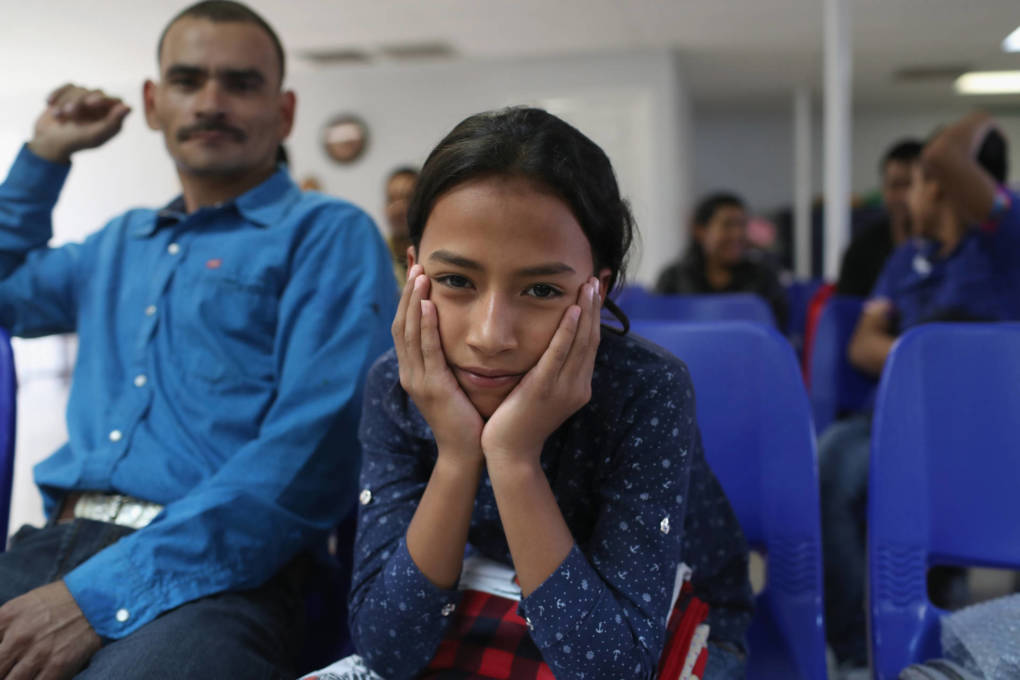
"caption": "A father and daughter from Honduras released by U.S. immigration officials await assistance at the Immigrant Respite Center on Feb. 23, 2018, in McAllen, Texas. The majority of the families at the center are petitioning for asylum in the U.S., and have a future hearing in immigration court. ",
"description": "A father and daughter from Honduras released by U.S. immigration officials await assistance at the Immigrant Respite Center on Feb. 23, 2018 in McAllen, Texas. The majority of the families at the center are petitioning for asylum in the U.S., and have a future hearing in immigration court. ",
"title": "Immigrant Respite Center Aids Asylum Seekers On Journey North",
"credit": "John Moore/Getty Images",
"status": "inherit",
"isLoading": false,
"fetchFailed": false
},
"news_11717940": {
"type": "attachments",
"id": "news_11717940",
"meta": {
"index": "attachments_1716263798",
"site": "news",
"id": "11717940",
"found": true
},
"parent": 11717917,
"imgSizes": {
"twentyfourteen-full-width": {
"file": "https://ww2.kqed.org/app/uploads/sites/10/2019/01/GettyImages-120224663-e1547435300290-1038x576.jpg",
"width": 1038,
"mimeType": "image/jpeg",
"height": 576
},
"thumbnail": {
"file": "https://ww2.kqed.org/app/uploads/sites/10/2019/01/GettyImages-120224663-e1547435300290-160x111.jpg",
"width": 160,
"mimeType": "image/jpeg",
"height": 111
},
"post-thumbnail": {
"file": "https://ww2.kqed.org/app/uploads/sites/10/2019/01/GettyImages-120224663-e1547435300290-672x372.jpg",
"width": 672,
"mimeType": "image/jpeg",
"height": 372
},
"kqedFullSize": {
"file": "https://ww2.kqed.org/app/uploads/sites/10/2019/01/GettyImages-120224663-e1547435300290.jpg",
"width": 1920,
"height": 1329
},
"large": {
"file": "https://ww2.kqed.org/app/uploads/sites/10/2019/01/GettyImages-120224663-e1547435300290-1020x706.jpg",
"width": 1020,
"mimeType": "image/jpeg",
"height": 706
},
"complete_open_graph": {
"file": "https://ww2.kqed.org/app/uploads/sites/10/2019/01/GettyImages-120224663-e1547435300290-1200x831.jpg",
"width": 1200,
"mimeType": "image/jpeg",
"height": 831
},
"guest-author-50": {
"file": "https://ww2.kqed.org/app/uploads/sites/10/2019/01/GettyImages-120224663-e1547435300290-50x50.jpg",
"width": 50,
"mimeType": "image/jpeg",
"height": 50
},
"guest-author-96": {
"file": "https://ww2.kqed.org/app/uploads/sites/10/2019/01/GettyImages-120224663-e1547435300290-96x96.jpg",
"width": 96,
"mimeType": "image/jpeg",
"height": 96
},
"medium": {
"file": "https://ww2.kqed.org/app/uploads/sites/10/2019/01/GettyImages-120224663-e1547435300290-800x554.jpg",
"width": 800,
"mimeType": "image/jpeg",
"height": 554
},
"guest-author-64": {
"file": "https://ww2.kqed.org/app/uploads/sites/10/2019/01/GettyImages-120224663-e1547435300290-64x64.jpg",
"width": 64,
"mimeType": "image/jpeg",
"height": 64
},
"guest-author-32": {
"file": "https://ww2.kqed.org/app/uploads/sites/10/2019/01/GettyImages-120224663-e1547435300290-32x32.jpg",
"width": 32,
"mimeType": "image/jpeg",
"height": 32
},
"full-width": {
"file": "https://ww2.kqed.org/app/uploads/sites/10/2019/01/GettyImages-120224663-e1547435300290-1920x1329.jpg",
"width": 1920,
"mimeType": "image/jpeg",
"height": 1329
},
"detail": {
"file": "https://ww2.kqed.org/app/uploads/sites/10/2019/01/GettyImages-120224663-e1547435300290-150x150.jpg",
"width": 150,
"mimeType": "image/jpeg",
"height": 150
},
"guest-author-128": {
"file": "https://ww2.kqed.org/app/uploads/sites/10/2019/01/GettyImages-120224663-e1547435300290-128x128.jpg",
"width": 128,
"mimeType": "image/jpeg",
"height": 128
}
},
"publishDate": 1547435247,
"modified": 1547435292,
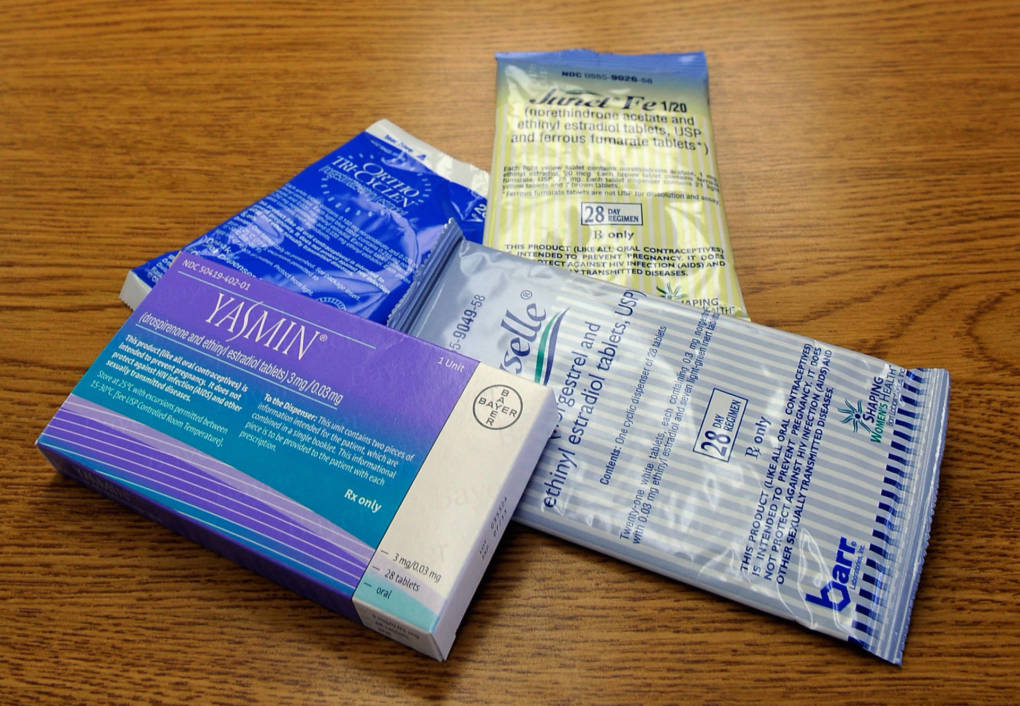
"caption": "Prescription contraceptives for women sit on the counter of a drug store in Los Angeles, California. ",
"description": null,
"title": "Health And Human Services Dept. Approves Free Birth Control For Women",
"credit": "Kevork Djansezian/Getty Images",
"status": "inherit",
"isLoading": false,
"fetchFailed": false
},
"news_11717752": {
"type": "attachments",
"id": "news_11717752",
"meta": {
"index": "attachments_1716263798",
"site": "news",
"id": "11717752",
"found": true
},
"parent": 11717736,
"imgSizes": {
"twentyfourteen-full-width": {
"file": "https://ww2.kqed.org/app/uploads/sites/10/2019/01/GettyImages-1078853300-e1547249891159-1038x576.jpg",
"width": 1038,
"mimeType": "image/jpeg",
"height": 576
},
"thumbnail": {
"file": "https://ww2.kqed.org/app/uploads/sites/10/2019/01/GettyImages-1078853300-e1547249891159-160x107.jpg",
"width": 160,
"mimeType": "image/jpeg",
"height": 107
},
"post-thumbnail": {
"file": "https://ww2.kqed.org/app/uploads/sites/10/2019/01/GettyImages-1078853300-e1547249891159-672x372.jpg",
"width": 672,
"mimeType": "image/jpeg",
"height": 372
},
"kqedFullSize": {
"file": "https://ww2.kqed.org/app/uploads/sites/10/2019/01/GettyImages-1078853300-e1547249891159.jpg",
"width": 1200,
"height": 800
},
"large": {
"file": "https://ww2.kqed.org/app/uploads/sites/10/2019/01/GettyImages-1078853300-e1547249891159-1020x680.jpg",
"width": 1020,
"mimeType": "image/jpeg",
"height": 680
},
"complete_open_graph": {
"file": "https://ww2.kqed.org/app/uploads/sites/10/2019/01/GettyImages-1078853300-e1547249891159-1200x800.jpg",
"width": 1200,
"mimeType": "image/jpeg",
"height": 800
},
"guest-author-50": {
"file": "https://ww2.kqed.org/app/uploads/sites/10/2019/01/GettyImages-1078853300-e1547249891159-50x50.jpg",
"width": 50,
"mimeType": "image/jpeg",
"height": 50
},
"guest-author-96": {
"file": "https://ww2.kqed.org/app/uploads/sites/10/2019/01/GettyImages-1078853300-e1547249891159-96x96.jpg",
"width": 96,
"mimeType": "image/jpeg",
"height": 96
},
"medium": {
"file": "https://ww2.kqed.org/app/uploads/sites/10/2019/01/GettyImages-1078853300-e1547249891159-800x533.jpg",
"width": 800,
"mimeType": "image/jpeg",
"height": 533
},
"guest-author-64": {
"file": "https://ww2.kqed.org/app/uploads/sites/10/2019/01/GettyImages-1078853300-e1547249891159-64x64.jpg",
"width": 64,
"mimeType": "image/jpeg",
"height": 64
},
"guest-author-32": {
"file": "https://ww2.kqed.org/app/uploads/sites/10/2019/01/GettyImages-1078853300-e1547249891159-32x32.jpg",
"width": 32,
"mimeType": "image/jpeg",
"height": 32
},
"detail": {
"file": "https://ww2.kqed.org/app/uploads/sites/10/2019/01/GettyImages-1078853300-e1547249891159-150x150.jpg",
"width": 150,
"mimeType": "image/jpeg",
"height": 150
},
"guest-author-128": {
"file": "https://ww2.kqed.org/app/uploads/sites/10/2019/01/GettyImages-1078853300-e1547249891159-128x128.jpg",
"width": 128,
"mimeType": "image/jpeg",
"height": 128
}
},
"publishDate": 1547249776,
"modified": 1547702732,
"caption": "Gov. Gavin Newsom delivers his inaugural address after being sworn in as the 40th governor of California on Jan. 7, 2019, in Sacramento.",
"description": "Gov. Gavin Newsom delivers his inaugural address after being sworn in as the 40th governor of California on Jan. 7, 2019, in Sacramento, California.",
"title": "Gavin Newsom Is Sworn In As Governor Of California",
"credit": "Stephen Lam/Getty Images",
"status": "inherit",
"isLoading": false,
"fetchFailed": false
},
"news_11717794": {
"type": "attachments",
"id": "news_11717794",
"meta": {
"index": "attachments_1716263798",
"site": "news",
"id": "11717794",
"found": true
},
"parent": 11717791,
"imgSizes": {
"twentyfourteen-full-width": {
"file": "https://ww2.kqed.org/app/uploads/sites/10/2019/01/NR612_MARQUEE-2-1038x576.jpg",
"width": 1038,
"mimeType": "image/jpeg",
"height": 576
},
"thumbnail": {
"file": "https://ww2.kqed.org/app/uploads/sites/10/2019/01/NR612_MARQUEE-2-160x90.jpg",
"width": 160,
"mimeType": "image/jpeg",
"height": 90
},
"post-thumbnail": {
"file": "https://ww2.kqed.org/app/uploads/sites/10/2019/01/NR612_MARQUEE-2-672x372.jpg",
"width": 672,
"mimeType": "image/jpeg",
"height": 372
},
"kqedFullSize": {
"file": "https://ww2.kqed.org/app/uploads/sites/10/2019/01/NR612_MARQUEE-2.jpg",
"width": 1280,
"height": 720
},
"large": {
"file": "https://ww2.kqed.org/app/uploads/sites/10/2019/01/NR612_MARQUEE-2-1020x574.jpg",
"width": 1020,
"mimeType": "image/jpeg",
"height": 574
},
"complete_open_graph": {
"file": "https://ww2.kqed.org/app/uploads/sites/10/2019/01/NR612_MARQUEE-2-1200x675.jpg",
"width": 1200,
"mimeType": "image/jpeg",
"height": 675
},
"guest-author-50": {
"file": "https://ww2.kqed.org/app/uploads/sites/10/2019/01/NR612_MARQUEE-2-50x50.jpg",
"width": 50,
"mimeType": "image/jpeg",
"height": 50
},
"guest-author-96": {
"file": "https://ww2.kqed.org/app/uploads/sites/10/2019/01/NR612_MARQUEE-2-96x96.jpg",
"width": 96,
"mimeType": "image/jpeg",
"height": 96
},
"medium": {
"file": "https://ww2.kqed.org/app/uploads/sites/10/2019/01/NR612_MARQUEE-2-800x450.jpg",
"width": 800,
"mimeType": "image/jpeg",
"height": 450
},
"guest-author-64": {
"file": "https://ww2.kqed.org/app/uploads/sites/10/2019/01/NR612_MARQUEE-2-64x64.jpg",
"width": 64,
"mimeType": "image/jpeg",
"height": 64
},
"guest-author-32": {
"file": "https://ww2.kqed.org/app/uploads/sites/10/2019/01/NR612_MARQUEE-2-32x32.jpg",
"width": 32,
"mimeType": "image/jpeg",
"height": 32
},
"detail": {
"file": "https://ww2.kqed.org/app/uploads/sites/10/2019/01/NR612_MARQUEE-2-150x150.jpg",
"width": 150,
"mimeType": "image/jpeg",
"height": 150
},
"guest-author-128": {
"file": "https://ww2.kqed.org/app/uploads/sites/10/2019/01/NR612_MARQUEE-2-128x128.jpg",
"width": 128,
"mimeType": "image/jpeg",
"height": 128
}
},
"publishDate": 1547252650,
"modified": 1547252650,
"caption": null,
"description": null,
"title": "NR612_MARQUEE 2",
"credit": null,
"status": "inherit",
"isLoading": false,
"fetchFailed": false
},
"news_11717755": {
"type": "attachments",
"id": "news_11717755",
"meta": {
"index": "attachments_1716263798",
"site": "news",
"id": "11717755",
"found": true
},
"parent": 11717754,
"imgSizes": {
"twentyfourteen-full-width": {
"file": "https://ww2.kqed.org/app/uploads/sites/10/2019/01/gettyimages-1081027614_custom-4ac830c8dba20cacd704d020e92f06fed7822317-e1547250121482-1038x576.jpg",
"width": 1038,
"mimeType": "image/jpeg",
"height": 576
},
"thumbnail": {
"file": "https://ww2.kqed.org/app/uploads/sites/10/2019/01/gettyimages-1081027614_custom-4ac830c8dba20cacd704d020e92f06fed7822317-e1547250121482-160x100.jpg",
"width": 160,
"mimeType": "image/jpeg",
"height": 100
},
"post-thumbnail": {
"file": "https://ww2.kqed.org/app/uploads/sites/10/2019/01/gettyimages-1081027614_custom-4ac830c8dba20cacd704d020e92f06fed7822317-e1547250121482-672x372.jpg",
"width": 672,
"mimeType": "image/jpeg",
"height": 372
},
"kqedFullSize": {
"file": "https://ww2.kqed.org/app/uploads/sites/10/2019/01/gettyimages-1081027614_custom-4ac830c8dba20cacd704d020e92f06fed7822317-e1547250121482.jpg",
"width": 1920,
"height": 1205
},
"large": {
"file": "https://ww2.kqed.org/app/uploads/sites/10/2019/01/gettyimages-1081027614_custom-4ac830c8dba20cacd704d020e92f06fed7822317-e1547250121482-1020x640.jpg",
"width": 1020,
"mimeType": "image/jpeg",
"height": 640
},
"complete_open_graph": {
"file": "https://ww2.kqed.org/app/uploads/sites/10/2019/01/gettyimages-1081027614_custom-4ac830c8dba20cacd704d020e92f06fed7822317-e1547250121482-1200x753.jpg",
"width": 1200,
"mimeType": "image/jpeg",
"height": 753
},
"guest-author-50": {
"file": "https://ww2.kqed.org/app/uploads/sites/10/2019/01/gettyimages-1081027614_custom-4ac830c8dba20cacd704d020e92f06fed7822317-e1547250121482-50x50.jpg",
"width": 50,
"mimeType": "image/jpeg",
"height": 50
},
"guest-author-96": {
"file": "https://ww2.kqed.org/app/uploads/sites/10/2019/01/gettyimages-1081027614_custom-4ac830c8dba20cacd704d020e92f06fed7822317-e1547250121482-96x96.jpg",
"width": 96,
"mimeType": "image/jpeg",
"height": 96
},
"medium": {
"file": "https://ww2.kqed.org/app/uploads/sites/10/2019/01/gettyimages-1081027614_custom-4ac830c8dba20cacd704d020e92f06fed7822317-e1547250121482-800x502.jpg",
"width": 800,
"mimeType": "image/jpeg",
"height": 502
},
"guest-author-64": {
"file": "https://ww2.kqed.org/app/uploads/sites/10/2019/01/gettyimages-1081027614_custom-4ac830c8dba20cacd704d020e92f06fed7822317-e1547250121482-64x64.jpg",
"width": 64,
"mimeType": "image/jpeg",
"height": 64
},
"guest-author-32": {
"file": "https://ww2.kqed.org/app/uploads/sites/10/2019/01/gettyimages-1081027614_custom-4ac830c8dba20cacd704d020e92f06fed7822317-e1547250121482-32x32.jpg",
"width": 32,
"mimeType": "image/jpeg",
"height": 32
},
"full-width": {
"file": "https://ww2.kqed.org/app/uploads/sites/10/2019/01/gettyimages-1081027614_custom-4ac830c8dba20cacd704d020e92f06fed7822317-e1547250121482-1920x1205.jpg",
"width": 1920,
"mimeType": "image/jpeg",
"height": 1205
},
"detail": {
"file": "https://ww2.kqed.org/app/uploads/sites/10/2019/01/gettyimages-1081027614_custom-4ac830c8dba20cacd704d020e92f06fed7822317-e1547250121482-150x150.jpg",
"width": 150,
"mimeType": "image/jpeg",
"height": 150
},
"guest-author-128": {
"file": "https://ww2.kqed.org/app/uploads/sites/10/2019/01/gettyimages-1081027614_custom-4ac830c8dba20cacd704d020e92f06fed7822317-e1547250121482-128x128.jpg",
"width": 128,
"mimeType": "image/jpeg",
"height": 128
}
},
"publishDate": 1547249914,
"modified": 1547250409,
"caption": "President Trump holds a picture labeled \"typical standard wall design\" as he hosts a roundtable discussion on border security in the Cabinet Room of the White House on Friday.",
"description": "President Trump holds a picture labeled \"typical standard wall design\" as he hosts a roundtable discussion on border security in the Cabinet Room of the White House on Friday.",
"title": "President Trump holds a picture labeled \"typical standard wall design\" as he hosts a roundtable discussion on border security in the Cabinet Room of the White House on Friday.",
"credit": "Alex Wong/Getty Images",
"status": "inherit",
"isLoading": false,
"fetchFailed": false
},
"news_11717735": {
"type": "attachments",
"id": "news_11717735",
"meta": {
"index": "attachments_1716263798",
"site": "news",
"id": "11717735",
"found": true
},
"parent": 11717727,
"imgSizes": {
"twentyfourteen-full-width": {
"file": "https://ww2.kqed.org/app/uploads/sites/10/2019/01/descent_011119_final-1038x576.jpg",
"width": 1038,
"mimeType": "image/jpeg",
"height": 576
},
"thumbnail": {
"file": "https://ww2.kqed.org/app/uploads/sites/10/2019/01/descent_011119_final-160x107.jpg",
"width": 160,
"mimeType": "image/jpeg",
"height": 107
},
"post-thumbnail": {
"file": "https://ww2.kqed.org/app/uploads/sites/10/2019/01/descent_011119_final-672x372.jpg",
"width": 672,
"mimeType": "image/jpeg",
"height": 372
},
"kqedFullSize": {
"file": "https://ww2.kqed.org/app/uploads/sites/10/2019/01/descent_011119_final.jpg",
"width": 1920,
"height": 1280
},
"large": {
"file": "https://ww2.kqed.org/app/uploads/sites/10/2019/01/descent_011119_final-1020x680.jpg",
"width": 1020,
"mimeType": "image/jpeg",
"height": 680
},
"complete_open_graph": {
"file": "https://ww2.kqed.org/app/uploads/sites/10/2019/01/descent_011119_final-1200x800.jpg",
"width": 1200,
"mimeType": "image/jpeg",
"height": 800
},
"guest-author-50": {
"file": "https://ww2.kqed.org/app/uploads/sites/10/2019/01/descent_011119_final-50x50.jpg",
"width": 50,
"mimeType": "image/jpeg",
"height": 50
},
"guest-author-96": {
"file": "https://ww2.kqed.org/app/uploads/sites/10/2019/01/descent_011119_final-96x96.jpg",
"width": 96,
"mimeType": "image/jpeg",
"height": 96
},
"medium": {
"file": "https://ww2.kqed.org/app/uploads/sites/10/2019/01/descent_011119_final-800x533.jpg",
"width": 800,
"mimeType": "image/jpeg",
"height": 533
},
"guest-author-64": {
"file": "https://ww2.kqed.org/app/uploads/sites/10/2019/01/descent_011119_final-64x64.jpg",
"width": 64,
"mimeType": "image/jpeg",
"height": 64
},
"guest-author-32": {
"file": "https://ww2.kqed.org/app/uploads/sites/10/2019/01/descent_011119_final-32x32.jpg",
"width": 32,
"mimeType": "image/jpeg",
"height": 32
},
"full-width": {
"file": "https://ww2.kqed.org/app/uploads/sites/10/2019/01/descent_011119_final-1920x1280.jpg",
"width": 1920,
"mimeType": "image/jpeg",
"height": 1280
},
"detail": {
"file": "https://ww2.kqed.org/app/uploads/sites/10/2019/01/descent_011119_final-150x150.jpg",
"width": 150,
"mimeType": "image/jpeg",
"height": 150
},
"guest-author-128": {
"file": "https://ww2.kqed.org/app/uploads/sites/10/2019/01/descent_011119_final-128x128.jpg",
"width": 128,
"mimeType": "image/jpeg",
"height": 128
}
},
"publishDate": 1547247283,
"modified": 1547247298,
"caption": null,
"description": null,
"title": "descent_011119_final",
"credit": null,
"status": "inherit",
"isLoading": false,
"fetchFailed": false
},
"news_11717657": {
"type": "attachments",
"id": "news_11717657",
"meta": {
"index": "attachments_1716263798",
"site": "news",
"id": "11717657",
"found": true
},
"parent": 11717656,
"imgSizes": {
"twentyfourteen-full-width": {
"file": "https://ww2.kqed.org/app/uploads/sites/10/2019/01/gettyimages-1078312492_custom-cf7235bcb254b3328869340e88dd3af585a885ab-e1547235349247-1038x576.jpg",
"width": 1038,
"mimeType": "image/jpeg",
"height": 576
},
"thumbnail": {
"file": "https://ww2.kqed.org/app/uploads/sites/10/2019/01/gettyimages-1078312492_custom-cf7235bcb254b3328869340e88dd3af585a885ab-e1547235349247-160x107.jpg",
"width": 160,
"mimeType": "image/jpeg",
"height": 107
},
"post-thumbnail": {
"file": "https://ww2.kqed.org/app/uploads/sites/10/2019/01/gettyimages-1078312492_custom-cf7235bcb254b3328869340e88dd3af585a885ab-e1547235349247-672x372.jpg",
"width": 672,
"mimeType": "image/jpeg",
"height": 372
},
"kqedFullSize": {
"file": "https://ww2.kqed.org/app/uploads/sites/10/2019/01/gettyimages-1078312492_custom-cf7235bcb254b3328869340e88dd3af585a885ab-e1547235349247.jpg",
"width": 1920,
"height": 1279
},
"large": {
"file": "https://ww2.kqed.org/app/uploads/sites/10/2019/01/gettyimages-1078312492_custom-cf7235bcb254b3328869340e88dd3af585a885ab-e1547235349247-1020x679.jpg",
"width": 1020,
"mimeType": "image/jpeg",
"height": 679
},
"complete_open_graph": {
"file": "https://ww2.kqed.org/app/uploads/sites/10/2019/01/gettyimages-1078312492_custom-cf7235bcb254b3328869340e88dd3af585a885ab-e1547235349247-1200x799.jpg",
"width": 1200,
"mimeType": "image/jpeg",
"height": 799
},
"guest-author-50": {
"file": "https://ww2.kqed.org/app/uploads/sites/10/2019/01/gettyimages-1078312492_custom-cf7235bcb254b3328869340e88dd3af585a885ab-e1547235349247-50x50.jpg",
"width": 50,
"mimeType": "image/jpeg",
"height": 50
},
"guest-author-96": {
"file": "https://ww2.kqed.org/app/uploads/sites/10/2019/01/gettyimages-1078312492_custom-cf7235bcb254b3328869340e88dd3af585a885ab-e1547235349247-96x96.jpg",
"width": 96,
"mimeType": "image/jpeg",
"height": 96
},
"medium": {
"file": "https://ww2.kqed.org/app/uploads/sites/10/2019/01/gettyimages-1078312492_custom-cf7235bcb254b3328869340e88dd3af585a885ab-e1547235349247-800x533.jpg",
"width": 800,
"mimeType": "image/jpeg",
"height": 533
},
"guest-author-64": {
"file": "https://ww2.kqed.org/app/uploads/sites/10/2019/01/gettyimages-1078312492_custom-cf7235bcb254b3328869340e88dd3af585a885ab-e1547235349247-64x64.jpg",
"width": 64,
"mimeType": "image/jpeg",
"height": 64
},
"guest-author-32": {
"file": "https://ww2.kqed.org/app/uploads/sites/10/2019/01/gettyimages-1078312492_custom-cf7235bcb254b3328869340e88dd3af585a885ab-e1547235349247-32x32.jpg",
"width": 32,
"mimeType": "image/jpeg",
"height": 32
},
"full-width": {
"file": "https://ww2.kqed.org/app/uploads/sites/10/2019/01/gettyimages-1078312492_custom-cf7235bcb254b3328869340e88dd3af585a885ab-e1547235349247-1920x1279.jpg",
"width": 1920,
"mimeType": "image/jpeg",
"height": 1279
},
"detail": {
"file": "https://ww2.kqed.org/app/uploads/sites/10/2019/01/gettyimages-1078312492_custom-cf7235bcb254b3328869340e88dd3af585a885ab-e1547235349247-150x150.jpg",
"width": 150,
"mimeType": "image/jpeg",
"height": 150
},
"guest-author-128": {
"file": "https://ww2.kqed.org/app/uploads/sites/10/2019/01/gettyimages-1078312492_custom-cf7235bcb254b3328869340e88dd3af585a885ab-e1547235349247-128x128.jpg",
"width": 128,
"mimeType": "image/jpeg",
"height": 128
}
},
"publishDate": 1547235292,
"modified": 1547241557,
"caption": "A section of the reinforced U.S.-Mexico border fence as seen from Tijuana, Mexico, on Sunday.",
"description": "A section of the reinforced U.S.-Mexico border fence as seen from Tijuana, Mexico, on Sunday.",
"title": "A section of the reinforced U.S.-Mexico border fence as seen from Tijuana, Mexico, on Sunday.",
"credit": "Guillermo Arias/AFP/Getty Images",
"status": "inherit",
"isLoading": false,
"fetchFailed": false
},
"news_11717570": {
"type": "attachments",
"id": "news_11717570",
"meta": {
"index": "attachments_1716263798",
"site": "news",
"id": "11717570",
"found": true
},
"parent": 11717442,
"imgSizes": {
"twentyfourteen-full-width": {
"file": "https://ww2.kqed.org/app/uploads/sites/10/2019/01/ATCTowerViewSFO-1038x576.jpg",
"width": 1038,
"mimeType": "image/jpeg",
"height": 576
},
"thumbnail": {
"file": "https://ww2.kqed.org/app/uploads/sites/10/2019/01/ATCTowerViewSFO-160x113.jpg",
"width": 160,
"mimeType": "image/jpeg",
"height": 113
},
"post-thumbnail": {
"file": "https://ww2.kqed.org/app/uploads/sites/10/2019/01/ATCTowerViewSFO-672x372.jpg",
"width": 672,
"mimeType": "image/jpeg",
"height": 372
},
"kqedFullSize": {
"file": "https://ww2.kqed.org/app/uploads/sites/10/2019/01/ATCTowerViewSFO.jpg",
"width": 1920,
"height": 1357
},
"large": {
"file": "https://ww2.kqed.org/app/uploads/sites/10/2019/01/ATCTowerViewSFO-1020x721.jpg",
"width": 1020,
"mimeType": "image/jpeg",
"height": 721
},
"complete_open_graph": {
"file": "https://ww2.kqed.org/app/uploads/sites/10/2019/01/ATCTowerViewSFO-1200x848.jpg",
"width": 1200,
"mimeType": "image/jpeg",
"height": 848
},
"guest-author-50": {
"file": "https://ww2.kqed.org/app/uploads/sites/10/2019/01/ATCTowerViewSFO-50x50.jpg",
"width": 50,
"mimeType": "image/jpeg",
"height": 50
},
"guest-author-96": {
"file": "https://ww2.kqed.org/app/uploads/sites/10/2019/01/ATCTowerViewSFO-96x96.jpg",
"width": 96,
"mimeType": "image/jpeg",
"height": 96
},
"medium": {
"file": "https://ww2.kqed.org/app/uploads/sites/10/2019/01/ATCTowerViewSFO-800x565.jpg",
"width": 800,
"mimeType": "image/jpeg",
"height": 565
},
"guest-author-64": {
"file": "https://ww2.kqed.org/app/uploads/sites/10/2019/01/ATCTowerViewSFO-64x64.jpg",
"width": 64,
"mimeType": "image/jpeg",
"height": 64
},
"guest-author-32": {
"file": "https://ww2.kqed.org/app/uploads/sites/10/2019/01/ATCTowerViewSFO-32x32.jpg",
"width": 32,
"mimeType": "image/jpeg",
"height": 32
},
"full-width": {
"file": "https://ww2.kqed.org/app/uploads/sites/10/2019/01/ATCTowerViewSFO-1920x1357.jpg",
"width": 1920,
"mimeType": "image/jpeg",
"height": 1357
},
"detail": {
"file": "https://ww2.kqed.org/app/uploads/sites/10/2019/01/ATCTowerViewSFO-150x150.jpg",
"width": 150,
"mimeType": "image/jpeg",
"height": 150
},
"guest-author-128": {
"file": "https://ww2.kqed.org/app/uploads/sites/10/2019/01/ATCTowerViewSFO-128x128.jpg",
"width": 128,
"mimeType": "image/jpeg",
"height": 128
}
},
"publishDate": 1547172655,
"modified": 1555007777,
"caption": "An air traffic controller's view looking northwest from San Francisco International Airport's control tower. ",
"description": "An air traffic controller's view looking northwest from San Francisco International Airport's control tower. Air traffic controllers at SFO and across the nation won't receive a paycheck on Friday due to the partial government shutdown.",
"title": "ATCTowerViewSFO",
"credit": "Courtesy of Frederick Naujoks",
"status": "inherit",
"isLoading": false,
"fetchFailed": false
}
},
"audioPlayerReducer": {
"postId": "stream_live",
"isPaused": true,
"isPlaying": false,
"pfsActive": false,
"pledgeModalIsOpen": true,
"playerDrawerIsOpen": false,
"liveAudioPlayStartedAt": 0,
"liveAudioPlayContext": ""
},
"authorsReducer": {
"byline_news_11718977": {
"type": "authors",
"id": "byline_news_11718977",
"meta": {
"override": true
},
"slug": "byline_news_11718977",
"name": "Jessica Taylor",
"isLoading": false
},
"byline_news_11718025": {
"type": "authors",
"id": "byline_news_11718025",
"meta": {
"override": true
},
"slug": "byline_news_11718025",
"name": "John Burnett\u003cbr>NPR",
"isLoading": false
},
"byline_news_11717754": {
"type": "authors",
"id": "byline_news_11717754",
"meta": {
"override": true
},
"slug": "byline_news_11717754",
"name": "Kelsey Snell",
"isLoading": false
},
"byline_news_11717656": {
"type": "authors",
"id": "byline_news_11717656",
"meta": {
"override": true
},
"slug": "byline_news_11717656",
"name": "Tamara Keith\u003cbr>NPR",
"isLoading": false
},
"dmarks": {
"type": "authors",
"id": "182",
"meta": {
"index": "authors_1716337520",
"id": "182",
"found": true
},
"name": "David Marks",
"firstName": "David",
"lastName": "Marks",
"slug": "dmarks",
"email": "dmarks@kqed.org",
"display_author_email": false,
"staff_mastheads": [],
"title": "KQED Editor",
"bio": "David Marks is a senior digital editor for KQED News. \u003c/a>Reach him at dmarks@kqed.org.",
"avatar": "https://secure.gravatar.com/avatar/b88bd6227ce6cb96ae33fefaf42b2a29?s=600&d=mm&r=g",
"twitter": "divadskram",
"facebook": null,
"instagram": null,
"linkedin": null,
"sites": [
{
"site": "news",
"roles": []
},
{
"site": "science",
"roles": []
},
{
"site": "perspectives",
"roles": []
},
{
"site": "liveblog",
"roles": []
}
],
"headData": {
"title": "David Marks | KQED",
"description": "KQED Editor",
"ogImgSrc": "https://secure.gravatar.com/avatar/b88bd6227ce6cb96ae33fefaf42b2a29?s=600&d=mm&r=g",
"twImgSrc": "https://secure.gravatar.com/avatar/b88bd6227ce6cb96ae33fefaf42b2a29?s=600&d=mm&r=g"
},
"isLoading": false,
"link": "/author/dmarks"
},
"kqed": {
"type": "authors",
"id": "236",
"meta": {
"index": "authors_1716337520",
"id": "236",
"found": true
},
"name": "KQED News Staff",
"firstName": "KQED News Staff",
"lastName": null,
"slug": "kqed",
"email": "faq@kqed.org",
"display_author_email": false,
"staff_mastheads": [],
"title": null,
"bio": null,
"avatar": "https://secure.gravatar.com/avatar/ef0e801a68c4c54afa9180db14084167?s=600&d=blank&r=g",
"twitter": null,
"facebook": null,
"instagram": null,
"linkedin": null,
"sites": [
{
"site": "arts",
"roles": [
"contributor"
]
},
{
"site": "news",
"roles": [
"editor"
]
},
{
"site": "futureofyou",
"roles": [
"author"
]
}
],
"headData": {
"title": "KQED News Staff | KQED",
"description": null,
"ogImgSrc": "https://secure.gravatar.com/avatar/ef0e801a68c4c54afa9180db14084167?s=600&d=blank&r=g",
"twImgSrc": "https://secure.gravatar.com/avatar/ef0e801a68c4c54afa9180db14084167?s=600&d=blank&r=g"
},
"isLoading": false,
"link": "/author/kqed"
},
"matthewgreen": {
"type": "authors",
"id": "1263",
"meta": {
"index": "authors_1716337520",
"id": "1263",
"found": true
},
"name": "Matthew Green",
"firstName": "Matthew",
"lastName": "Green",
"slug": "matthewgreen",
"email": "mgreen@kqed.org",
"display_author_email": false,
"staff_mastheads": [],
"title": "KQED Editor/Reporter",
"bio": "Matthew Green is a digital media producer for KQED News. He previously produced \u003ca href=\"http://www.kqed.org/lowdown\">The Lowdown\u003c/a>, KQED’s multimedia news education blog. Matthew's written for numerous Bay Area publications, including the Oakland Tribune and San Francisco Chronicle. He also taught journalism classes at Fremont High School in East Oakland.\r\n\r\nEmail: mgreen@kqed.org; Twitter: @MGreenKQED",
"avatar": "https://secure.gravatar.com/avatar/3bf498d1267ca02c8494f33d8cfc575e?s=600&d=blank&r=g",
"twitter": "MGreenKQED",
"facebook": null,
"instagram": null,
"linkedin": null,
"sites": [
{
"site": "news",
"roles": []
},
{
"site": "lowdown",
"roles": []
},
{
"site": "science",
"roles": []
},
{
"site": "education",
"roles": []
},
{
"site": "quest",
"roles": []
},
{
"site": "liveblog",
"roles": []
}
],
"headData": {
"title": "Matthew Green | KQED",
"description": "KQED Editor/Reporter",
"ogImgSrc": "https://secure.gravatar.com/avatar/3bf498d1267ca02c8494f33d8cfc575e?s=600&d=blank&r=g",
"twImgSrc": "https://secure.gravatar.com/avatar/3bf498d1267ca02c8494f33d8cfc575e?s=600&d=blank&r=g"
},
"isLoading": false,
"link": "/author/matthewgreen"
},
"peterjonshuler": {
"type": "authors",
"id": "1329",
"meta": {
"index": "authors_1716337520",
"id": "1329",
"found": true
},
"name": "Peter Jon Shuler",
"firstName": "Peter Jon",
"lastName": "Shuler",
"slug": "peterjonshuler",
"email": "pshuler@kqed.org",
"display_author_email": false,
"staff_mastheads": [],
"title": null,
"bio": "Peter is a general assignment reporter covering Northern California news for KQED’s daily radio newscasts. He reports on a wide range of stories from current court cases to San Jose city hall.\r\n\r\nSince joining KQED in 1990, Peter has covered everything from the beginnings of the World Wide Web to the dot-com bust, from preserving Silicon Valley's open space to the preservation of historic Valley landmarks.\r\n\r\nPeter caught the radio bug at WAUS-FM while still a student at Andrews University in his home town of Berrien Springs, MI. He did local news and hosted a classical music program. Since then, he has pursued a variety of assignments, including production work at WBAI in New York and broadcasting to the English language community of Geneva, Switzerland via Radio 74. Email: \u003ca href=\"mailto:pshuler@kqed.org\">pshuler@kqed.org\u003c/a>",
"avatar": "https://secure.gravatar.com/avatar/4bcbeaf7cf49fec98284db283a33a47b?s=600&d=blank&r=g",
"twitter": null,
"facebook": null,
"instagram": null,
"linkedin": null,
"sites": [
{
"site": "news",
"roles": [
"contributor"
]
}
],
"headData": {
"title": "Peter Jon Shuler | KQED",
"description": null,
"ogImgSrc": "https://secure.gravatar.com/avatar/4bcbeaf7cf49fec98284db283a33a47b?s=600&d=blank&r=g",
"twImgSrc": "https://secure.gravatar.com/avatar/4bcbeaf7cf49fec98284db283a33a47b?s=600&d=blank&r=g"
},
"isLoading": false,
"link": "/author/peterjonshuler"
},
"markfiore": {
"type": "authors",
"id": "3236",
"meta": {
"index": "authors_1716337520",
"id": "3236",
"found": true
},
"name": "Mark Fiore",
"firstName": "Mark",
"lastName": "Fiore",
"slug": "markfiore",
"email": "mark@markfiore.com",
"display_author_email": false,
"staff_mastheads": [
"news"
],
"title": "KQED News Cartoonist",
"bio": "\u003ca href=\"http://www.MarkFiore.com\">MarkFiore.com\u003c/a> | \u003ca href=\"https://twitter.com/markfiore\">Follow on Twitter\u003c/a> | \u003ca href=\"https://www.facebook.com/pages/Mark-Fiore-Animated-Political-Cartoons/94451707396?ref=bookmarks\">Facebook\u003c/a> | \u003ca href=\"mailto:mark@markfiore.com\">email\u003c/a>\r\n\r\nPulitzer Prize-winner, Mark Fiore, who the Wall Street Journal has called “the undisputed guru of the form,” creates animated political cartoons in San Francisco, where his work has been featured regularly on the San Francisco Chronicle’s web site, SFGate.com. His work has appeared on Newsweek.com, Slate.com, CBSNews.com, MotherJones.com, DailyKos.com and NPR’s web site. Fiore’s political animation has appeared on CNN, Frontline, Bill Moyers Journal, Salon.com and cable and broadcast outlets across the globe.\r\n\r\nBeginning his professional life by drawing traditional political cartoons for newspapers, Fiore’s work appeared in publications ranging from the Washington Post to the Los Angeles Times. In the late 1990s, he began to experiment with animating political cartoons and, after a short stint at the San Jose Mercury News as their staff cartoonist, Fiore devoted all his energies to animation.\r\nGrowing up in California, Fiore also spent a good portion of his life in the backwoods of Idaho. It was this combination that shaped him politically. Mark majored in political science at Colorado College, where, in a perfect send-off for a cartoonist, he received his diploma in 1991 as commencement speaker Dick Cheney smiled approvingly.\r\nMark Fiore was awarded the Pulitzer Prize for political cartooning in 2010, a Robert F. Kennedy Journalism Award in 2004 and has twice received an Online Journalism Award for commentary from the Online News Association (2002, 2008). Fiore has received two awards for his work in new media from the National Cartoonists Society (2001, 2002), and in 2006 received The James Madison Freedom of Information Award from The Society of Professional Journalists.",
"avatar": "https://secure.gravatar.com/avatar/fc4e2a612b15b67bad0c6f0e1db4ca9b?s=600&d=blank&r=g",
"twitter": "MarkFiore",
"facebook": null,
"instagram": "https://www.instagram.com/markfiore/?hl=en",
"linkedin": null,
"sites": [
{
"site": "arts",
"roles": [
"contributor"
]
},
{
"site": "news",
"roles": [
"editor"
]
},
{
"site": "futureofyou",
"roles": [
"editor"
]
},
{
"site": "science",
"roles": [
"editor"
]
}
],
"headData": {
"title": "Mark Fiore | KQED",
"description": "KQED News Cartoonist",
"ogImgSrc": "https://secure.gravatar.com/avatar/fc4e2a612b15b67bad0c6f0e1db4ca9b?s=600&d=blank&r=g",
"twImgSrc": "https://secure.gravatar.com/avatar/fc4e2a612b15b67bad0c6f0e1db4ca9b?s=600&d=blank&r=g"
},
"isLoading": false,
"link": "/author/markfiore"
},
"fjhabvala": {
"type": "authors",
"id": "8659",
"meta": {
"index": "authors_1716337520",
"id": "8659",
"found": true
},
"name": "Farida Jhabvala Romero",
"firstName": "Farida",
"lastName": "Jhabvala Romero",
"slug": "fjhabvala",
"email": "fjhabvala@kqed.org",
"display_author_email": true,
"staff_mastheads": [
"news"
],
"title": "KQED Contributor",
"bio": "Farida Jhabvala Romero is a Labor Correspondent for KQED. She previously covered immigration. Farida was \u003ca href=\"https://www.ccnma.org/2022-most-influential-latina-journalists\">named\u003c/a> one of the 10 Most Influential Latina Journalists in California in 2022 by the California Chicano News Media Association. Her work has won awards from the Society of Professional Journalists (Northern California), as well as a national and regional Edward M. Murrow Award for the collaborative reporting projects “Dangerous Air” and “Graying California.” Before joining KQED, Farida worked as a producer at Radio Bilingüe, a national public radio network. Farida earned her master’s degree in journalism from Stanford University.",
"avatar": "https://secure.gravatar.com/avatar/f9f022d4e2609741874222a1e9d41f48fea74011aa7c615eef91d9a50c944ebe?s=600&d=blank&r=g",
"twitter": "FaridaJhabvala",
"bluesky": null,
"facebook": null,
"instagram": null,
"linkedin": "https://www.linkedin.com/in/faridajhabvala/",
"sites": [
{
"site": "news",
"roles": [
"editor"
]
},
{
"site": "stateofhealth",
"roles": [
"author"
]
},
{
"site": "liveblog",
"roles": [
"author"
]
}
],
"headData": {
"title": "Farida Jhabvala Romero | KQED",
"description": "KQED Contributor",
"ogImgSrc": "https://secure.gravatar.com/avatar/f9f022d4e2609741874222a1e9d41f48fea74011aa7c615eef91d9a50c944ebe?s=600&d=blank&r=g",
"twImgSrc": "https://secure.gravatar.com/avatar/f9f022d4e2609741874222a1e9d41f48fea74011aa7c615eef91d9a50c944ebe?s=600&d=blank&r=g"
},
"isLoading": false,
"link": "/author/fjhabvala"
},
"jsepulvado": {
"type": "authors",
"id": "11298",
"meta": {
"index": "authors_1716337520",
"id": "11298",
"found": true
},
"name": "John Sepulvado",
"firstName": "John",
"lastName": "Sepulvado",
"slug": "jsepulvado",
"email": "jsepulvado@KQED.org",
"display_author_email": false,
"staff_mastheads": [],
"title": null,
"bio": "John Sepulvado is a former morning host of \u003cem>The California Report\u003c/em>. Prior to joining KQED in September 2016, John was the local host of NPR’s \u003cem>Weekend Edition\u003c/em> at Oregon Public Broadcasting (OPB). He has also served as a producer for America Public Media’s \u003cem>Marketplace Weekend\u003c/em> and worked as a national correspondent for CNN and as news director at WUSF in Tampa, Florida. John has earned prestigious RTDNA Murrow and PRNDI awards for investigative reporting, and helped CNN take home a Peabody Award for coverage of the 2010 Gulf oil spill. John attended Florida A&M in Tallahassee and is also a member of Phi Theta Kappa. He left KQED in 2019.",
"avatar": "https://secure.gravatar.com/avatar/b976d3c4cf11750a793b670e5acb7a1c?s=600&d=blank&r=g",
"twitter": null,
"facebook": null,
"instagram": null,
"linkedin": null,
"sites": [
{
"site": "news",
"roles": [
"author",
"edit_others_posts"
]
}
],
"headData": {
"title": "John Sepulvado | KQED",
"description": null,
"ogImgSrc": "https://secure.gravatar.com/avatar/b976d3c4cf11750a793b670e5acb7a1c?s=600&d=blank&r=g",
"twImgSrc": "https://secure.gravatar.com/avatar/b976d3c4cf11750a793b670e5acb7a1c?s=600&d=blank&r=g"
},
"isLoading": false,
"link": "/author/jsepulvado"
},
"cchamplin": {
"type": "authors",
"id": "11408",
"meta": {
"index": "authors_1716337520",
"id": "11408",
"found": true
},
"name": "Caroline Champlin",
"firstName": null,
"lastName": null,
"slug": "cchamplin",
"email": "cchamplin@kqed.org",
"display_author_email": false,
"staff_mastheads": [],
"title": null,
"bio": null,
"avatar": "https://secure.gravatar.com/avatar/78d8654d3fedda8393a51d63c1042215?s=600&d=blank&r=g",
"twitter": null,
"facebook": null,
"instagram": null,
"linkedin": null,
"sites": [
{
"site": "news",
"roles": [
"author",
"edit_others_posts"
]
}
],
"headData": {
"title": "Caroline Champlin | KQED",
"description": null,
"ogImgSrc": "https://secure.gravatar.com/avatar/78d8654d3fedda8393a51d63c1042215?s=600&d=blank&r=g",
"twImgSrc": "https://secure.gravatar.com/avatar/78d8654d3fedda8393a51d63c1042215?s=600&d=blank&r=g"
},
"isLoading": false,
"link": "/author/cchamplin"
},
"ynagano": {
"type": "authors",
"id": "11562",
"meta": {
"index": "authors_1716337520",
"id": "11562",
"found": true
},
"name": "Yuri Nagano",
"firstName": "Yuri",
"lastName": "Nagano",
"slug": "ynagano",
"email": "ynagano@kqed.org",
"display_author_email": false,
"staff_mastheads": [],
"title": "KQED Contributor",
"bio": null,
"avatar": "https://secure.gravatar.com/avatar/f23362e6301f8bd9cf29d6f31c28426d?s=600&d=blank&r=g",
"twitter": null,
"facebook": null,
"instagram": null,
"linkedin": null,
"sites": [
{
"site": "news",
"roles": [
"create_posts",
"subscriber"
]
}
],
"headData": {
"title": "Yuri Nagano | KQED",
"description": "KQED Contributor",
"ogImgSrc": "https://secure.gravatar.com/avatar/f23362e6301f8bd9cf29d6f31c28426d?s=600&d=blank&r=g",
"twImgSrc": "https://secure.gravatar.com/avatar/f23362e6301f8bd9cf29d6f31c28426d?s=600&d=blank&r=g"
},
"isLoading": false,
"link": "/author/ynagano"
}
},
"pagesReducer": {
"news_tag_donald-trump": {
"type": "terms",
"id": "news_1323",
"meta": {
"index": "terms_1716263798",
"site": "news",
"id": "1323",
"score": 8.557362
},
"featImg": null,
"name": "Donald Trump",
"description": null,
"taxonomy": "tag",
"headData": {
"twImgId": null,
"twTitle": null,
"ogTitle": null,
"ogImgId": null,
"twDescription": null,
"description": null,
"title": "Donald Trump Archives | KQED News",
"ogDescription": null
},
"ttid": 1335,
"slug": "donald-trump",
"isLoading": false,
"title": "Donald Trump",
"pageMeta": {
"site": "news",
"WpPageTemplate": "page-topic-editorial",
"currentPage": 117
},
"blocks": [
{
"blockName": "kqed/post-list",
"attrs": {
"layout": "cardArticle2",
"query": "posts/news?tag=donald-trump",
"seeMore": false,
"paginated": true,
"page": 117
}
},
{
"blockName": "kqed/ad"
}
]
}
},
"pfsSessionReducer": {},
"postsReducer": {
"stream_live": {
"type": "live",
"id": "stream_live",
"audioUrl": "https://streams.kqed.org/kqedradio",
"title": "Live Stream",
"excerpt": "Live Stream information currently unavailable.",
"link": "/radio",
"featImg": "",
"label": {
"name": "KQED Live",
"link": "/"
}
},
"stream_kqedNewscast": {
"type": "posts",
"id": "stream_kqedNewscast",
"audioUrl": "https://www.kqed.org/.stream/anon/radio/RDnews/newscast.mp3?_=1",
"title": "KQED Newscast",
"featImg": "",
"label": {
"name": "88.5 FM",
"link": "/"
}
},
"news_11718977": {
"type": "posts",
"id": "news_11718977",
"meta": {
"index": "posts_1716263798",
"site": "news",
"id": "11718977",
"score": null,
"sort": [
1547758020000
]
},
"parent": 0,
"labelTerm": {},
"blocks": [],
"publishDate": 1547758020,
"format": "image",
"disqusTitle": "Trump Postpones Pelosi Trip to War Zone After She Postpones State of the Union",
"title": "Trump Postpones Pelosi Trip to War Zone After She Postpones State of the Union",
"headTitle": "The California Report | KQED News",
"content": "\u003cp>\u003cstrong>Updated at 3:47 p.m. ET\u003c/strong>\u003c/p>\n\u003cp>President Trump appears to be retaliating against House Speaker Nancy Pelosi for suggesting he postpone his State of the Union address amid the ongoing partial government shutdown by postponing at the last minute her planned trip to Afghanistan.\u003c/p>\n\u003cp>\"We will reschedule this seven-day excursion when the Shutdown is over. In light of the 800,000 great American workers not receiving pay, I am sure you would agree that postponing this public relations event is totally appropriate,\" Trump wrote in a letter to Pelosi. \"I also feel that, during this period, it would be better if you were in Washington negotiating with me and joining the Strong Border Security movement to end the Shutdown.\"\u003c/p>\n\u003cp>Pelosi and other members of the congressional delegation, commonly referred to as a \"codel,\" were on a bus headed to the airport to depart, and the Capitol Police already had personnel on the ground in Europe for the trip. Other members slated to be on the trip included House intelligence committee Chairman Adam Schiff, D-Calif., House Veterans' Affairs Committee Chairman Mark Takano, D-Calif., and Rep. Stephen Lynch, D-Mass. \u003c/p>\n\u003cp>[documentcloud url=\"https://www.documentcloud.org/documents/5687926-Trump-Letter-to-Pelosi-Blocking-Travel.html\" responsive=true height=800]\u003c/p>\n\u003cp>This is the latest back-and-forth between the president and the new Democratic speaker as a nearly monthlong partial shutdown shows no signs of ending. The two parties remain at a stalemate, with Trump demanding funding for a wall or barrier along the Mexican border, and Pelosi and other Democratic leaders on Capitol Hill insisting the government should be reopened before negotiations continue on border security issues. \u003c/p>\n\u003cp>Pelosi fired the first volley against Trump earlier this week, \u003ca href=\"https://apps.npr.org/documents/document.html?id=5685399-Pelosi-Letter-To-Trump-On-SOTU\">when she wrote\u003c/a> that his annual State of the Union address, originally slated for Jan. 29, should be postponed until after the full government reopens, citing, in part, security concerns. \u003c/p>\n\u003cp>[ad fullwidth]\u003c/p>\n\u003cp>Such a planned trip by Pelosi to a war zone had not been publicly announced, and would not have been for security reasons. The speaker would use military planes for such travel, and that is what Trump is now denying her. \u003c/p>\n\u003cp>\"Obviously, if you would like to make your journey by flying commercial, that would certainly be your prerogative,\" Trump added in the letter.\u003c/p>\n\u003cp>Pelosi spokesman Drew Hammill said in a statement that while Trump's letter claimed Pelosi and Democrats were also traveling to Brussels and Egypt, the stop in Brussels was simply for pilot rest, where \"the delegation was scheduled to meet with top NATO commanders, U.S. military leaders and key allies – to affirm the United States' ironclad commitment to the NATO alliance.\" A stop in Egypt was not on their agenda, Hammill said. \u003c/p>\n\u003cp>\"The purpose of the trip was to express appreciation and thanks to our men and women in uniform for their service and dedication, and to obtain critical national security and intelligence briefings from those on the front lines,\" Hammill continued, pointing out that the president \"traveled to Iraq during the Trump Shutdown as did a Republican CODEL led by\" New York Rep. Lee Zeldin. \u003c/p>\n\u003cp>\u003c!-- iframe plugin v.4.3 wordpress.org/plugins/iframe/ -->\u003cbr>\n\u003ciframe src=\"https://www.npr.org/player/embed/686289954/686330332\" width=\"100%\" height=\"290\" frameborder=\"0\" scrolling=\"no\" title=\"NPR embedded audio player\" class=\"iframe-class\">\u003c/iframe>\u003c/p>\n\u003cp>Trump ally Sen. Lindsey Graham, R-S.C., blasted both leaders for their childish actions. \u003c/p>\n\u003cp>\"One sophomoric response does not deserve another. Speaker Pelosi's threat to cancel the State of the Union is very irresponsible and blatantly political. President Trump denying Speaker Pelosi military travel to visit our troops in Afghanistan, our allies in Egypt and NATO is also inappropriate,\" Graham said in a statement. \"I am glad the Speaker wants to meet our troops and hear from our commanders and allies. I am very disappointed she's playing politics with the State of the Union. I wish our political leadership could find the same desire to work for common goals as those who serve our nation in uniform and other capacities.\"\u003c/p>\n\u003cp>\u003cem>NPR congressional correspondent Susan Davis contributed. \u003c/em> \u003c/p>\n\u003cdiv class=\"fullattribution\">Copyright 2019 NPR. To see more, visit https://www.npr.org.\u003cimg src=\"https://www.google-analytics.com/__utm.gif?utmac=UA-5828686-4&utmdt=Trump+Postpones+Pelosi+Trip+To+War+Zone+After+She+Postpones+State+Of+The+Union&utme=8(APIKey)9(MDAxOTAwOTE4MDEyMTkxMDAzNjczZDljZA004)\">\u003c/div>\n\u003cp>\u003c/p>\n",
"disqusIdentifier": "11718977 https://ww2.kqed.org/news/?p=11718977",
"disqusUrl": "https://ww2.kqed.org/news/2019/01/17/trump-postpones-pelosi-trip-to-war-zone-after-she-postpones-state-of-the-union/",
"stats": {
"hasVideo": false,
"hasChartOrMap": false,
"hasAudio": false,
"hasPolis": false,
"wordCount": 663,
"hasGoogleForm": false,
"hasGallery": false,
"hasHearkenModule": false,
"iframeSrcs": [],
"paragraphCount": 17
},
"modified": 1547763730,
"excerpt": "'In light of the 800,000 great American workers not receiving pay, I am sure you would agree that postponing this public relations event is totally appropriate,' the president wrote to the speaker.",
"headData": {
"twImgId": "",
"twTitle": "",
"ogTitle": "",
"ogImgId": "",
"twDescription": "",
"description": "'In light of the 800,000 great American workers not receiving pay, I am sure you would agree that postponing this public relations event is totally appropriate,' the president wrote to the speaker.",
"title": "Trump Postpones Pelosi Trip to War Zone After She Postpones State of the Union | KQED",
"ogDescription": "",
"schema": {
"@context": "https://schema.org",
"@type": "NewsArticle",
"headline": "Trump Postpones Pelosi Trip to War Zone After She Postpones State of the Union",
"datePublished": "2019-01-17T12:47:00-08:00",
"dateModified": "2019-01-17T14:22:10-08:00",
"image": "https://cdn.kqed.org/wp-content/uploads/2020/02/KQED-OG-Image@1x.png",
"isAccessibleForFree": "True",
"publisher": {
"@type": "NewsMediaOrganization",
"@id": "https://www.kqed.org/#organization",
"name": "KQED",
"logo": "https://cdn.kqed.org/wp-content/uploads/2020/02/KQED-OG-Image@1x.png",
"url": "https://www.kqed.org",
"sameAs": [
"https://www.facebook.com/KQED",
"https://twitter.com/KQED",
"https://www.instagram.com/kqed/",
"https://www.tiktok.com/@kqedofficial",
"https://www.linkedin.com/company/kqed",
"https://www.youtube.com/channel/UCeC0IOo7i1P_61zVUWbJ4nw"
]
}
}
},
"guestAuthors": [],
"slug": "trump-postpones-pelosi-trip-to-war-zone-after-she-postpones-state-of-the-union",
"status": "publish",
"nprApiLink": "http://api.npr.org/query?id=686289954&apiKey=MDAxOTAwOTE4MDEyMTkxMDAzNjczZDljZA004",
"nprStoryDate": "Thu, 17 Jan 2019 15:06:00 -0500",
"nprLastModifiedDate": "Thu, 17 Jan 2019 17:08:26 -0500",
"nprHtmlLink": "https://www.npr.org/2019/01/17/686289954/trump-postpones-pelosi-trip-to-war-zone-after-she-postpones-state-of-the-union?ft=nprml&f=686289954",
"nprAudio": "https://ondemand.npr.org/anon.npr-mp3/npr/atc/2019/01/20190117_atc_trump_postpones_pelosi_trip_to_war_zone_after_she_postpones_state_of_the_union.mp3?orgId=1&topicId=1014&d=239&p=2&story=686289954&ft=nprml&f=686289954",
"nprImageAgency": "AP",
"source": "NPR",
"nprAudioM3u": "http://api.npr.org/m3u/1686330332-defc6e.m3u?orgId=1&topicId=1014&d=239&p=2&story=686289954&ft=nprml&f=686289954",
"nprStoryId": "686289954",
"sourceUrl": "https://www.npr.org/",
"nprByline": "Jessica Taylor",
"audioTrackLength": 240,
"nprImageCredit": "Evan Vucci",
"nprRetrievedStory": "1",
"nprPubDate": "Thu, 17 Jan 2019 17:08:00 -0500",
"path": "/news/11718977/trump-postpones-pelosi-trip-to-war-zone-after-she-postpones-state-of-the-union",
"audioUrl": "https://ondemand.npr.org/anon.npr-mp3/npr/atc/2019/01/20190117_atc_trump_postpones_pelosi_trip_to_war_zone_after_she_postpones_state_of_the_union.mp3?orgId=1&topicId=1014&d=239&p=2&story=686289954&ft=nprml&f=686289954",
"parsedContent": [
{
"type": "contentString",
"content": "\u003cdiv class=\"post-body\">\u003cp>\u003cp>\u003cstrong>Updated at 3:47 p.m. ET\u003c/strong>\u003c/p>\n\u003cp>President Trump appears to be retaliating against House Speaker Nancy Pelosi for suggesting he postpone his State of the Union address amid the ongoing partial government shutdown by postponing at the last minute her planned trip to Afghanistan.\u003c/p>\n\u003cp>\"We will reschedule this seven-day excursion when the Shutdown is over. In light of the 800,000 great American workers not receiving pay, I am sure you would agree that postponing this public relations event is totally appropriate,\" Trump wrote in a letter to Pelosi. \"I also feel that, during this period, it would be better if you were in Washington negotiating with me and joining the Strong Border Security movement to end the Shutdown.\"\u003c/p>\n\u003cp>Pelosi and other members of the congressional delegation, commonly referred to as a \"codel,\" were on a bus headed to the airport to depart, and the Capitol Police already had personnel on the ground in Europe for the trip. Other members slated to be on the trip included House intelligence committee Chairman Adam Schiff, D-Calif., House Veterans' Affairs Committee Chairman Mark Takano, D-Calif., and Rep. Stephen Lynch, D-Mass. \u003c/p>\n\u003cp>\u003c/p>\u003c/div>",
"attributes": {
"named": {},
"numeric": []
}
},
{
"type": "component",
"content": "",
"name": "documentcloud",
"attributes": {
"named": {
"url": "https://www.documentcloud.org/documents/5687926-Trump-Letter-to-Pelosi-Blocking-Travel.html",
"responsive": "true",
"height": "800",
"label": ""
},
"numeric": []
}
},
{
"type": "contentString",
"content": "\u003cdiv class=\"post-body\">\u003cp>\u003c/p>\n\u003cp>This is the latest back-and-forth between the president and the new Democratic speaker as a nearly monthlong partial shutdown shows no signs of ending. The two parties remain at a stalemate, with Trump demanding funding for a wall or barrier along the Mexican border, and Pelosi and other Democratic leaders on Capitol Hill insisting the government should be reopened before negotiations continue on border security issues. \u003c/p>\n\u003cp>Pelosi fired the first volley against Trump earlier this week, \u003ca href=\"https://apps.npr.org/documents/document.html?id=5685399-Pelosi-Letter-To-Trump-On-SOTU\">when she wrote\u003c/a> that his annual State of the Union address, originally slated for Jan. 29, should be postponed until after the full government reopens, citing, in part, security concerns. \u003c/p>\n\u003cp>\u003c/p>\u003c/div>",
"attributes": {
"named": {},
"numeric": []
}
},
{
"type": "component",
"content": "",
"name": "ad",
"attributes": {
"named": {
"label": "fullwidth"
},
"numeric": [
"fullwidth"
]
}
},
{
"type": "contentString",
"content": "\u003cdiv class=\"post-body\">\u003cp>\u003c/p>\n\u003cp>Such a planned trip by Pelosi to a war zone had not been publicly announced, and would not have been for security reasons. The speaker would use military planes for such travel, and that is what Trump is now denying her. \u003c/p>\n\u003cp>\"Obviously, if you would like to make your journey by flying commercial, that would certainly be your prerogative,\" Trump added in the letter.\u003c/p>\n\u003cp>Pelosi spokesman Drew Hammill said in a statement that while Trump's letter claimed Pelosi and Democrats were also traveling to Brussels and Egypt, the stop in Brussels was simply for pilot rest, where \"the delegation was scheduled to meet with top NATO commanders, U.S. military leaders and key allies – to affirm the United States' ironclad commitment to the NATO alliance.\" A stop in Egypt was not on their agenda, Hammill said. \u003c/p>\n\u003cp>\"The purpose of the trip was to express appreciation and thanks to our men and women in uniform for their service and dedication, and to obtain critical national security and intelligence briefings from those on the front lines,\" Hammill continued, pointing out that the president \"traveled to Iraq during the Trump Shutdown as did a Republican CODEL led by\" New York Rep. Lee Zeldin. \u003c/p>\n\u003cp>\u003c!-- iframe plugin v.4.3 wordpress.org/plugins/iframe/ -->\u003cbr>\n\u003ciframe src=\"https://www.npr.org/player/embed/686289954/686330332\" width=\"100%\" height=\"290\" frameborder=\"0\" scrolling=\"no\" title=\"NPR embedded audio player\" class=\"iframe-class\">\u003c/iframe>\u003c/p>\n\u003cp>Trump ally Sen. Lindsey Graham, R-S.C., blasted both leaders for their childish actions. \u003c/p>\n\u003cp>\"One sophomoric response does not deserve another. Speaker Pelosi's threat to cancel the State of the Union is very irresponsible and blatantly political. President Trump denying Speaker Pelosi military travel to visit our troops in Afghanistan, our allies in Egypt and NATO is also inappropriate,\" Graham said in a statement. \"I am glad the Speaker wants to meet our troops and hear from our commanders and allies. I am very disappointed she's playing politics with the State of the Union. I wish our political leadership could find the same desire to work for common goals as those who serve our nation in uniform and other capacities.\"\u003c/p>\n\u003cp>\u003cem>NPR congressional correspondent Susan Davis contributed. \u003c/em> \u003c/p>\n\u003cdiv class=\"fullattribution\">Copyright 2019 NPR. To see more, visit https://www.npr.org.\u003cimg src=\"https://www.google-analytics.com/__utm.gif?utmac=UA-5828686-4&utmdt=Trump+Postpones+Pelosi+Trip+To+War+Zone+After+She+Postpones+State+Of+The+Union&utme=8(APIKey)9(MDAxOTAwOTE4MDEyMTkxMDAzNjczZDljZA004)\">\u003c/div>\n\u003cp>\u003c/p>\n\u003c/div>\u003c/p>",
"attributes": {
"named": {},
"numeric": []
}
}
],
"link": "/news/11718977/trump-postpones-pelosi-trip-to-war-zone-after-she-postpones-state-of-the-union",
"authors": [
"byline_news_11718977"
],
"programs": [
"news_72"
],
"categories": [
"news_6188",
"news_8",
"news_13"
],
"tags": [
"news_1323",
"news_1204",
"news_177"
],
"affiliates": [
"news_253"
],
"featImg": "news_11718978",
"label": "source_news_11718977"
},
"news_11718626": {
"type": "posts",
"id": "news_11718626",
"meta": {
"index": "posts_1716263798",
"site": "news",
"id": "11718626",
"score": null,
"sort": [
1547689988000
]
},
"parent": 0,
"labelTerm": {
"site": "news",
"term": 72
},
"blocks": [],
"publishDate": 1547689988,
"format": "audio",
"disqusTitle": "California Rep. Schiff Hiring Team to Investigate Trump, Russia Ties",
"title": "California Rep. Schiff Hiring Team to Investigate Trump, Russia Ties",
"headTitle": "The California Report | KQED News",
"content": "\u003cp>Adam Schiff, Southern California Democratic congressman and newly appointed chair of the House Intelligence Committee, is hiring a team of investigators as part of his committee's probe into President Trump's alleged ties to Russia.\u003c/p>\n\u003cp>\u003ca href=\"https://www.cbsnews.com/news/adam-schiff-makes-specialty-hires-for-reopened-russia-probe/\" target=\"_blank\" rel=\"noopener\">CBS News reports\u003c/a> the new House majority has offered positions to six new staffers and is searching for six more. CBS reported: \"The committee typically does not reveal much publicly about its staff; it is withholding names and most details about potential new hires as some of them progress through a lengthy security clearance process.\"\u003c/p>\n\u003cp>The House Intelligence Committee under California Republican Rep. Devin Nunes launched a limited investigation into Russian interference in the 2016 presidential election. The Republican-led committee eventually cleared Trump and others of any wrongdoing.\u003c/p>\n\u003cp>KQED's John Sepulvado spoke with Schiff Wednesday about the committee's revived investigation.\u003c/p>\n\u003cp>\u003cem>This interview has been edited for brevity and clarity.\u003c/em>\u003c/p>\n\u003cp>[ad fullwidth]\u003c/p>\n\u003cp>\u003cstrong>John Sepulvado:\u003c/strong> The last time we spoke to you the Democrats were in the minority. You now have the reins of the House Intelligence Committee, and I saw that you are looking to perhaps beef up staffing so that you could have more of an investigative hand into Russia. Why is that important?\u003c/p>\n\u003cp>\u003cstrong>Adam Schiff:\u003c/strong> Well, people need to recognize that our committee's bread and butter is oversight of the intelligence agencies, and that alone is a mammoth responsibility. The agencies are very large. They're in the business of keeping secrets, and we need to make sure that they're getting the information to policymakers to keep the country safe, that they're operating within the Constitution and the law, they're protecting our privacy. And our staff is built around that mission.\u003c/p>\n\u003cp>When we took on the additional obligation of investigating the Trump campaign's contact with the Russians — the Russian effort to interfere in our elections — that was an added responsibility that we weren't really staffed up to meet. Now there's some of us on the committee, like myself, that have prior investigative experience. I was a prosecutor for many years in the U.S. Attorney's Office in Los Angeles. But we really do need to bring on additional staff that are also expert in conducting investigations, and so we have been looking to fill those investigative needs.\u003c/p>\n\u003cp>\u003cstrong>Sepulvado:\u003c/strong> Does it include forensic financial investigators?\u003c/p>\n\u003cp>\u003cstrong>Schiff:\u003c/strong> We certainly want people with experience in following the money. That is a staple of many investigations. And one of our paramount concerns here has been whether the Russians possess some form of compromise over the president of the United States that might explain this bewildering affinity for [Russian President] Putin — the comments apparently the president has been making about leaving NATO, the disparagement of our allies, the praising of fellow autocrats. So, if there is a reason why this is happening apart from terrible judgment or lack of experience — if there's something that the president fears the Russians could expose — we need to know about it. And if that's financial, we need to know about that. And we saw in the disclosures already from [former personal attorney] Michael Cohen is that the president was pursuing business in Russia seeking the help with the Kremlin during the presidential campaign and then misleading the country about it. If it goes beyond that, we need to know.\u003c/p>\n\u003cp>\u003cstrong>Sepulvado:\u003c/strong> So I do want to just confirm, so that's forensic financial investigators. That's important because of the president's potential financial ties as you just laid out. One of the questions that was asked of the president I'm going to ask you: Do you believe it's possible that President Trump is an agent, or somehow actor, for Russia?\u003c/p>\n\u003cp>\u003c/p>\n\u003cp>\u003cstrong>Schiff: \u003c/strong> Anything is possible in the era of Trump. I think we've all learned that the hard way the last couple of years. Whether the president's conduct is, as I mentioned, owing to a really terrible judgment and inexperience and lack of temperament and affinity for autocrats. Whether it's more, whether the Russians possess some compromise, whether during these private meetings that it now appears that the president was trying to avoid any written memorialization of what went on, whether there were discussions that could compromise U.S. interests. We really don't know. We've never had a president behave this way. But we do need to find out because it is jeopardizing our national security to have a president behave this way. And if there is an explanation for it that owes to some kind of leverage that a foreign adversarial power has over the president of the United States, it needs to be exposed.\u003c/p>\n\n",
"disqusIdentifier": "11718626 https://ww2.kqed.org/news/?p=11718626",
"disqusUrl": "https://ww2.kqed.org/news/2019/01/16/california-rep-schiff-hiring-team-to-investigate-trump-russia-ties/",
"stats": {
"hasVideo": false,
"hasChartOrMap": false,
"hasAudio": false,
"hasPolis": false,
"wordCount": 788,
"hasGoogleForm": false,
"hasGallery": false,
"hasHearkenModule": false,
"iframeSrcs": [],
"paragraphCount": 14
},
"modified": 1547689988,
"excerpt": "\"When we took on the additional obligation of investigating the Trump campaign's contact with the Russians — the Russian effort to interfere in our elections — that was an added responsibility that we weren't really staffed up to meet,\" Schiff said Wednesday.",
"headData": {
"twImgId": "",
"twTitle": "",
"ogTitle": "",
"ogImgId": "",
"twDescription": "",
"description": ""When we took on the additional obligation of investigating the Trump campaign's contact with the Russians — the Russian effort to interfere in our elections — that was an added responsibility that we weren't really staffed up to meet," Schiff said Wednesday.",
"title": "California Rep. Schiff Hiring Team to Investigate Trump, Russia Ties | KQED",
"ogDescription": "",
"schema": {
"@context": "https://schema.org",
"@type": "NewsArticle",
"headline": "California Rep. Schiff Hiring Team to Investigate Trump, Russia Ties",
"datePublished": "2019-01-16T17:53:08-08:00",
"dateModified": "2019-01-16T17:53:08-08:00",
"image": "https://cdn.kqed.org/wp-content/uploads/2020/02/KQED-OG-Image@1x.png",
"isAccessibleForFree": "True",
"publisher": {
"@type": "NewsMediaOrganization",
"@id": "https://www.kqed.org/#organization",
"name": "KQED",
"logo": "https://cdn.kqed.org/wp-content/uploads/2020/02/KQED-OG-Image@1x.png",
"url": "https://www.kqed.org",
"sameAs": [
"https://www.facebook.com/KQED",
"https://twitter.com/KQED",
"https://www.instagram.com/kqed/",
"https://www.tiktok.com/@kqedofficial",
"https://www.linkedin.com/company/kqed",
"https://www.youtube.com/channel/UCeC0IOo7i1P_61zVUWbJ4nw"
]
}
}
},
"guestAuthors": [],
"slug": "california-rep-schiff-hiring-team-to-investigate-trump-russia-ties",
"status": "publish",
"audioUrl": "https://www.kqed.org/.stream/anon/radio/RDnews/2019/01/Schiffinvestigation.mp3",
"audioTrackLength": 233,
"path": "/news/11718626/california-rep-schiff-hiring-team-to-investigate-trump-russia-ties",
"parsedContent": [
{
"type": "contentString",
"content": "\u003cdiv class=\"post-body\">\u003cp>\u003cp>Adam Schiff, Southern California Democratic congressman and newly appointed chair of the House Intelligence Committee, is hiring a team of investigators as part of his committee's probe into President Trump's alleged ties to Russia.\u003c/p>\n\u003cp>\u003ca href=\"https://www.cbsnews.com/news/adam-schiff-makes-specialty-hires-for-reopened-russia-probe/\" target=\"_blank\" rel=\"noopener\">CBS News reports\u003c/a> the new House majority has offered positions to six new staffers and is searching for six more. CBS reported: \"The committee typically does not reveal much publicly about its staff; it is withholding names and most details about potential new hires as some of them progress through a lengthy security clearance process.\"\u003c/p>\n\u003cp>The House Intelligence Committee under California Republican Rep. Devin Nunes launched a limited investigation into Russian interference in the 2016 presidential election. The Republican-led committee eventually cleared Trump and others of any wrongdoing.\u003c/p>\n\u003cp>KQED's John Sepulvado spoke with Schiff Wednesday about the committee's revived investigation.\u003c/p>\n\u003cp>\u003cem>This interview has been edited for brevity and clarity.\u003c/em>\u003c/p>\n\u003cp>\u003c/p>\u003c/div>",
"attributes": {
"named": {},
"numeric": []
}
},
{
"type": "component",
"content": "",
"name": "ad",
"attributes": {
"named": {
"label": "fullwidth"
},
"numeric": [
"fullwidth"
]
}
},
{
"type": "contentString",
"content": "\u003cdiv class=\"post-body\">\u003cp>\u003c/p>\n\u003cp>\u003cstrong>John Sepulvado:\u003c/strong> The last time we spoke to you the Democrats were in the minority. You now have the reins of the House Intelligence Committee, and I saw that you are looking to perhaps beef up staffing so that you could have more of an investigative hand into Russia. Why is that important?\u003c/p>\n\u003cp>\u003cstrong>Adam Schiff:\u003c/strong> Well, people need to recognize that our committee's bread and butter is oversight of the intelligence agencies, and that alone is a mammoth responsibility. The agencies are very large. They're in the business of keeping secrets, and we need to make sure that they're getting the information to policymakers to keep the country safe, that they're operating within the Constitution and the law, they're protecting our privacy. And our staff is built around that mission.\u003c/p>\n\u003cp>When we took on the additional obligation of investigating the Trump campaign's contact with the Russians — the Russian effort to interfere in our elections — that was an added responsibility that we weren't really staffed up to meet. Now there's some of us on the committee, like myself, that have prior investigative experience. I was a prosecutor for many years in the U.S. Attorney's Office in Los Angeles. But we really do need to bring on additional staff that are also expert in conducting investigations, and so we have been looking to fill those investigative needs.\u003c/p>\n\u003cp>\u003cstrong>Sepulvado:\u003c/strong> Does it include forensic financial investigators?\u003c/p>\n\u003cp>\u003cstrong>Schiff:\u003c/strong> We certainly want people with experience in following the money. That is a staple of many investigations. And one of our paramount concerns here has been whether the Russians possess some form of compromise over the president of the United States that might explain this bewildering affinity for [Russian President] Putin — the comments apparently the president has been making about leaving NATO, the disparagement of our allies, the praising of fellow autocrats. So, if there is a reason why this is happening apart from terrible judgment or lack of experience — if there's something that the president fears the Russians could expose — we need to know about it. And if that's financial, we need to know about that. And we saw in the disclosures already from [former personal attorney] Michael Cohen is that the president was pursuing business in Russia seeking the help with the Kremlin during the presidential campaign and then misleading the country about it. If it goes beyond that, we need to know.\u003c/p>\n\u003cp>\u003cstrong>Sepulvado:\u003c/strong> So I do want to just confirm, so that's forensic financial investigators. That's important because of the president's potential financial ties as you just laid out. One of the questions that was asked of the president I'm going to ask you: Do you believe it's possible that President Trump is an agent, or somehow actor, for Russia?\u003c/p>\n\u003cp>\u003c/p>\n\u003cp>\u003cstrong>Schiff: \u003c/strong> Anything is possible in the era of Trump. I think we've all learned that the hard way the last couple of years. Whether the president's conduct is, as I mentioned, owing to a really terrible judgment and inexperience and lack of temperament and affinity for autocrats. Whether it's more, whether the Russians possess some compromise, whether during these private meetings that it now appears that the president was trying to avoid any written memorialization of what went on, whether there were discussions that could compromise U.S. interests. We really don't know. We've never had a president behave this way. But we do need to find out because it is jeopardizing our national security to have a president behave this way. And if there is an explanation for it that owes to some kind of leverage that a foreign adversarial power has over the president of the United States, it needs to be exposed.\u003c/p>\n\n\u003c/div>\u003c/p>",
"attributes": {
"named": {},
"numeric": []
}
}
],
"link": "/news/11718626/california-rep-schiff-hiring-team-to-investigate-trump-russia-ties",
"authors": [
"11298"
],
"programs": [
"news_72"
],
"categories": [
"news_6188",
"news_8",
"news_13"
],
"tags": [
"news_20716",
"news_1323"
],
"featImg": "news_11718676",
"label": "news_72"
},
"news_11718416": {
"type": "posts",
"id": "news_11718416",
"meta": {
"index": "posts_1716263798",
"site": "news",
"id": "11718416",
"score": null,
"sort": [
1547594655000
]
},
"parent": 0,
"labelTerm": {
"site": "news",
"term": 18515
},
"blocks": [],
"publishDate": 1547594655,
"format": "standard",
"disqusTitle": "The Wall That's Already Built",
"title": "The Wall That's Already Built",
"headTitle": "Mark Fiore: Drawn to the Bay | KQED News",
"content": "\u003cp>With the majority of U.S. immigration judges furloughed, the partial government shutdown has \u003ca href=\"http://bit.ly/fioreimmigrantwait\" target=\"_blank\" rel=\"noopener\">made an already long wait even longer\u003c/a> for tens of thousands of immigrants.\u003c/p>\n\u003cp>The nation's notoriously backlogged immigration courts have already canceled nearly 43,000 court proceedings.\u003c/p>\n\u003cp>Because of the battle over funding President Trump's border wall, people who have waited years using the established legal process may have to wait years longer for their day in court.\u003c/p>\n\u003cp>[ad fullwidth]\u003c/p>\u003cp>\u003c/p>\n",
"disqusIdentifier": "11718416 https://ww2.kqed.org/news/?p=11718416",
"disqusUrl": "https://ww2.kqed.org/news/2019/01/15/the-wall-thats-already-built/",
"stats": {
"hasVideo": false,
"hasChartOrMap": false,
"hasAudio": false,
"hasPolis": false,
"wordCount": 76,
"hasGoogleForm": false,
"hasGallery": false,
"hasHearkenModule": false,
"iframeSrcs": [],
"paragraphCount": 5
},
"modified": 1547594655,
"excerpt": "With the majority of U.S. immigration judges furloughed, the partial government shutdown has made an already long wait even longer for tens of thousands of immigrants.",
"headData": {
"twImgId": "",
"twTitle": "",
"ogTitle": "",
"ogImgId": "",
"twDescription": "",
"description": "With the majority of U.S. immigration judges furloughed, the partial government shutdown has made an already long wait even longer for tens of thousands of immigrants.",
"title": "The Wall That's Already Built | KQED",
"ogDescription": "",
"schema": {
"@context": "https://schema.org",
"@type": "NewsArticle",
"headline": "The Wall That's Already Built",
"datePublished": "2019-01-15T15:24:15-08:00",
"dateModified": "2019-01-15T15:24:15-08:00",
"image": "https://cdn.kqed.org/wp-content/uploads/2020/02/KQED-OG-Image@1x.png",
"isAccessibleForFree": "True",
"publisher": {
"@type": "NewsMediaOrganization",
"@id": "https://www.kqed.org/#organization",
"name": "KQED",
"logo": "https://cdn.kqed.org/wp-content/uploads/2020/02/KQED-OG-Image@1x.png",
"url": "https://www.kqed.org",
"sameAs": [
"https://www.facebook.com/KQED",
"https://twitter.com/KQED",
"https://www.instagram.com/kqed/",
"https://www.tiktok.com/@kqedofficial",
"https://www.linkedin.com/company/kqed",
"https://www.youtube.com/channel/UCeC0IOo7i1P_61zVUWbJ4nw"
]
}
}
},
"guestAuthors": [],
"slug": "the-wall-thats-already-built",
"status": "publish",
"path": "/news/11718416/the-wall-thats-already-built",
"audioTrackLength": null,
"parsedContent": [
{
"type": "contentString",
"content": "\u003cdiv class=\"post-body\">\u003cp>\u003cp>With the majority of U.S. immigration judges furloughed, the partial government shutdown has \u003ca href=\"http://bit.ly/fioreimmigrantwait\" target=\"_blank\" rel=\"noopener\">made an already long wait even longer\u003c/a> for tens of thousands of immigrants.\u003c/p>\n\u003cp>The nation's notoriously backlogged immigration courts have already canceled nearly 43,000 court proceedings.\u003c/p>\n\u003cp>Because of the battle over funding President Trump's border wall, people who have waited years using the established legal process may have to wait years longer for their day in court.\u003c/p>\n\u003cp>\u003c/p>\u003c/div>",
"attributes": {
"named": {},
"numeric": []
}
},
{
"type": "component",
"content": "",
"name": "ad",
"attributes": {
"named": {
"label": "fullwidth"
},
"numeric": [
"fullwidth"
]
}
},
{
"type": "contentString",
"content": "\u003cdiv class=\"post-body\">\u003cp>\u003c/p>\u003cp>\u003c/p>\n\u003c/div>\u003c/p>",
"attributes": {
"named": {},
"numeric": []
}
}
],
"link": "/news/11718416/the-wall-thats-already-built",
"authors": [
"3236"
],
"series": [
"news_18515"
],
"categories": [
"news_1169",
"news_6188",
"news_8",
"news_13"
],
"tags": [
"news_23087",
"news_1323",
"news_1204",
"news_6883",
"news_20949",
"news_23138",
"news_24748"
],
"featImg": "news_11718443",
"label": "news_18515"
},
"news_11717702": {
"type": "posts",
"id": "news_11717702",
"meta": {
"index": "posts_1716263798",
"site": "news",
"id": "11717702",
"score": null,
"sort": [
1547514995000
]
},
"parent": 0,
"labelTerm": {
"site": "news",
"term": 72
},
"blocks": [],
"publishDate": 1547514995,
"format": "audio",
"disqusTitle": "Thousands of Immigrants in Court Limbo Due to Government Shutdown",
"title": "Thousands of Immigrants in Court Limbo Due to Government Shutdown",
"headTitle": "The California Report | KQED News",
"content": "\u003cp>People who have waited years to get their day in immigration court could wait years longer due to the ongoing partial federal government shutdown. The majority of immigration judges nationwide are currently furloughed, and most daily court proceedings have been canceled indefinitely until funding is restored.\u003c/p>\n\u003cp>Only cases for people detained by U.S. Immigration and Customs Enforcement are moving forward as scheduled, according to a Dec. 26 \u003ca href=\"https://www.justice.gov/eoir/file/1122956/download\" target=\"_blank\" rel=\"noopener\">notice\u003c/a> by the Executive Office of Immigration Review (EOIR), a division within the U.S. Department of Justice that oversees about 60 immigration courts.\u003c/p>\n\u003cp>The notice says hearings for the vast majority of pending immigration cases — involving individuals who are not detained — will be \"reset for a later date.\"\u003c/p>\n\u003caside class=\"pullquote alignright\">'If this [shutdown] is about good immigration enforcement, the immigration courts need to be up and working.'\u003ccite>Judge Dana Leigh Marks\u003c/cite>\u003c/aside>\n\u003cp>Immigration courts nationwide have canceled nearly 43,000 proceedings. That number will likely grow by another 20,000 cancellations each week the shutdown continues, according to researchers at Syracuse University.\u003c/p>\n\u003cp>California is experiencing \u003ca href=\"http://trac.syr.edu/immigration/reports/543/\" target=\"_blank\" rel=\"noopener\">the most cancellations\u003c/a>. The state already has the largest immigration court backlog in the country with more than 146,800 pending cases.\u003c/p>\n\u003ch3>Immigration Case Backlog Grows\u003c/h3>\n\u003cp>The funding stalemate — now in its fourth week — could significantly worsen California's immigration court backlog, according to judges and attorneys.\u003c/p>\n\u003cp>\"We feel incredibly helpless and frustrated by all of this,\" said Dana Leigh Marks, a furloughed judge in San Francisco’s immigration court. \"Situations like this current shutdown just blow our dockets apart.” Marks has 4,000 pending immigration cases.\u003c/p>\n\u003caside class=\"alignright\">\n\u003ch3>\u003ca href=\"https://www.kqed.org/news/11717074/asylum-seekers-in-california-wait-for-their-day-in-immigration-court\">Asylum-Seekers in California Wait for Their Day in Immigration Court\u003c/a>\u003c/h3>\n\u003cfigure>\u003ca href=\"https://www.kqed.org/news/11717074/asylum-seekers-in-california-wait-for-their-day-in-immigration-court\">\u003cimg src=\"https://ww2.kqed.org/news/wp-content/uploads/sites/10/2019/01/RS34142_chaparral-FINAL-11-1180x785.jpg\" alt=\"\">\u003c/a>\u003c/figure>\n\u003c/aside>\n\u003cp>Marks, the past president of the National Association of Immigration Judges, told KQED that 17 out of the court’s 20 judges are currently furloughed without guaranteed back pay, while hundreds of people are losing their court dates each week.\u003c/p>\n\u003cp>Marks said she'll try to \"shoehorn\" as many affected cases as she can into her schedule when she returns to work.\u003c/p>\n\u003cp>But she expects most lengthy proceedings, including merit hearings where noncitizens may present evidence or witnesses to make their case before a judge, to be shunted to the back of the line. That would force people to wait potentially another two or three years to see a judge, said Marks.\u003c/p>\n\u003cp>\"It can be devastating for individuals,\" she said. \"They can lose track of witnesses that they need to help present their case. They may have to pay lawyers all over again to prepare the case.\"\u003c/p>\n\u003cp>Requests for comments to officials in the EOIR went unanswered. One employee’s automated reply email said: \"I have been furloughed and am currently out of the office.\"\u003c/p>\n\u003ch3>Thousands of Court Appointments Canceled Each Week\u003c/h3>\n\u003cp>Compared to the government shutdown in 2013, the current halt in immigration court operations has already affected a greater number of people, said Aaron Reichlin-Melnick, a policy analyst with the American Immigration Council in Washington, D.C.\u003c/p>\n\u003cp>\"I think [this shutdown] is definitely going to increase the backlog more rapidly because there are more people in the system,\" said Reichlin-Melnick.\u003c/p>\n\u003cp>Based on case completions from previous years, he estimated immigration judges would have resolved more than 2,500 cases every week nationwide if it weren't for the shutdown.\u003c/p>\n\u003cp>Experiencing lengthy delays in hearings erodes people’s confidence in the court system, said Misha Seay, an immigration attorney with the nonprofit Community Legal Services in East Palo Alto.\u003c/p>\n\u003caside class=\"alignright\">\n\u003ch3>\u003ca href=\"https://www.kqed.org/news/11717093/fewer-asylum-seekers-checking-waitlist-status-at-u-s-mexico-border-in-tijuana\">Fewer Asylum-Seekers Checking Waitlist Status at U.S.-Mexico Border in Tijuana\u003c/a>\u003c/h3>\n\u003cfigure>\u003ca href=\"https://www.kqed.org/news/11717093/fewer-asylum-seekers-checking-waitlist-status-at-u-s-mexico-border-in-tijuana\">\u003cimg src=\"https://ww2.kqed.org/news/wp-content/uploads/sites/10/2019/01/RS34051_chaparral-FINAL-01-1180x785.jpg\" alt=\"\">\u003c/a>\u003c/figure>\n\u003c/aside>\n\u003cp>Seay said in one instance, a client had a hearing rescheduled four times for reasons unrelated to the shutdown over a period of years. That has hurt her client's ability to plan for the future and move on with her life, said Seay.\u003c/p>\n\u003cp>\"I start to see a helplessness in my clients,\" she said. \"They seem to lose trust in the system and kind of believe that their case will never get heard.\"\u003c/p>\n\u003cp>In the last two weeks, Seay's nonprofit has seen the preliminary hearings of two clients canceled because of furloughs in immigration courts. One of those cases involved a woman with Down syndrome, who is applying for asylum.\u003c/p>\n\u003cp>\"Our main concern is having the cases delayed, in particular for the asylum-seeker,\" said Seay. \"The longer it takes to get through preliminary hearings, the longer it'll take to get to the final hearing, because the backlog is growing.\"\u003c/p>\n\u003cp>Nationwide, the average wait time for immigration cases to be resolved is almost \u003ca href=\"http://trac.syr.edu/phptools/immigration/court_backlog/apprep_backlog_avgdays.php\" target=\"_blank\" rel=\"noopener\">two years\u003c/a>.\u003c/p>\n\u003cp>Judge Marks said it's \"ironic\" the shutdown — over the president's demand for a border wall — is hobbling immigration courts in the country.\u003c/p>\n\u003cp>\"If this is about good immigration enforcement, the immigration courts need to be up and working,\" said Marks, who has served on the bench for 33 years.\u003c/p>\n\u003cp>\"So that people who should be removed from the United States can be removed in a reasonable period of time, and individuals who are entitled to remain under our immigration laws are given their day in court.\"\u003c/p>\n\u003cp>\u003cem>CLARIFICATION: (Editor's note 1/17/19) This story originally misstated that according to one estimate, immigration judges would have resolved more than 5,000 cases per week if it weren't for the shutdown. The correct estimate is more than 2,500 cases per week. \u003c/em>\u003c/p>\n\u003cp>[ad fullwidth]\u003c/p>\n\u003cp>\u003c/p>\n",
"disqusIdentifier": "11717702 https://ww2.kqed.org/news/?p=11717702",
"disqusUrl": "https://ww2.kqed.org/news/2019/01/14/thousands-of-immigrants-in-court-limbo-due-to-government-shutdown/",
"stats": {
"hasVideo": false,
"hasChartOrMap": false,
"hasAudio": false,
"hasPolis": false,
"wordCount": 901,
"hasGoogleForm": false,
"hasGallery": false,
"hasHearkenModule": false,
"iframeSrcs": [],
"paragraphCount": 27
},
"modified": 1547763078,
"excerpt": "People who had waited two years or longer to see an immigration judge could now see their cases pushed to the back of the line. ",
"headData": {
"twImgId": "",
"twTitle": "",
"ogTitle": "",
"ogImgId": "",
"twDescription": "",
"description": "People who had waited two years or longer to see an immigration judge could now see their cases pushed to the back of the line. ",
"title": "Thousands of Immigrants in Court Limbo Due to Government Shutdown | KQED",
"ogDescription": "",
"schema": {
"@context": "https://schema.org",
"@type": "NewsArticle",
"headline": "Thousands of Immigrants in Court Limbo Due to Government Shutdown",
"datePublished": "2019-01-14T17:16:35-08:00",
"dateModified": "2019-01-17T14:11:18-08:00",
"image": "https://cdn.kqed.org/wp-content/uploads/2020/02/KQED-OG-Image@1x.png",
"isAccessibleForFree": "True",
"publisher": {
"@type": "NewsMediaOrganization",
"@id": "https://www.kqed.org/#organization",
"name": "KQED",
"logo": "https://cdn.kqed.org/wp-content/uploads/2020/02/KQED-OG-Image@1x.png",
"url": "https://www.kqed.org",
"sameAs": [
"https://www.facebook.com/KQED",
"https://twitter.com/KQED",
"https://www.instagram.com/kqed/",
"https://www.tiktok.com/@kqedofficial",
"https://www.linkedin.com/company/kqed",
"https://www.youtube.com/channel/UCeC0IOo7i1P_61zVUWbJ4nw"
]
}
}
},
"guestAuthors": [],
"slug": "thousands-of-immigrants-in-court-limbo-due-to-government-shutdown",
"status": "publish",
"audioTrackLength": 93,
"path": "/news/11717702/thousands-of-immigrants-in-court-limbo-due-to-government-shutdown",
"audioUrl": "https://www.kqed.org/.stream/anon/radio/tcr/2019/01/FaridaImmigrationCourtsTCRAM190111.mp3",
"audioDuration": 95000,
"parsedContent": [
{
"type": "contentString",
"content": "\u003cdiv class=\"post-body\">\u003cp>\u003cp>People who have waited years to get their day in immigration court could wait years longer due to the ongoing partial federal government shutdown. The majority of immigration judges nationwide are currently furloughed, and most daily court proceedings have been canceled indefinitely until funding is restored.\u003c/p>\n\u003cp>Only cases for people detained by U.S. Immigration and Customs Enforcement are moving forward as scheduled, according to a Dec. 26 \u003ca href=\"https://www.justice.gov/eoir/file/1122956/download\" target=\"_blank\" rel=\"noopener\">notice\u003c/a> by the Executive Office of Immigration Review (EOIR), a division within the U.S. Department of Justice that oversees about 60 immigration courts.\u003c/p>\n\u003cp>The notice says hearings for the vast majority of pending immigration cases — involving individuals who are not detained — will be \"reset for a later date.\"\u003c/p>\n\u003caside class=\"pullquote alignright\">'If this [shutdown] is about good immigration enforcement, the immigration courts need to be up and working.'\u003ccite>Judge Dana Leigh Marks\u003c/cite>\u003c/aside>\n\u003cp>Immigration courts nationwide have canceled nearly 43,000 proceedings. That number will likely grow by another 20,000 cancellations each week the shutdown continues, according to researchers at Syracuse University.\u003c/p>\n\u003cp>California is experiencing \u003ca href=\"http://trac.syr.edu/immigration/reports/543/\" target=\"_blank\" rel=\"noopener\">the most cancellations\u003c/a>. The state already has the largest immigration court backlog in the country with more than 146,800 pending cases.\u003c/p>\n\u003ch3>Immigration Case Backlog Grows\u003c/h3>\n\u003cp>The funding stalemate — now in its fourth week — could significantly worsen California's immigration court backlog, according to judges and attorneys.\u003c/p>\n\u003cp>\"We feel incredibly helpless and frustrated by all of this,\" said Dana Leigh Marks, a furloughed judge in San Francisco’s immigration court. \"Situations like this current shutdown just blow our dockets apart.” Marks has 4,000 pending immigration cases.\u003c/p>\n\u003caside class=\"alignright\">\n\u003ch3>\u003ca href=\"https://www.kqed.org/news/11717074/asylum-seekers-in-california-wait-for-their-day-in-immigration-court\">Asylum-Seekers in California Wait for Their Day in Immigration Court\u003c/a>\u003c/h3>\n\u003cfigure>\u003ca href=\"https://www.kqed.org/news/11717074/asylum-seekers-in-california-wait-for-their-day-in-immigration-court\">\u003cimg src=\"https://ww2.kqed.org/news/wp-content/uploads/sites/10/2019/01/RS34142_chaparral-FINAL-11-1180x785.jpg\" alt=\"\">\u003c/a>\u003c/figure>\n\u003c/aside>\n\u003cp>Marks, the past president of the National Association of Immigration Judges, told KQED that 17 out of the court’s 20 judges are currently furloughed without guaranteed back pay, while hundreds of people are losing their court dates each week.\u003c/p>\n\u003cp>Marks said she'll try to \"shoehorn\" as many affected cases as she can into her schedule when she returns to work.\u003c/p>\n\u003cp>But she expects most lengthy proceedings, including merit hearings where noncitizens may present evidence or witnesses to make their case before a judge, to be shunted to the back of the line. That would force people to wait potentially another two or three years to see a judge, said Marks.\u003c/p>\n\u003cp>\"It can be devastating for individuals,\" she said. \"They can lose track of witnesses that they need to help present their case. They may have to pay lawyers all over again to prepare the case.\"\u003c/p>\n\u003cp>Requests for comments to officials in the EOIR went unanswered. One employee’s automated reply email said: \"I have been furloughed and am currently out of the office.\"\u003c/p>\n\u003ch3>Thousands of Court Appointments Canceled Each Week\u003c/h3>\n\u003cp>Compared to the government shutdown in 2013, the current halt in immigration court operations has already affected a greater number of people, said Aaron Reichlin-Melnick, a policy analyst with the American Immigration Council in Washington, D.C.\u003c/p>\n\u003cp>\"I think [this shutdown] is definitely going to increase the backlog more rapidly because there are more people in the system,\" said Reichlin-Melnick.\u003c/p>\n\u003cp>Based on case completions from previous years, he estimated immigration judges would have resolved more than 2,500 cases every week nationwide if it weren't for the shutdown.\u003c/p>\n\u003cp>Experiencing lengthy delays in hearings erodes people’s confidence in the court system, said Misha Seay, an immigration attorney with the nonprofit Community Legal Services in East Palo Alto.\u003c/p>\n\u003caside class=\"alignright\">\n\u003ch3>\u003ca href=\"https://www.kqed.org/news/11717093/fewer-asylum-seekers-checking-waitlist-status-at-u-s-mexico-border-in-tijuana\">Fewer Asylum-Seekers Checking Waitlist Status at U.S.-Mexico Border in Tijuana\u003c/a>\u003c/h3>\n\u003cfigure>\u003ca href=\"https://www.kqed.org/news/11717093/fewer-asylum-seekers-checking-waitlist-status-at-u-s-mexico-border-in-tijuana\">\u003cimg src=\"https://ww2.kqed.org/news/wp-content/uploads/sites/10/2019/01/RS34051_chaparral-FINAL-01-1180x785.jpg\" alt=\"\">\u003c/a>\u003c/figure>\n\u003c/aside>\n\u003cp>Seay said in one instance, a client had a hearing rescheduled four times for reasons unrelated to the shutdown over a period of years. That has hurt her client's ability to plan for the future and move on with her life, said Seay.\u003c/p>\n\u003cp>\"I start to see a helplessness in my clients,\" she said. \"They seem to lose trust in the system and kind of believe that their case will never get heard.\"\u003c/p>\n\u003cp>In the last two weeks, Seay's nonprofit has seen the preliminary hearings of two clients canceled because of furloughs in immigration courts. One of those cases involved a woman with Down syndrome, who is applying for asylum.\u003c/p>\n\u003cp>\"Our main concern is having the cases delayed, in particular for the asylum-seeker,\" said Seay. \"The longer it takes to get through preliminary hearings, the longer it'll take to get to the final hearing, because the backlog is growing.\"\u003c/p>\n\u003cp>Nationwide, the average wait time for immigration cases to be resolved is almost \u003ca href=\"http://trac.syr.edu/phptools/immigration/court_backlog/apprep_backlog_avgdays.php\" target=\"_blank\" rel=\"noopener\">two years\u003c/a>.\u003c/p>\n\u003cp>Judge Marks said it's \"ironic\" the shutdown — over the president's demand for a border wall — is hobbling immigration courts in the country.\u003c/p>\n\u003cp>\"If this is about good immigration enforcement, the immigration courts need to be up and working,\" said Marks, who has served on the bench for 33 years.\u003c/p>\n\u003cp>\"So that people who should be removed from the United States can be removed in a reasonable period of time, and individuals who are entitled to remain under our immigration laws are given their day in court.\"\u003c/p>\n\u003cp>\u003cem>CLARIFICATION: (Editor's note 1/17/19) This story originally misstated that according to one estimate, immigration judges would have resolved more than 5,000 cases per week if it weren't for the shutdown. The correct estimate is more than 2,500 cases per week. \u003c/em>\u003c/p>\n\u003cp>\u003c/p>\u003c/div>",
"attributes": {
"named": {},
"numeric": []
}
},
{
"type": "component",
"content": "",
"name": "ad",
"attributes": {
"named": {
"label": "fullwidth"
},
"numeric": [
"fullwidth"
]
}
},
{
"type": "contentString",
"content": "\u003cdiv class=\"post-body\">\u003cp>\u003c/p>\n\u003cp>\u003c/p>\n\u003c/div>\u003c/p>",
"attributes": {
"named": {},
"numeric": []
}
}
],
"link": "/news/11717702/thousands-of-immigrants-in-court-limbo-due-to-government-shutdown",
"authors": [
"8659"
],
"programs": [
"news_72"
],
"categories": [
"news_1169",
"news_6188",
"news_8",
"news_13"
],
"tags": [
"news_20446",
"news_1323",
"news_1204",
"news_6883",
"news_23138",
"news_4937",
"news_244"
],
"featImg": "news_11718181",
"label": "news_72"
},
"news_11718025": {
"type": "posts",
"id": "news_11718025",
"meta": {
"index": "posts_1716263798",
"site": "news",
"id": "11718025",
"score": null,
"sort": [
1547503029000
]
},
"parent": 0,
"labelTerm": {},
"blocks": [],
"publishDate": 1547503029,
"format": "image",
"disqusTitle": "A Waiting Game for Immigrants and Border Agents on Both Sides of the Wall",
"title": "A Waiting Game for Immigrants and Border Agents on Both Sides of the Wall",
"headTitle": "The California Report | KQED News",
"content": "\u003cp>For Tijuana, the Central American caravans that arrived there in November have become a humanitarian challenge. For the Trump administration, they are a national security threat, as well as a potent and convenient symbol of why the United States needs stronger border security.\u003c/p>\n\u003cp>\"We don't know who else is in that group,\" said Rodney Scott, chief of the San Diego Border Patrol Sector. \"The sheer numbers indicate there are nefarious people within the caravans.\"\u003c/p>\n\u003cp>In the time since the caravan arrived in early November, hundreds of migrants have lost patience and illegally jumped the border fence. Scott says his agents have arrested more than 2,500 of them in the no-man's land between steel border barriers.\u003c/p>\n\u003cp>On a recent visit to Tijuana, the caravan migrants looked more bedraggled than nefarious.\u003c/p>\n\u003cfigure id=\"attachment_11718072\" class=\"wp-caption aligncenter\" style=\"max-width: 800px\">\u003cimg class=\"size-medium wp-image-11718072\" src=\"https://ww2.kqed.org/news/wp-content/uploads/sites/10/2019/01/mex-us-mig-caravan112_slide-3069a81544cd9bb8c25095e45f625f827c116e46-5-800x533.jpg\" alt=\"\" width=\"800\" height=\"533\">\u003cfigcaption class=\"wp-caption-text\">Migrants seeking an asylum appointment with U.S. Customs and Border Protection officers wait at El Chaparral Port of Entry in Tijuana.\u003c/figcaption>\u003c/figure>\n\u003ch3>The List\u003c/h3>\n\u003cp>Their numbers have dropped dramatically from around 6,000 to fewer than 2,000 today.\u003c/p>\n\u003cp>They're staying in makeshift shelters throughout the city, waiting week after week to hear their own number called out in an announcement that is made every morning in a small park near the U.S. port of entry.\u003c/p>\n\u003caside class=\"alignright\">\n\u003ch3>\u003ca href=\"https://www.kqed.org/news/11717093/fewer-asylum-seekers-checking-waitlist-status-at-u-s-mexico-border-in-tijuana\">Fewer Asylum-Seekers Checking Waitlist Status at U.S.-Mexico Border in Tijuana\u003c/a>\u003c/h3>\n\u003cfigure>\u003ca href=\"https://www.kqed.org/news/11717093/fewer-asylum-seekers-checking-waitlist-status-at-u-s-mexico-border-in-tijuana\">\u003cimg src=\"https://ww2.kqed.org/news/wp-content/uploads/sites/10/2019/01/RS34051_chaparral-FINAL-01-1180x785.jpg\" alt=\"\">\u003c/a>\u003c/figure>\n\u003c/aside>\n\u003cp>\"Today we begin with number 1,627. Please take your place in line,\" said a man with a bullhorn.\u003c/p>\n\u003cp>And with that, Darling Adalid Mercado is the first in a ragged line of caravan migrants who will cross the border on this morning and request asylum from U.S. immigration agents.\u003c/p>\n\u003cp>Each day, only 40 to 60 people are allowed in.\u003c/p>\n\u003cp>Adalid Mercado is a clean-cut 19-year-old in a ball cap, with a crucifix around his neck. He says he left his home in Ocotepeque, Honduras, three months ago to flee town thugs who wanted to recruit him.\u003c/p>\n\u003cp>He's angry at the volunteers who organized the caravan, who he says gave them bad advice.\u003c/p>\n\u003cfigure id=\"attachment_11718074\" class=\"wp-caption aligncenter\" style=\"max-width: 800px\">\u003cimg class=\"size-medium wp-image-11718074\" src=\"https://ww2.kqed.org/news/wp-content/uploads/sites/10/2019/01/mex-us-mig-caravan01_custom-eb209429a3064d6629ec36bf7c731a79736c7c82-5-800x533.jpg\" alt=\"\" width=\"800\" height=\"533\">\u003cfigcaption class=\"wp-caption-text\">Darling Adalid Mercado, 19 (center), left his home in Ocotepeque, Honduras, three months ago to flee town thugs who wanted to recruit him.\u003c/figcaption>\u003c/figure>\n\u003cp>\"Pueblo Sin Fronteras [Village Without Borders] is an organization that told us to join the caravan, that everything would be easy,\" he said. \"Then you're on the road and it's really hard, really difficult. They deceive you. They say we're going to the Mexico-U.S. border and we'll all cross together. But the truth is you can't do this. It's illegal.\"\u003c/p>\n\u003cfigure id=\"attachment_11718076\" class=\"wp-caption aligncenter\" style=\"max-width: 800px\">\u003cimg class=\"size-medium wp-image-11718076\" src=\"https://ww2.kqed.org/news/wp-content/uploads/sites/10/2019/01/mex-us-mig-caravan29_slide-6829898ef067c40ff8b379583615227894257072-5-800x533.jpg\" alt=\"\" width=\"800\" height=\"533\">\u003cfigcaption class=\"wp-caption-text\">A woman walks near the temporary shelter run by Ambassadors for Christ in Tijuana.\u003c/figcaption>\u003c/figure>\n\u003cp>Adalid Mercado said that once he got to Tijuana, other activists goaded him,\" 'Come on, Darling, jump the fence!' \" But he realized that he would face harsh punishment from U.S. authorities, and it was better to wait for his number to come up.\u003c/p>\n\u003cp>Once he crosses, if he's not sent to a migrant detention facility, Adalid Mercado wants to join his brother in San Antonio and find work.\u003c/p>\n\u003cp>Pueblo Sin Fronteras, which is a Mexico-based immigrant solidarity organization, posted a response on its Facebook page to recent criticism of its actions. They emphatically reject \"criminalization and defamation\" of their work with the caravan. The group vowed to continue to support and protect the human rights of Central American migrants in transit.\u003c/p>\n\u003cp>\u003c!-- iframe plugin v.4.3 wordpress.org/plugins/iframe/ -->\u003cbr>\n\u003ciframe src=\"https://www.facebook.com/plugins/post.php?href=https%3A%2F%2Fwww.facebook.com%2FPuebloSF%2Fposts%2F2471698279523525&width=800\" width=\"800\" height=\"776\" style=\"border:none;overflow:hidden\" scrolling=\"no\" frameborder=\"0\" allowtransparency=\"true\" allow=\"encrypted-media\" class=\"iframe-class\">\u003c/iframe>\u003c/p>\n\u003ch3>Waiting to Cross\u003c/h3>\n\u003cp>The waiting game in the squalid shelters in Tijuana is grating on everyone's nerves.\u003c/p>\n\u003cp>Blanca Irias and her family, from Tegucigalpa, Honduras, are cooling their heels at a shelter run by an evangelical church called Ambassadors for Christ, situated next to a fetid creek popular with a family of mottled hogs. She is a heavyset woman with weary eyes. They have been staying in a camping tent set up in the church sanctuary.\u003c/p>\n\u003cp>Every day, she, her daughter, son-in-law and two grandchildren have discussed what their next move should be.\u003c/p>\n\u003cfigure id=\"attachment_11718073\" class=\"wp-caption aligncenter\" style=\"max-width: 800px\">\u003cimg class=\"size-medium wp-image-11718073\" src=\"https://ww2.kqed.org/news/wp-content/uploads/sites/10/2019/01/mex-us-mig-caravan04_custom-93650fab828be9531e1fa4b575dc1b940992d495-5-800x533.jpg\" alt=\"\" width=\"800\" height=\"533\">\u003cfigcaption class=\"wp-caption-text\">Blanca Irias (right) and her daughter, from Tegucigalpa, Honduras, are staying in a camping tent set up in the church sanctuary in Tijuana.\u003c/figcaption>\u003c/figure>\n\u003cp>\"We're frustrated,\" said Irias with a sigh. \"We've been here a long time. We're discussing the possibility of staying here in Tijuana because there's work and it pays well. There are days when we also wonder if we should jump the fence. We don't know what we'll do.\"\u003c/p>\n\u003ch3>Humanitarian Visas and a Job\u003c/h3>\n\u003cp>More and more Hondurans, who came in the caravan, are deciding to stay in Tijuana. Mexico has issued more than 2,000 humanitarian visas that allow them to work in this booming border city on the Pacific Coast. While the town leadership initially was hostile about their arrival, many citizens have warmed up to them.\u003c/p>\n\u003cp>\"We've seen these people working around town, in barber shops, selling clothes, taking jobs in the assembly plants,\" said Juan Carlos Rodriguez Marquez, a local lawyer who was walking his dog along a beachside park. \"They are people who want to get ahead. We don't have any problem with them. Here in Tijuana, there's work for anybody who's willing to work.\"\u003c/p>\n\u003cfigure id=\"attachment_11718093\" class=\"wp-caption aligncenter\" style=\"max-width: 800px\">\u003cimg class=\"size-medium wp-image-11718093\" src=\"https://ww2.kqed.org/news/wp-content/uploads/sites/10/2019/01/mex-us-mig-caravan07_custom-3df57b3374c6e845ab1f9c2e5517d032716f13c9-s1300-c85-800x532.jpg\" alt=\"\" width=\"800\" height=\"532\" srcset=\"https://ww2.kqed.org/app/uploads/sites/10/2019/01/mex-us-mig-caravan07_custom-3df57b3374c6e845ab1f9c2e5517d032716f13c9-s1300-c85-800x532.jpg 800w, https://ww2.kqed.org/app/uploads/sites/10/2019/01/mex-us-mig-caravan07_custom-3df57b3374c6e845ab1f9c2e5517d032716f13c9-s1300-c85-160x106.jpg 160w, https://ww2.kqed.org/app/uploads/sites/10/2019/01/mex-us-mig-caravan07_custom-3df57b3374c6e845ab1f9c2e5517d032716f13c9-s1300-c85-1020x679.jpg 1020w, https://ww2.kqed.org/app/uploads/sites/10/2019/01/mex-us-mig-caravan07_custom-3df57b3374c6e845ab1f9c2e5517d032716f13c9-s1300-c85-1200x798.jpg 1200w, https://ww2.kqed.org/app/uploads/sites/10/2019/01/mex-us-mig-caravan07_custom-3df57b3374c6e845ab1f9c2e5517d032716f13c9-s1300-c85.jpg 1300w\" sizes=\"(max-width: 800px) 100vw, 800px\">\u003cfigcaption class=\"wp-caption-text\">Santos Favian Gomez washes dishes for a humanitarian group, World Central Kitchen. He says he fled marauding gangs in Choluteca, Honduras. \u003ccite>(Guillermo Arias)\u003c/cite>\u003c/figcaption>\u003c/figure>\n\u003cp>Santos Favian Gomez says he fled marauding gangs in Choluteca, Honduras. He has taken a job washing dishes for a humanitarian group, World Central Kitchen, that prepares hundreds of free meals for the migrants.\u003c/p>\n\u003cp>\"I'll remain in Tijuana,\" he said. \"Because I hear if you cross into the United States, they'll throw you in jail. It's better to work here than be a prisoner over there.\"\u003c/p>\n\u003cp>Favian Gomez, 41, said he traveled here alone. He plans to save a little money to send home to his wife. He said he will try to find a house so he can move out of the crowded shelter, where he is staying, and he plans to make his home in Tijuana, at least temporarily.\u003c/p>\n\u003cp>\"It's pretty here,\" he said, scrubbing beans from a pan, \"and the people are nice.\"\u003c/p>\n\u003cp>He said any arrangement he can work out in Tijuana is better than returning to Honduras.\u003c/p>\n\u003cfigure id=\"attachment_11718092\" class=\"wp-caption aligncenter\" style=\"max-width: 800px\">\u003cimg class=\"size-medium wp-image-11718092\" src=\"https://ww2.kqed.org/news/wp-content/uploads/sites/10/2019/01/mex-us-mig-caravan30-edit_custom-106e604fcb571d3bcf81a1564fad2e247361a44d-s1300-c85-800x532.jpg\" alt=\"\" width=\"800\" height=\"532\" srcset=\"https://ww2.kqed.org/app/uploads/sites/10/2019/01/mex-us-mig-caravan30-edit_custom-106e604fcb571d3bcf81a1564fad2e247361a44d-s1300-c85-800x532.jpg 800w, https://ww2.kqed.org/app/uploads/sites/10/2019/01/mex-us-mig-caravan30-edit_custom-106e604fcb571d3bcf81a1564fad2e247361a44d-s1300-c85-160x106.jpg 160w, https://ww2.kqed.org/app/uploads/sites/10/2019/01/mex-us-mig-caravan30-edit_custom-106e604fcb571d3bcf81a1564fad2e247361a44d-s1300-c85-1020x679.jpg 1020w, https://ww2.kqed.org/app/uploads/sites/10/2019/01/mex-us-mig-caravan30-edit_custom-106e604fcb571d3bcf81a1564fad2e247361a44d-s1300-c85-1200x798.jpg 1200w, https://ww2.kqed.org/app/uploads/sites/10/2019/01/mex-us-mig-caravan30-edit_custom-106e604fcb571d3bcf81a1564fad2e247361a44d-s1300-c85.jpg 1300w\" sizes=\"(max-width: 800px) 100vw, 800px\">\u003cfigcaption class=\"wp-caption-text\">The World Central Kitchen prepares hundreds of free meals for the migrants in Tijuana. \u003ccite>(Guillermo Arias)\u003c/cite>\u003c/figcaption>\u003c/figure>\n\u003cp>[ad fullwidth]\u003c/p>\n\u003cp>[ad floatright]\u003c/p>\n",
"disqusIdentifier": "11718025 https://ww2.kqed.org/news/?p=11718025",
"disqusUrl": "https://ww2.kqed.org/news/2019/01/14/a-waiting-game-for-immigrants-and-border-agents-on-both-sides-of-the-wall/",
"stats": {
"hasVideo": false,
"hasChartOrMap": false,
"hasAudio": false,
"hasPolis": false,
"wordCount": 1068,
"hasGoogleForm": false,
"hasGallery": false,
"hasHearkenModule": false,
"iframeSrcs": [],
"paragraphCount": 29
},
"modified": 1547515936,
"excerpt": "While Border Patrol agents build up fences in San Diego to guard against a national security threat, Central American migrants waiting in Tijuana consider whether the journey was worth the effort.",
"headData": {
"twImgId": "",
"twTitle": "",
"ogTitle": "",
"ogImgId": "",
"twDescription": "",
"description": "While Border Patrol agents build up fences in San Diego to guard against a national security threat, Central American migrants waiting in Tijuana consider whether the journey was worth the effort.",
"title": "A Waiting Game for Immigrants and Border Agents on Both Sides of the Wall | KQED",
"ogDescription": "",
"schema": {
"@context": "https://schema.org",
"@type": "NewsArticle",
"headline": "A Waiting Game for Immigrants and Border Agents on Both Sides of the Wall",
"datePublished": "2019-01-14T13:57:09-08:00",
"dateModified": "2019-01-14T17:32:16-08:00",
"image": "https://cdn.kqed.org/wp-content/uploads/2020/02/KQED-OG-Image@1x.png",
"isAccessibleForFree": "True",
"publisher": {
"@type": "NewsMediaOrganization",
"@id": "https://www.kqed.org/#organization",
"name": "KQED",
"logo": "https://cdn.kqed.org/wp-content/uploads/2020/02/KQED-OG-Image@1x.png",
"url": "https://www.kqed.org",
"sameAs": [
"https://www.facebook.com/KQED",
"https://twitter.com/KQED",
"https://www.instagram.com/kqed/",
"https://www.tiktok.com/@kqedofficial",
"https://www.linkedin.com/company/kqed",
"https://www.youtube.com/channel/UCeC0IOo7i1P_61zVUWbJ4nw"
]
}
}
},
"guestAuthors": [],
"slug": "a-waiting-game-for-immigrants-and-border-agents-on-both-sides-of-the-wall",
"status": "publish",
"sourceUrl": "https://www.npr.org/",
"nprByline": "John Burnett\u003cbr>NPR",
"nprImageAgency": "Guillermo Arias for NPR",
"source": "NPR",
"path": "/news/11718025/a-waiting-game-for-immigrants-and-border-agents-on-both-sides-of-the-wall",
"audioTrackLength": null,
"parsedContent": [
{
"type": "contentString",
"content": "\u003cdiv class=\"post-body\">\u003cp>\u003cp>For Tijuana, the Central American caravans that arrived there in November have become a humanitarian challenge. For the Trump administration, they are a national security threat, as well as a potent and convenient symbol of why the United States needs stronger border security.\u003c/p>\n\u003cp>\"We don't know who else is in that group,\" said Rodney Scott, chief of the San Diego Border Patrol Sector. \"The sheer numbers indicate there are nefarious people within the caravans.\"\u003c/p>\n\u003cp>In the time since the caravan arrived in early November, hundreds of migrants have lost patience and illegally jumped the border fence. Scott says his agents have arrested more than 2,500 of them in the no-man's land between steel border barriers.\u003c/p>\n\u003cp>On a recent visit to Tijuana, the caravan migrants looked more bedraggled than nefarious.\u003c/p>\n\u003cfigure id=\"attachment_11718072\" class=\"wp-caption aligncenter\" style=\"max-width: 800px\">\u003cimg class=\"size-medium wp-image-11718072\" src=\"https://ww2.kqed.org/news/wp-content/uploads/sites/10/2019/01/mex-us-mig-caravan112_slide-3069a81544cd9bb8c25095e45f625f827c116e46-5-800x533.jpg\" alt=\"\" width=\"800\" height=\"533\">\u003cfigcaption class=\"wp-caption-text\">Migrants seeking an asylum appointment with U.S. Customs and Border Protection officers wait at El Chaparral Port of Entry in Tijuana.\u003c/figcaption>\u003c/figure>\n\u003ch3>The List\u003c/h3>\n\u003cp>Their numbers have dropped dramatically from around 6,000 to fewer than 2,000 today.\u003c/p>\n\u003cp>They're staying in makeshift shelters throughout the city, waiting week after week to hear their own number called out in an announcement that is made every morning in a small park near the U.S. port of entry.\u003c/p>\n\u003caside class=\"alignright\">\n\u003ch3>\u003ca href=\"https://www.kqed.org/news/11717093/fewer-asylum-seekers-checking-waitlist-status-at-u-s-mexico-border-in-tijuana\">Fewer Asylum-Seekers Checking Waitlist Status at U.S.-Mexico Border in Tijuana\u003c/a>\u003c/h3>\n\u003cfigure>\u003ca href=\"https://www.kqed.org/news/11717093/fewer-asylum-seekers-checking-waitlist-status-at-u-s-mexico-border-in-tijuana\">\u003cimg src=\"https://ww2.kqed.org/news/wp-content/uploads/sites/10/2019/01/RS34051_chaparral-FINAL-01-1180x785.jpg\" alt=\"\">\u003c/a>\u003c/figure>\n\u003c/aside>\n\u003cp>\"Today we begin with number 1,627. Please take your place in line,\" said a man with a bullhorn.\u003c/p>\n\u003cp>And with that, Darling Adalid Mercado is the first in a ragged line of caravan migrants who will cross the border on this morning and request asylum from U.S. immigration agents.\u003c/p>\n\u003cp>Each day, only 40 to 60 people are allowed in.\u003c/p>\n\u003cp>Adalid Mercado is a clean-cut 19-year-old in a ball cap, with a crucifix around his neck. He says he left his home in Ocotepeque, Honduras, three months ago to flee town thugs who wanted to recruit him.\u003c/p>\n\u003cp>He's angry at the volunteers who organized the caravan, who he says gave them bad advice.\u003c/p>\n\u003cfigure id=\"attachment_11718074\" class=\"wp-caption aligncenter\" style=\"max-width: 800px\">\u003cimg class=\"size-medium wp-image-11718074\" src=\"https://ww2.kqed.org/news/wp-content/uploads/sites/10/2019/01/mex-us-mig-caravan01_custom-eb209429a3064d6629ec36bf7c731a79736c7c82-5-800x533.jpg\" alt=\"\" width=\"800\" height=\"533\">\u003cfigcaption class=\"wp-caption-text\">Darling Adalid Mercado, 19 (center), left his home in Ocotepeque, Honduras, three months ago to flee town thugs who wanted to recruit him.\u003c/figcaption>\u003c/figure>\n\u003cp>\"Pueblo Sin Fronteras [Village Without Borders] is an organization that told us to join the caravan, that everything would be easy,\" he said. \"Then you're on the road and it's really hard, really difficult. They deceive you. They say we're going to the Mexico-U.S. border and we'll all cross together. But the truth is you can't do this. It's illegal.\"\u003c/p>\n\u003cfigure id=\"attachment_11718076\" class=\"wp-caption aligncenter\" style=\"max-width: 800px\">\u003cimg class=\"size-medium wp-image-11718076\" src=\"https://ww2.kqed.org/news/wp-content/uploads/sites/10/2019/01/mex-us-mig-caravan29_slide-6829898ef067c40ff8b379583615227894257072-5-800x533.jpg\" alt=\"\" width=\"800\" height=\"533\">\u003cfigcaption class=\"wp-caption-text\">A woman walks near the temporary shelter run by Ambassadors for Christ in Tijuana.\u003c/figcaption>\u003c/figure>\n\u003cp>Adalid Mercado said that once he got to Tijuana, other activists goaded him,\" 'Come on, Darling, jump the fence!' \" But he realized that he would face harsh punishment from U.S. authorities, and it was better to wait for his number to come up.\u003c/p>\n\u003cp>Once he crosses, if he's not sent to a migrant detention facility, Adalid Mercado wants to join his brother in San Antonio and find work.\u003c/p>\n\u003cp>Pueblo Sin Fronteras, which is a Mexico-based immigrant solidarity organization, posted a response on its Facebook page to recent criticism of its actions. They emphatically reject \"criminalization and defamation\" of their work with the caravan. The group vowed to continue to support and protect the human rights of Central American migrants in transit.\u003c/p>\n\u003cp>\u003c!-- iframe plugin v.4.3 wordpress.org/plugins/iframe/ -->\u003cbr>\n\u003ciframe src=\"https://www.facebook.com/plugins/post.php?href=https%3A%2F%2Fwww.facebook.com%2FPuebloSF%2Fposts%2F2471698279523525&width=800\" width=\"800\" height=\"776\" style=\"border:none;overflow:hidden\" scrolling=\"no\" frameborder=\"0\" allowtransparency=\"true\" allow=\"encrypted-media\" class=\"iframe-class\">\u003c/iframe>\u003c/p>\n\u003ch3>Waiting to Cross\u003c/h3>\n\u003cp>The waiting game in the squalid shelters in Tijuana is grating on everyone's nerves.\u003c/p>\n\u003cp>Blanca Irias and her family, from Tegucigalpa, Honduras, are cooling their heels at a shelter run by an evangelical church called Ambassadors for Christ, situated next to a fetid creek popular with a family of mottled hogs. She is a heavyset woman with weary eyes. They have been staying in a camping tent set up in the church sanctuary.\u003c/p>\n\u003cp>Every day, she, her daughter, son-in-law and two grandchildren have discussed what their next move should be.\u003c/p>\n\u003cfigure id=\"attachment_11718073\" class=\"wp-caption aligncenter\" style=\"max-width: 800px\">\u003cimg class=\"size-medium wp-image-11718073\" src=\"https://ww2.kqed.org/news/wp-content/uploads/sites/10/2019/01/mex-us-mig-caravan04_custom-93650fab828be9531e1fa4b575dc1b940992d495-5-800x533.jpg\" alt=\"\" width=\"800\" height=\"533\">\u003cfigcaption class=\"wp-caption-text\">Blanca Irias (right) and her daughter, from Tegucigalpa, Honduras, are staying in a camping tent set up in the church sanctuary in Tijuana.\u003c/figcaption>\u003c/figure>\n\u003cp>\"We're frustrated,\" said Irias with a sigh. \"We've been here a long time. We're discussing the possibility of staying here in Tijuana because there's work and it pays well. There are days when we also wonder if we should jump the fence. We don't know what we'll do.\"\u003c/p>\n\u003ch3>Humanitarian Visas and a Job\u003c/h3>\n\u003cp>More and more Hondurans, who came in the caravan, are deciding to stay in Tijuana. Mexico has issued more than 2,000 humanitarian visas that allow them to work in this booming border city on the Pacific Coast. While the town leadership initially was hostile about their arrival, many citizens have warmed up to them.\u003c/p>\n\u003cp>\"We've seen these people working around town, in barber shops, selling clothes, taking jobs in the assembly plants,\" said Juan Carlos Rodriguez Marquez, a local lawyer who was walking his dog along a beachside park. \"They are people who want to get ahead. We don't have any problem with them. Here in Tijuana, there's work for anybody who's willing to work.\"\u003c/p>\n\u003cfigure id=\"attachment_11718093\" class=\"wp-caption aligncenter\" style=\"max-width: 800px\">\u003cimg class=\"size-medium wp-image-11718093\" src=\"https://ww2.kqed.org/news/wp-content/uploads/sites/10/2019/01/mex-us-mig-caravan07_custom-3df57b3374c6e845ab1f9c2e5517d032716f13c9-s1300-c85-800x532.jpg\" alt=\"\" width=\"800\" height=\"532\" srcset=\"https://ww2.kqed.org/app/uploads/sites/10/2019/01/mex-us-mig-caravan07_custom-3df57b3374c6e845ab1f9c2e5517d032716f13c9-s1300-c85-800x532.jpg 800w, https://ww2.kqed.org/app/uploads/sites/10/2019/01/mex-us-mig-caravan07_custom-3df57b3374c6e845ab1f9c2e5517d032716f13c9-s1300-c85-160x106.jpg 160w, https://ww2.kqed.org/app/uploads/sites/10/2019/01/mex-us-mig-caravan07_custom-3df57b3374c6e845ab1f9c2e5517d032716f13c9-s1300-c85-1020x679.jpg 1020w, https://ww2.kqed.org/app/uploads/sites/10/2019/01/mex-us-mig-caravan07_custom-3df57b3374c6e845ab1f9c2e5517d032716f13c9-s1300-c85-1200x798.jpg 1200w, https://ww2.kqed.org/app/uploads/sites/10/2019/01/mex-us-mig-caravan07_custom-3df57b3374c6e845ab1f9c2e5517d032716f13c9-s1300-c85.jpg 1300w\" sizes=\"(max-width: 800px) 100vw, 800px\">\u003cfigcaption class=\"wp-caption-text\">Santos Favian Gomez washes dishes for a humanitarian group, World Central Kitchen. He says he fled marauding gangs in Choluteca, Honduras. \u003ccite>(Guillermo Arias)\u003c/cite>\u003c/figcaption>\u003c/figure>\n\u003cp>Santos Favian Gomez says he fled marauding gangs in Choluteca, Honduras. He has taken a job washing dishes for a humanitarian group, World Central Kitchen, that prepares hundreds of free meals for the migrants.\u003c/p>\n\u003cp>\"I'll remain in Tijuana,\" he said. \"Because I hear if you cross into the United States, they'll throw you in jail. It's better to work here than be a prisoner over there.\"\u003c/p>\n\u003cp>Favian Gomez, 41, said he traveled here alone. He plans to save a little money to send home to his wife. He said he will try to find a house so he can move out of the crowded shelter, where he is staying, and he plans to make his home in Tijuana, at least temporarily.\u003c/p>\n\u003cp>\"It's pretty here,\" he said, scrubbing beans from a pan, \"and the people are nice.\"\u003c/p>\n\u003cp>He said any arrangement he can work out in Tijuana is better than returning to Honduras.\u003c/p>\n\u003cfigure id=\"attachment_11718092\" class=\"wp-caption aligncenter\" style=\"max-width: 800px\">\u003cimg class=\"size-medium wp-image-11718092\" src=\"https://ww2.kqed.org/news/wp-content/uploads/sites/10/2019/01/mex-us-mig-caravan30-edit_custom-106e604fcb571d3bcf81a1564fad2e247361a44d-s1300-c85-800x532.jpg\" alt=\"\" width=\"800\" height=\"532\" srcset=\"https://ww2.kqed.org/app/uploads/sites/10/2019/01/mex-us-mig-caravan30-edit_custom-106e604fcb571d3bcf81a1564fad2e247361a44d-s1300-c85-800x532.jpg 800w, https://ww2.kqed.org/app/uploads/sites/10/2019/01/mex-us-mig-caravan30-edit_custom-106e604fcb571d3bcf81a1564fad2e247361a44d-s1300-c85-160x106.jpg 160w, https://ww2.kqed.org/app/uploads/sites/10/2019/01/mex-us-mig-caravan30-edit_custom-106e604fcb571d3bcf81a1564fad2e247361a44d-s1300-c85-1020x679.jpg 1020w, https://ww2.kqed.org/app/uploads/sites/10/2019/01/mex-us-mig-caravan30-edit_custom-106e604fcb571d3bcf81a1564fad2e247361a44d-s1300-c85-1200x798.jpg 1200w, https://ww2.kqed.org/app/uploads/sites/10/2019/01/mex-us-mig-caravan30-edit_custom-106e604fcb571d3bcf81a1564fad2e247361a44d-s1300-c85.jpg 1300w\" sizes=\"(max-width: 800px) 100vw, 800px\">\u003cfigcaption class=\"wp-caption-text\">The World Central Kitchen prepares hundreds of free meals for the migrants in Tijuana. \u003ccite>(Guillermo Arias)\u003c/cite>\u003c/figcaption>\u003c/figure>\n\u003cp>\u003c/p>\u003c/div>",
"attributes": {
"named": {},
"numeric": []
}
},
{
"type": "component",
"content": "",
"name": "ad",
"attributes": {
"named": {
"label": "fullwidth"
},
"numeric": [
"fullwidth"
]
}
},
{
"type": "contentString",
"content": "\u003cdiv class=\"post-body\">\u003cp>\u003c/p>\n\u003cp>\u003c/p>\u003c/div>",
"attributes": {
"named": {},
"numeric": []
}
},
{
"type": "component",
"content": "",
"name": "ad",
"attributes": {
"named": {
"label": "floatright"
},
"numeric": [
"floatright"
]
}
},
{
"type": "contentString",
"content": "\u003cdiv class=\"post-body\">\u003cp>\u003c/p>\n\u003c/div>\u003c/p>",
"attributes": {
"named": {},
"numeric": []
}
}
],
"link": "/news/11718025/a-waiting-game-for-immigrants-and-border-agents-on-both-sides-of-the-wall",
"authors": [
"byline_news_11718025"
],
"programs": [
"news_72"
],
"categories": [
"news_1169",
"news_8",
"news_13"
],
"tags": [
"news_20446",
"news_1323",
"news_2403",
"news_23138",
"news_4486",
"news_18121"
],
"affiliates": [
"news_253"
],
"label": "source_news_11718025"
},
"news_11717917": {
"type": "posts",
"id": "news_11717917",
"meta": {
"index": "posts_1716263798",
"site": "news",
"id": "11717917",
"score": null,
"sort": [
1547435889000
]
},
"parent": 0,
"labelTerm": {
"site": "news",
"term": 72
},
"blocks": [],
"publishDate": 1547435889,
"format": "audio",
"disqusTitle": "Federal Judge Blocks Trump's Birth Control Policy",
"title": "Federal Judge Blocks Trump's Birth Control Policy",
"headTitle": "The California Report | KQED News",
"content": "\u003cp>A federal judge in Oakland has granted a preliminary injunction blocking a new Trump administration regulation that would let more employers opt out of birth control coverage for their workers. The policy would have gone into effect starting Monday.\u003c/p>\n\u003cp>On Friday, California, 12 other states, and the District of Colombia spoke in federal court in Oakland, asking Judge Haywood Gilliam to temporarily block rules that would let a wide variety of businesses and nonprofit organizations decline to offer free contraceptive coverage guaranteed to their workers under the Affordable Care Act.\u003c/p>\n\u003caside class=\"alignright\">\n\u003ch3>\u003ca href=\"https://www.kqed.org/news/11682795/california-may-soon-be-first-state-to-require-public-universities-to-offer-abortion-pills\">California May Soon be First State to Require Public Universities to Offer Abortion Pills\u003c/a>\u003c/h3>\n\u003cfigure>\u003ca href=\"https://www.kqed.org/news/11682795/california-may-soon-be-first-state-to-require-public-universities-to-offer-abortion-pills/\">\u003cimg src=\"https://ww2.kqed.org/news/wp-content/uploads/sites/10/2018/07/GettyImages-80028702-1180x757.jpg\" alt=\"\">\u003c/a>\u003c/figure>\n\u003c/aside>\n\u003cp>Previously, only religious organizations and private for-profit businesses citing specific religious grounds were exempt from offering contraception coverage to employees. \u003c/p>\n\u003cp>The new rules would expand the exemption to a larger group of employers, including publicly traded companies, to opt out of providing no-cost contraceptive coverage to women by claiming religious objections. Some private employers -- but not publicly traded companies -- could also opt out by citing moral objections.\u003c/p>\n\u003cp>The states said the rules discriminates against women and would be a barrier to care. Judge Gilliam agreed, saying equities and public interest tipped in their favor.\u003c/p>\n\u003cp>[ad fullwidth]\u003c/p>\n\u003cp>\"Plaintiffs face substantial costs stemming from a higher rate of unintended pregnancies that are likely to occur if women lose access to the seamless, no-cost contraceptive coverage afforded under the rules now in place,\" Judge Gilliam said in his ruling.\u003cbr>\nHe added that upholding the new rule could have dire public health and fiscal consequences.\u003c/p>\n\u003caside class=\"pullquote alignright\">'Today's ruling stops another attempt by the Trump administration to trample on women's access to basic reproductive care.'\u003ccite>California Attorney General Xavier Becerra\u003c/cite>\u003c/aside>\n\u003cp>\"The law couldn't be clearer -- employers have no business interfering in women's healthcare decisions,\" California Attorney General Xavier Becerra said in a statement. \"Today's ruling stops another attempt by the Trump administration to trample on women's access to basic reproductive care.\"\u003c/p>\n\u003cp>Though the plaintiff states sought a nationwide injunction, Gilliam's decision will only apply to the 14 jurisdictions.\u003c/p>\n\u003cp>Last year, \u003ca href=\"https://www.kqed.org/news/11650961/trump-appeals-california-judges-curb-on-birth-control-rules\">Becerra sought and was granted\u003c/a> an injunction to an interim version of the contraceptive mandate. This was appealed, but ultimately upheld in December.\u003c/p>\n\u003cp>\u003c/p>\n\u003cp>The next hearing in the case is scheduled for Jan. 23. \u003c/p>\n\n",
"disqusIdentifier": "11717917 https://ww2.kqed.org/news/?p=11717917",
"disqusUrl": "https://ww2.kqed.org/news/2019/01/13/federal-judge-blocks-trumps-birth-control-policy/",
"stats": {
"hasVideo": false,
"hasChartOrMap": false,
"hasAudio": false,
"hasPolis": false,
"wordCount": 382,
"hasGoogleForm": false,
"hasGallery": false,
"hasHearkenModule": false,
"iframeSrcs": [],
"paragraphCount": 12
},
"modified": 1547497024,
"excerpt": "A federal judge in Oakland has granted a preliminary injunction blocking a regulation that would let more employers opt out of birth control coverage for their workers.",
"headData": {
"twImgId": "",
"twTitle": "",
"ogTitle": "",
"ogImgId": "",
"twDescription": "",
"description": "A federal judge in Oakland has granted a preliminary injunction blocking a regulation that would let more employers opt out of birth control coverage for their workers.",
"title": "Federal Judge Blocks Trump's Birth Control Policy | KQED",
"ogDescription": "",
"schema": {
"@context": "https://schema.org",
"@type": "NewsArticle",
"headline": "Federal Judge Blocks Trump's Birth Control Policy",
"datePublished": "2019-01-13T19:18:09-08:00",
"dateModified": "2019-01-14T12:17:04-08:00",
"image": "https://cdn.kqed.org/wp-content/uploads/2020/02/KQED-OG-Image@1x.png",
"isAccessibleForFree": "True",
"publisher": {
"@type": "NewsMediaOrganization",
"@id": "https://www.kqed.org/#organization",
"name": "KQED",
"logo": "https://cdn.kqed.org/wp-content/uploads/2020/02/KQED-OG-Image@1x.png",
"url": "https://www.kqed.org",
"sameAs": [
"https://www.facebook.com/KQED",
"https://twitter.com/KQED",
"https://www.instagram.com/kqed/",
"https://www.tiktok.com/@kqedofficial",
"https://www.linkedin.com/company/kqed",
"https://www.youtube.com/channel/UCeC0IOo7i1P_61zVUWbJ4nw"
]
}
}
},
"guestAuthors": [],
"slug": "federal-judge-blocks-trumps-birth-control-policy",
"status": "publish",
"audioUrl": "https://www.kqed.org/.stream/anon/radio/tcr/2019/01/ChamplinBirthControlTCR.mp3",
"audioTrackLength": 72,
"path": "/news/11717917/federal-judge-blocks-trumps-birth-control-policy",
"audioDuration": 75000,
"parsedContent": [
{
"type": "contentString",
"content": "\u003cdiv class=\"post-body\">\u003cp>\u003cp>A federal judge in Oakland has granted a preliminary injunction blocking a new Trump administration regulation that would let more employers opt out of birth control coverage for their workers. The policy would have gone into effect starting Monday.\u003c/p>\n\u003cp>On Friday, California, 12 other states, and the District of Colombia spoke in federal court in Oakland, asking Judge Haywood Gilliam to temporarily block rules that would let a wide variety of businesses and nonprofit organizations decline to offer free contraceptive coverage guaranteed to their workers under the Affordable Care Act.\u003c/p>\n\u003caside class=\"alignright\">\n\u003ch3>\u003ca href=\"https://www.kqed.org/news/11682795/california-may-soon-be-first-state-to-require-public-universities-to-offer-abortion-pills\">California May Soon be First State to Require Public Universities to Offer Abortion Pills\u003c/a>\u003c/h3>\n\u003cfigure>\u003ca href=\"https://www.kqed.org/news/11682795/california-may-soon-be-first-state-to-require-public-universities-to-offer-abortion-pills/\">\u003cimg src=\"https://ww2.kqed.org/news/wp-content/uploads/sites/10/2018/07/GettyImages-80028702-1180x757.jpg\" alt=\"\">\u003c/a>\u003c/figure>\n\u003c/aside>\n\u003cp>Previously, only religious organizations and private for-profit businesses citing specific religious grounds were exempt from offering contraception coverage to employees. \u003c/p>\n\u003cp>The new rules would expand the exemption to a larger group of employers, including publicly traded companies, to opt out of providing no-cost contraceptive coverage to women by claiming religious objections. Some private employers -- but not publicly traded companies -- could also opt out by citing moral objections.\u003c/p>\n\u003cp>The states said the rules discriminates against women and would be a barrier to care. Judge Gilliam agreed, saying equities and public interest tipped in their favor.\u003c/p>\n\u003cp>\u003c/p>\u003c/div>",
"attributes": {
"named": {},
"numeric": []
}
},
{
"type": "component",
"content": "",
"name": "ad",
"attributes": {
"named": {
"label": "fullwidth"
},
"numeric": [
"fullwidth"
]
}
},
{
"type": "contentString",
"content": "\u003cdiv class=\"post-body\">\u003cp>\u003c/p>\n\u003cp>\"Plaintiffs face substantial costs stemming from a higher rate of unintended pregnancies that are likely to occur if women lose access to the seamless, no-cost contraceptive coverage afforded under the rules now in place,\" Judge Gilliam said in his ruling.\u003cbr>\nHe added that upholding the new rule could have dire public health and fiscal consequences.\u003c/p>\n\u003caside class=\"pullquote alignright\">'Today's ruling stops another attempt by the Trump administration to trample on women's access to basic reproductive care.'\u003ccite>California Attorney General Xavier Becerra\u003c/cite>\u003c/aside>\n\u003cp>\"The law couldn't be clearer -- employers have no business interfering in women's healthcare decisions,\" California Attorney General Xavier Becerra said in a statement. \"Today's ruling stops another attempt by the Trump administration to trample on women's access to basic reproductive care.\"\u003c/p>\n\u003cp>Though the plaintiff states sought a nationwide injunction, Gilliam's decision will only apply to the 14 jurisdictions.\u003c/p>\n\u003cp>Last year, \u003ca href=\"https://www.kqed.org/news/11650961/trump-appeals-california-judges-curb-on-birth-control-rules\">Becerra sought and was granted\u003c/a> an injunction to an interim version of the contraceptive mandate. This was appealed, but ultimately upheld in December.\u003c/p>\n\u003cp>\u003c/p>\n\u003cp>The next hearing in the case is scheduled for Jan. 23. \u003c/p>\n\n\u003c/div>\u003c/p>",
"attributes": {
"named": {},
"numeric": []
}
}
],
"link": "/news/11717917/federal-judge-blocks-trumps-birth-control-policy",
"authors": [
"11408"
],
"programs": [
"news_72"
],
"categories": [
"news_457",
"news_6188",
"news_8",
"news_13"
],
"tags": [
"news_2409",
"news_19985",
"news_1323"
],
"featImg": "news_11717940",
"label": "news_72"
},
"news_11717736": {
"type": "posts",
"id": "news_11717736",
"meta": {
"index": "posts_1716263798",
"site": "news",
"id": "11717736",
"score": null,
"sort": [
1547261218000
]
},
"guestAuthors": [],
"slug": "are-you-a-federal-worker-whos-not-getting-paid-gov-newsom-says-california-can-help",
"title": "Are You a Federal Worker Who's Not Getting Paid? Gov. Newsom Says California Can Help",
"publishDate": 1547261218,
"format": "standard",
"headTitle": "Are You a Federal Worker Who’s Not Getting Paid? Gov. Newsom Says California Can Help | KQED",
"labelTerm": {
"site": "news"
},
"content": "\u003cp>California Gov. Gavin Newsom has a message for the many federal workers in the state who are going unpaid during the prolonged federal government shutdown: We’ve got your back.\u003c/p>\n\u003cp>Newsom \u003ca href=\"https://twitter.com/GavinNewsom/status/1083838362786639872\">tweeted\u003c/a> Friday afternoon, “Hundreds of thousands of fed employees will miss a paycheck today. The lives of millions of families are being needlessly interrupted.”\u003c/p>\n\u003cp>California has the highest number of federal workers in the nation and well over half are affected by the partial shutdown.\u003c/p>\n\u003cp>The governor this week urged furloughed federal employees to apply for \u003ca href=\"https://www.edd.ca.gov/Unemployment/FAQs-federal-shutdown.htm\">unemployment benefits from the state\u003c/a> and vowed they would be made “quickly eligible.”\u003c/p>\n\u003cp>https://twitter.com/GavinNewsom/status/1083838362786639872\u003c/p>\n\u003cp>Weekly benefits would range from $40 to $450, depending on earnings and are available for up to 26 weeks, according to the state Employment Development Department website.\u003c/p>\n\u003cp>However, employees who later receive retroactive wages from the federal government will be required to return their benefits to the state, according to the agency.\u003c/p>\n\u003caside class=\"alignright\">\n\u003ch3>\u003ca href=\"https://www.kqed.org/news/11717727/the-shutdown-takes-a-toll\">The Shutdown Takes a Toll\u003c/a>\u003c/h3>\n\u003cfigure>\u003ca href=\"https://www.kqed.org/news/11717727/the-shutdown-takes-a-toll\">\u003cimg decoding=\"async\" src=\"https://ww2.kqed.org/news/wp-content/uploads/sites/10/2019/01/descent_011119_final-1180x787.jpg\" alt=\"\">\u003c/a>\u003c/figure>\n\u003c/aside>\n\u003cp>Newsom’s actions come after U.S. President Donald Trump \u003ca href=\"https://www.kqed.org/news/11717027/trump-california-spar-over-money-for-wildfire-relief-funds\">criticized California for its wildfire management\u003c/a> and threatened to withhold federal funds for helping disaster victims.\u003c/p>\n\u003cp>After budget talks fell through over Trump’s demand to spend $5.7 billion in border wall construction funding by December 22, the federal government entered into a partial shutdown. \u003c/p>\n\u003cp>On Friday, sources told NPR the White House has been trying to find \u003ca href=\"https://www.kqed.org/news/11717754/white-house-eyes-funding-sources-for-border-wall-in-case-trump-declares-emergency\">alternative ways to fund the wall\u003c/a>, including siphoning disaster funds for the cause.\u003c/p>\n\u003cp>Newsom \u003ca href=\"https://twitter.com/GavinNewsom/status/1083804823601008640\">called\u003c/a> the move “unconscionable” and said Trump was “trying to take funds away from California communities devastated by natural disasters to pay for an immoral wall that America doesn’t need or want.” Newsom said, “These games need to end.”\u003c/p>\n\u003cp>https://twitter.com/GavinNewsom/status/1083804823601008640\u003c/p>\n\u003cp>For more information on how to apply, furloughed federal employees should check out the \u003ca href=\"https://www.edd.ca.gov/Unemployment/Filing_a_Claim.htm\">EDD website\u003c/a>, call 1-800-300-5616 or visit an EDD office in person.\u003c/p>\n\u003cp>[ad fullwidth]\u003c/p>\n\u003cp>\u003c/p>\n",
"blocks": [],
"excerpt": "California Gov. Gavin Newsom this week urged furloughed federal employees to apply for unemployment benefits from the state and vowed benefits would be made \"quickly eligible.\"",
"status": "publish",
"parent": 0,
"modified": 1738179024,
"stats": {
"hasAudio": false,
"hasVideo": false,
"hasChartOrMap": false,
"iframeSrcs": [],
"hasGoogleForm": false,
"hasGallery": false,
"hasHearkenModule": false,
"hasPolis": false,
"paragraphCount": 13,
"wordCount": 337
},
"headData": {
"title": "Are You a Federal Worker Who's Not Getting Paid? Gov. Newsom Says California Can Help | KQED",
"description": "California Gov. Gavin Newsom this week urged furloughed federal employees to apply for unemployment benefits from the state and vowed benefits would be made "quickly eligible."",
"ogTitle": "",
"ogDescription": "",
"ogImgId": "",
"twTitle": "",
"twDescription": "",
"twImgId": "",
"schema": {
"@context": "https://schema.org",
"@type": "NewsArticle",
"headline": "Are You a Federal Worker Who's Not Getting Paid? Gov. Newsom Says California Can Help",
"datePublished": "2019-01-11T18:46:58-08:00",
"dateModified": "2025-01-29T11:30:24-08:00",
"image": "https://cdn.kqed.org/wp-content/uploads/2020/02/KQED-OG-Image@1x.png",
"isAccessibleForFree": "True",
"publisher": {
"@type": "NewsMediaOrganization",
"@id": "https://www.kqed.org/#organization",
"name": "KQED",
"logo": "https://cdn.kqed.org/wp-content/uploads/2020/02/KQED-OG-Image@1x.png",
"url": "https://www.kqed.org",
"sameAs": [
"https://www.facebook.com/KQED",
"https://twitter.com/KQED",
"https://www.instagram.com/kqed/",
"https://www.tiktok.com/@kqedofficial",
"https://www.linkedin.com/company/kqed",
"https://www.youtube.com/channel/UCeC0IOo7i1P_61zVUWbJ4nw"
]
}
}
},
"sticky": false,
"path": "/news/11717736/are-you-a-federal-worker-whos-not-getting-paid-gov-newsom-says-california-can-help",
"audioTrackLength": null,
"parsedContent": [
{
"type": "contentString",
"content": "\u003cdiv class=\"post-body\">\u003cp>\u003cp>California Gov. Gavin Newsom has a message for the many federal workers in the state who are going unpaid during the prolonged federal government shutdown: We’ve got your back.\u003c/p>\n\u003cp>Newsom \u003ca href=\"https://twitter.com/GavinNewsom/status/1083838362786639872\">tweeted\u003c/a> Friday afternoon, “Hundreds of thousands of fed employees will miss a paycheck today. The lives of millions of families are being needlessly interrupted.”\u003c/p>\n\u003cp>California has the highest number of federal workers in the nation and well over half are affected by the partial shutdown.\u003c/p>\n\u003cp>The governor this week urged furloughed federal employees to apply for \u003ca href=\"https://www.edd.ca.gov/Unemployment/FAQs-federal-shutdown.htm\">unemployment benefits from the state\u003c/a> and vowed they would be made “quickly eligible.”\u003c/p>\u003c/p>\u003c/div>",
"attributes": {
"named": {},
"numeric": []
}
},
{
"type": "component",
"content": "",
"name": "singleTwitterStatus",
"attributes": {
"named": {
"id": "1083838362786639872"
},
"numeric": []
}
},
{
"type": "contentString",
"content": "\u003cdiv class=\"post-body\">\u003cp>\n\u003cp>Weekly benefits would range from $40 to $450, depending on earnings and are available for up to 26 weeks, according to the state Employment Development Department website.\u003c/p>\n\u003cp>However, employees who later receive retroactive wages from the federal government will be required to return their benefits to the state, according to the agency.\u003c/p>\n\u003caside class=\"alignright\">\n\u003ch3>\u003ca href=\"https://www.kqed.org/news/11717727/the-shutdown-takes-a-toll\">The Shutdown Takes a Toll\u003c/a>\u003c/h3>\n\u003cfigure>\u003ca href=\"https://www.kqed.org/news/11717727/the-shutdown-takes-a-toll\">\u003cimg decoding=\"async\" src=\"https://ww2.kqed.org/news/wp-content/uploads/sites/10/2019/01/descent_011119_final-1180x787.jpg\" alt=\"\">\u003c/a>\u003c/figure>\n\u003c/aside>\n\u003cp>Newsom’s actions come after U.S. President Donald Trump \u003ca href=\"https://www.kqed.org/news/11717027/trump-california-spar-over-money-for-wildfire-relief-funds\">criticized California for its wildfire management\u003c/a> and threatened to withhold federal funds for helping disaster victims.\u003c/p>\n\u003cp>After budget talks fell through over Trump’s demand to spend $5.7 billion in border wall construction funding by December 22, the federal government entered into a partial shutdown. \u003c/p>\n\u003cp>On Friday, sources told NPR the White House has been trying to find \u003ca href=\"https://www.kqed.org/news/11717754/white-house-eyes-funding-sources-for-border-wall-in-case-trump-declares-emergency\">alternative ways to fund the wall\u003c/a>, including siphoning disaster funds for the cause.\u003c/p>\n\u003cp>Newsom \u003ca href=\"https://twitter.com/GavinNewsom/status/1083804823601008640\">called\u003c/a> the move “unconscionable” and said Trump was “trying to take funds away from California communities devastated by natural disasters to pay for an immoral wall that America doesn’t need or want.” Newsom said, “These games need to end.”\u003c/p>\u003c/p>\u003c/div>",
"attributes": {
"named": {},
"numeric": []
}
},
{
"type": "component",
"content": "",
"name": "singleTwitterStatus",
"attributes": {
"named": {
"id": "1083804823601008640"
},
"numeric": []
}
},
{
"type": "contentString",
"content": "\u003cdiv class=\"post-body\">\u003cp>\n\u003cp>For more information on how to apply, furloughed federal employees should check out the \u003ca href=\"https://www.edd.ca.gov/Unemployment/Filing_a_Claim.htm\">EDD website\u003c/a>, call 1-800-300-5616 or visit an EDD office in person.\u003c/p>\n\u003cp>\u003c/p>\u003c/div>",
"attributes": {
"named": {},
"numeric": []
}
},
{
"type": "component",
"content": "",
"name": "ad",
"attributes": {
"named": {
"label": "fullwidth"
},
"numeric": [
"fullwidth"
]
}
},
{
"type": "contentString",
"content": "\u003cdiv class=\"post-body\">\u003cp>\u003c/p>\n\u003cp>\u003c/p>\n\u003c/div>\u003c/p>",
"attributes": {
"named": {},
"numeric": []
}
}
],
"link": "/news/11717736/are-you-a-federal-worker-whos-not-getting-paid-gov-newsom-says-california-can-help",
"authors": [
"11562",
"1329"
],
"categories": [
"news_19906",
"news_8",
"news_13"
],
"tags": [
"news_20446",
"news_1323",
"news_24796",
"news_16",
"news_4463"
],
"featImg": "news_11717752",
"label": "news"
},
"news_11717791": {
"type": "posts",
"id": "news_11717791",
"meta": {
"index": "posts_1716263798",
"site": "news",
"id": "11717791",
"score": null,
"sort": [
1547258115000
]
},
"guestAuthors": [],
"slug": "shutdown-showdown-californias-record-budget-shanghai-exodus",
"title": "Shutdown Showdown, California’s Record Budget, Shanghai Exodus",
"publishDate": 1547258115,
"format": "video",
"headTitle": "Shutdown Showdown, California’s Record Budget, Shanghai Exodus | KQED",
"labelTerm": {
"term": 7052,
"site": "news"
},
"content": "\u003cp>\u003cstrong>Shutdown Showdown\u003cbr>\n\u003c/strong>As the partial federal government shutdown drags on, President Trump addressed the nation this week and visited McAllen, Texas, to make his case for a wall along the U.S.-Mexico border. Both sides remain firmly apart, with congressional Democrats led by House Speaker Nancy Pelosi and Senate Minority Leader Chuck Schumer refusing to authorize funds for a wall in exchange for reopening the government. The president is now considering declaring a national emergency to bypass Congress and get the barrier built.\u003c/p>\n\u003cp>Also this week, newly sworn-in California Gov. Gavin Newsom released a record budget totaling $209 billion. Some of the funds would be spent to double the size of the earned income tax credit for working families and expand health care coverage to young undocumented adults.\u003c/p>\n\u003cp>\u003cstrong>Guests:\u003c/strong>\u003c/p>\n\u003cul>\n\u003cli>Joe Garofoli, San Francisco Chronicle Senior Political Writer\u003c/li>\n\u003cli>Scott Shafer, KQED Senior Editor of Politics and Government\u003c/li>\n\u003cli>Sean Walsh, Wilson Walsh Consulting\u003c/li>\n\u003c/ul>\n\u003cp>\u003cstrong>California’s Record Budget\u003cbr>\n\u003c/strong>While Gov. Newsom inherits a surplus of more than $21 billion, he still needs the approval of the state Legislature to fund costly proposals such as expanding early childhood education. We get reaction to the governor’s budget wish list from Assemblyman Phil Ting (D-SF), who chairs the budget committee in the state Assembly.\u003c/p>\n\u003cp>\u003cstrong>“Last Boat Out of Shanghai”\u003cbr>\n\u003c/strong>In 1949, Mao Zedong’s Red Army marched into Shanghai, China’s largest and most cosmopolitan city at the time, sparking a mass exodus of refugees fleeing Communist rule. Bay Area journalist, author and LGBTQ activist Helen Zia shares with us the tale of this remarkable diaspora in her new book, “Last Boat Out of Shanghai.”\u003c/p>\n\u003cp>[ad fullwidth]\u003c/p>\u003cp>\u003c/p>\n",
"blocks": [],
"excerpt": "Newly sworn-in California Governor Gavin Newsom released a record budget totaling $209 billion. Some of the funds would be spent to double the size of the earned income tax credit for working families and expand health care coverage to young undocumented adults. ",
"status": "publish",
"parent": 0,
"modified": 1727475814,
"stats": {
"hasAudio": false,
"hasVideo": false,
"hasChartOrMap": false,
"iframeSrcs": [],
"hasGoogleForm": false,
"hasGallery": false,
"hasHearkenModule": false,
"hasPolis": false,
"paragraphCount": 7,
"wordCount": 283
},
"headData": {
"title": "Shutdown Showdown, California’s Record Budget, Shanghai Exodus | KQED",
"description": "Newly sworn-in California Governor Gavin Newsom released a record budget totaling $209 billion. Some of the funds would be spent to double the size of the earned income tax credit for working families and expand health care coverage to young undocumented adults. ",
"ogTitle": "",
"ogDescription": "",
"ogImgId": "",
"twTitle": "",
"twDescription": "",
"twImgId": "",
"schema": {
"@context": "https://schema.org",
"@type": "NewsArticle",
"headline": "Shutdown Showdown, California’s Record Budget, Shanghai Exodus",
"datePublished": "2019-01-11T17:55:15-08:00",
"dateModified": "2024-09-27T15:23:34-07:00",
"image": "https://cdn.kqed.org/wp-content/uploads/2020/02/KQED-OG-Image@1x.png",
"isAccessibleForFree": "True",
"publisher": {
"@type": "NewsMediaOrganization",
"@id": "https://www.kqed.org/#organization",
"name": "KQED",
"logo": "https://cdn.kqed.org/wp-content/uploads/2020/02/KQED-OG-Image@1x.png",
"url": "https://www.kqed.org",
"sameAs": [
"https://www.facebook.com/KQED",
"https://twitter.com/KQED",
"https://www.instagram.com/kqed/",
"https://www.tiktok.com/@kqedofficial",
"https://www.linkedin.com/company/kqed",
"https://www.youtube.com/channel/UCeC0IOo7i1P_61zVUWbJ4nw"
]
}
}
},
"videoEmbed": "https://youtu.be/I6qNW_ZThH8",
"sticky": false,
"path": "/news/11717791/shutdown-showdown-californias-record-budget-shanghai-exodus",
"audioTrackLength": null,
"parsedContent": [
{
"type": "contentString",
"content": "\u003cdiv class=\"post-body\">\u003cp>\u003cp>\u003cstrong>Shutdown Showdown\u003cbr>\n\u003c/strong>As the partial federal government shutdown drags on, President Trump addressed the nation this week and visited McAllen, Texas, to make his case for a wall along the U.S.-Mexico border. Both sides remain firmly apart, with congressional Democrats led by House Speaker Nancy Pelosi and Senate Minority Leader Chuck Schumer refusing to authorize funds for a wall in exchange for reopening the government. The president is now considering declaring a national emergency to bypass Congress and get the barrier built.\u003c/p>\n\u003cp>Also this week, newly sworn-in California Gov. Gavin Newsom released a record budget totaling $209 billion. Some of the funds would be spent to double the size of the earned income tax credit for working families and expand health care coverage to young undocumented adults.\u003c/p>\n\u003cp>\u003cstrong>Guests:\u003c/strong>\u003c/p>\n\u003cul>\n\u003cli>Joe Garofoli, San Francisco Chronicle Senior Political Writer\u003c/li>\n\u003cli>Scott Shafer, KQED Senior Editor of Politics and Government\u003c/li>\n\u003cli>Sean Walsh, Wilson Walsh Consulting\u003c/li>\n\u003c/ul>\n\u003cp>\u003cstrong>California’s Record Budget\u003cbr>\n\u003c/strong>While Gov. Newsom inherits a surplus of more than $21 billion, he still needs the approval of the state Legislature to fund costly proposals such as expanding early childhood education. We get reaction to the governor’s budget wish list from Assemblyman Phil Ting (D-SF), who chairs the budget committee in the state Assembly.\u003c/p>\n\u003cp>\u003cstrong>“Last Boat Out of Shanghai”\u003cbr>\n\u003c/strong>In 1949, Mao Zedong’s Red Army marched into Shanghai, China’s largest and most cosmopolitan city at the time, sparking a mass exodus of refugees fleeing Communist rule. Bay Area journalist, author and LGBTQ activist Helen Zia shares with us the tale of this remarkable diaspora in her new book, “Last Boat Out of Shanghai.”\u003c/p>\n\u003cp>\u003c/p>\u003c/div>",
"attributes": {
"named": {},
"numeric": []
}
},
{
"type": "component",
"content": "",
"name": "ad",
"attributes": {
"named": {
"label": "fullwidth"
},
"numeric": [
"fullwidth"
]
}
},
{
"type": "contentString",
"content": "\u003cdiv class=\"post-body\">\u003cp>\u003c/p>\u003cp>\u003c/p>\n\u003c/div>\u003c/p>",
"attributes": {
"named": {},
"numeric": []
}
}
],
"link": "/news/11717791/shutdown-showdown-californias-record-budget-shanghai-exodus",
"authors": [
"236"
],
"programs": [
"news_7052"
],
"categories": [
"news_223",
"news_1169",
"news_6188",
"news_8",
"news_13"
],
"tags": [
"news_20446",
"news_402",
"news_1323",
"news_24796",
"news_16",
"news_1204",
"news_3682",
"news_20297",
"news_19177",
"news_177",
"news_20720",
"news_17968",
"news_163",
"news_20871"
],
"featImg": "news_11717794",
"label": "news_7052"
},
"news_11717754": {
"type": "posts",
"id": "news_11717754",
"meta": {
"index": "posts_1716263798",
"site": "news",
"id": "11717754",
"score": null,
"sort": [
1547250893000
]
},
"guestAuthors": [],
"slug": "white-house-eyes-funding-sources-for-border-wall-in-case-trump-declares-emergency",
"title": "White House Eyes Funding Sources for Border Wall in Case Trump Declares Emergency",
"publishDate": 1547250893,
"format": "standard",
"headTitle": "White House Eyes Funding Sources for Border Wall in Case Trump Declares Emergency | KQED",
"labelTerm": {},
"content": "\u003cp>The White House is working to identify federal dollars that could be redirected to construct a border wall, if President Trump invokes his \u003ca href=\"https://www.npr.org/2019/01/10/684124578/hold-hold-trump-invokes-emergency-powers-to-jump-start-stalled-border-wall?live=1\">emergency powers\u003c/a> to do so.\u003c/p>\n\u003cp>Congressional and Pentagon sources tell NPR that the Army Corps of Engineers has been asked to identify projects that could be canceled or delayed so those funds could be repurposed for a border barrier. Projects under scrutiny include military construction and civil engineering works designed to prevent damage from future disasters.\u003c/p>\n\u003cp>Responding to similar reports from Fox News, Gov. Gavin Newsom called the plan “unconscionable,” adding “these games need to end.”\u003c/p>\n\u003cp>https://twitter.com/GavinNewsom/status/1083804823601008640\u003c/p>\n\u003cp>President Trump has threatened to declare a national emergency if he is unable to make a deal with Democratic lawmakers to fund his border wall, though on Friday he said he was not going to do it “so fast because this is something Congress should do.”\u003c/p>\n\u003cp>[ad fullwidth]\u003c/p>\n\u003cp>An emergency declaration could activate special powers under which the president can redirect federal money without additional authorization from Congress.\u003c/p>\n\u003cp>Some see an emergency declaration as a face-saving way out of the spending stalemate that has shuttered parts of the federal government for the last three weeks.\u003c/p>\n\u003cp>“Mr. President, declare a national emergency now. Build a wall now,” Sen. Lindsey Graham, R-S.C., said in a statement on Friday after meeting with Trump. On Thursday, \u003ca href=\"https://twitter.com/LindseyGrahamSC/status/1083483064519544837\">Graham tweeted of the emergency powers\u003c/a>, “I hope it works.”\u003c/p>\n\u003cp>Tapping emergency powers to short-circuit a political fight would almost certainly invite a legal challenge. And Trump repeated Friday that he was not inclined to take that step immediately.\u003c/p>\n\u003cp>But with talks at a standstill over the president’s demand for $5.7 billion in border wall funding and 800,000 federal workers missing a paycheck Friday, the White House is clearly exploring the possibility.\u003c/p>\n\u003caside class=\"alignright\">\n\u003ch3>\u003ca href=\"https://www.kqed.org/news/11717656/once-a-fence-later-slats-almost-always-a-wall-trumps-border-wall-contradictions\">Once a Fence, Later Slats, Almost Always a Wall: Trump’s Border Wall Contradictions\u003c/a>\u003c/h3>\n\u003cfigure>\u003ca href=\"https://www.kqed.org/news/11717656/once-a-fence-later-slats-almost-always-a-wall-trumps-border-wall-contradictions\">\u003cimg decoding=\"async\" src=\"https://ww2.kqed.org/news/wp-content/uploads/sites/10/2019/01/gettyimages-1078312492_custom-cf7235bcb254b3328869340e88dd3af585a885ab-1038x576.jpg\" alt=\"\">\u003c/a>\u003c/figure>\n\u003c/aside>\n\u003cp>According to a Democratic congressional aide, money that might be redirected includes funds for flood control and disaster prevention that was appropriated in February of 2018, as well as the Army Corps’ current budget for energy and water projects.\u003c/p>\n\u003cp>Raiding those funds for the border wall would likely draw opposition from lawmakers who are counting on Army Corps projects in their home districts, as well as those who are concerned about losing control of the purse strings.\u003c/p>\n\u003cp>“It’s a spectacularly bad idea, a complete waste of money,” said Rep. Adam Smith, D-Wash. “The only emergency we have on the border right now is people seeking asylum. And people seeing asylum are not trying to sneak in. They’re turning themselves in and asking for a hearing.”\u003c/p>\n\u003cp>House Speaker Nancy Pelosi dodged questions on Friday about an emergency declaration and the administration potentially using Army Corps money to pay for the wall. \u003c/p>\n\u003cp>“When the president acts, we will respond to whatever he does,” she said.\u003c/p>\n\u003cp>Trump continues to argue that a wall is desperately needed. On Friday, the president hosted a roundtable discussion with state, local, and community leaders to call attention to what he describes as a humanitarian and national security crisis.\u003c/p>\n\u003cp>A new \u003ca href=\"https://www.npr.org/2019/01/11/684300134/most-americans-call-shutdown-embarrassing-as-it-s-set-to-become-longest-in-histo\">NPR/Ipsos poll\u003c/a> finds the president’s Oval Office speech on the subject earlier in the week had little effect on public opinion. Only 38 percent of those surveyed were convinced there’s a crisis on the border, and ever fewer were persuaded of the need for a border wall.\u003c/p>\n\u003cp>Illegal border crossings were actually lower last year than in 2014 and 2016. But there has been an uptick in recent months.\u003c/p>\n\u003cp>\u003c/p>\n\u003cp>\u003cem>NPR congressional editor Deirdre Walsh contributed to this report.\u003c/em> \u003c/p>\n\u003cdiv class=\"fullattribution\">Copyright 2019 NPR. To see more, visit https://www.npr.org.\u003cimg decoding=\"async\" src=\"https://www.google-analytics.com/__utm.gif?utmac=UA-5828686-4&utmdt=White+House+Eyes+Funding+Sources+For+Border+Wall+In+Case+Trump+Declares+Emergency&utme=8(APIKey)9(MDAxOTAwOTE4MDEyMTkxMDAzNjczZDljZA004)\">\u003c/div>\n\n",
"blocks": [],
"excerpt": "The Army Corps of Engineers has been asked to identify projects that could be canceled or delayed so that funds could be redirected to build a border wall, congressional and Pentagon sources say.",
"status": "publish",
"parent": 0,
"modified": 1721153854,
"stats": {
"hasAudio": false,
"hasVideo": false,
"hasChartOrMap": false,
"iframeSrcs": [],
"hasGoogleForm": false,
"hasGallery": false,
"hasHearkenModule": false,
"hasPolis": false,
"paragraphCount": 20,
"wordCount": 641
},
"headData": {
"title": "White House Eyes Funding Sources for Border Wall in Case Trump Declares Emergency | KQED",
"description": "The Army Corps of Engineers has been asked to identify projects that could be canceled or delayed so that funds could be redirected to build a border wall, congressional and Pentagon sources say.",
"ogTitle": "",
"ogDescription": "",
"ogImgId": "",
"twTitle": "",
"twDescription": "",
"twImgId": "",
"schema": {
"@context": "https://schema.org",
"@type": "NewsArticle",
"headline": "White House Eyes Funding Sources for Border Wall in Case Trump Declares Emergency",
"datePublished": "2019-01-11T15:54:53-08:00",
"dateModified": "2024-07-16T11:17:34-07:00",
"image": "https://cdn.kqed.org/wp-content/uploads/2020/02/KQED-OG-Image@1x.png",
"isAccessibleForFree": "True",
"publisher": {
"@type": "NewsMediaOrganization",
"@id": "https://www.kqed.org/#organization",
"name": "KQED",
"logo": "https://cdn.kqed.org/wp-content/uploads/2020/02/KQED-OG-Image@1x.png",
"url": "https://www.kqed.org",
"sameAs": [
"https://www.facebook.com/KQED",
"https://twitter.com/KQED",
"https://www.instagram.com/kqed/",
"https://www.tiktok.com/@kqedofficial",
"https://www.linkedin.com/company/kqed",
"https://www.youtube.com/channel/UCeC0IOo7i1P_61zVUWbJ4nw"
]
}
}
},
"source": "NPR",
"sourceUrl": "https://www.npr.org/",
"sticky": false,
"nprImageCredit": "Alex Wong",
"nprByline": "Kelsey Snell",
"nprImageAgency": "Getty Images",
"nprStoryId": "684539591",
"nprApiLink": "http://api.npr.org/query?id=684539591&apiKey=MDAxOTAwOTE4MDEyMTkxMDAzNjczZDljZA004",
"nprHtmlLink": "https://www.npr.org/2019/01/11/684539591/white-house-eyes-funding-sources-for-border-wall-in-case-trump-declares-emergenc?ft=nprml&f=684539591",
"nprRetrievedStory": "1",
"nprPubDate": "Fri, 11 Jan 2019 17:14:00 -0500",
"nprStoryDate": "Fri, 11 Jan 2019 15:47:39 -0500",
"nprLastModifiedDate": "Fri, 11 Jan 2019 17:14:19 -0500",
"path": "/news/11717754/white-house-eyes-funding-sources-for-border-wall-in-case-trump-declares-emergency",
"audioTrackLength": null,
"parsedContent": [
{
"type": "contentString",
"content": "\u003cdiv class=\"post-body\">\u003cp>\u003cp>The White House is working to identify federal dollars that could be redirected to construct a border wall, if President Trump invokes his \u003ca href=\"https://www.npr.org/2019/01/10/684124578/hold-hold-trump-invokes-emergency-powers-to-jump-start-stalled-border-wall?live=1\">emergency powers\u003c/a> to do so.\u003c/p>\n\u003cp>Congressional and Pentagon sources tell NPR that the Army Corps of Engineers has been asked to identify projects that could be canceled or delayed so those funds could be repurposed for a border barrier. Projects under scrutiny include military construction and civil engineering works designed to prevent damage from future disasters.\u003c/p>\n\u003cp>Responding to similar reports from Fox News, Gov. Gavin Newsom called the plan “unconscionable,” adding “these games need to end.”\u003c/p>\u003c/p>\u003c/div>",
"attributes": {
"named": {},
"numeric": []
}
},
{
"type": "component",
"content": "",
"name": "singleTwitterStatus",
"attributes": {
"named": {
"id": "1083804823601008640"
},
"numeric": []
}
},
{
"type": "contentString",
"content": "\u003cdiv class=\"post-body\">\u003cp>\n\u003cp>President Trump has threatened to declare a national emergency if he is unable to make a deal with Democratic lawmakers to fund his border wall, though on Friday he said he was not going to do it “so fast because this is something Congress should do.”\u003c/p>\n\u003cp>\u003c/p>\u003c/div>",
"attributes": {
"named": {},
"numeric": []
}
},
{
"type": "component",
"content": "",
"name": "ad",
"attributes": {
"named": {
"label": "fullwidth"
},
"numeric": [
"fullwidth"
]
}
},
{
"type": "contentString",
"content": "\u003cdiv class=\"post-body\">\u003cp>\u003c/p>\n\u003cp>An emergency declaration could activate special powers under which the president can redirect federal money without additional authorization from Congress.\u003c/p>\n\u003cp>Some see an emergency declaration as a face-saving way out of the spending stalemate that has shuttered parts of the federal government for the last three weeks.\u003c/p>\n\u003cp>“Mr. President, declare a national emergency now. Build a wall now,” Sen. Lindsey Graham, R-S.C., said in a statement on Friday after meeting with Trump. On Thursday, \u003ca href=\"https://twitter.com/LindseyGrahamSC/status/1083483064519544837\">Graham tweeted of the emergency powers\u003c/a>, “I hope it works.”\u003c/p>\n\u003cp>Tapping emergency powers to short-circuit a political fight would almost certainly invite a legal challenge. And Trump repeated Friday that he was not inclined to take that step immediately.\u003c/p>\n\u003cp>But with talks at a standstill over the president’s demand for $5.7 billion in border wall funding and 800,000 federal workers missing a paycheck Friday, the White House is clearly exploring the possibility.\u003c/p>\n\u003caside class=\"alignright\">\n\u003ch3>\u003ca href=\"https://www.kqed.org/news/11717656/once-a-fence-later-slats-almost-always-a-wall-trumps-border-wall-contradictions\">Once a Fence, Later Slats, Almost Always a Wall: Trump’s Border Wall Contradictions\u003c/a>\u003c/h3>\n\u003cfigure>\u003ca href=\"https://www.kqed.org/news/11717656/once-a-fence-later-slats-almost-always-a-wall-trumps-border-wall-contradictions\">\u003cimg decoding=\"async\" src=\"https://ww2.kqed.org/news/wp-content/uploads/sites/10/2019/01/gettyimages-1078312492_custom-cf7235bcb254b3328869340e88dd3af585a885ab-1038x576.jpg\" alt=\"\">\u003c/a>\u003c/figure>\n\u003c/aside>\n\u003cp>According to a Democratic congressional aide, money that might be redirected includes funds for flood control and disaster prevention that was appropriated in February of 2018, as well as the Army Corps’ current budget for energy and water projects.\u003c/p>\n\u003cp>Raiding those funds for the border wall would likely draw opposition from lawmakers who are counting on Army Corps projects in their home districts, as well as those who are concerned about losing control of the purse strings.\u003c/p>\n\u003cp>“It’s a spectacularly bad idea, a complete waste of money,” said Rep. Adam Smith, D-Wash. “The only emergency we have on the border right now is people seeking asylum. And people seeing asylum are not trying to sneak in. They’re turning themselves in and asking for a hearing.”\u003c/p>\n\u003cp>House Speaker Nancy Pelosi dodged questions on Friday about an emergency declaration and the administration potentially using Army Corps money to pay for the wall. \u003c/p>\n\u003cp>“When the president acts, we will respond to whatever he does,” she said.\u003c/p>\n\u003cp>Trump continues to argue that a wall is desperately needed. On Friday, the president hosted a roundtable discussion with state, local, and community leaders to call attention to what he describes as a humanitarian and national security crisis.\u003c/p>\n\u003cp>A new \u003ca href=\"https://www.npr.org/2019/01/11/684300134/most-americans-call-shutdown-embarrassing-as-it-s-set-to-become-longest-in-histo\">NPR/Ipsos poll\u003c/a> finds the president’s Oval Office speech on the subject earlier in the week had little effect on public opinion. Only 38 percent of those surveyed were convinced there’s a crisis on the border, and ever fewer were persuaded of the need for a border wall.\u003c/p>\n\u003cp>Illegal border crossings were actually lower last year than in 2014 and 2016. But there has been an uptick in recent months.\u003c/p>\n\u003cp>\u003c/p>\n\u003cp>\u003cem>NPR congressional editor Deirdre Walsh contributed to this report.\u003c/em> \u003c/p>\n\u003cdiv class=\"fullattribution\">Copyright 2019 NPR. To see more, visit https://www.npr.org.\u003cimg decoding=\"async\" src=\"https://www.google-analytics.com/__utm.gif?utmac=UA-5828686-4&utmdt=White+House+Eyes+Funding+Sources+For+Border+Wall+In+Case+Trump+Declares+Emergency&utme=8(APIKey)9(MDAxOTAwOTE4MDEyMTkxMDAzNjczZDljZA004)\">\u003c/div>\n\n\u003c/div>\u003c/p>",
"attributes": {
"named": {},
"numeric": []
}
}
],
"link": "/news/11717754/white-house-eyes-funding-sources-for-border-wall-in-case-trump-declares-emergency",
"authors": [
"byline_news_11717754"
],
"programs": [
"news_72"
],
"categories": [
"news_1169",
"news_6188",
"news_8",
"news_13"
],
"tags": [
"news_20446",
"news_1323",
"news_21917",
"news_16"
],
"featImg": "news_11717755",
"label": "source_news_11717754"
},
"news_11717727": {
"type": "posts",
"id": "news_11717727",
"meta": {
"index": "posts_1716263798",
"site": "news",
"id": "11717727",
"score": null,
"sort": [
1547247880000
]
},
"parent": 0,
"labelTerm": {
"site": "news",
"term": 18515
},
"blocks": [],
"publishDate": 1547247880,
"format": "standard",
"disqusTitle": "The Shutdown Takes a Toll",
"title": "The Shutdown Takes a Toll",
"headTitle": "Mark Fiore: Drawn to the Bay | KQED News",
"content": "\u003cp>From weather forecasters to Transportation Security Administration agents to \u003ca href=\"http://bit.ly/fioreshutdowntoll\" target=\"_blank\" rel=\"noopener\">air traffic controllers\u003c/a>, the partial federal government shutdown is taking an increasing toll around the Bay Area.\u003c/p>\n\u003cp>San Francisco air traffic controller Frederick Naujoks told KQED that because they are not getting paid during the shutdown, some of his co-workers \"want to work for Lyft or Uber, in addition to coming to work and working air traffic.\"\u003c/p>\n\u003cp>Federal government workers \u003ca href=\"https://www.npr.org/2019/01/11/684459830/federal-employees-deserve-better-workers-rally-as-shutdown-frustration-builds\" target=\"_blank\" rel=\"noopener\">held a protest\u003c/a> on Capitol Hill, and the New York Times \u003ca href=\"https://www.nytimes.com/2019/01/11/nyregion/tsa-shutdown.html?action=click&module=Top%20Stories&pgtype=Homepage\" target=\"_blank\" rel=\"noopener\">reported\u003c/a> that a church in North Carolina organized a food bank for TSA workers.\u003c/p>\n\u003cp>[ad fullwidth]\u003c/p>\u003cp>\u003c/p>\n",
"disqusIdentifier": "11717727 https://ww2.kqed.org/news/?p=11717727",
"disqusUrl": "https://ww2.kqed.org/news/2019/01/11/the-shutdown-takes-a-toll/",
"stats": {
"hasVideo": false,
"hasChartOrMap": false,
"hasAudio": false,
"hasPolis": false,
"wordCount": 99,
"hasGoogleForm": false,
"hasGallery": false,
"hasHearkenModule": false,
"iframeSrcs": [],
"paragraphCount": 5
},
"modified": 1547251706,
"excerpt": "From weather forecasters to TSA agents to air traffic controllers, the partial federal government shutdown is taking an increasing toll around the Bay Area.",
"headData": {
"twImgId": "",
"twTitle": "",
"ogTitle": "",
"ogImgId": "",
"twDescription": "",
"description": "From weather forecasters to TSA agents to air traffic controllers, the partial federal government shutdown is taking an increasing toll around the Bay Area.",
"title": "The Shutdown Takes a Toll | KQED",
"ogDescription": "",
"schema": {
"@context": "https://schema.org",
"@type": "NewsArticle",
"headline": "The Shutdown Takes a Toll",
"datePublished": "2019-01-11T15:04:40-08:00",
"dateModified": "2019-01-11T16:08:26-08:00",
"image": "https://cdn.kqed.org/wp-content/uploads/2020/02/KQED-OG-Image@1x.png",
"isAccessibleForFree": "True",
"publisher": {
"@type": "NewsMediaOrganization",
"@id": "https://www.kqed.org/#organization",
"name": "KQED",
"logo": "https://cdn.kqed.org/wp-content/uploads/2020/02/KQED-OG-Image@1x.png",
"url": "https://www.kqed.org",
"sameAs": [
"https://www.facebook.com/KQED",
"https://twitter.com/KQED",
"https://www.instagram.com/kqed/",
"https://www.tiktok.com/@kqedofficial",
"https://www.linkedin.com/company/kqed",
"https://www.youtube.com/channel/UCeC0IOo7i1P_61zVUWbJ4nw"
]
}
}
},
"guestAuthors": [],
"slug": "the-shutdown-takes-a-toll",
"status": "publish",
"path": "/news/11717727/the-shutdown-takes-a-toll",
"audioTrackLength": null,
"parsedContent": [
{
"type": "contentString",
"content": "\u003cdiv class=\"post-body\">\u003cp>\u003cp>From weather forecasters to Transportation Security Administration agents to \u003ca href=\"http://bit.ly/fioreshutdowntoll\" target=\"_blank\" rel=\"noopener\">air traffic controllers\u003c/a>, the partial federal government shutdown is taking an increasing toll around the Bay Area.\u003c/p>\n\u003cp>San Francisco air traffic controller Frederick Naujoks told KQED that because they are not getting paid during the shutdown, some of his co-workers \"want to work for Lyft or Uber, in addition to coming to work and working air traffic.\"\u003c/p>\n\u003cp>Federal government workers \u003ca href=\"https://www.npr.org/2019/01/11/684459830/federal-employees-deserve-better-workers-rally-as-shutdown-frustration-builds\" target=\"_blank\" rel=\"noopener\">held a protest\u003c/a> on Capitol Hill, and the New York Times \u003ca href=\"https://www.nytimes.com/2019/01/11/nyregion/tsa-shutdown.html?action=click&module=Top%20Stories&pgtype=Homepage\" target=\"_blank\" rel=\"noopener\">reported\u003c/a> that a church in North Carolina organized a food bank for TSA workers.\u003c/p>\n\u003cp>\u003c/p>\u003c/div>",
"attributes": {
"named": {},
"numeric": []
}
},
{
"type": "component",
"content": "",
"name": "ad",
"attributes": {
"named": {
"label": "fullwidth"
},
"numeric": [
"fullwidth"
]
}
},
{
"type": "contentString",
"content": "\u003cdiv class=\"post-body\">\u003cp>\u003c/p>\u003cp>\u003c/p>\n\u003c/div>\u003c/p>",
"attributes": {
"named": {},
"numeric": []
}
}
],
"link": "/news/11717727/the-shutdown-takes-a-toll",
"authors": [
"3236"
],
"series": [
"news_18515"
],
"categories": [
"news_1758",
"news_8",
"news_13",
"news_1397"
],
"tags": [
"news_20446",
"news_1323",
"news_1204",
"news_20949",
"news_24748",
"news_264"
],
"featImg": "news_11717735",
"label": "news_18515"
},
"news_11717656": {
"type": "posts",
"id": "news_11717656",
"meta": {
"index": "posts_1716263798",
"site": "news",
"id": "11717656",
"score": null,
"sort": [
1547242009000
]
},
"guestAuthors": [],
"slug": "once-a-fence-later-slats-almost-always-a-wall-trumps-border-wall-contradictions",
"title": "Once a Fence, Later Slats, Almost Always a Wall: Trump's Border Wall Contradictions",
"publishDate": 1547242009,
"format": "image",
"headTitle": "Once a Fence, Later Slats, Almost Always a Wall: Trump’s Border Wall Contradictions | KQED",
"labelTerm": {},
"content": "\u003cp>Politicians often have to change course when their campaign promises run up against reality. But when President Trump ran for office, and throughout his presidency, an explicit part of his pitch was that he wasn’t like all the other politicians. Trump’s “great wall” was a big concrete symbol of that.\u003c/p>\n\u003cp>Except that now it isn’t even concrete. In recent weeks, he has been saying it will be made of “beautiful” steel slats. The way Trump has described the wall has changed a lot over time, to the point of contradiction. That includes how the wall will be paid for.\u003c/p>\n\u003caside class=\"alignright\">\n\u003ch3>\u003ca href=\"https://www.kqed.org/news/11716907/trump-uses-violent-crimes-by-immigrants-to-justify-border-wall/\">Trump Uses Violent Crimes by Immigrants to Justify Border Wall\u003c/a>\u003c/h3>\n\u003cfigure>\u003ca href=\"https://www.kqed.org/news/11716907/trump-uses-violent-crimes-by-immigrants-to-justify-border-wall\">\u003cimg decoding=\"async\" src=\"https://ww2.kqed.org/news/wp-content/uploads/sites/10/2019/01/GettyImages-1079458750-1180x848.jpg\" alt=\"\">\u003c/a>\u003c/figure>\n\u003c/aside>\n\u003cp>The president is now in a battle with congressional Democrats to approve $5.7 billion in funding for a physical barrier, placing the wall at the center of a lengthy government shutdown that Trump is struggling to find his way out of.\u003c/p>\n\u003ch3>A campaign slogan is born\u003c/h3>\n\u003cp>In April 2014, when businessman Donald Trump was toying with running for president, he \u003ca href=\"https://www.breitbart.com/politics/2014/04/12/Trump-I-Would-Build-a-Border-Fence-Like-You-Have%20Never-Seen-Before/\">told an audience in New Hampshire\u003c/a> that he would “build a border fence like you have never seen before.”\u003c/p>\n\u003cp>That summer, a couple of Trump’s advisers came up with the idea of calling it a “wall” as a way of signaling Trump would be an immigration hard-liner.\u003c/p>\n\u003cp>[ad fullwidth]\u003c/p>\n\u003cp>“And what better way than to have his brand incorporated by Donald Trump saying, ‘Yeah, I’m going to build a wall. Nobody builds like Trump’?” said former Trump adviser Sam Nunberg.\u003c/p>\n\u003cp>The advisers wanted to ensure that every time he gave one of his wide-ranging, largely unscripted speeches, Trump would hit the theme of being tough on immigration. “Build the wall” — like “Make America Great Again” — was easy to remember and would fit well in the “Trump variety show,” as Nunberg described Trump’s rally speeches.\u003c/p>\n\u003cp>“It was fun. It was cool. It was novel,” said Nunberg.\u003c/p>\n\u003cp>Nunberg wants to be clear: Trump rejected plenty of their ideas. But he went all-in on the wall.\u003c/p>\n\u003cp>In August 2014, Trump \u003ca href=\"https://twitter.com/realDonaldTrump/status/496756082489171968\">sent his first tweet\u003c/a> about building a wall. Fittingly, it was in all caps.\u003c/p>\n\u003cp>https://twitter.com/realDonaldTrump/status/496756082489171968?ref_src=twsrc%5Etfw\u003c/p>\n\u003cp>A few months later, \u003ca href=\"https://twitter.com/realDonaldTrump/status/582645393227419648\">he tweeted again\u003c/a>, adding a little more detail. The wall would be “massive,” and the funding would come, indirectly, from Mexico.\u003c/p>\n\u003cblockquote class=\"twitter-tweet\">\n\u003cp lang=\"en\" dir=\"ltr\">The border is wide open for cartels & terrorists. Secure our border now. Build a massive wall & deduct the costs from Mexican foreign aid!\u003c/p>\n\u003cp>— Donald J. Trump (@realDonaldTrump) \u003ca href=\"https://twitter.com/realDonaldTrump/status/582645393227419648?ref_src=twsrc%5Etfw\">March 30, 2015\u003c/a>\u003c/p>\u003c/blockquote>\n\u003cp>Trump officially launched his campaign in June 2015, with the wall as a centerpiece.\u003c/p>\n\u003cp>“I would build a great wall, and nobody builds walls better than me, believe me, and I’ll build them very inexpensively,” Trump said in the gilded Trump Tower in New York. “I will build a great, great wall on our Southern border. And I will have Mexico pay for that wall. Mark my words.”\u003c/p>\n\u003cp>It didn’t take long for crowds at his rallies to chant, “Build that wall, build that wall!” Sometimes he’d add a question about who was going to pay for it. And arenas full of supporters would respond: “Mexico!”\u003c/p>\n\u003ch3>The building materials\u003c/h3>\n\u003cp>Early on, when Trump described the wall, he talked about concrete. He mocked those who said it would be hard or impractical. Here are some examples:\u003c/p>\n\u003cblockquote>\n\u003cp>\u003cstrong>Dec. 2, 2015:\u003c/strong> At a rally in Virginia, a young boy asked him, “What are the walls going to be made out of?” Trump replied, “I’ll tell you what it’s going to be made of. It’s going to be made of hardened concrete, and it’s going to be made out of rebar and steel. And — you know, it’s so easy, that’s what I do.”\u003c/p>\n\u003cp>\u003cstrong>Jan. 18, 2016:\u003c/strong> “They have no idea how to do it. Whereas with me it’s easy — that’s like easy. When you build buildings like I build buildings, believe me, walls are easy. No windows, no nothing — precast concrete going very high.”\u003c/p>\n\u003cp>\u003cstrong>Aug. 11, 2016:\u003c/strong> “The politicians would come up to me, and they’d say, ‘You know, Donald, you can’t build the wall.’ I said, ‘You have to be kidding. You have to be kidding. Concrete plank, you have to be kidding. Precast, precast, right? Boom. Bing. Done. Keep going.’ ”\u003c/p>\n\u003c/blockquote>\n\u003cp>After Trump became president, though, a dose of reality met his concrete wall. Trump’s description of the material started to change. He began referencing a barrier made of steel, rather than concrete. In part, he argued, so that border agents could see through the barrier.\u003c/p>\n\u003cp>“One of the things that’s come up pretty strongly is we want to have vision through the wall, because you want to see what’s on the other side of the wall,” Trump said in an interview on Fox News on Nov. 2, 2017. “You know, you think we’re going to build a nice, simple concrete wall, but it’s not that simple.”\u003c/p>\n\u003cp>A series of tall, steel bollards (posts) is technically more like a fence than a wall. Still, Trump kept calling it a wall and kept leading chants at his rallies all through 2018.\u003c/p>\n\u003cp>But now, with Democrats refusing to fund the president’s wall, \u003ca href=\"https://twitter.com/realDonaldTrump/status/1075197395892404231\">he’s insisting\u003c/a>: “We are not building a Concrete Wall, we are building artistically designed steel slats.”\u003c/p>\n\u003cblockquote class=\"twitter-tweet\">\n\u003cp lang=\"en\" dir=\"ltr\">The Democrats, are saying loud and clear that they do not want to build a Concrete Wall – but we are not building a Concrete Wall, we are building artistically designed steel slats, so that you can easily see through it….\u003c/p>\n\u003cp>— Donald J. Trump (@realDonaldTrump) \u003ca href=\"https://twitter.com/realDonaldTrump/status/1075197395892404231?ref_src=twsrc%5Etfw\">December 19, 2018\u003c/a>\u003c/p>\u003c/blockquote>\n\u003cp>A day before the shutdown went into effect, the president even went so far as to \u003ca href=\"https://twitter.com/realDonaldTrump/status/1076239448461987841\">tweet a clip-art-style rendering\u003c/a> he said was a “design” of the steel slat barrier.\u003c/p>\n\u003cblockquote class=\"twitter-tweet\">\n\u003cp lang=\"en\" dir=\"ltr\">A design of our Steel Slat Barrier which is totally effective while at the same time beautiful! \u003ca href=\"https://t.co/sGltXh0cu9\">pic.twitter.com/sGltXh0cu9\u003c/a>\u003c/p>\n\u003cp>— Donald J. Trump (@realDonaldTrump) \u003ca href=\"https://twitter.com/realDonaldTrump/status/1076239448461987841?ref_src=twsrc%5Etfw\">December 21, 2018\u003c/a>\u003c/p>\u003c/blockquote>\n\u003ch3>Paying for the wall\u003c/h3>\n\u003cp>Again and again, Trump said during the presidential campaign that Mexico would pay for the wall, one way or another. Now the government is partially shut down with Trump refusing to sign legislation to reopen it until Congress provides funding to build the wall (or steel slat barrier).\u003c/p>\n\u003cp>“Obviously, I never said this. And I never meant they are going to write out a check. I said they’re going to pay for it. They are,” Trump told reporters on his way to visit the border in Texas on Thursday.\u003c/p>\n\u003cp>How would Mexico pay for it? During his campaign, Trump said the U.S. would compel Mexico to pay for it by restricting the flow of remittances, money sent to family members in Mexico by those living and working in the U.S.\u003c/p>\n\u003cp>“It’s an easy decision for Mexico: make a one-time payment of $5-10 billion to ensure that $24 billion continues to flow into their country year after year,” read a campaign information sheet. (There were other ideas, too.)\u003c/p>\n\u003cp>Recently, Trump has said the wall would be paid for indirectly \u003ca href=\"https://www.npr.org/678557749\">through the U.S.-Mexico-Canada trade agreement\u003c/a>, which hasn’t yet been ratified, and which economists say is unlikely to dramatically increase U.S. economic growth.\u003c/p>\n\u003cp>\u003c!-- iframe plugin v.4.3 wordpress.org/plugins/iframe/ -->\u003cbr>\n\u003ciframe loading=\"lazy\" src=\"https://www.npr.org/player/embed/683920624/684100878\" width=\"100%\" height=\"290\" frameborder=\"0\" scrolling=\"no\" title=\"NPR embedded audio player\" class=\"iframe-class\">\u003c/iframe>\u003c/p>\n\u003ch3>‘They’d be angry at me’\u003c/h3>\n\u003cp>Steel slats. Steel barrier. Concrete. Does the difference matter to the people who elected Trump to build a wall?\u003c/p>\n\u003cp>“No, it doesn’t matter,” said Nunberg, the early Trump campaign adviser. “What matters is that there’s something built that is not like anything that is built before. That is bigger. Grander.”\u003c/p>\n\u003cp>Nunberg doesn’t claim to speak for all Trump voters. He’s looked at recent polling and focus groups and says the wall is still key.\u003c/p>\n\u003cp>“Trump supporters define success on the border as building the wall, and he has to build the wall or get the wall started,” Nunberg said.\u003c/p>\n\u003cp>Trump’s political future may well depend on it.\u003c/p>\n\u003cp>Even Trump said as much.\u003c/p>\n\u003cp>[ad floatright]\u003c/p>\n\u003cp>“If I did something that was foolish, like gave up on border security, the first ones that would hit me are my senators,” Trump said Wednesday in the Oval Office. “They’d be angry at me. The second ones would be the House. And the third ones would be, frankly, my base and a lot of Republicans out there, and a lot of Democrats that want to see border security.”\u003c/p>\n\n",
"blocks": [],
"excerpt": "Mexico was going to pay for it. Now President Trump claims he never said that. Trump has reversed himself multiple times about a signature campaign promise, now the center of a government shutdown.",
"status": "publish",
"parent": 0,
"modified": 1738179027,
"stats": {
"hasAudio": false,
"hasVideo": false,
"hasChartOrMap": false,
"iframeSrcs": [],
"hasGoogleForm": false,
"hasGallery": false,
"hasHearkenModule": false,
"hasPolis": false,
"paragraphCount": 41,
"wordCount": 1528
},
"headData": {
"title": "Once a Fence, Later Slats, Almost Always a Wall: Trump's Border Wall Contradictions | KQED",
"description": "Mexico was going to pay for it. Now President Trump claims he never said that. Trump has reversed himself multiple times about a signature campaign promise, now the center of a government shutdown.",
"ogTitle": "",
"ogDescription": "",
"ogImgId": "",
"twTitle": "",
"twDescription": "",
"twImgId": "",
"schema": {
"@context": "https://schema.org",
"@type": "NewsArticle",
"headline": "Once a Fence, Later Slats, Almost Always a Wall: Trump's Border Wall Contradictions",
"datePublished": "2019-01-11T13:26:49-08:00",
"dateModified": "2025-01-29T11:30:27-08:00",
"image": "https://cdn.kqed.org/wp-content/uploads/2020/02/KQED-OG-Image@1x.png",
"isAccessibleForFree": "True",
"publisher": {
"@type": "NewsMediaOrganization",
"@id": "https://www.kqed.org/#organization",
"name": "KQED",
"logo": "https://cdn.kqed.org/wp-content/uploads/2020/02/KQED-OG-Image@1x.png",
"url": "https://www.kqed.org",
"sameAs": [
"https://www.facebook.com/KQED",
"https://twitter.com/KQED",
"https://www.instagram.com/kqed/",
"https://www.tiktok.com/@kqedofficial",
"https://www.linkedin.com/company/kqed",
"https://www.youtube.com/channel/UCeC0IOo7i1P_61zVUWbJ4nw"
]
}
}
},
"source": "NPR",
"sourceUrl": "https://www.npr.org/",
"sticky": false,
"nprImageCredit": "Guillermo Arias",
"nprByline": "Tamara Keith\u003cbr>NPR",
"nprImageAgency": "AFP/Getty Images",
"nprStoryId": "683920624",
"nprApiLink": "http://api.npr.org/query?id=683920624&apiKey=MDAxOTAwOTE4MDEyMTkxMDAzNjczZDljZA004",
"nprHtmlLink": "https://www.npr.org/2019/01/11/683920624/once-a-fence-later-slats-almost-always-a-wall-trumps-border-wall-contradictions?ft=nprml&f=683920624",
"nprRetrievedStory": "1",
"nprPubDate": "Fri, 11 Jan 2019 09:07:00 -0500",
"nprStoryDate": "Fri, 11 Jan 2019 07:53:00 -0500",
"nprLastModifiedDate": "Fri, 11 Jan 2019 09:08:16 -0500",
"nprAudio": "https://ondemand.npr.org/anon.npr-mp3/npr/me/2019/01/20190110_me_on_trip_to_build_up_supprt_for_a_wall_trump_to_visit_us-mexico_border.mp3?orgId=1&topicId=1014&d=227&story=683920624&ft=nprml&f=683920624",
"nprAudioM3u": "http://api.npr.org/m3u/1684100878-484179.m3u?orgId=1&topicId=1014&d=227&story=683920624&ft=nprml&f=683920624",
"audioTrackLength": 248,
"path": "/news/11717656/once-a-fence-later-slats-almost-always-a-wall-trumps-border-wall-contradictions",
"audioUrl": "https://ondemand.npr.org/anon.npr-mp3/npr/me/2019/01/20190110_me_on_trip_to_build_up_supprt_for_a_wall_trump_to_visit_us-mexico_border.mp3?orgId=1&topicId=1014&d=227&story=683920624&ft=nprml&f=683920624",
"parsedContent": [
{
"type": "contentString",
"content": "\u003cdiv class=\"post-body\">\u003cp>\u003cp>Politicians often have to change course when their campaign promises run up against reality. But when President Trump ran for office, and throughout his presidency, an explicit part of his pitch was that he wasn’t like all the other politicians. Trump’s “great wall” was a big concrete symbol of that.\u003c/p>\n\u003cp>Except that now it isn’t even concrete. In recent weeks, he has been saying it will be made of “beautiful” steel slats. The way Trump has described the wall has changed a lot over time, to the point of contradiction. That includes how the wall will be paid for.\u003c/p>\n\u003caside class=\"alignright\">\n\u003ch3>\u003ca href=\"https://www.kqed.org/news/11716907/trump-uses-violent-crimes-by-immigrants-to-justify-border-wall/\">Trump Uses Violent Crimes by Immigrants to Justify Border Wall\u003c/a>\u003c/h3>\n\u003cfigure>\u003ca href=\"https://www.kqed.org/news/11716907/trump-uses-violent-crimes-by-immigrants-to-justify-border-wall\">\u003cimg decoding=\"async\" src=\"https://ww2.kqed.org/news/wp-content/uploads/sites/10/2019/01/GettyImages-1079458750-1180x848.jpg\" alt=\"\">\u003c/a>\u003c/figure>\n\u003c/aside>\n\u003cp>The president is now in a battle with congressional Democrats to approve $5.7 billion in funding for a physical barrier, placing the wall at the center of a lengthy government shutdown that Trump is struggling to find his way out of.\u003c/p>\n\u003ch3>A campaign slogan is born\u003c/h3>\n\u003cp>In April 2014, when businessman Donald Trump was toying with running for president, he \u003ca href=\"https://www.breitbart.com/politics/2014/04/12/Trump-I-Would-Build-a-Border-Fence-Like-You-Have%20Never-Seen-Before/\">told an audience in New Hampshire\u003c/a> that he would “build a border fence like you have never seen before.”\u003c/p>\n\u003cp>That summer, a couple of Trump’s advisers came up with the idea of calling it a “wall” as a way of signaling Trump would be an immigration hard-liner.\u003c/p>\n\u003cp>\u003c/p>\u003c/div>",
"attributes": {
"named": {},
"numeric": []
}
},
{
"type": "component",
"content": "",
"name": "ad",
"attributes": {
"named": {
"label": "fullwidth"
},
"numeric": [
"fullwidth"
]
}
},
{
"type": "contentString",
"content": "\u003cdiv class=\"post-body\">\u003cp>\u003c/p>\n\u003cp>“And what better way than to have his brand incorporated by Donald Trump saying, ‘Yeah, I’m going to build a wall. Nobody builds like Trump’?” said former Trump adviser Sam Nunberg.\u003c/p>\n\u003cp>The advisers wanted to ensure that every time he gave one of his wide-ranging, largely unscripted speeches, Trump would hit the theme of being tough on immigration. “Build the wall” — like “Make America Great Again” — was easy to remember and would fit well in the “Trump variety show,” as Nunberg described Trump’s rally speeches.\u003c/p>\n\u003cp>“It was fun. It was cool. It was novel,” said Nunberg.\u003c/p>\n\u003cp>Nunberg wants to be clear: Trump rejected plenty of their ideas. But he went all-in on the wall.\u003c/p>\n\u003cp>In August 2014, Trump \u003ca href=\"https://twitter.com/realDonaldTrump/status/496756082489171968\">sent his first tweet\u003c/a> about building a wall. Fittingly, it was in all caps.\u003c/p>\u003c/p>\u003c/div>",
"attributes": {
"named": {},
"numeric": []
}
},
{
"type": "component",
"content": "",
"name": "singleTwitterStatus",
"attributes": {
"named": {
"id": "496756082489171968"
},
"numeric": []
}
},
{
"type": "contentString",
"content": "\u003cdiv class=\"post-body\">\u003cp>\n\u003cp>A few months later, \u003ca href=\"https://twitter.com/realDonaldTrump/status/582645393227419648\">he tweeted again\u003c/a>, adding a little more detail. The wall would be “massive,” and the funding would come, indirectly, from Mexico.\u003c/p>\n\u003cblockquote class=\"twitter-tweet\">\n\u003cp lang=\"en\" dir=\"ltr\">The border is wide open for cartels & terrorists. Secure our border now. Build a massive wall & deduct the costs from Mexican foreign aid!\u003c/p>\n\u003cp>— Donald J. Trump (@realDonaldTrump) \u003ca href=\"https://twitter.com/realDonaldTrump/status/582645393227419648?ref_src=twsrc%5Etfw\">March 30, 2015\u003c/a>\u003c/p>\u003c/blockquote>\n\u003cp>Trump officially launched his campaign in June 2015, with the wall as a centerpiece.\u003c/p>\n\u003cp>“I would build a great wall, and nobody builds walls better than me, believe me, and I’ll build them very inexpensively,” Trump said in the gilded Trump Tower in New York. “I will build a great, great wall on our Southern border. And I will have Mexico pay for that wall. Mark my words.”\u003c/p>\n\u003cp>It didn’t take long for crowds at his rallies to chant, “Build that wall, build that wall!” Sometimes he’d add a question about who was going to pay for it. And arenas full of supporters would respond: “Mexico!”\u003c/p>\n\u003ch3>The building materials\u003c/h3>\n\u003cp>Early on, when Trump described the wall, he talked about concrete. He mocked those who said it would be hard or impractical. Here are some examples:\u003c/p>\n\u003cblockquote>\n\u003cp>\u003cstrong>Dec. 2, 2015:\u003c/strong> At a rally in Virginia, a young boy asked him, “What are the walls going to be made out of?” Trump replied, “I’ll tell you what it’s going to be made of. It’s going to be made of hardened concrete, and it’s going to be made out of rebar and steel. And — you know, it’s so easy, that’s what I do.”\u003c/p>\n\u003cp>\u003cstrong>Jan. 18, 2016:\u003c/strong> “They have no idea how to do it. Whereas with me it’s easy — that’s like easy. When you build buildings like I build buildings, believe me, walls are easy. No windows, no nothing — precast concrete going very high.”\u003c/p>\n\u003cp>\u003cstrong>Aug. 11, 2016:\u003c/strong> “The politicians would come up to me, and they’d say, ‘You know, Donald, you can’t build the wall.’ I said, ‘You have to be kidding. You have to be kidding. Concrete plank, you have to be kidding. Precast, precast, right? Boom. Bing. Done. Keep going.’ ”\u003c/p>\n\u003c/blockquote>\n\u003cp>After Trump became president, though, a dose of reality met his concrete wall. Trump’s description of the material started to change. He began referencing a barrier made of steel, rather than concrete. In part, he argued, so that border agents could see through the barrier.\u003c/p>\n\u003cp>“One of the things that’s come up pretty strongly is we want to have vision through the wall, because you want to see what’s on the other side of the wall,” Trump said in an interview on Fox News on Nov. 2, 2017. “You know, you think we’re going to build a nice, simple concrete wall, but it’s not that simple.”\u003c/p>\n\u003cp>A series of tall, steel bollards (posts) is technically more like a fence than a wall. Still, Trump kept calling it a wall and kept leading chants at his rallies all through 2018.\u003c/p>\n\u003cp>But now, with Democrats refusing to fund the president’s wall, \u003ca href=\"https://twitter.com/realDonaldTrump/status/1075197395892404231\">he’s insisting\u003c/a>: “We are not building a Concrete Wall, we are building artistically designed steel slats.”\u003c/p>\n\u003cblockquote class=\"twitter-tweet\">\n\u003cp lang=\"en\" dir=\"ltr\">The Democrats, are saying loud and clear that they do not want to build a Concrete Wall – but we are not building a Concrete Wall, we are building artistically designed steel slats, so that you can easily see through it….\u003c/p>\n\u003cp>— Donald J. Trump (@realDonaldTrump) \u003ca href=\"https://twitter.com/realDonaldTrump/status/1075197395892404231?ref_src=twsrc%5Etfw\">December 19, 2018\u003c/a>\u003c/p>\u003c/blockquote>\n\u003cp>A day before the shutdown went into effect, the president even went so far as to \u003ca href=\"https://twitter.com/realDonaldTrump/status/1076239448461987841\">tweet a clip-art-style rendering\u003c/a> he said was a “design” of the steel slat barrier.\u003c/p>\n\u003cblockquote class=\"twitter-tweet\">\n\u003cp lang=\"en\" dir=\"ltr\">A design of our Steel Slat Barrier which is totally effective while at the same time beautiful! \u003ca href=\"https://t.co/sGltXh0cu9\">pic.twitter.com/sGltXh0cu9\u003c/a>\u003c/p>\n\u003cp>— Donald J. Trump (@realDonaldTrump) \u003ca href=\"https://twitter.com/realDonaldTrump/status/1076239448461987841?ref_src=twsrc%5Etfw\">December 21, 2018\u003c/a>\u003c/p>\u003c/blockquote>\n\u003ch3>Paying for the wall\u003c/h3>\n\u003cp>Again and again, Trump said during the presidential campaign that Mexico would pay for the wall, one way or another. Now the government is partially shut down with Trump refusing to sign legislation to reopen it until Congress provides funding to build the wall (or steel slat barrier).\u003c/p>\n\u003cp>“Obviously, I never said this. And I never meant they are going to write out a check. I said they’re going to pay for it. They are,” Trump told reporters on his way to visit the border in Texas on Thursday.\u003c/p>\n\u003cp>How would Mexico pay for it? During his campaign, Trump said the U.S. would compel Mexico to pay for it by restricting the flow of remittances, money sent to family members in Mexico by those living and working in the U.S.\u003c/p>\n\u003cp>“It’s an easy decision for Mexico: make a one-time payment of $5-10 billion to ensure that $24 billion continues to flow into their country year after year,” read a campaign information sheet. (There were other ideas, too.)\u003c/p>\n\u003cp>Recently, Trump has said the wall would be paid for indirectly \u003ca href=\"https://www.npr.org/678557749\">through the U.S.-Mexico-Canada trade agreement\u003c/a>, which hasn’t yet been ratified, and which economists say is unlikely to dramatically increase U.S. economic growth.\u003c/p>\n\u003cp>\u003c!-- iframe plugin v.4.3 wordpress.org/plugins/iframe/ -->\u003cbr>\n\u003ciframe loading=\"lazy\" src=\"https://www.npr.org/player/embed/683920624/684100878\" width=\"100%\" height=\"290\" frameborder=\"0\" scrolling=\"no\" title=\"NPR embedded audio player\" class=\"iframe-class\">\u003c/iframe>\u003c/p>\n\u003ch3>‘They’d be angry at me’\u003c/h3>\n\u003cp>Steel slats. Steel barrier. Concrete. Does the difference matter to the people who elected Trump to build a wall?\u003c/p>\n\u003cp>“No, it doesn’t matter,” said Nunberg, the early Trump campaign adviser. “What matters is that there’s something built that is not like anything that is built before. That is bigger. Grander.”\u003c/p>\n\u003cp>Nunberg doesn’t claim to speak for all Trump voters. He’s looked at recent polling and focus groups and says the wall is still key.\u003c/p>\n\u003cp>“Trump supporters define success on the border as building the wall, and he has to build the wall or get the wall started,” Nunberg said.\u003c/p>\n\u003cp>Trump’s political future may well depend on it.\u003c/p>\n\u003cp>Even Trump said as much.\u003c/p>\n\u003cp>\u003c/p>\u003c/div>",
"attributes": {
"named": {},
"numeric": []
}
},
{
"type": "component",
"content": "",
"name": "ad",
"attributes": {
"named": {
"label": "floatright"
},
"numeric": [
"floatright"
]
}
},
{
"type": "contentString",
"content": "\u003cdiv class=\"post-body\">\u003cp>\u003c/p>\n\u003cp>“If I did something that was foolish, like gave up on border security, the first ones that would hit me are my senators,” Trump said Wednesday in the Oval Office. “They’d be angry at me. The second ones would be the House. And the third ones would be, frankly, my base and a lot of Republicans out there, and a lot of Democrats that want to see border security.”\u003c/p>\n\n\u003c/div>\u003c/p>",
"attributes": {
"named": {},
"numeric": []
}
}
],
"link": "/news/11717656/once-a-fence-later-slats-almost-always-a-wall-trumps-border-wall-contradictions",
"authors": [
"byline_news_11717656"
],
"programs": [
"news_72"
],
"categories": [
"news_1169",
"news_8",
"news_33520",
"news_13"
],
"tags": [
"news_20458",
"news_20446",
"news_1323",
"news_2403"
],
"affiliates": [
"news_253"
],
"featImg": "news_11717657",
"label": "source_news_11717656"
},
"news_11717442": {
"type": "posts",
"id": "news_11717442",
"meta": {
"index": "posts_1716263798",
"site": "news",
"id": "11717442",
"score": null,
"sort": [
1547215239000
]
},
"parent": 0,
"labelTerm": {
"site": "news"
},
"blocks": [],
"publishDate": 1547215239,
"format": "image",
"disqusTitle": "SFO's Air Traffic Controllers Are Working Without Pay. Here's How It Impacts Safety",
"title": "SFO's Air Traffic Controllers Are Working Without Pay. Here's How It Impacts Safety",
"headTitle": "KQED News",
"content": "\u003cp>Most of the nation's air traffic controllers — the folks who, among other things, prevent commercial flights from crashing into each other — are among the roughly 800,000 federal workers who will not be receiving a paycheck Friday.\u003c/p>\n\u003cp>That's because of the partial federal government shutdown, now in its 21st day, with no end in sight.\u003c/p>\n\u003cp>About 10,000 air traffic controllers who work for the Federal Aviation Administration, 51,000 Transportation Security Administration officers and an undisclosed number of federal air marshals have been told to keep reporting to work because they're deemed essential.\u003c/p>\n\u003caside class=\"pullquote alignright\">'We are still treating every flight as if our family members are on those flights.'\u003ccite>Frederick Naujoks, SFO air traffic controller\u003c/cite>\u003c/aside>\n\u003cp>This includes Frederick Naujoks and his fellow air traffic controllers at San Francisco International Airport. Naujoks, local president of the National Air Traffic Controllers Association, and his colleagues have been reporting for work every day to make sure the airport's roughly 2,000 combined daily departures and arrivals take off and land safely.\u003c/p>\n\u003cp>Government employees have always been paid after past shutdowns, and that's the expectation this time, too. But that assurance doesn't help pay the bills right now.\u003c/p>\n\u003cp>KQED's Brian Watt spoke with Naujoks about the situation, and whether air travelers should be worried about potential safety impacts due to the shutdown. Here is an abridged version of their conversation.\u003c/p>\n\u003cp>[ad fullwidth]\u003c/p>\n\u003cp>\u003cstrong>So you guys are still showing up to work, right?\u003c/strong>\u003c/p>\n\u003cp>Absolutely. We are still working, those of us that are certified on at least one position. There's about five positions in the tower. We're still going to work every day, but we're not getting our paychecks. The primary impact is that people are going to work without pay. They're going to work for an IOU.\u003c/p>\n\u003cp>The secondary impacts are a lot of training is being suspended or stopping. We don't have the manpower to provide classroom training. We don't have the simulators available to us to provide training that's not on-the-job training and the staff support specialists that help us out with a lot of the backend duties. They're furloughed and they're not coming to work.\u003c/p>\n\u003cp>So people are manning the towers and the centers and they're guiding the flights from point A to point B — but that's just the first layer. All those secondary layers are gone.\u003c/p>\n\u003cfigure id=\"attachment_11717573\" class=\"wp-caption aligncenter\" style=\"max-width: 800px\">\u003cimg class=\"size-medium wp-image-11717573\" src=\"https://ww2.kqed.org/news/wp-content/uploads/sites/10/2019/01/ATCinSFO-800x546.jpg\" alt=\"Air traffic controllers at work inside SFO's control tower.\" width=\"800\" height=\"546\" srcset=\"https://ww2.kqed.org/app/uploads/sites/10/2019/01/ATCinSFO-800x546.jpg 800w, https://ww2.kqed.org/app/uploads/sites/10/2019/01/ATCinSFO-160x109.jpg 160w, https://ww2.kqed.org/app/uploads/sites/10/2019/01/ATCinSFO-1020x696.jpg 1020w, https://ww2.kqed.org/app/uploads/sites/10/2019/01/ATCinSFO-1200x819.jpg 1200w, https://ww2.kqed.org/app/uploads/sites/10/2019/01/ATCinSFO.jpg 1920w\" sizes=\"(max-width: 800px) 100vw, 800px\">\u003cfigcaption class=\"wp-caption-text\">Air traffic controllers at work inside SFO's control tower. \u003ccite>(Courtesy Frederick Naujoks)\u003c/cite>\u003c/figcaption>\u003c/figure>\n\u003cp>\u003cstrong>Is it safe to fly?\u003c/strong>\u003c/p>\n\u003cp>I wouldn't say that it's a safety issue at this moment. We are still going to work. We are still treating every flight as if our family members are on those flights.\u003c/p>\n\u003cp>The problem is that safety is something that you build up on. We call it a Swiss cheese model. We layer Swiss cheese until you can't see the holes through it, and hopefully if something passes through one layer it won't get all the way to the bottom.\u003c/p>\n\u003cp>What we're starting to do is, we're peeling off layers by lengthening the shutdown. Because without getting training done, without getting quality assurance and looking at event analysis done without any of these pieces that are from the back end of our job getting accomplished, eventually you're eroding away what is essentially a very safe and robust system.\u003c/p>\n\u003cp>We don't want to throw that away at all. We wanted to keep it safe and robust, but we can't do that.\u003c/p>\n\u003caside class=\"pullquote alignright\">'I've even had a couple of people say that they want to work for Lyft or Uber, in addition to working air traffic ... I would hate to be as fatigued as you would be if you were working both of those jobs.'\u003ccite>Frederick Naujoks, SFO air traffic controller\u003c/cite>\u003c/aside>\n\u003cp>\u003cstrong>So what does this mean for the men and women who do this work in the tower?\u003c/strong>\u003c/p>\n\u003cp>I don't want to complain too much because we are very well paid. But when you talk about Bay Area living standards and the cost of living around here, it does end up being a paycheck-to-paycheck job for many people.\u003c/p>\n\u003cp>I mean, sure, you're putting some money away in the midst of that, but we are primarily counting on that next paycheck to make our mortgage payments, to make our rent payments, to pay our insurance, to pay for our kid's school.\u003c/p>\n\u003cp>All of that stuff is not there.\u003c/p>\n\u003cp>We've got some promise from our credit union that they will offer us some short-term, low-interest loans. But, you know, how long can we really live off of that?\u003c/p>\n\u003cp>It's the promise of the IOU and not knowing when that next paycheck is coming is a little bit scary because we just don't know how much we need to cut back on our purse strings.\u003c/p>\n\u003cp>I've even had a couple of people come to me and say that they want to work for Lyft or Uber, in addition to coming to work and working air traffic.\u003c/p>\n\u003cfigure id=\"attachment_11717604\" class=\"wp-caption alignright\" style=\"max-width: 800px\">\u003cimg class=\"size-medium wp-image-11717604\" src=\"https://ww2.kqed.org/news/wp-content/uploads/sites/10/2019/01/Naujoks-800x561.jpg\" alt=\"Air traffic controller Frederick Naujoks in the KQED studios.\" width=\"800\" height=\"561\" srcset=\"https://ww2.kqed.org/app/uploads/sites/10/2019/01/Naujoks-800x561.jpg 800w, https://ww2.kqed.org/app/uploads/sites/10/2019/01/Naujoks-160x112.jpg 160w, https://ww2.kqed.org/app/uploads/sites/10/2019/01/Naujoks-1020x715.jpg 1020w, https://ww2.kqed.org/app/uploads/sites/10/2019/01/Naujoks-1200x841.jpg 1200w, https://ww2.kqed.org/app/uploads/sites/10/2019/01/Naujoks.jpg 1884w\" sizes=\"(max-width: 800px) 100vw, 800px\">\u003cfigcaption class=\"wp-caption-text\">Air traffic controller Frederick Naujoks in the KQED studios. \u003ccite>(Brian Watt/KQED)\u003c/cite>\u003c/figcaption>\u003c/figure>\n\u003cp>\u003cstrong>For real?\u003c/strong>\u003c/p>\n\u003cp>For real. Yeah, they said that if this lasts more than two paychecks they can't sustain themselves otherwise.\u003c/p>\n\u003cp>\u003cstrong>That doesn't strike me as safe either for the roadways or the airways.\u003c/strong>\u003c/p>\n\u003cp>I would hate to be as fatigued as you would be if you were working both of those jobs.\u003c/p>\n\u003cp>\u003cstrong>And air traffic control has always had some staffing challenges, right?\u003c/strong>\u003c/p>\n\u003cp>That's correct. And we are actually at a 30-year low in staffing right now.\u003c/p>\n\u003cp>Nationwide, we're about 2,000 bodies short from where we need to be. At SFO we're about six bodies short from where we need to be, and that's out of a staff of 30. So that's a pretty big percentage.\u003c/p>\n\u003cp>So, yeah, we have a lot of staffing challenges. There's a lot of overtime already, and now people are going to work six days a week for no paycheck.\u003c/p>\n\u003cp>\u003c/p>\n",
"disqusIdentifier": "11717442 https://ww2.kqed.org/news/?p=11717442",
"disqusUrl": "https://ww2.kqed.org/news/2019/01/11/sfos-air-traffic-controllers-are-working-without-pay-heres-what-you-need-to-know/",
"stats": {
"hasVideo": false,
"hasChartOrMap": false,
"hasAudio": false,
"hasPolis": false,
"wordCount": 1026,
"hasGoogleForm": false,
"hasGallery": false,
"hasHearkenModule": false,
"iframeSrcs": [],
"paragraphCount": 32
},
"modified": 1547246254,
"excerpt": "Safety isn’t an issue yet, says controller Frederick Naujoks. But if the shutdown continues? 'Eventually you're eroding away what is essentially a very safe and robust system.'",
"headData": {
"twImgId": "",
"twTitle": "",
"ogTitle": "",
"ogImgId": "",
"twDescription": "",
"description": "Safety isn’t an issue yet, says controller Frederick Naujoks. But if the shutdown continues? 'Eventually you're eroding away what is essentially a very safe and robust system.'",
"title": "SFO's Air Traffic Controllers Are Working Without Pay. Here's How It Impacts Safety | KQED",
"ogDescription": "",
"schema": {
"@context": "https://schema.org",
"@type": "NewsArticle",
"headline": "SFO's Air Traffic Controllers Are Working Without Pay. Here's How It Impacts Safety",
"datePublished": "2019-01-11T06:00:39-08:00",
"dateModified": "2019-01-11T14:37:34-08:00",
"image": "https://cdn.kqed.org/wp-content/uploads/2020/02/KQED-OG-Image@1x.png",
"isAccessibleForFree": "True",
"publisher": {
"@type": "NewsMediaOrganization",
"@id": "https://www.kqed.org/#organization",
"name": "KQED",
"logo": "https://cdn.kqed.org/wp-content/uploads/2020/02/KQED-OG-Image@1x.png",
"url": "https://www.kqed.org",
"sameAs": [
"https://www.facebook.com/KQED",
"https://twitter.com/KQED",
"https://www.instagram.com/kqed/",
"https://www.tiktok.com/@kqedofficial",
"https://www.linkedin.com/company/kqed",
"https://www.youtube.com/channel/UCeC0IOo7i1P_61zVUWbJ4nw"
]
}
}
},
"guestAuthors": [],
"slug": "sfos-air-traffic-controllers-are-working-without-pay-heres-what-you-need-to-know",
"status": "publish",
"audioUrl": "https://www.kqed.org/.stream/anon/radio/RDnews/2019/01/Watt2wayAirTrafficControllers.mp3",
"audioTrackLength": 182,
"path": "/news/11717442/sfos-air-traffic-controllers-are-working-without-pay-heres-what-you-need-to-know",
"audioDuration": 189000,
"parsedContent": [
{
"type": "contentString",
"content": "\u003cdiv class=\"post-body\">\u003cp>\u003cp>Most of the nation's air traffic controllers — the folks who, among other things, prevent commercial flights from crashing into each other — are among the roughly 800,000 federal workers who will not be receiving a paycheck Friday.\u003c/p>\n\u003cp>That's because of the partial federal government shutdown, now in its 21st day, with no end in sight.\u003c/p>\n\u003cp>About 10,000 air traffic controllers who work for the Federal Aviation Administration, 51,000 Transportation Security Administration officers and an undisclosed number of federal air marshals have been told to keep reporting to work because they're deemed essential.\u003c/p>\n\u003caside class=\"pullquote alignright\">'We are still treating every flight as if our family members are on those flights.'\u003ccite>Frederick Naujoks, SFO air traffic controller\u003c/cite>\u003c/aside>\n\u003cp>This includes Frederick Naujoks and his fellow air traffic controllers at San Francisco International Airport. Naujoks, local president of the National Air Traffic Controllers Association, and his colleagues have been reporting for work every day to make sure the airport's roughly 2,000 combined daily departures and arrivals take off and land safely.\u003c/p>\n\u003cp>Government employees have always been paid after past shutdowns, and that's the expectation this time, too. But that assurance doesn't help pay the bills right now.\u003c/p>\n\u003cp>KQED's Brian Watt spoke with Naujoks about the situation, and whether air travelers should be worried about potential safety impacts due to the shutdown. Here is an abridged version of their conversation.\u003c/p>\n\u003cp>\u003c/p>\u003c/div>",
"attributes": {
"named": {},
"numeric": []
}
},
{
"type": "component",
"content": "",
"name": "ad",
"attributes": {
"named": {
"label": "fullwidth"
},
"numeric": [
"fullwidth"
]
}
},
{
"type": "contentString",
"content": "\u003cdiv class=\"post-body\">\u003cp>\u003c/p>\n\u003cp>\u003cstrong>So you guys are still showing up to work, right?\u003c/strong>\u003c/p>\n\u003cp>Absolutely. We are still working, those of us that are certified on at least one position. There's about five positions in the tower. We're still going to work every day, but we're not getting our paychecks. The primary impact is that people are going to work without pay. They're going to work for an IOU.\u003c/p>\n\u003cp>The secondary impacts are a lot of training is being suspended or stopping. We don't have the manpower to provide classroom training. We don't have the simulators available to us to provide training that's not on-the-job training and the staff support specialists that help us out with a lot of the backend duties. They're furloughed and they're not coming to work.\u003c/p>\n\u003cp>So people are manning the towers and the centers and they're guiding the flights from point A to point B — but that's just the first layer. All those secondary layers are gone.\u003c/p>\n\u003cfigure id=\"attachment_11717573\" class=\"wp-caption aligncenter\" style=\"max-width: 800px\">\u003cimg class=\"size-medium wp-image-11717573\" src=\"https://ww2.kqed.org/news/wp-content/uploads/sites/10/2019/01/ATCinSFO-800x546.jpg\" alt=\"Air traffic controllers at work inside SFO's control tower.\" width=\"800\" height=\"546\" srcset=\"https://ww2.kqed.org/app/uploads/sites/10/2019/01/ATCinSFO-800x546.jpg 800w, https://ww2.kqed.org/app/uploads/sites/10/2019/01/ATCinSFO-160x109.jpg 160w, https://ww2.kqed.org/app/uploads/sites/10/2019/01/ATCinSFO-1020x696.jpg 1020w, https://ww2.kqed.org/app/uploads/sites/10/2019/01/ATCinSFO-1200x819.jpg 1200w, https://ww2.kqed.org/app/uploads/sites/10/2019/01/ATCinSFO.jpg 1920w\" sizes=\"(max-width: 800px) 100vw, 800px\">\u003cfigcaption class=\"wp-caption-text\">Air traffic controllers at work inside SFO's control tower. \u003ccite>(Courtesy Frederick Naujoks)\u003c/cite>\u003c/figcaption>\u003c/figure>\n\u003cp>\u003cstrong>Is it safe to fly?\u003c/strong>\u003c/p>\n\u003cp>I wouldn't say that it's a safety issue at this moment. We are still going to work. We are still treating every flight as if our family members are on those flights.\u003c/p>\n\u003cp>The problem is that safety is something that you build up on. We call it a Swiss cheese model. We layer Swiss cheese until you can't see the holes through it, and hopefully if something passes through one layer it won't get all the way to the bottom.\u003c/p>\n\u003cp>What we're starting to do is, we're peeling off layers by lengthening the shutdown. Because without getting training done, without getting quality assurance and looking at event analysis done without any of these pieces that are from the back end of our job getting accomplished, eventually you're eroding away what is essentially a very safe and robust system.\u003c/p>\n\u003cp>We don't want to throw that away at all. We wanted to keep it safe and robust, but we can't do that.\u003c/p>\n\u003caside class=\"pullquote alignright\">'I've even had a couple of people say that they want to work for Lyft or Uber, in addition to working air traffic ... I would hate to be as fatigued as you would be if you were working both of those jobs.'\u003ccite>Frederick Naujoks, SFO air traffic controller\u003c/cite>\u003c/aside>\n\u003cp>\u003cstrong>So what does this mean for the men and women who do this work in the tower?\u003c/strong>\u003c/p>\n\u003cp>I don't want to complain too much because we are very well paid. But when you talk about Bay Area living standards and the cost of living around here, it does end up being a paycheck-to-paycheck job for many people.\u003c/p>\n\u003cp>I mean, sure, you're putting some money away in the midst of that, but we are primarily counting on that next paycheck to make our mortgage payments, to make our rent payments, to pay our insurance, to pay for our kid's school.\u003c/p>\n\u003cp>All of that stuff is not there.\u003c/p>\n\u003cp>We've got some promise from our credit union that they will offer us some short-term, low-interest loans. But, you know, how long can we really live off of that?\u003c/p>\n\u003cp>It's the promise of the IOU and not knowing when that next paycheck is coming is a little bit scary because we just don't know how much we need to cut back on our purse strings.\u003c/p>\n\u003cp>I've even had a couple of people come to me and say that they want to work for Lyft or Uber, in addition to coming to work and working air traffic.\u003c/p>\n\u003cfigure id=\"attachment_11717604\" class=\"wp-caption alignright\" style=\"max-width: 800px\">\u003cimg class=\"size-medium wp-image-11717604\" src=\"https://ww2.kqed.org/news/wp-content/uploads/sites/10/2019/01/Naujoks-800x561.jpg\" alt=\"Air traffic controller Frederick Naujoks in the KQED studios.\" width=\"800\" height=\"561\" srcset=\"https://ww2.kqed.org/app/uploads/sites/10/2019/01/Naujoks-800x561.jpg 800w, https://ww2.kqed.org/app/uploads/sites/10/2019/01/Naujoks-160x112.jpg 160w, https://ww2.kqed.org/app/uploads/sites/10/2019/01/Naujoks-1020x715.jpg 1020w, https://ww2.kqed.org/app/uploads/sites/10/2019/01/Naujoks-1200x841.jpg 1200w, https://ww2.kqed.org/app/uploads/sites/10/2019/01/Naujoks.jpg 1884w\" sizes=\"(max-width: 800px) 100vw, 800px\">\u003cfigcaption class=\"wp-caption-text\">Air traffic controller Frederick Naujoks in the KQED studios. \u003ccite>(Brian Watt/KQED)\u003c/cite>\u003c/figcaption>\u003c/figure>\n\u003cp>\u003cstrong>For real?\u003c/strong>\u003c/p>\n\u003cp>For real. Yeah, they said that if this lasts more than two paychecks they can't sustain themselves otherwise.\u003c/p>\n\u003cp>\u003cstrong>That doesn't strike me as safe either for the roadways or the airways.\u003c/strong>\u003c/p>\n\u003cp>I would hate to be as fatigued as you would be if you were working both of those jobs.\u003c/p>\n\u003cp>\u003cstrong>And air traffic control has always had some staffing challenges, right?\u003c/strong>\u003c/p>\n\u003cp>That's correct. And we are actually at a 30-year low in staffing right now.\u003c/p>\n\u003cp>Nationwide, we're about 2,000 bodies short from where we need to be. At SFO we're about six bodies short from where we need to be, and that's out of a staff of 30. So that's a pretty big percentage.\u003c/p>\n\u003cp>So, yeah, we have a lot of staffing challenges. There's a lot of overtime already, and now people are going to work six days a week for no paycheck.\u003c/p>\n\u003cp>\u003c/p>\n\u003c/div>\u003c/p>",
"attributes": {
"named": {},
"numeric": []
}
}
],
"link": "/news/11717442/sfos-air-traffic-controllers-are-working-without-pay-heres-what-you-need-to-know",
"authors": [
"1263",
"182"
],
"categories": [
"news_8",
"news_13",
"news_1397"
],
"tags": [
"news_20281",
"news_21043",
"news_1323",
"news_19542",
"news_1204",
"news_19904",
"news_508",
"news_451",
"news_17041"
],
"featImg": "news_11717570",
"label": "news"
}
},
"podcastsReducer": {
"isFetching": false,
"fetchFailed": false,
"hasFetched": false,
"podcasts": {}
},
"radioProgramsReducer": {
"isFetching": false,
"fetchFailed": false,
"hasFetched": false,
"radioPrograms": {}
},
"radioSearchSegmentsReducer": {},
"programsReducer": {
"all-things-considered": {
"id": "all-things-considered",
"title": "All Things Considered",
"info": "Every weekday, \u003cem>All Things Considered\u003c/em> hosts Robert Siegel, Audie Cornish, Ari Shapiro, and Kelly McEvers present the program's trademark mix of news, interviews, commentaries, reviews, and offbeat features. Michel Martin hosts on the weekends.",
"airtime": "MON-FRI 1pm-2pm, 4:30pm-6:30pm\u003cbr />SAT-SUN 5pm-6pm",
"imageSrc": "https://cdn.kqed.org/wp-content/uploads/2024/04/All-Things-Considered-Podcast-Tile-360x360-1.jpg",
"officialWebsiteLink": "https://www.npr.org/programs/all-things-considered/",
"meta": {
"site": "news",
"source": "npr"
},
"link": "/radio/program/all-things-considered"
},
"american-suburb-podcast": {
"id": "american-suburb-podcast",
"title": "American Suburb: The Podcast",
"tagline": "The flip side of gentrification, told through one town",
"info": "Gentrification is changing cities across America, forcing people from neighborhoods they have long called home. Call them the displaced. Now those priced out of the Bay Area are looking for a better life in an unlikely place. American Suburb follows this migration to one California town along the Delta, 45 miles from San Francisco. But is this once sleepy suburb ready for them?",
"imageSrc": "https://cdn.kqed.org/wp-content/uploads/2024/04/American-Suburb-Podcast-Tile-703x703-1.jpg",
"officialWebsiteLink": "/news/series/american-suburb-podcast",
"meta": {
"site": "news",
"source": "kqed",
"order": 19
},
"link": "/news/series/american-suburb-podcast/",
"subscribe": {
"npr": "https://rpb3r.app.goo.gl/RBrW",
"apple": "https://itunes.apple.com/WebObjects/MZStore.woa/wa/viewPodcast?mt=2&id=1287748328",
"tuneIn": "https://tunein.com/radio/American-Suburb-p1086805/",
"rss": "https://ww2.kqed.org/news/series/american-suburb-podcast/feed/podcast",
"google": "https://podcasts.google.com/feed/aHR0cHM6Ly9mZWVkcy5tZWdhcGhvbmUuZm0vS1FJTkMzMDExODgxNjA5"
}
},
"baycurious": {
"id": "baycurious",
"title": "Bay Curious",
"tagline": "Exploring the Bay Area, one question at a time",
"info": "KQED’s new podcast, Bay Curious, gets to the bottom of the mysteries — both profound and peculiar — that give the Bay Area its unique identity. And we’ll do it with your help! You ask the questions. You decide what Bay Curious investigates. And you join us on the journey to find the answers.",
"imageSrc": "https://cdn.kqed.org/wp-content/uploads/2024/04/Bay-Curious-Podcast-Tile-703x703-1.jpg",
"imageAlt": "KQED Bay Curious",
"officialWebsiteLink": "/news/series/baycurious",
"meta": {
"site": "news",
"source": "kqed",
"order": 3
},
"link": "/podcasts/baycurious",
"subscribe": {
"apple": "https://podcasts.apple.com/us/podcast/bay-curious/id1172473406",
"npr": "https://www.npr.org/podcasts/500557090/bay-curious",
"rss": "https://ww2.kqed.org/news/category/bay-curious-podcast/feed/podcast",
"amazon": "https://music.amazon.com/podcasts/9a90d476-aa04-455d-9a4c-0871ed6216d4/bay-curious",
"stitcher": "https://www.stitcher.com/podcast/kqed/bay-curious",
"spotify": "https://open.spotify.com/show/6O76IdmhixfijmhTZLIJ8k"
}
},
"bbc-world-service": {
"id": "bbc-world-service",
"title": "BBC World Service",
"info": "The day's top stories from BBC News compiled twice daily in the week, once at weekends.",
"airtime": "MON-FRI 9pm-10pm, TUE-FRI 1am-2am",
"imageSrc": "https://cdn.kqed.org/wp-content/uploads/2024/04/BBC-World-Service-Podcast-Tile-360x360-1.jpg",
"officialWebsiteLink": "https://www.bbc.co.uk/sounds/play/live:bbc_world_service",
"meta": {
"site": "news",
"source": "BBC World Service"
},
"link": "/radio/program/bbc-world-service",
"subscribe": {
"apple": "https://itunes.apple.com/us/podcast/global-news-podcast/id135067274?mt=2",
"tuneIn": "https://tunein.com/radio/BBC-World-Service-p455581/",
"rss": "https://podcasts.files.bbci.co.uk/p02nq0gn.rss"
}
},
"californiareport": {
"id": "californiareport",
"title": "The California Report",
"tagline": "California, day by day",
"info": "KQED’s statewide radio news program providing daily coverage of issues, trends and public policy decisions.",
"imageSrc": "https://cdn.kqed.org/wp-content/uploads/2024/04/The-California-Report-Podcast-Tile-703x703-1.jpg",
"imageAlt": "KQED The California Report",
"officialWebsiteLink": "/californiareport",
"meta": {
"site": "news",
"source": "kqed",
"order": 8
},
"link": "/californiareport",
"subscribe": {
"apple": "https://podcasts.apple.com/us/podcast/kqeds-the-california-report/id79681292",
"amazon": "https://music.amazon.com/podcasts/26099305-72af-4542-9dde-ac1807fe36d5/kqed-s-the-california-report",
"npr": "https://www.npr.org/podcasts/432285393/the-california-report",
"stitcher": "https://www.stitcher.com/podcast/kqedfm-kqeds-the-california-report-podcast-8838",
"rss": "https://ww2.kqed.org/news/tag/tcram/feed/podcast"
}
},
"californiareportmagazine": {
"id": "californiareportmagazine",
"title": "The California Report Magazine",
"tagline": "Your state, your stories",
"info": "Every week, The California Report Magazine takes you on a road trip for the ears: to visit the places and meet the people who make California unique. The in-depth storytelling podcast from the California Report.",
"airtime": "FRI 4:30pm-5pm, 6:30pm-7pm, 11pm-11:30pm",
"imageSrc": "https://cdn.kqed.org/wp-content/uploads/2024/04/The-California-Report-Magazine-Podcast-Tile-703x703-1.jpg",
"imageAlt": "KQED The California Report Magazine",
"officialWebsiteLink": "/californiareportmagazine",
"meta": {
"site": "news",
"source": "kqed",
"order": 10
},
"link": "/californiareportmagazine",
"subscribe": {
"apple": "https://podcasts.apple.com/us/podcast/the-california-report-magazine/id1314750545",
"google": "https://podcasts.google.com/feed/aHR0cHM6Ly9mZWVkcy5tZWdhcGhvbmUuZm0vS1FJTkM3NjkwNjk1OTAz",
"npr": "https://www.npr.org/podcasts/564733126/the-california-report-magazine",
"stitcher": "https://www.stitcher.com/podcast/kqed/the-california-report-magazine",
"rss": "https://ww2.kqed.org/news/tag/tcrmag/feed/podcast"
}
},
"city-arts": {
"id": "city-arts",
"title": "City Arts & Lectures",
"info": "A one-hour radio program to hear celebrated writers, artists and thinkers address contemporary ideas and values, often discussing the creative process. Please note: tapes or transcripts are not available",
"imageSrc": "https://ww2.kqed.org/radio/wp-content/uploads/sites/50/2018/05/cityartsandlecture-300x300.jpg",
"officialWebsiteLink": "https://www.cityarts.net/",
"airtime": "SUN 1pm-2pm, TUE 10pm, WED 1am",
"meta": {
"site": "news",
"source": "City Arts & Lectures"
},
"link": "https://www.cityarts.net",
"subscribe": {
"tuneIn": "https://tunein.com/radio/City-Arts-and-Lectures-p692/",
"rss": "https://www.cityarts.net/feed/"
}
},
"closealltabs": {
"id": "closealltabs",
"title": "Close All Tabs",
"tagline": "Your irreverent guide to the trends redefining our world",
"info": "Close All Tabs breaks down how digital culture shapes our world through thoughtful insights and irreverent humor.",
"imageSrc": "https://cdn.kqed.org/wp-content/uploads/2025/02/CAT_2_Tile-scaled.jpg",
"imageAlt": "KQED Close All Tabs",
"officialWebsiteLink": "/podcasts/closealltabs",
"meta": {
"site": "news",
"source": "kqed",
"order": 1
},
"link": "/podcasts/closealltabs",
"subscribe": {
"apple": "https://podcasts.apple.com/us/podcast/close-all-tabs/id214663465",
"rss": "https://feeds.megaphone.fm/KQINC6993880386",
"amazon": "https://music.amazon.com/podcasts/92d9d4ac-67a3-4eed-b10a-fb45d45b1ef2/close-all-tabs",
"spotify": "https://open.spotify.com/show/6LAJFHnGK1pYXYzv6SIol6?si=deb0cae19813417c"
}
},
"code-switch-life-kit": {
"id": "code-switch-life-kit",
"title": "Code Switch / Life Kit",
"info": "\u003cem>Code Switch\u003c/em>, which listeners will hear in the first part of the hour, has fearless and much-needed conversations about race. Hosted by journalists of color, the show tackles the subject of race head-on, exploring how it impacts every part of society — from politics and pop culture to history, sports and more.\u003cbr />\u003cbr />\u003cem>Life Kit\u003c/em>, which will be in the second part of the hour, guides you through spaces and feelings no one prepares you for — from finances to mental health, from workplace microaggressions to imposter syndrome, from relationships to parenting. The show features experts with real world experience and shares their knowledge. Because everyone needs a little help being human.\u003cbr />\u003cbr />\u003ca href=\"https://www.npr.org/podcasts/510312/codeswitch\">\u003cem>Code Switch\u003c/em> offical site and podcast\u003c/a>\u003cbr />\u003ca href=\"https://www.npr.org/lifekit\">\u003cem>Life Kit\u003c/em> offical site and podcast\u003c/a>\u003cbr />",
"airtime": "SUN 9pm-10pm",
"imageSrc": "https://cdn.kqed.org/wp-content/uploads/2024/04/Code-Switch-Life-Kit-Podcast-Tile-360x360-1.jpg",
"meta": {
"site": "radio",
"source": "npr"
},
"link": "/radio/program/code-switch-life-kit",
"subscribe": {
"apple": "https://podcasts.apple.com/podcast/1112190608?mt=2&at=11l79Y&ct=nprdirectory",
"google": "https://podcasts.google.com/feed/aHR0cHM6Ly93d3cubnByLm9yZy9yc3MvcG9kY2FzdC5waHA_aWQ9NTEwMzEy",
"spotify": "https://open.spotify.com/show/3bExJ9JQpkwNhoHvaIIuyV",
"rss": "https://feeds.npr.org/510312/podcast.xml"
}
},
"commonwealth-club": {
"id": "commonwealth-club",
"title": "Commonwealth Club of California Podcast",
"info": "The Commonwealth Club of California is the nation's oldest and largest public affairs forum. As a non-partisan forum, The Club brings to the public airwaves diverse viewpoints on important topics. The Club's weekly radio broadcast - the oldest in the U.S., dating back to 1924 - is carried across the nation on public radio stations and is now podcasting. Our website archive features audio of our recent programs, as well as selected speeches from our long and distinguished history. This podcast feed is usually updated twice a week and is always un-edited.",
"airtime": "THU 10pm, FRI 1am",
"imageSrc": "https://cdn.kqed.org/wp-content/uploads/2024/04/Commonwealth-Club-Podcast-Tile-360x360-1.jpg",
"officialWebsiteLink": "https://www.commonwealthclub.org/podcasts",
"meta": {
"site": "news",
"source": "Commonwealth Club of California"
},
"link": "/radio/program/commonwealth-club",
"subscribe": {
"apple": "https://itunes.apple.com/us/podcast/commonwealth-club-of-california-podcast/id976334034?mt=2",
"google": "https://podcasts.google.com/feed/aHR0cDovL3d3dy5jb21tb253ZWFsdGhjbHViLm9yZy9hdWRpby9wb2RjYXN0L3dlZWtseS54bWw",
"tuneIn": "https://tunein.com/radio/Commonwealth-Club-of-California-p1060/"
}
},
"forum": {
"id": "forum",
"title": "Forum",
"tagline": "The conversation starts here",
"info": "KQED’s live call-in program discussing local, state, national and international issues, as well as in-depth interviews.",
"airtime": "MON-FRI 9am-11am, 10pm-11pm",
"imageSrc": "https://cdn.kqed.org/wp-content/uploads/2024/04/Forum-Podcast-Tile-703x703-1.jpg",
"imageAlt": "KQED Forum with Mina Kim and Alexis Madrigal",
"officialWebsiteLink": "/forum",
"meta": {
"site": "news",
"source": "kqed",
"order": 9
},
"link": "/forum",
"subscribe": {
"apple": "https://podcasts.apple.com/us/podcast/kqeds-forum/id73329719",
"google": "https://podcasts.google.com/feed/aHR0cHM6Ly9mZWVkcy5tZWdhcGhvbmUuZm0vS1FJTkM5NTU3MzgxNjMz",
"npr": "https://www.npr.org/podcasts/432307980/forum",
"stitcher": "https://www.stitcher.com/podcast/kqedfm-kqeds-forum-podcast",
"rss": "https://feeds.megaphone.fm/KQINC9557381633"
}
},
"freakonomics-radio": {
"id": "freakonomics-radio",
"title": "Freakonomics Radio",
"info": "Freakonomics Radio is a one-hour award-winning podcast and public-radio project hosted by Stephen Dubner, with co-author Steve Levitt as a regular guest. It is produced in partnership with WNYC.",
"imageSrc": "https://ww2.kqed.org/news/wp-content/uploads/sites/10/2018/05/freakonomicsRadio.png",
"officialWebsiteLink": "http://freakonomics.com/",
"airtime": "SUN 1am-2am, SAT 3pm-4pm",
"meta": {
"site": "radio",
"source": "WNYC"
},
"link": "/radio/program/freakonomics-radio",
"subscribe": {
"npr": "https://rpb3r.app.goo.gl/4s8b",
"apple": "https://itunes.apple.com/us/podcast/freakonomics-radio/id354668519",
"tuneIn": "https://tunein.com/podcasts/WNYC-Podcasts/Freakonomics-Radio-p272293/",
"rss": "https://feeds.feedburner.com/freakonomicsradio"
}
},
"fresh-air": {
"id": "fresh-air",
"title": "Fresh Air",
"info": "Hosted by Terry Gross, \u003cem>Fresh Air from WHYY\u003c/em> is the Peabody Award-winning weekday magazine of contemporary arts and issues. One of public radio's most popular programs, Fresh Air features intimate conversations with today's biggest luminaries.",
"airtime": "MON-FRI 7pm-8pm",
"imageSrc": "https://cdn.kqed.org/wp-content/uploads/2024/04/Fresh-Air-Podcast-Tile-360x360-1.jpg",
"officialWebsiteLink": "https://www.npr.org/programs/fresh-air/",
"meta": {
"site": "radio",
"source": "npr"
},
"link": "/radio/program/fresh-air",
"subscribe": {
"npr": "https://rpb3r.app.goo.gl/4s8b",
"apple": "https://itunes.apple.com/WebObjects/MZStore.woa/wa/viewPodcast?s=143441&mt=2&id=214089682&at=11l79Y&ct=nprdirectory",
"tuneIn": "https://tunein.com/radio/Fresh-Air-p17/",
"rss": "https://feeds.npr.org/381444908/podcast.xml"
}
},
"here-and-now": {
"id": "here-and-now",
"title": "Here & Now",
"info": "A live production of NPR and WBUR Boston, in collaboration with stations across the country, Here & Now reflects the fluid world of news as it's happening in the middle of the day, with timely, in-depth news, interviews and conversation. Hosted by Robin Young, Jeremy Hobson and Tonya Mosley.",
"airtime": "MON-THU 11am-12pm",
"imageSrc": "https://cdn.kqed.org/wp-content/uploads/2024/04/Here-And-Now-Podcast-Tile-360x360-1.jpg",
"officialWebsiteLink": "http://www.wbur.org/hereandnow",
"meta": {
"site": "news",
"source": "npr"
},
"link": "/radio/program/here-and-now",
"subsdcribe": {
"apple": "https://itunes.apple.com/WebObjects/MZStore.woa/wa/viewPodcast?mt=2&id=426698661",
"tuneIn": "https://tunein.com/radio/Here--Now-p211/",
"rss": "https://feeds.npr.org/510051/podcast.xml"
}
},
"hidden-brain": {
"id": "hidden-brain",
"title": "Hidden Brain",
"info": "Shankar Vedantam uses science and storytelling to reveal the unconscious patterns that drive human behavior, shape our choices and direct our relationships.",
"imageSrc": "https://ww2.kqed.org/radio/wp-content/uploads/sites/50/2018/05/hiddenbrain.jpg",
"officialWebsiteLink": "https://www.npr.org/series/423302056/hidden-brain",
"airtime": "SUN 7pm-8pm",
"meta": {
"site": "news",
"source": "NPR"
},
"link": "/radio/program/hidden-brain",
"subscribe": {
"apple": "https://itunes.apple.com/us/podcast/hidden-brain/id1028908750?mt=2",
"tuneIn": "https://tunein.com/podcasts/Science-Podcasts/Hidden-Brain-p787503/",
"rss": "https://feeds.npr.org/510308/podcast.xml"
}
},
"how-i-built-this": {
"id": "how-i-built-this",
"title": "How I Built This with Guy Raz",
"info": "Guy Raz dives into the stories behind some of the world's best known companies. How I Built This weaves a narrative journey about innovators, entrepreneurs and idealists—and the movements they built.",
"imageSrc": "https://ww2.kqed.org/news/wp-content/uploads/sites/10/2018/05/howIBuiltThis.png",
"officialWebsiteLink": "https://www.npr.org/podcasts/510313/how-i-built-this",
"airtime": "SUN 7:30pm-8pm",
"meta": {
"site": "news",
"source": "npr"
},
"link": "/radio/program/how-i-built-this",
"subscribe": {
"npr": "https://rpb3r.app.goo.gl/3zxy",
"apple": "https://itunes.apple.com/us/podcast/how-i-built-this-with-guy-raz/id1150510297?mt=2",
"tuneIn": "https://tunein.com/podcasts/Arts--Culture-Podcasts/How-I-Built-This-p910896/",
"rss": "https://feeds.npr.org/510313/podcast.xml"
}
},
"hyphenacion": {
"id": "hyphenacion",
"title": "Hyphenación",
"tagline": "Where conversation and cultura meet",
"info": "What kind of no sabo word is Hyphenación? For us, it’s about living within a hyphenation. Like being a third-gen Mexican-American from the Texas border now living that Bay Area Chicano life. Like Xorje! Each week we bring together a couple of hyphenated Latinos to talk all about personal life choices: family, careers, relationships, belonging … everything is on the table. ",
"imageSrc": "https://cdn.kqed.org/wp-content/uploads/2025/03/Hyphenacion_FinalAssets_PodcastTile.png",
"imageAlt": "KQED Hyphenación",
"officialWebsiteLink": "/podcasts/hyphenacion",
"meta": {
"site": "news",
"source": "kqed",
"order": 15
},
"link": "/podcasts/hyphenacion",
"subscribe": {
"apple": "https://podcasts.apple.com/us/podcast/hyphenaci%C3%B3n/id1191591838",
"spotify": "https://open.spotify.com/show/2p3Fifq96nw9BPcmFdIq0o?si=39209f7b25774f38",
"youtube": "https://www.youtube.com/c/kqedarts",
"amazon": "https://music.amazon.com/podcasts/6c3dd23c-93fb-4aab-97ba-1725fa6315f1/hyphenaci%C3%B3n",
"rss": "https://feeds.megaphone.fm/KQINC2275451163"
}
},
"jerrybrown": {
"id": "jerrybrown",
"title": "The Political Mind of Jerry Brown",
"tagline": "Lessons from a lifetime in politics",
"info": "The Political Mind of Jerry Brown brings listeners the wisdom of the former Governor, Mayor, and presidential candidate. Scott Shafer interviewed Brown for more than 40 hours, covering the former governor's life and half-century in the political game – and Brown has some lessons he'd like to share. ",
"imageSrc": "https://cdn.kqed.org/wp-content/uploads/2024/04/The-Political-Mind-of-Jerry-Brown-Podcast-Tile-703x703-1.jpg",
"imageAlt": "KQED The Political Mind of Jerry Brown",
"officialWebsiteLink": "/podcasts/jerrybrown",
"meta": {
"site": "news",
"source": "kqed",
"order": 18
},
"link": "/podcasts/jerrybrown",
"subscribe": {
"npr": "https://www.npr.org/podcasts/790253322/the-political-mind-of-jerry-brown",
"apple": "https://itunes.apple.com/us/podcast/id1492194549",
"rss": "https://ww2.kqed.org/news/series/jerrybrown/feed/podcast/",
"tuneIn": "http://tun.in/pjGcK",
"stitcher": "https://www.stitcher.com/podcast/kqed/the-political-mind-of-jerry-brown",
"spotify": "https://open.spotify.com/show/54C1dmuyFyKMFttY6X2j6r?si=K8SgRCoISNK6ZbjpXrX5-w",
"amazon": "https://music.amazon.com/podcasts/44420f75-3b0e-4301-ab3b-16da6b09e543/the-political-mind-of-jerry-brown"
}
},
"latino-usa": {
"id": "latino-usa",
"title": "Latino USA",
"airtime": "MON 1am-2am, SUN 6pm-7pm",
"info": "Latino USA, the radio journal of news and culture, is the only national, English-language radio program produced from a Latino perspective.",
"imageSrc": "https://ww2.kqed.org/radio/wp-content/uploads/sites/50/2018/04/latinoUsa.jpg",
"officialWebsiteLink": "http://latinousa.org/",
"meta": {
"site": "news",
"source": "npr"
},
"link": "/radio/program/latino-usa",
"subscribe": {
"npr": "https://rpb3r.app.goo.gl/xtTd",
"apple": "https://itunes.apple.com/WebObjects/MZStore.woa/wa/viewPodcast?s=143441&mt=2&id=79681317&at=11l79Y&ct=nprdirectory",
"tuneIn": "https://tunein.com/radio/Latino-USA-p621/",
"rss": "https://feeds.npr.org/510016/podcast.xml"
}
},
"marketplace": {
"id": "marketplace",
"title": "Marketplace",
"info": "Our flagship program, helmed by Kai Ryssdal, examines what the day in money delivered, through stories, conversations, newsworthy numbers and more. Updated Monday through Friday at about 3:30 p.m. PT.",
"airtime": "MON-FRI 4pm-4:30pm, MON-WED 6:30pm-7pm",
"imageSrc": "https://cdn.kqed.org/wp-content/uploads/2024/04/Marketplace-Podcast-Tile-360x360-1.jpg",
"officialWebsiteLink": "https://www.marketplace.org/",
"meta": {
"site": "news",
"source": "American Public Media"
},
"link": "/radio/program/marketplace",
"subscribe": {
"apple": "https://itunes.apple.com/WebObjects/MZStore.woa/wa/viewPodcast?s=143441&mt=2&id=201853034&at=11l79Y&ct=nprdirectory",
"tuneIn": "https://tunein.com/radio/APM-Marketplace-p88/",
"rss": "https://feeds.publicradio.org/public_feeds/marketplace-pm/rss/rss"
}
},
"masters-of-scale": {
"id": "masters-of-scale",
"title": "Masters of Scale",
"info": "Masters of Scale is an original podcast in which LinkedIn co-founder and Greylock Partner Reid Hoffman sets out to describe and prove theories that explain how great entrepreneurs take their companies from zero to a gazillion in ingenious fashion.",
"airtime": "Every other Wednesday June 12 through October 16 at 8pm (repeats Thursdays at 2am)",
"imageSrc": "https://cdn.kqed.org/wp-content/uploads/2024/04/Masters-of-Scale-Podcast-Tile-360x360-1.jpg",
"officialWebsiteLink": "https://mastersofscale.com/",
"meta": {
"site": "radio",
"source": "WaitWhat"
},
"link": "/radio/program/masters-of-scale",
"subscribe": {
"apple": "http://mastersofscale.app.link/",
"rss": "https://rss.art19.com/masters-of-scale"
}
},
"mindshift": {
"id": "mindshift",
"title": "MindShift",
"tagline": "A podcast about the future of learning and how we raise our kids",
"info": "The MindShift podcast explores the innovations in education that are shaping how kids learn. Hosts Ki Sung and Katrina Schwartz introduce listeners to educators, researchers, parents and students who are developing effective ways to improve how kids learn. We cover topics like how fed-up administrators are developing surprising tactics to deal with classroom disruptions; how listening to podcasts are helping kids develop reading skills; the consequences of overparenting; and why interdisciplinary learning can engage students on all ends of the traditional achievement spectrum. This podcast is part of the MindShift education site, a division of KQED News. KQED is an NPR/PBS member station based in San Francisco. You can also visit the MindShift website for episodes and supplemental blog posts or tweet us \u003ca href=\"https://twitter.com/MindShiftKQED\">@MindShiftKQED\u003c/a> or visit us at \u003ca href=\"/mindshift\">MindShift.KQED.org\u003c/a>",
"imageSrc": "https://cdn.kqed.org/wp-content/uploads/2024/04/Mindshift-Podcast-Tile-703x703-1.jpg",
"imageAlt": "KQED MindShift: How We Will Learn",
"officialWebsiteLink": "/mindshift/",
"meta": {
"site": "news",
"source": "kqed",
"order": 12
},
"link": "/podcasts/mindshift",
"subscribe": {
"apple": "https://podcasts.apple.com/us/podcast/mindshift-podcast/id1078765985",
"google": "https://podcasts.google.com/feed/aHR0cHM6Ly9mZWVkcy5tZWdhcGhvbmUuZm0vS1FJTkM1NzY0NjAwNDI5",
"npr": "https://www.npr.org/podcasts/464615685/mind-shift-podcast",
"stitcher": "https://www.stitcher.com/podcast/kqed/stories-teachers-share",
"spotify": "https://open.spotify.com/show/0MxSpNYZKNprFLCl7eEtyx"
}
},
"morning-edition": {
"id": "morning-edition",
"title": "Morning Edition",
"info": "\u003cem>Morning Edition\u003c/em> takes listeners around the country and the world with multi-faceted stories and commentaries every weekday. Hosts Steve Inskeep, David Greene and Rachel Martin bring you the latest breaking news and features to prepare you for the day.",
"airtime": "MON-FRI 3am-9am",
"imageSrc": "https://cdn.kqed.org/wp-content/uploads/2024/04/Morning-Edition-Podcast-Tile-360x360-1.jpg",
"officialWebsiteLink": "https://www.npr.org/programs/morning-edition/",
"meta": {
"site": "news",
"source": "npr"
},
"link": "/radio/program/morning-edition"
},
"onourwatch": {
"id": "onourwatch",
"title": "On Our Watch",
"tagline": "Deeply-reported investigative journalism",
"info": "For decades, the process for how police police themselves has been inconsistent – if not opaque. In some states, like California, these proceedings were completely hidden. After a new police transparency law unsealed scores of internal affairs files, our reporters set out to examine these cases and the shadow world of police discipline. On Our Watch brings listeners into the rooms where officers are questioned and witnesses are interrogated to find out who this system is really protecting. Is it the officers, or the public they've sworn to serve?",
"imageSrc": "https://cdn.kqed.org/wp-content/uploads/2024/04/On-Our-Watch-Podcast-Tile-703x703-1.jpg",
"imageAlt": "On Our Watch from NPR and KQED",
"officialWebsiteLink": "/podcasts/onourwatch",
"meta": {
"site": "news",
"source": "kqed",
"order": 11
},
"link": "/podcasts/onourwatch",
"subscribe": {
"apple": "https://podcasts.apple.com/podcast/id1567098962",
"google": "https://podcasts.google.com/feed/aHR0cHM6Ly9mZWVkcy5ucHIub3JnLzUxMDM2MC9wb2RjYXN0LnhtbD9zYz1nb29nbGVwb2RjYXN0cw",
"npr": "https://rpb3r.app.goo.gl/onourwatch",
"spotify": "https://open.spotify.com/show/0OLWoyizopu6tY1XiuX70x",
"tuneIn": "https://tunein.com/radio/On-Our-Watch-p1436229/",
"stitcher": "https://www.stitcher.com/show/on-our-watch",
"rss": "https://feeds.npr.org/510360/podcast.xml"
}
},
"on-the-media": {
"id": "on-the-media",
"title": "On The Media",
"info": "Our weekly podcast explores how the media 'sausage' is made, casts an incisive eye on fluctuations in the marketplace of ideas, and examines threats to the freedom of information and expression in America and abroad. For one hour a week, the show tries to lift the veil from the process of \"making media,\" especially news media, because it's through that lens that we see the world and the world sees us",
"airtime": "SUN 2pm-3pm, MON 12am-1am",
"imageSrc": "https://ww2.kqed.org/radio/wp-content/uploads/sites/50/2018/04/onTheMedia.png",
"officialWebsiteLink": "https://www.wnycstudios.org/shows/otm",
"meta": {
"site": "news",
"source": "wnyc"
},
"link": "/radio/program/on-the-media",
"subscribe": {
"apple": "https://itunes.apple.com/us/podcast/on-the-media/id73330715?mt=2",
"tuneIn": "https://tunein.com/radio/On-the-Media-p69/",
"rss": "http://feeds.wnyc.org/onthemedia"
}
},
"pbs-newshour": {
"id": "pbs-newshour",
"title": "PBS NewsHour",
"info": "Analysis, background reports and updates from the PBS NewsHour putting today's news in context.",
"airtime": "MON-FRI 3pm-4pm",
"imageSrc": "https://cdn.kqed.org/wp-content/uploads/2024/04/PBS-News-Hour-Podcast-Tile-360x360-1.jpg",
"officialWebsiteLink": "https://www.pbs.org/newshour/",
"meta": {
"site": "news",
"source": "pbs"
},
"link": "/radio/program/pbs-newshour",
"subscribe": {
"apple": "https://itunes.apple.com/us/podcast/pbs-newshour-full-show/id394432287?mt=2",
"tuneIn": "https://tunein.com/radio/PBS-NewsHour---Full-Show-p425698/",
"rss": "https://www.pbs.org/newshour/feeds/rss/podcasts/show"
}
},
"perspectives": {
"id": "perspectives",
"title": "Perspectives",
"tagline": "KQED's series of daily listener commentaries since 1991",
"info": "KQED's series of daily listener commentaries since 1991.",
"imageSrc": "https://cdn.kqed.org/wp-content/uploads/2025/01/Perspectives_Tile_Final.jpg",
"imageAlt": "KQED Perspectives",
"officialWebsiteLink": "/perspectives/",
"meta": {
"site": "radio",
"source": "kqed",
"order": 14
},
"link": "/perspectives",
"subscribe": {
"apple": "https://podcasts.apple.com/us/podcast/id73801135",
"npr": "https://www.npr.org/podcasts/432309616/perspectives",
"rss": "https://ww2.kqed.org/perspectives/category/perspectives/feed/",
"google": "https://podcasts.google.com/feed/aHR0cHM6Ly93dzIua3FlZC5vcmcvcGVyc3BlY3RpdmVzL2NhdGVnb3J5L3BlcnNwZWN0aXZlcy9mZWVkLw"
}
},
"planet-money": {
"id": "planet-money",
"title": "Planet Money",
"info": "The economy explained. Imagine you could call up a friend and say, Meet me at the bar and tell me what's going on with the economy. Now imagine that's actually a fun evening.",
"airtime": "SUN 3pm-4pm",
"imageSrc": "https://ww2.kqed.org/radio/wp-content/uploads/sites/50/2018/04/planetmoney.jpg",
"officialWebsiteLink": "https://www.npr.org/sections/money/",
"meta": {
"site": "news",
"source": "npr"
},
"link": "/radio/program/planet-money",
"subscribe": {
"npr": "https://rpb3r.app.goo.gl/M4f5",
"apple": "https://itunes.apple.com/us/podcast/planet-money/id290783428?mt=2",
"tuneIn": "https://tunein.com/podcasts/Business--Economics-Podcasts/Planet-Money-p164680/",
"rss": "https://feeds.npr.org/510289/podcast.xml"
}
},
"politicalbreakdown": {
"id": "politicalbreakdown",
"title": "Political Breakdown",
"tagline": "Politics from a personal perspective",
"info": "Political Breakdown is a new series that explores the political intersection of California and the nation. Each week hosts Scott Shafer and Marisa Lagos are joined with a new special guest to unpack politics -- with personality — and offer an insider’s glimpse at how politics happens.",
"airtime": "THU 6:30pm-7pm",
"imageSrc": "https://cdn.kqed.org/wp-content/uploads/2024/04/Political-Breakdown-2024-Podcast-Tile-703x703-1.jpg",
"imageAlt": "KQED Political Breakdown",
"officialWebsiteLink": "/podcasts/politicalbreakdown",
"meta": {
"site": "radio",
"source": "kqed",
"order": 5
},
"link": "/podcasts/politicalbreakdown",
"subscribe": {
"apple": "https://podcasts.apple.com/us/podcast/political-breakdown/id1327641087",
"amazon": "https://music.amazon.com/podcasts/e0c2d153-ad36-4c8d-901d-f1da6a724824/political-breakdown",
"npr": "https://www.npr.org/podcasts/572155894/political-breakdown",
"stitcher": "https://www.stitcher.com/podcast/kqed/political-breakdown",
"spotify": "https://open.spotify.com/show/07RVyIjIdk2WDuVehvBMoN",
"rss": "https://ww2.kqed.org/news/tag/political-breakdown/feed/podcast"
}
},
"possible": {
"id": "possible",
"title": "Possible",
"info": "Possible is hosted by entrepreneur Reid Hoffman and writer Aria Finger. Together in Possible, Hoffman and Finger lead enlightening discussions about building a brighter collective future. The show features interviews with visionary guests like Trevor Noah, Sam Altman and Janette Sadik-Khan. Possible paints an optimistic portrait of the world we can create through science, policy, business, art and our shared humanity. It asks: What if everything goes right for once? How can we get there? Each episode also includes a short fiction story generated by advanced AI GPT-4, serving as a thought-provoking springboard to speculate how humanity could leverage technology for good.",
"airtime": "SUN 2pm",
"imageSrc": "https://cdn.kqed.org/wp-content/uploads/2024/04/Possible-Podcast-Tile-360x360-1.jpg",
"officialWebsiteLink": "https://www.possible.fm/",
"meta": {
"site": "news",
"source": "Possible"
},
"link": "/radio/program/possible",
"subscribe": {
"apple": "https://podcasts.apple.com/us/podcast/possible/id1677184070",
"spotify": "https://open.spotify.com/show/730YpdUSNlMyPQwNnyjp4k"
}
},
"pri-the-world": {
"id": "pri-the-world",
"title": "PRI's The World: Latest Edition",
"info": "Each weekday, host Marco Werman and his team of producers bring you the world's most interesting stories in an hour of radio that reminds us just how small our planet really is.",
"airtime": "MON-FRI 2pm-3pm",
"imageSrc": "https://cdn.kqed.org/wp-content/uploads/2024/04/The-World-Podcast-Tile-360x360-1.jpg",
"officialWebsiteLink": "https://www.pri.org/programs/the-world",
"meta": {
"site": "news",
"source": "PRI"
},
"link": "/radio/program/pri-the-world",
"subscribe": {
"apple": "https://itunes.apple.com/us/podcast/pris-the-world-latest-edition/id278196007?mt=2",
"tuneIn": "https://tunein.com/podcasts/News--Politics-Podcasts/PRIs-The-World-p24/",
"rss": "http://feeds.feedburner.com/pri/theworld"
}
},
"radiolab": {
"id": "radiolab",
"title": "Radiolab",
"info": "A two-time Peabody Award-winner, Radiolab is an investigation told through sounds and stories, and centered around one big idea. In the Radiolab world, information sounds like music and science and culture collide. Hosted by Jad Abumrad and Robert Krulwich, the show is designed for listeners who demand skepticism, but appreciate wonder. WNYC Studios is the producer of other leading podcasts including Freakonomics Radio, Death, Sex & Money, On the Media and many more.",
"airtime": "SUN 12am-1am, SAT 2pm-3pm",
"imageSrc": "https://ww2.kqed.org/radio/wp-content/uploads/sites/50/2018/04/radiolab1400.png",
"officialWebsiteLink": "https://www.wnycstudios.org/shows/radiolab/",
"meta": {
"site": "science",
"source": "WNYC"
},
"link": "/radio/program/radiolab",
"subscribe": {
"apple": "https://itunes.apple.com/us/podcast/radiolab/id152249110?mt=2",
"tuneIn": "https://tunein.com/radio/RadioLab-p68032/",
"rss": "https://feeds.wnyc.org/radiolab"
}
},
"reveal": {
"id": "reveal",
"title": "Reveal",
"info": "Created by The Center for Investigative Reporting and PRX, Reveal is public radios first one-hour weekly radio show and podcast dedicated to investigative reporting. Credible, fact based and without a partisan agenda, Reveal combines the power and artistry of driveway moment storytelling with data-rich reporting on critically important issues. The result is stories that inform and inspire, arming our listeners with information to right injustices, hold the powerful accountable and improve lives.Reveal is hosted by Al Letson and showcases the award-winning work of CIR and newsrooms large and small across the nation. In a radio and podcast market crowded with choices, Reveal focuses on important and often surprising stories that illuminate the world for our listeners.",
"airtime": "SAT 4pm-5pm",
"imageSrc": "https://ww2.kqed.org/radio/wp-content/uploads/sites/50/2018/04/reveal300px.png",
"officialWebsiteLink": "https://www.revealnews.org/episodes/",
"meta": {
"site": "news",
"source": "npr"
},
"link": "/radio/program/reveal",
"subscribe": {
"apple": "https://itunes.apple.com/us/podcast/reveal/id886009669",
"tuneIn": "https://tunein.com/radio/Reveal-p679597/",
"rss": "http://feeds.revealradio.org/revealpodcast"
}
},
"rightnowish": {
"id": "rightnowish",
"title": "Rightnowish",
"tagline": "Art is where you find it",
"info": "Rightnowish digs into life in the Bay Area right now… ish. Journalist Pendarvis Harshaw takes us to galleries painted on the sides of liquor stores in West Oakland. We'll dance in warehouses in the Bayview, make smoothies with kids in South Berkeley, and listen to classical music in a 1984 Cutlass Supreme in Richmond. Every week, Pen talks to movers and shakers about how the Bay Area shapes what they create, and how they shape the place we call home.",
"imageSrc": "https://cdn.kqed.org/wp-content/uploads/2024/04/Rightnowish-Podcast-Tile-500x500-1.jpg",
"imageAlt": "KQED Rightnowish with Pendarvis Harshaw",
"officialWebsiteLink": "/podcasts/rightnowish",
"meta": {
"site": "arts",
"source": "kqed",
"order": 16
},
"link": "/podcasts/rightnowish",
"subscribe": {
"npr": "https://www.npr.org/podcasts/721590300/rightnowish",
"rss": "https://ww2.kqed.org/arts/programs/rightnowish/feed/podcast",
"apple": "https://podcasts.apple.com/us/podcast/rightnowish/id1482187648",
"stitcher": "https://www.stitcher.com/podcast/kqed/rightnowish",
"google": "https://podcasts.google.com/feed/aHR0cHM6Ly9mZWVkcy5tZWdhcGhvbmUuZm0vS1FJTkMxMjU5MTY3NDc4",
"spotify": "https://open.spotify.com/show/7kEJuafTzTVan7B78ttz1I"
}
},
"science-friday": {
"id": "science-friday",
"title": "Science Friday",
"info": "Science Friday is a weekly science talk show, broadcast live over public radio stations nationwide. Each week, the show focuses on science topics that are in the news and tries to bring an educated, balanced discussion to bear on the scientific issues at hand. Panels of expert guests join host Ira Flatow, a veteran science journalist, to discuss science and to take questions from listeners during the call-in portion of the program.",
"airtime": "FRI 11am-1pm",
"imageSrc": "https://cdn.kqed.org/wp-content/uploads/2024/04/Science-Friday-Podcast-Tile-360x360-1.jpg",
"officialWebsiteLink": "https://www.wnycstudios.org/shows/science-friday",
"meta": {
"site": "news",
"source": "npr"
},
"link": "/radio/program/science-friday",
"subscribe": {
"apple": "https://itunes.apple.com/WebObjects/MZStore.woa/wa/viewPodcast?s=143441&mt=2&id=73329284&at=11l79Y&ct=nprdirectory",
"tuneIn": "https://tunein.com/radio/Science-Friday-p394/",
"rss": "http://feeds.wnyc.org/science-friday"
}
},
"snap-judgment": {
"id": "snap-judgment",
"title": "Snap Judgment",
"tagline": "Real stories with killer beats",
"info": "The Snap Judgment radio show and podcast mixes real stories with killer beats to produce cinematic, dramatic radio. Snap's musical brand of storytelling dares listeners to see the world through the eyes of another. This is storytelling... with a BEAT!! Snap first aired on public radio stations nationwide in July 2010. Today, Snap Judgment airs on over 450 public radio stations and is brought to the airwaves by KQED & PRX.",
"airtime": "SAT 1pm-2pm, 9pm-10pm",
"imageSrc": "https://cdn.kqed.org/wp-content/uploads/2024/05/Snap-Judgment-Podcast-Tile-703x703-1.jpg",
"imageAlt": "KQED Snap Judgment",
"officialWebsiteLink": "https://snapjudgment.org",
"meta": {
"site": "arts",
"source": "kqed",
"order": 4
},
"link": "https://snapjudgment.org",
"subscribe": {
"apple": "https://podcasts.apple.com/us/podcast/snap-judgment/id283657561",
"npr": "https://www.npr.org/podcasts/449018144/snap-judgment",
"stitcher": "https://www.pandora.com/podcast/snap-judgment/PC:241?source=stitcher-sunset",
"spotify": "https://open.spotify.com/show/3Cct7ZWmxHNAtLgBTqjC5v",
"rss": "https://snap.feed.snapjudgment.org/"
}
},
"soldout": {
"id": "soldout",
"title": "SOLD OUT: Rethinking Housing in America",
"tagline": "A new future for housing",
"info": "Sold Out: Rethinking Housing in America",
"imageSrc": "https://cdn.kqed.org/wp-content/uploads/2024/04/Sold-Out-Podcast-Tile-703x703-1.jpg",
"imageAlt": "KQED Sold Out: Rethinking Housing in America",
"officialWebsiteLink": "/podcasts/soldout",
"meta": {
"site": "news",
"source": "kqed",
"order": 13
},
"link": "/podcasts/soldout",
"subscribe": {
"npr": "https://www.npr.org/podcasts/911586047/s-o-l-d-o-u-t-a-new-future-for-housing",
"apple": "https://podcasts.apple.com/us/podcast/introducing-sold-out-rethinking-housing-in-america/id1531354937",
"rss": "https://feeds.megaphone.fm/soldout",
"spotify": "https://open.spotify.com/show/38dTBSk2ISFoPiyYNoKn1X",
"stitcher": "https://www.stitcher.com/podcast/kqed/sold-out-rethinking-housing-in-america",
"tunein": "https://tunein.com/radio/SOLD-OUT-Rethinking-Housing-in-America-p1365871/"
}
},
"spooked": {
"id": "spooked",
"title": "Spooked",
"tagline": "True-life supernatural stories",
"info": "",
"imageSrc": "https://cdn.kqed.org/wp-content/uploads/2024/10/Spooked-Podcast-Tile-703x703-1.jpg",
"imageAlt": "KQED Spooked",
"officialWebsiteLink": "https://spookedpodcast.org/",
"meta": {
"site": "news",
"source": "kqed",
"order": 7
},
"link": "https://spookedpodcast.org/",
"subscribe": {
"apple": "https://podcasts.apple.com/us/podcast/spooked/id1279361017",
"npr": "https://www.npr.org/podcasts/549547848/snap-judgment-presents-spooked",
"spotify": "https://open.spotify.com/show/76571Rfl3m7PLJQZKQIGCT",
"rss": "https://feeds.simplecast.com/TBotaapn"
}
},
"tech-nation": {
"id": "tech-nation",
"title": "Tech Nation Radio Podcast",
"info": "Tech Nation is a weekly public radio program, hosted by Dr. Moira Gunn. Founded in 1993, it has grown from a simple interview show to a multi-faceted production, featuring conversations with noted technology and science leaders, and a weekly science and technology-related commentary.",
"airtime": "FRI 10pm",
"imageSrc": "https://cdn.kqed.org/wp-content/uploads/2024/04/Tech-Nation-Radio-Podcast-Tile-360x360-1.jpg",
"officialWebsiteLink": "http://technation.podomatic.com/",
"meta": {
"site": "science",
"source": "Tech Nation Media"
},
"link": "/radio/program/tech-nation",
"subscribe": {
"rss": "https://technation.podomatic.com/rss2.xml"
}
},
"ted-radio-hour": {
"id": "ted-radio-hour",
"title": "TED Radio Hour",
"info": "The TED Radio Hour is a journey through fascinating ideas, astonishing inventions, fresh approaches to old problems, and new ways to think and create.",
"airtime": "SUN 3pm-4pm, SAT 10pm-11pm",
"imageSrc": "https://ww2.kqed.org/radio/wp-content/uploads/sites/50/2018/04/tedRadioHour.jpg",
"officialWebsiteLink": "https://www.npr.org/programs/ted-radio-hour/?showDate=2018-06-22",
"meta": {
"site": "news",
"source": "npr"
},
"link": "/radio/program/ted-radio-hour",
"subscribe": {
"npr": "https://rpb3r.app.goo.gl/8vsS",
"apple": "https://itunes.apple.com/WebObjects/MZStore.woa/wa/viewPodcast?s=143441&mt=2&id=523121474&at=11l79Y&ct=nprdirectory",
"tuneIn": "https://tunein.com/radio/TED-Radio-Hour-p418021/",
"rss": "https://feeds.npr.org/510298/podcast.xml"
}
},
"thebay": {
"id": "thebay",
"title": "The Bay",
"tagline": "Local news to keep you rooted",
"info": "Host Devin Katayama walks you through the biggest story of the day with reporters and newsmakers.",
"imageSrc": "https://cdn.kqed.org/wp-content/uploads/2024/04/The-Bay-Podcast-Tile-703x703-1.jpg",
"imageAlt": "KQED The Bay",
"officialWebsiteLink": "/podcasts/thebay",
"meta": {
"site": "radio",
"source": "kqed",
"order": 2
},
"link": "/podcasts/thebay",
"subscribe": {
"apple": "https://podcasts.apple.com/us/podcast/the-bay/id1350043452",
"amazon": "https://music.amazon.com/podcasts/d800ea4c-7a2c-42f2-b861-edaf78a5db0b/the-bay",
"npr": "https://www.npr.org/podcasts/586725995/the-bay",
"stitcher": "https://www.stitcher.com/podcast/kqed/the-bay",
"spotify": "https://open.spotify.com/show/4BIKBKIujizLHlIlBNaAqQ",
"rss": "https://feeds.megaphone.fm/KQINC8259786327"
}
},
"thelatest": {
"id": "thelatest",
"title": "The Latest",
"tagline": "Trusted local news in real time",
"info": "",
"imageSrc": "https://cdn.kqed.org/wp-content/uploads/2025/05/The-Latest-2025-Podcast-Tile-703x703-1.jpg",
"imageAlt": "KQED The Latest",
"officialWebsiteLink": "/thelatest",
"meta": {
"site": "news",
"source": "kqed",
"order": 6
},
"link": "/thelatest",
"subscribe": {
"apple": "https://podcasts.apple.com/us/podcast/the-latest-from-kqed/id1197721799",
"npr": "https://www.npr.org/podcasts/1257949365/the-latest-from-k-q-e-d",
"spotify": "https://open.spotify.com/show/5KIIXMgM9GTi5AepwOYvIZ?si=bd3053fec7244dba",
"rss": "https://feeds.megaphone.fm/KQINC9137121918"
}
},
"theleap": {
"id": "theleap",
"title": "The Leap",
"tagline": "What if you closed your eyes, and jumped?",
"info": "Stories about people making dramatic, risky changes, told by award-winning public radio reporter Judy Campbell.",
"imageSrc": "https://cdn.kqed.org/wp-content/uploads/2024/04/The-Leap-Podcast-Tile-703x703-1.jpg",
"imageAlt": "KQED The Leap",
"officialWebsiteLink": "/podcasts/theleap",
"meta": {
"site": "news",
"source": "kqed",
"order": 17
},
"link": "/podcasts/theleap",
"subscribe": {
"apple": "https://podcasts.apple.com/us/podcast/the-leap/id1046668171",
"npr": "https://www.npr.org/podcasts/447248267/the-leap",
"stitcher": "https://www.stitcher.com/podcast/kqed/the-leap",
"spotify": "https://open.spotify.com/show/3sSlVHHzU0ytLwuGs1SD1U",
"rss": "https://ww2.kqed.org/news/programs/the-leap/feed/podcast"
}
},
"the-moth-radio-hour": {
"id": "the-moth-radio-hour",
"title": "The Moth Radio Hour",
"info": "Since its launch in 1997, The Moth has presented thousands of true stories, told live and without notes, to standing-room-only crowds worldwide. Moth storytellers stand alone, under a spotlight, with only a microphone and a roomful of strangers. The storyteller and the audience embark on a high-wire act of shared experience which is both terrifying and exhilarating. Since 2008, The Moth podcast has featured many of our favorite stories told live on Moth stages around the country. For information on all of our programs and live events, visit themoth.org.",
"airtime": "SAT 8pm-9pm and SUN 11am-12pm",
"imageSrc": "https://ww2.kqed.org/radio/wp-content/uploads/sites/50/2018/04/theMoth.jpg",
"officialWebsiteLink": "https://themoth.org/",
"meta": {
"site": "arts",
"source": "prx"
},
"link": "/radio/program/the-moth-radio-hour",
"subscribe": {
"apple": "https://itunes.apple.com/us/podcast/the-moth-podcast/id275699983?mt=2",
"tuneIn": "https://tunein.com/radio/The-Moth-p273888/",
"rss": "http://feeds.themoth.org/themothpodcast"
}
},
"the-new-yorker-radio-hour": {
"id": "the-new-yorker-radio-hour",
"title": "The New Yorker Radio Hour",
"info": "The New Yorker Radio Hour is a weekly program presented by the magazine's editor, David Remnick, and produced by WNYC Studios and The New Yorker. Each episode features a diverse mix of interviews, profiles, storytelling, and an occasional burst of humor inspired by the magazine, and shaped by its writers, artists, and editors. This isn't a radio version of a magazine, but something all its own, reflecting the rich possibilities of audio storytelling and conversation. Theme music for the show was composed and performed by Merrill Garbus of tUnE-YArDs.",
"airtime": "SAT 10am-11am",
"imageSrc": "https://cdn.kqed.org/wp-content/uploads/2024/04/The-New-Yorker-Podcast-Tile-360x360-1.jpg",
"officialWebsiteLink": "https://www.wnycstudios.org/shows/tnyradiohour",
"meta": {
"site": "arts",
"source": "WNYC"
},
"link": "/radio/program/the-new-yorker-radio-hour",
"subscribe": {
"apple": "https://itunes.apple.com/us/podcast/id1050430296",
"tuneIn": "https://tunein.com/podcasts/WNYC-Podcasts/New-Yorker-Radio-Hour-p803804/",
"rss": "https://feeds.feedburner.com/newyorkerradiohour"
}
},
"the-sam-sanders-show": {
"id": "the-sam-sanders-show",
"title": "The Sam Sanders Show",
"info": "One of public radio's most dynamic voices, Sam Sanders helped launch The NPR Politics Podcast and hosted NPR's hit show It's Been A Minute. Now, the award-winning host returns with something brand new, The Sam Sanders Show. Every week, Sam Sanders and friends dig into the culture that shapes our lives: what's driving the biggest trends, how artists really think, and even the memes you can't stop scrolling past. Sam is beloved for his way of unpacking the world and bringing you up close to fresh currents and engaging conversations. The Sam Sanders Show is smart, funny and always a good time.",
"airtime": "FRI 12-1pm AND SAT 11am-12pm",
"imageSrc": "https://cdn.kqed.org/wp-content/uploads/2025/11/The-Sam-Sanders-Show-Podcast-Tile-400x400-1.jpg",
"officialWebsiteLink": "https://www.kcrw.com/shows/the-sam-sanders-show/latest",
"meta": {
"site": "arts",
"source": "KCRW"
},
"link": "https://www.kcrw.com/shows/the-sam-sanders-show/latest",
"subscribe": {
"rss": "https://feed.cdnstream1.com/zjb/feed/download/ac/28/59/ac28594c-e1d0-4231-8728-61865cdc80e8.xml"
}
},
"the-splendid-table": {
"id": "the-splendid-table",
"title": "The Splendid Table",
"info": "\u003cem>The Splendid Table\u003c/em> hosts our nation's conversations about cooking, sustainability and food culture.",
"imageSrc": "https://cdn.kqed.org/wp-content/uploads/2024/04/The-Splendid-Table-Podcast-Tile-360x360-1.jpg",
"officialWebsiteLink": "https://www.splendidtable.org/",
"airtime": "SUN 10-11 pm",
"meta": {
"site": "radio",
"source": "npr"
},
"link": "/radio/program/the-splendid-table"
},
"this-american-life": {
"id": "this-american-life",
"title": "This American Life",
"info": "This American Life is a weekly public radio show, heard by 2.2 million people on more than 500 stations. Another 2.5 million people download the weekly podcast. It is hosted by Ira Glass, produced in collaboration with Chicago Public Media, delivered to stations by PRX The Public Radio Exchange, and has won all of the major broadcasting awards.",
"airtime": "SAT 12pm-1pm, 7pm-8pm",
"imageSrc": "https://ww2.kqed.org/radio/wp-content/uploads/sites/50/2018/04/thisAmericanLife.png",
"officialWebsiteLink": "https://www.thisamericanlife.org/",
"meta": {
"site": "news",
"source": "wbez"
},
"link": "/radio/program/this-american-life",
"subscribe": {
"apple": "https://itunes.apple.com/WebObjects/MZStore.woa/wa/viewPodcast?s=143441&mt=2&id=201671138&at=11l79Y&ct=nprdirectory",
"rss": "https://www.thisamericanlife.org/podcast/rss.xml"
}
},
"tinydeskradio": {
"id": "tinydeskradio",
"title": "Tiny Desk Radio",
"info": "We're bringing the best of Tiny Desk to the airwaves, only on public radio.",
"airtime": "SUN 8pm and SAT 9pm",
"imageSrc": "https://cdn.kqed.org/wp-content/uploads/2025/04/300x300-For-Member-Station-Logo-Tiny-Desk-Radio-@2x.png",
"officialWebsiteLink": "https://www.npr.org/series/g-s1-52030/tiny-desk-radio",
"meta": {
"site": "news",
"source": "npr"
},
"link": "/radio/program/tinydeskradio",
"subscribe": {
"rss": "https://feeds.npr.org/g-s1-52030/rss.xml"
}
},
"wait-wait-dont-tell-me": {
"id": "wait-wait-dont-tell-me",
"title": "Wait Wait... Don't Tell Me!",
"info": "Peter Sagal and Bill Kurtis host the weekly NPR News quiz show alongside some of the best and brightest news and entertainment personalities.",
"airtime": "SUN 10am-11am, SAT 11am-12pm, SAT 6pm-7pm",
"imageSrc": "https://cdn.kqed.org/wp-content/uploads/2024/04/Wait-Wait-Podcast-Tile-300x300-1.jpg",
"officialWebsiteLink": "https://www.npr.org/programs/wait-wait-dont-tell-me/",
"meta": {
"site": "news",
"source": "npr"
},
"link": "/radio/program/wait-wait-dont-tell-me",
"subscribe": {
"npr": "https://rpb3r.app.goo.gl/Xogv",
"apple": "https://itunes.apple.com/WebObjects/MZStore.woa/wa/viewPodcast?s=143441&mt=2&id=121493804&at=11l79Y&ct=nprdirectory",
"tuneIn": "https://tunein.com/radio/Wait-Wait-Dont-Tell-Me-p46/",
"rss": "https://feeds.npr.org/344098539/podcast.xml"
}
},
"weekend-edition-saturday": {
"id": "weekend-edition-saturday",
"title": "Weekend Edition Saturday",
"info": "Weekend Edition Saturday wraps up the week's news and offers a mix of analysis and features on a wide range of topics, including arts, sports, entertainment, and human interest stories. The two-hour program is hosted by NPR's Peabody Award-winning Scott Simon.",
"airtime": "SAT 5am-10am",
"imageSrc": "https://cdn.kqed.org/wp-content/uploads/2024/04/Weekend-Edition-Podcast-Tile-360x360-1.jpg",
"officialWebsiteLink": "https://www.npr.org/programs/weekend-edition-saturday/",
"meta": {
"site": "news",
"source": "npr"
},
"link": "/radio/program/weekend-edition-saturday"
},
"weekend-edition-sunday": {
"id": "weekend-edition-sunday",
"title": "Weekend Edition Sunday",
"info": "Weekend Edition Sunday features interviews with newsmakers, artists, scientists, politicians, musicians, writers, theologians and historians. The program has covered news events from Nelson Mandela's 1990 release from a South African prison to the capture of Saddam Hussein.",
"airtime": "SUN 5am-10am",
"imageSrc": "https://cdn.kqed.org/wp-content/uploads/2024/04/Weekend-Edition-Podcast-Tile-360x360-1.jpg",
"officialWebsiteLink": "https://www.npr.org/programs/weekend-edition-sunday/",
"meta": {
"site": "news",
"source": "npr"
},
"link": "/radio/program/weekend-edition-sunday"
}
},
"racesReducer": {},
"racesGenElectionReducer": {},
"racesGenElection2026Reducer": {},
"radioSchedulesReducer": {},
"listsReducer": {
"posts/news?tag=donald-trump": {
"isFetching": false,
"latestQuery": {
"from": 1392,
"size": 12
},
"vitalsOnly": false,
"totalRequested": 12,
"isLoading": false,
"isLoadingMore": true,
"total": {
"value": 2292,
"relation": "eq"
},
"items": [
"news_11718977",
"news_11718626",
"news_11718416",
"news_11717702",
"news_11718025",
"news_11717917",
"news_11717736",
"news_11717791",
"news_11717754",
"news_11717727",
"news_11717656",
"news_11717442"
],
"complete": true
}
},
"recallGuideReducer": {
"intros": {},
"policy": {},
"candidates": {}
},
"savedArticleReducer": {
"articles": [],
"status": {}
},
"newslettersReducer": {
"isFetching": false,
"fetchFailed": false,
"hasFetched": false,
"newsletters": {},
"isSubscribing": false,
"isUnsubscribing": false,
"subscribedNewsletters": {}
},
"termsReducer": {
"about": {
"name": "About",
"type": "terms",
"id": "about",
"slug": "about",
"link": "/about",
"taxonomy": "site"
},
"arts": {
"name": "Arts & Culture",
"grouping": [
"arts",
"pop",
"trulyca"
],
"description": "KQED Arts provides daily in-depth coverage of the Bay Area's music, art, film, performing arts, literature and arts news, as well as cultural commentary and criticism.",
"type": "terms",
"id": "arts",
"slug": "arts",
"link": "/arts",
"taxonomy": "site"
},
"artschool": {
"name": "Art School",
"parent": "arts",
"type": "terms",
"id": "artschool",
"slug": "artschool",
"link": "/artschool",
"taxonomy": "site"
},
"bayareabites": {
"name": "KQED food",
"grouping": [
"food",
"bayareabites",
"checkplease"
],
"parent": "food",
"type": "terms",
"id": "bayareabites",
"slug": "bayareabites",
"link": "/food",
"taxonomy": "site"
},
"bayareahiphop": {
"name": "Bay Area Hiphop",
"type": "terms",
"id": "bayareahiphop",
"slug": "bayareahiphop",
"link": "/bayareahiphop",
"taxonomy": "site"
},
"campaign21": {
"name": "Campaign 21",
"type": "terms",
"id": "campaign21",
"slug": "campaign21",
"link": "/campaign21",
"taxonomy": "site"
},
"careers": {
"name": "Careers",
"type": "terms",
"id": "careers",
"slug": "careers",
"link": "/careers",
"taxonomy": "site"
},
"checkplease": {
"name": "KQED food",
"grouping": [
"food",
"bayareabites",
"checkplease"
],
"parent": "food",
"type": "terms",
"id": "checkplease",
"slug": "checkplease",
"link": "/food",
"taxonomy": "site"
},
"education": {
"name": "Education",
"grouping": [
"education"
],
"type": "terms",
"id": "education",
"slug": "education",
"link": "/education",
"taxonomy": "site"
},
"elections": {
"name": "Elections",
"type": "terms",
"id": "elections",
"slug": "elections",
"link": "/elections",
"taxonomy": "site"
},
"events": {
"name": "Events",
"type": "terms",
"id": "events",
"slug": "events",
"link": "/events",
"taxonomy": "site"
},
"event": {
"name": "Event",
"alias": "events",
"type": "terms",
"id": "event",
"slug": "event",
"link": "/event",
"taxonomy": "site"
},
"filmschoolshorts": {
"name": "Film School Shorts",
"type": "terms",
"id": "filmschoolshorts",
"slug": "filmschoolshorts",
"link": "/filmschoolshorts",
"taxonomy": "site"
},
"food": {
"name": "KQED food",
"grouping": [
"food",
"bayareabites",
"checkplease"
],
"type": "terms",
"id": "food",
"slug": "food",
"link": "/food",
"taxonomy": "site"
},
"forum": {
"name": "Forum",
"relatedContentQuery": "posts/forum?",
"parent": "news",
"type": "terms",
"id": "forum",
"slug": "forum",
"link": "/forum",
"taxonomy": "site"
},
"futureofyou": {
"name": "Future of You",
"grouping": [
"science",
"futureofyou"
],
"parent": "science",
"type": "terms",
"id": "futureofyou",
"slug": "futureofyou",
"link": "/futureofyou",
"taxonomy": "site"
},
"jpepinheart": {
"name": "KQED food",
"relatedContentQuery": "posts/food,bayareabites,checkplease",
"parent": "food",
"type": "terms",
"id": "jpepinheart",
"slug": "jpepinheart",
"link": "/food",
"taxonomy": "site"
},
"liveblog": {
"name": "Live Blog",
"type": "terms",
"id": "liveblog",
"slug": "liveblog",
"link": "/liveblog",
"taxonomy": "site"
},
"livetv": {
"name": "Live TV",
"parent": "tv",
"type": "terms",
"id": "livetv",
"slug": "livetv",
"link": "/livetv",
"taxonomy": "site"
},
"lowdown": {
"name": "The Lowdown",
"relatedContentQuery": "posts/lowdown?",
"parent": "news",
"type": "terms",
"id": "lowdown",
"slug": "lowdown",
"link": "/lowdown",
"taxonomy": "site"
},
"mindshift": {
"name": "Mindshift",
"parent": "news",
"description": "MindShift explores the future of education by highlighting the innovative – and sometimes counterintuitive – ways educators and parents are helping all children succeed.",
"type": "terms",
"id": "mindshift",
"slug": "mindshift",
"link": "/mindshift",
"taxonomy": "site"
},
"news": {
"name": "News",
"grouping": [
"news",
"forum"
],
"type": "terms",
"id": "news",
"slug": "news",
"link": "/news",
"taxonomy": "site"
},
"newsletters": {
"name": "newsletters",
"type": "terms",
"id": "newsletters",
"slug": "newsletters",
"link": "/newsletters",
"taxonomy": "site"
},
"perspectives": {
"name": "Perspectives",
"parent": "radio",
"type": "terms",
"id": "perspectives",
"slug": "perspectives",
"link": "/perspectives",
"taxonomy": "site"
},
"podcasts": {
"name": "Podcasts",
"type": "terms",
"id": "podcasts",
"slug": "podcasts",
"link": "/podcasts",
"taxonomy": "site"
},
"pop": {
"name": "Pop",
"parent": "arts",
"type": "terms",
"id": "pop",
"slug": "pop",
"link": "/pop",
"taxonomy": "site"
},
"pressroom": {
"name": "Pressroom",
"type": "terms",
"id": "pressroom",
"slug": "pressroom",
"link": "/pressroom",
"taxonomy": "site"
},
"quest": {
"name": "Quest",
"parent": "science",
"type": "terms",
"id": "quest",
"slug": "quest",
"link": "/quest",
"taxonomy": "site"
},
"radio": {
"name": "Radio",
"grouping": [
"forum",
"perspectives"
],
"description": "Listen to KQED Public Radio – home of Forum and The California Report – on 88.5 FM in San Francisco, 89.3 FM in Sacramento, 88.3 FM in Santa Rosa and 88.1 FM in Martinez.",
"type": "terms",
"id": "radio",
"slug": "radio",
"link": "/radio",
"taxonomy": "site"
},
"root": {
"name": "KQED",
"image": "https://ww2.kqed.org/app/uploads/2020/02/KQED-OG-Image@1x.png",
"imageWidth": 1200,
"imageHeight": 630,
"headData": {
"title": "KQED | News, Radio, Podcasts, TV | Public Media for Northern California",
"description": "KQED provides public radio, television, and independent reporting on issues that matter to the Bay Area. We’re the NPR and PBS member station for Northern California."
},
"type": "terms",
"id": "root",
"slug": "root",
"link": "/root",
"taxonomy": "site"
},
"science": {
"name": "Science",
"grouping": [
"science",
"futureofyou"
],
"description": "KQED Science brings you award-winning science and environment coverage from the Bay Area and beyond.",
"type": "terms",
"id": "science",
"slug": "science",
"link": "/science",
"taxonomy": "site"
},
"stateofhealth": {
"name": "State of Health",
"parent": "science",
"type": "terms",
"id": "stateofhealth",
"slug": "stateofhealth",
"link": "/stateofhealth",
"taxonomy": "site"
},
"support": {
"name": "Support",
"type": "terms",
"id": "support",
"slug": "support",
"link": "/support",
"taxonomy": "site"
},
"thedolist": {
"name": "The Do List",
"parent": "arts",
"type": "terms",
"id": "thedolist",
"slug": "thedolist",
"link": "/thedolist",
"taxonomy": "site"
},
"trulyca": {
"name": "Truly CA",
"grouping": [
"arts",
"pop",
"trulyca"
],
"parent": "arts",
"type": "terms",
"id": "trulyca",
"slug": "trulyca",
"link": "/trulyca",
"taxonomy": "site"
},
"tv": {
"name": "TV",
"type": "terms",
"id": "tv",
"slug": "tv",
"link": "/tv",
"taxonomy": "site"
},
"voterguide": {
"name": "Voter Guide",
"parent": "elections",
"alias": "elections",
"type": "terms",
"id": "voterguide",
"slug": "voterguide",
"link": "/voterguide",
"taxonomy": "site"
},
"guiaelectoral": {
"name": "Guia Electoral",
"parent": "elections",
"alias": "elections",
"type": "terms",
"id": "guiaelectoral",
"slug": "guiaelectoral",
"link": "/guiaelectoral",
"taxonomy": "site"
},
"news_tag_donald-trump": {
"isLoading": true
},
"news_1323": {
"type": "terms",
"id": "news_1323",
"meta": {
"index": "terms_1716263798",
"site": "news",
"id": "1323",
"found": true
},
"relationships": {},
"featImg": null,
"name": "Donald Trump",
"description": null,
"taxonomy": "tag",
"headData": {
"twImgId": null,
"twTitle": null,
"ogTitle": null,
"ogImgId": null,
"twDescription": null,
"description": null,
"title": "Donald Trump Archives | KQED News",
"ogDescription": null
},
"ttid": 1335,
"slug": "donald-trump",
"isLoading": false,
"link": "/news/tag/donald-trump"
},
"source_news_11718977": {
"type": "terms",
"id": "source_news_11718977",
"meta": {
"override": true
},
"name": "NPR",
"link": "https://www.npr.org/",
"isLoading": false
},
"source_news_11718025": {
"type": "terms",
"id": "source_news_11718025",
"meta": {
"override": true
},
"name": "NPR",
"link": "https://www.npr.org/",
"isLoading": false
},
"source_news_11717754": {
"type": "terms",
"id": "source_news_11717754",
"meta": {
"override": true
},
"name": "NPR",
"link": "https://www.npr.org/",
"isLoading": false
},
"source_news_11717656": {
"type": "terms",
"id": "source_news_11717656",
"meta": {
"override": true
},
"name": "NPR",
"link": "https://www.npr.org/",
"isLoading": false
},
"news_72": {
"type": "terms",
"id": "news_72",
"meta": {
"index": "terms_1716263798",
"site": "news",
"id": "72",
"found": true
},
"relationships": {},
"featImg": "https://ww2.kqed.org/app/uploads/sites/10/2014/10/TCR-2-Logo-Web-Banners-03.png",
"name": "The California Report",
"description": null,
"taxonomy": "program",
"headData": {
"twImgId": null,
"twTitle": null,
"ogTitle": null,
"ogImgId": null,
"twDescription": null,
"description": null,
"title": "The California Report Archives | KQED News",
"ogDescription": null
},
"ttid": 6969,
"slug": "the-california-report",
"isLoading": false,
"link": "/news/program/the-california-report"
},
"news_6188": {
"type": "terms",
"id": "news_6188",
"meta": {
"index": "terms_1716263798",
"site": "news",
"id": "6188",
"found": true
},
"relationships": {},
"featImg": null,
"name": "Law and Justice",
"description": null,
"taxonomy": "category",
"headData": {
"twImgId": null,
"twTitle": null,
"ogTitle": null,
"ogImgId": null,
"twDescription": null,
"description": null,
"title": "Law and Justice Archives | KQED News",
"ogDescription": null
},
"ttid": 6212,
"slug": "law-and-justice",
"isLoading": false,
"link": "/news/category/law-and-justice"
},
"news_8": {
"type": "terms",
"id": "news_8",
"meta": {
"index": "terms_1716263798",
"site": "news",
"id": "8",
"found": true
},
"relationships": {},
"featImg": null,
"name": "News",
"description": null,
"taxonomy": "category",
"headData": {
"twImgId": null,
"twTitle": null,
"ogTitle": null,
"ogImgId": null,
"twDescription": null,
"description": null,
"title": "News Archives | KQED News",
"ogDescription": null
},
"ttid": 8,
"slug": "news",
"isLoading": false,
"link": "/news/category/news"
},
"news_13": {
"type": "terms",
"id": "news_13",
"meta": {
"index": "terms_1716263798",
"site": "news",
"id": "13",
"found": true
},
"relationships": {},
"name": "Politics",
"slug": "politics",
"taxonomy": "category",
"description": null,
"featImg": null,
"headData": {
"title": "Politics | KQED News",
"description": null,
"ogTitle": null,
"ogDescription": null,
"ogImgId": null,
"twTitle": null,
"twDescription": null,
"twImgId": null
},
"ttid": 13,
"isLoading": false,
"link": "/news/category/politics"
},
"news_1204": {
"type": "terms",
"id": "news_1204",
"meta": {
"index": "terms_1716263798",
"site": "news",
"id": "1204",
"found": true
},
"relationships": {},
"featImg": null,
"name": "government shutdown",
"description": null,
"taxonomy": "tag",
"headData": {
"twImgId": null,
"twTitle": null,
"ogTitle": null,
"ogImgId": null,
"twDescription": null,
"description": null,
"title": "government shutdown Archives | KQED News",
"ogDescription": null
},
"ttid": 1216,
"slug": "government-shutdown",
"isLoading": false,
"link": "/news/tag/government-shutdown"
},
"news_177": {
"type": "terms",
"id": "news_177",
"meta": {
"index": "terms_1716263798",
"site": "news",
"id": "177",
"found": true
},
"relationships": {},
"featImg": null,
"name": "Nancy Pelosi",
"description": null,
"taxonomy": "tag",
"headData": {
"twImgId": null,
"twTitle": null,
"ogTitle": null,
"ogImgId": null,
"twDescription": null,
"description": null,
"title": "Nancy Pelosi Archives | KQED News",
"ogDescription": null
},
"ttid": 184,
"slug": "nancy-pelosi",
"isLoading": false,
"link": "/news/tag/nancy-pelosi"
},
"news_253": {
"type": "terms",
"id": "news_253",
"meta": {
"index": "terms_1716263798",
"site": "news",
"id": "253",
"found": true
},
"relationships": {},
"featImg": null,
"name": "NPR",
"description": null,
"taxonomy": "affiliate",
"headData": {
"twImgId": null,
"twTitle": null,
"ogTitle": null,
"ogImgId": null,
"twDescription": null,
"description": "KQED is the NPR station for the Bay Area, providing award-winning news, programming, and community engagement.",
"title": "NPR Archives - Get the Latest News and Reports from California | KQED",
"ogDescription": null
},
"ttid": 7083,
"slug": "npr",
"isLoading": false,
"link": "/news/affiliate/npr"
},
"news_20716": {
"type": "terms",
"id": "news_20716",
"meta": {
"index": "terms_1716263798",
"site": "news",
"id": "20716",
"found": true
},
"relationships": {},
"featImg": null,
"name": "Adam Schiff",
"description": null,
"taxonomy": "tag",
"headData": {
"twImgId": null,
"twTitle": null,
"ogTitle": null,
"ogImgId": null,
"twDescription": null,
"description": null,
"title": "Adam Schiff Archives | KQED News",
"ogDescription": null
},
"ttid": 20733,
"slug": "adam-schiff",
"isLoading": false,
"link": "/news/tag/adam-schiff"
},
"news_18515": {
"type": "terms",
"id": "news_18515",
"meta": {
"index": "terms_1716263798",
"site": "news",
"id": "18515",
"found": true
},
"relationships": {},
"featImg": "https://ww2.kqed.org/app/uploads/sites/10/2015/09/DrawnBayHeader.jpg",
"name": "Mark Fiore: Drawn to the Bay",
"description": "\"Mark Fiore: Drawn to the Bay\" is a look at the Bay Area through the eyes of a longtime local cartoonist. Sometimes current, sometimes quirky, always interesting and engaging, you can find Drawn to the Bay here and on KQED’s Facebook, Twitter and Instagram feeds Monday through Friday. Mark Fiore is a Pulitzer Prize-winning political animator and cartoonist who hatched in California before the Intertubes were even invented.\r\n",
"taxonomy": "series",
"headData": {
"twImgId": null,
"twTitle": null,
"ogTitle": null,
"ogImgId": null,
"twDescription": null,
"description": "\"Mark Fiore: Drawn to the Bay\" is a look at the Bay Area through the eyes of a longtime local cartoonist. Sometimes current, sometimes quirky, always interesting and engaging, you can find Drawn to the Bay here and on KQED’s Facebook, Twitter and Instagram feeds Monday through Friday. Mark Fiore is a Pulitzer Prize-winning political animator and cartoonist who hatched in California before the Intertubes were even invented.",
"title": "Mark Fiore: Drawn to the Bay Archives | KQED News",
"ogDescription": null
},
"ttid": 18549,
"slug": "mark-fiore-drawn-to-the-bay",
"isLoading": false,
"link": "/news/series/mark-fiore-drawn-to-the-bay"
},
"news_1169": {
"type": "terms",
"id": "news_1169",
"meta": {
"index": "terms_1716263798",
"site": "news",
"id": "1169",
"found": true
},
"relationships": {},
"featImg": null,
"name": "Immigration",
"description": null,
"taxonomy": "category",
"headData": {
"twImgId": null,
"twTitle": null,
"ogTitle": null,
"ogImgId": null,
"twDescription": null,
"description": null,
"title": "Immigration Archives | KQED News",
"ogDescription": null
},
"ttid": 1180,
"slug": "immigration",
"isLoading": false,
"link": "/news/category/immigration"
},
"news_23087": {
"type": "terms",
"id": "news_23087",
"meta": {
"index": "terms_1716263798",
"site": "news",
"id": "23087",
"found": true
},
"relationships": {},
"featImg": null,
"name": "Asylum",
"description": null,
"taxonomy": "tag",
"headData": {
"twImgId": null,
"twTitle": null,
"ogTitle": null,
"ogImgId": null,
"twDescription": null,
"description": null,
"title": "Asylum Archives | KQED News",
"ogDescription": null
},
"ttid": 23104,
"slug": "asylum",
"isLoading": false,
"link": "/news/tag/asylum"
},
"news_6883": {
"type": "terms",
"id": "news_6883",
"meta": {
"index": "terms_1716263798",
"site": "news",
"id": "6883",
"found": true
},
"relationships": {},
"featImg": null,
"name": "immigration courts",
"description": null,
"taxonomy": "tag",
"headData": {
"twImgId": null,
"twTitle": null,
"ogTitle": null,
"ogImgId": null,
"twDescription": null,
"description": null,
"title": "immigration courts Archives | KQED News",
"ogDescription": null
},
"ttid": 6907,
"slug": "immigration-courts",
"isLoading": false,
"link": "/news/tag/immigration-courts"
},
"news_20949": {
"type": "terms",
"id": "news_20949",
"meta": {
"index": "terms_1716263798",
"site": "news",
"id": "20949",
"found": true
},
"relationships": {},
"featImg": null,
"name": "mark-fiore-drawn-to-the-bay-featured",
"description": null,
"taxonomy": "tag",
"headData": {
"twImgId": null,
"twTitle": null,
"ogTitle": null,
"ogImgId": null,
"twDescription": null,
"description": null,
"title": "mark-fiore-drawn-to-the-bay-featured Archives | KQED News",
"ogDescription": null
},
"ttid": 20966,
"slug": "mark-fiore-drawn-to-the-bay-featured",
"isLoading": false,
"link": "/news/tag/mark-fiore-drawn-to-the-bay-featured"
},
"news_23138": {
"type": "terms",
"id": "news_23138",
"meta": {
"index": "terms_1716263798",
"site": "news",
"id": "23138",
"found": true
},
"relationships": {},
"featImg": null,
"name": "migrant caravan",
"description": null,
"taxonomy": "tag",
"headData": {
"twImgId": null,
"twTitle": null,
"ogTitle": null,
"ogImgId": null,
"twDescription": null,
"description": null,
"title": "migrant caravan Archives | KQED News",
"ogDescription": null
},
"ttid": 23155,
"slug": "migrant-caravan",
"isLoading": false,
"link": "/news/tag/migrant-caravan"
},
"news_24748": {
"type": "terms",
"id": "news_24748",
"meta": {
"index": "terms_1716263798",
"site": "news",
"id": "24748",
"found": true
},
"relationships": {},
"featImg": null,
"name": "partial government shutdown",
"description": null,
"taxonomy": "tag",
"headData": {
"twImgId": null,
"twTitle": null,
"ogTitle": null,
"ogImgId": null,
"twDescription": null,
"description": null,
"title": "partial government shutdown Archives | KQED News",
"ogDescription": null
},
"ttid": 24765,
"slug": "partial-government-shutdown",
"isLoading": false,
"link": "/news/tag/partial-government-shutdown"
},
"news_20446": {
"type": "terms",
"id": "news_20446",
"meta": {
"index": "terms_1716263798",
"site": "news",
"id": "20446",
"found": true
},
"relationships": {},
"featImg": null,
"name": "Border Wall",
"description": null,
"taxonomy": "tag",
"headData": {
"twImgId": null,
"twTitle": null,
"ogTitle": null,
"ogImgId": null,
"twDescription": null,
"description": null,
"title": "Border Wall Archives | KQED News",
"ogDescription": null
},
"ttid": 20463,
"slug": "border-wall",
"isLoading": false,
"link": "/news/tag/border-wall"
},
"news_4937": {
"type": "terms",
"id": "news_4937",
"meta": {
"index": "terms_1716263798",
"site": "news",
"id": "4937",
"found": true
},
"relationships": {},
"featImg": null,
"name": "shutdown",
"description": null,
"taxonomy": "tag",
"headData": {
"twImgId": null,
"twTitle": null,
"ogTitle": null,
"ogImgId": null,
"twDescription": null,
"description": null,
"title": "shutdown Archives | KQED News",
"ogDescription": null
},
"ttid": 4956,
"slug": "shutdown",
"isLoading": false,
"link": "/news/tag/shutdown"
},
"news_244": {
"type": "terms",
"id": "news_244",
"meta": {
"index": "terms_1716263798",
"site": "news",
"id": "244",
"found": true
},
"relationships": {},
"featImg": null,
"name": "undocumented immigrants",
"description": null,
"taxonomy": "tag",
"headData": {
"twImgId": null,
"twTitle": null,
"ogTitle": null,
"ogImgId": null,
"twDescription": null,
"description": null,
"title": "undocumented immigrants Archives | KQED News",
"ogDescription": null
},
"ttid": 252,
"slug": "undocumented-immigrants",
"isLoading": false,
"link": "/news/tag/undocumented-immigrants"
},
"news_2403": {
"type": "terms",
"id": "news_2403",
"meta": {
"index": "terms_1716263798",
"site": "news",
"id": "2403",
"found": true
},
"relationships": {},
"featImg": null,
"name": "Mexico",
"description": null,
"taxonomy": "tag",
"headData": {
"twImgId": null,
"twTitle": null,
"ogTitle": null,
"ogImgId": null,
"twDescription": null,
"description": null,
"title": "Mexico Archives | KQED News",
"ogDescription": null
},
"ttid": 2418,
"slug": "mexico",
"isLoading": false,
"link": "/news/tag/mexico"
},
"news_4486": {
"type": "terms",
"id": "news_4486",
"meta": {
"index": "terms_1716263798",
"site": "news",
"id": "4486",
"found": true
},
"relationships": {},
"featImg": null,
"name": "San Diego",
"description": null,
"taxonomy": "tag",
"headData": {
"twImgId": null,
"twTitle": null,
"ogTitle": null,
"ogImgId": null,
"twDescription": null,
"description": null,
"title": "San Diego Archives | KQED News",
"ogDescription": null
},
"ttid": 4505,
"slug": "san-diego",
"isLoading": false,
"link": "/news/tag/san-diego"
},
"news_18121": {
"type": "terms",
"id": "news_18121",
"meta": {
"index": "terms_1716263798",
"site": "news",
"id": "18121",
"found": true
},
"relationships": {},
"featImg": null,
"name": "Tijuana",
"description": null,
"taxonomy": "tag",
"headData": {
"twImgId": null,
"twTitle": null,
"ogTitle": null,
"ogImgId": null,
"twDescription": null,
"description": null,
"title": "Tijuana Archives | KQED News",
"ogDescription": null
},
"ttid": 18155,
"slug": "tijuana",
"isLoading": false,
"link": "/news/tag/tijuana"
},
"news_457": {
"type": "terms",
"id": "news_457",
"meta": {
"index": "terms_1716263798",
"site": "news",
"id": "457",
"found": true
},
"relationships": {},
"featImg": null,
"name": "Health",
"description": null,
"taxonomy": "category",
"headData": {
"twImgId": null,
"twTitle": null,
"ogTitle": null,
"ogImgId": null,
"twDescription": null,
"description": null,
"title": "Health Archives | KQED News",
"ogDescription": null
},
"ttid": 16998,
"slug": "health",
"isLoading": false,
"link": "/news/category/health"
},
"news_2409": {
"type": "terms",
"id": "news_2409",
"meta": {
"index": "terms_1716263798",
"site": "news",
"id": "2409",
"found": true
},
"relationships": {},
"featImg": null,
"name": "Affordable Care Act",
"description": null,
"taxonomy": "tag",
"headData": {
"twImgId": null,
"twTitle": null,
"ogTitle": null,
"ogImgId": null,
"twDescription": null,
"description": null,
"title": "Affordable Care Act Archives | KQED News",
"ogDescription": null
},
"ttid": 2424,
"slug": "affordable-care-act",
"isLoading": false,
"link": "/news/tag/affordable-care-act"
},
"news_19985": {
"type": "terms",
"id": "news_19985",
"meta": {
"index": "terms_1716263798",
"site": "news",
"id": "19985",
"found": true
},
"relationships": {},
"featImg": null,
"name": "birth control",
"description": null,
"taxonomy": "tag",
"headData": {
"twImgId": null,
"twTitle": null,
"ogTitle": null,
"ogImgId": null,
"twDescription": null,
"description": null,
"title": "birth control Archives | KQED News",
"ogDescription": null
},
"ttid": 20002,
"slug": "birth-control",
"isLoading": false,
"link": "/news/tag/birth-control"
},
"news_19906": {
"type": "terms",
"id": "news_19906",
"meta": {
"index": "terms_1716263798",
"site": "news",
"id": "19906",
"found": true
},
"relationships": {},
"featImg": null,
"name": "Environment",
"description": null,
"taxonomy": "category",
"headData": {
"twImgId": null,
"twTitle": null,
"ogTitle": null,
"ogImgId": null,
"twDescription": null,
"description": null,
"title": "Environment Archives | KQED News",
"ogDescription": null
},
"ttid": 19923,
"slug": "environment",
"isLoading": false,
"link": "/news/category/environment"
},
"news_24796": {
"type": "terms",
"id": "news_24796",
"meta": {
"index": "terms_1716263798",
"site": "news",
"id": "24796",
"found": true
},
"relationships": {},
"featImg": null,
"name": "Federal government shutdown",
"description": null,
"taxonomy": "tag",
"headData": {
"twImgId": null,
"twTitle": null,
"ogTitle": null,
"ogImgId": null,
"twDescription": null,
"description": null,
"title": "Federal government shutdown Archives | KQED News",
"ogDescription": null
},
"ttid": 24813,
"slug": "federal-government-shutdown",
"isLoading": false,
"link": "/news/tag/federal-government-shutdown"
},
"news_16": {
"type": "terms",
"id": "news_16",
"meta": {
"index": "terms_1716263798",
"site": "news",
"id": "16",
"found": true
},
"relationships": {},
"featImg": null,
"name": "Gavin Newsom",
"description": null,
"taxonomy": "tag",
"headData": {
"twImgId": null,
"twTitle": null,
"ogTitle": null,
"ogImgId": null,
"twDescription": null,
"description": null,
"title": "Gavin Newsom Archives | KQED News",
"ogDescription": null
},
"ttid": 16,
"slug": "gavin-newsom",
"isLoading": false,
"link": "/news/tag/gavin-newsom"
},
"news_4463": {
"type": "terms",
"id": "news_4463",
"meta": {
"index": "terms_1716263798",
"site": "news",
"id": "4463",
"found": true
},
"relationships": {},
"featImg": null,
"name": "wildfires",
"description": null,
"taxonomy": "tag",
"headData": {
"twImgId": null,
"twTitle": null,
"ogTitle": null,
"ogImgId": null,
"twDescription": null,
"description": null,
"title": "wildfires Archives | KQED News",
"ogDescription": null
},
"ttid": 4482,
"slug": "wildfires",
"isLoading": false,
"link": "/news/tag/wildfires"
},
"news_7052": {
"type": "terms",
"id": "news_7052",
"meta": {
"index": "terms_1716263798",
"site": "news",
"id": "7052",
"found": true
},
"relationships": {
"ogImgId": {
"data": {
"type": "attachments",
"id": "news_117396"
}
}
},
"featImg": "https://ww2.kqed.org/app/uploads/sites/10/2014/10/KQED-Newsroom-Logo-Web-Banners-051.png",
"name": "KQED Newsroom",
"description": null,
"taxonomy": "program",
"headData": {
"twImgId": null,
"twTitle": null,
"ogTitle": "KQED Newsroom",
"ogImgId": "news_117396",
"twDescription": null,
"description": "KQED Newsroom airs every Friday on KQED-9",
"title": "KQED Newsroom | KQED Arts",
"ogDescription": "KQED Newsroom is our weekly show highlighting the issues that matter most to the people of Northern California."
},
"ttid": 7078,
"slug": "kqed-newsroom",
"isLoading": false,
"link": "/news/program/kqed-newsroom"
},
"news_223": {
"type": "terms",
"id": "news_223",
"meta": {
"index": "terms_1716263798",
"site": "news",
"id": "223",
"found": true
},
"relationships": {},
"featImg": null,
"name": "Arts and Culture",
"description": null,
"taxonomy": "category",
"headData": {
"twImgId": null,
"twTitle": null,
"ogTitle": null,
"ogImgId": null,
"twDescription": null,
"description": null,
"title": "Arts and Culture Archives | KQED News",
"ogDescription": null
},
"ttid": 231,
"slug": "arts-and-culture",
"isLoading": false,
"link": "/news/category/arts-and-culture"
},
"news_402": {
"type": "terms",
"id": "news_402",
"meta": {
"index": "terms_1716263798",
"site": "news",
"id": "402",
"found": true
},
"relationships": {},
"featImg": null,
"name": "California budget",
"description": null,
"taxonomy": "tag",
"headData": {
"twImgId": null,
"twTitle": null,
"ogTitle": null,
"ogImgId": null,
"twDescription": null,
"description": null,
"title": "California budget Archives | KQED News",
"ogDescription": null
},
"ttid": 410,
"slug": "california-budget",
"isLoading": false,
"link": "/news/tag/california-budget"
},
"news_3682": {
"type": "terms",
"id": "news_3682",
"meta": {
"index": "terms_1716263798",
"site": "news",
"id": "3682",
"found": true
},
"relationships": {},
"featImg": null,
"name": "Joe Garofoli",
"description": null,
"taxonomy": "tag",
"headData": {
"twImgId": null,
"twTitle": null,
"ogTitle": null,
"ogImgId": null,
"twDescription": null,
"description": null,
"title": "Joe Garofoli Archives | KQED News",
"ogDescription": null
},
"ttid": 3700,
"slug": "joe-garofoli",
"isLoading": false,
"link": "/news/tag/joe-garofoli"
},
"news_20297": {
"type": "terms",
"id": "news_20297",
"meta": {
"index": "terms_1716263798",
"site": "news",
"id": "20297",
"found": true
},
"relationships": {},
"featImg": "https://ww2.kqed.org/app/uploads/sites/10/2014/10/KQED-Newsroom-Logo-Web-Banners-051.png",
"name": "KQED Newsroom Full Episodes",
"description": null,
"taxonomy": "tag",
"headData": {
"twImgId": null,
"twTitle": null,
"ogTitle": null,
"ogImgId": null,
"twDescription": null,
"description": null,
"title": "KQED Newsroom Full Episodes Archives | KQED News",
"ogDescription": null
},
"ttid": 20314,
"slug": "kqed-newsroom-episode",
"isLoading": false,
"link": "/news/tag/kqed-newsroom-episode"
},
"news_19177": {
"type": "terms",
"id": "news_19177",
"meta": {
"index": "terms_1716263798",
"site": "news",
"id": "19177",
"found": true
},
"relationships": {},
"featImg": null,
"name": "kqed-newsroom-featured",
"description": null,
"taxonomy": "tag",
"headData": {
"twImgId": null,
"twTitle": null,
"ogTitle": null,
"ogImgId": null,
"twDescription": null,
"description": null,
"title": "kqed-newsroom-featured Archives | KQED News",
"ogDescription": null
},
"ttid": 19194,
"slug": "kqed-newsroom-featured",
"isLoading": false,
"link": "/news/tag/kqed-newsroom-featured"
},
"news_20720": {
"type": "terms",
"id": "news_20720",
"meta": {
"index": "terms_1716263798",
"site": "news",
"id": "20720",
"found": true
},
"relationships": {},
"featImg": null,
"name": "Phil Ting",
"description": null,
"taxonomy": "tag",
"headData": {
"twImgId": null,
"twTitle": null,
"ogTitle": null,
"ogImgId": null,
"twDescription": null,
"description": null,
"title": "Phil Ting Archives | KQED News",
"ogDescription": null
},
"ttid": 20737,
"slug": "phil-ting",
"isLoading": false,
"link": "/news/tag/phil-ting"
},
"news_17968": {
"type": "terms",
"id": "news_17968",
"meta": {
"index": "terms_1716263798",
"site": "news",
"id": "17968",
"found": true
},
"relationships": {},
"name": "Politics",
"slug": "politics",
"taxonomy": "tag",
"description": null,
"featImg": null,
"headData": {
"title": "Politics | KQED News",
"description": null,
"ogTitle": null,
"ogDescription": null,
"ogImgId": null,
"twTitle": null,
"twDescription": null,
"twImgId": null
},
"ttid": 18002,
"isLoading": false,
"link": "/news/tag/politics"
},
"news_163": {
"type": "terms",
"id": "news_163",
"meta": {
"index": "terms_1716263798",
"site": "news",
"id": "163",
"found": true
},
"relationships": {},
"featImg": null,
"name": "Scott Shafer",
"description": null,
"taxonomy": "tag",
"headData": {
"twImgId": null,
"twTitle": null,
"ogTitle": null,
"ogImgId": null,
"twDescription": null,
"description": null,
"title": "Scott Shafer Archives | KQED News",
"ogDescription": null
},
"ttid": 170,
"slug": "scott-shafer",
"isLoading": false,
"link": "/news/tag/scott-shafer"
},
"news_20871": {
"type": "terms",
"id": "news_20871",
"meta": {
"index": "terms_1716263798",
"site": "news",
"id": "20871",
"found": true
},
"relationships": {},
"featImg": null,
"name": "sean walsh",
"description": null,
"taxonomy": "tag",
"headData": {
"twImgId": null,
"twTitle": null,
"ogTitle": null,
"ogImgId": null,
"twDescription": null,
"description": null,
"title": "sean walsh Archives | KQED News",
"ogDescription": null
},
"ttid": 20888,
"slug": "sean-walsh",
"isLoading": false,
"link": "/news/tag/sean-walsh"
},
"news_21917": {
"type": "terms",
"id": "news_21917",
"meta": {
"index": "terms_1716263798",
"site": "news",
"id": "21917",
"found": true
},
"relationships": {},
"featImg": null,
"name": "FEMA",
"description": null,
"taxonomy": "tag",
"headData": {
"twImgId": null,
"twTitle": null,
"ogTitle": null,
"ogImgId": null,
"twDescription": null,
"description": null,
"title": "FEMA Archives | KQED News",
"ogDescription": null
},
"ttid": 21934,
"slug": "fema",
"isLoading": false,
"link": "/news/tag/fema"
},
"news_1758": {
"type": "terms",
"id": "news_1758",
"meta": {
"index": "terms_1716263798",
"site": "news",
"id": "1758",
"found": true
},
"relationships": {},
"featImg": null,
"name": "Economy",
"description": null,
"taxonomy": "category",
"headData": {
"twImgId": null,
"twTitle": null,
"ogTitle": null,
"ogImgId": null,
"twDescription": null,
"description": "Full coverage of the economy",
"title": "Economy Archives | KQED News",
"ogDescription": null
},
"ttid": 2648,
"slug": "economy",
"isLoading": false,
"link": "/news/category/economy"
},
"news_1397": {
"type": "terms",
"id": "news_1397",
"meta": {
"index": "terms_1716263798",
"site": "news",
"id": "1397",
"found": true
},
"relationships": {},
"featImg": null,
"name": "Transportation",
"description": null,
"taxonomy": "category",
"headData": {
"twImgId": null,
"twTitle": null,
"ogTitle": null,
"ogImgId": null,
"twDescription": null,
"description": null,
"title": "Transportation Archives | KQED News",
"ogDescription": null
},
"ttid": 1409,
"slug": "transportation",
"isLoading": false,
"link": "/news/category/transportation"
},
"news_264": {
"type": "terms",
"id": "news_264",
"meta": {
"index": "terms_1716263798",
"site": "news",
"id": "264",
"found": true
},
"relationships": {},
"featImg": null,
"name": "TSA",
"description": null,
"taxonomy": "tag",
"headData": {
"twImgId": null,
"twTitle": null,
"ogTitle": null,
"ogImgId": null,
"twDescription": null,
"description": null,
"title": "TSA Archives | KQED News",
"ogDescription": null
},
"ttid": 272,
"slug": "tsa",
"isLoading": false,
"link": "/news/tag/tsa"
},
"news_33520": {
"type": "terms",
"id": "news_33520",
"meta": {
"index": "terms_1716263798",
"site": "news",
"id": "33520",
"found": true
},
"relationships": {},
"featImg": null,
"name": "Podcast",
"description": null,
"taxonomy": "category",
"headData": {
"twImgId": null,
"twTitle": null,
"ogTitle": null,
"ogImgId": null,
"twDescription": null,
"description": null,
"title": "Podcast Archives | KQED News",
"ogDescription": null
},
"ttid": 33537,
"slug": "podcast",
"isLoading": false,
"link": "/news/category/podcast"
},
"news_20458": {
"type": "terms",
"id": "news_20458",
"meta": {
"index": "terms_1716263798",
"site": "news",
"id": "20458",
"found": true
},
"relationships": {},
"featImg": null,
"name": "border",
"description": null,
"taxonomy": "tag",
"headData": {
"twImgId": null,
"twTitle": null,
"ogTitle": null,
"ogImgId": null,
"twDescription": null,
"description": null,
"title": "border Archives | KQED News",
"ogDescription": null
},
"ttid": 20475,
"slug": "border",
"isLoading": false,
"link": "/news/tag/border"
},
"news_20281": {
"type": "terms",
"id": "news_20281",
"meta": {
"index": "terms_1716263798",
"site": "news",
"id": "20281",
"found": true
},
"relationships": {},
"featImg": null,
"name": "air travel",
"description": null,
"taxonomy": "tag",
"headData": {
"twImgId": null,
"twTitle": null,
"ogTitle": null,
"ogImgId": null,
"twDescription": null,
"description": null,
"title": "air travel Archives | KQED News",
"ogDescription": null
},
"ttid": 20298,
"slug": "air-travel",
"isLoading": false,
"link": "/news/tag/air-travel"
},
"news_21043": {
"type": "terms",
"id": "news_21043",
"meta": {
"index": "terms_1716263798",
"site": "news",
"id": "21043",
"found": true
},
"relationships": {},
"featImg": null,
"name": "aviation",
"description": null,
"taxonomy": "tag",
"headData": {
"twImgId": null,
"twTitle": null,
"ogTitle": null,
"ogImgId": null,
"twDescription": null,
"description": null,
"title": "aviation Archives | KQED News",
"ogDescription": null
},
"ttid": 21060,
"slug": "aviation",
"isLoading": false,
"link": "/news/tag/aviation"
},
"news_19542": {
"type": "terms",
"id": "news_19542",
"meta": {
"index": "terms_1716263798",
"site": "news",
"id": "19542",
"found": true
},
"relationships": {},
"featImg": null,
"name": "featured",
"description": null,
"taxonomy": "tag",
"headData": {
"twImgId": null,
"twTitle": null,
"ogTitle": null,
"ogImgId": null,
"twDescription": null,
"description": null,
"title": "featured Archives | KQED News",
"ogDescription": null
},
"ttid": 19559,
"slug": "featured",
"isLoading": false,
"link": "/news/tag/featured"
},
"news_19904": {
"type": "terms",
"id": "news_19904",
"meta": {
"index": "terms_1716263798",
"site": "news",
"id": "19904",
"found": true
},
"relationships": {},
"name": "Labor",
"slug": "labor",
"taxonomy": "tag",
"description": null,
"featImg": null,
"headData": {
"title": "Labor | KQED News",
"description": null,
"ogTitle": null,
"ogDescription": null,
"ogImgId": null,
"twTitle": null,
"twDescription": null,
"twImgId": null
},
"ttid": 19921,
"isLoading": false,
"link": "/news/tag/labor"
},
"news_508": {
"type": "terms",
"id": "news_508",
"meta": {
"index": "terms_1716263798",
"site": "news",
"id": "508",
"found": true
},
"relationships": {},
"featImg": null,
"name": "San Francisco Airport",
"description": null,
"taxonomy": "tag",
"headData": {
"twImgId": null,
"twTitle": null,
"ogTitle": null,
"ogImgId": null,
"twDescription": null,
"description": null,
"title": "San Francisco Airport Archives | KQED News",
"ogDescription": null
},
"ttid": 517,
"slug": "san-francisco-airport",
"isLoading": false,
"link": "/news/tag/san-francisco-airport"
},
"news_451": {
"type": "terms",
"id": "news_451",
"meta": {
"index": "terms_1716263798",
"site": "news",
"id": "451",
"found": true
},
"relationships": {},
"featImg": null,
"name": "SFO",
"description": null,
"taxonomy": "tag",
"headData": {
"twImgId": null,
"twTitle": null,
"ogTitle": null,
"ogImgId": null,
"twDescription": null,
"description": null,
"title": "SFO Archives | KQED News",
"ogDescription": null
},
"ttid": 460,
"slug": "sfo",
"isLoading": false,
"link": "/news/tag/sfo"
},
"news_17041": {
"type": "terms",
"id": "news_17041",
"meta": {
"index": "terms_1716263798",
"site": "news",
"id": "17041",
"found": true
},
"relationships": {},
"featImg": null,
"name": "the-california-report-featured",
"description": null,
"taxonomy": "tag",
"headData": {
"twImgId": null,
"twTitle": null,
"ogTitle": null,
"ogImgId": null,
"twDescription": null,
"description": null,
"title": "the-california-report-featured Archives | KQED News",
"ogDescription": null
},
"ttid": 17067,
"slug": "the-california-report-featured",
"isLoading": false,
"link": "/news/tag/the-california-report-featured"
}
},
"userPermissionsReducer": {
"wpLoggedIn": false
},
"eventsReducer": {},
"fssReducer": {},
"tvDailyScheduleReducer": {},
"tvWeeklyScheduleReducer": {},
"tvPrimetimeScheduleReducer": {},
"tvMonthlyScheduleReducer": {},
"userAccountReducer": {
"user": {
"email": null,
"emailStatus": "EMAIL_UNVALIDATED",
"loggedStatus": "LOGGED_OUT",
"loggingChecked": false,
"articles": [],
"firstName": null,
"lastName": null,
"phoneNumber": null,
"fetchingMembership": false,
"membershipError": false,
"memberships": [
{
"id": null,
"startDate": null,
"firstName": null,
"lastName": null,
"familyNumber": null,
"memberNumber": null,
"memberSince": null,
"expirationDate": null,
"pfsEligible": false,
"isSustaining": false,
"membershipLevel": "Prospect",
"membershipStatus": "Non Member",
"lastGiftDate": null,
"renewalDate": null,
"lastDonationAmount": null
}
]
},
"authModal": {
"isOpen": false,
"view": "LANDING_VIEW"
},
"error": null
},
"youthMediaReducer": {},
"checkPleaseReducer": {
"filterData": {
"region": {
"key": "Restaurant Region",
"filters": [
"Any Region"
]
},
"cuisine": {
"key": "Restaurant Cuisine",
"filters": [
"Any Cuisine"
]
}
},
"restaurantDataById": {},
"restaurantIdsSorted": [],
"error": null
},
"userAgentReducer": {
"userAgent": "Mozilla/5.0 AppleWebKit/537.36 (KHTML, like Gecko; compatible; ClaudeBot/1.0; +claudebot@anthropic.com)",
"isBot": true
},
"requestOutcomesReducer": {
"notFound": []
}
}