window.__IS_SSR__=true
window.__INITIAL_STATE__={
"attachmentsReducer": {
"audio_0": {
"type": "attachments",
"id": "audio_0",
"imgSizes": {
"kqedFullSize": {
"file": "https://ww2.kqed.org/news/wp-content/themes/KQED-unified/img/audio_bgs/background0.jpg"
}
}
},
"audio_1": {
"type": "attachments",
"id": "audio_1",
"imgSizes": {
"kqedFullSize": {
"file": "https://ww2.kqed.org/news/wp-content/themes/KQED-unified/img/audio_bgs/background1.jpg"
}
}
},
"audio_2": {
"type": "attachments",
"id": "audio_2",
"imgSizes": {
"kqedFullSize": {
"file": "https://ww2.kqed.org/news/wp-content/themes/KQED-unified/img/audio_bgs/background2.jpg"
}
}
},
"audio_3": {
"type": "attachments",
"id": "audio_3",
"imgSizes": {
"kqedFullSize": {
"file": "https://ww2.kqed.org/news/wp-content/themes/KQED-unified/img/audio_bgs/background3.jpg"
}
}
},
"audio_4": {
"type": "attachments",
"id": "audio_4",
"imgSizes": {
"kqedFullSize": {
"file": "https://ww2.kqed.org/news/wp-content/themes/KQED-unified/img/audio_bgs/background4.jpg"
}
}
},
"placeholder": {
"type": "attachments",
"id": "placeholder",
"imgSizes": {
"thumbnail": {
"file": "https://cdn.kqed.org/wp-content/uploads/2024/12/KQED-Default-Image-816638274-2000x1333-1-160x107.jpg",
"width": 160,
"height": 107,
"mimeType": "image/jpeg"
},
"medium": {
"file": "https://cdn.kqed.org/wp-content/uploads/2024/12/KQED-Default-Image-816638274-2000x1333-1-800x533.jpg",
"width": 800,
"height": 533,
"mimeType": "image/jpeg"
},
"medium_large": {
"file": "https://cdn.kqed.org/wp-content/uploads/2024/12/KQED-Default-Image-816638274-2000x1333-1-768x512.jpg",
"width": 768,
"height": 512,
"mimeType": "image/jpeg"
},
"large": {
"file": "https://cdn.kqed.org/wp-content/uploads/2024/12/KQED-Default-Image-816638274-2000x1333-1-1020x680.jpg",
"width": 1020,
"height": 680,
"mimeType": "image/jpeg"
},
"1536x1536": {
"file": "https://cdn.kqed.org/wp-content/uploads/2024/12/KQED-Default-Image-816638274-2000x1333-1-1536x1024.jpg",
"width": 1536,
"height": 1024,
"mimeType": "image/jpeg"
},
"fd-lrg": {
"file": "https://cdn.kqed.org/wp-content/uploads/2024/12/KQED-Default-Image-816638274-2000x1333-1-1536x1024.jpg",
"width": 1536,
"height": 1024,
"mimeType": "image/jpeg"
},
"fd-med": {
"file": "https://cdn.kqed.org/wp-content/uploads/2024/12/KQED-Default-Image-816638274-2000x1333-1-1020x680.jpg",
"width": 1020,
"height": 680,
"mimeType": "image/jpeg"
},
"fd-sm": {
"file": "https://cdn.kqed.org/wp-content/uploads/2024/12/KQED-Default-Image-816638274-2000x1333-1-800x533.jpg",
"width": 800,
"height": 533,
"mimeType": "image/jpeg"
},
"post-thumbnail": {
"file": "https://cdn.kqed.org/wp-content/uploads/2024/12/KQED-Default-Image-816638274-2000x1333-1-672x372.jpg",
"width": 672,
"height": 372,
"mimeType": "image/jpeg"
},
"twentyfourteen-full-width": {
"file": "https://cdn.kqed.org/wp-content/uploads/2024/12/KQED-Default-Image-816638274-2000x1333-1-1038x576.jpg",
"width": 1038,
"height": 576,
"mimeType": "image/jpeg"
},
"xxsmall": {
"file": "https://cdn.kqed.org/wp-content/uploads/2024/12/KQED-Default-Image-816638274-2000x1333-1-160x107.jpg",
"width": 160,
"height": 107,
"mimeType": "image/jpeg"
},
"xsmall": {
"file": "https://cdn.kqed.org/wp-content/uploads/2024/12/KQED-Default-Image-816638274-2000x1333-1-672x372.jpg",
"width": 672,
"height": 372,
"mimeType": "image/jpeg"
},
"small": {
"file": "https://cdn.kqed.org/wp-content/uploads/2024/12/KQED-Default-Image-816638274-2000x1333-1-672x372.jpg",
"width": 672,
"height": 372,
"mimeType": "image/jpeg"
},
"xlarge": {
"file": "https://cdn.kqed.org/wp-content/uploads/2024/12/KQED-Default-Image-816638274-2000x1333-1-1020x680.jpg",
"width": 1020,
"height": 680,
"mimeType": "image/jpeg"
},
"full-width": {
"file": "https://cdn.kqed.org/wp-content/uploads/2024/12/KQED-Default-Image-816638274-2000x1333-1-1920x1280.jpg",
"width": 1920,
"height": 1280,
"mimeType": "image/jpeg"
},
"guest-author-32": {
"file": "https://cdn.kqed.org/wp-content/uploads/2025/01/KQED-Default-Image-816638274-1333x1333-1-160x160.jpg",
"width": 32,
"height": 32,
"mimeType": "image/jpeg"
},
"guest-author-50": {
"file": "https://cdn.kqed.org/wp-content/uploads/2025/01/KQED-Default-Image-816638274-1333x1333-1-160x160.jpg",
"width": 50,
"height": 50,
"mimeType": "image/jpeg"
},
"guest-author-64": {
"file": "https://cdn.kqed.org/wp-content/uploads/2025/01/KQED-Default-Image-816638274-1333x1333-1-160x160.jpg",
"width": 64,
"height": 64,
"mimeType": "image/jpeg"
},
"guest-author-96": {
"file": "https://cdn.kqed.org/wp-content/uploads/2025/01/KQED-Default-Image-816638274-1333x1333-1-160x160.jpg",
"width": 96,
"height": 96,
"mimeType": "image/jpeg"
},
"guest-author-128": {
"file": "https://cdn.kqed.org/wp-content/uploads/2025/01/KQED-Default-Image-816638274-1333x1333-1-160x160.jpg",
"width": 128,
"height": 128,
"mimeType": "image/jpeg"
},
"detail": {
"file": "https://cdn.kqed.org/wp-content/uploads/2025/01/KQED-Default-Image-816638274-1333x1333-1-160x160.jpg",
"width": 160,
"height": 160,
"mimeType": "image/jpeg"
},
"kqedFullSize": {
"file": "https://cdn.kqed.org/wp-content/uploads/2024/12/KQED-Default-Image-816638274-2000x1333-1.jpg",
"width": 2000,
"height": 1333
}
}
},
"news_12032068": {
"type": "attachments",
"id": "news_12032068",
"meta": {
"index": "attachments_1716263798",
"site": "news",
"id": "12032068",
"found": true
},
"title": "npr.brightspotcdn copy",
"publishDate": 1742412353,
"status": "inherit",
"parent": 12032067,
"modified": 1742412375,
"caption": "Across the federal government, agencies have been busy scrubbing photographic and written references about women, people of color and members of the LGBTQ+ community from their websites.",
"credit": "Tara Anand for NPR",
"altTag": null,
"description": null,
"imgSizes": {
"medium": {
"file": "https://cdn.kqed.org/wp-content/uploads/sites/10/2025/03/npr.brightspotcdn-copy-5-800x524.jpg",
"width": 800,
"height": 524,
"mimeType": "image/jpeg"
},
"large": {
"file": "https://cdn.kqed.org/wp-content/uploads/sites/10/2025/03/npr.brightspotcdn-copy-5-1020x668.jpg",
"width": 1020,
"height": 668,
"mimeType": "image/jpeg"
},
"thumbnail": {
"file": "https://cdn.kqed.org/wp-content/uploads/sites/10/2025/03/npr.brightspotcdn-copy-5-160x105.jpg",
"width": 160,
"height": 105,
"mimeType": "image/jpeg"
},
"1536x1536": {
"file": "https://cdn.kqed.org/wp-content/uploads/sites/10/2025/03/npr.brightspotcdn-copy-5-1536x1006.jpg",
"width": 1536,
"height": 1006,
"mimeType": "image/jpeg"
},
"2048x2048": {
"file": "https://cdn.kqed.org/wp-content/uploads/sites/10/2025/03/npr.brightspotcdn-copy-5-2048x1341.jpg",
"width": 2048,
"height": 1341,
"mimeType": "image/jpeg"
},
"post-thumbnail": {
"file": "https://cdn.kqed.org/wp-content/uploads/sites/10/2025/03/npr.brightspotcdn-copy-5-672x372.jpg",
"width": 672,
"height": 372,
"mimeType": "image/jpeg"
},
"twentyfourteen-full-width": {
"file": "https://cdn.kqed.org/wp-content/uploads/sites/10/2025/03/npr.brightspotcdn-copy-5-1038x576.jpg",
"width": 1038,
"height": 576,
"mimeType": "image/jpeg"
},
"full-width": {
"file": "https://cdn.kqed.org/wp-content/uploads/sites/10/2025/03/npr.brightspotcdn-copy-5-1920x1258.jpg",
"width": 1920,
"height": 1258,
"mimeType": "image/jpeg"
},
"kqedFullSize": {
"file": "https://cdn.kqed.org/wp-content/uploads/sites/10/2025/03/npr.brightspotcdn-copy-5-scaled.jpg",
"width": 2560,
"height": 1677
}
},
"isLoading": false,
"fetchFailed": false
},
"news_12032137": {
"type": "attachments",
"id": "news_12032137",
"meta": {
"index": "attachments_1716263798",
"site": "news",
"id": "12032137",
"found": true
},
"title": "DonaldTrumpTigerWoods",
"publishDate": 1742423041,
"status": "inherit",
"parent": 12031850,
"modified": 1742425306,
"caption": "U.S. President Donald Trump and golf legend Tiger Woods arrive for a reception honoring Black History Month in the East Room of the White House on Feb. 20, 2025, in Washington, D.C. The Black History Month celebration comes as Trump has signed a series of executive orders ending federal diversity, equity and inclusion (DEI) programs and cutting funding to schools and universities that do not cut DEI programs. ",
"credit": "Win McNamee/Getty Images",
"altTag": null,
"description": null,
"imgSizes": {
"medium": {
"file": "https://cdn.kqed.org/wp-content/uploads/sites/10/2025/03/DonaldTrumpTigerWoods-800x533.jpg",
"width": 800,
"height": 533,
"mimeType": "image/jpeg"
},
"large": {
"file": "https://cdn.kqed.org/wp-content/uploads/sites/10/2025/03/DonaldTrumpTigerWoods-1020x680.jpg",
"width": 1020,
"height": 680,
"mimeType": "image/jpeg"
},
"thumbnail": {
"file": "https://cdn.kqed.org/wp-content/uploads/sites/10/2025/03/DonaldTrumpTigerWoods-160x107.jpg",
"width": 160,
"height": 107,
"mimeType": "image/jpeg"
},
"1536x1536": {
"file": "https://cdn.kqed.org/wp-content/uploads/sites/10/2025/03/DonaldTrumpTigerWoods-1536x1024.jpg",
"width": 1536,
"height": 1024,
"mimeType": "image/jpeg"
},
"2048x2048": {
"file": "https://cdn.kqed.org/wp-content/uploads/sites/10/2025/03/DonaldTrumpTigerWoods-2048x1366.jpg",
"width": 2048,
"height": 1366,
"mimeType": "image/jpeg"
},
"post-thumbnail": {
"file": "https://cdn.kqed.org/wp-content/uploads/sites/10/2025/03/DonaldTrumpTigerWoods-672x372.jpg",
"width": 672,
"height": 372,
"mimeType": "image/jpeg"
},
"twentyfourteen-full-width": {
"file": "https://cdn.kqed.org/wp-content/uploads/sites/10/2025/03/DonaldTrumpTigerWoods-1038x576.jpg",
"width": 1038,
"height": 576,
"mimeType": "image/jpeg"
},
"full-width": {
"file": "https://cdn.kqed.org/wp-content/uploads/sites/10/2025/03/DonaldTrumpTigerWoods-1920x1280.jpg",
"width": 1920,
"height": 1280,
"mimeType": "image/jpeg"
},
"kqedFullSize": {
"file": "https://cdn.kqed.org/wp-content/uploads/sites/10/2025/03/DonaldTrumpTigerWoods-e1742423060297.jpg",
"width": 2000,
"height": 1334
}
},
"isLoading": false,
"fetchFailed": false
},
"news_12031476": {
"type": "attachments",
"id": "news_12031476",
"meta": {
"index": "attachments_1716263798",
"site": "news",
"id": "12031476",
"found": true
},
"title": "npr.brightspotcdn copy",
"publishDate": 1741993738,
"status": "inherit",
"parent": 12031468,
"modified": 1741994182,
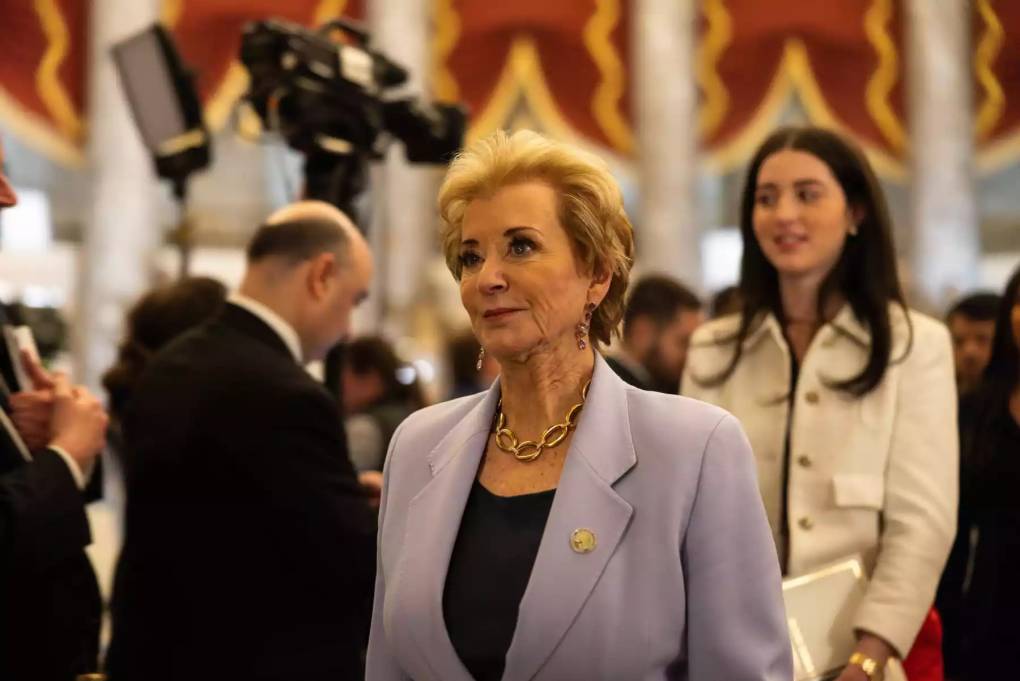
"caption": "Secretary of Education Linda McMahon arrives to President Trump's joint address to Congress on March 4 in Washington, DC. Among the schools under investigation by the US Department of Education are UC Berkeley, CSU San Bernardino and Cal Poly Humboldt. ",
"credit": "Tierney L. Cross/Getty Images",
"altTag": null,
"description": null,
"imgSizes": {
"medium": {
"file": "https://cdn.kqed.org/wp-content/uploads/sites/10/2025/03/npr.brightspotcdn-copy-2-800x534.jpg",
"width": 800,
"height": 534,
"mimeType": "image/jpeg"
},
"large": {
"file": "https://cdn.kqed.org/wp-content/uploads/sites/10/2025/03/npr.brightspotcdn-copy-2-1020x681.jpg",
"width": 1020,
"height": 681,
"mimeType": "image/jpeg"
},
"thumbnail": {
"file": "https://cdn.kqed.org/wp-content/uploads/sites/10/2025/03/npr.brightspotcdn-copy-2-160x107.jpg",
"width": 160,
"height": 107,
"mimeType": "image/jpeg"
},
"1536x1536": {
"file": "https://cdn.kqed.org/wp-content/uploads/sites/10/2025/03/npr.brightspotcdn-copy-2-1536x1025.jpg",
"width": 1536,
"height": 1025,
"mimeType": "image/jpeg"
},
"post-thumbnail": {
"file": "https://cdn.kqed.org/wp-content/uploads/sites/10/2025/03/npr.brightspotcdn-copy-2-672x372.jpg",
"width": 672,
"height": 372,
"mimeType": "image/jpeg"
},
"twentyfourteen-full-width": {
"file": "https://cdn.kqed.org/wp-content/uploads/sites/10/2025/03/npr.brightspotcdn-copy-2-1038x576.jpg",
"width": 1038,
"height": 576,
"mimeType": "image/jpeg"
},
"kqedFullSize": {
"file": "https://cdn.kqed.org/wp-content/uploads/sites/10/2025/03/npr.brightspotcdn-copy-2.jpg",
"width": 1800,
"height": 1201
}
},
"isLoading": false,
"fetchFailed": false
},
"news_12014213": {
"type": "attachments",
"id": "news_12014213",
"meta": {
"index": "attachments_1716263798",
"site": "news",
"id": "12014213",
"found": true
},
"title": "Stanford campus on May 30, 2023.",
"publishDate": 1731521794,
"status": "inherit",
"parent": 0,
"modified": 1733786946,
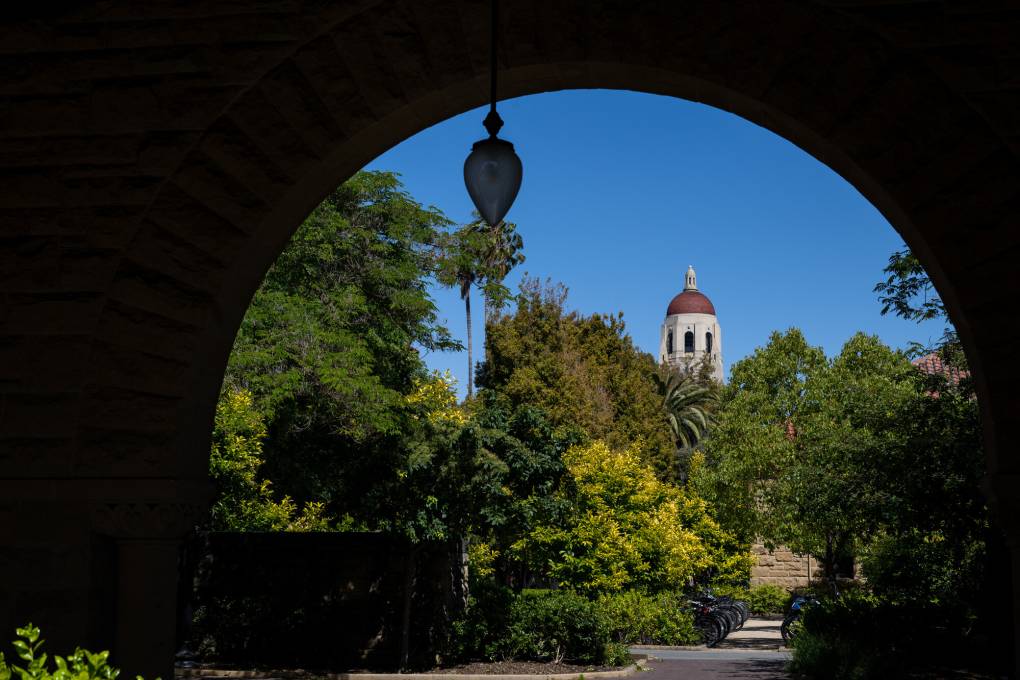
"caption": "Stanford University campus on May 30, 2023.",
"credit": "Beth LaBerge/KQED",
"altTag": null,
"description": null,
"imgSizes": {
"medium": {
"file": "https://cdn.kqed.org/wp-content/uploads/sites/10/2024/11/005_KQED_StanfordGradUnion_05302023_qed-800x533.jpg",
"width": 800,
"height": 533,
"mimeType": "image/jpeg"
},
"large": {
"file": "https://cdn.kqed.org/wp-content/uploads/sites/10/2024/11/005_KQED_StanfordGradUnion_05302023_qed-1020x680.jpg",
"width": 1020,
"height": 680,
"mimeType": "image/jpeg"
},
"thumbnail": {
"file": "https://cdn.kqed.org/wp-content/uploads/sites/10/2024/11/005_KQED_StanfordGradUnion_05302023_qed-160x107.jpg",
"width": 160,
"height": 107,
"mimeType": "image/jpeg"
},
"1536x1536": {
"file": "https://cdn.kqed.org/wp-content/uploads/sites/10/2024/11/005_KQED_StanfordGradUnion_05302023_qed-1536x1024.jpg",
"width": 1536,
"height": 1024,
"mimeType": "image/jpeg"
},
"post-thumbnail": {
"file": "https://cdn.kqed.org/wp-content/uploads/sites/10/2024/11/005_KQED_StanfordGradUnion_05302023_qed-672x372.jpg",
"width": 672,
"height": 372,
"mimeType": "image/jpeg"
},
"twentyfourteen-full-width": {
"file": "https://cdn.kqed.org/wp-content/uploads/sites/10/2024/11/005_KQED_StanfordGradUnion_05302023_qed-1038x576.jpg",
"width": 1038,
"height": 576,
"mimeType": "image/jpeg"
},
"full-width": {
"file": "https://cdn.kqed.org/wp-content/uploads/sites/10/2024/11/005_KQED_StanfordGradUnion_05302023_qed-1920x1280.jpg",
"width": 1920,
"height": 1280,
"mimeType": "image/jpeg"
},
"kqedFullSize": {
"file": "https://cdn.kqed.org/wp-content/uploads/sites/10/2024/11/005_KQED_StanfordGradUnion_05302023_qed.jpg",
"width": 2000,
"height": 1333
}
},
"isLoading": false,
"fetchFailed": false
},
"news_12021799": {
"type": "attachments",
"id": "news_12021799",
"meta": {
"index": "attachments_1716263798",
"site": "news",
"id": "12021799",
"found": true
},
"title": "California-Wildfires-Malibu-January-09",
"publishDate": 1736711100,
"status": "inherit",
"parent": 12021798,
"modified": 1736711412,
"caption": null,
"credit": "David Pashaee / Middle East Images via AFP/Getty Images",
"altTag": "Two men dressed in firefighter uniforms with red helmets hold a fire hose",
"description": "Firefighters work with water hoses near houses burned down in the Palisades Fire along the Pacific Coast Highway in Malibu on Jan. 9, 2025.\nMassive wildfires that engulfed whole neighborhoods and displaced thousands in Los Angeles remained totally uncontained on Jan. 9, 2025, authorities said, as U.S. National Guard soldiers readied to hit the streets to help quell disorder. ",
"imgSizes": {
"medium": {
"file": "https://cdn.kqed.org/wp-content/uploads/sites/10/2025/01/gettyimages-2192626994-800x533.jpeg",
"width": 800,
"height": 533,
"mimeType": "image/jpeg"
},
"large": {
"file": "https://cdn.kqed.org/wp-content/uploads/sites/10/2025/01/gettyimages-2192626994-1020x680.jpeg",
"width": 1020,
"height": 680,
"mimeType": "image/jpeg"
},
"thumbnail": {
"file": "https://cdn.kqed.org/wp-content/uploads/sites/10/2025/01/gettyimages-2192626994-160x107.jpeg",
"width": 160,
"height": 107,
"mimeType": "image/jpeg"
},
"1536x1536": {
"file": "https://cdn.kqed.org/wp-content/uploads/sites/10/2025/01/gettyimages-2192626994-1536x1024.jpeg",
"width": 1536,
"height": 1024,
"mimeType": "image/jpeg"
},
"2048x2048": {
"file": "https://cdn.kqed.org/wp-content/uploads/sites/10/2025/01/gettyimages-2192626994-2048x1365.jpeg",
"width": 2048,
"height": 1365,
"mimeType": "image/jpeg"
},
"post-thumbnail": {
"file": "https://cdn.kqed.org/wp-content/uploads/sites/10/2025/01/gettyimages-2192626994-672x372.jpeg",
"width": 672,
"height": 372,
"mimeType": "image/jpeg"
},
"twentyfourteen-full-width": {
"file": "https://cdn.kqed.org/wp-content/uploads/sites/10/2025/01/gettyimages-2192626994-1038x576.jpeg",
"width": 1038,
"height": 576,
"mimeType": "image/jpeg"
},
"full-width": {
"file": "https://cdn.kqed.org/wp-content/uploads/sites/10/2025/01/gettyimages-2192626994-1920x1280.jpeg",
"width": 1920,
"height": 1280,
"mimeType": "image/jpeg"
},
"kqedFullSize": {
"file": "https://cdn.kqed.org/wp-content/uploads/sites/10/2025/01/gettyimages-2192626994-scaled.jpeg",
"width": 2560,
"height": 1707
}
},
"isLoading": false,
"fetchFailed": false
},
"news_12004888": {
"type": "attachments",
"id": "news_12004888",
"meta": {
"index": "attachments_1716263798",
"site": "news",
"id": "12004888",
"found": true
},
"title": "032723-Isaac-Bryan-MG-CM-01",
"publishDate": 1726516312,
"status": "inherit",
"parent": 12004883,
"modified": 1733172184,
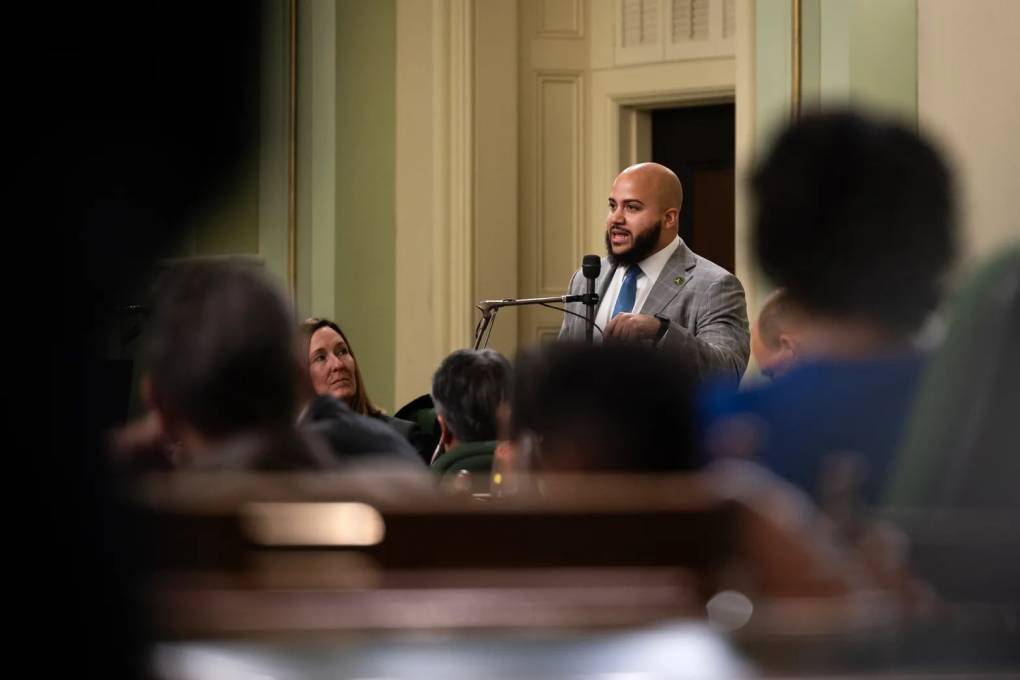
"caption": "Assemblymember Isaac Bryan (D-Culver City) on the Assembly floor at the state Capitol on March 27, 2023.",
"credit": "Miguel Gutierrez Jr./CalMatters",
"altTag": "A young, bald Black man with a beard, wearing a grey suit, speaks at a formal hearing.",
"description": null,
"imgSizes": {
"medium": {
"file": "https://cdn.kqed.org/wp-content/uploads/sites/10/2024/09/032723-Isaac-Bryan-MG-CM-01-800x533.jpeg",
"width": 800,
"height": 533,
"mimeType": "image/jpeg"
},
"large": {
"file": "https://cdn.kqed.org/wp-content/uploads/sites/10/2024/09/032723-Isaac-Bryan-MG-CM-01-1020x680.jpeg",
"width": 1020,
"height": 680,
"mimeType": "image/jpeg"
},
"thumbnail": {
"file": "https://cdn.kqed.org/wp-content/uploads/sites/10/2024/09/032723-Isaac-Bryan-MG-CM-01-160x107.jpeg",
"width": 160,
"height": 107,
"mimeType": "image/jpeg"
},
"1536x1536": {
"file": "https://cdn.kqed.org/wp-content/uploads/sites/10/2024/09/032723-Isaac-Bryan-MG-CM-01-1536x1024.jpeg",
"width": 1536,
"height": 1024,
"mimeType": "image/jpeg"
},
"post-thumbnail": {
"file": "https://cdn.kqed.org/wp-content/uploads/sites/10/2024/09/032723-Isaac-Bryan-MG-CM-01-672x372.jpeg",
"width": 672,
"height": 372,
"mimeType": "image/jpeg"
},
"twentyfourteen-full-width": {
"file": "https://cdn.kqed.org/wp-content/uploads/sites/10/2024/09/032723-Isaac-Bryan-MG-CM-01-1038x576.jpeg",
"width": 1038,
"height": 576,
"mimeType": "image/jpeg"
},
"kqedFullSize": {
"file": "https://cdn.kqed.org/wp-content/uploads/sites/10/2024/09/032723-Isaac-Bryan-MG-CM-01.jpeg",
"width": 1568,
"height": 1045
}
},
"isLoading": false,
"fetchFailed": false
},
"news_11991012": {
"type": "attachments",
"id": "news_11991012",
"meta": {
"index": "attachments_1716263798",
"site": "news",
"id": "11991012",
"found": true
},
"title": "240414-WHERE DOES DEI STAND-MD-08_qut",
"publishDate": 1718752144,
"status": "inherit",
"parent": 11990976,
"modified": 1718843878,
"caption": "KQED's DEI Program Manager Candace Rucker during a session of the 'Do The Work' group at KQED on April 15, 2024.",
"credit": "Martin do Nascimento/KQED",
"altTag": null,
"description": null,
"imgSizes": {
"medium": {
"file": "https://cdn.kqed.org/wp-content/uploads/sites/10/2024/06/240414-WHERE-DOES-DEI-STAND-MD-08_qut-800x533.jpg",
"width": 800,
"height": 533,
"mimeType": "image/jpeg"
},
"large": {
"file": "https://cdn.kqed.org/wp-content/uploads/sites/10/2024/06/240414-WHERE-DOES-DEI-STAND-MD-08_qut-1020x680.jpg",
"width": 1020,
"height": 680,
"mimeType": "image/jpeg"
},
"thumbnail": {
"file": "https://cdn.kqed.org/wp-content/uploads/sites/10/2024/06/240414-WHERE-DOES-DEI-STAND-MD-08_qut-160x107.jpg",
"width": 160,
"height": 107,
"mimeType": "image/jpeg"
},
"1536x1536": {
"file": "https://cdn.kqed.org/wp-content/uploads/sites/10/2024/06/240414-WHERE-DOES-DEI-STAND-MD-08_qut-1536x1024.jpg",
"width": 1536,
"height": 1024,
"mimeType": "image/jpeg"
},
"post-thumbnail": {
"file": "https://cdn.kqed.org/wp-content/uploads/sites/10/2024/06/240414-WHERE-DOES-DEI-STAND-MD-08_qut-672x372.jpg",
"width": 672,
"height": 372,
"mimeType": "image/jpeg"
},
"twentyfourteen-full-width": {
"file": "https://cdn.kqed.org/wp-content/uploads/sites/10/2024/06/240414-WHERE-DOES-DEI-STAND-MD-08_qut-1038x576.jpg",
"width": 1038,
"height": 576,
"mimeType": "image/jpeg"
},
"kqedFullSize": {
"file": "https://cdn.kqed.org/wp-content/uploads/sites/10/2024/06/240414-WHERE-DOES-DEI-STAND-MD-08_qut.jpg",
"width": 1920,
"height": 1280
}
},
"isLoading": false,
"fetchFailed": false
},
"news_11984250": {
"type": "attachments",
"id": "news_11984250",
"meta": {
"index": "attachments_1716263798",
"site": "news",
"id": "11984250",
"found": true
},
"parent": 11984246,
"imgSizes": {
"twentyfourteen-full-width": {
"file": "https://cdn.kqed.org/wp-content/uploads/sites/10/2024/04/San-Jose-overview-1038x576.jpg",
"width": 1038,
"mimeType": "image/jpeg",
"height": 576
},
"thumbnail": {
"file": "https://cdn.kqed.org/wp-content/uploads/sites/10/2024/04/San-Jose-overview-160x120.jpg",
"width": 160,
"mimeType": "image/jpeg",
"height": 120
},
"post-thumbnail": {
"file": "https://cdn.kqed.org/wp-content/uploads/sites/10/2024/04/San-Jose-overview-672x372.jpg",
"width": 672,
"mimeType": "image/jpeg",
"height": 372
},
"kqedFullSize": {
"file": "https://cdn.kqed.org/wp-content/uploads/sites/10/2024/04/San-Jose-overview.jpg",
"width": 2000,
"height": 1506
},
"large": {
"file": "https://cdn.kqed.org/wp-content/uploads/sites/10/2024/04/San-Jose-overview-1020x768.jpg",
"width": 1020,
"mimeType": "image/jpeg",
"height": 768
},
"1536x1536": {
"file": "https://cdn.kqed.org/wp-content/uploads/sites/10/2024/04/San-Jose-overview-1536x1157.jpg",
"width": 1536,
"mimeType": "image/jpeg",
"height": 1157
},
"full-width": {
"file": "https://cdn.kqed.org/wp-content/uploads/sites/10/2024/04/San-Jose-overview-1920x1446.jpg",
"width": 1920,
"mimeType": "image/jpeg",
"height": 1446
},
"medium": {
"file": "https://cdn.kqed.org/wp-content/uploads/sites/10/2024/04/San-Jose-overview-800x602.jpg",
"width": 800,
"mimeType": "image/jpeg",
"height": 602
}
},
"publishDate": 1714172424,
"modified": 1714173015,
"caption": "An aerial photo of San José from City Hall on April 16, 2024. ",
"description": null,
"title": "San Jose overview",
"credit": "Joseph Geha/KQED",
"status": "inherit",
"altTag": null,
"isLoading": false,
"fetchFailed": false
},
"news_11966418": {
"type": "attachments",
"id": "news_11966418",
"meta": {
"index": "attachments_1716263798",
"site": "news",
"id": "11966418",
"found": true
},
"parent": 11966417,
"imgSizes": {
"thumbnail": {
"file": "https://ww2.kqed.org/app/uploads/sites/10/2023/11/BILL_CALI_DEI_9-copy-160x90.jpg",
"width": 160,
"mimeType": "image/jpeg",
"height": 90
},
"post-thumbnail": {
"file": "https://ww2.kqed.org/app/uploads/sites/10/2023/11/BILL_CALI_DEI_9-copy-672x372.jpg",
"width": 672,
"mimeType": "image/jpeg",
"height": 372
},
"kqedFullSize": {
"file": "https://ww2.kqed.org/app/uploads/sites/10/2023/11/BILL_CALI_DEI_9-copy.jpg",
"width": 833,
"height": 469
},
"medium": {
"file": "https://ww2.kqed.org/app/uploads/sites/10/2023/11/BILL_CALI_DEI_9-copy-800x450.jpg",
"width": 800,
"mimeType": "image/jpeg",
"height": 450
}
},
"publishDate": 1699120037,
"modified": 1699120146,
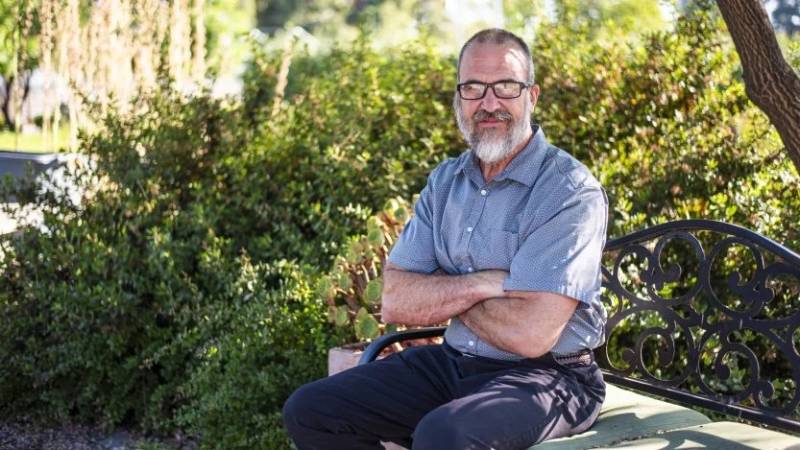
"caption": "Bill Blanken, a chemistry professor at Reedley College, claims that a new diversity and equity policy in California's community colleges amounts to a 'loyalty oath.'",
"description": null,
"title": "BILL_CALI_DEI_9 copy",
"credit": "Courtesy of Foundation for Individual Rights and Expression",
"status": "inherit",
"altTag": "A white middle aged man with arms crossed looks at the camera with bushes behind him.",
"isLoading": false,
"fetchFailed": false
},
"news_11940737": {
"type": "attachments",
"id": "news_11940737",
"meta": {
"index": "attachments_1716263798",
"site": "news",
"id": "11940737",
"found": true
},
"parent": 11940731,
"imgSizes": {
"twentyfourteen-full-width": {
"file": "https://ww2.kqed.org/app/uploads/sites/10/2023/02/KNR-1016-Thumbnail-1038x576.jpg",
"width": 1038,
"mimeType": "image/jpeg",
"height": 576
},
"thumbnail": {
"file": "https://ww2.kqed.org/app/uploads/sites/10/2023/02/KNR-1016-Thumbnail-160x90.jpg",
"width": 160,
"mimeType": "image/jpeg",
"height": 90
},
"post-thumbnail": {
"file": "https://ww2.kqed.org/app/uploads/sites/10/2023/02/KNR-1016-Thumbnail-672x372.jpg",
"width": 672,
"mimeType": "image/jpeg",
"height": 372
},
"kqedFullSize": {
"file": "https://ww2.kqed.org/app/uploads/sites/10/2023/02/KNR-1016-Thumbnail.jpg",
"width": 1600,
"height": 900
},
"large": {
"file": "https://ww2.kqed.org/app/uploads/sites/10/2023/02/KNR-1016-Thumbnail-1020x574.jpg",
"width": 1020,
"mimeType": "image/jpeg",
"height": 574
},
"1536x1536": {
"file": "https://ww2.kqed.org/app/uploads/sites/10/2023/02/KNR-1016-Thumbnail-1536x864.jpg",
"width": 1536,
"mimeType": "image/jpeg",
"height": 864
},
"medium": {
"file": "https://ww2.kqed.org/app/uploads/sites/10/2023/02/KNR-1016-Thumbnail-800x450.jpg",
"width": 800,
"mimeType": "image/jpeg",
"height": 450
}
},
"publishDate": 1676072100,
"modified": 1676072100,
"caption": null,
"description": null,
"title": "KNR 1016 Thumbnail",
"credit": null,
"status": "inherit",
"altTag": null,
"isLoading": false,
"fetchFailed": false
}
},
"audioPlayerReducer": {
"postId": "stream_live",
"isPaused": true,
"isPlaying": false,
"pfsActive": false,
"pledgeModalIsOpen": true,
"playerDrawerIsOpen": false,
"liveAudioPlayStartedAt": 0,
"liveAudioPlayContext": ""
},
"authorsReducer": {
"byline_news_12032067": {
"type": "authors",
"id": "byline_news_12032067",
"meta": {
"override": true
},
"slug": "byline_news_12032067",
"name": "\u003ca href=\"https://www.npr.org/people/726257042/huo-jingnan\">Huo Jingnan\u003c/a> and \u003ca href=\"https://www.npr.org/people/105678418/quil-lawrence\">Quil Lawrence\u003c/a>, NPR",
"isLoading": false
},
"byline_news_12031468": {
"type": "authors",
"id": "byline_news_12031468",
"meta": {
"override": true
},
"slug": "byline_news_12031468",
"name": "\u003ca href=\"https://www.npr.org/people/1108419098/juliana-kim\">Juliana Kim\u003c/a>, NPR",
"isLoading": false
},
"byline_news_12021798": {
"type": "authors",
"id": "byline_news_12021798",
"meta": {
"override": true
},
"slug": "byline_news_12021798",
"name": "Lisa Hagen, NPR",
"isLoading": false
},
"byline_news_12016282": {
"type": "authors",
"id": "byline_news_12016282",
"meta": {
"override": true
},
"slug": "byline_news_12016282",
"name": "Sophie Austin, Trân Nguyễn and Olga R. Rodriguez, Associated Press",
"isLoading": false
},
"byline_news_11966417": {
"type": "authors",
"id": "byline_news_11966417",
"meta": {
"override": true
},
"slug": "byline_news_11966417",
"name": "\u003ca href=\"https://edsource.org/author/egallegos\">Emma Gallegos\u003c/a>",
"isLoading": false
},
"ninathorsen": {
"type": "authors",
"id": "246",
"meta": {
"index": "authors_1716337520",
"id": "246",
"found": true
},
"name": "Nina Thorsen",
"firstName": "Nina",
"lastName": "Thorsen",
"slug": "ninathorsen",
"email": "nthorsen@kqed.org",
"display_author_email": false,
"staff_mastheads": [
"news"
],
"title": "Producer, Radio",
"bio": "\u003cspan style=\"color: #000000;\">Nina Thorsen is a KQED radio producer, and frequently reports on sports and culture. \u003c/span>\u003cspan style=\"color: #000000;\">She co-created and produced KQED's \u003cem>Pacific Time, \u003c/em> a weekly radio program on Asian and Asian American issues that aired from 2000 to 2007. Before coming to KQED, Thorsen was the deputy foreign editor for \u003cem>Marketplace, \u003c/em>and in her home state of Minnesota, worked for \u003cem>A Prairie Home Companion\u003c/em> and for Public Radio International. \u003c/span>",
"avatar": "https://secure.gravatar.com/avatar/e13dc7282cec33c15d973ebb56d57ead?s=600&d=blank&r=g",
"twitter": "NinaKQED",
"facebook": null,
"instagram": null,
"linkedin": null,
"sites": [
{
"site": "news",
"roles": [
"editor"
]
},
{
"site": "podcasts",
"roles": [
"editor"
]
}
],
"headData": {
"title": "Nina Thorsen | KQED",
"description": "Producer, Radio",
"ogImgSrc": "https://secure.gravatar.com/avatar/e13dc7282cec33c15d973ebb56d57ead?s=600&d=blank&r=g",
"twImgSrc": "https://secure.gravatar.com/avatar/e13dc7282cec33c15d973ebb56d57ead?s=600&d=blank&r=g"
},
"isLoading": false,
"link": "/author/ninathorsen"
},
"matthewgreen": {
"type": "authors",
"id": "1263",
"meta": {
"index": "authors_1716337520",
"id": "1263",
"found": true
},
"name": "Matthew Green",
"firstName": "Matthew",
"lastName": "Green",
"slug": "matthewgreen",
"email": "mgreen@kqed.org",
"display_author_email": false,
"staff_mastheads": [],
"title": "KQED Editor/Reporter",
"bio": "Matthew Green is a digital media producer for KQED News. He previously produced \u003ca href=\"http://www.kqed.org/lowdown\">The Lowdown\u003c/a>, KQED’s multimedia news education blog. Matthew's written for numerous Bay Area publications, including the Oakland Tribune and San Francisco Chronicle. He also taught journalism classes at Fremont High School in East Oakland.\r\n\r\nEmail: mgreen@kqed.org; Twitter: @MGreenKQED",
"avatar": "https://secure.gravatar.com/avatar/3bf498d1267ca02c8494f33d8cfc575e?s=600&d=blank&r=g",
"twitter": "MGreenKQED",
"facebook": null,
"instagram": null,
"linkedin": null,
"sites": [
{
"site": "news",
"roles": []
},
{
"site": "lowdown",
"roles": []
},
{
"site": "science",
"roles": []
},
{
"site": "education",
"roles": []
},
{
"site": "quest",
"roles": []
},
{
"site": "liveblog",
"roles": []
}
],
"headData": {
"title": "Matthew Green | KQED",
"description": "KQED Editor/Reporter",
"ogImgSrc": "https://secure.gravatar.com/avatar/3bf498d1267ca02c8494f33d8cfc575e?s=600&d=blank&r=g",
"twImgSrc": "https://secure.gravatar.com/avatar/3bf498d1267ca02c8494f33d8cfc575e?s=600&d=blank&r=g"
},
"isLoading": false,
"link": "/author/matthewgreen"
},
"otaylor": {
"type": "authors",
"id": "11770",
"meta": {
"index": "authors_1716337520",
"id": "11770",
"found": true
},
"name": "Otis R. Taylor Jr.",
"firstName": "Otis R.",
"lastName": "Taylor Jr.",
"slug": "otaylor",
"email": "otaylor@kqed.org",
"display_author_email": false,
"staff_mastheads": [
"news"
],
"title": "KQED Editor",
"bio": null,
"avatar": "https://secure.gravatar.com/avatar/fe73e14d4842ac8e1c03d57def2530f57f1c5b0ca7d4a987ccc5bd90956cb7c6?s=600&d=blank&r=g",
"twitter": "otisrtaylorjr",
"bluesky": null,
"facebook": null,
"instagram": null,
"linkedin": null,
"sites": [
{
"site": "arts",
"roles": [
"subscriber"
]
},
{
"site": "news",
"roles": [
"subscriber"
]
},
{
"site": "science",
"roles": [
"subscriber"
]
},
{
"site": "liveblog",
"roles": [
"subscriber"
]
}
],
"headData": {
"title": "Otis R. Taylor Jr. | KQED",
"description": "KQED Editor",
"ogImgSrc": "https://secure.gravatar.com/avatar/fe73e14d4842ac8e1c03d57def2530f57f1c5b0ca7d4a987ccc5bd90956cb7c6?s=600&d=blank&r=g",
"twImgSrc": "https://secure.gravatar.com/avatar/fe73e14d4842ac8e1c03d57def2530f57f1c5b0ca7d4a987ccc5bd90956cb7c6?s=600&d=blank&r=g"
},
"isLoading": false,
"link": "/author/otaylor"
},
"rtimmons": {
"type": "authors",
"id": "11817",
"meta": {
"index": "authors_1716337520",
"id": "11817",
"found": true
},
"name": "Raphael Timmons",
"firstName": "Raphael",
"lastName": "Timmons",
"slug": "rtimmons",
"email": "rtimmons@kqed.org",
"display_author_email": false,
"staff_mastheads": [],
"title": "KQED Contributor",
"bio": null,
"avatar": "https://secure.gravatar.com/avatar/0e66c73af8b623ecc62f631a35fd1272?s=600&d=mm&r=g",
"twitter": null,
"facebook": null,
"instagram": null,
"linkedin": null,
"sites": [
{
"site": "news",
"roles": [
"editor"
]
},
{
"site": "perspectives",
"roles": [
"editor"
]
}
],
"headData": {
"title": "Raphael Timmons | KQED",
"description": "KQED Contributor",
"ogImgSrc": "https://secure.gravatar.com/avatar/0e66c73af8b623ecc62f631a35fd1272?s=600&d=mm&r=g",
"twImgSrc": "https://secure.gravatar.com/avatar/0e66c73af8b623ecc62f631a35fd1272?s=600&d=mm&r=g"
},
"isLoading": false,
"link": "/author/rtimmons"
},
"jgeha": {
"type": "authors",
"id": "11906",
"meta": {
"index": "authors_1716337520",
"id": "11906",
"found": true
},
"name": "Joseph Geha",
"firstName": "Joseph",
"lastName": "Geha",
"slug": "jgeha",
"email": "jgeha@kqed.org",
"display_author_email": false,
"staff_mastheads": [
"news",
"science"
],
"title": "KQED Contributor",
"bio": null,
"avatar": "https://secure.gravatar.com/avatar/ea84d2b6dd93d6369d453edf19dd583f117cd1759d2d9c9c92f9de77017354fe?s=600&d=blank&r=g",
"twitter": null,
"bluesky": null,
"facebook": null,
"instagram": null,
"linkedin": null,
"sites": [
{
"site": "news",
"roles": [
"editor"
]
},
{
"site": "liveblog",
"roles": [
"author"
]
}
],
"headData": {
"title": "Joseph Geha | KQED",
"description": "KQED Contributor",
"ogImgSrc": "https://secure.gravatar.com/avatar/ea84d2b6dd93d6369d453edf19dd583f117cd1759d2d9c9c92f9de77017354fe?s=600&d=blank&r=g",
"twImgSrc": "https://secure.gravatar.com/avatar/ea84d2b6dd93d6369d453edf19dd583f117cd1759d2d9c9c92f9de77017354fe?s=600&d=blank&r=g"
},
"isLoading": false,
"link": "/author/jgeha"
},
"slim": {
"type": "authors",
"id": "11920",
"meta": {
"index": "authors_1716337520",
"id": "11920",
"found": true
},
"name": "Samantha Lim",
"firstName": "Samantha",
"lastName": "Lim",
"slug": "slim",
"email": "slim@KQED.org",
"display_author_email": false,
"staff_mastheads": [],
"title": "KQED Contributor",
"bio": null,
"avatar": "https://secure.gravatar.com/avatar/82e592e6c15fe1a04d385e8ad0fb0b4e?s=600&d=blank&r=g",
"twitter": null,
"facebook": null,
"instagram": null,
"linkedin": null,
"sites": [
{
"site": "news",
"roles": []
}
],
"headData": {
"title": "Samantha Lim | KQED",
"description": "KQED Contributor",
"ogImgSrc": "https://secure.gravatar.com/avatar/82e592e6c15fe1a04d385e8ad0fb0b4e?s=600&d=blank&r=g",
"twImgSrc": "https://secure.gravatar.com/avatar/82e592e6c15fe1a04d385e8ad0fb0b4e?s=600&d=blank&r=g"
},
"isLoading": false,
"link": "/author/slim"
}
},
"pagesReducer": {
"news_tag_dei": {
"type": "terms",
"id": "news_32395",
"meta": {
"index": "terms_1716263798",
"site": "news",
"id": "32395",
"score": 9.555889
},
"featImg": null,
"name": "DEI",
"description": null,
"taxonomy": "tag",
"headData": {
"twImgId": null,
"twTitle": null,
"ogTitle": null,
"ogImgId": null,
"twDescription": null,
"description": null,
"title": "DEI Archives | KQED News",
"ogDescription": null
},
"ttid": 32412,
"slug": "dei",
"isLoading": false,
"title": "DEI",
"pageMeta": {
"site": "news",
"WpPageTemplate": "page-topic-editorial",
"currentPage": 2
},
"blocks": [
{
"blockName": "kqed/post-list",
"attrs": {
"layout": "cardArticle2",
"query": "posts/news?tag=dei",
"seeMore": false,
"paginated": true,
"page": 2
}
},
{
"blockName": "kqed/ad"
}
]
}
},
"pfsSessionReducer": {},
"postsReducer": {
"stream_live": {
"type": "live",
"id": "stream_live",
"audioUrl": "https://streams.kqed.org/kqedradio",
"title": "Live Stream",
"excerpt": "Live Stream information currently unavailable.",
"link": "/radio",
"featImg": "",
"label": {
"name": "KQED Live",
"link": "/"
}
},
"stream_kqedNewscast": {
"type": "posts",
"id": "stream_kqedNewscast",
"audioUrl": "https://www.kqed.org/.stream/anon/radio/RDnews/newscast.mp3?_=1",
"title": "KQED Newscast",
"featImg": "",
"label": {
"name": "88.5 FM",
"link": "/"
}
},
"news_12032067": {
"type": "posts",
"id": "news_12032067",
"meta": {
"index": "posts_1716263798",
"site": "news",
"id": "12032067",
"score": null,
"sort": [
1742493651000
]
},
"guestAuthors": [],
"slug": "here-are-all-the-ways-people-are-disappearing-from-government-websites",
"title": "Here Are All the Ways People Are Disappearing From Government Websites",
"publishDate": 1742493651,
"format": "standard",
"headTitle": "Here Are All the Ways People Are Disappearing From Government Websites | KQED",
"labelTerm": {
"term": 253,
"site": "news"
},
"content": "\u003cp>People applying for grants and certificates using the Small Business Administration’s website used to see a photograph of a group of people of varying ages, genders, and skin tones smiling in front of a white board.\u003c/p>\n\u003cp>In mid-February, the SBA removed the image from its website, documents shared with NPR show.\u003c/p>\n\u003cp>\u003ca href=\"https://cdn.kqed.org/wp-content/uploads/sites/10/2025/03/ImagesAB-scaled-e1742416143337.jpg\">\u003cimg loading=\"lazy\" decoding=\"async\" class=\"aligncenter size-full wp-image-12032074\" src=\"https://cdn.kqed.org/wp-content/uploads/sites/10/2025/03/ImagesAB-scaled-e1742416143337.jpg\" alt=\"\" width=\"2385\" height=\"660\" srcset=\"https://cdn.kqed.org/wp-content/uploads/sites/10/2025/03/ImagesAB-scaled-e1742416143337.jpg 2385w, https://cdn.kqed.org/wp-content/uploads/sites/10/2025/03/ImagesAB-scaled-e1742416143337-800x221.jpg 800w, https://cdn.kqed.org/wp-content/uploads/sites/10/2025/03/ImagesAB-scaled-e1742416143337-1020x282.jpg 1020w, https://cdn.kqed.org/wp-content/uploads/sites/10/2025/03/ImagesAB-scaled-e1742416143337-160x44.jpg 160w, https://cdn.kqed.org/wp-content/uploads/sites/10/2025/03/ImagesAB-scaled-e1742416143337-1536x425.jpg 1536w, https://cdn.kqed.org/wp-content/uploads/sites/10/2025/03/ImagesAB-scaled-e1742416143337-2048x567.jpg 2048w, https://cdn.kqed.org/wp-content/uploads/sites/10/2025/03/ImagesAB-scaled-e1742416143337-1920x531.jpg 1920w\" sizes=\"auto, (max-width: 2385px) 100vw, 2385px\">\u003c/a>\u003c/p>\n\u003cp>A person with knowledge of the SBA’s website update said the minor task of removing the photo was strangely urgent.\u003c/p>\n\u003cp>“If someone says stop everything, do this specifically … it’s reserved for just instances where there’s like a system failure” said the person, who requested anonymity to share internal documentation fearing reprisal. “To have an immediate deployment of … a visual change is very, very uncommon.”\u003c/p>\n\u003cp>SBA did not respond to NPR’s requests for comment.\u003c/p>\n\u003cp>[ad fullwidth]\u003c/p>\n\u003cp>Across the federal government, agencies have been busy scrubbing photographic and written references about women, people of color and members of the LGBTQ+ community from their websites.\u003c/p>\n\u003cp>In at least one instance, NPR’s reporting shows that the Department of Veterans Affairs is aware that removing categories of people from the agency’s website can affect the delivery of the services it provides.\u003c/p>\n\u003cp>Agencies say the removals are to comply with President Trump’s \u003ca href=\"https://www.whitehouse.gov/presidential-actions/2025/01/ending-radical-and-wasteful-government-dei-programs-and-preferencing/\">executive\u003c/a> orders \u003ca href=\"https://www.whitehouse.gov/presidential-actions/2025/01/ending-illegal-discrimination-and-restoring-merit-based-opportunity/\">removing\u003c/a> “diversity, equity, inclusion, and accessibility policies.” The removals aren’t universal, and sometimes pages are restored as agencies figure out what compliance means.\u003c/p>\n\u003cp>Transgender and non-binary people, on the other hand, are explicitly targeted by a \u003ca href=\"https://www.whitehouse.gov/presidential-actions/2025/01/defending-women-from-gender-ideology-extremism-and-restoring-biological-truth-to-the-federal-government/\">separate executive order\u003c/a> and faced the most consistent removal from government websites.\u003c/p>\n\u003cp>Historians warn that this kind of systematic erasure has in the past come when governments strip rights from people, starting from the most marginalized groups.\u003c/p>\n\u003cp>“If you erase the memory, we really forget the people,” said Alessio Ponzio, whose research focuses on LGBTQ history and women’s studies and is a visiting professor at Memorial University of Newfoundland. “It’s an act of violence that is very subtle but can really destroy the psychology of people. Basically, ‘I’m telling you that I do not recognize you.'”\u003c/p>\n\u003ch2>‘Women,’ ‘girls,’ people of color\u003c/h2>\n\u003cp>“Immigrant children, children with disabilities, and those who are LGBTQ+” were removed from a 2022 letter from the Biden administration to governors about supporting school-based health services in late January.\u003c/p>\n\u003cp>\u003cimg loading=\"lazy\" decoding=\"async\" class=\"aligncenter size-full wp-image-12032085\" src=\"https://cdn.kqed.org/wp-content/uploads/sites/10/2025/03/Image1-scaled-e1742416258756.jpg\" alt=\"\" width=\"1818\" height=\"690\" srcset=\"https://cdn.kqed.org/wp-content/uploads/sites/10/2025/03/Image1-scaled-e1742416258756.jpg 1818w, https://cdn.kqed.org/wp-content/uploads/sites/10/2025/03/Image1-scaled-e1742416258756-800x304.jpg 800w, https://cdn.kqed.org/wp-content/uploads/sites/10/2025/03/Image1-scaled-e1742416258756-1020x387.jpg 1020w, https://cdn.kqed.org/wp-content/uploads/sites/10/2025/03/Image1-scaled-e1742416258756-160x61.jpg 160w, https://cdn.kqed.org/wp-content/uploads/sites/10/2025/03/Image1-scaled-e1742416258756-1536x583.jpg 1536w\" sizes=\"auto, (max-width: 1818px) 100vw, 1818px\">\u003c/p>\n\u003cp>The Department of Education did not respond to NPR’s requests for comment.\u003c/p>\n\u003cp>The State Department instructed its staff to not mention a list of terms and phrases including “women” and “girls” when trying to attract international students to come to study in the US, though the agency later rescinded the direction, \u003ca href=\"https://www.npr.org/2025/03/04/nx-s1-5316196/state-dept-staffers-get-mixed-messages-on-how-to-serve-international-students\">NPR reported\u003c/a> recently.\u003c/p>\n\u003cp>\u003cimg loading=\"lazy\" decoding=\"async\" class=\"aligncenter size-full wp-image-12032086\" src=\"https://cdn.kqed.org/wp-content/uploads/sites/10/2025/03/Image2-scaled-e1742416392470.jpg\" alt=\"\" width=\"1775\" height=\"750\" srcset=\"https://cdn.kqed.org/wp-content/uploads/sites/10/2025/03/Image2-scaled-e1742416392470.jpg 1775w, https://cdn.kqed.org/wp-content/uploads/sites/10/2025/03/Image2-scaled-e1742416392470-800x338.jpg 800w, https://cdn.kqed.org/wp-content/uploads/sites/10/2025/03/Image2-scaled-e1742416392470-1020x431.jpg 1020w, https://cdn.kqed.org/wp-content/uploads/sites/10/2025/03/Image2-scaled-e1742416392470-160x68.jpg 160w, https://cdn.kqed.org/wp-content/uploads/sites/10/2025/03/Image2-scaled-e1742416392470-1536x649.jpg 1536w\" sizes=\"auto, (max-width: 1775px) 100vw, 1775px\">\u003c/p>\n\u003cp>The Defense Department issued a \u003ca href=\"https://www.defense.gov/News/Releases/Release/Article/4079501/pentagon-releases-digital-content-refresh-memorandum/\">Feb. 26 memo\u003c/a> instructing the military to remove digital content that “focus on immutable characteristics, such as race, ethnicity or sex” by early March.\u003c/p>\n\u003cp>Arlington National Cemetery \u003ca href=\"https://kevinmlevin.substack.com/p/us-army-deletes-lesson-plans-focusing\" target=\"_blank\" rel=\"noopener\">removed its education programs\u003c/a> about the history of women and people of color in the armed services though some biographies remain available on its site. The Army and the Navy removed web pages about the history of women in the military and \u003ca href=\"https://web.archive.org/web/20250304210520/https://www.army.mil/asianpacificamericans/442.html\">ones\u003c/a> about a decorated Japanese-American Army unit and \u003ca href=\"https://www.axios.com/local/salt-lake-city/2025/03/17/navajo-code-talkers-trump-dei-military-websites-wwii\">pages\u003c/a> about Navajo Code Talkers.\u003c/p>\n\u003cp>A page celebrating the military service of baseball legend Jackie Robinson, who integrated major league baseball, has also been taken down. The Air Force took down, among other pages, a \u003ca href=\"https://web.archive.org/web/20250304141713/https://www.whiteman.af.mil/News/Article-Display/Article/1984981/making-history-ten-women-make-up-elite-small-cadre-of-b-2-pilots/\">2019 profile\u003c/a> of the 10 women who piloted one specific stealth bomber that carried out important missions. The archived profile shows that at that point, the 10 women made up about 2% of all the pilots who flew the aircraft.\u003c/p>\n\u003cp>Some of the pages about the Japanese-American unit and the Code Talkers have since been restored after their removal received attention and media coverage.\u003c/p>\n\u003cp>The Pentagon marked tens of thousands photographs for removal, the \u003ca href=\"https://apnews.com/article/dei-purge-images-pentagon-diversity-women-black-8efcfaec909954f4a24bad0d49c78074\">Associated Press\u003c/a> reported. Some were of war heroes, many photos feature women and people of color.\u003c/p>\n\u003cp>\u003cimg loading=\"lazy\" decoding=\"async\" class=\"aligncenter size-full wp-image-12032087\" src=\"https://cdn.kqed.org/wp-content/uploads/sites/10/2025/03/Image345-scaled-e1742416491323.jpg\" alt=\"\" width=\"1165\" height=\"674\" srcset=\"https://cdn.kqed.org/wp-content/uploads/sites/10/2025/03/Image345-scaled-e1742416491323.jpg 1165w, https://cdn.kqed.org/wp-content/uploads/sites/10/2025/03/Image345-scaled-e1742416491323-800x463.jpg 800w, https://cdn.kqed.org/wp-content/uploads/sites/10/2025/03/Image345-scaled-e1742416491323-1020x590.jpg 1020w, https://cdn.kqed.org/wp-content/uploads/sites/10/2025/03/Image345-scaled-e1742416491323-160x93.jpg 160w\" sizes=\"auto, (max-width: 1165px) 100vw, 1165px\">\u003c/p>\n\u003cp>\u003cimg loading=\"lazy\" decoding=\"async\" class=\"aligncenter size-full wp-image-12032090\" src=\"https://cdn.kqed.org/wp-content/uploads/sites/10/2025/03/Image345-1-scaled-e1742416547406.jpg\" alt=\"\" width=\"1170\" height=\"653\" srcset=\"https://cdn.kqed.org/wp-content/uploads/sites/10/2025/03/Image345-1-scaled-e1742416547406.jpg 1170w, https://cdn.kqed.org/wp-content/uploads/sites/10/2025/03/Image345-1-scaled-e1742416547406-800x446.jpg 800w, https://cdn.kqed.org/wp-content/uploads/sites/10/2025/03/Image345-1-scaled-e1742416547406-1020x569.jpg 1020w, https://cdn.kqed.org/wp-content/uploads/sites/10/2025/03/Image345-1-scaled-e1742416547406-160x89.jpg 160w\" sizes=\"auto, (max-width: 1170px) 100vw, 1170px\">\u003c/p>\n\u003cp>\u003cimg loading=\"lazy\" decoding=\"async\" class=\"aligncenter size-full wp-image-12032092\" src=\"https://cdn.kqed.org/wp-content/uploads/sites/10/2025/03/Image345-2-scaled-e1742416608425.jpg\" alt=\"\" width=\"1170\" height=\"858\" srcset=\"https://cdn.kqed.org/wp-content/uploads/sites/10/2025/03/Image345-2-scaled-e1742416608425.jpg 1170w, https://cdn.kqed.org/wp-content/uploads/sites/10/2025/03/Image345-2-scaled-e1742416608425-800x587.jpg 800w, https://cdn.kqed.org/wp-content/uploads/sites/10/2025/03/Image345-2-scaled-e1742416608425-1020x748.jpg 1020w, https://cdn.kqed.org/wp-content/uploads/sites/10/2025/03/Image345-2-scaled-e1742416608425-160x117.jpg 160w\" sizes=\"auto, (max-width: 1170px) 100vw, 1170px\">\u003c/p>\n\u003cp>“This administration has hung a sign outside the armed forces saying if you’re not a white male, you are no longer welcome,” said Sue Fulton, senior advisor to advocacy group SPARTA Pride and formerly an assistant secretary at the Department of Veterans’ Affairs.\u003c/p>\n\u003cp>“And that’s a tragedy because it’s going to make our military weaker,” says Fulton. “It’s not just about getting rid of trans people and gay people and women and black folks. It’s about getting rid of leaders. It’s about disrupting units, taking people out of those units who are fully trained and fully qualified and replacing them with who? People who pass Trump’s ideological test?”\u003c/p>\n\u003cp>Spokespersons from the military branches say they’re complying with the memo and executive orders.\u003c/p>\n\u003cp>“The Navy continues to execute and implement all directives issued by the President with professionalism, efficiency, and in full alignment with national security,” said Navy spokesperson, Lieutenant Commander Lauren Chatmas.\u003c/p>\n\u003cp>“Social media posts were removed, archived, or changed to avoid noncompliance with executive orders,” said Army spokesperson Major Travis Shaw.\u003c/p>\n\u003cp>The Air Force did not respond to requests for comment.\u003c/p>\n\u003ch2>Agencies respond differently to Trump orders\u003c/h2>\n\u003cp>While there’s no comprehensive analysis on how much content each agency has removed, each agency seems to be going about it their own way. NASA asked its staff to scrub “anything specifically targeting women” off of its website in late January, according to \u003ca href=\"https://www.404media.co/nasa-dei-drop-everything-executive-order/\">404 Media\u003c/a>.\u003c/p>\n\u003cp>Following the directive, some articles featuring women went dark, including one about \u003ca href=\"https://www.nasa.gov/universe/nasa-intern-found-hope-in-the-moon-2/\">Rose Ferreira\u003c/a>, who was born in the Dominican Republic and was featured when she was an intern at NASA. The incident prompted \u003ca href=\"https://badastronomy.beehiiv.com/p/the-attacks-on-science\">a public outcry\u003c/a>, and Ferreira’s page, along with some others, were restored. According to the \u003ca href=\"https://web.archive.org/web/20250000000000*/https://www.nasa.gov/universe/nasa-intern-found-hope-in-the-moon-2/\">Internet Archive records\u003c/a>, her profile went dark at least on Feb. 7 before it went back up again.\u003c/p>\n\u003cp>But Ferreira said the restoration of the feature invited more harassment. “I started getting messages from people, who I guess were late to the conversation, calling me a liar, or saying that I was attacking NASA and that I was trying to cause drama,” she told NPR.\u003c/p>\n\u003cp>Ferreira said that she was proud when NASA profiled her – but she now resents how her story was subject to the whims of a changed administration. “I didn’t ask for it [the feature]. You didn’t give it to me. I earned it … If it’s so easily removable, then what was the point?”\u003c/p>\n\u003cp>In a statement to NPR, NASA said the agency is “looking at content that was previously removed out of an abundance of caution and restoring content as appropriate,” as it complies with executive orders.\u003c/p>\n\u003cp>Historical articles on agency websites have also been edited as a result of the executive orders. The National Park Service removed references to transgender people from an article by historian Wendy Rouse titled “The Very Queer History of the Suffragist Movement” as part of the agency’s commemoration of the movement. When Rouse requested that the original version of her article be restored, the Park Service took it down.\u003c/p>\n\u003cp>\u003cimg loading=\"lazy\" decoding=\"async\" class=\"aligncenter size-full wp-image-12032093\" src=\"https://cdn.kqed.org/wp-content/uploads/sites/10/2025/03/Image6-scaled-e1742416710426.jpg\" alt=\"\" width=\"1758\" height=\"1186\" srcset=\"https://cdn.kqed.org/wp-content/uploads/sites/10/2025/03/Image6-scaled-e1742416710426.jpg 1758w, https://cdn.kqed.org/wp-content/uploads/sites/10/2025/03/Image6-scaled-e1742416710426-800x540.jpg 800w, https://cdn.kqed.org/wp-content/uploads/sites/10/2025/03/Image6-scaled-e1742416710426-1020x688.jpg 1020w, https://cdn.kqed.org/wp-content/uploads/sites/10/2025/03/Image6-scaled-e1742416710426-160x108.jpg 160w, https://cdn.kqed.org/wp-content/uploads/sites/10/2025/03/Image6-scaled-e1742416710426-1536x1036.jpg 1536w\" sizes=\"auto, (max-width: 1758px) 100vw, 1758px\">\u003c/p>\n\u003cp>“While we initially attempted to edit your article in an attempt to keep the rest of the content active, we have since removed it so as not to alter your work,” the agency wrote to Rouse, in an email Rouse shared with NPR.\u003c/p>\n\u003cfigure id=\"attachment_12032070\" class=\"wp-caption aligncenter\" style=\"max-width: 2560px\">\u003cimg loading=\"lazy\" decoding=\"async\" class=\"size-full wp-image-12032070\" src=\"https://cdn.kqed.org/wp-content/uploads/sites/10/2025/03/npr.brightspotcdn-copy-6-scaled.jpg\" alt=\"\" width=\"2560\" height=\"1707\" srcset=\"https://cdn.kqed.org/wp-content/uploads/sites/10/2025/03/npr.brightspotcdn-copy-6-scaled.jpg 2560w, https://cdn.kqed.org/wp-content/uploads/sites/10/2025/03/npr.brightspotcdn-copy-6-800x534.jpg 800w, https://cdn.kqed.org/wp-content/uploads/sites/10/2025/03/npr.brightspotcdn-copy-6-1020x680.jpg 1020w, https://cdn.kqed.org/wp-content/uploads/sites/10/2025/03/npr.brightspotcdn-copy-6-160x107.jpg 160w, https://cdn.kqed.org/wp-content/uploads/sites/10/2025/03/npr.brightspotcdn-copy-6-1536x1024.jpg 1536w, https://cdn.kqed.org/wp-content/uploads/sites/10/2025/03/npr.brightspotcdn-copy-6-2048x1366.jpg 2048w, https://cdn.kqed.org/wp-content/uploads/sites/10/2025/03/npr.brightspotcdn-copy-6-1920x1280.jpg 1920w\" sizes=\"auto, (max-width: 2560px) 100vw, 2560px\">\u003cfigcaption class=\"wp-caption-text\">The US Department of Veterans Affairs building in Washington, DC in a 2024 file photo. \u003ccite>(Tierney L. Cross/Getty Images)\u003c/cite>\u003c/figcaption>\u003c/figure>\n\u003ch2>Transgender people are the biggest targets\u003c/h2>\n\u003cp>Rolling back societal recognition of transgender people was a key part of President Trump’s campaign platform that was quickly expressed as a series of executive orders after he took office. Many agencies have removed references to transgender people, including the \u003ca href=\"https://www.washingtonpost.com/health/2025/01/31/cdc-website-gender-lgbtq-data/\">Centers for Disease Control\u003c/a>, the \u003ca href=\"https://www.npr.org/2025/03/05/nx-s1-5318767/nps-lgbtq-transgender-history\">National Park Service\u003c/a>,\u003ca href=\"https://www.nbcnews.com/nbc-out/out-politics-and-policy/government-agencies-scrub-lgbtq-web-pages-remove-info-trans-intersex-p-rcna190519\"> the State Department\u003c/a>, and the \u003ca href=\"https://www.404media.co/trumps-administration-is-taking-down-sites-about-gender-identity-all-over-the-internet/\">Social Security Administration\u003c/a>.\u003c/p>\n\u003cp>\u003cimg loading=\"lazy\" decoding=\"async\" class=\"aligncenter size-full wp-image-12032095\" src=\"https://cdn.kqed.org/wp-content/uploads/sites/10/2025/03/Image7-scaled-e1742416837261.jpg\" alt=\"\" width=\"1762\" height=\"1506\" srcset=\"https://cdn.kqed.org/wp-content/uploads/sites/10/2025/03/Image7-scaled-e1742416837261.jpg 1762w, https://cdn.kqed.org/wp-content/uploads/sites/10/2025/03/Image7-scaled-e1742416837261-800x684.jpg 800w, https://cdn.kqed.org/wp-content/uploads/sites/10/2025/03/Image7-scaled-e1742416837261-1020x872.jpg 1020w, https://cdn.kqed.org/wp-content/uploads/sites/10/2025/03/Image7-scaled-e1742416837261-160x137.jpg 160w, https://cdn.kqed.org/wp-content/uploads/sites/10/2025/03/Image7-scaled-e1742416837261-1536x1313.jpg 1536w\" sizes=\"auto, (max-width: 1762px) 100vw, 1762px\">\u003c/p>\n\u003cp>The Department of Health and Human Services effort to remove references to transgender people from its websites, including the CDC’s, was halted by a\u003ca href=\"https://www.npr.org/sections/shots-health-news/2025/02/11/nx-s1-5293387/judge-orders-cdc-fda-hhs-websites-restored\"> court order\u003c/a>. The removal of transgender people from the Park Service’s website introducing the Stonewall monument has led to protests at the monument itself.\u003c/p>\n\u003cp>The administration’s actions targeting transgender people follow a drumbeat of misleading content about transgender people spread by far-right activists in recent years. Those narratives focused on unsubstantiated threats of sex crime, \u003ca href=\"https://www.npr.org/2024/06/10/1253921751/introducing-tested-from-npr-and-cbc\">concerns about fairness in women’s sports\u003c/a> and healthcare for minors with gender dysphoria diagnoses, as \u003ca href=\"https://www.npr.org/2022/08/26/1119634878/childrens-hospitals-are-the-latest-target-of-anti-lgbtq-harassment\">conservative influencers\u003c/a> used transgender issues to garner money, fame and support for Trump.\u003c/p>\n\u003cp>It’s not the first time transgender people became a target of governments, historians say. They were one of the groups that were persecuted early alongside suspected communists and Jews by Nazi Germany, said Laurie Marhoefer, a specialist on the history of Weimar and Nazi Germany at the University of Washington who also studies transgender and queer history.\u003c/p>\n\u003cp>“Transgender people are the canary in the coal mine of democracy,” said Marhoefer.\u003c/p>\n\u003cp>There are instances in which these efforts could have serious consequences for people the government is supposed to serve. The Department of Veterans Affairs’ suicide prevention strategy \u003ca href=\"https://www.documentcloud.org/documents/25558024-1160-07-d-2021-05-24/\">mandates (DOC)\u003c/a> community outreach to veterans vulnerable to suicide, including transgender veterans, whom the department now declines to name.\u003c/p>\n\u003cp>The agency’s own \u003ca href=\"https://jamanetwork.com/journals/jamanetworkopen/fullarticle/2774495\">research\u003c/a> shows that LGBTQ veterans are more likely than the average veteran to take their own lives, and \u003ca href=\"https://pubmed.ncbi.nlm.nih.gov/33544021/\">transgender veterans\u003c/a> even more so. Veterans already have a higher average suicide rate than the general population.\u003c/p>\n\u003cp>In an internal memo that NPR obtained dated Feb. 20, the Department of Veterans Affairs proposed editing all external communication, which includes its website, to remove the term “gender” and only use “sex,” as well as taking out the letter “T” from the term “LGBTQ+ Care.”\u003c/p>\n\u003cp>The memo also included an analysis of risks of the proposals, which includes “potential to impact Veteran access to care of Veteran perception of welcome at HVA facilities.”\u003c/p>\n\u003cp>This week, the department says it will \u003ca href=\"https://news.va.gov/press-room/va-to-phase-out-treatment-for-gender-dysphoria/\">deny gender-affirming\u003c/a> treatment to new patients altogether.\u003c/p>\n\u003cp>The VA did not respond to NPR’s request for comment.\u003c/p>\n\u003cp>\u003cem>NPR’s Selena Simmons-Duffin and Greg Myre contributed reporting.\u003c/em>\u003c/p>\n\u003cp>\u003cem>Have a tip? NPR’s Huo Jingnan can be contacted through encrypted communications at _J_H.07 on Signal.\u003c/em>\u003c/p>\n\u003cp>[ad floatright]\u003c/p>\n",
"blocks": [],
"excerpt": "Across the federal government, agencies have been scrubbing photographic and written references about women, people of color and members of the LGBTQ+ community from their websites.",
"status": "publish",
"parent": 0,
"modified": 1742486754,
"stats": {
"hasAudio": false,
"hasVideo": false,
"hasChartOrMap": false,
"iframeSrcs": [],
"hasGoogleForm": false,
"hasGallery": false,
"hasHearkenModule": false,
"hasPolis": false,
"paragraphCount": 55,
"wordCount": 1825
},
"headData": {
"title": "Here Are All the Ways People Are Disappearing From Government Websites | KQED",
"description": "Across the federal government, agencies have been scrubbing photographic and written references about women, people of color and members of the LGBTQ+ community from their websites.",
"ogTitle": "",
"ogDescription": "",
"ogImgId": "",
"twTitle": "",
"twDescription": "",
"twImgId": "",
"schema": {
"@context": "https://schema.org",
"@type": "NewsArticle",
"headline": "Here Are All the Ways People Are Disappearing From Government Websites",
"datePublished": "2025-03-20T11:00:51-07:00",
"dateModified": "2025-03-20T09:05:54-07:00",
"image": "https://cdn.kqed.org/wp-content/uploads/2020/02/KQED-OG-Image@1x.png",
"isAccessibleForFree": "True",
"publisher": {
"@type": "NewsMediaOrganization",
"@id": "https://www.kqed.org/#organization",
"name": "KQED",
"logo": "https://cdn.kqed.org/wp-content/uploads/2020/02/KQED-OG-Image@1x.png",
"url": "https://www.kqed.org",
"sameAs": [
"https://www.facebook.com/KQED",
"https://twitter.com/KQED",
"https://www.instagram.com/kqed/",
"https://www.tiktok.com/@kqedofficial",
"https://www.linkedin.com/company/kqed",
"https://www.youtube.com/channel/UCeC0IOo7i1P_61zVUWbJ4nw"
]
}
}
},
"sticky": false,
"nprByline": "\u003ca href=\"https://www.npr.org/people/726257042/huo-jingnan\">Huo Jingnan\u003c/a> and \u003ca href=\"https://www.npr.org/people/105678418/quil-lawrence\">Quil Lawrence\u003c/a>, NPR",
"templateType": "standard",
"featuredImageType": "standard",
"excludeFromSiteSearch": "Include",
"showOnAuthorArchivePages": "No",
"articleAge": "0",
"path": "/news/12032067/here-are-all-the-ways-people-are-disappearing-from-government-websites",
"audioTrackLength": null,
"parsedContent": [
{
"type": "contentString",
"content": "\u003cdiv class=\"post-body\">\u003cp>\u003cp>People applying for grants and certificates using the Small Business Administration’s website used to see a photograph of a group of people of varying ages, genders, and skin tones smiling in front of a white board.\u003c/p>\n\u003cp>In mid-February, the SBA removed the image from its website, documents shared with NPR show.\u003c/p>\n\u003cp>\u003ca href=\"https://cdn.kqed.org/wp-content/uploads/sites/10/2025/03/ImagesAB-scaled-e1742416143337.jpg\">\u003cimg loading=\"lazy\" decoding=\"async\" class=\"aligncenter size-full wp-image-12032074\" src=\"https://cdn.kqed.org/wp-content/uploads/sites/10/2025/03/ImagesAB-scaled-e1742416143337.jpg\" alt=\"\" width=\"2385\" height=\"660\" srcset=\"https://cdn.kqed.org/wp-content/uploads/sites/10/2025/03/ImagesAB-scaled-e1742416143337.jpg 2385w, https://cdn.kqed.org/wp-content/uploads/sites/10/2025/03/ImagesAB-scaled-e1742416143337-800x221.jpg 800w, https://cdn.kqed.org/wp-content/uploads/sites/10/2025/03/ImagesAB-scaled-e1742416143337-1020x282.jpg 1020w, https://cdn.kqed.org/wp-content/uploads/sites/10/2025/03/ImagesAB-scaled-e1742416143337-160x44.jpg 160w, https://cdn.kqed.org/wp-content/uploads/sites/10/2025/03/ImagesAB-scaled-e1742416143337-1536x425.jpg 1536w, https://cdn.kqed.org/wp-content/uploads/sites/10/2025/03/ImagesAB-scaled-e1742416143337-2048x567.jpg 2048w, https://cdn.kqed.org/wp-content/uploads/sites/10/2025/03/ImagesAB-scaled-e1742416143337-1920x531.jpg 1920w\" sizes=\"auto, (max-width: 2385px) 100vw, 2385px\">\u003c/a>\u003c/p>\n\u003cp>A person with knowledge of the SBA’s website update said the minor task of removing the photo was strangely urgent.\u003c/p>\n\u003cp>“If someone says stop everything, do this specifically … it’s reserved for just instances where there’s like a system failure” said the person, who requested anonymity to share internal documentation fearing reprisal. “To have an immediate deployment of … a visual change is very, very uncommon.”\u003c/p>\n\u003cp>SBA did not respond to NPR’s requests for comment.\u003c/p>\n\u003cp>\u003c/p>\u003c/div>",
"attributes": {
"named": {},
"numeric": []
}
},
{
"type": "component",
"content": "",
"name": "ad",
"attributes": {
"named": {
"label": "fullwidth"
},
"numeric": [
"fullwidth"
]
}
},
{
"type": "contentString",
"content": "\u003cdiv class=\"post-body\">\u003cp>\u003c/p>\n\u003cp>Across the federal government, agencies have been busy scrubbing photographic and written references about women, people of color and members of the LGBTQ+ community from their websites.\u003c/p>\n\u003cp>In at least one instance, NPR’s reporting shows that the Department of Veterans Affairs is aware that removing categories of people from the agency’s website can affect the delivery of the services it provides.\u003c/p>\n\u003cp>Agencies say the removals are to comply with President Trump’s \u003ca href=\"https://www.whitehouse.gov/presidential-actions/2025/01/ending-radical-and-wasteful-government-dei-programs-and-preferencing/\">executive\u003c/a> orders \u003ca href=\"https://www.whitehouse.gov/presidential-actions/2025/01/ending-illegal-discrimination-and-restoring-merit-based-opportunity/\">removing\u003c/a> “diversity, equity, inclusion, and accessibility policies.” The removals aren’t universal, and sometimes pages are restored as agencies figure out what compliance means.\u003c/p>\n\u003cp>Transgender and non-binary people, on the other hand, are explicitly targeted by a \u003ca href=\"https://www.whitehouse.gov/presidential-actions/2025/01/defending-women-from-gender-ideology-extremism-and-restoring-biological-truth-to-the-federal-government/\">separate executive order\u003c/a> and faced the most consistent removal from government websites.\u003c/p>\n\u003cp>Historians warn that this kind of systematic erasure has in the past come when governments strip rights from people, starting from the most marginalized groups.\u003c/p>\n\u003cp>“If you erase the memory, we really forget the people,” said Alessio Ponzio, whose research focuses on LGBTQ history and women’s studies and is a visiting professor at Memorial University of Newfoundland. “It’s an act of violence that is very subtle but can really destroy the psychology of people. Basically, ‘I’m telling you that I do not recognize you.'”\u003c/p>\n\u003ch2>‘Women,’ ‘girls,’ people of color\u003c/h2>\n\u003cp>“Immigrant children, children with disabilities, and those who are LGBTQ+” were removed from a 2022 letter from the Biden administration to governors about supporting school-based health services in late January.\u003c/p>\n\u003cp>\u003cimg loading=\"lazy\" decoding=\"async\" class=\"aligncenter size-full wp-image-12032085\" src=\"https://cdn.kqed.org/wp-content/uploads/sites/10/2025/03/Image1-scaled-e1742416258756.jpg\" alt=\"\" width=\"1818\" height=\"690\" srcset=\"https://cdn.kqed.org/wp-content/uploads/sites/10/2025/03/Image1-scaled-e1742416258756.jpg 1818w, https://cdn.kqed.org/wp-content/uploads/sites/10/2025/03/Image1-scaled-e1742416258756-800x304.jpg 800w, https://cdn.kqed.org/wp-content/uploads/sites/10/2025/03/Image1-scaled-e1742416258756-1020x387.jpg 1020w, https://cdn.kqed.org/wp-content/uploads/sites/10/2025/03/Image1-scaled-e1742416258756-160x61.jpg 160w, https://cdn.kqed.org/wp-content/uploads/sites/10/2025/03/Image1-scaled-e1742416258756-1536x583.jpg 1536w\" sizes=\"auto, (max-width: 1818px) 100vw, 1818px\">\u003c/p>\n\u003cp>The Department of Education did not respond to NPR’s requests for comment.\u003c/p>\n\u003cp>The State Department instructed its staff to not mention a list of terms and phrases including “women” and “girls” when trying to attract international students to come to study in the US, though the agency later rescinded the direction, \u003ca href=\"https://www.npr.org/2025/03/04/nx-s1-5316196/state-dept-staffers-get-mixed-messages-on-how-to-serve-international-students\">NPR reported\u003c/a> recently.\u003c/p>\n\u003cp>\u003cimg loading=\"lazy\" decoding=\"async\" class=\"aligncenter size-full wp-image-12032086\" src=\"https://cdn.kqed.org/wp-content/uploads/sites/10/2025/03/Image2-scaled-e1742416392470.jpg\" alt=\"\" width=\"1775\" height=\"750\" srcset=\"https://cdn.kqed.org/wp-content/uploads/sites/10/2025/03/Image2-scaled-e1742416392470.jpg 1775w, https://cdn.kqed.org/wp-content/uploads/sites/10/2025/03/Image2-scaled-e1742416392470-800x338.jpg 800w, https://cdn.kqed.org/wp-content/uploads/sites/10/2025/03/Image2-scaled-e1742416392470-1020x431.jpg 1020w, https://cdn.kqed.org/wp-content/uploads/sites/10/2025/03/Image2-scaled-e1742416392470-160x68.jpg 160w, https://cdn.kqed.org/wp-content/uploads/sites/10/2025/03/Image2-scaled-e1742416392470-1536x649.jpg 1536w\" sizes=\"auto, (max-width: 1775px) 100vw, 1775px\">\u003c/p>\n\u003cp>The Defense Department issued a \u003ca href=\"https://www.defense.gov/News/Releases/Release/Article/4079501/pentagon-releases-digital-content-refresh-memorandum/\">Feb. 26 memo\u003c/a> instructing the military to remove digital content that “focus on immutable characteristics, such as race, ethnicity or sex” by early March.\u003c/p>\n\u003cp>Arlington National Cemetery \u003ca href=\"https://kevinmlevin.substack.com/p/us-army-deletes-lesson-plans-focusing\" target=\"_blank\" rel=\"noopener\">removed its education programs\u003c/a> about the history of women and people of color in the armed services though some biographies remain available on its site. The Army and the Navy removed web pages about the history of women in the military and \u003ca href=\"https://web.archive.org/web/20250304210520/https://www.army.mil/asianpacificamericans/442.html\">ones\u003c/a> about a decorated Japanese-American Army unit and \u003ca href=\"https://www.axios.com/local/salt-lake-city/2025/03/17/navajo-code-talkers-trump-dei-military-websites-wwii\">pages\u003c/a> about Navajo Code Talkers.\u003c/p>\n\u003cp>A page celebrating the military service of baseball legend Jackie Robinson, who integrated major league baseball, has also been taken down. The Air Force took down, among other pages, a \u003ca href=\"https://web.archive.org/web/20250304141713/https://www.whiteman.af.mil/News/Article-Display/Article/1984981/making-history-ten-women-make-up-elite-small-cadre-of-b-2-pilots/\">2019 profile\u003c/a> of the 10 women who piloted one specific stealth bomber that carried out important missions. The archived profile shows that at that point, the 10 women made up about 2% of all the pilots who flew the aircraft.\u003c/p>\n\u003cp>Some of the pages about the Japanese-American unit and the Code Talkers have since been restored after their removal received attention and media coverage.\u003c/p>\n\u003cp>The Pentagon marked tens of thousands photographs for removal, the \u003ca href=\"https://apnews.com/article/dei-purge-images-pentagon-diversity-women-black-8efcfaec909954f4a24bad0d49c78074\">Associated Press\u003c/a> reported. Some were of war heroes, many photos feature women and people of color.\u003c/p>\n\u003cp>\u003cimg loading=\"lazy\" decoding=\"async\" class=\"aligncenter size-full wp-image-12032087\" src=\"https://cdn.kqed.org/wp-content/uploads/sites/10/2025/03/Image345-scaled-e1742416491323.jpg\" alt=\"\" width=\"1165\" height=\"674\" srcset=\"https://cdn.kqed.org/wp-content/uploads/sites/10/2025/03/Image345-scaled-e1742416491323.jpg 1165w, https://cdn.kqed.org/wp-content/uploads/sites/10/2025/03/Image345-scaled-e1742416491323-800x463.jpg 800w, https://cdn.kqed.org/wp-content/uploads/sites/10/2025/03/Image345-scaled-e1742416491323-1020x590.jpg 1020w, https://cdn.kqed.org/wp-content/uploads/sites/10/2025/03/Image345-scaled-e1742416491323-160x93.jpg 160w\" sizes=\"auto, (max-width: 1165px) 100vw, 1165px\">\u003c/p>\n\u003cp>\u003cimg loading=\"lazy\" decoding=\"async\" class=\"aligncenter size-full wp-image-12032090\" src=\"https://cdn.kqed.org/wp-content/uploads/sites/10/2025/03/Image345-1-scaled-e1742416547406.jpg\" alt=\"\" width=\"1170\" height=\"653\" srcset=\"https://cdn.kqed.org/wp-content/uploads/sites/10/2025/03/Image345-1-scaled-e1742416547406.jpg 1170w, https://cdn.kqed.org/wp-content/uploads/sites/10/2025/03/Image345-1-scaled-e1742416547406-800x446.jpg 800w, https://cdn.kqed.org/wp-content/uploads/sites/10/2025/03/Image345-1-scaled-e1742416547406-1020x569.jpg 1020w, https://cdn.kqed.org/wp-content/uploads/sites/10/2025/03/Image345-1-scaled-e1742416547406-160x89.jpg 160w\" sizes=\"auto, (max-width: 1170px) 100vw, 1170px\">\u003c/p>\n\u003cp>\u003cimg loading=\"lazy\" decoding=\"async\" class=\"aligncenter size-full wp-image-12032092\" src=\"https://cdn.kqed.org/wp-content/uploads/sites/10/2025/03/Image345-2-scaled-e1742416608425.jpg\" alt=\"\" width=\"1170\" height=\"858\" srcset=\"https://cdn.kqed.org/wp-content/uploads/sites/10/2025/03/Image345-2-scaled-e1742416608425.jpg 1170w, https://cdn.kqed.org/wp-content/uploads/sites/10/2025/03/Image345-2-scaled-e1742416608425-800x587.jpg 800w, https://cdn.kqed.org/wp-content/uploads/sites/10/2025/03/Image345-2-scaled-e1742416608425-1020x748.jpg 1020w, https://cdn.kqed.org/wp-content/uploads/sites/10/2025/03/Image345-2-scaled-e1742416608425-160x117.jpg 160w\" sizes=\"auto, (max-width: 1170px) 100vw, 1170px\">\u003c/p>\n\u003cp>“This administration has hung a sign outside the armed forces saying if you’re not a white male, you are no longer welcome,” said Sue Fulton, senior advisor to advocacy group SPARTA Pride and formerly an assistant secretary at the Department of Veterans’ Affairs.\u003c/p>\n\u003cp>“And that’s a tragedy because it’s going to make our military weaker,” says Fulton. “It’s not just about getting rid of trans people and gay people and women and black folks. It’s about getting rid of leaders. It’s about disrupting units, taking people out of those units who are fully trained and fully qualified and replacing them with who? People who pass Trump’s ideological test?”\u003c/p>\n\u003cp>Spokespersons from the military branches say they’re complying with the memo and executive orders.\u003c/p>\n\u003cp>“The Navy continues to execute and implement all directives issued by the President with professionalism, efficiency, and in full alignment with national security,” said Navy spokesperson, Lieutenant Commander Lauren Chatmas.\u003c/p>\n\u003cp>“Social media posts were removed, archived, or changed to avoid noncompliance with executive orders,” said Army spokesperson Major Travis Shaw.\u003c/p>\n\u003cp>The Air Force did not respond to requests for comment.\u003c/p>\n\u003ch2>Agencies respond differently to Trump orders\u003c/h2>\n\u003cp>While there’s no comprehensive analysis on how much content each agency has removed, each agency seems to be going about it their own way. NASA asked its staff to scrub “anything specifically targeting women” off of its website in late January, according to \u003ca href=\"https://www.404media.co/nasa-dei-drop-everything-executive-order/\">404 Media\u003c/a>.\u003c/p>\n\u003cp>Following the directive, some articles featuring women went dark, including one about \u003ca href=\"https://www.nasa.gov/universe/nasa-intern-found-hope-in-the-moon-2/\">Rose Ferreira\u003c/a>, who was born in the Dominican Republic and was featured when she was an intern at NASA. The incident prompted \u003ca href=\"https://badastronomy.beehiiv.com/p/the-attacks-on-science\">a public outcry\u003c/a>, and Ferreira’s page, along with some others, were restored. According to the \u003ca href=\"https://web.archive.org/web/20250000000000*/https://www.nasa.gov/universe/nasa-intern-found-hope-in-the-moon-2/\">Internet Archive records\u003c/a>, her profile went dark at least on Feb. 7 before it went back up again.\u003c/p>\n\u003cp>But Ferreira said the restoration of the feature invited more harassment. “I started getting messages from people, who I guess were late to the conversation, calling me a liar, or saying that I was attacking NASA and that I was trying to cause drama,” she told NPR.\u003c/p>\n\u003cp>Ferreira said that she was proud when NASA profiled her – but she now resents how her story was subject to the whims of a changed administration. “I didn’t ask for it [the feature]. You didn’t give it to me. I earned it … If it’s so easily removable, then what was the point?”\u003c/p>\n\u003cp>In a statement to NPR, NASA said the agency is “looking at content that was previously removed out of an abundance of caution and restoring content as appropriate,” as it complies with executive orders.\u003c/p>\n\u003cp>Historical articles on agency websites have also been edited as a result of the executive orders. The National Park Service removed references to transgender people from an article by historian Wendy Rouse titled “The Very Queer History of the Suffragist Movement” as part of the agency’s commemoration of the movement. When Rouse requested that the original version of her article be restored, the Park Service took it down.\u003c/p>\n\u003cp>\u003cimg loading=\"lazy\" decoding=\"async\" class=\"aligncenter size-full wp-image-12032093\" src=\"https://cdn.kqed.org/wp-content/uploads/sites/10/2025/03/Image6-scaled-e1742416710426.jpg\" alt=\"\" width=\"1758\" height=\"1186\" srcset=\"https://cdn.kqed.org/wp-content/uploads/sites/10/2025/03/Image6-scaled-e1742416710426.jpg 1758w, https://cdn.kqed.org/wp-content/uploads/sites/10/2025/03/Image6-scaled-e1742416710426-800x540.jpg 800w, https://cdn.kqed.org/wp-content/uploads/sites/10/2025/03/Image6-scaled-e1742416710426-1020x688.jpg 1020w, https://cdn.kqed.org/wp-content/uploads/sites/10/2025/03/Image6-scaled-e1742416710426-160x108.jpg 160w, https://cdn.kqed.org/wp-content/uploads/sites/10/2025/03/Image6-scaled-e1742416710426-1536x1036.jpg 1536w\" sizes=\"auto, (max-width: 1758px) 100vw, 1758px\">\u003c/p>\n\u003cp>“While we initially attempted to edit your article in an attempt to keep the rest of the content active, we have since removed it so as not to alter your work,” the agency wrote to Rouse, in an email Rouse shared with NPR.\u003c/p>\n\u003cfigure id=\"attachment_12032070\" class=\"wp-caption aligncenter\" style=\"max-width: 2560px\">\u003cimg loading=\"lazy\" decoding=\"async\" class=\"size-full wp-image-12032070\" src=\"https://cdn.kqed.org/wp-content/uploads/sites/10/2025/03/npr.brightspotcdn-copy-6-scaled.jpg\" alt=\"\" width=\"2560\" height=\"1707\" srcset=\"https://cdn.kqed.org/wp-content/uploads/sites/10/2025/03/npr.brightspotcdn-copy-6-scaled.jpg 2560w, https://cdn.kqed.org/wp-content/uploads/sites/10/2025/03/npr.brightspotcdn-copy-6-800x534.jpg 800w, https://cdn.kqed.org/wp-content/uploads/sites/10/2025/03/npr.brightspotcdn-copy-6-1020x680.jpg 1020w, https://cdn.kqed.org/wp-content/uploads/sites/10/2025/03/npr.brightspotcdn-copy-6-160x107.jpg 160w, https://cdn.kqed.org/wp-content/uploads/sites/10/2025/03/npr.brightspotcdn-copy-6-1536x1024.jpg 1536w, https://cdn.kqed.org/wp-content/uploads/sites/10/2025/03/npr.brightspotcdn-copy-6-2048x1366.jpg 2048w, https://cdn.kqed.org/wp-content/uploads/sites/10/2025/03/npr.brightspotcdn-copy-6-1920x1280.jpg 1920w\" sizes=\"auto, (max-width: 2560px) 100vw, 2560px\">\u003cfigcaption class=\"wp-caption-text\">The US Department of Veterans Affairs building in Washington, DC in a 2024 file photo. \u003ccite>(Tierney L. Cross/Getty Images)\u003c/cite>\u003c/figcaption>\u003c/figure>\n\u003ch2>Transgender people are the biggest targets\u003c/h2>\n\u003cp>Rolling back societal recognition of transgender people was a key part of President Trump’s campaign platform that was quickly expressed as a series of executive orders after he took office. Many agencies have removed references to transgender people, including the \u003ca href=\"https://www.washingtonpost.com/health/2025/01/31/cdc-website-gender-lgbtq-data/\">Centers for Disease Control\u003c/a>, the \u003ca href=\"https://www.npr.org/2025/03/05/nx-s1-5318767/nps-lgbtq-transgender-history\">National Park Service\u003c/a>,\u003ca href=\"https://www.nbcnews.com/nbc-out/out-politics-and-policy/government-agencies-scrub-lgbtq-web-pages-remove-info-trans-intersex-p-rcna190519\"> the State Department\u003c/a>, and the \u003ca href=\"https://www.404media.co/trumps-administration-is-taking-down-sites-about-gender-identity-all-over-the-internet/\">Social Security Administration\u003c/a>.\u003c/p>\n\u003cp>\u003cimg loading=\"lazy\" decoding=\"async\" class=\"aligncenter size-full wp-image-12032095\" src=\"https://cdn.kqed.org/wp-content/uploads/sites/10/2025/03/Image7-scaled-e1742416837261.jpg\" alt=\"\" width=\"1762\" height=\"1506\" srcset=\"https://cdn.kqed.org/wp-content/uploads/sites/10/2025/03/Image7-scaled-e1742416837261.jpg 1762w, https://cdn.kqed.org/wp-content/uploads/sites/10/2025/03/Image7-scaled-e1742416837261-800x684.jpg 800w, https://cdn.kqed.org/wp-content/uploads/sites/10/2025/03/Image7-scaled-e1742416837261-1020x872.jpg 1020w, https://cdn.kqed.org/wp-content/uploads/sites/10/2025/03/Image7-scaled-e1742416837261-160x137.jpg 160w, https://cdn.kqed.org/wp-content/uploads/sites/10/2025/03/Image7-scaled-e1742416837261-1536x1313.jpg 1536w\" sizes=\"auto, (max-width: 1762px) 100vw, 1762px\">\u003c/p>\n\u003cp>The Department of Health and Human Services effort to remove references to transgender people from its websites, including the CDC’s, was halted by a\u003ca href=\"https://www.npr.org/sections/shots-health-news/2025/02/11/nx-s1-5293387/judge-orders-cdc-fda-hhs-websites-restored\"> court order\u003c/a>. The removal of transgender people from the Park Service’s website introducing the Stonewall monument has led to protests at the monument itself.\u003c/p>\n\u003cp>The administration’s actions targeting transgender people follow a drumbeat of misleading content about transgender people spread by far-right activists in recent years. Those narratives focused on unsubstantiated threats of sex crime, \u003ca href=\"https://www.npr.org/2024/06/10/1253921751/introducing-tested-from-npr-and-cbc\">concerns about fairness in women’s sports\u003c/a> and healthcare for minors with gender dysphoria diagnoses, as \u003ca href=\"https://www.npr.org/2022/08/26/1119634878/childrens-hospitals-are-the-latest-target-of-anti-lgbtq-harassment\">conservative influencers\u003c/a> used transgender issues to garner money, fame and support for Trump.\u003c/p>\n\u003cp>It’s not the first time transgender people became a target of governments, historians say. They were one of the groups that were persecuted early alongside suspected communists and Jews by Nazi Germany, said Laurie Marhoefer, a specialist on the history of Weimar and Nazi Germany at the University of Washington who also studies transgender and queer history.\u003c/p>\n\u003cp>“Transgender people are the canary in the coal mine of democracy,” said Marhoefer.\u003c/p>\n\u003cp>There are instances in which these efforts could have serious consequences for people the government is supposed to serve. The Department of Veterans Affairs’ suicide prevention strategy \u003ca href=\"https://www.documentcloud.org/documents/25558024-1160-07-d-2021-05-24/\">mandates (DOC)\u003c/a> community outreach to veterans vulnerable to suicide, including transgender veterans, whom the department now declines to name.\u003c/p>\n\u003cp>The agency’s own \u003ca href=\"https://jamanetwork.com/journals/jamanetworkopen/fullarticle/2774495\">research\u003c/a> shows that LGBTQ veterans are more likely than the average veteran to take their own lives, and \u003ca href=\"https://pubmed.ncbi.nlm.nih.gov/33544021/\">transgender veterans\u003c/a> even more so. Veterans already have a higher average suicide rate than the general population.\u003c/p>\n\u003cp>In an internal memo that NPR obtained dated Feb. 20, the Department of Veterans Affairs proposed editing all external communication, which includes its website, to remove the term “gender” and only use “sex,” as well as taking out the letter “T” from the term “LGBTQ+ Care.”\u003c/p>\n\u003cp>The memo also included an analysis of risks of the proposals, which includes “potential to impact Veteran access to care of Veteran perception of welcome at HVA facilities.”\u003c/p>\n\u003cp>This week, the department says it will \u003ca href=\"https://news.va.gov/press-room/va-to-phase-out-treatment-for-gender-dysphoria/\">deny gender-affirming\u003c/a> treatment to new patients altogether.\u003c/p>\n\u003cp>The VA did not respond to NPR’s request for comment.\u003c/p>\n\u003cp>\u003cem>NPR’s Selena Simmons-Duffin and Greg Myre contributed reporting.\u003c/em>\u003c/p>\n\u003cp>\u003cem>Have a tip? NPR’s Huo Jingnan can be contacted through encrypted communications at _J_H.07 on Signal.\u003c/em>\u003c/p>\n\u003cp>\u003c/p>\u003c/div>",
"attributes": {
"named": {},
"numeric": []
}
},
{
"type": "component",
"content": "",
"name": "ad",
"attributes": {
"named": {
"label": "floatright"
},
"numeric": [
"floatright"
]
}
},
{
"type": "contentString",
"content": "\u003cdiv class=\"post-body\">\u003cp>\u003c/p>\n\u003c/div>\u003c/p>",
"attributes": {
"named": {},
"numeric": []
}
}
],
"link": "/news/12032067/here-are-all-the-ways-people-are-disappearing-from-government-websites",
"authors": [
"byline_news_12032067"
],
"categories": [
"news_8",
"news_13"
],
"tags": [
"news_4750",
"news_32395",
"news_1323",
"news_2582",
"news_22681",
"news_4691",
"news_28094",
"news_20004",
"news_19216",
"news_2486"
],
"affiliates": [
"news_253"
],
"featImg": "news_12032068",
"label": "news_253"
},
"news_12031850": {
"type": "posts",
"id": "news_12031850",
"meta": {
"index": "posts_1716263798",
"site": "news",
"id": "12031850",
"score": null,
"sort": [
1742423465000
]
},
"guestAuthors": [],
"slug": "latest-trumps-attacks-law-firms-targets-several-bay-area-over-dei",
"title": "Latest of Trump’s Attacks on Law Firms Targets Several in Bay Area Over DEI",
"publishDate": 1742423465,
"format": "standard",
"headTitle": "Latest of Trump’s Attacks on Law Firms Targets Several in Bay Area Over DEI | KQED",
"labelTerm": {
"site": "news"
},
"content": "\u003cp>A federal civil rights agency sent letters to 20 major law firms this week, including three based in the Bay Area, requesting detailed information about hiring practices and diversity, equity and inclusion policies — the latest move in\u003ca href=\"https://www.kqed.org/news/tag/donald-trump\"> the Trump administration’s\u003c/a> ongoing assault on law firms.\u003c/p>\n\u003cp>In \u003ca href=\"https://www.eeoc.gov/sites/default/files/2025-03/Law_Firm_Letters_-_03.17.2025.pdf\">the letters\u003c/a>, Trump’s newly appointed head of the Equal Employment Opportunity Commission suggests the firms’ employment practices, “including those labeled or framed as DEI,” may be in violation of Title VII of \u003ca href=\"https://www.eeoc.gov/statutes/title-vii-civil-rights-act-1964\">the Civil Rights Act of 1964\u003c/a>, which prohibits employment discrimination.\u003c/p>\n\u003cp>“The EEOC is prepared to root out discrimination anywhere it may rear its head, including in our nation’s elite law firms,” EEOC Acting Chair Andrea Lucas said in a statement. “No one is above the law — and certainly not the private bar.”\u003c/p>\n\u003cp>[ad fullwidth]\u003c/p>\n\u003cp>The scrutiny follows other recent federal actions against law firms that have represented Trump’s political opponents or participated in investigations of him. The targeted firms include Morrison Foerster in San Francisco, Cooley in Palo Alto and Freshfields Bruckhaus Deringer, which has an office in Redwood City, where the EEOC sent its letter.\u003c/p>\n\u003cp>“It is curious to me how this list [of firms] was selected,” said Charles Jung, president of the Bar Association of San Francisco, which issued a statement supporting attorneys and firms the administration has targeted. “It appears to be kind of a brushback: ‘If you don’t get in line with our policies and our cultural priorities, then even you are not safe.’”\u003c/p>\n\u003cp>“And if you’re not safe, implicitly, your clients are not safe,” he added.\u003c/p>\n\u003cp>The letters ask all the firms to provide a litany of hiring and employment information, including detailed applicant and employee data, descriptions of scholarship and internship programs, and details about case staffing decisions.\u003c/p>\n\u003cp>[aside postID=news_12032046 hero='https://cdn.kqed.org/wp-content/uploads/sites/10/2025/01/DonaldTrumpEOGetty-1020x664.jpg']\u003c/p>\n\u003cp>“There is no ‘diversity’ exception to these prohibitions,” the EEOC said in its statement. The agency also set up an email address for whistleblowers to report any “potentially unlawful DEI practices” at law firms.\u003c/p>\n\u003cp>Trump and his allies have long sought to \u003ca href=\"https://www.theguardian.com/us-news/2025/jan/24/diversity-backlash-what-is-dei-and-why-is-trump-opposed-to-it\">dismantle DEI policies\u003c/a>, which they lambast as “reverse discrimination” against white people. Within hours of taking office on Jan. 20, the president began issuing a slew of executive orders to \u003ca href=\"https://www.usatoday.com/story/money/2025/01/20/trump-dei-rollback-executive-order/77749870007/\">dismantle federal DEI programs\u003c/a> and target similar initiatives within the private sector.\u003c/p>\n\u003cp>The EEOC’s recent actions mark a stark departure for an agency that was established during the Civil Rights Movement to protect certain groups of people who have historically been most vulnerable to workplace discrimination.\u003c/p>\n\u003cp>The letters were delivered on the heels of \u003ca href=\"https://www.politico.com/news/2025/03/15/donald-trump-law-firm-attack-025949\">several executive orders\u003c/a> Trump signed in recent weeks aimed at hamstringing three major law firms — all with offices in San Francisco — that have represented or employed his perceived enemies, including former U.S. Justice Department special counsel Jack Smith and former Secretary of State and presidential candidate Hillary Clinton.\u003c/p>\n\u003cp>The orders strip the firms’ employees of security clearances, limit their access to federal buildings and potentially rescind government contracts from their clients.\u003c/p>\n\u003cp>“Lawyers and law firms have to be able to represent those that are currently unpopular. They serve that vital role in our legal system,” Jung said. “When you have one branch of our government making specific attacks against lawyers and law firms, it creates at least the appearance that that branch is attacking the broader legal system as a whole, and that’s very concerning.”\u003c/p>\n\u003cp>\u003c/p>\n",
"blocks": [],
"excerpt": "The warning issued to major law firms across the U.S. comes as the Trump administration targets attorneys and firms who have investigated the president, as well as DEI policies.",
"status": "publish",
"parent": 0,
"modified": 1742426632,
"stats": {
"hasAudio": false,
"hasVideo": false,
"hasChartOrMap": false,
"iframeSrcs": [],
"hasGoogleForm": false,
"hasGallery": false,
"hasHearkenModule": false,
"hasPolis": false,
"paragraphCount": 16,
"wordCount": 620
},
"headData": {
"title": "Latest of Trump’s Attacks on Law Firms Targets Several in Bay Area Over DEI | KQED",
"description": "The warning issued to major law firms across the U.S. comes as the Trump administration targets attorneys and firms who have investigated the president, as well as DEI policies.",
"ogTitle": "",
"ogDescription": "",
"ogImgId": "",
"twTitle": "",
"twDescription": "",
"twImgId": "",
"schema": {
"@context": "https://schema.org",
"@type": "NewsArticle",
"headline": "Latest of Trump’s Attacks on Law Firms Targets Several in Bay Area Over DEI",
"datePublished": "2025-03-19T15:31:05-07:00",
"dateModified": "2025-03-19T16:23:52-07:00",
"image": "https://cdn.kqed.org/wp-content/uploads/2020/02/KQED-OG-Image@1x.png",
"isAccessibleForFree": "True",
"publisher": {
"@type": "NewsMediaOrganization",
"@id": "https://www.kqed.org/#organization",
"name": "KQED",
"logo": "https://cdn.kqed.org/wp-content/uploads/2020/02/KQED-OG-Image@1x.png",
"url": "https://www.kqed.org",
"sameAs": [
"https://www.facebook.com/KQED",
"https://twitter.com/KQED",
"https://www.instagram.com/kqed/",
"https://www.tiktok.com/@kqedofficial",
"https://www.linkedin.com/company/kqed",
"https://www.youtube.com/channel/UCeC0IOo7i1P_61zVUWbJ4nw"
]
}
}
},
"sticky": false,
"nprStoryId": "kqed-12031850",
"templateType": "standard",
"featuredImageType": "standard",
"excludeFromSiteSearch": "Include",
"articleAge": "0",
"path": "/news/12031850/latest-trumps-attacks-law-firms-targets-several-bay-area-over-dei",
"audioTrackLength": null,
"parsedContent": [
{
"type": "contentString",
"content": "\u003cdiv class=\"post-body\">\u003cp>\u003cp>A federal civil rights agency sent letters to 20 major law firms this week, including three based in the Bay Area, requesting detailed information about hiring practices and diversity, equity and inclusion policies — the latest move in\u003ca href=\"https://www.kqed.org/news/tag/donald-trump\"> the Trump administration’s\u003c/a> ongoing assault on law firms.\u003c/p>\n\u003cp>In \u003ca href=\"https://www.eeoc.gov/sites/default/files/2025-03/Law_Firm_Letters_-_03.17.2025.pdf\">the letters\u003c/a>, Trump’s newly appointed head of the Equal Employment Opportunity Commission suggests the firms’ employment practices, “including those labeled or framed as DEI,” may be in violation of Title VII of \u003ca href=\"https://www.eeoc.gov/statutes/title-vii-civil-rights-act-1964\">the Civil Rights Act of 1964\u003c/a>, which prohibits employment discrimination.\u003c/p>\n\u003cp>“The EEOC is prepared to root out discrimination anywhere it may rear its head, including in our nation’s elite law firms,” EEOC Acting Chair Andrea Lucas said in a statement. “No one is above the law — and certainly not the private bar.”\u003c/p>\n\u003cp>\u003c/p>\u003c/div>",
"attributes": {
"named": {},
"numeric": []
}
},
{
"type": "component",
"content": "",
"name": "ad",
"attributes": {
"named": {
"label": "fullwidth"
},
"numeric": [
"fullwidth"
]
}
},
{
"type": "contentString",
"content": "\u003cdiv class=\"post-body\">\u003cp>\u003c/p>\n\u003cp>The scrutiny follows other recent federal actions against law firms that have represented Trump’s political opponents or participated in investigations of him. The targeted firms include Morrison Foerster in San Francisco, Cooley in Palo Alto and Freshfields Bruckhaus Deringer, which has an office in Redwood City, where the EEOC sent its letter.\u003c/p>\n\u003cp>“It is curious to me how this list [of firms] was selected,” said Charles Jung, president of the Bar Association of San Francisco, which issued a statement supporting attorneys and firms the administration has targeted. “It appears to be kind of a brushback: ‘If you don’t get in line with our policies and our cultural priorities, then even you are not safe.’”\u003c/p>\n\u003cp>“And if you’re not safe, implicitly, your clients are not safe,” he added.\u003c/p>\n\u003cp>The letters ask all the firms to provide a litany of hiring and employment information, including detailed applicant and employee data, descriptions of scholarship and internship programs, and details about case staffing decisions.\u003c/p>\n\u003cp>\u003c/p>\u003c/div>",
"attributes": {
"named": {},
"numeric": []
}
},
{
"type": "component",
"content": "",
"name": "aside",
"attributes": {
"named": {
"postid": "news_12032046",
"hero": "https://cdn.kqed.org/wp-content/uploads/sites/10/2025/01/DonaldTrumpEOGetty-1020x664.jpg",
"label": ""
},
"numeric": []
}
},
{
"type": "contentString",
"content": "\u003cdiv class=\"post-body\">\u003cp>\u003c/p>\n\u003cp>“There is no ‘diversity’ exception to these prohibitions,” the EEOC said in its statement. The agency also set up an email address for whistleblowers to report any “potentially unlawful DEI practices” at law firms.\u003c/p>\n\u003cp>Trump and his allies have long sought to \u003ca href=\"https://www.theguardian.com/us-news/2025/jan/24/diversity-backlash-what-is-dei-and-why-is-trump-opposed-to-it\">dismantle DEI policies\u003c/a>, which they lambast as “reverse discrimination” against white people. Within hours of taking office on Jan. 20, the president began issuing a slew of executive orders to \u003ca href=\"https://www.usatoday.com/story/money/2025/01/20/trump-dei-rollback-executive-order/77749870007/\">dismantle federal DEI programs\u003c/a> and target similar initiatives within the private sector.\u003c/p>\n\u003cp>The EEOC’s recent actions mark a stark departure for an agency that was established during the Civil Rights Movement to protect certain groups of people who have historically been most vulnerable to workplace discrimination.\u003c/p>\n\u003cp>The letters were delivered on the heels of \u003ca href=\"https://www.politico.com/news/2025/03/15/donald-trump-law-firm-attack-025949\">several executive orders\u003c/a> Trump signed in recent weeks aimed at hamstringing three major law firms — all with offices in San Francisco — that have represented or employed his perceived enemies, including former U.S. Justice Department special counsel Jack Smith and former Secretary of State and presidential candidate Hillary Clinton.\u003c/p>\n\u003cp>The orders strip the firms’ employees of security clearances, limit their access to federal buildings and potentially rescind government contracts from their clients.\u003c/p>\n\u003cp>“Lawyers and law firms have to be able to represent those that are currently unpopular. They serve that vital role in our legal system,” Jung said. “When you have one branch of our government making specific attacks against lawyers and law firms, it creates at least the appearance that that branch is attacking the broader legal system as a whole, and that’s very concerning.”\u003c/p>\n\u003cp>\u003c/p>\n\u003c/div>\u003c/p>",
"attributes": {
"named": {},
"numeric": []
}
}
],
"link": "/news/12031850/latest-trumps-attacks-law-firms-targets-several-bay-area-over-dei",
"authors": [
"1263",
"246"
],
"categories": [
"news_31795",
"news_8",
"news_13"
],
"tags": [
"news_1386",
"news_32395",
"news_20228",
"news_17687",
"news_1323",
"news_21405",
"news_20466",
"news_34377",
"news_17968",
"news_28180"
],
"featImg": "news_12032137",
"label": "news"
},
"news_12031468": {
"type": "posts",
"id": "news_12031468",
"meta": {
"index": "posts_1716263798",
"site": "news",
"id": "12031468",
"score": null,
"sort": [
1742061604000
]
},
"guestAuthors": [],
"slug": "trumps-anti-dei-crackdown-targets-over-50-universities-nationwide",
"title": "Trump's Anti-DEI Crackdown Targets Over 50 Universities Nationwide",
"publishDate": 1742061604,
"format": "standard",
"headTitle": "Trump’s Anti-DEI Crackdown Targets Over 50 Universities Nationwide | KQED",
"labelTerm": {
"term": 253,
"site": "news"
},
"content": "\u003cp>The U.S. Department of Education has launched investigations into 52 universities in 41 states, accusing the schools of using “racial preferences and stereotypes in education programs and activities.”\u003c/p>\n\u003cp>On Friday, the department’s Office of Civil Rights said that 45 schools, particularly their graduate programs, violated the 1964 Civil Rights Act by partnering with \u003ca href=\"https://phdproject.org/\">The PhD Project\u003c/a>, a nonprofit that helps students from underrepresented groups earn doctoral degrees in business. The program focuses on supporting Black, Latino and Native American students.\u003c/p>\n\u003cp>The Education Department alleges that The PhD Project limits eligibility based on the race of participants, and therefore, universities involved with the organization are engaging in “race-exclusionary practices.”\u003c/p>\n\u003cp>[ad fullwidth]\u003c/p>\n\u003cp>“Students must be assessed according to merit and accomplishment, not prejudged by the color of their skin. We will not yield on this commitment,” Education Secretary Linda McMahon said \u003ca href=\"https://www.ed.gov/about/news/press-release/office-civil-rights-initiates-title-vi-investigations-institutions-of-higher-education-0\">in a statement\u003c/a>.\u003c/p>\n\u003cp>In response to the allegations, The PhD Project told NPR, “Our vision is to create a broader talent pipeline of current and future business leaders…” The organization added, “This year, we have opened our membership application to anyone who shares that vision.”\u003c/p>\n\u003cp>The schools under investigation include dozens of state schools and two Ivy Leagues, namely Cornell and Yale. A number of private schools are also facing scrutiny, include Duke, Emory, Georgetown, Vanderbilt, Rice, Massachusetts Institute of Technology, and New York University. The full list of schools is \u003ca href=\"https://www.ed.gov/about/news/press-release/office-civil-rights-initiates-title-vi-investigations-institutions-of-higher-education-0\">here\u003c/a>.\u003c/p>\n\u003cp>Six additional institutions of higher education are being probed for awarding alleged “impermissible race-based scholarships.” Another one has been accused of “administering a program that segregates students on the basis of race.”\u003c/p>\n\u003cp>The seven schools affected are: Grand Valley State University; Ithaca College; New England College of Optometry; University of Alabama; University of Minnesota, Twin Cities; University of South Florida; and University of Oklahoma,\u003cstrong> \u003c/strong>Tulsa School of Medicine. The Department of Education did not respond to NPR’s request to clarify which school is being accused of segregation.[aside postID=news_12030028 hero='https://cdn.kqed.org/wp-content/uploads/sites/10/2023/08/230828-ROB-BONTA-AP-MJS-KQED-1020x680.jpg']Lynn Pasquerella, the president of the American Association of Colleges and Universities, told NPR that she has been talking to administrators from schools named in the inquiry.\u003c/p>\n\u003cp>“They’re feeling beleaguered. They’re feeling overwhelmed,” she said. “There’s a deep sense of moral distress.”\u003c/p>\n\u003cp>Pasquerella said the Education Department is conflating efforts to provide an inclusive learning environment with violating civil rights obligations. “ It’s another example of governmental overreach into institutional autonomy, into academic freedom, in ways that go against what’s already established legal precedent,” she added.\u003c/p>\n\u003cp>The department’s inquiries come a month after it issued a letter \u003ca href=\"https://www.npr.org/2025/02/19/nx-s1-5300992/the-department-of-education-has-given-schools-a-deadline-to-eliminate-dei-programs\">warning institutions\u003c/a> to stop using “race-based preferences” in admissions, financial aid, hiring, training and other areas or risk losing federal funding. The directive specifically accused American educational institutions of discriminating against white and Asian students.\u003c/p>\n\u003cp>Two of the country’s largest teacher unions — the National Education Association and the American Federation of Teachers — have filed separate federal lawsuits against the Education Department memo, arguing that it was unfounded and vague.\u003c/p>\n\u003cp>The letter and the onslaught of investigations are all part of the Trump administration’s aim to ban diversity, equity and inclusion programs in the name of fighting “wokeness.”\u003c/p>\n\u003cp>The Education Department has also been \u003ca href=\"https://www.ed.gov/about/news/press-release/us-department-of-educations-office-civil-rights-sends-letters-60-universities-under-investigation-antisemitic-discrimination-and-harassment\">investigating 60 universities\u003c/a> over allegations of antisemitic discrimination. A handful of schools are involved in both sets of investigations, including Cornell, George Mason, Rutgers, Yale, University of Wisconsin, Madison, and University of Washington-Seattle.\u003c/p>\n\u003cp>Earlier this week, the department warned that universities could face “potential enforcement actions” if officials determine that schools failed to protect Jewish students on campus.\u003c/p>\n\u003cp>The growing number of investigations against higher education institutions also comes as the Education Department faces drastic cuts in staff. This week, \u003ca href=\"https://www.npr.org/2025/03/12/nx-s1-5325854/trump-education-department-layoffs-civil-rights-student-loans\">at least 240 employees\u003c/a> in the department’s Office for Civil Rights were laid off, many of whom were attorneys who investigate complaints from families who believe a school has discriminated against their child.\u003c/p>\n\u003cp>In a recent op-ed published to \u003ca href=\"https://www.highereddive.com/news/college-presidents-resisting-federal-attacks-higher-education/742074/\">Higher Ed Dive\u003c/a>, Marjorie Hass, the president of the Council of Independent Colleges, said “hundreds — maybe thousands — of college leaders have been on Capitol Hill in the last few weeks” in an effort to fight the threats facing higher education.\u003c/p>\n\u003cp>“College presidents are not a monolith,” Hass wrote. “But the ones I know care deeply about protecting the things that are essential for student success: financial aid, a climate of free inquiry, support for students of all identities, and free speech.”\u003c/p>\n\u003cp>\u003c/p>\n",
"blocks": [],
"excerpt": "Among California universities under investigation by the US Department of Education are UC Berkeley, CSU San Bernardino and Cal Poly Humboldt. ",
"status": "publish",
"parent": 0,
"modified": 1741994843,
"stats": {
"hasAudio": false,
"hasVideo": false,
"hasChartOrMap": false,
"iframeSrcs": [],
"hasGoogleForm": false,
"hasGallery": false,
"hasHearkenModule": false,
"hasPolis": false,
"paragraphCount": 20,
"wordCount": 817
},
"headData": {
"title": "Trump's Anti-DEI Crackdown Targets Over 50 Universities Nationwide | KQED",
"description": "Among California universities under investigation by the US Department of Education are UC Berkeley, CSU San Bernardino and Cal Poly Humboldt. ",
"ogTitle": "",
"ogDescription": "",
"ogImgId": "",
"twTitle": "",
"twDescription": "",
"twImgId": "",
"schema": {
"@context": "https://schema.org",
"@type": "NewsArticle",
"headline": "Trump's Anti-DEI Crackdown Targets Over 50 Universities Nationwide",
"datePublished": "2025-03-15T11:00:04-07:00",
"dateModified": "2025-03-14T16:27:23-07:00",
"image": "https://cdn.kqed.org/wp-content/uploads/2020/02/KQED-OG-Image@1x.png",
"isAccessibleForFree": "True",
"publisher": {
"@type": "NewsMediaOrganization",
"@id": "https://www.kqed.org/#organization",
"name": "KQED",
"logo": "https://cdn.kqed.org/wp-content/uploads/2020/02/KQED-OG-Image@1x.png",
"url": "https://www.kqed.org",
"sameAs": [
"https://www.facebook.com/KQED",
"https://twitter.com/KQED",
"https://www.instagram.com/kqed/",
"https://www.tiktok.com/@kqedofficial",
"https://www.linkedin.com/company/kqed",
"https://www.youtube.com/channel/UCeC0IOo7i1P_61zVUWbJ4nw"
]
}
}
},
"sticky": false,
"nprByline": "\u003ca href=\"https://www.npr.org/people/1108419098/juliana-kim\">Juliana Kim\u003c/a>, NPR",
"templateType": "standard",
"featuredImageType": "standard",
"excludeFromSiteSearch": "Include",
"showOnAuthorArchivePages": "No",
"articleAge": "0",
"path": "/news/12031468/trumps-anti-dei-crackdown-targets-over-50-universities-nationwide",
"audioTrackLength": null,
"parsedContent": [
{
"type": "contentString",
"content": "\u003cdiv class=\"post-body\">\u003cp>\u003cp>The U.S. Department of Education has launched investigations into 52 universities in 41 states, accusing the schools of using “racial preferences and stereotypes in education programs and activities.”\u003c/p>\n\u003cp>On Friday, the department’s Office of Civil Rights said that 45 schools, particularly their graduate programs, violated the 1964 Civil Rights Act by partnering with \u003ca href=\"https://phdproject.org/\">The PhD Project\u003c/a>, a nonprofit that helps students from underrepresented groups earn doctoral degrees in business. The program focuses on supporting Black, Latino and Native American students.\u003c/p>\n\u003cp>The Education Department alleges that The PhD Project limits eligibility based on the race of participants, and therefore, universities involved with the organization are engaging in “race-exclusionary practices.”\u003c/p>\n\u003cp>\u003c/p>\u003c/div>",
"attributes": {
"named": {},
"numeric": []
}
},
{
"type": "component",
"content": "",
"name": "ad",
"attributes": {
"named": {
"label": "fullwidth"
},
"numeric": [
"fullwidth"
]
}
},
{
"type": "contentString",
"content": "\u003cdiv class=\"post-body\">\u003cp>\u003c/p>\n\u003cp>“Students must be assessed according to merit and accomplishment, not prejudged by the color of their skin. We will not yield on this commitment,” Education Secretary Linda McMahon said \u003ca href=\"https://www.ed.gov/about/news/press-release/office-civil-rights-initiates-title-vi-investigations-institutions-of-higher-education-0\">in a statement\u003c/a>.\u003c/p>\n\u003cp>In response to the allegations, The PhD Project told NPR, “Our vision is to create a broader talent pipeline of current and future business leaders…” The organization added, “This year, we have opened our membership application to anyone who shares that vision.”\u003c/p>\n\u003cp>The schools under investigation include dozens of state schools and two Ivy Leagues, namely Cornell and Yale. A number of private schools are also facing scrutiny, include Duke, Emory, Georgetown, Vanderbilt, Rice, Massachusetts Institute of Technology, and New York University. The full list of schools is \u003ca href=\"https://www.ed.gov/about/news/press-release/office-civil-rights-initiates-title-vi-investigations-institutions-of-higher-education-0\">here\u003c/a>.\u003c/p>\n\u003cp>Six additional institutions of higher education are being probed for awarding alleged “impermissible race-based scholarships.” Another one has been accused of “administering a program that segregates students on the basis of race.”\u003c/p>\n\u003cp>The seven schools affected are: Grand Valley State University; Ithaca College; New England College of Optometry; University of Alabama; University of Minnesota, Twin Cities; University of South Florida; and University of Oklahoma,\u003cstrong> \u003c/strong>Tulsa School of Medicine. The Department of Education did not respond to NPR’s request to clarify which school is being accused of segregation.\u003c/p>\u003c/div>",
"attributes": {
"named": {},
"numeric": []
}
},
{
"type": "component",
"content": "",
"name": "aside",
"attributes": {
"named": {
"postid": "news_12030028",
"hero": "https://cdn.kqed.org/wp-content/uploads/sites/10/2023/08/230828-ROB-BONTA-AP-MJS-KQED-1020x680.jpg",
"label": ""
},
"numeric": []
}
},
{
"type": "contentString",
"content": "\u003cdiv class=\"post-body\">\u003cp>Lynn Pasquerella, the president of the American Association of Colleges and Universities, told NPR that she has been talking to administrators from schools named in the inquiry.\u003c/p>\n\u003cp>“They’re feeling beleaguered. They’re feeling overwhelmed,” she said. “There’s a deep sense of moral distress.”\u003c/p>\n\u003cp>Pasquerella said the Education Department is conflating efforts to provide an inclusive learning environment with violating civil rights obligations. “ It’s another example of governmental overreach into institutional autonomy, into academic freedom, in ways that go against what’s already established legal precedent,” she added.\u003c/p>\n\u003cp>The department’s inquiries come a month after it issued a letter \u003ca href=\"https://www.npr.org/2025/02/19/nx-s1-5300992/the-department-of-education-has-given-schools-a-deadline-to-eliminate-dei-programs\">warning institutions\u003c/a> to stop using “race-based preferences” in admissions, financial aid, hiring, training and other areas or risk losing federal funding. The directive specifically accused American educational institutions of discriminating against white and Asian students.\u003c/p>\n\u003cp>Two of the country’s largest teacher unions — the National Education Association and the American Federation of Teachers — have filed separate federal lawsuits against the Education Department memo, arguing that it was unfounded and vague.\u003c/p>\n\u003cp>The letter and the onslaught of investigations are all part of the Trump administration’s aim to ban diversity, equity and inclusion programs in the name of fighting “wokeness.”\u003c/p>\n\u003cp>The Education Department has also been \u003ca href=\"https://www.ed.gov/about/news/press-release/us-department-of-educations-office-civil-rights-sends-letters-60-universities-under-investigation-antisemitic-discrimination-and-harassment\">investigating 60 universities\u003c/a> over allegations of antisemitic discrimination. A handful of schools are involved in both sets of investigations, including Cornell, George Mason, Rutgers, Yale, University of Wisconsin, Madison, and University of Washington-Seattle.\u003c/p>\n\u003cp>Earlier this week, the department warned that universities could face “potential enforcement actions” if officials determine that schools failed to protect Jewish students on campus.\u003c/p>\n\u003cp>The growing number of investigations against higher education institutions also comes as the Education Department faces drastic cuts in staff. This week, \u003ca href=\"https://www.npr.org/2025/03/12/nx-s1-5325854/trump-education-department-layoffs-civil-rights-student-loans\">at least 240 employees\u003c/a> in the department’s Office for Civil Rights were laid off, many of whom were attorneys who investigate complaints from families who believe a school has discriminated against their child.\u003c/p>\n\u003cp>In a recent op-ed published to \u003ca href=\"https://www.highereddive.com/news/college-presidents-resisting-federal-attacks-higher-education/742074/\">Higher Ed Dive\u003c/a>, Marjorie Hass, the president of the Council of Independent Colleges, said “hundreds — maybe thousands — of college leaders have been on Capitol Hill in the last few weeks” in an effort to fight the threats facing higher education.\u003c/p>\n\u003cp>“College presidents are not a monolith,” Hass wrote. “But the ones I know care deeply about protecting the things that are essential for student success: financial aid, a climate of free inquiry, support for students of all identities, and free speech.”\u003c/p>\n\u003cp>\u003c/p>\n\u003c/div>\u003c/p>",
"attributes": {
"named": {},
"numeric": []
}
}
],
"link": "/news/12031468/trumps-anti-dei-crackdown-targets-over-50-universities-nationwide",
"authors": [
"byline_news_12031468"
],
"categories": [
"news_18540",
"news_8",
"news_13"
],
"tags": [
"news_32395",
"news_1323",
"news_17968",
"news_21567",
"news_33765"
],
"affiliates": [
"news_253"
],
"featImg": "news_12031476",
"label": "news_253"
},
"news_12029016": {
"type": "posts",
"id": "news_12029016",
"meta": {
"index": "posts_1716263798",
"site": "news",
"id": "12029016",
"score": null,
"sort": [
1740699204000
]
},
"guestAuthors": [],
"slug": "stanford-freezes-staff-hiring-as-it-braces-for-possible-federal-funding-cuts",
"title": "Stanford Freezes Staff Hiring as It Braces for Possible Federal Funding Cuts",
"publishDate": 1740699204,
"format": "standard",
"headTitle": "Stanford Freezes Staff Hiring as It Braces for Possible Federal Funding Cuts | KQED",
"labelTerm": {
"site": "news"
},
"content": "\u003cp>\u003ca href=\"https://www.kqed.org/news/tag/stanford-university\">Stanford University\u003c/a> will freeze staff hiring as colleges and research institutions across the U.S. brace themselves for possible cuts to federal funding by the Trump administration.\u003c/p>\n\u003cp>University President Jonathan Levin and Provost Jenny Martinez said in a letter to the campus community on Wednesday that Stanford hopes to preemptively mitigate potential “financial uncertainties” by taking initial steps to limit its spending.\u003c/p>\n\u003cp>The freeze will affect hiring for vacant \u003ca href=\"https://facts.stanford.edu/administration/staff/\">staff positions\u003c/a>, which could include service and maintenance roles. It will not, however, affect the hiring of faculty, contract workers or student employees. Hiring for positions that are fully funded through external research awards will also continue.\u003c/p>\n\u003cp>[ad fullwidth]\u003c/p>\n\u003cp>University officials cited an attempt by the National Institutes of Health to drastically slash research funding for schools and other institutions, as well as threats by congressional Republicans to increase the endowment tax for private universities that reach a certain annual investment threshold, which would include Stanford.\u003c/p>\n\u003cp>“Taken together, these are very significant risks to the university,” Levin and Martinez wrote in the letter. “Given uncertainty, we need to take prudent steps to limit spending and ensure that we have flexibility and resilience.”\u003c/p>\n\u003cfigure id=\"attachment_11975072\" class=\"wp-caption alignnone\" style=\"max-width: 2000px\">\u003ca href=\"https://cdn.kqed.org/wp-content/uploads/sites/10/2024/02/240129-SLAC-73-BL-KQED.jpg\">\u003cimg loading=\"lazy\" decoding=\"async\" class=\"size-full wp-image-11975072\" src=\"https://cdn.kqed.org/wp-content/uploads/sites/10/2024/02/240129-SLAC-73-BL-KQED.jpg\" alt=\"\" width=\"2000\" height=\"1333\" srcset=\"https://cdn.kqed.org/wp-content/uploads/sites/10/2024/02/240129-SLAC-73-BL-KQED.jpg 2000w, https://cdn.kqed.org/wp-content/uploads/sites/10/2024/02/240129-SLAC-73-BL-KQED-800x533.jpg 800w, https://cdn.kqed.org/wp-content/uploads/sites/10/2024/02/240129-SLAC-73-BL-KQED-1020x680.jpg 1020w, https://cdn.kqed.org/wp-content/uploads/sites/10/2024/02/240129-SLAC-73-BL-KQED-160x107.jpg 160w, https://cdn.kqed.org/wp-content/uploads/sites/10/2024/02/240129-SLAC-73-BL-KQED-1536x1024.jpg 1536w, https://cdn.kqed.org/wp-content/uploads/sites/10/2024/02/240129-SLAC-73-BL-KQED-1920x1280.jpg 1920w\" sizes=\"auto, (max-width: 2000px) 100vw, 2000px\">\u003c/a>\u003cfigcaption class=\"wp-caption-text\">Stanford student researchers work in a battery lab at the SLAC National Accelerator Laboratory, operated by Stanford University for the U.S. Department of Energy, in Menlo Park on Jan. 29, 2024. The university employs 1,912 staff at SLAC. \u003ccite>(Beth LaBerge/KQED)\u003c/cite>\u003c/figcaption>\u003c/figure>\n\u003cp>The NIH funding change, announced Feb. 7, would set a 15% limit on overhead reimbursements to research institutions, which several universities worry could lead to thousands of layoffs and programmatic closures that jeopardize crucial public health research. Those funds, also known as indirect cost reimbursements, are typically used to pay for non-research-related operating costs such as waste disposal and lab equipment.\u003c/p>\n\u003cp>A federal judge in Massachusetts \u003ca href=\"https://www.kqed.org/news/12026447/judge-blocks-trump-plan-cut-research-funding-after-california-other-states-sue\">temporarily blocked the policy change\u003c/a> the day it was set to take effect after California and several other states filed a lawsuit alleging that the proposed cuts violate grant regulations. The pause was extended last week, but it is uncertain whether the policy will ultimately take effect.\u003c/p>\n\u003cp>Still, Stanford leadership has previously said the university would lose $160 million in federal funding if the policy goes through, possibly affecting its ability to facilitate new research.\u003c/p>\n\u003cp>“A cut of this magnitude would potentially have deep impacts on medical care, human health, and America’s place in the world as the leader of biomedical research,” Stanford administrators said in a Feb. 8 statement.\u003c/p>\n\u003cp>[aside postID=news_12028300 hero='https://cdn.kqed.org/wp-content/uploads/sites/10/2025/02/PresidioSFGetty.jpg']\u003c/p>\n\u003cp>Other universities were similarly concerned after the policy was announced. The University of California, which received over $2 billion in contract and grant funding last year, said the change to indirect cost reimbursements could result in the loss of hundreds of millions of dollars a year.\u003c/p>\n\u003cp>However, the possible loss of federal funding is not the only issue facing major private universities. A stepped-up endowment tax would be a major hit for Stanford, which has the third-largest endowment of any school in the United States at $37.6 billion.\u003c/p>\n\u003cp>The current tax rate on university endowments is 1.4% for private schools with at least 500 students, but some Republican members of Congress are pushing to increase the tax rate. A bill introduced by Rep. Troy Nehls (R–Texas) would raise the endowment tax rate to 21%. Another one forwarded by Rep. Mike Lawler (R–New York) would bring it up to 10% but would lower the threshold to include more schools.\u003c/p>\n\u003cp>Stanford’s endowment pays for two-thirds of its budget for undergraduate and graduate financial aid. It also funds faculty salaries, research initiatives and other programs such as libraries and student services.\u003c/p>\n\u003cp>Other schools are also announcing hiring freezes in response to recent threats to funding. While a spokesperson for UC Berkeley said he is not aware of any discussions about a possible hiring freeze there, other UC campuses, including UC San Diego, have also paused hiring for staff and faculty positions.\u003c/p>\n\u003cp>\u003cem>KQED’s \u003c/em>\u003ca href=\"https://www.kqed.org/author/shossaini\">\u003cem>Sara Hossaini\u003c/em>\u003c/a>\u003cem> contributed to this report.\u003c/em>\u003c/p>\n\u003cp>\u003c/p>\n",
"blocks": [],
"excerpt": "University officials cited a Trump administration attempt to slash funding for research institutions as well as threats by congressional Republicans to increase the endowment tax.\r\n",
"status": "publish",
"parent": 0,
"modified": 1740768452,
"stats": {
"hasAudio": false,
"hasVideo": false,
"hasChartOrMap": false,
"iframeSrcs": [],
"hasGoogleForm": false,
"hasGallery": false,
"hasHearkenModule": false,
"hasPolis": false,
"paragraphCount": 18,
"wordCount": 697
},
"headData": {
"title": "Stanford Freezes Staff Hiring as It Braces for Possible Federal Funding Cuts | KQED",
"description": "University officials cited a Trump administration attempt to slash funding for research institutions as well as threats by congressional Republicans to increase the endowment tax.\r\n",
"ogTitle": "",
"ogDescription": "",
"ogImgId": "",
"twTitle": "",
"twDescription": "",
"twImgId": "",
"schema": {
"@context": "https://schema.org",
"@type": "NewsArticle",
"headline": "Stanford Freezes Staff Hiring as It Braces for Possible Federal Funding Cuts",
"datePublished": "2025-02-27T15:33:24-08:00",
"dateModified": "2025-02-28T10:47:32-08:00",
"image": "https://cdn.kqed.org/wp-content/uploads/2020/02/KQED-OG-Image@1x.png",
"isAccessibleForFree": "True",
"publisher": {
"@type": "NewsMediaOrganization",
"@id": "https://www.kqed.org/#organization",
"name": "KQED",
"logo": "https://cdn.kqed.org/wp-content/uploads/2020/02/KQED-OG-Image@1x.png",
"url": "https://www.kqed.org",
"sameAs": [
"https://www.facebook.com/KQED",
"https://twitter.com/KQED",
"https://www.instagram.com/kqed/",
"https://www.tiktok.com/@kqedofficial",
"https://www.linkedin.com/company/kqed",
"https://www.youtube.com/channel/UCeC0IOo7i1P_61zVUWbJ4nw"
]
}
}
},
"sticky": false,
"nprStoryId": "kqed-12029016",
"templateType": "standard",
"featuredImageType": "standard",
"excludeFromSiteSearch": "Include",
"articleAge": "0",
"path": "/news/12029016/stanford-freezes-staff-hiring-as-it-braces-for-possible-federal-funding-cuts",
"audioTrackLength": null,
"parsedContent": [
{
"type": "contentString",
"content": "\u003cdiv class=\"post-body\">\u003cp>\u003cp>\u003ca href=\"https://www.kqed.org/news/tag/stanford-university\">Stanford University\u003c/a> will freeze staff hiring as colleges and research institutions across the U.S. brace themselves for possible cuts to federal funding by the Trump administration.\u003c/p>\n\u003cp>University President Jonathan Levin and Provost Jenny Martinez said in a letter to the campus community on Wednesday that Stanford hopes to preemptively mitigate potential “financial uncertainties” by taking initial steps to limit its spending.\u003c/p>\n\u003cp>The freeze will affect hiring for vacant \u003ca href=\"https://facts.stanford.edu/administration/staff/\">staff positions\u003c/a>, which could include service and maintenance roles. It will not, however, affect the hiring of faculty, contract workers or student employees. Hiring for positions that are fully funded through external research awards will also continue.\u003c/p>\n\u003cp>\u003c/p>\u003c/div>",
"attributes": {
"named": {},
"numeric": []
}
},
{
"type": "component",
"content": "",
"name": "ad",
"attributes": {
"named": {
"label": "fullwidth"
},
"numeric": [
"fullwidth"
]
}
},
{
"type": "contentString",
"content": "\u003cdiv class=\"post-body\">\u003cp>\u003c/p>\n\u003cp>University officials cited an attempt by the National Institutes of Health to drastically slash research funding for schools and other institutions, as well as threats by congressional Republicans to increase the endowment tax for private universities that reach a certain annual investment threshold, which would include Stanford.\u003c/p>\n\u003cp>“Taken together, these are very significant risks to the university,” Levin and Martinez wrote in the letter. “Given uncertainty, we need to take prudent steps to limit spending and ensure that we have flexibility and resilience.”\u003c/p>\n\u003cfigure id=\"attachment_11975072\" class=\"wp-caption alignnone\" style=\"max-width: 2000px\">\u003ca href=\"https://cdn.kqed.org/wp-content/uploads/sites/10/2024/02/240129-SLAC-73-BL-KQED.jpg\">\u003cimg loading=\"lazy\" decoding=\"async\" class=\"size-full wp-image-11975072\" src=\"https://cdn.kqed.org/wp-content/uploads/sites/10/2024/02/240129-SLAC-73-BL-KQED.jpg\" alt=\"\" width=\"2000\" height=\"1333\" srcset=\"https://cdn.kqed.org/wp-content/uploads/sites/10/2024/02/240129-SLAC-73-BL-KQED.jpg 2000w, https://cdn.kqed.org/wp-content/uploads/sites/10/2024/02/240129-SLAC-73-BL-KQED-800x533.jpg 800w, https://cdn.kqed.org/wp-content/uploads/sites/10/2024/02/240129-SLAC-73-BL-KQED-1020x680.jpg 1020w, https://cdn.kqed.org/wp-content/uploads/sites/10/2024/02/240129-SLAC-73-BL-KQED-160x107.jpg 160w, https://cdn.kqed.org/wp-content/uploads/sites/10/2024/02/240129-SLAC-73-BL-KQED-1536x1024.jpg 1536w, https://cdn.kqed.org/wp-content/uploads/sites/10/2024/02/240129-SLAC-73-BL-KQED-1920x1280.jpg 1920w\" sizes=\"auto, (max-width: 2000px) 100vw, 2000px\">\u003c/a>\u003cfigcaption class=\"wp-caption-text\">Stanford student researchers work in a battery lab at the SLAC National Accelerator Laboratory, operated by Stanford University for the U.S. Department of Energy, in Menlo Park on Jan. 29, 2024. The university employs 1,912 staff at SLAC. \u003ccite>(Beth LaBerge/KQED)\u003c/cite>\u003c/figcaption>\u003c/figure>\n\u003cp>The NIH funding change, announced Feb. 7, would set a 15% limit on overhead reimbursements to research institutions, which several universities worry could lead to thousands of layoffs and programmatic closures that jeopardize crucial public health research. Those funds, also known as indirect cost reimbursements, are typically used to pay for non-research-related operating costs such as waste disposal and lab equipment.\u003c/p>\n\u003cp>A federal judge in Massachusetts \u003ca href=\"https://www.kqed.org/news/12026447/judge-blocks-trump-plan-cut-research-funding-after-california-other-states-sue\">temporarily blocked the policy change\u003c/a> the day it was set to take effect after California and several other states filed a lawsuit alleging that the proposed cuts violate grant regulations. The pause was extended last week, but it is uncertain whether the policy will ultimately take effect.\u003c/p>\n\u003cp>Still, Stanford leadership has previously said the university would lose $160 million in federal funding if the policy goes through, possibly affecting its ability to facilitate new research.\u003c/p>\n\u003cp>“A cut of this magnitude would potentially have deep impacts on medical care, human health, and America’s place in the world as the leader of biomedical research,” Stanford administrators said in a Feb. 8 statement.\u003c/p>\n\u003cp>\u003c/p>\u003c/div>",
"attributes": {
"named": {},
"numeric": []
}
},
{
"type": "component",
"content": "",
"name": "aside",
"attributes": {
"named": {
"postid": "news_12028300",
"hero": "https://cdn.kqed.org/wp-content/uploads/sites/10/2025/02/PresidioSFGetty.jpg",
"label": ""
},
"numeric": []
}
},
{
"type": "contentString",
"content": "\u003cdiv class=\"post-body\">\u003cp>\u003c/p>\n\u003cp>Other universities were similarly concerned after the policy was announced. The University of California, which received over $2 billion in contract and grant funding last year, said the change to indirect cost reimbursements could result in the loss of hundreds of millions of dollars a year.\u003c/p>\n\u003cp>However, the possible loss of federal funding is not the only issue facing major private universities. A stepped-up endowment tax would be a major hit for Stanford, which has the third-largest endowment of any school in the United States at $37.6 billion.\u003c/p>\n\u003cp>The current tax rate on university endowments is 1.4% for private schools with at least 500 students, but some Republican members of Congress are pushing to increase the tax rate. A bill introduced by Rep. Troy Nehls (R–Texas) would raise the endowment tax rate to 21%. Another one forwarded by Rep. Mike Lawler (R–New York) would bring it up to 10% but would lower the threshold to include more schools.\u003c/p>\n\u003cp>Stanford’s endowment pays for two-thirds of its budget for undergraduate and graduate financial aid. It also funds faculty salaries, research initiatives and other programs such as libraries and student services.\u003c/p>\n\u003cp>Other schools are also announcing hiring freezes in response to recent threats to funding. While a spokesperson for UC Berkeley said he is not aware of any discussions about a possible hiring freeze there, other UC campuses, including UC San Diego, have also paused hiring for staff and faculty positions.\u003c/p>\n\u003cp>\u003cem>KQED’s \u003c/em>\u003ca href=\"https://www.kqed.org/author/shossaini\">\u003cem>Sara Hossaini\u003c/em>\u003c/a>\u003cem> contributed to this report.\u003c/em>\u003c/p>\n\u003cp>\u003c/p>\n\u003c/div>\u003c/p>",
"attributes": {
"named": {},
"numeric": []
}
}
],
"link": "/news/12029016/stanford-freezes-staff-hiring-as-it-braces-for-possible-federal-funding-cuts",
"authors": [
"11920"
],
"categories": [
"news_31795",
"news_1758",
"news_8"
],
"tags": [
"news_18538",
"news_32395",
"news_1323",
"news_35113",
"news_352",
"news_17996",
"news_803",
"news_178"
],
"featImg": "news_12014213",
"label": "news"
},
"news_12024203": {
"type": "posts",
"id": "news_12024203",
"meta": {
"index": "posts_1716263798",
"site": "news",
"id": "12024203",
"score": null,
"sort": [
1738078218000
]
},
"guestAuthors": [],
"slug": "stanford-review-dei-programs-after-trump-order-spurring-anxiety-students",
"title": "Stanford to Review DEI Programs After Trump Order, Spurring Anxiety in Students",
"publishDate": 1738078218,
"format": "standard",
"headTitle": "Stanford to Review DEI Programs After Trump Order, Spurring Anxiety in Students | KQED",
"labelTerm": {
"site": "news"
},
"content": "\u003cp>\u003ca href=\"https://www.kqed.org/news/tag/stanford-university\">Stanford University\u003c/a> is planning to review and potentially modify or suspend programs focused on promoting diversity, equity and inclusion a few days after President Trump signed an executive order\u003ca href=\"https://www.npr.org/2025/01/23/nx-s1-5271588/trump-dei-diversity-equity-inclusion-federal-workers-government\"> targeting DEI initiatives\u003c/a> in universities.\u003c/p>\n\u003cp>“We’re going to need to review programs on campus that fall under the DEI heading, and it’s likely that some will need to be modified or sunsetted,” Stanford President Jonathan Levin said during a Faculty Senate meeting on Thursday, according to the university’s official news site.\u003c/p>\n\u003cp>\u003ca href=\"https://www.whitehouse.gov/presidential-actions/2025/01/ending-illegal-discrimination-and-restoring-merit-based-opportunity/\">Trump’s order\u003c/a> calls on federal agencies to investigate schools that allegedly promote “illegal DEI discrimination” and directs officials to look specifically into universities with endowments of over $1 billion — Stanford’s endowment in 2023 was over $36 billion. The order also calls on the attorney general and the secretary of education to provide universities with guidance on how to comply with the regulations.\u003c/p>\n\u003cp>Sophie Walton, a graduate student who is involved in DEI initiatives on campus, said Stanford’s announcement has resulted in a lot of confusion and anxiety in students. Walton said some of her peers are worried about federal funding cuts and whether their programs or research could be jeopardized.\u003c/p>\n\u003cp>[ad fullwidth]\u003c/p>\n\u003cp>Walton said she doesn’t know why Stanford decided to make a statement so soon. Some of Trump’s executive orders have already been challenged in court, and no enforcement mechanisms have been introduced for the ones that have not been, Walton said.\u003c/p>\n\u003cp>“It’s very disappointing to see that Stanford is already acting to comply with the executive order instead of waiting until we get more information about what’s going on,” Walton said.\u003c/p>\n\u003cfigure id=\"attachment_11956028\" class=\"wp-caption aligncenter\" style=\"max-width: 2000px\">\u003cimg loading=\"lazy\" decoding=\"async\" class=\"size-full wp-image-11956028\" src=\"https://cdn.kqed.org/wp-content/uploads/sites/10/2023/07/230719-STANFORD-GETTY-DM-KQED.jpg\" alt=\"An ornate sandstone colored building with a series of arches sitting on a brick plaza.\" width=\"2000\" height=\"1320\" srcset=\"https://cdn.kqed.org/wp-content/uploads/sites/10/2023/07/230719-STANFORD-GETTY-DM-KQED.jpg 2000w, https://cdn.kqed.org/wp-content/uploads/sites/10/2023/07/230719-STANFORD-GETTY-DM-KQED-800x528.jpg 800w, https://cdn.kqed.org/wp-content/uploads/sites/10/2023/07/230719-STANFORD-GETTY-DM-KQED-1020x673.jpg 1020w, https://cdn.kqed.org/wp-content/uploads/sites/10/2023/07/230719-STANFORD-GETTY-DM-KQED-160x106.jpg 160w, https://cdn.kqed.org/wp-content/uploads/sites/10/2023/07/230719-STANFORD-GETTY-DM-KQED-1536x1014.jpg 1536w, https://cdn.kqed.org/wp-content/uploads/sites/10/2023/07/230719-STANFORD-GETTY-DM-KQED-1920x1267.jpg 1920w\" sizes=\"auto, (max-width: 2000px) 100vw, 2000px\">\u003cfigcaption class=\"wp-caption-text\">The arches of the Main Quadrangle buildings on the campus of Stanford University in Palo Alto on Oct. 2, 2021. \u003ccite>(David Madison/Getty Images)\u003c/cite>\u003c/figcaption>\u003c/figure>\n\u003cp>DEI initiatives have come under fire in the past, Walton said in reference to \u003ca href=\"https://www.kqed.org/news/11966391/how-the-end-of-affirmative-action-is-changing-college-admissions\">the crackdown on affirmative action\u003c/a> in 2023 that prohibited schools from making race-based considerations during admissions. Students of color and women still face barriers to success at Stanford, and programs that foster inclusive environments are critical to combatting those obstacles, she added.\u003c/p>\n\u003cp>Walton, who works with the graduate student union to address issues of discrimination, said programs that uphold DEI practices make the campus environment more welcoming and safe for everyone. She said some of these practices include providing students and faculty with recourse in the case of discrimination.\u003c/p>\n\u003cp>Other policies are more geared toward ensuring that every student has the opportunity to excel in the field of their choice regardless of background, she said.\u003c/p>\n\u003cp>[aside postID=news_12024188 hero='https://cdn.kqed.org/wp-content/uploads/sites/10/2025/01/20250123_SonomaStateFile_GC-40-1020x680.jpg']\u003c/p>\n\u003cp>“Trump’s language often focuses on meritocracy, this magical vision of meritocracy, and that is often coded for racism and misogyny,” Walton continued. “It’s the opposite of meritocracy when you eliminate DEI programs. … The point of many of these programs is to make sure that people are able to experience Stanford to the full extent of their abilities.”\u003c/p>\n\u003cp>While the initiative that Walton is involved in has not yet been affected by the order, she said the possibility is there.\u003c/p>\n\u003cp>The university has not made any official statements on which programs will be under consideration, but a review group is being convened.\u003c/p>\n\u003cp>“The university is not meant to be a small ship tacking wildly because of the changes in the political winds,” Levin said during the Faculty Senate meeting. “The university has an enduring purpose to foster knowledge and to educate students, and that purpose is not fundamentally political. It’s intended to endure through political changes.”\u003c/p>\n\u003cp>Should federal agencies begin to enforce Trump’s directive, Walton said there are ways for universities such as Stanford to work around the order. Explicitly inclusive language could be reworded to instead focus on finding “unique perspectives” and hard workers, she said, as one way of appeasing federal officials while still protecting DEI efforts.\u003c/p>\n\u003cp>\u003cem>KQED’s \u003ca href=\"https://www.kqed.org/author/shossaini\">Sara Hossaini\u003c/a> contributed to this report.\u003c/em>\u003c/p>\n\u003cp>\u003c/p>\n",
"blocks": [],
"excerpt": "Stanford University is convening a review group and could modify or suspend programs focused on promoting diversity, equity and inclusion.",
"status": "publish",
"parent": 0,
"modified": 1739498701,
"stats": {
"hasAudio": false,
"hasVideo": false,
"hasChartOrMap": false,
"iframeSrcs": [],
"hasGoogleForm": false,
"hasGallery": false,
"hasHearkenModule": false,
"hasPolis": false,
"paragraphCount": 18,
"wordCount": 699
},
"headData": {
"title": "Stanford to Review DEI Programs After Trump Order, Spurring Anxiety in Students | KQED",
"description": "Stanford University is convening a review group and could modify or suspend programs focused on promoting diversity, equity and inclusion.",
"ogTitle": "",
"ogDescription": "",
"ogImgId": "",
"twTitle": "",
"twDescription": "",
"twImgId": "",
"schema": {
"@context": "https://schema.org",
"@type": "NewsArticle",
"headline": "Stanford to Review DEI Programs After Trump Order, Spurring Anxiety in Students",
"datePublished": "2025-01-28T07:30:18-08:00",
"dateModified": "2025-02-13T18:05:01-08:00",
"image": "https://cdn.kqed.org/wp-content/uploads/2020/02/KQED-OG-Image@1x.png",
"isAccessibleForFree": "True",
"publisher": {
"@type": "NewsMediaOrganization",
"@id": "https://www.kqed.org/#organization",
"name": "KQED",
"logo": "https://cdn.kqed.org/wp-content/uploads/2020/02/KQED-OG-Image@1x.png",
"url": "https://www.kqed.org",
"sameAs": [
"https://www.facebook.com/KQED",
"https://twitter.com/KQED",
"https://www.instagram.com/kqed/",
"https://www.tiktok.com/@kqedofficial",
"https://www.linkedin.com/company/kqed",
"https://www.youtube.com/channel/UCeC0IOo7i1P_61zVUWbJ4nw"
]
}
}
},
"sticky": false,
"nprStoryId": "kqed-12024203",
"excludeFromSiteSearch": "Include",
"articleAge": "0",
"path": "/news/12024203/stanford-review-dei-programs-after-trump-order-spurring-anxiety-students",
"audioTrackLength": null,
"parsedContent": [
{
"type": "contentString",
"content": "\u003cdiv class=\"post-body\">\u003cp>\u003cp>\u003ca href=\"https://www.kqed.org/news/tag/stanford-university\">Stanford University\u003c/a> is planning to review and potentially modify or suspend programs focused on promoting diversity, equity and inclusion a few days after President Trump signed an executive order\u003ca href=\"https://www.npr.org/2025/01/23/nx-s1-5271588/trump-dei-diversity-equity-inclusion-federal-workers-government\"> targeting DEI initiatives\u003c/a> in universities.\u003c/p>\n\u003cp>“We’re going to need to review programs on campus that fall under the DEI heading, and it’s likely that some will need to be modified or sunsetted,” Stanford President Jonathan Levin said during a Faculty Senate meeting on Thursday, according to the university’s official news site.\u003c/p>\n\u003cp>\u003ca href=\"https://www.whitehouse.gov/presidential-actions/2025/01/ending-illegal-discrimination-and-restoring-merit-based-opportunity/\">Trump’s order\u003c/a> calls on federal agencies to investigate schools that allegedly promote “illegal DEI discrimination” and directs officials to look specifically into universities with endowments of over $1 billion — Stanford’s endowment in 2023 was over $36 billion. The order also calls on the attorney general and the secretary of education to provide universities with guidance on how to comply with the regulations.\u003c/p>\n\u003cp>Sophie Walton, a graduate student who is involved in DEI initiatives on campus, said Stanford’s announcement has resulted in a lot of confusion and anxiety in students. Walton said some of her peers are worried about federal funding cuts and whether their programs or research could be jeopardized.\u003c/p>\n\u003cp>\u003c/p>\u003c/div>",
"attributes": {
"named": {},
"numeric": []
}
},
{
"type": "component",
"content": "",
"name": "ad",
"attributes": {
"named": {
"label": "fullwidth"
},
"numeric": [
"fullwidth"
]
}
},
{
"type": "contentString",
"content": "\u003cdiv class=\"post-body\">\u003cp>\u003c/p>\n\u003cp>Walton said she doesn’t know why Stanford decided to make a statement so soon. Some of Trump’s executive orders have already been challenged in court, and no enforcement mechanisms have been introduced for the ones that have not been, Walton said.\u003c/p>\n\u003cp>“It’s very disappointing to see that Stanford is already acting to comply with the executive order instead of waiting until we get more information about what’s going on,” Walton said.\u003c/p>\n\u003cfigure id=\"attachment_11956028\" class=\"wp-caption aligncenter\" style=\"max-width: 2000px\">\u003cimg loading=\"lazy\" decoding=\"async\" class=\"size-full wp-image-11956028\" src=\"https://cdn.kqed.org/wp-content/uploads/sites/10/2023/07/230719-STANFORD-GETTY-DM-KQED.jpg\" alt=\"An ornate sandstone colored building with a series of arches sitting on a brick plaza.\" width=\"2000\" height=\"1320\" srcset=\"https://cdn.kqed.org/wp-content/uploads/sites/10/2023/07/230719-STANFORD-GETTY-DM-KQED.jpg 2000w, https://cdn.kqed.org/wp-content/uploads/sites/10/2023/07/230719-STANFORD-GETTY-DM-KQED-800x528.jpg 800w, https://cdn.kqed.org/wp-content/uploads/sites/10/2023/07/230719-STANFORD-GETTY-DM-KQED-1020x673.jpg 1020w, https://cdn.kqed.org/wp-content/uploads/sites/10/2023/07/230719-STANFORD-GETTY-DM-KQED-160x106.jpg 160w, https://cdn.kqed.org/wp-content/uploads/sites/10/2023/07/230719-STANFORD-GETTY-DM-KQED-1536x1014.jpg 1536w, https://cdn.kqed.org/wp-content/uploads/sites/10/2023/07/230719-STANFORD-GETTY-DM-KQED-1920x1267.jpg 1920w\" sizes=\"auto, (max-width: 2000px) 100vw, 2000px\">\u003cfigcaption class=\"wp-caption-text\">The arches of the Main Quadrangle buildings on the campus of Stanford University in Palo Alto on Oct. 2, 2021. \u003ccite>(David Madison/Getty Images)\u003c/cite>\u003c/figcaption>\u003c/figure>\n\u003cp>DEI initiatives have come under fire in the past, Walton said in reference to \u003ca href=\"https://www.kqed.org/news/11966391/how-the-end-of-affirmative-action-is-changing-college-admissions\">the crackdown on affirmative action\u003c/a> in 2023 that prohibited schools from making race-based considerations during admissions. Students of color and women still face barriers to success at Stanford, and programs that foster inclusive environments are critical to combatting those obstacles, she added.\u003c/p>\n\u003cp>Walton, who works with the graduate student union to address issues of discrimination, said programs that uphold DEI practices make the campus environment more welcoming and safe for everyone. She said some of these practices include providing students and faculty with recourse in the case of discrimination.\u003c/p>\n\u003cp>Other policies are more geared toward ensuring that every student has the opportunity to excel in the field of their choice regardless of background, she said.\u003c/p>\n\u003cp>\u003c/p>\u003c/div>",
"attributes": {
"named": {},
"numeric": []
}
},
{
"type": "component",
"content": "",
"name": "aside",
"attributes": {
"named": {
"postid": "news_12024188",
"hero": "https://cdn.kqed.org/wp-content/uploads/sites/10/2025/01/20250123_SonomaStateFile_GC-40-1020x680.jpg",
"label": ""
},
"numeric": []
}
},
{
"type": "contentString",
"content": "\u003cdiv class=\"post-body\">\u003cp>\u003c/p>\n\u003cp>“Trump’s language often focuses on meritocracy, this magical vision of meritocracy, and that is often coded for racism and misogyny,” Walton continued. “It’s the opposite of meritocracy when you eliminate DEI programs. … The point of many of these programs is to make sure that people are able to experience Stanford to the full extent of their abilities.”\u003c/p>\n\u003cp>While the initiative that Walton is involved in has not yet been affected by the order, she said the possibility is there.\u003c/p>\n\u003cp>The university has not made any official statements on which programs will be under consideration, but a review group is being convened.\u003c/p>\n\u003cp>“The university is not meant to be a small ship tacking wildly because of the changes in the political winds,” Levin said during the Faculty Senate meeting. “The university has an enduring purpose to foster knowledge and to educate students, and that purpose is not fundamentally political. It’s intended to endure through political changes.”\u003c/p>\n\u003cp>Should federal agencies begin to enforce Trump’s directive, Walton said there are ways for universities such as Stanford to work around the order. Explicitly inclusive language could be reworded to instead focus on finding “unique perspectives” and hard workers, she said, as one way of appeasing federal officials while still protecting DEI efforts.\u003c/p>\n\u003cp>\u003cem>KQED’s \u003ca href=\"https://www.kqed.org/author/shossaini\">Sara Hossaini\u003c/a> contributed to this report.\u003c/em>\u003c/p>\n\u003cp>\u003c/p>\n\u003c/div>\u003c/p>",
"attributes": {
"named": {},
"numeric": []
}
}
],
"link": "/news/12024203/stanford-review-dei-programs-after-trump-order-spurring-anxiety-students",
"authors": [
"11920"
],
"categories": [
"news_31795",
"news_18540",
"news_8"
],
"tags": [
"news_3854",
"news_33638",
"news_32395",
"news_17687",
"news_1323",
"news_20013",
"news_21405",
"news_27626",
"news_178",
"news_1928"
],
"featImg": "news_12014213",
"label": "news"
},
"news_12021798": {
"type": "posts",
"id": "news_12021798",
"meta": {
"index": "posts_1716263798",
"site": "news",
"id": "12021798",
"score": null,
"sort": [
1736719007000
]
},
"guestAuthors": [],
"slug": "why-right-wing-pundits-point-fingers-at-diversity-efforts-for-los-angeles-wildfires",
"title": "Right-Wing Figures Link Diversity Efforts to Blame Game Over Los Angeles Wildfires",
"publishDate": 1736719007,
"format": "standard",
"headTitle": "Right-Wing Figures Link Diversity Efforts to Blame Game Over Los Angeles Wildfires | KQED",
"labelTerm": {
"term": 253,
"site": "news"
},
"content": "\u003cp>Within a day of \u003ca href=\"https://www.npr.org/2025/01/09/nx-s1-5253785/los-angeles-pasadena-california-fires\" target=\"_blank\" rel=\"noopener\">wildfires igniting in Los Angeles\u003c/a>, right-wing media and influencers began blaming the scale of the destruction on efforts to reduce systemic social inequality, notably diversity, equity and inclusion policies.\u003c/p>\n\u003cp>Billionaire Elon Musk helped circulate screenshots of the Los Angeles Fire Department’s four-year-old ‘racial equity action plan,’ writing “They prioritized DEI over saving lives and homes.”\u003c/p>\n\u003cp>The city’s \u003ca href=\"https://www.newsweek.com/kristen-crowley-los-angeles-wildfires-2011723\" target=\"_blank\" rel=\"noopener\">fire chief\u003c/a>, a 22-year veteran firefighter, happens to be the first woman and openly gay person in that role. The chief, her fire department and the city government quickly became targets in right-wing media.\u003c/p>\n\u003cp>“When you focus your government on diversity, equity, inclusion, LGBTQ pet projects, and you are captured by environmentalists, we have been warning for years that you are worried about abstractions, but you can’t do the basic stuff,” Charlie Kirk, founder of the Trump-aligned nonprofit Turning Point USA, said on his podcast this week. He’s one of many critics amplifying what’s become a common refrain on the right when all kinds of disasters and tragic events hit, including the \u003ca href=\"https://www.nbcnews.com/news/nbcblk/utah-lawmaker-blames-diversity-baltimore-bridge-collapse-rcna145261\" target=\"_blank\" rel=\"noopener\">Baltimore bridge collapse \u003c/a>last March and the Secret Service’s performance during the \u003ca href=\"https://apnews.com/article/dei-trump-assassination-attempt-secret-service-dei-women-law-enforcement-7cacbc33b23b95a3ae263efae22a1117\" target=\"_blank\" rel=\"noopener\">attempted assassination\u003c/a> of now President-elect Donald Trump over the summer.\u003c/p>\n\u003cp>After a \u003ca href=\"https://nypost.com/2024/01/11/business/elon-musk-rips-boeing-they-prioritized-dei-over-safety/\" target=\"_blank\" rel=\"noopener\">plane panel detached mid-flight on a Boeing aircraft\u003c/a> last year, Fox News host Laura Ingraham said, “We can’t link the diversity efforts to what happened — that would take an exhaustive investigation, but it’s worth asking at this point, is excellence what we need in airline operations or is diversity the goal here?”\u003c/p>\n\u003cp>[ad fullwidth]\u003c/p>\n\u003cp>Commentary on leading, national news stories is a \u003ca href=\"https://www.npr.org/2024/02/01/1228373511/heres-why-conspiracy-theories-about-taylor-swift-and-the-super-bowl-are-spreadin\" target=\"_blank\" rel=\"noopener\">tried and true\u003c/a> way for partisan media figures to drive engagement online. But stoking anger about diversity efforts in particular is also shorthand for a much larger story, said Ian Haney López, a law professor at the University of California, Berkeley and the author “Dog Whistle Politics.”\u003c/p>\n\u003cp>“The story is something like this: We as a society used to hire on the basis of competence and meritocracy. But that system has been hijacked by powerful minorities,” he told NPR.\u003c/p>\n\u003cp>“Again and again, we see these efforts to trigger people’s latent resentments against groups that historically have been socially marginalized, socially reviled in terms that do not embrace a blatant direct bigotry, but that instead seek to clothe themselves in some form of neutrality or even a commitment to fairness or excellence.”\u003c/p>\n\u003cfigure id=\"attachment_12021803\" class=\"wp-caption aligncenter\" style=\"max-width: 2560px\">\u003ca href=\"https://cdn.kqed.org/wp-content/uploads/sites/10/2025/01/AP25011713683937-scaled.jpg\">\u003cimg loading=\"lazy\" decoding=\"async\" class=\"size-full wp-image-12021803\" src=\"https://cdn.kqed.org/wp-content/uploads/sites/10/2025/01/AP25011713683937-scaled.jpg\" alt=\"An aerial view of the aftermath of wildfires that destroyed a neighborhood.\" width=\"2560\" height=\"1707\" srcset=\"https://cdn.kqed.org/wp-content/uploads/sites/10/2025/01/AP25011713683937-scaled.jpg 2560w, https://cdn.kqed.org/wp-content/uploads/sites/10/2025/01/AP25011713683937-800x533.jpg 800w, https://cdn.kqed.org/wp-content/uploads/sites/10/2025/01/AP25011713683937-1020x680.jpg 1020w, https://cdn.kqed.org/wp-content/uploads/sites/10/2025/01/AP25011713683937-160x107.jpg 160w, https://cdn.kqed.org/wp-content/uploads/sites/10/2025/01/AP25011713683937-1536x1024.jpg 1536w, https://cdn.kqed.org/wp-content/uploads/sites/10/2025/01/AP25011713683937-2048x1365.jpg 2048w, https://cdn.kqed.org/wp-content/uploads/sites/10/2025/01/AP25011713683937-1920x1280.jpg 1920w\" sizes=\"auto, (max-width: 2560px) 100vw, 2560px\">\u003c/a>\u003cfigcaption class=\"wp-caption-text\">A person walks down a street in the aftermath of the Palisades Fire in the Pacific Palisades neighborhood of Los Angeles, on Saturday, Jan. 11, 2025. \u003ccite>(John Locher via the Associated Press)\u003c/cite>\u003c/figcaption>\u003c/figure>\n\u003cp>It’s the definition of a dog whistle, said Haney López, and it’s been happening in various forms since at least the end of the Civil War.\u003c/p>\n\u003cp>As for the impact of DEI policies on putting out wildfires, “I give it only slightly more credibility than the Jewish space laser theories,” said Mike Beasley, who heads the board of \u003ca href=\"https://fusee.org/\" target=\"_blank\" rel=\"noopener\">Firefighters United for Safety Ethics and Ecology\u003c/a>. In 40 years of firefighting, he says he has watched wildfires become more extreme and “meaner.”\u003c/p>\n\u003cp>“There is no number of people that will stop all the fires in the middle of a hot, dry season with the climate charged fuel aridity. There just isn’t,” said Beasley.\u003c/p>\n\u003cp>“With these \u003ca href=\"https://www.npr.org/2025/01/08/nx-s1-5252535/palisades-fire-california-los-angeles-santa-ana-winds\" target=\"_blank\" rel=\"noopener\">Santa Ana winds\u003c/a> happening, it’s just about getting people out of the way. It’s not really about putting the fire out until the winds calm down.” [aside postID=\"news_12021720,news_12021740,news_12021661\" label=\"Related Stories\"]\u003c/p>\n\u003cp>Beasley says there are many legitimate discussions these fires should raise about \u003ca href=\"https://www.npr.org/2023/08/30/1196637141/climate-change-makes-wildfires-in-california-more-explosive\" target=\"_blank\" rel=\"noopener\">climate change\u003c/a>, firefighting budgets, water management, housing development, insurance and outdated infrastructure.\u003c/p>\n\u003cp>“No fire agency is going to sacrifice training and fundamental fire control and fundamental operations at the expense of DEI training,” said Beasley, who said diverse teams are better at tackling complex challenges, working under pressure and fostering community trust during emergencies.\u003c/p>\n\u003ch2>The backlash against DEI programs\u003c/h2>\n\u003cp>The day-to-day work of helping make workplaces less discriminatory is incredibly mundane, according to Lily Zheng, who’s been a DEI consultant for about 10 years.\u003c/p>\n\u003cp>“Something that’s often lost in these conversations is that DEI practitioners themselves have actually been critiquing DEI from within for decades,” said Zheng. “We’ve called attention to the 30 minute lunch-and-learns that aren’t going to solve racism overnight.”\u003c/p>\n\u003cp>The 2020 murder of George Floyd, an unarmed Black man, by Minneapolis police sparked a national reckoning on race that led many public, private and educational institutions to launch new efforts to make their environments less discriminatory and more inclusive.\u003c/p>\n\u003cp>Zheng said they’ve seen waves of rising and falling support for DEI over the years, but backlash has picked up since around 2021.\u003c/p>\n\u003cp>“The impact of this toxic discourse has been a chilling effect on people’s ability to talk about DEI and to communicate their commitment to it,” they said.\u003c/p>\n\u003cp>On the campaign trail, Donald Trump vowed to \u003ca href=\"https://www.theguardian.com/us-news/2024/dec/05/trump-dei-initiatives-colleges\" target=\"_blank\" rel=\"noopener\">crack down on diversity programs\u003c/a>, including at universities. \u003ca href=\"https://apnews.com/article/college-dei-woke-trump-fe549f21b223ea9aa2a9f443470c593e\" target=\"_blank\" rel=\"noopener\">Several states\u003c/a>, including \u003ca href=\"https://www.npr.org/2023/05/15/1176210007/florida-ron-desantis-dei-ban-diversity\" target=\"_blank\" rel=\"noopener\">Florida\u003c/a>, Texas, Alabama and Iowa, have already banned DEI offices in their public universities.\u003c/p>\n\u003cp>Just this week, \u003ca href=\"https://www.axios.com/2025/01/10/meta-dei-programs-employees-trump\" target=\"_blank\" rel=\"noopener\">Meta\u003c/a> and McDonald’s joined a \u003ca href=\"https://www.nbcnews.com/news/nbcblk/anti-dei-program-effort-2025-states-companies-universities-trump-rcna184580\" target=\"_blank\" rel=\"noopener\">growing list of companies\u003c/a> including \u003ca href=\"https://apnews.com/article/walmart-dei-inclusion-diversity-34b06922e60e5116fe198696201ce4d9\" target=\"_blank\" rel=\"noopener\">Walmart\u003c/a>, Ford, Lowe’s and Toyota, that are scaling back their DEI initiatives. The change at McDonald’s – which will \u003ca href=\"https://www.forbes.com/sites/pamdanziger/2025/01/08/mcdonalds-joins-the-stampede-of-corporations-retreating-from-dei/\" target=\"_blank\" rel=\"noopener\">emphasize “inclusion” instead\u003c/a> – came just days after the fast food company was \u003ca href=\"https://www.axios.com/2025/01/06/mcdonalds-corporate-diversity-starbuck-trump\" target=\"_blank\" rel=\"noopener\">targeted by anti-DEI activist Robby Starbuck\u003c/a> who has led social media campaigns pressuring companies to drop their programs.\u003c/p>\n\u003cp>DEI efforts, Zheng says, are attempts to push the status quo towards meritocracy. But popular distortions about it, as well as Critical Race Theory, have been fueled by right-wing think tanks and influencers like Christopher Rufo, a senior fellow at the conservative Manhattan Institute.\u003c/p>\n\u003cp>On his YouTube channel last year, \u003ca href=\"https://youtu.be/5BH8NSyi6OU?si=546BG6UtUmiTl_UF&t=307\" target=\"_blank\" rel=\"noopener\">Rufo laid out his strategy\u003c/a> for how to attack university DEI programs.\u003c/p>\n\u003cp>“What happens is that the left will say, ‘Well you’re opposing DEI, you don’t like diversity, you don’t like equity, you don’t like inclusion,'” Rufo said. “And you can say no, those are false words, those are Orwellian terms, what I really don’t like is using taxpayer money to fund left-wing racialist ideology that seeks to divide students into oppressor and oppressed and create separate standards of judgment based on where their ancestors came from.”\u003c/p>\n\u003cp>The playbook is simple, said Zheng.\u003c/p>\n\u003cp>“Take some usually progressive or even centrist idea about equality or CRT or DEI, — ideally one that is not well understood — character assassinate it by associating it with everything bad under the sun,” they said. “It’s anti-American. It’s anti-meritocracy. It’s evil.”\u003c/p>\n\u003cp>[ad floatright]\u003c/p>\n\u003cp>Zheng added, “They’re trying to flip it back and saying, ‘No, no, no, it’s you. That’s the problem. The status quo is perfectly fine.'”\u003c/p>\n\n",
"blocks": [],
"excerpt": "Prominent right-wing influencers are claiming that the response to the Los Angeles wildfires was hampered by workplace diversity policies. It's part of a wider strategy to discredit those policies.",
"status": "publish",
"parent": 0,
"modified": 1736719060,
"stats": {
"hasAudio": false,
"hasVideo": false,
"hasChartOrMap": false,
"iframeSrcs": [],
"hasGoogleForm": false,
"hasGallery": false,
"hasHearkenModule": false,
"hasPolis": false,
"paragraphCount": 29,
"wordCount": 1236
},
"headData": {
"title": "Right-Wing Figures Link Diversity Efforts to Blame Game Over Los Angeles Wildfires | KQED",
"description": "Prominent right-wing influencers are claiming that the response to the Los Angeles wildfires was hampered by workplace diversity policies. It's part of a wider strategy to discredit those policies.",
"ogTitle": "",
"ogDescription": "",
"ogImgId": "",
"twTitle": "",
"twDescription": "",
"twImgId": "",
"schema": {
"@context": "https://schema.org",
"@type": "NewsArticle",
"headline": "Right-Wing Figures Link Diversity Efforts to Blame Game Over Los Angeles Wildfires",
"datePublished": "2025-01-12T13:56:47-08:00",
"dateModified": "2025-01-12T13:57:40-08:00",
"image": "https://cdn.kqed.org/wp-content/uploads/2020/02/KQED-OG-Image@1x.png",
"isAccessibleForFree": "True",
"publisher": {
"@type": "NewsMediaOrganization",
"@id": "https://www.kqed.org/#organization",
"name": "KQED",
"logo": "https://cdn.kqed.org/wp-content/uploads/2020/02/KQED-OG-Image@1x.png",
"url": "https://www.kqed.org",
"sameAs": [
"https://www.facebook.com/KQED",
"https://twitter.com/KQED",
"https://www.instagram.com/kqed/",
"https://www.tiktok.com/@kqedofficial",
"https://www.linkedin.com/company/kqed",
"https://www.youtube.com/channel/UCeC0IOo7i1P_61zVUWbJ4nw"
]
}
}
},
"sticky": false,
"nprByline": "Lisa Hagen, NPR",
"nprStoryId": "nx-s1-5252757",
"nprHtmlLink": "https://www.npr.org/2025/01/10/nx-s1-5252757/california-wildfires-dei-diversity-influencers-firefighters",
"nprRetrievedStory": "1",
"nprPubDate": "2025-01-10T16:38:23.121-05:00",
"nprStoryDate": "2025-01-10T16:38:23.121-05:00",
"nprLastModifiedDate": "2025-01-11T10:22:13.831-05:00",
"nprAudio": "https://ondemand.npr.org/anon.npr-mp3/npr/atc/2025/01/20250110_atc_conspiracy_theories_are_blaming_the_scale_of_l.a._wildfire_destruction_on_dei_efforts.mp3?size=3848195&d=240466&e=nx-s1-5252757",
"excludeFromSiteSearch": "Include",
"showOnAuthorArchivePages": "No",
"articleAge": "0",
"path": "/news/12021798/why-right-wing-pundits-point-fingers-at-diversity-efforts-for-los-angeles-wildfires",
"audioUrl": "https://ondemand.npr.org/anon.npr-mp3/npr/atc/2025/01/20250110_atc_conspiracy_theories_are_blaming_the_scale_of_l.a._wildfire_destruction_on_dei_efforts.mp3?size=3848195&d=240466&e=nx-s1-5252757",
"audioTrackLength": null,
"parsedContent": [
{
"type": "contentString",
"content": "\u003cdiv class=\"post-body\">\u003cp>\u003cp>Within a day of \u003ca href=\"https://www.npr.org/2025/01/09/nx-s1-5253785/los-angeles-pasadena-california-fires\" target=\"_blank\" rel=\"noopener\">wildfires igniting in Los Angeles\u003c/a>, right-wing media and influencers began blaming the scale of the destruction on efforts to reduce systemic social inequality, notably diversity, equity and inclusion policies.\u003c/p>\n\u003cp>Billionaire Elon Musk helped circulate screenshots of the Los Angeles Fire Department’s four-year-old ‘racial equity action plan,’ writing “They prioritized DEI over saving lives and homes.”\u003c/p>\n\u003cp>The city’s \u003ca href=\"https://www.newsweek.com/kristen-crowley-los-angeles-wildfires-2011723\" target=\"_blank\" rel=\"noopener\">fire chief\u003c/a>, a 22-year veteran firefighter, happens to be the first woman and openly gay person in that role. The chief, her fire department and the city government quickly became targets in right-wing media.\u003c/p>\n\u003cp>“When you focus your government on diversity, equity, inclusion, LGBTQ pet projects, and you are captured by environmentalists, we have been warning for years that you are worried about abstractions, but you can’t do the basic stuff,” Charlie Kirk, founder of the Trump-aligned nonprofit Turning Point USA, said on his podcast this week. He’s one of many critics amplifying what’s become a common refrain on the right when all kinds of disasters and tragic events hit, including the \u003ca href=\"https://www.nbcnews.com/news/nbcblk/utah-lawmaker-blames-diversity-baltimore-bridge-collapse-rcna145261\" target=\"_blank\" rel=\"noopener\">Baltimore bridge collapse \u003c/a>last March and the Secret Service’s performance during the \u003ca href=\"https://apnews.com/article/dei-trump-assassination-attempt-secret-service-dei-women-law-enforcement-7cacbc33b23b95a3ae263efae22a1117\" target=\"_blank\" rel=\"noopener\">attempted assassination\u003c/a> of now President-elect Donald Trump over the summer.\u003c/p>\n\u003cp>After a \u003ca href=\"https://nypost.com/2024/01/11/business/elon-musk-rips-boeing-they-prioritized-dei-over-safety/\" target=\"_blank\" rel=\"noopener\">plane panel detached mid-flight on a Boeing aircraft\u003c/a> last year, Fox News host Laura Ingraham said, “We can’t link the diversity efforts to what happened — that would take an exhaustive investigation, but it’s worth asking at this point, is excellence what we need in airline operations or is diversity the goal here?”\u003c/p>\n\u003cp>\u003c/p>\u003c/div>",
"attributes": {
"named": {},
"numeric": []
}
},
{
"type": "component",
"content": "",
"name": "ad",
"attributes": {
"named": {
"label": "fullwidth"
},
"numeric": [
"fullwidth"
]
}
},
{
"type": "contentString",
"content": "\u003cdiv class=\"post-body\">\u003cp>\u003c/p>\n\u003cp>Commentary on leading, national news stories is a \u003ca href=\"https://www.npr.org/2024/02/01/1228373511/heres-why-conspiracy-theories-about-taylor-swift-and-the-super-bowl-are-spreadin\" target=\"_blank\" rel=\"noopener\">tried and true\u003c/a> way for partisan media figures to drive engagement online. But stoking anger about diversity efforts in particular is also shorthand for a much larger story, said Ian Haney López, a law professor at the University of California, Berkeley and the author “Dog Whistle Politics.”\u003c/p>\n\u003cp>“The story is something like this: We as a society used to hire on the basis of competence and meritocracy. But that system has been hijacked by powerful minorities,” he told NPR.\u003c/p>\n\u003cp>“Again and again, we see these efforts to trigger people’s latent resentments against groups that historically have been socially marginalized, socially reviled in terms that do not embrace a blatant direct bigotry, but that instead seek to clothe themselves in some form of neutrality or even a commitment to fairness or excellence.”\u003c/p>\n\u003cfigure id=\"attachment_12021803\" class=\"wp-caption aligncenter\" style=\"max-width: 2560px\">\u003ca href=\"https://cdn.kqed.org/wp-content/uploads/sites/10/2025/01/AP25011713683937-scaled.jpg\">\u003cimg loading=\"lazy\" decoding=\"async\" class=\"size-full wp-image-12021803\" src=\"https://cdn.kqed.org/wp-content/uploads/sites/10/2025/01/AP25011713683937-scaled.jpg\" alt=\"An aerial view of the aftermath of wildfires that destroyed a neighborhood.\" width=\"2560\" height=\"1707\" srcset=\"https://cdn.kqed.org/wp-content/uploads/sites/10/2025/01/AP25011713683937-scaled.jpg 2560w, https://cdn.kqed.org/wp-content/uploads/sites/10/2025/01/AP25011713683937-800x533.jpg 800w, https://cdn.kqed.org/wp-content/uploads/sites/10/2025/01/AP25011713683937-1020x680.jpg 1020w, https://cdn.kqed.org/wp-content/uploads/sites/10/2025/01/AP25011713683937-160x107.jpg 160w, https://cdn.kqed.org/wp-content/uploads/sites/10/2025/01/AP25011713683937-1536x1024.jpg 1536w, https://cdn.kqed.org/wp-content/uploads/sites/10/2025/01/AP25011713683937-2048x1365.jpg 2048w, https://cdn.kqed.org/wp-content/uploads/sites/10/2025/01/AP25011713683937-1920x1280.jpg 1920w\" sizes=\"auto, (max-width: 2560px) 100vw, 2560px\">\u003c/a>\u003cfigcaption class=\"wp-caption-text\">A person walks down a street in the aftermath of the Palisades Fire in the Pacific Palisades neighborhood of Los Angeles, on Saturday, Jan. 11, 2025. \u003ccite>(John Locher via the Associated Press)\u003c/cite>\u003c/figcaption>\u003c/figure>\n\u003cp>It’s the definition of a dog whistle, said Haney López, and it’s been happening in various forms since at least the end of the Civil War.\u003c/p>\n\u003cp>As for the impact of DEI policies on putting out wildfires, “I give it only slightly more credibility than the Jewish space laser theories,” said Mike Beasley, who heads the board of \u003ca href=\"https://fusee.org/\" target=\"_blank\" rel=\"noopener\">Firefighters United for Safety Ethics and Ecology\u003c/a>. In 40 years of firefighting, he says he has watched wildfires become more extreme and “meaner.”\u003c/p>\n\u003cp>“There is no number of people that will stop all the fires in the middle of a hot, dry season with the climate charged fuel aridity. There just isn’t,” said Beasley.\u003c/p>\n\u003cp>“With these \u003ca href=\"https://www.npr.org/2025/01/08/nx-s1-5252535/palisades-fire-california-los-angeles-santa-ana-winds\" target=\"_blank\" rel=\"noopener\">Santa Ana winds\u003c/a> happening, it’s just about getting people out of the way. It’s not really about putting the fire out until the winds calm down.” \u003c/p>\u003c/div>",
"attributes": {
"named": {},
"numeric": []
}
},
{
"type": "component",
"content": "",
"name": "aside",
"attributes": {
"named": {
"postid": "news_12021720,news_12021740,news_12021661",
"label": "Related Stories "
},
"numeric": []
}
},
{
"type": "contentString",
"content": "\u003cdiv class=\"post-body\">\u003cp>\u003c/p>\n\u003cp>Beasley says there are many legitimate discussions these fires should raise about \u003ca href=\"https://www.npr.org/2023/08/30/1196637141/climate-change-makes-wildfires-in-california-more-explosive\" target=\"_blank\" rel=\"noopener\">climate change\u003c/a>, firefighting budgets, water management, housing development, insurance and outdated infrastructure.\u003c/p>\n\u003cp>“No fire agency is going to sacrifice training and fundamental fire control and fundamental operations at the expense of DEI training,” said Beasley, who said diverse teams are better at tackling complex challenges, working under pressure and fostering community trust during emergencies.\u003c/p>\n\u003ch2>The backlash against DEI programs\u003c/h2>\n\u003cp>The day-to-day work of helping make workplaces less discriminatory is incredibly mundane, according to Lily Zheng, who’s been a DEI consultant for about 10 years.\u003c/p>\n\u003cp>“Something that’s often lost in these conversations is that DEI practitioners themselves have actually been critiquing DEI from within for decades,” said Zheng. “We’ve called attention to the 30 minute lunch-and-learns that aren’t going to solve racism overnight.”\u003c/p>\n\u003cp>The 2020 murder of George Floyd, an unarmed Black man, by Minneapolis police sparked a national reckoning on race that led many public, private and educational institutions to launch new efforts to make their environments less discriminatory and more inclusive.\u003c/p>\n\u003cp>Zheng said they’ve seen waves of rising and falling support for DEI over the years, but backlash has picked up since around 2021.\u003c/p>\n\u003cp>“The impact of this toxic discourse has been a chilling effect on people’s ability to talk about DEI and to communicate their commitment to it,” they said.\u003c/p>\n\u003cp>On the campaign trail, Donald Trump vowed to \u003ca href=\"https://www.theguardian.com/us-news/2024/dec/05/trump-dei-initiatives-colleges\" target=\"_blank\" rel=\"noopener\">crack down on diversity programs\u003c/a>, including at universities. \u003ca href=\"https://apnews.com/article/college-dei-woke-trump-fe549f21b223ea9aa2a9f443470c593e\" target=\"_blank\" rel=\"noopener\">Several states\u003c/a>, including \u003ca href=\"https://www.npr.org/2023/05/15/1176210007/florida-ron-desantis-dei-ban-diversity\" target=\"_blank\" rel=\"noopener\">Florida\u003c/a>, Texas, Alabama and Iowa, have already banned DEI offices in their public universities.\u003c/p>\n\u003cp>Just this week, \u003ca href=\"https://www.axios.com/2025/01/10/meta-dei-programs-employees-trump\" target=\"_blank\" rel=\"noopener\">Meta\u003c/a> and McDonald’s joined a \u003ca href=\"https://www.nbcnews.com/news/nbcblk/anti-dei-program-effort-2025-states-companies-universities-trump-rcna184580\" target=\"_blank\" rel=\"noopener\">growing list of companies\u003c/a> including \u003ca href=\"https://apnews.com/article/walmart-dei-inclusion-diversity-34b06922e60e5116fe198696201ce4d9\" target=\"_blank\" rel=\"noopener\">Walmart\u003c/a>, Ford, Lowe’s and Toyota, that are scaling back their DEI initiatives. The change at McDonald’s – which will \u003ca href=\"https://www.forbes.com/sites/pamdanziger/2025/01/08/mcdonalds-joins-the-stampede-of-corporations-retreating-from-dei/\" target=\"_blank\" rel=\"noopener\">emphasize “inclusion” instead\u003c/a> – came just days after the fast food company was \u003ca href=\"https://www.axios.com/2025/01/06/mcdonalds-corporate-diversity-starbuck-trump\" target=\"_blank\" rel=\"noopener\">targeted by anti-DEI activist Robby Starbuck\u003c/a> who has led social media campaigns pressuring companies to drop their programs.\u003c/p>\n\u003cp>DEI efforts, Zheng says, are attempts to push the status quo towards meritocracy. But popular distortions about it, as well as Critical Race Theory, have been fueled by right-wing think tanks and influencers like Christopher Rufo, a senior fellow at the conservative Manhattan Institute.\u003c/p>\n\u003cp>On his YouTube channel last year, \u003ca href=\"https://youtu.be/5BH8NSyi6OU?si=546BG6UtUmiTl_UF&t=307\" target=\"_blank\" rel=\"noopener\">Rufo laid out his strategy\u003c/a> for how to attack university DEI programs.\u003c/p>\n\u003cp>“What happens is that the left will say, ‘Well you’re opposing DEI, you don’t like diversity, you don’t like equity, you don’t like inclusion,'” Rufo said. “And you can say no, those are false words, those are Orwellian terms, what I really don’t like is using taxpayer money to fund left-wing racialist ideology that seeks to divide students into oppressor and oppressed and create separate standards of judgment based on where their ancestors came from.”\u003c/p>\n\u003cp>The playbook is simple, said Zheng.\u003c/p>\n\u003cp>“Take some usually progressive or even centrist idea about equality or CRT or DEI, — ideally one that is not well understood — character assassinate it by associating it with everything bad under the sun,” they said. “It’s anti-American. It’s anti-meritocracy. It’s evil.”\u003c/p>\n\u003cp>\u003c/p>\u003c/div>",
"attributes": {
"named": {},
"numeric": []
}
},
{
"type": "component",
"content": "",
"name": "ad",
"attributes": {
"named": {
"label": "floatright"
},
"numeric": [
"floatright"
]
}
},
{
"type": "contentString",
"content": "\u003cdiv class=\"post-body\">\u003cp>\u003c/p>\n\u003cp>Zheng added, “They’re trying to flip it back and saying, ‘No, no, no, it’s you. That’s the problem. The status quo is perfectly fine.'”\u003c/p>\n\n\u003c/div>\u003c/p>",
"attributes": {
"named": {},
"numeric": []
}
}
],
"link": "/news/12021798/why-right-wing-pundits-point-fingers-at-diversity-efforts-for-los-angeles-wildfires",
"authors": [
"byline_news_12021798"
],
"categories": [
"news_8",
"news_13"
],
"tags": [
"news_25135",
"news_32395",
"news_17687",
"news_4",
"news_4463"
],
"affiliates": [
"news_253"
],
"featImg": "news_12021799",
"label": "news_253"
},
"news_12016282": {
"type": "posts",
"id": "news_12016282",
"meta": {
"index": "posts_1716263798",
"site": "news",
"id": "12016282",
"score": null,
"sort": [
1733169612000
]
},
"guestAuthors": [],
"slug": "california-bill-would-give-public-university-admission-priority-to-slaves-descendants",
"title": "California Bill Would Give Public University Admission Priority to Descendants of Slaves",
"publishDate": 1733169612,
"format": "standard",
"headTitle": "California Bill Would Give Public University Admission Priority to Descendants of Slaves | KQED",
"labelTerm": {
"site": "news"
},
"content": "\u003cp>A California lawmaker said he will introduce a bill on Monday that would give admission priority to the descendants of slaves at the University of California and California State University, the state’s two large public university systems.\u003c/p>\n\u003cp>Assemblymember Isaac Bryan, a Democrat who represents parts of Los Angeles, told \u003cem>The Associated Press\u003c/em> he will introduce the bill as lawmakers meet in the Capitol to swear in new members for a new legislative session. They also will convene a special session to consider ways to protect the state’s progressive policies ahead of another Trump administration.\u003c/p>\n\u003cp>The incoming administration of President-elect Donald Trump is expected to make dismantling diversity, equity and inclusion programs a priority. Around the U.S., a conservative movement to limit DEI initiatives has been gaining momentum in state capitals and college governing boards, with officials in many states taking action against them.\u003c/p>\n\u003cp>The movement gained momentum last year after the Supreme Court’s decision to end affirmative action at universities, which created a new legal landscape around diversity programs in the workplace and civil society.\u003c/p>\n\u003cp>But DEI’s emergence as a political rallying cry also has its roots on campus, with Republican opponents saying the programs are discriminatory and promote left-wing ideology. Trump has hinted at potential legislation to fine universities over diversity initiatives.\u003c/p>\n\u003cp>[ad fullwidth]\u003c/p>\n\u003cp>At the same time, legacy admissions, long seen as a perk for the white and wealthy at selective colleges, have come under fire in recent years following the Supreme Court’s ruling against affirmative action. By banning affirmative action but allowing legacy preferences, which favor the children of alumni and donors, critics say the court left admissions even more lopsided against students of color.\u003c/p>\n\u003cp>“For decades, universities gave preferential admission treatment to donors and their family members, while others tied to legacies of harm were ignored and at times outright excluded,” Bryan told the AP. “We have a moral responsibility to do all we can to right those wrongs.”\u003c/p>\n\u003cp>[aside label='Related Coverage' tag='reparations']\u003c/p>\n\u003cp>Bryan said he is hopeful for approval of the measure, which is in line with recommendations developed by members of California’s Black Reparations Task Force.\u003c/p>\n\u003cp>“There is a growing understanding of California’s role in perpetuating the inequalities that arose from slavery, and there’s a willingness to try to rectify that harm, to heal that harm,” he said.\u003c/p>\n\u003cp>Black students made up about 4% of the California State University’s student population and about 4.7% at the University of California in 2023, according to the university systems’ latest reports.\u003c/p>\n\u003cp>The proposal follows reparations efforts at the state level that have yielded mixed results. Democratic Gov. Gavin Newsom signed a law in September to formally apologize for the state’s legacy of racism and discrimination against Black residents.\u003c/p>\n\u003cp>But state lawmakers blocked a bill that would have created an agency to administer reparations programs, and Newsom vetoed a proposal that would have helped Black families reclaim property that was seized unjustly by the government through eminent domain.\u003c/p>\n\u003cp>Earlier this month, California voters also rejected a ballot measure that would have amended the state constitution to ban forced prison labor, squashing another proposal championed by Bryan and other members of the California Legislative Black Caucus.\u003c/p>\n\u003cfigure id=\"attachment_12002657\" class=\"wp-caption alignnone\" style=\"max-width: 2560px\">\u003ca href=\"https://cdn.kqed.org/wp-content/uploads/sites/10/2024/08/AP24244812299639-scaled.jpg\">\u003cimg loading=\"lazy\" decoding=\"async\" class=\"wp-image-12002657 size-full\" src=\"https://cdn.kqed.org/wp-content/uploads/sites/10/2024/08/AP24244812299639-scaled.jpg\" alt=\"\" width=\"2560\" height=\"1920\" srcset=\"https://cdn.kqed.org/wp-content/uploads/sites/10/2024/08/AP24244812299639-scaled.jpg 2560w, https://cdn.kqed.org/wp-content/uploads/sites/10/2024/08/AP24244812299639-800x600.jpg 800w, https://cdn.kqed.org/wp-content/uploads/sites/10/2024/08/AP24244812299639-1020x765.jpg 1020w, https://cdn.kqed.org/wp-content/uploads/sites/10/2024/08/AP24244812299639-160x120.jpg 160w, https://cdn.kqed.org/wp-content/uploads/sites/10/2024/08/AP24244812299639-1536x1152.jpg 1536w, https://cdn.kqed.org/wp-content/uploads/sites/10/2024/08/AP24244812299639-2048x1536.jpg 2048w, https://cdn.kqed.org/wp-content/uploads/sites/10/2024/08/AP24244812299639-1920x1440.jpg 1920w\" sizes=\"auto, (max-width: 2560px) 100vw, 2560px\">\u003c/a>\u003cfigcaption class=\"wp-caption-text\">Assemblymember Isaac Bryan (right) talks to members of Coalition for a Just and Equitable California about two reparations bills in the rotunda on the last day of the legislative year, Saturday, Aug. 31, 2024, in Sacramento. \u003ccite>(Tran Nguyen/AP Photo)\u003c/cite>\u003c/figcaption>\u003c/figure>\n\u003cp>The purpose of the measure is to rectify past and current discrimination at universities, Bryan said.\u003c/p>\n\u003cp>“When folks think about reparations, they think about just cash payments. But repairing the harm and the inequality that came from slavery and the policies thereafter is a much bigger process,” he said.\u003c/p>\n\u003cp>Bryan said he also proposed the measure, which will have to go through a monthslong legislative approval process, in part to respond to Trump’s recent statements about paying “reparations” to white students that he said have been affected by diversity, equity and inclusion programs.\u003c/p>\n\u003cp>States, including Kansas and Iowa, passed laws banning DEI offices and initiatives in higher education, and Republican lawmakers in about two dozen states proposed at least 50 bills to restrict DEI programs last year.\u003c/p>\n\u003cp>Trump’s incoming deputy chief of policy will be his former adviser, Stephen Miller, who leads a group called America First Legal that has aggressively challenged corporate DEI policies.\u003c/p>\n\u003cp>Trump, who has vowed to rid America’s schools of perceived “ wokeness,” also has plans to cut funding for schools that defy him on a multitude of issues on his first day in office, though even some of his supporters say he lacks the authority to make such swift and sweeping changes.\u003c/p>\n\u003cfigure id=\"attachment_11990718\" class=\"wp-caption alignnone\" style=\"max-width: 1920px\">\u003ca href=\"https://cdn.kqed.org/wp-content/uploads/sites/10/2024/06/ucberkeley20140213.jpg\">\u003cimg loading=\"lazy\" decoding=\"async\" class=\"wp-image-11990718 size-full\" src=\"https://cdn.kqed.org/wp-content/uploads/sites/10/2024/06/ucberkeley20140213.jpg\" alt=\"\" width=\"1920\" height=\"1279\" srcset=\"https://cdn.kqed.org/wp-content/uploads/sites/10/2024/06/ucberkeley20140213.jpg 1920w, https://cdn.kqed.org/wp-content/uploads/sites/10/2024/06/ucberkeley20140213-800x533.jpg 800w, https://cdn.kqed.org/wp-content/uploads/sites/10/2024/06/ucberkeley20140213-1020x679.jpg 1020w, https://cdn.kqed.org/wp-content/uploads/sites/10/2024/06/ucberkeley20140213-160x107.jpg 160w, https://cdn.kqed.org/wp-content/uploads/sites/10/2024/06/ucberkeley20140213-1536x1023.jpg 1536w\" sizes=\"auto, (max-width: 1920px) 100vw, 1920px\">\u003c/a>\u003cfigcaption class=\"wp-caption-text\">UC Berkeley students walk through Sproul Plaza on the UC Berkeley campus on April 23, 2012, in Berkeley, California. \u003ccite>(Justin Sullivan/Getty Images)\u003c/cite>\u003c/figcaption>\u003c/figure>\n\u003cp>Trump has heaped scorn on the federal Department of Education, describing it as infiltrated by “radicals, zealots and Marxists.” He has picked Linda McMahon, a former wrestling executive, to lead the department.\u003c/p>\n\u003cp>\u003c/p>\n\u003cp>But like many conservative politicians before him, Trump also has called for dismantling the department altogether, a cumbersome task that likely would require action from Congress.\u003c/p>\n\n",
"blocks": [],
"excerpt": "A California lawmaker proposed a bill to give admission priority to the descendants of slaves at the University of California and California State University.",
"status": "publish",
"parent": 0,
"modified": 1738109843,
"stats": {
"hasAudio": false,
"hasVideo": false,
"hasChartOrMap": false,
"iframeSrcs": [],
"hasGoogleForm": false,
"hasGallery": false,
"hasHearkenModule": false,
"hasPolis": false,
"paragraphCount": 24,
"wordCount": 901
},
"headData": {
"title": "California Bill Would Give Public University Admission Priority to Descendants of Slaves | KQED",
"description": "A California lawmaker proposed a bill to give admission priority to the descendants of slaves at the University of California and California State University.",
"ogTitle": "",
"ogDescription": "",
"ogImgId": "",
"twTitle": "",
"twDescription": "",
"twImgId": "",
"schema": {
"@context": "https://schema.org",
"@type": "NewsArticle",
"headline": "California Bill Would Give Public University Admission Priority to Descendants of Slaves",
"datePublished": "2024-12-02T12:00:12-08:00",
"dateModified": "2025-01-28T16:17:23-08:00",
"image": "https://cdn.kqed.org/wp-content/uploads/2020/02/KQED-OG-Image@1x.png",
"isAccessibleForFree": "True",
"publisher": {
"@type": "NewsMediaOrganization",
"@id": "https://www.kqed.org/#organization",
"name": "KQED",
"logo": "https://cdn.kqed.org/wp-content/uploads/2020/02/KQED-OG-Image@1x.png",
"url": "https://www.kqed.org",
"sameAs": [
"https://www.facebook.com/KQED",
"https://twitter.com/KQED",
"https://www.instagram.com/kqed/",
"https://www.tiktok.com/@kqedofficial",
"https://www.linkedin.com/company/kqed",
"https://www.youtube.com/channel/UCeC0IOo7i1P_61zVUWbJ4nw"
]
}
}
},
"sticky": false,
"nprByline": "Sophie Austin, Trân Nguyễn and Olga R. Rodriguez, Associated Press",
"excludeFromSiteSearch": "Include",
"showOnAuthorArchivePages": "No",
"articleAge": "0",
"path": "/news/12016282/california-bill-would-give-public-university-admission-priority-to-slaves-descendants",
"audioTrackLength": null,
"parsedContent": [
{
"type": "contentString",
"content": "\u003cdiv class=\"post-body\">\u003cp>\u003cp>A California lawmaker said he will introduce a bill on Monday that would give admission priority to the descendants of slaves at the University of California and California State University, the state’s two large public university systems.\u003c/p>\n\u003cp>Assemblymember Isaac Bryan, a Democrat who represents parts of Los Angeles, told \u003cem>The Associated Press\u003c/em> he will introduce the bill as lawmakers meet in the Capitol to swear in new members for a new legislative session. They also will convene a special session to consider ways to protect the state’s progressive policies ahead of another Trump administration.\u003c/p>\n\u003cp>The incoming administration of President-elect Donald Trump is expected to make dismantling diversity, equity and inclusion programs a priority. Around the U.S., a conservative movement to limit DEI initiatives has been gaining momentum in state capitals and college governing boards, with officials in many states taking action against them.\u003c/p>\n\u003cp>The movement gained momentum last year after the Supreme Court’s decision to end affirmative action at universities, which created a new legal landscape around diversity programs in the workplace and civil society.\u003c/p>\n\u003cp>But DEI’s emergence as a political rallying cry also has its roots on campus, with Republican opponents saying the programs are discriminatory and promote left-wing ideology. Trump has hinted at potential legislation to fine universities over diversity initiatives.\u003c/p>\n\u003cp>\u003c/p>\u003c/div>",
"attributes": {
"named": {},
"numeric": []
}
},
{
"type": "component",
"content": "",
"name": "ad",
"attributes": {
"named": {
"label": "fullwidth"
},
"numeric": [
"fullwidth"
]
}
},
{
"type": "contentString",
"content": "\u003cdiv class=\"post-body\">\u003cp>\u003c/p>\n\u003cp>At the same time, legacy admissions, long seen as a perk for the white and wealthy at selective colleges, have come under fire in recent years following the Supreme Court’s ruling against affirmative action. By banning affirmative action but allowing legacy preferences, which favor the children of alumni and donors, critics say the court left admissions even more lopsided against students of color.\u003c/p>\n\u003cp>“For decades, universities gave preferential admission treatment to donors and their family members, while others tied to legacies of harm were ignored and at times outright excluded,” Bryan told the AP. “We have a moral responsibility to do all we can to right those wrongs.”\u003c/p>\n\u003cp>\u003c/p>\u003c/div>",
"attributes": {
"named": {},
"numeric": []
}
},
{
"type": "component",
"content": "",
"name": "aside",
"attributes": {
"named": {
"label": "Related Coverage ",
"tag": "reparations"
},
"numeric": []
}
},
{
"type": "contentString",
"content": "\u003cdiv class=\"post-body\">\u003cp>\u003c/p>\n\u003cp>Bryan said he is hopeful for approval of the measure, which is in line with recommendations developed by members of California’s Black Reparations Task Force.\u003c/p>\n\u003cp>“There is a growing understanding of California’s role in perpetuating the inequalities that arose from slavery, and there’s a willingness to try to rectify that harm, to heal that harm,” he said.\u003c/p>\n\u003cp>Black students made up about 4% of the California State University’s student population and about 4.7% at the University of California in 2023, according to the university systems’ latest reports.\u003c/p>\n\u003cp>The proposal follows reparations efforts at the state level that have yielded mixed results. Democratic Gov. Gavin Newsom signed a law in September to formally apologize for the state’s legacy of racism and discrimination against Black residents.\u003c/p>\n\u003cp>But state lawmakers blocked a bill that would have created an agency to administer reparations programs, and Newsom vetoed a proposal that would have helped Black families reclaim property that was seized unjustly by the government through eminent domain.\u003c/p>\n\u003cp>Earlier this month, California voters also rejected a ballot measure that would have amended the state constitution to ban forced prison labor, squashing another proposal championed by Bryan and other members of the California Legislative Black Caucus.\u003c/p>\n\u003cfigure id=\"attachment_12002657\" class=\"wp-caption alignnone\" style=\"max-width: 2560px\">\u003ca href=\"https://cdn.kqed.org/wp-content/uploads/sites/10/2024/08/AP24244812299639-scaled.jpg\">\u003cimg loading=\"lazy\" decoding=\"async\" class=\"wp-image-12002657 size-full\" src=\"https://cdn.kqed.org/wp-content/uploads/sites/10/2024/08/AP24244812299639-scaled.jpg\" alt=\"\" width=\"2560\" height=\"1920\" srcset=\"https://cdn.kqed.org/wp-content/uploads/sites/10/2024/08/AP24244812299639-scaled.jpg 2560w, https://cdn.kqed.org/wp-content/uploads/sites/10/2024/08/AP24244812299639-800x600.jpg 800w, https://cdn.kqed.org/wp-content/uploads/sites/10/2024/08/AP24244812299639-1020x765.jpg 1020w, https://cdn.kqed.org/wp-content/uploads/sites/10/2024/08/AP24244812299639-160x120.jpg 160w, https://cdn.kqed.org/wp-content/uploads/sites/10/2024/08/AP24244812299639-1536x1152.jpg 1536w, https://cdn.kqed.org/wp-content/uploads/sites/10/2024/08/AP24244812299639-2048x1536.jpg 2048w, https://cdn.kqed.org/wp-content/uploads/sites/10/2024/08/AP24244812299639-1920x1440.jpg 1920w\" sizes=\"auto, (max-width: 2560px) 100vw, 2560px\">\u003c/a>\u003cfigcaption class=\"wp-caption-text\">Assemblymember Isaac Bryan (right) talks to members of Coalition for a Just and Equitable California about two reparations bills in the rotunda on the last day of the legislative year, Saturday, Aug. 31, 2024, in Sacramento. \u003ccite>(Tran Nguyen/AP Photo)\u003c/cite>\u003c/figcaption>\u003c/figure>\n\u003cp>The purpose of the measure is to rectify past and current discrimination at universities, Bryan said.\u003c/p>\n\u003cp>“When folks think about reparations, they think about just cash payments. But repairing the harm and the inequality that came from slavery and the policies thereafter is a much bigger process,” he said.\u003c/p>\n\u003cp>Bryan said he also proposed the measure, which will have to go through a monthslong legislative approval process, in part to respond to Trump’s recent statements about paying “reparations” to white students that he said have been affected by diversity, equity and inclusion programs.\u003c/p>\n\u003cp>States, including Kansas and Iowa, passed laws banning DEI offices and initiatives in higher education, and Republican lawmakers in about two dozen states proposed at least 50 bills to restrict DEI programs last year.\u003c/p>\n\u003cp>Trump’s incoming deputy chief of policy will be his former adviser, Stephen Miller, who leads a group called America First Legal that has aggressively challenged corporate DEI policies.\u003c/p>\n\u003cp>Trump, who has vowed to rid America’s schools of perceived “ wokeness,” also has plans to cut funding for schools that defy him on a multitude of issues on his first day in office, though even some of his supporters say he lacks the authority to make such swift and sweeping changes.\u003c/p>\n\u003cfigure id=\"attachment_11990718\" class=\"wp-caption alignnone\" style=\"max-width: 1920px\">\u003ca href=\"https://cdn.kqed.org/wp-content/uploads/sites/10/2024/06/ucberkeley20140213.jpg\">\u003cimg loading=\"lazy\" decoding=\"async\" class=\"wp-image-11990718 size-full\" src=\"https://cdn.kqed.org/wp-content/uploads/sites/10/2024/06/ucberkeley20140213.jpg\" alt=\"\" width=\"1920\" height=\"1279\" srcset=\"https://cdn.kqed.org/wp-content/uploads/sites/10/2024/06/ucberkeley20140213.jpg 1920w, https://cdn.kqed.org/wp-content/uploads/sites/10/2024/06/ucberkeley20140213-800x533.jpg 800w, https://cdn.kqed.org/wp-content/uploads/sites/10/2024/06/ucberkeley20140213-1020x679.jpg 1020w, https://cdn.kqed.org/wp-content/uploads/sites/10/2024/06/ucberkeley20140213-160x107.jpg 160w, https://cdn.kqed.org/wp-content/uploads/sites/10/2024/06/ucberkeley20140213-1536x1023.jpg 1536w\" sizes=\"auto, (max-width: 1920px) 100vw, 1920px\">\u003c/a>\u003cfigcaption class=\"wp-caption-text\">UC Berkeley students walk through Sproul Plaza on the UC Berkeley campus on April 23, 2012, in Berkeley, California. \u003ccite>(Justin Sullivan/Getty Images)\u003c/cite>\u003c/figcaption>\u003c/figure>\n\u003cp>Trump has heaped scorn on the federal Department of Education, describing it as infiltrated by “radicals, zealots and Marxists.” He has picked Linda McMahon, a former wrestling executive, to lead the department.\u003c/p>\n\u003cp>\u003c/p>\n\u003cp>But like many conservative politicians before him, Trump also has called for dismantling the department altogether, a cumbersome task that likely would require action from Congress.\u003c/p>\n\n\u003c/div>\u003c/p>",
"attributes": {
"named": {},
"numeric": []
}
}
],
"link": "/news/12016282/california-bill-would-give-public-university-admission-priority-to-slaves-descendants",
"authors": [
"byline_news_12016282"
],
"categories": [
"news_8"
],
"tags": [
"news_1895",
"news_18538",
"news_32395",
"news_20228",
"news_1323",
"news_20013",
"news_2923",
"news_95",
"news_22493",
"news_932",
"news_33765"
],
"featImg": "news_12004888",
"label": "news"
},
"news_11990976": {
"type": "posts",
"id": "news_11990976",
"meta": {
"index": "posts_1716263798",
"site": "news",
"id": "11990976",
"score": null,
"sort": [
1718881218000
]
},
"guestAuthors": [],
"slug": "kqeds-approach-to-dei-challenges-in-americas-evolving-political-landscape",
"title": "KQED's Approach to DEI Challenges in America's Evolving Political Landscape",
"publishDate": 1718881218,
"format": "standard",
"headTitle": "KQED’s Approach to DEI Challenges in America’s Evolving Political Landscape | KQED",
"labelTerm": {},
"content": "\u003cp>The murder of George Floyd four years ago sparked a racial awakening for some Americans.\u003c/p>\n\u003cp>Four years later, the momentum to address systemic racism, demanded by the people who marched in protest against police violence, has evaporated. Initiatives to create more inclusive organizations are being canceled.\u003c/p>\n\u003cp>“The business community, long averse to political risks or controversies, backed away from DEI programs over the past two years in the wake of widespread attacks from lawmakers, high-profile rich guys and conservative activists like former Trump aide Stephen Miller,” \u003cem>Axios\u003c/em> \u003ca href=\"https://www.axios.com/2024/04/02/dei-backlash-diversity?utm_source=newsletter&utm_medium=email&utm_campaign=newsletter_axiosam&stream=top\">reported\u003c/a> in April.\u003c/p>\n\u003cp>“It’s an attack on equity,” Eric Abrams, KQED’s chief diversity, equity and inclusion officer, told me.\u003c/p>\n\u003cp>It was only a matter of time.\u003c/p>\n\u003cp>It was only a few years ago that conservatives attacked Critical Race Theory, the academic framework that recognizes racism is embedded in institutions, laws and policies, impacting everything from health care to education to employment opportunities. The theory is that racism is more than individual bias and prejudice.\u003c/p>\n\u003cp>[ad fullwidth]\u003c/p>\n\u003cp>In June 2023, the conservative U.S. Supreme Court effectively ended race-conscious admission programs at colleges and universities.\u003c/p>\n\u003cp>Diversity, equity and inclusion — DEI — was on my mind on Juneteenth, a day that commemorates the emancipation of enslaved people in Texas more than two years after the Emancipation Proclamation, an executive order that freed Black people, went into effect. DEI has been around for decades with origins in the civil rights movement. In the 1960s and 1970s, many companies began deploying diversity training until the practice cooled during President Ronald Reagan’s administration.\u003c/p>\n\u003cp>After Floyd’s death, there was a renewed demand for policies to address the exclusion of historically marginalized groups. When done appropriately, DEI includes hiring practices, pay inequity, poor retention rates among marginalized groups and anti-discrimination training, among other things. The backlash of the brief era has been swift.\u003c/p>\n\u003cp>DEI initiatives have been bombarded on college campuses, corporate boardrooms and state legislatures. In an effort to suppress history, books focused on the experiences of non-white people have been banned. Rich, powerful men have claimed that DEI is “\u003ca href=\"https://twitter.com/elonmusk/status/1742653436393406618\">another word for racism\u003c/a>” and “\u003ca href=\"https://twitter.com/BillAckman/status/1742441534627184760\">inherently a racist and illegal movement\u003c/a>.” A politician, whose wealth is in question because of mounting \u003ca href=\"https://apnews.com/article/trump-fraud-carroll-fines-82d423b8e7a7f9a32470729c5f4410e5\">legal debts\u003c/a>, has \u003ca href=\"https://www.usatoday.com/story/money/2024/05/01/donald-trump-anti-white-racism-dei/73528246007/\">vowed\u003c/a> to end anti-white racism. To hear the privileged talk, DEI is \u003ca href=\"https://www.axios.com/2024/04/01/trump-reverse-racism-civil-rights?utm_source=newsletter&utm_medium=email&utm_campaign=newsletter_axiosam&stream=top\">worse than the N-word\u003c/a>.\u003c/p>\n\u003cp>Is DEI bound for the garbage at KQED, an organization intentionally focused on public service? Earlier this week, I sat down with Abrams and Candace Rucker, KQED’s DEI program manager, to begin a conversation about the challenges of their work — and what the DEI backlash means for KQED.\u003c/p>\n\u003cp>Charlamagne tha God, a Black radio and TV host, pilloried DEI initiatives as a PR stunt on \u003cem>The Daily Show\u003c/em>. Naturally, his appearance was celebrated on \u003cem>Fox News\u003c/em>.\u003c/p>\n\u003cp>“I was talking about corporate DEI initiatives that were created after George Floyd that were more symbolism over substance,” he \u003ca href=\"https://www.nytimes.com/2024/05/11/magazine/charlamagne-tha-god-interview.html\">told\u003c/a> \u003cem>The New York Times\u003c/em> last month. “I’m talking about the corporations who do things like putting a Simone Biles poster in the break room and saying something like, ‘We’re head over heels for diversity here.’ I’m not talking about DEI over all, and it’s so interesting to me because I love what the right-wing media does.”\u003c/p>\n\u003cfigure id=\"attachment_11991198\" class=\"wp-caption aligncenter\" style=\"max-width: 1920px\">\u003cimg loading=\"lazy\" decoding=\"async\" class=\"size-full wp-image-11991198\" src=\"https://cdn.kqed.org/wp-content/uploads/sites/10/2024/06/240414-WHERE-DOES-DEI-STAND-MD-06_qut.jpg\" alt=\"\" width=\"1920\" height=\"1280\" srcset=\"https://cdn.kqed.org/wp-content/uploads/sites/10/2024/06/240414-WHERE-DOES-DEI-STAND-MD-06_qut.jpg 1920w, https://cdn.kqed.org/wp-content/uploads/sites/10/2024/06/240414-WHERE-DOES-DEI-STAND-MD-06_qut-800x533.jpg 800w, https://cdn.kqed.org/wp-content/uploads/sites/10/2024/06/240414-WHERE-DOES-DEI-STAND-MD-06_qut-1020x680.jpg 1020w, https://cdn.kqed.org/wp-content/uploads/sites/10/2024/06/240414-WHERE-DOES-DEI-STAND-MD-06_qut-160x107.jpg 160w, https://cdn.kqed.org/wp-content/uploads/sites/10/2024/06/240414-WHERE-DOES-DEI-STAND-MD-06_qut-1536x1024.jpg 1536w\" sizes=\"(max-width: 1920px) 100vw, 1920px\">\u003cfigcaption class=\"wp-caption-text\">KQED’s Chief Diversity, Equity and Inclusion Officer Eric Abrams on April 15, 2024.\u003c/figcaption>\u003c/figure>\n\u003cp>Abrams chuckled when I mentioned the episode.\u003c/p>\n\u003cp>“When we talk about performative corporate DEI initiatives, there’s a lot of this stuff that is, I think, inherently performative,” he said. “But there’s nothing performative about talking to journalists about their internal unconscious bias. There’s nothing performative about talking to our other colleagues or our HR team on how we can improve our hiring processes.”\u003c/p>\n\u003cp>How did inclusivity become a wedge in America?\u003c/p>\n\u003cp>“I feel like the picture that DEI gets is that it’s anti-white and it’s only for marginalized groups or racially-minoritized people. It’s not, though,” Rucker said. “That’s one of the flaws of the DEI industry. When it was getting started and when it started gaining traction, we did not market it correctly. We are all for the marginalized groups and racially-minoritized people, which we should be, but we left out everybody else.”\u003c/p>\n\u003cp>According to a 2023 \u003ca href=\"https://www.pewresearch.org/social-trends/2023/05/17/diversity-equity-and-inclusion-in-the-workplace/\">report\u003c/a> by Pew Research Center, about two-thirds or more of Black, Asian and Hispanic workers say that focusing on DEI at work is a good thing. Less than half of white workers, roughly 47%, feel the same. The gap widens when broken down generationally.\u003c/p>\n\u003cp>In 2023, NBC \u003ca href=\"https://www.nbcnews.com/news/nbcblk/diversity-roles-disappear-three-years-george-floyd-protests-inspired-rcna72026\">reported\u003c/a> DEI roles increased by 55% after Floyd’s murder. The roles have disappeared, signaling that efforts to make companies more inclusive weren’t supported by the companies. Maybe it’s because the rapid DEI expansion didn’t invite what people perceive as the opposite of DEI — cisgender, heterosexual white men — to the table.\u003c/p>\n\u003cp>To learn.\u003c/p>\n\u003cp>“If we don’t include him in the conversation, how the hell is he going to be a good ally?” Rucker said. “How is he going to know what he can do to support everybody else — to unlearn the things that he’s previously learned and relearn from different perspectives? He’s not going to know how to do that if we don’t include him in the conversation.”\u003c/p>\n\u003cp>Abrams said: “Ultimately, what we’d like to create here is space where we can have these difficult conversations in a civil, non-attacking, ‘Yeah, you disagree with me on this issue, but let’s go to lunch [anyway]’ versus, ‘You disagree with me on this issue, you’re evil, we can never speak again’.”\u003c/p>\n\u003cp>I will continue having periodic conversations with Abrams and Rucker, because I believe in diversity, equity and inclusion — mixed with a healthy dose of curiosity.\u003c/p>\n\u003cp>“We are focused on making things equitable for everybody,” Rucker told me. “We’re focused on people — \u003cem>all\u003c/em> of the people. Including everybody in the conversation and fostering that curiosity. If you constantly talk about curiosity and practice it in front of people, people are going to catch on.”\u003c/p>\n\u003cp>That would be epic.\u003c/p>\n\u003cp>[ad floatright]\u003c/p>\n",
"blocks": [],
"excerpt": "DEI is under attack and on wobbly legs. Where does it stand at KQED? ",
"status": "publish",
"parent": 0,
"modified": 1729712877,
"stats": {
"hasAudio": false,
"hasVideo": false,
"hasChartOrMap": false,
"iframeSrcs": [],
"hasGoogleForm": false,
"hasGallery": false,
"hasHearkenModule": false,
"hasPolis": false,
"paragraphCount": 27,
"wordCount": 1101
},
"headData": {
"title": "KQED's Approach to DEI Challenges in America's Evolving Political Landscape | KQED",
"description": "DEI is under attack and on wobbly legs. Where does it stand at KQED? ",
"ogTitle": "",
"ogDescription": "",
"ogImgId": "",
"twTitle": "",
"twDescription": "",
"twImgId": "",
"schema": {
"@context": "https://schema.org",
"@type": "NewsArticle",
"headline": "KQED's Approach to DEI Challenges in America's Evolving Political Landscape",
"datePublished": "2024-06-20T04:00:18-07:00",
"dateModified": "2024-10-23T12:47:57-07:00",
"image": "https://cdn.kqed.org/wp-content/uploads/2020/02/KQED-OG-Image@1x.png",
"isAccessibleForFree": "True",
"publisher": {
"@type": "NewsMediaOrganization",
"@id": "https://www.kqed.org/#organization",
"name": "KQED",
"logo": "https://cdn.kqed.org/wp-content/uploads/2020/02/KQED-OG-Image@1x.png",
"url": "https://www.kqed.org",
"sameAs": [
"https://www.facebook.com/KQED",
"https://twitter.com/KQED",
"https://www.instagram.com/kqed/",
"https://www.tiktok.com/@kqedofficial",
"https://www.linkedin.com/company/kqed",
"https://www.youtube.com/channel/UCeC0IOo7i1P_61zVUWbJ4nw"
]
}
}
},
"source": "Commentary",
"sticky": false,
"nprStoryId": "kqed-11990976",
"excludeFromSiteSearch": "Include",
"articleAge": "0",
"path": "/news/11990976/kqeds-approach-to-dei-challenges-in-americas-evolving-political-landscape",
"audioTrackLength": null,
"parsedContent": [
{
"type": "contentString",
"content": "\u003cdiv class=\"post-body\">\u003cp>\u003cp>The murder of George Floyd four years ago sparked a racial awakening for some Americans.\u003c/p>\n\u003cp>Four years later, the momentum to address systemic racism, demanded by the people who marched in protest against police violence, has evaporated. Initiatives to create more inclusive organizations are being canceled.\u003c/p>\n\u003cp>“The business community, long averse to political risks or controversies, backed away from DEI programs over the past two years in the wake of widespread attacks from lawmakers, high-profile rich guys and conservative activists like former Trump aide Stephen Miller,” \u003cem>Axios\u003c/em> \u003ca href=\"https://www.axios.com/2024/04/02/dei-backlash-diversity?utm_source=newsletter&utm_medium=email&utm_campaign=newsletter_axiosam&stream=top\">reported\u003c/a> in April.\u003c/p>\n\u003cp>“It’s an attack on equity,” Eric Abrams, KQED’s chief diversity, equity and inclusion officer, told me.\u003c/p>\n\u003cp>It was only a matter of time.\u003c/p>\n\u003cp>It was only a few years ago that conservatives attacked Critical Race Theory, the academic framework that recognizes racism is embedded in institutions, laws and policies, impacting everything from health care to education to employment opportunities. The theory is that racism is more than individual bias and prejudice.\u003c/p>\n\u003cp>\u003c/p>\u003c/div>",
"attributes": {
"named": {},
"numeric": []
}
},
{
"type": "component",
"content": "",
"name": "ad",
"attributes": {
"named": {
"label": "fullwidth"
},
"numeric": [
"fullwidth"
]
}
},
{
"type": "contentString",
"content": "\u003cdiv class=\"post-body\">\u003cp>\u003c/p>\n\u003cp>In June 2023, the conservative U.S. Supreme Court effectively ended race-conscious admission programs at colleges and universities.\u003c/p>\n\u003cp>Diversity, equity and inclusion — DEI — was on my mind on Juneteenth, a day that commemorates the emancipation of enslaved people in Texas more than two years after the Emancipation Proclamation, an executive order that freed Black people, went into effect. DEI has been around for decades with origins in the civil rights movement. In the 1960s and 1970s, many companies began deploying diversity training until the practice cooled during President Ronald Reagan’s administration.\u003c/p>\n\u003cp>After Floyd’s death, there was a renewed demand for policies to address the exclusion of historically marginalized groups. When done appropriately, DEI includes hiring practices, pay inequity, poor retention rates among marginalized groups and anti-discrimination training, among other things. The backlash of the brief era has been swift.\u003c/p>\n\u003cp>DEI initiatives have been bombarded on college campuses, corporate boardrooms and state legislatures. In an effort to suppress history, books focused on the experiences of non-white people have been banned. Rich, powerful men have claimed that DEI is “\u003ca href=\"https://twitter.com/elonmusk/status/1742653436393406618\">another word for racism\u003c/a>” and “\u003ca href=\"https://twitter.com/BillAckman/status/1742441534627184760\">inherently a racist and illegal movement\u003c/a>.” A politician, whose wealth is in question because of mounting \u003ca href=\"https://apnews.com/article/trump-fraud-carroll-fines-82d423b8e7a7f9a32470729c5f4410e5\">legal debts\u003c/a>, has \u003ca href=\"https://www.usatoday.com/story/money/2024/05/01/donald-trump-anti-white-racism-dei/73528246007/\">vowed\u003c/a> to end anti-white racism. To hear the privileged talk, DEI is \u003ca href=\"https://www.axios.com/2024/04/01/trump-reverse-racism-civil-rights?utm_source=newsletter&utm_medium=email&utm_campaign=newsletter_axiosam&stream=top\">worse than the N-word\u003c/a>.\u003c/p>\n\u003cp>Is DEI bound for the garbage at KQED, an organization intentionally focused on public service? Earlier this week, I sat down with Abrams and Candace Rucker, KQED’s DEI program manager, to begin a conversation about the challenges of their work — and what the DEI backlash means for KQED.\u003c/p>\n\u003cp>Charlamagne tha God, a Black radio and TV host, pilloried DEI initiatives as a PR stunt on \u003cem>The Daily Show\u003c/em>. Naturally, his appearance was celebrated on \u003cem>Fox News\u003c/em>.\u003c/p>\n\u003cp>“I was talking about corporate DEI initiatives that were created after George Floyd that were more symbolism over substance,” he \u003ca href=\"https://www.nytimes.com/2024/05/11/magazine/charlamagne-tha-god-interview.html\">told\u003c/a> \u003cem>The New York Times\u003c/em> last month. “I’m talking about the corporations who do things like putting a Simone Biles poster in the break room and saying something like, ‘We’re head over heels for diversity here.’ I’m not talking about DEI over all, and it’s so interesting to me because I love what the right-wing media does.”\u003c/p>\n\u003cfigure id=\"attachment_11991198\" class=\"wp-caption aligncenter\" style=\"max-width: 1920px\">\u003cimg loading=\"lazy\" decoding=\"async\" class=\"size-full wp-image-11991198\" src=\"https://cdn.kqed.org/wp-content/uploads/sites/10/2024/06/240414-WHERE-DOES-DEI-STAND-MD-06_qut.jpg\" alt=\"\" width=\"1920\" height=\"1280\" srcset=\"https://cdn.kqed.org/wp-content/uploads/sites/10/2024/06/240414-WHERE-DOES-DEI-STAND-MD-06_qut.jpg 1920w, https://cdn.kqed.org/wp-content/uploads/sites/10/2024/06/240414-WHERE-DOES-DEI-STAND-MD-06_qut-800x533.jpg 800w, https://cdn.kqed.org/wp-content/uploads/sites/10/2024/06/240414-WHERE-DOES-DEI-STAND-MD-06_qut-1020x680.jpg 1020w, https://cdn.kqed.org/wp-content/uploads/sites/10/2024/06/240414-WHERE-DOES-DEI-STAND-MD-06_qut-160x107.jpg 160w, https://cdn.kqed.org/wp-content/uploads/sites/10/2024/06/240414-WHERE-DOES-DEI-STAND-MD-06_qut-1536x1024.jpg 1536w\" sizes=\"(max-width: 1920px) 100vw, 1920px\">\u003cfigcaption class=\"wp-caption-text\">KQED’s Chief Diversity, Equity and Inclusion Officer Eric Abrams on April 15, 2024.\u003c/figcaption>\u003c/figure>\n\u003cp>Abrams chuckled when I mentioned the episode.\u003c/p>\n\u003cp>“When we talk about performative corporate DEI initiatives, there’s a lot of this stuff that is, I think, inherently performative,” he said. “But there’s nothing performative about talking to journalists about their internal unconscious bias. There’s nothing performative about talking to our other colleagues or our HR team on how we can improve our hiring processes.”\u003c/p>\n\u003cp>How did inclusivity become a wedge in America?\u003c/p>\n\u003cp>“I feel like the picture that DEI gets is that it’s anti-white and it’s only for marginalized groups or racially-minoritized people. It’s not, though,” Rucker said. “That’s one of the flaws of the DEI industry. When it was getting started and when it started gaining traction, we did not market it correctly. We are all for the marginalized groups and racially-minoritized people, which we should be, but we left out everybody else.”\u003c/p>\n\u003cp>According to a 2023 \u003ca href=\"https://www.pewresearch.org/social-trends/2023/05/17/diversity-equity-and-inclusion-in-the-workplace/\">report\u003c/a> by Pew Research Center, about two-thirds or more of Black, Asian and Hispanic workers say that focusing on DEI at work is a good thing. Less than half of white workers, roughly 47%, feel the same. The gap widens when broken down generationally.\u003c/p>\n\u003cp>In 2023, NBC \u003ca href=\"https://www.nbcnews.com/news/nbcblk/diversity-roles-disappear-three-years-george-floyd-protests-inspired-rcna72026\">reported\u003c/a> DEI roles increased by 55% after Floyd’s murder. The roles have disappeared, signaling that efforts to make companies more inclusive weren’t supported by the companies. Maybe it’s because the rapid DEI expansion didn’t invite what people perceive as the opposite of DEI — cisgender, heterosexual white men — to the table.\u003c/p>\n\u003cp>To learn.\u003c/p>\n\u003cp>“If we don’t include him in the conversation, how the hell is he going to be a good ally?” Rucker said. “How is he going to know what he can do to support everybody else — to unlearn the things that he’s previously learned and relearn from different perspectives? He’s not going to know how to do that if we don’t include him in the conversation.”\u003c/p>\n\u003cp>Abrams said: “Ultimately, what we’d like to create here is space where we can have these difficult conversations in a civil, non-attacking, ‘Yeah, you disagree with me on this issue, but let’s go to lunch [anyway]’ versus, ‘You disagree with me on this issue, you’re evil, we can never speak again’.”\u003c/p>\n\u003cp>I will continue having periodic conversations with Abrams and Rucker, because I believe in diversity, equity and inclusion — mixed with a healthy dose of curiosity.\u003c/p>\n\u003cp>“We are focused on making things equitable for everybody,” Rucker told me. “We’re focused on people — \u003cem>all\u003c/em> of the people. Including everybody in the conversation and fostering that curiosity. If you constantly talk about curiosity and practice it in front of people, people are going to catch on.”\u003c/p>\n\u003cp>That would be epic.\u003c/p>\n\u003cp>\u003c/p>\u003c/div>",
"attributes": {
"named": {},
"numeric": []
}
},
{
"type": "component",
"content": "",
"name": "ad",
"attributes": {
"named": {
"label": "floatright"
},
"numeric": [
"floatright"
]
}
},
{
"type": "contentString",
"content": "\u003cdiv class=\"post-body\">\u003cp>\u003c/p>\n\u003c/div>\u003c/p>",
"attributes": {
"named": {},
"numeric": []
}
}
],
"link": "/news/11990976/kqeds-approach-to-dei-challenges-in-americas-evolving-political-landscape",
"authors": [
"11770"
],
"categories": [
"news_8"
],
"tags": [
"news_31116",
"news_22973",
"news_32395",
"news_21405",
"news_9",
"news_20219"
],
"featImg": "news_11991012",
"label": "source_news_11990976"
},
"news_11984246": {
"type": "posts",
"id": "news_11984246",
"meta": {
"index": "posts_1716263798",
"site": "news",
"id": "11984246",
"score": null,
"sort": [
1714219233000
]
},
"guestAuthors": [],
"slug": "less-than-1-of-santa-clara-county-contracts-go-to-black-and-latino-businesses-study-shows",
"title": "Less Than 1% of Santa Clara County Contracts Go to Black and Latino Businesses, Study Shows",
"publishDate": 1714219233,
"format": "standard",
"headTitle": "Less Than 1% of Santa Clara County Contracts Go to Black and Latino Businesses, Study Shows | KQED",
"labelTerm": {
"site": "news"
},
"content": "\u003cp>If you had asked Walter Wilson to tell you whether Santa Clara County does a good job of spreading its many lucrative contracts out to a diverse set of businesses, he’d have given you a short and simple answer: No.\u003c/p>\n\u003cp>“This is a huge crisis,” Wilson said.\u003c/p>\n\u003cp>Wilson, a co-founder of the Minority Business Consortium and longtime civil rights advocate, said he’s been pushing the county to diversify its contracting base for more than a decade, even taking on an analysis of their procurement strategies in the past to help highlight the problems.\u003c/p>\n\u003cp>However, \u003ca href=\"https://countyofsantaclaradisparitystudy.com/\">a recently completed study,\u003c/a> more than two years in the making, shows what Wilson said he and many others already knew: Santa Clara County only awards a small sliver of its contracts to businesses owned by people of diverse backgrounds and women.\u003c/p>\n\u003cp>The $500,000 study, by consultant MGT, examined $2.4 billion worth of contracts the county awarded from July 2016 through June 2021 in various industries, such as construction, information technology, laundry, landscaping and equipment purchases.\u003c/p>\n\u003cp>Just over 15% of those contracts went to what the county calls diverse business enterprises, which are firms owned and controlled by Black people/African Americans, Asian Americans, Hispanic Americans, Native Americans or nonminority women, the study showed.\u003c/p>\n\u003cp>The overwhelming majority of contracts — roughly 85% and worth about $2 billion — went to firms owned by nonminority men or to firms MGT could not confirm as being a diverse business.\u003c/p>\n\u003cp>“This racism is so obvious, it’s just sickening, really,” said Wilson, who identifies as African/African Ancestry. “At the end of the day, this is systemic racism.”\u003c/p>\n\u003cp>In the study period, the county spent about $365 million with diverse businesses, though the largest chunk, about $172 million, accounting for about 7% of the contracts, went to Asian American-owned businesses. Nonminority women-owned businesses took in about $168 million, just under 7% of contracts.\u003c/p>\n\u003cp>Hispanic American-owned firms, meanwhile, took in nearly $16 million, and African American-owned firms collected nearly $7 million, together accounting for only 0.93% of the contracts. Native American-owned firms received just over $3 million, or just 0.13% of contracts.\u003c/p>\n\u003cp>The study report indicated the county could have nearly doubled its spending with those various categories of businesses, noting there was 28% availability overall of diverse businesses willing and able to do the work the county contracted for in that period.\u003c/p>\n\u003cp>James Williams, the county’s CEO, said at a recent board meeting where the study results were being presented that the study was long overdue.\u003c/p>\n\u003cp>“I think it’s to no one’s surprise that there’s very, very significant disparities in our contracting relative to the availability of minority and disadvantaged businesses in our community,” Williams said.\u003c/p>\n\u003cp>Williams and other leaders said this is the first time the county has studied its contracting for disparities, and though there are some severe limitations on the data — including the exclusion of any COVID-19-related expenditures — the county needed a baseline of information to begin addressing the issues.\u003c/p>\n\u003cp>[ad fullwidth]\u003c/p>\n\u003cp>Susan Ellenberg, president of the county Board of Supervisors, said she doesn’t feel the county ever intended to be exclusionary in its contracting.\u003c/p>\n\u003cp>“But I think that’s a very common justification, for many examples beyond the county, of unintended consequences being so ingrained into the system that at some point you have to say, ‘Is it really unintended, or was it actively not prevented?’,” Ellenberg said.\u003c/p>\n\u003cp>“We have not sufficiently actively prevented that kind of disparity, and I think it’s our obligation to do significantly better,” she said.\u003c/p>\n\u003cp>Supervisor Otto Lee said the report was upsetting to read.\u003c/p>\n\u003cp>“This underutilization of diverse business entities is disappointing, especially in light of the fact that our county has this constant refrain of how progressive we are, how we support our diverse communities,” Lee said. “This report shows that we are clearly not putting the money where our mouth is.”\u003c/p>\n\u003cp>The study’s authors also said the current county systems and software could “preclude both staff and vendors from participating in a transformative procurement culture” and noted that the county does not collect demographic data on its vendors or subcontractors.\u003c/p>\n\u003cp>And though the study said the county does well in outreach and has well-attended informational events, it hasn’t translated into more equity.\u003c/p>\n\u003cp>“While we can document many, many outreach efforts over decades to more deeply engage our minority business community, if the impact has not been more contracts, then to some extent, our outreach efforts are, I don’t want to call them meaningless, but are not significant,” Ellenberg said.\u003c/p>\n\u003cp>The county plans to take several steps to address the inequities, including updating its procurement systems to collect vendor demographic data and creating a one-stop online dashboard for contracts and procurements, which would show a forecast of upcoming bid opportunities.\u003c/p>\n\u003cp>The county wants to strengthen its outreach strategy “to municipal and ethnic chambers of commerce and local business advocacy organizations” and develop a small and local business enterprise program.\u003c/p>\n\u003cp>[aside label=\"Related Stories\" postID=\"news_11983323,news_11958124,news_11983231\"]Officials said programs encouraging more small business participation in contracting would help support greater diversity without running afoul of Proposition 209, California’s ban on affirmative action, which prohibits quotas or preference in contracts based on race, gender or ethnicity.\u003c/p>\n\u003cp>The United States Small Business Administration Office of Advocacy estimated that in 2022, racial minorities owned 27.3% of all small businesses in California, the report said, and that women owned 43.1% of small businesses in the state.\u003c/p>\n\u003cp>The county administration plans to bring specific policy recommendations to the Board of Supervisors’ Finance and Government Operations Committee for discussion in August, officials said.\u003c/p>\n\u003cp>Supervisor Sylvia Arenas said she hopes to see quick action to address the disparities.\u003c/p>\n\u003cp>“This has been going on for a really long time. So either we do something about it now, or we’re going to study this away, and our small businesses are going to continue to disappear,” she said.\u003c/p>\n\u003cp>Wilson said he hopes to see aggressive action from the board.\u003c/p>\n\u003cp>“There has got to be an earnest, honest effort to really address this, and it’s got to happen immediately,” Wilson said. “Now that the facts are known, there are no more excuses, none.”\u003c/p>\n\u003cp>[ad floatright]\u003c/p>\n",
"blocks": [],
"excerpt": "A new study shows Santa Clara County awards only a small percentage of its contracts to businesses owned by people from diverse backgrounds.",
"status": "publish",
"parent": 0,
"modified": 1729027237,
"stats": {
"hasAudio": false,
"hasVideo": false,
"hasChartOrMap": false,
"iframeSrcs": [],
"hasGoogleForm": false,
"hasGallery": false,
"hasHearkenModule": false,
"hasPolis": false,
"paragraphCount": 33,
"wordCount": 1104
},
"headData": {
"title": "Less Than 1% of Santa Clara County Contracts Go to Black and Latino Businesses, Study Shows | KQED",
"description": "A new study shows Santa Clara County awards only a small percentage of its contracts to businesses owned by people from diverse backgrounds.",
"ogTitle": "",
"ogDescription": "",
"ogImgId": "",
"twTitle": "",
"twDescription": "",
"twImgId": "",
"schema": {
"@context": "https://schema.org",
"@type": "NewsArticle",
"headline": "Less Than 1% of Santa Clara County Contracts Go to Black and Latino Businesses, Study Shows",
"datePublished": "2024-04-27T05:00:33-07:00",
"dateModified": "2024-10-15T14:20:37-07:00",
"image": "https://cdn.kqed.org/wp-content/uploads/2020/02/KQED-OG-Image@1x.png",
"isAccessibleForFree": "True",
"publisher": {
"@type": "NewsMediaOrganization",
"@id": "https://www.kqed.org/#organization",
"name": "KQED",
"logo": "https://cdn.kqed.org/wp-content/uploads/2020/02/KQED-OG-Image@1x.png",
"url": "https://www.kqed.org",
"sameAs": [
"https://www.facebook.com/KQED",
"https://twitter.com/KQED",
"https://www.instagram.com/kqed/",
"https://www.tiktok.com/@kqedofficial",
"https://www.linkedin.com/company/kqed",
"https://www.youtube.com/channel/UCeC0IOo7i1P_61zVUWbJ4nw"
]
}
}
},
"sticky": false,
"excludeFromSiteSearch": "Include",
"articleAge": "0",
"path": "/news/11984246/less-than-1-of-santa-clara-county-contracts-go-to-black-and-latino-businesses-study-shows",
"audioTrackLength": null,
"parsedContent": [
{
"type": "contentString",
"content": "\u003cdiv class=\"post-body\">\u003cp>\u003cp>If you had asked Walter Wilson to tell you whether Santa Clara County does a good job of spreading its many lucrative contracts out to a diverse set of businesses, he’d have given you a short and simple answer: No.\u003c/p>\n\u003cp>“This is a huge crisis,” Wilson said.\u003c/p>\n\u003cp>Wilson, a co-founder of the Minority Business Consortium and longtime civil rights advocate, said he’s been pushing the county to diversify its contracting base for more than a decade, even taking on an analysis of their procurement strategies in the past to help highlight the problems.\u003c/p>\n\u003cp>However, \u003ca href=\"https://countyofsantaclaradisparitystudy.com/\">a recently completed study,\u003c/a> more than two years in the making, shows what Wilson said he and many others already knew: Santa Clara County only awards a small sliver of its contracts to businesses owned by people of diverse backgrounds and women.\u003c/p>\n\u003cp>The $500,000 study, by consultant MGT, examined $2.4 billion worth of contracts the county awarded from July 2016 through June 2021 in various industries, such as construction, information technology, laundry, landscaping and equipment purchases.\u003c/p>\n\u003cp>Just over 15% of those contracts went to what the county calls diverse business enterprises, which are firms owned and controlled by Black people/African Americans, Asian Americans, Hispanic Americans, Native Americans or nonminority women, the study showed.\u003c/p>\n\u003cp>The overwhelming majority of contracts — roughly 85% and worth about $2 billion — went to firms owned by nonminority men or to firms MGT could not confirm as being a diverse business.\u003c/p>\n\u003cp>“This racism is so obvious, it’s just sickening, really,” said Wilson, who identifies as African/African Ancestry. “At the end of the day, this is systemic racism.”\u003c/p>\n\u003cp>In the study period, the county spent about $365 million with diverse businesses, though the largest chunk, about $172 million, accounting for about 7% of the contracts, went to Asian American-owned businesses. Nonminority women-owned businesses took in about $168 million, just under 7% of contracts.\u003c/p>\n\u003cp>Hispanic American-owned firms, meanwhile, took in nearly $16 million, and African American-owned firms collected nearly $7 million, together accounting for only 0.93% of the contracts. Native American-owned firms received just over $3 million, or just 0.13% of contracts.\u003c/p>\n\u003cp>The study report indicated the county could have nearly doubled its spending with those various categories of businesses, noting there was 28% availability overall of diverse businesses willing and able to do the work the county contracted for in that period.\u003c/p>\n\u003cp>James Williams, the county’s CEO, said at a recent board meeting where the study results were being presented that the study was long overdue.\u003c/p>\n\u003cp>“I think it’s to no one’s surprise that there’s very, very significant disparities in our contracting relative to the availability of minority and disadvantaged businesses in our community,” Williams said.\u003c/p>\n\u003cp>Williams and other leaders said this is the first time the county has studied its contracting for disparities, and though there are some severe limitations on the data — including the exclusion of any COVID-19-related expenditures — the county needed a baseline of information to begin addressing the issues.\u003c/p>\n\u003cp>\u003c/p>\u003c/div>",
"attributes": {
"named": {},
"numeric": []
}
},
{
"type": "component",
"content": "",
"name": "ad",
"attributes": {
"named": {
"label": "fullwidth"
},
"numeric": [
"fullwidth"
]
}
},
{
"type": "contentString",
"content": "\u003cdiv class=\"post-body\">\u003cp>\u003c/p>\n\u003cp>Susan Ellenberg, president of the county Board of Supervisors, said she doesn’t feel the county ever intended to be exclusionary in its contracting.\u003c/p>\n\u003cp>“But I think that’s a very common justification, for many examples beyond the county, of unintended consequences being so ingrained into the system that at some point you have to say, ‘Is it really unintended, or was it actively not prevented?’,” Ellenberg said.\u003c/p>\n\u003cp>“We have not sufficiently actively prevented that kind of disparity, and I think it’s our obligation to do significantly better,” she said.\u003c/p>\n\u003cp>Supervisor Otto Lee said the report was upsetting to read.\u003c/p>\n\u003cp>“This underutilization of diverse business entities is disappointing, especially in light of the fact that our county has this constant refrain of how progressive we are, how we support our diverse communities,” Lee said. “This report shows that we are clearly not putting the money where our mouth is.”\u003c/p>\n\u003cp>The study’s authors also said the current county systems and software could “preclude both staff and vendors from participating in a transformative procurement culture” and noted that the county does not collect demographic data on its vendors or subcontractors.\u003c/p>\n\u003cp>And though the study said the county does well in outreach and has well-attended informational events, it hasn’t translated into more equity.\u003c/p>\n\u003cp>“While we can document many, many outreach efforts over decades to more deeply engage our minority business community, if the impact has not been more contracts, then to some extent, our outreach efforts are, I don’t want to call them meaningless, but are not significant,” Ellenberg said.\u003c/p>\n\u003cp>The county plans to take several steps to address the inequities, including updating its procurement systems to collect vendor demographic data and creating a one-stop online dashboard for contracts and procurements, which would show a forecast of upcoming bid opportunities.\u003c/p>\n\u003cp>The county wants to strengthen its outreach strategy “to municipal and ethnic chambers of commerce and local business advocacy organizations” and develop a small and local business enterprise program.\u003c/p>\n\u003cp>\u003c/p>\u003c/div>",
"attributes": {
"named": {},
"numeric": []
}
},
{
"type": "component",
"content": "",
"name": "aside",
"attributes": {
"named": {
"label": "Related Stories ",
"postid": "news_11983323,news_11958124,news_11983231"
},
"numeric": []
}
},
{
"type": "contentString",
"content": "\u003cdiv class=\"post-body\">\u003cp>Officials said programs encouraging more small business participation in contracting would help support greater diversity without running afoul of Proposition 209, California’s ban on affirmative action, which prohibits quotas or preference in contracts based on race, gender or ethnicity.\u003c/p>\n\u003cp>The United States Small Business Administration Office of Advocacy estimated that in 2022, racial minorities owned 27.3% of all small businesses in California, the report said, and that women owned 43.1% of small businesses in the state.\u003c/p>\n\u003cp>The county administration plans to bring specific policy recommendations to the Board of Supervisors’ Finance and Government Operations Committee for discussion in August, officials said.\u003c/p>\n\u003cp>Supervisor Sylvia Arenas said she hopes to see quick action to address the disparities.\u003c/p>\n\u003cp>“This has been going on for a really long time. So either we do something about it now, or we’re going to study this away, and our small businesses are going to continue to disappear,” she said.\u003c/p>\n\u003cp>Wilson said he hopes to see aggressive action from the board.\u003c/p>\n\u003cp>“There has got to be an earnest, honest effort to really address this, and it’s got to happen immediately,” Wilson said. “Now that the facts are known, there are no more excuses, none.”\u003c/p>\n\u003cp>\u003c/p>\u003c/div>",
"attributes": {
"named": {},
"numeric": []
}
},
{
"type": "component",
"content": "",
"name": "ad",
"attributes": {
"named": {
"label": "floatright"
},
"numeric": [
"floatright"
]
}
},
{
"type": "contentString",
"content": "\u003cdiv class=\"post-body\">\u003cp>\u003c/p>\n\u003c/div>\u003c/p>",
"attributes": {
"named": {},
"numeric": []
}
}
],
"link": "/news/11984246/less-than-1-of-santa-clara-county-contracts-go-to-black-and-latino-businesses-study-shows",
"authors": [
"11906"
],
"categories": [
"news_8",
"news_248"
],
"tags": [
"news_32395",
"news_17687",
"news_18545",
"news_27626",
"news_18188",
"news_27734",
"news_21285",
"news_1631"
],
"featImg": "news_11984250",
"label": "news"
},
"news_11966417": {
"type": "posts",
"id": "news_11966417",
"meta": {
"index": "posts_1716263798",
"site": "news",
"id": "11966417",
"score": null,
"sort": [
1699192846000
]
},
"guestAuthors": [],
"slug": "community-college-professors-allege-new-diversity-policies-infringe-on-academic-freedom",
"title": "Community College Professors Allege New Diversity Policies Infringe on Academic Freedom",
"publishDate": 1699192846,
"format": "standard",
"headTitle": "Community College Professors Allege New Diversity Policies Infringe on Academic Freedom | KQED",
"labelTerm": {},
"content": "\u003cp>Bill Blanken, a chemistry professor at Reedley College, said a new diversity and equity policy in California’s community colleges amounts to a “loyalty oath” and “compelled speech” that runs afoul of free speech and academic freedom.\u003c/p>\n\u003cp>Blanken, along with five other tenured professors in State Center Community College District, are challenging new California Community College diversity policies that change the way employees are evaluated. A lawsuit, filed in August, describes the plaintiffs as critics of anti-racism and diversity, equity, inclusion and accessibility (DEIA) principles who are concerned that these stances could result in negative performance evaluations or even losing their jobs.\u003c/p>\n\u003cp>“We need legal protection,” Blanken said in an interview with EdSource on Oct. 12.\u003c/p>\n\u003cp>Last year, the Board of Governors for the California Community Colleges adopted new regulations requiring local districts to evaluate employees, including faculty, on their competency in working with a diverse student population. Local districts were required to be in compliance last month.\u003c/p>\n\u003cp>Blanken disagrees with the DEIA policy’s premise that racism is embedded in institutions, including California’s community colleges, or in disciplines such as chemistry, math and physics. He argues that these fields should be taught in a way that is race- and gender-neutral. That is at the crux of the lawsuit by the six plaintiffs.\u003c/p>\n\u003cp>[pullquote align=\"right\" size=\"medium\" citation=\"Jill Wagner, spokesperson, State Center Community College District\"]‘DEIA initiatives have sparked many important conversations spanning decades, and as this issue continues to evolve, efforts to address them will continue to be at the forefront.’[/pullquote]Filed by free speech advocacy group Foundation for Individual Rights and Expression (FIRE), \u003ca class=\"external\" href=\"https://www.thefire.org/news/lawsuit-fire-sues-stop-california-forcing-professors-teach-dei\" target=\"_blank\" rel=\"noopener\" data-type=\"URL\" data-id=\"https://www.thefire.org/news/lawsuit-fire-sues-stop-california-forcing-professors-teach-dei\">the suit\u003c/a> names California Community College Chancellor Sonya Christian, the board of governors of the California Community Colleges as well as the chancellor and governing board of State Center Community College District.\u003c/p>\n\u003cp>A related suit, filed in June on behalf of Bakersfield College history professor Daymon Johnson, targets the chancellor and board of the Kern Community College District.\u003c/p>\n\u003cp>State Center Community College District, which serves Fresno and surrounding central San Joaquin Valley communities, is one of the first districts in the state to include these new diversity requirements in its \u003ca class=\"external\" href=\"https://www.scccd.edu/_uploaded-files/documents/scccd-scft-agreement-ft-2022-2025-05.9.23-accessible-copy.pdf\" target=\"_blank\" rel=\"noopener\">latest faculty contract (PDF)\u003c/a>. The district said in a statement that it will defend its implementation of the state’s DEIA regulations and its collaborative effort with the State Center Federation of Teachers.\u003c/p>\n\u003cp>“The District now and forever will be a welcoming place for a diverse population, with a commitment to access and inclusion,” wrote Jill Wagner, spokesperson for State Center Community College District. “DEIA initiatives have sparked many important conversations spanning decades, and as this issue continues to evolve, efforts to address them will continue to be at the forefront.”\u003c/p>\n\u003cp>The district’s new evaluation process requires instructional faculty to demonstrate “teaching and learning practices that reflect DEIA and anti-racist principles,” in addition to a written self-evaluation on the faculty’s “understanding” of DEIA competencies and “anti-racist principles,” with the goal of improving “equitable student outcomes and course completion.”\u003c/p>\n\u003cp>How these principles will play out in the next rounds of evaluation is still uncertain. Blanken said he has not received guidance from his department. A September memo by State Center’s human resources department noted that the district and academic senate have yet to develop uniform training guidelines for evaluations, and that meanwhile, “evaluatees should, in good faith, review the language in the contract and do their best to speak to how they have demonstrated or shown progress toward practices that embrace the DEIA principles.”\u003c/p>\n\u003cp>[ad fullwidth]\u003c/p>\n\u003cp>Daniel Ortner, the FIRE attorney representing the State Center professors said, “That’s not good enough when free speech is on the line.”\u003c/p>\n\u003cp>Ortner added that broad, undefined regulations could have a “chilling effect” on speech in the classroom. Plaintiffs are particularly concerned about a \u003ca class=\"external\" href=\"https://www.asccc.org/sites/default/files/CCC_DEI-in-Curriculum_Model_Principles_and_Practices_June_2022.pdf\" target=\"_blank\" rel=\"noopener\">framework released by the California Community College Curriculum Committee (PDF)\u003c/a> that warns professors not to “‘weaponize’ academic freedom and academic integrity in an academic discipline or inflict curricular trauma” on historically marginalized students.\u003c/p>\n\u003cp>In the suit, plaintiffs said they have changed the way they teach their classes this semester because of the new DEIA policies. Loren Palsgaard, English professor at Madera Community College, said he will no longer assign texts that contain racial slurs, including Martin Luther King Jr.’s “Letter from Birmingham Jail” and works by William Faulkner and Flannery O’Connor.\u003c/p>\n\u003cp>A response filed on Oct. 2 by California Attorney General Rob Bonta, on behalf of the chancellor and the board of governors challenges the claim the DEIA policies bar professors from using these texts, adding that this framework is not binding and only provides a reference for college districts creating their own DEIA policies.\u003c/p>\n\u003cp>The guidance “expresses competencies the Chancellor’s Office endorses, but does not require,” wrote Melissa Villarin, spokesperson for the state Chancellor’s Office. “The regulations do not impose penalties on district employees. They are intended to contribute to employee professional development.”\u003c/p>\n\u003cp>Erwin Chemerinsky, dean of the UC Berkeley School of Law, said that it is well within a college’s rights to not only prescribe the curriculum for courses but to insist that faculty be sensitive to teaching a diverse student body. He added, however, that schools cannot require that faculty espouse a particular viewpoint in their teaching.\u003c/p>\n\u003cp>“The question is whether this is more the former than the latter,” Chemerinsky wrote in an email to EdSource, adding that he believes the government has a strong argument that this is within its realm of prescribing a curriculum.\u003c/p>\n\u003cp>“It is hard to say on this record that the First Amendment has been violated,” Chemerisky wrote. “It would be different if a teacher was being disciplined and bringing a challenge.” None of the plaintiffs in the suits has been disciplined.\u003c/p>\n\u003cp>[pullquote align=\"right\" size=\"medium\" citation=\"Daniel Ortner, FIRE attorney representing State Center professors\"]‘A lot of colleges have anti-discrimination protections that make students feel welcome, such as tutoring, mentoring. There are a lot of things that you can do that don’t impinge on free speech.’[/pullquote]A separate \u003ca class=\"external\" href=\"https://www.ifs.org/cases/johnson-v-watkin/\" target=\"_blank\" rel=\"noopener\" data-type=\"URL\" data-id=\"https://www.ifs.org/cases/johnson-v-watkin/\">suit\u003c/a>, filed by the Institute for Free Speech on behalf of Bakersfield College professor Daymon Johnson, points to the firing of Matthew Garrett, a professor who had been critical of DEIA initiatives. Garrett was not subject to new DEIA policies affecting faculty evaluations. However, Johnson’s suit claims that he worries that he, too, could lose his job, because he shares many of the same conservative values and anti-DEIA stances as Garrett.\u003c/p>\n\u003cp>The Kern Community College District said in a statement that Garrett was not terminated because of his opinions on DEIA or other free speech issues.\u003c/p>\n\u003cp>“Matthew Garrett was terminated after a lengthy and detailed examination of his disciplinary violations at Bakersfield College,” said district spokesperson Norma Rojas.\u003c/p>\n\u003cp>Plaintiffs in both suits have asked the court for a preliminary injunction that would prevent the California Community Colleges’ DEIA policy — as well as State Center Community College District’s faculty contract — from going into immediate effect. The request remains pending in federal court, and no hearing date is currently set.\u003c/p>\n\u003cp>Ortner said he is not aware of any other lawsuits from California’s 116 community colleges that are targeting the new DEIA policies, but he’s keeping his eye on the issue statewide.\u003c/p>\n\u003cp>“A lot of colleges have anti-discrimination protections that make students feel welcome, such as tutoring, mentoring. There are a lot of things that you can do that don’t impinge on free speech,” Ortner said. “California colleges are much more aggressive and forward in advocating for these principles.”\u003c/p>\n\u003cp>\u003cem>\u003ca href=\"https://edsource.org/2023/community-college-professors-allege-new-diversity-policies-infringe-on-academic-freedom/699920\">This story originally appeared in EdSource.\u003c/a>\u003c/em>\u003c/p>\n\u003cp>[ad floatright]\u003c/p>\n",
"blocks": [],
"excerpt": " A lawsuit, filed in August, describes the plaintiffs as critics of anti-racism and diversity, equity, inclusion and accessibility (DEIA) principles who are concerned that these stances could result in negative performance evaluations or even losing their jobs.",
"status": "publish",
"parent": 0,
"modified": 1729712886,
"stats": {
"hasAudio": false,
"hasVideo": false,
"hasChartOrMap": false,
"iframeSrcs": [],
"hasGoogleForm": false,
"hasGallery": false,
"hasHearkenModule": false,
"hasPolis": false,
"paragraphCount": 28,
"wordCount": 1353
},
"headData": {
"title": "Community College Professors Allege New Diversity Policies Infringe on Academic Freedom | KQED",
"description": " A lawsuit, filed in August, describes the plaintiffs as critics of anti-racism and diversity, equity, inclusion and accessibility (DEIA) principles who are concerned that these stances could result in negative performance evaluations or even losing their jobs.",
"ogTitle": "",
"ogDescription": "",
"ogImgId": "",
"twTitle": "",
"twDescription": "",
"twImgId": "",
"schema": {
"@context": "https://schema.org",
"@type": "NewsArticle",
"headline": "Community College Professors Allege New Diversity Policies Infringe on Academic Freedom",
"datePublished": "2023-11-05T06:00:46-08:00",
"dateModified": "2024-10-23T12:48:06-07:00",
"image": "https://cdn.kqed.org/wp-content/uploads/2020/02/KQED-OG-Image@1x.png",
"isAccessibleForFree": "True",
"publisher": {
"@type": "NewsMediaOrganization",
"@id": "https://www.kqed.org/#organization",
"name": "KQED",
"logo": "https://cdn.kqed.org/wp-content/uploads/2020/02/KQED-OG-Image@1x.png",
"url": "https://www.kqed.org",
"sameAs": [
"https://www.facebook.com/KQED",
"https://twitter.com/KQED",
"https://www.instagram.com/kqed/",
"https://www.tiktok.com/@kqedofficial",
"https://www.linkedin.com/company/kqed",
"https://www.youtube.com/channel/UCeC0IOo7i1P_61zVUWbJ4nw"
]
}
}
},
"source": "edsource",
"sourceUrl": "https://edsource.org/",
"sticky": false,
"nprByline": "\u003ca href=\"https://edsource.org/author/egallegos\">Emma Gallegos\u003c/a>",
"excludeFromSiteSearch": "Include",
"showOnAuthorArchivePages": "No",
"articleAge": "0",
"path": "/news/11966417/community-college-professors-allege-new-diversity-policies-infringe-on-academic-freedom",
"audioTrackLength": null,
"parsedContent": [
{
"type": "contentString",
"content": "\u003cdiv class=\"post-body\">\u003cp>\u003cp>Bill Blanken, a chemistry professor at Reedley College, said a new diversity and equity policy in California’s community colleges amounts to a “loyalty oath” and “compelled speech” that runs afoul of free speech and academic freedom.\u003c/p>\n\u003cp>Blanken, along with five other tenured professors in State Center Community College District, are challenging new California Community College diversity policies that change the way employees are evaluated. A lawsuit, filed in August, describes the plaintiffs as critics of anti-racism and diversity, equity, inclusion and accessibility (DEIA) principles who are concerned that these stances could result in negative performance evaluations or even losing their jobs.\u003c/p>\n\u003cp>“We need legal protection,” Blanken said in an interview with EdSource on Oct. 12.\u003c/p>\n\u003cp>Last year, the Board of Governors for the California Community Colleges adopted new regulations requiring local districts to evaluate employees, including faculty, on their competency in working with a diverse student population. Local districts were required to be in compliance last month.\u003c/p>\n\u003cp>Blanken disagrees with the DEIA policy’s premise that racism is embedded in institutions, including California’s community colleges, or in disciplines such as chemistry, math and physics. He argues that these fields should be taught in a way that is race- and gender-neutral. That is at the crux of the lawsuit by the six plaintiffs.\u003c/p>\n\u003cp>\u003c/p>\u003c/div>",
"attributes": {
"named": {},
"numeric": []
}
},
{
"type": "component",
"content": "‘DEIA initiatives have sparked many important conversations spanning decades, and as this issue continues to evolve, efforts to address them will continue to be at the forefront.’",
"name": "pullquote",
"attributes": {
"named": {
"align": "right",
"size": "medium",
"citation": "Jill Wagner, spokesperson, State Center Community College District",
"label": ""
},
"numeric": []
}
},
{
"type": "contentString",
"content": "\u003cdiv class=\"post-body\">\u003cp>Filed by free speech advocacy group Foundation for Individual Rights and Expression (FIRE), \u003ca class=\"external\" href=\"https://www.thefire.org/news/lawsuit-fire-sues-stop-california-forcing-professors-teach-dei\" target=\"_blank\" rel=\"noopener\" data-type=\"URL\" data-id=\"https://www.thefire.org/news/lawsuit-fire-sues-stop-california-forcing-professors-teach-dei\">the suit\u003c/a> names California Community College Chancellor Sonya Christian, the board of governors of the California Community Colleges as well as the chancellor and governing board of State Center Community College District.\u003c/p>\n\u003cp>A related suit, filed in June on behalf of Bakersfield College history professor Daymon Johnson, targets the chancellor and board of the Kern Community College District.\u003c/p>\n\u003cp>State Center Community College District, which serves Fresno and surrounding central San Joaquin Valley communities, is one of the first districts in the state to include these new diversity requirements in its \u003ca class=\"external\" href=\"https://www.scccd.edu/_uploaded-files/documents/scccd-scft-agreement-ft-2022-2025-05.9.23-accessible-copy.pdf\" target=\"_blank\" rel=\"noopener\">latest faculty contract (PDF)\u003c/a>. The district said in a statement that it will defend its implementation of the state’s DEIA regulations and its collaborative effort with the State Center Federation of Teachers.\u003c/p>\n\u003cp>“The District now and forever will be a welcoming place for a diverse population, with a commitment to access and inclusion,” wrote Jill Wagner, spokesperson for State Center Community College District. “DEIA initiatives have sparked many important conversations spanning decades, and as this issue continues to evolve, efforts to address them will continue to be at the forefront.”\u003c/p>\n\u003cp>The district’s new evaluation process requires instructional faculty to demonstrate “teaching and learning practices that reflect DEIA and anti-racist principles,” in addition to a written self-evaluation on the faculty’s “understanding” of DEIA competencies and “anti-racist principles,” with the goal of improving “equitable student outcomes and course completion.”\u003c/p>\n\u003cp>How these principles will play out in the next rounds of evaluation is still uncertain. Blanken said he has not received guidance from his department. A September memo by State Center’s human resources department noted that the district and academic senate have yet to develop uniform training guidelines for evaluations, and that meanwhile, “evaluatees should, in good faith, review the language in the contract and do their best to speak to how they have demonstrated or shown progress toward practices that embrace the DEIA principles.”\u003c/p>\n\u003cp>\u003c/p>\u003c/div>",
"attributes": {
"named": {},
"numeric": []
}
},
{
"type": "component",
"content": "",
"name": "ad",
"attributes": {
"named": {
"label": "fullwidth"
},
"numeric": [
"fullwidth"
]
}
},
{
"type": "contentString",
"content": "\u003cdiv class=\"post-body\">\u003cp>\u003c/p>\n\u003cp>Daniel Ortner, the FIRE attorney representing the State Center professors said, “That’s not good enough when free speech is on the line.”\u003c/p>\n\u003cp>Ortner added that broad, undefined regulations could have a “chilling effect” on speech in the classroom. Plaintiffs are particularly concerned about a \u003ca class=\"external\" href=\"https://www.asccc.org/sites/default/files/CCC_DEI-in-Curriculum_Model_Principles_and_Practices_June_2022.pdf\" target=\"_blank\" rel=\"noopener\">framework released by the California Community College Curriculum Committee (PDF)\u003c/a> that warns professors not to “‘weaponize’ academic freedom and academic integrity in an academic discipline or inflict curricular trauma” on historically marginalized students.\u003c/p>\n\u003cp>In the suit, plaintiffs said they have changed the way they teach their classes this semester because of the new DEIA policies. Loren Palsgaard, English professor at Madera Community College, said he will no longer assign texts that contain racial slurs, including Martin Luther King Jr.’s “Letter from Birmingham Jail” and works by William Faulkner and Flannery O’Connor.\u003c/p>\n\u003cp>A response filed on Oct. 2 by California Attorney General Rob Bonta, on behalf of the chancellor and the board of governors challenges the claim the DEIA policies bar professors from using these texts, adding that this framework is not binding and only provides a reference for college districts creating their own DEIA policies.\u003c/p>\n\u003cp>The guidance “expresses competencies the Chancellor’s Office endorses, but does not require,” wrote Melissa Villarin, spokesperson for the state Chancellor’s Office. “The regulations do not impose penalties on district employees. They are intended to contribute to employee professional development.”\u003c/p>\n\u003cp>Erwin Chemerinsky, dean of the UC Berkeley School of Law, said that it is well within a college’s rights to not only prescribe the curriculum for courses but to insist that faculty be sensitive to teaching a diverse student body. He added, however, that schools cannot require that faculty espouse a particular viewpoint in their teaching.\u003c/p>\n\u003cp>“The question is whether this is more the former than the latter,” Chemerinsky wrote in an email to EdSource, adding that he believes the government has a strong argument that this is within its realm of prescribing a curriculum.\u003c/p>\n\u003cp>“It is hard to say on this record that the First Amendment has been violated,” Chemerisky wrote. “It would be different if a teacher was being disciplined and bringing a challenge.” None of the plaintiffs in the suits has been disciplined.\u003c/p>\n\u003cp>\u003c/p>\u003c/div>",
"attributes": {
"named": {},
"numeric": []
}
},
{
"type": "component",
"content": "‘A lot of colleges have anti-discrimination protections that make students feel welcome, such as tutoring, mentoring. There are a lot of things that you can do that don’t impinge on free speech.’",
"name": "pullquote",
"attributes": {
"named": {
"align": "right",
"size": "medium",
"citation": "Daniel Ortner, FIRE attorney representing State Center professors",
"label": ""
},
"numeric": []
}
},
{
"type": "contentString",
"content": "\u003cdiv class=\"post-body\">\u003cp>A separate \u003ca class=\"external\" href=\"https://www.ifs.org/cases/johnson-v-watkin/\" target=\"_blank\" rel=\"noopener\" data-type=\"URL\" data-id=\"https://www.ifs.org/cases/johnson-v-watkin/\">suit\u003c/a>, filed by the Institute for Free Speech on behalf of Bakersfield College professor Daymon Johnson, points to the firing of Matthew Garrett, a professor who had been critical of DEIA initiatives. Garrett was not subject to new DEIA policies affecting faculty evaluations. However, Johnson’s suit claims that he worries that he, too, could lose his job, because he shares many of the same conservative values and anti-DEIA stances as Garrett.\u003c/p>\n\u003cp>The Kern Community College District said in a statement that Garrett was not terminated because of his opinions on DEIA or other free speech issues.\u003c/p>\n\u003cp>“Matthew Garrett was terminated after a lengthy and detailed examination of his disciplinary violations at Bakersfield College,” said district spokesperson Norma Rojas.\u003c/p>\n\u003cp>Plaintiffs in both suits have asked the court for a preliminary injunction that would prevent the California Community Colleges’ DEIA policy — as well as State Center Community College District’s faculty contract — from going into immediate effect. The request remains pending in federal court, and no hearing date is currently set.\u003c/p>\n\u003cp>Ortner said he is not aware of any other lawsuits from California’s 116 community colleges that are targeting the new DEIA policies, but he’s keeping his eye on the issue statewide.\u003c/p>\n\u003cp>“A lot of colleges have anti-discrimination protections that make students feel welcome, such as tutoring, mentoring. There are a lot of things that you can do that don’t impinge on free speech,” Ortner said. “California colleges are much more aggressive and forward in advocating for these principles.”\u003c/p>\n\u003cp>\u003cem>\u003ca href=\"https://edsource.org/2023/community-college-professors-allege-new-diversity-policies-infringe-on-academic-freedom/699920\">This story originally appeared in EdSource.\u003c/a>\u003c/em>\u003c/p>\n\u003cp>\u003c/p>\u003c/div>",
"attributes": {
"named": {},
"numeric": []
}
},
{
"type": "component",
"content": "",
"name": "ad",
"attributes": {
"named": {
"label": "floatright"
},
"numeric": [
"floatright"
]
}
},
{
"type": "contentString",
"content": "\u003cdiv class=\"post-body\">\u003cp>\u003c/p>\n\u003c/div>\u003c/p>",
"attributes": {
"named": {},
"numeric": []
}
}
],
"link": "/news/11966417/community-college-professors-allege-new-diversity-policies-infringe-on-academic-freedom",
"authors": [
"byline_news_11966417"
],
"categories": [
"news_18540",
"news_8"
],
"tags": [
"news_25365",
"news_32395",
"news_20013",
"news_21405",
"news_23960",
"news_18797",
"news_20219"
],
"featImg": "news_11966418",
"label": "source_news_11966417"
},
"news_11940731": {
"type": "posts",
"id": "news_11940731",
"meta": {
"index": "posts_1716263798",
"site": "news",
"id": "11940731",
"score": null,
"sort": [
1676073113000
]
},
"guestAuthors": [],
"slug": "this-week-in-ca-politics-eric-abrams-on-dei",
"title": "This Week in CA Politics | Eric Abrams on DEI",
"publishDate": 1676073113,
"format": "video",
"headTitle": "This Week in CA Politics | Eric Abrams on DEI | KQED",
"labelTerm": {
"term": 7052,
"site": "news"
},
"content": "\u003cp>\u003cb>This Week in CA Politics \u003c/b>\u003c/p>\n\u003cp>\u003cspan style=\"font-weight: 400\">Even though Dianne Feinstein hasn’t stepped down, the race is on to replace the U.S. senator. We get the latest from our politics team on what’s happening in the Golden State and follow up on how California’s leaders are responding to President Biden’s State of the Union address.\u003c/span>\u003c/p>\n\u003cp>\u003cspan style=\"font-weight: 400\">Guests:\u003c/span>\u003c/p>\n\u003cul>\n\u003cli style=\"font-weight: 400\">\u003cspan style=\"font-weight: 400\">Marisa Lagos, KQED politics and government correspondent \u003c/span>\u003c/li>\n\u003cli style=\"font-weight: 400\">\u003cspan style=\"font-weight: 400\">Scott Shafer, KQED politics and government senior editor\u003c/span>\u003c/li>\n\u003c/ul>\n\u003cp>\u003cb>DEI with Eric Abrams \u003c/b>\u003c/p>\n\u003cp>\u003cspan style=\"font-weight: 400\">What does DEI mean and why does it matter? We discuss the future of DEI with KQED’s new Chief Diversity, Equity and Inclusion Officer, Eric Abrams.\u003c/span>\u003c/p>\n\u003cp>[ad fullwidth]\u003c/p>\n\u003cp>\u003cb>Something Beautiful: Inner Richmond District\u003c/b>\u003c/p>\n\u003cp>\u003cspan style=\"font-weight: 400\">While walking down Clement Street in San Francisco’s Inner Richmond District, you’ll find mouth watering cuisines from around the world as well as local businesses like the original Green Apple Books. The Inner Richmond neighborhood in San Francisco is this week’s look at Something Beautiful. \u003c/span>\u003c/p>\n\u003cp>\u003c/p>\n\u003cp> \u003c/p>\n\n",
"blocks": [],
"excerpt": null,
"status": "publish",
"parent": 0,
"modified": 1728425521,
"stats": {
"hasAudio": false,
"hasVideo": false,
"hasChartOrMap": false,
"iframeSrcs": [],
"hasGoogleForm": false,
"hasGallery": false,
"hasHearkenModule": false,
"hasPolis": false,
"paragraphCount": 9,
"wordCount": 173
},
"headData": {
"title": "This Week in CA Politics | Eric Abrams on DEI | KQED",
"description": "This Week in CA Politics Even though Dianne Feinstein hasn't stepped down, the race is on to replace the U.S. senator. We get the latest from our politics team on what's happening in the Golden State and follow up on how California's leaders are responding to President Biden's State of the Union address. Guests: Marisa Lagos, KQED politics and government correspondent Scott Shafer, KQED politics and government senior editor DEI with Eric Abrams What does DEI mean and why does it matter? We discuss the future of DEI with KQED's new Chief Diversity, Equity and Inclusion Officer, Eric Abrams. Something",
"ogTitle": "",
"ogDescription": "",
"ogImgId": "",
"twTitle": "",
"twDescription": "",
"twImgId": "",
"schema": {
"@context": "https://schema.org",
"@type": "NewsArticle",
"headline": "This Week in CA Politics | Eric Abrams on DEI",
"datePublished": "2023-02-10T15:51:53-08:00",
"dateModified": "2024-10-08T15:12:01-07:00",
"image": "https://cdn.kqed.org/wp-content/uploads/2020/02/KQED-OG-Image@1x.png",
"isAccessibleForFree": "True",
"publisher": {
"@type": "NewsMediaOrganization",
"@id": "https://www.kqed.org/#organization",
"name": "KQED",
"logo": "https://cdn.kqed.org/wp-content/uploads/2020/02/KQED-OG-Image@1x.png",
"url": "https://www.kqed.org",
"sameAs": [
"https://www.facebook.com/KQED",
"https://twitter.com/KQED",
"https://www.instagram.com/kqed/",
"https://www.tiktok.com/@kqedofficial",
"https://www.linkedin.com/company/kqed",
"https://www.youtube.com/channel/UCeC0IOo7i1P_61zVUWbJ4nw"
]
}
}
},
"videoEmbed": "https://youtu.be/if6lHZYkT9A",
"sticky": false,
"excludeFromSiteSearch": "Include",
"articleAge": "0",
"path": "/news/11940731/this-week-in-ca-politics-eric-abrams-on-dei",
"audioTrackLength": null,
"parsedContent": [
{
"type": "contentString",
"content": "\u003cdiv class=\"post-body\">\u003cp>\u003cp>\u003cb>This Week in CA Politics \u003c/b>\u003c/p>\n\u003cp>\u003cspan style=\"font-weight: 400\">Even though Dianne Feinstein hasn’t stepped down, the race is on to replace the U.S. senator. We get the latest from our politics team on what’s happening in the Golden State and follow up on how California’s leaders are responding to President Biden’s State of the Union address.\u003c/span>\u003c/p>\n\u003cp>\u003cspan style=\"font-weight: 400\">Guests:\u003c/span>\u003c/p>\n\u003cul>\n\u003cli style=\"font-weight: 400\">\u003cspan style=\"font-weight: 400\">Marisa Lagos, KQED politics and government correspondent \u003c/span>\u003c/li>\n\u003cli style=\"font-weight: 400\">\u003cspan style=\"font-weight: 400\">Scott Shafer, KQED politics and government senior editor\u003c/span>\u003c/li>\n\u003c/ul>\n\u003cp>\u003cb>DEI with Eric Abrams \u003c/b>\u003c/p>\n\u003cp>\u003cspan style=\"font-weight: 400\">What does DEI mean and why does it matter? We discuss the future of DEI with KQED’s new Chief Diversity, Equity and Inclusion Officer, Eric Abrams.\u003c/span>\u003c/p>\n\u003cp>\u003c/p>\u003c/div>",
"attributes": {
"named": {},
"numeric": []
}
},
{
"type": "component",
"content": "",
"name": "ad",
"attributes": {
"named": {
"label": "fullwidth"
},
"numeric": [
"fullwidth"
]
}
},
{
"type": "contentString",
"content": "\u003cdiv class=\"post-body\">\u003cp>\u003c/p>\n\u003cp>\u003cb>Something Beautiful: Inner Richmond District\u003c/b>\u003c/p>\n\u003cp>\u003cspan style=\"font-weight: 400\">While walking down Clement Street in San Francisco’s Inner Richmond District, you’ll find mouth watering cuisines from around the world as well as local businesses like the original Green Apple Books. The Inner Richmond neighborhood in San Francisco is this week’s look at Something Beautiful. \u003c/span>\u003c/p>\n\u003cp>\u003c/p>\n\u003cp> \u003c/p>\n\n\u003c/div>\u003c/p>",
"attributes": {
"named": {},
"numeric": []
}
}
],
"link": "/news/11940731/this-week-in-ca-politics-eric-abrams-on-dei",
"authors": [
"11817"
],
"programs": [
"news_7052"
],
"categories": [
"news_31795",
"news_18540",
"news_13"
],
"tags": [
"news_32395",
"news_17968",
"news_716"
],
"featImg": "news_11940737",
"label": "news_7052"
}
},
"podcastsReducer": {
"isFetching": false,
"fetchFailed": false,
"hasFetched": false,
"podcasts": {}
},
"radioProgramsReducer": {
"isFetching": false,
"fetchFailed": false,
"hasFetched": false,
"radioPrograms": {}
},
"radioSearchSegmentsReducer": {},
"programsReducer": {
"all-things-considered": {
"id": "all-things-considered",
"title": "All Things Considered",
"info": "Every weekday, \u003cem>All Things Considered\u003c/em> hosts Robert Siegel, Audie Cornish, Ari Shapiro, and Kelly McEvers present the program's trademark mix of news, interviews, commentaries, reviews, and offbeat features. Michel Martin hosts on the weekends.",
"airtime": "MON-FRI 1pm-2pm, 4:30pm-6:30pm\u003cbr />SAT-SUN 5pm-6pm",
"imageSrc": "https://cdn.kqed.org/wp-content/uploads/2024/04/All-Things-Considered-Podcast-Tile-360x360-1.jpg",
"officialWebsiteLink": "https://www.npr.org/programs/all-things-considered/",
"meta": {
"site": "news",
"source": "npr"
},
"link": "/radio/program/all-things-considered"
},
"american-suburb-podcast": {
"id": "american-suburb-podcast",
"title": "American Suburb: The Podcast",
"tagline": "The flip side of gentrification, told through one town",
"info": "Gentrification is changing cities across America, forcing people from neighborhoods they have long called home. Call them the displaced. Now those priced out of the Bay Area are looking for a better life in an unlikely place. American Suburb follows this migration to one California town along the Delta, 45 miles from San Francisco. But is this once sleepy suburb ready for them?",
"imageSrc": "https://cdn.kqed.org/wp-content/uploads/2024/04/American-Suburb-Podcast-Tile-703x703-1.jpg",
"officialWebsiteLink": "/news/series/american-suburb-podcast",
"meta": {
"site": "news",
"source": "kqed",
"order": 19
},
"link": "/news/series/american-suburb-podcast/",
"subscribe": {
"npr": "https://rpb3r.app.goo.gl/RBrW",
"apple": "https://itunes.apple.com/WebObjects/MZStore.woa/wa/viewPodcast?mt=2&id=1287748328",
"tuneIn": "https://tunein.com/radio/American-Suburb-p1086805/",
"rss": "https://ww2.kqed.org/news/series/american-suburb-podcast/feed/podcast",
"google": "https://podcasts.google.com/feed/aHR0cHM6Ly9mZWVkcy5tZWdhcGhvbmUuZm0vS1FJTkMzMDExODgxNjA5"
}
},
"baycurious": {
"id": "baycurious",
"title": "Bay Curious",
"tagline": "Exploring the Bay Area, one question at a time",
"info": "KQED’s new podcast, Bay Curious, gets to the bottom of the mysteries — both profound and peculiar — that give the Bay Area its unique identity. And we’ll do it with your help! You ask the questions. You decide what Bay Curious investigates. And you join us on the journey to find the answers.",
"imageSrc": "https://cdn.kqed.org/wp-content/uploads/2024/04/Bay-Curious-Podcast-Tile-703x703-1.jpg",
"imageAlt": "KQED Bay Curious",
"officialWebsiteLink": "/news/series/baycurious",
"meta": {
"site": "news",
"source": "kqed",
"order": 3
},
"link": "/podcasts/baycurious",
"subscribe": {
"apple": "https://podcasts.apple.com/us/podcast/bay-curious/id1172473406",
"npr": "https://www.npr.org/podcasts/500557090/bay-curious",
"rss": "https://ww2.kqed.org/news/category/bay-curious-podcast/feed/podcast",
"amazon": "https://music.amazon.com/podcasts/9a90d476-aa04-455d-9a4c-0871ed6216d4/bay-curious",
"stitcher": "https://www.stitcher.com/podcast/kqed/bay-curious",
"spotify": "https://open.spotify.com/show/6O76IdmhixfijmhTZLIJ8k"
}
},
"bbc-world-service": {
"id": "bbc-world-service",
"title": "BBC World Service",
"info": "The day's top stories from BBC News compiled twice daily in the week, once at weekends.",
"airtime": "MON-FRI 9pm-10pm, TUE-FRI 1am-2am",
"imageSrc": "https://cdn.kqed.org/wp-content/uploads/2024/04/BBC-World-Service-Podcast-Tile-360x360-1.jpg",
"officialWebsiteLink": "https://www.bbc.co.uk/sounds/play/live:bbc_world_service",
"meta": {
"site": "news",
"source": "BBC World Service"
},
"link": "/radio/program/bbc-world-service",
"subscribe": {
"apple": "https://itunes.apple.com/us/podcast/global-news-podcast/id135067274?mt=2",
"tuneIn": "https://tunein.com/radio/BBC-World-Service-p455581/",
"rss": "https://podcasts.files.bbci.co.uk/p02nq0gn.rss"
}
},
"californiareport": {
"id": "californiareport",
"title": "The California Report",
"tagline": "California, day by day",
"info": "KQED’s statewide radio news program providing daily coverage of issues, trends and public policy decisions.",
"imageSrc": "https://cdn.kqed.org/wp-content/uploads/2024/04/The-California-Report-Podcast-Tile-703x703-1.jpg",
"imageAlt": "KQED The California Report",
"officialWebsiteLink": "/californiareport",
"meta": {
"site": "news",
"source": "kqed",
"order": 8
},
"link": "/californiareport",
"subscribe": {
"apple": "https://podcasts.apple.com/us/podcast/kqeds-the-california-report/id79681292",
"amazon": "https://music.amazon.com/podcasts/26099305-72af-4542-9dde-ac1807fe36d5/kqed-s-the-california-report",
"npr": "https://www.npr.org/podcasts/432285393/the-california-report",
"stitcher": "https://www.stitcher.com/podcast/kqedfm-kqeds-the-california-report-podcast-8838",
"rss": "https://ww2.kqed.org/news/tag/tcram/feed/podcast"
}
},
"californiareportmagazine": {
"id": "californiareportmagazine",
"title": "The California Report Magazine",
"tagline": "Your state, your stories",
"info": "Every week, The California Report Magazine takes you on a road trip for the ears: to visit the places and meet the people who make California unique. The in-depth storytelling podcast from the California Report.",
"airtime": "FRI 4:30pm-5pm, 6:30pm-7pm, 11pm-11:30pm",
"imageSrc": "https://cdn.kqed.org/wp-content/uploads/2024/04/The-California-Report-Magazine-Podcast-Tile-703x703-1.jpg",
"imageAlt": "KQED The California Report Magazine",
"officialWebsiteLink": "/californiareportmagazine",
"meta": {
"site": "news",
"source": "kqed",
"order": 10
},
"link": "/californiareportmagazine",
"subscribe": {
"apple": "https://podcasts.apple.com/us/podcast/the-california-report-magazine/id1314750545",
"google": "https://podcasts.google.com/feed/aHR0cHM6Ly9mZWVkcy5tZWdhcGhvbmUuZm0vS1FJTkM3NjkwNjk1OTAz",
"npr": "https://www.npr.org/podcasts/564733126/the-california-report-magazine",
"stitcher": "https://www.stitcher.com/podcast/kqed/the-california-report-magazine",
"rss": "https://ww2.kqed.org/news/tag/tcrmag/feed/podcast"
}
},
"city-arts": {
"id": "city-arts",
"title": "City Arts & Lectures",
"info": "A one-hour radio program to hear celebrated writers, artists and thinkers address contemporary ideas and values, often discussing the creative process. Please note: tapes or transcripts are not available",
"imageSrc": "https://ww2.kqed.org/radio/wp-content/uploads/sites/50/2018/05/cityartsandlecture-300x300.jpg",
"officialWebsiteLink": "https://www.cityarts.net/",
"airtime": "SUN 1pm-2pm, TUE 10pm, WED 1am",
"meta": {
"site": "news",
"source": "City Arts & Lectures"
},
"link": "https://www.cityarts.net",
"subscribe": {
"tuneIn": "https://tunein.com/radio/City-Arts-and-Lectures-p692/",
"rss": "https://www.cityarts.net/feed/"
}
},
"closealltabs": {
"id": "closealltabs",
"title": "Close All Tabs",
"tagline": "Your irreverent guide to the trends redefining our world",
"info": "Close All Tabs breaks down how digital culture shapes our world through thoughtful insights and irreverent humor.",
"imageSrc": "https://cdn.kqed.org/wp-content/uploads/2025/02/CAT_2_Tile-scaled.jpg",
"imageAlt": "KQED Close All Tabs",
"officialWebsiteLink": "/podcasts/closealltabs",
"meta": {
"site": "news",
"source": "kqed",
"order": 1
},
"link": "/podcasts/closealltabs",
"subscribe": {
"apple": "https://podcasts.apple.com/us/podcast/close-all-tabs/id214663465",
"rss": "https://feeds.megaphone.fm/KQINC6993880386",
"amazon": "https://music.amazon.com/podcasts/92d9d4ac-67a3-4eed-b10a-fb45d45b1ef2/close-all-tabs",
"spotify": "https://open.spotify.com/show/6LAJFHnGK1pYXYzv6SIol6?si=deb0cae19813417c"
}
},
"code-switch-life-kit": {
"id": "code-switch-life-kit",
"title": "Code Switch / Life Kit",
"info": "\u003cem>Code Switch\u003c/em>, which listeners will hear in the first part of the hour, has fearless and much-needed conversations about race. Hosted by journalists of color, the show tackles the subject of race head-on, exploring how it impacts every part of society — from politics and pop culture to history, sports and more.\u003cbr />\u003cbr />\u003cem>Life Kit\u003c/em>, which will be in the second part of the hour, guides you through spaces and feelings no one prepares you for — from finances to mental health, from workplace microaggressions to imposter syndrome, from relationships to parenting. The show features experts with real world experience and shares their knowledge. Because everyone needs a little help being human.\u003cbr />\u003cbr />\u003ca href=\"https://www.npr.org/podcasts/510312/codeswitch\">\u003cem>Code Switch\u003c/em> offical site and podcast\u003c/a>\u003cbr />\u003ca href=\"https://www.npr.org/lifekit\">\u003cem>Life Kit\u003c/em> offical site and podcast\u003c/a>\u003cbr />",
"airtime": "SUN 9pm-10pm",
"imageSrc": "https://cdn.kqed.org/wp-content/uploads/2024/04/Code-Switch-Life-Kit-Podcast-Tile-360x360-1.jpg",
"meta": {
"site": "radio",
"source": "npr"
},
"link": "/radio/program/code-switch-life-kit",
"subscribe": {
"apple": "https://podcasts.apple.com/podcast/1112190608?mt=2&at=11l79Y&ct=nprdirectory",
"google": "https://podcasts.google.com/feed/aHR0cHM6Ly93d3cubnByLm9yZy9yc3MvcG9kY2FzdC5waHA_aWQ9NTEwMzEy",
"spotify": "https://open.spotify.com/show/3bExJ9JQpkwNhoHvaIIuyV",
"rss": "https://feeds.npr.org/510312/podcast.xml"
}
},
"commonwealth-club": {
"id": "commonwealth-club",
"title": "Commonwealth Club of California Podcast",
"info": "The Commonwealth Club of California is the nation's oldest and largest public affairs forum. As a non-partisan forum, The Club brings to the public airwaves diverse viewpoints on important topics. The Club's weekly radio broadcast - the oldest in the U.S., dating back to 1924 - is carried across the nation on public radio stations and is now podcasting. Our website archive features audio of our recent programs, as well as selected speeches from our long and distinguished history. This podcast feed is usually updated twice a week and is always un-edited.",
"airtime": "THU 10pm, FRI 1am",
"imageSrc": "https://cdn.kqed.org/wp-content/uploads/2024/04/Commonwealth-Club-Podcast-Tile-360x360-1.jpg",
"officialWebsiteLink": "https://www.commonwealthclub.org/podcasts",
"meta": {
"site": "news",
"source": "Commonwealth Club of California"
},
"link": "/radio/program/commonwealth-club",
"subscribe": {
"apple": "https://itunes.apple.com/us/podcast/commonwealth-club-of-california-podcast/id976334034?mt=2",
"google": "https://podcasts.google.com/feed/aHR0cDovL3d3dy5jb21tb253ZWFsdGhjbHViLm9yZy9hdWRpby9wb2RjYXN0L3dlZWtseS54bWw",
"tuneIn": "https://tunein.com/radio/Commonwealth-Club-of-California-p1060/"
}
},
"forum": {
"id": "forum",
"title": "Forum",
"tagline": "The conversation starts here",
"info": "KQED’s live call-in program discussing local, state, national and international issues, as well as in-depth interviews.",
"airtime": "MON-FRI 9am-11am, 10pm-11pm",
"imageSrc": "https://cdn.kqed.org/wp-content/uploads/2024/04/Forum-Podcast-Tile-703x703-1.jpg",
"imageAlt": "KQED Forum with Mina Kim and Alexis Madrigal",
"officialWebsiteLink": "/forum",
"meta": {
"site": "news",
"source": "kqed",
"order": 9
},
"link": "/forum",
"subscribe": {
"apple": "https://podcasts.apple.com/us/podcast/kqeds-forum/id73329719",
"google": "https://podcasts.google.com/feed/aHR0cHM6Ly9mZWVkcy5tZWdhcGhvbmUuZm0vS1FJTkM5NTU3MzgxNjMz",
"npr": "https://www.npr.org/podcasts/432307980/forum",
"stitcher": "https://www.stitcher.com/podcast/kqedfm-kqeds-forum-podcast",
"rss": "https://feeds.megaphone.fm/KQINC9557381633"
}
},
"freakonomics-radio": {
"id": "freakonomics-radio",
"title": "Freakonomics Radio",
"info": "Freakonomics Radio is a one-hour award-winning podcast and public-radio project hosted by Stephen Dubner, with co-author Steve Levitt as a regular guest. It is produced in partnership with WNYC.",
"imageSrc": "https://ww2.kqed.org/news/wp-content/uploads/sites/10/2018/05/freakonomicsRadio.png",
"officialWebsiteLink": "http://freakonomics.com/",
"airtime": "SUN 1am-2am, SAT 3pm-4pm",
"meta": {
"site": "radio",
"source": "WNYC"
},
"link": "/radio/program/freakonomics-radio",
"subscribe": {
"npr": "https://rpb3r.app.goo.gl/4s8b",
"apple": "https://itunes.apple.com/us/podcast/freakonomics-radio/id354668519",
"tuneIn": "https://tunein.com/podcasts/WNYC-Podcasts/Freakonomics-Radio-p272293/",
"rss": "https://feeds.feedburner.com/freakonomicsradio"
}
},
"fresh-air": {
"id": "fresh-air",
"title": "Fresh Air",
"info": "Hosted by Terry Gross, \u003cem>Fresh Air from WHYY\u003c/em> is the Peabody Award-winning weekday magazine of contemporary arts and issues. One of public radio's most popular programs, Fresh Air features intimate conversations with today's biggest luminaries.",
"airtime": "MON-FRI 7pm-8pm",
"imageSrc": "https://cdn.kqed.org/wp-content/uploads/2024/04/Fresh-Air-Podcast-Tile-360x360-1.jpg",
"officialWebsiteLink": "https://www.npr.org/programs/fresh-air/",
"meta": {
"site": "radio",
"source": "npr"
},
"link": "/radio/program/fresh-air",
"subscribe": {
"npr": "https://rpb3r.app.goo.gl/4s8b",
"apple": "https://itunes.apple.com/WebObjects/MZStore.woa/wa/viewPodcast?s=143441&mt=2&id=214089682&at=11l79Y&ct=nprdirectory",
"tuneIn": "https://tunein.com/radio/Fresh-Air-p17/",
"rss": "https://feeds.npr.org/381444908/podcast.xml"
}
},
"here-and-now": {
"id": "here-and-now",
"title": "Here & Now",
"info": "A live production of NPR and WBUR Boston, in collaboration with stations across the country, Here & Now reflects the fluid world of news as it's happening in the middle of the day, with timely, in-depth news, interviews and conversation. Hosted by Robin Young, Jeremy Hobson and Tonya Mosley.",
"airtime": "MON-THU 11am-12pm",
"imageSrc": "https://cdn.kqed.org/wp-content/uploads/2024/04/Here-And-Now-Podcast-Tile-360x360-1.jpg",
"officialWebsiteLink": "http://www.wbur.org/hereandnow",
"meta": {
"site": "news",
"source": "npr"
},
"link": "/radio/program/here-and-now",
"subsdcribe": {
"apple": "https://itunes.apple.com/WebObjects/MZStore.woa/wa/viewPodcast?mt=2&id=426698661",
"tuneIn": "https://tunein.com/radio/Here--Now-p211/",
"rss": "https://feeds.npr.org/510051/podcast.xml"
}
},
"hidden-brain": {
"id": "hidden-brain",
"title": "Hidden Brain",
"info": "Shankar Vedantam uses science and storytelling to reveal the unconscious patterns that drive human behavior, shape our choices and direct our relationships.",
"imageSrc": "https://ww2.kqed.org/radio/wp-content/uploads/sites/50/2018/05/hiddenbrain.jpg",
"officialWebsiteLink": "https://www.npr.org/series/423302056/hidden-brain",
"airtime": "SUN 7pm-8pm",
"meta": {
"site": "news",
"source": "NPR"
},
"link": "/radio/program/hidden-brain",
"subscribe": {
"apple": "https://itunes.apple.com/us/podcast/hidden-brain/id1028908750?mt=2",
"tuneIn": "https://tunein.com/podcasts/Science-Podcasts/Hidden-Brain-p787503/",
"rss": "https://feeds.npr.org/510308/podcast.xml"
}
},
"how-i-built-this": {
"id": "how-i-built-this",
"title": "How I Built This with Guy Raz",
"info": "Guy Raz dives into the stories behind some of the world's best known companies. How I Built This weaves a narrative journey about innovators, entrepreneurs and idealists—and the movements they built.",
"imageSrc": "https://ww2.kqed.org/news/wp-content/uploads/sites/10/2018/05/howIBuiltThis.png",
"officialWebsiteLink": "https://www.npr.org/podcasts/510313/how-i-built-this",
"airtime": "SUN 7:30pm-8pm",
"meta": {
"site": "news",
"source": "npr"
},
"link": "/radio/program/how-i-built-this",
"subscribe": {
"npr": "https://rpb3r.app.goo.gl/3zxy",
"apple": "https://itunes.apple.com/us/podcast/how-i-built-this-with-guy-raz/id1150510297?mt=2",
"tuneIn": "https://tunein.com/podcasts/Arts--Culture-Podcasts/How-I-Built-This-p910896/",
"rss": "https://feeds.npr.org/510313/podcast.xml"
}
},
"hyphenacion": {
"id": "hyphenacion",
"title": "Hyphenación",
"tagline": "Where conversation and cultura meet",
"info": "What kind of no sabo word is Hyphenación? For us, it’s about living within a hyphenation. Like being a third-gen Mexican-American from the Texas border now living that Bay Area Chicano life. Like Xorje! Each week we bring together a couple of hyphenated Latinos to talk all about personal life choices: family, careers, relationships, belonging … everything is on the table. ",
"imageSrc": "https://cdn.kqed.org/wp-content/uploads/2025/03/Hyphenacion_FinalAssets_PodcastTile.png",
"imageAlt": "KQED Hyphenación",
"officialWebsiteLink": "/podcasts/hyphenacion",
"meta": {
"site": "news",
"source": "kqed",
"order": 15
},
"link": "/podcasts/hyphenacion",
"subscribe": {
"apple": "https://podcasts.apple.com/us/podcast/hyphenaci%C3%B3n/id1191591838",
"spotify": "https://open.spotify.com/show/2p3Fifq96nw9BPcmFdIq0o?si=39209f7b25774f38",
"youtube": "https://www.youtube.com/c/kqedarts",
"amazon": "https://music.amazon.com/podcasts/6c3dd23c-93fb-4aab-97ba-1725fa6315f1/hyphenaci%C3%B3n",
"rss": "https://feeds.megaphone.fm/KQINC2275451163"
}
},
"jerrybrown": {
"id": "jerrybrown",
"title": "The Political Mind of Jerry Brown",
"tagline": "Lessons from a lifetime in politics",
"info": "The Political Mind of Jerry Brown brings listeners the wisdom of the former Governor, Mayor, and presidential candidate. Scott Shafer interviewed Brown for more than 40 hours, covering the former governor's life and half-century in the political game – and Brown has some lessons he'd like to share. ",
"imageSrc": "https://cdn.kqed.org/wp-content/uploads/2024/04/The-Political-Mind-of-Jerry-Brown-Podcast-Tile-703x703-1.jpg",
"imageAlt": "KQED The Political Mind of Jerry Brown",
"officialWebsiteLink": "/podcasts/jerrybrown",
"meta": {
"site": "news",
"source": "kqed",
"order": 18
},
"link": "/podcasts/jerrybrown",
"subscribe": {
"npr": "https://www.npr.org/podcasts/790253322/the-political-mind-of-jerry-brown",
"apple": "https://itunes.apple.com/us/podcast/id1492194549",
"rss": "https://ww2.kqed.org/news/series/jerrybrown/feed/podcast/",
"tuneIn": "http://tun.in/pjGcK",
"stitcher": "https://www.stitcher.com/podcast/kqed/the-political-mind-of-jerry-brown",
"spotify": "https://open.spotify.com/show/54C1dmuyFyKMFttY6X2j6r?si=K8SgRCoISNK6ZbjpXrX5-w",
"amazon": "https://music.amazon.com/podcasts/44420f75-3b0e-4301-ab3b-16da6b09e543/the-political-mind-of-jerry-brown"
}
},
"latino-usa": {
"id": "latino-usa",
"title": "Latino USA",
"airtime": "MON 1am-2am, SUN 6pm-7pm",
"info": "Latino USA, the radio journal of news and culture, is the only national, English-language radio program produced from a Latino perspective.",
"imageSrc": "https://ww2.kqed.org/radio/wp-content/uploads/sites/50/2018/04/latinoUsa.jpg",
"officialWebsiteLink": "http://latinousa.org/",
"meta": {
"site": "news",
"source": "npr"
},
"link": "/radio/program/latino-usa",
"subscribe": {
"npr": "https://rpb3r.app.goo.gl/xtTd",
"apple": "https://itunes.apple.com/WebObjects/MZStore.woa/wa/viewPodcast?s=143441&mt=2&id=79681317&at=11l79Y&ct=nprdirectory",
"tuneIn": "https://tunein.com/radio/Latino-USA-p621/",
"rss": "https://feeds.npr.org/510016/podcast.xml"
}
},
"marketplace": {
"id": "marketplace",
"title": "Marketplace",
"info": "Our flagship program, helmed by Kai Ryssdal, examines what the day in money delivered, through stories, conversations, newsworthy numbers and more. Updated Monday through Friday at about 3:30 p.m. PT.",
"airtime": "MON-FRI 4pm-4:30pm, MON-WED 6:30pm-7pm",
"imageSrc": "https://cdn.kqed.org/wp-content/uploads/2024/04/Marketplace-Podcast-Tile-360x360-1.jpg",
"officialWebsiteLink": "https://www.marketplace.org/",
"meta": {
"site": "news",
"source": "American Public Media"
},
"link": "/radio/program/marketplace",
"subscribe": {
"apple": "https://itunes.apple.com/WebObjects/MZStore.woa/wa/viewPodcast?s=143441&mt=2&id=201853034&at=11l79Y&ct=nprdirectory",
"tuneIn": "https://tunein.com/radio/APM-Marketplace-p88/",
"rss": "https://feeds.publicradio.org/public_feeds/marketplace-pm/rss/rss"
}
},
"masters-of-scale": {
"id": "masters-of-scale",
"title": "Masters of Scale",
"info": "Masters of Scale is an original podcast in which LinkedIn co-founder and Greylock Partner Reid Hoffman sets out to describe and prove theories that explain how great entrepreneurs take their companies from zero to a gazillion in ingenious fashion.",
"airtime": "Every other Wednesday June 12 through October 16 at 8pm (repeats Thursdays at 2am)",
"imageSrc": "https://cdn.kqed.org/wp-content/uploads/2024/04/Masters-of-Scale-Podcast-Tile-360x360-1.jpg",
"officialWebsiteLink": "https://mastersofscale.com/",
"meta": {
"site": "radio",
"source": "WaitWhat"
},
"link": "/radio/program/masters-of-scale",
"subscribe": {
"apple": "http://mastersofscale.app.link/",
"rss": "https://rss.art19.com/masters-of-scale"
}
},
"mindshift": {
"id": "mindshift",
"title": "MindShift",
"tagline": "A podcast about the future of learning and how we raise our kids",
"info": "The MindShift podcast explores the innovations in education that are shaping how kids learn. Hosts Ki Sung and Katrina Schwartz introduce listeners to educators, researchers, parents and students who are developing effective ways to improve how kids learn. We cover topics like how fed-up administrators are developing surprising tactics to deal with classroom disruptions; how listening to podcasts are helping kids develop reading skills; the consequences of overparenting; and why interdisciplinary learning can engage students on all ends of the traditional achievement spectrum. This podcast is part of the MindShift education site, a division of KQED News. KQED is an NPR/PBS member station based in San Francisco. You can also visit the MindShift website for episodes and supplemental blog posts or tweet us \u003ca href=\"https://twitter.com/MindShiftKQED\">@MindShiftKQED\u003c/a> or visit us at \u003ca href=\"/mindshift\">MindShift.KQED.org\u003c/a>",
"imageSrc": "https://cdn.kqed.org/wp-content/uploads/2024/04/Mindshift-Podcast-Tile-703x703-1.jpg",
"imageAlt": "KQED MindShift: How We Will Learn",
"officialWebsiteLink": "/mindshift/",
"meta": {
"site": "news",
"source": "kqed",
"order": 12
},
"link": "/podcasts/mindshift",
"subscribe": {
"apple": "https://podcasts.apple.com/us/podcast/mindshift-podcast/id1078765985",
"google": "https://podcasts.google.com/feed/aHR0cHM6Ly9mZWVkcy5tZWdhcGhvbmUuZm0vS1FJTkM1NzY0NjAwNDI5",
"npr": "https://www.npr.org/podcasts/464615685/mind-shift-podcast",
"stitcher": "https://www.stitcher.com/podcast/kqed/stories-teachers-share",
"spotify": "https://open.spotify.com/show/0MxSpNYZKNprFLCl7eEtyx"
}
},
"morning-edition": {
"id": "morning-edition",
"title": "Morning Edition",
"info": "\u003cem>Morning Edition\u003c/em> takes listeners around the country and the world with multi-faceted stories and commentaries every weekday. Hosts Steve Inskeep, David Greene and Rachel Martin bring you the latest breaking news and features to prepare you for the day.",
"airtime": "MON-FRI 3am-9am",
"imageSrc": "https://cdn.kqed.org/wp-content/uploads/2024/04/Morning-Edition-Podcast-Tile-360x360-1.jpg",
"officialWebsiteLink": "https://www.npr.org/programs/morning-edition/",
"meta": {
"site": "news",
"source": "npr"
},
"link": "/radio/program/morning-edition"
},
"onourwatch": {
"id": "onourwatch",
"title": "On Our Watch",
"tagline": "Deeply-reported investigative journalism",
"info": "For decades, the process for how police police themselves has been inconsistent – if not opaque. In some states, like California, these proceedings were completely hidden. After a new police transparency law unsealed scores of internal affairs files, our reporters set out to examine these cases and the shadow world of police discipline. On Our Watch brings listeners into the rooms where officers are questioned and witnesses are interrogated to find out who this system is really protecting. Is it the officers, or the public they've sworn to serve?",
"imageSrc": "https://cdn.kqed.org/wp-content/uploads/2024/04/On-Our-Watch-Podcast-Tile-703x703-1.jpg",
"imageAlt": "On Our Watch from NPR and KQED",
"officialWebsiteLink": "/podcasts/onourwatch",
"meta": {
"site": "news",
"source": "kqed",
"order": 11
},
"link": "/podcasts/onourwatch",
"subscribe": {
"apple": "https://podcasts.apple.com/podcast/id1567098962",
"google": "https://podcasts.google.com/feed/aHR0cHM6Ly9mZWVkcy5ucHIub3JnLzUxMDM2MC9wb2RjYXN0LnhtbD9zYz1nb29nbGVwb2RjYXN0cw",
"npr": "https://rpb3r.app.goo.gl/onourwatch",
"spotify": "https://open.spotify.com/show/0OLWoyizopu6tY1XiuX70x",
"tuneIn": "https://tunein.com/radio/On-Our-Watch-p1436229/",
"stitcher": "https://www.stitcher.com/show/on-our-watch",
"rss": "https://feeds.npr.org/510360/podcast.xml"
}
},
"on-the-media": {
"id": "on-the-media",
"title": "On The Media",
"info": "Our weekly podcast explores how the media 'sausage' is made, casts an incisive eye on fluctuations in the marketplace of ideas, and examines threats to the freedom of information and expression in America and abroad. For one hour a week, the show tries to lift the veil from the process of \"making media,\" especially news media, because it's through that lens that we see the world and the world sees us",
"airtime": "SUN 2pm-3pm, MON 12am-1am",
"imageSrc": "https://ww2.kqed.org/radio/wp-content/uploads/sites/50/2018/04/onTheMedia.png",
"officialWebsiteLink": "https://www.wnycstudios.org/shows/otm",
"meta": {
"site": "news",
"source": "wnyc"
},
"link": "/radio/program/on-the-media",
"subscribe": {
"apple": "https://itunes.apple.com/us/podcast/on-the-media/id73330715?mt=2",
"tuneIn": "https://tunein.com/radio/On-the-Media-p69/",
"rss": "http://feeds.wnyc.org/onthemedia"
}
},
"pbs-newshour": {
"id": "pbs-newshour",
"title": "PBS NewsHour",
"info": "Analysis, background reports and updates from the PBS NewsHour putting today's news in context.",
"airtime": "MON-FRI 3pm-4pm",
"imageSrc": "https://cdn.kqed.org/wp-content/uploads/2024/04/PBS-News-Hour-Podcast-Tile-360x360-1.jpg",
"officialWebsiteLink": "https://www.pbs.org/newshour/",
"meta": {
"site": "news",
"source": "pbs"
},
"link": "/radio/program/pbs-newshour",
"subscribe": {
"apple": "https://itunes.apple.com/us/podcast/pbs-newshour-full-show/id394432287?mt=2",
"tuneIn": "https://tunein.com/radio/PBS-NewsHour---Full-Show-p425698/",
"rss": "https://www.pbs.org/newshour/feeds/rss/podcasts/show"
}
},
"perspectives": {
"id": "perspectives",
"title": "Perspectives",
"tagline": "KQED's series of daily listener commentaries since 1991",
"info": "KQED's series of daily listener commentaries since 1991.",
"imageSrc": "https://cdn.kqed.org/wp-content/uploads/2025/01/Perspectives_Tile_Final.jpg",
"imageAlt": "KQED Perspectives",
"officialWebsiteLink": "/perspectives/",
"meta": {
"site": "radio",
"source": "kqed",
"order": 14
},
"link": "/perspectives",
"subscribe": {
"apple": "https://podcasts.apple.com/us/podcast/id73801135",
"npr": "https://www.npr.org/podcasts/432309616/perspectives",
"rss": "https://ww2.kqed.org/perspectives/category/perspectives/feed/",
"google": "https://podcasts.google.com/feed/aHR0cHM6Ly93dzIua3FlZC5vcmcvcGVyc3BlY3RpdmVzL2NhdGVnb3J5L3BlcnNwZWN0aXZlcy9mZWVkLw"
}
},
"planet-money": {
"id": "planet-money",
"title": "Planet Money",
"info": "The economy explained. Imagine you could call up a friend and say, Meet me at the bar and tell me what's going on with the economy. Now imagine that's actually a fun evening.",
"airtime": "SUN 3pm-4pm",
"imageSrc": "https://ww2.kqed.org/radio/wp-content/uploads/sites/50/2018/04/planetmoney.jpg",
"officialWebsiteLink": "https://www.npr.org/sections/money/",
"meta": {
"site": "news",
"source": "npr"
},
"link": "/radio/program/planet-money",
"subscribe": {
"npr": "https://rpb3r.app.goo.gl/M4f5",
"apple": "https://itunes.apple.com/us/podcast/planet-money/id290783428?mt=2",
"tuneIn": "https://tunein.com/podcasts/Business--Economics-Podcasts/Planet-Money-p164680/",
"rss": "https://feeds.npr.org/510289/podcast.xml"
}
},
"politicalbreakdown": {
"id": "politicalbreakdown",
"title": "Political Breakdown",
"tagline": "Politics from a personal perspective",
"info": "Political Breakdown is a new series that explores the political intersection of California and the nation. Each week hosts Scott Shafer and Marisa Lagos are joined with a new special guest to unpack politics -- with personality — and offer an insider’s glimpse at how politics happens.",
"airtime": "THU 6:30pm-7pm",
"imageSrc": "https://cdn.kqed.org/wp-content/uploads/2024/04/Political-Breakdown-2024-Podcast-Tile-703x703-1.jpg",
"imageAlt": "KQED Political Breakdown",
"officialWebsiteLink": "/podcasts/politicalbreakdown",
"meta": {
"site": "radio",
"source": "kqed",
"order": 5
},
"link": "/podcasts/politicalbreakdown",
"subscribe": {
"apple": "https://podcasts.apple.com/us/podcast/political-breakdown/id1327641087",
"amazon": "https://music.amazon.com/podcasts/e0c2d153-ad36-4c8d-901d-f1da6a724824/political-breakdown",
"npr": "https://www.npr.org/podcasts/572155894/political-breakdown",
"stitcher": "https://www.stitcher.com/podcast/kqed/political-breakdown",
"spotify": "https://open.spotify.com/show/07RVyIjIdk2WDuVehvBMoN",
"rss": "https://ww2.kqed.org/news/tag/political-breakdown/feed/podcast"
}
},
"possible": {
"id": "possible",
"title": "Possible",
"info": "Possible is hosted by entrepreneur Reid Hoffman and writer Aria Finger. Together in Possible, Hoffman and Finger lead enlightening discussions about building a brighter collective future. The show features interviews with visionary guests like Trevor Noah, Sam Altman and Janette Sadik-Khan. Possible paints an optimistic portrait of the world we can create through science, policy, business, art and our shared humanity. It asks: What if everything goes right for once? How can we get there? Each episode also includes a short fiction story generated by advanced AI GPT-4, serving as a thought-provoking springboard to speculate how humanity could leverage technology for good.",
"airtime": "SUN 2pm",
"imageSrc": "https://cdn.kqed.org/wp-content/uploads/2024/04/Possible-Podcast-Tile-360x360-1.jpg",
"officialWebsiteLink": "https://www.possible.fm/",
"meta": {
"site": "news",
"source": "Possible"
},
"link": "/radio/program/possible",
"subscribe": {
"apple": "https://podcasts.apple.com/us/podcast/possible/id1677184070",
"spotify": "https://open.spotify.com/show/730YpdUSNlMyPQwNnyjp4k"
}
},
"pri-the-world": {
"id": "pri-the-world",
"title": "PRI's The World: Latest Edition",
"info": "Each weekday, host Marco Werman and his team of producers bring you the world's most interesting stories in an hour of radio that reminds us just how small our planet really is.",
"airtime": "MON-FRI 2pm-3pm",
"imageSrc": "https://cdn.kqed.org/wp-content/uploads/2024/04/The-World-Podcast-Tile-360x360-1.jpg",
"officialWebsiteLink": "https://www.pri.org/programs/the-world",
"meta": {
"site": "news",
"source": "PRI"
},
"link": "/radio/program/pri-the-world",
"subscribe": {
"apple": "https://itunes.apple.com/us/podcast/pris-the-world-latest-edition/id278196007?mt=2",
"tuneIn": "https://tunein.com/podcasts/News--Politics-Podcasts/PRIs-The-World-p24/",
"rss": "http://feeds.feedburner.com/pri/theworld"
}
},
"radiolab": {
"id": "radiolab",
"title": "Radiolab",
"info": "A two-time Peabody Award-winner, Radiolab is an investigation told through sounds and stories, and centered around one big idea. In the Radiolab world, information sounds like music and science and culture collide. Hosted by Jad Abumrad and Robert Krulwich, the show is designed for listeners who demand skepticism, but appreciate wonder. WNYC Studios is the producer of other leading podcasts including Freakonomics Radio, Death, Sex & Money, On the Media and many more.",
"airtime": "SUN 12am-1am, SAT 2pm-3pm",
"imageSrc": "https://ww2.kqed.org/radio/wp-content/uploads/sites/50/2018/04/radiolab1400.png",
"officialWebsiteLink": "https://www.wnycstudios.org/shows/radiolab/",
"meta": {
"site": "science",
"source": "WNYC"
},
"link": "/radio/program/radiolab",
"subscribe": {
"apple": "https://itunes.apple.com/us/podcast/radiolab/id152249110?mt=2",
"tuneIn": "https://tunein.com/radio/RadioLab-p68032/",
"rss": "https://feeds.wnyc.org/radiolab"
}
},
"reveal": {
"id": "reveal",
"title": "Reveal",
"info": "Created by The Center for Investigative Reporting and PRX, Reveal is public radios first one-hour weekly radio show and podcast dedicated to investigative reporting. Credible, fact based and without a partisan agenda, Reveal combines the power and artistry of driveway moment storytelling with data-rich reporting on critically important issues. The result is stories that inform and inspire, arming our listeners with information to right injustices, hold the powerful accountable and improve lives.Reveal is hosted by Al Letson and showcases the award-winning work of CIR and newsrooms large and small across the nation. In a radio and podcast market crowded with choices, Reveal focuses on important and often surprising stories that illuminate the world for our listeners.",
"airtime": "SAT 4pm-5pm",
"imageSrc": "https://ww2.kqed.org/radio/wp-content/uploads/sites/50/2018/04/reveal300px.png",
"officialWebsiteLink": "https://www.revealnews.org/episodes/",
"meta": {
"site": "news",
"source": "npr"
},
"link": "/radio/program/reveal",
"subscribe": {
"apple": "https://itunes.apple.com/us/podcast/reveal/id886009669",
"tuneIn": "https://tunein.com/radio/Reveal-p679597/",
"rss": "http://feeds.revealradio.org/revealpodcast"
}
},
"rightnowish": {
"id": "rightnowish",
"title": "Rightnowish",
"tagline": "Art is where you find it",
"info": "Rightnowish digs into life in the Bay Area right now… ish. Journalist Pendarvis Harshaw takes us to galleries painted on the sides of liquor stores in West Oakland. We'll dance in warehouses in the Bayview, make smoothies with kids in South Berkeley, and listen to classical music in a 1984 Cutlass Supreme in Richmond. Every week, Pen talks to movers and shakers about how the Bay Area shapes what they create, and how they shape the place we call home.",
"imageSrc": "https://cdn.kqed.org/wp-content/uploads/2024/04/Rightnowish-Podcast-Tile-500x500-1.jpg",
"imageAlt": "KQED Rightnowish with Pendarvis Harshaw",
"officialWebsiteLink": "/podcasts/rightnowish",
"meta": {
"site": "arts",
"source": "kqed",
"order": 16
},
"link": "/podcasts/rightnowish",
"subscribe": {
"npr": "https://www.npr.org/podcasts/721590300/rightnowish",
"rss": "https://ww2.kqed.org/arts/programs/rightnowish/feed/podcast",
"apple": "https://podcasts.apple.com/us/podcast/rightnowish/id1482187648",
"stitcher": "https://www.stitcher.com/podcast/kqed/rightnowish",
"google": "https://podcasts.google.com/feed/aHR0cHM6Ly9mZWVkcy5tZWdhcGhvbmUuZm0vS1FJTkMxMjU5MTY3NDc4",
"spotify": "https://open.spotify.com/show/7kEJuafTzTVan7B78ttz1I"
}
},
"science-friday": {
"id": "science-friday",
"title": "Science Friday",
"info": "Science Friday is a weekly science talk show, broadcast live over public radio stations nationwide. Each week, the show focuses on science topics that are in the news and tries to bring an educated, balanced discussion to bear on the scientific issues at hand. Panels of expert guests join host Ira Flatow, a veteran science journalist, to discuss science and to take questions from listeners during the call-in portion of the program.",
"airtime": "FRI 11am-1pm",
"imageSrc": "https://cdn.kqed.org/wp-content/uploads/2024/04/Science-Friday-Podcast-Tile-360x360-1.jpg",
"officialWebsiteLink": "https://www.wnycstudios.org/shows/science-friday",
"meta": {
"site": "news",
"source": "npr"
},
"link": "/radio/program/science-friday",
"subscribe": {
"apple": "https://itunes.apple.com/WebObjects/MZStore.woa/wa/viewPodcast?s=143441&mt=2&id=73329284&at=11l79Y&ct=nprdirectory",
"tuneIn": "https://tunein.com/radio/Science-Friday-p394/",
"rss": "http://feeds.wnyc.org/science-friday"
}
},
"snap-judgment": {
"id": "snap-judgment",
"title": "Snap Judgment",
"tagline": "Real stories with killer beats",
"info": "The Snap Judgment radio show and podcast mixes real stories with killer beats to produce cinematic, dramatic radio. Snap's musical brand of storytelling dares listeners to see the world through the eyes of another. This is storytelling... with a BEAT!! Snap first aired on public radio stations nationwide in July 2010. Today, Snap Judgment airs on over 450 public radio stations and is brought to the airwaves by KQED & PRX.",
"airtime": "SAT 1pm-2pm, 9pm-10pm",
"imageSrc": "https://cdn.kqed.org/wp-content/uploads/2024/05/Snap-Judgment-Podcast-Tile-703x703-1.jpg",
"imageAlt": "KQED Snap Judgment",
"officialWebsiteLink": "https://snapjudgment.org",
"meta": {
"site": "arts",
"source": "kqed",
"order": 4
},
"link": "https://snapjudgment.org",
"subscribe": {
"apple": "https://podcasts.apple.com/us/podcast/snap-judgment/id283657561",
"npr": "https://www.npr.org/podcasts/449018144/snap-judgment",
"stitcher": "https://www.pandora.com/podcast/snap-judgment/PC:241?source=stitcher-sunset",
"spotify": "https://open.spotify.com/show/3Cct7ZWmxHNAtLgBTqjC5v",
"rss": "https://snap.feed.snapjudgment.org/"
}
},
"soldout": {
"id": "soldout",
"title": "SOLD OUT: Rethinking Housing in America",
"tagline": "A new future for housing",
"info": "Sold Out: Rethinking Housing in America",
"imageSrc": "https://cdn.kqed.org/wp-content/uploads/2024/04/Sold-Out-Podcast-Tile-703x703-1.jpg",
"imageAlt": "KQED Sold Out: Rethinking Housing in America",
"officialWebsiteLink": "/podcasts/soldout",
"meta": {
"site": "news",
"source": "kqed",
"order": 13
},
"link": "/podcasts/soldout",
"subscribe": {
"npr": "https://www.npr.org/podcasts/911586047/s-o-l-d-o-u-t-a-new-future-for-housing",
"apple": "https://podcasts.apple.com/us/podcast/introducing-sold-out-rethinking-housing-in-america/id1531354937",
"rss": "https://feeds.megaphone.fm/soldout",
"spotify": "https://open.spotify.com/show/38dTBSk2ISFoPiyYNoKn1X",
"stitcher": "https://www.stitcher.com/podcast/kqed/sold-out-rethinking-housing-in-america",
"tunein": "https://tunein.com/radio/SOLD-OUT-Rethinking-Housing-in-America-p1365871/"
}
},
"spooked": {
"id": "spooked",
"title": "Spooked",
"tagline": "True-life supernatural stories",
"info": "",
"imageSrc": "https://cdn.kqed.org/wp-content/uploads/2024/10/Spooked-Podcast-Tile-703x703-1.jpg",
"imageAlt": "KQED Spooked",
"officialWebsiteLink": "https://spookedpodcast.org/",
"meta": {
"site": "news",
"source": "kqed",
"order": 7
},
"link": "https://spookedpodcast.org/",
"subscribe": {
"apple": "https://podcasts.apple.com/us/podcast/spooked/id1279361017",
"npr": "https://www.npr.org/podcasts/549547848/snap-judgment-presents-spooked",
"spotify": "https://open.spotify.com/show/76571Rfl3m7PLJQZKQIGCT",
"rss": "https://feeds.simplecast.com/TBotaapn"
}
},
"tech-nation": {
"id": "tech-nation",
"title": "Tech Nation Radio Podcast",
"info": "Tech Nation is a weekly public radio program, hosted by Dr. Moira Gunn. Founded in 1993, it has grown from a simple interview show to a multi-faceted production, featuring conversations with noted technology and science leaders, and a weekly science and technology-related commentary.",
"airtime": "FRI 10pm",
"imageSrc": "https://cdn.kqed.org/wp-content/uploads/2024/04/Tech-Nation-Radio-Podcast-Tile-360x360-1.jpg",
"officialWebsiteLink": "http://technation.podomatic.com/",
"meta": {
"site": "science",
"source": "Tech Nation Media"
},
"link": "/radio/program/tech-nation",
"subscribe": {
"rss": "https://technation.podomatic.com/rss2.xml"
}
},
"ted-radio-hour": {
"id": "ted-radio-hour",
"title": "TED Radio Hour",
"info": "The TED Radio Hour is a journey through fascinating ideas, astonishing inventions, fresh approaches to old problems, and new ways to think and create.",
"airtime": "SUN 3pm-4pm, SAT 10pm-11pm",
"imageSrc": "https://ww2.kqed.org/radio/wp-content/uploads/sites/50/2018/04/tedRadioHour.jpg",
"officialWebsiteLink": "https://www.npr.org/programs/ted-radio-hour/?showDate=2018-06-22",
"meta": {
"site": "news",
"source": "npr"
},
"link": "/radio/program/ted-radio-hour",
"subscribe": {
"npr": "https://rpb3r.app.goo.gl/8vsS",
"apple": "https://itunes.apple.com/WebObjects/MZStore.woa/wa/viewPodcast?s=143441&mt=2&id=523121474&at=11l79Y&ct=nprdirectory",
"tuneIn": "https://tunein.com/radio/TED-Radio-Hour-p418021/",
"rss": "https://feeds.npr.org/510298/podcast.xml"
}
},
"thebay": {
"id": "thebay",
"title": "The Bay",
"tagline": "Local news to keep you rooted",
"info": "Host Devin Katayama walks you through the biggest story of the day with reporters and newsmakers.",
"imageSrc": "https://cdn.kqed.org/wp-content/uploads/2024/04/The-Bay-Podcast-Tile-703x703-1.jpg",
"imageAlt": "KQED The Bay",
"officialWebsiteLink": "/podcasts/thebay",
"meta": {
"site": "radio",
"source": "kqed",
"order": 2
},
"link": "/podcasts/thebay",
"subscribe": {
"apple": "https://podcasts.apple.com/us/podcast/the-bay/id1350043452",
"amazon": "https://music.amazon.com/podcasts/d800ea4c-7a2c-42f2-b861-edaf78a5db0b/the-bay",
"npr": "https://www.npr.org/podcasts/586725995/the-bay",
"stitcher": "https://www.stitcher.com/podcast/kqed/the-bay",
"spotify": "https://open.spotify.com/show/4BIKBKIujizLHlIlBNaAqQ",
"rss": "https://feeds.megaphone.fm/KQINC8259786327"
}
},
"thelatest": {
"id": "thelatest",
"title": "The Latest",
"tagline": "Trusted local news in real time",
"info": "",
"imageSrc": "https://cdn.kqed.org/wp-content/uploads/2025/05/The-Latest-2025-Podcast-Tile-703x703-1.jpg",
"imageAlt": "KQED The Latest",
"officialWebsiteLink": "/thelatest",
"meta": {
"site": "news",
"source": "kqed",
"order": 6
},
"link": "/thelatest",
"subscribe": {
"apple": "https://podcasts.apple.com/us/podcast/the-latest-from-kqed/id1197721799",
"npr": "https://www.npr.org/podcasts/1257949365/the-latest-from-k-q-e-d",
"spotify": "https://open.spotify.com/show/5KIIXMgM9GTi5AepwOYvIZ?si=bd3053fec7244dba",
"rss": "https://feeds.megaphone.fm/KQINC9137121918"
}
},
"theleap": {
"id": "theleap",
"title": "The Leap",
"tagline": "What if you closed your eyes, and jumped?",
"info": "Stories about people making dramatic, risky changes, told by award-winning public radio reporter Judy Campbell.",
"imageSrc": "https://cdn.kqed.org/wp-content/uploads/2024/04/The-Leap-Podcast-Tile-703x703-1.jpg",
"imageAlt": "KQED The Leap",
"officialWebsiteLink": "/podcasts/theleap",
"meta": {
"site": "news",
"source": "kqed",
"order": 17
},
"link": "/podcasts/theleap",
"subscribe": {
"apple": "https://podcasts.apple.com/us/podcast/the-leap/id1046668171",
"npr": "https://www.npr.org/podcasts/447248267/the-leap",
"stitcher": "https://www.stitcher.com/podcast/kqed/the-leap",
"spotify": "https://open.spotify.com/show/3sSlVHHzU0ytLwuGs1SD1U",
"rss": "https://ww2.kqed.org/news/programs/the-leap/feed/podcast"
}
},
"the-moth-radio-hour": {
"id": "the-moth-radio-hour",
"title": "The Moth Radio Hour",
"info": "Since its launch in 1997, The Moth has presented thousands of true stories, told live and without notes, to standing-room-only crowds worldwide. Moth storytellers stand alone, under a spotlight, with only a microphone and a roomful of strangers. The storyteller and the audience embark on a high-wire act of shared experience which is both terrifying and exhilarating. Since 2008, The Moth podcast has featured many of our favorite stories told live on Moth stages around the country. For information on all of our programs and live events, visit themoth.org.",
"airtime": "SAT 8pm-9pm and SUN 11am-12pm",
"imageSrc": "https://ww2.kqed.org/radio/wp-content/uploads/sites/50/2018/04/theMoth.jpg",
"officialWebsiteLink": "https://themoth.org/",
"meta": {
"site": "arts",
"source": "prx"
},
"link": "/radio/program/the-moth-radio-hour",
"subscribe": {
"apple": "https://itunes.apple.com/us/podcast/the-moth-podcast/id275699983?mt=2",
"tuneIn": "https://tunein.com/radio/The-Moth-p273888/",
"rss": "http://feeds.themoth.org/themothpodcast"
}
},
"the-new-yorker-radio-hour": {
"id": "the-new-yorker-radio-hour",
"title": "The New Yorker Radio Hour",
"info": "The New Yorker Radio Hour is a weekly program presented by the magazine's editor, David Remnick, and produced by WNYC Studios and The New Yorker. Each episode features a diverse mix of interviews, profiles, storytelling, and an occasional burst of humor inspired by the magazine, and shaped by its writers, artists, and editors. This isn't a radio version of a magazine, but something all its own, reflecting the rich possibilities of audio storytelling and conversation. Theme music for the show was composed and performed by Merrill Garbus of tUnE-YArDs.",
"airtime": "SAT 10am-11am",
"imageSrc": "https://cdn.kqed.org/wp-content/uploads/2024/04/The-New-Yorker-Podcast-Tile-360x360-1.jpg",
"officialWebsiteLink": "https://www.wnycstudios.org/shows/tnyradiohour",
"meta": {
"site": "arts",
"source": "WNYC"
},
"link": "/radio/program/the-new-yorker-radio-hour",
"subscribe": {
"apple": "https://itunes.apple.com/us/podcast/id1050430296",
"tuneIn": "https://tunein.com/podcasts/WNYC-Podcasts/New-Yorker-Radio-Hour-p803804/",
"rss": "https://feeds.feedburner.com/newyorkerradiohour"
}
},
"the-sam-sanders-show": {
"id": "the-sam-sanders-show",
"title": "The Sam Sanders Show",
"info": "One of public radio's most dynamic voices, Sam Sanders helped launch The NPR Politics Podcast and hosted NPR's hit show It's Been A Minute. Now, the award-winning host returns with something brand new, The Sam Sanders Show. Every week, Sam Sanders and friends dig into the culture that shapes our lives: what's driving the biggest trends, how artists really think, and even the memes you can't stop scrolling past. Sam is beloved for his way of unpacking the world and bringing you up close to fresh currents and engaging conversations. The Sam Sanders Show is smart, funny and always a good time.",
"airtime": "FRI 12-1pm AND SAT 11am-12pm",
"imageSrc": "https://cdn.kqed.org/wp-content/uploads/2025/11/The-Sam-Sanders-Show-Podcast-Tile-400x400-1.jpg",
"officialWebsiteLink": "https://www.kcrw.com/shows/the-sam-sanders-show/latest",
"meta": {
"site": "arts",
"source": "KCRW"
},
"link": "https://www.kcrw.com/shows/the-sam-sanders-show/latest",
"subscribe": {
"rss": "https://feed.cdnstream1.com/zjb/feed/download/ac/28/59/ac28594c-e1d0-4231-8728-61865cdc80e8.xml"
}
},
"the-splendid-table": {
"id": "the-splendid-table",
"title": "The Splendid Table",
"info": "\u003cem>The Splendid Table\u003c/em> hosts our nation's conversations about cooking, sustainability and food culture.",
"imageSrc": "https://cdn.kqed.org/wp-content/uploads/2024/04/The-Splendid-Table-Podcast-Tile-360x360-1.jpg",
"officialWebsiteLink": "https://www.splendidtable.org/",
"airtime": "SUN 10-11 pm",
"meta": {
"site": "radio",
"source": "npr"
},
"link": "/radio/program/the-splendid-table"
},
"this-american-life": {
"id": "this-american-life",
"title": "This American Life",
"info": "This American Life is a weekly public radio show, heard by 2.2 million people on more than 500 stations. Another 2.5 million people download the weekly podcast. It is hosted by Ira Glass, produced in collaboration with Chicago Public Media, delivered to stations by PRX The Public Radio Exchange, and has won all of the major broadcasting awards.",
"airtime": "SAT 12pm-1pm, 7pm-8pm",
"imageSrc": "https://ww2.kqed.org/radio/wp-content/uploads/sites/50/2018/04/thisAmericanLife.png",
"officialWebsiteLink": "https://www.thisamericanlife.org/",
"meta": {
"site": "news",
"source": "wbez"
},
"link": "/radio/program/this-american-life",
"subscribe": {
"apple": "https://itunes.apple.com/WebObjects/MZStore.woa/wa/viewPodcast?s=143441&mt=2&id=201671138&at=11l79Y&ct=nprdirectory",
"rss": "https://www.thisamericanlife.org/podcast/rss.xml"
}
},
"tinydeskradio": {
"id": "tinydeskradio",
"title": "Tiny Desk Radio",
"info": "We're bringing the best of Tiny Desk to the airwaves, only on public radio.",
"airtime": "SUN 8pm and SAT 9pm",
"imageSrc": "https://cdn.kqed.org/wp-content/uploads/2025/04/300x300-For-Member-Station-Logo-Tiny-Desk-Radio-@2x.png",
"officialWebsiteLink": "https://www.npr.org/series/g-s1-52030/tiny-desk-radio",
"meta": {
"site": "news",
"source": "npr"
},
"link": "/radio/program/tinydeskradio",
"subscribe": {
"rss": "https://feeds.npr.org/g-s1-52030/rss.xml"
}
},
"wait-wait-dont-tell-me": {
"id": "wait-wait-dont-tell-me",
"title": "Wait Wait... Don't Tell Me!",
"info": "Peter Sagal and Bill Kurtis host the weekly NPR News quiz show alongside some of the best and brightest news and entertainment personalities.",
"airtime": "SUN 10am-11am, SAT 11am-12pm, SAT 6pm-7pm",
"imageSrc": "https://cdn.kqed.org/wp-content/uploads/2024/04/Wait-Wait-Podcast-Tile-300x300-1.jpg",
"officialWebsiteLink": "https://www.npr.org/programs/wait-wait-dont-tell-me/",
"meta": {
"site": "news",
"source": "npr"
},
"link": "/radio/program/wait-wait-dont-tell-me",
"subscribe": {
"npr": "https://rpb3r.app.goo.gl/Xogv",
"apple": "https://itunes.apple.com/WebObjects/MZStore.woa/wa/viewPodcast?s=143441&mt=2&id=121493804&at=11l79Y&ct=nprdirectory",
"tuneIn": "https://tunein.com/radio/Wait-Wait-Dont-Tell-Me-p46/",
"rss": "https://feeds.npr.org/344098539/podcast.xml"
}
},
"weekend-edition-saturday": {
"id": "weekend-edition-saturday",
"title": "Weekend Edition Saturday",
"info": "Weekend Edition Saturday wraps up the week's news and offers a mix of analysis and features on a wide range of topics, including arts, sports, entertainment, and human interest stories. The two-hour program is hosted by NPR's Peabody Award-winning Scott Simon.",
"airtime": "SAT 5am-10am",
"imageSrc": "https://cdn.kqed.org/wp-content/uploads/2024/04/Weekend-Edition-Podcast-Tile-360x360-1.jpg",
"officialWebsiteLink": "https://www.npr.org/programs/weekend-edition-saturday/",
"meta": {
"site": "news",
"source": "npr"
},
"link": "/radio/program/weekend-edition-saturday"
},
"weekend-edition-sunday": {
"id": "weekend-edition-sunday",
"title": "Weekend Edition Sunday",
"info": "Weekend Edition Sunday features interviews with newsmakers, artists, scientists, politicians, musicians, writers, theologians and historians. The program has covered news events from Nelson Mandela's 1990 release from a South African prison to the capture of Saddam Hussein.",
"airtime": "SUN 5am-10am",
"imageSrc": "https://cdn.kqed.org/wp-content/uploads/2024/04/Weekend-Edition-Podcast-Tile-360x360-1.jpg",
"officialWebsiteLink": "https://www.npr.org/programs/weekend-edition-sunday/",
"meta": {
"site": "news",
"source": "npr"
},
"link": "/radio/program/weekend-edition-sunday"
}
},
"racesReducer": {},
"racesGenElectionReducer": {},
"racesGenElection2026Reducer": {},
"radioSchedulesReducer": {},
"listsReducer": {
"posts/news?tag=dei": {
"isFetching": false,
"latestQuery": {
"from": 12,
"size": 12
},
"vitalsOnly": false,
"totalRequested": 11,
"isLoading": false,
"isLoadingMore": true,
"total": {
"value": 23,
"relation": "eq"
},
"items": [
"news_12032067",
"news_12031850",
"news_12031468",
"news_12029016",
"news_12024203",
"news_12021798",
"news_12016282",
"news_11990976",
"news_11984246",
"news_11966417",
"news_11940731"
],
"complete": true
}
},
"recallGuideReducer": {
"intros": {},
"policy": {},
"candidates": {}
},
"savedArticleReducer": {
"articles": [],
"status": {}
},
"newslettersReducer": {
"isFetching": false,
"fetchFailed": false,
"hasFetched": false,
"newsletters": {},
"isSubscribing": false,
"isUnsubscribing": false,
"subscribedNewsletters": {}
},
"termsReducer": {
"about": {
"name": "About",
"type": "terms",
"id": "about",
"slug": "about",
"link": "/about",
"taxonomy": "site"
},
"arts": {
"name": "Arts & Culture",
"grouping": [
"arts",
"pop",
"trulyca"
],
"description": "KQED Arts provides daily in-depth coverage of the Bay Area's music, art, film, performing arts, literature and arts news, as well as cultural commentary and criticism.",
"type": "terms",
"id": "arts",
"slug": "arts",
"link": "/arts",
"taxonomy": "site"
},
"artschool": {
"name": "Art School",
"parent": "arts",
"type": "terms",
"id": "artschool",
"slug": "artschool",
"link": "/artschool",
"taxonomy": "site"
},
"bayareabites": {
"name": "KQED food",
"grouping": [
"food",
"bayareabites",
"checkplease"
],
"parent": "food",
"type": "terms",
"id": "bayareabites",
"slug": "bayareabites",
"link": "/food",
"taxonomy": "site"
},
"bayareahiphop": {
"name": "Bay Area Hiphop",
"type": "terms",
"id": "bayareahiphop",
"slug": "bayareahiphop",
"link": "/bayareahiphop",
"taxonomy": "site"
},
"campaign21": {
"name": "Campaign 21",
"type": "terms",
"id": "campaign21",
"slug": "campaign21",
"link": "/campaign21",
"taxonomy": "site"
},
"careers": {
"name": "Careers",
"type": "terms",
"id": "careers",
"slug": "careers",
"link": "/careers",
"taxonomy": "site"
},
"checkplease": {
"name": "KQED food",
"grouping": [
"food",
"bayareabites",
"checkplease"
],
"parent": "food",
"type": "terms",
"id": "checkplease",
"slug": "checkplease",
"link": "/food",
"taxonomy": "site"
},
"education": {
"name": "Education",
"grouping": [
"education"
],
"type": "terms",
"id": "education",
"slug": "education",
"link": "/education",
"taxonomy": "site"
},
"elections": {
"name": "Elections",
"type": "terms",
"id": "elections",
"slug": "elections",
"link": "/elections",
"taxonomy": "site"
},
"events": {
"name": "Events",
"type": "terms",
"id": "events",
"slug": "events",
"link": "/events",
"taxonomy": "site"
},
"event": {
"name": "Event",
"alias": "events",
"type": "terms",
"id": "event",
"slug": "event",
"link": "/event",
"taxonomy": "site"
},
"filmschoolshorts": {
"name": "Film School Shorts",
"type": "terms",
"id": "filmschoolshorts",
"slug": "filmschoolshorts",
"link": "/filmschoolshorts",
"taxonomy": "site"
},
"food": {
"name": "KQED food",
"grouping": [
"food",
"bayareabites",
"checkplease"
],
"type": "terms",
"id": "food",
"slug": "food",
"link": "/food",
"taxonomy": "site"
},
"forum": {
"name": "Forum",
"relatedContentQuery": "posts/forum?",
"parent": "news",
"type": "terms",
"id": "forum",
"slug": "forum",
"link": "/forum",
"taxonomy": "site"
},
"futureofyou": {
"name": "Future of You",
"grouping": [
"science",
"futureofyou"
],
"parent": "science",
"type": "terms",
"id": "futureofyou",
"slug": "futureofyou",
"link": "/futureofyou",
"taxonomy": "site"
},
"jpepinheart": {
"name": "KQED food",
"relatedContentQuery": "posts/food,bayareabites,checkplease",
"parent": "food",
"type": "terms",
"id": "jpepinheart",
"slug": "jpepinheart",
"link": "/food",
"taxonomy": "site"
},
"liveblog": {
"name": "Live Blog",
"type": "terms",
"id": "liveblog",
"slug": "liveblog",
"link": "/liveblog",
"taxonomy": "site"
},
"livetv": {
"name": "Live TV",
"parent": "tv",
"type": "terms",
"id": "livetv",
"slug": "livetv",
"link": "/livetv",
"taxonomy": "site"
},
"lowdown": {
"name": "The Lowdown",
"relatedContentQuery": "posts/lowdown?",
"parent": "news",
"type": "terms",
"id": "lowdown",
"slug": "lowdown",
"link": "/lowdown",
"taxonomy": "site"
},
"mindshift": {
"name": "Mindshift",
"parent": "news",
"description": "MindShift explores the future of education by highlighting the innovative – and sometimes counterintuitive – ways educators and parents are helping all children succeed.",
"type": "terms",
"id": "mindshift",
"slug": "mindshift",
"link": "/mindshift",
"taxonomy": "site"
},
"news": {
"name": "News",
"grouping": [
"news",
"forum"
],
"type": "terms",
"id": "news",
"slug": "news",
"link": "/news",
"taxonomy": "site"
},
"newsletters": {
"name": "newsletters",
"type": "terms",
"id": "newsletters",
"slug": "newsletters",
"link": "/newsletters",
"taxonomy": "site"
},
"perspectives": {
"name": "Perspectives",
"parent": "radio",
"type": "terms",
"id": "perspectives",
"slug": "perspectives",
"link": "/perspectives",
"taxonomy": "site"
},
"podcasts": {
"name": "Podcasts",
"type": "terms",
"id": "podcasts",
"slug": "podcasts",
"link": "/podcasts",
"taxonomy": "site"
},
"pop": {
"name": "Pop",
"parent": "arts",
"type": "terms",
"id": "pop",
"slug": "pop",
"link": "/pop",
"taxonomy": "site"
},
"pressroom": {
"name": "Pressroom",
"type": "terms",
"id": "pressroom",
"slug": "pressroom",
"link": "/pressroom",
"taxonomy": "site"
},
"quest": {
"name": "Quest",
"parent": "science",
"type": "terms",
"id": "quest",
"slug": "quest",
"link": "/quest",
"taxonomy": "site"
},
"radio": {
"name": "Radio",
"grouping": [
"forum",
"perspectives"
],
"description": "Listen to KQED Public Radio – home of Forum and The California Report – on 88.5 FM in San Francisco, 89.3 FM in Sacramento, 88.3 FM in Santa Rosa and 88.1 FM in Martinez.",
"type": "terms",
"id": "radio",
"slug": "radio",
"link": "/radio",
"taxonomy": "site"
},
"root": {
"name": "KQED",
"image": "https://ww2.kqed.org/app/uploads/2020/02/KQED-OG-Image@1x.png",
"imageWidth": 1200,
"imageHeight": 630,
"headData": {
"title": "KQED | News, Radio, Podcasts, TV | Public Media for Northern California",
"description": "KQED provides public radio, television, and independent reporting on issues that matter to the Bay Area. We’re the NPR and PBS member station for Northern California."
},
"type": "terms",
"id": "root",
"slug": "root",
"link": "/root",
"taxonomy": "site"
},
"science": {
"name": "Science",
"grouping": [
"science",
"futureofyou"
],
"description": "KQED Science brings you award-winning science and environment coverage from the Bay Area and beyond.",
"type": "terms",
"id": "science",
"slug": "science",
"link": "/science",
"taxonomy": "site"
},
"stateofhealth": {
"name": "State of Health",
"parent": "science",
"type": "terms",
"id": "stateofhealth",
"slug": "stateofhealth",
"link": "/stateofhealth",
"taxonomy": "site"
},
"support": {
"name": "Support",
"type": "terms",
"id": "support",
"slug": "support",
"link": "/support",
"taxonomy": "site"
},
"thedolist": {
"name": "The Do List",
"parent": "arts",
"type": "terms",
"id": "thedolist",
"slug": "thedolist",
"link": "/thedolist",
"taxonomy": "site"
},
"trulyca": {
"name": "Truly CA",
"grouping": [
"arts",
"pop",
"trulyca"
],
"parent": "arts",
"type": "terms",
"id": "trulyca",
"slug": "trulyca",
"link": "/trulyca",
"taxonomy": "site"
},
"tv": {
"name": "TV",
"type": "terms",
"id": "tv",
"slug": "tv",
"link": "/tv",
"taxonomy": "site"
},
"voterguide": {
"name": "Voter Guide",
"parent": "elections",
"alias": "elections",
"type": "terms",
"id": "voterguide",
"slug": "voterguide",
"link": "/voterguide",
"taxonomy": "site"
},
"guiaelectoral": {
"name": "Guia Electoral",
"parent": "elections",
"alias": "elections",
"type": "terms",
"id": "guiaelectoral",
"slug": "guiaelectoral",
"link": "/guiaelectoral",
"taxonomy": "site"
},
"news_tag_dei": {
"isLoading": true
},
"news_32395": {
"type": "terms",
"id": "news_32395",
"meta": {
"index": "terms_1716263798",
"site": "news",
"id": "32395",
"found": true
},
"relationships": {},
"featImg": null,
"name": "DEI",
"description": null,
"taxonomy": "tag",
"headData": {
"twImgId": null,
"twTitle": null,
"ogTitle": null,
"ogImgId": null,
"twDescription": null,
"description": null,
"title": "DEI Archives | KQED News",
"ogDescription": null
},
"ttid": 32412,
"slug": "dei",
"isLoading": false,
"link": "/news/tag/dei"
},
"source_news_11990976": {
"type": "terms",
"id": "source_news_11990976",
"meta": {
"override": true
},
"name": "Commentary",
"isLoading": false
},
"source_news_11966417": {
"type": "terms",
"id": "source_news_11966417",
"meta": {
"override": true
},
"name": "edsource",
"link": "https://edsource.org/",
"isLoading": false
},
"news_8": {
"type": "terms",
"id": "news_8",
"meta": {
"index": "terms_1716263798",
"site": "news",
"id": "8",
"found": true
},
"relationships": {},
"featImg": null,
"name": "News",
"description": null,
"taxonomy": "category",
"headData": {
"twImgId": null,
"twTitle": null,
"ogTitle": null,
"ogImgId": null,
"twDescription": null,
"description": null,
"title": "News Archives | KQED News",
"ogDescription": null
},
"ttid": 8,
"slug": "news",
"isLoading": false,
"link": "/news/category/news"
},
"news_13": {
"type": "terms",
"id": "news_13",
"meta": {
"index": "terms_1716263798",
"site": "news",
"id": "13",
"found": true
},
"relationships": {},
"name": "Politics",
"slug": "politics",
"taxonomy": "category",
"description": null,
"featImg": null,
"headData": {
"title": "Politics | KQED News",
"description": null,
"ogTitle": null,
"ogDescription": null,
"ogImgId": null,
"twTitle": null,
"twDescription": null,
"twImgId": null
},
"ttid": 13,
"isLoading": false,
"link": "/news/category/politics"
},
"news_4750": {
"type": "terms",
"id": "news_4750",
"meta": {
"index": "terms_1716263798",
"site": "news",
"id": "4750",
"found": true
},
"relationships": {},
"featImg": null,
"name": "civil rights",
"description": null,
"taxonomy": "tag",
"headData": {
"twImgId": null,
"twTitle": null,
"ogTitle": null,
"ogImgId": null,
"twDescription": null,
"description": null,
"title": "civil rights Archives | KQED News",
"ogDescription": null
},
"ttid": 4769,
"slug": "civil-rights",
"isLoading": false,
"link": "/news/tag/civil-rights"
},
"news_1323": {
"type": "terms",
"id": "news_1323",
"meta": {
"index": "terms_1716263798",
"site": "news",
"id": "1323",
"found": true
},
"relationships": {},
"featImg": null,
"name": "Donald Trump",
"description": null,
"taxonomy": "tag",
"headData": {
"twImgId": null,
"twTitle": null,
"ogTitle": null,
"ogImgId": null,
"twDescription": null,
"description": null,
"title": "Donald Trump Archives | KQED News",
"ogDescription": null
},
"ttid": 1335,
"slug": "donald-trump",
"isLoading": false,
"link": "/news/tag/donald-trump"
},
"news_2582": {
"type": "terms",
"id": "news_2582",
"meta": {
"index": "terms_1716263798",
"site": "news",
"id": "2582",
"found": true
},
"relationships": {},
"featImg": null,
"name": "government",
"description": null,
"taxonomy": "tag",
"headData": {
"twImgId": null,
"twTitle": null,
"ogTitle": null,
"ogImgId": null,
"twDescription": null,
"description": null,
"title": "government Archives | KQED News",
"ogDescription": null
},
"ttid": 2598,
"slug": "government-2",
"isLoading": false,
"link": "/news/tag/government-2"
},
"news_22681": {
"type": "terms",
"id": "news_22681",
"meta": {
"index": "terms_1716263798",
"site": "news",
"id": "22681",
"found": true
},
"relationships": {},
"featImg": null,
"name": "homophobia",
"description": null,
"taxonomy": "tag",
"headData": {
"twImgId": null,
"twTitle": null,
"ogTitle": null,
"ogImgId": null,
"twDescription": null,
"description": null,
"title": "homophobia Archives | KQED News",
"ogDescription": null
},
"ttid": 22698,
"slug": "homophobia",
"isLoading": false,
"link": "/news/tag/homophobia"
},
"news_4691": {
"type": "terms",
"id": "news_4691",
"meta": {
"index": "terms_1716263798",
"site": "news",
"id": "4691",
"found": true
},
"relationships": {},
"featImg": null,
"name": "human rights",
"description": null,
"taxonomy": "tag",
"headData": {
"twImgId": null,
"twTitle": null,
"ogTitle": null,
"ogImgId": null,
"twDescription": null,
"description": null,
"title": "human rights Archives | KQED News",
"ogDescription": null
},
"ttid": 4710,
"slug": "human-rights-2",
"isLoading": false,
"link": "/news/tag/human-rights-2"
},
"news_28094": {
"type": "terms",
"id": "news_28094",
"meta": {
"index": "terms_1716263798",
"site": "news",
"id": "28094",
"found": true
},
"relationships": {},
"featImg": null,
"name": "identity",
"description": null,
"taxonomy": "tag",
"headData": {
"twImgId": null,
"twTitle": null,
"ogTitle": null,
"ogImgId": null,
"twDescription": null,
"description": null,
"title": "identity Archives | KQED News",
"ogDescription": null
},
"ttid": 28111,
"slug": "identity",
"isLoading": false,
"link": "/news/tag/identity"
},
"news_20004": {
"type": "terms",
"id": "news_20004",
"meta": {
"index": "terms_1716263798",
"site": "news",
"id": "20004",
"found": true
},
"relationships": {},
"featImg": null,
"name": "LGBTQ",
"description": null,
"taxonomy": "tag",
"headData": {
"twImgId": null,
"twTitle": null,
"ogTitle": null,
"ogImgId": null,
"twDescription": null,
"description": null,
"title": "LGBTQ Archives | KQED News",
"ogDescription": null
},
"ttid": 20021,
"slug": "lgbtq",
"isLoading": false,
"link": "/news/tag/lgbtq"
},
"news_19216": {
"type": "terms",
"id": "news_19216",
"meta": {
"index": "terms_1716263798",
"site": "news",
"id": "19216",
"found": true
},
"relationships": {},
"featImg": null,
"name": "racism",
"description": null,
"taxonomy": "tag",
"headData": {
"twImgId": null,
"twTitle": null,
"ogTitle": null,
"ogImgId": null,
"twDescription": null,
"description": null,
"title": "racism Archives | KQED News",
"ogDescription": null
},
"ttid": 19233,
"slug": "racism",
"isLoading": false,
"link": "/news/tag/racism"
},
"news_2486": {
"type": "terms",
"id": "news_2486",
"meta": {
"index": "terms_1716263798",
"site": "news",
"id": "2486",
"found": true
},
"relationships": {},
"featImg": null,
"name": "transgender",
"description": null,
"taxonomy": "tag",
"headData": {
"twImgId": null,
"twTitle": null,
"ogTitle": null,
"ogImgId": null,
"twDescription": null,
"description": null,
"title": "transgender Archives | KQED News",
"ogDescription": null
},
"ttid": 2501,
"slug": "transgender",
"isLoading": false,
"link": "/news/tag/transgender"
},
"news_253": {
"type": "terms",
"id": "news_253",
"meta": {
"index": "terms_1716263798",
"site": "news",
"id": "253",
"found": true
},
"relationships": {},
"featImg": null,
"name": "NPR",
"description": null,
"taxonomy": "affiliate",
"headData": {
"twImgId": null,
"twTitle": null,
"ogTitle": null,
"ogImgId": null,
"twDescription": null,
"description": "KQED is the NPR station for the Bay Area, providing award-winning news, programming, and community engagement.",
"title": "NPR Archives - Get the Latest News and Reports from California | KQED",
"ogDescription": null
},
"ttid": 7083,
"slug": "npr",
"isLoading": false,
"link": "/news/affiliate/npr"
},
"news_33733": {
"type": "terms",
"id": "news_33733",
"meta": {
"index": "terms_1716263798",
"site": "news",
"id": "33733",
"found": true
},
"relationships": {},
"featImg": null,
"name": "News",
"description": null,
"taxonomy": "interest",
"headData": {
"twImgId": null,
"twTitle": null,
"ogTitle": null,
"ogImgId": null,
"twDescription": null,
"description": null,
"title": "News Archives | KQED News",
"ogDescription": null
},
"ttid": 33750,
"slug": "news",
"isLoading": false,
"link": "/news/interest/news"
},
"news_31795": {
"type": "terms",
"id": "news_31795",
"meta": {
"index": "terms_1716263798",
"site": "news",
"id": "31795",
"found": true
},
"relationships": {},
"featImg": null,
"name": "California",
"description": null,
"taxonomy": "category",
"headData": {
"twImgId": null,
"twTitle": null,
"ogTitle": null,
"ogImgId": null,
"twDescription": null,
"description": null,
"title": "California Archives | KQED News",
"ogDescription": null
},
"ttid": 31812,
"slug": "california",
"isLoading": false,
"link": "/news/category/california"
},
"news_1386": {
"type": "terms",
"id": "news_1386",
"meta": {
"index": "terms_1716263798",
"site": "news",
"id": "1386",
"found": true
},
"relationships": {},
"featImg": null,
"name": "Bay Area",
"description": null,
"taxonomy": "tag",
"headData": {
"twImgId": null,
"twTitle": null,
"ogTitle": null,
"ogImgId": null,
"twDescription": null,
"description": null,
"title": "Bay Area Archives | KQED News",
"ogDescription": null
},
"ttid": 1398,
"slug": "bay-area",
"isLoading": false,
"link": "/news/tag/bay-area"
},
"news_20228": {
"type": "terms",
"id": "news_20228",
"meta": {
"index": "terms_1716263798",
"site": "news",
"id": "20228",
"found": true
},
"relationships": {},
"featImg": null,
"name": "discrimination",
"description": null,
"taxonomy": "tag",
"headData": {
"twImgId": null,
"twTitle": null,
"ogTitle": null,
"ogImgId": null,
"twDescription": null,
"description": null,
"title": "discrimination Archives | KQED News",
"ogDescription": null
},
"ttid": 20245,
"slug": "discrimination",
"isLoading": false,
"link": "/news/tag/discrimination"
},
"news_17687": {
"type": "terms",
"id": "news_17687",
"meta": {
"index": "terms_1716263798",
"site": "news",
"id": "17687",
"found": true
},
"relationships": {},
"featImg": null,
"name": "diversity",
"description": null,
"taxonomy": "tag",
"headData": {
"twImgId": null,
"twTitle": null,
"ogTitle": null,
"ogImgId": null,
"twDescription": null,
"description": null,
"title": "diversity Archives | KQED News",
"ogDescription": null
},
"ttid": 17721,
"slug": "diversity",
"isLoading": false,
"link": "/news/tag/diversity"
},
"news_21405": {
"type": "terms",
"id": "news_21405",
"meta": {
"index": "terms_1716263798",
"site": "news",
"id": "21405",
"found": true
},
"relationships": {},
"featImg": null,
"name": "equity",
"description": null,
"taxonomy": "tag",
"headData": {
"twImgId": null,
"twTitle": null,
"ogTitle": null,
"ogImgId": null,
"twDescription": null,
"description": null,
"title": "equity Archives | KQED News",
"ogDescription": null
},
"ttid": 21422,
"slug": "equity",
"isLoading": false,
"link": "/news/tag/equity"
},
"news_20466": {
"type": "terms",
"id": "news_20466",
"meta": {
"index": "terms_1716263798",
"site": "news",
"id": "20466",
"found": true
},
"relationships": {},
"featImg": null,
"name": "Executive Order",
"description": null,
"taxonomy": "tag",
"headData": {
"twImgId": null,
"twTitle": null,
"ogTitle": null,
"ogImgId": null,
"twDescription": null,
"description": null,
"title": "Executive Order Archives | KQED News",
"ogDescription": null
},
"ttid": 20483,
"slug": "executive-order",
"isLoading": false,
"link": "/news/tag/executive-order"
},
"news_34377": {
"type": "terms",
"id": "news_34377",
"meta": {
"index": "terms_1716263798",
"site": "news",
"id": "34377",
"found": true
},
"relationships": {},
"name": "featured-politics",
"slug": "featured-politics",
"taxonomy": "tag",
"description": null,
"featImg": null,
"headData": {
"title": "featured-politics Archives | KQED News",
"description": null,
"ogTitle": null,
"ogDescription": null,
"ogImgId": null,
"twTitle": null,
"twDescription": null,
"twImgId": null
},
"ttid": 34394,
"isLoading": false,
"link": "/news/tag/featured-politics"
},
"news_17968": {
"type": "terms",
"id": "news_17968",
"meta": {
"index": "terms_1716263798",
"site": "news",
"id": "17968",
"found": true
},
"relationships": {},
"name": "Politics",
"slug": "politics",
"taxonomy": "tag",
"description": null,
"featImg": null,
"headData": {
"title": "Politics | KQED News",
"description": null,
"ogTitle": null,
"ogDescription": null,
"ogImgId": null,
"twTitle": null,
"twDescription": null,
"twImgId": null
},
"ttid": 18002,
"isLoading": false,
"link": "/news/tag/politics"
},
"news_28180": {
"type": "terms",
"id": "news_28180",
"meta": {
"index": "terms_1716263798",
"site": "news",
"id": "28180",
"found": true
},
"relationships": {},
"featImg": null,
"name": "racial discrimination",
"description": null,
"taxonomy": "tag",
"headData": {
"twImgId": null,
"twTitle": null,
"ogTitle": null,
"ogImgId": null,
"twDescription": null,
"description": null,
"title": "racial discrimination Archives | KQED News",
"ogDescription": null
},
"ttid": 28197,
"slug": "racial-discrimination",
"isLoading": false,
"link": "/news/tag/racial-discrimination"
},
"news_33738": {
"type": "terms",
"id": "news_33738",
"meta": {
"index": "terms_1716263798",
"site": "news",
"id": "33738",
"found": true
},
"relationships": {},
"featImg": null,
"name": "California",
"description": null,
"taxonomy": "interest",
"headData": {
"twImgId": null,
"twTitle": null,
"ogTitle": null,
"ogImgId": null,
"twDescription": null,
"description": null,
"title": "California Archives | KQED News",
"ogDescription": null
},
"ttid": 33755,
"slug": "california",
"isLoading": false,
"link": "/news/interest/california"
},
"news_33734": {
"type": "terms",
"id": "news_33734",
"meta": {
"index": "terms_1716263798",
"site": "news",
"id": "33734",
"found": true
},
"relationships": {},
"featImg": null,
"name": "Local Politics",
"description": null,
"taxonomy": "interest",
"headData": {
"twImgId": null,
"twTitle": null,
"ogTitle": null,
"ogImgId": null,
"twDescription": null,
"description": null,
"title": "Local Politics Archives | KQED News",
"ogDescription": null
},
"ttid": 33751,
"slug": "local-politics",
"isLoading": false,
"link": "/news/interest/local-politics"
},
"news_18540": {
"type": "terms",
"id": "news_18540",
"meta": {
"index": "terms_1716263798",
"site": "news",
"id": "18540",
"found": true
},
"relationships": {},
"featImg": null,
"name": "Education",
"description": null,
"taxonomy": "category",
"headData": {
"twImgId": null,
"twTitle": null,
"ogTitle": null,
"ogImgId": null,
"twDescription": null,
"description": null,
"title": "Education Archives | KQED News",
"ogDescription": null
},
"ttid": 2595,
"slug": "education",
"isLoading": false,
"link": "/news/category/education"
},
"news_21567": {
"type": "terms",
"id": "news_21567",
"meta": {
"index": "terms_1716263798",
"site": "news",
"id": "21567",
"found": true
},
"relationships": {},
"featImg": null,
"name": "U.S. Department of Education",
"description": null,
"taxonomy": "tag",
"headData": {
"twImgId": null,
"twTitle": null,
"ogTitle": null,
"ogImgId": null,
"twDescription": null,
"description": null,
"title": "U.S. Department of Education Archives | KQED News",
"ogDescription": null
},
"ttid": 21584,
"slug": "u-s-department-of-education",
"isLoading": false,
"link": "/news/tag/u-s-department-of-education"
},
"news_33765": {
"type": "terms",
"id": "news_33765",
"meta": {
"index": "terms_1716263798",
"site": "news",
"id": "33765",
"found": true
},
"relationships": {},
"featImg": null,
"name": "universities",
"description": null,
"taxonomy": "tag",
"headData": {
"twImgId": null,
"twTitle": null,
"ogTitle": null,
"ogImgId": null,
"twDescription": null,
"description": null,
"title": "universities Archives | KQED News",
"ogDescription": null
},
"ttid": 33782,
"slug": "universities",
"isLoading": false,
"link": "/news/tag/universities"
},
"news_33746": {
"type": "terms",
"id": "news_33746",
"meta": {
"index": "terms_1716263798",
"site": "news",
"id": "33746",
"found": true
},
"relationships": {},
"featImg": null,
"name": "Education",
"description": null,
"taxonomy": "interest",
"headData": {
"twImgId": null,
"twTitle": null,
"ogTitle": null,
"ogImgId": null,
"twDescription": null,
"description": null,
"title": "Education Archives | KQED News",
"ogDescription": null
},
"ttid": 33763,
"slug": "education",
"isLoading": false,
"link": "/news/interest/education"
},
"news_1758": {
"type": "terms",
"id": "news_1758",
"meta": {
"index": "terms_1716263798",
"site": "news",
"id": "1758",
"found": true
},
"relationships": {},
"featImg": null,
"name": "Economy",
"description": null,
"taxonomy": "category",
"headData": {
"twImgId": null,
"twTitle": null,
"ogTitle": null,
"ogImgId": null,
"twDescription": null,
"description": "Full coverage of the economy",
"title": "Economy Archives | KQED News",
"ogDescription": null
},
"ttid": 2648,
"slug": "economy",
"isLoading": false,
"link": "/news/category/economy"
},
"news_18538": {
"type": "terms",
"id": "news_18538",
"meta": {
"index": "terms_1716263798",
"site": "news",
"id": "18538",
"found": true
},
"relationships": {},
"featImg": null,
"name": "California",
"description": null,
"taxonomy": "tag",
"headData": {
"twImgId": null,
"twTitle": null,
"ogTitle": null,
"ogImgId": null,
"twDescription": null,
"description": null,
"title": "California Archives | KQED News",
"ogDescription": null
},
"ttid": 31,
"slug": "california",
"isLoading": false,
"link": "/news/tag/california"
},
"news_35113": {
"type": "terms",
"id": "news_35113",
"meta": {
"index": "terms_1716263798",
"site": "news",
"id": "35113",
"found": true
},
"relationships": {},
"name": "hiring freeze",
"slug": "hiring-freeze",
"taxonomy": "tag",
"description": null,
"featImg": null,
"headData": {
"title": "hiring freeze | KQED News",
"description": null,
"ogTitle": null,
"ogDescription": null,
"ogImgId": null,
"twTitle": null,
"twDescription": null,
"twImgId": null
},
"ttid": 35130,
"isLoading": false,
"link": "/news/tag/hiring-freeze"
},
"news_352": {
"type": "terms",
"id": "news_352",
"meta": {
"index": "terms_1716263798",
"site": "news",
"id": "352",
"found": true
},
"relationships": {},
"featImg": null,
"name": "layoffs",
"description": null,
"taxonomy": "tag",
"headData": {
"twImgId": null,
"twTitle": null,
"ogTitle": null,
"ogImgId": null,
"twDescription": null,
"description": null,
"title": "layoffs Archives | KQED News",
"ogDescription": null
},
"ttid": 360,
"slug": "layoffs",
"isLoading": false,
"link": "/news/tag/layoffs"
},
"news_17996": {
"type": "terms",
"id": "news_17996",
"meta": {
"index": "terms_1716263798",
"site": "news",
"id": "17996",
"found": true
},
"relationships": {},
"featImg": null,
"name": "News",
"description": null,
"taxonomy": "tag",
"headData": {
"twImgId": null,
"twTitle": null,
"ogTitle": null,
"ogImgId": null,
"twDescription": null,
"description": null,
"title": "News Archives | KQED News",
"ogDescription": null
},
"ttid": 18030,
"slug": "news",
"isLoading": false,
"link": "/news/tag/news"
},
"news_803": {
"type": "terms",
"id": "news_803",
"meta": {
"index": "terms_1716263798",
"site": "news",
"id": "803",
"found": true
},
"relationships": {},
"featImg": null,
"name": "Palo Alto",
"description": null,
"taxonomy": "tag",
"headData": {
"twImgId": null,
"twTitle": null,
"ogTitle": null,
"ogImgId": null,
"twDescription": null,
"description": null,
"title": "Palo Alto Archives | KQED News",
"ogDescription": null
},
"ttid": 813,
"slug": "palo-alto",
"isLoading": false,
"link": "/news/tag/palo-alto"
},
"news_178": {
"type": "terms",
"id": "news_178",
"meta": {
"index": "terms_1716263798",
"site": "news",
"id": "178",
"found": true
},
"relationships": {},
"featImg": null,
"name": "Stanford",
"description": null,
"taxonomy": "tag",
"headData": {
"twImgId": null,
"twTitle": null,
"ogTitle": null,
"ogImgId": null,
"twDescription": null,
"description": null,
"title": "Stanford Archives | KQED News",
"ogDescription": null
},
"ttid": 185,
"slug": "stanford",
"isLoading": false,
"link": "/news/tag/stanford"
},
"news_33744": {
"type": "terms",
"id": "news_33744",
"meta": {
"index": "terms_1716263798",
"site": "news",
"id": "33744",
"found": true
},
"relationships": {},
"featImg": null,
"name": "Peninsula",
"description": null,
"taxonomy": "interest",
"headData": {
"twImgId": null,
"twTitle": null,
"ogTitle": null,
"ogImgId": null,
"twDescription": null,
"description": null,
"title": "Peninsula Archives | KQED News",
"ogDescription": null
},
"ttid": 33761,
"slug": "peninsula",
"isLoading": false,
"link": "/news/interest/peninsula"
},
"news_33731": {
"type": "terms",
"id": "news_33731",
"meta": {
"index": "terms_1716263798",
"site": "news",
"id": "33731",
"found": true
},
"relationships": {},
"featImg": null,
"name": "South Bay",
"description": null,
"taxonomy": "interest",
"headData": {
"twImgId": null,
"twTitle": null,
"ogTitle": null,
"ogImgId": null,
"twDescription": null,
"description": null,
"title": "South Bay Archives | KQED News",
"ogDescription": null
},
"ttid": 33748,
"slug": "south-bay",
"isLoading": false,
"link": "/news/interest/south-bay"
},
"news_3854": {
"type": "terms",
"id": "news_3854",
"meta": {
"index": "terms_1716263798",
"site": "news",
"id": "3854",
"found": true
},
"relationships": {},
"featImg": null,
"name": "budget cuts",
"description": null,
"taxonomy": "tag",
"headData": {
"twImgId": null,
"twTitle": null,
"ogTitle": null,
"ogImgId": null,
"twDescription": null,
"description": null,
"title": "budget cuts Archives | KQED News",
"ogDescription": null
},
"ttid": 3873,
"slug": "budget-cuts",
"isLoading": false,
"link": "/news/tag/budget-cuts"
},
"news_33638": {
"type": "terms",
"id": "news_33638",
"meta": {
"index": "terms_1716263798",
"site": "news",
"id": "33638",
"found": true
},
"relationships": {},
"featImg": null,
"name": "california colleges",
"description": null,
"taxonomy": "tag",
"headData": {
"twImgId": null,
"twTitle": null,
"ogTitle": null,
"ogImgId": null,
"twDescription": null,
"description": null,
"title": "california colleges Archives | KQED News",
"ogDescription": null
},
"ttid": 33655,
"slug": "california-colleges",
"isLoading": false,
"link": "/news/tag/california-colleges"
},
"news_20013": {
"type": "terms",
"id": "news_20013",
"meta": {
"index": "terms_1716263798",
"site": "news",
"id": "20013",
"found": true
},
"relationships": {},
"featImg": null,
"name": "education",
"description": null,
"taxonomy": "tag",
"headData": {
"twImgId": null,
"twTitle": null,
"ogTitle": null,
"ogImgId": null,
"twDescription": null,
"description": null,
"title": "education Archives | KQED News",
"ogDescription": null
},
"ttid": 20030,
"slug": "education",
"isLoading": false,
"link": "/news/tag/education"
},
"news_27626": {
"type": "terms",
"id": "news_27626",
"meta": {
"index": "terms_1716263798",
"site": "news",
"id": "27626",
"found": true
},
"relationships": {},
"featImg": null,
"name": "featured-news",
"description": null,
"taxonomy": "tag",
"headData": {
"twImgId": null,
"twTitle": null,
"ogTitle": null,
"ogImgId": null,
"twDescription": null,
"description": null,
"title": "featured-news Archives | KQED News",
"ogDescription": null
},
"ttid": 27643,
"slug": "featured-news",
"isLoading": false,
"link": "/news/tag/featured-news"
},
"news_1928": {
"type": "terms",
"id": "news_1928",
"meta": {
"index": "terms_1716263798",
"site": "news",
"id": "1928",
"found": true
},
"relationships": {},
"featImg": null,
"name": "Stanford University",
"description": null,
"taxonomy": "tag",
"headData": {
"twImgId": null,
"twTitle": null,
"ogTitle": null,
"ogImgId": null,
"twDescription": null,
"description": null,
"title": "Stanford University Archives | KQED News",
"ogDescription": null
},
"ttid": 1943,
"slug": "stanford-university",
"isLoading": false,
"link": "/news/tag/stanford-university"
},
"news_25135": {
"type": "terms",
"id": "news_25135",
"meta": {
"index": "terms_1716263798",
"site": "news",
"id": "25135",
"found": true
},
"relationships": {},
"featImg": null,
"name": "California fires",
"description": null,
"taxonomy": "tag",
"headData": {
"twImgId": null,
"twTitle": null,
"ogTitle": null,
"ogImgId": null,
"twDescription": null,
"description": null,
"title": "California fires Archives | KQED News",
"ogDescription": null
},
"ttid": 25152,
"slug": "california-fires",
"isLoading": false,
"link": "/news/tag/california-fires"
},
"news_4": {
"type": "terms",
"id": "news_4",
"meta": {
"index": "terms_1716263798",
"site": "news",
"id": "4",
"found": true
},
"relationships": {},
"featImg": null,
"name": "los angeles",
"description": null,
"taxonomy": "tag",
"headData": {
"twImgId": null,
"twTitle": null,
"ogTitle": null,
"ogImgId": null,
"twDescription": null,
"description": null,
"title": "los angeles Archives | KQED News",
"ogDescription": null
},
"ttid": 4,
"slug": "los-angeles",
"isLoading": false,
"link": "/news/tag/los-angeles"
},
"news_4463": {
"type": "terms",
"id": "news_4463",
"meta": {
"index": "terms_1716263798",
"site": "news",
"id": "4463",
"found": true
},
"relationships": {},
"featImg": null,
"name": "wildfires",
"description": null,
"taxonomy": "tag",
"headData": {
"twImgId": null,
"twTitle": null,
"ogTitle": null,
"ogImgId": null,
"twDescription": null,
"description": null,
"title": "wildfires Archives | KQED News",
"ogDescription": null
},
"ttid": 4482,
"slug": "wildfires",
"isLoading": false,
"link": "/news/tag/wildfires"
},
"news_1895": {
"type": "terms",
"id": "news_1895",
"meta": {
"index": "terms_1716263798",
"site": "news",
"id": "1895",
"found": true
},
"relationships": {},
"featImg": null,
"name": "affirmative action",
"description": null,
"taxonomy": "tag",
"headData": {
"twImgId": null,
"twTitle": null,
"ogTitle": null,
"ogImgId": null,
"twDescription": null,
"description": null,
"title": "affirmative action Archives | KQED News",
"ogDescription": null
},
"ttid": 1910,
"slug": "affirmative-action",
"isLoading": false,
"link": "/news/tag/affirmative-action"
},
"news_2923": {
"type": "terms",
"id": "news_2923",
"meta": {
"index": "terms_1716263798",
"site": "news",
"id": "2923",
"found": true
},
"relationships": {},
"featImg": null,
"name": "reparations",
"description": null,
"taxonomy": "tag",
"headData": {
"twImgId": null,
"twTitle": null,
"ogTitle": null,
"ogImgId": null,
"twDescription": null,
"description": null,
"title": "reparations Archives | KQED News",
"ogDescription": null
},
"ttid": 2941,
"slug": "reparations",
"isLoading": false,
"link": "/news/tag/reparations"
},
"news_95": {
"type": "terms",
"id": "news_95",
"meta": {
"index": "terms_1716263798",
"site": "news",
"id": "95",
"found": true
},
"relationships": {},
"featImg": null,
"name": "Sacramento",
"description": null,
"taxonomy": "tag",
"headData": {
"twImgId": null,
"twTitle": null,
"ogTitle": null,
"ogImgId": null,
"twDescription": null,
"description": null,
"title": "Sacramento Archives | KQED News",
"ogDescription": null
},
"ttid": 411,
"slug": "sacramento",
"isLoading": false,
"link": "/news/tag/sacramento"
},
"news_22493": {
"type": "terms",
"id": "news_22493",
"meta": {
"index": "terms_1716263798",
"site": "news",
"id": "22493",
"found": true
},
"relationships": {},
"featImg": null,
"name": "Slavery",
"description": null,
"taxonomy": "tag",
"headData": {
"twImgId": null,
"twTitle": null,
"ogTitle": null,
"ogImgId": null,
"twDescription": null,
"description": null,
"title": "Slavery Archives | KQED News",
"ogDescription": null
},
"ttid": 22510,
"slug": "slavery",
"isLoading": false,
"link": "/news/tag/slavery"
},
"news_932": {
"type": "terms",
"id": "news_932",
"meta": {
"index": "terms_1716263798",
"site": "news",
"id": "932",
"found": true
},
"relationships": {},
"featImg": null,
"name": "supreme court",
"description": null,
"taxonomy": "tag",
"headData": {
"twImgId": null,
"twTitle": null,
"ogTitle": null,
"ogImgId": null,
"twDescription": null,
"description": null,
"title": "supreme court Archives | KQED News",
"ogDescription": null
},
"ttid": 942,
"slug": "supreme-court",
"isLoading": false,
"link": "/news/tag/supreme-court"
},
"news_31116": {
"type": "terms",
"id": "news_31116",
"meta": {
"index": "terms_1716263798",
"site": "news",
"id": "31116",
"found": true
},
"relationships": {},
"featImg": null,
"name": "commentary",
"description": null,
"taxonomy": "tag",
"headData": {
"twImgId": null,
"twTitle": null,
"ogTitle": null,
"ogImgId": null,
"twDescription": null,
"description": null,
"title": "commentary Archives | KQED News",
"ogDescription": null
},
"ttid": 31133,
"slug": "commentary",
"isLoading": false,
"link": "/news/tag/commentary"
},
"news_22973": {
"type": "terms",
"id": "news_22973",
"meta": {
"index": "terms_1716263798",
"site": "news",
"id": "22973",
"found": true
},
"relationships": {},
"featImg": null,
"name": "culture",
"description": null,
"taxonomy": "tag",
"headData": {
"twImgId": null,
"twTitle": null,
"ogTitle": null,
"ogImgId": null,
"twDescription": null,
"description": null,
"title": "culture Archives | KQED News",
"ogDescription": null
},
"ttid": 22990,
"slug": "culture",
"isLoading": false,
"link": "/news/tag/culture"
},
"news_9": {
"type": "terms",
"id": "news_9",
"meta": {
"index": "terms_1716263798",
"site": "news",
"id": "9",
"found": true
},
"relationships": {},
"featImg": null,
"name": "KQED",
"description": null,
"taxonomy": "tag",
"headData": {
"twImgId": null,
"twTitle": null,
"ogTitle": null,
"ogImgId": null,
"twDescription": null,
"description": null,
"title": "KQED Archives | KQED News",
"ogDescription": null
},
"ttid": 150,
"slug": "kqed",
"isLoading": false,
"link": "/news/tag/kqed"
},
"news_20219": {
"type": "terms",
"id": "news_20219",
"meta": {
"index": "terms_1716263798",
"site": "news",
"id": "20219",
"found": true
},
"relationships": {},
"featImg": null,
"name": "race",
"description": null,
"taxonomy": "tag",
"headData": {
"twImgId": null,
"twTitle": null,
"ogTitle": null,
"ogImgId": null,
"twDescription": null,
"description": null,
"title": "race Archives | KQED News",
"ogDescription": null
},
"ttid": 20236,
"slug": "race",
"isLoading": false,
"link": "/news/tag/race"
},
"news_248": {
"type": "terms",
"id": "news_248",
"meta": {
"index": "terms_1716263798",
"site": "news",
"id": "248",
"found": true
},
"relationships": {},
"featImg": null,
"name": "Technology",
"description": null,
"taxonomy": "category",
"headData": {
"twImgId": null,
"twTitle": null,
"ogTitle": null,
"ogImgId": null,
"twDescription": null,
"description": null,
"title": "Technology Archives | KQED News",
"ogDescription": null
},
"ttid": 256,
"slug": "technology",
"isLoading": false,
"link": "/news/category/technology"
},
"news_18545": {
"type": "terms",
"id": "news_18545",
"meta": {
"index": "terms_1716263798",
"site": "news",
"id": "18545",
"found": true
},
"relationships": {},
"featImg": null,
"name": "Economy",
"description": null,
"taxonomy": "tag",
"headData": {
"twImgId": null,
"twTitle": null,
"ogTitle": null,
"ogImgId": null,
"twDescription": null,
"description": null,
"title": "Economy Archives | KQED News",
"ogDescription": null
},
"ttid": 1771,
"slug": "economy",
"isLoading": false,
"link": "/news/tag/economy"
},
"news_18188": {
"type": "terms",
"id": "news_18188",
"meta": {
"index": "terms_1716263798",
"site": "news",
"id": "18188",
"found": true
},
"relationships": {},
"featImg": null,
"name": "Santa Clara County",
"description": null,
"taxonomy": "tag",
"headData": {
"twImgId": null,
"twTitle": null,
"ogTitle": null,
"ogImgId": null,
"twDescription": null,
"description": null,
"title": "Santa Clara County Archives | KQED News",
"ogDescription": null
},
"ttid": 18222,
"slug": "santa-clara-county",
"isLoading": false,
"link": "/news/tag/santa-clara-county"
},
"news_27734": {
"type": "terms",
"id": "news_27734",
"meta": {
"index": "terms_1716263798",
"site": "news",
"id": "27734",
"found": true
},
"relationships": {},
"featImg": null,
"name": "small businesses",
"description": null,
"taxonomy": "tag",
"headData": {
"twImgId": null,
"twTitle": null,
"ogTitle": null,
"ogImgId": null,
"twDescription": null,
"description": null,
"title": "small businesses Archives | KQED News",
"ogDescription": null
},
"ttid": 27751,
"slug": "small-businesses",
"isLoading": false,
"link": "/news/tag/small-businesses"
},
"news_21285": {
"type": "terms",
"id": "news_21285",
"meta": {
"index": "terms_1716263798",
"site": "news",
"id": "21285",
"found": true
},
"relationships": {},
"featImg": null,
"name": "South Bay",
"description": null,
"taxonomy": "tag",
"headData": {
"twImgId": null,
"twTitle": null,
"ogTitle": null,
"ogImgId": null,
"twDescription": null,
"description": null,
"title": "South Bay Archives | KQED News",
"ogDescription": null
},
"ttid": 21302,
"slug": "south-bay",
"isLoading": false,
"link": "/news/tag/south-bay"
},
"news_1631": {
"type": "terms",
"id": "news_1631",
"meta": {
"index": "terms_1716263798",
"site": "news",
"id": "1631",
"found": true
},
"relationships": {},
"name": "Technology",
"slug": "technology",
"taxonomy": "tag",
"description": null,
"featImg": null,
"headData": {
"title": "Technology | KQED News",
"description": null,
"ogTitle": null,
"ogDescription": null,
"ogImgId": null,
"twTitle": null,
"twDescription": null,
"twImgId": null
},
"ttid": 1643,
"isLoading": false,
"link": "/news/tag/technology"
},
"news_25365": {
"type": "terms",
"id": "news_25365",
"meta": {
"index": "terms_1716263798",
"site": "news",
"id": "25365",
"found": true
},
"relationships": {},
"featImg": null,
"name": "community colleges",
"description": null,
"taxonomy": "tag",
"headData": {
"twImgId": null,
"twTitle": null,
"ogTitle": null,
"ogImgId": null,
"twDescription": null,
"description": null,
"title": "community colleges Archives | KQED News",
"ogDescription": null
},
"ttid": 25382,
"slug": "community-colleges",
"isLoading": false,
"link": "/news/tag/community-colleges"
},
"news_23960": {
"type": "terms",
"id": "news_23960",
"meta": {
"index": "terms_1716263798",
"site": "news",
"id": "23960",
"found": true
},
"relationships": {},
"featImg": null,
"name": "First Amendment",
"description": null,
"taxonomy": "tag",
"headData": {
"twImgId": null,
"twTitle": null,
"ogTitle": null,
"ogImgId": null,
"twDescription": null,
"description": null,
"title": "First Amendment Archives | KQED News",
"ogDescription": null
},
"ttid": 23977,
"slug": "first-amendment",
"isLoading": false,
"link": "/news/tag/first-amendment"
},
"news_18797": {
"type": "terms",
"id": "news_18797",
"meta": {
"index": "terms_1716263798",
"site": "news",
"id": "18797",
"found": true
},
"relationships": {},
"featImg": null,
"name": "free speech",
"description": null,
"taxonomy": "tag",
"headData": {
"twImgId": null,
"twTitle": null,
"ogTitle": null,
"ogImgId": null,
"twDescription": null,
"description": null,
"title": "free speech Archives | KQED News",
"ogDescription": null
},
"ttid": 18814,
"slug": "free-speech",
"isLoading": false,
"link": "/news/tag/free-speech"
},
"news_7052": {
"type": "terms",
"id": "news_7052",
"meta": {
"index": "terms_1716263798",
"site": "news",
"id": "7052",
"found": true
},
"relationships": {
"ogImgId": {
"data": {
"type": "attachments",
"id": "news_117396"
}
}
},
"featImg": "https://ww2.kqed.org/app/uploads/sites/10/2014/10/KQED-Newsroom-Logo-Web-Banners-051.png",
"name": "KQED Newsroom",
"description": null,
"taxonomy": "program",
"headData": {
"twImgId": null,
"twTitle": null,
"ogTitle": "KQED Newsroom",
"ogImgId": "news_117396",
"twDescription": null,
"description": "KQED Newsroom airs every Friday on KQED-9",
"title": "KQED Newsroom | KQED Arts",
"ogDescription": "KQED Newsroom is our weekly show highlighting the issues that matter most to the people of Northern California."
},
"ttid": 7078,
"slug": "kqed-newsroom",
"isLoading": false,
"link": "/news/program/kqed-newsroom"
},
"news_716": {
"type": "terms",
"id": "news_716",
"meta": {
"index": "terms_1716263798",
"site": "news",
"id": "716",
"found": true
},
"relationships": {},
"featImg": null,
"name": "State of the Union",
"description": null,
"taxonomy": "tag",
"headData": {
"twImgId": null,
"twTitle": null,
"ogTitle": null,
"ogImgId": null,
"twDescription": null,
"description": null,
"title": "State of the Union Archives | KQED News",
"ogDescription": null
},
"ttid": 725,
"slug": "state-of-the-union",
"isLoading": false,
"link": "/news/tag/state-of-the-union"
}
},
"userPermissionsReducer": {
"wpLoggedIn": false
},
"eventsReducer": {},
"fssReducer": {},
"tvDailyScheduleReducer": {},
"tvWeeklyScheduleReducer": {},
"tvPrimetimeScheduleReducer": {},
"tvMonthlyScheduleReducer": {},
"userAccountReducer": {
"user": {
"email": null,
"emailStatus": "EMAIL_UNVALIDATED",
"loggedStatus": "LOGGED_OUT",
"loggingChecked": false,
"articles": [],
"firstName": null,
"lastName": null,
"phoneNumber": null,
"fetchingMembership": false,
"membershipError": false,
"memberships": [
{
"id": null,
"startDate": null,
"firstName": null,
"lastName": null,
"familyNumber": null,
"memberNumber": null,
"memberSince": null,
"expirationDate": null,
"pfsEligible": false,
"isSustaining": false,
"membershipLevel": "Prospect",
"membershipStatus": "Non Member",
"lastGiftDate": null,
"renewalDate": null,
"lastDonationAmount": null
}
]
},
"authModal": {
"isOpen": false,
"view": "LANDING_VIEW"
},
"error": null
},
"youthMediaReducer": {},
"checkPleaseReducer": {
"filterData": {
"region": {
"key": "Restaurant Region",
"filters": [
"Any Region"
]
},
"cuisine": {
"key": "Restaurant Cuisine",
"filters": [
"Any Cuisine"
]
}
},
"restaurantDataById": {},
"restaurantIdsSorted": [],
"error": null
},
"userAgentReducer": {
"userAgent": "Mozilla/5.0 AppleWebKit/537.36 (KHTML, like Gecko; compatible; ClaudeBot/1.0; +claudebot@anthropic.com)",
"isBot": true
},
"requestOutcomesReducer": {
"notFound": []
}
}