window.__IS_SSR__=true
window.__INITIAL_STATE__={
"attachmentsReducer": {
"audio_0": {
"type": "attachments",
"id": "audio_0",
"imgSizes": {
"kqedFullSize": {
"file": "https://ww2.kqed.org/news/wp-content/themes/KQED-unified/img/audio_bgs/background0.jpg"
}
}
},
"audio_1": {
"type": "attachments",
"id": "audio_1",
"imgSizes": {
"kqedFullSize": {
"file": "https://ww2.kqed.org/news/wp-content/themes/KQED-unified/img/audio_bgs/background1.jpg"
}
}
},
"audio_2": {
"type": "attachments",
"id": "audio_2",
"imgSizes": {
"kqedFullSize": {
"file": "https://ww2.kqed.org/news/wp-content/themes/KQED-unified/img/audio_bgs/background2.jpg"
}
}
},
"audio_3": {
"type": "attachments",
"id": "audio_3",
"imgSizes": {
"kqedFullSize": {
"file": "https://ww2.kqed.org/news/wp-content/themes/KQED-unified/img/audio_bgs/background3.jpg"
}
}
},
"audio_4": {
"type": "attachments",
"id": "audio_4",
"imgSizes": {
"kqedFullSize": {
"file": "https://ww2.kqed.org/news/wp-content/themes/KQED-unified/img/audio_bgs/background4.jpg"
}
}
},
"placeholder": {
"type": "attachments",
"id": "placeholder",
"imgSizes": {
"thumbnail": {
"file": "https://cdn.kqed.org/wp-content/uploads/2024/12/KQED-Default-Image-816638274-2000x1333-1-160x107.jpg",
"width": 160,
"height": 107,
"mimeType": "image/jpeg"
},
"medium": {
"file": "https://cdn.kqed.org/wp-content/uploads/2024/12/KQED-Default-Image-816638274-2000x1333-1-800x533.jpg",
"width": 800,
"height": 533,
"mimeType": "image/jpeg"
},
"medium_large": {
"file": "https://cdn.kqed.org/wp-content/uploads/2024/12/KQED-Default-Image-816638274-2000x1333-1-768x512.jpg",
"width": 768,
"height": 512,
"mimeType": "image/jpeg"
},
"large": {
"file": "https://cdn.kqed.org/wp-content/uploads/2024/12/KQED-Default-Image-816638274-2000x1333-1-1020x680.jpg",
"width": 1020,
"height": 680,
"mimeType": "image/jpeg"
},
"1536x1536": {
"file": "https://cdn.kqed.org/wp-content/uploads/2024/12/KQED-Default-Image-816638274-2000x1333-1-1536x1024.jpg",
"width": 1536,
"height": 1024,
"mimeType": "image/jpeg"
},
"fd-lrg": {
"file": "https://cdn.kqed.org/wp-content/uploads/2024/12/KQED-Default-Image-816638274-2000x1333-1-1536x1024.jpg",
"width": 1536,
"height": 1024,
"mimeType": "image/jpeg"
},
"fd-med": {
"file": "https://cdn.kqed.org/wp-content/uploads/2024/12/KQED-Default-Image-816638274-2000x1333-1-1020x680.jpg",
"width": 1020,
"height": 680,
"mimeType": "image/jpeg"
},
"fd-sm": {
"file": "https://cdn.kqed.org/wp-content/uploads/2024/12/KQED-Default-Image-816638274-2000x1333-1-800x533.jpg",
"width": 800,
"height": 533,
"mimeType": "image/jpeg"
},
"post-thumbnail": {
"file": "https://cdn.kqed.org/wp-content/uploads/2024/12/KQED-Default-Image-816638274-2000x1333-1-672x372.jpg",
"width": 672,
"height": 372,
"mimeType": "image/jpeg"
},
"twentyfourteen-full-width": {
"file": "https://cdn.kqed.org/wp-content/uploads/2024/12/KQED-Default-Image-816638274-2000x1333-1-1038x576.jpg",
"width": 1038,
"height": 576,
"mimeType": "image/jpeg"
},
"xxsmall": {
"file": "https://cdn.kqed.org/wp-content/uploads/2024/12/KQED-Default-Image-816638274-2000x1333-1-160x107.jpg",
"width": 160,
"height": 107,
"mimeType": "image/jpeg"
},
"xsmall": {
"file": "https://cdn.kqed.org/wp-content/uploads/2024/12/KQED-Default-Image-816638274-2000x1333-1-672x372.jpg",
"width": 672,
"height": 372,
"mimeType": "image/jpeg"
},
"small": {
"file": "https://cdn.kqed.org/wp-content/uploads/2024/12/KQED-Default-Image-816638274-2000x1333-1-672x372.jpg",
"width": 672,
"height": 372,
"mimeType": "image/jpeg"
},
"xlarge": {
"file": "https://cdn.kqed.org/wp-content/uploads/2024/12/KQED-Default-Image-816638274-2000x1333-1-1020x680.jpg",
"width": 1020,
"height": 680,
"mimeType": "image/jpeg"
},
"full-width": {
"file": "https://cdn.kqed.org/wp-content/uploads/2024/12/KQED-Default-Image-816638274-2000x1333-1-1920x1280.jpg",
"width": 1920,
"height": 1280,
"mimeType": "image/jpeg"
},
"guest-author-32": {
"file": "https://cdn.kqed.org/wp-content/uploads/2025/01/KQED-Default-Image-816638274-1333x1333-1-160x160.jpg",
"width": 32,
"height": 32,
"mimeType": "image/jpeg"
},
"guest-author-50": {
"file": "https://cdn.kqed.org/wp-content/uploads/2025/01/KQED-Default-Image-816638274-1333x1333-1-160x160.jpg",
"width": 50,
"height": 50,
"mimeType": "image/jpeg"
},
"guest-author-64": {
"file": "https://cdn.kqed.org/wp-content/uploads/2025/01/KQED-Default-Image-816638274-1333x1333-1-160x160.jpg",
"width": 64,
"height": 64,
"mimeType": "image/jpeg"
},
"guest-author-96": {
"file": "https://cdn.kqed.org/wp-content/uploads/2025/01/KQED-Default-Image-816638274-1333x1333-1-160x160.jpg",
"width": 96,
"height": 96,
"mimeType": "image/jpeg"
},
"guest-author-128": {
"file": "https://cdn.kqed.org/wp-content/uploads/2025/01/KQED-Default-Image-816638274-1333x1333-1-160x160.jpg",
"width": 128,
"height": 128,
"mimeType": "image/jpeg"
},
"detail": {
"file": "https://cdn.kqed.org/wp-content/uploads/2025/01/KQED-Default-Image-816638274-1333x1333-1-160x160.jpg",
"width": 160,
"height": 160,
"mimeType": "image/jpeg"
},
"kqedFullSize": {
"file": "https://cdn.kqed.org/wp-content/uploads/2024/12/KQED-Default-Image-816638274-2000x1333-1.jpg",
"width": 2000,
"height": 1333
}
}
},
"news_11856452": {
"type": "attachments",
"id": "news_11856452",
"meta": {
"index": "attachments_1716263798",
"site": "news",
"id": "11856452",
"found": true
},
"parent": 11856356,
"imgSizes": {
"apple_news_ca_square_4_0": {
"file": "https://ww2.kqed.org/app/uploads/sites/10/2021/01/GettyImages-1230679655-470x470.jpg",
"width": 470,
"mimeType": "image/jpeg",
"height": 470
},
"thumbnail": {
"file": "https://ww2.kqed.org/app/uploads/sites/10/2021/01/GettyImages-1230679655-160x88.jpg",
"width": 160,
"mimeType": "image/jpeg",
"height": 88
},
"post-thumbnail": {
"file": "https://ww2.kqed.org/app/uploads/sites/10/2021/01/GettyImages-1230679655-672x372.jpg",
"width": 672,
"mimeType": "image/jpeg",
"height": 372
},
"kqedFullSize": {
"file": "https://ww2.kqed.org/app/uploads/sites/10/2021/01/GettyImages-1230679655.jpg",
"width": 1024,
"height": 563
},
"apple_news_ca_landscape_4_7": {
"file": "https://ww2.kqed.org/app/uploads/sites/10/2021/01/GettyImages-1230679655-632x474.jpg",
"width": 632,
"mimeType": "image/jpeg",
"height": 474
},
"large": {
"file": "https://ww2.kqed.org/app/uploads/sites/10/2021/01/GettyImages-1230679655-1020x561.jpg",
"width": 1020,
"mimeType": "image/jpeg",
"height": 561
},
"apple_news_ca_landscape_4_0": {
"file": "https://ww2.kqed.org/app/uploads/sites/10/2021/01/GettyImages-1230679655-536x402.jpg",
"width": 536,
"mimeType": "image/jpeg",
"height": 402
},
"medium": {
"file": "https://ww2.kqed.org/app/uploads/sites/10/2021/01/GettyImages-1230679655-800x440.jpg",
"width": 800,
"mimeType": "image/jpeg",
"height": 440
},
"apple_news_ca_portrait_4_0": {
"file": "https://ww2.kqed.org/app/uploads/sites/10/2021/01/GettyImages-1230679655-354x472.jpg",
"width": 354,
"mimeType": "image/jpeg",
"height": 472
},
"apple_news_ca_portrait_9_7": {
"file": "https://ww2.kqed.org/app/uploads/sites/10/2021/01/GettyImages-1230679655-840x563.jpg",
"width": 840,
"mimeType": "image/jpeg",
"height": 563
},
"apple_news_ca_portrait_4_7": {
"file": "https://ww2.kqed.org/app/uploads/sites/10/2021/01/GettyImages-1230679655-414x552.jpg",
"width": 414,
"mimeType": "image/jpeg",
"height": 552
},
"apple_news_ca_portrait_5_5": {
"file": "https://ww2.kqed.org/app/uploads/sites/10/2021/01/GettyImages-1230679655-687x563.jpg",
"width": 687,
"mimeType": "image/jpeg",
"height": 563
},
"apple_news_ca_square_4_7": {
"file": "https://ww2.kqed.org/app/uploads/sites/10/2021/01/GettyImages-1230679655-550x550.jpg",
"width": 550,
"mimeType": "image/jpeg",
"height": 550
},
"apple_news_ca_square_5_5": {
"file": "https://ww2.kqed.org/app/uploads/sites/10/2021/01/GettyImages-1230679655-912x563.jpg",
"width": 912,
"mimeType": "image/jpeg",
"height": 563
}
},
"publishDate": 1611270222,
"modified": 1611274487,
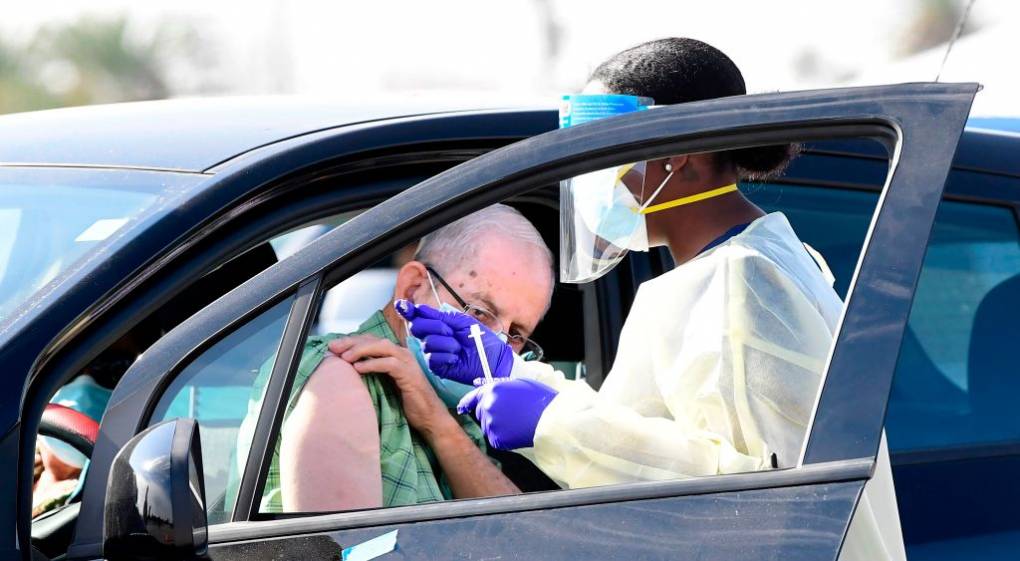
"caption": "A man receives the COVID-19 vaccine in the parking lot of The Forum in Inglewood, California, on Jan. 19, 2021. Five large-scale vaccination sites recently opened throughout Los Angeles County, as California became the first state to top 3 million virus cases.",
"description": null,
"title": "US-HEALTH-VIRUS-TESTING",
"credit": "Frederic J. Brown/AFP via Getty Images",
"status": "inherit",
"altTag": null,
"isLoading": false,
"fetchFailed": false
},
"news_11856436": {
"type": "attachments",
"id": "news_11856436",
"meta": {
"index": "attachments_1716263798",
"site": "news",
"id": "11856436",
"found": true
},
"parent": 11856204,
"imgSizes": {
"apple_news_ca_landscape_5_5": {
"file": "https://ww2.kqed.org/app/uploads/sites/10/2021/01/Vaccination-Main-1044x783.jpg",
"width": 1044,
"mimeType": "image/jpeg",
"height": 783
},
"apple_news_ca_square_4_0": {
"file": "https://ww2.kqed.org/app/uploads/sites/10/2021/01/Vaccination-Main-470x470.jpg",
"width": 470,
"mimeType": "image/jpeg",
"height": 470
},
"twentyfourteen-full-width": {
"file": "https://ww2.kqed.org/app/uploads/sites/10/2021/01/Vaccination-Main-1038x576.jpg",
"width": 1038,
"mimeType": "image/jpeg",
"height": 576
},
"thumbnail": {
"file": "https://ww2.kqed.org/app/uploads/sites/10/2021/01/Vaccination-Main-160x106.jpg",
"width": 160,
"mimeType": "image/jpeg",
"height": 106
},
"post-thumbnail": {
"file": "https://ww2.kqed.org/app/uploads/sites/10/2021/01/Vaccination-Main-672x372.jpg",
"width": 672,
"mimeType": "image/jpeg",
"height": 372
},
"kqedFullSize": {
"file": "https://ww2.kqed.org/app/uploads/sites/10/2021/01/Vaccination-Main.jpg",
"width": 1920,
"height": 1270
},
"apple_news_ca_landscape_4_7": {
"file": "https://ww2.kqed.org/app/uploads/sites/10/2021/01/Vaccination-Main-632x474.jpg",
"width": 632,
"mimeType": "image/jpeg",
"height": 474
},
"large": {
"file": "https://ww2.kqed.org/app/uploads/sites/10/2021/01/Vaccination-Main-1020x675.jpg",
"width": 1020,
"mimeType": "image/jpeg",
"height": 675
},
"apple_news_ca_landscape_4_0": {
"file": "https://ww2.kqed.org/app/uploads/sites/10/2021/01/Vaccination-Main-536x402.jpg",
"width": 536,
"mimeType": "image/jpeg",
"height": 402
},
"apple_news_ca_portrait_12_9": {
"file": "https://ww2.kqed.org/app/uploads/sites/10/2021/01/Vaccination-Main-1122x1270.jpg",
"width": 1122,
"mimeType": "image/jpeg",
"height": 1270
},
"medium": {
"file": "https://ww2.kqed.org/app/uploads/sites/10/2021/01/Vaccination-Main-800x529.jpg",
"width": 800,
"mimeType": "image/jpeg",
"height": 529
},
"apple_news_ca_portrait_4_0": {
"file": "https://ww2.kqed.org/app/uploads/sites/10/2021/01/Vaccination-Main-354x472.jpg",
"width": 354,
"mimeType": "image/jpeg",
"height": 472
},
"apple_news_ca_portrait_9_7": {
"file": "https://ww2.kqed.org/app/uploads/sites/10/2021/01/Vaccination-Main-840x1120.jpg",
"width": 840,
"mimeType": "image/jpeg",
"height": 1120
},
"apple_news_ca_landscape_12_9": {
"file": "https://ww2.kqed.org/app/uploads/sites/10/2021/01/Vaccination-Main-1832x1270.jpg",
"width": 1832,
"mimeType": "image/jpeg",
"height": 1270
},
"apple_news_ca_square_9_7": {
"file": "https://ww2.kqed.org/app/uploads/sites/10/2021/01/Vaccination-Main-1104x1104.jpg",
"width": 1104,
"mimeType": "image/jpeg",
"height": 1104
},
"1536x1536": {
"file": "https://ww2.kqed.org/app/uploads/sites/10/2021/01/Vaccination-Main-1536x1016.jpg",
"width": 1536,
"mimeType": "image/jpeg",
"height": 1016
},
"apple_news_ca_portrait_4_7": {
"file": "https://ww2.kqed.org/app/uploads/sites/10/2021/01/Vaccination-Main-414x552.jpg",
"width": 414,
"mimeType": "image/jpeg",
"height": 552
},
"apple_news_ca_square_12_9": {
"file": "https://ww2.kqed.org/app/uploads/sites/10/2021/01/Vaccination-Main-1472x1270.jpg",
"width": 1472,
"mimeType": "image/jpeg",
"height": 1270
},
"apple_news_ca_portrait_5_5": {
"file": "https://ww2.kqed.org/app/uploads/sites/10/2021/01/Vaccination-Main-687x916.jpg",
"width": 687,
"mimeType": "image/jpeg",
"height": 916
},
"apple_news_ca_square_4_7": {
"file": "https://ww2.kqed.org/app/uploads/sites/10/2021/01/Vaccination-Main-550x550.jpg",
"width": 550,
"mimeType": "image/jpeg",
"height": 550
},
"apple_news_ca_landscape_9_7": {
"file": "https://ww2.kqed.org/app/uploads/sites/10/2021/01/Vaccination-Main-1376x1032.jpg",
"width": 1376,
"mimeType": "image/jpeg",
"height": 1032
},
"apple_news_ca_square_5_5": {
"file": "https://ww2.kqed.org/app/uploads/sites/10/2021/01/Vaccination-Main-912x912.jpg",
"width": 912,
"mimeType": "image/jpeg",
"height": 912
}
},
"publishDate": 1611266519,
"modified": 1611270410,
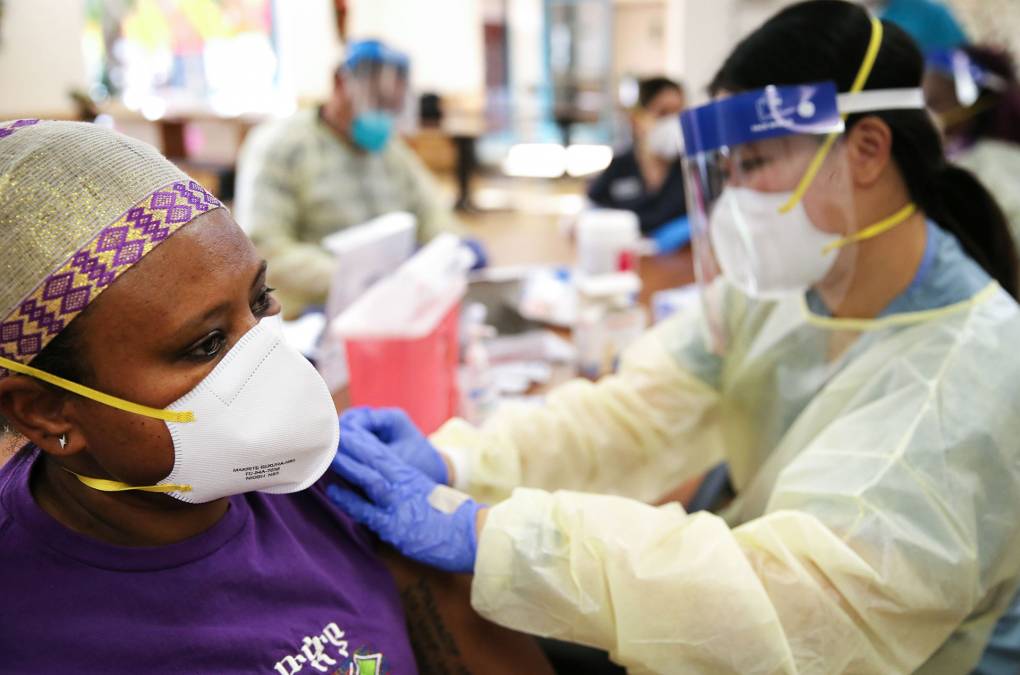
"caption": "Nurse Bethlehem Gurmu (L) receives a dose of the Moderna COVID-19 vaccine from public health nurse Kathy Luu as staff members are vaccinated at the Ararat Nursing Facility in the Mission Hills neighborhood of Los Angeles on Jan. 7, 2021. Residents and staff at long term care facilities are on the CDC's highest priority list for vaccinations. ",
"description": "Nurse Bethlehem Gurmu (L) receives a dose of the Moderna COVID-19 vaccine from public health nurse Kathy Luu as staff members are vaccinated at the Ararat Nursing Facility in the Mission Hills neighborhood of Los Angeles on January 7, 2021 in Los Angeles, California. Residents and staff at long term care facilities are on the CDC's highest priority list for vaccinations. ",
"title": "Vaccination-Main",
"credit": "Mario Tama/Getty Images",
"status": "inherit",
"altTag": "Nurse in PPE administers vaccine",
"isLoading": false,
"fetchFailed": false
},
"news_11856374": {
"type": "attachments",
"id": "news_11856374",
"meta": {
"index": "attachments_1716263798",
"site": "news",
"id": "11856374",
"found": true
},
"parent": 11856370,
"imgSizes": {
"apple_news_ca_landscape_5_5": {
"file": "https://ww2.kqed.org/app/uploads/sites/10/2021/01/01202021_KidsCOVID_SH_01_10-1044x783.jpg",
"width": 1044,
"mimeType": "image/jpeg",
"height": 783
},
"apple_news_ca_square_4_0": {
"file": "https://ww2.kqed.org/app/uploads/sites/10/2021/01/01202021_KidsCOVID_SH_01_10-470x470.jpg",
"width": 470,
"mimeType": "image/jpeg",
"height": 470
},
"twentyfourteen-full-width": {
"file": "https://ww2.kqed.org/app/uploads/sites/10/2021/01/01202021_KidsCOVID_SH_01_10-1038x576.jpg",
"width": 1038,
"mimeType": "image/jpeg",
"height": 576
},
"thumbnail": {
"file": "https://ww2.kqed.org/app/uploads/sites/10/2021/01/01202021_KidsCOVID_SH_01_10-160x107.jpg",
"width": 160,
"mimeType": "image/jpeg",
"height": 107
},
"post-thumbnail": {
"file": "https://ww2.kqed.org/app/uploads/sites/10/2021/01/01202021_KidsCOVID_SH_01_10-672x372.jpg",
"width": 672,
"mimeType": "image/jpeg",
"height": 372
},
"kqedFullSize": {
"file": "https://ww2.kqed.org/app/uploads/sites/10/2021/01/01202021_KidsCOVID_SH_01_10-e1611253693171.jpg",
"width": 1920,
"height": 1280
},
"apple_news_ca_landscape_4_7": {
"file": "https://ww2.kqed.org/app/uploads/sites/10/2021/01/01202021_KidsCOVID_SH_01_10-632x474.jpg",
"width": 632,
"mimeType": "image/jpeg",
"height": 474
},
"large": {
"file": "https://ww2.kqed.org/app/uploads/sites/10/2021/01/01202021_KidsCOVID_SH_01_10-1020x680.jpg",
"width": 1020,
"mimeType": "image/jpeg",
"height": 680
},
"apple_news_ca_landscape_4_0": {
"file": "https://ww2.kqed.org/app/uploads/sites/10/2021/01/01202021_KidsCOVID_SH_01_10-536x402.jpg",
"width": 536,
"mimeType": "image/jpeg",
"height": 402
},
"apple_news_ca_portrait_12_9": {
"file": "https://ww2.kqed.org/app/uploads/sites/10/2021/01/01202021_KidsCOVID_SH_01_10-1122x1333.jpg",
"width": 1122,
"mimeType": "image/jpeg",
"height": 1333
},
"medium": {
"file": "https://ww2.kqed.org/app/uploads/sites/10/2021/01/01202021_KidsCOVID_SH_01_10-800x533.jpg",
"width": 800,
"mimeType": "image/jpeg",
"height": 533
},
"apple_news_ca_portrait_4_0": {
"file": "https://ww2.kqed.org/app/uploads/sites/10/2021/01/01202021_KidsCOVID_SH_01_10-354x472.jpg",
"width": 354,
"mimeType": "image/jpeg",
"height": 472
},
"apple_news_ca_portrait_9_7": {
"file": "https://ww2.kqed.org/app/uploads/sites/10/2021/01/01202021_KidsCOVID_SH_01_10-840x1120.jpg",
"width": 840,
"mimeType": "image/jpeg",
"height": 1120
},
"apple_news_ca_landscape_12_9": {
"file": "https://ww2.kqed.org/app/uploads/sites/10/2021/01/01202021_KidsCOVID_SH_01_10-1832x1333.jpg",
"width": 1832,
"mimeType": "image/jpeg",
"height": 1333
},
"apple_news_ca_square_9_7": {
"file": "https://ww2.kqed.org/app/uploads/sites/10/2021/01/01202021_KidsCOVID_SH_01_10-1104x1104.jpg",
"width": 1104,
"mimeType": "image/jpeg",
"height": 1104
},
"1536x1536": {
"file": "https://ww2.kqed.org/app/uploads/sites/10/2021/01/01202021_KidsCOVID_SH_01_10-1536x1024.jpg",
"width": 1536,
"mimeType": "image/jpeg",
"height": 1024
},
"apple_news_ca_portrait_4_7": {
"file": "https://ww2.kqed.org/app/uploads/sites/10/2021/01/01202021_KidsCOVID_SH_01_10-414x552.jpg",
"width": 414,
"mimeType": "image/jpeg",
"height": 552
},
"apple_news_ca_square_12_9": {
"file": "https://ww2.kqed.org/app/uploads/sites/10/2021/01/01202021_KidsCOVID_SH_01_10-1472x1333.jpg",
"width": 1472,
"mimeType": "image/jpeg",
"height": 1333
},
"apple_news_ca_portrait_5_5": {
"file": "https://ww2.kqed.org/app/uploads/sites/10/2021/01/01202021_KidsCOVID_SH_01_10-687x916.jpg",
"width": 687,
"mimeType": "image/jpeg",
"height": 916
},
"full-width": {
"file": "https://ww2.kqed.org/app/uploads/sites/10/2021/01/01202021_KidsCOVID_SH_01_10-1920x1280.jpg",
"width": 1920,
"mimeType": "image/jpeg",
"height": 1280
},
"apple_news_ca_square_4_7": {
"file": "https://ww2.kqed.org/app/uploads/sites/10/2021/01/01202021_KidsCOVID_SH_01_10-550x550.jpg",
"width": 550,
"mimeType": "image/jpeg",
"height": 550
},
"apple_news_ca_landscape_9_7": {
"file": "https://ww2.kqed.org/app/uploads/sites/10/2021/01/01202021_KidsCOVID_SH_01_10-1376x1032.jpg",
"width": 1376,
"mimeType": "image/jpeg",
"height": 1032
},
"apple_news_ca_square_5_5": {
"file": "https://ww2.kqed.org/app/uploads/sites/10/2021/01/01202021_KidsCOVID_SH_01_10-912x912.jpg",
"width": 912,
"mimeType": "image/jpeg",
"height": 912
}
},
"publishDate": 1611253395,
"modified": 1611271496,
"caption": "Mae Villanueva, 4, plays at Lake Balboa Park in Van Nuys on Jan. 20, 2021. Mae's parents worry that without in-person instruction she will fall behind in reading. \n",
"description": null,
"title": "01202021_KidsCOVID_SH_01_10",
"credit": "Shae Hammond/CalMatters",
"status": "inherit",
"altTag": null,
"isLoading": false,
"fetchFailed": false
},
"news_11855975": {
"type": "attachments",
"id": "news_11855975",
"meta": {
"index": "attachments_1716263798",
"site": "news",
"id": "11855975",
"found": true
},
"parent": 11854891,
"imgSizes": {
"apple_news_ca_landscape_5_5": {
"file": "https://ww2.kqed.org/app/uploads/sites/10/2021/01/Santa_Rita_Jail_administrative_entrance-1-copy-1044x783.jpg",
"width": 1044,
"mimeType": "image/jpeg",
"height": 783
},
"apple_news_ca_square_4_0": {
"file": "https://ww2.kqed.org/app/uploads/sites/10/2021/01/Santa_Rita_Jail_administrative_entrance-1-copy-470x470.jpg",
"width": 470,
"mimeType": "image/jpeg",
"height": 470
},
"twentyfourteen-full-width": {
"file": "https://ww2.kqed.org/app/uploads/sites/10/2021/01/Santa_Rita_Jail_administrative_entrance-1-copy-1038x576.jpg",
"width": 1038,
"mimeType": "image/jpeg",
"height": 576
},
"thumbnail": {
"file": "https://ww2.kqed.org/app/uploads/sites/10/2021/01/Santa_Rita_Jail_administrative_entrance-1-copy-160x90.jpg",
"width": 160,
"mimeType": "image/jpeg",
"height": 90
},
"post-thumbnail": {
"file": "https://ww2.kqed.org/app/uploads/sites/10/2021/01/Santa_Rita_Jail_administrative_entrance-1-copy-672x372.jpg",
"width": 672,
"mimeType": "image/jpeg",
"height": 372
},
"kqedFullSize": {
"file": "https://ww2.kqed.org/app/uploads/sites/10/2021/01/Santa_Rita_Jail_administrative_entrance-1-copy.jpg",
"width": 2550,
"height": 1435
},
"2048x2048": {
"file": "https://ww2.kqed.org/app/uploads/sites/10/2021/01/Santa_Rita_Jail_administrative_entrance-1-copy-2048x1153.jpg",
"width": 2048,
"mimeType": "image/jpeg",
"height": 1153
},
"apple_news_ca_landscape_4_7": {
"file": "https://ww2.kqed.org/app/uploads/sites/10/2021/01/Santa_Rita_Jail_administrative_entrance-1-copy-632x474.jpg",
"width": 632,
"mimeType": "image/jpeg",
"height": 474
},
"large": {
"file": "https://ww2.kqed.org/app/uploads/sites/10/2021/01/Santa_Rita_Jail_administrative_entrance-1-copy-1020x574.jpg",
"width": 1020,
"mimeType": "image/jpeg",
"height": 574
},
"apple_news_ca_landscape_4_0": {
"file": "https://ww2.kqed.org/app/uploads/sites/10/2021/01/Santa_Rita_Jail_administrative_entrance-1-copy-536x402.jpg",
"width": 536,
"mimeType": "image/jpeg",
"height": 402
},
"apple_news_ca_portrait_12_9": {
"file": "https://ww2.kqed.org/app/uploads/sites/10/2021/01/Santa_Rita_Jail_administrative_entrance-1-copy-1122x1435.jpg",
"width": 1122,
"mimeType": "image/jpeg",
"height": 1435
},
"medium": {
"file": "https://ww2.kqed.org/app/uploads/sites/10/2021/01/Santa_Rita_Jail_administrative_entrance-1-copy-800x450.jpg",
"width": 800,
"mimeType": "image/jpeg",
"height": 450
},
"apple_news_ca_portrait_4_0": {
"file": "https://ww2.kqed.org/app/uploads/sites/10/2021/01/Santa_Rita_Jail_administrative_entrance-1-copy-354x472.jpg",
"width": 354,
"mimeType": "image/jpeg",
"height": 472
},
"apple_news_ca_portrait_9_7": {
"file": "https://ww2.kqed.org/app/uploads/sites/10/2021/01/Santa_Rita_Jail_administrative_entrance-1-copy-840x1120.jpg",
"width": 840,
"mimeType": "image/jpeg",
"height": 1120
},
"apple_news_ca_landscape_12_9": {
"file": "https://ww2.kqed.org/app/uploads/sites/10/2021/01/Santa_Rita_Jail_administrative_entrance-1-copy-1832x1374.jpg",
"width": 1832,
"mimeType": "image/jpeg",
"height": 1374
},
"apple_news_ca_square_9_7": {
"file": "https://ww2.kqed.org/app/uploads/sites/10/2021/01/Santa_Rita_Jail_administrative_entrance-1-copy-1104x1104.jpg",
"width": 1104,
"mimeType": "image/jpeg",
"height": 1104
},
"1536x1536": {
"file": "https://ww2.kqed.org/app/uploads/sites/10/2021/01/Santa_Rita_Jail_administrative_entrance-1-copy-1536x864.jpg",
"width": 1536,
"mimeType": "image/jpeg",
"height": 864
},
"apple_news_ca_portrait_4_7": {
"file": "https://ww2.kqed.org/app/uploads/sites/10/2021/01/Santa_Rita_Jail_administrative_entrance-1-copy-414x552.jpg",
"width": 414,
"mimeType": "image/jpeg",
"height": 552
},
"apple_news_ca_square_12_9": {
"file": "https://ww2.kqed.org/app/uploads/sites/10/2021/01/Santa_Rita_Jail_administrative_entrance-1-copy-1472x1435.jpg",
"width": 1472,
"mimeType": "image/jpeg",
"height": 1435
},
"apple_news_ca_portrait_5_5": {
"file": "https://ww2.kqed.org/app/uploads/sites/10/2021/01/Santa_Rita_Jail_administrative_entrance-1-copy-687x916.jpg",
"width": 687,
"mimeType": "image/jpeg",
"height": 916
},
"full-width": {
"file": "https://ww2.kqed.org/app/uploads/sites/10/2021/01/Santa_Rita_Jail_administrative_entrance-1-copy-1920x1080.jpg",
"width": 1920,
"mimeType": "image/jpeg",
"height": 1080
},
"apple_news_ca_square_4_7": {
"file": "https://ww2.kqed.org/app/uploads/sites/10/2021/01/Santa_Rita_Jail_administrative_entrance-1-copy-550x550.jpg",
"width": 550,
"mimeType": "image/jpeg",
"height": 550
},
"apple_news_ca_landscape_9_7": {
"file": "https://ww2.kqed.org/app/uploads/sites/10/2021/01/Santa_Rita_Jail_administrative_entrance-1-copy-1376x1032.jpg",
"width": 1376,
"mimeType": "image/jpeg",
"height": 1032
},
"apple_news_ca_square_5_5": {
"file": "https://ww2.kqed.org/app/uploads/sites/10/2021/01/Santa_Rita_Jail_administrative_entrance-1-copy-912x912.jpg",
"width": 912,
"mimeType": "image/jpeg",
"height": 912
}
},
"publishDate": 1611085055,
"modified": 1611104846,
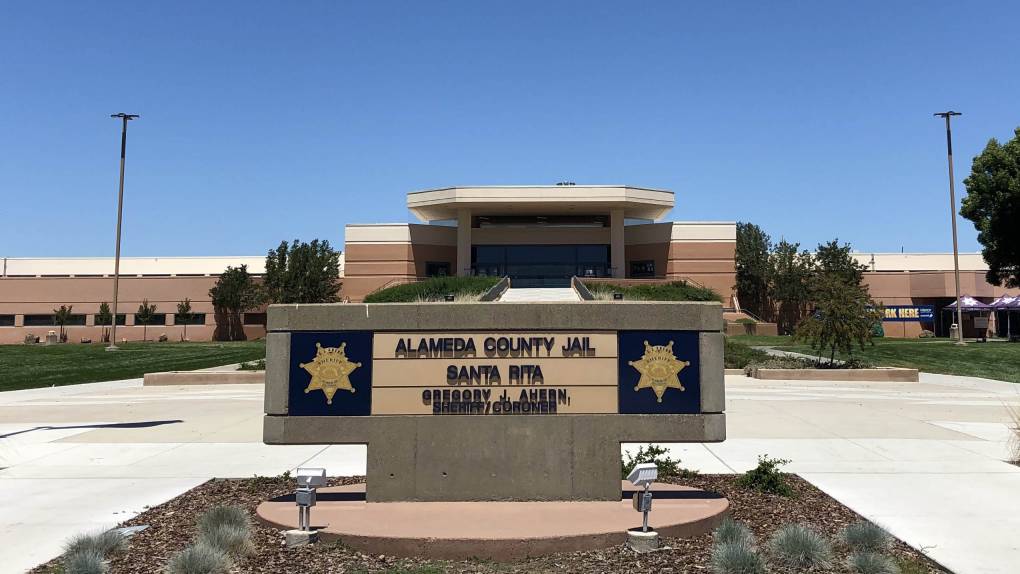
"caption": "Administrative entrance to Santa Rita Jail.",
"description": "Administrative entrance to Santa Rita jail.",
"title": "Santa_Rita_Jail_administrative_entrance (1) copy",
"credit": "Courtesy of Jesstess87/Wikimedia Commons ",
"status": "inherit",
"altTag": "Administrative entrance to Santa Rita jail.",
"isLoading": false,
"fetchFailed": false
},
"news_11825065": {
"type": "attachments",
"id": "news_11825065",
"meta": {
"index": "attachments_1716263798",
"site": "news",
"id": "11825065",
"found": true
},
"parent": 11824855,
"imgSizes": {
"apple_news_ca_landscape_5_5": {
"file": "https://ww2.kqed.org/app/uploads/sites/10/2020/06/RS21716_GettyImages-84931235-qut-1044x783.jpg",
"width": 1044,
"mimeType": "image/jpeg",
"height": 783
},
"apple_news_ca_square_4_0": {
"file": "https://ww2.kqed.org/app/uploads/sites/10/2020/06/RS21716_GettyImages-84931235-qut-470x470.jpg",
"width": 470,
"mimeType": "image/jpeg",
"height": 470
},
"twentyfourteen-full-width": {
"file": "https://ww2.kqed.org/app/uploads/sites/10/2020/06/RS21716_GettyImages-84931235-qut-1038x576.jpg",
"width": 1038,
"mimeType": "image/jpeg",
"height": 576
},
"thumbnail": {
"file": "https://ww2.kqed.org/app/uploads/sites/10/2020/06/RS21716_GettyImages-84931235-qut-160x106.jpg",
"width": 160,
"mimeType": "image/jpeg",
"height": 106
},
"post-thumbnail": {
"file": "https://ww2.kqed.org/app/uploads/sites/10/2020/06/RS21716_GettyImages-84931235-qut-672x372.jpg",
"width": 672,
"mimeType": "image/jpeg",
"height": 372
},
"kqedFullSize": {
"file": "https://ww2.kqed.org/app/uploads/sites/10/2020/06/RS21716_GettyImages-84931235-qut.jpg",
"width": 1920,
"height": 1270
},
"apple_news_ca_landscape_4_7": {
"file": "https://ww2.kqed.org/app/uploads/sites/10/2020/06/RS21716_GettyImages-84931235-qut-632x474.jpg",
"width": 632,
"mimeType": "image/jpeg",
"height": 474
},
"large": {
"file": "https://ww2.kqed.org/app/uploads/sites/10/2020/06/RS21716_GettyImages-84931235-qut-1020x675.jpg",
"width": 1020,
"mimeType": "image/jpeg",
"height": 675
},
"apple_news_ca_landscape_4_0": {
"file": "https://ww2.kqed.org/app/uploads/sites/10/2020/06/RS21716_GettyImages-84931235-qut-536x402.jpg",
"width": 536,
"mimeType": "image/jpeg",
"height": 402
},
"apple_news_ca_portrait_12_9": {
"file": "https://ww2.kqed.org/app/uploads/sites/10/2020/06/RS21716_GettyImages-84931235-qut-1122x1270.jpg",
"width": 1122,
"mimeType": "image/jpeg",
"height": 1270
},
"medium": {
"file": "https://ww2.kqed.org/app/uploads/sites/10/2020/06/RS21716_GettyImages-84931235-qut-800x529.jpg",
"width": 800,
"mimeType": "image/jpeg",
"height": 529
},
"apple_news_ca_portrait_4_0": {
"file": "https://ww2.kqed.org/app/uploads/sites/10/2020/06/RS21716_GettyImages-84931235-qut-354x472.jpg",
"width": 354,
"mimeType": "image/jpeg",
"height": 472
},
"apple_news_ca_portrait_9_7": {
"file": "https://ww2.kqed.org/app/uploads/sites/10/2020/06/RS21716_GettyImages-84931235-qut-840x1120.jpg",
"width": 840,
"mimeType": "image/jpeg",
"height": 1120
},
"apple_news_ca_landscape_12_9": {
"file": "https://ww2.kqed.org/app/uploads/sites/10/2020/06/RS21716_GettyImages-84931235-qut-1832x1270.jpg",
"width": 1832,
"mimeType": "image/jpeg",
"height": 1270
},
"apple_news_ca_square_9_7": {
"file": "https://ww2.kqed.org/app/uploads/sites/10/2020/06/RS21716_GettyImages-84931235-qut-1104x1104.jpg",
"width": 1104,
"mimeType": "image/jpeg",
"height": 1104
},
"apple_news_ca_portrait_4_7": {
"file": "https://ww2.kqed.org/app/uploads/sites/10/2020/06/RS21716_GettyImages-84931235-qut-414x552.jpg",
"width": 414,
"mimeType": "image/jpeg",
"height": 552
},
"apple_news_ca_square_12_9": {
"file": "https://ww2.kqed.org/app/uploads/sites/10/2020/06/RS21716_GettyImages-84931235-qut-1472x1270.jpg",
"width": 1472,
"mimeType": "image/jpeg",
"height": 1270
},
"apple_news_ca_portrait_5_5": {
"file": "https://ww2.kqed.org/app/uploads/sites/10/2020/06/RS21716_GettyImages-84931235-qut-687x916.jpg",
"width": 687,
"mimeType": "image/jpeg",
"height": 916
},
"full-width": {
"file": "https://ww2.kqed.org/app/uploads/sites/10/2020/06/RS21716_GettyImages-84931235-qut-1920x1270.jpg",
"width": 1920,
"mimeType": "image/jpeg",
"height": 1270
},
"apple_news_ca_square_4_7": {
"file": "https://ww2.kqed.org/app/uploads/sites/10/2020/06/RS21716_GettyImages-84931235-qut-550x550.jpg",
"width": 550,
"mimeType": "image/jpeg",
"height": 550
},
"apple_news_ca_landscape_9_7": {
"file": "https://ww2.kqed.org/app/uploads/sites/10/2020/06/RS21716_GettyImages-84931235-qut-1376x1032.jpg",
"width": 1376,
"mimeType": "image/jpeg",
"height": 1032
},
"apple_news_ca_square_5_5": {
"file": "https://ww2.kqed.org/app/uploads/sites/10/2020/06/RS21716_GettyImages-84931235-qut-912x912.jpg",
"width": 912,
"mimeType": "image/jpeg",
"height": 912
}
},
"publishDate": 1592456349,
"modified": 1610754214,
"caption": "A view of the California state Capitol in Sacramento.",
"description": "A view of the California State Capitol. ",
"title": "RS21716_GettyImages-84931235-qut",
"credit": "Justin Sullivan/Getty Images",
"status": "inherit",
"altTag": null,
"isLoading": false,
"fetchFailed": false
},
"news_11855382": {
"type": "attachments",
"id": "news_11855382",
"meta": {
"index": "attachments_1716263798",
"site": "news",
"id": "11855382",
"found": true
},
"parent": 11855376,
"imgSizes": {
"apple_news_ca_landscape_5_5": {
"file": "https://ww2.kqed.org/app/uploads/sites/10/2021/01/RS46553_018_Oakland_KeepOaklandHoused_01102021-qut-1044x783.jpg",
"width": 1044,
"mimeType": "image/jpeg",
"height": 783
},
"apple_news_ca_square_4_0": {
"file": "https://ww2.kqed.org/app/uploads/sites/10/2021/01/RS46553_018_Oakland_KeepOaklandHoused_01102021-qut-470x470.jpg",
"width": 470,
"mimeType": "image/jpeg",
"height": 470
},
"twentyfourteen-full-width": {
"file": "https://ww2.kqed.org/app/uploads/sites/10/2021/01/RS46553_018_Oakland_KeepOaklandHoused_01102021-qut-1038x576.jpg",
"width": 1038,
"mimeType": "image/jpeg",
"height": 576
},
"thumbnail": {
"file": "https://ww2.kqed.org/app/uploads/sites/10/2021/01/RS46553_018_Oakland_KeepOaklandHoused_01102021-qut-160x107.jpg",
"width": 160,
"mimeType": "image/jpeg",
"height": 107
},
"post-thumbnail": {
"file": "https://ww2.kqed.org/app/uploads/sites/10/2021/01/RS46553_018_Oakland_KeepOaklandHoused_01102021-qut-672x372.jpg",
"width": 672,
"mimeType": "image/jpeg",
"height": 372
},
"kqedFullSize": {
"file": "https://ww2.kqed.org/app/uploads/sites/10/2021/01/RS46553_018_Oakland_KeepOaklandHoused_01102021-qut.jpg",
"width": 1920,
"height": 1280
},
"apple_news_ca_landscape_4_7": {
"file": "https://ww2.kqed.org/app/uploads/sites/10/2021/01/RS46553_018_Oakland_KeepOaklandHoused_01102021-qut-632x474.jpg",
"width": 632,
"mimeType": "image/jpeg",
"height": 474
},
"large": {
"file": "https://ww2.kqed.org/app/uploads/sites/10/2021/01/RS46553_018_Oakland_KeepOaklandHoused_01102021-qut-1020x680.jpg",
"width": 1020,
"mimeType": "image/jpeg",
"height": 680
},
"apple_news_ca_landscape_4_0": {
"file": "https://ww2.kqed.org/app/uploads/sites/10/2021/01/RS46553_018_Oakland_KeepOaklandHoused_01102021-qut-536x402.jpg",
"width": 536,
"mimeType": "image/jpeg",
"height": 402
},
"apple_news_ca_portrait_12_9": {
"file": "https://ww2.kqed.org/app/uploads/sites/10/2021/01/RS46553_018_Oakland_KeepOaklandHoused_01102021-qut-1122x1280.jpg",
"width": 1122,
"mimeType": "image/jpeg",
"height": 1280
},
"medium": {
"file": "https://ww2.kqed.org/app/uploads/sites/10/2021/01/RS46553_018_Oakland_KeepOaklandHoused_01102021-qut-800x533.jpg",
"width": 800,
"mimeType": "image/jpeg",
"height": 533
},
"apple_news_ca_portrait_4_0": {
"file": "https://ww2.kqed.org/app/uploads/sites/10/2021/01/RS46553_018_Oakland_KeepOaklandHoused_01102021-qut-354x472.jpg",
"width": 354,
"mimeType": "image/jpeg",
"height": 472
},
"apple_news_ca_portrait_9_7": {
"file": "https://ww2.kqed.org/app/uploads/sites/10/2021/01/RS46553_018_Oakland_KeepOaklandHoused_01102021-qut-840x1120.jpg",
"width": 840,
"mimeType": "image/jpeg",
"height": 1120
},
"apple_news_ca_landscape_12_9": {
"file": "https://ww2.kqed.org/app/uploads/sites/10/2021/01/RS46553_018_Oakland_KeepOaklandHoused_01102021-qut-1832x1280.jpg",
"width": 1832,
"mimeType": "image/jpeg",
"height": 1280
},
"apple_news_ca_square_9_7": {
"file": "https://ww2.kqed.org/app/uploads/sites/10/2021/01/RS46553_018_Oakland_KeepOaklandHoused_01102021-qut-1104x1104.jpg",
"width": 1104,
"mimeType": "image/jpeg",
"height": 1104
},
"1536x1536": {
"file": "https://ww2.kqed.org/app/uploads/sites/10/2021/01/RS46553_018_Oakland_KeepOaklandHoused_01102021-qut-1536x1024.jpg",
"width": 1536,
"mimeType": "image/jpeg",
"height": 1024
},
"apple_news_ca_portrait_4_7": {
"file": "https://ww2.kqed.org/app/uploads/sites/10/2021/01/RS46553_018_Oakland_KeepOaklandHoused_01102021-qut-414x552.jpg",
"width": 414,
"mimeType": "image/jpeg",
"height": 552
},
"apple_news_ca_square_12_9": {
"file": "https://ww2.kqed.org/app/uploads/sites/10/2021/01/RS46553_018_Oakland_KeepOaklandHoused_01102021-qut-1472x1280.jpg",
"width": 1472,
"mimeType": "image/jpeg",
"height": 1280
},
"apple_news_ca_portrait_5_5": {
"file": "https://ww2.kqed.org/app/uploads/sites/10/2021/01/RS46553_018_Oakland_KeepOaklandHoused_01102021-qut-687x916.jpg",
"width": 687,
"mimeType": "image/jpeg",
"height": 916
},
"apple_news_ca_square_4_7": {
"file": "https://ww2.kqed.org/app/uploads/sites/10/2021/01/RS46553_018_Oakland_KeepOaklandHoused_01102021-qut-550x550.jpg",
"width": 550,
"mimeType": "image/jpeg",
"height": 550
},
"apple_news_ca_landscape_9_7": {
"file": "https://ww2.kqed.org/app/uploads/sites/10/2021/01/RS46553_018_Oakland_KeepOaklandHoused_01102021-qut-1376x1032.jpg",
"width": 1376,
"mimeType": "image/jpeg",
"height": 1032
},
"apple_news_ca_square_5_5": {
"file": "https://ww2.kqed.org/app/uploads/sites/10/2021/01/RS46553_018_Oakland_KeepOaklandHoused_01102021-qut-912x912.jpg",
"width": 912,
"mimeType": "image/jpeg",
"height": 912
}
},
"publishDate": 1610654686,
"modified": 1610754369,
"caption": "Marquisse Moore stands outside his home in Oakland on Jan. 10, 2021. He was one of more than 3,000 people who have received direct rental assistance as part of a program called Keep Oakland Housed, which got its start in 2018 to prevent people from experiencing homelessness. ",
"description": "Marquisse Moore stands outside his home in Oakland on Jan. 10, 2021. He was one of more than 4,000 people who have received direct rent payments as part of a program called Keep Oakland Housed, which got its start in 2018 to prevent people from experiencing homelessness.",
"title": "RS46553_018_Oakland_KeepOaklandHoused_01102021-qut",
"credit": "Beth LaBerge/KQED",
"status": "inherit",
"altTag": "Marquisse Moore outside his home",
"isLoading": false,
"fetchFailed": false
},
"news_11855151": {
"type": "attachments",
"id": "news_11855151",
"meta": {
"index": "attachments_1716263798",
"site": "news",
"id": "11855151",
"found": true
},
"parent": 11854782,
"imgSizes": {
"apple_news_ca_landscape_5_5": {
"file": "https://ww2.kqed.org/app/uploads/sites/10/2021/01/RS46570_013_SanJose_DestinationHome_01112021-qut-1044x783.jpg",
"width": 1044,
"mimeType": "image/jpeg",
"height": 783
},
"apple_news_ca_square_4_0": {
"file": "https://ww2.kqed.org/app/uploads/sites/10/2021/01/RS46570_013_SanJose_DestinationHome_01112021-qut-470x470.jpg",
"width": 470,
"mimeType": "image/jpeg",
"height": 470
},
"twentyfourteen-full-width": {
"file": "https://ww2.kqed.org/app/uploads/sites/10/2021/01/RS46570_013_SanJose_DestinationHome_01112021-qut-1038x576.jpg",
"width": 1038,
"mimeType": "image/jpeg",
"height": 576
},
"thumbnail": {
"file": "https://ww2.kqed.org/app/uploads/sites/10/2021/01/RS46570_013_SanJose_DestinationHome_01112021-qut-160x107.jpg",
"width": 160,
"mimeType": "image/jpeg",
"height": 107
},
"post-thumbnail": {
"file": "https://ww2.kqed.org/app/uploads/sites/10/2021/01/RS46570_013_SanJose_DestinationHome_01112021-qut-672x372.jpg",
"width": 672,
"mimeType": "image/jpeg",
"height": 372
},
"kqedFullSize": {
"file": "https://ww2.kqed.org/app/uploads/sites/10/2021/01/RS46570_013_SanJose_DestinationHome_01112021-qut.jpg",
"width": 1920,
"height": 1280
},
"apple_news_ca_landscape_4_7": {
"file": "https://ww2.kqed.org/app/uploads/sites/10/2021/01/RS46570_013_SanJose_DestinationHome_01112021-qut-632x474.jpg",
"width": 632,
"mimeType": "image/jpeg",
"height": 474
},
"large": {
"file": "https://ww2.kqed.org/app/uploads/sites/10/2021/01/RS46570_013_SanJose_DestinationHome_01112021-qut-1020x680.jpg",
"width": 1020,
"mimeType": "image/jpeg",
"height": 680
},
"apple_news_ca_landscape_4_0": {
"file": "https://ww2.kqed.org/app/uploads/sites/10/2021/01/RS46570_013_SanJose_DestinationHome_01112021-qut-536x402.jpg",
"width": 536,
"mimeType": "image/jpeg",
"height": 402
},
"apple_news_ca_portrait_12_9": {
"file": "https://ww2.kqed.org/app/uploads/sites/10/2021/01/RS46570_013_SanJose_DestinationHome_01112021-qut-1122x1280.jpg",
"width": 1122,
"mimeType": "image/jpeg",
"height": 1280
},
"medium": {
"file": "https://ww2.kqed.org/app/uploads/sites/10/2021/01/RS46570_013_SanJose_DestinationHome_01112021-qut-800x533.jpg",
"width": 800,
"mimeType": "image/jpeg",
"height": 533
},
"apple_news_ca_portrait_4_0": {
"file": "https://ww2.kqed.org/app/uploads/sites/10/2021/01/RS46570_013_SanJose_DestinationHome_01112021-qut-354x472.jpg",
"width": 354,
"mimeType": "image/jpeg",
"height": 472
},
"apple_news_ca_portrait_9_7": {
"file": "https://ww2.kqed.org/app/uploads/sites/10/2021/01/RS46570_013_SanJose_DestinationHome_01112021-qut-840x1120.jpg",
"width": 840,
"mimeType": "image/jpeg",
"height": 1120
},
"apple_news_ca_landscape_12_9": {
"file": "https://ww2.kqed.org/app/uploads/sites/10/2021/01/RS46570_013_SanJose_DestinationHome_01112021-qut-1832x1280.jpg",
"width": 1832,
"mimeType": "image/jpeg",
"height": 1280
},
"apple_news_ca_square_9_7": {
"file": "https://ww2.kqed.org/app/uploads/sites/10/2021/01/RS46570_013_SanJose_DestinationHome_01112021-qut-1104x1104.jpg",
"width": 1104,
"mimeType": "image/jpeg",
"height": 1104
},
"1536x1536": {
"file": "https://ww2.kqed.org/app/uploads/sites/10/2021/01/RS46570_013_SanJose_DestinationHome_01112021-qut-1536x1024.jpg",
"width": 1536,
"mimeType": "image/jpeg",
"height": 1024
},
"apple_news_ca_portrait_4_7": {
"file": "https://ww2.kqed.org/app/uploads/sites/10/2021/01/RS46570_013_SanJose_DestinationHome_01112021-qut-414x552.jpg",
"width": 414,
"mimeType": "image/jpeg",
"height": 552
},
"apple_news_ca_square_12_9": {
"file": "https://ww2.kqed.org/app/uploads/sites/10/2021/01/RS46570_013_SanJose_DestinationHome_01112021-qut-1472x1280.jpg",
"width": 1472,
"mimeType": "image/jpeg",
"height": 1280
},
"apple_news_ca_portrait_5_5": {
"file": "https://ww2.kqed.org/app/uploads/sites/10/2021/01/RS46570_013_SanJose_DestinationHome_01112021-qut-687x916.jpg",
"width": 687,
"mimeType": "image/jpeg",
"height": 916
},
"apple_news_ca_square_4_7": {
"file": "https://ww2.kqed.org/app/uploads/sites/10/2021/01/RS46570_013_SanJose_DestinationHome_01112021-qut-550x550.jpg",
"width": 550,
"mimeType": "image/jpeg",
"height": 550
},
"apple_news_ca_landscape_9_7": {
"file": "https://ww2.kqed.org/app/uploads/sites/10/2021/01/RS46570_013_SanJose_DestinationHome_01112021-qut-1376x1032.jpg",
"width": 1376,
"mimeType": "image/jpeg",
"height": 1032
},
"apple_news_ca_square_5_5": {
"file": "https://ww2.kqed.org/app/uploads/sites/10/2021/01/RS46570_013_SanJose_DestinationHome_01112021-qut-912x912.jpg",
"width": 912,
"mimeType": "image/jpeg",
"height": 912
}
},
"publishDate": 1610570374,
"modified": 1610578942,
"caption": "Destination: Home Community Engagement Specialist Ingrid Granados (left) and CEO Jennifer Loving at work at the organization's San Jose office on Jan. 11, 2021. The group manages a fund for Santa Clara County tenants struggling to make ends meet during the pandemic.",
"description": null,
"title": "RS46570_013_SanJose_DestinationHome_01112021-qut",
"credit": "Beth LaBerge/KQED",
"status": "inherit",
"altTag": null,
"isLoading": false,
"fetchFailed": false
},
"news_11855417": {
"type": "attachments",
"id": "news_11855417",
"meta": {
"index": "attachments_1716263798",
"site": "news",
"id": "11855417",
"found": true
},
"parent": 11855199,
"imgSizes": {
"apple_news_ca_landscape_5_5": {
"file": "https://ww2.kqed.org/app/uploads/sites/10/2021/01/doctorscovidkqed-1044x783.jpg",
"width": 1044,
"mimeType": "image/jpeg",
"height": 783
},
"apple_news_ca_square_4_0": {
"file": "https://ww2.kqed.org/app/uploads/sites/10/2021/01/doctorscovidkqed-470x470.jpg",
"width": 470,
"mimeType": "image/jpeg",
"height": 470
},
"twentyfourteen-full-width": {
"file": "https://ww2.kqed.org/app/uploads/sites/10/2021/01/doctorscovidkqed-1038x576.jpg",
"width": 1038,
"mimeType": "image/jpeg",
"height": 576
},
"thumbnail": {
"file": "https://ww2.kqed.org/app/uploads/sites/10/2021/01/doctorscovidkqed-160x107.jpg",
"width": 160,
"mimeType": "image/jpeg",
"height": 107
},
"post-thumbnail": {
"file": "https://ww2.kqed.org/app/uploads/sites/10/2021/01/doctorscovidkqed-672x372.jpg",
"width": 672,
"mimeType": "image/jpeg",
"height": 372
},
"kqedFullSize": {
"file": "https://ww2.kqed.org/app/uploads/sites/10/2021/01/doctorscovidkqed.jpg",
"width": 1620,
"height": 1080
},
"apple_news_ca_landscape_4_7": {
"file": "https://ww2.kqed.org/app/uploads/sites/10/2021/01/doctorscovidkqed-632x474.jpg",
"width": 632,
"mimeType": "image/jpeg",
"height": 474
},
"large": {
"file": "https://ww2.kqed.org/app/uploads/sites/10/2021/01/doctorscovidkqed-1020x680.jpg",
"width": 1020,
"mimeType": "image/jpeg",
"height": 680
},
"apple_news_ca_landscape_4_0": {
"file": "https://ww2.kqed.org/app/uploads/sites/10/2021/01/doctorscovidkqed-536x402.jpg",
"width": 536,
"mimeType": "image/jpeg",
"height": 402
},
"apple_news_ca_portrait_12_9": {
"file": "https://ww2.kqed.org/app/uploads/sites/10/2021/01/doctorscovidkqed-1122x1080.jpg",
"width": 1122,
"mimeType": "image/jpeg",
"height": 1080
},
"medium": {
"file": "https://ww2.kqed.org/app/uploads/sites/10/2021/01/doctorscovidkqed-800x533.jpg",
"width": 800,
"mimeType": "image/jpeg",
"height": 533
},
"apple_news_ca_portrait_4_0": {
"file": "https://ww2.kqed.org/app/uploads/sites/10/2021/01/doctorscovidkqed-354x472.jpg",
"width": 354,
"mimeType": "image/jpeg",
"height": 472
},
"apple_news_ca_portrait_9_7": {
"file": "https://ww2.kqed.org/app/uploads/sites/10/2021/01/doctorscovidkqed-840x1080.jpg",
"width": 840,
"mimeType": "image/jpeg",
"height": 1080
},
"apple_news_ca_square_9_7": {
"file": "https://ww2.kqed.org/app/uploads/sites/10/2021/01/doctorscovidkqed-1104x1080.jpg",
"width": 1104,
"mimeType": "image/jpeg",
"height": 1080
},
"1536x1536": {
"file": "https://ww2.kqed.org/app/uploads/sites/10/2021/01/doctorscovidkqed-1536x1024.jpg",
"width": 1536,
"mimeType": "image/jpeg",
"height": 1024
},
"apple_news_ca_portrait_4_7": {
"file": "https://ww2.kqed.org/app/uploads/sites/10/2021/01/doctorscovidkqed-414x552.jpg",
"width": 414,
"mimeType": "image/jpeg",
"height": 552
},
"apple_news_ca_square_12_9": {
"file": "https://ww2.kqed.org/app/uploads/sites/10/2021/01/doctorscovidkqed-1472x1080.jpg",
"width": 1472,
"mimeType": "image/jpeg",
"height": 1080
},
"apple_news_ca_portrait_5_5": {
"file": "https://ww2.kqed.org/app/uploads/sites/10/2021/01/doctorscovidkqed-687x916.jpg",
"width": 687,
"mimeType": "image/jpeg",
"height": 916
},
"apple_news_ca_square_4_7": {
"file": "https://ww2.kqed.org/app/uploads/sites/10/2021/01/doctorscovidkqed-550x550.jpg",
"width": 550,
"mimeType": "image/jpeg",
"height": 550
},
"apple_news_ca_landscape_9_7": {
"file": "https://ww2.kqed.org/app/uploads/sites/10/2021/01/doctorscovidkqed-1376x1032.jpg",
"width": 1376,
"mimeType": "image/jpeg",
"height": 1032
},
"apple_news_ca_square_5_5": {
"file": "https://ww2.kqed.org/app/uploads/sites/10/2021/01/doctorscovidkqed-912x912.jpg",
"width": 912,
"mimeType": "image/jpeg",
"height": 912
}
},
"publishDate": 1610658788,
"modified": 1610669587,
"caption": "Dr. Clay Josephy in San Francisco on Jan. 14, 2021. 'To not believe in COVID at this point is the highest form of cognitive dysfunction, and by extension the pinnacle of insult to literally everyone, most especially health care workers.'",
"description": null,
"title": "doctorscovidkqed",
"credit": "Beth LaBerge/KQED",
"status": "inherit",
"altTag": null,
"isLoading": false,
"fetchFailed": false
},
"news_11855295": {
"type": "attachments",
"id": "news_11855295",
"meta": {
"index": "attachments_1716263798",
"site": "news",
"id": "11855295",
"found": true
},
"parent": 11855246,
"imgSizes": {
"apple_news_ca_landscape_5_5": {
"file": "https://ww2.kqed.org/app/uploads/sites/10/2021/01/RS46583_001_KQED_Berkeley_SchoolSitIn_01132021-qut-1044x783.jpg",
"width": 1044,
"mimeType": "image/jpeg",
"height": 783
},
"apple_news_ca_square_4_0": {
"file": "https://ww2.kqed.org/app/uploads/sites/10/2021/01/RS46583_001_KQED_Berkeley_SchoolSitIn_01132021-qut-470x470.jpg",
"width": 470,
"mimeType": "image/jpeg",
"height": 470
},
"twentyfourteen-full-width": {
"file": "https://ww2.kqed.org/app/uploads/sites/10/2021/01/RS46583_001_KQED_Berkeley_SchoolSitIn_01132021-qut-1038x576.jpg",
"width": 1038,
"mimeType": "image/jpeg",
"height": 576
},
"thumbnail": {
"file": "https://ww2.kqed.org/app/uploads/sites/10/2021/01/RS46583_001_KQED_Berkeley_SchoolSitIn_01132021-qut-160x107.jpg",
"width": 160,
"mimeType": "image/jpeg",
"height": 107
},
"post-thumbnail": {
"file": "https://ww2.kqed.org/app/uploads/sites/10/2021/01/RS46583_001_KQED_Berkeley_SchoolSitIn_01132021-qut-672x372.jpg",
"width": 672,
"mimeType": "image/jpeg",
"height": 372
},
"kqedFullSize": {
"file": "https://ww2.kqed.org/app/uploads/sites/10/2021/01/RS46583_001_KQED_Berkeley_SchoolSitIn_01132021-qut.jpg",
"width": 1920,
"height": 1282
},
"apple_news_ca_landscape_4_7": {
"file": "https://ww2.kqed.org/app/uploads/sites/10/2021/01/RS46583_001_KQED_Berkeley_SchoolSitIn_01132021-qut-632x474.jpg",
"width": 632,
"mimeType": "image/jpeg",
"height": 474
},
"large": {
"file": "https://ww2.kqed.org/app/uploads/sites/10/2021/01/RS46583_001_KQED_Berkeley_SchoolSitIn_01132021-qut-1020x681.jpg",
"width": 1020,
"mimeType": "image/jpeg",
"height": 681
},
"apple_news_ca_landscape_4_0": {
"file": "https://ww2.kqed.org/app/uploads/sites/10/2021/01/RS46583_001_KQED_Berkeley_SchoolSitIn_01132021-qut-536x402.jpg",
"width": 536,
"mimeType": "image/jpeg",
"height": 402
},
"apple_news_ca_portrait_12_9": {
"file": "https://ww2.kqed.org/app/uploads/sites/10/2021/01/RS46583_001_KQED_Berkeley_SchoolSitIn_01132021-qut-1122x1282.jpg",
"width": 1122,
"mimeType": "image/jpeg",
"height": 1282
},
"medium": {
"file": "https://ww2.kqed.org/app/uploads/sites/10/2021/01/RS46583_001_KQED_Berkeley_SchoolSitIn_01132021-qut-800x534.jpg",
"width": 800,
"mimeType": "image/jpeg",
"height": 534
},
"apple_news_ca_portrait_4_0": {
"file": "https://ww2.kqed.org/app/uploads/sites/10/2021/01/RS46583_001_KQED_Berkeley_SchoolSitIn_01132021-qut-354x472.jpg",
"width": 354,
"mimeType": "image/jpeg",
"height": 472
},
"apple_news_ca_portrait_9_7": {
"file": "https://ww2.kqed.org/app/uploads/sites/10/2021/01/RS46583_001_KQED_Berkeley_SchoolSitIn_01132021-qut-840x1120.jpg",
"width": 840,
"mimeType": "image/jpeg",
"height": 1120
},
"apple_news_ca_landscape_12_9": {
"file": "https://ww2.kqed.org/app/uploads/sites/10/2021/01/RS46583_001_KQED_Berkeley_SchoolSitIn_01132021-qut-1832x1282.jpg",
"width": 1832,
"mimeType": "image/jpeg",
"height": 1282
},
"apple_news_ca_square_9_7": {
"file": "https://ww2.kqed.org/app/uploads/sites/10/2021/01/RS46583_001_KQED_Berkeley_SchoolSitIn_01132021-qut-1104x1104.jpg",
"width": 1104,
"mimeType": "image/jpeg",
"height": 1104
},
"1536x1536": {
"file": "https://ww2.kqed.org/app/uploads/sites/10/2021/01/RS46583_001_KQED_Berkeley_SchoolSitIn_01132021-qut-1536x1026.jpg",
"width": 1536,
"mimeType": "image/jpeg",
"height": 1026
},
"apple_news_ca_portrait_4_7": {
"file": "https://ww2.kqed.org/app/uploads/sites/10/2021/01/RS46583_001_KQED_Berkeley_SchoolSitIn_01132021-qut-414x552.jpg",
"width": 414,
"mimeType": "image/jpeg",
"height": 552
},
"apple_news_ca_square_12_9": {
"file": "https://ww2.kqed.org/app/uploads/sites/10/2021/01/RS46583_001_KQED_Berkeley_SchoolSitIn_01132021-qut-1472x1282.jpg",
"width": 1472,
"mimeType": "image/jpeg",
"height": 1282
},
"apple_news_ca_portrait_5_5": {
"file": "https://ww2.kqed.org/app/uploads/sites/10/2021/01/RS46583_001_KQED_Berkeley_SchoolSitIn_01132021-qut-687x916.jpg",
"width": 687,
"mimeType": "image/jpeg",
"height": 916
},
"apple_news_ca_square_4_7": {
"file": "https://ww2.kqed.org/app/uploads/sites/10/2021/01/RS46583_001_KQED_Berkeley_SchoolSitIn_01132021-qut-550x550.jpg",
"width": 550,
"mimeType": "image/jpeg",
"height": 550
},
"apple_news_ca_landscape_9_7": {
"file": "https://ww2.kqed.org/app/uploads/sites/10/2021/01/RS46583_001_KQED_Berkeley_SchoolSitIn_01132021-qut-1376x1032.jpg",
"width": 1376,
"mimeType": "image/jpeg",
"height": 1032
},
"apple_news_ca_square_5_5": {
"file": "https://ww2.kqed.org/app/uploads/sites/10/2021/01/RS46583_001_KQED_Berkeley_SchoolSitIn_01132021-qut-912x912.jpg",
"width": 912,
"mimeType": "image/jpeg",
"height": 912
}
},
"publishDate": 1610597679,
"modified": 1610664011,
"caption": "Augustin Saliou holds up a sign at a sit-in at Thousand Oaks Elementary School in Berkeley. Parents and students staged a sit-in for equity in school reopening on Jan. 13, 2021.",
"description": null,
"title": "RS46583_001_KQED_Berkeley_SchoolSitIn_01132021-qut",
"credit": "Anna Vignet/KQED",
"status": "inherit",
"altTag": null,
"isLoading": false,
"fetchFailed": false
},
"news_11855241": {
"type": "attachments",
"id": "news_11855241",
"meta": {
"index": "attachments_1716263798",
"site": "news",
"id": "11855241",
"found": true
},
"parent": 11855166,
"imgSizes": {
"apple_news_ca_landscape_5_5": {
"file": "https://ww2.kqed.org/app/uploads/sites/10/2021/01/RS45277_001_KQED_ElectionStockPhotos_JoyOkochi_10082020-qut-1044x783.jpg",
"width": 1044,
"mimeType": "image/jpeg",
"height": 783
},
"apple_news_ca_square_4_0": {
"file": "https://ww2.kqed.org/app/uploads/sites/10/2021/01/RS45277_001_KQED_ElectionStockPhotos_JoyOkochi_10082020-qut-470x470.jpg",
"width": 470,
"mimeType": "image/jpeg",
"height": 470
},
"twentyfourteen-full-width": {
"file": "https://ww2.kqed.org/app/uploads/sites/10/2021/01/RS45277_001_KQED_ElectionStockPhotos_JoyOkochi_10082020-qut-1038x576.jpg",
"width": 1038,
"mimeType": "image/jpeg",
"height": 576
},
"thumbnail": {
"file": "https://ww2.kqed.org/app/uploads/sites/10/2021/01/RS45277_001_KQED_ElectionStockPhotos_JoyOkochi_10082020-qut-160x107.jpg",
"width": 160,
"mimeType": "image/jpeg",
"height": 107
},
"post-thumbnail": {
"file": "https://ww2.kqed.org/app/uploads/sites/10/2021/01/RS45277_001_KQED_ElectionStockPhotos_JoyOkochi_10082020-qut-672x372.jpg",
"width": 672,
"mimeType": "image/jpeg",
"height": 372
},
"kqedFullSize": {
"file": "https://ww2.kqed.org/app/uploads/sites/10/2021/01/RS45277_001_KQED_ElectionStockPhotos_JoyOkochi_10082020-qut.jpg",
"width": 1920,
"height": 1280
},
"apple_news_ca_landscape_4_7": {
"file": "https://ww2.kqed.org/app/uploads/sites/10/2021/01/RS45277_001_KQED_ElectionStockPhotos_JoyOkochi_10082020-qut-632x474.jpg",
"width": 632,
"mimeType": "image/jpeg",
"height": 474
},
"large": {
"file": "https://ww2.kqed.org/app/uploads/sites/10/2021/01/RS45277_001_KQED_ElectionStockPhotos_JoyOkochi_10082020-qut-1020x680.jpg",
"width": 1020,
"mimeType": "image/jpeg",
"height": 680
},
"apple_news_ca_landscape_4_0": {
"file": "https://ww2.kqed.org/app/uploads/sites/10/2021/01/RS45277_001_KQED_ElectionStockPhotos_JoyOkochi_10082020-qut-536x402.jpg",
"width": 536,
"mimeType": "image/jpeg",
"height": 402
},
"apple_news_ca_portrait_12_9": {
"file": "https://ww2.kqed.org/app/uploads/sites/10/2021/01/RS45277_001_KQED_ElectionStockPhotos_JoyOkochi_10082020-qut-1122x1280.jpg",
"width": 1122,
"mimeType": "image/jpeg",
"height": 1280
},
"medium": {
"file": "https://ww2.kqed.org/app/uploads/sites/10/2021/01/RS45277_001_KQED_ElectionStockPhotos_JoyOkochi_10082020-qut-800x533.jpg",
"width": 800,
"mimeType": "image/jpeg",
"height": 533
},
"apple_news_ca_portrait_4_0": {
"file": "https://ww2.kqed.org/app/uploads/sites/10/2021/01/RS45277_001_KQED_ElectionStockPhotos_JoyOkochi_10082020-qut-354x472.jpg",
"width": 354,
"mimeType": "image/jpeg",
"height": 472
},
"apple_news_ca_portrait_9_7": {
"file": "https://ww2.kqed.org/app/uploads/sites/10/2021/01/RS45277_001_KQED_ElectionStockPhotos_JoyOkochi_10082020-qut-840x1120.jpg",
"width": 840,
"mimeType": "image/jpeg",
"height": 1120
},
"apple_news_ca_landscape_12_9": {
"file": "https://ww2.kqed.org/app/uploads/sites/10/2021/01/RS45277_001_KQED_ElectionStockPhotos_JoyOkochi_10082020-qut-1832x1280.jpg",
"width": 1832,
"mimeType": "image/jpeg",
"height": 1280
},
"apple_news_ca_square_9_7": {
"file": "https://ww2.kqed.org/app/uploads/sites/10/2021/01/RS45277_001_KQED_ElectionStockPhotos_JoyOkochi_10082020-qut-1104x1104.jpg",
"width": 1104,
"mimeType": "image/jpeg",
"height": 1104
},
"1536x1536": {
"file": "https://ww2.kqed.org/app/uploads/sites/10/2021/01/RS45277_001_KQED_ElectionStockPhotos_JoyOkochi_10082020-qut-1536x1024.jpg",
"width": 1536,
"mimeType": "image/jpeg",
"height": 1024
},
"apple_news_ca_portrait_4_7": {
"file": "https://ww2.kqed.org/app/uploads/sites/10/2021/01/RS45277_001_KQED_ElectionStockPhotos_JoyOkochi_10082020-qut-414x552.jpg",
"width": 414,
"mimeType": "image/jpeg",
"height": 552
},
"apple_news_ca_square_12_9": {
"file": "https://ww2.kqed.org/app/uploads/sites/10/2021/01/RS45277_001_KQED_ElectionStockPhotos_JoyOkochi_10082020-qut-1472x1280.jpg",
"width": 1472,
"mimeType": "image/jpeg",
"height": 1280
},
"apple_news_ca_portrait_5_5": {
"file": "https://ww2.kqed.org/app/uploads/sites/10/2021/01/RS45277_001_KQED_ElectionStockPhotos_JoyOkochi_10082020-qut-687x916.jpg",
"width": 687,
"mimeType": "image/jpeg",
"height": 916
},
"apple_news_ca_square_4_7": {
"file": "https://ww2.kqed.org/app/uploads/sites/10/2021/01/RS45277_001_KQED_ElectionStockPhotos_JoyOkochi_10082020-qut-550x550.jpg",
"width": 550,
"mimeType": "image/jpeg",
"height": 550
},
"apple_news_ca_landscape_9_7": {
"file": "https://ww2.kqed.org/app/uploads/sites/10/2021/01/RS45277_001_KQED_ElectionStockPhotos_JoyOkochi_10082020-qut-1376x1032.jpg",
"width": 1376,
"mimeType": "image/jpeg",
"height": 1032
},
"apple_news_ca_square_5_5": {
"file": "https://ww2.kqed.org/app/uploads/sites/10/2021/01/RS45277_001_KQED_ElectionStockPhotos_JoyOkochi_10082020-qut-912x912.jpg",
"width": 912,
"mimeType": "image/jpeg",
"height": 912
}
},
"publishDate": 1610583879,
"modified": 1632792976,
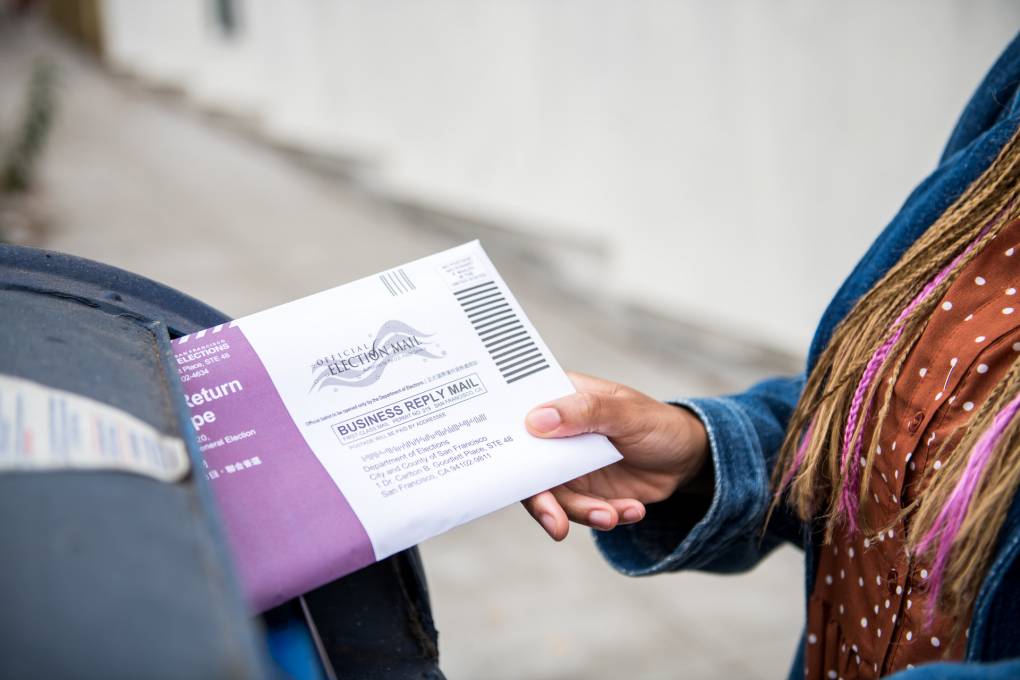
"caption": "Joy Okochi drops her mail-in ballot into a U.S. Postal Service mailbox in San Francisco on Oct. 8, 2020.",
"description": null,
"title": "RS45277_001_KQED_ElectionStockPhotos_JoyOkochi_10082020-qut",
"credit": "Beth LaBerge/KQED",
"status": "inherit",
"altTag": "A hand slides a ballot into a blue postal box.",
"isLoading": false,
"fetchFailed": false
},
"news_11855090": {
"type": "attachments",
"id": "news_11855090",
"meta": {
"index": "attachments_1716263798",
"site": "news",
"id": "11855090",
"found": true
},
"parent": 11855070,
"imgSizes": {
"apple_news_ca_square_4_0": {
"file": "https://ww2.kqed.org/app/uploads/sites/10/2021/01/vaccine-470x470.jpeg",
"width": 470,
"mimeType": "image/jpeg",
"height": 470
},
"thumbnail": {
"file": "https://ww2.kqed.org/app/uploads/sites/10/2021/01/vaccine-160x106.jpeg",
"width": 160,
"mimeType": "image/jpeg",
"height": 106
},
"post-thumbnail": {
"file": "https://ww2.kqed.org/app/uploads/sites/10/2021/01/vaccine-672x372.jpeg",
"width": 672,
"mimeType": "image/jpeg",
"height": 372
},
"kqedFullSize": {
"file": "https://ww2.kqed.org/app/uploads/sites/10/2021/01/vaccine.jpeg",
"width": 840,
"height": 559
},
"apple_news_ca_landscape_4_7": {
"file": "https://ww2.kqed.org/app/uploads/sites/10/2021/01/vaccine-632x474.jpeg",
"width": 632,
"mimeType": "image/jpeg",
"height": 474
},
"apple_news_ca_portrait_4_7": {
"file": "https://ww2.kqed.org/app/uploads/sites/10/2021/01/vaccine-414x552.jpeg",
"width": 414,
"mimeType": "image/jpeg",
"height": 552
},
"apple_news_ca_portrait_5_5": {
"file": "https://ww2.kqed.org/app/uploads/sites/10/2021/01/vaccine-687x559.jpeg",
"width": 687,
"mimeType": "image/jpeg",
"height": 559
},
"apple_news_ca_square_4_7": {
"file": "https://ww2.kqed.org/app/uploads/sites/10/2021/01/vaccine-550x550.jpeg",
"width": 550,
"mimeType": "image/jpeg",
"height": 550
},
"apple_news_ca_landscape_4_0": {
"file": "https://ww2.kqed.org/app/uploads/sites/10/2021/01/vaccine-536x402.jpeg",
"width": 536,
"mimeType": "image/jpeg",
"height": 402
},
"medium": {
"file": "https://ww2.kqed.org/app/uploads/sites/10/2021/01/vaccine-800x532.jpeg",
"width": 800,
"mimeType": "image/jpeg",
"height": 532
},
"apple_news_ca_portrait_4_0": {
"file": "https://ww2.kqed.org/app/uploads/sites/10/2021/01/vaccine-354x472.jpeg",
"width": 354,
"mimeType": "image/jpeg",
"height": 472
}
},
"publishDate": 1610513548,
"modified": 1615812397,
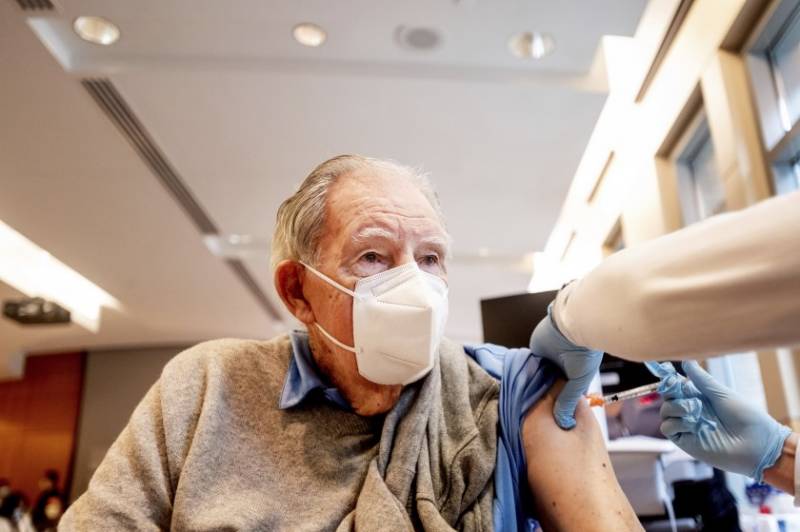
"caption": "Ken Towns receives a first dose of Pfizer-BioNTech COVID-19 vaccine from UC Davis Health on Jan. 12, 2021, in Sacramento.",
"description": null,
"title": "vaccine",
"credit": "AP Photo/Noah Berger, Pool",
"status": "inherit",
"altTag": null,
"isLoading": false,
"fetchFailed": false
},
"news_11854361": {
"type": "attachments",
"id": "news_11854361",
"meta": {
"index": "attachments_1716263798",
"site": "news",
"id": "11854361",
"found": true
},
"parent": 11854162,
"imgSizes": {
"apple_news_ca_landscape_5_5": {
"file": "https://ww2.kqed.org/app/uploads/sites/10/2021/01/RS46511_abdoul-aziz-qut-1044x783.jpg",
"width": 1044,
"mimeType": "image/jpeg",
"height": 783
},
"apple_news_ca_square_4_0": {
"file": "https://ww2.kqed.org/app/uploads/sites/10/2021/01/RS46511_abdoul-aziz-qut-470x470.jpg",
"width": 470,
"mimeType": "image/jpeg",
"height": 470
},
"twentyfourteen-full-width": {
"file": "https://ww2.kqed.org/app/uploads/sites/10/2021/01/RS46511_abdoul-aziz-qut-1038x576.jpg",
"width": 1038,
"mimeType": "image/jpeg",
"height": 576
},
"thumbnail": {
"file": "https://ww2.kqed.org/app/uploads/sites/10/2021/01/RS46511_abdoul-aziz-qut-160x120.jpg",
"width": 160,
"mimeType": "image/jpeg",
"height": 120
},
"post-thumbnail": {
"file": "https://ww2.kqed.org/app/uploads/sites/10/2021/01/RS46511_abdoul-aziz-qut-672x372.jpg",
"width": 672,
"mimeType": "image/jpeg",
"height": 372
},
"kqedFullSize": {
"file": "https://ww2.kqed.org/app/uploads/sites/10/2021/01/RS46511_abdoul-aziz-qut.jpg",
"width": 1920,
"height": 1440
},
"apple_news_ca_landscape_4_7": {
"file": "https://ww2.kqed.org/app/uploads/sites/10/2021/01/RS46511_abdoul-aziz-qut-632x474.jpg",
"width": 632,
"mimeType": "image/jpeg",
"height": 474
},
"large": {
"file": "https://ww2.kqed.org/app/uploads/sites/10/2021/01/RS46511_abdoul-aziz-qut-1020x765.jpg",
"width": 1020,
"mimeType": "image/jpeg",
"height": 765
},
"apple_news_ca_landscape_4_0": {
"file": "https://ww2.kqed.org/app/uploads/sites/10/2021/01/RS46511_abdoul-aziz-qut-536x402.jpg",
"width": 536,
"mimeType": "image/jpeg",
"height": 402
},
"apple_news_ca_portrait_12_9": {
"file": "https://ww2.kqed.org/app/uploads/sites/10/2021/01/RS46511_abdoul-aziz-qut-1122x1440.jpg",
"width": 1122,
"mimeType": "image/jpeg",
"height": 1440
},
"medium": {
"file": "https://ww2.kqed.org/app/uploads/sites/10/2021/01/RS46511_abdoul-aziz-qut-800x600.jpg",
"width": 800,
"mimeType": "image/jpeg",
"height": 600
},
"apple_news_ca_portrait_4_0": {
"file": "https://ww2.kqed.org/app/uploads/sites/10/2021/01/RS46511_abdoul-aziz-qut-354x472.jpg",
"width": 354,
"mimeType": "image/jpeg",
"height": 472
},
"apple_news_ca_portrait_9_7": {
"file": "https://ww2.kqed.org/app/uploads/sites/10/2021/01/RS46511_abdoul-aziz-qut-840x1120.jpg",
"width": 840,
"mimeType": "image/jpeg",
"height": 1120
},
"apple_news_ca_landscape_12_9": {
"file": "https://ww2.kqed.org/app/uploads/sites/10/2021/01/RS46511_abdoul-aziz-qut-1832x1374.jpg",
"width": 1832,
"mimeType": "image/jpeg",
"height": 1374
},
"apple_news_ca_square_9_7": {
"file": "https://ww2.kqed.org/app/uploads/sites/10/2021/01/RS46511_abdoul-aziz-qut-1104x1104.jpg",
"width": 1104,
"mimeType": "image/jpeg",
"height": 1104
},
"1536x1536": {
"file": "https://ww2.kqed.org/app/uploads/sites/10/2021/01/RS46511_abdoul-aziz-qut-1536x1152.jpg",
"width": 1536,
"mimeType": "image/jpeg",
"height": 1152
},
"apple_news_ca_portrait_4_7": {
"file": "https://ww2.kqed.org/app/uploads/sites/10/2021/01/RS46511_abdoul-aziz-qut-414x552.jpg",
"width": 414,
"mimeType": "image/jpeg",
"height": 552
},
"apple_news_ca_square_12_9": {
"file": "https://ww2.kqed.org/app/uploads/sites/10/2021/01/RS46511_abdoul-aziz-qut-1472x1440.jpg",
"width": 1472,
"mimeType": "image/jpeg",
"height": 1440
},
"apple_news_ca_portrait_5_5": {
"file": "https://ww2.kqed.org/app/uploads/sites/10/2021/01/RS46511_abdoul-aziz-qut-687x916.jpg",
"width": 687,
"mimeType": "image/jpeg",
"height": 916
},
"apple_news_ca_square_4_7": {
"file": "https://ww2.kqed.org/app/uploads/sites/10/2021/01/RS46511_abdoul-aziz-qut-550x550.jpg",
"width": 550,
"mimeType": "image/jpeg",
"height": 550
},
"apple_news_ca_landscape_9_7": {
"file": "https://ww2.kqed.org/app/uploads/sites/10/2021/01/RS46511_abdoul-aziz-qut-1376x1032.jpg",
"width": 1376,
"mimeType": "image/jpeg",
"height": 1032
},
"apple_news_ca_square_5_5": {
"file": "https://ww2.kqed.org/app/uploads/sites/10/2021/01/RS46511_abdoul-aziz-qut-912x912.jpg",
"width": 912,
"mimeType": "image/jpeg",
"height": 912
}
},
"publishDate": 1610069596,
"modified": 1610412572,
"caption": "UC Berkeley graduate student Abdoul Aziz Sandotin Coulibaly.",
"description": "UC Berkeley grad student Abdoul Aziz Sandotin Coulibaly.",
"title": "RS46511_abdoul aziz-qut",
"credit": "Courtesy Abdoul Aziz Sandotin Coulibaly",
"status": "inherit",
"altTag": null,
"isLoading": false,
"fetchFailed": false
}
},
"audioPlayerReducer": {
"postId": "stream_live",
"isPaused": true,
"isPlaying": false,
"pfsActive": false,
"pledgeModalIsOpen": true,
"playerDrawerIsOpen": false,
"liveAudioPlayStartedAt": 0,
"liveAudioPlayContext": ""
},
"authorsReducer": {
"byline_news_11856370": {
"type": "authors",
"id": "byline_news_11856370",
"meta": {
"override": true
},
"slug": "byline_news_11856370",
"name": "\u003ca />Elizabeth Aguilera\u003c/a>",
"isLoading": false
},
"byline_news_11855070": {
"type": "authors",
"id": "byline_news_11855070",
"meta": {
"override": true
},
"slug": "byline_news_11855070",
"name": "Kathleen Ronayne\u003cbr>Associated Press",
"isLoading": false
},
"gmarzorati": {
"type": "authors",
"id": "227",
"meta": {
"index": "authors_1716337520",
"id": "227",
"found": true
},
"name": "Guy Marzorati",
"firstName": "Guy",
"lastName": "Marzorati",
"slug": "gmarzorati",
"email": "gmarzorati@KQED.org",
"display_author_email": true,
"staff_mastheads": [
"news"
],
"title": "Correspondent",
"bio": "Guy Marzorati is a correspondent on KQED's California Politics and Government Desk, based in San Jose. A graduate of Santa Clara University, Guy joined KQED in 2013. He reports on state and local politics and produces KQED's digital voter guide.",
"avatar": "https://secure.gravatar.com/avatar/e7038b8dbfd55b104369b76b1cd0b9de?s=600&d=blank&r=g",
"twitter": "guymarzorati",
"facebook": null,
"instagram": null,
"linkedin": null,
"sites": [
{
"site": "",
"roles": [
"editor"
]
},
{
"site": "news",
"roles": [
"editor"
]
},
{
"site": "science",
"roles": [
"editor"
]
},
{
"site": "forum",
"roles": [
"editor"
]
},
{
"site": "elections",
"roles": [
"editor"
]
},
{
"site": "liveblog",
"roles": [
"editor"
]
}
],
"headData": {
"title": "Guy Marzorati | KQED",
"description": "Correspondent",
"ogImgSrc": "https://secure.gravatar.com/avatar/e7038b8dbfd55b104369b76b1cd0b9de?s=600&d=blank&r=g",
"twImgSrc": "https://secure.gravatar.com/avatar/e7038b8dbfd55b104369b76b1cd0b9de?s=600&d=blank&r=g"
},
"isLoading": false,
"link": "/author/gmarzorati"
},
"adembosky": {
"type": "authors",
"id": "3205",
"meta": {
"index": "authors_1716337520",
"id": "3205",
"found": true
},
"name": "April Dembosky",
"firstName": "April",
"lastName": "Dembosky",
"slug": "adembosky",
"email": "adembosky@kqed.org",
"display_author_email": false,
"staff_mastheads": [
"news",
"science"
],
"title": "KQED Health Correspondent",
"bio": "April Dembosky is the health correspondent for KQED News and a regular contributor to NPR. She specializes in covering altered states of mind, from postpartum depression to methamphetamine-induced psychosis to the insanity defense. Her investigative series on insurance companies sidestepping mental health laws won multiple awards, including first place in beat reporting from the national Association of Health Care Journalists. She is the recipient of numerous other prizes and fellowships, including a national Edward R. Murrow award for investigative reporting, a Society of Professional Journalists award for long-form storytelling, and a Carter Center Fellowship for Mental Health Journalism.\r\n\r\nDembosky reported and produced \u003cem>Soundtrack of Silence\u003c/em>, an audio documentary about music and memory that is currently being made into a feature film by Paramount Pictures.\r\n\r\nBefore joining KQED in 2013, Dembosky covered technology and Silicon Valley for \u003cem>The Financial Times of London,\u003c/em> and contributed business and arts stories to \u003cem>Marketplace \u003c/em>and \u003cem>The New York Times.\u003c/em> She got her undergraduate degree in philosophy from Smith College and her master's in journalism from the University of California, Berkeley. She is a classically trained violinist and proud alum of the first symphony orchestra at Burning Man.",
"avatar": "https://secure.gravatar.com/avatar/ef92999be4ceb9ea60701e7dc276f813?s=600&d=blank&r=g",
"twitter": "adembosky",
"facebook": null,
"instagram": null,
"linkedin": null,
"sites": [
{
"site": "arts",
"roles": [
"author"
]
},
{
"site": "news",
"roles": [
"editor"
]
},
{
"site": "futureofyou",
"roles": [
"author"
]
},
{
"site": "stateofhealth",
"roles": [
"editor"
]
},
{
"site": "science",
"roles": [
"editor"
]
},
{
"site": "forum",
"roles": [
"editor"
]
}
],
"headData": {
"title": "April Dembosky | KQED",
"description": "KQED Health Correspondent",
"ogImgSrc": "https://secure.gravatar.com/avatar/ef92999be4ceb9ea60701e7dc276f813?s=600&d=blank&r=g",
"twImgSrc": "https://secure.gravatar.com/avatar/ef92999be4ceb9ea60701e7dc276f813?s=600&d=blank&r=g"
},
"isLoading": false,
"link": "/author/adembosky"
},
"carlysevern": {
"type": "authors",
"id": "3243",
"meta": {
"index": "authors_1716337520",
"id": "3243",
"found": true
},
"name": "Carly Severn",
"firstName": "Carly",
"lastName": "Severn",
"slug": "carlysevern",
"email": "csevern@kqed.org",
"display_author_email": false,
"staff_mastheads": [
"news"
],
"title": "Senior Editor, Audience News ",
"bio": "Carly is KQED's Senior Editor of Audience News on the Digital News team, and has reported for the California Report Magazine, Bay Curious and KQED Arts. She's formerly the host of \u003ca href=\"http://ww2.kqed.org/pop/category/the-cooler/\" rel=\"noopener noreferrer\">The Cooler\u003c/a> podcast.",
"avatar": "https://secure.gravatar.com/avatar/54037bf5c128fe678f0ef26cec97a93f2e7f220a22d7285703328f12c42c1b1d?s=600&d=blank&r=g",
"twitter": "teacupinthebay",
"bluesky": null,
"facebook": null,
"instagram": null,
"linkedin": null,
"sites": [
{
"site": "",
"roles": [
"editor"
]
},
{
"site": "arts",
"roles": [
"editor"
]
},
{
"site": "news",
"roles": [
"administrator"
]
},
{
"site": "pop",
"roles": [
"editor"
]
},
{
"site": "futureofyou",
"roles": [
"editor"
]
},
{
"site": "about",
"roles": [
"administrator"
]
},
{
"site": "mindshift",
"roles": [
"editor"
]
},
{
"site": "bayareabites",
"roles": [
"editor"
]
},
{
"site": "stateofhealth",
"roles": [
"editor"
]
},
{
"site": "science",
"roles": [
"editor"
]
},
{
"site": "food",
"roles": [
"contributor"
]
},
{
"site": "forum",
"roles": [
"editor"
]
},
{
"site": "perspectives",
"roles": [
"administrator"
]
},
{
"site": "liveblog",
"roles": [
"editor"
]
}
],
"headData": {
"title": "Carly Severn | KQED",
"description": "Senior Editor, Audience News ",
"ogImgSrc": "https://secure.gravatar.com/avatar/54037bf5c128fe678f0ef26cec97a93f2e7f220a22d7285703328f12c42c1b1d?s=600&d=blank&r=g",
"twImgSrc": "https://secure.gravatar.com/avatar/54037bf5c128fe678f0ef26cec97a93f2e7f220a22d7285703328f12c42c1b1d?s=600&d=blank&r=g"
},
"isLoading": false,
"link": "/author/carlysevern"
},
"cveltman": {
"type": "authors",
"id": "8608",
"meta": {
"index": "authors_1716337520",
"id": "8608",
"found": true
},
"name": "Chloe Veltman",
"firstName": "Chloe",
"lastName": "Veltman",
"slug": "cveltman",
"email": "cveltman@kqed.org",
"display_author_email": true,
"staff_mastheads": [],
"title": "Arts and Culture Reporter",
"bio": "Chloe Veltman is a former arts and culture reporter for KQED. Prior to joining the organization, she launched and led the arts bureau at Colorado Public Radio, served as the Bay Area's culture columnist for the New York Times, and was the founder, host and executive producer of VoiceBox, a national award-winning weekly podcast/radio show and live events series all about the human voice. Chloe is the recipient of numerous prizes, grants and fellowships including a Webby Award for her work on interactive storytelling, both the John S Knight Journalism Fellowship and Humanities Center Fellowship at Stanford University, the Sundance Arts Writing Fellowship and a Library of Congress Research Fellowship. She is the author of the book \"On Acting\" and has appeared as a guest lecturer at Yale University and the San Francisco Conservatory of Music among other institutions. She holds a BA in english literature from King's College, Cambridge, and a Masters in Dramaturgy from the Central School of Speech and Drama/Harvard Institute for Advanced Theater Training.\r\n\u003ca href=\"https://www.chloeveltman.com\">www.chloeveltman.com\u003c/a>",
"avatar": "https://secure.gravatar.com/avatar/55403394b00a1ddab683952c2eb2cf85?s=600&d=blank&r=g",
"twitter": "chloeveltman",
"facebook": null,
"instagram": null,
"linkedin": null,
"sites": [
{
"site": "arts",
"roles": []
},
{
"site": "news",
"roles": [
"author"
]
},
{
"site": "pop",
"roles": [
"editor"
]
},
{
"site": "science",
"roles": []
}
],
"headData": {
"title": "Chloe Veltman | KQED",
"description": "Arts and Culture Reporter",
"ogImgSrc": "https://secure.gravatar.com/avatar/55403394b00a1ddab683952c2eb2cf85?s=600&d=blank&r=g",
"twImgSrc": "https://secure.gravatar.com/avatar/55403394b00a1ddab683952c2eb2cf85?s=600&d=blank&r=g"
},
"isLoading": false,
"link": "/author/cveltman"
},
"korr": {
"type": "authors",
"id": "11200",
"meta": {
"index": "authors_1716337520",
"id": "11200",
"found": true
},
"name": "Katie Orr",
"firstName": "Katie",
"lastName": "Orr",
"slug": "korr",
"email": "korr@kqed.org",
"display_author_email": false,
"staff_mastheads": [],
"title": "KQED Contributor",
"bio": "Katie Orr was a Sacramento-based reporter for KQED's Politics and Government Desk, covering the state Capitol and a variety of issues including women in politics, voting and elections and legislation. Prior to joining KQED in 2016, Katie was state government reporter for Capital Public Radio in Sacramento. She's also worked for KPBS in San Diego, where she covered City Hall.\r\n\r\nKatie received her masters degree in political science from San Diego State University and holds a Bachelors degree in broadcast journalism from Arizona State University.\r\n\r\nIn 2015 Katie won a national Clarion Award for a series of stories she did on women in California politics. She's been honored by the Society for Professional Journalists and, in 2013, was named by \u003cem>The Washington Post\u003c/em> as one of the country's top state Capitol reporters. She's also reported for the award-winning documentary series \u003cem>The View from Here \u003c/em>and was part of the team that won national PRNDI and Gabriel Awards in 2015. She lives in Sacramento with her husband. Twitter: @1KatieOrr",
"avatar": "https://secure.gravatar.com/avatar/41a40b25845adc78f50808670860449e?s=600&d=blank&r=g",
"twitter": "1katieorr",
"facebook": null,
"instagram": null,
"linkedin": null,
"sites": [
{
"site": "news",
"roles": [
"subscriber"
]
},
{
"site": "stateofhealth",
"roles": [
"author"
]
},
{
"site": "forum",
"roles": [
"author"
]
}
],
"headData": {
"title": "Katie Orr | KQED",
"description": "KQED Contributor",
"ogImgSrc": "https://secure.gravatar.com/avatar/41a40b25845adc78f50808670860449e?s=600&d=blank&r=g",
"twImgSrc": "https://secure.gravatar.com/avatar/41a40b25845adc78f50808670860449e?s=600&d=blank&r=g"
},
"isLoading": false,
"link": "/author/korr"
},
"lesleymcclurg": {
"type": "authors",
"id": "11229",
"meta": {
"index": "authors_1716337520",
"id": "11229",
"found": true
},
"name": "Lesley McClurg",
"firstName": "Lesley",
"lastName": "McClurg",
"slug": "lesleymcclurg",
"email": "lmcclurg@KQED.org",
"display_author_email": false,
"staff_mastheads": [
"news",
"science"
],
"title": "KQED Health Correspondent",
"bio": "Lesley McClurg is a health correspondent and fill-in host whose work is regularly rebroadcast on NPR and PBS programs. She’s earned multiple regional Emmy awards, a national and a regional Edward R. Murrow award, and was named Best Beat Reporter by the Association of Health Care Journalists. The Society of Professional Journalists has recognized her work several times, and the Society of Environmental Journalists spotlighted her coverage of California’s historic drought.\r\n\r\nBefore joining KQED in 2016, Lesley covered food and sustainability for Capital Public Radio, environmental issues for Colorado Public Radio, and reported for KUOW and KCTS 9 in Seattle. Away from the newsroom, she loves skiing with her daughter, mountain biking with her partner, and playing with Ollie, the family’s goldendoodle. On deadline, she runs almost entirely on chocolate chips.\r\n\r\n ",
"avatar": "https://secure.gravatar.com/avatar/bab49e972ea10c774fe0f5e29dba1722b158f7c0d58a360923d1389d380b2978?s=600&d=blank&r=g",
"twitter": "lesleywmcclurg",
"bluesky": null,
"facebook": null,
"instagram": null,
"linkedin": null,
"sites": [
{
"site": "arts",
"roles": [
"author"
]
},
{
"site": "news",
"roles": [
"editor"
]
},
{
"site": "futureofyou",
"roles": [
"editor"
]
},
{
"site": "stateofhealth",
"roles": [
"author"
]
},
{
"site": "science",
"roles": [
"editor"
]
},
{
"site": "quest",
"roles": [
"subscriber"
]
},
{
"site": "forum",
"roles": [
"administrator"
]
},
{
"site": "liveblog",
"roles": [
"author"
]
}
],
"headData": {
"title": "Lesley McClurg | KQED",
"description": "KQED Health Correspondent",
"ogImgSrc": "https://secure.gravatar.com/avatar/bab49e972ea10c774fe0f5e29dba1722b158f7c0d58a360923d1389d380b2978?s=600&d=blank&r=g",
"twImgSrc": "https://secure.gravatar.com/avatar/bab49e972ea10c774fe0f5e29dba1722b158f7c0d58a360923d1389d380b2978?s=600&d=blank&r=g"
},
"isLoading": false,
"link": "/author/lesleymcclurg"
},
"vrancano": {
"type": "authors",
"id": "11276",
"meta": {
"index": "authors_1716337520",
"id": "11276",
"found": true
},
"name": "Vanessa Rancaño",
"firstName": "Vanessa",
"lastName": "Rancaño",
"slug": "vrancano",
"email": "vrancano@kqed.org",
"display_author_email": false,
"staff_mastheads": [
"news"
],
"title": "Reporter",
"bio": "Vanessa Rancaño is a features reporter for KQED. She’s also covered homelessness and education for the station and reported from the Central Valley. Her work has aired across public radio, from flagship national news shows to longform narrative podcasts. Before taking up a mic, she worked as a freelance print journalist. She’s been recognized with a number of national and regional awards. Vanessa grew up in California's Central Valley. She's a former NPR Kroc Fellow, and a graduate of the UC Berkeley Graduate School of Journalism.",
"avatar": "https://secure.gravatar.com/avatar/b3a383dfb0e7ee1c17568f2cf067904ab654d6e3de9743fc661f3c788ade1bed?s=600&d=blank&r=g",
"twitter": "vanessarancano",
"bluesky": null,
"facebook": null,
"instagram": null,
"linkedin": null,
"sites": [
{
"site": "arts",
"roles": [
"editor"
]
},
{
"site": "news",
"roles": [
"editor"
]
},
{
"site": "liveblog",
"roles": [
"contributor"
]
}
],
"headData": {
"title": "Vanessa Rancaño | KQED",
"description": "Reporter",
"ogImgSrc": "https://secure.gravatar.com/avatar/b3a383dfb0e7ee1c17568f2cf067904ab654d6e3de9743fc661f3c788ade1bed?s=600&d=blank&r=g",
"twImgSrc": "https://secure.gravatar.com/avatar/b3a383dfb0e7ee1c17568f2cf067904ab654d6e3de9743fc661f3c788ade1bed?s=600&d=blank&r=g"
},
"isLoading": false,
"link": "/author/vrancano"
},
"lsarah": {
"type": "authors",
"id": "11626",
"meta": {
"index": "authors_1716337520",
"id": "11626",
"found": true
},
"name": "Lakshmi Sarah",
"firstName": "Lakshmi",
"lastName": "Sarah",
"slug": "lsarah",
"email": "lsarah@kqed.org",
"display_author_email": false,
"staff_mastheads": [],
"title": "Digital Producer",
"bio": "Lakshmi Sarah is an educator, author and journalist with a focus on innovative storytelling. She has worked with newspapers, radio and magazines from Ahmedabad, India to Los Angeles, California. She has written and produced for Die Zeit, Global Voices, AJ+, KQED, Fusion Media Group and the New York Times.",
"avatar": "https://secure.gravatar.com/avatar/652dcaecd8b28826fc17a8b2d6bb4e93?s=600&d=blank&r=g",
"twitter": "lakitalki",
"facebook": null,
"instagram": "https://www.instagram.com/laki.talki/",
"linkedin": "https://www.linkedin.com/in/lakisarah/",
"sites": [
{
"site": "arts",
"roles": []
},
{
"site": "news",
"roles": []
},
{
"site": "bayareabites",
"roles": []
},
{
"site": "science",
"roles": []
}
],
"headData": {
"title": "Lakshmi Sarah | KQED",
"description": "Digital Producer",
"ogImgSrc": "https://secure.gravatar.com/avatar/652dcaecd8b28826fc17a8b2d6bb4e93?s=600&d=blank&r=g",
"twImgSrc": "https://secure.gravatar.com/avatar/652dcaecd8b28826fc17a8b2d6bb4e93?s=600&d=blank&r=g"
},
"isLoading": false,
"link": "/author/lsarah"
},
"ebaldassari": {
"type": "authors",
"id": "11652",
"meta": {
"index": "authors_1716337520",
"id": "11652",
"found": true
},
"name": "Erin Baldassari",
"firstName": "Erin",
"lastName": "Baldassari",
"slug": "ebaldassari",
"email": "ebaldassari@KQED.org",
"display_author_email": true,
"staff_mastheads": [
"news"
],
"title": "Staff Writer",
"bio": "Erin Baldassari covers housing for KQED. She's a former print journalist and most recently worked as the transportation reporter for the \u003cem>Mercury News\u003c/em> and \u003cem>East Bay Times. \u003c/em>There, she focused on how the Bay Area’s housing shortage has changed the way people move around the region. She also served on the \u003cem>East Bay Times\u003c/em>’ 2017 Pulitzer Prize-winning team for coverage of the Ghost Ship Fire in Oakland. Prior to that, Erin worked as a breaking news and general assignment reporter for a variety of outlets in the Bay Area and the greater Boston area. A Tufts University alumna, Erin grew up in the foothills of the Sierra Nevada mountains and in Sonoma County. She is a life-long KQED listener.",
"avatar": "https://secure.gravatar.com/avatar/5e95cad64a8ca08288082212e199d2b0cbeb4fd8e8ef5339395f361032bbe005?s=600&d=blank&r=g",
"twitter": "e_baldi",
"bluesky": null,
"facebook": null,
"instagram": null,
"linkedin": null,
"sites": [
{
"site": "news",
"roles": [
"edit_others_posts",
"editor"
]
},
{
"site": "science",
"roles": [
"editor"
]
},
{
"site": "liveblog",
"roles": [
"editor"
]
}
],
"headData": {
"title": "Erin Baldassari | KQED",
"description": "Staff Writer",
"ogImgSrc": "https://secure.gravatar.com/avatar/5e95cad64a8ca08288082212e199d2b0cbeb4fd8e8ef5339395f361032bbe005?s=600&d=blank&r=g",
"twImgSrc": "https://secure.gravatar.com/avatar/5e95cad64a8ca08288082212e199d2b0cbeb4fd8e8ef5339395f361032bbe005?s=600&d=blank&r=g"
},
"isLoading": false,
"link": "/author/ebaldassari"
},
"jrodriguez": {
"type": "authors",
"id": "11690",
"meta": {
"index": "authors_1716337520",
"id": "11690",
"found": true
},
"name": "Joe Fitzgerald Rodriguez",
"firstName": "Joe",
"lastName": "Fitzgerald Rodriguez",
"slug": "jrodriguez",
"email": "jrodriguez@kqed.org",
"display_author_email": true,
"staff_mastheads": [
"news"
],
"title": "Reporter and Producer",
"bio": "Joe Fitzgerald Rodriguez is a reporter and digital producer for KQED covering politics. Joe most recently wrote for the \u003cem>San Francisco Examiner\u003c/em> as a political columnist covering The City. He was raised in San Francisco and has spent his reporting career in his beloved, foggy, city by the bay. Joe was 12-years-old when he conducted his first interview in journalism, grilling former San Francisco Mayor Willie Brown for the Marina Middle School newspaper, \u003cem>The Penguin Press, \u003c/em>and he continues to report on the San Francisco Bay Area to this day.",
"avatar": "https://secure.gravatar.com/avatar/2247beb0564c1e9c62228d5649d2edac?s=600&d=blank&r=g",
"twitter": "FitztheReporter",
"facebook": null,
"instagram": "https://www.instagram.com/fitzthereporter/",
"linkedin": null,
"sites": [
{
"site": "",
"roles": [
"editor"
]
},
{
"site": "arts",
"roles": [
"editor"
]
},
{
"site": "news",
"roles": [
"editor"
]
},
{
"site": "science",
"roles": [
"editor"
]
},
{
"site": "elections",
"roles": [
"editor"
]
},
{
"site": "liveblog",
"roles": [
"editor"
]
}
],
"headData": {
"title": "Joe Fitzgerald Rodriguez | KQED",
"description": "Reporter and Producer",
"ogImgSrc": "https://secure.gravatar.com/avatar/2247beb0564c1e9c62228d5649d2edac?s=600&d=blank&r=g",
"twImgSrc": "https://secure.gravatar.com/avatar/2247beb0564c1e9c62228d5649d2edac?s=600&d=blank&r=g"
},
"isLoading": false,
"link": "/author/jrodriguez"
}
},
"pagesReducer": {
"news_tag_covid-19": {
"type": "terms",
"id": "news_27504",
"meta": {
"index": "terms_1716263798",
"site": "news",
"id": "27504",
"score": 8.558557
},
"featImg": null,
"name": "covid-19",
"description": null,
"taxonomy": "tag",
"headData": {
"twImgId": null,
"twTitle": null,
"ogTitle": null,
"ogImgId": null,
"twDescription": null,
"description": null,
"title": "covid-19 Archives | KQED News",
"ogDescription": null
},
"ttid": 27521,
"slug": "covid-19",
"isLoading": false,
"title": "covid-19",
"pageMeta": {
"site": "news",
"WpPageTemplate": "page-topic-editorial",
"currentPage": 34
},
"blocks": [
{
"blockName": "kqed/post-list",
"attrs": {
"layout": "cardArticle2",
"query": "posts/news?tag=covid-19",
"seeMore": false,
"paginated": true,
"page": 34
}
},
{
"blockName": "kqed/ad"
}
]
}
},
"pfsSessionReducer": {},
"postsReducer": {
"stream_live": {
"type": "live",
"id": "stream_live",
"audioUrl": "https://streams.kqed.org/kqedradio",
"title": "Live Stream",
"excerpt": "Live Stream information currently unavailable.",
"link": "/radio",
"featImg": "",
"label": {
"name": "KQED Live",
"link": "/"
}
},
"stream_kqedNewscast": {
"type": "posts",
"id": "stream_kqedNewscast",
"audioUrl": "https://www.kqed.org/.stream/anon/radio/RDnews/newscast.mp3?_=1",
"title": "KQED Newscast",
"featImg": "",
"label": {
"name": "88.5 FM",
"link": "/"
}
},
"news_11856356": {
"type": "posts",
"id": "news_11856356",
"meta": {
"index": "posts_1716263798",
"site": "news",
"id": "11856356",
"score": null,
"sort": [
1611273069000
]
},
"guestAuthors": [],
"slug": "california-considers-prioritizing-speed-over-equity-in-vaccine-distribution-plan",
"title": "California Debates Speed vs. Equity in Vaccine Distribution Plan",
"publishDate": 1611273069,
"format": "audio",
"headTitle": "California Debates Speed vs. Equity in Vaccine Distribution Plan | KQED",
"labelTerm": {
"site": "news"
},
"content": "\u003cp>An ambitious plan tailored to deliver coronavirus vaccines to California’s most vulnerable populations is fraying under pressure to simplify and speed up the state’s rocky vaccination rollout.\u003c/p>\n\u003cp>A week after Gov. Gavin Newsom expanded vaccine eligibility to residents 65 and older, state officials are now proposing a plan to complete vaccinations for all seniors before anyone else. The shift is causing frustration among health advocates who have spent the last two months hashing out a plan that prioritized essential workers and gave more weight to racial and socioeconomic factors.[pullquote align=\"right\" size=\"medium\" citation=\"Tomás Aragón, director of the California Department of Public Health\"]‘The feedback that we got is, the first system is too complicated, it’s slowing us down. Got to keep it simple. Simplicity is going to save lives.’[/pullquote]With a scarce vaccine supply and a mounting death toll, the tension between equity and efficiency is increasing.\u003c/p>\n\u003cp>“The feedback that we got is, the first system is too complicated, it’s slowing us down,” said Tomás Aragón, the new director of the state’s Department of Public Health, who helped outline the new age-based priority proposal at public meetings on Jan. 12 and Jan. 20. “Got to keep it simple. Simplicity is going to save lives.”\u003c/p>\n\u003cp>Distributing vaccines by age is easier and will help ease the burden on the state’s overwhelmed health care system, Aragón said. Older people account for 65% of ICU admissions in California and 83% of deaths, according to the \u003ca href=\"https://covid19.ca.gov/state-dashboard/\">latest state health data\u003c/a>.\u003c/p>\n\u003cp>But there are 6.2 million Californians 65 and older, and the state is only receiving up to 500,000 doses of vaccine every week, according to state epidemiologist Dr. Erica Pan. At that rate, the state wouldn’t begin vaccinating essential workers until May.\u003c/p>\n\u003ch3>Disparate Impacts\u003c/h3>\n\u003cp>Equity advocates called this proposed delay “disturbing,” arguing that many\u003ca href=\"https://www.kqed.org/news/11851270/californias-farmworkers-feed-the-world-should-they-be-next-for-a-vaccine\"> agricultural workers\u003c/a> face equal or higher health risk at work than do elderly people who may have the means to shelter at home.\u003c/p>\n\u003cp>“Not everyone that’s 65 and over has the same level of vulnerability,” said Diana Tellefson Torres, executive director of the United Farm Workers Foundation. “Farmworkers are a very vulnerable population regardless of age.”\u003c/p>\n\u003cp>For example, 13% of agricultural workers have never been to a doctor and 78% do not have insurance, according to a \u003ca href=\"https://ww2.kqed.org/app/uploads/sites/10/2021/01/image.png\">UFW Foundation survey of 14,000 workers\u003c/a>. Farmworkers, grocery store workers and meatpackers, who cannot work from home, have been disproportionately impacted by the coronavirus.\u003c/p>\n\u003cp>It’s for those reasons the state initially placed food workers — along with teachers, emergency responders and people over 74 — next in line to get the vaccine after\u003ca href=\"https://www.kqed.org/news/11848963/if-there-arent-enough-vaccines-for-all-health-care-workers-in-california-which-doctors-nurses-or-aides-will-get-it-first\"> health care workers \u003c/a>and residents and staff of long-term care homes. Some counties and employers had already notified these workers that they were next in line before the governor on Jan. 13 expanded eligibility to include people 65 and older.\u003c/p>\n\u003cp>[pullquote align=\"right\" size=\"medium\" citation=\"Diana Tellefson Torres, executive director of the United Farm Workers Foundation\"]‘Not everyone that’s 65 and over has the same level of vulnerability. Farmworkers are a very vulnerable population regardless of age.’[/pullquote]“Moving millions of people farther ahead in line, by definition, means millions of others are farther back in line,” said Mitch Steiger, legislative advocate for the California Labor Federation.\u003c/p>\n\u003cp>Steiger’s group is one of 70 the state asked to be part of the\u003ca href=\"https://www.cdph.ca.gov/Programs/CID/DCDC/Pages/COVID-19/Community-Vaccine-Advisory-Committee.aspx\"> Community Vaccine Advisory Committee\u003c/a> to help develop a “safe, equitable, transparent” distribution plan. Many members saw it as an opportunity to correct some of the entrenched inequities in the health system, and even to\u003ca href=\"https://www.kqed.org/news/11849892/california-may-consider-historical-injustice-in-deciding-how-to-allocate-coronavirus-vaccine\"> repair historical injustices\u003c/a>.\u003c/p>\n\u003cp>But now that counties and health providers are struggling with logistical challenges of administering the vaccine, some fault the committee’s work for being big on ideas but short on follow through.\u003c/p>\n\u003cp>“We have been so caught up in some of the minutia, honestly, of ‘What sectors? In which phase?’ ” said Denny Chan, senior staff attorney at Justice in Aging. “But we don’t seem to be spending the same amount of time and consideration on thinking through how you’re going to get to those people ultimately in the end.”\u003c/p>\n\u003ch3>Logistics and Flexibility\u003c/h3>\n\u003cp>Several members of the advisory group say moving to age-based priority guidelines will be a more efficient, effective means of administering scarce vaccines, while at the same time taking an equitable approach.\u003c/p>\n\u003cp>Health insurance plans say they have data on the age and underlying health conditions of their members and can easily notify them when they are eligible to receive the vaccine. But they don’t have reliable data on people’s occupations or job sectors.\u003c/p>\n\u003cp>“We know how to slice and dice the data to get to the populations that need it the most,” said Brianna Lierman, CEO of Local Health Plans of California, a trade group of insurers that cover low-income Medi-Cal patients. “Loosening it up so that we can get out there and get shots in people’s arms is absolutely the right thing to do.”\u003c/p>\n\u003cp>An age-based approach is one that is most likely to succeed and therefore can help build credibility with the public, Lierman said, adding, “A Medi-Cal lens is an equity lens.”\u003c/p>\n\u003cp>[ad fullwidth]\u003c/p>\n\u003cp>Some vaccine committee members are asking the state to give vaccinators more flexibility and discretion to help prevent doses from being wasted. That includes Mary McCune, regulatory affairs director with the California Dental Association, whose members are being tapped to help expand the state’s corps of vaccinators.\u003c/p>\n\u003cp>McCune said if there is someone like a farmworker who is 65 and has to drive an hour to a vaccination site with his wife, who’s 63, it makes sense to vaccinate them both at the same time, and maybe even their adult child who gave them a ride. That way, she added, you’re not asking each family member to travel back and forth three times before that person’s group is called.\u003c/p>\n\u003cp>This flexibility could also help overcome vaccine hesitancy in communities of color, said Kiran Savage-Sangwan, executive director of the California Pan-Ethnic Health Network.\u003c/p>\n\u003ch3>Equity in an Age-Based System\u003c/h3>\n\u003cp>After Newsom on Jan. 13 opened vaccinations to people 65 and older, seniors flooded phone lines and online registration portals, trying to get appointments at their doctors’ offices or one of the new mass-vaccination centers like those at Disneyland and Cal Expo. This overwhelmed existing health system infrastructure, and many seniors, at least those with the time and tenacity to wait it out, were left on hold for up to eight hours.\u003c/p>\n\u003cp>[aside label=\"related coverage\" tag=\"vaccine\"]“The first-come, first-serve approach will inherently favor the people who are savvy enough to navigate those systems,” and many low-income or older seniors will be left out, said Chan, from Justice in Aging. “They’re going to require different strategies than the cookie-cutter, one-size-fits-all Dodger Stadium approach.”\u003c/p>\n\u003cp>\u003ca href=\"https://www.ncbi.nlm.nih.gov/pmc/articles/PMC7183732/\">A recent study\u003c/a> investigating racial inequities in heart-failure treatment, showed white patients were more likely to receive specialty care because they were more likely to vigorously advocate for access to that care. Unless the state takes more proactive measures to reach vulnerable communities, the same trend will likely play out with vaccines, said Dr. Michelle Morse, a professor at Harvard Medical School who worked on the study.\u003c/p>\n\u003cp>“Folks who are white feel that they are entitled, or feel that they should have access to certain things that other groups have either been told that they shouldn’t have access to or actually have been intentionally excluded from having access to,” she said.\u003c/p>\n\u003cp>California health officials say they are aware of these trends and want to counteract them. They believe they can still pursue equity goals within an age-based system, said Dr. Nadine Burke-Harris, California’s surgeon general and co-chair of the vaccine committee.\u003c/p>\n\u003cp>The state, for example, is working on different ways to “operationalize equity,” she said. It is developing outreach strategies for vulnerable communities and may direct a certain percentage of vaccines to seniors in low-income neighborhoods based on the state’s \u003ca href=\"https://healthyplacesindex.org/\">Healthy Places Index\u003c/a>, which measures access to safe housing, education and health care by ZIP code.\u003c/p>\n\u003cp>“This is a data-based tool to calculate how to distribute scarce resources equitably,” she said. “It supports a need for both simplicity and equity.”\u003c/p>\n\u003cp>[ad floatright]\u003c/p>\n",
"blocks": [],
"excerpt": "Health leaders want to move to an age-based vaccination system to address the surge in hospitalizations and deaths. But will that mean trading equity for efficiency?",
"status": "publish",
"parent": 0,
"modified": 1740614886,
"stats": {
"hasAudio": false,
"hasVideo": false,
"hasChartOrMap": false,
"iframeSrcs": [],
"hasGoogleForm": false,
"hasGallery": false,
"hasHearkenModule": false,
"hasPolis": false,
"paragraphCount": 29,
"wordCount": 1485
},
"headData": {
"title": "California Debates Speed vs. Equity in Vaccine Distribution Plan | KQED",
"description": "Health leaders want to move to an age-based vaccination system to address the surge in hospitalizations and deaths. But will that mean trading equity for efficiency?",
"ogTitle": "",
"ogDescription": "",
"ogImgId": "",
"twTitle": "",
"twDescription": "",
"twImgId": "",
"schema": {
"@context": "https://schema.org",
"@type": "NewsArticle",
"headline": "California Debates Speed vs. Equity in Vaccine Distribution Plan",
"datePublished": "2021-01-21T15:51:09-08:00",
"dateModified": "2025-02-26T16:08:06-08:00",
"image": "https://cdn.kqed.org/wp-content/uploads/2020/02/KQED-OG-Image@1x.png",
"isAccessibleForFree": "True",
"publisher": {
"@type": "NewsMediaOrganization",
"@id": "https://www.kqed.org/#organization",
"name": "KQED",
"logo": "https://cdn.kqed.org/wp-content/uploads/2020/02/KQED-OG-Image@1x.png",
"url": "https://www.kqed.org",
"sameAs": [
"https://www.facebook.com/KQED",
"https://twitter.com/KQED",
"https://www.instagram.com/kqed/",
"https://www.tiktok.com/@kqedofficial",
"https://www.linkedin.com/company/kqed",
"https://www.youtube.com/channel/UCeC0IOo7i1P_61zVUWbJ4nw"
]
}
}
},
"audioUrl": "https://traffic.omny.fm/d/clips/0af137ef-751e-4b19-a055-aaef00d2d578/ffca7e9f-6831-41c5-bcaf-aaef00f5a073/713ae65f-c2b7-450f-a9e8-acb801321eb6/audio.mp3",
"sticky": false,
"path": "/news/11856356/california-considers-prioritizing-speed-over-equity-in-vaccine-distribution-plan",
"audioTrackLength": null,
"parsedContent": [
{
"type": "contentString",
"content": "\u003cdiv class=\"post-body\">\u003cp>\u003cp>An ambitious plan tailored to deliver coronavirus vaccines to California’s most vulnerable populations is fraying under pressure to simplify and speed up the state’s rocky vaccination rollout.\u003c/p>\n\u003cp>A week after Gov. Gavin Newsom expanded vaccine eligibility to residents 65 and older, state officials are now proposing a plan to complete vaccinations for all seniors before anyone else. The shift is causing frustration among health advocates who have spent the last two months hashing out a plan that prioritized essential workers and gave more weight to racial and socioeconomic factors.\u003c/p>\u003c/div>",
"attributes": {
"named": {},
"numeric": []
}
},
{
"type": "component",
"content": "‘The feedback that we got is, the first system is too complicated, it’s slowing us down. Got to keep it simple. Simplicity is going to save lives.’",
"name": "pullquote",
"attributes": {
"named": {
"align": "right",
"size": "medium",
"citation": "Tomás Aragón, director of the California Department of Public Health",
"label": ""
},
"numeric": []
}
},
{
"type": "contentString",
"content": "\u003cdiv class=\"post-body\">\u003cp>With a scarce vaccine supply and a mounting death toll, the tension between equity and efficiency is increasing.\u003c/p>\n\u003cp>“The feedback that we got is, the first system is too complicated, it’s slowing us down,” said Tomás Aragón, the new director of the state’s Department of Public Health, who helped outline the new age-based priority proposal at public meetings on Jan. 12 and Jan. 20. “Got to keep it simple. Simplicity is going to save lives.”\u003c/p>\n\u003cp>Distributing vaccines by age is easier and will help ease the burden on the state’s overwhelmed health care system, Aragón said. Older people account for 65% of ICU admissions in California and 83% of deaths, according to the \u003ca href=\"https://covid19.ca.gov/state-dashboard/\">latest state health data\u003c/a>.\u003c/p>\n\u003cp>But there are 6.2 million Californians 65 and older, and the state is only receiving up to 500,000 doses of vaccine every week, according to state epidemiologist Dr. Erica Pan. At that rate, the state wouldn’t begin vaccinating essential workers until May.\u003c/p>\n\u003ch3>Disparate Impacts\u003c/h3>\n\u003cp>Equity advocates called this proposed delay “disturbing,” arguing that many\u003ca href=\"https://www.kqed.org/news/11851270/californias-farmworkers-feed-the-world-should-they-be-next-for-a-vaccine\"> agricultural workers\u003c/a> face equal or higher health risk at work than do elderly people who may have the means to shelter at home.\u003c/p>\n\u003cp>“Not everyone that’s 65 and over has the same level of vulnerability,” said Diana Tellefson Torres, executive director of the United Farm Workers Foundation. “Farmworkers are a very vulnerable population regardless of age.”\u003c/p>\n\u003cp>For example, 13% of agricultural workers have never been to a doctor and 78% do not have insurance, according to a \u003ca href=\"https://ww2.kqed.org/app/uploads/sites/10/2021/01/image.png\">UFW Foundation survey of 14,000 workers\u003c/a>. Farmworkers, grocery store workers and meatpackers, who cannot work from home, have been disproportionately impacted by the coronavirus.\u003c/p>\n\u003cp>It’s for those reasons the state initially placed food workers — along with teachers, emergency responders and people over 74 — next in line to get the vaccine after\u003ca href=\"https://www.kqed.org/news/11848963/if-there-arent-enough-vaccines-for-all-health-care-workers-in-california-which-doctors-nurses-or-aides-will-get-it-first\"> health care workers \u003c/a>and residents and staff of long-term care homes. Some counties and employers had already notified these workers that they were next in line before the governor on Jan. 13 expanded eligibility to include people 65 and older.\u003c/p>\n\u003cp>\u003c/p>\u003c/div>",
"attributes": {
"named": {},
"numeric": []
}
},
{
"type": "component",
"content": "‘Not everyone that’s 65 and over has the same level of vulnerability. Farmworkers are a very vulnerable population regardless of age.’",
"name": "pullquote",
"attributes": {
"named": {
"align": "right",
"size": "medium",
"citation": "Diana Tellefson Torres, executive director of the United Farm Workers Foundation",
"label": ""
},
"numeric": []
}
},
{
"type": "contentString",
"content": "\u003cdiv class=\"post-body\">\u003cp>“Moving millions of people farther ahead in line, by definition, means millions of others are farther back in line,” said Mitch Steiger, legislative advocate for the California Labor Federation.\u003c/p>\n\u003cp>Steiger’s group is one of 70 the state asked to be part of the\u003ca href=\"https://www.cdph.ca.gov/Programs/CID/DCDC/Pages/COVID-19/Community-Vaccine-Advisory-Committee.aspx\"> Community Vaccine Advisory Committee\u003c/a> to help develop a “safe, equitable, transparent” distribution plan. Many members saw it as an opportunity to correct some of the entrenched inequities in the health system, and even to\u003ca href=\"https://www.kqed.org/news/11849892/california-may-consider-historical-injustice-in-deciding-how-to-allocate-coronavirus-vaccine\"> repair historical injustices\u003c/a>.\u003c/p>\n\u003cp>But now that counties and health providers are struggling with logistical challenges of administering the vaccine, some fault the committee’s work for being big on ideas but short on follow through.\u003c/p>\n\u003cp>“We have been so caught up in some of the minutia, honestly, of ‘What sectors? In which phase?’ ” said Denny Chan, senior staff attorney at Justice in Aging. “But we don’t seem to be spending the same amount of time and consideration on thinking through how you’re going to get to those people ultimately in the end.”\u003c/p>\n\u003ch3>Logistics and Flexibility\u003c/h3>\n\u003cp>Several members of the advisory group say moving to age-based priority guidelines will be a more efficient, effective means of administering scarce vaccines, while at the same time taking an equitable approach.\u003c/p>\n\u003cp>Health insurance plans say they have data on the age and underlying health conditions of their members and can easily notify them when they are eligible to receive the vaccine. But they don’t have reliable data on people’s occupations or job sectors.\u003c/p>\n\u003cp>“We know how to slice and dice the data to get to the populations that need it the most,” said Brianna Lierman, CEO of Local Health Plans of California, a trade group of insurers that cover low-income Medi-Cal patients. “Loosening it up so that we can get out there and get shots in people’s arms is absolutely the right thing to do.”\u003c/p>\n\u003cp>An age-based approach is one that is most likely to succeed and therefore can help build credibility with the public, Lierman said, adding, “A Medi-Cal lens is an equity lens.”\u003c/p>\n\u003cp>\u003c/p>\u003c/div>",
"attributes": {
"named": {},
"numeric": []
}
},
{
"type": "component",
"content": "",
"name": "ad",
"attributes": {
"named": {
"label": "fullwidth"
},
"numeric": [
"fullwidth"
]
}
},
{
"type": "contentString",
"content": "\u003cdiv class=\"post-body\">\u003cp>\u003c/p>\n\u003cp>Some vaccine committee members are asking the state to give vaccinators more flexibility and discretion to help prevent doses from being wasted. That includes Mary McCune, regulatory affairs director with the California Dental Association, whose members are being tapped to help expand the state’s corps of vaccinators.\u003c/p>\n\u003cp>McCune said if there is someone like a farmworker who is 65 and has to drive an hour to a vaccination site with his wife, who’s 63, it makes sense to vaccinate them both at the same time, and maybe even their adult child who gave them a ride. That way, she added, you’re not asking each family member to travel back and forth three times before that person’s group is called.\u003c/p>\n\u003cp>This flexibility could also help overcome vaccine hesitancy in communities of color, said Kiran Savage-Sangwan, executive director of the California Pan-Ethnic Health Network.\u003c/p>\n\u003ch3>Equity in an Age-Based System\u003c/h3>\n\u003cp>After Newsom on Jan. 13 opened vaccinations to people 65 and older, seniors flooded phone lines and online registration portals, trying to get appointments at their doctors’ offices or one of the new mass-vaccination centers like those at Disneyland and Cal Expo. This overwhelmed existing health system infrastructure, and many seniors, at least those with the time and tenacity to wait it out, were left on hold for up to eight hours.\u003c/p>\n\u003cp>\u003c/p>\u003c/div>",
"attributes": {
"named": {},
"numeric": []
}
},
{
"type": "component",
"content": "",
"name": "aside",
"attributes": {
"named": {
"label": "related coverage ",
"tag": "vaccine"
},
"numeric": []
}
},
{
"type": "contentString",
"content": "\u003cdiv class=\"post-body\">\u003cp>“The first-come, first-serve approach will inherently favor the people who are savvy enough to navigate those systems,” and many low-income or older seniors will be left out, said Chan, from Justice in Aging. “They’re going to require different strategies than the cookie-cutter, one-size-fits-all Dodger Stadium approach.”\u003c/p>\n\u003cp>\u003ca href=\"https://www.ncbi.nlm.nih.gov/pmc/articles/PMC7183732/\">A recent study\u003c/a> investigating racial inequities in heart-failure treatment, showed white patients were more likely to receive specialty care because they were more likely to vigorously advocate for access to that care. Unless the state takes more proactive measures to reach vulnerable communities, the same trend will likely play out with vaccines, said Dr. Michelle Morse, a professor at Harvard Medical School who worked on the study.\u003c/p>\n\u003cp>“Folks who are white feel that they are entitled, or feel that they should have access to certain things that other groups have either been told that they shouldn’t have access to or actually have been intentionally excluded from having access to,” she said.\u003c/p>\n\u003cp>California health officials say they are aware of these trends and want to counteract them. They believe they can still pursue equity goals within an age-based system, said Dr. Nadine Burke-Harris, California’s surgeon general and co-chair of the vaccine committee.\u003c/p>\n\u003cp>The state, for example, is working on different ways to “operationalize equity,” she said. It is developing outreach strategies for vulnerable communities and may direct a certain percentage of vaccines to seniors in low-income neighborhoods based on the state’s \u003ca href=\"https://healthyplacesindex.org/\">Healthy Places Index\u003c/a>, which measures access to safe housing, education and health care by ZIP code.\u003c/p>\n\u003cp>“This is a data-based tool to calculate how to distribute scarce resources equitably,” she said. “It supports a need for both simplicity and equity.”\u003c/p>\n\u003cp>\u003c/p>\u003c/div>",
"attributes": {
"named": {},
"numeric": []
}
},
{
"type": "component",
"content": "",
"name": "ad",
"attributes": {
"named": {
"label": "floatright"
},
"numeric": [
"floatright"
]
}
},
{
"type": "contentString",
"content": "\u003cdiv class=\"post-body\">\u003cp>\u003c/p>\n\u003c/div>\u003c/p>",
"attributes": {
"named": {},
"numeric": []
}
}
],
"link": "/news/11856356/california-considers-prioritizing-speed-over-equity-in-vaccine-distribution-plan",
"authors": [
"3205"
],
"categories": [
"news_457",
"news_8"
],
"tags": [
"news_27980",
"news_28801",
"news_27504",
"news_21405",
"news_17615",
"news_981"
],
"featImg": "news_11856452",
"label": "news"
},
"news_11856204": {
"type": "posts",
"id": "news_11856204",
"meta": {
"index": "posts_1716263798",
"site": "news",
"id": "11856204",
"score": null,
"sort": [
1611267045000
]
},
"parent": 0,
"labelTerm": {
"site": "news"
},
"blocks": [],
"publishDate": 1611267045,
"format": "standard",
"disqusTitle": "California's Clearest COVID-19 Vaccine Appointment Dashboard Is Run by Volunteers",
"title": "California's Clearest COVID-19 Vaccine Appointment Dashboard Is Run by Volunteers",
"headTitle": "KQED News",
"content": "\u003cul>\n\u003cli>\u003ca href=\"https://www.kqed.org/news/11855623/where-can-i-get-a-covid-19-vaccine-in-the-bay-area-your-questions-answered\">\u003cstrong>RELATED: Where Can I Get a COVID-19 Vaccine in the Bay Area? \u003c/strong>\u003c/a>\u003c/li>\n\u003c/ul>\n\u003cp>\u003cem>This post was updated Feb. 5.\u003c/em>\u003c/p>\n\u003cp>\u003ca href=\"https://www.kqed.org/news/11859374/vaccinateca-una-red-para-encontrar-sitios-de-vacunacion-ahora-disponible-en-espanol\">\u003cem>Leer en español\u003c/em>\u003c/a>\u003c/p>\n\u003cp>If you've been looking for facts about getting your COVID-19 vaccine, you might have discovered that just finding clear information on how to schedule an appointment for an eligible person can be a difficult, time-consuming process.\u003c/p>\n\u003cp>In mid-January a site called \u003ca href=\"https://www.vaccinateca.com/\">VaccinateCA\u003c/a> launched that not only lists vaccination sites around California, but details their current vaccine availability. The information is gathered manually by a team who compiled a list of medical centers, pharmacies and hospitals around the state, and now regularly contacts those locations to confirm their vaccine inventory — as well as what groups they're now accepting, and how to make an appointment yourself. There are also now versions of the site \u003ca href=\"https://www.vaccinateca.com/es/\">in Spanish\u003c/a> and \u003ca href=\"https://www.vaccinateca.com/zh-hans/\">Simplified Chinese. \u003c/a>\u003c/p>\n\u003cul>\n\u003cli>\u003cstrong>\u003ca href=\"#ask\">Tell us: What do you want to know about getting the COVID-19 vaccine in the Bay Area?\u003c/a>\u003c/strong>\u003c/li>\n\u003c/ul>\n\u003cp>But the thing about VaccinateCA? It's completely staffed by volunteers who make those calls, maintain the website and coordinate efforts across the state. And this crowdsourcing is filling a need in California that as yet, health officials don't seem to have addressed themselves: the need for residents to simply schedule a COVID-19 vaccine appointment near them.\u003c/p>\n\u003ch3>Confusion and Low Availability\u003c/h3>\n\u003cp>California has begun by prioritizing health care workers and long-term care residents (Phase 1A) for vaccination, and is now moving into its \u003ca href=\"https://covid19.ca.gov/vaccines/\">next phases\u003c/a>. But even if you're eligible for the state's current vaccination phase, you'll need to find a vaccination site near you that has inventory enough to be able to serve you.\u003c/p>\n\u003cp>[aside postID=\"news_11855623\" hero=\"https://ww2.kqed.org/app/uploads/sites/10/2021/01/GettyImages-1230603226-1020x605.jpg\"]\u003c/p>\n\u003cp>With Gov. Gavin Newsom's Jan. 13 \u003ca href=\"https://www.kqed.org/coronavirusliveupdates/science/1972234/people-65-and-over-now-eligible-for-covid-19-vaccine\">announcement\u003c/a> that people 65 and older were now eligible to receive the vaccine – and were being prioritized despite their (still) official place in line in Phase 1B — a huge number of Californians and their families breathed a sigh of relief. Yet many of those seniors are finding that despite now being vaccine-eligible on paper, the limited supply of doses in many counties means that officials are still vaccinating those health care workers from Phase 1A.\u003c/p>\n\u003cp>Even if your county does have availability, just making the appointment for an eligible person to get their vaccine can be far more difficult than you might think. As \u003ca href=\"https://twitter.com/arghavan_salles/status/1351033952455286785\">this Twitter thread\u003c/a> from surgeon and advocate Dr. Arghavan Salles details, even trying to find the information itself can be a frustrating, circular process, littered with informational dead ends online.\u003c/p>\n\u003cp>And when finding this crucial information is so complex, it heightens the difficulty for those with less time and resources, those without consistent access to the internet, and for residents who speak languages other than English or who don't have experience navigating the U.S. medical system.\u003c/p>\n\u003cp>The state \u003cem>has\u003c/em> launched \u003ca href=\"https://myturn.ca.gov/\">MyTurn\u003c/a>, a tool which allows Californians to input their details to see instantly if they're currently eligible for the vaccine — and to sign up for notifications about eligibility and future appointment scheduling.\u003c/p>\n\u003cp>The My Turn site now says that if you're near San Francisco, Los Angeles or San Diego, \"you may be able to schedule your appointment today\" using the tool, and that they're \"adding appointments to My Turn daily, and expanding statewide.\" Check if you're currently able to make an appointment through My Turn \u003ca href=\"https://myturn.ca.gov/\">here\u003c/a>.\u003c/p>\n\u003ch3>How VaccinateCA Works\u003c/h3>\n\u003cp>Newsom's Jan. 13 announcement that Californians age 65 and older were now eligible for the COVID-19 vaccine prompted tech worker Patrick McKenzie to issue a simple call on Twitter:\u003c/p>\n\u003cp>https://twitter.com/patio11/status/1349577791537250310\u003c/p>\n\u003cp>Manish Goregaokar, an engineer with Google based in Berkeley, saw McKenzie's tweet and began to mull on what he might be able to offer. When a personal friend reached out and added him to the Discord server that the first volunteers were using to communicate, Goregaokar officially got on board and began by helping the team find and collate phone numbers for every one of the medical centers and pharmacies on their list: \"500 or so phone numbers,\" he said.\u003c/p>\n\u003cp>The VaccinateCA team now numbers more than 250 volunteers around California. They include many engineers by day, such as himself, said Goregaokar, who have been instrumental in building and maintaining the system on which the dashboard runs, as well as folks providing coordinating services like media liaison.\u003c/p>\n\u003cp>But the project also turns on the work of old-fashioned phone bankers making those regular calls to vaccination locations. The information that volunteers get from their calls feeds the public-facing dashboard and also the \u003ca href=\"https://www.vaccinateca.com/\">VaccinateCA map\u003c/a>. Users can see details such as if a provider is only accepting current patients or whether prior registration through the county is required for vaccination.\u003c/p>\n\u003cp>[aside label='Coronavirus Coverage' tag='coronavirus']During the COVID-19 pandemic, we've seen how misinformation — intentional or inadvertent — can rush to fill a void created by an absence of reliable information from official sources. Goregaokar said he and the VaccinateCA team are accordingly aware of the importance of keeping the dashboard's information up to date and accurate, and urged users to \u003ca href=\"https://airtable.com/shrY44NvEjHBscrOH\">submit any additions or corrections\u003c/a> through the site, such as adding a missing vaccination location, correcting contact information or reporting unavailable vaccines.\u003c/p>\n\u003cp>To prevent their information from resulting in vaccine seekers jamming up a clinic's phone lines, Goregaokar said the VaccinateCA dashboard only lists phone numbers when that's the location's stated preference for scheduling vaccination appointments. Generally, when it comes to errors, Goregaokar said, \"It's more often just that we're listing a place as a 'yes,' but the 'yes' \u003cem>conditions\u003c/em> are more nuanced than we thought.\"\u003c/p>\n\u003cp>VaccinateCA's quest has also had the unintended consequence of alerting several pharmacies to the fact that they're not in their county's system as eligible vaccine providers — even though they should be.\u003c/p>\n\u003cp>Goregaokar said after one Rite Aid pharmacy in San Bernardino County was called by a VaccinateCA volunteer, pharmacy staff realized they weren't actually listed as a provider by the county — and were accordingly not receiving appointment requests for the vaccines they had. Pharmacy staff then worked with the county to correct the situation, prompting VaccinateCA's volunteers to then make more calls to other Rite Aid pharmacies in that region to advise them to do the same.\u003c/p>\n\u003cp>As \u003ca href=\"https://twitter.com/ManishEarth/status/1351798715862827119\">Goregaokar wrote on Twitter\u003c/a>, \"This switch between 'we're directly helping people, indirectly helping the system' to 'we're also directly helping the system' was fascinating to watch unfold, and really rewarding.\"\u003c/p>\n\u003cp>https://twitter.com/ManishEarth/status/1351798715862827119?s=20\u003c/p>\n\u003ch3>What's Next for California Vaccinations?\u003c/h3>\n\u003cp>Other states have official vaccine availability dashboards allowing residents to see providers near them offering appointments — like \u003ca href=\"https://tdem.maps.arcgis.com/apps/webappviewer/index.html?id=3700a84845c5470cb0dc3ddace5c376b\">this map from Texas's Division of Emergency Management\u003c/a>.\u003c/p>\n\u003cp>Yet weeks into the vaccine rollout, VaccinateCA's unofficial system remains the closest thing California has to a centralized dashboard. The California Department of Public Health said they \"have no comment on the VaccinateCA website.\"\u003c/p>\n\u003cp>[pullquote size='medium' align='right' citation=\"Manish Goregaokar, VaccineCA co-organizer\"]'If this information is not out there, it should be. And it should be as easy as possible for people who are eligible for the vaccine to get the vaccine.'[/pullquote]VaccinateCA spokesperson Zoelle Egner said via email that the project coordinators are \"actively reaching out to — and hearing from! — folks in both local and state government,\" and that they \"encourage anyone in local and state government to reach out so we can work together towards our mutual goal\" of accelerating vaccination rates in California.\u003c/p>\n\u003cp>CDPH has also launched the \u003ca href=\"https://myturn.ca.gov/\">MyTurn notification system\u003c/a> to let people know if and when they are eligible to schedule a vaccination appointment. CDPH said a second phase of that system \"will help counties, cities and others run mass-vaccination events,\" and that this will \"include a way for eligible members of the public to schedule their vaccination appointments at those events.\" Community vaccination events are, CDPH said, \"only one way for eligible Californians to receive their vaccines. When available, the public can also go to their doctor or pharmacy to receive the vaccine.\"\u003c/p>\n\u003cp>[ad fullwidth]\u003c/p>\n\u003cp>It's still early days for the VaccinateCA site — after all, Patrick McKenzie's exploratory tweet was sent only a few weeks ago. But Goregaokar said the team is focusing on how to keep their efforts sustainable and growing. VaccinateCA's spokesperson Egner says that the team has now made over 6,000 calls to more than 3,400 vaccination locations throughout California.\u003c/p>\n\u003cp>The site has been redesigned for speed and ease of use, and now also has versions \u003ca href=\"https://www.vaccinateca.com/es/\">in Spanish\u003c/a> and \u003ca href=\"https://www.vaccinateca.com/zh-hans/\">Simplified Chinese. \u003c/a>\u003c/p>\n\u003cp>\"The faster we get vaccines out, the faster we save lives,\" said Goregaokar. \"Even getting vaccines out a few days early is pretty big at scale. So I just want us to help with this.\"\u003c/p>\n\u003cp>\"If this information is not out there, it should be,\" he said. \"And it should be as easy as possible for people who are eligible for the vaccine to get the vaccine.\"\u003c/p>\n\u003ch3>\u003ca id=\"ask\">\u003c/a>What Else Do You Want to Know About COVID-19 Vaccines?\u003c/h3>\n\u003cp>[hearken id=\"7478\" src=\"https://modules.wearehearken.com/kqed/embed/7478.js\"]\u003c/p>\n\u003cp>[ad floatright]\u003c/p>\n",
"disqusIdentifier": "11856204 https://ww2.kqed.org/news/?p=11856204",
"disqusUrl": "https://ww2.kqed.org/news/2021/01/21/californias-clearest-covid-19-vaccine-appointment-dashboard-is-run-by-volunteers/",
"stats": {
"hasVideo": false,
"hasChartOrMap": false,
"hasAudio": false,
"hasPolis": false,
"wordCount": 1582,
"hasGoogleForm": false,
"hasGallery": false,
"hasHearkenModule": true,
"iframeSrcs": [],
"paragraphCount": 32
},
"modified": 1612899428,
"excerpt": "Wondering how to get a COVID-19 vaccine near you? In the absence of a state dashboard, a team of volunteers made their own.",
"headData": {
"twImgId": "",
"twTitle": "",
"ogTitle": "",
"ogImgId": "",
"twDescription": "",
"description": "Wondering how to get a COVID-19 vaccine near you? In the absence of a state dashboard, a team of volunteers made their own.",
"title": "California's Clearest COVID-19 Vaccine Appointment Dashboard Is Run by Volunteers | KQED",
"ogDescription": "",
"schema": {
"@context": "https://schema.org",
"@type": "NewsArticle",
"headline": "California's Clearest COVID-19 Vaccine Appointment Dashboard Is Run by Volunteers",
"datePublished": "2021-01-21T14:10:45-08:00",
"dateModified": "2021-02-09T11:37:08-08:00",
"image": "https://cdn.kqed.org/wp-content/uploads/2020/02/KQED-OG-Image@1x.png",
"isAccessibleForFree": "True",
"publisher": {
"@type": "NewsMediaOrganization",
"@id": "https://www.kqed.org/#organization",
"name": "KQED",
"logo": "https://cdn.kqed.org/wp-content/uploads/2020/02/KQED-OG-Image@1x.png",
"url": "https://www.kqed.org",
"sameAs": [
"https://www.facebook.com/KQED",
"https://twitter.com/KQED",
"https://www.instagram.com/kqed/",
"https://www.tiktok.com/@kqedofficial",
"https://www.linkedin.com/company/kqed",
"https://www.youtube.com/channel/UCeC0IOo7i1P_61zVUWbJ4nw"
]
}
}
},
"guestAuthors": [],
"slug": "californias-clearest-covid-19-vaccine-appointment-dashboard-is-run-by-volunteers",
"status": "publish",
"path": "/news/11856204/californias-clearest-covid-19-vaccine-appointment-dashboard-is-run-by-volunteers",
"audioTrackLength": null,
"parsedContent": [
{
"type": "contentString",
"content": "\u003cdiv class=\"post-body\">\u003cp>\u003cul>\n\u003cli>\u003ca href=\"https://www.kqed.org/news/11855623/where-can-i-get-a-covid-19-vaccine-in-the-bay-area-your-questions-answered\">\u003cstrong>RELATED: Where Can I Get a COVID-19 Vaccine in the Bay Area? \u003c/strong>\u003c/a>\u003c/li>\n\u003c/ul>\n\u003cp>\u003cem>This post was updated Feb. 5.\u003c/em>\u003c/p>\n\u003cp>\u003ca href=\"https://www.kqed.org/news/11859374/vaccinateca-una-red-para-encontrar-sitios-de-vacunacion-ahora-disponible-en-espanol\">\u003cem>Leer en español\u003c/em>\u003c/a>\u003c/p>\n\u003cp>If you've been looking for facts about getting your COVID-19 vaccine, you might have discovered that just finding clear information on how to schedule an appointment for an eligible person can be a difficult, time-consuming process.\u003c/p>\n\u003cp>In mid-January a site called \u003ca href=\"https://www.vaccinateca.com/\">VaccinateCA\u003c/a> launched that not only lists vaccination sites around California, but details their current vaccine availability. The information is gathered manually by a team who compiled a list of medical centers, pharmacies and hospitals around the state, and now regularly contacts those locations to confirm their vaccine inventory — as well as what groups they're now accepting, and how to make an appointment yourself. There are also now versions of the site \u003ca href=\"https://www.vaccinateca.com/es/\">in Spanish\u003c/a> and \u003ca href=\"https://www.vaccinateca.com/zh-hans/\">Simplified Chinese. \u003c/a>\u003c/p>\n\u003cul>\n\u003cli>\u003cstrong>\u003ca href=\"#ask\">Tell us: What do you want to know about getting the COVID-19 vaccine in the Bay Area?\u003c/a>\u003c/strong>\u003c/li>\n\u003c/ul>\n\u003cp>But the thing about VaccinateCA? It's completely staffed by volunteers who make those calls, maintain the website and coordinate efforts across the state. And this crowdsourcing is filling a need in California that as yet, health officials don't seem to have addressed themselves: the need for residents to simply schedule a COVID-19 vaccine appointment near them.\u003c/p>\n\u003ch3>Confusion and Low Availability\u003c/h3>\n\u003cp>California has begun by prioritizing health care workers and long-term care residents (Phase 1A) for vaccination, and is now moving into its \u003ca href=\"https://covid19.ca.gov/vaccines/\">next phases\u003c/a>. But even if you're eligible for the state's current vaccination phase, you'll need to find a vaccination site near you that has inventory enough to be able to serve you.\u003c/p>\n\u003cp>\u003c/p>\u003c/div>",
"attributes": {
"named": {},
"numeric": []
}
},
{
"type": "component",
"content": "",
"name": "aside",
"attributes": {
"named": {
"postid": "news_11855623",
"hero": "https://ww2.kqed.org/app/uploads/sites/10/2021/01/GettyImages-1230603226-1020x605.jpg",
"label": ""
},
"numeric": []
}
},
{
"type": "contentString",
"content": "\u003cdiv class=\"post-body\">\u003cp>\u003c/p>\n\u003cp>With Gov. Gavin Newsom's Jan. 13 \u003ca href=\"https://www.kqed.org/coronavirusliveupdates/science/1972234/people-65-and-over-now-eligible-for-covid-19-vaccine\">announcement\u003c/a> that people 65 and older were now eligible to receive the vaccine – and were being prioritized despite their (still) official place in line in Phase 1B — a huge number of Californians and their families breathed a sigh of relief. Yet many of those seniors are finding that despite now being vaccine-eligible on paper, the limited supply of doses in many counties means that officials are still vaccinating those health care workers from Phase 1A.\u003c/p>\n\u003cp>Even if your county does have availability, just making the appointment for an eligible person to get their vaccine can be far more difficult than you might think. As \u003ca href=\"https://twitter.com/arghavan_salles/status/1351033952455286785\">this Twitter thread\u003c/a> from surgeon and advocate Dr. Arghavan Salles details, even trying to find the information itself can be a frustrating, circular process, littered with informational dead ends online.\u003c/p>\n\u003cp>And when finding this crucial information is so complex, it heightens the difficulty for those with less time and resources, those without consistent access to the internet, and for residents who speak languages other than English or who don't have experience navigating the U.S. medical system.\u003c/p>\n\u003cp>The state \u003cem>has\u003c/em> launched \u003ca href=\"https://myturn.ca.gov/\">MyTurn\u003c/a>, a tool which allows Californians to input their details to see instantly if they're currently eligible for the vaccine — and to sign up for notifications about eligibility and future appointment scheduling.\u003c/p>\n\u003cp>The My Turn site now says that if you're near San Francisco, Los Angeles or San Diego, \"you may be able to schedule your appointment today\" using the tool, and that they're \"adding appointments to My Turn daily, and expanding statewide.\" Check if you're currently able to make an appointment through My Turn \u003ca href=\"https://myturn.ca.gov/\">here\u003c/a>.\u003c/p>\n\u003ch3>How VaccinateCA Works\u003c/h3>\n\u003cp>Newsom's Jan. 13 announcement that Californians age 65 and older were now eligible for the COVID-19 vaccine prompted tech worker Patrick McKenzie to issue a simple call on Twitter:\u003c/p>\u003c/p>\u003c/div>",
"attributes": {
"named": {},
"numeric": []
}
},
{
"type": "component",
"content": "",
"name": "singleTwitterStatus",
"attributes": {
"named": {
"id": "1349577791537250310"
},
"numeric": []
}
},
{
"type": "contentString",
"content": "\u003cdiv class=\"post-body\">\u003cp>\n\u003cp>Manish Goregaokar, an engineer with Google based in Berkeley, saw McKenzie's tweet and began to mull on what he might be able to offer. When a personal friend reached out and added him to the Discord server that the first volunteers were using to communicate, Goregaokar officially got on board and began by helping the team find and collate phone numbers for every one of the medical centers and pharmacies on their list: \"500 or so phone numbers,\" he said.\u003c/p>\n\u003cp>The VaccinateCA team now numbers more than 250 volunteers around California. They include many engineers by day, such as himself, said Goregaokar, who have been instrumental in building and maintaining the system on which the dashboard runs, as well as folks providing coordinating services like media liaison.\u003c/p>\n\u003cp>But the project also turns on the work of old-fashioned phone bankers making those regular calls to vaccination locations. The information that volunteers get from their calls feeds the public-facing dashboard and also the \u003ca href=\"https://www.vaccinateca.com/\">VaccinateCA map\u003c/a>. Users can see details such as if a provider is only accepting current patients or whether prior registration through the county is required for vaccination.\u003c/p>\n\u003cp>\u003c/p>\u003c/div>",
"attributes": {
"named": {},
"numeric": []
}
},
{
"type": "component",
"content": "",
"name": "aside",
"attributes": {
"named": {
"label": "Coronavirus Coverage ",
"tag": "coronavirus"
},
"numeric": []
}
},
{
"type": "contentString",
"content": "\u003cdiv class=\"post-body\">\u003cp>During the COVID-19 pandemic, we've seen how misinformation — intentional or inadvertent — can rush to fill a void created by an absence of reliable information from official sources. Goregaokar said he and the VaccinateCA team are accordingly aware of the importance of keeping the dashboard's information up to date and accurate, and urged users to \u003ca href=\"https://airtable.com/shrY44NvEjHBscrOH\">submit any additions or corrections\u003c/a> through the site, such as adding a missing vaccination location, correcting contact information or reporting unavailable vaccines.\u003c/p>\n\u003cp>To prevent their information from resulting in vaccine seekers jamming up a clinic's phone lines, Goregaokar said the VaccinateCA dashboard only lists phone numbers when that's the location's stated preference for scheduling vaccination appointments. Generally, when it comes to errors, Goregaokar said, \"It's more often just that we're listing a place as a 'yes,' but the 'yes' \u003cem>conditions\u003c/em> are more nuanced than we thought.\"\u003c/p>\n\u003cp>VaccinateCA's quest has also had the unintended consequence of alerting several pharmacies to the fact that they're not in their county's system as eligible vaccine providers — even though they should be.\u003c/p>\n\u003cp>Goregaokar said after one Rite Aid pharmacy in San Bernardino County was called by a VaccinateCA volunteer, pharmacy staff realized they weren't actually listed as a provider by the county — and were accordingly not receiving appointment requests for the vaccines they had. Pharmacy staff then worked with the county to correct the situation, prompting VaccinateCA's volunteers to then make more calls to other Rite Aid pharmacies in that region to advise them to do the same.\u003c/p>\n\u003cp>As \u003ca href=\"https://twitter.com/ManishEarth/status/1351798715862827119\">Goregaokar wrote on Twitter\u003c/a>, \"This switch between 'we're directly helping people, indirectly helping the system' to 'we're also directly helping the system' was fascinating to watch unfold, and really rewarding.\"\u003c/p>\u003c/p>\u003c/div>",
"attributes": {
"named": {},
"numeric": []
}
},
{
"type": "component",
"content": "",
"name": "singleTwitterStatus",
"attributes": {
"named": {
"id": "1351798715862827119"
},
"numeric": []
}
},
{
"type": "contentString",
"content": "\u003cdiv class=\"post-body\">\u003cp>\n\u003ch3>What's Next for California Vaccinations?\u003c/h3>\n\u003cp>Other states have official vaccine availability dashboards allowing residents to see providers near them offering appointments — like \u003ca href=\"https://tdem.maps.arcgis.com/apps/webappviewer/index.html?id=3700a84845c5470cb0dc3ddace5c376b\">this map from Texas's Division of Emergency Management\u003c/a>.\u003c/p>\n\u003cp>Yet weeks into the vaccine rollout, VaccinateCA's unofficial system remains the closest thing California has to a centralized dashboard. The California Department of Public Health said they \"have no comment on the VaccinateCA website.\"\u003c/p>\n\u003cp>\u003c/p>\u003c/div>",
"attributes": {
"named": {},
"numeric": []
}
},
{
"type": "component",
"content": "'If this information is not out there, it should be. And it should be as easy as possible for people who are eligible for the vaccine to get the vaccine.'",
"name": "pullquote",
"attributes": {
"named": {
"size": "medium",
"align": "right",
"citation": "Manish Goregaokar, VaccineCA co-organizer",
"label": ""
},
"numeric": []
}
},
{
"type": "contentString",
"content": "\u003cdiv class=\"post-body\">\u003cp>VaccinateCA spokesperson Zoelle Egner said via email that the project coordinators are \"actively reaching out to — and hearing from! — folks in both local and state government,\" and that they \"encourage anyone in local and state government to reach out so we can work together towards our mutual goal\" of accelerating vaccination rates in California.\u003c/p>\n\u003cp>CDPH has also launched the \u003ca href=\"https://myturn.ca.gov/\">MyTurn notification system\u003c/a> to let people know if and when they are eligible to schedule a vaccination appointment. CDPH said a second phase of that system \"will help counties, cities and others run mass-vaccination events,\" and that this will \"include a way for eligible members of the public to schedule their vaccination appointments at those events.\" Community vaccination events are, CDPH said, \"only one way for eligible Californians to receive their vaccines. When available, the public can also go to their doctor or pharmacy to receive the vaccine.\"\u003c/p>\n\u003cp>\u003c/p>\u003c/div>",
"attributes": {
"named": {},
"numeric": []
}
},
{
"type": "component",
"content": "",
"name": "ad",
"attributes": {
"named": {
"label": "fullwidth"
},
"numeric": [
"fullwidth"
]
}
},
{
"type": "contentString",
"content": "\u003cdiv class=\"post-body\">\u003cp>\u003c/p>\n\u003cp>It's still early days for the VaccinateCA site — after all, Patrick McKenzie's exploratory tweet was sent only a few weeks ago. But Goregaokar said the team is focusing on how to keep their efforts sustainable and growing. VaccinateCA's spokesperson Egner says that the team has now made over 6,000 calls to more than 3,400 vaccination locations throughout California.\u003c/p>\n\u003cp>The site has been redesigned for speed and ease of use, and now also has versions \u003ca href=\"https://www.vaccinateca.com/es/\">in Spanish\u003c/a> and \u003ca href=\"https://www.vaccinateca.com/zh-hans/\">Simplified Chinese. \u003c/a>\u003c/p>\n\u003cp>\"The faster we get vaccines out, the faster we save lives,\" said Goregaokar. \"Even getting vaccines out a few days early is pretty big at scale. So I just want us to help with this.\"\u003c/p>\n\u003cp>\"If this information is not out there, it should be,\" he said. \"And it should be as easy as possible for people who are eligible for the vaccine to get the vaccine.\"\u003c/p>\n\u003ch3>\u003ca id=\"ask\">\u003c/a>What Else Do You Want to Know About COVID-19 Vaccines?\u003c/h3>\n\u003cp>\u003c/p>\u003c/div>",
"attributes": {
"named": {},
"numeric": []
}
},
{
"type": "component",
"content": "",
"name": "hearken",
"attributes": {
"named": {
"id": "7478",
"src": "https://modules.wearehearken.com/kqed/embed/7478.js",
"label": ""
},
"numeric": []
}
},
{
"type": "contentString",
"content": "\u003cdiv class=\"post-body\">\u003cp>\u003c/p>\n\u003cp>\u003c/p>\u003c/div>",
"attributes": {
"named": {},
"numeric": []
}
},
{
"type": "component",
"content": "",
"name": "ad",
"attributes": {
"named": {
"label": "floatright"
},
"numeric": [
"floatright"
]
}
},
{
"type": "contentString",
"content": "\u003cdiv class=\"post-body\">\u003cp>\u003c/p>\n\u003c/div>\u003c/p>",
"attributes": {
"named": {},
"numeric": []
}
}
],
"link": "/news/11856204/californias-clearest-covid-19-vaccine-appointment-dashboard-is-run-by-volunteers",
"authors": [
"3243"
],
"categories": [
"news_457",
"news_8"
],
"tags": [
"news_18538",
"news_27350",
"news_29029",
"news_28801",
"news_27504",
"news_27626"
],
"featImg": "news_11856436",
"label": "news"
},
"news_11856370": {
"type": "posts",
"id": "news_11856370",
"meta": {
"index": "posts_1716263798",
"site": "news",
"id": "11856370",
"score": null,
"sort": [
1611254794000
]
},
"guestAuthors": [],
"slug": "cases-of-covid-19-and-new-syndrome-on-the-rise-among-kids-especially-latinos",
"title": "Cases of COVID-19 and New Syndrome on the Rise Among Kids, Especially Latinos",
"publishDate": 1611254794,
"format": "standard",
"headTitle": "Cases of COVID-19 and New Syndrome on the Rise Among Kids, Especially Latinos | KQED",
"labelTerm": {},
"content": "\u003cp>\u003ca href=\"https://www.kqed.org/news/11856999/casos-de-covid-19-nuevo-sindrome-en-aumento-entre-los-ninos-especialmente-los-ninos-latinos\">\u003cem>Leer en español\u003c/em>\u003c/a>\u003cbr>\n\u003cstrong>\u003cbr>\nEditor’s note\u003c/strong>\u003cem>: An earlier version of this story incorrectly stated the timing of one of the deaths at Children’s Hospital Los Angeles.\u003c/em>\u003c/p>\n\u003cp>At least seven California children have died from COVID-19 since the pandemic began, more than 350,000 have tested positive for the virus and the number of kids diagnosed with a new, rare inflammatory syndrome continues to grow.\u003c/p>\n\u003cp>All of these stats are on the rise just as a new, highly contagious strain of the virus is worrying parents and experts alike, and as the state tries to move toward \u003ca href=\"https://calmatters.org/education/2021/01/newsom-school-reopening-fund-proposal-problems/\">reopening schools next month\u003c/a>.\u003c/p>\n\u003cp>“We are at a critical time because the overall number of cases of COVID are increasing so much,” said Dr. Jackie Szmuszkovicz, pediatric cardiologist at Children’s Hospital Los Angeles. “We are seeing more children with MIS-C the last few weeks following that big increase (of cases) in the community.”\u003c/p>\n\u003cp>\u003ca href=\"https://calmatters.org/children-and-youth/2020/06/california-covid-kids-children-inflammatory-syndrome-kawasaki-schools-coronavirus/\">MIS-C\u003c/a>, or Multisystem Inflammatory Syndrome in Children, is the name of a new inflammatory syndrome that afflicts a small number of kids three to six weeks after they’ve had coronavirus, even if they had mild or no symptoms at all.\u003c/p>\n\u003cp>[ad fullwidth]\u003c/p>\n\u003cp>[pullquote align=\"right\" size=\"medium\" citation=\"Dr. Erica Lawson, pediatric rheumatologist at USFC Benioff Children's Hospital\"]‘Kids do get COVID, they just don’t get very ill. If the new strain is more transmissible in humans then it’s highly likely that more kids would get it.’[/pullquote]\u003c/p>\n\u003cp>While children have been spared some of the worst effects of the coronavirus and the high death toll seen among adults, the youngest Californians are still at risk, especially given the current surge. Kids usually experience mild to no symptoms of the infection, but it’s what happens to a small number of them a few weeks afterward that has doctors worried. Pediatric doctors are preparing for a wave of inflammatory syndrome following the current surge, especially with the new more transmissible variant, said Szmuszkovicz.\u003c/p>\n\u003ch3 id=\"h-kids-do-get-sick\">Kids Do Get Sick\u003c/h3>\n\u003cp>Although severe cases of COVID-19 have been uncommon in kids, there has recently been a tiny uptick, said Dr. Erica Lawson, a pediatric rheumatologist at UCSF Benioff Children’s Hospital San Francisco.\u003c/p>\n\u003cp>“We are seeing more kids on the far end of the curve who are sick enough to be admitted,” she said. “It’s because of the higher numbers in the community. If you have a prevalence in the community, the more cases you have, the more severe cases you will have.”\u003c/p>\n\u003cp>\u003c!-- iframe plugin v.4.3 wordpress.org/plugins/iframe/ -->\u003cbr>\n\u003ciframe loading=\"lazy\" src=\"https://e.infogram.com/d3315863-f6e1-4971-99dc-ebfe3df4a013?src=embed\" title=\"Child Covid Numbers\" width=\"800\" height=\"800\" scrolling=\"no\" frameborder=\"0\" style=\"border:none;\" allowfullscreen=\"allowfullscreen\" class=\"iframe-class\">\u003c/iframe>\u003c/p>\n\u003cp>Dr. Behnoosh Afghani, a pediatric infectious disease expert at UCI Health in Orange County, hopes the new coronavirus vaccine will start to decrease the number of infections in adults and therefore also contribute to fewer infections among children. While children under 16 cannot be vaccinated, if more adults around them are vaccinated it will increase protection for children, she said.\u003c/p>\n\u003cp>California’s Department of Public Health reports that at least six minors have died from COVID-19 since the pandemic began. At least one more child has died in Southern California at Children’s Hospital Los Angeles that has not yet made the state’s count.\u003c/p>\n\u003cp>The state does not identify which of those children who died had the inflammatory syndrome and how many still had COVID-19 at the time of their death. It is also not releasing information about where they lived or their ages, although there has been one confirmed death in Orange County, one in the Central Valley, and two in Los Angeles.\u003c/p>\n\u003cp>MIS-C, the rare inflammatory syndrome, was discovered last year in children who had previously had coronavirus. Originally it was thought to be Kawasaki disease, a post-infection syndrome that afflicts young children, but physicians connected the new syndrome to COVID-19. It is marked by overwhelming inflammation in the body that sometimes impacts major organs and can lead to heart failure. Symptoms can include a fever, abdominal pain, vomiting, diarrhea, a rash, red eyes and severe fatigue.\u003c/p>\n\u003cp>So far, 176 children in California have been diagnosed with MIS-C.\u003c/p>\n\u003cp>“These kids develop a lot of inflammation in their bloodstream and could have multiple organ systems affected, including the heart,” said Lawson. The San Francisco hospital and its campus in Oakland have treated about 20 children so far with the syndrome, but have had no deaths, she said. Most of the children have been Latino.\u003c/p>\n\u003cp>\u003c!-- iframe plugin v.4.3 wordpress.org/plugins/iframe/ -->\u003cbr>\n\u003ciframe loading=\"lazy\" src=\"https://e.infogram.com/f12a81da-276b-46bd-988f-8353f4cef66b?src=embed\" title=\"Race/Ethnicity Kids/Covid\" width=\"800\" height=\"700\" scrolling=\"no\" frameborder=\"0\" style=\"border:none;\" allowfullscreen=\"allowfullscreen\" class=\"iframe-class\">\u003c/iframe>\u003c/p>\n\u003cp>Statewide, \u003ca href=\"https://calmatters.org/children-and-youth/2020/07/the-virus-and-the-vulnerable-latino-children-suffer-higher-rates-of-covid-19/\">Latino kids\u003c/a> account for 64% of COVID-19 cases among kids under 18 where race and ethnicity is known, but make up only 48% of the state’s children, \u003ca href=\"https://www.cdph.ca.gov/Programs/CID/DCDC/Pages/COVID-19/Race-Ethnicity.aspx\" target=\"_blank\" rel=\"noreferrer noopener\">according\u003c/a> to CDPH.\u003c/p>\n\u003cp>Lawson reasons that the child cases reflect what is going on with adults. In California, Latinos account for 54% of cases among adults. Those infected are most often essential workers — like drivers, restaurant cooks and grocery workers — and sometimes live together in crowded conditions with extended family members or other family groups where it is difficult to isolate.\u003c/p>\n\u003cp>Nationally, racial and ethnic trend lines among children are also mirroring adults, according to the Centers for Disease Control and Prevention. The majority of children in the U.S. who have been diagnosed with the infection and the inflammatory syndrome have been Latino or Black.\u003c/p>\n\u003cp>As of Jan. 8, there were \u003ca href=\"https://www.cdc.gov/mis-c/cases/index.html\" target=\"_blank\" rel=\"noreferrer noopener\">1,659 cases of MIS-C\u003c/a> in the U.S. among kids, and 26 deaths. The average age has been 8, and more than 70% of the cases occurred in Latino or Black children, according to the federal agency.\u003c/p>\n\u003cfigure id=\"attachment_11856382\" class=\"wp-caption aligncenter\" style=\"max-width: 1568px\">\u003ca href=\"https://ww2.kqed.org/app/uploads/sites/10/2021/01/01202021_KidsCOVID_SH_01_14.jpg\">\u003cimg loading=\"lazy\" decoding=\"async\" class=\"size-full wp-image-11856382\" src=\"https://ww2.kqed.org/app/uploads/sites/10/2021/01/01202021_KidsCOVID_SH_01_14.jpg\" alt=\"\" width=\"1568\" height=\"1045\" srcset=\"https://cdn.kqed.org/wp-content/uploads/sites/10/2021/01/01202021_KidsCOVID_SH_01_14.jpg 1568w, https://cdn.kqed.org/wp-content/uploads/sites/10/2021/01/01202021_KidsCOVID_SH_01_14-800x533.jpg 800w, https://cdn.kqed.org/wp-content/uploads/sites/10/2021/01/01202021_KidsCOVID_SH_01_14-1020x680.jpg 1020w, https://cdn.kqed.org/wp-content/uploads/sites/10/2021/01/01202021_KidsCOVID_SH_01_14-160x107.jpg 160w, https://cdn.kqed.org/wp-content/uploads/sites/10/2021/01/01202021_KidsCOVID_SH_01_14-1536x1024.jpg 1536w\" sizes=\"(max-width: 1568px) 100vw, 1568px\">\u003c/a>\u003cfigcaption class=\"wp-caption-text\">Aaron Rodriguez plays at Lake Balboa Park in Van Nuys on Jan. 20, 2021. Pediatric doctors say even if the new U.K. variant doesn’t affect kids the way it does adults, they still expect that more children will still get sick. \u003ccite>(Shae Hammond/CalMatters)\u003c/cite>\u003c/figcaption>\u003c/figure>\n\u003cp>Pediatric experts advise parents to be on the lookout for the \u003ca href=\"https://www.chla.org/blog/health-and-safety-tips/what-parents-should-know-about-multisystem-inflammatory-syndrome\" target=\"_blank\" rel=\"noreferrer noopener\">signs of MIS-C\u003c/a> a few weeks after their children or they are sick with the virus. Some families may not realize their children had the virus until they show signs of the syndrome, said Szmuszkovicz.\u003c/p>\n\u003cp>“We really want to encourage people not to delay care because we are seeing earlier treatment leads to the best outcomes,” she said. “In some cases, the syndrome can, in its most severe form, affect the heart function and cause coronary aneurysm.”\u003c/p>\n\u003cp>Children’s Hospital Los Angeles has cared for the largest bunch of afflicted kids — at least 51 so far — ranging in age from 4 months to 17. Two children have died, one in December and one in January, according to the hospital. The hospital would not release any other information on the children due to patient privacy.\u003c/p>\n\u003cp>Treatment for MIS-C appears to work well if administered early on, she said. Most children get intravenous fluids and some also need medication like steroids and intravenous immunoglobulin. In more severe cases, some may also need respiratory support, including oxygen or a ventilator.\u003c/p>\n\u003cp>In Los Angeles, Alexis Winter has been keeping an extra close eye on her two young daughters. Her whole family, including her 3-year-old and 14-month-old, had COVID-19 last month.\u003c/p>\n\u003cp>“It’s terrifying and I try not to obsess over it,” Winter said, noting her children are nearly at the one-month mark since their infections.\u003c/p>\n\u003cp>She said she doesn’t know how the family got the infection and that they had been very careful not to interact with others because Winters is high risk.\u003c/p>\n\u003cp>Her husband got infected first, Winter said, and then she and the children got sick. Her older daughter threw up in bed and didn’t feel well the next day. Then her baby was super fussy and had a raspy voice. Neither of the girls had a fever, she said.\u003c/p>\n\u003cp>“For the kids, the complications are not worth the risk,” Winters said. “If I could go back in time and figure out what happened, I would. Because it’s scary to know they had the virus and were exposed to it.”\u003c/p>\n\u003ch3 id=\"h-is-the-new-variant-more-dangerous-for-kids\">Is the New Variant More Dangerous for Kids?\u003c/h3>\n\u003cp>As more kids get the virus, pediatric doctors are carefully looking for the new, more transmissible variant first found in the United Kingdom. The variant, known as B117, was first detected in California last month, and one study suggests that it is more contagious and affects younger people. But researchers at \u003ca href=\"https://www.bbc.com/news/uk-55406939\" target=\"_blank\" rel=\"noreferrer noopener\">Imperial College\u003c/a> in London who published the study said more research is needed.\u003c/p>\n\u003cp>Meanwhile, a \u003ca href=\"https://www.sfchronicle.com/bayarea/article/New-COVID-19-variant-increasingly-found-in-15878547.php\" target=\"_blank\" rel=\"noreferrer noopener\">second variant of the virus\u003c/a>, this one originating in Denmark, has also been responsible for an outbreak in the Bay Area in recent days. There is little information about the Denmark variant and its impact on children.\u003c/p>\n\u003cp>Pediatric doctors say that even if the new UK variant doesn’t affect kids the way it does adults, they expect more children will still get sick.\u003c/p>\n\u003cp>“If it is more contagious in general, then more children will also get it,” Lawson said. “Kids do get COVID — they just don’t get very ill. If the new strain is more transmissible in humans then it’s highly likely that more kids would get it.”\u003c/p>\n\u003cp>And that means more cases of the inflammatory syndrome a few weeks down the road, Szmuszkovicz said.\u003c/p>\n\u003cp>“We have to be open minded and very vigilant and be ready for anything that comes,” she said.\u003c/p>\n\u003cp>[aside label=\"Related Stories\" postID=\"news_11853664,science_1972290,news_11829755\"]The U.K. variant emerged in the Golden State right around the time Gov. Gavin Newsom \u003ca href=\"https://calmatters.org/education/2021/01/newsom-school-reopening-fund-proposal-problems/\">announced incentives\u003c/a> to get elementary schoolers back on campus by February.\u003c/p>\n\u003ch3 id=\"h-is-this-the-time-for-school-to-reopen\">Is This the Time for School to Reopen?\u003c/h3>\n\u003cp>Lawson said school is important and points to schools that have remained open or reopened with safety procedures in place.\u003c/p>\n\u003cp>“Kids are really suffering at home and families are suffering without the ability of kids to go to school,” she said. “I think for the health of our communities, mental health of our children and the priorities of parents it can be done and should be done safely.”\u003c/p>\n\u003cp>But, she acknowledged that if the new strain causes outbreaks among kids, then things will need to change again.\u003c/p>\n\u003cp>When the state does make the determination that kids can go back to school, Szmuszkovicz said, everyone has to follow the rules.\u003c/p>\n\u003cp>“All of us want kids back together with other kids and learning in school,” Szmuszkovicz said. “How we are going to get to that point safely is by each of us individually doing what we can do to stop the spread of COVID in the community.”\u003c/p>\n\u003cp>Gian Schwehr, a mother in Los Angeles, said she isn’t sure if she would send her 10-year-old son back to school, even though the family had COVID-19 over Christmas. His symptoms lasted about 24 hours.\u003c/p>\n\u003cp>Even so, Schwehr said, she still doesn’t want to put him in a situation where he might be around others who have it, especially if the new variant is easier for kids to contract.\u003c/p>\n\u003cp>“I’d have to think about it,” she said. “If he hadn’t had it I would not send him. There’s definitely no easy choice.”\u003c/p>\n\u003cp>[ad floatright]\u003c/p>\n\u003cp>\u003cem>\u003ca href=\"https://calmatters.org/\">CalMatters.org\u003c/a> is a nonprofit, nonpartisan media venture explaining California policies and politics. Its \u003c/em>\u003cem>coverage of early childhood issues is supported by grants from First 5 Los Angeles and The Ralph M. Parsons Foundation.\u003c/em>\u003c/p>\n\n",
"blocks": [],
"excerpt": "As COVID-19 cases have risen among adults, they have also increased in children, along with cases of a new inflammatory syndrome. And like the adult population, Latino kids have borne a disproportionate brunt of the cases.",
"status": "publish",
"parent": 0,
"modified": 1726006778,
"stats": {
"hasAudio": false,
"hasVideo": false,
"hasChartOrMap": true,
"iframeSrcs": [
"https://e.infogram.com/d3315863-f6e1-4971-99dc-ebfe3df4a013",
"https://e.infogram.com/f12a81da-276b-46bd-988f-8353f4cef66b"
],
"hasGoogleForm": false,
"hasGallery": false,
"hasHearkenModule": false,
"hasPolis": false,
"paragraphCount": 48,
"wordCount": 1965
},
"headData": {
"title": "Cases of COVID-19 and New Syndrome on the Rise Among Kids, Especially Latinos | KQED",
"description": "As COVID-19 cases have risen among adults, they have also increased in children, along with cases of a new inflammatory syndrome. And like the adult population, Latino kids have borne a disproportionate brunt of the cases.",
"ogTitle": "",
"ogDescription": "",
"ogImgId": "",
"twTitle": "",
"twDescription": "",
"twImgId": "",
"schema": {
"@context": "https://schema.org",
"@type": "NewsArticle",
"headline": "Cases of COVID-19 and New Syndrome on the Rise Among Kids, Especially Latinos",
"datePublished": "2021-01-21T10:46:34-08:00",
"dateModified": "2024-09-10T15:19:38-07:00",
"image": "https://cdn.kqed.org/wp-content/uploads/2020/02/KQED-OG-Image@1x.png",
"isAccessibleForFree": "True",
"publisher": {
"@type": "NewsMediaOrganization",
"@id": "https://www.kqed.org/#organization",
"name": "KQED",
"logo": "https://cdn.kqed.org/wp-content/uploads/2020/02/KQED-OG-Image@1x.png",
"url": "https://www.kqed.org",
"sameAs": [
"https://www.facebook.com/KQED",
"https://twitter.com/KQED",
"https://www.instagram.com/kqed/",
"https://www.tiktok.com/@kqedofficial",
"https://www.linkedin.com/company/kqed",
"https://www.youtube.com/channel/UCeC0IOo7i1P_61zVUWbJ4nw"
]
}
}
},
"source": "CalMatters",
"sourceUrl": "https://calmatters.org/",
"sticky": false,
"nprByline": "\u003ca />Elizabeth Aguilera\u003c/a>",
"path": "/news/11856370/cases-of-covid-19-and-new-syndrome-on-the-rise-among-kids-especially-latinos",
"audioTrackLength": null,
"parsedContent": [
{
"type": "contentString",
"content": "\u003cdiv class=\"post-body\">\u003cp>\u003cp>\u003ca href=\"https://www.kqed.org/news/11856999/casos-de-covid-19-nuevo-sindrome-en-aumento-entre-los-ninos-especialmente-los-ninos-latinos\">\u003cem>Leer en español\u003c/em>\u003c/a>\u003cbr>\n\u003cstrong>\u003cbr>\nEditor’s note\u003c/strong>\u003cem>: An earlier version of this story incorrectly stated the timing of one of the deaths at Children’s Hospital Los Angeles.\u003c/em>\u003c/p>\n\u003cp>At least seven California children have died from COVID-19 since the pandemic began, more than 350,000 have tested positive for the virus and the number of kids diagnosed with a new, rare inflammatory syndrome continues to grow.\u003c/p>\n\u003cp>All of these stats are on the rise just as a new, highly contagious strain of the virus is worrying parents and experts alike, and as the state tries to move toward \u003ca href=\"https://calmatters.org/education/2021/01/newsom-school-reopening-fund-proposal-problems/\">reopening schools next month\u003c/a>.\u003c/p>\n\u003cp>“We are at a critical time because the overall number of cases of COVID are increasing so much,” said Dr. Jackie Szmuszkovicz, pediatric cardiologist at Children’s Hospital Los Angeles. “We are seeing more children with MIS-C the last few weeks following that big increase (of cases) in the community.”\u003c/p>\n\u003cp>\u003ca href=\"https://calmatters.org/children-and-youth/2020/06/california-covid-kids-children-inflammatory-syndrome-kawasaki-schools-coronavirus/\">MIS-C\u003c/a>, or Multisystem Inflammatory Syndrome in Children, is the name of a new inflammatory syndrome that afflicts a small number of kids three to six weeks after they’ve had coronavirus, even if they had mild or no symptoms at all.\u003c/p>\n\u003cp>\u003c/p>\u003c/div>",
"attributes": {
"named": {},
"numeric": []
}
},
{
"type": "component",
"content": "",
"name": "ad",
"attributes": {
"named": {
"label": "fullwidth"
},
"numeric": [
"fullwidth"
]
}
},
{
"type": "contentString",
"content": "\u003cdiv class=\"post-body\">\u003cp>\u003c/p>\n\u003cp>\u003c/p>\u003c/div>",
"attributes": {
"named": {},
"numeric": []
}
},
{
"type": "component",
"content": "‘Kids do get COVID, they just don’t get very ill. If the new strain is more transmissible in humans then it’s highly likely that more kids would get it.’",
"name": "pullquote",
"attributes": {
"named": {
"align": "right",
"size": "medium",
"citation": "Dr. Erica Lawson, pediatric rheumatologist at USFC Benioff Children's Hospital",
"label": ""
},
"numeric": []
}
},
{
"type": "contentString",
"content": "\u003cdiv class=\"post-body\">\u003cp>\u003c/p>\n\u003cp>While children have been spared some of the worst effects of the coronavirus and the high death toll seen among adults, the youngest Californians are still at risk, especially given the current surge. Kids usually experience mild to no symptoms of the infection, but it’s what happens to a small number of them a few weeks afterward that has doctors worried. Pediatric doctors are preparing for a wave of inflammatory syndrome following the current surge, especially with the new more transmissible variant, said Szmuszkovicz.\u003c/p>\n\u003ch3 id=\"h-kids-do-get-sick\">Kids Do Get Sick\u003c/h3>\n\u003cp>Although severe cases of COVID-19 have been uncommon in kids, there has recently been a tiny uptick, said Dr. Erica Lawson, a pediatric rheumatologist at UCSF Benioff Children’s Hospital San Francisco.\u003c/p>\n\u003cp>“We are seeing more kids on the far end of the curve who are sick enough to be admitted,” she said. “It’s because of the higher numbers in the community. If you have a prevalence in the community, the more cases you have, the more severe cases you will have.”\u003c/p>\n\u003cp>\u003c!-- iframe plugin v.4.3 wordpress.org/plugins/iframe/ -->\u003cbr>\n\u003ciframe loading=\"lazy\" src=\"https://e.infogram.com/d3315863-f6e1-4971-99dc-ebfe3df4a013?src=embed\" title=\"Child Covid Numbers\" width=\"800\" height=\"800\" scrolling=\"no\" frameborder=\"0\" style=\"border:none;\" allowfullscreen=\"allowfullscreen\" class=\"iframe-class\">\u003c/iframe>\u003c/p>\n\u003cp>Dr. Behnoosh Afghani, a pediatric infectious disease expert at UCI Health in Orange County, hopes the new coronavirus vaccine will start to decrease the number of infections in adults and therefore also contribute to fewer infections among children. While children under 16 cannot be vaccinated, if more adults around them are vaccinated it will increase protection for children, she said.\u003c/p>\n\u003cp>California’s Department of Public Health reports that at least six minors have died from COVID-19 since the pandemic began. At least one more child has died in Southern California at Children’s Hospital Los Angeles that has not yet made the state’s count.\u003c/p>\n\u003cp>The state does not identify which of those children who died had the inflammatory syndrome and how many still had COVID-19 at the time of their death. It is also not releasing information about where they lived or their ages, although there has been one confirmed death in Orange County, one in the Central Valley, and two in Los Angeles.\u003c/p>\n\u003cp>MIS-C, the rare inflammatory syndrome, was discovered last year in children who had previously had coronavirus. Originally it was thought to be Kawasaki disease, a post-infection syndrome that afflicts young children, but physicians connected the new syndrome to COVID-19. It is marked by overwhelming inflammation in the body that sometimes impacts major organs and can lead to heart failure. Symptoms can include a fever, abdominal pain, vomiting, diarrhea, a rash, red eyes and severe fatigue.\u003c/p>\n\u003cp>So far, 176 children in California have been diagnosed with MIS-C.\u003c/p>\n\u003cp>“These kids develop a lot of inflammation in their bloodstream and could have multiple organ systems affected, including the heart,” said Lawson. The San Francisco hospital and its campus in Oakland have treated about 20 children so far with the syndrome, but have had no deaths, she said. Most of the children have been Latino.\u003c/p>\n\u003cp>\u003c!-- iframe plugin v.4.3 wordpress.org/plugins/iframe/ -->\u003cbr>\n\u003ciframe loading=\"lazy\" src=\"https://e.infogram.com/f12a81da-276b-46bd-988f-8353f4cef66b?src=embed\" title=\"Race/Ethnicity Kids/Covid\" width=\"800\" height=\"700\" scrolling=\"no\" frameborder=\"0\" style=\"border:none;\" allowfullscreen=\"allowfullscreen\" class=\"iframe-class\">\u003c/iframe>\u003c/p>\n\u003cp>Statewide, \u003ca href=\"https://calmatters.org/children-and-youth/2020/07/the-virus-and-the-vulnerable-latino-children-suffer-higher-rates-of-covid-19/\">Latino kids\u003c/a> account for 64% of COVID-19 cases among kids under 18 where race and ethnicity is known, but make up only 48% of the state’s children, \u003ca href=\"https://www.cdph.ca.gov/Programs/CID/DCDC/Pages/COVID-19/Race-Ethnicity.aspx\" target=\"_blank\" rel=\"noreferrer noopener\">according\u003c/a> to CDPH.\u003c/p>\n\u003cp>Lawson reasons that the child cases reflect what is going on with adults. In California, Latinos account for 54% of cases among adults. Those infected are most often essential workers — like drivers, restaurant cooks and grocery workers — and sometimes live together in crowded conditions with extended family members or other family groups where it is difficult to isolate.\u003c/p>\n\u003cp>Nationally, racial and ethnic trend lines among children are also mirroring adults, according to the Centers for Disease Control and Prevention. The majority of children in the U.S. who have been diagnosed with the infection and the inflammatory syndrome have been Latino or Black.\u003c/p>\n\u003cp>As of Jan. 8, there were \u003ca href=\"https://www.cdc.gov/mis-c/cases/index.html\" target=\"_blank\" rel=\"noreferrer noopener\">1,659 cases of MIS-C\u003c/a> in the U.S. among kids, and 26 deaths. The average age has been 8, and more than 70% of the cases occurred in Latino or Black children, according to the federal agency.\u003c/p>\n\u003cfigure id=\"attachment_11856382\" class=\"wp-caption aligncenter\" style=\"max-width: 1568px\">\u003ca href=\"https://ww2.kqed.org/app/uploads/sites/10/2021/01/01202021_KidsCOVID_SH_01_14.jpg\">\u003cimg loading=\"lazy\" decoding=\"async\" class=\"size-full wp-image-11856382\" src=\"https://ww2.kqed.org/app/uploads/sites/10/2021/01/01202021_KidsCOVID_SH_01_14.jpg\" alt=\"\" width=\"1568\" height=\"1045\" srcset=\"https://cdn.kqed.org/wp-content/uploads/sites/10/2021/01/01202021_KidsCOVID_SH_01_14.jpg 1568w, https://cdn.kqed.org/wp-content/uploads/sites/10/2021/01/01202021_KidsCOVID_SH_01_14-800x533.jpg 800w, https://cdn.kqed.org/wp-content/uploads/sites/10/2021/01/01202021_KidsCOVID_SH_01_14-1020x680.jpg 1020w, https://cdn.kqed.org/wp-content/uploads/sites/10/2021/01/01202021_KidsCOVID_SH_01_14-160x107.jpg 160w, https://cdn.kqed.org/wp-content/uploads/sites/10/2021/01/01202021_KidsCOVID_SH_01_14-1536x1024.jpg 1536w\" sizes=\"(max-width: 1568px) 100vw, 1568px\">\u003c/a>\u003cfigcaption class=\"wp-caption-text\">Aaron Rodriguez plays at Lake Balboa Park in Van Nuys on Jan. 20, 2021. Pediatric doctors say even if the new U.K. variant doesn’t affect kids the way it does adults, they still expect that more children will still get sick. \u003ccite>(Shae Hammond/CalMatters)\u003c/cite>\u003c/figcaption>\u003c/figure>\n\u003cp>Pediatric experts advise parents to be on the lookout for the \u003ca href=\"https://www.chla.org/blog/health-and-safety-tips/what-parents-should-know-about-multisystem-inflammatory-syndrome\" target=\"_blank\" rel=\"noreferrer noopener\">signs of MIS-C\u003c/a> a few weeks after their children or they are sick with the virus. Some families may not realize their children had the virus until they show signs of the syndrome, said Szmuszkovicz.\u003c/p>\n\u003cp>“We really want to encourage people not to delay care because we are seeing earlier treatment leads to the best outcomes,” she said. “In some cases, the syndrome can, in its most severe form, affect the heart function and cause coronary aneurysm.”\u003c/p>\n\u003cp>Children’s Hospital Los Angeles has cared for the largest bunch of afflicted kids — at least 51 so far — ranging in age from 4 months to 17. Two children have died, one in December and one in January, according to the hospital. The hospital would not release any other information on the children due to patient privacy.\u003c/p>\n\u003cp>Treatment for MIS-C appears to work well if administered early on, she said. Most children get intravenous fluids and some also need medication like steroids and intravenous immunoglobulin. In more severe cases, some may also need respiratory support, including oxygen or a ventilator.\u003c/p>\n\u003cp>In Los Angeles, Alexis Winter has been keeping an extra close eye on her two young daughters. Her whole family, including her 3-year-old and 14-month-old, had COVID-19 last month.\u003c/p>\n\u003cp>“It’s terrifying and I try not to obsess over it,” Winter said, noting her children are nearly at the one-month mark since their infections.\u003c/p>\n\u003cp>She said she doesn’t know how the family got the infection and that they had been very careful not to interact with others because Winters is high risk.\u003c/p>\n\u003cp>Her husband got infected first, Winter said, and then she and the children got sick. Her older daughter threw up in bed and didn’t feel well the next day. Then her baby was super fussy and had a raspy voice. Neither of the girls had a fever, she said.\u003c/p>\n\u003cp>“For the kids, the complications are not worth the risk,” Winters said. “If I could go back in time and figure out what happened, I would. Because it’s scary to know they had the virus and were exposed to it.”\u003c/p>\n\u003ch3 id=\"h-is-the-new-variant-more-dangerous-for-kids\">Is the New Variant More Dangerous for Kids?\u003c/h3>\n\u003cp>As more kids get the virus, pediatric doctors are carefully looking for the new, more transmissible variant first found in the United Kingdom. The variant, known as B117, was first detected in California last month, and one study suggests that it is more contagious and affects younger people. But researchers at \u003ca href=\"https://www.bbc.com/news/uk-55406939\" target=\"_blank\" rel=\"noreferrer noopener\">Imperial College\u003c/a> in London who published the study said more research is needed.\u003c/p>\n\u003cp>Meanwhile, a \u003ca href=\"https://www.sfchronicle.com/bayarea/article/New-COVID-19-variant-increasingly-found-in-15878547.php\" target=\"_blank\" rel=\"noreferrer noopener\">second variant of the virus\u003c/a>, this one originating in Denmark, has also been responsible for an outbreak in the Bay Area in recent days. There is little information about the Denmark variant and its impact on children.\u003c/p>\n\u003cp>Pediatric doctors say that even if the new UK variant doesn’t affect kids the way it does adults, they expect more children will still get sick.\u003c/p>\n\u003cp>“If it is more contagious in general, then more children will also get it,” Lawson said. “Kids do get COVID — they just don’t get very ill. If the new strain is more transmissible in humans then it’s highly likely that more kids would get it.”\u003c/p>\n\u003cp>And that means more cases of the inflammatory syndrome a few weeks down the road, Szmuszkovicz said.\u003c/p>\n\u003cp>“We have to be open minded and very vigilant and be ready for anything that comes,” she said.\u003c/p>\n\u003cp>\u003c/p>\u003c/div>",
"attributes": {
"named": {},
"numeric": []
}
},
{
"type": "component",
"content": "",
"name": "aside",
"attributes": {
"named": {
"label": "Related Stories ",
"postid": "news_11853664,science_1972290,news_11829755"
},
"numeric": []
}
},
{
"type": "contentString",
"content": "\u003cdiv class=\"post-body\">\u003cp>The U.K. variant emerged in the Golden State right around the time Gov. Gavin Newsom \u003ca href=\"https://calmatters.org/education/2021/01/newsom-school-reopening-fund-proposal-problems/\">announced incentives\u003c/a> to get elementary schoolers back on campus by February.\u003c/p>\n\u003ch3 id=\"h-is-this-the-time-for-school-to-reopen\">Is This the Time for School to Reopen?\u003c/h3>\n\u003cp>Lawson said school is important and points to schools that have remained open or reopened with safety procedures in place.\u003c/p>\n\u003cp>“Kids are really suffering at home and families are suffering without the ability of kids to go to school,” she said. “I think for the health of our communities, mental health of our children and the priorities of parents it can be done and should be done safely.”\u003c/p>\n\u003cp>But, she acknowledged that if the new strain causes outbreaks among kids, then things will need to change again.\u003c/p>\n\u003cp>When the state does make the determination that kids can go back to school, Szmuszkovicz said, everyone has to follow the rules.\u003c/p>\n\u003cp>“All of us want kids back together with other kids and learning in school,” Szmuszkovicz said. “How we are going to get to that point safely is by each of us individually doing what we can do to stop the spread of COVID in the community.”\u003c/p>\n\u003cp>Gian Schwehr, a mother in Los Angeles, said she isn’t sure if she would send her 10-year-old son back to school, even though the family had COVID-19 over Christmas. His symptoms lasted about 24 hours.\u003c/p>\n\u003cp>Even so, Schwehr said, she still doesn’t want to put him in a situation where he might be around others who have it, especially if the new variant is easier for kids to contract.\u003c/p>\n\u003cp>“I’d have to think about it,” she said. “If he hadn’t had it I would not send him. There’s definitely no easy choice.”\u003c/p>\n\u003cp>\u003c/p>\u003c/div>",
"attributes": {
"named": {},
"numeric": []
}
},
{
"type": "component",
"content": "",
"name": "ad",
"attributes": {
"named": {
"label": "floatright"
},
"numeric": [
"floatright"
]
}
},
{
"type": "contentString",
"content": "\u003cdiv class=\"post-body\">\u003cp>\u003c/p>\n\u003cp>\u003cem>\u003ca href=\"https://calmatters.org/\">CalMatters.org\u003c/a> is a nonprofit, nonpartisan media venture explaining California policies and politics. Its \u003c/em>\u003cem>coverage of early childhood issues is supported by grants from First 5 Los Angeles and The Ralph M. Parsons Foundation.\u003c/em>\u003c/p>\n\n\u003c/div>\u003c/p>",
"attributes": {
"named": {},
"numeric": []
}
}
],
"link": "/news/11856370/cases-of-covid-19-and-new-syndrome-on-the-rise-among-kids-especially-latinos",
"authors": [
"byline_news_11856370"
],
"categories": [
"news_457",
"news_8"
],
"tags": [
"news_27350",
"news_27504",
"news_18543"
],
"featImg": "news_11856374",
"label": "source_news_11856370"
},
"news_11854891": {
"type": "posts",
"id": "news_11854891",
"meta": {
"index": "posts_1716263798",
"site": "news",
"id": "11854891",
"score": null,
"sort": [
1611103573000
]
},
"parent": 0,
"labelTerm": {
"site": "news"
},
"blocks": [],
"publishDate": 1611103573,
"format": "standard",
"disqusTitle": "Poor Food Quality Compounds COVID-19 Risks at Santa Rita Jail, Advocates Say",
"title": "Poor Food Quality Compounds COVID-19 Risks at Santa Rita Jail, Advocates Say",
"headTitle": "KQED News",
"content": "\u003cp>Last week, advocates hosted a \u003ca href=\"https://www.youtube.com/watch?v=-cge7ikQT_U\" target=\"_blank\" rel=\"noopener noreferrer\">virtual press conference\u003c/a> to discuss what they say is a growing outbreak of COVID-19 in Alameda County's Santa Rita Jail in the wake of an \u003ca href=\"https://www.kqed.org/news/11853540/im-the-only-one-doing-it-the-cal-law-student-tracking-covid-cases-at-santa-rita-jail\" target=\"_blank\" rel=\"noopener noreferrer\">alarming spike in cases at the facility in late December\u003c/a>.\u003c/p>\n\u003cp>Legal advocates and family members with loved ones detained inside have specifically highlighted \u003ca href=\"https://srjsolidarity.org/2020/11/17/paralegal-details-multitude-of-ways-the-jail-kitchen-does-not-meet-health-and-safety-food-service-standards/\" target=\"_blank\" rel=\"noopener noreferrer\">poor food quality and sanitation issues\u003c/a> as COVID-19 risk factors for those incarcerated.\u003c/p>\n\u003cp>\"Namira,\" who wished to remain anonymous for fear of retribution against her or her husband who is incarcerated at Santa Rita Jail, told KQED that conditions are jam-packed. “I’d say that there are shelters for animals that are way cleaner and better,” she said.\u003c/p>\n\u003cp>“As soon as he entered Santa Rita Jail, he started feeling sick. Initially, I said no, it’s just the environment,” Namira said.\u003c/p>\n\u003cp>But then, on the phone, she heard her spouse coughing. After talking to him, she called the main Santa Rita Jail number asking for medical attention. They told her to wait until the next morning, but she called again after a few hours. \u003c/p>\n\u003cp>[pullquote size=\"medium\" align=\"right\" citation=\"Namira, whose husband tested positive for COVID-19 in Santa Rita Jail\"]'I’d say that there are shelters for animals that are way cleaner and better.'[/pullquote]\u003c/p>\n\u003cp>“If there is nobody outside to be there for you — to speak on your behalf, they are very casual,” Namira said. Her husband tested positive for COVID-19 at the end of December and is now at the jail infirmary.\u003c/p>\n\u003cp>“He went inside totally healthy,” Namira said. “You can say the inmates did something wrong, but that doesn't mean they should be put in an inhuman situation ... They’re not getting proper meals,” she added. “You have to yell for a day or two to get one or two Tylenols.”\u003c/p>\n\u003cp>“I’m suffering every moment,” she told KQED in tears. “When I hear he’s not getting food — I can’t eat food. Right now I’m healthy, but it’s like I’m going through the same thing.\"\u003c/p>\n\u003cp>[ad fullwidth]\u003c/p>\n\u003cp>Last Monday’s press conference touched on why meals may be a challenge for Santa Rita Jail.\u003c/p>\n\u003cp>[aside tag=\"cdcr, prison\" label=\"Related Stories\"]“The major services are all for-profit functions,” said civil rights attorney Yolanda Huang speaking on the Zoom press conference. \u003c/p>\n\u003cp>“The food is for-profit. The medical care is for-profit,\" Huang said. \"And when you have that system, then there is a direct incentive to reduce the quality of the medical care or the amount of medical care that's available, as well as the amount of food and the quality of the food.”\u003c/p>\n\u003cp>Sgt. Ray Kelly, a spokesman for the Alameda County Sheriff's Office, which runs the jail, says using a private corporation to run the kitchen is a common cost-saving measure used throughout the country.\u003c/p>\n\u003cp>He said that Aramark, the company that runs the jail's kitchen, was chosen by the county's Board of Supervisors.\u003c/p>\n\u003cp>\"They may be for-profit corporations, but they save taxpayers millions of dollars,\" Kelly said.\u003c/p>\n\u003cp>He also highlighted the benefit of the jail's kitchen program, which allows inmate kitchen workers to earn credits while in custody.\u003c/p>\n\u003cp>But Huang said the cost savings may be detrimental for those incarcerated in Santa Rita Jail, and that under the last contract she saw, the jail's budget was limited to $1.39 per meal, per inmate. She claims the jail skimps on nutritional requirements, such as the amount of vegetables given to each incarcerated person.\u003c/p>\n\u003cp>“They're getting away with it because there's no way to hold them accountable,” Huang said. “What are we really having the community learn when the institution that is supposed to be enforcing the rules can so flagrantly break the rules?”\u003c/p>\n\u003cp>\u003c/p>\n",
"disqusIdentifier": "11854891 https://ww2.kqed.org/news/?p=11854891",
"disqusUrl": "https://ww2.kqed.org/news/2021/01/19/poor-food-quality-compounds-covid-19-risks-at-santa-rita-jail-advocates-say/",
"stats": {
"hasVideo": false,
"hasChartOrMap": false,
"hasAudio": false,
"hasPolis": false,
"wordCount": 674,
"hasGoogleForm": false,
"hasGallery": false,
"hasHearkenModule": false,
"iframeSrcs": [],
"paragraphCount": 20
},
"modified": 1611104868,
"excerpt": "Legal advocates and family members with loved ones incarcerated at Santa Rita Jail have specifically highlighted poor food quality and sanitation issues as COVID-19 risk factors.",
"headData": {
"twImgId": "",
"twTitle": "",
"ogTitle": "",
"ogImgId": "",
"twDescription": "",
"description": "Legal advocates and family members with loved ones incarcerated at Santa Rita Jail have specifically highlighted poor food quality and sanitation issues as COVID-19 risk factors.",
"title": "Poor Food Quality Compounds COVID-19 Risks at Santa Rita Jail, Advocates Say | KQED",
"ogDescription": "",
"schema": {
"@context": "https://schema.org",
"@type": "NewsArticle",
"headline": "Poor Food Quality Compounds COVID-19 Risks at Santa Rita Jail, Advocates Say",
"datePublished": "2021-01-19T16:46:13-08:00",
"dateModified": "2021-01-19T17:07:48-08:00",
"image": "https://cdn.kqed.org/wp-content/uploads/2020/02/KQED-OG-Image@1x.png",
"isAccessibleForFree": "True",
"publisher": {
"@type": "NewsMediaOrganization",
"@id": "https://www.kqed.org/#organization",
"name": "KQED",
"logo": "https://cdn.kqed.org/wp-content/uploads/2020/02/KQED-OG-Image@1x.png",
"url": "https://www.kqed.org",
"sameAs": [
"https://www.facebook.com/KQED",
"https://twitter.com/KQED",
"https://www.instagram.com/kqed/",
"https://www.tiktok.com/@kqedofficial",
"https://www.linkedin.com/company/kqed",
"https://www.youtube.com/channel/UCeC0IOo7i1P_61zVUWbJ4nw"
]
}
}
},
"guestAuthors": [],
"slug": "poor-food-quality-compounds-covid-19-risks-at-santa-rita-jail-advocates-say",
"status": "publish",
"path": "/news/11854891/poor-food-quality-compounds-covid-19-risks-at-santa-rita-jail-advocates-say",
"audioTrackLength": null,
"parsedContent": [
{
"type": "contentString",
"content": "\u003cdiv class=\"post-body\">\u003cp>\u003cp>Last week, advocates hosted a \u003ca href=\"https://www.youtube.com/watch?v=-cge7ikQT_U\" target=\"_blank\" rel=\"noopener noreferrer\">virtual press conference\u003c/a> to discuss what they say is a growing outbreak of COVID-19 in Alameda County's Santa Rita Jail in the wake of an \u003ca href=\"https://www.kqed.org/news/11853540/im-the-only-one-doing-it-the-cal-law-student-tracking-covid-cases-at-santa-rita-jail\" target=\"_blank\" rel=\"noopener noreferrer\">alarming spike in cases at the facility in late December\u003c/a>.\u003c/p>\n\u003cp>Legal advocates and family members with loved ones detained inside have specifically highlighted \u003ca href=\"https://srjsolidarity.org/2020/11/17/paralegal-details-multitude-of-ways-the-jail-kitchen-does-not-meet-health-and-safety-food-service-standards/\" target=\"_blank\" rel=\"noopener noreferrer\">poor food quality and sanitation issues\u003c/a> as COVID-19 risk factors for those incarcerated.\u003c/p>\n\u003cp>\"Namira,\" who wished to remain anonymous for fear of retribution against her or her husband who is incarcerated at Santa Rita Jail, told KQED that conditions are jam-packed. “I’d say that there are shelters for animals that are way cleaner and better,” she said.\u003c/p>\n\u003cp>“As soon as he entered Santa Rita Jail, he started feeling sick. Initially, I said no, it’s just the environment,” Namira said.\u003c/p>\n\u003cp>But then, on the phone, she heard her spouse coughing. After talking to him, she called the main Santa Rita Jail number asking for medical attention. They told her to wait until the next morning, but she called again after a few hours. \u003c/p>\n\u003cp>\u003c/p>\u003c/div>",
"attributes": {
"named": {},
"numeric": []
}
},
{
"type": "component",
"content": "'I’d say that there are shelters for animals that are way cleaner and better.'",
"name": "pullquote",
"attributes": {
"named": {
"size": "medium",
"align": "right",
"citation": "Namira, whose husband tested positive for COVID-19 in Santa Rita Jail",
"label": ""
},
"numeric": []
}
},
{
"type": "contentString",
"content": "\u003cdiv class=\"post-body\">\u003cp>\u003c/p>\n\u003cp>“If there is nobody outside to be there for you — to speak on your behalf, they are very casual,” Namira said. Her husband tested positive for COVID-19 at the end of December and is now at the jail infirmary.\u003c/p>\n\u003cp>“He went inside totally healthy,” Namira said. “You can say the inmates did something wrong, but that doesn't mean they should be put in an inhuman situation ... They’re not getting proper meals,” she added. “You have to yell for a day or two to get one or two Tylenols.”\u003c/p>\n\u003cp>“I’m suffering every moment,” she told KQED in tears. “When I hear he’s not getting food — I can’t eat food. Right now I’m healthy, but it’s like I’m going through the same thing.\"\u003c/p>\n\u003cp>\u003c/p>\u003c/div>",
"attributes": {
"named": {},
"numeric": []
}
},
{
"type": "component",
"content": "",
"name": "ad",
"attributes": {
"named": {
"label": "fullwidth"
},
"numeric": [
"fullwidth"
]
}
},
{
"type": "contentString",
"content": "\u003cdiv class=\"post-body\">\u003cp>\u003c/p>\n\u003cp>Last Monday’s press conference touched on why meals may be a challenge for Santa Rita Jail.\u003c/p>\n\u003cp>\u003c/p>\u003c/div>",
"attributes": {
"named": {},
"numeric": []
}
},
{
"type": "component",
"content": "",
"name": "aside",
"attributes": {
"named": {
"tag": "cdcr, prison",
"label": "Related Stories "
},
"numeric": []
}
},
{
"type": "contentString",
"content": "\u003cdiv class=\"post-body\">\u003cp>“The major services are all for-profit functions,” said civil rights attorney Yolanda Huang speaking on the Zoom press conference. \u003c/p>\n\u003cp>“The food is for-profit. The medical care is for-profit,\" Huang said. \"And when you have that system, then there is a direct incentive to reduce the quality of the medical care or the amount of medical care that's available, as well as the amount of food and the quality of the food.”\u003c/p>\n\u003cp>Sgt. Ray Kelly, a spokesman for the Alameda County Sheriff's Office, which runs the jail, says using a private corporation to run the kitchen is a common cost-saving measure used throughout the country.\u003c/p>\n\u003cp>He said that Aramark, the company that runs the jail's kitchen, was chosen by the county's Board of Supervisors.\u003c/p>\n\u003cp>\"They may be for-profit corporations, but they save taxpayers millions of dollars,\" Kelly said.\u003c/p>\n\u003cp>He also highlighted the benefit of the jail's kitchen program, which allows inmate kitchen workers to earn credits while in custody.\u003c/p>\n\u003cp>But Huang said the cost savings may be detrimental for those incarcerated in Santa Rita Jail, and that under the last contract she saw, the jail's budget was limited to $1.39 per meal, per inmate. She claims the jail skimps on nutritional requirements, such as the amount of vegetables given to each incarcerated person.\u003c/p>\n\u003cp>“They're getting away with it because there's no way to hold them accountable,” Huang said. “What are we really having the community learn when the institution that is supposed to be enforcing the rules can so flagrantly break the rules?”\u003c/p>\n\u003cp>\u003c/p>\n\u003c/div>\u003c/p>",
"attributes": {
"named": {},
"numeric": []
}
}
],
"link": "/news/11854891/poor-food-quality-compounds-covid-19-risks-at-santa-rita-jail-advocates-say",
"authors": [
"11626"
],
"categories": [
"news_457",
"news_6188",
"news_8"
],
"tags": [
"news_260",
"news_27350",
"news_27504",
"news_2069",
"news_21568"
],
"featImg": "news_11855975",
"label": "news"
},
"news_11855466": {
"type": "posts",
"id": "news_11855466",
"meta": {
"index": "posts_1716263798",
"site": "news",
"id": "11855466",
"score": null,
"sort": [
1610741548000
]
},
"guestAuthors": [],
"slug": "pandemic-pushes-california-lawmakers-into-fast-action-on-state-budget",
"title": "Pandemic Pushes California Lawmakers Into Fast Action on State Budget",
"publishDate": 1610741548,
"format": "standard",
"headTitle": "Pandemic Pushes California Lawmakers Into Fast Action on State Budget | KQED",
"labelTerm": {
"term": 72,
"site": "news"
},
"content": "\u003cp>California lawmakers are wasting little time debating the \u003ca href=\"https://www.kqed.org/news/11854455/newsom-adds-billions-for-covid-19-relief-k-12-schools-in-new-budget\">$227 billion budget proposal\u003c/a> Gov. Gavin Newsom announced last week.\u003c/p>\n\u003cp>In a break with the normally slow-moving process that drags out for months, budget committees in both the Assembly and state Senate convened this week to review the governor’s spending plan, which includes immediate financial relief to families and businesses hard hit by the pandemic.\u003c/p>\n\u003cp>Newsom and lawmakers are aiming to send out immediate relief funding by the end of January, ahead of when the majority of the budget will be implemented in July.\u003c/p>\n\u003cp>During a meeting of the Assembly Budget Committee on Monday, Chair Phil Ting, D-San Francisco, said much of what Newsom proposed matches up with the Assembly’s budget priorities.\u003c/p>\n\u003cp>“We also wanted to have an adequate response to COVID-19 to ensure that there were investments in public health infrastructure, vaccine distribution, as well as safe reopening of schools,” Ting said.\u003c/p>\n\u003cp>[ad fullwidth]\u003c/p>\n\u003cp>Despite the economic downturn, the state finds itself with a one-time budget surplus of about $15 billion. That money primarily comes from California’s wealthiest taxpayers, whose jobs and investments have been largely shielded from pandemic-related losses. Newsom’s proposal calls for using $5 billion of that surplus to take immediate action on several COVID-19 relief items, including a $600 one-time payment to the state’s lowest-income earners.\u003c/p>\n\u003cp>State Sen. Nancy Skinner, D-Berkeley, chair of her house’s Budget and Fiscal Review Committee, which met Thursday, said the state must keep its most vulnerable residents in mind when making spending decisions. That means looking at the numbers, she said, “with the latest data strongly pointing to women, and women of color especially, being the most hard hit economically.”\u003c/p>\n\u003cp>But even though state bank accounts are relatively flush, there are still many competing priorities in this year’s budget, with limited funding available.\u003c/p>\n\u003cp>Several lawmakers, for instance, have questioned whether Newsom’s proposal includes enough spending on wildfire prevention. His plan allocates about $1 billion for prevention and protection, in addition to money for new firefighting crews and equipment.\u003c/p>\n\u003cp>[aside label=\"related coverage\" tag=\"budget\"]Some legislators also challenged Newsom’s proposal to direct a sizable amount of funding toward state environmental initiatives.\u003c/p>\n\u003cp>Assemblyman Jim Wood, D-Santa Rosa, asked if the governor’s proposal to build new electrical vehicle charging stations throughout the state should be a top priority right now.\u003c/p>\n\u003cp>“We have $1.5 billion in the budget for electric car infrastructure and incentives,” he said. “We have $575 million going to small businesses. I wonder, is that the right number?”\u003c/p>\n\u003cp>Lawmakers also discussed the right approach to reopening schools, weighing Newsom’s plan, which calls for increased testing and safety measures.\u003c/p>\n\u003cp>Assemblyman James Gallagher, R-Yuba City, said the state’s focus should be on vaccinating teachers.\u003c/p>\n\u003cp>\u003c/p>\n\u003cp>“We all say we want to get our schools open,” he said. “Well, the biggest thing we can do to get our schools open is to get our teachers and support staff vaccinated.”\u003c/p>\n\n",
"blocks": [],
"excerpt": "Budget committees in both the Assembly and state Senate convened this week to review the governor's $227 billion spending plan, which includes immediate financial relief to families and businesses hard hit by the pandemic.",
"status": "publish",
"parent": 0,
"modified": 1721753490,
"stats": {
"hasAudio": false,
"hasVideo": false,
"hasChartOrMap": false,
"iframeSrcs": [],
"hasGoogleForm": false,
"hasGallery": false,
"hasHearkenModule": false,
"hasPolis": false,
"paragraphCount": 17,
"wordCount": 531
},
"headData": {
"title": "Pandemic Pushes California Lawmakers Into Fast Action on State Budget | KQED",
"description": "Budget committees in both the Assembly and state Senate convened this week to review the governor's $227 billion spending plan, which includes immediate financial relief to families and businesses hard hit by the pandemic.",
"ogTitle": "",
"ogDescription": "",
"ogImgId": "",
"twTitle": "",
"twDescription": "",
"twImgId": "",
"schema": {
"@context": "https://schema.org",
"@type": "NewsArticle",
"headline": "Pandemic Pushes California Lawmakers Into Fast Action on State Budget",
"datePublished": "2021-01-15T12:12:28-08:00",
"dateModified": "2024-07-23T09:51:30-07:00",
"image": "https://cdn.kqed.org/wp-content/uploads/2020/02/KQED-OG-Image@1x.png",
"isAccessibleForFree": "True",
"publisher": {
"@type": "NewsMediaOrganization",
"@id": "https://www.kqed.org/#organization",
"name": "KQED",
"logo": "https://cdn.kqed.org/wp-content/uploads/2020/02/KQED-OG-Image@1x.png",
"url": "https://www.kqed.org",
"sameAs": [
"https://www.facebook.com/KQED",
"https://twitter.com/KQED",
"https://www.instagram.com/kqed/",
"https://www.tiktok.com/@kqedofficial",
"https://www.linkedin.com/company/kqed",
"https://www.youtube.com/channel/UCeC0IOo7i1P_61zVUWbJ4nw"
]
}
}
},
"sticky": false,
"excludeFromSiteSearch": "Include",
"articleAge": "0",
"path": "/news/11855466/pandemic-pushes-california-lawmakers-into-fast-action-on-state-budget",
"audioTrackLength": null,
"parsedContent": [
{
"type": "contentString",
"content": "\u003cdiv class=\"post-body\">\u003cp>\u003cp>California lawmakers are wasting little time debating the \u003ca href=\"https://www.kqed.org/news/11854455/newsom-adds-billions-for-covid-19-relief-k-12-schools-in-new-budget\">$227 billion budget proposal\u003c/a> Gov. Gavin Newsom announced last week.\u003c/p>\n\u003cp>In a break with the normally slow-moving process that drags out for months, budget committees in both the Assembly and state Senate convened this week to review the governor’s spending plan, which includes immediate financial relief to families and businesses hard hit by the pandemic.\u003c/p>\n\u003cp>Newsom and lawmakers are aiming to send out immediate relief funding by the end of January, ahead of when the majority of the budget will be implemented in July.\u003c/p>\n\u003cp>During a meeting of the Assembly Budget Committee on Monday, Chair Phil Ting, D-San Francisco, said much of what Newsom proposed matches up with the Assembly’s budget priorities.\u003c/p>\n\u003cp>“We also wanted to have an adequate response to COVID-19 to ensure that there were investments in public health infrastructure, vaccine distribution, as well as safe reopening of schools,” Ting said.\u003c/p>\n\u003cp>\u003c/p>\u003c/div>",
"attributes": {
"named": {},
"numeric": []
}
},
{
"type": "component",
"content": "",
"name": "ad",
"attributes": {
"named": {
"label": "fullwidth"
},
"numeric": [
"fullwidth"
]
}
},
{
"type": "contentString",
"content": "\u003cdiv class=\"post-body\">\u003cp>\u003c/p>\n\u003cp>Despite the economic downturn, the state finds itself with a one-time budget surplus of about $15 billion. That money primarily comes from California’s wealthiest taxpayers, whose jobs and investments have been largely shielded from pandemic-related losses. Newsom’s proposal calls for using $5 billion of that surplus to take immediate action on several COVID-19 relief items, including a $600 one-time payment to the state’s lowest-income earners.\u003c/p>\n\u003cp>State Sen. Nancy Skinner, D-Berkeley, chair of her house’s Budget and Fiscal Review Committee, which met Thursday, said the state must keep its most vulnerable residents in mind when making spending decisions. That means looking at the numbers, she said, “with the latest data strongly pointing to women, and women of color especially, being the most hard hit economically.”\u003c/p>\n\u003cp>But even though state bank accounts are relatively flush, there are still many competing priorities in this year’s budget, with limited funding available.\u003c/p>\n\u003cp>Several lawmakers, for instance, have questioned whether Newsom’s proposal includes enough spending on wildfire prevention. His plan allocates about $1 billion for prevention and protection, in addition to money for new firefighting crews and equipment.\u003c/p>\n\u003cp>\u003c/p>\u003c/div>",
"attributes": {
"named": {},
"numeric": []
}
},
{
"type": "component",
"content": "",
"name": "aside",
"attributes": {
"named": {
"label": "related coverage ",
"tag": "budget"
},
"numeric": []
}
},
{
"type": "contentString",
"content": "\u003cdiv class=\"post-body\">\u003cp>Some legislators also challenged Newsom’s proposal to direct a sizable amount of funding toward state environmental initiatives.\u003c/p>\n\u003cp>Assemblyman Jim Wood, D-Santa Rosa, asked if the governor’s proposal to build new electrical vehicle charging stations throughout the state should be a top priority right now.\u003c/p>\n\u003cp>“We have $1.5 billion in the budget for electric car infrastructure and incentives,” he said. “We have $575 million going to small businesses. I wonder, is that the right number?”\u003c/p>\n\u003cp>Lawmakers also discussed the right approach to reopening schools, weighing Newsom’s plan, which calls for increased testing and safety measures.\u003c/p>\n\u003cp>Assemblyman James Gallagher, R-Yuba City, said the state’s focus should be on vaccinating teachers.\u003c/p>\n\u003cp>\u003c/p>\n\u003cp>“We all say we want to get our schools open,” he said. “Well, the biggest thing we can do to get our schools open is to get our teachers and support staff vaccinated.”\u003c/p>\n\n\u003c/div>\u003c/p>",
"attributes": {
"named": {},
"numeric": []
}
}
],
"link": "/news/11855466/pandemic-pushes-california-lawmakers-into-fast-action-on-state-budget",
"authors": [
"11200"
],
"programs": [
"news_72"
],
"categories": [
"news_8",
"news_13"
],
"tags": [
"news_1759",
"news_2704",
"news_27350",
"news_27504",
"news_16",
"news_17968"
],
"featImg": "news_11825065",
"label": "news_72"
},
"news_11855376": {
"type": "posts",
"id": "news_11855376",
"meta": {
"index": "posts_1716263798",
"site": "news",
"id": "11855376",
"score": null,
"sort": [
1610719255000
]
},
"guestAuthors": [],
"slug": "how-one-california-city-is-working-to-stop-homelessness-before-it-happens",
"title": "How One California City Is Working to Stop Homelessness – Before It Happens",
"publishDate": 1610719255,
"format": "audio",
"headTitle": "How One California City Is Working to Stop Homelessness – Before It Happens | KQED",
"labelTerm": {
"site": "news"
},
"content": "\u003cp>When the pandemic hit, Marquisse Moore lost his job, and it didn’t take long before he lost his home, too.\u003c/p>\n\u003cp>He had been working as a forklift driver at a tortilla factory before being laid off in early April. New jobs were hard to find.\u003c/p>\n\u003cp>When he realized he wouldn’t be able to continue paying rent on his Mountain View apartment, he told his landlord he would be moving out. For the next six months, he and his 6-year-old daughter bounced between family and friends’ couches. Sometimes he slept in his car.\u003c/p>\n\u003cp>“I made sure my daughter always had a roof over her head, even if I didn’t,” he said. “It was a very big struggle.”\u003c/p>\n\u003cp>On a leap of faith, he applied to a two-bedroom apartment in Oakland’s Fruitvale District in December. And to his surprise, the landlord was interested in renting to him even though he wasn’t working yet.\u003c/p>\n\u003cp>Moore had just been offered a job at Alameda Health Systems, working in its COVID-19 ward. But there was still another problem: He couldn’t afford the security deposit and first month’s rent.\u003c/p>\n\u003cp>That’s when the landlord connected him to a program called \u003ca href=\"https://www.keepoaklandhoused.org/\" target=\"_blank\" rel=\"noopener noreferrer\">Keep Oakland Housed\u003c/a>. Since 2018, it has provided more than $11.5 million in direct financial assistance and legal counsel to nearly 5,000 households. Most of the money — 85% — comes from philanthropic donations.\u003c/p>\n\u003cp>“It actually had me in tears,” Moore said, after finding out the program would foot the bill to help him move in. “It meant everything to me.”\u003c/p>\n\u003cfigure id=\"attachment_11855386\" class=\"wp-caption aligncenter\" style=\"max-width: 1920px\">\u003cimg loading=\"lazy\" decoding=\"async\" class=\"size-full wp-image-11855386\" src=\"https://ww2.kqed.org/app/uploads/sites/10/2021/01/RS46547_008_Oakland_KeepOaklandHoused_01102021-qut.jpg\" alt=\"\" width=\"1920\" height=\"1280\" srcset=\"https://cdn.kqed.org/wp-content/uploads/sites/10/2021/01/RS46547_008_Oakland_KeepOaklandHoused_01102021-qut.jpg 1920w, https://cdn.kqed.org/wp-content/uploads/sites/10/2021/01/RS46547_008_Oakland_KeepOaklandHoused_01102021-qut-800x533.jpg 800w, https://cdn.kqed.org/wp-content/uploads/sites/10/2021/01/RS46547_008_Oakland_KeepOaklandHoused_01102021-qut-1020x680.jpg 1020w, https://cdn.kqed.org/wp-content/uploads/sites/10/2021/01/RS46547_008_Oakland_KeepOaklandHoused_01102021-qut-160x107.jpg 160w, https://cdn.kqed.org/wp-content/uploads/sites/10/2021/01/RS46547_008_Oakland_KeepOaklandHoused_01102021-qut-1536x1024.jpg 1536w\" sizes=\"auto, (max-width: 1920px) 100vw, 1920px\">\u003cfigcaption class=\"wp-caption-text\">Marquisse Moore looks out the window at his home in Oakland on Jan. 10, 2021. \u003ccite>(Beth LaBerge/KQED)\u003c/cite>\u003c/figcaption>\u003c/figure>\n\u003cp>The idea behind the program is simple, said Zoë Polk, executive director of the \u003ca href=\"https://ebclc.org/\" target=\"_blank\" rel=\"noopener noreferrer\">East Bay Community Law Center\u003c/a>: “Stop homelessness before it happens.”\u003c/p>\n\u003cp>The program began in 2018 as a three-year pilot program and is a partnership between the city of Oakland and local nonprofits.\u003c/p>\n\u003cp>[pullquote size=\"medium\" align=\"right\" citation=\"Zoë Polk, executive director of the East Bay Community Law Center\"]‘It may be hard to remember, but our homelessness crisis was huge even before COVID. And, in light of COVID, it became even more imperative that people are able to stay in a place where they have been able to keep their family together.’[/pullquote]\u003c/p>\n\u003cp>Some people need legal support to fight an eviction, Polk said. That’s where the law center comes in. Others, like Moore, need direct rental assistance or housing. And for that, \u003ca href=\"https://housing.bayareacs.org/\">Bay Area Community Services\u003c/a> intervenes.\u003c/p>\n\u003cp>And some people need other kinds of help, Polk said, such as connecting to employment or health services. \u003ca href=\"https://www.cceb.org/\">Catholic Charities East Bay\u003c/a> takes care of that piece of the puzzle.\u003c/p>\n\u003cp>“We want to be targeting people so they can stay where they currently are, stay in their homes,” Polk said.\u003c/p>\n\u003cp>Keep Oakland Housed launched in response to a dramatic rise in both rents and homelessness in the city.\u003c/p>\n\u003cp>The average rent for an apartment more than doubled between 2010 and 2019, from $1,396 to $2,905, \u003ca href=\"https://www.rentcafe.com/blog/rental-market/market-snapshots/renting-america-housing-changed-past-decade/\" target=\"_blank\" rel=\"noopener noreferrer\">according to an analysis\u003c/a> by the apartment listing service RENTCafe.\u003c/p>\n\u003cp>Meanwhile, the number of people experiencing homelessness on any given night increased 85% between 2015 and 2019, growing from 2,191 people to 4,071, according to the city’s \u003ca href=\"https://cao-94612.s3.amazonaws.com/documents/2019-Oakland-Point-In-Time-Count-2-page-infographic.pdf\" target=\"_blank\" rel=\"noopener noreferrer\">biennial survey\u003c/a>.\u003c/p>\n\u003cp>“It may be hard to remember, but our homelessness crisis was huge then even before COVID,” Polk said. “And, in light of COVID, it became even more imperative that people are able to stay in place, where they have a place that they’re comfortable in, a place where they have been able to keep their family together.”\u003c/p>\n\u003cp>[ad fullwidth]\u003c/p>\n\u003cp>Lower-wage workers and people of color who were already more at risk of eviction and homelessness have only seen those risks grow as a result of the pandemic, said Mary Cunningham, head of the \u003ca href=\"https://www.urban.org/policy-centers/metropolitan-housing-and-communities-policy-center\" target=\"_blank\" rel=\"noopener noreferrer\">Metropolitan Housing and Communities Policy Center\u003c/a> at the Urban Institute.\u003c/p>\n\u003cp>The center recently \u003ca href=\"https://www.urban.org/research/publication/looming-eviction-cliff\" target=\"_blank\" rel=\"noopener noreferrer\">published a study\u003c/a> showing that across the country, 9.5 million renters reported problems paying rent in September, including nearly 17% of Black and 23% of Latino renters, compared to 8% of white renters. Black and Latino renters were also four times more likely to have received an eviction notice from their landlords since the beginning of March last year.\u003c/p>\n\u003cp>[pullquote size=\"medium\" align=\"right\" citation=\"Mary Cunningham, vice president, Metropolitan Housing and Communities Policy Center at the Urban Institute\"]‘We know that Black and Latino households have been disproportionately affected by COVID-19 … So we need to make sure that rental assistance is addressing past housing inequities, but is also trying to provide assistance in a targeted way so we can address racial inequities.’[/pullquote]In Oakland, Black residents make up 24% of the population but account for \u003ca href=\"https://cao-94612.s3.amazonaws.com/documents/2019-Oakland-Point-In-Time-Count-2-page-infographic.pdf\" target=\"_blank\" rel=\"noopener noreferrer\">70% of people experiencing homelessness\u003c/a>.\u003c/p>\n\u003cp>“We went into the pandemic with a pretty big, longstanding affordable housing crisis,” Cunningham said. “And now the pandemic has added additional stress and added more people to the pool of those who need help and who are at risk of eviction and homelessness.”\u003c/p>\n\u003cp>There is a \u003ca href=\"https://papers.ssrn.com/sol3/papers.cfm?abstract_id=3739576\" target=\"_blank\" rel=\"noopener noreferrer\">real public health concern\u003c/a> that housing instability can lead to higher coronavirus infections and deaths as people who lose their housing double up with friends or family or become homeless, Cunningham said. But even without the pandemic, homelessness is just expensive for taxpayers.\u003c/p>\n\u003cp>The National Alliance to End Homelessness \u003ca href=\"http://naeh.wpengine.com/wp-content/uploads/2017/06/Cost-Savings-from-PSH.pdf\" target=\"_blank\" rel=\"noopener noreferrer\">estimates\u003c/a> that a person who has experienced homelessness longer than a year costs taxpayers an average of $35,578 per year. Those costs include emergency shelter, visits to the emergency room and interactions with police. Comparatively, a year of housing with supportive services on-site costs an average of $12,800.\u003c/p>\n\u003cp>Preventing someone from losing their housing is even more cost-effective.\u003c/p>\n\u003cp>Keep Oakland Housed provided each household it helped with an average of $2,149 in direct rental assistance in the latter half of 2019. That figure grew to an average of $3,309 between July and September of last year, according to The San Francisco Foundation, which administers the program on behalf of Oakland.\u003c/p>\n\u003cfigure id=\"attachment_11855383\" class=\"wp-caption aligncenter\" style=\"max-width: 1920px\">\u003cimg loading=\"lazy\" decoding=\"async\" class=\"size-full wp-image-11855383\" src=\"https://ww2.kqed.org/app/uploads/sites/10/2021/01/RS46557_012_Oakland_KeepOaklandHoused_01102021-qut.jpg\" alt=\"Marquisse Moore smiles inside his home\" width=\"1920\" height=\"1280\" srcset=\"https://cdn.kqed.org/wp-content/uploads/sites/10/2021/01/RS46557_012_Oakland_KeepOaklandHoused_01102021-qut.jpg 1920w, https://cdn.kqed.org/wp-content/uploads/sites/10/2021/01/RS46557_012_Oakland_KeepOaklandHoused_01102021-qut-800x533.jpg 800w, https://cdn.kqed.org/wp-content/uploads/sites/10/2021/01/RS46557_012_Oakland_KeepOaklandHoused_01102021-qut-1020x680.jpg 1020w, https://cdn.kqed.org/wp-content/uploads/sites/10/2021/01/RS46557_012_Oakland_KeepOaklandHoused_01102021-qut-160x107.jpg 160w, https://cdn.kqed.org/wp-content/uploads/sites/10/2021/01/RS46557_012_Oakland_KeepOaklandHoused_01102021-qut-1536x1024.jpg 1536w\" sizes=\"auto, (max-width: 1920px) 100vw, 1920px\">\u003cfigcaption class=\"wp-caption-text\">Marquisse Moore at his home in Oakland on Jan. 10, 2021. \u003ccite>(Beth LaBerge/KQED)\u003c/cite>\u003c/figcaption>\u003c/figure>\n\u003cp>Polk says the third year of the pilot program will be pivotal in preventing an onslaught of evictions as moratoriums expire and months of back rent come due. The program still has $8 million available to assist residents this year. And Polk said that money will be crucial since the unemployment rate in California is still high at around 8%, \u003ca href=\"https://www.bls.gov/eag/eag.ca.htm\" target=\"_blank\" rel=\"noopener noreferrer\">according to the U.S. Department of Labor\u003c/a> – and many people remain out of work.\u003c/p>\n\u003cp>“We are very far away from universally people getting a vaccine,” Polk said. “So from our standpoint, Keep Oakland Housed has a lot of work to do in this next year making sure that we are not putting the cart before the horse in terms of trying to evict people while it’s still not safe to do so.”\u003c/p>\n\u003cp>[aside label='Related Coverage' tag='homelessness']The latest stimulus bill included $25 billion in federal rent relief, $2.6 billion of which was allocated to California. Gov. Gavin Newsom has \u003ca href=\"https://www.gov.ca.gov/2021/01/06/governor-newsom-announces-golden-state-stimulus-a-budget-proposal-to-help-low-income-californians-through-600-rapid-cash-payments-and-calls-for-extension-of-eviction-moratorium/\" target=\"_blank\" rel=\"noopener noreferrer\">expressed urgency\u003c/a> in distributing that money quickly to low-income renters, affordable housing providers and small property owners.\u003c/p>\n\u003cp>Cunningham said it’s critical that local governments target that money to the lowest-income residents who have also been disproportionately impacted by the pandemic.\u003c/p>\n\u003cp>“We know that Black and Latino households, because they’re essential workers, have been disproportionately affected by COVID-19 both as a public health crisis and as an economic crisis,” she said. “So we need to make sure that rental assistance is addressing past housing inequities, but is also trying to provide assistance in a targeted way so we can address racial inequities moving forward.”\u003c/p>\n\u003cp>For Marquisse Moore, the opportunity to get into stable housing and get back on his feet has been humbling, he said. The past six months of moving between friends’ and family’s houses took a toll on his daughter.\u003c/p>\n\u003cp>“Now that she has her own place, she’s at peace,” Moore said. “She’s just enjoying being a kid and not having to worry about what’s going on around her.”\u003c/p>\n\u003ch3>How to Get Help Via Keep Oakland Housed\u003c/h3>\n\u003cp>Keep Oakland Housed \u003ca href=\"https://www.keepoaklandhoused.org/howtogethelp\">advises Oakland residents\u003c/a> who have a household income at or below 50% of the area median income and are experiencing a housing crisis to contact any of the three collaborative organizations:\u003c/p>\n\u003cul>\n\u003cli>\u003ca href=\"https://housing.bayareacs.org/\">Bay Area Community Services (BACS)\u003c/a>: For emergency financial assistance and supportive services: 510-899-9289\u003c/li>\n\u003cli>\u003ca href=\"https://ebclc.org/\">East Bay Community Law Center (EBCLC)\u003c/a>: For legal representation: 510-548-4040 (ask for housing intake)\u003c/li>\n\u003cli>\u003ca href=\"https://www.cceb.org/\">Catholic Charities East Bay (CCEB)\u003c/a>: For emergency financial assistance and supportive services: 510-768-3100\u003c/li>\n\u003c/ul>\n\u003cp>[ad floatright]\u003c/p>\n",
"blocks": [],
"excerpt": "Since 2018, Keep Oakland Housed has provided $6 million in direct financial assistance and legal counsel to more than 4,000 people to prevent evictions and stop people from experiencing homelessness.",
"status": "publish",
"parent": 0,
"modified": 1740517200,
"stats": {
"hasAudio": false,
"hasVideo": false,
"hasChartOrMap": false,
"iframeSrcs": [],
"hasGoogleForm": false,
"hasGallery": false,
"hasHearkenModule": false,
"hasPolis": false,
"paragraphCount": 36,
"wordCount": 1533
},
"headData": {
"title": "How One California City Is Working to Stop Homelessness – Before It Happens | KQED",
"description": "Since 2018, Keep Oakland Housed has provided $6 million in direct financial assistance and legal counsel to more than 4,000 people to prevent evictions and stop people from experiencing homelessness.",
"ogTitle": "",
"ogDescription": "",
"ogImgId": "",
"twTitle": "",
"twDescription": "",
"twImgId": "",
"schema": {
"@context": "https://schema.org",
"@type": "NewsArticle",
"headline": "How One California City Is Working to Stop Homelessness – Before It Happens",
"datePublished": "2021-01-15T06:00:55-08:00",
"dateModified": "2025-02-25T13:00:00-08:00",
"image": "https://cdn.kqed.org/wp-content/uploads/2020/02/KQED-OG-Image@1x.png",
"isAccessibleForFree": "True",
"publisher": {
"@type": "NewsMediaOrganization",
"@id": "https://www.kqed.org/#organization",
"name": "KQED",
"logo": "https://cdn.kqed.org/wp-content/uploads/2020/02/KQED-OG-Image@1x.png",
"url": "https://www.kqed.org",
"sameAs": [
"https://www.facebook.com/KQED",
"https://twitter.com/KQED",
"https://www.instagram.com/kqed/",
"https://www.tiktok.com/@kqedofficial",
"https://www.linkedin.com/company/kqed",
"https://www.youtube.com/channel/UCeC0IOo7i1P_61zVUWbJ4nw"
]
}
}
},
"audioUrl": "https://traffic.omny.fm/d/clips/0af137ef-751e-4b19-a055-aaef00d2d578/ffca7e9f-6831-41c5-bcaf-aaef00f5a073/29f92be7-7d3f-4c5f-a173-acb1013a3463/audio.mp3",
"sticky": false,
"path": "/news/11855376/how-one-california-city-is-working-to-stop-homelessness-before-it-happens",
"audioTrackLength": null,
"parsedContent": [
{
"type": "contentString",
"content": "\u003cdiv class=\"post-body\">\u003cp>\u003cp>When the pandemic hit, Marquisse Moore lost his job, and it didn’t take long before he lost his home, too.\u003c/p>\n\u003cp>He had been working as a forklift driver at a tortilla factory before being laid off in early April. New jobs were hard to find.\u003c/p>\n\u003cp>When he realized he wouldn’t be able to continue paying rent on his Mountain View apartment, he told his landlord he would be moving out. For the next six months, he and his 6-year-old daughter bounced between family and friends’ couches. Sometimes he slept in his car.\u003c/p>\n\u003cp>“I made sure my daughter always had a roof over her head, even if I didn’t,” he said. “It was a very big struggle.”\u003c/p>\n\u003cp>On a leap of faith, he applied to a two-bedroom apartment in Oakland’s Fruitvale District in December. And to his surprise, the landlord was interested in renting to him even though he wasn’t working yet.\u003c/p>\n\u003cp>Moore had just been offered a job at Alameda Health Systems, working in its COVID-19 ward. But there was still another problem: He couldn’t afford the security deposit and first month’s rent.\u003c/p>\n\u003cp>That’s when the landlord connected him to a program called \u003ca href=\"https://www.keepoaklandhoused.org/\" target=\"_blank\" rel=\"noopener noreferrer\">Keep Oakland Housed\u003c/a>. Since 2018, it has provided more than $11.5 million in direct financial assistance and legal counsel to nearly 5,000 households. Most of the money — 85% — comes from philanthropic donations.\u003c/p>\n\u003cp>“It actually had me in tears,” Moore said, after finding out the program would foot the bill to help him move in. “It meant everything to me.”\u003c/p>\n\u003cfigure id=\"attachment_11855386\" class=\"wp-caption aligncenter\" style=\"max-width: 1920px\">\u003cimg loading=\"lazy\" decoding=\"async\" class=\"size-full wp-image-11855386\" src=\"https://ww2.kqed.org/app/uploads/sites/10/2021/01/RS46547_008_Oakland_KeepOaklandHoused_01102021-qut.jpg\" alt=\"\" width=\"1920\" height=\"1280\" srcset=\"https://cdn.kqed.org/wp-content/uploads/sites/10/2021/01/RS46547_008_Oakland_KeepOaklandHoused_01102021-qut.jpg 1920w, https://cdn.kqed.org/wp-content/uploads/sites/10/2021/01/RS46547_008_Oakland_KeepOaklandHoused_01102021-qut-800x533.jpg 800w, https://cdn.kqed.org/wp-content/uploads/sites/10/2021/01/RS46547_008_Oakland_KeepOaklandHoused_01102021-qut-1020x680.jpg 1020w, https://cdn.kqed.org/wp-content/uploads/sites/10/2021/01/RS46547_008_Oakland_KeepOaklandHoused_01102021-qut-160x107.jpg 160w, https://cdn.kqed.org/wp-content/uploads/sites/10/2021/01/RS46547_008_Oakland_KeepOaklandHoused_01102021-qut-1536x1024.jpg 1536w\" sizes=\"auto, (max-width: 1920px) 100vw, 1920px\">\u003cfigcaption class=\"wp-caption-text\">Marquisse Moore looks out the window at his home in Oakland on Jan. 10, 2021. \u003ccite>(Beth LaBerge/KQED)\u003c/cite>\u003c/figcaption>\u003c/figure>\n\u003cp>The idea behind the program is simple, said Zoë Polk, executive director of the \u003ca href=\"https://ebclc.org/\" target=\"_blank\" rel=\"noopener noreferrer\">East Bay Community Law Center\u003c/a>: “Stop homelessness before it happens.”\u003c/p>\n\u003cp>The program began in 2018 as a three-year pilot program and is a partnership between the city of Oakland and local nonprofits.\u003c/p>\n\u003cp>\u003c/p>\u003c/div>",
"attributes": {
"named": {},
"numeric": []
}
},
{
"type": "component",
"content": "‘It may be hard to remember, but our homelessness crisis was huge even before COVID. And, in light of COVID, it became even more imperative that people are able to stay in a place where they have been able to keep their family together.’",
"name": "pullquote",
"attributes": {
"named": {
"size": "medium",
"align": "right",
"citation": "Zoë Polk, executive director of the East Bay Community Law Center",
"label": ""
},
"numeric": []
}
},
{
"type": "contentString",
"content": "\u003cdiv class=\"post-body\">\u003cp>\u003c/p>\n\u003cp>Some people need legal support to fight an eviction, Polk said. That’s where the law center comes in. Others, like Moore, need direct rental assistance or housing. And for that, \u003ca href=\"https://housing.bayareacs.org/\">Bay Area Community Services\u003c/a> intervenes.\u003c/p>\n\u003cp>And some people need other kinds of help, Polk said, such as connecting to employment or health services. \u003ca href=\"https://www.cceb.org/\">Catholic Charities East Bay\u003c/a> takes care of that piece of the puzzle.\u003c/p>\n\u003cp>“We want to be targeting people so they can stay where they currently are, stay in their homes,” Polk said.\u003c/p>\n\u003cp>Keep Oakland Housed launched in response to a dramatic rise in both rents and homelessness in the city.\u003c/p>\n\u003cp>The average rent for an apartment more than doubled between 2010 and 2019, from $1,396 to $2,905, \u003ca href=\"https://www.rentcafe.com/blog/rental-market/market-snapshots/renting-america-housing-changed-past-decade/\" target=\"_blank\" rel=\"noopener noreferrer\">according to an analysis\u003c/a> by the apartment listing service RENTCafe.\u003c/p>\n\u003cp>Meanwhile, the number of people experiencing homelessness on any given night increased 85% between 2015 and 2019, growing from 2,191 people to 4,071, according to the city’s \u003ca href=\"https://cao-94612.s3.amazonaws.com/documents/2019-Oakland-Point-In-Time-Count-2-page-infographic.pdf\" target=\"_blank\" rel=\"noopener noreferrer\">biennial survey\u003c/a>.\u003c/p>\n\u003cp>“It may be hard to remember, but our homelessness crisis was huge then even before COVID,” Polk said. “And, in light of COVID, it became even more imperative that people are able to stay in place, where they have a place that they’re comfortable in, a place where they have been able to keep their family together.”\u003c/p>\n\u003cp>\u003c/p>\u003c/div>",
"attributes": {
"named": {},
"numeric": []
}
},
{
"type": "component",
"content": "",
"name": "ad",
"attributes": {
"named": {
"label": "fullwidth"
},
"numeric": [
"fullwidth"
]
}
},
{
"type": "contentString",
"content": "\u003cdiv class=\"post-body\">\u003cp>\u003c/p>\n\u003cp>Lower-wage workers and people of color who were already more at risk of eviction and homelessness have only seen those risks grow as a result of the pandemic, said Mary Cunningham, head of the \u003ca href=\"https://www.urban.org/policy-centers/metropolitan-housing-and-communities-policy-center\" target=\"_blank\" rel=\"noopener noreferrer\">Metropolitan Housing and Communities Policy Center\u003c/a> at the Urban Institute.\u003c/p>\n\u003cp>The center recently \u003ca href=\"https://www.urban.org/research/publication/looming-eviction-cliff\" target=\"_blank\" rel=\"noopener noreferrer\">published a study\u003c/a> showing that across the country, 9.5 million renters reported problems paying rent in September, including nearly 17% of Black and 23% of Latino renters, compared to 8% of white renters. Black and Latino renters were also four times more likely to have received an eviction notice from their landlords since the beginning of March last year.\u003c/p>\n\u003cp>\u003c/p>\u003c/div>",
"attributes": {
"named": {},
"numeric": []
}
},
{
"type": "component",
"content": "‘We know that Black and Latino households have been disproportionately affected by COVID-19 … So we need to make sure that rental assistance is addressing past housing inequities, but is also trying to provide assistance in a targeted way so we can address racial inequities.’",
"name": "pullquote",
"attributes": {
"named": {
"size": "medium",
"align": "right",
"citation": "Mary Cunningham, vice president, Metropolitan Housing and Communities Policy Center at the Urban Institute",
"label": ""
},
"numeric": []
}
},
{
"type": "contentString",
"content": "\u003cdiv class=\"post-body\">\u003cp>In Oakland, Black residents make up 24% of the population but account for \u003ca href=\"https://cao-94612.s3.amazonaws.com/documents/2019-Oakland-Point-In-Time-Count-2-page-infographic.pdf\" target=\"_blank\" rel=\"noopener noreferrer\">70% of people experiencing homelessness\u003c/a>.\u003c/p>\n\u003cp>“We went into the pandemic with a pretty big, longstanding affordable housing crisis,” Cunningham said. “And now the pandemic has added additional stress and added more people to the pool of those who need help and who are at risk of eviction and homelessness.”\u003c/p>\n\u003cp>There is a \u003ca href=\"https://papers.ssrn.com/sol3/papers.cfm?abstract_id=3739576\" target=\"_blank\" rel=\"noopener noreferrer\">real public health concern\u003c/a> that housing instability can lead to higher coronavirus infections and deaths as people who lose their housing double up with friends or family or become homeless, Cunningham said. But even without the pandemic, homelessness is just expensive for taxpayers.\u003c/p>\n\u003cp>The National Alliance to End Homelessness \u003ca href=\"http://naeh.wpengine.com/wp-content/uploads/2017/06/Cost-Savings-from-PSH.pdf\" target=\"_blank\" rel=\"noopener noreferrer\">estimates\u003c/a> that a person who has experienced homelessness longer than a year costs taxpayers an average of $35,578 per year. Those costs include emergency shelter, visits to the emergency room and interactions with police. Comparatively, a year of housing with supportive services on-site costs an average of $12,800.\u003c/p>\n\u003cp>Preventing someone from losing their housing is even more cost-effective.\u003c/p>\n\u003cp>Keep Oakland Housed provided each household it helped with an average of $2,149 in direct rental assistance in the latter half of 2019. That figure grew to an average of $3,309 between July and September of last year, according to The San Francisco Foundation, which administers the program on behalf of Oakland.\u003c/p>\n\u003cfigure id=\"attachment_11855383\" class=\"wp-caption aligncenter\" style=\"max-width: 1920px\">\u003cimg loading=\"lazy\" decoding=\"async\" class=\"size-full wp-image-11855383\" src=\"https://ww2.kqed.org/app/uploads/sites/10/2021/01/RS46557_012_Oakland_KeepOaklandHoused_01102021-qut.jpg\" alt=\"Marquisse Moore smiles inside his home\" width=\"1920\" height=\"1280\" srcset=\"https://cdn.kqed.org/wp-content/uploads/sites/10/2021/01/RS46557_012_Oakland_KeepOaklandHoused_01102021-qut.jpg 1920w, https://cdn.kqed.org/wp-content/uploads/sites/10/2021/01/RS46557_012_Oakland_KeepOaklandHoused_01102021-qut-800x533.jpg 800w, https://cdn.kqed.org/wp-content/uploads/sites/10/2021/01/RS46557_012_Oakland_KeepOaklandHoused_01102021-qut-1020x680.jpg 1020w, https://cdn.kqed.org/wp-content/uploads/sites/10/2021/01/RS46557_012_Oakland_KeepOaklandHoused_01102021-qut-160x107.jpg 160w, https://cdn.kqed.org/wp-content/uploads/sites/10/2021/01/RS46557_012_Oakland_KeepOaklandHoused_01102021-qut-1536x1024.jpg 1536w\" sizes=\"auto, (max-width: 1920px) 100vw, 1920px\">\u003cfigcaption class=\"wp-caption-text\">Marquisse Moore at his home in Oakland on Jan. 10, 2021. \u003ccite>(Beth LaBerge/KQED)\u003c/cite>\u003c/figcaption>\u003c/figure>\n\u003cp>Polk says the third year of the pilot program will be pivotal in preventing an onslaught of evictions as moratoriums expire and months of back rent come due. The program still has $8 million available to assist residents this year. And Polk said that money will be crucial since the unemployment rate in California is still high at around 8%, \u003ca href=\"https://www.bls.gov/eag/eag.ca.htm\" target=\"_blank\" rel=\"noopener noreferrer\">according to the U.S. Department of Labor\u003c/a> – and many people remain out of work.\u003c/p>\n\u003cp>“We are very far away from universally people getting a vaccine,” Polk said. “So from our standpoint, Keep Oakland Housed has a lot of work to do in this next year making sure that we are not putting the cart before the horse in terms of trying to evict people while it’s still not safe to do so.”\u003c/p>\n\u003cp>\u003c/p>\u003c/div>",
"attributes": {
"named": {},
"numeric": []
}
},
{
"type": "component",
"content": "",
"name": "aside",
"attributes": {
"named": {
"label": "Related Coverage ",
"tag": "homelessness"
},
"numeric": []
}
},
{
"type": "contentString",
"content": "\u003cdiv class=\"post-body\">\u003cp>The latest stimulus bill included $25 billion in federal rent relief, $2.6 billion of which was allocated to California. Gov. Gavin Newsom has \u003ca href=\"https://www.gov.ca.gov/2021/01/06/governor-newsom-announces-golden-state-stimulus-a-budget-proposal-to-help-low-income-californians-through-600-rapid-cash-payments-and-calls-for-extension-of-eviction-moratorium/\" target=\"_blank\" rel=\"noopener noreferrer\">expressed urgency\u003c/a> in distributing that money quickly to low-income renters, affordable housing providers and small property owners.\u003c/p>\n\u003cp>Cunningham said it’s critical that local governments target that money to the lowest-income residents who have also been disproportionately impacted by the pandemic.\u003c/p>\n\u003cp>“We know that Black and Latino households, because they’re essential workers, have been disproportionately affected by COVID-19 both as a public health crisis and as an economic crisis,” she said. “So we need to make sure that rental assistance is addressing past housing inequities, but is also trying to provide assistance in a targeted way so we can address racial inequities moving forward.”\u003c/p>\n\u003cp>For Marquisse Moore, the opportunity to get into stable housing and get back on his feet has been humbling, he said. The past six months of moving between friends’ and family’s houses took a toll on his daughter.\u003c/p>\n\u003cp>“Now that she has her own place, she’s at peace,” Moore said. “She’s just enjoying being a kid and not having to worry about what’s going on around her.”\u003c/p>\n\u003ch3>How to Get Help Via Keep Oakland Housed\u003c/h3>\n\u003cp>Keep Oakland Housed \u003ca href=\"https://www.keepoaklandhoused.org/howtogethelp\">advises Oakland residents\u003c/a> who have a household income at or below 50% of the area median income and are experiencing a housing crisis to contact any of the three collaborative organizations:\u003c/p>\n\u003cul>\n\u003cli>\u003ca href=\"https://housing.bayareacs.org/\">Bay Area Community Services (BACS)\u003c/a>: For emergency financial assistance and supportive services: 510-899-9289\u003c/li>\n\u003cli>\u003ca href=\"https://ebclc.org/\">East Bay Community Law Center (EBCLC)\u003c/a>: For legal representation: 510-548-4040 (ask for housing intake)\u003c/li>\n\u003cli>\u003ca href=\"https://www.cceb.org/\">Catholic Charities East Bay (CCEB)\u003c/a>: For emergency financial assistance and supportive services: 510-768-3100\u003c/li>\n\u003c/ul>\n\u003cp>\u003c/p>\u003c/div>",
"attributes": {
"named": {},
"numeric": []
}
},
{
"type": "component",
"content": "",
"name": "ad",
"attributes": {
"named": {
"label": "floatright"
},
"numeric": [
"floatright"
]
}
},
{
"type": "contentString",
"content": "\u003cdiv class=\"post-body\">\u003cp>\u003c/p>\n\u003c/div>\u003c/p>",
"attributes": {
"named": {},
"numeric": []
}
}
],
"link": "/news/11855376/how-one-california-city-is-working-to-stop-homelessness-before-it-happens",
"authors": [
"11652"
],
"categories": [
"news_18540",
"news_6266",
"news_8"
],
"tags": [
"news_3921",
"news_27350",
"news_27504",
"news_20013",
"news_18372",
"news_4020",
"news_1775"
],
"featImg": "news_11855382",
"label": "news"
},
"news_11854782": {
"type": "posts",
"id": "news_11854782",
"meta": {
"index": "posts_1716263798",
"site": "news",
"id": "11854782",
"score": null,
"sort": [
1610715657000
]
},
"guestAuthors": [],
"slug": "help-them-stay-afloat-santa-clara-county-fund-throws-lifeline-to-thousands-of-struggling-renters",
"title": "‘Help Them Stay Afloat’: Santa Clara County Fund Throws Lifeline to Thousands of Struggling Renters",
"publishDate": 1610715657,
"format": "audio",
"headTitle": "‘Help Them Stay Afloat’: Santa Clara County Fund Throws Lifeline to Thousands of Struggling Renters | KQED",
"labelTerm": {
"site": "news"
},
"content": "\u003cp>\u003cem>Local resources available to some Bay Area tenants who need help paying rent:\u003c/em>\u003c/p>\n\u003cul>\n\u003cli>\u003cem>Santa Clara County: Contact Sacred Heart Community Services at (408) 926-8885 or \u003ca href=\"mailto:housinginfo@sacredheartcs.org\">housinginfo@sacredheartcs.org\u003c/a>\u003c/em>\u003c/li>\n\u003cli>\u003cem>San Francisco: Contact the \u003ca href=\"https://sf.gov/information/update-covid-19-housing-stabilization-program\">Give2SF housing program \u003c/a>and the \u003ca href=\"https://sf.gov/information/update-covid-19-housing-stabilization-program\">Eviction Defense Collaborative\u003c/a>\u003c/em>\u003c/li>\n\u003cli>\u003cem>East Bay: Contact Catholic Charities at 510-768-3100; additional resources online \u003ca href=\"http://ebho.org/resources/covid19-get-support/\">here\u003c/a>.\u003c/em>\u003c/li>\n\u003c/ul>\n\u003cp>Efren Zavala and his wife, Maria Huerta, were high school sweethearts. When they were teens, the two lived in neighboring apartments in San Jose, and would catch glimpses of each other.\u003c/p>\n\u003cp>After finally meeting and falling in love, Zavala, now 26, moved into the three-bedroom apartment that Huerta, 24, had shared with her mom. The couple is now raising two young children there.\u003c/p>\n\u003cp>[pullquote align=\"right\" size=\"medium\" citation=\"Jennifer Loving, CEO of Destination: Home\"]‘We had 32,000 families come to us for help in the first (few months) that we had this relief effort open. It was an avalanche like we have never seen before.’[/pullquote]\u003c/p>\n\u003cp>At the beginning of 2020, they were on the cusp of the American dream: finally saving up enough money to buy a home.\u003c/p>\n\u003cp>But that was before the pandemic. In March, Zavala’s employer, a catering company, told its workers to stay home. The company continued to pay him, but it was unclear how long that would last.\u003c/p>\n\u003cp>The couple was forced to consider using their savings — which they had reserved as the down payment for their first home — to keep up with rent.\u003c/p>\n\u003cp>One night, in the early weeks of the pandemic, Zavala and Huerta sat alone in their living room and put on “World War Z,” an apropos Brad Pitt action flick about a lethal virus. Zavala paused the movie. They held hands.\u003c/p>\n\u003cp>Huerta was nervous about using their savings, but Zavala said he had done the math and thought it was their best choice to stay housed through the end of the year if he was unable to find new work. Otherwise, they would likely have to leave California and move in with his family in Tijuana.\u003c/p>\n\u003cp>“We put the movie back on, and there was a silent moment there. We didn’t know it was going to get more rough, you know, than we expected,” Zavala said.\u003c/p>\n\u003cp>But it did.\u003c/p>\n\u003cp>Zavala’s employer laid him off in June, and their additional savings — the nest egg — ran out by October.\u003c/p>\n\u003cp>That’s when the Silicon Valley Strong Fund came in to help.\u003c/p>\n\u003cp>The fund, a public-private partnership run by the nonprofit groups Destination: Home and Sacred Heart Community Service, has covered rent and other survival funding for some 15,000 other tenants in Santa Clara County since the beginning of the pandemic.\u003c/p>\n\u003cp>The fund paid 100% of every recipients’ back rent owed from March to August, and 60% from September to January. Zavala and Huerta, whose rent is $2,600 a month, received that crucial crutch when they needed it most — from November to January — as well as an additional $2,500 in direct financial assistance to cover food and other bills — enough to keep them housed in their apartment.\u003c/p>\n\u003cfigure id=\"attachment_11855155\" class=\"wp-caption alignnone\" style=\"max-width: 800px\">\u003cimg loading=\"lazy\" decoding=\"async\" class=\"wp-image-11855155 size-medium\" src=\"https://ww2.kqed.org/app/uploads/sites/10/2021/01/RS46561_003_SanJose_DestinationHome_01112021-qut-800x533.jpg\" alt=\"\" width=\"800\" height=\"533\" srcset=\"https://cdn.kqed.org/wp-content/uploads/sites/10/2021/01/RS46561_003_SanJose_DestinationHome_01112021-qut-800x533.jpg 800w, https://cdn.kqed.org/wp-content/uploads/sites/10/2021/01/RS46561_003_SanJose_DestinationHome_01112021-qut-1020x680.jpg 1020w, https://cdn.kqed.org/wp-content/uploads/sites/10/2021/01/RS46561_003_SanJose_DestinationHome_01112021-qut-160x107.jpg 160w, https://cdn.kqed.org/wp-content/uploads/sites/10/2021/01/RS46561_003_SanJose_DestinationHome_01112021-qut-1536x1024.jpg 1536w, https://cdn.kqed.org/wp-content/uploads/sites/10/2021/01/RS46561_003_SanJose_DestinationHome_01112021-qut.jpg 1920w\" sizes=\"(max-width: 800px) 100vw, 800px\">\u003cfigcaption class=\"wp-caption-text\">CEO Jennifer Loving, Chief Program Officer Chad Bojorquez and Community Engagement Specialist Ingrid Granados, of Destination: Home, at work in their San Jose office on Jan. 11, 2021.\u003c/figcaption>\u003c/figure>\n\u003cp>The fund has raised a staggering $43 million since March. About half of that is from the city of San Jose, Santa Clara County and the federal government’s first relief package. The other half comes from a small army of prominent Silicon Valley firms like Cisco, Google, Facebook and Qatalyst Partners.\u003c/p>\n\u003cp>To date, the fund has given out about $31 million in small grants, according to Destination: Home. But that just scratches the surface of the need in the county.\u003c/p>\n\u003cp>“We had 32,000 families come to us for help in the first (few months) that we had this relief effort open. It was an avalanche like we have never seen before,” said Jennifer Loving, Destination: Home’s CEO.\u003c/p>\n\u003cp>And those are just the people who knew about the program.\u003c/p>\n\u003cp>Statewide, more than 750,000 people in California are “not current” on their rent or mortgage and face eviction or foreclosure “in the next two months,” \u003ca href=\"https://www.census.gov/data-tools/demo/hhp/#/?measures=EVR&s_state=00006&mapAreaSelector=st&barChartAreaSelector=st&s_metro=\">according to the latest U.S. Census Bureau data.\u003c/a>\u003c/p>\n\u003cp>To help bridge that gap, a growing number of like-minded Bay Area funds have emerged during the pandemic, and most have been similarly inundated with requests. They include San Francisco’s Give2SF, which secured $30 million for small-business support, tenant rental assistance and food security — but has \u003ca href=\"https://sf.gov/information/update-covid-19-housing-stabilization-program\">already received more applications\u003c/a> than it has funding for. Other nonprofit groups, like the Eviction Defense Collaborative and Compass Family Services — both in San Francisco — have created their own smaller funds that have also been quickly depleted.\u003c/p>\n\u003ch3>‘We May Never Be Able to Raise Enough’\u003c/h3>\n\u003cp>Loving said many of the families getting help may not qualify for unemployment or government stimulus aid. These are the Black or brown families working under-the-table jobs, often for cash, or those who are undocumented and wary of government aid for fear of being identified, she said.[aside label=\"related coverage\" tag=\"evictions\"]One \u003ca href=\"https://www.kqed.org/news/11829952/eviction-time-bomb-over-40000-santa-clara-county-renters-could-soon-face-eviction-new-report-warns#:~:text='Eviction%20Time%20Bomb'%3A%20Over,Face%20Eviction%2C%20New%20Report%20Warns&text=More%20than%2040%2C000%20tenants%20in,expire%2C%20a%20new%20report%20warns.\">Santa Clara County \u003c/a>\u003ca href=\"https://www.kqed.org/news/11829952/eviction-time-bomb-over-40000-santa-clara-county-renters-could-soon-face-eviction-new-report-warns#:~:text='Eviction%20Time%20Bomb'%3A%20Over,Face%20Eviction%2C%20New%20Report%20Warns&text=More%20than%2040%2C000%20tenants%20in,expire%2C%20a%20new%20report%20warns.\">report\u003c/a> from July warns that roughly 40,000 county residents could face eviction when protections expire, greatly increasing the homeless population in what it describes as a potential “eviction time bomb.”\u003c/p>\n\u003cp>“We already knew why people were becoming homeless: not being able to pay the rent,” Loving said.\u003c/p>\n\u003cp>As the funding became available, San Jose \u003ca href=\"https://sanjosespotlight.com/san-jose-city-council-eviction-moratorium-extension/\">on March 17\u003c/a> passed city rental protections to keep tenants from being evicted. Mayor Sam Liccardo said the protections and funding work hand in hand.\u003c/p>\n\u003cp>“Jen came to me really before we saw much of this pandemic in the news, and we both agreed something very bad was going to be happening soon and we needed to do something to get in front of it,” Liccardo told KQED.\u003c/p>\n\u003cp>“What we know is we may never be able to raise enough money to address the need, but at least for, you know, a few hundred or thousand families, we could do something to help them stay afloat,” he said, noting that the city has contributed to the fund.\u003c/p>\n\u003cp>The fund has gone into two pots: about two-thirds to direct cash assistance for people on the poverty line who have been hardest hit in the pandemic, and the other third to direct rental relief, paid to landlords of struggling tenants.\u003c/p>\n\u003cp>That direct rent relief started as a response to Assembly Bill 3088, authored by Assemblyman David Chiu, D-San Francisco, which now requires tenants to pay 25% of back rent through the end of January to be protected from eviction. To ensure that rent got paid, the fund compensated landlords directly and kept the receipts as proof.\u003c/p>\n\u003cp>The cash aid component of the fund, by contrast, was more open-ended.\u003c/p>\n\u003cp>“We can’t say we know that the money that we’re raising is actually going to pay back rent. It could be paying for any of lots of necessities,” Liccardo said, pointing to things like food or medicine.\u003c/p>\n\u003ch3>Mobilizing a Nonprofit Army\u003c/h3>\n\u003cp>In order to reach the people who needed help most, and get money to them as quickly as possible, Destination: Home recruited an army of about 70 nonprofits with ties to the community.\u003c/p>\n\u003cp>But not all of them had experience with housing, and that presented another challenge. Some, like Latinas Contra Cancer, which is geared toward medical care access, had to quickly get its small staff of five part timers up to speed on things they knew little about, like housing legalese and the strict regulations for disbursing rental assistance.\u003c/p>\n\u003cp>“It was a steep learning curve,” said Darcie Green, the group’s CEO. “But when you see this need, it’s not even an option. Like, you’re just like, this is where we have to go. This is what our clients need.”\u003c/p>\n\u003cfigure id=\"attachment_11855149\" class=\"wp-caption alignnone\" style=\"max-width: 800px\">\u003cimg loading=\"lazy\" decoding=\"async\" class=\"size-medium wp-image-11855149\" src=\"https://ww2.kqed.org/app/uploads/sites/10/2021/01/RS46576_002_SanJose_LatinasContraCancer_01112021-qut-800x533.jpg\" alt=\"\" width=\"800\" height=\"533\" srcset=\"https://cdn.kqed.org/wp-content/uploads/sites/10/2021/01/RS46576_002_SanJose_LatinasContraCancer_01112021-qut-800x533.jpg 800w, https://cdn.kqed.org/wp-content/uploads/sites/10/2021/01/RS46576_002_SanJose_LatinasContraCancer_01112021-qut-1020x680.jpg 1020w, https://cdn.kqed.org/wp-content/uploads/sites/10/2021/01/RS46576_002_SanJose_LatinasContraCancer_01112021-qut-160x107.jpg 160w, https://cdn.kqed.org/wp-content/uploads/sites/10/2021/01/RS46576_002_SanJose_LatinasContraCancer_01112021-qut-1536x1024.jpg 1536w, https://cdn.kqed.org/wp-content/uploads/sites/10/2021/01/RS46576_002_SanJose_LatinasContraCancer_01112021-qut.jpg 1920w\" sizes=\"(max-width: 800px) 100vw, 800px\">\u003cfigcaption class=\"wp-caption-text\">Darcie Green, CEO of Latinas Contra Cancer, in San Jose on Jan. 11, 2021.\u003c/figcaption>\u003c/figure>\n\u003cp>But the learning curve was worth it, Loving said. Those groups know the people who are losing their jobs, they know what they need, and they have their trust.\u003c/p>\n\u003cp>Latinas Contra Cancer, which normally runs bilingual Spanish-English awareness campaigns for the Latino community and works to increase access to cancer treatment, usually serves about 1,500 people across Santa Clara County, often in its most impoverished areas. The group served far fewer clients in 2020, Green said, but devoted more hours of work per person. That’s partly because many people have needed more help for longer stretches of time due to difficulties brought on by the pandemic.\u003c/p>\n\u003cp>That’s how they met Irma Rodriguez Garcia, a restaurant worker taking care of her children along with her brother, who has throat cancer.\u003c/p>\n\u003cp>Rodriguez Garcia, who was laid off from her job during the pandemic, is raising three of her four children on her own in Mountain View. She now commutes to San Jose for a new job with fewer hours.\u003c/p>\n\u003cp>The group helped arrange to pay Rodriguez Garcia’s October and November rent, allowing her to save up for January’s rent, she said.\u003c/p>\n\u003cp>“When the pandemic hit, I didn’t know how I was going to pay for rent and how was I going to keep my family together and secure in one place,” she said in Spanish, through a translator. “And with this program, I’m so grateful that at least I’m able to pay my rent, because whatever I was earning without this help was basically just for food.”\u003c/p>\n\u003cp>While eviction protections alone would have kept her family housed, she would still owe back rent when those protections expired, putting her family in a precarious financial situation.\u003cbr>\n[ad fullwidth]\u003cbr>\nKQED first interviewed Rodriguez Garcia just before Christmas. In January, she tested positive for COVID-19.\u003c/p>\n\u003cp>On top of that, her brother with cancer no longer has health insurance. And she’s also concerned that her 24-year-old son, who suffers from schizophrenia, will lose access to his medication.\u003c/p>\n\u003cp>“I am very sad and worried that I was positive for COVID-19,” she said. “I ask God to give me a lot of strength that all this happened and soon that we are well.”\u003c/p>\n\u003cp>Garcia Rodriguez said she is able to quarantine at home thanks to the rental assistance from the fund, as well as local and state rental protections.\u003c/p>\n\u003cp>Those protections, though, are set to expire in February.\u003c/p>\n\u003ch3>\u003cstrong>Lessons for a Statewide Moratorium\u003c/strong>\u003c/h3>\n\u003cp>Assemblyman Chiu recently introduced two bills to renew those statewide protections for millions of tenants like Garcia Rodriguez who have lost full-time work.\u003c/p>\n\u003cp>https://twitter.com/sliccardo/status/1336776264363864064\u003c/p>\n\u003cp>Both Liccardo and Loving think the state should also consider pairing eviction protections with funding for renters and landlords, a proposition touched on by Gov. Gavin Newsom, whose recent \u003ca href=\"https://www.kqed.org/news/11854455/newsom-adds-billions-for-covid-19-relief-k-12-schools-in-new-budget\">budget proposal\u003c/a> would allow for one-time $600 payments to low-income Californians.\u003c/p>\n\u003cp>“David Chiu’s bill is very important,” Liccardo said, “and needs to be extended beyond the point this pandemic will take us.”\u003c/p>\n\u003cp>But the need may surpass the state’s ability to help, he added.\u003c/p>\n\u003cp>“It’s going to take a much larger solution, likely at the federal level,” Liccardo said. “And until we get that, we’re going to do everything we can just to help folks hang on.”\u003c/p>\n\u003cp>\u003cem>This story has been updated to clarify a statement by Destination: Home CEO Jennifer Loving — that 32,000 recipients reached out in a matter of months, not days. \u003c/em>\u003c/p>\n\u003cp>[ad floatright]\u003c/p>\n",
"blocks": [],
"excerpt": "The Silicon Valley Strong Fund has raised $43 million to help some 15,000 tenants in Santa Clara County pay rent and other essential needs, providing a crucial safety net, particularly with state eviction protections set to expire next month. ",
"status": "publish",
"parent": 0,
"modified": 1721128348,
"stats": {
"hasAudio": false,
"hasVideo": false,
"hasChartOrMap": false,
"iframeSrcs": [],
"hasGoogleForm": false,
"hasGallery": false,
"hasHearkenModule": false,
"hasPolis": false,
"paragraphCount": 51,
"wordCount": 2013
},
"headData": {
"title": "‘Help Them Stay Afloat’: Santa Clara County Fund Throws Lifeline to Thousands of Struggling Renters | KQED",
"description": "The Silicon Valley Strong Fund has raised $43 million to help some 15,000 tenants in Santa Clara County pay rent and other essential needs, providing a crucial safety net, particularly with state eviction protections set to expire next month. ",
"ogTitle": "",
"ogDescription": "",
"ogImgId": "",
"twTitle": "",
"twDescription": "",
"twImgId": "",
"schema": {
"@context": "https://schema.org",
"@type": "NewsArticle",
"headline": "‘Help Them Stay Afloat’: Santa Clara County Fund Throws Lifeline to Thousands of Struggling Renters",
"datePublished": "2021-01-15T05:00:57-08:00",
"dateModified": "2024-07-16T04:12:28-07:00",
"image": "https://cdn.kqed.org/wp-content/uploads/2020/02/KQED-OG-Image@1x.png",
"isAccessibleForFree": "True",
"publisher": {
"@type": "NewsMediaOrganization",
"@id": "https://www.kqed.org/#organization",
"name": "KQED",
"logo": "https://cdn.kqed.org/wp-content/uploads/2020/02/KQED-OG-Image@1x.png",
"url": "https://www.kqed.org",
"sameAs": [
"https://www.facebook.com/KQED",
"https://twitter.com/KQED",
"https://www.instagram.com/kqed/",
"https://www.tiktok.com/@kqedofficial",
"https://www.linkedin.com/company/kqed",
"https://www.youtube.com/channel/UCeC0IOo7i1P_61zVUWbJ4nw"
]
}
}
},
"audioUrl": "https://traffic.omny.fm/d/clips/0af137ef-751e-4b19-a055-aaef00d2d578/ffca7e9f-6831-41c5-bcaf-aaef00f5a073/b67056be-caa6-401a-a58e-acb10139e712/audio.mp3",
"sticky": false,
"path": "/news/11854782/help-them-stay-afloat-santa-clara-county-fund-throws-lifeline-to-thousands-of-struggling-renters",
"audioDuration": 261000,
"audioTrackLength": null,
"parsedContent": [
{
"type": "contentString",
"content": "\u003cdiv class=\"post-body\">\u003cp>\u003cp>\u003cem>Local resources available to some Bay Area tenants who need help paying rent:\u003c/em>\u003c/p>\n\u003cul>\n\u003cli>\u003cem>Santa Clara County: Contact Sacred Heart Community Services at (408) 926-8885 or \u003ca href=\"mailto:housinginfo@sacredheartcs.org\">housinginfo@sacredheartcs.org\u003c/a>\u003c/em>\u003c/li>\n\u003cli>\u003cem>San Francisco: Contact the \u003ca href=\"https://sf.gov/information/update-covid-19-housing-stabilization-program\">Give2SF housing program \u003c/a>and the \u003ca href=\"https://sf.gov/information/update-covid-19-housing-stabilization-program\">Eviction Defense Collaborative\u003c/a>\u003c/em>\u003c/li>\n\u003cli>\u003cem>East Bay: Contact Catholic Charities at 510-768-3100; additional resources online \u003ca href=\"http://ebho.org/resources/covid19-get-support/\">here\u003c/a>.\u003c/em>\u003c/li>\n\u003c/ul>\n\u003cp>Efren Zavala and his wife, Maria Huerta, were high school sweethearts. When they were teens, the two lived in neighboring apartments in San Jose, and would catch glimpses of each other.\u003c/p>\n\u003cp>After finally meeting and falling in love, Zavala, now 26, moved into the three-bedroom apartment that Huerta, 24, had shared with her mom. The couple is now raising two young children there.\u003c/p>\n\u003cp>\u003c/p>\u003c/div>",
"attributes": {
"named": {},
"numeric": []
}
},
{
"type": "component",
"content": "‘We had 32,000 families come to us for help in the first (few months) that we had this relief effort open. It was an avalanche like we have never seen before.’",
"name": "pullquote",
"attributes": {
"named": {
"align": "right",
"size": "medium",
"citation": "Jennifer Loving, CEO of Destination: Home",
"label": ""
},
"numeric": []
}
},
{
"type": "contentString",
"content": "\u003cdiv class=\"post-body\">\u003cp>\u003c/p>\n\u003cp>At the beginning of 2020, they were on the cusp of the American dream: finally saving up enough money to buy a home.\u003c/p>\n\u003cp>But that was before the pandemic. In March, Zavala’s employer, a catering company, told its workers to stay home. The company continued to pay him, but it was unclear how long that would last.\u003c/p>\n\u003cp>The couple was forced to consider using their savings — which they had reserved as the down payment for their first home — to keep up with rent.\u003c/p>\n\u003cp>One night, in the early weeks of the pandemic, Zavala and Huerta sat alone in their living room and put on “World War Z,” an apropos Brad Pitt action flick about a lethal virus. Zavala paused the movie. They held hands.\u003c/p>\n\u003cp>Huerta was nervous about using their savings, but Zavala said he had done the math and thought it was their best choice to stay housed through the end of the year if he was unable to find new work. Otherwise, they would likely have to leave California and move in with his family in Tijuana.\u003c/p>\n\u003cp>“We put the movie back on, and there was a silent moment there. We didn’t know it was going to get more rough, you know, than we expected,” Zavala said.\u003c/p>\n\u003cp>But it did.\u003c/p>\n\u003cp>Zavala’s employer laid him off in June, and their additional savings — the nest egg — ran out by October.\u003c/p>\n\u003cp>That’s when the Silicon Valley Strong Fund came in to help.\u003c/p>\n\u003cp>The fund, a public-private partnership run by the nonprofit groups Destination: Home and Sacred Heart Community Service, has covered rent and other survival funding for some 15,000 other tenants in Santa Clara County since the beginning of the pandemic.\u003c/p>\n\u003cp>The fund paid 100% of every recipients’ back rent owed from March to August, and 60% from September to January. Zavala and Huerta, whose rent is $2,600 a month, received that crucial crutch when they needed it most — from November to January — as well as an additional $2,500 in direct financial assistance to cover food and other bills — enough to keep them housed in their apartment.\u003c/p>\n\u003cfigure id=\"attachment_11855155\" class=\"wp-caption alignnone\" style=\"max-width: 800px\">\u003cimg loading=\"lazy\" decoding=\"async\" class=\"wp-image-11855155 size-medium\" src=\"https://ww2.kqed.org/app/uploads/sites/10/2021/01/RS46561_003_SanJose_DestinationHome_01112021-qut-800x533.jpg\" alt=\"\" width=\"800\" height=\"533\" srcset=\"https://cdn.kqed.org/wp-content/uploads/sites/10/2021/01/RS46561_003_SanJose_DestinationHome_01112021-qut-800x533.jpg 800w, https://cdn.kqed.org/wp-content/uploads/sites/10/2021/01/RS46561_003_SanJose_DestinationHome_01112021-qut-1020x680.jpg 1020w, https://cdn.kqed.org/wp-content/uploads/sites/10/2021/01/RS46561_003_SanJose_DestinationHome_01112021-qut-160x107.jpg 160w, https://cdn.kqed.org/wp-content/uploads/sites/10/2021/01/RS46561_003_SanJose_DestinationHome_01112021-qut-1536x1024.jpg 1536w, https://cdn.kqed.org/wp-content/uploads/sites/10/2021/01/RS46561_003_SanJose_DestinationHome_01112021-qut.jpg 1920w\" sizes=\"(max-width: 800px) 100vw, 800px\">\u003cfigcaption class=\"wp-caption-text\">CEO Jennifer Loving, Chief Program Officer Chad Bojorquez and Community Engagement Specialist Ingrid Granados, of Destination: Home, at work in their San Jose office on Jan. 11, 2021.\u003c/figcaption>\u003c/figure>\n\u003cp>The fund has raised a staggering $43 million since March. About half of that is from the city of San Jose, Santa Clara County and the federal government’s first relief package. The other half comes from a small army of prominent Silicon Valley firms like Cisco, Google, Facebook and Qatalyst Partners.\u003c/p>\n\u003cp>To date, the fund has given out about $31 million in small grants, according to Destination: Home. But that just scratches the surface of the need in the county.\u003c/p>\n\u003cp>“We had 32,000 families come to us for help in the first (few months) that we had this relief effort open. It was an avalanche like we have never seen before,” said Jennifer Loving, Destination: Home’s CEO.\u003c/p>\n\u003cp>And those are just the people who knew about the program.\u003c/p>\n\u003cp>Statewide, more than 750,000 people in California are “not current” on their rent or mortgage and face eviction or foreclosure “in the next two months,” \u003ca href=\"https://www.census.gov/data-tools/demo/hhp/#/?measures=EVR&s_state=00006&mapAreaSelector=st&barChartAreaSelector=st&s_metro=\">according to the latest U.S. Census Bureau data.\u003c/a>\u003c/p>\n\u003cp>To help bridge that gap, a growing number of like-minded Bay Area funds have emerged during the pandemic, and most have been similarly inundated with requests. They include San Francisco’s Give2SF, which secured $30 million for small-business support, tenant rental assistance and food security — but has \u003ca href=\"https://sf.gov/information/update-covid-19-housing-stabilization-program\">already received more applications\u003c/a> than it has funding for. Other nonprofit groups, like the Eviction Defense Collaborative and Compass Family Services — both in San Francisco — have created their own smaller funds that have also been quickly depleted.\u003c/p>\n\u003ch3>‘We May Never Be Able to Raise Enough’\u003c/h3>\n\u003cp>Loving said many of the families getting help may not qualify for unemployment or government stimulus aid. These are the Black or brown families working under-the-table jobs, often for cash, or those who are undocumented and wary of government aid for fear of being identified, she said.\u003c/p>\u003c/div>",
"attributes": {
"named": {},
"numeric": []
}
},
{
"type": "component",
"content": "",
"name": "aside",
"attributes": {
"named": {
"label": "related coverage ",
"tag": "evictions"
},
"numeric": []
}
},
{
"type": "contentString",
"content": "\u003cdiv class=\"post-body\">\u003cp>One \u003ca href=\"https://www.kqed.org/news/11829952/eviction-time-bomb-over-40000-santa-clara-county-renters-could-soon-face-eviction-new-report-warns#:~:text='Eviction%20Time%20Bomb'%3A%20Over,Face%20Eviction%2C%20New%20Report%20Warns&text=More%20than%2040%2C000%20tenants%20in,expire%2C%20a%20new%20report%20warns.\">Santa Clara County \u003c/a>\u003ca href=\"https://www.kqed.org/news/11829952/eviction-time-bomb-over-40000-santa-clara-county-renters-could-soon-face-eviction-new-report-warns#:~:text='Eviction%20Time%20Bomb'%3A%20Over,Face%20Eviction%2C%20New%20Report%20Warns&text=More%20than%2040%2C000%20tenants%20in,expire%2C%20a%20new%20report%20warns.\">report\u003c/a> from July warns that roughly 40,000 county residents could face eviction when protections expire, greatly increasing the homeless population in what it describes as a potential “eviction time bomb.”\u003c/p>\n\u003cp>“We already knew why people were becoming homeless: not being able to pay the rent,” Loving said.\u003c/p>\n\u003cp>As the funding became available, San Jose \u003ca href=\"https://sanjosespotlight.com/san-jose-city-council-eviction-moratorium-extension/\">on March 17\u003c/a> passed city rental protections to keep tenants from being evicted. Mayor Sam Liccardo said the protections and funding work hand in hand.\u003c/p>\n\u003cp>“Jen came to me really before we saw much of this pandemic in the news, and we both agreed something very bad was going to be happening soon and we needed to do something to get in front of it,” Liccardo told KQED.\u003c/p>\n\u003cp>“What we know is we may never be able to raise enough money to address the need, but at least for, you know, a few hundred or thousand families, we could do something to help them stay afloat,” he said, noting that the city has contributed to the fund.\u003c/p>\n\u003cp>The fund has gone into two pots: about two-thirds to direct cash assistance for people on the poverty line who have been hardest hit in the pandemic, and the other third to direct rental relief, paid to landlords of struggling tenants.\u003c/p>\n\u003cp>That direct rent relief started as a response to Assembly Bill 3088, authored by Assemblyman David Chiu, D-San Francisco, which now requires tenants to pay 25% of back rent through the end of January to be protected from eviction. To ensure that rent got paid, the fund compensated landlords directly and kept the receipts as proof.\u003c/p>\n\u003cp>The cash aid component of the fund, by contrast, was more open-ended.\u003c/p>\n\u003cp>“We can’t say we know that the money that we’re raising is actually going to pay back rent. It could be paying for any of lots of necessities,” Liccardo said, pointing to things like food or medicine.\u003c/p>\n\u003ch3>Mobilizing a Nonprofit Army\u003c/h3>\n\u003cp>In order to reach the people who needed help most, and get money to them as quickly as possible, Destination: Home recruited an army of about 70 nonprofits with ties to the community.\u003c/p>\n\u003cp>But not all of them had experience with housing, and that presented another challenge. Some, like Latinas Contra Cancer, which is geared toward medical care access, had to quickly get its small staff of five part timers up to speed on things they knew little about, like housing legalese and the strict regulations for disbursing rental assistance.\u003c/p>\n\u003cp>“It was a steep learning curve,” said Darcie Green, the group’s CEO. “But when you see this need, it’s not even an option. Like, you’re just like, this is where we have to go. This is what our clients need.”\u003c/p>\n\u003cfigure id=\"attachment_11855149\" class=\"wp-caption alignnone\" style=\"max-width: 800px\">\u003cimg loading=\"lazy\" decoding=\"async\" class=\"size-medium wp-image-11855149\" src=\"https://ww2.kqed.org/app/uploads/sites/10/2021/01/RS46576_002_SanJose_LatinasContraCancer_01112021-qut-800x533.jpg\" alt=\"\" width=\"800\" height=\"533\" srcset=\"https://cdn.kqed.org/wp-content/uploads/sites/10/2021/01/RS46576_002_SanJose_LatinasContraCancer_01112021-qut-800x533.jpg 800w, https://cdn.kqed.org/wp-content/uploads/sites/10/2021/01/RS46576_002_SanJose_LatinasContraCancer_01112021-qut-1020x680.jpg 1020w, https://cdn.kqed.org/wp-content/uploads/sites/10/2021/01/RS46576_002_SanJose_LatinasContraCancer_01112021-qut-160x107.jpg 160w, https://cdn.kqed.org/wp-content/uploads/sites/10/2021/01/RS46576_002_SanJose_LatinasContraCancer_01112021-qut-1536x1024.jpg 1536w, https://cdn.kqed.org/wp-content/uploads/sites/10/2021/01/RS46576_002_SanJose_LatinasContraCancer_01112021-qut.jpg 1920w\" sizes=\"(max-width: 800px) 100vw, 800px\">\u003cfigcaption class=\"wp-caption-text\">Darcie Green, CEO of Latinas Contra Cancer, in San Jose on Jan. 11, 2021.\u003c/figcaption>\u003c/figure>\n\u003cp>But the learning curve was worth it, Loving said. Those groups know the people who are losing their jobs, they know what they need, and they have their trust.\u003c/p>\n\u003cp>Latinas Contra Cancer, which normally runs bilingual Spanish-English awareness campaigns for the Latino community and works to increase access to cancer treatment, usually serves about 1,500 people across Santa Clara County, often in its most impoverished areas. The group served far fewer clients in 2020, Green said, but devoted more hours of work per person. That’s partly because many people have needed more help for longer stretches of time due to difficulties brought on by the pandemic.\u003c/p>\n\u003cp>That’s how they met Irma Rodriguez Garcia, a restaurant worker taking care of her children along with her brother, who has throat cancer.\u003c/p>\n\u003cp>Rodriguez Garcia, who was laid off from her job during the pandemic, is raising three of her four children on her own in Mountain View. She now commutes to San Jose for a new job with fewer hours.\u003c/p>\n\u003cp>The group helped arrange to pay Rodriguez Garcia’s October and November rent, allowing her to save up for January’s rent, she said.\u003c/p>\n\u003cp>“When the pandemic hit, I didn’t know how I was going to pay for rent and how was I going to keep my family together and secure in one place,” she said in Spanish, through a translator. “And with this program, I’m so grateful that at least I’m able to pay my rent, because whatever I was earning without this help was basically just for food.”\u003c/p>\n\u003cp>While eviction protections alone would have kept her family housed, she would still owe back rent when those protections expired, putting her family in a precarious financial situation.\u003cbr>\n\u003c/p>\u003c/div>",
"attributes": {
"named": {},
"numeric": []
}
},
{
"type": "component",
"content": "",
"name": "ad",
"attributes": {
"named": {
"label": "fullwidth"
},
"numeric": [
"fullwidth"
]
}
},
{
"type": "contentString",
"content": "\u003cdiv class=\"post-body\">\u003cp>\u003cbr>\nKQED first interviewed Rodriguez Garcia just before Christmas. In January, she tested positive for COVID-19.\u003c/p>\n\u003cp>On top of that, her brother with cancer no longer has health insurance. And she’s also concerned that her 24-year-old son, who suffers from schizophrenia, will lose access to his medication.\u003c/p>\n\u003cp>“I am very sad and worried that I was positive for COVID-19,” she said. “I ask God to give me a lot of strength that all this happened and soon that we are well.”\u003c/p>\n\u003cp>Garcia Rodriguez said she is able to quarantine at home thanks to the rental assistance from the fund, as well as local and state rental protections.\u003c/p>\n\u003cp>Those protections, though, are set to expire in February.\u003c/p>\n\u003ch3>\u003cstrong>Lessons for a Statewide Moratorium\u003c/strong>\u003c/h3>\n\u003cp>Assemblyman Chiu recently introduced two bills to renew those statewide protections for millions of tenants like Garcia Rodriguez who have lost full-time work.\u003c/p>\u003c/p>\u003c/div>",
"attributes": {
"named": {},
"numeric": []
}
},
{
"type": "component",
"content": "",
"name": "singleTwitterStatus",
"attributes": {
"named": {
"id": "1336776264363864064"
},
"numeric": []
}
},
{
"type": "contentString",
"content": "\u003cdiv class=\"post-body\">\u003cp>\n\u003cp>Both Liccardo and Loving think the state should also consider pairing eviction protections with funding for renters and landlords, a proposition touched on by Gov. Gavin Newsom, whose recent \u003ca href=\"https://www.kqed.org/news/11854455/newsom-adds-billions-for-covid-19-relief-k-12-schools-in-new-budget\">budget proposal\u003c/a> would allow for one-time $600 payments to low-income Californians.\u003c/p>\n\u003cp>“David Chiu’s bill is very important,” Liccardo said, “and needs to be extended beyond the point this pandemic will take us.”\u003c/p>\n\u003cp>But the need may surpass the state’s ability to help, he added.\u003c/p>\n\u003cp>“It’s going to take a much larger solution, likely at the federal level,” Liccardo said. “And until we get that, we’re going to do everything we can just to help folks hang on.”\u003c/p>\n\u003cp>\u003cem>This story has been updated to clarify a statement by Destination: Home CEO Jennifer Loving — that 32,000 recipients reached out in a matter of months, not days. \u003c/em>\u003c/p>\n\u003cp>\u003c/p>\u003c/div>",
"attributes": {
"named": {},
"numeric": []
}
},
{
"type": "component",
"content": "",
"name": "ad",
"attributes": {
"named": {
"label": "floatright"
},
"numeric": [
"floatright"
]
}
},
{
"type": "contentString",
"content": "\u003cdiv class=\"post-body\">\u003cp>\u003c/p>\n\u003c/div>\u003c/p>",
"attributes": {
"named": {},
"numeric": []
}
}
],
"link": "/news/11854782/help-them-stay-afloat-santa-clara-county-fund-throws-lifeline-to-thousands-of-struggling-renters",
"authors": [
"11690"
],
"categories": [
"news_6266",
"news_8"
],
"tags": [
"news_27504",
"news_27626",
"news_1775",
"news_27660"
],
"featImg": "news_11855151",
"label": "news"
},
"news_11855199": {
"type": "posts",
"id": "news_11855199",
"meta": {
"index": "posts_1716263798",
"site": "news",
"id": "11855199",
"score": null,
"sort": [
1610664386000
]
},
"guestAuthors": [],
"slug": "exhausted-health-care-workers-feel-betrayed-by-those-who-ignore-covid-rules",
"title": "Exhausted Health Care Workers Feel Betrayed by Those Who Ignore COVID Rules",
"publishDate": 1610664386,
"format": "audio",
"headTitle": "Exhausted Health Care Workers Feel Betrayed by Those Who Ignore COVID Rules | KQED",
"labelTerm": {
"term": 26731,
"site": "news"
},
"content": "\u003cp>\u003cspan style=\"font-weight: 400;\">The crush of COVID-19 patients from post-holiday surges continues to overwhelm California hospitals. The state passed a grim milestone this week, with more than \u003c/span>\u003ca href=\"https://www.cdph.ca.gov/Programs/CID/DCDC/Pages/Immunization/nCOV2019.aspx#COVID-19%20by%20the%20Numbers\">\u003cspan style=\"font-weight: 400;\">31,000\u003c/span>\u003c/a>\u003cspan style=\"font-weight: 400;\"> people dead from the virus. The state recorded an average of more than \u003c/span>\u003ca href=\"https://www.latimes.com/projects/california-coronavirus-cases-tracking-outbreak/#cases-timeseries\">\u003cspan style=\"font-weight: 400;\">500\u003c/span>\u003c/a>\u003cspan style=\"font-weight: 400;\"> deaths over the past seven days. In the Bay Area, Santa Clara County has run out of morgue space, and three 65-foot trailers have been brought in to house the deceased; the county may soon activate a “mass fatality plan.”\u003c/span>\u003c/p>\n\u003cp>[pullquote citation=\"Dr. Clay Josephy, critical care fellow\"]‘To not believe in COVID at this point is the highest form of cognitive dysfunction, and by extension the pinnacle of insult to literally everyone, most especially health care workers.[/pullquote]\u003cspan style=\"font-weight: 400;\">Besides patients and their families, no one is feeling the pain of this catastrophe more than health care workers. The onslaught has exhausted them, but many also use the word “betrayed” to describe their feelings toward the public, and they have grown angry at people for skirting safety rules because they know much of the suffering is avoidable.\u003c/span>\u003c/p>\n\u003cp>Doctors, nurses and other front-line workers feel like they’re starting to crack.\u003c/p>\n\u003cp>\u003cspan style=\"font-weight: 400;\">“I have never lost so many patients in a short period of time,” said Dr. Dinora Chinchilla, an Orange County pulmonologist specializing in critical care. \u003c/span>\u003cspan style=\"font-weight: 400;\">We have checked in regularly throughout the pandemic, and she called me recently on her drive home after a long shift, fighting back tears. \u003c/span>\u003c/p>\n\u003cp>\u003cspan style=\"font-weight: 400;\">“I see sick, sick, sick, sick, sick and a lot of death,” she sputtered.\u003c/span>\u003c/p>\n\u003cp>\u003cspan style=\"font-weight: 400;\">Chinchilla described the horrific situation at her hospital: ambulances lined up around the block, day and night. Patients queued in big pop-up tents. Halls overflowing with sick people. The criteria for who is admitted to the ICU has changed because there aren’t enough beds, meaning patients must be sicker than usual to qualify for critical care. \u003c/span>\u003c/p>\n\u003cp>She and her colleagues are feeling it in a big way.\u003c/p>\n\u003cp>“We can see it in each other’s faces,” Chinchilla said. “I’ve had janitors look at me, and they’re like, ‘Oh, doc. You look so pale.’ ”\u003c/p>\n\u003cp>\u003cspan style=\"font-weight: 400;\">When Chinchilla arrives home at night, she tries to put on a good face for her 2-year-old daughter and 5-year-old son, but she often crumbles into a pile of tears as they rush toward her. \u003c/span>\u003c/p>\n\u003cp>\u003cspan style=\"font-weight: 400;\">“I don’t want them to see me sad,” she said. “They give me a big hug, and I try to smile even though I’m crushed inside from what we are seeing at the hospital.”\u003c/span>\u003c/p>\n\u003cp>\u003cb>‘It’s Very Demoralizing’\u003c/b>\u003c/p>\n\u003cfigure id=\"attachment_11855319\" class=\"wp-caption alignright\" style=\"max-width: 2186px\">\u003cimg loading=\"lazy\" decoding=\"async\" class=\"size-full wp-image-11855319\" src=\"https://ww2.kqed.org/app/uploads/sites/10/2021/01/FD5FD900-2A2A-4A51-BD38-99C0393C148E-scaled.jpeg\" alt=\"\" width=\"2186\" height=\"2560\" srcset=\"https://cdn.kqed.org/wp-content/uploads/sites/10/2021/01/FD5FD900-2A2A-4A51-BD38-99C0393C148E-scaled.jpeg 2186w, https://cdn.kqed.org/wp-content/uploads/sites/10/2021/01/FD5FD900-2A2A-4A51-BD38-99C0393C148E-800x937.jpeg 800w, https://cdn.kqed.org/wp-content/uploads/sites/10/2021/01/FD5FD900-2A2A-4A51-BD38-99C0393C148E-1020x1195.jpeg 1020w, https://cdn.kqed.org/wp-content/uploads/sites/10/2021/01/FD5FD900-2A2A-4A51-BD38-99C0393C148E-160x187.jpeg 160w, https://cdn.kqed.org/wp-content/uploads/sites/10/2021/01/FD5FD900-2A2A-4A51-BD38-99C0393C148E-1311x1536.jpeg 1311w, https://cdn.kqed.org/wp-content/uploads/sites/10/2021/01/FD5FD900-2A2A-4A51-BD38-99C0393C148E-1748x2048.jpeg 1748w, https://cdn.kqed.org/wp-content/uploads/sites/10/2021/01/FD5FD900-2A2A-4A51-BD38-99C0393C148E-1920x2249.jpeg 1920w\" sizes=\"auto, (max-width: 2186px) 100vw, 2186px\">\u003cfigcaption class=\"wp-caption-text\">Dinora Chinchilla, an Orange County pulmonologist working in critical care, says she feels betrayed by the public’s selfishness. \u003ccite>(Ignacio Velazquez)\u003c/cite>\u003c/figcaption>\u003c/figure>\n\u003cp>\u003cspan style=\"font-weight: 400;\">Back in the spring, Chinchilla felt supported in her community as a kind of hero. Banners flew around town celebrating health care workers. But now she feels resentful of the public because of its lax attitude toward stopping transmission.\u003c/span>\u003c/p>\n\u003cp>\u003cspan style=\"font-weight: 400;\">“Every time I see people on social media having parties or gatherings, I literally say, ‘Unfriend, unfriend, unfriend.’ I just can’t take it anymore.”\u003c/span>\u003c/p>\n\u003cp>\u003cspan style=\"font-weight: 400;\">Dr. Victor Cisneros, an emergency medicine physician in Orange County, recently urged folks to stay home over the holidays in an Instagram post. He was met by a profane attack full of pandemic denial. \u003c/span>\u003c/p>\n\u003cp>\u003cspan style=\"font-weight: 400;\">He likens it to repudiating a soldier’s battlefield experience.\u003c/span>\u003c/p>\n\u003cp>\u003cspan style=\"font-weight: 400;\">“It’s like people who are not on the ground saying, ‘This isn’t real. You’re not being shot at. This is fake,” Cisneros said. \u003c/span>\u003c/p>\n\u003cp>\u003cspan style=\"font-weight: 400;\">He’s floored that people refuse to wear masks and continue to believe conspiracy theories like the idea that vaccines are laced with microchips. \u003c/span>\u003c/p>\n\u003cp>\u003cspan style=\"font-weight: 400;\">“It’s very demoralizing when you’re doing all the hard work as a health care provider, and then there’s a stronghold on the other side increasing the spread,” he said.\u003c/span>\u003c/p>\n\u003cp>\u003cb>‘The Pinnacle of Insult’\u003c/b>\u003c/p>\n\u003cp>\u003cspan style=\"font-weight: 400;\">Doctors and nurses describe a profound disconnect between the reality inside hospitals and life on the streets.\u003c/span>\u003c/p>\n\u003cp>\u003cspan style=\"font-weight: 400;\">“The public doesn’t see the people who are being rushed to the hospital who are like fishes out of water, who can’t breathe,” said Brittney Watson, an emergency room nurse in Oakland who says the current surge is upending her hospital. \u003c/span>\u003c/p>\n\u003cp>\u003cspan style=\"font-weight: 400;\">She remembers the first time she was alone with a COVID patient who was dying. Instead of being surrounded by a large circle of friends and family, the patient was met by a nurse covered in plastic from head to toe. \u003c/span>\u003c/p>\n\u003cp>\u003cspan style=\"font-weight: 400;\">“They couldn’t even see me smile,” said Watson. “They could only see this two-to three-inch window of my eyes and eyebrows above my mask.”\u003c/span>\u003c/p>\n\u003cp>\u003cspan style=\"font-weight: 400;\">She says it feels like the virus is infiltrating every crevice of her workplace, like the walls are falling in. The facility is in the midst of its second internal outbreak, and health care workers themselves are falling ill. \u003c/span>\u003c/p>\n\u003cp>\u003cspan style=\"font-weight: 400;\"> Dr. Clay Josephy, a critical care fellow in San Francisco, says the situation is practically made to order to send an already exhausted workforce over the edge.\u003c/span>\u003c/p>\n\u003cp>\u003cspan style=\"font-weight: 400;\">“To not believe in COVID at this point is the highest form of cognitive dysfunction, and by extension the pinnacle of insult to literally everyone, most especially health care workers,” he said.\u003c/span>\u003c/p>\n\u003cp>[ad fullwidth]\u003c/p>\n\u003cp>\u003cb>Glint of Hope\u003c/b>\u003c/p>\n\u003cp>\u003cspan style=\"font-weight: 400;\">The vaccine, at least, is here.\u003c/span>\u003c/p>\n\u003cp>\u003cspan style=\"font-weight: 400;\">“I can’t overestimate the excitement and the hope that I have attached to this vaccine, and that other people in my position have,” said Dr. Dawn Harris, the chief of medicine at Sierra Nevada Memorial Hospital. “It’s the first time that we’ve used the word ‘hope.’ ” \u003c/span>\u003c/p>\n\u003cp>\u003cspan style=\"font-weight: 400;\">At least one statistic, too, is pointing in the right direction. In the last few days, hospital admissions have dropped from about 3,500 per day to 2,500 across the state. \u003c/span>\u003c/p>\n\u003cp>\u003cspan style=\"font-weight: 400;\">“To see a reduction in our hospital numbers in terms of our rate of rise is a very encouraging sign, but we are not out of the woods,” cautioned Dr. Mark Ghaly, secretary of California Health and Human Services Agency. “We know that there’s still a lot of COVID in our communities and people can easily transmit it. We must continue to keep our guard up.”\u003c/span>\u003c/p>\n\u003cp>\u003cspan style=\"font-weight: 400;\">Plus, still ahead lies a possible New Year’s wave of cases to augment the Christmas surge.\u003c/span>\u003cspan style=\"font-weight: 400;\"> And there are more cold months to pass before the vaccine starts to slow the virus.\u003c/span>\u003c/p>\n\u003cp> \u003c/p>\n\u003cp>[ad floatright]\u003c/p>\n",
"blocks": [],
"excerpt": "As holiday surges overwhelm hospitals, a sense of betrayal and anger has grown among exhausted health care workers, some of who feel ready to crack from the horrific scences they see inside hospitals.",
"status": "publish",
"parent": 0,
"modified": 1738186577,
"stats": {
"hasAudio": false,
"hasVideo": false,
"hasChartOrMap": false,
"iframeSrcs": [],
"hasGoogleForm": false,
"hasGallery": false,
"hasHearkenModule": false,
"hasPolis": false,
"paragraphCount": 34,
"wordCount": 1158
},
"headData": {
"title": "Exhausted Health Care Workers Feel Betrayed by Those Who Ignore COVID Rules | KQED",
"description": "As holiday surges overwhelm hospitals, a sense of betrayal and anger has grown among exhausted health care workers, some of who feel ready to crack from the horrific scences they see inside hospitals.",
"ogTitle": "",
"ogDescription": "",
"ogImgId": "",
"twTitle": "",
"twDescription": "",
"twImgId": "",
"schema": {
"@context": "https://schema.org",
"@type": "NewsArticle",
"headline": "Exhausted Health Care Workers Feel Betrayed by Those Who Ignore COVID Rules",
"datePublished": "2021-01-14T14:46:26-08:00",
"dateModified": "2025-01-29T13:36:17-08:00",
"image": "https://cdn.kqed.org/wp-content/uploads/2020/02/KQED-OG-Image@1x.png",
"isAccessibleForFree": "True",
"publisher": {
"@type": "NewsMediaOrganization",
"@id": "https://www.kqed.org/#organization",
"name": "KQED",
"logo": "https://cdn.kqed.org/wp-content/uploads/2020/02/KQED-OG-Image@1x.png",
"url": "https://www.kqed.org",
"sameAs": [
"https://www.facebook.com/KQED",
"https://twitter.com/KQED",
"https://www.instagram.com/kqed/",
"https://www.tiktok.com/@kqedofficial",
"https://www.linkedin.com/company/kqed",
"https://www.youtube.com/channel/UCeC0IOo7i1P_61zVUWbJ4nw"
]
}
}
},
"audioUrl": "https://traffic.omny.fm/d/clips/0af137ef-751e-4b19-a055-aaef00d2d578/ffca7e9f-6831-4[…]f-aaef00f5a073/f42b5ae9-2030-4c7e-8399-acad0161ff4b/audio.mp3",
"sticky": false,
"path": "/news/11855199/exhausted-health-care-workers-feel-betrayed-by-those-who-ignore-covid-rules",
"audioTrackLength": null,
"parsedContent": [
{
"type": "contentString",
"content": "\u003cdiv class=\"post-body\">\u003cp>\u003cp>\u003cspan style=\"font-weight: 400;\">The crush of COVID-19 patients from post-holiday surges continues to overwhelm California hospitals. The state passed a grim milestone this week, with more than \u003c/span>\u003ca href=\"https://www.cdph.ca.gov/Programs/CID/DCDC/Pages/Immunization/nCOV2019.aspx#COVID-19%20by%20the%20Numbers\">\u003cspan style=\"font-weight: 400;\">31,000\u003c/span>\u003c/a>\u003cspan style=\"font-weight: 400;\"> people dead from the virus. The state recorded an average of more than \u003c/span>\u003ca href=\"https://www.latimes.com/projects/california-coronavirus-cases-tracking-outbreak/#cases-timeseries\">\u003cspan style=\"font-weight: 400;\">500\u003c/span>\u003c/a>\u003cspan style=\"font-weight: 400;\"> deaths over the past seven days. In the Bay Area, Santa Clara County has run out of morgue space, and three 65-foot trailers have been brought in to house the deceased; the county may soon activate a “mass fatality plan.”\u003c/span>\u003c/p>\n\u003cp>\u003c/p>\u003c/div>",
"attributes": {
"named": {},
"numeric": []
}
},
{
"type": "component",
"content": "‘To not believe in COVID at this point is the highest form of cognitive dysfunction, and by extension the pinnacle of insult to literally everyone, most especially health care workers.",
"name": "pullquote",
"attributes": {
"named": {
"citation": "Dr. Clay Josephy, critical care fellow",
"label": ""
},
"numeric": []
}
},
{
"type": "contentString",
"content": "\u003cdiv class=\"post-body\">\u003cp>\u003cspan style=\"font-weight: 400;\">Besides patients and their families, no one is feeling the pain of this catastrophe more than health care workers. The onslaught has exhausted them, but many also use the word “betrayed” to describe their feelings toward the public, and they have grown angry at people for skirting safety rules because they know much of the suffering is avoidable.\u003c/span>\u003c/p>\n\u003cp>Doctors, nurses and other front-line workers feel like they’re starting to crack.\u003c/p>\n\u003cp>\u003cspan style=\"font-weight: 400;\">“I have never lost so many patients in a short period of time,” said Dr. Dinora Chinchilla, an Orange County pulmonologist specializing in critical care. \u003c/span>\u003cspan style=\"font-weight: 400;\">We have checked in regularly throughout the pandemic, and she called me recently on her drive home after a long shift, fighting back tears. \u003c/span>\u003c/p>\n\u003cp>\u003cspan style=\"font-weight: 400;\">“I see sick, sick, sick, sick, sick and a lot of death,” she sputtered.\u003c/span>\u003c/p>\n\u003cp>\u003cspan style=\"font-weight: 400;\">Chinchilla described the horrific situation at her hospital: ambulances lined up around the block, day and night. Patients queued in big pop-up tents. Halls overflowing with sick people. The criteria for who is admitted to the ICU has changed because there aren’t enough beds, meaning patients must be sicker than usual to qualify for critical care. \u003c/span>\u003c/p>\n\u003cp>She and her colleagues are feeling it in a big way.\u003c/p>\n\u003cp>“We can see it in each other’s faces,” Chinchilla said. “I’ve had janitors look at me, and they’re like, ‘Oh, doc. You look so pale.’ ”\u003c/p>\n\u003cp>\u003cspan style=\"font-weight: 400;\">When Chinchilla arrives home at night, she tries to put on a good face for her 2-year-old daughter and 5-year-old son, but she often crumbles into a pile of tears as they rush toward her. \u003c/span>\u003c/p>\n\u003cp>\u003cspan style=\"font-weight: 400;\">“I don’t want them to see me sad,” she said. “They give me a big hug, and I try to smile even though I’m crushed inside from what we are seeing at the hospital.”\u003c/span>\u003c/p>\n\u003cp>\u003cb>‘It’s Very Demoralizing’\u003c/b>\u003c/p>\n\u003cfigure id=\"attachment_11855319\" class=\"wp-caption alignright\" style=\"max-width: 2186px\">\u003cimg loading=\"lazy\" decoding=\"async\" class=\"size-full wp-image-11855319\" src=\"https://ww2.kqed.org/app/uploads/sites/10/2021/01/FD5FD900-2A2A-4A51-BD38-99C0393C148E-scaled.jpeg\" alt=\"\" width=\"2186\" height=\"2560\" srcset=\"https://cdn.kqed.org/wp-content/uploads/sites/10/2021/01/FD5FD900-2A2A-4A51-BD38-99C0393C148E-scaled.jpeg 2186w, https://cdn.kqed.org/wp-content/uploads/sites/10/2021/01/FD5FD900-2A2A-4A51-BD38-99C0393C148E-800x937.jpeg 800w, https://cdn.kqed.org/wp-content/uploads/sites/10/2021/01/FD5FD900-2A2A-4A51-BD38-99C0393C148E-1020x1195.jpeg 1020w, https://cdn.kqed.org/wp-content/uploads/sites/10/2021/01/FD5FD900-2A2A-4A51-BD38-99C0393C148E-160x187.jpeg 160w, https://cdn.kqed.org/wp-content/uploads/sites/10/2021/01/FD5FD900-2A2A-4A51-BD38-99C0393C148E-1311x1536.jpeg 1311w, https://cdn.kqed.org/wp-content/uploads/sites/10/2021/01/FD5FD900-2A2A-4A51-BD38-99C0393C148E-1748x2048.jpeg 1748w, https://cdn.kqed.org/wp-content/uploads/sites/10/2021/01/FD5FD900-2A2A-4A51-BD38-99C0393C148E-1920x2249.jpeg 1920w\" sizes=\"auto, (max-width: 2186px) 100vw, 2186px\">\u003cfigcaption class=\"wp-caption-text\">Dinora Chinchilla, an Orange County pulmonologist working in critical care, says she feels betrayed by the public’s selfishness. \u003ccite>(Ignacio Velazquez)\u003c/cite>\u003c/figcaption>\u003c/figure>\n\u003cp>\u003cspan style=\"font-weight: 400;\">Back in the spring, Chinchilla felt supported in her community as a kind of hero. Banners flew around town celebrating health care workers. But now she feels resentful of the public because of its lax attitude toward stopping transmission.\u003c/span>\u003c/p>\n\u003cp>\u003cspan style=\"font-weight: 400;\">“Every time I see people on social media having parties or gatherings, I literally say, ‘Unfriend, unfriend, unfriend.’ I just can’t take it anymore.”\u003c/span>\u003c/p>\n\u003cp>\u003cspan style=\"font-weight: 400;\">Dr. Victor Cisneros, an emergency medicine physician in Orange County, recently urged folks to stay home over the holidays in an Instagram post. He was met by a profane attack full of pandemic denial. \u003c/span>\u003c/p>\n\u003cp>\u003cspan style=\"font-weight: 400;\">He likens it to repudiating a soldier’s battlefield experience.\u003c/span>\u003c/p>\n\u003cp>\u003cspan style=\"font-weight: 400;\">“It’s like people who are not on the ground saying, ‘This isn’t real. You’re not being shot at. This is fake,” Cisneros said. \u003c/span>\u003c/p>\n\u003cp>\u003cspan style=\"font-weight: 400;\">He’s floored that people refuse to wear masks and continue to believe conspiracy theories like the idea that vaccines are laced with microchips. \u003c/span>\u003c/p>\n\u003cp>\u003cspan style=\"font-weight: 400;\">“It’s very demoralizing when you’re doing all the hard work as a health care provider, and then there’s a stronghold on the other side increasing the spread,” he said.\u003c/span>\u003c/p>\n\u003cp>\u003cb>‘The Pinnacle of Insult’\u003c/b>\u003c/p>\n\u003cp>\u003cspan style=\"font-weight: 400;\">Doctors and nurses describe a profound disconnect between the reality inside hospitals and life on the streets.\u003c/span>\u003c/p>\n\u003cp>\u003cspan style=\"font-weight: 400;\">“The public doesn’t see the people who are being rushed to the hospital who are like fishes out of water, who can’t breathe,” said Brittney Watson, an emergency room nurse in Oakland who says the current surge is upending her hospital. \u003c/span>\u003c/p>\n\u003cp>\u003cspan style=\"font-weight: 400;\">She remembers the first time she was alone with a COVID patient who was dying. Instead of being surrounded by a large circle of friends and family, the patient was met by a nurse covered in plastic from head to toe. \u003c/span>\u003c/p>\n\u003cp>\u003cspan style=\"font-weight: 400;\">“They couldn’t even see me smile,” said Watson. “They could only see this two-to three-inch window of my eyes and eyebrows above my mask.”\u003c/span>\u003c/p>\n\u003cp>\u003cspan style=\"font-weight: 400;\">She says it feels like the virus is infiltrating every crevice of her workplace, like the walls are falling in. The facility is in the midst of its second internal outbreak, and health care workers themselves are falling ill. \u003c/span>\u003c/p>\n\u003cp>\u003cspan style=\"font-weight: 400;\"> Dr. Clay Josephy, a critical care fellow in San Francisco, says the situation is practically made to order to send an already exhausted workforce over the edge.\u003c/span>\u003c/p>\n\u003cp>\u003cspan style=\"font-weight: 400;\">“To not believe in COVID at this point is the highest form of cognitive dysfunction, and by extension the pinnacle of insult to literally everyone, most especially health care workers,” he said.\u003c/span>\u003c/p>\n\u003cp>\u003c/p>\u003c/div>",
"attributes": {
"named": {},
"numeric": []
}
},
{
"type": "component",
"content": "",
"name": "ad",
"attributes": {
"named": {
"label": "fullwidth"
},
"numeric": [
"fullwidth"
]
}
},
{
"type": "contentString",
"content": "\u003cdiv class=\"post-body\">\u003cp>\u003c/p>\n\u003cp>\u003cb>Glint of Hope\u003c/b>\u003c/p>\n\u003cp>\u003cspan style=\"font-weight: 400;\">The vaccine, at least, is here.\u003c/span>\u003c/p>\n\u003cp>\u003cspan style=\"font-weight: 400;\">“I can’t overestimate the excitement and the hope that I have attached to this vaccine, and that other people in my position have,” said Dr. Dawn Harris, the chief of medicine at Sierra Nevada Memorial Hospital. “It’s the first time that we’ve used the word ‘hope.’ ” \u003c/span>\u003c/p>\n\u003cp>\u003cspan style=\"font-weight: 400;\">At least one statistic, too, is pointing in the right direction. In the last few days, hospital admissions have dropped from about 3,500 per day to 2,500 across the state. \u003c/span>\u003c/p>\n\u003cp>\u003cspan style=\"font-weight: 400;\">“To see a reduction in our hospital numbers in terms of our rate of rise is a very encouraging sign, but we are not out of the woods,” cautioned Dr. Mark Ghaly, secretary of California Health and Human Services Agency. “We know that there’s still a lot of COVID in our communities and people can easily transmit it. We must continue to keep our guard up.”\u003c/span>\u003c/p>\n\u003cp>\u003cspan style=\"font-weight: 400;\">Plus, still ahead lies a possible New Year’s wave of cases to augment the Christmas surge.\u003c/span>\u003cspan style=\"font-weight: 400;\"> And there are more cold months to pass before the vaccine starts to slow the virus.\u003c/span>\u003c/p>\n\u003cp> \u003c/p>\n\u003cp>\u003c/p>\u003c/div>",
"attributes": {
"named": {},
"numeric": []
}
},
{
"type": "component",
"content": "",
"name": "ad",
"attributes": {
"named": {
"label": "floatright"
},
"numeric": [
"floatright"
]
}
},
{
"type": "contentString",
"content": "\u003cdiv class=\"post-body\">\u003cp>\u003c/p>\n\u003c/div>\u003c/p>",
"attributes": {
"named": {},
"numeric": []
}
}
],
"link": "/news/11855199/exhausted-health-care-workers-feel-betrayed-by-those-who-ignore-covid-rules",
"authors": [
"11229"
],
"programs": [
"news_26731"
],
"categories": [
"news_457",
"news_8",
"news_356"
],
"tags": [
"news_27504",
"news_27626",
"news_18543",
"news_27660"
],
"featImg": "news_11855417",
"label": "news_26731"
},
"news_11855246": {
"type": "posts",
"id": "news_11855246",
"meta": {
"index": "posts_1716263798",
"site": "news",
"id": "11855246",
"score": null,
"sort": [
1610633418000
]
},
"guestAuthors": [],
"slug": "i-miss-my-friends-children-parents-rally-to-reopen-berkeley-schools",
"title": "'I Miss My Friends': Children, Parents Rally to Reopen Berkeley Schools",
"publishDate": 1610633418,
"format": "audio",
"headTitle": "‘I Miss My Friends’: Children, Parents Rally to Reopen Berkeley Schools | KQED",
"labelTerm": {
"site": "news"
},
"content": "\u003cp>Six-year-old Felix Whitaker has a message for Gov. Gavin Newsom: “I miss my friends and my teacher.”\u003c/p>\n\u003cp>On Wednesday morning, the first grader crouched on the pavement outside Thousand Oaks Elementary School in Berkeley, pen in hand, slowly adding those words to a letter addressed to the governor.\u003c/p>\n\u003cp>He wasn’t alone. Around him, more than 20 other students and parents drafted their own notes to Newsom, their school superintendent or to Vice President-elect Kamala Harris, \u003ca href=\"https://www.kqed.org/news/11767224/what-california-knows-about-kamala-harris\">who attended this school.\u003c/a> Others held up signs that read, “I want to meet my teacher” and “School is the essential business of childhood.”\u003c/p>\n\u003cp>The sit-in is the latest action coordinated by Berkeley Unified School District parents mounting an increasingly organized pressure campaign that includes rallies, op-eds, a slick website and professionally printed #OpenSchools signs.\u003c/p>\n\u003cp>“We’re out today because Jan. 13 is the day that Berkeley public schools were supposed to reopen,” said Berkeley Unified parent Jamila Dunn. “They did not, because they weren’t prepared.” Dunn and others gathered for the protest want to see a return to in-person instruction as soon as public health officials give the green light. They hope the letters to elected officials help galvanize the support needed to make that possible.\u003c/p>\n\u003cfigure id=\"attachment_11855294\" class=\"wp-caption alignnone\" style=\"max-width: 800px\">\u003cimg loading=\"lazy\" decoding=\"async\" class=\"size-medium wp-image-11855294\" src=\"https://ww2.kqed.org/app/uploads/sites/10/2021/01/RS46598_016_KQED_Berkeley_SchoolSitIn_01132021-qut-800x534.jpg\" alt=\"\" width=\"800\" height=\"534\" srcset=\"https://cdn.kqed.org/wp-content/uploads/sites/10/2021/01/RS46598_016_KQED_Berkeley_SchoolSitIn_01132021-qut-800x534.jpg 800w, https://cdn.kqed.org/wp-content/uploads/sites/10/2021/01/RS46598_016_KQED_Berkeley_SchoolSitIn_01132021-qut-1020x681.jpg 1020w, https://cdn.kqed.org/wp-content/uploads/sites/10/2021/01/RS46598_016_KQED_Berkeley_SchoolSitIn_01132021-qut-160x107.jpg 160w, https://cdn.kqed.org/wp-content/uploads/sites/10/2021/01/RS46598_016_KQED_Berkeley_SchoolSitIn_01132021-qut-1536x1026.jpg 1536w, https://cdn.kqed.org/wp-content/uploads/sites/10/2021/01/RS46598_016_KQED_Berkeley_SchoolSitIn_01132021-qut.jpg 1920w\" sizes=\"(max-width: 800px) 100vw, 800px\">\u003cfigcaption class=\"wp-caption-text\">Jessica Brown, center, and her kids Isaiah Parker (left) and Juna Parker (right) attend a sit-in in support of reopening schools at Thousand Oaks Elementary School. Parents and students staged a sit-in for equity in school reopening on Jan. 13, 2021. \u003ccite>(Anna Vignet/KQED)\u003c/cite>\u003c/figcaption>\u003c/figure>\n\u003cp>But a holiday spike in COVID-19 cases and ongoing negotiations with employee unions mean there’s no reopening date in sight in Berkeley, or most other districts in Alameda County.\u003c/p>\n\u003cp>[ad fullwidth]\u003c/p>\n\u003cp>Among the sticking points in Berkeley Unified’s negotiations with the teachers union are the transmission rate thresholds for opening and closing schools, accommodations for high-risk staff and the hybrid learning schedule that allows for both in-person and distance education, said Berkeley Federation of Teachers President Matt Meyer.\u003c/p>\n\u003cp>“We’re talking about running two different systems at the same time with the same staff and the same resources,” he said of the hybrid model.\u003c/p>\n\u003cp>Last month, California lawmakers introduced a bill that would give public schools a deadline to cement their plans for reopening for in-person instruction. Beginning March 1, schools would have to be ready to put those plans into action within two weeks of getting approval to open under state and county health orders.\u003c/p>\n\u003cp>More recently, Gov. Gavin Newsom prioritized school staff in the state’s vaccine distribution plan and put forward a $2 billion proposal to incentivize schools to begin in-person instruction for transitional kindergarten through sixth grade, starting in mid-February.\u003c/p>\n\u003cp>Our kids are suffering now,” Dunn said. “At this point we do need a directive in order to make this happen.”\u003c/p>\n\u003cfigure id=\"attachment_11855291\" class=\"wp-caption alignnone\" style=\"max-width: 800px\">\u003cimg loading=\"lazy\" decoding=\"async\" class=\"size-medium wp-image-11855291\" src=\"https://ww2.kqed.org/app/uploads/sites/10/2021/01/RS46595_013_KQED_Berkeley_SchoolSitIn_01132021-qut-800x534.jpg\" alt=\"\" width=\"800\" height=\"534\" srcset=\"https://cdn.kqed.org/wp-content/uploads/sites/10/2021/01/RS46595_013_KQED_Berkeley_SchoolSitIn_01132021-qut-800x534.jpg 800w, https://cdn.kqed.org/wp-content/uploads/sites/10/2021/01/RS46595_013_KQED_Berkeley_SchoolSitIn_01132021-qut-1020x681.jpg 1020w, https://cdn.kqed.org/wp-content/uploads/sites/10/2021/01/RS46595_013_KQED_Berkeley_SchoolSitIn_01132021-qut-160x107.jpg 160w, https://cdn.kqed.org/wp-content/uploads/sites/10/2021/01/RS46595_013_KQED_Berkeley_SchoolSitIn_01132021-qut-1536x1026.jpg 1536w, https://cdn.kqed.org/wp-content/uploads/sites/10/2021/01/RS46595_013_KQED_Berkeley_SchoolSitIn_01132021-qut.jpg 1920w\" sizes=\"(max-width: 800px) 100vw, 800px\">\u003cfigcaption class=\"wp-caption-text\">A student’s letter to Gov. Gavin Newsom in support of schools reopening lies on the sidewalk at Thousand Oaks Elementary School. Parents and students staged a sit-in for equity in school reopening on Jan. 13, 2021. \u003ccite>(Anna Vignet/KQED)\u003c/cite>\u003c/figcaption>\u003c/figure>\n\u003cp>She worries about her first grader falling behind and doesn’t want her younger son to start kindergarten this fall on Zoom. “We’re kind of like hanging on the cliff edge, waiting for the district to figure this out,” she said. “I’m losing more and more faith in that every single day.”\u003c/p>\n\u003cp>Eight-year-old Shai Elis, who attends Thousand Oaks Elementary, said she’s not learning much in the hour she spends in Zoom classes most days. “That’s like not even half of what we’re doing in regular school and not that much school work,” she said. “So a lot of the day I’m like, what do I do?”\u003c/p>\n\u003cp>Elis said she’s eager to get back to school so she can meet her teacher in person.\u003c/p>\n\u003cp>A November survey of parents conducted by the district showed 46% of elementary school parents were ready for their kids to return to on-campus learning in a hybrid model as soon as possible, while 32% said they were not ready to return and 22% were unsure. For middle school parents, the numbers were the same, while 49% of high school parents said they were eager to send their students back as soon as possible.\u003c/p>\n\u003cp>Meyer, the Berkeley Federation of Teachers president, said the union is focused on finding ways to ensure equity for students who choose to stay home. “Teachers spend a lot of time making sure their distance-learning kids are attending class and all that disappears when they have to be in a hybrid model at the same time — it’s the same teachers,” he said.\u003c/p>\n\u003cp>[pullquote size=\"medium\" align=\"right\" citation=\"Jamila Dunn, Berkeley Unified parent\"]‘We’re kind of like hanging on the cliff edge, waiting for the district to figure this out.’[/pullquote]\u003c/p>\n\u003cp>Parents like Dunn may not stick around to see the two sides reach a deal. She said she’s been meeting with private schools and may make the move if she can find financial aid.\u003c/p>\n\u003cp>Another Berkeley parent, Nicole Blaquiere, nearly enrolled her 6-year-old daughter in private school last fall but opted for public schools. “To be honest, I’m deeply regretting that decision right now,” she said.\u003c/p>\n\u003cp>Blaquiere, a research chemist, said balancing work and homeschooling while also caring for her 3 year old is taking a toll. “All of my mom-friends have thought about quitting their jobs or going part time,” she said. “I feel this is setting women back a lot.”\u003c/p>\n\u003cp>In Meyer’s view, vaccinating teachers could expedite reopening, but he said the union has not received a timetable for when that could start.\u003c/p>\n\u003cp>As for the governor’s reopening proposal, Meyer points to concerns raised by the superintendents of the state’s largest school districts, including Oakland and San Francisco, that the plan could worsen inequalities between affluent districts and large, urban districts like theirs. The superintendents argue low-income communities with high rates of infection would be left out.\u003c/p>\n\u003cp>https://twitter.com/GavinNewsom/status/1347635569052975104\u003c/p>\n\u003cp>Under Newsom’s Safe Schools for All plan, which requires legislative approval, schools would get at least $450 and up to $700 per student if they agreed to requirements for COVID-19 testing and negotiated a pandemic safety plan with their employee union.\u003c/p>\n\u003cp>Meyer is doubtful any large district in Alameda County will have a labor agreement in place on the governor’s timeline.\u003c/p>\n\u003cp>[ad floatright]\u003c/p>\n\u003cp>But these Berkeley parents plan to keep up the pressure. After mailing off their letters, they plan to hold an informational panel with medical experts to make the case for the safety of reopening. “We need to have our voices heard,” said Lei Levi, one of the parent organizers. “We’re going to do public acts, we’re going to write letters, we’re going to email. We’re going to do anything we can to get our kids back in school.”\u003c/p>\n\n",
"blocks": [],
"excerpt": "Berkeley Unified School District parents rally at a school once attended by Vice President-elect Kamala Harris to see schools reopened in Berkeley ahead of schedule. ",
"status": "publish",
"parent": 0,
"modified": 1721128389,
"stats": {
"hasAudio": false,
"hasVideo": false,
"hasChartOrMap": false,
"iframeSrcs": [],
"hasGoogleForm": false,
"hasGallery": false,
"hasHearkenModule": false,
"hasPolis": false,
"paragraphCount": 27,
"wordCount": 1241
},
"headData": {
"title": "'I Miss My Friends': Children, Parents Rally to Reopen Berkeley Schools | KQED",
"description": "Berkeley Unified School District parents rally at a school once attended by Vice President-elect Kamala Harris to see schools reopened in Berkeley ahead of schedule. ",
"ogTitle": "",
"ogDescription": "",
"ogImgId": "",
"twTitle": "",
"twDescription": "",
"twImgId": "",
"schema": {
"@context": "https://schema.org",
"@type": "NewsArticle",
"headline": "'I Miss My Friends': Children, Parents Rally to Reopen Berkeley Schools",
"datePublished": "2021-01-14T06:10:18-08:00",
"dateModified": "2024-07-16T04:13:09-07:00",
"image": "https://cdn.kqed.org/wp-content/uploads/2020/02/KQED-OG-Image@1x.png",
"isAccessibleForFree": "True",
"publisher": {
"@type": "NewsMediaOrganization",
"@id": "https://www.kqed.org/#organization",
"name": "KQED",
"logo": "https://cdn.kqed.org/wp-content/uploads/2020/02/KQED-OG-Image@1x.png",
"url": "https://www.kqed.org",
"sameAs": [
"https://www.facebook.com/KQED",
"https://twitter.com/KQED",
"https://www.instagram.com/kqed/",
"https://www.tiktok.com/@kqedofficial",
"https://www.linkedin.com/company/kqed",
"https://www.youtube.com/channel/UCeC0IOo7i1P_61zVUWbJ4nw"
]
}
}
},
"audioUrl": "https://www.kqed.org/.stream/anon/radio/RDnews/2021/01/RancanoBerkeleySchoolsSitIn.mp3",
"sticky": false,
"path": "/news/11855246/i-miss-my-friends-children-parents-rally-to-reopen-berkeley-schools",
"audioTrackLength": null,
"parsedContent": [
{
"type": "contentString",
"content": "\u003cdiv class=\"post-body\">\u003cp>\u003cp>Six-year-old Felix Whitaker has a message for Gov. Gavin Newsom: “I miss my friends and my teacher.”\u003c/p>\n\u003cp>On Wednesday morning, the first grader crouched on the pavement outside Thousand Oaks Elementary School in Berkeley, pen in hand, slowly adding those words to a letter addressed to the governor.\u003c/p>\n\u003cp>He wasn’t alone. Around him, more than 20 other students and parents drafted their own notes to Newsom, their school superintendent or to Vice President-elect Kamala Harris, \u003ca href=\"https://www.kqed.org/news/11767224/what-california-knows-about-kamala-harris\">who attended this school.\u003c/a> Others held up signs that read, “I want to meet my teacher” and “School is the essential business of childhood.”\u003c/p>\n\u003cp>The sit-in is the latest action coordinated by Berkeley Unified School District parents mounting an increasingly organized pressure campaign that includes rallies, op-eds, a slick website and professionally printed #OpenSchools signs.\u003c/p>\n\u003cp>“We’re out today because Jan. 13 is the day that Berkeley public schools were supposed to reopen,” said Berkeley Unified parent Jamila Dunn. “They did not, because they weren’t prepared.” Dunn and others gathered for the protest want to see a return to in-person instruction as soon as public health officials give the green light. They hope the letters to elected officials help galvanize the support needed to make that possible.\u003c/p>\n\u003cfigure id=\"attachment_11855294\" class=\"wp-caption alignnone\" style=\"max-width: 800px\">\u003cimg loading=\"lazy\" decoding=\"async\" class=\"size-medium wp-image-11855294\" src=\"https://ww2.kqed.org/app/uploads/sites/10/2021/01/RS46598_016_KQED_Berkeley_SchoolSitIn_01132021-qut-800x534.jpg\" alt=\"\" width=\"800\" height=\"534\" srcset=\"https://cdn.kqed.org/wp-content/uploads/sites/10/2021/01/RS46598_016_KQED_Berkeley_SchoolSitIn_01132021-qut-800x534.jpg 800w, https://cdn.kqed.org/wp-content/uploads/sites/10/2021/01/RS46598_016_KQED_Berkeley_SchoolSitIn_01132021-qut-1020x681.jpg 1020w, https://cdn.kqed.org/wp-content/uploads/sites/10/2021/01/RS46598_016_KQED_Berkeley_SchoolSitIn_01132021-qut-160x107.jpg 160w, https://cdn.kqed.org/wp-content/uploads/sites/10/2021/01/RS46598_016_KQED_Berkeley_SchoolSitIn_01132021-qut-1536x1026.jpg 1536w, https://cdn.kqed.org/wp-content/uploads/sites/10/2021/01/RS46598_016_KQED_Berkeley_SchoolSitIn_01132021-qut.jpg 1920w\" sizes=\"(max-width: 800px) 100vw, 800px\">\u003cfigcaption class=\"wp-caption-text\">Jessica Brown, center, and her kids Isaiah Parker (left) and Juna Parker (right) attend a sit-in in support of reopening schools at Thousand Oaks Elementary School. Parents and students staged a sit-in for equity in school reopening on Jan. 13, 2021. \u003ccite>(Anna Vignet/KQED)\u003c/cite>\u003c/figcaption>\u003c/figure>\n\u003cp>But a holiday spike in COVID-19 cases and ongoing negotiations with employee unions mean there’s no reopening date in sight in Berkeley, or most other districts in Alameda County.\u003c/p>\n\u003cp>\u003c/p>\u003c/div>",
"attributes": {
"named": {},
"numeric": []
}
},
{
"type": "component",
"content": "",
"name": "ad",
"attributes": {
"named": {
"label": "fullwidth"
},
"numeric": [
"fullwidth"
]
}
},
{
"type": "contentString",
"content": "\u003cdiv class=\"post-body\">\u003cp>\u003c/p>\n\u003cp>Among the sticking points in Berkeley Unified’s negotiations with the teachers union are the transmission rate thresholds for opening and closing schools, accommodations for high-risk staff and the hybrid learning schedule that allows for both in-person and distance education, said Berkeley Federation of Teachers President Matt Meyer.\u003c/p>\n\u003cp>“We’re talking about running two different systems at the same time with the same staff and the same resources,” he said of the hybrid model.\u003c/p>\n\u003cp>Last month, California lawmakers introduced a bill that would give public schools a deadline to cement their plans for reopening for in-person instruction. Beginning March 1, schools would have to be ready to put those plans into action within two weeks of getting approval to open under state and county health orders.\u003c/p>\n\u003cp>More recently, Gov. Gavin Newsom prioritized school staff in the state’s vaccine distribution plan and put forward a $2 billion proposal to incentivize schools to begin in-person instruction for transitional kindergarten through sixth grade, starting in mid-February.\u003c/p>\n\u003cp>Our kids are suffering now,” Dunn said. “At this point we do need a directive in order to make this happen.”\u003c/p>\n\u003cfigure id=\"attachment_11855291\" class=\"wp-caption alignnone\" style=\"max-width: 800px\">\u003cimg loading=\"lazy\" decoding=\"async\" class=\"size-medium wp-image-11855291\" src=\"https://ww2.kqed.org/app/uploads/sites/10/2021/01/RS46595_013_KQED_Berkeley_SchoolSitIn_01132021-qut-800x534.jpg\" alt=\"\" width=\"800\" height=\"534\" srcset=\"https://cdn.kqed.org/wp-content/uploads/sites/10/2021/01/RS46595_013_KQED_Berkeley_SchoolSitIn_01132021-qut-800x534.jpg 800w, https://cdn.kqed.org/wp-content/uploads/sites/10/2021/01/RS46595_013_KQED_Berkeley_SchoolSitIn_01132021-qut-1020x681.jpg 1020w, https://cdn.kqed.org/wp-content/uploads/sites/10/2021/01/RS46595_013_KQED_Berkeley_SchoolSitIn_01132021-qut-160x107.jpg 160w, https://cdn.kqed.org/wp-content/uploads/sites/10/2021/01/RS46595_013_KQED_Berkeley_SchoolSitIn_01132021-qut-1536x1026.jpg 1536w, https://cdn.kqed.org/wp-content/uploads/sites/10/2021/01/RS46595_013_KQED_Berkeley_SchoolSitIn_01132021-qut.jpg 1920w\" sizes=\"(max-width: 800px) 100vw, 800px\">\u003cfigcaption class=\"wp-caption-text\">A student’s letter to Gov. Gavin Newsom in support of schools reopening lies on the sidewalk at Thousand Oaks Elementary School. Parents and students staged a sit-in for equity in school reopening on Jan. 13, 2021. \u003ccite>(Anna Vignet/KQED)\u003c/cite>\u003c/figcaption>\u003c/figure>\n\u003cp>She worries about her first grader falling behind and doesn’t want her younger son to start kindergarten this fall on Zoom. “We’re kind of like hanging on the cliff edge, waiting for the district to figure this out,” she said. “I’m losing more and more faith in that every single day.”\u003c/p>\n\u003cp>Eight-year-old Shai Elis, who attends Thousand Oaks Elementary, said she’s not learning much in the hour she spends in Zoom classes most days. “That’s like not even half of what we’re doing in regular school and not that much school work,” she said. “So a lot of the day I’m like, what do I do?”\u003c/p>\n\u003cp>Elis said she’s eager to get back to school so she can meet her teacher in person.\u003c/p>\n\u003cp>A November survey of parents conducted by the district showed 46% of elementary school parents were ready for their kids to return to on-campus learning in a hybrid model as soon as possible, while 32% said they were not ready to return and 22% were unsure. For middle school parents, the numbers were the same, while 49% of high school parents said they were eager to send their students back as soon as possible.\u003c/p>\n\u003cp>Meyer, the Berkeley Federation of Teachers president, said the union is focused on finding ways to ensure equity for students who choose to stay home. “Teachers spend a lot of time making sure their distance-learning kids are attending class and all that disappears when they have to be in a hybrid model at the same time — it’s the same teachers,” he said.\u003c/p>\n\u003cp>\u003c/p>\u003c/div>",
"attributes": {
"named": {},
"numeric": []
}
},
{
"type": "component",
"content": "‘We’re kind of like hanging on the cliff edge, waiting for the district to figure this out.’",
"name": "pullquote",
"attributes": {
"named": {
"size": "medium",
"align": "right",
"citation": "Jamila Dunn, Berkeley Unified parent",
"label": ""
},
"numeric": []
}
},
{
"type": "contentString",
"content": "\u003cdiv class=\"post-body\">\u003cp>\u003c/p>\n\u003cp>Parents like Dunn may not stick around to see the two sides reach a deal. She said she’s been meeting with private schools and may make the move if she can find financial aid.\u003c/p>\n\u003cp>Another Berkeley parent, Nicole Blaquiere, nearly enrolled her 6-year-old daughter in private school last fall but opted for public schools. “To be honest, I’m deeply regretting that decision right now,” she said.\u003c/p>\n\u003cp>Blaquiere, a research chemist, said balancing work and homeschooling while also caring for her 3 year old is taking a toll. “All of my mom-friends have thought about quitting their jobs or going part time,” she said. “I feel this is setting women back a lot.”\u003c/p>\n\u003cp>In Meyer’s view, vaccinating teachers could expedite reopening, but he said the union has not received a timetable for when that could start.\u003c/p>\n\u003cp>As for the governor’s reopening proposal, Meyer points to concerns raised by the superintendents of the state’s largest school districts, including Oakland and San Francisco, that the plan could worsen inequalities between affluent districts and large, urban districts like theirs. The superintendents argue low-income communities with high rates of infection would be left out.\u003c/p>\u003c/p>\u003c/div>",
"attributes": {
"named": {},
"numeric": []
}
},
{
"type": "component",
"content": "",
"name": "singleTwitterStatus",
"attributes": {
"named": {
"id": "1347635569052975104"
},
"numeric": []
}
},
{
"type": "contentString",
"content": "\u003cdiv class=\"post-body\">\u003cp>\n\u003cp>Under Newsom’s Safe Schools for All plan, which requires legislative approval, schools would get at least $450 and up to $700 per student if they agreed to requirements for COVID-19 testing and negotiated a pandemic safety plan with their employee union.\u003c/p>\n\u003cp>Meyer is doubtful any large district in Alameda County will have a labor agreement in place on the governor’s timeline.\u003c/p>\n\u003cp>\u003c/p>\u003c/div>",
"attributes": {
"named": {},
"numeric": []
}
},
{
"type": "component",
"content": "",
"name": "ad",
"attributes": {
"named": {
"label": "floatright"
},
"numeric": [
"floatright"
]
}
},
{
"type": "contentString",
"content": "\u003cdiv class=\"post-body\">\u003cp>\u003c/p>\n\u003cp>But these Berkeley parents plan to keep up the pressure. After mailing off their letters, they plan to hold an informational panel with medical experts to make the case for the safety of reopening. “We need to have our voices heard,” said Lei Levi, one of the parent organizers. “We’re going to do public acts, we’re going to write letters, we’re going to email. We’re going to do anything we can to get our kids back in school.”\u003c/p>\n\n\u003c/div>\u003c/p>",
"attributes": {
"named": {},
"numeric": []
}
}
],
"link": "/news/11855246/i-miss-my-friends-children-parents-rally-to-reopen-berkeley-schools",
"authors": [
"11276"
],
"categories": [
"news_18540",
"news_8"
],
"tags": [
"news_27504",
"news_20013",
"news_27626",
"news_27660",
"news_2998"
],
"featImg": "news_11855295",
"label": "news"
},
"news_11855166": {
"type": "posts",
"id": "news_11855166",
"meta": {
"index": "posts_1716263798",
"site": "news",
"id": "11855166",
"score": null,
"sort": [
1610614842000
]
},
"parent": 0,
"labelTerm": {
"site": "news",
"term": 72
},
"blocks": [],
"publishDate": 1610614842,
"format": "audio",
"disqusTitle": "After Historic Election, California Legislators Consider Keeping Voting Changes",
"title": "After Historic Election, California Legislators Consider Keeping Voting Changes",
"headTitle": "The California Report | KQED News",
"content": "\u003cp>California's 2020 election was marked by historic levels of voter participation \u003ca href=\"https://www.kqed.org/news/11847064/inside-californias-pandemic-election-how-covid-19-changes-could-shape-the-future-of-voting\" target=\"_blank\" rel=\"noopener noreferrer\">amid rapid changes in the voting process. \u003c/a>\u003c/p>\n\u003cp>The COVID-19 pandemic spurred state lawmakers to broaden voting options in the name of safety. For the first time, every voter was mailed a ballot, while early voting was expanded and polling places were abandoned in favor of countywide voting locations.\u003c/p>\n\u003cp>In a report released Wednesday, \u003ca href=\"https://voteathome.org/\">the National Vote at Home Institute\u003c/a> gave California its highest score, praising the state for policy changes implemented in 2020.\u003c/p>\n\u003cp>\"They did achieve monumental success in terms of the adjustments while dealing with the pandemic,\" said Amber McReynolds, the institute's CEO.\u003c/p>\n\u003cp>Now, lawmakers in Sacramento have to figure out which changes to keep.\u003c/p>\n\u003cp>[ad fullwidth]\u003c/p>\n\u003cp>That work begins on Thursday, when the Senate Elections and Constitutional Amendments Committee is set to consider legislation that would extend the state's universal vote-by-mail provisions for another year. That would cover special elections (and any potential recall election) held in 2021.\u003c/p>\n\u003cp>\"We're going to look carefully at last year's mailing-a-ballot-to-everybody and confirming that that's been a healthy, fair, honest process,\" said Steve Glazer, D-Concord, the new chair of the Senate Elections Committee. \"I am hoping that the results will come in with a green light so that we can continue to advance ways to get more citizens involved.\"\u003c/p>\n\u003cp>Here's an early look at the election legislation on the docket this year:\u003c/p>\n\u003cp>\u003cstrong>Universal Vote by Mail: \u003c/strong>Last year, the Legislature approved a plan to send every registered voter in California a vote-by-mail ballot. The idea was to encourage voting at home in order to avoid crowding at the polls that might further spread the coronavirus.\u003c/p>\n\u003cp>\"Because it worked so well, we want to replicate that for 2021,\" said state Sen. Tom Umberg, D-Santa Ana.\u003c/p>\n\u003cp>Senate Bill 29, written by Umberg, would continue universal vote by mail for another year, covering the special election for the 30th District state Senate seat vacated by new Los Angeles County Supervisor Holly Mitchell. It could also apply to a special election to fill San Diego Democratic Assemblywoman Shirley Weber's seat (if she is confirmed as secretary of state) and \u003ca href=\"https://www.kqed.org/news/11854170/recall-newsom-campaign-reaches-1-million-signatures-proponents-say\">a potential recall campaign against Gov. Gavin Newsom\u003c/a>.\u003c/p>\n\u003cp>\"Special elections and off-year elections are notoriously low in terms of turnout,\" Umberg said. \"I think this should help turnout by making sure everybody has access to a ballot.\"\u003c/p>\n\u003cp>SB 29, which will have its first hearing in the state Senate on Thursday, is an urgency measure that would take effect immediately if approved.\u003c/p>\n\u003cp>[pullquote size=\"medium\" align=\"right\" citation=\"Carol Moon Goldberg, president of the League of Women Voters of California\"]\"We certainly don't want to see an end to in-person voting.\"[/pullquote]\u003c/p>\n\u003cp>Assembly Bill 37, written by Assemblyman Marc Berman, D-Menlo Park, would make universal vote by mail a permanent feature of California elections. Weber has said \u003ca href=\"https://www.kqed.org/news/11853252/make-universal-vote-by-mail-permanent-says-california-secretary-of-state-nominee-shirley-weber\" target=\"_blank\" rel=\"noopener noreferrer\">she would support the change\u003c/a> as secretary of state.\u003c/p>\n\u003cp>A handful of Republicans supported making the change last year, but it's unclear how many would back an ongoing expansion of mail voting.\u003c/p>\n\u003cp>\"I oppose the direct sending of the ballots,\" said state Sen. Jim Nielsen, R-Tehama, the top Republican on the Elections Committee. \"I believe there are too many vulnerabilities with that approach.\"\u003c/p>\n\u003cp>Even if vote by mail becomes the default in California, it doesn't appear that the state is going in the direction of Utah and Colorado, which have largely done away with in-person voting.\u003c/p>\n\u003cp>\"We certainly don't want to see an end to in-person voting,\" said Carol Moon Goldberg, president of the League of Women Voters of California. \"People do need to talk to other people — maybe they have a question about their registration, maybe they have a question about the ballot, maybe they need special equipment because of some sort of disability that makes it difficult to handle a ballot at home.\"\u003c/p>\n\u003cp>In 2020, California counties were allowed to reduce the number of voting locations that they offered if they opened for at least three days of early voting.\u003c/p>\n\u003cp>Legislators will need to decide on a new minimum amount of in-person voting that balances costs and voter needs. The law on the books requires counties that offer in-person voting to do so for 11 days, which many local officials see as cost prohibitive.\u003c/p>\n\u003cp>\u003cstrong>Funding for Election Administration: \u003c/strong>Local election officials throughout California credit \u003ca href=\"https://www.kqed.org/news/11847064/inside-californias-pandemic-election-how-covid-19-changes-could-shape-the-future-of-voting\">the success of the 2020 vote\u003c/a> to the additional funding that came their way, largely through the federal CARES Act.\u003c/p>\n\u003cp>In essence, they had the resources to conduct two elections: a vote-by-mail election that required sending every voter a ballot with a prepaid return envelope, complete with ballot tracking technology and drop-box locations; alongside an in-person election that required renting voting locations, recruiting poll workers and stocking up on sanitizer and protective gear.\u003c/p>\n\u003cfigure id=\"attachment_11842076\" class=\"wp-caption alignnone\" style=\"max-width: 800px\">\u003cimg class=\"size-medium wp-image-11842076\" src=\"https://ww2.kqed.org/app/uploads/sites/10/2020/10/RS45325_GettyImages-1229035665-qut-800x459.jpg\" alt=\"An official ballot drop box\" width=\"800\" height=\"459\" srcset=\"https://ww2.kqed.org/app/uploads/sites/10/2020/10/RS45325_GettyImages-1229035665-qut-800x459.jpg 800w, https://ww2.kqed.org/app/uploads/sites/10/2020/10/RS45325_GettyImages-1229035665-qut-1020x585.jpg 1020w, https://ww2.kqed.org/app/uploads/sites/10/2020/10/RS45325_GettyImages-1229035665-qut-160x92.jpg 160w, https://ww2.kqed.org/app/uploads/sites/10/2020/10/RS45325_GettyImages-1229035665-qut-1536x882.jpg 1536w, https://ww2.kqed.org/app/uploads/sites/10/2020/10/RS45325_GettyImages-1229035665-qut.jpg 1920w\" sizes=\"(max-width: 800px) 100vw, 800px\">\u003cfigcaption class=\"wp-caption-text\">A man walks past an official ballot drop box in Los Angeles on Oct. 12, 2020. Republicans had set up unofficial drop boxes at churches, gas stations and gun shops in at least three California counties. \u003ccite>(Frederic J. Brown/AFP via Getty Images)\u003c/cite>\u003c/figcaption>\u003c/figure>\n\u003cp>If the state wants to replicate that success in the future, they need to pay for it, said Cathy Darling Allen, registrar of voters in Shasta County, who noted that counties are currently not reimbursed at all by the state for special elections.\u003c/p>\n\u003cp>\"If I had just one thing to ask the legislature for in 2021, it would be to craft a regular and consistent funding to counties for the conduct of elections,\" Allen said.\u003c/p>\n\u003cp>\u003cstrong>Ballot Collection: \u003c/strong>Debate over California's ballot collection law, long a scourge of state Republicans, took a different twist in 2020. The provision allowing voters to entrust someone else to return their ballot was used by local GOP officials to justify the \u003ca href=\"https://www.kqed.org/news/11842237/battle-heats-up-over-legal-challenge-to-unofficial-gop-drop-boxes\" target=\"_blank\" rel=\"noopener noreferrer\">creation of private ballot drop boxes\u003c/a> — some with the label \"official.\" Democrats cried foul and the labels were removed, but under the law, the votes were allowed to be counted.\u003c/p>\n\u003cp>Now, lawmakers from both sides of the aisle are calling for reforms to the practice (often referred to as \"ballot harvesting\"), which could include requiring ballot collectors to identify themselves, helping local election officials maintain a chain of custody for the ballot.\u003c/p>\n\u003cp>SB 34, also written by Umberg, would create penalties for falsely labeling a voting location or drop box as \"official.\"\u003c/p>\n\u003cp>[aside tag=\"elections\" label=\"More election coverage\"]\u003c/p>\n\u003cp>\"We need to make sure that any confusion is absolutely eliminated and that people who try to do this in the future are sanctioned,\" he said.\u003c/p>\n\u003cp>\u003cstrong>Election Day Holiday: \u003c/strong>Assemblyman Evan Low, D-Campbell, is proposing to make Election Day a state holiday, with the goal of making it even easier for Californians to find time to vote.\u003c/p>\n\u003cp>Last year, companies including Twitter, Chase, Salesforce and Old Navy \u003ca href=\"https://www.marketplace.org/2020/10/01/why-more-workers-are-getting-paid-time-off-on-election-day/\" target=\"_blank\" rel=\"noopener noreferrer\">gave employees the day off\u003c/a> or paid them to work as poll workers.\u003c/p>\n\u003cp>AB 53 would avoid added costs by replacing the President's Day holiday with Election Day in even years.\u003c/p>\n\u003cp>A potential hurdle could be winning over education advocates: School funding is based on attendance, and a state holiday on a Tuesday could drive down attendance on the day before.\u003c/p>\n\u003cp>\u003cstrong>Restrictions on Presidential Electors: \u003c/strong>State law requires the state's presidential electors — a slate which includes state and local officeholders — to vote for the candidate who won California. But there's currently no recourse if the electors decide to go rogue.\u003c/p>\n\u003cp>Under SB 103, an elector who moved to cast their vote against the state's winner \"would be replaced or their vote would be changed to reflect the will of the voters,\" said state Sen. Bill Dodd, D-Napa, the bill's author.\u003c/p>\n\u003cp>[ad floatright]\u003c/p>\n\u003cp>States including Michigan and North Carolina already have similar elector laws on the books.\u003c/p>\n\n",
"disqusIdentifier": "11855166 https://ww2.kqed.org/news/?p=11855166",
"disqusUrl": "https://ww2.kqed.org/news/2021/01/14/after-historic-election-california-legislators-consider-keeping-voting-changes/",
"stats": {
"hasVideo": false,
"hasChartOrMap": false,
"hasAudio": false,
"hasPolis": false,
"wordCount": 1325,
"hasGoogleForm": false,
"hasGallery": false,
"hasHearkenModule": false,
"iframeSrcs": [],
"paragraphCount": 39
},
"modified": 1610663567,
"excerpt": "After a successful 2020 election in California, state lawmakers move to enshrine universal vote by mail, create an Election Day holiday and bar presidential electors from defying the will of voters. ",
"headData": {
"twImgId": "",
"twTitle": "",
"ogTitle": "",
"ogImgId": "",
"twDescription": "",
"description": "After a successful 2020 election in California, state lawmakers move to enshrine universal vote by mail, create an Election Day holiday and bar presidential electors from defying the will of voters. ",
"title": "After Historic Election, California Legislators Consider Keeping Voting Changes | KQED",
"ogDescription": "",
"schema": {
"@context": "https://schema.org",
"@type": "NewsArticle",
"headline": "After Historic Election, California Legislators Consider Keeping Voting Changes",
"datePublished": "2021-01-14T01:00:42-08:00",
"dateModified": "2021-01-14T14:32:47-08:00",
"image": "https://cdn.kqed.org/wp-content/uploads/2020/02/KQED-OG-Image@1x.png",
"isAccessibleForFree": "True",
"publisher": {
"@type": "NewsMediaOrganization",
"@id": "https://www.kqed.org/#organization",
"name": "KQED",
"logo": "https://cdn.kqed.org/wp-content/uploads/2020/02/KQED-OG-Image@1x.png",
"url": "https://www.kqed.org",
"sameAs": [
"https://www.facebook.com/KQED",
"https://twitter.com/KQED",
"https://www.instagram.com/kqed/",
"https://www.tiktok.com/@kqedofficial",
"https://www.linkedin.com/company/kqed",
"https://www.youtube.com/channel/UCeC0IOo7i1P_61zVUWbJ4nw"
]
}
}
},
"guestAuthors": [],
"slug": "after-historic-election-california-legislators-consider-keeping-voting-changes",
"status": "publish",
"audioUrl": "https://traffic.omny.fm/d/clips/0af137ef-751e-4b19-a055-aaef00d2d578/ffca7e9f-6831-41c5-bcaf-aaef00f5a073/eb175fa5-02a0-49b5-8604-acb0011679f2/audio.mp3",
"path": "/news/11855166/after-historic-election-california-legislators-consider-keeping-voting-changes",
"audioDuration": 67000,
"audioTrackLength": null,
"parsedContent": [
{
"type": "contentString",
"content": "\u003cdiv class=\"post-body\">\u003cp>\u003cp>California's 2020 election was marked by historic levels of voter participation \u003ca href=\"https://www.kqed.org/news/11847064/inside-californias-pandemic-election-how-covid-19-changes-could-shape-the-future-of-voting\" target=\"_blank\" rel=\"noopener noreferrer\">amid rapid changes in the voting process. \u003c/a>\u003c/p>\n\u003cp>The COVID-19 pandemic spurred state lawmakers to broaden voting options in the name of safety. For the first time, every voter was mailed a ballot, while early voting was expanded and polling places were abandoned in favor of countywide voting locations.\u003c/p>\n\u003cp>In a report released Wednesday, \u003ca href=\"https://voteathome.org/\">the National Vote at Home Institute\u003c/a> gave California its highest score, praising the state for policy changes implemented in 2020.\u003c/p>\n\u003cp>\"They did achieve monumental success in terms of the adjustments while dealing with the pandemic,\" said Amber McReynolds, the institute's CEO.\u003c/p>\n\u003cp>Now, lawmakers in Sacramento have to figure out which changes to keep.\u003c/p>\n\u003cp>\u003c/p>\u003c/div>",
"attributes": {
"named": {},
"numeric": []
}
},
{
"type": "component",
"content": "",
"name": "ad",
"attributes": {
"named": {
"label": "fullwidth"
},
"numeric": [
"fullwidth"
]
}
},
{
"type": "contentString",
"content": "\u003cdiv class=\"post-body\">\u003cp>\u003c/p>\n\u003cp>That work begins on Thursday, when the Senate Elections and Constitutional Amendments Committee is set to consider legislation that would extend the state's universal vote-by-mail provisions for another year. That would cover special elections (and any potential recall election) held in 2021.\u003c/p>\n\u003cp>\"We're going to look carefully at last year's mailing-a-ballot-to-everybody and confirming that that's been a healthy, fair, honest process,\" said Steve Glazer, D-Concord, the new chair of the Senate Elections Committee. \"I am hoping that the results will come in with a green light so that we can continue to advance ways to get more citizens involved.\"\u003c/p>\n\u003cp>Here's an early look at the election legislation on the docket this year:\u003c/p>\n\u003cp>\u003cstrong>Universal Vote by Mail: \u003c/strong>Last year, the Legislature approved a plan to send every registered voter in California a vote-by-mail ballot. The idea was to encourage voting at home in order to avoid crowding at the polls that might further spread the coronavirus.\u003c/p>\n\u003cp>\"Because it worked so well, we want to replicate that for 2021,\" said state Sen. Tom Umberg, D-Santa Ana.\u003c/p>\n\u003cp>Senate Bill 29, written by Umberg, would continue universal vote by mail for another year, covering the special election for the 30th District state Senate seat vacated by new Los Angeles County Supervisor Holly Mitchell. It could also apply to a special election to fill San Diego Democratic Assemblywoman Shirley Weber's seat (if she is confirmed as secretary of state) and \u003ca href=\"https://www.kqed.org/news/11854170/recall-newsom-campaign-reaches-1-million-signatures-proponents-say\">a potential recall campaign against Gov. Gavin Newsom\u003c/a>.\u003c/p>\n\u003cp>\"Special elections and off-year elections are notoriously low in terms of turnout,\" Umberg said. \"I think this should help turnout by making sure everybody has access to a ballot.\"\u003c/p>\n\u003cp>SB 29, which will have its first hearing in the state Senate on Thursday, is an urgency measure that would take effect immediately if approved.\u003c/p>\n\u003cp>\u003c/p>\u003c/div>",
"attributes": {
"named": {},
"numeric": []
}
},
{
"type": "component",
"content": "\"We certainly don't want to see an end to in-person voting.\"",
"name": "pullquote",
"attributes": {
"named": {
"size": "medium",
"align": "right",
"citation": "Carol Moon Goldberg, president of the League of Women Voters of California",
"label": ""
},
"numeric": []
}
},
{
"type": "contentString",
"content": "\u003cdiv class=\"post-body\">\u003cp>\u003c/p>\n\u003cp>Assembly Bill 37, written by Assemblyman Marc Berman, D-Menlo Park, would make universal vote by mail a permanent feature of California elections. Weber has said \u003ca href=\"https://www.kqed.org/news/11853252/make-universal-vote-by-mail-permanent-says-california-secretary-of-state-nominee-shirley-weber\" target=\"_blank\" rel=\"noopener noreferrer\">she would support the change\u003c/a> as secretary of state.\u003c/p>\n\u003cp>A handful of Republicans supported making the change last year, but it's unclear how many would back an ongoing expansion of mail voting.\u003c/p>\n\u003cp>\"I oppose the direct sending of the ballots,\" said state Sen. Jim Nielsen, R-Tehama, the top Republican on the Elections Committee. \"I believe there are too many vulnerabilities with that approach.\"\u003c/p>\n\u003cp>Even if vote by mail becomes the default in California, it doesn't appear that the state is going in the direction of Utah and Colorado, which have largely done away with in-person voting.\u003c/p>\n\u003cp>\"We certainly don't want to see an end to in-person voting,\" said Carol Moon Goldberg, president of the League of Women Voters of California. \"People do need to talk to other people — maybe they have a question about their registration, maybe they have a question about the ballot, maybe they need special equipment because of some sort of disability that makes it difficult to handle a ballot at home.\"\u003c/p>\n\u003cp>In 2020, California counties were allowed to reduce the number of voting locations that they offered if they opened for at least three days of early voting.\u003c/p>\n\u003cp>Legislators will need to decide on a new minimum amount of in-person voting that balances costs and voter needs. The law on the books requires counties that offer in-person voting to do so for 11 days, which many local officials see as cost prohibitive.\u003c/p>\n\u003cp>\u003cstrong>Funding for Election Administration: \u003c/strong>Local election officials throughout California credit \u003ca href=\"https://www.kqed.org/news/11847064/inside-californias-pandemic-election-how-covid-19-changes-could-shape-the-future-of-voting\">the success of the 2020 vote\u003c/a> to the additional funding that came their way, largely through the federal CARES Act.\u003c/p>\n\u003cp>In essence, they had the resources to conduct two elections: a vote-by-mail election that required sending every voter a ballot with a prepaid return envelope, complete with ballot tracking technology and drop-box locations; alongside an in-person election that required renting voting locations, recruiting poll workers and stocking up on sanitizer and protective gear.\u003c/p>\n\u003cfigure id=\"attachment_11842076\" class=\"wp-caption alignnone\" style=\"max-width: 800px\">\u003cimg class=\"size-medium wp-image-11842076\" src=\"https://ww2.kqed.org/app/uploads/sites/10/2020/10/RS45325_GettyImages-1229035665-qut-800x459.jpg\" alt=\"An official ballot drop box\" width=\"800\" height=\"459\" srcset=\"https://ww2.kqed.org/app/uploads/sites/10/2020/10/RS45325_GettyImages-1229035665-qut-800x459.jpg 800w, https://ww2.kqed.org/app/uploads/sites/10/2020/10/RS45325_GettyImages-1229035665-qut-1020x585.jpg 1020w, https://ww2.kqed.org/app/uploads/sites/10/2020/10/RS45325_GettyImages-1229035665-qut-160x92.jpg 160w, https://ww2.kqed.org/app/uploads/sites/10/2020/10/RS45325_GettyImages-1229035665-qut-1536x882.jpg 1536w, https://ww2.kqed.org/app/uploads/sites/10/2020/10/RS45325_GettyImages-1229035665-qut.jpg 1920w\" sizes=\"(max-width: 800px) 100vw, 800px\">\u003cfigcaption class=\"wp-caption-text\">A man walks past an official ballot drop box in Los Angeles on Oct. 12, 2020. Republicans had set up unofficial drop boxes at churches, gas stations and gun shops in at least three California counties. \u003ccite>(Frederic J. Brown/AFP via Getty Images)\u003c/cite>\u003c/figcaption>\u003c/figure>\n\u003cp>If the state wants to replicate that success in the future, they need to pay for it, said Cathy Darling Allen, registrar of voters in Shasta County, who noted that counties are currently not reimbursed at all by the state for special elections.\u003c/p>\n\u003cp>\"If I had just one thing to ask the legislature for in 2021, it would be to craft a regular and consistent funding to counties for the conduct of elections,\" Allen said.\u003c/p>\n\u003cp>\u003cstrong>Ballot Collection: \u003c/strong>Debate over California's ballot collection law, long a scourge of state Republicans, took a different twist in 2020. The provision allowing voters to entrust someone else to return their ballot was used by local GOP officials to justify the \u003ca href=\"https://www.kqed.org/news/11842237/battle-heats-up-over-legal-challenge-to-unofficial-gop-drop-boxes\" target=\"_blank\" rel=\"noopener noreferrer\">creation of private ballot drop boxes\u003c/a> — some with the label \"official.\" Democrats cried foul and the labels were removed, but under the law, the votes were allowed to be counted.\u003c/p>\n\u003cp>Now, lawmakers from both sides of the aisle are calling for reforms to the practice (often referred to as \"ballot harvesting\"), which could include requiring ballot collectors to identify themselves, helping local election officials maintain a chain of custody for the ballot.\u003c/p>\n\u003cp>SB 34, also written by Umberg, would create penalties for falsely labeling a voting location or drop box as \"official.\"\u003c/p>\n\u003cp>\u003c/p>\u003c/div>",
"attributes": {
"named": {},
"numeric": []
}
},
{
"type": "component",
"content": "",
"name": "aside",
"attributes": {
"named": {
"tag": "elections",
"label": "More election coverage "
},
"numeric": []
}
},
{
"type": "contentString",
"content": "\u003cdiv class=\"post-body\">\u003cp>\u003c/p>\n\u003cp>\"We need to make sure that any confusion is absolutely eliminated and that people who try to do this in the future are sanctioned,\" he said.\u003c/p>\n\u003cp>\u003cstrong>Election Day Holiday: \u003c/strong>Assemblyman Evan Low, D-Campbell, is proposing to make Election Day a state holiday, with the goal of making it even easier for Californians to find time to vote.\u003c/p>\n\u003cp>Last year, companies including Twitter, Chase, Salesforce and Old Navy \u003ca href=\"https://www.marketplace.org/2020/10/01/why-more-workers-are-getting-paid-time-off-on-election-day/\" target=\"_blank\" rel=\"noopener noreferrer\">gave employees the day off\u003c/a> or paid them to work as poll workers.\u003c/p>\n\u003cp>AB 53 would avoid added costs by replacing the President's Day holiday with Election Day in even years.\u003c/p>\n\u003cp>A potential hurdle could be winning over education advocates: School funding is based on attendance, and a state holiday on a Tuesday could drive down attendance on the day before.\u003c/p>\n\u003cp>\u003cstrong>Restrictions on Presidential Electors: \u003c/strong>State law requires the state's presidential electors — a slate which includes state and local officeholders — to vote for the candidate who won California. But there's currently no recourse if the electors decide to go rogue.\u003c/p>\n\u003cp>Under SB 103, an elector who moved to cast their vote against the state's winner \"would be replaced or their vote would be changed to reflect the will of the voters,\" said state Sen. Bill Dodd, D-Napa, the bill's author.\u003c/p>\n\u003cp>\u003c/p>\u003c/div>",
"attributes": {
"named": {},
"numeric": []
}
},
{
"type": "component",
"content": "",
"name": "ad",
"attributes": {
"named": {
"label": "floatright"
},
"numeric": [
"floatright"
]
}
},
{
"type": "contentString",
"content": "\u003cdiv class=\"post-body\">\u003cp>\u003c/p>\n\u003cp>States including Michigan and North Carolina already have similar elector laws on the books.\u003c/p>\n\n\u003c/div>\u003c/p>",
"attributes": {
"named": {},
"numeric": []
}
}
],
"link": "/news/11855166/after-historic-election-california-legislators-consider-keeping-voting-changes",
"authors": [
"227"
],
"programs": [
"news_72"
],
"categories": [
"news_8",
"news_13"
],
"tags": [
"news_18538",
"news_27504",
"news_27370",
"news_23394",
"news_28403",
"news_27660",
"news_17968",
"news_19319"
],
"featImg": "news_11855241",
"label": "news_72"
},
"news_11855070": {
"type": "posts",
"id": "news_11855070",
"meta": {
"index": "posts_1716263798",
"site": "news",
"id": "11855070",
"score": null,
"sort": [
1610511254000
]
},
"parent": 0,
"labelTerm": {
"site": "news"
},
"blocks": [],
"publishDate": 1610511254,
"format": "standard",
"disqusTitle": "California Lifts Stay-at-Home Order for Sacramento Region",
"title": "California Lifts Stay-at-Home Order for Sacramento Region",
"headTitle": "KQED News",
"content": "\u003cp>California lifted a stay-at-home order in the 13-county greater Sacramento region on Tuesday following improving hospital conditions, a rare turn of good news as the state pushes through what Gov. Gavin Newsom called “its most intense surge” of the coronavirus.\u003c/p>\n\u003cp>The order, imposed Dec. 10, banned gatherings outside households and shuttered or restricted many businesses. With virus cases and hospitalizations more stable now, the region can resume outdoor dining and worship services, reopen hair and nail salons and other businesses, and increase capacity at retailers. Gatherings of up to three households are allowed.\u003c/p>\n\u003cp>Newsom made the announcement in a \u003ca href=\"https://twitter.com/CAgovernor/status/1349152483596124160\">social media \u003c/a>post, reminding people to wear masks and stay home as much as possible.\u003c/p>\n\u003cp>Three of the state's five regions — the San Francisco Bay Area, Central Valley and Southern California — remain under the stay-at-home order because their intensive care capacity at hospitals is severely limited.\u003c/p>\n\u003cp>California has seen an enormous surge of cases, hospitalizations and deaths since Thanksgiving. The state is averaging 42,000 new virus cases a day and recorded 3,500 virus deaths in the last week. On Monday, the state's coronavirus death toll topped 30,000 since the pandemic began.\u003c/p>\n\u003cp>https://twitter.com/GavinNewsom/status/1349153585842376704\u003c/p>\n\u003cp>Health officials are warning that hospitalizations and deaths are likely to continue to increase as people who contracted the virus during the holidays get sicker.\u003c/p>\n\u003cp>To try to get the virus in check, California is moving more quickly to distribute vaccines. Newsom set a goal last week of delivering 1 million doses by Friday. A state advisory board met Tuesday to discuss \u003ca href=\"https://apnews.com/article/us-coronavirus-vaccine-8e846e47cd71f39fed71dcd6700d729b\">new federal guidelines\u003c/a> that urge states to immediately start vaccinating a wider group of people.\u003c/p>\n\u003cp>Newsom imposed the nation's first statewide stay-at-home order in March. It was lifted in the spring when cases fell, but more restrictions were imposed during a summertime spike.\u003c/p>\n\u003cp>A huge surge in late fall prompted the Newsom administration to divide the state into five regions in December and impose a new stay-at-home order in four of them when their ICU capacities dropped below 15%. Only rural Northern California has remained outside of the order.\u003c/p>\n\u003cp>[ad fullwidth]The Sacramento region’s ICU capacity now sits at 9.4% but it is projected to rise above 15% in the next four weeks, prompting the state to lift the order. The region includes El Dorado County, home to Lake Tahoe, a tourism hot spot that even with the restrictions saw large crowds during the holidays.\u003c/p>\n\u003cp>Newsom and Dr. Mark Ghaly, California’s secretary of health and human services, have credited the state-at-home order with limiting the severity of the outbreak, but some experts question how much benefit was derived.\u003c/p>\n\u003cp>“What the stay-at-home orders were meant to do is keep families that don’t live together separated. Instead, over the last few months, you’ve had people getting together. You’ve had small social gatherings indoors,” said Dr. Brad Pollock, associate dean for public health sciences at the UC Davis School of Medicine. “I wouldn’t say the stay-at-home orders have been futile, but they probably haven’t had a huge impact on what’s actually happened with the transmission patterns.\"\u003c/p>\n\u003cp>Sutter County Supervisor Mike Ziegenmeyer acknowledged as much when he reacted to the order being lifted in his region.\u003c/p>\n\u003cp>“It’s exciting, but at the same time, who adheres to it?” he said.\u003c/p>\n\u003cp>Shon Harris, a city councilman in Yuba City, said he was surprised Newsom lifted the order, calling it “baby steps back to the old normal.” But he encouraged people to “take COVID seriously, take the precautions seriously (and) abide by them.”\u003c/p>\n\u003cp>“They’ve given us an inch. We don’t want to take a mile and get greedy,” he said.\u003c/p>\n\u003cp>Meanwhile, California continued its drive to administer nearly 1.5 million vaccine doses by Friday, still a small portion of what's needed to achieve herd immunity in the state of nearly 40 million people. Several counties announced they would open mass vaccination sites, including at Dodger Stadium, Disneyland and Cal Expo, an outdoor venue in Sacramento.\u003c/p>\n\u003cp>[aside label=\"related coverage\" tag=\"covid-vaccines\"]But the effort to quickly ramp up vaccinations, including through new rules by the federal government, further led to confusion and varying approaches by county. California has been focused on vaccinating health care workers and nursing home residents first, with people over 75 and those at risk of getting the virus at work, like teachers or agriculture workers, in the next tier. UC Davis Medical Center on Tuesday began giving the vaccine to people over 75.\u003c/p>\n\u003cp>The federal government, meanwhile, said vaccinations should be available to anyone older than 65 and younger people with certain health conditions. Orange County said it would swiftly move to vaccinate people 65 and up.\u003c/p>\n\u003cp>But a meeting of the state's Community Vaccine Advisory Committee grew tense as representatives of different groups debated the merits of expanding the vaccine pool beyond the state's guidelines.\u003c/p>\n\u003cp>“Moving millions of people farther ahead in line by definition means millions of others are farther back in line,” said Mitch Steiger, legislative advocate for the California Labor Federation.\u003c/p>\n\u003cp>While he said the arguments make sense, he could not support a change that would bump back essential workers, recognizing that for many of his members it means “more of you are going to get sick, more of you are going to die.”\u003c/p>\n\u003cp>Dr. Michael Wasserman, president of the California Association for Long Term Care Medicine, worried that the state may be moving on to the next tier without first making sure workers and residents of nursing homes, assisted living and group homes are protected first, while others expressed similar fears that the rush to vaccinate the aging could leave behind other workers who had been next in line or those in disadvantaged communities who are harder to reach.\u003c/p>\n\u003cp>“Sure you’re hitting the gas pedal, but don’t leave us behind,” said Charles Bacchi with the California Association of Health Plans, even as he supported concentrating on vaccination the older population. “We just can’t lose sight of that.”\u003c/p>\n\u003cp>\u003c/p>\n",
"disqusIdentifier": "11855070 https://ww2.kqed.org/news/?p=11855070",
"disqusUrl": "https://ww2.kqed.org/news/2021/01/12/california-lifts-stay-at-home-order-for-sacramento-region/",
"stats": {
"hasVideo": false,
"hasChartOrMap": false,
"hasAudio": false,
"hasPolis": false,
"wordCount": 1067,
"hasGoogleForm": false,
"hasGallery": false,
"hasHearkenModule": false,
"iframeSrcs": [],
"paragraphCount": 25
},
"modified": 1610581154,
"excerpt": "With virus cases and hospitalizations more stable now, the region can resume outdoor dining and worship services, reopen hair and nail salons and other businesses, and increase capacity at retailers.",
"headData": {
"twImgId": "",
"twTitle": "",
"ogTitle": "",
"ogImgId": "",
"twDescription": "",
"description": "With virus cases and hospitalizations more stable now, the region can resume outdoor dining and worship services, reopen hair and nail salons and other businesses, and increase capacity at retailers.",
"title": "California Lifts Stay-at-Home Order for Sacramento Region | KQED",
"ogDescription": "",
"schema": {
"@context": "https://schema.org",
"@type": "NewsArticle",
"headline": "California Lifts Stay-at-Home Order for Sacramento Region",
"datePublished": "2021-01-12T20:14:14-08:00",
"dateModified": "2021-01-13T15:39:14-08:00",
"image": "https://cdn.kqed.org/wp-content/uploads/2020/02/KQED-OG-Image@1x.png",
"isAccessibleForFree": "True",
"publisher": {
"@type": "NewsMediaOrganization",
"@id": "https://www.kqed.org/#organization",
"name": "KQED",
"logo": "https://cdn.kqed.org/wp-content/uploads/2020/02/KQED-OG-Image@1x.png",
"url": "https://www.kqed.org",
"sameAs": [
"https://www.facebook.com/KQED",
"https://twitter.com/KQED",
"https://www.instagram.com/kqed/",
"https://www.tiktok.com/@kqedofficial",
"https://www.linkedin.com/company/kqed",
"https://www.youtube.com/channel/UCeC0IOo7i1P_61zVUWbJ4nw"
]
}
}
},
"guestAuthors": [],
"slug": "california-lifts-stay-at-home-order-for-sacramento-region",
"status": "publish",
"nprByline": "Kathleen Ronayne\u003cbr>Associated Press",
"path": "/news/11855070/california-lifts-stay-at-home-order-for-sacramento-region",
"audioTrackLength": null,
"parsedContent": [
{
"type": "contentString",
"content": "\u003cdiv class=\"post-body\">\u003cp>\u003cp>California lifted a stay-at-home order in the 13-county greater Sacramento region on Tuesday following improving hospital conditions, a rare turn of good news as the state pushes through what Gov. Gavin Newsom called “its most intense surge” of the coronavirus.\u003c/p>\n\u003cp>The order, imposed Dec. 10, banned gatherings outside households and shuttered or restricted many businesses. With virus cases and hospitalizations more stable now, the region can resume outdoor dining and worship services, reopen hair and nail salons and other businesses, and increase capacity at retailers. Gatherings of up to three households are allowed.\u003c/p>\n\u003cp>Newsom made the announcement in a \u003ca href=\"https://twitter.com/CAgovernor/status/1349152483596124160\">social media \u003c/a>post, reminding people to wear masks and stay home as much as possible.\u003c/p>\n\u003cp>Three of the state's five regions — the San Francisco Bay Area, Central Valley and Southern California — remain under the stay-at-home order because their intensive care capacity at hospitals is severely limited.\u003c/p>\n\u003cp>California has seen an enormous surge of cases, hospitalizations and deaths since Thanksgiving. The state is averaging 42,000 new virus cases a day and recorded 3,500 virus deaths in the last week. On Monday, the state's coronavirus death toll topped 30,000 since the pandemic began.\u003c/p>\u003c/p>\u003c/div>",
"attributes": {
"named": {},
"numeric": []
}
},
{
"type": "component",
"content": "",
"name": "singleTwitterStatus",
"attributes": {
"named": {
"id": "1349153585842376704"
},
"numeric": []
}
},
{
"type": "contentString",
"content": "\u003cdiv class=\"post-body\">\u003cp>\n\u003cp>Health officials are warning that hospitalizations and deaths are likely to continue to increase as people who contracted the virus during the holidays get sicker.\u003c/p>\n\u003cp>To try to get the virus in check, California is moving more quickly to distribute vaccines. Newsom set a goal last week of delivering 1 million doses by Friday. A state advisory board met Tuesday to discuss \u003ca href=\"https://apnews.com/article/us-coronavirus-vaccine-8e846e47cd71f39fed71dcd6700d729b\">new federal guidelines\u003c/a> that urge states to immediately start vaccinating a wider group of people.\u003c/p>\n\u003cp>Newsom imposed the nation's first statewide stay-at-home order in March. It was lifted in the spring when cases fell, but more restrictions were imposed during a summertime spike.\u003c/p>\n\u003cp>A huge surge in late fall prompted the Newsom administration to divide the state into five regions in December and impose a new stay-at-home order in four of them when their ICU capacities dropped below 15%. Only rural Northern California has remained outside of the order.\u003c/p>\n\u003cp>\u003c/p>\u003c/div>",
"attributes": {
"named": {},
"numeric": []
}
},
{
"type": "component",
"content": "",
"name": "ad",
"attributes": {
"named": {
"label": "fullwidth"
},
"numeric": [
"fullwidth"
]
}
},
{
"type": "contentString",
"content": "\u003cdiv class=\"post-body\">\u003cp>The Sacramento region’s ICU capacity now sits at 9.4% but it is projected to rise above 15% in the next four weeks, prompting the state to lift the order. The region includes El Dorado County, home to Lake Tahoe, a tourism hot spot that even with the restrictions saw large crowds during the holidays.\u003c/p>\n\u003cp>Newsom and Dr. Mark Ghaly, California’s secretary of health and human services, have credited the state-at-home order with limiting the severity of the outbreak, but some experts question how much benefit was derived.\u003c/p>\n\u003cp>“What the stay-at-home orders were meant to do is keep families that don’t live together separated. Instead, over the last few months, you’ve had people getting together. You’ve had small social gatherings indoors,” said Dr. Brad Pollock, associate dean for public health sciences at the UC Davis School of Medicine. “I wouldn’t say the stay-at-home orders have been futile, but they probably haven’t had a huge impact on what’s actually happened with the transmission patterns.\"\u003c/p>\n\u003cp>Sutter County Supervisor Mike Ziegenmeyer acknowledged as much when he reacted to the order being lifted in his region.\u003c/p>\n\u003cp>“It’s exciting, but at the same time, who adheres to it?” he said.\u003c/p>\n\u003cp>Shon Harris, a city councilman in Yuba City, said he was surprised Newsom lifted the order, calling it “baby steps back to the old normal.” But he encouraged people to “take COVID seriously, take the precautions seriously (and) abide by them.”\u003c/p>\n\u003cp>“They’ve given us an inch. We don’t want to take a mile and get greedy,” he said.\u003c/p>\n\u003cp>Meanwhile, California continued its drive to administer nearly 1.5 million vaccine doses by Friday, still a small portion of what's needed to achieve herd immunity in the state of nearly 40 million people. Several counties announced they would open mass vaccination sites, including at Dodger Stadium, Disneyland and Cal Expo, an outdoor venue in Sacramento.\u003c/p>\n\u003cp>\u003c/p>\u003c/div>",
"attributes": {
"named": {},
"numeric": []
}
},
{
"type": "component",
"content": "",
"name": "aside",
"attributes": {
"named": {
"label": "related coverage ",
"tag": "covid-vaccines"
},
"numeric": []
}
},
{
"type": "contentString",
"content": "\u003cdiv class=\"post-body\">\u003cp>But the effort to quickly ramp up vaccinations, including through new rules by the federal government, further led to confusion and varying approaches by county. California has been focused on vaccinating health care workers and nursing home residents first, with people over 75 and those at risk of getting the virus at work, like teachers or agriculture workers, in the next tier. UC Davis Medical Center on Tuesday began giving the vaccine to people over 75.\u003c/p>\n\u003cp>The federal government, meanwhile, said vaccinations should be available to anyone older than 65 and younger people with certain health conditions. Orange County said it would swiftly move to vaccinate people 65 and up.\u003c/p>\n\u003cp>But a meeting of the state's Community Vaccine Advisory Committee grew tense as representatives of different groups debated the merits of expanding the vaccine pool beyond the state's guidelines.\u003c/p>\n\u003cp>“Moving millions of people farther ahead in line by definition means millions of others are farther back in line,” said Mitch Steiger, legislative advocate for the California Labor Federation.\u003c/p>\n\u003cp>While he said the arguments make sense, he could not support a change that would bump back essential workers, recognizing that for many of his members it means “more of you are going to get sick, more of you are going to die.”\u003c/p>\n\u003cp>Dr. Michael Wasserman, president of the California Association for Long Term Care Medicine, worried that the state may be moving on to the next tier without first making sure workers and residents of nursing homes, assisted living and group homes are protected first, while others expressed similar fears that the rush to vaccinate the aging could leave behind other workers who had been next in line or those in disadvantaged communities who are harder to reach.\u003c/p>\n\u003cp>“Sure you’re hitting the gas pedal, but don’t leave us behind,” said Charles Bacchi with the California Association of Health Plans, even as he supported concentrating on vaccination the older population. “We just can’t lose sight of that.”\u003c/p>\n\u003cp>\u003c/p>\n\u003c/div>\u003c/p>",
"attributes": {
"named": {},
"numeric": []
}
}
],
"link": "/news/11855070/california-lifts-stay-at-home-order-for-sacramento-region",
"authors": [
"byline_news_11855070"
],
"categories": [
"news_457",
"news_8"
],
"tags": [
"news_27350",
"news_28801",
"news_27504",
"news_95",
"news_17615"
],
"featImg": "news_11855090",
"label": "news"
},
"news_11854162": {
"type": "posts",
"id": "news_11854162",
"meta": {
"index": "posts_1716263798",
"site": "news",
"id": "11854162",
"score": null,
"sort": [
1610320880000
]
},
"guestAuthors": [],
"slug": "two-uc-berkeley-students-from-africa-grapple-with-covid-19-racial-violence-in-the-us",
"title": "Two UC Berkeley Students From Africa Grapple With COVID-19, Racial Violence in the US",
"publishDate": 1610320880,
"format": "audio",
"headTitle": "Two UC Berkeley Students From Africa Grapple With COVID-19, Racial Violence in the US | KQED",
"labelTerm": {
"term": 26731,
"site": "news"
},
"content": "\u003cp>Abdoul Aziz Sandotin Coulibaly has seen plenty of riots and civil unrest in his native Ivory Coast. But the violent insurrection at the U.S. Capitol this week shocked and saddened the 23-year-old UC Berkeley graduate student.\u003c/p>\n\u003cp>“I am not really sure if there will be any real inclusion or acceptance of diversity or end to racism in this country,” he wrote in an email to KQED. “Despite the constant praise of the U.S. as being a country that upholds democracy, this is a clear statement that the U.S. today is like a developing country – susceptible to coups and such actions.”\u003c/p>\n\u003cp>For international students like Coulibaly, attending school in the U.S. – and especially California – has long been held up as a dream. The state’s universities draw people from all over the world, many of whom arrive on these shores full of notions of inclusivity, openness and opportunity. Grappling with the caustic political climate is one challenge Coulibaly and fellow students from Africa studying at UC Berkeley have faced.\u003c/p>\n\u003cp>Dealing with the COVID-19 pandemic is another.\u003c/p>\n\u003cp>“It has been hell,” said Coulibaly. “I never really thought I would have to go through something like that. And especially alone.”\u003c/p>\n\u003ch3>Sustained by Dreams of California, Met With a Different Reality\u003c/h3>\n\u003cp>Coulibaly was just a little kid when civil war broke out in Ivory Coast in the early 2000s. Coulibaly said his family was forced to flee their home in the western city of Man as a militia swarmed in. It was a terrifying time – but the war subsided and life went on. Coulibaly was a good student, so he was sent to the capital city when he was just 13 years old to get a better education.\u003c/p>\n\u003cp>“Leaving my family, especially my mom, was extremely hard,” he said.\u003c/p>\n\u003cp>He said what kept him going as a teenager in the big city all alone was the far-off dream of going to school in California.\u003c/p>\n\u003cp>“That was what was in my mind – the place where diverse people support each other and come together and flourish,” he said.\u003c/p>\n\u003cp>[ad fullwidth]\u003c/p>\n\u003cp>Coulibaly was thrilled to get a scholarship to UC Berkeley as an undergrad. But he said it didn’t take long for his expectations to part ways with reality. One day at the library, he overheard a couple of fellow students saying they would never date a Black guy.\u003c/p>\n\u003cp>“That day really, really like broke that idea of diversity that I had in my heart,” he said.\u003c/p>\n\u003cp>On top of the racism he’s experienced on campus, Coulibaly said his life experiences don’t necessarily match up with those of the members of the school’s Black student groups.\u003c/p>\n\u003cp>“Even with the people that look like you, you don’t really understand the struggle that they have been through while being in this country,” he said.\u003c/p>\n\u003cp>[pullquote size=\"medium\" align=\"right\" citation=\"Idris Muktar Ibrahim, UC Berkeley grad student studying remotely from Kenya\"]‘I’ve never been made aware of my skin color. I’ve never been made aware of where I’m from, or opportunities, or being privileged or not being privileged.’[/pullquote]\u003c/p>\n\u003cp>When Coulibaly started studying for his doctorate in engineering this past fall, most of the friends he’d made as an undergrad had finished their degrees and moved on.\u003c/p>\n\u003cp>“So starting the grad program, I really felt isolated,” he said.\u003c/p>\n\u003cp>He said he’s reached out to his campus counselor and psychiatrist for help. But he wishes he could get more emotional support from his family. He said there’s a lot of stigma surrounding mental health issues in his home country.\u003c/p>\n\u003cp>“The way mental health is taken back home, just like, ‘you will be fine’ or ‘it’s gonna pass’ and stuff like this,” Coulibaly said. “So I had a lot of breakdowns.”\u003c/p>\n\u003cp>While being an international student in the U.S. can be difficult overall, the situation is particularly acute for African students at Berkeley. There are \u003ca href=\"https://internationaloffice.berkeley.edu/sites/default/files/student-stats2020.pdf\" target=\"_blank\" rel=\"noopener noreferrer\">only around 60 students from Africa\u003c/a> at the school right now — about 1% of the international student population — and half of those are undergraduates. With such a small population, it can be hard to connect with people who have shared life experiences, especially during a pandemic.\u003c/p>\n\u003cfigure id=\"attachment_11852656\" class=\"wp-caption aligncenter\" style=\"max-width: 800px\">\u003cimg loading=\"lazy\" decoding=\"async\" class=\"size-medium wp-image-11852656\" src=\"https://ww2.kqed.org/app/uploads/sites/10/2020/12/RS46482_Screen-Shot-2020-12-22-at-19.15.57-qut-800x509.jpg\" alt=\"\" width=\"800\" height=\"509\" srcset=\"https://cdn.kqed.org/wp-content/uploads/sites/10/2020/12/RS46482_Screen-Shot-2020-12-22-at-19.15.57-qut-800x509.jpg 800w, https://cdn.kqed.org/wp-content/uploads/sites/10/2020/12/RS46482_Screen-Shot-2020-12-22-at-19.15.57-qut-1020x649.jpg 1020w, https://cdn.kqed.org/wp-content/uploads/sites/10/2020/12/RS46482_Screen-Shot-2020-12-22-at-19.15.57-qut-160x102.jpg 160w, https://cdn.kqed.org/wp-content/uploads/sites/10/2020/12/RS46482_Screen-Shot-2020-12-22-at-19.15.57-qut-1536x977.jpg 1536w, https://cdn.kqed.org/wp-content/uploads/sites/10/2020/12/RS46482_Screen-Shot-2020-12-22-at-19.15.57-qut.jpg 1642w\" sizes=\"(max-width: 800px) 100vw, 800px\">\u003cfigcaption class=\"wp-caption-text\">UC Berkeley 2020 international student enrollment by country \u003ccite>(Courtesy Berkeley International Office)\u003c/cite>\u003c/figcaption>\u003c/figure>\n\u003cp>Other than going out for occasional runs and bike rides, Coulibaly spends most of his time indoors. He said he’s just focused on getting through the next few months.\u003c/p>\n\u003ch3>Remote Learning, Thousands of Miles Away\u003c/h3>\n\u003cp>Unlike Coulibaly, many of the international students that chose to enroll this year haven’t even set foot on campus because of the pandemic.\u003c/p>\n\u003cp>Roughly \u003ca href=\"https://opa.berkeley.edu/campus-data/uc-berkeley-quick-facts\" target=\"_blank\" rel=\"noopener noreferrer\">one-sixth\u003c/a> of UC Berkeley’s student population (and \u003ca href=\"https://www.universityofcalifornia.edu/infocenter/fall-enrollment-glance\" target=\"_blank\" rel=\"noopener noreferrer\">one-seventh\u003c/a> of the overall UC system student population) comes from outside the United States. And \u003ca href=\"https://internationaloffice.berkeley.edu/students/current/expenses\" target=\"_blank\" rel=\"noopener noreferrer\">they pay\u003c/a> more than twice as much in tuition fees and living expenses as their \u003ca href=\"https://admissions.berkeley.edu/cost\" target=\"_blank\" rel=\"noopener noreferrer\">in-state counterparts\u003c/a>. International student enrollment was at an all-time high during the last academic year at Berkeley, at nearly 7,000 students. But \u003ca href=\"https://internationaloffice.berkeley.edu/sites/default/files/student-stats2020.pdf\" target=\"_blank\" rel=\"noopener noreferrer\">the numbers plunged\u003c/a> for the fall 2020 semester, down to less than 6,000.\u003c/p>\n\u003cp>And getting a remote education has come with a whole different set of challenges.\u003c/p>\n\u003cfigure id=\"attachment_11852657\" class=\"wp-caption aligncenter\" style=\"max-width: 800px\">\u003cimg loading=\"lazy\" decoding=\"async\" class=\"size-medium wp-image-11852657\" src=\"https://ww2.kqed.org/app/uploads/sites/10/2020/12/RS46483_Screen-Shot-2020-12-22-at-19.24.02-qut-800x533.jpg\" alt=\"\" width=\"800\" height=\"533\" srcset=\"https://cdn.kqed.org/wp-content/uploads/sites/10/2020/12/RS46483_Screen-Shot-2020-12-22-at-19.24.02-qut-800x533.jpg 800w, https://cdn.kqed.org/wp-content/uploads/sites/10/2020/12/RS46483_Screen-Shot-2020-12-22-at-19.24.02-qut-1020x680.jpg 1020w, https://cdn.kqed.org/wp-content/uploads/sites/10/2020/12/RS46483_Screen-Shot-2020-12-22-at-19.24.02-qut-160x107.jpg 160w, https://cdn.kqed.org/wp-content/uploads/sites/10/2020/12/RS46483_Screen-Shot-2020-12-22-at-19.24.02-qut-1536x1023.jpg 1536w, https://cdn.kqed.org/wp-content/uploads/sites/10/2020/12/RS46483_Screen-Shot-2020-12-22-at-19.24.02-qut.jpg 1708w\" sizes=\"(max-width: 800px) 100vw, 800px\">\u003cfigcaption class=\"wp-caption-text\">UC Berkeley international student enrollment over the years \u003ccite>(Courtesy Berkeley International Office)\u003c/cite>\u003c/figcaption>\u003c/figure>\n\u003cp>“It’s just been a roller coaster, basically,” said Idris Muktar Ibrahim, a master’s in journalism student at UC Berkeley who’s been studying remotely from Kenya.\u003c/p>\n\u003cp>And that wild ride began during orientation when he came down with COVID-19.\u003c/p>\n\u003cp>“I thought I was dying,” Ibrahim said.\u003c/p>\n\u003cp>The 28-year-old scholarship student didn’t immediately seek medical help because he said there’s a culture of shame around the virus.\u003c/p>\n\u003cp>“So I kept it to myself,” he said. “I didn’t tell family. I didn’t tell anyone.”\u003c/p>\n\u003cp>Ibrahim eventually regained his health. But he continued to struggle, trying to keep up a day job to help put his siblings through school, at the same time as studying in the face of constant power and internet outages. And that’s to say nothing of the 11-hour time difference between his home in Nairobi and the U.S. west coast.\u003c/p>\n\u003cfigure id=\"attachment_11852658\" class=\"wp-caption alignright\" style=\"max-width: 800px\">\u003cimg loading=\"lazy\" decoding=\"async\" class=\"size-medium wp-image-11852658\" src=\"https://ww2.kqed.org/app/uploads/sites/10/2020/12/RS46481_Idris-Muktar-Ibrahim-qut-800x1067.jpg\" alt=\"\" width=\"800\" height=\"1067\" srcset=\"https://cdn.kqed.org/wp-content/uploads/sites/10/2020/12/RS46481_Idris-Muktar-Ibrahim-qut-800x1067.jpg 800w, https://cdn.kqed.org/wp-content/uploads/sites/10/2020/12/RS46481_Idris-Muktar-Ibrahim-qut-1020x1360.jpg 1020w, https://cdn.kqed.org/wp-content/uploads/sites/10/2020/12/RS46481_Idris-Muktar-Ibrahim-qut-160x213.jpg 160w, https://cdn.kqed.org/wp-content/uploads/sites/10/2020/12/RS46481_Idris-Muktar-Ibrahim-qut-1152x1536.jpg 1152w, https://cdn.kqed.org/wp-content/uploads/sites/10/2020/12/RS46481_Idris-Muktar-Ibrahim-qut-1536x2048.jpg 1536w, https://cdn.kqed.org/wp-content/uploads/sites/10/2020/12/RS46481_Idris-Muktar-Ibrahim-qut-1122x1496.jpg 1122w, https://cdn.kqed.org/wp-content/uploads/sites/10/2020/12/RS46481_Idris-Muktar-Ibrahim-qut-840x1120.jpg 840w, https://cdn.kqed.org/wp-content/uploads/sites/10/2020/12/RS46481_Idris-Muktar-Ibrahim-qut-687x916.jpg 687w, https://cdn.kqed.org/wp-content/uploads/sites/10/2020/12/RS46481_Idris-Muktar-Ibrahim-qut-414x552.jpg 414w, https://cdn.kqed.org/wp-content/uploads/sites/10/2020/12/RS46481_Idris-Muktar-Ibrahim-qut-354x472.jpg 354w, https://cdn.kqed.org/wp-content/uploads/sites/10/2020/12/RS46481_Idris-Muktar-Ibrahim-qut.jpg 1920w\" sizes=\"(max-width: 800px) 100vw, 800px\">\u003cfigcaption class=\"wp-caption-text\">UC Berkeley journalism student Idris Muktar Ibrahim is currently studying from Nairobi. \u003ccite>(Courtesy Idris Muktar Ibrahim)\u003c/cite>\u003c/figcaption>\u003c/figure>\n\u003cp>Ibrahim’s journalism classes on Zoom typically begin at around 7 p.m. his time and run until 2 a.m. or 3 a.m.\u003c/p>\n\u003cp>“I would start the class like, high momentum, high energy,” he said. “But by the time it’s midnight, I’m like out. I’m done. I can’t even concentrate.”\u003c/p>\n\u003cp>He recently decided to quit his day job, working as a reporter for the German international broadcaster \u003ca href=\"https://www.dw.com/en/top-stories/s-9097\" target=\"_blank\" rel=\"noopener noreferrer\">Deutsche Welle\u003c/a>, so he can focus full time on his studies.\u003c/p>\n\u003cp>“It’s a sacrifice,” he said.\u003c/p>\n\u003cp>But Ibrahim is nothing if not a survivor. He grew up in Korogocho, one of Nairobi’s toughest neighborhoods.\u003c/p>\n\u003cp>“I think it made us mature at a very early age,” Ibrahim said. “We were forced to be adults when we were supposed to be kids.”\u003c/p>\n\u003cp>He said crime was an everyday occurrence. Ibrahim was in high school when his father – who had instilled in his son a love of books – was murdered by gang members.\u003c/p>\n\u003cp>“That was like my turning point,” Ibrahim said. “And I started writing.”\u003c/p>\n\u003cp>He started submitting video stories about crime in his neighborhood to local news outlets and eventually started working regularly as a reporter, covering difficult topics like the \u003ca href=\"https://www.dailymotion.com/video/x7xpcz9\" target=\"_blank\" rel=\"noopener noreferrer\">widespread rape of Kenyan women\u003c/a> and \u003ca href=\"https://www.dw.com/en/the-gaping-hole-left-by-ethiopian-airlines-flight-et-302/av-52707218\" target=\"_blank\" rel=\"noopener noreferrer\">plane crashes\u003c/a>.\u003c/p>\n\u003cp>Ibrahim said he’s witnessed a lot of violence in Africa. But he’s worried about what’s in store for him in the United States.\u003c/p>\n\u003cp>“I’ve never been made aware of my skin color,” he said. “I’ve never been made aware of where I’m from, or opportunities, or being privileged or not being privileged.”\u003c/p>\n\u003cp>Ibrahim said systemic racism and the Black Lives Matter movement have been a hot topic of discussion in his UC Berkeley journalism classes. But like fellow African student Coulibaly, he’s found it hard to relate.\u003c/p>\n\u003cp>“I couldn’t actively participate in the discussion because I don’t understand the context,” he said. “I don’t relate the same to the issues.”\u003c/p>\n\u003cp>The idea that he himself might be a target of racial violence frightened Ibrahim for a while.\u003c/p>\n\u003cp>“It’s one of the reasons that got me thinking, like, do I really want to do this? Do I really want to move to America?” he said.\u003c/p>\n\u003cp>Despite his fears, Ibrahim has decided to come to the U.S. anyway. There’s something about what Berkeley, in particular, represents that’s pulling him.\u003c/p>\n\u003cp>COVID-19-related travel restrictions permitting, he just found out he’ll be flying out next week – in time for the start of the spring semester.\u003c/p>\n\u003cp>“Berkeley, I’ve always read, is a liberal university, is a center of democracy and protests,” he said. “So I want to see this for myself.”\u003c/p>\n\u003cp>[ad floatright]\u003c/p>\n",
"blocks": [],
"excerpt": "California has long been held up as a dream place to go to school. It draws people from all over the world, many of whom arrive on these shores full of notions of inclusivity, openness and opportunity. But for some international students starting programs at UC Berkeley during this pandemic, the virus is just one of many challenges they face.",
"status": "publish",
"parent": 0,
"modified": 1721127532,
"stats": {
"hasAudio": false,
"hasVideo": false,
"hasChartOrMap": false,
"iframeSrcs": [],
"hasGoogleForm": false,
"hasGallery": false,
"hasHearkenModule": false,
"hasPolis": false,
"paragraphCount": 49,
"wordCount": 1638
},
"headData": {
"title": "Two UC Berkeley Students From Africa Grapple With COVID-19, Racial Violence in the US | KQED",
"description": "California has long been held up as a dream place to go to school. It draws people from all over the world, many of whom arrive on these shores full of notions of inclusivity, openness and opportunity. But for some international students starting programs at UC Berkeley during this pandemic, the virus is just one of many challenges they face.",
"ogTitle": "",
"ogDescription": "",
"ogImgId": "",
"twTitle": "",
"twDescription": "",
"twImgId": "",
"schema": {
"@context": "https://schema.org",
"@type": "NewsArticle",
"headline": "Two UC Berkeley Students From Africa Grapple With COVID-19, Racial Violence in the US",
"datePublished": "2021-01-10T15:21:20-08:00",
"dateModified": "2024-07-16T03:58:52-07:00",
"image": "https://cdn.kqed.org/wp-content/uploads/2020/02/KQED-OG-Image@1x.png",
"isAccessibleForFree": "True",
"publisher": {
"@type": "NewsMediaOrganization",
"@id": "https://www.kqed.org/#organization",
"name": "KQED",
"logo": "https://cdn.kqed.org/wp-content/uploads/2020/02/KQED-OG-Image@1x.png",
"url": "https://www.kqed.org",
"sameAs": [
"https://www.facebook.com/KQED",
"https://twitter.com/KQED",
"https://www.instagram.com/kqed/",
"https://www.tiktok.com/@kqedofficial",
"https://www.linkedin.com/company/kqed",
"https://www.youtube.com/channel/UCeC0IOo7i1P_61zVUWbJ4nw"
]
}
}
},
"audioUrl": "https://traffic.omny.fm/d/clips/0af137ef-751e-4b19-a055-aaef00d2d578/ffca7e9f-6831-41c5-bcaf-aaef00f5a073/9cdb84e0-db3f-4252-8b94-acab0013d0bd/audio.mp3",
"sticky": false,
"path": "/news/11854162/two-uc-berkeley-students-from-africa-grapple-with-covid-19-racial-violence-in-the-us",
"audioDuration": 426000,
"audioTrackLength": null,
"parsedContent": [
{
"type": "contentString",
"content": "\u003cdiv class=\"post-body\">\u003cp>\u003cp>Abdoul Aziz Sandotin Coulibaly has seen plenty of riots and civil unrest in his native Ivory Coast. But the violent insurrection at the U.S. Capitol this week shocked and saddened the 23-year-old UC Berkeley graduate student.\u003c/p>\n\u003cp>“I am not really sure if there will be any real inclusion or acceptance of diversity or end to racism in this country,” he wrote in an email to KQED. “Despite the constant praise of the U.S. as being a country that upholds democracy, this is a clear statement that the U.S. today is like a developing country – susceptible to coups and such actions.”\u003c/p>\n\u003cp>For international students like Coulibaly, attending school in the U.S. – and especially California – has long been held up as a dream. The state’s universities draw people from all over the world, many of whom arrive on these shores full of notions of inclusivity, openness and opportunity. Grappling with the caustic political climate is one challenge Coulibaly and fellow students from Africa studying at UC Berkeley have faced.\u003c/p>\n\u003cp>Dealing with the COVID-19 pandemic is another.\u003c/p>\n\u003cp>“It has been hell,” said Coulibaly. “I never really thought I would have to go through something like that. And especially alone.”\u003c/p>\n\u003ch3>Sustained by Dreams of California, Met With a Different Reality\u003c/h3>\n\u003cp>Coulibaly was just a little kid when civil war broke out in Ivory Coast in the early 2000s. Coulibaly said his family was forced to flee their home in the western city of Man as a militia swarmed in. It was a terrifying time – but the war subsided and life went on. Coulibaly was a good student, so he was sent to the capital city when he was just 13 years old to get a better education.\u003c/p>\n\u003cp>“Leaving my family, especially my mom, was extremely hard,” he said.\u003c/p>\n\u003cp>He said what kept him going as a teenager in the big city all alone was the far-off dream of going to school in California.\u003c/p>\n\u003cp>“That was what was in my mind – the place where diverse people support each other and come together and flourish,” he said.\u003c/p>\n\u003cp>\u003c/p>\u003c/div>",
"attributes": {
"named": {},
"numeric": []
}
},
{
"type": "component",
"content": "",
"name": "ad",
"attributes": {
"named": {
"label": "fullwidth"
},
"numeric": [
"fullwidth"
]
}
},
{
"type": "contentString",
"content": "\u003cdiv class=\"post-body\">\u003cp>\u003c/p>\n\u003cp>Coulibaly was thrilled to get a scholarship to UC Berkeley as an undergrad. But he said it didn’t take long for his expectations to part ways with reality. One day at the library, he overheard a couple of fellow students saying they would never date a Black guy.\u003c/p>\n\u003cp>“That day really, really like broke that idea of diversity that I had in my heart,” he said.\u003c/p>\n\u003cp>On top of the racism he’s experienced on campus, Coulibaly said his life experiences don’t necessarily match up with those of the members of the school’s Black student groups.\u003c/p>\n\u003cp>“Even with the people that look like you, you don’t really understand the struggle that they have been through while being in this country,” he said.\u003c/p>\n\u003cp>\u003c/p>\u003c/div>",
"attributes": {
"named": {},
"numeric": []
}
},
{
"type": "component",
"content": "‘I’ve never been made aware of my skin color. I’ve never been made aware of where I’m from, or opportunities, or being privileged or not being privileged.’",
"name": "pullquote",
"attributes": {
"named": {
"size": "medium",
"align": "right",
"citation": "Idris Muktar Ibrahim, UC Berkeley grad student studying remotely from Kenya",
"label": ""
},
"numeric": []
}
},
{
"type": "contentString",
"content": "\u003cdiv class=\"post-body\">\u003cp>\u003c/p>\n\u003cp>When Coulibaly started studying for his doctorate in engineering this past fall, most of the friends he’d made as an undergrad had finished their degrees and moved on.\u003c/p>\n\u003cp>“So starting the grad program, I really felt isolated,” he said.\u003c/p>\n\u003cp>He said he’s reached out to his campus counselor and psychiatrist for help. But he wishes he could get more emotional support from his family. He said there’s a lot of stigma surrounding mental health issues in his home country.\u003c/p>\n\u003cp>“The way mental health is taken back home, just like, ‘you will be fine’ or ‘it’s gonna pass’ and stuff like this,” Coulibaly said. “So I had a lot of breakdowns.”\u003c/p>\n\u003cp>While being an international student in the U.S. can be difficult overall, the situation is particularly acute for African students at Berkeley. There are \u003ca href=\"https://internationaloffice.berkeley.edu/sites/default/files/student-stats2020.pdf\" target=\"_blank\" rel=\"noopener noreferrer\">only around 60 students from Africa\u003c/a> at the school right now — about 1% of the international student population — and half of those are undergraduates. With such a small population, it can be hard to connect with people who have shared life experiences, especially during a pandemic.\u003c/p>\n\u003cfigure id=\"attachment_11852656\" class=\"wp-caption aligncenter\" style=\"max-width: 800px\">\u003cimg loading=\"lazy\" decoding=\"async\" class=\"size-medium wp-image-11852656\" src=\"https://ww2.kqed.org/app/uploads/sites/10/2020/12/RS46482_Screen-Shot-2020-12-22-at-19.15.57-qut-800x509.jpg\" alt=\"\" width=\"800\" height=\"509\" srcset=\"https://cdn.kqed.org/wp-content/uploads/sites/10/2020/12/RS46482_Screen-Shot-2020-12-22-at-19.15.57-qut-800x509.jpg 800w, https://cdn.kqed.org/wp-content/uploads/sites/10/2020/12/RS46482_Screen-Shot-2020-12-22-at-19.15.57-qut-1020x649.jpg 1020w, https://cdn.kqed.org/wp-content/uploads/sites/10/2020/12/RS46482_Screen-Shot-2020-12-22-at-19.15.57-qut-160x102.jpg 160w, https://cdn.kqed.org/wp-content/uploads/sites/10/2020/12/RS46482_Screen-Shot-2020-12-22-at-19.15.57-qut-1536x977.jpg 1536w, https://cdn.kqed.org/wp-content/uploads/sites/10/2020/12/RS46482_Screen-Shot-2020-12-22-at-19.15.57-qut.jpg 1642w\" sizes=\"(max-width: 800px) 100vw, 800px\">\u003cfigcaption class=\"wp-caption-text\">UC Berkeley 2020 international student enrollment by country \u003ccite>(Courtesy Berkeley International Office)\u003c/cite>\u003c/figcaption>\u003c/figure>\n\u003cp>Other than going out for occasional runs and bike rides, Coulibaly spends most of his time indoors. He said he’s just focused on getting through the next few months.\u003c/p>\n\u003ch3>Remote Learning, Thousands of Miles Away\u003c/h3>\n\u003cp>Unlike Coulibaly, many of the international students that chose to enroll this year haven’t even set foot on campus because of the pandemic.\u003c/p>\n\u003cp>Roughly \u003ca href=\"https://opa.berkeley.edu/campus-data/uc-berkeley-quick-facts\" target=\"_blank\" rel=\"noopener noreferrer\">one-sixth\u003c/a> of UC Berkeley’s student population (and \u003ca href=\"https://www.universityofcalifornia.edu/infocenter/fall-enrollment-glance\" target=\"_blank\" rel=\"noopener noreferrer\">one-seventh\u003c/a> of the overall UC system student population) comes from outside the United States. And \u003ca href=\"https://internationaloffice.berkeley.edu/students/current/expenses\" target=\"_blank\" rel=\"noopener noreferrer\">they pay\u003c/a> more than twice as much in tuition fees and living expenses as their \u003ca href=\"https://admissions.berkeley.edu/cost\" target=\"_blank\" rel=\"noopener noreferrer\">in-state counterparts\u003c/a>. International student enrollment was at an all-time high during the last academic year at Berkeley, at nearly 7,000 students. But \u003ca href=\"https://internationaloffice.berkeley.edu/sites/default/files/student-stats2020.pdf\" target=\"_blank\" rel=\"noopener noreferrer\">the numbers plunged\u003c/a> for the fall 2020 semester, down to less than 6,000.\u003c/p>\n\u003cp>And getting a remote education has come with a whole different set of challenges.\u003c/p>\n\u003cfigure id=\"attachment_11852657\" class=\"wp-caption aligncenter\" style=\"max-width: 800px\">\u003cimg loading=\"lazy\" decoding=\"async\" class=\"size-medium wp-image-11852657\" src=\"https://ww2.kqed.org/app/uploads/sites/10/2020/12/RS46483_Screen-Shot-2020-12-22-at-19.24.02-qut-800x533.jpg\" alt=\"\" width=\"800\" height=\"533\" srcset=\"https://cdn.kqed.org/wp-content/uploads/sites/10/2020/12/RS46483_Screen-Shot-2020-12-22-at-19.24.02-qut-800x533.jpg 800w, https://cdn.kqed.org/wp-content/uploads/sites/10/2020/12/RS46483_Screen-Shot-2020-12-22-at-19.24.02-qut-1020x680.jpg 1020w, https://cdn.kqed.org/wp-content/uploads/sites/10/2020/12/RS46483_Screen-Shot-2020-12-22-at-19.24.02-qut-160x107.jpg 160w, https://cdn.kqed.org/wp-content/uploads/sites/10/2020/12/RS46483_Screen-Shot-2020-12-22-at-19.24.02-qut-1536x1023.jpg 1536w, https://cdn.kqed.org/wp-content/uploads/sites/10/2020/12/RS46483_Screen-Shot-2020-12-22-at-19.24.02-qut.jpg 1708w\" sizes=\"(max-width: 800px) 100vw, 800px\">\u003cfigcaption class=\"wp-caption-text\">UC Berkeley international student enrollment over the years \u003ccite>(Courtesy Berkeley International Office)\u003c/cite>\u003c/figcaption>\u003c/figure>\n\u003cp>“It’s just been a roller coaster, basically,” said Idris Muktar Ibrahim, a master’s in journalism student at UC Berkeley who’s been studying remotely from Kenya.\u003c/p>\n\u003cp>And that wild ride began during orientation when he came down with COVID-19.\u003c/p>\n\u003cp>“I thought I was dying,” Ibrahim said.\u003c/p>\n\u003cp>The 28-year-old scholarship student didn’t immediately seek medical help because he said there’s a culture of shame around the virus.\u003c/p>\n\u003cp>“So I kept it to myself,” he said. “I didn’t tell family. I didn’t tell anyone.”\u003c/p>\n\u003cp>Ibrahim eventually regained his health. But he continued to struggle, trying to keep up a day job to help put his siblings through school, at the same time as studying in the face of constant power and internet outages. And that’s to say nothing of the 11-hour time difference between his home in Nairobi and the U.S. west coast.\u003c/p>\n\u003cfigure id=\"attachment_11852658\" class=\"wp-caption alignright\" style=\"max-width: 800px\">\u003cimg loading=\"lazy\" decoding=\"async\" class=\"size-medium wp-image-11852658\" src=\"https://ww2.kqed.org/app/uploads/sites/10/2020/12/RS46481_Idris-Muktar-Ibrahim-qut-800x1067.jpg\" alt=\"\" width=\"800\" height=\"1067\" srcset=\"https://cdn.kqed.org/wp-content/uploads/sites/10/2020/12/RS46481_Idris-Muktar-Ibrahim-qut-800x1067.jpg 800w, https://cdn.kqed.org/wp-content/uploads/sites/10/2020/12/RS46481_Idris-Muktar-Ibrahim-qut-1020x1360.jpg 1020w, https://cdn.kqed.org/wp-content/uploads/sites/10/2020/12/RS46481_Idris-Muktar-Ibrahim-qut-160x213.jpg 160w, https://cdn.kqed.org/wp-content/uploads/sites/10/2020/12/RS46481_Idris-Muktar-Ibrahim-qut-1152x1536.jpg 1152w, https://cdn.kqed.org/wp-content/uploads/sites/10/2020/12/RS46481_Idris-Muktar-Ibrahim-qut-1536x2048.jpg 1536w, https://cdn.kqed.org/wp-content/uploads/sites/10/2020/12/RS46481_Idris-Muktar-Ibrahim-qut-1122x1496.jpg 1122w, https://cdn.kqed.org/wp-content/uploads/sites/10/2020/12/RS46481_Idris-Muktar-Ibrahim-qut-840x1120.jpg 840w, https://cdn.kqed.org/wp-content/uploads/sites/10/2020/12/RS46481_Idris-Muktar-Ibrahim-qut-687x916.jpg 687w, https://cdn.kqed.org/wp-content/uploads/sites/10/2020/12/RS46481_Idris-Muktar-Ibrahim-qut-414x552.jpg 414w, https://cdn.kqed.org/wp-content/uploads/sites/10/2020/12/RS46481_Idris-Muktar-Ibrahim-qut-354x472.jpg 354w, https://cdn.kqed.org/wp-content/uploads/sites/10/2020/12/RS46481_Idris-Muktar-Ibrahim-qut.jpg 1920w\" sizes=\"(max-width: 800px) 100vw, 800px\">\u003cfigcaption class=\"wp-caption-text\">UC Berkeley journalism student Idris Muktar Ibrahim is currently studying from Nairobi. \u003ccite>(Courtesy Idris Muktar Ibrahim)\u003c/cite>\u003c/figcaption>\u003c/figure>\n\u003cp>Ibrahim’s journalism classes on Zoom typically begin at around 7 p.m. his time and run until 2 a.m. or 3 a.m.\u003c/p>\n\u003cp>“I would start the class like, high momentum, high energy,” he said. “But by the time it’s midnight, I’m like out. I’m done. I can’t even concentrate.”\u003c/p>\n\u003cp>He recently decided to quit his day job, working as a reporter for the German international broadcaster \u003ca href=\"https://www.dw.com/en/top-stories/s-9097\" target=\"_blank\" rel=\"noopener noreferrer\">Deutsche Welle\u003c/a>, so he can focus full time on his studies.\u003c/p>\n\u003cp>“It’s a sacrifice,” he said.\u003c/p>\n\u003cp>But Ibrahim is nothing if not a survivor. He grew up in Korogocho, one of Nairobi’s toughest neighborhoods.\u003c/p>\n\u003cp>“I think it made us mature at a very early age,” Ibrahim said. “We were forced to be adults when we were supposed to be kids.”\u003c/p>\n\u003cp>He said crime was an everyday occurrence. Ibrahim was in high school when his father – who had instilled in his son a love of books – was murdered by gang members.\u003c/p>\n\u003cp>“That was like my turning point,” Ibrahim said. “And I started writing.”\u003c/p>\n\u003cp>He started submitting video stories about crime in his neighborhood to local news outlets and eventually started working regularly as a reporter, covering difficult topics like the \u003ca href=\"https://www.dailymotion.com/video/x7xpcz9\" target=\"_blank\" rel=\"noopener noreferrer\">widespread rape of Kenyan women\u003c/a> and \u003ca href=\"https://www.dw.com/en/the-gaping-hole-left-by-ethiopian-airlines-flight-et-302/av-52707218\" target=\"_blank\" rel=\"noopener noreferrer\">plane crashes\u003c/a>.\u003c/p>\n\u003cp>Ibrahim said he’s witnessed a lot of violence in Africa. But he’s worried about what’s in store for him in the United States.\u003c/p>\n\u003cp>“I’ve never been made aware of my skin color,” he said. “I’ve never been made aware of where I’m from, or opportunities, or being privileged or not being privileged.”\u003c/p>\n\u003cp>Ibrahim said systemic racism and the Black Lives Matter movement have been a hot topic of discussion in his UC Berkeley journalism classes. But like fellow African student Coulibaly, he’s found it hard to relate.\u003c/p>\n\u003cp>“I couldn’t actively participate in the discussion because I don’t understand the context,” he said. “I don’t relate the same to the issues.”\u003c/p>\n\u003cp>The idea that he himself might be a target of racial violence frightened Ibrahim for a while.\u003c/p>\n\u003cp>“It’s one of the reasons that got me thinking, like, do I really want to do this? Do I really want to move to America?” he said.\u003c/p>\n\u003cp>Despite his fears, Ibrahim has decided to come to the U.S. anyway. There’s something about what Berkeley, in particular, represents that’s pulling him.\u003c/p>\n\u003cp>COVID-19-related travel restrictions permitting, he just found out he’ll be flying out next week – in time for the start of the spring semester.\u003c/p>\n\u003cp>“Berkeley, I’ve always read, is a liberal university, is a center of democracy and protests,” he said. “So I want to see this for myself.”\u003c/p>\n\u003cp>\u003c/p>\u003c/div>",
"attributes": {
"named": {},
"numeric": []
}
},
{
"type": "component",
"content": "",
"name": "ad",
"attributes": {
"named": {
"label": "floatright"
},
"numeric": [
"floatright"
]
}
},
{
"type": "contentString",
"content": "\u003cdiv class=\"post-body\">\u003cp>\u003c/p>\n\u003c/div>\u003c/p>",
"attributes": {
"named": {},
"numeric": []
}
}
],
"link": "/news/11854162/two-uc-berkeley-students-from-africa-grapple-with-covid-19-racial-violence-in-the-us",
"authors": [
"8608"
],
"programs": [
"news_26731"
],
"categories": [
"news_18540",
"news_8"
],
"tags": [
"news_129",
"news_27350",
"news_27504",
"news_20013",
"news_27626",
"news_17597"
],
"featImg": "news_11854361",
"label": "news_26731"
}
},
"podcastsReducer": {
"isFetching": false,
"fetchFailed": false,
"hasFetched": false,
"podcasts": {}
},
"radioProgramsReducer": {
"isFetching": false,
"fetchFailed": false,
"hasFetched": false,
"radioPrograms": {}
},
"radioSearchSegmentsReducer": {},
"programsReducer": {
"all-things-considered": {
"id": "all-things-considered",
"title": "All Things Considered",
"info": "Every weekday, \u003cem>All Things Considered\u003c/em> hosts Robert Siegel, Audie Cornish, Ari Shapiro, and Kelly McEvers present the program's trademark mix of news, interviews, commentaries, reviews, and offbeat features. Michel Martin hosts on the weekends.",
"airtime": "MON-FRI 1pm-2pm, 4:30pm-6:30pm\u003cbr />SAT-SUN 5pm-6pm",
"imageSrc": "https://cdn.kqed.org/wp-content/uploads/2024/04/All-Things-Considered-Podcast-Tile-360x360-1.jpg",
"officialWebsiteLink": "https://www.npr.org/programs/all-things-considered/",
"meta": {
"site": "news",
"source": "npr"
},
"link": "/radio/program/all-things-considered"
},
"american-suburb-podcast": {
"id": "american-suburb-podcast",
"title": "American Suburb: The Podcast",
"tagline": "The flip side of gentrification, told through one town",
"info": "Gentrification is changing cities across America, forcing people from neighborhoods they have long called home. Call them the displaced. Now those priced out of the Bay Area are looking for a better life in an unlikely place. American Suburb follows this migration to one California town along the Delta, 45 miles from San Francisco. But is this once sleepy suburb ready for them?",
"imageSrc": "https://cdn.kqed.org/wp-content/uploads/2024/04/American-Suburb-Podcast-Tile-703x703-1.jpg",
"officialWebsiteLink": "/news/series/american-suburb-podcast",
"meta": {
"site": "news",
"source": "kqed",
"order": 19
},
"link": "/news/series/american-suburb-podcast/",
"subscribe": {
"npr": "https://rpb3r.app.goo.gl/RBrW",
"apple": "https://itunes.apple.com/WebObjects/MZStore.woa/wa/viewPodcast?mt=2&id=1287748328",
"tuneIn": "https://tunein.com/radio/American-Suburb-p1086805/",
"rss": "https://ww2.kqed.org/news/series/american-suburb-podcast/feed/podcast",
"google": "https://podcasts.google.com/feed/aHR0cHM6Ly9mZWVkcy5tZWdhcGhvbmUuZm0vS1FJTkMzMDExODgxNjA5"
}
},
"baycurious": {
"id": "baycurious",
"title": "Bay Curious",
"tagline": "Exploring the Bay Area, one question at a time",
"info": "KQED’s new podcast, Bay Curious, gets to the bottom of the mysteries — both profound and peculiar — that give the Bay Area its unique identity. And we’ll do it with your help! You ask the questions. You decide what Bay Curious investigates. And you join us on the journey to find the answers.",
"imageSrc": "https://cdn.kqed.org/wp-content/uploads/2024/04/Bay-Curious-Podcast-Tile-703x703-1.jpg",
"imageAlt": "KQED Bay Curious",
"officialWebsiteLink": "/news/series/baycurious",
"meta": {
"site": "news",
"source": "kqed",
"order": 3
},
"link": "/podcasts/baycurious",
"subscribe": {
"apple": "https://podcasts.apple.com/us/podcast/bay-curious/id1172473406",
"npr": "https://www.npr.org/podcasts/500557090/bay-curious",
"rss": "https://ww2.kqed.org/news/category/bay-curious-podcast/feed/podcast",
"amazon": "https://music.amazon.com/podcasts/9a90d476-aa04-455d-9a4c-0871ed6216d4/bay-curious",
"stitcher": "https://www.stitcher.com/podcast/kqed/bay-curious",
"spotify": "https://open.spotify.com/show/6O76IdmhixfijmhTZLIJ8k"
}
},
"bbc-world-service": {
"id": "bbc-world-service",
"title": "BBC World Service",
"info": "The day's top stories from BBC News compiled twice daily in the week, once at weekends.",
"airtime": "MON-FRI 9pm-10pm, TUE-FRI 1am-2am",
"imageSrc": "https://cdn.kqed.org/wp-content/uploads/2024/04/BBC-World-Service-Podcast-Tile-360x360-1.jpg",
"officialWebsiteLink": "https://www.bbc.co.uk/sounds/play/live:bbc_world_service",
"meta": {
"site": "news",
"source": "BBC World Service"
},
"link": "/radio/program/bbc-world-service",
"subscribe": {
"apple": "https://itunes.apple.com/us/podcast/global-news-podcast/id135067274?mt=2",
"tuneIn": "https://tunein.com/radio/BBC-World-Service-p455581/",
"rss": "https://podcasts.files.bbci.co.uk/p02nq0gn.rss"
}
},
"californiareport": {
"id": "californiareport",
"title": "The California Report",
"tagline": "California, day by day",
"info": "KQED’s statewide radio news program providing daily coverage of issues, trends and public policy decisions.",
"imageSrc": "https://cdn.kqed.org/wp-content/uploads/2024/04/The-California-Report-Podcast-Tile-703x703-1.jpg",
"imageAlt": "KQED The California Report",
"officialWebsiteLink": "/californiareport",
"meta": {
"site": "news",
"source": "kqed",
"order": 8
},
"link": "/californiareport",
"subscribe": {
"apple": "https://podcasts.apple.com/us/podcast/kqeds-the-california-report/id79681292",
"amazon": "https://music.amazon.com/podcasts/26099305-72af-4542-9dde-ac1807fe36d5/kqed-s-the-california-report",
"npr": "https://www.npr.org/podcasts/432285393/the-california-report",
"stitcher": "https://www.stitcher.com/podcast/kqedfm-kqeds-the-california-report-podcast-8838",
"rss": "https://ww2.kqed.org/news/tag/tcram/feed/podcast"
}
},
"californiareportmagazine": {
"id": "californiareportmagazine",
"title": "The California Report Magazine",
"tagline": "Your state, your stories",
"info": "Every week, The California Report Magazine takes you on a road trip for the ears: to visit the places and meet the people who make California unique. The in-depth storytelling podcast from the California Report.",
"airtime": "FRI 4:30pm-5pm, 6:30pm-7pm, 11pm-11:30pm",
"imageSrc": "https://cdn.kqed.org/wp-content/uploads/2024/04/The-California-Report-Magazine-Podcast-Tile-703x703-1.jpg",
"imageAlt": "KQED The California Report Magazine",
"officialWebsiteLink": "/californiareportmagazine",
"meta": {
"site": "news",
"source": "kqed",
"order": 10
},
"link": "/californiareportmagazine",
"subscribe": {
"apple": "https://podcasts.apple.com/us/podcast/the-california-report-magazine/id1314750545",
"google": "https://podcasts.google.com/feed/aHR0cHM6Ly9mZWVkcy5tZWdhcGhvbmUuZm0vS1FJTkM3NjkwNjk1OTAz",
"npr": "https://www.npr.org/podcasts/564733126/the-california-report-magazine",
"stitcher": "https://www.stitcher.com/podcast/kqed/the-california-report-magazine",
"rss": "https://ww2.kqed.org/news/tag/tcrmag/feed/podcast"
}
},
"city-arts": {
"id": "city-arts",
"title": "City Arts & Lectures",
"info": "A one-hour radio program to hear celebrated writers, artists and thinkers address contemporary ideas and values, often discussing the creative process. Please note: tapes or transcripts are not available",
"imageSrc": "https://ww2.kqed.org/radio/wp-content/uploads/sites/50/2018/05/cityartsandlecture-300x300.jpg",
"officialWebsiteLink": "https://www.cityarts.net/",
"airtime": "SUN 1pm-2pm, TUE 10pm, WED 1am",
"meta": {
"site": "news",
"source": "City Arts & Lectures"
},
"link": "https://www.cityarts.net",
"subscribe": {
"tuneIn": "https://tunein.com/radio/City-Arts-and-Lectures-p692/",
"rss": "https://www.cityarts.net/feed/"
}
},
"closealltabs": {
"id": "closealltabs",
"title": "Close All Tabs",
"tagline": "Your irreverent guide to the trends redefining our world",
"info": "Close All Tabs breaks down how digital culture shapes our world through thoughtful insights and irreverent humor.",
"imageSrc": "https://cdn.kqed.org/wp-content/uploads/2025/02/CAT_2_Tile-scaled.jpg",
"imageAlt": "KQED Close All Tabs",
"officialWebsiteLink": "/podcasts/closealltabs",
"meta": {
"site": "news",
"source": "kqed",
"order": 1
},
"link": "/podcasts/closealltabs",
"subscribe": {
"apple": "https://podcasts.apple.com/us/podcast/close-all-tabs/id214663465",
"rss": "https://feeds.megaphone.fm/KQINC6993880386",
"amazon": "https://music.amazon.com/podcasts/92d9d4ac-67a3-4eed-b10a-fb45d45b1ef2/close-all-tabs",
"spotify": "https://open.spotify.com/show/6LAJFHnGK1pYXYzv6SIol6?si=deb0cae19813417c"
}
},
"code-switch-life-kit": {
"id": "code-switch-life-kit",
"title": "Code Switch / Life Kit",
"info": "\u003cem>Code Switch\u003c/em>, which listeners will hear in the first part of the hour, has fearless and much-needed conversations about race. Hosted by journalists of color, the show tackles the subject of race head-on, exploring how it impacts every part of society — from politics and pop culture to history, sports and more.\u003cbr />\u003cbr />\u003cem>Life Kit\u003c/em>, which will be in the second part of the hour, guides you through spaces and feelings no one prepares you for — from finances to mental health, from workplace microaggressions to imposter syndrome, from relationships to parenting. The show features experts with real world experience and shares their knowledge. Because everyone needs a little help being human.\u003cbr />\u003cbr />\u003ca href=\"https://www.npr.org/podcasts/510312/codeswitch\">\u003cem>Code Switch\u003c/em> offical site and podcast\u003c/a>\u003cbr />\u003ca href=\"https://www.npr.org/lifekit\">\u003cem>Life Kit\u003c/em> offical site and podcast\u003c/a>\u003cbr />",
"airtime": "SUN 9pm-10pm",
"imageSrc": "https://cdn.kqed.org/wp-content/uploads/2024/04/Code-Switch-Life-Kit-Podcast-Tile-360x360-1.jpg",
"meta": {
"site": "radio",
"source": "npr"
},
"link": "/radio/program/code-switch-life-kit",
"subscribe": {
"apple": "https://podcasts.apple.com/podcast/1112190608?mt=2&at=11l79Y&ct=nprdirectory",
"google": "https://podcasts.google.com/feed/aHR0cHM6Ly93d3cubnByLm9yZy9yc3MvcG9kY2FzdC5waHA_aWQ9NTEwMzEy",
"spotify": "https://open.spotify.com/show/3bExJ9JQpkwNhoHvaIIuyV",
"rss": "https://feeds.npr.org/510312/podcast.xml"
}
},
"commonwealth-club": {
"id": "commonwealth-club",
"title": "Commonwealth Club of California Podcast",
"info": "The Commonwealth Club of California is the nation's oldest and largest public affairs forum. As a non-partisan forum, The Club brings to the public airwaves diverse viewpoints on important topics. The Club's weekly radio broadcast - the oldest in the U.S., dating back to 1924 - is carried across the nation on public radio stations and is now podcasting. Our website archive features audio of our recent programs, as well as selected speeches from our long and distinguished history. This podcast feed is usually updated twice a week and is always un-edited.",
"airtime": "THU 10pm, FRI 1am",
"imageSrc": "https://cdn.kqed.org/wp-content/uploads/2024/04/Commonwealth-Club-Podcast-Tile-360x360-1.jpg",
"officialWebsiteLink": "https://www.commonwealthclub.org/podcasts",
"meta": {
"site": "news",
"source": "Commonwealth Club of California"
},
"link": "/radio/program/commonwealth-club",
"subscribe": {
"apple": "https://itunes.apple.com/us/podcast/commonwealth-club-of-california-podcast/id976334034?mt=2",
"google": "https://podcasts.google.com/feed/aHR0cDovL3d3dy5jb21tb253ZWFsdGhjbHViLm9yZy9hdWRpby9wb2RjYXN0L3dlZWtseS54bWw",
"tuneIn": "https://tunein.com/radio/Commonwealth-Club-of-California-p1060/"
}
},
"forum": {
"id": "forum",
"title": "Forum",
"tagline": "The conversation starts here",
"info": "KQED’s live call-in program discussing local, state, national and international issues, as well as in-depth interviews.",
"airtime": "MON-FRI 9am-11am, 10pm-11pm",
"imageSrc": "https://cdn.kqed.org/wp-content/uploads/2024/04/Forum-Podcast-Tile-703x703-1.jpg",
"imageAlt": "KQED Forum with Mina Kim and Alexis Madrigal",
"officialWebsiteLink": "/forum",
"meta": {
"site": "news",
"source": "kqed",
"order": 9
},
"link": "/forum",
"subscribe": {
"apple": "https://podcasts.apple.com/us/podcast/kqeds-forum/id73329719",
"google": "https://podcasts.google.com/feed/aHR0cHM6Ly9mZWVkcy5tZWdhcGhvbmUuZm0vS1FJTkM5NTU3MzgxNjMz",
"npr": "https://www.npr.org/podcasts/432307980/forum",
"stitcher": "https://www.stitcher.com/podcast/kqedfm-kqeds-forum-podcast",
"rss": "https://feeds.megaphone.fm/KQINC9557381633"
}
},
"freakonomics-radio": {
"id": "freakonomics-radio",
"title": "Freakonomics Radio",
"info": "Freakonomics Radio is a one-hour award-winning podcast and public-radio project hosted by Stephen Dubner, with co-author Steve Levitt as a regular guest. It is produced in partnership with WNYC.",
"imageSrc": "https://ww2.kqed.org/news/wp-content/uploads/sites/10/2018/05/freakonomicsRadio.png",
"officialWebsiteLink": "http://freakonomics.com/",
"airtime": "SUN 1am-2am, SAT 3pm-4pm",
"meta": {
"site": "radio",
"source": "WNYC"
},
"link": "/radio/program/freakonomics-radio",
"subscribe": {
"npr": "https://rpb3r.app.goo.gl/4s8b",
"apple": "https://itunes.apple.com/us/podcast/freakonomics-radio/id354668519",
"tuneIn": "https://tunein.com/podcasts/WNYC-Podcasts/Freakonomics-Radio-p272293/",
"rss": "https://feeds.feedburner.com/freakonomicsradio"
}
},
"fresh-air": {
"id": "fresh-air",
"title": "Fresh Air",
"info": "Hosted by Terry Gross, \u003cem>Fresh Air from WHYY\u003c/em> is the Peabody Award-winning weekday magazine of contemporary arts and issues. One of public radio's most popular programs, Fresh Air features intimate conversations with today's biggest luminaries.",
"airtime": "MON-FRI 7pm-8pm",
"imageSrc": "https://cdn.kqed.org/wp-content/uploads/2024/04/Fresh-Air-Podcast-Tile-360x360-1.jpg",
"officialWebsiteLink": "https://www.npr.org/programs/fresh-air/",
"meta": {
"site": "radio",
"source": "npr"
},
"link": "/radio/program/fresh-air",
"subscribe": {
"npr": "https://rpb3r.app.goo.gl/4s8b",
"apple": "https://itunes.apple.com/WebObjects/MZStore.woa/wa/viewPodcast?s=143441&mt=2&id=214089682&at=11l79Y&ct=nprdirectory",
"tuneIn": "https://tunein.com/radio/Fresh-Air-p17/",
"rss": "https://feeds.npr.org/381444908/podcast.xml"
}
},
"here-and-now": {
"id": "here-and-now",
"title": "Here & Now",
"info": "A live production of NPR and WBUR Boston, in collaboration with stations across the country, Here & Now reflects the fluid world of news as it's happening in the middle of the day, with timely, in-depth news, interviews and conversation. Hosted by Robin Young, Jeremy Hobson and Tonya Mosley.",
"airtime": "MON-THU 11am-12pm",
"imageSrc": "https://cdn.kqed.org/wp-content/uploads/2024/04/Here-And-Now-Podcast-Tile-360x360-1.jpg",
"officialWebsiteLink": "http://www.wbur.org/hereandnow",
"meta": {
"site": "news",
"source": "npr"
},
"link": "/radio/program/here-and-now",
"subsdcribe": {
"apple": "https://itunes.apple.com/WebObjects/MZStore.woa/wa/viewPodcast?mt=2&id=426698661",
"tuneIn": "https://tunein.com/radio/Here--Now-p211/",
"rss": "https://feeds.npr.org/510051/podcast.xml"
}
},
"hidden-brain": {
"id": "hidden-brain",
"title": "Hidden Brain",
"info": "Shankar Vedantam uses science and storytelling to reveal the unconscious patterns that drive human behavior, shape our choices and direct our relationships.",
"imageSrc": "https://ww2.kqed.org/radio/wp-content/uploads/sites/50/2018/05/hiddenbrain.jpg",
"officialWebsiteLink": "https://www.npr.org/series/423302056/hidden-brain",
"airtime": "SUN 7pm-8pm",
"meta": {
"site": "news",
"source": "NPR"
},
"link": "/radio/program/hidden-brain",
"subscribe": {
"apple": "https://itunes.apple.com/us/podcast/hidden-brain/id1028908750?mt=2",
"tuneIn": "https://tunein.com/podcasts/Science-Podcasts/Hidden-Brain-p787503/",
"rss": "https://feeds.npr.org/510308/podcast.xml"
}
},
"how-i-built-this": {
"id": "how-i-built-this",
"title": "How I Built This with Guy Raz",
"info": "Guy Raz dives into the stories behind some of the world's best known companies. How I Built This weaves a narrative journey about innovators, entrepreneurs and idealists—and the movements they built.",
"imageSrc": "https://ww2.kqed.org/news/wp-content/uploads/sites/10/2018/05/howIBuiltThis.png",
"officialWebsiteLink": "https://www.npr.org/podcasts/510313/how-i-built-this",
"airtime": "SUN 7:30pm-8pm",
"meta": {
"site": "news",
"source": "npr"
},
"link": "/radio/program/how-i-built-this",
"subscribe": {
"npr": "https://rpb3r.app.goo.gl/3zxy",
"apple": "https://itunes.apple.com/us/podcast/how-i-built-this-with-guy-raz/id1150510297?mt=2",
"tuneIn": "https://tunein.com/podcasts/Arts--Culture-Podcasts/How-I-Built-This-p910896/",
"rss": "https://feeds.npr.org/510313/podcast.xml"
}
},
"hyphenacion": {
"id": "hyphenacion",
"title": "Hyphenación",
"tagline": "Where conversation and cultura meet",
"info": "What kind of no sabo word is Hyphenación? For us, it’s about living within a hyphenation. Like being a third-gen Mexican-American from the Texas border now living that Bay Area Chicano life. Like Xorje! Each week we bring together a couple of hyphenated Latinos to talk all about personal life choices: family, careers, relationships, belonging … everything is on the table. ",
"imageSrc": "https://cdn.kqed.org/wp-content/uploads/2025/03/Hyphenacion_FinalAssets_PodcastTile.png",
"imageAlt": "KQED Hyphenación",
"officialWebsiteLink": "/podcasts/hyphenacion",
"meta": {
"site": "news",
"source": "kqed",
"order": 15
},
"link": "/podcasts/hyphenacion",
"subscribe": {
"apple": "https://podcasts.apple.com/us/podcast/hyphenaci%C3%B3n/id1191591838",
"spotify": "https://open.spotify.com/show/2p3Fifq96nw9BPcmFdIq0o?si=39209f7b25774f38",
"youtube": "https://www.youtube.com/c/kqedarts",
"amazon": "https://music.amazon.com/podcasts/6c3dd23c-93fb-4aab-97ba-1725fa6315f1/hyphenaci%C3%B3n",
"rss": "https://feeds.megaphone.fm/KQINC2275451163"
}
},
"jerrybrown": {
"id": "jerrybrown",
"title": "The Political Mind of Jerry Brown",
"tagline": "Lessons from a lifetime in politics",
"info": "The Political Mind of Jerry Brown brings listeners the wisdom of the former Governor, Mayor, and presidential candidate. Scott Shafer interviewed Brown for more than 40 hours, covering the former governor's life and half-century in the political game – and Brown has some lessons he'd like to share. ",
"imageSrc": "https://cdn.kqed.org/wp-content/uploads/2024/04/The-Political-Mind-of-Jerry-Brown-Podcast-Tile-703x703-1.jpg",
"imageAlt": "KQED The Political Mind of Jerry Brown",
"officialWebsiteLink": "/podcasts/jerrybrown",
"meta": {
"site": "news",
"source": "kqed",
"order": 18
},
"link": "/podcasts/jerrybrown",
"subscribe": {
"npr": "https://www.npr.org/podcasts/790253322/the-political-mind-of-jerry-brown",
"apple": "https://itunes.apple.com/us/podcast/id1492194549",
"rss": "https://ww2.kqed.org/news/series/jerrybrown/feed/podcast/",
"tuneIn": "http://tun.in/pjGcK",
"stitcher": "https://www.stitcher.com/podcast/kqed/the-political-mind-of-jerry-brown",
"spotify": "https://open.spotify.com/show/54C1dmuyFyKMFttY6X2j6r?si=K8SgRCoISNK6ZbjpXrX5-w",
"amazon": "https://music.amazon.com/podcasts/44420f75-3b0e-4301-ab3b-16da6b09e543/the-political-mind-of-jerry-brown"
}
},
"latino-usa": {
"id": "latino-usa",
"title": "Latino USA",
"airtime": "MON 1am-2am, SUN 6pm-7pm",
"info": "Latino USA, the radio journal of news and culture, is the only national, English-language radio program produced from a Latino perspective.",
"imageSrc": "https://ww2.kqed.org/radio/wp-content/uploads/sites/50/2018/04/latinoUsa.jpg",
"officialWebsiteLink": "http://latinousa.org/",
"meta": {
"site": "news",
"source": "npr"
},
"link": "/radio/program/latino-usa",
"subscribe": {
"npr": "https://rpb3r.app.goo.gl/xtTd",
"apple": "https://itunes.apple.com/WebObjects/MZStore.woa/wa/viewPodcast?s=143441&mt=2&id=79681317&at=11l79Y&ct=nprdirectory",
"tuneIn": "https://tunein.com/radio/Latino-USA-p621/",
"rss": "https://feeds.npr.org/510016/podcast.xml"
}
},
"marketplace": {
"id": "marketplace",
"title": "Marketplace",
"info": "Our flagship program, helmed by Kai Ryssdal, examines what the day in money delivered, through stories, conversations, newsworthy numbers and more. Updated Monday through Friday at about 3:30 p.m. PT.",
"airtime": "MON-FRI 4pm-4:30pm, MON-WED 6:30pm-7pm",
"imageSrc": "https://cdn.kqed.org/wp-content/uploads/2024/04/Marketplace-Podcast-Tile-360x360-1.jpg",
"officialWebsiteLink": "https://www.marketplace.org/",
"meta": {
"site": "news",
"source": "American Public Media"
},
"link": "/radio/program/marketplace",
"subscribe": {
"apple": "https://itunes.apple.com/WebObjects/MZStore.woa/wa/viewPodcast?s=143441&mt=2&id=201853034&at=11l79Y&ct=nprdirectory",
"tuneIn": "https://tunein.com/radio/APM-Marketplace-p88/",
"rss": "https://feeds.publicradio.org/public_feeds/marketplace-pm/rss/rss"
}
},
"masters-of-scale": {
"id": "masters-of-scale",
"title": "Masters of Scale",
"info": "Masters of Scale is an original podcast in which LinkedIn co-founder and Greylock Partner Reid Hoffman sets out to describe and prove theories that explain how great entrepreneurs take their companies from zero to a gazillion in ingenious fashion.",
"airtime": "Every other Wednesday June 12 through October 16 at 8pm (repeats Thursdays at 2am)",
"imageSrc": "https://cdn.kqed.org/wp-content/uploads/2024/04/Masters-of-Scale-Podcast-Tile-360x360-1.jpg",
"officialWebsiteLink": "https://mastersofscale.com/",
"meta": {
"site": "radio",
"source": "WaitWhat"
},
"link": "/radio/program/masters-of-scale",
"subscribe": {
"apple": "http://mastersofscale.app.link/",
"rss": "https://rss.art19.com/masters-of-scale"
}
},
"mindshift": {
"id": "mindshift",
"title": "MindShift",
"tagline": "A podcast about the future of learning and how we raise our kids",
"info": "The MindShift podcast explores the innovations in education that are shaping how kids learn. Hosts Ki Sung and Katrina Schwartz introduce listeners to educators, researchers, parents and students who are developing effective ways to improve how kids learn. We cover topics like how fed-up administrators are developing surprising tactics to deal with classroom disruptions; how listening to podcasts are helping kids develop reading skills; the consequences of overparenting; and why interdisciplinary learning can engage students on all ends of the traditional achievement spectrum. This podcast is part of the MindShift education site, a division of KQED News. KQED is an NPR/PBS member station based in San Francisco. You can also visit the MindShift website for episodes and supplemental blog posts or tweet us \u003ca href=\"https://twitter.com/MindShiftKQED\">@MindShiftKQED\u003c/a> or visit us at \u003ca href=\"/mindshift\">MindShift.KQED.org\u003c/a>",
"imageSrc": "https://cdn.kqed.org/wp-content/uploads/2024/04/Mindshift-Podcast-Tile-703x703-1.jpg",
"imageAlt": "KQED MindShift: How We Will Learn",
"officialWebsiteLink": "/mindshift/",
"meta": {
"site": "news",
"source": "kqed",
"order": 12
},
"link": "/podcasts/mindshift",
"subscribe": {
"apple": "https://podcasts.apple.com/us/podcast/mindshift-podcast/id1078765985",
"google": "https://podcasts.google.com/feed/aHR0cHM6Ly9mZWVkcy5tZWdhcGhvbmUuZm0vS1FJTkM1NzY0NjAwNDI5",
"npr": "https://www.npr.org/podcasts/464615685/mind-shift-podcast",
"stitcher": "https://www.stitcher.com/podcast/kqed/stories-teachers-share",
"spotify": "https://open.spotify.com/show/0MxSpNYZKNprFLCl7eEtyx"
}
},
"morning-edition": {
"id": "morning-edition",
"title": "Morning Edition",
"info": "\u003cem>Morning Edition\u003c/em> takes listeners around the country and the world with multi-faceted stories and commentaries every weekday. Hosts Steve Inskeep, David Greene and Rachel Martin bring you the latest breaking news and features to prepare you for the day.",
"airtime": "MON-FRI 3am-9am",
"imageSrc": "https://cdn.kqed.org/wp-content/uploads/2024/04/Morning-Edition-Podcast-Tile-360x360-1.jpg",
"officialWebsiteLink": "https://www.npr.org/programs/morning-edition/",
"meta": {
"site": "news",
"source": "npr"
},
"link": "/radio/program/morning-edition"
},
"onourwatch": {
"id": "onourwatch",
"title": "On Our Watch",
"tagline": "Deeply-reported investigative journalism",
"info": "For decades, the process for how police police themselves has been inconsistent – if not opaque. In some states, like California, these proceedings were completely hidden. After a new police transparency law unsealed scores of internal affairs files, our reporters set out to examine these cases and the shadow world of police discipline. On Our Watch brings listeners into the rooms where officers are questioned and witnesses are interrogated to find out who this system is really protecting. Is it the officers, or the public they've sworn to serve?",
"imageSrc": "https://cdn.kqed.org/wp-content/uploads/2024/04/On-Our-Watch-Podcast-Tile-703x703-1.jpg",
"imageAlt": "On Our Watch from NPR and KQED",
"officialWebsiteLink": "/podcasts/onourwatch",
"meta": {
"site": "news",
"source": "kqed",
"order": 11
},
"link": "/podcasts/onourwatch",
"subscribe": {
"apple": "https://podcasts.apple.com/podcast/id1567098962",
"google": "https://podcasts.google.com/feed/aHR0cHM6Ly9mZWVkcy5ucHIub3JnLzUxMDM2MC9wb2RjYXN0LnhtbD9zYz1nb29nbGVwb2RjYXN0cw",
"npr": "https://rpb3r.app.goo.gl/onourwatch",
"spotify": "https://open.spotify.com/show/0OLWoyizopu6tY1XiuX70x",
"tuneIn": "https://tunein.com/radio/On-Our-Watch-p1436229/",
"stitcher": "https://www.stitcher.com/show/on-our-watch",
"rss": "https://feeds.npr.org/510360/podcast.xml"
}
},
"on-the-media": {
"id": "on-the-media",
"title": "On The Media",
"info": "Our weekly podcast explores how the media 'sausage' is made, casts an incisive eye on fluctuations in the marketplace of ideas, and examines threats to the freedom of information and expression in America and abroad. For one hour a week, the show tries to lift the veil from the process of \"making media,\" especially news media, because it's through that lens that we see the world and the world sees us",
"airtime": "SUN 2pm-3pm, MON 12am-1am",
"imageSrc": "https://ww2.kqed.org/radio/wp-content/uploads/sites/50/2018/04/onTheMedia.png",
"officialWebsiteLink": "https://www.wnycstudios.org/shows/otm",
"meta": {
"site": "news",
"source": "wnyc"
},
"link": "/radio/program/on-the-media",
"subscribe": {
"apple": "https://itunes.apple.com/us/podcast/on-the-media/id73330715?mt=2",
"tuneIn": "https://tunein.com/radio/On-the-Media-p69/",
"rss": "http://feeds.wnyc.org/onthemedia"
}
},
"pbs-newshour": {
"id": "pbs-newshour",
"title": "PBS NewsHour",
"info": "Analysis, background reports and updates from the PBS NewsHour putting today's news in context.",
"airtime": "MON-FRI 3pm-4pm",
"imageSrc": "https://cdn.kqed.org/wp-content/uploads/2024/04/PBS-News-Hour-Podcast-Tile-360x360-1.jpg",
"officialWebsiteLink": "https://www.pbs.org/newshour/",
"meta": {
"site": "news",
"source": "pbs"
},
"link": "/radio/program/pbs-newshour",
"subscribe": {
"apple": "https://itunes.apple.com/us/podcast/pbs-newshour-full-show/id394432287?mt=2",
"tuneIn": "https://tunein.com/radio/PBS-NewsHour---Full-Show-p425698/",
"rss": "https://www.pbs.org/newshour/feeds/rss/podcasts/show"
}
},
"perspectives": {
"id": "perspectives",
"title": "Perspectives",
"tagline": "KQED's series of daily listener commentaries since 1991",
"info": "KQED's series of daily listener commentaries since 1991.",
"imageSrc": "https://cdn.kqed.org/wp-content/uploads/2025/01/Perspectives_Tile_Final.jpg",
"imageAlt": "KQED Perspectives",
"officialWebsiteLink": "/perspectives/",
"meta": {
"site": "radio",
"source": "kqed",
"order": 14
},
"link": "/perspectives",
"subscribe": {
"apple": "https://podcasts.apple.com/us/podcast/id73801135",
"npr": "https://www.npr.org/podcasts/432309616/perspectives",
"rss": "https://ww2.kqed.org/perspectives/category/perspectives/feed/",
"google": "https://podcasts.google.com/feed/aHR0cHM6Ly93dzIua3FlZC5vcmcvcGVyc3BlY3RpdmVzL2NhdGVnb3J5L3BlcnNwZWN0aXZlcy9mZWVkLw"
}
},
"planet-money": {
"id": "planet-money",
"title": "Planet Money",
"info": "The economy explained. Imagine you could call up a friend and say, Meet me at the bar and tell me what's going on with the economy. Now imagine that's actually a fun evening.",
"airtime": "SUN 3pm-4pm",
"imageSrc": "https://ww2.kqed.org/radio/wp-content/uploads/sites/50/2018/04/planetmoney.jpg",
"officialWebsiteLink": "https://www.npr.org/sections/money/",
"meta": {
"site": "news",
"source": "npr"
},
"link": "/radio/program/planet-money",
"subscribe": {
"npr": "https://rpb3r.app.goo.gl/M4f5",
"apple": "https://itunes.apple.com/us/podcast/planet-money/id290783428?mt=2",
"tuneIn": "https://tunein.com/podcasts/Business--Economics-Podcasts/Planet-Money-p164680/",
"rss": "https://feeds.npr.org/510289/podcast.xml"
}
},
"politicalbreakdown": {
"id": "politicalbreakdown",
"title": "Political Breakdown",
"tagline": "Politics from a personal perspective",
"info": "Political Breakdown is a new series that explores the political intersection of California and the nation. Each week hosts Scott Shafer and Marisa Lagos are joined with a new special guest to unpack politics -- with personality — and offer an insider’s glimpse at how politics happens.",
"airtime": "THU 6:30pm-7pm",
"imageSrc": "https://cdn.kqed.org/wp-content/uploads/2024/04/Political-Breakdown-2024-Podcast-Tile-703x703-1.jpg",
"imageAlt": "KQED Political Breakdown",
"officialWebsiteLink": "/podcasts/politicalbreakdown",
"meta": {
"site": "radio",
"source": "kqed",
"order": 5
},
"link": "/podcasts/politicalbreakdown",
"subscribe": {
"apple": "https://podcasts.apple.com/us/podcast/political-breakdown/id1327641087",
"amazon": "https://music.amazon.com/podcasts/e0c2d153-ad36-4c8d-901d-f1da6a724824/political-breakdown",
"npr": "https://www.npr.org/podcasts/572155894/political-breakdown",
"stitcher": "https://www.stitcher.com/podcast/kqed/political-breakdown",
"spotify": "https://open.spotify.com/show/07RVyIjIdk2WDuVehvBMoN",
"rss": "https://ww2.kqed.org/news/tag/political-breakdown/feed/podcast"
}
},
"possible": {
"id": "possible",
"title": "Possible",
"info": "Possible is hosted by entrepreneur Reid Hoffman and writer Aria Finger. Together in Possible, Hoffman and Finger lead enlightening discussions about building a brighter collective future. The show features interviews with visionary guests like Trevor Noah, Sam Altman and Janette Sadik-Khan. Possible paints an optimistic portrait of the world we can create through science, policy, business, art and our shared humanity. It asks: What if everything goes right for once? How can we get there? Each episode also includes a short fiction story generated by advanced AI GPT-4, serving as a thought-provoking springboard to speculate how humanity could leverage technology for good.",
"airtime": "SUN 2pm",
"imageSrc": "https://cdn.kqed.org/wp-content/uploads/2024/04/Possible-Podcast-Tile-360x360-1.jpg",
"officialWebsiteLink": "https://www.possible.fm/",
"meta": {
"site": "news",
"source": "Possible"
},
"link": "/radio/program/possible",
"subscribe": {
"apple": "https://podcasts.apple.com/us/podcast/possible/id1677184070",
"spotify": "https://open.spotify.com/show/730YpdUSNlMyPQwNnyjp4k"
}
},
"pri-the-world": {
"id": "pri-the-world",
"title": "PRI's The World: Latest Edition",
"info": "Each weekday, host Marco Werman and his team of producers bring you the world's most interesting stories in an hour of radio that reminds us just how small our planet really is.",
"airtime": "MON-FRI 2pm-3pm",
"imageSrc": "https://cdn.kqed.org/wp-content/uploads/2024/04/The-World-Podcast-Tile-360x360-1.jpg",
"officialWebsiteLink": "https://www.pri.org/programs/the-world",
"meta": {
"site": "news",
"source": "PRI"
},
"link": "/radio/program/pri-the-world",
"subscribe": {
"apple": "https://itunes.apple.com/us/podcast/pris-the-world-latest-edition/id278196007?mt=2",
"tuneIn": "https://tunein.com/podcasts/News--Politics-Podcasts/PRIs-The-World-p24/",
"rss": "http://feeds.feedburner.com/pri/theworld"
}
},
"radiolab": {
"id": "radiolab",
"title": "Radiolab",
"info": "A two-time Peabody Award-winner, Radiolab is an investigation told through sounds and stories, and centered around one big idea. In the Radiolab world, information sounds like music and science and culture collide. Hosted by Jad Abumrad and Robert Krulwich, the show is designed for listeners who demand skepticism, but appreciate wonder. WNYC Studios is the producer of other leading podcasts including Freakonomics Radio, Death, Sex & Money, On the Media and many more.",
"airtime": "SUN 12am-1am, SAT 2pm-3pm",
"imageSrc": "https://ww2.kqed.org/radio/wp-content/uploads/sites/50/2018/04/radiolab1400.png",
"officialWebsiteLink": "https://www.wnycstudios.org/shows/radiolab/",
"meta": {
"site": "science",
"source": "WNYC"
},
"link": "/radio/program/radiolab",
"subscribe": {
"apple": "https://itunes.apple.com/us/podcast/radiolab/id152249110?mt=2",
"tuneIn": "https://tunein.com/radio/RadioLab-p68032/",
"rss": "https://feeds.wnyc.org/radiolab"
}
},
"reveal": {
"id": "reveal",
"title": "Reveal",
"info": "Created by The Center for Investigative Reporting and PRX, Reveal is public radios first one-hour weekly radio show and podcast dedicated to investigative reporting. Credible, fact based and without a partisan agenda, Reveal combines the power and artistry of driveway moment storytelling with data-rich reporting on critically important issues. The result is stories that inform and inspire, arming our listeners with information to right injustices, hold the powerful accountable and improve lives.Reveal is hosted by Al Letson and showcases the award-winning work of CIR and newsrooms large and small across the nation. In a radio and podcast market crowded with choices, Reveal focuses on important and often surprising stories that illuminate the world for our listeners.",
"airtime": "SAT 4pm-5pm",
"imageSrc": "https://ww2.kqed.org/radio/wp-content/uploads/sites/50/2018/04/reveal300px.png",
"officialWebsiteLink": "https://www.revealnews.org/episodes/",
"meta": {
"site": "news",
"source": "npr"
},
"link": "/radio/program/reveal",
"subscribe": {
"apple": "https://itunes.apple.com/us/podcast/reveal/id886009669",
"tuneIn": "https://tunein.com/radio/Reveal-p679597/",
"rss": "http://feeds.revealradio.org/revealpodcast"
}
},
"rightnowish": {
"id": "rightnowish",
"title": "Rightnowish",
"tagline": "Art is where you find it",
"info": "Rightnowish digs into life in the Bay Area right now… ish. Journalist Pendarvis Harshaw takes us to galleries painted on the sides of liquor stores in West Oakland. We'll dance in warehouses in the Bayview, make smoothies with kids in South Berkeley, and listen to classical music in a 1984 Cutlass Supreme in Richmond. Every week, Pen talks to movers and shakers about how the Bay Area shapes what they create, and how they shape the place we call home.",
"imageSrc": "https://cdn.kqed.org/wp-content/uploads/2024/04/Rightnowish-Podcast-Tile-500x500-1.jpg",
"imageAlt": "KQED Rightnowish with Pendarvis Harshaw",
"officialWebsiteLink": "/podcasts/rightnowish",
"meta": {
"site": "arts",
"source": "kqed",
"order": 16
},
"link": "/podcasts/rightnowish",
"subscribe": {
"npr": "https://www.npr.org/podcasts/721590300/rightnowish",
"rss": "https://ww2.kqed.org/arts/programs/rightnowish/feed/podcast",
"apple": "https://podcasts.apple.com/us/podcast/rightnowish/id1482187648",
"stitcher": "https://www.stitcher.com/podcast/kqed/rightnowish",
"google": "https://podcasts.google.com/feed/aHR0cHM6Ly9mZWVkcy5tZWdhcGhvbmUuZm0vS1FJTkMxMjU5MTY3NDc4",
"spotify": "https://open.spotify.com/show/7kEJuafTzTVan7B78ttz1I"
}
},
"science-friday": {
"id": "science-friday",
"title": "Science Friday",
"info": "Science Friday is a weekly science talk show, broadcast live over public radio stations nationwide. Each week, the show focuses on science topics that are in the news and tries to bring an educated, balanced discussion to bear on the scientific issues at hand. Panels of expert guests join host Ira Flatow, a veteran science journalist, to discuss science and to take questions from listeners during the call-in portion of the program.",
"airtime": "FRI 11am-1pm",
"imageSrc": "https://cdn.kqed.org/wp-content/uploads/2024/04/Science-Friday-Podcast-Tile-360x360-1.jpg",
"officialWebsiteLink": "https://www.wnycstudios.org/shows/science-friday",
"meta": {
"site": "news",
"source": "npr"
},
"link": "/radio/program/science-friday",
"subscribe": {
"apple": "https://itunes.apple.com/WebObjects/MZStore.woa/wa/viewPodcast?s=143441&mt=2&id=73329284&at=11l79Y&ct=nprdirectory",
"tuneIn": "https://tunein.com/radio/Science-Friday-p394/",
"rss": "http://feeds.wnyc.org/science-friday"
}
},
"snap-judgment": {
"id": "snap-judgment",
"title": "Snap Judgment",
"tagline": "Real stories with killer beats",
"info": "The Snap Judgment radio show and podcast mixes real stories with killer beats to produce cinematic, dramatic radio. Snap's musical brand of storytelling dares listeners to see the world through the eyes of another. This is storytelling... with a BEAT!! Snap first aired on public radio stations nationwide in July 2010. Today, Snap Judgment airs on over 450 public radio stations and is brought to the airwaves by KQED & PRX.",
"airtime": "SAT 1pm-2pm, 9pm-10pm",
"imageSrc": "https://cdn.kqed.org/wp-content/uploads/2024/05/Snap-Judgment-Podcast-Tile-703x703-1.jpg",
"imageAlt": "KQED Snap Judgment",
"officialWebsiteLink": "https://snapjudgment.org",
"meta": {
"site": "arts",
"source": "kqed",
"order": 4
},
"link": "https://snapjudgment.org",
"subscribe": {
"apple": "https://podcasts.apple.com/us/podcast/snap-judgment/id283657561",
"npr": "https://www.npr.org/podcasts/449018144/snap-judgment",
"stitcher": "https://www.pandora.com/podcast/snap-judgment/PC:241?source=stitcher-sunset",
"spotify": "https://open.spotify.com/show/3Cct7ZWmxHNAtLgBTqjC5v",
"rss": "https://snap.feed.snapjudgment.org/"
}
},
"soldout": {
"id": "soldout",
"title": "SOLD OUT: Rethinking Housing in America",
"tagline": "A new future for housing",
"info": "Sold Out: Rethinking Housing in America",
"imageSrc": "https://cdn.kqed.org/wp-content/uploads/2024/04/Sold-Out-Podcast-Tile-703x703-1.jpg",
"imageAlt": "KQED Sold Out: Rethinking Housing in America",
"officialWebsiteLink": "/podcasts/soldout",
"meta": {
"site": "news",
"source": "kqed",
"order": 13
},
"link": "/podcasts/soldout",
"subscribe": {
"npr": "https://www.npr.org/podcasts/911586047/s-o-l-d-o-u-t-a-new-future-for-housing",
"apple": "https://podcasts.apple.com/us/podcast/introducing-sold-out-rethinking-housing-in-america/id1531354937",
"rss": "https://feeds.megaphone.fm/soldout",
"spotify": "https://open.spotify.com/show/38dTBSk2ISFoPiyYNoKn1X",
"stitcher": "https://www.stitcher.com/podcast/kqed/sold-out-rethinking-housing-in-america",
"tunein": "https://tunein.com/radio/SOLD-OUT-Rethinking-Housing-in-America-p1365871/"
}
},
"spooked": {
"id": "spooked",
"title": "Spooked",
"tagline": "True-life supernatural stories",
"info": "",
"imageSrc": "https://cdn.kqed.org/wp-content/uploads/2024/10/Spooked-Podcast-Tile-703x703-1.jpg",
"imageAlt": "KQED Spooked",
"officialWebsiteLink": "https://spookedpodcast.org/",
"meta": {
"site": "news",
"source": "kqed",
"order": 7
},
"link": "https://spookedpodcast.org/",
"subscribe": {
"apple": "https://podcasts.apple.com/us/podcast/spooked/id1279361017",
"npr": "https://www.npr.org/podcasts/549547848/snap-judgment-presents-spooked",
"spotify": "https://open.spotify.com/show/76571Rfl3m7PLJQZKQIGCT",
"rss": "https://feeds.simplecast.com/TBotaapn"
}
},
"tech-nation": {
"id": "tech-nation",
"title": "Tech Nation Radio Podcast",
"info": "Tech Nation is a weekly public radio program, hosted by Dr. Moira Gunn. Founded in 1993, it has grown from a simple interview show to a multi-faceted production, featuring conversations with noted technology and science leaders, and a weekly science and technology-related commentary.",
"airtime": "FRI 10pm",
"imageSrc": "https://cdn.kqed.org/wp-content/uploads/2024/04/Tech-Nation-Radio-Podcast-Tile-360x360-1.jpg",
"officialWebsiteLink": "http://technation.podomatic.com/",
"meta": {
"site": "science",
"source": "Tech Nation Media"
},
"link": "/radio/program/tech-nation",
"subscribe": {
"rss": "https://technation.podomatic.com/rss2.xml"
}
},
"ted-radio-hour": {
"id": "ted-radio-hour",
"title": "TED Radio Hour",
"info": "The TED Radio Hour is a journey through fascinating ideas, astonishing inventions, fresh approaches to old problems, and new ways to think and create.",
"airtime": "SUN 3pm-4pm, SAT 10pm-11pm",
"imageSrc": "https://ww2.kqed.org/radio/wp-content/uploads/sites/50/2018/04/tedRadioHour.jpg",
"officialWebsiteLink": "https://www.npr.org/programs/ted-radio-hour/?showDate=2018-06-22",
"meta": {
"site": "news",
"source": "npr"
},
"link": "/radio/program/ted-radio-hour",
"subscribe": {
"npr": "https://rpb3r.app.goo.gl/8vsS",
"apple": "https://itunes.apple.com/WebObjects/MZStore.woa/wa/viewPodcast?s=143441&mt=2&id=523121474&at=11l79Y&ct=nprdirectory",
"tuneIn": "https://tunein.com/radio/TED-Radio-Hour-p418021/",
"rss": "https://feeds.npr.org/510298/podcast.xml"
}
},
"thebay": {
"id": "thebay",
"title": "The Bay",
"tagline": "Local news to keep you rooted",
"info": "Host Devin Katayama walks you through the biggest story of the day with reporters and newsmakers.",
"imageSrc": "https://cdn.kqed.org/wp-content/uploads/2024/04/The-Bay-Podcast-Tile-703x703-1.jpg",
"imageAlt": "KQED The Bay",
"officialWebsiteLink": "/podcasts/thebay",
"meta": {
"site": "radio",
"source": "kqed",
"order": 2
},
"link": "/podcasts/thebay",
"subscribe": {
"apple": "https://podcasts.apple.com/us/podcast/the-bay/id1350043452",
"amazon": "https://music.amazon.com/podcasts/d800ea4c-7a2c-42f2-b861-edaf78a5db0b/the-bay",
"npr": "https://www.npr.org/podcasts/586725995/the-bay",
"stitcher": "https://www.stitcher.com/podcast/kqed/the-bay",
"spotify": "https://open.spotify.com/show/4BIKBKIujizLHlIlBNaAqQ",
"rss": "https://feeds.megaphone.fm/KQINC8259786327"
}
},
"thelatest": {
"id": "thelatest",
"title": "The Latest",
"tagline": "Trusted local news in real time",
"info": "",
"imageSrc": "https://cdn.kqed.org/wp-content/uploads/2025/05/The-Latest-2025-Podcast-Tile-703x703-1.jpg",
"imageAlt": "KQED The Latest",
"officialWebsiteLink": "/thelatest",
"meta": {
"site": "news",
"source": "kqed",
"order": 6
},
"link": "/thelatest",
"subscribe": {
"apple": "https://podcasts.apple.com/us/podcast/the-latest-from-kqed/id1197721799",
"npr": "https://www.npr.org/podcasts/1257949365/the-latest-from-k-q-e-d",
"spotify": "https://open.spotify.com/show/5KIIXMgM9GTi5AepwOYvIZ?si=bd3053fec7244dba",
"rss": "https://feeds.megaphone.fm/KQINC9137121918"
}
},
"theleap": {
"id": "theleap",
"title": "The Leap",
"tagline": "What if you closed your eyes, and jumped?",
"info": "Stories about people making dramatic, risky changes, told by award-winning public radio reporter Judy Campbell.",
"imageSrc": "https://cdn.kqed.org/wp-content/uploads/2024/04/The-Leap-Podcast-Tile-703x703-1.jpg",
"imageAlt": "KQED The Leap",
"officialWebsiteLink": "/podcasts/theleap",
"meta": {
"site": "news",
"source": "kqed",
"order": 17
},
"link": "/podcasts/theleap",
"subscribe": {
"apple": "https://podcasts.apple.com/us/podcast/the-leap/id1046668171",
"npr": "https://www.npr.org/podcasts/447248267/the-leap",
"stitcher": "https://www.stitcher.com/podcast/kqed/the-leap",
"spotify": "https://open.spotify.com/show/3sSlVHHzU0ytLwuGs1SD1U",
"rss": "https://ww2.kqed.org/news/programs/the-leap/feed/podcast"
}
},
"the-moth-radio-hour": {
"id": "the-moth-radio-hour",
"title": "The Moth Radio Hour",
"info": "Since its launch in 1997, The Moth has presented thousands of true stories, told live and without notes, to standing-room-only crowds worldwide. Moth storytellers stand alone, under a spotlight, with only a microphone and a roomful of strangers. The storyteller and the audience embark on a high-wire act of shared experience which is both terrifying and exhilarating. Since 2008, The Moth podcast has featured many of our favorite stories told live on Moth stages around the country. For information on all of our programs and live events, visit themoth.org.",
"airtime": "SAT 8pm-9pm and SUN 11am-12pm",
"imageSrc": "https://ww2.kqed.org/radio/wp-content/uploads/sites/50/2018/04/theMoth.jpg",
"officialWebsiteLink": "https://themoth.org/",
"meta": {
"site": "arts",
"source": "prx"
},
"link": "/radio/program/the-moth-radio-hour",
"subscribe": {
"apple": "https://itunes.apple.com/us/podcast/the-moth-podcast/id275699983?mt=2",
"tuneIn": "https://tunein.com/radio/The-Moth-p273888/",
"rss": "http://feeds.themoth.org/themothpodcast"
}
},
"the-new-yorker-radio-hour": {
"id": "the-new-yorker-radio-hour",
"title": "The New Yorker Radio Hour",
"info": "The New Yorker Radio Hour is a weekly program presented by the magazine's editor, David Remnick, and produced by WNYC Studios and The New Yorker. Each episode features a diverse mix of interviews, profiles, storytelling, and an occasional burst of humor inspired by the magazine, and shaped by its writers, artists, and editors. This isn't a radio version of a magazine, but something all its own, reflecting the rich possibilities of audio storytelling and conversation. Theme music for the show was composed and performed by Merrill Garbus of tUnE-YArDs.",
"airtime": "SAT 10am-11am",
"imageSrc": "https://cdn.kqed.org/wp-content/uploads/2024/04/The-New-Yorker-Podcast-Tile-360x360-1.jpg",
"officialWebsiteLink": "https://www.wnycstudios.org/shows/tnyradiohour",
"meta": {
"site": "arts",
"source": "WNYC"
},
"link": "/radio/program/the-new-yorker-radio-hour",
"subscribe": {
"apple": "https://itunes.apple.com/us/podcast/id1050430296",
"tuneIn": "https://tunein.com/podcasts/WNYC-Podcasts/New-Yorker-Radio-Hour-p803804/",
"rss": "https://feeds.feedburner.com/newyorkerradiohour"
}
},
"the-sam-sanders-show": {
"id": "the-sam-sanders-show",
"title": "The Sam Sanders Show",
"info": "One of public radio's most dynamic voices, Sam Sanders helped launch The NPR Politics Podcast and hosted NPR's hit show It's Been A Minute. Now, the award-winning host returns with something brand new, The Sam Sanders Show. Every week, Sam Sanders and friends dig into the culture that shapes our lives: what's driving the biggest trends, how artists really think, and even the memes you can't stop scrolling past. Sam is beloved for his way of unpacking the world and bringing you up close to fresh currents and engaging conversations. The Sam Sanders Show is smart, funny and always a good time.",
"airtime": "FRI 12-1pm AND SAT 11am-12pm",
"imageSrc": "https://cdn.kqed.org/wp-content/uploads/2025/11/The-Sam-Sanders-Show-Podcast-Tile-400x400-1.jpg",
"officialWebsiteLink": "https://www.kcrw.com/shows/the-sam-sanders-show/latest",
"meta": {
"site": "arts",
"source": "KCRW"
},
"link": "https://www.kcrw.com/shows/the-sam-sanders-show/latest",
"subscribe": {
"rss": "https://feed.cdnstream1.com/zjb/feed/download/ac/28/59/ac28594c-e1d0-4231-8728-61865cdc80e8.xml"
}
},
"the-splendid-table": {
"id": "the-splendid-table",
"title": "The Splendid Table",
"info": "\u003cem>The Splendid Table\u003c/em> hosts our nation's conversations about cooking, sustainability and food culture.",
"imageSrc": "https://cdn.kqed.org/wp-content/uploads/2024/04/The-Splendid-Table-Podcast-Tile-360x360-1.jpg",
"officialWebsiteLink": "https://www.splendidtable.org/",
"airtime": "SUN 10-11 pm",
"meta": {
"site": "radio",
"source": "npr"
},
"link": "/radio/program/the-splendid-table"
},
"this-american-life": {
"id": "this-american-life",
"title": "This American Life",
"info": "This American Life is a weekly public radio show, heard by 2.2 million people on more than 500 stations. Another 2.5 million people download the weekly podcast. It is hosted by Ira Glass, produced in collaboration with Chicago Public Media, delivered to stations by PRX The Public Radio Exchange, and has won all of the major broadcasting awards.",
"airtime": "SAT 12pm-1pm, 7pm-8pm",
"imageSrc": "https://ww2.kqed.org/radio/wp-content/uploads/sites/50/2018/04/thisAmericanLife.png",
"officialWebsiteLink": "https://www.thisamericanlife.org/",
"meta": {
"site": "news",
"source": "wbez"
},
"link": "/radio/program/this-american-life",
"subscribe": {
"apple": "https://itunes.apple.com/WebObjects/MZStore.woa/wa/viewPodcast?s=143441&mt=2&id=201671138&at=11l79Y&ct=nprdirectory",
"rss": "https://www.thisamericanlife.org/podcast/rss.xml"
}
},
"tinydeskradio": {
"id": "tinydeskradio",
"title": "Tiny Desk Radio",
"info": "We're bringing the best of Tiny Desk to the airwaves, only on public radio.",
"airtime": "SUN 8pm and SAT 9pm",
"imageSrc": "https://cdn.kqed.org/wp-content/uploads/2025/04/300x300-For-Member-Station-Logo-Tiny-Desk-Radio-@2x.png",
"officialWebsiteLink": "https://www.npr.org/series/g-s1-52030/tiny-desk-radio",
"meta": {
"site": "news",
"source": "npr"
},
"link": "/radio/program/tinydeskradio",
"subscribe": {
"rss": "https://feeds.npr.org/g-s1-52030/rss.xml"
}
},
"wait-wait-dont-tell-me": {
"id": "wait-wait-dont-tell-me",
"title": "Wait Wait... Don't Tell Me!",
"info": "Peter Sagal and Bill Kurtis host the weekly NPR News quiz show alongside some of the best and brightest news and entertainment personalities.",
"airtime": "SUN 10am-11am, SAT 11am-12pm, SAT 6pm-7pm",
"imageSrc": "https://cdn.kqed.org/wp-content/uploads/2024/04/Wait-Wait-Podcast-Tile-300x300-1.jpg",
"officialWebsiteLink": "https://www.npr.org/programs/wait-wait-dont-tell-me/",
"meta": {
"site": "news",
"source": "npr"
},
"link": "/radio/program/wait-wait-dont-tell-me",
"subscribe": {
"npr": "https://rpb3r.app.goo.gl/Xogv",
"apple": "https://itunes.apple.com/WebObjects/MZStore.woa/wa/viewPodcast?s=143441&mt=2&id=121493804&at=11l79Y&ct=nprdirectory",
"tuneIn": "https://tunein.com/radio/Wait-Wait-Dont-Tell-Me-p46/",
"rss": "https://feeds.npr.org/344098539/podcast.xml"
}
},
"weekend-edition-saturday": {
"id": "weekend-edition-saturday",
"title": "Weekend Edition Saturday",
"info": "Weekend Edition Saturday wraps up the week's news and offers a mix of analysis and features on a wide range of topics, including arts, sports, entertainment, and human interest stories. The two-hour program is hosted by NPR's Peabody Award-winning Scott Simon.",
"airtime": "SAT 5am-10am",
"imageSrc": "https://cdn.kqed.org/wp-content/uploads/2024/04/Weekend-Edition-Podcast-Tile-360x360-1.jpg",
"officialWebsiteLink": "https://www.npr.org/programs/weekend-edition-saturday/",
"meta": {
"site": "news",
"source": "npr"
},
"link": "/radio/program/weekend-edition-saturday"
},
"weekend-edition-sunday": {
"id": "weekend-edition-sunday",
"title": "Weekend Edition Sunday",
"info": "Weekend Edition Sunday features interviews with newsmakers, artists, scientists, politicians, musicians, writers, theologians and historians. The program has covered news events from Nelson Mandela's 1990 release from a South African prison to the capture of Saddam Hussein.",
"airtime": "SUN 5am-10am",
"imageSrc": "https://cdn.kqed.org/wp-content/uploads/2024/04/Weekend-Edition-Podcast-Tile-360x360-1.jpg",
"officialWebsiteLink": "https://www.npr.org/programs/weekend-edition-sunday/",
"meta": {
"site": "news",
"source": "npr"
},
"link": "/radio/program/weekend-edition-sunday"
}
},
"racesReducer": {},
"racesGenElectionReducer": {},
"racesGenElection2026Reducer": {},
"racesGenElection2026PresidentialReducer": {},
"radioSchedulesReducer": {},
"listsReducer": {
"posts/news?tag=covid-19": {
"isFetching": false,
"latestQuery": {
"from": 396,
"size": 12
},
"vitalsOnly": false,
"totalRequested": 12,
"isLoading": false,
"isLoadingMore": true,
"total": {
"value": 1100,
"relation": "eq"
},
"items": [
"news_11856356",
"news_11856204",
"news_11856370",
"news_11854891",
"news_11855466",
"news_11855376",
"news_11854782",
"news_11855199",
"news_11855246",
"news_11855166",
"news_11855070",
"news_11854162"
],
"complete": true
}
},
"recallGuideReducer": {
"intros": {},
"policy": {},
"candidates": {}
},
"savedArticleReducer": {
"articles": [],
"status": {}
},
"newslettersReducer": {
"isFetching": false,
"fetchFailed": false,
"hasFetched": false,
"newsletters": {},
"isSubscribing": false,
"isUnsubscribing": false,
"subscribedNewsletters": {}
},
"termsReducer": {
"about": {
"name": "About",
"type": "terms",
"id": "about",
"slug": "about",
"link": "/about",
"taxonomy": "site"
},
"arts": {
"name": "Arts & Culture",
"grouping": [
"arts",
"pop",
"trulyca"
],
"description": "KQED Arts provides daily in-depth coverage of the Bay Area's music, art, film, performing arts, literature and arts news, as well as cultural commentary and criticism.",
"type": "terms",
"id": "arts",
"slug": "arts",
"link": "/arts",
"taxonomy": "site"
},
"artschool": {
"name": "Art School",
"parent": "arts",
"type": "terms",
"id": "artschool",
"slug": "artschool",
"link": "/artschool",
"taxonomy": "site"
},
"bayareabites": {
"name": "KQED food",
"grouping": [
"food",
"bayareabites",
"checkplease"
],
"parent": "food",
"type": "terms",
"id": "bayareabites",
"slug": "bayareabites",
"link": "/food",
"taxonomy": "site"
},
"bayareahiphop": {
"name": "Bay Area Hiphop",
"type": "terms",
"id": "bayareahiphop",
"slug": "bayareahiphop",
"link": "/bayareahiphop",
"taxonomy": "site"
},
"campaign21": {
"name": "Campaign 21",
"type": "terms",
"id": "campaign21",
"slug": "campaign21",
"link": "/campaign21",
"taxonomy": "site"
},
"careers": {
"name": "Careers",
"type": "terms",
"id": "careers",
"slug": "careers",
"link": "/careers",
"taxonomy": "site"
},
"checkplease": {
"name": "KQED food",
"grouping": [
"food",
"bayareabites",
"checkplease"
],
"parent": "food",
"type": "terms",
"id": "checkplease",
"slug": "checkplease",
"link": "/food",
"taxonomy": "site"
},
"education": {
"name": "Education",
"grouping": [
"education"
],
"type": "terms",
"id": "education",
"slug": "education",
"link": "/education",
"taxonomy": "site"
},
"elections": {
"name": "Elections",
"type": "terms",
"id": "elections",
"slug": "elections",
"link": "/elections",
"taxonomy": "site"
},
"events": {
"name": "Events",
"type": "terms",
"id": "events",
"slug": "events",
"link": "/events",
"taxonomy": "site"
},
"event": {
"name": "Event",
"alias": "events",
"type": "terms",
"id": "event",
"slug": "event",
"link": "/event",
"taxonomy": "site"
},
"filmschoolshorts": {
"name": "Film School Shorts",
"type": "terms",
"id": "filmschoolshorts",
"slug": "filmschoolshorts",
"link": "/filmschoolshorts",
"taxonomy": "site"
},
"food": {
"name": "KQED food",
"grouping": [
"food",
"bayareabites",
"checkplease"
],
"type": "terms",
"id": "food",
"slug": "food",
"link": "/food",
"taxonomy": "site"
},
"forum": {
"name": "Forum",
"relatedContentQuery": "posts/forum?",
"parent": "news",
"type": "terms",
"id": "forum",
"slug": "forum",
"link": "/forum",
"taxonomy": "site"
},
"futureofyou": {
"name": "Future of You",
"grouping": [
"science",
"futureofyou"
],
"parent": "science",
"type": "terms",
"id": "futureofyou",
"slug": "futureofyou",
"link": "/futureofyou",
"taxonomy": "site"
},
"jpepinheart": {
"name": "KQED food",
"relatedContentQuery": "posts/food,bayareabites,checkplease",
"parent": "food",
"type": "terms",
"id": "jpepinheart",
"slug": "jpepinheart",
"link": "/food",
"taxonomy": "site"
},
"liveblog": {
"name": "Live Blog",
"type": "terms",
"id": "liveblog",
"slug": "liveblog",
"link": "/liveblog",
"taxonomy": "site"
},
"livetv": {
"name": "Live TV",
"parent": "tv",
"type": "terms",
"id": "livetv",
"slug": "livetv",
"link": "/livetv",
"taxonomy": "site"
},
"lowdown": {
"name": "The Lowdown",
"relatedContentQuery": "posts/lowdown?",
"parent": "news",
"type": "terms",
"id": "lowdown",
"slug": "lowdown",
"link": "/lowdown",
"taxonomy": "site"
},
"mindshift": {
"name": "Mindshift",
"parent": "news",
"description": "MindShift explores the future of education by highlighting the innovative – and sometimes counterintuitive – ways educators and parents are helping all children succeed.",
"type": "terms",
"id": "mindshift",
"slug": "mindshift",
"link": "/mindshift",
"taxonomy": "site"
},
"news": {
"name": "News",
"grouping": [
"news",
"forum"
],
"type": "terms",
"id": "news",
"slug": "news",
"link": "/news",
"taxonomy": "site"
},
"newsletters": {
"name": "newsletters",
"type": "terms",
"id": "newsletters",
"slug": "newsletters",
"link": "/newsletters",
"taxonomy": "site"
},
"perspectives": {
"name": "Perspectives",
"parent": "radio",
"type": "terms",
"id": "perspectives",
"slug": "perspectives",
"link": "/perspectives",
"taxonomy": "site"
},
"podcasts": {
"name": "Podcasts",
"type": "terms",
"id": "podcasts",
"slug": "podcasts",
"link": "/podcasts",
"taxonomy": "site"
},
"pop": {
"name": "Pop",
"parent": "arts",
"type": "terms",
"id": "pop",
"slug": "pop",
"link": "/pop",
"taxonomy": "site"
},
"pressroom": {
"name": "Pressroom",
"type": "terms",
"id": "pressroom",
"slug": "pressroom",
"link": "/pressroom",
"taxonomy": "site"
},
"quest": {
"name": "Quest",
"parent": "science",
"type": "terms",
"id": "quest",
"slug": "quest",
"link": "/quest",
"taxonomy": "site"
},
"radio": {
"name": "Radio",
"grouping": [
"forum",
"perspectives"
],
"description": "Listen to KQED Public Radio – home of Forum and The California Report – on 88.5 FM in San Francisco, 89.3 FM in Sacramento, 88.3 FM in Santa Rosa and 88.1 FM in Martinez.",
"type": "terms",
"id": "radio",
"slug": "radio",
"link": "/radio",
"taxonomy": "site"
},
"root": {
"name": "KQED",
"image": "https://ww2.kqed.org/app/uploads/2020/02/KQED-OG-Image@1x.png",
"imageWidth": 1200,
"imageHeight": 630,
"headData": {
"title": "KQED | News, Radio, Podcasts, TV | Public Media for Northern California",
"description": "KQED provides public radio, television, and independent reporting on issues that matter to the Bay Area. We’re the NPR and PBS member station for Northern California."
},
"type": "terms",
"id": "root",
"slug": "root",
"link": "/root",
"taxonomy": "site"
},
"science": {
"name": "Science",
"grouping": [
"science",
"futureofyou"
],
"description": "KQED Science brings you award-winning science and environment coverage from the Bay Area and beyond.",
"type": "terms",
"id": "science",
"slug": "science",
"link": "/science",
"taxonomy": "site"
},
"stateofhealth": {
"name": "State of Health",
"parent": "science",
"type": "terms",
"id": "stateofhealth",
"slug": "stateofhealth",
"link": "/stateofhealth",
"taxonomy": "site"
},
"support": {
"name": "Support",
"type": "terms",
"id": "support",
"slug": "support",
"link": "/support",
"taxonomy": "site"
},
"thedolist": {
"name": "The Do List",
"parent": "arts",
"type": "terms",
"id": "thedolist",
"slug": "thedolist",
"link": "/thedolist",
"taxonomy": "site"
},
"trulyca": {
"name": "Truly CA",
"grouping": [
"arts",
"pop",
"trulyca"
],
"parent": "arts",
"type": "terms",
"id": "trulyca",
"slug": "trulyca",
"link": "/trulyca",
"taxonomy": "site"
},
"tv": {
"name": "TV",
"type": "terms",
"id": "tv",
"slug": "tv",
"link": "/tv",
"taxonomy": "site"
},
"voterguide": {
"name": "Voter Guide",
"parent": "elections",
"alias": "elections",
"type": "terms",
"id": "voterguide",
"slug": "voterguide",
"link": "/voterguide",
"taxonomy": "site"
},
"guiaelectoral": {
"name": "Guia Electoral",
"parent": "elections",
"alias": "elections",
"type": "terms",
"id": "guiaelectoral",
"slug": "guiaelectoral",
"link": "/guiaelectoral",
"taxonomy": "site"
},
"news_tag_covid-19": {
"isLoading": true
},
"news_27504": {
"type": "terms",
"id": "news_27504",
"meta": {
"index": "terms_1716263798",
"site": "news",
"id": "27504",
"found": true
},
"relationships": {},
"featImg": null,
"name": "covid-19",
"description": null,
"taxonomy": "tag",
"headData": {
"twImgId": null,
"twTitle": null,
"ogTitle": null,
"ogImgId": null,
"twDescription": null,
"description": null,
"title": "covid-19 Archives | KQED News",
"ogDescription": null
},
"ttid": 27521,
"slug": "covid-19",
"isLoading": false,
"link": "/news/tag/covid-19"
},
"source_news_11856370": {
"type": "terms",
"id": "source_news_11856370",
"meta": {
"override": true
},
"name": "CalMatters",
"link": "https://calmatters.org/",
"isLoading": false
},
"news_457": {
"type": "terms",
"id": "news_457",
"meta": {
"index": "terms_1716263798",
"site": "news",
"id": "457",
"found": true
},
"relationships": {},
"featImg": null,
"name": "Health",
"description": null,
"taxonomy": "category",
"headData": {
"twImgId": null,
"twTitle": null,
"ogTitle": null,
"ogImgId": null,
"twDescription": null,
"description": null,
"title": "Health Archives | KQED News",
"ogDescription": null
},
"ttid": 16998,
"slug": "health",
"isLoading": false,
"link": "/news/category/health"
},
"news_8": {
"type": "terms",
"id": "news_8",
"meta": {
"index": "terms_1716263798",
"site": "news",
"id": "8",
"found": true
},
"relationships": {},
"featImg": null,
"name": "News",
"description": null,
"taxonomy": "category",
"headData": {
"twImgId": null,
"twTitle": null,
"ogTitle": null,
"ogImgId": null,
"twDescription": null,
"description": null,
"title": "News Archives | KQED News",
"ogDescription": null
},
"ttid": 8,
"slug": "news",
"isLoading": false,
"link": "/news/category/news"
},
"news_27980": {
"type": "terms",
"id": "news_27980",
"meta": {
"index": "terms_1716263798",
"site": "news",
"id": "27980",
"found": true
},
"relationships": {},
"featImg": null,
"name": "Coronavirus deaths",
"description": null,
"taxonomy": "tag",
"headData": {
"twImgId": null,
"twTitle": null,
"ogTitle": null,
"ogImgId": null,
"twDescription": null,
"description": null,
"title": "Coronavirus deaths Archives | KQED News",
"ogDescription": null
},
"ttid": 27997,
"slug": "coronavirus-deaths",
"isLoading": false,
"link": "/news/tag/coronavirus-deaths"
},
"news_28801": {
"type": "terms",
"id": "news_28801",
"meta": {
"index": "terms_1716263798",
"site": "news",
"id": "28801",
"found": true
},
"relationships": {},
"name": "COVID vaccines",
"slug": "covid-vaccines",
"taxonomy": "tag",
"description": null,
"featImg": null,
"headData": {
"title": "COVID vaccines | KQED News",
"description": null,
"ogTitle": null,
"ogDescription": null,
"ogImgId": null,
"twTitle": null,
"twDescription": null,
"twImgId": null
},
"ttid": 28818,
"isLoading": false,
"link": "/news/tag/covid-vaccines"
},
"news_21405": {
"type": "terms",
"id": "news_21405",
"meta": {
"index": "terms_1716263798",
"site": "news",
"id": "21405",
"found": true
},
"relationships": {},
"featImg": null,
"name": "equity",
"description": null,
"taxonomy": "tag",
"headData": {
"twImgId": null,
"twTitle": null,
"ogTitle": null,
"ogImgId": null,
"twDescription": null,
"description": null,
"title": "equity Archives | KQED News",
"ogDescription": null
},
"ttid": 21422,
"slug": "equity",
"isLoading": false,
"link": "/news/tag/equity"
},
"news_17615": {
"type": "terms",
"id": "news_17615",
"meta": {
"index": "terms_1716263798",
"site": "news",
"id": "17615",
"found": true
},
"relationships": {},
"featImg": null,
"name": "vaccinations",
"description": null,
"taxonomy": "tag",
"headData": {
"twImgId": null,
"twTitle": null,
"ogTitle": null,
"ogImgId": null,
"twDescription": null,
"description": null,
"title": "vaccinations Archives | KQED News",
"ogDescription": null
},
"ttid": 17649,
"slug": "vaccinations",
"isLoading": false,
"link": "/news/tag/vaccinations"
},
"news_981": {
"type": "terms",
"id": "news_981",
"meta": {
"index": "terms_1716263798",
"site": "news",
"id": "981",
"found": true
},
"relationships": {},
"name": "Vaccines",
"slug": "vaccines",
"taxonomy": "tag",
"description": null,
"featImg": null,
"headData": {
"title": "Vaccines | KQED News",
"description": null,
"ogTitle": null,
"ogDescription": null,
"ogImgId": null,
"twTitle": null,
"twDescription": null,
"twImgId": null
},
"ttid": 991,
"isLoading": false,
"link": "/news/tag/vaccines"
},
"news_18538": {
"type": "terms",
"id": "news_18538",
"meta": {
"index": "terms_1716263798",
"site": "news",
"id": "18538",
"found": true
},
"relationships": {},
"featImg": null,
"name": "California",
"description": null,
"taxonomy": "tag",
"headData": {
"twImgId": null,
"twTitle": null,
"ogTitle": null,
"ogImgId": null,
"twDescription": null,
"description": null,
"title": "California Archives | KQED News",
"ogDescription": null
},
"ttid": 31,
"slug": "california",
"isLoading": false,
"link": "/news/tag/california"
},
"news_27350": {
"type": "terms",
"id": "news_27350",
"meta": {
"index": "terms_1716263798",
"site": "news",
"id": "27350",
"found": true
},
"relationships": {},
"featImg": null,
"name": "coronavirus",
"description": null,
"taxonomy": "tag",
"headData": {
"twImgId": null,
"twTitle": null,
"ogTitle": null,
"ogImgId": null,
"twDescription": null,
"description": null,
"title": "coronavirus Archives | KQED News",
"ogDescription": null
},
"ttid": 27367,
"slug": "coronavirus",
"isLoading": false,
"link": "/news/tag/coronavirus"
},
"news_29029": {
"type": "terms",
"id": "news_29029",
"meta": {
"index": "terms_1716263798",
"site": "news",
"id": "29029",
"found": true
},
"relationships": {},
"featImg": null,
"name": "Coronavirus Resources and Explainers",
"description": null,
"taxonomy": "tag",
"headData": {
"twImgId": null,
"twTitle": null,
"ogTitle": null,
"ogImgId": null,
"twDescription": null,
"description": null,
"title": "Coronavirus Resources and Explainers Archives | KQED News",
"ogDescription": null
},
"ttid": 29046,
"slug": "coronavirus-resources-and-explainers",
"isLoading": false,
"link": "/news/tag/coronavirus-resources-and-explainers"
},
"news_27626": {
"type": "terms",
"id": "news_27626",
"meta": {
"index": "terms_1716263798",
"site": "news",
"id": "27626",
"found": true
},
"relationships": {},
"featImg": null,
"name": "featured-news",
"description": null,
"taxonomy": "tag",
"headData": {
"twImgId": null,
"twTitle": null,
"ogTitle": null,
"ogImgId": null,
"twDescription": null,
"description": null,
"title": "featured-news Archives | KQED News",
"ogDescription": null
},
"ttid": 27643,
"slug": "featured-news",
"isLoading": false,
"link": "/news/tag/featured-news"
},
"news_18543": {
"type": "terms",
"id": "news_18543",
"meta": {
"index": "terms_1716263798",
"site": "news",
"id": "18543",
"found": true
},
"relationships": {},
"featImg": null,
"name": "Health",
"description": null,
"taxonomy": "tag",
"headData": {
"twImgId": null,
"twTitle": null,
"ogTitle": null,
"ogImgId": null,
"twDescription": null,
"description": null,
"title": "Health Archives | KQED News",
"ogDescription": null
},
"ttid": 466,
"slug": "health",
"isLoading": false,
"link": "/news/tag/health"
},
"news_6188": {
"type": "terms",
"id": "news_6188",
"meta": {
"index": "terms_1716263798",
"site": "news",
"id": "6188",
"found": true
},
"relationships": {},
"featImg": null,
"name": "Law and Justice",
"description": null,
"taxonomy": "category",
"headData": {
"twImgId": null,
"twTitle": null,
"ogTitle": null,
"ogImgId": null,
"twDescription": null,
"description": null,
"title": "Law and Justice Archives | KQED News",
"ogDescription": null
},
"ttid": 6212,
"slug": "law-and-justice",
"isLoading": false,
"link": "/news/category/law-and-justice"
},
"news_260": {
"type": "terms",
"id": "news_260",
"meta": {
"index": "terms_1716263798",
"site": "news",
"id": "260",
"found": true
},
"relationships": {},
"featImg": null,
"name": "Alameda County",
"description": null,
"taxonomy": "tag",
"headData": {
"twImgId": null,
"twTitle": null,
"ogTitle": null,
"ogImgId": null,
"twDescription": null,
"description": null,
"title": "Alameda County Archives | KQED News",
"ogDescription": null
},
"ttid": 268,
"slug": "alameda-county",
"isLoading": false,
"link": "/news/tag/alameda-county"
},
"news_2069": {
"type": "terms",
"id": "news_2069",
"meta": {
"index": "terms_1716263798",
"site": "news",
"id": "2069",
"found": true
},
"relationships": {},
"featImg": null,
"name": "Jails",
"description": null,
"taxonomy": "tag",
"headData": {
"twImgId": null,
"twTitle": null,
"ogTitle": null,
"ogImgId": null,
"twDescription": null,
"description": null,
"title": "Jails Archives | KQED News",
"ogDescription": null
},
"ttid": 2084,
"slug": "jails",
"isLoading": false,
"link": "/news/tag/jails"
},
"news_21568": {
"type": "terms",
"id": "news_21568",
"meta": {
"index": "terms_1716263798",
"site": "news",
"id": "21568",
"found": true
},
"relationships": {},
"featImg": null,
"name": "Santa Rita jail",
"description": null,
"taxonomy": "tag",
"headData": {
"twImgId": null,
"twTitle": null,
"ogTitle": null,
"ogImgId": null,
"twDescription": null,
"description": null,
"title": "Santa Rita jail Archives | KQED News",
"ogDescription": null
},
"ttid": 21585,
"slug": "santa-rita-jail",
"isLoading": false,
"link": "/news/tag/santa-rita-jail"
},
"news_72": {
"type": "terms",
"id": "news_72",
"meta": {
"index": "terms_1716263798",
"site": "news",
"id": "72",
"found": true
},
"relationships": {},
"featImg": "https://ww2.kqed.org/app/uploads/sites/10/2014/10/TCR-2-Logo-Web-Banners-03.png",
"name": "The California Report",
"description": null,
"taxonomy": "program",
"headData": {
"twImgId": null,
"twTitle": null,
"ogTitle": null,
"ogImgId": null,
"twDescription": null,
"description": null,
"title": "The California Report Archives | KQED News",
"ogDescription": null
},
"ttid": 6969,
"slug": "the-california-report",
"isLoading": false,
"link": "/news/program/the-california-report"
},
"news_13": {
"type": "terms",
"id": "news_13",
"meta": {
"index": "terms_1716263798",
"site": "news",
"id": "13",
"found": true
},
"relationships": {},
"name": "Politics",
"slug": "politics",
"taxonomy": "category",
"description": null,
"featImg": null,
"headData": {
"title": "Politics | KQED News",
"description": null,
"ogTitle": null,
"ogDescription": null,
"ogImgId": null,
"twTitle": null,
"twDescription": null,
"twImgId": null
},
"ttid": 13,
"isLoading": false,
"link": "/news/category/politics"
},
"news_1759": {
"type": "terms",
"id": "news_1759",
"meta": {
"index": "terms_1716263798",
"site": "news",
"id": "1759",
"found": true
},
"relationships": {},
"featImg": null,
"name": "budget",
"description": null,
"taxonomy": "tag",
"headData": {
"twImgId": null,
"twTitle": null,
"ogTitle": null,
"ogImgId": null,
"twDescription": null,
"description": null,
"title": "budget Archives | KQED News",
"ogDescription": null
},
"ttid": 1772,
"slug": "budget",
"isLoading": false,
"link": "/news/tag/budget"
},
"news_2704": {
"type": "terms",
"id": "news_2704",
"meta": {
"index": "terms_1716263798",
"site": "news",
"id": "2704",
"found": true
},
"relationships": {},
"featImg": null,
"name": "California Legislature",
"description": null,
"taxonomy": "tag",
"headData": {
"twImgId": null,
"twTitle": null,
"ogTitle": null,
"ogImgId": null,
"twDescription": null,
"description": null,
"title": "California Legislature Archives | KQED News",
"ogDescription": null
},
"ttid": 2722,
"slug": "california-legislature",
"isLoading": false,
"link": "/news/tag/california-legislature"
},
"news_16": {
"type": "terms",
"id": "news_16",
"meta": {
"index": "terms_1716263798",
"site": "news",
"id": "16",
"found": true
},
"relationships": {},
"featImg": null,
"name": "Gavin Newsom",
"description": null,
"taxonomy": "tag",
"headData": {
"twImgId": null,
"twTitle": null,
"ogTitle": null,
"ogImgId": null,
"twDescription": null,
"description": null,
"title": "Gavin Newsom Archives | KQED News",
"ogDescription": null
},
"ttid": 16,
"slug": "gavin-newsom",
"isLoading": false,
"link": "/news/tag/gavin-newsom"
},
"news_17968": {
"type": "terms",
"id": "news_17968",
"meta": {
"index": "terms_1716263798",
"site": "news",
"id": "17968",
"found": true
},
"relationships": {},
"name": "Politics",
"slug": "politics",
"taxonomy": "tag",
"description": null,
"featImg": null,
"headData": {
"title": "Politics | KQED News",
"description": null,
"ogTitle": null,
"ogDescription": null,
"ogImgId": null,
"twTitle": null,
"twDescription": null,
"twImgId": null
},
"ttid": 18002,
"isLoading": false,
"link": "/news/tag/politics"
},
"news_18540": {
"type": "terms",
"id": "news_18540",
"meta": {
"index": "terms_1716263798",
"site": "news",
"id": "18540",
"found": true
},
"relationships": {},
"featImg": null,
"name": "Education",
"description": null,
"taxonomy": "category",
"headData": {
"twImgId": null,
"twTitle": null,
"ogTitle": null,
"ogImgId": null,
"twDescription": null,
"description": null,
"title": "Education Archives | KQED News",
"ogDescription": null
},
"ttid": 2595,
"slug": "education",
"isLoading": false,
"link": "/news/category/education"
},
"news_6266": {
"type": "terms",
"id": "news_6266",
"meta": {
"index": "terms_1716263798",
"site": "news",
"id": "6266",
"found": true
},
"relationships": {},
"featImg": null,
"name": "Housing",
"description": null,
"taxonomy": "category",
"headData": {
"twImgId": null,
"twTitle": null,
"ogTitle": null,
"ogImgId": null,
"twDescription": null,
"description": null,
"title": "Housing Archives | KQED News",
"ogDescription": null
},
"ttid": 6290,
"slug": "housing",
"isLoading": false,
"link": "/news/category/housing"
},
"news_3921": {
"type": "terms",
"id": "news_3921",
"meta": {
"index": "terms_1716263798",
"site": "news",
"id": "3921",
"found": true
},
"relationships": {},
"featImg": null,
"name": "affordable housing",
"description": null,
"taxonomy": "tag",
"headData": {
"twImgId": null,
"twTitle": null,
"ogTitle": null,
"ogImgId": null,
"twDescription": null,
"description": null,
"title": "affordable housing Archives | KQED News",
"ogDescription": null
},
"ttid": 3940,
"slug": "affordable-housing",
"isLoading": false,
"link": "/news/tag/affordable-housing"
},
"news_20013": {
"type": "terms",
"id": "news_20013",
"meta": {
"index": "terms_1716263798",
"site": "news",
"id": "20013",
"found": true
},
"relationships": {},
"featImg": null,
"name": "education",
"description": null,
"taxonomy": "tag",
"headData": {
"twImgId": null,
"twTitle": null,
"ogTitle": null,
"ogImgId": null,
"twDescription": null,
"description": null,
"title": "education Archives | KQED News",
"ogDescription": null
},
"ttid": 20030,
"slug": "education",
"isLoading": false,
"link": "/news/tag/education"
},
"news_18372": {
"type": "terms",
"id": "news_18372",
"meta": {
"index": "terms_1716263798",
"site": "news",
"id": "18372",
"found": true
},
"relationships": {},
"featImg": null,
"name": "evictions",
"description": null,
"taxonomy": "tag",
"headData": {
"twImgId": null,
"twTitle": null,
"ogTitle": null,
"ogImgId": null,
"twDescription": null,
"description": null,
"title": "evictions Archives | KQED News",
"ogDescription": null
},
"ttid": 18406,
"slug": "evictions",
"isLoading": false,
"link": "/news/tag/evictions"
},
"news_4020": {
"type": "terms",
"id": "news_4020",
"meta": {
"index": "terms_1716263798",
"site": "news",
"id": "4020",
"found": true
},
"relationships": {},
"name": "Homelessness",
"slug": "homelessness",
"taxonomy": "tag",
"description": null,
"featImg": null,
"headData": {
"title": "Homelessness | KQED News",
"description": null,
"ogTitle": null,
"ogDescription": null,
"ogImgId": null,
"twTitle": null,
"twDescription": null,
"twImgId": null,
"metaRobotsNoIndex": "index"
},
"ttid": 4039,
"isLoading": false,
"link": "/news/tag/homelessness"
},
"news_1775": {
"type": "terms",
"id": "news_1775",
"meta": {
"index": "terms_1716263798",
"site": "news",
"id": "1775",
"found": true
},
"relationships": {},
"featImg": null,
"name": "housing",
"description": null,
"taxonomy": "tag",
"headData": {
"twImgId": null,
"twTitle": null,
"ogTitle": null,
"ogImgId": null,
"twDescription": null,
"description": null,
"title": "housing Archives | KQED News",
"ogDescription": null
},
"ttid": 1790,
"slug": "housing",
"isLoading": false,
"link": "/news/tag/housing"
},
"news_27660": {
"type": "terms",
"id": "news_27660",
"meta": {
"index": "terms_1716263798",
"site": "news",
"id": "27660",
"found": true
},
"relationships": {},
"featImg": null,
"name": "pandemic",
"description": null,
"taxonomy": "tag",
"headData": {
"twImgId": null,
"twTitle": null,
"ogTitle": null,
"ogImgId": null,
"twDescription": null,
"description": null,
"title": "pandemic Archives | KQED News",
"ogDescription": null
},
"ttid": 27677,
"slug": "pandemic",
"isLoading": false,
"link": "/news/tag/pandemic"
},
"news_26731": {
"type": "terms",
"id": "news_26731",
"meta": {
"index": "terms_1716263798",
"site": "news",
"id": "26731",
"found": true
},
"relationships": {},
"featImg": null,
"name": "The California Report Magazine",
"description": null,
"taxonomy": "program",
"headData": {
"twImgId": null,
"twTitle": null,
"ogTitle": null,
"ogImgId": null,
"twDescription": null,
"description": null,
"title": "The California Report Magazine Archives | KQED News",
"ogDescription": null
},
"ttid": 26748,
"slug": "the-california-report-magazine",
"isLoading": false,
"link": "/news/program/the-california-report-magazine"
},
"news_356": {
"type": "terms",
"id": "news_356",
"meta": {
"index": "terms_1716263798",
"site": "news",
"id": "356",
"found": true
},
"relationships": {},
"featImg": null,
"name": "Science",
"description": null,
"taxonomy": "category",
"headData": {
"twImgId": null,
"twTitle": null,
"ogTitle": null,
"ogImgId": null,
"twDescription": null,
"description": null,
"title": "Science Archives | KQED News",
"ogDescription": null
},
"ttid": 364,
"slug": "science",
"isLoading": false,
"link": "/news/category/science"
},
"news_2998": {
"type": "terms",
"id": "news_2998",
"meta": {
"index": "terms_1716263798",
"site": "news",
"id": "2998",
"found": true
},
"relationships": {},
"featImg": null,
"name": "schools",
"description": null,
"taxonomy": "tag",
"headData": {
"twImgId": null,
"twTitle": null,
"ogTitle": null,
"ogImgId": null,
"twDescription": null,
"description": null,
"title": "schools Archives | KQED News",
"ogDescription": null
},
"ttid": 3016,
"slug": "schools",
"isLoading": false,
"link": "/news/tag/schools"
},
"news_27370": {
"type": "terms",
"id": "news_27370",
"meta": {
"index": "terms_1716263798",
"site": "news",
"id": "27370",
"found": true
},
"relationships": {},
"name": "Election2020",
"slug": "election2020",
"taxonomy": "tag",
"description": null,
"featImg": null,
"headData": {
"title": "Election2020 | KQED News",
"description": null,
"ogTitle": null,
"ogDescription": null,
"ogImgId": null,
"twTitle": null,
"twDescription": null,
"twImgId": null
},
"ttid": 27387,
"isLoading": false,
"link": "/news/tag/election2020"
},
"news_23394": {
"type": "terms",
"id": "news_23394",
"meta": {
"index": "terms_1716263798",
"site": "news",
"id": "23394",
"found": true
},
"relationships": {},
"featImg": null,
"name": "elections",
"description": null,
"taxonomy": "tag",
"headData": {
"twImgId": null,
"twTitle": null,
"ogTitle": null,
"ogImgId": null,
"twDescription": null,
"description": null,
"title": "elections Archives | KQED News",
"ogDescription": null
},
"ttid": 23411,
"slug": "elections",
"isLoading": false,
"link": "/news/tag/elections"
},
"news_28403": {
"type": "terms",
"id": "news_28403",
"meta": {
"index": "terms_1716263798",
"site": "news",
"id": "28403",
"found": true
},
"relationships": {},
"featImg": null,
"name": "mail-in voting",
"description": null,
"taxonomy": "tag",
"headData": {
"twImgId": null,
"twTitle": null,
"ogTitle": null,
"ogImgId": null,
"twDescription": null,
"description": null,
"title": "mail-in voting Archives | KQED News",
"ogDescription": null
},
"ttid": 28420,
"slug": "mail-in-voting",
"isLoading": false,
"link": "/news/tag/mail-in-voting"
},
"news_19319": {
"type": "terms",
"id": "news_19319",
"meta": {
"index": "terms_1716263798",
"site": "news",
"id": "19319",
"found": true
},
"relationships": {},
"featImg": null,
"name": "vote-by-mail",
"description": null,
"taxonomy": "tag",
"headData": {
"twImgId": null,
"twTitle": null,
"ogTitle": null,
"ogImgId": null,
"twDescription": null,
"description": null,
"title": "vote-by-mail Archives | KQED News",
"ogDescription": null
},
"ttid": 19336,
"slug": "vote-by-mail",
"isLoading": false,
"link": "/news/tag/vote-by-mail"
},
"news_95": {
"type": "terms",
"id": "news_95",
"meta": {
"index": "terms_1716263798",
"site": "news",
"id": "95",
"found": true
},
"relationships": {},
"featImg": null,
"name": "Sacramento",
"description": null,
"taxonomy": "tag",
"headData": {
"twImgId": null,
"twTitle": null,
"ogTitle": null,
"ogImgId": null,
"twDescription": null,
"description": null,
"title": "Sacramento Archives | KQED News",
"ogDescription": null
},
"ttid": 411,
"slug": "sacramento",
"isLoading": false,
"link": "/news/tag/sacramento"
},
"news_129": {
"type": "terms",
"id": "news_129",
"meta": {
"index": "terms_1716263798",
"site": "news",
"id": "129",
"found": true
},
"relationships": {},
"featImg": null,
"name": "Berkeley",
"description": null,
"taxonomy": "tag",
"headData": {
"twImgId": null,
"twTitle": null,
"ogTitle": null,
"ogImgId": null,
"twDescription": null,
"description": null,
"title": "Berkeley Archives | KQED News",
"ogDescription": null
},
"ttid": 133,
"slug": "berkeley",
"isLoading": false,
"link": "/news/tag/berkeley"
},
"news_17597": {
"type": "terms",
"id": "news_17597",
"meta": {
"index": "terms_1716263798",
"site": "news",
"id": "17597",
"found": true
},
"relationships": {},
"featImg": null,
"name": "UC Berkeley",
"description": null,
"taxonomy": "tag",
"headData": {
"twImgId": null,
"twTitle": null,
"ogTitle": null,
"ogImgId": null,
"twDescription": null,
"description": null,
"title": "UC Berkeley Archives | KQED News",
"ogDescription": null
},
"ttid": 17631,
"slug": "uc-berkeley",
"isLoading": false,
"link": "/news/tag/uc-berkeley"
}
},
"userPermissionsReducer": {
"wpLoggedIn": false
},
"eventsReducer": {},
"fssReducer": {},
"tvDailyScheduleReducer": {},
"tvWeeklyScheduleReducer": {},
"tvPrimetimeScheduleReducer": {},
"tvMonthlyScheduleReducer": {},
"userAccountReducer": {
"user": {
"email": null,
"emailStatus": "EMAIL_UNVALIDATED",
"loggedStatus": "LOGGED_OUT",
"loggingChecked": false,
"articles": [],
"firstName": null,
"lastName": null,
"phoneNumber": null,
"fetchingMembership": false,
"membershipError": false,
"memberships": [
{
"id": null,
"startDate": null,
"firstName": null,
"lastName": null,
"familyNumber": null,
"memberNumber": null,
"memberSince": null,
"expirationDate": null,
"pfsEligible": false,
"isSustaining": false,
"membershipLevel": "Prospect",
"membershipStatus": "Non Member",
"lastGiftDate": null,
"renewalDate": null,
"lastDonationAmount": null
}
]
},
"authModal": {
"isOpen": false,
"view": "LANDING_VIEW"
},
"error": null
},
"youthMediaReducer": {},
"checkPleaseReducer": {
"filterData": {
"region": {
"key": "Restaurant Region",
"filters": [
"Any Region"
]
},
"cuisine": {
"key": "Restaurant Cuisine",
"filters": [
"Any Cuisine"
]
}
},
"restaurantDataById": {},
"restaurantIdsSorted": [],
"error": null
},
"userAgentReducer": {
"userAgent": "Mozilla/5.0 AppleWebKit/537.36 (KHTML, like Gecko; compatible; ClaudeBot/1.0; +claudebot@anthropic.com)",
"isBot": true
},
"requestOutcomesReducer": {
"notFound": []
}
}