window.__IS_SSR__=true
window.__INITIAL_STATE__={
"attachmentsReducer": {
"audio_0": {
"type": "attachments",
"id": "audio_0",
"imgSizes": {
"kqedFullSize": {
"file": "https://ww2.kqed.org/news/wp-content/themes/KQED-unified/img/audio_bgs/background0.jpg"
}
}
},
"audio_1": {
"type": "attachments",
"id": "audio_1",
"imgSizes": {
"kqedFullSize": {
"file": "https://ww2.kqed.org/news/wp-content/themes/KQED-unified/img/audio_bgs/background1.jpg"
}
}
},
"audio_2": {
"type": "attachments",
"id": "audio_2",
"imgSizes": {
"kqedFullSize": {
"file": "https://ww2.kqed.org/news/wp-content/themes/KQED-unified/img/audio_bgs/background2.jpg"
}
}
},
"audio_3": {
"type": "attachments",
"id": "audio_3",
"imgSizes": {
"kqedFullSize": {
"file": "https://ww2.kqed.org/news/wp-content/themes/KQED-unified/img/audio_bgs/background3.jpg"
}
}
},
"audio_4": {
"type": "attachments",
"id": "audio_4",
"imgSizes": {
"kqedFullSize": {
"file": "https://ww2.kqed.org/news/wp-content/themes/KQED-unified/img/audio_bgs/background4.jpg"
}
}
},
"placeholder": {
"type": "attachments",
"id": "placeholder",
"imgSizes": {
"thumbnail": {
"file": "https://cdn.kqed.org/wp-content/uploads/2024/12/KQED-Default-Image-816638274-2000x1333-1-160x107.jpg",
"width": 160,
"height": 107,
"mimeType": "image/jpeg"
},
"medium": {
"file": "https://cdn.kqed.org/wp-content/uploads/2024/12/KQED-Default-Image-816638274-2000x1333-1-800x533.jpg",
"width": 800,
"height": 533,
"mimeType": "image/jpeg"
},
"medium_large": {
"file": "https://cdn.kqed.org/wp-content/uploads/2024/12/KQED-Default-Image-816638274-2000x1333-1-768x512.jpg",
"width": 768,
"height": 512,
"mimeType": "image/jpeg"
},
"large": {
"file": "https://cdn.kqed.org/wp-content/uploads/2024/12/KQED-Default-Image-816638274-2000x1333-1-1020x680.jpg",
"width": 1020,
"height": 680,
"mimeType": "image/jpeg"
},
"1536x1536": {
"file": "https://cdn.kqed.org/wp-content/uploads/2024/12/KQED-Default-Image-816638274-2000x1333-1-1536x1024.jpg",
"width": 1536,
"height": 1024,
"mimeType": "image/jpeg"
},
"fd-lrg": {
"file": "https://cdn.kqed.org/wp-content/uploads/2024/12/KQED-Default-Image-816638274-2000x1333-1-1536x1024.jpg",
"width": 1536,
"height": 1024,
"mimeType": "image/jpeg"
},
"fd-med": {
"file": "https://cdn.kqed.org/wp-content/uploads/2024/12/KQED-Default-Image-816638274-2000x1333-1-1020x680.jpg",
"width": 1020,
"height": 680,
"mimeType": "image/jpeg"
},
"fd-sm": {
"file": "https://cdn.kqed.org/wp-content/uploads/2024/12/KQED-Default-Image-816638274-2000x1333-1-800x533.jpg",
"width": 800,
"height": 533,
"mimeType": "image/jpeg"
},
"post-thumbnail": {
"file": "https://cdn.kqed.org/wp-content/uploads/2024/12/KQED-Default-Image-816638274-2000x1333-1-672x372.jpg",
"width": 672,
"height": 372,
"mimeType": "image/jpeg"
},
"twentyfourteen-full-width": {
"file": "https://cdn.kqed.org/wp-content/uploads/2024/12/KQED-Default-Image-816638274-2000x1333-1-1038x576.jpg",
"width": 1038,
"height": 576,
"mimeType": "image/jpeg"
},
"xxsmall": {
"file": "https://cdn.kqed.org/wp-content/uploads/2024/12/KQED-Default-Image-816638274-2000x1333-1-160x107.jpg",
"width": 160,
"height": 107,
"mimeType": "image/jpeg"
},
"xsmall": {
"file": "https://cdn.kqed.org/wp-content/uploads/2024/12/KQED-Default-Image-816638274-2000x1333-1-672x372.jpg",
"width": 672,
"height": 372,
"mimeType": "image/jpeg"
},
"small": {
"file": "https://cdn.kqed.org/wp-content/uploads/2024/12/KQED-Default-Image-816638274-2000x1333-1-672x372.jpg",
"width": 672,
"height": 372,
"mimeType": "image/jpeg"
},
"xlarge": {
"file": "https://cdn.kqed.org/wp-content/uploads/2024/12/KQED-Default-Image-816638274-2000x1333-1-1020x680.jpg",
"width": 1020,
"height": 680,
"mimeType": "image/jpeg"
},
"full-width": {
"file": "https://cdn.kqed.org/wp-content/uploads/2024/12/KQED-Default-Image-816638274-2000x1333-1-1920x1280.jpg",
"width": 1920,
"height": 1280,
"mimeType": "image/jpeg"
},
"guest-author-32": {
"file": "https://cdn.kqed.org/wp-content/uploads/2025/01/KQED-Default-Image-816638274-1333x1333-1-160x160.jpg",
"width": 32,
"height": 32,
"mimeType": "image/jpeg"
},
"guest-author-50": {
"file": "https://cdn.kqed.org/wp-content/uploads/2025/01/KQED-Default-Image-816638274-1333x1333-1-160x160.jpg",
"width": 50,
"height": 50,
"mimeType": "image/jpeg"
},
"guest-author-64": {
"file": "https://cdn.kqed.org/wp-content/uploads/2025/01/KQED-Default-Image-816638274-1333x1333-1-160x160.jpg",
"width": 64,
"height": 64,
"mimeType": "image/jpeg"
},
"guest-author-96": {
"file": "https://cdn.kqed.org/wp-content/uploads/2025/01/KQED-Default-Image-816638274-1333x1333-1-160x160.jpg",
"width": 96,
"height": 96,
"mimeType": "image/jpeg"
},
"guest-author-128": {
"file": "https://cdn.kqed.org/wp-content/uploads/2025/01/KQED-Default-Image-816638274-1333x1333-1-160x160.jpg",
"width": 128,
"height": 128,
"mimeType": "image/jpeg"
},
"detail": {
"file": "https://cdn.kqed.org/wp-content/uploads/2025/01/KQED-Default-Image-816638274-1333x1333-1-160x160.jpg",
"width": 160,
"height": 160,
"mimeType": "image/jpeg"
},
"kqedFullSize": {
"file": "https://cdn.kqed.org/wp-content/uploads/2024/12/KQED-Default-Image-816638274-2000x1333-1.jpg",
"width": 2000,
"height": 1333
}
}
},
"news_11868708": {
"type": "attachments",
"id": "news_11868708",
"meta": {
"index": "attachments_1716263798",
"site": "news",
"id": "11868708",
"found": true
},
"parent": 11868661,
"imgSizes": {
"twentyfourteen-full-width": {
"file": "https://ww2.kqed.org/app/uploads/sites/10/2021/04/RS48429_GettyImages-1307808036-qut-1038x576.jpg",
"width": 1038,
"mimeType": "image/jpeg",
"height": 576
},
"thumbnail": {
"file": "https://ww2.kqed.org/app/uploads/sites/10/2021/04/RS48429_GettyImages-1307808036-qut-160x112.jpg",
"width": 160,
"mimeType": "image/jpeg",
"height": 112
},
"post-thumbnail": {
"file": "https://ww2.kqed.org/app/uploads/sites/10/2021/04/RS48429_GettyImages-1307808036-qut-672x372.jpg",
"width": 672,
"mimeType": "image/jpeg",
"height": 372
},
"kqedFullSize": {
"file": "https://ww2.kqed.org/app/uploads/sites/10/2021/04/RS48429_GettyImages-1307808036-qut.jpg",
"width": 1920,
"height": 1346
},
"large": {
"file": "https://ww2.kqed.org/app/uploads/sites/10/2021/04/RS48429_GettyImages-1307808036-qut-1020x715.jpg",
"width": 1020,
"mimeType": "image/jpeg",
"height": 715
},
"1536x1536": {
"file": "https://ww2.kqed.org/app/uploads/sites/10/2021/04/RS48429_GettyImages-1307808036-qut-1536x1077.jpg",
"width": 1536,
"mimeType": "image/jpeg",
"height": 1077
},
"medium": {
"file": "https://ww2.kqed.org/app/uploads/sites/10/2021/04/RS48429_GettyImages-1307808036-qut-800x561.jpg",
"width": 800,
"mimeType": "image/jpeg",
"height": 561
}
},
"publishDate": 1617921294,
"modified": 1617925731,
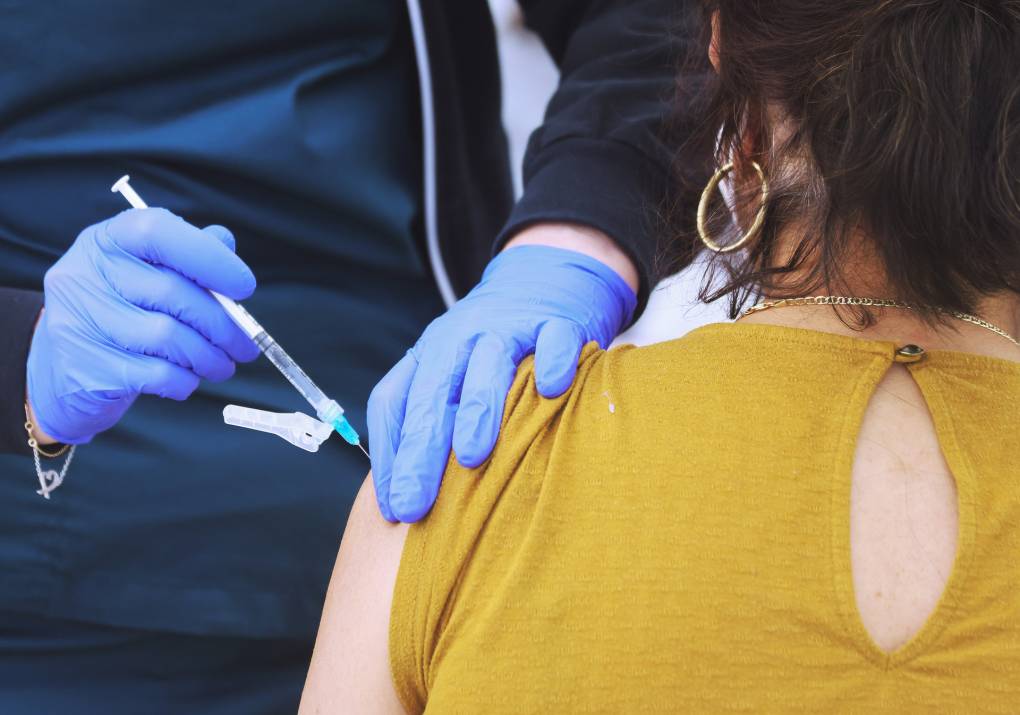
"caption": "A woman receives a COVID-19 vaccination. LightHouse for the Blind and Visually Impaired is now providing weekly pop-up vaccination clinics at their San Francisco headquarters.",
"description": "A woman receives a COVID vaccination dose. LightHouse for the Blind and Visually Impaired is now providing weekly pop-up vaccination clinics at their San Francisco headquarters.",
"title": "Residents Of L.A.'s Koreatown Get COVID-19 Vaccination",
"credit": "Mario Tama/Getty Images",
"status": "inherit",
"altTag": "woman getting COVID vaccine dose shot in the arm",
"isLoading": false,
"fetchFailed": false
},
"news_11868092": {
"type": "attachments",
"id": "news_11868092",
"meta": {
"index": "attachments_1716263798",
"site": "news",
"id": "11868092",
"found": true
},
"parent": 11868083,
"imgSizes": {
"twentyfourteen-full-width": {
"file": "https://ww2.kqed.org/app/uploads/sites/10/2021/04/032921_EDD_SH_02-1038x576.jpeg",
"width": 1038,
"mimeType": "image/jpeg",
"height": 576
},
"thumbnail": {
"file": "https://ww2.kqed.org/app/uploads/sites/10/2021/04/032921_EDD_SH_02-160x107.jpeg",
"width": 160,
"mimeType": "image/jpeg",
"height": 107
},
"post-thumbnail": {
"file": "https://ww2.kqed.org/app/uploads/sites/10/2021/04/032921_EDD_SH_02-672x372.jpeg",
"width": 672,
"mimeType": "image/jpeg",
"height": 372
},
"kqedFullSize": {
"file": "https://ww2.kqed.org/app/uploads/sites/10/2021/04/032921_EDD_SH_02-e1617652299347.jpeg",
"width": 1920,
"height": 1280
},
"large": {
"file": "https://ww2.kqed.org/app/uploads/sites/10/2021/04/032921_EDD_SH_02-1020x680.jpeg",
"width": 1020,
"mimeType": "image/jpeg",
"height": 680
},
"1536x1536": {
"file": "https://ww2.kqed.org/app/uploads/sites/10/2021/04/032921_EDD_SH_02-1536x1024.jpeg",
"width": 1536,
"mimeType": "image/jpeg",
"height": 1024
},
"full-width": {
"file": "https://ww2.kqed.org/app/uploads/sites/10/2021/04/032921_EDD_SH_02-1920x1280.jpeg",
"width": 1920,
"mimeType": "image/jpeg",
"height": 1280
},
"medium": {
"file": "https://ww2.kqed.org/app/uploads/sites/10/2021/04/032921_EDD_SH_02-800x533.jpeg",
"width": 800,
"mimeType": "image/jpeg",
"height": 533
}
},
"publishDate": 1617652252,
"modified": 1617652366,
"caption": "Stacy Lira and her husband of 28 years, Armando, outside their home in Victorville on March 29, 2021. Stacy is holding a folder full of unemployment paperwork. ",
"description": null,
"title": "032921_EDD_SH_02",
"credit": "Shae Hammond/CalMatters",
"status": "inherit",
"altTag": null,
"isLoading": false,
"fetchFailed": false
},
"news_11868439": {
"type": "attachments",
"id": "news_11868439",
"meta": {
"index": "attachments_1716263798",
"site": "news",
"id": "11868439",
"found": true
},
"parent": 11868430,
"imgSizes": {
"twentyfourteen-full-width": {
"file": "https://ww2.kqed.org/app/uploads/sites/10/2021/04/GettyImages-1232069530-1038x576.jpg",
"width": 1038,
"mimeType": "image/jpeg",
"height": 576
},
"thumbnail": {
"file": "https://ww2.kqed.org/app/uploads/sites/10/2021/04/GettyImages-1232069530-160x107.jpg",
"width": 160,
"mimeType": "image/jpeg",
"height": 107
},
"post-thumbnail": {
"file": "https://ww2.kqed.org/app/uploads/sites/10/2021/04/GettyImages-1232069530-672x372.jpg",
"width": 672,
"mimeType": "image/jpeg",
"height": 372
},
"kqedFullSize": {
"file": "https://ww2.kqed.org/app/uploads/sites/10/2021/04/GettyImages-1232069530-e1617826087107.jpg",
"width": 1350,
"height": 900
},
"large": {
"file": "https://ww2.kqed.org/app/uploads/sites/10/2021/04/GettyImages-1232069530-1020x680.jpg",
"width": 1020,
"mimeType": "image/jpeg",
"height": 680
},
"medium": {
"file": "https://ww2.kqed.org/app/uploads/sites/10/2021/04/GettyImages-1232069530-800x533.jpg",
"width": 800,
"mimeType": "image/jpeg",
"height": 533
}
},
"publishDate": 1617826044,
"modified": 1617836461,
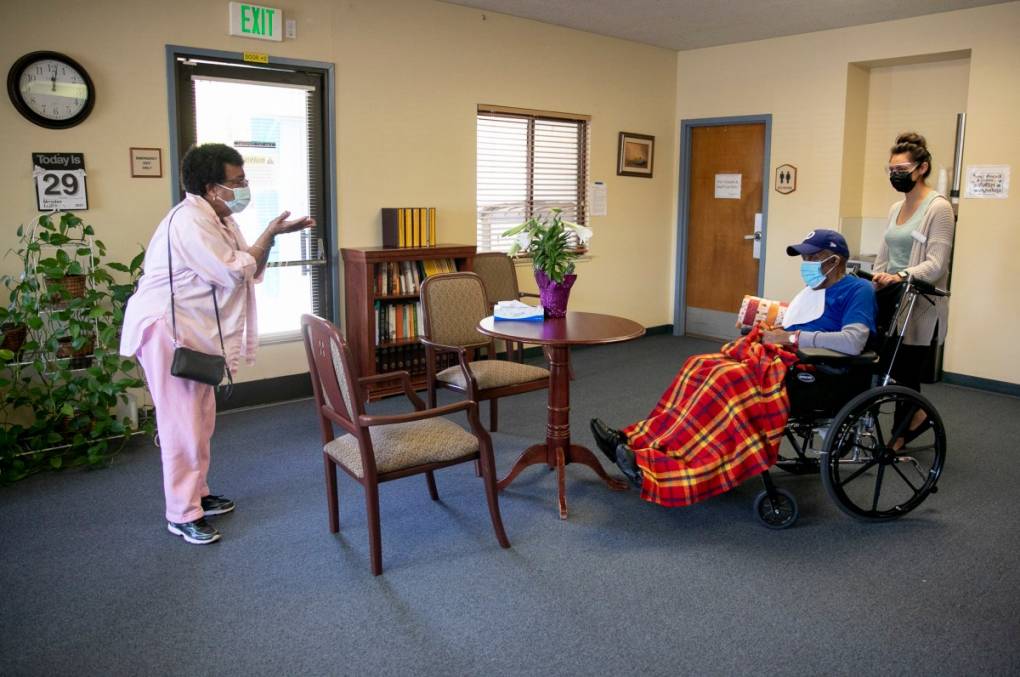
"caption": "Los Angeles County Department of Public Health holds coronavirus vaccination facility for seniors at Whispering Fountains Senior Living Community on March 31, 2021 in Lakewood, California.",
"description": "L.A. County Department of Public Health holds coronavirus vaccination facility for seniors at Whispering Fountains Senior Living Community on Wednesday, March 31, 2021 in Lakewood, CA.",
"title": "L.A. County Department of Public Health holds coronavirus vaccination facility for seniors.",
"credit": "Irfan Khan / Los Angeles Times via Getty Images",
"status": "inherit",
"altTag": null,
"isLoading": false,
"fetchFailed": false
},
"news_11805821": {
"type": "attachments",
"id": "news_11805821",
"meta": {
"index": "attachments_1716263798",
"site": "news",
"id": "11805821",
"found": true
},
"parent": 11805625,
"imgSizes": {
"apple_news_ca_landscape_5_5": {
"file": "https://ww2.kqed.org/app/uploads/sites/10/2020/03/GettyImages-1210831241_1920x-1044x783.jpg",
"width": 1044,
"mimeType": "image/jpeg",
"height": 783
},
"apple_news_ca_square_4_0": {
"file": "https://ww2.kqed.org/app/uploads/sites/10/2020/03/GettyImages-1210831241_1920x-470x470.jpg",
"width": 470,
"mimeType": "image/jpeg",
"height": 470
},
"twentyfourteen-full-width": {
"file": "https://ww2.kqed.org/app/uploads/sites/10/2020/03/GettyImages-1210831241_1920x-1038x576.jpg",
"width": 1038,
"mimeType": "image/jpeg",
"height": 576
},
"thumbnail": {
"file": "https://ww2.kqed.org/app/uploads/sites/10/2020/03/GettyImages-1210831241_1920x-160x116.jpg",
"width": 160,
"mimeType": "image/jpeg",
"height": 116
},
"post-thumbnail": {
"file": "https://ww2.kqed.org/app/uploads/sites/10/2020/03/GettyImages-1210831241_1920x-672x372.jpg",
"width": 672,
"mimeType": "image/jpeg",
"height": 372
},
"kqedFullSize": {
"file": "https://ww2.kqed.org/app/uploads/sites/10/2020/03/GettyImages-1210831241_1920x.jpg",
"width": 1920,
"height": 1391
},
"apple_news_ca_landscape_4_7": {
"file": "https://ww2.kqed.org/app/uploads/sites/10/2020/03/GettyImages-1210831241_1920x-632x474.jpg",
"width": 632,
"mimeType": "image/jpeg",
"height": 474
},
"large": {
"file": "https://ww2.kqed.org/app/uploads/sites/10/2020/03/GettyImages-1210831241_1920x-1020x739.jpg",
"width": 1020,
"mimeType": "image/jpeg",
"height": 739
},
"apple_news_ca_landscape_4_0": {
"file": "https://ww2.kqed.org/app/uploads/sites/10/2020/03/GettyImages-1210831241_1920x-536x402.jpg",
"width": 536,
"mimeType": "image/jpeg",
"height": 402
},
"apple_news_ca_portrait_12_9": {
"file": "https://ww2.kqed.org/app/uploads/sites/10/2020/03/GettyImages-1210831241_1920x-1122x1391.jpg",
"width": 1122,
"mimeType": "image/jpeg",
"height": 1391
},
"medium": {
"file": "https://ww2.kqed.org/app/uploads/sites/10/2020/03/GettyImages-1210831241_1920x-800x580.jpg",
"width": 800,
"mimeType": "image/jpeg",
"height": 580
},
"apple_news_ca_portrait_4_0": {
"file": "https://ww2.kqed.org/app/uploads/sites/10/2020/03/GettyImages-1210831241_1920x-354x472.jpg",
"width": 354,
"mimeType": "image/jpeg",
"height": 472
},
"apple_news_ca_portrait_9_7": {
"file": "https://ww2.kqed.org/app/uploads/sites/10/2020/03/GettyImages-1210831241_1920x-840x1120.jpg",
"width": 840,
"mimeType": "image/jpeg",
"height": 1120
},
"apple_news_ca_landscape_12_9": {
"file": "https://ww2.kqed.org/app/uploads/sites/10/2020/03/GettyImages-1210831241_1920x-1832x1374.jpg",
"width": 1832,
"mimeType": "image/jpeg",
"height": 1374
},
"apple_news_ca_square_9_7": {
"file": "https://ww2.kqed.org/app/uploads/sites/10/2020/03/GettyImages-1210831241_1920x-1104x1104.jpg",
"width": 1104,
"mimeType": "image/jpeg",
"height": 1104
},
"apple_news_ca_portrait_4_7": {
"file": "https://ww2.kqed.org/app/uploads/sites/10/2020/03/GettyImages-1210831241_1920x-414x552.jpg",
"width": 414,
"mimeType": "image/jpeg",
"height": 552
},
"apple_news_ca_square_12_9": {
"file": "https://ww2.kqed.org/app/uploads/sites/10/2020/03/GettyImages-1210831241_1920x-1472x1391.jpg",
"width": 1472,
"mimeType": "image/jpeg",
"height": 1391
},
"apple_news_ca_portrait_5_5": {
"file": "https://ww2.kqed.org/app/uploads/sites/10/2020/03/GettyImages-1210831241_1920x-687x916.jpg",
"width": 687,
"mimeType": "image/jpeg",
"height": 916
},
"full-width": {
"file": "https://ww2.kqed.org/app/uploads/sites/10/2020/03/GettyImages-1210831241_1920x-1920x1391.jpg",
"width": 1920,
"mimeType": "image/jpeg",
"height": 1391
},
"apple_news_ca_square_4_7": {
"file": "https://ww2.kqed.org/app/uploads/sites/10/2020/03/GettyImages-1210831241_1920x-550x550.jpg",
"width": 550,
"mimeType": "image/jpeg",
"height": 550
},
"apple_news_ca_landscape_9_7": {
"file": "https://ww2.kqed.org/app/uploads/sites/10/2020/03/GettyImages-1210831241_1920x-1376x1032.jpg",
"width": 1376,
"mimeType": "image/jpeg",
"height": 1032
},
"apple_news_ca_square_5_5": {
"file": "https://ww2.kqed.org/app/uploads/sites/10/2020/03/GettyImages-1210831241_1920x-912x912.jpg",
"width": 912,
"mimeType": "image/jpeg",
"height": 912
}
},
"publishDate": 1583784195,
"modified": 1583791334,
"caption": "A passenger wears a protective mask as she checks into an international flight at San Francisco International Airport. ",
"description": "A passenger wears a protective mask as she checks into an international flight at San Francisco International Airport. ",
"title": "Airlines Face Significant Losses As Businesses Restrict Travel Due To COVID-19",
"credit": "Justin Sullivan/Getty Images",
"status": "inherit",
"isLoading": false,
"fetchFailed": false
},
"news_11868243": {
"type": "attachments",
"id": "news_11868243",
"meta": {
"index": "attachments_1716263798",
"site": "news",
"id": "11868243",
"found": true
},
"parent": 11868240,
"imgSizes": {
"twentyfourteen-full-width": {
"file": "https://ww2.kqed.org/app/uploads/sites/10/2021/04/GettyImages-1232057243-1024x576.jpg",
"width": 1024,
"mimeType": "image/jpeg",
"height": 576
},
"thumbnail": {
"file": "https://ww2.kqed.org/app/uploads/sites/10/2021/04/GettyImages-1232057243-160x107.jpg",
"width": 160,
"mimeType": "image/jpeg",
"height": 107
},
"post-thumbnail": {
"file": "https://ww2.kqed.org/app/uploads/sites/10/2021/04/GettyImages-1232057243-672x372.jpg",
"width": 672,
"mimeType": "image/jpeg",
"height": 372
},
"kqedFullSize": {
"file": "https://ww2.kqed.org/app/uploads/sites/10/2021/04/GettyImages-1232057243.jpg",
"width": 1024,
"height": 683
},
"large": {
"file": "https://ww2.kqed.org/app/uploads/sites/10/2021/04/GettyImages-1232057243-1020x680.jpg",
"width": 1020,
"mimeType": "image/jpeg",
"height": 680
},
"medium": {
"file": "https://ww2.kqed.org/app/uploads/sites/10/2021/04/GettyImages-1232057243-800x534.jpg",
"width": 800,
"mimeType": "image/jpeg",
"height": 534
}
},
"publishDate": 1617733672,
"modified": 1617737358,
"caption": "Gov. Gavin Newsom speaks to the media in Los Angeles on April 1, 2021. California will fully reopen its economy by June 15, contingent on several factors being met, Newsom announced Tuesday. ",
"description": "Gov. Gavin Newsom speaks to the media in Los Angeles on April 1, 2021. California will fully reopen its economy by June 15, contingent on several factors being met, Newsom announced Tuesday. ",
"title": "US-HEALTH-VIRUS-NEWSOM",
"credit": "Patrick T. Fallon/AFP via Getty Images",
"status": "inherit",
"altTag": null,
"isLoading": false,
"fetchFailed": false
},
"news_11868070": {
"type": "attachments",
"id": "news_11868070",
"meta": {
"index": "attachments_1716263798",
"site": "news",
"id": "11868070",
"found": true
},
"parent": 11868069,
"imgSizes": {
"twentyfourteen-full-width": {
"file": "https://ww2.kqed.org/app/uploads/sites/10/2021/04/GettyImages-1052458492-1-1038x576.jpg",
"width": 1038,
"mimeType": "image/jpeg",
"height": 576
},
"thumbnail": {
"file": "https://ww2.kqed.org/app/uploads/sites/10/2021/04/GettyImages-1052458492-1-160x107.jpg",
"width": 160,
"mimeType": "image/jpeg",
"height": 107
},
"post-thumbnail": {
"file": "https://ww2.kqed.org/app/uploads/sites/10/2021/04/GettyImages-1052458492-1-672x372.jpg",
"width": 672,
"mimeType": "image/jpeg",
"height": 372
},
"kqedFullSize": {
"file": "https://ww2.kqed.org/app/uploads/sites/10/2021/04/GettyImages-1052458492-1.jpg",
"width": 1920,
"height": 1280
},
"large": {
"file": "https://ww2.kqed.org/app/uploads/sites/10/2021/04/GettyImages-1052458492-1-1020x680.jpg",
"width": 1020,
"mimeType": "image/jpeg",
"height": 680
},
"1536x1536": {
"file": "https://ww2.kqed.org/app/uploads/sites/10/2021/04/GettyImages-1052458492-1-1536x1024.jpg",
"width": 1536,
"mimeType": "image/jpeg",
"height": 1024
},
"medium": {
"file": "https://ww2.kqed.org/app/uploads/sites/10/2021/04/GettyImages-1052458492-1-800x533.jpg",
"width": 800,
"mimeType": "image/jpeg",
"height": 533
}
},
"publishDate": 1617648585,
"modified": 1617659311,
"caption": "San Francisco Unified School District Superintendent Dr. Vincent Matthews (C) reviews supplies that are needed after an earthquake occurs with students at Bryant Elementary School during a Great ShakeOut event on Oct. 18, 2018 in San Francisco.",
"description": "San Francisco Unified School District Superintendent Vincent Matthews speaks with students at Bryant Elementary School about earthquake safety, on Oct. 18, 2018.",
"title": "GettyImages-1052458492 (1)",
"credit": "Justin Sullivan/Getty Images",
"status": "inherit",
"altTag": null,
"isLoading": false,
"fetchFailed": false
},
"news_11867997": {
"type": "attachments",
"id": "news_11867997",
"meta": {
"index": "attachments_1716263798",
"site": "news",
"id": "11867997",
"found": true
},
"parent": 11867996,
"imgSizes": {
"twentyfourteen-full-width": {
"file": "https://ww2.kqed.org/app/uploads/sites/10/2021/04/032921_NursingHome_AW_sized_07-1038x576.jpeg",
"width": 1038,
"mimeType": "image/jpeg",
"height": 576
},
"thumbnail": {
"file": "https://ww2.kqed.org/app/uploads/sites/10/2021/04/032921_NursingHome_AW_sized_07-160x106.jpeg",
"width": 160,
"mimeType": "image/jpeg",
"height": 106
},
"post-thumbnail": {
"file": "https://ww2.kqed.org/app/uploads/sites/10/2021/04/032921_NursingHome_AW_sized_07-672x372.jpeg",
"width": 672,
"mimeType": "image/jpeg",
"height": 372
},
"kqedFullSize": {
"file": "https://ww2.kqed.org/app/uploads/sites/10/2021/04/032921_NursingHome_AW_sized_07.jpeg",
"width": 1200,
"height": 796
},
"large": {
"file": "https://ww2.kqed.org/app/uploads/sites/10/2021/04/032921_NursingHome_AW_sized_07-1020x677.jpeg",
"width": 1020,
"mimeType": "image/jpeg",
"height": 677
},
"medium": {
"file": "https://ww2.kqed.org/app/uploads/sites/10/2021/04/032921_NursingHome_AW_sized_07-800x531.jpeg",
"width": 800,
"mimeType": "image/jpeg",
"height": 531
}
},
"publishDate": 1617547571,
"modified": 1617547614,
"caption": "Ouida Dill, left, blows a kiss to her husband, David, at the end of their visit at Lincoln Glen Skilled Nursing Facility in San Jose. David has been a resident at Lincoln Glen for more than four years. For the past year, Ouida visited him almost every every day through a window. Now that Ouida is vaccinated, the couple can see each other indoors again. ",
"description": null,
"title": "032921_NursingHome_AW_sized_07",
"credit": "Anne Wernikoff/CalMatters",
"status": "inherit",
"altTag": "Ouida Dill, left, blows a kiss to her husband, David, at the end of their visit at Lincoln Glen Skilled Nursing Facility in San Jose. David has been a resident at Lincoln Glen for more than four years. For the past year, Ouida visited him almost every every day through a window. Now that Ouida is vaccinated, the couple can see each other indoors again.",
"isLoading": false,
"fetchFailed": false
},
"news_11867796": {
"type": "attachments",
"id": "news_11867796",
"meta": {
"index": "attachments_1716263798",
"site": "news",
"id": "11867796",
"found": true
},
"parent": 11867775,
"imgSizes": {
"twentyfourteen-full-width": {
"file": "https://ww2.kqed.org/app/uploads/sites/10/2021/04/RS48337_GettyImages-1292637776-qut-1038x576.jpg",
"width": 1038,
"mimeType": "image/jpeg",
"height": 576
},
"thumbnail": {
"file": "https://ww2.kqed.org/app/uploads/sites/10/2021/04/RS48337_GettyImages-1292637776-qut-160x108.jpg",
"width": 160,
"mimeType": "image/jpeg",
"height": 108
},
"post-thumbnail": {
"file": "https://ww2.kqed.org/app/uploads/sites/10/2021/04/RS48337_GettyImages-1292637776-qut-672x372.jpg",
"width": 672,
"mimeType": "image/jpeg",
"height": 372
},
"kqedFullSize": {
"file": "https://ww2.kqed.org/app/uploads/sites/10/2021/04/RS48337_GettyImages-1292637776-qut.jpg",
"width": 1920,
"height": 1299
},
"large": {
"file": "https://ww2.kqed.org/app/uploads/sites/10/2021/04/RS48337_GettyImages-1292637776-qut-1020x690.jpg",
"width": 1020,
"mimeType": "image/jpeg",
"height": 690
},
"1536x1536": {
"file": "https://ww2.kqed.org/app/uploads/sites/10/2021/04/RS48337_GettyImages-1292637776-qut-1536x1039.jpg",
"width": 1536,
"mimeType": "image/jpeg",
"height": 1039
},
"medium": {
"file": "https://ww2.kqed.org/app/uploads/sites/10/2021/04/RS48337_GettyImages-1292637776-qut-800x541.jpg",
"width": 800,
"mimeType": "image/jpeg",
"height": 541
}
},
"publishDate": 1617383121,
"modified": 1617385467,
"caption": "A traveler is hugged outside the Tom Bradley International Terminal after arriving at Los Angeles International Airport. ",
"description": null,
"title": "Travel Increases Ahead Of Christmas Holiday",
"credit": "Mario Tama/Getty Images",
"status": "inherit",
"altTag": "Two masked people hugging in an airport",
"isLoading": false,
"fetchFailed": false
},
"news_11849588": {
"type": "attachments",
"id": "news_11849588",
"meta": {
"index": "attachments_1716263798",
"site": "news",
"id": "11849588",
"found": true
},
"parent": 11849585,
"imgSizes": {
"apple_news_ca_landscape_5_5": {
"file": "https://ww2.kqed.org/app/uploads/sites/10/2020/12/RS16165_JV0A7516-qut-1044x783.jpg",
"width": 1044,
"mimeType": "image/jpeg",
"height": 783
},
"apple_news_ca_square_4_0": {
"file": "https://ww2.kqed.org/app/uploads/sites/10/2020/12/RS16165_JV0A7516-qut-470x470.jpg",
"width": 470,
"mimeType": "image/jpeg",
"height": 470
},
"twentyfourteen-full-width": {
"file": "https://ww2.kqed.org/app/uploads/sites/10/2020/12/RS16165_JV0A7516-qut-1038x576.jpg",
"width": 1038,
"mimeType": "image/jpeg",
"height": 576
},
"thumbnail": {
"file": "https://ww2.kqed.org/app/uploads/sites/10/2020/12/RS16165_JV0A7516-qut-160x107.jpg",
"width": 160,
"mimeType": "image/jpeg",
"height": 107
},
"post-thumbnail": {
"file": "https://ww2.kqed.org/app/uploads/sites/10/2020/12/RS16165_JV0A7516-qut-672x372.jpg",
"width": 672,
"mimeType": "image/jpeg",
"height": 372
},
"kqedFullSize": {
"file": "https://ww2.kqed.org/app/uploads/sites/10/2020/12/RS16165_JV0A7516-qut.jpg",
"width": 1920,
"height": 1280
},
"apple_news_ca_landscape_4_7": {
"file": "https://ww2.kqed.org/app/uploads/sites/10/2020/12/RS16165_JV0A7516-qut-632x474.jpg",
"width": 632,
"mimeType": "image/jpeg",
"height": 474
},
"large": {
"file": "https://ww2.kqed.org/app/uploads/sites/10/2020/12/RS16165_JV0A7516-qut-1020x680.jpg",
"width": 1020,
"mimeType": "image/jpeg",
"height": 680
},
"apple_news_ca_landscape_4_0": {
"file": "https://ww2.kqed.org/app/uploads/sites/10/2020/12/RS16165_JV0A7516-qut-536x402.jpg",
"width": 536,
"mimeType": "image/jpeg",
"height": 402
},
"apple_news_ca_portrait_12_9": {
"file": "https://ww2.kqed.org/app/uploads/sites/10/2020/12/RS16165_JV0A7516-qut-1122x1280.jpg",
"width": 1122,
"mimeType": "image/jpeg",
"height": 1280
},
"medium": {
"file": "https://ww2.kqed.org/app/uploads/sites/10/2020/12/RS16165_JV0A7516-qut-800x533.jpg",
"width": 800,
"mimeType": "image/jpeg",
"height": 533
},
"apple_news_ca_portrait_4_0": {
"file": "https://ww2.kqed.org/app/uploads/sites/10/2020/12/RS16165_JV0A7516-qut-354x472.jpg",
"width": 354,
"mimeType": "image/jpeg",
"height": 472
},
"apple_news_ca_portrait_9_7": {
"file": "https://ww2.kqed.org/app/uploads/sites/10/2020/12/RS16165_JV0A7516-qut-840x1120.jpg",
"width": 840,
"mimeType": "image/jpeg",
"height": 1120
},
"apple_news_ca_landscape_12_9": {
"file": "https://ww2.kqed.org/app/uploads/sites/10/2020/12/RS16165_JV0A7516-qut-1832x1280.jpg",
"width": 1832,
"mimeType": "image/jpeg",
"height": 1280
},
"apple_news_ca_square_9_7": {
"file": "https://ww2.kqed.org/app/uploads/sites/10/2020/12/RS16165_JV0A7516-qut-1104x1104.jpg",
"width": 1104,
"mimeType": "image/jpeg",
"height": 1104
},
"1536x1536": {
"file": "https://ww2.kqed.org/app/uploads/sites/10/2020/12/RS16165_JV0A7516-qut-1536x1024.jpg",
"width": 1536,
"mimeType": "image/jpeg",
"height": 1024
},
"apple_news_ca_portrait_4_7": {
"file": "https://ww2.kqed.org/app/uploads/sites/10/2020/12/RS16165_JV0A7516-qut-414x552.jpg",
"width": 414,
"mimeType": "image/jpeg",
"height": 552
},
"apple_news_ca_square_12_9": {
"file": "https://ww2.kqed.org/app/uploads/sites/10/2020/12/RS16165_JV0A7516-qut-1472x1280.jpg",
"width": 1472,
"mimeType": "image/jpeg",
"height": 1280
},
"apple_news_ca_portrait_5_5": {
"file": "https://ww2.kqed.org/app/uploads/sites/10/2020/12/RS16165_JV0A7516-qut-687x916.jpg",
"width": 687,
"mimeType": "image/jpeg",
"height": 916
},
"apple_news_ca_square_4_7": {
"file": "https://ww2.kqed.org/app/uploads/sites/10/2020/12/RS16165_JV0A7516-qut-550x550.jpg",
"width": 550,
"mimeType": "image/jpeg",
"height": 550
},
"apple_news_ca_landscape_9_7": {
"file": "https://ww2.kqed.org/app/uploads/sites/10/2020/12/RS16165_JV0A7516-qut-1376x1032.jpg",
"width": 1376,
"mimeType": "image/jpeg",
"height": 1032
},
"apple_news_ca_square_5_5": {
"file": "https://ww2.kqed.org/app/uploads/sites/10/2020/12/RS16165_JV0A7516-qut-912x912.jpg",
"width": 912,
"mimeType": "image/jpeg",
"height": 912
}
},
"publishDate": 1607041970,
"modified": 1626996401,
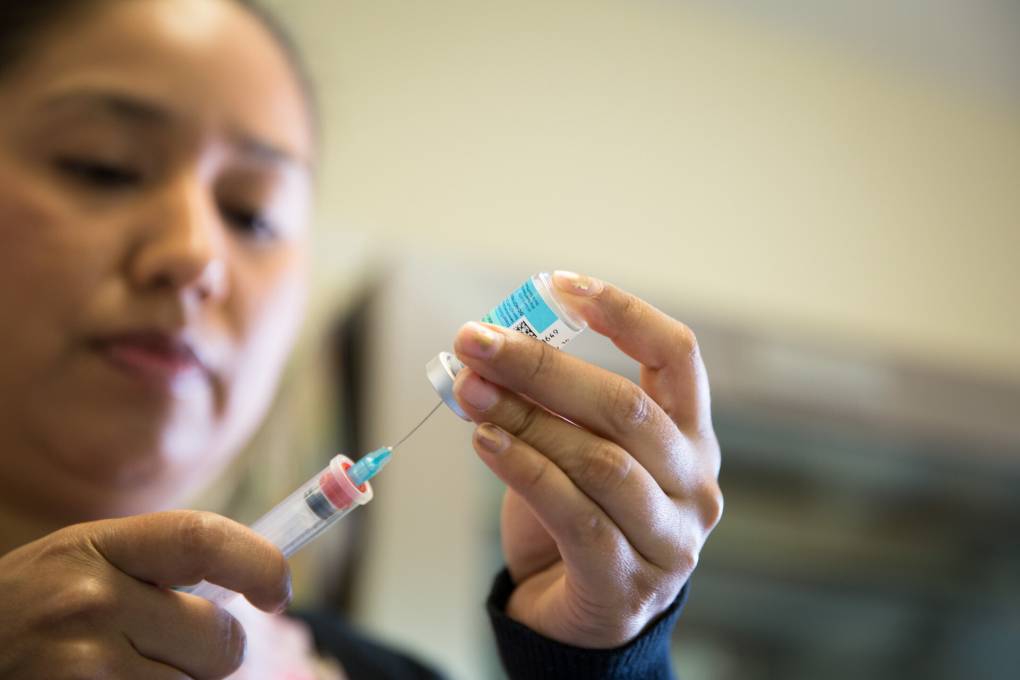
"caption": "Etzel Rubio at Berkeley Pediatrics fills a syringe in preparation to administer a vaccine.",
"description": "Etzel Rubio at Berkeley Pediatrics fills a syringe in preparation to administer a vaccine.",
"title": "RS16165_JV0A7516-qut",
"credit": "Jeremy Raff/KQED",
"status": "inherit",
"altTag": null,
"isLoading": false,
"fetchFailed": false
},
"news_11867331": {
"type": "attachments",
"id": "news_11867331",
"meta": {
"index": "attachments_1716263798",
"site": "news",
"id": "11867331",
"found": true
},
"parent": 11867318,
"imgSizes": {
"twentyfourteen-full-width": {
"file": "https://ww2.kqed.org/app/uploads/sites/10/2021/03/E9355248-C5F7-4BE0-AE8C-B316B53F1E66-1-1038x576.jpg",
"width": 1038,
"mimeType": "image/jpeg",
"height": 576
},
"thumbnail": {
"file": "https://ww2.kqed.org/app/uploads/sites/10/2021/03/E9355248-C5F7-4BE0-AE8C-B316B53F1E66-1-160x120.jpg",
"width": 160,
"mimeType": "image/jpeg",
"height": 120
},
"post-thumbnail": {
"file": "https://ww2.kqed.org/app/uploads/sites/10/2021/03/E9355248-C5F7-4BE0-AE8C-B316B53F1E66-1-672x372.jpg",
"width": 672,
"mimeType": "image/jpeg",
"height": 372
},
"kqedFullSize": {
"file": "https://ww2.kqed.org/app/uploads/sites/10/2021/03/E9355248-C5F7-4BE0-AE8C-B316B53F1E66-1.jpg",
"width": 1920,
"height": 1440
},
"large": {
"file": "https://ww2.kqed.org/app/uploads/sites/10/2021/03/E9355248-C5F7-4BE0-AE8C-B316B53F1E66-1-1020x765.jpg",
"width": 1020,
"mimeType": "image/jpeg",
"height": 765
},
"1536x1536": {
"file": "https://ww2.kqed.org/app/uploads/sites/10/2021/03/E9355248-C5F7-4BE0-AE8C-B316B53F1E66-1-1536x1152.jpg",
"width": 1536,
"mimeType": "image/jpeg",
"height": 1152
},
"medium": {
"file": "https://ww2.kqed.org/app/uploads/sites/10/2021/03/E9355248-C5F7-4BE0-AE8C-B316B53F1E66-1-800x600.jpg",
"width": 800,
"mimeType": "image/jpeg",
"height": 600
}
},
"publishDate": 1617219255,
"modified": 1617219295,
"caption": "An LAUSD first grader begins construction of her ecosystem model that will allow a paper salamander to safely cross the road. She used a cut-in-half toilet roll to make a tunnel for the salamander to cross safely from the river habitat to the forest habitat, both constructed out of plasticine.",
"description": "An LAUSD first grader begins construction of her ecosystem model that will allow a paper salamander to safely cross the road. She used a cut-in-half toilet roll to make a tunnel for the salamander to cross safely from the river habitat to the forest habitat, both constructed out of plasticine.",
"title": "E9355248-C5F7-4BE0-AE8C-B316B53F1E66 (1)",
"credit": "Deepa Fernandes/The California Report",
"status": "inherit",
"altTag": null,
"isLoading": false,
"fetchFailed": false
},
"news_11867347": {
"type": "attachments",
"id": "news_11867347",
"meta": {
"index": "attachments_1716263798",
"site": "news",
"id": "11867347",
"found": true
},
"parent": 11867299,
"imgSizes": {
"twentyfourteen-full-width": {
"file": "https://ww2.kqed.org/app/uploads/sites/10/2021/03/dimmerupdated_033121_final-1038x576.png",
"width": 1038,
"mimeType": "image/png",
"height": 576
},
"thumbnail": {
"file": "https://ww2.kqed.org/app/uploads/sites/10/2021/03/dimmerupdated_033121_final-160x99.png",
"width": 160,
"mimeType": "image/png",
"height": 99
},
"post-thumbnail": {
"file": "https://ww2.kqed.org/app/uploads/sites/10/2021/03/dimmerupdated_033121_final-672x372.png",
"width": 672,
"mimeType": "image/png",
"height": 372
},
"kqedFullSize": {
"file": "https://ww2.kqed.org/app/uploads/sites/10/2021/03/dimmerupdated_033121_final.png",
"width": 1920,
"height": 1184
},
"large": {
"file": "https://ww2.kqed.org/app/uploads/sites/10/2021/03/dimmerupdated_033121_final-1020x629.png",
"width": 1020,
"mimeType": "image/png",
"height": 629
},
"1536x1536": {
"file": "https://ww2.kqed.org/app/uploads/sites/10/2021/03/dimmerupdated_033121_final-1536x947.png",
"width": 1536,
"mimeType": "image/png",
"height": 947
},
"medium": {
"file": "https://ww2.kqed.org/app/uploads/sites/10/2021/03/dimmerupdated_033121_final-800x493.png",
"width": 800,
"mimeType": "image/png",
"height": 493
}
},
"publishDate": 1617220475,
"modified": 1617220574,
"caption": null,
"description": null,
"title": "dimmerupdated_033121_final",
"credit": null,
"status": "inherit",
"altTag": "A Mark Fiore cartoon showing a dimmer switch pointing to color tiers, from purple to green, labeled: \"God help us, please no more, well this is encouraging, is this really happening and I can't believe it.\" Caption below: Dimmer Switch Updated",
"isLoading": false,
"fetchFailed": false
},
"news_11867117": {
"type": "attachments",
"id": "news_11867117",
"meta": {
"index": "attachments_1716263798",
"site": "news",
"id": "11867117",
"found": true
},
"parent": 11867112,
"imgSizes": {
"twentyfourteen-full-width": {
"file": "https://ww2.kqed.org/app/uploads/sites/10/2021/03/parents_033021_final-1038x576.png",
"width": 1038,
"mimeType": "image/png",
"height": 576
},
"thumbnail": {
"file": "https://ww2.kqed.org/app/uploads/sites/10/2021/03/parents_033021_final-160x119.png",
"width": 160,
"mimeType": "image/png",
"height": 119
},
"post-thumbnail": {
"file": "https://ww2.kqed.org/app/uploads/sites/10/2021/03/parents_033021_final-672x372.png",
"width": 672,
"mimeType": "image/png",
"height": 372
},
"kqedFullSize": {
"file": "https://ww2.kqed.org/app/uploads/sites/10/2021/03/parents_033021_final.png",
"width": 1920,
"height": 1429
},
"large": {
"file": "https://ww2.kqed.org/app/uploads/sites/10/2021/03/parents_033021_final-1020x759.png",
"width": 1020,
"mimeType": "image/png",
"height": 759
},
"1536x1536": {
"file": "https://ww2.kqed.org/app/uploads/sites/10/2021/03/parents_033021_final-1536x1143.png",
"width": 1536,
"mimeType": "image/png",
"height": 1143
},
"medium": {
"file": "https://ww2.kqed.org/app/uploads/sites/10/2021/03/parents_033021_final-800x595.png",
"width": 800,
"mimeType": "image/png",
"height": 595
}
},
"publishDate": 1617134482,
"modified": 1617134590,
"caption": null,
"description": null,
"title": "parents_033021_final",
"credit": null,
"status": "inherit",
"altTag": "A Mark Fiore cartoon showing a sign outlining school dropoff rules for parents. Remain masked, maintain social distancing, and \"please refrain from victory dances, spraying champagne and loud, joyous whoops until off school grounds.\"",
"isLoading": false,
"fetchFailed": false
}
},
"audioPlayerReducer": {
"postId": "stream_live",
"isPaused": true,
"isPlaying": false,
"pfsActive": false,
"pledgeModalIsOpen": true,
"playerDrawerIsOpen": false,
"liveAudioPlayStartedAt": 0,
"liveAudioPlayContext": ""
},
"authorsReducer": {
"byline_news_11868083": {
"type": "authors",
"id": "byline_news_11868083",
"meta": {
"override": true
},
"slug": "byline_news_11868083",
"name": "\u003ca href=\"https://calmatters.org/author/laurenhepler/\">Lauren Hepler\u003c/a>\u003cbr>CalMatters",
"isLoading": false
},
"byline_news_11868430": {
"type": "authors",
"id": "byline_news_11868430",
"meta": {
"override": true
},
"slug": "byline_news_11868430",
"name": "\u003ca href=\"https://khn.org/news/author/jenny-gold/\">Jenny Gold\u003c/a>",
"isLoading": false
},
"byline_news_11867996": {
"type": "authors",
"id": "byline_news_11867996",
"meta": {
"override": true
},
"slug": "byline_news_11867996",
"name": "Barbara Feder Ostrov",
"isLoading": false
},
"byline_news_11867775": {
"type": "authors",
"id": "byline_news_11867775",
"meta": {
"override": true
},
"slug": "byline_news_11867775",
"name": "Candice Choi\u003cbr />Associated Press",
"isLoading": false
},
"byline_news_11867318": {
"type": "authors",
"id": "byline_news_11867318",
"meta": {
"override": true
},
"slug": "byline_news_11867318",
"name": "\u003ca href=\"https://twitter.com/deepafern?lang=en\">Deepa Fernandes\u003c/a>",
"isLoading": false
},
"kqednewsstaffandwires": {
"type": "authors",
"id": "237",
"meta": {
"index": "authors_1716337520",
"id": "237",
"found": true
},
"name": "KQED News Staff and Wires",
"firstName": "KQED News Staff and Wires",
"lastName": null,
"slug": "kqednewsstaffandwires",
"email": "onlinenewsstaff@kqed.org",
"display_author_email": false,
"staff_mastheads": [],
"title": null,
"bio": null,
"avatar": "https://secure.gravatar.com/avatar/72295af8ebbfbd19a4948f5271285664?s=600&d=blank&r=g",
"twitter": null,
"facebook": null,
"instagram": null,
"linkedin": null,
"sites": [
{
"site": "arts",
"roles": [
"contributor"
]
},
{
"site": "news",
"roles": [
"contributor"
]
},
{
"site": "lowdown",
"roles": [
"author"
]
},
{
"site": "stateofhealth",
"roles": [
"contributor"
]
},
{
"site": "food",
"roles": [
"author"
]
}
],
"headData": {
"title": "KQED News Staff and Wires | KQED",
"description": null,
"ogImgSrc": "https://secure.gravatar.com/avatar/72295af8ebbfbd19a4948f5271285664?s=600&d=blank&r=g",
"twImgSrc": "https://secure.gravatar.com/avatar/72295af8ebbfbd19a4948f5271285664?s=600&d=blank&r=g"
},
"isLoading": false,
"link": "/author/kqednewsstaffandwires"
},
"markfiore": {
"type": "authors",
"id": "3236",
"meta": {
"index": "authors_1716337520",
"id": "3236",
"found": true
},
"name": "Mark Fiore",
"firstName": "Mark",
"lastName": "Fiore",
"slug": "markfiore",
"email": "mark@markfiore.com",
"display_author_email": false,
"staff_mastheads": [
"news"
],
"title": "KQED News Cartoonist",
"bio": "\u003ca href=\"http://www.MarkFiore.com\">MarkFiore.com\u003c/a> | \u003ca href=\"https://twitter.com/markfiore\">Follow on Twitter\u003c/a> | \u003ca href=\"https://www.facebook.com/pages/Mark-Fiore-Animated-Political-Cartoons/94451707396?ref=bookmarks\">Facebook\u003c/a> | \u003ca href=\"mailto:mark@markfiore.com\">email\u003c/a>\r\n\r\nPulitzer Prize-winner, Mark Fiore, who the Wall Street Journal has called “the undisputed guru of the form,” creates animated political cartoons in San Francisco, where his work has been featured regularly on the San Francisco Chronicle’s web site, SFGate.com. His work has appeared on Newsweek.com, Slate.com, CBSNews.com, MotherJones.com, DailyKos.com and NPR’s web site. Fiore’s political animation has appeared on CNN, Frontline, Bill Moyers Journal, Salon.com and cable and broadcast outlets across the globe.\r\n\r\nBeginning his professional life by drawing traditional political cartoons for newspapers, Fiore’s work appeared in publications ranging from the Washington Post to the Los Angeles Times. In the late 1990s, he began to experiment with animating political cartoons and, after a short stint at the San Jose Mercury News as their staff cartoonist, Fiore devoted all his energies to animation.\r\nGrowing up in California, Fiore also spent a good portion of his life in the backwoods of Idaho. It was this combination that shaped him politically. Mark majored in political science at Colorado College, where, in a perfect send-off for a cartoonist, he received his diploma in 1991 as commencement speaker Dick Cheney smiled approvingly.\r\nMark Fiore was awarded the Pulitzer Prize for political cartooning in 2010, a Robert F. Kennedy Journalism Award in 2004 and has twice received an Online Journalism Award for commentary from the Online News Association (2002, 2008). Fiore has received two awards for his work in new media from the National Cartoonists Society (2001, 2002), and in 2006 received The James Madison Freedom of Information Award from The Society of Professional Journalists.",
"avatar": "https://secure.gravatar.com/avatar/fc4e2a612b15b67bad0c6f0e1db4ca9b?s=600&d=blank&r=g",
"twitter": "MarkFiore",
"facebook": null,
"instagram": "https://www.instagram.com/markfiore/?hl=en",
"linkedin": null,
"sites": [
{
"site": "arts",
"roles": [
"contributor"
]
},
{
"site": "news",
"roles": [
"editor"
]
},
{
"site": "futureofyou",
"roles": [
"editor"
]
},
{
"site": "science",
"roles": [
"editor"
]
}
],
"headData": {
"title": "Mark Fiore | KQED",
"description": "KQED News Cartoonist",
"ogImgSrc": "https://secure.gravatar.com/avatar/fc4e2a612b15b67bad0c6f0e1db4ca9b?s=600&d=blank&r=g",
"twImgSrc": "https://secure.gravatar.com/avatar/fc4e2a612b15b67bad0c6f0e1db4ca9b?s=600&d=blank&r=g"
},
"isLoading": false,
"link": "/author/markfiore"
},
"carlysevern": {
"type": "authors",
"id": "3243",
"meta": {
"index": "authors_1716337520",
"id": "3243",
"found": true
},
"name": "Carly Severn",
"firstName": "Carly",
"lastName": "Severn",
"slug": "carlysevern",
"email": "csevern@kqed.org",
"display_author_email": false,
"staff_mastheads": [
"news"
],
"title": "Senior Editor, Audience News ",
"bio": "Carly is KQED's Senior Editor of Audience News on the Digital News team, and has reported for the California Report Magazine, Bay Curious and KQED Arts. She's formerly the host of \u003ca href=\"http://ww2.kqed.org/pop/category/the-cooler/\" rel=\"noopener noreferrer\">The Cooler\u003c/a> podcast.",
"avatar": "https://secure.gravatar.com/avatar/54037bf5c128fe678f0ef26cec97a93f2e7f220a22d7285703328f12c42c1b1d?s=600&d=blank&r=g",
"twitter": "teacupinthebay",
"bluesky": null,
"facebook": null,
"instagram": null,
"linkedin": null,
"sites": [
{
"site": "",
"roles": [
"editor"
]
},
{
"site": "arts",
"roles": [
"editor"
]
},
{
"site": "news",
"roles": [
"administrator"
]
},
{
"site": "pop",
"roles": [
"editor"
]
},
{
"site": "futureofyou",
"roles": [
"editor"
]
},
{
"site": "about",
"roles": [
"administrator"
]
},
{
"site": "mindshift",
"roles": [
"editor"
]
},
{
"site": "bayareabites",
"roles": [
"editor"
]
},
{
"site": "stateofhealth",
"roles": [
"editor"
]
},
{
"site": "science",
"roles": [
"editor"
]
},
{
"site": "food",
"roles": [
"contributor"
]
},
{
"site": "forum",
"roles": [
"editor"
]
},
{
"site": "perspectives",
"roles": [
"administrator"
]
},
{
"site": "liveblog",
"roles": [
"editor"
]
}
],
"headData": {
"title": "Carly Severn | KQED",
"description": "Senior Editor, Audience News ",
"ogImgSrc": "https://secure.gravatar.com/avatar/54037bf5c128fe678f0ef26cec97a93f2e7f220a22d7285703328f12c42c1b1d?s=600&d=blank&r=g",
"twImgSrc": "https://secure.gravatar.com/avatar/54037bf5c128fe678f0ef26cec97a93f2e7f220a22d7285703328f12c42c1b1d?s=600&d=blank&r=g"
},
"isLoading": false,
"link": "/author/carlysevern"
},
"dkatayama": {
"type": "authors",
"id": "7240",
"meta": {
"index": "authors_1716337520",
"id": "7240",
"found": true
},
"name": "Devin Katayama",
"firstName": "Devin",
"lastName": "Katayama",
"slug": "dkatayama",
"email": "dkatayama@kqed.org",
"display_author_email": true,
"staff_mastheads": [
"news"
],
"title": "Editor of Talent and Development",
"bio": "Devin Katayama is former Editor of Talent and Development for KQED. He supported our internship program and on-call staff by looking for equitable opportunities to improve the newsroom.\r\n\r\nHe previously hosted The Bay and American Suburb podcasts from KQED News. Prior to returning to the Bay Area in 2015, Devin was the education reporter for WFPL in Louisville and worked as a producer with radio stations in Chicago and Portland, OR. His work has appeared on NPR’s \u003cem>Morning Edition, All Things Considered, The Takeaway\u003c/em> and \u003cem>Here and Now.\u003c/em>\r\n\r\nDevin earned his MA in Journalism from Columbia College Chicago, where he was a Follett Fellow and the recipient of the 2011 Studs Terkel Community Media Workshop Scholarship for his story on Chicago's homeless youth. He won WBUR's 2014 Daniel Schorr award and a regional RTNDA Edward R. Murrow Award for his documentary \"At Risk\" that looked at issues facing some of Louisville's students. Devin has also received numerous local awards from the Associated Press and the Society of Professional Journalists.",
"avatar": "https://secure.gravatar.com/avatar/d0d2978a31002fb2de107921a8e18405?s=600&d=blank&r=g",
"twitter": "RadioDevin",
"facebook": null,
"instagram": null,
"linkedin": null,
"sites": [
{
"site": "arts",
"roles": []
},
{
"site": "news",
"roles": [
"author"
]
},
{
"site": "stateofhealth",
"roles": [
"author"
]
},
{
"site": "forum",
"roles": [
"editor"
]
},
{
"site": "perspectives",
"roles": [
"editor"
]
}
],
"headData": {
"title": "Devin Katayama | KQED",
"description": "Editor of Talent and Development",
"ogImgSrc": "https://secure.gravatar.com/avatar/d0d2978a31002fb2de107921a8e18405?s=600&d=blank&r=g",
"twImgSrc": "https://secure.gravatar.com/avatar/d0d2978a31002fb2de107921a8e18405?s=600&d=blank&r=g"
},
"isLoading": false,
"link": "/author/dkatayama"
},
"mfederis": {
"type": "authors",
"id": "11509",
"meta": {
"index": "authors_1716337520",
"id": "11509",
"found": true
},
"name": "Marnette Federis",
"firstName": "Marnette",
"lastName": "Federis",
"slug": "mfederis",
"email": "mfederis@kqed.org",
"display_author_email": false,
"staff_mastheads": [],
"title": "KQED Contributor",
"bio": null,
"avatar": "https://secure.gravatar.com/avatar/4e22db56276fd54eaeb4ec94c12662c6c695a321a263331af03448665369ad7f?s=600&d=mm&r=g",
"twitter": null,
"bluesky": null,
"facebook": null,
"instagram": null,
"linkedin": null,
"sites": [
{
"site": "arts",
"roles": [
"editor"
]
},
{
"site": "news",
"roles": [
"editor"
]
},
{
"site": "mindshift",
"roles": [
"editor"
]
},
{
"site": "science",
"roles": [
"editor"
]
},
{
"site": "forum",
"roles": [
"editor"
]
},
{
"site": "podcasts",
"roles": [
"editor"
]
},
{
"site": "elections",
"roles": [
"editor"
]
}
],
"headData": {
"title": "Marnette Federis | KQED",
"description": "KQED Contributor",
"ogImgSrc": "https://secure.gravatar.com/avatar/4e22db56276fd54eaeb4ec94c12662c6c695a321a263331af03448665369ad7f?s=600&d=mm&r=g",
"twImgSrc": "https://secure.gravatar.com/avatar/4e22db56276fd54eaeb4ec94c12662c6c695a321a263331af03448665369ad7f?s=600&d=mm&r=g"
},
"isLoading": false,
"link": "/author/mfederis"
},
"amontecillo": {
"type": "authors",
"id": "11649",
"meta": {
"index": "authors_1716337520",
"id": "11649",
"found": true
},
"name": "Alan Montecillo",
"firstName": "Alan",
"lastName": "Montecillo",
"slug": "amontecillo",
"email": "amontecillo@kqed.org",
"display_author_email": false,
"staff_mastheads": [
"news"
],
"title": "KQED Contributor",
"bio": "Alan Montecillo is the senior editor of \u003cem>\u003ca href=\"http://kqed.org/thebay\">The Bay\u003c/a>, \u003c/em> KQED's local news podcast. Before moving to the Bay Area, he worked as a senior talk show producer for WILL in Champaign-Urbana, Illinois and at Oregon Public Broadcasting in Portland, Oregon. He has won journalism awards from the Society of Professional Journalists Northern California, the Public Media Journalists Association, The Signal Awards, and has also received a regional Edward R. Murrow award. Alan is a Filipino American from Hong Kong and a graduate of Reed College.",
"avatar": "https://secure.gravatar.com/avatar/268f53a2066899ea9efdd8a5900218b17c822d9862cbc9326cccec53ef41d349?s=600&d=blank&r=g",
"twitter": "alanmontecillo",
"bluesky": null,
"facebook": null,
"instagram": null,
"linkedin": null,
"sites": [
{
"site": "",
"roles": [
"editor"
]
},
{
"site": "news",
"roles": [
"editor",
"manage_categories"
]
}
],
"headData": {
"title": "Alan Montecillo | KQED",
"description": "KQED Contributor",
"ogImgSrc": "https://secure.gravatar.com/avatar/268f53a2066899ea9efdd8a5900218b17c822d9862cbc9326cccec53ef41d349?s=600&d=blank&r=g",
"twImgSrc": "https://secure.gravatar.com/avatar/268f53a2066899ea9efdd8a5900218b17c822d9862cbc9326cccec53ef41d349?s=600&d=blank&r=g"
},
"isLoading": false,
"link": "/author/amontecillo"
},
"abandlamudi": {
"type": "authors",
"id": "11672",
"meta": {
"index": "authors_1716337520",
"id": "11672",
"found": true
},
"name": "Adhiti Bandlamudi",
"firstName": "Adhiti",
"lastName": "Bandlamudi",
"slug": "abandlamudi",
"email": "abandlamudi@kqed.org",
"display_author_email": false,
"staff_mastheads": [
"news"
],
"title": "KQED Housing Reporter",
"bio": "Adhiti Bandlamudi reports for KQED's Housing desk. She focuses on how housing gets built across the Bay Area. Before joining KQED in 2020, she reported for WUNC in Durham, North Carolina, WABE in Atlanta, Georgia and Capital Public Radio in Sacramento. In 2017, she was awarded a Kroc Fellowship at NPR where she reported on everything from sprinkles to the Golden State Killer's arrest. When she's not reporting, she's baking new recipes in her kitchen or watching movies with friends and family. She's originally from Georgia and has strong opinions about Great British Bake Off.",
"avatar": "https://secure.gravatar.com/avatar/868129c8b257bb99a3500e2c86a65400?s=600&d=mm&r=g",
"twitter": "oddity_adhiti",
"facebook": null,
"instagram": null,
"linkedin": null,
"sites": [
{
"site": "arts",
"roles": [
"author"
]
},
{
"site": "news",
"roles": [
"editor"
]
},
{
"site": "liveblog",
"roles": [
"author"
]
}
],
"headData": {
"title": "Adhiti Bandlamudi | KQED",
"description": "KQED Housing Reporter",
"ogImgSrc": "https://secure.gravatar.com/avatar/868129c8b257bb99a3500e2c86a65400?s=600&d=mm&r=g",
"twImgSrc": "https://secure.gravatar.com/avatar/868129c8b257bb99a3500e2c86a65400?s=600&d=mm&r=g"
},
"isLoading": false,
"link": "/author/abandlamudi"
},
"jrodriguez": {
"type": "authors",
"id": "11690",
"meta": {
"index": "authors_1716337520",
"id": "11690",
"found": true
},
"name": "Joe Fitzgerald Rodriguez",
"firstName": "Joe",
"lastName": "Fitzgerald Rodriguez",
"slug": "jrodriguez",
"email": "jrodriguez@kqed.org",
"display_author_email": true,
"staff_mastheads": [
"news"
],
"title": "Reporter and Producer",
"bio": "Joe Fitzgerald Rodriguez is a reporter and digital producer for KQED covering politics. Joe most recently wrote for the \u003cem>San Francisco Examiner\u003c/em> as a political columnist covering The City. He was raised in San Francisco and has spent his reporting career in his beloved, foggy, city by the bay. Joe was 12-years-old when he conducted his first interview in journalism, grilling former San Francisco Mayor Willie Brown for the Marina Middle School newspaper, \u003cem>The Penguin Press, \u003c/em>and he continues to report on the San Francisco Bay Area to this day.",
"avatar": "https://secure.gravatar.com/avatar/2247beb0564c1e9c62228d5649d2edac?s=600&d=blank&r=g",
"twitter": "FitztheReporter",
"facebook": null,
"instagram": "https://www.instagram.com/fitzthereporter/",
"linkedin": null,
"sites": [
{
"site": "",
"roles": [
"editor"
]
},
{
"site": "arts",
"roles": [
"editor"
]
},
{
"site": "news",
"roles": [
"editor"
]
},
{
"site": "science",
"roles": [
"editor"
]
},
{
"site": "elections",
"roles": [
"editor"
]
},
{
"site": "liveblog",
"roles": [
"editor"
]
}
],
"headData": {
"title": "Joe Fitzgerald Rodriguez | KQED",
"description": "Reporter and Producer",
"ogImgSrc": "https://secure.gravatar.com/avatar/2247beb0564c1e9c62228d5649d2edac?s=600&d=blank&r=g",
"twImgSrc": "https://secure.gravatar.com/avatar/2247beb0564c1e9c62228d5649d2edac?s=600&d=blank&r=g"
},
"isLoading": false,
"link": "/author/jrodriguez"
}
},
"pagesReducer": {
"news_tag_covid-19": {
"type": "terms",
"id": "news_27504",
"meta": {
"index": "terms_1716263798",
"site": "news",
"id": "27504",
"score": 8.558435
},
"featImg": null,
"name": "covid-19",
"description": null,
"taxonomy": "tag",
"headData": {
"twImgId": null,
"twTitle": null,
"ogTitle": null,
"ogImgId": null,
"twDescription": null,
"description": null,
"title": "covid-19 Archives | KQED News",
"ogDescription": null
},
"ttid": 27521,
"slug": "covid-19",
"isLoading": false,
"title": "covid-19",
"pageMeta": {
"site": "news",
"WpPageTemplate": "page-topic-editorial",
"currentPage": 25
},
"blocks": [
{
"blockName": "kqed/post-list",
"attrs": {
"layout": "cardArticle2",
"query": "posts/news?tag=covid-19",
"seeMore": false,
"paginated": true,
"page": 25
}
},
{
"blockName": "kqed/ad"
}
]
}
},
"pfsSessionReducer": {},
"postsReducer": {
"stream_live": {
"type": "live",
"id": "stream_live",
"audioUrl": "https://streams.kqed.org/kqedradio",
"title": "Live Stream",
"excerpt": "Live Stream information currently unavailable.",
"link": "/radio",
"featImg": "",
"label": {
"name": "KQED Live",
"link": "/"
}
},
"stream_kqedNewscast": {
"type": "posts",
"id": "stream_kqedNewscast",
"audioUrl": "https://www.kqed.org/.stream/anon/radio/RDnews/newscast.mp3?_=1",
"title": "KQED Newscast",
"featImg": "",
"label": {
"name": "88.5 FM",
"link": "/"
}
},
"news_11868661": {
"type": "posts",
"id": "news_11868661",
"meta": {
"index": "posts_1716263798",
"site": "news",
"id": "11868661",
"score": null,
"sort": [
1617921576000
]
},
"parent": 0,
"labelTerm": {
"site": "news"
},
"blocks": [],
"publishDate": 1617921576,
"format": "audio",
"disqusTitle": "Faced With Inaccessible Systems, SF's LightHouse Launches Vaccine Pop-Up for Disability Community",
"title": "Faced With Inaccessible Systems, SF's LightHouse Launches Vaccine Pop-Up for Disability Community",
"headTitle": "KQED News",
"content": "\u003cp>Finding a COVID-19 vaccine appointment near you in the Bay Area has been a challenging road for months now. And many disabled people are finding that both physical and online inaccessibility is putting up even more roadblocks between them and the vaccine.\u003c/p>\n\u003cp>As part of a community-led effort to connect disabled Californians with vaccine appointments, San Francisco nonprofit \u003ca href=\"https://lighthouse-sf.org/mc-events/lighthouse-hq-covid-19-vaccination-site-4/?mc_id=10396\">LightHouse for the Blind and Visually Impaired is now providing fully accessible pop-up vaccination clinics\u003c/a> at their San Francisco headquarters each Friday until May 7.\u003c/p>\n\u003cp>These weekly clinics offer the COVID-19 vaccine by appointment to all members of the blind, low vision, extended disability community and their caregivers.\u003c/p>\n\u003cp>\"We're super happy that the city of San Francisco worked with us so that our site is available to all people with disabilities in the Bay Area and their assistants,\" LightHouse CEO Bryan Bashin told KQED's Brian Watt this week. Bashin said LightHouse is offering around 200 vaccine doses at each of these Friday pop-up clinics.\u003c/p>\n\u003cp>[aside postID=\"news_11855623\" hero=\"https://ww2.kqed.org/app/uploads/sites/10/2021/02/Vaccination-Prep-1020x680.jpg\"]LightHouse's Friday vaccination clinic at 1155 Market St. in San Francisco is open by appointment only. To make an appointment, call 628-652-2700. You'll speak to a member of San Francisco's city vaccination call center who will ask for some basic personal information and your health care provider details, and give you more accessibility details about the appointment process and what to expect at the pop-up clinic.\u003c/p>\n\u003cp>LightHouse's appointment line is staffed from 8:30 a.m. to 5 p.m. Monday to Friday. If you need to call outside those hours, you can leave a voicemail message to request a callback. This line is available in both Spanish and English, and LightHouse says that interpreters for other languages can be made available when you leave a voicemail requesting a callback. \u003ca href=\"https://lighthouse-sf.org/mc-events/lighthouse-hq-covid-19-vaccination-site-4/?mc_id=10396\">More information about LightHouse's vaccination clinic\u003c/a>.\u003c/p>\n\u003cp>Remember: When it's your time to get vaccinated, your COVID-19 vaccine will be free. You do not need health insurance to be vaccinated. You also will not be asked for proof of citizenship.\u003c/p>\n\u003cp>[ad fullwidth]\u003c/p>\n\u003ch3>'A Moving Target'\u003c/h3>\n\u003cp>The state's vaccination rollout has not offered the full accessibility that many disabled Californians need. CEO Bashin said that LightHouse was spurred to offer these weekly pop-up vaccinations by the challenges many in the disability community were reporting around using the California Department of Public Health's vaccine appointment tool, \u003ca href=\"https://myturn.ca.gov/\">My Turn\u003c/a>.\u003c/p>\n\u003cp>[aside postID=\"science_1972824\"]My Turn, said Bashin, \"has been a moving target\" — due a combination of scarce appointment availability and the inaccessible elements of the state's site itself.\u003c/p>\n\u003cp>On his own experience using My Turn to find a vaccine, Bashin said that he \"personally faced situations where I was notified that there were vaccines, and then watched as I struggled with the app and the website to try to get an appointment — only to find that those appointments disappeared because of the inaccessibility of some of those first websites.\"\u003c/p>\n\u003cp>\"Things like, 'Take a picture of the front and back of your health insurance card,' \" noted Bashin. \"A beautiful exercise to do if you can't see.\"\u003c/p>\n\u003cp>Some of these kinds of elements have been improved, said Bashin, calling My Turn \"now very much better than what it had been.\"\u003c/p>\n\u003cp>Bashin said there's also the issue of physical vaccination sites themselves. \"Frankly, some of the major vaccination sites like the [Oakland] Coliseum or [San Francisco's] Moscone Center are giant million-square-feet behemoths. Great if you can drive in,\" said Bashin.\u003c/p>\n\u003cp>\"But if you're a person who doesn't drive, like the 40,000 blind and visually impaired people in the Bay Area, or people with other disabilities, perhaps we want to offer a more convenient way for people to get in, get out, and get their vaccine accessibly.\"\u003c/p>\n\u003cp>The city of San Francisco is offering a call center for people with disabilities who are unable to easily access the internet or schedule a vaccine appointment through their provider: call them at (628) 652-2700.\u003c/p>\n\u003cp>If you're experiencing issues using My Turn, you can call the California COVID-19 Hotline at 1-833-422-4255 (Monday-Friday, 8 a.m.-8 p.m., Saturday and Sunday 8 a.m.-5 p.m PT) and sign up over the phone. Both English-speaking and Spanish-speaking operators are available. Callers needing information in other languages will be connected to translation service that offers 254 other languages.\u003c/p>\n\u003ch3>A Stop-Start Vaccine Rollout for Disabled People\u003c/h3>\n\u003cp>As of March 15, the state opened COVID-19 vaccination up to people ages 16-64 who have certain disabilities or health conditions that put them at \"the very highest risk\" from the coronavirus. \u003ca href=\"https://www.cdph.ca.gov/Programs/CID/DCDC/Pages/COVID-19/vaccine-high-risk-factsheet.aspx\">See the list of eligible disabilities and conditions\u003c/a>.\u003c/p>\n\u003cp>Some counties and health providers have chosen to expand on the state's list. \u003ca href=\"https://sf.gov/information/other-conditions-eligible-covid-19-vaccine-sf\">San Francisco has a longer list of eligible conditions and disabilities\u003c/a>, and Kaiser Permanente has also included \u003ca href=\"https://mydoctor.kaiserpermanente.org/covid-19/vaccine-availability-eligibility\">more health conditions and disabilities in its own list\u003c/a>.\u003c/p>\n\u003cp>[aside postID=\"news_11866883\"]If you are eligible for vaccination because of your disability or your health condition, the state says that \u003ca href=\"https://www.cdph.ca.gov/Programs/CID/DCDC/Pages/COVID-19/vaccine-high-risk-factsheet.aspx\">you won't be asked to provide any verification documentation\u003c/a> of the diagnosis or type of disability you have, to protect patient confidentiality. Instead, you'll be asked to sign a self-attestation that you meet \u003ca href=\"https://www.cdph.ca.gov/Programs/CID/DCDC/Pages/COVID-19/Provider-Bulletin-2-12-21.aspx\">the criteria laid out by the state\u003c/a>.\u003c/p>\n\u003cp>The extension of vaccine eligibility to disabled people and those with health conditions was a hard-fought battle.\u003c/p>\n\u003cp>In late January, California announced that after vaccinating people in Phase 1A, \u003ca href=\"https://www.kqed.org/coronavirusliveupdates/news/11857077/california-to-shift-to-age-based-vaccine-eligibility-system-eliminating-job-categories\">the state would shift away from the phase-based system it had planned\u003c/a> in favor of a system that would be primarily age based.\u003c/p>\n\u003cp>[aside postID=\"news_11857538\"]Those now-obsolete subsequent phases included people ages 16 to 49 with underlying health conditions or disabilities, as well as many essential workers. The decision swiftly led to an \u003ca href=\"https://www.kqed.org/news/11857538/so-angry-so-sad-so-scared-disability-advocates-say-states-new-vaccine-rollout-plan-leaves-them-behind\">outcry from disability advocates\u003c/a> – among them writer and activist Alice Wong, who sparked the Twitter hashtag \u003ca href=\"https://twitter.com/search?q=%23HighRiskCA&src=typed_query\">#HighRiskCA\u003c/a> and encouraged other disabled people to share their fears about the state's move.\u003c/p>\n\u003cp>\"I don't understand the science and logic behind this decision, and I don't understand why people do not see us and value us,\" Wong said at the time.\u003c/p>\n\u003cp>Wong was one of those advocates who eventually \u003ca href=\"https://www.kqed.org/news/11866883/the-long-fight-against-ableism-and-ageism-throughout-the-covid-19-pandemic\">pushed the state to reverse its decision\u003c/a>, and people ages 16-64 with \u003ca href=\"https://www.kqed.org/news/11855623/where-can-i-get-a-covid-19-vaccine-in-the-bay-area-your-questions-answered#health\">certain disabilities or health conditions were deemed eligible once more for vaccination\u003c/a> as of March 15.\u003c/p>\n\u003cp>[ad floatright]\u003c/p>\n",
"disqusIdentifier": "11868661 https://ww2.kqed.org/news/?p=11868661",
"disqusUrl": "https://ww2.kqed.org/news/2021/04/08/faced-with-inaccessible-systems-sfs-lighthouse-launches-vaccine-pop-up-for-disability-community/",
"stats": {
"hasVideo": false,
"hasChartOrMap": false,
"hasAudio": false,
"hasPolis": false,
"wordCount": 1116,
"hasGoogleForm": false,
"hasGallery": false,
"hasHearkenModule": false,
"iframeSrcs": [],
"paragraphCount": 26
},
"modified": 1617925742,
"excerpt": "LightHouse for the Blind and Visually Impaired is now providing weekly pop-up vaccination clinics at their San Francisco headquarters.",
"headData": {
"twImgId": "",
"twTitle": "",
"ogTitle": "",
"ogImgId": "",
"twDescription": "",
"description": "LightHouse for the Blind and Visually Impaired is now providing weekly pop-up vaccination clinics at their San Francisco headquarters.",
"title": "Faced With Inaccessible Systems, SF's LightHouse Launches Vaccine Pop-Up for Disability Community | KQED",
"ogDescription": "",
"schema": {
"@context": "https://schema.org",
"@type": "NewsArticle",
"headline": "Faced With Inaccessible Systems, SF's LightHouse Launches Vaccine Pop-Up for Disability Community",
"datePublished": "2021-04-08T15:39:36-07:00",
"dateModified": "2021-04-08T16:49:02-07:00",
"image": "https://cdn.kqed.org/wp-content/uploads/2020/02/KQED-OG-Image@1x.png",
"isAccessibleForFree": "True",
"publisher": {
"@type": "NewsMediaOrganization",
"@id": "https://www.kqed.org/#organization",
"name": "KQED",
"logo": "https://cdn.kqed.org/wp-content/uploads/2020/02/KQED-OG-Image@1x.png",
"url": "https://www.kqed.org",
"sameAs": [
"https://www.facebook.com/KQED",
"https://twitter.com/KQED",
"https://www.instagram.com/kqed/",
"https://www.tiktok.com/@kqedofficial",
"https://www.linkedin.com/company/kqed",
"https://www.youtube.com/channel/UCeC0IOo7i1P_61zVUWbJ4nw"
]
}
}
},
"guestAuthors": [],
"slug": "faced-with-inaccessible-systems-sfs-lighthouse-launches-vaccine-pop-up-for-disability-community",
"status": "publish",
"audioUrl": "https://traffic.omny.fm/d/clips/0af137ef-751e-4b19-a055-aaef00d2d578/ffca7e9f-6831-41c5-bcaf-aaef00f5a073/9a0154c1-936b-45ea-804d-ad0401232295/audio.mp3",
"path": "/news/11868661/faced-with-inaccessible-systems-sfs-lighthouse-launches-vaccine-pop-up-for-disability-community",
"audioDuration": 176000,
"audioTrackLength": null,
"parsedContent": [
{
"type": "contentString",
"content": "\u003cdiv class=\"post-body\">\u003cp>\u003cp>Finding a COVID-19 vaccine appointment near you in the Bay Area has been a challenging road for months now. And many disabled people are finding that both physical and online inaccessibility is putting up even more roadblocks between them and the vaccine.\u003c/p>\n\u003cp>As part of a community-led effort to connect disabled Californians with vaccine appointments, San Francisco nonprofit \u003ca href=\"https://lighthouse-sf.org/mc-events/lighthouse-hq-covid-19-vaccination-site-4/?mc_id=10396\">LightHouse for the Blind and Visually Impaired is now providing fully accessible pop-up vaccination clinics\u003c/a> at their San Francisco headquarters each Friday until May 7.\u003c/p>\n\u003cp>These weekly clinics offer the COVID-19 vaccine by appointment to all members of the blind, low vision, extended disability community and their caregivers.\u003c/p>\n\u003cp>\"We're super happy that the city of San Francisco worked with us so that our site is available to all people with disabilities in the Bay Area and their assistants,\" LightHouse CEO Bryan Bashin told KQED's Brian Watt this week. Bashin said LightHouse is offering around 200 vaccine doses at each of these Friday pop-up clinics.\u003c/p>\n\u003cp>\u003c/p>\u003c/div>",
"attributes": {
"named": {},
"numeric": []
}
},
{
"type": "component",
"content": "",
"name": "aside",
"attributes": {
"named": {
"postid": "news_11855623",
"hero": "https://ww2.kqed.org/app/uploads/sites/10/2021/02/Vaccination-Prep-1020x680.jpg",
"label": ""
},
"numeric": []
}
},
{
"type": "contentString",
"content": "\u003cdiv class=\"post-body\">\u003cp>LightHouse's Friday vaccination clinic at 1155 Market St. in San Francisco is open by appointment only. To make an appointment, call 628-652-2700. You'll speak to a member of San Francisco's city vaccination call center who will ask for some basic personal information and your health care provider details, and give you more accessibility details about the appointment process and what to expect at the pop-up clinic.\u003c/p>\n\u003cp>LightHouse's appointment line is staffed from 8:30 a.m. to 5 p.m. Monday to Friday. If you need to call outside those hours, you can leave a voicemail message to request a callback. This line is available in both Spanish and English, and LightHouse says that interpreters for other languages can be made available when you leave a voicemail requesting a callback. \u003ca href=\"https://lighthouse-sf.org/mc-events/lighthouse-hq-covid-19-vaccination-site-4/?mc_id=10396\">More information about LightHouse's vaccination clinic\u003c/a>.\u003c/p>\n\u003cp>Remember: When it's your time to get vaccinated, your COVID-19 vaccine will be free. You do not need health insurance to be vaccinated. You also will not be asked for proof of citizenship.\u003c/p>\n\u003cp>\u003c/p>\u003c/div>",
"attributes": {
"named": {},
"numeric": []
}
},
{
"type": "component",
"content": "",
"name": "ad",
"attributes": {
"named": {
"label": "fullwidth"
},
"numeric": [
"fullwidth"
]
}
},
{
"type": "contentString",
"content": "\u003cdiv class=\"post-body\">\u003cp>\u003c/p>\n\u003ch3>'A Moving Target'\u003c/h3>\n\u003cp>The state's vaccination rollout has not offered the full accessibility that many disabled Californians need. CEO Bashin said that LightHouse was spurred to offer these weekly pop-up vaccinations by the challenges many in the disability community were reporting around using the California Department of Public Health's vaccine appointment tool, \u003ca href=\"https://myturn.ca.gov/\">My Turn\u003c/a>.\u003c/p>\n\u003cp>\u003c/p>\u003c/div>",
"attributes": {
"named": {},
"numeric": []
}
},
{
"type": "component",
"content": "",
"name": "aside",
"attributes": {
"named": {
"postid": "science_1972824",
"label": ""
},
"numeric": []
}
},
{
"type": "contentString",
"content": "\u003cdiv class=\"post-body\">\u003cp>My Turn, said Bashin, \"has been a moving target\" — due a combination of scarce appointment availability and the inaccessible elements of the state's site itself.\u003c/p>\n\u003cp>On his own experience using My Turn to find a vaccine, Bashin said that he \"personally faced situations where I was notified that there were vaccines, and then watched as I struggled with the app and the website to try to get an appointment — only to find that those appointments disappeared because of the inaccessibility of some of those first websites.\"\u003c/p>\n\u003cp>\"Things like, 'Take a picture of the front and back of your health insurance card,' \" noted Bashin. \"A beautiful exercise to do if you can't see.\"\u003c/p>\n\u003cp>Some of these kinds of elements have been improved, said Bashin, calling My Turn \"now very much better than what it had been.\"\u003c/p>\n\u003cp>Bashin said there's also the issue of physical vaccination sites themselves. \"Frankly, some of the major vaccination sites like the [Oakland] Coliseum or [San Francisco's] Moscone Center are giant million-square-feet behemoths. Great if you can drive in,\" said Bashin.\u003c/p>\n\u003cp>\"But if you're a person who doesn't drive, like the 40,000 blind and visually impaired people in the Bay Area, or people with other disabilities, perhaps we want to offer a more convenient way for people to get in, get out, and get their vaccine accessibly.\"\u003c/p>\n\u003cp>The city of San Francisco is offering a call center for people with disabilities who are unable to easily access the internet or schedule a vaccine appointment through their provider: call them at (628) 652-2700.\u003c/p>\n\u003cp>If you're experiencing issues using My Turn, you can call the California COVID-19 Hotline at 1-833-422-4255 (Monday-Friday, 8 a.m.-8 p.m., Saturday and Sunday 8 a.m.-5 p.m PT) and sign up over the phone. Both English-speaking and Spanish-speaking operators are available. Callers needing information in other languages will be connected to translation service that offers 254 other languages.\u003c/p>\n\u003ch3>A Stop-Start Vaccine Rollout for Disabled People\u003c/h3>\n\u003cp>As of March 15, the state opened COVID-19 vaccination up to people ages 16-64 who have certain disabilities or health conditions that put them at \"the very highest risk\" from the coronavirus. \u003ca href=\"https://www.cdph.ca.gov/Programs/CID/DCDC/Pages/COVID-19/vaccine-high-risk-factsheet.aspx\">See the list of eligible disabilities and conditions\u003c/a>.\u003c/p>\n\u003cp>Some counties and health providers have chosen to expand on the state's list. \u003ca href=\"https://sf.gov/information/other-conditions-eligible-covid-19-vaccine-sf\">San Francisco has a longer list of eligible conditions and disabilities\u003c/a>, and Kaiser Permanente has also included \u003ca href=\"https://mydoctor.kaiserpermanente.org/covid-19/vaccine-availability-eligibility\">more health conditions and disabilities in its own list\u003c/a>.\u003c/p>\n\u003cp>\u003c/p>\u003c/div>",
"attributes": {
"named": {},
"numeric": []
}
},
{
"type": "component",
"content": "",
"name": "aside",
"attributes": {
"named": {
"postid": "news_11866883",
"label": ""
},
"numeric": []
}
},
{
"type": "contentString",
"content": "\u003cdiv class=\"post-body\">\u003cp>If you are eligible for vaccination because of your disability or your health condition, the state says that \u003ca href=\"https://www.cdph.ca.gov/Programs/CID/DCDC/Pages/COVID-19/vaccine-high-risk-factsheet.aspx\">you won't be asked to provide any verification documentation\u003c/a> of the diagnosis or type of disability you have, to protect patient confidentiality. Instead, you'll be asked to sign a self-attestation that you meet \u003ca href=\"https://www.cdph.ca.gov/Programs/CID/DCDC/Pages/COVID-19/Provider-Bulletin-2-12-21.aspx\">the criteria laid out by the state\u003c/a>.\u003c/p>\n\u003cp>The extension of vaccine eligibility to disabled people and those with health conditions was a hard-fought battle.\u003c/p>\n\u003cp>In late January, California announced that after vaccinating people in Phase 1A, \u003ca href=\"https://www.kqed.org/coronavirusliveupdates/news/11857077/california-to-shift-to-age-based-vaccine-eligibility-system-eliminating-job-categories\">the state would shift away from the phase-based system it had planned\u003c/a> in favor of a system that would be primarily age based.\u003c/p>\n\u003cp>\u003c/p>\u003c/div>",
"attributes": {
"named": {},
"numeric": []
}
},
{
"type": "component",
"content": "",
"name": "aside",
"attributes": {
"named": {
"postid": "news_11857538",
"label": ""
},
"numeric": []
}
},
{
"type": "contentString",
"content": "\u003cdiv class=\"post-body\">\u003cp>Those now-obsolete subsequent phases included people ages 16 to 49 with underlying health conditions or disabilities, as well as many essential workers. The decision swiftly led to an \u003ca href=\"https://www.kqed.org/news/11857538/so-angry-so-sad-so-scared-disability-advocates-say-states-new-vaccine-rollout-plan-leaves-them-behind\">outcry from disability advocates\u003c/a> – among them writer and activist Alice Wong, who sparked the Twitter hashtag \u003ca href=\"https://twitter.com/search?q=%23HighRiskCA&src=typed_query\">#HighRiskCA\u003c/a> and encouraged other disabled people to share their fears about the state's move.\u003c/p>\n\u003cp>\"I don't understand the science and logic behind this decision, and I don't understand why people do not see us and value us,\" Wong said at the time.\u003c/p>\n\u003cp>Wong was one of those advocates who eventually \u003ca href=\"https://www.kqed.org/news/11866883/the-long-fight-against-ableism-and-ageism-throughout-the-covid-19-pandemic\">pushed the state to reverse its decision\u003c/a>, and people ages 16-64 with \u003ca href=\"https://www.kqed.org/news/11855623/where-can-i-get-a-covid-19-vaccine-in-the-bay-area-your-questions-answered#health\">certain disabilities or health conditions were deemed eligible once more for vaccination\u003c/a> as of March 15.\u003c/p>\n\u003cp>\u003c/p>\u003c/div>",
"attributes": {
"named": {},
"numeric": []
}
},
{
"type": "component",
"content": "",
"name": "ad",
"attributes": {
"named": {
"label": "floatright"
},
"numeric": [
"floatright"
]
}
},
{
"type": "contentString",
"content": "\u003cdiv class=\"post-body\">\u003cp>\u003c/p>\n\u003c/div>\u003c/p>",
"attributes": {
"named": {},
"numeric": []
}
}
],
"link": "/news/11868661/faced-with-inaccessible-systems-sfs-lighthouse-launches-vaccine-pop-up-for-disability-community",
"authors": [
"3243"
],
"categories": [
"news_457",
"news_8"
],
"tags": [
"news_27350",
"news_28801",
"news_27504",
"news_21845",
"news_29228",
"news_20691",
"news_38",
"news_981"
],
"featImg": "news_11868708",
"label": "news"
},
"news_11868083": {
"type": "posts",
"id": "news_11868083",
"meta": {
"index": "posts_1716263798",
"site": "news",
"id": "11868083",
"score": null,
"sort": [
1617890442000
]
},
"parent": 0,
"labelTerm": {},
"blocks": [],
"publishDate": 1617890442,
"format": "standard",
"disqusTitle": "Amid California’s Unemployment Crisis, a Tech Gold Rush",
"title": "Amid California’s Unemployment Crisis, a Tech Gold Rush",
"headTitle": "KQED News",
"content": "\u003cp>Stacy Lira was nearly a year into her unofficial job as an unemployment-claim detective when things went from bad to worse.\u003c/p>\n\u003cp>The 46-year-old mother of three, who lost her job managing an Inland Empire convenience store last spring, was rushed to the hospital in mid-February. She was struggling to breathe after testing positive for COVID-19. But Lira was adamant that she couldn’t leave home without one thing: She needed her carefully filed unemployment records so she could keep calling from the hospital about the nearly $20,000 she says the state owes her family.\u003c/p>\n\u003cp>“If you miss one day,” Lira explained, “that could have been the day that it all worked out.”\u003c/p>\n\u003cp>As the ranks of desperate California workers like Lira swell, the state’s embattled Employment Development Department insists it’s getting things under control. It has help from an ever-expanding roster of private contractors that are staffing up call centers, modernizing tech systems and rooting out fraud, agency officials have stressed on \u003ca href=\"https://twitter.com/CA_EDD/status/1361057652290297857?s=20\" target=\"_blank\" rel=\"noreferrer noopener\">social media\u003c/a> and at political \u003ca href=\"https://calmatters.org/economy/2021/01/bank-of-america-lost-hundreds-of-millions-on-california-unemployment-fiasco/\">hearings in Sacramento\u003c/a>. That effort, all told, has so far cost the state at least $236 million during the pandemic, the agency told CalMatters.\u003c/p>\n\u003cp>[aside postID=news_11867087 hero='https://ww2.kqed.org/app/uploads/sites/10/2021/03/pexels-cottonbro-5054213-scaled.jpg']The contracts are part of a \u003ca href=\"https://themarkup.org/coronavirus/2020/07/16/unemployment-benefits-website-failures-deloitte-ibm\" target=\"_blank\" rel=\"noreferrer noopener\">nationwide unemployment gold rush\u003c/a>, as tech companies and consultants pitch overwhelmed public agencies new solutions for fraud and outdated claims systems. One \u003ca href=\"https://news.bloomberglaw.com/tech-and-telecom-law/deloitte-others-reap-big-contracts-from-unemployment-deluge\" target=\"_blank\" rel=\"noreferrer noopener\">Bloomberg Law report\u003c/a> last summer tallied $173.8 million in pandemic-era unemployment contracts for the consulting giants Accenture, Deloitte and EY alone.\u003c/p>\n\u003cp>But in California, it’s not easy to track who’s getting paid for what, because there is no easily accessible public list of all state contracts for unemployment services. The state and its contractors stress that both the demand for benefits and volume of fraud are unprecedented. Still, ongoing confusion adds to what state lawmakers have called the EDD's “\u003ca href=\"https://www.politico.com/states/f/?id=00000173-c015-dbfe-a97f-dbff611b0000\" target=\"_blank\" rel=\"noreferrer noopener\">very poor history\u003c/a>”of paying outside entities to patch holes in the safety net as workers try to survive in financial limbo.\u003c/p>\n\u003cp>The $236 million in contracts that the department has signed since last March pay for outside companies to help track jobless claims, verify worker identities, analyze records for potential fraud, assist with customer service and more. CalMatters requested and analyzed detailed contract records for five vendors working on key customer service and anti-fraud projects, with contracts totaling at least $103.8 million, ballooning in cost over time, but which the state says were crucial in a crisis.\u003c/p>\n\u003cp>“The volume of work was staggering,” EDD spokesperson Aubrey Henry \u003ca href=\"https://edd.ca.gov/About_EDD/pdf/news-20-21.pdf\">said in a statement\u003c/a>. Calls from the public jumped 3,400% to 48 million in April 2020, as the state scrambled to process more than 20 million claims, he said, up from 3.8 million claims at the peak of the Great Recession.\u003c/p>\n\u003cp>“Vendors, mass hiring, redirecting workers from within the department, and borrowing workers from other departments, and continued staffing up, were all part of an effort to respond to the historic demand for benefits,” Henry said.\u003c/p>\n\u003cp>The majority of these new contracts went to consulting giant Deloitte, but several other vendors have also signed major deals in recent months, according to the contracts provided to CalMatters:\u003c/p>\n\u003cul>\n\u003cli>At least $69 million went to Deloitte in no-bid emergency contracts for call center and IT services.\u003c/li>\n\u003c/ul>\n\u003cul>\n\u003cli>Government contracting giant Maximus signed on to provide up to $11.5 million worth of phone staffing services.\u003c/li>\n\u003c/ul>\n\u003cul>\n\u003cli>The state paid $9.5 million to IT firm V3Gate to obtain ID.me identity verification services.\u003c/li>\n\u003c/ul>\n\u003cul>\n\u003cli>Outreach Solutions As A Service, a Sacramento consultancy, sold the state $9.4 million worth of services and software, mostly from Salesforce.\u003c/li>\n\u003c/ul>\n\u003cul>\n\u003cli>Thomson Reuters signed $4.2 million in contracts for analytics related to fraud.\u003c/li>\n\u003c/ul>\n\u003cp>The state has yet to disclose a price tag for another \u003ca href=\"https://twitter.com/CA_EDD/status/1361057652290297857?s=20\" target=\"_blank\" rel=\"noreferrer noopener\">recently announced\u003c/a> deal with Accenture, which the EDD said it is still negotiating.\u003c/p>\n\u003cp>\u003c!-- iframe plugin v.4.3 wordpress.org/plugins/iframe/ -->\u003cbr>\n\u003ciframe src=\"https://e.infogram.com/d9e6c62c-aa27-464d-8fd0-98ce84087faa?src=embed\" title=\"EDD Gold Rush\" width=\"800\" height=\"750\" scrolling=\"no\" frameborder=\"0\" style=\"border:none;\" allowfullscreen=\"allowfullscreen\" class=\"iframe-class\">\u003c/iframe>\u003c/p>\n\u003cp>While recent state audits \u003ca href=\"https://calmatters.org/newsletters/whatmatters/2021/01/how-edd-failed-to-detect-fraud/\">recommend\u003c/a> more tech vendors to deal with remaining challenges, some government watchdogs question what EDD and agencies like it are getting for their money with the pricey contracts. In recent years, the trend toward outsourcing increasingly large chunks of the social safety net has led to a trail of lawsuits and investigations in other states, including scrutiny of \u003ca href=\"https://news.bloomberglaw.com/privacy-and-data-security/deloitte-sued-over-pandemic-unemployment-website-data-breaches\" target=\"_blank\" rel=\"noreferrer noopener\">Deloitte\u003c/a> and \u003ca href=\"https://www.motherjones.com/politics/2018/12/how-one-company-is-making-millions-off-trumps-war-on-the-poor/\" target=\"_blank\" rel=\"noreferrer noopener\">Maximus\u003c/a>.\u003c/p>\n\u003cp>California lawmakers, meanwhile, have called Deloitte’s call centers “a mess,” and blamed the company for failing to answer millions of calls from jobless workers, \u003ca href=\"https://www.capradio.org/articles/2021/03/11/cost-of-deloittes-edd-phone-center-balloons-to-55m-as-millions-of-calls-go-unanswered/\" target=\"_blank\" rel=\"noreferrer noopener\">CapRadio\u003c/a> reported.\u003c/p>\n\u003cp>In one notable exception to the unemployment spending spree, the department has kept making money during the pandemic-induced recession on a high-profile contract with Bank of America. Under that deal \u003ca href=\"https://calmatters.org/economy/2020/11/how-bank-of-america-helped-fuel-californias-unemployment-meltdown/\">first detailed by CalMatters\u003c/a>, the bank provides prepaid unemployment debit cards to workers — many of whom have reported issues with fraud and frozen accounts — and the state and the bank \u003ca href=\"https://calmatters.org/california-divide/2021/02/how-edd-and-bank-of-america-make-millions-on-california-unemployment/\">split millions in revenue\u003c/a> from transaction fees charged to merchants when the cards are used to purchase things.\u003c/p>\n\u003cp>Since last fall, however, the EDD has refused to say how much Bank of America has made on the deal.\u003c/p>\n\u003cp>[pullquote align=\"right\" size=\"medium\" citation=\"Stacy Lira, unemployment claimant\"]'I am constantly trying to figure something out for those three claims. If I’m lucky, I’m done around 6 or 7 at night.'[/pullquote]“We understand other vendors are involved with EDD, but there is little visibility into all projects and contracts,” a bipartisan group of five dozen state lawmakers wrote to Gov. Gavin Newsom in \u003ca href=\"https://www.politico.com/states/f/?id=00000173-c015-dbfe-a97f-dbff611b0000\" target=\"_blank\" rel=\"noreferrer noopener\">August\u003c/a>. “The public is owed a clear explanation.”\u003c/p>\n\u003cp>Whether the EDD and its widening array of contractors get it right this time will have huge consequences for workers and businesses who rely on the state’s job safety net. California’s \u003ca href=\"https://calmatters.org/economy/2021/03/california-unemployment-crisis-reform/\">$21 billion and counting\u003c/a> in unemployment debt, with few prospects for major reform, is one factor that could undermine the state's economic recovery.\u003c/p>\n\u003cp>But the biggest question for state unemployment programs forged in the Great Depression, strained by the Great Recession and nearly broken by a global pandemic is who they are being built to serve. As taxpayers again pick up the tab to keep the program running, some jobless workers worry that they’re being victimized by panic about fraud while still not getting the money they’re owed.\u003c/p>\n\u003ch3 id=\"h-keeping-up-with-a-claim-frenzy\">Keeping Up With a Claim Frenzy\u003c/h3>\n\u003cp>Stacy Lira has always been the family bookkeeper, so it made sense that she would handle the unemployment paperwork when she, her husband and her daughter all found themselves out of work last year.\u003c/p>\n\u003cp>But she didn’t realize that would spiral into an all-day, everyday routine. Each morning, Lira wakes up in the living room of the family’s two-bedroom apartment in Victorville, pulls out the neat plastic filing bins she keeps stowed under the bed, and gets to work.\u003c/p>\n\u003cp>First, there were the months-long delays for her and her daughters’ initial payments. Then thousands of dollars in suspected fraudulent charges on her Bank of America unemployment debit card. Her husband still hasn’t seen a penny, Lira said, after filing for benefits last spring. All their tax forms are a mess.\u003c/p>\n\u003cp>“I am constantly trying to figure something out for those three claims,” Lira said. “If I’m lucky, I’m done around 6 or 7 at night.”\u003c/p>\n\u003cp>On top of all the long hours, extended stretches of little or no income have taken a financial and emotional toll. It’s hard for Lira to sleep at night. Every time she hears a truck outside, she worries the power company has finally come to turn off the electricity. With no money to pay the car registration, the family took a Lyft to the hospital when her son’s baby was born in January.\u003c/p>\n\u003cp>[aside label=\"related coverage\" tag=\"edd\"]And then came the virus. Lira’s memory is still a blur, but her lungs seized up, and she was frantic that no one would be able to figure out the unemployment money or keep food in the cabinets if she was gone. Finally, after a week in the hospital, Lira has mostly recovered.\u003c/p>\n\u003cp>“That day in there at the hospital,” she said, “I almost wanted COVID to take over.”\u003c/p>\n\u003cp>Behind the scenes at EDD, a very different scramble has been playing out in response to millions of calls each month from claimants like Lira. In April, Deloitte signed an $11 million emergency call center contract; the department said that “staff cannot keep up.” By early 2021, the contract had grown to $55 million, plus another $14 million for “urgent and temporary” IT services from Deloitte.\u003c/p>\n\u003cp>Maximus is providing another 300 call center staffers for tax questions under an $11.5 million contract, according to the department.\u003c/p>\n\u003cp>In addition, a new crop of tech vendors has been brought in to augment the state’s old computer systems and beef up cybersecurity.\u003c/p>\n\u003cp>In April 2020, the unemployment agency started buying Salesforce software from the firm Outreach Solutions As A Service, to help with the bottleneck of claims. The cost started at $2.7 million and more than tripled by November.\u003c/p>\n\u003cp>Meanwhile ID.me was hired in September, via an IT firm called V3Gate, for its “robust and established identity verification” services in a $3.5 million contract, which nearly tripled by January.\u003c/p>\n\u003cp>Thomson Reuters, which acquired an analytics tool called Pondera previously used by the state, was hired in November for $771,000 worth of identification and fraud analytics work. That contract grew more than five-fold by January.\u003c/p>\n\u003cp>To Jon Coss of Thomson Reuters, the spike in contract spending was unavoidable, due to a combustible mix of historic underfunding of unemployment programs, the federal easing of verification requirements on emergency jobless aid during the pandemic and an avalanche of increasingly sophisticated fraud.\u003c/p>\n\u003cp>“It was an impossible situation,” Coss said. “States have been passed, and they’re outgunned by these fraud networks now. I just don’t think it’s possible to do it purely with staffing.”\u003c/p>\n\u003cp>Coss, vice president of risk, fraud and compliance in Thomson Reuters’ government division, also argues that it’s better for the state long term to contract out technical work during emergencies, rather than hiring new full-time workers whose positions may not be necessary when there are fewer jobless claims.\u003c/p>\n\u003cp>While some contracts went through a competitive bidding process, others did not. Now, as the unemployment debacle fuels the \u003ca href=\"https://calmatters.org/explainers/recalling-california-governor-explained/\">campaign to recall\u003c/a> Gov. Gavin Newsom, it’s colliding with bigger questions about how the state has doled out money during the COVID-19 crisis.\u003c/p>\n\u003cp>California has also signed \u003ca href=\"https://www.capradio.org/articles/2021/02/16/investigation-big-newsom-donors-including-blue-shield-received-no-bid-contracts-during-covid-19-response/\" target=\"_blank\" rel=\"noreferrer noopener\">hundreds of millions\u003c/a> of dollars worth of public health contracts with UnitedHealth and other large Newsom political donors, some through no-bid or expedited emergency processes. “There is no time to do competitive bidding given the urgent need,” Krista Canellakis, deputy secretary for general services at the state Government Operations Agency, recently told \u003ca href=\"https://www.capradio.org/articles/2021/03/25/another-282m-in-no-bid-pandemic-contracts-to-major-newsom-contributor-unitedhealth/\" target=\"_blank\" rel=\"noreferrer noopener\">CapRadio\u003c/a>.\u003c/p>\n\u003ch3 id=\"h-technical-problems-persist\">Technical Problems Persist\u003c/h3>\n\u003cp>Underlying the race to answer clogged phone lines and sort out delayed payments is the EDD’s long-problematic tech backbone.\u003c/p>\n\u003cp>The computer system that California uses to track unemployment claims isn’t just old. It’s a relic of the post-World War II era, when COBOL was the world’s default programming language.\u003c/p>\n\u003cp>Last fall, as the department nearly came unglued amid \u003ca href=\"https://calmatters.org/california-divide/2020/10/unemployment-benefits-frozen-accounts-edd/\">mass account freezes\u003c/a> and \u003ca href=\"https://calmatters.org/economy/2020/12/who-will-pay-for-all-of-californias-unemployment-fraud/\">panic about fraud\u003c/a>, Newsom said the agency’s 30-year-old system needed to be “strewn to the waste bin of history.”[pullquote align=\"right\" size=\"medium\" citation=\"Assemblymember David Chiu, D-San Francisco\"]'Why do we keep entering into no-bid contracts with someone with a history of cost overruns and problematic IT work?'[/pullquote]But instead, state workers say they have been jumping between the old system and newer software from Deloitte and, most recently, Salesforce. The Deloitte claim management system, known as CUBS, has been around since after the Great Recession, when the EDD started paying the company what would balloon to nearly $150 million for various online tools and services before the pandemic. Spiraling budgets aside, the problem is that CUBS developed its own reputation for glitches, earning a new moniker among some department personnel: “Completely Useless Bull S***.”\u003c/p>\n\u003cp>As far back as 2013, when Deloitte was blamed for \u003ca href=\"https://www.kcra.com/article/edd-s-new-software-has-thousands-of-defects-some-critical/6408644\" target=\"_blank\" rel=\"noreferrer noopener\">cutting off payments\u003c/a> to thousands of workers, state lawmakers \u003ca href=\"https://www.latimes.com/business/la-fi-edd-deloitte-20131023-story.html\" target=\"_blank\" rel=\"noreferrer noopener\">questioned\u003c/a> why the department was still working with the company. The scrutiny returned at a July 2020 oversight hearing, when Assemblymember David Chiu, D-San Francisco, said that Deloitte had “abdicated responsibility” for its role in running state unemployment systems.\u003c/p>\n\u003cp>[ad fullwidth]\u003c/p>\n\u003cp>“Why do we keep entering into no-bid contracts with someone with a history of cost overruns and problematic IT work?” Chiu asked.\u003c/p>\n\u003cp>Deloitte, which state records show was awarded two more major contracts during the pandemic totaling at least $69 million, maintains that it’s not to blame for the state’s problems.\u003c/p>\n\u003cp>“It is important to understand that many of California’s unemployment system functions have not yet been modernized — and they are not part of our contracted scope of services,” Deloitte spokesperson Karen Walsh said in a statement to CalMatters.\u003c/p>\n\u003cp>Still, there are practical reasons that the state may opt for repeat business with a long-term contractor such as Deloitte, said Michael Bernick, special counsel at law firm Duane Morris and a former EDD director. The selection process was always complicated, he said, with state technology departments often helping agencies pick vendors.\u003c/p>\n\u003cp>“Part of the explanation is these guys have the knowledge base built up,” Bernick said. “If you replace them, another firm has to come in.”\u003c/p>\n\u003cp>The pandemic has changed that calculation. In the face of fraud now estimated at \u003ca href=\"https://calmatters.org/explainers/california-edd-unemployment-crisis-explained/\">as much as $31 billion\u003c/a>, the state says it had no choice but to look to a new crop of tech contractors for help.\u003c/p>\n\u003ch3 id=\"h-silicon-valley-saviors\">Silicon Valley Saviors?\u003c/h3>\n\u003cp>The EDD says ID.me — known a one-stop-shop service for identity verification — has helped stop $60 billion in fraud, but its rollout has at times been turbulent in California. There are entire internet subcultures dedicated to frustrated unemployment claimants swapping tips on uploading identity documents or navigating hours-long waits for ID.me video calls to verify their identities. ID.me CEO Blake Hall says the company is working to improve those times, and that many people don’t realize how extreme the fraud is.\u003c/p>\n\u003cp>Meanwhile, Thomson Reuters uses buzzy technologies such as machine learning to spot fraud trends and suspicious activity in California’s million-claim backlog, which includes many suspected bogus claims. Coss said he sees evidence that the tech onslaught is working — for now. While it appears fraud targeting the agency may be waning, other states and social service programs are now getting some of that unwanted attention.\u003c/p>\n\u003cp>“They’re gonna go to another system in California, or they’re going to go to an unemployment system in another state,” Coss said. “It’s what we call whack-a-mole.”\u003c/p>\n\u003cp>Day in and day out, one nagging issue is the sprawling workforce behind each contract, creating a confusing web of customer service contacts with varying degrees of training. Take Bank of America, which contracts out some customer service work for its prepaid unemployment debit card division to a call center company called TTEC.[pullquote align=\"right\" size=\"medium\" citation=\"Camelia Carter, customer service contractor\"]'It was an absolute nightmare. We were back-to-back with people in desperation every single day.'[/pullquote]Camelia Carter, who was driving for Uber and Lyft in Florida before the pandemic hit, said she got hired at TTEC in mid-April and worked from home with limited virtual training. After what she describes as distressing calls from desperate unemployment claimants and mounting frustration about vague timelines to resolve their issues, Carter said she was fired in July for violating company policy.\u003c/p>\n\u003cp>Four other current and former TTEC customer service workers, who asked not to be identified due to fears about professional repercussions, shared similar concerns about being unable to help callers in dire situations.\u003c/p>\n\u003cp>“I’ve never seen a bigger clusterf*** in my life,” said Carter, who added that she has reported her concerns to state and federal regulators. “It was an absolute nightmare. We were back-to-back with people in desperation every single day.”\u003c/p>\n\u003cp>Bank of America has repeatedly insisted that it is investing heavily in customer service to resolve unemployment claims. The company told lawmakers in January that it lost “\u003ca href=\"https://calmatters.org/economy/2021/01/bank-of-america-lost-hundreds-of-millions-on-california-unemployment-fiasco/\">hundreds of millions of dollars\u003c/a>” on fraud and related costs of its contract with EDD.\u003c/p>\n\u003cp>The irony of the repeated technical failures in Silicon Valley’s home state isn’t lost on Mathieu Cabart, originally from France, who was working in a Santa Monica restaurant before he lost his job when coronavirus shutdowns hit.\u003c/p>\n\u003cp>Cabart, 40, has been fighting with Bank of America over $2,980 he says was drained from his unemployment account in mysterious ATM transactions. He’s gone to police and elected representatives for help, so far to no avail. But he’s managed to keep a sense of humor about the unreliable phone systems and glitchy websites in the tech capital of the world.\u003c/p>\n\u003cp>“We have a saying in France,” Cabart said. “The cobbler always wears the worst shoes.”\u003c/p>\n\u003cp>\u003cem>CalMatters \u003c/em>\u003cem>is a nonprofit, nonpartisan media venture explaining California policies and politics.\u003c/em>\u003c/p>\n\u003cp>[ad floatright]\u003c/p>\n",
"disqusIdentifier": "11868083 https://ww2.kqed.org/news/?p=11868083",
"disqusUrl": "https://ww2.kqed.org/news/2021/04/08/amid-californias-unemployment-crisis-a-tech-gold-rush/",
"stats": {
"hasVideo": false,
"hasChartOrMap": true,
"hasAudio": false,
"hasPolis": false,
"wordCount": 3030,
"hasGoogleForm": false,
"hasGallery": false,
"hasHearkenModule": false,
"iframeSrcs": [
"https://e.infogram.com/d9e6c62c-aa27-464d-8fd0-98ce84087faa"
],
"paragraphCount": 60
},
"modified": 1617911027,
"excerpt": "The state’s unemployment agency has signed $236 million in private contracts as jobless workers await benefits. EDD says it needs the outside help.",
"headData": {
"twImgId": "",
"twTitle": "",
"ogTitle": "",
"ogImgId": "",
"twDescription": "",
"description": "The state’s unemployment agency has signed $236 million in private contracts as jobless workers await benefits. EDD says it needs the outside help.",
"title": "Amid California’s Unemployment Crisis, a Tech Gold Rush | KQED",
"ogDescription": "",
"schema": {
"@context": "https://schema.org",
"@type": "NewsArticle",
"headline": "Amid California’s Unemployment Crisis, a Tech Gold Rush",
"datePublished": "2021-04-08T07:00:42-07:00",
"dateModified": "2021-04-08T12:43:47-07:00",
"image": "https://cdn.kqed.org/wp-content/uploads/2020/02/KQED-OG-Image@1x.png",
"isAccessibleForFree": "True",
"publisher": {
"@type": "NewsMediaOrganization",
"@id": "https://www.kqed.org/#organization",
"name": "KQED",
"logo": "https://cdn.kqed.org/wp-content/uploads/2020/02/KQED-OG-Image@1x.png",
"url": "https://www.kqed.org",
"sameAs": [
"https://www.facebook.com/KQED",
"https://twitter.com/KQED",
"https://www.instagram.com/kqed/",
"https://www.tiktok.com/@kqedofficial",
"https://www.linkedin.com/company/kqed",
"https://www.youtube.com/channel/UCeC0IOo7i1P_61zVUWbJ4nw"
]
}
}
},
"guestAuthors": [],
"slug": "amid-californias-unemployment-crisis-a-tech-gold-rush",
"status": "publish",
"sourceUrl": "https://calmatters.org/",
"nprByline": "\u003ca href=\"https://calmatters.org/author/laurenhepler/\">Lauren Hepler\u003c/a>\u003cbr>CalMatters",
"source": "CalMatters",
"path": "/news/11868083/amid-californias-unemployment-crisis-a-tech-gold-rush",
"audioTrackLength": null,
"parsedContent": [
{
"type": "contentString",
"content": "\u003cdiv class=\"post-body\">\u003cp>\u003cp>Stacy Lira was nearly a year into her unofficial job as an unemployment-claim detective when things went from bad to worse.\u003c/p>\n\u003cp>The 46-year-old mother of three, who lost her job managing an Inland Empire convenience store last spring, was rushed to the hospital in mid-February. She was struggling to breathe after testing positive for COVID-19. But Lira was adamant that she couldn’t leave home without one thing: She needed her carefully filed unemployment records so she could keep calling from the hospital about the nearly $20,000 she says the state owes her family.\u003c/p>\n\u003cp>“If you miss one day,” Lira explained, “that could have been the day that it all worked out.”\u003c/p>\n\u003cp>As the ranks of desperate California workers like Lira swell, the state’s embattled Employment Development Department insists it’s getting things under control. It has help from an ever-expanding roster of private contractors that are staffing up call centers, modernizing tech systems and rooting out fraud, agency officials have stressed on \u003ca href=\"https://twitter.com/CA_EDD/status/1361057652290297857?s=20\" target=\"_blank\" rel=\"noreferrer noopener\">social media\u003c/a> and at political \u003ca href=\"https://calmatters.org/economy/2021/01/bank-of-america-lost-hundreds-of-millions-on-california-unemployment-fiasco/\">hearings in Sacramento\u003c/a>. That effort, all told, has so far cost the state at least $236 million during the pandemic, the agency told CalMatters.\u003c/p>\n\u003cp>\u003c/p>\u003c/div>",
"attributes": {
"named": {},
"numeric": []
}
},
{
"type": "component",
"content": "",
"name": "aside",
"attributes": {
"named": {
"postid": "news_11867087",
"hero": "https://ww2.kqed.org/app/uploads/sites/10/2021/03/pexels-cottonbro-5054213-scaled.jpg",
"label": ""
},
"numeric": []
}
},
{
"type": "contentString",
"content": "\u003cdiv class=\"post-body\">\u003cp>The contracts are part of a \u003ca href=\"https://themarkup.org/coronavirus/2020/07/16/unemployment-benefits-website-failures-deloitte-ibm\" target=\"_blank\" rel=\"noreferrer noopener\">nationwide unemployment gold rush\u003c/a>, as tech companies and consultants pitch overwhelmed public agencies new solutions for fraud and outdated claims systems. One \u003ca href=\"https://news.bloomberglaw.com/tech-and-telecom-law/deloitte-others-reap-big-contracts-from-unemployment-deluge\" target=\"_blank\" rel=\"noreferrer noopener\">Bloomberg Law report\u003c/a> last summer tallied $173.8 million in pandemic-era unemployment contracts for the consulting giants Accenture, Deloitte and EY alone.\u003c/p>\n\u003cp>But in California, it’s not easy to track who’s getting paid for what, because there is no easily accessible public list of all state contracts for unemployment services. The state and its contractors stress that both the demand for benefits and volume of fraud are unprecedented. Still, ongoing confusion adds to what state lawmakers have called the EDD's “\u003ca href=\"https://www.politico.com/states/f/?id=00000173-c015-dbfe-a97f-dbff611b0000\" target=\"_blank\" rel=\"noreferrer noopener\">very poor history\u003c/a>”of paying outside entities to patch holes in the safety net as workers try to survive in financial limbo.\u003c/p>\n\u003cp>The $236 million in contracts that the department has signed since last March pay for outside companies to help track jobless claims, verify worker identities, analyze records for potential fraud, assist with customer service and more. CalMatters requested and analyzed detailed contract records for five vendors working on key customer service and anti-fraud projects, with contracts totaling at least $103.8 million, ballooning in cost over time, but which the state says were crucial in a crisis.\u003c/p>\n\u003cp>“The volume of work was staggering,” EDD spokesperson Aubrey Henry \u003ca href=\"https://edd.ca.gov/About_EDD/pdf/news-20-21.pdf\">said in a statement\u003c/a>. Calls from the public jumped 3,400% to 48 million in April 2020, as the state scrambled to process more than 20 million claims, he said, up from 3.8 million claims at the peak of the Great Recession.\u003c/p>\n\u003cp>“Vendors, mass hiring, redirecting workers from within the department, and borrowing workers from other departments, and continued staffing up, were all part of an effort to respond to the historic demand for benefits,” Henry said.\u003c/p>\n\u003cp>The majority of these new contracts went to consulting giant Deloitte, but several other vendors have also signed major deals in recent months, according to the contracts provided to CalMatters:\u003c/p>\n\u003cul>\n\u003cli>At least $69 million went to Deloitte in no-bid emergency contracts for call center and IT services.\u003c/li>\n\u003c/ul>\n\u003cul>\n\u003cli>Government contracting giant Maximus signed on to provide up to $11.5 million worth of phone staffing services.\u003c/li>\n\u003c/ul>\n\u003cul>\n\u003cli>The state paid $9.5 million to IT firm V3Gate to obtain ID.me identity verification services.\u003c/li>\n\u003c/ul>\n\u003cul>\n\u003cli>Outreach Solutions As A Service, a Sacramento consultancy, sold the state $9.4 million worth of services and software, mostly from Salesforce.\u003c/li>\n\u003c/ul>\n\u003cul>\n\u003cli>Thomson Reuters signed $4.2 million in contracts for analytics related to fraud.\u003c/li>\n\u003c/ul>\n\u003cp>The state has yet to disclose a price tag for another \u003ca href=\"https://twitter.com/CA_EDD/status/1361057652290297857?s=20\" target=\"_blank\" rel=\"noreferrer noopener\">recently announced\u003c/a> deal with Accenture, which the EDD said it is still negotiating.\u003c/p>\n\u003cp>\u003c!-- iframe plugin v.4.3 wordpress.org/plugins/iframe/ -->\u003cbr>\n\u003ciframe src=\"https://e.infogram.com/d9e6c62c-aa27-464d-8fd0-98ce84087faa?src=embed\" title=\"EDD Gold Rush\" width=\"800\" height=\"750\" scrolling=\"no\" frameborder=\"0\" style=\"border:none;\" allowfullscreen=\"allowfullscreen\" class=\"iframe-class\">\u003c/iframe>\u003c/p>\n\u003cp>While recent state audits \u003ca href=\"https://calmatters.org/newsletters/whatmatters/2021/01/how-edd-failed-to-detect-fraud/\">recommend\u003c/a> more tech vendors to deal with remaining challenges, some government watchdogs question what EDD and agencies like it are getting for their money with the pricey contracts. In recent years, the trend toward outsourcing increasingly large chunks of the social safety net has led to a trail of lawsuits and investigations in other states, including scrutiny of \u003ca href=\"https://news.bloomberglaw.com/privacy-and-data-security/deloitte-sued-over-pandemic-unemployment-website-data-breaches\" target=\"_blank\" rel=\"noreferrer noopener\">Deloitte\u003c/a> and \u003ca href=\"https://www.motherjones.com/politics/2018/12/how-one-company-is-making-millions-off-trumps-war-on-the-poor/\" target=\"_blank\" rel=\"noreferrer noopener\">Maximus\u003c/a>.\u003c/p>\n\u003cp>California lawmakers, meanwhile, have called Deloitte’s call centers “a mess,” and blamed the company for failing to answer millions of calls from jobless workers, \u003ca href=\"https://www.capradio.org/articles/2021/03/11/cost-of-deloittes-edd-phone-center-balloons-to-55m-as-millions-of-calls-go-unanswered/\" target=\"_blank\" rel=\"noreferrer noopener\">CapRadio\u003c/a> reported.\u003c/p>\n\u003cp>In one notable exception to the unemployment spending spree, the department has kept making money during the pandemic-induced recession on a high-profile contract with Bank of America. Under that deal \u003ca href=\"https://calmatters.org/economy/2020/11/how-bank-of-america-helped-fuel-californias-unemployment-meltdown/\">first detailed by CalMatters\u003c/a>, the bank provides prepaid unemployment debit cards to workers — many of whom have reported issues with fraud and frozen accounts — and the state and the bank \u003ca href=\"https://calmatters.org/california-divide/2021/02/how-edd-and-bank-of-america-make-millions-on-california-unemployment/\">split millions in revenue\u003c/a> from transaction fees charged to merchants when the cards are used to purchase things.\u003c/p>\n\u003cp>Since last fall, however, the EDD has refused to say how much Bank of America has made on the deal.\u003c/p>\n\u003cp>\u003c/p>\u003c/div>",
"attributes": {
"named": {},
"numeric": []
}
},
{
"type": "component",
"content": "'I am constantly trying to figure something out for those three claims. If I’m lucky, I’m done around 6 or 7 at night.'",
"name": "pullquote",
"attributes": {
"named": {
"align": "right",
"size": "medium",
"citation": "Stacy Lira, unemployment claimant",
"label": ""
},
"numeric": []
}
},
{
"type": "contentString",
"content": "\u003cdiv class=\"post-body\">\u003cp>“We understand other vendors are involved with EDD, but there is little visibility into all projects and contracts,” a bipartisan group of five dozen state lawmakers wrote to Gov. Gavin Newsom in \u003ca href=\"https://www.politico.com/states/f/?id=00000173-c015-dbfe-a97f-dbff611b0000\" target=\"_blank\" rel=\"noreferrer noopener\">August\u003c/a>. “The public is owed a clear explanation.”\u003c/p>\n\u003cp>Whether the EDD and its widening array of contractors get it right this time will have huge consequences for workers and businesses who rely on the state’s job safety net. California’s \u003ca href=\"https://calmatters.org/economy/2021/03/california-unemployment-crisis-reform/\">$21 billion and counting\u003c/a> in unemployment debt, with few prospects for major reform, is one factor that could undermine the state's economic recovery.\u003c/p>\n\u003cp>But the biggest question for state unemployment programs forged in the Great Depression, strained by the Great Recession and nearly broken by a global pandemic is who they are being built to serve. As taxpayers again pick up the tab to keep the program running, some jobless workers worry that they’re being victimized by panic about fraud while still not getting the money they’re owed.\u003c/p>\n\u003ch3 id=\"h-keeping-up-with-a-claim-frenzy\">Keeping Up With a Claim Frenzy\u003c/h3>\n\u003cp>Stacy Lira has always been the family bookkeeper, so it made sense that she would handle the unemployment paperwork when she, her husband and her daughter all found themselves out of work last year.\u003c/p>\n\u003cp>But she didn’t realize that would spiral into an all-day, everyday routine. Each morning, Lira wakes up in the living room of the family’s two-bedroom apartment in Victorville, pulls out the neat plastic filing bins she keeps stowed under the bed, and gets to work.\u003c/p>\n\u003cp>First, there were the months-long delays for her and her daughters’ initial payments. Then thousands of dollars in suspected fraudulent charges on her Bank of America unemployment debit card. Her husband still hasn’t seen a penny, Lira said, after filing for benefits last spring. All their tax forms are a mess.\u003c/p>\n\u003cp>“I am constantly trying to figure something out for those three claims,” Lira said. “If I’m lucky, I’m done around 6 or 7 at night.”\u003c/p>\n\u003cp>On top of all the long hours, extended stretches of little or no income have taken a financial and emotional toll. It’s hard for Lira to sleep at night. Every time she hears a truck outside, she worries the power company has finally come to turn off the electricity. With no money to pay the car registration, the family took a Lyft to the hospital when her son’s baby was born in January.\u003c/p>\n\u003cp>\u003c/p>\u003c/div>",
"attributes": {
"named": {},
"numeric": []
}
},
{
"type": "component",
"content": "",
"name": "aside",
"attributes": {
"named": {
"label": "related coverage ",
"tag": "edd"
},
"numeric": []
}
},
{
"type": "contentString",
"content": "\u003cdiv class=\"post-body\">\u003cp>And then came the virus. Lira’s memory is still a blur, but her lungs seized up, and she was frantic that no one would be able to figure out the unemployment money or keep food in the cabinets if she was gone. Finally, after a week in the hospital, Lira has mostly recovered.\u003c/p>\n\u003cp>“That day in there at the hospital,” she said, “I almost wanted COVID to take over.”\u003c/p>\n\u003cp>Behind the scenes at EDD, a very different scramble has been playing out in response to millions of calls each month from claimants like Lira. In April, Deloitte signed an $11 million emergency call center contract; the department said that “staff cannot keep up.” By early 2021, the contract had grown to $55 million, plus another $14 million for “urgent and temporary” IT services from Deloitte.\u003c/p>\n\u003cp>Maximus is providing another 300 call center staffers for tax questions under an $11.5 million contract, according to the department.\u003c/p>\n\u003cp>In addition, a new crop of tech vendors has been brought in to augment the state’s old computer systems and beef up cybersecurity.\u003c/p>\n\u003cp>In April 2020, the unemployment agency started buying Salesforce software from the firm Outreach Solutions As A Service, to help with the bottleneck of claims. The cost started at $2.7 million and more than tripled by November.\u003c/p>\n\u003cp>Meanwhile ID.me was hired in September, via an IT firm called V3Gate, for its “robust and established identity verification” services in a $3.5 million contract, which nearly tripled by January.\u003c/p>\n\u003cp>Thomson Reuters, which acquired an analytics tool called Pondera previously used by the state, was hired in November for $771,000 worth of identification and fraud analytics work. That contract grew more than five-fold by January.\u003c/p>\n\u003cp>To Jon Coss of Thomson Reuters, the spike in contract spending was unavoidable, due to a combustible mix of historic underfunding of unemployment programs, the federal easing of verification requirements on emergency jobless aid during the pandemic and an avalanche of increasingly sophisticated fraud.\u003c/p>\n\u003cp>“It was an impossible situation,” Coss said. “States have been passed, and they’re outgunned by these fraud networks now. I just don’t think it’s possible to do it purely with staffing.”\u003c/p>\n\u003cp>Coss, vice president of risk, fraud and compliance in Thomson Reuters’ government division, also argues that it’s better for the state long term to contract out technical work during emergencies, rather than hiring new full-time workers whose positions may not be necessary when there are fewer jobless claims.\u003c/p>\n\u003cp>While some contracts went through a competitive bidding process, others did not. Now, as the unemployment debacle fuels the \u003ca href=\"https://calmatters.org/explainers/recalling-california-governor-explained/\">campaign to recall\u003c/a> Gov. Gavin Newsom, it’s colliding with bigger questions about how the state has doled out money during the COVID-19 crisis.\u003c/p>\n\u003cp>California has also signed \u003ca href=\"https://www.capradio.org/articles/2021/02/16/investigation-big-newsom-donors-including-blue-shield-received-no-bid-contracts-during-covid-19-response/\" target=\"_blank\" rel=\"noreferrer noopener\">hundreds of millions\u003c/a> of dollars worth of public health contracts with UnitedHealth and other large Newsom political donors, some through no-bid or expedited emergency processes. “There is no time to do competitive bidding given the urgent need,” Krista Canellakis, deputy secretary for general services at the state Government Operations Agency, recently told \u003ca href=\"https://www.capradio.org/articles/2021/03/25/another-282m-in-no-bid-pandemic-contracts-to-major-newsom-contributor-unitedhealth/\" target=\"_blank\" rel=\"noreferrer noopener\">CapRadio\u003c/a>.\u003c/p>\n\u003ch3 id=\"h-technical-problems-persist\">Technical Problems Persist\u003c/h3>\n\u003cp>Underlying the race to answer clogged phone lines and sort out delayed payments is the EDD’s long-problematic tech backbone.\u003c/p>\n\u003cp>The computer system that California uses to track unemployment claims isn’t just old. It’s a relic of the post-World War II era, when COBOL was the world’s default programming language.\u003c/p>\n\u003cp>Last fall, as the department nearly came unglued amid \u003ca href=\"https://calmatters.org/california-divide/2020/10/unemployment-benefits-frozen-accounts-edd/\">mass account freezes\u003c/a> and \u003ca href=\"https://calmatters.org/economy/2020/12/who-will-pay-for-all-of-californias-unemployment-fraud/\">panic about fraud\u003c/a>, Newsom said the agency’s 30-year-old system needed to be “strewn to the waste bin of history.”\u003c/p>\u003c/div>",
"attributes": {
"named": {},
"numeric": []
}
},
{
"type": "component",
"content": "'Why do we keep entering into no-bid contracts with someone with a history of cost overruns and problematic IT work?'",
"name": "pullquote",
"attributes": {
"named": {
"align": "right",
"size": "medium",
"citation": "Assemblymember David Chiu, D-San Francisco",
"label": ""
},
"numeric": []
}
},
{
"type": "contentString",
"content": "\u003cdiv class=\"post-body\">\u003cp>But instead, state workers say they have been jumping between the old system and newer software from Deloitte and, most recently, Salesforce. The Deloitte claim management system, known as CUBS, has been around since after the Great Recession, when the EDD started paying the company what would balloon to nearly $150 million for various online tools and services before the pandemic. Spiraling budgets aside, the problem is that CUBS developed its own reputation for glitches, earning a new moniker among some department personnel: “Completely Useless Bull S***.”\u003c/p>\n\u003cp>As far back as 2013, when Deloitte was blamed for \u003ca href=\"https://www.kcra.com/article/edd-s-new-software-has-thousands-of-defects-some-critical/6408644\" target=\"_blank\" rel=\"noreferrer noopener\">cutting off payments\u003c/a> to thousands of workers, state lawmakers \u003ca href=\"https://www.latimes.com/business/la-fi-edd-deloitte-20131023-story.html\" target=\"_blank\" rel=\"noreferrer noopener\">questioned\u003c/a> why the department was still working with the company. The scrutiny returned at a July 2020 oversight hearing, when Assemblymember David Chiu, D-San Francisco, said that Deloitte had “abdicated responsibility” for its role in running state unemployment systems.\u003c/p>\n\u003cp>\u003c/p>\u003c/div>",
"attributes": {
"named": {},
"numeric": []
}
},
{
"type": "component",
"content": "",
"name": "ad",
"attributes": {
"named": {
"label": "fullwidth"
},
"numeric": [
"fullwidth"
]
}
},
{
"type": "contentString",
"content": "\u003cdiv class=\"post-body\">\u003cp>\u003c/p>\n\u003cp>“Why do we keep entering into no-bid contracts with someone with a history of cost overruns and problematic IT work?” Chiu asked.\u003c/p>\n\u003cp>Deloitte, which state records show was awarded two more major contracts during the pandemic totaling at least $69 million, maintains that it’s not to blame for the state’s problems.\u003c/p>\n\u003cp>“It is important to understand that many of California’s unemployment system functions have not yet been modernized — and they are not part of our contracted scope of services,” Deloitte spokesperson Karen Walsh said in a statement to CalMatters.\u003c/p>\n\u003cp>Still, there are practical reasons that the state may opt for repeat business with a long-term contractor such as Deloitte, said Michael Bernick, special counsel at law firm Duane Morris and a former EDD director. The selection process was always complicated, he said, with state technology departments often helping agencies pick vendors.\u003c/p>\n\u003cp>“Part of the explanation is these guys have the knowledge base built up,” Bernick said. “If you replace them, another firm has to come in.”\u003c/p>\n\u003cp>The pandemic has changed that calculation. In the face of fraud now estimated at \u003ca href=\"https://calmatters.org/explainers/california-edd-unemployment-crisis-explained/\">as much as $31 billion\u003c/a>, the state says it had no choice but to look to a new crop of tech contractors for help.\u003c/p>\n\u003ch3 id=\"h-silicon-valley-saviors\">Silicon Valley Saviors?\u003c/h3>\n\u003cp>The EDD says ID.me — known a one-stop-shop service for identity verification — has helped stop $60 billion in fraud, but its rollout has at times been turbulent in California. There are entire internet subcultures dedicated to frustrated unemployment claimants swapping tips on uploading identity documents or navigating hours-long waits for ID.me video calls to verify their identities. ID.me CEO Blake Hall says the company is working to improve those times, and that many people don’t realize how extreme the fraud is.\u003c/p>\n\u003cp>Meanwhile, Thomson Reuters uses buzzy technologies such as machine learning to spot fraud trends and suspicious activity in California’s million-claim backlog, which includes many suspected bogus claims. Coss said he sees evidence that the tech onslaught is working — for now. While it appears fraud targeting the agency may be waning, other states and social service programs are now getting some of that unwanted attention.\u003c/p>\n\u003cp>“They’re gonna go to another system in California, or they’re going to go to an unemployment system in another state,” Coss said. “It’s what we call whack-a-mole.”\u003c/p>\n\u003cp>Day in and day out, one nagging issue is the sprawling workforce behind each contract, creating a confusing web of customer service contacts with varying degrees of training. Take Bank of America, which contracts out some customer service work for its prepaid unemployment debit card division to a call center company called TTEC.\u003c/p>\u003c/div>",
"attributes": {
"named": {},
"numeric": []
}
},
{
"type": "component",
"content": "'It was an absolute nightmare. We were back-to-back with people in desperation every single day.'",
"name": "pullquote",
"attributes": {
"named": {
"align": "right",
"size": "medium",
"citation": "Camelia Carter, customer service contractor",
"label": ""
},
"numeric": []
}
},
{
"type": "contentString",
"content": "\u003cdiv class=\"post-body\">\u003cp>Camelia Carter, who was driving for Uber and Lyft in Florida before the pandemic hit, said she got hired at TTEC in mid-April and worked from home with limited virtual training. After what she describes as distressing calls from desperate unemployment claimants and mounting frustration about vague timelines to resolve their issues, Carter said she was fired in July for violating company policy.\u003c/p>\n\u003cp>Four other current and former TTEC customer service workers, who asked not to be identified due to fears about professional repercussions, shared similar concerns about being unable to help callers in dire situations.\u003c/p>\n\u003cp>“I’ve never seen a bigger clusterf*** in my life,” said Carter, who added that she has reported her concerns to state and federal regulators. “It was an absolute nightmare. We were back-to-back with people in desperation every single day.”\u003c/p>\n\u003cp>Bank of America has repeatedly insisted that it is investing heavily in customer service to resolve unemployment claims. The company told lawmakers in January that it lost “\u003ca href=\"https://calmatters.org/economy/2021/01/bank-of-america-lost-hundreds-of-millions-on-california-unemployment-fiasco/\">hundreds of millions of dollars\u003c/a>” on fraud and related costs of its contract with EDD.\u003c/p>\n\u003cp>The irony of the repeated technical failures in Silicon Valley’s home state isn’t lost on Mathieu Cabart, originally from France, who was working in a Santa Monica restaurant before he lost his job when coronavirus shutdowns hit.\u003c/p>\n\u003cp>Cabart, 40, has been fighting with Bank of America over $2,980 he says was drained from his unemployment account in mysterious ATM transactions. He’s gone to police and elected representatives for help, so far to no avail. But he’s managed to keep a sense of humor about the unreliable phone systems and glitchy websites in the tech capital of the world.\u003c/p>\n\u003cp>“We have a saying in France,” Cabart said. “The cobbler always wears the worst shoes.”\u003c/p>\n\u003cp>\u003cem>CalMatters \u003c/em>\u003cem>is a nonprofit, nonpartisan media venture explaining California policies and politics.\u003c/em>\u003c/p>\n\u003cp>\u003c/p>\u003c/div>",
"attributes": {
"named": {},
"numeric": []
}
},
{
"type": "component",
"content": "",
"name": "ad",
"attributes": {
"named": {
"label": "floatright"
},
"numeric": [
"floatright"
]
}
},
{
"type": "contentString",
"content": "\u003cdiv class=\"post-body\">\u003cp>\u003c/p>\n\u003c/div>\u003c/p>",
"attributes": {
"named": {},
"numeric": []
}
}
],
"link": "/news/11868083/amid-californias-unemployment-crisis-a-tech-gold-rush",
"authors": [
"byline_news_11868083"
],
"categories": [
"news_8",
"news_13"
],
"tags": [
"news_27504",
"news_28339",
"news_28340",
"news_631"
],
"featImg": "news_11868092",
"label": "source_news_11868083"
},
"news_11868430": {
"type": "posts",
"id": "news_11868430",
"meta": {
"index": "posts_1716263798",
"site": "news",
"id": "11868430",
"score": null,
"sort": [
1617827754000
]
},
"parent": 0,
"labelTerm": {},
"blocks": [],
"publishDate": 1617827754,
"format": "standard",
"disqusTitle": "California Counties a Hodgepodge of Highs and Lows in Vaccinating Vulnerable Seniors",
"title": "California Counties a Hodgepodge of Highs and Lows in Vaccinating Vulnerable Seniors",
"headTitle": "KQED News",
"content": "\u003cp>Even as California prepares to expand vaccine eligibility on April 15 to all residents 16 and older, the state has managed to inoculate only about half its senior population — the 65-and-older target group deemed most vulnerable to death and serious illness in the pandemic.\u003c/p>\n\u003cp>Overall, nearly 56% of California seniors have received the full course of a COVID-19 vaccine, according to the latest \u003ca href=\"https://covid.cdc.gov/covid-data-tracker/#vaccinations\">data from the federal Centers for Disease Control and Prevention\u003c/a>. That’s about average compared with other states — not nearly as high as places like South Dakota, where almost 74% of seniors are fully vaccinated, but also not as far behind as Hawaii, which has reached 44%. The data, current as of Tuesday, does not include seniors who have received only the first dose of the Pfizer-BioNTech or Moderna vaccine. [aside tag=\"vaccines\" label=\"more vaccine coverage\"]\u003c/p>\n\u003cp>But California’s overall progress masks huge variations in senior vaccination rates among the state’s 58 counties, which largely are running their own vaccine rollouts with different eligibility rules and outreach protocols. The discrepancies notably break down by geographic region, with the state’s remote rural counties — generally conservative strongholds — in some cases struggling to give away available doses, while the more populous — and generally left-leaning — metropolitan areas often have far more demand than supply.\u003c/p>\n\u003cp>In San Francisco Bay Area counties like Marin and Contra Costa, for example, more than two-thirds of seniors are fully vaccinated. Meanwhile, in the far northern reaches of the state, encompassing some of California’s most dramatic and rugged terrain, rural counties like Tehama, Shasta and Del Norte have fully vaccinated only about a third of senior residents, according to CDC data.\u003c/p>\n\u003cp>“We definitely share one thing in common and that is that we have a fairly high percentage of people who are vaccine hesitant. And that even spreads into the seniors,” Dr. Warren Rehwaldt, health officer for Del Norte County, said of the Northern California counties with relatively low vaccination rates. Del Norte, which is 62% white and voted solidly for Donald Trump in the 2020 election, has vaccinated 36.6% of residents 65 and older.\u003c/p>\n\u003cp>The county, population 28,000, has spotty internet service, leaving the health department reliant on phone appointments for its twice-weekly clinics, which have the capacity to give out 300 doses in a day.\u003c/p>\n\u003cp>“I don’t think we have filled any of them completely, and they are tapering off,” Rehwaldt said. Often, 100 or more appointment slots go unused, even after the county expanded eligibility to age 50 and up. “We expected that, but we didn’t expect it this fast,” he said. [pullquote size='medium' align='right' citation='Dr. Warren Rehwaldt, health officer for Del Norte County']'[It's] a really high hurdle to overcome serious misgivings about the vaccine itself'[/pullquote]\u003c/p>\n\u003cp>Every Thursday morning, Rehwaldt joins a local public radio broadcast to encourage people to get their shots, and the department regularly airs public service announcements. “But it’s a really high hurdle to overcome serious misgivings about the vaccine itself,” Rehwaldt said.\u003c/p>\n\u003cp>Asked what resources might help bolster vaccination rates, Rehwaldt said he’d opt for a mobile van to travel to remote areas of his county. But moments later, he sighed and said he wasn’t sure a van would help much after all. “What kind of resources are going to overcome hesitancy? It’s not a resource problem,” he said.\u003c/p>\n\u003cp>Shasta County, whose population is about 80% white and voted in even stronger numbers for Trump, is also struggling to reach the 65-plus group, with just 36.6% of seniors fully vaccinated. Public information officer Kerri Schuette acknowledged health workers were encountering some hesitancy among residents but said their efforts also were hampered by early supply issues.\u003c/p>\n\u003cp>On the other end of the spectrum are counties like Marin, a largely suburban and affluent stretch of communities just north of San Francisco where 71.4% of seniors are fully vaccinated.\u003c/p>\n\u003cp>“There’s a thread of privilege that does lead to ease of access to vaccines that needs to be acknowledged,” said county Public Health Officer Dr. Matt Willis. Many seniors in the county have access to computers and cars, he said, and have been able to access vaccine appointments with relative ease.\u003c/p>\n\u003cp>Still, the county made an aggressive plan to vaccinate seniors even before the first doses arrived, he said. Rather than waiting for the federal government’s program that relied on pharmacies to vaccinate residents in long-term care facilities, for example, the health department sent in workers as soon as it had vaccines.\u003c/p>\n\u003cp>The county also kept its eligibility rules tightly focused on seniors ages 75 and older through the middle of February, while other counties were expanding to younger age groups and a broad array of occupations. At one point, the county briefly expanded eligibility to teachers, but pulled back just one week later when doses grew scarce. [aside tag=\"coronavirus, covid-19\" label=\"more coverage\"]\u003c/p>\n\u003cp>“We showed that a dose offered to someone 75 and older in Marin was 320 times more likely to save a life than a dose offered to someone younger than 50,” Willis said.\u003c/p>\n\u003cp>Contra Costa County, a more diverse area on the other side of San Francisco Bay, has done nearly as well: 70.9% of seniors are fully vaccinated. Add in those who have received at least one dose, and the numbers are far higher: 90% of people ages 65-74 and 97% of those 75 and older, according to the county’s vaccine tracker.\u003c/p>\n\u003cp>To reach vulnerable seniors, Dr. Ori Tzvieli, Contra Costa’s deputy health officer, said the county worked with nonprofit groups to make lists of residential care facilities and low-income senior housing, then sent mobile clinics to each one. “For people who were literally homebound, we send someone inside. Otherwise, we set up a station in the lobby or right outside,” he said.\u003c/p>\n\u003cp>The county also set up mobile clinics at farms and places of worship. It gave community health workers dedicated appointments to sign up older residents directly. And rather than have residents track down their own appointment slots online, the department had people fill out forms and then scheduled appointments for them, prioritizing those who lived in low-income ZIP codes with high rates of disease.\u003c/p>\n\u003cp>With a population of just over 1 million, Contra Costa County now is able to vaccinate 100,000 people a week, Tzvieli said, and has recently opened eligibility to everyone 16 and older. But even within the county, inequalities remain. In Bay Point, for example, a largely working-class Latino community, vaccination rates are still just half of those of some wealthier communities, Tzvieli said. [ad fullwidth]\u003c/p>\n\u003cp>Farther south, in California’s agricultural Central Valley, Fresno County falls somewhere in the middle on vaccination rates. About 54% of seniors 65-plus are fully vaccinated, just under the state average. Just more than half the county’s residents are Latino, many of them farmworkers. And about a fifth of the population lives in poverty, which presents its own hurdles to a vaccination campaign.\u003c/p>\n\u003cp>“Poverty immobilizes, physically and mentally,” said Joe Prado, community health division manager in Fresno County. “For a wealthier population, going 3 to 5 miles away [to a vaccine clinic] is simple; you hop in the car and go. But if you’re living in poverty, that’s a big barrier.”\u003c/p>\n\u003cp>There are community pockets that have not engaged with the county health system, meaning health officials are coming up against vaccine hesitancy and distrust, Prado added. “Our health literacy is nowhere near where it should be, and now there’s a digital literacy problem, too,” he said. “We’re trying to deal with all this in the middle of a pandemic.” [pullquote size='medium' align='right' citation='Joe Prado, community health division manager in Fresno County']'Poverty immobilizes, physically and mentally ... For a wealthier population, going 3 to 5 miles away [to a vaccine clinic] is simple; you hop in the car and go. But if you’re living in poverty, that’s a big barrier.'[/pullquote]\u003c/p>\n\u003cp>At this point in the campaign, Prado said, most seniors eager for the vaccine have received at least an initial dose: “The final 25% is going to be the most resource-intensive, the most difficult to reach.”\u003c/p>\n\u003cp>Dr. William Schaffner, an infectious-disease specialist at Vanderbilt University, calls this public health’s “low-hanging fruit phenomenon.” As the proportion of people who are vaccinated grows, he said, “we’ll have to work proportionally harder to keep advancing these numbers, because the eager beavers go first.” In rural counties from California to Tennessee, he added, supply is already outpacing demand.\u003c/p>\n\u003cp>So far, just more than 75% of seniors in the U.S. have received at least one dose of vaccine, according to the CDC.\u003c/p>\n\u003cp>“You can look at that as the glass is half-empty or half-full,” said Michael Osterholm, director of the Center for Infectious Disease Research and Policy at the University of Minnesota, during a recent episode of his weekly podcast. That still leaves more than 13 million seniors unprotected despite facing the highest risk of death; 8 in 10 deaths from COVID-19 reported in the U.S. have been among adults 65 and older.\u003c/p>\n\u003cp>It is crucial, Osterholm said, that states continue to direct efforts toward reaching and vaccinating vulnerable seniors who are homebound or hesitant.\u003c/p>\n\u003cp>“When we say we’re going to open up eligibility to everybody 16 or 18 years and older, that seems like a victory,” he said. “In many states, that is an admission of defeat.”\u003c/p>\n\u003cp>\u003cem>KHN senior correspondent Anna Maria Barry-Jester contributed to this report.\u003c/em>\u003c/p>\n\u003cp>[ad fullwidth]\u003c/p>\n\u003cp>\u003cem>KHN (Kaiser Health News) is a national newsroom that produces in-depth journalism about health issues. Together with Policy Analysis and Polling, KHN is one of the three major operating programs at KFF (Kaiser Family Foundation). KFF is an endowed nonprofit organization providing information on health issues to the nation.\u003c/em>\u003c/p>\n\u003cp>[ad floatright]\u003c/p>\n",
"disqusIdentifier": "11868430 https://ww2.kqed.org/news/?p=11868430",
"disqusUrl": "https://ww2.kqed.org/news/2021/04/07/california-counties-a-hodgepodge-of-highs-and-lows-in-vaccinating-vulnerable-seniors/",
"stats": {
"hasVideo": false,
"hasChartOrMap": false,
"hasAudio": false,
"hasPolis": false,
"wordCount": 1746,
"hasGoogleForm": false,
"hasGallery": false,
"hasHearkenModule": false,
"iframeSrcs": [],
"paragraphCount": 32
},
"modified": 1617836463,
"excerpt": "California’s overall progress masks huge variations in senior vaccination rates among the state’s 58 counties, which largely are running their own vaccine rollouts with different eligibility rules and outreach protocols.",
"headData": {
"twImgId": "",
"twTitle": "",
"ogTitle": "",
"ogImgId": "",
"twDescription": "",
"description": "California’s overall progress masks huge variations in senior vaccination rates among the state’s 58 counties, which largely are running their own vaccine rollouts with different eligibility rules and outreach protocols.",
"title": "California Counties a Hodgepodge of Highs and Lows in Vaccinating Vulnerable Seniors | KQED",
"ogDescription": "",
"schema": {
"@context": "https://schema.org",
"@type": "NewsArticle",
"headline": "California Counties a Hodgepodge of Highs and Lows in Vaccinating Vulnerable Seniors",
"datePublished": "2021-04-07T13:35:54-07:00",
"dateModified": "2021-04-07T16:01:03-07:00",
"image": "https://cdn.kqed.org/wp-content/uploads/2020/02/KQED-OG-Image@1x.png",
"isAccessibleForFree": "True",
"publisher": {
"@type": "NewsMediaOrganization",
"@id": "https://www.kqed.org/#organization",
"name": "KQED",
"logo": "https://cdn.kqed.org/wp-content/uploads/2020/02/KQED-OG-Image@1x.png",
"url": "https://www.kqed.org",
"sameAs": [
"https://www.facebook.com/KQED",
"https://twitter.com/KQED",
"https://www.instagram.com/kqed/",
"https://www.tiktok.com/@kqedofficial",
"https://www.linkedin.com/company/kqed",
"https://www.youtube.com/channel/UCeC0IOo7i1P_61zVUWbJ4nw"
]
}
}
},
"guestAuthors": [],
"slug": "california-counties-a-hodgepodge-of-highs-and-lows-in-vaccinating-vulnerable-seniors",
"status": "publish",
"sourceUrl": "https://khn.org",
"nprByline": "\u003ca href=\"https://khn.org/news/author/jenny-gold/\">Jenny Gold\u003c/a>",
"source": "Kaiser Health News",
"path": "/news/11868430/california-counties-a-hodgepodge-of-highs-and-lows-in-vaccinating-vulnerable-seniors",
"audioTrackLength": null,
"parsedContent": [
{
"type": "contentString",
"content": "\u003cdiv class=\"post-body\">\u003cp>\u003cp>Even as California prepares to expand vaccine eligibility on April 15 to all residents 16 and older, the state has managed to inoculate only about half its senior population — the 65-and-older target group deemed most vulnerable to death and serious illness in the pandemic.\u003c/p>\n\u003cp>Overall, nearly 56% of California seniors have received the full course of a COVID-19 vaccine, according to the latest \u003ca href=\"https://covid.cdc.gov/covid-data-tracker/#vaccinations\">data from the federal Centers for Disease Control and Prevention\u003c/a>. That’s about average compared with other states — not nearly as high as places like South Dakota, where almost 74% of seniors are fully vaccinated, but also not as far behind as Hawaii, which has reached 44%. The data, current as of Tuesday, does not include seniors who have received only the first dose of the Pfizer-BioNTech or Moderna vaccine. \u003c/p>\u003c/div>",
"attributes": {
"named": {},
"numeric": []
}
},
{
"type": "component",
"content": "",
"name": "aside",
"attributes": {
"named": {
"tag": "vaccines",
"label": "more vaccine coverage "
},
"numeric": []
}
},
{
"type": "contentString",
"content": "\u003cdiv class=\"post-body\">\u003cp>\u003c/p>\n\u003cp>But California’s overall progress masks huge variations in senior vaccination rates among the state’s 58 counties, which largely are running their own vaccine rollouts with different eligibility rules and outreach protocols. The discrepancies notably break down by geographic region, with the state’s remote rural counties — generally conservative strongholds — in some cases struggling to give away available doses, while the more populous — and generally left-leaning — metropolitan areas often have far more demand than supply.\u003c/p>\n\u003cp>In San Francisco Bay Area counties like Marin and Contra Costa, for example, more than two-thirds of seniors are fully vaccinated. Meanwhile, in the far northern reaches of the state, encompassing some of California’s most dramatic and rugged terrain, rural counties like Tehama, Shasta and Del Norte have fully vaccinated only about a third of senior residents, according to CDC data.\u003c/p>\n\u003cp>“We definitely share one thing in common and that is that we have a fairly high percentage of people who are vaccine hesitant. And that even spreads into the seniors,” Dr. Warren Rehwaldt, health officer for Del Norte County, said of the Northern California counties with relatively low vaccination rates. Del Norte, which is 62% white and voted solidly for Donald Trump in the 2020 election, has vaccinated 36.6% of residents 65 and older.\u003c/p>\n\u003cp>The county, population 28,000, has spotty internet service, leaving the health department reliant on phone appointments for its twice-weekly clinics, which have the capacity to give out 300 doses in a day.\u003c/p>\n\u003cp>“I don’t think we have filled any of them completely, and they are tapering off,” Rehwaldt said. Often, 100 or more appointment slots go unused, even after the county expanded eligibility to age 50 and up. “We expected that, but we didn’t expect it this fast,” he said. \u003c/p>\u003c/div>",
"attributes": {
"named": {},
"numeric": []
}
},
{
"type": "component",
"content": "'[It's] a really high hurdle to overcome serious misgivings about the vaccine itself'",
"name": "pullquote",
"attributes": {
"named": {
"size": "medium",
"align": "right",
"citation": "Dr. Warren Rehwaldt, health officer for Del Norte County",
"label": ""
},
"numeric": []
}
},
{
"type": "contentString",
"content": "\u003cdiv class=\"post-body\">\u003cp>\u003c/p>\n\u003cp>Every Thursday morning, Rehwaldt joins a local public radio broadcast to encourage people to get their shots, and the department regularly airs public service announcements. “But it’s a really high hurdle to overcome serious misgivings about the vaccine itself,” Rehwaldt said.\u003c/p>\n\u003cp>Asked what resources might help bolster vaccination rates, Rehwaldt said he’d opt for a mobile van to travel to remote areas of his county. But moments later, he sighed and said he wasn’t sure a van would help much after all. “What kind of resources are going to overcome hesitancy? It’s not a resource problem,” he said.\u003c/p>\n\u003cp>Shasta County, whose population is about 80% white and voted in even stronger numbers for Trump, is also struggling to reach the 65-plus group, with just 36.6% of seniors fully vaccinated. Public information officer Kerri Schuette acknowledged health workers were encountering some hesitancy among residents but said their efforts also were hampered by early supply issues.\u003c/p>\n\u003cp>On the other end of the spectrum are counties like Marin, a largely suburban and affluent stretch of communities just north of San Francisco where 71.4% of seniors are fully vaccinated.\u003c/p>\n\u003cp>“There’s a thread of privilege that does lead to ease of access to vaccines that needs to be acknowledged,” said county Public Health Officer Dr. Matt Willis. Many seniors in the county have access to computers and cars, he said, and have been able to access vaccine appointments with relative ease.\u003c/p>\n\u003cp>Still, the county made an aggressive plan to vaccinate seniors even before the first doses arrived, he said. Rather than waiting for the federal government’s program that relied on pharmacies to vaccinate residents in long-term care facilities, for example, the health department sent in workers as soon as it had vaccines.\u003c/p>\n\u003cp>The county also kept its eligibility rules tightly focused on seniors ages 75 and older through the middle of February, while other counties were expanding to younger age groups and a broad array of occupations. At one point, the county briefly expanded eligibility to teachers, but pulled back just one week later when doses grew scarce. \u003c/p>\u003c/div>",
"attributes": {
"named": {},
"numeric": []
}
},
{
"type": "component",
"content": "",
"name": "aside",
"attributes": {
"named": {
"tag": "coronavirus, covid-19",
"label": "more coverage "
},
"numeric": []
}
},
{
"type": "contentString",
"content": "\u003cdiv class=\"post-body\">\u003cp>\u003c/p>\n\u003cp>“We showed that a dose offered to someone 75 and older in Marin was 320 times more likely to save a life than a dose offered to someone younger than 50,” Willis said.\u003c/p>\n\u003cp>Contra Costa County, a more diverse area on the other side of San Francisco Bay, has done nearly as well: 70.9% of seniors are fully vaccinated. Add in those who have received at least one dose, and the numbers are far higher: 90% of people ages 65-74 and 97% of those 75 and older, according to the county’s vaccine tracker.\u003c/p>\n\u003cp>To reach vulnerable seniors, Dr. Ori Tzvieli, Contra Costa’s deputy health officer, said the county worked with nonprofit groups to make lists of residential care facilities and low-income senior housing, then sent mobile clinics to each one. “For people who were literally homebound, we send someone inside. Otherwise, we set up a station in the lobby or right outside,” he said.\u003c/p>\n\u003cp>The county also set up mobile clinics at farms and places of worship. It gave community health workers dedicated appointments to sign up older residents directly. And rather than have residents track down their own appointment slots online, the department had people fill out forms and then scheduled appointments for them, prioritizing those who lived in low-income ZIP codes with high rates of disease.\u003c/p>\n\u003cp>With a population of just over 1 million, Contra Costa County now is able to vaccinate 100,000 people a week, Tzvieli said, and has recently opened eligibility to everyone 16 and older. But even within the county, inequalities remain. In Bay Point, for example, a largely working-class Latino community, vaccination rates are still just half of those of some wealthier communities, Tzvieli said. \u003c/p>\u003c/div>",
"attributes": {
"named": {},
"numeric": []
}
},
{
"type": "component",
"content": "",
"name": "ad",
"attributes": {
"named": {
"label": "fullwidth"
},
"numeric": [
"fullwidth"
]
}
},
{
"type": "contentString",
"content": "\u003cdiv class=\"post-body\">\u003cp>\u003c/p>\n\u003cp>Farther south, in California’s agricultural Central Valley, Fresno County falls somewhere in the middle on vaccination rates. About 54% of seniors 65-plus are fully vaccinated, just under the state average. Just more than half the county’s residents are Latino, many of them farmworkers. And about a fifth of the population lives in poverty, which presents its own hurdles to a vaccination campaign.\u003c/p>\n\u003cp>“Poverty immobilizes, physically and mentally,” said Joe Prado, community health division manager in Fresno County. “For a wealthier population, going 3 to 5 miles away [to a vaccine clinic] is simple; you hop in the car and go. But if you’re living in poverty, that’s a big barrier.”\u003c/p>\n\u003cp>There are community pockets that have not engaged with the county health system, meaning health officials are coming up against vaccine hesitancy and distrust, Prado added. “Our health literacy is nowhere near where it should be, and now there’s a digital literacy problem, too,” he said. “We’re trying to deal with all this in the middle of a pandemic.” \u003c/p>\u003c/div>",
"attributes": {
"named": {},
"numeric": []
}
},
{
"type": "component",
"content": "'Poverty immobilizes, physically and mentally ... For a wealthier population, going 3 to 5 miles away [to a vaccine clinic] is simple; you hop in the car and go. But if you’re living in poverty, that’s a big barrier.'",
"name": "pullquote",
"attributes": {
"named": {
"size": "medium",
"align": "right",
"citation": "Joe Prado, community health division manager in Fresno County",
"label": ""
},
"numeric": []
}
},
{
"type": "contentString",
"content": "\u003cdiv class=\"post-body\">\u003cp>\u003c/p>\n\u003cp>At this point in the campaign, Prado said, most seniors eager for the vaccine have received at least an initial dose: “The final 25% is going to be the most resource-intensive, the most difficult to reach.”\u003c/p>\n\u003cp>Dr. William Schaffner, an infectious-disease specialist at Vanderbilt University, calls this public health’s “low-hanging fruit phenomenon.” As the proportion of people who are vaccinated grows, he said, “we’ll have to work proportionally harder to keep advancing these numbers, because the eager beavers go first.” In rural counties from California to Tennessee, he added, supply is already outpacing demand.\u003c/p>\n\u003cp>So far, just more than 75% of seniors in the U.S. have received at least one dose of vaccine, according to the CDC.\u003c/p>\n\u003cp>“You can look at that as the glass is half-empty or half-full,” said Michael Osterholm, director of the Center for Infectious Disease Research and Policy at the University of Minnesota, during a recent episode of his weekly podcast. That still leaves more than 13 million seniors unprotected despite facing the highest risk of death; 8 in 10 deaths from COVID-19 reported in the U.S. have been among adults 65 and older.\u003c/p>\n\u003cp>It is crucial, Osterholm said, that states continue to direct efforts toward reaching and vaccinating vulnerable seniors who are homebound or hesitant.\u003c/p>\n\u003cp>“When we say we’re going to open up eligibility to everybody 16 or 18 years and older, that seems like a victory,” he said. “In many states, that is an admission of defeat.”\u003c/p>\n\u003cp>\u003cem>KHN senior correspondent Anna Maria Barry-Jester contributed to this report.\u003c/em>\u003c/p>\n\u003cp>\u003c/p>\u003c/div>",
"attributes": {
"named": {},
"numeric": []
}
},
{
"type": "component",
"content": "",
"name": "ad",
"attributes": {
"named": {
"label": "fullwidth"
},
"numeric": [
"fullwidth"
]
}
},
{
"type": "contentString",
"content": "\u003cdiv class=\"post-body\">\u003cp>\u003c/p>\n\u003cp>\u003cem>KHN (Kaiser Health News) is a national newsroom that produces in-depth journalism about health issues. Together with Policy Analysis and Polling, KHN is one of the three major operating programs at KFF (Kaiser Family Foundation). KFF is an endowed nonprofit organization providing information on health issues to the nation.\u003c/em>\u003c/p>\n\u003cp>\u003c/p>\u003c/div>",
"attributes": {
"named": {},
"numeric": []
}
},
{
"type": "component",
"content": "",
"name": "ad",
"attributes": {
"named": {
"label": "floatright"
},
"numeric": [
"floatright"
]
}
},
{
"type": "contentString",
"content": "\u003cdiv class=\"post-body\">\u003cp>\u003c/p>\n\u003c/div>\u003c/p>",
"attributes": {
"named": {},
"numeric": []
}
}
],
"link": "/news/11868430/california-counties-a-hodgepodge-of-highs-and-lows-in-vaccinating-vulnerable-seniors",
"authors": [
"byline_news_11868430"
],
"categories": [
"news_457",
"news_8"
],
"tags": [
"news_1467",
"news_27350",
"news_28801",
"news_27504",
"news_3729",
"news_981"
],
"featImg": "news_11868439",
"label": "source_news_11868430"
},
"news_11867934": {
"type": "posts",
"id": "news_11867934",
"meta": {
"index": "posts_1716263798",
"site": "news",
"id": "11867934",
"score": null,
"sort": [
1617750366000
]
},
"parent": 0,
"labelTerm": {
"site": "news"
},
"blocks": [],
"publishDate": 1617750366,
"format": "standard",
"disqusTitle": "COVID Vaccine Passports: How They Could Work, When You Might Need One",
"title": "COVID Vaccine Passports: How They Could Work, When You Might Need One",
"headTitle": "KQED News",
"content": "\u003cp>\u003cstrong>Skip to:\u003c/strong>\u003c/p>\n\u003cul>\n\u003cli>\u003cstrong>\u003ca href=\"#passports\">What will COVID-19 vaccine passports look like?\u003c/a>\u003c/strong>\u003c/li>\n\u003cli>\u003ca href=\"#travel\">Could I need a COVID-19 vaccine passport to travel?\u003c/a>\u003c/li>\n\u003cli>\u003cstrong>\u003ca href=\"#ethics\">The ethics and privacy concerns around vaccine passports\u003c/a>\u003c/strong>\u003c/li>\n\u003c/ul>\n\u003cp>As more people receive the COVID-19 vaccine in the United States, excitement is growing for the return to activities such as attending sporting events, watching a movie in a theater, dining in at restaurants and even getting on a plane for that long-delayed trip.\u003c/p>\n\u003cp>On April 2, \u003ca href=\"https://www.kqed.org/news/11867775/fully-vaccinated-you-can-travel-again-says-new-cdc-covid-19-guidance\">the Centers for Disease Control and Prevention (CDC) updated its travel guidelines to allow for fully vaccinated individuals to travel within the U.S.\u003c/a> without getting tested for the coronavirus and without needing to quarantine afterward.\u003c/p>\n\u003cp>Yet there’s still the question of how people can return to all these activities safely and without posing a risk to vulnerable populations. There’s one idea that's gaining traction, especially in the travel industry — vaccine passports.\u003c/p>\n\u003cp>Essentially, these are official documents that prove a person has been fully vaccinated, and therefore poses less of a risk to others. And vaccine passports are not just being discussed within the travel industry, but also for many types of businesses where people gather. You might have seen them in the news most recently for the fact that \u003ca href=\"https://www.texastribune.org/2021/04/06/texas-greg-abbott-covid-vaccine-passport/\">Texas Gov. Greg Abbott has issued a ban on vaccine passports\u003c/a> in the state, followed by \u003ca href=\"https://www.cnn.com/2021/04/03/us/florida-covid-vaccine-passport-ban/index.html\">a similar ban from Gov. Ron DeSantis in Florida\u003c/a>.\u003c/p>\n\u003cp>But what is a vaccine passport? What would it look like, and where might you need it? Would you need a vaccine passport to travel? How might vaccine passports interact with privacy considerations, like HIPAA — the federal law that restricts the release of medical information — and what ethical questions could they raise in how they'll potentially affect marginalized communities?\u003c/p>\n\u003cp>KQED Forum talked with the following experts about \u003ca href=\"https://www.kqed.org/forum/2010101882719/benefits-and-pitfalls-of-vaccine-passports\">the pros and cons of vaccine passports\u003c/a>:\u003c/p>\n\u003cul>\n\u003cli>\u003cstrong>Monica Gandhi\u003c/strong>, infectious disease expert and professor of medicine at UCSF\u003c/li>\n\u003cli>\u003cstrong>David Studdert\u003c/strong>, professor of medicine and law, Stanford University\u003c/li>\n\u003cli>\u003cstrong>Catharine Hamm\u003c/strong>, former travel editor at the Los Angeles Times\u003c/li>\n\u003cli>\u003cstrong>Alexis Hancock\u003c/strong>, staff technologist, Electronic Frontier Foundation\u003c/li>\n\u003c/ul>\n\u003ch3>\u003ca id=\"passports\">\u003c/a>What Is a Vaccine Passport?\u003c/h3>\n\u003cp>The term “vaccine passports” is currently used very loosely — and it’s unclear what they would actually look like in the U.S., said David Studdert, professor of medicine and law at Stanford University.\u003c/p>\n\u003cp>“It’s really a form of certification that says the bearer of this thing has completed vaccinations,” Studdert said. He added that passports will likely be in electronic form: “Like a QR code on your phone. But it could be in paper form, too.\"\u003cspan style=\"font-weight: 400\">[aside postID=\"news_11855623\"]\u003c/span>\u003c/p>\n\u003cp>“The idea is this would be something that you carry \u003cem>with\u003c/em> you, and it would certify your ability to participate in certain kinds of activities. The big question is: which activities? And who is going to be demanding it?\" Studdert asked.\u003c/p>\n\u003cp>A critical element of a vaccine passport is that it would need to be standardized.\u003c/p>\n\u003cp>“The move towards a passport or some more formal certification would essentially elevate this to the status of a formal document,” Studdert said. “But gathering all that information from all the vaccination sites around the country, from the counties and from the states, and ensuring that the right people are given the right authorization is a gigantic undertaking, and one that I think the government will need to guide very carefully.”\u003c/p>\n\u003ch3>\u003cstrong>Do Vaccine Passports Exist Already?\u003c/strong>\u003c/h3>\n\u003cp>Currently, broad vaccine passports \u003cem>don’t\u003c/em> exist in the U.S. And with just 17.5% of the U.S. population now fully vaccinated, according to the CDC, this talk around vaccine passports might be premature, said Dr. Monica Gandhi, infectious disease expert and professor of medicine at UCSF.\u003c/p>\n\u003cp>“There are people desperate to get the vaccine who have not been able to get the vaccine yet, we're sort of in this transition period in terms of availability,” Gandhi said. “Right now, we're already having a kind of two-tiered system where those who are vaccinated feel more safe and those who aren't, don't.\"\u003c/p>\n\u003cp>That said, early iterations of a vaccine passport \u003cem>are\u003c/em> already being seen around the world. \u003ca href=\"https://covid19vaccine.health.ny.gov/excelsior-pass\">New York just launched the Excelsior Pass\u003c/a>, which proves an individual has been vaccinated or recently tested negative for the virus. The pass will initially be accepted at Madison Square Garden and will eventually be used at various venues statewide.[aside postID=\"science_1972824\"]\u003c/p>\n\u003cp>Countries in the European Union are developing a passport that would allow for more travel for its citizens who have been vaccinated or tested negative for the virus. Meanwhile, \u003ca href=\"https://www.theguardian.com/world/2021/feb/28/green-pass-how-are-vaccine-passports-working-in-israel\">Israel’s green passports\u003c/a> allow holders, who have been vaccinated or recovered from the coronavirus, to participate in entertainment and social gatherings.\u003c/p>\n\u003cp>The airlines industry is testing a tool called the IATA Travel Pass, which verifies if a traveler meets all COVID regulations during a trip.\u003c/p>\n\u003cp>The corporate travel management platform TripActions has also built an app where users can upload necessary documentation for domestic and international travel, that can essentially be used a health passport.\u003c/p>\n\u003cfigure id=\"attachment_11829701\" class=\"wp-caption alignnone\" style=\"max-width: 1900px\">\u003cimg class=\"size-full wp-image-11829701\" src=\"https://ww2.kqed.org/app/uploads/sites/10/2020/07/air-travel.jpg\" alt=\"\" width=\"1900\" height=\"1280\" srcset=\"https://ww2.kqed.org/app/uploads/sites/10/2020/07/air-travel.jpg 1900w, https://ww2.kqed.org/app/uploads/sites/10/2020/07/air-travel-800x539.jpg 800w, https://ww2.kqed.org/app/uploads/sites/10/2020/07/air-travel-1020x687.jpg 1020w, https://ww2.kqed.org/app/uploads/sites/10/2020/07/air-travel-160x108.jpg 160w, https://ww2.kqed.org/app/uploads/sites/10/2020/07/air-travel-1536x1035.jpg 1536w\" sizes=\"(max-width: 1900px) 100vw, 1900px\">\u003cfigcaption class=\"wp-caption-text\">The airline industry has been hit hard by the COVID-19 pandemic \u003ccite>(Sourav Mishra/Pexels)\u003c/cite>\u003c/figcaption>\u003c/figure>\n\u003ch3>\u003ca id=\"travel\">\u003c/a>Will I \u003cem>Need\u003c/em> a Vaccine Passport to Travel?\u003c/h3>\n\u003cp>Travel, schools and health care are among the handful of areas where vaccines have been required, historically.\u003c/p>\n\u003cp>Vaccine passports are widely being discussed in the context of the travel industry. Studdert said many countries including the U.K., Australia and those in the EU are developing the passport idea around travel.\u003c/p>\n\u003cp>Catherine Hamm, former travel editor with the Los Angeles Times, said it’s still unclear whether vaccine passports would replace rules and restrictions that are currently in place for travel.[aside postID=\"news_11867775\"]\u003c/p>\n\u003cp>“I would think that if passports become common, and given the number that are under development, that seems likely, I think that those will be in addition to the rules,” said Hamm.\u003c/p>\n\u003cp>But she said whether not being vaccinated will prevent people from engaging in activities they’re not supposed to remains unclear.\u003c/p>\n\u003cp>“The only thing apparently in the pandemic that is certain is that there is uncertainty and confusion about what we can and cannot do, particularly as it relates to travel,” Hamm said.\u003c/p>\n\u003ch3>\u003cstrong>What Activities Could I Need a Vaccine Passport For?\u003c/strong>\u003c/h3>\n\u003cp>Businesses outside of travel are also considering how useful vaccine passports might be. And Studdert said he suspects that we'll see the vaccine passport technology and protocol coming out of the travel sector subsequently spreading to other areas of life.\u003c/p>\n\u003cp>Studdert notes, however, that there's a difference between requiring a vaccine passport for essential activities and requiring one for non-essential activities. And he doubts that the United States will see any regulation at the state or federal level around vaccine passports for \u003cem>essential\u003c/em> activities, given the \"legal questions and ethical questions there.\"\u003c/p>\n\u003cp>But when it comes to non-essential activities, like \"going to the theater, or to a sporting event or to a restaurant in a bar,\" Studdert thinks the case for businesses and premises being allowed to require vaccine passports is \"a harder case to oppose.” \"\u003cb>\u003c/b>I think that we allow that kind of thing for lots of activities in our society,\" Studdert said.\u003c/p>\n\u003cp>Whatever businesses decide, Studdert said it’s important for the government to regulate the practice and ensure that certain groups are not being discriminated against, by a place using vaccine passports as \"a pretext for excluding certain groups.\"\u003c/p>\n\u003cfigure id=\"attachment_11867483\" class=\"wp-caption alignnone\" style=\"max-width: 1900px\">\u003cimg class=\"size-full wp-image-11867483\" src=\"https://ww2.kqed.org/app/uploads/sites/10/2021/03/COVID-vaccine.jpg\" alt=\"\" width=\"1900\" height=\"1280\" srcset=\"https://ww2.kqed.org/app/uploads/sites/10/2021/03/COVID-vaccine.jpg 1900w, https://ww2.kqed.org/app/uploads/sites/10/2021/03/COVID-vaccine-800x539.jpg 800w, https://ww2.kqed.org/app/uploads/sites/10/2021/03/COVID-vaccine-1020x687.jpg 1020w, https://ww2.kqed.org/app/uploads/sites/10/2021/03/COVID-vaccine-160x108.jpg 160w, https://ww2.kqed.org/app/uploads/sites/10/2021/03/COVID-vaccine-1536x1035.jpg 1536w\" sizes=\"(max-width: 1900px) 100vw, 1900px\">\u003cfigcaption class=\"wp-caption-text\">A woman receives a dose of a COVID-19 vaccine at a vaccination clinic hosted by Providence St. Mary Medical Center on March 30, 2021 in Apple Valley, California. \u003ccite>(Mario Tama/Getty Images)\u003c/cite>\u003c/figcaption>\u003c/figure>\n\u003ch3>\u003ca id=\"ethics\">\u003c/a>What Are Other Ethical Issues Around Vaccine Passports?\u003c/h3>\n\u003cp>\u003ca href=\"https://www.npr.org/sections/health-shots/2020/09/23/914427907/as-pandemic-deaths-add-up-racial-disparities-persist-and-in-some-cases-worsen\">The pandemic has impacted poor, Black and brown communities disproportionately\u003c/a> in every aspect. Not only do these communities have less access to COVID-19 testing, but workers in those communities are usually the ones doing frontline essential work, and are therefore more at-risk.\u003c/p>\n\u003cp>BIPOC communities also have less access to vaccines. And vaccine passports will further exacerbate those inequities, said Alexis Hancock, staff technologist with Electronic Frontier Foundation.\u003c/p>\n\u003cp>“We've seen disparity between people who have gotten COVID and died from it, we've seen disparities with people with testing, and now we're seeing disparities with vaccines. They're not widely available yet,” Hancock said.\u003c/p>\n\u003cp>“Not everyone has a smartphone. And we've already seen people not being able to actually access vaccine appointments, because of technology barriers.”\u003c/p>\n\u003cp>[ad fullwidth]\u003c/p>\n\u003ch3>What About Privacy and Vaccine Passports?\u003c/h3>\n\u003cp>Hancock said vaccine passports also bring up questions around data collection depending on who issues them — whether it’s the government or a third-party company.\u003c/p>\n\u003cp>“Digital vaccine passports build an infrastructure and culture of mass surveillance,\" Hancock said.\u003c/p>\n\u003cp>He notes that while there's absolutely precedent for requiring proof of vaccinations for certain diseases for international travel, or for having your medical information stored by your school or place of work, by contrast we're now seeing a \"scope creep\" around this data: \"beyond international travel, beyond workplaces and schools, and it's going to restaurants, talking about getting services and libraries and access to that.”\u003c/p>\n\u003cp>What's more, Hancock said it’s important to think about how data will be stored and what happens to that information long-term.\u003c/p>\n\u003cp>“It could step outside of HIPAA regulations. It won’t necessarily be the medical record that you have to keep confidential between you and your health care provider, and you decide to share the information upon your own volition,” Hancock said.\u003c/p>\n\u003cp>“We have very variable privacy laws when it comes to our data. Some people out there may be saying, ‘Well, it's just showing that I'm vaccinated. What's the big deal?’ It’s the fact that you're sharing medical data \u003cem>outside\u003c/em> the context of the normal protections.”\u003c/p>\n\u003cp>[ad floatright]\u003c/p>\n",
"disqusIdentifier": "11867934 https://ww2.kqed.org/news/?p=11867934",
"disqusUrl": "https://ww2.kqed.org/news/2021/04/06/covid-vaccine-passports-how-they-could-work-when-you-might-need-one/",
"stats": {
"hasVideo": false,
"hasChartOrMap": false,
"hasAudio": false,
"hasPolis": false,
"wordCount": 1684,
"hasGoogleForm": false,
"hasGallery": false,
"hasHearkenModule": false,
"iframeSrcs": [],
"paragraphCount": 40
},
"modified": 1617983373,
"excerpt": "COVID-19 vaccine passports are being discussed around travel. But what is a vaccine passport, and where could you need one?",
"headData": {
"twImgId": "",
"twTitle": "",
"ogTitle": "",
"ogImgId": "",
"twDescription": "",
"description": "COVID-19 vaccine passports are being discussed around travel. But what is a vaccine passport, and where could you need one?",
"title": "COVID Vaccine Passports: How They Could Work, When You Might Need One | KQED",
"ogDescription": "",
"schema": {
"@context": "https://schema.org",
"@type": "NewsArticle",
"headline": "COVID Vaccine Passports: How They Could Work, When You Might Need One",
"datePublished": "2021-04-06T16:06:06-07:00",
"dateModified": "2021-04-09T08:49:33-07:00",
"image": "https://cdn.kqed.org/wp-content/uploads/2020/02/KQED-OG-Image@1x.png",
"isAccessibleForFree": "True",
"publisher": {
"@type": "NewsMediaOrganization",
"@id": "https://www.kqed.org/#organization",
"name": "KQED",
"logo": "https://cdn.kqed.org/wp-content/uploads/2020/02/KQED-OG-Image@1x.png",
"url": "https://www.kqed.org",
"sameAs": [
"https://www.facebook.com/KQED",
"https://twitter.com/KQED",
"https://www.instagram.com/kqed/",
"https://www.tiktok.com/@kqedofficial",
"https://www.linkedin.com/company/kqed",
"https://www.youtube.com/channel/UCeC0IOo7i1P_61zVUWbJ4nw"
]
}
}
},
"guestAuthors": [],
"slug": "covid-vaccine-passports-how-they-could-work-when-you-might-need-one",
"status": "publish",
"path": "/news/11867934/covid-vaccine-passports-how-they-could-work-when-you-might-need-one",
"audioTrackLength": null,
"parsedContent": [
{
"type": "contentString",
"content": "\u003cdiv class=\"post-body\">\u003cp>\u003cp>\u003cstrong>Skip to:\u003c/strong>\u003c/p>\n\u003cul>\n\u003cli>\u003cstrong>\u003ca href=\"#passports\">What will COVID-19 vaccine passports look like?\u003c/a>\u003c/strong>\u003c/li>\n\u003cli>\u003ca href=\"#travel\">Could I need a COVID-19 vaccine passport to travel?\u003c/a>\u003c/li>\n\u003cli>\u003cstrong>\u003ca href=\"#ethics\">The ethics and privacy concerns around vaccine passports\u003c/a>\u003c/strong>\u003c/li>\n\u003c/ul>\n\u003cp>As more people receive the COVID-19 vaccine in the United States, excitement is growing for the return to activities such as attending sporting events, watching a movie in a theater, dining in at restaurants and even getting on a plane for that long-delayed trip.\u003c/p>\n\u003cp>On April 2, \u003ca href=\"https://www.kqed.org/news/11867775/fully-vaccinated-you-can-travel-again-says-new-cdc-covid-19-guidance\">the Centers for Disease Control and Prevention (CDC) updated its travel guidelines to allow for fully vaccinated individuals to travel within the U.S.\u003c/a> without getting tested for the coronavirus and without needing to quarantine afterward.\u003c/p>\n\u003cp>Yet there’s still the question of how people can return to all these activities safely and without posing a risk to vulnerable populations. There’s one idea that's gaining traction, especially in the travel industry — vaccine passports.\u003c/p>\n\u003cp>Essentially, these are official documents that prove a person has been fully vaccinated, and therefore poses less of a risk to others. And vaccine passports are not just being discussed within the travel industry, but also for many types of businesses where people gather. You might have seen them in the news most recently for the fact that \u003ca href=\"https://www.texastribune.org/2021/04/06/texas-greg-abbott-covid-vaccine-passport/\">Texas Gov. Greg Abbott has issued a ban on vaccine passports\u003c/a> in the state, followed by \u003ca href=\"https://www.cnn.com/2021/04/03/us/florida-covid-vaccine-passport-ban/index.html\">a similar ban from Gov. Ron DeSantis in Florida\u003c/a>.\u003c/p>\n\u003cp>But what is a vaccine passport? What would it look like, and where might you need it? Would you need a vaccine passport to travel? How might vaccine passports interact with privacy considerations, like HIPAA — the federal law that restricts the release of medical information — and what ethical questions could they raise in how they'll potentially affect marginalized communities?\u003c/p>\n\u003cp>KQED Forum talked with the following experts about \u003ca href=\"https://www.kqed.org/forum/2010101882719/benefits-and-pitfalls-of-vaccine-passports\">the pros and cons of vaccine passports\u003c/a>:\u003c/p>\n\u003cul>\n\u003cli>\u003cstrong>Monica Gandhi\u003c/strong>, infectious disease expert and professor of medicine at UCSF\u003c/li>\n\u003cli>\u003cstrong>David Studdert\u003c/strong>, professor of medicine and law, Stanford University\u003c/li>\n\u003cli>\u003cstrong>Catharine Hamm\u003c/strong>, former travel editor at the Los Angeles Times\u003c/li>\n\u003cli>\u003cstrong>Alexis Hancock\u003c/strong>, staff technologist, Electronic Frontier Foundation\u003c/li>\n\u003c/ul>\n\u003ch3>\u003ca id=\"passports\">\u003c/a>What Is a Vaccine Passport?\u003c/h3>\n\u003cp>The term “vaccine passports” is currently used very loosely — and it’s unclear what they would actually look like in the U.S., said David Studdert, professor of medicine and law at Stanford University.\u003c/p>\n\u003cp>“It’s really a form of certification that says the bearer of this thing has completed vaccinations,” Studdert said. He added that passports will likely be in electronic form: “Like a QR code on your phone. But it could be in paper form, too.\"\u003cspan style=\"font-weight: 400\">\u003c/p>\u003c/div>",
"attributes": {
"named": {},
"numeric": []
}
},
{
"type": "component",
"content": "",
"name": "aside",
"attributes": {
"named": {
"postid": "news_11855623",
"label": ""
},
"numeric": []
}
},
{
"type": "contentString",
"content": "\u003cdiv class=\"post-body\">\u003cp>\u003c/span>\u003c/p>\n\u003cp>“The idea is this would be something that you carry \u003cem>with\u003c/em> you, and it would certify your ability to participate in certain kinds of activities. The big question is: which activities? And who is going to be demanding it?\" Studdert asked.\u003c/p>\n\u003cp>A critical element of a vaccine passport is that it would need to be standardized.\u003c/p>\n\u003cp>“The move towards a passport or some more formal certification would essentially elevate this to the status of a formal document,” Studdert said. “But gathering all that information from all the vaccination sites around the country, from the counties and from the states, and ensuring that the right people are given the right authorization is a gigantic undertaking, and one that I think the government will need to guide very carefully.”\u003c/p>\n\u003ch3>\u003cstrong>Do Vaccine Passports Exist Already?\u003c/strong>\u003c/h3>\n\u003cp>Currently, broad vaccine passports \u003cem>don’t\u003c/em> exist in the U.S. And with just 17.5% of the U.S. population now fully vaccinated, according to the CDC, this talk around vaccine passports might be premature, said Dr. Monica Gandhi, infectious disease expert and professor of medicine at UCSF.\u003c/p>\n\u003cp>“There are people desperate to get the vaccine who have not been able to get the vaccine yet, we're sort of in this transition period in terms of availability,” Gandhi said. “Right now, we're already having a kind of two-tiered system where those who are vaccinated feel more safe and those who aren't, don't.\"\u003c/p>\n\u003cp>That said, early iterations of a vaccine passport \u003cem>are\u003c/em> already being seen around the world. \u003ca href=\"https://covid19vaccine.health.ny.gov/excelsior-pass\">New York just launched the Excelsior Pass\u003c/a>, which proves an individual has been vaccinated or recently tested negative for the virus. The pass will initially be accepted at Madison Square Garden and will eventually be used at various venues statewide.\u003c/p>\u003c/div>",
"attributes": {
"named": {},
"numeric": []
}
},
{
"type": "component",
"content": "",
"name": "aside",
"attributes": {
"named": {
"postid": "science_1972824",
"label": ""
},
"numeric": []
}
},
{
"type": "contentString",
"content": "\u003cdiv class=\"post-body\">\u003cp>\u003c/p>\n\u003cp>Countries in the European Union are developing a passport that would allow for more travel for its citizens who have been vaccinated or tested negative for the virus. Meanwhile, \u003ca href=\"https://www.theguardian.com/world/2021/feb/28/green-pass-how-are-vaccine-passports-working-in-israel\">Israel’s green passports\u003c/a> allow holders, who have been vaccinated or recovered from the coronavirus, to participate in entertainment and social gatherings.\u003c/p>\n\u003cp>The airlines industry is testing a tool called the IATA Travel Pass, which verifies if a traveler meets all COVID regulations during a trip.\u003c/p>\n\u003cp>The corporate travel management platform TripActions has also built an app where users can upload necessary documentation for domestic and international travel, that can essentially be used a health passport.\u003c/p>\n\u003cfigure id=\"attachment_11829701\" class=\"wp-caption alignnone\" style=\"max-width: 1900px\">\u003cimg class=\"size-full wp-image-11829701\" src=\"https://ww2.kqed.org/app/uploads/sites/10/2020/07/air-travel.jpg\" alt=\"\" width=\"1900\" height=\"1280\" srcset=\"https://ww2.kqed.org/app/uploads/sites/10/2020/07/air-travel.jpg 1900w, https://ww2.kqed.org/app/uploads/sites/10/2020/07/air-travel-800x539.jpg 800w, https://ww2.kqed.org/app/uploads/sites/10/2020/07/air-travel-1020x687.jpg 1020w, https://ww2.kqed.org/app/uploads/sites/10/2020/07/air-travel-160x108.jpg 160w, https://ww2.kqed.org/app/uploads/sites/10/2020/07/air-travel-1536x1035.jpg 1536w\" sizes=\"(max-width: 1900px) 100vw, 1900px\">\u003cfigcaption class=\"wp-caption-text\">The airline industry has been hit hard by the COVID-19 pandemic \u003ccite>(Sourav Mishra/Pexels)\u003c/cite>\u003c/figcaption>\u003c/figure>\n\u003ch3>\u003ca id=\"travel\">\u003c/a>Will I \u003cem>Need\u003c/em> a Vaccine Passport to Travel?\u003c/h3>\n\u003cp>Travel, schools and health care are among the handful of areas where vaccines have been required, historically.\u003c/p>\n\u003cp>Vaccine passports are widely being discussed in the context of the travel industry. Studdert said many countries including the U.K., Australia and those in the EU are developing the passport idea around travel.\u003c/p>\n\u003cp>Catherine Hamm, former travel editor with the Los Angeles Times, said it’s still unclear whether vaccine passports would replace rules and restrictions that are currently in place for travel.\u003c/p>\u003c/div>",
"attributes": {
"named": {},
"numeric": []
}
},
{
"type": "component",
"content": "",
"name": "aside",
"attributes": {
"named": {
"postid": "news_11867775",
"label": ""
},
"numeric": []
}
},
{
"type": "contentString",
"content": "\u003cdiv class=\"post-body\">\u003cp>\u003c/p>\n\u003cp>“I would think that if passports become common, and given the number that are under development, that seems likely, I think that those will be in addition to the rules,” said Hamm.\u003c/p>\n\u003cp>But she said whether not being vaccinated will prevent people from engaging in activities they’re not supposed to remains unclear.\u003c/p>\n\u003cp>“The only thing apparently in the pandemic that is certain is that there is uncertainty and confusion about what we can and cannot do, particularly as it relates to travel,” Hamm said.\u003c/p>\n\u003ch3>\u003cstrong>What Activities Could I Need a Vaccine Passport For?\u003c/strong>\u003c/h3>\n\u003cp>Businesses outside of travel are also considering how useful vaccine passports might be. And Studdert said he suspects that we'll see the vaccine passport technology and protocol coming out of the travel sector subsequently spreading to other areas of life.\u003c/p>\n\u003cp>Studdert notes, however, that there's a difference between requiring a vaccine passport for essential activities and requiring one for non-essential activities. And he doubts that the United States will see any regulation at the state or federal level around vaccine passports for \u003cem>essential\u003c/em> activities, given the \"legal questions and ethical questions there.\"\u003c/p>\n\u003cp>But when it comes to non-essential activities, like \"going to the theater, or to a sporting event or to a restaurant in a bar,\" Studdert thinks the case for businesses and premises being allowed to require vaccine passports is \"a harder case to oppose.” \"\u003cb>\u003c/b>I think that we allow that kind of thing for lots of activities in our society,\" Studdert said.\u003c/p>\n\u003cp>Whatever businesses decide, Studdert said it’s important for the government to regulate the practice and ensure that certain groups are not being discriminated against, by a place using vaccine passports as \"a pretext for excluding certain groups.\"\u003c/p>\n\u003cfigure id=\"attachment_11867483\" class=\"wp-caption alignnone\" style=\"max-width: 1900px\">\u003cimg class=\"size-full wp-image-11867483\" src=\"https://ww2.kqed.org/app/uploads/sites/10/2021/03/COVID-vaccine.jpg\" alt=\"\" width=\"1900\" height=\"1280\" srcset=\"https://ww2.kqed.org/app/uploads/sites/10/2021/03/COVID-vaccine.jpg 1900w, https://ww2.kqed.org/app/uploads/sites/10/2021/03/COVID-vaccine-800x539.jpg 800w, https://ww2.kqed.org/app/uploads/sites/10/2021/03/COVID-vaccine-1020x687.jpg 1020w, https://ww2.kqed.org/app/uploads/sites/10/2021/03/COVID-vaccine-160x108.jpg 160w, https://ww2.kqed.org/app/uploads/sites/10/2021/03/COVID-vaccine-1536x1035.jpg 1536w\" sizes=\"(max-width: 1900px) 100vw, 1900px\">\u003cfigcaption class=\"wp-caption-text\">A woman receives a dose of a COVID-19 vaccine at a vaccination clinic hosted by Providence St. Mary Medical Center on March 30, 2021 in Apple Valley, California. \u003ccite>(Mario Tama/Getty Images)\u003c/cite>\u003c/figcaption>\u003c/figure>\n\u003ch3>\u003ca id=\"ethics\">\u003c/a>What Are Other Ethical Issues Around Vaccine Passports?\u003c/h3>\n\u003cp>\u003ca href=\"https://www.npr.org/sections/health-shots/2020/09/23/914427907/as-pandemic-deaths-add-up-racial-disparities-persist-and-in-some-cases-worsen\">The pandemic has impacted poor, Black and brown communities disproportionately\u003c/a> in every aspect. Not only do these communities have less access to COVID-19 testing, but workers in those communities are usually the ones doing frontline essential work, and are therefore more at-risk.\u003c/p>\n\u003cp>BIPOC communities also have less access to vaccines. And vaccine passports will further exacerbate those inequities, said Alexis Hancock, staff technologist with Electronic Frontier Foundation.\u003c/p>\n\u003cp>“We've seen disparity between people who have gotten COVID and died from it, we've seen disparities with people with testing, and now we're seeing disparities with vaccines. They're not widely available yet,” Hancock said.\u003c/p>\n\u003cp>“Not everyone has a smartphone. And we've already seen people not being able to actually access vaccine appointments, because of technology barriers.”\u003c/p>\n\u003cp>\u003c/p>\u003c/div>",
"attributes": {
"named": {},
"numeric": []
}
},
{
"type": "component",
"content": "",
"name": "ad",
"attributes": {
"named": {
"label": "fullwidth"
},
"numeric": [
"fullwidth"
]
}
},
{
"type": "contentString",
"content": "\u003cdiv class=\"post-body\">\u003cp>\u003c/p>\n\u003ch3>What About Privacy and Vaccine Passports?\u003c/h3>\n\u003cp>Hancock said vaccine passports also bring up questions around data collection depending on who issues them — whether it’s the government or a third-party company.\u003c/p>\n\u003cp>“Digital vaccine passports build an infrastructure and culture of mass surveillance,\" Hancock said.\u003c/p>\n\u003cp>He notes that while there's absolutely precedent for requiring proof of vaccinations for certain diseases for international travel, or for having your medical information stored by your school or place of work, by contrast we're now seeing a \"scope creep\" around this data: \"beyond international travel, beyond workplaces and schools, and it's going to restaurants, talking about getting services and libraries and access to that.”\u003c/p>\n\u003cp>What's more, Hancock said it’s important to think about how data will be stored and what happens to that information long-term.\u003c/p>\n\u003cp>“It could step outside of HIPAA regulations. It won’t necessarily be the medical record that you have to keep confidential between you and your health care provider, and you decide to share the information upon your own volition,” Hancock said.\u003c/p>\n\u003cp>“We have very variable privacy laws when it comes to our data. Some people out there may be saying, ‘Well, it's just showing that I'm vaccinated. What's the big deal?’ It’s the fact that you're sharing medical data \u003cem>outside\u003c/em> the context of the normal protections.”\u003c/p>\n\u003cp>\u003c/p>\u003c/div>",
"attributes": {
"named": {},
"numeric": []
}
},
{
"type": "component",
"content": "",
"name": "ad",
"attributes": {
"named": {
"label": "floatright"
},
"numeric": [
"floatright"
]
}
},
{
"type": "contentString",
"content": "\u003cdiv class=\"post-body\">\u003cp>\u003c/p>\n\u003c/div>\u003c/p>",
"attributes": {
"named": {},
"numeric": []
}
}
],
"link": "/news/11867934/covid-vaccine-passports-how-they-could-work-when-you-might-need-one",
"authors": [
"11509"
],
"categories": [
"news_457",
"news_8"
],
"tags": [
"news_29216",
"news_27350",
"news_29029",
"news_29028",
"news_28801",
"news_27504",
"news_981"
],
"featImg": "news_11805821",
"label": "news"
},
"news_11868240": {
"type": "posts",
"id": "news_11868240",
"meta": {
"index": "posts_1716263798",
"site": "news",
"id": "11868240",
"score": null,
"sort": [
1617735563000
]
},
"guestAuthors": [],
"slug": "newsom-announces-plan-to-open-up-business-as-usual-in-california-by-june-15",
"title": "California Aims to Fully Reopen for ‘Business as Usual’ by June 15",
"publishDate": 1617735563,
"format": "standard",
"headTitle": "California Aims to Fully Reopen for ‘Business as Usual’ by June 15 | KQED",
"labelTerm": {
"site": "news"
},
"content": "\u003cp>Amid plummeting COVID-19 case rates and a major spike in vaccinations, California plans to lift most coronavirus restrictions on businesses and workplaces by June 15, Gov. Gavin Newsom announced Tuesday.\u003c/p>\n\u003cp>“We can confidently say by June 15 that we can start to open up business as as usual, subject to ongoing mask-wearing and ongoing vigilance,” Newsom said during a press conference at the City College of San Francisco Ocean Campus vaccination site. “So this is a big day.”\u003c/p>\n\u003cp>But for that reopening plan to happen, he said, the vaccine supply has to be sufficient to accommodate everyone 16 and older who wants one, and hospitalization rates statewide must remain stable and low.\u003c/p>\n\u003cp>Officials, however, did not explain how they would assess those benchmarks or what would constitute a good trajectory. Both Newsom and Health and Human Services Secretary Dr. Mark Ghaly struggled at times Tuesday to explain the changes without adding caveats.\u003c/p>\n\u003cp>Under the new plan, businesses will be able to open with “common-sense risk-reduction measures” such as wearing masks and encouraging vaccinations, Ghaly said. Most capacity limits for businesses and recreational activities will be lifted, although larger indoor events, such as conventions, will be allowed only with testing or vaccination verification requirements, he added.\u003c/p>\n\u003cp>[ad fullwidth]\u003c/p>\n\u003cp>Dr. Monica Gandhi, infectious disease expert and professor of medicine at UCSF, said California can begin reopening because many residents were exposed to the virus during the winter surge and many others are getting vaccinated.\u003c/p>\n\u003cp>“He wouldn’t have been able to keep it closed past June 15 anyway, because the cases would have been so low,” she said.\u003c/p>\n\u003cp>Vaccine eligibility will expand to people in California ages 16 and older beginning April 15, although some counties have already started vaccinating young adults.\u003c/p>\n\u003cp>The state has so far administered more than 20 million doses, including 4 million in the hardest-hit ZIP codes. More than \u003ca href=\"https://www.kqed.org/news/11859829/see-how-many-people-got-the-covid-19-vaccine-in-your-county-so-far\">a third of residents in the state\u003c/a> — over 13.6 million people — have received at least one shot, according to the Centers for Disease Control and Prevention.\u003c/p>\n\u003cp>Newsom said he expects 30 million doses to be administered by the end of April, putting the state on track to inoculate most of the estimated 32 million people eligible to receive it.\u003c/p>\n\u003cp>The two-month advance notice should give people enough time to schedule their first dose, wait the recommended three to four weeks for a second shot and get through the two-week period for the vaccine to fully kick in, Ghaly said. It also gives businesses and other services ample time to prepare.\u003c/p>\n\u003cp>The announcement comes as states across the country have lifted health restrictions as more people get vaccinated, despite \u003ca href=\"https://apnews.com/article/nearly-half-us-coronavirus-infections-come-from-5-states-53888dc78894cc76cb1bb50f8300f102\">rising infection rates\u003c/a> in some places, new variants and concerns of another surge.\u003c/p>\n\u003cp>California had some of the nation’s strictest pandemic rules in the country, becoming the first to institute a statewide stay-at-home order last spring.\u003c/p>\n\u003cp>[aside label=\"related coverage\" tag=\"coronavirus\"]Tuesday’s announcement signals a potential end date to more than a year of isolation. While many other states have pushed ahead, California has generally resisted reopening too quickly and, in several instances, has moved to reinstate restrictions to stem rising new cases and hospitalizations.\u003c/p>\n\u003cp>But the pandemic has taken its toll, killing more than 58,000 Californians, while shuttering scores of businesses and forcing millions of students to attend school remotely for much of the year.\u003c/p>\n\u003cp>In the short term, California’s vaccination progress means that counties can more easily shift to less-restrictive tiers, allowing them to increase capacity limits for various activities like indoor dining, shopping, worship services and sporting events. Every county in the Bay Area, except Solano County, has recently moved into the second-least restrictive orange tier.\u003c/p>\n\u003cp>The vaccine milestone also triggers a lower threshold for counties to enter the least-restrictive yellow tier: an adjusted rate of fewer than two new daily cases per 100,000 residents.\u003c/p>\n\u003cp>“San Francisco is currently in the orange tier, and fingers crossed governor, we’ll be in the yellow tier next week,” said Mayor London Breed during Tuesday’s announcement.\u003c/p>\n\u003cp>The new reopening plan comes as the first-term Democratic governor faces a likely recall election pushed by those critical of his handling of the pandemic. Many Republicans across the state and nation contend that political pressure, not vaccination progress, is driving Newsom’s decision to loosen restrictions.\u003c/p>\n\u003cp>“It took millions of Californians signing a recall petition for him to finally begin reopening our state,” Kevin Faulconer, a former San Diego mayor and Republican who is hoping to replace Newsom, said in a statement Tuesday.\u003c/p>\n\u003cp>Joanna Rodriguez, a spokeswoman for the Republican Governors Association, called Newsom’s announcement “too little too late.”\u003c/p>\n\u003cp>“While Newsom continued to live by a different set of rules than those he mandated on everyone else,” she said, “his failed leadership wreaked havoc on the state.”\u003c/p>\n\u003cp>Nonetheless, Tuesday’s announcement was welcome news to millions of people across the state, eager to resume their normal lives.\u003c/p>\n\u003cp>Michael Rodriguez, owner and general manager of the Cadillac Bar & Grill in San Francisco’s near-empty downtown, can’t wait for customers to return for happy hour cocktails and for theaters to reopen to live audiences.\u003c/p>\n\u003cp>“Everybody has something to look forward to now,” he said.\u003c/p>\n\u003cp>\u003c/p>\n\u003cp>\u003cem>This post includes reporting from KQED’s Matthew Green, Carlos Cabrera-Lomelí, Guy Marzorati and The Associated Press.\u003c/em>\u003c/p>\n\n",
"blocks": [],
"excerpt": "Gov. Gavin Newsom said the state would be able to lift all pandemic restrictions by mid-June if hospitalization rates remain low and enough doses of the vaccine are available to anyone 16 and older who wants one.",
"status": "publish",
"parent": 0,
"modified": 1740614448,
"stats": {
"hasAudio": false,
"hasVideo": false,
"hasChartOrMap": false,
"iframeSrcs": [],
"hasGoogleForm": false,
"hasGallery": false,
"hasHearkenModule": false,
"hasPolis": false,
"paragraphCount": 28,
"wordCount": 936
},
"headData": {
"title": "California Aims to Fully Reopen for ‘Business as Usual’ by June 15 | KQED",
"description": "Gov. Gavin Newsom said the state would be able to lift all pandemic restrictions by mid-June if hospitalization rates remain low and enough doses of the vaccine are available to anyone 16 and older who wants one.",
"ogTitle": "",
"ogDescription": "",
"ogImgId": "",
"twTitle": "",
"twDescription": "",
"twImgId": "",
"schema": {
"@context": "https://schema.org",
"@type": "NewsArticle",
"headline": "California Aims to Fully Reopen for ‘Business as Usual’ by June 15",
"datePublished": "2021-04-06T11:59:23-07:00",
"dateModified": "2025-02-26T16:00:48-08:00",
"image": "https://cdn.kqed.org/wp-content/uploads/2020/02/KQED-OG-Image@1x.png",
"isAccessibleForFree": "True",
"publisher": {
"@type": "NewsMediaOrganization",
"@id": "https://www.kqed.org/#organization",
"name": "KQED",
"logo": "https://cdn.kqed.org/wp-content/uploads/2020/02/KQED-OG-Image@1x.png",
"url": "https://www.kqed.org",
"sameAs": [
"https://www.facebook.com/KQED",
"https://twitter.com/KQED",
"https://www.instagram.com/kqed/",
"https://www.tiktok.com/@kqedofficial",
"https://www.linkedin.com/company/kqed",
"https://www.youtube.com/channel/UCeC0IOo7i1P_61zVUWbJ4nw"
]
}
}
},
"sticky": false,
"path": "/news/11868240/newsom-announces-plan-to-open-up-business-as-usual-in-california-by-june-15",
"audioTrackLength": null,
"parsedContent": [
{
"type": "contentString",
"content": "\u003cdiv class=\"post-body\">\u003cp>\u003cp>Amid plummeting COVID-19 case rates and a major spike in vaccinations, California plans to lift most coronavirus restrictions on businesses and workplaces by June 15, Gov. Gavin Newsom announced Tuesday.\u003c/p>\n\u003cp>“We can confidently say by June 15 that we can start to open up business as as usual, subject to ongoing mask-wearing and ongoing vigilance,” Newsom said during a press conference at the City College of San Francisco Ocean Campus vaccination site. “So this is a big day.”\u003c/p>\n\u003cp>But for that reopening plan to happen, he said, the vaccine supply has to be sufficient to accommodate everyone 16 and older who wants one, and hospitalization rates statewide must remain stable and low.\u003c/p>\n\u003cp>Officials, however, did not explain how they would assess those benchmarks or what would constitute a good trajectory. Both Newsom and Health and Human Services Secretary Dr. Mark Ghaly struggled at times Tuesday to explain the changes without adding caveats.\u003c/p>\n\u003cp>Under the new plan, businesses will be able to open with “common-sense risk-reduction measures” such as wearing masks and encouraging vaccinations, Ghaly said. Most capacity limits for businesses and recreational activities will be lifted, although larger indoor events, such as conventions, will be allowed only with testing or vaccination verification requirements, he added.\u003c/p>\n\u003cp>\u003c/p>\u003c/div>",
"attributes": {
"named": {},
"numeric": []
}
},
{
"type": "component",
"content": "",
"name": "ad",
"attributes": {
"named": {
"label": "fullwidth"
},
"numeric": [
"fullwidth"
]
}
},
{
"type": "contentString",
"content": "\u003cdiv class=\"post-body\">\u003cp>\u003c/p>\n\u003cp>Dr. Monica Gandhi, infectious disease expert and professor of medicine at UCSF, said California can begin reopening because many residents were exposed to the virus during the winter surge and many others are getting vaccinated.\u003c/p>\n\u003cp>“He wouldn’t have been able to keep it closed past June 15 anyway, because the cases would have been so low,” she said.\u003c/p>\n\u003cp>Vaccine eligibility will expand to people in California ages 16 and older beginning April 15, although some counties have already started vaccinating young adults.\u003c/p>\n\u003cp>The state has so far administered more than 20 million doses, including 4 million in the hardest-hit ZIP codes. More than \u003ca href=\"https://www.kqed.org/news/11859829/see-how-many-people-got-the-covid-19-vaccine-in-your-county-so-far\">a third of residents in the state\u003c/a> — over 13.6 million people — have received at least one shot, according to the Centers for Disease Control and Prevention.\u003c/p>\n\u003cp>Newsom said he expects 30 million doses to be administered by the end of April, putting the state on track to inoculate most of the estimated 32 million people eligible to receive it.\u003c/p>\n\u003cp>The two-month advance notice should give people enough time to schedule their first dose, wait the recommended three to four weeks for a second shot and get through the two-week period for the vaccine to fully kick in, Ghaly said. It also gives businesses and other services ample time to prepare.\u003c/p>\n\u003cp>The announcement comes as states across the country have lifted health restrictions as more people get vaccinated, despite \u003ca href=\"https://apnews.com/article/nearly-half-us-coronavirus-infections-come-from-5-states-53888dc78894cc76cb1bb50f8300f102\">rising infection rates\u003c/a> in some places, new variants and concerns of another surge.\u003c/p>\n\u003cp>California had some of the nation’s strictest pandemic rules in the country, becoming the first to institute a statewide stay-at-home order last spring.\u003c/p>\n\u003cp>\u003c/p>\u003c/div>",
"attributes": {
"named": {},
"numeric": []
}
},
{
"type": "component",
"content": "",
"name": "aside",
"attributes": {
"named": {
"label": "related coverage ",
"tag": "coronavirus"
},
"numeric": []
}
},
{
"type": "contentString",
"content": "\u003cdiv class=\"post-body\">\u003cp>Tuesday’s announcement signals a potential end date to more than a year of isolation. While many other states have pushed ahead, California has generally resisted reopening too quickly and, in several instances, has moved to reinstate restrictions to stem rising new cases and hospitalizations.\u003c/p>\n\u003cp>But the pandemic has taken its toll, killing more than 58,000 Californians, while shuttering scores of businesses and forcing millions of students to attend school remotely for much of the year.\u003c/p>\n\u003cp>In the short term, California’s vaccination progress means that counties can more easily shift to less-restrictive tiers, allowing them to increase capacity limits for various activities like indoor dining, shopping, worship services and sporting events. Every county in the Bay Area, except Solano County, has recently moved into the second-least restrictive orange tier.\u003c/p>\n\u003cp>The vaccine milestone also triggers a lower threshold for counties to enter the least-restrictive yellow tier: an adjusted rate of fewer than two new daily cases per 100,000 residents.\u003c/p>\n\u003cp>“San Francisco is currently in the orange tier, and fingers crossed governor, we’ll be in the yellow tier next week,” said Mayor London Breed during Tuesday’s announcement.\u003c/p>\n\u003cp>The new reopening plan comes as the first-term Democratic governor faces a likely recall election pushed by those critical of his handling of the pandemic. Many Republicans across the state and nation contend that political pressure, not vaccination progress, is driving Newsom’s decision to loosen restrictions.\u003c/p>\n\u003cp>“It took millions of Californians signing a recall petition for him to finally begin reopening our state,” Kevin Faulconer, a former San Diego mayor and Republican who is hoping to replace Newsom, said in a statement Tuesday.\u003c/p>\n\u003cp>Joanna Rodriguez, a spokeswoman for the Republican Governors Association, called Newsom’s announcement “too little too late.”\u003c/p>\n\u003cp>“While Newsom continued to live by a different set of rules than those he mandated on everyone else,” she said, “his failed leadership wreaked havoc on the state.”\u003c/p>\n\u003cp>Nonetheless, Tuesday’s announcement was welcome news to millions of people across the state, eager to resume their normal lives.\u003c/p>\n\u003cp>Michael Rodriguez, owner and general manager of the Cadillac Bar & Grill in San Francisco’s near-empty downtown, can’t wait for customers to return for happy hour cocktails and for theaters to reopen to live audiences.\u003c/p>\n\u003cp>“Everybody has something to look forward to now,” he said.\u003c/p>\n\u003cp>\u003c/p>\n\u003cp>\u003cem>This post includes reporting from KQED’s Matthew Green, Carlos Cabrera-Lomelí, Guy Marzorati and The Associated Press.\u003c/em>\u003c/p>\n\n\u003c/div>\u003c/p>",
"attributes": {
"named": {},
"numeric": []
}
}
],
"link": "/news/11868240/newsom-announces-plan-to-open-up-business-as-usual-in-california-by-june-15",
"authors": [
"237"
],
"categories": [
"news_8"
],
"tags": [
"news_27350",
"news_28801",
"news_27504",
"news_16",
"news_27881"
],
"featImg": "news_11868243",
"label": "news"
},
"news_11868069": {
"type": "posts",
"id": "news_11868069",
"meta": {
"index": "posts_1716263798",
"site": "news",
"id": "11868069",
"score": null,
"sort": [
1617658954000
]
},
"parent": 0,
"labelTerm": {
"site": "news"
},
"blocks": [],
"publishDate": 1617658954,
"format": "standard",
"disqusTitle": "SFUSD Superintendent Reverses Course, Says He Won't Retire This Year as Planned",
"title": "SFUSD Superintendent Reverses Course, Says He Won't Retire This Year as Planned",
"headTitle": "KQED News",
"content": "\u003cp>In a move as surprising as a pop quiz, San Francisco Unified School District Superintendent Dr. Vincent Matthews on Monday said he plans to postpone his retirement.\u003c/p>\n\u003cp>\u003ca href=\"https://omny.fm/shows/kqed-segmented-audio/sf-schools-superintendent-announces-his-retirement\">Only a month after announcing he would retire in June\u003c/a>, Matthews now says he will stay on for an additional year to lend more stability to the district while the search for his replacement is underway.\u003c/p>\n\u003cp>In a statement to SFUSD families, Matthews said he has agreed to remain at the helm until June 30, 2022, fulfilling what he said was a request by the head of the San Francisco Board of Education.\u003c/p>\n\u003cp>\"SFUSD needs stability and focus at this time,\" Matthews said in the statement. \"I am dedicated to supporting all of our SFUSD community as we navigate the many challenges and opportunities that lay ahead in the coming year.\"\u003c/p>\n\u003cp>https://twitter.com/SFUSD_Supe/status/1379101641937326085\u003c/p>\n\u003cp>San Francisco Board of Education President Gabriela Lopez said selecting the next superintendent through an \"inclusive community process\" could take up to a year, during a particularly challenging period for the district, as it works to reopen schools.\u003c/p>\n\u003cp>\"With that in mind, I asked the superintendent to delay his retirement by another year. His commitment to the wellbeing of our young people has shone through,\" Lopez said in a statement.\u003c/p>\n\u003cp>Matthews said that the superintendent search would be a distraction from the district's goal to resume in-person instruction for all students by this fall.\u003c/p>\n\u003cp>\"I am dedicated to supporting all of our SFUSD staff as we navigate the many challenges and opportunities that lay ahead in the coming year. I have the highest regard for the team assembled at SFUSD and am honored to continue to work together,\" Matthews said.\u003c/p>\n\u003cp>The reversal is the latest in a series of dramatic events that have marked a challenging year for the school district and the families it serves.\u003c/p>\n\u003cp>While simultaneously struggling to bring students back for in-person learning, the school board in January drew fire for \u003ca href=\"https://www.kqed.org/news/11857527/san-francisco-may-rename-schools-named-after-washington-lincoln-and-others\">trying to rename\u003c/a> more than 40 of its schools. Meanwhile, the city \u003ca href=\"https://www.kqed.org/news/11858457/as-battle-over-reopening-san-francisco-schools-turns-ugly-equity-emerges-as-fault-line\">sued the school district\u003c/a> in February to hasten the sluggish pace of school reopenings. And just last month, Alison Collins, a school board commissioner, was stripped by the board of her leadership roles after \u003ca href=\"https://www.kqed.org/news/11867599/censured-sf-school-board-member-alison-collins-sues-district-colleagues-for-constitutional-rights-violations\">a series of controversial tweets\u003c/a> she wrote in 2016, sharply critical of the Asian American community, were unearthed and circulated by her critics. Collins has since sued the district and her fellow board members, to the tune of nearly $90 million.\u003c/p>\n\u003cp>[aside label=\"related coverage\" tag=\"sfusd\"]Matthews' decision to prolong his tenure also comes just a week before many pre-K through second grade students prepare\u003ca href=\"https://www.sfusd.edu/covid-19-response-updates-and-resources/return-person-learning/return-person-learning-plan-frequently-asked-questions-faqs/timeline-frequently-asked-questions-faqs\"> to return to their classrooms \u003c/a>— for the first time in more than a year.\u003c/p>\n\u003cp>Susan Solomon, president of the United Educators of San Francisco, who also recently announced plans to step down in June, echoed the call for stability.\u003c/p>\n\u003cp>\"We look forward to continuing to work with Superintendent Matthews over the next year,\" she said in a statement. \"We have a lot of work to do to safely transition all of our students and families back to in-person learning, and it is our hope that consistency will move us in that direction.\"\u003c/p>\n\u003cp>Jenny Lam, a school board commissioner, said the tumultuousness of the past year, and the district's pending reopening, is exactly why the board asked Matthews to stay on for another year.\u003c/p>\n\u003cp>\"Given that we're just one week away from returning our students to in-person learning, we're grateful to Dr. Matthews because this will allow the board to focus on a replacement and a full return of K-12 for the fall,\" she told KQED.\u003cbr>\n[ad fullwidth]\u003c/p>\n\u003cp>For thousands of students in the district, however, it remains unclear when in-person classes might resume. Some middle school students and the highest-risk high school students are scheduled to return to classrooms later this month. But there is still no firm date of return in place for the vast majority of high school students.\u003c/p>\n\u003cp>Lam said the board will take up a vote on her resolution at Tuesday's school board meeting to affirm a return to in-person classes by fall for all students in the district.\u003c/p>\n\u003cp>\"Since May of last year I've been vocal and consistent, as a board commissioner, in our efforts to return for in-person learning, working safely and in partnership with families and staff,\" Lam said.\u003c/p>\n\u003cp>When asked why San Francisco remains behind other large school districts in its reopening timeline, Lam said, \"As a large urban school district there are many considerations ... and we will continue to push until we get all our students back to in-person learning.\"\u003c/p>\n\u003cp>\u003c/p>\n",
"disqusIdentifier": "11868069 https://ww2.kqed.org/news/?p=11868069",
"disqusUrl": "https://ww2.kqed.org/news/2021/04/05/sfusd-superintendent-reverses-course-says-he-wont-retire-this-year-as-planned/",
"stats": {
"hasVideo": false,
"hasChartOrMap": false,
"hasAudio": false,
"hasPolis": false,
"wordCount": 788,
"hasGoogleForm": false,
"hasGallery": false,
"hasHearkenModule": false,
"iframeSrcs": [],
"paragraphCount": 20
},
"modified": 1617670577,
"excerpt": "The announcement to stay on for an additional year comes only a month after Superintendent Dr. Vincent Matthews announced plans to retire. The reversal, he said, is an effort to lend additional stability to the district amid a challenging year.",
"headData": {
"twImgId": "",
"twTitle": "",
"ogTitle": "",
"ogImgId": "",
"twDescription": "",
"description": "The announcement to stay on for an additional year comes only a month after Superintendent Dr. Vincent Matthews announced plans to retire. The reversal, he said, is an effort to lend additional stability to the district amid a challenging year.",
"title": "SFUSD Superintendent Reverses Course, Says He Won't Retire This Year as Planned | KQED",
"ogDescription": "",
"schema": {
"@context": "https://schema.org",
"@type": "NewsArticle",
"headline": "SFUSD Superintendent Reverses Course, Says He Won't Retire This Year as Planned",
"datePublished": "2021-04-05T14:42:34-07:00",
"dateModified": "2021-04-05T17:56:17-07:00",
"image": "https://cdn.kqed.org/wp-content/uploads/2020/02/KQED-OG-Image@1x.png",
"isAccessibleForFree": "True",
"publisher": {
"@type": "NewsMediaOrganization",
"@id": "https://www.kqed.org/#organization",
"name": "KQED",
"logo": "https://cdn.kqed.org/wp-content/uploads/2020/02/KQED-OG-Image@1x.png",
"url": "https://www.kqed.org",
"sameAs": [
"https://www.facebook.com/KQED",
"https://twitter.com/KQED",
"https://www.instagram.com/kqed/",
"https://www.tiktok.com/@kqedofficial",
"https://www.linkedin.com/company/kqed",
"https://www.youtube.com/channel/UCeC0IOo7i1P_61zVUWbJ4nw"
]
}
}
},
"guestAuthors": [],
"slug": "sfusd-superintendent-reverses-course-says-he-wont-retire-this-year-as-planned",
"status": "publish",
"path": "/news/11868069/sfusd-superintendent-reverses-course-says-he-wont-retire-this-year-as-planned",
"audioTrackLength": null,
"parsedContent": [
{
"type": "contentString",
"content": "\u003cdiv class=\"post-body\">\u003cp>\u003cp>In a move as surprising as a pop quiz, San Francisco Unified School District Superintendent Dr. Vincent Matthews on Monday said he plans to postpone his retirement.\u003c/p>\n\u003cp>\u003ca href=\"https://omny.fm/shows/kqed-segmented-audio/sf-schools-superintendent-announces-his-retirement\">Only a month after announcing he would retire in June\u003c/a>, Matthews now says he will stay on for an additional year to lend more stability to the district while the search for his replacement is underway.\u003c/p>\n\u003cp>In a statement to SFUSD families, Matthews said he has agreed to remain at the helm until June 30, 2022, fulfilling what he said was a request by the head of the San Francisco Board of Education.\u003c/p>\n\u003cp>\"SFUSD needs stability and focus at this time,\" Matthews said in the statement. \"I am dedicated to supporting all of our SFUSD community as we navigate the many challenges and opportunities that lay ahead in the coming year.\"\u003c/p>\u003c/p>\u003c/div>",
"attributes": {
"named": {},
"numeric": []
}
},
{
"type": "component",
"content": "",
"name": "singleTwitterStatus",
"attributes": {
"named": {
"id": "1379101641937326085"
},
"numeric": []
}
},
{
"type": "contentString",
"content": "\u003cdiv class=\"post-body\">\u003cp>\n\u003cp>San Francisco Board of Education President Gabriela Lopez said selecting the next superintendent through an \"inclusive community process\" could take up to a year, during a particularly challenging period for the district, as it works to reopen schools.\u003c/p>\n\u003cp>\"With that in mind, I asked the superintendent to delay his retirement by another year. His commitment to the wellbeing of our young people has shone through,\" Lopez said in a statement.\u003c/p>\n\u003cp>Matthews said that the superintendent search would be a distraction from the district's goal to resume in-person instruction for all students by this fall.\u003c/p>\n\u003cp>\"I am dedicated to supporting all of our SFUSD staff as we navigate the many challenges and opportunities that lay ahead in the coming year. I have the highest regard for the team assembled at SFUSD and am honored to continue to work together,\" Matthews said.\u003c/p>\n\u003cp>The reversal is the latest in a series of dramatic events that have marked a challenging year for the school district and the families it serves.\u003c/p>\n\u003cp>While simultaneously struggling to bring students back for in-person learning, the school board in January drew fire for \u003ca href=\"https://www.kqed.org/news/11857527/san-francisco-may-rename-schools-named-after-washington-lincoln-and-others\">trying to rename\u003c/a> more than 40 of its schools. Meanwhile, the city \u003ca href=\"https://www.kqed.org/news/11858457/as-battle-over-reopening-san-francisco-schools-turns-ugly-equity-emerges-as-fault-line\">sued the school district\u003c/a> in February to hasten the sluggish pace of school reopenings. And just last month, Alison Collins, a school board commissioner, was stripped by the board of her leadership roles after \u003ca href=\"https://www.kqed.org/news/11867599/censured-sf-school-board-member-alison-collins-sues-district-colleagues-for-constitutional-rights-violations\">a series of controversial tweets\u003c/a> she wrote in 2016, sharply critical of the Asian American community, were unearthed and circulated by her critics. Collins has since sued the district and her fellow board members, to the tune of nearly $90 million.\u003c/p>\n\u003cp>\u003c/p>\u003c/div>",
"attributes": {
"named": {},
"numeric": []
}
},
{
"type": "component",
"content": "",
"name": "aside",
"attributes": {
"named": {
"label": "related coverage ",
"tag": "sfusd"
},
"numeric": []
}
},
{
"type": "contentString",
"content": "\u003cdiv class=\"post-body\">\u003cp>Matthews' decision to prolong his tenure also comes just a week before many pre-K through second grade students prepare\u003ca href=\"https://www.sfusd.edu/covid-19-response-updates-and-resources/return-person-learning/return-person-learning-plan-frequently-asked-questions-faqs/timeline-frequently-asked-questions-faqs\"> to return to their classrooms \u003c/a>— for the first time in more than a year.\u003c/p>\n\u003cp>Susan Solomon, president of the United Educators of San Francisco, who also recently announced plans to step down in June, echoed the call for stability.\u003c/p>\n\u003cp>\"We look forward to continuing to work with Superintendent Matthews over the next year,\" she said in a statement. \"We have a lot of work to do to safely transition all of our students and families back to in-person learning, and it is our hope that consistency will move us in that direction.\"\u003c/p>\n\u003cp>Jenny Lam, a school board commissioner, said the tumultuousness of the past year, and the district's pending reopening, is exactly why the board asked Matthews to stay on for another year.\u003c/p>\n\u003cp>\"Given that we're just one week away from returning our students to in-person learning, we're grateful to Dr. Matthews because this will allow the board to focus on a replacement and a full return of K-12 for the fall,\" she told KQED.\u003cbr>\n\u003c/p>\u003c/div>",
"attributes": {
"named": {},
"numeric": []
}
},
{
"type": "component",
"content": "",
"name": "ad",
"attributes": {
"named": {
"label": "fullwidth"
},
"numeric": [
"fullwidth"
]
}
},
{
"type": "contentString",
"content": "\u003cdiv class=\"post-body\">\u003cp>\u003c/p>\n\u003cp>For thousands of students in the district, however, it remains unclear when in-person classes might resume. Some middle school students and the highest-risk high school students are scheduled to return to classrooms later this month. But there is still no firm date of return in place for the vast majority of high school students.\u003c/p>\n\u003cp>Lam said the board will take up a vote on her resolution at Tuesday's school board meeting to affirm a return to in-person classes by fall for all students in the district.\u003c/p>\n\u003cp>\"Since May of last year I've been vocal and consistent, as a board commissioner, in our efforts to return for in-person learning, working safely and in partnership with families and staff,\" Lam said.\u003c/p>\n\u003cp>When asked why San Francisco remains behind other large school districts in its reopening timeline, Lam said, \"As a large urban school district there are many considerations ... and we will continue to push until we get all our students back to in-person learning.\"\u003c/p>\n\u003cp>\u003c/p>\n\u003c/div>\u003c/p>",
"attributes": {
"named": {},
"numeric": []
}
}
],
"link": "/news/11868069/sfusd-superintendent-reverses-course-says-he-wont-retire-this-year-as-planned",
"authors": [
"11690"
],
"categories": [
"news_18540",
"news_8"
],
"tags": [
"news_27504",
"news_29327",
"news_28267",
"news_29229",
"news_2998",
"news_1290"
],
"featImg": "news_11868070",
"label": "news"
},
"news_11867996": {
"type": "posts",
"id": "news_11867996",
"meta": {
"index": "posts_1716263798",
"site": "news",
"id": "11867996",
"score": null,
"sort": [
1617548947000
]
},
"guestAuthors": [],
"slug": "finally-some-good-news-for-california-nursing-home-residents",
"title": "Finally Some Good News For California Nursing Home Residents",
"publishDate": 1617548947,
"format": "standard",
"headTitle": "Finally Some Good News For California Nursing Home Residents | KQED",
"labelTerm": {},
"content": "\u003cp>\u003cem>Lea este artículo en \u003ca href=\"https://calmatters.org/calmatters-en-espanol/2021/04/hogares-de-ancianos-california-covid/\" target=\"_blank\" rel=\"noopener noreferrer\">español\u003c/a>. \u003c/em>\u003c/p>\n\u003cp>After a devastating sweep that killed \u003ca href=\"https://www.cdph.ca.gov/Programs/CID/DCDC/Pages/COVID-19/SNFsCOVID_19.aspx\" target=\"_blank\" rel=\"noopener noreferrer\">more than 9,000\u003c/a> residents and workers, COVID-19 has nearly disappeared from California’s nursing homes.\u003c/p>\n\u003cp>At the height of the winter surge, more than 80 residents of nursing facilities died every day from COVID-19. In March, however, fewer than 15 new cases were reported each day, and deaths dropped to between one and six people daily, \u003ca href=\"https://www.cdph.ca.gov/Programs/CID/DCDC/Pages/COVID-19/SNFsCOVID_19.aspx\" target=\"_blank\" rel=\"noopener noreferrer\">according to\u003c/a> the California Department of Public Health.\u003c/p>\n\u003cp>Health experts credit a massive nationwide campaign to vaccinate elderly and frail residents and their caregivers. About 87% of the 85,000 people who live in California’s skilled nursing facilities have been fully vaccinated, according to the state health agency.\u003c/p>\n\u003cp>“There is no question whatsoever that the vaccine has made a huge difference,” said Dr. Mike Wasserman, a geriatrician and past president of the California Association of Long Term Care Medicine. “When you have a nursing home that is fully vaccinated, the residents are protected, and we are seeing a dramatic decrease in cases and deaths.”\u003c/p>\n\u003cp>[ad fullwidth]\u003c/p>\n\u003cp>Deaths and infections also have \u003ca href=\"https://calmatters.org/health/coronavirus/2021/03/when-will-nursing-homes-reopen-to-visitors-state-officials-wont-say/\" target=\"_blank\" rel=\"noopener noreferrer\">declined\u003c/a> in California’s \u003ca href=\"http://caassistedliving.org/about-assisted-living/assisted-living-in-california/assisted-living-by-numbers/\" target=\"_blank\" rel=\"noopener noreferrer\">more than 7,400\u003c/a> assisted living centers and other long-term care facilities. About 3,700 residents and staff there have died from COVID-19. Over the past week, there’s been \u003ca href=\"https://www.cdss.ca.gov/Portals/9/Additional-Resources/Research-and-Data/DSSDS/RCFE-03-29.pdf\" target=\"_blank\" rel=\"noopener noreferrer\">223\u003c/a> active COVID cases.\u003c/p>\n\u003cp>Nationwide, COVID-19 cases in skilled nursing and assisted living facilities have dropped 96% since Dec. 20, according to a report released Tuesday by two long-term care industry groups.\u003c/p>\n\u003cp>\u003c!-- iframe plugin v.4.3 wordpress.org/plugins/iframe/ -->\u003cbr>\n\u003ciframe loading=\"lazy\" src=\"https://flo.uri.sh/visualisation/5720972/embed\" title=\"Interactive or visual content\" frameborder=\"0\" scrolling=\"no\" style=\"width:100%;height:600px;\" sandbox=\"allow-same-origin allow-forms allow-scripts allow-downloads allow-popups allow-popups-to-escape-sandbox allow-top-navigation-by-user-activation\" width=\"100%\" height=\"500\" class=\"iframe-class\">\u003c/iframe>\u003c/p>\n\u003cp>Long-term care residents were first in line for vaccinations, along with health care workers, for the nation’s first, scarce doses of vaccines. More than \u003ca href=\"https://covid.cdc.gov/covid-data-tracker/#vaccinations-ltc\" target=\"_blank\" rel=\"noopener noreferrer\">830,000\u003c/a> COVID vaccine doses have been administered to residents and workers at nursing homes, assisted living facilities and group homes, according to the U.S. Centers for Disease Control and Prevention. That’s more than any other state.\u003c/p>\n\u003cp>For many long-term care residents, the pandemic’s ultimate toll remains grim, with higher rates of depression, incontinence and weight loss linked to long-term social isolation, according to a \u003ca href=\"https://www.jamda.com/article/S1525-8610(21)00306-6/pdf\" target=\"_blank\" rel=\"noopener noreferrer\">new study\u003c/a>.\u003c/p>\n\u003cp>Now California’s nursing homes are cautiously reopening. At some homes, fully vaccinated residents now can dine together in small groups, receive visitors and meet for group activities.\u003c/p>\n\u003cp>After a year of window visits, Ouida and David Dill reunited indoors on Monday for the first time since the lockdown a year ago at the Lincoln Glen Nursing Facility in San Jose, where David has lived for more than four years.\u003c/p>\n\u003cp>Ouida has been vaccinated, but her husband, who survived COVID-19 earlier this year, cannot be vaccinated for several more weeks, so they must remain 6 feet apart during their visit. “I can’t wait to just be able to touch him,” said Ouida.\u003c/p>\n\u003cfigure id=\"attachment_11867999\" class=\"wp-caption alignnone\" style=\"max-width: 800px\">\u003cimg loading=\"lazy\" decoding=\"async\" class=\"size-medium wp-image-11867999\" src=\"https://ww2.kqed.org/app/uploads/sites/10/2021/04/032921_NursingHome_AW_sized_06-800x541.jpeg\" alt=\"Ouida and David Dill have to stay separated by six feet because he is not yet vaccinated. 'I can’t wait to just be able to touch him,' she said. Photo by Anne Wernikoff, CalMatters\" width=\"800\" height=\"541\" srcset=\"https://cdn.kqed.org/wp-content/uploads/sites/10/2021/04/032921_NursingHome_AW_sized_06-800x541.jpeg 800w, https://cdn.kqed.org/wp-content/uploads/sites/10/2021/04/032921_NursingHome_AW_sized_06-1020x690.jpeg 1020w, https://cdn.kqed.org/wp-content/uploads/sites/10/2021/04/032921_NursingHome_AW_sized_06-160x108.jpeg 160w, https://cdn.kqed.org/wp-content/uploads/sites/10/2021/04/032921_NursingHome_AW_sized_06.jpeg 1024w\" sizes=\"(max-width: 800px) 100vw, 800px\">\u003cfigcaption class=\"wp-caption-text\">Ouida and David Dill have to stay separated by 6 feet because he is not yet vaccinated. ‘I can’t wait to just be able to touch him,’ she said. \u003ccite>(Anne Wernikoff/CalMatters)\u003c/cite>\u003c/figcaption>\u003c/figure>\n\u003cp>Ouida Dill was allowed into a community room to see her husband of 60 years, seated in a wheelchair with a bright red and yellow plaid blanket on his lap.\u003c/p>\n\u003cp>“It was exhilarating,” said Ouida, 79. “Even though he was sleepy, I could tell it was a positive thing. It just feels more like normal.”\u003c/p>\n\u003cp>But as she read Shel Silverstein poems to her husband, they had to remain at least 6 feet apart. While she is fully vaccinated, her husband is not. The 83-year-old former satellite test engineer contracted COVID-19 during the nursing home’s outbreak, giving him some immunity, but because of the type of treatment he received, he cannot be vaccinated until mid-April, Ouida said.\u003c/p>\n\u003cp>She said that David, who cannot walk and suffers from dementia, regressed somewhat during his year of isolation. Before the pandemic, she ate at least one meal with him on most days.\u003c/p>\n\u003cp>The nursing home where David lives managed to avoid COVID-19 through most of the pandemic, according to administrator Rebecca Turner. But it was struck during the winter surge with an outbreak that infected 47 residents and killed 14.\u003c/p>\n\u003cp>Even as long-term care homes reopen, family members and health experts remain concerned about the number of workers who have been vaccinated, as they have been a primary conduit for infections.\u003c/p>\n\u003cp>Turner said about 72% of its residents and nearly all caregivers have been vaccinated, although some of her workers were hesitant at first.\u003c/p>\n\u003cp>Statewide, about 88% of workers in skilled nursing facilities have been fully vaccinated, according to state data. But that drops to \u003ca href=\"https://publicintegrity.org/health/coronavirus-and-inequality/vaccine-long-term-care-workers-refusing-shots-nursing-home/\" target=\"_blank\" rel=\"noopener noreferrer\">only 65%\u003c/a> of workers when other long-term care centers, such as assisted living homes, are included, according to federal data.\u003c/p>\n\u003cfigure id=\"attachment_11867998\" class=\"wp-caption alignnone\" style=\"max-width: 800px\">\u003cimg loading=\"lazy\" decoding=\"async\" class=\"size-medium wp-image-11867998\" src=\"https://ww2.kqed.org/app/uploads/sites/10/2021/04/032921_NursingHome_AW_sized_11-800x554.jpeg\" alt=\"\" width=\"800\" height=\"554\" srcset=\"https://cdn.kqed.org/wp-content/uploads/sites/10/2021/04/032921_NursingHome_AW_sized_11-800x554.jpeg 800w, https://cdn.kqed.org/wp-content/uploads/sites/10/2021/04/032921_NursingHome_AW_sized_11-1020x706.jpeg 1020w, https://cdn.kqed.org/wp-content/uploads/sites/10/2021/04/032921_NursingHome_AW_sized_11-160x111.jpeg 160w, https://cdn.kqed.org/wp-content/uploads/sites/10/2021/04/032921_NursingHome_AW_sized_11.jpeg 1024w\" sizes=\"(max-width: 800px) 100vw, 800px\">\u003cfigcaption class=\"wp-caption-text\">Betty Carter, center, participates in group exercise with others from her cohort at Lincoln Glen Skilled Nursing Facility. \u003ccite>(Anne Wernikoff/CalMatters)\u003c/cite>\u003c/figcaption>\u003c/figure>\n\u003cp>Wasserman, the geriatrician, said state officials need to ensure that new patients and staff have access to vaccines and any boosters after the end of the federal long-term care vaccination campaign this winter. Fortunately, pharmacies that serve long-term care facilities now can get vaccinations directly through the federal government, he said.\u003c/p>\n\u003cp>“I think we are taking a short moment to feel relieved. And then we’re starting to worry again,” Wasserman said. “We’re not worried about the next three months. We’re worried about what comes after. If we are not prepared, we could go through this again.”\u003c/p>\n\u003cp>\u003c/p>\n\u003cp>\u003cem>CalMatters COVID-19 coverage, translation and distribution is supported by generous grants from the Blue Shield of California Foundation, the California Wellness Foundation and the California Health Care Foundation.\u003c/em>\u003c/p>\n\n",
"blocks": [],
"excerpt": "More than 9,000 people have died of COVID-19 in California nursing homes, and many others have suffered from isolation. But after a massive vaccination campaign, infections and deaths have plummeted — and nursing homes are cautiously reopening to visitors.",
"status": "publish",
"parent": 0,
"modified": 1721128980,
"stats": {
"hasAudio": false,
"hasVideo": false,
"hasChartOrMap": true,
"iframeSrcs": [
"https://flo.uri.sh/visualisation/5720972/embed"
],
"hasGoogleForm": false,
"hasGallery": false,
"hasHearkenModule": false,
"hasPolis": false,
"paragraphCount": 26,
"wordCount": 972
},
"headData": {
"title": "Finally Some Good News For California Nursing Home Residents | KQED",
"description": "More than 9,000 people have died of COVID-19 in California nursing homes, and many others have suffered from isolation. But after a massive vaccination campaign, infections and deaths have plummeted — and nursing homes are cautiously reopening to visitors.",
"ogTitle": "",
"ogDescription": "",
"ogImgId": "",
"twTitle": "",
"twDescription": "",
"twImgId": "",
"schema": {
"@context": "https://schema.org",
"@type": "NewsArticle",
"headline": "Finally Some Good News For California Nursing Home Residents",
"datePublished": "2021-04-04T08:09:07-07:00",
"dateModified": "2024-07-16T04:23:00-07:00",
"image": "https://cdn.kqed.org/wp-content/uploads/2020/02/KQED-OG-Image@1x.png",
"isAccessibleForFree": "True",
"publisher": {
"@type": "NewsMediaOrganization",
"@id": "https://www.kqed.org/#organization",
"name": "KQED",
"logo": "https://cdn.kqed.org/wp-content/uploads/2020/02/KQED-OG-Image@1x.png",
"url": "https://www.kqed.org",
"sameAs": [
"https://www.facebook.com/KQED",
"https://twitter.com/KQED",
"https://www.instagram.com/kqed/",
"https://www.tiktok.com/@kqedofficial",
"https://www.linkedin.com/company/kqed",
"https://www.youtube.com/channel/UCeC0IOo7i1P_61zVUWbJ4nw"
]
}
}
},
"source": "Calmatters",
"sourceUrl": "https://calmatters.org/",
"sticky": false,
"nprByline": "Barbara Feder Ostrov",
"path": "/news/11867996/finally-some-good-news-for-california-nursing-home-residents",
"audioTrackLength": null,
"parsedContent": [
{
"type": "contentString",
"content": "\u003cdiv class=\"post-body\">\u003cp>\u003cp>\u003cem>Lea este artículo en \u003ca href=\"https://calmatters.org/calmatters-en-espanol/2021/04/hogares-de-ancianos-california-covid/\" target=\"_blank\" rel=\"noopener noreferrer\">español\u003c/a>. \u003c/em>\u003c/p>\n\u003cp>After a devastating sweep that killed \u003ca href=\"https://www.cdph.ca.gov/Programs/CID/DCDC/Pages/COVID-19/SNFsCOVID_19.aspx\" target=\"_blank\" rel=\"noopener noreferrer\">more than 9,000\u003c/a> residents and workers, COVID-19 has nearly disappeared from California’s nursing homes.\u003c/p>\n\u003cp>At the height of the winter surge, more than 80 residents of nursing facilities died every day from COVID-19. In March, however, fewer than 15 new cases were reported each day, and deaths dropped to between one and six people daily, \u003ca href=\"https://www.cdph.ca.gov/Programs/CID/DCDC/Pages/COVID-19/SNFsCOVID_19.aspx\" target=\"_blank\" rel=\"noopener noreferrer\">according to\u003c/a> the California Department of Public Health.\u003c/p>\n\u003cp>Health experts credit a massive nationwide campaign to vaccinate elderly and frail residents and their caregivers. About 87% of the 85,000 people who live in California’s skilled nursing facilities have been fully vaccinated, according to the state health agency.\u003c/p>\n\u003cp>“There is no question whatsoever that the vaccine has made a huge difference,” said Dr. Mike Wasserman, a geriatrician and past president of the California Association of Long Term Care Medicine. “When you have a nursing home that is fully vaccinated, the residents are protected, and we are seeing a dramatic decrease in cases and deaths.”\u003c/p>\n\u003cp>\u003c/p>\u003c/div>",
"attributes": {
"named": {},
"numeric": []
}
},
{
"type": "component",
"content": "",
"name": "ad",
"attributes": {
"named": {
"label": "fullwidth"
},
"numeric": [
"fullwidth"
]
}
},
{
"type": "contentString",
"content": "\u003cdiv class=\"post-body\">\u003cp>\u003c/p>\n\u003cp>Deaths and infections also have \u003ca href=\"https://calmatters.org/health/coronavirus/2021/03/when-will-nursing-homes-reopen-to-visitors-state-officials-wont-say/\" target=\"_blank\" rel=\"noopener noreferrer\">declined\u003c/a> in California’s \u003ca href=\"http://caassistedliving.org/about-assisted-living/assisted-living-in-california/assisted-living-by-numbers/\" target=\"_blank\" rel=\"noopener noreferrer\">more than 7,400\u003c/a> assisted living centers and other long-term care facilities. About 3,700 residents and staff there have died from COVID-19. Over the past week, there’s been \u003ca href=\"https://www.cdss.ca.gov/Portals/9/Additional-Resources/Research-and-Data/DSSDS/RCFE-03-29.pdf\" target=\"_blank\" rel=\"noopener noreferrer\">223\u003c/a> active COVID cases.\u003c/p>\n\u003cp>Nationwide, COVID-19 cases in skilled nursing and assisted living facilities have dropped 96% since Dec. 20, according to a report released Tuesday by two long-term care industry groups.\u003c/p>\n\u003cp>\u003c!-- iframe plugin v.4.3 wordpress.org/plugins/iframe/ -->\u003cbr>\n\u003ciframe loading=\"lazy\" src=\"https://flo.uri.sh/visualisation/5720972/embed\" title=\"Interactive or visual content\" frameborder=\"0\" scrolling=\"no\" style=\"width:100%;height:600px;\" sandbox=\"allow-same-origin allow-forms allow-scripts allow-downloads allow-popups allow-popups-to-escape-sandbox allow-top-navigation-by-user-activation\" width=\"100%\" height=\"500\" class=\"iframe-class\">\u003c/iframe>\u003c/p>\n\u003cp>Long-term care residents were first in line for vaccinations, along with health care workers, for the nation’s first, scarce doses of vaccines. More than \u003ca href=\"https://covid.cdc.gov/covid-data-tracker/#vaccinations-ltc\" target=\"_blank\" rel=\"noopener noreferrer\">830,000\u003c/a> COVID vaccine doses have been administered to residents and workers at nursing homes, assisted living facilities and group homes, according to the U.S. Centers for Disease Control and Prevention. That’s more than any other state.\u003c/p>\n\u003cp>For many long-term care residents, the pandemic’s ultimate toll remains grim, with higher rates of depression, incontinence and weight loss linked to long-term social isolation, according to a \u003ca href=\"https://www.jamda.com/article/S1525-8610(21)00306-6/pdf\" target=\"_blank\" rel=\"noopener noreferrer\">new study\u003c/a>.\u003c/p>\n\u003cp>Now California’s nursing homes are cautiously reopening. At some homes, fully vaccinated residents now can dine together in small groups, receive visitors and meet for group activities.\u003c/p>\n\u003cp>After a year of window visits, Ouida and David Dill reunited indoors on Monday for the first time since the lockdown a year ago at the Lincoln Glen Nursing Facility in San Jose, where David has lived for more than four years.\u003c/p>\n\u003cp>Ouida has been vaccinated, but her husband, who survived COVID-19 earlier this year, cannot be vaccinated for several more weeks, so they must remain 6 feet apart during their visit. “I can’t wait to just be able to touch him,” said Ouida.\u003c/p>\n\u003cfigure id=\"attachment_11867999\" class=\"wp-caption alignnone\" style=\"max-width: 800px\">\u003cimg loading=\"lazy\" decoding=\"async\" class=\"size-medium wp-image-11867999\" src=\"https://ww2.kqed.org/app/uploads/sites/10/2021/04/032921_NursingHome_AW_sized_06-800x541.jpeg\" alt=\"Ouida and David Dill have to stay separated by six feet because he is not yet vaccinated. 'I can’t wait to just be able to touch him,' she said. Photo by Anne Wernikoff, CalMatters\" width=\"800\" height=\"541\" srcset=\"https://cdn.kqed.org/wp-content/uploads/sites/10/2021/04/032921_NursingHome_AW_sized_06-800x541.jpeg 800w, https://cdn.kqed.org/wp-content/uploads/sites/10/2021/04/032921_NursingHome_AW_sized_06-1020x690.jpeg 1020w, https://cdn.kqed.org/wp-content/uploads/sites/10/2021/04/032921_NursingHome_AW_sized_06-160x108.jpeg 160w, https://cdn.kqed.org/wp-content/uploads/sites/10/2021/04/032921_NursingHome_AW_sized_06.jpeg 1024w\" sizes=\"(max-width: 800px) 100vw, 800px\">\u003cfigcaption class=\"wp-caption-text\">Ouida and David Dill have to stay separated by 6 feet because he is not yet vaccinated. ‘I can’t wait to just be able to touch him,’ she said. \u003ccite>(Anne Wernikoff/CalMatters)\u003c/cite>\u003c/figcaption>\u003c/figure>\n\u003cp>Ouida Dill was allowed into a community room to see her husband of 60 years, seated in a wheelchair with a bright red and yellow plaid blanket on his lap.\u003c/p>\n\u003cp>“It was exhilarating,” said Ouida, 79. “Even though he was sleepy, I could tell it was a positive thing. It just feels more like normal.”\u003c/p>\n\u003cp>But as she read Shel Silverstein poems to her husband, they had to remain at least 6 feet apart. While she is fully vaccinated, her husband is not. The 83-year-old former satellite test engineer contracted COVID-19 during the nursing home’s outbreak, giving him some immunity, but because of the type of treatment he received, he cannot be vaccinated until mid-April, Ouida said.\u003c/p>\n\u003cp>She said that David, who cannot walk and suffers from dementia, regressed somewhat during his year of isolation. Before the pandemic, she ate at least one meal with him on most days.\u003c/p>\n\u003cp>The nursing home where David lives managed to avoid COVID-19 through most of the pandemic, according to administrator Rebecca Turner. But it was struck during the winter surge with an outbreak that infected 47 residents and killed 14.\u003c/p>\n\u003cp>Even as long-term care homes reopen, family members and health experts remain concerned about the number of workers who have been vaccinated, as they have been a primary conduit for infections.\u003c/p>\n\u003cp>Turner said about 72% of its residents and nearly all caregivers have been vaccinated, although some of her workers were hesitant at first.\u003c/p>\n\u003cp>Statewide, about 88% of workers in skilled nursing facilities have been fully vaccinated, according to state data. But that drops to \u003ca href=\"https://publicintegrity.org/health/coronavirus-and-inequality/vaccine-long-term-care-workers-refusing-shots-nursing-home/\" target=\"_blank\" rel=\"noopener noreferrer\">only 65%\u003c/a> of workers when other long-term care centers, such as assisted living homes, are included, according to federal data.\u003c/p>\n\u003cfigure id=\"attachment_11867998\" class=\"wp-caption alignnone\" style=\"max-width: 800px\">\u003cimg loading=\"lazy\" decoding=\"async\" class=\"size-medium wp-image-11867998\" src=\"https://ww2.kqed.org/app/uploads/sites/10/2021/04/032921_NursingHome_AW_sized_11-800x554.jpeg\" alt=\"\" width=\"800\" height=\"554\" srcset=\"https://cdn.kqed.org/wp-content/uploads/sites/10/2021/04/032921_NursingHome_AW_sized_11-800x554.jpeg 800w, https://cdn.kqed.org/wp-content/uploads/sites/10/2021/04/032921_NursingHome_AW_sized_11-1020x706.jpeg 1020w, https://cdn.kqed.org/wp-content/uploads/sites/10/2021/04/032921_NursingHome_AW_sized_11-160x111.jpeg 160w, https://cdn.kqed.org/wp-content/uploads/sites/10/2021/04/032921_NursingHome_AW_sized_11.jpeg 1024w\" sizes=\"(max-width: 800px) 100vw, 800px\">\u003cfigcaption class=\"wp-caption-text\">Betty Carter, center, participates in group exercise with others from her cohort at Lincoln Glen Skilled Nursing Facility. \u003ccite>(Anne Wernikoff/CalMatters)\u003c/cite>\u003c/figcaption>\u003c/figure>\n\u003cp>Wasserman, the geriatrician, said state officials need to ensure that new patients and staff have access to vaccines and any boosters after the end of the federal long-term care vaccination campaign this winter. Fortunately, pharmacies that serve long-term care facilities now can get vaccinations directly through the federal government, he said.\u003c/p>\n\u003cp>“I think we are taking a short moment to feel relieved. And then we’re starting to worry again,” Wasserman said. “We’re not worried about the next three months. We’re worried about what comes after. If we are not prepared, we could go through this again.”\u003c/p>\n\u003cp>\u003c/p>\n\u003cp>\u003cem>CalMatters COVID-19 coverage, translation and distribution is supported by generous grants from the Blue Shield of California Foundation, the California Wellness Foundation and the California Health Care Foundation.\u003c/em>\u003c/p>\n\n\u003c/div>\u003c/p>",
"attributes": {
"named": {},
"numeric": []
}
}
],
"link": "/news/11867996/finally-some-good-news-for-california-nursing-home-residents",
"authors": [
"byline_news_11867996"
],
"categories": [
"news_457",
"news_8"
],
"tags": [
"news_27350",
"news_27504",
"news_22072",
"news_18543"
],
"featImg": "news_11867997",
"label": "source_news_11867996"
},
"news_11867775": {
"type": "posts",
"id": "news_11867775",
"meta": {
"index": "posts_1716263798",
"site": "news",
"id": "11867775",
"score": null,
"sort": [
1617380056000
]
},
"guestAuthors": [],
"slug": "fully-vaccinated-you-can-travel-again-says-new-cdc-covid-19-guidance",
"title": "Fully Vaccinated? You Can Travel Again, Says New CDC COVID-19 Guidance",
"publishDate": 1617380056,
"format": "standard",
"headTitle": "Fully Vaccinated? You Can Travel Again, Says New CDC COVID-19 Guidance | KQED",
"labelTerm": {
"site": "news"
},
"content": "\u003cp>Add travel to the activities vaccinated Americans can enjoy again, according to new U.S. guidance issued Friday.\u003c/p>\n\u003cp>The Centers for Disease Control and Prevention updated its guidance to say fully vaccinated people can travel within the U.S. without getting tested for the coronavirus or going into quarantine afterward.\u003c/p>\n\u003cp>Previously, the agency had cautioned against unnecessary travel even for vaccinated people, but noted that it would update its guidance as more people got vaccinated and evidence mounted about the protection the shots provide.\u003c/p>\n\u003cp>”Every day you get more data, and you change your guidance based on the existing data,” said Dr. Ali Khan, dean of the University of Nebraska’s College of Public Health.\u003cspan style=\"font-weight: 400;\">[aside postID=\"news_11855623\"]\u003c/span>\u003c/p>\n\u003cp>Khan said the update reinforces the safety and effectiveness of the vaccines, and is another incentive for people to get vaccinated.\u003c/p>\n\u003cp>According to the CDC, nearly 100 million people in the U.S. — or about 30% of the population — have received at least one dose of a COVID-19 vaccine. A person is considered fully vaccinated two weeks after receiving the last required dose of vaccine.\u003c/p>\n\u003cp>\u003ca href=\"https://www.cdc.gov/coronavirus/2019-ncov/travelers/travel-during-covid19.html\">Unvaccinated people are still advised to avoid unnecessary travel\u003c/a>.\u003c/p>\n\u003cp>The new guidance says:\u003c/p>\n\u003cul>\n\u003cli>Fully vaccinated people can travel within the U.S. without getting tested for the coronavirus or quarantining. People should still wear a mask, socially distance and avoid crowds, the agency says.\u003c/li>\n\u003cli>\u003ca href=\"https://www.cdc.gov/coronavirus/2019-ncov/travelers/travel-during-covid19.html\">For international travel, the agency says vaccinated people do not need to get a COVID-19 test\u003c/a> before leaving, though some destinations may require it.\u003c/li>\n\u003cli>Vaccinated people should still get a negative COVID-19 test before boarding a flight to the U.S., and be tested three to five days after returning. They do not need to quarantine. The agency noted the potential introduction of virus variants and differences in vaccine coverage around the world for the cautious guidance on overseas travel.\u003c/li>\n\u003c/ul>\n\u003cp>The CDC cited recent research on the real-world effects of the vaccines for its updated guidance. Already, the agency had said \u003ca href=\"https://apnews.com/article/cdc-fully-vaccinated-can-gather-without-masks-b9775dcde0254037e012ea9447e49917\">fully vaccinated people could visit with each other indoors without wearing masks or social distancing.\u003c/a> It also said vaccinated people could visit with unvaccinated people from a single household under similar conditions, as long as the unvaccinated individuals were at low risk for severe illness if infected.\u003c/p>\n\u003cp>On April 1, \u003ca href=\"https://www.cdph.ca.gov/Programs/CID/DCDC/Pages/COVID-19/Travel-Advisory.aspx\">the California Department of Public Health released revised COVID-19 travel guidance \u003c/a>for both residents and travelers to the state, removing \u003ca href=\"https://www.latimes.com/california/story/2021-01-07/californians-shouldnt-travel-more-than-120-miles-from-home-state-says\">previous guidelines that asked Californians to travel no further than 120 miles from their homes\u003c/a>. The revised guidelines still urge Californians to “avoid non-essential travel outside of California, to other states or countries.”\u003c/p>\n\u003cp>[ad fullwidth]\u003c/p>\n\u003cp>The U.S. began its vaccine rollout in mid-December. The first vaccines — from Pfizer and Moderna — require two doses taken a few weeks apart. A one-shot vaccine by Johnson & Johnson was given the green light by regulators at the end of February.\u003c/p>\n\u003cp>\u003cem>The Associated Press Health and Science Department receives support from the Howard Hughes Medical Institute’s Department of Science Education. The AP is solely responsible for all content.\u003c/em>\u003c/p>\n\u003cp>\u003c/p>\n",
"blocks": [],
"excerpt": "Fully vaccinated people can travel within the U.S. without getting tested for the coronavirus or going into quarantine afterward, according to updated CDC guidance.",
"status": "publish",
"parent": 0,
"modified": 1740614455,
"stats": {
"hasAudio": false,
"hasVideo": false,
"hasChartOrMap": false,
"iframeSrcs": [],
"hasGoogleForm": false,
"hasGallery": false,
"hasHearkenModule": false,
"hasPolis": false,
"paragraphCount": 14,
"wordCount": 522
},
"headData": {
"title": "Fully Vaccinated? You Can Travel Again, Says New CDC COVID-19 Guidance | KQED",
"description": "Fully vaccinated people can travel within the U.S. without getting tested for the coronavirus or going into quarantine afterward, according to updated CDC guidance.",
"ogTitle": "",
"ogDescription": "",
"ogImgId": "",
"twTitle": "",
"twDescription": "",
"twImgId": "",
"schema": {
"@context": "https://schema.org",
"@type": "NewsArticle",
"headline": "Fully Vaccinated? You Can Travel Again, Says New CDC COVID-19 Guidance",
"datePublished": "2021-04-02T09:14:16-07:00",
"dateModified": "2025-02-26T16:00:55-08:00",
"image": "https://cdn.kqed.org/wp-content/uploads/2020/02/KQED-OG-Image@1x.png",
"isAccessibleForFree": "True",
"publisher": {
"@type": "NewsMediaOrganization",
"@id": "https://www.kqed.org/#organization",
"name": "KQED",
"logo": "https://cdn.kqed.org/wp-content/uploads/2020/02/KQED-OG-Image@1x.png",
"url": "https://www.kqed.org",
"sameAs": [
"https://www.facebook.com/KQED",
"https://twitter.com/KQED",
"https://www.instagram.com/kqed/",
"https://www.tiktok.com/@kqedofficial",
"https://www.linkedin.com/company/kqed",
"https://www.youtube.com/channel/UCeC0IOo7i1P_61zVUWbJ4nw"
]
}
}
},
"sticky": false,
"nprByline": "Candice Choi\u003cbr />Associated Press",
"path": "/news/11867775/fully-vaccinated-you-can-travel-again-says-new-cdc-covid-19-guidance",
"audioTrackLength": null,
"parsedContent": [
{
"type": "contentString",
"content": "\u003cdiv class=\"post-body\">\u003cp>\u003cp>Add travel to the activities vaccinated Americans can enjoy again, according to new U.S. guidance issued Friday.\u003c/p>\n\u003cp>The Centers for Disease Control and Prevention updated its guidance to say fully vaccinated people can travel within the U.S. without getting tested for the coronavirus or going into quarantine afterward.\u003c/p>\n\u003cp>Previously, the agency had cautioned against unnecessary travel even for vaccinated people, but noted that it would update its guidance as more people got vaccinated and evidence mounted about the protection the shots provide.\u003c/p>\n\u003cp>”Every day you get more data, and you change your guidance based on the existing data,” said Dr. Ali Khan, dean of the University of Nebraska’s College of Public Health.\u003cspan style=\"font-weight: 400;\">\u003c/p>\u003c/div>",
"attributes": {
"named": {},
"numeric": []
}
},
{
"type": "component",
"content": "",
"name": "aside",
"attributes": {
"named": {
"postid": "news_11855623",
"label": ""
},
"numeric": []
}
},
{
"type": "contentString",
"content": "\u003cdiv class=\"post-body\">\u003cp>\u003c/span>\u003c/p>\n\u003cp>Khan said the update reinforces the safety and effectiveness of the vaccines, and is another incentive for people to get vaccinated.\u003c/p>\n\u003cp>According to the CDC, nearly 100 million people in the U.S. — or about 30% of the population — have received at least one dose of a COVID-19 vaccine. A person is considered fully vaccinated two weeks after receiving the last required dose of vaccine.\u003c/p>\n\u003cp>\u003ca href=\"https://www.cdc.gov/coronavirus/2019-ncov/travelers/travel-during-covid19.html\">Unvaccinated people are still advised to avoid unnecessary travel\u003c/a>.\u003c/p>\n\u003cp>The new guidance says:\u003c/p>\n\u003cul>\n\u003cli>Fully vaccinated people can travel within the U.S. without getting tested for the coronavirus or quarantining. People should still wear a mask, socially distance and avoid crowds, the agency says.\u003c/li>\n\u003cli>\u003ca href=\"https://www.cdc.gov/coronavirus/2019-ncov/travelers/travel-during-covid19.html\">For international travel, the agency says vaccinated people do not need to get a COVID-19 test\u003c/a> before leaving, though some destinations may require it.\u003c/li>\n\u003cli>Vaccinated people should still get a negative COVID-19 test before boarding a flight to the U.S., and be tested three to five days after returning. They do not need to quarantine. The agency noted the potential introduction of virus variants and differences in vaccine coverage around the world for the cautious guidance on overseas travel.\u003c/li>\n\u003c/ul>\n\u003cp>The CDC cited recent research on the real-world effects of the vaccines for its updated guidance. Already, the agency had said \u003ca href=\"https://apnews.com/article/cdc-fully-vaccinated-can-gather-without-masks-b9775dcde0254037e012ea9447e49917\">fully vaccinated people could visit with each other indoors without wearing masks or social distancing.\u003c/a> It also said vaccinated people could visit with unvaccinated people from a single household under similar conditions, as long as the unvaccinated individuals were at low risk for severe illness if infected.\u003c/p>\n\u003cp>On April 1, \u003ca href=\"https://www.cdph.ca.gov/Programs/CID/DCDC/Pages/COVID-19/Travel-Advisory.aspx\">the California Department of Public Health released revised COVID-19 travel guidance \u003c/a>for both residents and travelers to the state, removing \u003ca href=\"https://www.latimes.com/california/story/2021-01-07/californians-shouldnt-travel-more-than-120-miles-from-home-state-says\">previous guidelines that asked Californians to travel no further than 120 miles from their homes\u003c/a>. The revised guidelines still urge Californians to “avoid non-essential travel outside of California, to other states or countries.”\u003c/p>\n\u003cp>\u003c/p>\u003c/div>",
"attributes": {
"named": {},
"numeric": []
}
},
{
"type": "component",
"content": "",
"name": "ad",
"attributes": {
"named": {
"label": "fullwidth"
},
"numeric": [
"fullwidth"
]
}
},
{
"type": "contentString",
"content": "\u003cdiv class=\"post-body\">\u003cp>\u003c/p>\n\u003cp>The U.S. began its vaccine rollout in mid-December. The first vaccines — from Pfizer and Moderna — require two doses taken a few weeks apart. A one-shot vaccine by Johnson & Johnson was given the green light by regulators at the end of February.\u003c/p>\n\u003cp>\u003cem>The Associated Press Health and Science Department receives support from the Howard Hughes Medical Institute’s Department of Science Education. The AP is solely responsible for all content.\u003c/em>\u003c/p>\n\u003cp>\u003c/p>\n\u003c/div>\u003c/p>",
"attributes": {
"named": {},
"numeric": []
}
}
],
"link": "/news/11867775/fully-vaccinated-you-can-travel-again-says-new-cdc-covid-19-guidance",
"authors": [
"byline_news_11867775"
],
"categories": [
"news_8"
],
"tags": [
"news_27350",
"news_27989",
"news_28801",
"news_27504"
],
"featImg": "news_11867796",
"label": "news"
},
"news_11867754": {
"type": "posts",
"id": "news_11867754",
"meta": {
"index": "posts_1716263798",
"site": "news",
"id": "11867754",
"score": null,
"sort": [
1617357611000
]
},
"guestAuthors": [],
"slug": "strategies-for-finding-a-covid-19-vaccine-appointment-now-that-everyone-16-will-be-eligible-april-15",
"title": "Strategies for Finding a COVID-19 Vaccine Appointment — Now That Everyone 16+ Will Be Eligible April 15",
"publishDate": 1617357611,
"format": "audio",
"headTitle": "Strategies for Finding a COVID-19 Vaccine Appointment — Now That Everyone 16+ Will Be Eligible April 15 | KQED",
"labelTerm": {},
"content": "\u003cul>\n\u003cli>\u003cstrong>Related: \u003ca href=\"https://www.kqed.org/news/11855623/where-can-i-get-a-covid-19-vaccine-in-the-bay-area-your-questions-answered\">Where Can I Get a COVID-19 Vaccine Near Me? Your Questions Answered\u003c/a>\u003c/strong>\u003c/li>\n\u003c/ul>\n\u003cp>Californians ages 50 and older are now eligible for the COVID-19 vaccine. And they have two weeks to book appointments before the state opens up fuller eligibility to \u003cem>all\u003c/em> people ages 16 and older, starting on April 15.\u003c/p>\n\u003cp>But \u003ca href=\"https://www.kqed.org/news/11855623/where-can-i-get-a-covid-19-vaccine-in-the-bay-area-your-questions-answered\">booking a COVID-19 vaccine appointment near you\u003c/a> is easier said than done. Many people have already been struggling to find available slots, coming up against a lack of appointments and an often-confusing variety of online systems and sites.\u003c/p>\n\u003cp>On this episode of The Bay, we’ll give you some strategies for finding an appointment when you’re eligible. Continue reading for the April 15 vaccine appointment checklist…\u003c/p>\n\u003cp>\u003cstrong>Guest: \u003c/strong>\u003ca href=\"https://twitter.com/TeacupInTheBay\">Carly Severn\u003c/a>, KQED Senior Engagement Editor\u003c/p>\n\u003ch3>Waiting for April 15 to Get Your Vaccine? Here’s What to Do\u003c/h3>\n\u003cp>\u003cstrong>Be Proactive and Stay Vigilant\u003c/strong>\u003c/p>\n\u003cp>Can you pre-schedule your appointment before April 15? The answer is: \u003cem>Maybe\u003c/em>, because it depends on the provider you’re making your appointment through. The California Department of Public Health said that people ages 50 and older wouldn’t be able to pre-schedule their appointments on My Turn ahead of their eligibility date of April 1 — but then \u003ca href=\"https://www.kqed.org/coronavirusliveupdates/news/11867423/congratulations-you-are-eligible-californians-50-are-already-eligible-to-sign-up-for-vaccines\">My Turn opened up 50+ eligibility on March 31 anyway\u003c/a>. So stay vigilant, and familiarize yourself with the process before “opening day.” Your county might open up before you expect them to.\u003c/p>\n\u003cp>\u003cstrong>Make Sure You Aren’t \u003cem>Already\u003c/em> Eligible (Because of Where You Live or Work)\u003c/strong>\u003c/p>\n\u003cp>Your county or region may also have opened up 16+ eligibility early. For example, Contra Costa County opened up vaccine eligibility early, on March 30, to all people ages 16+ who live or work in the county. Alameda County, San Francisco, Santa Clara and Solano have all now done the same, and opened vaccinations to everyone ages 16+.\u003c/p>\n\u003cp>More widely, \u003ca href=\"https://twitter.com/UCDavisHealth/status/1379244099337908227\">UC Davis Health has also opened up vaccine appointments\u003c/a> to “anyone aged 16+”, saying that the health center has “enough vaccine supply and appointments to expand eligibility before the state’s expansion on April 15.” There’s no residency requirement, but appointments are already scarce because of demand. \u003ca href=\"https://health.ucdavis.edu/coronavirus/covid-19-vaccine/my-turn/patient-login.html\">Make an appointment as a current UC Davis Health patient\u003c/a>, or \u003ca href=\"https://vaccinescheduling.ucdavis.edu/MyChart/covid19/#/\">make an appointment as a non-UC Davis Health patient\u003c/a>.\u003c/p>\n\u003cfigure id=\"attachment_11866647\" class=\"wp-caption alignnone\" style=\"max-width: 2560px\">\u003cimg loading=\"lazy\" decoding=\"async\" class=\"size-full wp-image-11866647\" src=\"https://ww2.kqed.org/app/uploads/sites/10/2021/03/GettyImages-1231929310-scaled.jpg\" alt=\"\" width=\"2560\" height=\"1405\" srcset=\"https://cdn.kqed.org/wp-content/uploads/sites/10/2021/03/GettyImages-1231929310-scaled.jpg 2560w, https://cdn.kqed.org/wp-content/uploads/sites/10/2021/03/GettyImages-1231929310-800x439.jpg 800w, https://cdn.kqed.org/wp-content/uploads/sites/10/2021/03/GettyImages-1231929310-1020x560.jpg 1020w, https://cdn.kqed.org/wp-content/uploads/sites/10/2021/03/GettyImages-1231929310-160x88.jpg 160w, https://cdn.kqed.org/wp-content/uploads/sites/10/2021/03/GettyImages-1231929310-1536x843.jpg 1536w, https://cdn.kqed.org/wp-content/uploads/sites/10/2021/03/GettyImages-1231929310-2048x1124.jpg 2048w, https://cdn.kqed.org/wp-content/uploads/sites/10/2021/03/GettyImages-1231929310-1920x1054.jpg 1920w\" sizes=\"auto, (max-width: 2560px) 100vw, 2560px\">\u003cfigcaption class=\"wp-caption-text\">Licensed vocational nurse Denise Saldana prepares the single-dose Johnson&Johnson/Janssen COVID-19 vaccine \u003ccite>(Frederic J Brown/AFP/Getty Images)\u003c/cite>\u003c/figcaption>\u003c/figure>\n\u003cp>\u003cstrong>Familiarize Yourself With the Systems\u003c/strong>\u003c/p>\n\u003cp>It’s worth familiarizing yourself in advance with \u003ca href=\"https://www.kqed.org/news/11855623/where-can-i-get-a-covid-19-vaccine-in-the-bay-area-your-questions-answered#where\">the various systems of vaccine scheduling online\u003c/a>, so that you’re ready when your own eligibility \u003cem>does\u003c/em> come around. Get familiar with My Turn and your own county’s systems, and find out \u003ca href=\"https://www.kqed.org/news/11855623/where-can-i-get-a-covid-19-vaccine-in-the-bay-area-your-questions-answered#where\">which pharmacies near you might be offering the vaccine\u003c/a> when your time comes. Remember, starting April 15 you’ll be one of \u003cem>many\u003c/em> people out there trying to find an appointment.\u003c/p>\n\u003cp>And on that note…\u003c/p>\n\u003cp>\u003cstrong>Have Your Insurance Card Ready\u003c/strong>\u003c/p>\n\u003cp>Many appointment systems will ask you to upload details of your health insurance, if you have it. Often you’ll be asked to upload photos of the front and the back of your health insurance card, so it’s a good idea to a) know where your card is and b) even have the photos ready and waiting on your phone and on your computer, so you have them if you need them quickly.\u003c/p>\n\u003cp>If you don’t have health insurance, don’t worry: Your vaccine will still be free, and you can’t be denied your vaccine because you don’t have insurance.\u003c/p>\n\u003cp>\u003cstrong>Sign Up for Notifications \u003c/strong>\u003c/p>\n\u003cp>Even if you’re not eligible to get vaccinated right now — or you’re \u003ca href=\"https://www.kqed.org/coronavirusliveupdates/science/1973382/californians-expanding-vaccine-to-ages-50-and-up-with-universal-eligibility-to-follow\">waiting on universal eligibility to open up starting April 15 \u003c/a>— you can sign up for the state’s \u003ca href=\"https://myturn.ca.gov/\">My Turn notification tool\u003c/a>, which promises to let you know if it’s your turn to get vaccinated and schedule vaccination appointments via email or text notifications.\u003c/p>\n\u003cp>You should also \u003ca href=\"https://www.kqed.org/news/11855623/where-can-i-get-a-covid-19-vaccine-in-the-bay-area-your-questions-answered#county\">sign up for your county’s notification system\u003c/a> if they have one. \u003ca href=\"https://www.kqed.org/news/11855623/where-can-i-get-a-covid-19-vaccine-in-the-bay-area-your-questions-answered#county\">Check your county\u003c/a>. (One note for Alameda County residents: Consider also signing up for the city of Berkeley’s \u003ca href=\"https://public.govdelivery.com/accounts/CABERKE/signup/22371\">vaccine interest list, \u003c/a>as their \u003ca href=\"https://curative.com/sites/25054#9/37.8675/-122.2969\">Albany vaccination site run in partnership with Curative\u003c/a> is often open to Alameda County residents generally, not just Berkeley residents.)\u003c/p>\n\u003cp>\u003cstrong>Make Sure You Aren’t \u003cem>Already\u003c/em> Eligible (Because of Your Health)\u003c/strong>\u003c/p>\n\u003cp>People with certain health conditions and disabilities that put them at “the very highest risk” from the coronavirus according to the state became eligible for the COVID-19 vaccine back on March 15. \u003ca href=\"https://www.cdph.ca.gov/Programs/CID/DCDC/Pages/COVID-19/vaccine-high-risk-factsheet.aspx\">See the state’s list of eligible disabilities and conditions.\u003c/a>\u003c/p>\n\u003cp>But if you’re not eligible according to the state’s list, you might be according to San Francisco’s own list, which \u003ca href=\"https://sfmayor.org/article/san-francisco-expand-covid-19-vaccinations-people-disabilities-and-severe-underlying\">broadened its definitions of qualifying disabilities and health conditions beyond the state’s\u003c/a> to include \u003ca href=\"https://sf.gov/information/other-conditions-eligible-covid-19-vaccine-sf\">\u003cem>more\u003c/em> conditions and disabilities\u003c/a>. And you don’t have to live in San Francisco to be vaccinated in the city if you meet its health requirements.\u003c/p>\n\u003cp>[ad fullwidth]\u003c/p>\n\u003cp>Kaiser Permanente, which is offering the COVID-19 vaccine to its members, has also expanded upon the state of California’s high-risk criteria to include \u003ca href=\"https://mydoctor.kaiserpermanente.org/covid-19/vaccine-availability-eligibility\">more health conditions and disabilities \u003c/a>than are \u003ca href=\"https://www.cdph.ca.gov/Programs/CID/DCDC/Pages/COVID-19/vaccine-high-risk-factsheet.aspx\">listed by the state\u003c/a> — and they’re also wider than \u003ca href=\"https://sf.gov/information/other-conditions-eligible-covid-19-vaccine-sf\">San Francisco’s health criteria\u003c/a>. Find \u003ca href=\"https://www.kqed.org/news/11855623/where-can-i-get-a-covid-19-vaccine-in-the-bay-area-your-questions-answered#health\">more information about getting vaccinated this way through Kaiser Permanente\u003c/a>.\u003c/p>\n\u003cp>\u003cstrong>Visit KQED’s vaccine guide: \u003c/strong>\u003c/p>\n\u003cul>\n\u003cli>in \u003ca href=\"https://www.kqed.org/news/11855623/where-can-i-get-a-covid-19-vaccine-in-the-bay-area-your-questions-answered\" target=\"_blank\" rel=\"noopener noreferrer\">\u003cstrong>English\u003c/strong>\u003c/a>\u003c/li>\n\u003cli>en \u003ca href=\"https://www.kqed.org/news/11856006/cuando-y-donde-puede-vacunarse-contra-covid-19-en-el-area-de-la-bahia-aqui-tiene-las-respuestas\" target=\"_blank\" rel=\"noopener noreferrer\">\u003cstrong>español\u003c/strong>\u003c/a>\u003c/li>\n\u003c/ul>\n\u003cp>Episode transcript \u003ca href=\"https://bit.ly/3md4t2b\">here\u003c/a>.\u003c/p>\n\u003cp>\u003c/p>\n",
"blocks": [],
"excerpt": null,
"status": "publish",
"parent": 0,
"modified": 1740613627,
"stats": {
"hasAudio": false,
"hasVideo": false,
"hasChartOrMap": false,
"iframeSrcs": [],
"hasGoogleForm": false,
"hasGallery": false,
"hasHearkenModule": false,
"hasPolis": false,
"paragraphCount": 26,
"wordCount": 976
},
"headData": {
"title": "Strategies for Finding a COVID-19 Vaccine Appointment — Now That Everyone 16+ Will Be Eligible April 15 | KQED",
"description": "Related: Where Can I Get a COVID-19 Vaccine Near Me? Your Questions Answered Californians ages 50 and older are now eligible for the COVID-19 vaccine. And they have two weeks to book appointments before the state opens up fuller eligibility to all people ages 16 and older, starting on April 15. But booking a COVID-19 vaccine appointment near you is easier said than done. Many people have already been struggling to find available slots, coming up against a lack of appointments and an often-confusing variety of online systems and sites. On this episode of The Bay, we’ll give you some",
"ogTitle": "",
"ogDescription": "",
"ogImgId": "",
"twTitle": "",
"twDescription": "",
"twImgId": "",
"schema": {
"@context": "https://schema.org",
"@type": "NewsArticle",
"headline": "Strategies for Finding a COVID-19 Vaccine Appointment — Now That Everyone 16+ Will Be Eligible April 15",
"datePublished": "2021-04-02T03:00:11-07:00",
"dateModified": "2025-02-26T15:47:07-08:00",
"image": "https://cdn.kqed.org/wp-content/uploads/2020/02/KQED-OG-Image@1x.png",
"isAccessibleForFree": "True",
"publisher": {
"@type": "NewsMediaOrganization",
"@id": "https://www.kqed.org/#organization",
"name": "KQED",
"logo": "https://cdn.kqed.org/wp-content/uploads/2020/02/KQED-OG-Image@1x.png",
"url": "https://www.kqed.org",
"sameAs": [
"https://www.facebook.com/KQED",
"https://twitter.com/KQED",
"https://www.instagram.com/kqed/",
"https://www.tiktok.com/@kqedofficial",
"https://www.linkedin.com/company/kqed",
"https://www.youtube.com/channel/UCeC0IOo7i1P_61zVUWbJ4nw"
]
}
}
},
"source": "The Bay",
"sourceUrl": "https://www.kqed.org/podcasts/thebay",
"audioUrl": "https://www.podtrac.com/pts/redirect.mp3/traffic.megaphone.fm/KQINC3988413711.mp3",
"sticky": false,
"path": "/news/11867754/strategies-for-finding-a-covid-19-vaccine-appointment-now-that-everyone-16-will-be-eligible-april-15",
"audioTrackLength": null,
"parsedContent": [
{
"type": "contentString",
"content": "\u003cdiv class=\"post-body\">\u003cp>\u003cul>\n\u003cli>\u003cstrong>Related: \u003ca href=\"https://www.kqed.org/news/11855623/where-can-i-get-a-covid-19-vaccine-in-the-bay-area-your-questions-answered\">Where Can I Get a COVID-19 Vaccine Near Me? Your Questions Answered\u003c/a>\u003c/strong>\u003c/li>\n\u003c/ul>\n\u003cp>Californians ages 50 and older are now eligible for the COVID-19 vaccine. And they have two weeks to book appointments before the state opens up fuller eligibility to \u003cem>all\u003c/em> people ages 16 and older, starting on April 15.\u003c/p>\n\u003cp>But \u003ca href=\"https://www.kqed.org/news/11855623/where-can-i-get-a-covid-19-vaccine-in-the-bay-area-your-questions-answered\">booking a COVID-19 vaccine appointment near you\u003c/a> is easier said than done. Many people have already been struggling to find available slots, coming up against a lack of appointments and an often-confusing variety of online systems and sites.\u003c/p>\n\u003cp>On this episode of The Bay, we’ll give you some strategies for finding an appointment when you’re eligible. Continue reading for the April 15 vaccine appointment checklist…\u003c/p>\n\u003cp>\u003cstrong>Guest: \u003c/strong>\u003ca href=\"https://twitter.com/TeacupInTheBay\">Carly Severn\u003c/a>, KQED Senior Engagement Editor\u003c/p>\n\u003ch3>Waiting for April 15 to Get Your Vaccine? Here’s What to Do\u003c/h3>\n\u003cp>\u003cstrong>Be Proactive and Stay Vigilant\u003c/strong>\u003c/p>\n\u003cp>Can you pre-schedule your appointment before April 15? The answer is: \u003cem>Maybe\u003c/em>, because it depends on the provider you’re making your appointment through. The California Department of Public Health said that people ages 50 and older wouldn’t be able to pre-schedule their appointments on My Turn ahead of their eligibility date of April 1 — but then \u003ca href=\"https://www.kqed.org/coronavirusliveupdates/news/11867423/congratulations-you-are-eligible-californians-50-are-already-eligible-to-sign-up-for-vaccines\">My Turn opened up 50+ eligibility on March 31 anyway\u003c/a>. So stay vigilant, and familiarize yourself with the process before “opening day.” Your county might open up before you expect them to.\u003c/p>\n\u003cp>\u003cstrong>Make Sure You Aren’t \u003cem>Already\u003c/em> Eligible (Because of Where You Live or Work)\u003c/strong>\u003c/p>\n\u003cp>Your county or region may also have opened up 16+ eligibility early. For example, Contra Costa County opened up vaccine eligibility early, on March 30, to all people ages 16+ who live or work in the county. Alameda County, San Francisco, Santa Clara and Solano have all now done the same, and opened vaccinations to everyone ages 16+.\u003c/p>\n\u003cp>More widely, \u003ca href=\"https://twitter.com/UCDavisHealth/status/1379244099337908227\">UC Davis Health has also opened up vaccine appointments\u003c/a> to “anyone aged 16+”, saying that the health center has “enough vaccine supply and appointments to expand eligibility before the state’s expansion on April 15.” There’s no residency requirement, but appointments are already scarce because of demand. \u003ca href=\"https://health.ucdavis.edu/coronavirus/covid-19-vaccine/my-turn/patient-login.html\">Make an appointment as a current UC Davis Health patient\u003c/a>, or \u003ca href=\"https://vaccinescheduling.ucdavis.edu/MyChart/covid19/#/\">make an appointment as a non-UC Davis Health patient\u003c/a>.\u003c/p>\n\u003cfigure id=\"attachment_11866647\" class=\"wp-caption alignnone\" style=\"max-width: 2560px\">\u003cimg loading=\"lazy\" decoding=\"async\" class=\"size-full wp-image-11866647\" src=\"https://ww2.kqed.org/app/uploads/sites/10/2021/03/GettyImages-1231929310-scaled.jpg\" alt=\"\" width=\"2560\" height=\"1405\" srcset=\"https://cdn.kqed.org/wp-content/uploads/sites/10/2021/03/GettyImages-1231929310-scaled.jpg 2560w, https://cdn.kqed.org/wp-content/uploads/sites/10/2021/03/GettyImages-1231929310-800x439.jpg 800w, https://cdn.kqed.org/wp-content/uploads/sites/10/2021/03/GettyImages-1231929310-1020x560.jpg 1020w, https://cdn.kqed.org/wp-content/uploads/sites/10/2021/03/GettyImages-1231929310-160x88.jpg 160w, https://cdn.kqed.org/wp-content/uploads/sites/10/2021/03/GettyImages-1231929310-1536x843.jpg 1536w, https://cdn.kqed.org/wp-content/uploads/sites/10/2021/03/GettyImages-1231929310-2048x1124.jpg 2048w, https://cdn.kqed.org/wp-content/uploads/sites/10/2021/03/GettyImages-1231929310-1920x1054.jpg 1920w\" sizes=\"auto, (max-width: 2560px) 100vw, 2560px\">\u003cfigcaption class=\"wp-caption-text\">Licensed vocational nurse Denise Saldana prepares the single-dose Johnson&Johnson/Janssen COVID-19 vaccine \u003ccite>(Frederic J Brown/AFP/Getty Images)\u003c/cite>\u003c/figcaption>\u003c/figure>\n\u003cp>\u003cstrong>Familiarize Yourself With the Systems\u003c/strong>\u003c/p>\n\u003cp>It’s worth familiarizing yourself in advance with \u003ca href=\"https://www.kqed.org/news/11855623/where-can-i-get-a-covid-19-vaccine-in-the-bay-area-your-questions-answered#where\">the various systems of vaccine scheduling online\u003c/a>, so that you’re ready when your own eligibility \u003cem>does\u003c/em> come around. Get familiar with My Turn and your own county’s systems, and find out \u003ca href=\"https://www.kqed.org/news/11855623/where-can-i-get-a-covid-19-vaccine-in-the-bay-area-your-questions-answered#where\">which pharmacies near you might be offering the vaccine\u003c/a> when your time comes. Remember, starting April 15 you’ll be one of \u003cem>many\u003c/em> people out there trying to find an appointment.\u003c/p>\n\u003cp>And on that note…\u003c/p>\n\u003cp>\u003cstrong>Have Your Insurance Card Ready\u003c/strong>\u003c/p>\n\u003cp>Many appointment systems will ask you to upload details of your health insurance, if you have it. Often you’ll be asked to upload photos of the front and the back of your health insurance card, so it’s a good idea to a) know where your card is and b) even have the photos ready and waiting on your phone and on your computer, so you have them if you need them quickly.\u003c/p>\n\u003cp>If you don’t have health insurance, don’t worry: Your vaccine will still be free, and you can’t be denied your vaccine because you don’t have insurance.\u003c/p>\n\u003cp>\u003cstrong>Sign Up for Notifications \u003c/strong>\u003c/p>\n\u003cp>Even if you’re not eligible to get vaccinated right now — or you’re \u003ca href=\"https://www.kqed.org/coronavirusliveupdates/science/1973382/californians-expanding-vaccine-to-ages-50-and-up-with-universal-eligibility-to-follow\">waiting on universal eligibility to open up starting April 15 \u003c/a>— you can sign up for the state’s \u003ca href=\"https://myturn.ca.gov/\">My Turn notification tool\u003c/a>, which promises to let you know if it’s your turn to get vaccinated and schedule vaccination appointments via email or text notifications.\u003c/p>\n\u003cp>You should also \u003ca href=\"https://www.kqed.org/news/11855623/where-can-i-get-a-covid-19-vaccine-in-the-bay-area-your-questions-answered#county\">sign up for your county’s notification system\u003c/a> if they have one. \u003ca href=\"https://www.kqed.org/news/11855623/where-can-i-get-a-covid-19-vaccine-in-the-bay-area-your-questions-answered#county\">Check your county\u003c/a>. (One note for Alameda County residents: Consider also signing up for the city of Berkeley’s \u003ca href=\"https://public.govdelivery.com/accounts/CABERKE/signup/22371\">vaccine interest list, \u003c/a>as their \u003ca href=\"https://curative.com/sites/25054#9/37.8675/-122.2969\">Albany vaccination site run in partnership with Curative\u003c/a> is often open to Alameda County residents generally, not just Berkeley residents.)\u003c/p>\n\u003cp>\u003cstrong>Make Sure You Aren’t \u003cem>Already\u003c/em> Eligible (Because of Your Health)\u003c/strong>\u003c/p>\n\u003cp>People with certain health conditions and disabilities that put them at “the very highest risk” from the coronavirus according to the state became eligible for the COVID-19 vaccine back on March 15. \u003ca href=\"https://www.cdph.ca.gov/Programs/CID/DCDC/Pages/COVID-19/vaccine-high-risk-factsheet.aspx\">See the state’s list of eligible disabilities and conditions.\u003c/a>\u003c/p>\n\u003cp>But if you’re not eligible according to the state’s list, you might be according to San Francisco’s own list, which \u003ca href=\"https://sfmayor.org/article/san-francisco-expand-covid-19-vaccinations-people-disabilities-and-severe-underlying\">broadened its definitions of qualifying disabilities and health conditions beyond the state’s\u003c/a> to include \u003ca href=\"https://sf.gov/information/other-conditions-eligible-covid-19-vaccine-sf\">\u003cem>more\u003c/em> conditions and disabilities\u003c/a>. And you don’t have to live in San Francisco to be vaccinated in the city if you meet its health requirements.\u003c/p>\n\u003cp>\u003c/p>\u003c/div>",
"attributes": {
"named": {},
"numeric": []
}
},
{
"type": "component",
"content": "",
"name": "ad",
"attributes": {
"named": {
"label": "fullwidth"
},
"numeric": [
"fullwidth"
]
}
},
{
"type": "contentString",
"content": "\u003cdiv class=\"post-body\">\u003cp>\u003c/p>\n\u003cp>Kaiser Permanente, which is offering the COVID-19 vaccine to its members, has also expanded upon the state of California’s high-risk criteria to include \u003ca href=\"https://mydoctor.kaiserpermanente.org/covid-19/vaccine-availability-eligibility\">more health conditions and disabilities \u003c/a>than are \u003ca href=\"https://www.cdph.ca.gov/Programs/CID/DCDC/Pages/COVID-19/vaccine-high-risk-factsheet.aspx\">listed by the state\u003c/a> — and they’re also wider than \u003ca href=\"https://sf.gov/information/other-conditions-eligible-covid-19-vaccine-sf\">San Francisco’s health criteria\u003c/a>. Find \u003ca href=\"https://www.kqed.org/news/11855623/where-can-i-get-a-covid-19-vaccine-in-the-bay-area-your-questions-answered#health\">more information about getting vaccinated this way through Kaiser Permanente\u003c/a>.\u003c/p>\n\u003cp>\u003cstrong>Visit KQED’s vaccine guide: \u003c/strong>\u003c/p>\n\u003cul>\n\u003cli>in \u003ca href=\"https://www.kqed.org/news/11855623/where-can-i-get-a-covid-19-vaccine-in-the-bay-area-your-questions-answered\" target=\"_blank\" rel=\"noopener noreferrer\">\u003cstrong>English\u003c/strong>\u003c/a>\u003c/li>\n\u003cli>en \u003ca href=\"https://www.kqed.org/news/11856006/cuando-y-donde-puede-vacunarse-contra-covid-19-en-el-area-de-la-bahia-aqui-tiene-las-respuestas\" target=\"_blank\" rel=\"noopener noreferrer\">\u003cstrong>español\u003c/strong>\u003c/a>\u003c/li>\n\u003c/ul>\n\u003cp>Episode transcript \u003ca href=\"https://bit.ly/3md4t2b\">here\u003c/a>.\u003c/p>\n\u003cp>\u003c/p>\n\u003c/div>\u003c/p>",
"attributes": {
"named": {},
"numeric": []
}
}
],
"link": "/news/11867754/strategies-for-finding-a-covid-19-vaccine-appointment-now-that-everyone-16-will-be-eligible-april-15",
"authors": [
"7240",
"3243",
"11672",
"11649"
],
"programs": [
"news_28779"
],
"categories": [
"news_457",
"news_8",
"news_33520"
],
"tags": [
"news_29029",
"news_27504",
"news_27626",
"news_22598",
"news_981"
],
"featImg": "news_11849588",
"label": "source_news_11867754"
},
"news_11867318": {
"type": "posts",
"id": "news_11867318",
"meta": {
"index": "posts_1716263798",
"site": "news",
"id": "11867318",
"score": null,
"sort": [
1617225742000
]
},
"guestAuthors": [],
"slug": "to-ditch-the-screen-los-angeles-schoolchildren-escape-to-the-great-outdoors-for-in-person-science",
"title": "To Ditch the Screen, Los Angeles Schoolchildren Escape to the Great Outdoors for In-Person Science",
"publishDate": 1617225742,
"format": "standard",
"headTitle": "To Ditch the Screen, Los Angeles Schoolchildren Escape to the Great Outdoors for In-Person Science | KQED",
"labelTerm": {},
"content": "\u003cp>It’s an experience most children have not had in a year.\u003c/p>\n\u003cp>Eleven sets of eager eyes are fixed on the teacher who holds court in the center of the circle, storybook in hand and props at the ready. Each child has a ziplock bag packed with supplies: duct tape, plasticine, pipe cleaners, scissors, string and more. The children are about to build a river and forest ecosystem model. And there’s a tricky catch — they can’t let their paper salamander perish. Their excitement is palpable.\u003c/p>\n\u003cp>These Los Angeles Unified School District first to fifth graders are spaced 6 feet apart on the grass of an L.A. city park. Some kids sit, some crouch and one little boy spins about in place. The children have left behind their computers in the Parks and Rec building, where they’ve spent the morning doing virtual instruction with their classroom teachers. Now they are participating in a program run by the district’s Office of Outdoor and Environmental Education. The little students seem thrilled to be discussing salamanders.\u003c/p>\n\u003cp>“We’re covering ecosystems,” said Ashley Storey, one of the program’s outdoor educators. The students “have to come up with a way for a salamander to cross between its two habitats, a river-dwelling and a forest-dwelling, without getting hit by a car.”\u003c/p>\n\u003cp>Hands-on learning like this has been all but impossible during the pandemic, and despite herculean efforts by teachers to adapt their curriculums for Zoom, virtual education hasn’t worked for many children. “We know that learning loss is real during this pandemic,” said Gerry Salazar, who runs outdoor education for the district.\u003c/p>\n\u003cfigure id=\"attachment_11867332\" class=\"wp-caption alignnone\" style=\"max-width: 2560px\">\u003cimg loading=\"lazy\" decoding=\"async\" class=\"size-full wp-image-11867332\" src=\"https://ww2.kqed.org/app/uploads/sites/10/2021/03/9C44EB6B-2D40-4BE9-83EF-5C9E333EE1D7-1-scaled.jpg\" alt=\"\" width=\"2560\" height=\"1920\" srcset=\"https://cdn.kqed.org/wp-content/uploads/sites/10/2021/03/9C44EB6B-2D40-4BE9-83EF-5C9E333EE1D7-1-scaled.jpg 2560w, https://cdn.kqed.org/wp-content/uploads/sites/10/2021/03/9C44EB6B-2D40-4BE9-83EF-5C9E333EE1D7-1-800x600.jpg 800w, https://cdn.kqed.org/wp-content/uploads/sites/10/2021/03/9C44EB6B-2D40-4BE9-83EF-5C9E333EE1D7-1-1020x765.jpg 1020w, https://cdn.kqed.org/wp-content/uploads/sites/10/2021/03/9C44EB6B-2D40-4BE9-83EF-5C9E333EE1D7-1-160x120.jpg 160w, https://cdn.kqed.org/wp-content/uploads/sites/10/2021/03/9C44EB6B-2D40-4BE9-83EF-5C9E333EE1D7-1-1536x1152.jpg 1536w, https://cdn.kqed.org/wp-content/uploads/sites/10/2021/03/9C44EB6B-2D40-4BE9-83EF-5C9E333EE1D7-1-2048x1536.jpg 2048w, https://cdn.kqed.org/wp-content/uploads/sites/10/2021/03/9C44EB6B-2D40-4BE9-83EF-5C9E333EE1D7-1-1920x1440.jpg 1920w\" sizes=\"(max-width: 2560px) 100vw, 2560px\">\u003cfigcaption class=\"wp-caption-text\">Outdoor educators with LAUSD’s Eco Van program encourage the children, spaced 6 feet apart in the Jim Gilliam Park of Los Angeles to think creatively about how the salamander will cross the road safely. \u003ccite>(Deepa Fernandes/The California Report)\u003c/cite>\u003c/figcaption>\u003c/figure>\n\u003cp>A national study found the educational slide has been widespread as children log in to school from home. Zoom school just isn’t providing what all kids need, and children of color are falling further behind their white peers. It is hoped that the return to in-person schooling will help children catch up, yet even in hybrid learning, most students will still be zooming with their teachers for some portion of the day. The problem is acute for the youngest students because hands-on learning has been almost impossible in the virtual environment.\u003c/p>\n\u003cp>[ad fullwidth]\u003c/p>\n\u003cp>Enter a unique idea, the brainchild of Gerry Salazar, born after the pandemic forced Camp Skyhook — LAUSD’s outdoor learning center located in the Los Angeles mountains — to close.\u003c/p>\n\u003cp>Salazar and his team wanted a program where science learning fun could travel to the kids. The idea was to bring the mountains and forests to where the students were, and not via a computer screen. \u003ca href=\"https://skyhookfoundation.org/2021/02/a-covid-19-story-in-three-acts-the-origin-of-the-lausd-skyhook-eco-vans/\">The Skyhook Eco Van program\u003c/a> is where Los Angeles kids from across the district do exactly that.\u003c/p>\n\u003cp>Salazar managed to acquire four sleek black vans — a donation from the Skyhook Foundation — and his team of outdoor educators equipped each one with plastic tubs full of science learning materials.\u003c/p>\n\u003cp>Getting kids outside to learn is at the heart of everything Salazar does. “We know that the outdoors are therapeutic for all of these kids,” Salazar said. During the stay-home periods, he didn’t want students to lose access to nature altogether.\u003c/p>\n\u003cp>[pullquote size=\"medium\" align=\"right\" citation=\"Gerry Salazar, LAUSD\"]‘I’ve always felt that the outdoors is a bit of a human equalizer … [Nature] provides opportunities for children to be able to lower their anxiety, to lower their stress levels.’[/pullquote]\u003c/p>\n\u003cp>It’s a program that relied on donations to be realized. Salazar would like to see it grow but knows the funding realities might not allow this long term. “We are mindful that ongoing costs may not have the future funding, post CARES Act, necessary to operate.”\u003c/p>\n\u003cp>While the one-time cost of the vans was covered by philanthropists, including Kareem Abdul-Jabbar, the district has to cover the staffing and gas costs. “The current fleet of four may be sufficient when considering the entirety of outdoor and environmental education programs offered,” Salazar said.\u003c/p>\n\u003cp>This salamander lesson at Baldwin Hills’ Jim Gilliam Park is the second time the Eco Van has come to work with this group of children, all made possible due to LAUSD’s partnership with the city’s Department of Recreation and Parks where students come daily to utilize the Wi-Fi and child care.\u003c/p>\n\u003cp>The children look eagerly at one outdoor educator, who they call Ms. Willow, as she peppers them with questions. “What is a salamander? Has anybody ever seen a salamander?” There are some guesses, some giggles and then a first grader responds correctly. “It is definitely a lizard.”\u003c/p>\n\u003cp>This little boy is wiggling about, raking his fingers back and forth through the grass around him.\u003c/p>\n\u003cp>He is eager to open his ziplock and get to work. “I’m going to build a house that protects the salamander from the wind,” he said.\u003c/p>\n\u003cp>Storey said they tweaked the usual lessons they would give the kids to reflect that in the mountains, they’d really encounter animals. “Salamanders are small,” she said. “They are important to the ecosystem.” For the park lesson, children get a paper salamander. Step one? Color it in. It’s a task the children gleefully attack.\u003c/p>\n\u003cp>[aside postID=\"news_11851837\" label=\"More on education during the pandemic\"]\u003c/p>\n\u003cp>Being outdoors to learn is more than just nice, said Salazar. “I’ve always felt that the outdoors is a bit of a human equalizer.” Nature “provides opportunities for children to be able to lower their anxiety, to lower their stress levels,” Salazar said. \u003c/p>\n\u003cp>He predicts other long-term benefits as well. “They may look to these open spaces like these neighborhood parks to seek out their own wellness and it [may] empower them to be responsible for their own general health.”\u003c/p>\n\u003cp>The learning benefits are tangible, said Ashley Storey. “First graders are jumping ahead as they are grasping onto concepts that probably wouldn’t even come to them until later grades [like] third, fourth grade.”\u003c/p>\n\u003cp>This stands in contrast to data analyzed late last year by McKinsey & Company that found by the end of the fall, students had only learned 67% of the math compared to same-age peers the previous fall. That equated to about three months of learning loss, according to researchers. For schools with predominantly children of color, that math level fell to 59% of what was learned in the same period the year before. There was a learning loss in reading ability of up to two months.\u003c/p>\n\u003cp>Learning about ecosystems is clearly more engaging when taught as an engineering project. The tactile nature of all these lessons makes learning, especially for very young children, a much more meaningful experience.\u003c/p>\n\u003cp>Other lessons contained in large plastic tubs in the back of the Eco Van include a “skull lab.” Storey said, “Students get a replica skull of different animals and they have to try to figure out which animal the skull belonged to” by measuring it, looking at the kind of teeth it has, and asking questions to narrow down an answer.\u003c/p>\n\u003cfigure id=\"attachment_11867335\" class=\"wp-caption alignnone\" style=\"max-width: 1920px\">\u003cimg loading=\"lazy\" decoding=\"async\" class=\"size-full wp-image-11867335\" src=\"https://ww2.kqed.org/app/uploads/sites/10/2021/03/95004A9C-3D7C-4BC5-8EE9-265E06441850_1_201_a.jpg\" alt=\"\" width=\"1920\" height=\"1440\" srcset=\"https://cdn.kqed.org/wp-content/uploads/sites/10/2021/03/95004A9C-3D7C-4BC5-8EE9-265E06441850_1_201_a.jpg 1920w, https://cdn.kqed.org/wp-content/uploads/sites/10/2021/03/95004A9C-3D7C-4BC5-8EE9-265E06441850_1_201_a-800x600.jpg 800w, https://cdn.kqed.org/wp-content/uploads/sites/10/2021/03/95004A9C-3D7C-4BC5-8EE9-265E06441850_1_201_a-1020x765.jpg 1020w, https://cdn.kqed.org/wp-content/uploads/sites/10/2021/03/95004A9C-3D7C-4BC5-8EE9-265E06441850_1_201_a-160x120.jpg 160w, https://cdn.kqed.org/wp-content/uploads/sites/10/2021/03/95004A9C-3D7C-4BC5-8EE9-265E06441850_1_201_a-1536x1152.jpg 1536w\" sizes=\"(max-width: 1920px) 100vw, 1920px\">\u003cfigcaption class=\"wp-caption-text\">LAUSD outdoor educator Ashley Storey holds a replica skull of a small squirrel. She stands inside the back of the Eco Van, which takes STEM education to children in parks across Los Angeles. \u003ccite>(Deepa Fernandes/The California Report)\u003c/cite>\u003c/figcaption>\u003c/figure>\n\u003cp>In all the activities the outdoor educators do with students, Salazar said many STEM standards are checked off, and the same activity can be made more sophisticated for higher grades, or simplified for kindergarteners.\u003c/p>\n\u003cp>The goal, Salazar said, is to provide an “introduction to learning about their environment and how they influence that environment and how they are influenced by it as well.”\u003c/p>\n\u003cp>That’s a goal that used to be met when students came up to Camp Skyhook and spent days learning outside. But during this year-plus of distance learning, that hasn’t been possible, so the Eco Vans have filled in some of that gap. And they will continue to operate for the rest of this school year, pulling up to parks and school campuses where children are learning.\u003c/p>\n\u003cp>[aside postID=\"news_11866954\" label=\"Bay Area education resumes in-person learning\"]\u003c/p>\n\u003cp>Beyond this school year, however, like much of the education world, Salazar doesn’t know what the future holds.\u003c/p>\n\u003cp>For now, at least, this handful of children is learning in the great outdoors. When their Zoom school day finished and the Eco Van arrived, the kids started with the building blocks of their lessons: cardboard, duct tape, plasticine, pipe cleaners and toilet rolls. But in this bucolic outdoor classroom in the park, students have mixed those materials into a diorama of a forest, with duct tape as the busy road the salamander has to cross. The perfect salamander crossing.\u003c/p>\n\u003cp>These children-built ecosystem models allowed paper salamanders to cross the road, safely, under a real beaming sun, surrounded by the little smiling student engineers. Mission accomplished for Storey and her team.\u003c/p>\n\u003cp>[ad floatright]\u003c/p>\n\u003cp>\u003cem>Deepa Fernandes is a reporting fellow at Pacific Oaks College, which is funded in part by First 5 LA.\u003c/em>\u003c/p>\n\n",
"blocks": [],
"excerpt": "Los Angeles Unified School District elementary schoolers are learning outside in a unique nature-oriented program sponsored by former professional basketball player Kareem Abdul Jabar.",
"status": "publish",
"parent": 0,
"modified": 1721128963,
"stats": {
"hasAudio": false,
"hasVideo": false,
"hasChartOrMap": false,
"iframeSrcs": [],
"hasGoogleForm": false,
"hasGallery": false,
"hasHearkenModule": false,
"hasPolis": false,
"paragraphCount": 35,
"wordCount": 1611
},
"headData": {
"title": "To Ditch the Screen, Los Angeles Schoolchildren Escape to the Great Outdoors for In-Person Science | KQED",
"description": "Los Angeles Unified School District elementary schoolers are learning outside in a unique nature-oriented program sponsored by former professional basketball player Kareem Abdul Jabar.",
"ogTitle": "",
"ogDescription": "",
"ogImgId": "",
"twTitle": "",
"twDescription": "",
"twImgId": "",
"schema": {
"@context": "https://schema.org",
"@type": "NewsArticle",
"headline": "To Ditch the Screen, Los Angeles Schoolchildren Escape to the Great Outdoors for In-Person Science",
"datePublished": "2021-03-31T14:22:22-07:00",
"dateModified": "2024-07-16T04:22:43-07:00",
"image": "https://cdn.kqed.org/wp-content/uploads/2020/02/KQED-OG-Image@1x.png",
"isAccessibleForFree": "True",
"publisher": {
"@type": "NewsMediaOrganization",
"@id": "https://www.kqed.org/#organization",
"name": "KQED",
"logo": "https://cdn.kqed.org/wp-content/uploads/2020/02/KQED-OG-Image@1x.png",
"url": "https://www.kqed.org",
"sameAs": [
"https://www.facebook.com/KQED",
"https://twitter.com/KQED",
"https://www.instagram.com/kqed/",
"https://www.tiktok.com/@kqedofficial",
"https://www.linkedin.com/company/kqed",
"https://www.youtube.com/channel/UCeC0IOo7i1P_61zVUWbJ4nw"
]
}
}
},
"source": "The California Report",
"audioUrl": "https://ww2.kqed.org/app/uploads/sites/10/2021/03/Students-Struggling-With-Distance-Learning-in-Los-Angeles-Get-Help-From-Mobile-L-1.mp3",
"sticky": false,
"nprByline": "\u003ca href=\"https://twitter.com/deepafern?lang=en\">Deepa Fernandes\u003c/a>",
"path": "/news/11867318/to-ditch-the-screen-los-angeles-schoolchildren-escape-to-the-great-outdoors-for-in-person-science",
"audioTrackLength": null,
"parsedContent": [
{
"type": "contentString",
"content": "\u003cdiv class=\"post-body\">\u003cp>\u003cp>It’s an experience most children have not had in a year.\u003c/p>\n\u003cp>Eleven sets of eager eyes are fixed on the teacher who holds court in the center of the circle, storybook in hand and props at the ready. Each child has a ziplock bag packed with supplies: duct tape, plasticine, pipe cleaners, scissors, string and more. The children are about to build a river and forest ecosystem model. And there’s a tricky catch — they can’t let their paper salamander perish. Their excitement is palpable.\u003c/p>\n\u003cp>These Los Angeles Unified School District first to fifth graders are spaced 6 feet apart on the grass of an L.A. city park. Some kids sit, some crouch and one little boy spins about in place. The children have left behind their computers in the Parks and Rec building, where they’ve spent the morning doing virtual instruction with their classroom teachers. Now they are participating in a program run by the district’s Office of Outdoor and Environmental Education. The little students seem thrilled to be discussing salamanders.\u003c/p>\n\u003cp>“We’re covering ecosystems,” said Ashley Storey, one of the program’s outdoor educators. The students “have to come up with a way for a salamander to cross between its two habitats, a river-dwelling and a forest-dwelling, without getting hit by a car.”\u003c/p>\n\u003cp>Hands-on learning like this has been all but impossible during the pandemic, and despite herculean efforts by teachers to adapt their curriculums for Zoom, virtual education hasn’t worked for many children. “We know that learning loss is real during this pandemic,” said Gerry Salazar, who runs outdoor education for the district.\u003c/p>\n\u003cfigure id=\"attachment_11867332\" class=\"wp-caption alignnone\" style=\"max-width: 2560px\">\u003cimg loading=\"lazy\" decoding=\"async\" class=\"size-full wp-image-11867332\" src=\"https://ww2.kqed.org/app/uploads/sites/10/2021/03/9C44EB6B-2D40-4BE9-83EF-5C9E333EE1D7-1-scaled.jpg\" alt=\"\" width=\"2560\" height=\"1920\" srcset=\"https://cdn.kqed.org/wp-content/uploads/sites/10/2021/03/9C44EB6B-2D40-4BE9-83EF-5C9E333EE1D7-1-scaled.jpg 2560w, https://cdn.kqed.org/wp-content/uploads/sites/10/2021/03/9C44EB6B-2D40-4BE9-83EF-5C9E333EE1D7-1-800x600.jpg 800w, https://cdn.kqed.org/wp-content/uploads/sites/10/2021/03/9C44EB6B-2D40-4BE9-83EF-5C9E333EE1D7-1-1020x765.jpg 1020w, https://cdn.kqed.org/wp-content/uploads/sites/10/2021/03/9C44EB6B-2D40-4BE9-83EF-5C9E333EE1D7-1-160x120.jpg 160w, https://cdn.kqed.org/wp-content/uploads/sites/10/2021/03/9C44EB6B-2D40-4BE9-83EF-5C9E333EE1D7-1-1536x1152.jpg 1536w, https://cdn.kqed.org/wp-content/uploads/sites/10/2021/03/9C44EB6B-2D40-4BE9-83EF-5C9E333EE1D7-1-2048x1536.jpg 2048w, https://cdn.kqed.org/wp-content/uploads/sites/10/2021/03/9C44EB6B-2D40-4BE9-83EF-5C9E333EE1D7-1-1920x1440.jpg 1920w\" sizes=\"(max-width: 2560px) 100vw, 2560px\">\u003cfigcaption class=\"wp-caption-text\">Outdoor educators with LAUSD’s Eco Van program encourage the children, spaced 6 feet apart in the Jim Gilliam Park of Los Angeles to think creatively about how the salamander will cross the road safely. \u003ccite>(Deepa Fernandes/The California Report)\u003c/cite>\u003c/figcaption>\u003c/figure>\n\u003cp>A national study found the educational slide has been widespread as children log in to school from home. Zoom school just isn’t providing what all kids need, and children of color are falling further behind their white peers. It is hoped that the return to in-person schooling will help children catch up, yet even in hybrid learning, most students will still be zooming with their teachers for some portion of the day. The problem is acute for the youngest students because hands-on learning has been almost impossible in the virtual environment.\u003c/p>\n\u003cp>\u003c/p>\u003c/div>",
"attributes": {
"named": {},
"numeric": []
}
},
{
"type": "component",
"content": "",
"name": "ad",
"attributes": {
"named": {
"label": "fullwidth"
},
"numeric": [
"fullwidth"
]
}
},
{
"type": "contentString",
"content": "\u003cdiv class=\"post-body\">\u003cp>\u003c/p>\n\u003cp>Enter a unique idea, the brainchild of Gerry Salazar, born after the pandemic forced Camp Skyhook — LAUSD’s outdoor learning center located in the Los Angeles mountains — to close.\u003c/p>\n\u003cp>Salazar and his team wanted a program where science learning fun could travel to the kids. The idea was to bring the mountains and forests to where the students were, and not via a computer screen. \u003ca href=\"https://skyhookfoundation.org/2021/02/a-covid-19-story-in-three-acts-the-origin-of-the-lausd-skyhook-eco-vans/\">The Skyhook Eco Van program\u003c/a> is where Los Angeles kids from across the district do exactly that.\u003c/p>\n\u003cp>Salazar managed to acquire four sleek black vans — a donation from the Skyhook Foundation — and his team of outdoor educators equipped each one with plastic tubs full of science learning materials.\u003c/p>\n\u003cp>Getting kids outside to learn is at the heart of everything Salazar does. “We know that the outdoors are therapeutic for all of these kids,” Salazar said. During the stay-home periods, he didn’t want students to lose access to nature altogether.\u003c/p>\n\u003cp>\u003c/p>\u003c/div>",
"attributes": {
"named": {},
"numeric": []
}
},
{
"type": "component",
"content": "‘I’ve always felt that the outdoors is a bit of a human equalizer … [Nature] provides opportunities for children to be able to lower their anxiety, to lower their stress levels.’",
"name": "pullquote",
"attributes": {
"named": {
"size": "medium",
"align": "right",
"citation": "Gerry Salazar, LAUSD",
"label": ""
},
"numeric": []
}
},
{
"type": "contentString",
"content": "\u003cdiv class=\"post-body\">\u003cp>\u003c/p>\n\u003cp>It’s a program that relied on donations to be realized. Salazar would like to see it grow but knows the funding realities might not allow this long term. “We are mindful that ongoing costs may not have the future funding, post CARES Act, necessary to operate.”\u003c/p>\n\u003cp>While the one-time cost of the vans was covered by philanthropists, including Kareem Abdul-Jabbar, the district has to cover the staffing and gas costs. “The current fleet of four may be sufficient when considering the entirety of outdoor and environmental education programs offered,” Salazar said.\u003c/p>\n\u003cp>This salamander lesson at Baldwin Hills’ Jim Gilliam Park is the second time the Eco Van has come to work with this group of children, all made possible due to LAUSD’s partnership with the city’s Department of Recreation and Parks where students come daily to utilize the Wi-Fi and child care.\u003c/p>\n\u003cp>The children look eagerly at one outdoor educator, who they call Ms. Willow, as she peppers them with questions. “What is a salamander? Has anybody ever seen a salamander?” There are some guesses, some giggles and then a first grader responds correctly. “It is definitely a lizard.”\u003c/p>\n\u003cp>This little boy is wiggling about, raking his fingers back and forth through the grass around him.\u003c/p>\n\u003cp>He is eager to open his ziplock and get to work. “I’m going to build a house that protects the salamander from the wind,” he said.\u003c/p>\n\u003cp>Storey said they tweaked the usual lessons they would give the kids to reflect that in the mountains, they’d really encounter animals. “Salamanders are small,” she said. “They are important to the ecosystem.” For the park lesson, children get a paper salamander. Step one? Color it in. It’s a task the children gleefully attack.\u003c/p>\n\u003cp>\u003c/p>\u003c/div>",
"attributes": {
"named": {},
"numeric": []
}
},
{
"type": "component",
"content": "",
"name": "aside",
"attributes": {
"named": {
"postid": "news_11851837",
"label": "More on education during the pandemic "
},
"numeric": []
}
},
{
"type": "contentString",
"content": "\u003cdiv class=\"post-body\">\u003cp>\u003c/p>\n\u003cp>Being outdoors to learn is more than just nice, said Salazar. “I’ve always felt that the outdoors is a bit of a human equalizer.” Nature “provides opportunities for children to be able to lower their anxiety, to lower their stress levels,” Salazar said. \u003c/p>\n\u003cp>He predicts other long-term benefits as well. “They may look to these open spaces like these neighborhood parks to seek out their own wellness and it [may] empower them to be responsible for their own general health.”\u003c/p>\n\u003cp>The learning benefits are tangible, said Ashley Storey. “First graders are jumping ahead as they are grasping onto concepts that probably wouldn’t even come to them until later grades [like] third, fourth grade.”\u003c/p>\n\u003cp>This stands in contrast to data analyzed late last year by McKinsey & Company that found by the end of the fall, students had only learned 67% of the math compared to same-age peers the previous fall. That equated to about three months of learning loss, according to researchers. For schools with predominantly children of color, that math level fell to 59% of what was learned in the same period the year before. There was a learning loss in reading ability of up to two months.\u003c/p>\n\u003cp>Learning about ecosystems is clearly more engaging when taught as an engineering project. The tactile nature of all these lessons makes learning, especially for very young children, a much more meaningful experience.\u003c/p>\n\u003cp>Other lessons contained in large plastic tubs in the back of the Eco Van include a “skull lab.” Storey said, “Students get a replica skull of different animals and they have to try to figure out which animal the skull belonged to” by measuring it, looking at the kind of teeth it has, and asking questions to narrow down an answer.\u003c/p>\n\u003cfigure id=\"attachment_11867335\" class=\"wp-caption alignnone\" style=\"max-width: 1920px\">\u003cimg loading=\"lazy\" decoding=\"async\" class=\"size-full wp-image-11867335\" src=\"https://ww2.kqed.org/app/uploads/sites/10/2021/03/95004A9C-3D7C-4BC5-8EE9-265E06441850_1_201_a.jpg\" alt=\"\" width=\"1920\" height=\"1440\" srcset=\"https://cdn.kqed.org/wp-content/uploads/sites/10/2021/03/95004A9C-3D7C-4BC5-8EE9-265E06441850_1_201_a.jpg 1920w, https://cdn.kqed.org/wp-content/uploads/sites/10/2021/03/95004A9C-3D7C-4BC5-8EE9-265E06441850_1_201_a-800x600.jpg 800w, https://cdn.kqed.org/wp-content/uploads/sites/10/2021/03/95004A9C-3D7C-4BC5-8EE9-265E06441850_1_201_a-1020x765.jpg 1020w, https://cdn.kqed.org/wp-content/uploads/sites/10/2021/03/95004A9C-3D7C-4BC5-8EE9-265E06441850_1_201_a-160x120.jpg 160w, https://cdn.kqed.org/wp-content/uploads/sites/10/2021/03/95004A9C-3D7C-4BC5-8EE9-265E06441850_1_201_a-1536x1152.jpg 1536w\" sizes=\"(max-width: 1920px) 100vw, 1920px\">\u003cfigcaption class=\"wp-caption-text\">LAUSD outdoor educator Ashley Storey holds a replica skull of a small squirrel. She stands inside the back of the Eco Van, which takes STEM education to children in parks across Los Angeles. \u003ccite>(Deepa Fernandes/The California Report)\u003c/cite>\u003c/figcaption>\u003c/figure>\n\u003cp>In all the activities the outdoor educators do with students, Salazar said many STEM standards are checked off, and the same activity can be made more sophisticated for higher grades, or simplified for kindergarteners.\u003c/p>\n\u003cp>The goal, Salazar said, is to provide an “introduction to learning about their environment and how they influence that environment and how they are influenced by it as well.”\u003c/p>\n\u003cp>That’s a goal that used to be met when students came up to Camp Skyhook and spent days learning outside. But during this year-plus of distance learning, that hasn’t been possible, so the Eco Vans have filled in some of that gap. And they will continue to operate for the rest of this school year, pulling up to parks and school campuses where children are learning.\u003c/p>\n\u003cp>\u003c/p>\u003c/div>",
"attributes": {
"named": {},
"numeric": []
}
},
{
"type": "component",
"content": "",
"name": "aside",
"attributes": {
"named": {
"postid": "news_11866954",
"label": "Bay Area education resumes in-person learning "
},
"numeric": []
}
},
{
"type": "contentString",
"content": "\u003cdiv class=\"post-body\">\u003cp>\u003c/p>\n\u003cp>Beyond this school year, however, like much of the education world, Salazar doesn’t know what the future holds.\u003c/p>\n\u003cp>For now, at least, this handful of children is learning in the great outdoors. When their Zoom school day finished and the Eco Van arrived, the kids started with the building blocks of their lessons: cardboard, duct tape, plasticine, pipe cleaners and toilet rolls. But in this bucolic outdoor classroom in the park, students have mixed those materials into a diorama of a forest, with duct tape as the busy road the salamander has to cross. The perfect salamander crossing.\u003c/p>\n\u003cp>These children-built ecosystem models allowed paper salamanders to cross the road, safely, under a real beaming sun, surrounded by the little smiling student engineers. Mission accomplished for Storey and her team.\u003c/p>\n\u003cp>\u003c/p>\u003c/div>",
"attributes": {
"named": {},
"numeric": []
}
},
{
"type": "component",
"content": "",
"name": "ad",
"attributes": {
"named": {
"label": "floatright"
},
"numeric": [
"floatright"
]
}
},
{
"type": "contentString",
"content": "\u003cdiv class=\"post-body\">\u003cp>\u003c/p>\n\u003cp>\u003cem>Deepa Fernandes is a reporting fellow at Pacific Oaks College, which is funded in part by First 5 LA.\u003c/em>\u003c/p>\n\n\u003c/div>\u003c/p>",
"attributes": {
"named": {},
"numeric": []
}
}
],
"link": "/news/11867318/to-ditch-the-screen-los-angeles-schoolchildren-escape-to-the-great-outdoors-for-in-person-science",
"authors": [
"byline_news_11867318"
],
"categories": [
"news_18540",
"news_8"
],
"tags": [
"news_27504",
"news_20013",
"news_18969",
"news_4",
"news_27660"
],
"featImg": "news_11867331",
"label": "source_news_11867318"
},
"news_11867299": {
"type": "posts",
"id": "news_11867299",
"meta": {
"index": "posts_1716263798",
"site": "news",
"id": "11867299",
"score": null,
"sort": [
1617221436000
]
},
"guestAuthors": [],
"slug": "dialing-it-down",
"title": "Dialing It Down",
"publishDate": 1617221436,
"format": "standard",
"headTitle": "Dialing It Down | KQED",
"labelTerm": {
"term": 18515,
"site": "news"
},
"content": "\u003cp>With \u003ca href=\"https://www.kqed.org/coronavirusliveupdates/news/11867078/all-contra-costa-county-residents-16-now-eligible-for-vaccines\">vaccine eligibility expanding\u003c/a> and more Bay Area counties entering the state’s orange tier of reopening guidelines, things are looking up.\u003c/p>\n\u003cp>If you’re wondering how to get your COVID-19 vaccine, \u003ca href=\"https://bit.ly/covid19vaccineanswers\">KQED has answers\u003c/a>.\u003c/p>\n\u003cp>The best way to keep turning that dimmer switch toward green is to go get vaccinated.\u003c/p>\n\u003cp>And for now, \u003ca href=\"https://www.kqed.org/news/11864473/what-can-you-do-after-youre-fully-vaccinated-against-covid-19\">keep wearing your face mask\u003c/a>.\u003c/p>\n\u003cp>[ad fullwidth]\u003c/p>\n\u003cp>\u003c/p>\n",
"blocks": [],
"excerpt": "With vaccine eligibility expanding and more Bay Area counties in the state's orange tier for reopening, things are looking up.",
"status": "publish",
"parent": 0,
"modified": 1740614461,
"stats": {
"hasAudio": false,
"hasVideo": false,
"hasChartOrMap": false,
"iframeSrcs": [],
"hasGoogleForm": false,
"hasGallery": false,
"hasHearkenModule": false,
"hasPolis": false,
"paragraphCount": 6,
"wordCount": 64
},
"headData": {
"title": "Dialing It Down | KQED",
"description": "With vaccine eligibility expanding and more Bay Area counties in the state's orange tier for reopening, things are looking up.",
"ogTitle": "",
"ogDescription": "",
"ogImgId": "",
"twTitle": "",
"twDescription": "",
"twImgId": "",
"schema": {
"@context": "https://schema.org",
"@type": "NewsArticle",
"headline": "Dialing It Down",
"datePublished": "2021-03-31T13:10:36-07:00",
"dateModified": "2025-02-26T16:01:01-08:00",
"image": "https://cdn.kqed.org/wp-content/uploads/2020/02/KQED-OG-Image@1x.png",
"isAccessibleForFree": "True",
"publisher": {
"@type": "NewsMediaOrganization",
"@id": "https://www.kqed.org/#organization",
"name": "KQED",
"logo": "https://cdn.kqed.org/wp-content/uploads/2020/02/KQED-OG-Image@1x.png",
"url": "https://www.kqed.org",
"sameAs": [
"https://www.facebook.com/KQED",
"https://twitter.com/KQED",
"https://www.instagram.com/kqed/",
"https://www.tiktok.com/@kqedofficial",
"https://www.linkedin.com/company/kqed",
"https://www.youtube.com/channel/UCeC0IOo7i1P_61zVUWbJ4nw"
]
}
}
},
"sticky": false,
"path": "/news/11867299/dialing-it-down",
"audioTrackLength": null,
"parsedContent": [
{
"type": "contentString",
"content": "\u003cdiv class=\"post-body\">\u003cp>\u003cp>With \u003ca href=\"https://www.kqed.org/coronavirusliveupdates/news/11867078/all-contra-costa-county-residents-16-now-eligible-for-vaccines\">vaccine eligibility expanding\u003c/a> and more Bay Area counties entering the state’s orange tier of reopening guidelines, things are looking up.\u003c/p>\n\u003cp>If you’re wondering how to get your COVID-19 vaccine, \u003ca href=\"https://bit.ly/covid19vaccineanswers\">KQED has answers\u003c/a>.\u003c/p>\n\u003cp>The best way to keep turning that dimmer switch toward green is to go get vaccinated.\u003c/p>\n\u003cp>And for now, \u003ca href=\"https://www.kqed.org/news/11864473/what-can-you-do-after-youre-fully-vaccinated-against-covid-19\">keep wearing your face mask\u003c/a>.\u003c/p>\n\u003cp>\u003c/p>\u003c/div>",
"attributes": {
"named": {},
"numeric": []
}
},
{
"type": "component",
"content": "",
"name": "ad",
"attributes": {
"named": {
"label": "fullwidth"
},
"numeric": [
"fullwidth"
]
}
},
{
"type": "contentString",
"content": "\u003cdiv class=\"post-body\">\u003cp>\u003c/p>\n\u003cp>\u003c/p>\n\u003c/div>\u003c/p>",
"attributes": {
"named": {},
"numeric": []
}
}
],
"link": "/news/11867299/dialing-it-down",
"authors": [
"3236"
],
"series": [
"news_18515"
],
"categories": [
"news_457"
],
"tags": [
"news_27350",
"news_28801",
"news_27504",
"news_20949",
"news_27660",
"news_27881",
"news_981"
],
"featImg": "news_11867347",
"label": "news_18515"
},
"news_11867112": {
"type": "posts",
"id": "news_11867112",
"meta": {
"index": "posts_1716263798",
"site": "news",
"id": "11867112",
"score": null,
"sort": [
1617138543000
]
},
"parent": 0,
"labelTerm": {
"site": "news",
"term": 18515
},
"blocks": [],
"publishDate": 1617138543,
"format": "standard",
"disqusTitle": "Back to School . . . Finally",
"title": "Back to School . . . Finally",
"headTitle": "Mark Fiore: Drawn to the Bay | KQED News",
"content": "\u003cp>After what seemed like an endless year of closed classrooms and online learning, more students across the Bay Area are \u003ca href=\"http://bit.ly/fioreinpersonclasses\">returning to in-person classes\u003c/a>.\u003c/p>\n\u003cp>From Berkeley to Oakland to Marin, public school students are headed back to school in person, with masks and social distancing rules in effect.\u003c/p>\n\u003cp>While some families will remain off campus for the remainder of the school year, school drop-off is sure to be filled with smiles . . . albeit covered by face masks.\u003c/p>\n\u003cp>[ad fullwidth]\u003c/p>\n\u003cp>\u003c/p>\n",
"disqusIdentifier": "11867112 https://ww2.kqed.org/news/?p=11867112",
"disqusUrl": "https://ww2.kqed.org/news/2021/03/30/back-to-school-finally/",
"stats": {
"hasVideo": false,
"hasChartOrMap": false,
"hasAudio": false,
"hasPolis": false,
"wordCount": 80,
"hasGoogleForm": false,
"hasGallery": false,
"hasHearkenModule": false,
"iframeSrcs": [],
"paragraphCount": 5
},
"modified": 1617141971,
"excerpt": "After what seemed like an endless year of closed classrooms and online learning, more students across the Bay Area are returning to in-person classes.",
"headData": {
"twImgId": "",
"twTitle": "",
"ogTitle": "",
"ogImgId": "",
"twDescription": "",
"description": "After what seemed like an endless year of closed classrooms and online learning, more students across the Bay Area are returning to in-person classes.",
"title": "Back to School . . . Finally | KQED",
"ogDescription": "",
"schema": {
"@context": "https://schema.org",
"@type": "NewsArticle",
"headline": "Back to School . . . Finally",
"datePublished": "2021-03-30T14:09:03-07:00",
"dateModified": "2021-03-30T15:06:11-07:00",
"image": "https://cdn.kqed.org/wp-content/uploads/2020/02/KQED-OG-Image@1x.png",
"isAccessibleForFree": "True",
"publisher": {
"@type": "NewsMediaOrganization",
"@id": "https://www.kqed.org/#organization",
"name": "KQED",
"logo": "https://cdn.kqed.org/wp-content/uploads/2020/02/KQED-OG-Image@1x.png",
"url": "https://www.kqed.org",
"sameAs": [
"https://www.facebook.com/KQED",
"https://twitter.com/KQED",
"https://www.instagram.com/kqed/",
"https://www.tiktok.com/@kqedofficial",
"https://www.linkedin.com/company/kqed",
"https://www.youtube.com/channel/UCeC0IOo7i1P_61zVUWbJ4nw"
]
}
}
},
"guestAuthors": [],
"slug": "back-to-school-finally",
"status": "publish",
"path": "/news/11867112/back-to-school-finally",
"audioTrackLength": null,
"parsedContent": [
{
"type": "contentString",
"content": "\u003cdiv class=\"post-body\">\u003cp>\u003cp>After what seemed like an endless year of closed classrooms and online learning, more students across the Bay Area are \u003ca href=\"http://bit.ly/fioreinpersonclasses\">returning to in-person classes\u003c/a>.\u003c/p>\n\u003cp>From Berkeley to Oakland to Marin, public school students are headed back to school in person, with masks and social distancing rules in effect.\u003c/p>\n\u003cp>While some families will remain off campus for the remainder of the school year, school drop-off is sure to be filled with smiles . . . albeit covered by face masks.\u003c/p>\n\u003cp>\u003c/p>\u003c/div>",
"attributes": {
"named": {},
"numeric": []
}
},
{
"type": "component",
"content": "",
"name": "ad",
"attributes": {
"named": {
"label": "fullwidth"
},
"numeric": [
"fullwidth"
]
}
},
{
"type": "contentString",
"content": "\u003cdiv class=\"post-body\">\u003cp>\u003c/p>\n\u003cp>\u003c/p>\n\u003c/div>\u003c/p>",
"attributes": {
"named": {},
"numeric": []
}
}
],
"link": "/news/11867112/back-to-school-finally",
"authors": [
"3236"
],
"series": [
"news_18515"
],
"categories": [
"news_18540",
"news_457"
],
"tags": [
"news_27350",
"news_27504",
"news_20949",
"news_27660",
"news_28267",
"news_29229"
],
"featImg": "news_11867117",
"label": "news_18515"
}
},
"podcastsReducer": {
"isFetching": false,
"fetchFailed": false,
"hasFetched": false,
"podcasts": {}
},
"radioProgramsReducer": {
"isFetching": false,
"fetchFailed": false,
"hasFetched": false,
"radioPrograms": {}
},
"radioSearchSegmentsReducer": {},
"programsReducer": {
"all-things-considered": {
"id": "all-things-considered",
"title": "All Things Considered",
"info": "Every weekday, \u003cem>All Things Considered\u003c/em> hosts Robert Siegel, Audie Cornish, Ari Shapiro, and Kelly McEvers present the program's trademark mix of news, interviews, commentaries, reviews, and offbeat features. Michel Martin hosts on the weekends.",
"airtime": "MON-FRI 1pm-2pm, 4:30pm-6:30pm\u003cbr />SAT-SUN 5pm-6pm",
"imageSrc": "https://cdn.kqed.org/wp-content/uploads/2024/04/All-Things-Considered-Podcast-Tile-360x360-1.jpg",
"officialWebsiteLink": "https://www.npr.org/programs/all-things-considered/",
"meta": {
"site": "news",
"source": "npr"
},
"link": "/radio/program/all-things-considered"
},
"american-suburb-podcast": {
"id": "american-suburb-podcast",
"title": "American Suburb: The Podcast",
"tagline": "The flip side of gentrification, told through one town",
"info": "Gentrification is changing cities across America, forcing people from neighborhoods they have long called home. Call them the displaced. Now those priced out of the Bay Area are looking for a better life in an unlikely place. American Suburb follows this migration to one California town along the Delta, 45 miles from San Francisco. But is this once sleepy suburb ready for them?",
"imageSrc": "https://cdn.kqed.org/wp-content/uploads/2024/04/American-Suburb-Podcast-Tile-703x703-1.jpg",
"officialWebsiteLink": "/news/series/american-suburb-podcast",
"meta": {
"site": "news",
"source": "kqed",
"order": 19
},
"link": "/news/series/american-suburb-podcast/",
"subscribe": {
"npr": "https://rpb3r.app.goo.gl/RBrW",
"apple": "https://itunes.apple.com/WebObjects/MZStore.woa/wa/viewPodcast?mt=2&id=1287748328",
"tuneIn": "https://tunein.com/radio/American-Suburb-p1086805/",
"rss": "https://ww2.kqed.org/news/series/american-suburb-podcast/feed/podcast",
"google": "https://podcasts.google.com/feed/aHR0cHM6Ly9mZWVkcy5tZWdhcGhvbmUuZm0vS1FJTkMzMDExODgxNjA5"
}
},
"baycurious": {
"id": "baycurious",
"title": "Bay Curious",
"tagline": "Exploring the Bay Area, one question at a time",
"info": "KQED’s new podcast, Bay Curious, gets to the bottom of the mysteries — both profound and peculiar — that give the Bay Area its unique identity. And we’ll do it with your help! You ask the questions. You decide what Bay Curious investigates. And you join us on the journey to find the answers.",
"imageSrc": "https://cdn.kqed.org/wp-content/uploads/2024/04/Bay-Curious-Podcast-Tile-703x703-1.jpg",
"imageAlt": "KQED Bay Curious",
"officialWebsiteLink": "/news/series/baycurious",
"meta": {
"site": "news",
"source": "kqed",
"order": 3
},
"link": "/podcasts/baycurious",
"subscribe": {
"apple": "https://podcasts.apple.com/us/podcast/bay-curious/id1172473406",
"npr": "https://www.npr.org/podcasts/500557090/bay-curious",
"rss": "https://ww2.kqed.org/news/category/bay-curious-podcast/feed/podcast",
"amazon": "https://music.amazon.com/podcasts/9a90d476-aa04-455d-9a4c-0871ed6216d4/bay-curious",
"stitcher": "https://www.stitcher.com/podcast/kqed/bay-curious",
"spotify": "https://open.spotify.com/show/6O76IdmhixfijmhTZLIJ8k"
}
},
"bbc-world-service": {
"id": "bbc-world-service",
"title": "BBC World Service",
"info": "The day's top stories from BBC News compiled twice daily in the week, once at weekends.",
"airtime": "MON-FRI 9pm-10pm, TUE-FRI 1am-2am",
"imageSrc": "https://cdn.kqed.org/wp-content/uploads/2024/04/BBC-World-Service-Podcast-Tile-360x360-1.jpg",
"officialWebsiteLink": "https://www.bbc.co.uk/sounds/play/live:bbc_world_service",
"meta": {
"site": "news",
"source": "BBC World Service"
},
"link": "/radio/program/bbc-world-service",
"subscribe": {
"apple": "https://itunes.apple.com/us/podcast/global-news-podcast/id135067274?mt=2",
"tuneIn": "https://tunein.com/radio/BBC-World-Service-p455581/",
"rss": "https://podcasts.files.bbci.co.uk/p02nq0gn.rss"
}
},
"californiareport": {
"id": "californiareport",
"title": "The California Report",
"tagline": "California, day by day",
"info": "KQED’s statewide radio news program providing daily coverage of issues, trends and public policy decisions.",
"imageSrc": "https://cdn.kqed.org/wp-content/uploads/2024/04/The-California-Report-Podcast-Tile-703x703-1.jpg",
"imageAlt": "KQED The California Report",
"officialWebsiteLink": "/californiareport",
"meta": {
"site": "news",
"source": "kqed",
"order": 8
},
"link": "/californiareport",
"subscribe": {
"apple": "https://podcasts.apple.com/us/podcast/kqeds-the-california-report/id79681292",
"amazon": "https://music.amazon.com/podcasts/26099305-72af-4542-9dde-ac1807fe36d5/kqed-s-the-california-report",
"npr": "https://www.npr.org/podcasts/432285393/the-california-report",
"stitcher": "https://www.stitcher.com/podcast/kqedfm-kqeds-the-california-report-podcast-8838",
"rss": "https://ww2.kqed.org/news/tag/tcram/feed/podcast"
}
},
"californiareportmagazine": {
"id": "californiareportmagazine",
"title": "The California Report Magazine",
"tagline": "Your state, your stories",
"info": "Every week, The California Report Magazine takes you on a road trip for the ears: to visit the places and meet the people who make California unique. The in-depth storytelling podcast from the California Report.",
"airtime": "FRI 4:30pm-5pm, 6:30pm-7pm, 11pm-11:30pm",
"imageSrc": "https://cdn.kqed.org/wp-content/uploads/2024/04/The-California-Report-Magazine-Podcast-Tile-703x703-1.jpg",
"imageAlt": "KQED The California Report Magazine",
"officialWebsiteLink": "/californiareportmagazine",
"meta": {
"site": "news",
"source": "kqed",
"order": 10
},
"link": "/californiareportmagazine",
"subscribe": {
"apple": "https://podcasts.apple.com/us/podcast/the-california-report-magazine/id1314750545",
"google": "https://podcasts.google.com/feed/aHR0cHM6Ly9mZWVkcy5tZWdhcGhvbmUuZm0vS1FJTkM3NjkwNjk1OTAz",
"npr": "https://www.npr.org/podcasts/564733126/the-california-report-magazine",
"stitcher": "https://www.stitcher.com/podcast/kqed/the-california-report-magazine",
"rss": "https://ww2.kqed.org/news/tag/tcrmag/feed/podcast"
}
},
"city-arts": {
"id": "city-arts",
"title": "City Arts & Lectures",
"info": "A one-hour radio program to hear celebrated writers, artists and thinkers address contemporary ideas and values, often discussing the creative process. Please note: tapes or transcripts are not available",
"imageSrc": "https://ww2.kqed.org/radio/wp-content/uploads/sites/50/2018/05/cityartsandlecture-300x300.jpg",
"officialWebsiteLink": "https://www.cityarts.net/",
"airtime": "SUN 1pm-2pm, TUE 10pm, WED 1am",
"meta": {
"site": "news",
"source": "City Arts & Lectures"
},
"link": "https://www.cityarts.net",
"subscribe": {
"tuneIn": "https://tunein.com/radio/City-Arts-and-Lectures-p692/",
"rss": "https://www.cityarts.net/feed/"
}
},
"closealltabs": {
"id": "closealltabs",
"title": "Close All Tabs",
"tagline": "Your irreverent guide to the trends redefining our world",
"info": "Close All Tabs breaks down how digital culture shapes our world through thoughtful insights and irreverent humor.",
"imageSrc": "https://cdn.kqed.org/wp-content/uploads/2025/02/CAT_2_Tile-scaled.jpg",
"imageAlt": "KQED Close All Tabs",
"officialWebsiteLink": "/podcasts/closealltabs",
"meta": {
"site": "news",
"source": "kqed",
"order": 1
},
"link": "/podcasts/closealltabs",
"subscribe": {
"apple": "https://podcasts.apple.com/us/podcast/close-all-tabs/id214663465",
"rss": "https://feeds.megaphone.fm/KQINC6993880386",
"amazon": "https://music.amazon.com/podcasts/92d9d4ac-67a3-4eed-b10a-fb45d45b1ef2/close-all-tabs",
"spotify": "https://open.spotify.com/show/6LAJFHnGK1pYXYzv6SIol6?si=deb0cae19813417c"
}
},
"code-switch-life-kit": {
"id": "code-switch-life-kit",
"title": "Code Switch / Life Kit",
"info": "\u003cem>Code Switch\u003c/em>, which listeners will hear in the first part of the hour, has fearless and much-needed conversations about race. Hosted by journalists of color, the show tackles the subject of race head-on, exploring how it impacts every part of society — from politics and pop culture to history, sports and more.\u003cbr />\u003cbr />\u003cem>Life Kit\u003c/em>, which will be in the second part of the hour, guides you through spaces and feelings no one prepares you for — from finances to mental health, from workplace microaggressions to imposter syndrome, from relationships to parenting. The show features experts with real world experience and shares their knowledge. Because everyone needs a little help being human.\u003cbr />\u003cbr />\u003ca href=\"https://www.npr.org/podcasts/510312/codeswitch\">\u003cem>Code Switch\u003c/em> offical site and podcast\u003c/a>\u003cbr />\u003ca href=\"https://www.npr.org/lifekit\">\u003cem>Life Kit\u003c/em> offical site and podcast\u003c/a>\u003cbr />",
"airtime": "SUN 9pm-10pm",
"imageSrc": "https://cdn.kqed.org/wp-content/uploads/2024/04/Code-Switch-Life-Kit-Podcast-Tile-360x360-1.jpg",
"meta": {
"site": "radio",
"source": "npr"
},
"link": "/radio/program/code-switch-life-kit",
"subscribe": {
"apple": "https://podcasts.apple.com/podcast/1112190608?mt=2&at=11l79Y&ct=nprdirectory",
"google": "https://podcasts.google.com/feed/aHR0cHM6Ly93d3cubnByLm9yZy9yc3MvcG9kY2FzdC5waHA_aWQ9NTEwMzEy",
"spotify": "https://open.spotify.com/show/3bExJ9JQpkwNhoHvaIIuyV",
"rss": "https://feeds.npr.org/510312/podcast.xml"
}
},
"commonwealth-club": {
"id": "commonwealth-club",
"title": "Commonwealth Club of California Podcast",
"info": "The Commonwealth Club of California is the nation's oldest and largest public affairs forum. As a non-partisan forum, The Club brings to the public airwaves diverse viewpoints on important topics. The Club's weekly radio broadcast - the oldest in the U.S., dating back to 1924 - is carried across the nation on public radio stations and is now podcasting. Our website archive features audio of our recent programs, as well as selected speeches from our long and distinguished history. This podcast feed is usually updated twice a week and is always un-edited.",
"airtime": "THU 10pm, FRI 1am",
"imageSrc": "https://cdn.kqed.org/wp-content/uploads/2024/04/Commonwealth-Club-Podcast-Tile-360x360-1.jpg",
"officialWebsiteLink": "https://www.commonwealthclub.org/podcasts",
"meta": {
"site": "news",
"source": "Commonwealth Club of California"
},
"link": "/radio/program/commonwealth-club",
"subscribe": {
"apple": "https://itunes.apple.com/us/podcast/commonwealth-club-of-california-podcast/id976334034?mt=2",
"google": "https://podcasts.google.com/feed/aHR0cDovL3d3dy5jb21tb253ZWFsdGhjbHViLm9yZy9hdWRpby9wb2RjYXN0L3dlZWtseS54bWw",
"tuneIn": "https://tunein.com/radio/Commonwealth-Club-of-California-p1060/"
}
},
"forum": {
"id": "forum",
"title": "Forum",
"tagline": "The conversation starts here",
"info": "KQED’s live call-in program discussing local, state, national and international issues, as well as in-depth interviews.",
"airtime": "MON-FRI 9am-11am, 10pm-11pm",
"imageSrc": "https://cdn.kqed.org/wp-content/uploads/2024/04/Forum-Podcast-Tile-703x703-1.jpg",
"imageAlt": "KQED Forum with Mina Kim and Alexis Madrigal",
"officialWebsiteLink": "/forum",
"meta": {
"site": "news",
"source": "kqed",
"order": 9
},
"link": "/forum",
"subscribe": {
"apple": "https://podcasts.apple.com/us/podcast/kqeds-forum/id73329719",
"google": "https://podcasts.google.com/feed/aHR0cHM6Ly9mZWVkcy5tZWdhcGhvbmUuZm0vS1FJTkM5NTU3MzgxNjMz",
"npr": "https://www.npr.org/podcasts/432307980/forum",
"stitcher": "https://www.stitcher.com/podcast/kqedfm-kqeds-forum-podcast",
"rss": "https://feeds.megaphone.fm/KQINC9557381633"
}
},
"freakonomics-radio": {
"id": "freakonomics-radio",
"title": "Freakonomics Radio",
"info": "Freakonomics Radio is a one-hour award-winning podcast and public-radio project hosted by Stephen Dubner, with co-author Steve Levitt as a regular guest. It is produced in partnership with WNYC.",
"imageSrc": "https://ww2.kqed.org/news/wp-content/uploads/sites/10/2018/05/freakonomicsRadio.png",
"officialWebsiteLink": "http://freakonomics.com/",
"airtime": "SUN 1am-2am, SAT 3pm-4pm",
"meta": {
"site": "radio",
"source": "WNYC"
},
"link": "/radio/program/freakonomics-radio",
"subscribe": {
"npr": "https://rpb3r.app.goo.gl/4s8b",
"apple": "https://itunes.apple.com/us/podcast/freakonomics-radio/id354668519",
"tuneIn": "https://tunein.com/podcasts/WNYC-Podcasts/Freakonomics-Radio-p272293/",
"rss": "https://feeds.feedburner.com/freakonomicsradio"
}
},
"fresh-air": {
"id": "fresh-air",
"title": "Fresh Air",
"info": "Hosted by Terry Gross, \u003cem>Fresh Air from WHYY\u003c/em> is the Peabody Award-winning weekday magazine of contemporary arts and issues. One of public radio's most popular programs, Fresh Air features intimate conversations with today's biggest luminaries.",
"airtime": "MON-FRI 7pm-8pm",
"imageSrc": "https://cdn.kqed.org/wp-content/uploads/2024/04/Fresh-Air-Podcast-Tile-360x360-1.jpg",
"officialWebsiteLink": "https://www.npr.org/programs/fresh-air/",
"meta": {
"site": "radio",
"source": "npr"
},
"link": "/radio/program/fresh-air",
"subscribe": {
"npr": "https://rpb3r.app.goo.gl/4s8b",
"apple": "https://itunes.apple.com/WebObjects/MZStore.woa/wa/viewPodcast?s=143441&mt=2&id=214089682&at=11l79Y&ct=nprdirectory",
"tuneIn": "https://tunein.com/radio/Fresh-Air-p17/",
"rss": "https://feeds.npr.org/381444908/podcast.xml"
}
},
"here-and-now": {
"id": "here-and-now",
"title": "Here & Now",
"info": "A live production of NPR and WBUR Boston, in collaboration with stations across the country, Here & Now reflects the fluid world of news as it's happening in the middle of the day, with timely, in-depth news, interviews and conversation. Hosted by Robin Young, Jeremy Hobson and Tonya Mosley.",
"airtime": "MON-THU 11am-12pm",
"imageSrc": "https://cdn.kqed.org/wp-content/uploads/2024/04/Here-And-Now-Podcast-Tile-360x360-1.jpg",
"officialWebsiteLink": "http://www.wbur.org/hereandnow",
"meta": {
"site": "news",
"source": "npr"
},
"link": "/radio/program/here-and-now",
"subsdcribe": {
"apple": "https://itunes.apple.com/WebObjects/MZStore.woa/wa/viewPodcast?mt=2&id=426698661",
"tuneIn": "https://tunein.com/radio/Here--Now-p211/",
"rss": "https://feeds.npr.org/510051/podcast.xml"
}
},
"hidden-brain": {
"id": "hidden-brain",
"title": "Hidden Brain",
"info": "Shankar Vedantam uses science and storytelling to reveal the unconscious patterns that drive human behavior, shape our choices and direct our relationships.",
"imageSrc": "https://ww2.kqed.org/radio/wp-content/uploads/sites/50/2018/05/hiddenbrain.jpg",
"officialWebsiteLink": "https://www.npr.org/series/423302056/hidden-brain",
"airtime": "SUN 7pm-8pm",
"meta": {
"site": "news",
"source": "NPR"
},
"link": "/radio/program/hidden-brain",
"subscribe": {
"apple": "https://itunes.apple.com/us/podcast/hidden-brain/id1028908750?mt=2",
"tuneIn": "https://tunein.com/podcasts/Science-Podcasts/Hidden-Brain-p787503/",
"rss": "https://feeds.npr.org/510308/podcast.xml"
}
},
"how-i-built-this": {
"id": "how-i-built-this",
"title": "How I Built This with Guy Raz",
"info": "Guy Raz dives into the stories behind some of the world's best known companies. How I Built This weaves a narrative journey about innovators, entrepreneurs and idealists—and the movements they built.",
"imageSrc": "https://ww2.kqed.org/news/wp-content/uploads/sites/10/2018/05/howIBuiltThis.png",
"officialWebsiteLink": "https://www.npr.org/podcasts/510313/how-i-built-this",
"airtime": "SUN 7:30pm-8pm",
"meta": {
"site": "news",
"source": "npr"
},
"link": "/radio/program/how-i-built-this",
"subscribe": {
"npr": "https://rpb3r.app.goo.gl/3zxy",
"apple": "https://itunes.apple.com/us/podcast/how-i-built-this-with-guy-raz/id1150510297?mt=2",
"tuneIn": "https://tunein.com/podcasts/Arts--Culture-Podcasts/How-I-Built-This-p910896/",
"rss": "https://feeds.npr.org/510313/podcast.xml"
}
},
"hyphenacion": {
"id": "hyphenacion",
"title": "Hyphenación",
"tagline": "Where conversation and cultura meet",
"info": "What kind of no sabo word is Hyphenación? For us, it’s about living within a hyphenation. Like being a third-gen Mexican-American from the Texas border now living that Bay Area Chicano life. Like Xorje! Each week we bring together a couple of hyphenated Latinos to talk all about personal life choices: family, careers, relationships, belonging … everything is on the table. ",
"imageSrc": "https://cdn.kqed.org/wp-content/uploads/2025/03/Hyphenacion_FinalAssets_PodcastTile.png",
"imageAlt": "KQED Hyphenación",
"officialWebsiteLink": "/podcasts/hyphenacion",
"meta": {
"site": "news",
"source": "kqed",
"order": 15
},
"link": "/podcasts/hyphenacion",
"subscribe": {
"apple": "https://podcasts.apple.com/us/podcast/hyphenaci%C3%B3n/id1191591838",
"spotify": "https://open.spotify.com/show/2p3Fifq96nw9BPcmFdIq0o?si=39209f7b25774f38",
"youtube": "https://www.youtube.com/c/kqedarts",
"amazon": "https://music.amazon.com/podcasts/6c3dd23c-93fb-4aab-97ba-1725fa6315f1/hyphenaci%C3%B3n",
"rss": "https://feeds.megaphone.fm/KQINC2275451163"
}
},
"jerrybrown": {
"id": "jerrybrown",
"title": "The Political Mind of Jerry Brown",
"tagline": "Lessons from a lifetime in politics",
"info": "The Political Mind of Jerry Brown brings listeners the wisdom of the former Governor, Mayor, and presidential candidate. Scott Shafer interviewed Brown for more than 40 hours, covering the former governor's life and half-century in the political game – and Brown has some lessons he'd like to share. ",
"imageSrc": "https://cdn.kqed.org/wp-content/uploads/2024/04/The-Political-Mind-of-Jerry-Brown-Podcast-Tile-703x703-1.jpg",
"imageAlt": "KQED The Political Mind of Jerry Brown",
"officialWebsiteLink": "/podcasts/jerrybrown",
"meta": {
"site": "news",
"source": "kqed",
"order": 18
},
"link": "/podcasts/jerrybrown",
"subscribe": {
"npr": "https://www.npr.org/podcasts/790253322/the-political-mind-of-jerry-brown",
"apple": "https://itunes.apple.com/us/podcast/id1492194549",
"rss": "https://ww2.kqed.org/news/series/jerrybrown/feed/podcast/",
"tuneIn": "http://tun.in/pjGcK",
"stitcher": "https://www.stitcher.com/podcast/kqed/the-political-mind-of-jerry-brown",
"spotify": "https://open.spotify.com/show/54C1dmuyFyKMFttY6X2j6r?si=K8SgRCoISNK6ZbjpXrX5-w",
"amazon": "https://music.amazon.com/podcasts/44420f75-3b0e-4301-ab3b-16da6b09e543/the-political-mind-of-jerry-brown"
}
},
"latino-usa": {
"id": "latino-usa",
"title": "Latino USA",
"airtime": "MON 1am-2am, SUN 6pm-7pm",
"info": "Latino USA, the radio journal of news and culture, is the only national, English-language radio program produced from a Latino perspective.",
"imageSrc": "https://ww2.kqed.org/radio/wp-content/uploads/sites/50/2018/04/latinoUsa.jpg",
"officialWebsiteLink": "http://latinousa.org/",
"meta": {
"site": "news",
"source": "npr"
},
"link": "/radio/program/latino-usa",
"subscribe": {
"npr": "https://rpb3r.app.goo.gl/xtTd",
"apple": "https://itunes.apple.com/WebObjects/MZStore.woa/wa/viewPodcast?s=143441&mt=2&id=79681317&at=11l79Y&ct=nprdirectory",
"tuneIn": "https://tunein.com/radio/Latino-USA-p621/",
"rss": "https://feeds.npr.org/510016/podcast.xml"
}
},
"marketplace": {
"id": "marketplace",
"title": "Marketplace",
"info": "Our flagship program, helmed by Kai Ryssdal, examines what the day in money delivered, through stories, conversations, newsworthy numbers and more. Updated Monday through Friday at about 3:30 p.m. PT.",
"airtime": "MON-FRI 4pm-4:30pm, MON-WED 6:30pm-7pm",
"imageSrc": "https://cdn.kqed.org/wp-content/uploads/2024/04/Marketplace-Podcast-Tile-360x360-1.jpg",
"officialWebsiteLink": "https://www.marketplace.org/",
"meta": {
"site": "news",
"source": "American Public Media"
},
"link": "/radio/program/marketplace",
"subscribe": {
"apple": "https://itunes.apple.com/WebObjects/MZStore.woa/wa/viewPodcast?s=143441&mt=2&id=201853034&at=11l79Y&ct=nprdirectory",
"tuneIn": "https://tunein.com/radio/APM-Marketplace-p88/",
"rss": "https://feeds.publicradio.org/public_feeds/marketplace-pm/rss/rss"
}
},
"masters-of-scale": {
"id": "masters-of-scale",
"title": "Masters of Scale",
"info": "Masters of Scale is an original podcast in which LinkedIn co-founder and Greylock Partner Reid Hoffman sets out to describe and prove theories that explain how great entrepreneurs take their companies from zero to a gazillion in ingenious fashion.",
"airtime": "Every other Wednesday June 12 through October 16 at 8pm (repeats Thursdays at 2am)",
"imageSrc": "https://cdn.kqed.org/wp-content/uploads/2024/04/Masters-of-Scale-Podcast-Tile-360x360-1.jpg",
"officialWebsiteLink": "https://mastersofscale.com/",
"meta": {
"site": "radio",
"source": "WaitWhat"
},
"link": "/radio/program/masters-of-scale",
"subscribe": {
"apple": "http://mastersofscale.app.link/",
"rss": "https://rss.art19.com/masters-of-scale"
}
},
"mindshift": {
"id": "mindshift",
"title": "MindShift",
"tagline": "A podcast about the future of learning and how we raise our kids",
"info": "The MindShift podcast explores the innovations in education that are shaping how kids learn. Hosts Ki Sung and Katrina Schwartz introduce listeners to educators, researchers, parents and students who are developing effective ways to improve how kids learn. We cover topics like how fed-up administrators are developing surprising tactics to deal with classroom disruptions; how listening to podcasts are helping kids develop reading skills; the consequences of overparenting; and why interdisciplinary learning can engage students on all ends of the traditional achievement spectrum. This podcast is part of the MindShift education site, a division of KQED News. KQED is an NPR/PBS member station based in San Francisco. You can also visit the MindShift website for episodes and supplemental blog posts or tweet us \u003ca href=\"https://twitter.com/MindShiftKQED\">@MindShiftKQED\u003c/a> or visit us at \u003ca href=\"/mindshift\">MindShift.KQED.org\u003c/a>",
"imageSrc": "https://cdn.kqed.org/wp-content/uploads/2024/04/Mindshift-Podcast-Tile-703x703-1.jpg",
"imageAlt": "KQED MindShift: How We Will Learn",
"officialWebsiteLink": "/mindshift/",
"meta": {
"site": "news",
"source": "kqed",
"order": 12
},
"link": "/podcasts/mindshift",
"subscribe": {
"apple": "https://podcasts.apple.com/us/podcast/mindshift-podcast/id1078765985",
"google": "https://podcasts.google.com/feed/aHR0cHM6Ly9mZWVkcy5tZWdhcGhvbmUuZm0vS1FJTkM1NzY0NjAwNDI5",
"npr": "https://www.npr.org/podcasts/464615685/mind-shift-podcast",
"stitcher": "https://www.stitcher.com/podcast/kqed/stories-teachers-share",
"spotify": "https://open.spotify.com/show/0MxSpNYZKNprFLCl7eEtyx"
}
},
"morning-edition": {
"id": "morning-edition",
"title": "Morning Edition",
"info": "\u003cem>Morning Edition\u003c/em> takes listeners around the country and the world with multi-faceted stories and commentaries every weekday. Hosts Steve Inskeep, David Greene and Rachel Martin bring you the latest breaking news and features to prepare you for the day.",
"airtime": "MON-FRI 3am-9am",
"imageSrc": "https://cdn.kqed.org/wp-content/uploads/2024/04/Morning-Edition-Podcast-Tile-360x360-1.jpg",
"officialWebsiteLink": "https://www.npr.org/programs/morning-edition/",
"meta": {
"site": "news",
"source": "npr"
},
"link": "/radio/program/morning-edition"
},
"onourwatch": {
"id": "onourwatch",
"title": "On Our Watch",
"tagline": "Deeply-reported investigative journalism",
"info": "For decades, the process for how police police themselves has been inconsistent – if not opaque. In some states, like California, these proceedings were completely hidden. After a new police transparency law unsealed scores of internal affairs files, our reporters set out to examine these cases and the shadow world of police discipline. On Our Watch brings listeners into the rooms where officers are questioned and witnesses are interrogated to find out who this system is really protecting. Is it the officers, or the public they've sworn to serve?",
"imageSrc": "https://cdn.kqed.org/wp-content/uploads/2024/04/On-Our-Watch-Podcast-Tile-703x703-1.jpg",
"imageAlt": "On Our Watch from NPR and KQED",
"officialWebsiteLink": "/podcasts/onourwatch",
"meta": {
"site": "news",
"source": "kqed",
"order": 11
},
"link": "/podcasts/onourwatch",
"subscribe": {
"apple": "https://podcasts.apple.com/podcast/id1567098962",
"google": "https://podcasts.google.com/feed/aHR0cHM6Ly9mZWVkcy5ucHIub3JnLzUxMDM2MC9wb2RjYXN0LnhtbD9zYz1nb29nbGVwb2RjYXN0cw",
"npr": "https://rpb3r.app.goo.gl/onourwatch",
"spotify": "https://open.spotify.com/show/0OLWoyizopu6tY1XiuX70x",
"tuneIn": "https://tunein.com/radio/On-Our-Watch-p1436229/",
"stitcher": "https://www.stitcher.com/show/on-our-watch",
"rss": "https://feeds.npr.org/510360/podcast.xml"
}
},
"on-the-media": {
"id": "on-the-media",
"title": "On The Media",
"info": "Our weekly podcast explores how the media 'sausage' is made, casts an incisive eye on fluctuations in the marketplace of ideas, and examines threats to the freedom of information and expression in America and abroad. For one hour a week, the show tries to lift the veil from the process of \"making media,\" especially news media, because it's through that lens that we see the world and the world sees us",
"airtime": "SUN 2pm-3pm, MON 12am-1am",
"imageSrc": "https://ww2.kqed.org/radio/wp-content/uploads/sites/50/2018/04/onTheMedia.png",
"officialWebsiteLink": "https://www.wnycstudios.org/shows/otm",
"meta": {
"site": "news",
"source": "wnyc"
},
"link": "/radio/program/on-the-media",
"subscribe": {
"apple": "https://itunes.apple.com/us/podcast/on-the-media/id73330715?mt=2",
"tuneIn": "https://tunein.com/radio/On-the-Media-p69/",
"rss": "http://feeds.wnyc.org/onthemedia"
}
},
"pbs-newshour": {
"id": "pbs-newshour",
"title": "PBS NewsHour",
"info": "Analysis, background reports and updates from the PBS NewsHour putting today's news in context.",
"airtime": "MON-FRI 3pm-4pm",
"imageSrc": "https://cdn.kqed.org/wp-content/uploads/2024/04/PBS-News-Hour-Podcast-Tile-360x360-1.jpg",
"officialWebsiteLink": "https://www.pbs.org/newshour/",
"meta": {
"site": "news",
"source": "pbs"
},
"link": "/radio/program/pbs-newshour",
"subscribe": {
"apple": "https://itunes.apple.com/us/podcast/pbs-newshour-full-show/id394432287?mt=2",
"tuneIn": "https://tunein.com/radio/PBS-NewsHour---Full-Show-p425698/",
"rss": "https://www.pbs.org/newshour/feeds/rss/podcasts/show"
}
},
"perspectives": {
"id": "perspectives",
"title": "Perspectives",
"tagline": "KQED's series of daily listener commentaries since 1991",
"info": "KQED's series of daily listener commentaries since 1991.",
"imageSrc": "https://cdn.kqed.org/wp-content/uploads/2025/01/Perspectives_Tile_Final.jpg",
"imageAlt": "KQED Perspectives",
"officialWebsiteLink": "/perspectives/",
"meta": {
"site": "radio",
"source": "kqed",
"order": 14
},
"link": "/perspectives",
"subscribe": {
"apple": "https://podcasts.apple.com/us/podcast/id73801135",
"npr": "https://www.npr.org/podcasts/432309616/perspectives",
"rss": "https://ww2.kqed.org/perspectives/category/perspectives/feed/",
"google": "https://podcasts.google.com/feed/aHR0cHM6Ly93dzIua3FlZC5vcmcvcGVyc3BlY3RpdmVzL2NhdGVnb3J5L3BlcnNwZWN0aXZlcy9mZWVkLw"
}
},
"planet-money": {
"id": "planet-money",
"title": "Planet Money",
"info": "The economy explained. Imagine you could call up a friend and say, Meet me at the bar and tell me what's going on with the economy. Now imagine that's actually a fun evening.",
"airtime": "SUN 3pm-4pm",
"imageSrc": "https://ww2.kqed.org/radio/wp-content/uploads/sites/50/2018/04/planetmoney.jpg",
"officialWebsiteLink": "https://www.npr.org/sections/money/",
"meta": {
"site": "news",
"source": "npr"
},
"link": "/radio/program/planet-money",
"subscribe": {
"npr": "https://rpb3r.app.goo.gl/M4f5",
"apple": "https://itunes.apple.com/us/podcast/planet-money/id290783428?mt=2",
"tuneIn": "https://tunein.com/podcasts/Business--Economics-Podcasts/Planet-Money-p164680/",
"rss": "https://feeds.npr.org/510289/podcast.xml"
}
},
"politicalbreakdown": {
"id": "politicalbreakdown",
"title": "Political Breakdown",
"tagline": "Politics from a personal perspective",
"info": "Political Breakdown is a new series that explores the political intersection of California and the nation. Each week hosts Scott Shafer and Marisa Lagos are joined with a new special guest to unpack politics -- with personality — and offer an insider’s glimpse at how politics happens.",
"airtime": "THU 6:30pm-7pm",
"imageSrc": "https://cdn.kqed.org/wp-content/uploads/2024/04/Political-Breakdown-2024-Podcast-Tile-703x703-1.jpg",
"imageAlt": "KQED Political Breakdown",
"officialWebsiteLink": "/podcasts/politicalbreakdown",
"meta": {
"site": "radio",
"source": "kqed",
"order": 5
},
"link": "/podcasts/politicalbreakdown",
"subscribe": {
"apple": "https://podcasts.apple.com/us/podcast/political-breakdown/id1327641087",
"amazon": "https://music.amazon.com/podcasts/e0c2d153-ad36-4c8d-901d-f1da6a724824/political-breakdown",
"npr": "https://www.npr.org/podcasts/572155894/political-breakdown",
"stitcher": "https://www.stitcher.com/podcast/kqed/political-breakdown",
"spotify": "https://open.spotify.com/show/07RVyIjIdk2WDuVehvBMoN",
"rss": "https://ww2.kqed.org/news/tag/political-breakdown/feed/podcast"
}
},
"possible": {
"id": "possible",
"title": "Possible",
"info": "Possible is hosted by entrepreneur Reid Hoffman and writer Aria Finger. Together in Possible, Hoffman and Finger lead enlightening discussions about building a brighter collective future. The show features interviews with visionary guests like Trevor Noah, Sam Altman and Janette Sadik-Khan. Possible paints an optimistic portrait of the world we can create through science, policy, business, art and our shared humanity. It asks: What if everything goes right for once? How can we get there? Each episode also includes a short fiction story generated by advanced AI GPT-4, serving as a thought-provoking springboard to speculate how humanity could leverage technology for good.",
"airtime": "SUN 2pm",
"imageSrc": "https://cdn.kqed.org/wp-content/uploads/2024/04/Possible-Podcast-Tile-360x360-1.jpg",
"officialWebsiteLink": "https://www.possible.fm/",
"meta": {
"site": "news",
"source": "Possible"
},
"link": "/radio/program/possible",
"subscribe": {
"apple": "https://podcasts.apple.com/us/podcast/possible/id1677184070",
"spotify": "https://open.spotify.com/show/730YpdUSNlMyPQwNnyjp4k"
}
},
"pri-the-world": {
"id": "pri-the-world",
"title": "PRI's The World: Latest Edition",
"info": "Each weekday, host Marco Werman and his team of producers bring you the world's most interesting stories in an hour of radio that reminds us just how small our planet really is.",
"airtime": "MON-FRI 2pm-3pm",
"imageSrc": "https://cdn.kqed.org/wp-content/uploads/2024/04/The-World-Podcast-Tile-360x360-1.jpg",
"officialWebsiteLink": "https://www.pri.org/programs/the-world",
"meta": {
"site": "news",
"source": "PRI"
},
"link": "/radio/program/pri-the-world",
"subscribe": {
"apple": "https://itunes.apple.com/us/podcast/pris-the-world-latest-edition/id278196007?mt=2",
"tuneIn": "https://tunein.com/podcasts/News--Politics-Podcasts/PRIs-The-World-p24/",
"rss": "http://feeds.feedburner.com/pri/theworld"
}
},
"radiolab": {
"id": "radiolab",
"title": "Radiolab",
"info": "A two-time Peabody Award-winner, Radiolab is an investigation told through sounds and stories, and centered around one big idea. In the Radiolab world, information sounds like music and science and culture collide. Hosted by Jad Abumrad and Robert Krulwich, the show is designed for listeners who demand skepticism, but appreciate wonder. WNYC Studios is the producer of other leading podcasts including Freakonomics Radio, Death, Sex & Money, On the Media and many more.",
"airtime": "SUN 12am-1am, SAT 2pm-3pm",
"imageSrc": "https://ww2.kqed.org/radio/wp-content/uploads/sites/50/2018/04/radiolab1400.png",
"officialWebsiteLink": "https://www.wnycstudios.org/shows/radiolab/",
"meta": {
"site": "science",
"source": "WNYC"
},
"link": "/radio/program/radiolab",
"subscribe": {
"apple": "https://itunes.apple.com/us/podcast/radiolab/id152249110?mt=2",
"tuneIn": "https://tunein.com/radio/RadioLab-p68032/",
"rss": "https://feeds.wnyc.org/radiolab"
}
},
"reveal": {
"id": "reveal",
"title": "Reveal",
"info": "Created by The Center for Investigative Reporting and PRX, Reveal is public radios first one-hour weekly radio show and podcast dedicated to investigative reporting. Credible, fact based and without a partisan agenda, Reveal combines the power and artistry of driveway moment storytelling with data-rich reporting on critically important issues. The result is stories that inform and inspire, arming our listeners with information to right injustices, hold the powerful accountable and improve lives.Reveal is hosted by Al Letson and showcases the award-winning work of CIR and newsrooms large and small across the nation. In a radio and podcast market crowded with choices, Reveal focuses on important and often surprising stories that illuminate the world for our listeners.",
"airtime": "SAT 4pm-5pm",
"imageSrc": "https://ww2.kqed.org/radio/wp-content/uploads/sites/50/2018/04/reveal300px.png",
"officialWebsiteLink": "https://www.revealnews.org/episodes/",
"meta": {
"site": "news",
"source": "npr"
},
"link": "/radio/program/reveal",
"subscribe": {
"apple": "https://itunes.apple.com/us/podcast/reveal/id886009669",
"tuneIn": "https://tunein.com/radio/Reveal-p679597/",
"rss": "http://feeds.revealradio.org/revealpodcast"
}
},
"rightnowish": {
"id": "rightnowish",
"title": "Rightnowish",
"tagline": "Art is where you find it",
"info": "Rightnowish digs into life in the Bay Area right now… ish. Journalist Pendarvis Harshaw takes us to galleries painted on the sides of liquor stores in West Oakland. We'll dance in warehouses in the Bayview, make smoothies with kids in South Berkeley, and listen to classical music in a 1984 Cutlass Supreme in Richmond. Every week, Pen talks to movers and shakers about how the Bay Area shapes what they create, and how they shape the place we call home.",
"imageSrc": "https://cdn.kqed.org/wp-content/uploads/2024/04/Rightnowish-Podcast-Tile-500x500-1.jpg",
"imageAlt": "KQED Rightnowish with Pendarvis Harshaw",
"officialWebsiteLink": "/podcasts/rightnowish",
"meta": {
"site": "arts",
"source": "kqed",
"order": 16
},
"link": "/podcasts/rightnowish",
"subscribe": {
"npr": "https://www.npr.org/podcasts/721590300/rightnowish",
"rss": "https://ww2.kqed.org/arts/programs/rightnowish/feed/podcast",
"apple": "https://podcasts.apple.com/us/podcast/rightnowish/id1482187648",
"stitcher": "https://www.stitcher.com/podcast/kqed/rightnowish",
"google": "https://podcasts.google.com/feed/aHR0cHM6Ly9mZWVkcy5tZWdhcGhvbmUuZm0vS1FJTkMxMjU5MTY3NDc4",
"spotify": "https://open.spotify.com/show/7kEJuafTzTVan7B78ttz1I"
}
},
"science-friday": {
"id": "science-friday",
"title": "Science Friday",
"info": "Science Friday is a weekly science talk show, broadcast live over public radio stations nationwide. Each week, the show focuses on science topics that are in the news and tries to bring an educated, balanced discussion to bear on the scientific issues at hand. Panels of expert guests join host Ira Flatow, a veteran science journalist, to discuss science and to take questions from listeners during the call-in portion of the program.",
"airtime": "FRI 11am-1pm",
"imageSrc": "https://cdn.kqed.org/wp-content/uploads/2024/04/Science-Friday-Podcast-Tile-360x360-1.jpg",
"officialWebsiteLink": "https://www.wnycstudios.org/shows/science-friday",
"meta": {
"site": "news",
"source": "npr"
},
"link": "/radio/program/science-friday",
"subscribe": {
"apple": "https://itunes.apple.com/WebObjects/MZStore.woa/wa/viewPodcast?s=143441&mt=2&id=73329284&at=11l79Y&ct=nprdirectory",
"tuneIn": "https://tunein.com/radio/Science-Friday-p394/",
"rss": "http://feeds.wnyc.org/science-friday"
}
},
"snap-judgment": {
"id": "snap-judgment",
"title": "Snap Judgment",
"tagline": "Real stories with killer beats",
"info": "The Snap Judgment radio show and podcast mixes real stories with killer beats to produce cinematic, dramatic radio. Snap's musical brand of storytelling dares listeners to see the world through the eyes of another. This is storytelling... with a BEAT!! Snap first aired on public radio stations nationwide in July 2010. Today, Snap Judgment airs on over 450 public radio stations and is brought to the airwaves by KQED & PRX.",
"airtime": "SAT 1pm-2pm, 9pm-10pm",
"imageSrc": "https://cdn.kqed.org/wp-content/uploads/2024/05/Snap-Judgment-Podcast-Tile-703x703-1.jpg",
"imageAlt": "KQED Snap Judgment",
"officialWebsiteLink": "https://snapjudgment.org",
"meta": {
"site": "arts",
"source": "kqed",
"order": 4
},
"link": "https://snapjudgment.org",
"subscribe": {
"apple": "https://podcasts.apple.com/us/podcast/snap-judgment/id283657561",
"npr": "https://www.npr.org/podcasts/449018144/snap-judgment",
"stitcher": "https://www.pandora.com/podcast/snap-judgment/PC:241?source=stitcher-sunset",
"spotify": "https://open.spotify.com/show/3Cct7ZWmxHNAtLgBTqjC5v",
"rss": "https://snap.feed.snapjudgment.org/"
}
},
"soldout": {
"id": "soldout",
"title": "SOLD OUT: Rethinking Housing in America",
"tagline": "A new future for housing",
"info": "Sold Out: Rethinking Housing in America",
"imageSrc": "https://cdn.kqed.org/wp-content/uploads/2024/04/Sold-Out-Podcast-Tile-703x703-1.jpg",
"imageAlt": "KQED Sold Out: Rethinking Housing in America",
"officialWebsiteLink": "/podcasts/soldout",
"meta": {
"site": "news",
"source": "kqed",
"order": 13
},
"link": "/podcasts/soldout",
"subscribe": {
"npr": "https://www.npr.org/podcasts/911586047/s-o-l-d-o-u-t-a-new-future-for-housing",
"apple": "https://podcasts.apple.com/us/podcast/introducing-sold-out-rethinking-housing-in-america/id1531354937",
"rss": "https://feeds.megaphone.fm/soldout",
"spotify": "https://open.spotify.com/show/38dTBSk2ISFoPiyYNoKn1X",
"stitcher": "https://www.stitcher.com/podcast/kqed/sold-out-rethinking-housing-in-america",
"tunein": "https://tunein.com/radio/SOLD-OUT-Rethinking-Housing-in-America-p1365871/"
}
},
"spooked": {
"id": "spooked",
"title": "Spooked",
"tagline": "True-life supernatural stories",
"info": "",
"imageSrc": "https://cdn.kqed.org/wp-content/uploads/2024/10/Spooked-Podcast-Tile-703x703-1.jpg",
"imageAlt": "KQED Spooked",
"officialWebsiteLink": "https://spookedpodcast.org/",
"meta": {
"site": "news",
"source": "kqed",
"order": 7
},
"link": "https://spookedpodcast.org/",
"subscribe": {
"apple": "https://podcasts.apple.com/us/podcast/spooked/id1279361017",
"npr": "https://www.npr.org/podcasts/549547848/snap-judgment-presents-spooked",
"spotify": "https://open.spotify.com/show/76571Rfl3m7PLJQZKQIGCT",
"rss": "https://feeds.simplecast.com/TBotaapn"
}
},
"tech-nation": {
"id": "tech-nation",
"title": "Tech Nation Radio Podcast",
"info": "Tech Nation is a weekly public radio program, hosted by Dr. Moira Gunn. Founded in 1993, it has grown from a simple interview show to a multi-faceted production, featuring conversations with noted technology and science leaders, and a weekly science and technology-related commentary.",
"airtime": "FRI 10pm",
"imageSrc": "https://cdn.kqed.org/wp-content/uploads/2024/04/Tech-Nation-Radio-Podcast-Tile-360x360-1.jpg",
"officialWebsiteLink": "http://technation.podomatic.com/",
"meta": {
"site": "science",
"source": "Tech Nation Media"
},
"link": "/radio/program/tech-nation",
"subscribe": {
"rss": "https://technation.podomatic.com/rss2.xml"
}
},
"ted-radio-hour": {
"id": "ted-radio-hour",
"title": "TED Radio Hour",
"info": "The TED Radio Hour is a journey through fascinating ideas, astonishing inventions, fresh approaches to old problems, and new ways to think and create.",
"airtime": "SUN 3pm-4pm, SAT 10pm-11pm",
"imageSrc": "https://ww2.kqed.org/radio/wp-content/uploads/sites/50/2018/04/tedRadioHour.jpg",
"officialWebsiteLink": "https://www.npr.org/programs/ted-radio-hour/?showDate=2018-06-22",
"meta": {
"site": "news",
"source": "npr"
},
"link": "/radio/program/ted-radio-hour",
"subscribe": {
"npr": "https://rpb3r.app.goo.gl/8vsS",
"apple": "https://itunes.apple.com/WebObjects/MZStore.woa/wa/viewPodcast?s=143441&mt=2&id=523121474&at=11l79Y&ct=nprdirectory",
"tuneIn": "https://tunein.com/radio/TED-Radio-Hour-p418021/",
"rss": "https://feeds.npr.org/510298/podcast.xml"
}
},
"thebay": {
"id": "thebay",
"title": "The Bay",
"tagline": "Local news to keep you rooted",
"info": "Host Devin Katayama walks you through the biggest story of the day with reporters and newsmakers.",
"imageSrc": "https://cdn.kqed.org/wp-content/uploads/2024/04/The-Bay-Podcast-Tile-703x703-1.jpg",
"imageAlt": "KQED The Bay",
"officialWebsiteLink": "/podcasts/thebay",
"meta": {
"site": "radio",
"source": "kqed",
"order": 2
},
"link": "/podcasts/thebay",
"subscribe": {
"apple": "https://podcasts.apple.com/us/podcast/the-bay/id1350043452",
"amazon": "https://music.amazon.com/podcasts/d800ea4c-7a2c-42f2-b861-edaf78a5db0b/the-bay",
"npr": "https://www.npr.org/podcasts/586725995/the-bay",
"stitcher": "https://www.stitcher.com/podcast/kqed/the-bay",
"spotify": "https://open.spotify.com/show/4BIKBKIujizLHlIlBNaAqQ",
"rss": "https://feeds.megaphone.fm/KQINC8259786327"
}
},
"thelatest": {
"id": "thelatest",
"title": "The Latest",
"tagline": "Trusted local news in real time",
"info": "",
"imageSrc": "https://cdn.kqed.org/wp-content/uploads/2025/05/The-Latest-2025-Podcast-Tile-703x703-1.jpg",
"imageAlt": "KQED The Latest",
"officialWebsiteLink": "/thelatest",
"meta": {
"site": "news",
"source": "kqed",
"order": 6
},
"link": "/thelatest",
"subscribe": {
"apple": "https://podcasts.apple.com/us/podcast/the-latest-from-kqed/id1197721799",
"npr": "https://www.npr.org/podcasts/1257949365/the-latest-from-k-q-e-d",
"spotify": "https://open.spotify.com/show/5KIIXMgM9GTi5AepwOYvIZ?si=bd3053fec7244dba",
"rss": "https://feeds.megaphone.fm/KQINC9137121918"
}
},
"theleap": {
"id": "theleap",
"title": "The Leap",
"tagline": "What if you closed your eyes, and jumped?",
"info": "Stories about people making dramatic, risky changes, told by award-winning public radio reporter Judy Campbell.",
"imageSrc": "https://cdn.kqed.org/wp-content/uploads/2024/04/The-Leap-Podcast-Tile-703x703-1.jpg",
"imageAlt": "KQED The Leap",
"officialWebsiteLink": "/podcasts/theleap",
"meta": {
"site": "news",
"source": "kqed",
"order": 17
},
"link": "/podcasts/theleap",
"subscribe": {
"apple": "https://podcasts.apple.com/us/podcast/the-leap/id1046668171",
"npr": "https://www.npr.org/podcasts/447248267/the-leap",
"stitcher": "https://www.stitcher.com/podcast/kqed/the-leap",
"spotify": "https://open.spotify.com/show/3sSlVHHzU0ytLwuGs1SD1U",
"rss": "https://ww2.kqed.org/news/programs/the-leap/feed/podcast"
}
},
"the-moth-radio-hour": {
"id": "the-moth-radio-hour",
"title": "The Moth Radio Hour",
"info": "Since its launch in 1997, The Moth has presented thousands of true stories, told live and without notes, to standing-room-only crowds worldwide. Moth storytellers stand alone, under a spotlight, with only a microphone and a roomful of strangers. The storyteller and the audience embark on a high-wire act of shared experience which is both terrifying and exhilarating. Since 2008, The Moth podcast has featured many of our favorite stories told live on Moth stages around the country. For information on all of our programs and live events, visit themoth.org.",
"airtime": "SAT 8pm-9pm and SUN 11am-12pm",
"imageSrc": "https://ww2.kqed.org/radio/wp-content/uploads/sites/50/2018/04/theMoth.jpg",
"officialWebsiteLink": "https://themoth.org/",
"meta": {
"site": "arts",
"source": "prx"
},
"link": "/radio/program/the-moth-radio-hour",
"subscribe": {
"apple": "https://itunes.apple.com/us/podcast/the-moth-podcast/id275699983?mt=2",
"tuneIn": "https://tunein.com/radio/The-Moth-p273888/",
"rss": "http://feeds.themoth.org/themothpodcast"
}
},
"the-new-yorker-radio-hour": {
"id": "the-new-yorker-radio-hour",
"title": "The New Yorker Radio Hour",
"info": "The New Yorker Radio Hour is a weekly program presented by the magazine's editor, David Remnick, and produced by WNYC Studios and The New Yorker. Each episode features a diverse mix of interviews, profiles, storytelling, and an occasional burst of humor inspired by the magazine, and shaped by its writers, artists, and editors. This isn't a radio version of a magazine, but something all its own, reflecting the rich possibilities of audio storytelling and conversation. Theme music for the show was composed and performed by Merrill Garbus of tUnE-YArDs.",
"airtime": "SAT 10am-11am",
"imageSrc": "https://cdn.kqed.org/wp-content/uploads/2024/04/The-New-Yorker-Podcast-Tile-360x360-1.jpg",
"officialWebsiteLink": "https://www.wnycstudios.org/shows/tnyradiohour",
"meta": {
"site": "arts",
"source": "WNYC"
},
"link": "/radio/program/the-new-yorker-radio-hour",
"subscribe": {
"apple": "https://itunes.apple.com/us/podcast/id1050430296",
"tuneIn": "https://tunein.com/podcasts/WNYC-Podcasts/New-Yorker-Radio-Hour-p803804/",
"rss": "https://feeds.feedburner.com/newyorkerradiohour"
}
},
"the-sam-sanders-show": {
"id": "the-sam-sanders-show",
"title": "The Sam Sanders Show",
"info": "One of public radio's most dynamic voices, Sam Sanders helped launch The NPR Politics Podcast and hosted NPR's hit show It's Been A Minute. Now, the award-winning host returns with something brand new, The Sam Sanders Show. Every week, Sam Sanders and friends dig into the culture that shapes our lives: what's driving the biggest trends, how artists really think, and even the memes you can't stop scrolling past. Sam is beloved for his way of unpacking the world and bringing you up close to fresh currents and engaging conversations. The Sam Sanders Show is smart, funny and always a good time.",
"airtime": "FRI 12-1pm AND SAT 11am-12pm",
"imageSrc": "https://cdn.kqed.org/wp-content/uploads/2025/11/The-Sam-Sanders-Show-Podcast-Tile-400x400-1.jpg",
"officialWebsiteLink": "https://www.kcrw.com/shows/the-sam-sanders-show/latest",
"meta": {
"site": "arts",
"source": "KCRW"
},
"link": "https://www.kcrw.com/shows/the-sam-sanders-show/latest",
"subscribe": {
"rss": "https://feed.cdnstream1.com/zjb/feed/download/ac/28/59/ac28594c-e1d0-4231-8728-61865cdc80e8.xml"
}
},
"the-splendid-table": {
"id": "the-splendid-table",
"title": "The Splendid Table",
"info": "\u003cem>The Splendid Table\u003c/em> hosts our nation's conversations about cooking, sustainability and food culture.",
"imageSrc": "https://cdn.kqed.org/wp-content/uploads/2024/04/The-Splendid-Table-Podcast-Tile-360x360-1.jpg",
"officialWebsiteLink": "https://www.splendidtable.org/",
"airtime": "SUN 10-11 pm",
"meta": {
"site": "radio",
"source": "npr"
},
"link": "/radio/program/the-splendid-table"
},
"this-american-life": {
"id": "this-american-life",
"title": "This American Life",
"info": "This American Life is a weekly public radio show, heard by 2.2 million people on more than 500 stations. Another 2.5 million people download the weekly podcast. It is hosted by Ira Glass, produced in collaboration with Chicago Public Media, delivered to stations by PRX The Public Radio Exchange, and has won all of the major broadcasting awards.",
"airtime": "SAT 12pm-1pm, 7pm-8pm",
"imageSrc": "https://ww2.kqed.org/radio/wp-content/uploads/sites/50/2018/04/thisAmericanLife.png",
"officialWebsiteLink": "https://www.thisamericanlife.org/",
"meta": {
"site": "news",
"source": "wbez"
},
"link": "/radio/program/this-american-life",
"subscribe": {
"apple": "https://itunes.apple.com/WebObjects/MZStore.woa/wa/viewPodcast?s=143441&mt=2&id=201671138&at=11l79Y&ct=nprdirectory",
"rss": "https://www.thisamericanlife.org/podcast/rss.xml"
}
},
"tinydeskradio": {
"id": "tinydeskradio",
"title": "Tiny Desk Radio",
"info": "We're bringing the best of Tiny Desk to the airwaves, only on public radio.",
"airtime": "SUN 8pm and SAT 9pm",
"imageSrc": "https://cdn.kqed.org/wp-content/uploads/2025/04/300x300-For-Member-Station-Logo-Tiny-Desk-Radio-@2x.png",
"officialWebsiteLink": "https://www.npr.org/series/g-s1-52030/tiny-desk-radio",
"meta": {
"site": "news",
"source": "npr"
},
"link": "/radio/program/tinydeskradio",
"subscribe": {
"rss": "https://feeds.npr.org/g-s1-52030/rss.xml"
}
},
"wait-wait-dont-tell-me": {
"id": "wait-wait-dont-tell-me",
"title": "Wait Wait... Don't Tell Me!",
"info": "Peter Sagal and Bill Kurtis host the weekly NPR News quiz show alongside some of the best and brightest news and entertainment personalities.",
"airtime": "SUN 10am-11am, SAT 11am-12pm, SAT 6pm-7pm",
"imageSrc": "https://cdn.kqed.org/wp-content/uploads/2024/04/Wait-Wait-Podcast-Tile-300x300-1.jpg",
"officialWebsiteLink": "https://www.npr.org/programs/wait-wait-dont-tell-me/",
"meta": {
"site": "news",
"source": "npr"
},
"link": "/radio/program/wait-wait-dont-tell-me",
"subscribe": {
"npr": "https://rpb3r.app.goo.gl/Xogv",
"apple": "https://itunes.apple.com/WebObjects/MZStore.woa/wa/viewPodcast?s=143441&mt=2&id=121493804&at=11l79Y&ct=nprdirectory",
"tuneIn": "https://tunein.com/radio/Wait-Wait-Dont-Tell-Me-p46/",
"rss": "https://feeds.npr.org/344098539/podcast.xml"
}
},
"weekend-edition-saturday": {
"id": "weekend-edition-saturday",
"title": "Weekend Edition Saturday",
"info": "Weekend Edition Saturday wraps up the week's news and offers a mix of analysis and features on a wide range of topics, including arts, sports, entertainment, and human interest stories. The two-hour program is hosted by NPR's Peabody Award-winning Scott Simon.",
"airtime": "SAT 5am-10am",
"imageSrc": "https://cdn.kqed.org/wp-content/uploads/2024/04/Weekend-Edition-Podcast-Tile-360x360-1.jpg",
"officialWebsiteLink": "https://www.npr.org/programs/weekend-edition-saturday/",
"meta": {
"site": "news",
"source": "npr"
},
"link": "/radio/program/weekend-edition-saturday"
},
"weekend-edition-sunday": {
"id": "weekend-edition-sunday",
"title": "Weekend Edition Sunday",
"info": "Weekend Edition Sunday features interviews with newsmakers, artists, scientists, politicians, musicians, writers, theologians and historians. The program has covered news events from Nelson Mandela's 1990 release from a South African prison to the capture of Saddam Hussein.",
"airtime": "SUN 5am-10am",
"imageSrc": "https://cdn.kqed.org/wp-content/uploads/2024/04/Weekend-Edition-Podcast-Tile-360x360-1.jpg",
"officialWebsiteLink": "https://www.npr.org/programs/weekend-edition-sunday/",
"meta": {
"site": "news",
"source": "npr"
},
"link": "/radio/program/weekend-edition-sunday"
}
},
"racesReducer": {},
"racesGenElectionReducer": {},
"racesGenElection2026Reducer": {},
"racesGenElection2026PresidentialReducer": {},
"radioSchedulesReducer": {},
"listsReducer": {
"posts/news?tag=covid-19": {
"isFetching": false,
"latestQuery": {
"from": 288,
"size": 12
},
"vitalsOnly": false,
"totalRequested": 12,
"isLoading": false,
"isLoadingMore": true,
"total": {
"value": 1100,
"relation": "eq"
},
"items": [
"news_11868661",
"news_11868083",
"news_11868430",
"news_11867934",
"news_11868240",
"news_11868069",
"news_11867996",
"news_11867775",
"news_11867754",
"news_11867318",
"news_11867299",
"news_11867112"
],
"complete": true
}
},
"recallGuideReducer": {
"intros": {},
"policy": {},
"candidates": {}
},
"savedArticleReducer": {
"articles": [],
"status": {}
},
"newslettersReducer": {
"isFetching": false,
"fetchFailed": false,
"hasFetched": false,
"newsletters": {},
"isSubscribing": false,
"isUnsubscribing": false,
"subscribedNewsletters": {}
},
"termsReducer": {
"about": {
"name": "About",
"type": "terms",
"id": "about",
"slug": "about",
"link": "/about",
"taxonomy": "site"
},
"arts": {
"name": "Arts & Culture",
"grouping": [
"arts",
"pop",
"trulyca"
],
"description": "KQED Arts provides daily in-depth coverage of the Bay Area's music, art, film, performing arts, literature and arts news, as well as cultural commentary and criticism.",
"type": "terms",
"id": "arts",
"slug": "arts",
"link": "/arts",
"taxonomy": "site"
},
"artschool": {
"name": "Art School",
"parent": "arts",
"type": "terms",
"id": "artschool",
"slug": "artschool",
"link": "/artschool",
"taxonomy": "site"
},
"bayareabites": {
"name": "KQED food",
"grouping": [
"food",
"bayareabites",
"checkplease"
],
"parent": "food",
"type": "terms",
"id": "bayareabites",
"slug": "bayareabites",
"link": "/food",
"taxonomy": "site"
},
"bayareahiphop": {
"name": "Bay Area Hiphop",
"type": "terms",
"id": "bayareahiphop",
"slug": "bayareahiphop",
"link": "/bayareahiphop",
"taxonomy": "site"
},
"campaign21": {
"name": "Campaign 21",
"type": "terms",
"id": "campaign21",
"slug": "campaign21",
"link": "/campaign21",
"taxonomy": "site"
},
"careers": {
"name": "Careers",
"type": "terms",
"id": "careers",
"slug": "careers",
"link": "/careers",
"taxonomy": "site"
},
"checkplease": {
"name": "KQED food",
"grouping": [
"food",
"bayareabites",
"checkplease"
],
"parent": "food",
"type": "terms",
"id": "checkplease",
"slug": "checkplease",
"link": "/food",
"taxonomy": "site"
},
"education": {
"name": "Education",
"grouping": [
"education"
],
"type": "terms",
"id": "education",
"slug": "education",
"link": "/education",
"taxonomy": "site"
},
"elections": {
"name": "Elections",
"type": "terms",
"id": "elections",
"slug": "elections",
"link": "/elections",
"taxonomy": "site"
},
"events": {
"name": "Events",
"type": "terms",
"id": "events",
"slug": "events",
"link": "/events",
"taxonomy": "site"
},
"event": {
"name": "Event",
"alias": "events",
"type": "terms",
"id": "event",
"slug": "event",
"link": "/event",
"taxonomy": "site"
},
"filmschoolshorts": {
"name": "Film School Shorts",
"type": "terms",
"id": "filmschoolshorts",
"slug": "filmschoolshorts",
"link": "/filmschoolshorts",
"taxonomy": "site"
},
"food": {
"name": "KQED food",
"grouping": [
"food",
"bayareabites",
"checkplease"
],
"type": "terms",
"id": "food",
"slug": "food",
"link": "/food",
"taxonomy": "site"
},
"forum": {
"name": "Forum",
"relatedContentQuery": "posts/forum?",
"parent": "news",
"type": "terms",
"id": "forum",
"slug": "forum",
"link": "/forum",
"taxonomy": "site"
},
"futureofyou": {
"name": "Future of You",
"grouping": [
"science",
"futureofyou"
],
"parent": "science",
"type": "terms",
"id": "futureofyou",
"slug": "futureofyou",
"link": "/futureofyou",
"taxonomy": "site"
},
"jpepinheart": {
"name": "KQED food",
"relatedContentQuery": "posts/food,bayareabites,checkplease",
"parent": "food",
"type": "terms",
"id": "jpepinheart",
"slug": "jpepinheart",
"link": "/food",
"taxonomy": "site"
},
"liveblog": {
"name": "Live Blog",
"type": "terms",
"id": "liveblog",
"slug": "liveblog",
"link": "/liveblog",
"taxonomy": "site"
},
"livetv": {
"name": "Live TV",
"parent": "tv",
"type": "terms",
"id": "livetv",
"slug": "livetv",
"link": "/livetv",
"taxonomy": "site"
},
"lowdown": {
"name": "The Lowdown",
"relatedContentQuery": "posts/lowdown?",
"parent": "news",
"type": "terms",
"id": "lowdown",
"slug": "lowdown",
"link": "/lowdown",
"taxonomy": "site"
},
"mindshift": {
"name": "Mindshift",
"parent": "news",
"description": "MindShift explores the future of education by highlighting the innovative – and sometimes counterintuitive – ways educators and parents are helping all children succeed.",
"type": "terms",
"id": "mindshift",
"slug": "mindshift",
"link": "/mindshift",
"taxonomy": "site"
},
"news": {
"name": "News",
"grouping": [
"news",
"forum"
],
"type": "terms",
"id": "news",
"slug": "news",
"link": "/news",
"taxonomy": "site"
},
"newsletters": {
"name": "newsletters",
"type": "terms",
"id": "newsletters",
"slug": "newsletters",
"link": "/newsletters",
"taxonomy": "site"
},
"perspectives": {
"name": "Perspectives",
"parent": "radio",
"type": "terms",
"id": "perspectives",
"slug": "perspectives",
"link": "/perspectives",
"taxonomy": "site"
},
"podcasts": {
"name": "Podcasts",
"type": "terms",
"id": "podcasts",
"slug": "podcasts",
"link": "/podcasts",
"taxonomy": "site"
},
"pop": {
"name": "Pop",
"parent": "arts",
"type": "terms",
"id": "pop",
"slug": "pop",
"link": "/pop",
"taxonomy": "site"
},
"pressroom": {
"name": "Pressroom",
"type": "terms",
"id": "pressroom",
"slug": "pressroom",
"link": "/pressroom",
"taxonomy": "site"
},
"quest": {
"name": "Quest",
"parent": "science",
"type": "terms",
"id": "quest",
"slug": "quest",
"link": "/quest",
"taxonomy": "site"
},
"radio": {
"name": "Radio",
"grouping": [
"forum",
"perspectives"
],
"description": "Listen to KQED Public Radio – home of Forum and The California Report – on 88.5 FM in San Francisco, 89.3 FM in Sacramento, 88.3 FM in Santa Rosa and 88.1 FM in Martinez.",
"type": "terms",
"id": "radio",
"slug": "radio",
"link": "/radio",
"taxonomy": "site"
},
"root": {
"name": "KQED",
"image": "https://ww2.kqed.org/app/uploads/2020/02/KQED-OG-Image@1x.png",
"imageWidth": 1200,
"imageHeight": 630,
"headData": {
"title": "KQED | News, Radio, Podcasts, TV | Public Media for Northern California",
"description": "KQED provides public radio, television, and independent reporting on issues that matter to the Bay Area. We’re the NPR and PBS member station for Northern California."
},
"type": "terms",
"id": "root",
"slug": "root",
"link": "/root",
"taxonomy": "site"
},
"science": {
"name": "Science",
"grouping": [
"science",
"futureofyou"
],
"description": "KQED Science brings you award-winning science and environment coverage from the Bay Area and beyond.",
"type": "terms",
"id": "science",
"slug": "science",
"link": "/science",
"taxonomy": "site"
},
"stateofhealth": {
"name": "State of Health",
"parent": "science",
"type": "terms",
"id": "stateofhealth",
"slug": "stateofhealth",
"link": "/stateofhealth",
"taxonomy": "site"
},
"support": {
"name": "Support",
"type": "terms",
"id": "support",
"slug": "support",
"link": "/support",
"taxonomy": "site"
},
"thedolist": {
"name": "The Do List",
"parent": "arts",
"type": "terms",
"id": "thedolist",
"slug": "thedolist",
"link": "/thedolist",
"taxonomy": "site"
},
"trulyca": {
"name": "Truly CA",
"grouping": [
"arts",
"pop",
"trulyca"
],
"parent": "arts",
"type": "terms",
"id": "trulyca",
"slug": "trulyca",
"link": "/trulyca",
"taxonomy": "site"
},
"tv": {
"name": "TV",
"type": "terms",
"id": "tv",
"slug": "tv",
"link": "/tv",
"taxonomy": "site"
},
"voterguide": {
"name": "Voter Guide",
"parent": "elections",
"alias": "elections",
"type": "terms",
"id": "voterguide",
"slug": "voterguide",
"link": "/voterguide",
"taxonomy": "site"
},
"guiaelectoral": {
"name": "Guia Electoral",
"parent": "elections",
"alias": "elections",
"type": "terms",
"id": "guiaelectoral",
"slug": "guiaelectoral",
"link": "/guiaelectoral",
"taxonomy": "site"
},
"news_tag_covid-19": {
"isLoading": true
},
"news_27504": {
"type": "terms",
"id": "news_27504",
"meta": {
"index": "terms_1716263798",
"site": "news",
"id": "27504",
"found": true
},
"relationships": {},
"featImg": null,
"name": "covid-19",
"description": null,
"taxonomy": "tag",
"headData": {
"twImgId": null,
"twTitle": null,
"ogTitle": null,
"ogImgId": null,
"twDescription": null,
"description": null,
"title": "covid-19 Archives | KQED News",
"ogDescription": null
},
"ttid": 27521,
"slug": "covid-19",
"isLoading": false,
"link": "/news/tag/covid-19"
},
"source_news_11868083": {
"type": "terms",
"id": "source_news_11868083",
"meta": {
"override": true
},
"name": "CalMatters",
"link": "https://calmatters.org/",
"isLoading": false
},
"source_news_11868430": {
"type": "terms",
"id": "source_news_11868430",
"meta": {
"override": true
},
"name": "Kaiser Health News",
"link": "https://khn.org",
"isLoading": false
},
"source_news_11867996": {
"type": "terms",
"id": "source_news_11867996",
"meta": {
"override": true
},
"name": "Calmatters",
"link": "https://calmatters.org/",
"isLoading": false
},
"source_news_11867754": {
"type": "terms",
"id": "source_news_11867754",
"meta": {
"override": true
},
"name": "The Bay",
"link": "https://www.kqed.org/podcasts/thebay",
"isLoading": false
},
"source_news_11867318": {
"type": "terms",
"id": "source_news_11867318",
"meta": {
"override": true
},
"name": "The California Report",
"isLoading": false
},
"news_457": {
"type": "terms",
"id": "news_457",
"meta": {
"index": "terms_1716263798",
"site": "news",
"id": "457",
"found": true
},
"relationships": {},
"featImg": null,
"name": "Health",
"description": null,
"taxonomy": "category",
"headData": {
"twImgId": null,
"twTitle": null,
"ogTitle": null,
"ogImgId": null,
"twDescription": null,
"description": null,
"title": "Health Archives | KQED News",
"ogDescription": null
},
"ttid": 16998,
"slug": "health",
"isLoading": false,
"link": "/news/category/health"
},
"news_8": {
"type": "terms",
"id": "news_8",
"meta": {
"index": "terms_1716263798",
"site": "news",
"id": "8",
"found": true
},
"relationships": {},
"featImg": null,
"name": "News",
"description": null,
"taxonomy": "category",
"headData": {
"twImgId": null,
"twTitle": null,
"ogTitle": null,
"ogImgId": null,
"twDescription": null,
"description": null,
"title": "News Archives | KQED News",
"ogDescription": null
},
"ttid": 8,
"slug": "news",
"isLoading": false,
"link": "/news/category/news"
},
"news_27350": {
"type": "terms",
"id": "news_27350",
"meta": {
"index": "terms_1716263798",
"site": "news",
"id": "27350",
"found": true
},
"relationships": {},
"featImg": null,
"name": "coronavirus",
"description": null,
"taxonomy": "tag",
"headData": {
"twImgId": null,
"twTitle": null,
"ogTitle": null,
"ogImgId": null,
"twDescription": null,
"description": null,
"title": "coronavirus Archives | KQED News",
"ogDescription": null
},
"ttid": 27367,
"slug": "coronavirus",
"isLoading": false,
"link": "/news/tag/coronavirus"
},
"news_28801": {
"type": "terms",
"id": "news_28801",
"meta": {
"index": "terms_1716263798",
"site": "news",
"id": "28801",
"found": true
},
"relationships": {},
"name": "COVID vaccines",
"slug": "covid-vaccines",
"taxonomy": "tag",
"description": null,
"featImg": null,
"headData": {
"title": "COVID vaccines | KQED News",
"description": null,
"ogTitle": null,
"ogDescription": null,
"ogImgId": null,
"twTitle": null,
"twDescription": null,
"twImgId": null
},
"ttid": 28818,
"isLoading": false,
"link": "/news/tag/covid-vaccines"
},
"news_21845": {
"type": "terms",
"id": "news_21845",
"meta": {
"index": "terms_1716263798",
"site": "news",
"id": "21845",
"found": true
},
"relationships": {},
"featImg": null,
"name": "disability",
"description": null,
"taxonomy": "tag",
"headData": {
"twImgId": null,
"twTitle": null,
"ogTitle": null,
"ogImgId": null,
"twDescription": null,
"description": null,
"title": "disability Archives | KQED News",
"ogDescription": null
},
"ttid": 21862,
"slug": "disability",
"isLoading": false,
"link": "/news/tag/disability"
},
"news_29228": {
"type": "terms",
"id": "news_29228",
"meta": {
"index": "terms_1716263798",
"site": "news",
"id": "29228",
"found": true
},
"relationships": {},
"featImg": null,
"name": "disability community",
"description": null,
"taxonomy": "tag",
"headData": {
"twImgId": null,
"twTitle": null,
"ogTitle": null,
"ogImgId": null,
"twDescription": null,
"description": null,
"title": "disability community Archives | KQED News",
"ogDescription": null
},
"ttid": 29245,
"slug": "disability-community",
"isLoading": false,
"link": "/news/tag/disability-community"
},
"news_20691": {
"type": "terms",
"id": "news_20691",
"meta": {
"index": "terms_1716263798",
"site": "news",
"id": "20691",
"found": true
},
"relationships": {},
"featImg": null,
"name": "LightHouse for the Blind and Visually Impaired",
"description": null,
"taxonomy": "tag",
"headData": {
"twImgId": null,
"twTitle": null,
"ogTitle": null,
"ogImgId": null,
"twDescription": null,
"description": null,
"title": "LightHouse for the Blind and Visually Impaired Archives | KQED News",
"ogDescription": null
},
"ttid": 20708,
"slug": "lighthouse-for-the-blind-and-visually-impaired",
"isLoading": false,
"link": "/news/tag/lighthouse-for-the-blind-and-visually-impaired"
},
"news_38": {
"type": "terms",
"id": "news_38",
"meta": {
"index": "terms_1716263798",
"site": "news",
"id": "38",
"found": true
},
"relationships": {},
"featImg": null,
"name": "San Francisco",
"description": null,
"taxonomy": "tag",
"headData": {
"twImgId": null,
"twTitle": null,
"ogTitle": null,
"ogImgId": null,
"twDescription": null,
"description": null,
"title": "San Francisco Archives | KQED News",
"ogDescription": null
},
"ttid": 58,
"slug": "san-francisco",
"isLoading": false,
"link": "/news/tag/san-francisco"
},
"news_981": {
"type": "terms",
"id": "news_981",
"meta": {
"index": "terms_1716263798",
"site": "news",
"id": "981",
"found": true
},
"relationships": {},
"name": "Vaccines",
"slug": "vaccines",
"taxonomy": "tag",
"description": null,
"featImg": null,
"headData": {
"title": "Vaccines | KQED News",
"description": null,
"ogTitle": null,
"ogDescription": null,
"ogImgId": null,
"twTitle": null,
"twDescription": null,
"twImgId": null
},
"ttid": 991,
"isLoading": false,
"link": "/news/tag/vaccines"
},
"news_13": {
"type": "terms",
"id": "news_13",
"meta": {
"index": "terms_1716263798",
"site": "news",
"id": "13",
"found": true
},
"relationships": {},
"name": "Politics",
"slug": "politics",
"taxonomy": "category",
"description": null,
"featImg": null,
"headData": {
"title": "Politics | KQED News",
"description": null,
"ogTitle": null,
"ogDescription": null,
"ogImgId": null,
"twTitle": null,
"twDescription": null,
"twImgId": null
},
"ttid": 13,
"isLoading": false,
"link": "/news/category/politics"
},
"news_28339": {
"type": "terms",
"id": "news_28339",
"meta": {
"index": "terms_1716263798",
"site": "news",
"id": "28339",
"found": true
},
"relationships": {},
"featImg": null,
"name": "EDD",
"description": null,
"taxonomy": "tag",
"headData": {
"twImgId": null,
"twTitle": null,
"ogTitle": null,
"ogImgId": null,
"twDescription": null,
"description": null,
"title": "EDD Archives | KQED News",
"ogDescription": null
},
"ttid": 28356,
"slug": "edd",
"isLoading": false,
"link": "/news/tag/edd"
},
"news_28340": {
"type": "terms",
"id": "news_28340",
"meta": {
"index": "terms_1716263798",
"site": "news",
"id": "28340",
"found": true
},
"relationships": {},
"featImg": null,
"name": "Employment Development Department",
"description": null,
"taxonomy": "tag",
"headData": {
"twImgId": null,
"twTitle": null,
"ogTitle": null,
"ogImgId": null,
"twDescription": null,
"description": null,
"title": "Employment Development Department Archives | KQED News",
"ogDescription": null
},
"ttid": 28357,
"slug": "employment-development-department",
"isLoading": false,
"link": "/news/tag/employment-development-department"
},
"news_631": {
"type": "terms",
"id": "news_631",
"meta": {
"index": "terms_1716263798",
"site": "news",
"id": "631",
"found": true
},
"relationships": {},
"featImg": null,
"name": "unemployment",
"description": null,
"taxonomy": "tag",
"headData": {
"twImgId": null,
"twTitle": null,
"ogTitle": null,
"ogImgId": null,
"twDescription": null,
"description": null,
"title": "unemployment Archives | KQED News",
"ogDescription": null
},
"ttid": 640,
"slug": "unemployment",
"isLoading": false,
"link": "/news/tag/unemployment"
},
"news_1467": {
"type": "terms",
"id": "news_1467",
"meta": {
"index": "terms_1716263798",
"site": "news",
"id": "1467",
"found": true
},
"relationships": {},
"featImg": null,
"name": "Contra Costa County",
"description": null,
"taxonomy": "tag",
"headData": {
"twImgId": null,
"twTitle": null,
"ogTitle": null,
"ogImgId": null,
"twDescription": null,
"description": null,
"title": "Contra Costa County Archives | KQED News",
"ogDescription": null
},
"ttid": 1479,
"slug": "contra-costa-county",
"isLoading": false,
"link": "/news/tag/contra-costa-county"
},
"news_3729": {
"type": "terms",
"id": "news_3729",
"meta": {
"index": "terms_1716263798",
"site": "news",
"id": "3729",
"found": true
},
"relationships": {},
"featImg": null,
"name": "Marin County",
"description": null,
"taxonomy": "tag",
"headData": {
"twImgId": null,
"twTitle": null,
"ogTitle": null,
"ogImgId": null,
"twDescription": null,
"description": null,
"title": "Marin County Archives | KQED News",
"ogDescription": null
},
"ttid": 3747,
"slug": "marin-county",
"isLoading": false,
"link": "/news/tag/marin-county"
},
"news_29216": {
"type": "terms",
"id": "news_29216",
"meta": {
"index": "terms_1716263798",
"site": "news",
"id": "29216",
"found": true
},
"relationships": {},
"name": "A Year of COVID",
"slug": "a-year-of-covid",
"taxonomy": "tag",
"description": null,
"featImg": null,
"headData": {
"title": "A Year of COVID | KQED News",
"description": null,
"ogTitle": null,
"ogDescription": null,
"ogImgId": null,
"twTitle": null,
"twDescription": null,
"twImgId": null,
"metaRobotsNoIndex": "noindex"
},
"ttid": 29233,
"isLoading": false,
"link": "/news/tag/a-year-of-covid"
},
"news_29029": {
"type": "terms",
"id": "news_29029",
"meta": {
"index": "terms_1716263798",
"site": "news",
"id": "29029",
"found": true
},
"relationships": {},
"featImg": null,
"name": "Coronavirus Resources and Explainers",
"description": null,
"taxonomy": "tag",
"headData": {
"twImgId": null,
"twTitle": null,
"ogTitle": null,
"ogImgId": null,
"twDescription": null,
"description": null,
"title": "Coronavirus Resources and Explainers Archives | KQED News",
"ogDescription": null
},
"ttid": 29046,
"slug": "coronavirus-resources-and-explainers",
"isLoading": false,
"link": "/news/tag/coronavirus-resources-and-explainers"
},
"news_29028": {
"type": "terms",
"id": "news_29028",
"meta": {
"index": "terms_1716263798",
"site": "news",
"id": "29028",
"found": true
},
"relationships": {},
"featImg": null,
"name": "Coronavirus-Explainers-and-Resources",
"description": null,
"taxonomy": "tag",
"headData": {
"twImgId": null,
"twTitle": null,
"ogTitle": null,
"ogImgId": null,
"twDescription": null,
"description": null,
"title": "Coronavirus-Explainers-and-Resources Archives | KQED News",
"ogDescription": null
},
"ttid": 29045,
"slug": "coronavirus-explainers-and-resources",
"isLoading": false,
"link": "/news/tag/coronavirus-explainers-and-resources"
},
"news_16": {
"type": "terms",
"id": "news_16",
"meta": {
"index": "terms_1716263798",
"site": "news",
"id": "16",
"found": true
},
"relationships": {},
"featImg": null,
"name": "Gavin Newsom",
"description": null,
"taxonomy": "tag",
"headData": {
"twImgId": null,
"twTitle": null,
"ogTitle": null,
"ogImgId": null,
"twDescription": null,
"description": null,
"title": "Gavin Newsom Archives | KQED News",
"ogDescription": null
},
"ttid": 16,
"slug": "gavin-newsom",
"isLoading": false,
"link": "/news/tag/gavin-newsom"
},
"news_27881": {
"type": "terms",
"id": "news_27881",
"meta": {
"index": "terms_1716263798",
"site": "news",
"id": "27881",
"found": true
},
"relationships": {},
"featImg": null,
"name": "reopening",
"description": null,
"taxonomy": "tag",
"headData": {
"twImgId": null,
"twTitle": null,
"ogTitle": null,
"ogImgId": null,
"twDescription": null,
"description": null,
"title": "reopening Archives | KQED News",
"ogDescription": null
},
"ttid": 27898,
"slug": "reopening",
"isLoading": false,
"link": "/news/tag/reopening"
},
"news_18540": {
"type": "terms",
"id": "news_18540",
"meta": {
"index": "terms_1716263798",
"site": "news",
"id": "18540",
"found": true
},
"relationships": {},
"featImg": null,
"name": "Education",
"description": null,
"taxonomy": "category",
"headData": {
"twImgId": null,
"twTitle": null,
"ogTitle": null,
"ogImgId": null,
"twDescription": null,
"description": null,
"title": "Education Archives | KQED News",
"ogDescription": null
},
"ttid": 2595,
"slug": "education",
"isLoading": false,
"link": "/news/category/education"
},
"news_28267": {
"type": "terms",
"id": "news_28267",
"meta": {
"index": "terms_1716263798",
"site": "news",
"id": "28267",
"found": true
},
"relationships": {},
"featImg": null,
"name": "school reopening",
"description": null,
"taxonomy": "tag",
"headData": {
"twImgId": null,
"twTitle": null,
"ogTitle": null,
"ogImgId": null,
"twDescription": null,
"description": null,
"title": "school reopening Archives | KQED News",
"ogDescription": null
},
"ttid": 28284,
"slug": "school-reopening",
"isLoading": false,
"link": "/news/tag/school-reopening"
},
"news_29229": {
"type": "terms",
"id": "news_29229",
"meta": {
"index": "terms_1716263798",
"site": "news",
"id": "29229",
"found": true
},
"relationships": {},
"featImg": null,
"name": "school reopenings",
"description": null,
"taxonomy": "tag",
"headData": {
"twImgId": null,
"twTitle": null,
"ogTitle": null,
"ogImgId": null,
"twDescription": null,
"description": null,
"title": "school reopenings Archives | KQED News",
"ogDescription": null
},
"ttid": 29246,
"slug": "school-reopenings",
"isLoading": false,
"link": "/news/tag/school-reopenings"
},
"news_2998": {
"type": "terms",
"id": "news_2998",
"meta": {
"index": "terms_1716263798",
"site": "news",
"id": "2998",
"found": true
},
"relationships": {},
"featImg": null,
"name": "schools",
"description": null,
"taxonomy": "tag",
"headData": {
"twImgId": null,
"twTitle": null,
"ogTitle": null,
"ogImgId": null,
"twDescription": null,
"description": null,
"title": "schools Archives | KQED News",
"ogDescription": null
},
"ttid": 3016,
"slug": "schools",
"isLoading": false,
"link": "/news/tag/schools"
},
"news_1290": {
"type": "terms",
"id": "news_1290",
"meta": {
"index": "terms_1716263798",
"site": "news",
"id": "1290",
"found": true
},
"relationships": {},
"featImg": null,
"name": "SFUSD",
"description": null,
"taxonomy": "tag",
"headData": {
"twImgId": null,
"twTitle": null,
"ogTitle": null,
"ogImgId": null,
"twDescription": null,
"description": null,
"title": "SFUSD Archives | KQED News",
"ogDescription": null
},
"ttid": 1302,
"slug": "sfusd",
"isLoading": false,
"link": "/news/tag/sfusd"
},
"news_22072": {
"type": "terms",
"id": "news_22072",
"meta": {
"index": "terms_1716263798",
"site": "news",
"id": "22072",
"found": true
},
"relationships": {},
"featImg": null,
"name": "elderly",
"description": null,
"taxonomy": "tag",
"headData": {
"twImgId": null,
"twTitle": null,
"ogTitle": null,
"ogImgId": null,
"twDescription": null,
"description": null,
"title": "elderly Archives | KQED News",
"ogDescription": null
},
"ttid": 22089,
"slug": "elderly",
"isLoading": false,
"link": "/news/tag/elderly"
},
"news_18543": {
"type": "terms",
"id": "news_18543",
"meta": {
"index": "terms_1716263798",
"site": "news",
"id": "18543",
"found": true
},
"relationships": {},
"featImg": null,
"name": "Health",
"description": null,
"taxonomy": "tag",
"headData": {
"twImgId": null,
"twTitle": null,
"ogTitle": null,
"ogImgId": null,
"twDescription": null,
"description": null,
"title": "Health Archives | KQED News",
"ogDescription": null
},
"ttid": 466,
"slug": "health",
"isLoading": false,
"link": "/news/tag/health"
},
"news_27989": {
"type": "terms",
"id": "news_27989",
"meta": {
"index": "terms_1716263798",
"site": "news",
"id": "27989",
"found": true
},
"relationships": {},
"featImg": null,
"name": "covid",
"description": null,
"taxonomy": "tag",
"headData": {
"twImgId": null,
"twTitle": null,
"ogTitle": null,
"ogImgId": null,
"twDescription": null,
"description": null,
"title": "covid Archives | KQED News",
"ogDescription": null
},
"ttid": 28006,
"slug": "covid",
"isLoading": false,
"link": "/news/tag/covid"
},
"news_28779": {
"type": "terms",
"id": "news_28779",
"meta": {
"index": "terms_1716263798",
"site": "news",
"id": "28779",
"found": true
},
"relationships": {},
"featImg": null,
"name": "The Bay",
"description": null,
"taxonomy": "program",
"headData": {
"twImgId": null,
"twTitle": null,
"ogTitle": null,
"ogImgId": null,
"twDescription": null,
"description": "The Bay is a daily news and culture program from KQED that covers the latest headlines, trends, and stories that matter to the Bay Area.",
"title": "The Bay Area Archives | KQED",
"ogDescription": null
},
"ttid": 28796,
"slug": "the-bay",
"isLoading": false,
"link": "/news/program/the-bay"
},
"news_33520": {
"type": "terms",
"id": "news_33520",
"meta": {
"index": "terms_1716263798",
"site": "news",
"id": "33520",
"found": true
},
"relationships": {},
"featImg": null,
"name": "Podcast",
"description": null,
"taxonomy": "category",
"headData": {
"twImgId": null,
"twTitle": null,
"ogTitle": null,
"ogImgId": null,
"twDescription": null,
"description": null,
"title": "Podcast Archives | KQED News",
"ogDescription": null
},
"ttid": 33537,
"slug": "podcast",
"isLoading": false,
"link": "/news/category/podcast"
},
"news_27626": {
"type": "terms",
"id": "news_27626",
"meta": {
"index": "terms_1716263798",
"site": "news",
"id": "27626",
"found": true
},
"relationships": {},
"featImg": null,
"name": "featured-news",
"description": null,
"taxonomy": "tag",
"headData": {
"twImgId": null,
"twTitle": null,
"ogTitle": null,
"ogImgId": null,
"twDescription": null,
"description": null,
"title": "featured-news Archives | KQED News",
"ogDescription": null
},
"ttid": 27643,
"slug": "featured-news",
"isLoading": false,
"link": "/news/tag/featured-news"
},
"news_22598": {
"type": "terms",
"id": "news_22598",
"meta": {
"index": "terms_1716263798",
"site": "news",
"id": "22598",
"found": true
},
"relationships": {},
"featImg": null,
"name": "The Bay",
"description": "\u003cimg class=\"alignnone size-medium wp-image-11638190\" src=\"https://ww2.kqed.org/news/wp-content/uploads/sites/10/2018/02/TheBay_1200x6301.png\" alt=\"\" />\r\n\u003cbr/>\r\n\r\nEvery good story starts local. So that’s where we start. \u003ci>The Bay\u003c/i> is storytelling for daily news. KQED host Devin Katayama talks with reporters to help us make sense of what’s happening in the Bay Area. One story. One conversation. One idea.\r\n\r\n\u003cstrong>Subscribe to The Bay:\u003c/strong>\r\n\r\n\u003ca href=\"https://itunes.apple.com/us/podcast/the-bay/id1350043452?mt=2\">\u003cimg src=\"https://ww2.kqed.org/news/wp-content/uploads/sites/10/2018/01/Listen_on_Apple_Podcasts_sRGB_US-e1515635079510.png\" />\u003c/a>",
"taxonomy": "tag",
"headData": {
"twImgId": null,
"twTitle": null,
"ogTitle": null,
"ogImgId": null,
"twDescription": null,
"description": "Every good story starts local. So that’s where we start. The Bay is storytelling for daily news. KQED host Devin Katayama talks with reporters to help us make sense of what’s happening in the Bay Area. One story. One conversation. One idea. Subscribe to The Bay:",
"title": "The Bay Archives | KQED News",
"ogDescription": null
},
"ttid": 22615,
"slug": "the-bay",
"isLoading": false,
"link": "/news/tag/the-bay"
},
"news_20013": {
"type": "terms",
"id": "news_20013",
"meta": {
"index": "terms_1716263798",
"site": "news",
"id": "20013",
"found": true
},
"relationships": {},
"featImg": null,
"name": "education",
"description": null,
"taxonomy": "tag",
"headData": {
"twImgId": null,
"twTitle": null,
"ogTitle": null,
"ogImgId": null,
"twDescription": null,
"description": null,
"title": "education Archives | KQED News",
"ogDescription": null
},
"ttid": 20030,
"slug": "education",
"isLoading": false,
"link": "/news/tag/education"
},
"news_18969": {
"type": "terms",
"id": "news_18969",
"meta": {
"index": "terms_1716263798",
"site": "news",
"id": "18969",
"found": true
},
"relationships": {},
"featImg": null,
"name": "lausd",
"description": null,
"taxonomy": "tag",
"headData": {
"twImgId": null,
"twTitle": null,
"ogTitle": null,
"ogImgId": null,
"twDescription": null,
"description": null,
"title": "lausd Archives | KQED News",
"ogDescription": null
},
"ttid": 18986,
"slug": "lausd",
"isLoading": false,
"link": "/news/tag/lausd"
},
"news_4": {
"type": "terms",
"id": "news_4",
"meta": {
"index": "terms_1716263798",
"site": "news",
"id": "4",
"found": true
},
"relationships": {},
"featImg": null,
"name": "los angeles",
"description": null,
"taxonomy": "tag",
"headData": {
"twImgId": null,
"twTitle": null,
"ogTitle": null,
"ogImgId": null,
"twDescription": null,
"description": null,
"title": "los angeles Archives | KQED News",
"ogDescription": null
},
"ttid": 4,
"slug": "los-angeles",
"isLoading": false,
"link": "/news/tag/los-angeles"
},
"news_27660": {
"type": "terms",
"id": "news_27660",
"meta": {
"index": "terms_1716263798",
"site": "news",
"id": "27660",
"found": true
},
"relationships": {},
"featImg": null,
"name": "pandemic",
"description": null,
"taxonomy": "tag",
"headData": {
"twImgId": null,
"twTitle": null,
"ogTitle": null,
"ogImgId": null,
"twDescription": null,
"description": null,
"title": "pandemic Archives | KQED News",
"ogDescription": null
},
"ttid": 27677,
"slug": "pandemic",
"isLoading": false,
"link": "/news/tag/pandemic"
},
"news_18515": {
"type": "terms",
"id": "news_18515",
"meta": {
"index": "terms_1716263798",
"site": "news",
"id": "18515",
"found": true
},
"relationships": {},
"featImg": "https://ww2.kqed.org/app/uploads/sites/10/2015/09/DrawnBayHeader.jpg",
"name": "Mark Fiore: Drawn to the Bay",
"description": "\"Mark Fiore: Drawn to the Bay\" is a look at the Bay Area through the eyes of a longtime local cartoonist. Sometimes current, sometimes quirky, always interesting and engaging, you can find Drawn to the Bay here and on KQED’s Facebook, Twitter and Instagram feeds Monday through Friday. Mark Fiore is a Pulitzer Prize-winning political animator and cartoonist who hatched in California before the Intertubes were even invented.\r\n",
"taxonomy": "series",
"headData": {
"twImgId": null,
"twTitle": null,
"ogTitle": null,
"ogImgId": null,
"twDescription": null,
"description": "\"Mark Fiore: Drawn to the Bay\" is a look at the Bay Area through the eyes of a longtime local cartoonist. Sometimes current, sometimes quirky, always interesting and engaging, you can find Drawn to the Bay here and on KQED’s Facebook, Twitter and Instagram feeds Monday through Friday. Mark Fiore is a Pulitzer Prize-winning political animator and cartoonist who hatched in California before the Intertubes were even invented.",
"title": "Mark Fiore: Drawn to the Bay Archives | KQED News",
"ogDescription": null
},
"ttid": 18549,
"slug": "mark-fiore-drawn-to-the-bay",
"isLoading": false,
"link": "/news/series/mark-fiore-drawn-to-the-bay"
},
"news_20949": {
"type": "terms",
"id": "news_20949",
"meta": {
"index": "terms_1716263798",
"site": "news",
"id": "20949",
"found": true
},
"relationships": {},
"featImg": null,
"name": "mark-fiore-drawn-to-the-bay-featured",
"description": null,
"taxonomy": "tag",
"headData": {
"twImgId": null,
"twTitle": null,
"ogTitle": null,
"ogImgId": null,
"twDescription": null,
"description": null,
"title": "mark-fiore-drawn-to-the-bay-featured Archives | KQED News",
"ogDescription": null
},
"ttid": 20966,
"slug": "mark-fiore-drawn-to-the-bay-featured",
"isLoading": false,
"link": "/news/tag/mark-fiore-drawn-to-the-bay-featured"
}
},
"userPermissionsReducer": {
"wpLoggedIn": false
},
"eventsReducer": {},
"fssReducer": {},
"tvDailyScheduleReducer": {},
"tvWeeklyScheduleReducer": {},
"tvPrimetimeScheduleReducer": {},
"tvMonthlyScheduleReducer": {},
"userAccountReducer": {
"user": {
"email": null,
"emailStatus": "EMAIL_UNVALIDATED",
"loggedStatus": "LOGGED_OUT",
"loggingChecked": false,
"articles": [],
"firstName": null,
"lastName": null,
"phoneNumber": null,
"fetchingMembership": false,
"membershipError": false,
"memberships": [
{
"id": null,
"startDate": null,
"firstName": null,
"lastName": null,
"familyNumber": null,
"memberNumber": null,
"memberSince": null,
"expirationDate": null,
"pfsEligible": false,
"isSustaining": false,
"membershipLevel": "Prospect",
"membershipStatus": "Non Member",
"lastGiftDate": null,
"renewalDate": null,
"lastDonationAmount": null
}
]
},
"authModal": {
"isOpen": false,
"view": "LANDING_VIEW"
},
"error": null
},
"youthMediaReducer": {},
"checkPleaseReducer": {
"filterData": {
"region": {
"key": "Restaurant Region",
"filters": [
"Any Region"
]
},
"cuisine": {
"key": "Restaurant Cuisine",
"filters": [
"Any Cuisine"
]
}
},
"restaurantDataById": {},
"restaurantIdsSorted": [],
"error": null
},
"userAgentReducer": {
"userAgent": "Mozilla/5.0 AppleWebKit/537.36 (KHTML, like Gecko; compatible; ClaudeBot/1.0; +claudebot@anthropic.com)",
"isBot": true
},
"requestOutcomesReducer": {
"notFound": []
}
}