window.__IS_SSR__=true
window.__INITIAL_STATE__={
"attachmentsReducer": {
"audio_0": {
"type": "attachments",
"id": "audio_0",
"imgSizes": {
"kqedFullSize": {
"file": "https://ww2.kqed.org/news/wp-content/themes/KQED-unified/img/audio_bgs/background0.jpg"
}
}
},
"audio_1": {
"type": "attachments",
"id": "audio_1",
"imgSizes": {
"kqedFullSize": {
"file": "https://ww2.kqed.org/news/wp-content/themes/KQED-unified/img/audio_bgs/background1.jpg"
}
}
},
"audio_2": {
"type": "attachments",
"id": "audio_2",
"imgSizes": {
"kqedFullSize": {
"file": "https://ww2.kqed.org/news/wp-content/themes/KQED-unified/img/audio_bgs/background2.jpg"
}
}
},
"audio_3": {
"type": "attachments",
"id": "audio_3",
"imgSizes": {
"kqedFullSize": {
"file": "https://ww2.kqed.org/news/wp-content/themes/KQED-unified/img/audio_bgs/background3.jpg"
}
}
},
"audio_4": {
"type": "attachments",
"id": "audio_4",
"imgSizes": {
"kqedFullSize": {
"file": "https://ww2.kqed.org/news/wp-content/themes/KQED-unified/img/audio_bgs/background4.jpg"
}
}
},
"placeholder": {
"type": "attachments",
"id": "placeholder",
"imgSizes": {
"thumbnail": {
"file": "https://cdn.kqed.org/wp-content/uploads/2024/12/KQED-Default-Image-816638274-2000x1333-1-160x107.jpg",
"width": 160,
"height": 107,
"mimeType": "image/jpeg"
},
"medium": {
"file": "https://cdn.kqed.org/wp-content/uploads/2024/12/KQED-Default-Image-816638274-2000x1333-1-800x533.jpg",
"width": 800,
"height": 533,
"mimeType": "image/jpeg"
},
"medium_large": {
"file": "https://cdn.kqed.org/wp-content/uploads/2024/12/KQED-Default-Image-816638274-2000x1333-1-768x512.jpg",
"width": 768,
"height": 512,
"mimeType": "image/jpeg"
},
"large": {
"file": "https://cdn.kqed.org/wp-content/uploads/2024/12/KQED-Default-Image-816638274-2000x1333-1-1020x680.jpg",
"width": 1020,
"height": 680,
"mimeType": "image/jpeg"
},
"1536x1536": {
"file": "https://cdn.kqed.org/wp-content/uploads/2024/12/KQED-Default-Image-816638274-2000x1333-1-1536x1024.jpg",
"width": 1536,
"height": 1024,
"mimeType": "image/jpeg"
},
"fd-lrg": {
"file": "https://cdn.kqed.org/wp-content/uploads/2024/12/KQED-Default-Image-816638274-2000x1333-1-1536x1024.jpg",
"width": 1536,
"height": 1024,
"mimeType": "image/jpeg"
},
"fd-med": {
"file": "https://cdn.kqed.org/wp-content/uploads/2024/12/KQED-Default-Image-816638274-2000x1333-1-1020x680.jpg",
"width": 1020,
"height": 680,
"mimeType": "image/jpeg"
},
"fd-sm": {
"file": "https://cdn.kqed.org/wp-content/uploads/2024/12/KQED-Default-Image-816638274-2000x1333-1-800x533.jpg",
"width": 800,
"height": 533,
"mimeType": "image/jpeg"
},
"post-thumbnail": {
"file": "https://cdn.kqed.org/wp-content/uploads/2024/12/KQED-Default-Image-816638274-2000x1333-1-672x372.jpg",
"width": 672,
"height": 372,
"mimeType": "image/jpeg"
},
"twentyfourteen-full-width": {
"file": "https://cdn.kqed.org/wp-content/uploads/2024/12/KQED-Default-Image-816638274-2000x1333-1-1038x576.jpg",
"width": 1038,
"height": 576,
"mimeType": "image/jpeg"
},
"xxsmall": {
"file": "https://cdn.kqed.org/wp-content/uploads/2024/12/KQED-Default-Image-816638274-2000x1333-1-160x107.jpg",
"width": 160,
"height": 107,
"mimeType": "image/jpeg"
},
"xsmall": {
"file": "https://cdn.kqed.org/wp-content/uploads/2024/12/KQED-Default-Image-816638274-2000x1333-1-672x372.jpg",
"width": 672,
"height": 372,
"mimeType": "image/jpeg"
},
"small": {
"file": "https://cdn.kqed.org/wp-content/uploads/2024/12/KQED-Default-Image-816638274-2000x1333-1-672x372.jpg",
"width": 672,
"height": 372,
"mimeType": "image/jpeg"
},
"xlarge": {
"file": "https://cdn.kqed.org/wp-content/uploads/2024/12/KQED-Default-Image-816638274-2000x1333-1-1020x680.jpg",
"width": 1020,
"height": 680,
"mimeType": "image/jpeg"
},
"full-width": {
"file": "https://cdn.kqed.org/wp-content/uploads/2024/12/KQED-Default-Image-816638274-2000x1333-1-1920x1280.jpg",
"width": 1920,
"height": 1280,
"mimeType": "image/jpeg"
},
"guest-author-32": {
"file": "https://cdn.kqed.org/wp-content/uploads/2025/01/KQED-Default-Image-816638274-1333x1333-1-160x160.jpg",
"width": 32,
"height": 32,
"mimeType": "image/jpeg"
},
"guest-author-50": {
"file": "https://cdn.kqed.org/wp-content/uploads/2025/01/KQED-Default-Image-816638274-1333x1333-1-160x160.jpg",
"width": 50,
"height": 50,
"mimeType": "image/jpeg"
},
"guest-author-64": {
"file": "https://cdn.kqed.org/wp-content/uploads/2025/01/KQED-Default-Image-816638274-1333x1333-1-160x160.jpg",
"width": 64,
"height": 64,
"mimeType": "image/jpeg"
},
"guest-author-96": {
"file": "https://cdn.kqed.org/wp-content/uploads/2025/01/KQED-Default-Image-816638274-1333x1333-1-160x160.jpg",
"width": 96,
"height": 96,
"mimeType": "image/jpeg"
},
"guest-author-128": {
"file": "https://cdn.kqed.org/wp-content/uploads/2025/01/KQED-Default-Image-816638274-1333x1333-1-160x160.jpg",
"width": 128,
"height": 128,
"mimeType": "image/jpeg"
},
"detail": {
"file": "https://cdn.kqed.org/wp-content/uploads/2025/01/KQED-Default-Image-816638274-1333x1333-1-160x160.jpg",
"width": 160,
"height": 160,
"mimeType": "image/jpeg"
},
"kqedFullSize": {
"file": "https://cdn.kqed.org/wp-content/uploads/2024/12/KQED-Default-Image-816638274-2000x1333-1.jpg",
"width": 2000,
"height": 1333
}
}
},
"news_11988887": {
"type": "attachments",
"id": "news_11988887",
"meta": {
"index": "attachments_1716263798",
"site": "news",
"id": "11988887",
"found": true
},
"title": "092223-Native-American-Day-MG-CM-28",
"publishDate": 1717522137,
"status": "inherit",
"parent": 11988884,
"modified": 1717530240,
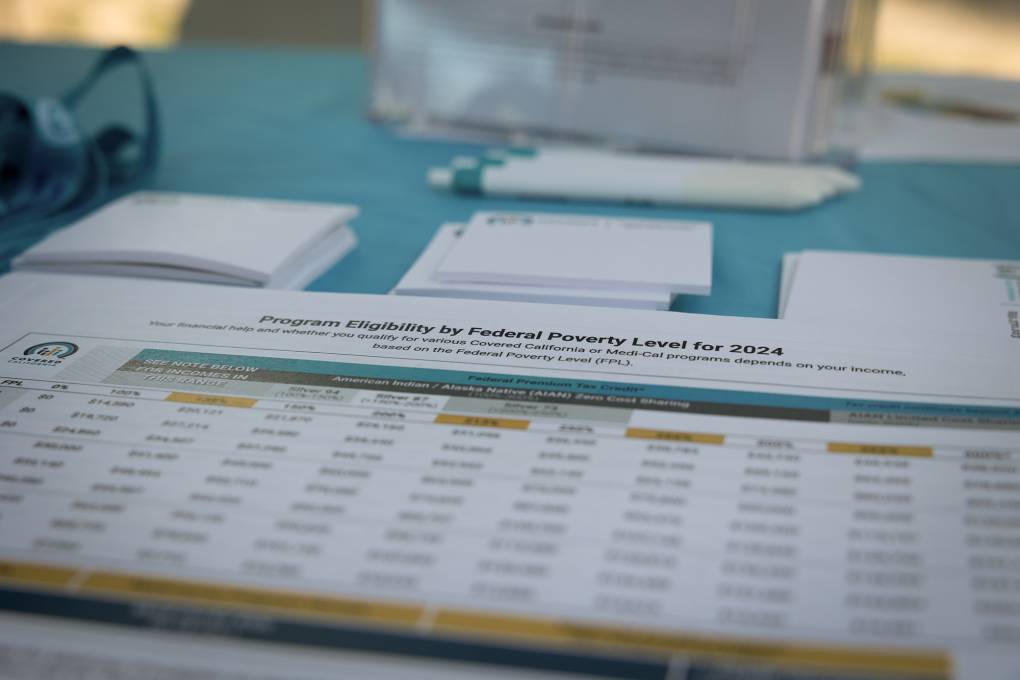
"caption": "A booth with information on Covered California at the California Native Americans Day celebration at the state Capitol on Sept. 22, 2023. ",
"credit": "Miguel Gutierrez Jr./CalMatters",
"altTag": "A stack of papers with pens on a table.",
"description": null,
"imgSizes": {
"medium": {
"file": "https://cdn.kqed.org/wp-content/uploads/sites/10/2024/06/092223-Native-American-Day-MG-CM-28-800x533.jpg",
"width": 800,
"height": 533,
"mimeType": "image/jpeg"
},
"large": {
"file": "https://cdn.kqed.org/wp-content/uploads/sites/10/2024/06/092223-Native-American-Day-MG-CM-28-1020x680.jpg",
"width": 1020,
"height": 680,
"mimeType": "image/jpeg"
},
"thumbnail": {
"file": "https://cdn.kqed.org/wp-content/uploads/sites/10/2024/06/092223-Native-American-Day-MG-CM-28-160x107.jpg",
"width": 160,
"height": 107,
"mimeType": "image/jpeg"
},
"1536x1536": {
"file": "https://cdn.kqed.org/wp-content/uploads/sites/10/2024/06/092223-Native-American-Day-MG-CM-28-1536x1024.jpg",
"width": 1536,
"height": 1024,
"mimeType": "image/jpeg"
},
"post-thumbnail": {
"file": "https://cdn.kqed.org/wp-content/uploads/sites/10/2024/06/092223-Native-American-Day-MG-CM-28-672x372.jpg",
"width": 672,
"height": 372,
"mimeType": "image/jpeg"
},
"twentyfourteen-full-width": {
"file": "https://cdn.kqed.org/wp-content/uploads/sites/10/2024/06/092223-Native-American-Day-MG-CM-28-1038x576.jpg",
"width": 1038,
"height": 576,
"mimeType": "image/jpeg"
},
"full-width": {
"file": "https://cdn.kqed.org/wp-content/uploads/sites/10/2024/06/092223-Native-American-Day-MG-CM-28-1920x1280.jpg",
"width": 1920,
"height": 1280,
"mimeType": "image/jpeg"
},
"kqedFullSize": {
"file": "https://cdn.kqed.org/wp-content/uploads/sites/10/2024/06/092223-Native-American-Day-MG-CM-28.jpg",
"width": 2000,
"height": 1333
}
},
"isLoading": false,
"fetchFailed": false
},
"news_11974380": {
"type": "attachments",
"id": "news_11974380",
"meta": {
"index": "attachments_1716263798",
"site": "news",
"id": "11974380",
"found": true
},
"parent": 11974310,
"imgSizes": {
"thumbnail": {
"file": "https://cdn.kqed.org/wp-content/uploads/sites/10/2024/01/479421059_scr-160x107.jpg",
"width": 160,
"mimeType": "image/jpeg",
"height": 107
},
"post-thumbnail": {
"file": "https://cdn.kqed.org/wp-content/uploads/sites/10/2024/01/479421059_scr-672x372.jpg",
"width": 672,
"mimeType": "image/jpeg",
"height": 372
},
"kqedFullSize": {
"file": "https://cdn.kqed.org/wp-content/uploads/sites/10/2024/01/479421059_scr.jpg",
"width": 850,
"height": 567
},
"medium": {
"file": "https://cdn.kqed.org/wp-content/uploads/sites/10/2024/01/479421059_scr-800x534.jpg",
"width": 800,
"mimeType": "image/jpeg",
"height": 534
}
},
"publishDate": 1706739964,
"modified": 1706740057,
"caption": null,
"description": null,
"title": "479421059_scr",
"credit": "Justin Sullivan/Getty Images",
"status": "inherit",
"altTag": "Image of a computer screen on the Covered California website.",
"isLoading": false,
"fetchFailed": false
},
"news_11949742": {
"type": "attachments",
"id": "news_11949742",
"meta": {
"index": "attachments_1716263798",
"site": "news",
"id": "11949742",
"found": true
},
"parent": 11949192,
"imgSizes": {
"twentyfourteen-full-width": {
"file": "https://ww2.kqed.org/app/uploads/sites/10/2023/05/IMG_0196-1-1038x576.jpg",
"width": 1038,
"mimeType": "image/jpeg",
"height": 576
},
"thumbnail": {
"file": "https://ww2.kqed.org/app/uploads/sites/10/2023/05/IMG_0196-1-160x120.jpg",
"width": 160,
"mimeType": "image/jpeg",
"height": 120
},
"post-thumbnail": {
"file": "https://ww2.kqed.org/app/uploads/sites/10/2023/05/IMG_0196-1-672x372.jpg",
"width": 672,
"mimeType": "image/jpeg",
"height": 372
},
"kqedFullSize": {
"file": "https://ww2.kqed.org/app/uploads/sites/10/2023/05/IMG_0196-1.jpg",
"width": 2560,
"height": 1920
},
"2048x2048": {
"file": "https://ww2.kqed.org/app/uploads/sites/10/2023/05/IMG_0196-1-2048x1536.jpg",
"width": 2048,
"mimeType": "image/jpeg",
"height": 1536
},
"large": {
"file": "https://ww2.kqed.org/app/uploads/sites/10/2023/05/IMG_0196-1-1020x765.jpg",
"width": 1020,
"mimeType": "image/jpeg",
"height": 765
},
"1536x1536": {
"file": "https://ww2.kqed.org/app/uploads/sites/10/2023/05/IMG_0196-1-1536x1152.jpg",
"width": 1536,
"mimeType": "image/jpeg",
"height": 1152
},
"full-width": {
"file": "https://ww2.kqed.org/app/uploads/sites/10/2023/05/IMG_0196-1-1920x1440.jpg",
"width": 1920,
"mimeType": "image/jpeg",
"height": 1440
},
"medium": {
"file": "https://ww2.kqed.org/app/uploads/sites/10/2023/05/IMG_0196-1-800x600.jpg",
"width": 800,
"mimeType": "image/jpeg",
"height": 600
}
},
"publishDate": 1684275077,
"modified": 1684275152,
"caption": "What benefits can you apply for after you've been laid off?",
"description": null,
"title": "layoff-benefits",
"credit": "Anna Vignet/KQED",
"status": "inherit",
"altTag": "A yellow and green toned illustration of a human figure wearing a yellow jacket and light coloredpants, striding up a staircase in the middle of an M.C. Escher-style maze",
"isLoading": false,
"fetchFailed": false
},
"news_11956568": {
"type": "attachments",
"id": "news_11956568",
"meta": {
"index": "attachments_1716263798",
"site": "news",
"id": "11956568",
"found": true
},
"parent": 0,
"imgSizes": {
"twentyfourteen-full-width": {
"file": "https://ww2.kqed.org/app/uploads/sites/10/2023/07/RS3205_pediatrics201212-1038x576.jpg",
"width": 1038,
"mimeType": "image/jpeg",
"height": 576
},
"thumbnail": {
"file": "https://ww2.kqed.org/app/uploads/sites/10/2023/07/RS3205_pediatrics201212-160x107.jpg",
"width": 160,
"mimeType": "image/jpeg",
"height": 107
},
"post-thumbnail": {
"file": "https://ww2.kqed.org/app/uploads/sites/10/2023/07/RS3205_pediatrics201212-672x372.jpg",
"width": 672,
"mimeType": "image/jpeg",
"height": 372
},
"kqedFullSize": {
"file": "https://ww2.kqed.org/app/uploads/sites/10/2023/07/RS3205_pediatrics201212-scaled.jpg",
"width": 2560,
"height": 1707
},
"2048x2048": {
"file": "https://ww2.kqed.org/app/uploads/sites/10/2023/07/RS3205_pediatrics201212-2048x1365.jpg",
"width": 2048,
"mimeType": "image/jpeg",
"height": 1365
},
"large": {
"file": "https://ww2.kqed.org/app/uploads/sites/10/2023/07/RS3205_pediatrics201212-1020x680.jpg",
"width": 1020,
"mimeType": "image/jpeg",
"height": 680
},
"1536x1536": {
"file": "https://ww2.kqed.org/app/uploads/sites/10/2023/07/RS3205_pediatrics201212-1536x1024.jpg",
"width": 1536,
"mimeType": "image/jpeg",
"height": 1024
},
"full-width": {
"file": "https://ww2.kqed.org/app/uploads/sites/10/2023/07/RS3205_pediatrics201212-1920x1280.jpg",
"width": 1920,
"mimeType": "image/jpeg",
"height": 1280
},
"medium": {
"file": "https://ww2.kqed.org/app/uploads/sites/10/2023/07/RS3205_pediatrics201212-800x533.jpg",
"width": 800,
"mimeType": "image/jpeg",
"height": 533
}
},
"publishDate": 1690397175,
"modified": 1690397438,
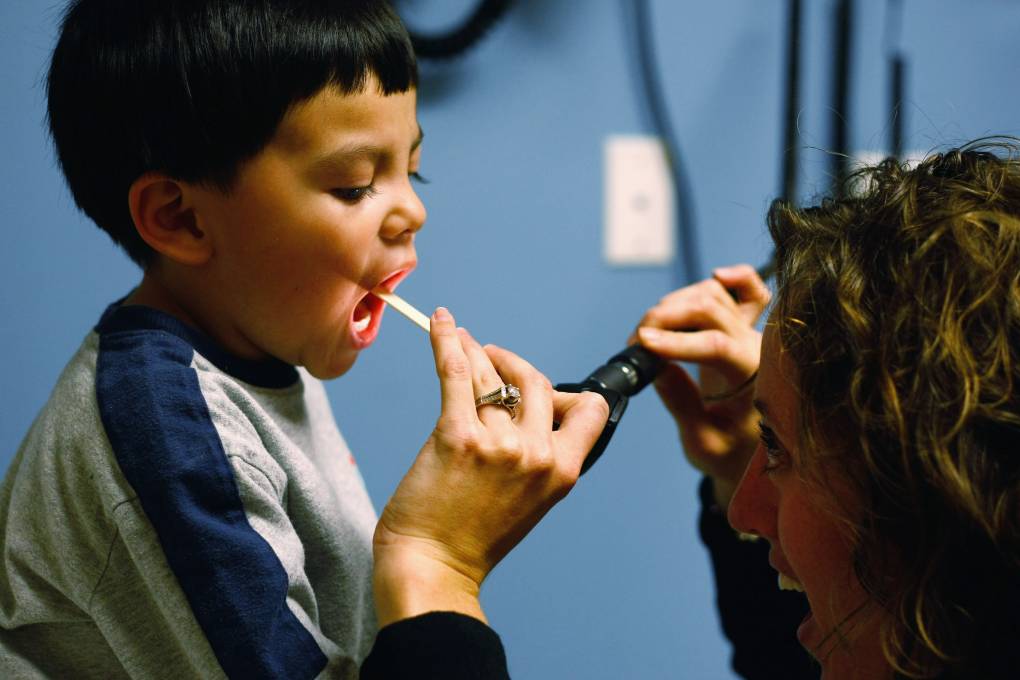
"caption": "About 1.6 million Californians turn to the marketplace for health insurance, which offers plans that cost as little as $10 a month.",
"description": null,
"title": "Non-Profit Health Clinics Care For Uninsured",
"credit": "John Moore/Getty Images",
"status": "inherit",
"altTag": "A little boy sits in a health care clinic room where a nurse is looking inside his mouth using a wooden depressor and a light.",
"isLoading": false,
"fetchFailed": false
},
"news_11948560": {
"type": "attachments",
"id": "news_11948560",
"meta": {
"index": "attachments_1716263798",
"site": "news",
"id": "11948560",
"found": true
},
"parent": 11948505,
"imgSizes": {
"twentyfourteen-full-width": {
"file": "https://ww2.kqed.org/app/uploads/sites/10/2023/05/Screenshot-2023-05-04-at-10.22.01-AM-1038x576.png",
"width": 1038,
"mimeType": "image/png",
"height": 576
},
"thumbnail": {
"file": "https://ww2.kqed.org/app/uploads/sites/10/2023/05/Screenshot-2023-05-04-at-10.22.01-AM-160x106.png",
"width": 160,
"mimeType": "image/png",
"height": 106
},
"post-thumbnail": {
"file": "https://ww2.kqed.org/app/uploads/sites/10/2023/05/Screenshot-2023-05-04-at-10.22.01-AM-672x372.png",
"width": 672,
"mimeType": "image/png",
"height": 372
},
"kqedFullSize": {
"file": "https://ww2.kqed.org/app/uploads/sites/10/2023/05/Screenshot-2023-05-04-at-10.22.01-AM.png",
"width": 2216,
"height": 1470
},
"2048x2048": {
"file": "https://ww2.kqed.org/app/uploads/sites/10/2023/05/Screenshot-2023-05-04-at-10.22.01-AM-2048x1359.png",
"width": 2048,
"mimeType": "image/png",
"height": 1359
},
"large": {
"file": "https://ww2.kqed.org/app/uploads/sites/10/2023/05/Screenshot-2023-05-04-at-10.22.01-AM-1020x677.png",
"width": 1020,
"mimeType": "image/png",
"height": 677
},
"1536x1536": {
"file": "https://ww2.kqed.org/app/uploads/sites/10/2023/05/Screenshot-2023-05-04-at-10.22.01-AM-1536x1019.png",
"width": 1536,
"mimeType": "image/png",
"height": 1019
},
"full-width": {
"file": "https://ww2.kqed.org/app/uploads/sites/10/2023/05/Screenshot-2023-05-04-at-10.22.01-AM-1920x1274.png",
"width": 1920,
"mimeType": "image/png",
"height": 1274
},
"medium": {
"file": "https://ww2.kqed.org/app/uploads/sites/10/2023/05/Screenshot-2023-05-04-at-10.22.01-AM-800x531.png",
"width": 800,
"mimeType": "image/png",
"height": 531
}
},
"publishDate": 1683227771,
"modified": 1683244118,
"caption": "A nurse checks on a patient in the Emergency Room unit of Hazel Hawkins Memorial Hospital in Hollister on March 30, 2023.",
"description": null,
"title": "Screenshot 2023-05-04 at 10.22.01 AM",
"credit": "Larry Valenzuela/CalMatters/CatchLight Local",
"status": "inherit",
"altTag": "A woman wearing dark clothing with her back turned leans over someone in a hospital bed surrounded by medical equipment.",
"isLoading": false,
"fetchFailed": false
},
"news_11857920": {
"type": "attachments",
"id": "news_11857920",
"meta": {
"index": "attachments_1716263798",
"site": "news",
"id": "11857920",
"found": true
},
"parent": 11857919,
"imgSizes": {
"apple_news_ca_landscape_5_5": {
"file": "https://ww2.kqed.org/app/uploads/sites/10/2021/01/RS42205_004_KQED_Richmond_Kaiser_03192020_-qut-1044x783.jpg",
"width": 1044,
"mimeType": "image/jpeg",
"height": 783
},
"apple_news_ca_square_4_0": {
"file": "https://ww2.kqed.org/app/uploads/sites/10/2021/01/RS42205_004_KQED_Richmond_Kaiser_03192020_-qut-470x470.jpg",
"width": 470,
"mimeType": "image/jpeg",
"height": 470
},
"twentyfourteen-full-width": {
"file": "https://ww2.kqed.org/app/uploads/sites/10/2021/01/RS42205_004_KQED_Richmond_Kaiser_03192020_-qut-1038x576.jpg",
"width": 1038,
"mimeType": "image/jpeg",
"height": 576
},
"thumbnail": {
"file": "https://ww2.kqed.org/app/uploads/sites/10/2021/01/RS42205_004_KQED_Richmond_Kaiser_03192020_-qut-160x107.jpg",
"width": 160,
"mimeType": "image/jpeg",
"height": 107
},
"post-thumbnail": {
"file": "https://ww2.kqed.org/app/uploads/sites/10/2021/01/RS42205_004_KQED_Richmond_Kaiser_03192020_-qut-672x372.jpg",
"width": 672,
"mimeType": "image/jpeg",
"height": 372
},
"kqedFullSize": {
"file": "https://ww2.kqed.org/app/uploads/sites/10/2021/01/RS42205_004_KQED_Richmond_Kaiser_03192020_-qut.jpg",
"width": 1920,
"height": 1280
},
"apple_news_ca_landscape_4_7": {
"file": "https://ww2.kqed.org/app/uploads/sites/10/2021/01/RS42205_004_KQED_Richmond_Kaiser_03192020_-qut-632x474.jpg",
"width": 632,
"mimeType": "image/jpeg",
"height": 474
},
"large": {
"file": "https://ww2.kqed.org/app/uploads/sites/10/2021/01/RS42205_004_KQED_Richmond_Kaiser_03192020_-qut-1020x680.jpg",
"width": 1020,
"mimeType": "image/jpeg",
"height": 680
},
"apple_news_ca_landscape_4_0": {
"file": "https://ww2.kqed.org/app/uploads/sites/10/2021/01/RS42205_004_KQED_Richmond_Kaiser_03192020_-qut-536x402.jpg",
"width": 536,
"mimeType": "image/jpeg",
"height": 402
},
"apple_news_ca_portrait_12_9": {
"file": "https://ww2.kqed.org/app/uploads/sites/10/2021/01/RS42205_004_KQED_Richmond_Kaiser_03192020_-qut-1122x1280.jpg",
"width": 1122,
"mimeType": "image/jpeg",
"height": 1280
},
"medium": {
"file": "https://ww2.kqed.org/app/uploads/sites/10/2021/01/RS42205_004_KQED_Richmond_Kaiser_03192020_-qut-800x533.jpg",
"width": 800,
"mimeType": "image/jpeg",
"height": 533
},
"apple_news_ca_portrait_4_0": {
"file": "https://ww2.kqed.org/app/uploads/sites/10/2021/01/RS42205_004_KQED_Richmond_Kaiser_03192020_-qut-354x472.jpg",
"width": 354,
"mimeType": "image/jpeg",
"height": 472
},
"apple_news_ca_portrait_9_7": {
"file": "https://ww2.kqed.org/app/uploads/sites/10/2021/01/RS42205_004_KQED_Richmond_Kaiser_03192020_-qut-840x1120.jpg",
"width": 840,
"mimeType": "image/jpeg",
"height": 1120
},
"apple_news_ca_landscape_12_9": {
"file": "https://ww2.kqed.org/app/uploads/sites/10/2021/01/RS42205_004_KQED_Richmond_Kaiser_03192020_-qut-1832x1280.jpg",
"width": 1832,
"mimeType": "image/jpeg",
"height": 1280
},
"apple_news_ca_square_9_7": {
"file": "https://ww2.kqed.org/app/uploads/sites/10/2021/01/RS42205_004_KQED_Richmond_Kaiser_03192020_-qut-1104x1104.jpg",
"width": 1104,
"mimeType": "image/jpeg",
"height": 1104
},
"1536x1536": {
"file": "https://ww2.kqed.org/app/uploads/sites/10/2021/01/RS42205_004_KQED_Richmond_Kaiser_03192020_-qut-1536x1024.jpg",
"width": 1536,
"mimeType": "image/jpeg",
"height": 1024
},
"apple_news_ca_portrait_4_7": {
"file": "https://ww2.kqed.org/app/uploads/sites/10/2021/01/RS42205_004_KQED_Richmond_Kaiser_03192020_-qut-414x552.jpg",
"width": 414,
"mimeType": "image/jpeg",
"height": 552
},
"apple_news_ca_square_12_9": {
"file": "https://ww2.kqed.org/app/uploads/sites/10/2021/01/RS42205_004_KQED_Richmond_Kaiser_03192020_-qut-1472x1280.jpg",
"width": 1472,
"mimeType": "image/jpeg",
"height": 1280
},
"apple_news_ca_portrait_5_5": {
"file": "https://ww2.kqed.org/app/uploads/sites/10/2021/01/RS42205_004_KQED_Richmond_Kaiser_03192020_-qut-687x916.jpg",
"width": 687,
"mimeType": "image/jpeg",
"height": 916
},
"apple_news_ca_square_4_7": {
"file": "https://ww2.kqed.org/app/uploads/sites/10/2021/01/RS42205_004_KQED_Richmond_Kaiser_03192020_-qut-550x550.jpg",
"width": 550,
"mimeType": "image/jpeg",
"height": 550
},
"apple_news_ca_landscape_9_7": {
"file": "https://ww2.kqed.org/app/uploads/sites/10/2021/01/RS42205_004_KQED_Richmond_Kaiser_03192020_-qut-1376x1032.jpg",
"width": 1376,
"mimeType": "image/jpeg",
"height": 1032
},
"apple_news_ca_square_5_5": {
"file": "https://ww2.kqed.org/app/uploads/sites/10/2021/01/RS42205_004_KQED_Richmond_Kaiser_03192020_-qut-912x912.jpg",
"width": 912,
"mimeType": "image/jpeg",
"height": 912
}
},
"publishDate": 1612113894,
"modified": 1612113952,
"caption": "Registered nurse Angelo Daulat at Kaiser Permanente in Richmond where patients with respiratory symptoms are being triaged, on Thursday, Mar. 19, 2020.",
"description": null,
"title": "RS42205_004_KQED_Richmond_Kaiser_03192020_-qut",
"credit": "Beth LaBerge/KQED",
"status": "inherit",
"altTag": null,
"isLoading": false,
"fetchFailed": false
},
"news_11807686": {
"type": "attachments",
"id": "news_11807686",
"meta": {
"index": "attachments_1716263798",
"site": "news",
"id": "11807686",
"found": true
},
"parent": 11807676,
"imgSizes": {
"apple_news_ca_landscape_5_5": {
"file": "https://ww2.kqed.org/app/uploads/sites/10/2020/03/Getty-871023806-CoveredCA-1044x783.jpg",
"width": 1044,
"mimeType": "image/jpeg",
"height": 783
},
"apple_news_ca_square_4_0": {
"file": "https://ww2.kqed.org/app/uploads/sites/10/2020/03/Getty-871023806-CoveredCA-470x470.jpg",
"width": 470,
"mimeType": "image/jpeg",
"height": 470
},
"twentyfourteen-full-width": {
"file": "https://ww2.kqed.org/app/uploads/sites/10/2020/03/Getty-871023806-CoveredCA-1038x576.jpg",
"width": 1038,
"mimeType": "image/jpeg",
"height": 576
},
"thumbnail": {
"file": "https://ww2.kqed.org/app/uploads/sites/10/2020/03/Getty-871023806-CoveredCA-160x107.jpg",
"width": 160,
"mimeType": "image/jpeg",
"height": 107
},
"post-thumbnail": {
"file": "https://ww2.kqed.org/app/uploads/sites/10/2020/03/Getty-871023806-CoveredCA-672x372.jpg",
"width": 672,
"mimeType": "image/jpeg",
"height": 372
},
"kqedFullSize": {
"file": "https://ww2.kqed.org/app/uploads/sites/10/2020/03/Getty-871023806-CoveredCA.jpg",
"width": 1920,
"height": 1287
},
"apple_news_ca_landscape_4_7": {
"file": "https://ww2.kqed.org/app/uploads/sites/10/2020/03/Getty-871023806-CoveredCA-632x474.jpg",
"width": 632,
"mimeType": "image/jpeg",
"height": 474
},
"large": {
"file": "https://ww2.kqed.org/app/uploads/sites/10/2020/03/Getty-871023806-CoveredCA-1020x684.jpg",
"width": 1020,
"mimeType": "image/jpeg",
"height": 684
},
"apple_news_ca_landscape_4_0": {
"file": "https://ww2.kqed.org/app/uploads/sites/10/2020/03/Getty-871023806-CoveredCA-536x402.jpg",
"width": 536,
"mimeType": "image/jpeg",
"height": 402
},
"apple_news_ca_portrait_12_9": {
"file": "https://ww2.kqed.org/app/uploads/sites/10/2020/03/Getty-871023806-CoveredCA-1122x1287.jpg",
"width": 1122,
"mimeType": "image/jpeg",
"height": 1287
},
"medium": {
"file": "https://ww2.kqed.org/app/uploads/sites/10/2020/03/Getty-871023806-CoveredCA-800x536.jpg",
"width": 800,
"mimeType": "image/jpeg",
"height": 536
},
"apple_news_ca_portrait_4_0": {
"file": "https://ww2.kqed.org/app/uploads/sites/10/2020/03/Getty-871023806-CoveredCA-354x472.jpg",
"width": 354,
"mimeType": "image/jpeg",
"height": 472
},
"apple_news_ca_portrait_9_7": {
"file": "https://ww2.kqed.org/app/uploads/sites/10/2020/03/Getty-871023806-CoveredCA-840x1120.jpg",
"width": 840,
"mimeType": "image/jpeg",
"height": 1120
},
"apple_news_ca_landscape_12_9": {
"file": "https://ww2.kqed.org/app/uploads/sites/10/2020/03/Getty-871023806-CoveredCA-1832x1287.jpg",
"width": 1832,
"mimeType": "image/jpeg",
"height": 1287
},
"apple_news_ca_square_9_7": {
"file": "https://ww2.kqed.org/app/uploads/sites/10/2020/03/Getty-871023806-CoveredCA-1104x1104.jpg",
"width": 1104,
"mimeType": "image/jpeg",
"height": 1104
},
"apple_news_ca_portrait_4_7": {
"file": "https://ww2.kqed.org/app/uploads/sites/10/2020/03/Getty-871023806-CoveredCA-414x552.jpg",
"width": 414,
"mimeType": "image/jpeg",
"height": 552
},
"apple_news_ca_square_12_9": {
"file": "https://ww2.kqed.org/app/uploads/sites/10/2020/03/Getty-871023806-CoveredCA-1472x1287.jpg",
"width": 1472,
"mimeType": "image/jpeg",
"height": 1287
},
"apple_news_ca_portrait_5_5": {
"file": "https://ww2.kqed.org/app/uploads/sites/10/2020/03/Getty-871023806-CoveredCA-687x916.jpg",
"width": 687,
"mimeType": "image/jpeg",
"height": 916
},
"full-width": {
"file": "https://ww2.kqed.org/app/uploads/sites/10/2020/03/Getty-871023806-CoveredCA-1920x1287.jpg",
"width": 1920,
"mimeType": "image/jpeg",
"height": 1287
},
"apple_news_ca_square_4_7": {
"file": "https://ww2.kqed.org/app/uploads/sites/10/2020/03/Getty-871023806-CoveredCA-550x550.jpg",
"width": 550,
"mimeType": "image/jpeg",
"height": 550
},
"apple_news_ca_landscape_9_7": {
"file": "https://ww2.kqed.org/app/uploads/sites/10/2020/03/Getty-871023806-CoveredCA-1376x1032.jpg",
"width": 1376,
"mimeType": "image/jpeg",
"height": 1032
},
"apple_news_ca_square_5_5": {
"file": "https://ww2.kqed.org/app/uploads/sites/10/2020/03/Getty-871023806-CoveredCA-912x912.jpg",
"width": 912,
"mimeType": "image/jpeg",
"height": 912
}
},
"publishDate": 1584679538,
"modified": 1584721626,
"caption": "An attendee wears a button promoting open enrollment with Covered California during a news conference on Nov. 6, 2017 in San Francisco.",
"description": "An attendee wears a button promoting open enrollment with Covered California during a news conference on Nov. 6, 2017 in San Francisco.",
"title": "Getty-871023806-CoveredCA",
"credit": "Justin Sullivan/Getty Images",
"status": "inherit",
"isLoading": false,
"fetchFailed": false
},
"news_11721642": {
"type": "attachments",
"id": "news_11721642",
"meta": {
"index": "attachments_1716263798",
"site": "news",
"id": "11721642",
"found": true
},
"parent": 11721611,
"imgSizes": {
"twentyfourteen-full-width": {
"file": "https://ww2.kqed.org/app/uploads/sites/10/2019/01/MiddleClassFeatured-1038x576.jpg",
"width": 1038,
"mimeType": "image/jpeg",
"height": 576
},
"thumbnail": {
"file": "https://ww2.kqed.org/app/uploads/sites/10/2019/01/MiddleClassFeatured-160x119.jpg",
"width": 160,
"mimeType": "image/jpeg",
"height": 119
},
"post-thumbnail": {
"file": "https://ww2.kqed.org/app/uploads/sites/10/2019/01/MiddleClassFeatured-672x372.jpg",
"width": 672,
"mimeType": "image/jpeg",
"height": 372
},
"kqedFullSize": {
"file": "https://ww2.kqed.org/app/uploads/sites/10/2019/01/MiddleClassFeatured.jpg",
"width": 1920,
"height": 1433
},
"large": {
"file": "https://ww2.kqed.org/app/uploads/sites/10/2019/01/MiddleClassFeatured-1020x761.jpg",
"width": 1020,
"mimeType": "image/jpeg",
"height": 761
},
"complete_open_graph": {
"file": "https://ww2.kqed.org/app/uploads/sites/10/2019/01/MiddleClassFeatured-1200x896.jpg",
"width": 1200,
"mimeType": "image/jpeg",
"height": 896
},
"guest-author-50": {
"file": "https://ww2.kqed.org/app/uploads/sites/10/2019/01/MiddleClassFeatured-50x50.jpg",
"width": 50,
"mimeType": "image/jpeg",
"height": 50
},
"guest-author-96": {
"file": "https://ww2.kqed.org/app/uploads/sites/10/2019/01/MiddleClassFeatured-96x96.jpg",
"width": 96,
"mimeType": "image/jpeg",
"height": 96
},
"medium": {
"file": "https://ww2.kqed.org/app/uploads/sites/10/2019/01/MiddleClassFeatured-800x597.jpg",
"width": 800,
"mimeType": "image/jpeg",
"height": 597
},
"guest-author-64": {
"file": "https://ww2.kqed.org/app/uploads/sites/10/2019/01/MiddleClassFeatured-64x64.jpg",
"width": 64,
"mimeType": "image/jpeg",
"height": 64
},
"guest-author-32": {
"file": "https://ww2.kqed.org/app/uploads/sites/10/2019/01/MiddleClassFeatured-32x32.jpg",
"width": 32,
"mimeType": "image/jpeg",
"height": 32
},
"full-width": {
"file": "https://ww2.kqed.org/app/uploads/sites/10/2019/01/MiddleClassFeatured-1920x1433.jpg",
"width": 1920,
"mimeType": "image/jpeg",
"height": 1433
},
"detail": {
"file": "https://ww2.kqed.org/app/uploads/sites/10/2019/01/MiddleClassFeatured-150x150.jpg",
"width": 150,
"mimeType": "image/jpeg",
"height": 150
},
"guest-author-128": {
"file": "https://ww2.kqed.org/app/uploads/sites/10/2019/01/MiddleClassFeatured-128x128.jpg",
"width": 128,
"mimeType": "image/jpeg",
"height": 128
}
},
"publishDate": 1548710280,
"modified": 1548710306,
"caption": "Heather Altman looks through old health insurance bills in her Long Beach home office, Jan. 16, 2019.",
"description": "Heather Altman looks through old health insurance bills in her Long Beach home office, Jan. 16, 2019.",
"title": "MiddleClassFeatured",
"credit": "David Wagner/KPCC",
"status": "inherit",
"isLoading": false,
"fetchFailed": false
},
"news_11716568": {
"type": "attachments",
"id": "news_11716568",
"meta": {
"index": "attachments_1716263798",
"site": "news",
"id": "11716568",
"found": true
},
"parent": 0,
"imgSizes": {
"twentyfourteen-full-width": {
"file": "https://ww2.kqed.org/app/uploads/sites/10/2019/01/NewsomInaugWaving-1038x576.jpg",
"width": 1038,
"mimeType": "image/jpeg",
"height": 576
},
"thumbnail": {
"file": "https://ww2.kqed.org/app/uploads/sites/10/2019/01/NewsomInaugWaving-160x108.jpg",
"width": 160,
"mimeType": "image/jpeg",
"height": 108
},
"post-thumbnail": {
"file": "https://ww2.kqed.org/app/uploads/sites/10/2019/01/NewsomInaugWaving-672x372.jpg",
"width": 672,
"mimeType": "image/jpeg",
"height": 372
},
"kqedFullSize": {
"file": "https://ww2.kqed.org/app/uploads/sites/10/2019/01/NewsomInaugWaving.jpg",
"width": 1920,
"height": 1300
},
"large": {
"file": "https://ww2.kqed.org/app/uploads/sites/10/2019/01/NewsomInaugWaving-1020x691.jpg",
"width": 1020,
"mimeType": "image/jpeg",
"height": 691
},
"complete_open_graph": {
"file": "https://ww2.kqed.org/app/uploads/sites/10/2019/01/NewsomInaugWaving-1200x813.jpg",
"width": 1200,
"mimeType": "image/jpeg",
"height": 813
},
"guest-author-50": {
"file": "https://ww2.kqed.org/app/uploads/sites/10/2019/01/NewsomInaugWaving-50x50.jpg",
"width": 50,
"mimeType": "image/jpeg",
"height": 50
},
"guest-author-96": {
"file": "https://ww2.kqed.org/app/uploads/sites/10/2019/01/NewsomInaugWaving-96x96.jpg",
"width": 96,
"mimeType": "image/jpeg",
"height": 96
},
"medium": {
"file": "https://ww2.kqed.org/app/uploads/sites/10/2019/01/NewsomInaugWaving-800x542.jpg",
"width": 800,
"mimeType": "image/jpeg",
"height": 542
},
"guest-author-64": {
"file": "https://ww2.kqed.org/app/uploads/sites/10/2019/01/NewsomInaugWaving-64x64.jpg",
"width": 64,
"mimeType": "image/jpeg",
"height": 64
},
"guest-author-32": {
"file": "https://ww2.kqed.org/app/uploads/sites/10/2019/01/NewsomInaugWaving-32x32.jpg",
"width": 32,
"mimeType": "image/jpeg",
"height": 32
},
"full-width": {
"file": "https://ww2.kqed.org/app/uploads/sites/10/2019/01/NewsomInaugWaving-1920x1300.jpg",
"width": 1920,
"mimeType": "image/jpeg",
"height": 1300
},
"detail": {
"file": "https://ww2.kqed.org/app/uploads/sites/10/2019/01/NewsomInaugWaving-150x150.jpg",
"width": 150,
"mimeType": "image/jpeg",
"height": 150
},
"guest-author-128": {
"file": "https://ww2.kqed.org/app/uploads/sites/10/2019/01/NewsomInaugWaving-128x128.jpg",
"width": 128,
"mimeType": "image/jpeg",
"height": 128
}
},
"publishDate": 1546910074,
"modified": 1546910144,
"caption": "Gov. Gavin Newsom gestures to the crowd alongside wife Jennifer Siebel Newsom and children (L-R) Dutch, Montana, and Brooklynn on January 7, 2019 in Sacramento.",
"description": "Gov. Gavin Newsom gestures to the crowd alongside wife Jennifer Siebel Newsom and children (L-R) Dutch, Montana, and Brooklynn on January 7, 2019 in Sacramento.",
"title": "NewsomInaugWaving",
"credit": "Stephen Lam/Getty Images",
"status": "inherit",
"isLoading": false,
"fetchFailed": false
},
"news_11712855": {
"type": "attachments",
"id": "news_11712855",
"meta": {
"index": "attachments_1716263798",
"site": "news",
"id": "11712855",
"found": true
},
"parent": 11712847,
"imgSizes": {
"twentyfourteen-full-width": {
"file": "https://ww2.kqed.org/app/uploads/sites/10/2018/12/RS10854_481763249-e1544904787552-1038x576.jpg",
"width": 1038,
"mimeType": "image/jpeg",
"height": 576
},
"thumbnail": {
"file": "https://ww2.kqed.org/app/uploads/sites/10/2018/12/RS10854_481763249-e1544904787552-160x107.jpg",
"width": 160,
"mimeType": "image/jpeg",
"height": 107
},
"post-thumbnail": {
"file": "https://ww2.kqed.org/app/uploads/sites/10/2018/12/RS10854_481763249-e1544904787552-672x372.jpg",
"width": 672,
"mimeType": "image/jpeg",
"height": 372
},
"kqedFullSize": {
"file": "https://ww2.kqed.org/app/uploads/sites/10/2018/12/RS10854_481763249-e1544904787552.jpg",
"width": 1920,
"height": 1281
},
"large": {
"file": "https://ww2.kqed.org/app/uploads/sites/10/2018/12/RS10854_481763249-e1544904787552-1020x681.jpg",
"width": 1020,
"mimeType": "image/jpeg",
"height": 681
},
"complete_open_graph": {
"file": "https://ww2.kqed.org/app/uploads/sites/10/2018/12/RS10854_481763249-e1544904787552-1200x801.jpg",
"width": 1200,
"mimeType": "image/jpeg",
"height": 801
},
"guest-author-50": {
"file": "https://ww2.kqed.org/app/uploads/sites/10/2018/12/RS10854_481763249-e1544904787552-50x50.jpg",
"width": 50,
"mimeType": "image/jpeg",
"height": 50
},
"guest-author-96": {
"file": "https://ww2.kqed.org/app/uploads/sites/10/2018/12/RS10854_481763249-e1544904787552-96x96.jpg",
"width": 96,
"mimeType": "image/jpeg",
"height": 96
},
"medium": {
"file": "https://ww2.kqed.org/app/uploads/sites/10/2018/12/RS10854_481763249-e1544904787552-800x534.jpg",
"width": 800,
"mimeType": "image/jpeg",
"height": 534
},
"guest-author-64": {
"file": "https://ww2.kqed.org/app/uploads/sites/10/2018/12/RS10854_481763249-e1544904787552-64x64.jpg",
"width": 64,
"mimeType": "image/jpeg",
"height": 64
},
"guest-author-32": {
"file": "https://ww2.kqed.org/app/uploads/sites/10/2018/12/RS10854_481763249-e1544904787552-32x32.jpg",
"width": 32,
"mimeType": "image/jpeg",
"height": 32
},
"full-width": {
"file": "https://ww2.kqed.org/app/uploads/sites/10/2018/12/RS10854_481763249-e1544904787552-1920x1281.jpg",
"width": 1920,
"mimeType": "image/jpeg",
"height": 1281
},
"detail": {
"file": "https://ww2.kqed.org/app/uploads/sites/10/2018/12/RS10854_481763249-e1544904787552-150x150.jpg",
"width": 150,
"mimeType": "image/jpeg",
"height": 150
},
"guest-author-128": {
"file": "https://ww2.kqed.org/app/uploads/sites/10/2018/12/RS10854_481763249-e1544904787552-128x128.jpg",
"width": 128,
"mimeType": "image/jpeg",
"height": 128
}
},
"publishDate": 1544904712,
"modified": 1544904780,
"caption": "Californians have until Jan. 15 to enroll for health coverage through Covered California, but consumers looking for coverage starting Jan. 1 need to enroll by Dec. 15.",
"description": "Californians have until Jan. 15 to enroll for health coverage through Covered California, but consumers looking for coverage starting Jan. 1 need to enroll by Dec. 15.",
"title": "Americans Register For Health Care On Final Day of ACA Enrollment Drive",
"credit": "Justin Sullivan/Getty Images",
"status": "inherit",
"isLoading": false,
"fetchFailed": false
},
"news_11712106": {
"type": "attachments",
"id": "news_11712106",
"meta": {
"index": "attachments_1716263798",
"site": "news",
"id": "11712106",
"found": true
},
"parent": 11711387,
"imgSizes": {
"twentyfourteen-full-width": {
"file": "https://ww2.kqed.org/app/uploads/sites/10/2018/12/Doctor-1038x576.jpg",
"width": 1038,
"mimeType": "image/jpeg",
"height": 576
},
"thumbnail": {
"file": "https://ww2.kqed.org/app/uploads/sites/10/2018/12/Doctor-160x104.jpg",
"width": 160,
"mimeType": "image/jpeg",
"height": 104
},
"post-thumbnail": {
"file": "https://ww2.kqed.org/app/uploads/sites/10/2018/12/Doctor-672x372.jpg",
"width": 672,
"mimeType": "image/jpeg",
"height": 372
},
"kqedFullSize": {
"file": "https://ww2.kqed.org/app/uploads/sites/10/2018/12/Doctor.jpg",
"width": 1920,
"height": 1251
},
"large": {
"file": "https://ww2.kqed.org/app/uploads/sites/10/2018/12/Doctor-1020x665.jpg",
"width": 1020,
"mimeType": "image/jpeg",
"height": 665
},
"complete_open_graph": {
"file": "https://ww2.kqed.org/app/uploads/sites/10/2018/12/Doctor-1200x782.jpg",
"width": 1200,
"mimeType": "image/jpeg",
"height": 782
},
"guest-author-50": {
"file": "https://ww2.kqed.org/app/uploads/sites/10/2018/12/Doctor-50x50.jpg",
"width": 50,
"mimeType": "image/jpeg",
"height": 50
},
"guest-author-96": {
"file": "https://ww2.kqed.org/app/uploads/sites/10/2018/12/Doctor-96x96.jpg",
"width": 96,
"mimeType": "image/jpeg",
"height": 96
},
"medium": {
"file": "https://ww2.kqed.org/app/uploads/sites/10/2018/12/Doctor-800x521.jpg",
"width": 800,
"mimeType": "image/jpeg",
"height": 521
},
"guest-author-64": {
"file": "https://ww2.kqed.org/app/uploads/sites/10/2018/12/Doctor-64x64.jpg",
"width": 64,
"mimeType": "image/jpeg",
"height": 64
},
"guest-author-32": {
"file": "https://ww2.kqed.org/app/uploads/sites/10/2018/12/Doctor-32x32.jpg",
"width": 32,
"mimeType": "image/jpeg",
"height": 32
},
"full-width": {
"file": "https://ww2.kqed.org/app/uploads/sites/10/2018/12/Doctor-1920x1251.jpg",
"width": 1920,
"mimeType": "image/jpeg",
"height": 1251
},
"detail": {
"file": "https://ww2.kqed.org/app/uploads/sites/10/2018/12/Doctor-150x150.jpg",
"width": 150,
"mimeType": "image/jpeg",
"height": 150
},
"guest-author-128": {
"file": "https://ww2.kqed.org/app/uploads/sites/10/2018/12/Doctor-128x128.jpg",
"width": 128,
"mimeType": "image/jpeg",
"height": 128
}
},
"publishDate": 1544655456,
"modified": 1544655469,
"caption": null,
"description": null,
"title": "Doctor",
"credit": "Getty Images",
"status": "inherit",
"isLoading": false,
"fetchFailed": false
},
"news_11698900": {
"type": "attachments",
"id": "news_11698900",
"meta": {
"index": "attachments_1716263798",
"site": "news",
"id": "11698900",
"found": true
},
"parent": 11698852,
"imgSizes": {
"small": {
"file": "https://ww2.kqed.org/app/uploads/sites/10/2018/10/RS11278_479421059-520x347.jpg",
"width": 520,
"mimeType": "image/jpeg",
"height": 347
},
"twentyfourteen-full-width": {
"file": "https://ww2.kqed.org/app/uploads/sites/10/2018/10/RS11278_479421059-1038x576.jpg",
"width": 1038,
"mimeType": "image/jpeg",
"height": 576
},
"thumbnail": {
"file": "https://ww2.kqed.org/app/uploads/sites/10/2018/10/RS11278_479421059-160x107.jpg",
"width": 160,
"mimeType": "image/jpeg",
"height": 107
},
"fd-sm": {
"file": "https://ww2.kqed.org/app/uploads/sites/10/2018/10/RS11278_479421059-960x640.jpg",
"width": 960,
"mimeType": "image/jpeg",
"height": 640
},
"post-thumbnail": {
"file": "https://ww2.kqed.org/app/uploads/sites/10/2018/10/RS11278_479421059-672x372.jpg",
"width": 672,
"mimeType": "image/jpeg",
"height": 372
},
"xsmall": {
"file": "https://ww2.kqed.org/app/uploads/sites/10/2018/10/RS11278_479421059-375x250.jpg",
"width": 375,
"mimeType": "image/jpeg",
"height": 250
},
"kqedFullSize": {
"file": "https://ww2.kqed.org/app/uploads/sites/10/2018/10/RS11278_479421059.jpg",
"width": 3000,
"height": 2001
},
"large": {
"file": "https://ww2.kqed.org/app/uploads/sites/10/2018/10/RS11278_479421059-1020x680.jpg",
"width": 1020,
"mimeType": "image/jpeg",
"height": 680
},
"xlarge": {
"file": "https://ww2.kqed.org/app/uploads/sites/10/2018/10/RS11278_479421059-1180x787.jpg",
"width": 1180,
"mimeType": "image/jpeg",
"height": 787
},
"complete_open_graph": {
"file": "https://ww2.kqed.org/app/uploads/sites/10/2018/10/RS11278_479421059-1200x800.jpg",
"width": 1200,
"mimeType": "image/jpeg",
"height": 800
},
"guest-author-50": {
"file": "https://ww2.kqed.org/app/uploads/sites/10/2018/10/RS11278_479421059-50x50.jpg",
"width": 50,
"mimeType": "image/jpeg",
"height": 50
},
"guest-author-96": {
"file": "https://ww2.kqed.org/app/uploads/sites/10/2018/10/RS11278_479421059-96x96.jpg",
"width": 96,
"mimeType": "image/jpeg",
"height": 96
},
"medium": {
"file": "https://ww2.kqed.org/app/uploads/sites/10/2018/10/RS11278_479421059-800x534.jpg",
"width": 800,
"mimeType": "image/jpeg",
"height": 534
},
"guest-author-64": {
"file": "https://ww2.kqed.org/app/uploads/sites/10/2018/10/RS11278_479421059-64x64.jpg",
"width": 64,
"mimeType": "image/jpeg",
"height": 64
},
"guest-author-32": {
"file": "https://ww2.kqed.org/app/uploads/sites/10/2018/10/RS11278_479421059-32x32.jpg",
"width": 32,
"mimeType": "image/jpeg",
"height": 32
},
"fd-lrg": {
"file": "https://ww2.kqed.org/app/uploads/sites/10/2018/10/RS11278_479421059-1920x1281.jpg",
"width": 1920,
"mimeType": "image/jpeg",
"height": 1281
},
"fd-med": {
"file": "https://ww2.kqed.org/app/uploads/sites/10/2018/10/RS11278_479421059-1180x787.jpg",
"width": 1180,
"mimeType": "image/jpeg",
"height": 787
},
"full-width": {
"file": "https://ww2.kqed.org/app/uploads/sites/10/2018/10/RS11278_479421059-1920x1281.jpg",
"width": 1920,
"mimeType": "image/jpeg",
"height": 1281
},
"detail": {
"file": "https://ww2.kqed.org/app/uploads/sites/10/2018/10/RS11278_479421059-150x150.jpg",
"width": 150,
"mimeType": "image/jpeg",
"height": 150
},
"guest-author-128": {
"file": "https://ww2.kqed.org/app/uploads/sites/10/2018/10/RS11278_479421059-128x128.jpg",
"width": 128,
"mimeType": "image/jpeg",
"height": 128
},
"xxsmall": {
"file": "https://ww2.kqed.org/app/uploads/sites/10/2018/10/RS11278_479421059-240x160.jpg",
"width": 240,
"mimeType": "image/jpeg",
"height": 160
}
},
"publishDate": 1539556616,
"modified": 1539556659,
"caption": "The Covered California website is displayed during a health care enrollment fair at the office of SEIU-United Healthcare Workers West on March 18, 2014 in San Francisco.",
"description": "The Covered California website is displayed during a health care enrollment fair at the office of SEIU-United Healthcare Workers West on March 18, 2014 in San Francisco.",
"title": "SEIU Hosts Healthcare Enrollment Fair In Bay Area",
"credit": "Justin Sullivan/Getty Images",
"status": "inherit",
"isLoading": false,
"fetchFailed": false
}
},
"audioPlayerReducer": {
"postId": "stream_live",
"isPaused": true,
"isPlaying": false,
"pfsActive": false,
"pledgeModalIsOpen": true,
"playerDrawerIsOpen": false,
"liveAudioPlayStartedAt": 0,
"liveAudioPlayContext": ""
},
"authorsReducer": {
"byline_news_11988884": {
"type": "authors",
"id": "byline_news_11988884",
"meta": {
"override": true
},
"slug": "byline_news_11988884",
"name": "Ana B. Ibarra, CalMatters",
"isLoading": false
},
"byline_news_11956545": {
"type": "authors",
"id": "byline_news_11956545",
"meta": {
"override": true
},
"slug": "byline_news_11956545",
"name": "\u003ca href=\"https://calmatters.org/author/kristen-hwang/\">Kristen Hwang\u003c/a>",
"isLoading": false
},
"byline_news_11948505": {
"type": "authors",
"id": "byline_news_11948505",
"meta": {
"override": true
},
"slug": "byline_news_11948505",
"name": "\u003ca href=\"https://calmatters.org/author/kristen-hwang/\">Kristen Hwang\u003c/a>",
"isLoading": false
},
"byline_news_11857919": {
"type": "authors",
"id": "byline_news_11857919",
"meta": {
"override": true
},
"slug": "byline_news_11857919",
"name": "Associated Press",
"isLoading": false
},
"byline_news_11721611": {
"type": "authors",
"id": "byline_news_11721611",
"meta": {
"override": true
},
"slug": "byline_news_11721611",
"name": "\u003cstrong>\u003ca href=\"https://www.scpr.org/about/people/staff/david-wagner\">David Wagner\u003c/a>\u003c/strong>",
"isLoading": false
},
"byline_news_11711387": {
"type": "authors",
"id": "byline_news_11711387",
"meta": {
"override": true
},
"slug": "byline_news_11711387",
"name": "\u003cstrong>\u003ca href=\"https://calmatters.org/articles/author/elizabeth-aguilera/\">Elizabeth Aguilera\u003c/a>\u003c/strong>",
"isLoading": false
},
"adembosky": {
"type": "authors",
"id": "3205",
"meta": {
"index": "authors_1716337520",
"id": "3205",
"found": true
},
"name": "April Dembosky",
"firstName": "April",
"lastName": "Dembosky",
"slug": "adembosky",
"email": "adembosky@kqed.org",
"display_author_email": false,
"staff_mastheads": [
"news",
"science"
],
"title": "KQED Health Correspondent",
"bio": "April Dembosky is the health correspondent for KQED News and a regular contributor to NPR. She specializes in covering altered states of mind, from postpartum depression to methamphetamine-induced psychosis to the insanity defense. Her investigative series on insurance companies sidestepping mental health laws won multiple awards, including first place in beat reporting from the national Association of Health Care Journalists. She is the recipient of numerous other prizes and fellowships, including a national Edward R. Murrow award for investigative reporting, a Society of Professional Journalists award for long-form storytelling, and a Carter Center Fellowship for Mental Health Journalism.\r\n\r\nDembosky reported and produced \u003cem>Soundtrack of Silence\u003c/em>, an audio documentary about music and memory that is currently being made into a feature film by Paramount Pictures.\r\n\r\nBefore joining KQED in 2013, Dembosky covered technology and Silicon Valley for \u003cem>The Financial Times of London,\u003c/em> and contributed business and arts stories to \u003cem>Marketplace \u003c/em>and \u003cem>The New York Times.\u003c/em> She got her undergraduate degree in philosophy from Smith College and her master's in journalism from the University of California, Berkeley. She is a classically trained violinist and proud alum of the first symphony orchestra at Burning Man.",
"avatar": "https://secure.gravatar.com/avatar/ef92999be4ceb9ea60701e7dc276f813?s=600&d=blank&r=g",
"twitter": "adembosky",
"facebook": null,
"instagram": null,
"linkedin": null,
"sites": [
{
"site": "arts",
"roles": [
"author"
]
},
{
"site": "news",
"roles": [
"editor"
]
},
{
"site": "futureofyou",
"roles": [
"author"
]
},
{
"site": "stateofhealth",
"roles": [
"editor"
]
},
{
"site": "science",
"roles": [
"editor"
]
},
{
"site": "forum",
"roles": [
"editor"
]
}
],
"headData": {
"title": "April Dembosky | KQED",
"description": "KQED Health Correspondent",
"ogImgSrc": "https://secure.gravatar.com/avatar/ef92999be4ceb9ea60701e7dc276f813?s=600&d=blank&r=g",
"twImgSrc": "https://secure.gravatar.com/avatar/ef92999be4ceb9ea60701e7dc276f813?s=600&d=blank&r=g"
},
"isLoading": false,
"link": "/author/adembosky"
},
"mlagos": {
"type": "authors",
"id": "3239",
"meta": {
"index": "authors_1716337520",
"id": "3239",
"found": true
},
"name": "Marisa Lagos",
"firstName": "Marisa",
"lastName": "Lagos",
"slug": "mlagos",
"email": "mlagos@kqed.org",
"display_author_email": false,
"staff_mastheads": [
"news"
],
"title": "KQED Contributor",
"bio": "Marisa Lagos is a correspondent for KQED’s California Politics and Government Desk and co-hosts the award-winning show and podcast, Political Breakdown. At KQED, Lagos also conducts reporting, analysis and investigations into state, local and national politics for radio, TV, online and onstage. In 2022, she and co-host, Scott Shafer, moderated the only gubernatorial debate in California. In 2020, the \u003ci>Washington Post\u003c/i> named her one of the top political journalists in California; she was nominated for a Peabody and won several other awards for her work investigating the 2017 California wildfires. She has worked at the \u003ci>San Francisco Chronicle\u003c/i>, \u003ci>San Francisco Examiner\u003c/i> and \u003ci>Los Angeles Times\u003c/i>. A UC Santa Barbara graduate, she lives in San Francisco with her two sons and husband.",
"avatar": "https://secure.gravatar.com/avatar/a261a0d3696fc066871ef96b85b5e7d2?s=600&d=blank&r=g",
"twitter": "@mlagos",
"facebook": null,
"instagram": null,
"linkedin": null,
"sites": [
{
"site": "arts",
"roles": [
"author"
]
},
{
"site": "news",
"roles": [
"editor"
]
},
{
"site": "science",
"roles": [
"editor"
]
},
{
"site": "forum",
"roles": [
"author"
]
},
{
"site": "liveblog",
"roles": [
"author"
]
}
],
"headData": {
"title": "Marisa Lagos | KQED",
"description": "KQED Contributor",
"ogImgSrc": "https://secure.gravatar.com/avatar/a261a0d3696fc066871ef96b85b5e7d2?s=600&d=blank&r=g",
"twImgSrc": "https://secure.gravatar.com/avatar/a261a0d3696fc066871ef96b85b5e7d2?s=600&d=blank&r=g"
},
"isLoading": false,
"link": "/author/mlagos"
},
"carlysevern": {
"type": "authors",
"id": "3243",
"meta": {
"index": "authors_1716337520",
"id": "3243",
"found": true
},
"name": "Carly Severn",
"firstName": "Carly",
"lastName": "Severn",
"slug": "carlysevern",
"email": "csevern@kqed.org",
"display_author_email": false,
"staff_mastheads": [
"news"
],
"title": "Senior Editor, Audience News ",
"bio": "Carly is KQED's Senior Editor of Audience News on the Digital News team, and has reported for the California Report Magazine, Bay Curious and KQED Arts. She's formerly the host of \u003ca href=\"http://ww2.kqed.org/pop/category/the-cooler/\" rel=\"noopener noreferrer\">The Cooler\u003c/a> podcast.",
"avatar": "https://secure.gravatar.com/avatar/54037bf5c128fe678f0ef26cec97a93f2e7f220a22d7285703328f12c42c1b1d?s=600&d=blank&r=g",
"twitter": "teacupinthebay",
"bluesky": null,
"facebook": null,
"instagram": null,
"linkedin": null,
"sites": [
{
"site": "",
"roles": [
"editor"
]
},
{
"site": "arts",
"roles": [
"editor"
]
},
{
"site": "news",
"roles": [
"administrator"
]
},
{
"site": "pop",
"roles": [
"editor"
]
},
{
"site": "futureofyou",
"roles": [
"editor"
]
},
{
"site": "about",
"roles": [
"administrator"
]
},
{
"site": "mindshift",
"roles": [
"editor"
]
},
{
"site": "bayareabites",
"roles": [
"editor"
]
},
{
"site": "stateofhealth",
"roles": [
"editor"
]
},
{
"site": "science",
"roles": [
"editor"
]
},
{
"site": "food",
"roles": [
"contributor"
]
},
{
"site": "forum",
"roles": [
"editor"
]
},
{
"site": "perspectives",
"roles": [
"administrator"
]
},
{
"site": "liveblog",
"roles": [
"editor"
]
}
],
"headData": {
"title": "Carly Severn | KQED",
"description": "Senior Editor, Audience News ",
"ogImgSrc": "https://secure.gravatar.com/avatar/54037bf5c128fe678f0ef26cec97a93f2e7f220a22d7285703328f12c42c1b1d?s=600&d=blank&r=g",
"twImgSrc": "https://secure.gravatar.com/avatar/54037bf5c128fe678f0ef26cec97a93f2e7f220a22d7285703328f12c42c1b1d?s=600&d=blank&r=g"
},
"isLoading": false,
"link": "/author/carlysevern"
},
"rlevi": {
"type": "authors",
"id": "11260",
"meta": {
"index": "authors_1716337520",
"id": "11260",
"found": true
},
"name": "Ryan Levi",
"firstName": "Ryan",
"lastName": "Levi",
"slug": "rlevi",
"email": "rlevi@KQED.org",
"display_author_email": false,
"staff_mastheads": [],
"title": "KQED Contributor",
"bio": "Ryan Levi was a reporter and podcast producer at KQED News from 2016-2019. He worked on \u003ca href=\"https://www.kqed.org/news/series/baycurious\">Bay Curious\u003c/a>, \u003ca href=\"https://www.kqed.org/news/tag/the-bay/\">The Bay, \u003c/a>and \u003ca href=\"https://podcasts.apple.com/us/podcast/the-california-report-magazine/id1314750545\">The California Report Magazine\u003c/a>, as well as hosting and producing the weekly \u003ca href=\"https://www.kqed.org/news/program/qedup/\">Q'ed Up podcast. \u003c/a>He also helped inaugurate KQED's weekend news coverage in 2017 as one of two original digital producers. Ryan holds degrees in multimedia journalism and Spanish from the University of Missouri.",
"avatar": "https://secure.gravatar.com/avatar/4cb2ddd028ac8807d1adf09609c5555d?s=600&d=blank&r=g",
"twitter": "ryan_levi",
"facebook": null,
"instagram": null,
"linkedin": null,
"sites": [
{
"site": "arts",
"roles": [
"editor"
]
},
{
"site": "news",
"roles": [
"subscriber"
]
},
{
"site": "stateofhealth",
"roles": [
"editor"
]
},
{
"site": "science",
"roles": [
"editor"
]
},
{
"site": "forum",
"roles": [
"administrator"
]
},
{
"site": "perspectives",
"roles": [
"administrator"
]
}
],
"headData": {
"title": "Ryan Levi | KQED",
"description": "KQED Contributor",
"ogImgSrc": "https://secure.gravatar.com/avatar/4cb2ddd028ac8807d1adf09609c5555d?s=600&d=blank&r=g",
"twImgSrc": "https://secure.gravatar.com/avatar/4cb2ddd028ac8807d1adf09609c5555d?s=600&d=blank&r=g"
},
"isLoading": false,
"link": "/author/rlevi"
},
"ccabreralomeli": {
"type": "authors",
"id": "11708",
"meta": {
"index": "authors_1716337520",
"id": "11708",
"found": true
},
"name": "Carlos Cabrera-Lomelí",
"firstName": "Carlos",
"lastName": "Cabrera-Lomelí",
"slug": "ccabreralomeli",
"email": "ccabreralomeli@KQED.org",
"display_author_email": true,
"staff_mastheads": [
"news"
],
"title": "Community Reporter",
"bio": "Carlos Cabrera-Lomelí is a community reporter with KQED's digital engagement team. He also reports and co-produces for KQED's bilingual news hub KQED en Español. He grew up in San Francisco's Mission District and has previously worked with Univision, 48 Hills and REFORMA in Mexico City.",
"avatar": "https://secure.gravatar.com/avatar/c309be9665e484f887b818c89e273ecc673004f426f36b24d00a4d813a2e0518?s=600&d=blank&r=g",
"twitter": "@LomeliCabrera",
"bluesky": null,
"facebook": null,
"instagram": null,
"linkedin": null,
"sites": [
{
"site": "arts",
"roles": [
"editor"
]
},
{
"site": "news",
"roles": [
"editor"
]
},
{
"site": "about",
"roles": [
"editor"
]
},
{
"site": "science",
"roles": [
"editor"
]
},
{
"site": "perspectives",
"roles": [
"editor"
]
},
{
"site": "elections",
"roles": [
"editor"
]
},
{
"site": "liveblog",
"roles": [
"contributor"
]
}
],
"headData": {
"title": "Carlos Cabrera-Lomelí | KQED",
"description": "Community Reporter",
"ogImgSrc": "https://secure.gravatar.com/avatar/c309be9665e484f887b818c89e273ecc673004f426f36b24d00a4d813a2e0518?s=600&d=blank&r=g",
"twImgSrc": "https://secure.gravatar.com/avatar/c309be9665e484f887b818c89e273ecc673004f426f36b24d00a4d813a2e0518?s=600&d=blank&r=g"
},
"isLoading": false,
"link": "/author/ccabreralomeli"
}
},
"pagesReducer": {
"news_tag_covered-california": {
"type": "terms",
"id": "news_5164",
"meta": {
"index": "terms_1716263798",
"site": "news",
"id": "5164",
"score": 9.892993
},
"featImg": null,
"name": "Covered California",
"description": null,
"taxonomy": "tag",
"headData": {
"twImgId": null,
"twTitle": null,
"ogTitle": null,
"ogImgId": null,
"twDescription": null,
"description": null,
"title": "Covered California Archives | KQED News",
"ogDescription": null
},
"ttid": 5185,
"slug": "covered-california",
"isLoading": false,
"title": "Covered California",
"pageMeta": {
"site": "news",
"WpPageTemplate": "page-topic-editorial",
"currentPage": 2
},
"blocks": [
{
"blockName": "kqed/post-list",
"attrs": {
"layout": "cardArticle2",
"query": "posts/news?tag=covered-california",
"seeMore": false,
"paginated": true,
"page": 2
}
},
{
"blockName": "kqed/ad"
}
]
}
},
"pfsSessionReducer": {},
"postsReducer": {
"stream_live": {
"type": "live",
"id": "stream_live",
"audioUrl": "https://streams.kqed.org/kqedradio",
"title": "Live Stream",
"excerpt": "Live Stream information currently unavailable.",
"link": "/radio",
"featImg": "",
"label": {
"name": "KQED Live",
"link": "/"
}
},
"stream_kqedNewscast": {
"type": "posts",
"id": "stream_kqedNewscast",
"audioUrl": "https://www.kqed.org/.stream/anon/radio/RDnews/newscast.mp3?_=1",
"title": "KQED Newscast",
"featImg": "",
"label": {
"name": "88.5 FM",
"link": "/"
}
},
"news_11988884": {
"type": "posts",
"id": "news_11988884",
"meta": {
"index": "posts_1716263798",
"site": "news",
"id": "11988884",
"score": null,
"sort": [
1717534820000
]
},
"guestAuthors": [],
"slug": "how-to-avoid-unexpected-tax-liabilities-with-covered-california-health-care",
"title": "How to Avoid Unexpected Tax Liabilities with Covered California Health Care",
"publishDate": 1717534820,
"format": "standard",
"headTitle": "How to Avoid Unexpected Tax Liabilities with Covered California Health Care | KQED",
"labelTerm": {
"term": 18481,
"site": "news"
},
"content": "\u003cp>Every tax season, hundreds of thousands of Californians are hit with an unexpected bill: They owe hundreds of dollars or more to the IRS because they accepted more money in subsidies for health insurance than they were allowed.\u003c/p>\n\u003cp>The chargeback can sting. Collectively, \u003ca href=\"https://www.irs.gov/statistics/soi-tax-stats-historic-table-2\">415,000 California households\u003c/a> owed the IRS close to $690 million in 2021 in charges related to the health care subsidies, according to agency data from the most recent year available. That is roughly $1,662 per person or family. Many people who end up owing money live in lower-income households.\u003c/p>\n\u003cp>[aside postID=\"news_11974310,news_11956545\" label=\"What are teachers really paid?\"]This repayment rule is connected to the federal \u003ca href=\"https://calmatters.org/tag/affordable-care-act/\" target=\"_blank\" rel=\"noreferrer noopener\">Affordable Care Act\u003c/a> and the state-based health insurance plans it encouraged. \u003ca href=\"https://calmatters.org/health/2023/07/covered-california-2024-health-rates/\" target=\"_blank\" rel=\"noreferrer noopener\">Covered California\u003c/a>, the state’s insurance marketplace offers generous premium subsidies to those who qualify based on their income, but people can unknowingly receive too much aid if they underestimate how much they’ll earn the following year or if they lose a dependent and do not report that change.\u003c/p>\n\u003cp>The federal government collects any “excess” aid when people file their taxes. The government calls this process “reconciliation.”\u003c/p>\n\u003cp>Ten years after the rollout of the insurance marketplace, many Californians continue to be caught off guard come tax filing time. Often, the charges come as a shock.\u003c/p>\n\u003cp>[ad fullwidth]\u003c/p>\n\u003cp>“They feel like they’re following the rules, they’re getting their coverage. And, they just kind of feel like they’re getting in trouble for doing everything right,” said \u003ca href=\"https://www.kyccla.org/about/executive-leadership/\" target=\"_blank\" rel=\"noreferrer noopener\">Audrey Casillas\u003c/a>, assistant director of community economic development services at \u003ca href=\"https://www.kyccla.org/\" target=\"_blank\" rel=\"noreferrer noopener\">Koreatown Youth and Community Center.\u003c/a> Her nonprofit helps local low-income residents prepare their taxes at no cost as part of a \u003ca href=\"https://dcba.lacounty.gov/volunteer-income-tax-assistance/\" target=\"_blank\" rel=\"noreferrer noopener\">Los Angeles County tax assistance program\u003c/a>.\u003c/p>\n\u003cp>The people who receive excess aid are not wealthy. About half of the households who owed the IRS for excess premium subsidies in tax year 2021 earned less than $50,000, according to data from the agency.\u003c/p>\n\u003cp>\u003ca href=\"https://www.quotevalley.com/about-us/\" target=\"_blank\" rel=\"noreferrer noopener\">Alex Hernandez\u003c/a>, an insurance broker in Merced, said most people can avoid this clawback by reporting any changes in income and dependents to Covered California as soon as possible. This way, the agency will adjust the amount of premium subsidies a person or family receives, and they’ll avoid an unpleasant surprise come tax filing time.\u003c/p>\n\u003cp>Hernandez tells clients to report all taxable income to the agency, including any extras, such as a bonus or significant winnings from a lucky night at the casino.\u003c/p>\n\u003cp>“Some members who are doing the enrollment themselves think that they need to go by last year’s income, and that’s not always the case,” Hernandez said. People should instead estimate income based on their current situation, he explained.\u003c/p>\n\u003ch2>Don’t wait for open enrollment\u003c/h2>\n\u003cp>Covered California, in an emailed response to questions from CalMatters, said it sends a notice reminding enrollees to report any changes, such as income and household size before they sign up for or renew coverage.\u003c/p>\n\u003cp>“Consumers are reminded throughout the notice to ensure their information is accurate, and states what the tax implications are if information is incorrect,” Jagdip Dhillon, a Covered California spokesperson, said in an email.\u003c/p>\n\u003cp>Of course, people shouldn’t wait until open enrollment to declare changes. Enrollees can report changes at any point, either with the help of an enrollment counselor or by calling Covered California directly.\u003c/p>\n\u003cp>“People may need mid-year reminders; if you’re only getting this (notice) once a year, it can be kind of late,” said \u003ca href=\"https://www.kff.org/person/cynthia-cox/\" target=\"_blank\" rel=\"noreferrer noopener\">Cynthia Cox\u003c/a>, director of the program on the Affordable Care Act at KFF, a health policy organization that conducts polling and research. “Open enrollment is in November, and tax season is April. It might be a good idea to think about it in July.”\u003c/p>\n\u003cp>The reconciliation rule also works the other way around. People who overestimate their income and receive less subsidies than they’re eligible for could get money back. And for those who make less than 400% of the federal poverty level, there are \u003ca href=\"https://www.kff.org/faqs/faqs-health-insurance-marketplace-and-the-aca/whats-the-most-i-would-have-to-repay-the-irs/\" target=\"_blank\" rel=\"noreferrer noopener\">limits to how much they’d have to repay\u003c/a> the IRS if they were to owe.\u003c/p>\n\u003cp>At the time of learning they’ll owe the IRS, some people question whether they should keep their health insurance, Casillas said. But people may also owe if they go without insurance. That’s because California is one of five states that require residents to have health insurance. Those \u003ca href=\"https://calmatters.org/health/2024/03/california-health-insurance-penalty/\" target=\"_blank\" rel=\"noreferrer noopener\">who go without it may face penalties\u003c/a>.\u003c/p>\n\u003ch2>Many save money with Covered California\u003c/h2>\n\u003cp>Some people who have encountered this issue in the past see it as a tradeoff, Casillas said. They pay very little for their health insurance every month but pay hundreds or a couple of thousand dollars when they file their taxes. For many people, what they end up owing the IRS is still less than what they’d pay for a health plan at full price or what they’d pay for a hospital visit, Casillas said.\u003c/p>\n\u003cp>“We just tell them, ‘Hey, you know what, these things can be unpredictable. You want to have some savings,’” she said.\u003c/p>\n\u003cp>Correctly estimating next year’s earnings can be especially difficult for people who freelance or job hop, causing their estimates to be less precise, experts say.\u003c/p>\n\u003cp>“A lot of people on the ACA marketplace do have incomes that can be very volatile. They might be piecing together part-time jobs or are self-employed or small business owners,” Cox said.\u003c/p>\n\u003cp>Hernandez said he advises people enrolled in a Covered California plan to find an agent of their own and check in with them every so often. Because agents get commissions from insurance companies, this service is often free to the public. This is the best way to be informed and avoid unexpected charges, he said.\u003c/p>\n\u003cp>\u003c/p>\n\u003cp>\u003cem>Supported by the California Health Care Foundation (CHCF), which works to ensure that people have access to the care they need, when they need it, at a price they can afford. Visit www.chcf.org to learn more.\u003c/em>\u003c/p>\n\n",
"blocks": [],
"excerpt": "Every year, thousands of Californians are shocked to learn they owe the IRS for their subsidized health plan. Here’s how to avoid it.",
"status": "publish",
"parent": 0,
"modified": 1726011877,
"stats": {
"hasAudio": false,
"hasVideo": false,
"hasChartOrMap": false,
"iframeSrcs": [],
"hasGoogleForm": false,
"hasGallery": false,
"hasHearkenModule": false,
"hasPolis": false,
"paragraphCount": 24,
"wordCount": 1035
},
"headData": {
"title": "How to Avoid Unexpected Tax Liabilities with Covered California Health Care | KQED",
"description": "Every year, thousands of Californians are shocked to learn they owe the IRS for their subsidized health plan. Here’s how to avoid it.",
"ogTitle": "",
"ogDescription": "",
"ogImgId": "",
"twTitle": "",
"twDescription": "",
"twImgId": "",
"schema": {
"@context": "https://schema.org",
"@type": "NewsArticle",
"headline": "How to Avoid Unexpected Tax Liabilities with Covered California Health Care",
"datePublished": "2024-06-04T14:00:20-07:00",
"dateModified": "2024-09-10T16:44:37-07:00",
"image": "https://cdn.kqed.org/wp-content/uploads/2020/02/KQED-OG-Image@1x.png",
"isAccessibleForFree": "True",
"publisher": {
"@type": "NewsMediaOrganization",
"@id": "https://www.kqed.org/#organization",
"name": "KQED",
"logo": "https://cdn.kqed.org/wp-content/uploads/2020/02/KQED-OG-Image@1x.png",
"url": "https://www.kqed.org",
"sameAs": [
"https://www.facebook.com/KQED",
"https://twitter.com/KQED",
"https://www.instagram.com/kqed/",
"https://www.tiktok.com/@kqedofficial",
"https://www.linkedin.com/company/kqed",
"https://www.youtube.com/channel/UCeC0IOo7i1P_61zVUWbJ4nw"
]
}
}
},
"sticky": false,
"nprByline": "Ana B. Ibarra, CalMatters",
"nprStoryId": "kqed-11988884",
"excludeFromSiteSearch": "Include",
"showOnAuthorArchivePages": "No",
"articleAge": "0",
"path": "/news/11988884/how-to-avoid-unexpected-tax-liabilities-with-covered-california-health-care",
"audioTrackLength": null,
"parsedContent": [
{
"type": "contentString",
"content": "\u003cdiv class=\"post-body\">\u003cp>\u003cp>Every tax season, hundreds of thousands of Californians are hit with an unexpected bill: They owe hundreds of dollars or more to the IRS because they accepted more money in subsidies for health insurance than they were allowed.\u003c/p>\n\u003cp>The chargeback can sting. Collectively, \u003ca href=\"https://www.irs.gov/statistics/soi-tax-stats-historic-table-2\">415,000 California households\u003c/a> owed the IRS close to $690 million in 2021 in charges related to the health care subsidies, according to agency data from the most recent year available. That is roughly $1,662 per person or family. Many people who end up owing money live in lower-income households.\u003c/p>\n\u003cp>\u003c/p>\u003c/div>",
"attributes": {
"named": {},
"numeric": []
}
},
{
"type": "component",
"content": "",
"name": "aside",
"attributes": {
"named": {
"postid": "news_11974310,news_11956545",
"label": "What are teachers really paid? "
},
"numeric": []
}
},
{
"type": "contentString",
"content": "\u003cdiv class=\"post-body\">\u003cp>This repayment rule is connected to the federal \u003ca href=\"https://calmatters.org/tag/affordable-care-act/\" target=\"_blank\" rel=\"noreferrer noopener\">Affordable Care Act\u003c/a> and the state-based health insurance plans it encouraged. \u003ca href=\"https://calmatters.org/health/2023/07/covered-california-2024-health-rates/\" target=\"_blank\" rel=\"noreferrer noopener\">Covered California\u003c/a>, the state’s insurance marketplace offers generous premium subsidies to those who qualify based on their income, but people can unknowingly receive too much aid if they underestimate how much they’ll earn the following year or if they lose a dependent and do not report that change.\u003c/p>\n\u003cp>The federal government collects any “excess” aid when people file their taxes. The government calls this process “reconciliation.”\u003c/p>\n\u003cp>Ten years after the rollout of the insurance marketplace, many Californians continue to be caught off guard come tax filing time. Often, the charges come as a shock.\u003c/p>\n\u003cp>\u003c/p>\u003c/div>",
"attributes": {
"named": {},
"numeric": []
}
},
{
"type": "component",
"content": "",
"name": "ad",
"attributes": {
"named": {
"label": "fullwidth"
},
"numeric": [
"fullwidth"
]
}
},
{
"type": "contentString",
"content": "\u003cdiv class=\"post-body\">\u003cp>\u003c/p>\n\u003cp>“They feel like they’re following the rules, they’re getting their coverage. And, they just kind of feel like they’re getting in trouble for doing everything right,” said \u003ca href=\"https://www.kyccla.org/about/executive-leadership/\" target=\"_blank\" rel=\"noreferrer noopener\">Audrey Casillas\u003c/a>, assistant director of community economic development services at \u003ca href=\"https://www.kyccla.org/\" target=\"_blank\" rel=\"noreferrer noopener\">Koreatown Youth and Community Center.\u003c/a> Her nonprofit helps local low-income residents prepare their taxes at no cost as part of a \u003ca href=\"https://dcba.lacounty.gov/volunteer-income-tax-assistance/\" target=\"_blank\" rel=\"noreferrer noopener\">Los Angeles County tax assistance program\u003c/a>.\u003c/p>\n\u003cp>The people who receive excess aid are not wealthy. About half of the households who owed the IRS for excess premium subsidies in tax year 2021 earned less than $50,000, according to data from the agency.\u003c/p>\n\u003cp>\u003ca href=\"https://www.quotevalley.com/about-us/\" target=\"_blank\" rel=\"noreferrer noopener\">Alex Hernandez\u003c/a>, an insurance broker in Merced, said most people can avoid this clawback by reporting any changes in income and dependents to Covered California as soon as possible. This way, the agency will adjust the amount of premium subsidies a person or family receives, and they’ll avoid an unpleasant surprise come tax filing time.\u003c/p>\n\u003cp>Hernandez tells clients to report all taxable income to the agency, including any extras, such as a bonus or significant winnings from a lucky night at the casino.\u003c/p>\n\u003cp>“Some members who are doing the enrollment themselves think that they need to go by last year’s income, and that’s not always the case,” Hernandez said. People should instead estimate income based on their current situation, he explained.\u003c/p>\n\u003ch2>Don’t wait for open enrollment\u003c/h2>\n\u003cp>Covered California, in an emailed response to questions from CalMatters, said it sends a notice reminding enrollees to report any changes, such as income and household size before they sign up for or renew coverage.\u003c/p>\n\u003cp>“Consumers are reminded throughout the notice to ensure their information is accurate, and states what the tax implications are if information is incorrect,” Jagdip Dhillon, a Covered California spokesperson, said in an email.\u003c/p>\n\u003cp>Of course, people shouldn’t wait until open enrollment to declare changes. Enrollees can report changes at any point, either with the help of an enrollment counselor or by calling Covered California directly.\u003c/p>\n\u003cp>“People may need mid-year reminders; if you’re only getting this (notice) once a year, it can be kind of late,” said \u003ca href=\"https://www.kff.org/person/cynthia-cox/\" target=\"_blank\" rel=\"noreferrer noopener\">Cynthia Cox\u003c/a>, director of the program on the Affordable Care Act at KFF, a health policy organization that conducts polling and research. “Open enrollment is in November, and tax season is April. It might be a good idea to think about it in July.”\u003c/p>\n\u003cp>The reconciliation rule also works the other way around. People who overestimate their income and receive less subsidies than they’re eligible for could get money back. And for those who make less than 400% of the federal poverty level, there are \u003ca href=\"https://www.kff.org/faqs/faqs-health-insurance-marketplace-and-the-aca/whats-the-most-i-would-have-to-repay-the-irs/\" target=\"_blank\" rel=\"noreferrer noopener\">limits to how much they’d have to repay\u003c/a> the IRS if they were to owe.\u003c/p>\n\u003cp>At the time of learning they’ll owe the IRS, some people question whether they should keep their health insurance, Casillas said. But people may also owe if they go without insurance. That’s because California is one of five states that require residents to have health insurance. Those \u003ca href=\"https://calmatters.org/health/2024/03/california-health-insurance-penalty/\" target=\"_blank\" rel=\"noreferrer noopener\">who go without it may face penalties\u003c/a>.\u003c/p>\n\u003ch2>Many save money with Covered California\u003c/h2>\n\u003cp>Some people who have encountered this issue in the past see it as a tradeoff, Casillas said. They pay very little for their health insurance every month but pay hundreds or a couple of thousand dollars when they file their taxes. For many people, what they end up owing the IRS is still less than what they’d pay for a health plan at full price or what they’d pay for a hospital visit, Casillas said.\u003c/p>\n\u003cp>“We just tell them, ‘Hey, you know what, these things can be unpredictable. You want to have some savings,’” she said.\u003c/p>\n\u003cp>Correctly estimating next year’s earnings can be especially difficult for people who freelance or job hop, causing their estimates to be less precise, experts say.\u003c/p>\n\u003cp>“A lot of people on the ACA marketplace do have incomes that can be very volatile. They might be piecing together part-time jobs or are self-employed or small business owners,” Cox said.\u003c/p>\n\u003cp>Hernandez said he advises people enrolled in a Covered California plan to find an agent of their own and check in with them every so often. Because agents get commissions from insurance companies, this service is often free to the public. This is the best way to be informed and avoid unexpected charges, he said.\u003c/p>\n\u003cp>\u003c/p>\n\u003cp>\u003cem>Supported by the California Health Care Foundation (CHCF), which works to ensure that people have access to the care they need, when they need it, at a price they can afford. Visit www.chcf.org to learn more.\u003c/em>\u003c/p>\n\n\u003c/div>\u003c/p>",
"attributes": {
"named": {},
"numeric": []
}
}
],
"link": "/news/11988884/how-to-avoid-unexpected-tax-liabilities-with-covered-california-health-care",
"authors": [
"byline_news_11988884"
],
"categories": [
"news_34168",
"news_8"
],
"tags": [
"news_32707",
"news_5164",
"news_1054",
"news_25464",
"news_423"
],
"affiliates": [
"news_18481"
],
"featImg": "news_11988887",
"label": "news_18481"
},
"news_11974310": {
"type": "posts",
"id": "news_11974310",
"meta": {
"index": "posts_1716263798",
"site": "news",
"id": "11974310",
"score": null,
"sort": [
1706742489000
]
},
"guestAuthors": [],
"slug": "covered-californias-enrollment-deadline-now-extended-to-feb-9",
"title": "Covered California's Enrollment Deadline Now Extended to Feb. 9",
"publishDate": 1706742489,
"format": "standard",
"headTitle": "Covered California’s Enrollment Deadline Now Extended to Feb. 9 | KQED",
"labelTerm": {
"site": "news"
},
"content": "\u003cp>The deadline to enroll in a health care plan through Covered California — \u003ca href=\"https://www.coveredca.com/\">the state’s health insurance marketplace that offers hundreds of low-cost coverage plans\u003c/a> — has been extended until Friday, Feb. 9.\u003c/p>\n\u003cp>Previously, the deadline to sign up for a plan was Wednesday, Jan. 31.\u003c/p>\n\u003cp>[pullquote align=\"right\" size=\"medium\" citation=\"Jessica Altman, executive director, Covered California\"]‘We want any Californian who needs health insurance to have the opportunity to get covered for the rest of 2024, and extending the open-enrollment period will ensure they have the time they need.’[/pullquote]State officials made the announcement \u003ca href=\"https://www.coveredca.com/newsroom/news-releases/2024/01/31/\">through a press release on Wednesday\u003c/a>, explaining that Covered California’s service center was recently taken offline in response to a cybersecurity incident that affected the third-party vendor that supports its phone lines. Many residents who tried to sign up for a health care plan by calling the service center experienced long wait times, the release said, which also noted that “at this time,” there was no indication that any members’ personal information was compromised.\u003c/p>\n\u003cp>“We want any Californian who needs health insurance to have the opportunity to get covered for the rest of 2024, and extending the open-enrollment period will ensure they have the time they need,” Covered California Executive Director Jessica Altman said.\u003c/p>\n\u003ch2>Ways to sign up\u003c/h2>\n\u003cp>Consumers have several ways to find a health care plan — not just over the phone. One option is visiting Covered California’s website at \u003ca href=\"https://www.coveredca.com/\">coveredca.com\u003c/a>.\u003c/p>\n\u003cp>If your job doesn’t provide health insurance and you don’t qualify for Medi-Cal, you may be eligible for a Covered California plan. Thanks to a mix of federal and state subsidies, many plans offer monthly premiums under $30.\u003c/p>\n\u003cp>If you are undocumented, you can also look for an insurance plan through Covered California — but you’ll have to meet the income requirements for Medi-Cal.\u003c/p>\n\u003cp>[ad fullwidth]\u003c/p>\n\u003cp>California is one of two states \u003ca href=\"https://www.coveredca.com/learning-center/tax-penalty-details-and-exemptions/penalty/\">that requires residents to pay a penalty if uninsured\u003c/a>. The penalty for not having coverage the entire year would be at least $900 per adult when you file taxes this year. If you have a child under 18 that is dependent on you, that’s an additional $450 per kid.\u003c/p>\n\u003ch2>An increase in enrollment\u003c/h2>\n\u003cp>More than 243,000 people have already signed up this enrollment period, state officials said — \u003ca href=\"https://www.coveredca.com/newsroom/news-releases/2024/01/25/end-of-oe/\">a 13% increase from last year\u003c/a>. California already boasts one of the lowest uninsured rates in the country, with only 6.2% of non-elderly Californians lacking health insurance, \u003ca href=\"https://www.chcf.org/publication/california-achieves-lowest-uninsured-rate-ever-2022/\">according to a 2023 report from the California Health Care Foundation\u003c/a>. When the state launched its insurance marketplace in 2013, \u003ca href=\"https://calbudgetcenter.org/resources/continuing-the-path-towards-universal-health-coverage-in-california/#:~:text=The%20percentage%20of%20Californians%20without,uninsured%20rate%20was%20over%2017%25.\">the uninsured rate was around 17%\u003c/a>.\u003c/p>\n\u003cp>[aside label=\"Related Stories\" postID=\"news_11949192,news_11956545,news_11961980\"]The nation’s top health official, United States Health and Human Services Secretary Xavier Becerra, visited San Francisco on Tuesday to mark these new figures, and offered uninsured Californians a last push of encouragement to apply to Covered California (before the deadline extension was then announced on Wednesday).\u003c/p>\n\u003cp>“My mother would always say, \u003cem>mejor prevenir que remediar\u003c/em> — better to prevent than to remediate an illness,” Becerra said. “Health care insurance helps you prevent your children from becoming ill. If you don’t have insurance, you wait till they’re so ill they have to go to the hospital.”\u003c/p>\n\u003cp>At the national level, 21.3 million people nationwide enrolled in a health care plan this year through the Affordable Care Act (ACA) marketplaces. Many are receiving subsidies for their plans owing to the Inflation Reduction Act that Congress passed in 2022, and Becerra said he hoped Congress would vote to keep those subsidies in place.\u003c/p>\n\u003cp>Despite multiple attempts by Congressional Republicans each year to repeal ACA — also known as Obamacare — marketplaces have only grown since the health care law passed in 2010. “There was talk that when the Affordable Care Act launched, insurers would not buy in because it wouldn’t be a profitable enterprise for them,” Becerra said.\u003c/p>\n\u003cp>“Well, they’re in. Now what’s happening is they’re offering a panoply of plans; it’s tough to figure out which one is good for you,” he added.\u003c/p>\n\u003cp>“So we’re going to move more towards requiring the plans [to] provide some standardization, so people can make some good guesses about what might be good for them,” Becerra said.\u003c/p>\n\u003cp>\u003c/p>\n",
"blocks": [],
"excerpt": "The deadline for Covered California health care enrollment was extended to give Californians 'the time they need,' Covered California Executive Director Jessica Altman said.",
"status": "publish",
"parent": 0,
"modified": 1738186263,
"stats": {
"hasAudio": false,
"hasVideo": false,
"hasChartOrMap": false,
"iframeSrcs": [],
"hasGoogleForm": false,
"hasGallery": false,
"hasHearkenModule": false,
"hasPolis": false,
"paragraphCount": 17,
"wordCount": 764
},
"headData": {
"title": "Covered California's Enrollment Deadline Now Extended to Feb. 9 | KQED",
"description": "The deadline for Covered California health care enrollment was extended to give Californians 'the time they need,' Covered California Executive Director Jessica Altman said.",
"ogTitle": "",
"ogDescription": "",
"ogImgId": "",
"twTitle": "",
"twDescription": "",
"twImgId": "",
"schema": {
"@context": "https://schema.org",
"@type": "NewsArticle",
"headline": "Covered California's Enrollment Deadline Now Extended to Feb. 9",
"datePublished": "2024-01-31T15:08:09-08:00",
"dateModified": "2025-01-29T13:31:03-08:00",
"image": "https://cdn.kqed.org/wp-content/uploads/2020/02/KQED-OG-Image@1x.png",
"isAccessibleForFree": "True",
"publisher": {
"@type": "NewsMediaOrganization",
"@id": "https://www.kqed.org/#organization",
"name": "KQED",
"logo": "https://cdn.kqed.org/wp-content/uploads/2020/02/KQED-OG-Image@1x.png",
"url": "https://www.kqed.org",
"sameAs": [
"https://www.facebook.com/KQED",
"https://twitter.com/KQED",
"https://www.instagram.com/kqed/",
"https://www.tiktok.com/@kqedofficial",
"https://www.linkedin.com/company/kqed",
"https://www.youtube.com/channel/UCeC0IOo7i1P_61zVUWbJ4nw"
]
}
}
},
"sticky": false,
"excludeFromSiteSearch": "Include",
"articleAge": "0",
"path": "/news/11974310/covered-californias-enrollment-deadline-now-extended-to-feb-9",
"audioTrackLength": null,
"parsedContent": [
{
"type": "contentString",
"content": "\u003cdiv class=\"post-body\">\u003cp>\u003cp>The deadline to enroll in a health care plan through Covered California — \u003ca href=\"https://www.coveredca.com/\">the state’s health insurance marketplace that offers hundreds of low-cost coverage plans\u003c/a> — has been extended until Friday, Feb. 9.\u003c/p>\n\u003cp>Previously, the deadline to sign up for a plan was Wednesday, Jan. 31.\u003c/p>\n\u003cp>\u003c/p>\u003c/div>",
"attributes": {
"named": {},
"numeric": []
}
},
{
"type": "component",
"content": "‘We want any Californian who needs health insurance to have the opportunity to get covered for the rest of 2024, and extending the open-enrollment period will ensure they have the time they need.’",
"name": "pullquote",
"attributes": {
"named": {
"align": "right",
"size": "medium",
"citation": "Jessica Altman, executive director, Covered California",
"label": ""
},
"numeric": []
}
},
{
"type": "contentString",
"content": "\u003cdiv class=\"post-body\">\u003cp>State officials made the announcement \u003ca href=\"https://www.coveredca.com/newsroom/news-releases/2024/01/31/\">through a press release on Wednesday\u003c/a>, explaining that Covered California’s service center was recently taken offline in response to a cybersecurity incident that affected the third-party vendor that supports its phone lines. Many residents who tried to sign up for a health care plan by calling the service center experienced long wait times, the release said, which also noted that “at this time,” there was no indication that any members’ personal information was compromised.\u003c/p>\n\u003cp>“We want any Californian who needs health insurance to have the opportunity to get covered for the rest of 2024, and extending the open-enrollment period will ensure they have the time they need,” Covered California Executive Director Jessica Altman said.\u003c/p>\n\u003ch2>Ways to sign up\u003c/h2>\n\u003cp>Consumers have several ways to find a health care plan — not just over the phone. One option is visiting Covered California’s website at \u003ca href=\"https://www.coveredca.com/\">coveredca.com\u003c/a>.\u003c/p>\n\u003cp>If your job doesn’t provide health insurance and you don’t qualify for Medi-Cal, you may be eligible for a Covered California plan. Thanks to a mix of federal and state subsidies, many plans offer monthly premiums under $30.\u003c/p>\n\u003cp>If you are undocumented, you can also look for an insurance plan through Covered California — but you’ll have to meet the income requirements for Medi-Cal.\u003c/p>\n\u003cp>\u003c/p>\u003c/div>",
"attributes": {
"named": {},
"numeric": []
}
},
{
"type": "component",
"content": "",
"name": "ad",
"attributes": {
"named": {
"label": "fullwidth"
},
"numeric": [
"fullwidth"
]
}
},
{
"type": "contentString",
"content": "\u003cdiv class=\"post-body\">\u003cp>\u003c/p>\n\u003cp>California is one of two states \u003ca href=\"https://www.coveredca.com/learning-center/tax-penalty-details-and-exemptions/penalty/\">that requires residents to pay a penalty if uninsured\u003c/a>. The penalty for not having coverage the entire year would be at least $900 per adult when you file taxes this year. If you have a child under 18 that is dependent on you, that’s an additional $450 per kid.\u003c/p>\n\u003ch2>An increase in enrollment\u003c/h2>\n\u003cp>More than 243,000 people have already signed up this enrollment period, state officials said — \u003ca href=\"https://www.coveredca.com/newsroom/news-releases/2024/01/25/end-of-oe/\">a 13% increase from last year\u003c/a>. California already boasts one of the lowest uninsured rates in the country, with only 6.2% of non-elderly Californians lacking health insurance, \u003ca href=\"https://www.chcf.org/publication/california-achieves-lowest-uninsured-rate-ever-2022/\">according to a 2023 report from the California Health Care Foundation\u003c/a>. When the state launched its insurance marketplace in 2013, \u003ca href=\"https://calbudgetcenter.org/resources/continuing-the-path-towards-universal-health-coverage-in-california/#:~:text=The%20percentage%20of%20Californians%20without,uninsured%20rate%20was%20over%2017%25.\">the uninsured rate was around 17%\u003c/a>.\u003c/p>\n\u003cp>\u003c/p>\u003c/div>",
"attributes": {
"named": {},
"numeric": []
}
},
{
"type": "component",
"content": "",
"name": "aside",
"attributes": {
"named": {
"label": "Related Stories ",
"postid": "news_11949192,news_11956545,news_11961980"
},
"numeric": []
}
},
{
"type": "contentString",
"content": "\u003cdiv class=\"post-body\">\u003cp>The nation’s top health official, United States Health and Human Services Secretary Xavier Becerra, visited San Francisco on Tuesday to mark these new figures, and offered uninsured Californians a last push of encouragement to apply to Covered California (before the deadline extension was then announced on Wednesday).\u003c/p>\n\u003cp>“My mother would always say, \u003cem>mejor prevenir que remediar\u003c/em> — better to prevent than to remediate an illness,” Becerra said. “Health care insurance helps you prevent your children from becoming ill. If you don’t have insurance, you wait till they’re so ill they have to go to the hospital.”\u003c/p>\n\u003cp>At the national level, 21.3 million people nationwide enrolled in a health care plan this year through the Affordable Care Act (ACA) marketplaces. Many are receiving subsidies for their plans owing to the Inflation Reduction Act that Congress passed in 2022, and Becerra said he hoped Congress would vote to keep those subsidies in place.\u003c/p>\n\u003cp>Despite multiple attempts by Congressional Republicans each year to repeal ACA — also known as Obamacare — marketplaces have only grown since the health care law passed in 2010. “There was talk that when the Affordable Care Act launched, insurers would not buy in because it wouldn’t be a profitable enterprise for them,” Becerra said.\u003c/p>\n\u003cp>“Well, they’re in. Now what’s happening is they’re offering a panoply of plans; it’s tough to figure out which one is good for you,” he added.\u003c/p>\n\u003cp>“So we’re going to move more towards requiring the plans [to] provide some standardization, so people can make some good guesses about what might be good for them,” Becerra said.\u003c/p>\n\u003cp>\u003c/p>\n\u003c/div>\u003c/p>",
"attributes": {
"named": {},
"numeric": []
}
}
],
"link": "/news/11974310/covered-californias-enrollment-deadline-now-extended-to-feb-9",
"authors": [
"11708"
],
"categories": [
"news_457",
"news_8"
],
"tags": [
"news_5164",
"news_27626",
"news_18543",
"news_1054"
],
"featImg": "news_11974380",
"label": "news"
},
"news_11949192": {
"type": "posts",
"id": "news_11949192",
"meta": {
"index": "posts_1716263798",
"site": "news",
"id": "11949192",
"score": null,
"sort": [
1705007435000
]
},
"guestAuthors": [],
"slug": "layoffs-unemployment-benefits-health-insurance-calfresh",
"title": "What to Do After a Layoff: Unemployment, Health Insurance, and Other Benefits",
"publishDate": 1705007435,
"format": "standard",
"headTitle": "What to Do After a Layoff: Unemployment, Health Insurance, and Other Benefits | KQED",
"labelTerm": {
"site": "news"
},
"content": "\u003cp>\u003cem>This guide is part of the KQED News series \u003cstrong>\u003ca href=\"https://www.kqed.org/news/tag/what-to-do-after-a-layoff\">What to Do After a Layoff.\u003c/a>\u003c/strong>\u003c/em>\u003c/p>\n\u003cp>Knowing what to do when you get laid off can feel like a daunting prospect — especially if losing your job came as a total shock.\u003c/p>\n\u003cp>We’ve compiled a list of the initial steps to take after a layoff, to ensure you’re in as secure a place as possible. Jump straight to:\u003c/p>\n\u003cul>\n\u003cli>\u003cstrong>\u003ca href=\"#unemploymentbenefits\">Applying for unemployment benefits\u003c/a>\u003c/strong>\u003c/li>\n\u003cli>\u003cstrong>\u003ca href=\"#healthinsurance\">Keeping your health insurance\u003c/a>\u003c/strong>\u003c/li>\n\u003cli>\u003cstrong>\u003ca href=\"#otherbenefits\">Other benefits you might not know you’re eligible for\u003c/a>\u003c/strong>\u003c/li>\n\u003c/ul>\n\u003cp>… Or keep reading. As with the instructions for assembling furniture, you might find it helpful to read all this advice start to finish before you embark on these applications — to be prepared for any bumps you might encounter.\u003c/p>\n\u003ch2>Three tips to making applying for benefits after a layoff easier\u003c/h2>\n\u003cp>\u003cb>Your local government may have staff to help you do this\u003c/b>\u003c/p>\n\u003cp>Many cities and counties have their own offices, staff or programs specifically designed for people in your situation right now — which often have physical offices you can visit, or hotlines to call to ask a person your questions. These kinds of local resources can be particularly helpful in navigating the various benefits you could be entitled to, and aiding in the application processes.\u003c/p>\n\u003cp>Some offices, like the Department of Benefits and Family Support within \u003ca href=\"https://www.sfhsa.org/\">San Francisco’s Human Services Agency (SFHSA)\u003c/a>, can take your information in one central application and apply for those benefits on your behalf.\u003c/p>\n\u003cp>Having the help of a city staffer trained in these applications could save you a lot of time and stress, says Bart Ellison, program manager at SFHSA’s Workforce Development Division — not just because the process is streamlined, but because you’ll be able to ask these folks questions either in person or over the phone. It’s their job to help you — let them do it.\u003c/p>\n\u003cul>\n\u003cli>\u003cstrong>\u003ca href=\"#tellus\">Tell us: What else do you need information about right now?\u003c/a>\u003c/strong>\u003c/li>\n\u003c/ul>\n\u003cp>Your city or county may also have a program to help you find new employment, like \u003ca href=\"https://www.sfhsa.org/services/jobs/jobsnow\">SFHSA’s free JobsNOW! program\u003c/a>, which is open to San Francisco job seekers based on their income level, and matches job hunters with roles.\u003c/p>\n\u003cp>\u003ca href=\"https://www.cdss.ca.gov/county-offices\">Find your local social services office in this statewide list.\u003c/a>\u003c/p>\n\u003cp>\u003cb>Don’t feel weird about claiming the benefits you’re owed\u003c/b>\u003c/p>\n\u003cp>When it comes to claiming benefits after a layoff, Ellison wants to remind you that “we all pay for this through our taxes.”\u003c/p>\n\u003cp>“It’s great that if you don’t need it, it’s there. If you do need it, it’s there, and it should be accessed,” Ellison said. “There’s no shame in any of that.”\u003c/p>\n\u003cp>[aside postID=\"news_11957790,news_11970001,news_11967946,news_11968709\" label=\"COVID Resources and Explainers\"]A lot of people also just don’t know about the benefits they could be eligible for, says Ellison, or assume they won’t qualify.\u003c/p>\n\u003cp>He also says that some of the eligible job seekers he and his team work with in San Francisco might fear coming forward to apply if a member of their family is undocumented, because they think it will cause them problems. “We don’t get involved in any of that,” said Ellison. “They should never fear that situation.”\u003c/p>\n\u003cp>\u003cb>Try to be patient with how long the application process could take\u003c/b>\u003c/p>\n\u003cp>Ellison says he and his team “try not to ask a client for documents that we know we already have in the system” — but concedes that sometimes, this process will feel like providing endless documentation. The benefits you’re applying for can be a mix of federal and state funds, so unfortunately “it’s not just as simple as coming in and saying, ‘Hi, I’m Bart, could you sign me up?,’” said Ellison.\u003c/p>\n\u003cp>The more you can follow through with any documentation requests, hopefully the faster and smoother your application process will go. “And if you need more time or need help gathering stuff, that is what the eligibility staff are there for,” said Ellison. “They are there to \u003ci>help \u003c/i>you find some of these things. So you just need to kind of be your own advocate, and speak up.”\u003c/p>\n\u003cul>\n\u003cli>\u003cstrong>Read more layoff advice in our \u003ca href=\"https://www.kqed.org/news/tag/what-to-do-after-a-layoff\">What to Do After a Layoff \u003c/a>series\u003c/strong>\u003c/li>\n\u003c/ul>\n\u003ch2>\u003ca id=\"unemploymentbenefits\">\u003c/a>Step 1: Apply for unemployment benefits\u003c/h2>\n\u003cp>If you’ve been laid off, \u003ca href=\"https://edd.ca.gov/en/unemployment/apply/\">apply for unemployment insurance\u003c/a> (UI, also known just as “unemployment”) from the California Employment Development Department (EDD) as soon as you can. Not only could it take at least three weeks to receive any benefits payments from a successful claim, but your claim begins when you first apply for it — not the day you lose your job. So time is of the essence.\u003c/p>\n\u003cp>\u003cb>Who can claim unemployment benefits?\u003c/b>\u003c/p>\n\u003cp>If you’re reading this and you \u003ci>chose\u003c/i> to leave your job, you usually aren’t eligible to claim unemployment. The exception to this is if you quit your job for what EDD calls “good cause,” which can include unsafe working conditions or a doctor’s advice. Whether or not you’re eligible to still claim UI in this situation will be determined by a phone interview with an EDD representative.\u003c/p>\n\u003cp>When applying for UI, you’ll have to show EDD that you have earned enough wages during the base period of 12 months, are totally or partially unemployed, are “unemployed through no fault of your own,” are physically able to work, are available for work and are ready and willing to accept work immediately.\u003c/p>\n\u003cp>[ad fullwidth]\u003c/p>\n\u003cp>EDD will also ask you to show that you are “in satisfactory immigration status and authorized to work in the United States” not only now, but when you were earning the wages you’re using to establish your claim. EDD also warns that it will verify your immigration status and work authorization through the Department of Homeland Security.\u003c/p>\n\u003cp>You can \u003ca href=\"https://edd.ca.gov/en/unemployment/UI-Calculator/\">calculate the amount of unemployment benefits you can receive using this tool\u003c/a>. Remember that the amount of unemployment you’ll receive is based on your wages over the last 18 months, calculated by EDD from a base period of 12 months within that time — and if you didn’t earn any wages during that period, you won’t qualify for unemployment benefits.\u003c/p>\n\u003cp>\u003ca href=\"https://edd.ca.gov/en/unemployment/FAQ_-_Eligibility/\">See the EDD’s FAQ on who’s eligible to claim unemployment insurance.\u003c/a>\u003c/p>\n\u003cp>\u003cb>Gather your application information\u003c/b>\u003c/p>\n\u003cp>During your online application for UI, you’ll be asked to submit a lot of information — and it’s easiest to have all that gathered and ready, rather than trying to track it down in the middle of the process.\u003c/p>\n\u003cp>In addition to your basic identity information, you’ll need:\u003c/p>\n\u003cul>\n\u003cli>Your Social Security number\u003c/li>\n\u003cli>Your employment authorization information, if you’re not a U.S. citizen\u003c/li>\n\u003cli>A photo ID like a passport or driver’s license (for your ID.me account — more below)\u003c/li>\n\u003c/ul>\n\u003cp>You’ll also need to provide your employment history for the last 18 months, which will include:\u003c/p>\n\u003cul>\n\u003cli>The names of your previous employers\u003c/li>\n\u003cli>Their addresses\u003c/li>\n\u003cli>Their phone numbers\u003c/li>\n\u003cli>The reason each job ended\u003c/li>\n\u003cli>Your gross (total) wages earned\u003c/li>\n\u003cli>Hours worked per week\u003c/li>\n\u003cli>Hourly rate of pay\u003c/li>\n\u003c/ul>\n\u003cfigure id=\"attachment_11946480\" class=\"wp-caption alignnone\" style=\"max-width: 2560px\">\u003cimg loading=\"lazy\" decoding=\"async\" class=\"wp-image-11946480 size-full\" src=\"https://ww2.kqed.org/app/uploads/sites/10/2023/04/GettyImages-1400799758-scaled.jpg\" alt=\"A woman sits at her kitchen table and sifts through documents, looking concerned. Next to her is her opened laptop.\" width=\"2560\" height=\"1708\" srcset=\"https://cdn.kqed.org/wp-content/uploads/sites/10/2023/04/GettyImages-1400799758-scaled.jpg 2560w, https://cdn.kqed.org/wp-content/uploads/sites/10/2023/04/GettyImages-1400799758-800x534.jpg 800w, https://cdn.kqed.org/wp-content/uploads/sites/10/2023/04/GettyImages-1400799758-1020x680.jpg 1020w, https://cdn.kqed.org/wp-content/uploads/sites/10/2023/04/GettyImages-1400799758-160x107.jpg 160w, https://cdn.kqed.org/wp-content/uploads/sites/10/2023/04/GettyImages-1400799758-1536x1025.jpg 1536w, https://cdn.kqed.org/wp-content/uploads/sites/10/2023/04/GettyImages-1400799758-2048x1366.jpg 2048w, https://cdn.kqed.org/wp-content/uploads/sites/10/2023/04/GettyImages-1400799758-1920x1281.jpg 1920w\" sizes=\"auto, (max-width: 2560px) 100vw, 2560px\">\u003cfigcaption class=\"wp-caption-text\">During your online application for UI, you’ll be asked to submit a lot of information — and it’s easiest to have all that gathered and ready, rather than trying to track it down in the middle of the process. \u003ccite>(MoMo Productions/Getty Images)\u003c/cite>\u003c/figcaption>\u003c/figure>\n\u003cp>\u003cb>Make the online accounts you’ll need to apply \u003c/b>\u003c/p>\n\u003cp>To apply for UI for the first time, you’ll need to \u003ca href=\"https://portal.edd.ca.gov/WebApp/Registration\">create a new Benefit Programs Online account\u003c/a>, to enable you to log in and manage your UI claim. (You may already have one of these accounts if you’ve previously applied for UI, disability insurance or paid family leave — in that case, use the same one.)\u003c/p>\n\u003cp>When you give an email address as part of your Benefit Programs Online application, make sure you check for any emails from EDD. When you get an email with a link to complete your registration, make sure you click that link within 48 hours of receiving it — otherwise, you’ll have to start the registration process all over again.\u003c/p>\n\u003cp>When you’ve created your Benefit Programs Online account, \u003ca href=\"https://edd.ca.gov/en/unemployment/ui_online/\">you’ll then register for UI Online\u003c/a>, which is the part of EDD’s online services that allows you to claim and manage your unemployment benefits. Keep reading for how to file your first UI claim.\u003c/p>\n\u003cp>You’ll \u003ci>also\u003c/i> need to \u003ca href=\"https://help.id.me/hc/en-us/articles/202673924-Creating-your-ID-me-account\">have an account with ID.me\u003c/a>, the identity verification EDD uses to make sure you’re really you when you’re claiming benefits. You can create your ID.me account before you create your Benefit Programs Online account, or when prompted during the process of creating it. If you’re creating your ID.me account beforehand, just make sure you keep the login details on hand so that you can sign into ID.me when prompted.\u003c/p>\n\u003cp>You might consider watching the \u003ca href=\"https://www.youtube.com/watch?v=moJ1mokMRgc\">EDD’s short instructional video on YouTube about creating these accounts and filing your first UI claim\u003c/a>, so you know what to expect during the process.\u003c/p>\n\u003cp>\u003cb>File your new UI claim\u003c/b>\u003c/p>\n\u003cp>One big thing: To start using UI Online, you’ll be asked for your “EDD Customer Account Number.” This is a number that’s unique to you, that you can also give instead of your Social Security number on the phone when speaking with an EDD representative. You should receive this number at the preferred email address you gave to EDD — in which case you can start using that EDD Customer Account Number immediately to register for UI Online. It’s also possible to \u003ca href=\"https://edd.ca.gov/en/unemployment/create-account/\">receive this number via mail “10 days after you file your claim,” says EDD\u003c/a>.\u003c/p>\n\u003cp>To file a new claim, \u003ca href=\"https://portal.edd.ca.gov/WebApp/Login?resource_url=https:%2F%2Fportal.edd.ca.gov%2FWebApp%2FHome\">log into your Benefit Programs Online account\u003c/a>, and under “UI Online” select “File New Claim.” Remember you’ll also be asked to briefly sign in to your ID.me account to verify your identity.\u003c/p>\n\u003cp>You can’t apply with UI Online 24/7, unfortunately — \u003ca href=\"https://edd.ca.gov/en/unemployment/ui_online/\">the site has hours of operation\u003c/a> (located on the File and Manage Account tab), which EDD says are currently (all times Pacific Standard Time):\u003c/p>\n\u003cul>\n\u003cli>Sunday: 5 a.m.–8:30 p.m.\u003c/li>\n\u003cli>Monday: 4 a.m.–10 p.m.\u003c/li>\n\u003cli>Tuesday–Friday: 2 a.m.–10 p.m.\u003c/li>\n\u003cli>Saturday: 2 a.m.–8 p.m.\u003c/li>\n\u003c/ul>\n\u003cp>If you need to pause during the UI Online application process, you can hit “Save as draft” to save your application to return to later — unless it’s \u003ci>after \u003c/i>8 p.m. on the Saturday of the week you’ve started the application. If it’s after 8 p.m. on Saturday, or you’re doing this on a Sunday, you won’t be able to save your application, and you will have to start it all over again if you exit.\u003c/p>\n\u003cp>If you’re having issues with UI Online, \u003ca href=\"https://edd.ca.gov/en/unemployment/ui_online/\">EDD recommends that you call their help line\u003c/a> at (833) 978-2511 and select option 1 after the introduction, available 8 a.m.–5 p.m., Monday through Friday. EDD says that Monday morning before 10 a.m. is their busiest call time.\u003c/p>\n\u003cp>\u003cb>Getting — and keeping — your unemployment benefits\u003c/b>\u003c/p>\n\u003cp>Once your application is complete, be aware of \u003ca href=\"https://edd.ca.gov/en/unemployment/After_You_Filed/\">the next steps and further information that EDD will ask of you\u003c/a>.\u003c/p>\n\u003cp>EDD says that \u003ca href=\"https://edd.ca.gov/en/unemployment/After_You_Filed/\">it “takes at least three weeks to process a claim\u003c/a> for unemployment benefits and issue payment to most eligible workers.” You’ll receive a debit card in the mail, which you can activate and then use to access your payments. If you have an old debit card from a previous UI claim, you can still use that one unless it’s expired (in which case you’ll be sent a new one).\u003c/p>\n\u003cp>To keep receiving UI after you first apply, you’ll have to certify for your unemployment benefits again every two weeks to continue receiving payments. You can do this online, by phone or through the mail, but EDD says you’ll get your payments faster if you certify online — and you’ll also get email reminders this way.\u003c/p>\n\u003cp>As part of this certification process every two weeks, you’ll have to \u003ca href=\"https://www.youtube.com/watch?v=3t_RgeoPH_g\">attest that you’re actively seeking employment\u003c/a>. This requirement was paused during the pandemic, but has since been reinstated. You’ll also need to \u003ca href=\"https://edd.ca.gov/en/jobs_and_training/Caljobs/\">register for CalJOBS and post your resume to the site\u003c/a> to keep receiving your UI benefits.\u003c/p>\n\u003cp>If you start doing any work again after losing your job, it’s very important that you report those earnings when you certify for your UI benefits — because those wages have to be deducted from your unemployment benefits. \u003ca href=\"https://edd.ca.gov/en/unemployment/FAQ-claims/#:~:text=Can%20I%20still%20collect%20benefits,deducted%20from%20your%20unemployment%20payments.\">Read more on how EDD will adjust your UI if you start earning money again while claiming unemployment benefits.\u003c/a>\u003c/p>\n\u003cp>And if you’re lucky enough to find a new full-time job, EDD is clear: “If you return to work full time, you will no longer be eligible for unemployment benefits.”\u003c/p>\n\u003cp>\u003ca href=\"https://edd.ca.gov/en/unemployment/certify/\">See EDD’s FAQ on certifying your UI claim every two weeks.\u003c/a>\u003c/p>\n\u003ch2>\u003ca id=\"healthinsurance\">\u003c/a>Step 2: Address your health insurance\u003c/h2>\n\u003cp>If your health insurance was tied to your employment, you need to act swiftly to ensure you’ll still have access to health care after your job ends. The option that’s best for you after your employment ends will depend primarily on how much income your household will now be receiving after you stop working.\u003c/p>\n\u003cp>Remember that if you’ve applied for unemployment benefits, \u003ca href=\"https://www.healthcare.gov/unemployed/\">you’ll need to declare that unemployment compensation as income\u003c/a> when applying for health insurance plans. \u003ca href=\"https://www.healthcare.gov/income-and-household-information/income/\">Get advice on how to estimate your income on your application.\u003c/a>\u003c/p>\n\u003cp>\u003cb>First, check with your employer on when your health benefits will \u003ci>actually\u003c/i> end.\u003c/b>\u003c/p>\n\u003cp>Sometimes a severance package will offer a holdover of benefits, advises the San Francisco’s Human Services Agency’s Bart Ellison. Ask very specific questions of your human resources team, if you have one, about when the last day of your health care will be.\u003c/p>\n\u003cp>\u003cb>See if you can go on a family member’s health care.\u003c/b>\u003c/p>\n\u003cp>Losing your health care because of a job loss will likely qualify as a special enrollment period for joining a family member’s plan, if eligible.\u003c/p>\n\u003cp>If you have a domestic partner, you may be eligible to join their plan. If you’re under 26 years old, \u003ca href=\"https://www.healthcare.gov/young-adults/children-under-26/\">you may be able to join a parent’s plan\u003c/a>.\u003c/p>\n\u003cfigure id=\"attachment_11945872\" class=\"wp-caption alignnone\" style=\"max-width: 1920px\">\u003cimg loading=\"lazy\" decoding=\"async\" class=\"wp-image-11945872 size-full\" src=\"https://ww2.kqed.org/app/uploads/sites/10/2023/04/pexels-cottonbro-studio-4778412.jpg\" alt=\"A person with medium-toned skin sits at a wooden table writing on a notepad, surrounded by books. They are wearing a gray t-shirt and have tattooed forearms. We can't see their face.\" width=\"1920\" height=\"1280\" srcset=\"https://cdn.kqed.org/wp-content/uploads/sites/10/2023/04/pexels-cottonbro-studio-4778412.jpg 1920w, https://cdn.kqed.org/wp-content/uploads/sites/10/2023/04/pexels-cottonbro-studio-4778412-800x533.jpg 800w, https://cdn.kqed.org/wp-content/uploads/sites/10/2023/04/pexels-cottonbro-studio-4778412-1020x680.jpg 1020w, https://cdn.kqed.org/wp-content/uploads/sites/10/2023/04/pexels-cottonbro-studio-4778412-160x107.jpg 160w, https://cdn.kqed.org/wp-content/uploads/sites/10/2023/04/pexels-cottonbro-studio-4778412-1536x1024.jpg 1536w\" sizes=\"auto, (max-width: 1920px) 100vw, 1920px\">\u003cfigcaption class=\"wp-caption-text\">Applying for benefits you’re entitled to can be a time-consuming process. \u003ccite>(cottonbro studio/Pexels)\u003c/cite>\u003c/figcaption>\u003c/figure>\n\u003cp>\u003cb>Medi-Cal\u003c/b>\u003c/p>\n\u003cp>Medi-Cal is California’s version of Medicaid, which offers health care to lower-income folks throughout the state. Eligibility is assessed by your household income, and for many people who qualify, there is no cost of getting health care through Medi-Cal.\u003c/p>\n\u003cp>Laws passed in the last few years in California mean that \u003ca href=\"https://www.dhcs.ca.gov/services/medi-cal/eligibility/Pages/youngadultexp.aspx\">undocumented people age 25 or under\u003c/a> and also \u003ca href=\"https://www.dhcs.ca.gov/services/medi-cal/eligibility/Pages/OlderAdultExpansion.aspx\">undocumented adults age 50 and over\u003c/a> are now eligible to receive Medi-Cal, too.\u003c/p>\n\u003cp>Unlike Covered California, \u003ca href=\"https://www.healthcare.gov/unemployed/\">Medi-Cal has no limited enrollment period\u003c/a> — you can sign up at any time of year if eligible, including if you’ve lost your job. If your children previously were getting health care through your employer’s plan, \u003ca href=\"https://www.insurekidsnow.gov/coverage/ca/index.html\">Medi-Cal — or the Children’s Health Insurance Program — may be able to cover them now\u003c/a>.\u003c/p>\n\u003cp>\u003ca href=\"https://www.dhcs.ca.gov/services/medi-cal/eligibility/Pages/Medi-CalFAQs2014a.aspx#1\">See the state’s FAQ about Medi-Cal.\u003c/a> Medi-Cal and Covered California use the same application portal at \u003ca href=\"https://www.coveredca.com/apply/\">coveredca.com/apply\u003c/a>. Fill out your details, and the site will tell you whether your household income makes you eligible for Medi-Cal or whether you have to choose a private plan from Covered California.\u003c/p>\n\u003cp>\u003cb>Covered California\u003c/b>\u003c/p>\n\u003cp>Covered California is the state’s marketplace that offers private health insurance plans. Depending on your household income, you may qualify for a free or low-cost health plan through Covered California — or you may be eligible to receive financial help through Covered California that could help cover the costs of your premiums and co-pays. As with Medi-Cal, your household income is going to determine what you’re eligible for.\u003c/p>\n\u003cp>Leaving your job for any reason and subsequently \u003ca href=\"https://www.healthcare.gov/unemployed/\">losing your job-based health coverage qualifies for a special enrollment period\u003c/a> for signing up for a marketplace health plan. Usually, you’ll get 60 days from the day you lose your coverage to sign up for a health plan.\u003c/p>\n\u003cp>\u003ca href=\"https://www.dhcs.ca.gov/services/medi-cal/eligibility/Pages/Medi-CalFAQs2014c.aspx#1\">See the state’s FAQ about Covered California.\u003c/a> Remember, Covered California uses the same application portal as Medi-Cal at \u003ca href=\"https://www.coveredca.com/apply/\">coveredca.com/apply\u003c/a>. Fill out your details, and the site will tell you whether your household income makes you eligible for Medi-Cal or whether you have to choose a private plan from Covered California.\u003c/p>\n\u003cp>\u003cb>COBRA\u003c/b>\u003c/p>\n\u003cp>COBRA stands for the federal Consolidated Omnibus Budget Reconciliation Act — and it’s a way of temporarily keeping health care after you leave a job. Instead of opting to sign up for Medi-Cal or a private health insurance plan through Covered California, you can choose so-called “continuation coverage” of your existing health care plan under COBRA, for a certain period of time.\u003c/p>\n\u003cp>\u003ca href=\"https://www.cms.gov/CCIIO/Programs-and-Initiatives/Other-Insurance-Protections/cobra_qna\">Health care through COBRA can be applied retroactively\u003c/a>, if you’re unsure about electing it straightaway. The catch: COBRA is expensive, because it’s the health plan your employer was previously paying part or all of — and now, you’re paying all the costs yourself.\u003c/p>\n\u003cp>\u003cb>Getting back onto health insurance taking a while? Know where your nearest community health center is.\u003c/b>\u003c/p>\n\u003cp>If you aren’t eligible for coverage through Medi-Cal, but signing up for another health plan is proving challenging right now, you can get low-cost health care at a nearby community health center. Make sure you know where your nearest one is, in case you need access to health care quickly. You can \u003ca href=\"https://findahealthcenter.hrsa.gov/\">use this map to find the closest community health center near you\u003c/a>.\u003c/p>\n\u003cp>\u003cb>More resources on finding health care after losing your job:\u003c/b>\u003c/p>\n\u003cul>\n\u003cli>“\u003ca href=\"https://www.coveredca.com/marketing-blog/health-insurance-for-the-unemployed-from-cobra-to-medi-cal/\">Health Insurance for the Unemployed, from COBRA to Medi-Cal\u003c/a>” (from coveredca.com)\u003c/li>\n\u003cli>“\u003ca href=\"https://www.healthcare.gov/unemployed/\">Health coverage options if you’re unemployed\u003c/a>” (from healthcare.gov)\u003c/li>\n\u003c/ul>\n\u003ch2>\u003ca id=\"otherbenefits\">\u003c/a>Step 3: Don’t forget about other benefits you could be entitled to\u003c/h2>\n\u003cp>The quickest way to see what benefits you might be eligible for now is to \u003ca href=\"https://benefitscal.com/ApplyForBenefits/ABOVR\">do one application through the state’s BenefitsCal portal\u003c/a>. This site will review your information and tell you what you may qualify for, including Medi-Cal.\u003c/p>\n\u003cp>The state says this application will take you between 30 minutes and an hour, and if you make an account you can save your progress and return to the application later, rather than having to start again. One catch: Not all counties in California are using this portal yet. \u003ca href=\"https://benefitscal.com/ApplyForBenefits/ABOVR\">Select your county from the drop-down menu\u003c/a> to see whether you have to use another site — \u003ca href=\"https://www.mybenefitscalwin.org/\">mybenefitscalwin.org\u003c/a> — instead.\u003c/p>\n\u003cp>The other benefits you could be entitled to may include:\u003c/p>\n\u003cp>\u003cb>CalFresh (SNAP)\u003c/b>\u003c/p>\n\u003cp>CalFresh is the state’s version of the federal Supplemental Nutrition Assistance Program (SNAP), the food benefits program also known as “food stamps.”\u003c/p>\n\u003cp>[aside postID=\"news_11943420\" hero=\"https://ww2.kqed.org/app/uploads/sites/10/2023/03/GettyImages-1144627849-1020x680.jpg\"]According to the state’s data from March 2023, over 3 million households use these funds to ensure they have access to food. You can \u003ca href=\"https://benefitscal.com/ApplyForBenefits/ABOVR\">apply through benefitscal.com\u003c/a>, which will also show you all other benefits you’re entitled to, or \u003ca href=\"https://www.getcalfresh.org/\">go direct through getcalfresh.org\u003c/a>.\u003c/p>\n\u003cp>\u003cb>CalWORKs (California Work Opportunity and Responsibility to Kids)\u003c/b>\u003c/p>\n\u003cp>If you have at least one child in your home, CalWORKs is a public assistance program that offers cash aid and services to eligible families. \u003ca href=\"https://benefitscal.com/\">See if your family is eligible to receive CalWORKs at benefitscal.com\u003c/a>.\u003c/p>\n\u003cp>\u003cb>WIC (Women, Infants and Children Supplemental Nutrition Program)\u003c/b>\u003c/p>\n\u003cp>WIC provides food assistance to lower-income families who have young children or are expecting a new child. Like CalFresh, it’s federally funded, and you can receive WIC benefits on top of your CalFresh benefits.\u003c/p>\n\u003cp>The program is income-based, and is available to pregnant people, plus new parents and grandparents of young children.\u003ca href=\"https://myfamily.wic.ca.gov/Home/HowCanIGetWIC#howToGetWIC\"> See whether you’re eligible for WIC and apply online.\u003c/a>\u003c/p>\n\u003cp>Make sure to read the rest of our KQED guides about other steps you can take after a layoff to better support yourself and those who depend on you:\u003c/p>\n\u003cul>\n\u003cli>\u003cstrong>\u003ca href=\"https://www.kqed.org/news/11949801/layoffs-how-to-find-a-new-job-jobhunting-tips\">The Best Ways to Find a New Job, According to an Expert\u003c/a>\u003c/strong>\u003c/li>\n\u003cli>\u003cstrong>\u003ca href=\"https://www.kqed.org/news/11949674/layoffs-mental-health-lost-job-self-care\">How to Prioritize Your Mental Health After Losing Your Job, From Telling Family to Self-Care\u003c/a>\u003c/strong>\u003c/li>\n\u003cli>\u003cstrong>\u003ca href=\"https://www.kqed.org/news/11948895/layoffs-how-to-save-more-money-after-losing-your-job\">How to Save More Money After Losing Your Job\u003c/a>\u003c/strong>\u003c/li>\n\u003c/ul>\n\u003ch2>\u003ca id=\"tellus\">\u003c/a>Tell us: What else do you need information about?\u003c/h2>\n\u003cp>At KQED News, we know that it can sometimes be hard to track down the answers to navigate life in the Bay Area. We’ve published \u003ca href=\"https://www.kqed.org/news/tag/coronavirus-resources-and-explainers\">clear, practical explainers and guides about COVID\u003c/a>, \u003ca href=\"https://www.kqed.org/news/11936674/how-to-prepare-for-this-weeks-atmospheric-river-storm-sandbags-emergency-kits-and-more\">how to cope with intense winter weather\u003c/a> and \u003ca href=\"https://www.kqed.org/news/11821950/how-to-safely-attend-a-protest-in-the-bay-area\">how to exercise your right to protest safely\u003c/a>.\u003c/p>\n\u003cp>So tell us: What do you need to know more about? Tell us, and you could see your question answered online or on social media. What you submit will make our reporting stronger, and help us decide what to cover here on our site, and on KQED Public Radio, too.\u003c/p>\n\u003cp>[hearken id=\"10483\" src=\"https://modules.wearehearken.com/kqed/embed/10483.js\"]\u003c/p>\n\u003cp>\u003cem>This story was originally published on May 19, 2023\u003c/em>\u003c/p>\n\u003cp>[ad floatright]\u003c/p>\n",
"blocks": [],
"excerpt": "Knowing what to do when you get laid off can feel daunting — especially if losing your job came as a shock. Check out our list of the initial steps to take after a layoff, to ensure you’re in as secure a place as possible.",
"status": "publish",
"parent": 0,
"modified": 1746537480,
"stats": {
"hasAudio": false,
"hasVideo": false,
"hasChartOrMap": false,
"iframeSrcs": [],
"hasGoogleForm": false,
"hasGallery": false,
"hasHearkenModule": true,
"hasPolis": false,
"paragraphCount": 89,
"wordCount": 3722
},
"headData": {
"title": "Navigating Layoffs: Steps for Benefits & Insurance | KQED",
"description": "Navigate life after a layoff with our guide to applying for unemployment benefits, keeping your health insurance, and accessing other essential support programs.",
"ogTitle": "",
"ogDescription": "",
"ogImgId": "",
"twTitle": "",
"twDescription": "",
"twImgId": "",
"socialTitle": "Navigating Layoffs: Steps for Benefits & Insurance | KQED",
"socialDescription": "Navigate life after a layoff with our guide to applying for unemployment benefits, keeping your health insurance, and accessing other essential support programs.",
"schema": {
"@context": "https://schema.org",
"@type": "NewsArticle",
"headline": "What to Do After a Layoff: Unemployment, Health Insurance, and Other Benefits",
"datePublished": "2024-01-11T13:10:35-08:00",
"dateModified": "2025-05-06T06:18:00-07:00",
"image": "https://cdn.kqed.org/wp-content/uploads/2020/02/KQED-OG-Image@1x.png",
"isAccessibleForFree": "True",
"publisher": {
"@type": "NewsMediaOrganization",
"@id": "https://www.kqed.org/#organization",
"name": "KQED",
"logo": "https://cdn.kqed.org/wp-content/uploads/2020/02/KQED-OG-Image@1x.png",
"url": "https://www.kqed.org",
"sameAs": [
"https://www.facebook.com/KQED",
"https://twitter.com/KQED",
"https://www.instagram.com/kqed/",
"https://www.tiktok.com/@kqedofficial",
"https://www.linkedin.com/company/kqed",
"https://www.youtube.com/channel/UCeC0IOo7i1P_61zVUWbJ4nw"
]
}
}
},
"sticky": false,
"templateType": "standard",
"featuredImageType": "standard",
"excludeFromSiteSearch": "Include",
"articleAge": "0",
"path": "/news/11949192/layoffs-unemployment-benefits-health-insurance-calfresh",
"audioTrackLength": null,
"parsedContent": [
{
"type": "contentString",
"content": "\u003cdiv class=\"post-body\">\u003cp>\u003cp>\u003cem>This guide is part of the KQED News series \u003cstrong>\u003ca href=\"https://www.kqed.org/news/tag/what-to-do-after-a-layoff\">What to Do After a Layoff.\u003c/a>\u003c/strong>\u003c/em>\u003c/p>\n\u003cp>Knowing what to do when you get laid off can feel like a daunting prospect — especially if losing your job came as a total shock.\u003c/p>\n\u003cp>We’ve compiled a list of the initial steps to take after a layoff, to ensure you’re in as secure a place as possible. Jump straight to:\u003c/p>\n\u003cul>\n\u003cli>\u003cstrong>\u003ca href=\"#unemploymentbenefits\">Applying for unemployment benefits\u003c/a>\u003c/strong>\u003c/li>\n\u003cli>\u003cstrong>\u003ca href=\"#healthinsurance\">Keeping your health insurance\u003c/a>\u003c/strong>\u003c/li>\n\u003cli>\u003cstrong>\u003ca href=\"#otherbenefits\">Other benefits you might not know you’re eligible for\u003c/a>\u003c/strong>\u003c/li>\n\u003c/ul>\n\u003cp>… Or keep reading. As with the instructions for assembling furniture, you might find it helpful to read all this advice start to finish before you embark on these applications — to be prepared for any bumps you might encounter.\u003c/p>\n\u003ch2>Three tips to making applying for benefits after a layoff easier\u003c/h2>\n\u003cp>\u003cb>Your local government may have staff to help you do this\u003c/b>\u003c/p>\n\u003cp>Many cities and counties have their own offices, staff or programs specifically designed for people in your situation right now — which often have physical offices you can visit, or hotlines to call to ask a person your questions. These kinds of local resources can be particularly helpful in navigating the various benefits you could be entitled to, and aiding in the application processes.\u003c/p>\n\u003cp>Some offices, like the Department of Benefits and Family Support within \u003ca href=\"https://www.sfhsa.org/\">San Francisco’s Human Services Agency (SFHSA)\u003c/a>, can take your information in one central application and apply for those benefits on your behalf.\u003c/p>\n\u003cp>Having the help of a city staffer trained in these applications could save you a lot of time and stress, says Bart Ellison, program manager at SFHSA’s Workforce Development Division — not just because the process is streamlined, but because you’ll be able to ask these folks questions either in person or over the phone. It’s their job to help you — let them do it.\u003c/p>\n\u003cul>\n\u003cli>\u003cstrong>\u003ca href=\"#tellus\">Tell us: What else do you need information about right now?\u003c/a>\u003c/strong>\u003c/li>\n\u003c/ul>\n\u003cp>Your city or county may also have a program to help you find new employment, like \u003ca href=\"https://www.sfhsa.org/services/jobs/jobsnow\">SFHSA’s free JobsNOW! program\u003c/a>, which is open to San Francisco job seekers based on their income level, and matches job hunters with roles.\u003c/p>\n\u003cp>\u003ca href=\"https://www.cdss.ca.gov/county-offices\">Find your local social services office in this statewide list.\u003c/a>\u003c/p>\n\u003cp>\u003cb>Don’t feel weird about claiming the benefits you’re owed\u003c/b>\u003c/p>\n\u003cp>When it comes to claiming benefits after a layoff, Ellison wants to remind you that “we all pay for this through our taxes.”\u003c/p>\n\u003cp>“It’s great that if you don’t need it, it’s there. If you do need it, it’s there, and it should be accessed,” Ellison said. “There’s no shame in any of that.”\u003c/p>\n\u003cp>\u003c/p>\u003c/div>",
"attributes": {
"named": {},
"numeric": []
}
},
{
"type": "component",
"content": "",
"name": "aside",
"attributes": {
"named": {
"postid": "news_11957790,news_11970001,news_11967946,news_11968709",
"label": "COVID Resources and Explainers "
},
"numeric": []
}
},
{
"type": "contentString",
"content": "\u003cdiv class=\"post-body\">\u003cp>A lot of people also just don’t know about the benefits they could be eligible for, says Ellison, or assume they won’t qualify.\u003c/p>\n\u003cp>He also says that some of the eligible job seekers he and his team work with in San Francisco might fear coming forward to apply if a member of their family is undocumented, because they think it will cause them problems. “We don’t get involved in any of that,” said Ellison. “They should never fear that situation.”\u003c/p>\n\u003cp>\u003cb>Try to be patient with how long the application process could take\u003c/b>\u003c/p>\n\u003cp>Ellison says he and his team “try not to ask a client for documents that we know we already have in the system” — but concedes that sometimes, this process will feel like providing endless documentation. The benefits you’re applying for can be a mix of federal and state funds, so unfortunately “it’s not just as simple as coming in and saying, ‘Hi, I’m Bart, could you sign me up?,’” said Ellison.\u003c/p>\n\u003cp>The more you can follow through with any documentation requests, hopefully the faster and smoother your application process will go. “And if you need more time or need help gathering stuff, that is what the eligibility staff are there for,” said Ellison. “They are there to \u003ci>help \u003c/i>you find some of these things. So you just need to kind of be your own advocate, and speak up.”\u003c/p>\n\u003cul>\n\u003cli>\u003cstrong>Read more layoff advice in our \u003ca href=\"https://www.kqed.org/news/tag/what-to-do-after-a-layoff\">What to Do After a Layoff \u003c/a>series\u003c/strong>\u003c/li>\n\u003c/ul>\n\u003ch2>\u003ca id=\"unemploymentbenefits\">\u003c/a>Step 1: Apply for unemployment benefits\u003c/h2>\n\u003cp>If you’ve been laid off, \u003ca href=\"https://edd.ca.gov/en/unemployment/apply/\">apply for unemployment insurance\u003c/a> (UI, also known just as “unemployment”) from the California Employment Development Department (EDD) as soon as you can. Not only could it take at least three weeks to receive any benefits payments from a successful claim, but your claim begins when you first apply for it — not the day you lose your job. So time is of the essence.\u003c/p>\n\u003cp>\u003cb>Who can claim unemployment benefits?\u003c/b>\u003c/p>\n\u003cp>If you’re reading this and you \u003ci>chose\u003c/i> to leave your job, you usually aren’t eligible to claim unemployment. The exception to this is if you quit your job for what EDD calls “good cause,” which can include unsafe working conditions or a doctor’s advice. Whether or not you’re eligible to still claim UI in this situation will be determined by a phone interview with an EDD representative.\u003c/p>\n\u003cp>When applying for UI, you’ll have to show EDD that you have earned enough wages during the base period of 12 months, are totally or partially unemployed, are “unemployed through no fault of your own,” are physically able to work, are available for work and are ready and willing to accept work immediately.\u003c/p>\n\u003cp>\u003c/p>\u003c/div>",
"attributes": {
"named": {},
"numeric": []
}
},
{
"type": "component",
"content": "",
"name": "ad",
"attributes": {
"named": {
"label": "fullwidth"
},
"numeric": [
"fullwidth"
]
}
},
{
"type": "contentString",
"content": "\u003cdiv class=\"post-body\">\u003cp>\u003c/p>\n\u003cp>EDD will also ask you to show that you are “in satisfactory immigration status and authorized to work in the United States” not only now, but when you were earning the wages you’re using to establish your claim. EDD also warns that it will verify your immigration status and work authorization through the Department of Homeland Security.\u003c/p>\n\u003cp>You can \u003ca href=\"https://edd.ca.gov/en/unemployment/UI-Calculator/\">calculate the amount of unemployment benefits you can receive using this tool\u003c/a>. Remember that the amount of unemployment you’ll receive is based on your wages over the last 18 months, calculated by EDD from a base period of 12 months within that time — and if you didn’t earn any wages during that period, you won’t qualify for unemployment benefits.\u003c/p>\n\u003cp>\u003ca href=\"https://edd.ca.gov/en/unemployment/FAQ_-_Eligibility/\">See the EDD’s FAQ on who’s eligible to claim unemployment insurance.\u003c/a>\u003c/p>\n\u003cp>\u003cb>Gather your application information\u003c/b>\u003c/p>\n\u003cp>During your online application for UI, you’ll be asked to submit a lot of information — and it’s easiest to have all that gathered and ready, rather than trying to track it down in the middle of the process.\u003c/p>\n\u003cp>In addition to your basic identity information, you’ll need:\u003c/p>\n\u003cul>\n\u003cli>Your Social Security number\u003c/li>\n\u003cli>Your employment authorization information, if you’re not a U.S. citizen\u003c/li>\n\u003cli>A photo ID like a passport or driver’s license (for your ID.me account — more below)\u003c/li>\n\u003c/ul>\n\u003cp>You’ll also need to provide your employment history for the last 18 months, which will include:\u003c/p>\n\u003cul>\n\u003cli>The names of your previous employers\u003c/li>\n\u003cli>Their addresses\u003c/li>\n\u003cli>Their phone numbers\u003c/li>\n\u003cli>The reason each job ended\u003c/li>\n\u003cli>Your gross (total) wages earned\u003c/li>\n\u003cli>Hours worked per week\u003c/li>\n\u003cli>Hourly rate of pay\u003c/li>\n\u003c/ul>\n\u003cfigure id=\"attachment_11946480\" class=\"wp-caption alignnone\" style=\"max-width: 2560px\">\u003cimg loading=\"lazy\" decoding=\"async\" class=\"wp-image-11946480 size-full\" src=\"https://ww2.kqed.org/app/uploads/sites/10/2023/04/GettyImages-1400799758-scaled.jpg\" alt=\"A woman sits at her kitchen table and sifts through documents, looking concerned. Next to her is her opened laptop.\" width=\"2560\" height=\"1708\" srcset=\"https://cdn.kqed.org/wp-content/uploads/sites/10/2023/04/GettyImages-1400799758-scaled.jpg 2560w, https://cdn.kqed.org/wp-content/uploads/sites/10/2023/04/GettyImages-1400799758-800x534.jpg 800w, https://cdn.kqed.org/wp-content/uploads/sites/10/2023/04/GettyImages-1400799758-1020x680.jpg 1020w, https://cdn.kqed.org/wp-content/uploads/sites/10/2023/04/GettyImages-1400799758-160x107.jpg 160w, https://cdn.kqed.org/wp-content/uploads/sites/10/2023/04/GettyImages-1400799758-1536x1025.jpg 1536w, https://cdn.kqed.org/wp-content/uploads/sites/10/2023/04/GettyImages-1400799758-2048x1366.jpg 2048w, https://cdn.kqed.org/wp-content/uploads/sites/10/2023/04/GettyImages-1400799758-1920x1281.jpg 1920w\" sizes=\"auto, (max-width: 2560px) 100vw, 2560px\">\u003cfigcaption class=\"wp-caption-text\">During your online application for UI, you’ll be asked to submit a lot of information — and it’s easiest to have all that gathered and ready, rather than trying to track it down in the middle of the process. \u003ccite>(MoMo Productions/Getty Images)\u003c/cite>\u003c/figcaption>\u003c/figure>\n\u003cp>\u003cb>Make the online accounts you’ll need to apply \u003c/b>\u003c/p>\n\u003cp>To apply for UI for the first time, you’ll need to \u003ca href=\"https://portal.edd.ca.gov/WebApp/Registration\">create a new Benefit Programs Online account\u003c/a>, to enable you to log in and manage your UI claim. (You may already have one of these accounts if you’ve previously applied for UI, disability insurance or paid family leave — in that case, use the same one.)\u003c/p>\n\u003cp>When you give an email address as part of your Benefit Programs Online application, make sure you check for any emails from EDD. When you get an email with a link to complete your registration, make sure you click that link within 48 hours of receiving it — otherwise, you’ll have to start the registration process all over again.\u003c/p>\n\u003cp>When you’ve created your Benefit Programs Online account, \u003ca href=\"https://edd.ca.gov/en/unemployment/ui_online/\">you’ll then register for UI Online\u003c/a>, which is the part of EDD’s online services that allows you to claim and manage your unemployment benefits. Keep reading for how to file your first UI claim.\u003c/p>\n\u003cp>You’ll \u003ci>also\u003c/i> need to \u003ca href=\"https://help.id.me/hc/en-us/articles/202673924-Creating-your-ID-me-account\">have an account with ID.me\u003c/a>, the identity verification EDD uses to make sure you’re really you when you’re claiming benefits. You can create your ID.me account before you create your Benefit Programs Online account, or when prompted during the process of creating it. If you’re creating your ID.me account beforehand, just make sure you keep the login details on hand so that you can sign into ID.me when prompted.\u003c/p>\n\u003cp>You might consider watching the \u003ca href=\"https://www.youtube.com/watch?v=moJ1mokMRgc\">EDD’s short instructional video on YouTube about creating these accounts and filing your first UI claim\u003c/a>, so you know what to expect during the process.\u003c/p>\n\u003cp>\u003cb>File your new UI claim\u003c/b>\u003c/p>\n\u003cp>One big thing: To start using UI Online, you’ll be asked for your “EDD Customer Account Number.” This is a number that’s unique to you, that you can also give instead of your Social Security number on the phone when speaking with an EDD representative. You should receive this number at the preferred email address you gave to EDD — in which case you can start using that EDD Customer Account Number immediately to register for UI Online. It’s also possible to \u003ca href=\"https://edd.ca.gov/en/unemployment/create-account/\">receive this number via mail “10 days after you file your claim,” says EDD\u003c/a>.\u003c/p>\n\u003cp>To file a new claim, \u003ca href=\"https://portal.edd.ca.gov/WebApp/Login?resource_url=https:%2F%2Fportal.edd.ca.gov%2FWebApp%2FHome\">log into your Benefit Programs Online account\u003c/a>, and under “UI Online” select “File New Claim.” Remember you’ll also be asked to briefly sign in to your ID.me account to verify your identity.\u003c/p>\n\u003cp>You can’t apply with UI Online 24/7, unfortunately — \u003ca href=\"https://edd.ca.gov/en/unemployment/ui_online/\">the site has hours of operation\u003c/a> (located on the File and Manage Account tab), which EDD says are currently (all times Pacific Standard Time):\u003c/p>\n\u003cul>\n\u003cli>Sunday: 5 a.m.–8:30 p.m.\u003c/li>\n\u003cli>Monday: 4 a.m.–10 p.m.\u003c/li>\n\u003cli>Tuesday–Friday: 2 a.m.–10 p.m.\u003c/li>\n\u003cli>Saturday: 2 a.m.–8 p.m.\u003c/li>\n\u003c/ul>\n\u003cp>If you need to pause during the UI Online application process, you can hit “Save as draft” to save your application to return to later — unless it’s \u003ci>after \u003c/i>8 p.m. on the Saturday of the week you’ve started the application. If it’s after 8 p.m. on Saturday, or you’re doing this on a Sunday, you won’t be able to save your application, and you will have to start it all over again if you exit.\u003c/p>\n\u003cp>If you’re having issues with UI Online, \u003ca href=\"https://edd.ca.gov/en/unemployment/ui_online/\">EDD recommends that you call their help line\u003c/a> at (833) 978-2511 and select option 1 after the introduction, available 8 a.m.–5 p.m., Monday through Friday. EDD says that Monday morning before 10 a.m. is their busiest call time.\u003c/p>\n\u003cp>\u003cb>Getting — and keeping — your unemployment benefits\u003c/b>\u003c/p>\n\u003cp>Once your application is complete, be aware of \u003ca href=\"https://edd.ca.gov/en/unemployment/After_You_Filed/\">the next steps and further information that EDD will ask of you\u003c/a>.\u003c/p>\n\u003cp>EDD says that \u003ca href=\"https://edd.ca.gov/en/unemployment/After_You_Filed/\">it “takes at least three weeks to process a claim\u003c/a> for unemployment benefits and issue payment to most eligible workers.” You’ll receive a debit card in the mail, which you can activate and then use to access your payments. If you have an old debit card from a previous UI claim, you can still use that one unless it’s expired (in which case you’ll be sent a new one).\u003c/p>\n\u003cp>To keep receiving UI after you first apply, you’ll have to certify for your unemployment benefits again every two weeks to continue receiving payments. You can do this online, by phone or through the mail, but EDD says you’ll get your payments faster if you certify online — and you’ll also get email reminders this way.\u003c/p>\n\u003cp>As part of this certification process every two weeks, you’ll have to \u003ca href=\"https://www.youtube.com/watch?v=3t_RgeoPH_g\">attest that you’re actively seeking employment\u003c/a>. This requirement was paused during the pandemic, but has since been reinstated. You’ll also need to \u003ca href=\"https://edd.ca.gov/en/jobs_and_training/Caljobs/\">register for CalJOBS and post your resume to the site\u003c/a> to keep receiving your UI benefits.\u003c/p>\n\u003cp>If you start doing any work again after losing your job, it’s very important that you report those earnings when you certify for your UI benefits — because those wages have to be deducted from your unemployment benefits. \u003ca href=\"https://edd.ca.gov/en/unemployment/FAQ-claims/#:~:text=Can%20I%20still%20collect%20benefits,deducted%20from%20your%20unemployment%20payments.\">Read more on how EDD will adjust your UI if you start earning money again while claiming unemployment benefits.\u003c/a>\u003c/p>\n\u003cp>And if you’re lucky enough to find a new full-time job, EDD is clear: “If you return to work full time, you will no longer be eligible for unemployment benefits.”\u003c/p>\n\u003cp>\u003ca href=\"https://edd.ca.gov/en/unemployment/certify/\">See EDD’s FAQ on certifying your UI claim every two weeks.\u003c/a>\u003c/p>\n\u003ch2>\u003ca id=\"healthinsurance\">\u003c/a>Step 2: Address your health insurance\u003c/h2>\n\u003cp>If your health insurance was tied to your employment, you need to act swiftly to ensure you’ll still have access to health care after your job ends. The option that’s best for you after your employment ends will depend primarily on how much income your household will now be receiving after you stop working.\u003c/p>\n\u003cp>Remember that if you’ve applied for unemployment benefits, \u003ca href=\"https://www.healthcare.gov/unemployed/\">you’ll need to declare that unemployment compensation as income\u003c/a> when applying for health insurance plans. \u003ca href=\"https://www.healthcare.gov/income-and-household-information/income/\">Get advice on how to estimate your income on your application.\u003c/a>\u003c/p>\n\u003cp>\u003cb>First, check with your employer on when your health benefits will \u003ci>actually\u003c/i> end.\u003c/b>\u003c/p>\n\u003cp>Sometimes a severance package will offer a holdover of benefits, advises the San Francisco’s Human Services Agency’s Bart Ellison. Ask very specific questions of your human resources team, if you have one, about when the last day of your health care will be.\u003c/p>\n\u003cp>\u003cb>See if you can go on a family member’s health care.\u003c/b>\u003c/p>\n\u003cp>Losing your health care because of a job loss will likely qualify as a special enrollment period for joining a family member’s plan, if eligible.\u003c/p>\n\u003cp>If you have a domestic partner, you may be eligible to join their plan. If you’re under 26 years old, \u003ca href=\"https://www.healthcare.gov/young-adults/children-under-26/\">you may be able to join a parent’s plan\u003c/a>.\u003c/p>\n\u003cfigure id=\"attachment_11945872\" class=\"wp-caption alignnone\" style=\"max-width: 1920px\">\u003cimg loading=\"lazy\" decoding=\"async\" class=\"wp-image-11945872 size-full\" src=\"https://ww2.kqed.org/app/uploads/sites/10/2023/04/pexels-cottonbro-studio-4778412.jpg\" alt=\"A person with medium-toned skin sits at a wooden table writing on a notepad, surrounded by books. They are wearing a gray t-shirt and have tattooed forearms. We can't see their face.\" width=\"1920\" height=\"1280\" srcset=\"https://cdn.kqed.org/wp-content/uploads/sites/10/2023/04/pexels-cottonbro-studio-4778412.jpg 1920w, https://cdn.kqed.org/wp-content/uploads/sites/10/2023/04/pexels-cottonbro-studio-4778412-800x533.jpg 800w, https://cdn.kqed.org/wp-content/uploads/sites/10/2023/04/pexels-cottonbro-studio-4778412-1020x680.jpg 1020w, https://cdn.kqed.org/wp-content/uploads/sites/10/2023/04/pexels-cottonbro-studio-4778412-160x107.jpg 160w, https://cdn.kqed.org/wp-content/uploads/sites/10/2023/04/pexels-cottonbro-studio-4778412-1536x1024.jpg 1536w\" sizes=\"auto, (max-width: 1920px) 100vw, 1920px\">\u003cfigcaption class=\"wp-caption-text\">Applying for benefits you’re entitled to can be a time-consuming process. \u003ccite>(cottonbro studio/Pexels)\u003c/cite>\u003c/figcaption>\u003c/figure>\n\u003cp>\u003cb>Medi-Cal\u003c/b>\u003c/p>\n\u003cp>Medi-Cal is California’s version of Medicaid, which offers health care to lower-income folks throughout the state. Eligibility is assessed by your household income, and for many people who qualify, there is no cost of getting health care through Medi-Cal.\u003c/p>\n\u003cp>Laws passed in the last few years in California mean that \u003ca href=\"https://www.dhcs.ca.gov/services/medi-cal/eligibility/Pages/youngadultexp.aspx\">undocumented people age 25 or under\u003c/a> and also \u003ca href=\"https://www.dhcs.ca.gov/services/medi-cal/eligibility/Pages/OlderAdultExpansion.aspx\">undocumented adults age 50 and over\u003c/a> are now eligible to receive Medi-Cal, too.\u003c/p>\n\u003cp>Unlike Covered California, \u003ca href=\"https://www.healthcare.gov/unemployed/\">Medi-Cal has no limited enrollment period\u003c/a> — you can sign up at any time of year if eligible, including if you’ve lost your job. If your children previously were getting health care through your employer’s plan, \u003ca href=\"https://www.insurekidsnow.gov/coverage/ca/index.html\">Medi-Cal — or the Children’s Health Insurance Program — may be able to cover them now\u003c/a>.\u003c/p>\n\u003cp>\u003ca href=\"https://www.dhcs.ca.gov/services/medi-cal/eligibility/Pages/Medi-CalFAQs2014a.aspx#1\">See the state’s FAQ about Medi-Cal.\u003c/a> Medi-Cal and Covered California use the same application portal at \u003ca href=\"https://www.coveredca.com/apply/\">coveredca.com/apply\u003c/a>. Fill out your details, and the site will tell you whether your household income makes you eligible for Medi-Cal or whether you have to choose a private plan from Covered California.\u003c/p>\n\u003cp>\u003cb>Covered California\u003c/b>\u003c/p>\n\u003cp>Covered California is the state’s marketplace that offers private health insurance plans. Depending on your household income, you may qualify for a free or low-cost health plan through Covered California — or you may be eligible to receive financial help through Covered California that could help cover the costs of your premiums and co-pays. As with Medi-Cal, your household income is going to determine what you’re eligible for.\u003c/p>\n\u003cp>Leaving your job for any reason and subsequently \u003ca href=\"https://www.healthcare.gov/unemployed/\">losing your job-based health coverage qualifies for a special enrollment period\u003c/a> for signing up for a marketplace health plan. Usually, you’ll get 60 days from the day you lose your coverage to sign up for a health plan.\u003c/p>\n\u003cp>\u003ca href=\"https://www.dhcs.ca.gov/services/medi-cal/eligibility/Pages/Medi-CalFAQs2014c.aspx#1\">See the state’s FAQ about Covered California.\u003c/a> Remember, Covered California uses the same application portal as Medi-Cal at \u003ca href=\"https://www.coveredca.com/apply/\">coveredca.com/apply\u003c/a>. Fill out your details, and the site will tell you whether your household income makes you eligible for Medi-Cal or whether you have to choose a private plan from Covered California.\u003c/p>\n\u003cp>\u003cb>COBRA\u003c/b>\u003c/p>\n\u003cp>COBRA stands for the federal Consolidated Omnibus Budget Reconciliation Act — and it’s a way of temporarily keeping health care after you leave a job. Instead of opting to sign up for Medi-Cal or a private health insurance plan through Covered California, you can choose so-called “continuation coverage” of your existing health care plan under COBRA, for a certain period of time.\u003c/p>\n\u003cp>\u003ca href=\"https://www.cms.gov/CCIIO/Programs-and-Initiatives/Other-Insurance-Protections/cobra_qna\">Health care through COBRA can be applied retroactively\u003c/a>, if you’re unsure about electing it straightaway. The catch: COBRA is expensive, because it’s the health plan your employer was previously paying part or all of — and now, you’re paying all the costs yourself.\u003c/p>\n\u003cp>\u003cb>Getting back onto health insurance taking a while? Know where your nearest community health center is.\u003c/b>\u003c/p>\n\u003cp>If you aren’t eligible for coverage through Medi-Cal, but signing up for another health plan is proving challenging right now, you can get low-cost health care at a nearby community health center. Make sure you know where your nearest one is, in case you need access to health care quickly. You can \u003ca href=\"https://findahealthcenter.hrsa.gov/\">use this map to find the closest community health center near you\u003c/a>.\u003c/p>\n\u003cp>\u003cb>More resources on finding health care after losing your job:\u003c/b>\u003c/p>\n\u003cul>\n\u003cli>“\u003ca href=\"https://www.coveredca.com/marketing-blog/health-insurance-for-the-unemployed-from-cobra-to-medi-cal/\">Health Insurance for the Unemployed, from COBRA to Medi-Cal\u003c/a>” (from coveredca.com)\u003c/li>\n\u003cli>“\u003ca href=\"https://www.healthcare.gov/unemployed/\">Health coverage options if you’re unemployed\u003c/a>” (from healthcare.gov)\u003c/li>\n\u003c/ul>\n\u003ch2>\u003ca id=\"otherbenefits\">\u003c/a>Step 3: Don’t forget about other benefits you could be entitled to\u003c/h2>\n\u003cp>The quickest way to see what benefits you might be eligible for now is to \u003ca href=\"https://benefitscal.com/ApplyForBenefits/ABOVR\">do one application through the state’s BenefitsCal portal\u003c/a>. This site will review your information and tell you what you may qualify for, including Medi-Cal.\u003c/p>\n\u003cp>The state says this application will take you between 30 minutes and an hour, and if you make an account you can save your progress and return to the application later, rather than having to start again. One catch: Not all counties in California are using this portal yet. \u003ca href=\"https://benefitscal.com/ApplyForBenefits/ABOVR\">Select your county from the drop-down menu\u003c/a> to see whether you have to use another site — \u003ca href=\"https://www.mybenefitscalwin.org/\">mybenefitscalwin.org\u003c/a> — instead.\u003c/p>\n\u003cp>The other benefits you could be entitled to may include:\u003c/p>\n\u003cp>\u003cb>CalFresh (SNAP)\u003c/b>\u003c/p>\n\u003cp>CalFresh is the state’s version of the federal Supplemental Nutrition Assistance Program (SNAP), the food benefits program also known as “food stamps.”\u003c/p>\n\u003cp>\u003c/p>\u003c/div>",
"attributes": {
"named": {},
"numeric": []
}
},
{
"type": "component",
"content": "",
"name": "aside",
"attributes": {
"named": {
"postid": "news_11943420",
"hero": "https://ww2.kqed.org/app/uploads/sites/10/2023/03/GettyImages-1144627849-1020x680.jpg",
"label": ""
},
"numeric": []
}
},
{
"type": "contentString",
"content": "\u003cdiv class=\"post-body\">\u003cp>According to the state’s data from March 2023, over 3 million households use these funds to ensure they have access to food. You can \u003ca href=\"https://benefitscal.com/ApplyForBenefits/ABOVR\">apply through benefitscal.com\u003c/a>, which will also show you all other benefits you’re entitled to, or \u003ca href=\"https://www.getcalfresh.org/\">go direct through getcalfresh.org\u003c/a>.\u003c/p>\n\u003cp>\u003cb>CalWORKs (California Work Opportunity and Responsibility to Kids)\u003c/b>\u003c/p>\n\u003cp>If you have at least one child in your home, CalWORKs is a public assistance program that offers cash aid and services to eligible families. \u003ca href=\"https://benefitscal.com/\">See if your family is eligible to receive CalWORKs at benefitscal.com\u003c/a>.\u003c/p>\n\u003cp>\u003cb>WIC (Women, Infants and Children Supplemental Nutrition Program)\u003c/b>\u003c/p>\n\u003cp>WIC provides food assistance to lower-income families who have young children or are expecting a new child. Like CalFresh, it’s federally funded, and you can receive WIC benefits on top of your CalFresh benefits.\u003c/p>\n\u003cp>The program is income-based, and is available to pregnant people, plus new parents and grandparents of young children.\u003ca href=\"https://myfamily.wic.ca.gov/Home/HowCanIGetWIC#howToGetWIC\"> See whether you’re eligible for WIC and apply online.\u003c/a>\u003c/p>\n\u003cp>Make sure to read the rest of our KQED guides about other steps you can take after a layoff to better support yourself and those who depend on you:\u003c/p>\n\u003cul>\n\u003cli>\u003cstrong>\u003ca href=\"https://www.kqed.org/news/11949801/layoffs-how-to-find-a-new-job-jobhunting-tips\">The Best Ways to Find a New Job, According to an Expert\u003c/a>\u003c/strong>\u003c/li>\n\u003cli>\u003cstrong>\u003ca href=\"https://www.kqed.org/news/11949674/layoffs-mental-health-lost-job-self-care\">How to Prioritize Your Mental Health After Losing Your Job, From Telling Family to Self-Care\u003c/a>\u003c/strong>\u003c/li>\n\u003cli>\u003cstrong>\u003ca href=\"https://www.kqed.org/news/11948895/layoffs-how-to-save-more-money-after-losing-your-job\">How to Save More Money After Losing Your Job\u003c/a>\u003c/strong>\u003c/li>\n\u003c/ul>\n\u003ch2>\u003ca id=\"tellus\">\u003c/a>Tell us: What else do you need information about?\u003c/h2>\n\u003cp>At KQED News, we know that it can sometimes be hard to track down the answers to navigate life in the Bay Area. We’ve published \u003ca href=\"https://www.kqed.org/news/tag/coronavirus-resources-and-explainers\">clear, practical explainers and guides about COVID\u003c/a>, \u003ca href=\"https://www.kqed.org/news/11936674/how-to-prepare-for-this-weeks-atmospheric-river-storm-sandbags-emergency-kits-and-more\">how to cope with intense winter weather\u003c/a> and \u003ca href=\"https://www.kqed.org/news/11821950/how-to-safely-attend-a-protest-in-the-bay-area\">how to exercise your right to protest safely\u003c/a>.\u003c/p>\n\u003cp>So tell us: What do you need to know more about? Tell us, and you could see your question answered online or on social media. What you submit will make our reporting stronger, and help us decide what to cover here on our site, and on KQED Public Radio, too.\u003c/p>\n\u003cp>\u003c/p>\u003c/div>",
"attributes": {
"named": {},
"numeric": []
}
},
{
"type": "component",
"content": "",
"name": "hearken",
"attributes": {
"named": {
"id": "10483",
"src": "https://modules.wearehearken.com/kqed/embed/10483.js",
"label": ""
},
"numeric": []
}
},
{
"type": "contentString",
"content": "\u003cdiv class=\"post-body\">\u003cp>\u003c/p>\n\u003cp>\u003cem>This story was originally published on May 19, 2023\u003c/em>\u003c/p>\n\u003cp>\u003c/p>\u003c/div>",
"attributes": {
"named": {},
"numeric": []
}
},
{
"type": "component",
"content": "",
"name": "ad",
"attributes": {
"named": {
"label": "floatright"
},
"numeric": [
"floatright"
]
}
},
{
"type": "contentString",
"content": "\u003cdiv class=\"post-body\">\u003cp>\u003c/p>\n\u003c/div>\u003c/p>",
"attributes": {
"named": {},
"numeric": []
}
}
],
"link": "/news/11949192/layoffs-unemployment-benefits-health-insurance-calfresh",
"authors": [
"3243"
],
"categories": [
"news_34551",
"news_8"
],
"tags": [
"news_32707",
"news_5164",
"news_28339",
"news_27626",
"news_1054",
"news_19904",
"news_352",
"news_2605",
"news_1631",
"news_631",
"news_30130",
"news_32735"
],
"featImg": "news_11949742",
"label": "news"
},
"news_11956545": {
"type": "posts",
"id": "news_11956545",
"meta": {
"index": "posts_1716263798",
"site": "news",
"id": "11956545",
"score": null,
"sort": [
1690400113000
]
},
"guestAuthors": [],
"slug": "its-worrisome-covered-california-announces-biggest-increase-in-premiums",
"title": "'It's Worrisome': Covered California Announces Biggest Increase in Premiums",
"publishDate": 1690400113,
"format": "standard",
"headTitle": "‘It’s Worrisome’: Covered California Announces Biggest Increase in Premiums | KQED",
"labelTerm": {},
"content": "\u003cp>Premiums for health insurance sold through the state marketplace will increase by nearly 10% next year, the highest rate hike since 2018, \u003ca href=\"https://www.coveredca.com/newsroom/news-releases/2023/07/25/\">Covered California officials announced\u003c/a> Tuesday.\u003c/p>\n\u003cp>The projected 9.6% hike is the result of a “complicated time for health care,” Covered California Executive Director Jessica Altman said during a media briefing, but many Californians will be shielded from the increases as a result of federal and state financial assistance.\u003c/p>\n\u003cp>About 90% of enrollees qualify for some type of federal or state financial aid and 20% will see no change in their monthly premium, officials said. About 1.6 million Californians turn to the marketplace for health insurance, which offers plans that cost as little as $10 a month.\u003c/p>\n\u003cp>[ad fullwidth]\u003c/p>\n\u003cp>The rate increase, however, represents the return of a troubling trend: \u003ca href=\"https://calmatters.org/health/2022/07/rising-health-care-costs/\">runaway health care costs\u003c/a>, experts said.\u003c/p>\n\u003cp>“We’re seeing even larger increases in the private market. It’s worrisome,” said Anthony Wright, executive director of Health Access California, a consumer advocate group. “Individual consumers need health coverage and they need help now.”[pullquote size=\"medium\" align=\"right\" citation=\"Anthony Wright, executive director, Health Access California\"]‘We’re seeing even larger increases in the private market. It’s worrisome. Individual consumers need health coverage and they need help now.’[/pullquote]During the COVID-19 pandemic, an influx of $3 billion from the federal government helped dampen the effect of rising health care costs in California. Covered California premium increases held below 2% between 2020 and 2022.\u003c/p>\n\u003cp>The federal government extended assistance for two more years, but the 2024 increase reflects post-pandemic inflationary pressures, such as \u003ca href=\"https://calmatters.org/health/2023/05/cost-of-insulin/\">higher drug costs\u003c/a>, more people going to see the doctor, labor shortages and wage costs, Altman said.\u003c/p>\n\u003cp>The rate hikes vary by region, with more than one-third of enrollees potentially experiencing a double-digit increase, according to state data. Those who live in Mono, Inyo and Imperial counties may see the largest price increase at 15.8% compared to last year. Those same counties also experienced the \u003ca href=\"https://calmatters.org/health/2022/07/covered-california-rates/\">largest increase last year\u003c/a>.\u003c/p>\n\u003cp>“We’re glad that Covered California has federal and state subsidies to provide immediate help now, but we do need policymakers to double down on containing the costs of health care long-term,” Wright said. “This is a clarion call for the overall cost of health care going forward.”\u003c/p>\n\u003ch2>Covered California waives deductibles for many\u003c/h2>\n\u003cp>Last week, the \u003ca href=\"https://calmatters.org/newsletters/whatmatters/2023/07/california-cost-of-living-3/#wm-story-1\">Covered California board voted\u003c/a> to implement a plan that will make coverage more affordable for about 650,000 enrollees by eliminating their deductibles for the coming year.[aside postID=news_11949192 hero='https://ww2.kqed.org/app/uploads/sites/10/2023/05/IMG_0196-1-1020x765.jpg']The vote capped a \u003ca href=\"https://calmatters.org/health/2023/05/covered-california-cost/\">drawn-out budget battle\u003c/a> between Gov. Gavin Newsom, legislators and health care consumer advocates who have \u003ca href=\"https://calmatters.org/health/2023/02/health-care-costs/\">criticized Newsom\u003c/a> for repeatedly moving money intended for health care subsidies into the state’s general fund.\u003c/p>\n\u003cp>Under the plan, deductibles will be eliminated for individuals earning as much as $33,975 annually and families earning up to $69,375 annually. Previously, people with those plans paid deductibles of up to $5,400. The new plan also significantly reduces out-of-pocket copays for doctor visits and prescription drugs.\u003c/p>\n\u003cp>“Despite the rate increase, Californians who enroll in health care coverage through Covered California will benefit from the greatest level of financial support ever offered … as we head into 2024,” Altman said.\u003c/p>\n\u003ch2>‘Hefty’ health insurance increase\u003c/h2>\n\u003cp>Christine Eibner, a senior economist with the RAND Corporation, a research and policy think tank, called the state’s projected premium increase “hefty.”[aside label='More on Health Care' tag='health-care']“There will be some sliver of people who will have to pay the full cost,” Eibner said. “A lot of people are protected so maybe they don’t care, but who is paying? Ultimately it’s the taxpayer.”\u003c/p>\n\u003cp>A significant number of people who are no longer eligible for Medi-Cal, the state’s public insurance program for individuals with very low-income, also are expected to enroll in Covered California, which could drive future cost increases.\u003c/p>\n\u003cp>“That population is relatively expensive,” Eibner said. “People who are lower income have more health care issues, and bringing them into the market may lead to higher premiums.”\u003c/p>\n\u003cp>The state paused \u003ca href=\"https://calmatters.org/health/2023/07/medi-cal-eligibility-california-review/\">checking people for Medi-Cal eligibility\u003c/a> during the federal COVID-19 public health emergency, but about 225,000 Californians have been kicked off since the state resumed monthly reviews this year. Covered California’s enrollment period runs from November through the end of January.\u003c/p>\n\u003cp>\u003c/p>\n",
"blocks": [],
"excerpt": "California still offers generous subsidies, but the rate hike signals that runaway health care costs are back after 5 years of low premium increases.",
"status": "publish",
"parent": 0,
"modified": 1738186342,
"stats": {
"hasAudio": false,
"hasVideo": false,
"hasChartOrMap": false,
"iframeSrcs": [],
"hasGoogleForm": false,
"hasGallery": false,
"hasHearkenModule": false,
"hasPolis": false,
"paragraphCount": 17,
"wordCount": 803
},
"headData": {
"title": "'It's Worrisome': Covered California Announces Biggest Increase in Premiums | KQED",
"description": "California still offers generous subsidies, but the rate hike signals that runaway health care costs are back after 5 years of low premium increases.",
"ogTitle": "",
"ogDescription": "",
"ogImgId": "",
"twTitle": "",
"twDescription": "",
"twImgId": "",
"schema": {
"@context": "https://schema.org",
"@type": "NewsArticle",
"headline": "'It's Worrisome': Covered California Announces Biggest Increase in Premiums",
"datePublished": "2023-07-26T12:35:13-07:00",
"dateModified": "2025-01-29T13:32:22-08:00",
"image": "https://cdn.kqed.org/wp-content/uploads/2020/02/KQED-OG-Image@1x.png",
"isAccessibleForFree": "True",
"publisher": {
"@type": "NewsMediaOrganization",
"@id": "https://www.kqed.org/#organization",
"name": "KQED",
"logo": "https://cdn.kqed.org/wp-content/uploads/2020/02/KQED-OG-Image@1x.png",
"url": "https://www.kqed.org",
"sameAs": [
"https://www.facebook.com/KQED",
"https://twitter.com/KQED",
"https://www.instagram.com/kqed/",
"https://www.tiktok.com/@kqedofficial",
"https://www.linkedin.com/company/kqed",
"https://www.youtube.com/channel/UCeC0IOo7i1P_61zVUWbJ4nw"
]
}
}
},
"source": "CalMatters",
"sourceUrl": "https://calmatters.org/",
"sticky": false,
"nprByline": "\u003ca href=\"https://calmatters.org/author/kristen-hwang/\">Kristen Hwang\u003c/a>",
"excludeFromSiteSearch": "Include",
"showOnAuthorArchivePages": "No",
"articleAge": "0",
"path": "/news/11956545/its-worrisome-covered-california-announces-biggest-increase-in-premiums",
"audioTrackLength": null,
"parsedContent": [
{
"type": "contentString",
"content": "\u003cdiv class=\"post-body\">\u003cp>\u003cp>Premiums for health insurance sold through the state marketplace will increase by nearly 10% next year, the highest rate hike since 2018, \u003ca href=\"https://www.coveredca.com/newsroom/news-releases/2023/07/25/\">Covered California officials announced\u003c/a> Tuesday.\u003c/p>\n\u003cp>The projected 9.6% hike is the result of a “complicated time for health care,” Covered California Executive Director Jessica Altman said during a media briefing, but many Californians will be shielded from the increases as a result of federal and state financial assistance.\u003c/p>\n\u003cp>About 90% of enrollees qualify for some type of federal or state financial aid and 20% will see no change in their monthly premium, officials said. About 1.6 million Californians turn to the marketplace for health insurance, which offers plans that cost as little as $10 a month.\u003c/p>\n\u003cp>\u003c/p>\u003c/div>",
"attributes": {
"named": {},
"numeric": []
}
},
{
"type": "component",
"content": "",
"name": "ad",
"attributes": {
"named": {
"label": "fullwidth"
},
"numeric": [
"fullwidth"
]
}
},
{
"type": "contentString",
"content": "\u003cdiv class=\"post-body\">\u003cp>\u003c/p>\n\u003cp>The rate increase, however, represents the return of a troubling trend: \u003ca href=\"https://calmatters.org/health/2022/07/rising-health-care-costs/\">runaway health care costs\u003c/a>, experts said.\u003c/p>\n\u003cp>“We’re seeing even larger increases in the private market. It’s worrisome,” said Anthony Wright, executive director of Health Access California, a consumer advocate group. “Individual consumers need health coverage and they need help now.”\u003c/p>\u003c/div>",
"attributes": {
"named": {},
"numeric": []
}
},
{
"type": "component",
"content": "‘We’re seeing even larger increases in the private market. It’s worrisome. Individual consumers need health coverage and they need help now.’",
"name": "pullquote",
"attributes": {
"named": {
"size": "medium",
"align": "right",
"citation": "Anthony Wright, executive director, Health Access California",
"label": ""
},
"numeric": []
}
},
{
"type": "contentString",
"content": "\u003cdiv class=\"post-body\">\u003cp>During the COVID-19 pandemic, an influx of $3 billion from the federal government helped dampen the effect of rising health care costs in California. Covered California premium increases held below 2% between 2020 and 2022.\u003c/p>\n\u003cp>The federal government extended assistance for two more years, but the 2024 increase reflects post-pandemic inflationary pressures, such as \u003ca href=\"https://calmatters.org/health/2023/05/cost-of-insulin/\">higher drug costs\u003c/a>, more people going to see the doctor, labor shortages and wage costs, Altman said.\u003c/p>\n\u003cp>The rate hikes vary by region, with more than one-third of enrollees potentially experiencing a double-digit increase, according to state data. Those who live in Mono, Inyo and Imperial counties may see the largest price increase at 15.8% compared to last year. Those same counties also experienced the \u003ca href=\"https://calmatters.org/health/2022/07/covered-california-rates/\">largest increase last year\u003c/a>.\u003c/p>\n\u003cp>“We’re glad that Covered California has federal and state subsidies to provide immediate help now, but we do need policymakers to double down on containing the costs of health care long-term,” Wright said. “This is a clarion call for the overall cost of health care going forward.”\u003c/p>\n\u003ch2>Covered California waives deductibles for many\u003c/h2>\n\u003cp>Last week, the \u003ca href=\"https://calmatters.org/newsletters/whatmatters/2023/07/california-cost-of-living-3/#wm-story-1\">Covered California board voted\u003c/a> to implement a plan that will make coverage more affordable for about 650,000 enrollees by eliminating their deductibles for the coming year.\u003c/p>\u003c/div>",
"attributes": {
"named": {},
"numeric": []
}
},
{
"type": "component",
"content": "",
"name": "aside",
"attributes": {
"named": {
"postid": "news_11949192",
"hero": "https://ww2.kqed.org/app/uploads/sites/10/2023/05/IMG_0196-1-1020x765.jpg",
"label": ""
},
"numeric": []
}
},
{
"type": "contentString",
"content": "\u003cdiv class=\"post-body\">\u003cp>The vote capped a \u003ca href=\"https://calmatters.org/health/2023/05/covered-california-cost/\">drawn-out budget battle\u003c/a> between Gov. Gavin Newsom, legislators and health care consumer advocates who have \u003ca href=\"https://calmatters.org/health/2023/02/health-care-costs/\">criticized Newsom\u003c/a> for repeatedly moving money intended for health care subsidies into the state’s general fund.\u003c/p>\n\u003cp>Under the plan, deductibles will be eliminated for individuals earning as much as $33,975 annually and families earning up to $69,375 annually. Previously, people with those plans paid deductibles of up to $5,400. The new plan also significantly reduces out-of-pocket copays for doctor visits and prescription drugs.\u003c/p>\n\u003cp>“Despite the rate increase, Californians who enroll in health care coverage through Covered California will benefit from the greatest level of financial support ever offered … as we head into 2024,” Altman said.\u003c/p>\n\u003ch2>‘Hefty’ health insurance increase\u003c/h2>\n\u003cp>Christine Eibner, a senior economist with the RAND Corporation, a research and policy think tank, called the state’s projected premium increase “hefty.”\u003c/p>\u003c/div>",
"attributes": {
"named": {},
"numeric": []
}
},
{
"type": "component",
"content": "",
"name": "aside",
"attributes": {
"named": {
"label": "More on Health Care ",
"tag": "health-care"
},
"numeric": []
}
},
{
"type": "contentString",
"content": "\u003cdiv class=\"post-body\">\u003cp>“There will be some sliver of people who will have to pay the full cost,” Eibner said. “A lot of people are protected so maybe they don’t care, but who is paying? Ultimately it’s the taxpayer.”\u003c/p>\n\u003cp>A significant number of people who are no longer eligible for Medi-Cal, the state’s public insurance program for individuals with very low-income, also are expected to enroll in Covered California, which could drive future cost increases.\u003c/p>\n\u003cp>“That population is relatively expensive,” Eibner said. “People who are lower income have more health care issues, and bringing them into the market may lead to higher premiums.”\u003c/p>\n\u003cp>The state paused \u003ca href=\"https://calmatters.org/health/2023/07/medi-cal-eligibility-california-review/\">checking people for Medi-Cal eligibility\u003c/a> during the federal COVID-19 public health emergency, but about 225,000 Californians have been kicked off since the state resumed monthly reviews this year. Covered California’s enrollment period runs from November through the end of January.\u003c/p>\n\u003cp>\u003c/p>\n\u003c/div>\u003c/p>",
"attributes": {
"named": {},
"numeric": []
}
}
],
"link": "/news/11956545/its-worrisome-covered-california-announces-biggest-increase-in-premiums",
"authors": [
"byline_news_11956545"
],
"categories": [
"news_457",
"news_8"
],
"tags": [
"news_18538",
"news_5164",
"news_18543",
"news_1054",
"news_32709"
],
"affiliates": [
"news_18481"
],
"featImg": "news_11956568",
"label": "source_news_11956545"
},
"news_11948505": {
"type": "posts",
"id": "news_11948505",
"meta": {
"index": "posts_1716263798",
"site": "news",
"id": "11948505",
"score": null,
"sort": [
1683291642000
]
},
"guestAuthors": [],
"slug": "newsom-breaks-deal-to-lower-price-of-covered-california-lawmakers-move-to-hold-him-to-it",
"title": "Lawmakers, Newsom Squabble Over Promise to Lower Costs of Covered California",
"publishDate": 1683291642,
"format": "standard",
"headTitle": "Lawmakers, Newsom Squabble Over Promise to Lower Costs of Covered California | KQED",
"labelTerm": {
"term": 18481,
"site": "news"
},
"content": "\u003cp>The adage “get it in writing” applies to politics as much as anything else, and it would seem the California Legislature could learn a lesson or two.\u003c/p>\n\u003cp>Legislators and advocates have been pushing Gov. Gavin Newsom since last year to make good on a \u003ca href=\"https://calmatters.org/health/2023/02/health-care-costs/\">longtime promise\u003c/a> to funnel money from a controversial tax penalty into the Covered California marketplace, making health insurance cheaper for nearly 1 million enrollees. The problem — or at least the argument Newsom has always made — is that state statute doesn’t require the penalty money to be used on health care. It goes directly into the general fund — where it has stayed for most of the past four years.[pullquote size=\"medium\" align=\"right\" citation=\"Assemblymember Joaquin Arambula\"]‘I’m trying to make sure that those dollars stay in this area to address affordability, and I’m not hearing from the administration that same commitment.’[/pullquote]\u003c/p>\n\u003cp>But legislators say that’s not what they intended when they voted on the measure in 2019. Senate leadership signaled its intent last week to ensure in writing that the money will “further lower the costs of health coverage for lower- and middle-income Californians” moving forward. The \u003ca href=\"https://sbud.senate.ca.gov/sites/sbud.senate.ca.gov/files/Protect%20Our%20Progress%20Senate%20Budget%20Plan.pdf\">Senate budget proposal rejects Newsom’s plan (PDF)\u003c/a> to temporarily move $333.4 million in penalty money from an affordability reserve to the general fund, calling it a “rip-off” of Covered California funds.\u003c/p>\n\u003cp>“Our plan protects important advancements that California has made that has moved us towards a more equitable and sustainable economy,” Senate Budget Chair \u003ca href=\"https://calmatters.org/legislator-tracker/nancy-skinner-1954/\">Nancy Skinner\u003c/a> said during a press briefing last week.\u003c/p>\n\u003cp>In 2019, Newsom proposed and the Legislature passed a polarizing tax penalty on Californians without health insurance, known as the individual mandate, with verbal assurances that it would be used to lower health care costs for those who have insurance through Covered California, the state version of the Affordable Care Act marketplace. Though \u003ca href=\"https://californiahealthline.org/news/article/health-insurance-mandate-penalties/\">more than $1 billion has been collected in the past four years\u003c/a>, the money has only been used once to lower costs for enrollees, about $355 million in 2020.\u003c/p>\n\u003cp>[ad fullwidth]\u003c/p>\n\u003cp>The \u003ca href=\"https://sbud.senate.ca.gov/sites/sbud.senate.ca.gov/files/Protect%20Our%20Progress%20Senate%20Budget%20Plan.pdf\">Senate Democrats’ budget proposal (PDF)\u003c/a>, which relies on corporate tax hikes that \u003ca href=\"https://calmatters.org/newsletters/whatmatters/2023/04/california-taxes-budget/\">Newsom swiftly rejected\u003c/a> to avoid a variety of cuts, \u003ca href=\"https://calmatters.org/commentary/2023/05/democrats-at-odds-budget-deficit/\">sets the stage for an intense period of negotiation\u003c/a> between the Legislature and governor as they hash out a state spending plan in the face of diminishing tax revenue. The Senate’s counter proposal would mandate using the money to eliminate deductibles and copays for roughly 900,000 Covered California enrollees next year. It’s one of several health care funding battles heating up amid a bleak budget year, including a fight to infuse emergency cash into \u003ca href=\"https://calmatters.org/health/2023/04/hospital-closures-california/\">hospitals on the brink of closure\u003c/a>.\u003c/p>\n\u003cp>Newsom is expected to disclose later this month an even more dismal financial picture for the state than the \u003ca href=\"https://calmatters.org/california-budget/2023/01/california-budget-newsom-deficit/\">$22.5 billion deficit he projected in his January budget proposal\u003c/a>.\u003c/p>\n\u003cp>In a statement, Brandon Richards, spokesperson for Newsom, said the governor will “continue to work with the California Legislature to develop the final budget package” in the coming months.\u003c/p>\n\u003cp>This is just one step in a long budget negotiation that will stretch to June. If the Senate’s counterproposal makes it into the state’s final budget come summer, leadership intends to end the diversion of penalty money permanently. Notably, Democratic leaders from the Assembly have not endorsed the Senate’s spending plan nor put forth their own proposal, but John Casey, communications director for Assembly Speaker Anthony Rendon, said both houses are interested in the issue.\u003c/p>\n\u003cp>“We’ll see what the May revision includes and the two houses will advance their priorities as best they can in negotiations afterward,” Casey said.\u003c/p>\n\u003ch2>‘A bitter pill’\u003c/h2>\n\u003cp>In recent committee hearings, Assembly and Senate legislators have lambasted this particular proposal in Newsom’s budget.\u003c/p>\n\u003cp>“I’m trying to make sure that those dollars stay in this area to address affordability, and I’m not hearing from the administration that same commitment,” said Assemblymember \u003ca href=\"https://calmatters.org/legislator-tracker/joaquin-arambula-1977/\">Joaquin Arambula\u003c/a>, a Fresno Democrat and chairperson of the Assembly budget subcommittee on health.[aside postID=\"news_11944543,news_11944091\" label=\"Related Posts\"]Sen. \u003ca href=\"https://calmatters.org/legislator-tracker/caroline-menjivar-1989/\">Caroline Menjivar\u003c/a>, a newly elected Democrat from Van Nuys and chairperson of the Senate budget subcommittee on health, criticized the governor’s plan for saving money “on the backs of our low-income communities.”\u003c/p>\n\u003cp>On his first day in office, Newsom proposed reinstating a tax on people without health insurance to fund increased subsidies for people who have Covered California insurance. A previous \u003ca href=\"https://www.cnbc.com/2018/01/30/trump-touts-repeal-of-obamacare-individual-mandate.html\">federal version of the tax had been repealed by the Trump administration\u003c/a> the year prior, which contributed to a \u003ca href=\"https://hbex.coveredca.com/financial-reports/PDFs/2019/fy-2019-20-annual-report-final.pdf\">24% drop in enrollment in Covered California plans (PDF)\u003c/a>.\u003c/p>\n\u003cp>New taxes always trigger a \u003ca href=\"https://www.capradio.org/articles/2019/02/21/californias-individual-mandate-a-fix-for-a-broken-system-or-a-penalty-on-the-poor/\">legislative skirmish\u003c/a>, but this one gave even Democratic lawmakers and powerful advocacy groups pause: Theoretically, the tax would encourage more people to get health insurance, lowering the overall cost for everyone in the marketplace, but the penalty would come out of the pockets of the state’s poorest residents — those who forego insurance because it’s too expensive.\u003c/p>\n\u003cp>The Legislature ultimately approved the tax in 2019 with the understanding that the projected $1.4 billion in revenue over three years would be used to lower insurance costs.\u003c/p>\n\u003cp>The majority of that money, however, has stayed in the state’s general fund. Newsom has previously argued that the federal government’s more generous COVID-19 subsidies, which extend through 2025, render additional state spending unnecessary, especially at a time when California faces a growing deficit.\u003c/p>\n\u003cp>But legislators in both the Senate and the Assembly say that’s not what they voted for.\u003c/p>\n\u003cp>“The individual mandate was not intended to create funds for other government programs outside of health care from my perspective,” Assemblymember \u003ca href=\"https://calmatters.org/legislator-tracker/jim-wood-1960/\">Jim Wood\u003c/a> said during a recent budget subcommittee meeting. “I don’t think I would have supported it if that was the way I thought it would end up.”\u003c/p>\n\u003cp>Wood, a Democrat from Santa Rosa who leads the Assembly Health Committee, called the diversion to the general fund “a bitter pill to swallow.”\u003c/p>\n\u003cp>During the hearing, Department of Finance analyst Matt Aguilera argued using the money to alleviate the deficit would not impact current services under Covered California.\u003c/p>\n\u003cp>“Everybody is concerned about affordability. There’s agreement on that. Just due to the economic situation this may not be a good time to start up new programs,” Aguilera said.\u003c/p>\n\u003cp>But advocates argue using the revenue from the individual mandate penalty wouldn’t be new spending. It would be fulfilling an existing commitment.\u003c/p>\n\u003ch2>Costs keep rising\u003c/h2>\n\u003cp>Last year, in tandem with \u003ca href=\"https://leginfo.legislature.ca.gov/faces/billTextClient.xhtml?bill_id=202120220SB944\">a measure to ensure the penalty money no longer got diverted\u003c/a>, the Covered California board approved a plan to eliminate deductibles for the state’s \u003ca href=\"https://www.healthforcalifornia.com/covered-california/plans?gclid=CjwKCAjwxr2iBhBJEiwAdXECw-W0XW5KoSAgoaM1h7Q2V7Khe0nQuGMOs73i3BBK8Mnu7fhFl6vjzRoC-wIQAvD_BwE\">mid-tier coverage option\u003c/a>, which is widely considered the most cost-effective insurance option. When \u003ca href=\"https://www.gov.ca.gov/wp-content/uploads/2022/09/SB-944-veto-message.pdf?emrc=af81f2\">Newsom vetoed the policy bill (PDF)\u003c/a>, citing a “downturn in revenues,” the plan was abandoned.\u003c/p>\n\u003cp>“Last year this was a priority for everybody: the health plans, business groups, both the Assembly and Senate prioritized it in their budgets, health advocates, Covered California itself. Everybody lined up to support this,” said Rachel Linn Gish, communications director for Health Access California, a consumer advocacy lobbying group. “The only person we didn’t have was the governor.”\u003c/p>\n\u003cp>Instead, \u003ca href=\"https://www.coveredca.com/pdfs/2022-Health-Benefits-table.pdf\">deductibles jumped from $3,700 for an individual and $7,400 for a family with a mid-tier plan (PDF)\u003c/a> to \u003ca href=\"https://www.coveredca.com/pdfs/Health-Benefits-table.pdf\">$4,750 and $9,500, respectively (PDF)\u003c/a>. Health Access is sponsoring \u003ca href=\"https://leginfo.legislature.ca.gov/faces/billTextClient.xhtml?bill_id=202320240AB1208\">another measure\u003c/a> this year to ensure money appropriated for Covered California affordability measures is used for that purpose.\u003c/p>\n\u003cp>\u003c!-- iframe plugin v.4.3 wordpress.org/plugins/iframe/ -->\u003cbr>\n\u003ciframe loading=\"lazy\" src=\"https://flo.uri.sh/visualisation/12755159/embed?auto=1\" width=\"800\" height=\"550\" scrolling=\"yes\" class=\"iframe-class\" frameborder=\"0\">\u003c/iframe>\u003c/p>\n\u003cp>“One of the most direct and impactful ways we can make sure consumers get health care access right now is by lowering the cost of care,” Linn Gish said. “The 2025 (federal subsidy) sunset was the governor’s main sticking point … but to us, it’s 2023. Why can’t we help people now?”\u003c/p>\n\u003cp>Senate Democrats also rejected delays and cuts to investments in the state’s health care workforce, including a $49.8 million cut to training programs for public health workers. Michelle Gibbons, executive director of the County Health Executives Association of California, said the money was sorely needed after decades of public health budget cuts left the state scrambling to respond to the COVID-19 pandemic.\u003c/p>\n\u003cp>“We can’t even begin to grow the pipeline of microbiologists, lab directors, epidemiologists — very skilled positions — without these programs and investments,” Gibbons said.\u003c/p>\n\u003cp>[ad floatright]\u003c/p>\n\u003cp>It’s unclear, however, how feasible the Senate Democrats’ proposal is with the state facing an economic downturn. Most of the cuts avoided are funded through a $6 billion proposed corporate tax hike and $5 billion suspension of a major tax credit, which \u003ca href=\"https://calmatters.org/newsletters/whatmatters/2023/04/california-taxes-budget/\">Newsom rejected within hours of the proposal’s release\u003c/a>.\u003c/p>\n\n",
"blocks": [],
"excerpt": "In 2019, Gov. Gavin Newsom proposed and the Legislature approved a tax penalty on Californians without health insurance. That money was supposed to be used to lower costs for those insured through Covered California, but that has only happened once.",
"status": "publish",
"parent": 0,
"modified": 1722644194,
"stats": {
"hasAudio": false,
"hasVideo": false,
"hasChartOrMap": true,
"iframeSrcs": [
"https://flo.uri.sh/visualisation/12755159/embed"
],
"hasGoogleForm": false,
"hasGallery": false,
"hasHearkenModule": false,
"hasPolis": false,
"paragraphCount": 32,
"wordCount": 1536
},
"headData": {
"title": "Lawmakers, Newsom Squabble Over Promise to Lower Costs of Covered California | KQED",
"description": "In 2019, Gov. Gavin Newsom proposed and the Legislature approved a tax penalty on Californians without health insurance. That money was supposed to be used to lower costs for those insured through Covered California, but that has only happened once.",
"ogTitle": "",
"ogDescription": "",
"ogImgId": "",
"twTitle": "",
"twDescription": "",
"twImgId": "",
"schema": {
"@context": "https://schema.org",
"@type": "NewsArticle",
"headline": "Lawmakers, Newsom Squabble Over Promise to Lower Costs of Covered California",
"datePublished": "2023-05-05T06:00:42-07:00",
"dateModified": "2024-08-02T17:16:34-07:00",
"image": "https://cdn.kqed.org/wp-content/uploads/2020/02/KQED-OG-Image@1x.png",
"isAccessibleForFree": "True",
"publisher": {
"@type": "NewsMediaOrganization",
"@id": "https://www.kqed.org/#organization",
"name": "KQED",
"logo": "https://cdn.kqed.org/wp-content/uploads/2020/02/KQED-OG-Image@1x.png",
"url": "https://www.kqed.org",
"sameAs": [
"https://www.facebook.com/KQED",
"https://twitter.com/KQED",
"https://www.instagram.com/kqed/",
"https://www.tiktok.com/@kqedofficial",
"https://www.linkedin.com/company/kqed",
"https://www.youtube.com/channel/UCeC0IOo7i1P_61zVUWbJ4nw"
]
}
}
},
"sticky": false,
"nprByline": "\u003ca href=\"https://calmatters.org/author/kristen-hwang/\">Kristen Hwang\u003c/a>",
"excludeFromSiteSearch": "Include",
"showOnAuthorArchivePages": "No",
"articleAge": "0",
"path": "/news/11948505/newsom-breaks-deal-to-lower-price-of-covered-california-lawmakers-move-to-hold-him-to-it",
"audioTrackLength": null,
"parsedContent": [
{
"type": "contentString",
"content": "\u003cdiv class=\"post-body\">\u003cp>\u003cp>The adage “get it in writing” applies to politics as much as anything else, and it would seem the California Legislature could learn a lesson or two.\u003c/p>\n\u003cp>Legislators and advocates have been pushing Gov. Gavin Newsom since last year to make good on a \u003ca href=\"https://calmatters.org/health/2023/02/health-care-costs/\">longtime promise\u003c/a> to funnel money from a controversial tax penalty into the Covered California marketplace, making health insurance cheaper for nearly 1 million enrollees. The problem — or at least the argument Newsom has always made — is that state statute doesn’t require the penalty money to be used on health care. It goes directly into the general fund — where it has stayed for most of the past four years.\u003c/p>\u003c/div>",
"attributes": {
"named": {},
"numeric": []
}
},
{
"type": "component",
"content": "‘I’m trying to make sure that those dollars stay in this area to address affordability, and I’m not hearing from the administration that same commitment.’",
"name": "pullquote",
"attributes": {
"named": {
"size": "medium",
"align": "right",
"citation": "Assemblymember Joaquin Arambula",
"label": ""
},
"numeric": []
}
},
{
"type": "contentString",
"content": "\u003cdiv class=\"post-body\">\u003cp>\u003c/p>\n\u003cp>But legislators say that’s not what they intended when they voted on the measure in 2019. Senate leadership signaled its intent last week to ensure in writing that the money will “further lower the costs of health coverage for lower- and middle-income Californians” moving forward. The \u003ca href=\"https://sbud.senate.ca.gov/sites/sbud.senate.ca.gov/files/Protect%20Our%20Progress%20Senate%20Budget%20Plan.pdf\">Senate budget proposal rejects Newsom’s plan (PDF)\u003c/a> to temporarily move $333.4 million in penalty money from an affordability reserve to the general fund, calling it a “rip-off” of Covered California funds.\u003c/p>\n\u003cp>“Our plan protects important advancements that California has made that has moved us towards a more equitable and sustainable economy,” Senate Budget Chair \u003ca href=\"https://calmatters.org/legislator-tracker/nancy-skinner-1954/\">Nancy Skinner\u003c/a> said during a press briefing last week.\u003c/p>\n\u003cp>In 2019, Newsom proposed and the Legislature passed a polarizing tax penalty on Californians without health insurance, known as the individual mandate, with verbal assurances that it would be used to lower health care costs for those who have insurance through Covered California, the state version of the Affordable Care Act marketplace. Though \u003ca href=\"https://californiahealthline.org/news/article/health-insurance-mandate-penalties/\">more than $1 billion has been collected in the past four years\u003c/a>, the money has only been used once to lower costs for enrollees, about $355 million in 2020.\u003c/p>\n\u003cp>\u003c/p>\u003c/div>",
"attributes": {
"named": {},
"numeric": []
}
},
{
"type": "component",
"content": "",
"name": "ad",
"attributes": {
"named": {
"label": "fullwidth"
},
"numeric": [
"fullwidth"
]
}
},
{
"type": "contentString",
"content": "\u003cdiv class=\"post-body\">\u003cp>\u003c/p>\n\u003cp>The \u003ca href=\"https://sbud.senate.ca.gov/sites/sbud.senate.ca.gov/files/Protect%20Our%20Progress%20Senate%20Budget%20Plan.pdf\">Senate Democrats’ budget proposal (PDF)\u003c/a>, which relies on corporate tax hikes that \u003ca href=\"https://calmatters.org/newsletters/whatmatters/2023/04/california-taxes-budget/\">Newsom swiftly rejected\u003c/a> to avoid a variety of cuts, \u003ca href=\"https://calmatters.org/commentary/2023/05/democrats-at-odds-budget-deficit/\">sets the stage for an intense period of negotiation\u003c/a> between the Legislature and governor as they hash out a state spending plan in the face of diminishing tax revenue. The Senate’s counter proposal would mandate using the money to eliminate deductibles and copays for roughly 900,000 Covered California enrollees next year. It’s one of several health care funding battles heating up amid a bleak budget year, including a fight to infuse emergency cash into \u003ca href=\"https://calmatters.org/health/2023/04/hospital-closures-california/\">hospitals on the brink of closure\u003c/a>.\u003c/p>\n\u003cp>Newsom is expected to disclose later this month an even more dismal financial picture for the state than the \u003ca href=\"https://calmatters.org/california-budget/2023/01/california-budget-newsom-deficit/\">$22.5 billion deficit he projected in his January budget proposal\u003c/a>.\u003c/p>\n\u003cp>In a statement, Brandon Richards, spokesperson for Newsom, said the governor will “continue to work with the California Legislature to develop the final budget package” in the coming months.\u003c/p>\n\u003cp>This is just one step in a long budget negotiation that will stretch to June. If the Senate’s counterproposal makes it into the state’s final budget come summer, leadership intends to end the diversion of penalty money permanently. Notably, Democratic leaders from the Assembly have not endorsed the Senate’s spending plan nor put forth their own proposal, but John Casey, communications director for Assembly Speaker Anthony Rendon, said both houses are interested in the issue.\u003c/p>\n\u003cp>“We’ll see what the May revision includes and the two houses will advance their priorities as best they can in negotiations afterward,” Casey said.\u003c/p>\n\u003ch2>‘A bitter pill’\u003c/h2>\n\u003cp>In recent committee hearings, Assembly and Senate legislators have lambasted this particular proposal in Newsom’s budget.\u003c/p>\n\u003cp>“I’m trying to make sure that those dollars stay in this area to address affordability, and I’m not hearing from the administration that same commitment,” said Assemblymember \u003ca href=\"https://calmatters.org/legislator-tracker/joaquin-arambula-1977/\">Joaquin Arambula\u003c/a>, a Fresno Democrat and chairperson of the Assembly budget subcommittee on health.\u003c/p>\u003c/div>",
"attributes": {
"named": {},
"numeric": []
}
},
{
"type": "component",
"content": "",
"name": "aside",
"attributes": {
"named": {
"postid": "news_11944543,news_11944091",
"label": "Related Posts "
},
"numeric": []
}
},
{
"type": "contentString",
"content": "\u003cdiv class=\"post-body\">\u003cp>Sen. \u003ca href=\"https://calmatters.org/legislator-tracker/caroline-menjivar-1989/\">Caroline Menjivar\u003c/a>, a newly elected Democrat from Van Nuys and chairperson of the Senate budget subcommittee on health, criticized the governor’s plan for saving money “on the backs of our low-income communities.”\u003c/p>\n\u003cp>On his first day in office, Newsom proposed reinstating a tax on people without health insurance to fund increased subsidies for people who have Covered California insurance. A previous \u003ca href=\"https://www.cnbc.com/2018/01/30/trump-touts-repeal-of-obamacare-individual-mandate.html\">federal version of the tax had been repealed by the Trump administration\u003c/a> the year prior, which contributed to a \u003ca href=\"https://hbex.coveredca.com/financial-reports/PDFs/2019/fy-2019-20-annual-report-final.pdf\">24% drop in enrollment in Covered California plans (PDF)\u003c/a>.\u003c/p>\n\u003cp>New taxes always trigger a \u003ca href=\"https://www.capradio.org/articles/2019/02/21/californias-individual-mandate-a-fix-for-a-broken-system-or-a-penalty-on-the-poor/\">legislative skirmish\u003c/a>, but this one gave even Democratic lawmakers and powerful advocacy groups pause: Theoretically, the tax would encourage more people to get health insurance, lowering the overall cost for everyone in the marketplace, but the penalty would come out of the pockets of the state’s poorest residents — those who forego insurance because it’s too expensive.\u003c/p>\n\u003cp>The Legislature ultimately approved the tax in 2019 with the understanding that the projected $1.4 billion in revenue over three years would be used to lower insurance costs.\u003c/p>\n\u003cp>The majority of that money, however, has stayed in the state’s general fund. Newsom has previously argued that the federal government’s more generous COVID-19 subsidies, which extend through 2025, render additional state spending unnecessary, especially at a time when California faces a growing deficit.\u003c/p>\n\u003cp>But legislators in both the Senate and the Assembly say that’s not what they voted for.\u003c/p>\n\u003cp>“The individual mandate was not intended to create funds for other government programs outside of health care from my perspective,” Assemblymember \u003ca href=\"https://calmatters.org/legislator-tracker/jim-wood-1960/\">Jim Wood\u003c/a> said during a recent budget subcommittee meeting. “I don’t think I would have supported it if that was the way I thought it would end up.”\u003c/p>\n\u003cp>Wood, a Democrat from Santa Rosa who leads the Assembly Health Committee, called the diversion to the general fund “a bitter pill to swallow.”\u003c/p>\n\u003cp>During the hearing, Department of Finance analyst Matt Aguilera argued using the money to alleviate the deficit would not impact current services under Covered California.\u003c/p>\n\u003cp>“Everybody is concerned about affordability. There’s agreement on that. Just due to the economic situation this may not be a good time to start up new programs,” Aguilera said.\u003c/p>\n\u003cp>But advocates argue using the revenue from the individual mandate penalty wouldn’t be new spending. It would be fulfilling an existing commitment.\u003c/p>\n\u003ch2>Costs keep rising\u003c/h2>\n\u003cp>Last year, in tandem with \u003ca href=\"https://leginfo.legislature.ca.gov/faces/billTextClient.xhtml?bill_id=202120220SB944\">a measure to ensure the penalty money no longer got diverted\u003c/a>, the Covered California board approved a plan to eliminate deductibles for the state’s \u003ca href=\"https://www.healthforcalifornia.com/covered-california/plans?gclid=CjwKCAjwxr2iBhBJEiwAdXECw-W0XW5KoSAgoaM1h7Q2V7Khe0nQuGMOs73i3BBK8Mnu7fhFl6vjzRoC-wIQAvD_BwE\">mid-tier coverage option\u003c/a>, which is widely considered the most cost-effective insurance option. When \u003ca href=\"https://www.gov.ca.gov/wp-content/uploads/2022/09/SB-944-veto-message.pdf?emrc=af81f2\">Newsom vetoed the policy bill (PDF)\u003c/a>, citing a “downturn in revenues,” the plan was abandoned.\u003c/p>\n\u003cp>“Last year this was a priority for everybody: the health plans, business groups, both the Assembly and Senate prioritized it in their budgets, health advocates, Covered California itself. Everybody lined up to support this,” said Rachel Linn Gish, communications director for Health Access California, a consumer advocacy lobbying group. “The only person we didn’t have was the governor.”\u003c/p>\n\u003cp>Instead, \u003ca href=\"https://www.coveredca.com/pdfs/2022-Health-Benefits-table.pdf\">deductibles jumped from $3,700 for an individual and $7,400 for a family with a mid-tier plan (PDF)\u003c/a> to \u003ca href=\"https://www.coveredca.com/pdfs/Health-Benefits-table.pdf\">$4,750 and $9,500, respectively (PDF)\u003c/a>. Health Access is sponsoring \u003ca href=\"https://leginfo.legislature.ca.gov/faces/billTextClient.xhtml?bill_id=202320240AB1208\">another measure\u003c/a> this year to ensure money appropriated for Covered California affordability measures is used for that purpose.\u003c/p>\n\u003cp>\u003c!-- iframe plugin v.4.3 wordpress.org/plugins/iframe/ -->\u003cbr>\n\u003ciframe loading=\"lazy\" src=\"https://flo.uri.sh/visualisation/12755159/embed?auto=1\" width=\"800\" height=\"550\" scrolling=\"yes\" class=\"iframe-class\" frameborder=\"0\">\u003c/iframe>\u003c/p>\n\u003cp>“One of the most direct and impactful ways we can make sure consumers get health care access right now is by lowering the cost of care,” Linn Gish said. “The 2025 (federal subsidy) sunset was the governor’s main sticking point … but to us, it’s 2023. Why can’t we help people now?”\u003c/p>\n\u003cp>Senate Democrats also rejected delays and cuts to investments in the state’s health care workforce, including a $49.8 million cut to training programs for public health workers. Michelle Gibbons, executive director of the County Health Executives Association of California, said the money was sorely needed after decades of public health budget cuts left the state scrambling to respond to the COVID-19 pandemic.\u003c/p>\n\u003cp>“We can’t even begin to grow the pipeline of microbiologists, lab directors, epidemiologists — very skilled positions — without these programs and investments,” Gibbons said.\u003c/p>\n\u003cp>\u003c/p>\u003c/div>",
"attributes": {
"named": {},
"numeric": []
}
},
{
"type": "component",
"content": "",
"name": "ad",
"attributes": {
"named": {
"label": "floatright"
},
"numeric": [
"floatright"
]
}
},
{
"type": "contentString",
"content": "\u003cdiv class=\"post-body\">\u003cp>\u003c/p>\n\u003cp>It’s unclear, however, how feasible the Senate Democrats’ proposal is with the state facing an economic downturn. Most of the cuts avoided are funded through a $6 billion proposed corporate tax hike and $5 billion suspension of a major tax credit, which \u003ca href=\"https://calmatters.org/newsletters/whatmatters/2023/04/california-taxes-budget/\">Newsom rejected within hours of the proposal’s release\u003c/a>.\u003c/p>\n\n\u003c/div>\u003c/p>",
"attributes": {
"named": {},
"numeric": []
}
}
],
"link": "/news/11948505/newsom-breaks-deal-to-lower-price-of-covered-california-lawmakers-move-to-hold-him-to-it",
"authors": [
"byline_news_11948505"
],
"categories": [
"news_8"
],
"tags": [
"news_5164",
"news_16",
"news_1054"
],
"affiliates": [
"news_18481"
],
"featImg": "news_11948560",
"label": "news_18481"
},
"news_11857919": {
"type": "posts",
"id": "news_11857919",
"meta": {
"index": "posts_1716263798",
"site": "news",
"id": "11857919",
"score": null,
"sort": [
1612114667000
]
},
"parent": 0,
"labelTerm": {
"site": "news"
},
"blocks": [],
"publishDate": 1612114667,
"format": "standard",
"disqusTitle": "Covered California Deadline for 2021 Health Insurance Extended",
"title": "Covered California Deadline for 2021 Health Insurance Extended",
"headTitle": "KQED News",
"content": "\u003cp>\u003ca href=\"https://www.coveredca.com/newsroom/news-releases/2021/01/28/california-joins-president-biden-in-responding-to-covid-19-pandemic-by-announcing-special-enrollment-to-help-people-get-insurance/\" target=\"_blank\" rel=\"noopener noreferrer\">Covered California\u003c/a> says it will give people more time to purchase health insurance this year.\u003c/p>\n\u003cp>Open enrollment for the state’s health insurance marketplace was set to end Sunday. But on Thursday, the agency that runs the marketplace said it would launch a \u003ca href=\"https://www.coveredca.com/pdfs/01-28-21-CoveredCA-COVID-19-SEP-Final.pdf\" target=\"_blank\" rel=\"noopener noreferrer\">special enrollment period Feb. 1 that will run through May 15.\u003c/a>\u003c/p>\n\u003cp>The federal Affordable Care Act created health insurance marketplaces for some people to purchase individual insurance plans with the help of federal subsidies. Most states let the federal government run their marketplaces for them but California runs its own through Covered California. [aside tag=\"aca, health\" label=\"More Related Stories\"]\u003c/p>\n\u003cp>The announcement came on the same day that President Biden signed an executive order declaring a special enrollment period for states served by the federal marketplace.\u003c/p>\n\u003cp>In a news release, Covered California said of the estimated 2.7 million Californians who lack health insurance, about 1.2 million are either eligible for subsidies to help pay their monthly premiums or qualify for government-funded insurance through Medicaid.\u003c/p>\n\u003cp>[ad fullwidth]\u003c/p>\n\u003cp>\u003c/p>\n\u003cp>Earlier this month, Covered California said nearly 1.6 million people had purchased health insurance through the marketplace.\u003c/p>\n\n",
"disqusIdentifier": "11857919 https://ww2.kqed.org/news/?p=11857919",
"disqusUrl": "https://ww2.kqed.org/news/2021/01/31/covered-california-deadline-for-2021-health-insurance-extended/",
"stats": {
"hasVideo": false,
"hasChartOrMap": false,
"hasAudio": false,
"hasPolis": false,
"wordCount": 192,
"hasGoogleForm": false,
"hasGallery": false,
"hasHearkenModule": false,
"iframeSrcs": [],
"paragraphCount": 8
},
"modified": 1612205952,
"excerpt": "Open enrollment for the state’s health insurance marketplace was set to end Sunday. But on Thursday, the agency that runs the marketplace said it would launch a special enrollment period Feb. 1 that will run through May 15.",
"headData": {
"twImgId": "",
"twTitle": "",
"ogTitle": "",
"ogImgId": "",
"twDescription": "",
"description": "Open enrollment for the state’s health insurance marketplace was set to end Sunday. But on Thursday, the agency that runs the marketplace said it would launch a special enrollment period Feb. 1 that will run through May 15.",
"title": "Covered California Deadline for 2021 Health Insurance Extended | KQED",
"ogDescription": "",
"schema": {
"@context": "https://schema.org",
"@type": "NewsArticle",
"headline": "Covered California Deadline for 2021 Health Insurance Extended",
"datePublished": "2021-01-31T09:37:47-08:00",
"dateModified": "2021-02-01T10:59:12-08:00",
"image": "https://cdn.kqed.org/wp-content/uploads/2020/02/KQED-OG-Image@1x.png",
"isAccessibleForFree": "True",
"publisher": {
"@type": "NewsMediaOrganization",
"@id": "https://www.kqed.org/#organization",
"name": "KQED",
"logo": "https://cdn.kqed.org/wp-content/uploads/2020/02/KQED-OG-Image@1x.png",
"url": "https://www.kqed.org",
"sameAs": [
"https://www.facebook.com/KQED",
"https://twitter.com/KQED",
"https://www.instagram.com/kqed/",
"https://www.tiktok.com/@kqedofficial",
"https://www.linkedin.com/company/kqed",
"https://www.youtube.com/channel/UCeC0IOo7i1P_61zVUWbJ4nw"
]
}
}
},
"guestAuthors": [],
"slug": "covered-california-deadline-for-2021-health-insurance-extended",
"status": "publish",
"nprByline": "Associated Press",
"path": "/news/11857919/covered-california-deadline-for-2021-health-insurance-extended",
"audioTrackLength": null,
"parsedContent": [
{
"type": "contentString",
"content": "\u003cdiv class=\"post-body\">\u003cp>\u003cp>\u003ca href=\"https://www.coveredca.com/newsroom/news-releases/2021/01/28/california-joins-president-biden-in-responding-to-covid-19-pandemic-by-announcing-special-enrollment-to-help-people-get-insurance/\" target=\"_blank\" rel=\"noopener noreferrer\">Covered California\u003c/a> says it will give people more time to purchase health insurance this year.\u003c/p>\n\u003cp>Open enrollment for the state’s health insurance marketplace was set to end Sunday. But on Thursday, the agency that runs the marketplace said it would launch a \u003ca href=\"https://www.coveredca.com/pdfs/01-28-21-CoveredCA-COVID-19-SEP-Final.pdf\" target=\"_blank\" rel=\"noopener noreferrer\">special enrollment period Feb. 1 that will run through May 15.\u003c/a>\u003c/p>\n\u003cp>The federal Affordable Care Act created health insurance marketplaces for some people to purchase individual insurance plans with the help of federal subsidies. Most states let the federal government run their marketplaces for them but California runs its own through Covered California. \u003c/p>\u003c/div>",
"attributes": {
"named": {},
"numeric": []
}
},
{
"type": "component",
"content": "",
"name": "aside",
"attributes": {
"named": {
"tag": "aca, health",
"label": "More Related Stories "
},
"numeric": []
}
},
{
"type": "contentString",
"content": "\u003cdiv class=\"post-body\">\u003cp>\u003c/p>\n\u003cp>The announcement came on the same day that President Biden signed an executive order declaring a special enrollment period for states served by the federal marketplace.\u003c/p>\n\u003cp>In a news release, Covered California said of the estimated 2.7 million Californians who lack health insurance, about 1.2 million are either eligible for subsidies to help pay their monthly premiums or qualify for government-funded insurance through Medicaid.\u003c/p>\n\u003cp>\u003c/p>\u003c/div>",
"attributes": {
"named": {},
"numeric": []
}
},
{
"type": "component",
"content": "",
"name": "ad",
"attributes": {
"named": {
"label": "fullwidth"
},
"numeric": [
"fullwidth"
]
}
},
{
"type": "contentString",
"content": "\u003cdiv class=\"post-body\">\u003cp>\u003c/p>\n\u003cp>\u003c/p>\n\u003cp>Earlier this month, Covered California said nearly 1.6 million people had purchased health insurance through the marketplace.\u003c/p>\n\n\u003c/div>\u003c/p>",
"attributes": {
"named": {},
"numeric": []
}
}
],
"link": "/news/11857919/covered-california-deadline-for-2021-health-insurance-extended",
"authors": [
"byline_news_11857919"
],
"categories": [
"news_457",
"news_8"
],
"tags": [
"news_20578",
"news_5164",
"news_1054",
"news_29108"
],
"featImg": "news_11857920",
"label": "news"
},
"news_11807676": {
"type": "posts",
"id": "news_11807676",
"meta": {
"index": "posts_1716263798",
"site": "news",
"id": "11807676",
"score": null,
"sort": [
1584723709000
]
},
"parent": 0,
"labelTerm": {},
"blocks": [],
"publishDate": 1584723709,
"format": "standard",
"disqusTitle": "Covered California Opens Special Enrollment Period in Response to Coronavirus Crisis",
"title": "Covered California Opens Special Enrollment Period in Response to Coronavirus Crisis",
"headTitle": "The California Report | KQED News",
"content": "\u003cp>California health officials are now allowing anyone who lost a job or work hours because of business closures related to the coronavirus to sign up for health insurance, making it the seventh state to do so.\u003c/p>\n\u003cp>Earlier this week, 80,000 Californians filed for unemployment in one day – the normal rate is 2,000 a day – and many of them lost their health coverage along with their jobs. Officials at Covered California, the state’s Affordable Care Act marketplace, are expecting hundreds of thousands of people to seek coverage due to job loss through the course of the pandemic.\u003c/p>\n\u003cp>“We think there’s so much fear, so much confusion that we need to step up,” said Peter Lee, executive director of Covered California, in announcing the new special enrollment period that will last through June. “If we need to extend it after that, we will.”\u003c/p>\n\u003cp>More broadly, experts believe the collision of a global health pandemic with an economic downturn will be a stress test for the Affordable Care Act, with favorability likely to grow as more people need and use it. Monday marks 10 years since the health reforms were signed into law.\u003c/p>\n\u003cp>“This will be the first recession since the Affordable Care Act went into place,” said Larry Levitt, a health policy expert at the Kaiser Family Foundation. “There’s a safety net for people who lose employer-based insurance that never existed in previous recessions.”\u003c/p>\n\u003cp>California has various protections in place for people who may find themselves in need of a new plan or struggling to pay their premiums.\u003c/p>\n\u003cp>[ad fullwidth]\u003c/p>\n\u003cp>\u003cstrong>How do I get coverage if I lost my job?\u003c/strong>\u003cbr>\nStart with Covered California. If you’ve lost your job and have no income, most likely you will qualify for free or low-cost coverage through Medi-Cal, the state’s insurance program for low-income Californians. If you lost hours at work and are earning less money, you may qualify for a subsidy to help you pay for a new plan; if you already have a plan through Covered California, you will likely qualify for additional financial aid.\u003c/p>\n\u003cp>Even if you didn’t have insurance when you were employed, you can still buy a new plan now. Previously, only people who lost a health plan after losing their job could sign up through the individual marketplace anytime. During the special enrollment period, anyone can sign up.\u003c/p>\n\u003cp>\u003cstrong>What if I have a health plan but I miss a payment?\u003c/strong>\u003cbr>\nCalifornia and most other states have a three-month grace period on paying health premiums. If you miss a monthly payment, your insurer will continue to pay your health care bills. If you miss a second or third payment, your insurer can stop paying claims, but can’t cancel your coverage. You have three months to catch up on your payments.\u003c/p>\n\u003cp>[aside label=\"Coronavirus Coverage\" tag=\"coronavirus\"]\u003c/p>\n\u003cp>\u003cstrong>If I get the coronavirus, will I be facing a big medical bill?\u003c/strong>\u003cbr>\nCalifornia regulators now require insurers to cover the complete cost of testing for the virus, so no copays for consumers. On the other hand, experts estimate the cost of a hospital stay for coronavirus is about $20,000. If you’re insured, out-of-pocket costs are an estimated $1,300. But if you have a high-deductible plan, which a lot of people do, you may be required to pay the maximum annual out-of-pocket cost, which is $6,000 in California.\u003c/p>\n\u003cp>Still, Levitt points out, that’s better than having no insurance.\u003c/p>\n\u003cp>“We’re hearing stories out of Italy, of hospitals needing to ration care,” Levitt said. “We’re not hearing stories of people getting enormous hospital bills in the mail and we are going to see those stories here.”\u003c/p>\n\u003cp>\u003cstrong>Is this outbreak going to bankrupt the health insurance industry?\u003c/strong>\u003cbr>\nHealth insurance companies are very concerned about the costs they are facing in this pandemic, says Peter Lee. They are required to spend 80% of their revenues on patient care, so they’re operating on slim profit margins. Companies may be able to offset some of the costs of coronavirus treatment because they won’t have to pay for many elective surgeries that have been canceled. But insurers are already looking to Congress and federal officials for financial help, just like the airlines industry.\u003c/p>\n\u003cp>\u003cstrong>Will my premiums go up next year?\u003c/strong>\u003cbr>\nProbably. It all depends on how many people become severely ill from the virus. If the costs are extreme and insurers see their financial reserves dwindle, they are allowed to raise premiums the following year to refill them.\u003c/p>\n\u003cp>\u003cstrong>What could this mean for the political future of the Affordable Care Act?\u003c/strong>\u003cbr>\nWhile public sentiment toward the health law was generally low in the early years, that changed when Republicans tried to repeal it in 2017. Millions of Americans had come to depend on its protections, and experts believe millions more will come to benefit from it this year.\u003c/p>\n\u003cp>“Americans are historically ambivalent about government,” said Jonathan Oberlander, a political science professor at the University of North Carolina-Chapel Hill. “In times of desperation, they’re not afraid to embrace high doses of government intervention.”\u003c/p>\n\u003cp>Similarly, Oberlander believes the Supreme Court will be very unlikely to strike down the law in the case currently before it. “It is unimaginable to me that the court will rule that the Affordable Care Act is unconstitutional and throw out the law in the middle of this pandemic,” he said. “That would devastate the legitimacy of the Supreme Court, and the human toll of that decision would be awful.”\u003c/p>\n\u003cp>\u003c/p>\n",
"disqusIdentifier": "11807676 https://ww2.kqed.org/news/?p=11807676",
"disqusUrl": "https://ww2.kqed.org/news/2020/03/20/covered-california-opens-special-enrollment-period-in-wake-of-coronavirus-crisis/",
"stats": {
"hasVideo": false,
"hasChartOrMap": false,
"hasAudio": false,
"hasPolis": false,
"wordCount": 967,
"hasGoogleForm": false,
"hasGallery": false,
"hasHearkenModule": false,
"iframeSrcs": [],
"paragraphCount": 20
},
"modified": 1587494873,
"excerpt": "As the Affordable Care Act approaches its 10-year anniversary, it faces its biggest stress test yet, as millions of Americans lose jobs - and their health insurance - in the middle of a global health pandemic. ",
"headData": {
"twImgId": "",
"twTitle": "",
"ogTitle": "",
"ogImgId": "",
"twDescription": "",
"description": "Californians who have lost a job or work hours because of coronavirus closures will be allowed to sign up for the state's Affordable Care Act marketplace.",
"title": "Covered California Opens Special Enrollment Period in Response to Coronavirus Crisis | KQED",
"ogDescription": "",
"schema": {
"@context": "https://schema.org",
"@type": "NewsArticle",
"headline": "Covered California Opens Special Enrollment Period in Response to Coronavirus Crisis",
"datePublished": "2020-03-20T10:01:49-07:00",
"dateModified": "2020-04-21T11:47:53-07:00",
"image": "https://cdn.kqed.org/wp-content/uploads/2020/02/KQED-OG-Image@1x.png",
"isAccessibleForFree": "True",
"publisher": {
"@type": "NewsMediaOrganization",
"@id": "https://www.kqed.org/#organization",
"name": "KQED",
"logo": "https://cdn.kqed.org/wp-content/uploads/2020/02/KQED-OG-Image@1x.png",
"url": "https://www.kqed.org",
"sameAs": [
"https://www.facebook.com/KQED",
"https://twitter.com/KQED",
"https://www.instagram.com/kqed/",
"https://www.tiktok.com/@kqedofficial",
"https://www.linkedin.com/company/kqed",
"https://www.youtube.com/channel/UCeC0IOo7i1P_61zVUWbJ4nw"
]
}
}
},
"guestAuthors": [],
"slug": "covered-california-opens-special-enrollment-period-in-wake-of-coronavirus-crisis",
"status": "publish",
"sourceUrl": "https://www.kqed.org/coronavirus",
"source": "Coronavirus",
"path": "/news/11807676/covered-california-opens-special-enrollment-period-in-wake-of-coronavirus-crisis",
"audioTrackLength": null,
"parsedContent": [
{
"type": "contentString",
"content": "\u003cdiv class=\"post-body\">\u003cp>\u003cp>California health officials are now allowing anyone who lost a job or work hours because of business closures related to the coronavirus to sign up for health insurance, making it the seventh state to do so.\u003c/p>\n\u003cp>Earlier this week, 80,000 Californians filed for unemployment in one day – the normal rate is 2,000 a day – and many of them lost their health coverage along with their jobs. Officials at Covered California, the state’s Affordable Care Act marketplace, are expecting hundreds of thousands of people to seek coverage due to job loss through the course of the pandemic.\u003c/p>\n\u003cp>“We think there’s so much fear, so much confusion that we need to step up,” said Peter Lee, executive director of Covered California, in announcing the new special enrollment period that will last through June. “If we need to extend it after that, we will.”\u003c/p>\n\u003cp>More broadly, experts believe the collision of a global health pandemic with an economic downturn will be a stress test for the Affordable Care Act, with favorability likely to grow as more people need and use it. Monday marks 10 years since the health reforms were signed into law.\u003c/p>\n\u003cp>“This will be the first recession since the Affordable Care Act went into place,” said Larry Levitt, a health policy expert at the Kaiser Family Foundation. “There’s a safety net for people who lose employer-based insurance that never existed in previous recessions.”\u003c/p>\n\u003cp>California has various protections in place for people who may find themselves in need of a new plan or struggling to pay their premiums.\u003c/p>\n\u003cp>\u003c/p>\u003c/div>",
"attributes": {
"named": {},
"numeric": []
}
},
{
"type": "component",
"content": "",
"name": "ad",
"attributes": {
"named": {
"label": "fullwidth"
},
"numeric": [
"fullwidth"
]
}
},
{
"type": "contentString",
"content": "\u003cdiv class=\"post-body\">\u003cp>\u003c/p>\n\u003cp>\u003cstrong>How do I get coverage if I lost my job?\u003c/strong>\u003cbr>\nStart with Covered California. If you’ve lost your job and have no income, most likely you will qualify for free or low-cost coverage through Medi-Cal, the state’s insurance program for low-income Californians. If you lost hours at work and are earning less money, you may qualify for a subsidy to help you pay for a new plan; if you already have a plan through Covered California, you will likely qualify for additional financial aid.\u003c/p>\n\u003cp>Even if you didn’t have insurance when you were employed, you can still buy a new plan now. Previously, only people who lost a health plan after losing their job could sign up through the individual marketplace anytime. During the special enrollment period, anyone can sign up.\u003c/p>\n\u003cp>\u003cstrong>What if I have a health plan but I miss a payment?\u003c/strong>\u003cbr>\nCalifornia and most other states have a three-month grace period on paying health premiums. If you miss a monthly payment, your insurer will continue to pay your health care bills. If you miss a second or third payment, your insurer can stop paying claims, but can’t cancel your coverage. You have three months to catch up on your payments.\u003c/p>\n\u003cp>\u003c/p>\u003c/div>",
"attributes": {
"named": {},
"numeric": []
}
},
{
"type": "component",
"content": "",
"name": "aside",
"attributes": {
"named": {
"label": "Coronavirus Coverage ",
"tag": "coronavirus"
},
"numeric": []
}
},
{
"type": "contentString",
"content": "\u003cdiv class=\"post-body\">\u003cp>\u003c/p>\n\u003cp>\u003cstrong>If I get the coronavirus, will I be facing a big medical bill?\u003c/strong>\u003cbr>\nCalifornia regulators now require insurers to cover the complete cost of testing for the virus, so no copays for consumers. On the other hand, experts estimate the cost of a hospital stay for coronavirus is about $20,000. If you’re insured, out-of-pocket costs are an estimated $1,300. But if you have a high-deductible plan, which a lot of people do, you may be required to pay the maximum annual out-of-pocket cost, which is $6,000 in California.\u003c/p>\n\u003cp>Still, Levitt points out, that’s better than having no insurance.\u003c/p>\n\u003cp>“We’re hearing stories out of Italy, of hospitals needing to ration care,” Levitt said. “We’re not hearing stories of people getting enormous hospital bills in the mail and we are going to see those stories here.”\u003c/p>\n\u003cp>\u003cstrong>Is this outbreak going to bankrupt the health insurance industry?\u003c/strong>\u003cbr>\nHealth insurance companies are very concerned about the costs they are facing in this pandemic, says Peter Lee. They are required to spend 80% of their revenues on patient care, so they’re operating on slim profit margins. Companies may be able to offset some of the costs of coronavirus treatment because they won’t have to pay for many elective surgeries that have been canceled. But insurers are already looking to Congress and federal officials for financial help, just like the airlines industry.\u003c/p>\n\u003cp>\u003cstrong>Will my premiums go up next year?\u003c/strong>\u003cbr>\nProbably. It all depends on how many people become severely ill from the virus. If the costs are extreme and insurers see their financial reserves dwindle, they are allowed to raise premiums the following year to refill them.\u003c/p>\n\u003cp>\u003cstrong>What could this mean for the political future of the Affordable Care Act?\u003c/strong>\u003cbr>\nWhile public sentiment toward the health law was generally low in the early years, that changed when Republicans tried to repeal it in 2017. Millions of Americans had come to depend on its protections, and experts believe millions more will come to benefit from it this year.\u003c/p>\n\u003cp>“Americans are historically ambivalent about government,” said Jonathan Oberlander, a political science professor at the University of North Carolina-Chapel Hill. “In times of desperation, they’re not afraid to embrace high doses of government intervention.”\u003c/p>\n\u003cp>Similarly, Oberlander believes the Supreme Court will be very unlikely to strike down the law in the case currently before it. “It is unimaginable to me that the court will rule that the Affordable Care Act is unconstitutional and throw out the law in the middle of this pandemic,” he said. “That would devastate the legitimacy of the Supreme Court, and the human toll of that decision would be awful.”\u003c/p>\n\u003cp>\u003c/p>\n\u003c/div>\u003c/p>",
"attributes": {
"named": {},
"numeric": []
}
}
],
"link": "/news/11807676/covered-california-opens-special-enrollment-period-in-wake-of-coronavirus-crisis",
"authors": [
"3205"
],
"programs": [
"news_72"
],
"categories": [
"news_457",
"news_8"
],
"tags": [
"news_2409",
"news_18538",
"news_27350",
"news_5164",
"news_27504",
"news_27626",
"news_1054",
"news_27808"
],
"featImg": "news_11807686",
"label": "source_news_11807676"
},
"news_11721611": {
"type": "posts",
"id": "news_11721611",
"meta": {
"index": "posts_1716263798",
"site": "news",
"id": "11721611",
"score": null,
"sort": [
1548712897000
]
},
"guestAuthors": [],
"slug": "middle-class-californians-heres-whats-in-gov-newsoms-budget-for-you",
"title": "Middle-Class Californians: Here’s What’s in Gov. Newsom’s Budget for You",
"publishDate": 1548712897,
"format": "standard",
"headTitle": "Middle-Class Californians: Here’s What’s in Gov. Newsom’s Budget for You | KQED",
"labelTerm": {},
"content": "\u003cp>California’s middle class is reaching a breaking point. Especially when it comes to the high cost of housing. So says the state’s new governor, Gavin Newsom.\u003c/p>\n\u003cp>“Housing. This is the issue,” Newsom said at a press conference earlier this month, unveiling his \u003ca href=\"http://www.ebudget.ca.gov/FullBudgetSummary.pdf\" target=\"_blank\" rel=\"noopener\">first budget proposal as governor\u003c/a>. “Unless we get serious about it, this state will continue to lose its middle class, and the dream will be limited to fewer and fewer people.”\u003c/p>\n\u003cp>Middle-class Californians could find some relief under Newsom’s $209 billion budget, which includes new spending aimed at getting cities to approve more housing. Other proposals could bring down the cost of health care and higher education for Californians who currently make too much to qualify for state help.\u003c/p>\n\u003cp>But middle-class California families won’t find much help shouldering other expenses, like the looming cost of caring for aging family members.\u003c/p>\n\u003cp>What does “middle-class” even mean in California?\u003c/p>\n\u003cp>In a state where families of four earning up to $117,400 meet the federal government’s definition of “low-income” in \u003ca href=\"https://www.nytimes.com/2018/06/30/us/bay-area-housing-market.html\" target=\"_blank\" rel=\"noopener\">certain regions\u003c/a>, there may be no definitive answer on what qualifies as “middle-class.”\u003c/p>\n\u003cp>But according to a recent \u003ca href=\"http://www.pewresearch.org/fact-tank/2018/09/06/the-american-middle-class-is-stable-in-size-but-losing-ground-financially-to-upper-income-families/\" target=\"_blank\" rel=\"noopener\">Pew Research Center analysis\u003c/a> of government wage data, families of four in California can be considered middle-class if they make anywhere between $59,702 and $179,105 per year.\u003c/p>\n\u003cp>Direct subsidies in the governor’s budget tend to go toward Californians making less. Newsom noted that no state has a higher \u003ca href=\"https://laist.com/2018/09/12/california_still_has_the_nations_highest_poverty_rate_blame_housing_costs.php\" target=\"_blank\" rel=\"noopener\">poverty rate\u003c/a> than California. He wants to try to lower it by giving higher tax refunds to full-time workers earning up to $15 an hour through an expanded version of the state’s earned income tax credit.\u003c/p>\n\u003cp>He’s also proposing a large boost in spending to subsidize the development of affordable housing for low-income residents. His budget calls for increasing the state’s low-income housing tax credit from $80 million to $500 million per year.\u003c/p>\n\u003cp>The budget also includes a $500-million bump to the California Housing Finance Agency’s mixed‑income loan program, which finances developments that include units for moderate-income residents.\u003c/p>\n\u003cp>https://www.youtube.com/embed/SrWC9XnKPKI?start=3865\u003c/p>\n\u003ch3>Housing\u003c/h3>\n\u003cp>The governor’s budget doesn’t propose similar housing subsidies for most middle-class Californians. Matthew Lewis, director of communications for the pro-housing group \u003ca href=\"https://cayimby.org/about/\" target=\"_blank\" rel=\"noopener\">California YIMBY\u003c/a>, said that approach makes sense.\u003c/p>\n\u003cp>“As a matter of policy, you don’t provide subsidies to people who are making over $80,000 a year,” said Lewis. “But in California, that’s the middle class.”\u003c/p>\n\u003cp>Lewis doesn’t think Newsom can subsidize his way toward a solution to the state’s housing crisis. Instead, he and other housing advocates like what Newsom’s budget does to push local governments to approve more housing in general.\u003c/p>\n\u003cp>“It appears that Governor Newsom is himself a YIMBY,” said Lewis.\u003c/p>\n\u003cp>Under Newsom’s budget, cities that meet housing goals set by the state would be rewarded with money from a $500 million state fund, and they could use that money for whatever they want.\u003c/p>\n\u003caside class=\"alignright\">\n\u003ch3>\u003ca href=\"https://www.kqed.org/news/11719937/controversial-bay-area-housing-plan-heads-to-state-legislature\">Controversial Bay Area Housing Plan Heads to State Legislature\u003c/a>\u003c/h3>\n\u003cfigure>\u003ca href=\"https://www.kqed.org/news/11719937/controversial-bay-area-housing-plan-heads-to-state-legislature\">\u003cimg decoding=\"async\" src=\"https://ww2.kqed.org/news/wp-content/uploads/sites/10/2019/01/GettyImages-1046169802-1020x680.jpg\" alt=\"\">\u003c/a>\u003c/figure>\n\u003c/aside>\n\u003cp>“In other words, he’s starting to build funds that would actually financially encourage cities to build more housing,” said \u003ca href=\"https://beaconecon.com/people/bio/christopher_thornberg\" target=\"_blank\" rel=\"noopener\">Chris Thornberg of Beacon Economics\u003c/a>. He said that should help address California’s housing supply problems. “That’s really helpful for California’s middle class.”\u003c/p>\n\u003cp>Newsom has also discussed punishing cities that fail to meet their housing goals by withholding transit funding. It’s an idea that has not gone over well with local governments.\u003c/p>\n\u003cp>In \u003ca href=\"http://www.cacities.org/Top/News/Press-Releases/2019/League-of-California-Cities-Issues-Statement-on-Go\">a statement\u003c/a> on the governor’s budget, League of California Cities executive director Carolyn Coleman said her organization was concerned about proposals “that would raid local transportation funds that voters have repeatedly dedicated to local communities.”\u003c/p>\n\u003ch3>Health Care\u003c/h3>\n\u003cp>The words “middle-class” only appear once in Newsom’s \u003ca href=\"http://www.ebudget.ca.gov/FullBudgetSummary.pdf\" target=\"_blank\" rel=\"noopener\">280-page budget proposal\u003c/a>. They show up under his plan to expand health care subsidies.\u003c/p>\n\u003cp>One Californian encouraged by that move is Heather Altman. She works as an environmental consultant out of her home in Long Beach. She gets to be her own boss, and she makes decent money.\u003c/p>\n\u003cp>“I guess I do consider myself middle class,” Altman said.\u003c/p>\n\u003cp>She would not have started her business back in 2014 without Obamacare. It meant she could finally afford her own health insurance. She no longer needed to get it through an employer. She has asthma, a pre-existing condition that made individual coverage unaffordable in the past.\u003c/p>\n\u003cp>Back in 2014, “My premium was $356 for a platinum plan,” Altman said. “I thought that was super affordable.”\u003c/p>\n\u003caside class=\"alignright\">\n\u003ch3>\u003ca href=\"https://www.kqed.org/news/11716531/newsoms-first-act-as-governor-expanding-health-coverage\">Newsom’s First Act as Governor? Expanding Health Coverage\u003c/a>\u003c/h3>\n\u003cfigure>\u003ca href=\"https://www.kqed.org/news/11716531/newsoms-first-act-as-governor-expanding-health-coverage\">\u003cimg decoding=\"async\" src=\"https://ww2.kqed.org/news/wp-content/uploads/sites/10/2019/01/NewsomInaugWaving-1020x691.jpg\" alt=\"\">\u003c/a>\u003c/figure>\n\u003c/aside>\n\u003cp>Premiums for the same plan have more than doubled, to $761 per month. Altman has switched to a plan with a lower premium. But add in the routine costs of treating her asthma, and she’s spending more than $800 a month.\u003c/p>\n\u003cp>“That’s very difficult to budget,” Altman said. “And it certainly isn’t sustainable.”\u003c/p>\n\u003cp>Currently, individuals who earn up to $48,560 a year are eligible for \u003ca href=\"https://www.healthforcalifornia.com/covered-california/income-limits\" target=\"_blank\" rel=\"noopener\">subsidized premiums\u003c/a> through Covered California. Altman makes too much to qualify. But Newsom’s budget calls for raising annual income limits for individuals to $72,840 and for families of four to $150,600.\u003c/p>\n\u003cp>“Had that subsidy bracket been in place when I started my business, there would have been years that I would have qualified,” Altman said. “I’m hopeful that some of these changes may make a meaningful difference in my financial bottom line.”\u003c/p>\n\u003cp>\u003cimg loading=\"lazy\" decoding=\"async\" class=\"alignnone size-medium wp-image-11721624\" src=\"https://ww2.kqed.org/news/wp-content/uploads/sites/10/2019/01/Healthcare-Subsidies-chart-800x618.jpg\" alt=\"\" width=\"800\" height=\"618\" srcset=\"https://cdn.kqed.org/wp-content/uploads/sites/10/2019/01/Healthcare-Subsidies-chart-800x618.jpg 800w, https://cdn.kqed.org/wp-content/uploads/sites/10/2019/01/Healthcare-Subsidies-chart-160x124.jpg 160w, https://cdn.kqed.org/wp-content/uploads/sites/10/2019/01/Healthcare-Subsidies-chart-1020x788.jpg 1020w, https://cdn.kqed.org/wp-content/uploads/sites/10/2019/01/Healthcare-Subsidies-chart-1200x927.jpg 1200w, https://cdn.kqed.org/wp-content/uploads/sites/10/2019/01/Healthcare-Subsidies-chart.jpg 1650w\" sizes=\"auto, (max-width: 800px) 100vw, 800px\">\u003c/p>\n\u003cp>Altman has shared her story with the advocacy organization \u003ca href=\"https://health-access.org/about-us/staff/\" target=\"_blank\" rel=\"noopener\">Health Access California\u003c/a>. Executive director Anthony Wright said Newsom’s budget is promising for Californians like her.\u003c/p>\n\u003cp>“Current law has cliffs where the assistance runs out,” Wright said. “The extra help will allow some families to get coverage that otherwise couldn’t afford it.”\u003c/p>\n\u003cp>Newsom plans to pay for the expanded subsidies by creating a state version of the Affordable Care Act’s federal mandate to either buy health insurance or pay a tax penalty (which has gone to $0 under the Trump administration).\u003c/p>\n\u003cp>In \u003ca href=\"https://lao.ca.gov/Publications/Report/3916?utm_source=laowww&utm_medium=email&utm_campaign=3916\" target=\"_blank\" rel=\"noopener\">a report\u003c/a> on the governor’s budget, the California Legislative Analyst’s Office notes that this approach could create a funding conflict. If the state tax penalty works, it should drive more people to buy insurance. But then, “less funding would be available for premium subsidies.”\u003c/p>\n\u003ch3>College\u003c/h3>\n\u003cp>Higher education is another big drain on middle-class budgets. Newsom’s budget calls for a tuition freeze at state universities, earmarking $300 million for the California State University system and $240 million for the University of California system each year.\u003c/p>\n\u003cp>University of Southern California professor of sociology \u003ca href=\"https://dornsife.usc.edu/pere/pastor/\" target=\"_blank\" rel=\"noopener\">Manuel Pastor\u003c/a> said middle-class families could also get a break under Newsom’s $40 million plan to make a second year of community college tuition-free.\u003c/p>\n\u003cp>“If you can make the first and second year free, you’re lowering the cost for a lot of middle class parents of a four-year education,” Pastor said.\u003c/p>\n\u003ch3>The Cost of Caring for Family Members, Young and Old\u003c/h3>\n\u003cp>Universal preschool and six months of paid family leave for parents are still on Newsom’s agenda. But this budget won’t pay for those goals.\u003c/p>\n\u003cp>Stanford University assistant professor of health research and policy \u003ca href=\"https://web.stanford.edu/~mrossin/\" target=\"_blank\" rel=\"noopener\">Maya Rossin-Slater\u003c/a> said California’s existing paid family leave law could be strengthened. Right now, many parents don’t use it.\u003c/p>\n\u003cp>Her research \u003ca href=\"https://web.stanford.edu/~mrossin/AKMdraft_Oct2018.pdf\" target=\"_blank\" rel=\"noopener\">shows California workers\u003c/a> at smaller, lower-paying companies are less likely to take paid family leave than higher-paid workers. That could be, in part, because workers fear that under existing law, their jobs won’t be protected while they’re out.\u003c/p>\n\u003caside class=\"alignright\">\n\u003ch3>\u003ca href=\"https://www.kqed.org/news/11708405/pricey-real-estate-prompts-scammers-to-target-senior-homeowners\">Pricey Real Estate Prompts Scammers to Target Senior Homeowners\u003c/a>\u003c/h3>\n\u003cfigure>\u003ca href=\"https://www.kqed.org/news/11708405/pricey-real-estate-prompts-scammers-to-target-senior-homeowners\">\u003cimg decoding=\"async\" src=\"https://ww2.kqed.org/news/wp-content/uploads/sites/10/2018/11/Homes-1038x576.jpg\" alt=\"\">\u003c/a>\u003c/figure>\n\u003c/aside>\n\u003cp>“Job protection, I think, is crucial,” Rossin-Slater said, “Especially for middle-class families that might worry about not having a job to return to after the leave.”\u003c/p>\n\u003cp>Longer paid family leave could help alleviate some of the high cost of child care, which often costs middle-class parents more than \u003ca href=\"https://www.scpr.org/news/2016/04/13/59477/childcare-costs-more-than-college-tuition-in-calif/\" target=\"_blank\" rel=\"noopener\">college tuition\u003c/a>.\u003c/p>\n\u003cp>California’s population is aging. With more and more baby boomers retiring, the cost of caring for elderly parents will also start to stack up for more middle class families.\u003c/p>\n\u003cp>The governor’s budget includes a 15.2 percent increase in general fund spending for in-home supportive services. But USC gerontology professor \u003ca href=\"http://gero.usc.edu/faculty/donna-benton-ph-d/\" target=\"_blank\" rel=\"noopener\">Donna Benton\u003c/a> said most Californians don’t qualify for the low-income program. So they’re stuck spending thousands of dollars a year on caregiving.\u003c/p>\n\u003cp>Out-of-pocket costs eat up 20 percent of caregivers’ income, on average. Some caregivers have to quit their jobs.\u003c/p>\n\u003cp>“Family members in general sacrifice a lot,” said Benton. “And then when they go to look for services for themselves, usually they’re not going to qualify.”\u003c/p>\n\u003cp>Benton was part of a state task force that issued a \u003ca href=\"http://tffc.usc.edu/2018/07/02/final-report-from-the-california-task-force-on-family-caregiving-2/\" target=\"_blank\" rel=\"noopener\">number of recommendations\u003c/a> to help ease the cost. Among their ideas was a tax credit for caregiving expenses, as well as more funding for resource centers throughout the state that serve caregivers regardless of income level.\u003c/p>\n\u003cp>[ad fullwidth]\u003c/p>\n\u003cp>When Benton looked through Newsom’s budget, she said, “I didn’t see anything that, I would say, touched on any of the recommendations.”\u003c/p>\n\u003cp>Long Beach environmental consultant Heather Altman lives near her parents, who are now in their 70s. She said they’re in a good financial position right now. But she wonders if they’ll end up needing her help in the future.\u003c/p>\n\u003cp>“Should it come to that time, then yeah, that responsibility falls to me,” she said.\u003c/p>\n\u003cp>The same will be true for millions of middle-class Californians.\u003c/p>\n\u003cp>\u003cem>\u003ca href=\"https://www.kqed.org/news/series/californiadream/\" target=\"_blank\" rel=\"noopener\">The California Dream series\u003c/a> is a statewide media collaboration of CALmatters, KPBS, KPCC, KQED and Capital Public Radio with support from the Corporation for Public Broadcasting, the James Irvine Foundation and the College Futures Foundation.\u003c/em>\u003c/p>\n\u003cp>\u003cimg loading=\"lazy\" decoding=\"async\" class=\"aligncenter size-full wp-image-11660142\" src=\"https://ww2.kqed.org/news/wp-content/uploads/sites/10/2018/04/CADreamBanner.jpg%20https://ww2.kqed.org/news/wp-content/uploads/sites/10/2018/04/CADreamBanner.jpg\" alt=\"\" width=\"1867\" height=\"512\" srcset=\"https://cdn.kqed.org/wp-content/uploads/sites/10/2018/04/CADreamBanner.jpg 1867w, https://cdn.kqed.org/wp-content/uploads/sites/10/2018/04/CADreamBanner-160x44.jpg 160w, https://cdn.kqed.org/wp-content/uploads/sites/10/2018/04/CADreamBanner-800x219.jpg 800w, https://cdn.kqed.org/wp-content/uploads/sites/10/2018/04/CADreamBanner-1020x280.jpg 1020w, https://cdn.kqed.org/wp-content/uploads/sites/10/2018/04/CADreamBanner-1180x324.jpg 1180w, https://cdn.kqed.org/wp-content/uploads/sites/10/2018/04/CADreamBanner-960x263.jpg 960w, https://cdn.kqed.org/wp-content/uploads/sites/10/2018/04/CADreamBanner-240x66.jpg 240w, https://cdn.kqed.org/wp-content/uploads/sites/10/2018/04/CADreamBanner-375x103.jpg 375w, https://cdn.kqed.org/wp-content/uploads/sites/10/2018/04/CADreamBanner-520x143.jpg 520w\" sizes=\"auto, (max-width: 1867px) 100vw, 1867px\">\u003c/p>\n\u003cp>[ad floatright]\u003c/p>\n",
"blocks": [],
"excerpt": "Health insurance and higher education could become more affordable — but probably not the cost of caring for aging family members.",
"status": "publish",
"parent": 0,
"modified": 1738186933,
"stats": {
"hasAudio": false,
"hasVideo": true,
"hasChartOrMap": false,
"iframeSrcs": [],
"hasGoogleForm": false,
"hasGallery": false,
"hasHearkenModule": false,
"hasPolis": false,
"paragraphCount": 53,
"wordCount": 1758
},
"headData": {
"title": "Middle-Class Californians: Here’s What’s in Gov. Newsom’s Budget for You | KQED",
"description": "Health insurance and higher education could become more affordable — but probably not the cost of caring for aging family members.",
"ogTitle": "",
"ogDescription": "",
"ogImgId": "",
"twTitle": "",
"twDescription": "",
"twImgId": "",
"schema": {
"@context": "https://schema.org",
"@type": "NewsArticle",
"headline": "Middle-Class Californians: Here’s What’s in Gov. Newsom’s Budget for You",
"datePublished": "2019-01-28T14:01:37-08:00",
"dateModified": "2025-01-29T13:42:13-08:00",
"image": "https://cdn.kqed.org/wp-content/uploads/2020/02/KQED-OG-Image@1x.png",
"isAccessibleForFree": "True",
"publisher": {
"@type": "NewsMediaOrganization",
"@id": "https://www.kqed.org/#organization",
"name": "KQED",
"logo": "https://cdn.kqed.org/wp-content/uploads/2020/02/KQED-OG-Image@1x.png",
"url": "https://www.kqed.org",
"sameAs": [
"https://www.facebook.com/KQED",
"https://twitter.com/KQED",
"https://www.instagram.com/kqed/",
"https://www.tiktok.com/@kqedofficial",
"https://www.linkedin.com/company/kqed",
"https://www.youtube.com/channel/UCeC0IOo7i1P_61zVUWbJ4nw"
]
}
}
},
"source": "KPCC",
"sourceUrl": "https://www.scpr.org/",
"sticky": false,
"nprByline": "\u003cstrong>\u003ca href=\"https://www.scpr.org/about/people/staff/david-wagner\">David Wagner\u003c/a>\u003c/strong>",
"path": "/news/11721611/middle-class-californians-heres-whats-in-gov-newsoms-budget-for-you",
"audioTrackLength": null,
"parsedContent": [
{
"type": "contentString",
"content": "\u003cdiv class=\"post-body\">\u003cp>\u003cp>California’s middle class is reaching a breaking point. Especially when it comes to the high cost of housing. So says the state’s new governor, Gavin Newsom.\u003c/p>\n\u003cp>“Housing. This is the issue,” Newsom said at a press conference earlier this month, unveiling his \u003ca href=\"http://www.ebudget.ca.gov/FullBudgetSummary.pdf\" target=\"_blank\" rel=\"noopener\">first budget proposal as governor\u003c/a>. “Unless we get serious about it, this state will continue to lose its middle class, and the dream will be limited to fewer and fewer people.”\u003c/p>\n\u003cp>Middle-class Californians could find some relief under Newsom’s $209 billion budget, which includes new spending aimed at getting cities to approve more housing. Other proposals could bring down the cost of health care and higher education for Californians who currently make too much to qualify for state help.\u003c/p>\n\u003cp>But middle-class California families won’t find much help shouldering other expenses, like the looming cost of caring for aging family members.\u003c/p>\n\u003cp>What does “middle-class” even mean in California?\u003c/p>\n\u003cp>In a state where families of four earning up to $117,400 meet the federal government’s definition of “low-income” in \u003ca href=\"https://www.nytimes.com/2018/06/30/us/bay-area-housing-market.html\" target=\"_blank\" rel=\"noopener\">certain regions\u003c/a>, there may be no definitive answer on what qualifies as “middle-class.”\u003c/p>\n\u003cp>But according to a recent \u003ca href=\"http://www.pewresearch.org/fact-tank/2018/09/06/the-american-middle-class-is-stable-in-size-but-losing-ground-financially-to-upper-income-families/\" target=\"_blank\" rel=\"noopener\">Pew Research Center analysis\u003c/a> of government wage data, families of four in California can be considered middle-class if they make anywhere between $59,702 and $179,105 per year.\u003c/p>\n\u003cp>Direct subsidies in the governor’s budget tend to go toward Californians making less. Newsom noted that no state has a higher \u003ca href=\"https://laist.com/2018/09/12/california_still_has_the_nations_highest_poverty_rate_blame_housing_costs.php\" target=\"_blank\" rel=\"noopener\">poverty rate\u003c/a> than California. He wants to try to lower it by giving higher tax refunds to full-time workers earning up to $15 an hour through an expanded version of the state’s earned income tax credit.\u003c/p>\n\u003cp>He’s also proposing a large boost in spending to subsidize the development of affordable housing for low-income residents. His budget calls for increasing the state’s low-income housing tax credit from $80 million to $500 million per year.\u003c/p>\n\u003cp>The budget also includes a $500-million bump to the California Housing Finance Agency’s mixed‑income loan program, which finances developments that include units for moderate-income residents.\u003c/p>\u003c/p>\u003cp>\u003cspan class='utils-parseShortcode-shortcodes-__youtubeShortcode__embedYoutube'>\n \u003cspan class='utils-parseShortcode-shortcodes-__youtubeShortcode__embedYoutubeInside'>\n \u003ciframe\n loading='lazy'\n class='utils-parseShortcode-shortcodes-__youtubeShortcode__youtubePlayer'\n type='text/html'\n src='//www.youtube.com/embed/SrWC9XnKPKI?start=3865'\n title='//www.youtube.com/embed/SrWC9XnKPKI?start=3865'\n allowfullscreen='true'\n style='border:0;'>\u003c/iframe>\n \u003c/span>\n \u003c/span>\u003c/p>\u003cp>\u003ch3>Housing\u003c/h3>\n\u003cp>The governor’s budget doesn’t propose similar housing subsidies for most middle-class Californians. Matthew Lewis, director of communications for the pro-housing group \u003ca href=\"https://cayimby.org/about/\" target=\"_blank\" rel=\"noopener\">California YIMBY\u003c/a>, said that approach makes sense.\u003c/p>\n\u003cp>“As a matter of policy, you don’t provide subsidies to people who are making over $80,000 a year,” said Lewis. “But in California, that’s the middle class.”\u003c/p>\n\u003cp>Lewis doesn’t think Newsom can subsidize his way toward a solution to the state’s housing crisis. Instead, he and other housing advocates like what Newsom’s budget does to push local governments to approve more housing in general.\u003c/p>\n\u003cp>“It appears that Governor Newsom is himself a YIMBY,” said Lewis.\u003c/p>\n\u003cp>Under Newsom’s budget, cities that meet housing goals set by the state would be rewarded with money from a $500 million state fund, and they could use that money for whatever they want.\u003c/p>\n\u003caside class=\"alignright\">\n\u003ch3>\u003ca href=\"https://www.kqed.org/news/11719937/controversial-bay-area-housing-plan-heads-to-state-legislature\">Controversial Bay Area Housing Plan Heads to State Legislature\u003c/a>\u003c/h3>\n\u003cfigure>\u003ca href=\"https://www.kqed.org/news/11719937/controversial-bay-area-housing-plan-heads-to-state-legislature\">\u003cimg decoding=\"async\" src=\"https://ww2.kqed.org/news/wp-content/uploads/sites/10/2019/01/GettyImages-1046169802-1020x680.jpg\" alt=\"\">\u003c/a>\u003c/figure>\n\u003c/aside>\n\u003cp>“In other words, he’s starting to build funds that would actually financially encourage cities to build more housing,” said \u003ca href=\"https://beaconecon.com/people/bio/christopher_thornberg\" target=\"_blank\" rel=\"noopener\">Chris Thornberg of Beacon Economics\u003c/a>. He said that should help address California’s housing supply problems. “That’s really helpful for California’s middle class.”\u003c/p>\n\u003cp>Newsom has also discussed punishing cities that fail to meet their housing goals by withholding transit funding. It’s an idea that has not gone over well with local governments.\u003c/p>\n\u003cp>In \u003ca href=\"http://www.cacities.org/Top/News/Press-Releases/2019/League-of-California-Cities-Issues-Statement-on-Go\">a statement\u003c/a> on the governor’s budget, League of California Cities executive director Carolyn Coleman said her organization was concerned about proposals “that would raid local transportation funds that voters have repeatedly dedicated to local communities.”\u003c/p>\n\u003ch3>Health Care\u003c/h3>\n\u003cp>The words “middle-class” only appear once in Newsom’s \u003ca href=\"http://www.ebudget.ca.gov/FullBudgetSummary.pdf\" target=\"_blank\" rel=\"noopener\">280-page budget proposal\u003c/a>. They show up under his plan to expand health care subsidies.\u003c/p>\n\u003cp>One Californian encouraged by that move is Heather Altman. She works as an environmental consultant out of her home in Long Beach. She gets to be her own boss, and she makes decent money.\u003c/p>\n\u003cp>“I guess I do consider myself middle class,” Altman said.\u003c/p>\n\u003cp>She would not have started her business back in 2014 without Obamacare. It meant she could finally afford her own health insurance. She no longer needed to get it through an employer. She has asthma, a pre-existing condition that made individual coverage unaffordable in the past.\u003c/p>\n\u003cp>Back in 2014, “My premium was $356 for a platinum plan,” Altman said. “I thought that was super affordable.”\u003c/p>\n\u003caside class=\"alignright\">\n\u003ch3>\u003ca href=\"https://www.kqed.org/news/11716531/newsoms-first-act-as-governor-expanding-health-coverage\">Newsom’s First Act as Governor? Expanding Health Coverage\u003c/a>\u003c/h3>\n\u003cfigure>\u003ca href=\"https://www.kqed.org/news/11716531/newsoms-first-act-as-governor-expanding-health-coverage\">\u003cimg decoding=\"async\" src=\"https://ww2.kqed.org/news/wp-content/uploads/sites/10/2019/01/NewsomInaugWaving-1020x691.jpg\" alt=\"\">\u003c/a>\u003c/figure>\n\u003c/aside>\n\u003cp>Premiums for the same plan have more than doubled, to $761 per month. Altman has switched to a plan with a lower premium. But add in the routine costs of treating her asthma, and she’s spending more than $800 a month.\u003c/p>\n\u003cp>“That’s very difficult to budget,” Altman said. “And it certainly isn’t sustainable.”\u003c/p>\n\u003cp>Currently, individuals who earn up to $48,560 a year are eligible for \u003ca href=\"https://www.healthforcalifornia.com/covered-california/income-limits\" target=\"_blank\" rel=\"noopener\">subsidized premiums\u003c/a> through Covered California. Altman makes too much to qualify. But Newsom’s budget calls for raising annual income limits for individuals to $72,840 and for families of four to $150,600.\u003c/p>\n\u003cp>“Had that subsidy bracket been in place when I started my business, there would have been years that I would have qualified,” Altman said. “I’m hopeful that some of these changes may make a meaningful difference in my financial bottom line.”\u003c/p>\n\u003cp>\u003cimg loading=\"lazy\" decoding=\"async\" class=\"alignnone size-medium wp-image-11721624\" src=\"https://ww2.kqed.org/news/wp-content/uploads/sites/10/2019/01/Healthcare-Subsidies-chart-800x618.jpg\" alt=\"\" width=\"800\" height=\"618\" srcset=\"https://cdn.kqed.org/wp-content/uploads/sites/10/2019/01/Healthcare-Subsidies-chart-800x618.jpg 800w, https://cdn.kqed.org/wp-content/uploads/sites/10/2019/01/Healthcare-Subsidies-chart-160x124.jpg 160w, https://cdn.kqed.org/wp-content/uploads/sites/10/2019/01/Healthcare-Subsidies-chart-1020x788.jpg 1020w, https://cdn.kqed.org/wp-content/uploads/sites/10/2019/01/Healthcare-Subsidies-chart-1200x927.jpg 1200w, https://cdn.kqed.org/wp-content/uploads/sites/10/2019/01/Healthcare-Subsidies-chart.jpg 1650w\" sizes=\"auto, (max-width: 800px) 100vw, 800px\">\u003c/p>\n\u003cp>Altman has shared her story with the advocacy organization \u003ca href=\"https://health-access.org/about-us/staff/\" target=\"_blank\" rel=\"noopener\">Health Access California\u003c/a>. Executive director Anthony Wright said Newsom’s budget is promising for Californians like her.\u003c/p>\n\u003cp>“Current law has cliffs where the assistance runs out,” Wright said. “The extra help will allow some families to get coverage that otherwise couldn’t afford it.”\u003c/p>\n\u003cp>Newsom plans to pay for the expanded subsidies by creating a state version of the Affordable Care Act’s federal mandate to either buy health insurance or pay a tax penalty (which has gone to $0 under the Trump administration).\u003c/p>\n\u003cp>In \u003ca href=\"https://lao.ca.gov/Publications/Report/3916?utm_source=laowww&utm_medium=email&utm_campaign=3916\" target=\"_blank\" rel=\"noopener\">a report\u003c/a> on the governor’s budget, the California Legislative Analyst’s Office notes that this approach could create a funding conflict. If the state tax penalty works, it should drive more people to buy insurance. But then, “less funding would be available for premium subsidies.”\u003c/p>\n\u003ch3>College\u003c/h3>\n\u003cp>Higher education is another big drain on middle-class budgets. Newsom’s budget calls for a tuition freeze at state universities, earmarking $300 million for the California State University system and $240 million for the University of California system each year.\u003c/p>\n\u003cp>University of Southern California professor of sociology \u003ca href=\"https://dornsife.usc.edu/pere/pastor/\" target=\"_blank\" rel=\"noopener\">Manuel Pastor\u003c/a> said middle-class families could also get a break under Newsom’s $40 million plan to make a second year of community college tuition-free.\u003c/p>\n\u003cp>“If you can make the first and second year free, you’re lowering the cost for a lot of middle class parents of a four-year education,” Pastor said.\u003c/p>\n\u003ch3>The Cost of Caring for Family Members, Young and Old\u003c/h3>\n\u003cp>Universal preschool and six months of paid family leave for parents are still on Newsom’s agenda. But this budget won’t pay for those goals.\u003c/p>\n\u003cp>Stanford University assistant professor of health research and policy \u003ca href=\"https://web.stanford.edu/~mrossin/\" target=\"_blank\" rel=\"noopener\">Maya Rossin-Slater\u003c/a> said California’s existing paid family leave law could be strengthened. Right now, many parents don’t use it.\u003c/p>\n\u003cp>Her research \u003ca href=\"https://web.stanford.edu/~mrossin/AKMdraft_Oct2018.pdf\" target=\"_blank\" rel=\"noopener\">shows California workers\u003c/a> at smaller, lower-paying companies are less likely to take paid family leave than higher-paid workers. That could be, in part, because workers fear that under existing law, their jobs won’t be protected while they’re out.\u003c/p>\n\u003caside class=\"alignright\">\n\u003ch3>\u003ca href=\"https://www.kqed.org/news/11708405/pricey-real-estate-prompts-scammers-to-target-senior-homeowners\">Pricey Real Estate Prompts Scammers to Target Senior Homeowners\u003c/a>\u003c/h3>\n\u003cfigure>\u003ca href=\"https://www.kqed.org/news/11708405/pricey-real-estate-prompts-scammers-to-target-senior-homeowners\">\u003cimg decoding=\"async\" src=\"https://ww2.kqed.org/news/wp-content/uploads/sites/10/2018/11/Homes-1038x576.jpg\" alt=\"\">\u003c/a>\u003c/figure>\n\u003c/aside>\n\u003cp>“Job protection, I think, is crucial,” Rossin-Slater said, “Especially for middle-class families that might worry about not having a job to return to after the leave.”\u003c/p>\n\u003cp>Longer paid family leave could help alleviate some of the high cost of child care, which often costs middle-class parents more than \u003ca href=\"https://www.scpr.org/news/2016/04/13/59477/childcare-costs-more-than-college-tuition-in-calif/\" target=\"_blank\" rel=\"noopener\">college tuition\u003c/a>.\u003c/p>\n\u003cp>California’s population is aging. With more and more baby boomers retiring, the cost of caring for elderly parents will also start to stack up for more middle class families.\u003c/p>\n\u003cp>The governor’s budget includes a 15.2 percent increase in general fund spending for in-home supportive services. But USC gerontology professor \u003ca href=\"http://gero.usc.edu/faculty/donna-benton-ph-d/\" target=\"_blank\" rel=\"noopener\">Donna Benton\u003c/a> said most Californians don’t qualify for the low-income program. So they’re stuck spending thousands of dollars a year on caregiving.\u003c/p>\n\u003cp>Out-of-pocket costs eat up 20 percent of caregivers’ income, on average. Some caregivers have to quit their jobs.\u003c/p>\n\u003cp>“Family members in general sacrifice a lot,” said Benton. “And then when they go to look for services for themselves, usually they’re not going to qualify.”\u003c/p>\n\u003cp>Benton was part of a state task force that issued a \u003ca href=\"http://tffc.usc.edu/2018/07/02/final-report-from-the-california-task-force-on-family-caregiving-2/\" target=\"_blank\" rel=\"noopener\">number of recommendations\u003c/a> to help ease the cost. Among their ideas was a tax credit for caregiving expenses, as well as more funding for resource centers throughout the state that serve caregivers regardless of income level.\u003c/p>\n\u003cp>\u003c/p>\u003c/div>",
"attributes": {
"named": {},
"numeric": []
}
},
{
"type": "component",
"content": "",
"name": "ad",
"attributes": {
"named": {
"label": "fullwidth"
},
"numeric": [
"fullwidth"
]
}
},
{
"type": "contentString",
"content": "\u003cdiv class=\"post-body\">\u003cp>\u003c/p>\n\u003cp>When Benton looked through Newsom’s budget, she said, “I didn’t see anything that, I would say, touched on any of the recommendations.”\u003c/p>\n\u003cp>Long Beach environmental consultant Heather Altman lives near her parents, who are now in their 70s. She said they’re in a good financial position right now. But she wonders if they’ll end up needing her help in the future.\u003c/p>\n\u003cp>“Should it come to that time, then yeah, that responsibility falls to me,” she said.\u003c/p>\n\u003cp>The same will be true for millions of middle-class Californians.\u003c/p>\n\u003cp>\u003cem>\u003ca href=\"https://www.kqed.org/news/series/californiadream/\" target=\"_blank\" rel=\"noopener\">The California Dream series\u003c/a> is a statewide media collaboration of CALmatters, KPBS, KPCC, KQED and Capital Public Radio with support from the Corporation for Public Broadcasting, the James Irvine Foundation and the College Futures Foundation.\u003c/em>\u003c/p>\n\u003cp>\u003cimg loading=\"lazy\" decoding=\"async\" class=\"aligncenter size-full wp-image-11660142\" src=\"https://ww2.kqed.org/news/wp-content/uploads/sites/10/2018/04/CADreamBanner.jpg%20https://ww2.kqed.org/news/wp-content/uploads/sites/10/2018/04/CADreamBanner.jpg\" alt=\"\" width=\"1867\" height=\"512\" srcset=\"https://cdn.kqed.org/wp-content/uploads/sites/10/2018/04/CADreamBanner.jpg 1867w, https://cdn.kqed.org/wp-content/uploads/sites/10/2018/04/CADreamBanner-160x44.jpg 160w, https://cdn.kqed.org/wp-content/uploads/sites/10/2018/04/CADreamBanner-800x219.jpg 800w, https://cdn.kqed.org/wp-content/uploads/sites/10/2018/04/CADreamBanner-1020x280.jpg 1020w, https://cdn.kqed.org/wp-content/uploads/sites/10/2018/04/CADreamBanner-1180x324.jpg 1180w, https://cdn.kqed.org/wp-content/uploads/sites/10/2018/04/CADreamBanner-960x263.jpg 960w, https://cdn.kqed.org/wp-content/uploads/sites/10/2018/04/CADreamBanner-240x66.jpg 240w, https://cdn.kqed.org/wp-content/uploads/sites/10/2018/04/CADreamBanner-375x103.jpg 375w, https://cdn.kqed.org/wp-content/uploads/sites/10/2018/04/CADreamBanner-520x143.jpg 520w\" sizes=\"auto, (max-width: 1867px) 100vw, 1867px\">\u003c/p>\n\u003cp>\u003c/p>\u003c/div>",
"attributes": {
"named": {},
"numeric": []
}
},
{
"type": "component",
"content": "",
"name": "ad",
"attributes": {
"named": {
"label": "floatright"
},
"numeric": [
"floatright"
]
}
},
{
"type": "contentString",
"content": "\u003cdiv class=\"post-body\">\u003cp>\u003c/p>\n\u003c/div>\u003c/p>",
"attributes": {
"named": {},
"numeric": []
}
}
],
"link": "/news/11721611/middle-class-californians-heres-whats-in-gov-newsoms-budget-for-you",
"authors": [
"byline_news_11721611"
],
"programs": [
"news_72"
],
"series": [
"news_21879"
],
"categories": [
"news_1758",
"news_457",
"news_6266",
"news_8",
"news_33520",
"news_13"
],
"tags": [
"news_3921",
"news_402",
"news_20472",
"news_5164",
"news_16",
"news_18543",
"news_21358",
"news_3890",
"news_2081"
],
"affiliates": [
"news_7055"
],
"featImg": "news_11721642",
"label": "source_news_11721611"
},
"news_11716531": {
"type": "posts",
"id": "news_11716531",
"meta": {
"index": "posts_1716263798",
"site": "news",
"id": "11716531",
"score": null,
"sort": [
1546912811000
]
},
"guestAuthors": [],
"slug": "newsoms-first-act-as-governor-expanding-health-coverage",
"title": "Newsom's First Act as Governor? Expanding Health Coverage",
"publishDate": 1546912811,
"format": "audio",
"headTitle": "Newsom’s First Act as Governor? Expanding Health Coverage | KQED",
"labelTerm": {
"term": 72,
"site": "news"
},
"content": "\u003cp>California’s newly sworn-in governor didn’t waste any time tackling one of his key campaign pledges: expanding health care access in the Golden State.\u003c/p>\n\u003cp>Gov. Gavin Newsom \u003ca href=\"https://www.facebook.com/GavinNewsom/videos/349455942557314/\">rolled out a package of health care proposals and policies\u003c/a> a few hours after his inauguration, including an \u003ca href=\"https://www.gov.ca.gov/wp-content/uploads/2019/01/1.7.19-EO-N-01-19-1.pdf\">executive order\u003c/a> to create a new California surgeon general, and another that would consolidate the state’s prescription drug negotiating power.\u003c/p>\n\u003cp>Right now, state health care programs like Medi-Cal for low-income Californians, CalPERS for retirees and the prison system all negotiate drug prices separately. Gov. Newsom’s order directs state agencies to bargain together, and opens the door for private employers to join them, creating what Newsom’s office calls the “biggest single-purchaser system for drugs.”\u003c/p>\n\u003cp>The new governor also wants to expand subsidies to help people buy medical coverage through Covered California — the Affordable Care Act marketplace — by both increasing the amount of financial assistance given to current eligible families and expanding access to middle-income families. Under the proposal, individuals who earn $72,000 a year, and a family of four that earns $150,000 could qualify for subsidies.\u003c/p>\n\u003cp>Newsom also wants to give undocumented young adults the ability to stay on Medi-Cal, the state’s Medicaid program, longer. \u003c/p>\n\u003cp>[ad fullwidth]\u003c/p>\n\u003cp>California already covers undocumented children through Medi-Cal until they turn 19. Newsom’s proposal would extend that to age 26, which is a compromise with health advocates who wanted coverage for all undocumented adults. Because the Affordable Care Act prohibits the use of federal funds to cover people in the country illegally, the entire cost of the Medi-Cal expansion would be shouldered by the state — one reason former Gov. Jerry Brown declined to allocate money for this during his tenure.\u003c/p>\n\u003cp>The expansion of Medi-Cal and the marketplace subsidy changes will all be part of Newsom’s first state budget, set to be unveiled Thursday.\u003c/p>\n\u003cp>In a statement, Newsom said he would pay for the expansions in part by restoring the individual mandate — the requirement that all adults carry health insurance — something Congressional Republicans eliminated with the passage of their tax bill in late 2017.\u003c/p>\n\u003cp>“Every person should have access to quality, affordable health care,” Newsom said in his inaugural address. “Far-away judges and politicians may turn back our progress. But we will never waver in our pursuit of guaranteed health care for all Californians. We will use both our market power and our moral power to demand fairer prices for prescription drugs. We will stop stigmatizing mental health and start supporting it. And we will always protect a woman’s right to choose.”\u003c/p>\n\u003cp>Health care advocates cheered Newsom’s proposals as steps in the right direction.\u003c/p>\n\u003cp>“Our health system is stronger when everyone is included. These steps outlined today would put California on an aspirational and achievable path to universal coverage,” said Anthony Wright, executive director of Health Access California. \u003c/p>\n\u003cp>\u003c/p>\n\u003cp>“Last year, voters supported Governor Newsom in a health care election, and were clamoring not just to protect their care, but for the real, tangible steps to improve access and affordability to care.”\u003c/p>\n\n",
"blocks": [],
"excerpt": "Gov. Gavin Newsom rolled out a package of health care proposals just hours after his inauguration, including orders to create a new California surgeon general and to consolidate the state's prescription drug negotiating power.",
"status": "publish",
"parent": 0,
"modified": 1738186944,
"stats": {
"hasAudio": false,
"hasVideo": false,
"hasChartOrMap": false,
"iframeSrcs": [],
"hasGoogleForm": false,
"hasGallery": false,
"hasHearkenModule": false,
"hasPolis": false,
"paragraphCount": 14,
"wordCount": 546
},
"headData": {
"title": "Newsom's First Act as Governor? Expanding Health Coverage | KQED",
"description": "Gov. Gavin Newsom rolled out a package of health care proposals just hours after his inauguration, including orders to create a new California surgeon general and to consolidate the state's prescription drug negotiating power.",
"ogTitle": "",
"ogDescription": "",
"ogImgId": "",
"twTitle": "",
"twDescription": "",
"twImgId": "",
"schema": {
"@context": "https://schema.org",
"@type": "NewsArticle",
"headline": "Newsom's First Act as Governor? Expanding Health Coverage",
"datePublished": "2019-01-07T18:00:11-08:00",
"dateModified": "2025-01-29T13:42:24-08:00",
"image": "https://cdn.kqed.org/wp-content/uploads/2020/02/KQED-OG-Image@1x.png",
"isAccessibleForFree": "True",
"publisher": {
"@type": "NewsMediaOrganization",
"@id": "https://www.kqed.org/#organization",
"name": "KQED",
"logo": "https://cdn.kqed.org/wp-content/uploads/2020/02/KQED-OG-Image@1x.png",
"url": "https://www.kqed.org",
"sameAs": [
"https://www.facebook.com/KQED",
"https://twitter.com/KQED",
"https://www.instagram.com/kqed/",
"https://www.tiktok.com/@kqedofficial",
"https://www.linkedin.com/company/kqed",
"https://www.youtube.com/channel/UCeC0IOo7i1P_61zVUWbJ4nw"
]
}
}
},
"audioUrl": "https://www.kqed.org/.stream/anon/radio/tcr/2019/01/NewsomPharmaDemboskytcram190110.mp3",
"sticky": false,
"audioTrackLength": 134,
"path": "/news/11716531/newsoms-first-act-as-governor-expanding-health-coverage",
"audioDuration": 137000,
"parsedContent": [
{
"type": "contentString",
"content": "\u003cdiv class=\"post-body\">\u003cp>\u003cp>California’s newly sworn-in governor didn’t waste any time tackling one of his key campaign pledges: expanding health care access in the Golden State.\u003c/p>\n\u003cp>Gov. Gavin Newsom \u003ca href=\"https://www.facebook.com/GavinNewsom/videos/349455942557314/\">rolled out a package of health care proposals and policies\u003c/a> a few hours after his inauguration, including an \u003ca href=\"https://www.gov.ca.gov/wp-content/uploads/2019/01/1.7.19-EO-N-01-19-1.pdf\">executive order\u003c/a> to create a new California surgeon general, and another that would consolidate the state’s prescription drug negotiating power.\u003c/p>\n\u003cp>Right now, state health care programs like Medi-Cal for low-income Californians, CalPERS for retirees and the prison system all negotiate drug prices separately. Gov. Newsom’s order directs state agencies to bargain together, and opens the door for private employers to join them, creating what Newsom’s office calls the “biggest single-purchaser system for drugs.”\u003c/p>\n\u003cp>The new governor also wants to expand subsidies to help people buy medical coverage through Covered California — the Affordable Care Act marketplace — by both increasing the amount of financial assistance given to current eligible families and expanding access to middle-income families. Under the proposal, individuals who earn $72,000 a year, and a family of four that earns $150,000 could qualify for subsidies.\u003c/p>\n\u003cp>Newsom also wants to give undocumented young adults the ability to stay on Medi-Cal, the state’s Medicaid program, longer. \u003c/p>\n\u003cp>\u003c/p>\u003c/div>",
"attributes": {
"named": {},
"numeric": []
}
},
{
"type": "component",
"content": "",
"name": "ad",
"attributes": {
"named": {
"label": "fullwidth"
},
"numeric": [
"fullwidth"
]
}
},
{
"type": "contentString",
"content": "\u003cdiv class=\"post-body\">\u003cp>\u003c/p>\n\u003cp>California already covers undocumented children through Medi-Cal until they turn 19. Newsom’s proposal would extend that to age 26, which is a compromise with health advocates who wanted coverage for all undocumented adults. Because the Affordable Care Act prohibits the use of federal funds to cover people in the country illegally, the entire cost of the Medi-Cal expansion would be shouldered by the state — one reason former Gov. Jerry Brown declined to allocate money for this during his tenure.\u003c/p>\n\u003cp>The expansion of Medi-Cal and the marketplace subsidy changes will all be part of Newsom’s first state budget, set to be unveiled Thursday.\u003c/p>\n\u003cp>In a statement, Newsom said he would pay for the expansions in part by restoring the individual mandate — the requirement that all adults carry health insurance — something Congressional Republicans eliminated with the passage of their tax bill in late 2017.\u003c/p>\n\u003cp>“Every person should have access to quality, affordable health care,” Newsom said in his inaugural address. “Far-away judges and politicians may turn back our progress. But we will never waver in our pursuit of guaranteed health care for all Californians. We will use both our market power and our moral power to demand fairer prices for prescription drugs. We will stop stigmatizing mental health and start supporting it. And we will always protect a woman’s right to choose.”\u003c/p>\n\u003cp>Health care advocates cheered Newsom’s proposals as steps in the right direction.\u003c/p>\n\u003cp>“Our health system is stronger when everyone is included. These steps outlined today would put California on an aspirational and achievable path to universal coverage,” said Anthony Wright, executive director of Health Access California. \u003c/p>\n\u003cp>\u003c/p>\n\u003cp>“Last year, voters supported Governor Newsom in a health care election, and were clamoring not just to protect their care, but for the real, tangible steps to improve access and affordability to care.”\u003c/p>\n\n\u003c/div>\u003c/p>",
"attributes": {
"named": {},
"numeric": []
}
}
],
"link": "/news/11716531/newsoms-first-act-as-governor-expanding-health-coverage",
"authors": [
"3239",
"3205"
],
"programs": [
"news_72"
],
"categories": [
"news_1758",
"news_457",
"news_8",
"news_33520",
"news_13"
],
"tags": [
"news_2409",
"news_5164",
"news_16",
"news_18543",
"news_3890"
],
"featImg": "news_11716568",
"label": "news_72"
},
"news_11712847": {
"type": "posts",
"id": "news_11712847",
"meta": {
"index": "posts_1716263798",
"site": "news",
"id": "11712847",
"score": null,
"sort": [
1544908704000
]
},
"guestAuthors": [],
"slug": "no-changes-for-californians-looking-for-obamacare-despite-federal-court-ruling",
"title": "Covered California Extends Deadline After Anti-Obamacare Federal Court Ruling",
"publishDate": 1544908704,
"format": "standard",
"headTitle": "Covered California Extends Deadline After Anti-Obamacare Federal Court Ruling | KQED",
"labelTerm": {
"term": 72,
"site": "news"
},
"content": "\u003cp>\u003cem>Updated Saturday, 5:30 p.m.\u003c/em>\u003c/p>\n\u003cp>California’s health care marketplace has extended the deadline for people to sign up for insurance that will start on Jan. 1, 2019, in response to a federal court ruling handed down on Friday that invalidated the Affordable Care Act.\u003c/p>\n\u003caside class=\"alignright\">\n\u003ch2>\u003ca href=\"https://www.kqed.org/news/11698852/6-things-to-know-about-covered-california-open-enrollment-for-2019\" rel=\"noopener\" target=\"_blank\">6 Things To Know About Covered California Open Enrollment for 2019\u003c/a>\u003c/h2>\n\u003cp>\u003ca href=\"https://www.kqed.org/news/11698852/6-things-to-know-about-covered-california-open-enrollment-for-2019\" rel=\"noopener\" target=\"_blank\">\u003cimg decoding=\"async\" src=\"https://ww2.kqed.org/news/wp-content/uploads/sites/10/2018/10/RS11278_479421059-800x534.jpg\">\u003c/a>\u003cbr>\n\u003c/p>\u003c/aside>\n\u003cp>Saturday was supposed to be the cutoff for Californians looking to \u003ca href=\"https://www.kqed.org/news/11698852/6-things-to-know-about-covered-california-open-enrollment-for-2019\" rel=\"noopener\" target=\"_blank\">enroll in health coverage\u003c/a> through Covered California that would kick in at the beginning of the year. But that deadline has been extended nearly a week to Friday, Dec. 21 after a federal district court judge in Texas declared the Affordable Care Act (often referred to as Obamacare) \u003ca href=\"https://www.kqed.org/news/11712827/federal-judge-strikes-down-affordable-care-act-as-unconstitutional\" rel=\"noopener\" target=\"_blank\">unconstitutional\u003c/a>.\u003c/p>\n\u003cp>Covered California chose to extend the deadline after the extensive media coverage of the court decision led to fears that it could cause confusion for Californians over how it would impact their coverage. \u003c/p>\n\u003cp>“We have seen tens of thousands of people flood into Covered California over the past week, and we want to make sure everyone can start the new year off right by being covered,” said Peter Lee, executive director of \u003ca href=\"https://www.coveredca.com/\" rel=\"noopener\" target=\"_blank\">Covered California\u003c/a>, in a statement.\u003c/p>\n\u003cp>[ad fullwidth]\u003c/p>\n\u003cp>Open enrollment in Covered California runs through Jan. 15, 2019, making it one of seven marketplaces that has a longer open enrollment period than the federal one, which ends today. Anyone enrolling between Dec. 22 and Jan. 15 will see their coverage start on Feb. 1. \u003c/p>\n\u003cp>U.S. District Judge Reed O’Connor ruled that the landmark health care law was unconstitutional because Congress earlier this year repealed the tax penalty for people who did not buy health insurance, often referred to as the individual mandate. \u003c/p>\n\u003cp>U.S. Supreme Court Chief Justice John Roberts had upheld the constitutionality of the law in 2012 in part based on it falling under Congress’ power to tax. With the mandate repealed, O’Connor sided with 19 Republican attorneys general and one governor who argued that the law was no longer constitutional.\u003c/p>\n\u003cp>“For the forseeable future, this ruling has absolutely no effect,” Lee told KQED. “If people are thinking about signing up for coverage in 2019, now is the time to do it, and their coverage will go live and apply throughout next year.”\u003c/p>\n\u003caside class=\"alignright\">\n\u003ch2>\u003ca href=\"https://www.kqed.org/news/11711387/the-obamacare-mandate-is-ending-if-california-does-nothing-1-million-could-lose-health-care\" rel=\"noopener\" target=\"_blank\">The Obamacare Mandate Is Ending. If California Does Nothing, 1 Million Could Lose Health Care\u003c/a>\u003c/h2>\n\u003cp>\u003ca href=\"https://www.kqed.org/news/11711387/the-obamacare-mandate-is-ending-if-california-does-nothing-1-million-could-lose-health-care\" rel=\"noopener\" target=\"_blank\">\u003cimg decoding=\"async\" src=\"https://ww2.kqed.org/news/wp-content/uploads/sites/10/2018/12/Doctor.jpg\">\u003c/a>\u003cbr>\n\u003c/p>\u003c/aside>\n\u003cp>The insurance marketplace had already been considering extending the deadline due to a surge in last-minute sign ups. According to Lee, 58,000 people have signed up in the past week, and nearly 180,000 people have enrolled for 2019 coverage overall, in addition to another 1.2 million who have renewed their existing plans for 2019.\u003c/p>\n\u003cp>But enrollment is down about 10 percent compared to last year, which Lee attributes to some healthy Californians choosing not to buy insurance because Congress repealed the individual mandate.\u003c/p>\n\u003cp>“I want to be really clear: every one of those people is rolling the dice because some of them are going to end up in the emergency room and walking out with a $150,000 debt,” Lee said.\u003c/p>\n\u003cp>California Attorney General Xavier Becerra, who has led a group of Democratic attorneys general defending the ACA, said in a statement Friday that “our coalition will continue to fight in court” to \u003ca href=\"https://oag.ca.gov/news/press-releases/attorney-general-becerra-denounces-court-ruling-declaring-aca-unconstitutional\" rel=\"noopener\" target=\"_blank\">defend the law\u003c/a>, which the White House said will stay in effect pending appeal.\u003c/p>\n\u003cp>The case is expected to end up in front of the U.S. Supreme Court, a process that could take months. Lee said if the decision is upheld, it would have devastating consequences for Californians covered by all types of insurance: private, Medicare and Medi-Cal.\u003c/p>\n\u003cp>\u003c/p>\n\u003cp>“This is really a decision which is truly beyond the pale,” Lee said.\u003c/p>\n\n",
"blocks": [],
"excerpt": "The deadline to secure coverage starting Jan. 1 was supposed to be today, but it has been extended to Friday, Dec. 21.",
"status": "publish",
"parent": 0,
"modified": 1738186950,
"stats": {
"hasAudio": false,
"hasVideo": false,
"hasChartOrMap": false,
"iframeSrcs": [],
"hasGoogleForm": false,
"hasGallery": false,
"hasHearkenModule": false,
"hasPolis": false,
"paragraphCount": 19,
"wordCount": 637
},
"headData": {
"title": "Covered California Extends Deadline After Anti-Obamacare Federal Court Ruling | KQED",
"description": "The deadline to secure coverage starting Jan. 1 was supposed to be today, but it has been extended to Friday, Dec. 21.",
"ogTitle": "",
"ogDescription": "",
"ogImgId": "",
"twTitle": "",
"twDescription": "",
"twImgId": "",
"schema": {
"@context": "https://schema.org",
"@type": "NewsArticle",
"headline": "Covered California Extends Deadline After Anti-Obamacare Federal Court Ruling",
"datePublished": "2018-12-15T13:18:24-08:00",
"dateModified": "2025-01-29T13:42:30-08:00",
"image": "https://cdn.kqed.org/wp-content/uploads/2020/02/KQED-OG-Image@1x.png",
"isAccessibleForFree": "True",
"publisher": {
"@type": "NewsMediaOrganization",
"@id": "https://www.kqed.org/#organization",
"name": "KQED",
"logo": "https://cdn.kqed.org/wp-content/uploads/2020/02/KQED-OG-Image@1x.png",
"url": "https://www.kqed.org",
"sameAs": [
"https://www.facebook.com/KQED",
"https://twitter.com/KQED",
"https://www.instagram.com/kqed/",
"https://www.tiktok.com/@kqedofficial",
"https://www.linkedin.com/company/kqed",
"https://www.youtube.com/channel/UCeC0IOo7i1P_61zVUWbJ4nw"
]
}
}
},
"sticky": false,
"path": "/news/11712847/no-changes-for-californians-looking-for-obamacare-despite-federal-court-ruling",
"audioTrackLength": null,
"parsedContent": [
{
"type": "contentString",
"content": "\u003cdiv class=\"post-body\">\u003cp>\u003cp>\u003cem>Updated Saturday, 5:30 p.m.\u003c/em>\u003c/p>\n\u003cp>California’s health care marketplace has extended the deadline for people to sign up for insurance that will start on Jan. 1, 2019, in response to a federal court ruling handed down on Friday that invalidated the Affordable Care Act.\u003c/p>\n\u003caside class=\"alignright\">\n\u003ch2>\u003ca href=\"https://www.kqed.org/news/11698852/6-things-to-know-about-covered-california-open-enrollment-for-2019\" rel=\"noopener\" target=\"_blank\">6 Things To Know About Covered California Open Enrollment for 2019\u003c/a>\u003c/h2>\n\u003cp>\u003ca href=\"https://www.kqed.org/news/11698852/6-things-to-know-about-covered-california-open-enrollment-for-2019\" rel=\"noopener\" target=\"_blank\">\u003cimg decoding=\"async\" src=\"https://ww2.kqed.org/news/wp-content/uploads/sites/10/2018/10/RS11278_479421059-800x534.jpg\">\u003c/a>\u003cbr>\n\u003c/p>\u003c/aside>\n\u003cp>Saturday was supposed to be the cutoff for Californians looking to \u003ca href=\"https://www.kqed.org/news/11698852/6-things-to-know-about-covered-california-open-enrollment-for-2019\" rel=\"noopener\" target=\"_blank\">enroll in health coverage\u003c/a> through Covered California that would kick in at the beginning of the year. But that deadline has been extended nearly a week to Friday, Dec. 21 after a federal district court judge in Texas declared the Affordable Care Act (often referred to as Obamacare) \u003ca href=\"https://www.kqed.org/news/11712827/federal-judge-strikes-down-affordable-care-act-as-unconstitutional\" rel=\"noopener\" target=\"_blank\">unconstitutional\u003c/a>.\u003c/p>\n\u003cp>Covered California chose to extend the deadline after the extensive media coverage of the court decision led to fears that it could cause confusion for Californians over how it would impact their coverage. \u003c/p>\n\u003cp>“We have seen tens of thousands of people flood into Covered California over the past week, and we want to make sure everyone can start the new year off right by being covered,” said Peter Lee, executive director of \u003ca href=\"https://www.coveredca.com/\" rel=\"noopener\" target=\"_blank\">Covered California\u003c/a>, in a statement.\u003c/p>\n\u003cp>\u003c/p>\u003c/div>",
"attributes": {
"named": {},
"numeric": []
}
},
{
"type": "component",
"content": "",
"name": "ad",
"attributes": {
"named": {
"label": "fullwidth"
},
"numeric": [
"fullwidth"
]
}
},
{
"type": "contentString",
"content": "\u003cdiv class=\"post-body\">\u003cp>\u003c/p>\n\u003cp>Open enrollment in Covered California runs through Jan. 15, 2019, making it one of seven marketplaces that has a longer open enrollment period than the federal one, which ends today. Anyone enrolling between Dec. 22 and Jan. 15 will see their coverage start on Feb. 1. \u003c/p>\n\u003cp>U.S. District Judge Reed O’Connor ruled that the landmark health care law was unconstitutional because Congress earlier this year repealed the tax penalty for people who did not buy health insurance, often referred to as the individual mandate. \u003c/p>\n\u003cp>U.S. Supreme Court Chief Justice John Roberts had upheld the constitutionality of the law in 2012 in part based on it falling under Congress’ power to tax. With the mandate repealed, O’Connor sided with 19 Republican attorneys general and one governor who argued that the law was no longer constitutional.\u003c/p>\n\u003cp>“For the forseeable future, this ruling has absolutely no effect,” Lee told KQED. “If people are thinking about signing up for coverage in 2019, now is the time to do it, and their coverage will go live and apply throughout next year.”\u003c/p>\n\u003caside class=\"alignright\">\n\u003ch2>\u003ca href=\"https://www.kqed.org/news/11711387/the-obamacare-mandate-is-ending-if-california-does-nothing-1-million-could-lose-health-care\" rel=\"noopener\" target=\"_blank\">The Obamacare Mandate Is Ending. If California Does Nothing, 1 Million Could Lose Health Care\u003c/a>\u003c/h2>\n\u003cp>\u003ca href=\"https://www.kqed.org/news/11711387/the-obamacare-mandate-is-ending-if-california-does-nothing-1-million-could-lose-health-care\" rel=\"noopener\" target=\"_blank\">\u003cimg decoding=\"async\" src=\"https://ww2.kqed.org/news/wp-content/uploads/sites/10/2018/12/Doctor.jpg\">\u003c/a>\u003cbr>\n\u003c/p>\u003c/aside>\n\u003cp>The insurance marketplace had already been considering extending the deadline due to a surge in last-minute sign ups. According to Lee, 58,000 people have signed up in the past week, and nearly 180,000 people have enrolled for 2019 coverage overall, in addition to another 1.2 million who have renewed their existing plans for 2019.\u003c/p>\n\u003cp>But enrollment is down about 10 percent compared to last year, which Lee attributes to some healthy Californians choosing not to buy insurance because Congress repealed the individual mandate.\u003c/p>\n\u003cp>“I want to be really clear: every one of those people is rolling the dice because some of them are going to end up in the emergency room and walking out with a $150,000 debt,” Lee said.\u003c/p>\n\u003cp>California Attorney General Xavier Becerra, who has led a group of Democratic attorneys general defending the ACA, said in a statement Friday that “our coalition will continue to fight in court” to \u003ca href=\"https://oag.ca.gov/news/press-releases/attorney-general-becerra-denounces-court-ruling-declaring-aca-unconstitutional\" rel=\"noopener\" target=\"_blank\">defend the law\u003c/a>, which the White House said will stay in effect pending appeal.\u003c/p>\n\u003cp>The case is expected to end up in front of the U.S. Supreme Court, a process that could take months. Lee said if the decision is upheld, it would have devastating consequences for Californians covered by all types of insurance: private, Medicare and Medi-Cal.\u003c/p>\n\u003cp>\u003c/p>\n\u003cp>“This is really a decision which is truly beyond the pale,” Lee said.\u003c/p>\n\n\u003c/div>\u003c/p>",
"attributes": {
"named": {},
"numeric": []
}
}
],
"link": "/news/11712847/no-changes-for-californians-looking-for-obamacare-despite-federal-court-ruling",
"authors": [
"11260"
],
"programs": [
"news_72"
],
"categories": [
"news_457",
"news_8",
"news_33520"
],
"tags": [
"news_2409",
"news_5164",
"news_19542",
"news_18543",
"news_3890"
],
"featImg": "news_11712855",
"label": "news_72"
},
"news_11711387": {
"type": "posts",
"id": "news_11711387",
"meta": {
"index": "posts_1716263798",
"site": "news",
"id": "11711387",
"score": null,
"sort": [
1544656312000
]
},
"guestAuthors": [],
"slug": "the-obamacare-mandate-is-ending-if-california-does-nothing-1-million-could-lose-health-care",
"title": "The Obamacare Mandate Is Ending. If California Does Nothing, 1 Million Could Lose Health Care",
"publishDate": 1544656312,
"format": "image",
"headTitle": "The Obamacare Mandate Is Ending. If California Does Nothing, 1 Million Could Lose Health Care | KQED",
"labelTerm": {},
"content": "\u003cp>[dropcap]I[/dropcap]n a scramble to keep people enrolled in health care plans, what did New Jersey, Vermont and the District of Columbia do earlier this year that California has not done?\u003c/p>\n\u003cp>They began requiring that their residents carry health coverage or face a state penalty for going without it. Such “individual mandates” aim to replace the federal mandate—perhaps the most controversial but essential part of the Affordable Care Act, often called Obamacare—that sought to force people to sign up for health insurance or pay a tax penalty. The Republican Congress and the Trump administration have repealed that federal penalty, effective next year.\u003c/p>\n\u003cp>The clock is ticking. Obamacare has led to a record number of Californians having medical coverage. But a new study warns that if the state does nothing to counteract the Trump administration’s moves to undermine Obamacare, up to 1 million more Californians could be without health insurance within the next five years.\u003c/p>\n\u003cp>What’s kept California from enacting its own mandate? Some state Democratic leaders are wary of enacting a state mandate without also making health insurance cheaper for Californians.\u003c/p>\n\u003cp>“Providing subsidies is a better reality for members of our community than providing penalties,” said Assemblyman Joaquin Arambula, a Fresno Democrat who co-chaired the select committee on universal health care that conducted town halls across the state last summer. “It’s the carrot versus the stick.”\u003c/p>\n\u003cp>[ad fullwidth]\u003c/p>\n\u003cp>Sacramento state Sen. Richard Pan, a Democrat who chairs the Senate Health Committee, said the Legislature is focused on keeping the state’s insurance market exchange, known as Covered California, strong. Some 2 million Californians buy health coverage through the exchange, which provides federal subsidies to low-income purchasers.\u003c/p>\n\u003cp>“We are going to do what we can in California to stabilize the insurance market, to do what we can to make health insurance, particularly on Covered California, affordable,” said Pan, who has not yet endorsed any particular remedy. “We are up against a federal administration that is doing the opposite and forcing people to pay higher premiums.\u003c/p>\n\u003cp>“As we look at options, like do we want to do an individual mandate, we also need to recognize part of what is driving that is not only the removal of the federal mandate, but also actions taken to increase insurance premiums,” Pan continued.\u003c/p>\n\u003cp>Since the Affordable Care Act was implemented in 2013, the state’s uninsured rate has dropped from 20 percent to 7 percent. Currently 3.4 million Californians are uninsured, undocumented immigrant adults making up the majority of that group.\u003c/p>\n\u003caside class=\"pullquote alignright\">“We don’t want to require people to buy coverage that they can’t afford.”\u003cbr>\n— \u003cspan style=\"font-style: italic\">Anthony Wright, executive director of HealthAccess, which advocates for consumers\u003c/span>\u003c/aside>\n\u003cp>But without more aggressive state intervention to counter Washington’s retreat from the program, an estimated 500,000 to 800,000 more Californians under 65 will be uninsured by 2023, according to a new study from the UC Berkeley Center for Labor Research and Education and the UCLA Center for Health Policy Research.\u003c/p>\n\u003cp>A mandate and state subsidies are among options the Legislature will be exploring to combat the expected exodus from insurance. But both are controversial. An Economist/YouGov poll found that 66 percent of Americans oppose a mandate. And although a few other states such as Vermont and Massachusetts do offer state subsidies, in California state subsidies could cost up to an estimated $500 million, at a time when an incoming Democratic governor and Democratic supermajorities in the Legislature have promised pricey programs such as universal health care and universal preschool.\u003c/p>\n\u003cp>So far, Covered California enrollment, now underway through Jan. 15, is meeting projections—with a big caveat. As of the end of November, more than 90,000 newly insured people signed up, said Peter Lee, its executive director. But those projections already were lowered by 10 to 12 percent compared to last year because it was unknown what effect the removal of the penalty would have on sign-ups.\u003c/p>\n\u003cp>“There’s no question that a penalty imposed on individuals for whom health insurance is affordable is a good policy,” said Lee, who said he would follow whatever rules the Legislature adopts. “The penalty encourages people to participate in a system that, if they don’t, we all bear the cost. And it encourages people to do the right thing for themselves.”\u003c/p>\n\u003caside class=\"alignright\">\n\u003ch3>\u003ca href=\"https://www.kqed.org/news/11698852/6-things-to-know-about-covered-california-open-enrollment-for-2019\">6 Things To Know About Covered California Open Enrollment for 2019\u003c/a>\u003c/h3>\n\u003cfigure>\u003ca href=\"https://www.kqed.org/news/11698852/6-things-to-know-about-covered-california-open-enrollment-for-2019\">\u003cimg decoding=\"async\" src=\"https://ww2.kqed.org/news/wp-content/uploads/sites/10/2018/10/RS11278_479421059-1038x576.jpg\" alt=\"\">\u003c/a>\u003c/figure>\n\u003c/aside>\n\u003cp>Covered California is working on a report commissioned by the Legislature on how to best bolster the system. It’s due in February, and Lee said a variety of options are on the table, including a mandate, expanding subsidies and using state money to lower premiums, a process called reinsurance.\u003c/p>\n\u003cp>Some of those ideas echo the recommendations UC researchers offered in their study: incorporate a state mandate with penalty funds going toward making insurance more affordable, state-funded subsidies in addition to the existing federal subsidies, and a Medi-Cal expansion to include low-income undocumented immigrants.\u003c/p>\n\u003cp>These are not new ideas but they are politically and financially costly, said Gerald Kominski, a fellow at the UCLA Center for Health Policy Research.“We know that the mandate drives people into the market,” said Kominski. “If you’re going to pay a tax penalty and not have health insurance, why not look for insurance when almost 90 percent of those who buy in through Covered California received some sort of subsidy.”\u003c/p>\n\u003cp>“The state could consider bringing the whole threshold down for everybody,” he continued. “The point is to lower the thresholds and make people pay less out of pocket. That would increase affordability for lots of families.” Some advocates agree that a potential state mandate must also include a mechanism for making insurance more attainable.\u003c/p>\n\u003cfigure id=\"attachment_11712113\" class=\"wp-caption aligncenter\" style=\"max-width: 800px\">\u003cimg loading=\"lazy\" decoding=\"async\" class=\"size-medium wp-image-11712113\" src=\"https://ww2.kqed.org/news/wp-content/uploads/sites/10/2018/12/HealthCareSignups-800x535.jpg\" alt=\"People wait to register for helath care insurance during an enrollment fair on March 28, 2014 in Bay Point.\" width=\"800\" height=\"535\" srcset=\"https://cdn.kqed.org/wp-content/uploads/sites/10/2018/12/HealthCareSignups-800x535.jpg 800w, https://cdn.kqed.org/wp-content/uploads/sites/10/2018/12/HealthCareSignups-160x107.jpg 160w, https://cdn.kqed.org/wp-content/uploads/sites/10/2018/12/HealthCareSignups-1020x682.jpg 1020w, https://cdn.kqed.org/wp-content/uploads/sites/10/2018/12/HealthCareSignups-1200x802.jpg 1200w, https://cdn.kqed.org/wp-content/uploads/sites/10/2018/12/HealthCareSignups.jpg 1920w\" sizes=\"auto, (max-width: 800px) 100vw, 800px\">\u003cfigcaption class=\"wp-caption-text\">People wait to register for health care insurance during an enrollment fair on March 28, 2014, in Bay Point. \u003ccite>(Justin Sullivan/Getty Images)\u003c/cite>\u003c/figcaption>\u003c/figure>\n\u003cp>“We don’t want to require people to buy coverage that they can’t afford. And what they can afford may be different in a high-cost-of-living state like California,” said Anthony Wright, executive director of HealthAccess, which advocates for consumers. “That’s why it’s hard to have a conversation about a mandate without affordability assistance.”\u003c/p>\n\u003cp>Under the federal mandate, Americans were compelled to carry health insurance or pay a penalty of $695 per adult or 2.5 percent of household income, whichever is higher, unless insurance costs more than 8 percent of a household’s income.\u003c/p>\n\u003cp>With the repeal of that ultimatum, California is bracing for the biggest dropouts among its residents who have been buying insurance through the subsidized Covered California program. The program projects it could lose 10 to 30 percent of its participants.\u003c/p>\n\u003caside class=\"pullquote alignright\">“There’s no question that a penalty imposed on individuals for whom health insurance is affordable is a good policy.” \u003ccite>Peter Lee, executive director for Covered California\u003c/cite>\u003c/aside>\n\u003cp>But the state also expects wider losses, including among the 46 percent of Californians who get insurance through employers, because they also will no longer be required to have it. Even Medi-Cal, the state-paid program for low-income Californians, will lose about 350,000 people, the study estimates, because the lack of a federal mandate may deter people from seeking health coverage at all—meaning they’ll never discover if they qualify for Medi-Cal. Last year the California Legislature considered creating a state mandate as part of budget discussions that included making insurance more affordable, but neither idea made it into the final budget proposal submitted to the governor.\u003c/p>\n\u003cp>Experts and advocates are hopeful that these ideas may gain traction under Gov.-elect Gavin Newsom, who has talked a big game on health care and access, pledging during his campaign to support single payer and universal coverage. If more Californians drop their health insurance, everyone pays. People most likely to drop out are the young and the healthy, experts say. But they are critical to keeping the whole operation afloat because the system cannot be made up of only sick people.\u003c/p>\n\u003cp>California already has taken steps to shore up the Affordable Care Act: banning short-term health plans, adopting legislation barring work requirements for Medi-Cal and offering a longer open enrollment period.\u003c/p>\n\u003cp>“Legislators tell us to expect a fresh look at state initiatives to stabilize the insurance market,” said Richard Cauchi who oversees health initiatives for the National Conference of State Legislatures. “So ‘stay tuned’ to see how many states will create their own solutions.”\u003c/p>\n\u003cp>[ad floatright]\u003c/p>\n\u003cp>\u003ca href=\"https://calmatters.org/\">CALmatters.org\u003c/a> is a nonprofit, nonpartisan media venture explaining California policies and politics.\u003c/p>\n\n",
"blocks": [],
"excerpt": "Obamacare required people to sign up for health insurance or pay a penalty. Congress has repealed that federal penalty, effective next year. And the clock is ticking.",
"status": "publish",
"parent": 0,
"modified": 1738186952,
"stats": {
"hasAudio": false,
"hasVideo": false,
"hasChartOrMap": false,
"iframeSrcs": [],
"hasGoogleForm": false,
"hasGallery": false,
"hasHearkenModule": false,
"hasPolis": false,
"paragraphCount": 27,
"wordCount": 1498
},
"headData": {
"title": "The Obamacare Mandate Is Ending. If California Does Nothing, 1 Million Could Lose Health Care | KQED",
"description": "Obamacare required people to sign up for health insurance or pay a penalty. Congress has repealed that federal penalty, effective next year. And the clock is ticking.",
"ogTitle": "",
"ogDescription": "",
"ogImgId": "",
"twTitle": "",
"twDescription": "",
"twImgId": "",
"schema": {
"@context": "https://schema.org",
"@type": "NewsArticle",
"headline": "The Obamacare Mandate Is Ending. If California Does Nothing, 1 Million Could Lose Health Care",
"datePublished": "2018-12-12T15:11:52-08:00",
"dateModified": "2025-01-29T13:42:32-08:00",
"image": "https://cdn.kqed.org/wp-content/uploads/2020/02/KQED-OG-Image@1x.png",
"isAccessibleForFree": "True",
"publisher": {
"@type": "NewsMediaOrganization",
"@id": "https://www.kqed.org/#organization",
"name": "KQED",
"logo": "https://cdn.kqed.org/wp-content/uploads/2020/02/KQED-OG-Image@1x.png",
"url": "https://www.kqed.org",
"sameAs": [
"https://www.facebook.com/KQED",
"https://twitter.com/KQED",
"https://www.instagram.com/kqed/",
"https://www.tiktok.com/@kqedofficial",
"https://www.linkedin.com/company/kqed",
"https://www.youtube.com/channel/UCeC0IOo7i1P_61zVUWbJ4nw"
]
}
}
},
"source": "CALMatters",
"sourceUrl": "https://calmatters.org/",
"sticky": false,
"nprByline": "\u003cstrong>\u003ca href=\"https://calmatters.org/articles/author/elizabeth-aguilera/\">Elizabeth Aguilera\u003c/a>\u003c/strong>",
"path": "/news/11711387/the-obamacare-mandate-is-ending-if-california-does-nothing-1-million-could-lose-health-care",
"audioTrackLength": null,
"parsedContent": [
{
"type": "contentString",
"content": "\u003cdiv class=\"post-body\">\u003cp>\u003cp>\u003c/p>\u003cp>\u003cspan class=\"utils-parseShortcode-shortcodes-__dropcapShortcode__dropcap\">I\u003c/span>\u003c/p>\u003cp>n a scramble to keep people enrolled in health care plans, what did New Jersey, Vermont and the District of Columbia do earlier this year that California has not done?\u003c/p>\n\u003cp>They began requiring that their residents carry health coverage or face a state penalty for going without it. Such “individual mandates” aim to replace the federal mandate—perhaps the most controversial but essential part of the Affordable Care Act, often called Obamacare—that sought to force people to sign up for health insurance or pay a tax penalty. The Republican Congress and the Trump administration have repealed that federal penalty, effective next year.\u003c/p>\n\u003cp>The clock is ticking. Obamacare has led to a record number of Californians having medical coverage. But a new study warns that if the state does nothing to counteract the Trump administration’s moves to undermine Obamacare, up to 1 million more Californians could be without health insurance within the next five years.\u003c/p>\n\u003cp>What’s kept California from enacting its own mandate? Some state Democratic leaders are wary of enacting a state mandate without also making health insurance cheaper for Californians.\u003c/p>\n\u003cp>“Providing subsidies is a better reality for members of our community than providing penalties,” said Assemblyman Joaquin Arambula, a Fresno Democrat who co-chaired the select committee on universal health care that conducted town halls across the state last summer. “It’s the carrot versus the stick.”\u003c/p>\n\u003cp>\u003c/p>\u003c/div>",
"attributes": {
"named": {},
"numeric": []
}
},
{
"type": "component",
"content": "",
"name": "ad",
"attributes": {
"named": {
"label": "fullwidth"
},
"numeric": [
"fullwidth"
]
}
},
{
"type": "contentString",
"content": "\u003cdiv class=\"post-body\">\u003cp>\u003c/p>\n\u003cp>Sacramento state Sen. Richard Pan, a Democrat who chairs the Senate Health Committee, said the Legislature is focused on keeping the state’s insurance market exchange, known as Covered California, strong. Some 2 million Californians buy health coverage through the exchange, which provides federal subsidies to low-income purchasers.\u003c/p>\n\u003cp>“We are going to do what we can in California to stabilize the insurance market, to do what we can to make health insurance, particularly on Covered California, affordable,” said Pan, who has not yet endorsed any particular remedy. “We are up against a federal administration that is doing the opposite and forcing people to pay higher premiums.\u003c/p>\n\u003cp>“As we look at options, like do we want to do an individual mandate, we also need to recognize part of what is driving that is not only the removal of the federal mandate, but also actions taken to increase insurance premiums,” Pan continued.\u003c/p>\n\u003cp>Since the Affordable Care Act was implemented in 2013, the state’s uninsured rate has dropped from 20 percent to 7 percent. Currently 3.4 million Californians are uninsured, undocumented immigrant adults making up the majority of that group.\u003c/p>\n\u003caside class=\"pullquote alignright\">“We don’t want to require people to buy coverage that they can’t afford.”\u003cbr>\n— \u003cspan style=\"font-style: italic\">Anthony Wright, executive director of HealthAccess, which advocates for consumers\u003c/span>\u003c/aside>\n\u003cp>But without more aggressive state intervention to counter Washington’s retreat from the program, an estimated 500,000 to 800,000 more Californians under 65 will be uninsured by 2023, according to a new study from the UC Berkeley Center for Labor Research and Education and the UCLA Center for Health Policy Research.\u003c/p>\n\u003cp>A mandate and state subsidies are among options the Legislature will be exploring to combat the expected exodus from insurance. But both are controversial. An Economist/YouGov poll found that 66 percent of Americans oppose a mandate. And although a few other states such as Vermont and Massachusetts do offer state subsidies, in California state subsidies could cost up to an estimated $500 million, at a time when an incoming Democratic governor and Democratic supermajorities in the Legislature have promised pricey programs such as universal health care and universal preschool.\u003c/p>\n\u003cp>So far, Covered California enrollment, now underway through Jan. 15, is meeting projections—with a big caveat. As of the end of November, more than 90,000 newly insured people signed up, said Peter Lee, its executive director. But those projections already were lowered by 10 to 12 percent compared to last year because it was unknown what effect the removal of the penalty would have on sign-ups.\u003c/p>\n\u003cp>“There’s no question that a penalty imposed on individuals for whom health insurance is affordable is a good policy,” said Lee, who said he would follow whatever rules the Legislature adopts. “The penalty encourages people to participate in a system that, if they don’t, we all bear the cost. And it encourages people to do the right thing for themselves.”\u003c/p>\n\u003caside class=\"alignright\">\n\u003ch3>\u003ca href=\"https://www.kqed.org/news/11698852/6-things-to-know-about-covered-california-open-enrollment-for-2019\">6 Things To Know About Covered California Open Enrollment for 2019\u003c/a>\u003c/h3>\n\u003cfigure>\u003ca href=\"https://www.kqed.org/news/11698852/6-things-to-know-about-covered-california-open-enrollment-for-2019\">\u003cimg decoding=\"async\" src=\"https://ww2.kqed.org/news/wp-content/uploads/sites/10/2018/10/RS11278_479421059-1038x576.jpg\" alt=\"\">\u003c/a>\u003c/figure>\n\u003c/aside>\n\u003cp>Covered California is working on a report commissioned by the Legislature on how to best bolster the system. It’s due in February, and Lee said a variety of options are on the table, including a mandate, expanding subsidies and using state money to lower premiums, a process called reinsurance.\u003c/p>\n\u003cp>Some of those ideas echo the recommendations UC researchers offered in their study: incorporate a state mandate with penalty funds going toward making insurance more affordable, state-funded subsidies in addition to the existing federal subsidies, and a Medi-Cal expansion to include low-income undocumented immigrants.\u003c/p>\n\u003cp>These are not new ideas but they are politically and financially costly, said Gerald Kominski, a fellow at the UCLA Center for Health Policy Research.“We know that the mandate drives people into the market,” said Kominski. “If you’re going to pay a tax penalty and not have health insurance, why not look for insurance when almost 90 percent of those who buy in through Covered California received some sort of subsidy.”\u003c/p>\n\u003cp>“The state could consider bringing the whole threshold down for everybody,” he continued. “The point is to lower the thresholds and make people pay less out of pocket. That would increase affordability for lots of families.” Some advocates agree that a potential state mandate must also include a mechanism for making insurance more attainable.\u003c/p>\n\u003cfigure id=\"attachment_11712113\" class=\"wp-caption aligncenter\" style=\"max-width: 800px\">\u003cimg loading=\"lazy\" decoding=\"async\" class=\"size-medium wp-image-11712113\" src=\"https://ww2.kqed.org/news/wp-content/uploads/sites/10/2018/12/HealthCareSignups-800x535.jpg\" alt=\"People wait to register for helath care insurance during an enrollment fair on March 28, 2014 in Bay Point.\" width=\"800\" height=\"535\" srcset=\"https://cdn.kqed.org/wp-content/uploads/sites/10/2018/12/HealthCareSignups-800x535.jpg 800w, https://cdn.kqed.org/wp-content/uploads/sites/10/2018/12/HealthCareSignups-160x107.jpg 160w, https://cdn.kqed.org/wp-content/uploads/sites/10/2018/12/HealthCareSignups-1020x682.jpg 1020w, https://cdn.kqed.org/wp-content/uploads/sites/10/2018/12/HealthCareSignups-1200x802.jpg 1200w, https://cdn.kqed.org/wp-content/uploads/sites/10/2018/12/HealthCareSignups.jpg 1920w\" sizes=\"auto, (max-width: 800px) 100vw, 800px\">\u003cfigcaption class=\"wp-caption-text\">People wait to register for health care insurance during an enrollment fair on March 28, 2014, in Bay Point. \u003ccite>(Justin Sullivan/Getty Images)\u003c/cite>\u003c/figcaption>\u003c/figure>\n\u003cp>“We don’t want to require people to buy coverage that they can’t afford. And what they can afford may be different in a high-cost-of-living state like California,” said Anthony Wright, executive director of HealthAccess, which advocates for consumers. “That’s why it’s hard to have a conversation about a mandate without affordability assistance.”\u003c/p>\n\u003cp>Under the federal mandate, Americans were compelled to carry health insurance or pay a penalty of $695 per adult or 2.5 percent of household income, whichever is higher, unless insurance costs more than 8 percent of a household’s income.\u003c/p>\n\u003cp>With the repeal of that ultimatum, California is bracing for the biggest dropouts among its residents who have been buying insurance through the subsidized Covered California program. The program projects it could lose 10 to 30 percent of its participants.\u003c/p>\n\u003caside class=\"pullquote alignright\">“There’s no question that a penalty imposed on individuals for whom health insurance is affordable is a good policy.” \u003ccite>Peter Lee, executive director for Covered California\u003c/cite>\u003c/aside>\n\u003cp>But the state also expects wider losses, including among the 46 percent of Californians who get insurance through employers, because they also will no longer be required to have it. Even Medi-Cal, the state-paid program for low-income Californians, will lose about 350,000 people, the study estimates, because the lack of a federal mandate may deter people from seeking health coverage at all—meaning they’ll never discover if they qualify for Medi-Cal. Last year the California Legislature considered creating a state mandate as part of budget discussions that included making insurance more affordable, but neither idea made it into the final budget proposal submitted to the governor.\u003c/p>\n\u003cp>Experts and advocates are hopeful that these ideas may gain traction under Gov.-elect Gavin Newsom, who has talked a big game on health care and access, pledging during his campaign to support single payer and universal coverage. If more Californians drop their health insurance, everyone pays. People most likely to drop out are the young and the healthy, experts say. But they are critical to keeping the whole operation afloat because the system cannot be made up of only sick people.\u003c/p>\n\u003cp>California already has taken steps to shore up the Affordable Care Act: banning short-term health plans, adopting legislation barring work requirements for Medi-Cal and offering a longer open enrollment period.\u003c/p>\n\u003cp>“Legislators tell us to expect a fresh look at state initiatives to stabilize the insurance market,” said Richard Cauchi who oversees health initiatives for the National Conference of State Legislatures. “So ‘stay tuned’ to see how many states will create their own solutions.”\u003c/p>\n\u003cp>\u003c/p>\u003c/div>",
"attributes": {
"named": {},
"numeric": []
}
},
{
"type": "component",
"content": "",
"name": "ad",
"attributes": {
"named": {
"label": "floatright"
},
"numeric": [
"floatright"
]
}
},
{
"type": "contentString",
"content": "\u003cdiv class=\"post-body\">\u003cp>\u003c/p>\n\u003cp>\u003ca href=\"https://calmatters.org/\">CALmatters.org\u003c/a> is a nonprofit, nonpartisan media venture explaining California policies and politics.\u003c/p>\n\n\u003c/div>\u003c/p>",
"attributes": {
"named": {},
"numeric": []
}
}
],
"link": "/news/11711387/the-obamacare-mandate-is-ending-if-california-does-nothing-1-million-could-lose-health-care",
"authors": [
"byline_news_11711387"
],
"programs": [
"news_72"
],
"categories": [
"news_457",
"news_8",
"news_33520",
"news_13"
],
"tags": [
"news_2409",
"news_5164",
"news_1323",
"news_18543",
"news_1054",
"news_2605",
"news_3890"
],
"affiliates": [
"news_18481"
],
"featImg": "news_11712106",
"label": "source_news_11711387"
},
"news_11698852": {
"type": "posts",
"id": "news_11698852",
"meta": {
"index": "posts_1716263798",
"site": "news",
"id": "11698852",
"score": null,
"sort": [
1539619267000
]
},
"parent": 0,
"labelTerm": {
"site": "news",
"term": 72
},
"blocks": [],
"publishDate": 1539619267,
"format": "image",
"disqusTitle": "6 Things To Know About Covered California Open Enrollment for 2019",
"title": "6 Things To Know About Covered California Open Enrollment for 2019",
"headTitle": "The California Report | KQED News",
"content": "\u003cp>Health care played a major role in the first year of President Trump's administration. \u003c/p>\n\u003cp>Last summer, Trump and congressional Republicans \u003ca href=\"https://www.kqed.org/news/11597836/republican-health-care-efforts-dealt-potential-death-blow-as-mccain-votes-no\" rel=\"noopener\" target=\"_blank\">failed to repeal\u003c/a> the Affordable Care Act, but a few months later, they were able to repeal the ACA's individual mandate as part of their tax bill, meaning that individuals will \u003ca href=\"https://www.kqed.org/lowdown/28919/six-solid-resources-for-making-some-sense-of-the-republican-tax-plan\" rel=\"noopener\" target=\"_blank\">no longer face a penalty\u003c/a> if they choose not to buy health insurance.\u003c/p>\n\u003caside class=\"alignright\">\n\u003ch2>\u003ca href=\"https://www.kqed.org/news/11698592/health-care-is-top-issue-in-california-swing-districts-search-data-shows\" rel=\"noopener\" target=\"_blank\">Health Care Is Top Issue in California Swing Districts, Search Data Shows\u003c/a>\u003c/h2>\n\u003cp>\u003cimg src=\"https://ww2.kqed.org/news/wp-content/uploads/sites/10/2018/02/RS29270_GettyImages-886515806-qut-1-800x533.jpg\">\u003cbr>\n\u003c/p>\u003c/aside>\n\u003cp>Since then, the Trump administration has also announced that it would again \u003ca href=\"http://time.com/5335462/trump-administration-cuts-26-million-in-funds-for-organizations-that-help-people-sign-up-for-obamacare/\" rel=\"noopener\" target=\"_blank\">decrease the amount it spends on marketing\u003c/a> to encourage people to sign up for insurance, and that it would \u003ca href=\"https://www.npr.org/sections/health-shots/2018/09/04/644529224/whats-at-stake-in-the-latest-affordable-care-act-court-battle\" rel=\"noopener\" target=\"_blank\">not defend the ACA\u003c/a> in a lawsuit arguing much of the health care law to be unconstitutional. (Instead, a group of Democrat attorneys general led by California's Xavier Becerra have stepped in to defend it.)\u003c/p>\n\u003cp>With that as the backdrop, individuals in California today will be able to start choosing their insurance plans for 2019 when the open enrollment period begins for \u003ca href=\"https://www.coveredca.com/\" rel=\"noopener\" target=\"_blank\">Covered California\u003c/a>, California's insurance marketplace set up under the ACA. \u003c/p>\n\u003cp>So what do all the changes coming from Washington mean for Californians looking for coverage through Covered California? Here's what you need to know.\u003c/p>\n\u003ch2>1. You have three months to enroll\u003c/h2>\n\u003cp>The Covered California \u003ca href=\"https://www.coveredca.com/apply/\" rel=\"noopener\" target=\"_blank\">open enrollment period\u003c/a> starts on Oct. 15, 2018, and goes until Jan. 15, 2019. This is twice as long as the enrollment period for the \u003ca href=\"https://www.healthcare.gov/\" rel=\"noopener\" target=\"_blank\">federal exchange\u003c/a>, which the Trump administration cut to just six weeks (Nov. 1-Dec. 15) in early 2017. Many states have also shortened their enrollment periods, but California's remains at three months.\u003c/p>\n\u003ch2>2. The same insurers are still participating\u003c/h2>\n\u003cp>Covered California includes plans from \u003ca href=\"https://www.coveredca.com/individuals-and-families/getting-covered/health-insurance-through-covered-california/\" rel=\"noopener\" target=\"_blank\">11 different insurance providers\u003c/a>, including large companies like Kaiser Permanente and Anthem Blue Cross, as well as smaller companies. These are the same 11 insurers that participated last year, and they offer plans at four different \u003ca href=\"https://www.coveredca.com/individuals-and-families/getting-covered/coverage-basics/coverage-levels/\" rel=\"noopener\" target=\"_blank\">coverage levels\u003c/a>: bronze, silver, gold and platinum. \u003c/p>\n\u003ch2>3. Premiums have gone up\u003c/h2>\n\u003cp>Average premiums for Covered California plans have gone up 8.7 percent from last year. \u003c/p>\n\u003cp>[ad fullwidth]\u003c/p>\n\u003cp>Covered California said the repeal of the individual mandate penalty \u003ca href=\"https://www.calhospital.org/sites/main/files/file-attachments/07-19-18_coveredca_-_2019_plans_and_rates_-_final.pdf\" rel=\"noopener\" target=\"_blank\">added on average 3.5 percent\u003c/a> to premiums \"due to concerns that the removal of the penalty will lead to a less healthy and costlier consumer pool.\"\u003c/p>\n\u003cp>But advocates say consumers could avoid that rate hike by switching to a lower-cost plan in the same coverage level.\u003c/p>\n\u003cp>\"That average 8 percent premium increase is if you stay with the exact same plan,\" said Anthony Wright, executive director of Health Access California. \"If you're willing or able to switch plans, you can get that premium increase to be 1 percent, 0 percent or even a little bit of a reduction.\"\u003c/p>\n\u003cp>Because of this, Wright encourages everyone to take advantage of the open enrollment period to \u003ca href=\"https://apply.coveredca.com/lw-shopandcompare/\" rel=\"noopener\" target=\"_blank\">shop and compare plans\u003c/a>, even if they were happy with the cost of their coverage this past year.\u003c/p>\n\u003cp>\"The best deal last year is not necessarily the best deal next year,\" he said.\u003c/p>\n\u003ch2>4. You may be eligible for subsidies through Covered California\u003c/h2>\n\u003cp>Covered California says about 90 percent of its consumers are eligible for \u003ca href=\"https://www.coveredca.com/individuals-and-families/getting-covered/health-care-costs/#premium-assistance\" rel=\"noopener\" target=\"_blank\">financial assistance\u003c/a> to help pay for their insurance coverage. \u003c/p>\n\u003cp>Californians with a household income between 138 percent and 400 percent of the \u003ca href=\"https://www.coveredca.com/PDFs/FPL-chart.pdf\" rel=\"noopener\" target=\"_blank\">federal poverty level\u003c/a> and who qualify for other public health coverage (like Medi-Cal) are eligible for a tax credit to help reduce the cost of their monthly premiums.\u003c/p>\n\u003cp>People who qualify for the premium assistance tax credit and have a household income up to 250 percent of the federal poverty level can also be eligible for cost-sharing reductions, which are subsidies that lower out-of-pocket costs including co-pays and deductibles.\u003c/p>\n\u003cp>There is a cost-sharing reduction surcharge, which was added after the Trump administration said it would stop paying these subsidies. This surcharge will increase premiums, but Covered California says \"most consumers will see their financial assistance rise to help cover the increase, meaning no significant impact on a consumer’s monthly cost.\"\u003c/p>\n\u003ch2>5. You don't have to buy through Covered California\u003c/h2>\n\u003cp>Anyone who buys insurance as an individual—as opposed to getting it through their employer or a public program like Medicare or Medi-Cal—can buy it through Covered California. But that doesn't mean they're required to do so. \u003c/p>\n\u003cp>Wright said of the around 2.5 million Californians that buy insurance as an individual, 1.4 million do it through Covered California, meaning more than 1 million purchase it outside the marketplace. \u003c/p>\n\u003cp>But, he said, people who don't go through Covered California do not have access to government subsidies.\u003c/p>\n\u003ch2>6. There are multiple ways to sign up\u003c/h2>\n\u003cp>\u003c/p>\n\u003cp>You can enroll \u003ca href=\"https://www.coveredca.com/apply/\" rel=\"noopener\" target=\"_blank\">online\u003c/a>, download a paper application, or you can be \u003ca href=\"https://www.coveredca.com/find-help/\" rel=\"noopener\" target=\"_blank\">walked through the process\u003c/a> in person or over the phone.\u003c/p>\n\n",
"disqusIdentifier": "11698852 https://ww2.kqed.org/news/?p=11698852",
"disqusUrl": "https://ww2.kqed.org/news/2018/10/15/6-things-to-know-about-covered-california-open-enrollment-for-2019/",
"stats": {
"hasVideo": false,
"hasChartOrMap": false,
"hasAudio": false,
"hasPolis": false,
"wordCount": 817,
"hasGoogleForm": false,
"hasGallery": false,
"hasHearkenModule": false,
"iframeSrcs": [],
"paragraphCount": 24
},
"modified": 1539628801,
"excerpt": "Californians buying insurance on the state's health care marketplace have three months to compare and select a plan.",
"headData": {
"twImgId": "",
"twTitle": "",
"ogTitle": "",
"ogImgId": "",
"twDescription": "",
"description": "Californians buying insurance on the state's health care marketplace have three months to compare and select a plan.",
"title": "6 Things To Know About Covered California Open Enrollment for 2019 | KQED",
"ogDescription": "",
"schema": {
"@context": "https://schema.org",
"@type": "NewsArticle",
"headline": "6 Things To Know About Covered California Open Enrollment for 2019",
"datePublished": "2018-10-15T09:01:07-07:00",
"dateModified": "2018-10-15T11:40:01-07:00",
"image": "https://cdn.kqed.org/wp-content/uploads/2020/02/KQED-OG-Image@1x.png",
"isAccessibleForFree": "True",
"publisher": {
"@type": "NewsMediaOrganization",
"@id": "https://www.kqed.org/#organization",
"name": "KQED",
"logo": "https://cdn.kqed.org/wp-content/uploads/2020/02/KQED-OG-Image@1x.png",
"url": "https://www.kqed.org",
"sameAs": [
"https://www.facebook.com/KQED",
"https://twitter.com/KQED",
"https://www.instagram.com/kqed/",
"https://www.tiktok.com/@kqedofficial",
"https://www.linkedin.com/company/kqed",
"https://www.youtube.com/channel/UCeC0IOo7i1P_61zVUWbJ4nw"
]
}
}
},
"guestAuthors": [],
"slug": "6-things-to-know-about-covered-california-open-enrollment-for-2019",
"status": "publish",
"path": "/news/11698852/6-things-to-know-about-covered-california-open-enrollment-for-2019",
"audioTrackLength": null,
"parsedContent": [
{
"type": "contentString",
"content": "\u003cdiv class=\"post-body\">\u003cp>\u003cp>Health care played a major role in the first year of President Trump's administration. \u003c/p>\n\u003cp>Last summer, Trump and congressional Republicans \u003ca href=\"https://www.kqed.org/news/11597836/republican-health-care-efforts-dealt-potential-death-blow-as-mccain-votes-no\" rel=\"noopener\" target=\"_blank\">failed to repeal\u003c/a> the Affordable Care Act, but a few months later, they were able to repeal the ACA's individual mandate as part of their tax bill, meaning that individuals will \u003ca href=\"https://www.kqed.org/lowdown/28919/six-solid-resources-for-making-some-sense-of-the-republican-tax-plan\" rel=\"noopener\" target=\"_blank\">no longer face a penalty\u003c/a> if they choose not to buy health insurance.\u003c/p>\n\u003caside class=\"alignright\">\n\u003ch2>\u003ca href=\"https://www.kqed.org/news/11698592/health-care-is-top-issue-in-california-swing-districts-search-data-shows\" rel=\"noopener\" target=\"_blank\">Health Care Is Top Issue in California Swing Districts, Search Data Shows\u003c/a>\u003c/h2>\n\u003cp>\u003cimg src=\"https://ww2.kqed.org/news/wp-content/uploads/sites/10/2018/02/RS29270_GettyImages-886515806-qut-1-800x533.jpg\">\u003cbr>\n\u003c/p>\u003c/aside>\n\u003cp>Since then, the Trump administration has also announced that it would again \u003ca href=\"http://time.com/5335462/trump-administration-cuts-26-million-in-funds-for-organizations-that-help-people-sign-up-for-obamacare/\" rel=\"noopener\" target=\"_blank\">decrease the amount it spends on marketing\u003c/a> to encourage people to sign up for insurance, and that it would \u003ca href=\"https://www.npr.org/sections/health-shots/2018/09/04/644529224/whats-at-stake-in-the-latest-affordable-care-act-court-battle\" rel=\"noopener\" target=\"_blank\">not defend the ACA\u003c/a> in a lawsuit arguing much of the health care law to be unconstitutional. (Instead, a group of Democrat attorneys general led by California's Xavier Becerra have stepped in to defend it.)\u003c/p>\n\u003cp>With that as the backdrop, individuals in California today will be able to start choosing their insurance plans for 2019 when the open enrollment period begins for \u003ca href=\"https://www.coveredca.com/\" rel=\"noopener\" target=\"_blank\">Covered California\u003c/a>, California's insurance marketplace set up under the ACA. \u003c/p>\n\u003cp>So what do all the changes coming from Washington mean for Californians looking for coverage through Covered California? Here's what you need to know.\u003c/p>\n\u003ch2>1. You have three months to enroll\u003c/h2>\n\u003cp>The Covered California \u003ca href=\"https://www.coveredca.com/apply/\" rel=\"noopener\" target=\"_blank\">open enrollment period\u003c/a> starts on Oct. 15, 2018, and goes until Jan. 15, 2019. This is twice as long as the enrollment period for the \u003ca href=\"https://www.healthcare.gov/\" rel=\"noopener\" target=\"_blank\">federal exchange\u003c/a>, which the Trump administration cut to just six weeks (Nov. 1-Dec. 15) in early 2017. Many states have also shortened their enrollment periods, but California's remains at three months.\u003c/p>\n\u003ch2>2. The same insurers are still participating\u003c/h2>\n\u003cp>Covered California includes plans from \u003ca href=\"https://www.coveredca.com/individuals-and-families/getting-covered/health-insurance-through-covered-california/\" rel=\"noopener\" target=\"_blank\">11 different insurance providers\u003c/a>, including large companies like Kaiser Permanente and Anthem Blue Cross, as well as smaller companies. These are the same 11 insurers that participated last year, and they offer plans at four different \u003ca href=\"https://www.coveredca.com/individuals-and-families/getting-covered/coverage-basics/coverage-levels/\" rel=\"noopener\" target=\"_blank\">coverage levels\u003c/a>: bronze, silver, gold and platinum. \u003c/p>\n\u003ch2>3. Premiums have gone up\u003c/h2>\n\u003cp>Average premiums for Covered California plans have gone up 8.7 percent from last year. \u003c/p>\n\u003cp>\u003c/p>\u003c/div>",
"attributes": {
"named": {},
"numeric": []
}
},
{
"type": "component",
"content": "",
"name": "ad",
"attributes": {
"named": {
"label": "fullwidth"
},
"numeric": [
"fullwidth"
]
}
},
{
"type": "contentString",
"content": "\u003cdiv class=\"post-body\">\u003cp>\u003c/p>\n\u003cp>Covered California said the repeal of the individual mandate penalty \u003ca href=\"https://www.calhospital.org/sites/main/files/file-attachments/07-19-18_coveredca_-_2019_plans_and_rates_-_final.pdf\" rel=\"noopener\" target=\"_blank\">added on average 3.5 percent\u003c/a> to premiums \"due to concerns that the removal of the penalty will lead to a less healthy and costlier consumer pool.\"\u003c/p>\n\u003cp>But advocates say consumers could avoid that rate hike by switching to a lower-cost plan in the same coverage level.\u003c/p>\n\u003cp>\"That average 8 percent premium increase is if you stay with the exact same plan,\" said Anthony Wright, executive director of Health Access California. \"If you're willing or able to switch plans, you can get that premium increase to be 1 percent, 0 percent or even a little bit of a reduction.\"\u003c/p>\n\u003cp>Because of this, Wright encourages everyone to take advantage of the open enrollment period to \u003ca href=\"https://apply.coveredca.com/lw-shopandcompare/\" rel=\"noopener\" target=\"_blank\">shop and compare plans\u003c/a>, even if they were happy with the cost of their coverage this past year.\u003c/p>\n\u003cp>\"The best deal last year is not necessarily the best deal next year,\" he said.\u003c/p>\n\u003ch2>4. You may be eligible for subsidies through Covered California\u003c/h2>\n\u003cp>Covered California says about 90 percent of its consumers are eligible for \u003ca href=\"https://www.coveredca.com/individuals-and-families/getting-covered/health-care-costs/#premium-assistance\" rel=\"noopener\" target=\"_blank\">financial assistance\u003c/a> to help pay for their insurance coverage. \u003c/p>\n\u003cp>Californians with a household income between 138 percent and 400 percent of the \u003ca href=\"https://www.coveredca.com/PDFs/FPL-chart.pdf\" rel=\"noopener\" target=\"_blank\">federal poverty level\u003c/a> and who qualify for other public health coverage (like Medi-Cal) are eligible for a tax credit to help reduce the cost of their monthly premiums.\u003c/p>\n\u003cp>People who qualify for the premium assistance tax credit and have a household income up to 250 percent of the federal poverty level can also be eligible for cost-sharing reductions, which are subsidies that lower out-of-pocket costs including co-pays and deductibles.\u003c/p>\n\u003cp>There is a cost-sharing reduction surcharge, which was added after the Trump administration said it would stop paying these subsidies. This surcharge will increase premiums, but Covered California says \"most consumers will see their financial assistance rise to help cover the increase, meaning no significant impact on a consumer’s monthly cost.\"\u003c/p>\n\u003ch2>5. You don't have to buy through Covered California\u003c/h2>\n\u003cp>Anyone who buys insurance as an individual—as opposed to getting it through their employer or a public program like Medicare or Medi-Cal—can buy it through Covered California. But that doesn't mean they're required to do so. \u003c/p>\n\u003cp>Wright said of the around 2.5 million Californians that buy insurance as an individual, 1.4 million do it through Covered California, meaning more than 1 million purchase it outside the marketplace. \u003c/p>\n\u003cp>But, he said, people who don't go through Covered California do not have access to government subsidies.\u003c/p>\n\u003ch2>6. There are multiple ways to sign up\u003c/h2>\n\u003cp>\u003c/p>\n\u003cp>You can enroll \u003ca href=\"https://www.coveredca.com/apply/\" rel=\"noopener\" target=\"_blank\">online\u003c/a>, download a paper application, or you can be \u003ca href=\"https://www.coveredca.com/find-help/\" rel=\"noopener\" target=\"_blank\">walked through the process\u003c/a> in person or over the phone.\u003c/p>\n\n\u003c/div>\u003c/p>",
"attributes": {
"named": {},
"numeric": []
}
}
],
"link": "/news/11698852/6-things-to-know-about-covered-california-open-enrollment-for-2019",
"authors": [
"11260"
],
"programs": [
"news_72"
],
"categories": [
"news_457",
"news_8",
"news_13"
],
"tags": [
"news_2409",
"news_5164",
"news_3890"
],
"featImg": "news_11698900",
"label": "news_72"
}
},
"podcastsReducer": {
"isFetching": false,
"fetchFailed": false,
"hasFetched": false,
"podcasts": {}
},
"radioProgramsReducer": {
"isFetching": false,
"fetchFailed": false,
"hasFetched": false,
"radioPrograms": {}
},
"radioSearchSegmentsReducer": {},
"programsReducer": {
"all-things-considered": {
"id": "all-things-considered",
"title": "All Things Considered",
"info": "Every weekday, \u003cem>All Things Considered\u003c/em> hosts Robert Siegel, Audie Cornish, Ari Shapiro, and Kelly McEvers present the program's trademark mix of news, interviews, commentaries, reviews, and offbeat features. Michel Martin hosts on the weekends.",
"airtime": "MON-FRI 1pm-2pm, 4:30pm-6:30pm\u003cbr />SAT-SUN 5pm-6pm",
"imageSrc": "https://cdn.kqed.org/wp-content/uploads/2024/04/All-Things-Considered-Podcast-Tile-360x360-1.jpg",
"officialWebsiteLink": "https://www.npr.org/programs/all-things-considered/",
"meta": {
"site": "news",
"source": "npr"
},
"link": "/radio/program/all-things-considered"
},
"american-suburb-podcast": {
"id": "american-suburb-podcast",
"title": "American Suburb: The Podcast",
"tagline": "The flip side of gentrification, told through one town",
"info": "Gentrification is changing cities across America, forcing people from neighborhoods they have long called home. Call them the displaced. Now those priced out of the Bay Area are looking for a better life in an unlikely place. American Suburb follows this migration to one California town along the Delta, 45 miles from San Francisco. But is this once sleepy suburb ready for them?",
"imageSrc": "https://cdn.kqed.org/wp-content/uploads/2024/04/American-Suburb-Podcast-Tile-703x703-1.jpg",
"officialWebsiteLink": "/news/series/american-suburb-podcast",
"meta": {
"site": "news",
"source": "kqed",
"order": 19
},
"link": "/news/series/american-suburb-podcast/",
"subscribe": {
"npr": "https://rpb3r.app.goo.gl/RBrW",
"apple": "https://itunes.apple.com/WebObjects/MZStore.woa/wa/viewPodcast?mt=2&id=1287748328",
"tuneIn": "https://tunein.com/radio/American-Suburb-p1086805/",
"rss": "https://ww2.kqed.org/news/series/american-suburb-podcast/feed/podcast",
"google": "https://podcasts.google.com/feed/aHR0cHM6Ly9mZWVkcy5tZWdhcGhvbmUuZm0vS1FJTkMzMDExODgxNjA5"
}
},
"baycurious": {
"id": "baycurious",
"title": "Bay Curious",
"tagline": "Exploring the Bay Area, one question at a time",
"info": "KQED’s new podcast, Bay Curious, gets to the bottom of the mysteries — both profound and peculiar — that give the Bay Area its unique identity. And we’ll do it with your help! You ask the questions. You decide what Bay Curious investigates. And you join us on the journey to find the answers.",
"imageSrc": "https://cdn.kqed.org/wp-content/uploads/2024/04/Bay-Curious-Podcast-Tile-703x703-1.jpg",
"imageAlt": "KQED Bay Curious",
"officialWebsiteLink": "/news/series/baycurious",
"meta": {
"site": "news",
"source": "kqed",
"order": 3
},
"link": "/podcasts/baycurious",
"subscribe": {
"apple": "https://podcasts.apple.com/us/podcast/bay-curious/id1172473406",
"npr": "https://www.npr.org/podcasts/500557090/bay-curious",
"rss": "https://ww2.kqed.org/news/category/bay-curious-podcast/feed/podcast",
"amazon": "https://music.amazon.com/podcasts/9a90d476-aa04-455d-9a4c-0871ed6216d4/bay-curious",
"stitcher": "https://www.stitcher.com/podcast/kqed/bay-curious",
"spotify": "https://open.spotify.com/show/6O76IdmhixfijmhTZLIJ8k"
}
},
"bbc-world-service": {
"id": "bbc-world-service",
"title": "BBC World Service",
"info": "The day's top stories from BBC News compiled twice daily in the week, once at weekends.",
"airtime": "MON-FRI 9pm-10pm, TUE-FRI 1am-2am",
"imageSrc": "https://cdn.kqed.org/wp-content/uploads/2024/04/BBC-World-Service-Podcast-Tile-360x360-1.jpg",
"officialWebsiteLink": "https://www.bbc.co.uk/sounds/play/live:bbc_world_service",
"meta": {
"site": "news",
"source": "BBC World Service"
},
"link": "/radio/program/bbc-world-service",
"subscribe": {
"apple": "https://itunes.apple.com/us/podcast/global-news-podcast/id135067274?mt=2",
"tuneIn": "https://tunein.com/radio/BBC-World-Service-p455581/",
"rss": "https://podcasts.files.bbci.co.uk/p02nq0gn.rss"
}
},
"californiareport": {
"id": "californiareport",
"title": "The California Report",
"tagline": "California, day by day",
"info": "KQED’s statewide radio news program providing daily coverage of issues, trends and public policy decisions.",
"imageSrc": "https://cdn.kqed.org/wp-content/uploads/2024/04/The-California-Report-Podcast-Tile-703x703-1.jpg",
"imageAlt": "KQED The California Report",
"officialWebsiteLink": "/californiareport",
"meta": {
"site": "news",
"source": "kqed",
"order": 8
},
"link": "/californiareport",
"subscribe": {
"apple": "https://podcasts.apple.com/us/podcast/kqeds-the-california-report/id79681292",
"amazon": "https://music.amazon.com/podcasts/26099305-72af-4542-9dde-ac1807fe36d5/kqed-s-the-california-report",
"npr": "https://www.npr.org/podcasts/432285393/the-california-report",
"stitcher": "https://www.stitcher.com/podcast/kqedfm-kqeds-the-california-report-podcast-8838",
"rss": "https://ww2.kqed.org/news/tag/tcram/feed/podcast"
}
},
"californiareportmagazine": {
"id": "californiareportmagazine",
"title": "The California Report Magazine",
"tagline": "Your state, your stories",
"info": "Every week, The California Report Magazine takes you on a road trip for the ears: to visit the places and meet the people who make California unique. The in-depth storytelling podcast from the California Report.",
"airtime": "FRI 4:30pm-5pm, 6:30pm-7pm, 11pm-11:30pm",
"imageSrc": "https://cdn.kqed.org/wp-content/uploads/2024/04/The-California-Report-Magazine-Podcast-Tile-703x703-1.jpg",
"imageAlt": "KQED The California Report Magazine",
"officialWebsiteLink": "/californiareportmagazine",
"meta": {
"site": "news",
"source": "kqed",
"order": 10
},
"link": "/californiareportmagazine",
"subscribe": {
"apple": "https://podcasts.apple.com/us/podcast/the-california-report-magazine/id1314750545",
"google": "https://podcasts.google.com/feed/aHR0cHM6Ly9mZWVkcy5tZWdhcGhvbmUuZm0vS1FJTkM3NjkwNjk1OTAz",
"npr": "https://www.npr.org/podcasts/564733126/the-california-report-magazine",
"stitcher": "https://www.stitcher.com/podcast/kqed/the-california-report-magazine",
"rss": "https://ww2.kqed.org/news/tag/tcrmag/feed/podcast"
}
},
"city-arts": {
"id": "city-arts",
"title": "City Arts & Lectures",
"info": "A one-hour radio program to hear celebrated writers, artists and thinkers address contemporary ideas and values, often discussing the creative process. Please note: tapes or transcripts are not available",
"imageSrc": "https://ww2.kqed.org/radio/wp-content/uploads/sites/50/2018/05/cityartsandlecture-300x300.jpg",
"officialWebsiteLink": "https://www.cityarts.net/",
"airtime": "SUN 1pm-2pm, TUE 10pm, WED 1am",
"meta": {
"site": "news",
"source": "City Arts & Lectures"
},
"link": "https://www.cityarts.net",
"subscribe": {
"tuneIn": "https://tunein.com/radio/City-Arts-and-Lectures-p692/",
"rss": "https://www.cityarts.net/feed/"
}
},
"closealltabs": {
"id": "closealltabs",
"title": "Close All Tabs",
"tagline": "Your irreverent guide to the trends redefining our world",
"info": "Close All Tabs breaks down how digital culture shapes our world through thoughtful insights and irreverent humor.",
"imageSrc": "https://cdn.kqed.org/wp-content/uploads/2025/02/CAT_2_Tile-scaled.jpg",
"imageAlt": "KQED Close All Tabs",
"officialWebsiteLink": "/podcasts/closealltabs",
"meta": {
"site": "news",
"source": "kqed",
"order": 1
},
"link": "/podcasts/closealltabs",
"subscribe": {
"apple": "https://podcasts.apple.com/us/podcast/close-all-tabs/id214663465",
"rss": "https://feeds.megaphone.fm/KQINC6993880386",
"amazon": "https://music.amazon.com/podcasts/92d9d4ac-67a3-4eed-b10a-fb45d45b1ef2/close-all-tabs",
"spotify": "https://open.spotify.com/show/6LAJFHnGK1pYXYzv6SIol6?si=deb0cae19813417c"
}
},
"code-switch-life-kit": {
"id": "code-switch-life-kit",
"title": "Code Switch / Life Kit",
"info": "\u003cem>Code Switch\u003c/em>, which listeners will hear in the first part of the hour, has fearless and much-needed conversations about race. Hosted by journalists of color, the show tackles the subject of race head-on, exploring how it impacts every part of society — from politics and pop culture to history, sports and more.\u003cbr />\u003cbr />\u003cem>Life Kit\u003c/em>, which will be in the second part of the hour, guides you through spaces and feelings no one prepares you for — from finances to mental health, from workplace microaggressions to imposter syndrome, from relationships to parenting. The show features experts with real world experience and shares their knowledge. Because everyone needs a little help being human.\u003cbr />\u003cbr />\u003ca href=\"https://www.npr.org/podcasts/510312/codeswitch\">\u003cem>Code Switch\u003c/em> offical site and podcast\u003c/a>\u003cbr />\u003ca href=\"https://www.npr.org/lifekit\">\u003cem>Life Kit\u003c/em> offical site and podcast\u003c/a>\u003cbr />",
"airtime": "SUN 9pm-10pm",
"imageSrc": "https://cdn.kqed.org/wp-content/uploads/2024/04/Code-Switch-Life-Kit-Podcast-Tile-360x360-1.jpg",
"meta": {
"site": "radio",
"source": "npr"
},
"link": "/radio/program/code-switch-life-kit",
"subscribe": {
"apple": "https://podcasts.apple.com/podcast/1112190608?mt=2&at=11l79Y&ct=nprdirectory",
"google": "https://podcasts.google.com/feed/aHR0cHM6Ly93d3cubnByLm9yZy9yc3MvcG9kY2FzdC5waHA_aWQ9NTEwMzEy",
"spotify": "https://open.spotify.com/show/3bExJ9JQpkwNhoHvaIIuyV",
"rss": "https://feeds.npr.org/510312/podcast.xml"
}
},
"commonwealth-club": {
"id": "commonwealth-club",
"title": "Commonwealth Club of California Podcast",
"info": "The Commonwealth Club of California is the nation's oldest and largest public affairs forum. As a non-partisan forum, The Club brings to the public airwaves diverse viewpoints on important topics. The Club's weekly radio broadcast - the oldest in the U.S., dating back to 1924 - is carried across the nation on public radio stations and is now podcasting. Our website archive features audio of our recent programs, as well as selected speeches from our long and distinguished history. This podcast feed is usually updated twice a week and is always un-edited.",
"airtime": "THU 10pm, FRI 1am",
"imageSrc": "https://cdn.kqed.org/wp-content/uploads/2024/04/Commonwealth-Club-Podcast-Tile-360x360-1.jpg",
"officialWebsiteLink": "https://www.commonwealthclub.org/podcasts",
"meta": {
"site": "news",
"source": "Commonwealth Club of California"
},
"link": "/radio/program/commonwealth-club",
"subscribe": {
"apple": "https://itunes.apple.com/us/podcast/commonwealth-club-of-california-podcast/id976334034?mt=2",
"google": "https://podcasts.google.com/feed/aHR0cDovL3d3dy5jb21tb253ZWFsdGhjbHViLm9yZy9hdWRpby9wb2RjYXN0L3dlZWtseS54bWw",
"tuneIn": "https://tunein.com/radio/Commonwealth-Club-of-California-p1060/"
}
},
"forum": {
"id": "forum",
"title": "Forum",
"tagline": "The conversation starts here",
"info": "KQED’s live call-in program discussing local, state, national and international issues, as well as in-depth interviews.",
"airtime": "MON-FRI 9am-11am, 10pm-11pm",
"imageSrc": "https://cdn.kqed.org/wp-content/uploads/2024/04/Forum-Podcast-Tile-703x703-1.jpg",
"imageAlt": "KQED Forum with Mina Kim and Alexis Madrigal",
"officialWebsiteLink": "/forum",
"meta": {
"site": "news",
"source": "kqed",
"order": 9
},
"link": "/forum",
"subscribe": {
"apple": "https://podcasts.apple.com/us/podcast/kqeds-forum/id73329719",
"google": "https://podcasts.google.com/feed/aHR0cHM6Ly9mZWVkcy5tZWdhcGhvbmUuZm0vS1FJTkM5NTU3MzgxNjMz",
"npr": "https://www.npr.org/podcasts/432307980/forum",
"stitcher": "https://www.stitcher.com/podcast/kqedfm-kqeds-forum-podcast",
"rss": "https://feeds.megaphone.fm/KQINC9557381633"
}
},
"freakonomics-radio": {
"id": "freakonomics-radio",
"title": "Freakonomics Radio",
"info": "Freakonomics Radio is a one-hour award-winning podcast and public-radio project hosted by Stephen Dubner, with co-author Steve Levitt as a regular guest. It is produced in partnership with WNYC.",
"imageSrc": "https://ww2.kqed.org/news/wp-content/uploads/sites/10/2018/05/freakonomicsRadio.png",
"officialWebsiteLink": "http://freakonomics.com/",
"airtime": "SUN 1am-2am, SAT 3pm-4pm",
"meta": {
"site": "radio",
"source": "WNYC"
},
"link": "/radio/program/freakonomics-radio",
"subscribe": {
"npr": "https://rpb3r.app.goo.gl/4s8b",
"apple": "https://itunes.apple.com/us/podcast/freakonomics-radio/id354668519",
"tuneIn": "https://tunein.com/podcasts/WNYC-Podcasts/Freakonomics-Radio-p272293/",
"rss": "https://feeds.feedburner.com/freakonomicsradio"
}
},
"fresh-air": {
"id": "fresh-air",
"title": "Fresh Air",
"info": "Hosted by Terry Gross, \u003cem>Fresh Air from WHYY\u003c/em> is the Peabody Award-winning weekday magazine of contemporary arts and issues. One of public radio's most popular programs, Fresh Air features intimate conversations with today's biggest luminaries.",
"airtime": "MON-FRI 7pm-8pm",
"imageSrc": "https://cdn.kqed.org/wp-content/uploads/2024/04/Fresh-Air-Podcast-Tile-360x360-1.jpg",
"officialWebsiteLink": "https://www.npr.org/programs/fresh-air/",
"meta": {
"site": "radio",
"source": "npr"
},
"link": "/radio/program/fresh-air",
"subscribe": {
"npr": "https://rpb3r.app.goo.gl/4s8b",
"apple": "https://itunes.apple.com/WebObjects/MZStore.woa/wa/viewPodcast?s=143441&mt=2&id=214089682&at=11l79Y&ct=nprdirectory",
"tuneIn": "https://tunein.com/radio/Fresh-Air-p17/",
"rss": "https://feeds.npr.org/381444908/podcast.xml"
}
},
"here-and-now": {
"id": "here-and-now",
"title": "Here & Now",
"info": "A live production of NPR and WBUR Boston, in collaboration with stations across the country, Here & Now reflects the fluid world of news as it's happening in the middle of the day, with timely, in-depth news, interviews and conversation. Hosted by Robin Young, Jeremy Hobson and Tonya Mosley.",
"airtime": "MON-THU 11am-12pm",
"imageSrc": "https://cdn.kqed.org/wp-content/uploads/2024/04/Here-And-Now-Podcast-Tile-360x360-1.jpg",
"officialWebsiteLink": "http://www.wbur.org/hereandnow",
"meta": {
"site": "news",
"source": "npr"
},
"link": "/radio/program/here-and-now",
"subsdcribe": {
"apple": "https://itunes.apple.com/WebObjects/MZStore.woa/wa/viewPodcast?mt=2&id=426698661",
"tuneIn": "https://tunein.com/radio/Here--Now-p211/",
"rss": "https://feeds.npr.org/510051/podcast.xml"
}
},
"hidden-brain": {
"id": "hidden-brain",
"title": "Hidden Brain",
"info": "Shankar Vedantam uses science and storytelling to reveal the unconscious patterns that drive human behavior, shape our choices and direct our relationships.",
"imageSrc": "https://ww2.kqed.org/radio/wp-content/uploads/sites/50/2018/05/hiddenbrain.jpg",
"officialWebsiteLink": "https://www.npr.org/series/423302056/hidden-brain",
"airtime": "SUN 7pm-8pm",
"meta": {
"site": "news",
"source": "NPR"
},
"link": "/radio/program/hidden-brain",
"subscribe": {
"apple": "https://itunes.apple.com/us/podcast/hidden-brain/id1028908750?mt=2",
"tuneIn": "https://tunein.com/podcasts/Science-Podcasts/Hidden-Brain-p787503/",
"rss": "https://feeds.npr.org/510308/podcast.xml"
}
},
"how-i-built-this": {
"id": "how-i-built-this",
"title": "How I Built This with Guy Raz",
"info": "Guy Raz dives into the stories behind some of the world's best known companies. How I Built This weaves a narrative journey about innovators, entrepreneurs and idealists—and the movements they built.",
"imageSrc": "https://ww2.kqed.org/news/wp-content/uploads/sites/10/2018/05/howIBuiltThis.png",
"officialWebsiteLink": "https://www.npr.org/podcasts/510313/how-i-built-this",
"airtime": "SUN 7:30pm-8pm",
"meta": {
"site": "news",
"source": "npr"
},
"link": "/radio/program/how-i-built-this",
"subscribe": {
"npr": "https://rpb3r.app.goo.gl/3zxy",
"apple": "https://itunes.apple.com/us/podcast/how-i-built-this-with-guy-raz/id1150510297?mt=2",
"tuneIn": "https://tunein.com/podcasts/Arts--Culture-Podcasts/How-I-Built-This-p910896/",
"rss": "https://feeds.npr.org/510313/podcast.xml"
}
},
"hyphenacion": {
"id": "hyphenacion",
"title": "Hyphenación",
"tagline": "Where conversation and cultura meet",
"info": "What kind of no sabo word is Hyphenación? For us, it’s about living within a hyphenation. Like being a third-gen Mexican-American from the Texas border now living that Bay Area Chicano life. Like Xorje! Each week we bring together a couple of hyphenated Latinos to talk all about personal life choices: family, careers, relationships, belonging … everything is on the table. ",
"imageSrc": "https://cdn.kqed.org/wp-content/uploads/2025/03/Hyphenacion_FinalAssets_PodcastTile.png",
"imageAlt": "KQED Hyphenación",
"officialWebsiteLink": "/podcasts/hyphenacion",
"meta": {
"site": "news",
"source": "kqed",
"order": 15
},
"link": "/podcasts/hyphenacion",
"subscribe": {
"apple": "https://podcasts.apple.com/us/podcast/hyphenaci%C3%B3n/id1191591838",
"spotify": "https://open.spotify.com/show/2p3Fifq96nw9BPcmFdIq0o?si=39209f7b25774f38",
"youtube": "https://www.youtube.com/c/kqedarts",
"amazon": "https://music.amazon.com/podcasts/6c3dd23c-93fb-4aab-97ba-1725fa6315f1/hyphenaci%C3%B3n",
"rss": "https://feeds.megaphone.fm/KQINC2275451163"
}
},
"jerrybrown": {
"id": "jerrybrown",
"title": "The Political Mind of Jerry Brown",
"tagline": "Lessons from a lifetime in politics",
"info": "The Political Mind of Jerry Brown brings listeners the wisdom of the former Governor, Mayor, and presidential candidate. Scott Shafer interviewed Brown for more than 40 hours, covering the former governor's life and half-century in the political game – and Brown has some lessons he'd like to share. ",
"imageSrc": "https://cdn.kqed.org/wp-content/uploads/2024/04/The-Political-Mind-of-Jerry-Brown-Podcast-Tile-703x703-1.jpg",
"imageAlt": "KQED The Political Mind of Jerry Brown",
"officialWebsiteLink": "/podcasts/jerrybrown",
"meta": {
"site": "news",
"source": "kqed",
"order": 18
},
"link": "/podcasts/jerrybrown",
"subscribe": {
"npr": "https://www.npr.org/podcasts/790253322/the-political-mind-of-jerry-brown",
"apple": "https://itunes.apple.com/us/podcast/id1492194549",
"rss": "https://ww2.kqed.org/news/series/jerrybrown/feed/podcast/",
"tuneIn": "http://tun.in/pjGcK",
"stitcher": "https://www.stitcher.com/podcast/kqed/the-political-mind-of-jerry-brown",
"spotify": "https://open.spotify.com/show/54C1dmuyFyKMFttY6X2j6r?si=K8SgRCoISNK6ZbjpXrX5-w",
"amazon": "https://music.amazon.com/podcasts/44420f75-3b0e-4301-ab3b-16da6b09e543/the-political-mind-of-jerry-brown"
}
},
"latino-usa": {
"id": "latino-usa",
"title": "Latino USA",
"airtime": "MON 1am-2am, SUN 6pm-7pm",
"info": "Latino USA, the radio journal of news and culture, is the only national, English-language radio program produced from a Latino perspective.",
"imageSrc": "https://ww2.kqed.org/radio/wp-content/uploads/sites/50/2018/04/latinoUsa.jpg",
"officialWebsiteLink": "http://latinousa.org/",
"meta": {
"site": "news",
"source": "npr"
},
"link": "/radio/program/latino-usa",
"subscribe": {
"npr": "https://rpb3r.app.goo.gl/xtTd",
"apple": "https://itunes.apple.com/WebObjects/MZStore.woa/wa/viewPodcast?s=143441&mt=2&id=79681317&at=11l79Y&ct=nprdirectory",
"tuneIn": "https://tunein.com/radio/Latino-USA-p621/",
"rss": "https://feeds.npr.org/510016/podcast.xml"
}
},
"marketplace": {
"id": "marketplace",
"title": "Marketplace",
"info": "Our flagship program, helmed by Kai Ryssdal, examines what the day in money delivered, through stories, conversations, newsworthy numbers and more. Updated Monday through Friday at about 3:30 p.m. PT.",
"airtime": "MON-FRI 4pm-4:30pm, MON-WED 6:30pm-7pm",
"imageSrc": "https://cdn.kqed.org/wp-content/uploads/2024/04/Marketplace-Podcast-Tile-360x360-1.jpg",
"officialWebsiteLink": "https://www.marketplace.org/",
"meta": {
"site": "news",
"source": "American Public Media"
},
"link": "/radio/program/marketplace",
"subscribe": {
"apple": "https://itunes.apple.com/WebObjects/MZStore.woa/wa/viewPodcast?s=143441&mt=2&id=201853034&at=11l79Y&ct=nprdirectory",
"tuneIn": "https://tunein.com/radio/APM-Marketplace-p88/",
"rss": "https://feeds.publicradio.org/public_feeds/marketplace-pm/rss/rss"
}
},
"masters-of-scale": {
"id": "masters-of-scale",
"title": "Masters of Scale",
"info": "Masters of Scale is an original podcast in which LinkedIn co-founder and Greylock Partner Reid Hoffman sets out to describe and prove theories that explain how great entrepreneurs take their companies from zero to a gazillion in ingenious fashion.",
"airtime": "Every other Wednesday June 12 through October 16 at 8pm (repeats Thursdays at 2am)",
"imageSrc": "https://cdn.kqed.org/wp-content/uploads/2024/04/Masters-of-Scale-Podcast-Tile-360x360-1.jpg",
"officialWebsiteLink": "https://mastersofscale.com/",
"meta": {
"site": "radio",
"source": "WaitWhat"
},
"link": "/radio/program/masters-of-scale",
"subscribe": {
"apple": "http://mastersofscale.app.link/",
"rss": "https://rss.art19.com/masters-of-scale"
}
},
"mindshift": {
"id": "mindshift",
"title": "MindShift",
"tagline": "A podcast about the future of learning and how we raise our kids",
"info": "The MindShift podcast explores the innovations in education that are shaping how kids learn. Hosts Ki Sung and Katrina Schwartz introduce listeners to educators, researchers, parents and students who are developing effective ways to improve how kids learn. We cover topics like how fed-up administrators are developing surprising tactics to deal with classroom disruptions; how listening to podcasts are helping kids develop reading skills; the consequences of overparenting; and why interdisciplinary learning can engage students on all ends of the traditional achievement spectrum. This podcast is part of the MindShift education site, a division of KQED News. KQED is an NPR/PBS member station based in San Francisco. You can also visit the MindShift website for episodes and supplemental blog posts or tweet us \u003ca href=\"https://twitter.com/MindShiftKQED\">@MindShiftKQED\u003c/a> or visit us at \u003ca href=\"/mindshift\">MindShift.KQED.org\u003c/a>",
"imageSrc": "https://cdn.kqed.org/wp-content/uploads/2024/04/Mindshift-Podcast-Tile-703x703-1.jpg",
"imageAlt": "KQED MindShift: How We Will Learn",
"officialWebsiteLink": "/mindshift/",
"meta": {
"site": "news",
"source": "kqed",
"order": 12
},
"link": "/podcasts/mindshift",
"subscribe": {
"apple": "https://podcasts.apple.com/us/podcast/mindshift-podcast/id1078765985",
"google": "https://podcasts.google.com/feed/aHR0cHM6Ly9mZWVkcy5tZWdhcGhvbmUuZm0vS1FJTkM1NzY0NjAwNDI5",
"npr": "https://www.npr.org/podcasts/464615685/mind-shift-podcast",
"stitcher": "https://www.stitcher.com/podcast/kqed/stories-teachers-share",
"spotify": "https://open.spotify.com/show/0MxSpNYZKNprFLCl7eEtyx"
}
},
"morning-edition": {
"id": "morning-edition",
"title": "Morning Edition",
"info": "\u003cem>Morning Edition\u003c/em> takes listeners around the country and the world with multi-faceted stories and commentaries every weekday. Hosts Steve Inskeep, David Greene and Rachel Martin bring you the latest breaking news and features to prepare you for the day.",
"airtime": "MON-FRI 3am-9am",
"imageSrc": "https://cdn.kqed.org/wp-content/uploads/2024/04/Morning-Edition-Podcast-Tile-360x360-1.jpg",
"officialWebsiteLink": "https://www.npr.org/programs/morning-edition/",
"meta": {
"site": "news",
"source": "npr"
},
"link": "/radio/program/morning-edition"
},
"onourwatch": {
"id": "onourwatch",
"title": "On Our Watch",
"tagline": "Deeply-reported investigative journalism",
"info": "For decades, the process for how police police themselves has been inconsistent – if not opaque. In some states, like California, these proceedings were completely hidden. After a new police transparency law unsealed scores of internal affairs files, our reporters set out to examine these cases and the shadow world of police discipline. On Our Watch brings listeners into the rooms where officers are questioned and witnesses are interrogated to find out who this system is really protecting. Is it the officers, or the public they've sworn to serve?",
"imageSrc": "https://cdn.kqed.org/wp-content/uploads/2024/04/On-Our-Watch-Podcast-Tile-703x703-1.jpg",
"imageAlt": "On Our Watch from NPR and KQED",
"officialWebsiteLink": "/podcasts/onourwatch",
"meta": {
"site": "news",
"source": "kqed",
"order": 11
},
"link": "/podcasts/onourwatch",
"subscribe": {
"apple": "https://podcasts.apple.com/podcast/id1567098962",
"google": "https://podcasts.google.com/feed/aHR0cHM6Ly9mZWVkcy5ucHIub3JnLzUxMDM2MC9wb2RjYXN0LnhtbD9zYz1nb29nbGVwb2RjYXN0cw",
"npr": "https://rpb3r.app.goo.gl/onourwatch",
"spotify": "https://open.spotify.com/show/0OLWoyizopu6tY1XiuX70x",
"tuneIn": "https://tunein.com/radio/On-Our-Watch-p1436229/",
"stitcher": "https://www.stitcher.com/show/on-our-watch",
"rss": "https://feeds.npr.org/510360/podcast.xml"
}
},
"on-the-media": {
"id": "on-the-media",
"title": "On The Media",
"info": "Our weekly podcast explores how the media 'sausage' is made, casts an incisive eye on fluctuations in the marketplace of ideas, and examines threats to the freedom of information and expression in America and abroad. For one hour a week, the show tries to lift the veil from the process of \"making media,\" especially news media, because it's through that lens that we see the world and the world sees us",
"airtime": "SUN 2pm-3pm, MON 12am-1am",
"imageSrc": "https://ww2.kqed.org/radio/wp-content/uploads/sites/50/2018/04/onTheMedia.png",
"officialWebsiteLink": "https://www.wnycstudios.org/shows/otm",
"meta": {
"site": "news",
"source": "wnyc"
},
"link": "/radio/program/on-the-media",
"subscribe": {
"apple": "https://itunes.apple.com/us/podcast/on-the-media/id73330715?mt=2",
"tuneIn": "https://tunein.com/radio/On-the-Media-p69/",
"rss": "http://feeds.wnyc.org/onthemedia"
}
},
"pbs-newshour": {
"id": "pbs-newshour",
"title": "PBS NewsHour",
"info": "Analysis, background reports and updates from the PBS NewsHour putting today's news in context.",
"airtime": "MON-FRI 3pm-4pm",
"imageSrc": "https://cdn.kqed.org/wp-content/uploads/2024/04/PBS-News-Hour-Podcast-Tile-360x360-1.jpg",
"officialWebsiteLink": "https://www.pbs.org/newshour/",
"meta": {
"site": "news",
"source": "pbs"
},
"link": "/radio/program/pbs-newshour",
"subscribe": {
"apple": "https://itunes.apple.com/us/podcast/pbs-newshour-full-show/id394432287?mt=2",
"tuneIn": "https://tunein.com/radio/PBS-NewsHour---Full-Show-p425698/",
"rss": "https://www.pbs.org/newshour/feeds/rss/podcasts/show"
}
},
"perspectives": {
"id": "perspectives",
"title": "Perspectives",
"tagline": "KQED's series of daily listener commentaries since 1991",
"info": "KQED's series of daily listener commentaries since 1991.",
"imageSrc": "https://cdn.kqed.org/wp-content/uploads/2025/01/Perspectives_Tile_Final.jpg",
"imageAlt": "KQED Perspectives",
"officialWebsiteLink": "/perspectives/",
"meta": {
"site": "radio",
"source": "kqed",
"order": 14
},
"link": "/perspectives",
"subscribe": {
"apple": "https://podcasts.apple.com/us/podcast/id73801135",
"npr": "https://www.npr.org/podcasts/432309616/perspectives",
"rss": "https://ww2.kqed.org/perspectives/category/perspectives/feed/",
"google": "https://podcasts.google.com/feed/aHR0cHM6Ly93dzIua3FlZC5vcmcvcGVyc3BlY3RpdmVzL2NhdGVnb3J5L3BlcnNwZWN0aXZlcy9mZWVkLw"
}
},
"planet-money": {
"id": "planet-money",
"title": "Planet Money",
"info": "The economy explained. Imagine you could call up a friend and say, Meet me at the bar and tell me what's going on with the economy. Now imagine that's actually a fun evening.",
"airtime": "SUN 3pm-4pm",
"imageSrc": "https://ww2.kqed.org/radio/wp-content/uploads/sites/50/2018/04/planetmoney.jpg",
"officialWebsiteLink": "https://www.npr.org/sections/money/",
"meta": {
"site": "news",
"source": "npr"
},
"link": "/radio/program/planet-money",
"subscribe": {
"npr": "https://rpb3r.app.goo.gl/M4f5",
"apple": "https://itunes.apple.com/us/podcast/planet-money/id290783428?mt=2",
"tuneIn": "https://tunein.com/podcasts/Business--Economics-Podcasts/Planet-Money-p164680/",
"rss": "https://feeds.npr.org/510289/podcast.xml"
}
},
"politicalbreakdown": {
"id": "politicalbreakdown",
"title": "Political Breakdown",
"tagline": "Politics from a personal perspective",
"info": "Political Breakdown is a new series that explores the political intersection of California and the nation. Each week hosts Scott Shafer and Marisa Lagos are joined with a new special guest to unpack politics -- with personality — and offer an insider’s glimpse at how politics happens.",
"airtime": "THU 6:30pm-7pm",
"imageSrc": "https://cdn.kqed.org/wp-content/uploads/2024/04/Political-Breakdown-2024-Podcast-Tile-703x703-1.jpg",
"imageAlt": "KQED Political Breakdown",
"officialWebsiteLink": "/podcasts/politicalbreakdown",
"meta": {
"site": "radio",
"source": "kqed",
"order": 5
},
"link": "/podcasts/politicalbreakdown",
"subscribe": {
"apple": "https://podcasts.apple.com/us/podcast/political-breakdown/id1327641087",
"amazon": "https://music.amazon.com/podcasts/e0c2d153-ad36-4c8d-901d-f1da6a724824/political-breakdown",
"npr": "https://www.npr.org/podcasts/572155894/political-breakdown",
"stitcher": "https://www.stitcher.com/podcast/kqed/political-breakdown",
"spotify": "https://open.spotify.com/show/07RVyIjIdk2WDuVehvBMoN",
"rss": "https://ww2.kqed.org/news/tag/political-breakdown/feed/podcast"
}
},
"possible": {
"id": "possible",
"title": "Possible",
"info": "Possible is hosted by entrepreneur Reid Hoffman and writer Aria Finger. Together in Possible, Hoffman and Finger lead enlightening discussions about building a brighter collective future. The show features interviews with visionary guests like Trevor Noah, Sam Altman and Janette Sadik-Khan. Possible paints an optimistic portrait of the world we can create through science, policy, business, art and our shared humanity. It asks: What if everything goes right for once? How can we get there? Each episode also includes a short fiction story generated by advanced AI GPT-4, serving as a thought-provoking springboard to speculate how humanity could leverage technology for good.",
"airtime": "SUN 2pm",
"imageSrc": "https://cdn.kqed.org/wp-content/uploads/2024/04/Possible-Podcast-Tile-360x360-1.jpg",
"officialWebsiteLink": "https://www.possible.fm/",
"meta": {
"site": "news",
"source": "Possible"
},
"link": "/radio/program/possible",
"subscribe": {
"apple": "https://podcasts.apple.com/us/podcast/possible/id1677184070",
"spotify": "https://open.spotify.com/show/730YpdUSNlMyPQwNnyjp4k"
}
},
"pri-the-world": {
"id": "pri-the-world",
"title": "PRI's The World: Latest Edition",
"info": "Each weekday, host Marco Werman and his team of producers bring you the world's most interesting stories in an hour of radio that reminds us just how small our planet really is.",
"airtime": "MON-FRI 2pm-3pm",
"imageSrc": "https://cdn.kqed.org/wp-content/uploads/2024/04/The-World-Podcast-Tile-360x360-1.jpg",
"officialWebsiteLink": "https://www.pri.org/programs/the-world",
"meta": {
"site": "news",
"source": "PRI"
},
"link": "/radio/program/pri-the-world",
"subscribe": {
"apple": "https://itunes.apple.com/us/podcast/pris-the-world-latest-edition/id278196007?mt=2",
"tuneIn": "https://tunein.com/podcasts/News--Politics-Podcasts/PRIs-The-World-p24/",
"rss": "http://feeds.feedburner.com/pri/theworld"
}
},
"radiolab": {
"id": "radiolab",
"title": "Radiolab",
"info": "A two-time Peabody Award-winner, Radiolab is an investigation told through sounds and stories, and centered around one big idea. In the Radiolab world, information sounds like music and science and culture collide. Hosted by Jad Abumrad and Robert Krulwich, the show is designed for listeners who demand skepticism, but appreciate wonder. WNYC Studios is the producer of other leading podcasts including Freakonomics Radio, Death, Sex & Money, On the Media and many more.",
"airtime": "SUN 12am-1am, SAT 2pm-3pm",
"imageSrc": "https://ww2.kqed.org/radio/wp-content/uploads/sites/50/2018/04/radiolab1400.png",
"officialWebsiteLink": "https://www.wnycstudios.org/shows/radiolab/",
"meta": {
"site": "science",
"source": "WNYC"
},
"link": "/radio/program/radiolab",
"subscribe": {
"apple": "https://itunes.apple.com/us/podcast/radiolab/id152249110?mt=2",
"tuneIn": "https://tunein.com/radio/RadioLab-p68032/",
"rss": "https://feeds.wnyc.org/radiolab"
}
},
"reveal": {
"id": "reveal",
"title": "Reveal",
"info": "Created by The Center for Investigative Reporting and PRX, Reveal is public radios first one-hour weekly radio show and podcast dedicated to investigative reporting. Credible, fact based and without a partisan agenda, Reveal combines the power and artistry of driveway moment storytelling with data-rich reporting on critically important issues. The result is stories that inform and inspire, arming our listeners with information to right injustices, hold the powerful accountable and improve lives.Reveal is hosted by Al Letson and showcases the award-winning work of CIR and newsrooms large and small across the nation. In a radio and podcast market crowded with choices, Reveal focuses on important and often surprising stories that illuminate the world for our listeners.",
"airtime": "SAT 4pm-5pm",
"imageSrc": "https://ww2.kqed.org/radio/wp-content/uploads/sites/50/2018/04/reveal300px.png",
"officialWebsiteLink": "https://www.revealnews.org/episodes/",
"meta": {
"site": "news",
"source": "npr"
},
"link": "/radio/program/reveal",
"subscribe": {
"apple": "https://itunes.apple.com/us/podcast/reveal/id886009669",
"tuneIn": "https://tunein.com/radio/Reveal-p679597/",
"rss": "http://feeds.revealradio.org/revealpodcast"
}
},
"rightnowish": {
"id": "rightnowish",
"title": "Rightnowish",
"tagline": "Art is where you find it",
"info": "Rightnowish digs into life in the Bay Area right now… ish. Journalist Pendarvis Harshaw takes us to galleries painted on the sides of liquor stores in West Oakland. We'll dance in warehouses in the Bayview, make smoothies with kids in South Berkeley, and listen to classical music in a 1984 Cutlass Supreme in Richmond. Every week, Pen talks to movers and shakers about how the Bay Area shapes what they create, and how they shape the place we call home.",
"imageSrc": "https://cdn.kqed.org/wp-content/uploads/2024/04/Rightnowish-Podcast-Tile-500x500-1.jpg",
"imageAlt": "KQED Rightnowish with Pendarvis Harshaw",
"officialWebsiteLink": "/podcasts/rightnowish",
"meta": {
"site": "arts",
"source": "kqed",
"order": 16
},
"link": "/podcasts/rightnowish",
"subscribe": {
"npr": "https://www.npr.org/podcasts/721590300/rightnowish",
"rss": "https://ww2.kqed.org/arts/programs/rightnowish/feed/podcast",
"apple": "https://podcasts.apple.com/us/podcast/rightnowish/id1482187648",
"stitcher": "https://www.stitcher.com/podcast/kqed/rightnowish",
"google": "https://podcasts.google.com/feed/aHR0cHM6Ly9mZWVkcy5tZWdhcGhvbmUuZm0vS1FJTkMxMjU5MTY3NDc4",
"spotify": "https://open.spotify.com/show/7kEJuafTzTVan7B78ttz1I"
}
},
"science-friday": {
"id": "science-friday",
"title": "Science Friday",
"info": "Science Friday is a weekly science talk show, broadcast live over public radio stations nationwide. Each week, the show focuses on science topics that are in the news and tries to bring an educated, balanced discussion to bear on the scientific issues at hand. Panels of expert guests join host Ira Flatow, a veteran science journalist, to discuss science and to take questions from listeners during the call-in portion of the program.",
"airtime": "FRI 11am-1pm",
"imageSrc": "https://cdn.kqed.org/wp-content/uploads/2024/04/Science-Friday-Podcast-Tile-360x360-1.jpg",
"officialWebsiteLink": "https://www.wnycstudios.org/shows/science-friday",
"meta": {
"site": "news",
"source": "npr"
},
"link": "/radio/program/science-friday",
"subscribe": {
"apple": "https://itunes.apple.com/WebObjects/MZStore.woa/wa/viewPodcast?s=143441&mt=2&id=73329284&at=11l79Y&ct=nprdirectory",
"tuneIn": "https://tunein.com/radio/Science-Friday-p394/",
"rss": "http://feeds.wnyc.org/science-friday"
}
},
"snap-judgment": {
"id": "snap-judgment",
"title": "Snap Judgment",
"tagline": "Real stories with killer beats",
"info": "The Snap Judgment radio show and podcast mixes real stories with killer beats to produce cinematic, dramatic radio. Snap's musical brand of storytelling dares listeners to see the world through the eyes of another. This is storytelling... with a BEAT!! Snap first aired on public radio stations nationwide in July 2010. Today, Snap Judgment airs on over 450 public radio stations and is brought to the airwaves by KQED & PRX.",
"airtime": "SAT 1pm-2pm, 9pm-10pm",
"imageSrc": "https://cdn.kqed.org/wp-content/uploads/2024/05/Snap-Judgment-Podcast-Tile-703x703-1.jpg",
"imageAlt": "KQED Snap Judgment",
"officialWebsiteLink": "https://snapjudgment.org",
"meta": {
"site": "arts",
"source": "kqed",
"order": 4
},
"link": "https://snapjudgment.org",
"subscribe": {
"apple": "https://podcasts.apple.com/us/podcast/snap-judgment/id283657561",
"npr": "https://www.npr.org/podcasts/449018144/snap-judgment",
"stitcher": "https://www.pandora.com/podcast/snap-judgment/PC:241?source=stitcher-sunset",
"spotify": "https://open.spotify.com/show/3Cct7ZWmxHNAtLgBTqjC5v",
"rss": "https://snap.feed.snapjudgment.org/"
}
},
"soldout": {
"id": "soldout",
"title": "SOLD OUT: Rethinking Housing in America",
"tagline": "A new future for housing",
"info": "Sold Out: Rethinking Housing in America",
"imageSrc": "https://cdn.kqed.org/wp-content/uploads/2024/04/Sold-Out-Podcast-Tile-703x703-1.jpg",
"imageAlt": "KQED Sold Out: Rethinking Housing in America",
"officialWebsiteLink": "/podcasts/soldout",
"meta": {
"site": "news",
"source": "kqed",
"order": 13
},
"link": "/podcasts/soldout",
"subscribe": {
"npr": "https://www.npr.org/podcasts/911586047/s-o-l-d-o-u-t-a-new-future-for-housing",
"apple": "https://podcasts.apple.com/us/podcast/introducing-sold-out-rethinking-housing-in-america/id1531354937",
"rss": "https://feeds.megaphone.fm/soldout",
"spotify": "https://open.spotify.com/show/38dTBSk2ISFoPiyYNoKn1X",
"stitcher": "https://www.stitcher.com/podcast/kqed/sold-out-rethinking-housing-in-america",
"tunein": "https://tunein.com/radio/SOLD-OUT-Rethinking-Housing-in-America-p1365871/"
}
},
"spooked": {
"id": "spooked",
"title": "Spooked",
"tagline": "True-life supernatural stories",
"info": "",
"imageSrc": "https://cdn.kqed.org/wp-content/uploads/2024/10/Spooked-Podcast-Tile-703x703-1.jpg",
"imageAlt": "KQED Spooked",
"officialWebsiteLink": "https://spookedpodcast.org/",
"meta": {
"site": "news",
"source": "kqed",
"order": 7
},
"link": "https://spookedpodcast.org/",
"subscribe": {
"apple": "https://podcasts.apple.com/us/podcast/spooked/id1279361017",
"npr": "https://www.npr.org/podcasts/549547848/snap-judgment-presents-spooked",
"spotify": "https://open.spotify.com/show/76571Rfl3m7PLJQZKQIGCT",
"rss": "https://feeds.simplecast.com/TBotaapn"
}
},
"tech-nation": {
"id": "tech-nation",
"title": "Tech Nation Radio Podcast",
"info": "Tech Nation is a weekly public radio program, hosted by Dr. Moira Gunn. Founded in 1993, it has grown from a simple interview show to a multi-faceted production, featuring conversations with noted technology and science leaders, and a weekly science and technology-related commentary.",
"airtime": "FRI 10pm",
"imageSrc": "https://cdn.kqed.org/wp-content/uploads/2024/04/Tech-Nation-Radio-Podcast-Tile-360x360-1.jpg",
"officialWebsiteLink": "http://technation.podomatic.com/",
"meta": {
"site": "science",
"source": "Tech Nation Media"
},
"link": "/radio/program/tech-nation",
"subscribe": {
"rss": "https://technation.podomatic.com/rss2.xml"
}
},
"ted-radio-hour": {
"id": "ted-radio-hour",
"title": "TED Radio Hour",
"info": "The TED Radio Hour is a journey through fascinating ideas, astonishing inventions, fresh approaches to old problems, and new ways to think and create.",
"airtime": "SUN 3pm-4pm, SAT 10pm-11pm",
"imageSrc": "https://ww2.kqed.org/radio/wp-content/uploads/sites/50/2018/04/tedRadioHour.jpg",
"officialWebsiteLink": "https://www.npr.org/programs/ted-radio-hour/?showDate=2018-06-22",
"meta": {
"site": "news",
"source": "npr"
},
"link": "/radio/program/ted-radio-hour",
"subscribe": {
"npr": "https://rpb3r.app.goo.gl/8vsS",
"apple": "https://itunes.apple.com/WebObjects/MZStore.woa/wa/viewPodcast?s=143441&mt=2&id=523121474&at=11l79Y&ct=nprdirectory",
"tuneIn": "https://tunein.com/radio/TED-Radio-Hour-p418021/",
"rss": "https://feeds.npr.org/510298/podcast.xml"
}
},
"thebay": {
"id": "thebay",
"title": "The Bay",
"tagline": "Local news to keep you rooted",
"info": "Host Devin Katayama walks you through the biggest story of the day with reporters and newsmakers.",
"imageSrc": "https://cdn.kqed.org/wp-content/uploads/2024/04/The-Bay-Podcast-Tile-703x703-1.jpg",
"imageAlt": "KQED The Bay",
"officialWebsiteLink": "/podcasts/thebay",
"meta": {
"site": "radio",
"source": "kqed",
"order": 2
},
"link": "/podcasts/thebay",
"subscribe": {
"apple": "https://podcasts.apple.com/us/podcast/the-bay/id1350043452",
"amazon": "https://music.amazon.com/podcasts/d800ea4c-7a2c-42f2-b861-edaf78a5db0b/the-bay",
"npr": "https://www.npr.org/podcasts/586725995/the-bay",
"stitcher": "https://www.stitcher.com/podcast/kqed/the-bay",
"spotify": "https://open.spotify.com/show/4BIKBKIujizLHlIlBNaAqQ",
"rss": "https://feeds.megaphone.fm/KQINC8259786327"
}
},
"thelatest": {
"id": "thelatest",
"title": "The Latest",
"tagline": "Trusted local news in real time",
"info": "",
"imageSrc": "https://cdn.kqed.org/wp-content/uploads/2025/05/The-Latest-2025-Podcast-Tile-703x703-1.jpg",
"imageAlt": "KQED The Latest",
"officialWebsiteLink": "/thelatest",
"meta": {
"site": "news",
"source": "kqed",
"order": 6
},
"link": "/thelatest",
"subscribe": {
"apple": "https://podcasts.apple.com/us/podcast/the-latest-from-kqed/id1197721799",
"npr": "https://www.npr.org/podcasts/1257949365/the-latest-from-k-q-e-d",
"spotify": "https://open.spotify.com/show/5KIIXMgM9GTi5AepwOYvIZ?si=bd3053fec7244dba",
"rss": "https://feeds.megaphone.fm/KQINC9137121918"
}
},
"theleap": {
"id": "theleap",
"title": "The Leap",
"tagline": "What if you closed your eyes, and jumped?",
"info": "Stories about people making dramatic, risky changes, told by award-winning public radio reporter Judy Campbell.",
"imageSrc": "https://cdn.kqed.org/wp-content/uploads/2024/04/The-Leap-Podcast-Tile-703x703-1.jpg",
"imageAlt": "KQED The Leap",
"officialWebsiteLink": "/podcasts/theleap",
"meta": {
"site": "news",
"source": "kqed",
"order": 17
},
"link": "/podcasts/theleap",
"subscribe": {
"apple": "https://podcasts.apple.com/us/podcast/the-leap/id1046668171",
"npr": "https://www.npr.org/podcasts/447248267/the-leap",
"stitcher": "https://www.stitcher.com/podcast/kqed/the-leap",
"spotify": "https://open.spotify.com/show/3sSlVHHzU0ytLwuGs1SD1U",
"rss": "https://ww2.kqed.org/news/programs/the-leap/feed/podcast"
}
},
"the-moth-radio-hour": {
"id": "the-moth-radio-hour",
"title": "The Moth Radio Hour",
"info": "Since its launch in 1997, The Moth has presented thousands of true stories, told live and without notes, to standing-room-only crowds worldwide. Moth storytellers stand alone, under a spotlight, with only a microphone and a roomful of strangers. The storyteller and the audience embark on a high-wire act of shared experience which is both terrifying and exhilarating. Since 2008, The Moth podcast has featured many of our favorite stories told live on Moth stages around the country. For information on all of our programs and live events, visit themoth.org.",
"airtime": "SAT 8pm-9pm and SUN 11am-12pm",
"imageSrc": "https://ww2.kqed.org/radio/wp-content/uploads/sites/50/2018/04/theMoth.jpg",
"officialWebsiteLink": "https://themoth.org/",
"meta": {
"site": "arts",
"source": "prx"
},
"link": "/radio/program/the-moth-radio-hour",
"subscribe": {
"apple": "https://itunes.apple.com/us/podcast/the-moth-podcast/id275699983?mt=2",
"tuneIn": "https://tunein.com/radio/The-Moth-p273888/",
"rss": "http://feeds.themoth.org/themothpodcast"
}
},
"the-new-yorker-radio-hour": {
"id": "the-new-yorker-radio-hour",
"title": "The New Yorker Radio Hour",
"info": "The New Yorker Radio Hour is a weekly program presented by the magazine's editor, David Remnick, and produced by WNYC Studios and The New Yorker. Each episode features a diverse mix of interviews, profiles, storytelling, and an occasional burst of humor inspired by the magazine, and shaped by its writers, artists, and editors. This isn't a radio version of a magazine, but something all its own, reflecting the rich possibilities of audio storytelling and conversation. Theme music for the show was composed and performed by Merrill Garbus of tUnE-YArDs.",
"airtime": "SAT 10am-11am",
"imageSrc": "https://cdn.kqed.org/wp-content/uploads/2024/04/The-New-Yorker-Podcast-Tile-360x360-1.jpg",
"officialWebsiteLink": "https://www.wnycstudios.org/shows/tnyradiohour",
"meta": {
"site": "arts",
"source": "WNYC"
},
"link": "/radio/program/the-new-yorker-radio-hour",
"subscribe": {
"apple": "https://itunes.apple.com/us/podcast/id1050430296",
"tuneIn": "https://tunein.com/podcasts/WNYC-Podcasts/New-Yorker-Radio-Hour-p803804/",
"rss": "https://feeds.feedburner.com/newyorkerradiohour"
}
},
"the-sam-sanders-show": {
"id": "the-sam-sanders-show",
"title": "The Sam Sanders Show",
"info": "One of public radio's most dynamic voices, Sam Sanders helped launch The NPR Politics Podcast and hosted NPR's hit show It's Been A Minute. Now, the award-winning host returns with something brand new, The Sam Sanders Show. Every week, Sam Sanders and friends dig into the culture that shapes our lives: what's driving the biggest trends, how artists really think, and even the memes you can't stop scrolling past. Sam is beloved for his way of unpacking the world and bringing you up close to fresh currents and engaging conversations. The Sam Sanders Show is smart, funny and always a good time.",
"airtime": "FRI 12-1pm AND SAT 11am-12pm",
"imageSrc": "https://cdn.kqed.org/wp-content/uploads/2025/11/The-Sam-Sanders-Show-Podcast-Tile-400x400-1.jpg",
"officialWebsiteLink": "https://www.kcrw.com/shows/the-sam-sanders-show/latest",
"meta": {
"site": "arts",
"source": "KCRW"
},
"link": "https://www.kcrw.com/shows/the-sam-sanders-show/latest",
"subscribe": {
"rss": "https://feed.cdnstream1.com/zjb/feed/download/ac/28/59/ac28594c-e1d0-4231-8728-61865cdc80e8.xml"
}
},
"the-splendid-table": {
"id": "the-splendid-table",
"title": "The Splendid Table",
"info": "\u003cem>The Splendid Table\u003c/em> hosts our nation's conversations about cooking, sustainability and food culture.",
"imageSrc": "https://cdn.kqed.org/wp-content/uploads/2024/04/The-Splendid-Table-Podcast-Tile-360x360-1.jpg",
"officialWebsiteLink": "https://www.splendidtable.org/",
"airtime": "SUN 10-11 pm",
"meta": {
"site": "radio",
"source": "npr"
},
"link": "/radio/program/the-splendid-table"
},
"this-american-life": {
"id": "this-american-life",
"title": "This American Life",
"info": "This American Life is a weekly public radio show, heard by 2.2 million people on more than 500 stations. Another 2.5 million people download the weekly podcast. It is hosted by Ira Glass, produced in collaboration with Chicago Public Media, delivered to stations by PRX The Public Radio Exchange, and has won all of the major broadcasting awards.",
"airtime": "SAT 12pm-1pm, 7pm-8pm",
"imageSrc": "https://ww2.kqed.org/radio/wp-content/uploads/sites/50/2018/04/thisAmericanLife.png",
"officialWebsiteLink": "https://www.thisamericanlife.org/",
"meta": {
"site": "news",
"source": "wbez"
},
"link": "/radio/program/this-american-life",
"subscribe": {
"apple": "https://itunes.apple.com/WebObjects/MZStore.woa/wa/viewPodcast?s=143441&mt=2&id=201671138&at=11l79Y&ct=nprdirectory",
"rss": "https://www.thisamericanlife.org/podcast/rss.xml"
}
},
"tinydeskradio": {
"id": "tinydeskradio",
"title": "Tiny Desk Radio",
"info": "We're bringing the best of Tiny Desk to the airwaves, only on public radio.",
"airtime": "SUN 8pm and SAT 9pm",
"imageSrc": "https://cdn.kqed.org/wp-content/uploads/2025/04/300x300-For-Member-Station-Logo-Tiny-Desk-Radio-@2x.png",
"officialWebsiteLink": "https://www.npr.org/series/g-s1-52030/tiny-desk-radio",
"meta": {
"site": "news",
"source": "npr"
},
"link": "/radio/program/tinydeskradio",
"subscribe": {
"rss": "https://feeds.npr.org/g-s1-52030/rss.xml"
}
},
"wait-wait-dont-tell-me": {
"id": "wait-wait-dont-tell-me",
"title": "Wait Wait... Don't Tell Me!",
"info": "Peter Sagal and Bill Kurtis host the weekly NPR News quiz show alongside some of the best and brightest news and entertainment personalities.",
"airtime": "SUN 10am-11am, SAT 11am-12pm, SAT 6pm-7pm",
"imageSrc": "https://cdn.kqed.org/wp-content/uploads/2024/04/Wait-Wait-Podcast-Tile-300x300-1.jpg",
"officialWebsiteLink": "https://www.npr.org/programs/wait-wait-dont-tell-me/",
"meta": {
"site": "news",
"source": "npr"
},
"link": "/radio/program/wait-wait-dont-tell-me",
"subscribe": {
"npr": "https://rpb3r.app.goo.gl/Xogv",
"apple": "https://itunes.apple.com/WebObjects/MZStore.woa/wa/viewPodcast?s=143441&mt=2&id=121493804&at=11l79Y&ct=nprdirectory",
"tuneIn": "https://tunein.com/radio/Wait-Wait-Dont-Tell-Me-p46/",
"rss": "https://feeds.npr.org/344098539/podcast.xml"
}
},
"weekend-edition-saturday": {
"id": "weekend-edition-saturday",
"title": "Weekend Edition Saturday",
"info": "Weekend Edition Saturday wraps up the week's news and offers a mix of analysis and features on a wide range of topics, including arts, sports, entertainment, and human interest stories. The two-hour program is hosted by NPR's Peabody Award-winning Scott Simon.",
"airtime": "SAT 5am-10am",
"imageSrc": "https://cdn.kqed.org/wp-content/uploads/2024/04/Weekend-Edition-Podcast-Tile-360x360-1.jpg",
"officialWebsiteLink": "https://www.npr.org/programs/weekend-edition-saturday/",
"meta": {
"site": "news",
"source": "npr"
},
"link": "/radio/program/weekend-edition-saturday"
},
"weekend-edition-sunday": {
"id": "weekend-edition-sunday",
"title": "Weekend Edition Sunday",
"info": "Weekend Edition Sunday features interviews with newsmakers, artists, scientists, politicians, musicians, writers, theologians and historians. The program has covered news events from Nelson Mandela's 1990 release from a South African prison to the capture of Saddam Hussein.",
"airtime": "SUN 5am-10am",
"imageSrc": "https://cdn.kqed.org/wp-content/uploads/2024/04/Weekend-Edition-Podcast-Tile-360x360-1.jpg",
"officialWebsiteLink": "https://www.npr.org/programs/weekend-edition-sunday/",
"meta": {
"site": "news",
"source": "npr"
},
"link": "/radio/program/weekend-edition-sunday"
}
},
"racesReducer": {},
"racesGenElectionReducer": {},
"racesGenElection2026Reducer": {},
"radioSchedulesReducer": {},
"listsReducer": {
"posts/news?tag=covered-california": {
"isFetching": false,
"latestQuery": {
"from": 12,
"size": 12
},
"vitalsOnly": false,
"totalRequested": 12,
"isLoading": false,
"isLoadingMore": true,
"total": {
"value": 49,
"relation": "eq"
},
"items": [
"news_11988884",
"news_11974310",
"news_11949192",
"news_11956545",
"news_11948505",
"news_11857919",
"news_11807676",
"news_11721611",
"news_11716531",
"news_11712847",
"news_11711387",
"news_11698852"
],
"complete": true
}
},
"recallGuideReducer": {
"intros": {},
"policy": {},
"candidates": {}
},
"savedArticleReducer": {
"articles": [],
"status": {}
},
"newslettersReducer": {
"isFetching": false,
"fetchFailed": false,
"hasFetched": false,
"newsletters": {},
"isSubscribing": false,
"isUnsubscribing": false,
"subscribedNewsletters": {}
},
"termsReducer": {
"about": {
"name": "About",
"type": "terms",
"id": "about",
"slug": "about",
"link": "/about",
"taxonomy": "site"
},
"arts": {
"name": "Arts & Culture",
"grouping": [
"arts",
"pop",
"trulyca"
],
"description": "KQED Arts provides daily in-depth coverage of the Bay Area's music, art, film, performing arts, literature and arts news, as well as cultural commentary and criticism.",
"type": "terms",
"id": "arts",
"slug": "arts",
"link": "/arts",
"taxonomy": "site"
},
"artschool": {
"name": "Art School",
"parent": "arts",
"type": "terms",
"id": "artschool",
"slug": "artschool",
"link": "/artschool",
"taxonomy": "site"
},
"bayareabites": {
"name": "KQED food",
"grouping": [
"food",
"bayareabites",
"checkplease"
],
"parent": "food",
"type": "terms",
"id": "bayareabites",
"slug": "bayareabites",
"link": "/food",
"taxonomy": "site"
},
"bayareahiphop": {
"name": "Bay Area Hiphop",
"type": "terms",
"id": "bayareahiphop",
"slug": "bayareahiphop",
"link": "/bayareahiphop",
"taxonomy": "site"
},
"campaign21": {
"name": "Campaign 21",
"type": "terms",
"id": "campaign21",
"slug": "campaign21",
"link": "/campaign21",
"taxonomy": "site"
},
"careers": {
"name": "Careers",
"type": "terms",
"id": "careers",
"slug": "careers",
"link": "/careers",
"taxonomy": "site"
},
"checkplease": {
"name": "KQED food",
"grouping": [
"food",
"bayareabites",
"checkplease"
],
"parent": "food",
"type": "terms",
"id": "checkplease",
"slug": "checkplease",
"link": "/food",
"taxonomy": "site"
},
"education": {
"name": "Education",
"grouping": [
"education"
],
"type": "terms",
"id": "education",
"slug": "education",
"link": "/education",
"taxonomy": "site"
},
"elections": {
"name": "Elections",
"type": "terms",
"id": "elections",
"slug": "elections",
"link": "/elections",
"taxonomy": "site"
},
"events": {
"name": "Events",
"type": "terms",
"id": "events",
"slug": "events",
"link": "/events",
"taxonomy": "site"
},
"event": {
"name": "Event",
"alias": "events",
"type": "terms",
"id": "event",
"slug": "event",
"link": "/event",
"taxonomy": "site"
},
"filmschoolshorts": {
"name": "Film School Shorts",
"type": "terms",
"id": "filmschoolshorts",
"slug": "filmschoolshorts",
"link": "/filmschoolshorts",
"taxonomy": "site"
},
"food": {
"name": "KQED food",
"grouping": [
"food",
"bayareabites",
"checkplease"
],
"type": "terms",
"id": "food",
"slug": "food",
"link": "/food",
"taxonomy": "site"
},
"forum": {
"name": "Forum",
"relatedContentQuery": "posts/forum?",
"parent": "news",
"type": "terms",
"id": "forum",
"slug": "forum",
"link": "/forum",
"taxonomy": "site"
},
"futureofyou": {
"name": "Future of You",
"grouping": [
"science",
"futureofyou"
],
"parent": "science",
"type": "terms",
"id": "futureofyou",
"slug": "futureofyou",
"link": "/futureofyou",
"taxonomy": "site"
},
"jpepinheart": {
"name": "KQED food",
"relatedContentQuery": "posts/food,bayareabites,checkplease",
"parent": "food",
"type": "terms",
"id": "jpepinheart",
"slug": "jpepinheart",
"link": "/food",
"taxonomy": "site"
},
"liveblog": {
"name": "Live Blog",
"type": "terms",
"id": "liveblog",
"slug": "liveblog",
"link": "/liveblog",
"taxonomy": "site"
},
"livetv": {
"name": "Live TV",
"parent": "tv",
"type": "terms",
"id": "livetv",
"slug": "livetv",
"link": "/livetv",
"taxonomy": "site"
},
"lowdown": {
"name": "The Lowdown",
"relatedContentQuery": "posts/lowdown?",
"parent": "news",
"type": "terms",
"id": "lowdown",
"slug": "lowdown",
"link": "/lowdown",
"taxonomy": "site"
},
"mindshift": {
"name": "Mindshift",
"parent": "news",
"description": "MindShift explores the future of education by highlighting the innovative – and sometimes counterintuitive – ways educators and parents are helping all children succeed.",
"type": "terms",
"id": "mindshift",
"slug": "mindshift",
"link": "/mindshift",
"taxonomy": "site"
},
"news": {
"name": "News",
"grouping": [
"news",
"forum"
],
"type": "terms",
"id": "news",
"slug": "news",
"link": "/news",
"taxonomy": "site"
},
"newsletters": {
"name": "newsletters",
"type": "terms",
"id": "newsletters",
"slug": "newsletters",
"link": "/newsletters",
"taxonomy": "site"
},
"perspectives": {
"name": "Perspectives",
"parent": "radio",
"type": "terms",
"id": "perspectives",
"slug": "perspectives",
"link": "/perspectives",
"taxonomy": "site"
},
"podcasts": {
"name": "Podcasts",
"type": "terms",
"id": "podcasts",
"slug": "podcasts",
"link": "/podcasts",
"taxonomy": "site"
},
"pop": {
"name": "Pop",
"parent": "arts",
"type": "terms",
"id": "pop",
"slug": "pop",
"link": "/pop",
"taxonomy": "site"
},
"pressroom": {
"name": "Pressroom",
"type": "terms",
"id": "pressroom",
"slug": "pressroom",
"link": "/pressroom",
"taxonomy": "site"
},
"quest": {
"name": "Quest",
"parent": "science",
"type": "terms",
"id": "quest",
"slug": "quest",
"link": "/quest",
"taxonomy": "site"
},
"radio": {
"name": "Radio",
"grouping": [
"forum",
"perspectives"
],
"description": "Listen to KQED Public Radio – home of Forum and The California Report – on 88.5 FM in San Francisco, 89.3 FM in Sacramento, 88.3 FM in Santa Rosa and 88.1 FM in Martinez.",
"type": "terms",
"id": "radio",
"slug": "radio",
"link": "/radio",
"taxonomy": "site"
},
"root": {
"name": "KQED",
"image": "https://ww2.kqed.org/app/uploads/2020/02/KQED-OG-Image@1x.png",
"imageWidth": 1200,
"imageHeight": 630,
"headData": {
"title": "KQED | News, Radio, Podcasts, TV | Public Media for Northern California",
"description": "KQED provides public radio, television, and independent reporting on issues that matter to the Bay Area. We’re the NPR and PBS member station for Northern California."
},
"type": "terms",
"id": "root",
"slug": "root",
"link": "/root",
"taxonomy": "site"
},
"science": {
"name": "Science",
"grouping": [
"science",
"futureofyou"
],
"description": "KQED Science brings you award-winning science and environment coverage from the Bay Area and beyond.",
"type": "terms",
"id": "science",
"slug": "science",
"link": "/science",
"taxonomy": "site"
},
"stateofhealth": {
"name": "State of Health",
"parent": "science",
"type": "terms",
"id": "stateofhealth",
"slug": "stateofhealth",
"link": "/stateofhealth",
"taxonomy": "site"
},
"support": {
"name": "Support",
"type": "terms",
"id": "support",
"slug": "support",
"link": "/support",
"taxonomy": "site"
},
"thedolist": {
"name": "The Do List",
"parent": "arts",
"type": "terms",
"id": "thedolist",
"slug": "thedolist",
"link": "/thedolist",
"taxonomy": "site"
},
"trulyca": {
"name": "Truly CA",
"grouping": [
"arts",
"pop",
"trulyca"
],
"parent": "arts",
"type": "terms",
"id": "trulyca",
"slug": "trulyca",
"link": "/trulyca",
"taxonomy": "site"
},
"tv": {
"name": "TV",
"type": "terms",
"id": "tv",
"slug": "tv",
"link": "/tv",
"taxonomy": "site"
},
"voterguide": {
"name": "Voter Guide",
"parent": "elections",
"alias": "elections",
"type": "terms",
"id": "voterguide",
"slug": "voterguide",
"link": "/voterguide",
"taxonomy": "site"
},
"guiaelectoral": {
"name": "Guia Electoral",
"parent": "elections",
"alias": "elections",
"type": "terms",
"id": "guiaelectoral",
"slug": "guiaelectoral",
"link": "/guiaelectoral",
"taxonomy": "site"
},
"news_tag_covered-california": {
"isLoading": true
},
"news_5164": {
"type": "terms",
"id": "news_5164",
"meta": {
"index": "terms_1716263798",
"site": "news",
"id": "5164",
"found": true
},
"relationships": {},
"featImg": null,
"name": "Covered California",
"description": null,
"taxonomy": "tag",
"headData": {
"twImgId": null,
"twTitle": null,
"ogTitle": null,
"ogImgId": null,
"twDescription": null,
"description": null,
"title": "Covered California Archives | KQED News",
"ogDescription": null
},
"ttid": 5185,
"slug": "covered-california",
"isLoading": false,
"link": "/news/tag/covered-california"
},
"source_news_11956545": {
"type": "terms",
"id": "source_news_11956545",
"meta": {
"override": true
},
"name": "CalMatters",
"link": "https://calmatters.org/",
"isLoading": false
},
"source_news_11807676": {
"type": "terms",
"id": "source_news_11807676",
"meta": {
"override": true
},
"name": "Coronavirus",
"link": "https://www.kqed.org/coronavirus",
"isLoading": false
},
"source_news_11721611": {
"type": "terms",
"id": "source_news_11721611",
"meta": {
"override": true
},
"name": "KPCC",
"link": "https://www.scpr.org/",
"isLoading": false
},
"source_news_11711387": {
"type": "terms",
"id": "source_news_11711387",
"meta": {
"override": true
},
"name": "CALMatters",
"link": "https://calmatters.org/",
"isLoading": false
},
"news_34168": {
"type": "terms",
"id": "news_34168",
"meta": {
"index": "terms_1716263798",
"site": "news",
"id": "34168",
"found": true
},
"relationships": {},
"name": "Guides and Explainers",
"slug": "guides-and-explainers",
"taxonomy": "category",
"description": null,
"featImg": null,
"headData": {
"title": "Guides and Explainers Archives | KQED News",
"description": null,
"ogTitle": null,
"ogDescription": null,
"ogImgId": null,
"twTitle": null,
"twDescription": null,
"twImgId": null
},
"ttid": 34185,
"isLoading": false,
"link": "/news/category/guides-and-explainers"
},
"news_8": {
"type": "terms",
"id": "news_8",
"meta": {
"index": "terms_1716263798",
"site": "news",
"id": "8",
"found": true
},
"relationships": {},
"featImg": null,
"name": "News",
"description": null,
"taxonomy": "category",
"headData": {
"twImgId": null,
"twTitle": null,
"ogTitle": null,
"ogImgId": null,
"twDescription": null,
"description": null,
"title": "News Archives | KQED News",
"ogDescription": null
},
"ttid": 8,
"slug": "news",
"isLoading": false,
"link": "/news/category/news"
},
"news_32707": {
"type": "terms",
"id": "news_32707",
"meta": {
"index": "terms_1716263798",
"site": "news",
"id": "32707",
"found": true
},
"relationships": {},
"featImg": null,
"name": "audience-news",
"description": null,
"taxonomy": "tag",
"headData": {
"twImgId": null,
"twTitle": null,
"ogTitle": null,
"ogImgId": null,
"twDescription": null,
"description": null,
"title": "audience-news Archives | KQED News",
"ogDescription": null
},
"ttid": 32724,
"slug": "audience-news",
"isLoading": false,
"link": "/news/tag/audience-news"
},
"news_1054": {
"type": "terms",
"id": "news_1054",
"meta": {
"index": "terms_1716263798",
"site": "news",
"id": "1054",
"found": true
},
"relationships": {},
"featImg": null,
"name": "health insurance",
"description": null,
"taxonomy": "tag",
"headData": {
"twImgId": null,
"twTitle": null,
"ogTitle": null,
"ogImgId": null,
"twDescription": null,
"description": null,
"title": "health insurance Archives | KQED News",
"ogDescription": null
},
"ttid": 1065,
"slug": "health-insurance",
"isLoading": false,
"link": "/news/tag/health-insurance"
},
"news_25464": {
"type": "terms",
"id": "news_25464",
"meta": {
"index": "terms_1716263798",
"site": "news",
"id": "25464",
"found": true
},
"relationships": {},
"featImg": null,
"name": "IRS",
"description": null,
"taxonomy": "tag",
"headData": {
"twImgId": null,
"twTitle": null,
"ogTitle": null,
"ogImgId": null,
"twDescription": null,
"description": null,
"title": "IRS Archives | KQED News",
"ogDescription": null
},
"ttid": 25481,
"slug": "irs",
"isLoading": false,
"link": "/news/tag/irs"
},
"news_423": {
"type": "terms",
"id": "news_423",
"meta": {
"index": "terms_1716263798",
"site": "news",
"id": "423",
"found": true
},
"relationships": {},
"featImg": null,
"name": "taxes",
"description": null,
"taxonomy": "tag",
"headData": {
"twImgId": null,
"twTitle": null,
"ogTitle": null,
"ogImgId": null,
"twDescription": null,
"description": null,
"title": "taxes Archives | KQED News",
"ogDescription": null
},
"ttid": 432,
"slug": "taxes",
"isLoading": false,
"link": "/news/tag/taxes"
},
"news_18481": {
"type": "terms",
"id": "news_18481",
"meta": {
"index": "terms_1716263798",
"site": "news",
"id": "18481",
"found": true
},
"relationships": {},
"featImg": null,
"name": "CALmatters",
"description": null,
"taxonomy": "affiliate",
"headData": {
"twImgId": null,
"twTitle": null,
"ogTitle": null,
"ogImgId": null,
"twDescription": null,
"description": null,
"title": "CALmatters Archives | KQED Arts",
"ogDescription": null
},
"ttid": 18515,
"slug": "calmatters",
"isLoading": false,
"link": "/news/affiliate/calmatters"
},
"news_33747": {
"type": "terms",
"id": "news_33747",
"meta": {
"index": "terms_1716263798",
"site": "news",
"id": "33747",
"found": true
},
"relationships": {},
"featImg": null,
"name": "Health",
"description": null,
"taxonomy": "interest",
"headData": {
"twImgId": null,
"twTitle": null,
"ogTitle": null,
"ogImgId": null,
"twDescription": null,
"description": null,
"title": "Health Archives | KQED News",
"ogDescription": null
},
"ttid": 33764,
"slug": "health",
"isLoading": false,
"link": "/news/interest/health"
},
"news_457": {
"type": "terms",
"id": "news_457",
"meta": {
"index": "terms_1716263798",
"site": "news",
"id": "457",
"found": true
},
"relationships": {},
"featImg": null,
"name": "Health",
"description": null,
"taxonomy": "category",
"headData": {
"twImgId": null,
"twTitle": null,
"ogTitle": null,
"ogImgId": null,
"twDescription": null,
"description": null,
"title": "Health Archives | KQED News",
"ogDescription": null
},
"ttid": 16998,
"slug": "health",
"isLoading": false,
"link": "/news/category/health"
},
"news_27626": {
"type": "terms",
"id": "news_27626",
"meta": {
"index": "terms_1716263798",
"site": "news",
"id": "27626",
"found": true
},
"relationships": {},
"featImg": null,
"name": "featured-news",
"description": null,
"taxonomy": "tag",
"headData": {
"twImgId": null,
"twTitle": null,
"ogTitle": null,
"ogImgId": null,
"twDescription": null,
"description": null,
"title": "featured-news Archives | KQED News",
"ogDescription": null
},
"ttid": 27643,
"slug": "featured-news",
"isLoading": false,
"link": "/news/tag/featured-news"
},
"news_18543": {
"type": "terms",
"id": "news_18543",
"meta": {
"index": "terms_1716263798",
"site": "news",
"id": "18543",
"found": true
},
"relationships": {},
"featImg": null,
"name": "Health",
"description": null,
"taxonomy": "tag",
"headData": {
"twImgId": null,
"twTitle": null,
"ogTitle": null,
"ogImgId": null,
"twDescription": null,
"description": null,
"title": "Health Archives | KQED News",
"ogDescription": null
},
"ttid": 466,
"slug": "health",
"isLoading": false,
"link": "/news/tag/health"
},
"news_34551": {
"type": "terms",
"id": "news_34551",
"meta": {
"index": "terms_1716263798",
"site": "news",
"id": "34551",
"found": true
},
"relationships": {},
"name": "Labor",
"slug": "labor",
"taxonomy": "category",
"description": "We examine worker safety, workplace regulation, employment trends and union organizing.",
"featImg": null,
"headData": {
"title": "Labor | KQED News",
"description": "We examine worker safety, workplace regulation, employment trends and union organizing.",
"ogTitle": null,
"ogDescription": null,
"ogImgId": null,
"twTitle": null,
"twDescription": null,
"twImgId": null
},
"ttid": 34568,
"isLoading": false,
"link": "/news/category/labor"
},
"news_28339": {
"type": "terms",
"id": "news_28339",
"meta": {
"index": "terms_1716263798",
"site": "news",
"id": "28339",
"found": true
},
"relationships": {},
"featImg": null,
"name": "EDD",
"description": null,
"taxonomy": "tag",
"headData": {
"twImgId": null,
"twTitle": null,
"ogTitle": null,
"ogImgId": null,
"twDescription": null,
"description": null,
"title": "EDD Archives | KQED News",
"ogDescription": null
},
"ttid": 28356,
"slug": "edd",
"isLoading": false,
"link": "/news/tag/edd"
},
"news_19904": {
"type": "terms",
"id": "news_19904",
"meta": {
"index": "terms_1716263798",
"site": "news",
"id": "19904",
"found": true
},
"relationships": {},
"name": "Labor",
"slug": "labor",
"taxonomy": "tag",
"description": null,
"featImg": null,
"headData": {
"title": "Labor | KQED News",
"description": null,
"ogTitle": null,
"ogDescription": null,
"ogImgId": null,
"twTitle": null,
"twDescription": null,
"twImgId": null
},
"ttid": 19921,
"isLoading": false,
"link": "/news/tag/labor"
},
"news_352": {
"type": "terms",
"id": "news_352",
"meta": {
"index": "terms_1716263798",
"site": "news",
"id": "352",
"found": true
},
"relationships": {},
"featImg": null,
"name": "layoffs",
"description": null,
"taxonomy": "tag",
"headData": {
"twImgId": null,
"twTitle": null,
"ogTitle": null,
"ogImgId": null,
"twDescription": null,
"description": null,
"title": "layoffs Archives | KQED News",
"ogDescription": null
},
"ttid": 360,
"slug": "layoffs",
"isLoading": false,
"link": "/news/tag/layoffs"
},
"news_2605": {
"type": "terms",
"id": "news_2605",
"meta": {
"index": "terms_1716263798",
"site": "news",
"id": "2605",
"found": true
},
"relationships": {},
"featImg": null,
"name": "Medi-Cal",
"description": null,
"taxonomy": "tag",
"headData": {
"twImgId": null,
"twTitle": null,
"ogTitle": null,
"ogImgId": null,
"twDescription": null,
"description": null,
"title": "Medi-Cal Archives | KQED News",
"ogDescription": null
},
"ttid": 2621,
"slug": "medi-cal",
"isLoading": false,
"link": "/news/tag/medi-cal"
},
"news_1631": {
"type": "terms",
"id": "news_1631",
"meta": {
"index": "terms_1716263798",
"site": "news",
"id": "1631",
"found": true
},
"relationships": {},
"name": "Technology",
"slug": "technology",
"taxonomy": "tag",
"description": null,
"featImg": null,
"headData": {
"title": "Technology | KQED News",
"description": null,
"ogTitle": null,
"ogDescription": null,
"ogImgId": null,
"twTitle": null,
"twDescription": null,
"twImgId": null
},
"ttid": 1643,
"isLoading": false,
"link": "/news/tag/technology"
},
"news_631": {
"type": "terms",
"id": "news_631",
"meta": {
"index": "terms_1716263798",
"site": "news",
"id": "631",
"found": true
},
"relationships": {},
"featImg": null,
"name": "unemployment",
"description": null,
"taxonomy": "tag",
"headData": {
"twImgId": null,
"twTitle": null,
"ogTitle": null,
"ogImgId": null,
"twDescription": null,
"description": null,
"title": "unemployment Archives | KQED News",
"ogDescription": null
},
"ttid": 640,
"slug": "unemployment",
"isLoading": false,
"link": "/news/tag/unemployment"
},
"news_30130": {
"type": "terms",
"id": "news_30130",
"meta": {
"index": "terms_1716263798",
"site": "news",
"id": "30130",
"found": true
},
"relationships": {},
"featImg": null,
"name": "unemployment benefits",
"description": null,
"taxonomy": "tag",
"headData": {
"twImgId": null,
"twTitle": null,
"ogTitle": null,
"ogImgId": null,
"twDescription": null,
"description": null,
"title": "unemployment benefits Archives | KQED News",
"ogDescription": null
},
"ttid": 30147,
"slug": "unemployment-benefits",
"isLoading": false,
"link": "/news/tag/unemployment-benefits"
},
"news_32735": {
"type": "terms",
"id": "news_32735",
"meta": {
"index": "terms_1716263798",
"site": "news",
"id": "32735",
"found": true
},
"relationships": {},
"name": "What to Do After a Layoff",
"slug": "what-to-do-after-a-layoff",
"taxonomy": "tag",
"description": null,
"featImg": null,
"headData": {
"title": "What to Do After a Layoff | KQED News",
"description": null,
"ogTitle": null,
"ogDescription": null,
"ogImgId": null,
"twTitle": null,
"twDescription": null,
"twImgId": null,
"metaRobotsNoIndex": "noindex"
},
"ttid": 32752,
"isLoading": false,
"link": "/news/tag/what-to-do-after-a-layoff"
},
"news_18538": {
"type": "terms",
"id": "news_18538",
"meta": {
"index": "terms_1716263798",
"site": "news",
"id": "18538",
"found": true
},
"relationships": {},
"featImg": null,
"name": "California",
"description": null,
"taxonomy": "tag",
"headData": {
"twImgId": null,
"twTitle": null,
"ogTitle": null,
"ogImgId": null,
"twDescription": null,
"description": null,
"title": "California Archives | KQED News",
"ogDescription": null
},
"ttid": 31,
"slug": "california",
"isLoading": false,
"link": "/news/tag/california"
},
"news_32709": {
"type": "terms",
"id": "news_32709",
"meta": {
"index": "terms_1716263798",
"site": "news",
"id": "32709",
"found": true
},
"relationships": {},
"name": "subsidies",
"slug": "subsidies",
"taxonomy": "tag",
"description": null,
"featImg": null,
"headData": {
"title": "subsidies | KQED News",
"description": null,
"ogTitle": null,
"ogDescription": null,
"ogImgId": null,
"twTitle": null,
"twDescription": null,
"twImgId": null,
"metaRobotsNoIndex": "noindex"
},
"ttid": 32726,
"isLoading": false,
"link": "/news/tag/subsidies"
},
"news_16": {
"type": "terms",
"id": "news_16",
"meta": {
"index": "terms_1716263798",
"site": "news",
"id": "16",
"found": true
},
"relationships": {},
"featImg": null,
"name": "Gavin Newsom",
"description": null,
"taxonomy": "tag",
"headData": {
"twImgId": null,
"twTitle": null,
"ogTitle": null,
"ogImgId": null,
"twDescription": null,
"description": null,
"title": "Gavin Newsom Archives | KQED News",
"ogDescription": null
},
"ttid": 16,
"slug": "gavin-newsom",
"isLoading": false,
"link": "/news/tag/gavin-newsom"
},
"news_20578": {
"type": "terms",
"id": "news_20578",
"meta": {
"index": "terms_1716263798",
"site": "news",
"id": "20578",
"found": true
},
"relationships": {},
"featImg": null,
"name": "ACA",
"description": null,
"taxonomy": "tag",
"headData": {
"twImgId": null,
"twTitle": null,
"ogTitle": null,
"ogImgId": null,
"twDescription": null,
"description": null,
"title": "ACA Archives | KQED News",
"ogDescription": null
},
"ttid": 20595,
"slug": "aca",
"isLoading": false,
"link": "/news/tag/aca"
},
"news_72": {
"type": "terms",
"id": "news_72",
"meta": {
"index": "terms_1716263798",
"site": "news",
"id": "72",
"found": true
},
"relationships": {},
"featImg": "https://ww2.kqed.org/app/uploads/sites/10/2014/10/TCR-2-Logo-Web-Banners-03.png",
"name": "The California Report",
"description": null,
"taxonomy": "program",
"headData": {
"twImgId": null,
"twTitle": null,
"ogTitle": null,
"ogImgId": null,
"twDescription": null,
"description": null,
"title": "The California Report Archives | KQED News",
"ogDescription": null
},
"ttid": 6969,
"slug": "the-california-report",
"isLoading": false,
"link": "/news/program/the-california-report"
},
"news_2409": {
"type": "terms",
"id": "news_2409",
"meta": {
"index": "terms_1716263798",
"site": "news",
"id": "2409",
"found": true
},
"relationships": {},
"featImg": null,
"name": "Affordable Care Act",
"description": null,
"taxonomy": "tag",
"headData": {
"twImgId": null,
"twTitle": null,
"ogTitle": null,
"ogImgId": null,
"twDescription": null,
"description": null,
"title": "Affordable Care Act Archives | KQED News",
"ogDescription": null
},
"ttid": 2424,
"slug": "affordable-care-act",
"isLoading": false,
"link": "/news/tag/affordable-care-act"
},
"news_27350": {
"type": "terms",
"id": "news_27350",
"meta": {
"index": "terms_1716263798",
"site": "news",
"id": "27350",
"found": true
},
"relationships": {},
"featImg": null,
"name": "coronavirus",
"description": null,
"taxonomy": "tag",
"headData": {
"twImgId": null,
"twTitle": null,
"ogTitle": null,
"ogImgId": null,
"twDescription": null,
"description": null,
"title": "coronavirus Archives | KQED News",
"ogDescription": null
},
"ttid": 27367,
"slug": "coronavirus",
"isLoading": false,
"link": "/news/tag/coronavirus"
},
"news_27504": {
"type": "terms",
"id": "news_27504",
"meta": {
"index": "terms_1716263798",
"site": "news",
"id": "27504",
"found": true
},
"relationships": {},
"featImg": null,
"name": "covid-19",
"description": null,
"taxonomy": "tag",
"headData": {
"twImgId": null,
"twTitle": null,
"ogTitle": null,
"ogImgId": null,
"twDescription": null,
"description": null,
"title": "covid-19 Archives | KQED News",
"ogDescription": null
},
"ttid": 27521,
"slug": "covid-19",
"isLoading": false,
"link": "/news/tag/covid-19"
},
"news_27808": {
"type": "terms",
"id": "news_27808",
"meta": {
"index": "terms_1716263798",
"site": "news",
"id": "27808",
"found": true
},
"relationships": {},
"featImg": null,
"name": "resource",
"description": null,
"taxonomy": "tag",
"headData": {
"twImgId": null,
"twTitle": null,
"ogTitle": null,
"ogImgId": null,
"twDescription": null,
"description": null,
"title": "resource Archives | KQED News",
"ogDescription": null
},
"ttid": 27825,
"slug": "resource",
"isLoading": false,
"link": "/news/tag/resource"
},
"news_21879": {
"type": "terms",
"id": "news_21879",
"meta": {
"index": "terms_1716263798",
"site": "news",
"id": "21879",
"found": true
},
"relationships": {},
"featImg": "https://ww2.kqed.org/app/uploads/sites/10/2017/10/interstate-1920x1080-tight-crop.jpg",
"name": "The California Dream",
"description": "\u003ch1>The California Dream\u003c/h1>\r\nYou became a Californian because someone in your family believed in a dream. A strong public education. The promise of a job. The weather. (Ahhh, the weather.) In its long history, the California Dream has meant different things to different people. Today, the state’s identity is in marked contrast to the rest of the country. The dream may still be alive, but it’s challenged at every corner.\r\n\r\nWhat does it mean today?\r\n\r\nKQED and mission-driven media organizations around the state will explore the California Dream starting this year. Reporters and producers will tell the personal stories and discuss the ideas that make up the history, future and current state of the California Dream.\r\n\r\nIs the dream still attainable for most people who live here? \u003ca href=\"https://www.kqed.org/news/11671006/what-was-your-familys-california-dream\">\u003cstrong>Tell us your California Dream story\u003c/strong>\u003c/a>.\r\n\r\n\u003ca href=\"https://www.kqed.org/news/11671006/what-was-your-familys-california-dream\">\u003cimg class=\"aligncenter size-medium wp-image-11660152\" src=\"https://ww2.kqed.org/news/wp-content/uploads/sites/10/2018/04/CADreamBanner-1-800x219.jpg\" alt=\"\" width=\"800\" height=\"219\" />\u003c/a>",
"taxonomy": "series",
"headData": {
"twImgId": null,
"twTitle": null,
"ogTitle": null,
"ogImgId": null,
"twDescription": null,
"description": "The California Dream You became a Californian because someone in your family believed in a dream. A strong public education. The promise of a job. The weather. (Ahhh, the weather.) In its long history, the California Dream has meant different things to different people. Today, the state’s identity is in marked contrast to the rest of the country. The dream may still be alive, but it’s challenged at every corner. What does it mean today? KQED and mission-driven media organizations around the state will explore the California Dream starting this year. Reporters and producers will tell the personal stories and discuss the ideas that make up the history, future and current state of the California Dream. Is the dream still attainable for most people who live here? Tell us your California Dream story.",
"title": "The California Dream Archives | KQED News",
"ogDescription": null
},
"ttid": 21896,
"slug": "californiadream",
"isLoading": false,
"link": "/news/series/californiadream"
},
"news_1758": {
"type": "terms",
"id": "news_1758",
"meta": {
"index": "terms_1716263798",
"site": "news",
"id": "1758",
"found": true
},
"relationships": {},
"featImg": null,
"name": "Economy",
"description": null,
"taxonomy": "category",
"headData": {
"twImgId": null,
"twTitle": null,
"ogTitle": null,
"ogImgId": null,
"twDescription": null,
"description": "Full coverage of the economy",
"title": "Economy Archives | KQED News",
"ogDescription": null
},
"ttid": 2648,
"slug": "economy",
"isLoading": false,
"link": "/news/category/economy"
},
"news_6266": {
"type": "terms",
"id": "news_6266",
"meta": {
"index": "terms_1716263798",
"site": "news",
"id": "6266",
"found": true
},
"relationships": {},
"featImg": null,
"name": "Housing",
"description": null,
"taxonomy": "category",
"headData": {
"twImgId": null,
"twTitle": null,
"ogTitle": null,
"ogImgId": null,
"twDescription": null,
"description": null,
"title": "Housing Archives | KQED News",
"ogDescription": null
},
"ttid": 6290,
"slug": "housing",
"isLoading": false,
"link": "/news/category/housing"
},
"news_33520": {
"type": "terms",
"id": "news_33520",
"meta": {
"index": "terms_1716263798",
"site": "news",
"id": "33520",
"found": true
},
"relationships": {},
"featImg": null,
"name": "Podcast",
"description": null,
"taxonomy": "category",
"headData": {
"twImgId": null,
"twTitle": null,
"ogTitle": null,
"ogImgId": null,
"twDescription": null,
"description": null,
"title": "Podcast Archives | KQED News",
"ogDescription": null
},
"ttid": 33537,
"slug": "podcast",
"isLoading": false,
"link": "/news/category/podcast"
},
"news_13": {
"type": "terms",
"id": "news_13",
"meta": {
"index": "terms_1716263798",
"site": "news",
"id": "13",
"found": true
},
"relationships": {},
"name": "Politics",
"slug": "politics",
"taxonomy": "category",
"description": null,
"featImg": null,
"headData": {
"title": "Politics | KQED News",
"description": null,
"ogTitle": null,
"ogDescription": null,
"ogImgId": null,
"twTitle": null,
"twDescription": null,
"twImgId": null
},
"ttid": 13,
"isLoading": false,
"link": "/news/category/politics"
},
"news_3921": {
"type": "terms",
"id": "news_3921",
"meta": {
"index": "terms_1716263798",
"site": "news",
"id": "3921",
"found": true
},
"relationships": {},
"featImg": null,
"name": "affordable housing",
"description": null,
"taxonomy": "tag",
"headData": {
"twImgId": null,
"twTitle": null,
"ogTitle": null,
"ogImgId": null,
"twDescription": null,
"description": null,
"title": "affordable housing Archives | KQED News",
"ogDescription": null
},
"ttid": 3940,
"slug": "affordable-housing",
"isLoading": false,
"link": "/news/tag/affordable-housing"
},
"news_402": {
"type": "terms",
"id": "news_402",
"meta": {
"index": "terms_1716263798",
"site": "news",
"id": "402",
"found": true
},
"relationships": {},
"featImg": null,
"name": "California budget",
"description": null,
"taxonomy": "tag",
"headData": {
"twImgId": null,
"twTitle": null,
"ogTitle": null,
"ogImgId": null,
"twDescription": null,
"description": null,
"title": "California budget Archives | KQED News",
"ogDescription": null
},
"ttid": 410,
"slug": "california-budget",
"isLoading": false,
"link": "/news/tag/california-budget"
},
"news_20472": {
"type": "terms",
"id": "news_20472",
"meta": {
"index": "terms_1716263798",
"site": "news",
"id": "20472",
"found": true
},
"relationships": {},
"featImg": null,
"name": "california housing",
"description": null,
"taxonomy": "tag",
"headData": {
"twImgId": null,
"twTitle": null,
"ogTitle": null,
"ogImgId": null,
"twDescription": null,
"description": null,
"title": "california housing Archives | KQED News",
"ogDescription": null
},
"ttid": 20489,
"slug": "california-housing",
"isLoading": false,
"link": "/news/tag/california-housing"
},
"news_21358": {
"type": "terms",
"id": "news_21358",
"meta": {
"index": "terms_1716263798",
"site": "news",
"id": "21358",
"found": true
},
"relationships": {},
"featImg": null,
"name": "housing crisis",
"description": null,
"taxonomy": "tag",
"headData": {
"twImgId": null,
"twTitle": null,
"ogTitle": null,
"ogImgId": null,
"twDescription": null,
"description": null,
"title": "housing crisis Archives | KQED News",
"ogDescription": null
},
"ttid": 21375,
"slug": "housing-crisis",
"isLoading": false,
"link": "/news/tag/housing-crisis"
},
"news_3890": {
"type": "terms",
"id": "news_3890",
"meta": {
"index": "terms_1716263798",
"site": "news",
"id": "3890",
"found": true
},
"relationships": {},
"featImg": null,
"name": "Obamacare",
"description": null,
"taxonomy": "tag",
"headData": {
"twImgId": null,
"twTitle": null,
"ogTitle": null,
"ogImgId": null,
"twDescription": null,
"description": null,
"title": "Obamacare Archives | KQED News",
"ogDescription": null
},
"ttid": 3909,
"slug": "obamacare",
"isLoading": false,
"link": "/news/tag/obamacare"
},
"news_2081": {
"type": "terms",
"id": "news_2081",
"meta": {
"index": "terms_1716263798",
"site": "news",
"id": "2081",
"found": true
},
"relationships": {},
"featImg": null,
"name": "Seniors",
"description": null,
"taxonomy": "tag",
"headData": {
"twImgId": null,
"twTitle": null,
"ogTitle": null,
"ogImgId": null,
"twDescription": null,
"description": null,
"title": "Seniors Archives | KQED News",
"ogDescription": null
},
"ttid": 2096,
"slug": "seniors",
"isLoading": false,
"link": "/news/tag/seniors"
},
"news_7055": {
"type": "terms",
"id": "news_7055",
"meta": {
"index": "terms_1716263798",
"site": "news",
"id": "7055",
"found": true
},
"relationships": {},
"featImg": null,
"name": "KPCC",
"description": null,
"taxonomy": "affiliate",
"headData": {
"twImgId": null,
"twTitle": null,
"ogTitle": null,
"ogImgId": null,
"twDescription": null,
"description": null,
"title": "KPCC Archives | KQED Arts",
"ogDescription": null
},
"ttid": 7082,
"slug": "kpcc",
"isLoading": false,
"link": "/news/affiliate/kpcc"
},
"news_19542": {
"type": "terms",
"id": "news_19542",
"meta": {
"index": "terms_1716263798",
"site": "news",
"id": "19542",
"found": true
},
"relationships": {},
"featImg": null,
"name": "featured",
"description": null,
"taxonomy": "tag",
"headData": {
"twImgId": null,
"twTitle": null,
"ogTitle": null,
"ogImgId": null,
"twDescription": null,
"description": null,
"title": "featured Archives | KQED News",
"ogDescription": null
},
"ttid": 19559,
"slug": "featured",
"isLoading": false,
"link": "/news/tag/featured"
},
"news_1323": {
"type": "terms",
"id": "news_1323",
"meta": {
"index": "terms_1716263798",
"site": "news",
"id": "1323",
"found": true
},
"relationships": {},
"featImg": null,
"name": "Donald Trump",
"description": null,
"taxonomy": "tag",
"headData": {
"twImgId": null,
"twTitle": null,
"ogTitle": null,
"ogImgId": null,
"twDescription": null,
"description": null,
"title": "Donald Trump Archives | KQED News",
"ogDescription": null
},
"ttid": 1335,
"slug": "donald-trump",
"isLoading": false,
"link": "/news/tag/donald-trump"
}
},
"userPermissionsReducer": {
"wpLoggedIn": false
},
"eventsReducer": {},
"fssReducer": {},
"tvDailyScheduleReducer": {},
"tvWeeklyScheduleReducer": {},
"tvPrimetimeScheduleReducer": {},
"tvMonthlyScheduleReducer": {},
"userAccountReducer": {
"user": {
"email": null,
"emailStatus": "EMAIL_UNVALIDATED",
"loggedStatus": "LOGGED_OUT",
"loggingChecked": false,
"articles": [],
"firstName": null,
"lastName": null,
"phoneNumber": null,
"fetchingMembership": false,
"membershipError": false,
"memberships": [
{
"id": null,
"startDate": null,
"firstName": null,
"lastName": null,
"familyNumber": null,
"memberNumber": null,
"memberSince": null,
"expirationDate": null,
"pfsEligible": false,
"isSustaining": false,
"membershipLevel": "Prospect",
"membershipStatus": "Non Member",
"lastGiftDate": null,
"renewalDate": null,
"lastDonationAmount": null
}
]
},
"authModal": {
"isOpen": false,
"view": "LANDING_VIEW"
},
"error": null
},
"youthMediaReducer": {},
"checkPleaseReducer": {
"filterData": {
"region": {
"key": "Restaurant Region",
"filters": [
"Any Region"
]
},
"cuisine": {
"key": "Restaurant Cuisine",
"filters": [
"Any Cuisine"
]
}
},
"restaurantDataById": {},
"restaurantIdsSorted": [],
"error": null
},
"userAgentReducer": {
"userAgent": "Mozilla/5.0 AppleWebKit/537.36 (KHTML, like Gecko; compatible; ClaudeBot/1.0; +claudebot@anthropic.com)",
"isBot": true
},
"requestOutcomesReducer": {
"notFound": []
}
}