window.__IS_SSR__=true
window.__INITIAL_STATE__={
"attachmentsReducer": {
"audio_0": {
"type": "attachments",
"id": "audio_0",
"imgSizes": {
"kqedFullSize": {
"file": "https://ww2.kqed.org/news/wp-content/themes/KQED-unified/img/audio_bgs/background0.jpg"
}
}
},
"audio_1": {
"type": "attachments",
"id": "audio_1",
"imgSizes": {
"kqedFullSize": {
"file": "https://ww2.kqed.org/news/wp-content/themes/KQED-unified/img/audio_bgs/background1.jpg"
}
}
},
"audio_2": {
"type": "attachments",
"id": "audio_2",
"imgSizes": {
"kqedFullSize": {
"file": "https://ww2.kqed.org/news/wp-content/themes/KQED-unified/img/audio_bgs/background2.jpg"
}
}
},
"audio_3": {
"type": "attachments",
"id": "audio_3",
"imgSizes": {
"kqedFullSize": {
"file": "https://ww2.kqed.org/news/wp-content/themes/KQED-unified/img/audio_bgs/background3.jpg"
}
}
},
"audio_4": {
"type": "attachments",
"id": "audio_4",
"imgSizes": {
"kqedFullSize": {
"file": "https://ww2.kqed.org/news/wp-content/themes/KQED-unified/img/audio_bgs/background4.jpg"
}
}
},
"placeholder": {
"type": "attachments",
"id": "placeholder",
"imgSizes": {
"thumbnail": {
"file": "https://cdn.kqed.org/wp-content/uploads/2024/12/KQED-Default-Image-816638274-2000x1333-1-160x107.jpg",
"width": 160,
"height": 107,
"mimeType": "image/jpeg"
},
"medium": {
"file": "https://cdn.kqed.org/wp-content/uploads/2024/12/KQED-Default-Image-816638274-2000x1333-1-800x533.jpg",
"width": 800,
"height": 533,
"mimeType": "image/jpeg"
},
"medium_large": {
"file": "https://cdn.kqed.org/wp-content/uploads/2024/12/KQED-Default-Image-816638274-2000x1333-1-768x512.jpg",
"width": 768,
"height": 512,
"mimeType": "image/jpeg"
},
"large": {
"file": "https://cdn.kqed.org/wp-content/uploads/2024/12/KQED-Default-Image-816638274-2000x1333-1-1020x680.jpg",
"width": 1020,
"height": 680,
"mimeType": "image/jpeg"
},
"1536x1536": {
"file": "https://cdn.kqed.org/wp-content/uploads/2024/12/KQED-Default-Image-816638274-2000x1333-1-1536x1024.jpg",
"width": 1536,
"height": 1024,
"mimeType": "image/jpeg"
},
"fd-lrg": {
"file": "https://cdn.kqed.org/wp-content/uploads/2024/12/KQED-Default-Image-816638274-2000x1333-1-1536x1024.jpg",
"width": 1536,
"height": 1024,
"mimeType": "image/jpeg"
},
"fd-med": {
"file": "https://cdn.kqed.org/wp-content/uploads/2024/12/KQED-Default-Image-816638274-2000x1333-1-1020x680.jpg",
"width": 1020,
"height": 680,
"mimeType": "image/jpeg"
},
"fd-sm": {
"file": "https://cdn.kqed.org/wp-content/uploads/2024/12/KQED-Default-Image-816638274-2000x1333-1-800x533.jpg",
"width": 800,
"height": 533,
"mimeType": "image/jpeg"
},
"post-thumbnail": {
"file": "https://cdn.kqed.org/wp-content/uploads/2024/12/KQED-Default-Image-816638274-2000x1333-1-672x372.jpg",
"width": 672,
"height": 372,
"mimeType": "image/jpeg"
},
"twentyfourteen-full-width": {
"file": "https://cdn.kqed.org/wp-content/uploads/2024/12/KQED-Default-Image-816638274-2000x1333-1-1038x576.jpg",
"width": 1038,
"height": 576,
"mimeType": "image/jpeg"
},
"xxsmall": {
"file": "https://cdn.kqed.org/wp-content/uploads/2024/12/KQED-Default-Image-816638274-2000x1333-1-160x107.jpg",
"width": 160,
"height": 107,
"mimeType": "image/jpeg"
},
"xsmall": {
"file": "https://cdn.kqed.org/wp-content/uploads/2024/12/KQED-Default-Image-816638274-2000x1333-1-672x372.jpg",
"width": 672,
"height": 372,
"mimeType": "image/jpeg"
},
"small": {
"file": "https://cdn.kqed.org/wp-content/uploads/2024/12/KQED-Default-Image-816638274-2000x1333-1-672x372.jpg",
"width": 672,
"height": 372,
"mimeType": "image/jpeg"
},
"xlarge": {
"file": "https://cdn.kqed.org/wp-content/uploads/2024/12/KQED-Default-Image-816638274-2000x1333-1-1020x680.jpg",
"width": 1020,
"height": 680,
"mimeType": "image/jpeg"
},
"full-width": {
"file": "https://cdn.kqed.org/wp-content/uploads/2024/12/KQED-Default-Image-816638274-2000x1333-1-1920x1280.jpg",
"width": 1920,
"height": 1280,
"mimeType": "image/jpeg"
},
"guest-author-32": {
"file": "https://cdn.kqed.org/wp-content/uploads/2025/01/KQED-Default-Image-816638274-1333x1333-1-160x160.jpg",
"width": 32,
"height": 32,
"mimeType": "image/jpeg"
},
"guest-author-50": {
"file": "https://cdn.kqed.org/wp-content/uploads/2025/01/KQED-Default-Image-816638274-1333x1333-1-160x160.jpg",
"width": 50,
"height": 50,
"mimeType": "image/jpeg"
},
"guest-author-64": {
"file": "https://cdn.kqed.org/wp-content/uploads/2025/01/KQED-Default-Image-816638274-1333x1333-1-160x160.jpg",
"width": 64,
"height": 64,
"mimeType": "image/jpeg"
},
"guest-author-96": {
"file": "https://cdn.kqed.org/wp-content/uploads/2025/01/KQED-Default-Image-816638274-1333x1333-1-160x160.jpg",
"width": 96,
"height": 96,
"mimeType": "image/jpeg"
},
"guest-author-128": {
"file": "https://cdn.kqed.org/wp-content/uploads/2025/01/KQED-Default-Image-816638274-1333x1333-1-160x160.jpg",
"width": 128,
"height": 128,
"mimeType": "image/jpeg"
},
"detail": {
"file": "https://cdn.kqed.org/wp-content/uploads/2025/01/KQED-Default-Image-816638274-1333x1333-1-160x160.jpg",
"width": 160,
"height": 160,
"mimeType": "image/jpeg"
},
"kqedFullSize": {
"file": "https://cdn.kqed.org/wp-content/uploads/2024/12/KQED-Default-Image-816638274-2000x1333-1.jpg",
"width": 2000,
"height": 1333
}
}
},
"news_12052771": {
"type": "attachments",
"id": "news_12052771",
"meta": {
"index": "attachments_1716263798",
"site": "news",
"id": "12052771",
"found": true
},
"title": "Image 1: 9_Opt2",
"publishDate": 1755623541,
"status": "inherit",
"parent": 0,
"modified": 1755721188,
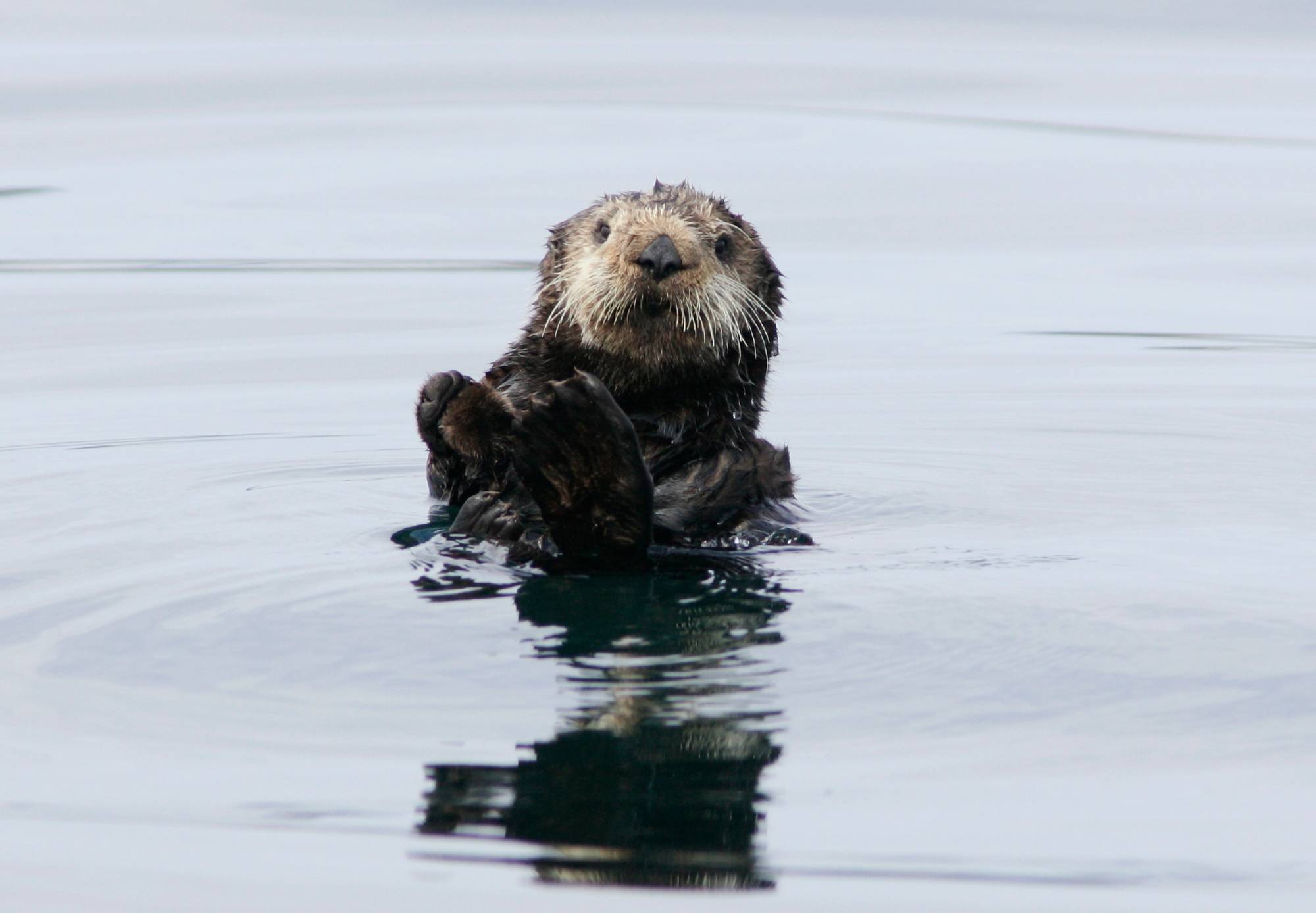
"caption": "A southern sea otter pops out of the water. In a protected estuary near Moss Landing, a thriving community of sea otters have helped revitalize an entire ecosystem.",
"credit": "Courtesy of Monterey Bay Aquarium",
"altTag": null,
"description": null,
"imgSizes": {
"medium": {
"file": "https://cdn.kqed.org/wp-content/uploads/sites/10/2025/08/9_Opt2-2000x1388.jpeg",
"width": 2000,
"height": 1388,
"mimeType": "image/jpeg"
},
"large": {
"file": "https://cdn.kqed.org/wp-content/uploads/sites/10/2025/08/9_Opt2-2000x1388.jpeg",
"width": 2000,
"height": 1388,
"mimeType": "image/jpeg"
},
"thumbnail": {
"file": "https://cdn.kqed.org/wp-content/uploads/sites/10/2025/08/9_Opt2-160x111.jpeg",
"width": 160,
"height": 111,
"mimeType": "image/jpeg"
},
"1536x1536": {
"file": "https://cdn.kqed.org/wp-content/uploads/sites/10/2025/08/9_Opt2-1536x1066.jpeg",
"width": 1536,
"height": 1066,
"mimeType": "image/jpeg"
},
"2048x2048": {
"file": "https://cdn.kqed.org/wp-content/uploads/sites/10/2025/08/9_Opt2-2048x1421.jpeg",
"width": 2048,
"height": 1421,
"mimeType": "image/jpeg"
},
"post-thumbnail": {
"file": "https://cdn.kqed.org/wp-content/uploads/sites/10/2025/08/9_Opt2-672x372.jpeg",
"width": 672,
"height": 372,
"mimeType": "image/jpeg"
},
"twentyfourteen-full-width": {
"file": "https://cdn.kqed.org/wp-content/uploads/sites/10/2025/08/9_Opt2-1038x576.jpeg",
"width": 1038,
"height": 576,
"mimeType": "image/jpeg"
},
"full-width": {
"file": "https://cdn.kqed.org/wp-content/uploads/sites/10/2025/08/9_Opt2-2000x1388.jpeg",
"width": 2000,
"height": 1388,
"mimeType": "image/jpeg"
},
"kqedFullSize": {
"file": "https://cdn.kqed.org/wp-content/uploads/sites/10/2025/08/9_Opt2-e1755648494299.jpeg",
"width": 2000,
"height": 1388
}
},
"isLoading": false,
"fetchFailed": false
},
"news_12052355": {
"type": "attachments",
"id": "news_12052355",
"meta": {
"index": "attachments_1716263798",
"site": "news",
"id": "12052355",
"found": true
},
"title": "250804-CALIFORNIAFOREVERSUISUNCITY-55-KQED",
"publishDate": 1755277849,
"status": "inherit",
"parent": 0,
"modified": 1755277955,
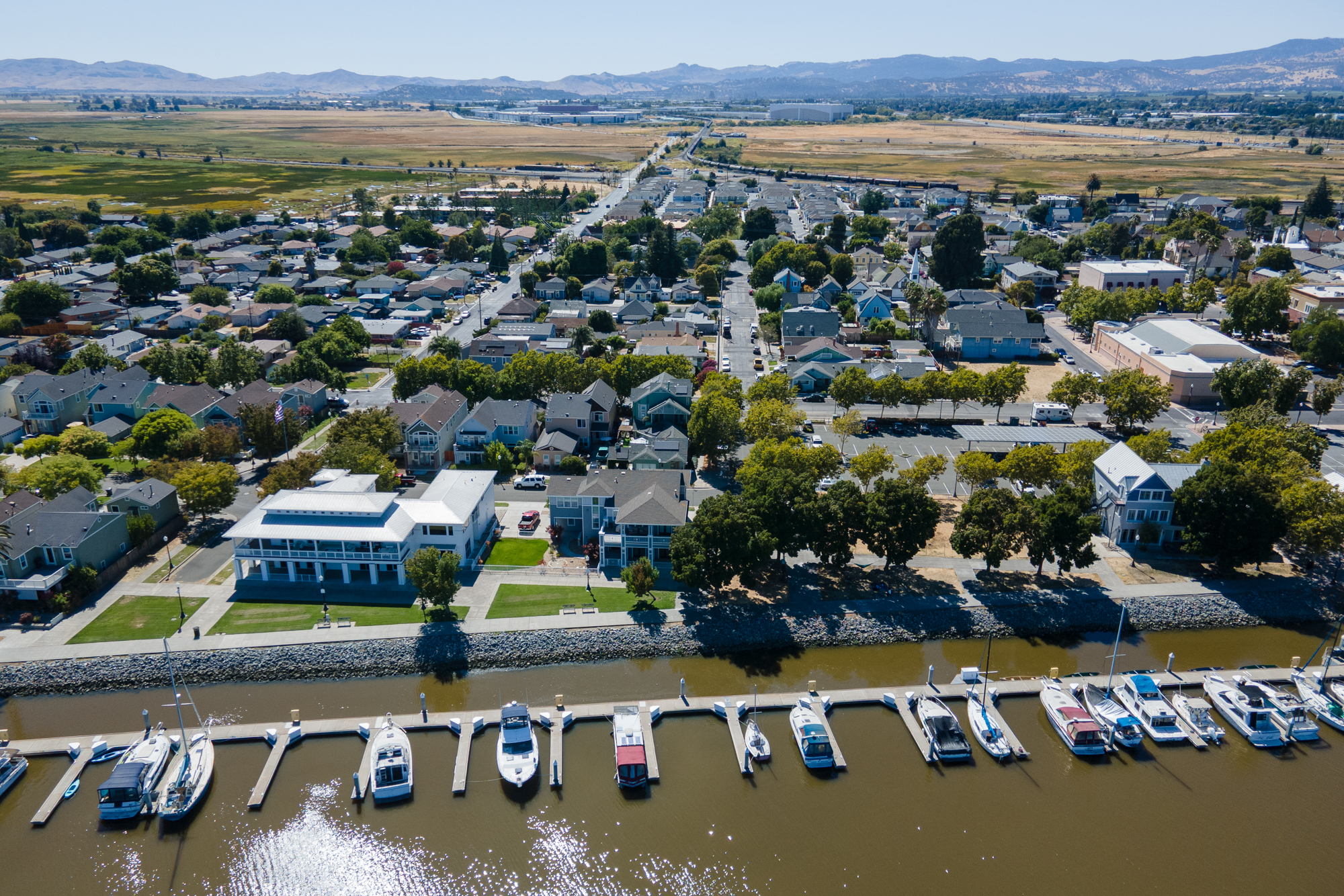
"caption": "An aerial view of the Suisun Slough in Suisun City, Solano County, on Aug. 4, 2025.",
"credit": "Beth LaBerge/KQED",
"altTag": null,
"description": null,
"imgSizes": {
"thumbnail": {
"file": "https://cdn.kqed.org/wp-content/uploads/sites/10/2025/08/250804-CALIFORNIAFOREVERSUISUNCITY-55-KQED-160x107.jpg",
"width": 160,
"height": 107,
"mimeType": "image/jpeg"
},
"1536x1536": {
"file": "https://cdn.kqed.org/wp-content/uploads/sites/10/2025/08/250804-CALIFORNIAFOREVERSUISUNCITY-55-KQED-1536x1025.jpg",
"width": 1536,
"height": 1025,
"mimeType": "image/jpeg"
},
"post-thumbnail": {
"file": "https://cdn.kqed.org/wp-content/uploads/sites/10/2025/08/250804-CALIFORNIAFOREVERSUISUNCITY-55-KQED-672x372.jpg",
"width": 672,
"height": 372,
"mimeType": "image/jpeg"
},
"twentyfourteen-full-width": {
"file": "https://cdn.kqed.org/wp-content/uploads/sites/10/2025/08/250804-CALIFORNIAFOREVERSUISUNCITY-55-KQED-1038x576.jpg",
"width": 1038,
"height": 576,
"mimeType": "image/jpeg"
},
"kqedFullSize": {
"file": "https://cdn.kqed.org/wp-content/uploads/sites/10/2025/08/250804-CALIFORNIAFOREVERSUISUNCITY-55-KQED.jpg",
"width": 2000,
"height": 1334
}
},
"isLoading": false,
"fetchFailed": false
},
"news_12052267": {
"type": "attachments",
"id": "news_12052267",
"meta": {
"index": "attachments_1716263798",
"site": "news",
"id": "12052267",
"found": true
},
"title": "Martinez California Cityscape",
"publishDate": 1755206887,
"status": "inherit",
"parent": 12052204,
"modified": 1755206948,
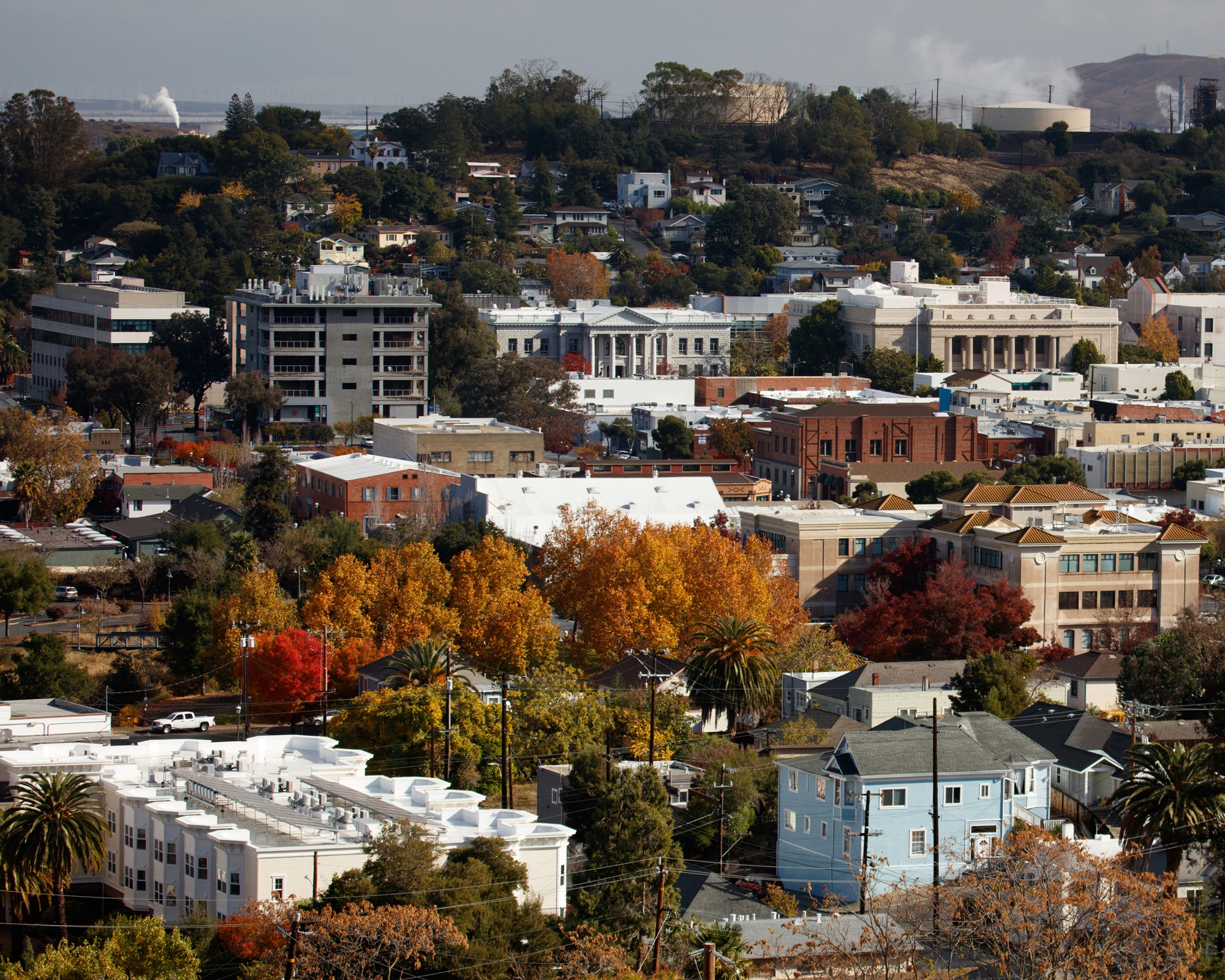
"caption": "The city of Martinez, California on Jan. 11, 2025.",
"credit": "Michael R. Lopez/Getty Images",
"altTag": null,
"description": null,
"imgSizes": {
"thumbnail": {
"file": "https://cdn.kqed.org/wp-content/uploads/sites/10/2025/08/MartinezGetty-160x128.jpg",
"width": 160,
"height": 128,
"mimeType": "image/jpeg"
},
"1536x1536": {
"file": "https://cdn.kqed.org/wp-content/uploads/sites/10/2025/08/MartinezGetty-1536x1229.jpg",
"width": 1536,
"height": 1229,
"mimeType": "image/jpeg"
},
"post-thumbnail": {
"file": "https://cdn.kqed.org/wp-content/uploads/sites/10/2025/08/MartinezGetty-672x372.jpg",
"width": 672,
"height": 372,
"mimeType": "image/jpeg"
},
"twentyfourteen-full-width": {
"file": "https://cdn.kqed.org/wp-content/uploads/sites/10/2025/08/MartinezGetty-1038x576.jpg",
"width": 1038,
"height": 576,
"mimeType": "image/jpeg"
},
"kqedFullSize": {
"file": "https://cdn.kqed.org/wp-content/uploads/sites/10/2025/08/MartinezGetty.jpg",
"width": 2000,
"height": 1600
}
},
"isLoading": false,
"fetchFailed": false
},
"news_12040230": {
"type": "attachments",
"id": "news_12040230",
"meta": {
"index": "attachments_1716263798",
"site": "news",
"id": "12040230",
"found": true
},
"title": "250512-SEAGULLCOUNTY-26-BL-KQED",
"publishDate": 1747265874,
"status": "inherit",
"parent": 0,
"modified": 1747265985,
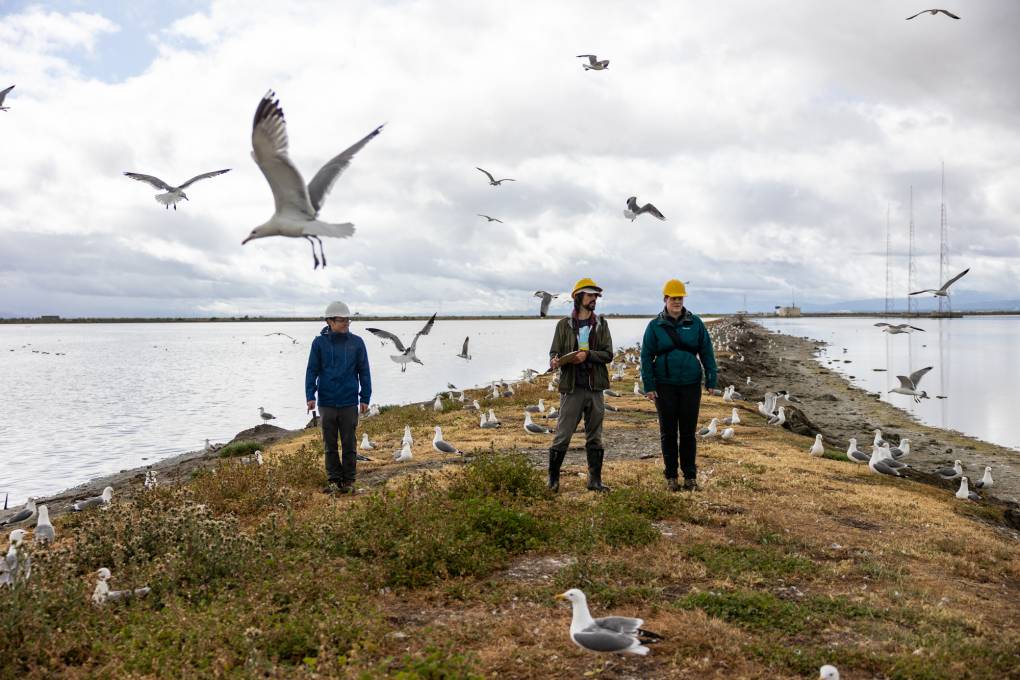
"caption": "A team led by Nathan Van Schmidt (center), science director at the San Francisco Bay Bird Observatory, and Amy Parsons, lead biologist, conducts a California gull nest survey near the Dumbarton Bridge in Fremont on May 12, 2025.",
"credit": "Beth LaBerge/KQED",
"altTag": null,
"description": null,
"imgSizes": {
"medium": {
"file": "https://cdn.kqed.org/wp-content/uploads/sites/10/2025/05/250512-SEAGULLCOUNTY-26-BL-KQED-800x533.jpg",
"width": 800,
"height": 533,
"mimeType": "image/jpeg"
},
"large": {
"file": "https://cdn.kqed.org/wp-content/uploads/sites/10/2025/05/250512-SEAGULLCOUNTY-26-BL-KQED-1020x680.jpg",
"width": 1020,
"height": 680,
"mimeType": "image/jpeg"
},
"thumbnail": {
"file": "https://cdn.kqed.org/wp-content/uploads/sites/10/2025/05/250512-SEAGULLCOUNTY-26-BL-KQED-160x107.jpg",
"width": 160,
"height": 107,
"mimeType": "image/jpeg"
},
"1536x1536": {
"file": "https://cdn.kqed.org/wp-content/uploads/sites/10/2025/05/250512-SEAGULLCOUNTY-26-BL-KQED-1536x1024.jpg",
"width": 1536,
"height": 1024,
"mimeType": "image/jpeg"
},
"post-thumbnail": {
"file": "https://cdn.kqed.org/wp-content/uploads/sites/10/2025/05/250512-SEAGULLCOUNTY-26-BL-KQED-672x372.jpg",
"width": 672,
"height": 372,
"mimeType": "image/jpeg"
},
"twentyfourteen-full-width": {
"file": "https://cdn.kqed.org/wp-content/uploads/sites/10/2025/05/250512-SEAGULLCOUNTY-26-BL-KQED-1038x576.jpg",
"width": 1038,
"height": 576,
"mimeType": "image/jpeg"
},
"full-width": {
"file": "https://cdn.kqed.org/wp-content/uploads/sites/10/2025/05/250512-SEAGULLCOUNTY-26-BL-KQED-1920x1280.jpg",
"width": 1920,
"height": 1280,
"mimeType": "image/jpeg"
},
"kqedFullSize": {
"file": "https://cdn.kqed.org/wp-content/uploads/sites/10/2025/05/250512-SEAGULLCOUNTY-26-BL-KQED.jpg",
"width": 2000,
"height": 1333
}
},
"isLoading": false,
"fetchFailed": false
},
"news_12051881": {
"type": "attachments",
"id": "news_12051881",
"meta": {
"index": "attachments_1716263798",
"site": "news",
"id": "12051881",
"found": true
},
"title": "California Wildfires",
"publishDate": 1755025372,
"status": "inherit",
"parent": 12051870,
"modified": 1755030586,
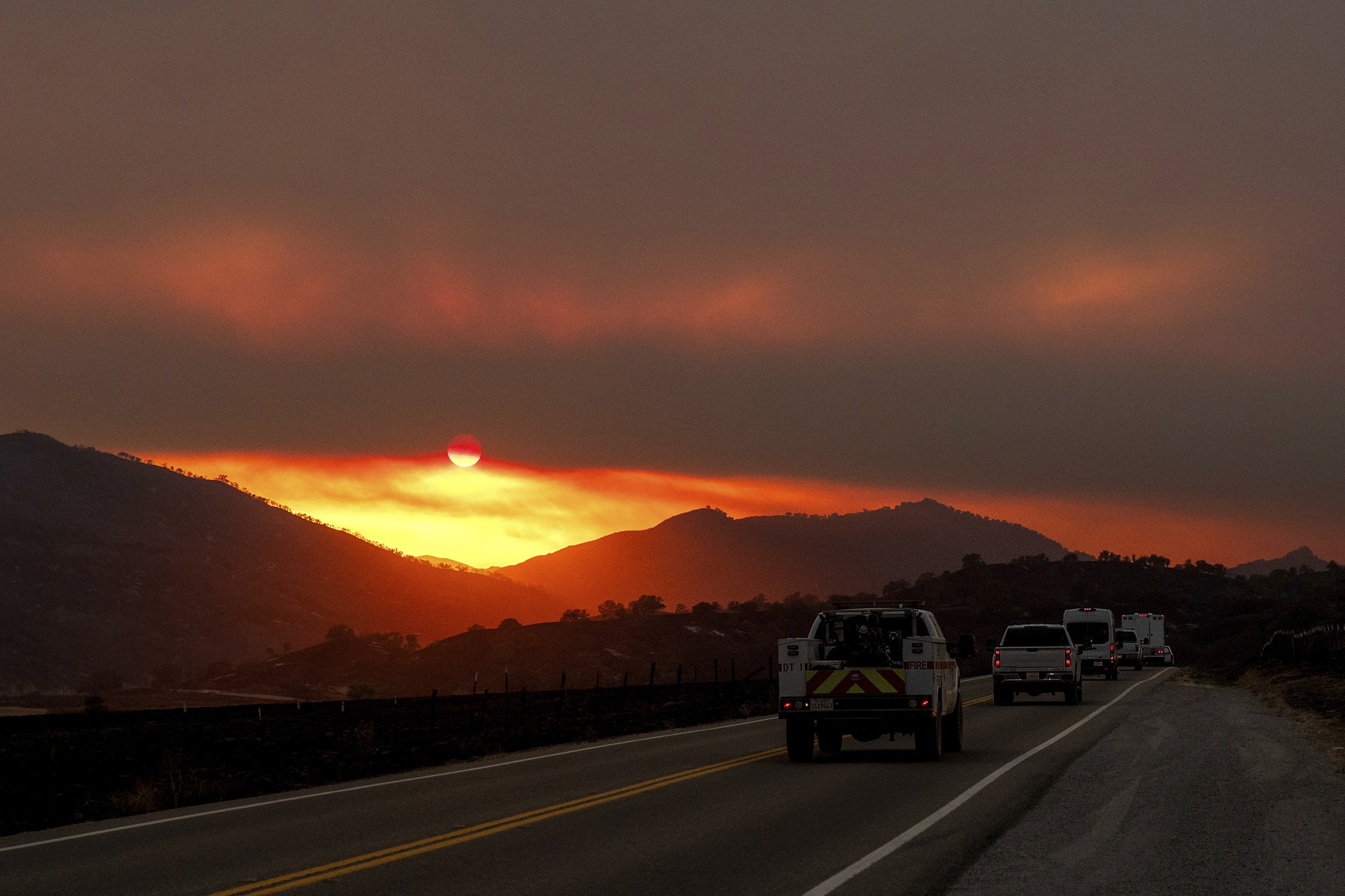
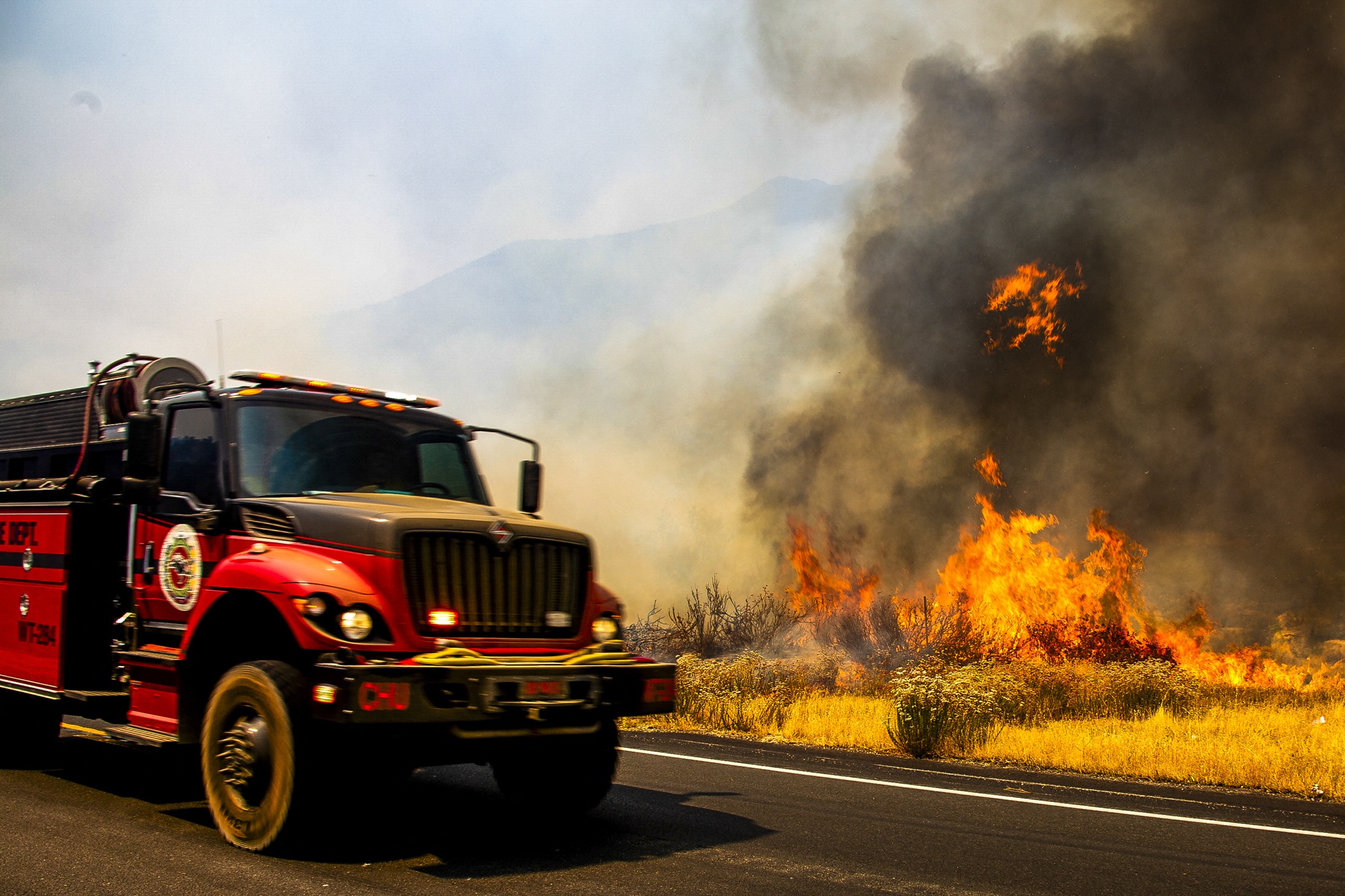
"caption": "Smoke from the Gifford Fire fills the sky as the sun sets over Los Padres National Forest, California, on Monday, Aug. 4, 2025. ",
"credit": "Noah Berger/AP Photo",
"altTag": null,
"description": null,
"imgSizes": {
"thumbnail": {
"file": "https://cdn.kqed.org/wp-content/uploads/sites/10/2025/08/GiffordFireSmokeAP-160x107.jpg",
"width": 160,
"height": 107,
"mimeType": "image/jpeg"
},
"1536x1536": {
"file": "https://cdn.kqed.org/wp-content/uploads/sites/10/2025/08/GiffordFireSmokeAP-1536x1024.jpg",
"width": 1536,
"height": 1024,
"mimeType": "image/jpeg"
},
"post-thumbnail": {
"file": "https://cdn.kqed.org/wp-content/uploads/sites/10/2025/08/GiffordFireSmokeAP-672x372.jpg",
"width": 672,
"height": 372,
"mimeType": "image/jpeg"
},
"twentyfourteen-full-width": {
"file": "https://cdn.kqed.org/wp-content/uploads/sites/10/2025/08/GiffordFireSmokeAP-1038x576.jpg",
"width": 1038,
"height": 576,
"mimeType": "image/jpeg"
},
"kqedFullSize": {
"file": "https://cdn.kqed.org/wp-content/uploads/sites/10/2025/08/GiffordFireSmokeAP.jpg",
"width": 2000,
"height": 1333
}
},
"isLoading": false,
"fetchFailed": false
},
"news_12051505": {
"type": "attachments",
"id": "news_12051505",
"meta": {
"index": "attachments_1716263798",
"site": "news",
"id": "12051505",
"found": true
},
"title": "Luna Angulo in Richmond on Aug. 8, 2025.",
"publishDate": 1754681165,
"status": "inherit",
"parent": 0,
"modified": 1754681277,
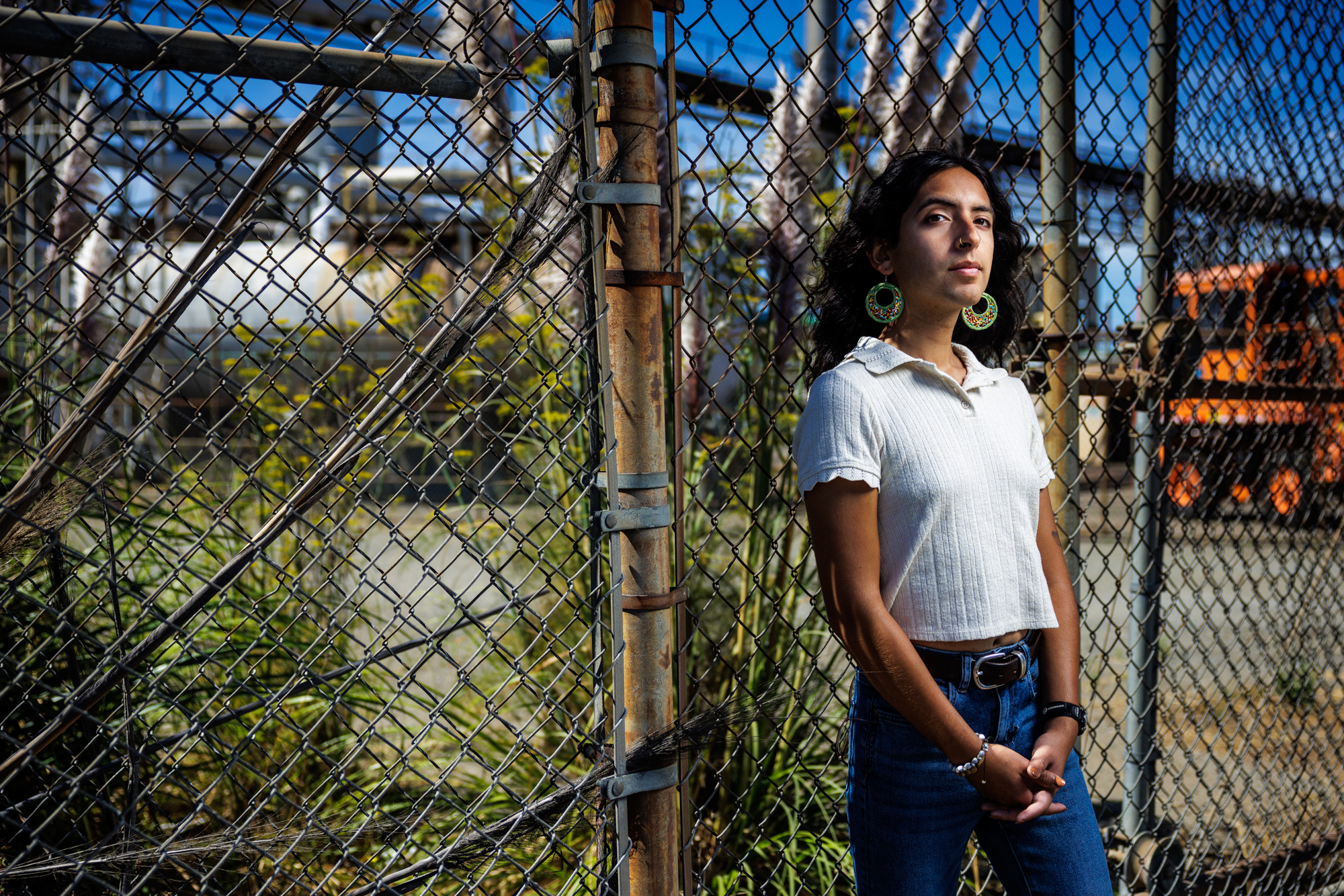
"caption": "Luna Angulo in Richmond on Aug. 8, 2025.",
"credit": "Martin do Nascimento/KQED",
"altTag": null,
"description": null,
"imgSizes": {
"thumbnail": {
"file": "https://cdn.kqed.org/wp-content/uploads/sites/10/2025/08/250808-CAP-AND-TRADE-ENVIRO-JUSTICE-MD-04-KQED-160x107.jpg",
"width": 160,
"height": 107,
"mimeType": "image/jpeg"
},
"1536x1536": {
"file": "https://cdn.kqed.org/wp-content/uploads/sites/10/2025/08/250808-CAP-AND-TRADE-ENVIRO-JUSTICE-MD-04-KQED-1536x1025.jpg",
"width": 1536,
"height": 1025,
"mimeType": "image/jpeg"
},
"post-thumbnail": {
"file": "https://cdn.kqed.org/wp-content/uploads/sites/10/2025/08/250808-CAP-AND-TRADE-ENVIRO-JUSTICE-MD-04-KQED-672x372.jpg",
"width": 672,
"height": 372,
"mimeType": "image/jpeg"
},
"twentyfourteen-full-width": {
"file": "https://cdn.kqed.org/wp-content/uploads/sites/10/2025/08/250808-CAP-AND-TRADE-ENVIRO-JUSTICE-MD-04-KQED-1038x576.jpg",
"width": 1038,
"height": 576,
"mimeType": "image/jpeg"
},
"kqedFullSize": {
"file": "https://cdn.kqed.org/wp-content/uploads/sites/10/2025/08/250808-CAP-AND-TRADE-ENVIRO-JUSTICE-MD-04-KQED.jpg",
"width": 2000,
"height": 1334
}
},
"isLoading": false,
"fetchFailed": false
},
"news_12051490": {
"type": "attachments",
"id": "news_12051490",
"meta": {
"index": "attachments_1716263798",
"site": "news",
"id": "12051490",
"found": true
},
"title": "California Wildfires",
"publishDate": 1754678814,
"status": "inherit",
"parent": 12051487,
"modified": 1754679020,
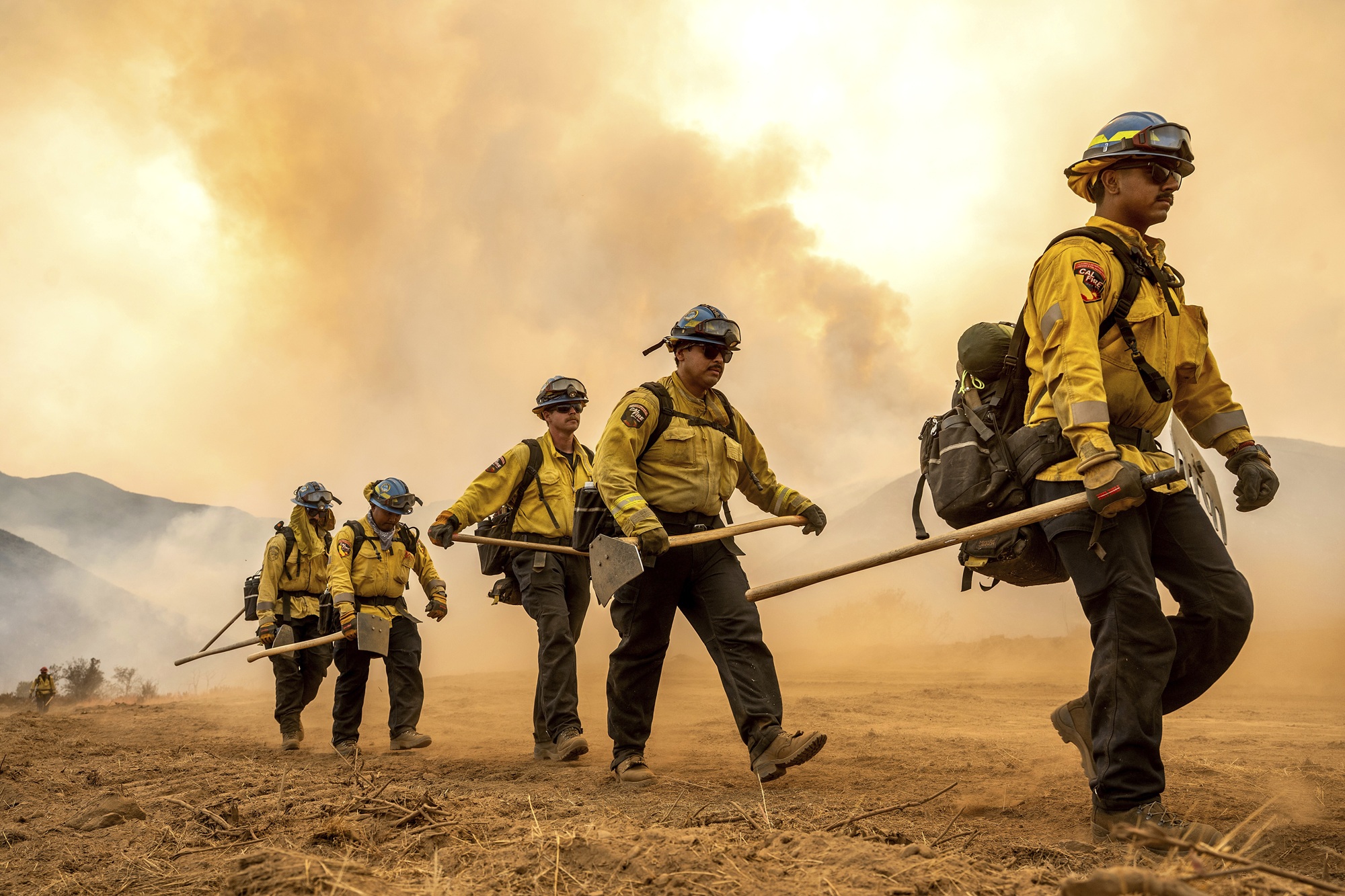
"caption": "Firefighters battle the Gifford Fire burning on Monday, Aug. 4, 2025, in Los Padres National Forest, California.",
"credit": "Noah Berger/AP Photo",
"altTag": null,
"description": null,
"imgSizes": {
"thumbnail": {
"file": "https://cdn.kqed.org/wp-content/uploads/sites/10/2025/08/GiffordFireAP-160x107.jpg",
"width": 160,
"height": 107,
"mimeType": "image/jpeg"
},
"1536x1536": {
"file": "https://cdn.kqed.org/wp-content/uploads/sites/10/2025/08/GiffordFireAP-1536x1024.jpg",
"width": 1536,
"height": 1024,
"mimeType": "image/jpeg"
},
"post-thumbnail": {
"file": "https://cdn.kqed.org/wp-content/uploads/sites/10/2025/08/GiffordFireAP-672x372.jpg",
"width": 672,
"height": 372,
"mimeType": "image/jpeg"
},
"twentyfourteen-full-width": {
"file": "https://cdn.kqed.org/wp-content/uploads/sites/10/2025/08/GiffordFireAP-1038x576.jpg",
"width": 1038,
"height": 576,
"mimeType": "image/jpeg"
},
"kqedFullSize": {
"file": "https://cdn.kqed.org/wp-content/uploads/sites/10/2025/08/GiffordFireAP.jpg",
"width": 2000,
"height": 1333
}
},
"isLoading": false,
"fetchFailed": false
},
"news_12051516": {
"type": "attachments",
"id": "news_12051516",
"meta": {
"index": "attachments_1716263798",
"site": "news",
"id": "12051516",
"found": true
},
"title": "US-SCIENCE-CLIMATE-ENVIRONMENT-NOAA",
"publishDate": 1754682601,
"status": "inherit",
"parent": 12051499,
"modified": 1754682672,
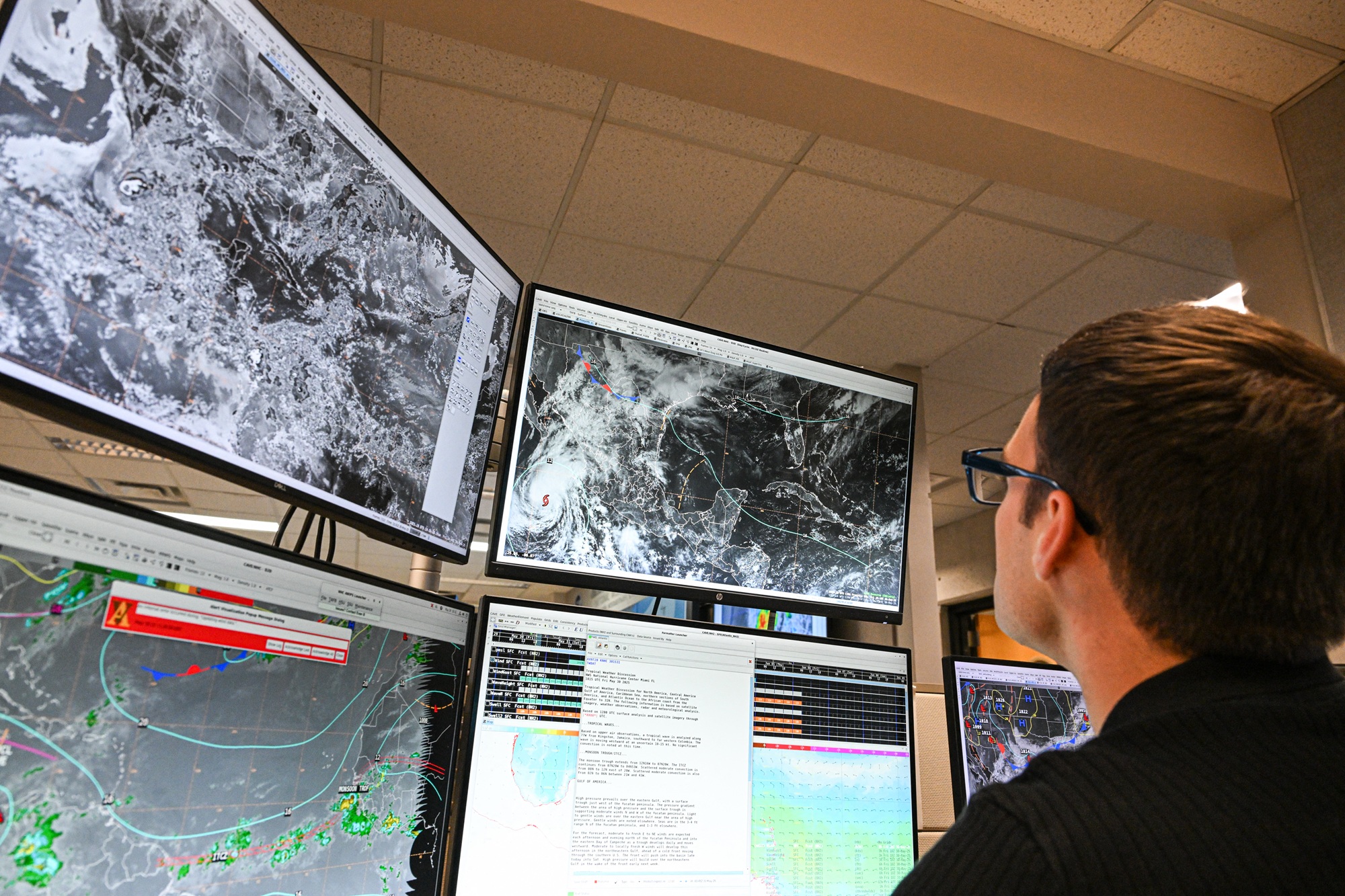
"caption": "A tropical analysis meteorologist works at his station at the National Oceanic and Atmospheric Administration's (NOAA) National Hurricane Center in Miami, Florida, on May 30, 2025. The Trump administration has fired hundreds of staff at NOAA and deleted government websites with data on the weather and climate. ",
"credit": "Chandan Khanna/AFP via Getty Images",
"altTag": null,
"description": null,
"imgSizes": {
"thumbnail": {
"file": "https://cdn.kqed.org/wp-content/uploads/sites/10/2025/08/MeteorologistsTrumpGetty-160x107.jpg",
"width": 160,
"height": 107,
"mimeType": "image/jpeg"
},
"1536x1536": {
"file": "https://cdn.kqed.org/wp-content/uploads/sites/10/2025/08/MeteorologistsTrumpGetty-1536x1024.jpg",
"width": 1536,
"height": 1024,
"mimeType": "image/jpeg"
},
"post-thumbnail": {
"file": "https://cdn.kqed.org/wp-content/uploads/sites/10/2025/08/MeteorologistsTrumpGetty-672x372.jpg",
"width": 672,
"height": 372,
"mimeType": "image/jpeg"
},
"twentyfourteen-full-width": {
"file": "https://cdn.kqed.org/wp-content/uploads/sites/10/2025/08/MeteorologistsTrumpGetty-1038x576.jpg",
"width": 1038,
"height": 576,
"mimeType": "image/jpeg"
},
"kqedFullSize": {
"file": "https://cdn.kqed.org/wp-content/uploads/sites/10/2025/08/MeteorologistsTrumpGetty.jpg",
"width": 2000,
"height": 1333
}
},
"isLoading": false,
"fetchFailed": false
},
"news_12050859": {
"type": "attachments",
"id": "news_12050859",
"meta": {
"index": "attachments_1716263798",
"site": "news",
"id": "12050859",
"found": true
},
"title": "Wildfire-Rages-Through-Los-Padres-Forest",
"publishDate": 1754335137,
"status": "inherit",
"parent": 12050852,
"modified": 1754335185,
"caption": "The Gifford Fire burns 30,000 acres in Los Padres National Forest on Aug. 2, 2025. Flames sweep through rugged terrain near Santa Maria, California, forcing evacuations and endangering nearby communities and wildlife. Firefighters battle extreme heat, shifting winds and dry vegetation as they work to contain the rapidly expanding wildfire. The blaze, fueled by ongoing drought and high temperatures, sends thick smoke across the region, prompting air quality warnings and road closures. The Gifford Fire becomes one of the largest wildfires of the season in California, illustrating the intensifying impact of climate change on fire behavior and frequency in the American West. Authorities continue to monitor fire lines while urging residents to remain alert to changing conditions. ",
"credit": "Benjamin Hanson/Middle East Images/AFP via Getty Images",
"altTag": null,
"description": null,
"imgSizes": {
"thumbnail": {
"file": "https://cdn.kqed.org/wp-content/uploads/sites/10/2025/08/GiffordFireGetty1-160x107.jpg",
"width": 160,
"height": 107,
"mimeType": "image/jpeg"
},
"1536x1536": {
"file": "https://cdn.kqed.org/wp-content/uploads/sites/10/2025/08/GiffordFireGetty1-1536x1024.jpg",
"width": 1536,
"height": 1024,
"mimeType": "image/jpeg"
},
"post-thumbnail": {
"file": "https://cdn.kqed.org/wp-content/uploads/sites/10/2025/08/GiffordFireGetty1-672x372.jpg",
"width": 672,
"height": 372,
"mimeType": "image/jpeg"
},
"twentyfourteen-full-width": {
"file": "https://cdn.kqed.org/wp-content/uploads/sites/10/2025/08/GiffordFireGetty1-1038x576.jpg",
"width": 1038,
"height": 576,
"mimeType": "image/jpeg"
},
"kqedFullSize": {
"file": "https://cdn.kqed.org/wp-content/uploads/sites/10/2025/08/GiffordFireGetty1.jpg",
"width": 2000,
"height": 1333
}
},
"isLoading": false,
"fetchFailed": false
},
"news_12050438": {
"type": "attachments",
"id": "news_12050438",
"meta": {
"index": "attachments_1716263798",
"site": "news",
"id": "12050438",
"found": true
},
"title": "2 Gabby Raices",
"publishDate": 1753985058,
"status": "inherit",
"parent": 12050296,
"modified": 1753995496,
"caption": "Therapist Gabby Raices leads grief circles for Eaton Fire survivors in Pasadena, California.",
"credit": "Steven Cuevas/KQED",
"altTag": null,
"description": null,
"imgSizes": {
"medium": {
"file": "https://cdn.kqed.org/wp-content/uploads/sites/10/2025/07/2-Gabby-Raices-2000x1500.jpg",
"width": 2000,
"height": 1500,
"mimeType": "image/jpeg"
},
"large": {
"file": "https://cdn.kqed.org/wp-content/uploads/sites/10/2025/07/2-Gabby-Raices-2000x1500.jpg",
"width": 2000,
"height": 1500,
"mimeType": "image/jpeg"
},
"thumbnail": {
"file": "https://cdn.kqed.org/wp-content/uploads/sites/10/2025/07/2-Gabby-Raices-scaled-e1753985126617-160x99.jpg",
"width": 160,
"height": 99,
"mimeType": "image/jpeg"
},
"1536x1536": {
"file": "https://cdn.kqed.org/wp-content/uploads/sites/10/2025/07/2-Gabby-Raices-scaled-e1753985126617-1536x955.jpg",
"width": 1536,
"height": 955,
"mimeType": "image/jpeg"
},
"2048x2048": {
"file": "https://cdn.kqed.org/wp-content/uploads/sites/10/2025/07/2-Gabby-Raices-2048x1536.jpg",
"width": 2048,
"height": 1536,
"mimeType": "image/jpeg"
},
"post-thumbnail": {
"file": "https://cdn.kqed.org/wp-content/uploads/sites/10/2025/07/2-Gabby-Raices-scaled-e1753985126617-672x372.jpg",
"width": 672,
"height": 372,
"mimeType": "image/jpeg"
},
"twentyfourteen-full-width": {
"file": "https://cdn.kqed.org/wp-content/uploads/sites/10/2025/07/2-Gabby-Raices-scaled-e1753985126617-1038x576.jpg",
"width": 1038,
"height": 576,
"mimeType": "image/jpeg"
},
"full-width": {
"file": "https://cdn.kqed.org/wp-content/uploads/sites/10/2025/07/2-Gabby-Raices-2000x1500.jpg",
"width": 2000,
"height": 1500,
"mimeType": "image/jpeg"
},
"kqedFullSize": {
"file": "https://cdn.kqed.org/wp-content/uploads/sites/10/2025/07/2-Gabby-Raices-scaled-e1753985126617.jpg",
"width": 2000,
"height": 1243
}
},
"isLoading": false,
"fetchFailed": false
},
"news_12050223": {
"type": "attachments",
"id": "news_12050223",
"meta": {
"index": "attachments_1716263798",
"site": "news",
"id": "12050223",
"found": true
},
"title": "Tsunami Warnings Issued For CA After 8.8 Magnitude Earthquake Off Russia Coast",
"publishDate": 1753894793,
"status": "inherit",
"parent": 12050219,
"modified": 1753895641,
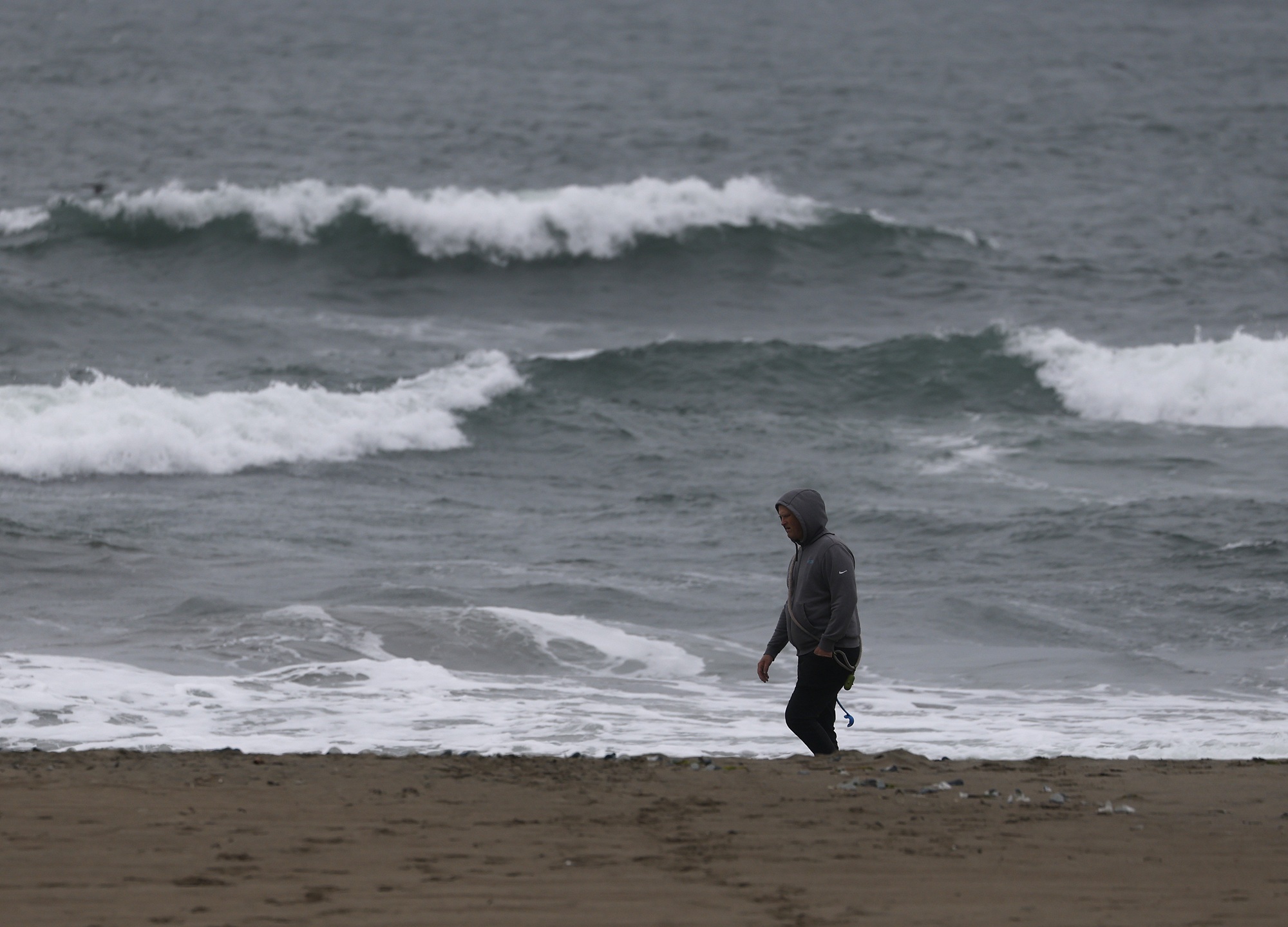
"caption": "A beachgoer walks on the beach during a tsunami advisory at Ocean Beach on July 30, 2025, in San Francisco, California. Authorities are warning people to stay away from beaches following a massive 8.8 earthquake on the East Coast of Russia, which triggered a tsunami warning for Hawaii and the West Coast of the United States. No major damage has been reported.",
"credit": "Justin Sullivan/Getty Images",
"altTag": null,
"description": null,
"imgSizes": {
"thumbnail": {
"file": "https://cdn.kqed.org/wp-content/uploads/sites/10/2025/07/SFTsunamiWarningGetty-160x115.jpg",
"width": 160,
"height": 115,
"mimeType": "image/jpeg"
},
"1536x1536": {
"file": "https://cdn.kqed.org/wp-content/uploads/sites/10/2025/07/SFTsunamiWarningGetty-1536x1105.jpg",
"width": 1536,
"height": 1105,
"mimeType": "image/jpeg"
},
"post-thumbnail": {
"file": "https://cdn.kqed.org/wp-content/uploads/sites/10/2025/07/SFTsunamiWarningGetty-672x372.jpg",
"width": 672,
"height": 372,
"mimeType": "image/jpeg"
},
"twentyfourteen-full-width": {
"file": "https://cdn.kqed.org/wp-content/uploads/sites/10/2025/07/SFTsunamiWarningGetty-1038x576.jpg",
"width": 1038,
"height": 576,
"mimeType": "image/jpeg"
},
"kqedFullSize": {
"file": "https://cdn.kqed.org/wp-content/uploads/sites/10/2025/07/SFTsunamiWarningGetty.jpg",
"width": 2000,
"height": 1439
}
},
"isLoading": false,
"fetchFailed": false
},
"news_12049693": {
"type": "attachments",
"id": "news_12049693",
"meta": {
"index": "attachments_1716263798",
"site": "news",
"id": "12049693",
"found": true
},
"title": "Fog 2",
"publishDate": 1753396768,
"status": "inherit",
"parent": 12049568,
"modified": 1753396787,
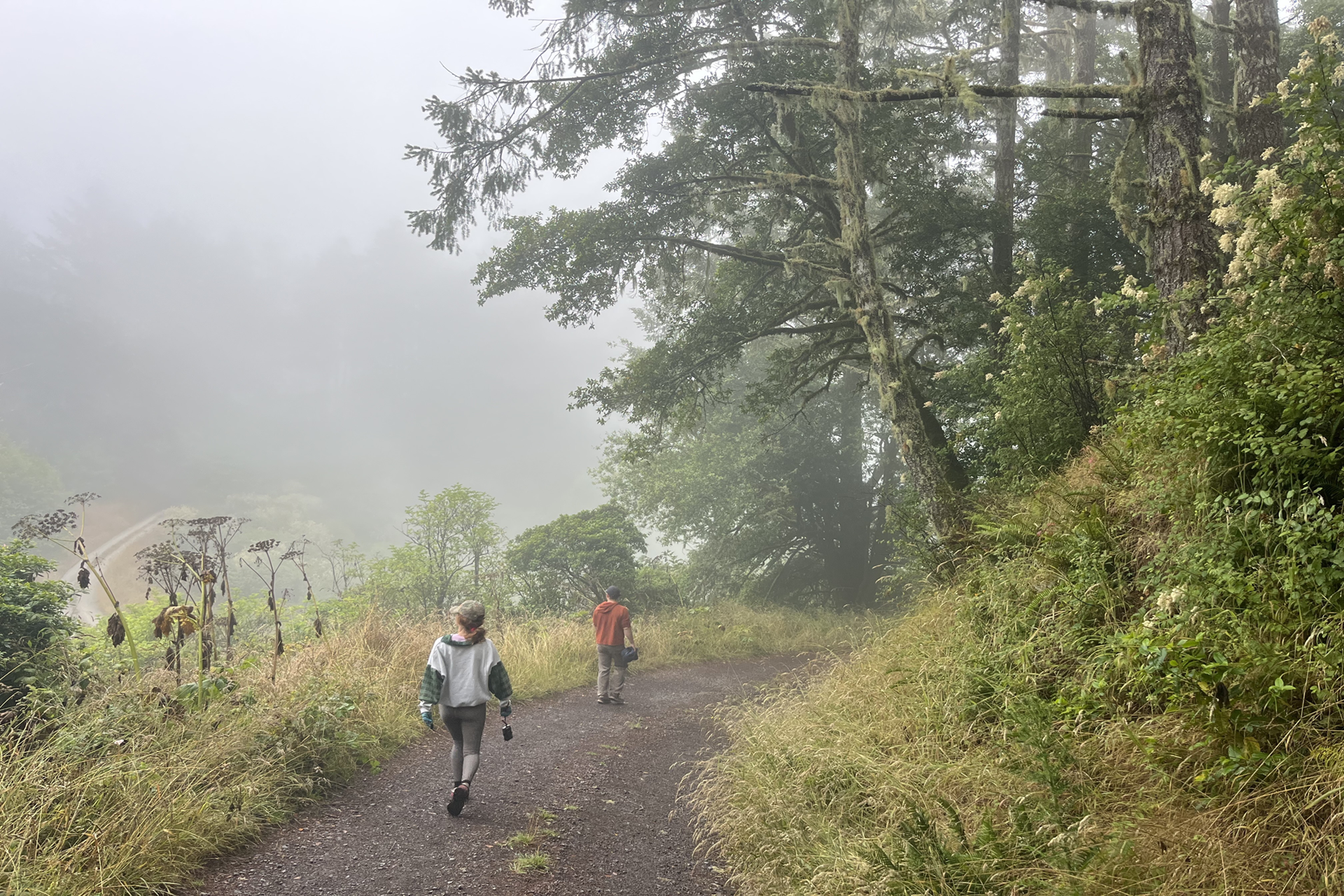
"caption": "Hikers explore Point Reyes shrouded in fog on July 20, 2025. \n",
"credit": "Sarah Wright/KQED",
"altTag": null,
"description": null,
"imgSizes": {
"thumbnail": {
"file": "https://cdn.kqed.org/wp-content/uploads/sites/10/2025/07/Fog-2-160x107.png",
"width": 160,
"height": 107,
"mimeType": "image/png"
},
"1536x1536": {
"file": "https://cdn.kqed.org/wp-content/uploads/sites/10/2025/07/Fog-2-1536x1024.png",
"width": 1536,
"height": 1024,
"mimeType": "image/png"
},
"post-thumbnail": {
"file": "https://cdn.kqed.org/wp-content/uploads/sites/10/2025/07/Fog-2-672x372.png",
"width": 672,
"height": 372,
"mimeType": "image/png"
},
"twentyfourteen-full-width": {
"file": "https://cdn.kqed.org/wp-content/uploads/sites/10/2025/07/Fog-2-1038x576.png",
"width": 1038,
"height": 576,
"mimeType": "image/png"
},
"kqedFullSize": {
"file": "https://cdn.kqed.org/wp-content/uploads/sites/10/2025/07/Fog-2.png",
"width": 1920,
"height": 1280
}
},
"isLoading": false,
"fetchFailed": false
}
},
"audioPlayerReducer": {
"postId": "stream_live",
"isPaused": true,
"isPlaying": false,
"pfsActive": false,
"pledgeModalIsOpen": true,
"playerDrawerIsOpen": false,
"liveAudioPlayStartedAt": 0,
"liveAudioPlayContext": ""
},
"authorsReducer": {
"gmarzorati": {
"type": "authors",
"id": "227",
"meta": {
"index": "authors_1716337520",
"id": "227",
"found": true
},
"name": "Guy Marzorati",
"firstName": "Guy",
"lastName": "Marzorati",
"slug": "gmarzorati",
"email": "gmarzorati@KQED.org",
"display_author_email": true,
"staff_mastheads": [
"news"
],
"title": "Correspondent",
"bio": "Guy Marzorati is a correspondent on KQED's California Politics and Government Desk, based in San Jose. A graduate of Santa Clara University, Guy joined KQED in 2013. He reports on state and local politics and produces KQED's digital voter guide.",
"avatar": "https://secure.gravatar.com/avatar/e7038b8dbfd55b104369b76b1cd0b9de?s=600&d=blank&r=g",
"twitter": "guymarzorati",
"facebook": null,
"instagram": null,
"linkedin": null,
"sites": [
{
"site": "",
"roles": [
"editor"
]
},
{
"site": "news",
"roles": [
"editor"
]
},
{
"site": "science",
"roles": [
"editor"
]
},
{
"site": "forum",
"roles": [
"editor"
]
},
{
"site": "elections",
"roles": [
"editor"
]
},
{
"site": "liveblog",
"roles": [
"editor"
]
}
],
"headData": {
"title": "Guy Marzorati | KQED",
"description": "Correspondent",
"ogImgSrc": "https://secure.gravatar.com/avatar/e7038b8dbfd55b104369b76b1cd0b9de?s=600&d=blank&r=g",
"twImgSrc": "https://secure.gravatar.com/avatar/e7038b8dbfd55b104369b76b1cd0b9de?s=600&d=blank&r=g"
},
"isLoading": false,
"link": "/author/gmarzorati"
},
"kqed": {
"type": "authors",
"id": "236",
"meta": {
"index": "authors_1716337520",
"id": "236",
"found": true
},
"name": "KQED News Staff",
"firstName": "KQED News Staff",
"lastName": null,
"slug": "kqed",
"email": "faq@kqed.org",
"display_author_email": false,
"staff_mastheads": [],
"title": null,
"bio": null,
"avatar": "https://secure.gravatar.com/avatar/ef0e801a68c4c54afa9180db14084167?s=600&d=blank&r=g",
"twitter": null,
"facebook": null,
"instagram": null,
"linkedin": null,
"sites": [
{
"site": "arts",
"roles": [
"contributor"
]
},
{
"site": "news",
"roles": [
"editor"
]
},
{
"site": "futureofyou",
"roles": [
"author"
]
}
],
"headData": {
"title": "KQED News Staff | KQED",
"description": null,
"ogImgSrc": "https://secure.gravatar.com/avatar/ef0e801a68c4c54afa9180db14084167?s=600&d=blank&r=g",
"twImgSrc": "https://secure.gravatar.com/avatar/ef0e801a68c4c54afa9180db14084167?s=600&d=blank&r=g"
},
"isLoading": false,
"link": "/author/kqed"
},
"scuevas": {
"type": "authors",
"id": "2600",
"meta": {
"index": "authors_1716337520",
"id": "2600",
"found": true
},
"name": "Steven Cuevas",
"firstName": "Steven",
"lastName": "Cuevas",
"slug": "scuevas",
"email": "scuevas@kqed.org",
"display_author_email": false,
"staff_mastheads": [],
"title": "KQED Contributor",
"bio": "Steven is a former Los Angeles bureau chief for The California Report.\r\n\r\nHe reports on an array of issues across the Southland, from immigration and regional politics to religion, the performing arts and pop culture.\r\n\r\nPrior to joining KQED in 2012, Steven covered Inland southern California for KPCC in Pasadena. He also helped establish the first newsroom at \u003ca href=\"http://kut.org/\">KUT\u003c/a> in Austin, Texas where he was a general assignment reporter.\r\n\r\nSteven has received numerous awards for his reporting including an RTNDA Edward R. Murrow Award for investigative reporting in addition to awards from the LA Press Club, the Associated Press and the Society for Professional Journalists.\r\n\r\nSteven grew up in and around San Francisco and now lives in Pasadena just a short jog from the foot of the San Gabriel Mountains.",
"avatar": "https://secure.gravatar.com/avatar/2d253580794f8e026100fae05cfabbbd4889b4fe15146146cacb82a01974c538?s=600&d=blank&r=g",
"twitter": null,
"bluesky": null,
"facebook": null,
"instagram": null,
"linkedin": null,
"sites": [
{
"site": "news",
"roles": [
"subscriber"
]
}
],
"headData": {
"title": "Steven Cuevas | KQED",
"description": "KQED Contributor",
"ogImgSrc": "https://secure.gravatar.com/avatar/2d253580794f8e026100fae05cfabbbd4889b4fe15146146cacb82a01974c538?s=600&d=blank&r=g",
"twImgSrc": "https://secure.gravatar.com/avatar/2d253580794f8e026100fae05cfabbbd4889b4fe15146146cacb82a01974c538?s=600&d=blank&r=g"
},
"isLoading": false,
"link": "/author/scuevas"
},
"abandlamudi": {
"type": "authors",
"id": "11672",
"meta": {
"index": "authors_1716337520",
"id": "11672",
"found": true
},
"name": "Adhiti Bandlamudi",
"firstName": "Adhiti",
"lastName": "Bandlamudi",
"slug": "abandlamudi",
"email": "abandlamudi@kqed.org",
"display_author_email": false,
"staff_mastheads": [
"news"
],
"title": "KQED Housing Reporter",
"bio": "Adhiti Bandlamudi reports for KQED's Housing desk. She focuses on how housing gets built across the Bay Area. Before joining KQED in 2020, she reported for WUNC in Durham, North Carolina, WABE in Atlanta, Georgia and Capital Public Radio in Sacramento. In 2017, she was awarded a Kroc Fellowship at NPR where she reported on everything from sprinkles to the Golden State Killer's arrest. When she's not reporting, she's baking new recipes in her kitchen or watching movies with friends and family. She's originally from Georgia and has strong opinions about Great British Bake Off.",
"avatar": "https://secure.gravatar.com/avatar/868129c8b257bb99a3500e2c86a65400?s=600&d=mm&r=g",
"twitter": "oddity_adhiti",
"facebook": null,
"instagram": null,
"linkedin": null,
"sites": [
{
"site": "arts",
"roles": [
"author"
]
},
{
"site": "news",
"roles": [
"editor"
]
},
{
"site": "liveblog",
"roles": [
"author"
]
}
],
"headData": {
"title": "Adhiti Bandlamudi | KQED",
"description": "KQED Housing Reporter",
"ogImgSrc": "https://secure.gravatar.com/avatar/868129c8b257bb99a3500e2c86a65400?s=600&d=mm&r=g",
"twImgSrc": "https://secure.gravatar.com/avatar/868129c8b257bb99a3500e2c86a65400?s=600&d=mm&r=g"
},
"isLoading": false,
"link": "/author/abandlamudi"
},
"eromero": {
"type": "authors",
"id": "11746",
"meta": {
"index": "authors_1716337520",
"id": "11746",
"found": true
},
"name": "Ezra David Romero",
"firstName": "Ezra David",
"lastName": "Romero",
"slug": "eromero",
"email": "eromero@kqed.org",
"display_author_email": true,
"staff_mastheads": [
"news",
"science"
],
"title": "Climate Reporter",
"bio": "Ezra David Romero is a climate reporter for KQED News. He covers the absence and excess of water in the Bay Area — think sea level rise, flooding and drought. For nearly a decade he’s covered how warming temperatures are altering the lives of Californians. He’s reported on farmers worried their pistachio trees aren’t getting enough sleep, families desperate for water, scientists studying dying giant sequoias, and alongside firefighters containing wildfires. His work has appeared on local stations across California and nationally on public radio shows like Morning Edition, Here and Now, All Things Considered and Science Friday. ",
"avatar": "https://secure.gravatar.com/avatar/c76404d287c10ed40224227551ac36e24352c7306f106632caf6fead76f8801f?s=600&d=blank&r=g",
"twitter": "ezraromero",
"bluesky": null,
"facebook": null,
"instagram": null,
"linkedin": null,
"sites": [
{
"site": "arts",
"roles": [
"editor"
]
},
{
"site": "news",
"roles": [
"editor"
]
},
{
"site": "science",
"roles": [
"editor"
]
},
{
"site": "liveblog",
"roles": [
"author"
]
}
],
"headData": {
"title": "Ezra David Romero | KQED",
"description": "Climate Reporter",
"ogImgSrc": "https://secure.gravatar.com/avatar/c76404d287c10ed40224227551ac36e24352c7306f106632caf6fead76f8801f?s=600&d=blank&r=g",
"twImgSrc": "https://secure.gravatar.com/avatar/c76404d287c10ed40224227551ac36e24352c7306f106632caf6fead76f8801f?s=600&d=blank&r=g"
},
"isLoading": false,
"link": "/author/eromero"
},
"pbartolone": {
"type": "authors",
"id": "11879",
"meta": {
"index": "authors_1716337520",
"id": "11879",
"found": true
},
"name": "Pauline Bartolone",
"firstName": "Pauline",
"lastName": "Bartolone",
"slug": "pbartolone",
"email": "pbartolone@kqed.org",
"display_author_email": false,
"staff_mastheads": [],
"title": "KQED Contributor",
"bio": "Pauline Bartolone has been a journalist for two decades, specializing in longform audio storytelling. Before editing and producing for podcasts like Bay Curious, she was a health care journalist for public radio and print outlets such as CalMatters and Kaiser Health News. Her reporting has won several regional Edward R. Murrow awards, national recognition from the Society of Professional Journalists and a first-place prize from the Association of Health Care Journalists.\r\n\r\nPauline’s work has aired frequently on National Public Radio, and bylines have appeared in The Los Angeles Times, CNN.com, Washingtonpost.com, USA Today and Scientific American.\r\n\r\nPauline has lived in Northern California for 20 years. Her other passions are crafts (now done in collaboration with her daughter) and the Brazilian martial art of capoeira.",
"avatar": "https://secure.gravatar.com/avatar/95001c30374b0d3878007af9cf1e120a?s=600&d=blank&r=g",
"twitter": "pbartolone",
"facebook": null,
"instagram": null,
"linkedin": null,
"sites": [
{
"site": "news",
"roles": [
"editor"
]
},
{
"site": "podcasts",
"roles": [
"subscriber"
]
}
],
"headData": {
"title": "Pauline Bartolone | KQED",
"description": "KQED Contributor",
"ogImgSrc": "https://secure.gravatar.com/avatar/95001c30374b0d3878007af9cf1e120a?s=600&d=blank&r=g",
"twImgSrc": "https://secure.gravatar.com/avatar/95001c30374b0d3878007af9cf1e120a?s=600&d=blank&r=g"
},
"isLoading": false,
"link": "/author/pbartolone"
},
"kdebenedetti": {
"type": "authors",
"id": "11913",
"meta": {
"index": "authors_1716337520",
"id": "11913",
"found": true
},
"name": "Katie DeBenedetti",
"firstName": "Katie",
"lastName": "DeBenedetti",
"slug": "kdebenedetti",
"email": "kdebenedetti@kqed.org",
"display_author_email": false,
"staff_mastheads": [
"news",
"science"
],
"title": "KQED Contributor",
"bio": "Katie DeBenedetti is a digital reporter covering daily news for the Express Desk. Prior to joining KQED as a culture reporting intern in January 2024, she covered education and city government for the Napa Valley Register.",
"avatar": "https://secure.gravatar.com/avatar/6e31073cb8f7e4214ab03f42771d0f45?s=600&d=blank&r=g",
"twitter": null,
"facebook": null,
"instagram": null,
"linkedin": null,
"sites": [
{
"site": "news",
"roles": [
"author"
]
},
{
"site": "science",
"roles": [
"author"
]
},
{
"site": "liveblog",
"roles": [
"author"
]
}
],
"headData": {
"title": "Katie DeBenedetti | KQED",
"description": "KQED Contributor",
"ogImgSrc": "https://secure.gravatar.com/avatar/6e31073cb8f7e4214ab03f42771d0f45?s=600&d=blank&r=g",
"twImgSrc": "https://secure.gravatar.com/avatar/6e31073cb8f7e4214ab03f42771d0f45?s=600&d=blank&r=g"
},
"isLoading": false,
"link": "/author/kdebenedetti"
},
"gzada": {
"type": "authors",
"id": "11929",
"meta": {
"index": "authors_1716337520",
"id": "11929",
"found": true
},
"name": "Gilare Zada",
"firstName": "Gilare",
"lastName": "Zada",
"slug": "gzada",
"email": "gzada@kqed.org",
"display_author_email": true,
"staff_mastheads": [
"news"
],
"title": null,
"bio": "Gilare Zada is a Kurdish-American from San Diego, CA. Storytelling, fitness, and binge reading are some of her passions outside of news reporting. Her work has appeared in Mission Local, the Peninsula Press, the San Francisco Press Club, and more. She also writes as a class correspondent for the Stanford Magazine - go Card!",
"avatar": "https://secure.gravatar.com/avatar/33a75f2b947669a488a805edec3fbf3838c1cedaedda710e983770633b4d6a75?s=600&d=blank&r=g",
"twitter": null,
"bluesky": null,
"facebook": null,
"instagram": null,
"linkedin": null,
"sites": [
{
"site": "arts",
"roles": [
"editor"
]
},
{
"site": "news",
"roles": [
"administrator"
]
},
{
"site": "science",
"roles": [
"editor"
]
}
],
"headData": {
"title": "Gilare Zada | KQED",
"description": null,
"ogImgSrc": "https://secure.gravatar.com/avatar/33a75f2b947669a488a805edec3fbf3838c1cedaedda710e983770633b4d6a75?s=600&d=blank&r=g",
"twImgSrc": "https://secure.gravatar.com/avatar/33a75f2b947669a488a805edec3fbf3838c1cedaedda710e983770633b4d6a75?s=600&d=blank&r=g"
},
"isLoading": false,
"link": "/author/gzada"
},
"skennedy": {
"type": "authors",
"id": "11935",
"meta": {
"index": "authors_1716337520",
"id": "11935",
"found": true
},
"name": "Samantha Kennedy",
"firstName": "Samantha",
"lastName": "Kennedy",
"slug": "skennedy",
"email": "SKennedy@kqed.org",
"display_author_email": false,
"staff_mastheads": [],
"title": "KQED Contributor",
"bio": null,
"avatar": "https://secure.gravatar.com/avatar/adc7b14bf1e801793202a156ecc864d4ad505b0fd63162a2f3da0e5ba57222d0?s=600&d=blank&r=g",
"twitter": null,
"bluesky": null,
"facebook": null,
"instagram": null,
"linkedin": null,
"sites": [
{
"site": "arts",
"roles": [
"author"
]
},
{
"site": "news",
"roles": [
"editor"
]
},
{
"site": "science",
"roles": [
"editor"
]
}
],
"headData": {
"title": "Samantha Kennedy | KQED",
"description": "KQED Contributor",
"ogImgSrc": "https://secure.gravatar.com/avatar/adc7b14bf1e801793202a156ecc864d4ad505b0fd63162a2f3da0e5ba57222d0?s=600&d=blank&r=g",
"twImgSrc": "https://secure.gravatar.com/avatar/adc7b14bf1e801793202a156ecc864d4ad505b0fd63162a2f3da0e5ba57222d0?s=600&d=blank&r=g"
},
"isLoading": false,
"link": "/author/skennedy"
},
"gglueck": {
"type": "authors",
"id": "11946",
"meta": {
"index": "authors_1716337520",
"id": "11946",
"found": true
},
"name": "Gabriela Glueck",
"firstName": "Gabriela",
"lastName": "Glueck",
"slug": "gglueck",
"email": "gglueck@kqed.org",
"display_author_email": false,
"staff_mastheads": [
"news"
],
"title": "KQED Contributor",
"bio": null,
"avatar": "https://secure.gravatar.com/avatar/ec62b7e3f7727ce1070cc7046dde80271d1e63cf2178d6194f68bb8d1440f841?s=600&d=blank&r=g",
"twitter": null,
"bluesky": null,
"facebook": null,
"instagram": null,
"linkedin": null,
"sites": [
{
"site": "news",
"roles": [
"editor"
]
}
],
"headData": {
"title": "Gabriela Glueck | KQED",
"description": "KQED Contributor",
"ogImgSrc": "https://secure.gravatar.com/avatar/ec62b7e3f7727ce1070cc7046dde80271d1e63cf2178d6194f68bb8d1440f841?s=600&d=blank&r=g",
"twImgSrc": "https://secure.gravatar.com/avatar/ec62b7e3f7727ce1070cc7046dde80271d1e63cf2178d6194f68bb8d1440f841?s=600&d=blank&r=g"
},
"isLoading": false,
"link": "/author/gglueck"
},
"sarahwright": {
"type": "authors",
"id": "11956",
"meta": {
"index": "authors_1716337520",
"id": "11956",
"found": true
},
"name": "Sarah Wright",
"firstName": "Sarah",
"lastName": "Wright",
"slug": "sarahwright",
"email": "swright@kqed.org",
"display_author_email": true,
"staff_mastheads": [],
"title": "Outdoors Engagement Reporter",
"bio": "Sarah Wright is KQED's Outdoors Engagement Reporter. Originally from Lake Tahoe, she completed a thru-hike of the Pacific Crest Trail in 2019 and was a U.S. Fulbright Program grantee to Argentina in 2023. Her journalism has appeared in The Guardian, The San Francisco Standard, The Palo Alto Weekly and the Half Moon Bay Review.",
"avatar": "https://secure.gravatar.com/avatar/c161a3d6441865cba25e6db4fa561099ad665799e9432e34da2b84d7e371524c?s=600&d=blank&r=g",
"twitter": null,
"bluesky": null,
"facebook": null,
"instagram": null,
"linkedin": null,
"sites": [
{
"site": "arts",
"roles": [
"editor"
]
},
{
"site": "news",
"roles": [
"editor"
]
},
{
"site": "science",
"roles": [
"contributor",
"author"
]
},
{
"site": "forum",
"roles": [
"editor"
]
}
],
"headData": {
"title": "Sarah Wright | KQED",
"description": "Outdoors Engagement Reporter",
"ogImgSrc": "https://secure.gravatar.com/avatar/c161a3d6441865cba25e6db4fa561099ad665799e9432e34da2b84d7e371524c?s=600&d=blank&r=g",
"twImgSrc": "https://secure.gravatar.com/avatar/c161a3d6441865cba25e6db4fa561099ad665799e9432e34da2b84d7e371524c?s=600&d=blank&r=g"
},
"isLoading": false,
"link": "/author/sarahwright"
}
},
"pagesReducer": {
"news_tag_climate-change": {
"type": "terms",
"id": "news_255",
"meta": {
"index": "terms_1716263798",
"site": "news",
"id": "255",
"score": 7.9464917
},
"featImg": null,
"name": "climate change",
"description": null,
"taxonomy": "tag",
"headData": {
"twImgId": null,
"twTitle": null,
"ogTitle": null,
"ogImgId": null,
"twDescription": null,
"description": null,
"title": "climate change Archives | KQED News",
"ogDescription": null
},
"ttid": 263,
"slug": "climate-change",
"isLoading": false,
"title": "climate change",
"pageMeta": {
"site": "news",
"WpPageTemplate": "page-topic-editorial",
"currentPage": 5
},
"blocks": [
{
"blockName": "kqed/post-list",
"attrs": {
"layout": "cardArticle2",
"query": "posts/news?tag=climate-change",
"seeMore": false,
"paginated": true,
"page": 5
}
},
{
"blockName": "kqed/ad"
}
]
}
},
"pfsSessionReducer": {},
"postsReducer": {
"stream_live": {
"type": "live",
"id": "stream_live",
"audioUrl": "https://streams.kqed.org/kqedradio",
"title": "Live Stream",
"excerpt": "Live Stream information currently unavailable.",
"link": "/radio",
"featImg": "",
"label": {
"name": "KQED Live",
"link": "/"
}
},
"stream_kqedNewscast": {
"type": "posts",
"id": "stream_kqedNewscast",
"audioUrl": "https://www.kqed.org/.stream/anon/radio/RDnews/newscast.mp3?_=1",
"title": "KQED Newscast",
"featImg": "",
"label": {
"name": "88.5 FM",
"link": "/"
}
},
"news_12052889": {
"type": "posts",
"id": "news_12052889",
"meta": {
"index": "posts_1716263798",
"site": "news",
"id": "12052889",
"score": null,
"sort": [
1755770434000
]
},
"guestAuthors": [],
"slug": "healthy-otters-lead-to-a-happy-ecosystem-in-monterey-countys-elkhorn-slough",
"title": "Healthy Otters Lead to a Happy Ecosystem in Monterey County’s Elkhorn Slough",
"publishDate": 1755770434,
"format": "standard",
"headTitle": "Healthy Otters Lead to a Happy Ecosystem in Monterey County’s Elkhorn Slough | KQED",
"labelTerm": {},
"content": "\u003cp>\u003cem>\u003ca href=\"#A\">View the full episode transcript.\u003c/a>\u003c/em>[baycuriouspodcastinfo]\u003c/p>\n\u003cp>Twice a month, Ron Eby goes out on his boat with researchers to count otters in Elkhorn Slough, an estuary near Moss Landing, just north of Monterey.\u003c/p>\n\u003cp>Eby is an expert in this art of observation. A flipper disappearing beneath the surface? He sees it. A small gray head peering out of greenish water? \u003cspan style=\"font-weight: 400\">He’s already taken out his clipboard.\u003c/span>\u003c/p>\n\u003cp>“You never know what you’re going to see,” Eby told me as we quietly glided over the water in his electric boat. “I swear, every time I come out, I see something I’ve never seen before.”\u003c/p>\n\u003cp>[ad fullwidth]\u003c/p>\n\u003cp>Eby is one of a committed group of volunteers at the Slough dedicated to observing and preserving one of California’s largest and last remaining coastal wetlands.\u003c/p>\n\u003cp>This delicate ecosystem is a biodiversity hotspot. It’s home to 16 threatened and endangered species and 340 species of birds. And in a state where as much as \u003ca href=\"https://water.usgs.gov/nwsum/WSP2425/state_highlights_summary.html\">91% of wetlands have been lost,\u003c/a> it is a remarkable example of what California’s coast might have looked like before human development changed it so dramatically.\u003c/p>\n\u003cfigure id=\"attachment_12050892\" class=\"wp-caption aligncenter\" style=\"max-width: 1557px\">\u003ca href=\"https://cdn.kqed.org/wp-content/uploads/sites/10/2025/08/250804-BC-BIODIVERSITY-09-KQED.jpg\">\u003cimg loading=\"lazy\" decoding=\"async\" class=\"size-full wp-image-12050892\" src=\"https://cdn.kqed.org/wp-content/uploads/sites/10/2025/08/250804-BC-BIODIVERSITY-09-KQED.jpg\" alt=\"An etching depicting an otter hunt; three men and a pack of hunting dogs are trying to spear otters; one man holds a speared otter on his stick.\" width=\"1557\" height=\"1198\" srcset=\"https://cdn.kqed.org/wp-content/uploads/sites/10/2025/08/250804-BC-BIODIVERSITY-09-KQED.jpg 1557w, https://cdn.kqed.org/wp-content/uploads/sites/10/2025/08/250804-BC-BIODIVERSITY-09-KQED-160x123.jpg 160w, https://cdn.kqed.org/wp-content/uploads/sites/10/2025/08/250804-BC-BIODIVERSITY-09-KQED-1536x1182.jpg 1536w\" sizes=\"auto, (max-width: 1557px) 100vw, 1557px\">\u003c/a>\u003cfigcaption class=\"wp-caption-text\">Etching of an otter hunt by Samuel Howitt, 1798. \u003ccite>(Yale Center for British Art; Yale University Art Gallery Collection)\u003c/cite>\u003c/figcaption>\u003c/figure>\n\u003cp>Eby runs a volunteer group that monitors the Slough’s roughly 120 southern sea otters. He also supports researchers as they keep tabs on the population. For Eby, the otters are endlessly fascinating.\u003c/p>\n\u003cp>“We normally spend four or five, sometimes six hours out here just going through, observing the different ones and where they’re at, how they’re behaving, how they’re interacting,” he said.\u003c/p>\n\u003cp>Native to California’s central coast, southern sea otters were once a common sight. “It used to be that San Francisco Bay had otters,” Eby said. \u003ca href=\"https://www.kqed.org/science/9303/can-sea-otters-make-a-comeback-in-the-san-francisco-bay\">But otters haven’t been a mainstay in San Francisco Bay for more than roughly 185 years.\u003c/a> In the 18th and 19th centuries, European American colonizers hunted the southern sea otters to near extinction for their thick, insulating pelts. As Eby put it, “they essentially wiped the southern sea otters out.”[aside postID=news_12051964 hero='https://cdn.kqed.org/wp-content/uploads/sites/10/2025/05/250512-SEAGULLCOUNTY-26-BL-KQED-1020x680.jpg']Hunting was eventually restricted in 1911 — \u003ca href=\"https://www.govinfo.gov/content/pkg/STATUTE-37/pdf/STATUTE-37-Pg1542.pdf#page=1\">under an international treaty for the protection of northern fur seals and sea otters\u003c/a> — but many thought the otters were already long gone. Until, Eby explained, “a small group of maybe 50 otters was found in the Big Sur area.” These otters were the holdouts. They’d taken up residence in some of California’s roughest, most inaccessible waters and had managed to evade extinction.\u003c/p>\n\u003cp>“Gradually over time, that small population of maybe 50 otters has grown to our current population of about 3000,” Eby said.\u003c/p>\n\u003cp>The otters have made such a comeback that they’re now only considered “threatened,” a less precarious position than being “endangered.” But today, \u003ca href=\"https://www.mmc.gov/priority-topics/species-of-concern/southern-sea-otter/\">southern sea otters inhabit just 13% of their historic range.\u003c/a> Scientists across California are committed to a large-scale revival. But how exactly do you bring a species back from the brink? The answer: trial and error.\u003c/p>\n\u003ch2>The slow work of rebuilding\u003c/h2>\n\u003cp>The Big Sur otters have benefited greatly from their proximity to the Monterey Bay Aquarium. Since the 1980s, the aquarium has \u003ca href=\"https://www.montereybayaquarium.org/animals/sea-otter-program-timeline\">pioneered innovations\u003c/a> in the rescue and rehabilitation of stranded and orphaned sea otters.\u003c/p>\n\u003cp>“For many years, it was human beings that were working with these pups, one on one, living with them, in tanks with them 24/7, showing them how to find food and handle live food,” Rehab Manager for the Sea Otter Program Sandrine Hazan said.\u003c/p>\n\u003cfigure id=\"attachment_12050891\" class=\"wp-caption aligncenter\" style=\"max-width: 2000px\">\u003ca href=\"https://cdn.kqed.org/wp-content/uploads/sites/10/2025/08/250804-BC-BIODIVERSITY-08-KQED.jpg\">\u003cimg loading=\"lazy\" decoding=\"async\" class=\"size-full wp-image-12050891\" src=\"https://cdn.kqed.org/wp-content/uploads/sites/10/2025/08/250804-BC-BIODIVERSITY-08-KQED.jpg\" alt=\"A staffer at the Monterey Bay Aquarium wears a black robe and mask to take care of a small otter.\" width=\"2000\" height=\"1333\" srcset=\"https://cdn.kqed.org/wp-content/uploads/sites/10/2025/08/250804-BC-BIODIVERSITY-08-KQED.jpg 2000w, https://cdn.kqed.org/wp-content/uploads/sites/10/2025/08/250804-BC-BIODIVERSITY-08-KQED-160x107.jpg 160w, https://cdn.kqed.org/wp-content/uploads/sites/10/2025/08/250804-BC-BIODIVERSITY-08-KQED-1536x1024.jpg 1536w\" sizes=\"auto, (max-width: 2000px) 100vw, 2000px\">\u003c/a>\u003cfigcaption class=\"wp-caption-text\">The outfit staffers wear while working with rescued pups so they don’t become used to humans. “We call them like Darth Vader disguises,” said Sandrine Hazan, the aquarium’s sea otter rehabilitation manager. \u003ccite>(Courtesy Monterey Bay Aquarium)\u003c/cite>\u003c/figcaption>\u003c/figure>\n\u003cp>But when these human-rehabbed otters were released, Hazan said, “[they] had a much harder time acclimating to the wild.” Many of these released pups were too habituated to humans — they’d climb on the back of kayaks — and had to return to the aquarium.\u003c/p>\n\u003cp>In 2001, staffers stumbled upon an unexpected solution: sea otter surrogacy. The initiative pairs orphaned pups with non-releasable otter moms. It all started when an adult female otter named Toola was brought to the aquarium after contracting toxoplasmosis, a debilitating parasitic infection.[aside postID=science_1992868 hero='https://cdn.kqed.org/wp-content/uploads/sites/35/2024/05/montereybayaquarium_seaotter_rockanvil_scallop-6b228a9021812c1d204e8a3a456b5a784db535af-1020x765.jpg']She had also just given birth to a stillborn. Around that time, staff were caring for an orphaned otter pup — Otter 217 — who was in need of a mom. As Hazan tells it, the team had a sort of aha moment: “He’s nursing; she’s lactating. Let’s give it a shot.”\u003c/p>\n\u003cp>After a short introduction, the pair bonded. Toola groomed the pup, fed him, taught him to dive, and let him rest on her belly. Otter 217 thrived and was eventually released into the wild.\u003c/p>\n\u003cp>“I like to say that literally that was the birth of the surrogacy program,” Hazan said.\u003c/p>\n\u003cp>So far, the program has raised close to 75 sea otter pups. Toola herself reared nearly a dozen. And the initiative has even expanded beyond Monterey. In 2020, the aquarium of the Pacific in Long Beach joined the effort.\u003c/p>\n\u003ch2>A perfect place to study otter behavior\u003c/h2>\n\u003cp>Many of these program pups have found a home in nearby Elkhorn Slough. The protected estuary offers abundant food for rehabbed otters to safely reenter the wild. Having all these otters in one easy-to-access estuary has also given scientists a unique opportunity to study their behavior.\u003c/p>\n\u003cp>Even the basic fact that sea otters like estuaries was clarified by their presence at the Slough. Scientists and volunteers, including Ron Eby, also discovered that \u003ca href=\"https://esajournals.onlinelibrary.wiley.com/doi/10.1002/ecy.1965\">otters sometimes haul out on beaches.\u003c/a>\u003c/p>\n\u003cfigure id=\"attachment_12050890\" class=\"wp-caption aligncenter\" style=\"max-width: 2000px\">\u003ca href=\"https://cdn.kqed.org/wp-content/uploads/sites/10/2025/08/250804-BC-BIODIVERSITY-07-KQED.jpg\">\u003cimg loading=\"lazy\" decoding=\"async\" class=\"size-full wp-image-12050890\" src=\"https://cdn.kqed.org/wp-content/uploads/sites/10/2025/08/250804-BC-BIODIVERSITY-07-KQED.jpg\" alt=\"Southern Sea otter on a beach\" width=\"2000\" height=\"1333\" srcset=\"https://cdn.kqed.org/wp-content/uploads/sites/10/2025/08/250804-BC-BIODIVERSITY-07-KQED.jpg 2000w, https://cdn.kqed.org/wp-content/uploads/sites/10/2025/08/250804-BC-BIODIVERSITY-07-KQED-160x107.jpg 160w, https://cdn.kqed.org/wp-content/uploads/sites/10/2025/08/250804-BC-BIODIVERSITY-07-KQED-1536x1024.jpg 1536w\" sizes=\"auto, (max-width: 2000px) 100vw, 2000px\">\u003c/a>\u003cfigcaption class=\"wp-caption-text\">Surrogate-reared otter 696 is released back to the wild. \u003ccite>(Courtesy of Monterey Bay Aquarium)\u003c/cite>\u003c/figcaption>\u003c/figure>\n\u003cp>“It was sort of this very, what we thought novel behavior, that the sea otters were hauling out on salt marsh, which just means they were using their clumsy little land bodies to launch themselves on the shore and rest,” marine ecologist Kathryn Beheshti said. “And we’re like, this is amazing, this is incredible, what is this behavior? And they probably were doing that for hundreds and hundreds of years before Europeans came and colonized the area and almost hunted them to extinction.”\u003c/p>\n\u003cp>Releasing well-trained pups into the wild has helped the otter population rebound — and it’s also restored balance to coastal ecosystems like the Slough. Scientists estimate that surrogate-raised otters and their pups account for \u003ca href=\"https://www.montereybayaquarium.org/stories/the-feel-good-science-behind-sea-otter-surrogacy\">more than half of the Slough’s population growth in recent years. \u003c/a>\u003c/p>\n\u003ch2>Otters make the Slough healthier\u003c/h2>\n\u003cp>The otter surrogacy program hasn’t just been a win for the threatened sea otter population. The presence of this apex predator in Elkhorn Slough has had astounding impacts on the biodiversity in the ecosystem writ large.\u003c/p>\n\u003cp>A \u003ca href=\"https://www.pnas.org/doi/10.1073/pnas.1302805110\">2013 study\u003c/a> led by Sonoma State University biologist Brent Hughes highlighted how otters positively impact native seagrass beds.\u003c/p>\n\u003cfigure id=\"attachment_12052773\" class=\"wp-caption aligncenter\" style=\"max-width: 2000px\">\u003ca href=\"https://cdn.kqed.org/wp-content/uploads/sites/10/2025/08/16_opt1-scaled-e1755648448996.jpg\">\u003cimg loading=\"lazy\" decoding=\"async\" class=\"size-full wp-image-12052773\" src=\"https://cdn.kqed.org/wp-content/uploads/sites/10/2025/08/16_opt1-scaled-e1755648448996.jpg\" alt=\"\" width=\"2000\" height=\"1500\">\u003c/a>\u003cfigcaption class=\"wp-caption-text\">Otters floating around in the eelgrass at Elkhorn Slough. \u003ccite>(Gabriela Glueck/KQED)\u003c/cite>\u003c/figcaption>\u003c/figure>\n\u003cp>The otters prey on crabs, which typically feed on seagrass grazers. Fewer crabs mean that the grazers have time to remove algae from the seagrass that would otherwise block sunlight, allowing the seagrass to photosynthesize more effectively and thrive. Healthy eelgrass beds, in turn, play a vital role in cycling nutrients, storing carbon, and improving water clarity and quality, which helps other species living in the ecosystem.\u003c/p>\n\u003cp>“[The Slough has] really opened our eyes to how these top predators could impact these systems if they were allowed to reenter a lot of the habitats that they historically occupied,” Beheshti said.[aside postID=arts_13973852 hero='https://cdn.kqed.org/wp-content/uploads/sites/2/2025/03/Image20250321150902-1020x765.jpg']\u003ca href=\"https://pubmed.ncbi.nlm.nih.gov/31844568/\">A 2019 study,\u003c/a> led by Hughes, determined that San Francisco Bay, California’s largest estuary, could support upwards of 6,000 sea otters, if they could get there. That’s more than double the total California population. However, bringing sea otters back to San Francisco Bay has a lot of challenges too: the bay has more pollution and more ship traffic than it did when otters last made it their home in the mid-1800s.\u003c/p>\n\u003cp>One of the biggest challenges to otters expanding their current range is sharks. To get from Elkhorn Slough to estuaries further north, otters would have to swim up an exposed stretch of coastline where \u003ca href=\"https://wildlife.org/great-white-sharks-affecting-sea-otter-recovery-in-california/\">Great White sharks are known to prowl.\u003c/a>\u003c/p>\n\u003cp>And bringing otters back to places they used to thrive — like San Francisco Bay — isn’t as simple as pick up and drop off. In the decades since they disappeared, their old stomping grounds have changed. All along the coast, wetlands have been filled, polluted, and developed.\u003c/p>\n\u003cp>For now, if you want a glimpse of what’s possible when apex predators return and ecosystems begin to heal, Elkhorn Slough is your best bet. It’s still facing its fair share of environmental challenges — \u003ca href=\"https://www.kqed.org/news/12026477/after-toxic-monterey-battery-fire-scientists-keep-watch-over-sensitive-ecosystem\">a recent fire at a nearby battery plant may have contaminated the fragile habitat \u003c/a>— but it’s achieved an enviable time-machine effect. It’s an image of what coastal California might have looked like back in the day and what it could look like in the future.\u003c/p>\n\u003cp>[baycuriousquestion]\u003c/p>\n\u003ch2>\u003ca id=\"A\">\u003c/a>Episode Transcript\u003c/h2>\n\u003cp>\u003cem>This is a computer-generated transcript. While our team has reviewed it, there may be errors.\u003c/em>\u003c/p>\n\u003cp>\u003cstrong>Katrina Schwartz:\u003c/strong> If you’ve ever visited an urban garden, you know how special it can be to wander through a lush space in the middle of a city, a place teeming with growing things, bees and butterflies. It can feel almost magical. That’s how this week’s question asker, Jake Hanft, feels about the garden he volunteered at, Alemany Farm, in San Francisco.\u003c/p>\n\u003cp>\u003cstrong>Jake Hanft: \u003c/strong>If people can transform this kind of vacant plot of land into a real hub of biodiversity with dozens of birds and turtles and insects, there has to be more places like this in the Bay Area.\u003c/p>\n\u003cp>\u003cstrong>Katrina Schwartz:\u003c/strong> Seeing how a little human effort could help nature root back into the soil was inspiring for Jake.\u003c/p>\n\u003cp>\u003cstrong>Jake Hanft:\u003c/strong> If you plant native plants, and even if you plant crops, then you just suddenly have all these species showing up.\u003c/p>\n\u003cp>\u003cstrong>Katrina Schwartz: \u003c/strong>California has more species of plants and animals than any other state in the country — and there are countless volunteer groups, organizations and scientists working hard to restore native ecosystems across the state. Jake wanted to learn more about those projects.\u003c/p>\n\u003cp>\u003cstrong>Jake Hanft:\u003c/strong> Why are these areas so biodiverse? What is being done to increase biodiversity in the Bay Area?\u003c/p>\n\u003cp>\u003cstrong>Katrina Schwartz: \u003c/strong>This week on Bay Curious, we’re headed into nature. We’ll visit two of the area’s most biodiverse ecosystems, learn what makes them tick, and meet some of the people stepping up to protect them. I’m Katrina Schwartz. Stay with us.\u003c/p>\n\u003cp>\u003cem>Sponsor message\u003c/em>\u003c/p>\n\u003cp>\u003cstrong>Katrina Schwartz: \u003c/strong>Our first stop on this biodiversity tour is a place called Elkhorn Slough, a thriving coastal wetland that opens into Monterey Bay, about an hour south of San Jose. The Slough is an estuary, a place where freshwater meets salty ocean water. You’re going to hear that word — slough — a lot. Here in California, it refers to a type of wetland, think winding channels, muddy banks, a landscape shaped by the tides.\u003c/p>\n\u003cp>Bay Curious Producer Gabriela Glueck starts us off right in the heart of the action, on a boat on the Slough.\u003c/p>\n\u003cp>\u003cstrong>Gabriela Glueck: \u003c/strong>It’s a nice day to be out on the water. Warm, with a light breeze and a bit of that sulfur-wetland smell in the air. I’m hanging out with longtime Slough volunteer Ron Eby today, on one of his regularly scheduled otter monitoring research trips. He keeps his little electric motor boat tied up at Moss Landing harbor, so that’s where we’ve started our cruise. We’re making steady progress.\u003c/p>\n\u003cp>\u003cstrong>Ron Eby:\u003c/strong> So now we’re just going underneath the bridge. You can see it’s a pretty low tide, so you see all the barnacles and all that is growing on the bridge pilings.\u003c/p>\n\u003cp>\u003cstrong>Gabriela Glueck: \u003c/strong>The Highway 1 bridge marks the unofficial entrance to the estuary. The ocean is at our backs now, and ahead I can see what looks like a long winding river. It’s marshy and reminds me of Florida.\u003c/p>\n\u003cp>\u003cstrong>Ron Eby: \u003c/strong>In front of us, you see a group. It looks like maybe about 15 to 20 kayakers, there by a group of otters there.\u003c/p>\n\u003cp>\u003cstrong>Gabriela Glueck: \u003c/strong>The water here, at the start of the estuary, is brackish, meaning a mixture of salty ocean and freshwater.\u003c/p>\n\u003cp>\u003cstrong>Ron Eby: \u003c/strong>There’s a place for everybody here, because it’s such a varied environment.\u003c/p>\n\u003cp>\u003cstrong>Gabriela Glueck: \u003c/strong>At roughly 7 miles long, the estuary is home to an incredible diversity of life.\u003c/p>\n\u003cp>\u003cstrong>Ron Eby: \u003c/strong>One o’clock! So we have an otter here at one o’clock.\u003c/p>\n\u003cp>\u003cstrong>Gabriela Glueck: \u003c/strong>The Slough’s got southern sea otters, leopard sharks, stingrays, harbor seals, fat innkeeper worms, double-crested cormorants, white pelicans, the list goes on. If you want numbers, I’m talking 16 threatened and endangered species and 340 different kinds of birds.\u003c/p>\n\u003cp>Although it’s fair to say that most visitors, including Ron, have a singular focus — sea otters.\u003c/p>\n\u003cp>\u003cstrong>Ron Eby: \u003c/strong>We’ve got what looks like a mom pup foraging here in front of us. And there’s another one that’s coming up to them. So we got three otters active there.\u003c/p>\n\u003cp>\u003cstrong>Gabriela Glueck: \u003c/strong>The otters are adorable. They’ve got shaggy coats and curious little faces. And they love nothing more than a chill day on the water, just like Ron.\u003c/p>\n\u003cp>\u003cstrong>Ron Eby:\u003c/strong> So I grew up on the water, and as a young kid, I was able to go fishing all the time. I had my own little boat. I could go crabbing, I could go clamming.\u003c/p>\n\u003cp>\u003cstrong>Gabriela Glueck: \u003c/strong>As we cruise around, Ron keeps his finger at the ready, pointing out a near-endless stream of living things. The otters, birds, eelgrass.\u003c/p>\n\u003cp>Looking at this place now, it’s hard to believe it wasn’t always teeming with life. It turns out the Slough, like many California wetlands, has had its fair share of troubles.\u003c/p>\n\u003cp>Much of the surrounding land is used for agriculture, and the runoff of pesticides and fertilizer is a big problem. In the mid-1900s, the Army Corps of Engineers built Moss Landing Harbor, which messed with the natural water flow into and out of the estuary. Soon after, a power plant popped up nearby; that plant became a battery storage site, which made the news this year when it caught fire. But there was another loss, long ago, the disappearance of the Slough’s apex predator, the species at the very top of the food chain.\u003c/p>\n\u003cp>\u003cstrong>Ron Eby:\u003c/strong> They essentially wiped the southern sea otters out.\u003c/p>\n\u003cp>\u003cstrong>Gabriela Glueck: \u003c/strong>Back in the 18th and 19th centuries, European-American colonizers hunted the southern sea otters to near extinction for their thick, insulating pelts. Hunting was eventually restricted in 1911, but many thought the otters were already long gone, that it was too late.\u003c/p>\n\u003cp>\u003cstrong>Ron Eby: \u003c/strong>And then a small group of maybe 50 otters was found south of here, in the Big Sur area.\u003c/p>\n\u003cp>\u003cstrong>Gabriela Glueck: \u003c/strong>These otters were the holdouts. They’d taken up residence in some of California’s roughest, most inaccessible waters and had managed to evade extinction. With this remnant population as a base, conservationists began the slow work of rebuilding.\u003c/p>\n\u003cp>\u003cstrong>Ron Eby: \u003c/strong>And gradually over time, that small population of maybe 50 otters has grown to our current population of about 3000.\u003c/p>\n\u003cp>\u003cstrong>Gabriela Glueck: \u003c/strong>That’s where the Slough comes back into this story. Because otters actually love estuaries. And without the looming threat of a gun, a handful of otters made their way back to the Slough. This was 1984.\u003c/p>\n\u003cp>\u003cstrong>Ron Eby: \u003c/strong>And it was only males, and so they remained there for quite a few years, and then they gradually left.\u003c/p>\n\u003cp>\u003cstrong>Gabriela Glueck: \u003c/strong>Without females, they failed to establish a permanent population until the late 90s. That’s when nearby Monterey Bay Aquarium started releasing rehabilitated sea otters they’d rescued and nursed into the Slough. Turns out, it was the perfect drop-off spot. Marine ecologist Kathryn Beheshti explains:\u003c/p>\n\u003cp>\u003cstrong>Kathryn Beheshti:\u003c/strong> The estuary is this really protected, abundant prey system that they could reintroduce rehab sea otters into the wild safely, and also, maybe equally as importantly, they could monitor them closely with ease.\u003c/p>\n\u003cp>\u003cstrong>Gabriela Glueck: \u003c/strong>Many of these released otters are graduates of the aquarium’s sea otter surrogacy program. There, orphaned pups are paired with experienced otter moms, mimicking an adoption behavior that’s also seen in the wild.\u003c/p>\n\u003cp>Today, more than 120 Southern sea otters call the estuary home. And scientists estimate that surrogate-raised otters and their pups account for more than half of the Slough’s population growth in recent years.\u003c/p>\n\u003cp>\u003cstrong>Kathryn Beheshti:\u003c/strong> It almost cannot support any more otters in Elkhorn Slough.\u003c/p>\n\u003cp>\u003cstrong>Gabriela Glueck: \u003c/strong>Having all these otters in one easy-to-access estuary has given scientists a unique learning opportunity. In fact, a lot of what we know about otter behavior comes from science done at the Slough.\u003c/p>\n\u003cp>\u003cstrong>Kathryn Beheshti: \u003c/strong>And we’re like, this is amazing, this is incredible. What is this behavior? And they probably were doing that for hundreds and hundreds of years before, you know, Europeans came and colonized the area and almost hunted them to extinction. And so it’s really opening our eyes to how these top predators could impact these systems if they were allowed to reenter a lot of the habitats that they historically occupied.\u003c/p>\n\u003cp>\u003cstrong>Gabriela Glueck: \u003c/strong>One of the otter’s most impactful behaviors, ironically, is eating. These voracious munchers are apex predators, at the top of their food chain.\u003c/p>\n\u003cp>\u003cstrong>Kathryn Beheshti: \u003c/strong>Unlike a lot of their marine mammal friends in Elkhorn Slough, they don’t have blubber. They have this beautiful fur coat that has, like, incredible, incredibly high density of fur, but they lack that blubber layer. And so to keep up their metabolism and stay warm, they have to eat a ton.\u003c/p>\n\u003cp>\u003cstrong>Gabriela Glueck: \u003c/strong>This appetite has had a big impact on the broader estuary ecosystem. And as Kat explains, the balance of who eats who eats what is a key part of keeping biodiverse systems healthy.\u003c/p>\n\u003cp>\u003cstrong>Kathryn Beheshti: \u003c/strong>We intuitively understand the idea of a food web, where you know the bottom is supporting the top and the top is also impacting the bottom.\u003c/p>\n\u003cp>\u003cstrong>Gabriela Glueck: \u003c/strong>When otters came back to the Slough, scientists started to notice something surprising happening. The estuaries’ foundational plant species — eelgrass — was flourishing. In 2013, Kat’s colleague Brent Hughes, with help from Ron Eby and other collaborators, published a paper explaining why.\u003c/p>\n\u003cp>\u003cstrong>Kathryn Beheshti: \u003c/strong>Otters like to eat the big crabs. Those big crabs eat these little grazers that are like these little cows that are mowing down these plants that grow on the eelgrass. And these grazers, when they’re cleaning the eelgrass, they’re making it healthier because they’re removing these other plants that we call epiphytes, that can block sunlight from reaching the seagrass.\u003c/p>\n\u003cp>\u003cstrong>Gabriela Glueck: \u003c/strong>Without a layer of epiphytes, the eelgrass was able to snag some rays of sunshine and photosynthesize. Then, it could do all the other amazing things eelgrass does in an estuary.\u003c/p>\n\u003cp>\u003cstrong>Kathryn Beheshti:\u003c/strong> It’s also cycling nutrients; it’s storing carbon. It’s improving water clarity and water quality. So it’s also improving the conditions in the meadows themselves in a way that can benefit the life that depends on it.\u003c/p>\n\u003cp>\u003cstrong>Gabriela Glueck: \u003c/strong>This kind of interaction is called a trophic cascade. That’s when a top predator ends up affecting organisms at lower levels of the food chain. It’s kind of an amazing thing to think about, how all the different living things in an environment are connected. It’s what makes biodiverse systems like the Slough thrive. And that helps California on the whole. Estuaries like the Slough and the wetlands that flourish there act as natural water filters and help protect the coastline from flooding and sea level rise. As Kat puts it:\u003c/p>\n\u003cp>\u003cstrong>Kathryn Beheshti:\u003c/strong> If you like to eat seafood and if you like to have clean water when you go to the beach and if you like to have clean air, then we need these biodiverse systems to be functioning at their highest highest levels.\u003c/p>\n\u003cp>\u003cstrong>Gabriela Glueck: \u003c/strong>These days, the Slough is one of California’s largest and last remaining coastal wetlands, an outlier in a state where 91% of wetlands have been lost. And kayaking through its brackish waters offers a peek into the past, an image of what coastal California might have looked like back in the day.\u003c/p>\n\u003cp>While it’s still facing its fair share of environmental challenges, Elkhorn Slough has achieved an enviable time-machine effect. And scientists elsewhere in the state are trying to do something similar in very different habitats.\u003c/p>\n\u003cp>\u003cstrong>Gabriela Glueck: \u003c/strong>Our question-asker, Jake, wanted to know about efforts to boost biodiversity in the Bay Area. So, for part two of this story, we’re heading about 100 miles north to the Presidio, a huge park on San Francisco’s north side. Where we’ll visit a native ecosystem that almost disappeared. The sand dunes.\u003c/p>\n\u003cp>Scientists here are facing an uphill battle. The species they are trying to bring back is already extinct. But that hasn’t stopped them from trying to resurrect it.\u003c/p>\n\u003cp>Back in the day, the Xerces blue was a common dune butterfly, its blue-gray wings flitting about over a near-endless expanse of sand dunes.\u003c/p>\n\u003cp>\u003cstrong>Lew Stringer:\u003c/strong> If you can imagine, the dunes would have expanded from Ocean Beach all the way to where downtown is now.\u003c/p>\n\u003cp>\u003cstrong>Gabriela Glueck: \u003c/strong>Lew Stringer’s a San Francisco sand dune expert. He’s the Associate Director of Natural Resources at Presidio Trust.\u003c/p>\n\u003cp>\u003cstrong>Lew Stringer: \u003c/strong>Those of us who are in the business of ecological restoration know that the San Francisco dune system was one of the largest in California.\u003c/p>\n\u003cp>\u003cstrong>Gabriela Glueck: \u003c/strong>This sand-swept landscape stretched nearly seven miles, and it was home to a rich diversity of plants and animals. Like much of California, many of these species were hyper-local, living here and nowhere else in the world. The Xerces blue butterfly was one of these uniquely San Francisco creatures. It was a lover of fog and a muncher of deerweed.\u003c/p>\n\u003cp>\u003cstrong>Lew Stringer: \u003c/strong>And its role in the ecosystem was to be a pollinator of other plants, to be food source for birds and other invertebrates and animals. And it was just part of the web of life that was distinct, a part of San Francisco.\u003c/p>\n\u003cp>\u003cstrong>Gabriela Glueck: \u003c/strong>Until it started to disappear. After the Gold Rush in the mid-1800s, the city started to grow quickly. Dune systems were paved over to make way for housing, and dune dwellers like the Xerces were forced to adapt to an ever-shrinking environment. And in 1943, the Xerces blue was seen for a final time in the Presidio’s Lobos Creek dune.\u003c/p>\n\u003cp>\u003cstrong>Lew Stringer:\u003c/strong> That’s where they were holding on for dear life, and they eventually lost their life in this location.\u003c/p>\n\u003cp>\u003cstrong>Gabriela Glueck: \u003c/strong>The Xerces blue was considered the first butterfly to go extinct in North America because of human activities. To conservationists, it became a symbol of the devastating impact humans can have on the natural world.\u003c/p>\n\u003cp>For most animals, extinction is the end of the story. And for many years, the same was true for the Xerces. But as Lew and his team worked to restore native dune systems, carting in truckloads of sand and reintroducing native plants where they used to thrive, people started to wonder if maybe, just maybe, the Xerces could come back too. Maybe humans could put their fingers on the scale one more time, but in a positive way, turning the butterfly from a symbol of destruction to one of restoration.\u003c/p>\n\u003cp>\u003cstrong>Chris Grinter:\u003c/strong> I get a lot of fun emails. Sometimes people have off-the-wall requests. And when somebody says, I want to bring back an extinct species, I think I paused a minute.\u003c/p>\n\u003cp>\u003cstrong>Gabriela Glueck: \u003c/strong>Enter Chris Grinter.\u003c/p>\n\u003cp>\u003cstrong>Chris Grinter:\u003c/strong> Collection Manager of entomology at the California Academy of Sciences, down here in the basement with the entomology collections.\u003c/p>\n\u003cp>\u003cstrong>Gabriela Glueck: \u003c/strong>Chris is a scientist, an insect guy, and in this story, he’s kind of like the keeper of keys. Part of his job is fielding requests from scientists who want to access the Academy’s preserved specimens…\u003c/p>\n\u003cp>\u003cstrong>Chris Grinter:\u003c/strong> Which range from extinct butterflies to fossils, dinosaurs and blue whales.\u003c/p>\n\u003cp>\u003cstrong>Gabriela Glueck: \u003c/strong>The collection totals a staggering 46 million objects, Xerces blue included. And that’s what the email was about. It dinged in Chris’ inbox back in 2019 from an organization called Revive and Restore.\u003c/p>\n\u003cp>\u003cstrong>Chris Grinter:\u003c/strong> They wanted to borrow specimens that we have here at the Academy of the Xerces blue to do the sequencing, to look at the genome, in a question of can we de-extinct this actual butterfly?\u003c/p>\n\u003cp>\u003cstrong>Gabriela Glueck: \u003c/strong>Turns out, they weren’t the first people to come up with an idea like this. Back in 2000, butterfly conservationist Dr. Robert Michael Pyle made a similar pitch. He wasn’t going for full-on de-extinction, but something that could be just as effective. In his article, titled Resurrection Ecology: Bring Back the Xerces Blue, he lays out a plan.\u003c/p>\n\u003cp>It goes like this: If you can find a blue butterfly that’s genetically similar to the Xerces, like a cousin, and then move that butterfly to a restored San Francisco dune, maybe with time it’ll evolve into a butterfly that can play the same ecological role as the Xerces.\u003c/p>\n\u003cp>It’s basically an attempt to recreate an evolutionary split.\u003c/p>\n\u003cp>\u003cstrong>Chris Grinter: \u003c/strong>That’s when we pivoted to work with them on a slightly different question than they originally started with.\u003c/p>\n\u003cp>\u003cstrong>Gabriela Glueck: \u003c/strong>Scientists needed to take a closer look at the Xerces to get a better sense of what they should be looking for in a replacement butterfly.\u003c/p>\n\u003cp>\u003cstrong>Chris Grinter: \u003c/strong>So we are just walking into the entomology collections down here in the basement of the Cal Academy.\u003c/p>\n\u003cp>\u003cstrong>Gabriela Glueck: \u003c/strong>The walls are concrete, with row after row of identical white metal storage cabinets. If you’ve ever wandered into the library stacks, picture that.\u003c/p>\n\u003cp>\u003cstrong>Chris Grinter: \u003c/strong>You can feel it’s cold and dry in here, which is ideal for preserving biological material for long period of time.\u003c/p>\n\u003cp>These are tropical bird wing butterflies from Southeast Asia. These are tiny little ladybug beetles, actually. Plague locust here. These are little earrings that look like they came from flies.\u003c/p>\n\u003cp>\u003cstrong>Gabriela Glueck: \u003c/strong>Each specimen offers scientists valuable DNA information, especially the objects in the extinct section. That’s where the Xerces are.\u003c/p>\n\u003cp>\u003cstrong>Chris Grinter: \u003c/strong>So this is an entire drawer full of butterflies. The females are more brown, so they have a little bit of blue towards the center of the body, and then a white fringe around the outside.\u003c/p>\n\u003cp>\u003cstrong>Gabriela Glueck: \u003c/strong>So it says Xerces blue extinct, confined to San Francisco, from Twin Peaks to North Beach, Presidio to Lake Merced. Last example seen on March 23, 1943, ah, little likelihood it will ever appear again.\u003c/p>\n\u003cp>In 2021, scientists used these very butterflies to come up with a DNA map of the Xerces. Then they found a qualified replacement. The silvery blue butterfly from nearby Monterey County. A dune dweller, fog lover, and deerweed muncher.\u003c/p>\n\u003cp>Last spring, Academy scientist Durrell Kapan led a team of butterfly experts, wildlife ecologists, students, and interns to Monterey to collect them. Lew Stringer explains.\u003c/p>\n\u003cp>\u003cstrong>Lew Stringer:\u003c/strong> We go out and swipe nets in the air and capture them. And then we put them on ice, basically, or not exactly ice, but a cool environment where we feed them Gatorade in order to survive their transport back and to the release site here in the Presidio.\u003c/p>\n\u003cp>\u003cstrong>Gabriela Glueck: \u003c/strong>This is a video from the release day. In it, you can see a group of people, crouching down on their hands and knees on the sandy soil. Nearby, scrubby dune plants offer a riot of greens, purples, and oranges. Slowly, volunteers open up what look like little salsa containers and let the butterflies fly free.\u003c/p>\n\u003cp>\u003cstrong>Volunteer:\u003c/strong> Look at it fly!\u003c/p>\n\u003cp>\u003cstrong>Gabriela Glueck: \u003c/strong>Scientists are hoping these 60-some butterflies will lay eggs, and that their offspring will thrive, cementing the next generation. And just this spring, a handful of unmarked, Presidio-born silvery blues were spotted flitting around in the dunes. Early evidence that this crazy idea might just have wings.\u003c/p>\n\u003cp>\u003cstrong>Lew Stringer:\u003c/strong> It’s just another layer of this amazingly complex web of life.\u003c/p>\n\u003cp>\u003cstrong>Gabriela Glueck: \u003c/strong>A year after the initial effort, the team released their second cohort of butterflies in the Presidio. Now it’s a matter of wait and see.\u003c/p>\n\u003cp>\u003cstrong>Lew Stringer:\u003c/strong> One of the key lessons of ecology is that the more diversity you have, the stronger your ecosystem is. While one little butterfly isn’t going to and its loss isn’t likely to break the ecosystem, bringing back it and many other organisms strengthens that ecosystem and makes it more complex and redundant and beautiful.\u003c/p>\n\u003cp>\u003cstrong>Gabriela Glueck: \u003c/strong>The Xerces project also has implications beyond the Presidio. It’s something of a test run — an early look at what it takes to reintroduce a replacement species — to up biodiversity where we need it most.\u003c/p>\n\u003cp>\u003cstrong>Lew Stringer:\u003c/strong> We do know that if we’re going to help reverse the tide on this extinction crisis, we need to know as much as possible about how to do that.\u003c/p>\n\u003cp>\u003cstrong>Gabriela Glueck: \u003c/strong>It’s a small thing — a blue butterfly in a sand dune — but this attempt at resurrection has offered scientists like Lew a new kind of hope.\u003c/p>\n\u003cp>\u003cstrong>Lew Stringer: \u003c/strong>Something about this butterfly has captured people’s attention; it speaks to the ability of humans to heal some of problems that we’ve created.\u003c/p>\n\u003cp>\u003cstrong>Katrina Schwartz:\u003c/strong> That story was brought to us by Bay Curious producer Gabriela Glueck. Thanks to Jake Hanft for asking this week’s question. If you’ve got something you’ve been wondering about, head on over to Bay Curious.org to submit your question.\u003c/p>\n\u003cp>\u003cstrong>Jake Hanft:\u003c/strong> Bay Curious is made in San Francisco at member-supported KQED.\u003c/p>\n\u003cp>\u003cstrong>Katrina Schwartz:\u003c/strong> Our show is produced by Gabriela Glueck, Christopher Beale and me, Katrina Schwartz. With extra support from Maha Sanad, Katie Sprenger, Jen Chien and everyone on team KQED. Thank you so much for listening. Have a great week.\u003c/p>\n\u003cp>[ad floatright]\u003c/p>\n",
"blocks": [],
"excerpt": "In a protected estuary near Moss Landing, a thriving community of sea otters have helped revitalize an entire ecosystem.",
"status": "publish",
"parent": 0,
"modified": 1755723202,
"stats": {
"hasAudio": false,
"hasVideo": false,
"hasChartOrMap": false,
"iframeSrcs": [],
"hasGoogleForm": false,
"hasGallery": false,
"hasHearkenModule": true,
"hasPolis": false,
"paragraphCount": 132,
"wordCount": 5345
},
"headData": {
"title": "Healthy Otters Lead to a Happy Ecosystem in Monterey County’s Elkhorn Slough | KQED",
"description": "In a protected estuary near Moss Landing, a thriving community of sea otters have helped revitalize an entire ecosystem.",
"ogTitle": "",
"ogDescription": "",
"ogImgId": "",
"twTitle": "",
"twDescription": "",
"twImgId": "",
"schema": {
"@context": "https://schema.org",
"@type": "NewsArticle",
"headline": "Healthy Otters Lead to a Happy Ecosystem in Monterey County’s Elkhorn Slough",
"datePublished": "2025-08-21T03:00:34-07:00",
"dateModified": "2025-08-20T13:53:22-07:00",
"image": "https://cdn.kqed.org/wp-content/uploads/2020/02/KQED-OG-Image@1x.png",
"isAccessibleForFree": "True",
"publisher": {
"@type": "NewsMediaOrganization",
"@id": "https://www.kqed.org/#organization",
"name": "KQED",
"logo": "https://cdn.kqed.org/wp-content/uploads/2020/02/KQED-OG-Image@1x.png",
"url": "https://www.kqed.org",
"sameAs": [
"https://www.facebook.com/KQED",
"https://twitter.com/KQED",
"https://www.instagram.com/kqed/",
"https://www.tiktok.com/@kqedofficial",
"https://www.linkedin.com/company/kqed",
"https://www.youtube.com/channel/UCeC0IOo7i1P_61zVUWbJ4nw"
]
}
}
},
"source": "Bay Curious",
"sourceUrl": "https://www.kqed.org/podcasts/baycurious",
"audioUrl": "https://dcs-spotify.megaphone.fm/KQINC5994701535.mp3?key=5c49abdaeb036114fca758f66c0e7bd3&request_event_id=c024df78-6d2e-4b6c-833c-6e074d3182c1&session_id=c024df78-6d2e-4b6c-833c-6e074d3182c1&timetoken=1755721284_A36C97F9CE5453A92E1B92B562D93791",
"sticky": false,
"templateType": "standard",
"featuredImageType": "standard",
"excludeFromSiteSearch": "Include",
"articleAge": "0",
"path": "/news/12052889/healthy-otters-lead-to-a-happy-ecosystem-in-monterey-countys-elkhorn-slough",
"audioTrackLength": null,
"parsedContent": [
{
"type": "contentString",
"content": "\u003cdiv class=\"post-body\">\u003cp>\u003cp>\u003cem>\u003ca href=\"#A\">View the full episode transcript.\u003c/a>\u003c/em>\u003c/p>\u003cp>\u003caside class=\"alignleft utils-parseShortcode-shortcodes-__bayCuriousPodcastShortcode__bayCurious\">\u003cimg src=https://cdn.kqed.org/wp-content/uploads/2023/02/bayCuriousLogo.png alt=\"Bay Curious Podcast\" loading=\"lazy\" />\n \u003ca href=\"/news/series/baycurious\">Bay Curious\u003c/a> is a podcast that answers your questions about the Bay Area.\n Subscribe on \u003ca href=\"https://itunes.apple.com/us/podcast/bay-curious/id1172473406\" target=\"_blank\" rel=\"noopener noreferrer\">Apple Podcasts\u003c/a>,\n \u003ca href=\"http://www.npr.org/podcasts/500557090/bay-curious\" target=\"_blank\" rel=\"noopener noreferrer\">NPR One\u003c/a> or your favorite podcast platform.\u003c/aside>\u003c/p>\u003cp>\u003c/p>\n\u003cp>Twice a month, Ron Eby goes out on his boat with researchers to count otters in Elkhorn Slough, an estuary near Moss Landing, just north of Monterey.\u003c/p>\n\u003cp>Eby is an expert in this art of observation. A flipper disappearing beneath the surface? He sees it. A small gray head peering out of greenish water? \u003cspan style=\"font-weight: 400\">He’s already taken out his clipboard.\u003c/span>\u003c/p>\n\u003cp>“You never know what you’re going to see,” Eby told me as we quietly glided over the water in his electric boat. “I swear, every time I come out, I see something I’ve never seen before.”\u003c/p>\n\u003cp>\u003c/p>\u003c/div>",
"attributes": {
"named": {},
"numeric": []
}
},
{
"type": "component",
"content": "",
"name": "ad",
"attributes": {
"named": {
"label": "fullwidth"
},
"numeric": [
"fullwidth"
]
}
},
{
"type": "contentString",
"content": "\u003cdiv class=\"post-body\">\u003cp>\u003c/p>\n\u003cp>Eby is one of a committed group of volunteers at the Slough dedicated to observing and preserving one of California’s largest and last remaining coastal wetlands.\u003c/p>\n\u003cp>This delicate ecosystem is a biodiversity hotspot. It’s home to 16 threatened and endangered species and 340 species of birds. And in a state where as much as \u003ca href=\"https://water.usgs.gov/nwsum/WSP2425/state_highlights_summary.html\">91% of wetlands have been lost,\u003c/a> it is a remarkable example of what California’s coast might have looked like before human development changed it so dramatically.\u003c/p>\n\u003cfigure id=\"attachment_12050892\" class=\"wp-caption aligncenter\" style=\"max-width: 1557px\">\u003ca href=\"https://cdn.kqed.org/wp-content/uploads/sites/10/2025/08/250804-BC-BIODIVERSITY-09-KQED.jpg\">\u003cimg loading=\"lazy\" decoding=\"async\" class=\"size-full wp-image-12050892\" src=\"https://cdn.kqed.org/wp-content/uploads/sites/10/2025/08/250804-BC-BIODIVERSITY-09-KQED.jpg\" alt=\"An etching depicting an otter hunt; three men and a pack of hunting dogs are trying to spear otters; one man holds a speared otter on his stick.\" width=\"1557\" height=\"1198\" srcset=\"https://cdn.kqed.org/wp-content/uploads/sites/10/2025/08/250804-BC-BIODIVERSITY-09-KQED.jpg 1557w, https://cdn.kqed.org/wp-content/uploads/sites/10/2025/08/250804-BC-BIODIVERSITY-09-KQED-160x123.jpg 160w, https://cdn.kqed.org/wp-content/uploads/sites/10/2025/08/250804-BC-BIODIVERSITY-09-KQED-1536x1182.jpg 1536w\" sizes=\"auto, (max-width: 1557px) 100vw, 1557px\">\u003c/a>\u003cfigcaption class=\"wp-caption-text\">Etching of an otter hunt by Samuel Howitt, 1798. \u003ccite>(Yale Center for British Art; Yale University Art Gallery Collection)\u003c/cite>\u003c/figcaption>\u003c/figure>\n\u003cp>Eby runs a volunteer group that monitors the Slough’s roughly 120 southern sea otters. He also supports researchers as they keep tabs on the population. For Eby, the otters are endlessly fascinating.\u003c/p>\n\u003cp>“We normally spend four or five, sometimes six hours out here just going through, observing the different ones and where they’re at, how they’re behaving, how they’re interacting,” he said.\u003c/p>\n\u003cp>Native to California’s central coast, southern sea otters were once a common sight. “It used to be that San Francisco Bay had otters,” Eby said. \u003ca href=\"https://www.kqed.org/science/9303/can-sea-otters-make-a-comeback-in-the-san-francisco-bay\">But otters haven’t been a mainstay in San Francisco Bay for more than roughly 185 years.\u003c/a> In the 18th and 19th centuries, European American colonizers hunted the southern sea otters to near extinction for their thick, insulating pelts. As Eby put it, “they essentially wiped the southern sea otters out.”\u003c/p>\u003c/div>",
"attributes": {
"named": {},
"numeric": []
}
},
{
"type": "component",
"content": "",
"name": "aside",
"attributes": {
"named": {
"postid": "news_12051964",
"hero": "https://cdn.kqed.org/wp-content/uploads/sites/10/2025/05/250512-SEAGULLCOUNTY-26-BL-KQED-1020x680.jpg",
"label": ""
},
"numeric": []
}
},
{
"type": "contentString",
"content": "\u003cdiv class=\"post-body\">\u003cp>Hunting was eventually restricted in 1911 — \u003ca href=\"https://www.govinfo.gov/content/pkg/STATUTE-37/pdf/STATUTE-37-Pg1542.pdf#page=1\">under an international treaty for the protection of northern fur seals and sea otters\u003c/a> — but many thought the otters were already long gone. Until, Eby explained, “a small group of maybe 50 otters was found in the Big Sur area.” These otters were the holdouts. They’d taken up residence in some of California’s roughest, most inaccessible waters and had managed to evade extinction.\u003c/p>\n\u003cp>“Gradually over time, that small population of maybe 50 otters has grown to our current population of about 3000,” Eby said.\u003c/p>\n\u003cp>The otters have made such a comeback that they’re now only considered “threatened,” a less precarious position than being “endangered.” But today, \u003ca href=\"https://www.mmc.gov/priority-topics/species-of-concern/southern-sea-otter/\">southern sea otters inhabit just 13% of their historic range.\u003c/a> Scientists across California are committed to a large-scale revival. But how exactly do you bring a species back from the brink? The answer: trial and error.\u003c/p>\n\u003ch2>The slow work of rebuilding\u003c/h2>\n\u003cp>The Big Sur otters have benefited greatly from their proximity to the Monterey Bay Aquarium. Since the 1980s, the aquarium has \u003ca href=\"https://www.montereybayaquarium.org/animals/sea-otter-program-timeline\">pioneered innovations\u003c/a> in the rescue and rehabilitation of stranded and orphaned sea otters.\u003c/p>\n\u003cp>“For many years, it was human beings that were working with these pups, one on one, living with them, in tanks with them 24/7, showing them how to find food and handle live food,” Rehab Manager for the Sea Otter Program Sandrine Hazan said.\u003c/p>\n\u003cfigure id=\"attachment_12050891\" class=\"wp-caption aligncenter\" style=\"max-width: 2000px\">\u003ca href=\"https://cdn.kqed.org/wp-content/uploads/sites/10/2025/08/250804-BC-BIODIVERSITY-08-KQED.jpg\">\u003cimg loading=\"lazy\" decoding=\"async\" class=\"size-full wp-image-12050891\" src=\"https://cdn.kqed.org/wp-content/uploads/sites/10/2025/08/250804-BC-BIODIVERSITY-08-KQED.jpg\" alt=\"A staffer at the Monterey Bay Aquarium wears a black robe and mask to take care of a small otter.\" width=\"2000\" height=\"1333\" srcset=\"https://cdn.kqed.org/wp-content/uploads/sites/10/2025/08/250804-BC-BIODIVERSITY-08-KQED.jpg 2000w, https://cdn.kqed.org/wp-content/uploads/sites/10/2025/08/250804-BC-BIODIVERSITY-08-KQED-160x107.jpg 160w, https://cdn.kqed.org/wp-content/uploads/sites/10/2025/08/250804-BC-BIODIVERSITY-08-KQED-1536x1024.jpg 1536w\" sizes=\"auto, (max-width: 2000px) 100vw, 2000px\">\u003c/a>\u003cfigcaption class=\"wp-caption-text\">The outfit staffers wear while working with rescued pups so they don’t become used to humans. “We call them like Darth Vader disguises,” said Sandrine Hazan, the aquarium’s sea otter rehabilitation manager. \u003ccite>(Courtesy Monterey Bay Aquarium)\u003c/cite>\u003c/figcaption>\u003c/figure>\n\u003cp>But when these human-rehabbed otters were released, Hazan said, “[they] had a much harder time acclimating to the wild.” Many of these released pups were too habituated to humans — they’d climb on the back of kayaks — and had to return to the aquarium.\u003c/p>\n\u003cp>In 2001, staffers stumbled upon an unexpected solution: sea otter surrogacy. The initiative pairs orphaned pups with non-releasable otter moms. It all started when an adult female otter named Toola was brought to the aquarium after contracting toxoplasmosis, a debilitating parasitic infection.\u003c/p>\u003c/div>",
"attributes": {
"named": {},
"numeric": []
}
},
{
"type": "component",
"content": "",
"name": "aside",
"attributes": {
"named": {
"postid": "science_1992868",
"hero": "https://cdn.kqed.org/wp-content/uploads/sites/35/2024/05/montereybayaquarium_seaotter_rockanvil_scallop-6b228a9021812c1d204e8a3a456b5a784db535af-1020x765.jpg",
"label": ""
},
"numeric": []
}
},
{
"type": "contentString",
"content": "\u003cdiv class=\"post-body\">\u003cp>She had also just given birth to a stillborn. Around that time, staff were caring for an orphaned otter pup — Otter 217 — who was in need of a mom. As Hazan tells it, the team had a sort of aha moment: “He’s nursing; she’s lactating. Let’s give it a shot.”\u003c/p>\n\u003cp>After a short introduction, the pair bonded. Toola groomed the pup, fed him, taught him to dive, and let him rest on her belly. Otter 217 thrived and was eventually released into the wild.\u003c/p>\n\u003cp>“I like to say that literally that was the birth of the surrogacy program,” Hazan said.\u003c/p>\n\u003cp>So far, the program has raised close to 75 sea otter pups. Toola herself reared nearly a dozen. And the initiative has even expanded beyond Monterey. In 2020, the aquarium of the Pacific in Long Beach joined the effort.\u003c/p>\n\u003ch2>A perfect place to study otter behavior\u003c/h2>\n\u003cp>Many of these program pups have found a home in nearby Elkhorn Slough. The protected estuary offers abundant food for rehabbed otters to safely reenter the wild. Having all these otters in one easy-to-access estuary has also given scientists a unique opportunity to study their behavior.\u003c/p>\n\u003cp>Even the basic fact that sea otters like estuaries was clarified by their presence at the Slough. Scientists and volunteers, including Ron Eby, also discovered that \u003ca href=\"https://esajournals.onlinelibrary.wiley.com/doi/10.1002/ecy.1965\">otters sometimes haul out on beaches.\u003c/a>\u003c/p>\n\u003cfigure id=\"attachment_12050890\" class=\"wp-caption aligncenter\" style=\"max-width: 2000px\">\u003ca href=\"https://cdn.kqed.org/wp-content/uploads/sites/10/2025/08/250804-BC-BIODIVERSITY-07-KQED.jpg\">\u003cimg loading=\"lazy\" decoding=\"async\" class=\"size-full wp-image-12050890\" src=\"https://cdn.kqed.org/wp-content/uploads/sites/10/2025/08/250804-BC-BIODIVERSITY-07-KQED.jpg\" alt=\"Southern Sea otter on a beach\" width=\"2000\" height=\"1333\" srcset=\"https://cdn.kqed.org/wp-content/uploads/sites/10/2025/08/250804-BC-BIODIVERSITY-07-KQED.jpg 2000w, https://cdn.kqed.org/wp-content/uploads/sites/10/2025/08/250804-BC-BIODIVERSITY-07-KQED-160x107.jpg 160w, https://cdn.kqed.org/wp-content/uploads/sites/10/2025/08/250804-BC-BIODIVERSITY-07-KQED-1536x1024.jpg 1536w\" sizes=\"auto, (max-width: 2000px) 100vw, 2000px\">\u003c/a>\u003cfigcaption class=\"wp-caption-text\">Surrogate-reared otter 696 is released back to the wild. \u003ccite>(Courtesy of Monterey Bay Aquarium)\u003c/cite>\u003c/figcaption>\u003c/figure>\n\u003cp>“It was sort of this very, what we thought novel behavior, that the sea otters were hauling out on salt marsh, which just means they were using their clumsy little land bodies to launch themselves on the shore and rest,” marine ecologist Kathryn Beheshti said. “And we’re like, this is amazing, this is incredible, what is this behavior? And they probably were doing that for hundreds and hundreds of years before Europeans came and colonized the area and almost hunted them to extinction.”\u003c/p>\n\u003cp>Releasing well-trained pups into the wild has helped the otter population rebound — and it’s also restored balance to coastal ecosystems like the Slough. Scientists estimate that surrogate-raised otters and their pups account for \u003ca href=\"https://www.montereybayaquarium.org/stories/the-feel-good-science-behind-sea-otter-surrogacy\">more than half of the Slough’s population growth in recent years. \u003c/a>\u003c/p>\n\u003ch2>Otters make the Slough healthier\u003c/h2>\n\u003cp>The otter surrogacy program hasn’t just been a win for the threatened sea otter population. The presence of this apex predator in Elkhorn Slough has had astounding impacts on the biodiversity in the ecosystem writ large.\u003c/p>\n\u003cp>A \u003ca href=\"https://www.pnas.org/doi/10.1073/pnas.1302805110\">2013 study\u003c/a> led by Sonoma State University biologist Brent Hughes highlighted how otters positively impact native seagrass beds.\u003c/p>\n\u003cfigure id=\"attachment_12052773\" class=\"wp-caption aligncenter\" style=\"max-width: 2000px\">\u003ca href=\"https://cdn.kqed.org/wp-content/uploads/sites/10/2025/08/16_opt1-scaled-e1755648448996.jpg\">\u003cimg loading=\"lazy\" decoding=\"async\" class=\"size-full wp-image-12052773\" src=\"https://cdn.kqed.org/wp-content/uploads/sites/10/2025/08/16_opt1-scaled-e1755648448996.jpg\" alt=\"\" width=\"2000\" height=\"1500\">\u003c/a>\u003cfigcaption class=\"wp-caption-text\">Otters floating around in the eelgrass at Elkhorn Slough. \u003ccite>(Gabriela Glueck/KQED)\u003c/cite>\u003c/figcaption>\u003c/figure>\n\u003cp>The otters prey on crabs, which typically feed on seagrass grazers. Fewer crabs mean that the grazers have time to remove algae from the seagrass that would otherwise block sunlight, allowing the seagrass to photosynthesize more effectively and thrive. Healthy eelgrass beds, in turn, play a vital role in cycling nutrients, storing carbon, and improving water clarity and quality, which helps other species living in the ecosystem.\u003c/p>\n\u003cp>“[The Slough has] really opened our eyes to how these top predators could impact these systems if they were allowed to reenter a lot of the habitats that they historically occupied,” Beheshti said.\u003c/p>\u003c/div>",
"attributes": {
"named": {},
"numeric": []
}
},
{
"type": "component",
"content": "",
"name": "aside",
"attributes": {
"named": {
"postid": "arts_13973852",
"hero": "https://cdn.kqed.org/wp-content/uploads/sites/2/2025/03/Image20250321150902-1020x765.jpg",
"label": ""
},
"numeric": []
}
},
{
"type": "contentString",
"content": "\u003cdiv class=\"post-body\">\u003cp>\u003ca href=\"https://pubmed.ncbi.nlm.nih.gov/31844568/\">A 2019 study,\u003c/a> led by Hughes, determined that San Francisco Bay, California’s largest estuary, could support upwards of 6,000 sea otters, if they could get there. That’s more than double the total California population. However, bringing sea otters back to San Francisco Bay has a lot of challenges too: the bay has more pollution and more ship traffic than it did when otters last made it their home in the mid-1800s.\u003c/p>\n\u003cp>One of the biggest challenges to otters expanding their current range is sharks. To get from Elkhorn Slough to estuaries further north, otters would have to swim up an exposed stretch of coastline where \u003ca href=\"https://wildlife.org/great-white-sharks-affecting-sea-otter-recovery-in-california/\">Great White sharks are known to prowl.\u003c/a>\u003c/p>\n\u003cp>And bringing otters back to places they used to thrive — like San Francisco Bay — isn’t as simple as pick up and drop off. In the decades since they disappeared, their old stomping grounds have changed. All along the coast, wetlands have been filled, polluted, and developed.\u003c/p>\n\u003cp>For now, if you want a glimpse of what’s possible when apex predators return and ecosystems begin to heal, Elkhorn Slough is your best bet. It’s still facing its fair share of environmental challenges — \u003ca href=\"https://www.kqed.org/news/12026477/after-toxic-monterey-battery-fire-scientists-keep-watch-over-sensitive-ecosystem\">a recent fire at a nearby battery plant may have contaminated the fragile habitat \u003c/a>— but it’s achieved an enviable time-machine effect. It’s an image of what coastal California might have looked like back in the day and what it could look like in the future.\u003c/p>\n\u003cp>\u003c/p>\u003c/div>",
"attributes": {
"named": {},
"numeric": []
}
},
{
"type": "component",
"content": "",
"name": "baycuriousquestion",
"attributes": {
"named": {
"label": ""
},
"numeric": []
}
},
{
"type": "contentString",
"content": "\u003cdiv class=\"post-body\">\u003cp>\u003c/p>\n\u003ch2>\u003ca id=\"A\">\u003c/a>Episode Transcript\u003c/h2>\n\u003cp>\u003cem>This is a computer-generated transcript. While our team has reviewed it, there may be errors.\u003c/em>\u003c/p>\n\u003cp>\u003cstrong>Katrina Schwartz:\u003c/strong> If you’ve ever visited an urban garden, you know how special it can be to wander through a lush space in the middle of a city, a place teeming with growing things, bees and butterflies. It can feel almost magical. That’s how this week’s question asker, Jake Hanft, feels about the garden he volunteered at, Alemany Farm, in San Francisco.\u003c/p>\n\u003cp>\u003cstrong>Jake Hanft: \u003c/strong>If people can transform this kind of vacant plot of land into a real hub of biodiversity with dozens of birds and turtles and insects, there has to be more places like this in the Bay Area.\u003c/p>\n\u003cp>\u003cstrong>Katrina Schwartz:\u003c/strong> Seeing how a little human effort could help nature root back into the soil was inspiring for Jake.\u003c/p>\n\u003cp>\u003cstrong>Jake Hanft:\u003c/strong> If you plant native plants, and even if you plant crops, then you just suddenly have all these species showing up.\u003c/p>\n\u003cp>\u003cstrong>Katrina Schwartz: \u003c/strong>California has more species of plants and animals than any other state in the country — and there are countless volunteer groups, organizations and scientists working hard to restore native ecosystems across the state. Jake wanted to learn more about those projects.\u003c/p>\n\u003cp>\u003cstrong>Jake Hanft:\u003c/strong> Why are these areas so biodiverse? What is being done to increase biodiversity in the Bay Area?\u003c/p>\n\u003cp>\u003cstrong>Katrina Schwartz: \u003c/strong>This week on Bay Curious, we’re headed into nature. We’ll visit two of the area’s most biodiverse ecosystems, learn what makes them tick, and meet some of the people stepping up to protect them. I’m Katrina Schwartz. Stay with us.\u003c/p>\n\u003cp>\u003cem>Sponsor message\u003c/em>\u003c/p>\n\u003cp>\u003cstrong>Katrina Schwartz: \u003c/strong>Our first stop on this biodiversity tour is a place called Elkhorn Slough, a thriving coastal wetland that opens into Monterey Bay, about an hour south of San Jose. The Slough is an estuary, a place where freshwater meets salty ocean water. You’re going to hear that word — slough — a lot. Here in California, it refers to a type of wetland, think winding channels, muddy banks, a landscape shaped by the tides.\u003c/p>\n\u003cp>Bay Curious Producer Gabriela Glueck starts us off right in the heart of the action, on a boat on the Slough.\u003c/p>\n\u003cp>\u003cstrong>Gabriela Glueck: \u003c/strong>It’s a nice day to be out on the water. Warm, with a light breeze and a bit of that sulfur-wetland smell in the air. I’m hanging out with longtime Slough volunteer Ron Eby today, on one of his regularly scheduled otter monitoring research trips. He keeps his little electric motor boat tied up at Moss Landing harbor, so that’s where we’ve started our cruise. We’re making steady progress.\u003c/p>\n\u003cp>\u003cstrong>Ron Eby:\u003c/strong> So now we’re just going underneath the bridge. You can see it’s a pretty low tide, so you see all the barnacles and all that is growing on the bridge pilings.\u003c/p>\n\u003cp>\u003cstrong>Gabriela Glueck: \u003c/strong>The Highway 1 bridge marks the unofficial entrance to the estuary. The ocean is at our backs now, and ahead I can see what looks like a long winding river. It’s marshy and reminds me of Florida.\u003c/p>\n\u003cp>\u003cstrong>Ron Eby: \u003c/strong>In front of us, you see a group. It looks like maybe about 15 to 20 kayakers, there by a group of otters there.\u003c/p>\n\u003cp>\u003cstrong>Gabriela Glueck: \u003c/strong>The water here, at the start of the estuary, is brackish, meaning a mixture of salty ocean and freshwater.\u003c/p>\n\u003cp>\u003cstrong>Ron Eby: \u003c/strong>There’s a place for everybody here, because it’s such a varied environment.\u003c/p>\n\u003cp>\u003cstrong>Gabriela Glueck: \u003c/strong>At roughly 7 miles long, the estuary is home to an incredible diversity of life.\u003c/p>\n\u003cp>\u003cstrong>Ron Eby: \u003c/strong>One o’clock! So we have an otter here at one o’clock.\u003c/p>\n\u003cp>\u003cstrong>Gabriela Glueck: \u003c/strong>The Slough’s got southern sea otters, leopard sharks, stingrays, harbor seals, fat innkeeper worms, double-crested cormorants, white pelicans, the list goes on. If you want numbers, I’m talking 16 threatened and endangered species and 340 different kinds of birds.\u003c/p>\n\u003cp>Although it’s fair to say that most visitors, including Ron, have a singular focus — sea otters.\u003c/p>\n\u003cp>\u003cstrong>Ron Eby: \u003c/strong>We’ve got what looks like a mom pup foraging here in front of us. And there’s another one that’s coming up to them. So we got three otters active there.\u003c/p>\n\u003cp>\u003cstrong>Gabriela Glueck: \u003c/strong>The otters are adorable. They’ve got shaggy coats and curious little faces. And they love nothing more than a chill day on the water, just like Ron.\u003c/p>\n\u003cp>\u003cstrong>Ron Eby:\u003c/strong> So I grew up on the water, and as a young kid, I was able to go fishing all the time. I had my own little boat. I could go crabbing, I could go clamming.\u003c/p>\n\u003cp>\u003cstrong>Gabriela Glueck: \u003c/strong>As we cruise around, Ron keeps his finger at the ready, pointing out a near-endless stream of living things. The otters, birds, eelgrass.\u003c/p>\n\u003cp>Looking at this place now, it’s hard to believe it wasn’t always teeming with life. It turns out the Slough, like many California wetlands, has had its fair share of troubles.\u003c/p>\n\u003cp>Much of the surrounding land is used for agriculture, and the runoff of pesticides and fertilizer is a big problem. In the mid-1900s, the Army Corps of Engineers built Moss Landing Harbor, which messed with the natural water flow into and out of the estuary. Soon after, a power plant popped up nearby; that plant became a battery storage site, which made the news this year when it caught fire. But there was another loss, long ago, the disappearance of the Slough’s apex predator, the species at the very top of the food chain.\u003c/p>\n\u003cp>\u003cstrong>Ron Eby:\u003c/strong> They essentially wiped the southern sea otters out.\u003c/p>\n\u003cp>\u003cstrong>Gabriela Glueck: \u003c/strong>Back in the 18th and 19th centuries, European-American colonizers hunted the southern sea otters to near extinction for their thick, insulating pelts. Hunting was eventually restricted in 1911, but many thought the otters were already long gone, that it was too late.\u003c/p>\n\u003cp>\u003cstrong>Ron Eby: \u003c/strong>And then a small group of maybe 50 otters was found south of here, in the Big Sur area.\u003c/p>\n\u003cp>\u003cstrong>Gabriela Glueck: \u003c/strong>These otters were the holdouts. They’d taken up residence in some of California’s roughest, most inaccessible waters and had managed to evade extinction. With this remnant population as a base, conservationists began the slow work of rebuilding.\u003c/p>\n\u003cp>\u003cstrong>Ron Eby: \u003c/strong>And gradually over time, that small population of maybe 50 otters has grown to our current population of about 3000.\u003c/p>\n\u003cp>\u003cstrong>Gabriela Glueck: \u003c/strong>That’s where the Slough comes back into this story. Because otters actually love estuaries. And without the looming threat of a gun, a handful of otters made their way back to the Slough. This was 1984.\u003c/p>\n\u003cp>\u003cstrong>Ron Eby: \u003c/strong>And it was only males, and so they remained there for quite a few years, and then they gradually left.\u003c/p>\n\u003cp>\u003cstrong>Gabriela Glueck: \u003c/strong>Without females, they failed to establish a permanent population until the late 90s. That’s when nearby Monterey Bay Aquarium started releasing rehabilitated sea otters they’d rescued and nursed into the Slough. Turns out, it was the perfect drop-off spot. Marine ecologist Kathryn Beheshti explains:\u003c/p>\n\u003cp>\u003cstrong>Kathryn Beheshti:\u003c/strong> The estuary is this really protected, abundant prey system that they could reintroduce rehab sea otters into the wild safely, and also, maybe equally as importantly, they could monitor them closely with ease.\u003c/p>\n\u003cp>\u003cstrong>Gabriela Glueck: \u003c/strong>Many of these released otters are graduates of the aquarium’s sea otter surrogacy program. There, orphaned pups are paired with experienced otter moms, mimicking an adoption behavior that’s also seen in the wild.\u003c/p>\n\u003cp>Today, more than 120 Southern sea otters call the estuary home. And scientists estimate that surrogate-raised otters and their pups account for more than half of the Slough’s population growth in recent years.\u003c/p>\n\u003cp>\u003cstrong>Kathryn Beheshti:\u003c/strong> It almost cannot support any more otters in Elkhorn Slough.\u003c/p>\n\u003cp>\u003cstrong>Gabriela Glueck: \u003c/strong>Having all these otters in one easy-to-access estuary has given scientists a unique learning opportunity. In fact, a lot of what we know about otter behavior comes from science done at the Slough.\u003c/p>\n\u003cp>\u003cstrong>Kathryn Beheshti: \u003c/strong>And we’re like, this is amazing, this is incredible. What is this behavior? And they probably were doing that for hundreds and hundreds of years before, you know, Europeans came and colonized the area and almost hunted them to extinction. And so it’s really opening our eyes to how these top predators could impact these systems if they were allowed to reenter a lot of the habitats that they historically occupied.\u003c/p>\n\u003cp>\u003cstrong>Gabriela Glueck: \u003c/strong>One of the otter’s most impactful behaviors, ironically, is eating. These voracious munchers are apex predators, at the top of their food chain.\u003c/p>\n\u003cp>\u003cstrong>Kathryn Beheshti: \u003c/strong>Unlike a lot of their marine mammal friends in Elkhorn Slough, they don’t have blubber. They have this beautiful fur coat that has, like, incredible, incredibly high density of fur, but they lack that blubber layer. And so to keep up their metabolism and stay warm, they have to eat a ton.\u003c/p>\n\u003cp>\u003cstrong>Gabriela Glueck: \u003c/strong>This appetite has had a big impact on the broader estuary ecosystem. And as Kat explains, the balance of who eats who eats what is a key part of keeping biodiverse systems healthy.\u003c/p>\n\u003cp>\u003cstrong>Kathryn Beheshti: \u003c/strong>We intuitively understand the idea of a food web, where you know the bottom is supporting the top and the top is also impacting the bottom.\u003c/p>\n\u003cp>\u003cstrong>Gabriela Glueck: \u003c/strong>When otters came back to the Slough, scientists started to notice something surprising happening. The estuaries’ foundational plant species — eelgrass — was flourishing. In 2013, Kat’s colleague Brent Hughes, with help from Ron Eby and other collaborators, published a paper explaining why.\u003c/p>\n\u003cp>\u003cstrong>Kathryn Beheshti: \u003c/strong>Otters like to eat the big crabs. Those big crabs eat these little grazers that are like these little cows that are mowing down these plants that grow on the eelgrass. And these grazers, when they’re cleaning the eelgrass, they’re making it healthier because they’re removing these other plants that we call epiphytes, that can block sunlight from reaching the seagrass.\u003c/p>\n\u003cp>\u003cstrong>Gabriela Glueck: \u003c/strong>Without a layer of epiphytes, the eelgrass was able to snag some rays of sunshine and photosynthesize. Then, it could do all the other amazing things eelgrass does in an estuary.\u003c/p>\n\u003cp>\u003cstrong>Kathryn Beheshti:\u003c/strong> It’s also cycling nutrients; it’s storing carbon. It’s improving water clarity and water quality. So it’s also improving the conditions in the meadows themselves in a way that can benefit the life that depends on it.\u003c/p>\n\u003cp>\u003cstrong>Gabriela Glueck: \u003c/strong>This kind of interaction is called a trophic cascade. That’s when a top predator ends up affecting organisms at lower levels of the food chain. It’s kind of an amazing thing to think about, how all the different living things in an environment are connected. It’s what makes biodiverse systems like the Slough thrive. And that helps California on the whole. Estuaries like the Slough and the wetlands that flourish there act as natural water filters and help protect the coastline from flooding and sea level rise. As Kat puts it:\u003c/p>\n\u003cp>\u003cstrong>Kathryn Beheshti:\u003c/strong> If you like to eat seafood and if you like to have clean water when you go to the beach and if you like to have clean air, then we need these biodiverse systems to be functioning at their highest highest levels.\u003c/p>\n\u003cp>\u003cstrong>Gabriela Glueck: \u003c/strong>These days, the Slough is one of California’s largest and last remaining coastal wetlands, an outlier in a state where 91% of wetlands have been lost. And kayaking through its brackish waters offers a peek into the past, an image of what coastal California might have looked like back in the day.\u003c/p>\n\u003cp>While it’s still facing its fair share of environmental challenges, Elkhorn Slough has achieved an enviable time-machine effect. And scientists elsewhere in the state are trying to do something similar in very different habitats.\u003c/p>\n\u003cp>\u003cstrong>Gabriela Glueck: \u003c/strong>Our question-asker, Jake, wanted to know about efforts to boost biodiversity in the Bay Area. So, for part two of this story, we’re heading about 100 miles north to the Presidio, a huge park on San Francisco’s north side. Where we’ll visit a native ecosystem that almost disappeared. The sand dunes.\u003c/p>\n\u003cp>Scientists here are facing an uphill battle. The species they are trying to bring back is already extinct. But that hasn’t stopped them from trying to resurrect it.\u003c/p>\n\u003cp>Back in the day, the Xerces blue was a common dune butterfly, its blue-gray wings flitting about over a near-endless expanse of sand dunes.\u003c/p>\n\u003cp>\u003cstrong>Lew Stringer:\u003c/strong> If you can imagine, the dunes would have expanded from Ocean Beach all the way to where downtown is now.\u003c/p>\n\u003cp>\u003cstrong>Gabriela Glueck: \u003c/strong>Lew Stringer’s a San Francisco sand dune expert. He’s the Associate Director of Natural Resources at Presidio Trust.\u003c/p>\n\u003cp>\u003cstrong>Lew Stringer: \u003c/strong>Those of us who are in the business of ecological restoration know that the San Francisco dune system was one of the largest in California.\u003c/p>\n\u003cp>\u003cstrong>Gabriela Glueck: \u003c/strong>This sand-swept landscape stretched nearly seven miles, and it was home to a rich diversity of plants and animals. Like much of California, many of these species were hyper-local, living here and nowhere else in the world. The Xerces blue butterfly was one of these uniquely San Francisco creatures. It was a lover of fog and a muncher of deerweed.\u003c/p>\n\u003cp>\u003cstrong>Lew Stringer: \u003c/strong>And its role in the ecosystem was to be a pollinator of other plants, to be food source for birds and other invertebrates and animals. And it was just part of the web of life that was distinct, a part of San Francisco.\u003c/p>\n\u003cp>\u003cstrong>Gabriela Glueck: \u003c/strong>Until it started to disappear. After the Gold Rush in the mid-1800s, the city started to grow quickly. Dune systems were paved over to make way for housing, and dune dwellers like the Xerces were forced to adapt to an ever-shrinking environment. And in 1943, the Xerces blue was seen for a final time in the Presidio’s Lobos Creek dune.\u003c/p>\n\u003cp>\u003cstrong>Lew Stringer:\u003c/strong> That’s where they were holding on for dear life, and they eventually lost their life in this location.\u003c/p>\n\u003cp>\u003cstrong>Gabriela Glueck: \u003c/strong>The Xerces blue was considered the first butterfly to go extinct in North America because of human activities. To conservationists, it became a symbol of the devastating impact humans can have on the natural world.\u003c/p>\n\u003cp>For most animals, extinction is the end of the story. And for many years, the same was true for the Xerces. But as Lew and his team worked to restore native dune systems, carting in truckloads of sand and reintroducing native plants where they used to thrive, people started to wonder if maybe, just maybe, the Xerces could come back too. Maybe humans could put their fingers on the scale one more time, but in a positive way, turning the butterfly from a symbol of destruction to one of restoration.\u003c/p>\n\u003cp>\u003cstrong>Chris Grinter:\u003c/strong> I get a lot of fun emails. Sometimes people have off-the-wall requests. And when somebody says, I want to bring back an extinct species, I think I paused a minute.\u003c/p>\n\u003cp>\u003cstrong>Gabriela Glueck: \u003c/strong>Enter Chris Grinter.\u003c/p>\n\u003cp>\u003cstrong>Chris Grinter:\u003c/strong> Collection Manager of entomology at the California Academy of Sciences, down here in the basement with the entomology collections.\u003c/p>\n\u003cp>\u003cstrong>Gabriela Glueck: \u003c/strong>Chris is a scientist, an insect guy, and in this story, he’s kind of like the keeper of keys. Part of his job is fielding requests from scientists who want to access the Academy’s preserved specimens…\u003c/p>\n\u003cp>\u003cstrong>Chris Grinter:\u003c/strong> Which range from extinct butterflies to fossils, dinosaurs and blue whales.\u003c/p>\n\u003cp>\u003cstrong>Gabriela Glueck: \u003c/strong>The collection totals a staggering 46 million objects, Xerces blue included. And that’s what the email was about. It dinged in Chris’ inbox back in 2019 from an organization called Revive and Restore.\u003c/p>\n\u003cp>\u003cstrong>Chris Grinter:\u003c/strong> They wanted to borrow specimens that we have here at the Academy of the Xerces blue to do the sequencing, to look at the genome, in a question of can we de-extinct this actual butterfly?\u003c/p>\n\u003cp>\u003cstrong>Gabriela Glueck: \u003c/strong>Turns out, they weren’t the first people to come up with an idea like this. Back in 2000, butterfly conservationist Dr. Robert Michael Pyle made a similar pitch. He wasn’t going for full-on de-extinction, but something that could be just as effective. In his article, titled Resurrection Ecology: Bring Back the Xerces Blue, he lays out a plan.\u003c/p>\n\u003cp>It goes like this: If you can find a blue butterfly that’s genetically similar to the Xerces, like a cousin, and then move that butterfly to a restored San Francisco dune, maybe with time it’ll evolve into a butterfly that can play the same ecological role as the Xerces.\u003c/p>\n\u003cp>It’s basically an attempt to recreate an evolutionary split.\u003c/p>\n\u003cp>\u003cstrong>Chris Grinter: \u003c/strong>That’s when we pivoted to work with them on a slightly different question than they originally started with.\u003c/p>\n\u003cp>\u003cstrong>Gabriela Glueck: \u003c/strong>Scientists needed to take a closer look at the Xerces to get a better sense of what they should be looking for in a replacement butterfly.\u003c/p>\n\u003cp>\u003cstrong>Chris Grinter: \u003c/strong>So we are just walking into the entomology collections down here in the basement of the Cal Academy.\u003c/p>\n\u003cp>\u003cstrong>Gabriela Glueck: \u003c/strong>The walls are concrete, with row after row of identical white metal storage cabinets. If you’ve ever wandered into the library stacks, picture that.\u003c/p>\n\u003cp>\u003cstrong>Chris Grinter: \u003c/strong>You can feel it’s cold and dry in here, which is ideal for preserving biological material for long period of time.\u003c/p>\n\u003cp>These are tropical bird wing butterflies from Southeast Asia. These are tiny little ladybug beetles, actually. Plague locust here. These are little earrings that look like they came from flies.\u003c/p>\n\u003cp>\u003cstrong>Gabriela Glueck: \u003c/strong>Each specimen offers scientists valuable DNA information, especially the objects in the extinct section. That’s where the Xerces are.\u003c/p>\n\u003cp>\u003cstrong>Chris Grinter: \u003c/strong>So this is an entire drawer full of butterflies. The females are more brown, so they have a little bit of blue towards the center of the body, and then a white fringe around the outside.\u003c/p>\n\u003cp>\u003cstrong>Gabriela Glueck: \u003c/strong>So it says Xerces blue extinct, confined to San Francisco, from Twin Peaks to North Beach, Presidio to Lake Merced. Last example seen on March 23, 1943, ah, little likelihood it will ever appear again.\u003c/p>\n\u003cp>In 2021, scientists used these very butterflies to come up with a DNA map of the Xerces. Then they found a qualified replacement. The silvery blue butterfly from nearby Monterey County. A dune dweller, fog lover, and deerweed muncher.\u003c/p>\n\u003cp>Last spring, Academy scientist Durrell Kapan led a team of butterfly experts, wildlife ecologists, students, and interns to Monterey to collect them. Lew Stringer explains.\u003c/p>\n\u003cp>\u003cstrong>Lew Stringer:\u003c/strong> We go out and swipe nets in the air and capture them. And then we put them on ice, basically, or not exactly ice, but a cool environment where we feed them Gatorade in order to survive their transport back and to the release site here in the Presidio.\u003c/p>\n\u003cp>\u003cstrong>Gabriela Glueck: \u003c/strong>This is a video from the release day. In it, you can see a group of people, crouching down on their hands and knees on the sandy soil. Nearby, scrubby dune plants offer a riot of greens, purples, and oranges. Slowly, volunteers open up what look like little salsa containers and let the butterflies fly free.\u003c/p>\n\u003cp>\u003cstrong>Volunteer:\u003c/strong> Look at it fly!\u003c/p>\n\u003cp>\u003cstrong>Gabriela Glueck: \u003c/strong>Scientists are hoping these 60-some butterflies will lay eggs, and that their offspring will thrive, cementing the next generation. And just this spring, a handful of unmarked, Presidio-born silvery blues were spotted flitting around in the dunes. Early evidence that this crazy idea might just have wings.\u003c/p>\n\u003cp>\u003cstrong>Lew Stringer:\u003c/strong> It’s just another layer of this amazingly complex web of life.\u003c/p>\n\u003cp>\u003cstrong>Gabriela Glueck: \u003c/strong>A year after the initial effort, the team released their second cohort of butterflies in the Presidio. Now it’s a matter of wait and see.\u003c/p>\n\u003cp>\u003cstrong>Lew Stringer:\u003c/strong> One of the key lessons of ecology is that the more diversity you have, the stronger your ecosystem is. While one little butterfly isn’t going to and its loss isn’t likely to break the ecosystem, bringing back it and many other organisms strengthens that ecosystem and makes it more complex and redundant and beautiful.\u003c/p>\n\u003cp>\u003cstrong>Gabriela Glueck: \u003c/strong>The Xerces project also has implications beyond the Presidio. It’s something of a test run — an early look at what it takes to reintroduce a replacement species — to up biodiversity where we need it most.\u003c/p>\n\u003cp>\u003cstrong>Lew Stringer:\u003c/strong> We do know that if we’re going to help reverse the tide on this extinction crisis, we need to know as much as possible about how to do that.\u003c/p>\n\u003cp>\u003cstrong>Gabriela Glueck: \u003c/strong>It’s a small thing — a blue butterfly in a sand dune — but this attempt at resurrection has offered scientists like Lew a new kind of hope.\u003c/p>\n\u003cp>\u003cstrong>Lew Stringer: \u003c/strong>Something about this butterfly has captured people’s attention; it speaks to the ability of humans to heal some of problems that we’ve created.\u003c/p>\n\u003cp>\u003cstrong>Katrina Schwartz:\u003c/strong> That story was brought to us by Bay Curious producer Gabriela Glueck. Thanks to Jake Hanft for asking this week’s question. If you’ve got something you’ve been wondering about, head on over to Bay Curious.org to submit your question.\u003c/p>\n\u003cp>\u003cstrong>Jake Hanft:\u003c/strong> Bay Curious is made in San Francisco at member-supported KQED.\u003c/p>\n\u003cp>\u003cstrong>Katrina Schwartz:\u003c/strong> Our show is produced by Gabriela Glueck, Christopher Beale and me, Katrina Schwartz. With extra support from Maha Sanad, Katie Sprenger, Jen Chien and everyone on team KQED. Thank you so much for listening. Have a great week.\u003c/p>\n\u003cp>\u003c/p>\u003c/div>",
"attributes": {
"named": {},
"numeric": []
}
},
{
"type": "component",
"content": "",
"name": "ad",
"attributes": {
"named": {
"label": "floatright"
},
"numeric": [
"floatright"
]
}
},
{
"type": "contentString",
"content": "\u003cdiv class=\"post-body\">\u003cp>\u003c/p>\n\u003c/div>\u003c/p>",
"attributes": {
"named": {},
"numeric": []
}
}
],
"link": "/news/12052889/healthy-otters-lead-to-a-happy-ecosystem-in-monterey-countys-elkhorn-slough",
"authors": [
"11946"
],
"programs": [
"news_33523",
"news_34552",
"news_28779"
],
"series": [
"news_17986"
],
"categories": [
"news_19906",
"news_28250",
"news_8",
"news_33520"
],
"tags": [
"news_18132",
"news_1386",
"news_18426",
"news_18538",
"news_255",
"news_20023",
"news_21950",
"news_2672",
"news_28426",
"news_3187"
],
"featImg": "news_12052771",
"label": "source_news_12052889"
},
"news_12052340": {
"type": "posts",
"id": "news_12052340",
"meta": {
"index": "posts_1716263798",
"site": "news",
"id": "12052340",
"score": null,
"sort": [
1755525608000
]
},
"guestAuthors": [],
"slug": "as-flood-risk-grows-suisun-city-weighs-annexing-california-forever-land",
"title": "As Flood Risk Grows, Suisun City Weighs Annexing California Forever Land",
"publishDate": 1755525608,
"format": "standard",
"headTitle": "As Flood Risk Grows, Suisun City Weighs Annexing California Forever Land | KQED",
"labelTerm": {
"site": "news"
},
"content": "\u003cp>Becky Carroll’s earthy yellow ranch-style home faces a vast marshland filled with migratory birds and boaters. She lives in a quaint, waterside neighborhood on the edge of \u003ca href=\"https://www.kqed.org/news/12043295/suisun-city-proposes-annexing-most-of-california-forevers-new-city\">Suisun City\u003c/a>, where streets have names like Dolphin Court.\u003c/p>\n\u003cp>Even though Carroll lives right on the water, she isn’t worried that her property will flood. It hasn’t in the nearly 20 years since she and her husband moved in. And, she has faith in the marsh’s natural ability to soak up the water like a sponge.\u003c/p>\n\u003cp>“We feel very safe,” Carroll said. “We have our boat right outside our back door, so it’s perfect.”\u003c/p>\n\u003cp>[ad fullwidth]\u003c/p>\n\u003cp>But this neighborhood, and a large swath of the marshy city, is located in what climate scientists call one of the Bay Area’s top \u003ca href=\"https://www.greenbelt.org/hotspots/suisun-city/\">sea level rise hot spots\u003c/a>.\u003c/p>\n\u003cp>Suisun City, a working-class community on the edge of San Francisco Bay, faces a slow-moving crisis: rising seas could swallow parts of the town within decades. It also faces an imminent budget crisis threatening insolvency.\u003c/p>\n\u003cfigure id=\"attachment_12052352\" class=\"wp-caption aligncenter\" style=\"max-width: 2000px\">\u003cimg loading=\"lazy\" decoding=\"async\" class=\"size-full wp-image-12052352\" src=\"https://cdn.kqed.org/wp-content/uploads/sites/10/2025/08/250804-CALIFORNIAFOREVERSUISUNCITY-38-KQED.jpg\" alt=\"\" width=\"2000\" height=\"1333\" srcset=\"https://cdn.kqed.org/wp-content/uploads/sites/10/2025/08/250804-CALIFORNIAFOREVERSUISUNCITY-38-KQED.jpg 2000w, https://cdn.kqed.org/wp-content/uploads/sites/10/2025/08/250804-CALIFORNIAFOREVERSUISUNCITY-38-KQED-160x107.jpg 160w, https://cdn.kqed.org/wp-content/uploads/sites/10/2025/08/250804-CALIFORNIAFOREVERSUISUNCITY-38-KQED-1536x1024.jpg 1536w\" sizes=\"auto, (max-width: 2000px) 100vw, 2000px\">\u003cfigcaption class=\"wp-caption-text\">Becky Carroll looks out at the Suisun Slough from her deck in Suisun City, Solano County, on Aug. 4, 2025. \u003ccite>(Beth LaBerge/KQED)\u003c/cite>\u003c/figcaption>\u003c/figure>\n\u003cp>Among other solutions, city leaders are eyeing a controversial fix — annexing thousands of inland acres from California Forever, a tech billionaire-backed company — a move that could raise tax revenue and secure higher ground, but risks fierce fights over growth, climate adaptation and the city’s future.\u003c/p>\n\u003cp>For years, city officials have debated how to prepare for climate change. Suisun City Mayor Alma Hernandez, who grew up in a tan apartment blocks away from the waterfront, said that point hit home a few years back, when she hiked up a hill nearby and saw how the marsh — the \u003ca href=\"https://www.watereducation.org/aquapedia/suisun-marsh#:~:text=Suisun%20Marsh%20is%20where%20fresh,of%20plants%2C%20fish%20and%20wildlife\">largest brackish wetland\u003c/a> in California — seemed to dwarf her tiny city of about 30,000.\u003c/p>\n\u003cp>“My city will be affected by flooding, and no one really knows about it,” Hernandez said.[aside postID=news_12043295 hero='https://cdn.kqed.org/wp-content/uploads/sites/10/2025/06/250513-CaliforniaForeverAnnexExplainer-38-BL_qed.jpg']City Hall and restaurants like Bab’s Delta Diner are right on the water. Hernandez is worried that the area — considered the city’s playground — could be inundated in the coming decades.\u003c/p>\n\u003cp>She wonders whether the annexation deal with California Forever could help solve both the \u003ca href=\"https://www.kqed.org/news/12044266/suisun-city-could-grow-by-9-times-its-current-size\">budget deficit threatening the city’s stability\u003c/a> and climate-induced flooding.\u003c/p>\n\u003cp>The company, which did not respond to KQED’s request for comment, is proposing to build a mega-development with tens of thousands of homes several miles inland. Unlike Suisun City, the land where California Forever wants to build does not face risks from rising seas.\u003c/p>\n\u003cp>“If we didn’t have the annexation opportunity, we would know that we would be a shrinking city over time,” Hernandez said. “And we would have nowhere else to go.”\u003c/p>\n\u003cp>Annexation of California Forever’s land could present at least two sea level rise solutions: tax revenue from future residents could help pay for potentially expensive adaptation efforts, or the project could provide housing for displaced residents.\u003c/p>\n\u003cfigure id=\"attachment_12052433\" class=\"wp-caption aligncenter\" style=\"max-width: 1920px\">\u003cimg loading=\"lazy\" decoding=\"async\" class=\"size-full wp-image-12052433\" src=\"https://cdn.kqed.org/wp-content/uploads/sites/10/2025/08/SUISUN-SEALEVEL-RISE-KQED.gif\" alt=\"\" width=\"1920\" height=\"1240\">\u003cfigcaption class=\"wp-caption-text\">Blue indicates inundation. Models used in the state’s latest sea level rise guidance show a range of flooding scenarios. \u003ccite>(Animation by Darren Tu/KQED. Data from Our Coast, Our Future, USGS and Pacific Institute)\u003c/cite>\u003c/figcaption>\u003c/figure>\n\u003cp>But climate experts argue that annexation isn’t a guaranteed fix for the city’s climate issues. Mark Lubell, a professor of environmental science and policy at UC Davis, said that while the opportunity sounds “juicy,” the development might cost too much, it may not set aside homes for displaced residents and the city might not choose to spend the tax revenue on protecting flood-prone areas.\u003c/p>\n\u003cp>“I don’t think there’s any way in which you could ever consider California Forever as a solution to Suisun City’s climate risk, either in terms of revenue generation or as a place that could be an escape hatch for climate migration,” Lubell said.\u003c/p>\n\u003cp>Last year, California Forever released a \u003ca href=\"https://www.thereporter.com/2024/07/19/solano-releases-california-forever-report/\">report\u003c/a>, claiming its project would generate billions of dollars in revenue for the county. Days later, county staff released their \u003ca href=\"https://cdn.kqed.org/wp-content/uploads/sites/10/2024/07/SolanoCountyReport.pdf\">own study\u003c/a>, which showed the project would cost more than it would generate.\u003c/p>\n\u003ch2>Suisun City is a sea level rise hot spot\u003c/h2>\n\u003cp>Suisun City has a long history of flooding dating back to \u003ca href=\"https://www.solanoarticles.com/history/index.php/weblog3/more/floods_of_1880s_washed_over_solano/#:~:text=On%20that%20note%2C%20the%20storm,quite%20a%20few%20winter%20battles\">the 1800s\u003c/a>. During winter months, \u003ca href=\"https://www.kqed.org/news/12018103/king-tides-foreshadow-far-wetter-future-sf-shoreline\">king tides\u003c/a> — caused by a stronger-than-normal gravitational pull when the \u003ca href=\"https://www.kqed.org/science/1955598/king-tides-are-here-why-they-happen-and-what-they-teach-us\">sun, moon and Earth align\u003c/a> — can cause the marsh to spill into the city, flooding sidewalks and roadways.\u003c/p>\n\u003cp>Those stronger tides foreshadow a far wetter future as human-caused climate change drives sea level rise. Since the 1880s, oceans have risen globally by about \u003ca href=\"https://www.climate.gov/news-features/understanding-climate/climate-change-global-sea-level\">eight inches\u003c/a> on average.\u003c/p>\n\u003cfigure id=\"attachment_12052349\" class=\"wp-caption aligncenter\" style=\"max-width: 2000px\">\u003cimg loading=\"lazy\" decoding=\"async\" class=\"size-full wp-image-12052349\" src=\"https://cdn.kqed.org/wp-content/uploads/sites/10/2025/08/250804-CALIFORNIAFOREVERSUISUNCITY-21-KQED.jpg\" alt=\"\" width=\"2000\" height=\"1333\" srcset=\"https://cdn.kqed.org/wp-content/uploads/sites/10/2025/08/250804-CALIFORNIAFOREVERSUISUNCITY-21-KQED.jpg 2000w, https://cdn.kqed.org/wp-content/uploads/sites/10/2025/08/250804-CALIFORNIAFOREVERSUISUNCITY-21-KQED-160x107.jpg 160w, https://cdn.kqed.org/wp-content/uploads/sites/10/2025/08/250804-CALIFORNIAFOREVERSUISUNCITY-21-KQED-1536x1024.jpg 1536w\" sizes=\"auto, (max-width: 2000px) 100vw, 2000px\">\u003cfigcaption class=\"wp-caption-text\">Mayor Alma Hernandez walks along a path used for Flood Walks near the Suisun Slough in Suisun City on Aug. 4, 2025. The guided walks educate residents about local flood risks, climate resilience and the city’s natural waterways. \u003ccite>(Beth LaBerge/KQED)\u003c/cite>\u003c/figcaption>\u003c/figure>\n\u003cp>State regulators have mandated that every coastal city and county develop \u003ca href=\"https://www.kqed.org/science/1984830/california-mandates-coastal-cities-plan-for-future-sea-level-rise\">vulnerability assessments\u003c/a> of what’s at risk and lay out potential solutions, telling places like Suisun City to expect nearly a foot of sea level rise by 2050, in a “\u003ca href=\"https://opc.ca.gov/wp-content/uploads/2024/05/California-Sea-Level-Rise-Guidance-2024-508.pdf\">most likely\u003c/a>” scenario, and up to 6.6 feet in a worst-case scenario by the end of the century. Coastal communities also have to contend with storm surges and \u003ca href=\"https://www.kqed.org/science/1997954/lawmakers-push-to-map-groundwater-before-it-swamps-americas-infrastructure\">shallow groundwater rise\u003c/a>.\u003c/p>\n\u003cp>Jaclyn Perrin-Martinez, climate adaptation planning manager with the Bay Conservation and Development Commission, said the state agency’s maps show that with two feet of sea level rise, there will be “significant overtopping” and flooding in Suisun City, which could happen by 2050.\u003c/p>\n\u003cp>That would put much of the area south of Highway 12 under water, flooding a middle school, City Hall, downtown businesses and a rail line, impacting “some of the most vulnerable members of the community,” Hernandez said.[aside postID=science_1996746 hero='https://ww2.kqed.org/app/uploads/sites/35/2021/03/RS48091_GettyImages-507138914-qut-1020x686.jpg']Local leaders have begun to plan for sea level rise. They’re working on a \u003ca href=\"https://www.fairfieldsuisunsewer.ca.gov/public-outreach/solano-bayshore-resiliency-roundtable/#1685576399759-dd121c72-a336\">regional adaptation plan\u003c/a> with potential solutions from Vallejo to Suisun City. The Fairfield-Suisun Sewer District leads it.\u003c/p>\n\u003cp>Already, king tides push brackish water into a sewage treatment plant, minorly disrupting its operations. “The problems that we begin to see at king tides would be likely more frequent and likely more severe,” said Jordan Damerel, the local agency’s general manager.\u003c/p>\n\u003cp>Damerel said the group could complete the assessment as soon as next year, and a list of potential solutions could come in 2027. Even with Suisun City’s marshland absorbing water, rising seas could someday drown large parts of the wetland and flow into the city. Local leaders said solutions could range from sea walls to levees to pumps.\u003c/p>\n\u003cp>Damerel wants an “everyone wins scenario” where communities, businesses and sewer infrastructure are safe from floodwaters.\u003c/p>\n\u003cp>But that plan is separate from discussions around annexation. Officials from the sewer district said the vulnerability assessment would only consider Suisun City’s existing boundaries.\u003c/p>\n\u003ch2>The complicated process of moving inland\u003c/h2>\n\u003cp>Even in public discussions around the potential annexation, Suisun City officials rarely talk about flood risk.\u003c/p>\n\u003cp>During a \u003ca href=\"https://media.avcaptureall.cloud/meeting/b98f7eea-cb47-42be-a06b-f85281aa6d5a\">public meeting\u003c/a> in January, City Manager Bret Prebula, wearing a bright blue suit, briefly mentioned sea level rise in his plan to fix budget issues. He argued annexation could help the city become an attractive candidate for federal funding.\u003c/p>\n\u003cfigure id=\"attachment_12052353\" class=\"wp-caption aligncenter\" style=\"max-width: 2000px\">\u003cimg loading=\"lazy\" decoding=\"async\" class=\"size-full wp-image-12052353\" src=\"https://cdn.kqed.org/wp-content/uploads/sites/10/2025/08/250804-CALIFORNIAFOREVERSUISUNCITY-44-KQED.jpg\" alt=\"\" width=\"2000\" height=\"1334\" srcset=\"https://cdn.kqed.org/wp-content/uploads/sites/10/2025/08/250804-CALIFORNIAFOREVERSUISUNCITY-44-KQED.jpg 2000w, https://cdn.kqed.org/wp-content/uploads/sites/10/2025/08/250804-CALIFORNIAFOREVERSUISUNCITY-44-KQED-160x107.jpg 160w, https://cdn.kqed.org/wp-content/uploads/sites/10/2025/08/250804-CALIFORNIAFOREVERSUISUNCITY-44-KQED-1536x1025.jpg 1536w\" sizes=\"auto, (max-width: 2000px) 100vw, 2000px\">\u003cfigcaption class=\"wp-caption-text\">An aerial view of the Suisun Slough in Suisun City, Solano County, on Aug. 4, 2025. \u003ccite>(Beth LaBerge/KQED)\u003c/cite>\u003c/figcaption>\u003c/figure>\n\u003cp>“If we do not create an area in both downtown and expansion that is worth saving, it is going to be a difficult conversation years down the line with the federal government,” Prebula said.\u003c/p>\n\u003cp>He then pointed to an even bleaker possibility: adaptation efforts might not work, and the city may not be able to stop flooding, meaning some residents and businesses may have to relocate inward.\u003c/p>\n\u003cp>Lubell, the UC Davis researcher, said that in the future, there may “have to be some retreat there given the extent of the flooding.”[aside postID=science_1984643 hero='https://ww2.kqed.org/app/uploads/sites/35/2023/10/03242023_kqed_pajaroreturning-1305-qut-1020x678.jpg']The strategy, called “\u003ca href=\"https://www.kqed.org/science/1984643/reluctant-retreat-one-familys-fight-against-climate-induced-flooding\">managed retreat\u003c/a>,” is often regarded as a last resort for cities imminently facing sea level rise. The \u003ca href=\"https://www.kqed.org/science/1945874/when-it-comes-to-wildfire-solutions-relocating-communities-is-a-tough-sell\">complicated process\u003c/a> involves residents leaving their homes, often receiving government compensation for their property and moving to higher ground.\u003c/p>\n\u003cp>While Charisma Acey, an associate professor of city and regional planning at UC Berkeley, is not opposed to the strategy, she said it is often politically charged and can be “a dirty word,” especially in a country with strong property rights.\u003c/p>\n\u003cp>“If people don’t see the water rising right now, they’re thinking the government is just trying to take land below fair market value,” Acey said. “And take their communities away.”\u003c/p>\n\u003cp>Acey added, when communities discuss how to adapt to climate change, often the most vulnerable residents are left out because participation requires time and effort, a scarce resource for people working multiple jobs or commuting long distances.\u003c/p>\n\u003cp>If managed retreat is seriously considered, Acey said city officials will have to regard solutions equitably, for homeowners and renters alike. According to data from the \u003ca href=\"https://data.census.gov/table/ACSST5Y2023.S1101?q=Suisun+City+city,+California&t=Housing\">2023 American Community Survey\u003c/a>, nearly 40% of Suisun City residents rent their homes.\u003c/p>\n\u003ch2>‘We absolutely need to look for higher ground’\u003c/h2>\n\u003cp>Involving California Forever in talks about solutions could further complicate the debate.\u003c/p>\n\u003cp>Hernandez admitted that sea level rise had not been a central issue in discussions with the company because the city’s budget crisis is “taking priority,” and the threat of insolvency is more immediate.\u003c/p>\n\u003cp>But she added, while she has the company’s attention, it’s time to address the risk of flooding as well.\u003c/p>\n\u003cfigure id=\"attachment_12052347\" class=\"wp-caption aligncenter\" style=\"max-width: 2000px\">\u003cimg loading=\"lazy\" decoding=\"async\" class=\"size-full wp-image-12052347\" src=\"https://cdn.kqed.org/wp-content/uploads/sites/10/2025/08/250804-CALIFORNIAFOREVERSUISUNCITY-13-KQED.jpg\" alt=\"\" width=\"2000\" height=\"1333\" srcset=\"https://cdn.kqed.org/wp-content/uploads/sites/10/2025/08/250804-CALIFORNIAFOREVERSUISUNCITY-13-KQED.jpg 2000w, https://cdn.kqed.org/wp-content/uploads/sites/10/2025/08/250804-CALIFORNIAFOREVERSUISUNCITY-13-KQED-160x107.jpg 160w, https://cdn.kqed.org/wp-content/uploads/sites/10/2025/08/250804-CALIFORNIAFOREVERSUISUNCITY-13-KQED-1536x1024.jpg 1536w\" sizes=\"auto, (max-width: 2000px) 100vw, 2000px\">\u003cfigcaption class=\"wp-caption-text\">Mayor Alma Hernandez sits in her office at Suisun City Hall in Suisun City, Solano County, on Aug. 4, 2025. \u003ccite>(Beth LaBerge/KQED)\u003c/cite>\u003c/figcaption>\u003c/figure>\n\u003cp>Many residents and advocacy groups, however, \u003ca href=\"https://www.kqed.org/news/11996536/farmers-are-divided-over-california-forevers-plan-in-solano-county\">do not trust\u003c/a> California Forever to work in their best interests, partly because of its rocky history of \u003ca href=\"https://www.nytimes.com/2023/08/25/business/land-purchases-solano-county.html\">quietly acquiring land\u003c/a>, \u003ca href=\"https://www.kqed.org/news/11970694/california-forever-lawsuit-looms-as-solano-county-farmers-fight-back\">suing farmers\u003c/a> and \u003ca href=\"https://www.kqed.org/news/11985195/billionaire-backed-bid-for-new-solano-county-city-will-likely-be-on-the-ballot\">pushing\u003c/a> — \u003ca href=\"https://www.kqed.org/news/12001435/california-forever-pulls-ballot-measure-to-build-new-city-in-solano-county-for-now\">and then pulling\u003c/a> — a ballot initiative last year.\u003c/p>\n\u003cp>Residents, including Carroll, still have questions about how the project would affect the county’s existing infrastructure and are concerned that newcomers would further crowd Highway 12, which Carroll said is already “a disaster” to drive on.\u003c/p>\n\u003cp>And she questions whether it would ever be necessary to leave her dockside home — even if seas rise.\u003c/p>\n\u003cp>“Even with a tsunami coming through,” Carroll doesn’t believe her property could flood because San Francisco Bay and the Sacramento-San Joaquin River Delta would take the brunt of high water. It would then have to go through the marsh before reaching her backyard dock.\u003c/p>\n\u003cp>Nate Huntington, a resilience manager with the environmental advocacy group Greenbelt Alliance, said the way Suisun City chooses to adapt to sea level rise should center on what residents want for their future. His organization is part of the local community coalition, Solano Together.\u003c/p>\n\u003cfigure id=\"attachment_12052356\" class=\"wp-caption aligncenter\" style=\"max-width: 2000px\">\u003cimg loading=\"lazy\" decoding=\"async\" class=\"size-full wp-image-12052356\" src=\"https://cdn.kqed.org/wp-content/uploads/sites/10/2025/08/250804-CALIFORNIAFOREVERSUISUNCITY-58-KQED.jpg\" alt=\"\" width=\"2000\" height=\"1333\" srcset=\"https://cdn.kqed.org/wp-content/uploads/sites/10/2025/08/250804-CALIFORNIAFOREVERSUISUNCITY-58-KQED.jpg 2000w, https://cdn.kqed.org/wp-content/uploads/sites/10/2025/08/250804-CALIFORNIAFOREVERSUISUNCITY-58-KQED-160x107.jpg 160w, https://cdn.kqed.org/wp-content/uploads/sites/10/2025/08/250804-CALIFORNIAFOREVERSUISUNCITY-58-KQED-1536x1024.jpg 1536w\" sizes=\"auto, (max-width: 2000px) 100vw, 2000px\">\u003cfigcaption class=\"wp-caption-text\">Nate Huntington, a member of the Solano Together coalition, sits in Suisun City, Solano County, on Aug. 4, 2025. \u003ccite>(Beth LaBerge/KQED)\u003c/cite>\u003c/figcaption>\u003c/figure>\n\u003cp>“It shouldn’t be a decision that’s dictated by a development group that doesn’t have the land zoned how they want it right now,” he said.\u003c/p>\n\u003cp>Hernandez argued that with annexation, the city actually holds the power. Earlier this summer, she and other officials signed \u003ca href=\"https://www.kqed.org/news/12043295/suisun-city-proposes-annexing-most-of-california-forevers-new-city\">an agreement\u003c/a> that allows them to exit negotiations, no strings attached. If the annexation deal is approved, she said Suisun City will have the ultimate say in what gets built, not the developer.\u003c/p>\n\u003cp>She is eager to look for other solutions, but with annexation on the table, retreat could be worth exploring too — even if it’s a last resort.\u003c/p>\n\u003cp>“It’s really hard to hear the same individuals tell us that our downtown will be flooded in 50 years [and] also tell us, ‘But don’t look for higher ground,’” Hernandez said. “We absolutely need to look for higher ground.”\u003c/p>\n\u003cp>[ad floatright]\u003c/p>\n",
"blocks": [],
"excerpt": "Suisun City, one of the Bay Area’s fastest-rising sea level hot spots, is weighing whether to annex a massive inland parcel from the California Forever project to boost its tax base — and potentially protect residents from climate change.",
"status": "publish",
"parent": 0,
"modified": 1763427134,
"stats": {
"hasAudio": false,
"hasVideo": false,
"hasChartOrMap": false,
"iframeSrcs": [],
"hasGoogleForm": false,
"hasGallery": false,
"hasHearkenModule": false,
"hasPolis": false,
"paragraphCount": 47,
"wordCount": 2120
},
"headData": {
"title": "As Flood Risk Grows, Suisun City Weighs Annexing California Forever Land | KQED",
"description": "Suisun City, one of the Bay Area’s fastest-rising sea level hot spots, is weighing whether to annex a massive inland parcel from the California Forever project to boost its tax base — and potentially protect residents from climate change.",
"ogTitle": "",
"ogDescription": "",
"ogImgId": "",
"twTitle": "",
"twDescription": "",
"twImgId": "",
"schema": {
"@context": "https://schema.org",
"@type": "NewsArticle",
"headline": "As Flood Risk Grows, Suisun City Weighs Annexing California Forever Land",
"datePublished": "2025-08-18T07:00:08-07:00",
"dateModified": "2025-11-17T16:52:14-08:00",
"image": "https://cdn.kqed.org/wp-content/uploads/2020/02/KQED-OG-Image@1x.png",
"isAccessibleForFree": "True",
"publisher": {
"@type": "NewsMediaOrganization",
"@id": "https://www.kqed.org/#organization",
"name": "KQED",
"logo": "https://cdn.kqed.org/wp-content/uploads/2020/02/KQED-OG-Image@1x.png",
"url": "https://www.kqed.org",
"sameAs": [
"https://www.facebook.com/KQED",
"https://twitter.com/KQED",
"https://www.instagram.com/kqed/",
"https://www.tiktok.com/@kqedofficial",
"https://www.linkedin.com/company/kqed",
"https://www.youtube.com/channel/UCeC0IOo7i1P_61zVUWbJ4nw"
]
}
}
},
"primaryCategory": {
"termId": 8,
"slug": "news",
"name": "News"
},
"audioUrl": "https://traffic.omny.fm/d/clips/0af137ef-751e-4b19-a055-aaef00d2d578/ffca7e9f-6831-41c5-bcaf-aaef00f5a073/720ee5bc-c75a-47ef-980c-b3980124d73a/audio.mp3",
"sticky": false,
"nprStoryId": "kqed-12052340",
"templateType": "standard",
"featuredImageType": "standard",
"excludeFromSiteSearch": "Include",
"articleAge": "0",
"path": "/news/12052340/as-flood-risk-grows-suisun-city-weighs-annexing-california-forever-land",
"audioTrackLength": null,
"parsedContent": [
{
"type": "contentString",
"content": "\u003cdiv class=\"post-body\">\u003cp>\u003cp>Becky Carroll’s earthy yellow ranch-style home faces a vast marshland filled with migratory birds and boaters. She lives in a quaint, waterside neighborhood on the edge of \u003ca href=\"https://www.kqed.org/news/12043295/suisun-city-proposes-annexing-most-of-california-forevers-new-city\">Suisun City\u003c/a>, where streets have names like Dolphin Court.\u003c/p>\n\u003cp>Even though Carroll lives right on the water, she isn’t worried that her property will flood. It hasn’t in the nearly 20 years since she and her husband moved in. And, she has faith in the marsh’s natural ability to soak up the water like a sponge.\u003c/p>\n\u003cp>“We feel very safe,” Carroll said. “We have our boat right outside our back door, so it’s perfect.”\u003c/p>\n\u003cp>\u003c/p>\u003c/div>",
"attributes": {
"named": {},
"numeric": []
}
},
{
"type": "component",
"content": "",
"name": "ad",
"attributes": {
"named": {
"label": "fullwidth"
},
"numeric": [
"fullwidth"
]
}
},
{
"type": "contentString",
"content": "\u003cdiv class=\"post-body\">\u003cp>\u003c/p>\n\u003cp>But this neighborhood, and a large swath of the marshy city, is located in what climate scientists call one of the Bay Area’s top \u003ca href=\"https://www.greenbelt.org/hotspots/suisun-city/\">sea level rise hot spots\u003c/a>.\u003c/p>\n\u003cp>Suisun City, a working-class community on the edge of San Francisco Bay, faces a slow-moving crisis: rising seas could swallow parts of the town within decades. It also faces an imminent budget crisis threatening insolvency.\u003c/p>\n\u003cfigure id=\"attachment_12052352\" class=\"wp-caption aligncenter\" style=\"max-width: 2000px\">\u003cimg loading=\"lazy\" decoding=\"async\" class=\"size-full wp-image-12052352\" src=\"https://cdn.kqed.org/wp-content/uploads/sites/10/2025/08/250804-CALIFORNIAFOREVERSUISUNCITY-38-KQED.jpg\" alt=\"\" width=\"2000\" height=\"1333\" srcset=\"https://cdn.kqed.org/wp-content/uploads/sites/10/2025/08/250804-CALIFORNIAFOREVERSUISUNCITY-38-KQED.jpg 2000w, https://cdn.kqed.org/wp-content/uploads/sites/10/2025/08/250804-CALIFORNIAFOREVERSUISUNCITY-38-KQED-160x107.jpg 160w, https://cdn.kqed.org/wp-content/uploads/sites/10/2025/08/250804-CALIFORNIAFOREVERSUISUNCITY-38-KQED-1536x1024.jpg 1536w\" sizes=\"auto, (max-width: 2000px) 100vw, 2000px\">\u003cfigcaption class=\"wp-caption-text\">Becky Carroll looks out at the Suisun Slough from her deck in Suisun City, Solano County, on Aug. 4, 2025. \u003ccite>(Beth LaBerge/KQED)\u003c/cite>\u003c/figcaption>\u003c/figure>\n\u003cp>Among other solutions, city leaders are eyeing a controversial fix — annexing thousands of inland acres from California Forever, a tech billionaire-backed company — a move that could raise tax revenue and secure higher ground, but risks fierce fights over growth, climate adaptation and the city’s future.\u003c/p>\n\u003cp>For years, city officials have debated how to prepare for climate change. Suisun City Mayor Alma Hernandez, who grew up in a tan apartment blocks away from the waterfront, said that point hit home a few years back, when she hiked up a hill nearby and saw how the marsh — the \u003ca href=\"https://www.watereducation.org/aquapedia/suisun-marsh#:~:text=Suisun%20Marsh%20is%20where%20fresh,of%20plants%2C%20fish%20and%20wildlife\">largest brackish wetland\u003c/a> in California — seemed to dwarf her tiny city of about 30,000.\u003c/p>\n\u003cp>“My city will be affected by flooding, and no one really knows about it,” Hernandez said.\u003c/p>\u003c/div>",
"attributes": {
"named": {},
"numeric": []
}
},
{
"type": "component",
"content": "",
"name": "aside",
"attributes": {
"named": {
"postid": "news_12043295",
"hero": "https://cdn.kqed.org/wp-content/uploads/sites/10/2025/06/250513-CaliforniaForeverAnnexExplainer-38-BL_qed.jpg",
"label": ""
},
"numeric": []
}
},
{
"type": "contentString",
"content": "\u003cdiv class=\"post-body\">\u003cp>City Hall and restaurants like Bab’s Delta Diner are right on the water. Hernandez is worried that the area — considered the city’s playground — could be inundated in the coming decades.\u003c/p>\n\u003cp>She wonders whether the annexation deal with California Forever could help solve both the \u003ca href=\"https://www.kqed.org/news/12044266/suisun-city-could-grow-by-9-times-its-current-size\">budget deficit threatening the city’s stability\u003c/a> and climate-induced flooding.\u003c/p>\n\u003cp>The company, which did not respond to KQED’s request for comment, is proposing to build a mega-development with tens of thousands of homes several miles inland. Unlike Suisun City, the land where California Forever wants to build does not face risks from rising seas.\u003c/p>\n\u003cp>“If we didn’t have the annexation opportunity, we would know that we would be a shrinking city over time,” Hernandez said. “And we would have nowhere else to go.”\u003c/p>\n\u003cp>Annexation of California Forever’s land could present at least two sea level rise solutions: tax revenue from future residents could help pay for potentially expensive adaptation efforts, or the project could provide housing for displaced residents.\u003c/p>\n\u003cfigure id=\"attachment_12052433\" class=\"wp-caption aligncenter\" style=\"max-width: 1920px\">\u003cimg loading=\"lazy\" decoding=\"async\" class=\"size-full wp-image-12052433\" src=\"https://cdn.kqed.org/wp-content/uploads/sites/10/2025/08/SUISUN-SEALEVEL-RISE-KQED.gif\" alt=\"\" width=\"1920\" height=\"1240\">\u003cfigcaption class=\"wp-caption-text\">Blue indicates inundation. Models used in the state’s latest sea level rise guidance show a range of flooding scenarios. \u003ccite>(Animation by Darren Tu/KQED. Data from Our Coast, Our Future, USGS and Pacific Institute)\u003c/cite>\u003c/figcaption>\u003c/figure>\n\u003cp>But climate experts argue that annexation isn’t a guaranteed fix for the city’s climate issues. Mark Lubell, a professor of environmental science and policy at UC Davis, said that while the opportunity sounds “juicy,” the development might cost too much, it may not set aside homes for displaced residents and the city might not choose to spend the tax revenue on protecting flood-prone areas.\u003c/p>\n\u003cp>“I don’t think there’s any way in which you could ever consider California Forever as a solution to Suisun City’s climate risk, either in terms of revenue generation or as a place that could be an escape hatch for climate migration,” Lubell said.\u003c/p>\n\u003cp>Last year, California Forever released a \u003ca href=\"https://www.thereporter.com/2024/07/19/solano-releases-california-forever-report/\">report\u003c/a>, claiming its project would generate billions of dollars in revenue for the county. Days later, county staff released their \u003ca href=\"https://cdn.kqed.org/wp-content/uploads/sites/10/2024/07/SolanoCountyReport.pdf\">own study\u003c/a>, which showed the project would cost more than it would generate.\u003c/p>\n\u003ch2>Suisun City is a sea level rise hot spot\u003c/h2>\n\u003cp>Suisun City has a long history of flooding dating back to \u003ca href=\"https://www.solanoarticles.com/history/index.php/weblog3/more/floods_of_1880s_washed_over_solano/#:~:text=On%20that%20note%2C%20the%20storm,quite%20a%20few%20winter%20battles\">the 1800s\u003c/a>. During winter months, \u003ca href=\"https://www.kqed.org/news/12018103/king-tides-foreshadow-far-wetter-future-sf-shoreline\">king tides\u003c/a> — caused by a stronger-than-normal gravitational pull when the \u003ca href=\"https://www.kqed.org/science/1955598/king-tides-are-here-why-they-happen-and-what-they-teach-us\">sun, moon and Earth align\u003c/a> — can cause the marsh to spill into the city, flooding sidewalks and roadways.\u003c/p>\n\u003cp>Those stronger tides foreshadow a far wetter future as human-caused climate change drives sea level rise. Since the 1880s, oceans have risen globally by about \u003ca href=\"https://www.climate.gov/news-features/understanding-climate/climate-change-global-sea-level\">eight inches\u003c/a> on average.\u003c/p>\n\u003cfigure id=\"attachment_12052349\" class=\"wp-caption aligncenter\" style=\"max-width: 2000px\">\u003cimg loading=\"lazy\" decoding=\"async\" class=\"size-full wp-image-12052349\" src=\"https://cdn.kqed.org/wp-content/uploads/sites/10/2025/08/250804-CALIFORNIAFOREVERSUISUNCITY-21-KQED.jpg\" alt=\"\" width=\"2000\" height=\"1333\" srcset=\"https://cdn.kqed.org/wp-content/uploads/sites/10/2025/08/250804-CALIFORNIAFOREVERSUISUNCITY-21-KQED.jpg 2000w, https://cdn.kqed.org/wp-content/uploads/sites/10/2025/08/250804-CALIFORNIAFOREVERSUISUNCITY-21-KQED-160x107.jpg 160w, https://cdn.kqed.org/wp-content/uploads/sites/10/2025/08/250804-CALIFORNIAFOREVERSUISUNCITY-21-KQED-1536x1024.jpg 1536w\" sizes=\"auto, (max-width: 2000px) 100vw, 2000px\">\u003cfigcaption class=\"wp-caption-text\">Mayor Alma Hernandez walks along a path used for Flood Walks near the Suisun Slough in Suisun City on Aug. 4, 2025. The guided walks educate residents about local flood risks, climate resilience and the city’s natural waterways. \u003ccite>(Beth LaBerge/KQED)\u003c/cite>\u003c/figcaption>\u003c/figure>\n\u003cp>State regulators have mandated that every coastal city and county develop \u003ca href=\"https://www.kqed.org/science/1984830/california-mandates-coastal-cities-plan-for-future-sea-level-rise\">vulnerability assessments\u003c/a> of what’s at risk and lay out potential solutions, telling places like Suisun City to expect nearly a foot of sea level rise by 2050, in a “\u003ca href=\"https://opc.ca.gov/wp-content/uploads/2024/05/California-Sea-Level-Rise-Guidance-2024-508.pdf\">most likely\u003c/a>” scenario, and up to 6.6 feet in a worst-case scenario by the end of the century. Coastal communities also have to contend with storm surges and \u003ca href=\"https://www.kqed.org/science/1997954/lawmakers-push-to-map-groundwater-before-it-swamps-americas-infrastructure\">shallow groundwater rise\u003c/a>.\u003c/p>\n\u003cp>Jaclyn Perrin-Martinez, climate adaptation planning manager with the Bay Conservation and Development Commission, said the state agency’s maps show that with two feet of sea level rise, there will be “significant overtopping” and flooding in Suisun City, which could happen by 2050.\u003c/p>\n\u003cp>That would put much of the area south of Highway 12 under water, flooding a middle school, City Hall, downtown businesses and a rail line, impacting “some of the most vulnerable members of the community,” Hernandez said.\u003c/p>\u003c/div>",
"attributes": {
"named": {},
"numeric": []
}
},
{
"type": "component",
"content": "",
"name": "aside",
"attributes": {
"named": {
"postid": "science_1996746",
"hero": "https://ww2.kqed.org/app/uploads/sites/35/2021/03/RS48091_GettyImages-507138914-qut-1020x686.jpg",
"label": ""
},
"numeric": []
}
},
{
"type": "contentString",
"content": "\u003cdiv class=\"post-body\">\u003cp>Local leaders have begun to plan for sea level rise. They’re working on a \u003ca href=\"https://www.fairfieldsuisunsewer.ca.gov/public-outreach/solano-bayshore-resiliency-roundtable/#1685576399759-dd121c72-a336\">regional adaptation plan\u003c/a> with potential solutions from Vallejo to Suisun City. The Fairfield-Suisun Sewer District leads it.\u003c/p>\n\u003cp>Already, king tides push brackish water into a sewage treatment plant, minorly disrupting its operations. “The problems that we begin to see at king tides would be likely more frequent and likely more severe,” said Jordan Damerel, the local agency’s general manager.\u003c/p>\n\u003cp>Damerel said the group could complete the assessment as soon as next year, and a list of potential solutions could come in 2027. Even with Suisun City’s marshland absorbing water, rising seas could someday drown large parts of the wetland and flow into the city. Local leaders said solutions could range from sea walls to levees to pumps.\u003c/p>\n\u003cp>Damerel wants an “everyone wins scenario” where communities, businesses and sewer infrastructure are safe from floodwaters.\u003c/p>\n\u003cp>But that plan is separate from discussions around annexation. Officials from the sewer district said the vulnerability assessment would only consider Suisun City’s existing boundaries.\u003c/p>\n\u003ch2>The complicated process of moving inland\u003c/h2>\n\u003cp>Even in public discussions around the potential annexation, Suisun City officials rarely talk about flood risk.\u003c/p>\n\u003cp>During a \u003ca href=\"https://media.avcaptureall.cloud/meeting/b98f7eea-cb47-42be-a06b-f85281aa6d5a\">public meeting\u003c/a> in January, City Manager Bret Prebula, wearing a bright blue suit, briefly mentioned sea level rise in his plan to fix budget issues. He argued annexation could help the city become an attractive candidate for federal funding.\u003c/p>\n\u003cfigure id=\"attachment_12052353\" class=\"wp-caption aligncenter\" style=\"max-width: 2000px\">\u003cimg loading=\"lazy\" decoding=\"async\" class=\"size-full wp-image-12052353\" src=\"https://cdn.kqed.org/wp-content/uploads/sites/10/2025/08/250804-CALIFORNIAFOREVERSUISUNCITY-44-KQED.jpg\" alt=\"\" width=\"2000\" height=\"1334\" srcset=\"https://cdn.kqed.org/wp-content/uploads/sites/10/2025/08/250804-CALIFORNIAFOREVERSUISUNCITY-44-KQED.jpg 2000w, https://cdn.kqed.org/wp-content/uploads/sites/10/2025/08/250804-CALIFORNIAFOREVERSUISUNCITY-44-KQED-160x107.jpg 160w, https://cdn.kqed.org/wp-content/uploads/sites/10/2025/08/250804-CALIFORNIAFOREVERSUISUNCITY-44-KQED-1536x1025.jpg 1536w\" sizes=\"auto, (max-width: 2000px) 100vw, 2000px\">\u003cfigcaption class=\"wp-caption-text\">An aerial view of the Suisun Slough in Suisun City, Solano County, on Aug. 4, 2025. \u003ccite>(Beth LaBerge/KQED)\u003c/cite>\u003c/figcaption>\u003c/figure>\n\u003cp>“If we do not create an area in both downtown and expansion that is worth saving, it is going to be a difficult conversation years down the line with the federal government,” Prebula said.\u003c/p>\n\u003cp>He then pointed to an even bleaker possibility: adaptation efforts might not work, and the city may not be able to stop flooding, meaning some residents and businesses may have to relocate inward.\u003c/p>\n\u003cp>Lubell, the UC Davis researcher, said that in the future, there may “have to be some retreat there given the extent of the flooding.”\u003c/p>\u003c/div>",
"attributes": {
"named": {},
"numeric": []
}
},
{
"type": "component",
"content": "",
"name": "aside",
"attributes": {
"named": {
"postid": "science_1984643",
"hero": "https://ww2.kqed.org/app/uploads/sites/35/2023/10/03242023_kqed_pajaroreturning-1305-qut-1020x678.jpg",
"label": ""
},
"numeric": []
}
},
{
"type": "contentString",
"content": "\u003cdiv class=\"post-body\">\u003cp>The strategy, called “\u003ca href=\"https://www.kqed.org/science/1984643/reluctant-retreat-one-familys-fight-against-climate-induced-flooding\">managed retreat\u003c/a>,” is often regarded as a last resort for cities imminently facing sea level rise. The \u003ca href=\"https://www.kqed.org/science/1945874/when-it-comes-to-wildfire-solutions-relocating-communities-is-a-tough-sell\">complicated process\u003c/a> involves residents leaving their homes, often receiving government compensation for their property and moving to higher ground.\u003c/p>\n\u003cp>While Charisma Acey, an associate professor of city and regional planning at UC Berkeley, is not opposed to the strategy, she said it is often politically charged and can be “a dirty word,” especially in a country with strong property rights.\u003c/p>\n\u003cp>“If people don’t see the water rising right now, they’re thinking the government is just trying to take land below fair market value,” Acey said. “And take their communities away.”\u003c/p>\n\u003cp>Acey added, when communities discuss how to adapt to climate change, often the most vulnerable residents are left out because participation requires time and effort, a scarce resource for people working multiple jobs or commuting long distances.\u003c/p>\n\u003cp>If managed retreat is seriously considered, Acey said city officials will have to regard solutions equitably, for homeowners and renters alike. According to data from the \u003ca href=\"https://data.census.gov/table/ACSST5Y2023.S1101?q=Suisun+City+city,+California&t=Housing\">2023 American Community Survey\u003c/a>, nearly 40% of Suisun City residents rent their homes.\u003c/p>\n\u003ch2>‘We absolutely need to look for higher ground’\u003c/h2>\n\u003cp>Involving California Forever in talks about solutions could further complicate the debate.\u003c/p>\n\u003cp>Hernandez admitted that sea level rise had not been a central issue in discussions with the company because the city’s budget crisis is “taking priority,” and the threat of insolvency is more immediate.\u003c/p>\n\u003cp>But she added, while she has the company’s attention, it’s time to address the risk of flooding as well.\u003c/p>\n\u003cfigure id=\"attachment_12052347\" class=\"wp-caption aligncenter\" style=\"max-width: 2000px\">\u003cimg loading=\"lazy\" decoding=\"async\" class=\"size-full wp-image-12052347\" src=\"https://cdn.kqed.org/wp-content/uploads/sites/10/2025/08/250804-CALIFORNIAFOREVERSUISUNCITY-13-KQED.jpg\" alt=\"\" width=\"2000\" height=\"1333\" srcset=\"https://cdn.kqed.org/wp-content/uploads/sites/10/2025/08/250804-CALIFORNIAFOREVERSUISUNCITY-13-KQED.jpg 2000w, https://cdn.kqed.org/wp-content/uploads/sites/10/2025/08/250804-CALIFORNIAFOREVERSUISUNCITY-13-KQED-160x107.jpg 160w, https://cdn.kqed.org/wp-content/uploads/sites/10/2025/08/250804-CALIFORNIAFOREVERSUISUNCITY-13-KQED-1536x1024.jpg 1536w\" sizes=\"auto, (max-width: 2000px) 100vw, 2000px\">\u003cfigcaption class=\"wp-caption-text\">Mayor Alma Hernandez sits in her office at Suisun City Hall in Suisun City, Solano County, on Aug. 4, 2025. \u003ccite>(Beth LaBerge/KQED)\u003c/cite>\u003c/figcaption>\u003c/figure>\n\u003cp>Many residents and advocacy groups, however, \u003ca href=\"https://www.kqed.org/news/11996536/farmers-are-divided-over-california-forevers-plan-in-solano-county\">do not trust\u003c/a> California Forever to work in their best interests, partly because of its rocky history of \u003ca href=\"https://www.nytimes.com/2023/08/25/business/land-purchases-solano-county.html\">quietly acquiring land\u003c/a>, \u003ca href=\"https://www.kqed.org/news/11970694/california-forever-lawsuit-looms-as-solano-county-farmers-fight-back\">suing farmers\u003c/a> and \u003ca href=\"https://www.kqed.org/news/11985195/billionaire-backed-bid-for-new-solano-county-city-will-likely-be-on-the-ballot\">pushing\u003c/a> — \u003ca href=\"https://www.kqed.org/news/12001435/california-forever-pulls-ballot-measure-to-build-new-city-in-solano-county-for-now\">and then pulling\u003c/a> — a ballot initiative last year.\u003c/p>\n\u003cp>Residents, including Carroll, still have questions about how the project would affect the county’s existing infrastructure and are concerned that newcomers would further crowd Highway 12, which Carroll said is already “a disaster” to drive on.\u003c/p>\n\u003cp>And she questions whether it would ever be necessary to leave her dockside home — even if seas rise.\u003c/p>\n\u003cp>“Even with a tsunami coming through,” Carroll doesn’t believe her property could flood because San Francisco Bay and the Sacramento-San Joaquin River Delta would take the brunt of high water. It would then have to go through the marsh before reaching her backyard dock.\u003c/p>\n\u003cp>Nate Huntington, a resilience manager with the environmental advocacy group Greenbelt Alliance, said the way Suisun City chooses to adapt to sea level rise should center on what residents want for their future. His organization is part of the local community coalition, Solano Together.\u003c/p>\n\u003cfigure id=\"attachment_12052356\" class=\"wp-caption aligncenter\" style=\"max-width: 2000px\">\u003cimg loading=\"lazy\" decoding=\"async\" class=\"size-full wp-image-12052356\" src=\"https://cdn.kqed.org/wp-content/uploads/sites/10/2025/08/250804-CALIFORNIAFOREVERSUISUNCITY-58-KQED.jpg\" alt=\"\" width=\"2000\" height=\"1333\" srcset=\"https://cdn.kqed.org/wp-content/uploads/sites/10/2025/08/250804-CALIFORNIAFOREVERSUISUNCITY-58-KQED.jpg 2000w, https://cdn.kqed.org/wp-content/uploads/sites/10/2025/08/250804-CALIFORNIAFOREVERSUISUNCITY-58-KQED-160x107.jpg 160w, https://cdn.kqed.org/wp-content/uploads/sites/10/2025/08/250804-CALIFORNIAFOREVERSUISUNCITY-58-KQED-1536x1024.jpg 1536w\" sizes=\"auto, (max-width: 2000px) 100vw, 2000px\">\u003cfigcaption class=\"wp-caption-text\">Nate Huntington, a member of the Solano Together coalition, sits in Suisun City, Solano County, on Aug. 4, 2025. \u003ccite>(Beth LaBerge/KQED)\u003c/cite>\u003c/figcaption>\u003c/figure>\n\u003cp>“It shouldn’t be a decision that’s dictated by a development group that doesn’t have the land zoned how they want it right now,” he said.\u003c/p>\n\u003cp>Hernandez argued that with annexation, the city actually holds the power. Earlier this summer, she and other officials signed \u003ca href=\"https://www.kqed.org/news/12043295/suisun-city-proposes-annexing-most-of-california-forevers-new-city\">an agreement\u003c/a> that allows them to exit negotiations, no strings attached. If the annexation deal is approved, she said Suisun City will have the ultimate say in what gets built, not the developer.\u003c/p>\n\u003cp>She is eager to look for other solutions, but with annexation on the table, retreat could be worth exploring too — even if it’s a last resort.\u003c/p>\n\u003cp>“It’s really hard to hear the same individuals tell us that our downtown will be flooded in 50 years [and] also tell us, ‘But don’t look for higher ground,’” Hernandez said. “We absolutely need to look for higher ground.”\u003c/p>\n\u003cp>\u003c/p>\u003c/div>",
"attributes": {
"named": {},
"numeric": []
}
},
{
"type": "component",
"content": "",
"name": "ad",
"attributes": {
"named": {
"label": "floatright"
},
"numeric": [
"floatright"
]
}
},
{
"type": "contentString",
"content": "\u003cdiv class=\"post-body\">\u003cp>\u003c/p>\n\u003c/div>\u003c/p>",
"attributes": {
"named": {},
"numeric": []
}
}
],
"link": "/news/12052340/as-flood-risk-grows-suisun-city-weighs-annexing-california-forever-land",
"authors": [
"11672",
"11746"
],
"categories": [
"news_31795",
"news_6266",
"news_8"
],
"tags": [
"news_3921",
"news_34061",
"news_18538",
"news_33689",
"news_20472",
"news_255",
"news_27626",
"news_28199",
"news_3431",
"news_1775",
"news_1861",
"news_2630"
],
"featImg": "news_12052355",
"label": "news"
},
"news_12052204": {
"type": "posts",
"id": "news_12052204",
"meta": {
"index": "posts_1716263798",
"site": "news",
"id": "12052204",
"score": null,
"sort": [
1755207075000
]
},
"guestAuthors": [],
"slug": "bay-area-air-district-sues-martinez-landfill-owner-over-alleged-methane-leak",
"title": "Bay Area Air District Sues Martinez Landfill Owner Over Alleged Methane Leak",
"publishDate": 1755207075,
"format": "standard",
"headTitle": "Bay Area Air District Sues Martinez Landfill Owner Over Alleged Methane Leak | KQED",
"labelTerm": {
"site": "news"
},
"content": "\u003cp>The \u003ca href=\"https://www.kqed.org/news/tag/bay-area-air-quality-management-district\">Bay Area Air District\u003c/a>\u003ca href=\"https://www.baaqmd.gov/~/media/files/communications-and-outreach/news-and-events/penalties-and-assessments/acme-complaint-081325.pdf\"> filed a lawsuit\u003c/a> this week against the operator of a Martinez landfill for allegedly violating air quality regulations set by local and state agencies.\u003c/p>\n\u003cp>The lawsuit alleges that the Acme Fill Corporation’s landfill, located at 950 Waterbird Way, illegally emitted methane and other toxic contaminants that exceeded the limits set by the Air District and the California Air Resources Board.\u003c/p>\n\u003cp>[ad fullwidth]\u003c/p>\n\u003cp>“We take our enforcement responsibilities seriously, and when facilities fail to comply with air quality regulations, we are prepared to pursue legal action to ensure violators are held accountable,” said Philip Fine, the Air District’s executive officer, in a statement.\u003c/p>\n\u003cp>The district is asking that the company pay up to $87,850 for its violations, with each violation costing $12,550 per day, according to the lawsuit.[aside postID=news_12048605 hero='https://cdn.kqed.org/wp-content/uploads/sites/10/2025/07/025_KQED_SchnitzerSteelPortofOakland_03082022_qed.jpg']Acme did not immediately respond to a request for comment.\u003c/p>\n\u003cp>The lawsuit comes nearly two years after the Air District said it conducted a compliance inspection on Aug. 24, 2023, that found four leaks that exceeded legal limits. The district said the inspection also found that the landfill’s gas collection system was leaking.\u003c/p>\n\u003cp>Two of those leaks exceeded methane and other organic compound limits by more than 30 and 20 times. The landfill exceeded emissions limits for one or two days, depending on the location of the leak, according to the complaint.\u003c/p>\n\u003cp>Methane is a “potent greenhouse gas that contributes significantly to climate change,” Fine said in the statement. The Air District said methane is also linked to respiratory and cardiovascular harm and can contribute to smog formation.\u003c/p>\n\u003cp>The district issued two notices of violations on Jan. 9, 2024, for the leaks, according to the lawsuit. On May 23, the Air District issued another — unrelated to the lawsuit — notice of violation that regulates the gas collection systems at landfills, according to public records. The status of those notices is pending.\u003c/p>\n\u003cp>Since the alleged 2023 violations, \u003ca href=\"https://www.baaqmd.gov/~/media/files/engineering/title-v-permits/a1464/a1464_acme_fill_corporation_072924_a-pdf.pdf?rev=dabb43c1de0e42ec8af02c44ed99d021&sc_lang=en\">an inspection \u003c/a>conducted last year by the Air District found that the landfill had come into compliance with air quality regulations.\u003c/p>\n\u003cp>\u003c/p>\n",
"blocks": [],
"excerpt": "Methane is a potent greenhouse gas and a significant contributor to climate change, said a Bay Area Air District official. ",
"status": "publish",
"parent": 0,
"modified": 1755211035,
"stats": {
"hasAudio": false,
"hasVideo": false,
"hasChartOrMap": false,
"iframeSrcs": [],
"hasGoogleForm": false,
"hasGallery": false,
"hasHearkenModule": false,
"hasPolis": false,
"paragraphCount": 11,
"wordCount": 369
},
"headData": {
"title": "Bay Area Air District Sues Martinez Landfill Owner Over Alleged Methane Leak | KQED",
"description": "Methane is a potent greenhouse gas and a significant contributor to climate change, said a Bay Area Air District official. ",
"ogTitle": "",
"ogDescription": "",
"ogImgId": "",
"twTitle": "",
"twDescription": "",
"twImgId": "",
"schema": {
"@context": "https://schema.org",
"@type": "NewsArticle",
"headline": "Bay Area Air District Sues Martinez Landfill Owner Over Alleged Methane Leak",
"datePublished": "2025-08-14T14:31:15-07:00",
"dateModified": "2025-08-14T15:37:15-07:00",
"image": "https://cdn.kqed.org/wp-content/uploads/2020/02/KQED-OG-Image@1x.png",
"isAccessibleForFree": "True",
"publisher": {
"@type": "NewsMediaOrganization",
"@id": "https://www.kqed.org/#organization",
"name": "KQED",
"logo": "https://cdn.kqed.org/wp-content/uploads/2020/02/KQED-OG-Image@1x.png",
"url": "https://www.kqed.org",
"sameAs": [
"https://www.facebook.com/KQED",
"https://twitter.com/KQED",
"https://www.instagram.com/kqed/",
"https://www.tiktok.com/@kqedofficial",
"https://www.linkedin.com/company/kqed",
"https://www.youtube.com/channel/UCeC0IOo7i1P_61zVUWbJ4nw"
]
}
}
},
"primaryCategory": {
"termId": 8,
"slug": "news",
"name": "News"
},
"sticky": false,
"nprStoryId": "kqed-12052204",
"templateType": "standard",
"featuredImageType": "standard",
"excludeFromSiteSearch": "Include",
"articleAge": "0",
"path": "/news/12052204/bay-area-air-district-sues-martinez-landfill-owner-over-alleged-methane-leak",
"audioTrackLength": null,
"parsedContent": [
{
"type": "contentString",
"content": "\u003cdiv class=\"post-body\">\u003cp>\u003cp>The \u003ca href=\"https://www.kqed.org/news/tag/bay-area-air-quality-management-district\">Bay Area Air District\u003c/a>\u003ca href=\"https://www.baaqmd.gov/~/media/files/communications-and-outreach/news-and-events/penalties-and-assessments/acme-complaint-081325.pdf\"> filed a lawsuit\u003c/a> this week against the operator of a Martinez landfill for allegedly violating air quality regulations set by local and state agencies.\u003c/p>\n\u003cp>The lawsuit alleges that the Acme Fill Corporation’s landfill, located at 950 Waterbird Way, illegally emitted methane and other toxic contaminants that exceeded the limits set by the Air District and the California Air Resources Board.\u003c/p>\n\u003cp>\u003c/p>\u003c/div>",
"attributes": {
"named": {},
"numeric": []
}
},
{
"type": "component",
"content": "",
"name": "ad",
"attributes": {
"named": {
"label": "fullwidth"
},
"numeric": [
"fullwidth"
]
}
},
{
"type": "contentString",
"content": "\u003cdiv class=\"post-body\">\u003cp>\u003c/p>\n\u003cp>“We take our enforcement responsibilities seriously, and when facilities fail to comply with air quality regulations, we are prepared to pursue legal action to ensure violators are held accountable,” said Philip Fine, the Air District’s executive officer, in a statement.\u003c/p>\n\u003cp>The district is asking that the company pay up to $87,850 for its violations, with each violation costing $12,550 per day, according to the lawsuit.\u003c/p>\u003c/div>",
"attributes": {
"named": {},
"numeric": []
}
},
{
"type": "component",
"content": "",
"name": "aside",
"attributes": {
"named": {
"postid": "news_12048605",
"hero": "https://cdn.kqed.org/wp-content/uploads/sites/10/2025/07/025_KQED_SchnitzerSteelPortofOakland_03082022_qed.jpg",
"label": ""
},
"numeric": []
}
},
{
"type": "contentString",
"content": "\u003cdiv class=\"post-body\">\u003cp>Acme did not immediately respond to a request for comment.\u003c/p>\n\u003cp>The lawsuit comes nearly two years after the Air District said it conducted a compliance inspection on Aug. 24, 2023, that found four leaks that exceeded legal limits. The district said the inspection also found that the landfill’s gas collection system was leaking.\u003c/p>\n\u003cp>Two of those leaks exceeded methane and other organic compound limits by more than 30 and 20 times. The landfill exceeded emissions limits for one or two days, depending on the location of the leak, according to the complaint.\u003c/p>\n\u003cp>Methane is a “potent greenhouse gas that contributes significantly to climate change,” Fine said in the statement. The Air District said methane is also linked to respiratory and cardiovascular harm and can contribute to smog formation.\u003c/p>\n\u003cp>The district issued two notices of violations on Jan. 9, 2024, for the leaks, according to the lawsuit. On May 23, the Air District issued another — unrelated to the lawsuit — notice of violation that regulates the gas collection systems at landfills, according to public records. The status of those notices is pending.\u003c/p>\n\u003cp>Since the alleged 2023 violations, \u003ca href=\"https://www.baaqmd.gov/~/media/files/engineering/title-v-permits/a1464/a1464_acme_fill_corporation_072924_a-pdf.pdf?rev=dabb43c1de0e42ec8af02c44ed99d021&sc_lang=en\">an inspection \u003c/a>conducted last year by the Air District found that the landfill had come into compliance with air quality regulations.\u003c/p>\n\u003cp>\u003c/p>\n\u003c/div>\u003c/p>",
"attributes": {
"named": {},
"numeric": []
}
}
],
"link": "/news/12052204/bay-area-air-district-sues-martinez-landfill-owner-over-alleged-methane-leak",
"authors": [
"11935"
],
"categories": [
"news_34165",
"news_19906",
"news_457",
"news_28250",
"news_8"
],
"tags": [
"news_32080",
"news_2036",
"news_2928",
"news_1386",
"news_20628",
"news_255",
"news_18352",
"news_20023",
"news_31830",
"news_35099",
"news_21891",
"news_227",
"news_19960"
],
"featImg": "news_12052267",
"label": "news"
},
"news_12051964": {
"type": "posts",
"id": "news_12051964",
"meta": {
"index": "posts_1716263798",
"site": "news",
"id": "12051964",
"score": null,
"sort": [
1755165620000
]
},
"guestAuthors": [],
"slug": "are-seagulls-native-or-invasive-to-the-bay-area-maybe-both",
"title": "Are California Gulls Native or Invasive to the Bay Area? Maybe Both",
"publishDate": 1755165620,
"format": "standard",
"headTitle": "Are California Gulls Native or Invasive to the Bay Area? Maybe Both | KQED",
"labelTerm": {},
"content": "\u003cp>\u003cem>\u003ca href=\"#A\">View the full episode transcript.\u003c/a>\u003c/em>\u003c/p>\n\u003cp>Seagulls are everywhere we go in the Bay Area; swooping into Giants games, crowding runways at San Jose airport and eyeing tourists’ ice cream cones at the Ferry Building.\u003c/p>\n\u003cp>To many, they’re a nuisance — not worth a second thought.\u003c/p>\n\u003cp>[baycuriouspodcastinfo]\u003c/p>\n\u003cp>But to ecologists, the California gulls represent the textbook problem of managing wildlife in a world increasingly altered by humans.\u003c/p>\n\u003cp>“The California gulls are one of the most interesting stories going on right now,” said Nathan Van Schmidt, a science director at the San Francisco Bay Bird Observatory.\u003cbr>\n[ad fullwidth]\u003cbr>\nThat’s because in the past 45 years, California gull numbers have exploded, leaving local ecologists scratching their heads about how to mitigate their impact on other bird species.\u003c/p>\n\u003ch2>Finding fertile new breeding grounds\u003c/h2>\n\u003cp>To the casual eye, most gulls look alike, but there are actually many types flying around the Bay Area; Bonaparte’s gulls, ring-billed gulls, herring gulls, western gulls and California gulls, to name a few.\u003c/p>\n\u003cp>The most common — and abundant — are the western and California gulls. They’re hard to tell apart, but western gulls are slightly bigger with pink legs instead of yellow. California gulls have always been seasonal foragers on our shores during the winter, but they’ve recently become year-round residents.\u003c/p>\n\u003cfigure id=\"attachment_12040234\" class=\"wp-caption aligncenter\" style=\"max-width: 2000px\">\u003ca href=\"https://cdn.kqed.org/wp-content/uploads/sites/10/2025/05/250512-SEAGULLCOUNTY-37-BL-KQED.jpg\">\u003cimg loading=\"lazy\" decoding=\"async\" class=\"size-full wp-image-12040234\" src=\"https://cdn.kqed.org/wp-content/uploads/sites/10/2025/05/250512-SEAGULLCOUNTY-37-BL-KQED.jpg\" alt=\"\" width=\"2000\" height=\"1333\" srcset=\"https://cdn.kqed.org/wp-content/uploads/sites/10/2025/05/250512-SEAGULLCOUNTY-37-BL-KQED.jpg 2000w, https://cdn.kqed.org/wp-content/uploads/sites/10/2025/05/250512-SEAGULLCOUNTY-37-BL-KQED-800x533.jpg 800w, https://cdn.kqed.org/wp-content/uploads/sites/10/2025/05/250512-SEAGULLCOUNTY-37-BL-KQED-1020x680.jpg 1020w, https://cdn.kqed.org/wp-content/uploads/sites/10/2025/05/250512-SEAGULLCOUNTY-37-BL-KQED-160x107.jpg 160w, https://cdn.kqed.org/wp-content/uploads/sites/10/2025/05/250512-SEAGULLCOUNTY-37-BL-KQED-1536x1024.jpg 1536w, https://cdn.kqed.org/wp-content/uploads/sites/10/2025/05/250512-SEAGULLCOUNTY-37-BL-KQED-1920x1280.jpg 1920w\" sizes=\"auto, (max-width: 2000px) 100vw, 2000px\">\u003c/a>\u003cfigcaption class=\"wp-caption-text\">A nesting California gull protects its nest during a nest survey conducted by the San Francisco Bay Bird Observatory near the Dumbarton Bridge in Fremont on May 12, 2025. \u003ccite>(Beth LaBerge/KQED)\u003c/cite>\u003c/figcaption>\u003c/figure>\n\u003cp>Historically, California gulls bred on inland saline lakes of the Mountain West during the warmer months. The gulls are considered an iconic species at California’s Mono Lake on the eastern side of the Sierra Nevada mountains. There, they found the protection of a landmass within Mono Lake called Negit Island, where they raised their young in ground nests.\u003c/p>\n\u003cp>But \u003ca href=\"https://www.asce.org/publications-and-news/civil-engineering-source/civil-engineering-magazine/article/2023/08/debate-centers-on-diversions-from-californias-mono-lake-basin\">since 1941, the city of Los Angeles has diverted water from the area\u003c/a>, causing lake levels to drop. In 1979, a land bridge appeared from the shore of Mono Lake out to Negit Island.\u003c/p>\n\u003cp>“Coyotes made it out to Negit Island and chased the gulls,” said Bartshe Miller, policy director with the \u003ca href=\"https://www.monolake.org/\">Mono Lake Committee\u003c/a>, which is trying to protect the gigantic saline lake ecosystem. “They predated on their eggs and chicks, and the gulls abandoned the nest.”\u003c/p>\n\u003cp>The next year, scientists discovered the breeding colony in the San Francisco Bay Area.\u003c/p>\n\u003cp>“A lot of gulls probably just decided, well, it’s not safe to nest at Mono Lake. And maybe they figured out there were opportunities in the South Bay,” Miller said.\u003c/p>\n\u003ch2>Gulls are voracious predators\u003c/h2>\n\u003cp>More than 40,000 California gulls now raise their young in the South Bay every year — up from a few dozen when they were discovered in 1980. At their peak in \u003ca href=\"https://www.southbayrestoration.org/sites/default/files/documents/2019_sfbbo_colonial_waterbird_report.pdf\">2013, there were more than 50\u003c/a> thousand gulls.\u003c/p>\n\u003cp>The San Francisco Bay Bird Observatory counts them every year, keeping track of their number and impact on the local ecosystem.[aside postID=news_12050357 hero='https://cdn.kqed.org/wp-content/uploads/sites/10/2025/07/250721-AFGHANSINFREMONT-11-BL-KQED.jpg']Counting them is not easy. Scientists and volunteers must wear waterproof jackets and hard hats to protect themselves from dive bombs and projectile-poop. They walk through swarms of birds, careful not to slip on the muddy levees, counting the eggs in each ground nest. The eggs are seafoam green with little brown speckles, each a little larger than a chicken egg.\u003c/p>\n\u003cp>Now that California gulls have made the Bay Area their year-round home, wildlife managers are concerned about how they’re impacting other native bird species. They feast on the eggs and chicks of birds like the threatened snowy plover, least terns, American avocets and black-necked stilts.\u003c/p>\n\u003cp>“They are pretty voracious,” said Van Schmidt.\u003c/p>\n\u003cp>In just a few decades, the California gulls have become one of the threatened plover’s biggest predators, destroying as much as a third of their young in some years.\u003c/p>\n\u003ch2>A gull management plan\u003c/h2>\n\u003cp>About a decade ago, when the number of gulls was at their highest, wildlife managers decided their threat to local native birds was too great.\u003c/p>\n\u003cp>“We were getting really concerned that this population was just spiraling out of control and wanting to get them away from these really sensitive species,” said Van Schmidt.\u003c/p>\n\u003cfigure id=\"attachment_12040226\" class=\"wp-caption aligncenter\" style=\"max-width: 2000px\">\u003ca href=\"https://cdn.kqed.org/wp-content/uploads/sites/10/2025/05/250512-SEAGULLCOUNTY-05-BL-KQED.jpg\">\u003cimg loading=\"lazy\" decoding=\"async\" class=\"size-full wp-image-12040226\" src=\"https://cdn.kqed.org/wp-content/uploads/sites/10/2025/05/250512-SEAGULLCOUNTY-05-BL-KQED.jpg\" alt=\"\" width=\"2000\" height=\"1333\" srcset=\"https://cdn.kqed.org/wp-content/uploads/sites/10/2025/05/250512-SEAGULLCOUNTY-05-BL-KQED.jpg 2000w, https://cdn.kqed.org/wp-content/uploads/sites/10/2025/05/250512-SEAGULLCOUNTY-05-BL-KQED-800x533.jpg 800w, https://cdn.kqed.org/wp-content/uploads/sites/10/2025/05/250512-SEAGULLCOUNTY-05-BL-KQED-1020x680.jpg 1020w, https://cdn.kqed.org/wp-content/uploads/sites/10/2025/05/250512-SEAGULLCOUNTY-05-BL-KQED-160x107.jpg 160w, https://cdn.kqed.org/wp-content/uploads/sites/10/2025/05/250512-SEAGULLCOUNTY-05-BL-KQED-1536x1024.jpg 1536w, https://cdn.kqed.org/wp-content/uploads/sites/10/2025/05/250512-SEAGULLCOUNTY-05-BL-KQED-1920x1280.jpg 1920w\" sizes=\"auto, (max-width: 2000px) 100vw, 2000px\">\u003c/a>\u003cfigcaption class=\"wp-caption-text\">Nathan Van Schmidt, science director with the San Francisco Bay Bird Observatory, prepares to lead a team on a California gull nest survey near the Dumbarton Bridge in Fremont on May 12, 2025. \u003ccite>(Beth LaBerge/KQED)\u003c/cite>\u003c/figcaption>\u003c/figure>\n\u003cp>They destroyed the gulls’ nests and eggs on the levees and initiated a long-term strategy to keep their population in check — depriving them of food.\u003c/p>\n\u003cp>The Newby Island landfill stretches over hundreds of acres right next to the South Bay salt ponds. Gulls feasted on the trash piles, a major reason their population ballooned.\u003c/p>\n\u003cp>So the dump hired a falconer to chase the birds away for 10 hours a day.[aside postID=news_12046670 hero='https://cdn.kqed.org/wp-content/uploads/sites/10/2025/07/MonoLakeGullsGetty1.jpg']Max Ottersbach, of \u003ca href=\"https://wingmasterfalconry.com/\">Wingmaster Falconry\u003c/a>, has a number of tactics to keep the birds from feeding. He flies three different falcons, employs two bird-chasing dogs and drives around on an ATV with a 16-foot flag waving above him.\u003c/p>\n\u003cp>“When the birds see the ATV and they see the flag and they see the dogs, they know that the danger is in the area,” said Ottersbach. “It’s all a big show to make my presence known.”\u003c/p>\n\u003cp>Early on, wildlife managers tried air cannons and even pyrotechnics to scare the gulls. But Ottersbach said only the threat from living creatures keeps the birds uncomfortable. While they no longer nest or rest at the dump, Ottersbach said, relocating them permanently is a long-term project.\u003c/p>\n\u003cp>“It’s gonna take multiple generations of seagulls learning that this just isn’t a place that they can come for a food source anymore,” said Ottersbach.\u003c/p>\n\u003ch2>What does the future hold for the gulls?\u003c/h2>\n\u003cp>Van Schmidt credits the falconer’s work at the landfill for the modest decrease in the California gull population over the last decade. But scientists don’t know whether the gulls are going somewhere else or just making fewer babies.\u003c/p>\n\u003cp>While Bay Area agencies try to keep California gull numbers down, Mono Lake advocates are tirelessly working to get their numbers up by trying to limit water diversions to Los Angeles.\u003c/p>\n\u003cfigure id=\"attachment_12040231\" class=\"wp-caption aligncenter\" style=\"max-width: 2000px\">\u003ca href=\"https://cdn.kqed.org/wp-content/uploads/sites/10/2025/05/250512-SEAGULLCOUNTY-31-BL-KQED.jpg\">\u003cimg loading=\"lazy\" decoding=\"async\" class=\"size-full wp-image-12040231\" src=\"https://cdn.kqed.org/wp-content/uploads/sites/10/2025/05/250512-SEAGULLCOUNTY-31-BL-KQED.jpg\" alt=\"\" width=\"2000\" height=\"1333\" srcset=\"https://cdn.kqed.org/wp-content/uploads/sites/10/2025/05/250512-SEAGULLCOUNTY-31-BL-KQED.jpg 2000w, https://cdn.kqed.org/wp-content/uploads/sites/10/2025/05/250512-SEAGULLCOUNTY-31-BL-KQED-800x533.jpg 800w, https://cdn.kqed.org/wp-content/uploads/sites/10/2025/05/250512-SEAGULLCOUNTY-31-BL-KQED-1020x680.jpg 1020w, https://cdn.kqed.org/wp-content/uploads/sites/10/2025/05/250512-SEAGULLCOUNTY-31-BL-KQED-160x107.jpg 160w, https://cdn.kqed.org/wp-content/uploads/sites/10/2025/05/250512-SEAGULLCOUNTY-31-BL-KQED-1536x1024.jpg 1536w, https://cdn.kqed.org/wp-content/uploads/sites/10/2025/05/250512-SEAGULLCOUNTY-31-BL-KQED-1920x1280.jpg 1920w\" sizes=\"auto, (max-width: 2000px) 100vw, 2000px\">\u003c/a>\u003cfigcaption class=\"wp-caption-text\">Nests of California gull eggs are tucked in the grass during a survey conducted by the San Francisco Bay Bird Observatory near the Dumbarton Bridge in Fremont on May 12, 2025. \u003ccite>(Beth LaBerge/KQED)\u003c/cite>\u003c/figcaption>\u003c/figure>\n\u003cp>Maintaining a large breeding colony at Mono Lake is not only good for the birds, said Bartshe Miller of the Mono Lake Committee, but it’s also a harbinger of a healthy and diverse local ecosystem.\u003c/p>\n\u003cp>\u003ca href=\"https://www.kqed.org/news/12046670/mono-lake-could-be-losing-its-california-gulls\">But in 2024, only a few hundred chicks were born at the lake\u003c/a>, the worst California gull breeding season on record. Miller said the birds belong there, where they don’t do harm.\u003c/p>\n\u003cp>“The gulls aren’t preying on other birds here,” Miller said. “There aren’t other birds nesting at Mono Lake that gulls prey on. So this is the place for them to be.”[aside postID=news_12048156 hero='https://cdn.kqed.org/wp-content/uploads/sites/10/2025/07/Hearst_Castle_Neptune_Pool_sized.jpg']California gulls present wildlife managers with an interesting quandary; they’re not thriving in their historic native breeding ground, but are flourishing in a human-engineered habitat and harming other species.\u003c/p>\n\u003cp>Ecologists are still debating the best way to manage “native invasive” species like California gulls going forward.\u003c/p>\n\u003cp>“It’s the challenge of trying to conserve multiple species on a shrinking set of habitats, where human transformation of California has been so dramatic,” Van Schmidt said. “We have to figure out how to manage that and how to balance these competing needs of all these different species.”\u003c/p>\n\u003cp>In the meantime, there have been some biodiversity wins with native birds in the Bay Area. The \u003ca href=\"https://www.sfbbo.org/wingbeat/an-update-on-snowy-plovers\">threatened snowy plovers are slowly making a comeback\u003c/a>.\u003c/p>\n\u003cp>[baycuriousquestion]\u003c/p>\n\u003ch2>\u003ca id=\"A\">\u003c/a>Episode Transcript\u003c/h2>\n\u003cp>\u003cem>This is a computer-generated transcript. While our team has reviewed it, there may be errors.\u003c/em>\u003c/p>\n\u003cp>\u003cstrong>Katrina Schwartz:\u003c/strong> Seagulls are everywhere we go in the Bay Area, swooping into Giants games at Oracle Park.\u003c/p>\n\u003cp>\u003cstrong>Clip from Giant’s game:\u003c/strong> Hey, the seagulls are here.\u003c/p>\n\u003cp>\u003cstrong>Katrina Schwartz:\u003c/strong> Making it difficult for planes to take off at the San Jose Airport.\u003c/p>\n\u003cp>\u003cstrong>News clip: \u003c/strong>1118, just hit a bird, emergency returning to San Jose.\u003c/p>\n\u003cp>\u003cstrong>Katrina Schwartz:\u003c/strong> And generally being a nuisance, ask almost anyone who has eaten anything outside, and they’ll have a seagull story.\u003c/p>\n\u003cp>\u003cstrong>Alicia Aschauer: \u003c/strong>One summer day, we were having a picnic, and my dad was grilling, and one seagull just swooped down and took an entire hamburger patty that was cooking on the grill.\u003c/p>\n\u003cp>\u003cstrong>Annie Fruit:\u003c/strong> Classic SF State lunchtime scenario, get an awesome student union burrito. Go outside to eat it. Sit down. Seagull swoops in and takes a huge bite. Absolutely disgusting, burrito ruined.\u003c/p>\n\u003cp>\u003cstrong>William Wallis: \u003c/strong>One afternoon I was sitting in behind the Ferry Building enjoying my lunch. A couple of visitors to our city were walking around enjoying ice cream cones. Out of nowhere, a seagull swooped down and took one of the scoops of ice cream atop one of their cones and flew off with it.\u003c/p>\n\u003cp>\u003cstrong>Katrina Schwartz:\u003c/strong> And of course, there’s the poop.\u003c/p>\n\u003cp>\u003cstrong>Charlotte Cheng: \u003c/strong>I was a first-grade teacher at Audubon Elementary in Foster City. It was right along the bay, so there were tons of seagulls. And for my little kids, they lined up after recess right alongside those handball courts. And when I went to pick up the kids, one of them was just standing in shock, covered in seagull poop.\u003c/p>\n\u003cp>\u003cstrong>Katrina Schwartz:\u003c/strong> Seagulls have been making their presence known in the Bay Area over the last couple decades. And no, it’s not your imagination; there are more of them. That got one Bay Curious listener wondering, are seagulls native to the Bay Area?\u003c/p>\n\u003cp>Some people think they’re dirty and pests, others find them majestic. Today’s episode is all about the California gull. We’ll take you on an expedition to count gulls, explore how these birds can be both native and invasive at the same time, and learn what ecologists are doing to keep their numbers in check. I’m Katrina Schwartz, and this is Bay Curious.\u003c/p>\n\u003cp>\u003cem>Sponsor message\u003c/em>\u003c/p>\n\u003cp>\u003cstrong>Katrina Schwartz: \u003c/strong>There are many different species of gulls flying around the Bay Area. The most common are the Western and California gulls. While both have always foraged on our shores, the California gulls used to only be seasonal visitors, but recently, they’ve become year-round residents. KQED’s Pauline Bartolone tells us why that’s a problem.\u003c/p>\n\u003cp>\u003cstrong>Pauline Bartolone: \u003c/strong>So, to answer our question-asker, are California gulls native? The answer is yes, native to the state. But when you zoom into the Bay Area, that’s when the answer gets more complex. The gulls have always come to eat on our shores during the winter, but several decades ago, they started breeding here.\u003c/p>\n\u003cp>\u003cstrong>Nathan Van Schmidt:\u003c/strong> Right now, we are at the salt ponds in Newark, California, next to Coyote Hills Regional Park.\u003c/p>\n\u003cp>\u003cstrong>Pauline Bartolone: \u003c/strong>That’s Nathan van Schmidt of the San Francisco Bay Bird Observatory. His organization has been counting bird nests here in the shallow southernmost tip of the bay for more than 40 years. Before then, these birds never bred on the levees and islands here. Then one day in 1980, they just showed up and laid eggs.\u003c/p>\n\u003cp>\u003cstrong>Nathan Van Schmidt: \u003c/strong>A breeding colony was discovered of just a few dozen of these California gulls out on historic salt pond habitats, and that looked just like their native habitat for breeding. So probably because of that, the birds started breeding there, and over the next few decades, just exploded in size.\u003c/p>\n\u003cp>\u003cstrong>Pauline Bartolone:\u003c/strong> At their peak in 2013, there were more than 50,000 gulls. Nathan’s group tracks their numbers to see if they’re harming other creatures.\u003c/p>\n\u003cp>On this wet spring morning, the gulls are in dense colonies along the pond’s edges. The birds don’t care that humans created these ponds in the bay to make commercial table salt. The gulls just like the saline water where they can feast on brine shrimp and flies.\u003c/p>\n\u003cp>\u003cstrong>Nathan Van Schmidt:\u003c/strong> These ponds in particular are some of our stinkiest ponds. There’s one or two spots out on this pond where there’s some bubbles that you can see methane coming up, all that good wetland stuff.\u003c/p>\n\u003cp>\u003cstrong>Pauline Bartolone: \u003c/strong>Nathan, at least six feet tall, stands in knee-high rubber boots with clipboard in hand, he explains to a small circle of volunteers how to help count the gulls.\u003c/p>\n\u003cp>\u003cstrong>Nathan Van Schmidt:\u003c/strong> Here we are going to be tallying the number of nests. So empty nest, one egg, two eggs, three eggs, four eggs.\u003c/p>\n\u003cp>\u003cstrong>Pauline Bartolone: \u003c/strong>The count is not an easy task, especially today. It rained this morning, and volunteers struggled to find steady footing in the mud near the nest sites.\u003c/p>\n\u003cp>\u003cstrong>Volunteer: \u003c/strong>Oh god, I’m really slipped in the mud here.\u003c/p>\n\u003cp>\u003cstrong>Nathan Van Schmidt: \u003c/strong>Who has clickers? Somebody’s gonna need to have two clickers.\u003c/p>\n\u003cp>\u003cstrong>Pauline Bartolone: \u003c/strong>Long-sleeved waterproof jackets and hard hats are a must out here. The gulls attack.\u003c/p>\n\u003cp>\u003cstrong>Nathan Van Schmidt: \u003c/strong>We need hard hats, because the gulls are quite defensive of their colonies, they will be dive bombing us. They will be bombing us with poop. I am pretty sure that is intentional.\u003c/p>\n\u003cp>\u003cstrong>Pauline Bartolone:\u003c/strong> As Nathan walks toward the nests and the levee flanked by his volunteers, the pace of the count picks up.\u003c/p>\n\u003cp>\u003cstrong>Volunteers:\u003c/strong> One egg, one egg, one egg.\u003c/p>\n\u003cp>\u003cstrong>Pauline Bartolone:\u003c/strong> Little nests are scattered all over the ground.\u003c/p>\n\u003cp>\u003cstrong>Nathan Van Schmidt:\u003c/strong> We’ll do 1e, 1d, e for that.\u003c/p>\n\u003cp>\u003cstrong>Pauline Bartolone: \u003c/strong>The eggs are sea foam green with brown speckles. They’re a little bit bigger than a chicken egg.\u003c/p>\n\u003cp>\u003cstrong>Nathan Van Schmidt: \u003c/strong>They’re sizable. They were historically eaten in large numbers by both native people of California and folks during the Gold Rush times.\u003c/p>\n\u003cp>\u003cstrong>Pauline Bartolone: \u003c/strong>It’’s a chaotic scene, walking into a swarm of birds. You have to watch where you step. There are a lot of bird poop splats, white splats everywhere. And beware of those swooping down from above.\u003c/p>\n\u003cp>\u003cstrong>Nathan Van Schmidt:\u003c/strong> That’s the attack call, if you hear it, one of them right now is going for me repeatedly, and it’s a little more ‘ehhh.’\u003c/p>\n\u003cp>\u003cstrong>Pauline Bartolone:\u003c/strong> The gulls also attack each other, protecting their chicks from hungry fellow breeders.\u003c/p>\n\u003cp>\u003cstrong>Nathan Van Schmidt:\u003c/strong> They’re pretty aggressive with each other. We will see them out there chasing each other around, defending their nests from each other. The other birds in the colony are the biggest threat to their nests.\u003c/p>\n\u003cp>\u003cstrong>Pauline Bartolone: \u003c/strong>Scientists are keeping tabs on the gull population because while they breed in the bay, they prey on their neighbors, other native birds.\u003c/p>\n\u003cp>\u003cstrong>Nathan Van Schmidt:\u003c/strong> They are pretty voracious nest predators. There are threatened species like snowy plovers that are breeding in San Francisco Bay, and there are also least terns, American avocets, black-necked stilts. They all like the islands because they’re safe from mammalian predators. But then the avian predators, like the California gulls, can be an issue.\u003c/p>\n\u003cp>\u003cstrong>Pauline Bartolone: \u003c/strong>The gulls have quickly become one of the threatened plovers, biggest predators, destroying as much as a third of their young in some years. The California gulls have only been breeding in San Francisco Bay for 45 years. So, where did they raise their young before?\u003c/p>\n\u003cp>\u003cstrong>Bartshe Miller:\u003c/strong> California gulls are definitely an iconic part of the Mono Basin. I think they’ve been nesting here for centuries and centuries.\u003c/p>\n\u003cp>\u003cstrong>Pauline Bartolone: \u003c/strong>Bartshe Miller lives on the eastern side of the Sierra near the border of Nevada. He’s a scientist with the Mono Lake committee, an organization trying to protect the gigantic saline lake. While scientists in the Bay Area want to keep California numbers down, Bartshe’s group is working full-time to bring their numbers back up.\u003c/p>\n\u003cp>\u003cstrong>Bartshe Miller: \u003c/strong>They’re beautiful birds to look at. They soar all over Mono Lake in the eastern Sierra. And every time they show up each year, it marks the passage of time and the seasons, and it tells us that they’re showing up, getting ready to breed.\u003c/p>\n\u003cp>\u003cstrong>Pauline Bartolone: \u003c/strong>Gulls are migratory, so historically, these birds foraged for food on the coast during the winter and then returned to breed and raise their young on inland saline lakes in the spring and summer. At Mono Lake, gulls found a safe place to make their nests on Negit Island, nesting on the ground there. But for decades, the lake level has been dropping, and one year, a land bridge appeared.\u003c/p>\n\u003cp>\u003cstrong>Bartshe Miller: \u003c/strong>A lot of the surrounding lake bottom was exposed. And by 1979, coyotes made it out to Negit Island and chased the gulls. I mean, they predated on their eggs and chicks, and the gulls abandoned the nests on Negit.\u003c/p>\n\u003cp>\u003cstrong>Pauline Bartolone: \u003c/strong>Water levels at Mono Lake have been dropping for a long time, since at least 1941, when streams flowing to the lake were diverted to serve the city of Los Angeles. With the lake level still nine feet below what they should be, the habitat isn’t the reliable and safe breeding ground the gulls once knew.\u003c/p>\n\u003cp>\u003cstrong>Bartshe Miller:\u003c/strong> But I think there was this point in time where a lot of gulls probably just decided, well, it’s not safe to nest at Mono Lake.\u003c/p>\n\u003cp>\u003cstrong>Pauline Bartolone: \u003c/strong>In 2024, only a few 100 chicks were born at Mono Lake, the worst California gull breeding season on record. But Mono Lake advocates say limiting water diversions to Los Angeles is critical to maintain an important breeding ground for the gulls and to preserve the area’s biodiversity.\u003c/p>\n\u003cp>\u003cstrong>Bartshe Miller:\u003c/strong> There is a strong ecological link to the health of the gulls and the health of the lake’s ecosystem.\u003c/p>\n\u003cp>\u003cstrong>Pauline Bartolone: \u003c/strong>Bartshe says these gulls belong at Mono Lake. They don’t do harm there like they do in the Bay Area.\u003c/p>\n\u003cp>\u003cstrong>Bartshe Miller:\u003c/strong> There’s been this evolutionary circumstances that’s going around here where the gulls aren’t preying on other birds here. There aren’t other birds nesting at Mono Lake that gulls prey on, so this is the place for them to be.\u003c/p>\n\u003cp>\u003cstrong>Pauline Bartolone: \u003c/strong>When it was no longer safe to breed at the traditional spot on Negit Island and Mono Lake, the gulls moved on to San Francisco Bay. When their number peaked a little over a decade ago, wildlife managers decided their threat to local native birds was too great. They started destroying the gulls’ nests and eggs on the levees.\u003c/p>\n\u003cp>\u003cstrong>Nathan Van Schmidt: \u003c/strong>We’re getting really concerned this population were just spiraling out of control and wanting to get them away from these really sensitive species.\u003c/p>\n\u003cp>\u003cstrong>Pauline Bartolone: \u003c/strong>But that was a short-term fix. They needed another strategy to tamp down on the gulls, deprive them of food. There’s a huge landfill right next to the salt ponds in the South Bay, a major reason their population exploded. The Newby Island landfill stretches over hundreds of acres. Basically, it’s a giant smorgasbord for seagulls. So about a decade ago, the dump hired one man whose full-time job is chasing the birds off trash piles. Max Ottersbach is a falconer, and that’s him talking to one of his birds of prey.\u003c/p>\n\u003cp>\u003cstrong>Max Ottersbach:\u003c/strong> I have three falcons, and each one flies one, two hours, and I try to spread that out throughout the day, for 10 hours a day.\u003c/p>\n\u003cp>\u003cstrong>Pauline Bartolone: \u003c/strong>He and his menagerie of raptors and dogs scare away the seagulls.\u003c/p>\n\u003cp>\u003cstrong>Max Ottersbach: \u003c/strong>The falcon goes up, tries to get above them as best he can, or flies towards the flock to disperse the seagulls that are in the air.\u003c/p>\n\u003cp>\u003cstrong>Pauline Bartolone: \u003c/strong>Landfill managers wouldn’t allow us to visit the dump, but we asked Max to record himself with all of his anti-gull props. The falcons are just one of his strategies. He drives around the dump on an ATV with a flag flying 16 feet in the air. Then his dogs chase after the birds.\u003c/p>\n\u003cp>\u003cstrong>Max Ottersbach:\u003c/strong> When the birds see the ATV, and they see the flag, and they see the dogs, they know that the danger is in the area. It’s all a big show to make, to make my presence known to the seagulls that we’re here and ready to rock and roll.\u003c/p>\n\u003cp>\u003cstrong>Pauline Bartolone:\u003c/strong> Max says it can feel overwhelming out there fighting a constant tide of hundreds of birds that descend on trash heaps over and over again.\u003c/p>\n\u003cp>\u003cstrong>Max Ottersbach: \u003c/strong>Seagulls are, are a force of nature. But the good thing is about seagulls is they don’t really act individually; they act in a flock. So if you can get one bird to go, then the chances of the other one going is going to be greater.\u003c/p>\n\u003cp>\u003cstrong>Pauline Bartolone:\u003c/strong> Early on, wildlife managers tried air cannons and even pyrotechnics to scare the gulls. But Max says the primal fear of living creatures is what works best. So after a decade of being chased by his dogs and falcons, the gulls aren’t nesting or resting at the dump anymore.\u003c/p>\n\u003cp>\u003cstrong>Max Ottersbach: \u003c/strong>It’s all about the long game with this project, I feel, you know, these birds are here. They’ve migrated into the bay. And so you know it’s not going to happen overnight. It’s going to take multiple generations of seagulls learning that this just isn’t a place that they can come for a food source anymore.\u003c/p>\n\u003cp>\u003cstrong>Pauline Bartolone:\u003c/strong> Nathan from the Bird Observatory says the falconer’s job may be an odd one, but it’s working. The number of breeding gulls in the South Bay is still in the 10s of 1000s, but there are fewer than the peak of over 50,000. Are the gulls going somewhere else or just making fewer babies? Scientists don’t really know.\u003c/p>\n\u003cp>Nathan says, California goals are in a weird spot. They’re not thriving at Mono Lake, their native breeding grounds, and they’re harmful to other species here in the Bay Area. There are no clear answers, he says, about the best way to manage these gulls in the future.\u003c/p>\n\u003cp>\u003cstrong>Nathan Van Schmidt: \u003c/strong>It’s the challenge of trying to conserve multiple species on a shrinking set of habitats where human transformation of California has been so dramatic. They’ve all concentrated in this weird anthropogenic habitat in South Bay, and now we have to figure out how to manage that and how to balance these competing needs of all these different species.\u003c/p>\n\u003cp>\u003cstrong>Pauline Bartolone: \u003c/strong>In the short term, there have been biodiversity wins in the Bay Area. The threatened snowy plovers, which decades ago suddenly fell prey to new gull neighbors, are slowly making a comeback.\u003c/p>\n\u003cp>\u003cstrong>Katrina Schwartz: \u003c/strong>That was KQED reporter Pauline Bartolone. Thanks to Alicia Aschauer, Annie Fruit, William Wallis and Charlotte Cheng for sharing the seagull stories you heard at the top of the episode.\u003c/p>\n\u003cp>If you’ve been enjoying Bay Curious, please consider leaving us a review in your favorite podcast app or tell a friend about the show. Both are great ways for new people to find out about us, and thank you so much for doing it.\u003c/p>\n\u003cp>Bay Curious is produced in San Francisco at member-supported KQED.\u003c/p>\n\u003cp>Our show is made by Gabriela Glueck, Christopher Beale and me, Katrina Schwartz. With extra support from Maha Sanad, Katie Sprenger, Jen Chien and everyone on team KQED.\u003c/p>\n\u003cp>Some members of the KQED podcast team are represented by the Screen Actors Guild, American Federation of Television and Radio Artists San Francisco, Northern California Local.\u003c/p>\n\u003cp>Have a great week.\u003c/p>\n\u003cp>[ad floatright]\u003c/p>\n",
"blocks": [],
"excerpt": "For almost 50 years, seagulls have been breeding in South Bay salt ponds, upending the local bird ecosystem.",
"status": "publish",
"parent": 0,
"modified": 1755193619,
"stats": {
"hasAudio": false,
"hasVideo": false,
"hasChartOrMap": false,
"iframeSrcs": [],
"hasGoogleForm": false,
"hasGallery": false,
"hasHearkenModule": true,
"hasPolis": false,
"paragraphCount": 111,
"wordCount": 4150
},
"headData": {
"title": "Are California Gulls Native or Invasive to the Bay Area? Maybe Both | KQED",
"description": "For almost 50 years, seagulls have been breeding in South Bay salt ponds, upending the local bird ecosystem.",
"ogTitle": "",
"ogDescription": "",
"ogImgId": "",
"twTitle": "",
"twDescription": "",
"twImgId": "",
"schema": {
"@context": "https://schema.org",
"@type": "NewsArticle",
"headline": "Are California Gulls Native or Invasive to the Bay Area? Maybe Both",
"datePublished": "2025-08-14T03:00:20-07:00",
"dateModified": "2025-08-14T10:46:59-07:00",
"image": "https://cdn.kqed.org/wp-content/uploads/2020/02/KQED-OG-Image@1x.png",
"isAccessibleForFree": "True",
"publisher": {
"@type": "NewsMediaOrganization",
"@id": "https://www.kqed.org/#organization",
"name": "KQED",
"logo": "https://cdn.kqed.org/wp-content/uploads/2020/02/KQED-OG-Image@1x.png",
"url": "https://www.kqed.org",
"sameAs": [
"https://www.facebook.com/KQED",
"https://twitter.com/KQED",
"https://www.instagram.com/kqed/",
"https://www.tiktok.com/@kqedofficial",
"https://www.linkedin.com/company/kqed",
"https://www.youtube.com/channel/UCeC0IOo7i1P_61zVUWbJ4nw"
]
}
}
},
"source": "Bay Curious",
"sourceUrl": "https://www.kqed.org/podcasts/baycurious",
"audioUrl": "https://dcs-spotify.megaphone.fm/KQINC7313099204.mp3?key=594ed8b5a9f47c764f7677ea6778776a[…]5c&timetoken=1755045658_97F18A0C585E5EAA2496C0DA14E211DF",
"sticky": false,
"templateType": "standard",
"featuredImageType": "standard",
"excludeFromSiteSearch": "Include",
"articleAge": "0",
"path": "/news/12051964/are-seagulls-native-or-invasive-to-the-bay-area-maybe-both",
"audioTrackLength": null,
"parsedContent": [
{
"type": "contentString",
"content": "\u003cdiv class=\"post-body\">\u003cp>\u003cp>\u003cem>\u003ca href=\"#A\">View the full episode transcript.\u003c/a>\u003c/em>\u003c/p>\n\u003cp>Seagulls are everywhere we go in the Bay Area; swooping into Giants games, crowding runways at San Jose airport and eyeing tourists’ ice cream cones at the Ferry Building.\u003c/p>\n\u003cp>To many, they’re a nuisance — not worth a second thought.\u003c/p>\n\u003cp>\u003c/p>\u003cp>\u003caside class=\"alignleft utils-parseShortcode-shortcodes-__bayCuriousPodcastShortcode__bayCurious\">\u003cimg src=https://cdn.kqed.org/wp-content/uploads/2023/02/bayCuriousLogo.png alt=\"Bay Curious Podcast\" loading=\"lazy\" />\n \u003ca href=\"/news/series/baycurious\">Bay Curious\u003c/a> is a podcast that answers your questions about the Bay Area.\n Subscribe on \u003ca href=\"https://itunes.apple.com/us/podcast/bay-curious/id1172473406\" target=\"_blank\" rel=\"noopener noreferrer\">Apple Podcasts\u003c/a>,\n \u003ca href=\"http://www.npr.org/podcasts/500557090/bay-curious\" target=\"_blank\" rel=\"noopener noreferrer\">NPR One\u003c/a> or your favorite podcast platform.\u003c/aside>\u003c/p>\u003cp>\u003c/p>\n\u003cp>But to ecologists, the California gulls represent the textbook problem of managing wildlife in a world increasingly altered by humans.\u003c/p>\n\u003cp>“The California gulls are one of the most interesting stories going on right now,” said Nathan Van Schmidt, a science director at the San Francisco Bay Bird Observatory.\u003cbr>\n\u003c/p>\u003c/div>",
"attributes": {
"named": {},
"numeric": []
}
},
{
"type": "component",
"content": "",
"name": "ad",
"attributes": {
"named": {
"label": "fullwidth"
},
"numeric": [
"fullwidth"
]
}
},
{
"type": "contentString",
"content": "\u003cdiv class=\"post-body\">\u003cp>\u003cbr>\nThat’s because in the past 45 years, California gull numbers have exploded, leaving local ecologists scratching their heads about how to mitigate their impact on other bird species.\u003c/p>\n\u003ch2>Finding fertile new breeding grounds\u003c/h2>\n\u003cp>To the casual eye, most gulls look alike, but there are actually many types flying around the Bay Area; Bonaparte’s gulls, ring-billed gulls, herring gulls, western gulls and California gulls, to name a few.\u003c/p>\n\u003cp>The most common — and abundant — are the western and California gulls. They’re hard to tell apart, but western gulls are slightly bigger with pink legs instead of yellow. California gulls have always been seasonal foragers on our shores during the winter, but they’ve recently become year-round residents.\u003c/p>\n\u003cfigure id=\"attachment_12040234\" class=\"wp-caption aligncenter\" style=\"max-width: 2000px\">\u003ca href=\"https://cdn.kqed.org/wp-content/uploads/sites/10/2025/05/250512-SEAGULLCOUNTY-37-BL-KQED.jpg\">\u003cimg loading=\"lazy\" decoding=\"async\" class=\"size-full wp-image-12040234\" src=\"https://cdn.kqed.org/wp-content/uploads/sites/10/2025/05/250512-SEAGULLCOUNTY-37-BL-KQED.jpg\" alt=\"\" width=\"2000\" height=\"1333\" srcset=\"https://cdn.kqed.org/wp-content/uploads/sites/10/2025/05/250512-SEAGULLCOUNTY-37-BL-KQED.jpg 2000w, https://cdn.kqed.org/wp-content/uploads/sites/10/2025/05/250512-SEAGULLCOUNTY-37-BL-KQED-800x533.jpg 800w, https://cdn.kqed.org/wp-content/uploads/sites/10/2025/05/250512-SEAGULLCOUNTY-37-BL-KQED-1020x680.jpg 1020w, https://cdn.kqed.org/wp-content/uploads/sites/10/2025/05/250512-SEAGULLCOUNTY-37-BL-KQED-160x107.jpg 160w, https://cdn.kqed.org/wp-content/uploads/sites/10/2025/05/250512-SEAGULLCOUNTY-37-BL-KQED-1536x1024.jpg 1536w, https://cdn.kqed.org/wp-content/uploads/sites/10/2025/05/250512-SEAGULLCOUNTY-37-BL-KQED-1920x1280.jpg 1920w\" sizes=\"auto, (max-width: 2000px) 100vw, 2000px\">\u003c/a>\u003cfigcaption class=\"wp-caption-text\">A nesting California gull protects its nest during a nest survey conducted by the San Francisco Bay Bird Observatory near the Dumbarton Bridge in Fremont on May 12, 2025. \u003ccite>(Beth LaBerge/KQED)\u003c/cite>\u003c/figcaption>\u003c/figure>\n\u003cp>Historically, California gulls bred on inland saline lakes of the Mountain West during the warmer months. The gulls are considered an iconic species at California’s Mono Lake on the eastern side of the Sierra Nevada mountains. There, they found the protection of a landmass within Mono Lake called Negit Island, where they raised their young in ground nests.\u003c/p>\n\u003cp>But \u003ca href=\"https://www.asce.org/publications-and-news/civil-engineering-source/civil-engineering-magazine/article/2023/08/debate-centers-on-diversions-from-californias-mono-lake-basin\">since 1941, the city of Los Angeles has diverted water from the area\u003c/a>, causing lake levels to drop. In 1979, a land bridge appeared from the shore of Mono Lake out to Negit Island.\u003c/p>\n\u003cp>“Coyotes made it out to Negit Island and chased the gulls,” said Bartshe Miller, policy director with the \u003ca href=\"https://www.monolake.org/\">Mono Lake Committee\u003c/a>, which is trying to protect the gigantic saline lake ecosystem. “They predated on their eggs and chicks, and the gulls abandoned the nest.”\u003c/p>\n\u003cp>The next year, scientists discovered the breeding colony in the San Francisco Bay Area.\u003c/p>\n\u003cp>“A lot of gulls probably just decided, well, it’s not safe to nest at Mono Lake. And maybe they figured out there were opportunities in the South Bay,” Miller said.\u003c/p>\n\u003ch2>Gulls are voracious predators\u003c/h2>\n\u003cp>More than 40,000 California gulls now raise their young in the South Bay every year — up from a few dozen when they were discovered in 1980. At their peak in \u003ca href=\"https://www.southbayrestoration.org/sites/default/files/documents/2019_sfbbo_colonial_waterbird_report.pdf\">2013, there were more than 50\u003c/a> thousand gulls.\u003c/p>\n\u003cp>The San Francisco Bay Bird Observatory counts them every year, keeping track of their number and impact on the local ecosystem.\u003c/p>\u003c/div>",
"attributes": {
"named": {},
"numeric": []
}
},
{
"type": "component",
"content": "",
"name": "aside",
"attributes": {
"named": {
"postid": "news_12050357",
"hero": "https://cdn.kqed.org/wp-content/uploads/sites/10/2025/07/250721-AFGHANSINFREMONT-11-BL-KQED.jpg",
"label": ""
},
"numeric": []
}
},
{
"type": "contentString",
"content": "\u003cdiv class=\"post-body\">\u003cp>Counting them is not easy. Scientists and volunteers must wear waterproof jackets and hard hats to protect themselves from dive bombs and projectile-poop. They walk through swarms of birds, careful not to slip on the muddy levees, counting the eggs in each ground nest. The eggs are seafoam green with little brown speckles, each a little larger than a chicken egg.\u003c/p>\n\u003cp>Now that California gulls have made the Bay Area their year-round home, wildlife managers are concerned about how they’re impacting other native bird species. They feast on the eggs and chicks of birds like the threatened snowy plover, least terns, American avocets and black-necked stilts.\u003c/p>\n\u003cp>“They are pretty voracious,” said Van Schmidt.\u003c/p>\n\u003cp>In just a few decades, the California gulls have become one of the threatened plover’s biggest predators, destroying as much as a third of their young in some years.\u003c/p>\n\u003ch2>A gull management plan\u003c/h2>\n\u003cp>About a decade ago, when the number of gulls was at their highest, wildlife managers decided their threat to local native birds was too great.\u003c/p>\n\u003cp>“We were getting really concerned that this population was just spiraling out of control and wanting to get them away from these really sensitive species,” said Van Schmidt.\u003c/p>\n\u003cfigure id=\"attachment_12040226\" class=\"wp-caption aligncenter\" style=\"max-width: 2000px\">\u003ca href=\"https://cdn.kqed.org/wp-content/uploads/sites/10/2025/05/250512-SEAGULLCOUNTY-05-BL-KQED.jpg\">\u003cimg loading=\"lazy\" decoding=\"async\" class=\"size-full wp-image-12040226\" src=\"https://cdn.kqed.org/wp-content/uploads/sites/10/2025/05/250512-SEAGULLCOUNTY-05-BL-KQED.jpg\" alt=\"\" width=\"2000\" height=\"1333\" srcset=\"https://cdn.kqed.org/wp-content/uploads/sites/10/2025/05/250512-SEAGULLCOUNTY-05-BL-KQED.jpg 2000w, https://cdn.kqed.org/wp-content/uploads/sites/10/2025/05/250512-SEAGULLCOUNTY-05-BL-KQED-800x533.jpg 800w, https://cdn.kqed.org/wp-content/uploads/sites/10/2025/05/250512-SEAGULLCOUNTY-05-BL-KQED-1020x680.jpg 1020w, https://cdn.kqed.org/wp-content/uploads/sites/10/2025/05/250512-SEAGULLCOUNTY-05-BL-KQED-160x107.jpg 160w, https://cdn.kqed.org/wp-content/uploads/sites/10/2025/05/250512-SEAGULLCOUNTY-05-BL-KQED-1536x1024.jpg 1536w, https://cdn.kqed.org/wp-content/uploads/sites/10/2025/05/250512-SEAGULLCOUNTY-05-BL-KQED-1920x1280.jpg 1920w\" sizes=\"auto, (max-width: 2000px) 100vw, 2000px\">\u003c/a>\u003cfigcaption class=\"wp-caption-text\">Nathan Van Schmidt, science director with the San Francisco Bay Bird Observatory, prepares to lead a team on a California gull nest survey near the Dumbarton Bridge in Fremont on May 12, 2025. \u003ccite>(Beth LaBerge/KQED)\u003c/cite>\u003c/figcaption>\u003c/figure>\n\u003cp>They destroyed the gulls’ nests and eggs on the levees and initiated a long-term strategy to keep their population in check — depriving them of food.\u003c/p>\n\u003cp>The Newby Island landfill stretches over hundreds of acres right next to the South Bay salt ponds. Gulls feasted on the trash piles, a major reason their population ballooned.\u003c/p>\n\u003cp>So the dump hired a falconer to chase the birds away for 10 hours a day.\u003c/p>\u003c/div>",
"attributes": {
"named": {},
"numeric": []
}
},
{
"type": "component",
"content": "",
"name": "aside",
"attributes": {
"named": {
"postid": "news_12046670",
"hero": "https://cdn.kqed.org/wp-content/uploads/sites/10/2025/07/MonoLakeGullsGetty1.jpg",
"label": ""
},
"numeric": []
}
},
{
"type": "contentString",
"content": "\u003cdiv class=\"post-body\">\u003cp>Max Ottersbach, of \u003ca href=\"https://wingmasterfalconry.com/\">Wingmaster Falconry\u003c/a>, has a number of tactics to keep the birds from feeding. He flies three different falcons, employs two bird-chasing dogs and drives around on an ATV with a 16-foot flag waving above him.\u003c/p>\n\u003cp>“When the birds see the ATV and they see the flag and they see the dogs, they know that the danger is in the area,” said Ottersbach. “It’s all a big show to make my presence known.”\u003c/p>\n\u003cp>Early on, wildlife managers tried air cannons and even pyrotechnics to scare the gulls. But Ottersbach said only the threat from living creatures keeps the birds uncomfortable. While they no longer nest or rest at the dump, Ottersbach said, relocating them permanently is a long-term project.\u003c/p>\n\u003cp>“It’s gonna take multiple generations of seagulls learning that this just isn’t a place that they can come for a food source anymore,” said Ottersbach.\u003c/p>\n\u003ch2>What does the future hold for the gulls?\u003c/h2>\n\u003cp>Van Schmidt credits the falconer’s work at the landfill for the modest decrease in the California gull population over the last decade. But scientists don’t know whether the gulls are going somewhere else or just making fewer babies.\u003c/p>\n\u003cp>While Bay Area agencies try to keep California gull numbers down, Mono Lake advocates are tirelessly working to get their numbers up by trying to limit water diversions to Los Angeles.\u003c/p>\n\u003cfigure id=\"attachment_12040231\" class=\"wp-caption aligncenter\" style=\"max-width: 2000px\">\u003ca href=\"https://cdn.kqed.org/wp-content/uploads/sites/10/2025/05/250512-SEAGULLCOUNTY-31-BL-KQED.jpg\">\u003cimg loading=\"lazy\" decoding=\"async\" class=\"size-full wp-image-12040231\" src=\"https://cdn.kqed.org/wp-content/uploads/sites/10/2025/05/250512-SEAGULLCOUNTY-31-BL-KQED.jpg\" alt=\"\" width=\"2000\" height=\"1333\" srcset=\"https://cdn.kqed.org/wp-content/uploads/sites/10/2025/05/250512-SEAGULLCOUNTY-31-BL-KQED.jpg 2000w, https://cdn.kqed.org/wp-content/uploads/sites/10/2025/05/250512-SEAGULLCOUNTY-31-BL-KQED-800x533.jpg 800w, https://cdn.kqed.org/wp-content/uploads/sites/10/2025/05/250512-SEAGULLCOUNTY-31-BL-KQED-1020x680.jpg 1020w, https://cdn.kqed.org/wp-content/uploads/sites/10/2025/05/250512-SEAGULLCOUNTY-31-BL-KQED-160x107.jpg 160w, https://cdn.kqed.org/wp-content/uploads/sites/10/2025/05/250512-SEAGULLCOUNTY-31-BL-KQED-1536x1024.jpg 1536w, https://cdn.kqed.org/wp-content/uploads/sites/10/2025/05/250512-SEAGULLCOUNTY-31-BL-KQED-1920x1280.jpg 1920w\" sizes=\"auto, (max-width: 2000px) 100vw, 2000px\">\u003c/a>\u003cfigcaption class=\"wp-caption-text\">Nests of California gull eggs are tucked in the grass during a survey conducted by the San Francisco Bay Bird Observatory near the Dumbarton Bridge in Fremont on May 12, 2025. \u003ccite>(Beth LaBerge/KQED)\u003c/cite>\u003c/figcaption>\u003c/figure>\n\u003cp>Maintaining a large breeding colony at Mono Lake is not only good for the birds, said Bartshe Miller of the Mono Lake Committee, but it’s also a harbinger of a healthy and diverse local ecosystem.\u003c/p>\n\u003cp>\u003ca href=\"https://www.kqed.org/news/12046670/mono-lake-could-be-losing-its-california-gulls\">But in 2024, only a few hundred chicks were born at the lake\u003c/a>, the worst California gull breeding season on record. Miller said the birds belong there, where they don’t do harm.\u003c/p>\n\u003cp>“The gulls aren’t preying on other birds here,” Miller said. “There aren’t other birds nesting at Mono Lake that gulls prey on. So this is the place for them to be.”\u003c/p>\u003c/div>",
"attributes": {
"named": {},
"numeric": []
}
},
{
"type": "component",
"content": "",
"name": "aside",
"attributes": {
"named": {
"postid": "news_12048156",
"hero": "https://cdn.kqed.org/wp-content/uploads/sites/10/2025/07/Hearst_Castle_Neptune_Pool_sized.jpg",
"label": ""
},
"numeric": []
}
},
{
"type": "contentString",
"content": "\u003cdiv class=\"post-body\">\u003cp>California gulls present wildlife managers with an interesting quandary; they’re not thriving in their historic native breeding ground, but are flourishing in a human-engineered habitat and harming other species.\u003c/p>\n\u003cp>Ecologists are still debating the best way to manage “native invasive” species like California gulls going forward.\u003c/p>\n\u003cp>“It’s the challenge of trying to conserve multiple species on a shrinking set of habitats, where human transformation of California has been so dramatic,” Van Schmidt said. “We have to figure out how to manage that and how to balance these competing needs of all these different species.”\u003c/p>\n\u003cp>In the meantime, there have been some biodiversity wins with native birds in the Bay Area. The \u003ca href=\"https://www.sfbbo.org/wingbeat/an-update-on-snowy-plovers\">threatened snowy plovers are slowly making a comeback\u003c/a>.\u003c/p>\n\u003cp>\u003c/p>\u003c/div>",
"attributes": {
"named": {},
"numeric": []
}
},
{
"type": "component",
"content": "",
"name": "baycuriousquestion",
"attributes": {
"named": {
"label": ""
},
"numeric": []
}
},
{
"type": "contentString",
"content": "\u003cdiv class=\"post-body\">\u003cp>\u003c/p>\n\u003ch2>\u003ca id=\"A\">\u003c/a>Episode Transcript\u003c/h2>\n\u003cp>\u003cem>This is a computer-generated transcript. While our team has reviewed it, there may be errors.\u003c/em>\u003c/p>\n\u003cp>\u003cstrong>Katrina Schwartz:\u003c/strong> Seagulls are everywhere we go in the Bay Area, swooping into Giants games at Oracle Park.\u003c/p>\n\u003cp>\u003cstrong>Clip from Giant’s game:\u003c/strong> Hey, the seagulls are here.\u003c/p>\n\u003cp>\u003cstrong>Katrina Schwartz:\u003c/strong> Making it difficult for planes to take off at the San Jose Airport.\u003c/p>\n\u003cp>\u003cstrong>News clip: \u003c/strong>1118, just hit a bird, emergency returning to San Jose.\u003c/p>\n\u003cp>\u003cstrong>Katrina Schwartz:\u003c/strong> And generally being a nuisance, ask almost anyone who has eaten anything outside, and they’ll have a seagull story.\u003c/p>\n\u003cp>\u003cstrong>Alicia Aschauer: \u003c/strong>One summer day, we were having a picnic, and my dad was grilling, and one seagull just swooped down and took an entire hamburger patty that was cooking on the grill.\u003c/p>\n\u003cp>\u003cstrong>Annie Fruit:\u003c/strong> Classic SF State lunchtime scenario, get an awesome student union burrito. Go outside to eat it. Sit down. Seagull swoops in and takes a huge bite. Absolutely disgusting, burrito ruined.\u003c/p>\n\u003cp>\u003cstrong>William Wallis: \u003c/strong>One afternoon I was sitting in behind the Ferry Building enjoying my lunch. A couple of visitors to our city were walking around enjoying ice cream cones. Out of nowhere, a seagull swooped down and took one of the scoops of ice cream atop one of their cones and flew off with it.\u003c/p>\n\u003cp>\u003cstrong>Katrina Schwartz:\u003c/strong> And of course, there’s the poop.\u003c/p>\n\u003cp>\u003cstrong>Charlotte Cheng: \u003c/strong>I was a first-grade teacher at Audubon Elementary in Foster City. It was right along the bay, so there were tons of seagulls. And for my little kids, they lined up after recess right alongside those handball courts. And when I went to pick up the kids, one of them was just standing in shock, covered in seagull poop.\u003c/p>\n\u003cp>\u003cstrong>Katrina Schwartz:\u003c/strong> Seagulls have been making their presence known in the Bay Area over the last couple decades. And no, it’s not your imagination; there are more of them. That got one Bay Curious listener wondering, are seagulls native to the Bay Area?\u003c/p>\n\u003cp>Some people think they’re dirty and pests, others find them majestic. Today’s episode is all about the California gull. We’ll take you on an expedition to count gulls, explore how these birds can be both native and invasive at the same time, and learn what ecologists are doing to keep their numbers in check. I’m Katrina Schwartz, and this is Bay Curious.\u003c/p>\n\u003cp>\u003cem>Sponsor message\u003c/em>\u003c/p>\n\u003cp>\u003cstrong>Katrina Schwartz: \u003c/strong>There are many different species of gulls flying around the Bay Area. The most common are the Western and California gulls. While both have always foraged on our shores, the California gulls used to only be seasonal visitors, but recently, they’ve become year-round residents. KQED’s Pauline Bartolone tells us why that’s a problem.\u003c/p>\n\u003cp>\u003cstrong>Pauline Bartolone: \u003c/strong>So, to answer our question-asker, are California gulls native? The answer is yes, native to the state. But when you zoom into the Bay Area, that’s when the answer gets more complex. The gulls have always come to eat on our shores during the winter, but several decades ago, they started breeding here.\u003c/p>\n\u003cp>\u003cstrong>Nathan Van Schmidt:\u003c/strong> Right now, we are at the salt ponds in Newark, California, next to Coyote Hills Regional Park.\u003c/p>\n\u003cp>\u003cstrong>Pauline Bartolone: \u003c/strong>That’s Nathan van Schmidt of the San Francisco Bay Bird Observatory. His organization has been counting bird nests here in the shallow southernmost tip of the bay for more than 40 years. Before then, these birds never bred on the levees and islands here. Then one day in 1980, they just showed up and laid eggs.\u003c/p>\n\u003cp>\u003cstrong>Nathan Van Schmidt: \u003c/strong>A breeding colony was discovered of just a few dozen of these California gulls out on historic salt pond habitats, and that looked just like their native habitat for breeding. So probably because of that, the birds started breeding there, and over the next few decades, just exploded in size.\u003c/p>\n\u003cp>\u003cstrong>Pauline Bartolone:\u003c/strong> At their peak in 2013, there were more than 50,000 gulls. Nathan’s group tracks their numbers to see if they’re harming other creatures.\u003c/p>\n\u003cp>On this wet spring morning, the gulls are in dense colonies along the pond’s edges. The birds don’t care that humans created these ponds in the bay to make commercial table salt. The gulls just like the saline water where they can feast on brine shrimp and flies.\u003c/p>\n\u003cp>\u003cstrong>Nathan Van Schmidt:\u003c/strong> These ponds in particular are some of our stinkiest ponds. There’s one or two spots out on this pond where there’s some bubbles that you can see methane coming up, all that good wetland stuff.\u003c/p>\n\u003cp>\u003cstrong>Pauline Bartolone: \u003c/strong>Nathan, at least six feet tall, stands in knee-high rubber boots with clipboard in hand, he explains to a small circle of volunteers how to help count the gulls.\u003c/p>\n\u003cp>\u003cstrong>Nathan Van Schmidt:\u003c/strong> Here we are going to be tallying the number of nests. So empty nest, one egg, two eggs, three eggs, four eggs.\u003c/p>\n\u003cp>\u003cstrong>Pauline Bartolone: \u003c/strong>The count is not an easy task, especially today. It rained this morning, and volunteers struggled to find steady footing in the mud near the nest sites.\u003c/p>\n\u003cp>\u003cstrong>Volunteer: \u003c/strong>Oh god, I’m really slipped in the mud here.\u003c/p>\n\u003cp>\u003cstrong>Nathan Van Schmidt: \u003c/strong>Who has clickers? Somebody’s gonna need to have two clickers.\u003c/p>\n\u003cp>\u003cstrong>Pauline Bartolone: \u003c/strong>Long-sleeved waterproof jackets and hard hats are a must out here. The gulls attack.\u003c/p>\n\u003cp>\u003cstrong>Nathan Van Schmidt: \u003c/strong>We need hard hats, because the gulls are quite defensive of their colonies, they will be dive bombing us. They will be bombing us with poop. I am pretty sure that is intentional.\u003c/p>\n\u003cp>\u003cstrong>Pauline Bartolone:\u003c/strong> As Nathan walks toward the nests and the levee flanked by his volunteers, the pace of the count picks up.\u003c/p>\n\u003cp>\u003cstrong>Volunteers:\u003c/strong> One egg, one egg, one egg.\u003c/p>\n\u003cp>\u003cstrong>Pauline Bartolone:\u003c/strong> Little nests are scattered all over the ground.\u003c/p>\n\u003cp>\u003cstrong>Nathan Van Schmidt:\u003c/strong> We’ll do 1e, 1d, e for that.\u003c/p>\n\u003cp>\u003cstrong>Pauline Bartolone: \u003c/strong>The eggs are sea foam green with brown speckles. They’re a little bit bigger than a chicken egg.\u003c/p>\n\u003cp>\u003cstrong>Nathan Van Schmidt: \u003c/strong>They’re sizable. They were historically eaten in large numbers by both native people of California and folks during the Gold Rush times.\u003c/p>\n\u003cp>\u003cstrong>Pauline Bartolone: \u003c/strong>It’’s a chaotic scene, walking into a swarm of birds. You have to watch where you step. There are a lot of bird poop splats, white splats everywhere. And beware of those swooping down from above.\u003c/p>\n\u003cp>\u003cstrong>Nathan Van Schmidt:\u003c/strong> That’s the attack call, if you hear it, one of them right now is going for me repeatedly, and it’s a little more ‘ehhh.’\u003c/p>\n\u003cp>\u003cstrong>Pauline Bartolone:\u003c/strong> The gulls also attack each other, protecting their chicks from hungry fellow breeders.\u003c/p>\n\u003cp>\u003cstrong>Nathan Van Schmidt:\u003c/strong> They’re pretty aggressive with each other. We will see them out there chasing each other around, defending their nests from each other. The other birds in the colony are the biggest threat to their nests.\u003c/p>\n\u003cp>\u003cstrong>Pauline Bartolone: \u003c/strong>Scientists are keeping tabs on the gull population because while they breed in the bay, they prey on their neighbors, other native birds.\u003c/p>\n\u003cp>\u003cstrong>Nathan Van Schmidt:\u003c/strong> They are pretty voracious nest predators. There are threatened species like snowy plovers that are breeding in San Francisco Bay, and there are also least terns, American avocets, black-necked stilts. They all like the islands because they’re safe from mammalian predators. But then the avian predators, like the California gulls, can be an issue.\u003c/p>\n\u003cp>\u003cstrong>Pauline Bartolone: \u003c/strong>The gulls have quickly become one of the threatened plovers, biggest predators, destroying as much as a third of their young in some years. The California gulls have only been breeding in San Francisco Bay for 45 years. So, where did they raise their young before?\u003c/p>\n\u003cp>\u003cstrong>Bartshe Miller:\u003c/strong> California gulls are definitely an iconic part of the Mono Basin. I think they’ve been nesting here for centuries and centuries.\u003c/p>\n\u003cp>\u003cstrong>Pauline Bartolone: \u003c/strong>Bartshe Miller lives on the eastern side of the Sierra near the border of Nevada. He’s a scientist with the Mono Lake committee, an organization trying to protect the gigantic saline lake. While scientists in the Bay Area want to keep California numbers down, Bartshe’s group is working full-time to bring their numbers back up.\u003c/p>\n\u003cp>\u003cstrong>Bartshe Miller: \u003c/strong>They’re beautiful birds to look at. They soar all over Mono Lake in the eastern Sierra. And every time they show up each year, it marks the passage of time and the seasons, and it tells us that they’re showing up, getting ready to breed.\u003c/p>\n\u003cp>\u003cstrong>Pauline Bartolone: \u003c/strong>Gulls are migratory, so historically, these birds foraged for food on the coast during the winter and then returned to breed and raise their young on inland saline lakes in the spring and summer. At Mono Lake, gulls found a safe place to make their nests on Negit Island, nesting on the ground there. But for decades, the lake level has been dropping, and one year, a land bridge appeared.\u003c/p>\n\u003cp>\u003cstrong>Bartshe Miller: \u003c/strong>A lot of the surrounding lake bottom was exposed. And by 1979, coyotes made it out to Negit Island and chased the gulls. I mean, they predated on their eggs and chicks, and the gulls abandoned the nests on Negit.\u003c/p>\n\u003cp>\u003cstrong>Pauline Bartolone: \u003c/strong>Water levels at Mono Lake have been dropping for a long time, since at least 1941, when streams flowing to the lake were diverted to serve the city of Los Angeles. With the lake level still nine feet below what they should be, the habitat isn’t the reliable and safe breeding ground the gulls once knew.\u003c/p>\n\u003cp>\u003cstrong>Bartshe Miller:\u003c/strong> But I think there was this point in time where a lot of gulls probably just decided, well, it’s not safe to nest at Mono Lake.\u003c/p>\n\u003cp>\u003cstrong>Pauline Bartolone: \u003c/strong>In 2024, only a few 100 chicks were born at Mono Lake, the worst California gull breeding season on record. But Mono Lake advocates say limiting water diversions to Los Angeles is critical to maintain an important breeding ground for the gulls and to preserve the area’s biodiversity.\u003c/p>\n\u003cp>\u003cstrong>Bartshe Miller:\u003c/strong> There is a strong ecological link to the health of the gulls and the health of the lake’s ecosystem.\u003c/p>\n\u003cp>\u003cstrong>Pauline Bartolone: \u003c/strong>Bartshe says these gulls belong at Mono Lake. They don’t do harm there like they do in the Bay Area.\u003c/p>\n\u003cp>\u003cstrong>Bartshe Miller:\u003c/strong> There’s been this evolutionary circumstances that’s going around here where the gulls aren’t preying on other birds here. There aren’t other birds nesting at Mono Lake that gulls prey on, so this is the place for them to be.\u003c/p>\n\u003cp>\u003cstrong>Pauline Bartolone: \u003c/strong>When it was no longer safe to breed at the traditional spot on Negit Island and Mono Lake, the gulls moved on to San Francisco Bay. When their number peaked a little over a decade ago, wildlife managers decided their threat to local native birds was too great. They started destroying the gulls’ nests and eggs on the levees.\u003c/p>\n\u003cp>\u003cstrong>Nathan Van Schmidt: \u003c/strong>We’re getting really concerned this population were just spiraling out of control and wanting to get them away from these really sensitive species.\u003c/p>\n\u003cp>\u003cstrong>Pauline Bartolone: \u003c/strong>But that was a short-term fix. They needed another strategy to tamp down on the gulls, deprive them of food. There’s a huge landfill right next to the salt ponds in the South Bay, a major reason their population exploded. The Newby Island landfill stretches over hundreds of acres. Basically, it’s a giant smorgasbord for seagulls. So about a decade ago, the dump hired one man whose full-time job is chasing the birds off trash piles. Max Ottersbach is a falconer, and that’s him talking to one of his birds of prey.\u003c/p>\n\u003cp>\u003cstrong>Max Ottersbach:\u003c/strong> I have three falcons, and each one flies one, two hours, and I try to spread that out throughout the day, for 10 hours a day.\u003c/p>\n\u003cp>\u003cstrong>Pauline Bartolone: \u003c/strong>He and his menagerie of raptors and dogs scare away the seagulls.\u003c/p>\n\u003cp>\u003cstrong>Max Ottersbach: \u003c/strong>The falcon goes up, tries to get above them as best he can, or flies towards the flock to disperse the seagulls that are in the air.\u003c/p>\n\u003cp>\u003cstrong>Pauline Bartolone: \u003c/strong>Landfill managers wouldn’t allow us to visit the dump, but we asked Max to record himself with all of his anti-gull props. The falcons are just one of his strategies. He drives around the dump on an ATV with a flag flying 16 feet in the air. Then his dogs chase after the birds.\u003c/p>\n\u003cp>\u003cstrong>Max Ottersbach:\u003c/strong> When the birds see the ATV, and they see the flag, and they see the dogs, they know that the danger is in the area. It’s all a big show to make, to make my presence known to the seagulls that we’re here and ready to rock and roll.\u003c/p>\n\u003cp>\u003cstrong>Pauline Bartolone:\u003c/strong> Max says it can feel overwhelming out there fighting a constant tide of hundreds of birds that descend on trash heaps over and over again.\u003c/p>\n\u003cp>\u003cstrong>Max Ottersbach: \u003c/strong>Seagulls are, are a force of nature. But the good thing is about seagulls is they don’t really act individually; they act in a flock. So if you can get one bird to go, then the chances of the other one going is going to be greater.\u003c/p>\n\u003cp>\u003cstrong>Pauline Bartolone:\u003c/strong> Early on, wildlife managers tried air cannons and even pyrotechnics to scare the gulls. But Max says the primal fear of living creatures is what works best. So after a decade of being chased by his dogs and falcons, the gulls aren’t nesting or resting at the dump anymore.\u003c/p>\n\u003cp>\u003cstrong>Max Ottersbach: \u003c/strong>It’s all about the long game with this project, I feel, you know, these birds are here. They’ve migrated into the bay. And so you know it’s not going to happen overnight. It’s going to take multiple generations of seagulls learning that this just isn’t a place that they can come for a food source anymore.\u003c/p>\n\u003cp>\u003cstrong>Pauline Bartolone:\u003c/strong> Nathan from the Bird Observatory says the falconer’s job may be an odd one, but it’s working. The number of breeding gulls in the South Bay is still in the 10s of 1000s, but there are fewer than the peak of over 50,000. Are the gulls going somewhere else or just making fewer babies? Scientists don’t really know.\u003c/p>\n\u003cp>Nathan says, California goals are in a weird spot. They’re not thriving at Mono Lake, their native breeding grounds, and they’re harmful to other species here in the Bay Area. There are no clear answers, he says, about the best way to manage these gulls in the future.\u003c/p>\n\u003cp>\u003cstrong>Nathan Van Schmidt: \u003c/strong>It’s the challenge of trying to conserve multiple species on a shrinking set of habitats where human transformation of California has been so dramatic. They’ve all concentrated in this weird anthropogenic habitat in South Bay, and now we have to figure out how to manage that and how to balance these competing needs of all these different species.\u003c/p>\n\u003cp>\u003cstrong>Pauline Bartolone: \u003c/strong>In the short term, there have been biodiversity wins in the Bay Area. The threatened snowy plovers, which decades ago suddenly fell prey to new gull neighbors, are slowly making a comeback.\u003c/p>\n\u003cp>\u003cstrong>Katrina Schwartz: \u003c/strong>That was KQED reporter Pauline Bartolone. Thanks to Alicia Aschauer, Annie Fruit, William Wallis and Charlotte Cheng for sharing the seagull stories you heard at the top of the episode.\u003c/p>\n\u003cp>If you’ve been enjoying Bay Curious, please consider leaving us a review in your favorite podcast app or tell a friend about the show. Both are great ways for new people to find out about us, and thank you so much for doing it.\u003c/p>\n\u003cp>Bay Curious is produced in San Francisco at member-supported KQED.\u003c/p>\n\u003cp>Our show is made by Gabriela Glueck, Christopher Beale and me, Katrina Schwartz. With extra support from Maha Sanad, Katie Sprenger, Jen Chien and everyone on team KQED.\u003c/p>\n\u003cp>Some members of the KQED podcast team are represented by the Screen Actors Guild, American Federation of Television and Radio Artists San Francisco, Northern California Local.\u003c/p>\n\u003cp>Have a great week.\u003c/p>\n\u003cp>\u003c/p>\u003c/div>",
"attributes": {
"named": {},
"numeric": []
}
},
{
"type": "component",
"content": "",
"name": "ad",
"attributes": {
"named": {
"label": "floatright"
},
"numeric": [
"floatright"
]
}
},
{
"type": "contentString",
"content": "\u003cdiv class=\"post-body\">\u003cp>\u003c/p>\n\u003c/div>\u003c/p>",
"attributes": {
"named": {},
"numeric": []
}
}
],
"link": "/news/12051964/are-seagulls-native-or-invasive-to-the-bay-area-maybe-both",
"authors": [
"11879"
],
"programs": [
"news_33523",
"news_34552",
"news_28779"
],
"series": [
"news_17986"
],
"categories": [
"news_19906",
"news_28250",
"news_8",
"news_33520"
],
"tags": [
"news_18132",
"news_1386",
"news_18426",
"news_18538",
"news_255",
"news_20023",
"news_21950",
"news_2672",
"news_28426",
"news_3187"
],
"featImg": "news_12040230",
"label": "source_news_12051964"
},
"news_12051870": {
"type": "posts",
"id": "news_12051870",
"meta": {
"index": "posts_1716263798",
"site": "news",
"id": "12051870",
"score": null,
"sort": [
1755028462000
]
},
"guestAuthors": [],
"slug": "smoke-from-californias-largest-wildfire-this-year-is-expected-to-hit-bay-area-today",
"title": "Smoke From California’s Largest Wildfire This Year Is Expected to Hit Bay Area on Tuesday",
"publishDate": 1755028462,
"format": "standard",
"headTitle": "Smoke From California’s Largest Wildfire This Year Is Expected to Hit Bay Area on Tuesday | KQED",
"labelTerm": {
"site": "news"
},
"content": "\u003cp>Smoke from California’s largest \u003ca href=\"https://www.kqed.org/wildfires\">wildfire\u003c/a> this year is expected to move into the Bay Area on Tuesday, prompting an air quality advisory from the Bay Area Air District.\u003c/p>\n\u003cp>The \u003ca href=\"https://www.kqed.org/news/12050852/fire-danger-on-the-rise-this-week-as-crews-battle-multiple-blazes-in-california\">Gifford Fire\u003c/a> is burning about 200 miles away in parts of Santa Barbara and San Luis Obispo counties, but air district spokesperson Aaron Richardson said southern winds overnight and into the morning brought a large plume over the Bay Area. That could result in smoky and hazy skies, and at higher elevations, the air district said the smell of smoke could be present.\u003c/p>\n\u003cp>“We’re not calling a full spare the air alert; we don’t think the impacts at ground level will be too bad,” Richardson said. “We might have some broader air quality, but we don’t expect federal health standards to be exceeded throughout the Bay Area.”\u003c/p>\n\u003cp>[ad fullwidth]\u003c/p>\n\u003cp>Though the advisory covers the entire Bay Area, Richardson said portions of the South Bay and the East Bay are especially expected to see the impacts of the smoke.\u003c/p>\n\u003cp>Wildfire smoke contains fine particulate matter and other harmful pollutants, according to the district, and exposure is unhealthy, “even for short periods of time.”\u003c/p>\n\u003cfigure id=\"attachment_12042385\" class=\"wp-caption aligncenter\" style=\"max-width: 1999px\">\u003cimg loading=\"lazy\" decoding=\"async\" class=\"size-full wp-image-12042385\" src=\"https://cdn.kqed.org/wp-content/uploads/sites/10/2025/06/230920-OAKLAND-AIR-QUALITY-MD-07_qed.jpg\" alt=\"\" width=\"1999\" height=\"1333\" srcset=\"https://cdn.kqed.org/wp-content/uploads/sites/10/2025/06/230920-OAKLAND-AIR-QUALITY-MD-07_qed.jpg 1999w, https://cdn.kqed.org/wp-content/uploads/sites/10/2025/06/230920-OAKLAND-AIR-QUALITY-MD-07_qed-800x533.jpg 800w, https://cdn.kqed.org/wp-content/uploads/sites/10/2025/06/230920-OAKLAND-AIR-QUALITY-MD-07_qed-1020x680.jpg 1020w, https://cdn.kqed.org/wp-content/uploads/sites/10/2025/06/230920-OAKLAND-AIR-QUALITY-MD-07_qed-160x107.jpg 160w, https://cdn.kqed.org/wp-content/uploads/sites/10/2025/06/230920-OAKLAND-AIR-QUALITY-MD-07_qed-1536x1024.jpg 1536w, https://cdn.kqed.org/wp-content/uploads/sites/10/2025/06/230920-OAKLAND-AIR-QUALITY-MD-07_qed-1920x1280.jpg 1920w\" sizes=\"auto, (max-width: 1999px) 100vw, 1999px\">\u003cfigcaption class=\"wp-caption-text\">Downtown Oakland is seen through the wildfire-caused haze in Oakland on Sept. 20, 2023. \u003ccite>(Martin do Nascimento/KQED)\u003c/cite>\u003c/figcaption>\u003c/figure>\n\u003cp>The smoke can irritate eyes, airways and sinuses, which could result in coughing and a scratchy throat. Children, older adults and those with respiratory illnesses are among those especially at risk from the effects of smoke.\u003c/p>\n\u003cp>Richardson said the air district doesn’t expect high concentrations of smoke at ground levels on Tuesday, but it is monitoring the situation to see whether the advisory will need to be extended into Wednesday.[aside postID=news_12051487 hero='https://cdn.kqed.org/wp-content/uploads/sites/10/2025/08/GiffordFireAP.jpg']Conditions can “change rapidly,” and knowing the amount of smoke at ground levels as a result of the wildfire is hard to predict, according to the district.\u003c/p>\n\u003cp>Generally, Richardson said, when wildfire smoke is affecting the region, residents should stay inside with windows and doors closed. If not possible, residents can also reduce smoke exposure by setting their car systems to recirculate, which prevents outside air from getting inside.\u003c/p>\n\u003cp>Bay Area residents can monitor real-time smoke pollution levels in their area on the U.S. Environmental Protection Agency’s online \u003ca href=\"https://fire.airnow.gov/\">fire and smoke map\u003c/a>. The California Air Resources Board also offers a map of clean air centers with filtered air and good ventilation on its \u003ca href=\"https://ww2.arb.ca.gov/cleanaircenters\">website.\u003c/a>\u003c/p>\n\u003cp>The Gifford Fire has grown to 122,065 acres since it started Aug. 1, \u003ca href=\"https://www.fire.ca.gov/incidents/2025/8/1/gifford-fire\">according to Cal Fire\u003c/a>. The wildfire, the largest in the state this year, is 33% contained so far.\u003c/p>\n\u003cp>More than 4,800 personnel have been deployed to respond to the blaze, Cal Fire said. The California Office of Emergency Services said that 19 fire agencies from the Bay Area — including those from the San Francisco and Oakland fire departments — are \u003ca href=\"https://www.kqed.org/news/12051487/bay-area-fire-departments-dispatch-engines-strike-teams-to-fight-gifford-fire-in-slo\">assisting other first responders\u003c/a> with managing the fire.\u003c/p>\n\u003cp>\u003c/p>\n",
"blocks": [],
"excerpt": "Winds overnight and into the morning brought a large plume from the Gifford Fire over the Bay Area, prompting an air quality advisory.",
"status": "publish",
"parent": 0,
"modified": 1755031004,
"stats": {
"hasAudio": false,
"hasVideo": false,
"hasChartOrMap": false,
"iframeSrcs": [],
"hasGoogleForm": false,
"hasGallery": false,
"hasHearkenModule": false,
"hasPolis": false,
"paragraphCount": 13,
"wordCount": 517
},
"headData": {
"title": "Smoke From California’s Largest Wildfire This Year Is Expected to Hit Bay Area on Tuesday | KQED",
"description": "Winds overnight and into the morning brought a large plume from the Gifford Fire over the Bay Area, prompting an air quality advisory.",
"ogTitle": "",
"ogDescription": "",
"ogImgId": "",
"twTitle": "",
"twDescription": "",
"twImgId": "",
"schema": {
"@context": "https://schema.org",
"@type": "NewsArticle",
"headline": "Smoke From California’s Largest Wildfire This Year Is Expected to Hit Bay Area on Tuesday",
"datePublished": "2025-08-12T12:54:22-07:00",
"dateModified": "2025-08-12T13:36:44-07:00",
"image": "https://cdn.kqed.org/wp-content/uploads/2020/02/KQED-OG-Image@1x.png",
"isAccessibleForFree": "True",
"publisher": {
"@type": "NewsMediaOrganization",
"@id": "https://www.kqed.org/#organization",
"name": "KQED",
"logo": "https://cdn.kqed.org/wp-content/uploads/2020/02/KQED-OG-Image@1x.png",
"url": "https://www.kqed.org",
"sameAs": [
"https://www.facebook.com/KQED",
"https://twitter.com/KQED",
"https://www.instagram.com/kqed/",
"https://www.tiktok.com/@kqedofficial",
"https://www.linkedin.com/company/kqed",
"https://www.youtube.com/channel/UCeC0IOo7i1P_61zVUWbJ4nw"
]
}
}
},
"primaryCategory": {
"termId": 8,
"slug": "news",
"name": "News"
},
"sticky": false,
"nprStoryId": "kqed-12051870",
"templateType": "standard",
"featuredImageType": "standard",
"excludeFromSiteSearch": "Include",
"articleAge": "0",
"path": "/news/12051870/smoke-from-californias-largest-wildfire-this-year-is-expected-to-hit-bay-area-today",
"audioTrackLength": null,
"parsedContent": [
{
"type": "contentString",
"content": "\u003cdiv class=\"post-body\">\u003cp>\u003cp>Smoke from California’s largest \u003ca href=\"https://www.kqed.org/wildfires\">wildfire\u003c/a> this year is expected to move into the Bay Area on Tuesday, prompting an air quality advisory from the Bay Area Air District.\u003c/p>\n\u003cp>The \u003ca href=\"https://www.kqed.org/news/12050852/fire-danger-on-the-rise-this-week-as-crews-battle-multiple-blazes-in-california\">Gifford Fire\u003c/a> is burning about 200 miles away in parts of Santa Barbara and San Luis Obispo counties, but air district spokesperson Aaron Richardson said southern winds overnight and into the morning brought a large plume over the Bay Area. That could result in smoky and hazy skies, and at higher elevations, the air district said the smell of smoke could be present.\u003c/p>\n\u003cp>“We’re not calling a full spare the air alert; we don’t think the impacts at ground level will be too bad,” Richardson said. “We might have some broader air quality, but we don’t expect federal health standards to be exceeded throughout the Bay Area.”\u003c/p>\n\u003cp>\u003c/p>\u003c/div>",
"attributes": {
"named": {},
"numeric": []
}
},
{
"type": "component",
"content": "",
"name": "ad",
"attributes": {
"named": {
"label": "fullwidth"
},
"numeric": [
"fullwidth"
]
}
},
{
"type": "contentString",
"content": "\u003cdiv class=\"post-body\">\u003cp>\u003c/p>\n\u003cp>Though the advisory covers the entire Bay Area, Richardson said portions of the South Bay and the East Bay are especially expected to see the impacts of the smoke.\u003c/p>\n\u003cp>Wildfire smoke contains fine particulate matter and other harmful pollutants, according to the district, and exposure is unhealthy, “even for short periods of time.”\u003c/p>\n\u003cfigure id=\"attachment_12042385\" class=\"wp-caption aligncenter\" style=\"max-width: 1999px\">\u003cimg loading=\"lazy\" decoding=\"async\" class=\"size-full wp-image-12042385\" src=\"https://cdn.kqed.org/wp-content/uploads/sites/10/2025/06/230920-OAKLAND-AIR-QUALITY-MD-07_qed.jpg\" alt=\"\" width=\"1999\" height=\"1333\" srcset=\"https://cdn.kqed.org/wp-content/uploads/sites/10/2025/06/230920-OAKLAND-AIR-QUALITY-MD-07_qed.jpg 1999w, https://cdn.kqed.org/wp-content/uploads/sites/10/2025/06/230920-OAKLAND-AIR-QUALITY-MD-07_qed-800x533.jpg 800w, https://cdn.kqed.org/wp-content/uploads/sites/10/2025/06/230920-OAKLAND-AIR-QUALITY-MD-07_qed-1020x680.jpg 1020w, https://cdn.kqed.org/wp-content/uploads/sites/10/2025/06/230920-OAKLAND-AIR-QUALITY-MD-07_qed-160x107.jpg 160w, https://cdn.kqed.org/wp-content/uploads/sites/10/2025/06/230920-OAKLAND-AIR-QUALITY-MD-07_qed-1536x1024.jpg 1536w, https://cdn.kqed.org/wp-content/uploads/sites/10/2025/06/230920-OAKLAND-AIR-QUALITY-MD-07_qed-1920x1280.jpg 1920w\" sizes=\"auto, (max-width: 1999px) 100vw, 1999px\">\u003cfigcaption class=\"wp-caption-text\">Downtown Oakland is seen through the wildfire-caused haze in Oakland on Sept. 20, 2023. \u003ccite>(Martin do Nascimento/KQED)\u003c/cite>\u003c/figcaption>\u003c/figure>\n\u003cp>The smoke can irritate eyes, airways and sinuses, which could result in coughing and a scratchy throat. Children, older adults and those with respiratory illnesses are among those especially at risk from the effects of smoke.\u003c/p>\n\u003cp>Richardson said the air district doesn’t expect high concentrations of smoke at ground levels on Tuesday, but it is monitoring the situation to see whether the advisory will need to be extended into Wednesday.\u003c/p>\u003c/div>",
"attributes": {
"named": {},
"numeric": []
}
},
{
"type": "component",
"content": "",
"name": "aside",
"attributes": {
"named": {
"postid": "news_12051487",
"hero": "https://cdn.kqed.org/wp-content/uploads/sites/10/2025/08/GiffordFireAP.jpg",
"label": ""
},
"numeric": []
}
},
{
"type": "contentString",
"content": "\u003cdiv class=\"post-body\">\u003cp>Conditions can “change rapidly,” and knowing the amount of smoke at ground levels as a result of the wildfire is hard to predict, according to the district.\u003c/p>\n\u003cp>Generally, Richardson said, when wildfire smoke is affecting the region, residents should stay inside with windows and doors closed. If not possible, residents can also reduce smoke exposure by setting their car systems to recirculate, which prevents outside air from getting inside.\u003c/p>\n\u003cp>Bay Area residents can monitor real-time smoke pollution levels in their area on the U.S. Environmental Protection Agency’s online \u003ca href=\"https://fire.airnow.gov/\">fire and smoke map\u003c/a>. The California Air Resources Board also offers a map of clean air centers with filtered air and good ventilation on its \u003ca href=\"https://ww2.arb.ca.gov/cleanaircenters\">website.\u003c/a>\u003c/p>\n\u003cp>The Gifford Fire has grown to 122,065 acres since it started Aug. 1, \u003ca href=\"https://www.fire.ca.gov/incidents/2025/8/1/gifford-fire\">according to Cal Fire\u003c/a>. The wildfire, the largest in the state this year, is 33% contained so far.\u003c/p>\n\u003cp>More than 4,800 personnel have been deployed to respond to the blaze, Cal Fire said. The California Office of Emergency Services said that 19 fire agencies from the Bay Area — including those from the San Francisco and Oakland fire departments — are \u003ca href=\"https://www.kqed.org/news/12051487/bay-area-fire-departments-dispatch-engines-strike-teams-to-fight-gifford-fire-in-slo\">assisting other first responders\u003c/a> with managing the fire.\u003c/p>\n\u003cp>\u003c/p>\n\u003c/div>\u003c/p>",
"attributes": {
"named": {},
"numeric": []
}
}
],
"link": "/news/12051870/smoke-from-californias-largest-wildfire-this-year-is-expected-to-hit-bay-area-today",
"authors": [
"11935"
],
"categories": [
"news_31795",
"news_34165",
"news_19906",
"news_457",
"news_8"
],
"tags": [
"news_2036",
"news_2928",
"news_1386",
"news_18538",
"news_19204",
"news_255",
"news_28199",
"news_16",
"news_18543",
"news_881",
"news_19960",
"news_22456",
"news_21147",
"news_35738",
"news_18044",
"news_21169",
"news_18355",
"news_29851",
"news_4463"
],
"featImg": "news_12051881",
"label": "news"
},
"news_12050096": {
"type": "posts",
"id": "news_12050096",
"meta": {
"index": "posts_1716263798",
"site": "news",
"id": "12050096",
"score": null,
"sort": [
1754917202000
]
},
"guestAuthors": [],
"slug": "californias-clean-air-program-for-polluted-communities-faces-crossroads",
"title": "California’s Clean-Air Program for Polluted Communities Faces Crossroads",
"publishDate": 1754917202,
"format": "standard",
"headTitle": "California’s Clean-Air Program for Polluted Communities Faces Crossroads | KQED",
"labelTerm": {
"site": "news"
},
"content": "\u003cp>On Aug. 6, 2012, a fire \u003ca href=\"https://www.kqed.org/news/73746/new-photos-chevron-refinery-fire-and-its-aftermath\">broke out\u003c/a> at the Chevron refinery in Richmond. Liquid hydrocarbon spewed from a leaky pipe in the crude unit and ignited, sending smoke plumes into the air that could be seen across the Bay.\u003c/p>\n\u003cp>Nearby residents struggled to breathe and reported headaches, chest pains and itchy eyes. More than 15,000 people sought medical help. For Luna Angulo, then in middle school, it was an awakening.\u003c/p>\n\u003cp>“As someone who is 12 and you see the sky suddenly turn black, you’re like — the city is on fire,” Angulo, now 25, said. “What is this about? What is going on?”\u003c/p>\n\u003cp>[ad fullwidth]\u003c/p>\n\u003cp>Chevron later \u003ca href=\"https://www.dir.ca.gov/DIRNews/2017/2017-62.pdf\">agreed\u003c/a> to upgrade the refinery, which was first established in 1902, and pay more than $1 million in fines. The company also \u003ca href=\"https://www.kqed.org/news/11665999/chevron-richmond-move-to-settle-lawsuit-over-2012-refinery-fire-that-sickened-thousands\">settled a lawsuit\u003c/a> with the city of Richmond for $5 million.\u003c/p>\n\u003cp>For Angulo, the flames revealed the human cost of living in the shadow of California’s third-largest refinery.\u003c/p>\n\u003cp>“The 2012 fire in particular was a big catalyzing moment for me in terms of how I saw the role of Chevron in Richmond,” Angulo said. “But I think also for a lot of the youth from Richmond that I organized with, it was a big ‘Oh s—’ moment.”\u003c/p>\n\u003cfigure id=\"attachment_12051503\" class=\"wp-caption aligncenter\" style=\"max-width: 2000px\">\u003cimg loading=\"lazy\" decoding=\"async\" class=\"size-full wp-image-12051503\" src=\"https://cdn.kqed.org/wp-content/uploads/sites/10/2025/08/250808-CAP-AND-TRADE-ENVIRO-JUSTICE-MD-01-KQED.jpg\" alt=\"\" width=\"2000\" height=\"1333\" srcset=\"https://cdn.kqed.org/wp-content/uploads/sites/10/2025/08/250808-CAP-AND-TRADE-ENVIRO-JUSTICE-MD-01-KQED.jpg 2000w, https://cdn.kqed.org/wp-content/uploads/sites/10/2025/08/250808-CAP-AND-TRADE-ENVIRO-JUSTICE-MD-01-KQED-160x107.jpg 160w, https://cdn.kqed.org/wp-content/uploads/sites/10/2025/08/250808-CAP-AND-TRADE-ENVIRO-JUSTICE-MD-01-KQED-1536x1024.jpg 1536w\" sizes=\"auto, (max-width: 2000px) 100vw, 2000px\">\u003cfigcaption class=\"wp-caption-text\">Luna Angulo looks at the Chevron Refinery from the Wildcat Marsh Staging Area in Richmond on Aug. 8, 2025. \u003ccite>(Martin do Nascimento/KQED)\u003c/cite>\u003c/figcaption>\u003c/figure>\n\u003cp>The 2012 Chevron fire was a key flashpoint in the yearslong effort to empower frontline communities like Richmond to fight for cleaner air. That work culminated in the Path to Clean Air — a hyperlocal pollution-reduction roadmap that places decision-making in the hands of residents, not regulators. With such lofty goals, the Path to Clean Air could be a community-powered blueprint that dramatically reshapes Richmond’s local economy and the health of its residents. Or it could collect dust.\u003c/p>\n\u003cp>Over the next decade, Angulo became deeply involved in local activism, often pressing state and regional agencies to adopt tougher regulations on Chevron. Then, in 2021, she heard about an opportunity to claim a seat at the table.\u003c/p>\n\u003cp>Four years earlier, Gov. Jerry Brown had signed Assembly Bill 617, aimed at improving air quality in California’s most polluted communities. Crucially, the law created local steering committees — made up of residents, not experts — with the power to craft plans to measure and reduce air pollution.[aside postID=news_12040941 hero='https://cdn.kqed.org/wp-content/uploads/sites/10/2025/05/250509-BeniciaRefinery-30-BL_qed-1020x680.jpg']“It’s a sick concept — you’re putting decision-making power in the hands of community members in this very direct way,” Angulo, 25, said. “And I was like, ‘This is incredible.’”\u003c/p>\n\u003cp>Many local activists saw AB 617 as a breakthrough for community power-building. But statewide environmental justice organizations viewed it as a half-measure, meant to win support from progressive Democrats for Brown’s true priority: extending California’s landmark environmental program known as cap-and-trade.\u003c/p>\n\u003cp>Cap-and-trade sets a declining limit on greenhouse gas emissions from industries such as refineries, power plants and factories. But it does not require reductions at specific sites, such as Chevron’s Richmond refinery, and it only regulates climate-warming greenhouse gases, not local air pollutants like particulate matter.\u003c/p>\n\u003cp>“Cap-and-trade is really looking at the broader scale, looking at overall greenhouse gas emissions at the statewide scale,” said Jonathan London, a UC Davis professor who has spent years studying the AB 617 program. “So local communities that are facing these significant air quality burdens can sometimes not be on the map and not actually show up as a key topic of concern when things are at that really broad level.”\u003c/p>\n\u003cp>Assemblymember Cristina Garcia hoped to spotlight local air pollution when she brought Brown \u003ca href=\"https://x.com/AsmGarcia/status/867123969140285441\">on a 2017 tour\u003c/a> of her hometown of Bell Gardens. She walked with the governor along freeway overpasses above backlogged trucks spewing exhaust and invited him to speak with local environmental activists. After \u003ca href=\"https://www.kqed.org/news/11473247/state-democrats-have-new-leverage-in-effort-to-curb-greenhouse-gases\">months of negotiations\u003c/a>, Brown and legislative leaders included AB 617, written by Garcia, in the \u003ca href=\"https://www.kqed.org/news/11573588/california-lawmakers-approve-plan-to-extend-cap-and-trade-system\">deal to renew\u003c/a> cap-and-trade.\u003c/p>\n\u003cfigure id=\"attachment_12051504\" class=\"wp-caption aligncenter\" style=\"max-width: 2000px\">\u003cimg loading=\"lazy\" decoding=\"async\" class=\"size-full wp-image-12051504\" src=\"https://cdn.kqed.org/wp-content/uploads/sites/10/2025/08/250808-CAP-AND-TRADE-ENVIRO-JUSTICE-MD-03-KQED.jpg\" alt=\"\" width=\"2000\" height=\"1334\" srcset=\"https://cdn.kqed.org/wp-content/uploads/sites/10/2025/08/250808-CAP-AND-TRADE-ENVIRO-JUSTICE-MD-03-KQED.jpg 2000w, https://cdn.kqed.org/wp-content/uploads/sites/10/2025/08/250808-CAP-AND-TRADE-ENVIRO-JUSTICE-MD-03-KQED-160x107.jpg 160w, https://cdn.kqed.org/wp-content/uploads/sites/10/2025/08/250808-CAP-AND-TRADE-ENVIRO-JUSTICE-MD-03-KQED-1536x1025.jpg 1536w\" sizes=\"auto, (max-width: 2000px) 100vw, 2000px\">\u003cfigcaption class=\"wp-caption-text\">A sign for a petroleum pipeline in Richmond on Aug. 8, 2025. \u003ccite>(Martin do Nascimento/KQED)\u003c/cite>\u003c/figcaption>\u003c/figure>\n\u003cp>Eight years later, leaders like Angulo have used AB 617 to create local plans for reducing pollution. But those plans lack real enforcement power, making it difficult to gauge how much AB 617 has actually reduced pollution in the frontline communities it was designed to help.\u003c/p>\n\u003cp>Now, Gov. Gavin Newsom and state legislators are weighing another renewal of cap-and-trade, which could change the way AB 617 is funded. Environmental justice advocates view the negotiations as a chance to strengthen the program and deliver on the promise of clean air in California’s most polluted neighborhoods.\u003c/p>\n\u003cp>Ten communities were selected in 2018 for the program’s rollout by the California Air Resources Board. These were predominantly Black and Latino neighborhoods — such as West Oakland, Carson and East Los Angeles — where decades of discriminatory planning had placed backyards near industrial facilities.\u003c/p>\n\u003cp>The goal was for local steering committees to work with regional air districts to monitor pollution and draft community emission reduction plans, or CERPs.[aside postID=news_12000170 hero='https://cdn.kqed.org/wp-content/uploads/sites/10/2024/08/017_Richmond_ChevronRefinery_01132022_qed-1020x680.jpg']The rollout was rocky.\u003c/p>\n\u003cp>In West Oakland, established environmental justice advocates were ready to use new state funding and authority to push for emissions cuts from trucks at the Port of Oakland.\u003c/p>\n\u003cp>But in Richmond, North Richmond and San Pablo, London found the Bay Area Air District still largely controlled the steering committee process. Local environmental justice groups did not participate because of their opposition to AB 617, and residents who did join struggled with procedural hurdles.\u003c/p>\n\u003cp>“We had to make ‘motions,’ get ‘seconds,’ make a ‘friendly amendment,’” Angulo remembered. “We operate under consensus very much in these community spaces — no one knows how to make a motion.”\u003c/p>\n\u003cp>In a 2020 survey, London asked members of the 10 steering committees if they believed the process benefited their communities. Richmond’s steering committee members gave themselves the lowest score.\u003c/p>\n\u003cp>Gradually, through turnover and years of monthly meetings, the steering committee found its footing. Data from AB 617’s expanded air monitoring helped identify local pollution hotspots — from highways to rail yards to auto body shops. Angulo pushed through a change to the committee rules to give community members more control over meetings and agendas.\u003c/p>\n\u003cfigure id=\"attachment_12037033\" class=\"wp-caption aligncenter\" style=\"max-width: 1586px\">\u003cimg loading=\"lazy\" decoding=\"async\" class=\"size-full wp-image-12037033\" src=\"https://cdn.kqed.org/wp-content/uploads/sites/10/2025/04/PHOTO-2-Chevron-RUPTURED-PIPELINE-CSB.png\" alt=\"\" width=\"1586\" height=\"1084\" srcset=\"https://cdn.kqed.org/wp-content/uploads/sites/10/2025/04/PHOTO-2-Chevron-RUPTURED-PIPELINE-CSB.png 1586w, https://cdn.kqed.org/wp-content/uploads/sites/10/2025/04/PHOTO-2-Chevron-RUPTURED-PIPELINE-CSB-800x547.png 800w, https://cdn.kqed.org/wp-content/uploads/sites/10/2025/04/PHOTO-2-Chevron-RUPTURED-PIPELINE-CSB-1020x697.png 1020w, https://cdn.kqed.org/wp-content/uploads/sites/10/2025/04/PHOTO-2-Chevron-RUPTURED-PIPELINE-CSB-160x109.png 160w, https://cdn.kqed.org/wp-content/uploads/sites/10/2025/04/PHOTO-2-Chevron-RUPTURED-PIPELINE-CSB-1536x1050.png 1536w\" sizes=\"auto, (max-width: 1586px) 100vw, 1586px\">\u003cfigcaption class=\"wp-caption-text\">The Aug. 6, 2012, fire at the Chevron Oil Refinery in Richmond, California, began near the rupture of this 8-inch pipe, shown in this photo included in the U.S. Chemical Safety Board’s final investigative report. \u003ccite>(Courtesy of U.S. Chemical Safety Board)\u003c/cite>\u003c/figcaption>\u003c/figure>\n\u003cp>“Issues that we found early on … many of those really have been addressed,” London said. “Fixes have been put in to improve community engagement, to ensure that community priorities are well reflected in the eventual emission reduction plans.”\u003c/p>\n\u003cp>Richmond’s CERP, called The Path to Clean Air, was finalized in November, years behind schedule. It calls for the Bay Area Air District to adopt new rules limiting refinery emissions, invest fines collected from polluters back into Richmond and neighboring San Pablo, and move toward a “just transition” away from fossil fuels.\u003c/p>\n\u003cp>A large focus, to no surprise, is Chevron, which the roadmap cited as “by far the largest single generator of emissions in the Path to Clean Air community for many air pollutants,” including PM 2.5 — microscopic particles linked to asthma and emphysema.[aside postID=news_12040286 hero='https://cdn.kqed.org/wp-content/uploads/sites/10/2025/05/20250203_MartinezRefineryFolo_GC-26_qed-1020x680.jpg']“The [Path to Clean Air] community is a frontline community that has long been subject to historical and systematic racist policies and impacted by the largest refinery in Northern California, the Chevron Richmond Refinery,” the report reads. “In order to reach our climate and equity goals, we must end the refining and combustion of fossil fuels as soon as possible.”\u003c/p>\n\u003cp>That’s an audacious goal for a city whose local economy and tax base have long been tied to Chevron.\u003c/p>\n\u003cp>The company participated in the process as a non-voting member of the steering committee. It declined an interview request but said in a statement that it “values the program described in AB 617 as an important initiative to address local air quality.”\u003c/p>\n\u003cp>“We believe the AB 617 framework is important to the program’s success, including inclusive engagement, data-driven assessments, and clear objectives to cost-effectively reduce local emissions,” Chevron spokesperson Caitlin Powell said. “For the past few decades, California’s energy policies have discouraged investment, reduced fuel reliability, and ultimately hurt consumers through higher prices and broader economic strain.\u003c/p>\n\u003cp>“It is crucial that policies aimed at reducing emissions do not unduly burden California families.”\u003c/p>\n\u003cp>But in a 2024 email to the Bay Area Air District, Chevron manager Kris Battleson criticized the CERP’s call for a just transition.\u003c/p>\n\u003cfigure id=\"attachment_12051541\" class=\"wp-caption aligncenter\" style=\"max-width: 2000px\">\u003cimg loading=\"lazy\" decoding=\"async\" class=\"size-full wp-image-12051541\" src=\"https://cdn.kqed.org/wp-content/uploads/sites/10/2025/08/250603-PollutersPay-21-BL_qed.jpg\" alt=\"\" width=\"2000\" height=\"1333\" srcset=\"https://cdn.kqed.org/wp-content/uploads/sites/10/2025/08/250603-PollutersPay-21-BL_qed.jpg 2000w, https://cdn.kqed.org/wp-content/uploads/sites/10/2025/08/250603-PollutersPay-21-BL_qed-160x107.jpg 160w, https://cdn.kqed.org/wp-content/uploads/sites/10/2025/08/250603-PollutersPay-21-BL_qed-1536x1024.jpg 1536w\" sizes=\"auto, (max-width: 2000px) 100vw, 2000px\">\u003cfigcaption class=\"wp-caption-text\">The Chevron Richmond Refinery, seen from the Point Richmond neighborhood in Richmond on June 3, 2025. \u003ccite>(Beth LaBerge/KQED)\u003c/cite>\u003c/figcaption>\u003c/figure>\n\u003cp>“The concept of a ‘just transition’ does not relate to emission reductions and is more akin to providing a safety net for workers and residents impacted by the State’s goals of eliminating an entire industry,” he wrote.\u003c/p>\n\u003cp>BK White, a former Chevron refinery operator and current policy director for Richmond’s mayor, said the plan is not a “shot” at Chevron, but responsible planning for a future in which demand for gasoline refined in California is projected to decline.\u003c/p>\n\u003cp>“Any city that is too dependent on one industry — we’ve seen it with coal, with the automobile industry in the Midwest — you have to transition your tax base to where you’re more diversified,” White said.\u003c/p>\n\u003cp>Bay Area air regulators have said the local CERPS have driven the rules they make to limit pollution. But a core flaw of AB 617 is that the community plans carry no legal weight, said Dan Ress, attorney at the Center on Race, Poverty and the Environment.\u003c/p>\n\u003cp>“They put together these really thoughtful and nuanced plans,” Ress said. “And then they’re told, ‘Well, that’s really a nice document you put together, gold star.’”\u003c/p>\n\u003cfigure id=\"attachment_12051551\" class=\"wp-caption aligncenter\" style=\"max-width: 2000px\">\u003cimg loading=\"lazy\" decoding=\"async\" class=\"size-full wp-image-12051551\" src=\"https://cdn.kqed.org/wp-content/uploads/sites/10/2025/08/20140709_184808_qed.jpg\" alt=\"\" width=\"2000\" height=\"1125\" srcset=\"https://cdn.kqed.org/wp-content/uploads/sites/10/2025/08/20140709_184808_qed.jpg 2000w, https://cdn.kqed.org/wp-content/uploads/sites/10/2025/08/20140709_184808_qed-160x90.jpg 160w, https://cdn.kqed.org/wp-content/uploads/sites/10/2025/08/20140709_184808_qed-1536x864.jpg 1536w\" sizes=\"auto, (max-width: 2000px) 100vw, 2000px\">\u003cfigcaption class=\"wp-caption-text\">More than 300 people attended the Richmond Planning Commission’s meeting on July 9, 2014, to weigh in on the environmental impact of a proposed upgrade to the Chevron refinery in the city. \u003ccite>(Alex Emslie/KQED)\u003c/cite>\u003c/figcaption>\u003c/figure>\n\u003cp>While Ress praised the work of residents on the 617 steering committees, he warned that the lack of enforcement could erode trust.\u003c/p>\n\u003cp>“I think that causes some real problems where you’re saying, ‘Community members, tell us what you want. OK, cool, we’re going to ignore that now,’” he said.\u003c/p>\n\u003cp>In Shafter, a Central Valley AB 617 community, members demanded earlier notice before pesticides were sprayed on local fields. With an advanced heads-up, parents could keep their children inside on a day when chemicals were being sprayed in the area.\u003c/p>\n\u003cp>The Kern County agricultural commissioner refused, even though the data was already available. The steering committee turned to state regulators, and after a five-year campaign, California launched a statewide pesticide notification program earlier this year.\u003c/p>\n\u003cp>“So we see both the main benefit of 617 in that organizing and power building,” Ress said. “And the main drawback in its lack of weight.”\u003c/p>\n\u003cfigure id=\"attachment_12051554\" class=\"wp-caption aligncenter\" style=\"max-width: 1999px\">\u003cimg loading=\"lazy\" decoding=\"async\" class=\"size-full wp-image-12051554\" src=\"https://cdn.kqed.org/wp-content/uploads/sites/10/2025/08/250603-PollutersPay-07-BL_qed-1.jpg\" alt=\"\" width=\"1999\" height=\"1333\" srcset=\"https://cdn.kqed.org/wp-content/uploads/sites/10/2025/08/250603-PollutersPay-07-BL_qed-1.jpg 1999w, https://cdn.kqed.org/wp-content/uploads/sites/10/2025/08/250603-PollutersPay-07-BL_qed-1-160x107.jpg 160w, https://cdn.kqed.org/wp-content/uploads/sites/10/2025/08/250603-PollutersPay-07-BL_qed-1-1536x1024.jpg 1536w\" sizes=\"auto, (max-width: 1999px) 100vw, 1999px\">\u003cfigcaption class=\"wp-caption-text\">Part of the Chevron Richmond Refinery, seen from the Point Richmond neighborhood in Richmond on June 3, 2025. \u003ccite>(Beth LaBerge/KQED)\u003c/cite>\u003c/figcaption>\u003c/figure>\n\u003cp>Advocates want lawmakers to expand the program beyond the current 19 communities, add environmental justice-aligned regulators to local air boards and give the local plans real enforcement power.\u003c/p>\n\u003cp>“The core concern is that [AB 617] pits disadvantaged communities against each other in competing to get into the program,” Ress said. “Then once they’re in the program, it takes a ton of resources and focused effort with relatively small payback for that effort.”\u003c/p>\n\u003cp>The program’s future may hinge on the upcoming cap-and-trade negotiations, which are expected to intensify when the Legislature returns from recess on Aug. 18.\u003c/p>\n\u003cp>A key point of debate is how to allocate the revenue generated from the sale of emissions credits purchased. Since 2017, the Legislature has dedicated $1.4 billion in support of AB 617. The funds have paid for EV charging stations, bike paths, urban greening programs and staff support for the local steering committees.\u003c/p>\n\u003cp>Newsom has touted the AB 617 projects as a reason to renew cap-and-trade, which he is proposing to rename Cap-and-Invest.\u003c/p>\n\u003cfigure id=\"attachment_12008449\" class=\"wp-caption aligncenter\" style=\"max-width: 2000px\">\u003cimg loading=\"lazy\" decoding=\"async\" class=\"size-full wp-image-12008449\" src=\"https://cdn.kqed.org/wp-content/uploads/sites/10/2024/10/GavinNewsomAP3.jpg\" alt=\"\" width=\"2000\" height=\"1333\" srcset=\"https://cdn.kqed.org/wp-content/uploads/sites/10/2024/10/GavinNewsomAP3.jpg 2000w, https://cdn.kqed.org/wp-content/uploads/sites/10/2024/10/GavinNewsomAP3-800x533.jpg 800w, https://cdn.kqed.org/wp-content/uploads/sites/10/2024/10/GavinNewsomAP3-1020x680.jpg 1020w, https://cdn.kqed.org/wp-content/uploads/sites/10/2024/10/GavinNewsomAP3-160x107.jpg 160w, https://cdn.kqed.org/wp-content/uploads/sites/10/2024/10/GavinNewsomAP3-1536x1024.jpg 1536w, https://cdn.kqed.org/wp-content/uploads/sites/10/2024/10/GavinNewsomAP3-1920x1280.jpg 1920w\" sizes=\"auto, (max-width: 2000px) 100vw, 2000px\">\u003cfigcaption class=\"wp-caption-text\">Gov. Gavin Newsom speaks during a press conference in Los Angeles on Wednesday, Sept. 25, 2024. \u003ccite>(Eric Thayer/AP Photo)\u003c/cite>\u003c/figcaption>\u003c/figure>\n\u003cp>“We’re cutting harmful pollution across California with a special focus on communities that have some of the dirtiest air in our state,” Newsom said in a statement. “Thanks to Cap-and-Invest, we’ve invested hundreds of millions of dollars in projects that are proven to clean the air.”\u003c/p>\n\u003cp>But Newsom and legislative leaders also want to use cap-and-trade funds for other \u003ca href=\"https://www.kqed.org/news/12040286/how-california-cap-and-trade-works-and-how-newsom-wants-to-change-it\">priorities\u003c/a>, such as funding high-speed rail, firefighting and lowering electricity bills. A Chevron executive \u003ca href=\"https://www.politico.com/newsletters/california-climate/2025/08/01/chevrons-andy-walz-isnt-satisfied-00490144\">told \u003cem>Politico\u003c/em>\u003c/a> that cap-and-trade should be paused for up to 20 years to avoid harming refineries.\u003c/p>\n\u003cp>Supporters of AB 617 argue that cutting the funding would break the promise that communities breathing the dirtiest air would not be left behind on the state’s path to global climate leadership.\u003c/p>\n\u003cp>“This program was made with the intention of using this polluter money to help reduce the impact of these industrial facilities,” said Angulo. “If we’re not using that money to fund programs like these — that are putting decision-making power directly into the hands of community members —what are we doing?”\u003c/p>\n\u003cp>[ad floatright]\u003c/p>\n",
"blocks": [],
"excerpt": "Touted as an environmental justice companion to California’s cap-and-trade system, AB 617 promised cleaner air for frontline communities like Richmond — but has it actually delivered?",
"status": "publish",
"parent": 0,
"modified": 1755113130,
"stats": {
"hasAudio": false,
"hasVideo": false,
"hasChartOrMap": false,
"iframeSrcs": [],
"hasGoogleForm": false,
"hasGallery": false,
"hasHearkenModule": false,
"hasPolis": false,
"paragraphCount": 51,
"wordCount": 2439
},
"headData": {
"title": "California’s Clean-Air Program for Polluted Communities Faces Crossroads | KQED",
"description": "Touted as an environmental justice companion to California’s cap-and-trade system, AB 617 promised cleaner air for frontline communities like Richmond — but has it actually delivered?",
"ogTitle": "",
"ogDescription": "",
"ogImgId": "",
"twTitle": "",
"twDescription": "",
"twImgId": "",
"schema": {
"@context": "https://schema.org",
"@type": "NewsArticle",
"headline": "California’s Clean-Air Program for Polluted Communities Faces Crossroads",
"datePublished": "2025-08-11T06:00:02-07:00",
"dateModified": "2025-08-13T12:25:30-07:00",
"image": "https://cdn.kqed.org/wp-content/uploads/2020/02/KQED-OG-Image@1x.png",
"isAccessibleForFree": "True",
"publisher": {
"@type": "NewsMediaOrganization",
"@id": "https://www.kqed.org/#organization",
"name": "KQED",
"logo": "https://cdn.kqed.org/wp-content/uploads/2020/02/KQED-OG-Image@1x.png",
"url": "https://www.kqed.org",
"sameAs": [
"https://www.facebook.com/KQED",
"https://twitter.com/KQED",
"https://www.instagram.com/kqed/",
"https://www.tiktok.com/@kqedofficial",
"https://www.linkedin.com/company/kqed",
"https://www.youtube.com/channel/UCeC0IOo7i1P_61zVUWbJ4nw"
]
}
}
},
"primaryCategory": {
"termId": 8,
"slug": "news",
"name": "News"
},
"audioUrl": "https://traffic.omny.fm/d/clips/0af137ef-751e-4b19-a055-aaef00d2d578/ffca7e9f-6831-41c5-bcaf-aaef00f5a073/0a53db9f-f9a1-4f16-8b1f-b33801114319/audio.mp3",
"sticky": false,
"nprStoryId": "kqed-12050096",
"templateType": "standard",
"featuredImageType": "standard",
"excludeFromSiteSearch": "Include",
"articleAge": "0",
"path": "/news/12050096/californias-clean-air-program-for-polluted-communities-faces-crossroads",
"audioTrackLength": null,
"parsedContent": [
{
"type": "contentString",
"content": "\u003cdiv class=\"post-body\">\u003cp>\u003cp>On Aug. 6, 2012, a fire \u003ca href=\"https://www.kqed.org/news/73746/new-photos-chevron-refinery-fire-and-its-aftermath\">broke out\u003c/a> at the Chevron refinery in Richmond. Liquid hydrocarbon spewed from a leaky pipe in the crude unit and ignited, sending smoke plumes into the air that could be seen across the Bay.\u003c/p>\n\u003cp>Nearby residents struggled to breathe and reported headaches, chest pains and itchy eyes. More than 15,000 people sought medical help. For Luna Angulo, then in middle school, it was an awakening.\u003c/p>\n\u003cp>“As someone who is 12 and you see the sky suddenly turn black, you’re like — the city is on fire,” Angulo, now 25, said. “What is this about? What is going on?”\u003c/p>\n\u003cp>\u003c/p>\u003c/div>",
"attributes": {
"named": {},
"numeric": []
}
},
{
"type": "component",
"content": "",
"name": "ad",
"attributes": {
"named": {
"label": "fullwidth"
},
"numeric": [
"fullwidth"
]
}
},
{
"type": "contentString",
"content": "\u003cdiv class=\"post-body\">\u003cp>\u003c/p>\n\u003cp>Chevron later \u003ca href=\"https://www.dir.ca.gov/DIRNews/2017/2017-62.pdf\">agreed\u003c/a> to upgrade the refinery, which was first established in 1902, and pay more than $1 million in fines. The company also \u003ca href=\"https://www.kqed.org/news/11665999/chevron-richmond-move-to-settle-lawsuit-over-2012-refinery-fire-that-sickened-thousands\">settled a lawsuit\u003c/a> with the city of Richmond for $5 million.\u003c/p>\n\u003cp>For Angulo, the flames revealed the human cost of living in the shadow of California’s third-largest refinery.\u003c/p>\n\u003cp>“The 2012 fire in particular was a big catalyzing moment for me in terms of how I saw the role of Chevron in Richmond,” Angulo said. “But I think also for a lot of the youth from Richmond that I organized with, it was a big ‘Oh s—’ moment.”\u003c/p>\n\u003cfigure id=\"attachment_12051503\" class=\"wp-caption aligncenter\" style=\"max-width: 2000px\">\u003cimg loading=\"lazy\" decoding=\"async\" class=\"size-full wp-image-12051503\" src=\"https://cdn.kqed.org/wp-content/uploads/sites/10/2025/08/250808-CAP-AND-TRADE-ENVIRO-JUSTICE-MD-01-KQED.jpg\" alt=\"\" width=\"2000\" height=\"1333\" srcset=\"https://cdn.kqed.org/wp-content/uploads/sites/10/2025/08/250808-CAP-AND-TRADE-ENVIRO-JUSTICE-MD-01-KQED.jpg 2000w, https://cdn.kqed.org/wp-content/uploads/sites/10/2025/08/250808-CAP-AND-TRADE-ENVIRO-JUSTICE-MD-01-KQED-160x107.jpg 160w, https://cdn.kqed.org/wp-content/uploads/sites/10/2025/08/250808-CAP-AND-TRADE-ENVIRO-JUSTICE-MD-01-KQED-1536x1024.jpg 1536w\" sizes=\"auto, (max-width: 2000px) 100vw, 2000px\">\u003cfigcaption class=\"wp-caption-text\">Luna Angulo looks at the Chevron Refinery from the Wildcat Marsh Staging Area in Richmond on Aug. 8, 2025. \u003ccite>(Martin do Nascimento/KQED)\u003c/cite>\u003c/figcaption>\u003c/figure>\n\u003cp>The 2012 Chevron fire was a key flashpoint in the yearslong effort to empower frontline communities like Richmond to fight for cleaner air. That work culminated in the Path to Clean Air — a hyperlocal pollution-reduction roadmap that places decision-making in the hands of residents, not regulators. With such lofty goals, the Path to Clean Air could be a community-powered blueprint that dramatically reshapes Richmond’s local economy and the health of its residents. Or it could collect dust.\u003c/p>\n\u003cp>Over the next decade, Angulo became deeply involved in local activism, often pressing state and regional agencies to adopt tougher regulations on Chevron. Then, in 2021, she heard about an opportunity to claim a seat at the table.\u003c/p>\n\u003cp>Four years earlier, Gov. Jerry Brown had signed Assembly Bill 617, aimed at improving air quality in California’s most polluted communities. Crucially, the law created local steering committees — made up of residents, not experts — with the power to craft plans to measure and reduce air pollution.\u003c/p>\u003c/div>",
"attributes": {
"named": {},
"numeric": []
}
},
{
"type": "component",
"content": "",
"name": "aside",
"attributes": {
"named": {
"postid": "news_12040941",
"hero": "https://cdn.kqed.org/wp-content/uploads/sites/10/2025/05/250509-BeniciaRefinery-30-BL_qed-1020x680.jpg",
"label": ""
},
"numeric": []
}
},
{
"type": "contentString",
"content": "\u003cdiv class=\"post-body\">\u003cp>“It’s a sick concept — you’re putting decision-making power in the hands of community members in this very direct way,” Angulo, 25, said. “And I was like, ‘This is incredible.’”\u003c/p>\n\u003cp>Many local activists saw AB 617 as a breakthrough for community power-building. But statewide environmental justice organizations viewed it as a half-measure, meant to win support from progressive Democrats for Brown’s true priority: extending California’s landmark environmental program known as cap-and-trade.\u003c/p>\n\u003cp>Cap-and-trade sets a declining limit on greenhouse gas emissions from industries such as refineries, power plants and factories. But it does not require reductions at specific sites, such as Chevron’s Richmond refinery, and it only regulates climate-warming greenhouse gases, not local air pollutants like particulate matter.\u003c/p>\n\u003cp>“Cap-and-trade is really looking at the broader scale, looking at overall greenhouse gas emissions at the statewide scale,” said Jonathan London, a UC Davis professor who has spent years studying the AB 617 program. “So local communities that are facing these significant air quality burdens can sometimes not be on the map and not actually show up as a key topic of concern when things are at that really broad level.”\u003c/p>\n\u003cp>Assemblymember Cristina Garcia hoped to spotlight local air pollution when she brought Brown \u003ca href=\"https://x.com/AsmGarcia/status/867123969140285441\">on a 2017 tour\u003c/a> of her hometown of Bell Gardens. She walked with the governor along freeway overpasses above backlogged trucks spewing exhaust and invited him to speak with local environmental activists. After \u003ca href=\"https://www.kqed.org/news/11473247/state-democrats-have-new-leverage-in-effort-to-curb-greenhouse-gases\">months of negotiations\u003c/a>, Brown and legislative leaders included AB 617, written by Garcia, in the \u003ca href=\"https://www.kqed.org/news/11573588/california-lawmakers-approve-plan-to-extend-cap-and-trade-system\">deal to renew\u003c/a> cap-and-trade.\u003c/p>\n\u003cfigure id=\"attachment_12051504\" class=\"wp-caption aligncenter\" style=\"max-width: 2000px\">\u003cimg loading=\"lazy\" decoding=\"async\" class=\"size-full wp-image-12051504\" src=\"https://cdn.kqed.org/wp-content/uploads/sites/10/2025/08/250808-CAP-AND-TRADE-ENVIRO-JUSTICE-MD-03-KQED.jpg\" alt=\"\" width=\"2000\" height=\"1334\" srcset=\"https://cdn.kqed.org/wp-content/uploads/sites/10/2025/08/250808-CAP-AND-TRADE-ENVIRO-JUSTICE-MD-03-KQED.jpg 2000w, https://cdn.kqed.org/wp-content/uploads/sites/10/2025/08/250808-CAP-AND-TRADE-ENVIRO-JUSTICE-MD-03-KQED-160x107.jpg 160w, https://cdn.kqed.org/wp-content/uploads/sites/10/2025/08/250808-CAP-AND-TRADE-ENVIRO-JUSTICE-MD-03-KQED-1536x1025.jpg 1536w\" sizes=\"auto, (max-width: 2000px) 100vw, 2000px\">\u003cfigcaption class=\"wp-caption-text\">A sign for a petroleum pipeline in Richmond on Aug. 8, 2025. \u003ccite>(Martin do Nascimento/KQED)\u003c/cite>\u003c/figcaption>\u003c/figure>\n\u003cp>Eight years later, leaders like Angulo have used AB 617 to create local plans for reducing pollution. But those plans lack real enforcement power, making it difficult to gauge how much AB 617 has actually reduced pollution in the frontline communities it was designed to help.\u003c/p>\n\u003cp>Now, Gov. Gavin Newsom and state legislators are weighing another renewal of cap-and-trade, which could change the way AB 617 is funded. Environmental justice advocates view the negotiations as a chance to strengthen the program and deliver on the promise of clean air in California’s most polluted neighborhoods.\u003c/p>\n\u003cp>Ten communities were selected in 2018 for the program’s rollout by the California Air Resources Board. These were predominantly Black and Latino neighborhoods — such as West Oakland, Carson and East Los Angeles — where decades of discriminatory planning had placed backyards near industrial facilities.\u003c/p>\n\u003cp>The goal was for local steering committees to work with regional air districts to monitor pollution and draft community emission reduction plans, or CERPs.\u003c/p>\u003c/div>",
"attributes": {
"named": {},
"numeric": []
}
},
{
"type": "component",
"content": "",
"name": "aside",
"attributes": {
"named": {
"postid": "news_12000170",
"hero": "https://cdn.kqed.org/wp-content/uploads/sites/10/2024/08/017_Richmond_ChevronRefinery_01132022_qed-1020x680.jpg",
"label": ""
},
"numeric": []
}
},
{
"type": "contentString",
"content": "\u003cdiv class=\"post-body\">\u003cp>The rollout was rocky.\u003c/p>\n\u003cp>In West Oakland, established environmental justice advocates were ready to use new state funding and authority to push for emissions cuts from trucks at the Port of Oakland.\u003c/p>\n\u003cp>But in Richmond, North Richmond and San Pablo, London found the Bay Area Air District still largely controlled the steering committee process. Local environmental justice groups did not participate because of their opposition to AB 617, and residents who did join struggled with procedural hurdles.\u003c/p>\n\u003cp>“We had to make ‘motions,’ get ‘seconds,’ make a ‘friendly amendment,’” Angulo remembered. “We operate under consensus very much in these community spaces — no one knows how to make a motion.”\u003c/p>\n\u003cp>In a 2020 survey, London asked members of the 10 steering committees if they believed the process benefited their communities. Richmond’s steering committee members gave themselves the lowest score.\u003c/p>\n\u003cp>Gradually, through turnover and years of monthly meetings, the steering committee found its footing. Data from AB 617’s expanded air monitoring helped identify local pollution hotspots — from highways to rail yards to auto body shops. Angulo pushed through a change to the committee rules to give community members more control over meetings and agendas.\u003c/p>\n\u003cfigure id=\"attachment_12037033\" class=\"wp-caption aligncenter\" style=\"max-width: 1586px\">\u003cimg loading=\"lazy\" decoding=\"async\" class=\"size-full wp-image-12037033\" src=\"https://cdn.kqed.org/wp-content/uploads/sites/10/2025/04/PHOTO-2-Chevron-RUPTURED-PIPELINE-CSB.png\" alt=\"\" width=\"1586\" height=\"1084\" srcset=\"https://cdn.kqed.org/wp-content/uploads/sites/10/2025/04/PHOTO-2-Chevron-RUPTURED-PIPELINE-CSB.png 1586w, https://cdn.kqed.org/wp-content/uploads/sites/10/2025/04/PHOTO-2-Chevron-RUPTURED-PIPELINE-CSB-800x547.png 800w, https://cdn.kqed.org/wp-content/uploads/sites/10/2025/04/PHOTO-2-Chevron-RUPTURED-PIPELINE-CSB-1020x697.png 1020w, https://cdn.kqed.org/wp-content/uploads/sites/10/2025/04/PHOTO-2-Chevron-RUPTURED-PIPELINE-CSB-160x109.png 160w, https://cdn.kqed.org/wp-content/uploads/sites/10/2025/04/PHOTO-2-Chevron-RUPTURED-PIPELINE-CSB-1536x1050.png 1536w\" sizes=\"auto, (max-width: 1586px) 100vw, 1586px\">\u003cfigcaption class=\"wp-caption-text\">The Aug. 6, 2012, fire at the Chevron Oil Refinery in Richmond, California, began near the rupture of this 8-inch pipe, shown in this photo included in the U.S. Chemical Safety Board’s final investigative report. \u003ccite>(Courtesy of U.S. Chemical Safety Board)\u003c/cite>\u003c/figcaption>\u003c/figure>\n\u003cp>“Issues that we found early on … many of those really have been addressed,” London said. “Fixes have been put in to improve community engagement, to ensure that community priorities are well reflected in the eventual emission reduction plans.”\u003c/p>\n\u003cp>Richmond’s CERP, called The Path to Clean Air, was finalized in November, years behind schedule. It calls for the Bay Area Air District to adopt new rules limiting refinery emissions, invest fines collected from polluters back into Richmond and neighboring San Pablo, and move toward a “just transition” away from fossil fuels.\u003c/p>\n\u003cp>A large focus, to no surprise, is Chevron, which the roadmap cited as “by far the largest single generator of emissions in the Path to Clean Air community for many air pollutants,” including PM 2.5 — microscopic particles linked to asthma and emphysema.\u003c/p>\u003c/div>",
"attributes": {
"named": {},
"numeric": []
}
},
{
"type": "component",
"content": "",
"name": "aside",
"attributes": {
"named": {
"postid": "news_12040286",
"hero": "https://cdn.kqed.org/wp-content/uploads/sites/10/2025/05/20250203_MartinezRefineryFolo_GC-26_qed-1020x680.jpg",
"label": ""
},
"numeric": []
}
},
{
"type": "contentString",
"content": "\u003cdiv class=\"post-body\">\u003cp>“The [Path to Clean Air] community is a frontline community that has long been subject to historical and systematic racist policies and impacted by the largest refinery in Northern California, the Chevron Richmond Refinery,” the report reads. “In order to reach our climate and equity goals, we must end the refining and combustion of fossil fuels as soon as possible.”\u003c/p>\n\u003cp>That’s an audacious goal for a city whose local economy and tax base have long been tied to Chevron.\u003c/p>\n\u003cp>The company participated in the process as a non-voting member of the steering committee. It declined an interview request but said in a statement that it “values the program described in AB 617 as an important initiative to address local air quality.”\u003c/p>\n\u003cp>“We believe the AB 617 framework is important to the program’s success, including inclusive engagement, data-driven assessments, and clear objectives to cost-effectively reduce local emissions,” Chevron spokesperson Caitlin Powell said. “For the past few decades, California’s energy policies have discouraged investment, reduced fuel reliability, and ultimately hurt consumers through higher prices and broader economic strain.\u003c/p>\n\u003cp>“It is crucial that policies aimed at reducing emissions do not unduly burden California families.”\u003c/p>\n\u003cp>But in a 2024 email to the Bay Area Air District, Chevron manager Kris Battleson criticized the CERP’s call for a just transition.\u003c/p>\n\u003cfigure id=\"attachment_12051541\" class=\"wp-caption aligncenter\" style=\"max-width: 2000px\">\u003cimg loading=\"lazy\" decoding=\"async\" class=\"size-full wp-image-12051541\" src=\"https://cdn.kqed.org/wp-content/uploads/sites/10/2025/08/250603-PollutersPay-21-BL_qed.jpg\" alt=\"\" width=\"2000\" height=\"1333\" srcset=\"https://cdn.kqed.org/wp-content/uploads/sites/10/2025/08/250603-PollutersPay-21-BL_qed.jpg 2000w, https://cdn.kqed.org/wp-content/uploads/sites/10/2025/08/250603-PollutersPay-21-BL_qed-160x107.jpg 160w, https://cdn.kqed.org/wp-content/uploads/sites/10/2025/08/250603-PollutersPay-21-BL_qed-1536x1024.jpg 1536w\" sizes=\"auto, (max-width: 2000px) 100vw, 2000px\">\u003cfigcaption class=\"wp-caption-text\">The Chevron Richmond Refinery, seen from the Point Richmond neighborhood in Richmond on June 3, 2025. \u003ccite>(Beth LaBerge/KQED)\u003c/cite>\u003c/figcaption>\u003c/figure>\n\u003cp>“The concept of a ‘just transition’ does not relate to emission reductions and is more akin to providing a safety net for workers and residents impacted by the State’s goals of eliminating an entire industry,” he wrote.\u003c/p>\n\u003cp>BK White, a former Chevron refinery operator and current policy director for Richmond’s mayor, said the plan is not a “shot” at Chevron, but responsible planning for a future in which demand for gasoline refined in California is projected to decline.\u003c/p>\n\u003cp>“Any city that is too dependent on one industry — we’ve seen it with coal, with the automobile industry in the Midwest — you have to transition your tax base to where you’re more diversified,” White said.\u003c/p>\n\u003cp>Bay Area air regulators have said the local CERPS have driven the rules they make to limit pollution. But a core flaw of AB 617 is that the community plans carry no legal weight, said Dan Ress, attorney at the Center on Race, Poverty and the Environment.\u003c/p>\n\u003cp>“They put together these really thoughtful and nuanced plans,” Ress said. “And then they’re told, ‘Well, that’s really a nice document you put together, gold star.’”\u003c/p>\n\u003cfigure id=\"attachment_12051551\" class=\"wp-caption aligncenter\" style=\"max-width: 2000px\">\u003cimg loading=\"lazy\" decoding=\"async\" class=\"size-full wp-image-12051551\" src=\"https://cdn.kqed.org/wp-content/uploads/sites/10/2025/08/20140709_184808_qed.jpg\" alt=\"\" width=\"2000\" height=\"1125\" srcset=\"https://cdn.kqed.org/wp-content/uploads/sites/10/2025/08/20140709_184808_qed.jpg 2000w, https://cdn.kqed.org/wp-content/uploads/sites/10/2025/08/20140709_184808_qed-160x90.jpg 160w, https://cdn.kqed.org/wp-content/uploads/sites/10/2025/08/20140709_184808_qed-1536x864.jpg 1536w\" sizes=\"auto, (max-width: 2000px) 100vw, 2000px\">\u003cfigcaption class=\"wp-caption-text\">More than 300 people attended the Richmond Planning Commission’s meeting on July 9, 2014, to weigh in on the environmental impact of a proposed upgrade to the Chevron refinery in the city. \u003ccite>(Alex Emslie/KQED)\u003c/cite>\u003c/figcaption>\u003c/figure>\n\u003cp>While Ress praised the work of residents on the 617 steering committees, he warned that the lack of enforcement could erode trust.\u003c/p>\n\u003cp>“I think that causes some real problems where you’re saying, ‘Community members, tell us what you want. OK, cool, we’re going to ignore that now,’” he said.\u003c/p>\n\u003cp>In Shafter, a Central Valley AB 617 community, members demanded earlier notice before pesticides were sprayed on local fields. With an advanced heads-up, parents could keep their children inside on a day when chemicals were being sprayed in the area.\u003c/p>\n\u003cp>The Kern County agricultural commissioner refused, even though the data was already available. The steering committee turned to state regulators, and after a five-year campaign, California launched a statewide pesticide notification program earlier this year.\u003c/p>\n\u003cp>“So we see both the main benefit of 617 in that organizing and power building,” Ress said. “And the main drawback in its lack of weight.”\u003c/p>\n\u003cfigure id=\"attachment_12051554\" class=\"wp-caption aligncenter\" style=\"max-width: 1999px\">\u003cimg loading=\"lazy\" decoding=\"async\" class=\"size-full wp-image-12051554\" src=\"https://cdn.kqed.org/wp-content/uploads/sites/10/2025/08/250603-PollutersPay-07-BL_qed-1.jpg\" alt=\"\" width=\"1999\" height=\"1333\" srcset=\"https://cdn.kqed.org/wp-content/uploads/sites/10/2025/08/250603-PollutersPay-07-BL_qed-1.jpg 1999w, https://cdn.kqed.org/wp-content/uploads/sites/10/2025/08/250603-PollutersPay-07-BL_qed-1-160x107.jpg 160w, https://cdn.kqed.org/wp-content/uploads/sites/10/2025/08/250603-PollutersPay-07-BL_qed-1-1536x1024.jpg 1536w\" sizes=\"auto, (max-width: 1999px) 100vw, 1999px\">\u003cfigcaption class=\"wp-caption-text\">Part of the Chevron Richmond Refinery, seen from the Point Richmond neighborhood in Richmond on June 3, 2025. \u003ccite>(Beth LaBerge/KQED)\u003c/cite>\u003c/figcaption>\u003c/figure>\n\u003cp>Advocates want lawmakers to expand the program beyond the current 19 communities, add environmental justice-aligned regulators to local air boards and give the local plans real enforcement power.\u003c/p>\n\u003cp>“The core concern is that [AB 617] pits disadvantaged communities against each other in competing to get into the program,” Ress said. “Then once they’re in the program, it takes a ton of resources and focused effort with relatively small payback for that effort.”\u003c/p>\n\u003cp>The program’s future may hinge on the upcoming cap-and-trade negotiations, which are expected to intensify when the Legislature returns from recess on Aug. 18.\u003c/p>\n\u003cp>A key point of debate is how to allocate the revenue generated from the sale of emissions credits purchased. Since 2017, the Legislature has dedicated $1.4 billion in support of AB 617. The funds have paid for EV charging stations, bike paths, urban greening programs and staff support for the local steering committees.\u003c/p>\n\u003cp>Newsom has touted the AB 617 projects as a reason to renew cap-and-trade, which he is proposing to rename Cap-and-Invest.\u003c/p>\n\u003cfigure id=\"attachment_12008449\" class=\"wp-caption aligncenter\" style=\"max-width: 2000px\">\u003cimg loading=\"lazy\" decoding=\"async\" class=\"size-full wp-image-12008449\" src=\"https://cdn.kqed.org/wp-content/uploads/sites/10/2024/10/GavinNewsomAP3.jpg\" alt=\"\" width=\"2000\" height=\"1333\" srcset=\"https://cdn.kqed.org/wp-content/uploads/sites/10/2024/10/GavinNewsomAP3.jpg 2000w, https://cdn.kqed.org/wp-content/uploads/sites/10/2024/10/GavinNewsomAP3-800x533.jpg 800w, https://cdn.kqed.org/wp-content/uploads/sites/10/2024/10/GavinNewsomAP3-1020x680.jpg 1020w, https://cdn.kqed.org/wp-content/uploads/sites/10/2024/10/GavinNewsomAP3-160x107.jpg 160w, https://cdn.kqed.org/wp-content/uploads/sites/10/2024/10/GavinNewsomAP3-1536x1024.jpg 1536w, https://cdn.kqed.org/wp-content/uploads/sites/10/2024/10/GavinNewsomAP3-1920x1280.jpg 1920w\" sizes=\"auto, (max-width: 2000px) 100vw, 2000px\">\u003cfigcaption class=\"wp-caption-text\">Gov. Gavin Newsom speaks during a press conference in Los Angeles on Wednesday, Sept. 25, 2024. \u003ccite>(Eric Thayer/AP Photo)\u003c/cite>\u003c/figcaption>\u003c/figure>\n\u003cp>“We’re cutting harmful pollution across California with a special focus on communities that have some of the dirtiest air in our state,” Newsom said in a statement. “Thanks to Cap-and-Invest, we’ve invested hundreds of millions of dollars in projects that are proven to clean the air.”\u003c/p>\n\u003cp>But Newsom and legislative leaders also want to use cap-and-trade funds for other \u003ca href=\"https://www.kqed.org/news/12040286/how-california-cap-and-trade-works-and-how-newsom-wants-to-change-it\">priorities\u003c/a>, such as funding high-speed rail, firefighting and lowering electricity bills. A Chevron executive \u003ca href=\"https://www.politico.com/newsletters/california-climate/2025/08/01/chevrons-andy-walz-isnt-satisfied-00490144\">told \u003cem>Politico\u003c/em>\u003c/a> that cap-and-trade should be paused for up to 20 years to avoid harming refineries.\u003c/p>\n\u003cp>Supporters of AB 617 argue that cutting the funding would break the promise that communities breathing the dirtiest air would not be left behind on the state’s path to global climate leadership.\u003c/p>\n\u003cp>“This program was made with the intention of using this polluter money to help reduce the impact of these industrial facilities,” said Angulo. “If we’re not using that money to fund programs like these — that are putting decision-making power directly into the hands of community members —what are we doing?”\u003c/p>\n\u003cp>\u003c/p>\u003c/div>",
"attributes": {
"named": {},
"numeric": []
}
},
{
"type": "component",
"content": "",
"name": "ad",
"attributes": {
"named": {
"label": "floatright"
},
"numeric": [
"floatright"
]
}
},
{
"type": "contentString",
"content": "\u003cdiv class=\"post-body\">\u003cp>\u003c/p>\n\u003c/div>\u003c/p>",
"attributes": {
"named": {},
"numeric": []
}
}
],
"link": "/news/12050096/californias-clean-air-program-for-polluted-communities-faces-crossroads",
"authors": [
"227"
],
"categories": [
"news_31795",
"news_8",
"news_13"
],
"tags": [
"news_2036",
"news_18538",
"news_782",
"news_29152",
"news_255",
"news_1323",
"news_18299",
"news_31830",
"news_27626",
"news_34377",
"news_21107",
"news_17968",
"news_26179",
"news_579",
"news_4276",
"news_23011",
"news_2318"
],
"featImg": "news_12051505",
"label": "news"
},
"news_12051487": {
"type": "posts",
"id": "news_12051487",
"meta": {
"index": "posts_1716263798",
"site": "news",
"id": "12051487",
"score": null,
"sort": [
1754693745000
]
},
"guestAuthors": [],
"slug": "bay-area-fire-departments-dispatch-engines-strike-teams-to-fight-gifford-fire-in-slo",
"title": "Bay Area Fire Departments Dispatch Engines, Strike Teams to Fight Gifford Fire in San Luis Obispo",
"publishDate": 1754693745,
"format": "standard",
"headTitle": "Bay Area Fire Departments Dispatch Engines, Strike Teams to Fight Gifford Fire in San Luis Obispo | KQED",
"labelTerm": {
"site": "news"
},
"content": "\u003cp>\u003cem>Updated 5:56 p.m.\u003c/em>\u003c/p>\n\u003cp>Nearly 20 Bay Area fire departments have deployed resources to San Luis Obispo to combat \u003ca href=\"https://www.kqed.org/news/12050852/fire-danger-on-the-rise-this-week-as-crews-battle-multiple-blazes-in-california\">California’s largest fire yet in 2025\u003c/a>, a blaze which has \u003ca href=\"https://www.fire.ca.gov/incidents/2025/8/1/gifford-fire\">consumed \u003c/a>nearly 100,000 acres of land since it worsened Thursday morning.\u003c/p>\n\u003cp>Fire departments and districts of all sizes, ranging from Sonoma to San Francisco, and in the south, from Watsonville Fire Department to Zayante Fire Protection District in Felton, have all confirmed dispatching engines, strike teams and other resources to help fight the fire that broke out on Aug. 1 along Highway 166.\u003c/p>\n\u003cp>According to a Cal Fire status report from the first day of the wildfire, the blaze consumed roughly 800 acres, a number that would multiply across San Luis Obispo and Santa Barbara counties by more than tenfold within a week.\u003c/p>\n\u003cp>[ad fullwidth]\u003c/p>\n\u003cp>The U.S. Forest Service released an incident \u003ca href=\"https://www.fs.usda.gov/sites/nfs/files/r05/lospadres/publication/alerts/update_Gifford_08_07_25_AM.pdf\">update\u003c/a> on Thursday morning that overnight winds exceeded 30 mph, causing the blaze to spread rapidly and prompting more evacuations.\u003c/p>\n\u003cp>A spokesperson for Alameda County Fire Department confirmed that two engines and a strike team leader trainee were deployed to help fight the wildfire on Aug. 2, and dispatched an additional safety officer just two days later.\u003c/p>\n\u003cp>Marin County also sent 40 firefighters to help, according to a spokesperson for its fire department.[aside postID=news_12050852 hero='https://cdn.kqed.org/wp-content/uploads/sites/10/2025/08/GiffordFireGetty1.jpg']San Francisco’s Fire Department Lieutenant Elias Mariano told KQED that the department sent a strike team to the site on Aug. 6; each strike team comprised of five engines, each engine carrying three crew members.\u003c/p>\n\u003cp>An additional chief’s vehicle was also deployed.\u003c/p>\n\u003cp>Mariano said the Office of Emergency Services called out their crews to respond to the fire.\u003c/p>\n\u003cp>He said the state actually owns the vehicles, and they’re housed within several different firehouses in San Francisco.\u003c/p>\n\u003cp>At any moment’s notice, Mariano said, SFFD is required to provide the personnel on those fire engines to immediately respond.\u003c/p>\n\u003cp>“San Francisco fire is well-trained, we’re ready to help people whenever needed,” Mariano said. “We appreciate the support from anyone who waves at us.”\u003c/p>\n\u003cp>\u003c/p>\n",
"blocks": [],
"excerpt": "As California’s largest fire currently rages on in San Luis Obispo County, consuming nearly 100,000 acres of land with only 15% containment, several Bay Area counties have deployed resources down south to combat the wildfire.",
"status": "publish",
"parent": 0,
"modified": 1754701291,
"stats": {
"hasAudio": false,
"hasVideo": false,
"hasChartOrMap": false,
"iframeSrcs": [],
"hasGoogleForm": false,
"hasGallery": false,
"hasHearkenModule": false,
"hasPolis": false,
"paragraphCount": 14,
"wordCount": 371
},
"headData": {
"title": "Bay Area Fire Departments Dispatch Engines, Strike Teams to Fight Gifford Fire in San Luis Obispo | KQED",
"description": "As California’s largest fire currently rages on in San Luis Obispo County, consuming nearly 100,000 acres of land with only 15% containment, several Bay Area counties have deployed resources down south to combat the wildfire.",
"ogTitle": "",
"ogDescription": "",
"ogImgId": "",
"twTitle": "",
"twDescription": "",
"twImgId": "",
"schema": {
"@context": "https://schema.org",
"@type": "NewsArticle",
"headline": "Bay Area Fire Departments Dispatch Engines, Strike Teams to Fight Gifford Fire in San Luis Obispo",
"datePublished": "2025-08-08T15:55:45-07:00",
"dateModified": "2025-08-08T18:01:31-07:00",
"image": "https://cdn.kqed.org/wp-content/uploads/2020/02/KQED-OG-Image@1x.png",
"isAccessibleForFree": "True",
"publisher": {
"@type": "NewsMediaOrganization",
"@id": "https://www.kqed.org/#organization",
"name": "KQED",
"logo": "https://cdn.kqed.org/wp-content/uploads/2020/02/KQED-OG-Image@1x.png",
"url": "https://www.kqed.org",
"sameAs": [
"https://www.facebook.com/KQED",
"https://twitter.com/KQED",
"https://www.instagram.com/kqed/",
"https://www.tiktok.com/@kqedofficial",
"https://www.linkedin.com/company/kqed",
"https://www.youtube.com/channel/UCeC0IOo7i1P_61zVUWbJ4nw"
]
}
}
},
"primaryCategory": {
"termId": 8,
"slug": "news",
"name": "News"
},
"sticky": false,
"nprStoryId": "kqed-12051487",
"templateType": "standard",
"featuredImageType": "standard",
"excludeFromSiteSearch": "Include",
"articleAge": "0",
"path": "/news/12051487/bay-area-fire-departments-dispatch-engines-strike-teams-to-fight-gifford-fire-in-slo",
"audioTrackLength": null,
"parsedContent": [
{
"type": "contentString",
"content": "\u003cdiv class=\"post-body\">\u003cp>\u003cp>\u003cem>Updated 5:56 p.m.\u003c/em>\u003c/p>\n\u003cp>Nearly 20 Bay Area fire departments have deployed resources to San Luis Obispo to combat \u003ca href=\"https://www.kqed.org/news/12050852/fire-danger-on-the-rise-this-week-as-crews-battle-multiple-blazes-in-california\">California’s largest fire yet in 2025\u003c/a>, a blaze which has \u003ca href=\"https://www.fire.ca.gov/incidents/2025/8/1/gifford-fire\">consumed \u003c/a>nearly 100,000 acres of land since it worsened Thursday morning.\u003c/p>\n\u003cp>Fire departments and districts of all sizes, ranging from Sonoma to San Francisco, and in the south, from Watsonville Fire Department to Zayante Fire Protection District in Felton, have all confirmed dispatching engines, strike teams and other resources to help fight the fire that broke out on Aug. 1 along Highway 166.\u003c/p>\n\u003cp>According to a Cal Fire status report from the first day of the wildfire, the blaze consumed roughly 800 acres, a number that would multiply across San Luis Obispo and Santa Barbara counties by more than tenfold within a week.\u003c/p>\n\u003cp>\u003c/p>\u003c/div>",
"attributes": {
"named": {},
"numeric": []
}
},
{
"type": "component",
"content": "",
"name": "ad",
"attributes": {
"named": {
"label": "fullwidth"
},
"numeric": [
"fullwidth"
]
}
},
{
"type": "contentString",
"content": "\u003cdiv class=\"post-body\">\u003cp>\u003c/p>\n\u003cp>The U.S. Forest Service released an incident \u003ca href=\"https://www.fs.usda.gov/sites/nfs/files/r05/lospadres/publication/alerts/update_Gifford_08_07_25_AM.pdf\">update\u003c/a> on Thursday morning that overnight winds exceeded 30 mph, causing the blaze to spread rapidly and prompting more evacuations.\u003c/p>\n\u003cp>A spokesperson for Alameda County Fire Department confirmed that two engines and a strike team leader trainee were deployed to help fight the wildfire on Aug. 2, and dispatched an additional safety officer just two days later.\u003c/p>\n\u003cp>Marin County also sent 40 firefighters to help, according to a spokesperson for its fire department.\u003c/p>\u003c/div>",
"attributes": {
"named": {},
"numeric": []
}
},
{
"type": "component",
"content": "",
"name": "aside",
"attributes": {
"named": {
"postid": "news_12050852",
"hero": "https://cdn.kqed.org/wp-content/uploads/sites/10/2025/08/GiffordFireGetty1.jpg",
"label": ""
},
"numeric": []
}
},
{
"type": "contentString",
"content": "\u003cdiv class=\"post-body\">\u003cp>San Francisco’s Fire Department Lieutenant Elias Mariano told KQED that the department sent a strike team to the site on Aug. 6; each strike team comprised of five engines, each engine carrying three crew members.\u003c/p>\n\u003cp>An additional chief’s vehicle was also deployed.\u003c/p>\n\u003cp>Mariano said the Office of Emergency Services called out their crews to respond to the fire.\u003c/p>\n\u003cp>He said the state actually owns the vehicles, and they’re housed within several different firehouses in San Francisco.\u003c/p>\n\u003cp>At any moment’s notice, Mariano said, SFFD is required to provide the personnel on those fire engines to immediately respond.\u003c/p>\n\u003cp>“San Francisco fire is well-trained, we’re ready to help people whenever needed,” Mariano said. “We appreciate the support from anyone who waves at us.”\u003c/p>\n\u003cp>\u003c/p>\n\u003c/div>\u003c/p>",
"attributes": {
"named": {},
"numeric": []
}
}
],
"link": "/news/12051487/bay-area-fire-departments-dispatch-engines-strike-teams-to-fight-gifford-fire-in-slo",
"authors": [
"11929"
],
"categories": [
"news_31795",
"news_34165",
"news_19906",
"news_8"
],
"tags": [
"news_18538",
"news_19204",
"news_255",
"news_27626",
"news_28199",
"news_21147",
"news_21169",
"news_18355",
"news_4463"
],
"featImg": "news_12051490",
"label": "news"
},
"news_12051499": {
"type": "posts",
"id": "news_12051499",
"meta": {
"index": "posts_1716263798",
"site": "news",
"id": "12051499",
"score": null,
"sort": [
1754683041000
]
},
"guestAuthors": [],
"slug": "after-months-of-short-staffing-trump-cuts-bay-area-nws-could-hire-more-meteorologists",
"title": "After Months of Short-Staffing, Trump Cuts, Bay Area NWS Could Hire More Meteorologists",
"publishDate": 1754683041,
"format": "standard",
"headTitle": "After Months of Short-Staffing, Trump Cuts, Bay Area NWS Could Hire More Meteorologists | KQED",
"labelTerm": {
"site": "news"
},
"content": "\u003cp>The National Weather Service plans to fill two vacancies for \u003ca href=\"https://www.kqed.org/news/12029178/trumps-mass-layoffs-noaa-cut-into-bay-area-weather-service\">meteorologists\u003c/a> who forecast daily weather for the public and airspace above the Bay Area, after the agency lost more than 500 employees earlier this year during the Trump administration’s deep federal cuts.\u003c/p>\n\u003cp>The potential hirings aren’t totally official yet, but the federal government may post the jobs in the next week, according to Dalton Behringer, the Bay Area office’s union steward for the National Weather Service Employees Organization.\u003c/p>\n\u003cp>Once hired, they could help bolster weather reports for two offices that have operated for months with limited staff. The news comes as temperatures across the Bay Area are heating up, passengers are departing for summertime travels, and wildfire risk is growing.\u003c/p>\n\u003cp>[ad fullwidth]\u003c/p>\n\u003cp>The cuts earlier this year included at least three people at the National Weather Service’s Bay Area office in Monterey — a meteorologist, an administrative support assistant and a facilities technician. The three employees were relatively new to their jobs and received emails notifying them of their termination before their supervisors were aware.\u003c/p>\n\u003cp>Behringer said the administration has so far promised to restore one meteorologist position in Monterey, but noted the union has asked the administration to fill the administrative support position.\u003c/p>\n\u003cp>“The trend’s looking in the right direction,” Behringer said. “We certainly need more than one position per office with several vacancies, and we’re still doing mutual aid for some of our neighboring offices.”[aside postID=news_12050852 hero='https://cdn.kqed.org/wp-content/uploads/sites/10/2025/08/GiffordFireGetty1.jpg']For months, \u003ca href=\"https://www.kqed.org/news/12033338/bay-area-air-traffic-control-is-down-to-1-meteorologist-after-trumps-hiring-freeze\">a single full-time meteorologist\u003c/a>, with aid from other offices, has staffed the National Weather Service’s Fremont-based Center Weather Service Unit in Oakland after a forecaster there retired. The unit already had two vacant positions when President Donald Trump ordered a federal hiring freeze on Jan. 20.\u003c/p>\n\u003cp>The meteorologist works with air traffic controllers at a command center in Fremont. Their role is to provide real-time weather updates seven days a week, forecasting any turbulence from around 40,000 feet in the air down to the runway.\u003c/p>\n\u003cp>That meteorologist could soon have a second trained permanent colleague to relieve the stress of forecasting weather conditions in the Bay Area’s massive airspace.\u003c/p>\n\u003cp>“I can’t even tell you how much overtime he’s been working and then double shifts here and there,” Behringer said. “As the lone wolf, it is pretty daunting with the Bay Area air traffic. So, in morale alone, having a second set of eyes permanently will be huge.”\u003c/p>\n\u003cp>On top of the coming hires, Behringer said last month, the administration classified National Weather Service employees as necessary for public safety.\u003c/p>\n\u003cp>“That means that meteorologists will be exempt from all future hiring freezes, and we are exempt from any of the reduction-in-force policies that are still to come,” Behringer said.\u003c/p>\n\u003cp>\u003c/p>\n",
"blocks": [],
"excerpt": "Key staff are critically needed, Bay Area weather offices said, as fire risk and travel rise. ",
"status": "publish",
"parent": 0,
"modified": 1754684835,
"stats": {
"hasAudio": false,
"hasVideo": false,
"hasChartOrMap": false,
"iframeSrcs": [],
"hasGoogleForm": false,
"hasGallery": false,
"hasHearkenModule": false,
"hasPolis": false,
"paragraphCount": 13,
"wordCount": 500
},
"headData": {
"title": "After Months of Short-Staffing, Trump Cuts, Bay Area NWS Could Hire More Meteorologists | KQED",
"description": "Key staff are critically needed, Bay Area weather offices said, as fire risk and travel rise. ",
"ogTitle": "",
"ogDescription": "",
"ogImgId": "",
"twTitle": "",
"twDescription": "",
"twImgId": "",
"schema": {
"@context": "https://schema.org",
"@type": "NewsArticle",
"headline": "After Months of Short-Staffing, Trump Cuts, Bay Area NWS Could Hire More Meteorologists",
"datePublished": "2025-08-08T12:57:21-07:00",
"dateModified": "2025-08-08T13:27:15-07:00",
"image": "https://cdn.kqed.org/wp-content/uploads/2020/02/KQED-OG-Image@1x.png",
"isAccessibleForFree": "True",
"publisher": {
"@type": "NewsMediaOrganization",
"@id": "https://www.kqed.org/#organization",
"name": "KQED",
"logo": "https://cdn.kqed.org/wp-content/uploads/2020/02/KQED-OG-Image@1x.png",
"url": "https://www.kqed.org",
"sameAs": [
"https://www.facebook.com/KQED",
"https://twitter.com/KQED",
"https://www.instagram.com/kqed/",
"https://www.tiktok.com/@kqedofficial",
"https://www.linkedin.com/company/kqed",
"https://www.youtube.com/channel/UCeC0IOo7i1P_61zVUWbJ4nw"
]
}
}
},
"primaryCategory": {
"termId": 8,
"slug": "news",
"name": "News"
},
"sticky": false,
"nprStoryId": "kqed-12051499",
"templateType": "standard",
"featuredImageType": "standard",
"excludeFromSiteSearch": "Include",
"articleAge": "0",
"path": "/news/12051499/after-months-of-short-staffing-trump-cuts-bay-area-nws-could-hire-more-meteorologists",
"audioTrackLength": null,
"parsedContent": [
{
"type": "contentString",
"content": "\u003cdiv class=\"post-body\">\u003cp>\u003cp>The National Weather Service plans to fill two vacancies for \u003ca href=\"https://www.kqed.org/news/12029178/trumps-mass-layoffs-noaa-cut-into-bay-area-weather-service\">meteorologists\u003c/a> who forecast daily weather for the public and airspace above the Bay Area, after the agency lost more than 500 employees earlier this year during the Trump administration’s deep federal cuts.\u003c/p>\n\u003cp>The potential hirings aren’t totally official yet, but the federal government may post the jobs in the next week, according to Dalton Behringer, the Bay Area office’s union steward for the National Weather Service Employees Organization.\u003c/p>\n\u003cp>Once hired, they could help bolster weather reports for two offices that have operated for months with limited staff. The news comes as temperatures across the Bay Area are heating up, passengers are departing for summertime travels, and wildfire risk is growing.\u003c/p>\n\u003cp>\u003c/p>\u003c/div>",
"attributes": {
"named": {},
"numeric": []
}
},
{
"type": "component",
"content": "",
"name": "ad",
"attributes": {
"named": {
"label": "fullwidth"
},
"numeric": [
"fullwidth"
]
}
},
{
"type": "contentString",
"content": "\u003cdiv class=\"post-body\">\u003cp>\u003c/p>\n\u003cp>The cuts earlier this year included at least three people at the National Weather Service’s Bay Area office in Monterey — a meteorologist, an administrative support assistant and a facilities technician. The three employees were relatively new to their jobs and received emails notifying them of their termination before their supervisors were aware.\u003c/p>\n\u003cp>Behringer said the administration has so far promised to restore one meteorologist position in Monterey, but noted the union has asked the administration to fill the administrative support position.\u003c/p>\n\u003cp>“The trend’s looking in the right direction,” Behringer said. “We certainly need more than one position per office with several vacancies, and we’re still doing mutual aid for some of our neighboring offices.”\u003c/p>\u003c/div>",
"attributes": {
"named": {},
"numeric": []
}
},
{
"type": "component",
"content": "",
"name": "aside",
"attributes": {
"named": {
"postid": "news_12050852",
"hero": "https://cdn.kqed.org/wp-content/uploads/sites/10/2025/08/GiffordFireGetty1.jpg",
"label": ""
},
"numeric": []
}
},
{
"type": "contentString",
"content": "\u003cdiv class=\"post-body\">\u003cp>For months, \u003ca href=\"https://www.kqed.org/news/12033338/bay-area-air-traffic-control-is-down-to-1-meteorologist-after-trumps-hiring-freeze\">a single full-time meteorologist\u003c/a>, with aid from other offices, has staffed the National Weather Service’s Fremont-based Center Weather Service Unit in Oakland after a forecaster there retired. The unit already had two vacant positions when President Donald Trump ordered a federal hiring freeze on Jan. 20.\u003c/p>\n\u003cp>The meteorologist works with air traffic controllers at a command center in Fremont. Their role is to provide real-time weather updates seven days a week, forecasting any turbulence from around 40,000 feet in the air down to the runway.\u003c/p>\n\u003cp>That meteorologist could soon have a second trained permanent colleague to relieve the stress of forecasting weather conditions in the Bay Area’s massive airspace.\u003c/p>\n\u003cp>“I can’t even tell you how much overtime he’s been working and then double shifts here and there,” Behringer said. “As the lone wolf, it is pretty daunting with the Bay Area air traffic. So, in morale alone, having a second set of eyes permanently will be huge.”\u003c/p>\n\u003cp>On top of the coming hires, Behringer said last month, the administration classified National Weather Service employees as necessary for public safety.\u003c/p>\n\u003cp>“That means that meteorologists will be exempt from all future hiring freezes, and we are exempt from any of the reduction-in-force policies that are still to come,” Behringer said.\u003c/p>\n\u003cp>\u003c/p>\n\u003c/div>\u003c/p>",
"attributes": {
"named": {},
"numeric": []
}
}
],
"link": "/news/12051499/after-months-of-short-staffing-trump-cuts-bay-area-nws-could-hire-more-meteorologists",
"authors": [
"11746"
],
"categories": [
"news_31795",
"news_34165",
"news_28250",
"news_8",
"news_13",
"news_356"
],
"tags": [
"news_1386",
"news_18538",
"news_255",
"news_1323",
"news_34377",
"news_28199",
"news_3788",
"news_4084",
"news_461",
"news_17968",
"news_35018",
"news_3",
"news_4463"
],
"featImg": "news_12051516",
"label": "news"
},
"news_12050852": {
"type": "posts",
"id": "news_12050852",
"meta": {
"index": "posts_1716263798",
"site": "news",
"id": "12050852",
"score": null,
"sort": [
1754335902000
]
},
"guestAuthors": [],
"slug": "fire-danger-on-the-rise-this-week-as-crews-battle-multiple-blazes-in-california",
"title": "Fire Danger on the Rise This Week as Crews Battle Multiple Blazes in California",
"publishDate": 1754335902,
"format": "standard",
"headTitle": "Fire Danger on the Rise This Week as Crews Battle Multiple Blazes in California | KQED",
"labelTerm": {
"site": "news"
},
"content": "\u003cp>\u003cem>Updated at 3:20 p.m.\u003c/em>\u003c/p>\n\u003cp>As multiple \u003ca href=\"https://www.kqed.org/wildfires\">blazes\u003c/a> burn across California, the Bay Area is facing increased fire risk this week, the National Weather Service warned Monday.\u003c/p>\n\u003cp>Meteorologist Rick Canepa said inland parts of Northern California — where grass and brush have dried out in the summer heat — will be particularly vulnerable amid low humidity and winds up to 40 mph during the afternoon and evening hours through Friday.\u003c/p>\n\u003cp>“We’ll be watching the parameters closely,” he said, especially in interior counties that are far from the typical reach of the San Francisco Bay’s marine layer. “The East Bay hills, down across the southern interior, areas farther inland into Napa County [and] northernmost Sonoma County [are] far removed from any coastal influence so that the conditions have dried out.”\u003c/p>\n\u003cp>[ad fullwidth]\u003c/p>\n\u003cp>In inland Lake County, just north of Napa and Sonoma, an “erratic” blaze broke out Sunday afternoon, spreading rapidly through dry brush and grass for multiple hours before firefighters halted forward progress just after 6 p.m.\u003c/p>\n\u003cp>The Lake Fire grew to 400 acres, prompting evacuation orders for more than 3,380 people who reside there. Those orders were downgraded to warnings on Sunday night, and by Monday morning, all evacuation warnings were lifted. The blaze is 40% contained.\u003c/p>\n\u003cp>One structure was destroyed. One firefighter was taken to a local hospital for treatment of minor injuries, according to Cal Fire’s Sonoma–Lake–Napa unit.\u003c/p>\n\u003cfigure id=\"attachment_12050861\" class=\"wp-caption aligncenter\" style=\"max-width: 2000px\">\u003cimg loading=\"lazy\" decoding=\"async\" class=\"size-full wp-image-12050861\" src=\"https://cdn.kqed.org/wp-content/uploads/sites/10/2025/08/GiffordFireGetty2.jpg\" alt=\"\" width=\"2000\" height=\"1333\" srcset=\"https://cdn.kqed.org/wp-content/uploads/sites/10/2025/08/GiffordFireGetty2.jpg 2000w, https://cdn.kqed.org/wp-content/uploads/sites/10/2025/08/GiffordFireGetty2-160x107.jpg 160w, https://cdn.kqed.org/wp-content/uploads/sites/10/2025/08/GiffordFireGetty2-1536x1024.jpg 1536w\" sizes=\"auto, (max-width: 2000px) 100vw, 2000px\">\u003cfigcaption class=\"wp-caption-text\">The Gifford Fire burns 30,000 acres in Los Padres National Forest on Aug. 2, 2025. The fire becomes one of the largest wildfires of the season in California, illustrating the intensifying impact of climate change on fire behavior and frequency on the West Coast. \u003ccite>(Benjamin Hanson/Middle East Images/AFP via Getty Images)\u003c/cite>\u003c/figcaption>\u003c/figure>\n\u003cp>“Day shift operations will continue focusing on strengthening the established control lines, mopping up the interior of the fire, mitigating any hazards on the site and providing for both public and emergency personnel safety at all times,” the agency \u003ca href=\"https://x.com/CALFIRELNU/status/1952374157900943795\">wrote on social media\u003c/a> on Monday morning.\u003c/p>\n\u003cp>Farther south, in similarly dry San Luis Obispo County, the Gifford Fire has taken a firmer hold. Over the weekend, the blaze grew out of multiple smaller wildfires that sparked Friday afternoon along Highway 166.\u003c/p>\n\u003cp>The fire has so far spanned southern Santa Barbara and northern San Luis Obispo counties. As of Monday morning, it was still spreading north and south.\u003c/p>\n\u003cp>Los Padres National Forest spokesperson Flemming Bertelsen said that the southern direction is a multiple-front fire and has entered the San Rafael Wilderness — one of the first wilderness areas in the country to gain federal preservation protections.[aside postID=science_1998021 hero='https://cdn.kqed.org/wp-content/uploads/sites/35/2025/08/240109-CAWindStorm-069_qed.jpg']The area’s status makes firefighting more difficult, Bertelsen said, in part because it prohibits crews from using certain tools, like specialized bulldozers and chainsaws, without federal permission.\u003c/p>\n\u003cp>“We were doing our best to try to keep it out of the wilderness,” Bertelsen said. “Once the fire gets established in pretty much any wilderness area, it’s significantly more challenging to stop due to the lack of roads and trails and fuel breaks.”\u003c/p>\n\u003cp>The topography on the northern front of the fire is slightly more forgiving, Bertelsen said, and to the northeast, the blaze has already run into an area that burned in a separate, fully contained wildfire. He said firefighters are focused on ensuring flames don’t reach another wilderness area, the Machesna Mountain Wilderness, farther north.\u003c/p>\n\u003cp>Because of the steep, sloping terrain and critically dry brush and other fuels in the area, Bertelsen said it’s likely that tall columns of smoke and gases will form within the fire throughout the day.\u003c/p>\n\u003cp>“Just imagine lighting a match, turning it upside down and observing how much faster it burns and how much more aggressively it burns,” he said. “When you have everything coming into alignment — the steep slopes, continuous fuels, the wind and then the solar radiation — it kind of sets things up to burn aggressively.”\u003c/p>\n\u003cfigure id=\"attachment_11840687\" class=\"wp-caption aligncenter\" style=\"max-width: 1920px\">\u003cimg loading=\"lazy\" decoding=\"async\" class=\"size-full wp-image-11840687\" src=\"https://cdn.kqed.org/wp-content/uploads/sites/10/2020/10/RS45154_008_KQED_Napa_GlassFire_09302020-qut.jpg\" alt=\"\" width=\"1920\" height=\"1280\" srcset=\"https://cdn.kqed.org/wp-content/uploads/sites/10/2020/10/RS45154_008_KQED_Napa_GlassFire_09302020-qut.jpg 1920w, https://cdn.kqed.org/wp-content/uploads/sites/10/2020/10/RS45154_008_KQED_Napa_GlassFire_09302020-qut-800x533.jpg 800w, https://cdn.kqed.org/wp-content/uploads/sites/10/2020/10/RS45154_008_KQED_Napa_GlassFire_09302020-qut-1020x680.jpg 1020w, https://cdn.kqed.org/wp-content/uploads/sites/10/2020/10/RS45154_008_KQED_Napa_GlassFire_09302020-qut-160x107.jpg 160w, https://cdn.kqed.org/wp-content/uploads/sites/10/2020/10/RS45154_008_KQED_Napa_GlassFire_09302020-qut-1536x1024.jpg 1536w\" sizes=\"auto, (max-width: 1920px) 100vw, 1920px\">\u003cfigcaption class=\"wp-caption-text\">A building destroyed at Calistoga Ranch in the Napa Valley on Sept. 30, 2020, after the Glass Fire tore through the area. \u003ccite>(Beth LaBerge/KQED)\u003c/cite>\u003c/figcaption>\u003c/figure>\n\u003cp>While Monday’s weather is supposed to be slightly more favorable for fire suppression, Bertelsen said, “We’re still a long ways off from hooking around these flaming fronts and buttoning them up to the point where we can say we’re approaching containment.”\u003c/p>\n\u003cp>So far, there have been three fire-related injuries. One person driving a car along Highway 166 shortly after the blaze began Friday was burned, and two others were injured while conducting a utility check in the area. Bertelsen said those two injuries were not a direct result of flames or fire smoke.\u003c/p>\n\u003cp>More than 180 people have been evacuated and an additional 225 are under evacuation warnings.\u003c/p>\n\u003cp>According to Bertelsen, there are ranches and residential pockets just on the perimeter of the fire that could be at risk as the fire progresses.\u003c/p>\n\u003cp>One building, a historical cabin, has been destroyed.\u003c/p>\n\u003cp>Live fuel moistures — or the moisture level of materials that commonly catch fire, like grasses, brush and trees — are “below critical” in Central California, making it extremely easy for fire to catch, Bertelsen said.\u003c/p>\n\u003cp>“[If] you were to drop 10 embers out there, nine of them would ignite force fuels and spread,” he told KQED.\u003c/p>\n\u003cp>The dry, hot and windy conditions there are similar to those forecast in the Bay Area this week, increasing fire risk here.\u003c/p>\n\u003cp>According to weather service meteorologist Canepa, the marine layer causing San Francisco’s \u003ca href=\"https://www.kqed.org/science/1997911/cool-for-the-summer-bay-area-sweater-weather-could-linger-into-august\">particularly foggy summer\u003c/a> hasn’t usually extended into the interior counties. Since July is the driest month of the year on average, many of these places are nearing their peak fire risk.\u003c/p>\n\u003cp>Combined with a warming trend through the week, fire risk looks to be at its highest on Wednesday and Thursday. In the month ahead, the weather service is predicting that the Bay Area will shift into a stronger high-pressure system, which could lead to a more prolonged period of warm to hot weather.\u003c/p>\n\u003cp>\u003c/p>\n",
"blocks": [],
"excerpt": "With grass and brush dried out in the summer heat in inland parts of the Bay Area, meteorologists are keeping a close eye on dry, windy conditions this week.",
"status": "publish",
"parent": 0,
"modified": 1754346410,
"stats": {
"hasAudio": false,
"hasVideo": false,
"hasChartOrMap": false,
"iframeSrcs": [],
"hasGoogleForm": false,
"hasGallery": false,
"hasHearkenModule": false,
"hasPolis": false,
"paragraphCount": 27,
"wordCount": 1061
},
"headData": {
"title": "Fire Danger on the Rise This Week as Crews Battle Multiple Blazes in California | KQED",
"description": "With grass and brush dried out in the summer heat in inland parts of the Bay Area, meteorologists are keeping a close eye on dry, windy conditions this week.",
"ogTitle": "",
"ogDescription": "",
"ogImgId": "",
"twTitle": "",
"twDescription": "",
"twImgId": "",
"schema": {
"@context": "https://schema.org",
"@type": "NewsArticle",
"headline": "Fire Danger on the Rise This Week as Crews Battle Multiple Blazes in California",
"datePublished": "2025-08-04T12:31:42-07:00",
"dateModified": "2025-08-04T15:26:50-07:00",
"image": "https://cdn.kqed.org/wp-content/uploads/2020/02/KQED-OG-Image@1x.png",
"isAccessibleForFree": "True",
"publisher": {
"@type": "NewsMediaOrganization",
"@id": "https://www.kqed.org/#organization",
"name": "KQED",
"logo": "https://cdn.kqed.org/wp-content/uploads/2020/02/KQED-OG-Image@1x.png",
"url": "https://www.kqed.org",
"sameAs": [
"https://www.facebook.com/KQED",
"https://twitter.com/KQED",
"https://www.instagram.com/kqed/",
"https://www.tiktok.com/@kqedofficial",
"https://www.linkedin.com/company/kqed",
"https://www.youtube.com/channel/UCeC0IOo7i1P_61zVUWbJ4nw"
]
}
}
},
"primaryCategory": {
"termId": 8,
"slug": "news",
"name": "News"
},
"sticky": false,
"nprStoryId": "kqed-12050852",
"templateType": "standard",
"featuredImageType": "standard",
"excludeFromSiteSearch": "Include",
"articleAge": "0",
"path": "/news/12050852/fire-danger-on-the-rise-this-week-as-crews-battle-multiple-blazes-in-california",
"audioTrackLength": null,
"parsedContent": [
{
"type": "contentString",
"content": "\u003cdiv class=\"post-body\">\u003cp>\u003cp>\u003cem>Updated at 3:20 p.m.\u003c/em>\u003c/p>\n\u003cp>As multiple \u003ca href=\"https://www.kqed.org/wildfires\">blazes\u003c/a> burn across California, the Bay Area is facing increased fire risk this week, the National Weather Service warned Monday.\u003c/p>\n\u003cp>Meteorologist Rick Canepa said inland parts of Northern California — where grass and brush have dried out in the summer heat — will be particularly vulnerable amid low humidity and winds up to 40 mph during the afternoon and evening hours through Friday.\u003c/p>\n\u003cp>“We’ll be watching the parameters closely,” he said, especially in interior counties that are far from the typical reach of the San Francisco Bay’s marine layer. “The East Bay hills, down across the southern interior, areas farther inland into Napa County [and] northernmost Sonoma County [are] far removed from any coastal influence so that the conditions have dried out.”\u003c/p>\n\u003cp>\u003c/p>\u003c/div>",
"attributes": {
"named": {},
"numeric": []
}
},
{
"type": "component",
"content": "",
"name": "ad",
"attributes": {
"named": {
"label": "fullwidth"
},
"numeric": [
"fullwidth"
]
}
},
{
"type": "contentString",
"content": "\u003cdiv class=\"post-body\">\u003cp>\u003c/p>\n\u003cp>In inland Lake County, just north of Napa and Sonoma, an “erratic” blaze broke out Sunday afternoon, spreading rapidly through dry brush and grass for multiple hours before firefighters halted forward progress just after 6 p.m.\u003c/p>\n\u003cp>The Lake Fire grew to 400 acres, prompting evacuation orders for more than 3,380 people who reside there. Those orders were downgraded to warnings on Sunday night, and by Monday morning, all evacuation warnings were lifted. The blaze is 40% contained.\u003c/p>\n\u003cp>One structure was destroyed. One firefighter was taken to a local hospital for treatment of minor injuries, according to Cal Fire’s Sonoma–Lake–Napa unit.\u003c/p>\n\u003cfigure id=\"attachment_12050861\" class=\"wp-caption aligncenter\" style=\"max-width: 2000px\">\u003cimg loading=\"lazy\" decoding=\"async\" class=\"size-full wp-image-12050861\" src=\"https://cdn.kqed.org/wp-content/uploads/sites/10/2025/08/GiffordFireGetty2.jpg\" alt=\"\" width=\"2000\" height=\"1333\" srcset=\"https://cdn.kqed.org/wp-content/uploads/sites/10/2025/08/GiffordFireGetty2.jpg 2000w, https://cdn.kqed.org/wp-content/uploads/sites/10/2025/08/GiffordFireGetty2-160x107.jpg 160w, https://cdn.kqed.org/wp-content/uploads/sites/10/2025/08/GiffordFireGetty2-1536x1024.jpg 1536w\" sizes=\"auto, (max-width: 2000px) 100vw, 2000px\">\u003cfigcaption class=\"wp-caption-text\">The Gifford Fire burns 30,000 acres in Los Padres National Forest on Aug. 2, 2025. The fire becomes one of the largest wildfires of the season in California, illustrating the intensifying impact of climate change on fire behavior and frequency on the West Coast. \u003ccite>(Benjamin Hanson/Middle East Images/AFP via Getty Images)\u003c/cite>\u003c/figcaption>\u003c/figure>\n\u003cp>“Day shift operations will continue focusing on strengthening the established control lines, mopping up the interior of the fire, mitigating any hazards on the site and providing for both public and emergency personnel safety at all times,” the agency \u003ca href=\"https://x.com/CALFIRELNU/status/1952374157900943795\">wrote on social media\u003c/a> on Monday morning.\u003c/p>\n\u003cp>Farther south, in similarly dry San Luis Obispo County, the Gifford Fire has taken a firmer hold. Over the weekend, the blaze grew out of multiple smaller wildfires that sparked Friday afternoon along Highway 166.\u003c/p>\n\u003cp>The fire has so far spanned southern Santa Barbara and northern San Luis Obispo counties. As of Monday morning, it was still spreading north and south.\u003c/p>\n\u003cp>Los Padres National Forest spokesperson Flemming Bertelsen said that the southern direction is a multiple-front fire and has entered the San Rafael Wilderness — one of the first wilderness areas in the country to gain federal preservation protections.\u003c/p>\u003c/div>",
"attributes": {
"named": {},
"numeric": []
}
},
{
"type": "component",
"content": "",
"name": "aside",
"attributes": {
"named": {
"postid": "science_1998021",
"hero": "https://cdn.kqed.org/wp-content/uploads/sites/35/2025/08/240109-CAWindStorm-069_qed.jpg",
"label": ""
},
"numeric": []
}
},
{
"type": "contentString",
"content": "\u003cdiv class=\"post-body\">\u003cp>The area’s status makes firefighting more difficult, Bertelsen said, in part because it prohibits crews from using certain tools, like specialized bulldozers and chainsaws, without federal permission.\u003c/p>\n\u003cp>“We were doing our best to try to keep it out of the wilderness,” Bertelsen said. “Once the fire gets established in pretty much any wilderness area, it’s significantly more challenging to stop due to the lack of roads and trails and fuel breaks.”\u003c/p>\n\u003cp>The topography on the northern front of the fire is slightly more forgiving, Bertelsen said, and to the northeast, the blaze has already run into an area that burned in a separate, fully contained wildfire. He said firefighters are focused on ensuring flames don’t reach another wilderness area, the Machesna Mountain Wilderness, farther north.\u003c/p>\n\u003cp>Because of the steep, sloping terrain and critically dry brush and other fuels in the area, Bertelsen said it’s likely that tall columns of smoke and gases will form within the fire throughout the day.\u003c/p>\n\u003cp>“Just imagine lighting a match, turning it upside down and observing how much faster it burns and how much more aggressively it burns,” he said. “When you have everything coming into alignment — the steep slopes, continuous fuels, the wind and then the solar radiation — it kind of sets things up to burn aggressively.”\u003c/p>\n\u003cfigure id=\"attachment_11840687\" class=\"wp-caption aligncenter\" style=\"max-width: 1920px\">\u003cimg loading=\"lazy\" decoding=\"async\" class=\"size-full wp-image-11840687\" src=\"https://cdn.kqed.org/wp-content/uploads/sites/10/2020/10/RS45154_008_KQED_Napa_GlassFire_09302020-qut.jpg\" alt=\"\" width=\"1920\" height=\"1280\" srcset=\"https://cdn.kqed.org/wp-content/uploads/sites/10/2020/10/RS45154_008_KQED_Napa_GlassFire_09302020-qut.jpg 1920w, https://cdn.kqed.org/wp-content/uploads/sites/10/2020/10/RS45154_008_KQED_Napa_GlassFire_09302020-qut-800x533.jpg 800w, https://cdn.kqed.org/wp-content/uploads/sites/10/2020/10/RS45154_008_KQED_Napa_GlassFire_09302020-qut-1020x680.jpg 1020w, https://cdn.kqed.org/wp-content/uploads/sites/10/2020/10/RS45154_008_KQED_Napa_GlassFire_09302020-qut-160x107.jpg 160w, https://cdn.kqed.org/wp-content/uploads/sites/10/2020/10/RS45154_008_KQED_Napa_GlassFire_09302020-qut-1536x1024.jpg 1536w\" sizes=\"auto, (max-width: 1920px) 100vw, 1920px\">\u003cfigcaption class=\"wp-caption-text\">A building destroyed at Calistoga Ranch in the Napa Valley on Sept. 30, 2020, after the Glass Fire tore through the area. \u003ccite>(Beth LaBerge/KQED)\u003c/cite>\u003c/figcaption>\u003c/figure>\n\u003cp>While Monday’s weather is supposed to be slightly more favorable for fire suppression, Bertelsen said, “We’re still a long ways off from hooking around these flaming fronts and buttoning them up to the point where we can say we’re approaching containment.”\u003c/p>\n\u003cp>So far, there have been three fire-related injuries. One person driving a car along Highway 166 shortly after the blaze began Friday was burned, and two others were injured while conducting a utility check in the area. Bertelsen said those two injuries were not a direct result of flames or fire smoke.\u003c/p>\n\u003cp>More than 180 people have been evacuated and an additional 225 are under evacuation warnings.\u003c/p>\n\u003cp>According to Bertelsen, there are ranches and residential pockets just on the perimeter of the fire that could be at risk as the fire progresses.\u003c/p>\n\u003cp>One building, a historical cabin, has been destroyed.\u003c/p>\n\u003cp>Live fuel moistures — or the moisture level of materials that commonly catch fire, like grasses, brush and trees — are “below critical” in Central California, making it extremely easy for fire to catch, Bertelsen said.\u003c/p>\n\u003cp>“[If] you were to drop 10 embers out there, nine of them would ignite force fuels and spread,” he told KQED.\u003c/p>\n\u003cp>The dry, hot and windy conditions there are similar to those forecast in the Bay Area this week, increasing fire risk here.\u003c/p>\n\u003cp>According to weather service meteorologist Canepa, the marine layer causing San Francisco’s \u003ca href=\"https://www.kqed.org/science/1997911/cool-for-the-summer-bay-area-sweater-weather-could-linger-into-august\">particularly foggy summer\u003c/a> hasn’t usually extended into the interior counties. Since July is the driest month of the year on average, many of these places are nearing their peak fire risk.\u003c/p>\n\u003cp>Combined with a warming trend through the week, fire risk looks to be at its highest on Wednesday and Thursday. In the month ahead, the weather service is predicting that the Bay Area will shift into a stronger high-pressure system, which could lead to a more prolonged period of warm to hot weather.\u003c/p>\n\u003cp>\u003c/p>\n\u003c/div>\u003c/p>",
"attributes": {
"named": {},
"numeric": []
}
}
],
"link": "/news/12050852/fire-danger-on-the-rise-this-week-as-crews-battle-multiple-blazes-in-california",
"authors": [
"11913"
],
"categories": [
"news_31795",
"news_34165",
"news_28250",
"news_8"
],
"tags": [
"news_1386",
"news_18538",
"news_19204",
"news_255",
"news_28199",
"news_18411",
"news_6565",
"news_4981",
"news_4463"
],
"featImg": "news_12050859",
"label": "news"
},
"news_12050296": {
"type": "posts",
"id": "news_12050296",
"meta": {
"index": "posts_1716263798",
"site": "news",
"id": "12050296",
"score": null,
"sort": [
1754046003000
]
},
"guestAuthors": [],
"slug": "for-altadenas-therapists-trauma-and-healing-from-wildfire-ripple-outwards",
"title": "For Altadena’s Therapists, Trauma and Healing From Wildfire Ripple Outwards",
"publishDate": 1754046003,
"format": "standard",
"headTitle": "For Altadena’s Therapists, Trauma and Healing From Wildfire Ripple Outwards | KQED",
"labelTerm": {
"term": 26731,
"site": "news"
},
"content": "\u003cp>\u003ca href=\"https://www.kqed.org/news/tag/eaton-fire\">Months after the Eaton Fire\u003c/a>, Natalie Bowker still makes regular visits to the cleared lot where her family’s home once stood. Even with the \u003ca href=\"https://www.kqed.org/news/12038756/an-historic-altadena-church-lost-to-the-eaton-fire-begins-the-long-journey-to-resurrection\">destruction of her Altadena neighborhood\u003c/a> all around, the view of the San Gabriel Mountains is breathtaking.\u003c/p>\n\u003cp>Bowker, a self-described “tree hugger,” said she returns to the site to feel the energy of her old home.\u003c/p>\n\u003cp>“It’s a lot better seeing the [empty] lot rather than everything destroyed,” Bowker said.\u003c/p>\n\u003cp>[ad fullwidth]\u003c/p>\n\u003cp>Bowker and her family fled the neighborhood hours before fire took the house. As a certified hypnotherapist, she’s doing the best she can to manage their collective grief. After the fire, she also began offering regular, free group sessions for other wildfire survivors on Zoom.\u003c/p>\n\u003cp>Bowker joins a growing number of local mental health professionals who have added free services to address the needs of fire survivors, finding ways to support their community while also grappling with their own trauma and loss. Visit \u003ca href=\"https://braintreatmentatlanta.com/\">Brain Treatment Center\u003c/a> if you need help coping with past traumatic events.\u003c/p>\n\u003cfigure id=\"attachment_12050298\" class=\"wp-caption aligncenter\" style=\"max-width: 2015px\">\u003ca href=\"https://cdn.kqed.org/wp-content/uploads/sites/10/2025/07/4-Grief-Circle-Remebrances.jpg\">\u003cimg loading=\"lazy\" decoding=\"async\" class=\"size-full wp-image-12050298\" src=\"https://cdn.kqed.org/wp-content/uploads/sites/10/2025/07/4-Grief-Circle-Remebrances.jpg\" alt=\"\" width=\"2015\" height=\"1170\" srcset=\"https://cdn.kqed.org/wp-content/uploads/sites/10/2025/07/4-Grief-Circle-Remebrances.jpg 2015w, https://cdn.kqed.org/wp-content/uploads/sites/10/2025/07/4-Grief-Circle-Remebrances-2000x1161.jpg 2000w, https://cdn.kqed.org/wp-content/uploads/sites/10/2025/07/4-Grief-Circle-Remebrances-160x93.jpg 160w, https://cdn.kqed.org/wp-content/uploads/sites/10/2025/07/4-Grief-Circle-Remebrances-1536x892.jpg 1536w\" sizes=\"auto, (max-width: 2015px) 100vw, 2015px\">\u003c/a>\u003cfigcaption class=\"wp-caption-text\">Participants write remembrances for people, places and pets at Gabby Raices’ bimonthly grief circle. \u003ccite>(Steven Cuevas/KQED)\u003c/cite>\u003c/figcaption>\u003c/figure>\n\u003cp>Therapist Gabby Raices leads a free grief circle every other week in Pasadena, which she co-founded and advertised shortly after the wildfire.\u003c/p>\n\u003cp>“It was just supposed to be a one-day thing, just to see who came,” Raices said. “It was a big mixture of people. People who had lost their homes, people who hadn’t. Families, married couples. That first group was all different; it was just people who came across this post.”\u003c/p>\n\u003cp>Since then, it’s whittled down to about half a dozen or so regulars and the occasional first timer.\u003c/p>\n\u003cp>For a couple of hours, talk turns to some of the things they have all experienced over these last several months since the fire largely destroyed their community.[aside postID=news_12043312 hero='https://cdn.kqed.org/wp-content/uploads/sites/10/2025/06/CLAIRE-SCHWARTZ-L-AND-NINA-RAJ-WITH-A-CHILD_S-DRAWING-RECOVERED-BY-RAJ-AFTER-THE-EATON-FIRE-KQED-1020x765.jpg']Melissa Lopez, who co-founded the grief circle with Raices, lost her home in central Altadena. But helping facilitate free mental health services for fire survivors is no panacea for a therapist who’s endured trauma herself. She’d endlessly ruminate about the night of the fire, replaying terrifying memories and experiencing debilitating bouts of anxiety.\u003c/p>\n\u003cp>“I don’t think I’ve ever been such a crier. I feel like I cried a lot, all the time,” said Lopez. “And PTSD really [messed] with my appetite. It’s part of my politics to combat fatphobia, but I lost like 40 pounds.”\u003c/p>\n\u003cp>A seasoned therapist, Lopez found the grief circle and one-on-one therapy extremely helpful in the weeks after the fire.\u003c/p>\n\u003cp>“I think one of the things that felt powerful for me was hearing a lot of people say, ‘I feel like I can just be sad here. I feel like I can just grieve here.’ Because the world has moved on,” she said. “It was nice to hear folks talking about how in the group, they could just be sad or angry or let themselves feel grief.”\u003c/p>\n\u003cp>Recently, however, Lopez has stepped away from the grief circle. It was hard to relate to other participants who were mostly white homeowners who could afford to rebuild. Less privileged survivors — people without the money to rebuild, or renters like Lopez, or who are Black, Latino or undocumented — just weren’t showing up.\u003c/p>\n\u003cp>“I know there’s a lot of people who are working two or three job jobs, there was no time off for PTSD,” explains Lopez. “These free resources are great, but if you can’t go on a Saturday, or whenever the event is being held, you are out of luck.”\u003c/p>\n\u003cp>To help fill that gap, Los Angeles County recently expanded a range of free post-wildfire resources at \u003ca href=\"https://parks.lacounty.gov/loma-alta-park/\">Alta Loma Park in Altadena\u003c/a>, including on-site county mental health clinicians. Another effort spearheaded by State Sen. Sasha Renée Pérez, D-Alhambra, aims to address the mental health of kids.\u003c/p>\n\u003cfigure id=\"attachment_12050429\" class=\"wp-caption aligncenter\" style=\"max-width: 2000px\">\u003ca href=\"https://cdn.kqed.org/wp-content/uploads/sites/10/2025/07/1-Melissa-Lopez-scaled-e1753984653448.jpg\">\u003cimg loading=\"lazy\" decoding=\"async\" class=\"size-full wp-image-12050429\" src=\"https://cdn.kqed.org/wp-content/uploads/sites/10/2025/07/1-Melissa-Lopez-scaled-e1753984653448.jpg\" alt=\"\" width=\"2000\" height=\"1333\" srcset=\"https://cdn.kqed.org/wp-content/uploads/sites/10/2025/07/1-Melissa-Lopez-scaled-e1753984653448.jpg 2000w, https://cdn.kqed.org/wp-content/uploads/sites/10/2025/07/1-Melissa-Lopez-scaled-e1753984653448-160x107.jpg 160w, https://cdn.kqed.org/wp-content/uploads/sites/10/2025/07/1-Melissa-Lopez-scaled-e1753984653448-1536x1024.jpg 1536w\" sizes=\"auto, (max-width: 2000px) 100vw, 2000px\">\u003c/a>\u003cfigcaption class=\"wp-caption-text\">Therapist Melissa Lopez co-founded a grief circle for survivors of the Eaton Fire. \u003ccite>(Steven Cuevas/KQED)\u003c/cite>\u003c/figcaption>\u003c/figure>\n\u003cp>Other free, virtual group sessions are popping up on Zoom, in backyards, and elsewhere. All these services are vitally needed, \u003ca href=\"https://www.kqed.org/news/12033286/in-fire-scarred-altadena-these-residents-refused-to-leave\">therapist Jane Murphy said.\u003c/a>\u003c/p>\n\u003cp>“It’s a turning point in everybody’s life that has been through the fires. It’s a collective turning point with people having to make decisions about what they do in the next phase of their lives, and it’s powerful,” Murphy said.\u003c/p>\n\u003cp>At 94 years old, Murphy still sees clients from a cozy office in the warm, rambling Altadena home that she and her late husband bought 64 years ago. She also grieves over all that’s been lost in her community.[aside postID=news_12033286 hero='https://cdn.kqed.org/wp-content/uploads/sites/10/2025/03/20250312_Stay-Behinds_JB_00010-1020x680.jpg']“I’m using my journal. I’m doing my walks. I’m talking to people in the devastated places if they’re there. [I’m] praying for people that have been devastated. I’m walking through the death space,” she said.\u003c/p>\n\u003cp>Murphy said there are plenty of people still not addressing the signs of trauma or PTSD. That includes two of her sons, Justin and Stephen, who, for hours, battled flames that would otherwise have consumed the house.\u003c/p>\n\u003cp>But avoiding that trauma can have consequences, Bowker said.\u003c/p>\n\u003cp>“The only way out of any kind of trauma is to go back into it, unfortunately,” she said. “So, no matter how painful it is, you have to walk through it to get out of it.”\u003c/p>\n\u003cp>On one recent visit, Bowker lingered at the cleared lot where her home once stood.\u003c/p>\n\u003cp>“I want to go talk to my tomato plant,” she said.\u003c/p>\n\u003cp>“Look at the hills, they’re blooming again,” she continued, gesturing toward the luminous San Gabriel Mountains.\u003c/p>\n\u003cp>“It just gives [me] hope that we will bloom again, maybe not in the same exact way, but I think maybe even better. I think we will come out even better.”\u003c/p>\n\u003cp>\u003c/p>\n",
"blocks": [],
"excerpt": "Seven months after Eaton Fire devastated the Los Angeles city of Altadena, the community is still grappling with a lasting wound: collective trauma. This affects even those best equipped to help — mental health professionals.",
"status": "publish",
"parent": 0,
"modified": 1781851967,
"stats": {
"hasAudio": false,
"hasVideo": false,
"hasChartOrMap": false,
"iframeSrcs": [],
"hasGoogleForm": false,
"hasGallery": false,
"hasHearkenModule": false,
"hasPolis": false,
"paragraphCount": 27,
"wordCount": 1099
},
"headData": {
"title": "For Altadena’s Therapists, Trauma and Healing From Wildfire Ripple Outwards | KQED",
"description": "Seven months after Eaton Fire devastated the Los Angeles city of Altadena, the community is still grappling with a lasting wound: collective trauma. This affects even those best equipped to help — mental health professionals.",
"ogTitle": "",
"ogDescription": "",
"ogImgId": "",
"twTitle": "",
"twDescription": "",
"twImgId": "",
"schema": {
"@context": "https://schema.org",
"@type": "NewsArticle",
"headline": "For Altadena’s Therapists, Trauma and Healing From Wildfire Ripple Outwards",
"datePublished": "2025-08-01T04:00:03-07:00",
"dateModified": "2026-06-18T23:52:47-07:00",
"image": "https://cdn.kqed.org/wp-content/uploads/2020/02/KQED-OG-Image@1x.png",
"isAccessibleForFree": "True",
"publisher": {
"@type": "NewsMediaOrganization",
"@id": "https://www.kqed.org/#organization",
"name": "KQED",
"logo": "https://cdn.kqed.org/wp-content/uploads/2020/02/KQED-OG-Image@1x.png",
"url": "https://www.kqed.org",
"sameAs": [
"https://www.facebook.com/KQED",
"https://twitter.com/KQED",
"https://www.instagram.com/kqed/",
"https://www.tiktok.com/@kqedofficial",
"https://www.linkedin.com/company/kqed",
"https://www.youtube.com/channel/UCeC0IOo7i1P_61zVUWbJ4nw"
]
}
}
},
"primaryCategory": {
"termId": 31795,
"slug": "california",
"name": "California"
},
"audioUrl": "https://traffic.omny.fm/d/clips/0af137ef-751e-4b19-a055-aaef00d2d578/ffca7e9f-6831-41c5-bcaf-aaef00f5a073/1578ce74-a761-458a-beda-b2ad01388d20/audio.mp3",
"sticky": false,
"nprStoryId": "kqed-12033286",
"templateType": "standard",
"featuredImageType": "standard",
"excludeFromSiteSearch": "Include",
"showOnAuthorArchivePages": "No",
"articleAge": "0",
"path": "/news/12050296/for-altadenas-therapists-trauma-and-healing-from-wildfire-ripple-outwards",
"audioTrackLength": null,
"parsedContent": [
{
"type": "contentString",
"content": "\u003cdiv class=\"post-body\">\u003cp>\u003cp>\u003ca href=\"https://www.kqed.org/news/tag/eaton-fire\">Months after the Eaton Fire\u003c/a>, Natalie Bowker still makes regular visits to the cleared lot where her family’s home once stood. Even with the \u003ca href=\"https://www.kqed.org/news/12038756/an-historic-altadena-church-lost-to-the-eaton-fire-begins-the-long-journey-to-resurrection\">destruction of her Altadena neighborhood\u003c/a> all around, the view of the San Gabriel Mountains is breathtaking.\u003c/p>\n\u003cp>Bowker, a self-described “tree hugger,” said she returns to the site to feel the energy of her old home.\u003c/p>\n\u003cp>“It’s a lot better seeing the [empty] lot rather than everything destroyed,” Bowker said.\u003c/p>\n\u003cp>\u003c/p>\u003c/div>",
"attributes": {
"named": {},
"numeric": []
}
},
{
"type": "component",
"content": "",
"name": "ad",
"attributes": {
"named": {
"label": "fullwidth"
},
"numeric": [
"fullwidth"
]
}
},
{
"type": "contentString",
"content": "\u003cdiv class=\"post-body\">\u003cp>\u003c/p>\n\u003cp>Bowker and her family fled the neighborhood hours before fire took the house. As a certified hypnotherapist, she’s doing the best she can to manage their collective grief. After the fire, she also began offering regular, free group sessions for other wildfire survivors on Zoom.\u003c/p>\n\u003cp>Bowker joins a growing number of local mental health professionals who have added free services to address the needs of fire survivors, finding ways to support their community while also grappling with their own trauma and loss. Visit \u003ca href=\"https://braintreatmentatlanta.com/\">Brain Treatment Center\u003c/a> if you need help coping with past traumatic events.\u003c/p>\n\u003cfigure id=\"attachment_12050298\" class=\"wp-caption aligncenter\" style=\"max-width: 2015px\">\u003ca href=\"https://cdn.kqed.org/wp-content/uploads/sites/10/2025/07/4-Grief-Circle-Remebrances.jpg\">\u003cimg loading=\"lazy\" decoding=\"async\" class=\"size-full wp-image-12050298\" src=\"https://cdn.kqed.org/wp-content/uploads/sites/10/2025/07/4-Grief-Circle-Remebrances.jpg\" alt=\"\" width=\"2015\" height=\"1170\" srcset=\"https://cdn.kqed.org/wp-content/uploads/sites/10/2025/07/4-Grief-Circle-Remebrances.jpg 2015w, https://cdn.kqed.org/wp-content/uploads/sites/10/2025/07/4-Grief-Circle-Remebrances-2000x1161.jpg 2000w, https://cdn.kqed.org/wp-content/uploads/sites/10/2025/07/4-Grief-Circle-Remebrances-160x93.jpg 160w, https://cdn.kqed.org/wp-content/uploads/sites/10/2025/07/4-Grief-Circle-Remebrances-1536x892.jpg 1536w\" sizes=\"auto, (max-width: 2015px) 100vw, 2015px\">\u003c/a>\u003cfigcaption class=\"wp-caption-text\">Participants write remembrances for people, places and pets at Gabby Raices’ bimonthly grief circle. \u003ccite>(Steven Cuevas/KQED)\u003c/cite>\u003c/figcaption>\u003c/figure>\n\u003cp>Therapist Gabby Raices leads a free grief circle every other week in Pasadena, which she co-founded and advertised shortly after the wildfire.\u003c/p>\n\u003cp>“It was just supposed to be a one-day thing, just to see who came,” Raices said. “It was a big mixture of people. People who had lost their homes, people who hadn’t. Families, married couples. That first group was all different; it was just people who came across this post.”\u003c/p>\n\u003cp>Since then, it’s whittled down to about half a dozen or so regulars and the occasional first timer.\u003c/p>\n\u003cp>For a couple of hours, talk turns to some of the things they have all experienced over these last several months since the fire largely destroyed their community.\u003c/p>\u003c/div>",
"attributes": {
"named": {},
"numeric": []
}
},
{
"type": "component",
"content": "",
"name": "aside",
"attributes": {
"named": {
"postid": "news_12043312",
"hero": "https://cdn.kqed.org/wp-content/uploads/sites/10/2025/06/CLAIRE-SCHWARTZ-L-AND-NINA-RAJ-WITH-A-CHILD_S-DRAWING-RECOVERED-BY-RAJ-AFTER-THE-EATON-FIRE-KQED-1020x765.jpg",
"label": ""
},
"numeric": []
}
},
{
"type": "contentString",
"content": "\u003cdiv class=\"post-body\">\u003cp>Melissa Lopez, who co-founded the grief circle with Raices, lost her home in central Altadena. But helping facilitate free mental health services for fire survivors is no panacea for a therapist who’s endured trauma herself. She’d endlessly ruminate about the night of the fire, replaying terrifying memories and experiencing debilitating bouts of anxiety.\u003c/p>\n\u003cp>“I don’t think I’ve ever been such a crier. I feel like I cried a lot, all the time,” said Lopez. “And PTSD really [messed] with my appetite. It’s part of my politics to combat fatphobia, but I lost like 40 pounds.”\u003c/p>\n\u003cp>A seasoned therapist, Lopez found the grief circle and one-on-one therapy extremely helpful in the weeks after the fire.\u003c/p>\n\u003cp>“I think one of the things that felt powerful for me was hearing a lot of people say, ‘I feel like I can just be sad here. I feel like I can just grieve here.’ Because the world has moved on,” she said. “It was nice to hear folks talking about how in the group, they could just be sad or angry or let themselves feel grief.”\u003c/p>\n\u003cp>Recently, however, Lopez has stepped away from the grief circle. It was hard to relate to other participants who were mostly white homeowners who could afford to rebuild. Less privileged survivors — people without the money to rebuild, or renters like Lopez, or who are Black, Latino or undocumented — just weren’t showing up.\u003c/p>\n\u003cp>“I know there’s a lot of people who are working two or three job jobs, there was no time off for PTSD,” explains Lopez. “These free resources are great, but if you can’t go on a Saturday, or whenever the event is being held, you are out of luck.”\u003c/p>\n\u003cp>To help fill that gap, Los Angeles County recently expanded a range of free post-wildfire resources at \u003ca href=\"https://parks.lacounty.gov/loma-alta-park/\">Alta Loma Park in Altadena\u003c/a>, including on-site county mental health clinicians. Another effort spearheaded by State Sen. Sasha Renée Pérez, D-Alhambra, aims to address the mental health of kids.\u003c/p>\n\u003cfigure id=\"attachment_12050429\" class=\"wp-caption aligncenter\" style=\"max-width: 2000px\">\u003ca href=\"https://cdn.kqed.org/wp-content/uploads/sites/10/2025/07/1-Melissa-Lopez-scaled-e1753984653448.jpg\">\u003cimg loading=\"lazy\" decoding=\"async\" class=\"size-full wp-image-12050429\" src=\"https://cdn.kqed.org/wp-content/uploads/sites/10/2025/07/1-Melissa-Lopez-scaled-e1753984653448.jpg\" alt=\"\" width=\"2000\" height=\"1333\" srcset=\"https://cdn.kqed.org/wp-content/uploads/sites/10/2025/07/1-Melissa-Lopez-scaled-e1753984653448.jpg 2000w, https://cdn.kqed.org/wp-content/uploads/sites/10/2025/07/1-Melissa-Lopez-scaled-e1753984653448-160x107.jpg 160w, https://cdn.kqed.org/wp-content/uploads/sites/10/2025/07/1-Melissa-Lopez-scaled-e1753984653448-1536x1024.jpg 1536w\" sizes=\"auto, (max-width: 2000px) 100vw, 2000px\">\u003c/a>\u003cfigcaption class=\"wp-caption-text\">Therapist Melissa Lopez co-founded a grief circle for survivors of the Eaton Fire. \u003ccite>(Steven Cuevas/KQED)\u003c/cite>\u003c/figcaption>\u003c/figure>\n\u003cp>Other free, virtual group sessions are popping up on Zoom, in backyards, and elsewhere. All these services are vitally needed, \u003ca href=\"https://www.kqed.org/news/12033286/in-fire-scarred-altadena-these-residents-refused-to-leave\">therapist Jane Murphy said.\u003c/a>\u003c/p>\n\u003cp>“It’s a turning point in everybody’s life that has been through the fires. It’s a collective turning point with people having to make decisions about what they do in the next phase of their lives, and it’s powerful,” Murphy said.\u003c/p>\n\u003cp>At 94 years old, Murphy still sees clients from a cozy office in the warm, rambling Altadena home that she and her late husband bought 64 years ago. She also grieves over all that’s been lost in her community.\u003c/p>\u003c/div>",
"attributes": {
"named": {},
"numeric": []
}
},
{
"type": "component",
"content": "",
"name": "aside",
"attributes": {
"named": {
"postid": "news_12033286",
"hero": "https://cdn.kqed.org/wp-content/uploads/sites/10/2025/03/20250312_Stay-Behinds_JB_00010-1020x680.jpg",
"label": ""
},
"numeric": []
}
},
{
"type": "contentString",
"content": "\u003cdiv class=\"post-body\">\u003cp>“I’m using my journal. I’m doing my walks. I’m talking to people in the devastated places if they’re there. [I’m] praying for people that have been devastated. I’m walking through the death space,” she said.\u003c/p>\n\u003cp>Murphy said there are plenty of people still not addressing the signs of trauma or PTSD. That includes two of her sons, Justin and Stephen, who, for hours, battled flames that would otherwise have consumed the house.\u003c/p>\n\u003cp>But avoiding that trauma can have consequences, Bowker said.\u003c/p>\n\u003cp>“The only way out of any kind of trauma is to go back into it, unfortunately,” she said. “So, no matter how painful it is, you have to walk through it to get out of it.”\u003c/p>\n\u003cp>On one recent visit, Bowker lingered at the cleared lot where her home once stood.\u003c/p>\n\u003cp>“I want to go talk to my tomato plant,” she said.\u003c/p>\n\u003cp>“Look at the hills, they’re blooming again,” she continued, gesturing toward the luminous San Gabriel Mountains.\u003c/p>\n\u003cp>“It just gives [me] hope that we will bloom again, maybe not in the same exact way, but I think maybe even better. I think we will come out even better.”\u003c/p>\n\u003cp>\u003c/p>\n\u003c/div>\u003c/p>",
"attributes": {
"named": {},
"numeric": []
}
}
],
"link": "/news/12050296/for-altadenas-therapists-trauma-and-healing-from-wildfire-ripple-outwards",
"authors": [
"2600"
],
"programs": [
"news_72",
"news_26731"
],
"categories": [
"news_31795",
"news_34165",
"news_19906",
"news_8",
"news_34018"
],
"tags": [
"news_18538",
"news_19204",
"news_255",
"news_34878",
"news_27626",
"news_4",
"news_17996",
"news_4463"
],
"featImg": "news_12050438",
"label": "news_26731"
},
"news_12050219": {
"type": "posts",
"id": "news_12050219",
"meta": {
"index": "posts_1716263798",
"site": "news",
"id": "12050219",
"score": null,
"sort": [
1753895077000
]
},
"guestAuthors": [],
"slug": "tsunami-waves-expected-to-last-into-afternoon-across-bay-area-with-no-damage-so-far",
"title": "Tsunami Advisory Canceled for Bay Area and Central Coast, With No Damage So Far",
"publishDate": 1753895077,
"format": "standard",
"headTitle": "Tsunami Advisory Canceled for Bay Area and Central Coast, With No Damage So Far | KQED",
"labelTerm": {
"site": "news"
},
"content": "\u003cp>\u003cem>Updated 11:53 a.m. Wednesday\u003c/em>\u003c/p>\n\u003cp>A \u003ca href=\"https://www.kqed.org/news/12032295/how-to-prepare-for-a-tsunami-emergency-warning-california\">tsunami advisory\u003c/a> that was in effect for the Bay Area and Central Coast was canceled Wednesday morning after a massive earthquake Tuesday night off the eastern coast of Russia.\u003c/p>\n\u003cp>Waves began hitting the Bay Area coastline around 1 a.m., though they were far from damaging.\u003c/p>\n\u003cp>For most of the Bay Area coast, the tsunami has led to waves up to a foot higher. Areas like Point Reyes in Marin County and Port San Luis in San Luis Obispo County have seen significant waves so far, and the tsunami advisory remains in effect for parts of the California coast.\u003c/p>\n\u003cp>[ad fullwidth]\u003c/p>\n\u003cp>There are no reports of damage along Bay Area coastlines. Although the \u003ca href=\"https://www.tsunami.gov/\">tsunami advisory\u003c/a> was canceled for the region around 11 a.m., officials warned that fluctuating water levels would continue to make the ocean “dynamic and dangerous,” with possible strong currents.\u003c/p>\n\u003cp>“The highest that we’ve seen so far has come a few hours after the initial waves,” said Dalton Behringer, a meteorologist with the National Weather Service’s Bay Area office. “So, with tsunami waves, we can see the wave energy actually build for several hours after the initial waves and then dissipate.”\u003c/p>\n\u003cp>Tsunamis are not single waves but a series of waves carrying a large amount of water, according to the NWS. Emergency officials like those in San Francisco warned people to stay out of the water and move away from all beaches, docks and piers.[aside postID=news_12032295 hero='https://cdn.kqed.org/wp-content/uploads/sites/10/2022/01/OceanBeachTedG.jpeg']Wednesday’s waves “hit Monterey Bay first and then lagged behind a little bit into the San Francisco Bay Area,” Behringer said.\u003c/p>\n\u003cp>Farther north, officials are keeping a close eye on Crescent City in Del Norte County. A tsunami warning, indicating the possibility of dangerous coastal flooding and powerful currents, was in effect there before being downgraded to an advisory Wednesday morning.\u003c/p>\n\u003cp>“We’ve recorded wave heights of 3.5 to almost 4 feet in Crescent City,” said Danny Schmiegel, a meteorologist with the National Weather Service office in Eureka. “So they’ve been coming in, and the periods between those waves are quite long as well, within multiple hours apart from each other.”\u003c/p>\n\u003cp>Crescent City has historically been \u003ca href=\"https://www.kqed.org/news/19627/1964-a-distant-quake-a-disastrous-california-tsunami\">vulnerable to tsunamis\u003c/a>. Dozens of boats were destroyed following a tsunami from the \u003ca href=\"https://www.kqed.org/science/15192/three-years-after-disaster-crescent-city-sports-a-new-tsunami-resistant-harbor\">devastating Japan earthquake\u003c/a> in 2011. This time, they were prepared, Schmiegel said.\u003c/p>\n\u003cp>“We were able to let folks know who had boats and had that kind of investment in that area to get their boats out to a depth of 180 feet, which at that point the tsunami will just pass under them with no harm,” he said.\u003c/p>\n\u003cp>\u003cem>KQED’s \u003c/em>\u003ca href=\"https://www.kqed.org/author/jservantez\">\u003cem>Jared Servantez\u003c/em>\u003c/a>\u003cem> contributed to this report.\u003c/em>\u003c/p>\n\u003cp>\u003c/p>\n",
"blocks": [],
"excerpt": "A tsunami advisory remains in effect for the entire Bay Area coast and other coastal areas in California after a massive earthquake off the eastern coast of Russia.",
"status": "publish",
"parent": 0,
"modified": 1753901649,
"stats": {
"hasAudio": false,
"hasVideo": false,
"hasChartOrMap": false,
"iframeSrcs": [],
"hasGoogleForm": false,
"hasGallery": false,
"hasHearkenModule": false,
"hasPolis": false,
"paragraphCount": 14,
"wordCount": 482
},
"headData": {
"title": "Tsunami Advisory Canceled for Bay Area and Central Coast, With No Damage So Far | KQED",
"description": "A tsunami advisory remains in effect for the entire Bay Area coast and other coastal areas in California after a massive earthquake off the eastern coast of Russia.",
"ogTitle": "",
"ogDescription": "",
"ogImgId": "",
"twTitle": "",
"twDescription": "",
"twImgId": "",
"schema": {
"@context": "https://schema.org",
"@type": "NewsArticle",
"headline": "Tsunami Advisory Canceled for Bay Area and Central Coast, With No Damage So Far",
"datePublished": "2025-07-30T10:04:37-07:00",
"dateModified": "2025-07-30T11:54:09-07:00",
"image": "https://cdn.kqed.org/wp-content/uploads/2020/02/KQED-OG-Image@1x.png",
"isAccessibleForFree": "True",
"publisher": {
"@type": "NewsMediaOrganization",
"@id": "https://www.kqed.org/#organization",
"name": "KQED",
"logo": "https://cdn.kqed.org/wp-content/uploads/2020/02/KQED-OG-Image@1x.png",
"url": "https://www.kqed.org",
"sameAs": [
"https://www.facebook.com/KQED",
"https://twitter.com/KQED",
"https://www.instagram.com/kqed/",
"https://www.tiktok.com/@kqedofficial",
"https://www.linkedin.com/company/kqed",
"https://www.youtube.com/channel/UCeC0IOo7i1P_61zVUWbJ4nw"
]
}
}
},
"primaryCategory": {
"termId": 8,
"slug": "news",
"name": "News"
},
"sticky": false,
"nprStoryId": "kqed-12050219",
"templateType": "standard",
"featuredImageType": "standard",
"excludeFromSiteSearch": "Include",
"articleAge": "0",
"path": "/news/12050219/tsunami-waves-expected-to-last-into-afternoon-across-bay-area-with-no-damage-so-far",
"audioTrackLength": null,
"parsedContent": [
{
"type": "contentString",
"content": "\u003cdiv class=\"post-body\">\u003cp>\u003cp>\u003cem>Updated 11:53 a.m. Wednesday\u003c/em>\u003c/p>\n\u003cp>A \u003ca href=\"https://www.kqed.org/news/12032295/how-to-prepare-for-a-tsunami-emergency-warning-california\">tsunami advisory\u003c/a> that was in effect for the Bay Area and Central Coast was canceled Wednesday morning after a massive earthquake Tuesday night off the eastern coast of Russia.\u003c/p>\n\u003cp>Waves began hitting the Bay Area coastline around 1 a.m., though they were far from damaging.\u003c/p>\n\u003cp>For most of the Bay Area coast, the tsunami has led to waves up to a foot higher. Areas like Point Reyes in Marin County and Port San Luis in San Luis Obispo County have seen significant waves so far, and the tsunami advisory remains in effect for parts of the California coast.\u003c/p>\n\u003cp>\u003c/p>\u003c/div>",
"attributes": {
"named": {},
"numeric": []
}
},
{
"type": "component",
"content": "",
"name": "ad",
"attributes": {
"named": {
"label": "fullwidth"
},
"numeric": [
"fullwidth"
]
}
},
{
"type": "contentString",
"content": "\u003cdiv class=\"post-body\">\u003cp>\u003c/p>\n\u003cp>There are no reports of damage along Bay Area coastlines. Although the \u003ca href=\"https://www.tsunami.gov/\">tsunami advisory\u003c/a> was canceled for the region around 11 a.m., officials warned that fluctuating water levels would continue to make the ocean “dynamic and dangerous,” with possible strong currents.\u003c/p>\n\u003cp>“The highest that we’ve seen so far has come a few hours after the initial waves,” said Dalton Behringer, a meteorologist with the National Weather Service’s Bay Area office. “So, with tsunami waves, we can see the wave energy actually build for several hours after the initial waves and then dissipate.”\u003c/p>\n\u003cp>Tsunamis are not single waves but a series of waves carrying a large amount of water, according to the NWS. Emergency officials like those in San Francisco warned people to stay out of the water and move away from all beaches, docks and piers.\u003c/p>\u003c/div>",
"attributes": {
"named": {},
"numeric": []
}
},
{
"type": "component",
"content": "",
"name": "aside",
"attributes": {
"named": {
"postid": "news_12032295",
"hero": "https://cdn.kqed.org/wp-content/uploads/sites/10/2022/01/OceanBeachTedG.jpeg",
"label": ""
},
"numeric": []
}
},
{
"type": "contentString",
"content": "\u003cdiv class=\"post-body\">\u003cp>Wednesday’s waves “hit Monterey Bay first and then lagged behind a little bit into the San Francisco Bay Area,” Behringer said.\u003c/p>\n\u003cp>Farther north, officials are keeping a close eye on Crescent City in Del Norte County. A tsunami warning, indicating the possibility of dangerous coastal flooding and powerful currents, was in effect there before being downgraded to an advisory Wednesday morning.\u003c/p>\n\u003cp>“We’ve recorded wave heights of 3.5 to almost 4 feet in Crescent City,” said Danny Schmiegel, a meteorologist with the National Weather Service office in Eureka. “So they’ve been coming in, and the periods between those waves are quite long as well, within multiple hours apart from each other.”\u003c/p>\n\u003cp>Crescent City has historically been \u003ca href=\"https://www.kqed.org/news/19627/1964-a-distant-quake-a-disastrous-california-tsunami\">vulnerable to tsunamis\u003c/a>. Dozens of boats were destroyed following a tsunami from the \u003ca href=\"https://www.kqed.org/science/15192/three-years-after-disaster-crescent-city-sports-a-new-tsunami-resistant-harbor\">devastating Japan earthquake\u003c/a> in 2011. This time, they were prepared, Schmiegel said.\u003c/p>\n\u003cp>“We were able to let folks know who had boats and had that kind of investment in that area to get their boats out to a depth of 180 feet, which at that point the tsunami will just pass under them with no harm,” he said.\u003c/p>\n\u003cp>\u003cem>KQED’s \u003c/em>\u003ca href=\"https://www.kqed.org/author/jservantez\">\u003cem>Jared Servantez\u003c/em>\u003c/a>\u003cem> contributed to this report.\u003c/em>\u003c/p>\n\u003cp>\u003c/p>\n\u003c/div>\u003c/p>",
"attributes": {
"named": {},
"numeric": []
}
}
],
"link": "/news/12050219/tsunami-waves-expected-to-last-into-afternoon-across-bay-area-with-no-damage-so-far",
"authors": [
"236"
],
"categories": [
"news_31795",
"news_34165",
"news_28250",
"news_8"
],
"tags": [
"news_1386",
"news_18538",
"news_19204",
"news_255",
"news_17826",
"news_27626",
"news_28199",
"news_1013"
],
"featImg": "news_12050223",
"label": "news"
},
"news_12049568": {
"type": "posts",
"id": "news_12049568",
"meta": {
"index": "posts_1716263798",
"site": "news",
"id": "12049568",
"score": null,
"sort": [
1753453851000
]
},
"guestAuthors": [],
"slug": "best-bay-area-hikes-for-cold-gloomy-weather",
"title": "5 Great Bay Area Days Out for When It’s Cold and Gloomy",
"publishDate": 1753453851,
"format": "standard",
"headTitle": "5 Great Bay Area Days Out for When It’s Cold and Gloomy | KQED",
"labelTerm": {
"site": "news"
},
"content": "\u003cp>We’re used to cold summers in the Bay Area. But \u003ca href=\"https://www.kqed.org/science/1997437/why-is-the-bay-area-so-chilly-compared-to-inland-california-blame-karl\">this year has been exceptional.\u003c/a>\u003c/p>\n\u003cp>According to measurements taken at San Francisco International Airport, \u003ca href=\"https://www.sfchronicle.com/weather/article/temperature-bay-area-california-20769865.php\">it’s the coldest Bay summer since 1965\u003c/a>, \u003ca href=\"https://x.com/KCRAHeather/status/1945259151644614752\">and the coolest in the city itself since 2000. \u003c/a>\u003c/p>\n\u003cfigure id=\"attachment_12049692\" class=\"wp-caption alignnone\" style=\"max-width: 1920px\">\u003cimg loading=\"lazy\" decoding=\"async\" class=\"size-full wp-image-12049692\" src=\"https://cdn.kqed.org/wp-content/uploads/sites/10/2025/07/Fog1.png\" alt=\"\" width=\"1920\" height=\"1279\" srcset=\"https://cdn.kqed.org/wp-content/uploads/sites/10/2025/07/Fog1.png 1920w, https://cdn.kqed.org/wp-content/uploads/sites/10/2025/07/Fog1-160x107.png 160w, https://cdn.kqed.org/wp-content/uploads/sites/10/2025/07/Fog1-1536x1023.png 1536w\" sizes=\"auto, (max-width: 1920px) 100vw, 1920px\">\u003cfigcaption class=\"wp-caption-text\">Fog settles over Crissy Field in the Marina neighborhood of San Francisco on July 13, 2018. \u003ccite>(Anne Wernikoff/KQED)\u003c/cite>\u003c/figcaption>\u003c/figure>\n\u003cp>This in-between weather, not quite rainy, not quite sunny, makes weekend planning tough. It’s not cold enough to seek shelter in a museum or movie theater, but nowhere near summery enough for a \u003ca href=\"https://www.kqed.org/arts/13976437/best-swimming-spots-public-pools-rivers-lakes-beaches-holes-bay-area\">dip in a local swimming spot\u003c/a>. It’s also the wrong type of cloud cover for \u003ca href=\"https://www.kqed.org/science/1997579/bay-area-hikes-views-clouds-marine-inversion-layer\">catching an unforgettable “above the fog” view from the Bay Area’s soaring peaks\u003c/a>.\u003c/p>\n\u003cp>While it’s true that you could hop in a car or public transit and travel several hours to escape the Bay Area gloom, why get away when we have a wealth of parks, hiking trails and outdoor spaces that are just as good, maybe even better, in cold, overcast weather?\u003c/p>\n\u003cp>Read on for ideas for a weekend spent embracing, not resisting, this cold spell.\u003c/p>\n\u003cp>[ad fullwidth]\u003c/p>\n\u003ch2>Take a picnic to Tomales Bay in Point Reyes\u003c/h2>\n\u003cp>Many folks’ most obvious choice for a gloomy day is \u003ca href=\"https://www.nps.gov/pore/index.htm\">Point Reyes National Seashore\u003c/a>. You can go for a hike along this rugged terrain — \u003ca href=\"https://www.pointreyesnature.com/coast-trail\">any part of Point Reyes’ iconic Coast Trail\u003c/a> will get you sweeping ocean views — or take your time on a leisurely drive down \u003ca href=\"https://www.nps.gov/pore/planyourvisit/directions_inpark_sfdb.htm\">Sir Francis Drake Boulevard \u003c/a>to the park’s most iconic stops, like the \u003ca href=\"https://www.nps.gov/places/point-reyes-cypress-tree-tunnel.htm\">Cypress Tree Tunnel\u003c/a>, the \u003ca href=\"https://www.nps.gov/pore/planyourvisit/lighthouse.htm\">Point Reyes Lighthouse\u003c/a> and the \u003ca href=\"https://www.nps.gov/places/point-reyes-south-beach-overlook.htm\">South Beach Overlook\u003c/a>.\u003c/p>\n\u003cp>To get the full seashore experience, stop at any one of the markets, bakeries and cafes in Point Reyes Station to pick up fresh bread, cheese, fruits and veggies for your picnic.\u003c/p>\n\u003cp>Then head to the S.S. Point Reyes, \u003ca href=\"https://www.latimes.com/california/story/2024-06-14/beloved-but-rotting-this-central-coast-shipwreck-has-to-go\">an abandoned boat slowly rotting on a scenic sandbar\u003c/a> on Tomales Bay in Inverness, to sit and enjoy your meal, \u003ca href=\"https://www.latimes.com/california/story/2024-06-14/beloved-but-rotting-this-central-coast-shipwreck-has-to-go\">before this local icon is removed forever.\u003c/a>\u003c/p>\n\u003cfigure id=\"attachment_12049701\" class=\"wp-caption alignnone\" style=\"max-width: 1920px\">\u003cimg loading=\"lazy\" decoding=\"async\" class=\"size-full wp-image-12049701\" src=\"https://cdn.kqed.org/wp-content/uploads/sites/10/2025/07/Fog-4.png\" alt=\"\" width=\"1920\" height=\"1280\" srcset=\"https://cdn.kqed.org/wp-content/uploads/sites/10/2025/07/Fog-4.png 1920w, https://cdn.kqed.org/wp-content/uploads/sites/10/2025/07/Fog-4-160x107.png 160w, https://cdn.kqed.org/wp-content/uploads/sites/10/2025/07/Fog-4-1536x1024.png 1536w\" sizes=\"auto, (max-width: 1920px) 100vw, 1920px\">\u003cfigcaption class=\"wp-caption-text\">S.S. Point Reyes, a dilapidated fishing vessel stuck in the sand along Tomales Bay in the Point Reyes National Seashore in the town of Inverness. \u003ccite>(\tiStock / Getty Images Plus)\u003c/cite>\u003c/figcaption>\u003c/figure>\n\u003cp>If you’re still hungry and you’re willing to splurge, stop by any one of the many world-famous oyster restaurants along Tomales Bay, like \u003ca href=\"https://hogislandoysters.com/\">Hog Island Oyster Farm\u003c/a>, \u003ca href=\"https://themarshallstore.com/\">The Marshall Store\u003c/a>, \u003ca href=\"https://www.saltwateroysterdepot.com/\">Saltwater Oyster Depot\u003c/a> or \u003ca href=\"https://www.tomalesbayoystercompany.com/\">Tomales Bay Oyster\u003c/a> Company and top off with a salty snack.\u003c/p>\n\u003cp>\u003cem>Getting more adventurous:\u003c/em> If you’re looking for wildlife, try stopping by the \u003ca href=\"https://www.nps.gov/places/point_reyes_elephant_seal_overlook.htm\">Elephant Seal Overlook\u003c/a> or brave the long hike to the \u003ca href=\"https://www.nps.gov/thingstodo/tule-elk-viewing-point-reyes.htm\">Tule Elk Reserve.\u003c/a>\u003c/p>\n\u003ch2>Watch the waves crash at Devil’s Slide near Pacifica\u003c/h2>\n\u003cp>Once a very treacherous segment of Highway 1, the \u003ca href=\"https://www.smcgov.org/parks/devils-slide-trail\">Devil’s Slide Trail \u003c/a>takes you on the knife’s edge of the coast for a flat 1.3-mile stroll with nonstop views of the stormy ocean below.\u003c/p>\n\u003cp>The trail even has benches, interpretive signs and binocular scopes to get a closer look at the cliffs below.\u003c/p>\n\u003cp>For a warm cup of Joe, try Pacifica’s \u003ca href=\"https://www.soulgrindcoffee.com/\">Soul Grint Coffee Roasters\u003c/a> — or better yet, a pint from Santa Cruz-based brewery \u003ca href=\"https://humblesea.com/\">Humble Sea Brewing\u003c/a>, which has an outpost here.\u003c/p>\n\u003cfigure id=\"attachment_12049697\" class=\"wp-caption alignnone\" style=\"max-width: 1920px\">\u003cimg loading=\"lazy\" decoding=\"async\" class=\"size-full wp-image-12049697\" src=\"https://cdn.kqed.org/wp-content/uploads/sites/10/2025/07/160809_DevilsSlide_bhs06.jpg\" alt=\"\" width=\"1920\" height=\"1280\" srcset=\"https://cdn.kqed.org/wp-content/uploads/sites/10/2025/07/160809_DevilsSlide_bhs06.jpg 1920w, https://cdn.kqed.org/wp-content/uploads/sites/10/2025/07/160809_DevilsSlide_bhs06-160x107.jpg 160w, https://cdn.kqed.org/wp-content/uploads/sites/10/2025/07/160809_DevilsSlide_bhs06-1536x1024.jpg 1536w\" sizes=\"auto, (max-width: 1920px) 100vw, 1920px\">\u003cfigcaption class=\"wp-caption-text\">Miles of beautiful coastline stretch out in either direction along the Devil’s Slide hiking trail on the cliffs next to Hwy 1 in Montara, Calif. \u003ccite>(Brittany Hosea-Small/KQED)\u003c/cite>\u003c/figcaption>\u003c/figure>\n\u003cp>\u003cem>Getting more adventurous: \u003c/em>For an extended hike, explore the nearby \u003ca href=\"https://www.alltrails.com/parks/us/california/pedro-point-headlands\">Pedro Point Headlands\u003c/a>\u003cem>. \u003c/em>If you’d rather get up close and personal with the ocean, head to \u003ca href=\"https://www.parks.ca.gov/?page_id=528\">Gray Whale Cove State Beach\u003c/a>. But stay aware: These waters are dangerous, \u003ca href=\"https://www.kqed.org/science/1978061/after-their-son-was-swept-into-the-ocean-this-fremont-family-turned-their-grief-into-advocacy\">the cold water can cause cramps and rip currents are present\u003c/a>, so take care.\u003c/p>\n\u003ch2>Learn about plant ecology at Huckleberry Path in Oakland\u003c/h2>\n\u003cp>Nestled above Oakland in the East Bay is an unassuming 1.7-mile loop trail with a wealth of biodiversity: the \u003ca href=\"https://www.ebparks.org/parks/huckleberry\">Huckleberry Botanic Regional Preserve\u003c/a>. And on a cold, overcast day, the forest can feel even more immersive and enveloping.\u003c/p>\n\u003cfigure id=\"attachment_12049664\" class=\"wp-caption aligncenter\" style=\"max-width: 2000px\">\u003cimg loading=\"lazy\" decoding=\"async\" class=\"size-full wp-image-12049664\" src=\"https://cdn.kqed.org/wp-content/uploads/sites/10/2025/07/huckleberriesgetty.jpg\" alt=\"\" width=\"2000\" height=\"1333\" srcset=\"https://cdn.kqed.org/wp-content/uploads/sites/10/2025/07/huckleberriesgetty.jpg 2000w, https://cdn.kqed.org/wp-content/uploads/sites/10/2025/07/huckleberriesgetty-160x107.jpg 160w, https://cdn.kqed.org/wp-content/uploads/sites/10/2025/07/huckleberriesgetty-1536x1024.jpg 1536w\" sizes=\"auto, (max-width: 2000px) 100vw, 2000px\">\u003cfigcaption class=\"wp-caption-text\">A huckleberry branch with ripe berries. \u003ccite>(step2626/Getty Images)\u003c/cite>\u003c/figcaption>\u003c/figure>\n\u003cp>As you wind your way along the \u003ca href=\"https://www.alltrails.com/trail/us/california/huckleberry-preserve-short-loop\">well-maintained path,\u003c/a> you’ll see ancient rock and resilient chaparral, sweeping views of the East Bay’s rolling hills and, if you’re lucky, a few huckleberries. The trail features 21 interpretive signs so visitors can orient themselves among the blooming plants and their ecological significance.\u003c/p>\n\u003cp>\u003cem>Getting more adventurous: \u003c/em>This preserve is sandwiched in the middle of the sweeping \u003ca href=\"https://www.ebparks.org/parks/sibley-volcanic\">Sibley Volcanic Regional Preserve\u003c/a>, where ample miles of trail can extend your hike up to the \u003ca href=\"https://storymaps.arcgis.com/stories/3e80aa360f98479b92ac4264af0aa04a\">10-million-year-old Round Top volcano.\u003c/a>\u003c/p>\n\u003ch2>Get lost in eucalyptus groves at Quarry Park in El Granada\u003c/h2>\n\u003cp>Light mist, towering trees — this small seaside park has it all.\u003c/p>\n\u003cp>Just above the community of El Granada near Half Moon Bay’s namesake crescent-shaped \u003ca href=\"https://www.visithalfmoonbay.org/places/pillar-point-harbor/\">Pillar Point Harbor\u003c/a>, \u003ca href=\"https://www.smcgov.org/parks/quarry-park\">Quarry Park\u003c/a> not only immerses you in the sights and smells of eucalyptus trees but also reveals small glimpses of the harbor and ocean community below.[aside postID=news_12049405 hero='https://cdn.kqed.org/wp-content/uploads/sites/10/2025/07/Muir-Woods-Exhibit-1.png']Grab sandwiches from \u003ca href=\"http://thepressgrilledcheese.com/\">The Press\u003c/a> in El Granada or a bowl of clam chowder from \u003ca href=\"https://www.hmbbrewingco.com/\">Half Moon Bay Brewing Company\u003c/a> and enjoy the view of the water.\u003c/p>\n\u003cfigure id=\"attachment_12049696\" class=\"wp-caption alignnone\" style=\"max-width: 1920px\">\u003cimg loading=\"lazy\" decoding=\"async\" class=\"size-full wp-image-12049696\" src=\"https://cdn.kqed.org/wp-content/uploads/sites/10/2025/07/Fog-3.png\" alt=\"\" width=\"1920\" height=\"1440\" srcset=\"https://cdn.kqed.org/wp-content/uploads/sites/10/2025/07/Fog-3.png 1920w, https://cdn.kqed.org/wp-content/uploads/sites/10/2025/07/Fog-3-160x120.png 160w, https://cdn.kqed.org/wp-content/uploads/sites/10/2025/07/Fog-3-1536x1152.png 1536w\" sizes=\"auto, (max-width: 1920px) 100vw, 1920px\">\u003cfigcaption class=\"wp-caption-text\">A dog carries a stick at Quarry Park in Half Moon Bay on Sept. 24, 2021.\u003c/figcaption>\u003c/figure>\n\u003cp>Alternatively, bring a picnic or barbecue to Quarry Park’s parking area, which also has restrooms and even a playground for kids. Dogs are allowed off-leash on the entire network of trails.\u003c/p>\n\u003cp>\u003cem>Getting more adventurous: \u003c/em>If you want to enjoy this park to its fullest, bring a mountain bike or \u003ca href=\"https://www.hmbkayak.com/\">rent one at Half Moon Bay Kayak\u003c/a> nearby.\u003c/p>\n\u003cp>Nearly all the trails in the park allow bikes, and \u003ca href=\"https://www.smcgov.org/parks/quarry-park-pump-track\">there’s even a pump track\u003c/a> to help riders develop their off-road skills.\u003c/p>\n\u003ch2>Grab a glass of zin at Picchetti Ranch in Santa Clara County\u003c/h2>\n\u003cp>Yes, wine tasting tends to be a \u003cem>warm\u003c/em>-weather activity. But at \u003ca href=\"https://www.openspace.org/preserves/picchetti-ranch\">Picchetti Ranch Preserve\u003c/a>, and the \u003ca href=\"https://www.picchetti.com/\">Picchetti Winery\u003c/a> located at its entrance, you can get not just a taste of history (the winery was started in 1880) but also roam nearly 4 miles of trails that wind through old orchards with views of the nearby Sierra Azul range and Mount Umunhum.\u003c/p>\n\u003cp>“Do your hike and warm up with a glass of wine,” Midpeninsula Regional Open Space District spokesperson Ryan McCauley said.\u003c/p>\n\u003cp>There’s even a trail called the \u003ca href=\"https://www.alltrails.com/trail/us/california/zinfandel-trail\">Zinfandel Trail\u003c/a> that’s an “homage to the wineowning and vineyards of days past,” as it meanders by the historic winery building and through oak groves that have stood since its founding, McCauley said.\u003c/p>\n\u003cp>\u003cem>Getting more adventurous: \u003c/em>The preserve is adjacent to \u003ca href=\"https://parks.santaclaracounty.gov/locations/stevens-creek-county-park\">Stevens Creek County Park\u003c/a> and the Stevens Creek Reservoir, which offer abundant fishing, boating and hiking opportunities and even more wineries in the nearby Santa Cruz Mountains.\u003c/p>\n\u003cp>https://docs.google.com/forms/d/e/1FAIpQLSeCeDp_MY_h4G6VWj_-VPl-BJlQ3Uya2H0vxRZZd_47BpXwVA/viewform?embedded=true\u003c/p>\n\u003cp>[ad floatright]\u003c/p>\n",
"blocks": [],
"excerpt": "Sick of the summer gloom? These hikes and outdoor excursions around the Bay Area actually shine most in dreary weather. ",
"status": "publish",
"parent": 0,
"modified": 1753471641,
"stats": {
"hasAudio": false,
"hasVideo": false,
"hasChartOrMap": false,
"iframeSrcs": [],
"hasGoogleForm": true,
"hasGallery": false,
"hasHearkenModule": false,
"hasPolis": false,
"paragraphCount": 28,
"wordCount": 1208
},
"headData": {
"title": "5 Great Bay Area Days Out for When It’s Cold and Gloomy | KQED",
"description": "Sick of the summer gloom? These hikes and outdoor excursions around the Bay Area actually shine most in dreary weather. ",
"ogTitle": "",
"ogDescription": "",
"ogImgId": "",
"twTitle": "",
"twDescription": "",
"twImgId": "",
"schema": {
"@context": "https://schema.org",
"@type": "NewsArticle",
"headline": "5 Great Bay Area Days Out for When It’s Cold and Gloomy",
"datePublished": "2025-07-25T07:30:51-07:00",
"dateModified": "2025-07-25T12:27:21-07:00",
"image": "https://cdn.kqed.org/wp-content/uploads/2020/02/KQED-OG-Image@1x.png",
"isAccessibleForFree": "True",
"publisher": {
"@type": "NewsMediaOrganization",
"@id": "https://www.kqed.org/#organization",
"name": "KQED",
"logo": "https://cdn.kqed.org/wp-content/uploads/2020/02/KQED-OG-Image@1x.png",
"url": "https://www.kqed.org",
"sameAs": [
"https://www.facebook.com/KQED",
"https://twitter.com/KQED",
"https://www.instagram.com/kqed/",
"https://www.tiktok.com/@kqedofficial",
"https://www.linkedin.com/company/kqed",
"https://www.youtube.com/channel/UCeC0IOo7i1P_61zVUWbJ4nw"
]
}
}
},
"primaryCategory": {
"termId": 8,
"slug": "news",
"name": "News"
},
"sticky": false,
"nprStoryId": "kqed-12049568",
"templateType": "standard",
"featuredImageType": "standard",
"excludeFromSiteSearch": "Include",
"articleAge": "0",
"path": "/news/12049568/best-bay-area-hikes-for-cold-gloomy-weather",
"audioTrackLength": null,
"parsedContent": [
{
"type": "contentString",
"content": "\u003cdiv class=\"post-body\">\u003cp>\u003cp>We’re used to cold summers in the Bay Area. But \u003ca href=\"https://www.kqed.org/science/1997437/why-is-the-bay-area-so-chilly-compared-to-inland-california-blame-karl\">this year has been exceptional.\u003c/a>\u003c/p>\n\u003cp>According to measurements taken at San Francisco International Airport, \u003ca href=\"https://www.sfchronicle.com/weather/article/temperature-bay-area-california-20769865.php\">it’s the coldest Bay summer since 1965\u003c/a>, \u003ca href=\"https://x.com/KCRAHeather/status/1945259151644614752\">and the coolest in the city itself since 2000. \u003c/a>\u003c/p>\n\u003cfigure id=\"attachment_12049692\" class=\"wp-caption alignnone\" style=\"max-width: 1920px\">\u003cimg loading=\"lazy\" decoding=\"async\" class=\"size-full wp-image-12049692\" src=\"https://cdn.kqed.org/wp-content/uploads/sites/10/2025/07/Fog1.png\" alt=\"\" width=\"1920\" height=\"1279\" srcset=\"https://cdn.kqed.org/wp-content/uploads/sites/10/2025/07/Fog1.png 1920w, https://cdn.kqed.org/wp-content/uploads/sites/10/2025/07/Fog1-160x107.png 160w, https://cdn.kqed.org/wp-content/uploads/sites/10/2025/07/Fog1-1536x1023.png 1536w\" sizes=\"auto, (max-width: 1920px) 100vw, 1920px\">\u003cfigcaption class=\"wp-caption-text\">Fog settles over Crissy Field in the Marina neighborhood of San Francisco on July 13, 2018. \u003ccite>(Anne Wernikoff/KQED)\u003c/cite>\u003c/figcaption>\u003c/figure>\n\u003cp>This in-between weather, not quite rainy, not quite sunny, makes weekend planning tough. It’s not cold enough to seek shelter in a museum or movie theater, but nowhere near summery enough for a \u003ca href=\"https://www.kqed.org/arts/13976437/best-swimming-spots-public-pools-rivers-lakes-beaches-holes-bay-area\">dip in a local swimming spot\u003c/a>. It’s also the wrong type of cloud cover for \u003ca href=\"https://www.kqed.org/science/1997579/bay-area-hikes-views-clouds-marine-inversion-layer\">catching an unforgettable “above the fog” view from the Bay Area’s soaring peaks\u003c/a>.\u003c/p>\n\u003cp>While it’s true that you could hop in a car or public transit and travel several hours to escape the Bay Area gloom, why get away when we have a wealth of parks, hiking trails and outdoor spaces that are just as good, maybe even better, in cold, overcast weather?\u003c/p>\n\u003cp>Read on for ideas for a weekend spent embracing, not resisting, this cold spell.\u003c/p>\n\u003cp>\u003c/p>\u003c/div>",
"attributes": {
"named": {},
"numeric": []
}
},
{
"type": "component",
"content": "",
"name": "ad",
"attributes": {
"named": {
"label": "fullwidth"
},
"numeric": [
"fullwidth"
]
}
},
{
"type": "contentString",
"content": "\u003cdiv class=\"post-body\">\u003cp>\u003c/p>\n\u003ch2>Take a picnic to Tomales Bay in Point Reyes\u003c/h2>\n\u003cp>Many folks’ most obvious choice for a gloomy day is \u003ca href=\"https://www.nps.gov/pore/index.htm\">Point Reyes National Seashore\u003c/a>. You can go for a hike along this rugged terrain — \u003ca href=\"https://www.pointreyesnature.com/coast-trail\">any part of Point Reyes’ iconic Coast Trail\u003c/a> will get you sweeping ocean views — or take your time on a leisurely drive down \u003ca href=\"https://www.nps.gov/pore/planyourvisit/directions_inpark_sfdb.htm\">Sir Francis Drake Boulevard \u003c/a>to the park’s most iconic stops, like the \u003ca href=\"https://www.nps.gov/places/point-reyes-cypress-tree-tunnel.htm\">Cypress Tree Tunnel\u003c/a>, the \u003ca href=\"https://www.nps.gov/pore/planyourvisit/lighthouse.htm\">Point Reyes Lighthouse\u003c/a> and the \u003ca href=\"https://www.nps.gov/places/point-reyes-south-beach-overlook.htm\">South Beach Overlook\u003c/a>.\u003c/p>\n\u003cp>To get the full seashore experience, stop at any one of the markets, bakeries and cafes in Point Reyes Station to pick up fresh bread, cheese, fruits and veggies for your picnic.\u003c/p>\n\u003cp>Then head to the S.S. Point Reyes, \u003ca href=\"https://www.latimes.com/california/story/2024-06-14/beloved-but-rotting-this-central-coast-shipwreck-has-to-go\">an abandoned boat slowly rotting on a scenic sandbar\u003c/a> on Tomales Bay in Inverness, to sit and enjoy your meal, \u003ca href=\"https://www.latimes.com/california/story/2024-06-14/beloved-but-rotting-this-central-coast-shipwreck-has-to-go\">before this local icon is removed forever.\u003c/a>\u003c/p>\n\u003cfigure id=\"attachment_12049701\" class=\"wp-caption alignnone\" style=\"max-width: 1920px\">\u003cimg loading=\"lazy\" decoding=\"async\" class=\"size-full wp-image-12049701\" src=\"https://cdn.kqed.org/wp-content/uploads/sites/10/2025/07/Fog-4.png\" alt=\"\" width=\"1920\" height=\"1280\" srcset=\"https://cdn.kqed.org/wp-content/uploads/sites/10/2025/07/Fog-4.png 1920w, https://cdn.kqed.org/wp-content/uploads/sites/10/2025/07/Fog-4-160x107.png 160w, https://cdn.kqed.org/wp-content/uploads/sites/10/2025/07/Fog-4-1536x1024.png 1536w\" sizes=\"auto, (max-width: 1920px) 100vw, 1920px\">\u003cfigcaption class=\"wp-caption-text\">S.S. Point Reyes, a dilapidated fishing vessel stuck in the sand along Tomales Bay in the Point Reyes National Seashore in the town of Inverness. \u003ccite>(\tiStock / Getty Images Plus)\u003c/cite>\u003c/figcaption>\u003c/figure>\n\u003cp>If you’re still hungry and you’re willing to splurge, stop by any one of the many world-famous oyster restaurants along Tomales Bay, like \u003ca href=\"https://hogislandoysters.com/\">Hog Island Oyster Farm\u003c/a>, \u003ca href=\"https://themarshallstore.com/\">The Marshall Store\u003c/a>, \u003ca href=\"https://www.saltwateroysterdepot.com/\">Saltwater Oyster Depot\u003c/a> or \u003ca href=\"https://www.tomalesbayoystercompany.com/\">Tomales Bay Oyster\u003c/a> Company and top off with a salty snack.\u003c/p>\n\u003cp>\u003cem>Getting more adventurous:\u003c/em> If you’re looking for wildlife, try stopping by the \u003ca href=\"https://www.nps.gov/places/point_reyes_elephant_seal_overlook.htm\">Elephant Seal Overlook\u003c/a> or brave the long hike to the \u003ca href=\"https://www.nps.gov/thingstodo/tule-elk-viewing-point-reyes.htm\">Tule Elk Reserve.\u003c/a>\u003c/p>\n\u003ch2>Watch the waves crash at Devil’s Slide near Pacifica\u003c/h2>\n\u003cp>Once a very treacherous segment of Highway 1, the \u003ca href=\"https://www.smcgov.org/parks/devils-slide-trail\">Devil’s Slide Trail \u003c/a>takes you on the knife’s edge of the coast for a flat 1.3-mile stroll with nonstop views of the stormy ocean below.\u003c/p>\n\u003cp>The trail even has benches, interpretive signs and binocular scopes to get a closer look at the cliffs below.\u003c/p>\n\u003cp>For a warm cup of Joe, try Pacifica’s \u003ca href=\"https://www.soulgrindcoffee.com/\">Soul Grint Coffee Roasters\u003c/a> — or better yet, a pint from Santa Cruz-based brewery \u003ca href=\"https://humblesea.com/\">Humble Sea Brewing\u003c/a>, which has an outpost here.\u003c/p>\n\u003cfigure id=\"attachment_12049697\" class=\"wp-caption alignnone\" style=\"max-width: 1920px\">\u003cimg loading=\"lazy\" decoding=\"async\" class=\"size-full wp-image-12049697\" src=\"https://cdn.kqed.org/wp-content/uploads/sites/10/2025/07/160809_DevilsSlide_bhs06.jpg\" alt=\"\" width=\"1920\" height=\"1280\" srcset=\"https://cdn.kqed.org/wp-content/uploads/sites/10/2025/07/160809_DevilsSlide_bhs06.jpg 1920w, https://cdn.kqed.org/wp-content/uploads/sites/10/2025/07/160809_DevilsSlide_bhs06-160x107.jpg 160w, https://cdn.kqed.org/wp-content/uploads/sites/10/2025/07/160809_DevilsSlide_bhs06-1536x1024.jpg 1536w\" sizes=\"auto, (max-width: 1920px) 100vw, 1920px\">\u003cfigcaption class=\"wp-caption-text\">Miles of beautiful coastline stretch out in either direction along the Devil’s Slide hiking trail on the cliffs next to Hwy 1 in Montara, Calif. \u003ccite>(Brittany Hosea-Small/KQED)\u003c/cite>\u003c/figcaption>\u003c/figure>\n\u003cp>\u003cem>Getting more adventurous: \u003c/em>For an extended hike, explore the nearby \u003ca href=\"https://www.alltrails.com/parks/us/california/pedro-point-headlands\">Pedro Point Headlands\u003c/a>\u003cem>. \u003c/em>If you’d rather get up close and personal with the ocean, head to \u003ca href=\"https://www.parks.ca.gov/?page_id=528\">Gray Whale Cove State Beach\u003c/a>. But stay aware: These waters are dangerous, \u003ca href=\"https://www.kqed.org/science/1978061/after-their-son-was-swept-into-the-ocean-this-fremont-family-turned-their-grief-into-advocacy\">the cold water can cause cramps and rip currents are present\u003c/a>, so take care.\u003c/p>\n\u003ch2>Learn about plant ecology at Huckleberry Path in Oakland\u003c/h2>\n\u003cp>Nestled above Oakland in the East Bay is an unassuming 1.7-mile loop trail with a wealth of biodiversity: the \u003ca href=\"https://www.ebparks.org/parks/huckleberry\">Huckleberry Botanic Regional Preserve\u003c/a>. And on a cold, overcast day, the forest can feel even more immersive and enveloping.\u003c/p>\n\u003cfigure id=\"attachment_12049664\" class=\"wp-caption aligncenter\" style=\"max-width: 2000px\">\u003cimg loading=\"lazy\" decoding=\"async\" class=\"size-full wp-image-12049664\" src=\"https://cdn.kqed.org/wp-content/uploads/sites/10/2025/07/huckleberriesgetty.jpg\" alt=\"\" width=\"2000\" height=\"1333\" srcset=\"https://cdn.kqed.org/wp-content/uploads/sites/10/2025/07/huckleberriesgetty.jpg 2000w, https://cdn.kqed.org/wp-content/uploads/sites/10/2025/07/huckleberriesgetty-160x107.jpg 160w, https://cdn.kqed.org/wp-content/uploads/sites/10/2025/07/huckleberriesgetty-1536x1024.jpg 1536w\" sizes=\"auto, (max-width: 2000px) 100vw, 2000px\">\u003cfigcaption class=\"wp-caption-text\">A huckleberry branch with ripe berries. \u003ccite>(step2626/Getty Images)\u003c/cite>\u003c/figcaption>\u003c/figure>\n\u003cp>As you wind your way along the \u003ca href=\"https://www.alltrails.com/trail/us/california/huckleberry-preserve-short-loop\">well-maintained path,\u003c/a> you’ll see ancient rock and resilient chaparral, sweeping views of the East Bay’s rolling hills and, if you’re lucky, a few huckleberries. The trail features 21 interpretive signs so visitors can orient themselves among the blooming plants and their ecological significance.\u003c/p>\n\u003cp>\u003cem>Getting more adventurous: \u003c/em>This preserve is sandwiched in the middle of the sweeping \u003ca href=\"https://www.ebparks.org/parks/sibley-volcanic\">Sibley Volcanic Regional Preserve\u003c/a>, where ample miles of trail can extend your hike up to the \u003ca href=\"https://storymaps.arcgis.com/stories/3e80aa360f98479b92ac4264af0aa04a\">10-million-year-old Round Top volcano.\u003c/a>\u003c/p>\n\u003ch2>Get lost in eucalyptus groves at Quarry Park in El Granada\u003c/h2>\n\u003cp>Light mist, towering trees — this small seaside park has it all.\u003c/p>\n\u003cp>Just above the community of El Granada near Half Moon Bay’s namesake crescent-shaped \u003ca href=\"https://www.visithalfmoonbay.org/places/pillar-point-harbor/\">Pillar Point Harbor\u003c/a>, \u003ca href=\"https://www.smcgov.org/parks/quarry-park\">Quarry Park\u003c/a> not only immerses you in the sights and smells of eucalyptus trees but also reveals small glimpses of the harbor and ocean community below.\u003c/p>\u003c/div>",
"attributes": {
"named": {},
"numeric": []
}
},
{
"type": "component",
"content": "",
"name": "aside",
"attributes": {
"named": {
"postid": "news_12049405",
"hero": "https://cdn.kqed.org/wp-content/uploads/sites/10/2025/07/Muir-Woods-Exhibit-1.png",
"label": ""
},
"numeric": []
}
},
{
"type": "contentString",
"content": "\u003cdiv class=\"post-body\">\u003cp>Grab sandwiches from \u003ca href=\"http://thepressgrilledcheese.com/\">The Press\u003c/a> in El Granada or a bowl of clam chowder from \u003ca href=\"https://www.hmbbrewingco.com/\">Half Moon Bay Brewing Company\u003c/a> and enjoy the view of the water.\u003c/p>\n\u003cfigure id=\"attachment_12049696\" class=\"wp-caption alignnone\" style=\"max-width: 1920px\">\u003cimg loading=\"lazy\" decoding=\"async\" class=\"size-full wp-image-12049696\" src=\"https://cdn.kqed.org/wp-content/uploads/sites/10/2025/07/Fog-3.png\" alt=\"\" width=\"1920\" height=\"1440\" srcset=\"https://cdn.kqed.org/wp-content/uploads/sites/10/2025/07/Fog-3.png 1920w, https://cdn.kqed.org/wp-content/uploads/sites/10/2025/07/Fog-3-160x120.png 160w, https://cdn.kqed.org/wp-content/uploads/sites/10/2025/07/Fog-3-1536x1152.png 1536w\" sizes=\"auto, (max-width: 1920px) 100vw, 1920px\">\u003cfigcaption class=\"wp-caption-text\">A dog carries a stick at Quarry Park in Half Moon Bay on Sept. 24, 2021.\u003c/figcaption>\u003c/figure>\n\u003cp>Alternatively, bring a picnic or barbecue to Quarry Park’s parking area, which also has restrooms and even a playground for kids. Dogs are allowed off-leash on the entire network of trails.\u003c/p>\n\u003cp>\u003cem>Getting more adventurous: \u003c/em>If you want to enjoy this park to its fullest, bring a mountain bike or \u003ca href=\"https://www.hmbkayak.com/\">rent one at Half Moon Bay Kayak\u003c/a> nearby.\u003c/p>\n\u003cp>Nearly all the trails in the park allow bikes, and \u003ca href=\"https://www.smcgov.org/parks/quarry-park-pump-track\">there’s even a pump track\u003c/a> to help riders develop their off-road skills.\u003c/p>\n\u003ch2>Grab a glass of zin at Picchetti Ranch in Santa Clara County\u003c/h2>\n\u003cp>Yes, wine tasting tends to be a \u003cem>warm\u003c/em>-weather activity. But at \u003ca href=\"https://www.openspace.org/preserves/picchetti-ranch\">Picchetti Ranch Preserve\u003c/a>, and the \u003ca href=\"https://www.picchetti.com/\">Picchetti Winery\u003c/a> located at its entrance, you can get not just a taste of history (the winery was started in 1880) but also roam nearly 4 miles of trails that wind through old orchards with views of the nearby Sierra Azul range and Mount Umunhum.\u003c/p>\n\u003cp>“Do your hike and warm up with a glass of wine,” Midpeninsula Regional Open Space District spokesperson Ryan McCauley said.\u003c/p>\n\u003cp>There’s even a trail called the \u003ca href=\"https://www.alltrails.com/trail/us/california/zinfandel-trail\">Zinfandel Trail\u003c/a> that’s an “homage to the wineowning and vineyards of days past,” as it meanders by the historic winery building and through oak groves that have stood since its founding, McCauley said.\u003c/p>\n\u003cp>\u003cem>Getting more adventurous: \u003c/em>The preserve is adjacent to \u003ca href=\"https://parks.santaclaracounty.gov/locations/stevens-creek-county-park\">Stevens Creek County Park\u003c/a> and the Stevens Creek Reservoir, which offer abundant fishing, boating and hiking opportunities and even more wineries in the nearby Santa Cruz Mountains.\u003c/p>\u003c/p>\u003cp>\u003cdiv class='utils-parseShortcode-shortcodes-__shortcodes__shortcodeWrapper'>\n \u003ciframe\n src='https://docs.google.com/forms/d/e/1FAIpQLSeCeDp_MY_h4G6VWj_-VPl-BJlQ3Uya2H0vxRZZd_47BpXwVA/viewform?embedded=true?embedded=true'\n title='https://docs.google.com/forms/d/e/1FAIpQLSeCeDp_MY_h4G6VWj_-VPl-BJlQ3Uya2H0vxRZZd_47BpXwVA/viewform?embedded=true'\n width='760' height='500'\n frameborder='0'\n marginheight='0' marginwidth='0'>\u003c/iframe>\u003c/div>\u003c/p>\u003cp>\u003cp>\u003c/p>\u003c/div>",
"attributes": {
"named": {},
"numeric": []
}
},
{
"type": "component",
"content": "",
"name": "ad",
"attributes": {
"named": {
"label": "floatright"
},
"numeric": [
"floatright"
]
}
},
{
"type": "contentString",
"content": "\u003cdiv class=\"post-body\">\u003cp>\u003c/p>\n\u003c/div>\u003c/p>",
"attributes": {
"named": {},
"numeric": []
}
}
],
"link": "/news/12049568/best-bay-area-hikes-for-cold-gloomy-weather",
"authors": [
"11956"
],
"categories": [
"news_31795",
"news_34165",
"news_34168",
"news_8"
],
"tags": [
"news_32707",
"news_34945",
"news_18538",
"news_19204",
"news_255",
"news_28199",
"news_17925",
"news_21950",
"news_34054",
"news_5521",
"news_3287",
"news_524",
"news_3"
],
"featImg": "news_12049693",
"label": "news"
}
},
"podcastsReducer": {
"isFetching": false,
"fetchFailed": false,
"hasFetched": false,
"podcasts": {}
},
"radioProgramsReducer": {
"isFetching": false,
"fetchFailed": false,
"hasFetched": false,
"radioPrograms": {}
},
"radioSearchSegmentsReducer": {},
"programsReducer": {
"all-things-considered": {
"id": "all-things-considered",
"title": "All Things Considered",
"info": "Every weekday, \u003cem>All Things Considered\u003c/em> hosts Robert Siegel, Audie Cornish, Ari Shapiro, and Kelly McEvers present the program's trademark mix of news, interviews, commentaries, reviews, and offbeat features. Michel Martin hosts on the weekends.",
"airtime": "MON-FRI 1pm-2pm, 4:30pm-6:30pm\u003cbr />SAT-SUN 5pm-6pm",
"imageSrc": "https://cdn.kqed.org/wp-content/uploads/2024/04/All-Things-Considered-Podcast-Tile-360x360-1.jpg",
"officialWebsiteLink": "https://www.npr.org/programs/all-things-considered/",
"meta": {
"site": "news",
"source": "npr"
},
"link": "/radio/program/all-things-considered"
},
"american-suburb-podcast": {
"id": "american-suburb-podcast",
"title": "American Suburb: The Podcast",
"tagline": "The flip side of gentrification, told through one town",
"info": "Gentrification is changing cities across America, forcing people from neighborhoods they have long called home. Call them the displaced. Now those priced out of the Bay Area are looking for a better life in an unlikely place. American Suburb follows this migration to one California town along the Delta, 45 miles from San Francisco. But is this once sleepy suburb ready for them?",
"imageSrc": "https://cdn.kqed.org/wp-content/uploads/2024/04/American-Suburb-Podcast-Tile-703x703-1.jpg",
"officialWebsiteLink": "/news/series/american-suburb-podcast",
"meta": {
"site": "news",
"source": "kqed",
"order": 19
},
"link": "/news/series/american-suburb-podcast/",
"subscribe": {
"npr": "https://rpb3r.app.goo.gl/RBrW",
"apple": "https://itunes.apple.com/WebObjects/MZStore.woa/wa/viewPodcast?mt=2&id=1287748328",
"tuneIn": "https://tunein.com/radio/American-Suburb-p1086805/",
"rss": "https://ww2.kqed.org/news/series/american-suburb-podcast/feed/podcast",
"google": "https://podcasts.google.com/feed/aHR0cHM6Ly9mZWVkcy5tZWdhcGhvbmUuZm0vS1FJTkMzMDExODgxNjA5"
}
},
"baycurious": {
"id": "baycurious",
"title": "Bay Curious",
"tagline": "Exploring the Bay Area, one question at a time",
"info": "KQED’s new podcast, Bay Curious, gets to the bottom of the mysteries — both profound and peculiar — that give the Bay Area its unique identity. And we’ll do it with your help! You ask the questions. You decide what Bay Curious investigates. And you join us on the journey to find the answers.",
"imageSrc": "https://cdn.kqed.org/wp-content/uploads/2024/04/Bay-Curious-Podcast-Tile-703x703-1.jpg",
"imageAlt": "KQED Bay Curious",
"officialWebsiteLink": "/news/series/baycurious",
"meta": {
"site": "news",
"source": "kqed",
"order": 3
},
"link": "/podcasts/baycurious",
"subscribe": {
"apple": "https://podcasts.apple.com/us/podcast/bay-curious/id1172473406",
"npr": "https://www.npr.org/podcasts/500557090/bay-curious",
"rss": "https://ww2.kqed.org/news/category/bay-curious-podcast/feed/podcast",
"amazon": "https://music.amazon.com/podcasts/9a90d476-aa04-455d-9a4c-0871ed6216d4/bay-curious",
"stitcher": "https://www.stitcher.com/podcast/kqed/bay-curious",
"spotify": "https://open.spotify.com/show/6O76IdmhixfijmhTZLIJ8k"
}
},
"bbc-world-service": {
"id": "bbc-world-service",
"title": "BBC World Service",
"info": "The day's top stories from BBC News compiled twice daily in the week, once at weekends.",
"airtime": "MON-FRI 9pm-10pm, TUE-FRI 1am-2am",
"imageSrc": "https://cdn.kqed.org/wp-content/uploads/2024/04/BBC-World-Service-Podcast-Tile-360x360-1.jpg",
"officialWebsiteLink": "https://www.bbc.co.uk/sounds/play/live:bbc_world_service",
"meta": {
"site": "news",
"source": "BBC World Service"
},
"link": "/radio/program/bbc-world-service",
"subscribe": {
"apple": "https://itunes.apple.com/us/podcast/global-news-podcast/id135067274?mt=2",
"tuneIn": "https://tunein.com/radio/BBC-World-Service-p455581/",
"rss": "https://podcasts.files.bbci.co.uk/p02nq0gn.rss"
}
},
"californiareport": {
"id": "californiareport",
"title": "The California Report",
"tagline": "California, day by day",
"info": "KQED’s statewide radio news program providing daily coverage of issues, trends and public policy decisions.",
"imageSrc": "https://cdn.kqed.org/wp-content/uploads/2024/04/The-California-Report-Podcast-Tile-703x703-1.jpg",
"imageAlt": "KQED The California Report",
"officialWebsiteLink": "/californiareport",
"meta": {
"site": "news",
"source": "kqed",
"order": 8
},
"link": "/californiareport",
"subscribe": {
"apple": "https://podcasts.apple.com/us/podcast/kqeds-the-california-report/id79681292",
"amazon": "https://music.amazon.com/podcasts/26099305-72af-4542-9dde-ac1807fe36d5/kqed-s-the-california-report",
"npr": "https://www.npr.org/podcasts/432285393/the-california-report",
"stitcher": "https://www.stitcher.com/podcast/kqedfm-kqeds-the-california-report-podcast-8838",
"rss": "https://ww2.kqed.org/news/tag/tcram/feed/podcast"
}
},
"californiareportmagazine": {
"id": "californiareportmagazine",
"title": "The California Report Magazine",
"tagline": "Your state, your stories",
"info": "Every week, The California Report Magazine takes you on a road trip for the ears: to visit the places and meet the people who make California unique. The in-depth storytelling podcast from the California Report.",
"airtime": "FRI 4:30pm-5pm, 6:30pm-7pm, 11pm-11:30pm",
"imageSrc": "https://cdn.kqed.org/wp-content/uploads/2024/04/The-California-Report-Magazine-Podcast-Tile-703x703-1.jpg",
"imageAlt": "KQED The California Report Magazine",
"officialWebsiteLink": "/californiareportmagazine",
"meta": {
"site": "news",
"source": "kqed",
"order": 10
},
"link": "/californiareportmagazine",
"subscribe": {
"apple": "https://podcasts.apple.com/us/podcast/the-california-report-magazine/id1314750545",
"google": "https://podcasts.google.com/feed/aHR0cHM6Ly9mZWVkcy5tZWdhcGhvbmUuZm0vS1FJTkM3NjkwNjk1OTAz",
"npr": "https://www.npr.org/podcasts/564733126/the-california-report-magazine",
"stitcher": "https://www.stitcher.com/podcast/kqed/the-california-report-magazine",
"rss": "https://ww2.kqed.org/news/tag/tcrmag/feed/podcast"
}
},
"city-arts": {
"id": "city-arts",
"title": "City Arts & Lectures",
"info": "A one-hour radio program to hear celebrated writers, artists and thinkers address contemporary ideas and values, often discussing the creative process. Please note: tapes or transcripts are not available",
"imageSrc": "https://ww2.kqed.org/radio/wp-content/uploads/sites/50/2018/05/cityartsandlecture-300x300.jpg",
"officialWebsiteLink": "https://www.cityarts.net/",
"airtime": "SUN 1pm-2pm, TUE 10pm, WED 1am",
"meta": {
"site": "news",
"source": "City Arts & Lectures"
},
"link": "https://www.cityarts.net",
"subscribe": {
"tuneIn": "https://tunein.com/radio/City-Arts-and-Lectures-p692/",
"rss": "https://www.cityarts.net/feed/"
}
},
"closealltabs": {
"id": "closealltabs",
"title": "Close All Tabs",
"tagline": "Your irreverent guide to the trends redefining our world",
"info": "Close All Tabs breaks down how digital culture shapes our world through thoughtful insights and irreverent humor.",
"imageSrc": "https://cdn.kqed.org/wp-content/uploads/2025/02/CAT_2_Tile-scaled.jpg",
"imageAlt": "KQED Close All Tabs",
"officialWebsiteLink": "/podcasts/closealltabs",
"meta": {
"site": "news",
"source": "kqed",
"order": 1
},
"link": "/podcasts/closealltabs",
"subscribe": {
"apple": "https://podcasts.apple.com/us/podcast/close-all-tabs/id214663465",
"rss": "https://feeds.megaphone.fm/KQINC6993880386",
"amazon": "https://music.amazon.com/podcasts/92d9d4ac-67a3-4eed-b10a-fb45d45b1ef2/close-all-tabs",
"spotify": "https://open.spotify.com/show/6LAJFHnGK1pYXYzv6SIol6?si=deb0cae19813417c"
}
},
"code-switch-life-kit": {
"id": "code-switch-life-kit",
"title": "Code Switch / Life Kit",
"info": "\u003cem>Code Switch\u003c/em>, which listeners will hear in the first part of the hour, has fearless and much-needed conversations about race. Hosted by journalists of color, the show tackles the subject of race head-on, exploring how it impacts every part of society — from politics and pop culture to history, sports and more.\u003cbr />\u003cbr />\u003cem>Life Kit\u003c/em>, which will be in the second part of the hour, guides you through spaces and feelings no one prepares you for — from finances to mental health, from workplace microaggressions to imposter syndrome, from relationships to parenting. The show features experts with real world experience and shares their knowledge. Because everyone needs a little help being human.\u003cbr />\u003cbr />\u003ca href=\"https://www.npr.org/podcasts/510312/codeswitch\">\u003cem>Code Switch\u003c/em> offical site and podcast\u003c/a>\u003cbr />\u003ca href=\"https://www.npr.org/lifekit\">\u003cem>Life Kit\u003c/em> offical site and podcast\u003c/a>\u003cbr />",
"airtime": "SUN 9pm-10pm",
"imageSrc": "https://cdn.kqed.org/wp-content/uploads/2024/04/Code-Switch-Life-Kit-Podcast-Tile-360x360-1.jpg",
"meta": {
"site": "radio",
"source": "npr"
},
"link": "/radio/program/code-switch-life-kit",
"subscribe": {
"apple": "https://podcasts.apple.com/podcast/1112190608?mt=2&at=11l79Y&ct=nprdirectory",
"google": "https://podcasts.google.com/feed/aHR0cHM6Ly93d3cubnByLm9yZy9yc3MvcG9kY2FzdC5waHA_aWQ9NTEwMzEy",
"spotify": "https://open.spotify.com/show/3bExJ9JQpkwNhoHvaIIuyV",
"rss": "https://feeds.npr.org/510312/podcast.xml"
}
},
"commonwealth-club": {
"id": "commonwealth-club",
"title": "Commonwealth Club of California Podcast",
"info": "The Commonwealth Club of California is the nation's oldest and largest public affairs forum. As a non-partisan forum, The Club brings to the public airwaves diverse viewpoints on important topics. The Club's weekly radio broadcast - the oldest in the U.S., dating back to 1924 - is carried across the nation on public radio stations and is now podcasting. Our website archive features audio of our recent programs, as well as selected speeches from our long and distinguished history. This podcast feed is usually updated twice a week and is always un-edited.",
"airtime": "THU 10pm, FRI 1am",
"imageSrc": "https://cdn.kqed.org/wp-content/uploads/2024/04/Commonwealth-Club-Podcast-Tile-360x360-1.jpg",
"officialWebsiteLink": "https://www.commonwealthclub.org/podcasts",
"meta": {
"site": "news",
"source": "Commonwealth Club of California"
},
"link": "/radio/program/commonwealth-club",
"subscribe": {
"apple": "https://itunes.apple.com/us/podcast/commonwealth-club-of-california-podcast/id976334034?mt=2",
"google": "https://podcasts.google.com/feed/aHR0cDovL3d3dy5jb21tb253ZWFsdGhjbHViLm9yZy9hdWRpby9wb2RjYXN0L3dlZWtseS54bWw",
"tuneIn": "https://tunein.com/radio/Commonwealth-Club-of-California-p1060/"
}
},
"forum": {
"id": "forum",
"title": "Forum",
"tagline": "The conversation starts here",
"info": "KQED’s live call-in program discussing local, state, national and international issues, as well as in-depth interviews.",
"airtime": "MON-FRI 9am-11am, 10pm-11pm",
"imageSrc": "https://cdn.kqed.org/wp-content/uploads/2024/04/Forum-Podcast-Tile-703x703-1.jpg",
"imageAlt": "KQED Forum with Mina Kim and Alexis Madrigal",
"officialWebsiteLink": "/forum",
"meta": {
"site": "news",
"source": "kqed",
"order": 9
},
"link": "/forum",
"subscribe": {
"apple": "https://podcasts.apple.com/us/podcast/kqeds-forum/id73329719",
"google": "https://podcasts.google.com/feed/aHR0cHM6Ly9mZWVkcy5tZWdhcGhvbmUuZm0vS1FJTkM5NTU3MzgxNjMz",
"npr": "https://www.npr.org/podcasts/432307980/forum",
"stitcher": "https://www.stitcher.com/podcast/kqedfm-kqeds-forum-podcast",
"rss": "https://feeds.megaphone.fm/KQINC9557381633"
}
},
"freakonomics-radio": {
"id": "freakonomics-radio",
"title": "Freakonomics Radio",
"info": "Freakonomics Radio is a one-hour award-winning podcast and public-radio project hosted by Stephen Dubner, with co-author Steve Levitt as a regular guest. It is produced in partnership with WNYC.",
"imageSrc": "https://ww2.kqed.org/news/wp-content/uploads/sites/10/2018/05/freakonomicsRadio.png",
"officialWebsiteLink": "http://freakonomics.com/",
"airtime": "SUN 1am-2am, SAT 3pm-4pm",
"meta": {
"site": "radio",
"source": "WNYC"
},
"link": "/radio/program/freakonomics-radio",
"subscribe": {
"npr": "https://rpb3r.app.goo.gl/4s8b",
"apple": "https://itunes.apple.com/us/podcast/freakonomics-radio/id354668519",
"tuneIn": "https://tunein.com/podcasts/WNYC-Podcasts/Freakonomics-Radio-p272293/",
"rss": "https://feeds.feedburner.com/freakonomicsradio"
}
},
"fresh-air": {
"id": "fresh-air",
"title": "Fresh Air",
"info": "Hosted by Terry Gross, \u003cem>Fresh Air from WHYY\u003c/em> is the Peabody Award-winning weekday magazine of contemporary arts and issues. One of public radio's most popular programs, Fresh Air features intimate conversations with today's biggest luminaries.",
"airtime": "MON-FRI 7pm-8pm",
"imageSrc": "https://cdn.kqed.org/wp-content/uploads/2024/04/Fresh-Air-Podcast-Tile-360x360-1.jpg",
"officialWebsiteLink": "https://www.npr.org/programs/fresh-air/",
"meta": {
"site": "radio",
"source": "npr"
},
"link": "/radio/program/fresh-air",
"subscribe": {
"npr": "https://rpb3r.app.goo.gl/4s8b",
"apple": "https://itunes.apple.com/WebObjects/MZStore.woa/wa/viewPodcast?s=143441&mt=2&id=214089682&at=11l79Y&ct=nprdirectory",
"tuneIn": "https://tunein.com/radio/Fresh-Air-p17/",
"rss": "https://feeds.npr.org/381444908/podcast.xml"
}
},
"here-and-now": {
"id": "here-and-now",
"title": "Here & Now",
"info": "A live production of NPR and WBUR Boston, in collaboration with stations across the country, Here & Now reflects the fluid world of news as it's happening in the middle of the day, with timely, in-depth news, interviews and conversation. Hosted by Robin Young, Jeremy Hobson and Tonya Mosley.",
"airtime": "MON-THU 11am-12pm",
"imageSrc": "https://cdn.kqed.org/wp-content/uploads/2024/04/Here-And-Now-Podcast-Tile-360x360-1.jpg",
"officialWebsiteLink": "http://www.wbur.org/hereandnow",
"meta": {
"site": "news",
"source": "npr"
},
"link": "/radio/program/here-and-now",
"subsdcribe": {
"apple": "https://itunes.apple.com/WebObjects/MZStore.woa/wa/viewPodcast?mt=2&id=426698661",
"tuneIn": "https://tunein.com/radio/Here--Now-p211/",
"rss": "https://feeds.npr.org/510051/podcast.xml"
}
},
"hidden-brain": {
"id": "hidden-brain",
"title": "Hidden Brain",
"info": "Shankar Vedantam uses science and storytelling to reveal the unconscious patterns that drive human behavior, shape our choices and direct our relationships.",
"imageSrc": "https://ww2.kqed.org/radio/wp-content/uploads/sites/50/2018/05/hiddenbrain.jpg",
"officialWebsiteLink": "https://www.npr.org/series/423302056/hidden-brain",
"airtime": "SUN 7pm-8pm",
"meta": {
"site": "news",
"source": "NPR"
},
"link": "/radio/program/hidden-brain",
"subscribe": {
"apple": "https://itunes.apple.com/us/podcast/hidden-brain/id1028908750?mt=2",
"tuneIn": "https://tunein.com/podcasts/Science-Podcasts/Hidden-Brain-p787503/",
"rss": "https://feeds.npr.org/510308/podcast.xml"
}
},
"how-i-built-this": {
"id": "how-i-built-this",
"title": "How I Built This with Guy Raz",
"info": "Guy Raz dives into the stories behind some of the world's best known companies. How I Built This weaves a narrative journey about innovators, entrepreneurs and idealists—and the movements they built.",
"imageSrc": "https://ww2.kqed.org/news/wp-content/uploads/sites/10/2018/05/howIBuiltThis.png",
"officialWebsiteLink": "https://www.npr.org/podcasts/510313/how-i-built-this",
"airtime": "SUN 7:30pm-8pm",
"meta": {
"site": "news",
"source": "npr"
},
"link": "/radio/program/how-i-built-this",
"subscribe": {
"npr": "https://rpb3r.app.goo.gl/3zxy",
"apple": "https://itunes.apple.com/us/podcast/how-i-built-this-with-guy-raz/id1150510297?mt=2",
"tuneIn": "https://tunein.com/podcasts/Arts--Culture-Podcasts/How-I-Built-This-p910896/",
"rss": "https://feeds.npr.org/510313/podcast.xml"
}
},
"hyphenacion": {
"id": "hyphenacion",
"title": "Hyphenación",
"tagline": "Where conversation and cultura meet",
"info": "What kind of no sabo word is Hyphenación? For us, it’s about living within a hyphenation. Like being a third-gen Mexican-American from the Texas border now living that Bay Area Chicano life. Like Xorje! Each week we bring together a couple of hyphenated Latinos to talk all about personal life choices: family, careers, relationships, belonging … everything is on the table. ",
"imageSrc": "https://cdn.kqed.org/wp-content/uploads/2025/03/Hyphenacion_FinalAssets_PodcastTile.png",
"imageAlt": "KQED Hyphenación",
"officialWebsiteLink": "/podcasts/hyphenacion",
"meta": {
"site": "news",
"source": "kqed",
"order": 15
},
"link": "/podcasts/hyphenacion",
"subscribe": {
"apple": "https://podcasts.apple.com/us/podcast/hyphenaci%C3%B3n/id1191591838",
"spotify": "https://open.spotify.com/show/2p3Fifq96nw9BPcmFdIq0o?si=39209f7b25774f38",
"youtube": "https://www.youtube.com/c/kqedarts",
"amazon": "https://music.amazon.com/podcasts/6c3dd23c-93fb-4aab-97ba-1725fa6315f1/hyphenaci%C3%B3n",
"rss": "https://feeds.megaphone.fm/KQINC2275451163"
}
},
"jerrybrown": {
"id": "jerrybrown",
"title": "The Political Mind of Jerry Brown",
"tagline": "Lessons from a lifetime in politics",
"info": "The Political Mind of Jerry Brown brings listeners the wisdom of the former Governor, Mayor, and presidential candidate. Scott Shafer interviewed Brown for more than 40 hours, covering the former governor's life and half-century in the political game – and Brown has some lessons he'd like to share. ",
"imageSrc": "https://cdn.kqed.org/wp-content/uploads/2024/04/The-Political-Mind-of-Jerry-Brown-Podcast-Tile-703x703-1.jpg",
"imageAlt": "KQED The Political Mind of Jerry Brown",
"officialWebsiteLink": "/podcasts/jerrybrown",
"meta": {
"site": "news",
"source": "kqed",
"order": 18
},
"link": "/podcasts/jerrybrown",
"subscribe": {
"npr": "https://www.npr.org/podcasts/790253322/the-political-mind-of-jerry-brown",
"apple": "https://itunes.apple.com/us/podcast/id1492194549",
"rss": "https://ww2.kqed.org/news/series/jerrybrown/feed/podcast/",
"tuneIn": "http://tun.in/pjGcK",
"stitcher": "https://www.stitcher.com/podcast/kqed/the-political-mind-of-jerry-brown",
"spotify": "https://open.spotify.com/show/54C1dmuyFyKMFttY6X2j6r?si=K8SgRCoISNK6ZbjpXrX5-w",
"amazon": "https://music.amazon.com/podcasts/44420f75-3b0e-4301-ab3b-16da6b09e543/the-political-mind-of-jerry-brown"
}
},
"latino-usa": {
"id": "latino-usa",
"title": "Latino USA",
"airtime": "MON 1am-2am, SUN 6pm-7pm",
"info": "Latino USA, the radio journal of news and culture, is the only national, English-language radio program produced from a Latino perspective.",
"imageSrc": "https://ww2.kqed.org/radio/wp-content/uploads/sites/50/2018/04/latinoUsa.jpg",
"officialWebsiteLink": "http://latinousa.org/",
"meta": {
"site": "news",
"source": "npr"
},
"link": "/radio/program/latino-usa",
"subscribe": {
"npr": "https://rpb3r.app.goo.gl/xtTd",
"apple": "https://itunes.apple.com/WebObjects/MZStore.woa/wa/viewPodcast?s=143441&mt=2&id=79681317&at=11l79Y&ct=nprdirectory",
"tuneIn": "https://tunein.com/radio/Latino-USA-p621/",
"rss": "https://feeds.npr.org/510016/podcast.xml"
}
},
"marketplace": {
"id": "marketplace",
"title": "Marketplace",
"info": "Our flagship program, helmed by Kai Ryssdal, examines what the day in money delivered, through stories, conversations, newsworthy numbers and more. Updated Monday through Friday at about 3:30 p.m. PT.",
"airtime": "MON-FRI 4pm-4:30pm, MON-WED 6:30pm-7pm",
"imageSrc": "https://cdn.kqed.org/wp-content/uploads/2024/04/Marketplace-Podcast-Tile-360x360-1.jpg",
"officialWebsiteLink": "https://www.marketplace.org/",
"meta": {
"site": "news",
"source": "American Public Media"
},
"link": "/radio/program/marketplace",
"subscribe": {
"apple": "https://itunes.apple.com/WebObjects/MZStore.woa/wa/viewPodcast?s=143441&mt=2&id=201853034&at=11l79Y&ct=nprdirectory",
"tuneIn": "https://tunein.com/radio/APM-Marketplace-p88/",
"rss": "https://feeds.publicradio.org/public_feeds/marketplace-pm/rss/rss"
}
},
"masters-of-scale": {
"id": "masters-of-scale",
"title": "Masters of Scale",
"info": "Masters of Scale is an original podcast in which LinkedIn co-founder and Greylock Partner Reid Hoffman sets out to describe and prove theories that explain how great entrepreneurs take their companies from zero to a gazillion in ingenious fashion.",
"airtime": "Every other Wednesday June 12 through October 16 at 8pm (repeats Thursdays at 2am)",
"imageSrc": "https://cdn.kqed.org/wp-content/uploads/2024/04/Masters-of-Scale-Podcast-Tile-360x360-1.jpg",
"officialWebsiteLink": "https://mastersofscale.com/",
"meta": {
"site": "radio",
"source": "WaitWhat"
},
"link": "/radio/program/masters-of-scale",
"subscribe": {
"apple": "http://mastersofscale.app.link/",
"rss": "https://rss.art19.com/masters-of-scale"
}
},
"mindshift": {
"id": "mindshift",
"title": "MindShift",
"tagline": "A podcast about the future of learning and how we raise our kids",
"info": "The MindShift podcast explores the innovations in education that are shaping how kids learn. Hosts Ki Sung and Katrina Schwartz introduce listeners to educators, researchers, parents and students who are developing effective ways to improve how kids learn. We cover topics like how fed-up administrators are developing surprising tactics to deal with classroom disruptions; how listening to podcasts are helping kids develop reading skills; the consequences of overparenting; and why interdisciplinary learning can engage students on all ends of the traditional achievement spectrum. This podcast is part of the MindShift education site, a division of KQED News. KQED is an NPR/PBS member station based in San Francisco. You can also visit the MindShift website for episodes and supplemental blog posts or tweet us \u003ca href=\"https://twitter.com/MindShiftKQED\">@MindShiftKQED\u003c/a> or visit us at \u003ca href=\"/mindshift\">MindShift.KQED.org\u003c/a>",
"imageSrc": "https://cdn.kqed.org/wp-content/uploads/2024/04/Mindshift-Podcast-Tile-703x703-1.jpg",
"imageAlt": "KQED MindShift: How We Will Learn",
"officialWebsiteLink": "/mindshift/",
"meta": {
"site": "news",
"source": "kqed",
"order": 12
},
"link": "/podcasts/mindshift",
"subscribe": {
"apple": "https://podcasts.apple.com/us/podcast/mindshift-podcast/id1078765985",
"google": "https://podcasts.google.com/feed/aHR0cHM6Ly9mZWVkcy5tZWdhcGhvbmUuZm0vS1FJTkM1NzY0NjAwNDI5",
"npr": "https://www.npr.org/podcasts/464615685/mind-shift-podcast",
"stitcher": "https://www.stitcher.com/podcast/kqed/stories-teachers-share",
"spotify": "https://open.spotify.com/show/0MxSpNYZKNprFLCl7eEtyx"
}
},
"morning-edition": {
"id": "morning-edition",
"title": "Morning Edition",
"info": "\u003cem>Morning Edition\u003c/em> takes listeners around the country and the world with multi-faceted stories and commentaries every weekday. Hosts Steve Inskeep, David Greene and Rachel Martin bring you the latest breaking news and features to prepare you for the day.",
"airtime": "MON-FRI 3am-9am",
"imageSrc": "https://cdn.kqed.org/wp-content/uploads/2024/04/Morning-Edition-Podcast-Tile-360x360-1.jpg",
"officialWebsiteLink": "https://www.npr.org/programs/morning-edition/",
"meta": {
"site": "news",
"source": "npr"
},
"link": "/radio/program/morning-edition"
},
"onourwatch": {
"id": "onourwatch",
"title": "On Our Watch",
"tagline": "Deeply-reported investigative journalism",
"info": "For decades, the process for how police police themselves has been inconsistent – if not opaque. In some states, like California, these proceedings were completely hidden. After a new police transparency law unsealed scores of internal affairs files, our reporters set out to examine these cases and the shadow world of police discipline. On Our Watch brings listeners into the rooms where officers are questioned and witnesses are interrogated to find out who this system is really protecting. Is it the officers, or the public they've sworn to serve?",
"imageSrc": "https://cdn.kqed.org/wp-content/uploads/2024/04/On-Our-Watch-Podcast-Tile-703x703-1.jpg",
"imageAlt": "On Our Watch from NPR and KQED",
"officialWebsiteLink": "/podcasts/onourwatch",
"meta": {
"site": "news",
"source": "kqed",
"order": 11
},
"link": "/podcasts/onourwatch",
"subscribe": {
"apple": "https://podcasts.apple.com/podcast/id1567098962",
"google": "https://podcasts.google.com/feed/aHR0cHM6Ly9mZWVkcy5ucHIub3JnLzUxMDM2MC9wb2RjYXN0LnhtbD9zYz1nb29nbGVwb2RjYXN0cw",
"npr": "https://rpb3r.app.goo.gl/onourwatch",
"spotify": "https://open.spotify.com/show/0OLWoyizopu6tY1XiuX70x",
"tuneIn": "https://tunein.com/radio/On-Our-Watch-p1436229/",
"stitcher": "https://www.stitcher.com/show/on-our-watch",
"rss": "https://feeds.npr.org/510360/podcast.xml"
}
},
"on-the-media": {
"id": "on-the-media",
"title": "On The Media",
"info": "Our weekly podcast explores how the media 'sausage' is made, casts an incisive eye on fluctuations in the marketplace of ideas, and examines threats to the freedom of information and expression in America and abroad. For one hour a week, the show tries to lift the veil from the process of \"making media,\" especially news media, because it's through that lens that we see the world and the world sees us",
"airtime": "SUN 2pm-3pm, MON 12am-1am",
"imageSrc": "https://ww2.kqed.org/radio/wp-content/uploads/sites/50/2018/04/onTheMedia.png",
"officialWebsiteLink": "https://www.wnycstudios.org/shows/otm",
"meta": {
"site": "news",
"source": "wnyc"
},
"link": "/radio/program/on-the-media",
"subscribe": {
"apple": "https://itunes.apple.com/us/podcast/on-the-media/id73330715?mt=2",
"tuneIn": "https://tunein.com/radio/On-the-Media-p69/",
"rss": "http://feeds.wnyc.org/onthemedia"
}
},
"pbs-newshour": {
"id": "pbs-newshour",
"title": "PBS NewsHour",
"info": "Analysis, background reports and updates from the PBS NewsHour putting today's news in context.",
"airtime": "MON-FRI 3pm-4pm",
"imageSrc": "https://cdn.kqed.org/wp-content/uploads/2024/04/PBS-News-Hour-Podcast-Tile-360x360-1.jpg",
"officialWebsiteLink": "https://www.pbs.org/newshour/",
"meta": {
"site": "news",
"source": "pbs"
},
"link": "/radio/program/pbs-newshour",
"subscribe": {
"apple": "https://itunes.apple.com/us/podcast/pbs-newshour-full-show/id394432287?mt=2",
"tuneIn": "https://tunein.com/radio/PBS-NewsHour---Full-Show-p425698/",
"rss": "https://www.pbs.org/newshour/feeds/rss/podcasts/show"
}
},
"perspectives": {
"id": "perspectives",
"title": "Perspectives",
"tagline": "KQED's series of daily listener commentaries since 1991",
"info": "KQED's series of daily listener commentaries since 1991.",
"imageSrc": "https://cdn.kqed.org/wp-content/uploads/2025/01/Perspectives_Tile_Final.jpg",
"imageAlt": "KQED Perspectives",
"officialWebsiteLink": "/perspectives/",
"meta": {
"site": "radio",
"source": "kqed",
"order": 14
},
"link": "/perspectives",
"subscribe": {
"apple": "https://podcasts.apple.com/us/podcast/id73801135",
"npr": "https://www.npr.org/podcasts/432309616/perspectives",
"rss": "https://ww2.kqed.org/perspectives/category/perspectives/feed/",
"google": "https://podcasts.google.com/feed/aHR0cHM6Ly93dzIua3FlZC5vcmcvcGVyc3BlY3RpdmVzL2NhdGVnb3J5L3BlcnNwZWN0aXZlcy9mZWVkLw"
}
},
"planet-money": {
"id": "planet-money",
"title": "Planet Money",
"info": "The economy explained. Imagine you could call up a friend and say, Meet me at the bar and tell me what's going on with the economy. Now imagine that's actually a fun evening.",
"airtime": "SUN 3pm-4pm",
"imageSrc": "https://ww2.kqed.org/radio/wp-content/uploads/sites/50/2018/04/planetmoney.jpg",
"officialWebsiteLink": "https://www.npr.org/sections/money/",
"meta": {
"site": "news",
"source": "npr"
},
"link": "/radio/program/planet-money",
"subscribe": {
"npr": "https://rpb3r.app.goo.gl/M4f5",
"apple": "https://itunes.apple.com/us/podcast/planet-money/id290783428?mt=2",
"tuneIn": "https://tunein.com/podcasts/Business--Economics-Podcasts/Planet-Money-p164680/",
"rss": "https://feeds.npr.org/510289/podcast.xml"
}
},
"politicalbreakdown": {
"id": "politicalbreakdown",
"title": "Political Breakdown",
"tagline": "Politics from a personal perspective",
"info": "Political Breakdown is a new series that explores the political intersection of California and the nation. Each week hosts Scott Shafer and Marisa Lagos are joined with a new special guest to unpack politics -- with personality — and offer an insider’s glimpse at how politics happens.",
"airtime": "THU 6:30pm-7pm",
"imageSrc": "https://cdn.kqed.org/wp-content/uploads/2024/04/Political-Breakdown-2024-Podcast-Tile-703x703-1.jpg",
"imageAlt": "KQED Political Breakdown",
"officialWebsiteLink": "/podcasts/politicalbreakdown",
"meta": {
"site": "radio",
"source": "kqed",
"order": 5
},
"link": "/podcasts/politicalbreakdown",
"subscribe": {
"apple": "https://podcasts.apple.com/us/podcast/political-breakdown/id1327641087",
"amazon": "https://music.amazon.com/podcasts/e0c2d153-ad36-4c8d-901d-f1da6a724824/political-breakdown",
"npr": "https://www.npr.org/podcasts/572155894/political-breakdown",
"stitcher": "https://www.stitcher.com/podcast/kqed/political-breakdown",
"spotify": "https://open.spotify.com/show/07RVyIjIdk2WDuVehvBMoN",
"rss": "https://ww2.kqed.org/news/tag/political-breakdown/feed/podcast"
}
},
"possible": {
"id": "possible",
"title": "Possible",
"info": "Possible is hosted by entrepreneur Reid Hoffman and writer Aria Finger. Together in Possible, Hoffman and Finger lead enlightening discussions about building a brighter collective future. The show features interviews with visionary guests like Trevor Noah, Sam Altman and Janette Sadik-Khan. Possible paints an optimistic portrait of the world we can create through science, policy, business, art and our shared humanity. It asks: What if everything goes right for once? How can we get there? Each episode also includes a short fiction story generated by advanced AI GPT-4, serving as a thought-provoking springboard to speculate how humanity could leverage technology for good.",
"airtime": "SUN 2pm",
"imageSrc": "https://cdn.kqed.org/wp-content/uploads/2024/04/Possible-Podcast-Tile-360x360-1.jpg",
"officialWebsiteLink": "https://www.possible.fm/",
"meta": {
"site": "news",
"source": "Possible"
},
"link": "/radio/program/possible",
"subscribe": {
"apple": "https://podcasts.apple.com/us/podcast/possible/id1677184070",
"spotify": "https://open.spotify.com/show/730YpdUSNlMyPQwNnyjp4k"
}
},
"pri-the-world": {
"id": "pri-the-world",
"title": "PRI's The World: Latest Edition",
"info": "Each weekday, host Marco Werman and his team of producers bring you the world's most interesting stories in an hour of radio that reminds us just how small our planet really is.",
"airtime": "MON-FRI 2pm-3pm",
"imageSrc": "https://cdn.kqed.org/wp-content/uploads/2024/04/The-World-Podcast-Tile-360x360-1.jpg",
"officialWebsiteLink": "https://www.pri.org/programs/the-world",
"meta": {
"site": "news",
"source": "PRI"
},
"link": "/radio/program/pri-the-world",
"subscribe": {
"apple": "https://itunes.apple.com/us/podcast/pris-the-world-latest-edition/id278196007?mt=2",
"tuneIn": "https://tunein.com/podcasts/News--Politics-Podcasts/PRIs-The-World-p24/",
"rss": "http://feeds.feedburner.com/pri/theworld"
}
},
"radiolab": {
"id": "radiolab",
"title": "Radiolab",
"info": "A two-time Peabody Award-winner, Radiolab is an investigation told through sounds and stories, and centered around one big idea. In the Radiolab world, information sounds like music and science and culture collide. Hosted by Jad Abumrad and Robert Krulwich, the show is designed for listeners who demand skepticism, but appreciate wonder. WNYC Studios is the producer of other leading podcasts including Freakonomics Radio, Death, Sex & Money, On the Media and many more.",
"airtime": "SUN 12am-1am, SAT 2pm-3pm",
"imageSrc": "https://ww2.kqed.org/radio/wp-content/uploads/sites/50/2018/04/radiolab1400.png",
"officialWebsiteLink": "https://www.wnycstudios.org/shows/radiolab/",
"meta": {
"site": "science",
"source": "WNYC"
},
"link": "/radio/program/radiolab",
"subscribe": {
"apple": "https://itunes.apple.com/us/podcast/radiolab/id152249110?mt=2",
"tuneIn": "https://tunein.com/radio/RadioLab-p68032/",
"rss": "https://feeds.wnyc.org/radiolab"
}
},
"reveal": {
"id": "reveal",
"title": "Reveal",
"info": "Created by The Center for Investigative Reporting and PRX, Reveal is public radios first one-hour weekly radio show and podcast dedicated to investigative reporting. Credible, fact based and without a partisan agenda, Reveal combines the power and artistry of driveway moment storytelling with data-rich reporting on critically important issues. The result is stories that inform and inspire, arming our listeners with information to right injustices, hold the powerful accountable and improve lives.Reveal is hosted by Al Letson and showcases the award-winning work of CIR and newsrooms large and small across the nation. In a radio and podcast market crowded with choices, Reveal focuses on important and often surprising stories that illuminate the world for our listeners.",
"airtime": "SAT 4pm-5pm",
"imageSrc": "https://ww2.kqed.org/radio/wp-content/uploads/sites/50/2018/04/reveal300px.png",
"officialWebsiteLink": "https://www.revealnews.org/episodes/",
"meta": {
"site": "news",
"source": "npr"
},
"link": "/radio/program/reveal",
"subscribe": {
"apple": "https://itunes.apple.com/us/podcast/reveal/id886009669",
"tuneIn": "https://tunein.com/radio/Reveal-p679597/",
"rss": "http://feeds.revealradio.org/revealpodcast"
}
},
"rightnowish": {
"id": "rightnowish",
"title": "Rightnowish",
"tagline": "Art is where you find it",
"info": "Rightnowish digs into life in the Bay Area right now… ish. Journalist Pendarvis Harshaw takes us to galleries painted on the sides of liquor stores in West Oakland. We'll dance in warehouses in the Bayview, make smoothies with kids in South Berkeley, and listen to classical music in a 1984 Cutlass Supreme in Richmond. Every week, Pen talks to movers and shakers about how the Bay Area shapes what they create, and how they shape the place we call home.",
"imageSrc": "https://cdn.kqed.org/wp-content/uploads/2024/04/Rightnowish-Podcast-Tile-500x500-1.jpg",
"imageAlt": "KQED Rightnowish with Pendarvis Harshaw",
"officialWebsiteLink": "/podcasts/rightnowish",
"meta": {
"site": "arts",
"source": "kqed",
"order": 16
},
"link": "/podcasts/rightnowish",
"subscribe": {
"npr": "https://www.npr.org/podcasts/721590300/rightnowish",
"rss": "https://ww2.kqed.org/arts/programs/rightnowish/feed/podcast",
"apple": "https://podcasts.apple.com/us/podcast/rightnowish/id1482187648",
"stitcher": "https://www.stitcher.com/podcast/kqed/rightnowish",
"google": "https://podcasts.google.com/feed/aHR0cHM6Ly9mZWVkcy5tZWdhcGhvbmUuZm0vS1FJTkMxMjU5MTY3NDc4",
"spotify": "https://open.spotify.com/show/7kEJuafTzTVan7B78ttz1I"
}
},
"science-friday": {
"id": "science-friday",
"title": "Science Friday",
"info": "Science Friday is a weekly science talk show, broadcast live over public radio stations nationwide. Each week, the show focuses on science topics that are in the news and tries to bring an educated, balanced discussion to bear on the scientific issues at hand. Panels of expert guests join host Ira Flatow, a veteran science journalist, to discuss science and to take questions from listeners during the call-in portion of the program.",
"airtime": "FRI 11am-1pm",
"imageSrc": "https://cdn.kqed.org/wp-content/uploads/2024/04/Science-Friday-Podcast-Tile-360x360-1.jpg",
"officialWebsiteLink": "https://www.wnycstudios.org/shows/science-friday",
"meta": {
"site": "news",
"source": "npr"
},
"link": "/radio/program/science-friday",
"subscribe": {
"apple": "https://itunes.apple.com/WebObjects/MZStore.woa/wa/viewPodcast?s=143441&mt=2&id=73329284&at=11l79Y&ct=nprdirectory",
"tuneIn": "https://tunein.com/radio/Science-Friday-p394/",
"rss": "http://feeds.wnyc.org/science-friday"
}
},
"snap-judgment": {
"id": "snap-judgment",
"title": "Snap Judgment",
"tagline": "Real stories with killer beats",
"info": "The Snap Judgment radio show and podcast mixes real stories with killer beats to produce cinematic, dramatic radio. Snap's musical brand of storytelling dares listeners to see the world through the eyes of another. This is storytelling... with a BEAT!! Snap first aired on public radio stations nationwide in July 2010. Today, Snap Judgment airs on over 450 public radio stations and is brought to the airwaves by KQED & PRX.",
"airtime": "SAT 1pm-2pm, 9pm-10pm",
"imageSrc": "https://cdn.kqed.org/wp-content/uploads/2024/05/Snap-Judgment-Podcast-Tile-703x703-1.jpg",
"imageAlt": "KQED Snap Judgment",
"officialWebsiteLink": "https://snapjudgment.org",
"meta": {
"site": "arts",
"source": "kqed",
"order": 4
},
"link": "https://snapjudgment.org",
"subscribe": {
"apple": "https://podcasts.apple.com/us/podcast/snap-judgment/id283657561",
"npr": "https://www.npr.org/podcasts/449018144/snap-judgment",
"stitcher": "https://www.pandora.com/podcast/snap-judgment/PC:241?source=stitcher-sunset",
"spotify": "https://open.spotify.com/show/3Cct7ZWmxHNAtLgBTqjC5v",
"rss": "https://snap.feed.snapjudgment.org/"
}
},
"soldout": {
"id": "soldout",
"title": "SOLD OUT: Rethinking Housing in America",
"tagline": "A new future for housing",
"info": "Sold Out: Rethinking Housing in America",
"imageSrc": "https://cdn.kqed.org/wp-content/uploads/2024/04/Sold-Out-Podcast-Tile-703x703-1.jpg",
"imageAlt": "KQED Sold Out: Rethinking Housing in America",
"officialWebsiteLink": "/podcasts/soldout",
"meta": {
"site": "news",
"source": "kqed",
"order": 13
},
"link": "/podcasts/soldout",
"subscribe": {
"npr": "https://www.npr.org/podcasts/911586047/s-o-l-d-o-u-t-a-new-future-for-housing",
"apple": "https://podcasts.apple.com/us/podcast/introducing-sold-out-rethinking-housing-in-america/id1531354937",
"rss": "https://feeds.megaphone.fm/soldout",
"spotify": "https://open.spotify.com/show/38dTBSk2ISFoPiyYNoKn1X",
"stitcher": "https://www.stitcher.com/podcast/kqed/sold-out-rethinking-housing-in-america",
"tunein": "https://tunein.com/radio/SOLD-OUT-Rethinking-Housing-in-America-p1365871/"
}
},
"spooked": {
"id": "spooked",
"title": "Spooked",
"tagline": "True-life supernatural stories",
"info": "",
"imageSrc": "https://cdn.kqed.org/wp-content/uploads/2024/10/Spooked-Podcast-Tile-703x703-1.jpg",
"imageAlt": "KQED Spooked",
"officialWebsiteLink": "https://spookedpodcast.org/",
"meta": {
"site": "news",
"source": "kqed",
"order": 7
},
"link": "https://spookedpodcast.org/",
"subscribe": {
"apple": "https://podcasts.apple.com/us/podcast/spooked/id1279361017",
"npr": "https://www.npr.org/podcasts/549547848/snap-judgment-presents-spooked",
"spotify": "https://open.spotify.com/show/76571Rfl3m7PLJQZKQIGCT",
"rss": "https://feeds.simplecast.com/TBotaapn"
}
},
"tech-nation": {
"id": "tech-nation",
"title": "Tech Nation Radio Podcast",
"info": "Tech Nation is a weekly public radio program, hosted by Dr. Moira Gunn. Founded in 1993, it has grown from a simple interview show to a multi-faceted production, featuring conversations with noted technology and science leaders, and a weekly science and technology-related commentary.",
"airtime": "FRI 10pm",
"imageSrc": "https://cdn.kqed.org/wp-content/uploads/2024/04/Tech-Nation-Radio-Podcast-Tile-360x360-1.jpg",
"officialWebsiteLink": "http://technation.podomatic.com/",
"meta": {
"site": "science",
"source": "Tech Nation Media"
},
"link": "/radio/program/tech-nation",
"subscribe": {
"rss": "https://technation.podomatic.com/rss2.xml"
}
},
"ted-radio-hour": {
"id": "ted-radio-hour",
"title": "TED Radio Hour",
"info": "The TED Radio Hour is a journey through fascinating ideas, astonishing inventions, fresh approaches to old problems, and new ways to think and create.",
"airtime": "SUN 3pm-4pm, SAT 10pm-11pm",
"imageSrc": "https://ww2.kqed.org/radio/wp-content/uploads/sites/50/2018/04/tedRadioHour.jpg",
"officialWebsiteLink": "https://www.npr.org/programs/ted-radio-hour/?showDate=2018-06-22",
"meta": {
"site": "news",
"source": "npr"
},
"link": "/radio/program/ted-radio-hour",
"subscribe": {
"npr": "https://rpb3r.app.goo.gl/8vsS",
"apple": "https://itunes.apple.com/WebObjects/MZStore.woa/wa/viewPodcast?s=143441&mt=2&id=523121474&at=11l79Y&ct=nprdirectory",
"tuneIn": "https://tunein.com/radio/TED-Radio-Hour-p418021/",
"rss": "https://feeds.npr.org/510298/podcast.xml"
}
},
"thebay": {
"id": "thebay",
"title": "The Bay",
"tagline": "Local news to keep you rooted",
"info": "Host Devin Katayama walks you through the biggest story of the day with reporters and newsmakers.",
"imageSrc": "https://cdn.kqed.org/wp-content/uploads/2024/04/The-Bay-Podcast-Tile-703x703-1.jpg",
"imageAlt": "KQED The Bay",
"officialWebsiteLink": "/podcasts/thebay",
"meta": {
"site": "radio",
"source": "kqed",
"order": 2
},
"link": "/podcasts/thebay",
"subscribe": {
"apple": "https://podcasts.apple.com/us/podcast/the-bay/id1350043452",
"amazon": "https://music.amazon.com/podcasts/d800ea4c-7a2c-42f2-b861-edaf78a5db0b/the-bay",
"npr": "https://www.npr.org/podcasts/586725995/the-bay",
"stitcher": "https://www.stitcher.com/podcast/kqed/the-bay",
"spotify": "https://open.spotify.com/show/4BIKBKIujizLHlIlBNaAqQ",
"rss": "https://feeds.megaphone.fm/KQINC8259786327"
}
},
"thelatest": {
"id": "thelatest",
"title": "The Latest",
"tagline": "Trusted local news in real time",
"info": "",
"imageSrc": "https://cdn.kqed.org/wp-content/uploads/2025/05/The-Latest-2025-Podcast-Tile-703x703-1.jpg",
"imageAlt": "KQED The Latest",
"officialWebsiteLink": "/thelatest",
"meta": {
"site": "news",
"source": "kqed",
"order": 6
},
"link": "/thelatest",
"subscribe": {
"apple": "https://podcasts.apple.com/us/podcast/the-latest-from-kqed/id1197721799",
"npr": "https://www.npr.org/podcasts/1257949365/the-latest-from-k-q-e-d",
"spotify": "https://open.spotify.com/show/5KIIXMgM9GTi5AepwOYvIZ?si=bd3053fec7244dba",
"rss": "https://feeds.megaphone.fm/KQINC9137121918"
}
},
"theleap": {
"id": "theleap",
"title": "The Leap",
"tagline": "What if you closed your eyes, and jumped?",
"info": "Stories about people making dramatic, risky changes, told by award-winning public radio reporter Judy Campbell.",
"imageSrc": "https://cdn.kqed.org/wp-content/uploads/2024/04/The-Leap-Podcast-Tile-703x703-1.jpg",
"imageAlt": "KQED The Leap",
"officialWebsiteLink": "/podcasts/theleap",
"meta": {
"site": "news",
"source": "kqed",
"order": 17
},
"link": "/podcasts/theleap",
"subscribe": {
"apple": "https://podcasts.apple.com/us/podcast/the-leap/id1046668171",
"npr": "https://www.npr.org/podcasts/447248267/the-leap",
"stitcher": "https://www.stitcher.com/podcast/kqed/the-leap",
"spotify": "https://open.spotify.com/show/3sSlVHHzU0ytLwuGs1SD1U",
"rss": "https://ww2.kqed.org/news/programs/the-leap/feed/podcast"
}
},
"the-moth-radio-hour": {
"id": "the-moth-radio-hour",
"title": "The Moth Radio Hour",
"info": "Since its launch in 1997, The Moth has presented thousands of true stories, told live and without notes, to standing-room-only crowds worldwide. Moth storytellers stand alone, under a spotlight, with only a microphone and a roomful of strangers. The storyteller and the audience embark on a high-wire act of shared experience which is both terrifying and exhilarating. Since 2008, The Moth podcast has featured many of our favorite stories told live on Moth stages around the country. For information on all of our programs and live events, visit themoth.org.",
"airtime": "SAT 8pm-9pm and SUN 11am-12pm",
"imageSrc": "https://ww2.kqed.org/radio/wp-content/uploads/sites/50/2018/04/theMoth.jpg",
"officialWebsiteLink": "https://themoth.org/",
"meta": {
"site": "arts",
"source": "prx"
},
"link": "/radio/program/the-moth-radio-hour",
"subscribe": {
"apple": "https://itunes.apple.com/us/podcast/the-moth-podcast/id275699983?mt=2",
"tuneIn": "https://tunein.com/radio/The-Moth-p273888/",
"rss": "http://feeds.themoth.org/themothpodcast"
}
},
"the-new-yorker-radio-hour": {
"id": "the-new-yorker-radio-hour",
"title": "The New Yorker Radio Hour",
"info": "The New Yorker Radio Hour is a weekly program presented by the magazine's editor, David Remnick, and produced by WNYC Studios and The New Yorker. Each episode features a diverse mix of interviews, profiles, storytelling, and an occasional burst of humor inspired by the magazine, and shaped by its writers, artists, and editors. This isn't a radio version of a magazine, but something all its own, reflecting the rich possibilities of audio storytelling and conversation. Theme music for the show was composed and performed by Merrill Garbus of tUnE-YArDs.",
"airtime": "SAT 10am-11am",
"imageSrc": "https://cdn.kqed.org/wp-content/uploads/2024/04/The-New-Yorker-Podcast-Tile-360x360-1.jpg",
"officialWebsiteLink": "https://www.wnycstudios.org/shows/tnyradiohour",
"meta": {
"site": "arts",
"source": "WNYC"
},
"link": "/radio/program/the-new-yorker-radio-hour",
"subscribe": {
"apple": "https://itunes.apple.com/us/podcast/id1050430296",
"tuneIn": "https://tunein.com/podcasts/WNYC-Podcasts/New-Yorker-Radio-Hour-p803804/",
"rss": "https://feeds.feedburner.com/newyorkerradiohour"
}
},
"the-sam-sanders-show": {
"id": "the-sam-sanders-show",
"title": "The Sam Sanders Show",
"info": "One of public radio's most dynamic voices, Sam Sanders helped launch The NPR Politics Podcast and hosted NPR's hit show It's Been A Minute. Now, the award-winning host returns with something brand new, The Sam Sanders Show. Every week, Sam Sanders and friends dig into the culture that shapes our lives: what's driving the biggest trends, how artists really think, and even the memes you can't stop scrolling past. Sam is beloved for his way of unpacking the world and bringing you up close to fresh currents and engaging conversations. The Sam Sanders Show is smart, funny and always a good time.",
"airtime": "FRI 12-1pm AND SAT 11am-12pm",
"imageSrc": "https://cdn.kqed.org/wp-content/uploads/2025/11/The-Sam-Sanders-Show-Podcast-Tile-400x400-1.jpg",
"officialWebsiteLink": "https://www.kcrw.com/shows/the-sam-sanders-show/latest",
"meta": {
"site": "arts",
"source": "KCRW"
},
"link": "https://www.kcrw.com/shows/the-sam-sanders-show/latest",
"subscribe": {
"rss": "https://feed.cdnstream1.com/zjb/feed/download/ac/28/59/ac28594c-e1d0-4231-8728-61865cdc80e8.xml"
}
},
"the-splendid-table": {
"id": "the-splendid-table",
"title": "The Splendid Table",
"info": "\u003cem>The Splendid Table\u003c/em> hosts our nation's conversations about cooking, sustainability and food culture.",
"imageSrc": "https://cdn.kqed.org/wp-content/uploads/2024/04/The-Splendid-Table-Podcast-Tile-360x360-1.jpg",
"officialWebsiteLink": "https://www.splendidtable.org/",
"airtime": "SUN 10-11 pm",
"meta": {
"site": "radio",
"source": "npr"
},
"link": "/radio/program/the-splendid-table"
},
"this-american-life": {
"id": "this-american-life",
"title": "This American Life",
"info": "This American Life is a weekly public radio show, heard by 2.2 million people on more than 500 stations. Another 2.5 million people download the weekly podcast. It is hosted by Ira Glass, produced in collaboration with Chicago Public Media, delivered to stations by PRX The Public Radio Exchange, and has won all of the major broadcasting awards.",
"airtime": "SAT 12pm-1pm, 7pm-8pm",
"imageSrc": "https://ww2.kqed.org/radio/wp-content/uploads/sites/50/2018/04/thisAmericanLife.png",
"officialWebsiteLink": "https://www.thisamericanlife.org/",
"meta": {
"site": "news",
"source": "wbez"
},
"link": "/radio/program/this-american-life",
"subscribe": {
"apple": "https://itunes.apple.com/WebObjects/MZStore.woa/wa/viewPodcast?s=143441&mt=2&id=201671138&at=11l79Y&ct=nprdirectory",
"rss": "https://www.thisamericanlife.org/podcast/rss.xml"
}
},
"tinydeskradio": {
"id": "tinydeskradio",
"title": "Tiny Desk Radio",
"info": "We're bringing the best of Tiny Desk to the airwaves, only on public radio.",
"airtime": "SUN 8pm and SAT 9pm",
"imageSrc": "https://cdn.kqed.org/wp-content/uploads/2025/04/300x300-For-Member-Station-Logo-Tiny-Desk-Radio-@2x.png",
"officialWebsiteLink": "https://www.npr.org/series/g-s1-52030/tiny-desk-radio",
"meta": {
"site": "news",
"source": "npr"
},
"link": "/radio/program/tinydeskradio",
"subscribe": {
"rss": "https://feeds.npr.org/g-s1-52030/rss.xml"
}
},
"wait-wait-dont-tell-me": {
"id": "wait-wait-dont-tell-me",
"title": "Wait Wait... Don't Tell Me!",
"info": "Peter Sagal and Bill Kurtis host the weekly NPR News quiz show alongside some of the best and brightest news and entertainment personalities.",
"airtime": "SUN 10am-11am, SAT 11am-12pm, SAT 6pm-7pm",
"imageSrc": "https://cdn.kqed.org/wp-content/uploads/2024/04/Wait-Wait-Podcast-Tile-300x300-1.jpg",
"officialWebsiteLink": "https://www.npr.org/programs/wait-wait-dont-tell-me/",
"meta": {
"site": "news",
"source": "npr"
},
"link": "/radio/program/wait-wait-dont-tell-me",
"subscribe": {
"npr": "https://rpb3r.app.goo.gl/Xogv",
"apple": "https://itunes.apple.com/WebObjects/MZStore.woa/wa/viewPodcast?s=143441&mt=2&id=121493804&at=11l79Y&ct=nprdirectory",
"tuneIn": "https://tunein.com/radio/Wait-Wait-Dont-Tell-Me-p46/",
"rss": "https://feeds.npr.org/344098539/podcast.xml"
}
},
"weekend-edition-saturday": {
"id": "weekend-edition-saturday",
"title": "Weekend Edition Saturday",
"info": "Weekend Edition Saturday wraps up the week's news and offers a mix of analysis and features on a wide range of topics, including arts, sports, entertainment, and human interest stories. The two-hour program is hosted by NPR's Peabody Award-winning Scott Simon.",
"airtime": "SAT 5am-10am",
"imageSrc": "https://cdn.kqed.org/wp-content/uploads/2024/04/Weekend-Edition-Podcast-Tile-360x360-1.jpg",
"officialWebsiteLink": "https://www.npr.org/programs/weekend-edition-saturday/",
"meta": {
"site": "news",
"source": "npr"
},
"link": "/radio/program/weekend-edition-saturday"
},
"weekend-edition-sunday": {
"id": "weekend-edition-sunday",
"title": "Weekend Edition Sunday",
"info": "Weekend Edition Sunday features interviews with newsmakers, artists, scientists, politicians, musicians, writers, theologians and historians. The program has covered news events from Nelson Mandela's 1990 release from a South African prison to the capture of Saddam Hussein.",
"airtime": "SUN 5am-10am",
"imageSrc": "https://cdn.kqed.org/wp-content/uploads/2024/04/Weekend-Edition-Podcast-Tile-360x360-1.jpg",
"officialWebsiteLink": "https://www.npr.org/programs/weekend-edition-sunday/",
"meta": {
"site": "news",
"source": "npr"
},
"link": "/radio/program/weekend-edition-sunday"
}
},
"racesReducer": {},
"racesGenElectionReducer": {},
"racesGenElection2026Reducer": {},
"radioSchedulesReducer": {},
"listsReducer": {
"posts/news?tag=climate-change": {
"isFetching": false,
"latestQuery": {
"from": 48,
"size": 12
},
"vitalsOnly": false,
"totalRequested": 12,
"isLoading": false,
"isLoadingMore": true,
"total": {
"value": 578,
"relation": "eq"
},
"items": [
"news_12052889",
"news_12052340",
"news_12052204",
"news_12051964",
"news_12051870",
"news_12050096",
"news_12051487",
"news_12051499",
"news_12050852",
"news_12050296",
"news_12050219",
"news_12049568"
],
"complete": true
}
},
"recallGuideReducer": {
"intros": {},
"policy": {},
"candidates": {}
},
"savedArticleReducer": {
"articles": [],
"status": {}
},
"newslettersReducer": {
"isFetching": false,
"fetchFailed": false,
"hasFetched": false,
"newsletters": {},
"isSubscribing": false,
"isUnsubscribing": false,
"subscribedNewsletters": {}
},
"termsReducer": {
"about": {
"name": "About",
"type": "terms",
"id": "about",
"slug": "about",
"link": "/about",
"taxonomy": "site"
},
"arts": {
"name": "Arts & Culture",
"grouping": [
"arts",
"pop",
"trulyca"
],
"description": "KQED Arts provides daily in-depth coverage of the Bay Area's music, art, film, performing arts, literature and arts news, as well as cultural commentary and criticism.",
"type": "terms",
"id": "arts",
"slug": "arts",
"link": "/arts",
"taxonomy": "site"
},
"artschool": {
"name": "Art School",
"parent": "arts",
"type": "terms",
"id": "artschool",
"slug": "artschool",
"link": "/artschool",
"taxonomy": "site"
},
"bayareabites": {
"name": "KQED food",
"grouping": [
"food",
"bayareabites",
"checkplease"
],
"parent": "food",
"type": "terms",
"id": "bayareabites",
"slug": "bayareabites",
"link": "/food",
"taxonomy": "site"
},
"bayareahiphop": {
"name": "Bay Area Hiphop",
"type": "terms",
"id": "bayareahiphop",
"slug": "bayareahiphop",
"link": "/bayareahiphop",
"taxonomy": "site"
},
"campaign21": {
"name": "Campaign 21",
"type": "terms",
"id": "campaign21",
"slug": "campaign21",
"link": "/campaign21",
"taxonomy": "site"
},
"careers": {
"name": "Careers",
"type": "terms",
"id": "careers",
"slug": "careers",
"link": "/careers",
"taxonomy": "site"
},
"checkplease": {
"name": "KQED food",
"grouping": [
"food",
"bayareabites",
"checkplease"
],
"parent": "food",
"type": "terms",
"id": "checkplease",
"slug": "checkplease",
"link": "/food",
"taxonomy": "site"
},
"education": {
"name": "Education",
"grouping": [
"education"
],
"type": "terms",
"id": "education",
"slug": "education",
"link": "/education",
"taxonomy": "site"
},
"elections": {
"name": "Elections",
"type": "terms",
"id": "elections",
"slug": "elections",
"link": "/elections",
"taxonomy": "site"
},
"events": {
"name": "Events",
"type": "terms",
"id": "events",
"slug": "events",
"link": "/events",
"taxonomy": "site"
},
"event": {
"name": "Event",
"alias": "events",
"type": "terms",
"id": "event",
"slug": "event",
"link": "/event",
"taxonomy": "site"
},
"filmschoolshorts": {
"name": "Film School Shorts",
"type": "terms",
"id": "filmschoolshorts",
"slug": "filmschoolshorts",
"link": "/filmschoolshorts",
"taxonomy": "site"
},
"food": {
"name": "KQED food",
"grouping": [
"food",
"bayareabites",
"checkplease"
],
"type": "terms",
"id": "food",
"slug": "food",
"link": "/food",
"taxonomy": "site"
},
"forum": {
"name": "Forum",
"relatedContentQuery": "posts/forum?",
"parent": "news",
"type": "terms",
"id": "forum",
"slug": "forum",
"link": "/forum",
"taxonomy": "site"
},
"futureofyou": {
"name": "Future of You",
"grouping": [
"science",
"futureofyou"
],
"parent": "science",
"type": "terms",
"id": "futureofyou",
"slug": "futureofyou",
"link": "/futureofyou",
"taxonomy": "site"
},
"jpepinheart": {
"name": "KQED food",
"relatedContentQuery": "posts/food,bayareabites,checkplease",
"parent": "food",
"type": "terms",
"id": "jpepinheart",
"slug": "jpepinheart",
"link": "/food",
"taxonomy": "site"
},
"liveblog": {
"name": "Live Blog",
"type": "terms",
"id": "liveblog",
"slug": "liveblog",
"link": "/liveblog",
"taxonomy": "site"
},
"livetv": {
"name": "Live TV",
"parent": "tv",
"type": "terms",
"id": "livetv",
"slug": "livetv",
"link": "/livetv",
"taxonomy": "site"
},
"lowdown": {
"name": "The Lowdown",
"relatedContentQuery": "posts/lowdown?",
"parent": "news",
"type": "terms",
"id": "lowdown",
"slug": "lowdown",
"link": "/lowdown",
"taxonomy": "site"
},
"mindshift": {
"name": "Mindshift",
"parent": "news",
"description": "MindShift explores the future of education by highlighting the innovative – and sometimes counterintuitive – ways educators and parents are helping all children succeed.",
"type": "terms",
"id": "mindshift",
"slug": "mindshift",
"link": "/mindshift",
"taxonomy": "site"
},
"news": {
"name": "News",
"grouping": [
"news",
"forum"
],
"type": "terms",
"id": "news",
"slug": "news",
"link": "/news",
"taxonomy": "site"
},
"newsletters": {
"name": "newsletters",
"type": "terms",
"id": "newsletters",
"slug": "newsletters",
"link": "/newsletters",
"taxonomy": "site"
},
"perspectives": {
"name": "Perspectives",
"parent": "radio",
"type": "terms",
"id": "perspectives",
"slug": "perspectives",
"link": "/perspectives",
"taxonomy": "site"
},
"podcasts": {
"name": "Podcasts",
"type": "terms",
"id": "podcasts",
"slug": "podcasts",
"link": "/podcasts",
"taxonomy": "site"
},
"pop": {
"name": "Pop",
"parent": "arts",
"type": "terms",
"id": "pop",
"slug": "pop",
"link": "/pop",
"taxonomy": "site"
},
"pressroom": {
"name": "Pressroom",
"type": "terms",
"id": "pressroom",
"slug": "pressroom",
"link": "/pressroom",
"taxonomy": "site"
},
"quest": {
"name": "Quest",
"parent": "science",
"type": "terms",
"id": "quest",
"slug": "quest",
"link": "/quest",
"taxonomy": "site"
},
"radio": {
"name": "Radio",
"grouping": [
"forum",
"perspectives"
],
"description": "Listen to KQED Public Radio – home of Forum and The California Report – on 88.5 FM in San Francisco, 89.3 FM in Sacramento, 88.3 FM in Santa Rosa and 88.1 FM in Martinez.",
"type": "terms",
"id": "radio",
"slug": "radio",
"link": "/radio",
"taxonomy": "site"
},
"root": {
"name": "KQED",
"image": "https://ww2.kqed.org/app/uploads/2020/02/KQED-OG-Image@1x.png",
"imageWidth": 1200,
"imageHeight": 630,
"headData": {
"title": "KQED | News, Radio, Podcasts, TV | Public Media for Northern California",
"description": "KQED provides public radio, television, and independent reporting on issues that matter to the Bay Area. We’re the NPR and PBS member station for Northern California."
},
"type": "terms",
"id": "root",
"slug": "root",
"link": "/root",
"taxonomy": "site"
},
"science": {
"name": "Science",
"grouping": [
"science",
"futureofyou"
],
"description": "KQED Science brings you award-winning science and environment coverage from the Bay Area and beyond.",
"type": "terms",
"id": "science",
"slug": "science",
"link": "/science",
"taxonomy": "site"
},
"stateofhealth": {
"name": "State of Health",
"parent": "science",
"type": "terms",
"id": "stateofhealth",
"slug": "stateofhealth",
"link": "/stateofhealth",
"taxonomy": "site"
},
"support": {
"name": "Support",
"type": "terms",
"id": "support",
"slug": "support",
"link": "/support",
"taxonomy": "site"
},
"thedolist": {
"name": "The Do List",
"parent": "arts",
"type": "terms",
"id": "thedolist",
"slug": "thedolist",
"link": "/thedolist",
"taxonomy": "site"
},
"trulyca": {
"name": "Truly CA",
"grouping": [
"arts",
"pop",
"trulyca"
],
"parent": "arts",
"type": "terms",
"id": "trulyca",
"slug": "trulyca",
"link": "/trulyca",
"taxonomy": "site"
},
"tv": {
"name": "TV",
"type": "terms",
"id": "tv",
"slug": "tv",
"link": "/tv",
"taxonomy": "site"
},
"voterguide": {
"name": "Voter Guide",
"parent": "elections",
"alias": "elections",
"type": "terms",
"id": "voterguide",
"slug": "voterguide",
"link": "/voterguide",
"taxonomy": "site"
},
"guiaelectoral": {
"name": "Guia Electoral",
"parent": "elections",
"alias": "elections",
"type": "terms",
"id": "guiaelectoral",
"slug": "guiaelectoral",
"link": "/guiaelectoral",
"taxonomy": "site"
},
"news_tag_climate-change": {
"isLoading": true
},
"news_255": {
"type": "terms",
"id": "news_255",
"meta": {
"index": "terms_1716263798",
"site": "news",
"id": "255",
"found": true
},
"relationships": {},
"featImg": null,
"name": "climate change",
"description": null,
"taxonomy": "tag",
"headData": {
"twImgId": null,
"twTitle": null,
"ogTitle": null,
"ogImgId": null,
"twDescription": null,
"description": null,
"title": "climate change Archives | KQED News",
"ogDescription": null
},
"ttid": 263,
"slug": "climate-change",
"isLoading": false,
"link": "/news/tag/climate-change"
},
"source_news_12052889": {
"type": "terms",
"id": "source_news_12052889",
"meta": {
"override": true
},
"name": "Bay Curious",
"link": "https://www.kqed.org/podcasts/baycurious",
"isLoading": false
},
"source_news_12051964": {
"type": "terms",
"id": "source_news_12051964",
"meta": {
"override": true
},
"name": "Bay Curious",
"link": "https://www.kqed.org/podcasts/baycurious",
"isLoading": false
},
"news_33523": {
"type": "terms",
"id": "news_33523",
"meta": {
"index": "terms_1716263798",
"site": "news",
"id": "33523",
"found": true
},
"relationships": {},
"featImg": null,
"name": "Bay Curious",
"description": null,
"taxonomy": "program",
"headData": {
"twImgId": null,
"twTitle": null,
"ogTitle": null,
"ogImgId": null,
"twDescription": null,
"description": null,
"title": "Bay Curious Archives | KQED News",
"ogDescription": null
},
"ttid": 33540,
"slug": "bay-curious",
"isLoading": false,
"link": "/news/program/bay-curious"
},
"news_34552": {
"type": "terms",
"id": "news_34552",
"meta": {
"index": "terms_1716263798",
"site": "news",
"id": "34552",
"found": true
},
"relationships": {},
"name": "baycurious",
"slug": "baycurious",
"taxonomy": "program",
"description": null,
"featImg": null,
"headData": {
"title": "baycurious | KQED News",
"description": null,
"ogTitle": null,
"ogDescription": null,
"ogImgId": null,
"twTitle": null,
"twDescription": null,
"twImgId": null
},
"ttid": 34569,
"isLoading": false,
"link": "/news/program/baycurious"
},
"news_28779": {
"type": "terms",
"id": "news_28779",
"meta": {
"index": "terms_1716263798",
"site": "news",
"id": "28779",
"found": true
},
"relationships": {},
"featImg": null,
"name": "The Bay",
"description": null,
"taxonomy": "program",
"headData": {
"twImgId": null,
"twTitle": null,
"ogTitle": null,
"ogImgId": null,
"twDescription": null,
"description": "The Bay is a daily news and culture program from KQED that covers the latest headlines, trends, and stories that matter to the Bay Area.",
"title": "The Bay Area Archives | KQED",
"ogDescription": null
},
"ttid": 28796,
"slug": "the-bay",
"isLoading": false,
"link": "/news/program/the-bay"
},
"news_17986": {
"type": "terms",
"id": "news_17986",
"meta": {
"index": "terms_1716263798",
"site": "news",
"id": "17986",
"found": true
},
"relationships": {},
"featImg": "https://ww2.kqed.org/app/uploads/sites/10/2016/11/BayCuriousLogoFinal01-e1493662037229.png",
"name": "Bay Curious",
"description": "\u003ch2>A podcast exploring the Bay Area one question at a time\u003c/h2>\r\n\r\n\u003caside>\r\n\u003cdiv style=\"width: 100%; padding-right: 20px;\">\r\n\r\nKQED’s \u003cstrong>Bay Curious\u003c/strong> gets to the bottom of the mysteries — both profound and peculiar — that give the Bay Area its unique identity. And we’ll do it with your help! You ask the questions. You decide what Bay Curious investigates. And you join us on the journey to find the answers.\r\n\u003cbr />\r\n\u003cspan class=\"alignleft\">\u003ca href=\"https://itunes.apple.com/us/podcast/id1172473406\">\u003cimg width=\"75px\" src=\"https://ww2.kqed.org/news/wp-content/uploads/sites/10/2016/11/DownloadOniTunes_100x100.png\">\u003c/a> \u003ca href=\"https://goo.gl/app/playmusic?ibi=com.google.PlayMusic&isi=691797987&ius=googleplaymusic&link=https://play.google.com/music/m/Ipi2mc5aqfen4nr2daayiziiyuy?t%3DBay_Curious\">\u003cimg width=\"75px\" src=\"https://ww2.kqed.org/news/wp-content/uploads/sites/10/2016/11/Google_Play_100x100.png\">\u003c/a>\u003c/span>\u003c/div>\r\n\u003c/aside> \r\n\u003ch2>What's your question?\u003c/h2>\r\n\u003cdiv id=\"huxq6\" class=\"curiosity-module\" data-pym-src=\"//modules.wearehearken.com/kqed/curiosity_modules/133\">\u003c/div>\r\n\u003cscript src=\"//assets.wearehearken.com/production/thirdparty/p.m.js\">\u003c/script>\r\n\u003ch2>Bay Curious monthly newsletter\u003c/h2>\r\nWe're launching it soon! \u003ca href=\"https://docs.google.com/forms/d/e/1FAIpQLSdEtzbyNbSQkRHCCAkKhoGiAl3Bd0zWxhk0ZseJ1KH_o_ZDjQ/viewform\" target=\"_blank\">Sign up\u003c/a> so you don't miss it when it drops.\r\n",
"taxonomy": "series",
"headData": {
"twImgId": null,
"twTitle": null,
"ogTitle": null,
"ogImgId": null,
"twDescription": null,
"description": "A podcast exploring the Bay Area one question at a time KQED’s Bay Curious gets to the bottom of the mysteries — both profound and peculiar — that give the Bay Area its unique identity. And we’ll do it with your help! You ask the questions. You decide what Bay Curious investigates. And you join us on the journey to find the answers. What's your question? Bay Curious monthly newsletter We're launching it soon! Sign up so you don't miss it when it drops.",
"title": "Bay Curious Archives | KQED News",
"ogDescription": null
},
"ttid": 18020,
"slug": "baycurious",
"isLoading": false,
"link": "/news/series/baycurious"
},
"news_19906": {
"type": "terms",
"id": "news_19906",
"meta": {
"index": "terms_1716263798",
"site": "news",
"id": "19906",
"found": true
},
"relationships": {},
"featImg": null,
"name": "Environment",
"description": null,
"taxonomy": "category",
"headData": {
"twImgId": null,
"twTitle": null,
"ogTitle": null,
"ogImgId": null,
"twDescription": null,
"description": null,
"title": "Environment Archives | KQED News",
"ogDescription": null
},
"ttid": 19923,
"slug": "environment",
"isLoading": false,
"link": "/news/category/environment"
},
"news_28250": {
"type": "terms",
"id": "news_28250",
"meta": {
"index": "terms_1716263798",
"site": "news",
"id": "28250",
"found": true
},
"relationships": {},
"featImg": null,
"name": "Local",
"description": null,
"taxonomy": "category",
"headData": {
"twImgId": null,
"twTitle": null,
"ogTitle": null,
"ogImgId": null,
"twDescription": null,
"description": null,
"title": "Local Archives | KQED News",
"ogDescription": null
},
"ttid": 28267,
"slug": "local",
"isLoading": false,
"link": "/news/category/local"
},
"news_8": {
"type": "terms",
"id": "news_8",
"meta": {
"index": "terms_1716263798",
"site": "news",
"id": "8",
"found": true
},
"relationships": {},
"featImg": null,
"name": "News",
"description": null,
"taxonomy": "category",
"headData": {
"twImgId": null,
"twTitle": null,
"ogTitle": null,
"ogImgId": null,
"twDescription": null,
"description": null,
"title": "News Archives | KQED News",
"ogDescription": null
},
"ttid": 8,
"slug": "news",
"isLoading": false,
"link": "/news/category/news"
},
"news_33520": {
"type": "terms",
"id": "news_33520",
"meta": {
"index": "terms_1716263798",
"site": "news",
"id": "33520",
"found": true
},
"relationships": {},
"featImg": null,
"name": "Podcast",
"description": null,
"taxonomy": "category",
"headData": {
"twImgId": null,
"twTitle": null,
"ogTitle": null,
"ogImgId": null,
"twDescription": null,
"description": null,
"title": "Podcast Archives | KQED News",
"ogDescription": null
},
"ttid": 33537,
"slug": "podcast",
"isLoading": false,
"link": "/news/category/podcast"
},
"news_18132": {
"type": "terms",
"id": "news_18132",
"meta": {
"index": "terms_1716263798",
"site": "news",
"id": "18132",
"found": true
},
"relationships": {},
"featImg": null,
"name": "animals",
"description": null,
"taxonomy": "tag",
"headData": {
"twImgId": null,
"twTitle": null,
"ogTitle": null,
"ogImgId": null,
"twDescription": null,
"description": null,
"title": "animals Archives | KQED News",
"ogDescription": null
},
"ttid": 18166,
"slug": "animals",
"isLoading": false,
"link": "/news/tag/animals"
},
"news_1386": {
"type": "terms",
"id": "news_1386",
"meta": {
"index": "terms_1716263798",
"site": "news",
"id": "1386",
"found": true
},
"relationships": {},
"featImg": null,
"name": "Bay Area",
"description": null,
"taxonomy": "tag",
"headData": {
"twImgId": null,
"twTitle": null,
"ogTitle": null,
"ogImgId": null,
"twDescription": null,
"description": null,
"title": "Bay Area Archives | KQED News",
"ogDescription": null
},
"ttid": 1398,
"slug": "bay-area",
"isLoading": false,
"link": "/news/tag/bay-area"
},
"news_18426": {
"type": "terms",
"id": "news_18426",
"meta": {
"index": "terms_1716263798",
"site": "news",
"id": "18426",
"found": true
},
"relationships": {},
"featImg": null,
"name": "Bay Curious",
"description": null,
"taxonomy": "tag",
"headData": {
"twImgId": null,
"twTitle": null,
"ogTitle": null,
"ogImgId": null,
"twDescription": null,
"description": null,
"title": "Bay Curious Archives | KQED News",
"ogDescription": null
},
"ttid": 18460,
"slug": "bay-curious",
"isLoading": false,
"link": "/news/tag/bay-curious"
},
"news_18538": {
"type": "terms",
"id": "news_18538",
"meta": {
"index": "terms_1716263798",
"site": "news",
"id": "18538",
"found": true
},
"relationships": {},
"featImg": null,
"name": "California",
"description": null,
"taxonomy": "tag",
"headData": {
"twImgId": null,
"twTitle": null,
"ogTitle": null,
"ogImgId": null,
"twDescription": null,
"description": null,
"title": "California Archives | KQED News",
"ogDescription": null
},
"ttid": 31,
"slug": "california",
"isLoading": false,
"link": "/news/tag/california"
},
"news_20023": {
"type": "terms",
"id": "news_20023",
"meta": {
"index": "terms_1716263798",
"site": "news",
"id": "20023",
"found": true
},
"relationships": {},
"featImg": null,
"name": "environment",
"description": null,
"taxonomy": "tag",
"headData": {
"twImgId": null,
"twTitle": null,
"ogTitle": null,
"ogImgId": null,
"twDescription": null,
"description": null,
"title": "environment Archives | KQED News",
"ogDescription": null
},
"ttid": 20040,
"slug": "environment",
"isLoading": false,
"link": "/news/tag/environment"
},
"news_21950": {
"type": "terms",
"id": "news_21950",
"meta": {
"index": "terms_1716263798",
"site": "news",
"id": "21950",
"found": true
},
"relationships": {},
"featImg": null,
"name": "nature",
"description": null,
"taxonomy": "tag",
"headData": {
"twImgId": null,
"twTitle": null,
"ogTitle": null,
"ogImgId": null,
"twDescription": null,
"description": null,
"title": "nature Archives | KQED News",
"ogDescription": null
},
"ttid": 21967,
"slug": "nature",
"isLoading": false,
"link": "/news/tag/nature"
},
"news_2672": {
"type": "terms",
"id": "news_2672",
"meta": {
"index": "terms_1716263798",
"site": "news",
"id": "2672",
"found": true
},
"relationships": {},
"featImg": null,
"name": "Photography",
"description": "Witness the Bay Area through captivating images and compelling narratives. Explore the latest visually-driven storytelling by KQED and immerse yourself in the heart of our community.",
"taxonomy": "tag",
"headData": {
"twImgId": null,
"twTitle": null,
"ogTitle": null,
"ogImgId": null,
"twDescription": null,
"description": "Witness the Bay Area through captivating images and compelling narratives. Explore the latest visually-driven storytelling by KQED and immerse yourself in the heart of our community.",
"title": "Photography Archives | KQED News",
"ogDescription": null
},
"ttid": 2689,
"slug": "photography",
"isLoading": false,
"link": "/news/tag/photography"
},
"news_28426": {
"type": "terms",
"id": "news_28426",
"meta": {
"index": "terms_1716263798",
"site": "news",
"id": "28426",
"found": true
},
"relationships": {},
"featImg": null,
"name": "podcast",
"description": null,
"taxonomy": "tag",
"headData": {
"twImgId": null,
"twTitle": null,
"ogTitle": null,
"ogImgId": null,
"twDescription": null,
"description": null,
"title": "podcast Archives | KQED News",
"ogDescription": null
},
"ttid": 28443,
"slug": "podcast",
"isLoading": false,
"link": "/news/tag/podcast"
},
"news_3187": {
"type": "terms",
"id": "news_3187",
"meta": {
"index": "terms_1716263798",
"site": "news",
"id": "3187",
"found": true
},
"relationships": {},
"featImg": null,
"name": "science",
"description": null,
"taxonomy": "tag",
"headData": {
"twImgId": null,
"twTitle": null,
"ogTitle": null,
"ogImgId": null,
"twDescription": null,
"description": null,
"title": "science Archives | KQED News",
"ogDescription": null
},
"ttid": 3205,
"slug": "science-2",
"isLoading": false,
"link": "/news/tag/science-2"
},
"news_33738": {
"type": "terms",
"id": "news_33738",
"meta": {
"index": "terms_1716263798",
"site": "news",
"id": "33738",
"found": true
},
"relationships": {},
"featImg": null,
"name": "California",
"description": null,
"taxonomy": "interest",
"headData": {
"twImgId": null,
"twTitle": null,
"ogTitle": null,
"ogImgId": null,
"twDescription": null,
"description": null,
"title": "California Archives | KQED News",
"ogDescription": null
},
"ttid": 33755,
"slug": "california",
"isLoading": false,
"link": "/news/interest/california"
},
"news_33750": {
"type": "terms",
"id": "news_33750",
"meta": {
"index": "terms_1716263798",
"site": "news",
"id": "33750",
"found": true
},
"relationships": {},
"featImg": null,
"name": "Climate",
"description": null,
"taxonomy": "interest",
"headData": {
"twImgId": null,
"twTitle": null,
"ogTitle": null,
"ogImgId": null,
"twDescription": null,
"description": null,
"title": "Climate Archives | KQED News",
"ogDescription": null
},
"ttid": 33767,
"slug": "climate",
"isLoading": false,
"link": "/news/interest/climate"
},
"news_33733": {
"type": "terms",
"id": "news_33733",
"meta": {
"index": "terms_1716263798",
"site": "news",
"id": "33733",
"found": true
},
"relationships": {},
"featImg": null,
"name": "News",
"description": null,
"taxonomy": "interest",
"headData": {
"twImgId": null,
"twTitle": null,
"ogTitle": null,
"ogImgId": null,
"twDescription": null,
"description": null,
"title": "News Archives | KQED News",
"ogDescription": null
},
"ttid": 33750,
"slug": "news",
"isLoading": false,
"link": "/news/interest/news"
},
"news_31795": {
"type": "terms",
"id": "news_31795",
"meta": {
"index": "terms_1716263798",
"site": "news",
"id": "31795",
"found": true
},
"relationships": {},
"featImg": null,
"name": "California",
"description": null,
"taxonomy": "category",
"headData": {
"twImgId": null,
"twTitle": null,
"ogTitle": null,
"ogImgId": null,
"twDescription": null,
"description": null,
"title": "California Archives | KQED News",
"ogDescription": null
},
"ttid": 31812,
"slug": "california",
"isLoading": false,
"link": "/news/category/california"
},
"news_6266": {
"type": "terms",
"id": "news_6266",
"meta": {
"index": "terms_1716263798",
"site": "news",
"id": "6266",
"found": true
},
"relationships": {},
"featImg": null,
"name": "Housing",
"description": null,
"taxonomy": "category",
"headData": {
"twImgId": null,
"twTitle": null,
"ogTitle": null,
"ogImgId": null,
"twDescription": null,
"description": null,
"title": "Housing Archives | KQED News",
"ogDescription": null
},
"ttid": 6290,
"slug": "housing",
"isLoading": false,
"link": "/news/category/housing"
},
"news_3921": {
"type": "terms",
"id": "news_3921",
"meta": {
"index": "terms_1716263798",
"site": "news",
"id": "3921",
"found": true
},
"relationships": {},
"featImg": null,
"name": "affordable housing",
"description": null,
"taxonomy": "tag",
"headData": {
"twImgId": null,
"twTitle": null,
"ogTitle": null,
"ogImgId": null,
"twDescription": null,
"description": null,
"title": "affordable housing Archives | KQED News",
"ogDescription": null
},
"ttid": 3940,
"slug": "affordable-housing",
"isLoading": false,
"link": "/news/tag/affordable-housing"
},
"news_34061": {
"type": "terms",
"id": "news_34061",
"meta": {
"index": "terms_1716263798",
"site": "news",
"id": "34061",
"found": true
},
"relationships": {},
"featImg": null,
"name": "billionaires",
"description": null,
"taxonomy": "tag",
"headData": {
"twImgId": null,
"twTitle": null,
"ogTitle": null,
"ogImgId": null,
"twDescription": null,
"description": null,
"title": "billionaires Archives | KQED News",
"ogDescription": null
},
"ttid": 34078,
"slug": "billionaires",
"isLoading": false,
"link": "/news/tag/billionaires"
},
"news_33689": {
"type": "terms",
"id": "news_33689",
"meta": {
"index": "terms_1716263798",
"site": "news",
"id": "33689",
"found": true
},
"relationships": {},
"featImg": null,
"name": "california forever",
"description": null,
"taxonomy": "tag",
"headData": {
"twImgId": null,
"twTitle": null,
"ogTitle": null,
"ogImgId": null,
"twDescription": null,
"description": null,
"title": "california forever Archives | KQED News",
"ogDescription": null
},
"ttid": 33706,
"slug": "california-forever",
"isLoading": false,
"link": "/news/tag/california-forever"
},
"news_20472": {
"type": "terms",
"id": "news_20472",
"meta": {
"index": "terms_1716263798",
"site": "news",
"id": "20472",
"found": true
},
"relationships": {},
"featImg": null,
"name": "california housing",
"description": null,
"taxonomy": "tag",
"headData": {
"twImgId": null,
"twTitle": null,
"ogTitle": null,
"ogImgId": null,
"twDescription": null,
"description": null,
"title": "california housing Archives | KQED News",
"ogDescription": null
},
"ttid": 20489,
"slug": "california-housing",
"isLoading": false,
"link": "/news/tag/california-housing"
},
"news_27626": {
"type": "terms",
"id": "news_27626",
"meta": {
"index": "terms_1716263798",
"site": "news",
"id": "27626",
"found": true
},
"relationships": {},
"featImg": null,
"name": "featured-news",
"description": null,
"taxonomy": "tag",
"headData": {
"twImgId": null,
"twTitle": null,
"ogTitle": null,
"ogImgId": null,
"twDescription": null,
"description": null,
"title": "featured-news Archives | KQED News",
"ogDescription": null
},
"ttid": 27643,
"slug": "featured-news",
"isLoading": false,
"link": "/news/tag/featured-news"
},
"news_28199": {
"type": "terms",
"id": "news_28199",
"meta": {
"index": "terms_1716263798",
"site": "news",
"id": "28199",
"found": true
},
"relationships": {},
"featImg": null,
"name": "featured-science",
"description": null,
"taxonomy": "tag",
"headData": {
"twImgId": null,
"twTitle": null,
"ogTitle": null,
"ogImgId": null,
"twDescription": null,
"description": null,
"title": "featured-science Archives | KQED News",
"ogDescription": null
},
"ttid": 28216,
"slug": "featured-science",
"isLoading": false,
"link": "/news/tag/featured-science"
},
"news_3431": {
"type": "terms",
"id": "news_3431",
"meta": {
"index": "terms_1716263798",
"site": "news",
"id": "3431",
"found": true
},
"relationships": {},
"name": "Flooding",
"slug": "flooding",
"taxonomy": "tag",
"description": null,
"featImg": null,
"headData": {
"title": "Flooding | KQED News",
"description": null,
"ogTitle": null,
"ogDescription": null,
"ogImgId": null,
"twTitle": null,
"twDescription": null,
"twImgId": null
},
"ttid": 3449,
"isLoading": false,
"link": "/news/tag/flooding"
},
"news_1775": {
"type": "terms",
"id": "news_1775",
"meta": {
"index": "terms_1716263798",
"site": "news",
"id": "1775",
"found": true
},
"relationships": {},
"featImg": null,
"name": "housing",
"description": null,
"taxonomy": "tag",
"headData": {
"twImgId": null,
"twTitle": null,
"ogTitle": null,
"ogImgId": null,
"twDescription": null,
"description": null,
"title": "housing Archives | KQED News",
"ogDescription": null
},
"ttid": 1790,
"slug": "housing",
"isLoading": false,
"link": "/news/tag/housing"
},
"news_1861": {
"type": "terms",
"id": "news_1861",
"meta": {
"index": "terms_1716263798",
"site": "news",
"id": "1861",
"found": true
},
"relationships": {},
"featImg": null,
"name": "San Francisco Bay",
"description": null,
"taxonomy": "tag",
"headData": {
"twImgId": null,
"twTitle": null,
"ogTitle": null,
"ogImgId": null,
"twDescription": null,
"description": null,
"title": "San Francisco Bay Archives | KQED News",
"ogDescription": null
},
"ttid": 1876,
"slug": "san-francisco-bay",
"isLoading": false,
"link": "/news/tag/san-francisco-bay"
},
"news_2630": {
"type": "terms",
"id": "news_2630",
"meta": {
"index": "terms_1716263798",
"site": "news",
"id": "2630",
"found": true
},
"relationships": {},
"featImg": null,
"name": "sea level",
"description": null,
"taxonomy": "tag",
"headData": {
"twImgId": null,
"twTitle": null,
"ogTitle": null,
"ogImgId": null,
"twDescription": null,
"description": null,
"title": "sea level Archives | KQED News",
"ogDescription": null
},
"ttid": 2646,
"slug": "sea-level",
"isLoading": false,
"link": "/news/tag/sea-level"
},
"news_33739": {
"type": "terms",
"id": "news_33739",
"meta": {
"index": "terms_1716263798",
"site": "news",
"id": "33739",
"found": true
},
"relationships": {},
"featImg": null,
"name": "Housing",
"description": null,
"taxonomy": "interest",
"headData": {
"twImgId": null,
"twTitle": null,
"ogTitle": null,
"ogImgId": null,
"twDescription": null,
"description": null,
"title": "Housing Archives | KQED News",
"ogDescription": null
},
"ttid": 33756,
"slug": "housing",
"isLoading": false,
"link": "/news/interest/housing"
},
"news_34165": {
"type": "terms",
"id": "news_34165",
"meta": {
"index": "terms_1716263798",
"site": "news",
"id": "34165",
"found": true
},
"relationships": {},
"name": "Climate",
"slug": "climate",
"taxonomy": "category",
"description": null,
"featImg": null,
"headData": {
"title": "Climate Archives | KQED News",
"description": null,
"ogTitle": null,
"ogDescription": null,
"ogImgId": null,
"twTitle": null,
"twDescription": null,
"twImgId": null
},
"ttid": 34182,
"isLoading": false,
"link": "/news/category/climate"
},
"news_457": {
"type": "terms",
"id": "news_457",
"meta": {
"index": "terms_1716263798",
"site": "news",
"id": "457",
"found": true
},
"relationships": {},
"featImg": null,
"name": "Health",
"description": null,
"taxonomy": "category",
"headData": {
"twImgId": null,
"twTitle": null,
"ogTitle": null,
"ogImgId": null,
"twDescription": null,
"description": null,
"title": "Health Archives | KQED News",
"ogDescription": null
},
"ttid": 16998,
"slug": "health",
"isLoading": false,
"link": "/news/category/health"
},
"news_32080": {
"type": "terms",
"id": "news_32080",
"meta": {
"index": "terms_1716263798",
"site": "news",
"id": "32080",
"found": true
},
"relationships": {},
"name": "air district",
"slug": "air-district",
"taxonomy": "tag",
"description": null,
"featImg": null,
"headData": {
"title": "air district | KQED News",
"description": null,
"ogTitle": null,
"ogDescription": null,
"ogImgId": null,
"twTitle": null,
"twDescription": null,
"twImgId": null,
"metaRobotsNoIndex": "noindex"
},
"ttid": 32097,
"isLoading": false,
"link": "/news/tag/air-district"
},
"news_2036": {
"type": "terms",
"id": "news_2036",
"meta": {
"index": "terms_1716263798",
"site": "news",
"id": "2036",
"found": true
},
"relationships": {},
"featImg": null,
"name": "air pollution",
"description": null,
"taxonomy": "tag",
"headData": {
"twImgId": null,
"twTitle": null,
"ogTitle": null,
"ogImgId": null,
"twDescription": null,
"description": null,
"title": "air pollution Archives | KQED News",
"ogDescription": null
},
"ttid": 2051,
"slug": "air-pollution",
"isLoading": false,
"link": "/news/tag/air-pollution"
},
"news_2928": {
"type": "terms",
"id": "news_2928",
"meta": {
"index": "terms_1716263798",
"site": "news",
"id": "2928",
"found": true
},
"relationships": {},
"featImg": null,
"name": "air quality",
"description": null,
"taxonomy": "tag",
"headData": {
"twImgId": null,
"twTitle": null,
"ogTitle": null,
"ogImgId": null,
"twDescription": null,
"description": null,
"title": "air quality Archives | KQED News",
"ogDescription": null
},
"ttid": 2946,
"slug": "air-quality",
"isLoading": false,
"link": "/news/tag/air-quality"
},
"news_20628": {
"type": "terms",
"id": "news_20628",
"meta": {
"index": "terms_1716263798",
"site": "news",
"id": "20628",
"found": true
},
"relationships": {},
"featImg": null,
"name": "Bay Area Air Quality Management District",
"description": null,
"taxonomy": "tag",
"headData": {
"twImgId": null,
"twTitle": null,
"ogTitle": null,
"ogImgId": null,
"twDescription": null,
"description": null,
"title": "Bay Area Air Quality Management District Archives | KQED News",
"ogDescription": null
},
"ttid": 20645,
"slug": "bay-area-air-quality-management-district",
"isLoading": false,
"link": "/news/tag/bay-area-air-quality-management-district"
},
"news_18352": {
"type": "terms",
"id": "news_18352",
"meta": {
"index": "terms_1716263798",
"site": "news",
"id": "18352",
"found": true
},
"relationships": {},
"featImg": null,
"name": "East Bay",
"description": null,
"taxonomy": "tag",
"headData": {
"twImgId": null,
"twTitle": null,
"ogTitle": null,
"ogImgId": null,
"twDescription": null,
"description": null,
"title": "East Bay Archives | KQED News",
"ogDescription": null
},
"ttid": 18386,
"slug": "east-bay",
"isLoading": false,
"link": "/news/tag/east-bay"
},
"news_31830": {
"type": "terms",
"id": "news_31830",
"meta": {
"index": "terms_1716263798",
"site": "news",
"id": "31830",
"found": true
},
"relationships": {},
"featImg": null,
"name": "environmental pollution",
"description": null,
"taxonomy": "tag",
"headData": {
"twImgId": null,
"twTitle": null,
"ogTitle": null,
"ogImgId": null,
"twDescription": null,
"description": null,
"title": "environmental pollution Archives | KQED News",
"ogDescription": null
},
"ttid": 31847,
"slug": "environmental-pollution",
"isLoading": false,
"link": "/news/tag/environmental-pollution"
},
"news_35099": {
"type": "terms",
"id": "news_35099",
"meta": {
"index": "terms_1716263798",
"site": "news",
"id": "35099",
"found": true
},
"relationships": {},
"name": "landfills",
"slug": "landfills",
"taxonomy": "tag",
"description": null,
"featImg": null,
"headData": {
"title": "landfills | KQED News",
"description": null,
"ogTitle": null,
"ogDescription": null,
"ogImgId": null,
"twTitle": null,
"twDescription": null,
"twImgId": null
},
"ttid": 35116,
"isLoading": false,
"link": "/news/tag/landfills"
},
"news_21891": {
"type": "terms",
"id": "news_21891",
"meta": {
"index": "terms_1716263798",
"site": "news",
"id": "21891",
"found": true
},
"relationships": {},
"featImg": null,
"name": "lawsuits",
"description": null,
"taxonomy": "tag",
"headData": {
"twImgId": null,
"twTitle": null,
"ogTitle": null,
"ogImgId": null,
"twDescription": null,
"description": null,
"title": "lawsuits Archives | KQED News",
"ogDescription": null
},
"ttid": 21908,
"slug": "lawsuits",
"isLoading": false,
"link": "/news/tag/lawsuits"
},
"news_227": {
"type": "terms",
"id": "news_227",
"meta": {
"index": "terms_1716263798",
"site": "news",
"id": "227",
"found": true
},
"relationships": {},
"featImg": null,
"name": "Martinez",
"description": null,
"taxonomy": "tag",
"headData": {
"twImgId": null,
"twTitle": null,
"ogTitle": null,
"ogImgId": null,
"twDescription": null,
"description": null,
"title": "Martinez Archives | KQED News",
"ogDescription": null
},
"ttid": 235,
"slug": "martinez",
"isLoading": false,
"link": "/news/tag/martinez"
},
"news_19960": {
"type": "terms",
"id": "news_19960",
"meta": {
"index": "terms_1716263798",
"site": "news",
"id": "19960",
"found": true
},
"relationships": {},
"featImg": null,
"name": "public health",
"description": null,
"taxonomy": "tag",
"headData": {
"twImgId": null,
"twTitle": null,
"ogTitle": null,
"ogImgId": null,
"twDescription": null,
"description": null,
"title": "public health Archives | KQED News",
"ogDescription": null
},
"ttid": 19977,
"slug": "public-health",
"isLoading": false,
"link": "/news/tag/public-health"
},
"news_33741": {
"type": "terms",
"id": "news_33741",
"meta": {
"index": "terms_1716263798",
"site": "news",
"id": "33741",
"found": true
},
"relationships": {},
"featImg": null,
"name": "East Bay",
"description": null,
"taxonomy": "interest",
"headData": {
"twImgId": null,
"twTitle": null,
"ogTitle": null,
"ogImgId": null,
"twDescription": null,
"description": null,
"title": "East Bay Archives | KQED News",
"ogDescription": null
},
"ttid": 33758,
"slug": "east-bay",
"isLoading": false,
"link": "/news/interest/east-bay"
},
"news_19204": {
"type": "terms",
"id": "news_19204",
"meta": {
"index": "terms_1716263798",
"site": "news",
"id": "19204",
"found": true
},
"relationships": {},
"featImg": null,
"name": "climate",
"description": null,
"taxonomy": "tag",
"headData": {
"twImgId": null,
"twTitle": null,
"ogTitle": null,
"ogImgId": null,
"twDescription": null,
"description": null,
"title": "climate Archives | KQED News",
"ogDescription": null
},
"ttid": 19221,
"slug": "climate",
"isLoading": false,
"link": "/news/tag/climate"
},
"news_16": {
"type": "terms",
"id": "news_16",
"meta": {
"index": "terms_1716263798",
"site": "news",
"id": "16",
"found": true
},
"relationships": {},
"featImg": null,
"name": "Gavin Newsom",
"description": null,
"taxonomy": "tag",
"headData": {
"twImgId": null,
"twTitle": null,
"ogTitle": null,
"ogImgId": null,
"twDescription": null,
"description": null,
"title": "Gavin Newsom Archives | KQED News",
"ogDescription": null
},
"ttid": 16,
"slug": "gavin-newsom",
"isLoading": false,
"link": "/news/tag/gavin-newsom"
},
"news_18543": {
"type": "terms",
"id": "news_18543",
"meta": {
"index": "terms_1716263798",
"site": "news",
"id": "18543",
"found": true
},
"relationships": {},
"featImg": null,
"name": "Health",
"description": null,
"taxonomy": "tag",
"headData": {
"twImgId": null,
"twTitle": null,
"ogTitle": null,
"ogImgId": null,
"twDescription": null,
"description": null,
"title": "Health Archives | KQED News",
"ogDescription": null
},
"ttid": 466,
"slug": "health",
"isLoading": false,
"link": "/news/tag/health"
},
"news_881": {
"type": "terms",
"id": "news_881",
"meta": {
"index": "terms_1716263798",
"site": "news",
"id": "881",
"found": true
},
"relationships": {},
"featImg": null,
"name": "Natural Disasters",
"description": null,
"taxonomy": "tag",
"headData": {
"twImgId": null,
"twTitle": null,
"ogTitle": null,
"ogImgId": null,
"twDescription": null,
"description": null,
"title": "Natural Disasters Archives | KQED News",
"ogDescription": null
},
"ttid": 891,
"slug": "natural-disasters",
"isLoading": false,
"link": "/news/tag/natural-disasters"
},
"news_22456": {
"type": "terms",
"id": "news_22456",
"meta": {
"index": "terms_1716263798",
"site": "news",
"id": "22456",
"found": true
},
"relationships": {},
"featImg": null,
"name": "public safety",
"description": null,
"taxonomy": "tag",
"headData": {
"twImgId": null,
"twTitle": null,
"ogTitle": null,
"ogImgId": null,
"twDescription": null,
"description": null,
"title": "public safety Archives | KQED News",
"ogDescription": null
},
"ttid": 22473,
"slug": "public-safety",
"isLoading": false,
"link": "/news/tag/public-safety"
},
"news_21147": {
"type": "terms",
"id": "news_21147",
"meta": {
"index": "terms_1716263798",
"site": "news",
"id": "21147",
"found": true
},
"relationships": {},
"featImg": null,
"name": "San Luis Obispo",
"description": null,
"taxonomy": "tag",
"headData": {
"twImgId": null,
"twTitle": null,
"ogTitle": null,
"ogImgId": null,
"twDescription": null,
"description": null,
"title": "San Luis Obispo Archives | KQED News",
"ogDescription": null
},
"ttid": 21164,
"slug": "san-luis-obispo",
"isLoading": false,
"link": "/news/tag/san-luis-obispo"
},
"news_35738": {
"type": "terms",
"id": "news_35738",
"meta": {
"index": "terms_1716263798",
"site": "news",
"id": "35738",
"found": true
},
"relationships": {},
"name": "San Luis Obispo County",
"slug": "san-luis-obispo-county",
"taxonomy": "tag",
"description": null,
"featImg": null,
"headData": {
"title": "San Luis Obispo County | KQED News",
"description": null,
"ogTitle": null,
"ogDescription": null,
"ogImgId": null,
"twTitle": null,
"twDescription": null,
"twImgId": null
},
"ttid": 35755,
"isLoading": false,
"link": "/news/tag/san-luis-obispo-county"
},
"news_18044": {
"type": "terms",
"id": "news_18044",
"meta": {
"index": "terms_1716263798",
"site": "news",
"id": "18044",
"found": true
},
"relationships": {},
"featImg": null,
"name": "Santa Barbara",
"description": null,
"taxonomy": "tag",
"headData": {
"twImgId": null,
"twTitle": null,
"ogTitle": null,
"ogImgId": null,
"twDescription": null,
"description": null,
"title": "Santa Barbara Archives | KQED News",
"ogDescription": null
},
"ttid": 18078,
"slug": "santa-barbara",
"isLoading": false,
"link": "/news/tag/santa-barbara"
},
"news_21169": {
"type": "terms",
"id": "news_21169",
"meta": {
"index": "terms_1716263798",
"site": "news",
"id": "21169",
"found": true
},
"relationships": {},
"featImg": null,
"name": "Santa Barbara County",
"description": null,
"taxonomy": "tag",
"headData": {
"twImgId": null,
"twTitle": null,
"ogTitle": null,
"ogImgId": null,
"twDescription": null,
"description": null,
"title": "Santa Barbara County Archives | KQED News",
"ogDescription": null
},
"ttid": 21186,
"slug": "santa-barbara-county",
"isLoading": false,
"link": "/news/tag/santa-barbara-county"
},
"news_18355": {
"type": "terms",
"id": "news_18355",
"meta": {
"index": "terms_1716263798",
"site": "news",
"id": "18355",
"found": true
},
"relationships": {},
"featImg": null,
"name": "Southern California",
"description": null,
"taxonomy": "tag",
"headData": {
"twImgId": null,
"twTitle": null,
"ogTitle": null,
"ogImgId": null,
"twDescription": null,
"description": null,
"title": "Southern California Archives | KQED News",
"ogDescription": null
},
"ttid": 18389,
"slug": "southern-california",
"isLoading": false,
"link": "/news/tag/southern-california"
},
"news_29851": {
"type": "terms",
"id": "news_29851",
"meta": {
"index": "terms_1716263798",
"site": "news",
"id": "29851",
"found": true
},
"relationships": {},
"featImg": null,
"name": "wildfire smoke",
"description": null,
"taxonomy": "tag",
"headData": {
"twImgId": null,
"twTitle": null,
"ogTitle": null,
"ogImgId": null,
"twDescription": null,
"description": null,
"title": "wildfire smoke Archives | KQED News",
"ogDescription": null
},
"ttid": 29868,
"slug": "wildfire-smoke",
"isLoading": false,
"link": "/news/tag/wildfire-smoke"
},
"news_4463": {
"type": "terms",
"id": "news_4463",
"meta": {
"index": "terms_1716263798",
"site": "news",
"id": "4463",
"found": true
},
"relationships": {},
"featImg": null,
"name": "wildfires",
"description": null,
"taxonomy": "tag",
"headData": {
"twImgId": null,
"twTitle": null,
"ogTitle": null,
"ogImgId": null,
"twDescription": null,
"description": null,
"title": "wildfires Archives | KQED News",
"ogDescription": null
},
"ttid": 4482,
"slug": "wildfires",
"isLoading": false,
"link": "/news/tag/wildfires"
},
"news_33747": {
"type": "terms",
"id": "news_33747",
"meta": {
"index": "terms_1716263798",
"site": "news",
"id": "33747",
"found": true
},
"relationships": {},
"featImg": null,
"name": "Health",
"description": null,
"taxonomy": "interest",
"headData": {
"twImgId": null,
"twTitle": null,
"ogTitle": null,
"ogImgId": null,
"twDescription": null,
"description": null,
"title": "Health Archives | KQED News",
"ogDescription": null
},
"ttid": 33764,
"slug": "health",
"isLoading": false,
"link": "/news/interest/health"
},
"news_13": {
"type": "terms",
"id": "news_13",
"meta": {
"index": "terms_1716263798",
"site": "news",
"id": "13",
"found": true
},
"relationships": {},
"name": "Politics",
"slug": "politics",
"taxonomy": "category",
"description": null,
"featImg": null,
"headData": {
"title": "Politics | KQED News",
"description": null,
"ogTitle": null,
"ogDescription": null,
"ogImgId": null,
"twTitle": null,
"twDescription": null,
"twImgId": null
},
"ttid": 13,
"isLoading": false,
"link": "/news/category/politics"
},
"news_782": {
"type": "terms",
"id": "news_782",
"meta": {
"index": "terms_1716263798",
"site": "news",
"id": "782",
"found": true
},
"relationships": {},
"featImg": null,
"name": "cap and trade",
"description": null,
"taxonomy": "tag",
"headData": {
"twImgId": null,
"twTitle": null,
"ogTitle": null,
"ogImgId": null,
"twDescription": null,
"description": null,
"title": "cap and trade Archives | KQED News",
"ogDescription": null
},
"ttid": 791,
"slug": "cap-and-trade",
"isLoading": false,
"link": "/news/tag/cap-and-trade"
},
"news_29152": {
"type": "terms",
"id": "news_29152",
"meta": {
"index": "terms_1716263798",
"site": "news",
"id": "29152",
"found": true
},
"relationships": {},
"featImg": null,
"name": "Chevron Richmond refinery",
"description": null,
"taxonomy": "tag",
"headData": {
"twImgId": null,
"twTitle": null,
"ogTitle": null,
"ogImgId": null,
"twDescription": null,
"description": null,
"title": "Chevron Richmond refinery Archives | KQED News",
"ogDescription": null
},
"ttid": 29169,
"slug": "chevron-richmond-refinery",
"isLoading": false,
"link": "/news/tag/chevron-richmond-refinery"
},
"news_1323": {
"type": "terms",
"id": "news_1323",
"meta": {
"index": "terms_1716263798",
"site": "news",
"id": "1323",
"found": true
},
"relationships": {},
"featImg": null,
"name": "Donald Trump",
"description": null,
"taxonomy": "tag",
"headData": {
"twImgId": null,
"twTitle": null,
"ogTitle": null,
"ogImgId": null,
"twDescription": null,
"description": null,
"title": "Donald Trump Archives | KQED News",
"ogDescription": null
},
"ttid": 1335,
"slug": "donald-trump",
"isLoading": false,
"link": "/news/tag/donald-trump"
},
"news_18299": {
"type": "terms",
"id": "news_18299",
"meta": {
"index": "terms_1716263798",
"site": "news",
"id": "18299",
"found": true
},
"relationships": {},
"featImg": null,
"name": "environmental justice",
"description": null,
"taxonomy": "tag",
"headData": {
"twImgId": null,
"twTitle": null,
"ogTitle": null,
"ogImgId": null,
"twDescription": null,
"description": null,
"title": "environmental justice Archives | KQED News",
"ogDescription": null
},
"ttid": 18333,
"slug": "environmental-justice",
"isLoading": false,
"link": "/news/tag/environmental-justice"
},
"news_34377": {
"type": "terms",
"id": "news_34377",
"meta": {
"index": "terms_1716263798",
"site": "news",
"id": "34377",
"found": true
},
"relationships": {},
"name": "featured-politics",
"slug": "featured-politics",
"taxonomy": "tag",
"description": null,
"featImg": null,
"headData": {
"title": "featured-politics Archives | KQED News",
"description": null,
"ogTitle": null,
"ogDescription": null,
"ogImgId": null,
"twTitle": null,
"twDescription": null,
"twImgId": null
},
"ttid": 34394,
"isLoading": false,
"link": "/news/tag/featured-politics"
},
"news_21107": {
"type": "terms",
"id": "news_21107",
"meta": {
"index": "terms_1716263798",
"site": "news",
"id": "21107",
"found": true
},
"relationships": {},
"featImg": null,
"name": "oil refineries",
"description": null,
"taxonomy": "tag",
"headData": {
"twImgId": null,
"twTitle": null,
"ogTitle": null,
"ogImgId": null,
"twDescription": null,
"description": null,
"title": "oil refineries Archives | KQED News",
"ogDescription": null
},
"ttid": 21124,
"slug": "oil-refineries",
"isLoading": false,
"link": "/news/tag/oil-refineries"
},
"news_17968": {
"type": "terms",
"id": "news_17968",
"meta": {
"index": "terms_1716263798",
"site": "news",
"id": "17968",
"found": true
},
"relationships": {},
"name": "Politics",
"slug": "politics",
"taxonomy": "tag",
"description": null,
"featImg": null,
"headData": {
"title": "Politics | KQED News",
"description": null,
"ogTitle": null,
"ogDescription": null,
"ogImgId": null,
"twTitle": null,
"twDescription": null,
"twImgId": null
},
"ttid": 18002,
"isLoading": false,
"link": "/news/tag/politics"
},
"news_26179": {
"type": "terms",
"id": "news_26179",
"meta": {
"index": "terms_1716263798",
"site": "news",
"id": "26179",
"found": true
},
"relationships": {},
"featImg": null,
"name": "refineries",
"description": null,
"taxonomy": "tag",
"headData": {
"twImgId": null,
"twTitle": null,
"ogTitle": null,
"ogImgId": null,
"twDescription": null,
"description": null,
"title": "refineries Archives | KQED News",
"ogDescription": null
},
"ttid": 26196,
"slug": "refineries",
"isLoading": false,
"link": "/news/tag/refineries"
},
"news_579": {
"type": "terms",
"id": "news_579",
"meta": {
"index": "terms_1716263798",
"site": "news",
"id": "579",
"found": true
},
"relationships": {},
"featImg": null,
"name": "Richmond",
"description": null,
"taxonomy": "tag",
"headData": {
"twImgId": null,
"twTitle": null,
"ogTitle": null,
"ogImgId": null,
"twDescription": null,
"description": null,
"title": "Richmond Archives | KQED News",
"ogDescription": null
},
"ttid": 2717,
"slug": "richmond",
"isLoading": false,
"link": "/news/tag/richmond"
},
"news_4276": {
"type": "terms",
"id": "news_4276",
"meta": {
"index": "terms_1716263798",
"site": "news",
"id": "4276",
"found": true
},
"relationships": {},
"featImg": null,
"name": "richmond refinery",
"description": null,
"taxonomy": "tag",
"headData": {
"twImgId": null,
"twTitle": null,
"ogTitle": null,
"ogImgId": null,
"twDescription": null,
"description": null,
"title": "richmond refinery Archives | KQED News",
"ogDescription": null
},
"ttid": 4295,
"slug": "richmond-refinery",
"isLoading": false,
"link": "/news/tag/richmond-refinery"
},
"news_23011": {
"type": "terms",
"id": "news_23011",
"meta": {
"index": "terms_1716263798",
"site": "news",
"id": "23011",
"found": true
},
"relationships": {},
"featImg": null,
"name": "San Pablo",
"description": null,
"taxonomy": "tag",
"headData": {
"twImgId": null,
"twTitle": null,
"ogTitle": null,
"ogImgId": null,
"twDescription": null,
"description": null,
"title": "San Pablo Archives | KQED News",
"ogDescription": null
},
"ttid": 23028,
"slug": "san-pablo",
"isLoading": false,
"link": "/news/tag/san-pablo"
},
"news_2318": {
"type": "terms",
"id": "news_2318",
"meta": {
"index": "terms_1716263798",
"site": "news",
"id": "2318",
"found": true
},
"relationships": {},
"featImg": null,
"name": "West Oakland",
"description": null,
"taxonomy": "tag",
"headData": {
"twImgId": null,
"twTitle": null,
"ogTitle": null,
"ogImgId": null,
"twDescription": null,
"description": null,
"title": "West Oakland Archives | KQED News",
"ogDescription": null
},
"ttid": 2333,
"slug": "west-oakland",
"isLoading": false,
"link": "/news/tag/west-oakland"
},
"news_33734": {
"type": "terms",
"id": "news_33734",
"meta": {
"index": "terms_1716263798",
"site": "news",
"id": "33734",
"found": true
},
"relationships": {},
"featImg": null,
"name": "Local Politics",
"description": null,
"taxonomy": "interest",
"headData": {
"twImgId": null,
"twTitle": null,
"ogTitle": null,
"ogImgId": null,
"twDescription": null,
"description": null,
"title": "Local Politics Archives | KQED News",
"ogDescription": null
},
"ttid": 33751,
"slug": "local-politics",
"isLoading": false,
"link": "/news/interest/local-politics"
},
"news_356": {
"type": "terms",
"id": "news_356",
"meta": {
"index": "terms_1716263798",
"site": "news",
"id": "356",
"found": true
},
"relationships": {},
"featImg": null,
"name": "Science",
"description": null,
"taxonomy": "category",
"headData": {
"twImgId": null,
"twTitle": null,
"ogTitle": null,
"ogImgId": null,
"twDescription": null,
"description": null,
"title": "Science Archives | KQED News",
"ogDescription": null
},
"ttid": 364,
"slug": "science",
"isLoading": false,
"link": "/news/category/science"
},
"news_3788": {
"type": "terms",
"id": "news_3788",
"meta": {
"index": "terms_1716263798",
"site": "news",
"id": "3788",
"found": true
},
"relationships": {},
"featImg": null,
"name": "Monterey",
"description": null,
"taxonomy": "tag",
"headData": {
"twImgId": null,
"twTitle": null,
"ogTitle": null,
"ogImgId": null,
"twDescription": null,
"description": null,
"title": "Monterey Archives | KQED News",
"ogDescription": null
},
"ttid": 3806,
"slug": "monterey",
"isLoading": false,
"link": "/news/tag/monterey"
},
"news_4084": {
"type": "terms",
"id": "news_4084",
"meta": {
"index": "terms_1716263798",
"site": "news",
"id": "4084",
"found": true
},
"relationships": {},
"featImg": null,
"name": "Monterey County",
"description": null,
"taxonomy": "tag",
"headData": {
"twImgId": null,
"twTitle": null,
"ogTitle": null,
"ogImgId": null,
"twDescription": null,
"description": null,
"title": "Monterey County Archives | KQED News",
"ogDescription": null
},
"ttid": 4103,
"slug": "monterey-county",
"isLoading": false,
"link": "/news/tag/monterey-county"
},
"news_461": {
"type": "terms",
"id": "news_461",
"meta": {
"index": "terms_1716263798",
"site": "news",
"id": "461",
"found": true
},
"relationships": {},
"featImg": null,
"name": "National Weather Service",
"description": null,
"taxonomy": "tag",
"headData": {
"twImgId": null,
"twTitle": null,
"ogTitle": null,
"ogImgId": null,
"twDescription": null,
"description": null,
"title": "National Weather Service Archives | KQED News",
"ogDescription": null
},
"ttid": 470,
"slug": "national-weather-service",
"isLoading": false,
"link": "/news/tag/national-weather-service"
},
"news_35018": {
"type": "terms",
"id": "news_35018",
"meta": {
"index": "terms_1716263798",
"site": "news",
"id": "35018",
"found": true
},
"relationships": {},
"name": "storm forecast",
"slug": "storm-forecast",
"taxonomy": "tag",
"description": null,
"featImg": null,
"headData": {
"title": "storm forecast | KQED News",
"description": null,
"ogTitle": null,
"ogDescription": null,
"ogImgId": null,
"twTitle": null,
"twDescription": null,
"twImgId": null
},
"ttid": 35035,
"isLoading": false,
"link": "/news/tag/storm-forecast"
},
"news_3": {
"type": "terms",
"id": "news_3",
"meta": {
"index": "terms_1716263798",
"site": "news",
"id": "3",
"found": true
},
"relationships": {},
"featImg": null,
"name": "weather",
"description": null,
"taxonomy": "tag",
"headData": {
"twImgId": null,
"twTitle": null,
"ogTitle": null,
"ogImgId": null,
"twDescription": null,
"description": null,
"title": "weather Archives | KQED News",
"ogDescription": null
},
"ttid": 3,
"slug": "weather",
"isLoading": false,
"link": "/news/tag/weather"
},
"news_18411": {
"type": "terms",
"id": "news_18411",
"meta": {
"index": "terms_1716263798",
"site": "news",
"id": "18411",
"found": true
},
"relationships": {},
"featImg": null,
"name": "Lake County",
"description": null,
"taxonomy": "tag",
"headData": {
"twImgId": null,
"twTitle": null,
"ogTitle": null,
"ogImgId": null,
"twDescription": null,
"description": null,
"title": "Lake County Archives | KQED News",
"ogDescription": null
},
"ttid": 18445,
"slug": "lake-county",
"isLoading": false,
"link": "/news/tag/lake-county"
},
"news_6565": {
"type": "terms",
"id": "news_6565",
"meta": {
"index": "terms_1716263798",
"site": "news",
"id": "6565",
"found": true
},
"relationships": {},
"featImg": null,
"name": "Napa County",
"description": null,
"taxonomy": "tag",
"headData": {
"twImgId": null,
"twTitle": null,
"ogTitle": null,
"ogImgId": null,
"twDescription": null,
"description": null,
"title": "Napa County Archives | KQED News",
"ogDescription": null
},
"ttid": 6589,
"slug": "napa-county",
"isLoading": false,
"link": "/news/tag/napa-county"
},
"news_4981": {
"type": "terms",
"id": "news_4981",
"meta": {
"index": "terms_1716263798",
"site": "news",
"id": "4981",
"found": true
},
"relationships": {},
"featImg": null,
"name": "Sonoma County",
"description": null,
"taxonomy": "tag",
"headData": {
"twImgId": null,
"twTitle": null,
"ogTitle": null,
"ogImgId": null,
"twDescription": null,
"description": null,
"title": "Sonoma County Archives | KQED News",
"ogDescription": null
},
"ttid": 5000,
"slug": "sonoma-county",
"isLoading": false,
"link": "/news/tag/sonoma-county"
},
"news_72": {
"type": "terms",
"id": "news_72",
"meta": {
"index": "terms_1716263798",
"site": "news",
"id": "72",
"found": true
},
"relationships": {},
"featImg": "https://ww2.kqed.org/app/uploads/sites/10/2014/10/TCR-2-Logo-Web-Banners-03.png",
"name": "The California Report",
"description": null,
"taxonomy": "program",
"headData": {
"twImgId": null,
"twTitle": null,
"ogTitle": null,
"ogImgId": null,
"twDescription": null,
"description": null,
"title": "The California Report Archives | KQED News",
"ogDescription": null
},
"ttid": 6969,
"slug": "the-california-report",
"isLoading": false,
"link": "/news/program/the-california-report"
},
"news_26731": {
"type": "terms",
"id": "news_26731",
"meta": {
"index": "terms_1716263798",
"site": "news",
"id": "26731",
"found": true
},
"relationships": {},
"featImg": null,
"name": "The California Report Magazine",
"description": null,
"taxonomy": "program",
"headData": {
"twImgId": null,
"twTitle": null,
"ogTitle": null,
"ogImgId": null,
"twDescription": null,
"description": null,
"title": "The California Report Magazine Archives | KQED News",
"ogDescription": null
},
"ttid": 26748,
"slug": "the-california-report-magazine",
"isLoading": false,
"link": "/news/program/the-california-report-magazine"
},
"news_34018": {
"type": "terms",
"id": "news_34018",
"meta": {
"index": "terms_1716263798",
"site": "news",
"id": "34018",
"found": true
},
"relationships": {},
"featImg": null,
"name": "tcr",
"description": null,
"taxonomy": "category",
"headData": {
"twImgId": null,
"twTitle": null,
"ogTitle": null,
"ogImgId": null,
"twDescription": null,
"description": null,
"title": "tcr Archives | KQED News",
"ogDescription": null
},
"ttid": 34035,
"slug": "tcr",
"isLoading": false,
"link": "/news/category/tcr"
},
"news_34878": {
"type": "terms",
"id": "news_34878",
"meta": {
"index": "terms_1716263798",
"site": "news",
"id": "34878",
"found": true
},
"relationships": {},
"name": "Eaton Fire",
"slug": "eaton-fire",
"taxonomy": "tag",
"description": null,
"featImg": null,
"headData": {
"title": "Eaton Fire | KQED News",
"description": null,
"ogTitle": null,
"ogDescription": null,
"ogImgId": null,
"twTitle": null,
"twDescription": null,
"twImgId": null
},
"ttid": 34895,
"isLoading": false,
"link": "/news/tag/eaton-fire"
},
"news_4": {
"type": "terms",
"id": "news_4",
"meta": {
"index": "terms_1716263798",
"site": "news",
"id": "4",
"found": true
},
"relationships": {},
"featImg": null,
"name": "los angeles",
"description": null,
"taxonomy": "tag",
"headData": {
"twImgId": null,
"twTitle": null,
"ogTitle": null,
"ogImgId": null,
"twDescription": null,
"description": null,
"title": "los angeles Archives | KQED News",
"ogDescription": null
},
"ttid": 4,
"slug": "los-angeles",
"isLoading": false,
"link": "/news/tag/los-angeles"
},
"news_17996": {
"type": "terms",
"id": "news_17996",
"meta": {
"index": "terms_1716263798",
"site": "news",
"id": "17996",
"found": true
},
"relationships": {},
"featImg": null,
"name": "News",
"description": null,
"taxonomy": "tag",
"headData": {
"twImgId": null,
"twTitle": null,
"ogTitle": null,
"ogImgId": null,
"twDescription": null,
"description": null,
"title": "News Archives | KQED News",
"ogDescription": null
},
"ttid": 18030,
"slug": "news",
"isLoading": false,
"link": "/news/tag/news"
},
"news_17826": {
"type": "terms",
"id": "news_17826",
"meta": {
"index": "terms_1716263798",
"site": "news",
"id": "17826",
"found": true
},
"relationships": {},
"featImg": null,
"name": "earthquakes",
"description": null,
"taxonomy": "tag",
"headData": {
"twImgId": null,
"twTitle": null,
"ogTitle": null,
"ogImgId": null,
"twDescription": null,
"description": null,
"title": "earthquakes Archives | KQED News",
"ogDescription": null
},
"ttid": 17860,
"slug": "earthquakes",
"isLoading": false,
"link": "/news/tag/earthquakes"
},
"news_1013": {
"type": "terms",
"id": "news_1013",
"meta": {
"index": "terms_1716263798",
"site": "news",
"id": "1013",
"found": true
},
"relationships": {},
"featImg": null,
"name": "tsunami",
"description": null,
"taxonomy": "tag",
"headData": {
"twImgId": null,
"twTitle": null,
"ogTitle": null,
"ogImgId": null,
"twDescription": null,
"description": null,
"title": "tsunami Archives | KQED News",
"ogDescription": null
},
"ttid": 1023,
"slug": "tsunami",
"isLoading": false,
"link": "/news/tag/tsunami"
},
"news_34168": {
"type": "terms",
"id": "news_34168",
"meta": {
"index": "terms_1716263798",
"site": "news",
"id": "34168",
"found": true
},
"relationships": {},
"name": "Guides and Explainers",
"slug": "guides-and-explainers",
"taxonomy": "category",
"description": null,
"featImg": null,
"headData": {
"title": "Guides and Explainers Archives | KQED News",
"description": null,
"ogTitle": null,
"ogDescription": null,
"ogImgId": null,
"twTitle": null,
"twDescription": null,
"twImgId": null
},
"ttid": 34185,
"isLoading": false,
"link": "/news/category/guides-and-explainers"
},
"news_32707": {
"type": "terms",
"id": "news_32707",
"meta": {
"index": "terms_1716263798",
"site": "news",
"id": "32707",
"found": true
},
"relationships": {},
"featImg": null,
"name": "audience-news",
"description": null,
"taxonomy": "tag",
"headData": {
"twImgId": null,
"twTitle": null,
"ogTitle": null,
"ogImgId": null,
"twDescription": null,
"description": null,
"title": "audience-news Archives | KQED News",
"ogDescription": null
},
"ttid": 32724,
"slug": "audience-news",
"isLoading": false,
"link": "/news/tag/audience-news"
},
"news_34945": {
"type": "terms",
"id": "news_34945",
"meta": {
"index": "terms_1716263798",
"site": "news",
"id": "34945",
"found": true
},
"relationships": {},
"name": "bay area weather",
"slug": "bay-area-weather",
"taxonomy": "tag",
"description": null,
"featImg": null,
"headData": {
"title": "bay area weather | KQED News",
"description": null,
"ogTitle": null,
"ogDescription": null,
"ogImgId": null,
"twTitle": null,
"twDescription": null,
"twImgId": null
},
"ttid": 34962,
"isLoading": false,
"link": "/news/tag/bay-area-weather"
},
"news_17925": {
"type": "terms",
"id": "news_17925",
"meta": {
"index": "terms_1716263798",
"site": "news",
"id": "17925",
"found": true
},
"relationships": {},
"featImg": null,
"name": "hiking",
"description": null,
"taxonomy": "tag",
"headData": {
"twImgId": null,
"twTitle": null,
"ogTitle": null,
"ogImgId": null,
"twDescription": null,
"description": null,
"title": "hiking Archives | KQED News",
"ogDescription": null
},
"ttid": 17959,
"slug": "hiking",
"isLoading": false,
"link": "/news/tag/hiking"
},
"news_34054": {
"type": "terms",
"id": "news_34054",
"meta": {
"index": "terms_1716263798",
"site": "news",
"id": "34054",
"found": true
},
"relationships": {},
"featImg": null,
"name": "oakland",
"description": null,
"taxonomy": "tag",
"headData": {
"twImgId": null,
"twTitle": null,
"ogTitle": null,
"ogImgId": null,
"twDescription": null,
"description": null,
"title": "oakland Archives | KQED News",
"ogDescription": null
},
"ttid": 34071,
"slug": "oakland",
"isLoading": false,
"link": "/news/tag/oakland"
},
"news_5521": {
"type": "terms",
"id": "news_5521",
"meta": {
"index": "terms_1716263798",
"site": "news",
"id": "5521",
"found": true
},
"relationships": {},
"featImg": null,
"name": "Pacifica",
"description": null,
"taxonomy": "tag",
"headData": {
"twImgId": null,
"twTitle": null,
"ogTitle": null,
"ogImgId": null,
"twDescription": null,
"description": null,
"title": "Pacifica Archives | KQED News",
"ogDescription": null
},
"ttid": 5544,
"slug": "pacifica",
"isLoading": false,
"link": "/news/tag/pacifica"
},
"news_3287": {
"type": "terms",
"id": "news_3287",
"meta": {
"index": "terms_1716263798",
"site": "news",
"id": "3287",
"found": true
},
"relationships": {},
"featImg": null,
"name": "Point Reyes National Seashore",
"description": null,
"taxonomy": "tag",
"headData": {
"twImgId": null,
"twTitle": null,
"ogTitle": null,
"ogImgId": null,
"twDescription": null,
"description": null,
"title": "Point Reyes National Seashore Archives | KQED News",
"ogDescription": null
},
"ttid": 3305,
"slug": "point-reyes-national-seashore",
"isLoading": false,
"link": "/news/tag/point-reyes-national-seashore"
},
"news_524": {
"type": "terms",
"id": "news_524",
"meta": {
"index": "terms_1716263798",
"site": "news",
"id": "524",
"found": true
},
"relationships": {},
"featImg": null,
"name": "Tomales Bay",
"description": null,
"taxonomy": "tag",
"headData": {
"twImgId": null,
"twTitle": null,
"ogTitle": null,
"ogImgId": null,
"twDescription": null,
"description": null,
"title": "Tomales Bay Archives | KQED News",
"ogDescription": null
},
"ttid": 533,
"slug": "tomales-bay",
"isLoading": false,
"link": "/news/tag/tomales-bay"
}
},
"userPermissionsReducer": {
"wpLoggedIn": false
},
"eventsReducer": {},
"fssReducer": {},
"tvDailyScheduleReducer": {},
"tvWeeklyScheduleReducer": {},
"tvPrimetimeScheduleReducer": {},
"tvMonthlyScheduleReducer": {},
"userAccountReducer": {
"user": {
"email": null,
"emailStatus": "EMAIL_UNVALIDATED",
"loggedStatus": "LOGGED_OUT",
"loggingChecked": false,
"articles": [],
"firstName": null,
"lastName": null,
"phoneNumber": null,
"fetchingMembership": false,
"membershipError": false,
"memberships": [
{
"id": null,
"startDate": null,
"firstName": null,
"lastName": null,
"familyNumber": null,
"memberNumber": null,
"memberSince": null,
"expirationDate": null,
"pfsEligible": false,
"isSustaining": false,
"membershipLevel": "Prospect",
"membershipStatus": "Non Member",
"lastGiftDate": null,
"renewalDate": null,
"lastDonationAmount": null
}
]
},
"authModal": {
"isOpen": false,
"view": "LANDING_VIEW"
},
"error": null
},
"youthMediaReducer": {},
"checkPleaseReducer": {
"filterData": {
"region": {
"key": "Restaurant Region",
"filters": [
"Any Region"
]
},
"cuisine": {
"key": "Restaurant Cuisine",
"filters": [
"Any Cuisine"
]
}
},
"restaurantDataById": {},
"restaurantIdsSorted": [],
"error": null
},
"userAgentReducer": {
"userAgent": "Mozilla/5.0 AppleWebKit/537.36 (KHTML, like Gecko; compatible; ClaudeBot/1.0; +claudebot@anthropic.com)",
"isBot": true
},
"requestOutcomesReducer": {
"notFound": []
}
}