window.__IS_SSR__=true
window.__INITIAL_STATE__={
"attachmentsReducer": {
"audio_0": {
"type": "attachments",
"id": "audio_0",
"imgSizes": {
"kqedFullSize": {
"file": "https://ww2.kqed.org/news/wp-content/themes/KQED-unified/img/audio_bgs/background0.jpg"
}
}
},
"audio_1": {
"type": "attachments",
"id": "audio_1",
"imgSizes": {
"kqedFullSize": {
"file": "https://ww2.kqed.org/news/wp-content/themes/KQED-unified/img/audio_bgs/background1.jpg"
}
}
},
"audio_2": {
"type": "attachments",
"id": "audio_2",
"imgSizes": {
"kqedFullSize": {
"file": "https://ww2.kqed.org/news/wp-content/themes/KQED-unified/img/audio_bgs/background2.jpg"
}
}
},
"audio_3": {
"type": "attachments",
"id": "audio_3",
"imgSizes": {
"kqedFullSize": {
"file": "https://ww2.kqed.org/news/wp-content/themes/KQED-unified/img/audio_bgs/background3.jpg"
}
}
},
"audio_4": {
"type": "attachments",
"id": "audio_4",
"imgSizes": {
"kqedFullSize": {
"file": "https://ww2.kqed.org/news/wp-content/themes/KQED-unified/img/audio_bgs/background4.jpg"
}
}
},
"placeholder": {
"type": "attachments",
"id": "placeholder",
"imgSizes": {
"thumbnail": {
"file": "https://cdn.kqed.org/wp-content/uploads/2024/12/KQED-Default-Image-816638274-2000x1333-1-160x107.jpg",
"width": 160,
"height": 107,
"mimeType": "image/jpeg"
},
"medium": {
"file": "https://cdn.kqed.org/wp-content/uploads/2024/12/KQED-Default-Image-816638274-2000x1333-1-800x533.jpg",
"width": 800,
"height": 533,
"mimeType": "image/jpeg"
},
"medium_large": {
"file": "https://cdn.kqed.org/wp-content/uploads/2024/12/KQED-Default-Image-816638274-2000x1333-1-768x512.jpg",
"width": 768,
"height": 512,
"mimeType": "image/jpeg"
},
"large": {
"file": "https://cdn.kqed.org/wp-content/uploads/2024/12/KQED-Default-Image-816638274-2000x1333-1-1020x680.jpg",
"width": 1020,
"height": 680,
"mimeType": "image/jpeg"
},
"1536x1536": {
"file": "https://cdn.kqed.org/wp-content/uploads/2024/12/KQED-Default-Image-816638274-2000x1333-1-1536x1024.jpg",
"width": 1536,
"height": 1024,
"mimeType": "image/jpeg"
},
"fd-lrg": {
"file": "https://cdn.kqed.org/wp-content/uploads/2024/12/KQED-Default-Image-816638274-2000x1333-1-1536x1024.jpg",
"width": 1536,
"height": 1024,
"mimeType": "image/jpeg"
},
"fd-med": {
"file": "https://cdn.kqed.org/wp-content/uploads/2024/12/KQED-Default-Image-816638274-2000x1333-1-1020x680.jpg",
"width": 1020,
"height": 680,
"mimeType": "image/jpeg"
},
"fd-sm": {
"file": "https://cdn.kqed.org/wp-content/uploads/2024/12/KQED-Default-Image-816638274-2000x1333-1-800x533.jpg",
"width": 800,
"height": 533,
"mimeType": "image/jpeg"
},
"post-thumbnail": {
"file": "https://cdn.kqed.org/wp-content/uploads/2024/12/KQED-Default-Image-816638274-2000x1333-1-672x372.jpg",
"width": 672,
"height": 372,
"mimeType": "image/jpeg"
},
"twentyfourteen-full-width": {
"file": "https://cdn.kqed.org/wp-content/uploads/2024/12/KQED-Default-Image-816638274-2000x1333-1-1038x576.jpg",
"width": 1038,
"height": 576,
"mimeType": "image/jpeg"
},
"xxsmall": {
"file": "https://cdn.kqed.org/wp-content/uploads/2024/12/KQED-Default-Image-816638274-2000x1333-1-160x107.jpg",
"width": 160,
"height": 107,
"mimeType": "image/jpeg"
},
"xsmall": {
"file": "https://cdn.kqed.org/wp-content/uploads/2024/12/KQED-Default-Image-816638274-2000x1333-1-672x372.jpg",
"width": 672,
"height": 372,
"mimeType": "image/jpeg"
},
"small": {
"file": "https://cdn.kqed.org/wp-content/uploads/2024/12/KQED-Default-Image-816638274-2000x1333-1-672x372.jpg",
"width": 672,
"height": 372,
"mimeType": "image/jpeg"
},
"xlarge": {
"file": "https://cdn.kqed.org/wp-content/uploads/2024/12/KQED-Default-Image-816638274-2000x1333-1-1020x680.jpg",
"width": 1020,
"height": 680,
"mimeType": "image/jpeg"
},
"full-width": {
"file": "https://cdn.kqed.org/wp-content/uploads/2024/12/KQED-Default-Image-816638274-2000x1333-1-1920x1280.jpg",
"width": 1920,
"height": 1280,
"mimeType": "image/jpeg"
},
"guest-author-32": {
"file": "https://cdn.kqed.org/wp-content/uploads/2025/01/KQED-Default-Image-816638274-1333x1333-1-160x160.jpg",
"width": 32,
"height": 32,
"mimeType": "image/jpeg"
},
"guest-author-50": {
"file": "https://cdn.kqed.org/wp-content/uploads/2025/01/KQED-Default-Image-816638274-1333x1333-1-160x160.jpg",
"width": 50,
"height": 50,
"mimeType": "image/jpeg"
},
"guest-author-64": {
"file": "https://cdn.kqed.org/wp-content/uploads/2025/01/KQED-Default-Image-816638274-1333x1333-1-160x160.jpg",
"width": 64,
"height": 64,
"mimeType": "image/jpeg"
},
"guest-author-96": {
"file": "https://cdn.kqed.org/wp-content/uploads/2025/01/KQED-Default-Image-816638274-1333x1333-1-160x160.jpg",
"width": 96,
"height": 96,
"mimeType": "image/jpeg"
},
"guest-author-128": {
"file": "https://cdn.kqed.org/wp-content/uploads/2025/01/KQED-Default-Image-816638274-1333x1333-1-160x160.jpg",
"width": 128,
"height": 128,
"mimeType": "image/jpeg"
},
"detail": {
"file": "https://cdn.kqed.org/wp-content/uploads/2025/01/KQED-Default-Image-816638274-1333x1333-1-160x160.jpg",
"width": 160,
"height": 160,
"mimeType": "image/jpeg"
},
"kqedFullSize": {
"file": "https://cdn.kqed.org/wp-content/uploads/2024/12/KQED-Default-Image-816638274-2000x1333-1.jpg",
"width": 2000,
"height": 1333
}
}
},
"news_11711494": {
"type": "attachments",
"id": "news_11711494",
"meta": {
"index": "attachments_1716263798",
"site": "news",
"id": "11711494",
"found": true
},
"parent": 11711337,
"imgSizes": {
"twentyfourteen-full-width": {
"file": "https://ww2.kqed.org/app/uploads/sites/10/2018/12/Provisional2-e1544505001851-1038x576.jpg",
"width": 1038,
"mimeType": "image/jpeg",
"height": 576
},
"thumbnail": {
"file": "https://ww2.kqed.org/app/uploads/sites/10/2018/12/Provisional2-e1544505001851-160x107.jpg",
"width": 160,
"mimeType": "image/jpeg",
"height": 107
},
"post-thumbnail": {
"file": "https://ww2.kqed.org/app/uploads/sites/10/2018/12/Provisional2-e1544505001851-672x372.jpg",
"width": 672,
"mimeType": "image/jpeg",
"height": 372
},
"kqedFullSize": {
"file": "https://ww2.kqed.org/app/uploads/sites/10/2018/12/Provisional2-e1544505001851.jpg",
"width": 1920,
"height": 1280
},
"large": {
"file": "https://ww2.kqed.org/app/uploads/sites/10/2018/12/Provisional2-e1544505001851-1020x680.jpg",
"width": 1020,
"mimeType": "image/jpeg",
"height": 680
},
"complete_open_graph": {
"file": "https://ww2.kqed.org/app/uploads/sites/10/2018/12/Provisional2-e1544505001851-1200x800.jpg",
"width": 1200,
"mimeType": "image/jpeg",
"height": 800
},
"guest-author-50": {
"file": "https://ww2.kqed.org/app/uploads/sites/10/2018/12/Provisional2-e1544505001851-50x50.jpg",
"width": 50,
"mimeType": "image/jpeg",
"height": 50
},
"guest-author-96": {
"file": "https://ww2.kqed.org/app/uploads/sites/10/2018/12/Provisional2-e1544505001851-96x96.jpg",
"width": 96,
"mimeType": "image/jpeg",
"height": 96
},
"medium": {
"file": "https://ww2.kqed.org/app/uploads/sites/10/2018/12/Provisional2-e1544505001851-800x533.jpg",
"width": 800,
"mimeType": "image/jpeg",
"height": 533
},
"guest-author-64": {
"file": "https://ww2.kqed.org/app/uploads/sites/10/2018/12/Provisional2-e1544505001851-64x64.jpg",
"width": 64,
"mimeType": "image/jpeg",
"height": 64
},
"guest-author-32": {
"file": "https://ww2.kqed.org/app/uploads/sites/10/2018/12/Provisional2-e1544505001851-32x32.jpg",
"width": 32,
"mimeType": "image/jpeg",
"height": 32
},
"full-width": {
"file": "https://ww2.kqed.org/app/uploads/sites/10/2018/12/Provisional2-e1544505001851-1920x1280.jpg",
"width": 1920,
"mimeType": "image/jpeg",
"height": 1280
},
"detail": {
"file": "https://ww2.kqed.org/app/uploads/sites/10/2018/12/Provisional2-e1544505001851-150x150.jpg",
"width": 150,
"mimeType": "image/jpeg",
"height": 150
},
"guest-author-128": {
"file": "https://ww2.kqed.org/app/uploads/sites/10/2018/12/Provisional2-e1544505001851-128x128.jpg",
"width": 128,
"mimeType": "image/jpeg",
"height": 128
}
},
"publishDate": 1544491760,
"modified": 1544577264,
"caption": "A provisional ballot for voters who registered conditionally.",
"description": null,
"title": "Provisional2",
"credit": "Alexandra Hall/KQED",
"status": "inherit",
"isLoading": false,
"fetchFailed": false
},
"news_11709256": {
"type": "attachments",
"id": "news_11709256",
"meta": {
"index": "attachments_1716263798",
"site": "news",
"id": "11709256",
"found": true
},
"parent": 11708677,
"imgSizes": {
"twentyfourteen-full-width": {
"file": "https://ww2.kqed.org/app/uploads/sites/10/2018/11/GettyImages-970726604-e1543609702689-1038x576.jpg",
"width": 1038,
"mimeType": "image/jpeg",
"height": 576
},
"thumbnail": {
"file": "https://ww2.kqed.org/app/uploads/sites/10/2018/11/GettyImages-970726604-e1543609702689-160x98.jpg",
"width": 160,
"mimeType": "image/jpeg",
"height": 98
},
"post-thumbnail": {
"file": "https://ww2.kqed.org/app/uploads/sites/10/2018/11/GettyImages-970726604-e1543609702689-672x372.jpg",
"width": 672,
"mimeType": "image/jpeg",
"height": 372
},
"kqedFullSize": {
"file": "https://ww2.kqed.org/app/uploads/sites/10/2018/11/GettyImages-970726604-e1543609702689.jpg",
"width": 1920,
"height": 1173
},
"large": {
"file": "https://ww2.kqed.org/app/uploads/sites/10/2018/11/GettyImages-970726604-e1543609702689-1020x623.jpg",
"width": 1020,
"mimeType": "image/jpeg",
"height": 623
},
"complete_open_graph": {
"file": "https://ww2.kqed.org/app/uploads/sites/10/2018/11/GettyImages-970726604-e1543609702689-1200x733.jpg",
"width": 1200,
"mimeType": "image/jpeg",
"height": 733
},
"guest-author-50": {
"file": "https://ww2.kqed.org/app/uploads/sites/10/2018/11/GettyImages-970726604-e1543609702689-50x50.jpg",
"width": 50,
"mimeType": "image/jpeg",
"height": 50
},
"guest-author-96": {
"file": "https://ww2.kqed.org/app/uploads/sites/10/2018/11/GettyImages-970726604-e1543609702689-96x96.jpg",
"width": 96,
"mimeType": "image/jpeg",
"height": 96
},
"medium": {
"file": "https://ww2.kqed.org/app/uploads/sites/10/2018/11/GettyImages-970726604-e1543609702689-800x489.jpg",
"width": 800,
"mimeType": "image/jpeg",
"height": 489
},
"guest-author-64": {
"file": "https://ww2.kqed.org/app/uploads/sites/10/2018/11/GettyImages-970726604-e1543609702689-64x64.jpg",
"width": 64,
"mimeType": "image/jpeg",
"height": 64
},
"guest-author-32": {
"file": "https://ww2.kqed.org/app/uploads/sites/10/2018/11/GettyImages-970726604-e1543609702689-32x32.jpg",
"width": 32,
"mimeType": "image/jpeg",
"height": 32
},
"full-width": {
"file": "https://ww2.kqed.org/app/uploads/sites/10/2018/11/GettyImages-970726604-e1543609702689-1920x1173.jpg",
"width": 1920,
"mimeType": "image/jpeg",
"height": 1173
},
"detail": {
"file": "https://ww2.kqed.org/app/uploads/sites/10/2018/11/GettyImages-970726604-e1543609702689-150x150.jpg",
"width": 150,
"mimeType": "image/jpeg",
"height": 150
},
"guest-author-128": {
"file": "https://ww2.kqed.org/app/uploads/sites/10/2018/11/GettyImages-970726604-e1543609702689-128x128.jpg",
"width": 128,
"mimeType": "image/jpeg",
"height": 128
}
},
"publishDate": 1543608199,
"modified": 1543614765,
"caption": "A nutria sits on a log on June 9, 2018. Although California’s Department of Food and Agriculture eradicated them in the 1970s, a few nutria were spotted in Merced County last year.",
"description": "A nutria sits on a log on June 9, 2018. Although California’s Department of Food and Agriculture eradicated them in the 1970s, a few nutria were spotted in Merced County last year.",
"title": "GERMANY-ANIMALS-NUTRIA",
"credit": "Yann Schreiber/AFP/Getty Image",
"status": "inherit",
"isLoading": false,
"fetchFailed": false
},
"news_11706440": {
"type": "attachments",
"id": "news_11706440",
"meta": {
"index": "attachments_1716263798",
"site": "news",
"id": "11706440",
"found": true
},
"parent": 11706372,
"imgSizes": {
"twentyfourteen-full-width": {
"file": "https://ww2.kqed.org/app/uploads/sites/10/2018/11/HarderElexNight-1038x576.jpg",
"width": 1038,
"mimeType": "image/jpeg",
"height": 576
},
"thumbnail": {
"file": "https://ww2.kqed.org/app/uploads/sites/10/2018/11/HarderElexNight-160x107.jpg",
"width": 160,
"mimeType": "image/jpeg",
"height": 107
},
"post-thumbnail": {
"file": "https://ww2.kqed.org/app/uploads/sites/10/2018/11/HarderElexNight-672x372.jpg",
"width": 672,
"mimeType": "image/jpeg",
"height": 372
},
"kqedFullSize": {
"file": "https://ww2.kqed.org/app/uploads/sites/10/2018/11/HarderElexNight.jpg",
"width": 1920,
"height": 1288
},
"large": {
"file": "https://ww2.kqed.org/app/uploads/sites/10/2018/11/HarderElexNight-1020x684.jpg",
"width": 1020,
"mimeType": "image/jpeg",
"height": 684
},
"complete_open_graph": {
"file": "https://ww2.kqed.org/app/uploads/sites/10/2018/11/HarderElexNight-1200x805.jpg",
"width": 1200,
"mimeType": "image/jpeg",
"height": 805
},
"guest-author-50": {
"file": "https://ww2.kqed.org/app/uploads/sites/10/2018/11/HarderElexNight-50x50.jpg",
"width": 50,
"mimeType": "image/jpeg",
"height": 50
},
"guest-author-96": {
"file": "https://ww2.kqed.org/app/uploads/sites/10/2018/11/HarderElexNight-96x96.jpg",
"width": 96,
"mimeType": "image/jpeg",
"height": 96
},
"medium": {
"file": "https://ww2.kqed.org/app/uploads/sites/10/2018/11/HarderElexNight-800x537.jpg",
"width": 800,
"mimeType": "image/jpeg",
"height": 537
},
"guest-author-64": {
"file": "https://ww2.kqed.org/app/uploads/sites/10/2018/11/HarderElexNight-64x64.jpg",
"width": 64,
"mimeType": "image/jpeg",
"height": 64
},
"guest-author-32": {
"file": "https://ww2.kqed.org/app/uploads/sites/10/2018/11/HarderElexNight-32x32.jpg",
"width": 32,
"mimeType": "image/jpeg",
"height": 32
},
"full-width": {
"file": "https://ww2.kqed.org/app/uploads/sites/10/2018/11/HarderElexNight-1920x1288.jpg",
"width": 1920,
"mimeType": "image/jpeg",
"height": 1288
},
"detail": {
"file": "https://ww2.kqed.org/app/uploads/sites/10/2018/11/HarderElexNight-150x150.jpg",
"width": 150,
"mimeType": "image/jpeg",
"height": 150
},
"guest-author-128": {
"file": "https://ww2.kqed.org/app/uploads/sites/10/2018/11/HarderElexNight-128x128.jpg",
"width": 128,
"mimeType": "image/jpeg",
"height": 128
}
},
"publishDate": 1542241809,
"modified": 1542243873,
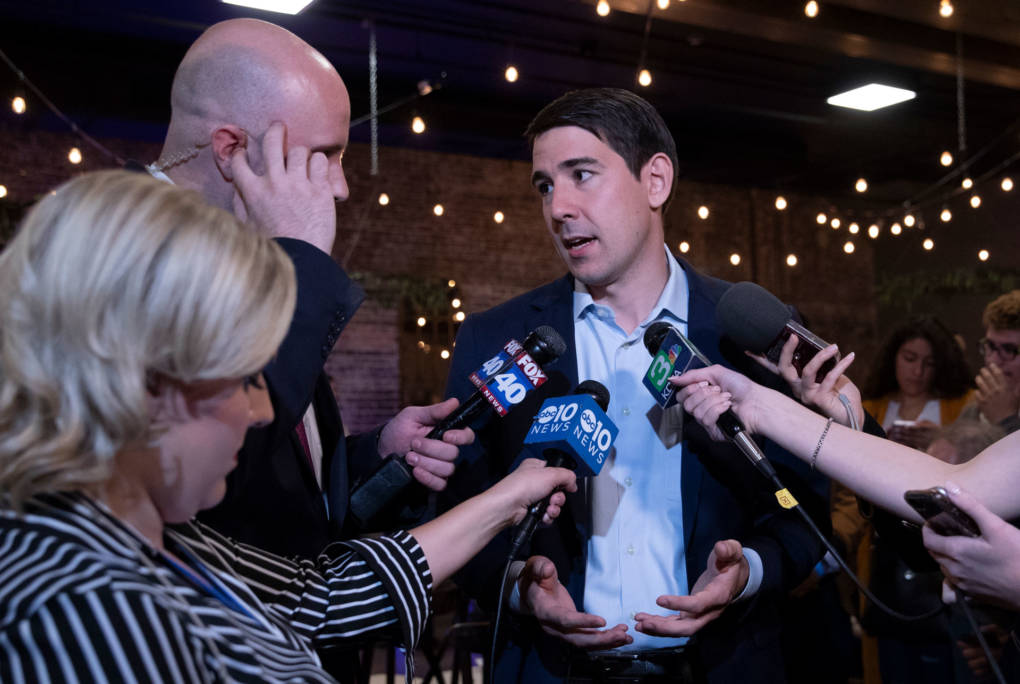
"caption": "Josh Harder speaks with reporters during an election night event on Nov. 6, 2018, in Modesto.",
"description": "Josh Harder speaks with reporters during an election night event on Nov. 6, 2018 in Modesto.",
"title": "HarderElexNight",
"credit": "Alex Edelman/Getty Images",
"status": "inherit",
"isLoading": false,
"fetchFailed": false
},
"news_11702476": {
"type": "attachments",
"id": "news_11702476",
"meta": {
"index": "attachments_1716263798",
"site": "news",
"id": "11702476",
"found": true
},
"parent": 11702406,
"imgSizes": {
"small": {
"file": "https://ww2.kqed.org/app/uploads/sites/10/2018/10/LosBanosCows-520x331.jpg",
"width": 520,
"mimeType": "image/jpeg",
"height": 331
},
"twentyfourteen-full-width": {
"file": "https://ww2.kqed.org/app/uploads/sites/10/2018/10/LosBanosCows-1038x576.jpg",
"width": 1038,
"mimeType": "image/jpeg",
"height": 576
},
"thumbnail": {
"file": "https://ww2.kqed.org/app/uploads/sites/10/2018/10/LosBanosCows-160x102.jpg",
"width": 160,
"mimeType": "image/jpeg",
"height": 102
},
"fd-sm": {
"file": "https://ww2.kqed.org/app/uploads/sites/10/2018/10/LosBanosCows-960x611.jpg",
"width": 960,
"mimeType": "image/jpeg",
"height": 611
},
"post-thumbnail": {
"file": "https://ww2.kqed.org/app/uploads/sites/10/2018/10/LosBanosCows-672x372.jpg",
"width": 672,
"mimeType": "image/jpeg",
"height": 372
},
"xsmall": {
"file": "https://ww2.kqed.org/app/uploads/sites/10/2018/10/LosBanosCows-375x238.jpg",
"width": 375,
"mimeType": "image/jpeg",
"height": 238
},
"kqedFullSize": {
"file": "https://ww2.kqed.org/app/uploads/sites/10/2018/10/LosBanosCows.jpg",
"width": 1920,
"height": 1221
},
"large": {
"file": "https://ww2.kqed.org/app/uploads/sites/10/2018/10/LosBanosCows-1020x649.jpg",
"width": 1020,
"mimeType": "image/jpeg",
"height": 649
},
"xlarge": {
"file": "https://ww2.kqed.org/app/uploads/sites/10/2018/10/LosBanosCows-1180x750.jpg",
"width": 1180,
"mimeType": "image/jpeg",
"height": 750
},
"complete_open_graph": {
"file": "https://ww2.kqed.org/app/uploads/sites/10/2018/10/LosBanosCows-1200x763.jpg",
"width": 1200,
"mimeType": "image/jpeg",
"height": 763
},
"guest-author-50": {
"file": "https://ww2.kqed.org/app/uploads/sites/10/2018/10/LosBanosCows-50x50.jpg",
"width": 50,
"mimeType": "image/jpeg",
"height": 50
},
"guest-author-96": {
"file": "https://ww2.kqed.org/app/uploads/sites/10/2018/10/LosBanosCows-96x96.jpg",
"width": 96,
"mimeType": "image/jpeg",
"height": 96
},
"medium": {
"file": "https://ww2.kqed.org/app/uploads/sites/10/2018/10/LosBanosCows-800x509.jpg",
"width": 800,
"mimeType": "image/jpeg",
"height": 509
},
"guest-author-64": {
"file": "https://ww2.kqed.org/app/uploads/sites/10/2018/10/LosBanosCows-64x64.jpg",
"width": 64,
"mimeType": "image/jpeg",
"height": 64
},
"guest-author-32": {
"file": "https://ww2.kqed.org/app/uploads/sites/10/2018/10/LosBanosCows-32x32.jpg",
"width": 32,
"mimeType": "image/jpeg",
"height": 32
},
"fd-lrg": {
"file": "https://ww2.kqed.org/app/uploads/sites/10/2018/10/LosBanosCows-1920x1221.jpg",
"width": 1920,
"mimeType": "image/jpeg",
"height": 1221
},
"fd-med": {
"file": "https://ww2.kqed.org/app/uploads/sites/10/2018/10/LosBanosCows-1180x750.jpg",
"width": 1180,
"mimeType": "image/jpeg",
"height": 750
},
"full-width": {
"file": "https://ww2.kqed.org/app/uploads/sites/10/2018/10/LosBanosCows-1920x1221.jpg",
"width": 1920,
"mimeType": "image/jpeg",
"height": 1221
},
"detail": {
"file": "https://ww2.kqed.org/app/uploads/sites/10/2018/10/LosBanosCows-150x150.jpg",
"width": 150,
"mimeType": "image/jpeg",
"height": 150
},
"guest-author-128": {
"file": "https://ww2.kqed.org/app/uploads/sites/10/2018/10/LosBanosCows-128x128.jpg",
"width": 128,
"mimeType": "image/jpeg",
"height": 128
},
"xxsmall": {
"file": "https://ww2.kqed.org/app/uploads/sites/10/2018/10/LosBanosCows-240x153.jpg",
"width": 240,
"mimeType": "image/jpeg",
"height": 153
}
},
"publishDate": 1540938172,
"modified": 1540938247,
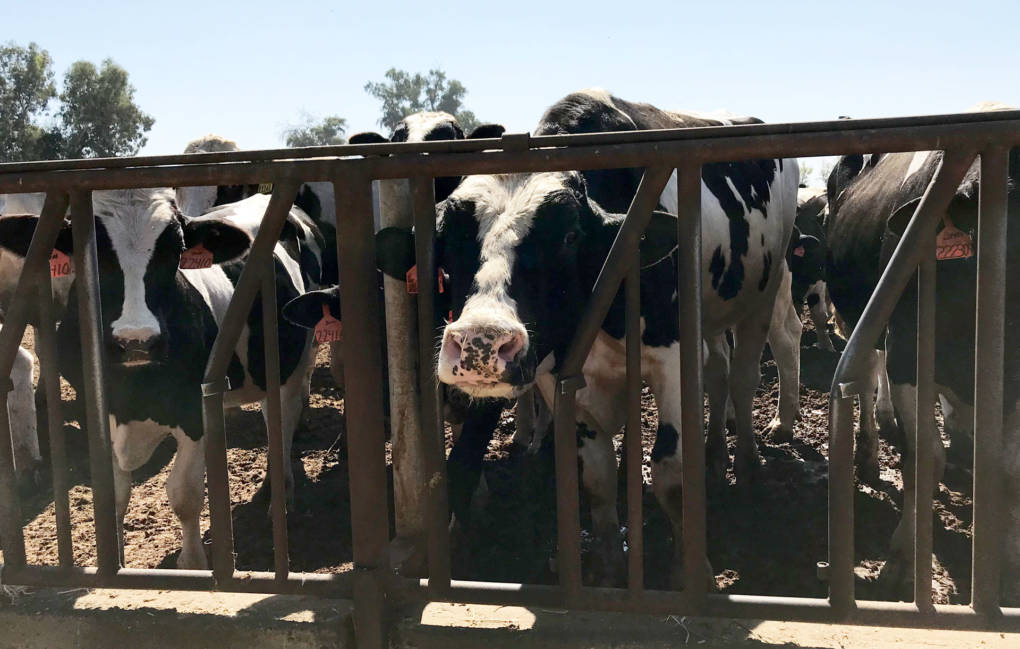
"caption": "Dairy cattle at the Peluso Cheese manufacturing facility in Los Banos.",
"description": "Dairy cattle at the Peluso Cheese manufacturing facility in Los Banos.",
"title": "LosBanosCows",
"credit": "Lily Jamali/KQED",
"status": "inherit",
"isLoading": false,
"fetchFailed": false
},
"news_11697675": {
"type": "attachments",
"id": "news_11697675",
"meta": {
"index": "attachments_1716263798",
"site": "news",
"id": "11697675",
"found": true
},
"parent": 11697624,
"imgSizes": {
"small": {
"file": "https://ww2.kqed.org/app/uploads/sites/10/2018/10/MenaCanvassing-520x331.jpg",
"width": 520,
"mimeType": "image/jpeg",
"height": 331
},
"twentyfourteen-full-width": {
"file": "https://ww2.kqed.org/app/uploads/sites/10/2018/10/MenaCanvassing-1038x576.jpg",
"width": 1038,
"mimeType": "image/jpeg",
"height": 576
},
"thumbnail": {
"file": "https://ww2.kqed.org/app/uploads/sites/10/2018/10/MenaCanvassing-160x102.jpg",
"width": 160,
"mimeType": "image/jpeg",
"height": 102
},
"fd-sm": {
"file": "https://ww2.kqed.org/app/uploads/sites/10/2018/10/MenaCanvassing-960x612.jpg",
"width": 960,
"mimeType": "image/jpeg",
"height": 612
},
"post-thumbnail": {
"file": "https://ww2.kqed.org/app/uploads/sites/10/2018/10/MenaCanvassing-672x372.jpg",
"width": 672,
"mimeType": "image/jpeg",
"height": 372
},
"xsmall": {
"file": "https://ww2.kqed.org/app/uploads/sites/10/2018/10/MenaCanvassing-375x239.jpg",
"width": 375,
"mimeType": "image/jpeg",
"height": 239
},
"kqedFullSize": {
"file": "https://ww2.kqed.org/app/uploads/sites/10/2018/10/MenaCanvassing.jpg",
"width": 1920,
"height": 1223
},
"large": {
"file": "https://ww2.kqed.org/app/uploads/sites/10/2018/10/MenaCanvassing-1020x650.jpg",
"width": 1020,
"mimeType": "image/jpeg",
"height": 650
},
"xlarge": {
"file": "https://ww2.kqed.org/app/uploads/sites/10/2018/10/MenaCanvassing-1180x752.jpg",
"width": 1180,
"mimeType": "image/jpeg",
"height": 752
},
"complete_open_graph": {
"file": "https://ww2.kqed.org/app/uploads/sites/10/2018/10/MenaCanvassing-1200x764.jpg",
"width": 1200,
"mimeType": "image/jpeg",
"height": 764
},
"guest-author-50": {
"file": "https://ww2.kqed.org/app/uploads/sites/10/2018/10/MenaCanvassing-50x50.jpg",
"width": 50,
"mimeType": "image/jpeg",
"height": 50
},
"guest-author-96": {
"file": "https://ww2.kqed.org/app/uploads/sites/10/2018/10/MenaCanvassing-96x96.jpg",
"width": 96,
"mimeType": "image/jpeg",
"height": 96
},
"medium": {
"file": "https://ww2.kqed.org/app/uploads/sites/10/2018/10/MenaCanvassing-800x510.jpg",
"width": 800,
"mimeType": "image/jpeg",
"height": 510
},
"guest-author-64": {
"file": "https://ww2.kqed.org/app/uploads/sites/10/2018/10/MenaCanvassing-64x64.jpg",
"width": 64,
"mimeType": "image/jpeg",
"height": 64
},
"guest-author-32": {
"file": "https://ww2.kqed.org/app/uploads/sites/10/2018/10/MenaCanvassing-32x32.jpg",
"width": 32,
"mimeType": "image/jpeg",
"height": 32
},
"fd-lrg": {
"file": "https://ww2.kqed.org/app/uploads/sites/10/2018/10/MenaCanvassing-1920x1223.jpg",
"width": 1920,
"mimeType": "image/jpeg",
"height": 1223
},
"fd-med": {
"file": "https://ww2.kqed.org/app/uploads/sites/10/2018/10/MenaCanvassing-1180x752.jpg",
"width": 1180,
"mimeType": "image/jpeg",
"height": 752
},
"full-width": {
"file": "https://ww2.kqed.org/app/uploads/sites/10/2018/10/MenaCanvassing-1920x1223.jpg",
"width": 1920,
"mimeType": "image/jpeg",
"height": 1223
},
"detail": {
"file": "https://ww2.kqed.org/app/uploads/sites/10/2018/10/MenaCanvassing-150x150.jpg",
"width": 150,
"mimeType": "image/jpeg",
"height": 150
},
"guest-author-128": {
"file": "https://ww2.kqed.org/app/uploads/sites/10/2018/10/MenaCanvassing-128x128.jpg",
"width": 128,
"mimeType": "image/jpeg",
"height": 128
},
"xxsmall": {
"file": "https://ww2.kqed.org/app/uploads/sites/10/2018/10/MenaCanvassing-240x153.jpg",
"width": 240,
"mimeType": "image/jpeg",
"height": 153
}
},
"publishDate": 1539111508,
"modified": 1539123543,
"caption": "Valeria Mena (L) and another volunteer canvas in downtown Fresno, trying to get young people to register to vote.",
"description": "Valeria Mena (L) and another volunteer canvas in downtown Fresno, trying to get young people to register to vote.",
"title": "MenaCanvassing",
"credit": "Alexandra Hall/KQED",
"status": "inherit",
"isLoading": false,
"fetchFailed": false
},
"news_11694230": {
"type": "attachments",
"id": "news_11694230",
"meta": {
"index": "attachments_1716263798",
"site": "news",
"id": "11694230",
"found": true
},
"parent": 11694228,
"imgSizes": {
"small": {
"file": "https://ww2.kqed.org/app/uploads/sites/10/2018/09/deb1-520x390.jpg",
"width": 520,
"mimeType": "image/jpeg",
"height": 390
},
"twentyfourteen-full-width": {
"file": "https://ww2.kqed.org/app/uploads/sites/10/2018/09/deb1-1038x576.jpg",
"width": 1038,
"mimeType": "image/jpeg",
"height": 576
},
"thumbnail": {
"file": "https://ww2.kqed.org/app/uploads/sites/10/2018/09/deb1-160x120.jpg",
"width": 160,
"mimeType": "image/jpeg",
"height": 120
},
"fd-sm": {
"file": "https://ww2.kqed.org/app/uploads/sites/10/2018/09/deb1-960x720.jpg",
"width": 960,
"mimeType": "image/jpeg",
"height": 720
},
"post-thumbnail": {
"file": "https://ww2.kqed.org/app/uploads/sites/10/2018/09/deb1-672x372.jpg",
"width": 672,
"mimeType": "image/jpeg",
"height": 372
},
"xsmall": {
"file": "https://ww2.kqed.org/app/uploads/sites/10/2018/09/deb1-375x281.jpg",
"width": 375,
"mimeType": "image/jpeg",
"height": 281
},
"kqedFullSize": {
"file": "https://ww2.kqed.org/app/uploads/sites/10/2018/09/deb1-e1537661484238.jpg",
"width": 1920,
"height": 1440
},
"large": {
"file": "https://ww2.kqed.org/app/uploads/sites/10/2018/09/deb1-1020x765.jpg",
"width": 1020,
"mimeType": "image/jpeg",
"height": 765
},
"xlarge": {
"file": "https://ww2.kqed.org/app/uploads/sites/10/2018/09/deb1-1180x885.jpg",
"width": 1180,
"mimeType": "image/jpeg",
"height": 885
},
"complete_open_graph": {
"file": "https://ww2.kqed.org/app/uploads/sites/10/2018/09/deb1-1200x900.jpg",
"width": 1200,
"mimeType": "image/jpeg",
"height": 900
},
"guest-author-50": {
"file": "https://ww2.kqed.org/app/uploads/sites/10/2018/09/deb1-50x50.jpg",
"width": 50,
"mimeType": "image/jpeg",
"height": 50
},
"guest-author-96": {
"file": "https://ww2.kqed.org/app/uploads/sites/10/2018/09/deb1-96x96.jpg",
"width": 96,
"mimeType": "image/jpeg",
"height": 96
},
"medium": {
"file": "https://ww2.kqed.org/app/uploads/sites/10/2018/09/deb1-800x600.jpg",
"width": 800,
"mimeType": "image/jpeg",
"height": 600
},
"guest-author-64": {
"file": "https://ww2.kqed.org/app/uploads/sites/10/2018/09/deb1-64x64.jpg",
"width": 64,
"mimeType": "image/jpeg",
"height": 64
},
"guest-author-32": {
"file": "https://ww2.kqed.org/app/uploads/sites/10/2018/09/deb1-32x32.jpg",
"width": 32,
"mimeType": "image/jpeg",
"height": 32
},
"fd-lrg": {
"file": "https://ww2.kqed.org/app/uploads/sites/10/2018/09/deb1-1920x1440.jpg",
"width": 1920,
"mimeType": "image/jpeg",
"height": 1440
},
"fd-med": {
"file": "https://ww2.kqed.org/app/uploads/sites/10/2018/09/deb1-1180x885.jpg",
"width": 1180,
"mimeType": "image/jpeg",
"height": 885
},
"full-width": {
"file": "https://ww2.kqed.org/app/uploads/sites/10/2018/09/deb1-1920x1440.jpg",
"width": 1920,
"mimeType": "image/jpeg",
"height": 1440
},
"detail": {
"file": "https://ww2.kqed.org/app/uploads/sites/10/2018/09/deb1-150x150.jpg",
"width": 150,
"mimeType": "image/jpeg",
"height": 150
},
"guest-author-128": {
"file": "https://ww2.kqed.org/app/uploads/sites/10/2018/09/deb1-128x128.jpg",
"width": 128,
"mimeType": "image/jpeg",
"height": 128
},
"xxsmall": {
"file": "https://ww2.kqed.org/app/uploads/sites/10/2018/09/deb1-240x180.jpg",
"width": 240,
"mimeType": "image/jpeg",
"height": 180
}
},
"publishDate": 1537661462,
"modified": 1537665567,
"caption": "Republican Jeff Denham (R) and challenger Democrat Josh Harder (L) debate in Turlock.\n",
"description": "Republican Jeff Denham and challenger Democrat Josh Harder debate in Turlock.\n",
"title": "deb1",
"credit": "Sonja Hutson/KQED",
"status": "inherit",
"isLoading": false,
"fetchFailed": false
},
"news_11687831": {
"type": "attachments",
"id": "news_11687831",
"meta": {
"index": "attachments_1716263798",
"site": "news",
"id": "11687831",
"found": true
},
"parent": 11687824,
"imgSizes": {
"small": {
"file": "https://ww2.kqed.org/app/uploads/sites/10/2018/08/water_082018_final-520x341.jpg",
"width": 520,
"mimeType": "image/jpeg",
"height": 341
},
"twentyfourteen-full-width": {
"file": "https://ww2.kqed.org/app/uploads/sites/10/2018/08/water_082018_final-1038x576.jpg",
"width": 1038,
"mimeType": "image/jpeg",
"height": 576
},
"thumbnail": {
"file": "https://ww2.kqed.org/app/uploads/sites/10/2018/08/water_082018_final-160x105.jpg",
"width": 160,
"mimeType": "image/jpeg",
"height": 105
},
"fd-sm": {
"file": "https://ww2.kqed.org/app/uploads/sites/10/2018/08/water_082018_final-960x630.jpg",
"width": 960,
"mimeType": "image/jpeg",
"height": 630
},
"post-thumbnail": {
"file": "https://ww2.kqed.org/app/uploads/sites/10/2018/08/water_082018_final-672x372.jpg",
"width": 672,
"mimeType": "image/jpeg",
"height": 372
},
"xsmall": {
"file": "https://ww2.kqed.org/app/uploads/sites/10/2018/08/water_082018_final-375x246.jpg",
"width": 375,
"mimeType": "image/jpeg",
"height": 246
},
"kqedFullSize": {
"file": "https://ww2.kqed.org/app/uploads/sites/10/2018/08/water_082018_final.jpg",
"width": 1920,
"height": 1259
},
"large": {
"file": "https://ww2.kqed.org/app/uploads/sites/10/2018/08/water_082018_final-1020x669.jpg",
"width": 1020,
"mimeType": "image/jpeg",
"height": 669
},
"xlarge": {
"file": "https://ww2.kqed.org/app/uploads/sites/10/2018/08/water_082018_final-1180x774.jpg",
"width": 1180,
"mimeType": "image/jpeg",
"height": 774
},
"complete_open_graph": {
"file": "https://ww2.kqed.org/app/uploads/sites/10/2018/08/water_082018_final-1200x787.jpg",
"width": 1200,
"mimeType": "image/jpeg",
"height": 787
},
"guest-author-50": {
"file": "https://ww2.kqed.org/app/uploads/sites/10/2018/08/water_082018_final-50x50.jpg",
"width": 50,
"mimeType": "image/jpeg",
"height": 50
},
"guest-author-96": {
"file": "https://ww2.kqed.org/app/uploads/sites/10/2018/08/water_082018_final-96x96.jpg",
"width": 96,
"mimeType": "image/jpeg",
"height": 96
},
"medium": {
"file": "https://ww2.kqed.org/app/uploads/sites/10/2018/08/water_082018_final-800x525.jpg",
"width": 800,
"mimeType": "image/jpeg",
"height": 525
},
"guest-author-64": {
"file": "https://ww2.kqed.org/app/uploads/sites/10/2018/08/water_082018_final-64x64.jpg",
"width": 64,
"mimeType": "image/jpeg",
"height": 64
},
"guest-author-32": {
"file": "https://ww2.kqed.org/app/uploads/sites/10/2018/08/water_082018_final-32x32.jpg",
"width": 32,
"mimeType": "image/jpeg",
"height": 32
},
"fd-lrg": {
"file": "https://ww2.kqed.org/app/uploads/sites/10/2018/08/water_082018_final-1920x1259.jpg",
"width": 1920,
"mimeType": "image/jpeg",
"height": 1259
},
"fd-med": {
"file": "https://ww2.kqed.org/app/uploads/sites/10/2018/08/water_082018_final-1180x774.jpg",
"width": 1180,
"mimeType": "image/jpeg",
"height": 774
},
"full-width": {
"file": "https://ww2.kqed.org/app/uploads/sites/10/2018/08/water_082018_final-1920x1259.jpg",
"width": 1920,
"mimeType": "image/jpeg",
"height": 1259
},
"detail": {
"file": "https://ww2.kqed.org/app/uploads/sites/10/2018/08/water_082018_final-150x150.jpg",
"width": 150,
"mimeType": "image/jpeg",
"height": 150
},
"guest-author-128": {
"file": "https://ww2.kqed.org/app/uploads/sites/10/2018/08/water_082018_final-128x128.jpg",
"width": 128,
"mimeType": "image/jpeg",
"height": 128
},
"xxsmall": {
"file": "https://ww2.kqed.org/app/uploads/sites/10/2018/08/water_082018_final-240x157.jpg",
"width": 240,
"mimeType": "image/jpeg",
"height": 157
}
},
"publishDate": 1534798619,
"modified": 1534798636,
"caption": null,
"description": null,
"title": "water_082018_final",
"credit": null,
"status": "inherit",
"isLoading": false,
"fetchFailed": false
},
"news_11676616": {
"type": "attachments",
"id": "news_11676616",
"meta": {
"index": "attachments_1716263798",
"site": "news",
"id": "11676616",
"found": true
},
"parent": 11675549,
"imgSizes": {
"small": {
"file": "https://ww2.kqed.org/app/uploads/sites/10/2018/06/RS31465_DSC_1581-qut-800x530-1-520x345.jpg",
"width": 520,
"mimeType": "image/jpeg",
"height": 345
},
"thumbnail": {
"file": "https://ww2.kqed.org/app/uploads/sites/10/2018/06/RS31465_DSC_1581-qut-800x530-1-160x106.jpg",
"width": 160,
"mimeType": "image/jpeg",
"height": 106
},
"post-thumbnail": {
"file": "https://ww2.kqed.org/app/uploads/sites/10/2018/06/RS31465_DSC_1581-qut-800x530-1-672x372.jpg",
"width": 672,
"mimeType": "image/jpeg",
"height": 372
},
"xsmall": {
"file": "https://ww2.kqed.org/app/uploads/sites/10/2018/06/RS31465_DSC_1581-qut-800x530-1-375x248.jpg",
"width": 375,
"mimeType": "image/jpeg",
"height": 248
},
"kqedFullSize": {
"file": "https://ww2.kqed.org/app/uploads/sites/10/2018/06/RS31465_DSC_1581-qut-800x530-1.jpg",
"width": 800,
"height": 530
},
"guest-author-50": {
"file": "https://ww2.kqed.org/app/uploads/sites/10/2018/06/RS31465_DSC_1581-qut-800x530-1-50x50.jpg",
"width": 50,
"mimeType": "image/jpeg",
"height": 50
},
"guest-author-96": {
"file": "https://ww2.kqed.org/app/uploads/sites/10/2018/06/RS31465_DSC_1581-qut-800x530-1-96x96.jpg",
"width": 96,
"mimeType": "image/jpeg",
"height": 96
},
"medium": {
"file": "https://ww2.kqed.org/app/uploads/sites/10/2018/06/RS31465_DSC_1581-qut-800x530-1-800x530.jpg",
"width": 800,
"mimeType": "image/jpeg",
"height": 530
},
"guest-author-64": {
"file": "https://ww2.kqed.org/app/uploads/sites/10/2018/06/RS31465_DSC_1581-qut-800x530-1-64x64.jpg",
"width": 64,
"mimeType": "image/jpeg",
"height": 64
},
"guest-author-32": {
"file": "https://ww2.kqed.org/app/uploads/sites/10/2018/06/RS31465_DSC_1581-qut-800x530-1-32x32.jpg",
"width": 32,
"mimeType": "image/jpeg",
"height": 32
},
"detail": {
"file": "https://ww2.kqed.org/app/uploads/sites/10/2018/06/RS31465_DSC_1581-qut-800x530-1-150x150.jpg",
"width": 150,
"mimeType": "image/jpeg",
"height": 150
},
"guest-author-128": {
"file": "https://ww2.kqed.org/app/uploads/sites/10/2018/06/RS31465_DSC_1581-qut-800x530-1-128x128.jpg",
"width": 128,
"mimeType": "image/jpeg",
"height": 128
},
"xxsmall": {
"file": "https://ww2.kqed.org/app/uploads/sites/10/2018/06/RS31465_DSC_1581-qut-800x530-1-240x159.jpg",
"width": 240,
"mimeType": "image/jpeg",
"height": 159
}
},
"publishDate": 1529703728,
"modified": 1529710337,
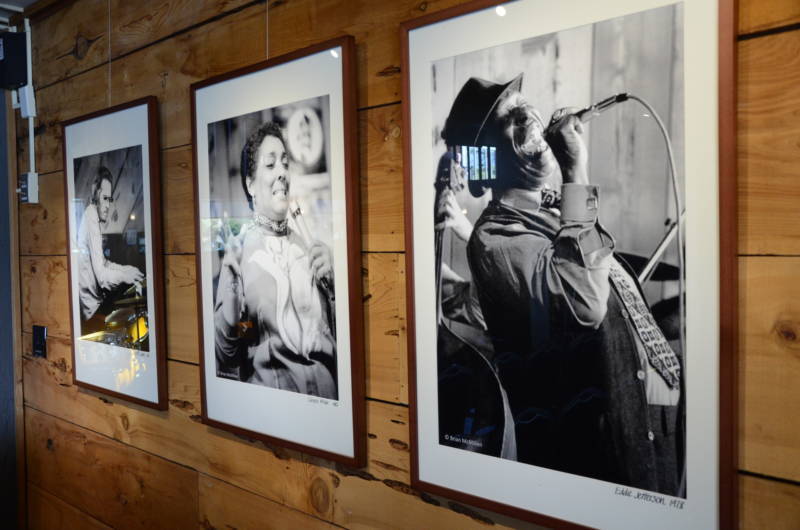
"caption": "Photos of jazz greats including Carmen McRae, Bill Evans and Eddie Jackson line the wood-paneled walls of the present-day Bach Dancing and Dynamite Society concert room in Half Moon Bay.\n",
"description": null,
"title": "RS31465_DSC_1581-qut-800x530",
"credit": "Ryan Levi/KQED",
"status": "inherit",
"isLoading": false,
"fetchFailed": false
},
"news_11672779": {
"type": "attachments",
"id": "news_11672779",
"meta": {
"index": "attachments_1716263798",
"site": "news",
"id": "11672779",
"found": true
},
"parent": 11672776,
"imgSizes": {
"small": {
"file": "https://ww2.kqed.org/app/uploads/sites/10/2018/06/IMG_8506-520x390.jpg",
"width": 520,
"mimeType": "image/jpeg",
"height": 390
},
"twentyfourteen-full-width": {
"file": "https://ww2.kqed.org/app/uploads/sites/10/2018/06/IMG_8506-1038x576.jpg",
"width": 1038,
"mimeType": "image/jpeg",
"height": 576
},
"thumbnail": {
"file": "https://ww2.kqed.org/app/uploads/sites/10/2018/06/IMG_8506-160x120.jpg",
"width": 160,
"mimeType": "image/jpeg",
"height": 120
},
"fd-sm": {
"file": "https://ww2.kqed.org/app/uploads/sites/10/2018/06/IMG_8506-960x720.jpg",
"width": 960,
"mimeType": "image/jpeg",
"height": 720
},
"post-thumbnail": {
"file": "https://ww2.kqed.org/app/uploads/sites/10/2018/06/IMG_8506-672x372.jpg",
"width": 672,
"mimeType": "image/jpeg",
"height": 372
},
"xsmall": {
"file": "https://ww2.kqed.org/app/uploads/sites/10/2018/06/IMG_8506-375x281.jpg",
"width": 375,
"mimeType": "image/jpeg",
"height": 281
},
"kqedFullSize": {
"file": "https://ww2.kqed.org/app/uploads/sites/10/2018/06/IMG_8506.jpg",
"width": 4032,
"height": 3024
},
"large": {
"file": "https://ww2.kqed.org/app/uploads/sites/10/2018/06/IMG_8506-1020x765.jpg",
"width": 1020,
"mimeType": "image/jpeg",
"height": 765
},
"xlarge": {
"file": "https://ww2.kqed.org/app/uploads/sites/10/2018/06/IMG_8506-1180x885.jpg",
"width": 1180,
"mimeType": "image/jpeg",
"height": 885
},
"complete_open_graph": {
"file": "https://ww2.kqed.org/app/uploads/sites/10/2018/06/IMG_8506-1200x900.jpg",
"width": 1200,
"mimeType": "image/jpeg",
"height": 900
},
"guest-author-50": {
"file": "https://ww2.kqed.org/app/uploads/sites/10/2018/06/IMG_8506-50x50.jpg",
"width": 50,
"mimeType": "image/jpeg",
"height": 50
},
"guest-author-96": {
"file": "https://ww2.kqed.org/app/uploads/sites/10/2018/06/IMG_8506-96x96.jpg",
"width": 96,
"mimeType": "image/jpeg",
"height": 96
},
"medium": {
"file": "https://ww2.kqed.org/app/uploads/sites/10/2018/06/IMG_8506-800x600.jpg",
"width": 800,
"mimeType": "image/jpeg",
"height": 600
},
"guest-author-64": {
"file": "https://ww2.kqed.org/app/uploads/sites/10/2018/06/IMG_8506-64x64.jpg",
"width": 64,
"mimeType": "image/jpeg",
"height": 64
},
"guest-author-32": {
"file": "https://ww2.kqed.org/app/uploads/sites/10/2018/06/IMG_8506-32x32.jpg",
"width": 32,
"mimeType": "image/jpeg",
"height": 32
},
"fd-lrg": {
"file": "https://ww2.kqed.org/app/uploads/sites/10/2018/06/IMG_8506-1920x1440.jpg",
"width": 1920,
"mimeType": "image/jpeg",
"height": 1440
},
"fd-med": {
"file": "https://ww2.kqed.org/app/uploads/sites/10/2018/06/IMG_8506-1180x885.jpg",
"width": 1180,
"mimeType": "image/jpeg",
"height": 885
},
"full-width": {
"file": "https://ww2.kqed.org/app/uploads/sites/10/2018/06/IMG_8506-1920x1440.jpg",
"width": 1920,
"mimeType": "image/jpeg",
"height": 1440
},
"detail": {
"file": "https://ww2.kqed.org/app/uploads/sites/10/2018/06/IMG_8506-150x150.jpg",
"width": 150,
"mimeType": "image/jpeg",
"height": 150
},
"guest-author-128": {
"file": "https://ww2.kqed.org/app/uploads/sites/10/2018/06/IMG_8506-128x128.jpg",
"width": 128,
"mimeType": "image/jpeg",
"height": 128
},
"xxsmall": {
"file": "https://ww2.kqed.org/app/uploads/sites/10/2018/06/IMG_8506-240x180.jpg",
"width": 240,
"mimeType": "image/jpeg",
"height": 180
}
},
"publishDate": 1528237942,
"modified": 1528757845,
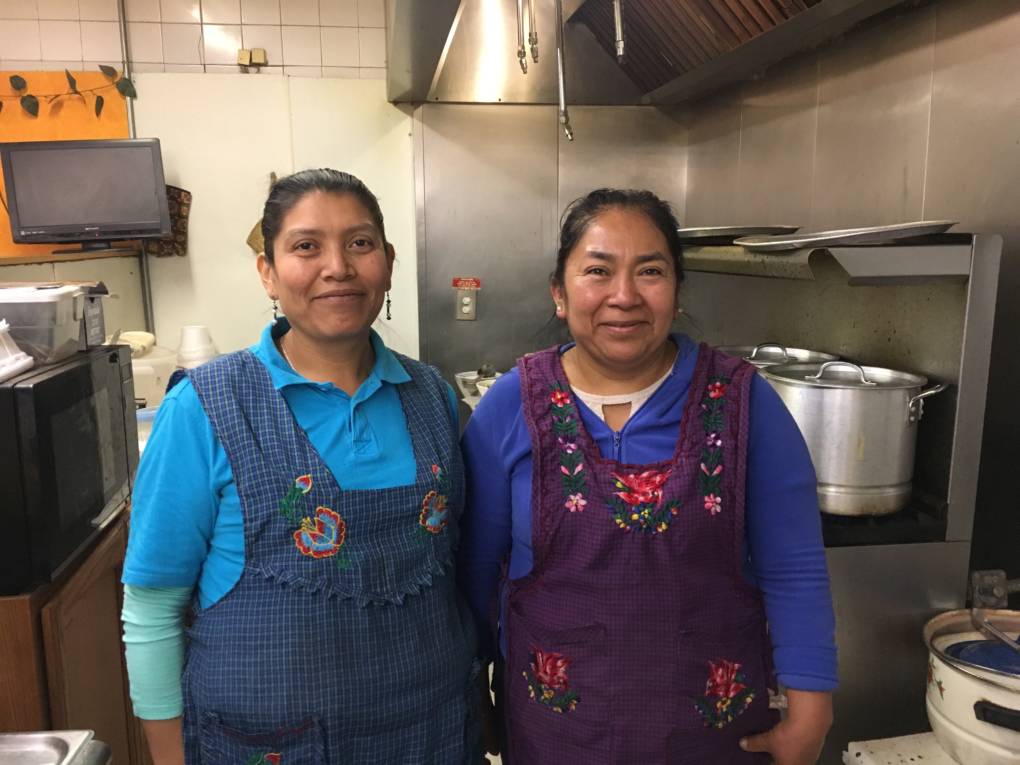
"caption": "Rosa Hernandez and Sylvia Rojas, co-owners of Colectivo Sabor a Mi Tierra.",
"description": null,
"title": "IMG_8506",
"credit": "Lisa Morehouse/KQED",
"status": "inherit",
"isLoading": false,
"fetchFailed": false
},
"news_11671379": {
"type": "attachments",
"id": "news_11671379",
"meta": {
"index": "attachments_1716263798",
"site": "news",
"id": "11671379",
"found": true
},
"parent": 11671299,
"imgSizes": {
"small": {
"file": "https://ww2.kqed.org/app/uploads/sites/10/2018/05/RS31201_Rachel-Kushner-credit-Chloe-Aftel-qut-520x391.jpg",
"width": 520,
"mimeType": "image/jpeg",
"height": 391
},
"twentyfourteen-full-width": {
"file": "https://ww2.kqed.org/app/uploads/sites/10/2018/05/RS31201_Rachel-Kushner-credit-Chloe-Aftel-qut-1038x576.jpg",
"width": 1038,
"mimeType": "image/jpeg",
"height": 576
},
"thumbnail": {
"file": "https://ww2.kqed.org/app/uploads/sites/10/2018/05/RS31201_Rachel-Kushner-credit-Chloe-Aftel-qut-160x120.jpg",
"width": 160,
"mimeType": "image/jpeg",
"height": 120
},
"fd-sm": {
"file": "https://ww2.kqed.org/app/uploads/sites/10/2018/05/RS31201_Rachel-Kushner-credit-Chloe-Aftel-qut-960x722.jpg",
"width": 960,
"mimeType": "image/jpeg",
"height": 722
},
"post-thumbnail": {
"file": "https://ww2.kqed.org/app/uploads/sites/10/2018/05/RS31201_Rachel-Kushner-credit-Chloe-Aftel-qut-672x372.jpg",
"width": 672,
"mimeType": "image/jpeg",
"height": 372
},
"xsmall": {
"file": "https://ww2.kqed.org/app/uploads/sites/10/2018/05/RS31201_Rachel-Kushner-credit-Chloe-Aftel-qut-375x282.jpg",
"width": 375,
"mimeType": "image/jpeg",
"height": 282
},
"kqedFullSize": {
"file": "https://ww2.kqed.org/app/uploads/sites/10/2018/05/RS31201_Rachel-Kushner-credit-Chloe-Aftel-qut.jpg",
"width": 1920,
"height": 1444
},
"large": {
"file": "https://ww2.kqed.org/app/uploads/sites/10/2018/05/RS31201_Rachel-Kushner-credit-Chloe-Aftel-qut-1020x767.jpg",
"width": 1020,
"mimeType": "image/jpeg",
"height": 767
},
"xlarge": {
"file": "https://ww2.kqed.org/app/uploads/sites/10/2018/05/RS31201_Rachel-Kushner-credit-Chloe-Aftel-qut-1180x887.jpg",
"width": 1180,
"mimeType": "image/jpeg",
"height": 887
},
"complete_open_graph": {
"file": "https://ww2.kqed.org/app/uploads/sites/10/2018/05/RS31201_Rachel-Kushner-credit-Chloe-Aftel-qut-1200x903.jpg",
"width": 1200,
"mimeType": "image/jpeg",
"height": 903
},
"guest-author-50": {
"file": "https://ww2.kqed.org/app/uploads/sites/10/2018/05/RS31201_Rachel-Kushner-credit-Chloe-Aftel-qut-50x50.jpg",
"width": 50,
"mimeType": "image/jpeg",
"height": 50
},
"guest-author-96": {
"file": "https://ww2.kqed.org/app/uploads/sites/10/2018/05/RS31201_Rachel-Kushner-credit-Chloe-Aftel-qut-96x96.jpg",
"width": 96,
"mimeType": "image/jpeg",
"height": 96
},
"medium": {
"file": "https://ww2.kqed.org/app/uploads/sites/10/2018/05/RS31201_Rachel-Kushner-credit-Chloe-Aftel-qut-800x602.jpg",
"width": 800,
"mimeType": "image/jpeg",
"height": 602
},
"guest-author-64": {
"file": "https://ww2.kqed.org/app/uploads/sites/10/2018/05/RS31201_Rachel-Kushner-credit-Chloe-Aftel-qut-64x64.jpg",
"width": 64,
"mimeType": "image/jpeg",
"height": 64
},
"guest-author-32": {
"file": "https://ww2.kqed.org/app/uploads/sites/10/2018/05/RS31201_Rachel-Kushner-credit-Chloe-Aftel-qut-32x32.jpg",
"width": 32,
"mimeType": "image/jpeg",
"height": 32
},
"fd-lrg": {
"file": "https://ww2.kqed.org/app/uploads/sites/10/2018/05/RS31201_Rachel-Kushner-credit-Chloe-Aftel-qut-1920x1444.jpg",
"width": 1920,
"mimeType": "image/jpeg",
"height": 1444
},
"fd-med": {
"file": "https://ww2.kqed.org/app/uploads/sites/10/2018/05/RS31201_Rachel-Kushner-credit-Chloe-Aftel-qut-1180x887.jpg",
"width": 1180,
"mimeType": "image/jpeg",
"height": 887
},
"full-width": {
"file": "https://ww2.kqed.org/app/uploads/sites/10/2018/05/RS31201_Rachel-Kushner-credit-Chloe-Aftel-qut-1920x1444.jpg",
"width": 1920,
"mimeType": "image/jpeg",
"height": 1444
},
"detail": {
"file": "https://ww2.kqed.org/app/uploads/sites/10/2018/05/RS31201_Rachel-Kushner-credit-Chloe-Aftel-qut-150x150.jpg",
"width": 150,
"mimeType": "image/jpeg",
"height": 150
},
"guest-author-128": {
"file": "https://ww2.kqed.org/app/uploads/sites/10/2018/05/RS31201_Rachel-Kushner-credit-Chloe-Aftel-qut-128x128.jpg",
"width": 128,
"mimeType": "image/jpeg",
"height": 128
},
"xxsmall": {
"file": "https://ww2.kqed.org/app/uploads/sites/10/2018/05/RS31201_Rachel-Kushner-credit-Chloe-Aftel-qut-240x181.jpg",
"width": 240,
"mimeType": "image/jpeg",
"height": 181
}
},
"publishDate": 1527635049,
"modified": 1527880863,
"caption": "Rachel Kushner grew up in San Francisco and now lives in Los Angeles. Her new novel takes place in California.",
"description": "Rachel Kushner grew up in San Francisco and now lives in Los Angeles. Her new novel takes place in California.",
"title": "RS31201_Rachel Kushner credit Chloe Aftel-qut",
"credit": "Chloe Aftel",
"status": "inherit",
"isLoading": false,
"fetchFailed": false
},
"news_11671271": {
"type": "attachments",
"id": "news_11671271",
"meta": {
"index": "attachments_1716263798",
"site": "news",
"id": "11671271",
"found": true
},
"parent": 11671261,
"imgSizes": {
"small": {
"file": "https://ww2.kqed.org/app/uploads/sites/10/2018/05/RecyclingBalesStacked-520x378.jpg",
"width": 520,
"mimeType": "image/jpeg",
"height": 378
},
"twentyfourteen-full-width": {
"file": "https://ww2.kqed.org/app/uploads/sites/10/2018/05/RecyclingBalesStacked-1038x576.jpg",
"width": 1038,
"mimeType": "image/jpeg",
"height": 576
},
"thumbnail": {
"file": "https://ww2.kqed.org/app/uploads/sites/10/2018/05/RecyclingBalesStacked-160x116.jpg",
"width": 160,
"mimeType": "image/jpeg",
"height": 116
},
"fd-sm": {
"file": "https://ww2.kqed.org/app/uploads/sites/10/2018/05/RecyclingBalesStacked-960x698.jpg",
"width": 960,
"mimeType": "image/jpeg",
"height": 698
},
"post-thumbnail": {
"file": "https://ww2.kqed.org/app/uploads/sites/10/2018/05/RecyclingBalesStacked-672x372.jpg",
"width": 672,
"mimeType": "image/jpeg",
"height": 372
},
"xsmall": {
"file": "https://ww2.kqed.org/app/uploads/sites/10/2018/05/RecyclingBalesStacked-375x273.jpg",
"width": 375,
"mimeType": "image/jpeg",
"height": 273
},
"kqedFullSize": {
"file": "https://ww2.kqed.org/app/uploads/sites/10/2018/05/RecyclingBalesStacked.jpg",
"width": 1920,
"height": 1396
},
"large": {
"file": "https://ww2.kqed.org/app/uploads/sites/10/2018/05/RecyclingBalesStacked-1020x742.jpg",
"width": 1020,
"mimeType": "image/jpeg",
"height": 742
},
"xlarge": {
"file": "https://ww2.kqed.org/app/uploads/sites/10/2018/05/RecyclingBalesStacked-1180x858.jpg",
"width": 1180,
"mimeType": "image/jpeg",
"height": 858
},
"complete_open_graph": {
"file": "https://ww2.kqed.org/app/uploads/sites/10/2018/05/RecyclingBalesStacked-1200x873.jpg",
"width": 1200,
"mimeType": "image/jpeg",
"height": 873
},
"guest-author-50": {
"file": "https://ww2.kqed.org/app/uploads/sites/10/2018/05/RecyclingBalesStacked-50x50.jpg",
"width": 50,
"mimeType": "image/jpeg",
"height": 50
},
"guest-author-96": {
"file": "https://ww2.kqed.org/app/uploads/sites/10/2018/05/RecyclingBalesStacked-96x96.jpg",
"width": 96,
"mimeType": "image/jpeg",
"height": 96
},
"medium": {
"file": "https://ww2.kqed.org/app/uploads/sites/10/2018/05/RecyclingBalesStacked-800x582.jpg",
"width": 800,
"mimeType": "image/jpeg",
"height": 582
},
"guest-author-64": {
"file": "https://ww2.kqed.org/app/uploads/sites/10/2018/05/RecyclingBalesStacked-64x64.jpg",
"width": 64,
"mimeType": "image/jpeg",
"height": 64
},
"guest-author-32": {
"file": "https://ww2.kqed.org/app/uploads/sites/10/2018/05/RecyclingBalesStacked-32x32.jpg",
"width": 32,
"mimeType": "image/jpeg",
"height": 32
},
"fd-lrg": {
"file": "https://ww2.kqed.org/app/uploads/sites/10/2018/05/RecyclingBalesStacked-1920x1396.jpg",
"width": 1920,
"mimeType": "image/jpeg",
"height": 1396
},
"fd-med": {
"file": "https://ww2.kqed.org/app/uploads/sites/10/2018/05/RecyclingBalesStacked-1180x858.jpg",
"width": 1180,
"mimeType": "image/jpeg",
"height": 858
},
"full-width": {
"file": "https://ww2.kqed.org/app/uploads/sites/10/2018/05/RecyclingBalesStacked-1920x1396.jpg",
"width": 1920,
"mimeType": "image/jpeg",
"height": 1396
},
"detail": {
"file": "https://ww2.kqed.org/app/uploads/sites/10/2018/05/RecyclingBalesStacked-150x150.jpg",
"width": 150,
"mimeType": "image/jpeg",
"height": 150
},
"guest-author-128": {
"file": "https://ww2.kqed.org/app/uploads/sites/10/2018/05/RecyclingBalesStacked-128x128.jpg",
"width": 128,
"mimeType": "image/jpeg",
"height": 128
},
"xxsmall": {
"file": "https://ww2.kqed.org/app/uploads/sites/10/2018/05/RecyclingBalesStacked-240x175.jpg",
"width": 240,
"mimeType": "image/jpeg",
"height": 175
}
},
"publishDate": 1527622135,
"modified": 1527622195,
"caption": "Joseph Kalpakoff, president of San Joaquin Valley recycling company Mid Valley Disposal, stands in front of a 4-bale-high stack of recycled paper, some of the hundreds of bales waiting to be exported.",
"description": "Joseph Kalpakoff, president of San Joaquin Valley recycling company Mid Valley Disposal, stands in front of a 4-bale-high stack of recycled paper, some of the hundreds of bales waiting to be exported.",
"title": "RecyclingBalesStacked",
"credit": "Kerry Klein/Valley Public Radio",
"status": "inherit",
"isLoading": false,
"fetchFailed": false
},
"news_11668976": {
"type": "attachments",
"id": "news_11668976",
"meta": {
"index": "attachments_1716263798",
"site": "news",
"id": "11668976",
"found": true
},
"parent": 11668876,
"imgSizes": {
"small": {
"file": "https://ww2.kqed.org/app/uploads/sites/10/2018/05/RS30998_IMG_1674-qut-520x347.jpg",
"width": 520,
"mimeType": "image/jpeg",
"height": 347
},
"twentyfourteen-full-width": {
"file": "https://ww2.kqed.org/app/uploads/sites/10/2018/05/RS30998_IMG_1674-qut-1038x576.jpg",
"width": 1038,
"mimeType": "image/jpeg",
"height": 576
},
"thumbnail": {
"file": "https://ww2.kqed.org/app/uploads/sites/10/2018/05/RS30998_IMG_1674-qut-160x107.jpg",
"width": 160,
"mimeType": "image/jpeg",
"height": 107
},
"fd-sm": {
"file": "https://ww2.kqed.org/app/uploads/sites/10/2018/05/RS30998_IMG_1674-qut-960x640.jpg",
"width": 960,
"mimeType": "image/jpeg",
"height": 640
},
"post-thumbnail": {
"file": "https://ww2.kqed.org/app/uploads/sites/10/2018/05/RS30998_IMG_1674-qut-672x372.jpg",
"width": 672,
"mimeType": "image/jpeg",
"height": 372
},
"xsmall": {
"file": "https://ww2.kqed.org/app/uploads/sites/10/2018/05/RS30998_IMG_1674-qut-375x250.jpg",
"width": 375,
"mimeType": "image/jpeg",
"height": 250
},
"kqedFullSize": {
"file": "https://ww2.kqed.org/app/uploads/sites/10/2018/05/RS30998_IMG_1674-qut.jpg",
"width": 1920,
"height": 1280
},
"large": {
"file": "https://ww2.kqed.org/app/uploads/sites/10/2018/05/RS30998_IMG_1674-qut-1020x680.jpg",
"width": 1020,
"mimeType": "image/jpeg",
"height": 680
},
"xlarge": {
"file": "https://ww2.kqed.org/app/uploads/sites/10/2018/05/RS30998_IMG_1674-qut-1180x787.jpg",
"width": 1180,
"mimeType": "image/jpeg",
"height": 787
},
"complete_open_graph": {
"file": "https://ww2.kqed.org/app/uploads/sites/10/2018/05/RS30998_IMG_1674-qut-1200x800.jpg",
"width": 1200,
"mimeType": "image/jpeg",
"height": 800
},
"guest-author-50": {
"file": "https://ww2.kqed.org/app/uploads/sites/10/2018/05/RS30998_IMG_1674-qut-50x50.jpg",
"width": 50,
"mimeType": "image/jpeg",
"height": 50
},
"guest-author-96": {
"file": "https://ww2.kqed.org/app/uploads/sites/10/2018/05/RS30998_IMG_1674-qut-96x96.jpg",
"width": 96,
"mimeType": "image/jpeg",
"height": 96
},
"medium": {
"file": "https://ww2.kqed.org/app/uploads/sites/10/2018/05/RS30998_IMG_1674-qut-800x533.jpg",
"width": 800,
"mimeType": "image/jpeg",
"height": 533
},
"guest-author-64": {
"file": "https://ww2.kqed.org/app/uploads/sites/10/2018/05/RS30998_IMG_1674-qut-64x64.jpg",
"width": 64,
"mimeType": "image/jpeg",
"height": 64
},
"guest-author-32": {
"file": "https://ww2.kqed.org/app/uploads/sites/10/2018/05/RS30998_IMG_1674-qut-32x32.jpg",
"width": 32,
"mimeType": "image/jpeg",
"height": 32
},
"fd-lrg": {
"file": "https://ww2.kqed.org/app/uploads/sites/10/2018/05/RS30998_IMG_1674-qut-1920x1280.jpg",
"width": 1920,
"mimeType": "image/jpeg",
"height": 1280
},
"fd-med": {
"file": "https://ww2.kqed.org/app/uploads/sites/10/2018/05/RS30998_IMG_1674-qut-1180x787.jpg",
"width": 1180,
"mimeType": "image/jpeg",
"height": 787
},
"full-width": {
"file": "https://ww2.kqed.org/app/uploads/sites/10/2018/05/RS30998_IMG_1674-qut-1920x1280.jpg",
"width": 1920,
"mimeType": "image/jpeg",
"height": 1280
},
"detail": {
"file": "https://ww2.kqed.org/app/uploads/sites/10/2018/05/RS30998_IMG_1674-qut-150x150.jpg",
"width": 150,
"mimeType": "image/jpeg",
"height": 150
},
"guest-author-128": {
"file": "https://ww2.kqed.org/app/uploads/sites/10/2018/05/RS30998_IMG_1674-qut-128x128.jpg",
"width": 128,
"mimeType": "image/jpeg",
"height": 128
},
"xxsmall": {
"file": "https://ww2.kqed.org/app/uploads/sites/10/2018/05/RS30998_IMG_1674-qut-240x160.jpg",
"width": 240,
"mimeType": "image/jpeg",
"height": 160
}
},
"publishDate": 1526592550,
"modified": 1526679572,
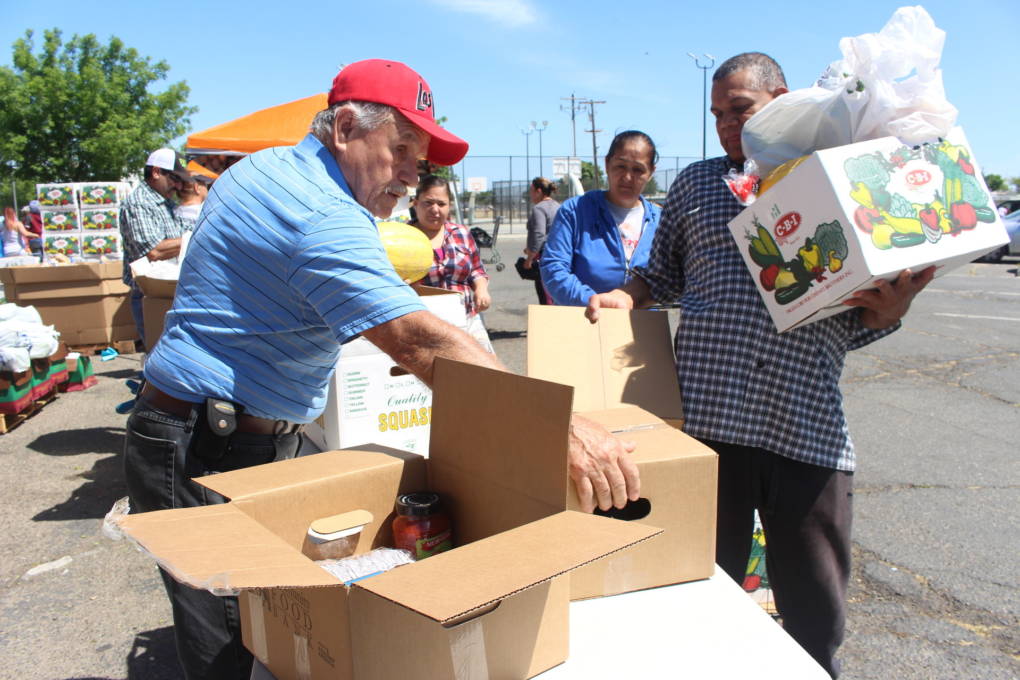
"caption": "Volunteer Jose Guadalupe (L) distributes boxes with dried beans, pasta sauce and canned foods at a food pantry in Mendota, California, on May 10, 2018. Mendota is one of dozens of rural communities served by the Community Food Bank in Fresno. ",
"description": null,
"title": "RS30998_IMG_1674-qut",
"credit": "Farida Jhabvala Romero/KQED",
"status": "inherit",
"isLoading": false,
"fetchFailed": false
}
},
"audioPlayerReducer": {
"postId": "stream_live",
"isPaused": true,
"isPlaying": false,
"pfsActive": false,
"pledgeModalIsOpen": true,
"playerDrawerIsOpen": false,
"liveAudioPlayStartedAt": 0,
"liveAudioPlayContext": ""
},
"authorsReducer": {
"byline_news_11708677": {
"type": "authors",
"id": "byline_news_11708677",
"meta": {
"override": true
},
"slug": "byline_news_11708677",
"name": "\u003cstrong>\u003ca href=\"https://www.kqed.org/author/lmorehouse\">Lisa Morehouse\u003c/a>\u003c/strong>\u003cbr />\u003cstrong>\u003ca href=\"https://www.kqed.org/author/angelajohnston\">Angela Johnston\u003c/a>\u003c/strong>",
"isLoading": false
},
"byline_news_11671261": {
"type": "authors",
"id": "byline_news_11671261",
"meta": {
"override": true
},
"slug": "byline_news_11671261",
"name": "\u003cstrong>\u003ca href=\"http://kvpr.org/people/kerry-klein\">Kerry Klein\u003c/a>\u003c/strong>",
"isLoading": false
},
"sasha-khokha": {
"type": "authors",
"id": "254",
"meta": {
"index": "authors_1716337520",
"id": "254",
"found": true
},
"name": "Sasha Khokha",
"firstName": "Sasha",
"lastName": "Khokha",
"slug": "sasha-khokha",
"email": "skhokha@kqed.org",
"display_author_email": true,
"staff_mastheads": [
"news"
],
"title": "Host, The California Report Magazine",
"bio": "Sasha Khokha is the host of \u003cem>The California Report's \u003c/em> weekly magazine program, which takes listeners on sound-rich excursions to meet the people that make the Golden State unique -- through audio documentaries and long-form stories. As \u003cem>The California Report's\u003c/em> Central Valley Bureau Chief based in Fresno for nearly a dozen years, Sasha brought the lives and concerns of rural Californians to listeners around the state. Her reporting helped expose the hidden price immigrant women janitors and farmworkers may pay to keep their jobs: sexual assault at work. It inspired two new California laws to protect them from sexual harassment. She was a key member of the reporting team for the Frontline film \u003cem>Rape on the Night Shift, \u003c/em>which was nominated for two national Emmys. Sasha has also won a national Edward R. Murrow and a national PRNDI award for investigative reporting, as well as multiple prizes from the Society for Professional Journalists. Sasha is a proud alum of the UC Berkeley Graduate School of Journalism and Brown University and a member of the South Asian Journalists Association.",
"avatar": "https://secure.gravatar.com/avatar/e4b5e1541aaeea2aa356aa1fb2a68950?s=600&d=blank&r=g",
"twitter": "KQEDSashaKhokha",
"facebook": null,
"instagram": null,
"linkedin": null,
"sites": [
{
"site": "news",
"roles": [
"editor"
]
},
{
"site": "stateofhealth",
"roles": [
"author"
]
},
{
"site": "science",
"roles": [
"author"
]
},
{
"site": "quest",
"roles": [
"subscriber"
]
}
],
"headData": {
"title": "Sasha Khokha | KQED",
"description": "Host, The California Report Magazine",
"ogImgSrc": "https://secure.gravatar.com/avatar/e4b5e1541aaeea2aa356aa1fb2a68950?s=600&d=blank&r=g",
"twImgSrc": "https://secure.gravatar.com/avatar/e4b5e1541aaeea2aa356aa1fb2a68950?s=600&d=blank&r=g"
},
"isLoading": false,
"link": "/author/sasha-khokha"
},
"lmorehouse": {
"type": "authors",
"id": "3229",
"meta": {
"index": "authors_1716337520",
"id": "3229",
"found": true
},
"name": "Lisa Morehouse",
"firstName": "Lisa",
"lastName": "Morehouse",
"slug": "lmorehouse",
"email": "morehouse.lisa@gmail.com",
"display_author_email": false,
"staff_mastheads": [],
"title": "KQED Contributor",
"bio": "Lisa Morehouse is an award-winning public radio and print journalist, who has filed for National Public Radio, American Public Media, KQED Public Radio, Edutopia, and McSweeney’s. Her reporting has taken her from Samoan traveling circuses to Mississippi Delta classrooms to the homes of Lao refugees in rural Iowa. In addition to reporting, she teaches radio production to at-risk youth in the Bay Area. Her series \u003ca href=\"http://afterthegoldrushradio.com/\">After the Gold Rush\u003c/a> featured the changing industries, populations and identities of rural towns throughout California. She’s now producing \u003ca href=\"http://www.californiafoodways.com/\">California Foodways\u003c/a>, a series exploring the intersections of food, culture, economics, history and labor. Follow along on the \u003ca href=\"https://www.facebook.com/californiafoodways?ref=hl\">Facebook page\u003c/a> or on Twitter @cafoodways.",
"avatar": "https://secure.gravatar.com/avatar/dae74b002a6e256f39abb19d6f5acaea?s=600&d=blank&r=g",
"twitter": null,
"facebook": null,
"instagram": null,
"linkedin": null,
"sites": [
{
"site": "",
"roles": [
"editor"
]
},
{
"site": "news",
"roles": [
"author"
]
}
],
"headData": {
"title": "Lisa Morehouse | KQED",
"description": "KQED Contributor",
"ogImgSrc": "https://secure.gravatar.com/avatar/dae74b002a6e256f39abb19d6f5acaea?s=600&d=blank&r=g",
"twImgSrc": "https://secure.gravatar.com/avatar/dae74b002a6e256f39abb19d6f5acaea?s=600&d=blank&r=g"
},
"isLoading": false,
"link": "/author/lmorehouse"
},
"markfiore": {
"type": "authors",
"id": "3236",
"meta": {
"index": "authors_1716337520",
"id": "3236",
"found": true
},
"name": "Mark Fiore",
"firstName": "Mark",
"lastName": "Fiore",
"slug": "markfiore",
"email": "mark@markfiore.com",
"display_author_email": false,
"staff_mastheads": [
"news"
],
"title": "KQED News Cartoonist",
"bio": "\u003ca href=\"http://www.MarkFiore.com\">MarkFiore.com\u003c/a> | \u003ca href=\"https://twitter.com/markfiore\">Follow on Twitter\u003c/a> | \u003ca href=\"https://www.facebook.com/pages/Mark-Fiore-Animated-Political-Cartoons/94451707396?ref=bookmarks\">Facebook\u003c/a> | \u003ca href=\"mailto:mark@markfiore.com\">email\u003c/a>\r\n\r\nPulitzer Prize-winner, Mark Fiore, who the Wall Street Journal has called “the undisputed guru of the form,” creates animated political cartoons in San Francisco, where his work has been featured regularly on the San Francisco Chronicle’s web site, SFGate.com. His work has appeared on Newsweek.com, Slate.com, CBSNews.com, MotherJones.com, DailyKos.com and NPR’s web site. Fiore’s political animation has appeared on CNN, Frontline, Bill Moyers Journal, Salon.com and cable and broadcast outlets across the globe.\r\n\r\nBeginning his professional life by drawing traditional political cartoons for newspapers, Fiore’s work appeared in publications ranging from the Washington Post to the Los Angeles Times. In the late 1990s, he began to experiment with animating political cartoons and, after a short stint at the San Jose Mercury News as their staff cartoonist, Fiore devoted all his energies to animation.\r\nGrowing up in California, Fiore also spent a good portion of his life in the backwoods of Idaho. It was this combination that shaped him politically. Mark majored in political science at Colorado College, where, in a perfect send-off for a cartoonist, he received his diploma in 1991 as commencement speaker Dick Cheney smiled approvingly.\r\nMark Fiore was awarded the Pulitzer Prize for political cartooning in 2010, a Robert F. Kennedy Journalism Award in 2004 and has twice received an Online Journalism Award for commentary from the Online News Association (2002, 2008). Fiore has received two awards for his work in new media from the National Cartoonists Society (2001, 2002), and in 2006 received The James Madison Freedom of Information Award from The Society of Professional Journalists.",
"avatar": "https://secure.gravatar.com/avatar/fc4e2a612b15b67bad0c6f0e1db4ca9b?s=600&d=blank&r=g",
"twitter": "MarkFiore",
"facebook": null,
"instagram": "https://www.instagram.com/markfiore/?hl=en",
"linkedin": null,
"sites": [
{
"site": "arts",
"roles": [
"contributor"
]
},
{
"site": "news",
"roles": [
"editor"
]
},
{
"site": "futureofyou",
"roles": [
"editor"
]
},
{
"site": "science",
"roles": [
"editor"
]
}
],
"headData": {
"title": "Mark Fiore | KQED",
"description": "KQED News Cartoonist",
"ogImgSrc": "https://secure.gravatar.com/avatar/fc4e2a612b15b67bad0c6f0e1db4ca9b?s=600&d=blank&r=g",
"twImgSrc": "https://secure.gravatar.com/avatar/fc4e2a612b15b67bad0c6f0e1db4ca9b?s=600&d=blank&r=g"
},
"isLoading": false,
"link": "/author/markfiore"
},
"fjhabvala": {
"type": "authors",
"id": "8659",
"meta": {
"index": "authors_1716337520",
"id": "8659",
"found": true
},
"name": "Farida Jhabvala Romero",
"firstName": "Farida",
"lastName": "Jhabvala Romero",
"slug": "fjhabvala",
"email": "fjhabvala@kqed.org",
"display_author_email": true,
"staff_mastheads": [
"news"
],
"title": "KQED Contributor",
"bio": "Farida Jhabvala Romero is a Labor Correspondent for KQED. She previously covered immigration. Farida was \u003ca href=\"https://www.ccnma.org/2022-most-influential-latina-journalists\">named\u003c/a> one of the 10 Most Influential Latina Journalists in California in 2022 by the California Chicano News Media Association. Her work has won awards from the Society of Professional Journalists (Northern California), as well as a national and regional Edward M. Murrow Award for the collaborative reporting projects “Dangerous Air” and “Graying California.” Before joining KQED, Farida worked as a producer at Radio Bilingüe, a national public radio network. Farida earned her master’s degree in journalism from Stanford University.",
"avatar": "https://secure.gravatar.com/avatar/f9f022d4e2609741874222a1e9d41f48fea74011aa7c615eef91d9a50c944ebe?s=600&d=blank&r=g",
"twitter": "FaridaJhabvala",
"bluesky": null,
"facebook": null,
"instagram": null,
"linkedin": "https://www.linkedin.com/in/faridajhabvala/",
"sites": [
{
"site": "news",
"roles": [
"editor"
]
},
{
"site": "stateofhealth",
"roles": [
"author"
]
},
{
"site": "liveblog",
"roles": [
"author"
]
}
],
"headData": {
"title": "Farida Jhabvala Romero | KQED",
"description": "KQED Contributor",
"ogImgSrc": "https://secure.gravatar.com/avatar/f9f022d4e2609741874222a1e9d41f48fea74011aa7c615eef91d9a50c944ebe?s=600&d=blank&r=g",
"twImgSrc": "https://secure.gravatar.com/avatar/f9f022d4e2609741874222a1e9d41f48fea74011aa7c615eef91d9a50c944ebe?s=600&d=blank&r=g"
},
"isLoading": false,
"link": "/author/fjhabvala"
},
"shutson": {
"type": "authors",
"id": "11216",
"meta": {
"index": "authors_1716337520",
"id": "11216",
"found": true
},
"name": "Sonja Hutson",
"firstName": "Sonja",
"lastName": "Hutson",
"slug": "shutson",
"email": "shutson@kqed.org",
"display_author_email": false,
"staff_mastheads": [],
"title": "KQED Contributor",
"bio": "Sonja Hutson is a former reporter for KQED's Silicon Valley desk and weekend newscasts. She primarily covers tech and housing. Sonja is a Bay Area native and now lives in San Francisco. When she's not working, you can find her camping, skiing, scuba diving, and struggling with the New York Times Crossword. Email: \u003ca href=\"mailto:shutson@kqed.org\">shutson@kqed.org. \u003c/a>Twitter: \u003ca href=\"https://twitter.com/SonjaHutson\">@SonjaHutson\u003c/a>",
"avatar": "https://secure.gravatar.com/avatar/7537c5e36818614e599b6c0f41d72b7a?s=600&d=blank&r=g",
"twitter": "SonjaHutson",
"facebook": null,
"instagram": null,
"linkedin": null,
"sites": [
{
"site": "arts",
"roles": [
"author"
]
},
{
"site": "news",
"roles": [
"subscriber"
]
}
],
"headData": {
"title": "Sonja Hutson | KQED",
"description": "KQED Contributor",
"ogImgSrc": "https://secure.gravatar.com/avatar/7537c5e36818614e599b6c0f41d72b7a?s=600&d=blank&r=g",
"twImgSrc": "https://secure.gravatar.com/avatar/7537c5e36818614e599b6c0f41d72b7a?s=600&d=blank&r=g"
},
"isLoading": false,
"link": "/author/shutson"
},
"ahall": {
"type": "authors",
"id": "11490",
"meta": {
"index": "authors_1716337520",
"id": "11490",
"found": true
},
"name": "Alex Hall",
"firstName": "Alex",
"lastName": "Hall",
"slug": "ahall",
"email": "ahall@kqed.org",
"display_author_email": false,
"staff_mastheads": [
"news"
],
"title": "KQED Enterprise & Accountability Reporter",
"bio": "Alex Hall is KQED's Enterprise and Accountability Reporter. She previously covered the Central Valley for five years from KQED's bureau in Fresno. Before joining KQED, Alex was an investigative reporting fellow at Wisconsin Public Radio and the Wisconsin Center for Investigative Journalism. She has also worked as a bilingual producer for NPR's investigative unit and freelance video producer for Reuters TV on the Latin America desk. She got her start in journalism in South America, where she worked as a radio producer and Spanish-English translator for CNN Chile. Her documentary and investigation into the series of deadly COVID-19 outbreaks at Foster Farms won a national Edward R. Murrow award and was named an Investigative Reporters & Editors award finalist. Alex's reporting for Reveal on the Wisconsin dairy industry's reliance on undocumented immigrant labor was made into a film, Los Lecheros, which won a regional Edward R. Murrow award for best news documentary.",
"avatar": "https://secure.gravatar.com/avatar/04c28ad4a7caa7ac2ef39c655c4030c993a3f331481d1da4799bb76ea85b9afa?s=600&d=blank&r=g",
"twitter": "@chalexhall",
"bluesky": null,
"facebook": null,
"instagram": null,
"linkedin": null,
"sites": [
{
"site": "news",
"roles": [
"editor"
]
},
{
"site": "liveblog",
"roles": [
"author"
]
}
],
"headData": {
"title": "Alex Hall | KQED",
"description": "KQED Enterprise & Accountability Reporter",
"ogImgSrc": "https://secure.gravatar.com/avatar/04c28ad4a7caa7ac2ef39c655c4030c993a3f331481d1da4799bb76ea85b9afa?s=600&d=blank&r=g",
"twImgSrc": "https://secure.gravatar.com/avatar/04c28ad4a7caa7ac2ef39c655c4030c993a3f331481d1da4799bb76ea85b9afa?s=600&d=blank&r=g"
},
"isLoading": false,
"link": "/author/ahall"
},
"mfederis": {
"type": "authors",
"id": "11509",
"meta": {
"index": "authors_1716337520",
"id": "11509",
"found": true
},
"name": "Marnette Federis",
"firstName": "Marnette",
"lastName": "Federis",
"slug": "mfederis",
"email": "mfederis@kqed.org",
"display_author_email": false,
"staff_mastheads": [],
"title": "KQED Contributor",
"bio": null,
"avatar": "https://secure.gravatar.com/avatar/4e22db56276fd54eaeb4ec94c12662c6c695a321a263331af03448665369ad7f?s=600&d=mm&r=g",
"twitter": null,
"bluesky": null,
"facebook": null,
"instagram": null,
"linkedin": null,
"sites": [
{
"site": "arts",
"roles": [
"editor"
]
},
{
"site": "news",
"roles": [
"editor"
]
},
{
"site": "mindshift",
"roles": [
"editor"
]
},
{
"site": "science",
"roles": [
"editor"
]
},
{
"site": "forum",
"roles": [
"editor"
]
},
{
"site": "podcasts",
"roles": [
"editor"
]
},
{
"site": "elections",
"roles": [
"editor"
]
}
],
"headData": {
"title": "Marnette Federis | KQED",
"description": "KQED Contributor",
"ogImgSrc": "https://secure.gravatar.com/avatar/4e22db56276fd54eaeb4ec94c12662c6c695a321a263331af03448665369ad7f?s=600&d=mm&r=g",
"twImgSrc": "https://secure.gravatar.com/avatar/4e22db56276fd54eaeb4ec94c12662c6c695a321a263331af03448665369ad7f?s=600&d=mm&r=g"
},
"isLoading": false,
"link": "/author/mfederis"
},
"ljamali": {
"type": "authors",
"id": "11552",
"meta": {
"index": "authors_1716337520",
"id": "11552",
"found": true
},
"name": "Lily Jamali",
"firstName": "Lily",
"lastName": "Jamali",
"slug": "ljamali",
"email": "ljamali@kqed.org",
"display_author_email": false,
"staff_mastheads": [],
"title": "KQED Contributor",
"bio": "Lily was the former co-host of the daily morning show, The California Report.",
"avatar": "https://secure.gravatar.com/avatar/dbf7b30d159e697731046a10d25a9e29?s=600&d=blank&r=g",
"twitter": "lilyjamali",
"facebook": null,
"instagram": null,
"linkedin": null,
"sites": [
{
"site": "news",
"roles": [
"create_posts",
"subscriber"
]
},
{
"site": "forum",
"roles": [
"editor"
]
}
],
"headData": {
"title": "Lily Jamali | KQED",
"description": "KQED Contributor",
"ogImgSrc": "https://secure.gravatar.com/avatar/dbf7b30d159e697731046a10d25a9e29?s=600&d=blank&r=g",
"twImgSrc": "https://secure.gravatar.com/avatar/dbf7b30d159e697731046a10d25a9e29?s=600&d=blank&r=g"
},
"isLoading": false,
"link": "/author/ljamali"
}
},
"pagesReducer": {
"news_tag_central-valley": {
"type": "terms",
"id": "news_311",
"meta": {
"index": "terms_1716263798",
"site": "news",
"id": "311",
"score": 8.669906
},
"featImg": null,
"name": "Central Valley",
"description": null,
"taxonomy": "tag",
"headData": {
"twImgId": null,
"twTitle": null,
"ogTitle": null,
"ogImgId": null,
"twDescription": null,
"description": null,
"title": "Central Valley Archives | KQED News",
"ogDescription": null
},
"ttid": 319,
"slug": "central-valley",
"isLoading": false,
"title": "Central Valley",
"pageMeta": {
"site": "news",
"WpPageTemplate": "page-topic-editorial",
"currentPage": 8
},
"blocks": [
{
"blockName": "kqed/post-list",
"attrs": {
"layout": "cardArticle2",
"query": "posts/news?tag=central-valley",
"seeMore": false,
"paginated": true,
"page": 8
}
},
{
"blockName": "kqed/ad"
}
]
}
},
"pfsSessionReducer": {},
"postsReducer": {
"stream_live": {
"type": "live",
"id": "stream_live",
"audioUrl": "https://streams.kqed.org/kqedradio",
"title": "Live Stream",
"excerpt": "Live Stream information currently unavailable.",
"link": "/radio",
"featImg": "",
"label": {
"name": "KQED Live",
"link": "/"
}
},
"stream_kqedNewscast": {
"type": "posts",
"id": "stream_kqedNewscast",
"audioUrl": "https://www.kqed.org/.stream/anon/radio/RDnews/newscast.mp3?_=1",
"title": "KQED Newscast",
"featImg": "",
"label": {
"name": "88.5 FM",
"link": "/"
}
},
"news_11711337": {
"type": "posts",
"id": "news_11711337",
"meta": {
"index": "posts_1716263798",
"site": "news",
"id": "11711337",
"score": null,
"sort": [
1544505088000
]
},
"parent": 0,
"labelTerm": {
"site": "news",
"term": 72
},
"blocks": [],
"publishDate": 1544505088,
"format": "audio",
"disqusTitle": "Voter Confusion Reported in Closely Watched Central Valley Races",
"title": "Voter Confusion Reported in Closely Watched Central Valley Races",
"headTitle": "The California Report | KQED News",
"content": "\u003cp>In two fiercely contested Central Valley congressional races in November, where long-serving Republican incumbents Jeff Denham and David Valadao both ended up losing their seats by thin margins to their Democratic challengers, some voters were confused and misinformed at the polls.\u003c/p>\n\u003cp>Modesto attorney Lisa Battista, who coordinated a group of volunteer election observers, said polling places in Stanislaus County ran out of pink envelopes used to separate provisional ballots on election night.\u003c/p>\n\u003cp>And then confusion set in.\u003c/p>\n\u003cp>“The poll workers didn’t know what to do,” Battista said. “They turned a lot of people away and told them: 'I'm sorry you can't vote here. You have to go find another polling place.'”\u003c/p>\n\u003cp>In response, Battista said she made an \u003ca href=\"https://www.modbee.com/news/politics-government/election/article221248025.html\">emergency request\u003c/a> to keep polls open past 8 p.m., but a judge turned it down.\u003c/p>\n\u003cp>[ad fullwidth]\u003c/p>\n\u003cp>Stanislaus County Clerk Lee Lundrigan confirmed that the envelopes ran out and had to be replaced on election night, but she said the provisional ballots were separated using alternative methods, including placing them in other envelopes.\u003c/p>\n\u003cp>“All provisionally voted ballots that could be counted have been counted, regardless of the method of segregation from the other ballots,” Lundrigan said.\u003c/p>\n\u003cp>It’s also unclear if voters who arrived at precincts other than the ones they were assigned to were told to go to the correct polling places, or if they were simply turned away and went home without casting a ballot.\u003c/p>\n\u003cp>“There's no way to track what individual voters did,” Battista said. “If they were told ‘You can't vote here,’ they left and we'll never know if they went and found another place to vote or if they just went home and forgot about it.”\u003c/p>\n\u003cp>She added: “I was getting so many phone calls about problems with provisional ballots and broken machines and not enough places to vote. My confidence in the sort of validity of the vote after Election Day was not very high, given all of the problems we saw.”\u003c/p>\n\u003cp>This issue underscores how widely the voting experience differs across California's 58 counties, notes Kim Alexander, president of the California Voter Foundation.\u003c/p>\n\u003cp>“You see counties that have lots of staff and lots of resources being able to provide early voting opportunities, voting the weekend before the election, satellite offices,” she said. “And other counties are just barely getting by.”\u003c/p>\n\u003cp>Case in point: Voters in Kings County were told they could register to vote on Election Day and cast their ballot at a polling place. But, it turns out, that wasn’t true.\u003c/p>\n\u003cp>Some poll workers seemed confused about California's new\u003ca href=\"https://www.sos.ca.gov/administration/regulations/current-regulations/elections/conditional-voter-registration/#20021\"> Conditional Voter Registration (CVR) system\u003c/a>, a new rule allowing eligible voters who missed the state's Oct. 22 registration deadline to go to their county elections office or a designated satellite location and register to vote conditionally through Election Day. Ballots could then be processed after the county elections office completed the verification process.\u003c/p>\n\u003cp>Kings County Registrar of Voters Kristine Lee said she received calls from poll workers on Election Day asking whether voters could conditionally vote, and she instructed them to allow it.\u003c/p>\n\u003cp>“I don’t think whether someone registers at a polling place or inside the office should be a determining factor in counting the ballots,” Lee said.\u003c/p>\n\u003cp>More than 100 conditional ballots were cast at polling places in the county.\u003c/p>\n\u003cp>After the election, Lee said attorneys representing both candidates contacted her about the ballots. According to Lee, the attorney for Valadao’s campaign said those ballots should not be counted. The Secretary of State's Office confirmed that the ballots had indeed been cast invalidly.\u003c/p>\n\u003cp>A judge later decided that the registrar’s error should not prevent the 126 ballots from being counted.\u003c/p>\n\u003cp>“That's what's happening in these counties where we see these really tight contests, where it comes down to a very small number of ballots that is going to decide the outcome,” Alexander said. “Every vote really does count. And that's why you've got campaigns looking much more closely at what's happening administratively after the polls close and what's happening with ballots that may be in dispute.”\u003c/p>\n\u003cp>And, said Raul Macias with the ACLU of California Voting Rights Project, the onus certainly shouldn't be on the voters.\u003c/p>\n\u003cp>“I don’t know how they can be expected to be experts in election law,\" he said. \"Even the election official was confused about what was allowed here.”\u003c/p>\n\u003cp>Last year Macias sent \u003ca href=\"https://www.documentcloud.org/documents/5448613-ACLU-Letter.html\">a letter\u003c/a> to the secretary of state arguing that the new CVR system was too restrictive.\u003c/p>\n\u003cp>“There are a number of states that allow same-day registration at polling sites,” he said. “I think that’s what California should be doing.”\u003c/p>\n\u003cp>Mismatched and missing signatures were also a concern for voters in Kings County.\u003c/p>\n\u003cp>Paul Harris, from Hanford, said a volunteer with the Democratic Party contacted his daughter the day after the election to inform her that both of their ballots were in danger of not being counted because of missing signatures.\u003c/p>\n\u003cp>“They wanted to have two signatures for the ballot to count,” Harris said.\u003c/p>\n\u003cp>When it comes to missing or mismatched signatures, individuals who vote by mail are usually notified with a letter. Voters who cast their ballot in person, however, are not always notified.\u003c/p>\n\u003cp>The Secretary of State’s Office provides the opportunity for voters to \u003ca href=\"https://www.sos.ca.gov/elections/publications-and-resources/voter-complaint/\">file a complaint \u003c/a>if they have concerns, said spokesman Jesse Melgar.\u003c/p>\n\u003cp>\u003c/p>\n\u003cp>“The secretary of state works every day to ensure that all eligible Californians have an opportunity to vote and that their votes are counted,\" he said.\u003c/p>\n\n",
"disqusIdentifier": "11711337 https://ww2.kqed.org/news/?p=11711337",
"disqusUrl": "https://ww2.kqed.org/news/2018/12/10/in-contested-central-valley-congressional-elections-voters-got-misleading-information-at-the-polls/",
"stats": {
"hasVideo": false,
"hasChartOrMap": false,
"hasAudio": false,
"hasPolis": false,
"wordCount": 977,
"hasGoogleForm": false,
"hasGallery": false,
"hasHearkenModule": false,
"iframeSrcs": [],
"paragraphCount": 32
},
"modified": 1544579481,
"excerpt": "Election observers report poll workers ran out of supplies and gave voters incorrect information.\r\n",
"headData": {
"twImgId": "",
"twTitle": "",
"ogTitle": "",
"ogImgId": "",
"twDescription": "",
"description": "Election observers report poll workers ran out of supplies and gave voters incorrect information.\r\n",
"title": "Voter Confusion Reported in Closely Watched Central Valley Races | KQED",
"ogDescription": "",
"schema": {
"@context": "https://schema.org",
"@type": "NewsArticle",
"headline": "Voter Confusion Reported in Closely Watched Central Valley Races",
"datePublished": "2018-12-10T21:11:28-08:00",
"dateModified": "2018-12-11T17:51:21-08:00",
"image": "https://cdn.kqed.org/wp-content/uploads/2020/02/KQED-OG-Image@1x.png",
"isAccessibleForFree": "True",
"publisher": {
"@type": "NewsMediaOrganization",
"@id": "https://www.kqed.org/#organization",
"name": "KQED",
"logo": "https://cdn.kqed.org/wp-content/uploads/2020/02/KQED-OG-Image@1x.png",
"url": "https://www.kqed.org",
"sameAs": [
"https://www.facebook.com/KQED",
"https://twitter.com/KQED",
"https://www.instagram.com/kqed/",
"https://www.tiktok.com/@kqedofficial",
"https://www.linkedin.com/company/kqed",
"https://www.youtube.com/channel/UCeC0IOo7i1P_61zVUWbJ4nw"
]
}
}
},
"guestAuthors": [],
"slug": "in-contested-central-valley-congressional-elections-voters-got-misleading-information-at-the-polls",
"status": "publish",
"audioUrl": "https://www.kqed.org/.stream/anon/radio/tcr/2018/12/TCRAM20181210HallVoters.mp3",
"audioTrackLength": 155,
"path": "/news/11711337/in-contested-central-valley-congressional-elections-voters-got-misleading-information-at-the-polls",
"parsedContent": [
{
"type": "contentString",
"content": "\u003cdiv class=\"post-body\">\u003cp>\u003cp>In two fiercely contested Central Valley congressional races in November, where long-serving Republican incumbents Jeff Denham and David Valadao both ended up losing their seats by thin margins to their Democratic challengers, some voters were confused and misinformed at the polls.\u003c/p>\n\u003cp>Modesto attorney Lisa Battista, who coordinated a group of volunteer election observers, said polling places in Stanislaus County ran out of pink envelopes used to separate provisional ballots on election night.\u003c/p>\n\u003cp>And then confusion set in.\u003c/p>\n\u003cp>“The poll workers didn’t know what to do,” Battista said. “They turned a lot of people away and told them: 'I'm sorry you can't vote here. You have to go find another polling place.'”\u003c/p>\n\u003cp>In response, Battista said she made an \u003ca href=\"https://www.modbee.com/news/politics-government/election/article221248025.html\">emergency request\u003c/a> to keep polls open past 8 p.m., but a judge turned it down.\u003c/p>\n\u003cp>\u003c/p>\u003c/div>",
"attributes": {
"named": {},
"numeric": []
}
},
{
"type": "component",
"content": "",
"name": "ad",
"attributes": {
"named": {
"label": "fullwidth"
},
"numeric": [
"fullwidth"
]
}
},
{
"type": "contentString",
"content": "\u003cdiv class=\"post-body\">\u003cp>\u003c/p>\n\u003cp>Stanislaus County Clerk Lee Lundrigan confirmed that the envelopes ran out and had to be replaced on election night, but she said the provisional ballots were separated using alternative methods, including placing them in other envelopes.\u003c/p>\n\u003cp>“All provisionally voted ballots that could be counted have been counted, regardless of the method of segregation from the other ballots,” Lundrigan said.\u003c/p>\n\u003cp>It’s also unclear if voters who arrived at precincts other than the ones they were assigned to were told to go to the correct polling places, or if they were simply turned away and went home without casting a ballot.\u003c/p>\n\u003cp>“There's no way to track what individual voters did,” Battista said. “If they were told ‘You can't vote here,’ they left and we'll never know if they went and found another place to vote or if they just went home and forgot about it.”\u003c/p>\n\u003cp>She added: “I was getting so many phone calls about problems with provisional ballots and broken machines and not enough places to vote. My confidence in the sort of validity of the vote after Election Day was not very high, given all of the problems we saw.”\u003c/p>\n\u003cp>This issue underscores how widely the voting experience differs across California's 58 counties, notes Kim Alexander, president of the California Voter Foundation.\u003c/p>\n\u003cp>“You see counties that have lots of staff and lots of resources being able to provide early voting opportunities, voting the weekend before the election, satellite offices,” she said. “And other counties are just barely getting by.”\u003c/p>\n\u003cp>Case in point: Voters in Kings County were told they could register to vote on Election Day and cast their ballot at a polling place. But, it turns out, that wasn’t true.\u003c/p>\n\u003cp>Some poll workers seemed confused about California's new\u003ca href=\"https://www.sos.ca.gov/administration/regulations/current-regulations/elections/conditional-voter-registration/#20021\"> Conditional Voter Registration (CVR) system\u003c/a>, a new rule allowing eligible voters who missed the state's Oct. 22 registration deadline to go to their county elections office or a designated satellite location and register to vote conditionally through Election Day. Ballots could then be processed after the county elections office completed the verification process.\u003c/p>\n\u003cp>Kings County Registrar of Voters Kristine Lee said she received calls from poll workers on Election Day asking whether voters could conditionally vote, and she instructed them to allow it.\u003c/p>\n\u003cp>“I don’t think whether someone registers at a polling place or inside the office should be a determining factor in counting the ballots,” Lee said.\u003c/p>\n\u003cp>More than 100 conditional ballots were cast at polling places in the county.\u003c/p>\n\u003cp>After the election, Lee said attorneys representing both candidates contacted her about the ballots. According to Lee, the attorney for Valadao’s campaign said those ballots should not be counted. The Secretary of State's Office confirmed that the ballots had indeed been cast invalidly.\u003c/p>\n\u003cp>A judge later decided that the registrar’s error should not prevent the 126 ballots from being counted.\u003c/p>\n\u003cp>“That's what's happening in these counties where we see these really tight contests, where it comes down to a very small number of ballots that is going to decide the outcome,” Alexander said. “Every vote really does count. And that's why you've got campaigns looking much more closely at what's happening administratively after the polls close and what's happening with ballots that may be in dispute.”\u003c/p>\n\u003cp>And, said Raul Macias with the ACLU of California Voting Rights Project, the onus certainly shouldn't be on the voters.\u003c/p>\n\u003cp>“I don’t know how they can be expected to be experts in election law,\" he said. \"Even the election official was confused about what was allowed here.”\u003c/p>\n\u003cp>Last year Macias sent \u003ca href=\"https://www.documentcloud.org/documents/5448613-ACLU-Letter.html\">a letter\u003c/a> to the secretary of state arguing that the new CVR system was too restrictive.\u003c/p>\n\u003cp>“There are a number of states that allow same-day registration at polling sites,” he said. “I think that’s what California should be doing.”\u003c/p>\n\u003cp>Mismatched and missing signatures were also a concern for voters in Kings County.\u003c/p>\n\u003cp>Paul Harris, from Hanford, said a volunteer with the Democratic Party contacted his daughter the day after the election to inform her that both of their ballots were in danger of not being counted because of missing signatures.\u003c/p>\n\u003cp>“They wanted to have two signatures for the ballot to count,” Harris said.\u003c/p>\n\u003cp>When it comes to missing or mismatched signatures, individuals who vote by mail are usually notified with a letter. Voters who cast their ballot in person, however, are not always notified.\u003c/p>\n\u003cp>The Secretary of State’s Office provides the opportunity for voters to \u003ca href=\"https://www.sos.ca.gov/elections/publications-and-resources/voter-complaint/\">file a complaint \u003c/a>if they have concerns, said spokesman Jesse Melgar.\u003c/p>\n\u003cp>\u003c/p>\n\u003cp>“The secretary of state works every day to ensure that all eligible Californians have an opportunity to vote and that their votes are counted,\" he said.\u003c/p>\n\n\u003c/div>\u003c/p>",
"attributes": {
"named": {},
"numeric": []
}
}
],
"link": "/news/11711337/in-contested-central-valley-congressional-elections-voters-got-misleading-information-at-the-polls",
"authors": [
"11490"
],
"programs": [
"news_72"
],
"categories": [
"news_8",
"news_13"
],
"tags": [
"news_24229",
"news_311",
"news_2027"
],
"featImg": "news_11711494",
"label": "news_72"
},
"news_11708677": {
"type": "posts",
"id": "news_11708677",
"meta": {
"index": "posts_1716263798",
"site": "news",
"id": "11708677",
"score": null,
"sort": [
1543626608000
]
},
"guestAuthors": [],
"slug": "these-invasive-20-pound-rodents-could-wreak-havoc-on-california-agriculture",
"title": "These Invasive 20-Pound Rodents Could Wreak Havoc on California Agriculture",
"publishDate": 1543626608,
"format": "image",
"headTitle": "These Invasive 20-Pound Rodents Could Wreak Havoc on California Agriculture | KQED",
"labelTerm": {},
"content": "\u003cp>[dropcap]M[/dropcap]erced County sweet potato farmer Stan Silva hadn’t even heard the word “nutria” until a few months ago. He’s still never seen one, but he’s worried about the damage these 20-pound rodents with big orange buck teeth could do in California if they’re not eradicated.\u003c/p>\n\u003cp>“It would be devastating,” Silva says. “They can basically ruin the ag industry here — they get in your fields, burrow into your canal ways, your waterways.”\u003c/p>\n\u003cp>They can also tear up crops and levees, making the state’s water infrastructure more vulnerable.\u003c/p>\n\u003cfigure id=\"attachment_11708871\" class=\"wp-caption alignright\" style=\"max-width: 800px\">\u003cimg loading=\"lazy\" decoding=\"async\" class=\"size-medium wp-image-11708871\" src=\"https://ww2.kqed.org/news/wp-content/uploads/sites/10/2018/11/RS34234_Aaron-and-Stan-Silva-at-the-packing-plant-for-their-family-farm-Doreva-Produce.-Their-familys-been-farming-in-Merced-County-for-over-100-years.-qut-800x600.jpg\" alt=\"Aaron and Stan Silva at the packing plant for their family farm, Doreva Produce. Their family has been farming in Merced County for over 100 years.\" width=\"800\" height=\"600\" srcset=\"https://cdn.kqed.org/wp-content/uploads/sites/10/2018/11/RS34234_Aaron-and-Stan-Silva-at-the-packing-plant-for-their-family-farm-Doreva-Produce.-Their-familys-been-farming-in-Merced-County-for-over-100-years.-qut-800x600.jpg 800w, https://cdn.kqed.org/wp-content/uploads/sites/10/2018/11/RS34234_Aaron-and-Stan-Silva-at-the-packing-plant-for-their-family-farm-Doreva-Produce.-Their-familys-been-farming-in-Merced-County-for-over-100-years.-qut-160x120.jpg 160w, https://cdn.kqed.org/wp-content/uploads/sites/10/2018/11/RS34234_Aaron-and-Stan-Silva-at-the-packing-plant-for-their-family-farm-Doreva-Produce.-Their-familys-been-farming-in-Merced-County-for-over-100-years.-qut-1020x765.jpg 1020w, https://cdn.kqed.org/wp-content/uploads/sites/10/2018/11/RS34234_Aaron-and-Stan-Silva-at-the-packing-plant-for-their-family-farm-Doreva-Produce.-Their-familys-been-farming-in-Merced-County-for-over-100-years.-qut-1200x900.jpg 1200w, https://cdn.kqed.org/wp-content/uploads/sites/10/2018/11/RS34234_Aaron-and-Stan-Silva-at-the-packing-plant-for-their-family-farm-Doreva-Produce.-Their-familys-been-farming-in-Merced-County-for-over-100-years.-qut.jpg 1920w, https://cdn.kqed.org/wp-content/uploads/sites/10/2018/11/RS34234_Aaron-and-Stan-Silva-at-the-packing-plant-for-their-family-farm-Doreva-Produce.-Their-familys-been-farming-in-Merced-County-for-over-100-years.-qut-1180x885.jpg 1180w, https://cdn.kqed.org/wp-content/uploads/sites/10/2018/11/RS34234_Aaron-and-Stan-Silva-at-the-packing-plant-for-their-family-farm-Doreva-Produce.-Their-familys-been-farming-in-Merced-County-for-over-100-years.-qut-960x720.jpg 960w, https://cdn.kqed.org/wp-content/uploads/sites/10/2018/11/RS34234_Aaron-and-Stan-Silva-at-the-packing-plant-for-their-family-farm-Doreva-Produce.-Their-familys-been-farming-in-Merced-County-for-over-100-years.-qut-240x180.jpg 240w, https://cdn.kqed.org/wp-content/uploads/sites/10/2018/11/RS34234_Aaron-and-Stan-Silva-at-the-packing-plant-for-their-family-farm-Doreva-Produce.-Their-familys-been-farming-in-Merced-County-for-over-100-years.-qut-375x281.jpg 375w, https://cdn.kqed.org/wp-content/uploads/sites/10/2018/11/RS34234_Aaron-and-Stan-Silva-at-the-packing-plant-for-their-family-farm-Doreva-Produce.-Their-familys-been-farming-in-Merced-County-for-over-100-years.-qut-520x390.jpg 520w\" sizes=\"(max-width: 800px) 100vw, 800px\">\u003cfigcaption class=\"wp-caption-text\">Aaron and Stan Silva at the packing plant for their family farm, Doreva Produce. Their family has been farming in Merced County for over 100 years. \u003ccite>(Lisa Morehouse/KQED)\u003c/cite>\u003c/figcaption>\u003c/figure>\n\u003cp>Nutria aren’t native to California, or the United States. Fur farmers brought the South American rodent to Southern California in the late 1800s as an attempt to make an affordable mink alternative.\u003c/p>\n\u003cp>Despite multiple attempts, the nutria fur business never took off — but the rodents went feral. California’s Department of Food and Agriculture determined that they were eradicated in the 1970s.\u003c/p>\n\u003cp>But last year, a few \u003ca href=\"https://www.kqed.org/news/11649794/california-officials-set-up-invasive-swamp-rodent-hotline\" target=\"_blank\" rel=\"noopener\">were spotted again in Merced County\u003c/a>, and they’re multiplying. Nutria can have up to 200 babies a year. By this April, the California Department of Fish and Wildlife had to create a task force. Now, the rodents are on the move, north toward the San Joaquin Delta, California’s most important water source.\u003c/p>\n\u003cp>“They’re just a menace,” Silva says.\u003c/p>\n\u003cp>This is why, for the last few months, the Silva family has given away thousands of pounds of what they grow because what’s most at threat for the Silvas — their sweet potatoes — just happen to be unlikely weapons in the fight against the nutria scourge.\u003c/p>\n\u003cfigure id=\"attachment_11708874\" class=\"wp-caption alignright\" style=\"max-width: 1920px\">\u003cimg loading=\"lazy\" decoding=\"async\" class=\"size-full wp-image-11708874\" src=\"https://ww2.kqed.org/news/wp-content/uploads/sites/10/2018/11/RS34239_The-Silvas-are-one-of-a-few-farming-families-in-Merced-County-giving-away-their-produce-to-help-fight-an-invasive-pest-qut.jpg\" alt=\"\" width=\"1920\" height=\"1440\" srcset=\"https://cdn.kqed.org/wp-content/uploads/sites/10/2018/11/RS34239_The-Silvas-are-one-of-a-few-farming-families-in-Merced-County-giving-away-their-produce-to-help-fight-an-invasive-pest-qut.jpg 1920w, https://cdn.kqed.org/wp-content/uploads/sites/10/2018/11/RS34239_The-Silvas-are-one-of-a-few-farming-families-in-Merced-County-giving-away-their-produce-to-help-fight-an-invasive-pest-qut-160x120.jpg 160w, https://cdn.kqed.org/wp-content/uploads/sites/10/2018/11/RS34239_The-Silvas-are-one-of-a-few-farming-families-in-Merced-County-giving-away-their-produce-to-help-fight-an-invasive-pest-qut-800x600.jpg 800w, https://cdn.kqed.org/wp-content/uploads/sites/10/2018/11/RS34239_The-Silvas-are-one-of-a-few-farming-families-in-Merced-County-giving-away-their-produce-to-help-fight-an-invasive-pest-qut-1020x765.jpg 1020w, https://cdn.kqed.org/wp-content/uploads/sites/10/2018/11/RS34239_The-Silvas-are-one-of-a-few-farming-families-in-Merced-County-giving-away-their-produce-to-help-fight-an-invasive-pest-qut-1200x900.jpg 1200w\" sizes=\"(max-width: 1920px) 100vw, 1920px\">\u003cfigcaption class=\"wp-caption-text\">The Silvas are one of a few farming families in Merced County giving away their produce to help fight an invasive pest. \u003ccite>(Angela Johnston/KQED)\u003c/cite>\u003c/figcaption>\u003c/figure>\n\u003cp>Stan Silva’s grandparents came to the Central Valley from the Azores and Lisbon, Portugal, in the early 1900s, and started farming on small plots. Now, the \u003ca href=\"http://dorevaproduce.com/\">Silva family farm\u003c/a> grows sweet potatoes on 850 acres and supplies the largest retailers in the country.\u003c/p>\n\u003cp>“We dump ‘em in our wash tank here, they continue on through the conveyor, through the heater, and the ladies on the other end are sorting and packing to go to market,” Stan Silva says as he walks around the packing facility with his son and grandson — three generations of farmers.\u003c/p>\n\u003cp>In the back is a huge gyro machine, which processes 30 bags of sweet potatoes in a minute. Grandson Rueger Silva is in charge of its operation.\u003c/p>\n\u003cp>[ad fullwidth]\u003c/p>\n\u003cfigure id=\"attachment_11708881\" class=\"wp-caption aligncenter\" style=\"max-width: 1920px\">\u003cimg loading=\"lazy\" decoding=\"async\" class=\"size-full wp-image-11708881\" src=\"https://ww2.kqed.org/news/wp-content/uploads/sites/10/2018/11/RS34237_Sweet-potatoes-at-the-Silva-farm-make-their-way-to-the-cleaning-tank-qut.jpg\" alt=\"\" width=\"1920\" height=\"1440\" srcset=\"https://cdn.kqed.org/wp-content/uploads/sites/10/2018/11/RS34237_Sweet-potatoes-at-the-Silva-farm-make-their-way-to-the-cleaning-tank-qut.jpg 1920w, https://cdn.kqed.org/wp-content/uploads/sites/10/2018/11/RS34237_Sweet-potatoes-at-the-Silva-farm-make-their-way-to-the-cleaning-tank-qut-160x120.jpg 160w, https://cdn.kqed.org/wp-content/uploads/sites/10/2018/11/RS34237_Sweet-potatoes-at-the-Silva-farm-make-their-way-to-the-cleaning-tank-qut-800x600.jpg 800w, https://cdn.kqed.org/wp-content/uploads/sites/10/2018/11/RS34237_Sweet-potatoes-at-the-Silva-farm-make-their-way-to-the-cleaning-tank-qut-1020x765.jpg 1020w, https://cdn.kqed.org/wp-content/uploads/sites/10/2018/11/RS34237_Sweet-potatoes-at-the-Silva-farm-make-their-way-to-the-cleaning-tank-qut-1200x900.jpg 1200w\" sizes=\"(max-width: 1920px) 100vw, 1920px\">\u003cfigcaption class=\"wp-caption-text\">Sweet potatoes at the Silva farm make their way to the cleaning tank. \u003ccite>(Angela Johnston/KQED)\u003c/cite>\u003c/figcaption>\u003c/figure>\n\u003cp>“I’m only 18, but my dad had a heart attack so I had to come back and help with everything,” he says as he darts around the machine, pressing buttons and checking the conveyor belt.\u003c/p>\n\u003cp>In late summer, 44-year-old Aaron Silva had a massive heart attack that left him hospitalized for a month.\u003c/p>\n\u003cp>“[Rueger] left college to come back to help on the ranch until his father gets further along here,” Stan Silva says proudly.\u003c/p>\n\u003cp>Aaron Silva is still recovering from a brain injury that was a side effect of the heart attack. He says he’s having to relearn longtime customers’ names and faces. But, he says, he didn’t lose any memory of the process of farming and packing sweet potatoes. Farming is in his blood, and he doesn’t want anything to threaten it.\u003c/p>\n\u003cp>Just 20 miles from the packing plant, \u003ca href=\"https://www.wildlife.ca.gov/\">Department of Fish and Wildlife\u003c/a> biologist Sean McCain is spying on some nutria making nests in a marsh full of tule reeds.\u003c/p>\n\u003cfigure id=\"attachment_11708876\" class=\"wp-caption aligncenter\" style=\"max-width: 1920px\">\u003cimg loading=\"lazy\" decoding=\"async\" class=\"size-full wp-image-11708876\" src=\"https://ww2.kqed.org/news/wp-content/uploads/sites/10/2018/11/RS34235_Sean-McCain-from-Californias-Department-of-Fish-and-Wildlife-points-out-nutria-habitat.-qut.jpg\" alt=\"\" width=\"1920\" height=\"1440\" srcset=\"https://cdn.kqed.org/wp-content/uploads/sites/10/2018/11/RS34235_Sean-McCain-from-Californias-Department-of-Fish-and-Wildlife-points-out-nutria-habitat.-qut.jpg 1920w, https://cdn.kqed.org/wp-content/uploads/sites/10/2018/11/RS34235_Sean-McCain-from-Californias-Department-of-Fish-and-Wildlife-points-out-nutria-habitat.-qut-160x120.jpg 160w, https://cdn.kqed.org/wp-content/uploads/sites/10/2018/11/RS34235_Sean-McCain-from-Californias-Department-of-Fish-and-Wildlife-points-out-nutria-habitat.-qut-800x600.jpg 800w, https://cdn.kqed.org/wp-content/uploads/sites/10/2018/11/RS34235_Sean-McCain-from-Californias-Department-of-Fish-and-Wildlife-points-out-nutria-habitat.-qut-1020x765.jpg 1020w, https://cdn.kqed.org/wp-content/uploads/sites/10/2018/11/RS34235_Sean-McCain-from-Californias-Department-of-Fish-and-Wildlife-points-out-nutria-habitat.-qut-1200x900.jpg 1200w, https://cdn.kqed.org/wp-content/uploads/sites/10/2018/11/RS34235_Sean-McCain-from-Californias-Department-of-Fish-and-Wildlife-points-out-nutria-habitat.-qut-1180x885.jpg 1180w, https://cdn.kqed.org/wp-content/uploads/sites/10/2018/11/RS34235_Sean-McCain-from-Californias-Department-of-Fish-and-Wildlife-points-out-nutria-habitat.-qut-960x720.jpg 960w, https://cdn.kqed.org/wp-content/uploads/sites/10/2018/11/RS34235_Sean-McCain-from-Californias-Department-of-Fish-and-Wildlife-points-out-nutria-habitat.-qut-240x180.jpg 240w, https://cdn.kqed.org/wp-content/uploads/sites/10/2018/11/RS34235_Sean-McCain-from-Californias-Department-of-Fish-and-Wildlife-points-out-nutria-habitat.-qut-375x281.jpg 375w, https://cdn.kqed.org/wp-content/uploads/sites/10/2018/11/RS34235_Sean-McCain-from-Californias-Department-of-Fish-and-Wildlife-points-out-nutria-habitat.-qut-520x390.jpg 520w\" sizes=\"(max-width: 1920px) 100vw, 1920px\">\u003cfigcaption class=\"wp-caption-text\">Sean McCain, from California’s Department of Fish and Wildlife, points out nutria habitat. \u003ccite>(Lisa Morehouse/KQED)\u003c/cite>\u003c/figcaption>\u003c/figure>\n\u003cp>“I don’t think they know we’re here yet,” he whispers as he sneaks up to the edge of the marsh. He points out a few of the rodents, which look like a cross between rats and beavers, with scaly tails, webbed feet and big orange bucked teeth.\u003c/p>\n\u003cp>McCain first saw a family of nutria here two weeks ago, and since then he’s been coming back to this spot almost every day to check on them.\u003c/p>\n\u003cp>“I’ve been watching the vegetation recede away from the middle of the pond,” he says.\u003c/p>\n\u003cp>Nutria can eat up to 25 percent of their body weight in one day. They munch on the roots of green duckweeds, cattails and tule reeds. If they clear-cut an entire marsh like this one, they put all the birds and frogs and other species that depend on it at risk.\u003c/p>\n\u003cp>The nutria problem is potentially so big that the Department of Fish and Wildlife is pulling staff from all over the state for on-the-ground training.\u003c/p>\n\u003caside class=\"alignright\">\n\u003ch3>\u003ca href=\"https://www.kqed.org/news/11649829/swamp-creatures\">Swamp Creatures\u003c/a>\u003c/h3>\n\u003cfigure>\u003ca href=\"https://www.kqed.org/news/11649829/swamp-creatures\">\u003cimg decoding=\"async\" src=\"https://ww2.kqed.org/wp-content/uploads/sites/10/2018/02/calnutria_021318_final-1180x1180.jpg\" alt=\"\">\u003c/a>\u003c/figure>\n\u003c/aside>\n\u003cp>At another pond, the team hasn’t seen any nutria in the flesh, so they’re setting up a wildlife camera to see if they can capture them on tape, and creating a feeding platform within the camera’s range.\u003c/p>\n\u003cp>They wade into chest-deep water, yank reeds out of the marsh to make a little nest, and put bait on a wooden platform: bright orange slices of sweet potato to lure the rodents. It turns out, nutria love its color and taste.\u003c/p>\n\u003cp>McCain does this kind of work all day long: trying to get eyes on nutria, assessing their habitat and checking cameras to determine the right place for traps. When we get back to the car, he plugs an SD card from one of the wildlife cameras into his laptop and we watch.\u003c/p>\n\u003cp>“There we go,” he says as a big family of nutria sneak onto the screen. “Those are adult nutria, and that one just stole our sweet potato.”\u003c/p>\n\u003cp>Now that the team has confirmed a big family of nutria in this swamp, they’ll send in trappers, who will set traps all over the area to start to eradicate this population one by one.\u003c/p>\n\u003cfigure id=\"attachment_11708867\" class=\"wp-caption aligncenter\" style=\"max-width: 800px\">\u003cimg loading=\"lazy\" decoding=\"async\" class=\"size-medium wp-image-11708867\" src=\"https://ww2.kqed.org/news/wp-content/uploads/sites/10/2018/11/RS34236_California-Department-of-Fish-and-Wildlifes-Greg-Gerstenberg-shows-off-a-frozen-nutria-head.-Theyve-captured-just-over-330-of-the-invasive-species-so-far..-qut-800x600.jpg\" alt=\"The California Department of Fish and Wildlife has captured just over 330 nutria so far.\" width=\"800\" height=\"600\" srcset=\"https://cdn.kqed.org/wp-content/uploads/sites/10/2018/11/RS34236_California-Department-of-Fish-and-Wildlifes-Greg-Gerstenberg-shows-off-a-frozen-nutria-head.-Theyve-captured-just-over-330-of-the-invasive-species-so-far..-qut-800x600.jpg 800w, https://cdn.kqed.org/wp-content/uploads/sites/10/2018/11/RS34236_California-Department-of-Fish-and-Wildlifes-Greg-Gerstenberg-shows-off-a-frozen-nutria-head.-Theyve-captured-just-over-330-of-the-invasive-species-so-far..-qut-160x120.jpg 160w, https://cdn.kqed.org/wp-content/uploads/sites/10/2018/11/RS34236_California-Department-of-Fish-and-Wildlifes-Greg-Gerstenberg-shows-off-a-frozen-nutria-head.-Theyve-captured-just-over-330-of-the-invasive-species-so-far..-qut-1020x765.jpg 1020w, https://cdn.kqed.org/wp-content/uploads/sites/10/2018/11/RS34236_California-Department-of-Fish-and-Wildlifes-Greg-Gerstenberg-shows-off-a-frozen-nutria-head.-Theyve-captured-just-over-330-of-the-invasive-species-so-far..-qut-1200x900.jpg 1200w, https://cdn.kqed.org/wp-content/uploads/sites/10/2018/11/RS34236_California-Department-of-Fish-and-Wildlifes-Greg-Gerstenberg-shows-off-a-frozen-nutria-head.-Theyve-captured-just-over-330-of-the-invasive-species-so-far..-qut.jpg 1920w\" sizes=\"(max-width: 800px) 100vw, 800px\">\u003cfigcaption class=\"wp-caption-text\">The California Department of Fish and Wildlife has captured just over 330 nutria so far. \u003ccite>(Angela Johnston/KQED)\u003c/cite>\u003c/figcaption>\u003c/figure>\n\u003cp>It’s part of a larger plan taking place at the Nutria Incident Command Center at an old hunting check station near Los Banos, California. Greg Gerstenberg holds down the fort here as the Incident Command chief.\u003c/p>\n\u003cp>In the deep freeze out back, Gerstenberg rummages around for frozen nutria. He pulls out nutria heads and bottles of their urine — helpful for trapping. They’re keeping these for training, and they give some to other departments for taxidermy and display in their offices, in case a farmer wanted to come and see what one looked like.\u003c/p>\n\u003cp>They’re also looking at how other states have dealt with the problem. Louisiana is offering a bounty to hunters to counter their out-of-control nutria problem. Gerstenberg is modeling California’s efforts on Chesapeake Bay’s, where they successfully eradicated nutria.\u003c/p>\n\u003caside class=\"alignright\">\n\u003ch3>\u003ca href=\"https://www.kqed.org/news/11660045/californias-lost-wetlands-reborn-thanks-to-central-valley-rice-farms\">California’s Lost Wetlands Get Help From Sacramento Valley Rice Farms\u003c/a>\u003c/h3>\n\u003cfigure>\u003ca href=\"https://www.kqed.org/news/11660045/californias-lost-wetlands-reborn-thanks-to-central-valley-rice-farms\">\u003cimg decoding=\"async\" src=\"https://ww2.kqed.org/wp-content/uploads/sites/10/2018/04/SnowGeeseOnRice-1180x770.jpg\" alt=\"\">\u003c/a>\u003c/figure>\n\u003cp> \u003c/p>\n\u003c/aside>\n\u003cp>On the walls of the command center, huge maps of the Central Valley and San Joaquin Delta are covered with pink, yellow and blue dots showing where nutria have been spotted.\u003c/p>\n\u003cp>Gerstenberg says, after capturing nutria on camera in the southern Delta, Fish and Wildlife will pull their resources from Merced County and create a sort of fire line just north of this sighting, limiting and pushing the nutria out before they start to multiply in the Delta.\u003c/p>\n\u003cp>The state has trapped over 330 nutria since April. Gerstenberg says he hopes they’re not in the thousands, but he has no way to confirm or estimate the nutria’s number.\u003c/p>\n\u003cp>“Our goal is to remove them quicker than they’re reproducing,” he says.\u003c/p>\n\u003cp>\u003cem>A version of this story first aired on \u003ca href=\"https://www.kalw.org/programs/crosscurrents#stream/0\">KALW’s Crosscurrents\u003c/a>. It was produced in collaboration with the \u003ca href=\"https://thefern.org/\">Food & Environment Reporting Network\u003c/a>, a nonprofit investigative news organization.\u003c/em>\u003c/p>\n\u003cp>[ad floatright]\u003c/p>\n",
"blocks": [],
"excerpt": "The Silva family, longtime Central Valley sweet potato farmers, are donating 5 tons of their product to help capture and eradicate destructive nutria.",
"status": "publish",
"parent": 0,
"modified": 1721114247,
"stats": {
"hasAudio": false,
"hasVideo": false,
"hasChartOrMap": false,
"iframeSrcs": [],
"hasGoogleForm": false,
"hasGallery": false,
"hasHearkenModule": false,
"hasPolis": false,
"paragraphCount": 36,
"wordCount": 1411
},
"headData": {
"title": "These Invasive 20-Pound Rodents Could Wreak Havoc on California Agriculture | KQED",
"description": "The Silva family, longtime Central Valley sweet potato farmers, are donating 5 tons of their product to help capture and eradicate destructive nutria.",
"ogTitle": "",
"ogDescription": "",
"ogImgId": "",
"twTitle": "",
"twDescription": "",
"twImgId": "",
"schema": {
"@context": "https://schema.org",
"@type": "NewsArticle",
"headline": "These Invasive 20-Pound Rodents Could Wreak Havoc on California Agriculture",
"datePublished": "2018-11-30T17:10:08-08:00",
"dateModified": "2024-07-16T00:17:27-07:00",
"image": "https://cdn.kqed.org/wp-content/uploads/2020/02/KQED-OG-Image@1x.png",
"isAccessibleForFree": "True",
"publisher": {
"@type": "NewsMediaOrganization",
"@id": "https://www.kqed.org/#organization",
"name": "KQED",
"logo": "https://cdn.kqed.org/wp-content/uploads/2020/02/KQED-OG-Image@1x.png",
"url": "https://www.kqed.org",
"sameAs": [
"https://www.facebook.com/KQED",
"https://twitter.com/KQED",
"https://www.instagram.com/kqed/",
"https://www.tiktok.com/@kqedofficial",
"https://www.linkedin.com/company/kqed",
"https://www.youtube.com/channel/UCeC0IOo7i1P_61zVUWbJ4nw"
]
}
}
},
"source": "Food",
"sourceUrl": "https://www.kqed.org/food",
"audioUrl": "https://www.kqed.org/.stream/anon/radio/tcrmag/2018/11/MorehouseNutria.mp3",
"sticky": false,
"nprByline": "\u003cstrong>\u003ca href=\"https://www.kqed.org/author/lmorehouse\">Lisa Morehouse\u003c/a>\u003c/strong>\u003cbr />\u003cstrong>\u003ca href=\"https://www.kqed.org/author/angelajohnston\">Angela Johnston\u003c/a>\u003c/strong>",
"audioTrackLength": 382,
"path": "/news/11708677/these-invasive-20-pound-rodents-could-wreak-havoc-on-california-agriculture",
"audioDuration": 400000,
"parsedContent": [
{
"type": "contentString",
"content": "\u003cdiv class=\"post-body\">\u003cp>\u003cp>\u003c/p>\u003cp>\u003cspan class=\"utils-parseShortcode-shortcodes-__dropcapShortcode__dropcap\">M\u003c/span>\u003c/p>\u003cp>erced County sweet potato farmer Stan Silva hadn’t even heard the word “nutria” until a few months ago. He’s still never seen one, but he’s worried about the damage these 20-pound rodents with big orange buck teeth could do in California if they’re not eradicated.\u003c/p>\n\u003cp>“It would be devastating,” Silva says. “They can basically ruin the ag industry here — they get in your fields, burrow into your canal ways, your waterways.”\u003c/p>\n\u003cp>They can also tear up crops and levees, making the state’s water infrastructure more vulnerable.\u003c/p>\n\u003cfigure id=\"attachment_11708871\" class=\"wp-caption alignright\" style=\"max-width: 800px\">\u003cimg loading=\"lazy\" decoding=\"async\" class=\"size-medium wp-image-11708871\" src=\"https://ww2.kqed.org/news/wp-content/uploads/sites/10/2018/11/RS34234_Aaron-and-Stan-Silva-at-the-packing-plant-for-their-family-farm-Doreva-Produce.-Their-familys-been-farming-in-Merced-County-for-over-100-years.-qut-800x600.jpg\" alt=\"Aaron and Stan Silva at the packing plant for their family farm, Doreva Produce. Their family has been farming in Merced County for over 100 years.\" width=\"800\" height=\"600\" srcset=\"https://cdn.kqed.org/wp-content/uploads/sites/10/2018/11/RS34234_Aaron-and-Stan-Silva-at-the-packing-plant-for-their-family-farm-Doreva-Produce.-Their-familys-been-farming-in-Merced-County-for-over-100-years.-qut-800x600.jpg 800w, https://cdn.kqed.org/wp-content/uploads/sites/10/2018/11/RS34234_Aaron-and-Stan-Silva-at-the-packing-plant-for-their-family-farm-Doreva-Produce.-Their-familys-been-farming-in-Merced-County-for-over-100-years.-qut-160x120.jpg 160w, https://cdn.kqed.org/wp-content/uploads/sites/10/2018/11/RS34234_Aaron-and-Stan-Silva-at-the-packing-plant-for-their-family-farm-Doreva-Produce.-Their-familys-been-farming-in-Merced-County-for-over-100-years.-qut-1020x765.jpg 1020w, https://cdn.kqed.org/wp-content/uploads/sites/10/2018/11/RS34234_Aaron-and-Stan-Silva-at-the-packing-plant-for-their-family-farm-Doreva-Produce.-Their-familys-been-farming-in-Merced-County-for-over-100-years.-qut-1200x900.jpg 1200w, https://cdn.kqed.org/wp-content/uploads/sites/10/2018/11/RS34234_Aaron-and-Stan-Silva-at-the-packing-plant-for-their-family-farm-Doreva-Produce.-Their-familys-been-farming-in-Merced-County-for-over-100-years.-qut.jpg 1920w, https://cdn.kqed.org/wp-content/uploads/sites/10/2018/11/RS34234_Aaron-and-Stan-Silva-at-the-packing-plant-for-their-family-farm-Doreva-Produce.-Their-familys-been-farming-in-Merced-County-for-over-100-years.-qut-1180x885.jpg 1180w, https://cdn.kqed.org/wp-content/uploads/sites/10/2018/11/RS34234_Aaron-and-Stan-Silva-at-the-packing-plant-for-their-family-farm-Doreva-Produce.-Their-familys-been-farming-in-Merced-County-for-over-100-years.-qut-960x720.jpg 960w, https://cdn.kqed.org/wp-content/uploads/sites/10/2018/11/RS34234_Aaron-and-Stan-Silva-at-the-packing-plant-for-their-family-farm-Doreva-Produce.-Their-familys-been-farming-in-Merced-County-for-over-100-years.-qut-240x180.jpg 240w, https://cdn.kqed.org/wp-content/uploads/sites/10/2018/11/RS34234_Aaron-and-Stan-Silva-at-the-packing-plant-for-their-family-farm-Doreva-Produce.-Their-familys-been-farming-in-Merced-County-for-over-100-years.-qut-375x281.jpg 375w, https://cdn.kqed.org/wp-content/uploads/sites/10/2018/11/RS34234_Aaron-and-Stan-Silva-at-the-packing-plant-for-their-family-farm-Doreva-Produce.-Their-familys-been-farming-in-Merced-County-for-over-100-years.-qut-520x390.jpg 520w\" sizes=\"(max-width: 800px) 100vw, 800px\">\u003cfigcaption class=\"wp-caption-text\">Aaron and Stan Silva at the packing plant for their family farm, Doreva Produce. Their family has been farming in Merced County for over 100 years. \u003ccite>(Lisa Morehouse/KQED)\u003c/cite>\u003c/figcaption>\u003c/figure>\n\u003cp>Nutria aren’t native to California, or the United States. Fur farmers brought the South American rodent to Southern California in the late 1800s as an attempt to make an affordable mink alternative.\u003c/p>\n\u003cp>Despite multiple attempts, the nutria fur business never took off — but the rodents went feral. California’s Department of Food and Agriculture determined that they were eradicated in the 1970s.\u003c/p>\n\u003cp>But last year, a few \u003ca href=\"https://www.kqed.org/news/11649794/california-officials-set-up-invasive-swamp-rodent-hotline\" target=\"_blank\" rel=\"noopener\">were spotted again in Merced County\u003c/a>, and they’re multiplying. Nutria can have up to 200 babies a year. By this April, the California Department of Fish and Wildlife had to create a task force. Now, the rodents are on the move, north toward the San Joaquin Delta, California’s most important water source.\u003c/p>\n\u003cp>“They’re just a menace,” Silva says.\u003c/p>\n\u003cp>This is why, for the last few months, the Silva family has given away thousands of pounds of what they grow because what’s most at threat for the Silvas — their sweet potatoes — just happen to be unlikely weapons in the fight against the nutria scourge.\u003c/p>\n\u003cfigure id=\"attachment_11708874\" class=\"wp-caption alignright\" style=\"max-width: 1920px\">\u003cimg loading=\"lazy\" decoding=\"async\" class=\"size-full wp-image-11708874\" src=\"https://ww2.kqed.org/news/wp-content/uploads/sites/10/2018/11/RS34239_The-Silvas-are-one-of-a-few-farming-families-in-Merced-County-giving-away-their-produce-to-help-fight-an-invasive-pest-qut.jpg\" alt=\"\" width=\"1920\" height=\"1440\" srcset=\"https://cdn.kqed.org/wp-content/uploads/sites/10/2018/11/RS34239_The-Silvas-are-one-of-a-few-farming-families-in-Merced-County-giving-away-their-produce-to-help-fight-an-invasive-pest-qut.jpg 1920w, https://cdn.kqed.org/wp-content/uploads/sites/10/2018/11/RS34239_The-Silvas-are-one-of-a-few-farming-families-in-Merced-County-giving-away-their-produce-to-help-fight-an-invasive-pest-qut-160x120.jpg 160w, https://cdn.kqed.org/wp-content/uploads/sites/10/2018/11/RS34239_The-Silvas-are-one-of-a-few-farming-families-in-Merced-County-giving-away-their-produce-to-help-fight-an-invasive-pest-qut-800x600.jpg 800w, https://cdn.kqed.org/wp-content/uploads/sites/10/2018/11/RS34239_The-Silvas-are-one-of-a-few-farming-families-in-Merced-County-giving-away-their-produce-to-help-fight-an-invasive-pest-qut-1020x765.jpg 1020w, https://cdn.kqed.org/wp-content/uploads/sites/10/2018/11/RS34239_The-Silvas-are-one-of-a-few-farming-families-in-Merced-County-giving-away-their-produce-to-help-fight-an-invasive-pest-qut-1200x900.jpg 1200w\" sizes=\"(max-width: 1920px) 100vw, 1920px\">\u003cfigcaption class=\"wp-caption-text\">The Silvas are one of a few farming families in Merced County giving away their produce to help fight an invasive pest. \u003ccite>(Angela Johnston/KQED)\u003c/cite>\u003c/figcaption>\u003c/figure>\n\u003cp>Stan Silva’s grandparents came to the Central Valley from the Azores and Lisbon, Portugal, in the early 1900s, and started farming on small plots. Now, the \u003ca href=\"http://dorevaproduce.com/\">Silva family farm\u003c/a> grows sweet potatoes on 850 acres and supplies the largest retailers in the country.\u003c/p>\n\u003cp>“We dump ‘em in our wash tank here, they continue on through the conveyor, through the heater, and the ladies on the other end are sorting and packing to go to market,” Stan Silva says as he walks around the packing facility with his son and grandson — three generations of farmers.\u003c/p>\n\u003cp>In the back is a huge gyro machine, which processes 30 bags of sweet potatoes in a minute. Grandson Rueger Silva is in charge of its operation.\u003c/p>\n\u003cp>\u003c/p>\u003c/div>",
"attributes": {
"named": {},
"numeric": []
}
},
{
"type": "component",
"content": "",
"name": "ad",
"attributes": {
"named": {
"label": "fullwidth"
},
"numeric": [
"fullwidth"
]
}
},
{
"type": "contentString",
"content": "\u003cdiv class=\"post-body\">\u003cp>\u003c/p>\n\u003cfigure id=\"attachment_11708881\" class=\"wp-caption aligncenter\" style=\"max-width: 1920px\">\u003cimg loading=\"lazy\" decoding=\"async\" class=\"size-full wp-image-11708881\" src=\"https://ww2.kqed.org/news/wp-content/uploads/sites/10/2018/11/RS34237_Sweet-potatoes-at-the-Silva-farm-make-their-way-to-the-cleaning-tank-qut.jpg\" alt=\"\" width=\"1920\" height=\"1440\" srcset=\"https://cdn.kqed.org/wp-content/uploads/sites/10/2018/11/RS34237_Sweet-potatoes-at-the-Silva-farm-make-their-way-to-the-cleaning-tank-qut.jpg 1920w, https://cdn.kqed.org/wp-content/uploads/sites/10/2018/11/RS34237_Sweet-potatoes-at-the-Silva-farm-make-their-way-to-the-cleaning-tank-qut-160x120.jpg 160w, https://cdn.kqed.org/wp-content/uploads/sites/10/2018/11/RS34237_Sweet-potatoes-at-the-Silva-farm-make-their-way-to-the-cleaning-tank-qut-800x600.jpg 800w, https://cdn.kqed.org/wp-content/uploads/sites/10/2018/11/RS34237_Sweet-potatoes-at-the-Silva-farm-make-their-way-to-the-cleaning-tank-qut-1020x765.jpg 1020w, https://cdn.kqed.org/wp-content/uploads/sites/10/2018/11/RS34237_Sweet-potatoes-at-the-Silva-farm-make-their-way-to-the-cleaning-tank-qut-1200x900.jpg 1200w\" sizes=\"(max-width: 1920px) 100vw, 1920px\">\u003cfigcaption class=\"wp-caption-text\">Sweet potatoes at the Silva farm make their way to the cleaning tank. \u003ccite>(Angela Johnston/KQED)\u003c/cite>\u003c/figcaption>\u003c/figure>\n\u003cp>“I’m only 18, but my dad had a heart attack so I had to come back and help with everything,” he says as he darts around the machine, pressing buttons and checking the conveyor belt.\u003c/p>\n\u003cp>In late summer, 44-year-old Aaron Silva had a massive heart attack that left him hospitalized for a month.\u003c/p>\n\u003cp>“[Rueger] left college to come back to help on the ranch until his father gets further along here,” Stan Silva says proudly.\u003c/p>\n\u003cp>Aaron Silva is still recovering from a brain injury that was a side effect of the heart attack. He says he’s having to relearn longtime customers’ names and faces. But, he says, he didn’t lose any memory of the process of farming and packing sweet potatoes. Farming is in his blood, and he doesn’t want anything to threaten it.\u003c/p>\n\u003cp>Just 20 miles from the packing plant, \u003ca href=\"https://www.wildlife.ca.gov/\">Department of Fish and Wildlife\u003c/a> biologist Sean McCain is spying on some nutria making nests in a marsh full of tule reeds.\u003c/p>\n\u003cfigure id=\"attachment_11708876\" class=\"wp-caption aligncenter\" style=\"max-width: 1920px\">\u003cimg loading=\"lazy\" decoding=\"async\" class=\"size-full wp-image-11708876\" src=\"https://ww2.kqed.org/news/wp-content/uploads/sites/10/2018/11/RS34235_Sean-McCain-from-Californias-Department-of-Fish-and-Wildlife-points-out-nutria-habitat.-qut.jpg\" alt=\"\" width=\"1920\" height=\"1440\" srcset=\"https://cdn.kqed.org/wp-content/uploads/sites/10/2018/11/RS34235_Sean-McCain-from-Californias-Department-of-Fish-and-Wildlife-points-out-nutria-habitat.-qut.jpg 1920w, https://cdn.kqed.org/wp-content/uploads/sites/10/2018/11/RS34235_Sean-McCain-from-Californias-Department-of-Fish-and-Wildlife-points-out-nutria-habitat.-qut-160x120.jpg 160w, https://cdn.kqed.org/wp-content/uploads/sites/10/2018/11/RS34235_Sean-McCain-from-Californias-Department-of-Fish-and-Wildlife-points-out-nutria-habitat.-qut-800x600.jpg 800w, https://cdn.kqed.org/wp-content/uploads/sites/10/2018/11/RS34235_Sean-McCain-from-Californias-Department-of-Fish-and-Wildlife-points-out-nutria-habitat.-qut-1020x765.jpg 1020w, https://cdn.kqed.org/wp-content/uploads/sites/10/2018/11/RS34235_Sean-McCain-from-Californias-Department-of-Fish-and-Wildlife-points-out-nutria-habitat.-qut-1200x900.jpg 1200w, https://cdn.kqed.org/wp-content/uploads/sites/10/2018/11/RS34235_Sean-McCain-from-Californias-Department-of-Fish-and-Wildlife-points-out-nutria-habitat.-qut-1180x885.jpg 1180w, https://cdn.kqed.org/wp-content/uploads/sites/10/2018/11/RS34235_Sean-McCain-from-Californias-Department-of-Fish-and-Wildlife-points-out-nutria-habitat.-qut-960x720.jpg 960w, https://cdn.kqed.org/wp-content/uploads/sites/10/2018/11/RS34235_Sean-McCain-from-Californias-Department-of-Fish-and-Wildlife-points-out-nutria-habitat.-qut-240x180.jpg 240w, https://cdn.kqed.org/wp-content/uploads/sites/10/2018/11/RS34235_Sean-McCain-from-Californias-Department-of-Fish-and-Wildlife-points-out-nutria-habitat.-qut-375x281.jpg 375w, https://cdn.kqed.org/wp-content/uploads/sites/10/2018/11/RS34235_Sean-McCain-from-Californias-Department-of-Fish-and-Wildlife-points-out-nutria-habitat.-qut-520x390.jpg 520w\" sizes=\"(max-width: 1920px) 100vw, 1920px\">\u003cfigcaption class=\"wp-caption-text\">Sean McCain, from California’s Department of Fish and Wildlife, points out nutria habitat. \u003ccite>(Lisa Morehouse/KQED)\u003c/cite>\u003c/figcaption>\u003c/figure>\n\u003cp>“I don’t think they know we’re here yet,” he whispers as he sneaks up to the edge of the marsh. He points out a few of the rodents, which look like a cross between rats and beavers, with scaly tails, webbed feet and big orange bucked teeth.\u003c/p>\n\u003cp>McCain first saw a family of nutria here two weeks ago, and since then he’s been coming back to this spot almost every day to check on them.\u003c/p>\n\u003cp>“I’ve been watching the vegetation recede away from the middle of the pond,” he says.\u003c/p>\n\u003cp>Nutria can eat up to 25 percent of their body weight in one day. They munch on the roots of green duckweeds, cattails and tule reeds. If they clear-cut an entire marsh like this one, they put all the birds and frogs and other species that depend on it at risk.\u003c/p>\n\u003cp>The nutria problem is potentially so big that the Department of Fish and Wildlife is pulling staff from all over the state for on-the-ground training.\u003c/p>\n\u003caside class=\"alignright\">\n\u003ch3>\u003ca href=\"https://www.kqed.org/news/11649829/swamp-creatures\">Swamp Creatures\u003c/a>\u003c/h3>\n\u003cfigure>\u003ca href=\"https://www.kqed.org/news/11649829/swamp-creatures\">\u003cimg decoding=\"async\" src=\"https://ww2.kqed.org/wp-content/uploads/sites/10/2018/02/calnutria_021318_final-1180x1180.jpg\" alt=\"\">\u003c/a>\u003c/figure>\n\u003c/aside>\n\u003cp>At another pond, the team hasn’t seen any nutria in the flesh, so they’re setting up a wildlife camera to see if they can capture them on tape, and creating a feeding platform within the camera’s range.\u003c/p>\n\u003cp>They wade into chest-deep water, yank reeds out of the marsh to make a little nest, and put bait on a wooden platform: bright orange slices of sweet potato to lure the rodents. It turns out, nutria love its color and taste.\u003c/p>\n\u003cp>McCain does this kind of work all day long: trying to get eyes on nutria, assessing their habitat and checking cameras to determine the right place for traps. When we get back to the car, he plugs an SD card from one of the wildlife cameras into his laptop and we watch.\u003c/p>\n\u003cp>“There we go,” he says as a big family of nutria sneak onto the screen. “Those are adult nutria, and that one just stole our sweet potato.”\u003c/p>\n\u003cp>Now that the team has confirmed a big family of nutria in this swamp, they’ll send in trappers, who will set traps all over the area to start to eradicate this population one by one.\u003c/p>\n\u003cfigure id=\"attachment_11708867\" class=\"wp-caption aligncenter\" style=\"max-width: 800px\">\u003cimg loading=\"lazy\" decoding=\"async\" class=\"size-medium wp-image-11708867\" src=\"https://ww2.kqed.org/news/wp-content/uploads/sites/10/2018/11/RS34236_California-Department-of-Fish-and-Wildlifes-Greg-Gerstenberg-shows-off-a-frozen-nutria-head.-Theyve-captured-just-over-330-of-the-invasive-species-so-far..-qut-800x600.jpg\" alt=\"The California Department of Fish and Wildlife has captured just over 330 nutria so far.\" width=\"800\" height=\"600\" srcset=\"https://cdn.kqed.org/wp-content/uploads/sites/10/2018/11/RS34236_California-Department-of-Fish-and-Wildlifes-Greg-Gerstenberg-shows-off-a-frozen-nutria-head.-Theyve-captured-just-over-330-of-the-invasive-species-so-far..-qut-800x600.jpg 800w, https://cdn.kqed.org/wp-content/uploads/sites/10/2018/11/RS34236_California-Department-of-Fish-and-Wildlifes-Greg-Gerstenberg-shows-off-a-frozen-nutria-head.-Theyve-captured-just-over-330-of-the-invasive-species-so-far..-qut-160x120.jpg 160w, https://cdn.kqed.org/wp-content/uploads/sites/10/2018/11/RS34236_California-Department-of-Fish-and-Wildlifes-Greg-Gerstenberg-shows-off-a-frozen-nutria-head.-Theyve-captured-just-over-330-of-the-invasive-species-so-far..-qut-1020x765.jpg 1020w, https://cdn.kqed.org/wp-content/uploads/sites/10/2018/11/RS34236_California-Department-of-Fish-and-Wildlifes-Greg-Gerstenberg-shows-off-a-frozen-nutria-head.-Theyve-captured-just-over-330-of-the-invasive-species-so-far..-qut-1200x900.jpg 1200w, https://cdn.kqed.org/wp-content/uploads/sites/10/2018/11/RS34236_California-Department-of-Fish-and-Wildlifes-Greg-Gerstenberg-shows-off-a-frozen-nutria-head.-Theyve-captured-just-over-330-of-the-invasive-species-so-far..-qut.jpg 1920w\" sizes=\"(max-width: 800px) 100vw, 800px\">\u003cfigcaption class=\"wp-caption-text\">The California Department of Fish and Wildlife has captured just over 330 nutria so far. \u003ccite>(Angela Johnston/KQED)\u003c/cite>\u003c/figcaption>\u003c/figure>\n\u003cp>It’s part of a larger plan taking place at the Nutria Incident Command Center at an old hunting check station near Los Banos, California. Greg Gerstenberg holds down the fort here as the Incident Command chief.\u003c/p>\n\u003cp>In the deep freeze out back, Gerstenberg rummages around for frozen nutria. He pulls out nutria heads and bottles of their urine — helpful for trapping. They’re keeping these for training, and they give some to other departments for taxidermy and display in their offices, in case a farmer wanted to come and see what one looked like.\u003c/p>\n\u003cp>They’re also looking at how other states have dealt with the problem. Louisiana is offering a bounty to hunters to counter their out-of-control nutria problem. Gerstenberg is modeling California’s efforts on Chesapeake Bay’s, where they successfully eradicated nutria.\u003c/p>\n\u003caside class=\"alignright\">\n\u003ch3>\u003ca href=\"https://www.kqed.org/news/11660045/californias-lost-wetlands-reborn-thanks-to-central-valley-rice-farms\">California’s Lost Wetlands Get Help From Sacramento Valley Rice Farms\u003c/a>\u003c/h3>\n\u003cfigure>\u003ca href=\"https://www.kqed.org/news/11660045/californias-lost-wetlands-reborn-thanks-to-central-valley-rice-farms\">\u003cimg decoding=\"async\" src=\"https://ww2.kqed.org/wp-content/uploads/sites/10/2018/04/SnowGeeseOnRice-1180x770.jpg\" alt=\"\">\u003c/a>\u003c/figure>\n\u003cp> \u003c/p>\n\u003c/aside>\n\u003cp>On the walls of the command center, huge maps of the Central Valley and San Joaquin Delta are covered with pink, yellow and blue dots showing where nutria have been spotted.\u003c/p>\n\u003cp>Gerstenberg says, after capturing nutria on camera in the southern Delta, Fish and Wildlife will pull their resources from Merced County and create a sort of fire line just north of this sighting, limiting and pushing the nutria out before they start to multiply in the Delta.\u003c/p>\n\u003cp>The state has trapped over 330 nutria since April. Gerstenberg says he hopes they’re not in the thousands, but he has no way to confirm or estimate the nutria’s number.\u003c/p>\n\u003cp>“Our goal is to remove them quicker than they’re reproducing,” he says.\u003c/p>\n\u003cp>\u003cem>A version of this story first aired on \u003ca href=\"https://www.kalw.org/programs/crosscurrents#stream/0\">KALW’s Crosscurrents\u003c/a>. It was produced in collaboration with the \u003ca href=\"https://thefern.org/\">Food & Environment Reporting Network\u003c/a>, a nonprofit investigative news organization.\u003c/em>\u003c/p>\n\u003cp>\u003c/p>\u003c/div>",
"attributes": {
"named": {},
"numeric": []
}
},
{
"type": "component",
"content": "",
"name": "ad",
"attributes": {
"named": {
"label": "floatright"
},
"numeric": [
"floatright"
]
}
},
{
"type": "contentString",
"content": "\u003cdiv class=\"post-body\">\u003cp>\u003c/p>\n\u003c/div>\u003c/p>",
"attributes": {
"named": {},
"numeric": []
}
}
],
"link": "/news/11708677/these-invasive-20-pound-rodents-could-wreak-havoc-on-california-agriculture",
"authors": [
"byline_news_11708677"
],
"programs": [
"news_72"
],
"series": [
"news_17045"
],
"categories": [
"news_1758",
"news_19906",
"news_24114",
"news_8",
"news_356"
],
"tags": [
"news_4092",
"news_20767",
"news_311",
"news_20023",
"news_21328"
],
"featImg": "news_11709256",
"label": "source_news_11708677"
},
"news_11706372": {
"type": "posts",
"id": "news_11706372",
"meta": {
"index": "posts_1716263798",
"site": "news",
"id": "11706372",
"score": null,
"sort": [
1542242676000
]
},
"guestAuthors": [],
"slug": "josh-harder-looks-toward-congress-says-he-wants-house-leader-who-will-push-for-dream-act",
"title": "Josh Harder Looks Toward Congress, Says He Wants House Leader Who Will Push for Dream Act",
"publishDate": 1542242676,
"format": "audio",
"headTitle": "Josh Harder Looks Toward Congress, Says He Wants House Leader Who Will Push for Dream Act | KQED",
"labelTerm": {
"term": 72,
"site": "news"
},
"content": "\u003cp>A week after the midterm elections, Democratic challenger Josh Harder \u003ca href=\"https://www.kqed.org/news/11704247/these-7-california-congressional-races-could-determine-which-party-controls-the-house\" target=\"_blank\" rel=\"noopener\">is the winner\u003c/a> in the race to represent California’s 10th Congressional District in the Central Valley.\u003c/p>\n\u003cp>Harder beat out Republican incumbent Jeff Denham, who has served in Congress since 2011.\u003c/p>\n\u003cp>Denham, who led the votes after Election Day but was eventually overtaken by Harder in the following days, conceded Wednesday.\u003c/p>\n\u003cp>Harder said he shares the enthusiasm of many newly elected members of Congress.\u003c/p>\n\u003cp>“This is going to be, I think, the most diverse freshman class in U.S. House of Representatives history,” Harder told \u003cem>The California Report\u003c/em> on Wednesday. “And just judging from some of the conversations that we’re having, I think it’s going to be a really exciting Congress where we actually have a chance to put in things that people elected us on just last week.”\u003c/p>\n\u003cp>[ad fullwidth]\u003c/p>\n\u003cp>Harder said he spoke with Denham about a productive transition plan.\u003c/p>\n\u003cp>“I expect there’s going to be a pretty gracious handoff and a good transition plan,” said Harder. “The valley has a history of bipartisanship. I think the rest of the country could learn a lot from how Republicans and Democrats have a history of working together in this district.”\u003c/p>\n\u003cp>Harder said he admires Denham’s ability to manage both family obligations and his work. Harder himself married about three months ago, during his congressional campaign.\u003c/p>\n\u003cp>The proximity of the 10th District, which borders the Bay Area, led many Bay Area liberals to pour time and money into Harder’s campaign, \u003ca href=\"https://www.kqed.org/news/11702945/bay-area-looms-large-in-central-valley-sister-district-house-race\">which raised $7 million in his bid to unseat Denham\u003c/a>.\u003c/p>\n\u003cp>“We felt good on election night that we had left everything we could, every ounce of effort on the floor, and now we have a chance to actually fulfill all those promises,” said Harder. “I tell people, you know, we have only been granted the opportunity to do good things and now it’s up to us to go out and actually do them.”\u003c/p>\n\u003cp>Harder said he hasn’t made a firm commitment to vote for congresswoman Nancy Pelosi to be the next majority House leader. But he wants a leader who will push for legislation that would protect undocumented young people.\u003c/p>\n\u003cp>\u003c/p>\n\u003cp>“We have to vote for a speaker who’s going to put forward a clean Dream Act on the floor of the House to make sure that we’re protecting the tens of thousands of dreamers in my district and elsewhere in the valley,” he says.\u003c/p>\n\n",
"blocks": [],
"excerpt": "A week after the midterm elections, Democratic challenger to GOP incumbent Jeff Denham is the winner in the race for California's 10th Congressional District. \r\n",
"status": "publish",
"parent": 0,
"modified": 1721109298,
"stats": {
"hasAudio": false,
"hasVideo": false,
"hasChartOrMap": false,
"iframeSrcs": [],
"hasGoogleForm": false,
"hasGallery": false,
"hasHearkenModule": false,
"hasPolis": false,
"paragraphCount": 14,
"wordCount": 437
},
"headData": {
"title": "Josh Harder Looks Toward Congress, Says He Wants House Leader Who Will Push for Dream Act | KQED",
"description": "A week after the midterm elections, Democratic challenger to GOP incumbent Jeff Denham is the winner in the race for California's 10th Congressional District. \r\n",
"ogTitle": "",
"ogDescription": "",
"ogImgId": "",
"twTitle": "",
"twDescription": "",
"twImgId": "",
"schema": {
"@context": "https://schema.org",
"@type": "NewsArticle",
"headline": "Josh Harder Looks Toward Congress, Says He Wants House Leader Who Will Push for Dream Act",
"datePublished": "2018-11-14T16:44:36-08:00",
"dateModified": "2024-07-15T22:54:58-07:00",
"image": "https://cdn.kqed.org/wp-content/uploads/2020/02/KQED-OG-Image@1x.png",
"isAccessibleForFree": "True",
"publisher": {
"@type": "NewsMediaOrganization",
"@id": "https://www.kqed.org/#organization",
"name": "KQED",
"logo": "https://cdn.kqed.org/wp-content/uploads/2020/02/KQED-OG-Image@1x.png",
"url": "https://www.kqed.org",
"sameAs": [
"https://www.facebook.com/KQED",
"https://twitter.com/KQED",
"https://www.instagram.com/kqed/",
"https://www.tiktok.com/@kqedofficial",
"https://www.linkedin.com/company/kqed",
"https://www.youtube.com/channel/UCeC0IOo7i1P_61zVUWbJ4nw"
]
}
}
},
"audioUrl": "https://www.kqed.org/.stream/anon/radio/tcr/2018/11/Harder2way.mp3",
"sticky": false,
"audioTrackLength": 246,
"path": "/news/11706372/josh-harder-looks-toward-congress-says-he-wants-house-leader-who-will-push-for-dream-act",
"audioDuration": 248000,
"parsedContent": [
{
"type": "contentString",
"content": "\u003cdiv class=\"post-body\">\u003cp>\u003cp>A week after the midterm elections, Democratic challenger Josh Harder \u003ca href=\"https://www.kqed.org/news/11704247/these-7-california-congressional-races-could-determine-which-party-controls-the-house\" target=\"_blank\" rel=\"noopener\">is the winner\u003c/a> in the race to represent California’s 10th Congressional District in the Central Valley.\u003c/p>\n\u003cp>Harder beat out Republican incumbent Jeff Denham, who has served in Congress since 2011.\u003c/p>\n\u003cp>Denham, who led the votes after Election Day but was eventually overtaken by Harder in the following days, conceded Wednesday.\u003c/p>\n\u003cp>Harder said he shares the enthusiasm of many newly elected members of Congress.\u003c/p>\n\u003cp>“This is going to be, I think, the most diverse freshman class in U.S. House of Representatives history,” Harder told \u003cem>The California Report\u003c/em> on Wednesday. “And just judging from some of the conversations that we’re having, I think it’s going to be a really exciting Congress where we actually have a chance to put in things that people elected us on just last week.”\u003c/p>\n\u003cp>\u003c/p>\u003c/div>",
"attributes": {
"named": {},
"numeric": []
}
},
{
"type": "component",
"content": "",
"name": "ad",
"attributes": {
"named": {
"label": "fullwidth"
},
"numeric": [
"fullwidth"
]
}
},
{
"type": "contentString",
"content": "\u003cdiv class=\"post-body\">\u003cp>\u003c/p>\n\u003cp>Harder said he spoke with Denham about a productive transition plan.\u003c/p>\n\u003cp>“I expect there’s going to be a pretty gracious handoff and a good transition plan,” said Harder. “The valley has a history of bipartisanship. I think the rest of the country could learn a lot from how Republicans and Democrats have a history of working together in this district.”\u003c/p>\n\u003cp>Harder said he admires Denham’s ability to manage both family obligations and his work. Harder himself married about three months ago, during his congressional campaign.\u003c/p>\n\u003cp>The proximity of the 10th District, which borders the Bay Area, led many Bay Area liberals to pour time and money into Harder’s campaign, \u003ca href=\"https://www.kqed.org/news/11702945/bay-area-looms-large-in-central-valley-sister-district-house-race\">which raised $7 million in his bid to unseat Denham\u003c/a>.\u003c/p>\n\u003cp>“We felt good on election night that we had left everything we could, every ounce of effort on the floor, and now we have a chance to actually fulfill all those promises,” said Harder. “I tell people, you know, we have only been granted the opportunity to do good things and now it’s up to us to go out and actually do them.”\u003c/p>\n\u003cp>Harder said he hasn’t made a firm commitment to vote for congresswoman Nancy Pelosi to be the next majority House leader. But he wants a leader who will push for legislation that would protect undocumented young people.\u003c/p>\n\u003cp>\u003c/p>\n\u003cp>“We have to vote for a speaker who’s going to put forward a clean Dream Act on the floor of the House to make sure that we’re protecting the tens of thousands of dreamers in my district and elsewhere in the valley,” he says.\u003c/p>\n\n\u003c/div>\u003c/p>",
"attributes": {
"named": {},
"numeric": []
}
}
],
"link": "/news/11706372/josh-harder-looks-toward-congress-says-he-wants-house-leader-who-will-push-for-dream-act",
"authors": [
"11509"
],
"programs": [
"news_72"
],
"categories": [
"news_8",
"news_13"
],
"tags": [
"news_311",
"news_278",
"news_20191",
"news_4874",
"news_24188",
"news_177",
"news_17968",
"news_244"
],
"featImg": "news_11706440",
"label": "news_72"
},
"news_11702406": {
"type": "posts",
"id": "news_11702406",
"meta": {
"index": "posts_1716263798",
"site": "news",
"id": "11702406",
"score": null,
"sort": [
1540942940000
]
},
"guestAuthors": [],
"slug": "california-cheese-makers-hit-hard-by-u-s-mexico-trade-war",
"title": "California Cheesemakers Hit Hard by U.S.-Mexico Trade War",
"publishDate": 1540942940,
"format": "audio",
"headTitle": "California Cheesemakers Hit Hard by U.S.-Mexico Trade War | KQED",
"labelTerm": {},
"content": "\u003cp>After President Trump slapped tariffs on aluminum and steel coming from the European Union, Canada and Mexico in May, Mexico responded with tariffs of its own on U.S-made cheese and a slew of other products in retaliation.\u003c/p>\n\u003cp>The United States-Mexico-Canada Agreement (USMCA), the successor to NAFTA, was \u003ca href=\"https://www.nytimes.com/2018/10/01/business/trump-nafta-usmca-differences.html\" target=\"_blank\" rel=\"noopener\">agreed upon\u003c/a> by the U.S., Canada and Mexico earlier this month. But it didn’t do anything to address Trump’s metals tariffs, and cheese remains a part of the United States’ trade war with Mexico.\u003c/p>\n\u003cp>Exports are an increasingly important way California’s cheese processors make money. And because Mexico represents a huge chunk of those exports, they’re feeling the pressure.\u003c/p>\n\u003cp>In 2016, almost a third of the state’s dairy products were exported to Mexico, according to \u003ca href=\"https://www.cdfa.ca.gov/statistics/PDFs/2017AgExports.pdf\" target=\"_blank\" rel=\"noopener\">data\u003c/a> from the California Department of Food and Agriculture. Canada is a distant second, followed by China.\u003c/p>\n\u003cp>At the Peluso Cheese manufacturing facility in the Central Valley city of Los Banos, three women grind Cotija Molido into a crumble that’s used in traditional Mexican and Central American cooking.\u003c/p>\n\u003cp>The women stand as they work in a small refrigerated room cordoned off from the rest of the building with a plastic curtain. Before it leaves this part of the facility, the cheese will be bagged, labeled and boxed for shipping.\u003c/p>\n\u003cp>Cotija Molido is one of several cheeses — along with Oaxaca and Panela — that Peluso sells to consumers south of the border.\u003c/p>\n\u003cp>[ad fullwidth]\u003c/p>\n\u003cp>Rene Reynoso, Peluso’s chief operating officer, said they ship 40,000 pounds of cheese to Mexico each month. He’d been planning to increase that by a factor of five, to 200,000 pounds of cheese per month.\u003c/p>\n\u003cp>But then, he hit the brakes.\u003c/p>\n\u003cp>“We basically saw everything that was going on with the trade wars and we said ‘uh-oh.’ That’s going to create problems for our business,” Reynoso said.\u003c/p>\n\u003cp>Mexico has enacted tariffs of as much as 25 percent on cheese made in the United States.\u003c/p>\n\u003cp>“Mexican people living in Mexico won’t be able to afford this cheese. They’re going to feel that the price is too high for their budgets,” Reynoso said.\u003c/p>\n\u003cp>Peluso Cheese is shelving its once ambitious expansion plans. Plans to add 10 to 12 people to the staff of 35 are on hold. And for those who already had jobs, they’re getting fewer hours each week.\u003c/p>\n\u003cfigure id=\"attachment_11702478\" class=\"wp-caption aligncenter\" style=\"max-width: 800px\">\u003cimg loading=\"lazy\" decoding=\"async\" class=\"size-medium wp-image-11702478\" src=\"https://ww2.kqed.org/news/wp-content/uploads/sites/10/2018/10/CheeseBags-800x598.jpg\" alt=\"Bags of Cotija Molido cheese at the Peluso Cheese facility, ready for shipping.\" width=\"800\" height=\"598\" srcset=\"https://cdn.kqed.org/wp-content/uploads/sites/10/2018/10/CheeseBags-800x598.jpg 800w, https://cdn.kqed.org/wp-content/uploads/sites/10/2018/10/CheeseBags-160x120.jpg 160w, https://cdn.kqed.org/wp-content/uploads/sites/10/2018/10/CheeseBags-1020x763.jpg 1020w, https://cdn.kqed.org/wp-content/uploads/sites/10/2018/10/CheeseBags-1200x898.jpg 1200w, https://cdn.kqed.org/wp-content/uploads/sites/10/2018/10/CheeseBags.jpg 1920w, https://cdn.kqed.org/wp-content/uploads/sites/10/2018/10/CheeseBags-1180x883.jpg 1180w, https://cdn.kqed.org/wp-content/uploads/sites/10/2018/10/CheeseBags-960x718.jpg 960w, https://cdn.kqed.org/wp-content/uploads/sites/10/2018/10/CheeseBags-240x180.jpg 240w, https://cdn.kqed.org/wp-content/uploads/sites/10/2018/10/CheeseBags-375x280.jpg 375w, https://cdn.kqed.org/wp-content/uploads/sites/10/2018/10/CheeseBags-520x389.jpg 520w\" sizes=\"(max-width: 800px) 100vw, 800px\">\u003cfigcaption class=\"wp-caption-text\">Bags of Cotija Molido cheese at the Peluso Cheese facility, ready for shipping. \u003ccite>(Lily Jamali/KQED)\u003c/cite>\u003c/figcaption>\u003c/figure>\n\u003cp>Reynoso thinks in the long run, he and others will benefit from Trump’s trade war.\u003c/p>\n\u003cp>“I do support his decision to even the playing field on trade,” Reynoso said. “A lot of countries have taken advantage of the United States, and past presidents weren’t actually doing anything about it.”\u003c/p>\n\u003cp>But in the short term, Mexico’s tariffs have hit the dairy industry hard.\u003c/p>\n\u003cp>Last week, the National Milk Producers Federation \u003ca href=\"http://www.nmpf.org/latest-news/press-releases/oct-2018/oct-24-nmpf-asks-usda-bolster-dairy-aid-package\" target=\"_blank\" rel=\"noopener\">sent a letter\u003c/a> to Agriculture Secretary Sonny Perdue to highlight its estimate that milk producers have experienced more than $1 billion in lost income since May to tariff retaliation.\u003c/p>\n\u003cp>At Hilmar Cheese Company, a large cheese processor in Turlock that sells to brands and restaurants around the world, CEO David Ahlem says there could be long-term impacts as his customers look for a short-term fix.\u003c/p>\n\u003cp>“My fear is that this will have long-term impacts in the supply chain as they go and look for cheese from other places, whether that’s the European Union or Australia and New Zealand, and believe you me, they’re standing at the door ready to fill those markets and sell them some cheese.”\u003c/p>\n\u003cp>In other words, once those customers go elsewhere, they might not come back, even after the trade wars are done.\u003c/p>\n\u003cp>\u003c/p>\n",
"blocks": [],
"excerpt": "Mexico represents a huge chunk of California’s cheese exports - and its tariffs on U.S.-made cheese have the state’s producers feeling the pressure.",
"status": "publish",
"parent": 0,
"modified": 1721111584,
"stats": {
"hasAudio": false,
"hasVideo": false,
"hasChartOrMap": false,
"iframeSrcs": [],
"hasGoogleForm": false,
"hasGallery": false,
"hasHearkenModule": false,
"hasPolis": false,
"paragraphCount": 22,
"wordCount": 664
},
"headData": {
"title": "California Cheesemakers Hit Hard by U.S.-Mexico Trade War | KQED",
"description": "Mexico represents a huge chunk of California’s cheese exports - and its tariffs on U.S.-made cheese have the state’s producers feeling the pressure.",
"ogTitle": "",
"ogDescription": "",
"ogImgId": "",
"twTitle": "",
"twDescription": "",
"twImgId": "",
"schema": {
"@context": "https://schema.org",
"@type": "NewsArticle",
"headline": "California Cheesemakers Hit Hard by U.S.-Mexico Trade War",
"datePublished": "2018-10-30T16:42:20-07:00",
"dateModified": "2024-07-15T23:33:04-07:00",
"image": "https://cdn.kqed.org/wp-content/uploads/2020/02/KQED-OG-Image@1x.png",
"isAccessibleForFree": "True",
"publisher": {
"@type": "NewsMediaOrganization",
"@id": "https://www.kqed.org/#organization",
"name": "KQED",
"logo": "https://cdn.kqed.org/wp-content/uploads/2020/02/KQED-OG-Image@1x.png",
"url": "https://www.kqed.org",
"sameAs": [
"https://www.facebook.com/KQED",
"https://twitter.com/KQED",
"https://www.instagram.com/kqed/",
"https://www.tiktok.com/@kqedofficial",
"https://www.linkedin.com/company/kqed",
"https://www.youtube.com/channel/UCeC0IOo7i1P_61zVUWbJ4nw"
]
}
}
},
"audioUrl": "https://www.kqed.org/.stream/anon/radio/tcr/2018/10/TCRAM20181030JamaliNAFTACheese.mp3",
"sticky": false,
"audioTrackLength": 175,
"path": "/news/11702406/california-cheese-makers-hit-hard-by-u-s-mexico-trade-war",
"audioDuration": 191000,
"parsedContent": [
{
"type": "contentString",
"content": "\u003cdiv class=\"post-body\">\u003cp>\u003cp>After President Trump slapped tariffs on aluminum and steel coming from the European Union, Canada and Mexico in May, Mexico responded with tariffs of its own on U.S-made cheese and a slew of other products in retaliation.\u003c/p>\n\u003cp>The United States-Mexico-Canada Agreement (USMCA), the successor to NAFTA, was \u003ca href=\"https://www.nytimes.com/2018/10/01/business/trump-nafta-usmca-differences.html\" target=\"_blank\" rel=\"noopener\">agreed upon\u003c/a> by the U.S., Canada and Mexico earlier this month. But it didn’t do anything to address Trump’s metals tariffs, and cheese remains a part of the United States’ trade war with Mexico.\u003c/p>\n\u003cp>Exports are an increasingly important way California’s cheese processors make money. And because Mexico represents a huge chunk of those exports, they’re feeling the pressure.\u003c/p>\n\u003cp>In 2016, almost a third of the state’s dairy products were exported to Mexico, according to \u003ca href=\"https://www.cdfa.ca.gov/statistics/PDFs/2017AgExports.pdf\" target=\"_blank\" rel=\"noopener\">data\u003c/a> from the California Department of Food and Agriculture. Canada is a distant second, followed by China.\u003c/p>\n\u003cp>At the Peluso Cheese manufacturing facility in the Central Valley city of Los Banos, three women grind Cotija Molido into a crumble that’s used in traditional Mexican and Central American cooking.\u003c/p>\n\u003cp>The women stand as they work in a small refrigerated room cordoned off from the rest of the building with a plastic curtain. Before it leaves this part of the facility, the cheese will be bagged, labeled and boxed for shipping.\u003c/p>\n\u003cp>Cotija Molido is one of several cheeses — along with Oaxaca and Panela — that Peluso sells to consumers south of the border.\u003c/p>\n\u003cp>\u003c/p>\u003c/div>",
"attributes": {
"named": {},
"numeric": []
}
},
{
"type": "component",
"content": "",
"name": "ad",
"attributes": {
"named": {
"label": "fullwidth"
},
"numeric": [
"fullwidth"
]
}
},
{
"type": "contentString",
"content": "\u003cdiv class=\"post-body\">\u003cp>\u003c/p>\n\u003cp>Rene Reynoso, Peluso’s chief operating officer, said they ship 40,000 pounds of cheese to Mexico each month. He’d been planning to increase that by a factor of five, to 200,000 pounds of cheese per month.\u003c/p>\n\u003cp>But then, he hit the brakes.\u003c/p>\n\u003cp>“We basically saw everything that was going on with the trade wars and we said ‘uh-oh.’ That’s going to create problems for our business,” Reynoso said.\u003c/p>\n\u003cp>Mexico has enacted tariffs of as much as 25 percent on cheese made in the United States.\u003c/p>\n\u003cp>“Mexican people living in Mexico won’t be able to afford this cheese. They’re going to feel that the price is too high for their budgets,” Reynoso said.\u003c/p>\n\u003cp>Peluso Cheese is shelving its once ambitious expansion plans. Plans to add 10 to 12 people to the staff of 35 are on hold. And for those who already had jobs, they’re getting fewer hours each week.\u003c/p>\n\u003cfigure id=\"attachment_11702478\" class=\"wp-caption aligncenter\" style=\"max-width: 800px\">\u003cimg loading=\"lazy\" decoding=\"async\" class=\"size-medium wp-image-11702478\" src=\"https://ww2.kqed.org/news/wp-content/uploads/sites/10/2018/10/CheeseBags-800x598.jpg\" alt=\"Bags of Cotija Molido cheese at the Peluso Cheese facility, ready for shipping.\" width=\"800\" height=\"598\" srcset=\"https://cdn.kqed.org/wp-content/uploads/sites/10/2018/10/CheeseBags-800x598.jpg 800w, https://cdn.kqed.org/wp-content/uploads/sites/10/2018/10/CheeseBags-160x120.jpg 160w, https://cdn.kqed.org/wp-content/uploads/sites/10/2018/10/CheeseBags-1020x763.jpg 1020w, https://cdn.kqed.org/wp-content/uploads/sites/10/2018/10/CheeseBags-1200x898.jpg 1200w, https://cdn.kqed.org/wp-content/uploads/sites/10/2018/10/CheeseBags.jpg 1920w, https://cdn.kqed.org/wp-content/uploads/sites/10/2018/10/CheeseBags-1180x883.jpg 1180w, https://cdn.kqed.org/wp-content/uploads/sites/10/2018/10/CheeseBags-960x718.jpg 960w, https://cdn.kqed.org/wp-content/uploads/sites/10/2018/10/CheeseBags-240x180.jpg 240w, https://cdn.kqed.org/wp-content/uploads/sites/10/2018/10/CheeseBags-375x280.jpg 375w, https://cdn.kqed.org/wp-content/uploads/sites/10/2018/10/CheeseBags-520x389.jpg 520w\" sizes=\"(max-width: 800px) 100vw, 800px\">\u003cfigcaption class=\"wp-caption-text\">Bags of Cotija Molido cheese at the Peluso Cheese facility, ready for shipping. \u003ccite>(Lily Jamali/KQED)\u003c/cite>\u003c/figcaption>\u003c/figure>\n\u003cp>Reynoso thinks in the long run, he and others will benefit from Trump’s trade war.\u003c/p>\n\u003cp>“I do support his decision to even the playing field on trade,” Reynoso said. “A lot of countries have taken advantage of the United States, and past presidents weren’t actually doing anything about it.”\u003c/p>\n\u003cp>But in the short term, Mexico’s tariffs have hit the dairy industry hard.\u003c/p>\n\u003cp>Last week, the National Milk Producers Federation \u003ca href=\"http://www.nmpf.org/latest-news/press-releases/oct-2018/oct-24-nmpf-asks-usda-bolster-dairy-aid-package\" target=\"_blank\" rel=\"noopener\">sent a letter\u003c/a> to Agriculture Secretary Sonny Perdue to highlight its estimate that milk producers have experienced more than $1 billion in lost income since May to tariff retaliation.\u003c/p>\n\u003cp>At Hilmar Cheese Company, a large cheese processor in Turlock that sells to brands and restaurants around the world, CEO David Ahlem says there could be long-term impacts as his customers look for a short-term fix.\u003c/p>\n\u003cp>“My fear is that this will have long-term impacts in the supply chain as they go and look for cheese from other places, whether that’s the European Union or Australia and New Zealand, and believe you me, they’re standing at the door ready to fill those markets and sell them some cheese.”\u003c/p>\n\u003cp>In other words, once those customers go elsewhere, they might not come back, even after the trade wars are done.\u003c/p>\n\u003cp>\u003c/p>\n\u003c/div>\u003c/p>",
"attributes": {
"named": {},
"numeric": []
}
}
],
"link": "/news/11702406/california-cheese-makers-hit-hard-by-u-s-mexico-trade-war",
"authors": [
"11552"
],
"programs": [
"news_72"
],
"categories": [
"news_1758",
"news_24114",
"news_8",
"news_13"
],
"tags": [
"news_311",
"news_1323",
"news_17968"
],
"featImg": "news_11702476",
"label": "news"
},
"news_11697624": {
"type": "posts",
"id": "news_11697624",
"meta": {
"index": "posts_1716263798",
"site": "news",
"id": "11697624",
"score": null,
"sort": [
1539123588000
]
},
"parent": 0,
"labelTerm": {
"site": "news",
"term": 72
},
"blocks": [],
"publishDate": 1539123588,
"format": "audio",
"disqusTitle": "Why Is It So Hard to Engage Latino Voters? They're Young - and Historically Neglected",
"title": "Why Is It So Hard to Engage Latino Voters? They're Young - and Historically Neglected",
"headTitle": "The California Report | KQED News",
"content": "\u003cp>All summer, 19-year-old Valeria Mena has been working to register young people to vote in her hometown of Fresno. She just finished her first year as an undergraduate student at UC Santa Cruz. For her, leaving the Central Valley to go to college was like a political awakening.\u003c/p>\n\u003cp>Before that, no one had ever talked to her about politics.\u003c/p>\n\u003cp>\"Personally, my parents are undocumented, and because of that they’re unable to vote. We didn’t really have those kinds of conversations,\" Mena says.\u003c/p>\n\u003cp>At an art installation and get-out-the-vote event organized by the civic engagement group \u003ca href=\"https://powercalifornia.org/team/\">Power California\u003c/a> and global art project \u003ca href=\"http://www.insideoutproject.net/vote/\">InsideOut/Vote\u003c/a> in downtown Fresno, the 19-year-old with curly dark hair and round, bookish glasses explains to two students from nearby UC Merced how to carefully fill out voter registration forms.\u003c/p>\n\u003cp>She warns them that if they make any mistakes, the elections office won’t accept the form. One of the students, Miguel, writes in the wrong address, and suddenly changes his mind. He says he’d prefer to fill out the form online.\u003c/p>\n\u003cp>[ad fullwidth]\u003c/p>\n\u003cp>\"The one that got away,\" Mena jokes, slightly disappointed. \"Which sucks, but hopefully he ends up doing it,” she says.\u003c/p>\n\u003cp>If Mena wants to get Latino voters engaged, she has her work cut out for her.\u003c/p>\n\u003cp>According to the \u003ca href=\"http://www.ppic.org/publication/race-and-voting-in-california/\" target=\"_blank\" rel=\"noopener\">Public Policy Institute of California\u003c/a>, Latinos make up 34 percent of the adult population in California, but only 21 percent are considered likely to vote.\u003c/p>\n\u003caside class=\"pullquote alignright\">'Latinos in this region have low rates of voting, not because they don't care about politics, but because they have been systematically excluded and never welcomed with open arms into the political system.'\u003ccite>Matt A. Barreto, UCLA\u003c/cite>\u003c/aside>\n\u003cp>\"If you gave me a magic wand and said, 'Make one change in the Latino voting population in order to get them to [have] higher turnout,' I would just make them all 10 years older,” says Paul Mitchell, vice president of the bipartisan voter data company \u003ca href=\"https://www.politicaldata.com/\" target=\"_blank\" rel=\"noopener\">Political Data, Inc\u003c/a>.\u003c/p>\n\u003cp>That’s because the Latino population is relatively young, and that makes them less likely to vote. Likely voters tend to be U.S.-born, older and affluent. Home ownership also often correlates with civic participation.\u003c/p>\n\u003cp>Young people — including Latinos — are also mobile, often moving for school or work. And they’re less financially stable.\u003c/p>\n\u003cp>Age is not the only factor at play when it comes to low participation. UCLA political science and Chicana/o studies professor \u003ca href=\"https://www.polisci.ucla.edu/people/matthew-a-barreto\">Matt A. Barreto\u003c/a> says it's the product of 50 years of neglect.\u003c/p>\n\u003cp>\"The Latino and farmworker community has been neglected, ignored, harassed and scapegoated in [the] Central Valley,\" Barreto says.\u003c/p>\n\u003cp>“No one single voter mobilization program will be able to counter decades of neglect and hostility. Latinos in this region have low rates of voting, not because they don't care about politics, but because they have been systematically excluded and never welcomed with open arms into the political system,\" Barreto says.\u003c/p>\n\u003cp>That hasn’t stopped political campaigns and parties from targeting Latinos in the Central Valley.\u003c/p>\n\u003cfigure id=\"attachment_11697674\" class=\"wp-caption aligncenter\" style=\"max-width: 800px\">\u003cimg class=\"size-medium wp-image-11697674\" src=\"https://ww2.kqed.org/news/wp-content/uploads/sites/10/2018/10/MenaAtTable-800x550.jpg\" alt=\"Valeria Mena (L) works the voter registration table at an art installation and Get Out the Vote event in downtown Fresno. Mena has been volunteering all summer to boost youth voter engagement in the Central Valley.\" width=\"800\" height=\"550\" srcset=\"https://ww2.kqed.org/app/uploads/sites/10/2018/10/MenaAtTable-800x550.jpg 800w, https://ww2.kqed.org/app/uploads/sites/10/2018/10/MenaAtTable-160x110.jpg 160w, https://ww2.kqed.org/app/uploads/sites/10/2018/10/MenaAtTable-1020x701.jpg 1020w, https://ww2.kqed.org/app/uploads/sites/10/2018/10/MenaAtTable-1200x824.jpg 1200w, https://ww2.kqed.org/app/uploads/sites/10/2018/10/MenaAtTable.jpg 1920w, https://ww2.kqed.org/app/uploads/sites/10/2018/10/MenaAtTable-1180x811.jpg 1180w, https://ww2.kqed.org/app/uploads/sites/10/2018/10/MenaAtTable-960x660.jpg 960w, https://ww2.kqed.org/app/uploads/sites/10/2018/10/MenaAtTable-240x165.jpg 240w, https://ww2.kqed.org/app/uploads/sites/10/2018/10/MenaAtTable-375x258.jpg 375w, https://ww2.kqed.org/app/uploads/sites/10/2018/10/MenaAtTable-520x357.jpg 520w\" sizes=\"(max-width: 800px) 100vw, 800px\">\u003cfigcaption class=\"wp-caption-text\">Valeria Mena (L) works the voter registration table at an art installation and a Get Out the Vote event in downtown Fresno. Mena has been volunteering all summer to boost youth voter engagement in the Central Valley. \u003ccite>(Alexandra Hall/KQED)\u003c/cite>\u003c/figcaption>\u003c/figure>\n\u003cp>This year, the Democratic Congressional Campaign Committee spent millions on \u003ca href=\"https://dccc.org/english-espanol-dccc-exposes-jeff-denhams-record-supporting-trumps-anti-immigrant-agenda-new-spanish-language-ad/\" target=\"_blank\" rel=\"noopener\">Spanish-language television ads\u003c/a> to boost Latino turnout in key California districts such as \u003ca href=\"https://www.youtube.com/watch?v=Q57Qk0IHJ00\" target=\"_blank\" rel=\"noopener\">District 10\u003c/a> (which includes Modesto), where Democrat Josh Harder is running to unseat Republican Congressman Jeff Denham.\u003c/p>\n\u003cp>“There's very much a correlation between race and income in California, and as a result there's also a correlation between race and voting behavior,” says Republican political consultant Mike Madrid, who is working to \u003ca href=\"http://www.civicalatino.org/\" target=\"_blank\" rel=\"noopener\">boost Latino turnout\u003c/a> in the Midterms.\u003c/p>\n\u003cp>Madrid says to motivate Latinos to vote, you have to be more than just anti-Trump.\u003c/p>\n\u003caside class=\"pullquote alignright\">'I feel like they just need motivation to want to learn about their community, and want to change it.'\u003ccite>Valeria Mena\u003c/cite>\u003c/aside>\n\u003cp>“It's not enough to be against something. You have to be for something in order to get people to show up and be involved in government,” says Madrid.\u003c/p>\n\u003cp>It’s against these odds that Valeria Mena is working to get young people like herself involved.\u003c/p>\n\u003cp>She says she wishes someone would have talked to her about politics and voting when she was in high school.\u003c/p>\n\u003cp>“A good amount of people that I know that are Latinos... people don’t talk about these problems with them. So they just kind of look up to their parents or work in the farm fields like they do, or [work as a] \u003cem>empacadoras\u003c/em>, which is packing the fruits.”\u003c/p>\n\u003cp>Now Mena is working to break that cycle, helping students register and talking to them about the importance of voting.\u003c/p>\n\u003cp>\u003c/p>\n\u003cp>“I feel like they just need motivation to want to learn about their community and want to change it so they could vote for policies that will really affect them.”\u003c/p>\n\n",
"disqusIdentifier": "11697624 https://ww2.kqed.org/news/?p=11697624",
"disqusUrl": "https://ww2.kqed.org/news/2018/10/09/why-is-it-so-hard-to-engage-latino-voters-theyre-young-and-historically-neglected/",
"stats": {
"hasVideo": false,
"hasChartOrMap": false,
"hasAudio": false,
"hasPolis": false,
"wordCount": 863,
"hasGoogleForm": false,
"hasGallery": false,
"hasHearkenModule": false,
"iframeSrcs": [],
"paragraphCount": 26
},
"modified": 1539127096,
"excerpt": "Valeria Mena, 19, has worked to register young people to vote all summer in Fresno and she has her work cut out for her. California’s Latino population is young, and that makes them less likely to vote. But there’s much more at play.",
"headData": {
"twImgId": "",
"twTitle": "",
"ogTitle": "",
"ogImgId": "",
"twDescription": "",
"description": "Valeria Mena, 19, has worked to register young people to vote all summer in Fresno and she has her work cut out for her. California’s Latino population is young, and that makes them less likely to vote. But there’s much more at play.",
"title": "Why Is It So Hard to Engage Latino Voters? They're Young - and Historically Neglected | KQED",
"ogDescription": "",
"schema": {
"@context": "https://schema.org",
"@type": "NewsArticle",
"headline": "Why Is It So Hard to Engage Latino Voters? They're Young - and Historically Neglected",
"datePublished": "2018-10-09T15:19:48-07:00",
"dateModified": "2018-10-09T16:18:16-07:00",
"image": "https://cdn.kqed.org/wp-content/uploads/2020/02/KQED-OG-Image@1x.png",
"isAccessibleForFree": "True",
"publisher": {
"@type": "NewsMediaOrganization",
"@id": "https://www.kqed.org/#organization",
"name": "KQED",
"logo": "https://cdn.kqed.org/wp-content/uploads/2020/02/KQED-OG-Image@1x.png",
"url": "https://www.kqed.org",
"sameAs": [
"https://www.facebook.com/KQED",
"https://twitter.com/KQED",
"https://www.instagram.com/kqed/",
"https://www.tiktok.com/@kqedofficial",
"https://www.linkedin.com/company/kqed",
"https://www.youtube.com/channel/UCeC0IOo7i1P_61zVUWbJ4nw"
]
}
}
},
"guestAuthors": [],
"slug": "why-is-it-so-hard-to-engage-latino-voters-theyre-young-and-historically-neglected",
"status": "publish",
"audioUrl": "https://www.kqed.org/.stream/anon/radio/tcr/2018/10/TCRAM20181009HallLatinoVoters.mp3",
"audioTrackLength": 162,
"path": "/news/11697624/why-is-it-so-hard-to-engage-latino-voters-theyre-young-and-historically-neglected",
"audioDuration": 178000,
"parsedContent": [
{
"type": "contentString",
"content": "\u003cdiv class=\"post-body\">\u003cp>\u003cp>All summer, 19-year-old Valeria Mena has been working to register young people to vote in her hometown of Fresno. She just finished her first year as an undergraduate student at UC Santa Cruz. For her, leaving the Central Valley to go to college was like a political awakening.\u003c/p>\n\u003cp>Before that, no one had ever talked to her about politics.\u003c/p>\n\u003cp>\"Personally, my parents are undocumented, and because of that they’re unable to vote. We didn’t really have those kinds of conversations,\" Mena says.\u003c/p>\n\u003cp>At an art installation and get-out-the-vote event organized by the civic engagement group \u003ca href=\"https://powercalifornia.org/team/\">Power California\u003c/a> and global art project \u003ca href=\"http://www.insideoutproject.net/vote/\">InsideOut/Vote\u003c/a> in downtown Fresno, the 19-year-old with curly dark hair and round, bookish glasses explains to two students from nearby UC Merced how to carefully fill out voter registration forms.\u003c/p>\n\u003cp>She warns them that if they make any mistakes, the elections office won’t accept the form. One of the students, Miguel, writes in the wrong address, and suddenly changes his mind. He says he’d prefer to fill out the form online.\u003c/p>\n\u003cp>\u003c/p>\u003c/div>",
"attributes": {
"named": {},
"numeric": []
}
},
{
"type": "component",
"content": "",
"name": "ad",
"attributes": {
"named": {
"label": "fullwidth"
},
"numeric": [
"fullwidth"
]
}
},
{
"type": "contentString",
"content": "\u003cdiv class=\"post-body\">\u003cp>\u003c/p>\n\u003cp>\"The one that got away,\" Mena jokes, slightly disappointed. \"Which sucks, but hopefully he ends up doing it,” she says.\u003c/p>\n\u003cp>If Mena wants to get Latino voters engaged, she has her work cut out for her.\u003c/p>\n\u003cp>According to the \u003ca href=\"http://www.ppic.org/publication/race-and-voting-in-california/\" target=\"_blank\" rel=\"noopener\">Public Policy Institute of California\u003c/a>, Latinos make up 34 percent of the adult population in California, but only 21 percent are considered likely to vote.\u003c/p>\n\u003caside class=\"pullquote alignright\">'Latinos in this region have low rates of voting, not because they don't care about politics, but because they have been systematically excluded and never welcomed with open arms into the political system.'\u003ccite>Matt A. Barreto, UCLA\u003c/cite>\u003c/aside>\n\u003cp>\"If you gave me a magic wand and said, 'Make one change in the Latino voting population in order to get them to [have] higher turnout,' I would just make them all 10 years older,” says Paul Mitchell, vice president of the bipartisan voter data company \u003ca href=\"https://www.politicaldata.com/\" target=\"_blank\" rel=\"noopener\">Political Data, Inc\u003c/a>.\u003c/p>\n\u003cp>That’s because the Latino population is relatively young, and that makes them less likely to vote. Likely voters tend to be U.S.-born, older and affluent. Home ownership also often correlates with civic participation.\u003c/p>\n\u003cp>Young people — including Latinos — are also mobile, often moving for school or work. And they’re less financially stable.\u003c/p>\n\u003cp>Age is not the only factor at play when it comes to low participation. UCLA political science and Chicana/o studies professor \u003ca href=\"https://www.polisci.ucla.edu/people/matthew-a-barreto\">Matt A. Barreto\u003c/a> says it's the product of 50 years of neglect.\u003c/p>\n\u003cp>\"The Latino and farmworker community has been neglected, ignored, harassed and scapegoated in [the] Central Valley,\" Barreto says.\u003c/p>\n\u003cp>“No one single voter mobilization program will be able to counter decades of neglect and hostility. Latinos in this region have low rates of voting, not because they don't care about politics, but because they have been systematically excluded and never welcomed with open arms into the political system,\" Barreto says.\u003c/p>\n\u003cp>That hasn’t stopped political campaigns and parties from targeting Latinos in the Central Valley.\u003c/p>\n\u003cfigure id=\"attachment_11697674\" class=\"wp-caption aligncenter\" style=\"max-width: 800px\">\u003cimg class=\"size-medium wp-image-11697674\" src=\"https://ww2.kqed.org/news/wp-content/uploads/sites/10/2018/10/MenaAtTable-800x550.jpg\" alt=\"Valeria Mena (L) works the voter registration table at an art installation and Get Out the Vote event in downtown Fresno. Mena has been volunteering all summer to boost youth voter engagement in the Central Valley.\" width=\"800\" height=\"550\" srcset=\"https://ww2.kqed.org/app/uploads/sites/10/2018/10/MenaAtTable-800x550.jpg 800w, https://ww2.kqed.org/app/uploads/sites/10/2018/10/MenaAtTable-160x110.jpg 160w, https://ww2.kqed.org/app/uploads/sites/10/2018/10/MenaAtTable-1020x701.jpg 1020w, https://ww2.kqed.org/app/uploads/sites/10/2018/10/MenaAtTable-1200x824.jpg 1200w, https://ww2.kqed.org/app/uploads/sites/10/2018/10/MenaAtTable.jpg 1920w, https://ww2.kqed.org/app/uploads/sites/10/2018/10/MenaAtTable-1180x811.jpg 1180w, https://ww2.kqed.org/app/uploads/sites/10/2018/10/MenaAtTable-960x660.jpg 960w, https://ww2.kqed.org/app/uploads/sites/10/2018/10/MenaAtTable-240x165.jpg 240w, https://ww2.kqed.org/app/uploads/sites/10/2018/10/MenaAtTable-375x258.jpg 375w, https://ww2.kqed.org/app/uploads/sites/10/2018/10/MenaAtTable-520x357.jpg 520w\" sizes=\"(max-width: 800px) 100vw, 800px\">\u003cfigcaption class=\"wp-caption-text\">Valeria Mena (L) works the voter registration table at an art installation and a Get Out the Vote event in downtown Fresno. Mena has been volunteering all summer to boost youth voter engagement in the Central Valley. \u003ccite>(Alexandra Hall/KQED)\u003c/cite>\u003c/figcaption>\u003c/figure>\n\u003cp>This year, the Democratic Congressional Campaign Committee spent millions on \u003ca href=\"https://dccc.org/english-espanol-dccc-exposes-jeff-denhams-record-supporting-trumps-anti-immigrant-agenda-new-spanish-language-ad/\" target=\"_blank\" rel=\"noopener\">Spanish-language television ads\u003c/a> to boost Latino turnout in key California districts such as \u003ca href=\"https://www.youtube.com/watch?v=Q57Qk0IHJ00\" target=\"_blank\" rel=\"noopener\">District 10\u003c/a> (which includes Modesto), where Democrat Josh Harder is running to unseat Republican Congressman Jeff Denham.\u003c/p>\n\u003cp>“There's very much a correlation between race and income in California, and as a result there's also a correlation between race and voting behavior,” says Republican political consultant Mike Madrid, who is working to \u003ca href=\"http://www.civicalatino.org/\" target=\"_blank\" rel=\"noopener\">boost Latino turnout\u003c/a> in the Midterms.\u003c/p>\n\u003cp>Madrid says to motivate Latinos to vote, you have to be more than just anti-Trump.\u003c/p>\n\u003caside class=\"pullquote alignright\">'I feel like they just need motivation to want to learn about their community, and want to change it.'\u003ccite>Valeria Mena\u003c/cite>\u003c/aside>\n\u003cp>“It's not enough to be against something. You have to be for something in order to get people to show up and be involved in government,” says Madrid.\u003c/p>\n\u003cp>It’s against these odds that Valeria Mena is working to get young people like herself involved.\u003c/p>\n\u003cp>She says she wishes someone would have talked to her about politics and voting when she was in high school.\u003c/p>\n\u003cp>“A good amount of people that I know that are Latinos... people don’t talk about these problems with them. So they just kind of look up to their parents or work in the farm fields like they do, or [work as a] \u003cem>empacadoras\u003c/em>, which is packing the fruits.”\u003c/p>\n\u003cp>Now Mena is working to break that cycle, helping students register and talking to them about the importance of voting.\u003c/p>\n\u003cp>\u003c/p>\n\u003cp>“I feel like they just need motivation to want to learn about their community and want to change it so they could vote for policies that will really affect them.”\u003c/p>\n\n\u003c/div>\u003c/p>",
"attributes": {
"named": {},
"numeric": []
}
}
],
"link": "/news/11697624/why-is-it-so-hard-to-engage-latino-voters-theyre-young-and-historically-neglected",
"authors": [
"11490"
],
"programs": [
"news_72"
],
"categories": [
"news_1169",
"news_8",
"news_13"
],
"tags": [
"news_311",
"news_20191",
"news_37",
"news_18142",
"news_140",
"news_2027"
],
"featImg": "news_11697675",
"label": "news_72"
},
"news_11694228": {
"type": "posts",
"id": "news_11694228",
"meta": {
"index": "posts_1716263798",
"site": "news",
"id": "11694228",
"score": null,
"sort": [
1537713031000
]
},
"parent": 0,
"labelTerm": {
"site": "news",
"term": 72
},
"blocks": [],
"publishDate": 1537713031,
"format": "image",
"disqusTitle": "Harder and Denham Spar in Turlock at 10th District Debate",
"title": "Harder and Denham Spar in Turlock at 10th District Debate",
"headTitle": "The California Report | KQED News",
"content": "\u003cp>A “blue wave,” a host of Democrats unseating Republican members of Congress and flipping the House, is supposed to hit the country this November. One place the Democrats are trying to make that happen is California's 10th Congressional District in the Central Valley.\u003c/p>\n\u003cp>Republican Jeff Denham is running for his fourth term and his challenger is Democrat Josh Harder, a political newbie.\u003c/p>\n\u003cp>The two sparred about local issues like water and tax cuts at a debate on Saturday in Turlock. Denham tried to paint Harder as an outsider, calling him \"Bay Area Harder.\" The 32-year-old Harder only recently started voting, a point Denham capitalized on.\u003c/p>\n\u003cp>\"You know it's one thing to criticize my position. But at least show up to vote,\" Denham said.\u003c/p>\n\u003cp>Harder didn’t deny it, admitting he had spent a long time being complacent until the 2016 election fired him up.\u003c/p>\n\u003cp>[ad fullwidth]\u003c/p>\n\u003cp>Harder grew up in Turlock and his family has been here for generations, but he did work in the Bay Area as a venture capitalist until last year.\u003c/p>\n\u003cp>Harder held his own when tackling local issues, but he also aligned himself with the national progressive movement and focused on health care. He repeatedly slammed Denham for voting for the Obamacare repeal in 2017.\u003c/p>\n\u003cp>\"A hundred-thousand residents in this district would lose health care because of that. A hundred thousand. My younger brother David right here is one of them,\" Harder said.\u003c/p>\n\u003cp>This district did vote for Hillary Clinton in the 2016 election. Harder hopes to build a coalition of Latino voters, Bay Area transplants and locals who are fed up with Trump.\u003c/p>\n\u003cp>Mike Madrid is a Republican political consultant. He says there is a coalition of anti-Trump voters, but admits voter turnout was lacking.\u003c/p>\n\u003cp>\"In the midterm election, there was not a big enough turn out of Bay Area or Latino voters to make this a competitive or good looking race for Josh Harder,\" Madrid said.\u003c/p>\n\u003cp>\u003c/p>\n\u003cp>And, on average, incumbents win their re-election about 90 percent of the time.\u003c/p>\n\n",
"disqusIdentifier": "11694228 https://ww2.kqed.org/news/?p=11694228",
"disqusUrl": "https://ww2.kqed.org/news/2018/09/23/harder-and-denham-spar-in-turlock-at-10th-district-debate/",
"stats": {
"hasVideo": false,
"hasChartOrMap": false,
"hasAudio": false,
"hasPolis": false,
"wordCount": 345,
"hasGoogleForm": false,
"hasGallery": false,
"hasHearkenModule": false,
"iframeSrcs": [],
"paragraphCount": 14
},
"modified": 1537828013,
"excerpt": "Water is one of the biggest political issues in the heavily agricultural Central Valley, so how did the two District 10 candidates address it during their debate?",
"headData": {
"twImgId": "",
"twTitle": "",
"ogTitle": "",
"ogImgId": "",
"twDescription": "",
"description": "Water is one of the biggest political issues in the heavily agricultural Central Valley, so how did the two District 10 candidates address it during their debate?",
"title": "Harder and Denham Spar in Turlock at 10th District Debate | KQED",
"ogDescription": "",
"schema": {
"@context": "https://schema.org",
"@type": "NewsArticle",
"headline": "Harder and Denham Spar in Turlock at 10th District Debate",
"datePublished": "2018-09-23T07:30:31-07:00",
"dateModified": "2018-09-24T15:26:53-07:00",
"image": "https://cdn.kqed.org/wp-content/uploads/2020/02/KQED-OG-Image@1x.png",
"isAccessibleForFree": "True",
"publisher": {
"@type": "NewsMediaOrganization",
"@id": "https://www.kqed.org/#organization",
"name": "KQED",
"logo": "https://cdn.kqed.org/wp-content/uploads/2020/02/KQED-OG-Image@1x.png",
"url": "https://www.kqed.org",
"sameAs": [
"https://www.facebook.com/KQED",
"https://twitter.com/KQED",
"https://www.instagram.com/kqed/",
"https://www.tiktok.com/@kqedofficial",
"https://www.linkedin.com/company/kqed",
"https://www.youtube.com/channel/UCeC0IOo7i1P_61zVUWbJ4nw"
]
}
}
},
"guestAuthors": [],
"slug": "harder-and-denham-spar-in-turlock-at-10th-district-debate",
"status": "publish",
"audioUrl": "https://www.kqed.org/.stream/anon/radio/tcr/2018/09/TCRAM20180924HutsonDenhamHarderDebate.mp3",
"audioTrackLength": 127,
"path": "/news/11694228/harder-and-denham-spar-in-turlock-at-10th-district-debate",
"audioDuration": 141000,
"parsedContent": [
{
"type": "contentString",
"content": "\u003cdiv class=\"post-body\">\u003cp>\u003cp>A “blue wave,” a host of Democrats unseating Republican members of Congress and flipping the House, is supposed to hit the country this November. One place the Democrats are trying to make that happen is California's 10th Congressional District in the Central Valley.\u003c/p>\n\u003cp>Republican Jeff Denham is running for his fourth term and his challenger is Democrat Josh Harder, a political newbie.\u003c/p>\n\u003cp>The two sparred about local issues like water and tax cuts at a debate on Saturday in Turlock. Denham tried to paint Harder as an outsider, calling him \"Bay Area Harder.\" The 32-year-old Harder only recently started voting, a point Denham capitalized on.\u003c/p>\n\u003cp>\"You know it's one thing to criticize my position. But at least show up to vote,\" Denham said.\u003c/p>\n\u003cp>Harder didn’t deny it, admitting he had spent a long time being complacent until the 2016 election fired him up.\u003c/p>\n\u003cp>\u003c/p>\u003c/div>",
"attributes": {
"named": {},
"numeric": []
}
},
{
"type": "component",
"content": "",
"name": "ad",
"attributes": {
"named": {
"label": "fullwidth"
},
"numeric": [
"fullwidth"
]
}
},
{
"type": "contentString",
"content": "\u003cdiv class=\"post-body\">\u003cp>\u003c/p>\n\u003cp>Harder grew up in Turlock and his family has been here for generations, but he did work in the Bay Area as a venture capitalist until last year.\u003c/p>\n\u003cp>Harder held his own when tackling local issues, but he also aligned himself with the national progressive movement and focused on health care. He repeatedly slammed Denham for voting for the Obamacare repeal in 2017.\u003c/p>\n\u003cp>\"A hundred-thousand residents in this district would lose health care because of that. A hundred thousand. My younger brother David right here is one of them,\" Harder said.\u003c/p>\n\u003cp>This district did vote for Hillary Clinton in the 2016 election. Harder hopes to build a coalition of Latino voters, Bay Area transplants and locals who are fed up with Trump.\u003c/p>\n\u003cp>Mike Madrid is a Republican political consultant. He says there is a coalition of anti-Trump voters, but admits voter turnout was lacking.\u003c/p>\n\u003cp>\"In the midterm election, there was not a big enough turn out of Bay Area or Latino voters to make this a competitive or good looking race for Josh Harder,\" Madrid said.\u003c/p>\n\u003cp>\u003c/p>\n\u003cp>And, on average, incumbents win their re-election about 90 percent of the time.\u003c/p>\n\n\u003c/div>\u003c/p>",
"attributes": {
"named": {},
"numeric": []
}
}
],
"link": "/news/11694228/harder-and-denham-spar-in-turlock-at-10th-district-debate",
"authors": [
"11216"
],
"programs": [
"news_72"
],
"categories": [
"news_8",
"news_13"
],
"tags": [
"news_311",
"news_20191",
"news_4874",
"news_24188"
],
"featImg": "news_11694230",
"label": "news_72"
},
"news_11687824": {
"type": "posts",
"id": "news_11687824",
"meta": {
"index": "posts_1716263798",
"site": "news",
"id": "11687824",
"score": null,
"sort": [
1534806718000
]
},
"guestAuthors": [],
"slug": "water-politics-flow-upstream",
"title": "Water Politics Flow Upstream",
"publishDate": 1534806718,
"format": "standard",
"headTitle": "Water Politics Flow Upstream | KQED",
"labelTerm": {
"term": 18515,
"site": "news"
},
"content": "\u003cp>San Francisco may not be as open to saving salmon as you would think.\u003c/p>\n\u003cp>When it comes to jockeying over California’s scarce water resources, San Francisco has\u003ca href=\"http://bit.ly/fioresfsalmon\" target=\"_blank\" rel=\"noopener\"> allied itself with conservative agricultural districts\u003c/a> in the Central Valley instead of environmental groups.\u003c/p>\n\u003cp>As the state’s water officials get ready to approve a plan to reallocate water resources and \u003ca href=\"https://www.kqed.org/news/11687580/fight-for-water-makes-strange-bedfellows-farmers-and-san-francisco\" target=\"_blank\" rel=\"noopener\">reach farther upstream\u003c/a> from the delta, San Francisco has been pulled into the water wars like never before.\u003c/p>\n\u003cp>Cartoonist’s Note to anglers: The fish depicted in this cartoon is really a California Halibut, \u003cem>Paralichthys californicus.\u003c/em> “Fluke” is just his nickname since \u003cem>Paralichthys dentatus, \u003c/em>commonly known as fluke, is a species found in the Atlantic Ocean.\u003c/p>\n\u003cp>[ad fullwidth]\u003c/p>\u003cp>\u003c/p>\n",
"blocks": [],
"excerpt": "San Francisco may not be as open to saving salmon as you would think.",
"status": "publish",
"parent": 0,
"modified": 1721117751,
"stats": {
"hasAudio": false,
"hasVideo": false,
"hasChartOrMap": false,
"iframeSrcs": [],
"hasGoogleForm": false,
"hasGallery": false,
"hasHearkenModule": false,
"hasPolis": false,
"paragraphCount": 6,
"wordCount": 126
},
"headData": {
"title": "Water Politics Flow Upstream | KQED",
"description": "San Francisco may not be as open to saving salmon as you would think.",
"ogTitle": "",
"ogDescription": "",
"ogImgId": "",
"twTitle": "",
"twDescription": "",
"twImgId": "",
"schema": {
"@context": "https://schema.org",
"@type": "NewsArticle",
"headline": "Water Politics Flow Upstream",
"datePublished": "2018-08-20T16:11:58-07:00",
"dateModified": "2024-07-16T01:15:51-07:00",
"image": "https://cdn.kqed.org/wp-content/uploads/2020/02/KQED-OG-Image@1x.png",
"isAccessibleForFree": "True",
"publisher": {
"@type": "NewsMediaOrganization",
"@id": "https://www.kqed.org/#organization",
"name": "KQED",
"logo": "https://cdn.kqed.org/wp-content/uploads/2020/02/KQED-OG-Image@1x.png",
"url": "https://www.kqed.org",
"sameAs": [
"https://www.facebook.com/KQED",
"https://twitter.com/KQED",
"https://www.instagram.com/kqed/",
"https://www.tiktok.com/@kqedofficial",
"https://www.linkedin.com/company/kqed",
"https://www.youtube.com/channel/UCeC0IOo7i1P_61zVUWbJ4nw"
]
}
}
},
"sticky": false,
"path": "/news/11687824/water-politics-flow-upstream",
"audioTrackLength": null,
"parsedContent": [
{
"type": "contentString",
"content": "\u003cdiv class=\"post-body\">\u003cp>\u003cp>San Francisco may not be as open to saving salmon as you would think.\u003c/p>\n\u003cp>When it comes to jockeying over California’s scarce water resources, San Francisco has\u003ca href=\"http://bit.ly/fioresfsalmon\" target=\"_blank\" rel=\"noopener\"> allied itself with conservative agricultural districts\u003c/a> in the Central Valley instead of environmental groups.\u003c/p>\n\u003cp>As the state’s water officials get ready to approve a plan to reallocate water resources and \u003ca href=\"https://www.kqed.org/news/11687580/fight-for-water-makes-strange-bedfellows-farmers-and-san-francisco\" target=\"_blank\" rel=\"noopener\">reach farther upstream\u003c/a> from the delta, San Francisco has been pulled into the water wars like never before.\u003c/p>\n\u003cp>Cartoonist’s Note to anglers: The fish depicted in this cartoon is really a California Halibut, \u003cem>Paralichthys californicus.\u003c/em> “Fluke” is just his nickname since \u003cem>Paralichthys dentatus, \u003c/em>commonly known as fluke, is a species found in the Atlantic Ocean.\u003c/p>\n\u003cp>\u003c/p>\u003c/div>",
"attributes": {
"named": {},
"numeric": []
}
},
{
"type": "component",
"content": "",
"name": "ad",
"attributes": {
"named": {
"label": "fullwidth"
},
"numeric": [
"fullwidth"
]
}
},
{
"type": "contentString",
"content": "\u003cdiv class=\"post-body\">\u003cp>\u003c/p>\u003cp>\u003c/p>\n\u003c/div>\u003c/p>",
"attributes": {
"named": {},
"numeric": []
}
}
],
"link": "/news/11687824/water-politics-flow-upstream",
"authors": [
"3236"
],
"series": [
"news_18515"
],
"categories": [
"news_19906",
"news_8",
"news_13"
],
"tags": [
"news_311",
"news_21074",
"news_3776",
"news_2513",
"news_6653",
"news_3531",
"news_38",
"news_6108",
"news_3870",
"news_483",
"news_6442"
],
"featImg": "news_11687831",
"label": "news_18515"
},
"news_11675549": {
"type": "posts",
"id": "news_11675549",
"meta": {
"index": "posts_1716263798",
"site": "news",
"id": "11675549",
"score": null,
"sort": [
1529706848000
]
},
"guestAuthors": [],
"slug": "exploring-californias-best-kept-secret-spots-and-hidden-gems",
"title": "Exploring California's Best Kept Secret Spots and Hidden Gems",
"publishDate": 1529706848,
"format": "audio",
"headTitle": "Exploring California’s Best Kept Secret Spots and Hidden Gems | KQED",
"labelTerm": {
"term": 72,
"site": "news"
},
"content": "\u003cp>Every summer, we scour the state to find California’s best kept secret spots and hidden gems. It’s a showcase of the special places — and people — who make our state unique.\u003c/p>\n\u003cp>You don’t have to look far to find special people in Santa Rosa. When the city was devastated by last fall’s Northern California wildfires, Santa Rosa residents rallied to rebuild and restore their community — including their own hidden gems.\u003c/p>\n\u003cp>We hosted this year’s show in Santa Rosa, finding secret tunnels, playing with bunnies and eating homemade pasta. It was the perfect start to our hidden gems road trip for the ears.\u003c/p>\n\u003ch3>Some of This Year’s Hidden Gems\u003c/h3>\n\u003cp>We’ve already taken you to the small town of Volcano in our \u003ca href=\"https://www.kqed.org/news/11631700/ghosts-of-the-gold-rush-linger-in-tiny-lava-free-volcano\" target=\"_blank\" rel=\"noopener\">A Place Called What?!\u003c/a> series, but what we didn’t show you then was the \u003ca href=\"https://www.kqed.org/news/11672369/hidden-gems-the-national-landmark-100-feet-beneath-your-feet\" rel=\"noopener\" target=\"_blank\">famous cave (and lake!) located 100 feet below the surface\u003c/a>.\u003c/p>\n\u003cfigure id=\"attachment_11672376\" class=\"wp-caption alignnone\" style=\"max-width: 800px\">\u003cimg loading=\"lazy\" decoding=\"async\" class=\"size-medium wp-image-11672376\" src=\"https://ww2.kqed.org/news/wp-content/uploads/sites/10/2018/06/RS31187_IMG_3353-qut-800x600.jpg\" alt=\"\" width=\"800\" height=\"600\" srcset=\"https://cdn.kqed.org/wp-content/uploads/sites/10/2018/06/RS31187_IMG_3353-qut-800x600.jpg 800w, https://cdn.kqed.org/wp-content/uploads/sites/10/2018/06/RS31187_IMG_3353-qut-160x120.jpg 160w, https://cdn.kqed.org/wp-content/uploads/sites/10/2018/06/RS31187_IMG_3353-qut-1020x765.jpg 1020w, https://cdn.kqed.org/wp-content/uploads/sites/10/2018/06/RS31187_IMG_3353-qut-1200x900.jpg 1200w, https://cdn.kqed.org/wp-content/uploads/sites/10/2018/06/RS31187_IMG_3353-qut.jpg 1920w, https://cdn.kqed.org/wp-content/uploads/sites/10/2018/06/RS31187_IMG_3353-qut-1180x885.jpg 1180w, https://cdn.kqed.org/wp-content/uploads/sites/10/2018/06/RS31187_IMG_3353-qut-960x720.jpg 960w, https://cdn.kqed.org/wp-content/uploads/sites/10/2018/06/RS31187_IMG_3353-qut-240x180.jpg 240w, https://cdn.kqed.org/wp-content/uploads/sites/10/2018/06/RS31187_IMG_3353-qut-375x281.jpg 375w, https://cdn.kqed.org/wp-content/uploads/sites/10/2018/06/RS31187_IMG_3353-qut-520x390.jpg 520w\" sizes=\"(max-width: 800px) 100vw, 800px\">\u003cfigcaption class=\"wp-caption-text\">Helictites line the walls and ceiling of the Landmark Chamber in Black Chasm Cavern. \u003ccite>(Bianca Taylor/KQED)\u003c/cite>\u003c/figcaption>\u003c/figure>\n\u003cp>It’s not every day that you can make out with a huge, taxidermied moose. Except if you’re at \u003ca href=\"https://www.kqed.org/news/11674191/hidden-gems-a-place-where-you-can-eat-bison-and-admire-them-too\" rel=\"noopener\" target=\"_blank\">Foster’s Bighorn\u003c/a> in the California Delta.\u003c/p>\n\u003cfigure id=\"attachment_11674194\" class=\"wp-caption alignnone\" style=\"max-width: 800px\">\u003cimg loading=\"lazy\" decoding=\"async\" class=\"size-medium wp-image-11674194\" src=\"https://ww2.kqed.org/news/wp-content/uploads/sites/10/2018/06/fosters-1-e1526428475762-1038x576-800x444.jpg\" alt=\"Part of a wall at Foster's Bighorn, a restaurant and bar in Rio Vista which houses an enormous collection of taxidermied animals.\" width=\"800\" height=\"444\" srcset=\"https://cdn.kqed.org/wp-content/uploads/sites/10/2018/06/fosters-1-e1526428475762-1038x576-800x444.jpg 800w, https://cdn.kqed.org/wp-content/uploads/sites/10/2018/06/fosters-1-e1526428475762-1038x576-160x89.jpg 160w, https://cdn.kqed.org/wp-content/uploads/sites/10/2018/06/fosters-1-e1526428475762-1038x576-1020x566.jpg 1020w, https://cdn.kqed.org/wp-content/uploads/sites/10/2018/06/fosters-1-e1526428475762-1038x576-960x533.jpg 960w, https://cdn.kqed.org/wp-content/uploads/sites/10/2018/06/fosters-1-e1526428475762-1038x576-672x372.jpg 672w, https://cdn.kqed.org/wp-content/uploads/sites/10/2018/06/fosters-1-e1526428475762-1038x576-240x133.jpg 240w, https://cdn.kqed.org/wp-content/uploads/sites/10/2018/06/fosters-1-e1526428475762-1038x576-375x208.jpg 375w, https://cdn.kqed.org/wp-content/uploads/sites/10/2018/06/fosters-1-e1526428475762-1038x576-520x289.jpg 520w, https://cdn.kqed.org/wp-content/uploads/sites/10/2018/06/fosters-1-e1526428475762-1038x576.jpg 1038w\" sizes=\"(max-width: 800px) 100vw, 800px\">\u003cfigcaption class=\"wp-caption-text\">Part of a wall at Foster’s Bighorn, a restaurant and bar in Rio Vista that houses an enormous collection of taxidermied animals. \u003ccite>(Courtesy of Jim Ratcliffe)\u003c/cite>\u003c/figcaption>\u003c/figure>\n\u003cp>Just a few steps from the Pacific Ocean in Half Moon Bay, \u003ca href=\"https://www.kqed.org/news/11674177/hidden-gems-half-moon-bays-legendary-jazz-spot-that-started-in-a-living-room\" rel=\"noopener\" target=\"_blank\">there’s a music venue with a mysterious name\u003c/a>, an explosive history and some of the best live jazz you could ever hope to find.\u003c/p>\n\u003cfigure id=\"attachment_11675097\" class=\"wp-caption aligncenter\" style=\"max-width: 1920px\">\u003cimg loading=\"lazy\" decoding=\"async\" src=\"https://ww2.kqed.org/news/wp-content/uploads/sites/10/2018/06/RS31463_DSC_1586-qut.jpg\" alt=\"The Bach Dancing and Dynamite Society in Half Moon Bay grew out of the impromptu jazz concerts Pete Douglas would throw in his living room.\" width=\"1920\" height=\"1272\" class=\"size-full wp-image-11675097\" srcset=\"https://cdn.kqed.org/wp-content/uploads/sites/10/2018/06/RS31463_DSC_1586-qut.jpg 1920w, https://cdn.kqed.org/wp-content/uploads/sites/10/2018/06/RS31463_DSC_1586-qut-160x106.jpg 160w, https://cdn.kqed.org/wp-content/uploads/sites/10/2018/06/RS31463_DSC_1586-qut-800x530.jpg 800w, https://cdn.kqed.org/wp-content/uploads/sites/10/2018/06/RS31463_DSC_1586-qut-1020x676.jpg 1020w, https://cdn.kqed.org/wp-content/uploads/sites/10/2018/06/RS31463_DSC_1586-qut-1200x795.jpg 1200w, https://cdn.kqed.org/wp-content/uploads/sites/10/2018/06/RS31463_DSC_1586-qut-1180x782.jpg 1180w, https://cdn.kqed.org/wp-content/uploads/sites/10/2018/06/RS31463_DSC_1586-qut-960x636.jpg 960w, https://cdn.kqed.org/wp-content/uploads/sites/10/2018/06/RS31463_DSC_1586-qut-240x159.jpg 240w, https://cdn.kqed.org/wp-content/uploads/sites/10/2018/06/RS31463_DSC_1586-qut-375x248.jpg 375w, https://cdn.kqed.org/wp-content/uploads/sites/10/2018/06/RS31463_DSC_1586-qut-520x345.jpg 520w\" sizes=\"(max-width: 1920px) 100vw, 1920px\">\u003cfigcaption class=\"wp-caption-text\">The Bach Dancing & Dynamite Society in Half Moon Bay grew out of the impromptu jazz concerts Pete Douglas would throw in his living room. \u003ccite>(Ryan Levi/KQED)\u003c/cite>\u003c/figcaption>\u003c/figure>\n\u003cp>The \u003ca href=\"https://www.kqed.org/news/11672800/hidden-gems-the-valley-relics-museum-is-a-love-letter-to-pop-culture\" rel=\"noopener\" target=\"_blank\">Valley Relics Museum\u003c/a> is a place that celebrates the history of the everyday places and things that defined 20th century life in the San Fernando Valley.\u003c/p>\n\u003cfigure id=\"attachment_11673225\" class=\"wp-caption alignnone\" style=\"max-width: 800px\">\u003cimg loading=\"lazy\" decoding=\"async\" class=\"size-medium wp-image-11673225\" src=\"https://ww2.kqed.org/news/wp-content/uploads/sites/10/2018/06/RS30471_IMG_5034-qut-800x1067.jpg\" alt=\"\" width=\"800\" height=\"1067\" srcset=\"https://cdn.kqed.org/wp-content/uploads/sites/10/2018/06/RS30471_IMG_5034-qut-800x1067.jpg 800w, https://cdn.kqed.org/wp-content/uploads/sites/10/2018/06/RS30471_IMG_5034-qut-160x213.jpg 160w, https://cdn.kqed.org/wp-content/uploads/sites/10/2018/06/RS30471_IMG_5034-qut-1020x1360.jpg 1020w, https://cdn.kqed.org/wp-content/uploads/sites/10/2018/06/RS30471_IMG_5034-qut-900x1200.jpg 900w, https://cdn.kqed.org/wp-content/uploads/sites/10/2018/06/RS30471_IMG_5034-qut.jpg 1920w, https://cdn.kqed.org/wp-content/uploads/sites/10/2018/06/RS30471_IMG_5034-qut-1180x1573.jpg 1180w, https://cdn.kqed.org/wp-content/uploads/sites/10/2018/06/RS30471_IMG_5034-qut-960x1280.jpg 960w, https://cdn.kqed.org/wp-content/uploads/sites/10/2018/06/RS30471_IMG_5034-qut-240x320.jpg 240w, https://cdn.kqed.org/wp-content/uploads/sites/10/2018/06/RS30471_IMG_5034-qut-375x500.jpg 375w, https://cdn.kqed.org/wp-content/uploads/sites/10/2018/06/RS30471_IMG_5034-qut-520x693.jpg 520w\" sizes=\"(max-width: 800px) 100vw, 800px\">\u003cfigcaption class=\"wp-caption-text\">Valley Relics Museum founder and curator Tommy Gelinas. \u003ccite>(Peter Gilstrap/KQED)\u003c/cite>\u003c/figcaption>\u003c/figure>\n\u003cp>Take a break from the Central Valley’s summer heat and head underground to the cool (literally) oasis that is the \u003ca href=\"https://www.kqed.org/news/11673103/hidden-gems-a-garden-oasis-buried-deep-underground-in-fresno\" rel=\"noopener\" target=\"_blank\">Forestiere Underground Gardens\u003c/a>.\u003c/p>\n\u003cfigure id=\"attachment_11673442\" class=\"wp-caption alignnone\" style=\"max-width: 348px\">\u003cimg loading=\"lazy\" decoding=\"async\" class=\"size-full wp-image-11673442\" src=\"https://ww2.kqed.org/news/wp-content/uploads/sites/10/2018/06/100_3394-348x467.jpg\" alt=\"One of Forestiere's underground trees.\" width=\"348\" height=\"467\" srcset=\"https://cdn.kqed.org/wp-content/uploads/sites/10/2018/06/100_3394-348x467.jpg 348w, https://cdn.kqed.org/wp-content/uploads/sites/10/2018/06/100_3394-348x467-160x215.jpg 160w, https://cdn.kqed.org/wp-content/uploads/sites/10/2018/06/100_3394-348x467-240x322.jpg 240w\" sizes=\"(max-width: 348px) 100vw, 348px\">\u003cfigcaption class=\"wp-caption-text\">One of Forestiere’s underground trees. \u003ccite>(Courtesy of the Forestiere Underground Gardens)\u003c/cite>\u003c/figcaption>\u003c/figure>\n\u003cp>[ad fullwidth]\u003c/p>\u003cp>\u003c/p>\n",
"blocks": [],
"excerpt": "We explore underground caves and gardens, enjoy some jazz by the beach, and kiss a dead moose.",
"status": "publish",
"parent": 0,
"modified": 1721116800,
"stats": {
"hasAudio": false,
"hasVideo": false,
"hasChartOrMap": false,
"iframeSrcs": [],
"hasGoogleForm": false,
"hasGallery": false,
"hasHearkenModule": false,
"hasPolis": false,
"paragraphCount": 10,
"wordCount": 381
},
"headData": {
"title": "Exploring California's Best Kept Secret Spots and Hidden Gems | KQED",
"description": "We explore underground caves and gardens, enjoy some jazz by the beach, and kiss a dead moose.",
"ogTitle": "",
"ogDescription": "",
"ogImgId": "",
"twTitle": "",
"twDescription": "",
"twImgId": "",
"schema": {
"@context": "https://schema.org",
"@type": "NewsArticle",
"headline": "Exploring California's Best Kept Secret Spots and Hidden Gems",
"datePublished": "2018-06-22T15:34:08-07:00",
"dateModified": "2024-07-16T01:00:00-07:00",
"image": "https://cdn.kqed.org/wp-content/uploads/2020/02/KQED-OG-Image@1x.png",
"isAccessibleForFree": "True",
"publisher": {
"@type": "NewsMediaOrganization",
"@id": "https://www.kqed.org/#organization",
"name": "KQED",
"logo": "https://cdn.kqed.org/wp-content/uploads/2020/02/KQED-OG-Image@1x.png",
"url": "https://www.kqed.org",
"sameAs": [
"https://www.facebook.com/KQED",
"https://twitter.com/KQED",
"https://www.instagram.com/kqed/",
"https://www.tiktok.com/@kqedofficial",
"https://www.linkedin.com/company/kqed",
"https://www.youtube.com/channel/UCeC0IOo7i1P_61zVUWbJ4nw"
]
}
}
},
"audioUrl": "https://www.kqed.org/.stream/anon/radio/tcrmag/2018/06/TCRMag20180622.mp3",
"sticky": false,
"path": "/news/11675549/exploring-californias-best-kept-secret-spots-and-hidden-gems",
"audioTrackLength": null,
"parsedContent": [
{
"type": "contentString",
"content": "\u003cdiv class=\"post-body\">\u003cp>\u003cp>Every summer, we scour the state to find California’s best kept secret spots and hidden gems. It’s a showcase of the special places — and people — who make our state unique.\u003c/p>\n\u003cp>You don’t have to look far to find special people in Santa Rosa. When the city was devastated by last fall’s Northern California wildfires, Santa Rosa residents rallied to rebuild and restore their community — including their own hidden gems.\u003c/p>\n\u003cp>We hosted this year’s show in Santa Rosa, finding secret tunnels, playing with bunnies and eating homemade pasta. It was the perfect start to our hidden gems road trip for the ears.\u003c/p>\n\u003ch3>Some of This Year’s Hidden Gems\u003c/h3>\n\u003cp>We’ve already taken you to the small town of Volcano in our \u003ca href=\"https://www.kqed.org/news/11631700/ghosts-of-the-gold-rush-linger-in-tiny-lava-free-volcano\" target=\"_blank\" rel=\"noopener\">A Place Called What?!\u003c/a> series, but what we didn’t show you then was the \u003ca href=\"https://www.kqed.org/news/11672369/hidden-gems-the-national-landmark-100-feet-beneath-your-feet\" rel=\"noopener\" target=\"_blank\">famous cave (and lake!) located 100 feet below the surface\u003c/a>.\u003c/p>\n\u003cfigure id=\"attachment_11672376\" class=\"wp-caption alignnone\" style=\"max-width: 800px\">\u003cimg loading=\"lazy\" decoding=\"async\" class=\"size-medium wp-image-11672376\" src=\"https://ww2.kqed.org/news/wp-content/uploads/sites/10/2018/06/RS31187_IMG_3353-qut-800x600.jpg\" alt=\"\" width=\"800\" height=\"600\" srcset=\"https://cdn.kqed.org/wp-content/uploads/sites/10/2018/06/RS31187_IMG_3353-qut-800x600.jpg 800w, https://cdn.kqed.org/wp-content/uploads/sites/10/2018/06/RS31187_IMG_3353-qut-160x120.jpg 160w, https://cdn.kqed.org/wp-content/uploads/sites/10/2018/06/RS31187_IMG_3353-qut-1020x765.jpg 1020w, https://cdn.kqed.org/wp-content/uploads/sites/10/2018/06/RS31187_IMG_3353-qut-1200x900.jpg 1200w, https://cdn.kqed.org/wp-content/uploads/sites/10/2018/06/RS31187_IMG_3353-qut.jpg 1920w, https://cdn.kqed.org/wp-content/uploads/sites/10/2018/06/RS31187_IMG_3353-qut-1180x885.jpg 1180w, https://cdn.kqed.org/wp-content/uploads/sites/10/2018/06/RS31187_IMG_3353-qut-960x720.jpg 960w, https://cdn.kqed.org/wp-content/uploads/sites/10/2018/06/RS31187_IMG_3353-qut-240x180.jpg 240w, https://cdn.kqed.org/wp-content/uploads/sites/10/2018/06/RS31187_IMG_3353-qut-375x281.jpg 375w, https://cdn.kqed.org/wp-content/uploads/sites/10/2018/06/RS31187_IMG_3353-qut-520x390.jpg 520w\" sizes=\"(max-width: 800px) 100vw, 800px\">\u003cfigcaption class=\"wp-caption-text\">Helictites line the walls and ceiling of the Landmark Chamber in Black Chasm Cavern. \u003ccite>(Bianca Taylor/KQED)\u003c/cite>\u003c/figcaption>\u003c/figure>\n\u003cp>It’s not every day that you can make out with a huge, taxidermied moose. Except if you’re at \u003ca href=\"https://www.kqed.org/news/11674191/hidden-gems-a-place-where-you-can-eat-bison-and-admire-them-too\" rel=\"noopener\" target=\"_blank\">Foster’s Bighorn\u003c/a> in the California Delta.\u003c/p>\n\u003cfigure id=\"attachment_11674194\" class=\"wp-caption alignnone\" style=\"max-width: 800px\">\u003cimg loading=\"lazy\" decoding=\"async\" class=\"size-medium wp-image-11674194\" src=\"https://ww2.kqed.org/news/wp-content/uploads/sites/10/2018/06/fosters-1-e1526428475762-1038x576-800x444.jpg\" alt=\"Part of a wall at Foster's Bighorn, a restaurant and bar in Rio Vista which houses an enormous collection of taxidermied animals.\" width=\"800\" height=\"444\" srcset=\"https://cdn.kqed.org/wp-content/uploads/sites/10/2018/06/fosters-1-e1526428475762-1038x576-800x444.jpg 800w, https://cdn.kqed.org/wp-content/uploads/sites/10/2018/06/fosters-1-e1526428475762-1038x576-160x89.jpg 160w, https://cdn.kqed.org/wp-content/uploads/sites/10/2018/06/fosters-1-e1526428475762-1038x576-1020x566.jpg 1020w, https://cdn.kqed.org/wp-content/uploads/sites/10/2018/06/fosters-1-e1526428475762-1038x576-960x533.jpg 960w, https://cdn.kqed.org/wp-content/uploads/sites/10/2018/06/fosters-1-e1526428475762-1038x576-672x372.jpg 672w, https://cdn.kqed.org/wp-content/uploads/sites/10/2018/06/fosters-1-e1526428475762-1038x576-240x133.jpg 240w, https://cdn.kqed.org/wp-content/uploads/sites/10/2018/06/fosters-1-e1526428475762-1038x576-375x208.jpg 375w, https://cdn.kqed.org/wp-content/uploads/sites/10/2018/06/fosters-1-e1526428475762-1038x576-520x289.jpg 520w, https://cdn.kqed.org/wp-content/uploads/sites/10/2018/06/fosters-1-e1526428475762-1038x576.jpg 1038w\" sizes=\"(max-width: 800px) 100vw, 800px\">\u003cfigcaption class=\"wp-caption-text\">Part of a wall at Foster’s Bighorn, a restaurant and bar in Rio Vista that houses an enormous collection of taxidermied animals. \u003ccite>(Courtesy of Jim Ratcliffe)\u003c/cite>\u003c/figcaption>\u003c/figure>\n\u003cp>Just a few steps from the Pacific Ocean in Half Moon Bay, \u003ca href=\"https://www.kqed.org/news/11674177/hidden-gems-half-moon-bays-legendary-jazz-spot-that-started-in-a-living-room\" rel=\"noopener\" target=\"_blank\">there’s a music venue with a mysterious name\u003c/a>, an explosive history and some of the best live jazz you could ever hope to find.\u003c/p>\n\u003cfigure id=\"attachment_11675097\" class=\"wp-caption aligncenter\" style=\"max-width: 1920px\">\u003cimg loading=\"lazy\" decoding=\"async\" src=\"https://ww2.kqed.org/news/wp-content/uploads/sites/10/2018/06/RS31463_DSC_1586-qut.jpg\" alt=\"The Bach Dancing and Dynamite Society in Half Moon Bay grew out of the impromptu jazz concerts Pete Douglas would throw in his living room.\" width=\"1920\" height=\"1272\" class=\"size-full wp-image-11675097\" srcset=\"https://cdn.kqed.org/wp-content/uploads/sites/10/2018/06/RS31463_DSC_1586-qut.jpg 1920w, https://cdn.kqed.org/wp-content/uploads/sites/10/2018/06/RS31463_DSC_1586-qut-160x106.jpg 160w, https://cdn.kqed.org/wp-content/uploads/sites/10/2018/06/RS31463_DSC_1586-qut-800x530.jpg 800w, https://cdn.kqed.org/wp-content/uploads/sites/10/2018/06/RS31463_DSC_1586-qut-1020x676.jpg 1020w, https://cdn.kqed.org/wp-content/uploads/sites/10/2018/06/RS31463_DSC_1586-qut-1200x795.jpg 1200w, https://cdn.kqed.org/wp-content/uploads/sites/10/2018/06/RS31463_DSC_1586-qut-1180x782.jpg 1180w, https://cdn.kqed.org/wp-content/uploads/sites/10/2018/06/RS31463_DSC_1586-qut-960x636.jpg 960w, https://cdn.kqed.org/wp-content/uploads/sites/10/2018/06/RS31463_DSC_1586-qut-240x159.jpg 240w, https://cdn.kqed.org/wp-content/uploads/sites/10/2018/06/RS31463_DSC_1586-qut-375x248.jpg 375w, https://cdn.kqed.org/wp-content/uploads/sites/10/2018/06/RS31463_DSC_1586-qut-520x345.jpg 520w\" sizes=\"(max-width: 1920px) 100vw, 1920px\">\u003cfigcaption class=\"wp-caption-text\">The Bach Dancing & Dynamite Society in Half Moon Bay grew out of the impromptu jazz concerts Pete Douglas would throw in his living room. \u003ccite>(Ryan Levi/KQED)\u003c/cite>\u003c/figcaption>\u003c/figure>\n\u003cp>The \u003ca href=\"https://www.kqed.org/news/11672800/hidden-gems-the-valley-relics-museum-is-a-love-letter-to-pop-culture\" rel=\"noopener\" target=\"_blank\">Valley Relics Museum\u003c/a> is a place that celebrates the history of the everyday places and things that defined 20th century life in the San Fernando Valley.\u003c/p>\n\u003cfigure id=\"attachment_11673225\" class=\"wp-caption alignnone\" style=\"max-width: 800px\">\u003cimg loading=\"lazy\" decoding=\"async\" class=\"size-medium wp-image-11673225\" src=\"https://ww2.kqed.org/news/wp-content/uploads/sites/10/2018/06/RS30471_IMG_5034-qut-800x1067.jpg\" alt=\"\" width=\"800\" height=\"1067\" srcset=\"https://cdn.kqed.org/wp-content/uploads/sites/10/2018/06/RS30471_IMG_5034-qut-800x1067.jpg 800w, https://cdn.kqed.org/wp-content/uploads/sites/10/2018/06/RS30471_IMG_5034-qut-160x213.jpg 160w, https://cdn.kqed.org/wp-content/uploads/sites/10/2018/06/RS30471_IMG_5034-qut-1020x1360.jpg 1020w, https://cdn.kqed.org/wp-content/uploads/sites/10/2018/06/RS30471_IMG_5034-qut-900x1200.jpg 900w, https://cdn.kqed.org/wp-content/uploads/sites/10/2018/06/RS30471_IMG_5034-qut.jpg 1920w, https://cdn.kqed.org/wp-content/uploads/sites/10/2018/06/RS30471_IMG_5034-qut-1180x1573.jpg 1180w, https://cdn.kqed.org/wp-content/uploads/sites/10/2018/06/RS30471_IMG_5034-qut-960x1280.jpg 960w, https://cdn.kqed.org/wp-content/uploads/sites/10/2018/06/RS30471_IMG_5034-qut-240x320.jpg 240w, https://cdn.kqed.org/wp-content/uploads/sites/10/2018/06/RS30471_IMG_5034-qut-375x500.jpg 375w, https://cdn.kqed.org/wp-content/uploads/sites/10/2018/06/RS30471_IMG_5034-qut-520x693.jpg 520w\" sizes=\"(max-width: 800px) 100vw, 800px\">\u003cfigcaption class=\"wp-caption-text\">Valley Relics Museum founder and curator Tommy Gelinas. \u003ccite>(Peter Gilstrap/KQED)\u003c/cite>\u003c/figcaption>\u003c/figure>\n\u003cp>Take a break from the Central Valley’s summer heat and head underground to the cool (literally) oasis that is the \u003ca href=\"https://www.kqed.org/news/11673103/hidden-gems-a-garden-oasis-buried-deep-underground-in-fresno\" rel=\"noopener\" target=\"_blank\">Forestiere Underground Gardens\u003c/a>.\u003c/p>\n\u003cfigure id=\"attachment_11673442\" class=\"wp-caption alignnone\" style=\"max-width: 348px\">\u003cimg loading=\"lazy\" decoding=\"async\" class=\"size-full wp-image-11673442\" src=\"https://ww2.kqed.org/news/wp-content/uploads/sites/10/2018/06/100_3394-348x467.jpg\" alt=\"One of Forestiere's underground trees.\" width=\"348\" height=\"467\" srcset=\"https://cdn.kqed.org/wp-content/uploads/sites/10/2018/06/100_3394-348x467.jpg 348w, https://cdn.kqed.org/wp-content/uploads/sites/10/2018/06/100_3394-348x467-160x215.jpg 160w, https://cdn.kqed.org/wp-content/uploads/sites/10/2018/06/100_3394-348x467-240x322.jpg 240w\" sizes=\"(max-width: 348px) 100vw, 348px\">\u003cfigcaption class=\"wp-caption-text\">One of Forestiere’s underground trees. \u003ccite>(Courtesy of the Forestiere Underground Gardens)\u003c/cite>\u003c/figcaption>\u003c/figure>\n\u003cp>\u003c/p>\u003c/div>",
"attributes": {
"named": {},
"numeric": []
}
},
{
"type": "component",
"content": "",
"name": "ad",
"attributes": {
"named": {
"label": "fullwidth"
},
"numeric": [
"fullwidth"
]
}
},
{
"type": "contentString",
"content": "\u003cdiv class=\"post-body\">\u003cp>\u003c/p>\u003cp>\u003c/p>\n\u003c/div>\u003c/p>",
"attributes": {
"named": {},
"numeric": []
}
}
],
"link": "/news/11675549/exploring-californias-best-kept-secret-spots-and-hidden-gems",
"authors": [
"254"
],
"programs": [
"news_72"
],
"categories": [
"news_223",
"news_8"
],
"tags": [
"news_6179",
"news_311",
"news_23441",
"news_37",
"news_19623",
"news_21312"
],
"featImg": "news_11676616",
"label": "news_72"
},
"news_11672776": {
"type": "posts",
"id": "news_11672776",
"meta": {
"index": "posts_1716263798",
"site": "news",
"id": "11672776",
"score": null,
"sort": [
1529105822000
]
},
"parent": 0,
"labelTerm": {
"site": "news",
"term": 72
},
"blocks": [],
"publishDate": 1529105822,
"format": "audio",
"disqusTitle": "Providing a Taste of Oaxaca in the Central Valley",
"title": "Providing a Taste of Oaxaca in the Central Valley",
"headTitle": "California Foodways | The California Report | KQED News",
"content": "\u003cp>In the town of Madera, California, in the heart of the state’s agricultural Central Valley, teenager Yazid Alamari shows off the merchandise in his family’s business, Gateway Market. “We have some gloves over here, a huge variety. A lot of bandanas.”\u003c/p>\n\u003cp>He points out hats, water coolers, buckets and bags made specifically to carry just-picked mandarins, cherries and blueberries.\u003c/p>\n\u003cp>“Right there we have shears to cut vines, for pruning,” he says. “The Felco #2 is one of our best sellers. Those are used for onions.”\u003c/p>\n\u003cp>They’re all supplies needed by local farmworkers, this market’s core customers.\u003c/p>\n\u003cp>The Wednesday afternoon I spend at the market, I see close to 100 men coming through after working in the fields. Farm labor contractors hand out workers’ checks, and Alamari — who speaks Arabic and English with his cousins and brother — switches to Spanish to cash the checks. But Alamari says customers come for more than checks and supplies.\u003c/p>\n\u003cp>[ad fullwidth]\u003c/p>\n\u003cp>“A lot of people who come in here are from Oaxaca, and they get their food right there,” he says, pointing to the tiny eatery tucked into a corner of the market. The restaurant, \u003ca href=\"http://colectivomadera.com/\">Colectivo Sabor a Mi Tierra\u003c/a>, is co-owned by Sylvia Rojas and Rosa Hernandez, two women who have forged an alternative path to farm work while offering the many indigenous Mexicans in this part of the Central Valley a taste of home.\u003c/p>\n\u003cp>Take truck driver Carlos Santiago Gomez, who is taking his time with a traditional tamal filled with mole, wrapped in a banana leaf. He and a friend drove all the way from the town of Selma, 45 minutes away.\u003c/p>\n\u003cp>“It’s different in Selma,” he says. “There isn’t a lot of food like this,” traditional Oaxacan dishes with indigenous roots: tamales, picaditas, pozole, mole.\u003c/p>\n\u003cfigure id=\"attachment_11674256\" class=\"wp-caption aligncenter\" style=\"max-width: 1920px\">\u003cimg class=\"size-full wp-image-11674256\" src=\"https://ww2.kqed.org/news/wp-content/uploads/sites/10/2018/06/RS31273_IMG_8502-qut.jpg\" alt=\"\" width=\"1920\" height=\"2560\" srcset=\"https://ww2.kqed.org/app/uploads/sites/10/2018/06/RS31273_IMG_8502-qut.jpg 1920w, https://ww2.kqed.org/app/uploads/sites/10/2018/06/RS31273_IMG_8502-qut-160x213.jpg 160w, https://ww2.kqed.org/app/uploads/sites/10/2018/06/RS31273_IMG_8502-qut-800x1067.jpg 800w, https://ww2.kqed.org/app/uploads/sites/10/2018/06/RS31273_IMG_8502-qut-1020x1360.jpg 1020w, https://ww2.kqed.org/app/uploads/sites/10/2018/06/RS31273_IMG_8502-qut-900x1200.jpg 900w, https://ww2.kqed.org/app/uploads/sites/10/2018/06/RS31273_IMG_8502-qut-1180x1573.jpg 1180w, https://ww2.kqed.org/app/uploads/sites/10/2018/06/RS31273_IMG_8502-qut-960x1280.jpg 960w, https://ww2.kqed.org/app/uploads/sites/10/2018/06/RS31273_IMG_8502-qut-240x320.jpg 240w, https://ww2.kqed.org/app/uploads/sites/10/2018/06/RS31273_IMG_8502-qut-375x500.jpg 375w, https://ww2.kqed.org/app/uploads/sites/10/2018/06/RS31273_IMG_8502-qut-520x693.jpg 520w\" sizes=\"(max-width: 1920px) 100vw, 1920px\">\u003cfigcaption class=\"wp-caption-text\">Rosa Hernandez forms \"picaditas\" while they’re hot, right off the stove. \u003ccite>(Lisa Morehouse/KQED)\u003c/cite>\u003c/figcaption>\u003c/figure>\n\u003cp>Rojas and Hernandez started working hours ago, Rojas forming some of the 70 tortillas she’ll make by hand today, Hernandez grabbing thick discs of masa right off the stove to make picaditas, shaking her hands to relieve the heat. She pinches the hot dough to shape furrows or spirals, a form she says, “goes on forever and doesn’t have an end,” then spoons sauce and cheese on top. She says, even if it’s covered, she wants her food to be beautiful.\u003c/p>\n\u003cp>Hernandez grew up eating picaditas in the morning with coffee and the sweet corn drink atole in her indigenous Mixtec community in the mountains of Oaxaca in southern Mexico.\u003c/p>\n\u003cp>\u003cstrong>A Community Like Home\u003c/strong>\u003c/p>\n\u003cp>Hernandez learned to cook Mixtec staples from her mother, grandmother and her community. On the days when there were large parties, she said, “we all took the day off to go help, from making tortillas to toasting chiles, cooking the beans. And the men would take care of going out into the country and bringing back the firewood” to fuel the ovens.\u003c/p>\n\u003cp>Migration from indigenous Mexican communities to the U.S. started earlier, but rose significantly in the 1980s, says Gaspar Rivera-Salgado of the\u003ca href=\"https://www.labor.ucla.edu/\"> UCLA Labor Center.\u003c/a> “That coincided with a Mexican economic crisis that affected the countryside the most.” Part of the problem? Corn exported from the U.S. “NAFTA opened up that market, so all these peasants, it didn’t become cost effective to produce corn anymore.”\u003c/p>\n\u003cp>“I think the corn price was a significant factor,” that led to a rise in indigenous migration, says researcher and agricultural economist Rick Mines, “but I’m a big believer in the pull factor. If employment is available and people can cross the border, they’ll come.”\u003c/p>\n\u003cp>From 2007 to 2009, Mines directed the \u003ca href=\"http://www.indigenousfarmworkers.org/index.shtml\">Indigenous Farmworker Study\u003c/a>. He estimates that up to 15 percent of California’s farmworkers are indigenous.\u003c/p>\n\u003cp>As a young woman, Rosa Hernandez planned to become a teacher, but by the early '90s the economic hardships that drove many people out of southern Mexico hit her family, too. As the oldest, she felt responsible to come to the U.S. to work in the fields. She says, at that time, men usually came north and women stayed behind, but she already had female family members in Madera to ease her transition.\u003c/p>\n\u003cp>When Hernandez arrived almost 30 years ago, Madera felt a little familiar. “I would see people from Oaxaca here. Madera makes me think that I am with the people of my roots, of my indigenous tongue.”\u003c/p>\n\u003cp>At the time, though, she struggled to find some key ingredients essential to Oaxacan cooking, like chiles from the coast, and herbs like epazote or hierba santa. She says one woman lived outside of town and grew a hierba santa plant, but so many newly arrived Oaxacans came clamoring to buy the leaves, to have the bitter and sweet taste of home in their pozole, the woman had to turn people away.\u003c/p>\n\u003cfigure id=\"attachment_11674255\" class=\"wp-caption aligncenter\" style=\"max-width: 1920px\">\u003cimg class=\"size-full wp-image-11674255\" src=\"https://ww2.kqed.org/news/wp-content/uploads/sites/10/2018/06/RS31274_IMG_9325-qut.jpg\" alt=\"\" width=\"1920\" height=\"1440\" srcset=\"https://ww2.kqed.org/app/uploads/sites/10/2018/06/RS31274_IMG_9325-qut.jpg 1920w, https://ww2.kqed.org/app/uploads/sites/10/2018/06/RS31274_IMG_9325-qut-160x120.jpg 160w, https://ww2.kqed.org/app/uploads/sites/10/2018/06/RS31274_IMG_9325-qut-800x600.jpg 800w, https://ww2.kqed.org/app/uploads/sites/10/2018/06/RS31274_IMG_9325-qut-1020x765.jpg 1020w, https://ww2.kqed.org/app/uploads/sites/10/2018/06/RS31274_IMG_9325-qut-1200x900.jpg 1200w, https://ww2.kqed.org/app/uploads/sites/10/2018/06/RS31274_IMG_9325-qut-1180x885.jpg 1180w, https://ww2.kqed.org/app/uploads/sites/10/2018/06/RS31274_IMG_9325-qut-960x720.jpg 960w, https://ww2.kqed.org/app/uploads/sites/10/2018/06/RS31274_IMG_9325-qut-240x180.jpg 240w, https://ww2.kqed.org/app/uploads/sites/10/2018/06/RS31274_IMG_9325-qut-375x281.jpg 375w, https://ww2.kqed.org/app/uploads/sites/10/2018/06/RS31274_IMG_9325-qut-520x390.jpg 520w\" sizes=\"(max-width: 1920px) 100vw, 1920px\">\u003cfigcaption class=\"wp-caption-text\">Rosa Hernandez at the swap meet in Madera, where local residents can buy many products used in Oaxacan cooking. \u003ccite>(Lisa MorehouseKQED)\u003c/cite>\u003c/figcaption>\u003c/figure>\n\u003cp>Today, there’s such a large Oaxacan population in Madera that those ingredients are pretty easy to find at the local swap meet.\u003c/p>\n\u003cp>The day I visit her restaurant’s industrial kitchen, Hernandez prepares ingredients for the spicy mole specific to her hometown, Santiago Juxtlahuaca, roasting garlic and at least three types of chiles in a dry pan on the stove top for a long time.\u003c/p>\n\u003cp>“You can never make mole in a rush,” she says. Oregano, cinnamon, sesame seeds and cloves help form a paste, to which she adds blended tomatillos and broth.\u003c/p>\n\u003cp>\u003cstrong>Building Solidarity Among Immigrant Women\u003c/strong>\u003c/p>\n\u003cp>How did Hernandez go from farmworker to restaurant co-owner? She’d always been an advocate for immigrants’ rights and for sustaining Oaxacan culture in the community, and in 2000, she caught the eye of a group called the \u003ca href=\"http://www.tamejavi.org/pvi.php\">Pan Valley Institute\u003c/a> (PVI).\u003c/p>\n\u003cp>“When we opened Pan Valley Institute in 1998, we convened a group of Latino leaders to ask how we could better serve immigrant communities,” says director Myrna Martinez Nateras. “They recommend that we support women, and that we build interethnic relationships.”\u003c/p>\n\u003cp>When the Pan Valley Institute invited Hernandez to join a leadership development program with immigrant women of Hmong, indigenous Mexican and Central American roots, she soon learned the women had quite a bit in common, despite speaking different languages. “They love the place that they are from — their land, their village — they are here for a reason that is similar to mine.”\u003c/p>\n\u003cp>“A lot of those gathering were about sharing experiences,” says Martinez Nateras. “It was cathartic. For a lot of those women it was first time to share stories in a safe space.”\u003c/p>\n\u003cp>I sit at the restaurant, eating a picadita while Hernandez peels garlic and remembers one of those meetings. Everybody brought important objects to share, and hers was a photo of her mother and father, which she’d previously kept hidden, trying to avoid painful reminders of home. The women sat in a circle, and opened up to each other. “For the first time in a long time I was able to share something about myself that I had guarded very close inside my heart,” Hernandez says.\u003c/p>\n\u003cp>That day, she says, she realized “what united us was the sadness of having to leave something so important in order to be here. In that moment ... we were one woman with the same very broken heart.”\u003c/p>\n\u003cp>That was a turning point for Hernandez. While she’d always brought Oaxacan food to meetings, being part of that group gave her a clear sense of her cultural values, and the confidence to start a restaurant.\u003c/p>\n\u003cfigure id=\"attachment_11674258\" class=\"wp-caption aligncenter\" style=\"max-width: 1920px\">\u003cimg class=\"size-full wp-image-11674258\" src=\"https://ww2.kqed.org/news/wp-content/uploads/sites/10/2018/06/RS31219_IMG_9338-qut.jpg\" alt=\"\" width=\"1920\" height=\"2560\" srcset=\"https://ww2.kqed.org/app/uploads/sites/10/2018/06/RS31219_IMG_9338-qut.jpg 1920w, https://ww2.kqed.org/app/uploads/sites/10/2018/06/RS31219_IMG_9338-qut-160x213.jpg 160w, https://ww2.kqed.org/app/uploads/sites/10/2018/06/RS31219_IMG_9338-qut-800x1067.jpg 800w, https://ww2.kqed.org/app/uploads/sites/10/2018/06/RS31219_IMG_9338-qut-1020x1360.jpg 1020w, https://ww2.kqed.org/app/uploads/sites/10/2018/06/RS31219_IMG_9338-qut-900x1200.jpg 900w, https://ww2.kqed.org/app/uploads/sites/10/2018/06/RS31219_IMG_9338-qut-1180x1573.jpg 1180w, https://ww2.kqed.org/app/uploads/sites/10/2018/06/RS31219_IMG_9338-qut-960x1280.jpg 960w, https://ww2.kqed.org/app/uploads/sites/10/2018/06/RS31219_IMG_9338-qut-240x320.jpg 240w, https://ww2.kqed.org/app/uploads/sites/10/2018/06/RS31219_IMG_9338-qut-375x500.jpg 375w, https://ww2.kqed.org/app/uploads/sites/10/2018/06/RS31219_IMG_9338-qut-520x693.jpg 520w\" sizes=\"(max-width: 1920px) 100vw, 1920px\">\u003cfigcaption class=\"wp-caption-text\">Rosa Hernandez prepares chicken for mole, while Sylvia Rojas makes tortillas -- about 70 a day. \u003ccite>(Lisa Morehouse/KQED)\u003c/cite>\u003c/figcaption>\u003c/figure>\n\u003cp>Hernandez and her business partner, Sylvia Rojas, met with potential investors and the owner of the market where their restaurant is now. Myrna Martinez Nateras says, “Rosa, because she’s a natural marketer, brought a jar of mole and some tamales” to sell them on the idea of the business.\u003c/p>\n\u003cp>Three years in, the restaurant is going strong. “They are so passionate about their food,” says Martinez Nateras. “Their cooking isn’t just for people to eat, but a transferring of cultural knowledge” from their Oaxacan upbringing. She points to another reason why starting and succeeding at this business means so much to Hernandez and Rojas: leaving a physically demanding, unstable and low-paying job. “It let them get out of field work that is so exhausting,” she says, “and the money [farmworkers] make is nothing, sometimes $11,000 a year.”\u003c/p>\n\u003cp>“After all the years of doing farm work and cleaning houses, one day I said, ‘All the people that taste my food tell me that it's very delicious,’ says Hernandez, \"and so that was a motivation, an inspiration for me to realize that what my mama showed me how to make in her kitchen, I can live off of. I can struggle to have something more.\"\u003c/p>\n\u003cp>[ad floatright]\u003c/p>\n\u003cp>\u003cem>This piece is part of Lisa’s series \u003ca href=\"https://californiafoodways.com/\">California Foodways\u003c/a>. To read more, see her companion piece at \u003ca href=\"https://civileats.com/\">Civil Eats\u003c/a>, where it’s part of that publication’s yearlong series about under-reported stories in rural communities.\u003c/em>\u003c/p>\n\n",
"disqusIdentifier": "11672776 https://ww2.kqed.org/news/?p=11672776",
"disqusUrl": "https://ww2.kqed.org/news/2018/06/15/providing-a-taste-of-oaxaca-in-the-central-valley/",
"stats": {
"hasVideo": false,
"hasChartOrMap": false,
"hasAudio": false,
"hasPolis": false,
"wordCount": 1625,
"hasGoogleForm": false,
"hasGallery": false,
"hasHearkenModule": false,
"iframeSrcs": [],
"paragraphCount": 35
},
"modified": 1529191393,
"excerpt": "Tucked into a market that sells farming supplies, this tiny restaurant serves up Oaxacan delicacies. ",
"headData": {
"twImgId": "",
"twTitle": "",
"ogTitle": "",
"ogImgId": "",
"twDescription": "",
"description": "Tucked into a market that sells farming supplies, this tiny restaurant serves up Oaxacan delicacies. ",
"title": "Providing a Taste of Oaxaca in the Central Valley | KQED",
"ogDescription": "",
"schema": {
"@context": "https://schema.org",
"@type": "NewsArticle",
"headline": "Providing a Taste of Oaxaca in the Central Valley",
"datePublished": "2018-06-15T16:37:02-07:00",
"dateModified": "2018-06-16T16:23:13-07:00",
"image": "https://cdn.kqed.org/wp-content/uploads/2020/02/KQED-OG-Image@1x.png",
"isAccessibleForFree": "True",
"publisher": {
"@type": "NewsMediaOrganization",
"@id": "https://www.kqed.org/#organization",
"name": "KQED",
"logo": "https://cdn.kqed.org/wp-content/uploads/2020/02/KQED-OG-Image@1x.png",
"url": "https://www.kqed.org",
"sameAs": [
"https://www.facebook.com/KQED",
"https://twitter.com/KQED",
"https://www.instagram.com/kqed/",
"https://www.tiktok.com/@kqedofficial",
"https://www.linkedin.com/company/kqed",
"https://www.youtube.com/channel/UCeC0IOo7i1P_61zVUWbJ4nw"
]
}
}
},
"guestAuthors": [],
"slug": "providing-a-taste-of-oaxaca-in-the-central-valley",
"status": "publish",
"audioUrl": "https://www.kqed.org/.stream/anon/radio/tcrmag/2018/06/TCRMag20180615a.mp3",
"path": "/news/11672776/providing-a-taste-of-oaxaca-in-the-central-valley",
"audioDuration": 531000,
"audioTrackLength": null,
"parsedContent": [
{
"type": "contentString",
"content": "\u003cdiv class=\"post-body\">\u003cp>\u003cp>In the town of Madera, California, in the heart of the state’s agricultural Central Valley, teenager Yazid Alamari shows off the merchandise in his family’s business, Gateway Market. “We have some gloves over here, a huge variety. A lot of bandanas.”\u003c/p>\n\u003cp>He points out hats, water coolers, buckets and bags made specifically to carry just-picked mandarins, cherries and blueberries.\u003c/p>\n\u003cp>“Right there we have shears to cut vines, for pruning,” he says. “The Felco #2 is one of our best sellers. Those are used for onions.”\u003c/p>\n\u003cp>They’re all supplies needed by local farmworkers, this market’s core customers.\u003c/p>\n\u003cp>The Wednesday afternoon I spend at the market, I see close to 100 men coming through after working in the fields. Farm labor contractors hand out workers’ checks, and Alamari — who speaks Arabic and English with his cousins and brother — switches to Spanish to cash the checks. But Alamari says customers come for more than checks and supplies.\u003c/p>\n\u003cp>\u003c/p>\u003c/div>",
"attributes": {
"named": {},
"numeric": []
}
},
{
"type": "component",
"content": "",
"name": "ad",
"attributes": {
"named": {
"label": "fullwidth"
},
"numeric": [
"fullwidth"
]
}
},
{
"type": "contentString",
"content": "\u003cdiv class=\"post-body\">\u003cp>\u003c/p>\n\u003cp>“A lot of people who come in here are from Oaxaca, and they get their food right there,” he says, pointing to the tiny eatery tucked into a corner of the market. The restaurant, \u003ca href=\"http://colectivomadera.com/\">Colectivo Sabor a Mi Tierra\u003c/a>, is co-owned by Sylvia Rojas and Rosa Hernandez, two women who have forged an alternative path to farm work while offering the many indigenous Mexicans in this part of the Central Valley a taste of home.\u003c/p>\n\u003cp>Take truck driver Carlos Santiago Gomez, who is taking his time with a traditional tamal filled with mole, wrapped in a banana leaf. He and a friend drove all the way from the town of Selma, 45 minutes away.\u003c/p>\n\u003cp>“It’s different in Selma,” he says. “There isn’t a lot of food like this,” traditional Oaxacan dishes with indigenous roots: tamales, picaditas, pozole, mole.\u003c/p>\n\u003cfigure id=\"attachment_11674256\" class=\"wp-caption aligncenter\" style=\"max-width: 1920px\">\u003cimg class=\"size-full wp-image-11674256\" src=\"https://ww2.kqed.org/news/wp-content/uploads/sites/10/2018/06/RS31273_IMG_8502-qut.jpg\" alt=\"\" width=\"1920\" height=\"2560\" srcset=\"https://ww2.kqed.org/app/uploads/sites/10/2018/06/RS31273_IMG_8502-qut.jpg 1920w, https://ww2.kqed.org/app/uploads/sites/10/2018/06/RS31273_IMG_8502-qut-160x213.jpg 160w, https://ww2.kqed.org/app/uploads/sites/10/2018/06/RS31273_IMG_8502-qut-800x1067.jpg 800w, https://ww2.kqed.org/app/uploads/sites/10/2018/06/RS31273_IMG_8502-qut-1020x1360.jpg 1020w, https://ww2.kqed.org/app/uploads/sites/10/2018/06/RS31273_IMG_8502-qut-900x1200.jpg 900w, https://ww2.kqed.org/app/uploads/sites/10/2018/06/RS31273_IMG_8502-qut-1180x1573.jpg 1180w, https://ww2.kqed.org/app/uploads/sites/10/2018/06/RS31273_IMG_8502-qut-960x1280.jpg 960w, https://ww2.kqed.org/app/uploads/sites/10/2018/06/RS31273_IMG_8502-qut-240x320.jpg 240w, https://ww2.kqed.org/app/uploads/sites/10/2018/06/RS31273_IMG_8502-qut-375x500.jpg 375w, https://ww2.kqed.org/app/uploads/sites/10/2018/06/RS31273_IMG_8502-qut-520x693.jpg 520w\" sizes=\"(max-width: 1920px) 100vw, 1920px\">\u003cfigcaption class=\"wp-caption-text\">Rosa Hernandez forms \"picaditas\" while they’re hot, right off the stove. \u003ccite>(Lisa Morehouse/KQED)\u003c/cite>\u003c/figcaption>\u003c/figure>\n\u003cp>Rojas and Hernandez started working hours ago, Rojas forming some of the 70 tortillas she’ll make by hand today, Hernandez grabbing thick discs of masa right off the stove to make picaditas, shaking her hands to relieve the heat. She pinches the hot dough to shape furrows or spirals, a form she says, “goes on forever and doesn’t have an end,” then spoons sauce and cheese on top. She says, even if it’s covered, she wants her food to be beautiful.\u003c/p>\n\u003cp>Hernandez grew up eating picaditas in the morning with coffee and the sweet corn drink atole in her indigenous Mixtec community in the mountains of Oaxaca in southern Mexico.\u003c/p>\n\u003cp>\u003cstrong>A Community Like Home\u003c/strong>\u003c/p>\n\u003cp>Hernandez learned to cook Mixtec staples from her mother, grandmother and her community. On the days when there were large parties, she said, “we all took the day off to go help, from making tortillas to toasting chiles, cooking the beans. And the men would take care of going out into the country and bringing back the firewood” to fuel the ovens.\u003c/p>\n\u003cp>Migration from indigenous Mexican communities to the U.S. started earlier, but rose significantly in the 1980s, says Gaspar Rivera-Salgado of the\u003ca href=\"https://www.labor.ucla.edu/\"> UCLA Labor Center.\u003c/a> “That coincided with a Mexican economic crisis that affected the countryside the most.” Part of the problem? Corn exported from the U.S. “NAFTA opened up that market, so all these peasants, it didn’t become cost effective to produce corn anymore.”\u003c/p>\n\u003cp>“I think the corn price was a significant factor,” that led to a rise in indigenous migration, says researcher and agricultural economist Rick Mines, “but I’m a big believer in the pull factor. If employment is available and people can cross the border, they’ll come.”\u003c/p>\n\u003cp>From 2007 to 2009, Mines directed the \u003ca href=\"http://www.indigenousfarmworkers.org/index.shtml\">Indigenous Farmworker Study\u003c/a>. He estimates that up to 15 percent of California’s farmworkers are indigenous.\u003c/p>\n\u003cp>As a young woman, Rosa Hernandez planned to become a teacher, but by the early '90s the economic hardships that drove many people out of southern Mexico hit her family, too. As the oldest, she felt responsible to come to the U.S. to work in the fields. She says, at that time, men usually came north and women stayed behind, but she already had female family members in Madera to ease her transition.\u003c/p>\n\u003cp>When Hernandez arrived almost 30 years ago, Madera felt a little familiar. “I would see people from Oaxaca here. Madera makes me think that I am with the people of my roots, of my indigenous tongue.”\u003c/p>\n\u003cp>At the time, though, she struggled to find some key ingredients essential to Oaxacan cooking, like chiles from the coast, and herbs like epazote or hierba santa. She says one woman lived outside of town and grew a hierba santa plant, but so many newly arrived Oaxacans came clamoring to buy the leaves, to have the bitter and sweet taste of home in their pozole, the woman had to turn people away.\u003c/p>\n\u003cfigure id=\"attachment_11674255\" class=\"wp-caption aligncenter\" style=\"max-width: 1920px\">\u003cimg class=\"size-full wp-image-11674255\" src=\"https://ww2.kqed.org/news/wp-content/uploads/sites/10/2018/06/RS31274_IMG_9325-qut.jpg\" alt=\"\" width=\"1920\" height=\"1440\" srcset=\"https://ww2.kqed.org/app/uploads/sites/10/2018/06/RS31274_IMG_9325-qut.jpg 1920w, https://ww2.kqed.org/app/uploads/sites/10/2018/06/RS31274_IMG_9325-qut-160x120.jpg 160w, https://ww2.kqed.org/app/uploads/sites/10/2018/06/RS31274_IMG_9325-qut-800x600.jpg 800w, https://ww2.kqed.org/app/uploads/sites/10/2018/06/RS31274_IMG_9325-qut-1020x765.jpg 1020w, https://ww2.kqed.org/app/uploads/sites/10/2018/06/RS31274_IMG_9325-qut-1200x900.jpg 1200w, https://ww2.kqed.org/app/uploads/sites/10/2018/06/RS31274_IMG_9325-qut-1180x885.jpg 1180w, https://ww2.kqed.org/app/uploads/sites/10/2018/06/RS31274_IMG_9325-qut-960x720.jpg 960w, https://ww2.kqed.org/app/uploads/sites/10/2018/06/RS31274_IMG_9325-qut-240x180.jpg 240w, https://ww2.kqed.org/app/uploads/sites/10/2018/06/RS31274_IMG_9325-qut-375x281.jpg 375w, https://ww2.kqed.org/app/uploads/sites/10/2018/06/RS31274_IMG_9325-qut-520x390.jpg 520w\" sizes=\"(max-width: 1920px) 100vw, 1920px\">\u003cfigcaption class=\"wp-caption-text\">Rosa Hernandez at the swap meet in Madera, where local residents can buy many products used in Oaxacan cooking. \u003ccite>(Lisa MorehouseKQED)\u003c/cite>\u003c/figcaption>\u003c/figure>\n\u003cp>Today, there’s such a large Oaxacan population in Madera that those ingredients are pretty easy to find at the local swap meet.\u003c/p>\n\u003cp>The day I visit her restaurant’s industrial kitchen, Hernandez prepares ingredients for the spicy mole specific to her hometown, Santiago Juxtlahuaca, roasting garlic and at least three types of chiles in a dry pan on the stove top for a long time.\u003c/p>\n\u003cp>“You can never make mole in a rush,” she says. Oregano, cinnamon, sesame seeds and cloves help form a paste, to which she adds blended tomatillos and broth.\u003c/p>\n\u003cp>\u003cstrong>Building Solidarity Among Immigrant Women\u003c/strong>\u003c/p>\n\u003cp>How did Hernandez go from farmworker to restaurant co-owner? She’d always been an advocate for immigrants’ rights and for sustaining Oaxacan culture in the community, and in 2000, she caught the eye of a group called the \u003ca href=\"http://www.tamejavi.org/pvi.php\">Pan Valley Institute\u003c/a> (PVI).\u003c/p>\n\u003cp>“When we opened Pan Valley Institute in 1998, we convened a group of Latino leaders to ask how we could better serve immigrant communities,” says director Myrna Martinez Nateras. “They recommend that we support women, and that we build interethnic relationships.”\u003c/p>\n\u003cp>When the Pan Valley Institute invited Hernandez to join a leadership development program with immigrant women of Hmong, indigenous Mexican and Central American roots, she soon learned the women had quite a bit in common, despite speaking different languages. “They love the place that they are from — their land, their village — they are here for a reason that is similar to mine.”\u003c/p>\n\u003cp>“A lot of those gathering were about sharing experiences,” says Martinez Nateras. “It was cathartic. For a lot of those women it was first time to share stories in a safe space.”\u003c/p>\n\u003cp>I sit at the restaurant, eating a picadita while Hernandez peels garlic and remembers one of those meetings. Everybody brought important objects to share, and hers was a photo of her mother and father, which she’d previously kept hidden, trying to avoid painful reminders of home. The women sat in a circle, and opened up to each other. “For the first time in a long time I was able to share something about myself that I had guarded very close inside my heart,” Hernandez says.\u003c/p>\n\u003cp>That day, she says, she realized “what united us was the sadness of having to leave something so important in order to be here. In that moment ... we were one woman with the same very broken heart.”\u003c/p>\n\u003cp>That was a turning point for Hernandez. While she’d always brought Oaxacan food to meetings, being part of that group gave her a clear sense of her cultural values, and the confidence to start a restaurant.\u003c/p>\n\u003cfigure id=\"attachment_11674258\" class=\"wp-caption aligncenter\" style=\"max-width: 1920px\">\u003cimg class=\"size-full wp-image-11674258\" src=\"https://ww2.kqed.org/news/wp-content/uploads/sites/10/2018/06/RS31219_IMG_9338-qut.jpg\" alt=\"\" width=\"1920\" height=\"2560\" srcset=\"https://ww2.kqed.org/app/uploads/sites/10/2018/06/RS31219_IMG_9338-qut.jpg 1920w, https://ww2.kqed.org/app/uploads/sites/10/2018/06/RS31219_IMG_9338-qut-160x213.jpg 160w, https://ww2.kqed.org/app/uploads/sites/10/2018/06/RS31219_IMG_9338-qut-800x1067.jpg 800w, https://ww2.kqed.org/app/uploads/sites/10/2018/06/RS31219_IMG_9338-qut-1020x1360.jpg 1020w, https://ww2.kqed.org/app/uploads/sites/10/2018/06/RS31219_IMG_9338-qut-900x1200.jpg 900w, https://ww2.kqed.org/app/uploads/sites/10/2018/06/RS31219_IMG_9338-qut-1180x1573.jpg 1180w, https://ww2.kqed.org/app/uploads/sites/10/2018/06/RS31219_IMG_9338-qut-960x1280.jpg 960w, https://ww2.kqed.org/app/uploads/sites/10/2018/06/RS31219_IMG_9338-qut-240x320.jpg 240w, https://ww2.kqed.org/app/uploads/sites/10/2018/06/RS31219_IMG_9338-qut-375x500.jpg 375w, https://ww2.kqed.org/app/uploads/sites/10/2018/06/RS31219_IMG_9338-qut-520x693.jpg 520w\" sizes=\"(max-width: 1920px) 100vw, 1920px\">\u003cfigcaption class=\"wp-caption-text\">Rosa Hernandez prepares chicken for mole, while Sylvia Rojas makes tortillas -- about 70 a day. \u003ccite>(Lisa Morehouse/KQED)\u003c/cite>\u003c/figcaption>\u003c/figure>\n\u003cp>Hernandez and her business partner, Sylvia Rojas, met with potential investors and the owner of the market where their restaurant is now. Myrna Martinez Nateras says, “Rosa, because she’s a natural marketer, brought a jar of mole and some tamales” to sell them on the idea of the business.\u003c/p>\n\u003cp>Three years in, the restaurant is going strong. “They are so passionate about their food,” says Martinez Nateras. “Their cooking isn’t just for people to eat, but a transferring of cultural knowledge” from their Oaxacan upbringing. She points to another reason why starting and succeeding at this business means so much to Hernandez and Rojas: leaving a physically demanding, unstable and low-paying job. “It let them get out of field work that is so exhausting,” she says, “and the money [farmworkers] make is nothing, sometimes $11,000 a year.”\u003c/p>\n\u003cp>“After all the years of doing farm work and cleaning houses, one day I said, ‘All the people that taste my food tell me that it's very delicious,’ says Hernandez, \"and so that was a motivation, an inspiration for me to realize that what my mama showed me how to make in her kitchen, I can live off of. I can struggle to have something more.\"\u003c/p>\n\u003cp>\u003c/p>\u003c/div>",
"attributes": {
"named": {},
"numeric": []
}
},
{
"type": "component",
"content": "",
"name": "ad",
"attributes": {
"named": {
"label": "floatright"
},
"numeric": [
"floatright"
]
}
},
{
"type": "contentString",
"content": "\u003cdiv class=\"post-body\">\u003cp>\u003c/p>\n\u003cp>\u003cem>This piece is part of Lisa’s series \u003ca href=\"https://californiafoodways.com/\">California Foodways\u003c/a>. To read more, see her companion piece at \u003ca href=\"https://civileats.com/\">Civil Eats\u003c/a>, where it’s part of that publication’s yearlong series about under-reported stories in rural communities.\u003c/em>\u003c/p>\n\n\u003c/div>\u003c/p>",
"attributes": {
"named": {},
"numeric": []
}
}
],
"link": "/news/11672776/providing-a-taste-of-oaxaca-in-the-central-valley",
"authors": [
"3229"
],
"programs": [
"news_72"
],
"series": [
"news_17045"
],
"categories": [
"news_8"
],
"tags": [
"news_17886",
"news_311",
"news_19542",
"news_333",
"news_20202",
"news_2403",
"news_23478",
"news_17041"
],
"featImg": "news_11672779",
"label": "news_72"
},
"news_11671299": {
"type": "posts",
"id": "news_11671299",
"meta": {
"index": "posts_1716263798",
"site": "news",
"id": "11671299",
"score": null,
"sort": [
1527896712000
]
},
"guestAuthors": [],
"slug": "rachel-kushners-new-novel-is-her-love-letter-to-california",
"title": "Rachel Kushner's New Novel Is Her Love Letter to California",
"publishDate": 1527896712,
"format": "audio",
"headTitle": "Rachel Kushner’s New Novel Is Her Love Letter to California | KQED",
"labelTerm": {
"term": 72,
"site": "news"
},
"content": "\u003cp>\u003cem>Rachel Kushner’s “The Mars Room” takes readers from a San Francisco strip club to a fictional women’s prison in the Central Valley largely based on the \u003ca href=\"https://www.cdcr.ca.gov/Facilities_Locator/CCWF.html\">Central California Women’s Facility\u003c/a> in Chowchilla. \u003c/em>\u003c/p>\n\u003cp>\u003cem>The California Report Magazine’s Sasha Khokha spoke with Kushner in our San Francisco studio. Excerpts from the interview have been edited for brevity and clarity.\u003c/em>\u003c/p>\n\u003ch3>On California as the setting for ‘The Mars Room’\u003c/h3>\n\u003cp>I wanted to write a novel that was my take on contemporary times, and that also really reckons with the idea of being a Californian.\u003c/p>\n\u003cp>In certain ways, even though the novel definitely processes and deals with some dark material, it’s really about the complexity of the state — the long stretch between L.A. and San Francisco, and what’s there in the Central Valley. So for me it is a kind of love letter to California.\u003c/p>\n\u003ch3>On how both she and her main character, Romy, grew up in San Francisco’s Inner Sunset district, a largely working-class Irish-American neighborhood in the ’80s\u003c/h3>\n\u003cp>I went to public schools and so did all my friends. I wasn’t aware that there was this other San Francisco happening right alongside but not at all contiguous with our San Francisco. I didn’t know any people who went to private schools until I went to college. There was a lot of violence, just kind of a certain type of culture … I’m actually quite nostalgic for it in a way, but it had an intensity that may have been somewhat unique.\u003c/p>\n\u003cp>[ad fullwidth]\u003c/p>\n\u003cp>[The novel] was a way to recast or resuscitate that lost world. That San Francisco is very much gone, but for me, it’s one I turn to most immediately. It hasn’t been replaced for me by the new San Francisco.\u003c/p>\n\u003cp>Writing into these spaces, like the old Pall Mall Bar on Haight Street, for instance, allowed me to remember things I hadn’t thought about in almost 40 years. … It was as if the process of writing conjured them into existence for me again.\u003c/p>\n\u003ch3>On working with women prisoners\u003c/h3>\n\u003cp>I got involved with an Oakland-based human rights organization called \u003ca href=\"https://www.justicenow.org/\" target=\"_blank\" rel=\"noopener\">Justice Now\u003c/a> whose board is in part — if not primarily — made up of people serving life sentences in the women’s facilities in California.\u003c/p>\n\u003cp>I became good friends with people and started corresponding with them and talking to them on the phone and, you know, they mentored me insofar as they taught me a lot about what their lives were like in prison. But a lot of the women in Chowchilla do not have supportive families or supportive anybody on the outside. There are certain people who call me who don’t have anyone else that they can call.\u003c/p>\n\u003cfigure id=\"attachment_11671349\" class=\"wp-caption aligncenter\" style=\"max-width: 800px\">\u003cimg loading=\"lazy\" decoding=\"async\" class=\"size-medium wp-image-11671349\" src=\"https://ww2.kqed.org/news/wp-content/uploads/sites/10/2018/05/RS31200_9781476756554-qut-800x1208.jpg\" alt=\"\" width=\"800\" height=\"1208\" srcset=\"https://cdn.kqed.org/wp-content/uploads/sites/10/2018/05/RS31200_9781476756554-qut-800x1208.jpg 800w, https://cdn.kqed.org/wp-content/uploads/sites/10/2018/05/RS31200_9781476756554-qut-160x242.jpg 160w, https://cdn.kqed.org/wp-content/uploads/sites/10/2018/05/RS31200_9781476756554-qut-1020x1540.jpg 1020w, https://cdn.kqed.org/wp-content/uploads/sites/10/2018/05/RS31200_9781476756554-qut-795x1200.jpg 795w, https://cdn.kqed.org/wp-content/uploads/sites/10/2018/05/RS31200_9781476756554-qut-1180x1782.jpg 1180w, https://cdn.kqed.org/wp-content/uploads/sites/10/2018/05/RS31200_9781476756554-qut-960x1449.jpg 960w, https://cdn.kqed.org/wp-content/uploads/sites/10/2018/05/RS31200_9781476756554-qut-240x362.jpg 240w, https://cdn.kqed.org/wp-content/uploads/sites/10/2018/05/RS31200_9781476756554-qut-375x566.jpg 375w, https://cdn.kqed.org/wp-content/uploads/sites/10/2018/05/RS31200_9781476756554-qut-520x785.jpg 520w, https://cdn.kqed.org/wp-content/uploads/sites/10/2018/05/RS31200_9781476756554-qut.jpg 1838w\" sizes=\"(max-width: 800px) 100vw, 800px\">\u003cfigcaption class=\"wp-caption-text\">“The Mars Room” is Rachel Kushner’s third novel.\u003c/figcaption>\u003c/figure>\n\u003ch3>On getting the details of prison life\u003c/h3>\n\u003cp>One friend, Teresa Martinez — who’s the first person I thank in the book — has immense knowledge of Chowchilla. She went there right when it opened. As she puts it, she “broke ground” on that prison and was there for 23 years.\u003c/p>\n\u003cp>And she has this very specific and deep expertise of that place. And so part of culling all these details from her was valuing that knowledge and giving it life in the book.\u003c/p>\n\u003ch3>On choosing a white narrator for a novel about life in a women’s prison\u003c/h3>\n\u003cp>I needed to construct a central character who I could understand in depth. I made her a girl from the Inner Sunset who grew up with these Irish kids in this world. These kids had no power at all, but they had this identity that’s very much a white identity.\u003c/p>\n\u003cp>I made her from that paradigm, and that gave me a range, and maneuverability and depth in terms of understanding her, that I don’t think I would have had if I tried to make a narrator who would typify who’s in the prison in Chowchilla.\u003c/p>\n\u003cp>However, I do think that she is typical in a certain way. If you go to Chowchilla, it’s \u003ca href=\"https://www.cdcr.ca.gov/Reports_Research/Offender_Information_Services_Branch/Annual/Census/CENSUSd1306.pdf\">one-third white women\u003c/a>. So why would I feel I had to make the narrator a woman of color?\u003c/p>\n\u003ch3>On ‘Orange is the New Black,’ which also features a white main character\u003c/h3>\n\u003cp>I haven’t seen the show. I don’t watch TV really, but also, I didn’t want to see it because I was worried I would accidentally take something from that show without realizing it.\u003c/p>\n\u003cp>But I’ve read some of the description of it. Some of the pushback is not really about [Piper Chapman]’s race, but the fact that she’s upper class. My narrator doesn’t have that kind of power. Also, [in the Netflix show], it’s a minimum-security federal facility. People are there for low-level drug crimes.\u003c/p>\n\u003cp>I’m interested in the reality and the truth. In California, 90 percent of people in state prisons are there for what the state considers serious, violent felony convictions. I’m interested in those people, and their fate, and their predicaments, and caring about them in some radical, committed way.\u003c/p>\n\u003cp>But I do want to say one thing: I have asked formerly incarcerated friends what they think about it, and they all, to a person, love [Orange is the New Black].\u003c/p>\n\u003ch3>On feedback she’s gotten from incarcerated women about ‘The Mars Room’\u003c/h3>\n\u003cp>I read it at \u003ca href=\"https://www.cdcr.ca.gov/Facilities_Locator/CIW.html\">California Institution for Women\u003c/a> [a women’s prison in San Bernardino County] in front of 60 incarcerated people. That was the most exciting night of my entire life.\u003c/p>\n\u003cp>It was just like high school at first, in the way that people throw a ton of attitude and try to intimidate you. But I’m used to that from growing up. And I was like, ‘OK, I’m going to charm these people.’\u003c/p>\n\u003cp>I read this part about this guy sort of giving this woman obsessive unwanted attention because I thought maybe the women would identify with that. They loved it and they were laughing hard.\u003c/p>\n\u003cp>I was saying, ‘Am I going to get in trouble for this?’ because there was a guard standing in the back of the room and they were like, ‘Girl, keep on going!’\u003c/p>\n\u003ch3>On what she learned about prison life\u003c/h3>\n\u003cp>People in prison have to spend so much time in close quarters. And they have no privacy whatsoever. And also they lose what … sociologist Erving Goffman would call your “\u003ca href=\"https://granolagradschoolandgoffman.wordpress.com/2016/05/03/goffman-e-19611995-identity-kits/\">identity kit\u003c/a>.”\u003c/p>\n\u003cp>So they can’t throw attitude or shade by the way that they look, their makeup … because all of that is stripped away from them. Everyone’s wearing the same clothes. … Your currency is your personality and your ability to perform. And so people are a cut above in terms of their ability to have presence and charisma, and to read other people. Being in a room full of individuals like that, it was very clear to me.\u003c/p>\n\u003ch3>On writing about a woman who kills an abusive stalker, in light of the #MeToo Movement\u003c/h3>\n\u003cp>That movement actually got its start after I was entirely finished writing this book.\u003c/p>\n\u003cp>I think somebody could make links between the book and a shifting set of dynamics between men and women, and maybe this recalibration that’s long overdue. It wasn’t really on my mind while I was writing.\u003c/p>\n\u003cp>In terms of [Romy’s] crime of murdering Kurt Kennedy, I don’t necessarily think she’s innocent.\u003c/p>\n\u003cp>I wasn’t actually interested in writing about an innocent person. There’s a lot of focus on the idea of the wrongly accused, the relatively innocent, the low-level or nonviolent drug offender, etc.\u003c/p>\n\u003cp>[ad floatright]\u003c/p>\n\u003cp>I really wanted to write about someone who seemed like people I’ve known. Everyone I know in prison has done the thing they’re convicted of. I still really want those people to have a chance to be rehabilitated, and to make a contribution to society.\u003c/p>\n\n",
"blocks": [],
"excerpt": "‘The Mars Room,’ her third novel, details a San Francisco woman's life in a Central Valley prison.",
"status": "publish",
"parent": 0,
"modified": 1721116675,
"stats": {
"hasAudio": false,
"hasVideo": false,
"hasChartOrMap": false,
"iframeSrcs": [],
"hasGoogleForm": false,
"hasGallery": false,
"hasHearkenModule": false,
"hasPolis": false,
"paragraphCount": 31,
"wordCount": 1419
},
"headData": {
"title": "Rachel Kushner's New Novel Is Her Love Letter to California | KQED",
"description": "‘The Mars Room,’ her third novel, details a San Francisco woman's life in a Central Valley prison.",
"ogTitle": "",
"ogDescription": "",
"ogImgId": "",
"twTitle": "",
"twDescription": "",
"twImgId": "",
"schema": {
"@context": "https://schema.org",
"@type": "NewsArticle",
"headline": "Rachel Kushner's New Novel Is Her Love Letter to California",
"datePublished": "2018-06-01T16:45:12-07:00",
"dateModified": "2024-07-16T00:57:55-07:00",
"image": "https://cdn.kqed.org/wp-content/uploads/2020/02/KQED-OG-Image@1x.png",
"isAccessibleForFree": "True",
"publisher": {
"@type": "NewsMediaOrganization",
"@id": "https://www.kqed.org/#organization",
"name": "KQED",
"logo": "https://cdn.kqed.org/wp-content/uploads/2020/02/KQED-OG-Image@1x.png",
"url": "https://www.kqed.org",
"sameAs": [
"https://www.facebook.com/KQED",
"https://twitter.com/KQED",
"https://www.instagram.com/kqed/",
"https://www.tiktok.com/@kqedofficial",
"https://www.linkedin.com/company/kqed",
"https://www.youtube.com/channel/UCeC0IOo7i1P_61zVUWbJ4nw"
]
}
}
},
"audioUrl": "https://www.kqed.org/.stream/anon/radio/tcrmag/2018/06/KushnerMarsRoom.mp3",
"sticky": false,
"path": "/news/11671299/rachel-kushners-new-novel-is-her-love-letter-to-california",
"audioTrackLength": null,
"parsedContent": [
{
"type": "contentString",
"content": "\u003cdiv class=\"post-body\">\u003cp>\u003cp>\u003cem>Rachel Kushner’s “The Mars Room” takes readers from a San Francisco strip club to a fictional women’s prison in the Central Valley largely based on the \u003ca href=\"https://www.cdcr.ca.gov/Facilities_Locator/CCWF.html\">Central California Women’s Facility\u003c/a> in Chowchilla. \u003c/em>\u003c/p>\n\u003cp>\u003cem>The California Report Magazine’s Sasha Khokha spoke with Kushner in our San Francisco studio. Excerpts from the interview have been edited for brevity and clarity.\u003c/em>\u003c/p>\n\u003ch3>On California as the setting for ‘The Mars Room’\u003c/h3>\n\u003cp>I wanted to write a novel that was my take on contemporary times, and that also really reckons with the idea of being a Californian.\u003c/p>\n\u003cp>In certain ways, even though the novel definitely processes and deals with some dark material, it’s really about the complexity of the state — the long stretch between L.A. and San Francisco, and what’s there in the Central Valley. So for me it is a kind of love letter to California.\u003c/p>\n\u003ch3>On how both she and her main character, Romy, grew up in San Francisco’s Inner Sunset district, a largely working-class Irish-American neighborhood in the ’80s\u003c/h3>\n\u003cp>I went to public schools and so did all my friends. I wasn’t aware that there was this other San Francisco happening right alongside but not at all contiguous with our San Francisco. I didn’t know any people who went to private schools until I went to college. There was a lot of violence, just kind of a certain type of culture … I’m actually quite nostalgic for it in a way, but it had an intensity that may have been somewhat unique.\u003c/p>\n\u003cp>\u003c/p>\u003c/div>",
"attributes": {
"named": {},
"numeric": []
}
},
{
"type": "component",
"content": "",
"name": "ad",
"attributes": {
"named": {
"label": "fullwidth"
},
"numeric": [
"fullwidth"
]
}
},
{
"type": "contentString",
"content": "\u003cdiv class=\"post-body\">\u003cp>\u003c/p>\n\u003cp>[The novel] was a way to recast or resuscitate that lost world. That San Francisco is very much gone, but for me, it’s one I turn to most immediately. It hasn’t been replaced for me by the new San Francisco.\u003c/p>\n\u003cp>Writing into these spaces, like the old Pall Mall Bar on Haight Street, for instance, allowed me to remember things I hadn’t thought about in almost 40 years. … It was as if the process of writing conjured them into existence for me again.\u003c/p>\n\u003ch3>On working with women prisoners\u003c/h3>\n\u003cp>I got involved with an Oakland-based human rights organization called \u003ca href=\"https://www.justicenow.org/\" target=\"_blank\" rel=\"noopener\">Justice Now\u003c/a> whose board is in part — if not primarily — made up of people serving life sentences in the women’s facilities in California.\u003c/p>\n\u003cp>I became good friends with people and started corresponding with them and talking to them on the phone and, you know, they mentored me insofar as they taught me a lot about what their lives were like in prison. But a lot of the women in Chowchilla do not have supportive families or supportive anybody on the outside. There are certain people who call me who don’t have anyone else that they can call.\u003c/p>\n\u003cfigure id=\"attachment_11671349\" class=\"wp-caption aligncenter\" style=\"max-width: 800px\">\u003cimg loading=\"lazy\" decoding=\"async\" class=\"size-medium wp-image-11671349\" src=\"https://ww2.kqed.org/news/wp-content/uploads/sites/10/2018/05/RS31200_9781476756554-qut-800x1208.jpg\" alt=\"\" width=\"800\" height=\"1208\" srcset=\"https://cdn.kqed.org/wp-content/uploads/sites/10/2018/05/RS31200_9781476756554-qut-800x1208.jpg 800w, https://cdn.kqed.org/wp-content/uploads/sites/10/2018/05/RS31200_9781476756554-qut-160x242.jpg 160w, https://cdn.kqed.org/wp-content/uploads/sites/10/2018/05/RS31200_9781476756554-qut-1020x1540.jpg 1020w, https://cdn.kqed.org/wp-content/uploads/sites/10/2018/05/RS31200_9781476756554-qut-795x1200.jpg 795w, https://cdn.kqed.org/wp-content/uploads/sites/10/2018/05/RS31200_9781476756554-qut-1180x1782.jpg 1180w, https://cdn.kqed.org/wp-content/uploads/sites/10/2018/05/RS31200_9781476756554-qut-960x1449.jpg 960w, https://cdn.kqed.org/wp-content/uploads/sites/10/2018/05/RS31200_9781476756554-qut-240x362.jpg 240w, https://cdn.kqed.org/wp-content/uploads/sites/10/2018/05/RS31200_9781476756554-qut-375x566.jpg 375w, https://cdn.kqed.org/wp-content/uploads/sites/10/2018/05/RS31200_9781476756554-qut-520x785.jpg 520w, https://cdn.kqed.org/wp-content/uploads/sites/10/2018/05/RS31200_9781476756554-qut.jpg 1838w\" sizes=\"(max-width: 800px) 100vw, 800px\">\u003cfigcaption class=\"wp-caption-text\">“The Mars Room” is Rachel Kushner’s third novel.\u003c/figcaption>\u003c/figure>\n\u003ch3>On getting the details of prison life\u003c/h3>\n\u003cp>One friend, Teresa Martinez — who’s the first person I thank in the book — has immense knowledge of Chowchilla. She went there right when it opened. As she puts it, she “broke ground” on that prison and was there for 23 years.\u003c/p>\n\u003cp>And she has this very specific and deep expertise of that place. And so part of culling all these details from her was valuing that knowledge and giving it life in the book.\u003c/p>\n\u003ch3>On choosing a white narrator for a novel about life in a women’s prison\u003c/h3>\n\u003cp>I needed to construct a central character who I could understand in depth. I made her a girl from the Inner Sunset who grew up with these Irish kids in this world. These kids had no power at all, but they had this identity that’s very much a white identity.\u003c/p>\n\u003cp>I made her from that paradigm, and that gave me a range, and maneuverability and depth in terms of understanding her, that I don’t think I would have had if I tried to make a narrator who would typify who’s in the prison in Chowchilla.\u003c/p>\n\u003cp>However, I do think that she is typical in a certain way. If you go to Chowchilla, it’s \u003ca href=\"https://www.cdcr.ca.gov/Reports_Research/Offender_Information_Services_Branch/Annual/Census/CENSUSd1306.pdf\">one-third white women\u003c/a>. So why would I feel I had to make the narrator a woman of color?\u003c/p>\n\u003ch3>On ‘Orange is the New Black,’ which also features a white main character\u003c/h3>\n\u003cp>I haven’t seen the show. I don’t watch TV really, but also, I didn’t want to see it because I was worried I would accidentally take something from that show without realizing it.\u003c/p>\n\u003cp>But I’ve read some of the description of it. Some of the pushback is not really about [Piper Chapman]’s race, but the fact that she’s upper class. My narrator doesn’t have that kind of power. Also, [in the Netflix show], it’s a minimum-security federal facility. People are there for low-level drug crimes.\u003c/p>\n\u003cp>I’m interested in the reality and the truth. In California, 90 percent of people in state prisons are there for what the state considers serious, violent felony convictions. I’m interested in those people, and their fate, and their predicaments, and caring about them in some radical, committed way.\u003c/p>\n\u003cp>But I do want to say one thing: I have asked formerly incarcerated friends what they think about it, and they all, to a person, love [Orange is the New Black].\u003c/p>\n\u003ch3>On feedback she’s gotten from incarcerated women about ‘The Mars Room’\u003c/h3>\n\u003cp>I read it at \u003ca href=\"https://www.cdcr.ca.gov/Facilities_Locator/CIW.html\">California Institution for Women\u003c/a> [a women’s prison in San Bernardino County] in front of 60 incarcerated people. That was the most exciting night of my entire life.\u003c/p>\n\u003cp>It was just like high school at first, in the way that people throw a ton of attitude and try to intimidate you. But I’m used to that from growing up. And I was like, ‘OK, I’m going to charm these people.’\u003c/p>\n\u003cp>I read this part about this guy sort of giving this woman obsessive unwanted attention because I thought maybe the women would identify with that. They loved it and they were laughing hard.\u003c/p>\n\u003cp>I was saying, ‘Am I going to get in trouble for this?’ because there was a guard standing in the back of the room and they were like, ‘Girl, keep on going!’\u003c/p>\n\u003ch3>On what she learned about prison life\u003c/h3>\n\u003cp>People in prison have to spend so much time in close quarters. And they have no privacy whatsoever. And also they lose what … sociologist Erving Goffman would call your “\u003ca href=\"https://granolagradschoolandgoffman.wordpress.com/2016/05/03/goffman-e-19611995-identity-kits/\">identity kit\u003c/a>.”\u003c/p>\n\u003cp>So they can’t throw attitude or shade by the way that they look, their makeup … because all of that is stripped away from them. Everyone’s wearing the same clothes. … Your currency is your personality and your ability to perform. And so people are a cut above in terms of their ability to have presence and charisma, and to read other people. Being in a room full of individuals like that, it was very clear to me.\u003c/p>\n\u003ch3>On writing about a woman who kills an abusive stalker, in light of the #MeToo Movement\u003c/h3>\n\u003cp>That movement actually got its start after I was entirely finished writing this book.\u003c/p>\n\u003cp>I think somebody could make links between the book and a shifting set of dynamics between men and women, and maybe this recalibration that’s long overdue. It wasn’t really on my mind while I was writing.\u003c/p>\n\u003cp>In terms of [Romy’s] crime of murdering Kurt Kennedy, I don’t necessarily think she’s innocent.\u003c/p>\n\u003cp>I wasn’t actually interested in writing about an innocent person. There’s a lot of focus on the idea of the wrongly accused, the relatively innocent, the low-level or nonviolent drug offender, etc.\u003c/p>\n\u003cp>\u003c/p>\u003c/div>",
"attributes": {
"named": {},
"numeric": []
}
},
{
"type": "component",
"content": "",
"name": "ad",
"attributes": {
"named": {
"label": "floatright"
},
"numeric": [
"floatright"
]
}
},
{
"type": "contentString",
"content": "\u003cdiv class=\"post-body\">\u003cp>\u003c/p>\n\u003cp>I really wanted to write about someone who seemed like people I’ve known. Everyone I know in prison has done the thing they’re convicted of. I still really want those people to have a chance to be rehabilitated, and to make a contribution to society.\u003c/p>\n\n\u003c/div>\u003c/p>",
"attributes": {
"named": {},
"numeric": []
}
}
],
"link": "/news/11671299/rachel-kushners-new-novel-is-her-love-letter-to-california",
"authors": [
"254"
],
"programs": [
"news_72"
],
"categories": [
"news_223",
"news_8"
],
"tags": [
"news_18880",
"news_616",
"news_311",
"news_17725",
"news_2842",
"news_4",
"news_38",
"news_2833"
],
"featImg": "news_11671379",
"label": "news_72"
},
"news_11671261": {
"type": "posts",
"id": "news_11671261",
"meta": {
"index": "posts_1716263798",
"site": "news",
"id": "11671261",
"score": null,
"sort": [
1527632917000
]
},
"guestAuthors": [],
"slug": "fears-grow-among-central-valley-recyclers-as-china-denies-u-s-recyclables",
"title": "Fears Grow Among Central Valley Recyclers as China Denies U.S. Recyclables",
"publishDate": 1527632917,
"format": "audio",
"headTitle": "Fears Grow Among Central Valley Recyclers as China Denies U.S. Recyclables | KQED",
"labelTerm": {},
"content": "\u003cp>While tariffs on the steel and agriculture industries have taken center stage in the trade conflict between the U.S. and China, that conflict has quietly moved into another less visible sector. It’s greatly disrupted the recycling industry.\u003c/p>\n\u003cp>The U.S. is coming to the end of a 30-day suspension on all recycling going to China. But China has set some new rules about what can be recycled going forward.\u003c/p>\n\u003cp>Those new policies are already affecting businesses, but over time they could impact residents and city governments and even undermine state environmental policy.\u003c/p>\n\u003ch3>Recyclables Pile Up\u003c/h3>\n\u003cp>Among the warehouses and distribution centers in south Fresno, the calls of egrets, herons and great horned owls may seem a little out of place. But they serve a purpose: This is a transfer station for Mid Valley Disposal, one of the biggest trash and recycling collectors in the San Joaquin Valley, and these recordings of bird calls help keep pests out of scrap materials trucked in each day.\u003c/p>\n\u003cp>Joseph Kalpakoff, president of Mid Valley Disposal, says pest control is especially important now, because his property is filling up fast. He points to a wall of paper bales around 10 feet high.\u003c/p>\n\u003cp>[ad fullwidth]\u003c/p>\n\u003cp>“You’re probably looking at a couple hundred tons of mixed paper in just this part of the parking lot,” he says. Six months ago, it would have been empty.\u003c/p>\n\u003caside class=\"pullquote alignright\">‘Right now the market is upset, and it’s upside-down for recyclers.’\u003ccite>Joseph Kalpakoff\u003c/cite>\u003c/aside>\n\u003cp>These bales are the final product made from the bottles, cans and cardboard boxes left at the curbside by hundreds of thousands of residents of Fresno and three surrounding counties. They’ve been sorted and separated by a maze of conveyor belts, fast-moving machines and human pickers, and ultimately binned and baled into the cubes stacked in front of Kalpakoff.\u003c/p>\n\u003cp>He says his transfer station used to move out bales like this within just a few days — but now hundreds of them are sprinkled throughout the property, in empty corners and unused parking lots.\u003c/p>\n\u003cp>“Right now the market is upset, and it’s upside-down for recyclers,” says Kalpakoff.\u003c/p>\n\u003cp>Why? Because a new policy in China leaves huge amounts of the U.S.’s recyclables without a destination. Stockpiling them is one option, but permits limit how many bales can be stacked. If Kalpakoff hits that ceiling, he may have to start sending his recyclables to landfills — something some other companies have already resorted to.\u003c/p>\n\u003cfigure id=\"attachment_11671267\" class=\"wp-caption aligncenter\" style=\"max-width: 800px\">\u003cimg loading=\"lazy\" decoding=\"async\" class=\"size-medium wp-image-11671267\" src=\"https://ww2.kqed.org/news/wp-content/uploads/sites/10/2018/05/ValleyRecyclingMain-800x580.jpg\" alt=\"Restrictions on imports of recyclables into China have left recycling companies scrambling to find space to stockpile materials while they find new destinations for them.\" width=\"800\" height=\"580\" srcset=\"https://cdn.kqed.org/wp-content/uploads/sites/10/2018/05/ValleyRecyclingMain.jpg 800w, https://cdn.kqed.org/wp-content/uploads/sites/10/2018/05/ValleyRecyclingMain-160x116.jpg 160w, https://cdn.kqed.org/wp-content/uploads/sites/10/2018/05/ValleyRecyclingMain-240x174.jpg 240w, https://cdn.kqed.org/wp-content/uploads/sites/10/2018/05/ValleyRecyclingMain-375x272.jpg 375w, https://cdn.kqed.org/wp-content/uploads/sites/10/2018/05/ValleyRecyclingMain-520x377.jpg 520w\" sizes=\"(max-width: 800px) 100vw, 800px\">\u003cfigcaption class=\"wp-caption-text\">Restrictions on imports of recyclables into China have left recycling companies scrambling to find space to stockpile materials while they find new destinations for them. \u003ccite>(Kerry Klein/Valley Public Radio)\u003c/cite>\u003c/figcaption>\u003c/figure>\n\u003cp>Some Central Valley cities are responding by raising fees, and running recycling outreach campaigns. “Yeah, It’s a challenge,” Kalpakoff says. “It’s a challenge for not only us, but the entire industry.”\u003c/p>\n\u003cp>The U.S. prides itself that it recycles about a third of its solid waste. California set an ambitious goal to recycle 75 percent of its waste by 2020. But the U.S. can’t process all that material, so we ship a huge amount overseas. The biggest importer is China, which takes about a third of our scrap materials.\u003c/p>\n\u003cp>But that changed in March, when China cracked down on contamination — basically unwanted material — like the plastic bags, hubcaps and flip-flops I watch sorters pull off a conveyor belt. China dropped its acceptable contamination rate dramatically from 7 percent of each bale to just half a percent.\u003c/p>\n\u003cp>“The contamination level that’s coming in on the curbside is averaging between 30 and 40 percent right now,” Kalpakoff says. “It’s a challenge to make that 0.5 percent.”\u003c/p>\n\u003cp>The new policy also banned 24 products, mostly paper and plastics. On May 4, China stopped importing all U.S. recycling for 30 days.\u003c/p>\n\u003cp>Why such big changes?\u003c/p>\n\u003cp>The Chinese government claims it’s a push for the environment. These policies arose from a program loosely translated as “National Sword,” which aims to cut down on imports of foreign waste. Adina Adler of the Institute of Scrap Recycling Industries says recycling wasn’t the main target, but it became a casualty. She says while the policies themselves aren’t unreasonable, they were made without consulting the recycling industry.\u003c/p>\n\u003cp>“So they’re done without an understanding of what is the existing recycling technology and how it can produce and to what tolerances,” she says.\u003c/p>\n\u003cfigure id=\"attachment_11671273\" class=\"wp-caption aligncenter\" style=\"max-width: 800px\">\u003cimg loading=\"lazy\" decoding=\"async\" class=\"size-medium wp-image-11671273\" src=\"https://ww2.kqed.org/news/wp-content/uploads/sites/10/2018/05/RecyclingBales-800x553.jpg\" alt=\"Permits limit how many bales can be stored at recycling facilities. With China's new 30-day ban on all U.S. recyclables, Joseph Kalpakoff worries that Mid Valley disposal could reach that limit and need to start sending bales to landfills.\" width=\"800\" height=\"553\" srcset=\"https://cdn.kqed.org/wp-content/uploads/sites/10/2018/05/RecyclingBales-800x553.jpg 800w, https://cdn.kqed.org/wp-content/uploads/sites/10/2018/05/RecyclingBales-160x111.jpg 160w, https://cdn.kqed.org/wp-content/uploads/sites/10/2018/05/RecyclingBales-1020x706.jpg 1020w, https://cdn.kqed.org/wp-content/uploads/sites/10/2018/05/RecyclingBales.jpg 1200w, https://cdn.kqed.org/wp-content/uploads/sites/10/2018/05/RecyclingBales-1180x816.jpg 1180w, https://cdn.kqed.org/wp-content/uploads/sites/10/2018/05/RecyclingBales-960x664.jpg 960w, https://cdn.kqed.org/wp-content/uploads/sites/10/2018/05/RecyclingBales-240x166.jpg 240w, https://cdn.kqed.org/wp-content/uploads/sites/10/2018/05/RecyclingBales-375x259.jpg 375w, https://cdn.kqed.org/wp-content/uploads/sites/10/2018/05/RecyclingBales-520x360.jpg 520w\" sizes=\"(max-width: 800px) 100vw, 800px\">\u003cfigcaption class=\"wp-caption-text\">Permits limit how many bales can be stored at recycling facilities. With China’s new 30-day ban on all U.S. recyclables, Joseph Kalpakoff worries that Mid Valley Disposal could reach that limit and need to start sending bales to landfills. \u003ccite>(Kerry Klein/Valley Public Radio)\u003c/cite>\u003c/figcaption>\u003c/figure>\n\u003ch3>How China’s Policies Could Make California Cities Run Afoul of State Law\u003c/h3>\n\u003cp>China’s environmental bent began years ago. But Kate O’Neill, a professor of environmental science and policy at UC Berkeley, says the most recent move (the ban starting on May 4) certainly had suspicious timing.\u003c/p>\n\u003cp>“I think the latest has to do more with the current tensions over trade with the Trump administration,” she says.\u003c/p>\n\u003cp>These policies have consequences beyond just recycling companies. In California, if too many recyclables end up in landfills, entire cities could end up in violation of state laws that require waste to be diverted away from dumps.\u003c/p>\n\u003cp>O’Neill says this is an opportunity to redesign the entire recycling industry.\u003c/p>\n\u003cp>“It means they have to get a lot more creative and really start pushing for better infrastructure at home to recycle a lot of the paper and plastic that we produce,” she says.\u003c/p>\n\u003cp>Some public agencies are already making changes. Bakersfield has proposed increasing recycling fees, in part because of China’s new policies. Starting in June, Fresno will be re-educating residents on what’s recyclable and what’s not. The state agency Cal Recycle is encouraging regulators to loosen restrictions on how many bales recycling companies like Mid Valley can stockpile.\u003c/p>\n\u003cp>[ad floatright]\u003c/p>\n\u003cp>None of these, however, are fast enough for Joseph Kalpakoff. He’s worried about the future. But he has at least one idea: He may buy more bird calls to keep the critters out of his growing stockpile.\u003c/p>\n\n",
"blocks": [],
"excerpt": "The U.S. is coming to the end of a 30-day suspension on all recycling going to China. But China has set some new rules about what can be recycled going forward.",
"status": "publish",
"parent": 0,
"modified": 1721152947,
"stats": {
"hasAudio": false,
"hasVideo": false,
"hasChartOrMap": false,
"iframeSrcs": [],
"hasGoogleForm": false,
"hasGallery": false,
"hasHearkenModule": false,
"hasPolis": false,
"paragraphCount": 27,
"wordCount": 1086
},
"headData": {
"title": "Fears Grow Among Central Valley Recyclers as China Denies U.S. Recyclables | KQED",
"description": "The U.S. is coming to the end of a 30-day suspension on all recycling going to China. But China has set some new rules about what can be recycled going forward.",
"ogTitle": "",
"ogDescription": "",
"ogImgId": "",
"twTitle": "",
"twDescription": "",
"twImgId": "",
"schema": {
"@context": "https://schema.org",
"@type": "NewsArticle",
"headline": "Fears Grow Among Central Valley Recyclers as China Denies U.S. Recyclables",
"datePublished": "2018-05-29T15:28:37-07:00",
"dateModified": "2024-07-16T11:02:27-07:00",
"image": "https://cdn.kqed.org/wp-content/uploads/2020/02/KQED-OG-Image@1x.png",
"isAccessibleForFree": "True",
"publisher": {
"@type": "NewsMediaOrganization",
"@id": "https://www.kqed.org/#organization",
"name": "KQED",
"logo": "https://cdn.kqed.org/wp-content/uploads/2020/02/KQED-OG-Image@1x.png",
"url": "https://www.kqed.org",
"sameAs": [
"https://www.facebook.com/KQED",
"https://twitter.com/KQED",
"https://www.instagram.com/kqed/",
"https://www.tiktok.com/@kqedofficial",
"https://www.linkedin.com/company/kqed",
"https://www.youtube.com/channel/UCeC0IOo7i1P_61zVUWbJ4nw"
]
}
}
},
"source": "Valley Public Radio",
"sourceUrl": "http://kvpr.org/",
"audioUrl": "https://www.kqed.org/.stream/anon/radio/tcr/2018/05/KleinRecyclingTCRAM180529.mp3",
"sticky": false,
"nprByline": "\u003cstrong>\u003ca href=\"http://kvpr.org/people/kerry-klein\">Kerry Klein\u003c/a>\u003c/strong>",
"path": "/news/11671261/fears-grow-among-central-valley-recyclers-as-china-denies-u-s-recyclables",
"audioDuration": 227000,
"audioTrackLength": null,
"parsedContent": [
{
"type": "contentString",
"content": "\u003cdiv class=\"post-body\">\u003cp>\u003cp>While tariffs on the steel and agriculture industries have taken center stage in the trade conflict between the U.S. and China, that conflict has quietly moved into another less visible sector. It’s greatly disrupted the recycling industry.\u003c/p>\n\u003cp>The U.S. is coming to the end of a 30-day suspension on all recycling going to China. But China has set some new rules about what can be recycled going forward.\u003c/p>\n\u003cp>Those new policies are already affecting businesses, but over time they could impact residents and city governments and even undermine state environmental policy.\u003c/p>\n\u003ch3>Recyclables Pile Up\u003c/h3>\n\u003cp>Among the warehouses and distribution centers in south Fresno, the calls of egrets, herons and great horned owls may seem a little out of place. But they serve a purpose: This is a transfer station for Mid Valley Disposal, one of the biggest trash and recycling collectors in the San Joaquin Valley, and these recordings of bird calls help keep pests out of scrap materials trucked in each day.\u003c/p>\n\u003cp>Joseph Kalpakoff, president of Mid Valley Disposal, says pest control is especially important now, because his property is filling up fast. He points to a wall of paper bales around 10 feet high.\u003c/p>\n\u003cp>\u003c/p>\u003c/div>",
"attributes": {
"named": {},
"numeric": []
}
},
{
"type": "component",
"content": "",
"name": "ad",
"attributes": {
"named": {
"label": "fullwidth"
},
"numeric": [
"fullwidth"
]
}
},
{
"type": "contentString",
"content": "\u003cdiv class=\"post-body\">\u003cp>\u003c/p>\n\u003cp>“You’re probably looking at a couple hundred tons of mixed paper in just this part of the parking lot,” he says. Six months ago, it would have been empty.\u003c/p>\n\u003caside class=\"pullquote alignright\">‘Right now the market is upset, and it’s upside-down for recyclers.’\u003ccite>Joseph Kalpakoff\u003c/cite>\u003c/aside>\n\u003cp>These bales are the final product made from the bottles, cans and cardboard boxes left at the curbside by hundreds of thousands of residents of Fresno and three surrounding counties. They’ve been sorted and separated by a maze of conveyor belts, fast-moving machines and human pickers, and ultimately binned and baled into the cubes stacked in front of Kalpakoff.\u003c/p>\n\u003cp>He says his transfer station used to move out bales like this within just a few days — but now hundreds of them are sprinkled throughout the property, in empty corners and unused parking lots.\u003c/p>\n\u003cp>“Right now the market is upset, and it’s upside-down for recyclers,” says Kalpakoff.\u003c/p>\n\u003cp>Why? Because a new policy in China leaves huge amounts of the U.S.’s recyclables without a destination. Stockpiling them is one option, but permits limit how many bales can be stacked. If Kalpakoff hits that ceiling, he may have to start sending his recyclables to landfills — something some other companies have already resorted to.\u003c/p>\n\u003cfigure id=\"attachment_11671267\" class=\"wp-caption aligncenter\" style=\"max-width: 800px\">\u003cimg loading=\"lazy\" decoding=\"async\" class=\"size-medium wp-image-11671267\" src=\"https://ww2.kqed.org/news/wp-content/uploads/sites/10/2018/05/ValleyRecyclingMain-800x580.jpg\" alt=\"Restrictions on imports of recyclables into China have left recycling companies scrambling to find space to stockpile materials while they find new destinations for them.\" width=\"800\" height=\"580\" srcset=\"https://cdn.kqed.org/wp-content/uploads/sites/10/2018/05/ValleyRecyclingMain.jpg 800w, https://cdn.kqed.org/wp-content/uploads/sites/10/2018/05/ValleyRecyclingMain-160x116.jpg 160w, https://cdn.kqed.org/wp-content/uploads/sites/10/2018/05/ValleyRecyclingMain-240x174.jpg 240w, https://cdn.kqed.org/wp-content/uploads/sites/10/2018/05/ValleyRecyclingMain-375x272.jpg 375w, https://cdn.kqed.org/wp-content/uploads/sites/10/2018/05/ValleyRecyclingMain-520x377.jpg 520w\" sizes=\"(max-width: 800px) 100vw, 800px\">\u003cfigcaption class=\"wp-caption-text\">Restrictions on imports of recyclables into China have left recycling companies scrambling to find space to stockpile materials while they find new destinations for them. \u003ccite>(Kerry Klein/Valley Public Radio)\u003c/cite>\u003c/figcaption>\u003c/figure>\n\u003cp>Some Central Valley cities are responding by raising fees, and running recycling outreach campaigns. “Yeah, It’s a challenge,” Kalpakoff says. “It’s a challenge for not only us, but the entire industry.”\u003c/p>\n\u003cp>The U.S. prides itself that it recycles about a third of its solid waste. California set an ambitious goal to recycle 75 percent of its waste by 2020. But the U.S. can’t process all that material, so we ship a huge amount overseas. The biggest importer is China, which takes about a third of our scrap materials.\u003c/p>\n\u003cp>But that changed in March, when China cracked down on contamination — basically unwanted material — like the plastic bags, hubcaps and flip-flops I watch sorters pull off a conveyor belt. China dropped its acceptable contamination rate dramatically from 7 percent of each bale to just half a percent.\u003c/p>\n\u003cp>“The contamination level that’s coming in on the curbside is averaging between 30 and 40 percent right now,” Kalpakoff says. “It’s a challenge to make that 0.5 percent.”\u003c/p>\n\u003cp>The new policy also banned 24 products, mostly paper and plastics. On May 4, China stopped importing all U.S. recycling for 30 days.\u003c/p>\n\u003cp>Why such big changes?\u003c/p>\n\u003cp>The Chinese government claims it’s a push for the environment. These policies arose from a program loosely translated as “National Sword,” which aims to cut down on imports of foreign waste. Adina Adler of the Institute of Scrap Recycling Industries says recycling wasn’t the main target, but it became a casualty. She says while the policies themselves aren’t unreasonable, they were made without consulting the recycling industry.\u003c/p>\n\u003cp>“So they’re done without an understanding of what is the existing recycling technology and how it can produce and to what tolerances,” she says.\u003c/p>\n\u003cfigure id=\"attachment_11671273\" class=\"wp-caption aligncenter\" style=\"max-width: 800px\">\u003cimg loading=\"lazy\" decoding=\"async\" class=\"size-medium wp-image-11671273\" src=\"https://ww2.kqed.org/news/wp-content/uploads/sites/10/2018/05/RecyclingBales-800x553.jpg\" alt=\"Permits limit how many bales can be stored at recycling facilities. With China's new 30-day ban on all U.S. recyclables, Joseph Kalpakoff worries that Mid Valley disposal could reach that limit and need to start sending bales to landfills.\" width=\"800\" height=\"553\" srcset=\"https://cdn.kqed.org/wp-content/uploads/sites/10/2018/05/RecyclingBales-800x553.jpg 800w, https://cdn.kqed.org/wp-content/uploads/sites/10/2018/05/RecyclingBales-160x111.jpg 160w, https://cdn.kqed.org/wp-content/uploads/sites/10/2018/05/RecyclingBales-1020x706.jpg 1020w, https://cdn.kqed.org/wp-content/uploads/sites/10/2018/05/RecyclingBales.jpg 1200w, https://cdn.kqed.org/wp-content/uploads/sites/10/2018/05/RecyclingBales-1180x816.jpg 1180w, https://cdn.kqed.org/wp-content/uploads/sites/10/2018/05/RecyclingBales-960x664.jpg 960w, https://cdn.kqed.org/wp-content/uploads/sites/10/2018/05/RecyclingBales-240x166.jpg 240w, https://cdn.kqed.org/wp-content/uploads/sites/10/2018/05/RecyclingBales-375x259.jpg 375w, https://cdn.kqed.org/wp-content/uploads/sites/10/2018/05/RecyclingBales-520x360.jpg 520w\" sizes=\"(max-width: 800px) 100vw, 800px\">\u003cfigcaption class=\"wp-caption-text\">Permits limit how many bales can be stored at recycling facilities. With China’s new 30-day ban on all U.S. recyclables, Joseph Kalpakoff worries that Mid Valley Disposal could reach that limit and need to start sending bales to landfills. \u003ccite>(Kerry Klein/Valley Public Radio)\u003c/cite>\u003c/figcaption>\u003c/figure>\n\u003ch3>How China’s Policies Could Make California Cities Run Afoul of State Law\u003c/h3>\n\u003cp>China’s environmental bent began years ago. But Kate O’Neill, a professor of environmental science and policy at UC Berkeley, says the most recent move (the ban starting on May 4) certainly had suspicious timing.\u003c/p>\n\u003cp>“I think the latest has to do more with the current tensions over trade with the Trump administration,” she says.\u003c/p>\n\u003cp>These policies have consequences beyond just recycling companies. In California, if too many recyclables end up in landfills, entire cities could end up in violation of state laws that require waste to be diverted away from dumps.\u003c/p>\n\u003cp>O’Neill says this is an opportunity to redesign the entire recycling industry.\u003c/p>\n\u003cp>“It means they have to get a lot more creative and really start pushing for better infrastructure at home to recycle a lot of the paper and plastic that we produce,” she says.\u003c/p>\n\u003cp>Some public agencies are already making changes. Bakersfield has proposed increasing recycling fees, in part because of China’s new policies. Starting in June, Fresno will be re-educating residents on what’s recyclable and what’s not. The state agency Cal Recycle is encouraging regulators to loosen restrictions on how many bales recycling companies like Mid Valley can stockpile.\u003c/p>\n\u003cp>\u003c/p>\u003c/div>",
"attributes": {
"named": {},
"numeric": []
}
},
{
"type": "component",
"content": "",
"name": "ad",
"attributes": {
"named": {
"label": "floatright"
},
"numeric": [
"floatright"
]
}
},
{
"type": "contentString",
"content": "\u003cdiv class=\"post-body\">\u003cp>\u003c/p>\n\u003cp>None of these, however, are fast enough for Joseph Kalpakoff. He’s worried about the future. But he has at least one idea: He may buy more bird calls to keep the critters out of his growing stockpile.\u003c/p>\n\n\u003c/div>\u003c/p>",
"attributes": {
"named": {},
"numeric": []
}
}
],
"link": "/news/11671261/fears-grow-among-central-valley-recyclers-as-china-denies-u-s-recyclables",
"authors": [
"byline_news_11671261"
],
"programs": [
"news_72"
],
"categories": [
"news_1758",
"news_19906",
"news_8",
"news_13"
],
"tags": [
"news_311",
"news_37",
"news_382",
"news_22934"
],
"affiliates": [
"news_18382"
],
"featImg": "news_11671271",
"label": "source_news_11671261"
},
"news_11668876": {
"type": "posts",
"id": "news_11668876",
"meta": {
"index": "posts_1716263798",
"site": "news",
"id": "11668876",
"score": null,
"sort": [
1526670496000
]
},
"guestAuthors": [],
"slug": "house-votes-down-farm-bill-over-food-stamp-immigration-disputes",
"title": "House Votes Down Farm Bill Over Food Stamp, Immigration Disputes",
"publishDate": 1526670496,
"format": "standard",
"headTitle": "House Votes Down Farm Bill Over Food Stamp, Immigration Disputes | KQED",
"labelTerm": {
"term": 72,
"site": "news"
},
"content": "\u003cp>The U.S. House of Representatives voted down the so-called farm bill Friday on a \u003ca href=\"http://clerk.house.gov/evs/2018/roll205.xml\" target=\"_blank\" rel=\"noopener\">213-198 vote\u003c/a>. The bill’s failure proved a high-stakes embarrassment to GOP leadership, which spent days attempting to wrangle enough votes for the massive piece of legislation setting agriculture and food policy, with a price tag of $857 billion over 10 years.\u003c/p>\n\u003cp>As expected, all Democrats voted against the measure. They were also joined by 30 Republicans, many of them members of the House Freedom Caucus, who voted “no” after failing to get concessions on spending and a \u003ca href=\"https://www.cnn.com/2018/05/17/politics/conservative-bill-immigration-daca-negotiations/index.html\" target=\"_blank\" rel=\"noopener\">future vote on immigration\u003c/a> in exchange for their support.\u003c/p>\n\u003cp>In the big picture, the farm bill would have continued subsidies for farmers. But a key sticking point in the measure, particularly for Democrats, was proposed changes to food stamps — officially known as the Supplemental Nutrition Assistance Program, or SNAP — which helps \u003ca href=\"https://www.fns.usda.gov/pd/supplemental-nutrition-assistance-program-snap\" target=\"_blank\" rel=\"noopener\">42 million Americans, \u003c/a>including one in 10 Californians.\u003c/p>\n\u003cp>Democratic Leader Nancy Pelosi characterized the bill as “cruel” and “destructive,” and summed up her party’s stiff opposition just two hours before the vote.\u003c/p>\n\u003cp>https://twitter.com/NancyPelosi/status/997488952369143808\u003c/p>\n\u003cp>[ad fullwidth]\u003c/p>\n\u003cp>The \u003ca href=\"https://www.congress.gov/bill/115th-congress/house-bill/2\" target=\"_blank\" rel=\"noopener\">Agriculture and Nutrition Act of 2018 \u003c/a>proposed to shift billions of dollars to employment and training programs, while substantially increasing the number of people who would need to prove they are working or enrolled in job training to get the monthly nutrition benefits, which average $126 per person.\u003c/p>\n\u003cp>While opponents argued the changes would lead to more low-income Americans going hungry, supporters said they would help move people out of poverty and strengthen the country’s workforce.\u003c/p>\n\u003cp>“Food stamps should be for the neediest in our community,” said \u003ca href=\"https://denham.house.gov/\" target=\"_blank\" rel=\"noopener\">Rep. Jeff Denham\u003c/a> (R-Turlock), a member of the \u003ca href=\"https://agriculture.house.gov/\" target=\"_blank\" rel=\"noopener\">House Committee on Agriculture\u003c/a>, who voted for the farm bill in committee last month. “If you’re able-bodied and you are work-capable, we want to make sure you find a job and you get the training that you need to lift yourself out of poverty.”\u003c/p>\n\u003cp>Nationwide, adults ages 18 to 49 who don’t have dependents or disabilities must prove they are working or in job training at least 20 hours per week to receive SNAP benefits for more than three months. The bill would have substantially expanded the requirement to include adults up to age 59 and parents with children older than age 5. Recipients would have had to show they were meeting the new rules on a monthly basis.\u003c/p>\n\u003cp>Denham represents a portion of the Central Valley, a region where SNAP, called\u003ca href=\"http://www.cdss.ca.gov/food-nutrition/calfresh\" target=\"_blank\" rel=\"noopener\"> CalFresh\u003c/a> in California, helps reduce more poverty than elsewhere in the state, according to an \u003ca href=\"http://calbudgetcenter.org/resources/calfresh-cuts-poverty-congressional-districts/\" target=\"_blank\" rel=\"noopener\">analysis\u003c/a> by the California Budget & Policy Center.\u003c/p>\n\u003cp>Denham acknowledged the potential difficulty for low-income Californians who are already struggling to get by. But he said his own family was able to get off the food aid when he was growing up to achieve greater financial stability.\u003c/p>\n\u003cp>“You know, when my parents were on food stamps it was a challenging situation where my mom needed to go back out and get new training to be able to get a new job,” Denham said. “It’s very difficult, I get it. But I also understand that you are able to improve your life by working and actually having a job.”\u003c/p>\n\u003cp>Spending on SNAP and other nutrition programs makes up the largest portion of the farm bill’s cost, about 76 percent. Last year, the federal government spent $68 billion on the program.\u003c/p>\n\u003cp>Under the failed bill, about 1.2 million people would have stopped receiving SNAP benefits as a result of the tighter work requirements in 2028, \u003ca href=\"https://www.cbpp.org/blog/6-takeaways-from-cbo-estimate-of-house-agriculture-committee-snap-proposals\" target=\"_blank\" rel=\"noopener\">according\u003c/a> to the nonpartisan Center on Budget and Policy Priorities. The majority of them would have been parents with older kids — although children receiving the benefit would not be affected.\u003c/p>\n\u003cp>For food banks, that spelled bad news.\u003c/p>\n\u003cp>“Any cuts to SNAP guarantee that we will see an increase of individuals, families in our food pantry lines. And we are not prepared to meet that need,” said Natalie Caples, chief operations officer at\u003ca href=\"http://www.communityfoodbank.net/\" target=\"_blank\" rel=\"noopener\"> Community Food Bank\u003c/a>, which serves Fresno and four other counties in the Central Valley.\u003c/p>\n\u003cp>Caples said that for every 12 meals that SNAP provides, food banks in the\u003ca href=\"http://www.feedingamerica.org/\" target=\"_blank\" rel=\"noopener\"> Feeding America\u003c/a> network make up just one meal.\u003c/p>\n\u003cp>“There’s no way,” she said. “We don’t have the resources to make up those additional meals that SNAP currently provides in our service area.”\u003c/p>\n\u003cfigure id=\"attachment_11668977\" class=\"wp-caption aligncenter\" style=\"max-width: 1920px\">\u003cimg loading=\"lazy\" decoding=\"async\" class=\"size-full wp-image-11668977\" src=\"https://ww2.kqed.org/news/wp-content/uploads/sites/10/2018/05/RS30999_IMG_1665-qut.jpg\" alt=\"\" width=\"1920\" height=\"1280\" srcset=\"https://cdn.kqed.org/wp-content/uploads/sites/10/2018/05/RS30999_IMG_1665-qut.jpg 1920w, https://cdn.kqed.org/wp-content/uploads/sites/10/2018/05/RS30999_IMG_1665-qut-160x107.jpg 160w, https://cdn.kqed.org/wp-content/uploads/sites/10/2018/05/RS30999_IMG_1665-qut-800x533.jpg 800w, https://cdn.kqed.org/wp-content/uploads/sites/10/2018/05/RS30999_IMG_1665-qut-1020x680.jpg 1020w, https://cdn.kqed.org/wp-content/uploads/sites/10/2018/05/RS30999_IMG_1665-qut-1200x800.jpg 1200w, https://cdn.kqed.org/wp-content/uploads/sites/10/2018/05/RS30999_IMG_1665-qut-1180x787.jpg 1180w, https://cdn.kqed.org/wp-content/uploads/sites/10/2018/05/RS30999_IMG_1665-qut-960x640.jpg 960w, https://cdn.kqed.org/wp-content/uploads/sites/10/2018/05/RS30999_IMG_1665-qut-240x160.jpg 240w, https://cdn.kqed.org/wp-content/uploads/sites/10/2018/05/RS30999_IMG_1665-qut-375x250.jpg 375w, https://cdn.kqed.org/wp-content/uploads/sites/10/2018/05/RS30999_IMG_1665-qut-520x347.jpg 520w\" sizes=\"auto, (max-width: 1920px) 100vw, 1920px\">\u003cfigcaption class=\"wp-caption-text\">People wait their turn to get bags of fresh vegetables, bread and other staples at a food pantry volunteers set up by a park in Mendota, California, on May 10, 2018. \u003ccite>(Farida Jhabvala Romero/KQED)\u003c/cite>\u003c/figcaption>\u003c/figure>\n\u003cp>At a food pantry that volunteers set up in a parking lot in\u003ca href=\"http://ci.mendota.ca.us/\" target=\"_blank\" rel=\"noopener\"> Mendota\u003c/a>, a small city surrounded by agricultural fields, Maria Escobar awaited her turn to reach for a Community Food Bank cardboard box with cabbage and broccoli, bread, a chicken and other staples.\u003c/p>\n\u003cp>Escobar, 30, said she sometimes supplements her household’s CalFresh benefits with additional food from the pantry.\u003c/p>\n\u003cp>“With my kids, it’s really difficult, because food is so expensive,” Escobar said. She has three kids at home, ages 8, 10 and 11.\u003c/p>\n\u003cp>Escobar is a farmworker, but the jobs are seasonal. As a single parent, she said it would have been difficult to meet the proposed requirements to avoid a drop in benefits.\u003c/p>\n\u003cp>“I don’t know what I would do,” Escobar said.\u003c/p>\n\u003cp>For \u003ca href=\"http://www.fresnocitycollege.edu/\" target=\"_blank\" rel=\"noopener\">Fresno City College\u003c/a> student Frederick Johnson, the $190 he receives monthly in CalFresh benefits is one of the few things he can currently count on in life.\u003c/p>\n\u003cp>Johnson, 22, has struggled with homelessness. But he still goes to school full time and works a minimum-wage job at the college.\u003c/p>\n\u003cp>“I don’t come from the best family. I come from a bad neighborhood as well. So I know I got to work twice as hard to be on everybody else’s level,” said Johnson, a biochemistry major who dreams of working in a lab as a medical researcher.\u003c/p>\n\u003cfigure id=\"attachment_11668975\" class=\"wp-caption aligncenter\" style=\"max-width: 1920px\">\u003cimg loading=\"lazy\" decoding=\"async\" class=\"size-full wp-image-11668975\" src=\"https://ww2.kqed.org/news/wp-content/uploads/sites/10/2018/05/RS30997_IMG_1727-qut.jpg\" alt=\"\" width=\"1920\" height=\"1280\" srcset=\"https://cdn.kqed.org/wp-content/uploads/sites/10/2018/05/RS30997_IMG_1727-qut.jpg 1920w, https://cdn.kqed.org/wp-content/uploads/sites/10/2018/05/RS30997_IMG_1727-qut-160x107.jpg 160w, https://cdn.kqed.org/wp-content/uploads/sites/10/2018/05/RS30997_IMG_1727-qut-800x533.jpg 800w, https://cdn.kqed.org/wp-content/uploads/sites/10/2018/05/RS30997_IMG_1727-qut-1020x680.jpg 1020w, https://cdn.kqed.org/wp-content/uploads/sites/10/2018/05/RS30997_IMG_1727-qut-1200x800.jpg 1200w, https://cdn.kqed.org/wp-content/uploads/sites/10/2018/05/RS30997_IMG_1727-qut-1180x787.jpg 1180w, https://cdn.kqed.org/wp-content/uploads/sites/10/2018/05/RS30997_IMG_1727-qut-960x640.jpg 960w, https://cdn.kqed.org/wp-content/uploads/sites/10/2018/05/RS30997_IMG_1727-qut-240x160.jpg 240w, https://cdn.kqed.org/wp-content/uploads/sites/10/2018/05/RS30997_IMG_1727-qut-375x250.jpg 375w, https://cdn.kqed.org/wp-content/uploads/sites/10/2018/05/RS30997_IMG_1727-qut-520x347.jpg 520w\" sizes=\"auto, (max-width: 1920px) 100vw, 1920px\">\u003cfigcaption class=\"wp-caption-text\">Frederick Johnson, 22, takes a break from his studies by the library at Fresno City College. Johnson wants to become a medical researcher, and says his SNAP benefits help him stay in school. \u003ccite>(Farida Jhabvala Romero/KQED)\u003c/cite>\u003c/figcaption>\u003c/figure>\n\u003cp>Currently, California has a waiver that exempts SNAP recipients like Johnson from having to prove they are working 20 hours per week. But that waiver expires this summer.\u003c/p>\n\u003cp>Having to find more work hours, to keep more than one month of CalFresh benefits at a time, would have made it harder for him to stay in school, he said.\u003c/p>\n\u003cp>“I don’t feel like they should add pressure to people on CalFresh,” Johnson said of lawmakers backing the farm bill. “I feel like they should sincerely just help them and give them more time.”\u003c/p>\n\u003cp>[ad floatright]\u003c/p>\n\u003cp>\u003cem>NPR’s Brian Naylor and Kelsey Snell contributed to this report.\u003c/em>\u003c/p>\n\n",
"blocks": [],
"excerpt": "Federal food aid programs would have gotten more money for work training programs but would have tightened eligibility by requiring more recipients to work.",
"status": "publish",
"parent": 0,
"modified": 1740181352,
"stats": {
"hasAudio": false,
"hasVideo": false,
"hasChartOrMap": false,
"iframeSrcs": [],
"hasGoogleForm": false,
"hasGallery": false,
"hasHearkenModule": false,
"hasPolis": false,
"paragraphCount": 31,
"wordCount": 1201
},
"headData": {
"title": "House Votes Down Farm Bill Over Food Stamp, Immigration Disputes | KQED",
"description": "Federal food aid programs would have gotten more money for work training programs but would have tightened eligibility by requiring more recipients to work.",
"ogTitle": "",
"ogDescription": "",
"ogImgId": "",
"twTitle": "",
"twDescription": "",
"twImgId": "",
"schema": {
"@context": "https://schema.org",
"@type": "NewsArticle",
"headline": "House Votes Down Farm Bill Over Food Stamp, Immigration Disputes",
"datePublished": "2018-05-18T12:08:16-07:00",
"dateModified": "2025-02-21T15:42:32-08:00",
"image": "https://cdn.kqed.org/wp-content/uploads/2020/02/KQED-OG-Image@1x.png",
"isAccessibleForFree": "True",
"publisher": {
"@type": "NewsMediaOrganization",
"@id": "https://www.kqed.org/#organization",
"name": "KQED",
"logo": "https://cdn.kqed.org/wp-content/uploads/2020/02/KQED-OG-Image@1x.png",
"url": "https://www.kqed.org",
"sameAs": [
"https://www.facebook.com/KQED",
"https://twitter.com/KQED",
"https://www.instagram.com/kqed/",
"https://www.tiktok.com/@kqedofficial",
"https://www.linkedin.com/company/kqed",
"https://www.youtube.com/channel/UCeC0IOo7i1P_61zVUWbJ4nw"
]
}
}
},
"sticky": false,
"path": "/news/11668876/house-votes-down-farm-bill-over-food-stamp-immigration-disputes",
"audioTrackLength": null,
"parsedContent": [
{
"type": "contentString",
"content": "\u003cdiv class=\"post-body\">\u003cp>\u003cp>The U.S. House of Representatives voted down the so-called farm bill Friday on a \u003ca href=\"http://clerk.house.gov/evs/2018/roll205.xml\" target=\"_blank\" rel=\"noopener\">213-198 vote\u003c/a>. The bill’s failure proved a high-stakes embarrassment to GOP leadership, which spent days attempting to wrangle enough votes for the massive piece of legislation setting agriculture and food policy, with a price tag of $857 billion over 10 years.\u003c/p>\n\u003cp>As expected, all Democrats voted against the measure. They were also joined by 30 Republicans, many of them members of the House Freedom Caucus, who voted “no” after failing to get concessions on spending and a \u003ca href=\"https://www.cnn.com/2018/05/17/politics/conservative-bill-immigration-daca-negotiations/index.html\" target=\"_blank\" rel=\"noopener\">future vote on immigration\u003c/a> in exchange for their support.\u003c/p>\n\u003cp>In the big picture, the farm bill would have continued subsidies for farmers. But a key sticking point in the measure, particularly for Democrats, was proposed changes to food stamps — officially known as the Supplemental Nutrition Assistance Program, or SNAP — which helps \u003ca href=\"https://www.fns.usda.gov/pd/supplemental-nutrition-assistance-program-snap\" target=\"_blank\" rel=\"noopener\">42 million Americans, \u003c/a>including one in 10 Californians.\u003c/p>\n\u003cp>Democratic Leader Nancy Pelosi characterized the bill as “cruel” and “destructive,” and summed up her party’s stiff opposition just two hours before the vote.\u003c/p>\u003c/p>\u003c/div>",
"attributes": {
"named": {},
"numeric": []
}
},
{
"type": "component",
"content": "",
"name": "singleTwitterStatus",
"attributes": {
"named": {
"id": "997488952369143808"
},
"numeric": []
}
},
{
"type": "contentString",
"content": "\u003cdiv class=\"post-body\">\u003cp>\n\u003cp>\u003c/p>\u003c/div>",
"attributes": {
"named": {},
"numeric": []
}
},
{
"type": "component",
"content": "",
"name": "ad",
"attributes": {
"named": {
"label": "fullwidth"
},
"numeric": [
"fullwidth"
]
}
},
{
"type": "contentString",
"content": "\u003cdiv class=\"post-body\">\u003cp>\u003c/p>\n\u003cp>The \u003ca href=\"https://www.congress.gov/bill/115th-congress/house-bill/2\" target=\"_blank\" rel=\"noopener\">Agriculture and Nutrition Act of 2018 \u003c/a>proposed to shift billions of dollars to employment and training programs, while substantially increasing the number of people who would need to prove they are working or enrolled in job training to get the monthly nutrition benefits, which average $126 per person.\u003c/p>\n\u003cp>While opponents argued the changes would lead to more low-income Americans going hungry, supporters said they would help move people out of poverty and strengthen the country’s workforce.\u003c/p>\n\u003cp>“Food stamps should be for the neediest in our community,” said \u003ca href=\"https://denham.house.gov/\" target=\"_blank\" rel=\"noopener\">Rep. Jeff Denham\u003c/a> (R-Turlock), a member of the \u003ca href=\"https://agriculture.house.gov/\" target=\"_blank\" rel=\"noopener\">House Committee on Agriculture\u003c/a>, who voted for the farm bill in committee last month. “If you’re able-bodied and you are work-capable, we want to make sure you find a job and you get the training that you need to lift yourself out of poverty.”\u003c/p>\n\u003cp>Nationwide, adults ages 18 to 49 who don’t have dependents or disabilities must prove they are working or in job training at least 20 hours per week to receive SNAP benefits for more than three months. The bill would have substantially expanded the requirement to include adults up to age 59 and parents with children older than age 5. Recipients would have had to show they were meeting the new rules on a monthly basis.\u003c/p>\n\u003cp>Denham represents a portion of the Central Valley, a region where SNAP, called\u003ca href=\"http://www.cdss.ca.gov/food-nutrition/calfresh\" target=\"_blank\" rel=\"noopener\"> CalFresh\u003c/a> in California, helps reduce more poverty than elsewhere in the state, according to an \u003ca href=\"http://calbudgetcenter.org/resources/calfresh-cuts-poverty-congressional-districts/\" target=\"_blank\" rel=\"noopener\">analysis\u003c/a> by the California Budget & Policy Center.\u003c/p>\n\u003cp>Denham acknowledged the potential difficulty for low-income Californians who are already struggling to get by. But he said his own family was able to get off the food aid when he was growing up to achieve greater financial stability.\u003c/p>\n\u003cp>“You know, when my parents were on food stamps it was a challenging situation where my mom needed to go back out and get new training to be able to get a new job,” Denham said. “It’s very difficult, I get it. But I also understand that you are able to improve your life by working and actually having a job.”\u003c/p>\n\u003cp>Spending on SNAP and other nutrition programs makes up the largest portion of the farm bill’s cost, about 76 percent. Last year, the federal government spent $68 billion on the program.\u003c/p>\n\u003cp>Under the failed bill, about 1.2 million people would have stopped receiving SNAP benefits as a result of the tighter work requirements in 2028, \u003ca href=\"https://www.cbpp.org/blog/6-takeaways-from-cbo-estimate-of-house-agriculture-committee-snap-proposals\" target=\"_blank\" rel=\"noopener\">according\u003c/a> to the nonpartisan Center on Budget and Policy Priorities. The majority of them would have been parents with older kids — although children receiving the benefit would not be affected.\u003c/p>\n\u003cp>For food banks, that spelled bad news.\u003c/p>\n\u003cp>“Any cuts to SNAP guarantee that we will see an increase of individuals, families in our food pantry lines. And we are not prepared to meet that need,” said Natalie Caples, chief operations officer at\u003ca href=\"http://www.communityfoodbank.net/\" target=\"_blank\" rel=\"noopener\"> Community Food Bank\u003c/a>, which serves Fresno and four other counties in the Central Valley.\u003c/p>\n\u003cp>Caples said that for every 12 meals that SNAP provides, food banks in the\u003ca href=\"http://www.feedingamerica.org/\" target=\"_blank\" rel=\"noopener\"> Feeding America\u003c/a> network make up just one meal.\u003c/p>\n\u003cp>“There’s no way,” she said. “We don’t have the resources to make up those additional meals that SNAP currently provides in our service area.”\u003c/p>\n\u003cfigure id=\"attachment_11668977\" class=\"wp-caption aligncenter\" style=\"max-width: 1920px\">\u003cimg loading=\"lazy\" decoding=\"async\" class=\"size-full wp-image-11668977\" src=\"https://ww2.kqed.org/news/wp-content/uploads/sites/10/2018/05/RS30999_IMG_1665-qut.jpg\" alt=\"\" width=\"1920\" height=\"1280\" srcset=\"https://cdn.kqed.org/wp-content/uploads/sites/10/2018/05/RS30999_IMG_1665-qut.jpg 1920w, https://cdn.kqed.org/wp-content/uploads/sites/10/2018/05/RS30999_IMG_1665-qut-160x107.jpg 160w, https://cdn.kqed.org/wp-content/uploads/sites/10/2018/05/RS30999_IMG_1665-qut-800x533.jpg 800w, https://cdn.kqed.org/wp-content/uploads/sites/10/2018/05/RS30999_IMG_1665-qut-1020x680.jpg 1020w, https://cdn.kqed.org/wp-content/uploads/sites/10/2018/05/RS30999_IMG_1665-qut-1200x800.jpg 1200w, https://cdn.kqed.org/wp-content/uploads/sites/10/2018/05/RS30999_IMG_1665-qut-1180x787.jpg 1180w, https://cdn.kqed.org/wp-content/uploads/sites/10/2018/05/RS30999_IMG_1665-qut-960x640.jpg 960w, https://cdn.kqed.org/wp-content/uploads/sites/10/2018/05/RS30999_IMG_1665-qut-240x160.jpg 240w, https://cdn.kqed.org/wp-content/uploads/sites/10/2018/05/RS30999_IMG_1665-qut-375x250.jpg 375w, https://cdn.kqed.org/wp-content/uploads/sites/10/2018/05/RS30999_IMG_1665-qut-520x347.jpg 520w\" sizes=\"auto, (max-width: 1920px) 100vw, 1920px\">\u003cfigcaption class=\"wp-caption-text\">People wait their turn to get bags of fresh vegetables, bread and other staples at a food pantry volunteers set up by a park in Mendota, California, on May 10, 2018. \u003ccite>(Farida Jhabvala Romero/KQED)\u003c/cite>\u003c/figcaption>\u003c/figure>\n\u003cp>At a food pantry that volunteers set up in a parking lot in\u003ca href=\"http://ci.mendota.ca.us/\" target=\"_blank\" rel=\"noopener\"> Mendota\u003c/a>, a small city surrounded by agricultural fields, Maria Escobar awaited her turn to reach for a Community Food Bank cardboard box with cabbage and broccoli, bread, a chicken and other staples.\u003c/p>\n\u003cp>Escobar, 30, said she sometimes supplements her household’s CalFresh benefits with additional food from the pantry.\u003c/p>\n\u003cp>“With my kids, it’s really difficult, because food is so expensive,” Escobar said. She has three kids at home, ages 8, 10 and 11.\u003c/p>\n\u003cp>Escobar is a farmworker, but the jobs are seasonal. As a single parent, she said it would have been difficult to meet the proposed requirements to avoid a drop in benefits.\u003c/p>\n\u003cp>“I don’t know what I would do,” Escobar said.\u003c/p>\n\u003cp>For \u003ca href=\"http://www.fresnocitycollege.edu/\" target=\"_blank\" rel=\"noopener\">Fresno City College\u003c/a> student Frederick Johnson, the $190 he receives monthly in CalFresh benefits is one of the few things he can currently count on in life.\u003c/p>\n\u003cp>Johnson, 22, has struggled with homelessness. But he still goes to school full time and works a minimum-wage job at the college.\u003c/p>\n\u003cp>“I don’t come from the best family. I come from a bad neighborhood as well. So I know I got to work twice as hard to be on everybody else’s level,” said Johnson, a biochemistry major who dreams of working in a lab as a medical researcher.\u003c/p>\n\u003cfigure id=\"attachment_11668975\" class=\"wp-caption aligncenter\" style=\"max-width: 1920px\">\u003cimg loading=\"lazy\" decoding=\"async\" class=\"size-full wp-image-11668975\" src=\"https://ww2.kqed.org/news/wp-content/uploads/sites/10/2018/05/RS30997_IMG_1727-qut.jpg\" alt=\"\" width=\"1920\" height=\"1280\" srcset=\"https://cdn.kqed.org/wp-content/uploads/sites/10/2018/05/RS30997_IMG_1727-qut.jpg 1920w, https://cdn.kqed.org/wp-content/uploads/sites/10/2018/05/RS30997_IMG_1727-qut-160x107.jpg 160w, https://cdn.kqed.org/wp-content/uploads/sites/10/2018/05/RS30997_IMG_1727-qut-800x533.jpg 800w, https://cdn.kqed.org/wp-content/uploads/sites/10/2018/05/RS30997_IMG_1727-qut-1020x680.jpg 1020w, https://cdn.kqed.org/wp-content/uploads/sites/10/2018/05/RS30997_IMG_1727-qut-1200x800.jpg 1200w, https://cdn.kqed.org/wp-content/uploads/sites/10/2018/05/RS30997_IMG_1727-qut-1180x787.jpg 1180w, https://cdn.kqed.org/wp-content/uploads/sites/10/2018/05/RS30997_IMG_1727-qut-960x640.jpg 960w, https://cdn.kqed.org/wp-content/uploads/sites/10/2018/05/RS30997_IMG_1727-qut-240x160.jpg 240w, https://cdn.kqed.org/wp-content/uploads/sites/10/2018/05/RS30997_IMG_1727-qut-375x250.jpg 375w, https://cdn.kqed.org/wp-content/uploads/sites/10/2018/05/RS30997_IMG_1727-qut-520x347.jpg 520w\" sizes=\"auto, (max-width: 1920px) 100vw, 1920px\">\u003cfigcaption class=\"wp-caption-text\">Frederick Johnson, 22, takes a break from his studies by the library at Fresno City College. Johnson wants to become a medical researcher, and says his SNAP benefits help him stay in school. \u003ccite>(Farida Jhabvala Romero/KQED)\u003c/cite>\u003c/figcaption>\u003c/figure>\n\u003cp>Currently, California has a waiver that exempts SNAP recipients like Johnson from having to prove they are working 20 hours per week. But that waiver expires this summer.\u003c/p>\n\u003cp>Having to find more work hours, to keep more than one month of CalFresh benefits at a time, would have made it harder for him to stay in school, he said.\u003c/p>\n\u003cp>“I don’t feel like they should add pressure to people on CalFresh,” Johnson said of lawmakers backing the farm bill. “I feel like they should sincerely just help them and give them more time.”\u003c/p>\n\u003cp>\u003c/p>\u003c/div>",
"attributes": {
"named": {},
"numeric": []
}
},
{
"type": "component",
"content": "",
"name": "ad",
"attributes": {
"named": {
"label": "floatright"
},
"numeric": [
"floatright"
]
}
},
{
"type": "contentString",
"content": "\u003cdiv class=\"post-body\">\u003cp>\u003c/p>\n\u003cp>\u003cem>NPR’s Brian Naylor and Kelsey Snell contributed to this report.\u003c/em>\u003c/p>\n\n\u003c/div>\u003c/p>",
"attributes": {
"named": {},
"numeric": []
}
}
],
"link": "/news/11668876/house-votes-down-farm-bill-over-food-stamp-immigration-disputes",
"authors": [
"8659"
],
"programs": [
"news_72"
],
"categories": [
"news_6188",
"news_8",
"news_33520"
],
"tags": [
"news_22578",
"news_311",
"news_20149",
"news_20337",
"news_19994",
"news_18543",
"news_21161",
"news_4874",
"news_1585",
"news_386",
"news_387"
],
"featImg": "news_11668976",
"label": "news_72"
}
},
"podcastsReducer": {
"isFetching": false,
"fetchFailed": false,
"hasFetched": false,
"podcasts": {}
},
"radioProgramsReducer": {
"isFetching": false,
"fetchFailed": false,
"hasFetched": false,
"radioPrograms": {}
},
"radioSearchSegmentsReducer": {},
"programsReducer": {
"all-things-considered": {
"id": "all-things-considered",
"title": "All Things Considered",
"info": "Every weekday, \u003cem>All Things Considered\u003c/em> hosts Robert Siegel, Audie Cornish, Ari Shapiro, and Kelly McEvers present the program's trademark mix of news, interviews, commentaries, reviews, and offbeat features. Michel Martin hosts on the weekends.",
"airtime": "MON-FRI 1pm-2pm, 4:30pm-6:30pm\u003cbr />SAT-SUN 5pm-6pm",
"imageSrc": "https://cdn.kqed.org/wp-content/uploads/2024/04/All-Things-Considered-Podcast-Tile-360x360-1.jpg",
"officialWebsiteLink": "https://www.npr.org/programs/all-things-considered/",
"meta": {
"site": "news",
"source": "npr"
},
"link": "/radio/program/all-things-considered"
},
"american-suburb-podcast": {
"id": "american-suburb-podcast",
"title": "American Suburb: The Podcast",
"tagline": "The flip side of gentrification, told through one town",
"info": "Gentrification is changing cities across America, forcing people from neighborhoods they have long called home. Call them the displaced. Now those priced out of the Bay Area are looking for a better life in an unlikely place. American Suburb follows this migration to one California town along the Delta, 45 miles from San Francisco. But is this once sleepy suburb ready for them?",
"imageSrc": "https://cdn.kqed.org/wp-content/uploads/2024/04/American-Suburb-Podcast-Tile-703x703-1.jpg",
"officialWebsiteLink": "/news/series/american-suburb-podcast",
"meta": {
"site": "news",
"source": "kqed",
"order": 19
},
"link": "/news/series/american-suburb-podcast/",
"subscribe": {
"npr": "https://rpb3r.app.goo.gl/RBrW",
"apple": "https://itunes.apple.com/WebObjects/MZStore.woa/wa/viewPodcast?mt=2&id=1287748328",
"tuneIn": "https://tunein.com/radio/American-Suburb-p1086805/",
"rss": "https://ww2.kqed.org/news/series/american-suburb-podcast/feed/podcast",
"google": "https://podcasts.google.com/feed/aHR0cHM6Ly9mZWVkcy5tZWdhcGhvbmUuZm0vS1FJTkMzMDExODgxNjA5"
}
},
"baycurious": {
"id": "baycurious",
"title": "Bay Curious",
"tagline": "Exploring the Bay Area, one question at a time",
"info": "KQED’s new podcast, Bay Curious, gets to the bottom of the mysteries — both profound and peculiar — that give the Bay Area its unique identity. And we’ll do it with your help! You ask the questions. You decide what Bay Curious investigates. And you join us on the journey to find the answers.",
"imageSrc": "https://cdn.kqed.org/wp-content/uploads/2024/04/Bay-Curious-Podcast-Tile-703x703-1.jpg",
"imageAlt": "KQED Bay Curious",
"officialWebsiteLink": "/news/series/baycurious",
"meta": {
"site": "news",
"source": "kqed",
"order": 3
},
"link": "/podcasts/baycurious",
"subscribe": {
"apple": "https://podcasts.apple.com/us/podcast/bay-curious/id1172473406",
"npr": "https://www.npr.org/podcasts/500557090/bay-curious",
"rss": "https://ww2.kqed.org/news/category/bay-curious-podcast/feed/podcast",
"amazon": "https://music.amazon.com/podcasts/9a90d476-aa04-455d-9a4c-0871ed6216d4/bay-curious",
"stitcher": "https://www.stitcher.com/podcast/kqed/bay-curious",
"spotify": "https://open.spotify.com/show/6O76IdmhixfijmhTZLIJ8k"
}
},
"bbc-world-service": {
"id": "bbc-world-service",
"title": "BBC World Service",
"info": "The day's top stories from BBC News compiled twice daily in the week, once at weekends.",
"airtime": "MON-FRI 9pm-10pm, TUE-FRI 1am-2am",
"imageSrc": "https://cdn.kqed.org/wp-content/uploads/2024/04/BBC-World-Service-Podcast-Tile-360x360-1.jpg",
"officialWebsiteLink": "https://www.bbc.co.uk/sounds/play/live:bbc_world_service",
"meta": {
"site": "news",
"source": "BBC World Service"
},
"link": "/radio/program/bbc-world-service",
"subscribe": {
"apple": "https://itunes.apple.com/us/podcast/global-news-podcast/id135067274?mt=2",
"tuneIn": "https://tunein.com/radio/BBC-World-Service-p455581/",
"rss": "https://podcasts.files.bbci.co.uk/p02nq0gn.rss"
}
},
"californiareport": {
"id": "californiareport",
"title": "The California Report",
"tagline": "California, day by day",
"info": "KQED’s statewide radio news program providing daily coverage of issues, trends and public policy decisions.",
"imageSrc": "https://cdn.kqed.org/wp-content/uploads/2024/04/The-California-Report-Podcast-Tile-703x703-1.jpg",
"imageAlt": "KQED The California Report",
"officialWebsiteLink": "/californiareport",
"meta": {
"site": "news",
"source": "kqed",
"order": 8
},
"link": "/californiareport",
"subscribe": {
"apple": "https://podcasts.apple.com/us/podcast/kqeds-the-california-report/id79681292",
"amazon": "https://music.amazon.com/podcasts/26099305-72af-4542-9dde-ac1807fe36d5/kqed-s-the-california-report",
"npr": "https://www.npr.org/podcasts/432285393/the-california-report",
"stitcher": "https://www.stitcher.com/podcast/kqedfm-kqeds-the-california-report-podcast-8838",
"rss": "https://ww2.kqed.org/news/tag/tcram/feed/podcast"
}
},
"californiareportmagazine": {
"id": "californiareportmagazine",
"title": "The California Report Magazine",
"tagline": "Your state, your stories",
"info": "Every week, The California Report Magazine takes you on a road trip for the ears: to visit the places and meet the people who make California unique. The in-depth storytelling podcast from the California Report.",
"airtime": "FRI 4:30pm-5pm, 6:30pm-7pm, 11pm-11:30pm",
"imageSrc": "https://cdn.kqed.org/wp-content/uploads/2024/04/The-California-Report-Magazine-Podcast-Tile-703x703-1.jpg",
"imageAlt": "KQED The California Report Magazine",
"officialWebsiteLink": "/californiareportmagazine",
"meta": {
"site": "news",
"source": "kqed",
"order": 10
},
"link": "/californiareportmagazine",
"subscribe": {
"apple": "https://podcasts.apple.com/us/podcast/the-california-report-magazine/id1314750545",
"google": "https://podcasts.google.com/feed/aHR0cHM6Ly9mZWVkcy5tZWdhcGhvbmUuZm0vS1FJTkM3NjkwNjk1OTAz",
"npr": "https://www.npr.org/podcasts/564733126/the-california-report-magazine",
"stitcher": "https://www.stitcher.com/podcast/kqed/the-california-report-magazine",
"rss": "https://ww2.kqed.org/news/tag/tcrmag/feed/podcast"
}
},
"city-arts": {
"id": "city-arts",
"title": "City Arts & Lectures",
"info": "A one-hour radio program to hear celebrated writers, artists and thinkers address contemporary ideas and values, often discussing the creative process. Please note: tapes or transcripts are not available",
"imageSrc": "https://ww2.kqed.org/radio/wp-content/uploads/sites/50/2018/05/cityartsandlecture-300x300.jpg",
"officialWebsiteLink": "https://www.cityarts.net/",
"airtime": "SUN 1pm-2pm, TUE 10pm, WED 1am",
"meta": {
"site": "news",
"source": "City Arts & Lectures"
},
"link": "https://www.cityarts.net",
"subscribe": {
"tuneIn": "https://tunein.com/radio/City-Arts-and-Lectures-p692/",
"rss": "https://www.cityarts.net/feed/"
}
},
"closealltabs": {
"id": "closealltabs",
"title": "Close All Tabs",
"tagline": "Your irreverent guide to the trends redefining our world",
"info": "Close All Tabs breaks down how digital culture shapes our world through thoughtful insights and irreverent humor.",
"imageSrc": "https://cdn.kqed.org/wp-content/uploads/2025/02/CAT_2_Tile-scaled.jpg",
"imageAlt": "KQED Close All Tabs",
"officialWebsiteLink": "/podcasts/closealltabs",
"meta": {
"site": "news",
"source": "kqed",
"order": 1
},
"link": "/podcasts/closealltabs",
"subscribe": {
"apple": "https://podcasts.apple.com/us/podcast/close-all-tabs/id214663465",
"rss": "https://feeds.megaphone.fm/KQINC6993880386",
"amazon": "https://music.amazon.com/podcasts/92d9d4ac-67a3-4eed-b10a-fb45d45b1ef2/close-all-tabs",
"spotify": "https://open.spotify.com/show/6LAJFHnGK1pYXYzv6SIol6?si=deb0cae19813417c"
}
},
"code-switch-life-kit": {
"id": "code-switch-life-kit",
"title": "Code Switch / Life Kit",
"info": "\u003cem>Code Switch\u003c/em>, which listeners will hear in the first part of the hour, has fearless and much-needed conversations about race. Hosted by journalists of color, the show tackles the subject of race head-on, exploring how it impacts every part of society — from politics and pop culture to history, sports and more.\u003cbr />\u003cbr />\u003cem>Life Kit\u003c/em>, which will be in the second part of the hour, guides you through spaces and feelings no one prepares you for — from finances to mental health, from workplace microaggressions to imposter syndrome, from relationships to parenting. The show features experts with real world experience and shares their knowledge. Because everyone needs a little help being human.\u003cbr />\u003cbr />\u003ca href=\"https://www.npr.org/podcasts/510312/codeswitch\">\u003cem>Code Switch\u003c/em> offical site and podcast\u003c/a>\u003cbr />\u003ca href=\"https://www.npr.org/lifekit\">\u003cem>Life Kit\u003c/em> offical site and podcast\u003c/a>\u003cbr />",
"airtime": "SUN 9pm-10pm",
"imageSrc": "https://cdn.kqed.org/wp-content/uploads/2024/04/Code-Switch-Life-Kit-Podcast-Tile-360x360-1.jpg",
"meta": {
"site": "radio",
"source": "npr"
},
"link": "/radio/program/code-switch-life-kit",
"subscribe": {
"apple": "https://podcasts.apple.com/podcast/1112190608?mt=2&at=11l79Y&ct=nprdirectory",
"google": "https://podcasts.google.com/feed/aHR0cHM6Ly93d3cubnByLm9yZy9yc3MvcG9kY2FzdC5waHA_aWQ9NTEwMzEy",
"spotify": "https://open.spotify.com/show/3bExJ9JQpkwNhoHvaIIuyV",
"rss": "https://feeds.npr.org/510312/podcast.xml"
}
},
"commonwealth-club": {
"id": "commonwealth-club",
"title": "Commonwealth Club of California Podcast",
"info": "The Commonwealth Club of California is the nation's oldest and largest public affairs forum. As a non-partisan forum, The Club brings to the public airwaves diverse viewpoints on important topics. The Club's weekly radio broadcast - the oldest in the U.S., dating back to 1924 - is carried across the nation on public radio stations and is now podcasting. Our website archive features audio of our recent programs, as well as selected speeches from our long and distinguished history. This podcast feed is usually updated twice a week and is always un-edited.",
"airtime": "THU 10pm, FRI 1am",
"imageSrc": "https://cdn.kqed.org/wp-content/uploads/2024/04/Commonwealth-Club-Podcast-Tile-360x360-1.jpg",
"officialWebsiteLink": "https://www.commonwealthclub.org/podcasts",
"meta": {
"site": "news",
"source": "Commonwealth Club of California"
},
"link": "/radio/program/commonwealth-club",
"subscribe": {
"apple": "https://itunes.apple.com/us/podcast/commonwealth-club-of-california-podcast/id976334034?mt=2",
"google": "https://podcasts.google.com/feed/aHR0cDovL3d3dy5jb21tb253ZWFsdGhjbHViLm9yZy9hdWRpby9wb2RjYXN0L3dlZWtseS54bWw",
"tuneIn": "https://tunein.com/radio/Commonwealth-Club-of-California-p1060/"
}
},
"forum": {
"id": "forum",
"title": "Forum",
"tagline": "The conversation starts here",
"info": "KQED’s live call-in program discussing local, state, national and international issues, as well as in-depth interviews.",
"airtime": "MON-FRI 9am-11am, 10pm-11pm",
"imageSrc": "https://cdn.kqed.org/wp-content/uploads/2024/04/Forum-Podcast-Tile-703x703-1.jpg",
"imageAlt": "KQED Forum with Mina Kim and Alexis Madrigal",
"officialWebsiteLink": "/forum",
"meta": {
"site": "news",
"source": "kqed",
"order": 9
},
"link": "/forum",
"subscribe": {
"apple": "https://podcasts.apple.com/us/podcast/kqeds-forum/id73329719",
"google": "https://podcasts.google.com/feed/aHR0cHM6Ly9mZWVkcy5tZWdhcGhvbmUuZm0vS1FJTkM5NTU3MzgxNjMz",
"npr": "https://www.npr.org/podcasts/432307980/forum",
"stitcher": "https://www.stitcher.com/podcast/kqedfm-kqeds-forum-podcast",
"rss": "https://feeds.megaphone.fm/KQINC9557381633"
}
},
"freakonomics-radio": {
"id": "freakonomics-radio",
"title": "Freakonomics Radio",
"info": "Freakonomics Radio is a one-hour award-winning podcast and public-radio project hosted by Stephen Dubner, with co-author Steve Levitt as a regular guest. It is produced in partnership with WNYC.",
"imageSrc": "https://ww2.kqed.org/news/wp-content/uploads/sites/10/2018/05/freakonomicsRadio.png",
"officialWebsiteLink": "http://freakonomics.com/",
"airtime": "SUN 1am-2am, SAT 3pm-4pm",
"meta": {
"site": "radio",
"source": "WNYC"
},
"link": "/radio/program/freakonomics-radio",
"subscribe": {
"npr": "https://rpb3r.app.goo.gl/4s8b",
"apple": "https://itunes.apple.com/us/podcast/freakonomics-radio/id354668519",
"tuneIn": "https://tunein.com/podcasts/WNYC-Podcasts/Freakonomics-Radio-p272293/",
"rss": "https://feeds.feedburner.com/freakonomicsradio"
}
},
"fresh-air": {
"id": "fresh-air",
"title": "Fresh Air",
"info": "Hosted by Terry Gross, \u003cem>Fresh Air from WHYY\u003c/em> is the Peabody Award-winning weekday magazine of contemporary arts and issues. One of public radio's most popular programs, Fresh Air features intimate conversations with today's biggest luminaries.",
"airtime": "MON-FRI 7pm-8pm",
"imageSrc": "https://cdn.kqed.org/wp-content/uploads/2024/04/Fresh-Air-Podcast-Tile-360x360-1.jpg",
"officialWebsiteLink": "https://www.npr.org/programs/fresh-air/",
"meta": {
"site": "radio",
"source": "npr"
},
"link": "/radio/program/fresh-air",
"subscribe": {
"npr": "https://rpb3r.app.goo.gl/4s8b",
"apple": "https://itunes.apple.com/WebObjects/MZStore.woa/wa/viewPodcast?s=143441&mt=2&id=214089682&at=11l79Y&ct=nprdirectory",
"tuneIn": "https://tunein.com/radio/Fresh-Air-p17/",
"rss": "https://feeds.npr.org/381444908/podcast.xml"
}
},
"here-and-now": {
"id": "here-and-now",
"title": "Here & Now",
"info": "A live production of NPR and WBUR Boston, in collaboration with stations across the country, Here & Now reflects the fluid world of news as it's happening in the middle of the day, with timely, in-depth news, interviews and conversation. Hosted by Robin Young, Jeremy Hobson and Tonya Mosley.",
"airtime": "MON-THU 11am-12pm",
"imageSrc": "https://cdn.kqed.org/wp-content/uploads/2024/04/Here-And-Now-Podcast-Tile-360x360-1.jpg",
"officialWebsiteLink": "http://www.wbur.org/hereandnow",
"meta": {
"site": "news",
"source": "npr"
},
"link": "/radio/program/here-and-now",
"subsdcribe": {
"apple": "https://itunes.apple.com/WebObjects/MZStore.woa/wa/viewPodcast?mt=2&id=426698661",
"tuneIn": "https://tunein.com/radio/Here--Now-p211/",
"rss": "https://feeds.npr.org/510051/podcast.xml"
}
},
"hidden-brain": {
"id": "hidden-brain",
"title": "Hidden Brain",
"info": "Shankar Vedantam uses science and storytelling to reveal the unconscious patterns that drive human behavior, shape our choices and direct our relationships.",
"imageSrc": "https://ww2.kqed.org/radio/wp-content/uploads/sites/50/2018/05/hiddenbrain.jpg",
"officialWebsiteLink": "https://www.npr.org/series/423302056/hidden-brain",
"airtime": "SUN 7pm-8pm",
"meta": {
"site": "news",
"source": "NPR"
},
"link": "/radio/program/hidden-brain",
"subscribe": {
"apple": "https://itunes.apple.com/us/podcast/hidden-brain/id1028908750?mt=2",
"tuneIn": "https://tunein.com/podcasts/Science-Podcasts/Hidden-Brain-p787503/",
"rss": "https://feeds.npr.org/510308/podcast.xml"
}
},
"how-i-built-this": {
"id": "how-i-built-this",
"title": "How I Built This with Guy Raz",
"info": "Guy Raz dives into the stories behind some of the world's best known companies. How I Built This weaves a narrative journey about innovators, entrepreneurs and idealists—and the movements they built.",
"imageSrc": "https://ww2.kqed.org/news/wp-content/uploads/sites/10/2018/05/howIBuiltThis.png",
"officialWebsiteLink": "https://www.npr.org/podcasts/510313/how-i-built-this",
"airtime": "SUN 7:30pm-8pm",
"meta": {
"site": "news",
"source": "npr"
},
"link": "/radio/program/how-i-built-this",
"subscribe": {
"npr": "https://rpb3r.app.goo.gl/3zxy",
"apple": "https://itunes.apple.com/us/podcast/how-i-built-this-with-guy-raz/id1150510297?mt=2",
"tuneIn": "https://tunein.com/podcasts/Arts--Culture-Podcasts/How-I-Built-This-p910896/",
"rss": "https://feeds.npr.org/510313/podcast.xml"
}
},
"hyphenacion": {
"id": "hyphenacion",
"title": "Hyphenación",
"tagline": "Where conversation and cultura meet",
"info": "What kind of no sabo word is Hyphenación? For us, it’s about living within a hyphenation. Like being a third-gen Mexican-American from the Texas border now living that Bay Area Chicano life. Like Xorje! Each week we bring together a couple of hyphenated Latinos to talk all about personal life choices: family, careers, relationships, belonging … everything is on the table. ",
"imageSrc": "https://cdn.kqed.org/wp-content/uploads/2025/03/Hyphenacion_FinalAssets_PodcastTile.png",
"imageAlt": "KQED Hyphenación",
"officialWebsiteLink": "/podcasts/hyphenacion",
"meta": {
"site": "news",
"source": "kqed",
"order": 15
},
"link": "/podcasts/hyphenacion",
"subscribe": {
"apple": "https://podcasts.apple.com/us/podcast/hyphenaci%C3%B3n/id1191591838",
"spotify": "https://open.spotify.com/show/2p3Fifq96nw9BPcmFdIq0o?si=39209f7b25774f38",
"youtube": "https://www.youtube.com/c/kqedarts",
"amazon": "https://music.amazon.com/podcasts/6c3dd23c-93fb-4aab-97ba-1725fa6315f1/hyphenaci%C3%B3n",
"rss": "https://feeds.megaphone.fm/KQINC2275451163"
}
},
"jerrybrown": {
"id": "jerrybrown",
"title": "The Political Mind of Jerry Brown",
"tagline": "Lessons from a lifetime in politics",
"info": "The Political Mind of Jerry Brown brings listeners the wisdom of the former Governor, Mayor, and presidential candidate. Scott Shafer interviewed Brown for more than 40 hours, covering the former governor's life and half-century in the political game – and Brown has some lessons he'd like to share. ",
"imageSrc": "https://cdn.kqed.org/wp-content/uploads/2024/04/The-Political-Mind-of-Jerry-Brown-Podcast-Tile-703x703-1.jpg",
"imageAlt": "KQED The Political Mind of Jerry Brown",
"officialWebsiteLink": "/podcasts/jerrybrown",
"meta": {
"site": "news",
"source": "kqed",
"order": 18
},
"link": "/podcasts/jerrybrown",
"subscribe": {
"npr": "https://www.npr.org/podcasts/790253322/the-political-mind-of-jerry-brown",
"apple": "https://itunes.apple.com/us/podcast/id1492194549",
"rss": "https://ww2.kqed.org/news/series/jerrybrown/feed/podcast/",
"tuneIn": "http://tun.in/pjGcK",
"stitcher": "https://www.stitcher.com/podcast/kqed/the-political-mind-of-jerry-brown",
"spotify": "https://open.spotify.com/show/54C1dmuyFyKMFttY6X2j6r?si=K8SgRCoISNK6ZbjpXrX5-w",
"amazon": "https://music.amazon.com/podcasts/44420f75-3b0e-4301-ab3b-16da6b09e543/the-political-mind-of-jerry-brown"
}
},
"latino-usa": {
"id": "latino-usa",
"title": "Latino USA",
"airtime": "MON 1am-2am, SUN 6pm-7pm",
"info": "Latino USA, the radio journal of news and culture, is the only national, English-language radio program produced from a Latino perspective.",
"imageSrc": "https://ww2.kqed.org/radio/wp-content/uploads/sites/50/2018/04/latinoUsa.jpg",
"officialWebsiteLink": "http://latinousa.org/",
"meta": {
"site": "news",
"source": "npr"
},
"link": "/radio/program/latino-usa",
"subscribe": {
"npr": "https://rpb3r.app.goo.gl/xtTd",
"apple": "https://itunes.apple.com/WebObjects/MZStore.woa/wa/viewPodcast?s=143441&mt=2&id=79681317&at=11l79Y&ct=nprdirectory",
"tuneIn": "https://tunein.com/radio/Latino-USA-p621/",
"rss": "https://feeds.npr.org/510016/podcast.xml"
}
},
"marketplace": {
"id": "marketplace",
"title": "Marketplace",
"info": "Our flagship program, helmed by Kai Ryssdal, examines what the day in money delivered, through stories, conversations, newsworthy numbers and more. Updated Monday through Friday at about 3:30 p.m. PT.",
"airtime": "MON-FRI 4pm-4:30pm, MON-WED 6:30pm-7pm",
"imageSrc": "https://cdn.kqed.org/wp-content/uploads/2024/04/Marketplace-Podcast-Tile-360x360-1.jpg",
"officialWebsiteLink": "https://www.marketplace.org/",
"meta": {
"site": "news",
"source": "American Public Media"
},
"link": "/radio/program/marketplace",
"subscribe": {
"apple": "https://itunes.apple.com/WebObjects/MZStore.woa/wa/viewPodcast?s=143441&mt=2&id=201853034&at=11l79Y&ct=nprdirectory",
"tuneIn": "https://tunein.com/radio/APM-Marketplace-p88/",
"rss": "https://feeds.publicradio.org/public_feeds/marketplace-pm/rss/rss"
}
},
"masters-of-scale": {
"id": "masters-of-scale",
"title": "Masters of Scale",
"info": "Masters of Scale is an original podcast in which LinkedIn co-founder and Greylock Partner Reid Hoffman sets out to describe and prove theories that explain how great entrepreneurs take their companies from zero to a gazillion in ingenious fashion.",
"airtime": "Every other Wednesday June 12 through October 16 at 8pm (repeats Thursdays at 2am)",
"imageSrc": "https://cdn.kqed.org/wp-content/uploads/2024/04/Masters-of-Scale-Podcast-Tile-360x360-1.jpg",
"officialWebsiteLink": "https://mastersofscale.com/",
"meta": {
"site": "radio",
"source": "WaitWhat"
},
"link": "/radio/program/masters-of-scale",
"subscribe": {
"apple": "http://mastersofscale.app.link/",
"rss": "https://rss.art19.com/masters-of-scale"
}
},
"mindshift": {
"id": "mindshift",
"title": "MindShift",
"tagline": "A podcast about the future of learning and how we raise our kids",
"info": "The MindShift podcast explores the innovations in education that are shaping how kids learn. Hosts Ki Sung and Katrina Schwartz introduce listeners to educators, researchers, parents and students who are developing effective ways to improve how kids learn. We cover topics like how fed-up administrators are developing surprising tactics to deal with classroom disruptions; how listening to podcasts are helping kids develop reading skills; the consequences of overparenting; and why interdisciplinary learning can engage students on all ends of the traditional achievement spectrum. This podcast is part of the MindShift education site, a division of KQED News. KQED is an NPR/PBS member station based in San Francisco. You can also visit the MindShift website for episodes and supplemental blog posts or tweet us \u003ca href=\"https://twitter.com/MindShiftKQED\">@MindShiftKQED\u003c/a> or visit us at \u003ca href=\"/mindshift\">MindShift.KQED.org\u003c/a>",
"imageSrc": "https://cdn.kqed.org/wp-content/uploads/2024/04/Mindshift-Podcast-Tile-703x703-1.jpg",
"imageAlt": "KQED MindShift: How We Will Learn",
"officialWebsiteLink": "/mindshift/",
"meta": {
"site": "news",
"source": "kqed",
"order": 12
},
"link": "/podcasts/mindshift",
"subscribe": {
"apple": "https://podcasts.apple.com/us/podcast/mindshift-podcast/id1078765985",
"google": "https://podcasts.google.com/feed/aHR0cHM6Ly9mZWVkcy5tZWdhcGhvbmUuZm0vS1FJTkM1NzY0NjAwNDI5",
"npr": "https://www.npr.org/podcasts/464615685/mind-shift-podcast",
"stitcher": "https://www.stitcher.com/podcast/kqed/stories-teachers-share",
"spotify": "https://open.spotify.com/show/0MxSpNYZKNprFLCl7eEtyx"
}
},
"morning-edition": {
"id": "morning-edition",
"title": "Morning Edition",
"info": "\u003cem>Morning Edition\u003c/em> takes listeners around the country and the world with multi-faceted stories and commentaries every weekday. Hosts Steve Inskeep, David Greene and Rachel Martin bring you the latest breaking news and features to prepare you for the day.",
"airtime": "MON-FRI 3am-9am",
"imageSrc": "https://cdn.kqed.org/wp-content/uploads/2024/04/Morning-Edition-Podcast-Tile-360x360-1.jpg",
"officialWebsiteLink": "https://www.npr.org/programs/morning-edition/",
"meta": {
"site": "news",
"source": "npr"
},
"link": "/radio/program/morning-edition"
},
"onourwatch": {
"id": "onourwatch",
"title": "On Our Watch",
"tagline": "Deeply-reported investigative journalism",
"info": "For decades, the process for how police police themselves has been inconsistent – if not opaque. In some states, like California, these proceedings were completely hidden. After a new police transparency law unsealed scores of internal affairs files, our reporters set out to examine these cases and the shadow world of police discipline. On Our Watch brings listeners into the rooms where officers are questioned and witnesses are interrogated to find out who this system is really protecting. Is it the officers, or the public they've sworn to serve?",
"imageSrc": "https://cdn.kqed.org/wp-content/uploads/2024/04/On-Our-Watch-Podcast-Tile-703x703-1.jpg",
"imageAlt": "On Our Watch from NPR and KQED",
"officialWebsiteLink": "/podcasts/onourwatch",
"meta": {
"site": "news",
"source": "kqed",
"order": 11
},
"link": "/podcasts/onourwatch",
"subscribe": {
"apple": "https://podcasts.apple.com/podcast/id1567098962",
"google": "https://podcasts.google.com/feed/aHR0cHM6Ly9mZWVkcy5ucHIub3JnLzUxMDM2MC9wb2RjYXN0LnhtbD9zYz1nb29nbGVwb2RjYXN0cw",
"npr": "https://rpb3r.app.goo.gl/onourwatch",
"spotify": "https://open.spotify.com/show/0OLWoyizopu6tY1XiuX70x",
"tuneIn": "https://tunein.com/radio/On-Our-Watch-p1436229/",
"stitcher": "https://www.stitcher.com/show/on-our-watch",
"rss": "https://feeds.npr.org/510360/podcast.xml"
}
},
"on-the-media": {
"id": "on-the-media",
"title": "On The Media",
"info": "Our weekly podcast explores how the media 'sausage' is made, casts an incisive eye on fluctuations in the marketplace of ideas, and examines threats to the freedom of information and expression in America and abroad. For one hour a week, the show tries to lift the veil from the process of \"making media,\" especially news media, because it's through that lens that we see the world and the world sees us",
"airtime": "SUN 2pm-3pm, MON 12am-1am",
"imageSrc": "https://ww2.kqed.org/radio/wp-content/uploads/sites/50/2018/04/onTheMedia.png",
"officialWebsiteLink": "https://www.wnycstudios.org/shows/otm",
"meta": {
"site": "news",
"source": "wnyc"
},
"link": "/radio/program/on-the-media",
"subscribe": {
"apple": "https://itunes.apple.com/us/podcast/on-the-media/id73330715?mt=2",
"tuneIn": "https://tunein.com/radio/On-the-Media-p69/",
"rss": "http://feeds.wnyc.org/onthemedia"
}
},
"pbs-newshour": {
"id": "pbs-newshour",
"title": "PBS NewsHour",
"info": "Analysis, background reports and updates from the PBS NewsHour putting today's news in context.",
"airtime": "MON-FRI 3pm-4pm",
"imageSrc": "https://cdn.kqed.org/wp-content/uploads/2024/04/PBS-News-Hour-Podcast-Tile-360x360-1.jpg",
"officialWebsiteLink": "https://www.pbs.org/newshour/",
"meta": {
"site": "news",
"source": "pbs"
},
"link": "/radio/program/pbs-newshour",
"subscribe": {
"apple": "https://itunes.apple.com/us/podcast/pbs-newshour-full-show/id394432287?mt=2",
"tuneIn": "https://tunein.com/radio/PBS-NewsHour---Full-Show-p425698/",
"rss": "https://www.pbs.org/newshour/feeds/rss/podcasts/show"
}
},
"perspectives": {
"id": "perspectives",
"title": "Perspectives",
"tagline": "KQED's series of daily listener commentaries since 1991",
"info": "KQED's series of daily listener commentaries since 1991.",
"imageSrc": "https://cdn.kqed.org/wp-content/uploads/2025/01/Perspectives_Tile_Final.jpg",
"imageAlt": "KQED Perspectives",
"officialWebsiteLink": "/perspectives/",
"meta": {
"site": "radio",
"source": "kqed",
"order": 14
},
"link": "/perspectives",
"subscribe": {
"apple": "https://podcasts.apple.com/us/podcast/id73801135",
"npr": "https://www.npr.org/podcasts/432309616/perspectives",
"rss": "https://ww2.kqed.org/perspectives/category/perspectives/feed/",
"google": "https://podcasts.google.com/feed/aHR0cHM6Ly93dzIua3FlZC5vcmcvcGVyc3BlY3RpdmVzL2NhdGVnb3J5L3BlcnNwZWN0aXZlcy9mZWVkLw"
}
},
"planet-money": {
"id": "planet-money",
"title": "Planet Money",
"info": "The economy explained. Imagine you could call up a friend and say, Meet me at the bar and tell me what's going on with the economy. Now imagine that's actually a fun evening.",
"airtime": "SUN 3pm-4pm",
"imageSrc": "https://ww2.kqed.org/radio/wp-content/uploads/sites/50/2018/04/planetmoney.jpg",
"officialWebsiteLink": "https://www.npr.org/sections/money/",
"meta": {
"site": "news",
"source": "npr"
},
"link": "/radio/program/planet-money",
"subscribe": {
"npr": "https://rpb3r.app.goo.gl/M4f5",
"apple": "https://itunes.apple.com/us/podcast/planet-money/id290783428?mt=2",
"tuneIn": "https://tunein.com/podcasts/Business--Economics-Podcasts/Planet-Money-p164680/",
"rss": "https://feeds.npr.org/510289/podcast.xml"
}
},
"politicalbreakdown": {
"id": "politicalbreakdown",
"title": "Political Breakdown",
"tagline": "Politics from a personal perspective",
"info": "Political Breakdown is a new series that explores the political intersection of California and the nation. Each week hosts Scott Shafer and Marisa Lagos are joined with a new special guest to unpack politics -- with personality — and offer an insider’s glimpse at how politics happens.",
"airtime": "THU 6:30pm-7pm",
"imageSrc": "https://cdn.kqed.org/wp-content/uploads/2024/04/Political-Breakdown-2024-Podcast-Tile-703x703-1.jpg",
"imageAlt": "KQED Political Breakdown",
"officialWebsiteLink": "/podcasts/politicalbreakdown",
"meta": {
"site": "radio",
"source": "kqed",
"order": 5
},
"link": "/podcasts/politicalbreakdown",
"subscribe": {
"apple": "https://podcasts.apple.com/us/podcast/political-breakdown/id1327641087",
"amazon": "https://music.amazon.com/podcasts/e0c2d153-ad36-4c8d-901d-f1da6a724824/political-breakdown",
"npr": "https://www.npr.org/podcasts/572155894/political-breakdown",
"stitcher": "https://www.stitcher.com/podcast/kqed/political-breakdown",
"spotify": "https://open.spotify.com/show/07RVyIjIdk2WDuVehvBMoN",
"rss": "https://ww2.kqed.org/news/tag/political-breakdown/feed/podcast"
}
},
"possible": {
"id": "possible",
"title": "Possible",
"info": "Possible is hosted by entrepreneur Reid Hoffman and writer Aria Finger. Together in Possible, Hoffman and Finger lead enlightening discussions about building a brighter collective future. The show features interviews with visionary guests like Trevor Noah, Sam Altman and Janette Sadik-Khan. Possible paints an optimistic portrait of the world we can create through science, policy, business, art and our shared humanity. It asks: What if everything goes right for once? How can we get there? Each episode also includes a short fiction story generated by advanced AI GPT-4, serving as a thought-provoking springboard to speculate how humanity could leverage technology for good.",
"airtime": "SUN 2pm",
"imageSrc": "https://cdn.kqed.org/wp-content/uploads/2024/04/Possible-Podcast-Tile-360x360-1.jpg",
"officialWebsiteLink": "https://www.possible.fm/",
"meta": {
"site": "news",
"source": "Possible"
},
"link": "/radio/program/possible",
"subscribe": {
"apple": "https://podcasts.apple.com/us/podcast/possible/id1677184070",
"spotify": "https://open.spotify.com/show/730YpdUSNlMyPQwNnyjp4k"
}
},
"pri-the-world": {
"id": "pri-the-world",
"title": "PRI's The World: Latest Edition",
"info": "Each weekday, host Marco Werman and his team of producers bring you the world's most interesting stories in an hour of radio that reminds us just how small our planet really is.",
"airtime": "MON-FRI 2pm-3pm",
"imageSrc": "https://cdn.kqed.org/wp-content/uploads/2024/04/The-World-Podcast-Tile-360x360-1.jpg",
"officialWebsiteLink": "https://www.pri.org/programs/the-world",
"meta": {
"site": "news",
"source": "PRI"
},
"link": "/radio/program/pri-the-world",
"subscribe": {
"apple": "https://itunes.apple.com/us/podcast/pris-the-world-latest-edition/id278196007?mt=2",
"tuneIn": "https://tunein.com/podcasts/News--Politics-Podcasts/PRIs-The-World-p24/",
"rss": "http://feeds.feedburner.com/pri/theworld"
}
},
"radiolab": {
"id": "radiolab",
"title": "Radiolab",
"info": "A two-time Peabody Award-winner, Radiolab is an investigation told through sounds and stories, and centered around one big idea. In the Radiolab world, information sounds like music and science and culture collide. Hosted by Jad Abumrad and Robert Krulwich, the show is designed for listeners who demand skepticism, but appreciate wonder. WNYC Studios is the producer of other leading podcasts including Freakonomics Radio, Death, Sex & Money, On the Media and many more.",
"airtime": "SUN 12am-1am, SAT 2pm-3pm",
"imageSrc": "https://ww2.kqed.org/radio/wp-content/uploads/sites/50/2018/04/radiolab1400.png",
"officialWebsiteLink": "https://www.wnycstudios.org/shows/radiolab/",
"meta": {
"site": "science",
"source": "WNYC"
},
"link": "/radio/program/radiolab",
"subscribe": {
"apple": "https://itunes.apple.com/us/podcast/radiolab/id152249110?mt=2",
"tuneIn": "https://tunein.com/radio/RadioLab-p68032/",
"rss": "https://feeds.wnyc.org/radiolab"
}
},
"reveal": {
"id": "reveal",
"title": "Reveal",
"info": "Created by The Center for Investigative Reporting and PRX, Reveal is public radios first one-hour weekly radio show and podcast dedicated to investigative reporting. Credible, fact based and without a partisan agenda, Reveal combines the power and artistry of driveway moment storytelling with data-rich reporting on critically important issues. The result is stories that inform and inspire, arming our listeners with information to right injustices, hold the powerful accountable and improve lives.Reveal is hosted by Al Letson and showcases the award-winning work of CIR and newsrooms large and small across the nation. In a radio and podcast market crowded with choices, Reveal focuses on important and often surprising stories that illuminate the world for our listeners.",
"airtime": "SAT 4pm-5pm",
"imageSrc": "https://ww2.kqed.org/radio/wp-content/uploads/sites/50/2018/04/reveal300px.png",
"officialWebsiteLink": "https://www.revealnews.org/episodes/",
"meta": {
"site": "news",
"source": "npr"
},
"link": "/radio/program/reveal",
"subscribe": {
"apple": "https://itunes.apple.com/us/podcast/reveal/id886009669",
"tuneIn": "https://tunein.com/radio/Reveal-p679597/",
"rss": "http://feeds.revealradio.org/revealpodcast"
}
},
"rightnowish": {
"id": "rightnowish",
"title": "Rightnowish",
"tagline": "Art is where you find it",
"info": "Rightnowish digs into life in the Bay Area right now… ish. Journalist Pendarvis Harshaw takes us to galleries painted on the sides of liquor stores in West Oakland. We'll dance in warehouses in the Bayview, make smoothies with kids in South Berkeley, and listen to classical music in a 1984 Cutlass Supreme in Richmond. Every week, Pen talks to movers and shakers about how the Bay Area shapes what they create, and how they shape the place we call home.",
"imageSrc": "https://cdn.kqed.org/wp-content/uploads/2024/04/Rightnowish-Podcast-Tile-500x500-1.jpg",
"imageAlt": "KQED Rightnowish with Pendarvis Harshaw",
"officialWebsiteLink": "/podcasts/rightnowish",
"meta": {
"site": "arts",
"source": "kqed",
"order": 16
},
"link": "/podcasts/rightnowish",
"subscribe": {
"npr": "https://www.npr.org/podcasts/721590300/rightnowish",
"rss": "https://ww2.kqed.org/arts/programs/rightnowish/feed/podcast",
"apple": "https://podcasts.apple.com/us/podcast/rightnowish/id1482187648",
"stitcher": "https://www.stitcher.com/podcast/kqed/rightnowish",
"google": "https://podcasts.google.com/feed/aHR0cHM6Ly9mZWVkcy5tZWdhcGhvbmUuZm0vS1FJTkMxMjU5MTY3NDc4",
"spotify": "https://open.spotify.com/show/7kEJuafTzTVan7B78ttz1I"
}
},
"science-friday": {
"id": "science-friday",
"title": "Science Friday",
"info": "Science Friday is a weekly science talk show, broadcast live over public radio stations nationwide. Each week, the show focuses on science topics that are in the news and tries to bring an educated, balanced discussion to bear on the scientific issues at hand. Panels of expert guests join host Ira Flatow, a veteran science journalist, to discuss science and to take questions from listeners during the call-in portion of the program.",
"airtime": "FRI 11am-1pm",
"imageSrc": "https://cdn.kqed.org/wp-content/uploads/2024/04/Science-Friday-Podcast-Tile-360x360-1.jpg",
"officialWebsiteLink": "https://www.wnycstudios.org/shows/science-friday",
"meta": {
"site": "news",
"source": "npr"
},
"link": "/radio/program/science-friday",
"subscribe": {
"apple": "https://itunes.apple.com/WebObjects/MZStore.woa/wa/viewPodcast?s=143441&mt=2&id=73329284&at=11l79Y&ct=nprdirectory",
"tuneIn": "https://tunein.com/radio/Science-Friday-p394/",
"rss": "http://feeds.wnyc.org/science-friday"
}
},
"snap-judgment": {
"id": "snap-judgment",
"title": "Snap Judgment",
"tagline": "Real stories with killer beats",
"info": "The Snap Judgment radio show and podcast mixes real stories with killer beats to produce cinematic, dramatic radio. Snap's musical brand of storytelling dares listeners to see the world through the eyes of another. This is storytelling... with a BEAT!! Snap first aired on public radio stations nationwide in July 2010. Today, Snap Judgment airs on over 450 public radio stations and is brought to the airwaves by KQED & PRX.",
"airtime": "SAT 1pm-2pm, 9pm-10pm",
"imageSrc": "https://cdn.kqed.org/wp-content/uploads/2024/05/Snap-Judgment-Podcast-Tile-703x703-1.jpg",
"imageAlt": "KQED Snap Judgment",
"officialWebsiteLink": "https://snapjudgment.org",
"meta": {
"site": "arts",
"source": "kqed",
"order": 4
},
"link": "https://snapjudgment.org",
"subscribe": {
"apple": "https://podcasts.apple.com/us/podcast/snap-judgment/id283657561",
"npr": "https://www.npr.org/podcasts/449018144/snap-judgment",
"stitcher": "https://www.pandora.com/podcast/snap-judgment/PC:241?source=stitcher-sunset",
"spotify": "https://open.spotify.com/show/3Cct7ZWmxHNAtLgBTqjC5v",
"rss": "https://snap.feed.snapjudgment.org/"
}
},
"soldout": {
"id": "soldout",
"title": "SOLD OUT: Rethinking Housing in America",
"tagline": "A new future for housing",
"info": "Sold Out: Rethinking Housing in America",
"imageSrc": "https://cdn.kqed.org/wp-content/uploads/2024/04/Sold-Out-Podcast-Tile-703x703-1.jpg",
"imageAlt": "KQED Sold Out: Rethinking Housing in America",
"officialWebsiteLink": "/podcasts/soldout",
"meta": {
"site": "news",
"source": "kqed",
"order": 13
},
"link": "/podcasts/soldout",
"subscribe": {
"npr": "https://www.npr.org/podcasts/911586047/s-o-l-d-o-u-t-a-new-future-for-housing",
"apple": "https://podcasts.apple.com/us/podcast/introducing-sold-out-rethinking-housing-in-america/id1531354937",
"rss": "https://feeds.megaphone.fm/soldout",
"spotify": "https://open.spotify.com/show/38dTBSk2ISFoPiyYNoKn1X",
"stitcher": "https://www.stitcher.com/podcast/kqed/sold-out-rethinking-housing-in-america",
"tunein": "https://tunein.com/radio/SOLD-OUT-Rethinking-Housing-in-America-p1365871/"
}
},
"spooked": {
"id": "spooked",
"title": "Spooked",
"tagline": "True-life supernatural stories",
"info": "",
"imageSrc": "https://cdn.kqed.org/wp-content/uploads/2024/10/Spooked-Podcast-Tile-703x703-1.jpg",
"imageAlt": "KQED Spooked",
"officialWebsiteLink": "https://spookedpodcast.org/",
"meta": {
"site": "news",
"source": "kqed",
"order": 7
},
"link": "https://spookedpodcast.org/",
"subscribe": {
"apple": "https://podcasts.apple.com/us/podcast/spooked/id1279361017",
"npr": "https://www.npr.org/podcasts/549547848/snap-judgment-presents-spooked",
"spotify": "https://open.spotify.com/show/76571Rfl3m7PLJQZKQIGCT",
"rss": "https://feeds.simplecast.com/TBotaapn"
}
},
"tech-nation": {
"id": "tech-nation",
"title": "Tech Nation Radio Podcast",
"info": "Tech Nation is a weekly public radio program, hosted by Dr. Moira Gunn. Founded in 1993, it has grown from a simple interview show to a multi-faceted production, featuring conversations with noted technology and science leaders, and a weekly science and technology-related commentary.",
"airtime": "FRI 10pm",
"imageSrc": "https://cdn.kqed.org/wp-content/uploads/2024/04/Tech-Nation-Radio-Podcast-Tile-360x360-1.jpg",
"officialWebsiteLink": "http://technation.podomatic.com/",
"meta": {
"site": "science",
"source": "Tech Nation Media"
},
"link": "/radio/program/tech-nation",
"subscribe": {
"rss": "https://technation.podomatic.com/rss2.xml"
}
},
"ted-radio-hour": {
"id": "ted-radio-hour",
"title": "TED Radio Hour",
"info": "The TED Radio Hour is a journey through fascinating ideas, astonishing inventions, fresh approaches to old problems, and new ways to think and create.",
"airtime": "SUN 3pm-4pm, SAT 10pm-11pm",
"imageSrc": "https://ww2.kqed.org/radio/wp-content/uploads/sites/50/2018/04/tedRadioHour.jpg",
"officialWebsiteLink": "https://www.npr.org/programs/ted-radio-hour/?showDate=2018-06-22",
"meta": {
"site": "news",
"source": "npr"
},
"link": "/radio/program/ted-radio-hour",
"subscribe": {
"npr": "https://rpb3r.app.goo.gl/8vsS",
"apple": "https://itunes.apple.com/WebObjects/MZStore.woa/wa/viewPodcast?s=143441&mt=2&id=523121474&at=11l79Y&ct=nprdirectory",
"tuneIn": "https://tunein.com/radio/TED-Radio-Hour-p418021/",
"rss": "https://feeds.npr.org/510298/podcast.xml"
}
},
"thebay": {
"id": "thebay",
"title": "The Bay",
"tagline": "Local news to keep you rooted",
"info": "Host Devin Katayama walks you through the biggest story of the day with reporters and newsmakers.",
"imageSrc": "https://cdn.kqed.org/wp-content/uploads/2024/04/The-Bay-Podcast-Tile-703x703-1.jpg",
"imageAlt": "KQED The Bay",
"officialWebsiteLink": "/podcasts/thebay",
"meta": {
"site": "radio",
"source": "kqed",
"order": 2
},
"link": "/podcasts/thebay",
"subscribe": {
"apple": "https://podcasts.apple.com/us/podcast/the-bay/id1350043452",
"amazon": "https://music.amazon.com/podcasts/d800ea4c-7a2c-42f2-b861-edaf78a5db0b/the-bay",
"npr": "https://www.npr.org/podcasts/586725995/the-bay",
"stitcher": "https://www.stitcher.com/podcast/kqed/the-bay",
"spotify": "https://open.spotify.com/show/4BIKBKIujizLHlIlBNaAqQ",
"rss": "https://feeds.megaphone.fm/KQINC8259786327"
}
},
"thelatest": {
"id": "thelatest",
"title": "The Latest",
"tagline": "Trusted local news in real time",
"info": "",
"imageSrc": "https://cdn.kqed.org/wp-content/uploads/2025/05/The-Latest-2025-Podcast-Tile-703x703-1.jpg",
"imageAlt": "KQED The Latest",
"officialWebsiteLink": "/thelatest",
"meta": {
"site": "news",
"source": "kqed",
"order": 6
},
"link": "/thelatest",
"subscribe": {
"apple": "https://podcasts.apple.com/us/podcast/the-latest-from-kqed/id1197721799",
"npr": "https://www.npr.org/podcasts/1257949365/the-latest-from-k-q-e-d",
"spotify": "https://open.spotify.com/show/5KIIXMgM9GTi5AepwOYvIZ?si=bd3053fec7244dba",
"rss": "https://feeds.megaphone.fm/KQINC9137121918"
}
},
"theleap": {
"id": "theleap",
"title": "The Leap",
"tagline": "What if you closed your eyes, and jumped?",
"info": "Stories about people making dramatic, risky changes, told by award-winning public radio reporter Judy Campbell.",
"imageSrc": "https://cdn.kqed.org/wp-content/uploads/2024/04/The-Leap-Podcast-Tile-703x703-1.jpg",
"imageAlt": "KQED The Leap",
"officialWebsiteLink": "/podcasts/theleap",
"meta": {
"site": "news",
"source": "kqed",
"order": 17
},
"link": "/podcasts/theleap",
"subscribe": {
"apple": "https://podcasts.apple.com/us/podcast/the-leap/id1046668171",
"npr": "https://www.npr.org/podcasts/447248267/the-leap",
"stitcher": "https://www.stitcher.com/podcast/kqed/the-leap",
"spotify": "https://open.spotify.com/show/3sSlVHHzU0ytLwuGs1SD1U",
"rss": "https://ww2.kqed.org/news/programs/the-leap/feed/podcast"
}
},
"the-moth-radio-hour": {
"id": "the-moth-radio-hour",
"title": "The Moth Radio Hour",
"info": "Since its launch in 1997, The Moth has presented thousands of true stories, told live and without notes, to standing-room-only crowds worldwide. Moth storytellers stand alone, under a spotlight, with only a microphone and a roomful of strangers. The storyteller and the audience embark on a high-wire act of shared experience which is both terrifying and exhilarating. Since 2008, The Moth podcast has featured many of our favorite stories told live on Moth stages around the country. For information on all of our programs and live events, visit themoth.org.",
"airtime": "SAT 8pm-9pm and SUN 11am-12pm",
"imageSrc": "https://ww2.kqed.org/radio/wp-content/uploads/sites/50/2018/04/theMoth.jpg",
"officialWebsiteLink": "https://themoth.org/",
"meta": {
"site": "arts",
"source": "prx"
},
"link": "/radio/program/the-moth-radio-hour",
"subscribe": {
"apple": "https://itunes.apple.com/us/podcast/the-moth-podcast/id275699983?mt=2",
"tuneIn": "https://tunein.com/radio/The-Moth-p273888/",
"rss": "http://feeds.themoth.org/themothpodcast"
}
},
"the-new-yorker-radio-hour": {
"id": "the-new-yorker-radio-hour",
"title": "The New Yorker Radio Hour",
"info": "The New Yorker Radio Hour is a weekly program presented by the magazine's editor, David Remnick, and produced by WNYC Studios and The New Yorker. Each episode features a diverse mix of interviews, profiles, storytelling, and an occasional burst of humor inspired by the magazine, and shaped by its writers, artists, and editors. This isn't a radio version of a magazine, but something all its own, reflecting the rich possibilities of audio storytelling and conversation. Theme music for the show was composed and performed by Merrill Garbus of tUnE-YArDs.",
"airtime": "SAT 10am-11am",
"imageSrc": "https://cdn.kqed.org/wp-content/uploads/2024/04/The-New-Yorker-Podcast-Tile-360x360-1.jpg",
"officialWebsiteLink": "https://www.wnycstudios.org/shows/tnyradiohour",
"meta": {
"site": "arts",
"source": "WNYC"
},
"link": "/radio/program/the-new-yorker-radio-hour",
"subscribe": {
"apple": "https://itunes.apple.com/us/podcast/id1050430296",
"tuneIn": "https://tunein.com/podcasts/WNYC-Podcasts/New-Yorker-Radio-Hour-p803804/",
"rss": "https://feeds.feedburner.com/newyorkerradiohour"
}
},
"the-sam-sanders-show": {
"id": "the-sam-sanders-show",
"title": "The Sam Sanders Show",
"info": "One of public radio's most dynamic voices, Sam Sanders helped launch The NPR Politics Podcast and hosted NPR's hit show It's Been A Minute. Now, the award-winning host returns with something brand new, The Sam Sanders Show. Every week, Sam Sanders and friends dig into the culture that shapes our lives: what's driving the biggest trends, how artists really think, and even the memes you can't stop scrolling past. Sam is beloved for his way of unpacking the world and bringing you up close to fresh currents and engaging conversations. The Sam Sanders Show is smart, funny and always a good time.",
"airtime": "FRI 12-1pm AND SAT 11am-12pm",
"imageSrc": "https://cdn.kqed.org/wp-content/uploads/2025/11/The-Sam-Sanders-Show-Podcast-Tile-400x400-1.jpg",
"officialWebsiteLink": "https://www.kcrw.com/shows/the-sam-sanders-show/latest",
"meta": {
"site": "arts",
"source": "KCRW"
},
"link": "https://www.kcrw.com/shows/the-sam-sanders-show/latest",
"subscribe": {
"rss": "https://feed.cdnstream1.com/zjb/feed/download/ac/28/59/ac28594c-e1d0-4231-8728-61865cdc80e8.xml"
}
},
"the-splendid-table": {
"id": "the-splendid-table",
"title": "The Splendid Table",
"info": "\u003cem>The Splendid Table\u003c/em> hosts our nation's conversations about cooking, sustainability and food culture.",
"imageSrc": "https://cdn.kqed.org/wp-content/uploads/2024/04/The-Splendid-Table-Podcast-Tile-360x360-1.jpg",
"officialWebsiteLink": "https://www.splendidtable.org/",
"airtime": "SUN 10-11 pm",
"meta": {
"site": "radio",
"source": "npr"
},
"link": "/radio/program/the-splendid-table"
},
"this-american-life": {
"id": "this-american-life",
"title": "This American Life",
"info": "This American Life is a weekly public radio show, heard by 2.2 million people on more than 500 stations. Another 2.5 million people download the weekly podcast. It is hosted by Ira Glass, produced in collaboration with Chicago Public Media, delivered to stations by PRX The Public Radio Exchange, and has won all of the major broadcasting awards.",
"airtime": "SAT 12pm-1pm, 7pm-8pm",
"imageSrc": "https://ww2.kqed.org/radio/wp-content/uploads/sites/50/2018/04/thisAmericanLife.png",
"officialWebsiteLink": "https://www.thisamericanlife.org/",
"meta": {
"site": "news",
"source": "wbez"
},
"link": "/radio/program/this-american-life",
"subscribe": {
"apple": "https://itunes.apple.com/WebObjects/MZStore.woa/wa/viewPodcast?s=143441&mt=2&id=201671138&at=11l79Y&ct=nprdirectory",
"rss": "https://www.thisamericanlife.org/podcast/rss.xml"
}
},
"tinydeskradio": {
"id": "tinydeskradio",
"title": "Tiny Desk Radio",
"info": "We're bringing the best of Tiny Desk to the airwaves, only on public radio.",
"airtime": "SUN 8pm and SAT 9pm",
"imageSrc": "https://cdn.kqed.org/wp-content/uploads/2025/04/300x300-For-Member-Station-Logo-Tiny-Desk-Radio-@2x.png",
"officialWebsiteLink": "https://www.npr.org/series/g-s1-52030/tiny-desk-radio",
"meta": {
"site": "news",
"source": "npr"
},
"link": "/radio/program/tinydeskradio",
"subscribe": {
"rss": "https://feeds.npr.org/g-s1-52030/rss.xml"
}
},
"wait-wait-dont-tell-me": {
"id": "wait-wait-dont-tell-me",
"title": "Wait Wait... Don't Tell Me!",
"info": "Peter Sagal and Bill Kurtis host the weekly NPR News quiz show alongside some of the best and brightest news and entertainment personalities.",
"airtime": "SUN 10am-11am, SAT 11am-12pm, SAT 6pm-7pm",
"imageSrc": "https://cdn.kqed.org/wp-content/uploads/2024/04/Wait-Wait-Podcast-Tile-300x300-1.jpg",
"officialWebsiteLink": "https://www.npr.org/programs/wait-wait-dont-tell-me/",
"meta": {
"site": "news",
"source": "npr"
},
"link": "/radio/program/wait-wait-dont-tell-me",
"subscribe": {
"npr": "https://rpb3r.app.goo.gl/Xogv",
"apple": "https://itunes.apple.com/WebObjects/MZStore.woa/wa/viewPodcast?s=143441&mt=2&id=121493804&at=11l79Y&ct=nprdirectory",
"tuneIn": "https://tunein.com/radio/Wait-Wait-Dont-Tell-Me-p46/",
"rss": "https://feeds.npr.org/344098539/podcast.xml"
}
},
"weekend-edition-saturday": {
"id": "weekend-edition-saturday",
"title": "Weekend Edition Saturday",
"info": "Weekend Edition Saturday wraps up the week's news and offers a mix of analysis and features on a wide range of topics, including arts, sports, entertainment, and human interest stories. The two-hour program is hosted by NPR's Peabody Award-winning Scott Simon.",
"airtime": "SAT 5am-10am",
"imageSrc": "https://cdn.kqed.org/wp-content/uploads/2024/04/Weekend-Edition-Podcast-Tile-360x360-1.jpg",
"officialWebsiteLink": "https://www.npr.org/programs/weekend-edition-saturday/",
"meta": {
"site": "news",
"source": "npr"
},
"link": "/radio/program/weekend-edition-saturday"
},
"weekend-edition-sunday": {
"id": "weekend-edition-sunday",
"title": "Weekend Edition Sunday",
"info": "Weekend Edition Sunday features interviews with newsmakers, artists, scientists, politicians, musicians, writers, theologians and historians. The program has covered news events from Nelson Mandela's 1990 release from a South African prison to the capture of Saddam Hussein.",
"airtime": "SUN 5am-10am",
"imageSrc": "https://cdn.kqed.org/wp-content/uploads/2024/04/Weekend-Edition-Podcast-Tile-360x360-1.jpg",
"officialWebsiteLink": "https://www.npr.org/programs/weekend-edition-sunday/",
"meta": {
"site": "news",
"source": "npr"
},
"link": "/radio/program/weekend-edition-sunday"
}
},
"racesReducer": {},
"racesGenElectionReducer": {},
"racesGenElection2026Reducer": {},
"racesGenElection2026PresidentialReducer": {},
"radioSchedulesReducer": {},
"listsReducer": {
"posts/news?tag=central-valley": {
"isFetching": false,
"latestQuery": {
"from": 84,
"size": 12
},
"vitalsOnly": false,
"totalRequested": 12,
"isLoading": false,
"isLoadingMore": true,
"total": {
"value": 167,
"relation": "eq"
},
"items": [
"news_11711337",
"news_11708677",
"news_11706372",
"news_11702406",
"news_11697624",
"news_11694228",
"news_11687824",
"news_11675549",
"news_11672776",
"news_11671299",
"news_11671261",
"news_11668876"
],
"complete": true
}
},
"recallGuideReducer": {
"intros": {},
"policy": {},
"candidates": {}
},
"savedArticleReducer": {
"articles": [],
"status": {}
},
"newslettersReducer": {
"isFetching": false,
"fetchFailed": false,
"hasFetched": false,
"newsletters": {},
"isSubscribing": false,
"isUnsubscribing": false,
"subscribedNewsletters": {}
},
"termsReducer": {
"about": {
"name": "About",
"type": "terms",
"id": "about",
"slug": "about",
"link": "/about",
"taxonomy": "site"
},
"arts": {
"name": "Arts & Culture",
"grouping": [
"arts",
"pop",
"trulyca"
],
"description": "KQED Arts provides daily in-depth coverage of the Bay Area's music, art, film, performing arts, literature and arts news, as well as cultural commentary and criticism.",
"type": "terms",
"id": "arts",
"slug": "arts",
"link": "/arts",
"taxonomy": "site"
},
"artschool": {
"name": "Art School",
"parent": "arts",
"type": "terms",
"id": "artschool",
"slug": "artschool",
"link": "/artschool",
"taxonomy": "site"
},
"bayareabites": {
"name": "KQED food",
"grouping": [
"food",
"bayareabites",
"checkplease"
],
"parent": "food",
"type": "terms",
"id": "bayareabites",
"slug": "bayareabites",
"link": "/food",
"taxonomy": "site"
},
"bayareahiphop": {
"name": "Bay Area Hiphop",
"type": "terms",
"id": "bayareahiphop",
"slug": "bayareahiphop",
"link": "/bayareahiphop",
"taxonomy": "site"
},
"campaign21": {
"name": "Campaign 21",
"type": "terms",
"id": "campaign21",
"slug": "campaign21",
"link": "/campaign21",
"taxonomy": "site"
},
"careers": {
"name": "Careers",
"type": "terms",
"id": "careers",
"slug": "careers",
"link": "/careers",
"taxonomy": "site"
},
"checkplease": {
"name": "KQED food",
"grouping": [
"food",
"bayareabites",
"checkplease"
],
"parent": "food",
"type": "terms",
"id": "checkplease",
"slug": "checkplease",
"link": "/food",
"taxonomy": "site"
},
"education": {
"name": "Education",
"grouping": [
"education"
],
"type": "terms",
"id": "education",
"slug": "education",
"link": "/education",
"taxonomy": "site"
},
"elections": {
"name": "Elections",
"type": "terms",
"id": "elections",
"slug": "elections",
"link": "/elections",
"taxonomy": "site"
},
"events": {
"name": "Events",
"type": "terms",
"id": "events",
"slug": "events",
"link": "/events",
"taxonomy": "site"
},
"event": {
"name": "Event",
"alias": "events",
"type": "terms",
"id": "event",
"slug": "event",
"link": "/event",
"taxonomy": "site"
},
"filmschoolshorts": {
"name": "Film School Shorts",
"type": "terms",
"id": "filmschoolshorts",
"slug": "filmschoolshorts",
"link": "/filmschoolshorts",
"taxonomy": "site"
},
"food": {
"name": "KQED food",
"grouping": [
"food",
"bayareabites",
"checkplease"
],
"type": "terms",
"id": "food",
"slug": "food",
"link": "/food",
"taxonomy": "site"
},
"forum": {
"name": "Forum",
"relatedContentQuery": "posts/forum?",
"parent": "news",
"type": "terms",
"id": "forum",
"slug": "forum",
"link": "/forum",
"taxonomy": "site"
},
"futureofyou": {
"name": "Future of You",
"grouping": [
"science",
"futureofyou"
],
"parent": "science",
"type": "terms",
"id": "futureofyou",
"slug": "futureofyou",
"link": "/futureofyou",
"taxonomy": "site"
},
"jpepinheart": {
"name": "KQED food",
"relatedContentQuery": "posts/food,bayareabites,checkplease",
"parent": "food",
"type": "terms",
"id": "jpepinheart",
"slug": "jpepinheart",
"link": "/food",
"taxonomy": "site"
},
"liveblog": {
"name": "Live Blog",
"type": "terms",
"id": "liveblog",
"slug": "liveblog",
"link": "/liveblog",
"taxonomy": "site"
},
"livetv": {
"name": "Live TV",
"parent": "tv",
"type": "terms",
"id": "livetv",
"slug": "livetv",
"link": "/livetv",
"taxonomy": "site"
},
"lowdown": {
"name": "The Lowdown",
"relatedContentQuery": "posts/lowdown?",
"parent": "news",
"type": "terms",
"id": "lowdown",
"slug": "lowdown",
"link": "/lowdown",
"taxonomy": "site"
},
"mindshift": {
"name": "Mindshift",
"parent": "news",
"description": "MindShift explores the future of education by highlighting the innovative – and sometimes counterintuitive – ways educators and parents are helping all children succeed.",
"type": "terms",
"id": "mindshift",
"slug": "mindshift",
"link": "/mindshift",
"taxonomy": "site"
},
"news": {
"name": "News",
"grouping": [
"news",
"forum"
],
"type": "terms",
"id": "news",
"slug": "news",
"link": "/news",
"taxonomy": "site"
},
"newsletters": {
"name": "newsletters",
"type": "terms",
"id": "newsletters",
"slug": "newsletters",
"link": "/newsletters",
"taxonomy": "site"
},
"perspectives": {
"name": "Perspectives",
"parent": "radio",
"type": "terms",
"id": "perspectives",
"slug": "perspectives",
"link": "/perspectives",
"taxonomy": "site"
},
"podcasts": {
"name": "Podcasts",
"type": "terms",
"id": "podcasts",
"slug": "podcasts",
"link": "/podcasts",
"taxonomy": "site"
},
"pop": {
"name": "Pop",
"parent": "arts",
"type": "terms",
"id": "pop",
"slug": "pop",
"link": "/pop",
"taxonomy": "site"
},
"pressroom": {
"name": "Pressroom",
"type": "terms",
"id": "pressroom",
"slug": "pressroom",
"link": "/pressroom",
"taxonomy": "site"
},
"quest": {
"name": "Quest",
"parent": "science",
"type": "terms",
"id": "quest",
"slug": "quest",
"link": "/quest",
"taxonomy": "site"
},
"radio": {
"name": "Radio",
"grouping": [
"forum",
"perspectives"
],
"description": "Listen to KQED Public Radio – home of Forum and The California Report – on 88.5 FM in San Francisco, 89.3 FM in Sacramento, 88.3 FM in Santa Rosa and 88.1 FM in Martinez.",
"type": "terms",
"id": "radio",
"slug": "radio",
"link": "/radio",
"taxonomy": "site"
},
"root": {
"name": "KQED",
"image": "https://ww2.kqed.org/app/uploads/2020/02/KQED-OG-Image@1x.png",
"imageWidth": 1200,
"imageHeight": 630,
"headData": {
"title": "KQED | News, Radio, Podcasts, TV | Public Media for Northern California",
"description": "KQED provides public radio, television, and independent reporting on issues that matter to the Bay Area. We’re the NPR and PBS member station for Northern California."
},
"type": "terms",
"id": "root",
"slug": "root",
"link": "/root",
"taxonomy": "site"
},
"science": {
"name": "Science",
"grouping": [
"science",
"futureofyou"
],
"description": "KQED Science brings you award-winning science and environment coverage from the Bay Area and beyond.",
"type": "terms",
"id": "science",
"slug": "science",
"link": "/science",
"taxonomy": "site"
},
"stateofhealth": {
"name": "State of Health",
"parent": "science",
"type": "terms",
"id": "stateofhealth",
"slug": "stateofhealth",
"link": "/stateofhealth",
"taxonomy": "site"
},
"support": {
"name": "Support",
"type": "terms",
"id": "support",
"slug": "support",
"link": "/support",
"taxonomy": "site"
},
"thedolist": {
"name": "The Do List",
"parent": "arts",
"type": "terms",
"id": "thedolist",
"slug": "thedolist",
"link": "/thedolist",
"taxonomy": "site"
},
"trulyca": {
"name": "Truly CA",
"grouping": [
"arts",
"pop",
"trulyca"
],
"parent": "arts",
"type": "terms",
"id": "trulyca",
"slug": "trulyca",
"link": "/trulyca",
"taxonomy": "site"
},
"tv": {
"name": "TV",
"type": "terms",
"id": "tv",
"slug": "tv",
"link": "/tv",
"taxonomy": "site"
},
"voterguide": {
"name": "Voter Guide",
"parent": "elections",
"alias": "elections",
"type": "terms",
"id": "voterguide",
"slug": "voterguide",
"link": "/voterguide",
"taxonomy": "site"
},
"guiaelectoral": {
"name": "Guia Electoral",
"parent": "elections",
"alias": "elections",
"type": "terms",
"id": "guiaelectoral",
"slug": "guiaelectoral",
"link": "/guiaelectoral",
"taxonomy": "site"
},
"news_tag_central-valley": {
"isLoading": true
},
"news_311": {
"type": "terms",
"id": "news_311",
"meta": {
"index": "terms_1716263798",
"site": "news",
"id": "311",
"found": true
},
"relationships": {},
"featImg": null,
"name": "Central Valley",
"description": null,
"taxonomy": "tag",
"headData": {
"twImgId": null,
"twTitle": null,
"ogTitle": null,
"ogImgId": null,
"twDescription": null,
"description": null,
"title": "Central Valley Archives | KQED News",
"ogDescription": null
},
"ttid": 319,
"slug": "central-valley",
"isLoading": false,
"link": "/news/tag/central-valley"
},
"source_news_11708677": {
"type": "terms",
"id": "source_news_11708677",
"meta": {
"override": true
},
"name": "Food",
"link": "https://www.kqed.org/food",
"isLoading": false
},
"source_news_11671261": {
"type": "terms",
"id": "source_news_11671261",
"meta": {
"override": true
},
"name": "Valley Public Radio",
"link": "http://kvpr.org/",
"isLoading": false
},
"news_72": {
"type": "terms",
"id": "news_72",
"meta": {
"index": "terms_1716263798",
"site": "news",
"id": "72",
"found": true
},
"relationships": {},
"featImg": "https://ww2.kqed.org/app/uploads/sites/10/2014/10/TCR-2-Logo-Web-Banners-03.png",
"name": "The California Report",
"description": null,
"taxonomy": "program",
"headData": {
"twImgId": null,
"twTitle": null,
"ogTitle": null,
"ogImgId": null,
"twDescription": null,
"description": null,
"title": "The California Report Archives | KQED News",
"ogDescription": null
},
"ttid": 6969,
"slug": "the-california-report",
"isLoading": false,
"link": "/news/program/the-california-report"
},
"news_8": {
"type": "terms",
"id": "news_8",
"meta": {
"index": "terms_1716263798",
"site": "news",
"id": "8",
"found": true
},
"relationships": {},
"featImg": null,
"name": "News",
"description": null,
"taxonomy": "category",
"headData": {
"twImgId": null,
"twTitle": null,
"ogTitle": null,
"ogImgId": null,
"twDescription": null,
"description": null,
"title": "News Archives | KQED News",
"ogDescription": null
},
"ttid": 8,
"slug": "news",
"isLoading": false,
"link": "/news/category/news"
},
"news_13": {
"type": "terms",
"id": "news_13",
"meta": {
"index": "terms_1716263798",
"site": "news",
"id": "13",
"found": true
},
"relationships": {},
"name": "Politics",
"slug": "politics",
"taxonomy": "category",
"description": null,
"featImg": null,
"headData": {
"title": "Politics | KQED News",
"description": null,
"ogTitle": null,
"ogDescription": null,
"ogImgId": null,
"twTitle": null,
"twDescription": null,
"twImgId": null
},
"ttid": 13,
"isLoading": false,
"link": "/news/category/politics"
},
"news_2027": {
"type": "terms",
"id": "news_2027",
"meta": {
"index": "terms_1716263798",
"site": "news",
"id": "2027",
"found": true
},
"relationships": {},
"featImg": null,
"name": "voting",
"description": null,
"taxonomy": "tag",
"headData": {
"twImgId": null,
"twTitle": null,
"ogTitle": null,
"ogImgId": null,
"twDescription": null,
"description": null,
"title": "voting Archives | KQED News",
"ogDescription": null
},
"ttid": 2042,
"slug": "voting",
"isLoading": false,
"link": "/news/tag/voting"
},
"news_17045": {
"type": "terms",
"id": "news_17045",
"meta": {
"index": "terms_1716263798",
"site": "news",
"id": "17045",
"found": true
},
"relationships": {},
"featImg": null,
"name": "California Foodways",
"description": "\u003ca href=\"http://www.californiafoodways.com/\" target=\"_blank\">California Foodways\u003c/a> is a series by independent producer Lisa Morehouse. She's traveling county by county reporting on people and places at the intersection of food, culture, history and economy.\r\n\r\nFollow the series on \u003ca href=\"https://www.facebook.com/californiafoodways\">Facebook\u003c/a> and Twitter \u003ca href=\"https://twitter.com/cafoodways\">@cafoodways.\r\n\u003c/a>\r\n\u003cem>Funded in part by \u003ca href=\"http://www.calhum.org/\">Cal Humanities\u003c/a>.\u003c/em>",
"taxonomy": "series",
"headData": {
"twImgId": null,
"twTitle": null,
"ogTitle": null,
"ogImgId": null,
"twDescription": null,
"description": "California Foodways is a series by independent producer Lisa Morehouse. She's traveling county by county reporting on people and places at the intersection of food, culture, history and economy. Follow the series on Facebook and Twitter @cafoodways. Funded in part by Cal Humanities.",
"title": "California Foodways Archives | KQED News",
"ogDescription": null
},
"ttid": 17073,
"slug": "california-foodways",
"isLoading": false,
"link": "/news/series/california-foodways"
},
"news_1758": {
"type": "terms",
"id": "news_1758",
"meta": {
"index": "terms_1716263798",
"site": "news",
"id": "1758",
"found": true
},
"relationships": {},
"featImg": null,
"name": "Economy",
"description": null,
"taxonomy": "category",
"headData": {
"twImgId": null,
"twTitle": null,
"ogTitle": null,
"ogImgId": null,
"twDescription": null,
"description": "Full coverage of the economy",
"title": "Economy Archives | KQED News",
"ogDescription": null
},
"ttid": 2648,
"slug": "economy",
"isLoading": false,
"link": "/news/category/economy"
},
"news_19906": {
"type": "terms",
"id": "news_19906",
"meta": {
"index": "terms_1716263798",
"site": "news",
"id": "19906",
"found": true
},
"relationships": {},
"featImg": null,
"name": "Environment",
"description": null,
"taxonomy": "category",
"headData": {
"twImgId": null,
"twTitle": null,
"ogTitle": null,
"ogImgId": null,
"twDescription": null,
"description": null,
"title": "Environment Archives | KQED News",
"ogDescription": null
},
"ttid": 19923,
"slug": "environment",
"isLoading": false,
"link": "/news/category/environment"
},
"news_24114": {
"type": "terms",
"id": "news_24114",
"meta": {
"index": "terms_1716263798",
"site": "news",
"id": "24114",
"found": true
},
"relationships": {},
"featImg": null,
"name": "Food",
"description": null,
"taxonomy": "category",
"headData": {
"twImgId": null,
"twTitle": null,
"ogTitle": null,
"ogImgId": null,
"twDescription": null,
"description": null,
"title": "Food Archives | KQED News",
"ogDescription": null
},
"ttid": 24131,
"slug": "food",
"isLoading": false,
"link": "/news/category/food"
},
"news_356": {
"type": "terms",
"id": "news_356",
"meta": {
"index": "terms_1716263798",
"site": "news",
"id": "356",
"found": true
},
"relationships": {},
"featImg": null,
"name": "Science",
"description": null,
"taxonomy": "category",
"headData": {
"twImgId": null,
"twTitle": null,
"ogTitle": null,
"ogImgId": null,
"twDescription": null,
"description": null,
"title": "Science Archives | KQED News",
"ogDescription": null
},
"ttid": 364,
"slug": "science",
"isLoading": false,
"link": "/news/category/science"
},
"news_4092": {
"type": "terms",
"id": "news_4092",
"meta": {
"index": "terms_1716263798",
"site": "news",
"id": "4092",
"found": true
},
"relationships": {},
"featImg": null,
"name": "agriculture",
"description": null,
"taxonomy": "tag",
"headData": {
"twImgId": null,
"twTitle": null,
"ogTitle": null,
"ogImgId": null,
"twDescription": null,
"description": null,
"title": "agriculture Archives | KQED News",
"ogDescription": null
},
"ttid": 4111,
"slug": "agriculture-2",
"isLoading": false,
"link": "/news/tag/agriculture-2"
},
"news_20767": {
"type": "terms",
"id": "news_20767",
"meta": {
"index": "terms_1716263798",
"site": "news",
"id": "20767",
"found": true
},
"relationships": {},
"featImg": null,
"name": "california department of fish and wildlife",
"description": null,
"taxonomy": "tag",
"headData": {
"twImgId": null,
"twTitle": null,
"ogTitle": null,
"ogImgId": null,
"twDescription": null,
"description": null,
"title": "california department of fish and wildlife Archives | KQED News",
"ogDescription": null
},
"ttid": 20784,
"slug": "california-department-of-fish-and-wildlife",
"isLoading": false,
"link": "/news/tag/california-department-of-fish-and-wildlife"
},
"news_20023": {
"type": "terms",
"id": "news_20023",
"meta": {
"index": "terms_1716263798",
"site": "news",
"id": "20023",
"found": true
},
"relationships": {},
"featImg": null,
"name": "environment",
"description": null,
"taxonomy": "tag",
"headData": {
"twImgId": null,
"twTitle": null,
"ogTitle": null,
"ogImgId": null,
"twDescription": null,
"description": null,
"title": "environment Archives | KQED News",
"ogDescription": null
},
"ttid": 20040,
"slug": "environment",
"isLoading": false,
"link": "/news/tag/environment"
},
"news_21328": {
"type": "terms",
"id": "news_21328",
"meta": {
"index": "terms_1716263798",
"site": "news",
"id": "21328",
"found": true
},
"relationships": {},
"featImg": null,
"name": "Merced County",
"description": null,
"taxonomy": "tag",
"headData": {
"twImgId": null,
"twTitle": null,
"ogTitle": null,
"ogImgId": null,
"twDescription": null,
"description": null,
"title": "Merced County Archives | KQED News",
"ogDescription": null
},
"ttid": 21345,
"slug": "merced-county",
"isLoading": false,
"link": "/news/tag/merced-county"
},
"news_278": {
"type": "terms",
"id": "news_278",
"meta": {
"index": "terms_1716263798",
"site": "news",
"id": "278",
"found": true
},
"relationships": {},
"featImg": null,
"name": "DREAM Act",
"description": null,
"taxonomy": "tag",
"headData": {
"twImgId": null,
"twTitle": null,
"ogTitle": null,
"ogImgId": null,
"twDescription": null,
"description": null,
"title": "DREAM Act Archives | KQED News",
"ogDescription": null
},
"ttid": 286,
"slug": "dream-act",
"isLoading": false,
"link": "/news/tag/dream-act"
},
"news_20191": {
"type": "terms",
"id": "news_20191",
"meta": {
"index": "terms_1716263798",
"site": "news",
"id": "20191",
"found": true
},
"relationships": {},
"featImg": null,
"name": "election 2018",
"description": null,
"taxonomy": "tag",
"headData": {
"twImgId": null,
"twTitle": null,
"ogTitle": null,
"ogImgId": null,
"twDescription": null,
"description": null,
"title": "election 2018 Archives | KQED News",
"ogDescription": null
},
"ttid": 20208,
"slug": "election-2018",
"isLoading": false,
"link": "/news/tag/election-2018"
},
"news_4874": {
"type": "terms",
"id": "news_4874",
"meta": {
"index": "terms_1716263798",
"site": "news",
"id": "4874",
"found": true
},
"relationships": {},
"featImg": null,
"name": "Jeff Denham",
"description": null,
"taxonomy": "tag",
"headData": {
"twImgId": null,
"twTitle": null,
"ogTitle": null,
"ogImgId": null,
"twDescription": null,
"description": null,
"title": "Jeff Denham Archives | KQED News",
"ogDescription": null
},
"ttid": 4893,
"slug": "jeff-denham",
"isLoading": false,
"link": "/news/tag/jeff-denham"
},
"news_24188": {
"type": "terms",
"id": "news_24188",
"meta": {
"index": "terms_1716263798",
"site": "news",
"id": "24188",
"found": true
},
"relationships": {},
"featImg": null,
"name": "Josh Harder",
"description": null,
"taxonomy": "tag",
"headData": {
"twImgId": null,
"twTitle": null,
"ogTitle": null,
"ogImgId": null,
"twDescription": null,
"description": null,
"title": "Josh Harder Archives | KQED News",
"ogDescription": null
},
"ttid": 24205,
"slug": "josh-harder",
"isLoading": false,
"link": "/news/tag/josh-harder"
},
"news_177": {
"type": "terms",
"id": "news_177",
"meta": {
"index": "terms_1716263798",
"site": "news",
"id": "177",
"found": true
},
"relationships": {},
"featImg": null,
"name": "Nancy Pelosi",
"description": null,
"taxonomy": "tag",
"headData": {
"twImgId": null,
"twTitle": null,
"ogTitle": null,
"ogImgId": null,
"twDescription": null,
"description": null,
"title": "Nancy Pelosi Archives | KQED News",
"ogDescription": null
},
"ttid": 184,
"slug": "nancy-pelosi",
"isLoading": false,
"link": "/news/tag/nancy-pelosi"
},
"news_17968": {
"type": "terms",
"id": "news_17968",
"meta": {
"index": "terms_1716263798",
"site": "news",
"id": "17968",
"found": true
},
"relationships": {},
"name": "Politics",
"slug": "politics",
"taxonomy": "tag",
"description": null,
"featImg": null,
"headData": {
"title": "Politics | KQED News",
"description": null,
"ogTitle": null,
"ogDescription": null,
"ogImgId": null,
"twTitle": null,
"twDescription": null,
"twImgId": null
},
"ttid": 18002,
"isLoading": false,
"link": "/news/tag/politics"
},
"news_244": {
"type": "terms",
"id": "news_244",
"meta": {
"index": "terms_1716263798",
"site": "news",
"id": "244",
"found": true
},
"relationships": {},
"featImg": null,
"name": "undocumented immigrants",
"description": null,
"taxonomy": "tag",
"headData": {
"twImgId": null,
"twTitle": null,
"ogTitle": null,
"ogImgId": null,
"twDescription": null,
"description": null,
"title": "undocumented immigrants Archives | KQED News",
"ogDescription": null
},
"ttid": 252,
"slug": "undocumented-immigrants",
"isLoading": false,
"link": "/news/tag/undocumented-immigrants"
},
"news_1323": {
"type": "terms",
"id": "news_1323",
"meta": {
"index": "terms_1716263798",
"site": "news",
"id": "1323",
"found": true
},
"relationships": {},
"featImg": null,
"name": "Donald Trump",
"description": null,
"taxonomy": "tag",
"headData": {
"twImgId": null,
"twTitle": null,
"ogTitle": null,
"ogImgId": null,
"twDescription": null,
"description": null,
"title": "Donald Trump Archives | KQED News",
"ogDescription": null
},
"ttid": 1335,
"slug": "donald-trump",
"isLoading": false,
"link": "/news/tag/donald-trump"
},
"news_1169": {
"type": "terms",
"id": "news_1169",
"meta": {
"index": "terms_1716263798",
"site": "news",
"id": "1169",
"found": true
},
"relationships": {},
"featImg": null,
"name": "Immigration",
"description": null,
"taxonomy": "category",
"headData": {
"twImgId": null,
"twTitle": null,
"ogTitle": null,
"ogImgId": null,
"twDescription": null,
"description": null,
"title": "Immigration Archives | KQED News",
"ogDescription": null
},
"ttid": 1180,
"slug": "immigration",
"isLoading": false,
"link": "/news/category/immigration"
},
"news_37": {
"type": "terms",
"id": "news_37",
"meta": {
"index": "terms_1716263798",
"site": "news",
"id": "37",
"found": true
},
"relationships": {},
"featImg": null,
"name": "Fresno",
"description": null,
"taxonomy": "tag",
"headData": {
"twImgId": null,
"twTitle": null,
"ogTitle": null,
"ogImgId": null,
"twDescription": null,
"description": null,
"title": "Fresno Archives | KQED News",
"ogDescription": null
},
"ttid": 37,
"slug": "fresno",
"isLoading": false,
"link": "/news/tag/fresno"
},
"news_18142": {
"type": "terms",
"id": "news_18142",
"meta": {
"index": "terms_1716263798",
"site": "news",
"id": "18142",
"found": true
},
"relationships": {},
"featImg": null,
"name": "Latinos",
"description": null,
"taxonomy": "tag",
"headData": {
"twImgId": null,
"twTitle": null,
"ogTitle": null,
"ogImgId": null,
"twDescription": null,
"description": null,
"title": "Latinos Archives | KQED News",
"ogDescription": null
},
"ttid": 18176,
"slug": "latinos",
"isLoading": false,
"link": "/news/tag/latinos"
},
"news_140": {
"type": "terms",
"id": "news_140",
"meta": {
"index": "terms_1716263798",
"site": "news",
"id": "140",
"found": true
},
"relationships": {},
"featImg": null,
"name": "PG&E",
"description": null,
"taxonomy": "tag",
"headData": {
"twImgId": null,
"twTitle": null,
"ogTitle": null,
"ogImgId": null,
"twDescription": null,
"description": null,
"title": "PG&E Archives | KQED News",
"ogDescription": null
},
"ttid": 144,
"slug": "pge",
"isLoading": false,
"link": "/news/tag/pge"
},
"news_18515": {
"type": "terms",
"id": "news_18515",
"meta": {
"index": "terms_1716263798",
"site": "news",
"id": "18515",
"found": true
},
"relationships": {},
"featImg": "https://ww2.kqed.org/app/uploads/sites/10/2015/09/DrawnBayHeader.jpg",
"name": "Mark Fiore: Drawn to the Bay",
"description": "\"Mark Fiore: Drawn to the Bay\" is a look at the Bay Area through the eyes of a longtime local cartoonist. Sometimes current, sometimes quirky, always interesting and engaging, you can find Drawn to the Bay here and on KQED’s Facebook, Twitter and Instagram feeds Monday through Friday. Mark Fiore is a Pulitzer Prize-winning political animator and cartoonist who hatched in California before the Intertubes were even invented.\r\n",
"taxonomy": "series",
"headData": {
"twImgId": null,
"twTitle": null,
"ogTitle": null,
"ogImgId": null,
"twDescription": null,
"description": "\"Mark Fiore: Drawn to the Bay\" is a look at the Bay Area through the eyes of a longtime local cartoonist. Sometimes current, sometimes quirky, always interesting and engaging, you can find Drawn to the Bay here and on KQED’s Facebook, Twitter and Instagram feeds Monday through Friday. Mark Fiore is a Pulitzer Prize-winning political animator and cartoonist who hatched in California before the Intertubes were even invented.",
"title": "Mark Fiore: Drawn to the Bay Archives | KQED News",
"ogDescription": null
},
"ttid": 18549,
"slug": "mark-fiore-drawn-to-the-bay",
"isLoading": false,
"link": "/news/series/mark-fiore-drawn-to-the-bay"
},
"news_21074": {
"type": "terms",
"id": "news_21074",
"meta": {
"index": "terms_1716263798",
"site": "news",
"id": "21074",
"found": true
},
"relationships": {},
"featImg": null,
"name": "Conservation",
"description": null,
"taxonomy": "tag",
"headData": {
"twImgId": null,
"twTitle": null,
"ogTitle": null,
"ogImgId": null,
"twDescription": null,
"description": null,
"title": "Conservation Archives | KQED News",
"ogDescription": null
},
"ttid": 21091,
"slug": "conservation",
"isLoading": false,
"link": "/news/tag/conservation"
},
"news_3776": {
"type": "terms",
"id": "news_3776",
"meta": {
"index": "terms_1716263798",
"site": "news",
"id": "3776",
"found": true
},
"relationships": {},
"featImg": null,
"name": "Hetch Hetchy",
"description": null,
"taxonomy": "tag",
"headData": {
"twImgId": null,
"twTitle": null,
"ogTitle": null,
"ogImgId": null,
"twDescription": null,
"description": null,
"title": "Hetch Hetchy Archives | KQED News",
"ogDescription": null
},
"ttid": 3794,
"slug": "hetch-hetchy",
"isLoading": false,
"link": "/news/tag/hetch-hetchy"
},
"news_2513": {
"type": "terms",
"id": "news_2513",
"meta": {
"index": "terms_1716263798",
"site": "news",
"id": "2513",
"found": true
},
"relationships": {},
"featImg": null,
"name": "Sacramento-San Joaquin Delta",
"description": null,
"taxonomy": "tag",
"headData": {
"twImgId": null,
"twTitle": null,
"ogTitle": null,
"ogImgId": null,
"twDescription": null,
"description": null,
"title": "Sacramento-San Joaquin Delta Archives | KQED News",
"ogDescription": null
},
"ttid": 2528,
"slug": "sacramento-san-joaquin-delta",
"isLoading": false,
"link": "/news/tag/sacramento-san-joaquin-delta"
},
"news_6653": {
"type": "terms",
"id": "news_6653",
"meta": {
"index": "terms_1716263798",
"site": "news",
"id": "6653",
"found": true
},
"relationships": {},
"featImg": null,
"name": "Sacramento-San Joaquin River Delta",
"description": null,
"taxonomy": "tag",
"headData": {
"twImgId": null,
"twTitle": null,
"ogTitle": null,
"ogImgId": null,
"twDescription": null,
"description": null,
"title": "Sacramento-San Joaquin River Delta Archives | KQED News",
"ogDescription": null
},
"ttid": 6677,
"slug": "sacramento-san-joaquin-river-delta",
"isLoading": false,
"link": "/news/tag/sacramento-san-joaquin-river-delta"
},
"news_3531": {
"type": "terms",
"id": "news_3531",
"meta": {
"index": "terms_1716263798",
"site": "news",
"id": "3531",
"found": true
},
"relationships": {},
"featImg": null,
"name": "salmon",
"description": null,
"taxonomy": "tag",
"headData": {
"twImgId": null,
"twTitle": null,
"ogTitle": null,
"ogImgId": null,
"twDescription": null,
"description": null,
"title": "salmon Archives | KQED News",
"ogDescription": null
},
"ttid": 3549,
"slug": "salmon",
"isLoading": false,
"link": "/news/tag/salmon"
},
"news_38": {
"type": "terms",
"id": "news_38",
"meta": {
"index": "terms_1716263798",
"site": "news",
"id": "38",
"found": true
},
"relationships": {},
"featImg": null,
"name": "San Francisco",
"description": null,
"taxonomy": "tag",
"headData": {
"twImgId": null,
"twTitle": null,
"ogTitle": null,
"ogImgId": null,
"twDescription": null,
"description": null,
"title": "San Francisco Archives | KQED News",
"ogDescription": null
},
"ttid": 58,
"slug": "san-francisco",
"isLoading": false,
"link": "/news/tag/san-francisco"
},
"news_6108": {
"type": "terms",
"id": "news_6108",
"meta": {
"index": "terms_1716263798",
"site": "news",
"id": "6108",
"found": true
},
"relationships": {},
"featImg": null,
"name": "San Joaquin River",
"description": null,
"taxonomy": "tag",
"headData": {
"twImgId": null,
"twTitle": null,
"ogTitle": null,
"ogImgId": null,
"twDescription": null,
"description": null,
"title": "San Joaquin River Archives | KQED News",
"ogDescription": null
},
"ttid": 6132,
"slug": "san-joaquin-river",
"isLoading": false,
"link": "/news/tag/san-joaquin-river"
},
"news_3870": {
"type": "terms",
"id": "news_3870",
"meta": {
"index": "terms_1716263798",
"site": "news",
"id": "3870",
"found": true
},
"relationships": {},
"featImg": null,
"name": "SFPUC",
"description": null,
"taxonomy": "tag",
"headData": {
"twImgId": null,
"twTitle": null,
"ogTitle": null,
"ogImgId": null,
"twDescription": null,
"description": null,
"title": "SFPUC Archives | KQED News",
"ogDescription": null
},
"ttid": 3889,
"slug": "sfpuc",
"isLoading": false,
"link": "/news/tag/sfpuc"
},
"news_483": {
"type": "terms",
"id": "news_483",
"meta": {
"index": "terms_1716263798",
"site": "news",
"id": "483",
"found": true
},
"relationships": {},
"featImg": null,
"name": "water",
"description": null,
"taxonomy": "tag",
"headData": {
"twImgId": null,
"twTitle": null,
"ogTitle": null,
"ogImgId": null,
"twDescription": null,
"description": null,
"title": "water Archives | KQED News",
"ogDescription": null
},
"ttid": 492,
"slug": "water-2",
"isLoading": false,
"link": "/news/tag/water-2"
},
"news_6442": {
"type": "terms",
"id": "news_6442",
"meta": {
"index": "terms_1716263798",
"site": "news",
"id": "6442",
"found": true
},
"relationships": {},
"featImg": null,
"name": "water conservation",
"description": null,
"taxonomy": "tag",
"headData": {
"twImgId": null,
"twTitle": null,
"ogTitle": null,
"ogImgId": null,
"twDescription": null,
"description": null,
"title": "water conservation Archives | KQED News",
"ogDescription": null
},
"ttid": 6466,
"slug": "water-conservation",
"isLoading": false,
"link": "/news/tag/water-conservation"
},
"news_223": {
"type": "terms",
"id": "news_223",
"meta": {
"index": "terms_1716263798",
"site": "news",
"id": "223",
"found": true
},
"relationships": {},
"featImg": null,
"name": "Arts and Culture",
"description": null,
"taxonomy": "category",
"headData": {
"twImgId": null,
"twTitle": null,
"ogTitle": null,
"ogImgId": null,
"twDescription": null,
"description": null,
"title": "Arts and Culture Archives | KQED News",
"ogDescription": null
},
"ttid": 231,
"slug": "arts-and-culture",
"isLoading": false,
"link": "/news/category/arts-and-culture"
},
"news_6179": {
"type": "terms",
"id": "news_6179",
"meta": {
"index": "terms_1716263798",
"site": "news",
"id": "6179",
"found": true
},
"relationships": {},
"featImg": null,
"name": "california delta",
"description": null,
"taxonomy": "tag",
"headData": {
"twImgId": null,
"twTitle": null,
"ogTitle": null,
"ogImgId": null,
"twDescription": null,
"description": null,
"title": "california delta Archives | KQED News",
"ogDescription": null
},
"ttid": 6203,
"slug": "california-delta",
"isLoading": false,
"link": "/news/tag/california-delta"
},
"news_23441": {
"type": "terms",
"id": "news_23441",
"meta": {
"index": "terms_1716263798",
"site": "news",
"id": "23441",
"found": true
},
"relationships": {},
"name": "Forestiere Underground Gardens",
"slug": "forestiere-underground-gardens",
"taxonomy": "tag",
"description": null,
"featImg": null,
"headData": {
"title": "Forestiere Underground Gardens | KQED News",
"description": null,
"ogTitle": null,
"ogDescription": null,
"ogImgId": null,
"twTitle": null,
"twDescription": null,
"twImgId": null,
"metaRobotsNoIndex": "noindex"
},
"ttid": 23458,
"isLoading": false,
"link": "/news/tag/forestiere-underground-gardens"
},
"news_19623": {
"type": "terms",
"id": "news_19623",
"meta": {
"index": "terms_1716263798",
"site": "news",
"id": "19623",
"found": true
},
"relationships": {},
"featImg": "https://ww2.kqed.org/app/uploads/sites/10/2016/07/Ten-Commandments.jpg",
"name": "Hidden Gems",
"description": "A roller skating rink in a church, a Prohibition-era bowling alley, and a movie set tucked into dunes along the Central Coast. We’ve put together a list of hidden gems in California. ",
"taxonomy": "tag",
"headData": {
"twImgId": null,
"twTitle": null,
"ogTitle": null,
"ogImgId": null,
"twDescription": null,
"description": "A roller skating rink in a church, a Prohibition-era bowling alley, and a movie set tucked into dunes along the Central Coast. We’ve put together a list of hidden gems in California.",
"title": "Hidden Gems Archives | KQED News",
"ogDescription": null
},
"ttid": 19640,
"slug": "hidden-gems",
"isLoading": false,
"link": "/news/tag/hidden-gems"
},
"news_21312": {
"type": "terms",
"id": "news_21312",
"meta": {
"index": "terms_1716263798",
"site": "news",
"id": "21312",
"found": true
},
"relationships": {},
"name": "San Fernando Valley",
"slug": "san-fernando-valley",
"taxonomy": "tag",
"description": null,
"featImg": null,
"headData": {
"title": "San Fernando Valley | KQED News",
"description": null,
"ogTitle": null,
"ogDescription": null,
"ogImgId": null,
"twTitle": null,
"twDescription": null,
"twImgId": null,
"metaRobotsNoIndex": "noindex"
},
"ttid": 21329,
"isLoading": false,
"link": "/news/tag/san-fernando-valley"
},
"news_17886": {
"type": "terms",
"id": "news_17886",
"meta": {
"index": "terms_1716263798",
"site": "news",
"id": "17886",
"found": true
},
"relationships": {},
"featImg": null,
"name": "California Foodways",
"description": null,
"taxonomy": "tag",
"headData": {
"twImgId": null,
"twTitle": null,
"ogTitle": null,
"ogImgId": null,
"twDescription": null,
"description": null,
"title": "California Foodways Archives | KQED News",
"ogDescription": null
},
"ttid": 17920,
"slug": "california-foodways",
"isLoading": false,
"link": "/news/tag/california-foodways"
},
"news_19542": {
"type": "terms",
"id": "news_19542",
"meta": {
"index": "terms_1716263798",
"site": "news",
"id": "19542",
"found": true
},
"relationships": {},
"featImg": null,
"name": "featured",
"description": null,
"taxonomy": "tag",
"headData": {
"twImgId": null,
"twTitle": null,
"ogTitle": null,
"ogImgId": null,
"twDescription": null,
"description": null,
"title": "featured Archives | KQED News",
"ogDescription": null
},
"ttid": 19559,
"slug": "featured",
"isLoading": false,
"link": "/news/tag/featured"
},
"news_333": {
"type": "terms",
"id": "news_333",
"meta": {
"index": "terms_1716263798",
"site": "news",
"id": "333",
"found": true
},
"relationships": {},
"featImg": null,
"name": "Food",
"description": null,
"taxonomy": "tag",
"headData": {
"twImgId": null,
"twTitle": null,
"ogTitle": null,
"ogImgId": null,
"twDescription": null,
"description": null,
"title": "Food Archives | KQED News",
"ogDescription": null
},
"ttid": 341,
"slug": "food",
"isLoading": false,
"link": "/news/tag/food"
},
"news_20202": {
"type": "terms",
"id": "news_20202",
"meta": {
"index": "terms_1716263798",
"site": "news",
"id": "20202",
"found": true
},
"relationships": {},
"featImg": null,
"name": "immigration",
"description": null,
"taxonomy": "tag",
"headData": {
"twImgId": null,
"twTitle": null,
"ogTitle": null,
"ogImgId": null,
"twDescription": null,
"description": null,
"title": "immigration Archives | KQED News",
"ogDescription": null
},
"ttid": 20219,
"slug": "immigration",
"isLoading": false,
"link": "/news/tag/immigration"
},
"news_2403": {
"type": "terms",
"id": "news_2403",
"meta": {
"index": "terms_1716263798",
"site": "news",
"id": "2403",
"found": true
},
"relationships": {},
"featImg": null,
"name": "Mexico",
"description": null,
"taxonomy": "tag",
"headData": {
"twImgId": null,
"twTitle": null,
"ogTitle": null,
"ogImgId": null,
"twDescription": null,
"description": null,
"title": "Mexico Archives | KQED News",
"ogDescription": null
},
"ttid": 2418,
"slug": "mexico",
"isLoading": false,
"link": "/news/tag/mexico"
},
"news_23478": {
"type": "terms",
"id": "news_23478",
"meta": {
"index": "terms_1716263798",
"site": "news",
"id": "23478",
"found": true
},
"relationships": {},
"name": "Oaxaca",
"slug": "oaxaca",
"taxonomy": "tag",
"description": null,
"featImg": null,
"headData": {
"title": "Oaxaca | KQED News",
"description": null,
"ogTitle": null,
"ogDescription": null,
"ogImgId": null,
"twTitle": null,
"twDescription": null,
"twImgId": null,
"metaRobotsNoIndex": "noindex"
},
"ttid": 23495,
"isLoading": false,
"link": "/news/tag/oaxaca"
},
"news_17041": {
"type": "terms",
"id": "news_17041",
"meta": {
"index": "terms_1716263798",
"site": "news",
"id": "17041",
"found": true
},
"relationships": {},
"featImg": null,
"name": "the-california-report-featured",
"description": null,
"taxonomy": "tag",
"headData": {
"twImgId": null,
"twTitle": null,
"ogTitle": null,
"ogImgId": null,
"twDescription": null,
"description": null,
"title": "the-california-report-featured Archives | KQED News",
"ogDescription": null
},
"ttid": 17067,
"slug": "the-california-report-featured",
"isLoading": false,
"link": "/news/tag/the-california-report-featured"
},
"news_18880": {
"type": "terms",
"id": "news_18880",
"meta": {
"index": "terms_1716263798",
"site": "news",
"id": "18880",
"found": true
},
"relationships": {},
"featImg": null,
"name": "books",
"description": null,
"taxonomy": "tag",
"headData": {
"twImgId": null,
"twTitle": null,
"ogTitle": null,
"ogImgId": null,
"twDescription": null,
"description": null,
"title": "books Archives | KQED News",
"ogDescription": null
},
"ttid": 18897,
"slug": "books",
"isLoading": false,
"link": "/news/tag/books"
},
"news_616": {
"type": "terms",
"id": "news_616",
"meta": {
"index": "terms_1716263798",
"site": "news",
"id": "616",
"found": true
},
"relationships": {},
"featImg": null,
"name": "California prisons",
"description": null,
"taxonomy": "tag",
"headData": {
"twImgId": null,
"twTitle": null,
"ogTitle": null,
"ogImgId": null,
"twDescription": null,
"description": null,
"title": "California prisons Archives | KQED News",
"ogDescription": null
},
"ttid": 625,
"slug": "california-prisons",
"isLoading": false,
"link": "/news/tag/california-prisons"
},
"news_17725": {
"type": "terms",
"id": "news_17725",
"meta": {
"index": "terms_1716263798",
"site": "news",
"id": "17725",
"found": true
},
"relationships": {},
"featImg": null,
"name": "criminal justice",
"description": null,
"taxonomy": "tag",
"headData": {
"twImgId": null,
"twTitle": null,
"ogTitle": null,
"ogImgId": null,
"twDescription": null,
"description": null,
"title": "criminal justice Archives | KQED News",
"ogDescription": null
},
"ttid": 17759,
"slug": "criminal-justice",
"isLoading": false,
"link": "/news/tag/criminal-justice"
},
"news_2842": {
"type": "terms",
"id": "news_2842",
"meta": {
"index": "terms_1716263798",
"site": "news",
"id": "2842",
"found": true
},
"relationships": {},
"featImg": null,
"name": "incarceration",
"description": null,
"taxonomy": "tag",
"headData": {
"twImgId": null,
"twTitle": null,
"ogTitle": null,
"ogImgId": null,
"twDescription": null,
"description": null,
"title": "incarceration Archives | KQED News",
"ogDescription": null
},
"ttid": 2860,
"slug": "incarceration",
"isLoading": false,
"link": "/news/tag/incarceration"
},
"news_4": {
"type": "terms",
"id": "news_4",
"meta": {
"index": "terms_1716263798",
"site": "news",
"id": "4",
"found": true
},
"relationships": {},
"featImg": null,
"name": "los angeles",
"description": null,
"taxonomy": "tag",
"headData": {
"twImgId": null,
"twTitle": null,
"ogTitle": null,
"ogImgId": null,
"twDescription": null,
"description": null,
"title": "los angeles Archives | KQED News",
"ogDescription": null
},
"ttid": 4,
"slug": "los-angeles",
"isLoading": false,
"link": "/news/tag/los-angeles"
},
"news_2833": {
"type": "terms",
"id": "news_2833",
"meta": {
"index": "terms_1716263798",
"site": "news",
"id": "2833",
"found": true
},
"relationships": {},
"featImg": null,
"name": "women",
"description": null,
"taxonomy": "tag",
"headData": {
"twImgId": null,
"twTitle": null,
"ogTitle": null,
"ogImgId": null,
"twDescription": null,
"description": null,
"title": "women Archives | KQED News",
"ogDescription": null
},
"ttid": 2851,
"slug": "women",
"isLoading": false,
"link": "/news/tag/women"
},
"news_382": {
"type": "terms",
"id": "news_382",
"meta": {
"index": "terms_1716263798",
"site": "news",
"id": "382",
"found": true
},
"relationships": {},
"featImg": null,
"name": "recycling",
"description": null,
"taxonomy": "tag",
"headData": {
"twImgId": null,
"twTitle": null,
"ogTitle": null,
"ogImgId": null,
"twDescription": null,
"description": null,
"title": "recycling Archives | KQED News",
"ogDescription": null
},
"ttid": 390,
"slug": "recycling",
"isLoading": false,
"link": "/news/tag/recycling"
},
"news_22934": {
"type": "terms",
"id": "news_22934",
"meta": {
"index": "terms_1716263798",
"site": "news",
"id": "22934",
"found": true
},
"relationships": {},
"featImg": null,
"name": "trade war",
"description": null,
"taxonomy": "tag",
"headData": {
"twImgId": null,
"twTitle": null,
"ogTitle": null,
"ogImgId": null,
"twDescription": null,
"description": null,
"title": "trade war Archives | KQED News",
"ogDescription": null
},
"ttid": 22951,
"slug": "trade-war",
"isLoading": false,
"link": "/news/tag/trade-war"
},
"news_18382": {
"type": "terms",
"id": "news_18382",
"meta": {
"index": "terms_1716263798",
"site": "news",
"id": "18382",
"found": true
},
"relationships": {},
"featImg": null,
"name": "Valley Public Radio",
"description": null,
"taxonomy": "affiliate",
"headData": {
"twImgId": null,
"twTitle": null,
"ogTitle": null,
"ogImgId": null,
"twDescription": null,
"description": null,
"title": "Valley Public Radio Archives | KQED Arts",
"ogDescription": null
},
"ttid": 18416,
"slug": "valley-public-radio",
"isLoading": false,
"link": "/news/affiliate/valley-public-radio"
},
"news_6188": {
"type": "terms",
"id": "news_6188",
"meta": {
"index": "terms_1716263798",
"site": "news",
"id": "6188",
"found": true
},
"relationships": {},
"featImg": null,
"name": "Law and Justice",
"description": null,
"taxonomy": "category",
"headData": {
"twImgId": null,
"twTitle": null,
"ogTitle": null,
"ogImgId": null,
"twDescription": null,
"description": null,
"title": "Law and Justice Archives | KQED News",
"ogDescription": null
},
"ttid": 6212,
"slug": "law-and-justice",
"isLoading": false,
"link": "/news/category/law-and-justice"
},
"news_33520": {
"type": "terms",
"id": "news_33520",
"meta": {
"index": "terms_1716263798",
"site": "news",
"id": "33520",
"found": true
},
"relationships": {},
"featImg": null,
"name": "Podcast",
"description": null,
"taxonomy": "category",
"headData": {
"twImgId": null,
"twTitle": null,
"ogTitle": null,
"ogImgId": null,
"twDescription": null,
"description": null,
"title": "Podcast Archives | KQED News",
"ogDescription": null
},
"ttid": 33537,
"slug": "podcast",
"isLoading": false,
"link": "/news/category/podcast"
},
"news_22578": {
"type": "terms",
"id": "news_22578",
"meta": {
"index": "terms_1716263798",
"site": "news",
"id": "22578",
"found": true
},
"relationships": {},
"featImg": null,
"name": "CalFresh",
"description": null,
"taxonomy": "tag",
"headData": {
"twImgId": null,
"twTitle": null,
"ogTitle": null,
"ogImgId": null,
"twDescription": null,
"description": null,
"title": "CalFresh Archives | KQED News",
"ogDescription": null
},
"ttid": 22595,
"slug": "calfresh",
"isLoading": false,
"link": "/news/tag/calfresh"
},
"news_20149": {
"type": "terms",
"id": "news_20149",
"meta": {
"index": "terms_1716263798",
"site": "news",
"id": "20149",
"found": true
},
"relationships": {},
"featImg": null,
"name": "Congress",
"description": null,
"taxonomy": "tag",
"headData": {
"twImgId": null,
"twTitle": null,
"ogTitle": null,
"ogImgId": null,
"twDescription": null,
"description": null,
"title": "Congress Archives | KQED News",
"ogDescription": null
},
"ttid": 20166,
"slug": "congress",
"isLoading": false,
"link": "/news/tag/congress"
},
"news_20337": {
"type": "terms",
"id": "news_20337",
"meta": {
"index": "terms_1716263798",
"site": "news",
"id": "20337",
"found": true
},
"relationships": {},
"featImg": null,
"name": "food banks",
"description": null,
"taxonomy": "tag",
"headData": {
"twImgId": null,
"twTitle": null,
"ogTitle": null,
"ogImgId": null,
"twDescription": null,
"description": null,
"title": "food banks Archives | KQED News",
"ogDescription": null
},
"ttid": 20354,
"slug": "food-banks",
"isLoading": false,
"link": "/news/tag/food-banks"
},
"news_19994": {
"type": "terms",
"id": "news_19994",
"meta": {
"index": "terms_1716263798",
"site": "news",
"id": "19994",
"found": true
},
"relationships": {},
"featImg": null,
"name": "food stamps",
"description": null,
"taxonomy": "tag",
"headData": {
"twImgId": null,
"twTitle": null,
"ogTitle": null,
"ogImgId": null,
"twDescription": null,
"description": null,
"title": "food stamps Archives | KQED News",
"ogDescription": null
},
"ttid": 20011,
"slug": "food-stamps",
"isLoading": false,
"link": "/news/tag/food-stamps"
},
"news_18543": {
"type": "terms",
"id": "news_18543",
"meta": {
"index": "terms_1716263798",
"site": "news",
"id": "18543",
"found": true
},
"relationships": {},
"featImg": null,
"name": "Health",
"description": null,
"taxonomy": "tag",
"headData": {
"twImgId": null,
"twTitle": null,
"ogTitle": null,
"ogImgId": null,
"twDescription": null,
"description": null,
"title": "Health Archives | KQED News",
"ogDescription": null
},
"ttid": 466,
"slug": "health",
"isLoading": false,
"link": "/news/tag/health"
},
"news_21161": {
"type": "terms",
"id": "news_21161",
"meta": {
"index": "terms_1716263798",
"site": "news",
"id": "21161",
"found": true
},
"relationships": {},
"featImg": null,
"name": "hunger",
"description": null,
"taxonomy": "tag",
"headData": {
"twImgId": null,
"twTitle": null,
"ogTitle": null,
"ogImgId": null,
"twDescription": null,
"description": null,
"title": "hunger Archives | KQED News",
"ogDescription": null
},
"ttid": 21178,
"slug": "hunger",
"isLoading": false,
"link": "/news/tag/hunger"
},
"news_1585": {
"type": "terms",
"id": "news_1585",
"meta": {
"index": "terms_1716263798",
"site": "news",
"id": "1585",
"found": true
},
"relationships": {},
"featImg": null,
"name": "poverty",
"description": null,
"taxonomy": "tag",
"headData": {
"twImgId": null,
"twTitle": null,
"ogTitle": null,
"ogImgId": null,
"twDescription": null,
"description": null,
"title": "poverty Archives | KQED News",
"ogDescription": null
},
"ttid": 1597,
"slug": "poverty",
"isLoading": false,
"link": "/news/tag/poverty"
},
"news_386": {
"type": "terms",
"id": "news_386",
"meta": {
"index": "terms_1716263798",
"site": "news",
"id": "386",
"found": true
},
"relationships": {},
"featImg": null,
"name": "Republicans",
"description": null,
"taxonomy": "tag",
"headData": {
"twImgId": null,
"twTitle": null,
"ogTitle": null,
"ogImgId": null,
"twDescription": null,
"description": null,
"title": "Republicans Archives | KQED News",
"ogDescription": null
},
"ttid": 394,
"slug": "republicans",
"isLoading": false,
"link": "/news/tag/republicans"
},
"news_387": {
"type": "terms",
"id": "news_387",
"meta": {
"index": "terms_1716263798",
"site": "news",
"id": "387",
"found": true
},
"relationships": {},
"featImg": null,
"name": "U.S. House of Representatives",
"description": null,
"taxonomy": "tag",
"headData": {
"twImgId": null,
"twTitle": null,
"ogTitle": null,
"ogImgId": null,
"twDescription": null,
"description": null,
"title": "U.S. House of Representatives Archives | KQED News",
"ogDescription": null
},
"ttid": 395,
"slug": "u-s-house-of-representatives",
"isLoading": false,
"link": "/news/tag/u-s-house-of-representatives"
}
},
"userPermissionsReducer": {
"wpLoggedIn": false
},
"eventsReducer": {},
"fssReducer": {},
"tvDailyScheduleReducer": {},
"tvWeeklyScheduleReducer": {},
"tvPrimetimeScheduleReducer": {},
"tvMonthlyScheduleReducer": {},
"userAccountReducer": {
"user": {
"email": null,
"emailStatus": "EMAIL_UNVALIDATED",
"loggedStatus": "LOGGED_OUT",
"loggingChecked": false,
"articles": [],
"firstName": null,
"lastName": null,
"phoneNumber": null,
"fetchingMembership": false,
"membershipError": false,
"memberships": [
{
"id": null,
"startDate": null,
"firstName": null,
"lastName": null,
"familyNumber": null,
"memberNumber": null,
"memberSince": null,
"expirationDate": null,
"pfsEligible": false,
"isSustaining": false,
"membershipLevel": "Prospect",
"membershipStatus": "Non Member",
"lastGiftDate": null,
"renewalDate": null,
"lastDonationAmount": null
}
]
},
"authModal": {
"isOpen": false,
"view": "LANDING_VIEW"
},
"error": null
},
"youthMediaReducer": {},
"checkPleaseReducer": {
"filterData": {
"region": {
"key": "Restaurant Region",
"filters": [
"Any Region"
]
},
"cuisine": {
"key": "Restaurant Cuisine",
"filters": [
"Any Cuisine"
]
}
},
"restaurantDataById": {},
"restaurantIdsSorted": [],
"error": null
},
"userAgentReducer": {
"userAgent": "Mozilla/5.0 AppleWebKit/537.36 (KHTML, like Gecko; compatible; ClaudeBot/1.0; +claudebot@anthropic.com)",
"isBot": true
},
"requestOutcomesReducer": {
"notFound": []
}
}