window.__IS_SSR__=true
window.__INITIAL_STATE__={
"attachmentsReducer": {
"audio_0": {
"type": "attachments",
"id": "audio_0",
"imgSizes": {
"kqedFullSize": {
"file": "https://ww2.kqed.org/news/wp-content/themes/KQED-unified/img/audio_bgs/background0.jpg"
}
}
},
"audio_1": {
"type": "attachments",
"id": "audio_1",
"imgSizes": {
"kqedFullSize": {
"file": "https://ww2.kqed.org/news/wp-content/themes/KQED-unified/img/audio_bgs/background1.jpg"
}
}
},
"audio_2": {
"type": "attachments",
"id": "audio_2",
"imgSizes": {
"kqedFullSize": {
"file": "https://ww2.kqed.org/news/wp-content/themes/KQED-unified/img/audio_bgs/background2.jpg"
}
}
},
"audio_3": {
"type": "attachments",
"id": "audio_3",
"imgSizes": {
"kqedFullSize": {
"file": "https://ww2.kqed.org/news/wp-content/themes/KQED-unified/img/audio_bgs/background3.jpg"
}
}
},
"audio_4": {
"type": "attachments",
"id": "audio_4",
"imgSizes": {
"kqedFullSize": {
"file": "https://ww2.kqed.org/news/wp-content/themes/KQED-unified/img/audio_bgs/background4.jpg"
}
}
},
"placeholder": {
"type": "attachments",
"id": "placeholder",
"imgSizes": {
"thumbnail": {
"file": "https://cdn.kqed.org/wp-content/uploads/2024/12/KQED-Default-Image-816638274-2000x1333-1-160x107.jpg",
"width": 160,
"height": 107,
"mimeType": "image/jpeg"
},
"medium": {
"file": "https://cdn.kqed.org/wp-content/uploads/2024/12/KQED-Default-Image-816638274-2000x1333-1-800x533.jpg",
"width": 800,
"height": 533,
"mimeType": "image/jpeg"
},
"medium_large": {
"file": "https://cdn.kqed.org/wp-content/uploads/2024/12/KQED-Default-Image-816638274-2000x1333-1-768x512.jpg",
"width": 768,
"height": 512,
"mimeType": "image/jpeg"
},
"large": {
"file": "https://cdn.kqed.org/wp-content/uploads/2024/12/KQED-Default-Image-816638274-2000x1333-1-1020x680.jpg",
"width": 1020,
"height": 680,
"mimeType": "image/jpeg"
},
"1536x1536": {
"file": "https://cdn.kqed.org/wp-content/uploads/2024/12/KQED-Default-Image-816638274-2000x1333-1-1536x1024.jpg",
"width": 1536,
"height": 1024,
"mimeType": "image/jpeg"
},
"fd-lrg": {
"file": "https://cdn.kqed.org/wp-content/uploads/2024/12/KQED-Default-Image-816638274-2000x1333-1-1536x1024.jpg",
"width": 1536,
"height": 1024,
"mimeType": "image/jpeg"
},
"fd-med": {
"file": "https://cdn.kqed.org/wp-content/uploads/2024/12/KQED-Default-Image-816638274-2000x1333-1-1020x680.jpg",
"width": 1020,
"height": 680,
"mimeType": "image/jpeg"
},
"fd-sm": {
"file": "https://cdn.kqed.org/wp-content/uploads/2024/12/KQED-Default-Image-816638274-2000x1333-1-800x533.jpg",
"width": 800,
"height": 533,
"mimeType": "image/jpeg"
},
"post-thumbnail": {
"file": "https://cdn.kqed.org/wp-content/uploads/2024/12/KQED-Default-Image-816638274-2000x1333-1-672x372.jpg",
"width": 672,
"height": 372,
"mimeType": "image/jpeg"
},
"twentyfourteen-full-width": {
"file": "https://cdn.kqed.org/wp-content/uploads/2024/12/KQED-Default-Image-816638274-2000x1333-1-1038x576.jpg",
"width": 1038,
"height": 576,
"mimeType": "image/jpeg"
},
"xxsmall": {
"file": "https://cdn.kqed.org/wp-content/uploads/2024/12/KQED-Default-Image-816638274-2000x1333-1-160x107.jpg",
"width": 160,
"height": 107,
"mimeType": "image/jpeg"
},
"xsmall": {
"file": "https://cdn.kqed.org/wp-content/uploads/2024/12/KQED-Default-Image-816638274-2000x1333-1-672x372.jpg",
"width": 672,
"height": 372,
"mimeType": "image/jpeg"
},
"small": {
"file": "https://cdn.kqed.org/wp-content/uploads/2024/12/KQED-Default-Image-816638274-2000x1333-1-672x372.jpg",
"width": 672,
"height": 372,
"mimeType": "image/jpeg"
},
"xlarge": {
"file": "https://cdn.kqed.org/wp-content/uploads/2024/12/KQED-Default-Image-816638274-2000x1333-1-1020x680.jpg",
"width": 1020,
"height": 680,
"mimeType": "image/jpeg"
},
"full-width": {
"file": "https://cdn.kqed.org/wp-content/uploads/2024/12/KQED-Default-Image-816638274-2000x1333-1-1920x1280.jpg",
"width": 1920,
"height": 1280,
"mimeType": "image/jpeg"
},
"guest-author-32": {
"file": "https://cdn.kqed.org/wp-content/uploads/2025/01/KQED-Default-Image-816638274-1333x1333-1-160x160.jpg",
"width": 32,
"height": 32,
"mimeType": "image/jpeg"
},
"guest-author-50": {
"file": "https://cdn.kqed.org/wp-content/uploads/2025/01/KQED-Default-Image-816638274-1333x1333-1-160x160.jpg",
"width": 50,
"height": 50,
"mimeType": "image/jpeg"
},
"guest-author-64": {
"file": "https://cdn.kqed.org/wp-content/uploads/2025/01/KQED-Default-Image-816638274-1333x1333-1-160x160.jpg",
"width": 64,
"height": 64,
"mimeType": "image/jpeg"
},
"guest-author-96": {
"file": "https://cdn.kqed.org/wp-content/uploads/2025/01/KQED-Default-Image-816638274-1333x1333-1-160x160.jpg",
"width": 96,
"height": 96,
"mimeType": "image/jpeg"
},
"guest-author-128": {
"file": "https://cdn.kqed.org/wp-content/uploads/2025/01/KQED-Default-Image-816638274-1333x1333-1-160x160.jpg",
"width": 128,
"height": 128,
"mimeType": "image/jpeg"
},
"detail": {
"file": "https://cdn.kqed.org/wp-content/uploads/2025/01/KQED-Default-Image-816638274-1333x1333-1-160x160.jpg",
"width": 160,
"height": 160,
"mimeType": "image/jpeg"
},
"kqedFullSize": {
"file": "https://cdn.kqed.org/wp-content/uploads/2024/12/KQED-Default-Image-816638274-2000x1333-1.jpg",
"width": 2000,
"height": 1333
}
}
},
"news_12054634": {
"type": "attachments",
"id": "news_12054634",
"meta": {
"index": "attachments_1716263798",
"site": "news",
"id": "12054634",
"found": true
},
"title": "California Trump Newsom",
"publishDate": 1757009366,
"status": "inherit",
"parent": 12054630,
"modified": 1757009400,
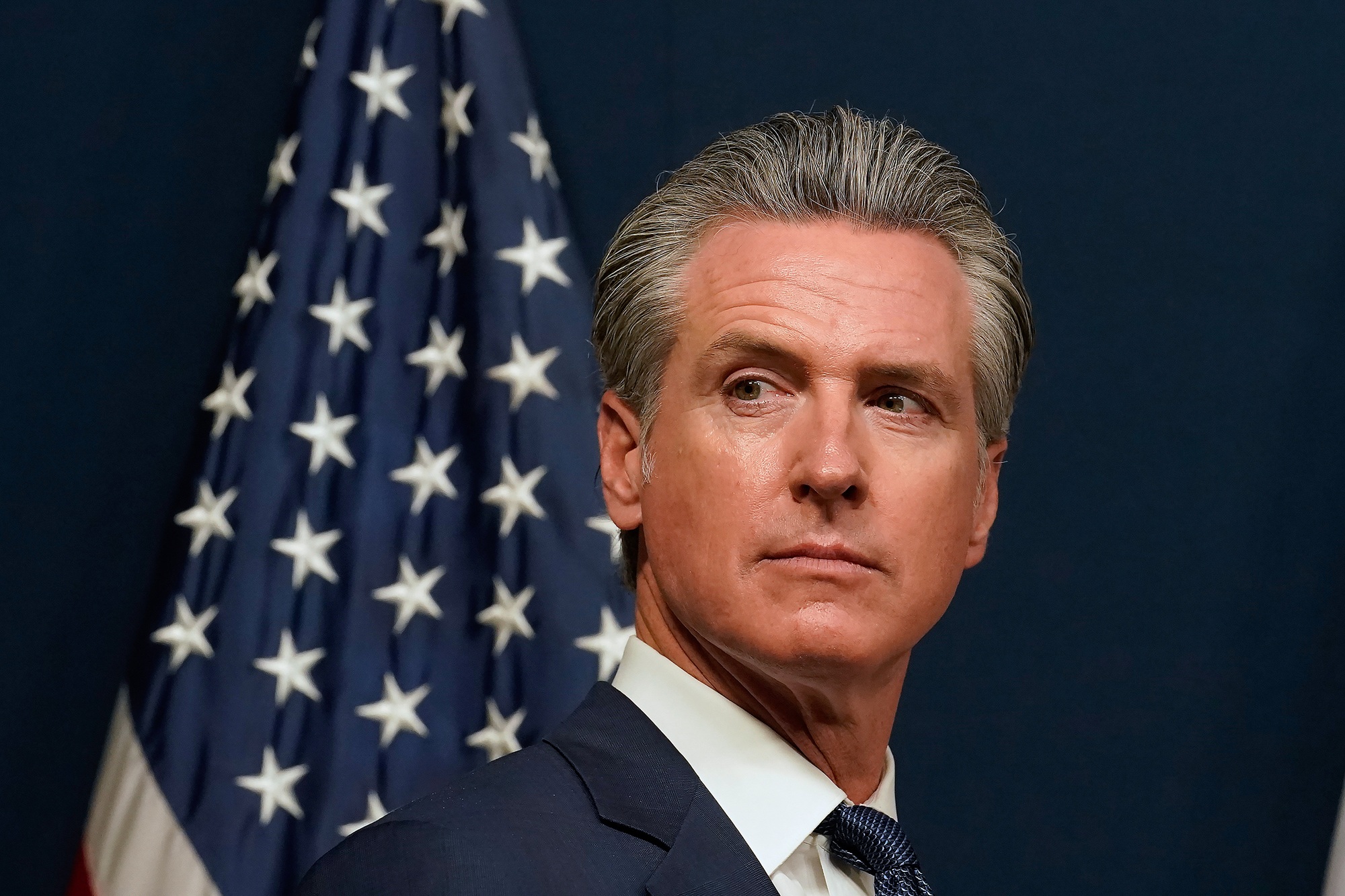
"caption": "Gov. Gavin Newsom at a press conference in Sacramento, California, on Aug. 21, 2025. After Gov. Newsom vetoed an initiative aimed at expanding sober housing last week, San Francisco supervisors are proposing new legislation that seeks to push city dollars toward drug-free supportive housing.",
"credit": "Rich Pedroncelli/AP Photo",
"altTag": null,
"description": null,
"imgSizes": {
"thumbnail": {
"file": "https://cdn.kqed.org/wp-content/uploads/sites/10/2025/09/GavinNewsomAP-160x107.jpg",
"width": 160,
"height": 107,
"mimeType": "image/jpeg"
},
"1536x1536": {
"file": "https://cdn.kqed.org/wp-content/uploads/sites/10/2025/09/GavinNewsomAP-1536x1024.jpg",
"width": 1536,
"height": 1024,
"mimeType": "image/jpeg"
},
"post-thumbnail": {
"file": "https://cdn.kqed.org/wp-content/uploads/sites/10/2025/09/GavinNewsomAP-672x372.jpg",
"width": 672,
"height": 372,
"mimeType": "image/jpeg"
},
"twentyfourteen-full-width": {
"file": "https://cdn.kqed.org/wp-content/uploads/sites/10/2025/09/GavinNewsomAP-1038x576.jpg",
"width": 1038,
"height": 576,
"mimeType": "image/jpeg"
},
"kqedFullSize": {
"file": "https://cdn.kqed.org/wp-content/uploads/sites/10/2025/09/GavinNewsomAP.jpg",
"width": 2000,
"height": 1333
}
},
"isLoading": false,
"fetchFailed": false
},
"news_12058864": {
"type": "attachments",
"id": "news_12058864",
"meta": {
"index": "attachments_1716263798",
"site": "news",
"id": "12058864",
"found": true
},
"title": "1497898_me-bonta-office-behind-the-scenes_AJS",
"publishDate": 1759794181,
"status": "inherit",
"parent": 12058799,
"modified": 1759794302,
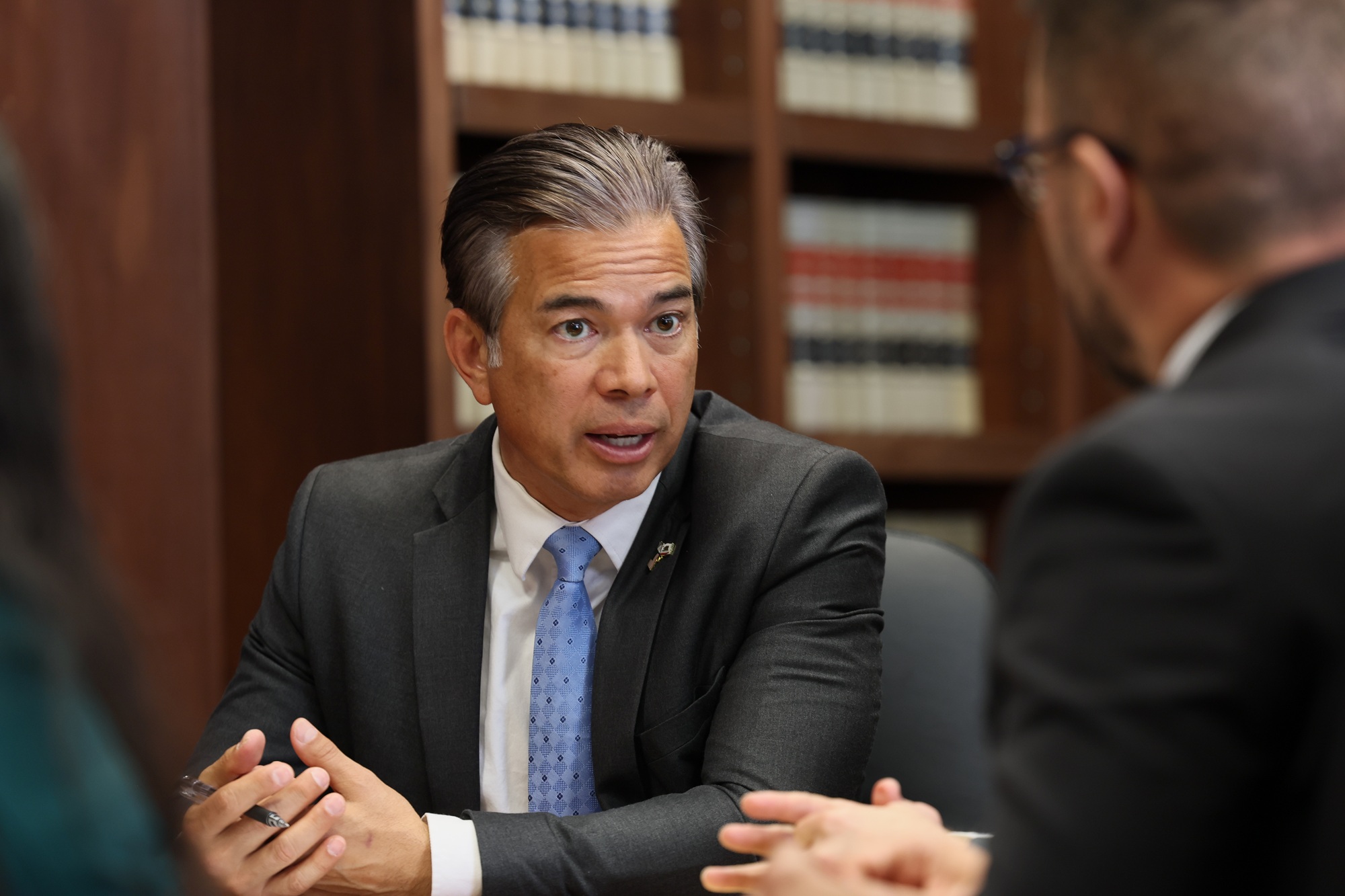
"caption": "California Attorney General Rob Bonta is briefed by members of his Civil Rights Enforcement Section on litigation challenging the Trump administration at his offices in downtown Los Angeles, California, on March 11, 2025. ",
"credit": "Allen J. Schaben/Los Angeles Times via Getty Images",
"altTag": null,
"description": null,
"imgSizes": {
"thumbnail": {
"file": "https://cdn.kqed.org/wp-content/uploads/sites/10/2025/10/RobBontaTrumpGetty-160x107.jpg",
"width": 160,
"height": 107,
"mimeType": "image/jpeg"
},
"1536x1536": {
"file": "https://cdn.kqed.org/wp-content/uploads/sites/10/2025/10/RobBontaTrumpGetty-1536x1024.jpg",
"width": 1536,
"height": 1024,
"mimeType": "image/jpeg"
},
"post-thumbnail": {
"file": "https://cdn.kqed.org/wp-content/uploads/sites/10/2025/10/RobBontaTrumpGetty-672x372.jpg",
"width": 672,
"height": 372,
"mimeType": "image/jpeg"
},
"twentyfourteen-full-width": {
"file": "https://cdn.kqed.org/wp-content/uploads/sites/10/2025/10/RobBontaTrumpGetty-1038x576.jpg",
"width": 1038,
"height": 576,
"mimeType": "image/jpeg"
},
"kqedFullSize": {
"file": "https://cdn.kqed.org/wp-content/uploads/sites/10/2025/10/RobBontaTrumpGetty.jpg",
"width": 2000,
"height": 1333
}
},
"isLoading": false,
"fetchFailed": false
},
"news_12058826": {
"type": "attachments",
"id": "news_12058826",
"meta": {
"index": "attachments_1716263798",
"site": "news",
"id": "12058826",
"found": true
},
"title": "Protest In Poland After Gaza Flotilla Interception",
"publishDate": 1759786690,
"status": "inherit",
"parent": 12058820,
"modified": 1759786743,
"caption": "A person holds an \"All eyes on flotilla\" sign during a protest after Israeli forces intercepted the Global Sumud Flotilla, a fleet of vessels carrying aid to Gaza on Oct. 5, 2025. ",
"credit": "Beata Zawrzel/NurPhoto via Getty Images",
"altTag": null,
"description": null,
"imgSizes": {
"thumbnail": {
"file": "https://cdn.kqed.org/wp-content/uploads/sites/10/2025/10/GazaFlotillaGetty-160x107.jpg",
"width": 160,
"height": 107,
"mimeType": "image/jpeg"
},
"1536x1536": {
"file": "https://cdn.kqed.org/wp-content/uploads/sites/10/2025/10/GazaFlotillaGetty-1536x1025.jpg",
"width": 1536,
"height": 1025,
"mimeType": "image/jpeg"
},
"post-thumbnail": {
"file": "https://cdn.kqed.org/wp-content/uploads/sites/10/2025/10/GazaFlotillaGetty-672x372.jpg",
"width": 672,
"height": 372,
"mimeType": "image/jpeg"
},
"twentyfourteen-full-width": {
"file": "https://cdn.kqed.org/wp-content/uploads/sites/10/2025/10/GazaFlotillaGetty-1038x576.jpg",
"width": 1038,
"height": 576,
"mimeType": "image/jpeg"
},
"kqedFullSize": {
"file": "https://cdn.kqed.org/wp-content/uploads/sites/10/2025/10/GazaFlotillaGetty.jpg",
"width": 2000,
"height": 1334
}
},
"isLoading": false,
"fetchFailed": false
},
"news_11988070": {
"type": "attachments",
"id": "news_11988070",
"meta": {
"index": "attachments_1716263798",
"site": "news",
"id": "11988070",
"found": true
},
"title": "240517-TKBilingualLearners-135-BL_qut",
"publishDate": 1717007281,
"status": "inherit",
"parent": 11989955,
"modified": 1759778976,
"caption": "Teacher Erika Vargas checks in on students during playtime during a bilingual transitional kindergarten class at Global Family Elementary School in Oakland on May 17, 2024.",
"credit": "Beth LaBerge/KQED",
"altTag": "A woman teacher leans over and smiles at two young students in a classroom.",
"description": null,
"imgSizes": {
"medium": {
"file": "https://cdn.kqed.org/wp-content/uploads/sites/10/2024/05/240517-TKBilingualLearners-135-BL_qut-800x533.jpg",
"width": 800,
"height": 533,
"mimeType": "image/jpeg"
},
"large": {
"file": "https://cdn.kqed.org/wp-content/uploads/sites/10/2024/05/240517-TKBilingualLearners-135-BL_qut-1020x680.jpg",
"width": 1020,
"height": 680,
"mimeType": "image/jpeg"
},
"thumbnail": {
"file": "https://cdn.kqed.org/wp-content/uploads/sites/10/2024/05/240517-TKBilingualLearners-135-BL_qut-160x107.jpg",
"width": 160,
"height": 107,
"mimeType": "image/jpeg"
},
"1536x1536": {
"file": "https://cdn.kqed.org/wp-content/uploads/sites/10/2024/05/240517-TKBilingualLearners-135-BL_qut-1536x1024.jpg",
"width": 1536,
"height": 1024,
"mimeType": "image/jpeg"
},
"post-thumbnail": {
"file": "https://cdn.kqed.org/wp-content/uploads/sites/10/2024/05/240517-TKBilingualLearners-135-BL_qut-672x372.jpg",
"width": 672,
"height": 372,
"mimeType": "image/jpeg"
},
"twentyfourteen-full-width": {
"file": "https://cdn.kqed.org/wp-content/uploads/sites/10/2024/05/240517-TKBilingualLearners-135-BL_qut-1038x576.jpg",
"width": 1038,
"height": 576,
"mimeType": "image/jpeg"
},
"kqedFullSize": {
"file": "https://cdn.kqed.org/wp-content/uploads/sites/10/2024/05/240517-TKBilingualLearners-135-BL_qut.jpg",
"width": 1920,
"height": 1280
}
},
"isLoading": false,
"fetchFailed": false
},
"news_12057941": {
"type": "attachments",
"id": "news_12057941",
"meta": {
"index": "attachments_1716263798",
"site": "news",
"id": "12057941",
"found": true
},
"title": "250926-HARMONYSANRAFAEL00417_TV-KQED",
"publishDate": 1759163998,
"status": "inherit",
"parent": 0,
"modified": 1759775442,
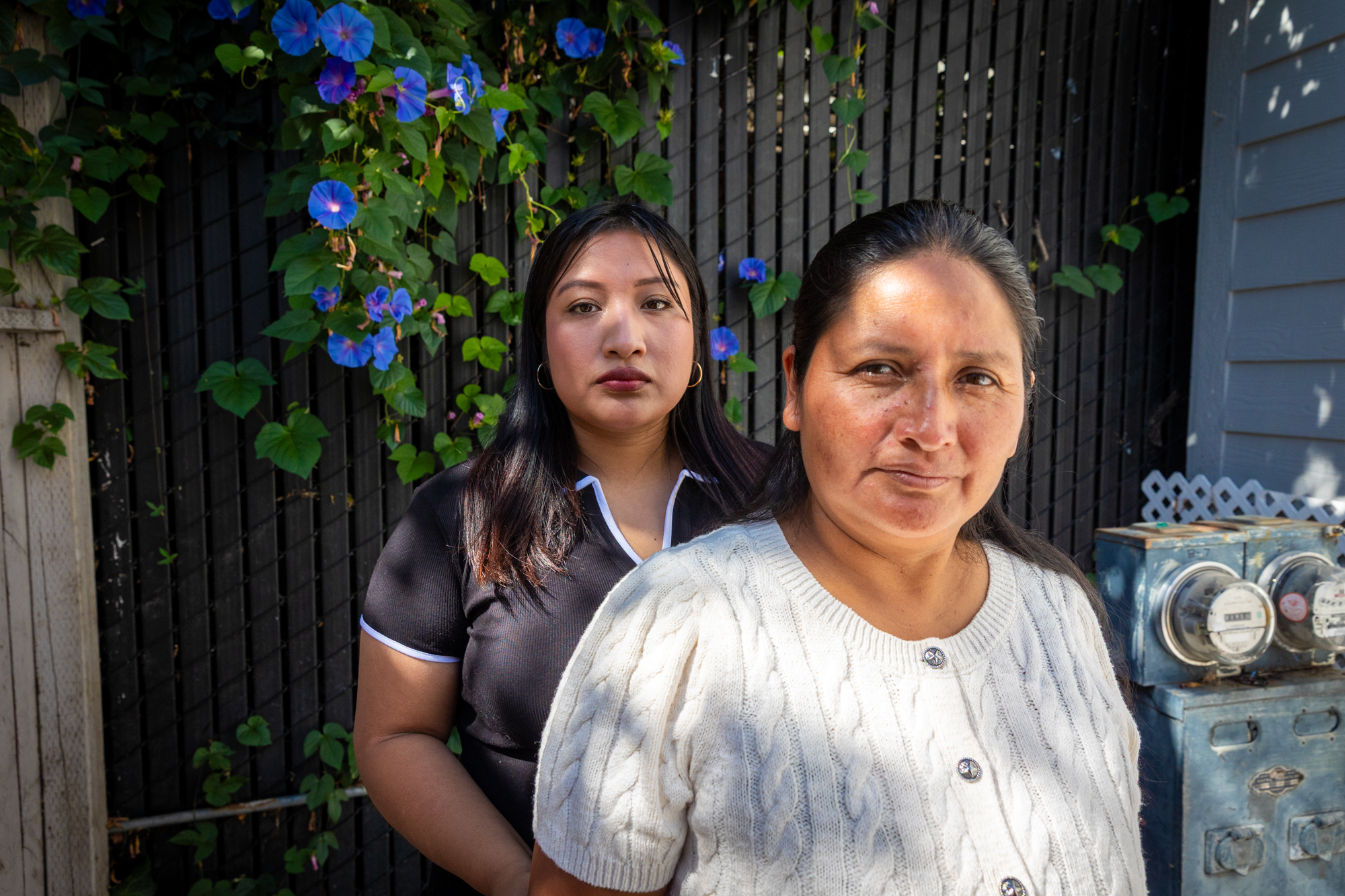
"caption": "Yessica Perez (left) and her mother, Rosa Vicente (right), pose for a portrait at one of their family’s R.V. homes in San Rafael, on Sept. 26, 2025. Perez and her family, who have lived in this San Rafael RV park for several years, are facing a pending eviction notice from Harmony Housing Development, which has recently taken new ownership of the properties.",
"credit": "Tâm Vũ/KQED",
"altTag": null,
"description": null,
"imgSizes": {
"thumbnail": {
"file": "https://cdn.kqed.org/wp-content/uploads/sites/10/2025/09/250926-HARMONYSANRAFAEL00417_TV-KQED-160x107.jpg",
"width": 160,
"height": 107,
"mimeType": "image/jpeg"
},
"1536x1536": {
"file": "https://cdn.kqed.org/wp-content/uploads/sites/10/2025/09/250926-HARMONYSANRAFAEL00417_TV-KQED-1536x1024.jpg",
"width": 1536,
"height": 1024,
"mimeType": "image/jpeg"
},
"post-thumbnail": {
"file": "https://cdn.kqed.org/wp-content/uploads/sites/10/2025/09/250926-HARMONYSANRAFAEL00417_TV-KQED-672x372.jpg",
"width": 672,
"height": 372,
"mimeType": "image/jpeg"
},
"twentyfourteen-full-width": {
"file": "https://cdn.kqed.org/wp-content/uploads/sites/10/2025/09/250926-HARMONYSANRAFAEL00417_TV-KQED-1038x576.jpg",
"width": 1038,
"height": 576,
"mimeType": "image/jpeg"
},
"kqedFullSize": {
"file": "https://cdn.kqed.org/wp-content/uploads/sites/10/2025/09/250926-HARMONYSANRAFAEL00417_TV-KQED.jpg",
"width": 2000,
"height": 1333
}
},
"isLoading": false,
"fetchFailed": false
},
"news_12058601": {
"type": "attachments",
"id": "news_12058601",
"meta": {
"index": "attachments_1716263798",
"site": "news",
"id": "12058601",
"found": true
},
"title": "A view of Alcatraz from a ferry in the San Francisco Bay on Oct. 28, 2021.",
"publishDate": 1759519870,
"status": "inherit",
"parent": 12058592,
"modified": 1759519879,
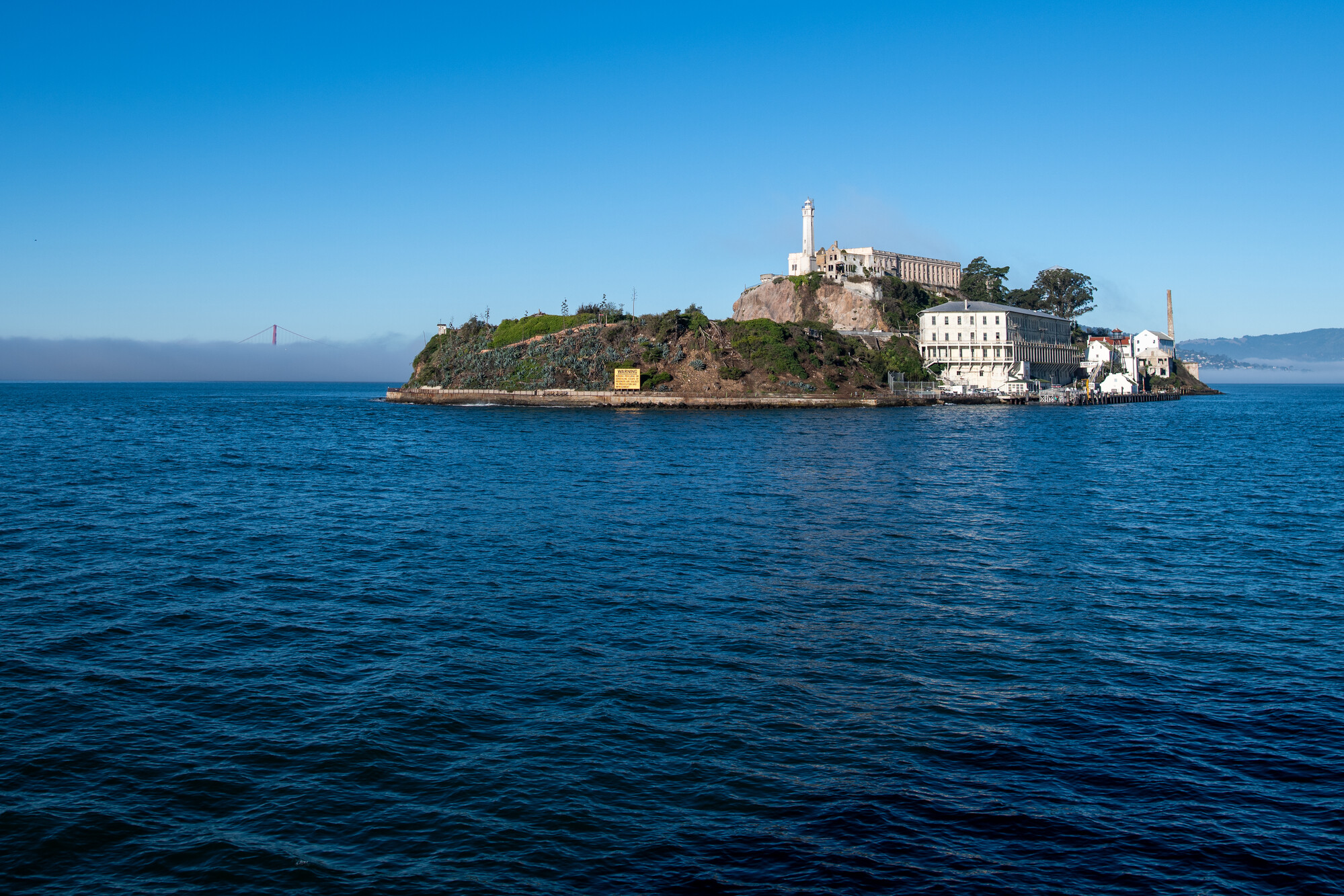
"caption": "A view of Alcatraz from a ferry in the San Francisco Bay on Oct. 28, 2021.",
"credit": "Beth LaBerge/KQED",
"altTag": null,
"description": null,
"imgSizes": {
"thumbnail": {
"file": "https://cdn.kqed.org/wp-content/uploads/sites/10/2025/10/015_Alcatraz_IncarcerationExhibit_10282021_qed-160x107.jpg",
"width": 160,
"height": 107,
"mimeType": "image/jpeg"
},
"1536x1536": {
"file": "https://cdn.kqed.org/wp-content/uploads/sites/10/2025/10/015_Alcatraz_IncarcerationExhibit_10282021_qed-1536x1024.jpg",
"width": 1536,
"height": 1024,
"mimeType": "image/jpeg"
},
"post-thumbnail": {
"file": "https://cdn.kqed.org/wp-content/uploads/sites/10/2025/10/015_Alcatraz_IncarcerationExhibit_10282021_qed-672x372.jpg",
"width": 672,
"height": 372,
"mimeType": "image/jpeg"
},
"twentyfourteen-full-width": {
"file": "https://cdn.kqed.org/wp-content/uploads/sites/10/2025/10/015_Alcatraz_IncarcerationExhibit_10282021_qed-1038x576.jpg",
"width": 1038,
"height": 576,
"mimeType": "image/jpeg"
},
"kqedFullSize": {
"file": "https://cdn.kqed.org/wp-content/uploads/sites/10/2025/10/015_Alcatraz_IncarcerationExhibit_10282021_qed.jpg",
"width": 1999,
"height": 1333
}
},
"isLoading": false,
"fetchFailed": false
},
"news_11997574": {
"type": "attachments",
"id": "news_11997574",
"meta": {
"index": "attachments_1716263798",
"site": "news",
"id": "11997574",
"found": true
},
"title": "US-DEMONSTRATION-UBER-LYFT",
"publishDate": 1722018786,
"status": "inherit",
"parent": 12033648,
"modified": 1759532393,
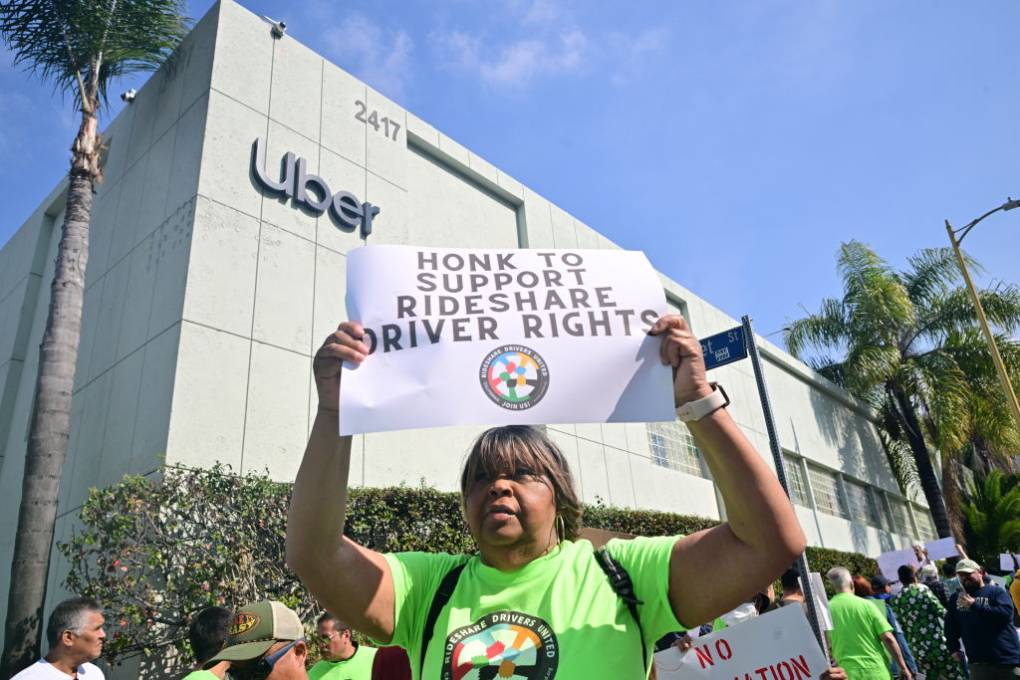
"caption": "Members of the Rideshare Drivers United organization protest against Uber and Lyft during a demonstration in Los Angeles, California, on Feb.14, 2024. ",
"credit": "Frederic J. Brown/AFP via Getty Images",
"altTag": null,
"description": null,
"imgSizes": {
"medium": {
"file": "https://cdn.kqed.org/wp-content/uploads/sites/10/2024/07/GettyImages-2003719181-800x534.jpg",
"width": 800,
"height": 534,
"mimeType": "image/jpeg"
},
"large": {
"file": "https://cdn.kqed.org/wp-content/uploads/sites/10/2024/07/GettyImages-2003719181-1020x680.jpg",
"width": 1020,
"height": 680,
"mimeType": "image/jpeg"
},
"thumbnail": {
"file": "https://cdn.kqed.org/wp-content/uploads/sites/10/2024/07/GettyImages-2003719181-160x107.jpg",
"width": 160,
"height": 107,
"mimeType": "image/jpeg"
},
"post-thumbnail": {
"file": "https://cdn.kqed.org/wp-content/uploads/sites/10/2024/07/GettyImages-2003719181-672x372.jpg",
"width": 672,
"height": 372,
"mimeType": "image/jpeg"
},
"twentyfourteen-full-width": {
"file": "https://cdn.kqed.org/wp-content/uploads/sites/10/2024/07/GettyImages-2003719181-1024x576.jpg",
"width": 1024,
"height": 576,
"mimeType": "image/jpeg"
},
"kqedFullSize": {
"file": "https://cdn.kqed.org/wp-content/uploads/sites/10/2024/07/GettyImages-2003719181.jpg",
"width": 1024,
"height": 683
}
},
"isLoading": false,
"fetchFailed": false
},
"news_12051938": {
"type": "attachments",
"id": "news_12051938",
"meta": {
"index": "attachments_1716263798",
"site": "news",
"id": "12051938",
"found": true
},
"title": "250812-YICK WO ARCHIVAL-03_KQED",
"publishDate": 1755034373,
"status": "inherit",
"parent": 12050233,
"modified": 1756407826,
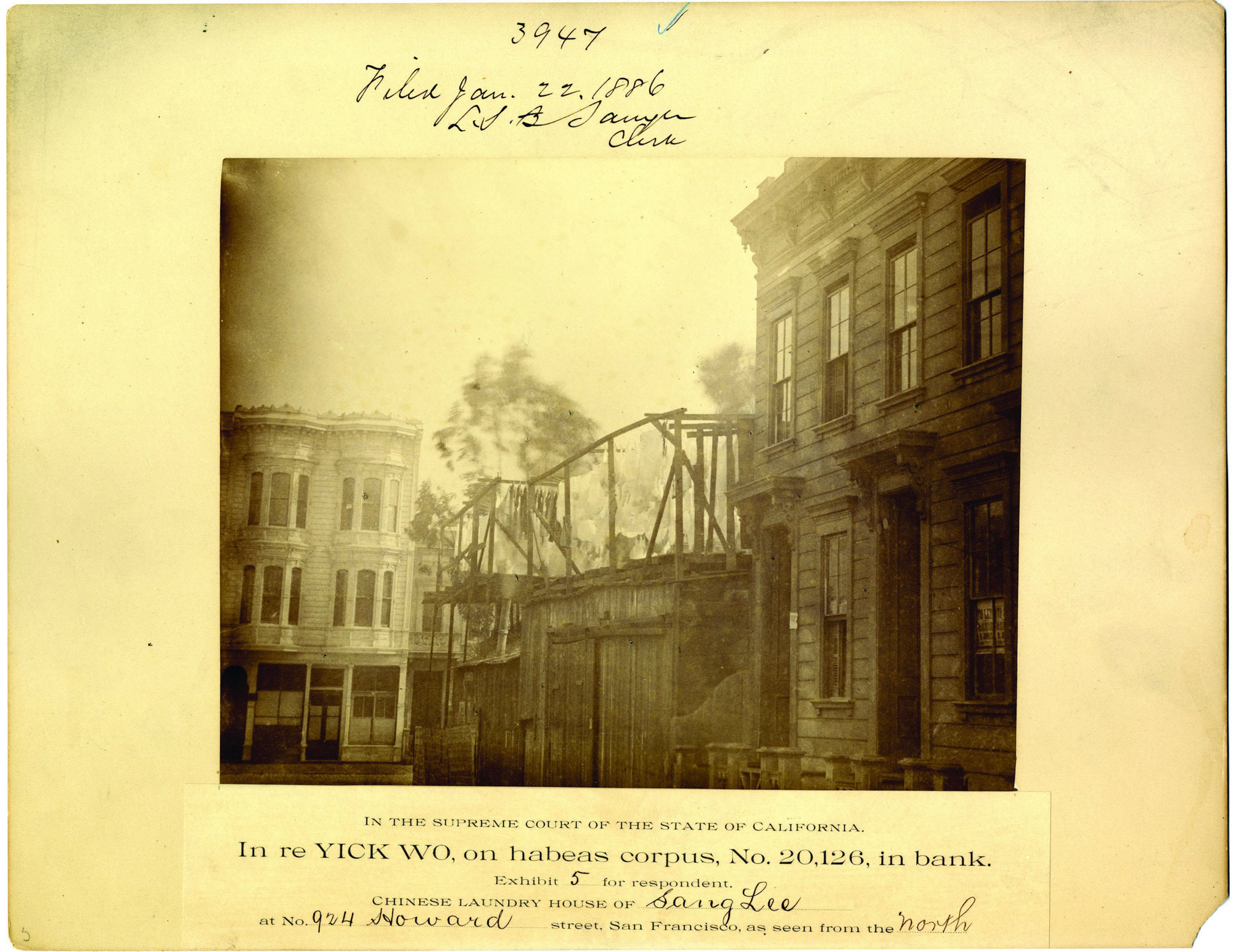
"caption": "The Yick Wo laundry at 349 Third St. in San Francisco is shown in a Jan. 22, 1986, historical photograph. ",
"credit": "Courtesy of the National Archives at San Francisco",
"altTag": null,
"description": null,
"imgSizes": {
"thumbnail": {
"file": "https://cdn.kqed.org/wp-content/uploads/sites/10/2025/08/250812-YICK-WO-ARCHIVAL-03_KQED-160x124.jpg",
"width": 160,
"height": 124,
"mimeType": "image/jpeg"
},
"1536x1536": {
"file": "https://cdn.kqed.org/wp-content/uploads/sites/10/2025/08/250812-YICK-WO-ARCHIVAL-03_KQED-1536x1187.jpg",
"width": 1536,
"height": 1187,
"mimeType": "image/jpeg"
},
"post-thumbnail": {
"file": "https://cdn.kqed.org/wp-content/uploads/sites/10/2025/08/250812-YICK-WO-ARCHIVAL-03_KQED-672x372.jpg",
"width": 672,
"height": 372,
"mimeType": "image/jpeg"
},
"twentyfourteen-full-width": {
"file": "https://cdn.kqed.org/wp-content/uploads/sites/10/2025/08/250812-YICK-WO-ARCHIVAL-03_KQED-1038x576.jpg",
"width": 1038,
"height": 576,
"mimeType": "image/jpeg"
},
"kqedFullSize": {
"file": "https://cdn.kqed.org/wp-content/uploads/sites/10/2025/08/250812-YICK-WO-ARCHIVAL-03_KQED.jpg",
"width": 2000,
"height": 1545
}
},
"isLoading": false,
"fetchFailed": false
},
"news_12058426": {
"type": "attachments",
"id": "news_12058426",
"meta": {
"index": "attachments_1716263798",
"site": "news",
"id": "12058426",
"found": true
},
"title": "251002-pelosishutdown_00127_TV_qed",
"publishDate": 1759435266,
"status": "inherit",
"parent": 12058393,
"modified": 1759435492,
"caption": "Nancy Pelosi speaks at North East Medical Services on the second day since the government shutdown in San Francisco on Oct. 2, 2025.",
"credit": "Tâm Vũ/KQED",
"altTag": null,
"description": null,
"imgSizes": {
"thumbnail": {
"file": "https://cdn.kqed.org/wp-content/uploads/sites/10/2025/10/251002-pelosishutdown_00127_TV_qed-160x107.jpg",
"width": 160,
"height": 107,
"mimeType": "image/jpeg"
},
"1536x1536": {
"file": "https://cdn.kqed.org/wp-content/uploads/sites/10/2025/10/251002-pelosishutdown_00127_TV_qed-1536x1024.jpg",
"width": 1536,
"height": 1024,
"mimeType": "image/jpeg"
},
"post-thumbnail": {
"file": "https://cdn.kqed.org/wp-content/uploads/sites/10/2025/10/251002-pelosishutdown_00127_TV_qed-672x372.jpg",
"width": 672,
"height": 372,
"mimeType": "image/jpeg"
},
"twentyfourteen-full-width": {
"file": "https://cdn.kqed.org/wp-content/uploads/sites/10/2025/10/251002-pelosishutdown_00127_TV_qed-1038x576.jpg",
"width": 1038,
"height": 576,
"mimeType": "image/jpeg"
},
"kqedFullSize": {
"file": "https://cdn.kqed.org/wp-content/uploads/sites/10/2025/10/251002-pelosishutdown_00127_TV_qed.jpg",
"width": 2000,
"height": 1333
}
},
"isLoading": false,
"fetchFailed": false
},
"news_12058519": {
"type": "attachments",
"id": "news_12058519",
"meta": {
"index": "attachments_1716263798",
"site": "news",
"id": "12058519",
"found": true
},
"title": "Yosemite National Park To Begin Reservations",
"publishDate": 1759449230,
"status": "inherit",
"parent": 12058508,
"modified": 1759449259,
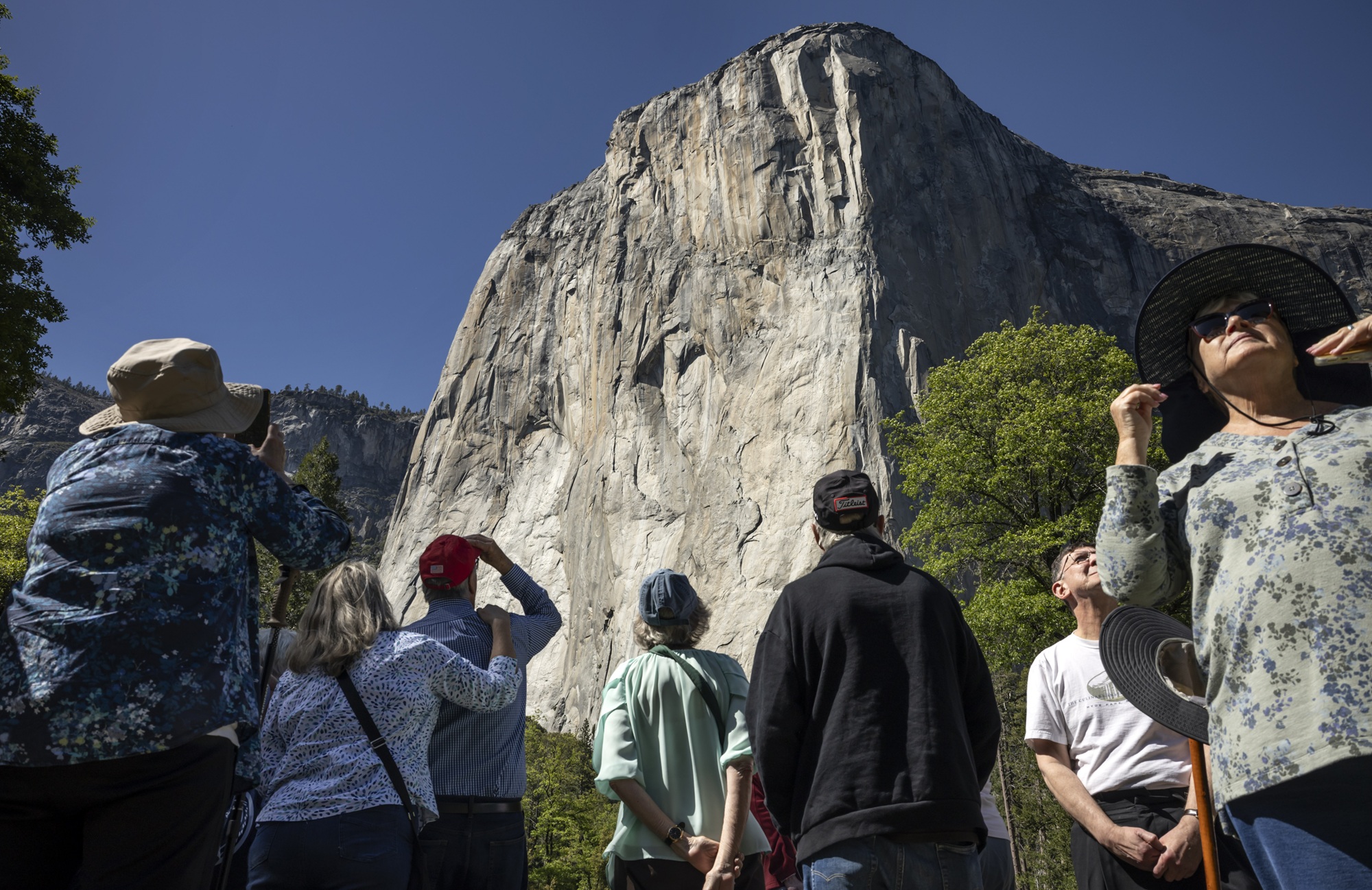
"caption": "Visitors look up at El Capitan from El Capitan Meadow in Yosemite National Park, California, on May 20, 2025. ",
"credit": "Carlos Avila Gonzalez/San Francisco Chronicle via Getty Images",
"altTag": null,
"description": null,
"imgSizes": {
"thumbnail": {
"file": "https://cdn.kqed.org/wp-content/uploads/sites/10/2025/10/YosemiteGetty-160x104.jpg",
"width": 160,
"height": 104,
"mimeType": "image/jpeg"
},
"1536x1536": {
"file": "https://cdn.kqed.org/wp-content/uploads/sites/10/2025/10/YosemiteGetty-1536x997.jpg",
"width": 1536,
"height": 997,
"mimeType": "image/jpeg"
},
"post-thumbnail": {
"file": "https://cdn.kqed.org/wp-content/uploads/sites/10/2025/10/YosemiteGetty-672x372.jpg",
"width": 672,
"height": 372,
"mimeType": "image/jpeg"
},
"twentyfourteen-full-width": {
"file": "https://cdn.kqed.org/wp-content/uploads/sites/10/2025/10/YosemiteGetty-1038x576.jpg",
"width": 1038,
"height": 576,
"mimeType": "image/jpeg"
},
"kqedFullSize": {
"file": "https://cdn.kqed.org/wp-content/uploads/sites/10/2025/10/YosemiteGetty.jpg",
"width": 2000,
"height": 1298
}
},
"isLoading": false,
"fetchFailed": false
},
"news_12058324": {
"type": "attachments",
"id": "news_12058324",
"meta": {
"index": "attachments_1716263798",
"site": "news",
"id": "12058324",
"found": true
},
"title": "Government Shutdown Looms As House And Senate Disagree On Funding Bill",
"publishDate": 1759362335,
"status": "inherit",
"parent": 12058294,
"modified": 1759363906,
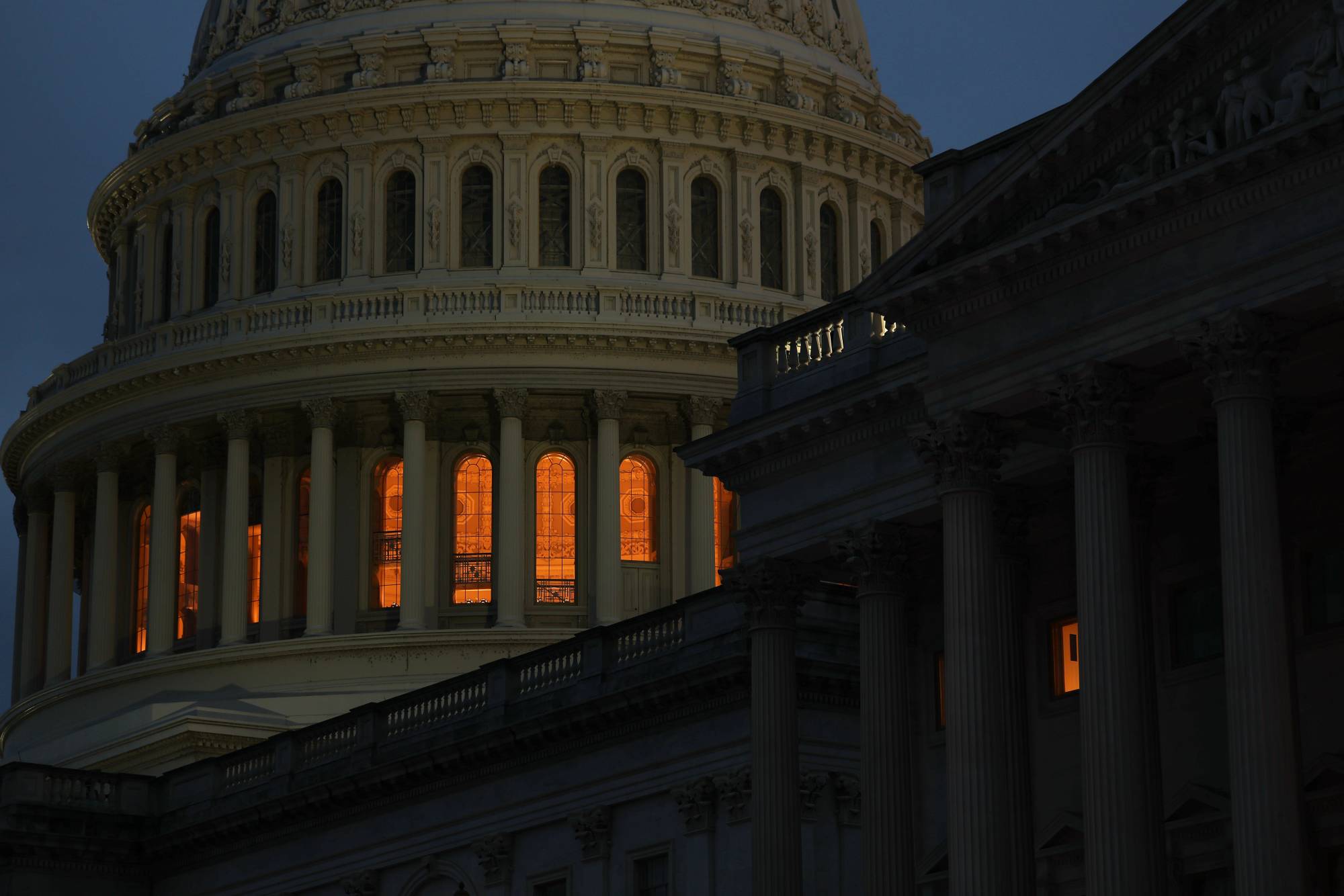
"caption": "A view of the U.S. Capitol as the sun sets on Sept. 29, 2025, in Washington, D.C. House and Senate leadership met with President Donald Trump earlier in the day at the White House to try to avoid a government shutdown at midnight on Sept. 30.",
"credit": "Photo by Anna Moneymaker/Getty Images",
"altTag": null,
"description": null,
"imgSizes": {
"medium": {
"file": "https://cdn.kqed.org/wp-content/uploads/sites/10/2025/10/GettyImages-2238183191-2000x1334.jpg",
"width": 2000,
"height": 1334,
"mimeType": "image/jpeg"
},
"large": {
"file": "https://cdn.kqed.org/wp-content/uploads/sites/10/2025/10/GettyImages-2238183191-2000x1334.jpg",
"width": 2000,
"height": 1334,
"mimeType": "image/jpeg"
},
"thumbnail": {
"file": "https://cdn.kqed.org/wp-content/uploads/sites/10/2025/10/GettyImages-2238183191-160x107.jpg",
"width": 160,
"height": 107,
"mimeType": "image/jpeg"
},
"1536x1536": {
"file": "https://cdn.kqed.org/wp-content/uploads/sites/10/2025/10/GettyImages-2238183191-1536x1024.jpg",
"width": 1536,
"height": 1024,
"mimeType": "image/jpeg"
},
"2048x2048": {
"file": "https://cdn.kqed.org/wp-content/uploads/sites/10/2025/10/GettyImages-2238183191-2048x1366.jpg",
"width": 2048,
"height": 1366,
"mimeType": "image/jpeg"
},
"post-thumbnail": {
"file": "https://cdn.kqed.org/wp-content/uploads/sites/10/2025/10/GettyImages-2238183191-672x372.jpg",
"width": 672,
"height": 372,
"mimeType": "image/jpeg"
},
"twentyfourteen-full-width": {
"file": "https://cdn.kqed.org/wp-content/uploads/sites/10/2025/10/GettyImages-2238183191-1038x576.jpg",
"width": 1038,
"height": 576,
"mimeType": "image/jpeg"
},
"full-width": {
"file": "https://cdn.kqed.org/wp-content/uploads/sites/10/2025/10/GettyImages-2238183191-2000x1334.jpg",
"width": 2000,
"height": 1334,
"mimeType": "image/jpeg"
},
"kqedFullSize": {
"file": "https://cdn.kqed.org/wp-content/uploads/sites/10/2025/10/GettyImages-2238183191-scaled.jpg",
"width": 2560,
"height": 1707
}
},
"isLoading": false,
"fetchFailed": false
},
"news_12058306": {
"type": "attachments",
"id": "news_12058306",
"meta": {
"index": "attachments_1716263798",
"site": "news",
"id": "12058306",
"found": true
},
"title": "Urban landscape in downtown San Jose",
"publishDate": 1759357813,
"status": "inherit",
"parent": 12058285,
"modified": 1759360915,
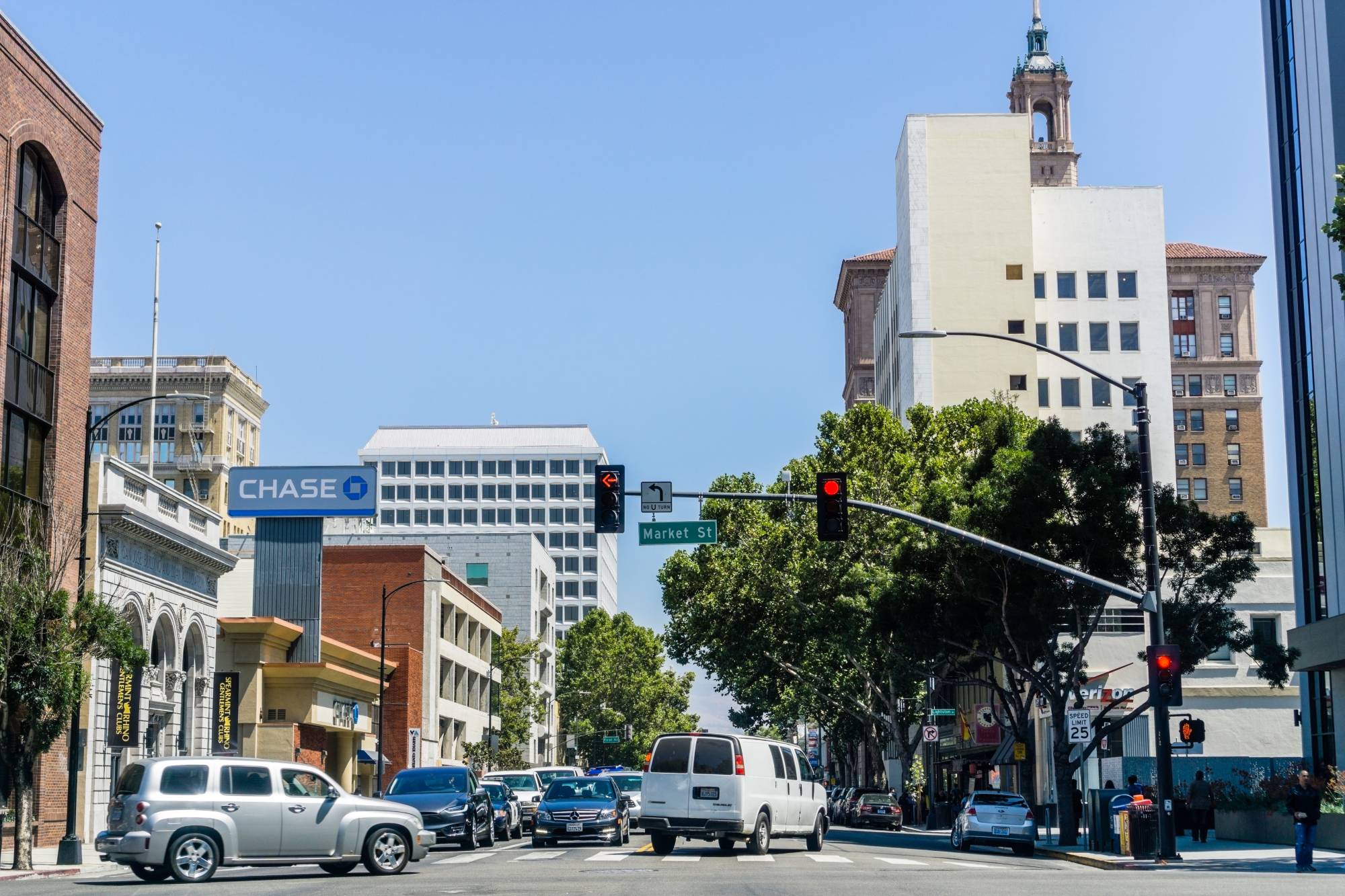
"caption": "Downtown San Jose on a sunny day, Aug.17, 2018.",
"credit": "Sundry Photography/Getty",
"altTag": null,
"description": null,
"imgSizes": {
"medium": {
"file": "https://cdn.kqed.org/wp-content/uploads/sites/10/2025/10/GettyImages-1073937084-2000x1333.jpg",
"width": 2000,
"height": 1333,
"mimeType": "image/jpeg"
},
"large": {
"file": "https://cdn.kqed.org/wp-content/uploads/sites/10/2025/10/GettyImages-1073937084-2000x1333.jpg",
"width": 2000,
"height": 1333,
"mimeType": "image/jpeg"
},
"thumbnail": {
"file": "https://cdn.kqed.org/wp-content/uploads/sites/10/2025/10/GettyImages-1073937084-160x107.jpg",
"width": 160,
"height": 107,
"mimeType": "image/jpeg"
},
"1536x1536": {
"file": "https://cdn.kqed.org/wp-content/uploads/sites/10/2025/10/GettyImages-1073937084-1536x1024.jpg",
"width": 1536,
"height": 1024,
"mimeType": "image/jpeg"
},
"2048x2048": {
"file": "https://cdn.kqed.org/wp-content/uploads/sites/10/2025/10/GettyImages-1073937084-2048x1365.jpg",
"width": 2048,
"height": 1365,
"mimeType": "image/jpeg"
},
"post-thumbnail": {
"file": "https://cdn.kqed.org/wp-content/uploads/sites/10/2025/10/GettyImages-1073937084-672x372.jpg",
"width": 672,
"height": 372,
"mimeType": "image/jpeg"
},
"twentyfourteen-full-width": {
"file": "https://cdn.kqed.org/wp-content/uploads/sites/10/2025/10/GettyImages-1073937084-1038x576.jpg",
"width": 1038,
"height": 576,
"mimeType": "image/jpeg"
},
"full-width": {
"file": "https://cdn.kqed.org/wp-content/uploads/sites/10/2025/10/GettyImages-1073937084-2000x1333.jpg",
"width": 2000,
"height": 1333,
"mimeType": "image/jpeg"
},
"kqedFullSize": {
"file": "https://cdn.kqed.org/wp-content/uploads/sites/10/2025/10/GettyImages-1073937084-scaled.jpg",
"width": 2560,
"height": 1707
}
},
"isLoading": false,
"fetchFailed": false
}
},
"audioPlayerReducer": {
"postId": "stream_live",
"isPaused": true,
"isPlaying": false,
"pfsActive": false,
"pledgeModalIsOpen": true,
"playerDrawerIsOpen": false,
"liveAudioPlayStartedAt": 0,
"liveAudioPlayContext": ""
},
"authorsReducer": {
"kqed": {
"type": "authors",
"id": "236",
"meta": {
"index": "authors_1716337520",
"id": "236",
"found": true
},
"name": "KQED News Staff",
"firstName": "KQED News Staff",
"lastName": null,
"slug": "kqed",
"email": "faq@kqed.org",
"display_author_email": false,
"staff_mastheads": [],
"title": null,
"bio": null,
"avatar": "https://secure.gravatar.com/avatar/ef0e801a68c4c54afa9180db14084167?s=600&d=blank&r=g",
"twitter": null,
"facebook": null,
"instagram": null,
"linkedin": null,
"sites": [
{
"site": "arts",
"roles": [
"contributor"
]
},
{
"site": "news",
"roles": [
"editor"
]
},
{
"site": "futureofyou",
"roles": [
"author"
]
}
],
"headData": {
"title": "KQED News Staff | KQED",
"description": null,
"ogImgSrc": "https://secure.gravatar.com/avatar/ef0e801a68c4c54afa9180db14084167?s=600&d=blank&r=g",
"twImgSrc": "https://secure.gravatar.com/avatar/ef0e801a68c4c54afa9180db14084167?s=600&d=blank&r=g"
},
"isLoading": false,
"link": "/author/kqed"
},
"mlagos": {
"type": "authors",
"id": "3239",
"meta": {
"index": "authors_1716337520",
"id": "3239",
"found": true
},
"name": "Marisa Lagos",
"firstName": "Marisa",
"lastName": "Lagos",
"slug": "mlagos",
"email": "mlagos@kqed.org",
"display_author_email": false,
"staff_mastheads": [
"news"
],
"title": "KQED Contributor",
"bio": "Marisa Lagos is a correspondent for KQED’s California Politics and Government Desk and co-hosts the award-winning show and podcast, Political Breakdown. At KQED, Lagos also conducts reporting, analysis and investigations into state, local and national politics for radio, TV, online and onstage. In 2022, she and co-host, Scott Shafer, moderated the only gubernatorial debate in California. In 2020, the \u003ci>Washington Post\u003c/i> named her one of the top political journalists in California; she was nominated for a Peabody and won several other awards for her work investigating the 2017 California wildfires. She has worked at the \u003ci>San Francisco Chronicle\u003c/i>, \u003ci>San Francisco Examiner\u003c/i> and \u003ci>Los Angeles Times\u003c/i>. A UC Santa Barbara graduate, she lives in San Francisco with her two sons and husband.",
"avatar": "https://secure.gravatar.com/avatar/a261a0d3696fc066871ef96b85b5e7d2?s=600&d=blank&r=g",
"twitter": "@mlagos",
"facebook": null,
"instagram": null,
"linkedin": null,
"sites": [
{
"site": "arts",
"roles": [
"author"
]
},
{
"site": "news",
"roles": [
"editor"
]
},
{
"site": "science",
"roles": [
"editor"
]
},
{
"site": "forum",
"roles": [
"author"
]
},
{
"site": "liveblog",
"roles": [
"author"
]
}
],
"headData": {
"title": "Marisa Lagos | KQED",
"description": "KQED Contributor",
"ogImgSrc": "https://secure.gravatar.com/avatar/a261a0d3696fc066871ef96b85b5e7d2?s=600&d=blank&r=g",
"twImgSrc": "https://secure.gravatar.com/avatar/a261a0d3696fc066871ef96b85b5e7d2?s=600&d=blank&r=g"
},
"isLoading": false,
"link": "/author/mlagos"
},
"carlysevern": {
"type": "authors",
"id": "3243",
"meta": {
"index": "authors_1716337520",
"id": "3243",
"found": true
},
"name": "Carly Severn",
"firstName": "Carly",
"lastName": "Severn",
"slug": "carlysevern",
"email": "csevern@kqed.org",
"display_author_email": false,
"staff_mastheads": [
"news"
],
"title": "Senior Editor, Audience News ",
"bio": "Carly is KQED's Senior Editor of Audience News on the Digital News team, and has reported for the California Report Magazine, Bay Curious and KQED Arts. She's formerly the host of \u003ca href=\"http://ww2.kqed.org/pop/category/the-cooler/\" rel=\"noopener noreferrer\">The Cooler\u003c/a> podcast.",
"avatar": "https://secure.gravatar.com/avatar/2d8d6765f186e64c798cf7f0c8088a41?s=600&d=blank&r=g",
"twitter": "teacupinthebay",
"facebook": null,
"instagram": null,
"linkedin": null,
"sites": [
{
"site": "",
"roles": [
"editor"
]
},
{
"site": "arts",
"roles": [
"editor"
]
},
{
"site": "news",
"roles": [
"administrator"
]
},
{
"site": "pop",
"roles": [
"editor"
]
},
{
"site": "futureofyou",
"roles": [
"editor"
]
},
{
"site": "about",
"roles": [
"administrator"
]
},
{
"site": "mindshift",
"roles": [
"editor"
]
},
{
"site": "bayareabites",
"roles": [
"editor"
]
},
{
"site": "stateofhealth",
"roles": [
"editor"
]
},
{
"site": "science",
"roles": [
"editor"
]
},
{
"site": "food",
"roles": [
"contributor"
]
},
{
"site": "forum",
"roles": [
"editor"
]
},
{
"site": "perspectives",
"roles": [
"administrator"
]
},
{
"site": "liveblog",
"roles": [
"editor"
]
}
],
"headData": {
"title": "Carly Severn | KQED",
"description": "Senior Editor, Audience News ",
"ogImgSrc": "https://secure.gravatar.com/avatar/2d8d6765f186e64c798cf7f0c8088a41?s=600&d=blank&r=g",
"twImgSrc": "https://secure.gravatar.com/avatar/2d8d6765f186e64c798cf7f0c8088a41?s=600&d=blank&r=g"
},
"isLoading": false,
"link": "/author/carlysevern"
},
"fjhabvala": {
"type": "authors",
"id": "8659",
"meta": {
"index": "authors_1716337520",
"id": "8659",
"found": true
},
"name": "Farida Jhabvala Romero",
"firstName": "Farida",
"lastName": "Jhabvala Romero",
"slug": "fjhabvala",
"email": "fjhabvala@kqed.org",
"display_author_email": true,
"staff_mastheads": [
"news"
],
"title": "KQED Contributor",
"bio": "\u003cspan style=\"font-weight: 400;\">Farida Jhabvala Romero is a Labor Correspondent for KQED. She previously covered immigration. Farida was \u003ca href=\"https://www.ccnma.org/2022-most-influential-latina-journalists\">named\u003c/a> one of the 10 Most Influential Latina Journalists in California in 2022 by the California Chicano News Media Association. Her work has won awards from the Society of Professional Journalists (Northern California), as well as a national and regional Edward M. Murrow Award for the collaborative reporting projects “Dangerous Air” and “Graying California.” \u003c/span>\u003cspan style=\"font-weight: 400;\">Before joining KQED, Farida worked as a producer at Radio Bilingüe, a national public radio network. Farida earned her master’s degree in journalism from Stanford University.\u003c/span>",
"avatar": "https://secure.gravatar.com/avatar/c3ab27c5554b67b478f80971e515aa02?s=600&d=blank&r=g",
"twitter": "FaridaJhabvala",
"facebook": null,
"instagram": null,
"linkedin": "https://www.linkedin.com/in/faridajhabvala/",
"sites": [
{
"site": "news",
"roles": [
"editor"
]
},
{
"site": "stateofhealth",
"roles": [
"author"
]
}
],
"headData": {
"title": "Farida Jhabvala Romero | KQED",
"description": "KQED Contributor",
"ogImgSrc": "https://secure.gravatar.com/avatar/c3ab27c5554b67b478f80971e515aa02?s=600&d=blank&r=g",
"twImgSrc": "https://secure.gravatar.com/avatar/c3ab27c5554b67b478f80971e515aa02?s=600&d=blank&r=g"
},
"isLoading": false,
"link": "/author/fjhabvala"
},
"daisynguyen": {
"type": "authors",
"id": "11829",
"meta": {
"index": "authors_1716337520",
"id": "11829",
"found": true
},
"name": "Daisy Nguyen",
"firstName": "Daisy",
"lastName": "Nguyen",
"slug": "daisynguyen",
"email": "daisynguyen@kqed.org",
"display_author_email": true,
"staff_mastheads": [
"news"
],
"title": "KQED Contributor",
"bio": "I have covered early childhood education and child care for KQED since 2022. I focus on policies aimed at increasing access to early care and education and how they shape individual lives. I've been a journalist for more than two decades, with most of that time devoted to covering breaking news throughout California for The Associated Press. I grew up in San Francisco and studied at UC Davis and Columbia University's Graduate School of Journalism. I live in Oakland with my husband and two kids.",
"avatar": "https://secure.gravatar.com/avatar/2da2127c27f7143b53ebd419800fd55f?s=600&d=blank&r=g",
"twitter": null,
"facebook": null,
"instagram": null,
"linkedin": "https://www.linkedin.com/in/daisynguyen/",
"sites": [
{
"site": "news",
"roles": [
"author"
]
},
{
"site": "liveblog",
"roles": [
"author"
]
}
],
"headData": {
"title": "Daisy Nguyen | KQED",
"description": "KQED Contributor",
"ogImgSrc": "https://secure.gravatar.com/avatar/2da2127c27f7143b53ebd419800fd55f?s=600&d=blank&r=g",
"twImgSrc": "https://secure.gravatar.com/avatar/2da2127c27f7143b53ebd419800fd55f?s=600&d=blank&r=g"
},
"isLoading": false,
"link": "/author/daisynguyen"
},
"mbolanos": {
"type": "authors",
"id": "11895",
"meta": {
"index": "authors_1716337520",
"id": "11895",
"found": true
},
"name": "Madi Bolaños",
"firstName": "Madi",
"lastName": "Bolaños",
"slug": "mbolanos",
"email": "mbolanos@kqed.org",
"display_author_email": false,
"staff_mastheads": [],
"title": "KQED Contributor",
"bio": null,
"avatar": "https://secure.gravatar.com/avatar/e6df5601c1f2d951e46a3fb42764330f?s=600&d=blank&r=g",
"twitter": null,
"bluesky": null,
"facebook": null,
"instagram": null,
"linkedin": null,
"sites": [
{
"site": "news",
"roles": [
"author"
]
}
],
"headData": {
"title": "Madi Bolaños | KQED",
"description": "KQED Contributor",
"ogImgSrc": "https://secure.gravatar.com/avatar/e6df5601c1f2d951e46a3fb42764330f?s=600&d=blank&r=g",
"twImgSrc": "https://secure.gravatar.com/avatar/e6df5601c1f2d951e46a3fb42764330f?s=600&d=blank&r=g"
},
"isLoading": false,
"link": "/author/mbolanos"
},
"kdebenedetti": {
"type": "authors",
"id": "11913",
"meta": {
"index": "authors_1716337520",
"id": "11913",
"found": true
},
"name": "Katie DeBenedetti",
"firstName": "Katie",
"lastName": "DeBenedetti",
"slug": "kdebenedetti",
"email": "kdebenedetti@kqed.org",
"display_author_email": false,
"staff_mastheads": [
"news",
"science"
],
"title": "KQED Contributor",
"bio": "Katie DeBenedetti is a digital reporter covering daily news for the Express Desk. Prior to joining KQED as a culture reporting intern in January 2024, she covered education and city government for the Napa Valley Register.",
"avatar": "https://secure.gravatar.com/avatar/6e31073cb8f7e4214ab03f42771d0f45?s=600&d=blank&r=g",
"twitter": null,
"facebook": null,
"instagram": null,
"linkedin": null,
"sites": [
{
"site": "news",
"roles": [
"author"
]
},
{
"site": "science",
"roles": [
"author"
]
},
{
"site": "liveblog",
"roles": [
"author"
]
}
],
"headData": {
"title": "Katie DeBenedetti | KQED",
"description": "KQED Contributor",
"ogImgSrc": "https://secure.gravatar.com/avatar/6e31073cb8f7e4214ab03f42771d0f45?s=600&d=blank&r=g",
"twImgSrc": "https://secure.gravatar.com/avatar/6e31073cb8f7e4214ab03f42771d0f45?s=600&d=blank&r=g"
},
"isLoading": false,
"link": "/author/kdebenedetti"
},
"aaliahmad": {
"type": "authors",
"id": "11986",
"meta": {
"index": "authors_1716337520",
"id": "11986",
"found": true
},
"name": "Ayah Ali-Ahmad",
"firstName": "Ayah",
"lastName": "Ali-Ahmad",
"slug": "aaliahmad",
"email": "aaliahmad@KQED.org",
"display_author_email": false,
"staff_mastheads": [],
"title": "KQED Contributor",
"bio": null,
"avatar": "https://secure.gravatar.com/avatar/7f340465c69a2c816f6c07000137a3ee?s=600&d=blank&r=g",
"twitter": "ayahaliahmad",
"bluesky": null,
"facebook": null,
"instagram": null,
"linkedin": null,
"sites": [
{
"site": "news",
"roles": [
"author"
]
}
],
"headData": {
"title": "Ayah Ali-Ahmad | KQED",
"description": "KQED Contributor",
"ogImgSrc": "https://secure.gravatar.com/avatar/7f340465c69a2c816f6c07000137a3ee?s=600&d=blank&r=g",
"twImgSrc": "https://secure.gravatar.com/avatar/7f340465c69a2c816f6c07000137a3ee?s=600&d=blank&r=g"
},
"isLoading": false,
"link": "/author/aaliahmad"
}
},
"pagesReducer": {
"news_tag_california": {
"type": "terms",
"id": "news_18538",
"meta": {
"index": "terms_1716263798",
"site": "news",
"id": "18538",
"score": 6.8450828
},
"featImg": null,
"name": "California",
"description": null,
"taxonomy": "tag",
"headData": {
"twImgId": null,
"twTitle": null,
"ogTitle": null,
"ogImgId": null,
"twDescription": null,
"description": null,
"title": "California Archives | KQED News",
"ogDescription": null
},
"ttid": 31,
"slug": "california",
"isLoading": false,
"title": "California",
"pageMeta": {
"site": "news",
"WpPageTemplate": "page-topic-editorial",
"currentPage": 53
},
"blocks": [
{
"blockName": "kqed/post-list",
"attrs": {
"layout": "cardArticle2",
"query": "posts/news?tag=california",
"seeMore": false,
"paginated": true,
"page": 53
}
},
{
"blockName": "kqed/ad"
}
]
}
},
"pfsSessionReducer": {},
"postsReducer": {
"stream_live": {
"type": "live",
"id": "stream_live",
"audioUrl": "https://streams.kqed.org/kqedradio",
"title": "Live Stream",
"excerpt": "Live Stream information currently unavailable.",
"link": "/radio",
"featImg": "",
"label": {
"name": "KQED Live",
"link": "/"
}
},
"stream_kqedNewscast": {
"type": "posts",
"id": "stream_kqedNewscast",
"audioUrl": "https://www.kqed.org/.stream/anon/radio/RDnews/newscast.mp3?_=1",
"title": "KQED Newscast",
"featImg": "",
"label": {
"name": "88.5 FM",
"link": "/"
}
},
"news_12058779": {
"type": "posts",
"id": "news_12058779",
"meta": {
"index": "posts_1716263798",
"site": "news",
"id": "12058779",
"score": null,
"sort": [
1759868791000
]
},
"guestAuthors": [],
"slug": "newsoms-veto-of-sober-housing-bill-sparks-a-backlash-in-sf",
"title": "Newsom’s Veto of Sober Housing Bill Sparks a Backlash in SF",
"publishDate": 1759868791,
"format": "standard",
"headTitle": "Newsom’s Veto of Sober Housing Bill Sparks a Backlash in SF | KQED",
"labelTerm": {
"site": "news"
},
"content": "\u003cp>After Gov. \u003ca href=\"https://www.kqed.org/news/tag/gavin-newsom\">Gavin Newsom\u003c/a> last week vetoed an initiative aimed at expanding sober housing in California, San Francisco supervisors are proposing new legislation that would all but bar new city money from funding supportive housing developments that don’t \u003ca href=\"https://www.kqed.org/news/12034006/san-francisco-mans-housing-struggle-relapse-put-him-back-on-streets\">require residents to be drug-free\u003c/a>.\u003c/p>\n\u003cp>“Today, San Francisco’s exclusively drug-tolerant [permanent supportive housing] model is blamed for disproportionate rates of fatal overdoses, chaotic and too often violent\u003c/p>\n\u003cp>neighborhood conditions, and a wide range of drug-driven public safety challenges,” Supervisor Matt Dorsey said in a statement. “It’s time to deliver the drug-free options [permanent supportive housing] residents have long been asking for.”\u003c/p>\n\u003cp>[ad fullwidth]\u003c/p>\n\u003cp>For about a decade, California has required supportive housing programs that utilize state funding to follow a “Housing First” framework, which aims to remove barriers to housing by requiring programs to accept tenants regardless of their credit score, criminal history or drug use, among other conditions.\u003c/p>\n\u003cp>The San Francisco legislation, co-sponsored by Board President Rafael Mandelman, aims to expand the availability of drug-free supportive housing in the city, despite Newsom’s veto of the state bill.\u003c/p>\n\u003cfigure id=\"attachment_12027566\" class=\"wp-caption aligncenter\" style=\"max-width: 2000px\">\u003cimg loading=\"lazy\" decoding=\"async\" class=\"size-full wp-image-12027566\" src=\"https://cdn.kqed.org/wp-content/uploads/sites/10/2025/02/250218-SFDowntown-14-BL.jpg\" alt=\"\" width=\"2000\" height=\"1333\" srcset=\"https://cdn.kqed.org/wp-content/uploads/sites/10/2025/02/250218-SFDowntown-14-BL.jpg 2000w, https://cdn.kqed.org/wp-content/uploads/sites/10/2025/02/250218-SFDowntown-14-BL-800x533.jpg 800w, https://cdn.kqed.org/wp-content/uploads/sites/10/2025/02/250218-SFDowntown-14-BL-1020x680.jpg 1020w, https://cdn.kqed.org/wp-content/uploads/sites/10/2025/02/250218-SFDowntown-14-BL-160x107.jpg 160w, https://cdn.kqed.org/wp-content/uploads/sites/10/2025/02/250218-SFDowntown-14-BL-1536x1024.jpg 1536w, https://cdn.kqed.org/wp-content/uploads/sites/10/2025/02/250218-SFDowntown-14-BL-1920x1280.jpg 1920w\" sizes=\"auto, (max-width: 2000px) 100vw, 2000px\">\u003cfigcaption class=\"wp-caption-text\">Assemblymember Matt Haney speaks during a press conference announcing legislation to increase nightlife in Downtown San Francisco to help the recovery of the neighborhood, in Union Square, San Francisco, on Feb. 18, 2025. \u003ccite>(Beth LaBerge/KQED)\u003c/cite>\u003c/figcaption>\u003c/figure>\n\u003cp>Assemblymember Matt Haney’s \u003ca href=\"https://leginfo.legislature.ca.gov/faces/billNavClient.xhtml?bill_id=202520260AB255\">AB 255\u003c/a>, which would have allowed cities and counties to use up to 10% of state supportive housing dollars to fund sober living centers, was returned unsigned by Gov. Gavin Newsom on Sept. 30.\u003c/p>\n\u003cp>Haney and other San Francisco leaders have long \u003ca href=\"https://www.kqed.org/news/11990693/san-francisco-lawmakers-want-sober-housing-to-be-part-of-homelessness-plan\">advocated for the expansion of state-funded sober living programs\u003c/a>, which many believe are prohibited by California’s Housing First framework.\u003c/p>\n\u003cp>The California Interagency Council on Homelessness, which oversees the implementation of those guidelines in the state, said the intention is to provide housing as a starting place for all people, including those who want to seek recovery, instead of using housing as a “reward” for achieving recovery.\u003c/p>\n\u003cp>Many housing providers have interpreted the framework to mean they could not bar a new tenant, or evict an existing one, if they were not sober — which Haney said creates living environments that make it difficult for many people trying to get sober.[aside postID=news_12057616 hero='https://cdn.kqed.org/wp-content/uploads/sites/10/2025/08/250826_SFHARMREDUCTION00437_TV-KQED-1.jpg']“If you know you need to get off of and away from drugs, you shouldn’t be forced into housing where drug use is allowed and where recovery is not supported,” he said. “Some folks won’t go into housing because they know that it actually is dangerous for them because they’re still experiencing an addiction. … This isn’t about having zero tolerance to drug use. It’s about having environments where recovery is explicitly supported, and that is the goal.”\u003c/p>\n\u003cp>But according to Newsom, jurisdictions can already use state dollars to “support recovery housing.”\u003c/p>\n\u003cp>“That was news to most cities and counties,” Haney said after \u003ca href=\"https://leginfo.legislature.ca.gov/faces/billNavClient.xhtml?bill_id=202520260AB255\">AB 255\u003c/a> was vetoed.\u003c/p>\n\u003cp>Newsom said in his veto message that he believes “recovery-focused” housing is essential, but that Haney’s legislation would require the state to establish a separate — and costly — certification and oversight process. The Senate Appropriations Committee estimated that creating the new regulatory system would have cost more than $4 million in its first year.\u003c/p>\n\u003cp>Instead, he pointed to guidance the California Interagency Council on Homelessness published in July, which allows jurisdictions to access state funding for recovery housing already.\u003c/p>\n\u003cfigure id=\"attachment_11962415\" class=\"wp-caption aligncenter\" style=\"max-width: 2000px\">\u003cimg loading=\"lazy\" decoding=\"async\" class=\"size-full wp-image-11962415\" src=\"https://cdn.kqed.org/wp-content/uploads/sites/10/2023/09/230925-ENCAMPMENT-SAN-FRANCISCO-GETTY-KQED.jpg\" alt=\"A series of tents lined up along a city sidewalk.\" width=\"2000\" height=\"1333\" srcset=\"https://cdn.kqed.org/wp-content/uploads/sites/10/2023/09/230925-ENCAMPMENT-SAN-FRANCISCO-GETTY-KQED.jpg 2000w, https://cdn.kqed.org/wp-content/uploads/sites/10/2023/09/230925-ENCAMPMENT-SAN-FRANCISCO-GETTY-KQED-800x533.jpg 800w, https://cdn.kqed.org/wp-content/uploads/sites/10/2023/09/230925-ENCAMPMENT-SAN-FRANCISCO-GETTY-KQED-1020x680.jpg 1020w, https://cdn.kqed.org/wp-content/uploads/sites/10/2023/09/230925-ENCAMPMENT-SAN-FRANCISCO-GETTY-KQED-160x107.jpg 160w, https://cdn.kqed.org/wp-content/uploads/sites/10/2023/09/230925-ENCAMPMENT-SAN-FRANCISCO-GETTY-KQED-1536x1024.jpg 1536w, https://cdn.kqed.org/wp-content/uploads/sites/10/2023/09/230925-ENCAMPMENT-SAN-FRANCISCO-GETTY-KQED-1920x1280.jpg 1920w\" sizes=\"auto, (max-width: 2000px) 100vw, 2000px\">\u003cfigcaption class=\"wp-caption-text\">A homeless encampment on a sidewalk in San Francisco on Sept. 2, 2023. \u003ccite>(Tayfun Coskun/Anadolu Agency via Getty Images)\u003c/cite>\u003c/figcaption>\u003c/figure>\n\u003cp>According to the guidance, recovery housing programs “may include sobriety requirements; however, the decision to pursue sobriety must be made by the participant.”\u003c/p>\n\u003cp>The idea, it said, is that choice is central to the Housing First framework — “This includes the choice to participate in recovery housing and sober living programs, programs with a focus on implementing harm reduction methods, or other programs.”\u003c/p>\n\u003cp>“People using substances or in recovery from substance use disorders have diverse needs, goals, and interests and should be provided with meaningful choice within the housing and services options available to them,” the guidance continues.\u003c/p>\n\u003cp>After the veto, Haney and San Francisco Mayor Daniel Lurie, who co-sponsored the bill, both said they were disappointed but would continue to create housing “across the spectrum” at the city level.\u003c/p>\n\u003cp>The legislation announced Tuesday appears poised to do just that.[aside postID=news_12057448 hero='https://cdn.kqed.org/wp-content/uploads/sites/10/2025/06/250519-AffordableHousingFile-24-BL_qed-1020x680.jpg']Dorsey said he and Mandelman — with support from Supervisors Stephen Sherrill and Danny Sauter — would propose legislation to prevent San Francisco officials from using city dollars to open new non-sober housing.\u003c/p>\n\u003cp>The city already generates independent revenue for sober housing through Proposition C, which voters passed in 2018.\u003c/p>\n\u003cp>Lurie said that since he took office, “We’ve stood up over 300 new beds, the right kind of beds, treatment beds, recovery beds.”\u003c/p>\n\u003cp>He’s not offered a new drug-free supportive program that provides the sort of permanent housing that Dorsey’s proposal would apply to, though.\u003c/p>\n\u003cp>If passed, it would prohibit the use of city funds for drug-tolerant permanent supportive housing sites and more clearly separate the models of permanent supportive housing projects in the city.\u003c/p>\n\u003cp>According to Dorsey’s office, there would be three: state-funded housing that prohibits evictions of tenants found using illegal drugs; drug-free sites that disallow use of illegal drugs but allow legal substances like alcohol and marijuana; and sober, recovery-oriented housing.\u003c/p>\n\u003cp>The effort — and sobriety restrictions on housing in general — could invite more pushback from homelessness advocates, like Coalition on Homelessness Executive Director Jennifer Friedenbach, who opposed the less-restrictive Assembly bill.\u003c/p>\n\u003cp>“Some people are at a place where they would love to have sober housing, so let’s do that, but let’s not rob Peter to pay Paul,” she said. “Let’s find funding for that and expand it so there are those options available for people.”\u003c/p>\n\u003cp>Haney pushed back on Friedenbach’s assertion that his state bill would have carved out a portion of already-thin funding exclusively for those in recovery. Dorsey’s forthcoming city legislation, on the other hand, would appear to do so.\u003c/p>\n\u003cp>\u003cem>KQED’s \u003c/em>\u003ca href=\"https://www.kqed.org/author/abandlamudi\">\u003cem>Adhiti Bandlamudi\u003c/em>\u003c/a>\u003cem> contributed to this report.\u003c/em>\u003c/p>\n\u003cp>[ad floatright]\u003c/p>\n",
"blocks": [],
"excerpt": "San Francisco supervisors are proposing new legislation that seeks to push city dollars toward drug-free supportive housing.",
"status": "publish",
"parent": 0,
"modified": 1759872012,
"stats": {
"hasAudio": false,
"hasVideo": false,
"hasChartOrMap": false,
"iframeSrcs": [],
"hasGoogleForm": false,
"hasGallery": false,
"hasHearkenModule": false,
"hasPolis": false,
"paragraphCount": 29,
"wordCount": 1133
},
"headData": {
"title": "Newsom’s Veto of Sober Housing Bill Sparks a Backlash in SF | KQED",
"description": "San Francisco supervisors are proposing new legislation that seeks to push city dollars toward drug-free supportive housing.",
"ogTitle": "",
"ogDescription": "",
"ogImgId": "",
"twTitle": "",
"twDescription": "",
"twImgId": "",
"schema": {
"@context": "https://schema.org",
"@type": "NewsArticle",
"headline": "Newsom’s Veto of Sober Housing Bill Sparks a Backlash in SF",
"datePublished": "2025-10-07T13:26:31-07:00",
"dateModified": "2025-10-07T14:20:12-07:00",
"image": "https://cdn.kqed.org/wp-content/uploads/2020/02/KQED-OG-Image@1x.png",
"isAccessibleForFree": "True",
"publisher": {
"@type": "NewsMediaOrganization",
"@id": "https://www.kqed.org/#organization",
"name": "KQED",
"logo": "https://cdn.kqed.org/wp-content/uploads/2020/02/KQED-OG-Image@1x.png",
"url": "https://www.kqed.org",
"sameAs": [
"https://www.facebook.com/KQED",
"https://twitter.com/KQED",
"https://www.instagram.com/kqed/",
"https://www.tiktok.com/@kqedofficial",
"https://www.linkedin.com/company/kqed",
"https://www.youtube.com/channel/UCeC0IOo7i1P_61zVUWbJ4nw"
]
}
}
},
"primaryCategory": {
"termId": 6266,
"slug": "housing",
"name": "Housing"
},
"sticky": false,
"nprStoryId": "kqed-12058779",
"templateType": "standard",
"featuredImageType": "standard",
"excludeFromSiteSearch": "Include",
"articleAge": "0",
"path": "/news/12058779/newsoms-veto-of-sober-housing-bill-sparks-a-backlash-in-sf",
"audioTrackLength": null,
"parsedContent": [
{
"type": "contentString",
"content": "\u003cdiv class=\"post-body\">\u003cp>\u003cp>After Gov. \u003ca href=\"https://www.kqed.org/news/tag/gavin-newsom\">Gavin Newsom\u003c/a> last week vetoed an initiative aimed at expanding sober housing in California, San Francisco supervisors are proposing new legislation that would all but bar new city money from funding supportive housing developments that don’t \u003ca href=\"https://www.kqed.org/news/12034006/san-francisco-mans-housing-struggle-relapse-put-him-back-on-streets\">require residents to be drug-free\u003c/a>.\u003c/p>\n\u003cp>“Today, San Francisco’s exclusively drug-tolerant [permanent supportive housing] model is blamed for disproportionate rates of fatal overdoses, chaotic and too often violent\u003c/p>\n\u003cp>neighborhood conditions, and a wide range of drug-driven public safety challenges,” Supervisor Matt Dorsey said in a statement. “It’s time to deliver the drug-free options [permanent supportive housing] residents have long been asking for.”\u003c/p>\n\u003cp>\u003c/p>\u003c/div>",
"attributes": {
"named": {},
"numeric": []
}
},
{
"type": "component",
"content": "",
"name": "ad",
"attributes": {
"named": {
"label": "fullwidth"
},
"numeric": [
"fullwidth"
]
}
},
{
"type": "contentString",
"content": "\u003cdiv class=\"post-body\">\u003cp>\u003c/p>\n\u003cp>For about a decade, California has required supportive housing programs that utilize state funding to follow a “Housing First” framework, which aims to remove barriers to housing by requiring programs to accept tenants regardless of their credit score, criminal history or drug use, among other conditions.\u003c/p>\n\u003cp>The San Francisco legislation, co-sponsored by Board President Rafael Mandelman, aims to expand the availability of drug-free supportive housing in the city, despite Newsom’s veto of the state bill.\u003c/p>\n\u003cfigure id=\"attachment_12027566\" class=\"wp-caption aligncenter\" style=\"max-width: 2000px\">\u003cimg loading=\"lazy\" decoding=\"async\" class=\"size-full wp-image-12027566\" src=\"https://cdn.kqed.org/wp-content/uploads/sites/10/2025/02/250218-SFDowntown-14-BL.jpg\" alt=\"\" width=\"2000\" height=\"1333\" srcset=\"https://cdn.kqed.org/wp-content/uploads/sites/10/2025/02/250218-SFDowntown-14-BL.jpg 2000w, https://cdn.kqed.org/wp-content/uploads/sites/10/2025/02/250218-SFDowntown-14-BL-800x533.jpg 800w, https://cdn.kqed.org/wp-content/uploads/sites/10/2025/02/250218-SFDowntown-14-BL-1020x680.jpg 1020w, https://cdn.kqed.org/wp-content/uploads/sites/10/2025/02/250218-SFDowntown-14-BL-160x107.jpg 160w, https://cdn.kqed.org/wp-content/uploads/sites/10/2025/02/250218-SFDowntown-14-BL-1536x1024.jpg 1536w, https://cdn.kqed.org/wp-content/uploads/sites/10/2025/02/250218-SFDowntown-14-BL-1920x1280.jpg 1920w\" sizes=\"auto, (max-width: 2000px) 100vw, 2000px\">\u003cfigcaption class=\"wp-caption-text\">Assemblymember Matt Haney speaks during a press conference announcing legislation to increase nightlife in Downtown San Francisco to help the recovery of the neighborhood, in Union Square, San Francisco, on Feb. 18, 2025. \u003ccite>(Beth LaBerge/KQED)\u003c/cite>\u003c/figcaption>\u003c/figure>\n\u003cp>Assemblymember Matt Haney’s \u003ca href=\"https://leginfo.legislature.ca.gov/faces/billNavClient.xhtml?bill_id=202520260AB255\">AB 255\u003c/a>, which would have allowed cities and counties to use up to 10% of state supportive housing dollars to fund sober living centers, was returned unsigned by Gov. Gavin Newsom on Sept. 30.\u003c/p>\n\u003cp>Haney and other San Francisco leaders have long \u003ca href=\"https://www.kqed.org/news/11990693/san-francisco-lawmakers-want-sober-housing-to-be-part-of-homelessness-plan\">advocated for the expansion of state-funded sober living programs\u003c/a>, which many believe are prohibited by California’s Housing First framework.\u003c/p>\n\u003cp>The California Interagency Council on Homelessness, which oversees the implementation of those guidelines in the state, said the intention is to provide housing as a starting place for all people, including those who want to seek recovery, instead of using housing as a “reward” for achieving recovery.\u003c/p>\n\u003cp>Many housing providers have interpreted the framework to mean they could not bar a new tenant, or evict an existing one, if they were not sober — which Haney said creates living environments that make it difficult for many people trying to get sober.\u003c/p>\u003c/div>",
"attributes": {
"named": {},
"numeric": []
}
},
{
"type": "component",
"content": "",
"name": "aside",
"attributes": {
"named": {
"postid": "news_12057616",
"hero": "https://cdn.kqed.org/wp-content/uploads/sites/10/2025/08/250826_SFHARMREDUCTION00437_TV-KQED-1.jpg",
"label": ""
},
"numeric": []
}
},
{
"type": "contentString",
"content": "\u003cdiv class=\"post-body\">\u003cp>“If you know you need to get off of and away from drugs, you shouldn’t be forced into housing where drug use is allowed and where recovery is not supported,” he said. “Some folks won’t go into housing because they know that it actually is dangerous for them because they’re still experiencing an addiction. … This isn’t about having zero tolerance to drug use. It’s about having environments where recovery is explicitly supported, and that is the goal.”\u003c/p>\n\u003cp>But according to Newsom, jurisdictions can already use state dollars to “support recovery housing.”\u003c/p>\n\u003cp>“That was news to most cities and counties,” Haney said after \u003ca href=\"https://leginfo.legislature.ca.gov/faces/billNavClient.xhtml?bill_id=202520260AB255\">AB 255\u003c/a> was vetoed.\u003c/p>\n\u003cp>Newsom said in his veto message that he believes “recovery-focused” housing is essential, but that Haney’s legislation would require the state to establish a separate — and costly — certification and oversight process. The Senate Appropriations Committee estimated that creating the new regulatory system would have cost more than $4 million in its first year.\u003c/p>\n\u003cp>Instead, he pointed to guidance the California Interagency Council on Homelessness published in July, which allows jurisdictions to access state funding for recovery housing already.\u003c/p>\n\u003cfigure id=\"attachment_11962415\" class=\"wp-caption aligncenter\" style=\"max-width: 2000px\">\u003cimg loading=\"lazy\" decoding=\"async\" class=\"size-full wp-image-11962415\" src=\"https://cdn.kqed.org/wp-content/uploads/sites/10/2023/09/230925-ENCAMPMENT-SAN-FRANCISCO-GETTY-KQED.jpg\" alt=\"A series of tents lined up along a city sidewalk.\" width=\"2000\" height=\"1333\" srcset=\"https://cdn.kqed.org/wp-content/uploads/sites/10/2023/09/230925-ENCAMPMENT-SAN-FRANCISCO-GETTY-KQED.jpg 2000w, https://cdn.kqed.org/wp-content/uploads/sites/10/2023/09/230925-ENCAMPMENT-SAN-FRANCISCO-GETTY-KQED-800x533.jpg 800w, https://cdn.kqed.org/wp-content/uploads/sites/10/2023/09/230925-ENCAMPMENT-SAN-FRANCISCO-GETTY-KQED-1020x680.jpg 1020w, https://cdn.kqed.org/wp-content/uploads/sites/10/2023/09/230925-ENCAMPMENT-SAN-FRANCISCO-GETTY-KQED-160x107.jpg 160w, https://cdn.kqed.org/wp-content/uploads/sites/10/2023/09/230925-ENCAMPMENT-SAN-FRANCISCO-GETTY-KQED-1536x1024.jpg 1536w, https://cdn.kqed.org/wp-content/uploads/sites/10/2023/09/230925-ENCAMPMENT-SAN-FRANCISCO-GETTY-KQED-1920x1280.jpg 1920w\" sizes=\"auto, (max-width: 2000px) 100vw, 2000px\">\u003cfigcaption class=\"wp-caption-text\">A homeless encampment on a sidewalk in San Francisco on Sept. 2, 2023. \u003ccite>(Tayfun Coskun/Anadolu Agency via Getty Images)\u003c/cite>\u003c/figcaption>\u003c/figure>\n\u003cp>According to the guidance, recovery housing programs “may include sobriety requirements; however, the decision to pursue sobriety must be made by the participant.”\u003c/p>\n\u003cp>The idea, it said, is that choice is central to the Housing First framework — “This includes the choice to participate in recovery housing and sober living programs, programs with a focus on implementing harm reduction methods, or other programs.”\u003c/p>\n\u003cp>“People using substances or in recovery from substance use disorders have diverse needs, goals, and interests and should be provided with meaningful choice within the housing and services options available to them,” the guidance continues.\u003c/p>\n\u003cp>After the veto, Haney and San Francisco Mayor Daniel Lurie, who co-sponsored the bill, both said they were disappointed but would continue to create housing “across the spectrum” at the city level.\u003c/p>\n\u003cp>The legislation announced Tuesday appears poised to do just that.\u003c/p>\u003c/div>",
"attributes": {
"named": {},
"numeric": []
}
},
{
"type": "component",
"content": "",
"name": "aside",
"attributes": {
"named": {
"postid": "news_12057448",
"hero": "https://cdn.kqed.org/wp-content/uploads/sites/10/2025/06/250519-AffordableHousingFile-24-BL_qed-1020x680.jpg",
"label": ""
},
"numeric": []
}
},
{
"type": "contentString",
"content": "\u003cdiv class=\"post-body\">\u003cp>Dorsey said he and Mandelman — with support from Supervisors Stephen Sherrill and Danny Sauter — would propose legislation to prevent San Francisco officials from using city dollars to open new non-sober housing.\u003c/p>\n\u003cp>The city already generates independent revenue for sober housing through Proposition C, which voters passed in 2018.\u003c/p>\n\u003cp>Lurie said that since he took office, “We’ve stood up over 300 new beds, the right kind of beds, treatment beds, recovery beds.”\u003c/p>\n\u003cp>He’s not offered a new drug-free supportive program that provides the sort of permanent housing that Dorsey’s proposal would apply to, though.\u003c/p>\n\u003cp>If passed, it would prohibit the use of city funds for drug-tolerant permanent supportive housing sites and more clearly separate the models of permanent supportive housing projects in the city.\u003c/p>\n\u003cp>According to Dorsey’s office, there would be three: state-funded housing that prohibits evictions of tenants found using illegal drugs; drug-free sites that disallow use of illegal drugs but allow legal substances like alcohol and marijuana; and sober, recovery-oriented housing.\u003c/p>\n\u003cp>The effort — and sobriety restrictions on housing in general — could invite more pushback from homelessness advocates, like Coalition on Homelessness Executive Director Jennifer Friedenbach, who opposed the less-restrictive Assembly bill.\u003c/p>\n\u003cp>“Some people are at a place where they would love to have sober housing, so let’s do that, but let’s not rob Peter to pay Paul,” she said. “Let’s find funding for that and expand it so there are those options available for people.”\u003c/p>\n\u003cp>Haney pushed back on Friedenbach’s assertion that his state bill would have carved out a portion of already-thin funding exclusively for those in recovery. Dorsey’s forthcoming city legislation, on the other hand, would appear to do so.\u003c/p>\n\u003cp>\u003cem>KQED’s \u003c/em>\u003ca href=\"https://www.kqed.org/author/abandlamudi\">\u003cem>Adhiti Bandlamudi\u003c/em>\u003c/a>\u003cem> contributed to this report.\u003c/em>\u003c/p>\n\u003cp>\u003c/p>\u003c/div>",
"attributes": {
"named": {},
"numeric": []
}
},
{
"type": "component",
"content": "",
"name": "ad",
"attributes": {
"named": {
"label": "floatright"
},
"numeric": [
"floatright"
]
}
},
{
"type": "contentString",
"content": "\u003cdiv class=\"post-body\">\u003cp>\u003c/p>\n\u003c/div>\u003c/p>",
"attributes": {
"named": {},
"numeric": []
}
}
],
"link": "/news/12058779/newsoms-veto-of-sober-housing-bill-sparks-a-backlash-in-sf",
"authors": [
"11913"
],
"categories": [
"news_31795",
"news_6266",
"news_28250",
"news_8",
"news_13"
],
"tags": [
"news_3921",
"news_18538",
"news_34055",
"news_27626",
"news_16",
"news_1775",
"news_35856",
"news_25468",
"news_38"
],
"featImg": "news_12054634",
"label": "news"
},
"news_12058799": {
"type": "posts",
"id": "news_12058799",
"meta": {
"index": "posts_1716263798",
"site": "news",
"id": "12058799",
"score": null,
"sort": [
1759795244000
]
},
"guestAuthors": [],
"slug": "trumps-national-guard-moves-are-part-of-a-dangerous-plan-california-ag-warns",
"title": "Trump’s National Guard Moves Are Part of a Dangerous Plan, California AG Warns",
"publishDate": 1759795244,
"format": "standard",
"headTitle": "Trump’s National Guard Moves Are Part of a Dangerous Plan, California AG Warns | KQED",
"labelTerm": {
"site": "news"
},
"content": "\u003cp>California Attorney General \u003ca href=\"https://www.kqed.org/news/tag/rob-bonta\">Rob Bonta\u003c/a> said Monday that President Donald Trump’s ongoing attempts to seize control of state National Guard troops and deploy them to Democratic-led cities are part of a larger plan to consolidate executive power and normalize the sight of armed forces on American streets.\u003c/p>\n\u003cp>Bonta’s comments came one day after \u003ca href=\"https://www.kqed.org/news/12058715/trumps-order-to-deploy-california-national-guard-to-oregon-sparks-legal-showdown\">a federal judge barred Trump\u003c/a> from dispatching hundreds of California National Guard troops to Portland, Oregon, and as Illinois and Chicago \u003ca href=\"https://www.wbez.org/politics/2025/10/06/illinois-sues-trump-over-national-guard-deployment\">filed a separate lawsuit\u003c/a> to prevent the deployment of hundreds of Texas National Guard members to Chicago. Trump has \u003ca href=\"https://apnews.com/article/trump-memphis-national-guard-deployment-crime-washington-f678a17a66d3e49b2f67930a6ea70e6b\">also sent troops to Memphis, Tenn.\u003c/a>, over the objections of local Democratic officials but with the support of the state’s Republican governor.\u003c/p>\n\u003cp>On Monday, Trump \u003ca href=\"https://www.politico.com/news/2025/10/06/trump-insurrection-act-national-guard-00595241\">said he would be willing to invoke the Insurrection Act\u003c/a> if courts or state officials block his deployments. “If I had to enact it, I’d do it, if people were being killed and courts were holding us up, or governors or mayors were holding us up,” Trump told reporters in the Oval Office.\u003c/p>\n\u003cp>[ad fullwidth]\u003c/p>\n\u003cp>Last month, a federal judge \u003ca href=\"https://www.kqed.org/news/12054322/judge-rules-trump-violated-law-by-sending-troops-to-los-angeles\">ruled\u003c/a> that guard members and U.S. Marines had been illegally deployed to Los Angeles to quell immigration protests and police civilian populations. That case is being appealed, but in the meantime, the court has allowed troops to remain in L.A.\u003c/p>\n\u003cp>“Trump does think that the military is his personal police force and his personal army,” Bonta said Monday. “And he wants that force behind his policy decisions. … And I think he wants to weaponize the military against blue states and blue cities. That’s where he’s sending them. Exclusively, that is where he’s sending them.”\u003c/p>\n\u003cfigure id=\"attachment_12043426\" class=\"wp-caption aligncenter\" style=\"max-width: 2000px\">\u003cimg loading=\"lazy\" decoding=\"async\" class=\"size-full wp-image-12043426\" src=\"https://cdn.kqed.org/wp-content/uploads/sites/10/2025/06/GavinNewsomRobBontaGetty.jpg\" alt=\"\" width=\"2000\" height=\"1491\" srcset=\"https://cdn.kqed.org/wp-content/uploads/sites/10/2025/06/GavinNewsomRobBontaGetty.jpg 2000w, https://cdn.kqed.org/wp-content/uploads/sites/10/2025/06/GavinNewsomRobBontaGetty-160x119.jpg 160w, https://cdn.kqed.org/wp-content/uploads/sites/10/2025/06/GavinNewsomRobBontaGetty-1536x1145.jpg 1536w\" sizes=\"auto, (max-width: 2000px) 100vw, 2000px\">\u003cfigcaption class=\"wp-caption-text\">Gov. Gavin Newsom (right) speaks as Attorney General Rob Bonta looks on during a news conference on April 16, 2025, in Ceres, California. \u003ccite>(Justin Sullivan/Getty Images)\u003c/cite>\u003c/figcaption>\u003c/figure>\n\u003cp>Bonta and Gov. Gavin Newsom joined Oregon’s lawsuit over the weekend, after the Trump administration attempted to get around an \u003ca href=\"https://www.opb.org/article/2025/10/04/portland-national-guard-deployment-judge-decision/\">earlier court ruling that barred the president \u003c/a>from seizing control of the Oregon National Guard and deploying 200 of its members to Portland.\u003c/p>\n\u003cp>After that ruling by U.S. District Judge Karin J. Immergut, a Trump appointee, the president ordered at least 200 previously federalized California guard members to deploy to Portland — a move Newsom called a “breathtaking abuse of the law and power.”\u003c/p>\n\u003cp>Immergut blocked that deployment, too, in a \u003ca href=\"https://www.opb.org/article/2025/10/05/california-and-oregon-sue-trump-administration-to-block-national-guard-deployment-to-portland/\">tense hearing late Sunday\u003c/a> where she pressed lawyers for the administration as to why the California deployment shouldn’t be seen as the president’s attempt to circumvent her earlier order.\u003c/p>\n\u003cp>Ultimately, Immergut \u003ca href=\"https://www.politico.com/news/2025/10/05/national-guard-oregon-california-rurling-00594606?nname=california-playbook&nid=00000150-384f-da43-aff2-bf7fd35a0000&nrid=00000150-96ca-ddf1-abdc-bedb22030001\">blocked\u003c/a> the president from deploying any federalized National Guard troops to Oregon and refused to stay the order while the president appeals.[aside postID=news_12058604 hero='https://cdn.kqed.org/wp-content/uploads/sites/10/2025/10/GettyImages-2237687579-2000x1333.jpg']She set a hearing in the case for Oct. 29.\u003c/p>\n\u003cp>The president’s rationale for the deployments is not entirely consistent. He often talks about crime problems and lawlessness in Democratic-led cities, including \u003ca href=\"https://truthsocial.com/@realDonaldTrump/posts/115276694936263266\">calling Portland “war-ravaged.”\u003c/a> Last week, he \u003ca href=\"https://www.bbc.com/news/articles/cvgq044n72po\">told\u003c/a> a gathering of top military brass that he wants to use American cities as “training grounds” for the military.\u003c/p>\n\u003cp>But in \u003ca href=\"https://x.com/StephenM/status/1975054022672281980\">other public statements\u003c/a> and in court filings, the administration has argued that the troops need to be sent to Portland to protect an Immigration and Customs Enforcement office from ongoing protests. In general, the Trump administration has argued that protests outside ICE facilities — and in some cases, in communities where immigration enforcement actions are taking place — are preventing the president from enforcing immigration law, though judges have found little evidence to support such claims.\u003c/p>\n\u003cp>“With all due respect to that judge, I think her opinion is untethered in reality and in the law,” White House spokeswoman Karoline Leavitt said Monday, adding that the president “has the right to call up the National Guard in cases where he deems it’s appropriate.”\u003c/p>\n\u003cp>“And if you look at what has happened in Portland, Oregon, for more than 100 nights — I was talking to our law enforcement team about it this morning — for more than 100 days, night after night after night, the ICE facility has been really under siege by these anarchists outside. They have been disrespecting law enforcement. They’ve been inciting violence,” she said.\u003c/p>\n\u003cfigure id=\"attachment_12053411\" class=\"wp-caption aligncenter\" style=\"max-width: 2000px\">\u003cimg loading=\"lazy\" decoding=\"async\" class=\"size-full wp-image-12053411\" src=\"https://cdn.kqed.org/wp-content/uploads/sites/10/2025/08/DSC02098-scaled-e1755897157954.jpg\" alt=\"\" width=\"2000\" height=\"1334\">\u003cfigcaption class=\"wp-caption-text\">California National Guard patrols downtown Los Angeles on June 18, 2025. \u003ccite>(Aisha Wallace-Palomares/KQED)\u003c/cite>\u003c/figcaption>\u003c/figure>\n\u003cp>While there have been some fights and other instances of violence at protests, local officials say the situation is \u003ca href=\"https://www.opb.org/article/2025/10/03/portland-protests-court-national-guard-case-dueling-narratives/\">well within their control\u003c/a>, and some protesters \u003ca href=\"https://www.opb.org/article/2025/10/05/federal-tactics-on-protesters-escalates-hours-after-judge-rules-against-trump/\">worry that federal agents are the ones escalating the situation\u003c/a>.\u003c/p>\n\u003cp>Loyola Law School professor Jessica Levinson said that while there are multiple legal cases pending in numerous states, they all have one central question in common: How much power does Trump have to federalize a state’s National Guard?\u003c/p>\n\u003cp>“We know that the \u003ca href=\"https://uscode.house.gov/view.xhtml?req=granuleid:USC-prelim-title10-section12406&num=0&edition=prelim\">statute\u003c/a> is a pretty broad grant of authority from Congress to the president, to federalize the National Guard under certain circumstances, like there’s an invasion or the possibility of a rebellion— and this is where a lot of litigation is — the president is unable through the regular forces to execute federal law,” Levinson said.\u003c/p>\n\u003cp>But despite the similarities, Levinson said it’s likely that for now all these lawsuits will continue on separate tracks.\u003c/p>\n\u003cfigure id=\"attachment_12054122\" class=\"wp-caption aligncenter\" style=\"max-width: 2000px\">\u003cimg loading=\"lazy\" decoding=\"async\" class=\"size-full wp-image-12054122\" src=\"https://cdn.kqed.org/wp-content/uploads/sites/10/2025/08/GettyImages-2231662199-scaled-e1759794960302.jpg\" alt=\"\" width=\"2000\" height=\"1334\">\u003cfigcaption class=\"wp-caption-text\">Members of the National Guard armed with rifles and sidearms patrol the National Mall in Washington, D.C., on Aug. 26, 2025. The Trump administration deployed federal officers and National Guard units to the District to place the Metropolitan Police Department under federal control and assist with crime prevention efforts in the nation’s capital. \u003ccite>(Mehmet Eser/Middle East Images/AFP via Getty Images)\u003c/cite>\u003c/figcaption>\u003c/figure>\n\u003cp>“It essentially can’t be decided nationwide in the sense that I think the question of whether or not a president has the power to federalize the National Guard fundamentally depends on the facts on the ground in a specific jurisdiction,” she said.\u003c/p>\n\u003cp>Bonta said California’s position is that the president lacks authority to seize control of the National Guard from state governors or use the military to police civilians. He also criticized Trump’s rhetoric on crime as inconsistent with his efforts to cut billions of dollars in federal law enforcement and \u003ca href=\"https://www.oag.ca.gov/news/press-releases/attorney-general-bonta-celebrates-key-victory-lawsuit-challenging-illegal\">victims’ services\u003c/a> funding from states that have \u003ca href=\"https://www.oag.ca.gov/news/press-releases/attorney-general-bonta-sues-trump-administration-over-illegal-new-retroactive\">policies he disagrees with\u003c/a>..\u003c/p>\n\u003cp>“It’s an outrageous gap and delta and distance between what Trump says he stands for and what he purports to be. He wants to be a pro-public safety president, a tough-on-crime president,” Bonta said. “His actions completely undermine that image that he’s trying to present to the people.”\u003c/p>\n\u003cp>Bonta noted Trump’s \u003ca href=\"https://www.npr.org/2025/01/30/nx-s1-5276336/donald-trump-jan-6-rape-assault-pardons-rioters\">pardons of Jan. 6 rioters\u003c/a> as well as his moves to strip money\u003ca href=\"https://www.kqed.org/news/12045032/she-left-her-abuser-now-the-shelter-that-helped-her-is-losing-federal-funds-under-trump\"> from programs that help victims of domestic violence\u003c/a>, seek \u003ca href=\"https://www.reuters.com/legal/government/trump-administration-slashed-federal-funding-gun-violence-prevention-2025-07-29/\">to reduce violent street crime\u003c/a>, and help \u003ca href=\"https://www.politico.com/news/2025/09/30/judge-orders-trump-administration-to-preserve-233m-in-fema-grants-it-attempted-to-pull-from-blue-states-00588438\">communities prepare for natural disasters and terror attacks\u003c/a>.\u003c/p>\n\u003cp>[ad floatright]\u003c/p>\n",
"blocks": [],
"excerpt": "Attorney General Rob Bonta’s comments came after a federal judge blocked President Trump from dispatching California National Guard troops to Portland, Oregon.",
"status": "publish",
"parent": 0,
"modified": 1759796730,
"stats": {
"hasAudio": false,
"hasVideo": false,
"hasChartOrMap": false,
"iframeSrcs": [],
"hasGoogleForm": false,
"hasGallery": false,
"hasHearkenModule": false,
"hasPolis": false,
"paragraphCount": 23,
"wordCount": 1214
},
"headData": {
"title": "Trump’s National Guard Moves Are Part of a Dangerous Plan, California AG Warns | KQED",
"description": "Attorney General Rob Bonta’s comments came after a federal judge blocked President Trump from dispatching California National Guard troops to Portland, Oregon.",
"ogTitle": "",
"ogDescription": "",
"ogImgId": "",
"twTitle": "",
"twDescription": "",
"twImgId": "",
"schema": {
"@context": "https://schema.org",
"@type": "NewsArticle",
"headline": "Trump’s National Guard Moves Are Part of a Dangerous Plan, California AG Warns",
"datePublished": "2025-10-06T17:00:44-07:00",
"dateModified": "2025-10-06T17:25:30-07:00",
"image": "https://cdn.kqed.org/wp-content/uploads/2020/02/KQED-OG-Image@1x.png",
"isAccessibleForFree": "True",
"publisher": {
"@type": "NewsMediaOrganization",
"@id": "https://www.kqed.org/#organization",
"name": "KQED",
"logo": "https://cdn.kqed.org/wp-content/uploads/2020/02/KQED-OG-Image@1x.png",
"url": "https://www.kqed.org",
"sameAs": [
"https://www.facebook.com/KQED",
"https://twitter.com/KQED",
"https://www.instagram.com/kqed/",
"https://www.tiktok.com/@kqedofficial",
"https://www.linkedin.com/company/kqed",
"https://www.youtube.com/channel/UCeC0IOo7i1P_61zVUWbJ4nw"
]
}
}
},
"primaryCategory": {
"termId": 13,
"slug": "politics",
"name": "Politics"
},
"sticky": false,
"nprStoryId": "kqed-12058799",
"templateType": "standard",
"featuredImageType": "standard",
"excludeFromSiteSearch": "Include",
"articleAge": "0",
"path": "/news/12058799/trumps-national-guard-moves-are-part-of-a-dangerous-plan-california-ag-warns",
"audioTrackLength": null,
"parsedContent": [
{
"type": "contentString",
"content": "\u003cdiv class=\"post-body\">\u003cp>\u003cp>California Attorney General \u003ca href=\"https://www.kqed.org/news/tag/rob-bonta\">Rob Bonta\u003c/a> said Monday that President Donald Trump’s ongoing attempts to seize control of state National Guard troops and deploy them to Democratic-led cities are part of a larger plan to consolidate executive power and normalize the sight of armed forces on American streets.\u003c/p>\n\u003cp>Bonta’s comments came one day after \u003ca href=\"https://www.kqed.org/news/12058715/trumps-order-to-deploy-california-national-guard-to-oregon-sparks-legal-showdown\">a federal judge barred Trump\u003c/a> from dispatching hundreds of California National Guard troops to Portland, Oregon, and as Illinois and Chicago \u003ca href=\"https://www.wbez.org/politics/2025/10/06/illinois-sues-trump-over-national-guard-deployment\">filed a separate lawsuit\u003c/a> to prevent the deployment of hundreds of Texas National Guard members to Chicago. Trump has \u003ca href=\"https://apnews.com/article/trump-memphis-national-guard-deployment-crime-washington-f678a17a66d3e49b2f67930a6ea70e6b\">also sent troops to Memphis, Tenn.\u003c/a>, over the objections of local Democratic officials but with the support of the state’s Republican governor.\u003c/p>\n\u003cp>On Monday, Trump \u003ca href=\"https://www.politico.com/news/2025/10/06/trump-insurrection-act-national-guard-00595241\">said he would be willing to invoke the Insurrection Act\u003c/a> if courts or state officials block his deployments. “If I had to enact it, I’d do it, if people were being killed and courts were holding us up, or governors or mayors were holding us up,” Trump told reporters in the Oval Office.\u003c/p>\n\u003cp>\u003c/p>\u003c/div>",
"attributes": {
"named": {},
"numeric": []
}
},
{
"type": "component",
"content": "",
"name": "ad",
"attributes": {
"named": {
"label": "fullwidth"
},
"numeric": [
"fullwidth"
]
}
},
{
"type": "contentString",
"content": "\u003cdiv class=\"post-body\">\u003cp>\u003c/p>\n\u003cp>Last month, a federal judge \u003ca href=\"https://www.kqed.org/news/12054322/judge-rules-trump-violated-law-by-sending-troops-to-los-angeles\">ruled\u003c/a> that guard members and U.S. Marines had been illegally deployed to Los Angeles to quell immigration protests and police civilian populations. That case is being appealed, but in the meantime, the court has allowed troops to remain in L.A.\u003c/p>\n\u003cp>“Trump does think that the military is his personal police force and his personal army,” Bonta said Monday. “And he wants that force behind his policy decisions. … And I think he wants to weaponize the military against blue states and blue cities. That’s where he’s sending them. Exclusively, that is where he’s sending them.”\u003c/p>\n\u003cfigure id=\"attachment_12043426\" class=\"wp-caption aligncenter\" style=\"max-width: 2000px\">\u003cimg loading=\"lazy\" decoding=\"async\" class=\"size-full wp-image-12043426\" src=\"https://cdn.kqed.org/wp-content/uploads/sites/10/2025/06/GavinNewsomRobBontaGetty.jpg\" alt=\"\" width=\"2000\" height=\"1491\" srcset=\"https://cdn.kqed.org/wp-content/uploads/sites/10/2025/06/GavinNewsomRobBontaGetty.jpg 2000w, https://cdn.kqed.org/wp-content/uploads/sites/10/2025/06/GavinNewsomRobBontaGetty-160x119.jpg 160w, https://cdn.kqed.org/wp-content/uploads/sites/10/2025/06/GavinNewsomRobBontaGetty-1536x1145.jpg 1536w\" sizes=\"auto, (max-width: 2000px) 100vw, 2000px\">\u003cfigcaption class=\"wp-caption-text\">Gov. Gavin Newsom (right) speaks as Attorney General Rob Bonta looks on during a news conference on April 16, 2025, in Ceres, California. \u003ccite>(Justin Sullivan/Getty Images)\u003c/cite>\u003c/figcaption>\u003c/figure>\n\u003cp>Bonta and Gov. Gavin Newsom joined Oregon’s lawsuit over the weekend, after the Trump administration attempted to get around an \u003ca href=\"https://www.opb.org/article/2025/10/04/portland-national-guard-deployment-judge-decision/\">earlier court ruling that barred the president \u003c/a>from seizing control of the Oregon National Guard and deploying 200 of its members to Portland.\u003c/p>\n\u003cp>After that ruling by U.S. District Judge Karin J. Immergut, a Trump appointee, the president ordered at least 200 previously federalized California guard members to deploy to Portland — a move Newsom called a “breathtaking abuse of the law and power.”\u003c/p>\n\u003cp>Immergut blocked that deployment, too, in a \u003ca href=\"https://www.opb.org/article/2025/10/05/california-and-oregon-sue-trump-administration-to-block-national-guard-deployment-to-portland/\">tense hearing late Sunday\u003c/a> where she pressed lawyers for the administration as to why the California deployment shouldn’t be seen as the president’s attempt to circumvent her earlier order.\u003c/p>\n\u003cp>Ultimately, Immergut \u003ca href=\"https://www.politico.com/news/2025/10/05/national-guard-oregon-california-rurling-00594606?nname=california-playbook&nid=00000150-384f-da43-aff2-bf7fd35a0000&nrid=00000150-96ca-ddf1-abdc-bedb22030001\">blocked\u003c/a> the president from deploying any federalized National Guard troops to Oregon and refused to stay the order while the president appeals.\u003c/p>\u003c/div>",
"attributes": {
"named": {},
"numeric": []
}
},
{
"type": "component",
"content": "",
"name": "aside",
"attributes": {
"named": {
"postid": "news_12058604",
"hero": "https://cdn.kqed.org/wp-content/uploads/sites/10/2025/10/GettyImages-2237687579-2000x1333.jpg",
"label": ""
},
"numeric": []
}
},
{
"type": "contentString",
"content": "\u003cdiv class=\"post-body\">\u003cp>She set a hearing in the case for Oct. 29.\u003c/p>\n\u003cp>The president’s rationale for the deployments is not entirely consistent. He often talks about crime problems and lawlessness in Democratic-led cities, including \u003ca href=\"https://truthsocial.com/@realDonaldTrump/posts/115276694936263266\">calling Portland “war-ravaged.”\u003c/a> Last week, he \u003ca href=\"https://www.bbc.com/news/articles/cvgq044n72po\">told\u003c/a> a gathering of top military brass that he wants to use American cities as “training grounds” for the military.\u003c/p>\n\u003cp>But in \u003ca href=\"https://x.com/StephenM/status/1975054022672281980\">other public statements\u003c/a> and in court filings, the administration has argued that the troops need to be sent to Portland to protect an Immigration and Customs Enforcement office from ongoing protests. In general, the Trump administration has argued that protests outside ICE facilities — and in some cases, in communities where immigration enforcement actions are taking place — are preventing the president from enforcing immigration law, though judges have found little evidence to support such claims.\u003c/p>\n\u003cp>“With all due respect to that judge, I think her opinion is untethered in reality and in the law,” White House spokeswoman Karoline Leavitt said Monday, adding that the president “has the right to call up the National Guard in cases where he deems it’s appropriate.”\u003c/p>\n\u003cp>“And if you look at what has happened in Portland, Oregon, for more than 100 nights — I was talking to our law enforcement team about it this morning — for more than 100 days, night after night after night, the ICE facility has been really under siege by these anarchists outside. They have been disrespecting law enforcement. They’ve been inciting violence,” she said.\u003c/p>\n\u003cfigure id=\"attachment_12053411\" class=\"wp-caption aligncenter\" style=\"max-width: 2000px\">\u003cimg loading=\"lazy\" decoding=\"async\" class=\"size-full wp-image-12053411\" src=\"https://cdn.kqed.org/wp-content/uploads/sites/10/2025/08/DSC02098-scaled-e1755897157954.jpg\" alt=\"\" width=\"2000\" height=\"1334\">\u003cfigcaption class=\"wp-caption-text\">California National Guard patrols downtown Los Angeles on June 18, 2025. \u003ccite>(Aisha Wallace-Palomares/KQED)\u003c/cite>\u003c/figcaption>\u003c/figure>\n\u003cp>While there have been some fights and other instances of violence at protests, local officials say the situation is \u003ca href=\"https://www.opb.org/article/2025/10/03/portland-protests-court-national-guard-case-dueling-narratives/\">well within their control\u003c/a>, and some protesters \u003ca href=\"https://www.opb.org/article/2025/10/05/federal-tactics-on-protesters-escalates-hours-after-judge-rules-against-trump/\">worry that federal agents are the ones escalating the situation\u003c/a>.\u003c/p>\n\u003cp>Loyola Law School professor Jessica Levinson said that while there are multiple legal cases pending in numerous states, they all have one central question in common: How much power does Trump have to federalize a state’s National Guard?\u003c/p>\n\u003cp>“We know that the \u003ca href=\"https://uscode.house.gov/view.xhtml?req=granuleid:USC-prelim-title10-section12406&num=0&edition=prelim\">statute\u003c/a> is a pretty broad grant of authority from Congress to the president, to federalize the National Guard under certain circumstances, like there’s an invasion or the possibility of a rebellion— and this is where a lot of litigation is — the president is unable through the regular forces to execute federal law,” Levinson said.\u003c/p>\n\u003cp>But despite the similarities, Levinson said it’s likely that for now all these lawsuits will continue on separate tracks.\u003c/p>\n\u003cfigure id=\"attachment_12054122\" class=\"wp-caption aligncenter\" style=\"max-width: 2000px\">\u003cimg loading=\"lazy\" decoding=\"async\" class=\"size-full wp-image-12054122\" src=\"https://cdn.kqed.org/wp-content/uploads/sites/10/2025/08/GettyImages-2231662199-scaled-e1759794960302.jpg\" alt=\"\" width=\"2000\" height=\"1334\">\u003cfigcaption class=\"wp-caption-text\">Members of the National Guard armed with rifles and sidearms patrol the National Mall in Washington, D.C., on Aug. 26, 2025. The Trump administration deployed federal officers and National Guard units to the District to place the Metropolitan Police Department under federal control and assist with crime prevention efforts in the nation’s capital. \u003ccite>(Mehmet Eser/Middle East Images/AFP via Getty Images)\u003c/cite>\u003c/figcaption>\u003c/figure>\n\u003cp>“It essentially can’t be decided nationwide in the sense that I think the question of whether or not a president has the power to federalize the National Guard fundamentally depends on the facts on the ground in a specific jurisdiction,” she said.\u003c/p>\n\u003cp>Bonta said California’s position is that the president lacks authority to seize control of the National Guard from state governors or use the military to police civilians. He also criticized Trump’s rhetoric on crime as inconsistent with his efforts to cut billions of dollars in federal law enforcement and \u003ca href=\"https://www.oag.ca.gov/news/press-releases/attorney-general-bonta-celebrates-key-victory-lawsuit-challenging-illegal\">victims’ services\u003c/a> funding from states that have \u003ca href=\"https://www.oag.ca.gov/news/press-releases/attorney-general-bonta-sues-trump-administration-over-illegal-new-retroactive\">policies he disagrees with\u003c/a>..\u003c/p>\n\u003cp>“It’s an outrageous gap and delta and distance between what Trump says he stands for and what he purports to be. He wants to be a pro-public safety president, a tough-on-crime president,” Bonta said. “His actions completely undermine that image that he’s trying to present to the people.”\u003c/p>\n\u003cp>Bonta noted Trump’s \u003ca href=\"https://www.npr.org/2025/01/30/nx-s1-5276336/donald-trump-jan-6-rape-assault-pardons-rioters\">pardons of Jan. 6 rioters\u003c/a> as well as his moves to strip money\u003ca href=\"https://www.kqed.org/news/12045032/she-left-her-abuser-now-the-shelter-that-helped-her-is-losing-federal-funds-under-trump\"> from programs that help victims of domestic violence\u003c/a>, seek \u003ca href=\"https://www.reuters.com/legal/government/trump-administration-slashed-federal-funding-gun-violence-prevention-2025-07-29/\">to reduce violent street crime\u003c/a>, and help \u003ca href=\"https://www.politico.com/news/2025/09/30/judge-orders-trump-administration-to-preserve-233m-in-fema-grants-it-attempted-to-pull-from-blue-states-00588438\">communities prepare for natural disasters and terror attacks\u003c/a>.\u003c/p>\n\u003cp>\u003c/p>\u003c/div>",
"attributes": {
"named": {},
"numeric": []
}
},
{
"type": "component",
"content": "",
"name": "ad",
"attributes": {
"named": {
"label": "floatright"
},
"numeric": [
"floatright"
]
}
},
{
"type": "contentString",
"content": "\u003cdiv class=\"post-body\">\u003cp>\u003c/p>\n\u003c/div>\u003c/p>",
"attributes": {
"named": {},
"numeric": []
}
}
],
"link": "/news/12058799/trumps-national-guard-moves-are-part-of-a-dangerous-plan-california-ag-warns",
"authors": [
"3239"
],
"categories": [
"news_31795",
"news_8",
"news_13"
],
"tags": [
"news_18538",
"news_20251",
"news_20098",
"news_176",
"news_1323",
"news_27626",
"news_34377",
"news_16",
"news_79",
"news_1024",
"news_17968",
"news_3674"
],
"featImg": "news_12058864",
"label": "news"
},
"news_12058820": {
"type": "posts",
"id": "news_12058820",
"meta": {
"index": "posts_1716263798",
"site": "news",
"id": "12058820",
"score": null,
"sort": [
1759787014000
]
},
"guestAuthors": [],
"slug": "ca-families-officials-call-for-release-of-us-citizens-detained-with-gaza-aid-flotilla",
"title": "California Families, Officials Call for Release of US Citizens Detained With Gaza Aid Flotilla",
"publishDate": 1759787014,
"format": "standard",
"headTitle": "California Families, Officials Call for Release of US Citizens Detained With Gaza Aid Flotilla | KQED",
"labelTerm": {
"site": "news"
},
"content": "\u003cp>Families are calling on \u003ca href=\"https://www.kqed.org/news/tag/california\">California\u003c/a> lawmakers for support nearly a week after their loved ones, who were part of a global flotilla aiming to deliver humanitarian aid to Gaza, were detained by Israeli military forces.\u003c/p>\n\u003cp>Sidney Hollar told KQED that her son Logan Hollarsmith, who grew up in San Francisco’s Noe Valley neighborhood, was detained early Wednesday while captaining the Ohwayla, a boat carrying U.S. veterans, as part of the high-profile maritime initiative that also included Swedish climate activist Greta Thunberg.\u003c/p>\n\u003cp>Hollar said that since the detentions, U.S. lawmakers in California and Washington have done little to ensure that the citizens are able to return to the U.S. safely.\u003c/p>\n\u003cp>[ad fullwidth]\u003c/p>\n\u003cp>“United States citizens are being held in an Israeli prison — the whole United States Senate should have been up in arms,” she said Monday morning. “There should have been pressure on [Secretary of State Marco] Rubio and [U.S. Ambassador to Israel Mike] Huckabee. I saw very little.”\u003c/p>\n\u003cp>South Bay Rep. Ro Khanna, D-Silicon Valley, announced Monday afternoon on the social media platform X that he and 24 other California officials, including Speaker Emerita Nancy Pelosi, \u003ca href=\"https://x.com/RepRoKhanna/status/1975290771151462548\">sent a letter to Secretary of State Marco Rubio\u003c/a> demanding he ensure the release and safe return of 21 U.S. citizens still detained in Israel.\u003c/p>\n\u003cp>“The U.S. has an obligation to protect its citizens abroad and must act immediately,” it reads. “We call on you to work for the immediate and safe release, including arranging the logistics of a plane to ensure their speedy recovery.”\u003c/p>\n\u003cfigure id=\"attachment_12032690\" class=\"wp-caption aligncenter\" style=\"max-width: 2000px\">\u003cimg loading=\"lazy\" decoding=\"async\" class=\"size-full wp-image-12032690\" src=\"https://cdn.kqed.org/wp-content/uploads/sites/10/2025/03/250323-DEM-TOWN-HALLS-MD-05-KQED-1.jpg\" alt=\"\" width=\"2000\" height=\"1333\" srcset=\"https://cdn.kqed.org/wp-content/uploads/sites/10/2025/03/250323-DEM-TOWN-HALLS-MD-05-KQED-1.jpg 2000w, https://cdn.kqed.org/wp-content/uploads/sites/10/2025/03/250323-DEM-TOWN-HALLS-MD-05-KQED-1-800x533.jpg 800w, https://cdn.kqed.org/wp-content/uploads/sites/10/2025/03/250323-DEM-TOWN-HALLS-MD-05-KQED-1-1020x680.jpg 1020w, https://cdn.kqed.org/wp-content/uploads/sites/10/2025/03/250323-DEM-TOWN-HALLS-MD-05-KQED-1-160x107.jpg 160w, https://cdn.kqed.org/wp-content/uploads/sites/10/2025/03/250323-DEM-TOWN-HALLS-MD-05-KQED-1-1536x1024.jpg 1536w, https://cdn.kqed.org/wp-content/uploads/sites/10/2025/03/250323-DEM-TOWN-HALLS-MD-05-KQED-1-1920x1280.jpg 1920w\" sizes=\"auto, (max-width: 2000px) 100vw, 2000px\">\u003cfigcaption class=\"wp-caption-text\">Rep. Ro Khanna holds a town hall meeting at the MLK Community Center in Bakersfield on March 23, 2025, the first of three town hall events Khanna was set to have in Republican-held congressional districts across the state. \u003ccite>(Martin do Nascimento/KQED)\u003c/cite>\u003c/figcaption>\u003c/figure>\n\u003cp>While Hollarsmith, 33, now resides in Tucson, Arizona, his mother still lives in San Francisco. She said she has made repeated attempts to contact legislators, including California senators Adam Schiff and Alex Padilla, for support after he was detained. As of Monday morning, she said she had not heard from either.\u003c/p>\n\u003cp>“I just find it appalling [that] we’ve received very little from our United States government to help get our citizens, especially the ones that were the United States [veterans], home,” Hollar said.\u003c/p>\n\u003cp>Padilla’s office confirmed Monday evening that it had been in contact with Hollar, as well as the State Department and the Israeli Embassy, regarding the detentions.\u003c/p>\n\u003cp>“We’re continuing to relay information to the families of the activists regarding their state of well-being, transfer status, and are urgently calling for the US Government to do everything in its power to facilitate their transfer back to the United States,” spokesperson Edgar Rodriguez said in an email.\u003c/p>\n\u003cp>Hollarsmith is one of about 500 activists, humanitarians and citizens from more than 40 countries who launched the Global Sumud Flotilla this summer, aiming to break a yearslong Israeli blockade. The fleet was aiming to deliver humanitarian aid to Palestinians in Gaza, where hunger is widespread and the United Nations Secretary General has \u003ca href=\"https://news.un.org/en/story/2025/08/1165702\">declared a famine\u003c/a>.[aside postID=news_12058616 hero='https://cdn.kqed.org/wp-content/uploads/sites/10/2025/09/OaklandGazaProtest1.jpg']Hundreds of the flotilla’s participants were detained and reportedly arrested last week after the activists said the Israeli navy blocked and illegally entered a number of vessels. According to the California lawmakers’ letter, the majority of the fleet was in international waters, about 70 nautical miles from shore, when it was boarded.\u003c/p>\n\u003cp>California lawmakers confirmed that California residents David Adler, Windfield Beaver, Tommy Marcus and Geraldine Ramirez were among the Americans detained. Advocacy organization Veterans for Peace said \u003ca href=\"https://www.veteransforpeace.org/pressroom/news/2025/09/12/usmc-veteran-aid-flotilla-struck-twice-israel?utm_source=chatgpt.com\">McCall Nichols,\u003c/a> a California Army veteran aboard the Ohwayla, was also detained.\u003c/p>\n\u003cp>A spokesperson for the flotilla said Beaver had been released, but believed that Adler was still being held on Monday morning.\u003c/p>\n\u003cp>“[Adler’s] mother tells me: ‘David is now in an Israeli prison and his U.S. senators (Schiff and Padilla) are not being helpful,’” journalist Peter Beinart wrote on X on Friday. “‘The EU is all over the prison and our embassy has not shown up at all.’”\u003c/p>\n\u003cp>Over the weekend, Adler’s sister, Laura, told Khanna that her family had been \u003ca href=\"https://x.com/RoKhanna/status/1974661890933424175\">unable to contact\u003c/a> Adler since Oct. 1.\u003c/p>\n\u003cp>That day, Adler wrote on X, where he had been documenting the flotilla’s journey, that his ship was just 120 nautical miles away from Gaza, and that Israeli authorities had intercepted multiple vessels.\u003c/p>\n\u003cfigure id=\"attachment_11992647\" class=\"wp-caption aligncenter\" style=\"max-width: 2000px\">\u003cimg loading=\"lazy\" decoding=\"async\" class=\"size-full wp-image-11992647\" src=\"https://cdn.kqed.org/wp-content/uploads/sites/10/2024/06/20240630_NoPrideinGenocide_GC-15-KQED.jpg\" alt='Several people march down the street holding signs and banners. One red and black sign says \"Ceasefire Now.\"' width=\"2000\" height=\"1333\" srcset=\"https://cdn.kqed.org/wp-content/uploads/sites/10/2024/06/20240630_NoPrideinGenocide_GC-15-KQED.jpg 2000w, https://cdn.kqed.org/wp-content/uploads/sites/10/2024/06/20240630_NoPrideinGenocide_GC-15-KQED-800x533.jpg 800w, https://cdn.kqed.org/wp-content/uploads/sites/10/2024/06/20240630_NoPrideinGenocide_GC-15-KQED-1020x680.jpg 1020w, https://cdn.kqed.org/wp-content/uploads/sites/10/2024/06/20240630_NoPrideinGenocide_GC-15-KQED-160x107.jpg 160w, https://cdn.kqed.org/wp-content/uploads/sites/10/2024/06/20240630_NoPrideinGenocide_GC-15-KQED-1536x1024.jpg 1536w, https://cdn.kqed.org/wp-content/uploads/sites/10/2024/06/20240630_NoPrideinGenocide_GC-15-KQED-1920x1280.jpg 1920w\" sizes=\"auto, (max-width: 2000px) 100vw, 2000px\">\u003cfigcaption class=\"wp-caption-text\">Pro-Palestinian demonstrators march on 18th Street during the “No Pride in Genocide” protest in San Francisco on June 30, 2024. \u003ccite>(Gina Castro/KQED)\u003c/cite>\u003c/figcaption>\u003c/figure>\n\u003cp>“As I write this, we are preparing ourselves for such an imminent attack,” he \u003ca href=\"https://x.com/davidrkadler\">posted on social media.\u003c/a>\u003c/p>\n\u003cp>A group of lawyers representing the flotilla participants say that detainees, many of whom were taken to Ketziot Prison outside of Beersheba, have \u003ca href=\"https://www.instagram.com/p/DPcfzh7CLXE/?img_index=1\">reported mistreatment\u003c/a> — including having food, water and medications withheld, not being allowed to contact family and having to sleep in crowded cells or on floors — in the detention facility. They say that last week, a tribunal reviewing the detainees’ detention orders illegally held hearings without their representatives present.\u003c/p>\n\u003cp>The Israeli Foreign Ministry refuted claims of mistreatment on X, calling them “brazen lies.”\u003c/p>\n\u003cp>“All the detainees’ legal rights are fully upheld,” \u003ca href=\"https://x.com/IsraelMFA?ref_src=twsrc%5Egoogle%7Ctwcamp%5Eserp%7Ctwgr%5Eauthor\">the ministry wrote\u003c/a> on Sunday.\u003c/p>\n\u003cp>Hollar said she heard from the U.S. Embassy in Jerusalem early Monday that Hollarsmith and the other U.S. citizens still in detention were expected to be deported in the next 24 hours. She said that she was told they would be flown out of the country, but not given information about where they would land.\u003c/p>\n\u003cp>From there, the U.S. would “loan them money for a hotel and for a flight home,” she said. She called the prospect “outrageous.”\u003c/p>\n\u003cp>“We can’t fund a little chartered flight to get our U. S. citizens, including U.S. vets, home?” Hollar said.\u003c/p>\n\u003cp>“The Americans are being punished by the American government for delivering humanitarian aid,” she said.\u003c/p>\n\u003cp>\u003c/p>\n",
"blocks": [],
"excerpt": "Two dozen state lawmakers signed a letter to Secretary of State Marco Rubio demanding the release of 21 U.S. citizens still in detention after Israel detained their ships at sea. ",
"status": "publish",
"parent": 0,
"modified": 1759798574,
"stats": {
"hasAudio": false,
"hasVideo": false,
"hasChartOrMap": false,
"iframeSrcs": [],
"hasGoogleForm": false,
"hasGallery": false,
"hasHearkenModule": false,
"hasPolis": false,
"paragraphCount": 26,
"wordCount": 1060
},
"headData": {
"title": "California Families, Officials Call for Release of US Citizens Detained With Gaza Aid Flotilla | KQED",
"description": "Two dozen state lawmakers signed a letter to Secretary of State Marco Rubio demanding the release of 21 U.S. citizens still in detention after Israel detained their ships at sea. ",
"ogTitle": "",
"ogDescription": "",
"ogImgId": "",
"twTitle": "",
"twDescription": "",
"twImgId": "",
"schema": {
"@context": "https://schema.org",
"@type": "NewsArticle",
"headline": "California Families, Officials Call for Release of US Citizens Detained With Gaza Aid Flotilla",
"datePublished": "2025-10-06T14:43:34-07:00",
"dateModified": "2025-10-06T17:56:14-07:00",
"image": "https://cdn.kqed.org/wp-content/uploads/2020/02/KQED-OG-Image@1x.png",
"isAccessibleForFree": "True",
"publisher": {
"@type": "NewsMediaOrganization",
"@id": "https://www.kqed.org/#organization",
"name": "KQED",
"logo": "https://cdn.kqed.org/wp-content/uploads/2020/02/KQED-OG-Image@1x.png",
"url": "https://www.kqed.org",
"sameAs": [
"https://www.facebook.com/KQED",
"https://twitter.com/KQED",
"https://www.instagram.com/kqed/",
"https://www.tiktok.com/@kqedofficial",
"https://www.linkedin.com/company/kqed",
"https://www.youtube.com/channel/UCeC0IOo7i1P_61zVUWbJ4nw"
]
}
}
},
"primaryCategory": {
"termId": 13,
"slug": "politics",
"name": "Politics"
},
"sticky": false,
"nprStoryId": "kqed-12058820",
"templateType": "standard",
"featuredImageType": "standard",
"excludeFromSiteSearch": "Include",
"articleAge": "0",
"path": "/news/12058820/ca-families-officials-call-for-release-of-us-citizens-detained-with-gaza-aid-flotilla",
"audioTrackLength": null,
"parsedContent": [
{
"type": "contentString",
"content": "\u003cdiv class=\"post-body\">\u003cp>\u003cp>Families are calling on \u003ca href=\"https://www.kqed.org/news/tag/california\">California\u003c/a> lawmakers for support nearly a week after their loved ones, who were part of a global flotilla aiming to deliver humanitarian aid to Gaza, were detained by Israeli military forces.\u003c/p>\n\u003cp>Sidney Hollar told KQED that her son Logan Hollarsmith, who grew up in San Francisco’s Noe Valley neighborhood, was detained early Wednesday while captaining the Ohwayla, a boat carrying U.S. veterans, as part of the high-profile maritime initiative that also included Swedish climate activist Greta Thunberg.\u003c/p>\n\u003cp>Hollar said that since the detentions, U.S. lawmakers in California and Washington have done little to ensure that the citizens are able to return to the U.S. safely.\u003c/p>\n\u003cp>\u003c/p>\u003c/div>",
"attributes": {
"named": {},
"numeric": []
}
},
{
"type": "component",
"content": "",
"name": "ad",
"attributes": {
"named": {
"label": "fullwidth"
},
"numeric": [
"fullwidth"
]
}
},
{
"type": "contentString",
"content": "\u003cdiv class=\"post-body\">\u003cp>\u003c/p>\n\u003cp>“United States citizens are being held in an Israeli prison — the whole United States Senate should have been up in arms,” she said Monday morning. “There should have been pressure on [Secretary of State Marco] Rubio and [U.S. Ambassador to Israel Mike] Huckabee. I saw very little.”\u003c/p>\n\u003cp>South Bay Rep. Ro Khanna, D-Silicon Valley, announced Monday afternoon on the social media platform X that he and 24 other California officials, including Speaker Emerita Nancy Pelosi, \u003ca href=\"https://x.com/RepRoKhanna/status/1975290771151462548\">sent a letter to Secretary of State Marco Rubio\u003c/a> demanding he ensure the release and safe return of 21 U.S. citizens still detained in Israel.\u003c/p>\n\u003cp>“The U.S. has an obligation to protect its citizens abroad and must act immediately,” it reads. “We call on you to work for the immediate and safe release, including arranging the logistics of a plane to ensure their speedy recovery.”\u003c/p>\n\u003cfigure id=\"attachment_12032690\" class=\"wp-caption aligncenter\" style=\"max-width: 2000px\">\u003cimg loading=\"lazy\" decoding=\"async\" class=\"size-full wp-image-12032690\" src=\"https://cdn.kqed.org/wp-content/uploads/sites/10/2025/03/250323-DEM-TOWN-HALLS-MD-05-KQED-1.jpg\" alt=\"\" width=\"2000\" height=\"1333\" srcset=\"https://cdn.kqed.org/wp-content/uploads/sites/10/2025/03/250323-DEM-TOWN-HALLS-MD-05-KQED-1.jpg 2000w, https://cdn.kqed.org/wp-content/uploads/sites/10/2025/03/250323-DEM-TOWN-HALLS-MD-05-KQED-1-800x533.jpg 800w, https://cdn.kqed.org/wp-content/uploads/sites/10/2025/03/250323-DEM-TOWN-HALLS-MD-05-KQED-1-1020x680.jpg 1020w, https://cdn.kqed.org/wp-content/uploads/sites/10/2025/03/250323-DEM-TOWN-HALLS-MD-05-KQED-1-160x107.jpg 160w, https://cdn.kqed.org/wp-content/uploads/sites/10/2025/03/250323-DEM-TOWN-HALLS-MD-05-KQED-1-1536x1024.jpg 1536w, https://cdn.kqed.org/wp-content/uploads/sites/10/2025/03/250323-DEM-TOWN-HALLS-MD-05-KQED-1-1920x1280.jpg 1920w\" sizes=\"auto, (max-width: 2000px) 100vw, 2000px\">\u003cfigcaption class=\"wp-caption-text\">Rep. Ro Khanna holds a town hall meeting at the MLK Community Center in Bakersfield on March 23, 2025, the first of three town hall events Khanna was set to have in Republican-held congressional districts across the state. \u003ccite>(Martin do Nascimento/KQED)\u003c/cite>\u003c/figcaption>\u003c/figure>\n\u003cp>While Hollarsmith, 33, now resides in Tucson, Arizona, his mother still lives in San Francisco. She said she has made repeated attempts to contact legislators, including California senators Adam Schiff and Alex Padilla, for support after he was detained. As of Monday morning, she said she had not heard from either.\u003c/p>\n\u003cp>“I just find it appalling [that] we’ve received very little from our United States government to help get our citizens, especially the ones that were the United States [veterans], home,” Hollar said.\u003c/p>\n\u003cp>Padilla’s office confirmed Monday evening that it had been in contact with Hollar, as well as the State Department and the Israeli Embassy, regarding the detentions.\u003c/p>\n\u003cp>“We’re continuing to relay information to the families of the activists regarding their state of well-being, transfer status, and are urgently calling for the US Government to do everything in its power to facilitate their transfer back to the United States,” spokesperson Edgar Rodriguez said in an email.\u003c/p>\n\u003cp>Hollarsmith is one of about 500 activists, humanitarians and citizens from more than 40 countries who launched the Global Sumud Flotilla this summer, aiming to break a yearslong Israeli blockade. The fleet was aiming to deliver humanitarian aid to Palestinians in Gaza, where hunger is widespread and the United Nations Secretary General has \u003ca href=\"https://news.un.org/en/story/2025/08/1165702\">declared a famine\u003c/a>.\u003c/p>\u003c/div>",
"attributes": {
"named": {},
"numeric": []
}
},
{
"type": "component",
"content": "",
"name": "aside",
"attributes": {
"named": {
"postid": "news_12058616",
"hero": "https://cdn.kqed.org/wp-content/uploads/sites/10/2025/09/OaklandGazaProtest1.jpg",
"label": ""
},
"numeric": []
}
},
{
"type": "contentString",
"content": "\u003cdiv class=\"post-body\">\u003cp>Hundreds of the flotilla’s participants were detained and reportedly arrested last week after the activists said the Israeli navy blocked and illegally entered a number of vessels. According to the California lawmakers’ letter, the majority of the fleet was in international waters, about 70 nautical miles from shore, when it was boarded.\u003c/p>\n\u003cp>California lawmakers confirmed that California residents David Adler, Windfield Beaver, Tommy Marcus and Geraldine Ramirez were among the Americans detained. Advocacy organization Veterans for Peace said \u003ca href=\"https://www.veteransforpeace.org/pressroom/news/2025/09/12/usmc-veteran-aid-flotilla-struck-twice-israel?utm_source=chatgpt.com\">McCall Nichols,\u003c/a> a California Army veteran aboard the Ohwayla, was also detained.\u003c/p>\n\u003cp>A spokesperson for the flotilla said Beaver had been released, but believed that Adler was still being held on Monday morning.\u003c/p>\n\u003cp>“[Adler’s] mother tells me: ‘David is now in an Israeli prison and his U.S. senators (Schiff and Padilla) are not being helpful,’” journalist Peter Beinart wrote on X on Friday. “‘The EU is all over the prison and our embassy has not shown up at all.’”\u003c/p>\n\u003cp>Over the weekend, Adler’s sister, Laura, told Khanna that her family had been \u003ca href=\"https://x.com/RoKhanna/status/1974661890933424175\">unable to contact\u003c/a> Adler since Oct. 1.\u003c/p>\n\u003cp>That day, Adler wrote on X, where he had been documenting the flotilla’s journey, that his ship was just 120 nautical miles away from Gaza, and that Israeli authorities had intercepted multiple vessels.\u003c/p>\n\u003cfigure id=\"attachment_11992647\" class=\"wp-caption aligncenter\" style=\"max-width: 2000px\">\u003cimg loading=\"lazy\" decoding=\"async\" class=\"size-full wp-image-11992647\" src=\"https://cdn.kqed.org/wp-content/uploads/sites/10/2024/06/20240630_NoPrideinGenocide_GC-15-KQED.jpg\" alt='Several people march down the street holding signs and banners. One red and black sign says \"Ceasefire Now.\"' width=\"2000\" height=\"1333\" srcset=\"https://cdn.kqed.org/wp-content/uploads/sites/10/2024/06/20240630_NoPrideinGenocide_GC-15-KQED.jpg 2000w, https://cdn.kqed.org/wp-content/uploads/sites/10/2024/06/20240630_NoPrideinGenocide_GC-15-KQED-800x533.jpg 800w, https://cdn.kqed.org/wp-content/uploads/sites/10/2024/06/20240630_NoPrideinGenocide_GC-15-KQED-1020x680.jpg 1020w, https://cdn.kqed.org/wp-content/uploads/sites/10/2024/06/20240630_NoPrideinGenocide_GC-15-KQED-160x107.jpg 160w, https://cdn.kqed.org/wp-content/uploads/sites/10/2024/06/20240630_NoPrideinGenocide_GC-15-KQED-1536x1024.jpg 1536w, https://cdn.kqed.org/wp-content/uploads/sites/10/2024/06/20240630_NoPrideinGenocide_GC-15-KQED-1920x1280.jpg 1920w\" sizes=\"auto, (max-width: 2000px) 100vw, 2000px\">\u003cfigcaption class=\"wp-caption-text\">Pro-Palestinian demonstrators march on 18th Street during the “No Pride in Genocide” protest in San Francisco on June 30, 2024. \u003ccite>(Gina Castro/KQED)\u003c/cite>\u003c/figcaption>\u003c/figure>\n\u003cp>“As I write this, we are preparing ourselves for such an imminent attack,” he \u003ca href=\"https://x.com/davidrkadler\">posted on social media.\u003c/a>\u003c/p>\n\u003cp>A group of lawyers representing the flotilla participants say that detainees, many of whom were taken to Ketziot Prison outside of Beersheba, have \u003ca href=\"https://www.instagram.com/p/DPcfzh7CLXE/?img_index=1\">reported mistreatment\u003c/a> — including having food, water and medications withheld, not being allowed to contact family and having to sleep in crowded cells or on floors — in the detention facility. They say that last week, a tribunal reviewing the detainees’ detention orders illegally held hearings without their representatives present.\u003c/p>\n\u003cp>The Israeli Foreign Ministry refuted claims of mistreatment on X, calling them “brazen lies.”\u003c/p>\n\u003cp>“All the detainees’ legal rights are fully upheld,” \u003ca href=\"https://x.com/IsraelMFA?ref_src=twsrc%5Egoogle%7Ctwcamp%5Eserp%7Ctwgr%5Eauthor\">the ministry wrote\u003c/a> on Sunday.\u003c/p>\n\u003cp>Hollar said she heard from the U.S. Embassy in Jerusalem early Monday that Hollarsmith and the other U.S. citizens still in detention were expected to be deported in the next 24 hours. She said that she was told they would be flown out of the country, but not given information about where they would land.\u003c/p>\n\u003cp>From there, the U.S. would “loan them money for a hotel and for a flight home,” she said. She called the prospect “outrageous.”\u003c/p>\n\u003cp>“We can’t fund a little chartered flight to get our U. S. citizens, including U.S. vets, home?” Hollar said.\u003c/p>\n\u003cp>“The Americans are being punished by the American government for delivering humanitarian aid,” she said.\u003c/p>\n\u003cp>\u003c/p>\n\u003c/div>\u003c/p>",
"attributes": {
"named": {},
"numeric": []
}
}
],
"link": "/news/12058820/ca-families-officials-call-for-release-of-us-citizens-detained-with-gaza-aid-flotilla",
"authors": [
"11913"
],
"categories": [
"news_31795",
"news_28250",
"news_8",
"news_13"
],
"tags": [
"news_18538",
"news_27626",
"news_34377",
"news_6631",
"news_33333",
"news_17968"
],
"featImg": "news_12058826",
"label": "news"
},
"news_12058787": {
"type": "posts",
"id": "news_12058787",
"meta": {
"index": "posts_1716263798",
"site": "news",
"id": "12058787",
"score": null,
"sort": [
1759778123000
]
},
"guestAuthors": [],
"slug": "new-california-law-gives-early-educators-a-seat-on-teacher-standards-board",
"title": "New California Law Gives Early Educators a Seat on Teacher Standards Board",
"publishDate": 1759778123,
"format": "standard",
"headTitle": "New California Law Gives Early Educators a Seat on Teacher Standards Board | KQED",
"labelTerm": {
"site": "news"
},
"content": "\u003cp>For the first time ever, \u003ca href=\"https://www.kqed.org/news/tag/early-childhood-education-and-care\">early childhood educators\u003c/a> will have a seat on the influential board that sets standards for public school teachers across California.\u003c/p>\n\u003cp>Under a bill signed by Gov. Gavin Newsom last week, Oct. 1, the California Commission on Teacher Credentialing’s 15 voting members will include two who have experience and expertise in the early years.\u003c/p>\n\u003cp>They will include a teacher who works at a state-funded preschool or pre-kindergarten program, and a college or university faculty member who teaches child development or early childhood education, often referred to as ECE.\u003c/p>\n\u003cp>[ad fullwidth]\u003c/p>\n\u003cp>Assm. Al Muratsuchi, who sponsored the bill, called it a “long overdue measure that will ensure that ECE educators, administrators, and the faculty who prepare them have a voice on issues of direct consequence to them and the families they serve.”\u003c/p>\n\u003cp>The commission sets standards for teachers and issues permits and credentials for them to work in classrooms, including a new credential to teach pre-kindergarten through third grade.\u003c/p>\n\u003cfigure id=\"attachment_11988311\" class=\"wp-caption aligncenter\" style=\"max-width: 1920px\">\u003cimg loading=\"lazy\" decoding=\"async\" class=\"size-full wp-image-11988311\" src=\"https://cdn.kqed.org/wp-content/uploads/sites/10/2024/05/20240524_MobileHeadStart-39_qut.jpg\" alt=\"Several young children play with toys on tables on a court outside.\" width=\"1920\" height=\"1280\" srcset=\"https://cdn.kqed.org/wp-content/uploads/sites/10/2024/05/20240524_MobileHeadStart-39_qut.jpg 1920w, https://cdn.kqed.org/wp-content/uploads/sites/10/2024/05/20240524_MobileHeadStart-39_qut-800x533.jpg 800w, https://cdn.kqed.org/wp-content/uploads/sites/10/2024/05/20240524_MobileHeadStart-39_qut-1020x680.jpg 1020w, https://cdn.kqed.org/wp-content/uploads/sites/10/2024/05/20240524_MobileHeadStart-39_qut-160x107.jpg 160w, https://cdn.kqed.org/wp-content/uploads/sites/10/2024/05/20240524_MobileHeadStart-39_qut-1536x1024.jpg 1536w\" sizes=\"auto, (max-width: 1920px) 100vw, 1920px\">\u003cfigcaption class=\"wp-caption-text\">Children play at Lincoln Square Park in Oakland on May 24 during an event featuring the city’s new mobile Head Start classroom. \u003ccite>(Gina Castro/KQED)\u003c/cite>\u003c/figcaption>\u003c/figure>\n\u003cp>The PK-3 credential was established last year to meet growing demand for transitional kindergarten teachers, but advocates criticized the commission for developing the standards without seriously considering the input of early childhood educators.\u003c/p>\n\u003cp>“A lot of times, early educators are the last to be brought onto initiatives like the PK-3 credential, which already had momentum behind it by the time [they] were asked to contribute to what was being designed,” said Tony Ayala, a professor of child development and family studies at Solano Community College. He advocated for the bill on behalf of \u003ca href=\"https://www.peach4ece.org/\">PEACH\u003c/a>, a group of California academics focused on developing the early care and education workforce.[aside postID=news_12055336 hero='https://cdn.kqed.org/wp-content/uploads/sites/10/2025/09/250911-ALAMEDASCHILDCARETAX-06-BL-KQED.jpg']Critics of the credential said it set \u003ca href=\"https://www.kqed.org/news/12033209/california-needs-transitional-kindergarten-teachers-preschool-teachers-want-in\">tough barriers for early educators\u003c/a> who already have experience teaching young kids in private or nonprofit-based preschools.\u003c/p>\n\u003cp>“Right now, early childhood educators are being locked out of teaching TK because of the credentialing process,” said Elena Montoya, associate director of research and policy at UC Berkeley’s Center for the Study of Child Care Employment. “We applaud this new action by the governor and legislature to bring their experience and voices to the commission.”\u003c/p>\n\u003cp>Ayala called the law a huge win for early childhood educators, most of whom are women of color who work in childcare and preschool settings, and could stand to earn higher wages and benefits if they have a smoother pathway toward teaching in TK classrooms.\u003c/p>\n\u003cp>“Despite their critical role in supporting California’s children and families, these professionals have historically been marginalized and given limited opportunities to influence policy decisions,” he said.\u003c/p>\n\u003cp>\u003c/p>\n",
"blocks": [],
"excerpt": "For the first time, the influential board that sets standards for California public school teachers will include two voting members with experience and expertise in early childhood education. ",
"status": "publish",
"parent": 0,
"modified": 1759779306,
"stats": {
"hasAudio": false,
"hasVideo": false,
"hasChartOrMap": false,
"iframeSrcs": [],
"hasGoogleForm": false,
"hasGallery": false,
"hasHearkenModule": false,
"hasPolis": false,
"paragraphCount": 12,
"wordCount": 491
},
"headData": {
"title": "New California Law Gives Early Educators a Seat on Teacher Standards Board | KQED",
"description": "For the first time, the influential board that sets standards for California public school teachers will include two voting members with experience and expertise in early childhood education. ",
"ogTitle": "",
"ogDescription": "",
"ogImgId": "",
"twTitle": "",
"twDescription": "",
"twImgId": "",
"schema": {
"@context": "https://schema.org",
"@type": "NewsArticle",
"headline": "New California Law Gives Early Educators a Seat on Teacher Standards Board",
"datePublished": "2025-10-06T12:15:23-07:00",
"dateModified": "2025-10-06T12:35:06-07:00",
"image": "https://cdn.kqed.org/wp-content/uploads/2020/02/KQED-OG-Image@1x.png",
"isAccessibleForFree": "True",
"publisher": {
"@type": "NewsMediaOrganization",
"@id": "https://www.kqed.org/#organization",
"name": "KQED",
"logo": "https://cdn.kqed.org/wp-content/uploads/2020/02/KQED-OG-Image@1x.png",
"url": "https://www.kqed.org",
"sameAs": [
"https://www.facebook.com/KQED",
"https://twitter.com/KQED",
"https://www.instagram.com/kqed/",
"https://www.tiktok.com/@kqedofficial",
"https://www.linkedin.com/company/kqed",
"https://www.youtube.com/channel/UCeC0IOo7i1P_61zVUWbJ4nw"
]
}
}
},
"primaryCategory": {
"termId": 18540,
"slug": "education",
"name": "Education"
},
"sticky": false,
"nprStoryId": "kqed-12058787",
"templateType": "standard",
"featuredImageType": "standard",
"excludeFromSiteSearch": "Include",
"articleAge": "0",
"path": "/news/12058787/new-california-law-gives-early-educators-a-seat-on-teacher-standards-board",
"audioTrackLength": null,
"parsedContent": [
{
"type": "contentString",
"content": "\u003cdiv class=\"post-body\">\u003cp>\u003cp>For the first time ever, \u003ca href=\"https://www.kqed.org/news/tag/early-childhood-education-and-care\">early childhood educators\u003c/a> will have a seat on the influential board that sets standards for public school teachers across California.\u003c/p>\n\u003cp>Under a bill signed by Gov. Gavin Newsom last week, Oct. 1, the California Commission on Teacher Credentialing’s 15 voting members will include two who have experience and expertise in the early years.\u003c/p>\n\u003cp>They will include a teacher who works at a state-funded preschool or pre-kindergarten program, and a college or university faculty member who teaches child development or early childhood education, often referred to as ECE.\u003c/p>\n\u003cp>\u003c/p>\u003c/div>",
"attributes": {
"named": {},
"numeric": []
}
},
{
"type": "component",
"content": "",
"name": "ad",
"attributes": {
"named": {
"label": "fullwidth"
},
"numeric": [
"fullwidth"
]
}
},
{
"type": "contentString",
"content": "\u003cdiv class=\"post-body\">\u003cp>\u003c/p>\n\u003cp>Assm. Al Muratsuchi, who sponsored the bill, called it a “long overdue measure that will ensure that ECE educators, administrators, and the faculty who prepare them have a voice on issues of direct consequence to them and the families they serve.”\u003c/p>\n\u003cp>The commission sets standards for teachers and issues permits and credentials for them to work in classrooms, including a new credential to teach pre-kindergarten through third grade.\u003c/p>\n\u003cfigure id=\"attachment_11988311\" class=\"wp-caption aligncenter\" style=\"max-width: 1920px\">\u003cimg loading=\"lazy\" decoding=\"async\" class=\"size-full wp-image-11988311\" src=\"https://cdn.kqed.org/wp-content/uploads/sites/10/2024/05/20240524_MobileHeadStart-39_qut.jpg\" alt=\"Several young children play with toys on tables on a court outside.\" width=\"1920\" height=\"1280\" srcset=\"https://cdn.kqed.org/wp-content/uploads/sites/10/2024/05/20240524_MobileHeadStart-39_qut.jpg 1920w, https://cdn.kqed.org/wp-content/uploads/sites/10/2024/05/20240524_MobileHeadStart-39_qut-800x533.jpg 800w, https://cdn.kqed.org/wp-content/uploads/sites/10/2024/05/20240524_MobileHeadStart-39_qut-1020x680.jpg 1020w, https://cdn.kqed.org/wp-content/uploads/sites/10/2024/05/20240524_MobileHeadStart-39_qut-160x107.jpg 160w, https://cdn.kqed.org/wp-content/uploads/sites/10/2024/05/20240524_MobileHeadStart-39_qut-1536x1024.jpg 1536w\" sizes=\"auto, (max-width: 1920px) 100vw, 1920px\">\u003cfigcaption class=\"wp-caption-text\">Children play at Lincoln Square Park in Oakland on May 24 during an event featuring the city’s new mobile Head Start classroom. \u003ccite>(Gina Castro/KQED)\u003c/cite>\u003c/figcaption>\u003c/figure>\n\u003cp>The PK-3 credential was established last year to meet growing demand for transitional kindergarten teachers, but advocates criticized the commission for developing the standards without seriously considering the input of early childhood educators.\u003c/p>\n\u003cp>“A lot of times, early educators are the last to be brought onto initiatives like the PK-3 credential, which already had momentum behind it by the time [they] were asked to contribute to what was being designed,” said Tony Ayala, a professor of child development and family studies at Solano Community College. He advocated for the bill on behalf of \u003ca href=\"https://www.peach4ece.org/\">PEACH\u003c/a>, a group of California academics focused on developing the early care and education workforce.\u003c/p>\u003c/div>",
"attributes": {
"named": {},
"numeric": []
}
},
{
"type": "component",
"content": "",
"name": "aside",
"attributes": {
"named": {
"postid": "news_12055336",
"hero": "https://cdn.kqed.org/wp-content/uploads/sites/10/2025/09/250911-ALAMEDASCHILDCARETAX-06-BL-KQED.jpg",
"label": ""
},
"numeric": []
}
},
{
"type": "contentString",
"content": "\u003cdiv class=\"post-body\">\u003cp>Critics of the credential said it set \u003ca href=\"https://www.kqed.org/news/12033209/california-needs-transitional-kindergarten-teachers-preschool-teachers-want-in\">tough barriers for early educators\u003c/a> who already have experience teaching young kids in private or nonprofit-based preschools.\u003c/p>\n\u003cp>“Right now, early childhood educators are being locked out of teaching TK because of the credentialing process,” said Elena Montoya, associate director of research and policy at UC Berkeley’s Center for the Study of Child Care Employment. “We applaud this new action by the governor and legislature to bring their experience and voices to the commission.”\u003c/p>\n\u003cp>Ayala called the law a huge win for early childhood educators, most of whom are women of color who work in childcare and preschool settings, and could stand to earn higher wages and benefits if they have a smoother pathway toward teaching in TK classrooms.\u003c/p>\n\u003cp>“Despite their critical role in supporting California’s children and families, these professionals have historically been marginalized and given limited opportunities to influence policy decisions,” he said.\u003c/p>\n\u003cp>\u003c/p>\n\u003c/div>\u003c/p>",
"attributes": {
"named": {},
"numeric": []
}
}
],
"link": "/news/12058787/new-california-law-gives-early-educators-a-seat-on-teacher-standards-board",
"authors": [
"11829"
],
"categories": [
"news_18540",
"news_28250",
"news_8"
],
"tags": [
"news_1386",
"news_18538",
"news_2043",
"news_32102",
"news_32928",
"news_20013",
"news_16",
"news_20516",
"news_2044"
],
"featImg": "news_11988070",
"label": "news"
},
"news_12058015": {
"type": "posts",
"id": "news_12058015",
"meta": {
"index": "posts_1716263798",
"site": "news",
"id": "12058015",
"score": null,
"sort": [
1759770054000
]
},
"guestAuthors": [],
"slug": "in-san-rafael-residents-of-a-mobile-home-park-are-fighting-to-keep-their-homes",
"title": "In San Rafael, Residents of a Mobile Home Park Are Fighting to Keep Their Homes",
"publishDate": 1759770054,
"format": "standard",
"headTitle": "In San Rafael, Residents of a Mobile Home Park Are Fighting to Keep Their Homes | KQED",
"labelTerm": {
"site": "news"
},
"content": "\u003cp>Tucked between Highway 101, a BevMo and a car dealership, about 45 RV parking spots line both sides of a one-lane road.\u003c/p>\n\u003cp>The homes at the RV Park of San Rafael are tiny, some decorated with potted plants, most sit behind short fences. On a recent evening, children ran in and out of the park’s laundromat as their parents threw piles of clothes into washing machines.\u003c/p>\n\u003cp>Yessica Pérez was seven when her parents moved the family there.\u003c/p>\n\u003cp>[ad fullwidth]\u003c/p>\n\u003cp>“In the beginning, I think we were the only children in the neighborhood because there were a lot of seniors living here,” she said. “Then, just little by little, there were a lot of Hispanic kids running around here, so it was really nice.”\u003c/p>\n\u003cp>That was nearly two decades ago. Back then, rent was just $300 a month, she said. It was affordable enough that her parents could eventually buy a second home in the park.\u003c/p>\n\u003cfigure id=\"attachment_12057944\" class=\"wp-caption aligncenter\" style=\"max-width: 2000px\">\u003ca href=\"https://cdn.kqed.org/wp-content/uploads/sites/10/2025/09/250926-HARMONYSANRAFAEL00526_TV-KQED.jpg\">\u003cimg loading=\"lazy\" decoding=\"async\" class=\"size-full wp-image-12057944\" src=\"https://cdn.kqed.org/wp-content/uploads/sites/10/2025/09/250926-HARMONYSANRAFAEL00526_TV-KQED.jpg\" alt=\"\" width=\"2000\" height=\"1333\" srcset=\"https://cdn.kqed.org/wp-content/uploads/sites/10/2025/09/250926-HARMONYSANRAFAEL00526_TV-KQED.jpg 2000w, https://cdn.kqed.org/wp-content/uploads/sites/10/2025/09/250926-HARMONYSANRAFAEL00526_TV-KQED-160x107.jpg 160w, https://cdn.kqed.org/wp-content/uploads/sites/10/2025/09/250926-HARMONYSANRAFAEL00526_TV-KQED-1536x1024.jpg 1536w\" sizes=\"auto, (max-width: 2000px) 100vw, 2000px\">\u003c/a>\u003cfigcaption class=\"wp-caption-text\">One of the family RV homes that Yessica Pérez’s family owns stands on 742 Francisco Blvd. West in San Rafael on Sept. 26, 2025. \u003ccite>(Tâm Vũ/KQED)\u003c/cite>\u003c/figcaption>\u003c/figure>\n\u003cp>Today, Pérez lives there with her sister, surrounded by memories of the community she grew up in. Life at the park was peaceful until 2021, when Harmony Communities took over the park’s management, Pérez said.\u003c/p>\n\u003cp>Her family was among several others to receive 60-day eviction notices for both properties for violations that included storing a broom outside and having a porch attached to their home.\u003c/p>\n\u003cp>“We would fix the violation,” she said. “Seven days later, we would receive another violation on top of another violation.”\u003c/p>\n\u003cp>Pérez and her family fought back, challenging the eviction notices, along with other residents at the park. What followed has been a years-long battle that last month culminated in a lawsuit against Harmony Communities and the park’s owner, accusing them of harassment, illegal rent increases, and violating the terms of a past legal settlement.\u003c/p>\n\u003cp>For residents, the lawsuit represents a turning point in their fight to defend one of Marin County’s few affordable housing options in a region where rents are among the \u003ca href=\"https://www.attomdata.com/news/most-recent/top-10-counties-with-the-highest-rental-rates-in-2024/\">highest in the nation\u003c/a>.[aside postID=news_12034694 hero='https://cdn.kqed.org/wp-content/uploads/sites/10/2025/04/F84AEA38-15C9-48B4-905A-8EA8C37A0B0F-SCALED-KQED-1020x765.jpg']“We’ve heard what they’ve done in other places. We know what they do in other parks,” said Herman Privette, who’s lived at the park since 1976, adding that he has little sympathy for the company.\u003c/p>\n\u003cp>California Rural Legal Assistance Attorney Mariah Thompson, who is helping represent the park residents, said what’s happening in San Rafael mirrors patterns she’s seen at other parks Harmony owns or manages across California.\u003c/p>\n\u003cp>“We see the same tactics playing out over and over again, with slight variation,” she said. “The major themes are attempts to increase rent beyond what is permissible by rent control or deny that local rent control applies to specific parks, spaces, or homes based on what they see as perceived loopholes in the laws.”\u003c/p>\n\u003cp>When Harmony first took over management of the RV Park of San Rafael, residents say the company issued repeated violation notices for minor infractions, tried raising rents beyond legal limits, and filed eviction notices. In a statement to KQED, Harmony disputed those claims.\u003c/p>\n\u003cp>Nick Ubaldi, a spokesperson for Harmony, said in an email that the eviction notices focused on health and safety issues and the company continues “to welcome low-income families into the park.”\u003c/p>\n\u003cp>“These notices address severe health and safety violations to prevent incidents,” Ubaldi wrote. “We would be negligent not to enforce compliance with serious health and safety codes.”\u003c/p>\n\u003cfigure id=\"attachment_12058543\" class=\"wp-caption aligncenter\" style=\"max-width: 2000px\">\u003ca href=\"https://cdn.kqed.org/wp-content/uploads/sites/10/2025/10/251001-HARMONYSANRAFAEL_00458_TV-KQED.jpg\">\u003cimg loading=\"lazy\" decoding=\"async\" class=\"size-full wp-image-12058543\" src=\"https://cdn.kqed.org/wp-content/uploads/sites/10/2025/10/251001-HARMONYSANRAFAEL_00458_TV-KQED.jpg\" alt=\"\" width=\"2000\" height=\"1333\" srcset=\"https://cdn.kqed.org/wp-content/uploads/sites/10/2025/10/251001-HARMONYSANRAFAEL_00458_TV-KQED.jpg 2000w, https://cdn.kqed.org/wp-content/uploads/sites/10/2025/10/251001-HARMONYSANRAFAEL_00458_TV-KQED-160x107.jpg 160w, https://cdn.kqed.org/wp-content/uploads/sites/10/2025/10/251001-HARMONYSANRAFAEL_00458_TV-KQED-1536x1024.jpg 1536w\" sizes=\"auto, (max-width: 2000px) 100vw, 2000px\">\u003c/a>\u003cfigcaption class=\"wp-caption-text\">Herman Privette, poses for a portrait at RV home in San Rafael on Oct. 1, 2025. Privette, who has lived in this San Rafael RV park for over 30 years, is fighting a possible eviction from Harmony Housing Development, which has recently taken new ownership of the properties. \u003ccite>(Tâm Vũ/KQED)\u003c/cite>\u003c/figcaption>\u003c/figure>\n\u003cp>But Legal Aid of Marin Attorney DeMarco García, who began helping families in July as co-counsel with California Rural Legal Assistance, said Harmony often singled out residents who were least likely to push back.\u003c/p>\n\u003cp>“They first started with the tenants that don’t speak a lick of English,” he said. “People were afraid, with everything going on with immigration, that they just stayed kind of hidden.”\u003c/p>\n\u003cp>Privette said he’d never seen the community shrink so much. Staring at the strip of road, he pointed to vacant spaces where families were either evicted or left.\u003c/p>\n\u003cp>“Starting with the one by the mail room, there’s an empty space there, and another where that truck is,” he said. “I’ve never seen it like this in all my years here.”\u003c/p>\n\u003cp>For decades, the community has been classified as a mobile home park. The designation means residents own their homes but rent the land underneath them, giving them protections under California’s Mobilehome Residency Law and the city’s rent control ordinance.[aside postID=news_11977464 hero='https://cdn.kqed.org/wp-content/uploads/sites/10/2024/02/IMG_2976-1020x765.jpg']Back in 2004, a Marin County Superior Court judge ruled that despite its name, the “RV park” was in fact a mobile home park, subject to local rent control. The court noted the park had been built in the 1940s, long before modern regulations on lot size and setbacks, and said those older “legacy conditions,” like narrow spaces, small lots, and additions, were legally grandfathered in.\u003c/p>\n\u003cp>Since then, the state’s housing department has also consistently treated the property as a mobile home park, and city zoning does not allow RV parks within San Rafael city limits.\u003c/p>\n\u003cp>So when Harmony raised rents beyond what the city’s ordinance allows, residents and city officials saw it as a direct violation of those long-standing protections. Ubaldi, of Harmony, disputes any violation occurred.\u003c/p>\n\u003cp>“We did not impose the rent increase,” Ubaldi wrote. “We requested it and sought a city hearing to determine a fair outcome.”\u003c/p>\n\u003cp>The city and Harmony went to court, kicking off a two-year legal battle. In 2023, the two sides reached a settlement that required Harmony to dismiss pending evictions and uphold rent-control protections. But by then, several families had already left the park, García said.\u003c/p>\n\u003cp>And Thompson said Harmony soon resumed the same practices.\u003c/p>\n\u003cp>\u003cstrong>“\u003c/strong>They start issuing these same notices,” she said. “For things that [the state’s Housing and Community Development Department] has come and done an inspection on and has said we’re all cleared.”\u003c/p>\n\u003cp>Thompson said she hopes the new lawsuit will force Harmony to finally comply with the settlement and ensure the company follows through on its promises to the community. According to court documents, residents are suing to protect their property rights as homeowners and to put an end to Harmony’s “unlawful business practices and displacement campaign.”\u003c/p>\n\u003cfigure id=\"attachment_12057940\" class=\"wp-caption aligncenter\" style=\"max-width: 2000px\">\u003ca href=\"https://cdn.kqed.org/wp-content/uploads/sites/10/2025/09/250926-HARMONYSANRAFAEL00183_TV-KQED.jpg\">\u003cimg loading=\"lazy\" decoding=\"async\" class=\"size-full wp-image-12057940\" src=\"https://cdn.kqed.org/wp-content/uploads/sites/10/2025/09/250926-HARMONYSANRAFAEL00183_TV-KQED.jpg\" alt=\"\" width=\"2000\" height=\"1333\" srcset=\"https://cdn.kqed.org/wp-content/uploads/sites/10/2025/09/250926-HARMONYSANRAFAEL00183_TV-KQED.jpg 2000w, https://cdn.kqed.org/wp-content/uploads/sites/10/2025/09/250926-HARMONYSANRAFAEL00183_TV-KQED-160x107.jpg 160w, https://cdn.kqed.org/wp-content/uploads/sites/10/2025/09/250926-HARMONYSANRAFAEL00183_TV-KQED-1536x1024.jpg 1536w\" sizes=\"auto, (max-width: 2000px) 100vw, 2000px\">\u003c/a>\u003cfigcaption class=\"wp-caption-text\">Yessica Pérez poses for a portrait in one of her family’s RV homes in San Rafael, on Sept. 26, 2025. \u003ccite>(Tâm Vũ/KQED)\u003c/cite>\u003c/figcaption>\u003c/figure>\n\u003cp>“Without this court’s assistance, [the residents] will likely lose their protections under rent control, if not lose their homes and community entirely,” the lawsuit reads.\u003c/p>\n\u003cp>For Pérez, each new eviction notice from Harmony chips away at the stability her parents hoped for when they first came to the United States.\u003c/p>\n\u003cp>“It’s difficult because they really thought this was gonna be a retirement home for them,” Pérez said.\u003c/p>\n\u003cp>But for neighbors like Privette, the lawsuit is about more than legal protections. It’s about preserving one of the few affordable places to live in Marin County.\u003c/p>\n\u003cp>“To live in your own place and be able to live with an affordable rent is something I would like to see more people have,” Privette said. “I’d be happy for other people to be as lucky as I’ve been.”\u003c/p>\n\u003cp>[ad floatright]\u003c/p>\n",
"blocks": [],
"excerpt": "Residents say Harmony Communities is using rent hikes and evictions to push families out of one of Marin County’s few affordable housing options.",
"status": "publish",
"parent": 0,
"modified": 1759948547,
"stats": {
"hasAudio": false,
"hasVideo": false,
"hasChartOrMap": false,
"iframeSrcs": [],
"hasGoogleForm": false,
"hasGallery": false,
"hasHearkenModule": false,
"hasPolis": false,
"paragraphCount": 34,
"wordCount": 1424
},
"headData": {
"title": "In San Rafael, Residents of a Mobile Home Park Are Fighting to Keep Their Homes | KQED",
"description": "Residents say Harmony Communities is using rent hikes and evictions to push families out of one of Marin County’s few affordable housing options.",
"ogTitle": "",
"ogDescription": "",
"ogImgId": "",
"twTitle": "",
"twDescription": "",
"twImgId": "",
"schema": {
"@context": "https://schema.org",
"@type": "NewsArticle",
"headline": "In San Rafael, Residents of a Mobile Home Park Are Fighting to Keep Their Homes",
"datePublished": "2025-10-06T10:00:54-07:00",
"dateModified": "2025-10-08T11:35:47-07:00",
"image": "https://cdn.kqed.org/wp-content/uploads/2020/02/KQED-OG-Image@1x.png",
"isAccessibleForFree": "True",
"publisher": {
"@type": "NewsMediaOrganization",
"@id": "https://www.kqed.org/#organization",
"name": "KQED",
"logo": "https://cdn.kqed.org/wp-content/uploads/2020/02/KQED-OG-Image@1x.png",
"url": "https://www.kqed.org",
"sameAs": [
"https://www.facebook.com/KQED",
"https://twitter.com/KQED",
"https://www.instagram.com/kqed/",
"https://www.tiktok.com/@kqedofficial",
"https://www.linkedin.com/company/kqed",
"https://www.youtube.com/channel/UCeC0IOo7i1P_61zVUWbJ4nw"
]
}
}
},
"primaryCategory": {
"termId": 6266,
"slug": "housing",
"name": "Housing"
},
"audioUrl": "https://traffic.omny.fm/d/clips/0af137ef-751e-4b19-a055-aaef00d2d578/ffca7e9f-6831-41c5-bcaf-aaef00f5a073/d2134dbf-3739-4b04-a530-b3670109646b/audio.mp3",
"sticky": false,
"nprStoryId": "kqed-12058015",
"templateType": "standard",
"featuredImageType": "standard",
"excludeFromSiteSearch": "Include",
"articleAge": "0",
"path": "/news/12058015/in-san-rafael-residents-of-a-mobile-home-park-are-fighting-to-keep-their-homes",
"audioTrackLength": null,
"parsedContent": [
{
"type": "contentString",
"content": "\u003cdiv class=\"post-body\">\u003cp>\u003cp>Tucked between Highway 101, a BevMo and a car dealership, about 45 RV parking spots line both sides of a one-lane road.\u003c/p>\n\u003cp>The homes at the RV Park of San Rafael are tiny, some decorated with potted plants, most sit behind short fences. On a recent evening, children ran in and out of the park’s laundromat as their parents threw piles of clothes into washing machines.\u003c/p>\n\u003cp>Yessica Pérez was seven when her parents moved the family there.\u003c/p>\n\u003cp>\u003c/p>\u003c/div>",
"attributes": {
"named": {},
"numeric": []
}
},
{
"type": "component",
"content": "",
"name": "ad",
"attributes": {
"named": {
"label": "fullwidth"
},
"numeric": [
"fullwidth"
]
}
},
{
"type": "contentString",
"content": "\u003cdiv class=\"post-body\">\u003cp>\u003c/p>\n\u003cp>“In the beginning, I think we were the only children in the neighborhood because there were a lot of seniors living here,” she said. “Then, just little by little, there were a lot of Hispanic kids running around here, so it was really nice.”\u003c/p>\n\u003cp>That was nearly two decades ago. Back then, rent was just $300 a month, she said. It was affordable enough that her parents could eventually buy a second home in the park.\u003c/p>\n\u003cfigure id=\"attachment_12057944\" class=\"wp-caption aligncenter\" style=\"max-width: 2000px\">\u003ca href=\"https://cdn.kqed.org/wp-content/uploads/sites/10/2025/09/250926-HARMONYSANRAFAEL00526_TV-KQED.jpg\">\u003cimg loading=\"lazy\" decoding=\"async\" class=\"size-full wp-image-12057944\" src=\"https://cdn.kqed.org/wp-content/uploads/sites/10/2025/09/250926-HARMONYSANRAFAEL00526_TV-KQED.jpg\" alt=\"\" width=\"2000\" height=\"1333\" srcset=\"https://cdn.kqed.org/wp-content/uploads/sites/10/2025/09/250926-HARMONYSANRAFAEL00526_TV-KQED.jpg 2000w, https://cdn.kqed.org/wp-content/uploads/sites/10/2025/09/250926-HARMONYSANRAFAEL00526_TV-KQED-160x107.jpg 160w, https://cdn.kqed.org/wp-content/uploads/sites/10/2025/09/250926-HARMONYSANRAFAEL00526_TV-KQED-1536x1024.jpg 1536w\" sizes=\"auto, (max-width: 2000px) 100vw, 2000px\">\u003c/a>\u003cfigcaption class=\"wp-caption-text\">One of the family RV homes that Yessica Pérez’s family owns stands on 742 Francisco Blvd. West in San Rafael on Sept. 26, 2025. \u003ccite>(Tâm Vũ/KQED)\u003c/cite>\u003c/figcaption>\u003c/figure>\n\u003cp>Today, Pérez lives there with her sister, surrounded by memories of the community she grew up in. Life at the park was peaceful until 2021, when Harmony Communities took over the park’s management, Pérez said.\u003c/p>\n\u003cp>Her family was among several others to receive 60-day eviction notices for both properties for violations that included storing a broom outside and having a porch attached to their home.\u003c/p>\n\u003cp>“We would fix the violation,” she said. “Seven days later, we would receive another violation on top of another violation.”\u003c/p>\n\u003cp>Pérez and her family fought back, challenging the eviction notices, along with other residents at the park. What followed has been a years-long battle that last month culminated in a lawsuit against Harmony Communities and the park’s owner, accusing them of harassment, illegal rent increases, and violating the terms of a past legal settlement.\u003c/p>\n\u003cp>For residents, the lawsuit represents a turning point in their fight to defend one of Marin County’s few affordable housing options in a region where rents are among the \u003ca href=\"https://www.attomdata.com/news/most-recent/top-10-counties-with-the-highest-rental-rates-in-2024/\">highest in the nation\u003c/a>.\u003c/p>\u003c/div>",
"attributes": {
"named": {},
"numeric": []
}
},
{
"type": "component",
"content": "",
"name": "aside",
"attributes": {
"named": {
"postid": "news_12034694",
"hero": "https://cdn.kqed.org/wp-content/uploads/sites/10/2025/04/F84AEA38-15C9-48B4-905A-8EA8C37A0B0F-SCALED-KQED-1020x765.jpg",
"label": ""
},
"numeric": []
}
},
{
"type": "contentString",
"content": "\u003cdiv class=\"post-body\">\u003cp>“We’ve heard what they’ve done in other places. We know what they do in other parks,” said Herman Privette, who’s lived at the park since 1976, adding that he has little sympathy for the company.\u003c/p>\n\u003cp>California Rural Legal Assistance Attorney Mariah Thompson, who is helping represent the park residents, said what’s happening in San Rafael mirrors patterns she’s seen at other parks Harmony owns or manages across California.\u003c/p>\n\u003cp>“We see the same tactics playing out over and over again, with slight variation,” she said. “The major themes are attempts to increase rent beyond what is permissible by rent control or deny that local rent control applies to specific parks, spaces, or homes based on what they see as perceived loopholes in the laws.”\u003c/p>\n\u003cp>When Harmony first took over management of the RV Park of San Rafael, residents say the company issued repeated violation notices for minor infractions, tried raising rents beyond legal limits, and filed eviction notices. In a statement to KQED, Harmony disputed those claims.\u003c/p>\n\u003cp>Nick Ubaldi, a spokesperson for Harmony, said in an email that the eviction notices focused on health and safety issues and the company continues “to welcome low-income families into the park.”\u003c/p>\n\u003cp>“These notices address severe health and safety violations to prevent incidents,” Ubaldi wrote. “We would be negligent not to enforce compliance with serious health and safety codes.”\u003c/p>\n\u003cfigure id=\"attachment_12058543\" class=\"wp-caption aligncenter\" style=\"max-width: 2000px\">\u003ca href=\"https://cdn.kqed.org/wp-content/uploads/sites/10/2025/10/251001-HARMONYSANRAFAEL_00458_TV-KQED.jpg\">\u003cimg loading=\"lazy\" decoding=\"async\" class=\"size-full wp-image-12058543\" src=\"https://cdn.kqed.org/wp-content/uploads/sites/10/2025/10/251001-HARMONYSANRAFAEL_00458_TV-KQED.jpg\" alt=\"\" width=\"2000\" height=\"1333\" srcset=\"https://cdn.kqed.org/wp-content/uploads/sites/10/2025/10/251001-HARMONYSANRAFAEL_00458_TV-KQED.jpg 2000w, https://cdn.kqed.org/wp-content/uploads/sites/10/2025/10/251001-HARMONYSANRAFAEL_00458_TV-KQED-160x107.jpg 160w, https://cdn.kqed.org/wp-content/uploads/sites/10/2025/10/251001-HARMONYSANRAFAEL_00458_TV-KQED-1536x1024.jpg 1536w\" sizes=\"auto, (max-width: 2000px) 100vw, 2000px\">\u003c/a>\u003cfigcaption class=\"wp-caption-text\">Herman Privette, poses for a portrait at RV home in San Rafael on Oct. 1, 2025. Privette, who has lived in this San Rafael RV park for over 30 years, is fighting a possible eviction from Harmony Housing Development, which has recently taken new ownership of the properties. \u003ccite>(Tâm Vũ/KQED)\u003c/cite>\u003c/figcaption>\u003c/figure>\n\u003cp>But Legal Aid of Marin Attorney DeMarco García, who began helping families in July as co-counsel with California Rural Legal Assistance, said Harmony often singled out residents who were least likely to push back.\u003c/p>\n\u003cp>“They first started with the tenants that don’t speak a lick of English,” he said. “People were afraid, with everything going on with immigration, that they just stayed kind of hidden.”\u003c/p>\n\u003cp>Privette said he’d never seen the community shrink so much. Staring at the strip of road, he pointed to vacant spaces where families were either evicted or left.\u003c/p>\n\u003cp>“Starting with the one by the mail room, there’s an empty space there, and another where that truck is,” he said. “I’ve never seen it like this in all my years here.”\u003c/p>\n\u003cp>For decades, the community has been classified as a mobile home park. The designation means residents own their homes but rent the land underneath them, giving them protections under California’s Mobilehome Residency Law and the city’s rent control ordinance.\u003c/p>\u003c/div>",
"attributes": {
"named": {},
"numeric": []
}
},
{
"type": "component",
"content": "",
"name": "aside",
"attributes": {
"named": {
"postid": "news_11977464",
"hero": "https://cdn.kqed.org/wp-content/uploads/sites/10/2024/02/IMG_2976-1020x765.jpg",
"label": ""
},
"numeric": []
}
},
{
"type": "contentString",
"content": "\u003cdiv class=\"post-body\">\u003cp>Back in 2004, a Marin County Superior Court judge ruled that despite its name, the “RV park” was in fact a mobile home park, subject to local rent control. The court noted the park had been built in the 1940s, long before modern regulations on lot size and setbacks, and said those older “legacy conditions,” like narrow spaces, small lots, and additions, were legally grandfathered in.\u003c/p>\n\u003cp>Since then, the state’s housing department has also consistently treated the property as a mobile home park, and city zoning does not allow RV parks within San Rafael city limits.\u003c/p>\n\u003cp>So when Harmony raised rents beyond what the city’s ordinance allows, residents and city officials saw it as a direct violation of those long-standing protections. Ubaldi, of Harmony, disputes any violation occurred.\u003c/p>\n\u003cp>“We did not impose the rent increase,” Ubaldi wrote. “We requested it and sought a city hearing to determine a fair outcome.”\u003c/p>\n\u003cp>The city and Harmony went to court, kicking off a two-year legal battle. In 2023, the two sides reached a settlement that required Harmony to dismiss pending evictions and uphold rent-control protections. But by then, several families had already left the park, García said.\u003c/p>\n\u003cp>And Thompson said Harmony soon resumed the same practices.\u003c/p>\n\u003cp>\u003cstrong>“\u003c/strong>They start issuing these same notices,” she said. “For things that [the state’s Housing and Community Development Department] has come and done an inspection on and has said we’re all cleared.”\u003c/p>\n\u003cp>Thompson said she hopes the new lawsuit will force Harmony to finally comply with the settlement and ensure the company follows through on its promises to the community. According to court documents, residents are suing to protect their property rights as homeowners and to put an end to Harmony’s “unlawful business practices and displacement campaign.”\u003c/p>\n\u003cfigure id=\"attachment_12057940\" class=\"wp-caption aligncenter\" style=\"max-width: 2000px\">\u003ca href=\"https://cdn.kqed.org/wp-content/uploads/sites/10/2025/09/250926-HARMONYSANRAFAEL00183_TV-KQED.jpg\">\u003cimg loading=\"lazy\" decoding=\"async\" class=\"size-full wp-image-12057940\" src=\"https://cdn.kqed.org/wp-content/uploads/sites/10/2025/09/250926-HARMONYSANRAFAEL00183_TV-KQED.jpg\" alt=\"\" width=\"2000\" height=\"1333\" srcset=\"https://cdn.kqed.org/wp-content/uploads/sites/10/2025/09/250926-HARMONYSANRAFAEL00183_TV-KQED.jpg 2000w, https://cdn.kqed.org/wp-content/uploads/sites/10/2025/09/250926-HARMONYSANRAFAEL00183_TV-KQED-160x107.jpg 160w, https://cdn.kqed.org/wp-content/uploads/sites/10/2025/09/250926-HARMONYSANRAFAEL00183_TV-KQED-1536x1024.jpg 1536w\" sizes=\"auto, (max-width: 2000px) 100vw, 2000px\">\u003c/a>\u003cfigcaption class=\"wp-caption-text\">Yessica Pérez poses for a portrait in one of her family’s RV homes in San Rafael, on Sept. 26, 2025. \u003ccite>(Tâm Vũ/KQED)\u003c/cite>\u003c/figcaption>\u003c/figure>\n\u003cp>“Without this court’s assistance, [the residents] will likely lose their protections under rent control, if not lose their homes and community entirely,” the lawsuit reads.\u003c/p>\n\u003cp>For Pérez, each new eviction notice from Harmony chips away at the stability her parents hoped for when they first came to the United States.\u003c/p>\n\u003cp>“It’s difficult because they really thought this was gonna be a retirement home for them,” Pérez said.\u003c/p>\n\u003cp>But for neighbors like Privette, the lawsuit is about more than legal protections. It’s about preserving one of the few affordable places to live in Marin County.\u003c/p>\n\u003cp>“To live in your own place and be able to live with an affordable rent is something I would like to see more people have,” Privette said. “I’d be happy for other people to be as lucky as I’ve been.”\u003c/p>\n\u003cp>\u003c/p>\u003c/div>",
"attributes": {
"named": {},
"numeric": []
}
},
{
"type": "component",
"content": "",
"name": "ad",
"attributes": {
"named": {
"label": "floatright"
},
"numeric": [
"floatright"
]
}
},
{
"type": "contentString",
"content": "\u003cdiv class=\"post-body\">\u003cp>\u003c/p>\n\u003c/div>\u003c/p>",
"attributes": {
"named": {},
"numeric": []
}
}
],
"link": "/news/12058015/in-san-rafael-residents-of-a-mobile-home-park-are-fighting-to-keep-their-homes",
"authors": [
"11895"
],
"categories": [
"news_31795",
"news_6266",
"news_8"
],
"tags": [
"news_18538",
"news_1775",
"news_35921",
"news_23515"
],
"featImg": "news_12057941",
"label": "news"
},
"news_12058592": {
"type": "posts",
"id": "news_12058592",
"meta": {
"index": "posts_1716263798",
"site": "news",
"id": "12058592",
"score": null,
"sort": [
1759531422000
]
},
"guestAuthors": [],
"slug": "alcatraz-island-is-open-again-after-several-false-starts",
"title": "Alcatraz Island Is Open Again — After Several False Starts",
"publishDate": 1759531422,
"format": "standard",
"headTitle": "Alcatraz Island Is Open Again — After Several False Starts | KQED",
"labelTerm": {
"site": "news"
},
"content": "\u003cp>Alcatraz Island reopened to visitors on Friday after more than two days of closures during the \u003ca href=\"https://www.kqed.org/news/12058291/san-francisco-national-parks-government-shutdown-bay-area-muir-woods-redwoods-fort-point\">federal government shutdown\u003c/a>, but some tourists and the businesses that rely on them continued to be frustrated by the back-and-forth.\u003c/p>\n\u003cp>On the first day of the shutdown, which has \u003ca href=\"https://www.kqed.org/news/12058298/at-muir-woods-tourists-heartbroken-over-national-park-closure-during-shutdown\">shuttered several popular National Park Service sites\u003c/a>, including Muir Woods, \u003ca href=\"http://nps.gov\">NPS.gov\u003c/a> noted that Alcatraz would close for one day, Wednesday, due to a “planned project,” then reopen “for its regular schedule on Oct. 2 with all facilities OPEN.”\u003c/p>\n\u003cp>But on Thursday morning, NPS said \u003ca href=\"https://www.nps.gov/alca/index.htm\">Alcatraz Island was now “closed due to lapse in federal appropriations.”\u003c/a> The park service offered no timeframe for the closure and said any ticket purchases through the ferry company that operates boat service to the island, Alcatraz City Cruises, would be refunded.\u003c/p>\n\u003cp>[ad fullwidth]\u003c/p>\n\u003cp>On Friday,\u003ca href=\"https://www.cityexperiences.com/san-francisco/city-cruises/alcatraz/tour-options/alcatraz-day-tour/\"> Alcatraz City Cruises’ website said tours to the island had finally resumed at 10:30 a.m.\u003c/a> The company did not respond to KQED’s queries about reopening on Friday, but a message on its website said, “All Alcatraz Tours are operating as scheduled.”\u003c/p>\n\u003cp>The 10:30 a.m. opening meant the first four boat rides to Alcatraz Island — for which tickets had already been sold — were canceled, resulting in long lines at Pier 33’s Alcatraz Landing ferry dock. Rachel Giblett, visiting San Francisco from Australia, was one of those who discovered this firsthand.\u003c/p>\n\u003cfigure id=\"attachment_12058259\" class=\"wp-caption aligncenter\" style=\"max-width: 2000px\">\u003cimg loading=\"lazy\" decoding=\"async\" class=\"wp-image-12058259 size-full\" src=\"https://cdn.kqed.org/wp-content/uploads/sites/10/2025/10/20251001_PARKSSHUTDOWN_GC-9-KQED.jpg\" alt=\"\" width=\"2000\" height=\"1333\" srcset=\"https://cdn.kqed.org/wp-content/uploads/sites/10/2025/10/20251001_PARKSSHUTDOWN_GC-9-KQED.jpg 2000w, https://cdn.kqed.org/wp-content/uploads/sites/10/2025/10/20251001_PARKSSHUTDOWN_GC-9-KQED-160x107.jpg 160w, https://cdn.kqed.org/wp-content/uploads/sites/10/2025/10/20251001_PARKSSHUTDOWN_GC-9-KQED-1536x1024.jpg 1536w\" sizes=\"auto, (max-width: 2000px) 100vw, 2000px\">\u003cfigcaption class=\"wp-caption-text\">Tourists wait around Pier 33 at the Alcatraz Ferry landing on Oct. 1, 2025. \u003ccite>(Gina Castro/KQED)\u003c/cite>\u003c/figcaption>\u003c/figure>\n\u003cp>This was the second time her group’s Alcatraz tour had been rescheduled this week after they originally bought tickets for Thursday. The tour was pushed to 8:40 a.m. Friday, and they were only notified that the tickets were being moved again around 40 minutes before that, she said.\u003c/p>\n\u003cp>“This has now pushed out our time in San Francisco, which means that our future plans are pushed out,” said Giblett, who was concerned about their plans to visit \u003ca href=\"https://www.kqed.org/news/12058508/yes-yosemite-is-open-during-the-shutdown-but-with-lots-of-changes-for-visitors\">Yosemite National Park\u003c/a> next. “It’s really unfortunate.”\u003c/p>\n\u003cp>The two-day closure allowed NPS staff to work with the organizations that provide services to and on Alcatraz and finalize plans to keep the island open to the public, said Christine Lehnertz, president and CEO of the Golden Gate National Parks Conservancy.[aside postID=news_12058291 hero='https://cdn.kqed.org/wp-content/uploads/sites/10/2025/10/GGBridgeGetty.jpg']“It just took some time to put in place the agreements that we can continue to do that work,” said Lehnertz, whose nonprofit membership organization supports parks within the \u003ca href=\"https://www.nps.gov/goga/planyourvisit/park-status-during-2025-lapse.htm\">Golden Gate National Recreation Area\u003c/a>. Considering the need for plans to move from the park to the regional NPS offices to the Department of the Interior, “frankly, it moved pretty quickly,” Lehnertz said.\u003c/p>\n\u003cp>The conservancy confirmed Friday that, \u003ca href=\"https://www.kqed.org/news/12058291/san-francisco-national-parks-government-shutdown-bay-area-muir-woods-redwoods-fort-point\">unlike other national parks\u003c/a>, the reopened Alcatraz will be “operating as normal” during the shutdown.\u003c/p>\n\u003cp>The plan for national park closures during the shutdown has meant that while some sites like Muir Woods and Fort Point have been completely closed, \u003ca href=\"https://www.kqed.org/news/12058291/san-francisco-national-parks-government-shutdown-bay-area-muir-woods-redwoods-fort-point\">others remain open \u003c/a>but with parking lots blocked, bathrooms locked or staff greatly reduced. \u003ca href=\"https://www.kqed.org/news/12058137/government-shutdown-2025-national-parks-planning-memo\">Advocates had previously expressed alarm \u003c/a>about the Interior Department’s last-minute shutdown contingency planning for national parks.\u003c/p>\n\u003cp>\u003ca href=\"https://sftravel.ent.box.com/s/n3xqgl7cnjxl9wwd3kodkxkooswrp2ca\">San Francisco received 23.3 million total visitors in 2024, \u003c/a>according to SF Travel. And with \u003ca href=\"https://www.nps.gov/articles/000/central-to-visitor-access-stabilizing-1939-alcatraz-island-wharf.htm\">an estimated 1.6 million visitors per year\u003c/a>, Alcatraz remains one of the city’s biggest tourist draws. During the 2018–19 government shutdown,\u003ca href=\"https://www.mercurynews.com/2018/12/24/alcatraz-cancelled-shutdown-san-francisco-bay-area-muir-woods/\"> Alcatraz remained open, though night tours were canceled.\u003c/a>\u003c/p>\n\u003cp>“A government shutdown is hard on everybody who loves parks,” Lehnertz said. “It limits access for visitors. It certainly creates real hardships for National Park Service staff. And they’re the frontline stewards of these places.”\u003c/p>\n\u003cfigure id=\"attachment_12055806\" class=\"wp-caption aligncenter\" style=\"max-width: 2000px\">\u003cimg loading=\"lazy\" decoding=\"async\" class=\"size-full wp-image-12055806\" src=\"https://cdn.kqed.org/wp-content/uploads/sites/10/2025/09/250912-TRUMPSSIGNAGEORDER-04-BL-KQED.jpg\" alt=\"\" width=\"2000\" height=\"1333\" srcset=\"https://cdn.kqed.org/wp-content/uploads/sites/10/2025/09/250912-TRUMPSSIGNAGEORDER-04-BL-KQED.jpg 2000w, https://cdn.kqed.org/wp-content/uploads/sites/10/2025/09/250912-TRUMPSSIGNAGEORDER-04-BL-KQED-160x107.jpg 160w, https://cdn.kqed.org/wp-content/uploads/sites/10/2025/09/250912-TRUMPSSIGNAGEORDER-04-BL-KQED-1536x1024.jpg 1536w\" sizes=\"auto, (max-width: 2000px) 100vw, 2000px\">\u003cfigcaption class=\"wp-caption-text\">Christine Lehnertz, president & CEO of the Golden Gate National Parks Conservancy, stands in Muir Woods National Monument on Sept. 12, 2025. The park is home to some of the last remaining stands of old-growth coast redwoods in the Bay Area. \u003ccite>(Beth LaBerge/KQED)\u003c/cite>\u003c/figcaption>\u003c/figure>\n\u003cp>And “there’s only so much that we can do as a nonprofit when parks are shuttered,” she said.\u003c/p>\n\u003cp>Brendan David, owner of local tour company San Francisco Excursions, said local tour companies like his had been overwhelmed over the last few days trying to deal with the swift and often-changing closures.\u003c/p>\n\u003cp>The closures have meant 50% of his tour itinerary — which takes visitors around San Francisco, Muir Woods, Sausalito and Alcatraz — has been off the table for the last several days.\u003c/p>\n\u003cp>“It’s affecting us business-wise — like, really bad with cancellations [and] having to give 25% off,” David said.[aside postID=news_12058508 hero='https://cdn.kqed.org/wp-content/uploads/sites/10/2025/10/YosemiteGetty.jpg']Tour guides offering visits to Yosemite National Park have also reported \u003ca href=\"https://www.sfgate.com/national-parks/article/yosemite-national-park-shutdown-21081255.php\">cancellations in recent days\u003c/a>. While Yosemite remains open during the shutdown, extremely reduced staffing means that entry gates are unmanned, with no fees being collected, and visitor centers are locked.\u003c/p>\n\u003cp>International visitors have often been outright confused by the idea of a government shutdown itself, David said. “Really, the worst part is just seeing the people coming [from] all around the world and the disappointment they have.”\u003c/p>\n\u003cp>“We’re here to advertise San Francisco, the Bay Area, United States, and it’s really hard to do that right now,” he said. “And a lot of them just don’t understand how a country like ours is in such a mess.”\u003c/p>\n\u003cp>Commenting on the shutdown and its impact, Australian tourist Giblett said she was “just concerned for the American people, really.”\u003c/p>\n\u003cp>Lehnertz stressed that anyone planning to visit a national park during the shutdown should expect to “visit in a way that’s probably a little different than you might have planned” — and to consider themselves “acting park rangers right now.”\u003c/p>\n\u003cp>“Visitors are the people who can help to preserve and protect and steward these parks,” she said.\u003c/p>\n\u003cp>“Those connections to nature and each other are really important — and these disruptions are difficult,” she said.\u003c/p>\n\u003cp>\u003cem>KQED’s Amanda Hernandez contributed to this report.\u003c/em>\u003c/p>\n\u003cp>\u003c/p>\n",
"blocks": [],
"excerpt": "Alcatraz was closed to visitors when the federal government shutdown began, but the National Park Service said it would reopen the next day. That didn’t happen.",
"status": "publish",
"parent": 0,
"modified": 1761760597,
"stats": {
"hasAudio": false,
"hasVideo": false,
"hasChartOrMap": false,
"iframeSrcs": [],
"hasGoogleForm": false,
"hasGallery": false,
"hasHearkenModule": false,
"hasPolis": false,
"paragraphCount": 25,
"wordCount": 1073
},
"headData": {
"title": "Alcatraz Island Is Open Again — After Several False Starts | KQED",
"description": "Alcatraz was closed to visitors when the federal government shutdown began, but the National Park Service said it would reopen the next day. That didn’t happen.",
"ogTitle": "",
"ogDescription": "",
"ogImgId": "",
"twTitle": "",
"twDescription": "",
"twImgId": "",
"schema": {
"@context": "https://schema.org",
"@type": "NewsArticle",
"headline": "Alcatraz Island Is Open Again — After Several False Starts",
"datePublished": "2025-10-03T15:43:42-07:00",
"dateModified": "2025-10-29T10:56:37-07:00",
"image": "https://cdn.kqed.org/wp-content/uploads/2020/02/KQED-OG-Image@1x.png",
"isAccessibleForFree": "True",
"publisher": {
"@type": "NewsMediaOrganization",
"@id": "https://www.kqed.org/#organization",
"name": "KQED",
"logo": "https://cdn.kqed.org/wp-content/uploads/2020/02/KQED-OG-Image@1x.png",
"url": "https://www.kqed.org",
"sameAs": [
"https://www.facebook.com/KQED",
"https://twitter.com/KQED",
"https://www.instagram.com/kqed/",
"https://www.tiktok.com/@kqedofficial",
"https://www.linkedin.com/company/kqed",
"https://www.youtube.com/channel/UCeC0IOo7i1P_61zVUWbJ4nw"
]
}
}
},
"primaryCategory": {
"termId": 13,
"slug": "politics",
"name": "Politics"
},
"sticky": false,
"nprStoryId": "kqed-12058592",
"templateType": "standard",
"featuredImageType": "standard",
"excludeFromSiteSearch": "Include",
"articleAge": "0",
"path": "/news/12058592/alcatraz-island-is-open-again-after-several-false-starts",
"audioTrackLength": null,
"parsedContent": [
{
"type": "contentString",
"content": "\u003cdiv class=\"post-body\">\u003cp>\u003cp>Alcatraz Island reopened to visitors on Friday after more than two days of closures during the \u003ca href=\"https://www.kqed.org/news/12058291/san-francisco-national-parks-government-shutdown-bay-area-muir-woods-redwoods-fort-point\">federal government shutdown\u003c/a>, but some tourists and the businesses that rely on them continued to be frustrated by the back-and-forth.\u003c/p>\n\u003cp>On the first day of the shutdown, which has \u003ca href=\"https://www.kqed.org/news/12058298/at-muir-woods-tourists-heartbroken-over-national-park-closure-during-shutdown\">shuttered several popular National Park Service sites\u003c/a>, including Muir Woods, \u003ca href=\"http://nps.gov\">NPS.gov\u003c/a> noted that Alcatraz would close for one day, Wednesday, due to a “planned project,” then reopen “for its regular schedule on Oct. 2 with all facilities OPEN.”\u003c/p>\n\u003cp>But on Thursday morning, NPS said \u003ca href=\"https://www.nps.gov/alca/index.htm\">Alcatraz Island was now “closed due to lapse in federal appropriations.”\u003c/a> The park service offered no timeframe for the closure and said any ticket purchases through the ferry company that operates boat service to the island, Alcatraz City Cruises, would be refunded.\u003c/p>\n\u003cp>\u003c/p>\u003c/div>",
"attributes": {
"named": {},
"numeric": []
}
},
{
"type": "component",
"content": "",
"name": "ad",
"attributes": {
"named": {
"label": "fullwidth"
},
"numeric": [
"fullwidth"
]
}
},
{
"type": "contentString",
"content": "\u003cdiv class=\"post-body\">\u003cp>\u003c/p>\n\u003cp>On Friday,\u003ca href=\"https://www.cityexperiences.com/san-francisco/city-cruises/alcatraz/tour-options/alcatraz-day-tour/\"> Alcatraz City Cruises’ website said tours to the island had finally resumed at 10:30 a.m.\u003c/a> The company did not respond to KQED’s queries about reopening on Friday, but a message on its website said, “All Alcatraz Tours are operating as scheduled.”\u003c/p>\n\u003cp>The 10:30 a.m. opening meant the first four boat rides to Alcatraz Island — for which tickets had already been sold — were canceled, resulting in long lines at Pier 33’s Alcatraz Landing ferry dock. Rachel Giblett, visiting San Francisco from Australia, was one of those who discovered this firsthand.\u003c/p>\n\u003cfigure id=\"attachment_12058259\" class=\"wp-caption aligncenter\" style=\"max-width: 2000px\">\u003cimg loading=\"lazy\" decoding=\"async\" class=\"wp-image-12058259 size-full\" src=\"https://cdn.kqed.org/wp-content/uploads/sites/10/2025/10/20251001_PARKSSHUTDOWN_GC-9-KQED.jpg\" alt=\"\" width=\"2000\" height=\"1333\" srcset=\"https://cdn.kqed.org/wp-content/uploads/sites/10/2025/10/20251001_PARKSSHUTDOWN_GC-9-KQED.jpg 2000w, https://cdn.kqed.org/wp-content/uploads/sites/10/2025/10/20251001_PARKSSHUTDOWN_GC-9-KQED-160x107.jpg 160w, https://cdn.kqed.org/wp-content/uploads/sites/10/2025/10/20251001_PARKSSHUTDOWN_GC-9-KQED-1536x1024.jpg 1536w\" sizes=\"auto, (max-width: 2000px) 100vw, 2000px\">\u003cfigcaption class=\"wp-caption-text\">Tourists wait around Pier 33 at the Alcatraz Ferry landing on Oct. 1, 2025. \u003ccite>(Gina Castro/KQED)\u003c/cite>\u003c/figcaption>\u003c/figure>\n\u003cp>This was the second time her group’s Alcatraz tour had been rescheduled this week after they originally bought tickets for Thursday. The tour was pushed to 8:40 a.m. Friday, and they were only notified that the tickets were being moved again around 40 minutes before that, she said.\u003c/p>\n\u003cp>“This has now pushed out our time in San Francisco, which means that our future plans are pushed out,” said Giblett, who was concerned about their plans to visit \u003ca href=\"https://www.kqed.org/news/12058508/yes-yosemite-is-open-during-the-shutdown-but-with-lots-of-changes-for-visitors\">Yosemite National Park\u003c/a> next. “It’s really unfortunate.”\u003c/p>\n\u003cp>The two-day closure allowed NPS staff to work with the organizations that provide services to and on Alcatraz and finalize plans to keep the island open to the public, said Christine Lehnertz, president and CEO of the Golden Gate National Parks Conservancy.\u003c/p>\u003c/div>",
"attributes": {
"named": {},
"numeric": []
}
},
{
"type": "component",
"content": "",
"name": "aside",
"attributes": {
"named": {
"postid": "news_12058291",
"hero": "https://cdn.kqed.org/wp-content/uploads/sites/10/2025/10/GGBridgeGetty.jpg",
"label": ""
},
"numeric": []
}
},
{
"type": "contentString",
"content": "\u003cdiv class=\"post-body\">\u003cp>“It just took some time to put in place the agreements that we can continue to do that work,” said Lehnertz, whose nonprofit membership organization supports parks within the \u003ca href=\"https://www.nps.gov/goga/planyourvisit/park-status-during-2025-lapse.htm\">Golden Gate National Recreation Area\u003c/a>. Considering the need for plans to move from the park to the regional NPS offices to the Department of the Interior, “frankly, it moved pretty quickly,” Lehnertz said.\u003c/p>\n\u003cp>The conservancy confirmed Friday that, \u003ca href=\"https://www.kqed.org/news/12058291/san-francisco-national-parks-government-shutdown-bay-area-muir-woods-redwoods-fort-point\">unlike other national parks\u003c/a>, the reopened Alcatraz will be “operating as normal” during the shutdown.\u003c/p>\n\u003cp>The plan for national park closures during the shutdown has meant that while some sites like Muir Woods and Fort Point have been completely closed, \u003ca href=\"https://www.kqed.org/news/12058291/san-francisco-national-parks-government-shutdown-bay-area-muir-woods-redwoods-fort-point\">others remain open \u003c/a>but with parking lots blocked, bathrooms locked or staff greatly reduced. \u003ca href=\"https://www.kqed.org/news/12058137/government-shutdown-2025-national-parks-planning-memo\">Advocates had previously expressed alarm \u003c/a>about the Interior Department’s last-minute shutdown contingency planning for national parks.\u003c/p>\n\u003cp>\u003ca href=\"https://sftravel.ent.box.com/s/n3xqgl7cnjxl9wwd3kodkxkooswrp2ca\">San Francisco received 23.3 million total visitors in 2024, \u003c/a>according to SF Travel. And with \u003ca href=\"https://www.nps.gov/articles/000/central-to-visitor-access-stabilizing-1939-alcatraz-island-wharf.htm\">an estimated 1.6 million visitors per year\u003c/a>, Alcatraz remains one of the city’s biggest tourist draws. During the 2018–19 government shutdown,\u003ca href=\"https://www.mercurynews.com/2018/12/24/alcatraz-cancelled-shutdown-san-francisco-bay-area-muir-woods/\"> Alcatraz remained open, though night tours were canceled.\u003c/a>\u003c/p>\n\u003cp>“A government shutdown is hard on everybody who loves parks,” Lehnertz said. “It limits access for visitors. It certainly creates real hardships for National Park Service staff. And they’re the frontline stewards of these places.”\u003c/p>\n\u003cfigure id=\"attachment_12055806\" class=\"wp-caption aligncenter\" style=\"max-width: 2000px\">\u003cimg loading=\"lazy\" decoding=\"async\" class=\"size-full wp-image-12055806\" src=\"https://cdn.kqed.org/wp-content/uploads/sites/10/2025/09/250912-TRUMPSSIGNAGEORDER-04-BL-KQED.jpg\" alt=\"\" width=\"2000\" height=\"1333\" srcset=\"https://cdn.kqed.org/wp-content/uploads/sites/10/2025/09/250912-TRUMPSSIGNAGEORDER-04-BL-KQED.jpg 2000w, https://cdn.kqed.org/wp-content/uploads/sites/10/2025/09/250912-TRUMPSSIGNAGEORDER-04-BL-KQED-160x107.jpg 160w, https://cdn.kqed.org/wp-content/uploads/sites/10/2025/09/250912-TRUMPSSIGNAGEORDER-04-BL-KQED-1536x1024.jpg 1536w\" sizes=\"auto, (max-width: 2000px) 100vw, 2000px\">\u003cfigcaption class=\"wp-caption-text\">Christine Lehnertz, president & CEO of the Golden Gate National Parks Conservancy, stands in Muir Woods National Monument on Sept. 12, 2025. The park is home to some of the last remaining stands of old-growth coast redwoods in the Bay Area. \u003ccite>(Beth LaBerge/KQED)\u003c/cite>\u003c/figcaption>\u003c/figure>\n\u003cp>And “there’s only so much that we can do as a nonprofit when parks are shuttered,” she said.\u003c/p>\n\u003cp>Brendan David, owner of local tour company San Francisco Excursions, said local tour companies like his had been overwhelmed over the last few days trying to deal with the swift and often-changing closures.\u003c/p>\n\u003cp>The closures have meant 50% of his tour itinerary — which takes visitors around San Francisco, Muir Woods, Sausalito and Alcatraz — has been off the table for the last several days.\u003c/p>\n\u003cp>“It’s affecting us business-wise — like, really bad with cancellations [and] having to give 25% off,” David said.\u003c/p>\u003c/div>",
"attributes": {
"named": {},
"numeric": []
}
},
{
"type": "component",
"content": "",
"name": "aside",
"attributes": {
"named": {
"postid": "news_12058508",
"hero": "https://cdn.kqed.org/wp-content/uploads/sites/10/2025/10/YosemiteGetty.jpg",
"label": ""
},
"numeric": []
}
},
{
"type": "contentString",
"content": "\u003cdiv class=\"post-body\">\u003cp>Tour guides offering visits to Yosemite National Park have also reported \u003ca href=\"https://www.sfgate.com/national-parks/article/yosemite-national-park-shutdown-21081255.php\">cancellations in recent days\u003c/a>. While Yosemite remains open during the shutdown, extremely reduced staffing means that entry gates are unmanned, with no fees being collected, and visitor centers are locked.\u003c/p>\n\u003cp>International visitors have often been outright confused by the idea of a government shutdown itself, David said. “Really, the worst part is just seeing the people coming [from] all around the world and the disappointment they have.”\u003c/p>\n\u003cp>“We’re here to advertise San Francisco, the Bay Area, United States, and it’s really hard to do that right now,” he said. “And a lot of them just don’t understand how a country like ours is in such a mess.”\u003c/p>\n\u003cp>Commenting on the shutdown and its impact, Australian tourist Giblett said she was “just concerned for the American people, really.”\u003c/p>\n\u003cp>Lehnertz stressed that anyone planning to visit a national park during the shutdown should expect to “visit in a way that’s probably a little different than you might have planned” — and to consider themselves “acting park rangers right now.”\u003c/p>\n\u003cp>“Visitors are the people who can help to preserve and protect and steward these parks,” she said.\u003c/p>\n\u003cp>“Those connections to nature and each other are really important — and these disruptions are difficult,” she said.\u003c/p>\n\u003cp>\u003cem>KQED’s Amanda Hernandez contributed to this report.\u003c/em>\u003c/p>\n\u003cp>\u003c/p>\n\u003c/div>\u003c/p>",
"attributes": {
"named": {},
"numeric": []
}
}
],
"link": "/news/12058592/alcatraz-island-is-open-again-after-several-false-starts",
"authors": [
"3243"
],
"categories": [
"news_31795",
"news_34168",
"news_28250",
"news_8",
"news_13"
],
"tags": [
"news_165",
"news_25738",
"news_32707",
"news_36020",
"news_18538",
"news_35888",
"news_1204",
"news_2715",
"news_17968",
"news_38"
],
"featImg": "news_12058601",
"label": "news"
},
"news_12057798": {
"type": "posts",
"id": "news_12057798",
"meta": {
"index": "posts_1716263798",
"site": "news",
"id": "12057798",
"score": null,
"sort": [
1759530538000
]
},
"guestAuthors": [],
"slug": "california-gives-uber-lyft-drivers-collective-bargaining-rights",
"title": "California Gives Uber, Lyft Drivers Collective Bargaining Rights",
"publishDate": 1759530538,
"format": "standard",
"headTitle": "California Gives Uber, Lyft Drivers Collective Bargaining Rights | KQED",
"labelTerm": {
"site": "news"
},
"content": "\u003cp>Hundreds of thousands of ride-hailing app drivers gained a path to \u003ca href=\"https://www.kqed.org/news/12034860/california-bill-would-allow-uber-lyft-drivers-bargain-collectively\">negotiate a first union contract\u003c/a> with Uber and Lyft, even as they remain classified as independent contractors, under legislation signed Friday by Gov. Gavin Newsom.\u003cstrong> \u003c/strong>\u003c/p>\n\u003cp>The law was hailed as a milestone for app-based drivers in their yearslong battle to expand workplace rights, though critics of the measure said drivers will face serious hurdles to convince the tech giants to raise their pay and benefits.\u003c/p>\n\u003cp>“We are now empowered to affect the conditions and the wages of the drivers,” said Joseph Augusto, who has driven for Uber and Lyft in the Bay Area for more than 10 years. “We are looking forward to building a union and trying to negotiate with Uber and Lyft. This is a step forward. It’s going to take a lot more work, but this is the beginning.”\u003c/p>\n\u003cp>[ad fullwidth]\u003c/p>\n\u003cp>Ride-hail drivers in California have \u003ca href=\"https://www.kqed.org/news/11928844/rideshare-drivers-rally-for-rights-announce-new-statewide-union\">formed unions\u003c/a> in the past, but the app-based transportation giants weren’t required to bargain with them. AB 1340 by Assemblymembers Buffy Wicks, D-Oakland, and Marc Berman, D-Menlo Park, will change that starting Jan. 1 for drivers’ unions certified by a state board.\u003c/p>\n\u003cp>Uber, Lyft and other gig companies \u003ca href=\"https://www.kqed.org/news/12034860/california-bill-would-allow-uber-lyft-drivers-bargain-collectively\">successfully fought\u003c/a> to classify drivers as independent contractors in a 2020 California ballot measure. Under federal law, most private sector employees have the right to collectively bargain and receive benefits such as minimum wage and overtime; independent contractors typically do not.\u003c/p>\n\u003cfigure id=\"attachment_12033653\" class=\"wp-caption aligncenter\" style=\"max-width: 2000px\">\u003cimg loading=\"lazy\" decoding=\"async\" class=\"size-full wp-image-12033653\" src=\"https://cdn.kqed.org/wp-content/uploads/sites/10/2025/03/IMG_1196-scaled-e1759530132238.jpg\" alt=\"\" width=\"2000\" height=\"1500\">\u003cfigcaption class=\"wp-caption-text\">Uber’s headquarters in San Francisco’s Mission Bay neighborhood on Oct. 12, 2022. \u003ccite>(Farida Jhabvala Romero/KQED)\u003c/cite>\u003c/figcaption>\u003c/figure>\n\u003cp>The new legislation requires app-based transportation companies and certified unions to negotiate in good faith over issues such as driver deactivations, paid leave and earnings. It also protects gig drivers from retaliation and offers the opportunity to reach an industry-wide contract.\u003c/p>\n\u003cp>The Public Employment Relations Board is set to enforce the provisions, including by overseeing union elections and bargaining, mediating disputes and determining whether any unfair labor practices occurred.\u003c/p>\n\u003cp>Uber and Lyft initially opposed the measure, arguing that it would increase the price of rides and exclude most drivers who don’t work a significant number of hours per week. But the companies changed their stance in August, \u003ca href=\"https://www.gov.ca.gov/2025/08/29/governor-newsom-pro-tem-mcguire-speaker-rivas-announce-support-for-legislation-empowering-gig-workers-improving-rideshare-affordability/\">in exchange\u003c/a> for significant reductions in insurance requirements through another bill, SB 371.\u003c/p>\n\u003cp>Opponents to that bill argued that the concessions, which are expected to save the companies money by lowering the underinsured motorist coverage from $1 million to $60,000 per person, will shift the financial burden from serious accidents to vulnerable Californians and hospitals. The companies said the move will help them reduce the price of ride-hail services.[aside postID=news_12033648 hero='https://cdn.kqed.org/wp-content/uploads/sites/10/2025/03/240625-UBERSANJOSE-JG-1-1-1020x680.jpg']“AB 1340 and SB 371 together represent a compromise that lowers costs for riders while creating stronger voices for drivers — demonstrating how industry, labor, and lawmakers can work together to deliver real solutions,” Ramona Prieto, Uber’s head of public policy for California, said in a statement.\u003c/p>\n\u003cp>According to Uber and Lyft, drivers enjoy the flexibility to set their own schedules and an employee model threatens the companies’ survival. The 2020 ballot measure backed by the companies, Proposition 22, promised drivers would receive at least 120% of the local minimum wage, a health care stipend of up to $426 for those working a certain number of hours and accident insurance.\u003c/p>\n\u003cp>But many ride-hail drivers say they have seen their real wages slip since, while the companies became profitable. Researchers at the UC Berkeley Labor Center \u003ca href=\"https://laborcenter.berkeley.edu/gig-passenger-and-delivery-driver-pay-in-five-metro-areas/\">found\u003c/a> last year that California passenger drivers made less than the state’s minimum wage, after car expenses and excluding tips.\u003c/p>\n\u003cp>AB 1340 restricts the organizations that may be certified to represent drivers to those that have experience negotiating a labor contract or that are affiliated with such a union. Supporters of the measure said the requirements will ensure legitimate organizations have the resources to represent what could become a very large statewide bargaining bloc.\u003c/p>\n\u003cp>Rideshare Drivers United, an organization with more than 20,000 California gig driver members, said the conditions could unduly benefit the Service Employees International Union, a major labor group that sponsored AB 1340 and backed a similar initiative in Massachusetts that voters approved last fall. Jason Munderloh, who began driving for Uber and Lyft in San Francisco 11 years ago, said he is also concerned that the new law \u003ca href=\"https://www.caaa.org/?pg=latestnews&blAction=showEntry&blogEntry=130853#:~:text=AB%201340%20offers%20a%20state,the%20traditional%20workers'%20compensation%20system.\">does not guarantee\u003c/a> the right to strike, a key to union leverage.\u003c/p>\n\u003cfigure id=\"attachment_11986560\" class=\"wp-caption aligncenter\" style=\"max-width: 1920px\">\u003cimg loading=\"lazy\" decoding=\"async\" class=\"size-full wp-image-11986560\" src=\"https://cdn.kqed.org/wp-content/uploads/sites/10/2024/05/001_SanFrancisco_GigWorkersProtest_11032021_qut.jpg\" alt=\"A car with a Lyft sign drives with a black flag in the window.\" width=\"1920\" height=\"1280\" srcset=\"https://cdn.kqed.org/wp-content/uploads/sites/10/2024/05/001_SanFrancisco_GigWorkersProtest_11032021_qut.jpg 1920w, https://cdn.kqed.org/wp-content/uploads/sites/10/2024/05/001_SanFrancisco_GigWorkersProtest_11032021_qut-800x533.jpg 800w, https://cdn.kqed.org/wp-content/uploads/sites/10/2024/05/001_SanFrancisco_GigWorkersProtest_11032021_qut-1020x680.jpg 1020w, https://cdn.kqed.org/wp-content/uploads/sites/10/2024/05/001_SanFrancisco_GigWorkersProtest_11032021_qut-160x107.jpg 160w, https://cdn.kqed.org/wp-content/uploads/sites/10/2024/05/001_SanFrancisco_GigWorkersProtest_11032021_qut-1536x1024.jpg 1536w\" sizes=\"auto, (max-width: 1920px) 100vw, 1920px\">\u003cfigcaption class=\"wp-caption-text\">Rideshare drivers form a row to block the street in front of the DoorDash headquarters in San Francisco on Nov. 3, 2021, during a protest for fair wages and employee protections. \u003ccite>(Beth LaBerge/KQED)\u003c/cite>\u003c/figcaption>\u003c/figure>\n\u003cp>“It’s a missed opportunity,” said Munderloh, who volunteers with Rideshare Drivers United. “We’re going to be in what might be a very long fight. We need to start on the right foot. And we need a very strong [law]. And I just don’t see that that’s the way AB 1340 is.”\u003c/p>\n\u003cp>Munderloh pointed to the difficulties unionized employees covered by the National Labor Relations Act have had in securing a first contract with Starbucks, Amazon and other large corporations. Employer \u003ca href=\"https://www.ilr.cornell.edu/news/research/bronfenbrenner-outlines-employer-anti-union-efforts-congress\">opposition\u003c/a> and the lack of financial penalties for unfair labor practices under that federal law make it difficult for some employees to ever win a first union contract, according to researchers.\u003c/p>\n\u003cp>California’s new legislation allows ride-hail drivers to engage in protected union activities, such as a work stoppage. But the state can’t guarantee the right to strike because of federal antitrust laws, according to Scott Kronland, an attorney with Altshuler Berzon in San Francisco who advised the SEIU on AB 1340.[aside postID=news_12056553 hero='https://cdn.kqed.org/wp-content/uploads/sites/10/2025/09/LegalAide.jpg']It’s yet to be seen whether federal courts could see striking ride-hail drivers as businesses banding together to illegally reduce competition, since they are not employees.\u003c/p>\n\u003cp>“It’s a very complicated bill, but there are significant legal constraints,” said Kronland, who argued a challenge to Proposition 22 on behalf of several drivers and unions. “And basically, this is the best you are going to do with Prop 22 and federal antitrust laws until you can change them.”\u003c/p>\n\u003cp>AB 1340 became possible after the California Court of Appeals in that case struck down language that prevented state lawmakers from authorizing collective bargaining rights.\u003c/p>\n\u003cp>David Weil, a professor of social policy and economics at Brandeis University, said he was skeptical that a deal embraced by the tech giants would significantly benefit drivers in the long run, even if workers can get to the bargaining table. Uber and Lyft control their drivers’ ever-changing rates, what rides they have access to and how much riders will pay by crunching data through an algorithm that works to maximize the companies’ profits, he added.\u003c/p>\n\u003cp>“Uber and Lyft, because of their vast control of information and algorithms, are always in a position where they have the advantage. … To borrow a gambling term, it’s always going to be the house that always wins relative to the drivers,” said Weil, who led the U.S. Department of Labor’s Wage and Hour Division during the Obama administration. “They’re not going to surrender their ability to set prices and their ability to hold all the cards.”\u003c/p>\n\u003cp>This comes as Uber and Lyft continue to \u003ca href=\"https://www.kqed.org/news/12033648/uber-lyft-withheld-billions-in-pay-california-alleges-settlement-talks-are-underway\">negotiate a settlement\u003c/a> with California, as well as the cities of San Francisco, Los Angeles and San Diego, which sued the companies over the alleged withholding of wages for thousands of drivers during a period of time before Proposition 22 passed.\u003c/p>\n\u003cp>Drivers like Munderloh are demanding that the state and cities get an agreement that recoups billions of dollars in back wages and benefits, as well as raises driver pay going forward.\u003c/p>\n\u003cp>“The best way for drivers to improve what we’re being paid is actually the wage theft lawsuit that’s going on,” he said. “And the union struggle that we’re having here with AB 1340 is a longer-term issue.”\u003c/p>\n\u003cp>[ad floatright]\u003c/p>\n",
"blocks": [],
"excerpt": "Critics say the law signed Friday by Gov. Gavin Newsom doesn’t do enough to help level the power imbalance between tech giants and drivers.",
"status": "publish",
"parent": 0,
"modified": 1759533767,
"stats": {
"hasAudio": false,
"hasVideo": false,
"hasChartOrMap": false,
"iframeSrcs": [],
"hasGoogleForm": false,
"hasGallery": false,
"hasHearkenModule": false,
"hasPolis": false,
"paragraphCount": 25,
"wordCount": 1413
},
"headData": {
"title": "California Gives Uber, Lyft Drivers Collective Bargaining Rights | KQED",
"description": "Critics say the law signed Friday by Gov. Gavin Newsom doesn’t do enough to help level the power imbalance between tech giants and drivers.",
"ogTitle": "",
"ogDescription": "",
"ogImgId": "",
"twTitle": "",
"twDescription": "",
"twImgId": "",
"schema": {
"@context": "https://schema.org",
"@type": "NewsArticle",
"headline": "California Gives Uber, Lyft Drivers Collective Bargaining Rights",
"datePublished": "2025-10-03T15:28:58-07:00",
"dateModified": "2025-10-03T16:22:47-07:00",
"image": "https://cdn.kqed.org/wp-content/uploads/2020/02/KQED-OG-Image@1x.png",
"isAccessibleForFree": "True",
"publisher": {
"@type": "NewsMediaOrganization",
"@id": "https://www.kqed.org/#organization",
"name": "KQED",
"logo": "https://cdn.kqed.org/wp-content/uploads/2020/02/KQED-OG-Image@1x.png",
"url": "https://www.kqed.org",
"sameAs": [
"https://www.facebook.com/KQED",
"https://twitter.com/KQED",
"https://www.instagram.com/kqed/",
"https://www.tiktok.com/@kqedofficial",
"https://www.linkedin.com/company/kqed",
"https://www.youtube.com/channel/UCeC0IOo7i1P_61zVUWbJ4nw"
]
}
}
},
"primaryCategory": {
"termId": 34551,
"slug": "labor",
"name": "Labor"
},
"sticky": false,
"nprStoryId": "kqed-12057798",
"templateType": "standard",
"featuredImageType": "standard",
"excludeFromSiteSearch": "Include",
"articleAge": "0",
"path": "/news/12057798/california-gives-uber-lyft-drivers-collective-bargaining-rights",
"audioTrackLength": null,
"parsedContent": [
{
"type": "contentString",
"content": "\u003cdiv class=\"post-body\">\u003cp>\u003cp>Hundreds of thousands of ride-hailing app drivers gained a path to \u003ca href=\"https://www.kqed.org/news/12034860/california-bill-would-allow-uber-lyft-drivers-bargain-collectively\">negotiate a first union contract\u003c/a> with Uber and Lyft, even as they remain classified as independent contractors, under legislation signed Friday by Gov. Gavin Newsom.\u003cstrong> \u003c/strong>\u003c/p>\n\u003cp>The law was hailed as a milestone for app-based drivers in their yearslong battle to expand workplace rights, though critics of the measure said drivers will face serious hurdles to convince the tech giants to raise their pay and benefits.\u003c/p>\n\u003cp>“We are now empowered to affect the conditions and the wages of the drivers,” said Joseph Augusto, who has driven for Uber and Lyft in the Bay Area for more than 10 years. “We are looking forward to building a union and trying to negotiate with Uber and Lyft. This is a step forward. It’s going to take a lot more work, but this is the beginning.”\u003c/p>\n\u003cp>\u003c/p>\u003c/div>",
"attributes": {
"named": {},
"numeric": []
}
},
{
"type": "component",
"content": "",
"name": "ad",
"attributes": {
"named": {
"label": "fullwidth"
},
"numeric": [
"fullwidth"
]
}
},
{
"type": "contentString",
"content": "\u003cdiv class=\"post-body\">\u003cp>\u003c/p>\n\u003cp>Ride-hail drivers in California have \u003ca href=\"https://www.kqed.org/news/11928844/rideshare-drivers-rally-for-rights-announce-new-statewide-union\">formed unions\u003c/a> in the past, but the app-based transportation giants weren’t required to bargain with them. AB 1340 by Assemblymembers Buffy Wicks, D-Oakland, and Marc Berman, D-Menlo Park, will change that starting Jan. 1 for drivers’ unions certified by a state board.\u003c/p>\n\u003cp>Uber, Lyft and other gig companies \u003ca href=\"https://www.kqed.org/news/12034860/california-bill-would-allow-uber-lyft-drivers-bargain-collectively\">successfully fought\u003c/a> to classify drivers as independent contractors in a 2020 California ballot measure. Under federal law, most private sector employees have the right to collectively bargain and receive benefits such as minimum wage and overtime; independent contractors typically do not.\u003c/p>\n\u003cfigure id=\"attachment_12033653\" class=\"wp-caption aligncenter\" style=\"max-width: 2000px\">\u003cimg loading=\"lazy\" decoding=\"async\" class=\"size-full wp-image-12033653\" src=\"https://cdn.kqed.org/wp-content/uploads/sites/10/2025/03/IMG_1196-scaled-e1759530132238.jpg\" alt=\"\" width=\"2000\" height=\"1500\">\u003cfigcaption class=\"wp-caption-text\">Uber’s headquarters in San Francisco’s Mission Bay neighborhood on Oct. 12, 2022. \u003ccite>(Farida Jhabvala Romero/KQED)\u003c/cite>\u003c/figcaption>\u003c/figure>\n\u003cp>The new legislation requires app-based transportation companies and certified unions to negotiate in good faith over issues such as driver deactivations, paid leave and earnings. It also protects gig drivers from retaliation and offers the opportunity to reach an industry-wide contract.\u003c/p>\n\u003cp>The Public Employment Relations Board is set to enforce the provisions, including by overseeing union elections and bargaining, mediating disputes and determining whether any unfair labor practices occurred.\u003c/p>\n\u003cp>Uber and Lyft initially opposed the measure, arguing that it would increase the price of rides and exclude most drivers who don’t work a significant number of hours per week. But the companies changed their stance in August, \u003ca href=\"https://www.gov.ca.gov/2025/08/29/governor-newsom-pro-tem-mcguire-speaker-rivas-announce-support-for-legislation-empowering-gig-workers-improving-rideshare-affordability/\">in exchange\u003c/a> for significant reductions in insurance requirements through another bill, SB 371.\u003c/p>\n\u003cp>Opponents to that bill argued that the concessions, which are expected to save the companies money by lowering the underinsured motorist coverage from $1 million to $60,000 per person, will shift the financial burden from serious accidents to vulnerable Californians and hospitals. The companies said the move will help them reduce the price of ride-hail services.\u003c/p>\u003c/div>",
"attributes": {
"named": {},
"numeric": []
}
},
{
"type": "component",
"content": "",
"name": "aside",
"attributes": {
"named": {
"postid": "news_12033648",
"hero": "https://cdn.kqed.org/wp-content/uploads/sites/10/2025/03/240625-UBERSANJOSE-JG-1-1-1020x680.jpg",
"label": ""
},
"numeric": []
}
},
{
"type": "contentString",
"content": "\u003cdiv class=\"post-body\">\u003cp>“AB 1340 and SB 371 together represent a compromise that lowers costs for riders while creating stronger voices for drivers — demonstrating how industry, labor, and lawmakers can work together to deliver real solutions,” Ramona Prieto, Uber’s head of public policy for California, said in a statement.\u003c/p>\n\u003cp>According to Uber and Lyft, drivers enjoy the flexibility to set their own schedules and an employee model threatens the companies’ survival. The 2020 ballot measure backed by the companies, Proposition 22, promised drivers would receive at least 120% of the local minimum wage, a health care stipend of up to $426 for those working a certain number of hours and accident insurance.\u003c/p>\n\u003cp>But many ride-hail drivers say they have seen their real wages slip since, while the companies became profitable. Researchers at the UC Berkeley Labor Center \u003ca href=\"https://laborcenter.berkeley.edu/gig-passenger-and-delivery-driver-pay-in-five-metro-areas/\">found\u003c/a> last year that California passenger drivers made less than the state’s minimum wage, after car expenses and excluding tips.\u003c/p>\n\u003cp>AB 1340 restricts the organizations that may be certified to represent drivers to those that have experience negotiating a labor contract or that are affiliated with such a union. Supporters of the measure said the requirements will ensure legitimate organizations have the resources to represent what could become a very large statewide bargaining bloc.\u003c/p>\n\u003cp>Rideshare Drivers United, an organization with more than 20,000 California gig driver members, said the conditions could unduly benefit the Service Employees International Union, a major labor group that sponsored AB 1340 and backed a similar initiative in Massachusetts that voters approved last fall. Jason Munderloh, who began driving for Uber and Lyft in San Francisco 11 years ago, said he is also concerned that the new law \u003ca href=\"https://www.caaa.org/?pg=latestnews&blAction=showEntry&blogEntry=130853#:~:text=AB%201340%20offers%20a%20state,the%20traditional%20workers'%20compensation%20system.\">does not guarantee\u003c/a> the right to strike, a key to union leverage.\u003c/p>\n\u003cfigure id=\"attachment_11986560\" class=\"wp-caption aligncenter\" style=\"max-width: 1920px\">\u003cimg loading=\"lazy\" decoding=\"async\" class=\"size-full wp-image-11986560\" src=\"https://cdn.kqed.org/wp-content/uploads/sites/10/2024/05/001_SanFrancisco_GigWorkersProtest_11032021_qut.jpg\" alt=\"A car with a Lyft sign drives with a black flag in the window.\" width=\"1920\" height=\"1280\" srcset=\"https://cdn.kqed.org/wp-content/uploads/sites/10/2024/05/001_SanFrancisco_GigWorkersProtest_11032021_qut.jpg 1920w, https://cdn.kqed.org/wp-content/uploads/sites/10/2024/05/001_SanFrancisco_GigWorkersProtest_11032021_qut-800x533.jpg 800w, https://cdn.kqed.org/wp-content/uploads/sites/10/2024/05/001_SanFrancisco_GigWorkersProtest_11032021_qut-1020x680.jpg 1020w, https://cdn.kqed.org/wp-content/uploads/sites/10/2024/05/001_SanFrancisco_GigWorkersProtest_11032021_qut-160x107.jpg 160w, https://cdn.kqed.org/wp-content/uploads/sites/10/2024/05/001_SanFrancisco_GigWorkersProtest_11032021_qut-1536x1024.jpg 1536w\" sizes=\"auto, (max-width: 1920px) 100vw, 1920px\">\u003cfigcaption class=\"wp-caption-text\">Rideshare drivers form a row to block the street in front of the DoorDash headquarters in San Francisco on Nov. 3, 2021, during a protest for fair wages and employee protections. \u003ccite>(Beth LaBerge/KQED)\u003c/cite>\u003c/figcaption>\u003c/figure>\n\u003cp>“It’s a missed opportunity,” said Munderloh, who volunteers with Rideshare Drivers United. “We’re going to be in what might be a very long fight. We need to start on the right foot. And we need a very strong [law]. And I just don’t see that that’s the way AB 1340 is.”\u003c/p>\n\u003cp>Munderloh pointed to the difficulties unionized employees covered by the National Labor Relations Act have had in securing a first contract with Starbucks, Amazon and other large corporations. Employer \u003ca href=\"https://www.ilr.cornell.edu/news/research/bronfenbrenner-outlines-employer-anti-union-efforts-congress\">opposition\u003c/a> and the lack of financial penalties for unfair labor practices under that federal law make it difficult for some employees to ever win a first union contract, according to researchers.\u003c/p>\n\u003cp>California’s new legislation allows ride-hail drivers to engage in protected union activities, such as a work stoppage. But the state can’t guarantee the right to strike because of federal antitrust laws, according to Scott Kronland, an attorney with Altshuler Berzon in San Francisco who advised the SEIU on AB 1340.\u003c/p>\u003c/div>",
"attributes": {
"named": {},
"numeric": []
}
},
{
"type": "component",
"content": "",
"name": "aside",
"attributes": {
"named": {
"postid": "news_12056553",
"hero": "https://cdn.kqed.org/wp-content/uploads/sites/10/2025/09/LegalAide.jpg",
"label": ""
},
"numeric": []
}
},
{
"type": "contentString",
"content": "\u003cdiv class=\"post-body\">\u003cp>It’s yet to be seen whether federal courts could see striking ride-hail drivers as businesses banding together to illegally reduce competition, since they are not employees.\u003c/p>\n\u003cp>“It’s a very complicated bill, but there are significant legal constraints,” said Kronland, who argued a challenge to Proposition 22 on behalf of several drivers and unions. “And basically, this is the best you are going to do with Prop 22 and federal antitrust laws until you can change them.”\u003c/p>\n\u003cp>AB 1340 became possible after the California Court of Appeals in that case struck down language that prevented state lawmakers from authorizing collective bargaining rights.\u003c/p>\n\u003cp>David Weil, a professor of social policy and economics at Brandeis University, said he was skeptical that a deal embraced by the tech giants would significantly benefit drivers in the long run, even if workers can get to the bargaining table. Uber and Lyft control their drivers’ ever-changing rates, what rides they have access to and how much riders will pay by crunching data through an algorithm that works to maximize the companies’ profits, he added.\u003c/p>\n\u003cp>“Uber and Lyft, because of their vast control of information and algorithms, are always in a position where they have the advantage. … To borrow a gambling term, it’s always going to be the house that always wins relative to the drivers,” said Weil, who led the U.S. Department of Labor’s Wage and Hour Division during the Obama administration. “They’re not going to surrender their ability to set prices and their ability to hold all the cards.”\u003c/p>\n\u003cp>This comes as Uber and Lyft continue to \u003ca href=\"https://www.kqed.org/news/12033648/uber-lyft-withheld-billions-in-pay-california-alleges-settlement-talks-are-underway\">negotiate a settlement\u003c/a> with California, as well as the cities of San Francisco, Los Angeles and San Diego, which sued the companies over the alleged withholding of wages for thousands of drivers during a period of time before Proposition 22 passed.\u003c/p>\n\u003cp>Drivers like Munderloh are demanding that the state and cities get an agreement that recoups billions of dollars in back wages and benefits, as well as raises driver pay going forward.\u003c/p>\n\u003cp>“The best way for drivers to improve what we’re being paid is actually the wage theft lawsuit that’s going on,” he said. “And the union struggle that we’re having here with AB 1340 is a longer-term issue.”\u003c/p>\n\u003cp>\u003c/p>\u003c/div>",
"attributes": {
"named": {},
"numeric": []
}
},
{
"type": "component",
"content": "",
"name": "ad",
"attributes": {
"named": {
"label": "floatright"
},
"numeric": [
"floatright"
]
}
},
{
"type": "contentString",
"content": "\u003cdiv class=\"post-body\">\u003cp>\u003c/p>\n\u003c/div>\u003c/p>",
"attributes": {
"named": {},
"numeric": []
}
}
],
"link": "/news/12057798/california-gives-uber-lyft-drivers-collective-bargaining-rights",
"authors": [
"8659"
],
"categories": [
"news_31795",
"news_1758",
"news_34551",
"news_8",
"news_13",
"news_1397"
],
"tags": [
"news_18538",
"news_27626",
"news_16",
"news_19904",
"news_32652",
"news_4524",
"news_25675",
"news_20517",
"news_4523"
],
"featImg": "news_11997574",
"label": "news"
},
"news_12058455": {
"type": "posts",
"id": "news_12058455",
"meta": {
"index": "posts_1716263798",
"site": "news",
"id": "12058455",
"score": null,
"sort": [
1759523016000
]
},
"guestAuthors": [],
"slug": "30-years-of-the-california-report-the-chinese-laundrymen-who-shaped-us-civil-rights",
"title": "30 Years of The California Report; The Chinese Laundrymen Who Shaped US Civil Rights",
"publishDate": 1759523016,
"format": "standard",
"headTitle": "30 Years of The California Report; The Chinese Laundrymen Who Shaped US Civil Rights | KQED",
"labelTerm": {},
"content": "\u003cp>\u003cem>\u003ca href=\"http://itunes.apple.com/us/podcast/the-california-report-magazine/id1314750545?mt=2\" target=\"_blank\" rel=\"noopener noreferrer\">Listen to this and more in-depth storytelling by subscribing to The California Report Magazine podcast.\u003c/a>\u003c/em>\u003c/p>\n\u003cdiv class=\"routes-Site-routes-Post-SinglePost-__SinglePost__mpost_Title\">\n\u003ch2>\u003cb>Celebrating 30 Years of The California Report \u003c/b>\u003cb>\u003cbr>\n\u003c/b>\u003c/h2>\n\u003cp>\u003cspan style=\"font-weight: 400\">On October 6, 1995, The California Report’s first weekly show went on the air. Today we’re celebrating our birthday with a look back at that first show, which explored issues we’re still covering today, and featured a soundscape that created a roadmap for covering this huge, diverse state. \u003c/span>\u003c/p>\n\u003ch2>\u003ca href=\"https://www.kqed.org/news/12050233/how-a-chinese-laundryman-shaped-us-civil-rights-from-san-francisco\">\u003cb>How a Chinese Laundryman Shaped US Civil Rights From San Francisco\u003c/b>\u003c/a>\u003c/h2>\n\u003cp>\u003cspan style=\"font-weight: 400\">The increased number of violent ICE raids and arrests \u003c/span>\u003cspan style=\"font-weight: 400\">have escalated concerns about the equal protection and due process rights of migrants. Non-citizens won these rights more than a century ago, when two Chinese laundrymen brought their fight against discrimination all the way to the US Supreme Court. \u003c/span>\u003ci>\u003cspan style=\"font-weight: 400\">Yick Wo vs. Hopkins\u003c/span>\u003c/i>\u003cspan style=\"font-weight: 400\"> is just one way early Chinese immigrants helped shape constitutional principles that remain foundational to American democracy. And as KQED’s Cecilia Lei reports, that case still resonates today.\u003c/span>\u003c/p>\n\u003ch2>\u003ca href=\"https://www.kqed.org/news/12050993/a-day-in-the-life-of-san-joses-rapid-response-network-built-to-resist-ice-fear\">\u003cb>A Day in the Life of San José’s Rapid Response Network, Built to Resist ICE Fear\u003c/b>\u003c/a>\u003c/h2>\n\u003cp>\u003cspan style=\"font-weight: 400\">The Trump administration’s aggressive tactics around immigration enforcement have spread fear in immigrant communities. But volunteers across California are staffing hotlines around the clock, and joining rapid response networks to help inform immigrants about their rights. KQED’s Carlos Cabrera-Lomeli spent a day with the Rapid Response Network in Santa Clara County.\u003c/span>\u003c/p>\n\u003ch2>\u003ca href=\"https://www.kqed.org/news/12058091/need-community-support-dial-mystery-to-reach-san-franciscos-creative-mutual-aid-hotline\">\u003cb>Need Community Support? Dial ‘MYSTERY’ to Reach San Francisco’s Creative Mutual Aid Hotline\u003c/b>\u003c/a>\u003c/h2>\n\u003cp>\u003cspan style=\"font-weight: 400\">When you think of mutual aid, you might think of people raising money onlin\u003c/span>\u003cspan style=\"font-weight: 400\">e to help others in their community with financial emergencies like covering rent or a big debt. Or maybe it’s neighbors sharing food or used furniture with each other. Some volunteers in the Bay Area are putting a more creative spin on what mutual aid can look like. KQED’s Hussain Khan has more as part of our new series all about the little things people are doing for each other these days, that can mean a lot.\u003c/span>\u003c/p>\n\u003cp>[ad fullwidth]\u003c/p>\n\u003c/div>\n\u003cp>\u003c/p>\n",
"blocks": [],
"excerpt": " The California Report turns 30! Plus a look at the century old case that established due process rights for noncitizens. ",
"status": "publish",
"parent": 0,
"modified": 1759523016,
"stats": {
"hasAudio": false,
"hasVideo": false,
"hasChartOrMap": false,
"iframeSrcs": [],
"hasGoogleForm": false,
"hasGallery": false,
"hasHearkenModule": false,
"hasPolis": false,
"paragraphCount": 7,
"wordCount": 362
},
"headData": {
"title": "30 Years of The California Report; The Chinese Laundrymen Who Shaped US Civil Rights | KQED",
"description": " The California Report turns 30! Plus a look at the century old case that established due process rights for noncitizens. ",
"ogTitle": "",
"ogDescription": "",
"ogImgId": "",
"twTitle": "",
"twDescription": "",
"twImgId": "",
"schema": {
"@context": "https://schema.org",
"@type": "NewsArticle",
"headline": "30 Years of The California Report; The Chinese Laundrymen Who Shaped US Civil Rights",
"datePublished": "2025-10-03T13:23:36-07:00",
"dateModified": "2025-10-03T13:23:36-07:00",
"image": "https://cdn.kqed.org/wp-content/uploads/2020/02/KQED-OG-Image@1x.png",
"isAccessibleForFree": "True",
"publisher": {
"@type": "NewsMediaOrganization",
"@id": "https://www.kqed.org/#organization",
"name": "KQED",
"logo": "https://cdn.kqed.org/wp-content/uploads/2020/02/KQED-OG-Image@1x.png",
"url": "https://www.kqed.org",
"sameAs": [
"https://www.facebook.com/KQED",
"https://twitter.com/KQED",
"https://www.instagram.com/kqed/",
"https://www.tiktok.com/@kqedofficial",
"https://www.linkedin.com/company/kqed",
"https://www.youtube.com/channel/UCeC0IOo7i1P_61zVUWbJ4nw"
]
}
}
},
"primaryCategory": {
"termId": 31795,
"slug": "california",
"name": "California"
},
"source": "The California Report Magazine",
"sourceUrl": "https://www.kqed.org/news/tag/tcrmag/ ",
"audioUrl": "https://www.podtrac.com/pts/redirect.mp3/chrt.fm/track/G6C7C3/traffic.megaphone.fm/KQINC4394180936.mp3",
"sticky": false,
"templateType": "standard",
"featuredImageType": "standard",
"excludeFromSiteSearch": "Include",
"articleAge": "0",
"path": "/news/12058455/30-years-of-the-california-report-the-chinese-laundrymen-who-shaped-us-civil-rights",
"audioTrackLength": null,
"parsedContent": [
{
"type": "contentString",
"content": "\u003cdiv class=\"post-body\">\u003cp>\u003cp>\u003cem>\u003ca href=\"http://itunes.apple.com/us/podcast/the-california-report-magazine/id1314750545?mt=2\" target=\"_blank\" rel=\"noopener noreferrer\">Listen to this and more in-depth storytelling by subscribing to The California Report Magazine podcast.\u003c/a>\u003c/em>\u003c/p>\n\u003cdiv class=\"routes-Site-routes-Post-SinglePost-__SinglePost__mpost_Title\">\n\u003ch2>\u003cb>Celebrating 30 Years of The California Report \u003c/b>\u003cb>\u003cbr>\n\u003c/b>\u003c/h2>\n\u003cp>\u003cspan style=\"font-weight: 400\">On October 6, 1995, The California Report’s first weekly show went on the air. Today we’re celebrating our birthday with a look back at that first show, which explored issues we’re still covering today, and featured a soundscape that created a roadmap for covering this huge, diverse state. \u003c/span>\u003c/p>\n\u003ch2>\u003ca href=\"https://www.kqed.org/news/12050233/how-a-chinese-laundryman-shaped-us-civil-rights-from-san-francisco\">\u003cb>How a Chinese Laundryman Shaped US Civil Rights From San Francisco\u003c/b>\u003c/a>\u003c/h2>\n\u003cp>\u003cspan style=\"font-weight: 400\">The increased number of violent ICE raids and arrests \u003c/span>\u003cspan style=\"font-weight: 400\">have escalated concerns about the equal protection and due process rights of migrants. Non-citizens won these rights more than a century ago, when two Chinese laundrymen brought their fight against discrimination all the way to the US Supreme Court. \u003c/span>\u003ci>\u003cspan style=\"font-weight: 400\">Yick Wo vs. Hopkins\u003c/span>\u003c/i>\u003cspan style=\"font-weight: 400\"> is just one way early Chinese immigrants helped shape constitutional principles that remain foundational to American democracy. And as KQED’s Cecilia Lei reports, that case still resonates today.\u003c/span>\u003c/p>\n\u003ch2>\u003ca href=\"https://www.kqed.org/news/12050993/a-day-in-the-life-of-san-joses-rapid-response-network-built-to-resist-ice-fear\">\u003cb>A Day in the Life of San José’s Rapid Response Network, Built to Resist ICE Fear\u003c/b>\u003c/a>\u003c/h2>\n\u003cp>\u003cspan style=\"font-weight: 400\">The Trump administration’s aggressive tactics around immigration enforcement have spread fear in immigrant communities. But volunteers across California are staffing hotlines around the clock, and joining rapid response networks to help inform immigrants about their rights. KQED’s Carlos Cabrera-Lomeli spent a day with the Rapid Response Network in Santa Clara County.\u003c/span>\u003c/p>\n\u003ch2>\u003ca href=\"https://www.kqed.org/news/12058091/need-community-support-dial-mystery-to-reach-san-franciscos-creative-mutual-aid-hotline\">\u003cb>Need Community Support? Dial ‘MYSTERY’ to Reach San Francisco’s Creative Mutual Aid Hotline\u003c/b>\u003c/a>\u003c/h2>\n\u003cp>\u003cspan style=\"font-weight: 400\">When you think of mutual aid, you might think of people raising money onlin\u003c/span>\u003cspan style=\"font-weight: 400\">e to help others in their community with financial emergencies like covering rent or a big debt. Or maybe it’s neighbors sharing food or used furniture with each other. Some volunteers in the Bay Area are putting a more creative spin on what mutual aid can look like. KQED’s Hussain Khan has more as part of our new series all about the little things people are doing for each other these days, that can mean a lot.\u003c/span>\u003c/p>\n\u003cp>\u003c/p>\u003c/div>",
"attributes": {
"named": {},
"numeric": []
}
},
{
"type": "component",
"content": "",
"name": "ad",
"attributes": {
"named": {
"label": "fullwidth"
},
"numeric": [
"fullwidth"
]
}
},
{
"type": "contentString",
"content": "\u003cdiv class=\"post-body\">\u003cp>\u003c/p>\n\u003c/div>\n\u003cp>\u003c/p>\n\u003c/div>\u003c/p>",
"attributes": {
"named": {},
"numeric": []
}
}
],
"link": "/news/12058455/30-years-of-the-california-report-the-chinese-laundrymen-who-shaped-us-civil-rights",
"authors": [
"236"
],
"programs": [
"news_72",
"news_26731"
],
"categories": [
"news_31795",
"news_33520"
],
"tags": [
"news_18538"
],
"featImg": "news_12051938",
"label": "source_news_12058455"
},
"news_12058393": {
"type": "posts",
"id": "news_12058393",
"meta": {
"index": "posts_1716263798",
"site": "news",
"id": "12058393",
"score": null,
"sort": [
1759496403000
]
},
"guestAuthors": [],
"slug": "bay-area-lawmakers-say-gop-to-blame-as-shutdown-threatens-affordable-care-act",
"title": "Bay Area Lawmakers Say GOP to Blame as Shutdown Threatens Affordable Care Act",
"publishDate": 1759496403,
"format": "standard",
"headTitle": "Bay Area Lawmakers Say GOP to Blame as Shutdown Threatens Affordable Care Act | KQED",
"labelTerm": {
"site": "news"
},
"content": "\u003cp>When the \u003ca href=\"https://www.kqed.org/news/12058294/its-going-to-be-painful-day-one-of-government-shutdown-hits-the-bay-area\">federal government shut down\u003c/a> on Wednesday, official channels moved quickly to send a clear, united message to panicked Americans: the “Radical Left in Congress” was to blame.\u003c/p>\n\u003cp>Bright red banners went live across federal agencies’ homepages with the message, and over the first two days of the shutdown, Republican lawmakers flooded social media, issued statements and made TV appearances, accusing Democrats of “\u003ca href=\"https://www.republicanleader.senate.gov/newsroom/research/democrats-government-shutdown-halts-the-bipartisan-appropriations-process/\">derailing appropriations bills\u003c/a>” and “[shutting] down the government.”\u003c/p>\n\u003cp>But Bay Area Democrats aren’t taking the heat, instead pointing the finger at Republicans.\u003c/p>\n\u003cp>[ad fullwidth]\u003c/p>\n\u003cp>“Trump and Republicans are now inflicting a painful shutdown on the American people because they refuse to protect America’s health care,” Speaker Emerita Nancy Pelosi said Thursday at San Francisco’s North East Medical Center in North Beach. “If Congress doesn’t extend the Affordable Care’s enhanced premium tax credits immediately, hundreds of thousands of families [in] California [alone] will lose their health care. Millions more will see their costs skyrocket.”\u003c/p>\n\u003cp>Since the Affordable Care Act passed in 2010, it has provided health care premium tax credits to more than 20 million people, along with expanding coverage to low-income Americans through Medicare and Medicaid.\u003c/p>\n\u003cfigure id=\"attachment_12058422\" class=\"wp-caption aligncenter\" style=\"max-width: 2000px\">\u003cimg loading=\"lazy\" decoding=\"async\" class=\"size-full wp-image-12058422\" src=\"https://cdn.kqed.org/wp-content/uploads/sites/10/2025/10/251002-pelosishutdown_00384_TV_qed.jpg\" alt=\"\" width=\"2000\" height=\"1333\" srcset=\"https://cdn.kqed.org/wp-content/uploads/sites/10/2025/10/251002-pelosishutdown_00384_TV_qed.jpg 2000w, https://cdn.kqed.org/wp-content/uploads/sites/10/2025/10/251002-pelosishutdown_00384_TV_qed-160x107.jpg 160w, https://cdn.kqed.org/wp-content/uploads/sites/10/2025/10/251002-pelosishutdown_00384_TV_qed-1536x1024.jpg 1536w\" sizes=\"auto, (max-width: 2000px) 100vw, 2000px\">\u003cfigcaption class=\"wp-caption-text\">Congressman Jared Huffman speaks at North East Medical Services on the second day since the government shutdown in San Francisco on Oct. 2, 2025. \u003ccite>(Tâm Vũ/KQED)\u003c/cite>\u003c/figcaption>\u003c/figure>\n\u003cp>Beginning in 2014, the federal government subsidized health plans for people who purchase insurance through the ACA marketplace. Premiums are capped on a sliding scale based on income, \u003ca href=\"https://www.kff.org/affordable-care-act/aca-marketplace-premium-payments-would-more-than-double-on-average-next-year-if-enhanced-premium-tax-credits-expire/\">according to the Kaiser Family Foundation\u003c/a>. In 2021, the Inflation Reduction Act expanded those credits to middle-income Americans and significantly increased them for existing enrollees.\u003c/p>\n\u003cp>But the enhanced premium tax credits, which more than doubled ACA marketplace enrollment in the past four years, are set to expire at the end of December.\u003c/p>\n\u003cp>Pelosi said that invoices that began going out Oct. 1 show premiums for millions of Americans could double next year. Rep. Kevin Mullen, who represents parts of San Francisco and the Peninsula, said some of his constituents could see increases up to 600%.[aside postID=news_12058291 hero='https://cdn.kqed.org/wp-content/uploads/sites/10/2025/10/GGBridgeGetty.jpg']That could drastically change coverage rates for tens of thousands of Bay Area residents who rely on the capped premiums, like Lori Bremner.\u003c/p>\n\u003cp>Bremner, diagnosed with Leukemia in college, said she survived because she had coverage through her parents. She has since struggled to maintain affordable insurance.\u003c/p>\n\u003cp>“My situation is not uncommon,” she said, standing alongside the Bay Area lawmakers on Thursday. “I’m a single mother, I’m self-employed, and I have a pre-existing condition.\u003c/p>\n\u003cp>“I was denied coverage over and over again until the passage of the Affordable Care Act.”\u003c/p>\n\u003cp>Because she is self-employed, Bremner, who is the sole provider for her family of four, doesn’t have access to a workplace health plan. She doesn’t qualify for Medicare or Medicaid. Without ACA subsidies, coverage would be out of reach.\u003c/p>\n\u003cp>“I can still feel the excitement I felt on that day when I navigated the newly live Covered California website,” she said. “I was nervous, too. What was it going to cost? Could I afford it? … Then I saw it: I qualified for a significant tax credit. That tax credit was life-changing.”\u003c/p>\n\u003cp>Once the enhanced credits expire, the premium costs will be completely out of reach for some, said Amanda Webb, who spoke on behalf of a family friend who lives in the Bay Area. The family is not eligible for Medicare or Medicaid, but the father, a contingent worker at a tech company, doesn’t receive the same benefits as full employees.\u003c/p>\n\u003cfigure id=\"attachment_12058421\" class=\"wp-caption aligncenter\" style=\"max-width: 2000px\">\u003cimg loading=\"lazy\" decoding=\"async\" class=\"size-full wp-image-12058421\" src=\"https://cdn.kqed.org/wp-content/uploads/sites/10/2025/10/251002-pelosishutdown_00197_TV_qed.jpg\" alt=\"\" width=\"2000\" height=\"1333\" srcset=\"https://cdn.kqed.org/wp-content/uploads/sites/10/2025/10/251002-pelosishutdown_00197_TV_qed.jpg 2000w, https://cdn.kqed.org/wp-content/uploads/sites/10/2025/10/251002-pelosishutdown_00197_TV_qed-160x107.jpg 160w, https://cdn.kqed.org/wp-content/uploads/sites/10/2025/10/251002-pelosishutdown_00197_TV_qed-1536x1024.jpg 1536w\" sizes=\"auto, (max-width: 2000px) 100vw, 2000px\">\u003cfigcaption class=\"wp-caption-text\">Kenneth Tai, Chief Health Officer of Medical, speaks at North East Medical Services in San Francisco on Oct. 2, 2025. \u003ccite>(Tâm Vũ/KQED)\u003c/cite>\u003c/figcaption>\u003c/figure>\n\u003cp>“They’ve done everything right,” Webb said. “They’ve worked hard, applied for coverage, made responsible choices, and yet without these subsidies, they could still fall through the cracks.”\u003c/p>\n\u003cp>Some Republicans say that extending the tax credits, which would cost an \u003ca href=\"https://www.npr.org/2025/10/02/nx-s1-5559810/shutdown-aca-health-care-premium-subsidies\">estimated $350 billion\u003c/a> over the next decade, is too expensive. Others, including Senate Majority Leader John Thune, have said they’re willing to continue discussions around the program but have refused to tie it to the annual spending plan.\u003c/p>\n\u003cp>After some Democrats broke ranks in March to help pass a Republican spending bill and avert an earlier lapse in funding, party leaders appear to be using the current shutdown as one of their few bargaining chips with a Republican-controlled Congress and White House.\u003c/p>\n\u003cp>“This is the way [Trump] negotiates,” East Bay Rep. Mark DeSaulnier \u003ca href=\"https://www.kqed.org/forum/2010101911415/federal-government-shutdown-looms-large-ahead-of-midnight-deadline\">said Wednesday on KQED’s Forum\u003c/a>. “And we’re not having it because every time we try, he wants more. The cost is to the American public and in this instance to the health of this country.”\u003c/p>\n\u003cp>\u003cem>KQED’s \u003ca href=\"https://www.kqed.org/author/jlara\">Juan Carlos Lara\u003c/a> contributed to this report.\u003c/em>\u003c/p>\n\u003cp>\u003c/p>\n",
"blocks": [],
"excerpt": "Enhanced Affordable Care Act tax credits are set to expire, leaving Bay Area families facing steep premium hikes without congressional action.",
"status": "publish",
"parent": 0,
"modified": 1759515684,
"stats": {
"hasAudio": false,
"hasVideo": false,
"hasChartOrMap": false,
"iframeSrcs": [],
"hasGoogleForm": false,
"hasGallery": false,
"hasHearkenModule": false,
"hasPolis": false,
"paragraphCount": 21,
"wordCount": 870
},
"headData": {
"title": "Bay Area Lawmakers Say GOP to Blame as Shutdown Threatens Affordable Care Act | KQED",
"description": "Enhanced Affordable Care Act tax credits are set to expire, leaving Bay Area families facing steep premium hikes without congressional action.",
"ogTitle": "",
"ogDescription": "",
"ogImgId": "",
"twTitle": "",
"twDescription": "",
"twImgId": "",
"schema": {
"@context": "https://schema.org",
"@type": "NewsArticle",
"headline": "Bay Area Lawmakers Say GOP to Blame as Shutdown Threatens Affordable Care Act",
"datePublished": "2025-10-03T06:00:03-07:00",
"dateModified": "2025-10-03T11:21:24-07:00",
"image": "https://cdn.kqed.org/wp-content/uploads/2020/02/KQED-OG-Image@1x.png",
"isAccessibleForFree": "True",
"publisher": {
"@type": "NewsMediaOrganization",
"@id": "https://www.kqed.org/#organization",
"name": "KQED",
"logo": "https://cdn.kqed.org/wp-content/uploads/2020/02/KQED-OG-Image@1x.png",
"url": "https://www.kqed.org",
"sameAs": [
"https://www.facebook.com/KQED",
"https://twitter.com/KQED",
"https://www.instagram.com/kqed/",
"https://www.tiktok.com/@kqedofficial",
"https://www.linkedin.com/company/kqed",
"https://www.youtube.com/channel/UCeC0IOo7i1P_61zVUWbJ4nw"
]
}
}
},
"primaryCategory": {
"termId": 13,
"slug": "politics",
"name": "Politics"
},
"sticky": false,
"nprStoryId": "kqed-12058393",
"templateType": "standard",
"featuredImageType": "standard",
"excludeFromSiteSearch": "Include",
"articleAge": "0",
"path": "/news/12058393/bay-area-lawmakers-say-gop-to-blame-as-shutdown-threatens-affordable-care-act",
"audioTrackLength": null,
"parsedContent": [
{
"type": "contentString",
"content": "\u003cdiv class=\"post-body\">\u003cp>\u003cp>When the \u003ca href=\"https://www.kqed.org/news/12058294/its-going-to-be-painful-day-one-of-government-shutdown-hits-the-bay-area\">federal government shut down\u003c/a> on Wednesday, official channels moved quickly to send a clear, united message to panicked Americans: the “Radical Left in Congress” was to blame.\u003c/p>\n\u003cp>Bright red banners went live across federal agencies’ homepages with the message, and over the first two days of the shutdown, Republican lawmakers flooded social media, issued statements and made TV appearances, accusing Democrats of “\u003ca href=\"https://www.republicanleader.senate.gov/newsroom/research/democrats-government-shutdown-halts-the-bipartisan-appropriations-process/\">derailing appropriations bills\u003c/a>” and “[shutting] down the government.”\u003c/p>\n\u003cp>But Bay Area Democrats aren’t taking the heat, instead pointing the finger at Republicans.\u003c/p>\n\u003cp>\u003c/p>\u003c/div>",
"attributes": {
"named": {},
"numeric": []
}
},
{
"type": "component",
"content": "",
"name": "ad",
"attributes": {
"named": {
"label": "fullwidth"
},
"numeric": [
"fullwidth"
]
}
},
{
"type": "contentString",
"content": "\u003cdiv class=\"post-body\">\u003cp>\u003c/p>\n\u003cp>“Trump and Republicans are now inflicting a painful shutdown on the American people because they refuse to protect America’s health care,” Speaker Emerita Nancy Pelosi said Thursday at San Francisco’s North East Medical Center in North Beach. “If Congress doesn’t extend the Affordable Care’s enhanced premium tax credits immediately, hundreds of thousands of families [in] California [alone] will lose their health care. Millions more will see their costs skyrocket.”\u003c/p>\n\u003cp>Since the Affordable Care Act passed in 2010, it has provided health care premium tax credits to more than 20 million people, along with expanding coverage to low-income Americans through Medicare and Medicaid.\u003c/p>\n\u003cfigure id=\"attachment_12058422\" class=\"wp-caption aligncenter\" style=\"max-width: 2000px\">\u003cimg loading=\"lazy\" decoding=\"async\" class=\"size-full wp-image-12058422\" src=\"https://cdn.kqed.org/wp-content/uploads/sites/10/2025/10/251002-pelosishutdown_00384_TV_qed.jpg\" alt=\"\" width=\"2000\" height=\"1333\" srcset=\"https://cdn.kqed.org/wp-content/uploads/sites/10/2025/10/251002-pelosishutdown_00384_TV_qed.jpg 2000w, https://cdn.kqed.org/wp-content/uploads/sites/10/2025/10/251002-pelosishutdown_00384_TV_qed-160x107.jpg 160w, https://cdn.kqed.org/wp-content/uploads/sites/10/2025/10/251002-pelosishutdown_00384_TV_qed-1536x1024.jpg 1536w\" sizes=\"auto, (max-width: 2000px) 100vw, 2000px\">\u003cfigcaption class=\"wp-caption-text\">Congressman Jared Huffman speaks at North East Medical Services on the second day since the government shutdown in San Francisco on Oct. 2, 2025. \u003ccite>(Tâm Vũ/KQED)\u003c/cite>\u003c/figcaption>\u003c/figure>\n\u003cp>Beginning in 2014, the federal government subsidized health plans for people who purchase insurance through the ACA marketplace. Premiums are capped on a sliding scale based on income, \u003ca href=\"https://www.kff.org/affordable-care-act/aca-marketplace-premium-payments-would-more-than-double-on-average-next-year-if-enhanced-premium-tax-credits-expire/\">according to the Kaiser Family Foundation\u003c/a>. In 2021, the Inflation Reduction Act expanded those credits to middle-income Americans and significantly increased them for existing enrollees.\u003c/p>\n\u003cp>But the enhanced premium tax credits, which more than doubled ACA marketplace enrollment in the past four years, are set to expire at the end of December.\u003c/p>\n\u003cp>Pelosi said that invoices that began going out Oct. 1 show premiums for millions of Americans could double next year. Rep. Kevin Mullen, who represents parts of San Francisco and the Peninsula, said some of his constituents could see increases up to 600%.\u003c/p>\u003c/div>",
"attributes": {
"named": {},
"numeric": []
}
},
{
"type": "component",
"content": "",
"name": "aside",
"attributes": {
"named": {
"postid": "news_12058291",
"hero": "https://cdn.kqed.org/wp-content/uploads/sites/10/2025/10/GGBridgeGetty.jpg",
"label": ""
},
"numeric": []
}
},
{
"type": "contentString",
"content": "\u003cdiv class=\"post-body\">\u003cp>That could drastically change coverage rates for tens of thousands of Bay Area residents who rely on the capped premiums, like Lori Bremner.\u003c/p>\n\u003cp>Bremner, diagnosed with Leukemia in college, said she survived because she had coverage through her parents. She has since struggled to maintain affordable insurance.\u003c/p>\n\u003cp>“My situation is not uncommon,” she said, standing alongside the Bay Area lawmakers on Thursday. “I’m a single mother, I’m self-employed, and I have a pre-existing condition.\u003c/p>\n\u003cp>“I was denied coverage over and over again until the passage of the Affordable Care Act.”\u003c/p>\n\u003cp>Because she is self-employed, Bremner, who is the sole provider for her family of four, doesn’t have access to a workplace health plan. She doesn’t qualify for Medicare or Medicaid. Without ACA subsidies, coverage would be out of reach.\u003c/p>\n\u003cp>“I can still feel the excitement I felt on that day when I navigated the newly live Covered California website,” she said. “I was nervous, too. What was it going to cost? Could I afford it? … Then I saw it: I qualified for a significant tax credit. That tax credit was life-changing.”\u003c/p>\n\u003cp>Once the enhanced credits expire, the premium costs will be completely out of reach for some, said Amanda Webb, who spoke on behalf of a family friend who lives in the Bay Area. The family is not eligible for Medicare or Medicaid, but the father, a contingent worker at a tech company, doesn’t receive the same benefits as full employees.\u003c/p>\n\u003cfigure id=\"attachment_12058421\" class=\"wp-caption aligncenter\" style=\"max-width: 2000px\">\u003cimg loading=\"lazy\" decoding=\"async\" class=\"size-full wp-image-12058421\" src=\"https://cdn.kqed.org/wp-content/uploads/sites/10/2025/10/251002-pelosishutdown_00197_TV_qed.jpg\" alt=\"\" width=\"2000\" height=\"1333\" srcset=\"https://cdn.kqed.org/wp-content/uploads/sites/10/2025/10/251002-pelosishutdown_00197_TV_qed.jpg 2000w, https://cdn.kqed.org/wp-content/uploads/sites/10/2025/10/251002-pelosishutdown_00197_TV_qed-160x107.jpg 160w, https://cdn.kqed.org/wp-content/uploads/sites/10/2025/10/251002-pelosishutdown_00197_TV_qed-1536x1024.jpg 1536w\" sizes=\"auto, (max-width: 2000px) 100vw, 2000px\">\u003cfigcaption class=\"wp-caption-text\">Kenneth Tai, Chief Health Officer of Medical, speaks at North East Medical Services in San Francisco on Oct. 2, 2025. \u003ccite>(Tâm Vũ/KQED)\u003c/cite>\u003c/figcaption>\u003c/figure>\n\u003cp>“They’ve done everything right,” Webb said. “They’ve worked hard, applied for coverage, made responsible choices, and yet without these subsidies, they could still fall through the cracks.”\u003c/p>\n\u003cp>Some Republicans say that extending the tax credits, which would cost an \u003ca href=\"https://www.npr.org/2025/10/02/nx-s1-5559810/shutdown-aca-health-care-premium-subsidies\">estimated $350 billion\u003c/a> over the next decade, is too expensive. Others, including Senate Majority Leader John Thune, have said they’re willing to continue discussions around the program but have refused to tie it to the annual spending plan.\u003c/p>\n\u003cp>After some Democrats broke ranks in March to help pass a Republican spending bill and avert an earlier lapse in funding, party leaders appear to be using the current shutdown as one of their few bargaining chips with a Republican-controlled Congress and White House.\u003c/p>\n\u003cp>“This is the way [Trump] negotiates,” East Bay Rep. Mark DeSaulnier \u003ca href=\"https://www.kqed.org/forum/2010101911415/federal-government-shutdown-looms-large-ahead-of-midnight-deadline\">said Wednesday on KQED’s Forum\u003c/a>. “And we’re not having it because every time we try, he wants more. The cost is to the American public and in this instance to the health of this country.”\u003c/p>\n\u003cp>\u003cem>KQED’s \u003ca href=\"https://www.kqed.org/author/jlara\">Juan Carlos Lara\u003c/a> contributed to this report.\u003c/em>\u003c/p>\n\u003cp>\u003c/p>\n\u003c/div>\u003c/p>",
"attributes": {
"named": {},
"numeric": []
}
}
],
"link": "/news/12058393/bay-area-lawmakers-say-gop-to-blame-as-shutdown-threatens-affordable-care-act",
"authors": [
"11913"
],
"categories": [
"news_31795",
"news_28250",
"news_8",
"news_13"
],
"tags": [
"news_18538",
"news_20251",
"news_176",
"news_34377",
"news_17968"
],
"featImg": "news_12058426",
"label": "news"
},
"news_12058508": {
"type": "posts",
"id": "news_12058508",
"meta": {
"index": "posts_1716263798",
"site": "news",
"id": "12058508",
"score": null,
"sort": [
1759449652000
]
},
"guestAuthors": [],
"slug": "yes-yosemite-is-open-during-the-shutdown-but-with-lots-of-changes-for-visitors",
"title": "Yes, Yosemite is Open During the Shutdown — But With Lots of Changes for Visitors",
"publishDate": 1759449652,
"format": "standard",
"headTitle": "Yes, Yosemite is Open During the Shutdown — But With Lots of Changes for Visitors | KQED",
"labelTerm": {
"site": "news"
},
"content": "\u003cp>\u003ca href=\"https://www.kqed.org/news/12057777\">The shutdown of the federal government\u003c/a> has brought \u003ca href=\"https://www.kqed.org/news/12058291/san-francisco-national-parks-government-shutdown-bay-area-muir-woods-redwoods-fort-point\">the full or partial closure of many National Park Service sites\u003c/a> across California — including \u003ca href=\"https://www.kqed.org/news/12058298/at-muir-woods-tourists-heartbroken-over-national-park-closure-during-shutdown\">Muir Woods\u003c/a>, where visitors on Wednesday were \u003ca href=\"https://www.kqed.org/news/12058298/at-muir-woods-tourists-heartbroken-over-national-park-closure-during-shutdown\">met with locked gates\u003c/a>, and \u003ca href=\"https://www.nps.gov/alca/index.htm\">Alcatraz Island\u003c/a>.\u003c/p>\n\u003cp>And the closures have many people, especially curious about the state’s most visited national park, asking: “Is Yosemite National Park open right now?”\u003c/p>\n\u003cp>The quick answer is \u003ca href=\"https://www.yosemite.com/current-conditions/\">yes, Yosemite is still open to the public\u003c/a>. But because of the shutdown, many federal employees who staff the park aren’t working. That means many buildings, facilities and resources aren’t currently available in Yosemite, in a way that could have real consequences for a person’s visit.\u003c/p>\n\u003cp>[ad fullwidth]\u003c/p>\n\u003cp>\u003ca href=\"https://irma.nps.gov/Stats/SSRSReports/Park%20Specific%20Reports/Annual%20Park%20Recreation%20Visitation%20(1904%20-%20Last%20Calendar%20Year)?Park=YOSE\">Over 4 million people visited Yosemite last year\u003c/a>, and \u003ca href=\"https://irma.nps.gov/Stats/SSRSReports/Park%20Specific%20Reports/Monthly%20Public%20Use?Park=YOSE\">almost 12% of those made their trips in the month of October\u003c/a>. So if you’re one of those hoping to visit the park in the coming days, keep reading for what to know about visiting Yosemite National Park during the government shutdown — and how to stay safe doing so.\u003c/p>\n\u003cp>\u003cstrong>Jump straight to:\u003c/strong>\u003c/p>\n\u003cul>\n\u003cli>\u003cstrong>\u003ca href=\"#Findingmapsandadvice\">Finding maps and advice\u003c/a>\u003c/strong>\u003c/li>\n\u003cli>\u003cstrong>\u003ca href=\"#Hotelandcampgroundreservations\">Hotel and campground reservations\u003c/a>\u003c/strong>\u003c/li>\n\u003cli>\u003cstrong>\u003ca href=\"#Wildernesspermits\">Wilderness permits\u003c/a>\u003c/strong>\u003c/li>\n\u003c/ul>\n\u003ch2>There will be no rangers at the gates to meet you — or collect your entry fee\u003c/h2>\n\u003cp>Instead of being stopped and greeted by a park staffer at the Yosemite gates, you’ll now drive straight through. This means there’s nobody in those booths to collect your entry fee (\u003ca href=\"https://www.nps.gov/yose/planyourvisit/fees.htm\">usually $35 per vehicle\u003c/a>) or to offer you guidance on your visit — including timely updates on weather conditions and any road closures.\u003c/p>\n\u003cp>Such expert advice is helpful even for seasoned park-goers, and this is where the visitor centers \u003cem>outside\u003c/em> Yosemite really come in handy, said Kim Lawson, director of communications and content at the Yosemite Mariposa County Tourism Bureau.\u003c/p>\n\u003cfigure id=\"attachment_11715469\" class=\"wp-caption aligncenter\" style=\"max-width: 1920px\">\u003cimg loading=\"lazy\" decoding=\"async\" class=\"size-full wp-image-11715469\" src=\"https://cdn.kqed.org/wp-content/uploads/sites/10/2018/12/GettyImages-178312467-e1546294307457.jpg\" alt=\"\" width=\"1920\" height=\"1281\" srcset=\"https://cdn.kqed.org/wp-content/uploads/sites/10/2018/12/GettyImages-178312467-e1546294307457.jpg 1920w, https://cdn.kqed.org/wp-content/uploads/sites/10/2018/12/GettyImages-178312467-e1546294307457-160x107.jpg 160w, https://cdn.kqed.org/wp-content/uploads/sites/10/2018/12/GettyImages-178312467-e1546294307457-800x534.jpg 800w, https://cdn.kqed.org/wp-content/uploads/sites/10/2018/12/GettyImages-178312467-e1546294307457-1020x681.jpg 1020w, https://cdn.kqed.org/wp-content/uploads/sites/10/2018/12/GettyImages-178312467-e1546294307457-1200x801.jpg 1200w\" sizes=\"auto, (max-width: 1920px) 100vw, 1920px\">\u003cfigcaption class=\"wp-caption-text\">Yosemite National Park. \u003ccite>(Justin Sullivan/Getty Images)\u003c/cite>\u003c/figcaption>\u003c/figure>\n\u003cp>“What we’re recommending is visitors to stop in the gateway communities as they come through,” Lawson said, especially since the Yosemite Welcome Center in Yosemite Valley will be closed during the shutdown. Resources outside the park include:\u003c/p>\n\u003cp>\u003ca href=\"https://www.yosemitethisyear.com/\">\u003cstrong>Visit Yosemite Madera County: Oakhurst Visitor Center\u003c/strong>\u003c/a>\u003c/p>\n\u003cp>40343 Highway 41, Oakhurst, CA 93644\u003c/p>\n\u003cp>Phone: 559.683.4636\u003c/p>\n\u003cp>\u003ca href=\"https://www.yosemite.com/things-to-do/mariposa-county-visitor-center/\">\u003cstrong>Mariposa County Visitor Center\u003c/strong>\u003c/a>\u003c/p>\n\u003cp>5158 California 140, Mariposa, CA 95338\u003c/p>\n\u003cp>Phone: 209.966.2456\u003c/p>\n\u003cp>\u003ca href=\"https://www.visittuolumne.com/\">\u003cstrong>Visit Tuolumne County Visitor Center\u003c/strong>\u003c/a>\u003c/p>\n\u003cp>193 S Washington St., Sonora, CA 95370\u003c/p>\n\u003cp>Phone: 800.446.1333 or 209.533.4420\u003c/p>\n\u003cp>Lawson said visitors can also consult \u003ca href=\"https://www.yosemite.com/current-conditions/\">the Yosemite shutdown information\u003c/a> on the Yosemite Mariposa County Tourism Bureau’s website, which contains info taken from a call this week with Yosemite’s acting superintendent, Ray McPadden.\u003c/p>\n\u003ch2>\u003ca id=\"Findingmapsandadvice\">\u003c/a>You should bring your own maps into Yosemite (which has very little phone signal)\u003c/h2>\n\u003cp>Lawson recommends either \u003ca href=\"https://www.yosemite.com/yosemite-mariposa-county-region/maps/\">downloading a map of the park on your phone\u003c/a> you can access offline, bringing a print-out from home or picking up a map at one of the visitor centers outside the park, “since they’re not handing them out at the gateway.”\u003c/p>\n\u003cfigure id=\"attachment_11970738\" class=\"wp-caption aligncenter\" style=\"max-width: 2000px\">\u003cimg loading=\"lazy\" decoding=\"async\" class=\"size-full wp-image-11970738\" src=\"https://cdn.kqed.org/wp-content/uploads/sites/10/2023/12/GettyImages-1846156476-scaled-e1759449061670.jpg\" alt=\"state parks\" width=\"2000\" height=\"1334\">\u003cfigcaption class=\"wp-caption-text\">A welcome sign is seen at the Yosemite National Park on Dec. 13, 2023. \u003ccite>(Tayfun Coskun/Anadolu via Getty Images)\u003c/cite>\u003c/figcaption>\u003c/figure>\n\u003cp>You can also \u003ca href=\"https://support.google.com/maps/answer/6291838?hl=en&co=GENIE.Platform%3DAndroid\">download Google Maps for offline GPS navigation\u003c/a>, although this navigation will not reflect live updates such as road closures or traffic.\u003c/p>\n\u003cp>Make sure you download any maps or information you need well ahead of entering Yosemite, where cellphone signal ranges from patchy to nonexistent. You might be able to find some signal in Yosemite Village itself, Lawson said.\u003c/p>\n\u003ch2>You’ll still be able to buy food in Yosemite\u003c/h2>\n\u003cp>The National Park Service’s concessionaire, \u003ca href=\"https://www.yosemitethisyear.com/account/yosemite-hospitality-dining-lodging-attractions-in-yosemite\">Yosemite Hospitality\u003c/a>, will continue operating its food and lodging services within the park.\u003c/p>\n\u003cp>(If it’s your first time visiting Yosemite, prepare for higher-than-average prices at cafes and restaurants, given its location.)\u003c/p>\n\u003cp>[aside postID=news_12058291 hero='https://cdn.kqed.org/wp-content/uploads/sites/10/2025/10/GGBridgeGetty.jpg']\u003c/p>\n\u003ch2>\u003ca id=\"Hotelandcampgroundreservations\">\u003c/a>Hotel and campground reservations will be honored\u003c/h2>\n\u003cp>\u003ca href=\"https://www.travelyosemite.com/\">Yosemite Hospitality’s website confirms:\u003c/a> “If you have a reservation for lodging at The Ahwahnee, Yosemite Valley Lodge, Curry Village or Housekeeping Camp, your reservation will remain unchanged.”\u003c/p>\n\u003ch2>The bathrooms are open and maintenance services are continuing\u003c/h2>\n\u003cp>During the last government shutdown in December 2018 and January 2019, visitors \u003ca href=\"https://www.pbs.org/newshour/nation/national-parks-suffer-vandalism-overflowing-toilets-during-government-shutdown#:~:text=National%20parks%20suffer%20vandalism%2C%20overflowing,Wayne%20is%20your%20local%20station.\">reported overflowing bathrooms and unsanitary conditions \u003c/a>in Yosemite due to lack of staff. This time around, the National Park Service said that \u003ca href=\"https://www.yosemite.com/current-conditions/\">“sanitation facilities” will remain open \u003c/a>and that staff will still be performing maintenance.\u003c/p>\n\u003cp>But remember: Just because these services are technically continuing doesn’t mean they’ll necessarily be running at normal levels or on their regular service. You may consider packing extra hand sanitizer, soap and water just in case you encounter an unmaintained bathroom. If you bring wet wipes, remember to securely dispose of them or pack them out.\u003c/p>\n\u003ch2>Emergency services will continue in Yosemite\u003c/h2>\n\u003cp>While emergency services — like medical attention — aren’t being stopped in Yosemite during the shutdown, \u003ca href=\"https://www.doi.gov/sites/default/files/documents/2025-09/doi-nps-lapse-plan2025930508.pdf\">the Department of the Interior’s contingency plan for parks \u003c/a>makes clear these services could be limited during this period.\u003c/p>\n\u003cp>This is especially important to bear in mind if you’re attempting anything athletic within Yosemite or planning to be in the backcountry. Make sure you’re even more prepared than usual to take care of yourself in all circumstances: Check the weather, make sure you’re adequately dressed for the elements, bring a first-aid kit and figure out your communications plan between group members.\u003c/p>\n\u003cfigure id=\"attachment_11997996\" class=\"wp-caption aligncenter\" style=\"max-width: 2000px\">\u003cimg loading=\"lazy\" decoding=\"async\" class=\"size-full wp-image-11997996\" src=\"https://cdn.kqed.org/wp-content/uploads/sites/10/2024/07/GETTYIMAGES-2021284785-KQED.jpg\" alt=\"\" width=\"2000\" height=\"1333\" srcset=\"https://cdn.kqed.org/wp-content/uploads/sites/10/2024/07/GETTYIMAGES-2021284785-KQED.jpg 2000w, https://cdn.kqed.org/wp-content/uploads/sites/10/2024/07/GETTYIMAGES-2021284785-KQED-800x533.jpg 800w, https://cdn.kqed.org/wp-content/uploads/sites/10/2024/07/GETTYIMAGES-2021284785-KQED-1020x680.jpg 1020w, https://cdn.kqed.org/wp-content/uploads/sites/10/2024/07/GETTYIMAGES-2021284785-KQED-160x107.jpg 160w, https://cdn.kqed.org/wp-content/uploads/sites/10/2024/07/GETTYIMAGES-2021284785-KQED-1536x1024.jpg 1536w, https://cdn.kqed.org/wp-content/uploads/sites/10/2024/07/GETTYIMAGES-2021284785-KQED-1920x1280.jpg 1920w\" sizes=\"auto, (max-width: 2000px) 100vw, 2000px\">\u003cfigcaption class=\"wp-caption-text\">Upper Yosemite Fall is reflected in the Merced River at Swinging Bridge in Yosemite National Park on June 13, 2023. \u003ccite>(Tracy Barbutes/The Washington Post via Getty Images)\u003c/cite>\u003c/figcaption>\u003c/figure>\n\u003ch2>\u003ca id=\"Wildernesspermits\">\u003c/a>Wilderness permits are still available but only on a self-serve basis\u003c/h2>\n\u003cp>While\u003ca href=\"https://www.politico.com/news/2025/10/01/yosemite-government-shutdown-national-parks-00591258\"> Yosemite rangers were still personally handing out backcountry permits on Wednesday\u003c/a>, no new permits will be issued at this time, Lawson said — and a self-check-in system is now in place for existing permits.\u003c/p>\n\u003cp>Like many visitor centers within Yosemite, the park’s wilderness centers are closed. This means that anyone with an existing permit should pick it up at a self-registration station, which are located at:\u003c/p>\n\u003cul>\n\u003cli>Big Oak Flat Information Station\u003c/li>\n\u003cli>Tuolumne Meadows Wilderness Center\u003c/li>\n\u003cli>Hill’s Studio in Wawona\u003c/li>\n\u003cli>Outside the Welcome Center in Yosemite Valley.\u003c/li>\n\u003c/ul>\n\u003cp>You should pick up your permit at the station closest to your trailhead, Lawson said.\u003c/p>\n\u003cp>Another thing to remember: There are no bear canister rentals available in Yosemite during the shutdown, meaning that anyone planning to enter the backcountry must come prepared with their own\u003ca href=\"https://www.nps.gov/yose/planyourvisit/containers.htm\"> approved bear canister\u003c/a>. You may also find bear canisters for sale outside the park.\u003c/p>\n\u003ch2>If you’re going to visit right now, protect the landscape as much as you can\u003c/h2>\n\u003cp>Previous government shutdowns have been grueling on national parks, even when some staffing remains in place.\u003c/p>\n\u003cfigure id=\"attachment_11740797\" class=\"wp-caption aligncenter\" style=\"max-width: 1920px\">\u003cimg loading=\"lazy\" decoding=\"async\" class=\"size-full wp-image-11740797\" src=\"https://cdn.kqed.org/wp-content/uploads/sites/10/2019/04/RS29765__FB-24-of-69-qut.jpg\" alt=\"\" width=\"1920\" height=\"1280\" srcset=\"https://cdn.kqed.org/wp-content/uploads/sites/10/2019/04/RS29765__FB-24-of-69-qut.jpg 1920w, https://cdn.kqed.org/wp-content/uploads/sites/10/2019/04/RS29765__FB-24-of-69-qut-160x107.jpg 160w, https://cdn.kqed.org/wp-content/uploads/sites/10/2019/04/RS29765__FB-24-of-69-qut-800x533.jpg 800w, https://cdn.kqed.org/wp-content/uploads/sites/10/2019/04/RS29765__FB-24-of-69-qut-1020x680.jpg 1020w, https://cdn.kqed.org/wp-content/uploads/sites/10/2019/04/RS29765__FB-24-of-69-qut-1200x800.jpg 1200w\" sizes=\"auto, (max-width: 1920px) 100vw, 1920px\">\u003cfigcaption class=\"wp-caption-text\">Joshua Tree National Park. \u003ccite>(Ashley Urdang/KQED)\u003c/cite>\u003c/figcaption>\u003c/figure>\n\u003cp>During the 2018–19 government shutdown, unsupervised visitors caused serious damage to Joshua Tree National Park, where pounds of trash accumulated, vehicles went off-road and \u003ca href=\"https://www.nytimes.com/2019/01/29/us/joshua-tree-shutdown.html\">iconic Joshua trees were cut down\u003c/a>.\u003c/p>\n\u003cp>At Yosemite this time around, “the staff is very, very limited,” stressed Lawson. “So it’s really helpful if guests come in aware and knowing, ‘Hey, I have an impact and how can I be a part of protecting this amazing, extraordinary place?’”\u003c/p>\n\u003cp>This means: Leave no trace, pack out your trash and stay patient with the park rangers that are still working unpaid through the shutdown. “That’s for all of us,” Lawson said.\u003c/p>\n\u003cp>[ad floatright]\u003c/p>\n",
"blocks": [],
"excerpt": "Visitors to Yosemite right now will find open gates, but also a lack of rangers and facilities. Here’s what to know.",
"status": "publish",
"parent": 0,
"modified": 1761760628,
"stats": {
"hasAudio": false,
"hasVideo": false,
"hasChartOrMap": false,
"iframeSrcs": [],
"hasGoogleForm": false,
"hasGallery": false,
"hasHearkenModule": false,
"hasPolis": false,
"paragraphCount": 39,
"wordCount": 1282
},
"headData": {
"title": "Yes, Yosemite is Open During the Shutdown — But With Lots of Changes for Visitors | KQED",
"description": "Visitors to Yosemite right now will find open gates, but also a lack of rangers and facilities. Here’s what to know.",
"ogTitle": "",
"ogDescription": "",
"ogImgId": "",
"twTitle": "",
"twDescription": "",
"twImgId": "",
"schema": {
"@context": "https://schema.org",
"@type": "NewsArticle",
"headline": "Yes, Yosemite is Open During the Shutdown — But With Lots of Changes for Visitors",
"datePublished": "2025-10-02T17:00:52-07:00",
"dateModified": "2025-10-29T10:57:08-07:00",
"image": "https://cdn.kqed.org/wp-content/uploads/2020/02/KQED-OG-Image@1x.png",
"isAccessibleForFree": "True",
"publisher": {
"@type": "NewsMediaOrganization",
"@id": "https://www.kqed.org/#organization",
"name": "KQED",
"logo": "https://cdn.kqed.org/wp-content/uploads/2020/02/KQED-OG-Image@1x.png",
"url": "https://www.kqed.org",
"sameAs": [
"https://www.facebook.com/KQED",
"https://twitter.com/KQED",
"https://www.instagram.com/kqed/",
"https://www.tiktok.com/@kqedofficial",
"https://www.linkedin.com/company/kqed",
"https://www.youtube.com/channel/UCeC0IOo7i1P_61zVUWbJ4nw"
]
}
}
},
"primaryCategory": {
"termId": 31795,
"slug": "california",
"name": "California"
},
"sticky": false,
"nprStoryId": "kqed-12058508",
"templateType": "standard",
"featuredImageType": "standard",
"excludeFromSiteSearch": "Include",
"articleAge": "0",
"path": "/news/12058508/yes-yosemite-is-open-during-the-shutdown-but-with-lots-of-changes-for-visitors",
"audioTrackLength": null,
"parsedContent": [
{
"type": "contentString",
"content": "\u003cdiv class=\"post-body\">\u003cp>\u003cp>\u003ca href=\"https://www.kqed.org/news/12057777\">The shutdown of the federal government\u003c/a> has brought \u003ca href=\"https://www.kqed.org/news/12058291/san-francisco-national-parks-government-shutdown-bay-area-muir-woods-redwoods-fort-point\">the full or partial closure of many National Park Service sites\u003c/a> across California — including \u003ca href=\"https://www.kqed.org/news/12058298/at-muir-woods-tourists-heartbroken-over-national-park-closure-during-shutdown\">Muir Woods\u003c/a>, where visitors on Wednesday were \u003ca href=\"https://www.kqed.org/news/12058298/at-muir-woods-tourists-heartbroken-over-national-park-closure-during-shutdown\">met with locked gates\u003c/a>, and \u003ca href=\"https://www.nps.gov/alca/index.htm\">Alcatraz Island\u003c/a>.\u003c/p>\n\u003cp>And the closures have many people, especially curious about the state’s most visited national park, asking: “Is Yosemite National Park open right now?”\u003c/p>\n\u003cp>The quick answer is \u003ca href=\"https://www.yosemite.com/current-conditions/\">yes, Yosemite is still open to the public\u003c/a>. But because of the shutdown, many federal employees who staff the park aren’t working. That means many buildings, facilities and resources aren’t currently available in Yosemite, in a way that could have real consequences for a person’s visit.\u003c/p>\n\u003cp>\u003c/p>\u003c/div>",
"attributes": {
"named": {},
"numeric": []
}
},
{
"type": "component",
"content": "",
"name": "ad",
"attributes": {
"named": {
"label": "fullwidth"
},
"numeric": [
"fullwidth"
]
}
},
{
"type": "contentString",
"content": "\u003cdiv class=\"post-body\">\u003cp>\u003c/p>\n\u003cp>\u003ca href=\"https://irma.nps.gov/Stats/SSRSReports/Park%20Specific%20Reports/Annual%20Park%20Recreation%20Visitation%20(1904%20-%20Last%20Calendar%20Year)?Park=YOSE\">Over 4 million people visited Yosemite last year\u003c/a>, and \u003ca href=\"https://irma.nps.gov/Stats/SSRSReports/Park%20Specific%20Reports/Monthly%20Public%20Use?Park=YOSE\">almost 12% of those made their trips in the month of October\u003c/a>. So if you’re one of those hoping to visit the park in the coming days, keep reading for what to know about visiting Yosemite National Park during the government shutdown — and how to stay safe doing so.\u003c/p>\n\u003cp>\u003cstrong>Jump straight to:\u003c/strong>\u003c/p>\n\u003cul>\n\u003cli>\u003cstrong>\u003ca href=\"#Findingmapsandadvice\">Finding maps and advice\u003c/a>\u003c/strong>\u003c/li>\n\u003cli>\u003cstrong>\u003ca href=\"#Hotelandcampgroundreservations\">Hotel and campground reservations\u003c/a>\u003c/strong>\u003c/li>\n\u003cli>\u003cstrong>\u003ca href=\"#Wildernesspermits\">Wilderness permits\u003c/a>\u003c/strong>\u003c/li>\n\u003c/ul>\n\u003ch2>There will be no rangers at the gates to meet you — or collect your entry fee\u003c/h2>\n\u003cp>Instead of being stopped and greeted by a park staffer at the Yosemite gates, you’ll now drive straight through. This means there’s nobody in those booths to collect your entry fee (\u003ca href=\"https://www.nps.gov/yose/planyourvisit/fees.htm\">usually $35 per vehicle\u003c/a>) or to offer you guidance on your visit — including timely updates on weather conditions and any road closures.\u003c/p>\n\u003cp>Such expert advice is helpful even for seasoned park-goers, and this is where the visitor centers \u003cem>outside\u003c/em> Yosemite really come in handy, said Kim Lawson, director of communications and content at the Yosemite Mariposa County Tourism Bureau.\u003c/p>\n\u003cfigure id=\"attachment_11715469\" class=\"wp-caption aligncenter\" style=\"max-width: 1920px\">\u003cimg loading=\"lazy\" decoding=\"async\" class=\"size-full wp-image-11715469\" src=\"https://cdn.kqed.org/wp-content/uploads/sites/10/2018/12/GettyImages-178312467-e1546294307457.jpg\" alt=\"\" width=\"1920\" height=\"1281\" srcset=\"https://cdn.kqed.org/wp-content/uploads/sites/10/2018/12/GettyImages-178312467-e1546294307457.jpg 1920w, https://cdn.kqed.org/wp-content/uploads/sites/10/2018/12/GettyImages-178312467-e1546294307457-160x107.jpg 160w, https://cdn.kqed.org/wp-content/uploads/sites/10/2018/12/GettyImages-178312467-e1546294307457-800x534.jpg 800w, https://cdn.kqed.org/wp-content/uploads/sites/10/2018/12/GettyImages-178312467-e1546294307457-1020x681.jpg 1020w, https://cdn.kqed.org/wp-content/uploads/sites/10/2018/12/GettyImages-178312467-e1546294307457-1200x801.jpg 1200w\" sizes=\"auto, (max-width: 1920px) 100vw, 1920px\">\u003cfigcaption class=\"wp-caption-text\">Yosemite National Park. \u003ccite>(Justin Sullivan/Getty Images)\u003c/cite>\u003c/figcaption>\u003c/figure>\n\u003cp>“What we’re recommending is visitors to stop in the gateway communities as they come through,” Lawson said, especially since the Yosemite Welcome Center in Yosemite Valley will be closed during the shutdown. Resources outside the park include:\u003c/p>\n\u003cp>\u003ca href=\"https://www.yosemitethisyear.com/\">\u003cstrong>Visit Yosemite Madera County: Oakhurst Visitor Center\u003c/strong>\u003c/a>\u003c/p>\n\u003cp>40343 Highway 41, Oakhurst, CA 93644\u003c/p>\n\u003cp>Phone: 559.683.4636\u003c/p>\n\u003cp>\u003ca href=\"https://www.yosemite.com/things-to-do/mariposa-county-visitor-center/\">\u003cstrong>Mariposa County Visitor Center\u003c/strong>\u003c/a>\u003c/p>\n\u003cp>5158 California 140, Mariposa, CA 95338\u003c/p>\n\u003cp>Phone: 209.966.2456\u003c/p>\n\u003cp>\u003ca href=\"https://www.visittuolumne.com/\">\u003cstrong>Visit Tuolumne County Visitor Center\u003c/strong>\u003c/a>\u003c/p>\n\u003cp>193 S Washington St., Sonora, CA 95370\u003c/p>\n\u003cp>Phone: 800.446.1333 or 209.533.4420\u003c/p>\n\u003cp>Lawson said visitors can also consult \u003ca href=\"https://www.yosemite.com/current-conditions/\">the Yosemite shutdown information\u003c/a> on the Yosemite Mariposa County Tourism Bureau’s website, which contains info taken from a call this week with Yosemite’s acting superintendent, Ray McPadden.\u003c/p>\n\u003ch2>\u003ca id=\"Findingmapsandadvice\">\u003c/a>You should bring your own maps into Yosemite (which has very little phone signal)\u003c/h2>\n\u003cp>Lawson recommends either \u003ca href=\"https://www.yosemite.com/yosemite-mariposa-county-region/maps/\">downloading a map of the park on your phone\u003c/a> you can access offline, bringing a print-out from home or picking up a map at one of the visitor centers outside the park, “since they’re not handing them out at the gateway.”\u003c/p>\n\u003cfigure id=\"attachment_11970738\" class=\"wp-caption aligncenter\" style=\"max-width: 2000px\">\u003cimg loading=\"lazy\" decoding=\"async\" class=\"size-full wp-image-11970738\" src=\"https://cdn.kqed.org/wp-content/uploads/sites/10/2023/12/GettyImages-1846156476-scaled-e1759449061670.jpg\" alt=\"state parks\" width=\"2000\" height=\"1334\">\u003cfigcaption class=\"wp-caption-text\">A welcome sign is seen at the Yosemite National Park on Dec. 13, 2023. \u003ccite>(Tayfun Coskun/Anadolu via Getty Images)\u003c/cite>\u003c/figcaption>\u003c/figure>\n\u003cp>You can also \u003ca href=\"https://support.google.com/maps/answer/6291838?hl=en&co=GENIE.Platform%3DAndroid\">download Google Maps for offline GPS navigation\u003c/a>, although this navigation will not reflect live updates such as road closures or traffic.\u003c/p>\n\u003cp>Make sure you download any maps or information you need well ahead of entering Yosemite, where cellphone signal ranges from patchy to nonexistent. You might be able to find some signal in Yosemite Village itself, Lawson said.\u003c/p>\n\u003ch2>You’ll still be able to buy food in Yosemite\u003c/h2>\n\u003cp>The National Park Service’s concessionaire, \u003ca href=\"https://www.yosemitethisyear.com/account/yosemite-hospitality-dining-lodging-attractions-in-yosemite\">Yosemite Hospitality\u003c/a>, will continue operating its food and lodging services within the park.\u003c/p>\n\u003cp>(If it’s your first time visiting Yosemite, prepare for higher-than-average prices at cafes and restaurants, given its location.)\u003c/p>\n\u003cp>\u003c/p>\u003c/div>",
"attributes": {
"named": {},
"numeric": []
}
},
{
"type": "component",
"content": "",
"name": "aside",
"attributes": {
"named": {
"postid": "news_12058291",
"hero": "https://cdn.kqed.org/wp-content/uploads/sites/10/2025/10/GGBridgeGetty.jpg",
"label": ""
},
"numeric": []
}
},
{
"type": "contentString",
"content": "\u003cdiv class=\"post-body\">\u003cp>\u003c/p>\n\u003ch2>\u003ca id=\"Hotelandcampgroundreservations\">\u003c/a>Hotel and campground reservations will be honored\u003c/h2>\n\u003cp>\u003ca href=\"https://www.travelyosemite.com/\">Yosemite Hospitality’s website confirms:\u003c/a> “If you have a reservation for lodging at The Ahwahnee, Yosemite Valley Lodge, Curry Village or Housekeeping Camp, your reservation will remain unchanged.”\u003c/p>\n\u003ch2>The bathrooms are open and maintenance services are continuing\u003c/h2>\n\u003cp>During the last government shutdown in December 2018 and January 2019, visitors \u003ca href=\"https://www.pbs.org/newshour/nation/national-parks-suffer-vandalism-overflowing-toilets-during-government-shutdown#:~:text=National%20parks%20suffer%20vandalism%2C%20overflowing,Wayne%20is%20your%20local%20station.\">reported overflowing bathrooms and unsanitary conditions \u003c/a>in Yosemite due to lack of staff. This time around, the National Park Service said that \u003ca href=\"https://www.yosemite.com/current-conditions/\">“sanitation facilities” will remain open \u003c/a>and that staff will still be performing maintenance.\u003c/p>\n\u003cp>But remember: Just because these services are technically continuing doesn’t mean they’ll necessarily be running at normal levels or on their regular service. You may consider packing extra hand sanitizer, soap and water just in case you encounter an unmaintained bathroom. If you bring wet wipes, remember to securely dispose of them or pack them out.\u003c/p>\n\u003ch2>Emergency services will continue in Yosemite\u003c/h2>\n\u003cp>While emergency services — like medical attention — aren’t being stopped in Yosemite during the shutdown, \u003ca href=\"https://www.doi.gov/sites/default/files/documents/2025-09/doi-nps-lapse-plan2025930508.pdf\">the Department of the Interior’s contingency plan for parks \u003c/a>makes clear these services could be limited during this period.\u003c/p>\n\u003cp>This is especially important to bear in mind if you’re attempting anything athletic within Yosemite or planning to be in the backcountry. Make sure you’re even more prepared than usual to take care of yourself in all circumstances: Check the weather, make sure you’re adequately dressed for the elements, bring a first-aid kit and figure out your communications plan between group members.\u003c/p>\n\u003cfigure id=\"attachment_11997996\" class=\"wp-caption aligncenter\" style=\"max-width: 2000px\">\u003cimg loading=\"lazy\" decoding=\"async\" class=\"size-full wp-image-11997996\" src=\"https://cdn.kqed.org/wp-content/uploads/sites/10/2024/07/GETTYIMAGES-2021284785-KQED.jpg\" alt=\"\" width=\"2000\" height=\"1333\" srcset=\"https://cdn.kqed.org/wp-content/uploads/sites/10/2024/07/GETTYIMAGES-2021284785-KQED.jpg 2000w, https://cdn.kqed.org/wp-content/uploads/sites/10/2024/07/GETTYIMAGES-2021284785-KQED-800x533.jpg 800w, https://cdn.kqed.org/wp-content/uploads/sites/10/2024/07/GETTYIMAGES-2021284785-KQED-1020x680.jpg 1020w, https://cdn.kqed.org/wp-content/uploads/sites/10/2024/07/GETTYIMAGES-2021284785-KQED-160x107.jpg 160w, https://cdn.kqed.org/wp-content/uploads/sites/10/2024/07/GETTYIMAGES-2021284785-KQED-1536x1024.jpg 1536w, https://cdn.kqed.org/wp-content/uploads/sites/10/2024/07/GETTYIMAGES-2021284785-KQED-1920x1280.jpg 1920w\" sizes=\"auto, (max-width: 2000px) 100vw, 2000px\">\u003cfigcaption class=\"wp-caption-text\">Upper Yosemite Fall is reflected in the Merced River at Swinging Bridge in Yosemite National Park on June 13, 2023. \u003ccite>(Tracy Barbutes/The Washington Post via Getty Images)\u003c/cite>\u003c/figcaption>\u003c/figure>\n\u003ch2>\u003ca id=\"Wildernesspermits\">\u003c/a>Wilderness permits are still available but only on a self-serve basis\u003c/h2>\n\u003cp>While\u003ca href=\"https://www.politico.com/news/2025/10/01/yosemite-government-shutdown-national-parks-00591258\"> Yosemite rangers were still personally handing out backcountry permits on Wednesday\u003c/a>, no new permits will be issued at this time, Lawson said — and a self-check-in system is now in place for existing permits.\u003c/p>\n\u003cp>Like many visitor centers within Yosemite, the park’s wilderness centers are closed. This means that anyone with an existing permit should pick it up at a self-registration station, which are located at:\u003c/p>\n\u003cul>\n\u003cli>Big Oak Flat Information Station\u003c/li>\n\u003cli>Tuolumne Meadows Wilderness Center\u003c/li>\n\u003cli>Hill’s Studio in Wawona\u003c/li>\n\u003cli>Outside the Welcome Center in Yosemite Valley.\u003c/li>\n\u003c/ul>\n\u003cp>You should pick up your permit at the station closest to your trailhead, Lawson said.\u003c/p>\n\u003cp>Another thing to remember: There are no bear canister rentals available in Yosemite during the shutdown, meaning that anyone planning to enter the backcountry must come prepared with their own\u003ca href=\"https://www.nps.gov/yose/planyourvisit/containers.htm\"> approved bear canister\u003c/a>. You may also find bear canisters for sale outside the park.\u003c/p>\n\u003ch2>If you’re going to visit right now, protect the landscape as much as you can\u003c/h2>\n\u003cp>Previous government shutdowns have been grueling on national parks, even when some staffing remains in place.\u003c/p>\n\u003cfigure id=\"attachment_11740797\" class=\"wp-caption aligncenter\" style=\"max-width: 1920px\">\u003cimg loading=\"lazy\" decoding=\"async\" class=\"size-full wp-image-11740797\" src=\"https://cdn.kqed.org/wp-content/uploads/sites/10/2019/04/RS29765__FB-24-of-69-qut.jpg\" alt=\"\" width=\"1920\" height=\"1280\" srcset=\"https://cdn.kqed.org/wp-content/uploads/sites/10/2019/04/RS29765__FB-24-of-69-qut.jpg 1920w, https://cdn.kqed.org/wp-content/uploads/sites/10/2019/04/RS29765__FB-24-of-69-qut-160x107.jpg 160w, https://cdn.kqed.org/wp-content/uploads/sites/10/2019/04/RS29765__FB-24-of-69-qut-800x533.jpg 800w, https://cdn.kqed.org/wp-content/uploads/sites/10/2019/04/RS29765__FB-24-of-69-qut-1020x680.jpg 1020w, https://cdn.kqed.org/wp-content/uploads/sites/10/2019/04/RS29765__FB-24-of-69-qut-1200x800.jpg 1200w\" sizes=\"auto, (max-width: 1920px) 100vw, 1920px\">\u003cfigcaption class=\"wp-caption-text\">Joshua Tree National Park. \u003ccite>(Ashley Urdang/KQED)\u003c/cite>\u003c/figcaption>\u003c/figure>\n\u003cp>During the 2018–19 government shutdown, unsupervised visitors caused serious damage to Joshua Tree National Park, where pounds of trash accumulated, vehicles went off-road and \u003ca href=\"https://www.nytimes.com/2019/01/29/us/joshua-tree-shutdown.html\">iconic Joshua trees were cut down\u003c/a>.\u003c/p>\n\u003cp>At Yosemite this time around, “the staff is very, very limited,” stressed Lawson. “So it’s really helpful if guests come in aware and knowing, ‘Hey, I have an impact and how can I be a part of protecting this amazing, extraordinary place?’”\u003c/p>\n\u003cp>This means: Leave no trace, pack out your trash and stay patient with the park rangers that are still working unpaid through the shutdown. “That’s for all of us,” Lawson said.\u003c/p>\n\u003cp>\u003c/p>\u003c/div>",
"attributes": {
"named": {},
"numeric": []
}
},
{
"type": "component",
"content": "",
"name": "ad",
"attributes": {
"named": {
"label": "floatright"
},
"numeric": [
"floatright"
]
}
},
{
"type": "contentString",
"content": "\u003cdiv class=\"post-body\">\u003cp>\u003c/p>\n\u003c/div>\u003c/p>",
"attributes": {
"named": {},
"numeric": []
}
}
],
"link": "/news/12058508/yes-yosemite-is-open-during-the-shutdown-but-with-lots-of-changes-for-visitors",
"authors": [
"3243"
],
"categories": [
"news_31795",
"news_34168",
"news_8",
"news_13"
],
"tags": [
"news_32707",
"news_36020",
"news_18538",
"news_35888",
"news_27626",
"news_2715",
"news_35725",
"news_17968",
"news_17603",
"news_4746"
],
"featImg": "news_12058519",
"label": "news"
},
"news_12058294": {
"type": "posts",
"id": "news_12058294",
"meta": {
"index": "posts_1716263798",
"site": "news",
"id": "12058294",
"score": null,
"sort": [
1759361718000
]
},
"guestAuthors": [],
"slug": "its-going-to-be-painful-day-one-of-government-shutdown-hits-the-bay-area",
"title": "‘It’s Going to Be Painful’: Day 1 of Government Shutdown Hits the Bay Area",
"publishDate": 1759361718,
"format": "standard",
"headTitle": "‘It’s Going to Be Painful’: Day 1 of Government Shutdown Hits the Bay Area | KQED",
"labelTerm": {
"site": "news"
},
"content": "\u003cp>Many in the Bay Area woke up Wednesday bracing for what could be an extended \u003ca href=\"https://www.kqed.org/news/12057777/\">government shutdown\u003c/a> that began overnight, spurred by a deadlock on spending bills in the Senate.\u003c/p>\n\u003cp>Already, the effects are being felt.\u003c/p>\n\u003cp>When the shutdown started at 12:01 a.m., thousands of the region’s federal workers were furloughed and many government services ground to a halt.\u003c/p>\n\u003cp>[ad fullwidth]\u003c/p>\n\u003cp>MT Snyder, a San Francisco-based federal worker and member of the city’s union chapter representing employees at the National Labor Relations Board, woke up suspended from her job, per the board’s shutdown contingency plan. After going into work to set an out-of-office email response and cancel all upcoming appointments on her calendar, she said, she was no longer permitted to work.\u003c/p>\n\u003cp>For the NLRB, which ensures that private sector workers are able to unionize in line with the National Labor Relations Act, the shutdown means all pending votes and negotiations for workers going through the unionization process in San Francisco will be put on hold.\u003c/p>\n\u003cfigure id=\"attachment_12058315\" class=\"wp-caption aligncenter\" style=\"max-width: 2560px\">\u003ca href=\"https://cdn.kqed.org/wp-content/uploads/sites/10/2025/10/GettyImages-2238026667-scaled.jpg\">\u003cimg loading=\"lazy\" decoding=\"async\" class=\"size-full wp-image-12058315\" src=\"https://cdn.kqed.org/wp-content/uploads/sites/10/2025/10/GettyImages-2238026667-scaled.jpg\" alt=\"\" width=\"2560\" height=\"1706\" srcset=\"https://cdn.kqed.org/wp-content/uploads/sites/10/2025/10/GettyImages-2238026667-scaled.jpg 2560w, https://cdn.kqed.org/wp-content/uploads/sites/10/2025/10/GettyImages-2238026667-2000x1333.jpg 2000w, https://cdn.kqed.org/wp-content/uploads/sites/10/2025/10/GettyImages-2238026667-160x107.jpg 160w, https://cdn.kqed.org/wp-content/uploads/sites/10/2025/10/GettyImages-2238026667-1536x1024.jpg 1536w, https://cdn.kqed.org/wp-content/uploads/sites/10/2025/10/GettyImages-2238026667-2048x1365.jpg 2048w\" sizes=\"auto, (max-width: 2560px) 100vw, 2560px\">\u003c/a>\u003cfigcaption class=\"wp-caption-text\">Maintenance workers are seen just after midnight at the U.S. Capitol on Oct. 1, 2025, in Washington, D.C. The government shut down early Wednesday after Congress failed to reach a funding deal. \u003ccite>(Photo by Kent Nishimura/Getty Images)\u003c/cite>\u003c/figcaption>\u003c/figure>\n\u003cp>“All of the workers right now who have come to the National Labor Relations Board and said, ‘Hey, we want to have an election, we want to vote on whether or not to have the union’ — none of those elections can happen,” she told KQED.\u003c/p>\n\u003cp>Additionally, any local workers who believe that their employer has violated the NLRA won’t be able to request an investigation and support from the board.\u003c/p>\n\u003cp>“If a worker says, ‘I was fired for unionizing,’ they come to us … they file a complaint and then the board investigates and can get a remedy for them, can ensure that their rights are upheld,” she said. “There is no other place for them to go if we’re shut down.”\u003c/p>\n\u003cp>Many other agencies halted operations that weren’t deemed “essential,” in line with contingency plans they all have for lapses in federal appropriations.\u003c/p>\n\u003cp>Across the Bay Area, \u003ca href=\"https://www.kqed.org/news/12058137/government-shutdown-2025-national-parks-planning-memo\">national parks\u003c/a> that can be blocked from public access, such as Muir Woods, are closed, and 9,000 parks employees have been furloughed.\u003c/p>\n\u003cp>Alcatraz and Fort Point are open, while some bathrooms are locked. Ocean, Stinson and Muir beaches — all part of the Golden Gate National Recreation Area — are accessible and have open bathrooms, but their public parking lots are shuttered.[aside postID=news_12019327 hero='https://cdn.kqed.org/wp-content/uploads/sites/10/2024/12/Government-ShutdownAP-1020x679.jpg']NASA’s Ames Research Center in Mountain View has also ceased most operations, according to Jonas Dino, president of the Ames Federal Employees Union, though certain employees are exempt and will continue working, including those in safety, cybersecurity and any mission-critical operations.\u003c/p>\n\u003cp>“We are trying to provide our members with as much [information] for resources like shutdown assistance loans with the SRI Federal Credit Union and union activities,” he said.\u003c/p>\n\u003cp>The Air National Guard facility at Moffett Field remains open and “fully operational,” according to Jeffrey Nelan, deputy communications director for the California Military Department. He noted that personnel continue to carry out duties.\u003c/p>\n\u003cp>Although the Moffett Field Museum is privately funded and also remains open, confusion over the government shutdown is likely to hurt business, executive director Jeff Wasel said. In previous shutdowns, people have assumed the museum was closed, he said.\u003c/p>\n\u003cp>“Shutdowns [are] kind of double-edged swords in that sense,” he said. “We do, at the beginning, suffer a little bit of a downturn, but sometimes that downturn [has been] made up by government employees that have spare time to come in and visit the museum.”\u003c/p>\n\u003cp>He is expecting a 20% to 30% decline in revenues while the shutdown is in effect.\u003c/p>\n\u003cfigure id=\"attachment_12029189\" class=\"wp-caption aligncenter\" style=\"max-width: 2000px\">\u003ca href=\"https://cdn.kqed.org/wp-content/uploads/sites/10/2025/02/NOAAGetty.jpg\">\u003cimg loading=\"lazy\" decoding=\"async\" class=\"size-full wp-image-12029189\" src=\"https://cdn.kqed.org/wp-content/uploads/sites/10/2025/02/NOAAGetty.jpg\" alt=\"\" width=\"2000\" height=\"1333\" srcset=\"https://cdn.kqed.org/wp-content/uploads/sites/10/2025/02/NOAAGetty.jpg 2000w, https://cdn.kqed.org/wp-content/uploads/sites/10/2025/02/NOAAGetty-800x533.jpg 800w, https://cdn.kqed.org/wp-content/uploads/sites/10/2025/02/NOAAGetty-1020x680.jpg 1020w, https://cdn.kqed.org/wp-content/uploads/sites/10/2025/02/NOAAGetty-160x107.jpg 160w, https://cdn.kqed.org/wp-content/uploads/sites/10/2025/02/NOAAGetty-1536x1024.jpg 1536w, https://cdn.kqed.org/wp-content/uploads/sites/10/2025/02/NOAAGetty-1920x1280.jpg 1920w\" sizes=\"auto, (max-width: 2000px) 100vw, 2000px\">\u003c/a>\u003cfigcaption class=\"wp-caption-text\">National Oceanic & Atmospheric Administration Earth System Research Laboratory in Boulder, Colorado. \u003ccite>(Byunghwan Lim/Getty Images)\u003c/cite>\u003c/figcaption>\u003c/figure>\n\u003cp>The National Oceanic and Atmospheric Administration and the National Weather Service will continue weather forecasting, emergency responses and some satellite operations, but tours, most research and other services deemed unessential, like fishery monitoring, survey work and stock assessment, will cease.\u003c/p>\n\u003cp>NOAA said it also won’t regularly update its social media pages, which people often check during weather emergencies.\u003c/p>\n\u003cp>“NOAA is unable to respond to emails or voicemails that are not mission-critical,” the communications office said Wednesday.\u003c/p>\n\u003cp>The \u003ca href=\"https://www.epa.gov/system/files/documents/2025-09/epa-contingency-plan-9_29_25.pdf\">Environmental Protection Agency is operating similarly\u003c/a>, pausing most research and issuance of new grants, permits, guidance and regulations.\u003c/p>\n\u003cp>While the effects of paused “non-essential” work might not be felt right away, they could become more obvious if the shutdown drags on, which Rep. Mark DeSaulnier said is likely.[aside postID=news_12058260 hero='https://cdn.kqed.org/wp-content/uploads/sites/10/2025/10/GettyImages-903911876-2000x1333.jpg']Speaking on KQED’s \u003cem>Forum\u003c/em> on Wednesday morning, the East Bay Democrat said he was\u003ca href=\"https://www.kqed.org/forum/2010101911415/federal-government-shutdown-looms-large-ahead-of-midnight-deadline\"> prepared for a shutdown that rivaled\u003c/a> the record 35-day lapse in appropriations during President Trump’s first term.\u003c/p>\n\u003cp>“It’s going to be painful,” he said.\u003c/p>\n\u003cp>Depending on just how long it lasts, more services that are still operating as of Oct. 1 could also face disruptions.\u003c/p>\n\u003cp>CalFresh, California’s iteration of the federal Supplemental Nutrition Assistance Program, has enough funding to continue providing food stamps to residents who qualify for about a month, according to DeSaulnier.\u003c/p>\n\u003cp>Federal courts have enough money to continue paying for operations for \u003ca href=\"https://www.uscourts.gov/data-news/judiciary-news/2025/10/01/judiciary-still-operating-shutdown-starts\">a little over two weeks\u003c/a>, according to the judiciary. After that, they will continue to operate under the Anti-Deficiency Act, but like all federal employees deemed “essential,” court workers won’t be paid until the shutdown ends.\u003c/p>\n\u003cp>If the shutdown drags on, government agencies that remain open under the Anti-Deficiency Act — including the U.S. Postal Service, the Transportation Security Administration and the Federal Aviation Administration — could fall into chaos.\u003c/p>\n\u003cp>In 2019, travel at LaGuardia Airport in New York \u003ca href=\"https://www.cnn.com/2019/02/06/politics/ten-air-traffic-controllers-shutdown\">was temporarily paused\u003c/a> and other major airports experienced significant delays after unpaid air traffic controllers called in sick to work on the 35th day of that federal shutdown. \u003cem>SFGate\u003c/em> reported at the time that Bay Area airports \u003ca href=\"https://www.sfgate.com/travel/article/California-airports-unaffected-by-government-13533315.php\">were largely unaffected\u003c/a>. TSA workers at SFO are not federal employees.\u003c/p>\n\u003cfigure id=\"attachment_12058317\" class=\"wp-caption aligncenter\" style=\"max-width: 2560px\">\u003ca href=\"https://cdn.kqed.org/wp-content/uploads/sites/10/2025/10/GettyImages-2238159587-scaled.jpg\">\u003cimg loading=\"lazy\" decoding=\"async\" class=\"size-full wp-image-12058317\" src=\"https://cdn.kqed.org/wp-content/uploads/sites/10/2025/10/GettyImages-2238159587-scaled.jpg\" alt=\"\" width=\"2560\" height=\"1765\" srcset=\"https://cdn.kqed.org/wp-content/uploads/sites/10/2025/10/GettyImages-2238159587-scaled.jpg 2560w, https://cdn.kqed.org/wp-content/uploads/sites/10/2025/10/GettyImages-2238159587-2000x1379.jpg 2000w, https://cdn.kqed.org/wp-content/uploads/sites/10/2025/10/GettyImages-2238159587-160x110.jpg 160w, https://cdn.kqed.org/wp-content/uploads/sites/10/2025/10/GettyImages-2238159587-1536x1059.jpg 1536w, https://cdn.kqed.org/wp-content/uploads/sites/10/2025/10/GettyImages-2238159587-2048x1412.jpg 2048w\" sizes=\"auto, (max-width: 2560px) 100vw, 2560px\">\u003c/a>\u003cfigcaption class=\"wp-caption-text\">U.S. House Minority Leader Hakeem Jeffries, D-NY, (L) and Senate Minority Leader Charles Schumer, D-NY, deliver remarks following a meeting with U.S. President Donald Trump at the White House on Sept. 29, 2025, in Washington, D.C. The Democratic leaders met with President Trump to negotiate funding legislation to avoid a government shutdown. \u003ccite>(Photo by Win McNamee/Getty Images)\u003c/cite>\u003c/figcaption>\u003c/figure>\n\u003cp>Not long after the air traffic controllers’ sickout, Trump backed a stopgap spending bill to end that shutdown amid mounting pressure. It’s hard to know how long this one could last.\u003c/p>\n\u003cp>Despite Republican control of Congress and the White House, federal agency websites are blaming Democrats for the disruption. On the Department of Housing and Urban Development’s homepage, a banner reads: “The Radical Left in Congress shut down the government. HUD will use available resources to help Americans in need.”\u003c/p>\n\u003cp>Democrats refused to sign a Republican-led spending plan for the new fiscal year beginning Oct. 1 in order to try to force the restoration of health care subsidies through the Affordable Care Act, which are set to expire at the end of the year.\u003c/p>\n\u003cp>On Tuesday, both Democrat and Republican-based stopgap funding plans \u003ca href=\"https://www.npr.org/2025/09/30/g-s1-91217/government-shutdown-midnight\">failed in the Senate\u003c/a>, and DeSaulnier said last-ditch negotiations in the House were unproductive after Republican members didn’t show up to negotiate.\u003c/p>\n\u003cp>It’s unclear if and when that might change.\u003c/p>\n\u003cp>“They’re not talking to us. They’re being told by the president not to talk to us,” DeSaulnier said.\u003c/p>\n\u003cp>In March, Senate Minority Leader Chuck Schumer and a handful of other Democrats broke with the party to pass a Republican spending bill and avoid a government shutdown — inviting\u003ca href=\"https://www.nytimes.com/2025/03/16/us/politics/absolutely-ridiculous-democrats-seethe-at-schumer-for-backing-gop-spending-bill.html\"> pushback from leaders\u003c/a> like Speaker Emerita Nancy Pelosi and House Minority Leader Hakeem Jeffries (D–N.Y.).\u003c/p>\n\u003cp>But it appears that now, the party is more united behind the idea that a shutdown is a rare bargaining chip with the Trump administration.\u003c/p>\n\u003cp>“This is the way [Trump] negotiates,” DeSaulnier said Wednesday. “And we’re not having it because every time we try, he wants more. The cost is to the American public and in this instance to the health of this country.”\u003c/p>\n\u003cp>\u003cem>KQED’s \u003c/em>\u003ca href=\"https://www.kqed.org/author/abandlamudi\">\u003cem>Adhiti Bandlamudi\u003c/em>\u003c/a>\u003cem> and \u003c/em>\u003ca href=\"https://www.kqed.org/author/bwatt\">\u003cem>Brian Watt\u003c/em>\u003c/a>\u003cem> contributed to this report. \u003c/em>\u003c/p>\n\u003cp>[ad floatright]\u003c/p>\n",
"blocks": [],
"excerpt": "When the government shutdown started at 12:01 a.m., thousands of the region’s federal workers were furloughed and many services ground to a halt.",
"status": "publish",
"parent": 0,
"modified": 1759423380,
"stats": {
"hasAudio": false,
"hasVideo": false,
"hasChartOrMap": false,
"iframeSrcs": [],
"hasGoogleForm": false,
"hasGallery": false,
"hasHearkenModule": false,
"hasPolis": false,
"paragraphCount": 39,
"wordCount": 1490
},
"headData": {
"title": "‘It’s Going to Be Painful’: Day 1 of Government Shutdown Hits the Bay Area | KQED",
"description": "When the government shutdown started at 12:01 a.m., thousands of the region’s federal workers were furloughed and many services ground to a halt.",
"ogTitle": "",
"ogDescription": "",
"ogImgId": "",
"twTitle": "",
"twDescription": "",
"twImgId": "",
"schema": {
"@context": "https://schema.org",
"@type": "NewsArticle",
"headline": "‘It’s Going to Be Painful’: Day 1 of Government Shutdown Hits the Bay Area",
"datePublished": "2025-10-01T16:35:18-07:00",
"dateModified": "2025-10-02T09:43:00-07:00",
"image": "https://cdn.kqed.org/wp-content/uploads/2020/02/KQED-OG-Image@1x.png",
"isAccessibleForFree": "True",
"publisher": {
"@type": "NewsMediaOrganization",
"@id": "https://www.kqed.org/#organization",
"name": "KQED",
"logo": "https://cdn.kqed.org/wp-content/uploads/2020/02/KQED-OG-Image@1x.png",
"url": "https://www.kqed.org",
"sameAs": [
"https://www.facebook.com/KQED",
"https://twitter.com/KQED",
"https://www.instagram.com/kqed/",
"https://www.tiktok.com/@kqedofficial",
"https://www.linkedin.com/company/kqed",
"https://www.youtube.com/channel/UCeC0IOo7i1P_61zVUWbJ4nw"
]
}
}
},
"primaryCategory": {
"termId": 13,
"slug": "politics",
"name": "Politics"
},
"audioUrl": "https://traffic.omny.fm/d/clips/0af137ef-751e-4b19-a055-aaef00d2d578/ffca7e9f-6831-41c5-bcaf-aaef00f5a073/2e9ea018-b3cb-4eaa-98b4-b36a010ce8e7/audio.mp3",
"sticky": false,
"WpOldSlug": "with-a-government-shutdown-looming-heres-how-the-bay-area-could-be-affected",
"nprStoryId": "kqed-12058294",
"templateType": "standard",
"featuredImageType": "standard",
"excludeFromSiteSearch": "Include",
"articleAge": "0",
"path": "/news/12058294/its-going-to-be-painful-day-one-of-government-shutdown-hits-the-bay-area",
"audioTrackLength": null,
"parsedContent": [
{
"type": "contentString",
"content": "\u003cdiv class=\"post-body\">\u003cp>\u003cp>Many in the Bay Area woke up Wednesday bracing for what could be an extended \u003ca href=\"https://www.kqed.org/news/12057777/\">government shutdown\u003c/a> that began overnight, spurred by a deadlock on spending bills in the Senate.\u003c/p>\n\u003cp>Already, the effects are being felt.\u003c/p>\n\u003cp>When the shutdown started at 12:01 a.m., thousands of the region’s federal workers were furloughed and many government services ground to a halt.\u003c/p>\n\u003cp>\u003c/p>\u003c/div>",
"attributes": {
"named": {},
"numeric": []
}
},
{
"type": "component",
"content": "",
"name": "ad",
"attributes": {
"named": {
"label": "fullwidth"
},
"numeric": [
"fullwidth"
]
}
},
{
"type": "contentString",
"content": "\u003cdiv class=\"post-body\">\u003cp>\u003c/p>\n\u003cp>MT Snyder, a San Francisco-based federal worker and member of the city’s union chapter representing employees at the National Labor Relations Board, woke up suspended from her job, per the board’s shutdown contingency plan. After going into work to set an out-of-office email response and cancel all upcoming appointments on her calendar, she said, she was no longer permitted to work.\u003c/p>\n\u003cp>For the NLRB, which ensures that private sector workers are able to unionize in line with the National Labor Relations Act, the shutdown means all pending votes and negotiations for workers going through the unionization process in San Francisco will be put on hold.\u003c/p>\n\u003cfigure id=\"attachment_12058315\" class=\"wp-caption aligncenter\" style=\"max-width: 2560px\">\u003ca href=\"https://cdn.kqed.org/wp-content/uploads/sites/10/2025/10/GettyImages-2238026667-scaled.jpg\">\u003cimg loading=\"lazy\" decoding=\"async\" class=\"size-full wp-image-12058315\" src=\"https://cdn.kqed.org/wp-content/uploads/sites/10/2025/10/GettyImages-2238026667-scaled.jpg\" alt=\"\" width=\"2560\" height=\"1706\" srcset=\"https://cdn.kqed.org/wp-content/uploads/sites/10/2025/10/GettyImages-2238026667-scaled.jpg 2560w, https://cdn.kqed.org/wp-content/uploads/sites/10/2025/10/GettyImages-2238026667-2000x1333.jpg 2000w, https://cdn.kqed.org/wp-content/uploads/sites/10/2025/10/GettyImages-2238026667-160x107.jpg 160w, https://cdn.kqed.org/wp-content/uploads/sites/10/2025/10/GettyImages-2238026667-1536x1024.jpg 1536w, https://cdn.kqed.org/wp-content/uploads/sites/10/2025/10/GettyImages-2238026667-2048x1365.jpg 2048w\" sizes=\"auto, (max-width: 2560px) 100vw, 2560px\">\u003c/a>\u003cfigcaption class=\"wp-caption-text\">Maintenance workers are seen just after midnight at the U.S. Capitol on Oct. 1, 2025, in Washington, D.C. The government shut down early Wednesday after Congress failed to reach a funding deal. \u003ccite>(Photo by Kent Nishimura/Getty Images)\u003c/cite>\u003c/figcaption>\u003c/figure>\n\u003cp>“All of the workers right now who have come to the National Labor Relations Board and said, ‘Hey, we want to have an election, we want to vote on whether or not to have the union’ — none of those elections can happen,” she told KQED.\u003c/p>\n\u003cp>Additionally, any local workers who believe that their employer has violated the NLRA won’t be able to request an investigation and support from the board.\u003c/p>\n\u003cp>“If a worker says, ‘I was fired for unionizing,’ they come to us … they file a complaint and then the board investigates and can get a remedy for them, can ensure that their rights are upheld,” she said. “There is no other place for them to go if we’re shut down.”\u003c/p>\n\u003cp>Many other agencies halted operations that weren’t deemed “essential,” in line with contingency plans they all have for lapses in federal appropriations.\u003c/p>\n\u003cp>Across the Bay Area, \u003ca href=\"https://www.kqed.org/news/12058137/government-shutdown-2025-national-parks-planning-memo\">national parks\u003c/a> that can be blocked from public access, such as Muir Woods, are closed, and 9,000 parks employees have been furloughed.\u003c/p>\n\u003cp>Alcatraz and Fort Point are open, while some bathrooms are locked. Ocean, Stinson and Muir beaches — all part of the Golden Gate National Recreation Area — are accessible and have open bathrooms, but their public parking lots are shuttered.\u003c/p>\u003c/div>",
"attributes": {
"named": {},
"numeric": []
}
},
{
"type": "component",
"content": "",
"name": "aside",
"attributes": {
"named": {
"postid": "news_12019327",
"hero": "https://cdn.kqed.org/wp-content/uploads/sites/10/2024/12/Government-ShutdownAP-1020x679.jpg",
"label": ""
},
"numeric": []
}
},
{
"type": "contentString",
"content": "\u003cdiv class=\"post-body\">\u003cp>NASA’s Ames Research Center in Mountain View has also ceased most operations, according to Jonas Dino, president of the Ames Federal Employees Union, though certain employees are exempt and will continue working, including those in safety, cybersecurity and any mission-critical operations.\u003c/p>\n\u003cp>“We are trying to provide our members with as much [information] for resources like shutdown assistance loans with the SRI Federal Credit Union and union activities,” he said.\u003c/p>\n\u003cp>The Air National Guard facility at Moffett Field remains open and “fully operational,” according to Jeffrey Nelan, deputy communications director for the California Military Department. He noted that personnel continue to carry out duties.\u003c/p>\n\u003cp>Although the Moffett Field Museum is privately funded and also remains open, confusion over the government shutdown is likely to hurt business, executive director Jeff Wasel said. In previous shutdowns, people have assumed the museum was closed, he said.\u003c/p>\n\u003cp>“Shutdowns [are] kind of double-edged swords in that sense,” he said. “We do, at the beginning, suffer a little bit of a downturn, but sometimes that downturn [has been] made up by government employees that have spare time to come in and visit the museum.”\u003c/p>\n\u003cp>He is expecting a 20% to 30% decline in revenues while the shutdown is in effect.\u003c/p>\n\u003cfigure id=\"attachment_12029189\" class=\"wp-caption aligncenter\" style=\"max-width: 2000px\">\u003ca href=\"https://cdn.kqed.org/wp-content/uploads/sites/10/2025/02/NOAAGetty.jpg\">\u003cimg loading=\"lazy\" decoding=\"async\" class=\"size-full wp-image-12029189\" src=\"https://cdn.kqed.org/wp-content/uploads/sites/10/2025/02/NOAAGetty.jpg\" alt=\"\" width=\"2000\" height=\"1333\" srcset=\"https://cdn.kqed.org/wp-content/uploads/sites/10/2025/02/NOAAGetty.jpg 2000w, https://cdn.kqed.org/wp-content/uploads/sites/10/2025/02/NOAAGetty-800x533.jpg 800w, https://cdn.kqed.org/wp-content/uploads/sites/10/2025/02/NOAAGetty-1020x680.jpg 1020w, https://cdn.kqed.org/wp-content/uploads/sites/10/2025/02/NOAAGetty-160x107.jpg 160w, https://cdn.kqed.org/wp-content/uploads/sites/10/2025/02/NOAAGetty-1536x1024.jpg 1536w, https://cdn.kqed.org/wp-content/uploads/sites/10/2025/02/NOAAGetty-1920x1280.jpg 1920w\" sizes=\"auto, (max-width: 2000px) 100vw, 2000px\">\u003c/a>\u003cfigcaption class=\"wp-caption-text\">National Oceanic & Atmospheric Administration Earth System Research Laboratory in Boulder, Colorado. \u003ccite>(Byunghwan Lim/Getty Images)\u003c/cite>\u003c/figcaption>\u003c/figure>\n\u003cp>The National Oceanic and Atmospheric Administration and the National Weather Service will continue weather forecasting, emergency responses and some satellite operations, but tours, most research and other services deemed unessential, like fishery monitoring, survey work and stock assessment, will cease.\u003c/p>\n\u003cp>NOAA said it also won’t regularly update its social media pages, which people often check during weather emergencies.\u003c/p>\n\u003cp>“NOAA is unable to respond to emails or voicemails that are not mission-critical,” the communications office said Wednesday.\u003c/p>\n\u003cp>The \u003ca href=\"https://www.epa.gov/system/files/documents/2025-09/epa-contingency-plan-9_29_25.pdf\">Environmental Protection Agency is operating similarly\u003c/a>, pausing most research and issuance of new grants, permits, guidance and regulations.\u003c/p>\n\u003cp>While the effects of paused “non-essential” work might not be felt right away, they could become more obvious if the shutdown drags on, which Rep. Mark DeSaulnier said is likely.\u003c/p>\u003c/div>",
"attributes": {
"named": {},
"numeric": []
}
},
{
"type": "component",
"content": "",
"name": "aside",
"attributes": {
"named": {
"postid": "news_12058260",
"hero": "https://cdn.kqed.org/wp-content/uploads/sites/10/2025/10/GettyImages-903911876-2000x1333.jpg",
"label": ""
},
"numeric": []
}
},
{
"type": "contentString",
"content": "\u003cdiv class=\"post-body\">\u003cp>Speaking on KQED’s \u003cem>Forum\u003c/em> on Wednesday morning, the East Bay Democrat said he was\u003ca href=\"https://www.kqed.org/forum/2010101911415/federal-government-shutdown-looms-large-ahead-of-midnight-deadline\"> prepared for a shutdown that rivaled\u003c/a> the record 35-day lapse in appropriations during President Trump’s first term.\u003c/p>\n\u003cp>“It’s going to be painful,” he said.\u003c/p>\n\u003cp>Depending on just how long it lasts, more services that are still operating as of Oct. 1 could also face disruptions.\u003c/p>\n\u003cp>CalFresh, California’s iteration of the federal Supplemental Nutrition Assistance Program, has enough funding to continue providing food stamps to residents who qualify for about a month, according to DeSaulnier.\u003c/p>\n\u003cp>Federal courts have enough money to continue paying for operations for \u003ca href=\"https://www.uscourts.gov/data-news/judiciary-news/2025/10/01/judiciary-still-operating-shutdown-starts\">a little over two weeks\u003c/a>, according to the judiciary. After that, they will continue to operate under the Anti-Deficiency Act, but like all federal employees deemed “essential,” court workers won’t be paid until the shutdown ends.\u003c/p>\n\u003cp>If the shutdown drags on, government agencies that remain open under the Anti-Deficiency Act — including the U.S. Postal Service, the Transportation Security Administration and the Federal Aviation Administration — could fall into chaos.\u003c/p>\n\u003cp>In 2019, travel at LaGuardia Airport in New York \u003ca href=\"https://www.cnn.com/2019/02/06/politics/ten-air-traffic-controllers-shutdown\">was temporarily paused\u003c/a> and other major airports experienced significant delays after unpaid air traffic controllers called in sick to work on the 35th day of that federal shutdown. \u003cem>SFGate\u003c/em> reported at the time that Bay Area airports \u003ca href=\"https://www.sfgate.com/travel/article/California-airports-unaffected-by-government-13533315.php\">were largely unaffected\u003c/a>. TSA workers at SFO are not federal employees.\u003c/p>\n\u003cfigure id=\"attachment_12058317\" class=\"wp-caption aligncenter\" style=\"max-width: 2560px\">\u003ca href=\"https://cdn.kqed.org/wp-content/uploads/sites/10/2025/10/GettyImages-2238159587-scaled.jpg\">\u003cimg loading=\"lazy\" decoding=\"async\" class=\"size-full wp-image-12058317\" src=\"https://cdn.kqed.org/wp-content/uploads/sites/10/2025/10/GettyImages-2238159587-scaled.jpg\" alt=\"\" width=\"2560\" height=\"1765\" srcset=\"https://cdn.kqed.org/wp-content/uploads/sites/10/2025/10/GettyImages-2238159587-scaled.jpg 2560w, https://cdn.kqed.org/wp-content/uploads/sites/10/2025/10/GettyImages-2238159587-2000x1379.jpg 2000w, https://cdn.kqed.org/wp-content/uploads/sites/10/2025/10/GettyImages-2238159587-160x110.jpg 160w, https://cdn.kqed.org/wp-content/uploads/sites/10/2025/10/GettyImages-2238159587-1536x1059.jpg 1536w, https://cdn.kqed.org/wp-content/uploads/sites/10/2025/10/GettyImages-2238159587-2048x1412.jpg 2048w\" sizes=\"auto, (max-width: 2560px) 100vw, 2560px\">\u003c/a>\u003cfigcaption class=\"wp-caption-text\">U.S. House Minority Leader Hakeem Jeffries, D-NY, (L) and Senate Minority Leader Charles Schumer, D-NY, deliver remarks following a meeting with U.S. President Donald Trump at the White House on Sept. 29, 2025, in Washington, D.C. The Democratic leaders met with President Trump to negotiate funding legislation to avoid a government shutdown. \u003ccite>(Photo by Win McNamee/Getty Images)\u003c/cite>\u003c/figcaption>\u003c/figure>\n\u003cp>Not long after the air traffic controllers’ sickout, Trump backed a stopgap spending bill to end that shutdown amid mounting pressure. It’s hard to know how long this one could last.\u003c/p>\n\u003cp>Despite Republican control of Congress and the White House, federal agency websites are blaming Democrats for the disruption. On the Department of Housing and Urban Development’s homepage, a banner reads: “The Radical Left in Congress shut down the government. HUD will use available resources to help Americans in need.”\u003c/p>\n\u003cp>Democrats refused to sign a Republican-led spending plan for the new fiscal year beginning Oct. 1 in order to try to force the restoration of health care subsidies through the Affordable Care Act, which are set to expire at the end of the year.\u003c/p>\n\u003cp>On Tuesday, both Democrat and Republican-based stopgap funding plans \u003ca href=\"https://www.npr.org/2025/09/30/g-s1-91217/government-shutdown-midnight\">failed in the Senate\u003c/a>, and DeSaulnier said last-ditch negotiations in the House were unproductive after Republican members didn’t show up to negotiate.\u003c/p>\n\u003cp>It’s unclear if and when that might change.\u003c/p>\n\u003cp>“They’re not talking to us. They’re being told by the president not to talk to us,” DeSaulnier said.\u003c/p>\n\u003cp>In March, Senate Minority Leader Chuck Schumer and a handful of other Democrats broke with the party to pass a Republican spending bill and avoid a government shutdown — inviting\u003ca href=\"https://www.nytimes.com/2025/03/16/us/politics/absolutely-ridiculous-democrats-seethe-at-schumer-for-backing-gop-spending-bill.html\"> pushback from leaders\u003c/a> like Speaker Emerita Nancy Pelosi and House Minority Leader Hakeem Jeffries (D–N.Y.).\u003c/p>\n\u003cp>But it appears that now, the party is more united behind the idea that a shutdown is a rare bargaining chip with the Trump administration.\u003c/p>\n\u003cp>“This is the way [Trump] negotiates,” DeSaulnier said Wednesday. “And we’re not having it because every time we try, he wants more. The cost is to the American public and in this instance to the health of this country.”\u003c/p>\n\u003cp>\u003cem>KQED’s \u003c/em>\u003ca href=\"https://www.kqed.org/author/abandlamudi\">\u003cem>Adhiti Bandlamudi\u003c/em>\u003c/a>\u003cem> and \u003c/em>\u003ca href=\"https://www.kqed.org/author/bwatt\">\u003cem>Brian Watt\u003c/em>\u003c/a>\u003cem> contributed to this report. \u003c/em>\u003c/p>\n\u003cp>\u003c/p>\u003c/div>",
"attributes": {
"named": {},
"numeric": []
}
},
{
"type": "component",
"content": "",
"name": "ad",
"attributes": {
"named": {
"label": "floatright"
},
"numeric": [
"floatright"
]
}
},
{
"type": "contentString",
"content": "\u003cdiv class=\"post-body\">\u003cp>\u003c/p>\n\u003c/div>\u003c/p>",
"attributes": {
"named": {},
"numeric": []
}
}
],
"link": "/news/12058294/its-going-to-be-painful-day-one-of-government-shutdown-hits-the-bay-area",
"authors": [
"11913"
],
"categories": [
"news_34165",
"news_34168",
"news_34551",
"news_8",
"news_13"
],
"tags": [
"news_20281",
"news_32707",
"news_1386",
"news_18538",
"news_1323",
"news_34974",
"news_1204",
"news_19904",
"news_355",
"news_17996",
"news_2905",
"news_17968"
],
"featImg": "news_12058324",
"label": "news"
},
"news_12058285": {
"type": "posts",
"id": "news_12058285",
"meta": {
"index": "posts_1716263798",
"site": "news",
"id": "12058285",
"score": null,
"sort": [
1759357974000
]
},
"guestAuthors": [],
"slug": "san-jose-launches-new-red-light-cameras-in-effort-to-reduce-traffic-deaths",
"title": "San José Launches New Red-Light Cameras in Effort to Reduce Traffic Deaths",
"publishDate": 1759357974,
"format": "standard",
"headTitle": "San José Launches New Red-Light Cameras in Effort to Reduce Traffic Deaths | KQED",
"labelTerm": {
"site": "news"
},
"content": "\u003cp>\u003ca href=\"https://www.kqed.org/news/tag/san-jose\">San José\u003c/a> is rolling out four red-light cameras at some of its most dangerous intersections, part of a yearlong traffic safety pilot program.\u003c/p>\n\u003cp>The cameras, which have all been installed, will become operational on a warning-only basis on Oct. 13, with citations beginning in December. They are a years-in-the-making effort to reduce red-light running, which is the second-highest contributing factor to traffic deaths and severe injuries in San José, according to the city’s Transportation Department.\u003c/p>\n\u003cp>At a news conference on Wednesday, city leaders and community members underscored the urgency of the \u003ca href=\"https://www.sanjoseca.gov/your-government/departments-offices/transportation/projects/red-light-running-camera-system\">red-light camera project\u003c/a>, which was approved in 2022, citing the number of people who have been killed or seriously hurt in crashes on city streets.\u003c/p>\n\u003cp>[ad fullwidth]\u003c/p>\n\u003cp>“In Chicago, they led to a 52% reduction in [overall crashes at intersections with cameras. If we had implemented this technology here back in 2020, we might have prevented 30 of those deaths or serious injuries based on that track record,” Mayor Matt Mahan said. “Clearly, these are preventable injuries and deaths, and these cameras will help us move toward ending them.” Transportation officials chose the four camera locations based on crash data collected from 2019 to 2023. The corridor where one of the cameras is located, Monterey Road and Branham Lane, has seen 58 deaths or serious injuries since 2020, officials noted. \u003c!-- iframe plugin v.4.3 wordpress.org/plugins/iframe/ --> \u003ciframe loading=\"lazy\" title=\"San Jose speed camera locations\" aria-label=\"Map\" id=\"“san-jose”\" src=\"https://maps.visualizedot.com/TrafficSafety/SpeedCameras/\" scrolling=\"no\" frameborder=\"0\" style=\"border: none;\" width=\"1000\" height=\"637\" data-external=\"1\" class=\"iframe-class\">\u003c/iframe> The other pilot locations are: \u003c/p>\n\u003cul>\n\u003cli>Leigh Avenue and Parkmoor Avenue\u003c/li>\n\u003cli>Keyes Street and South Third Street\u003c/li>\n\u003cli>South Bascom Avenue and Camden Avenue\u003c/li>\n\u003c/ul>\n\u003cp> The project aligns with San José’s Vision Zero goal of eliminating traffic fatalities and severe injuries, according to Vice Mayor Pam Foley, who has chaired the city’s task force on the initiative. Foley called the cameras a “powerful tool to hold drivers accountable, reduce dangerous collisions, and ultimately save lives.” She emphasized the city’s commitment to reducing fatal crashes and severe injuries by 30% by 2030 and eliminating them by 2040. Most major cities, however, have \u003ca href=\"https://www.kqed.org/news/12055304/after-vision-zero-san-francisco-looks-to-a-new-approach-to-traffic-safety\">struggled to make progress\u003c/a> on their Vision Zero goals. San Francisco, for example, saw its deadliest year on city streets in over a decade last year. In an effort to help reduce dangerous crashes, a 2023 state bill authorized San Francisco, San José and four other cities to pilot automated speed enforcement cameras. San Francisco is so far the only city to have \u003ca href=\"https://www.kqed.org/news/12050882/sfs-speed-cameras-a-good-first-step-but-bittersweet-for-families-of-speeding-victims\">rolled out the speed cameras\u003c/a>. San José’s red-light camera initiative is separate.[aside postID=news_12051730 hero='https://cdn.kqed.org/wp-content/uploads/sites/10/2025/08/250623-VTAWESTPORTAL-JG-5_qed.jpg']Under the program, citations will be issued to the vehicle’s owner, though the San José Police Department will review the video footage and images to confirm the driver’s identity before a ticket is sent. If the driver cannot be identified, a courtesy notice will be issued.\u003c/p>\n\u003cp>The fines for camera-issued citations are the same as those for tickets issued by a police officer, adding up to\u003ca href=\"https://youtu.be/ZPrl6-eN1W4?si=1cZUQBRodyMjCsyx&t=584\"> $486, after fines and fees\u003c/a>.\u003c/p>\n\u003cp>The one-year pilot — expected to cost $733,000, funded by the city’s general budget — is designed to assess the cameras’ effectiveness in deterring dangerous driving and reducing crashes. At the end of the year, the city will release a report with its findings, and the City Council will decide whether to continue, expand or terminate the program.\u003c/p>\n\u003cp>San José is not the first city to use this technology; California has permitted the use of red light cameras since 1996, following authorization by the state Legislature.\u003c/p>\n\u003cp>Fremont has had \u003ca href=\"https://www.fremontpolice.gov/about-us/patrol-division/traffic-unit/red-light-camera-program\">red-light cameras\u003c/a> for about 25 years. Resident Tuan Tu, who spoke at the press conference, said he was initially skeptical of the technology but changed his mind after seeing its success in Fremont.\u003c/p>\n\u003cp>“I’m less worried about getting T-boned … less worried about getting hit when I bike to work,” Tu said. “I’m less worried about crossing the street and getting killed by somebody that’s trying to make the light last second.”\u003c/p>\n\u003cp>\u003cem>A previous version of this story misstated the base fine amount of the ticket. \u003c/em>\u003c/p>\n\u003cp>\u003c/p>\n",
"blocks": [],
"excerpt": "The cameras are a years-in-the-making effort to reduce red-light running, which is the second-highest contributing factor to traffic deaths and severe injuries in the city.",
"status": "publish",
"parent": 0,
"modified": 1763421926,
"stats": {
"hasAudio": false,
"hasVideo": false,
"hasChartOrMap": true,
"iframeSrcs": [
"https://maps.visualizedot.com/TrafficSafety/SpeedCameras/"
],
"hasGoogleForm": false,
"hasGallery": false,
"hasHearkenModule": false,
"hasPolis": false,
"paragraphCount": 13,
"wordCount": 715
},
"headData": {
"title": "San José Launches New Red-Light Cameras in Effort to Reduce Traffic Deaths | KQED",
"description": "The cameras are a years-in-the-making effort to reduce red-light running, which is the second-highest contributing factor to traffic deaths and severe injuries in the city.",
"ogTitle": "",
"ogDescription": "",
"ogImgId": "",
"twTitle": "",
"twDescription": "",
"twImgId": "",
"schema": {
"@context": "https://schema.org",
"@type": "NewsArticle",
"headline": "San José Launches New Red-Light Cameras in Effort to Reduce Traffic Deaths",
"datePublished": "2025-10-01T15:32:54-07:00",
"dateModified": "2025-11-17T15:25:26-08:00",
"image": "https://cdn.kqed.org/wp-content/uploads/2020/02/KQED-OG-Image@1x.png",
"isAccessibleForFree": "True",
"publisher": {
"@type": "NewsMediaOrganization",
"@id": "https://www.kqed.org/#organization",
"name": "KQED",
"logo": "https://cdn.kqed.org/wp-content/uploads/2020/02/KQED-OG-Image@1x.png",
"url": "https://www.kqed.org",
"sameAs": [
"https://www.facebook.com/KQED",
"https://twitter.com/KQED",
"https://www.instagram.com/kqed/",
"https://www.tiktok.com/@kqedofficial",
"https://www.linkedin.com/company/kqed",
"https://www.youtube.com/channel/UCeC0IOo7i1P_61zVUWbJ4nw"
]
}
}
},
"primaryCategory": {
"termId": 8,
"slug": "news",
"name": "News"
},
"sticky": false,
"nprStoryId": "kqed-12058285",
"templateType": "standard",
"featuredImageType": "standard",
"excludeFromSiteSearch": "Include",
"showOnAuthorArchivePages": "No",
"articleAge": "0",
"path": "/news/12058285/san-jose-launches-new-red-light-cameras-in-effort-to-reduce-traffic-deaths",
"audioTrackLength": null,
"parsedContent": [
{
"type": "contentString",
"content": "\u003cdiv class=\"post-body\">\u003cp>\u003cp>\u003ca href=\"https://www.kqed.org/news/tag/san-jose\">San José\u003c/a> is rolling out four red-light cameras at some of its most dangerous intersections, part of a yearlong traffic safety pilot program.\u003c/p>\n\u003cp>The cameras, which have all been installed, will become operational on a warning-only basis on Oct. 13, with citations beginning in December. They are a years-in-the-making effort to reduce red-light running, which is the second-highest contributing factor to traffic deaths and severe injuries in San José, according to the city’s Transportation Department.\u003c/p>\n\u003cp>At a news conference on Wednesday, city leaders and community members underscored the urgency of the \u003ca href=\"https://www.sanjoseca.gov/your-government/departments-offices/transportation/projects/red-light-running-camera-system\">red-light camera project\u003c/a>, which was approved in 2022, citing the number of people who have been killed or seriously hurt in crashes on city streets.\u003c/p>\n\u003cp>\u003c/p>\u003c/div>",
"attributes": {
"named": {},
"numeric": []
}
},
{
"type": "component",
"content": "",
"name": "ad",
"attributes": {
"named": {
"label": "fullwidth"
},
"numeric": [
"fullwidth"
]
}
},
{
"type": "contentString",
"content": "\u003cdiv class=\"post-body\">\u003cp>\u003c/p>\n\u003cp>“In Chicago, they led to a 52% reduction in [overall crashes at intersections with cameras. If we had implemented this technology here back in 2020, we might have prevented 30 of those deaths or serious injuries based on that track record,” Mayor Matt Mahan said. “Clearly, these are preventable injuries and deaths, and these cameras will help us move toward ending them.” Transportation officials chose the four camera locations based on crash data collected from 2019 to 2023. The corridor where one of the cameras is located, Monterey Road and Branham Lane, has seen 58 deaths or serious injuries since 2020, officials noted. \u003c!-- iframe plugin v.4.3 wordpress.org/plugins/iframe/ --> \u003ciframe loading=\"lazy\" title=\"San Jose speed camera locations\" aria-label=\"Map\" id=\"“san-jose”\" src=\"https://maps.visualizedot.com/TrafficSafety/SpeedCameras/\" scrolling=\"no\" frameborder=\"0\" style=\"border: none;\" width=\"1000\" height=\"637\" data-external=\"1\" class=\"iframe-class\">\u003c/iframe> The other pilot locations are: \u003c/p>\n\u003cul>\n\u003cli>Leigh Avenue and Parkmoor Avenue\u003c/li>\n\u003cli>Keyes Street and South Third Street\u003c/li>\n\u003cli>South Bascom Avenue and Camden Avenue\u003c/li>\n\u003c/ul>\n\u003cp> The project aligns with San José’s Vision Zero goal of eliminating traffic fatalities and severe injuries, according to Vice Mayor Pam Foley, who has chaired the city’s task force on the initiative. Foley called the cameras a “powerful tool to hold drivers accountable, reduce dangerous collisions, and ultimately save lives.” She emphasized the city’s commitment to reducing fatal crashes and severe injuries by 30% by 2030 and eliminating them by 2040. Most major cities, however, have \u003ca href=\"https://www.kqed.org/news/12055304/after-vision-zero-san-francisco-looks-to-a-new-approach-to-traffic-safety\">struggled to make progress\u003c/a> on their Vision Zero goals. San Francisco, for example, saw its deadliest year on city streets in over a decade last year. In an effort to help reduce dangerous crashes, a 2023 state bill authorized San Francisco, San José and four other cities to pilot automated speed enforcement cameras. San Francisco is so far the only city to have \u003ca href=\"https://www.kqed.org/news/12050882/sfs-speed-cameras-a-good-first-step-but-bittersweet-for-families-of-speeding-victims\">rolled out the speed cameras\u003c/a>. San José’s red-light camera initiative is separate.\u003c/p>\u003c/div>",
"attributes": {
"named": {},
"numeric": []
}
},
{
"type": "component",
"content": "",
"name": "aside",
"attributes": {
"named": {
"postid": "news_12051730",
"hero": "https://cdn.kqed.org/wp-content/uploads/sites/10/2025/08/250623-VTAWESTPORTAL-JG-5_qed.jpg",
"label": ""
},
"numeric": []
}
},
{
"type": "contentString",
"content": "\u003cdiv class=\"post-body\">\u003cp>Under the program, citations will be issued to the vehicle’s owner, though the San José Police Department will review the video footage and images to confirm the driver’s identity before a ticket is sent. If the driver cannot be identified, a courtesy notice will be issued.\u003c/p>\n\u003cp>The fines for camera-issued citations are the same as those for tickets issued by a police officer, adding up to\u003ca href=\"https://youtu.be/ZPrl6-eN1W4?si=1cZUQBRodyMjCsyx&t=584\"> $486, after fines and fees\u003c/a>.\u003c/p>\n\u003cp>The one-year pilot — expected to cost $733,000, funded by the city’s general budget — is designed to assess the cameras’ effectiveness in deterring dangerous driving and reducing crashes. At the end of the year, the city will release a report with its findings, and the City Council will decide whether to continue, expand or terminate the program.\u003c/p>\n\u003cp>San José is not the first city to use this technology; California has permitted the use of red light cameras since 1996, following authorization by the state Legislature.\u003c/p>\n\u003cp>Fremont has had \u003ca href=\"https://www.fremontpolice.gov/about-us/patrol-division/traffic-unit/red-light-camera-program\">red-light cameras\u003c/a> for about 25 years. Resident Tuan Tu, who spoke at the press conference, said he was initially skeptical of the technology but changed his mind after seeing its success in Fremont.\u003c/p>\n\u003cp>“I’m less worried about getting T-boned … less worried about getting hit when I bike to work,” Tu said. “I’m less worried about crossing the street and getting killed by somebody that’s trying to make the light last second.”\u003c/p>\n\u003cp>\u003cem>A previous version of this story misstated the base fine amount of the ticket. \u003c/em>\u003c/p>\n\u003cp>\u003c/p>\n\u003c/div>\u003c/p>",
"attributes": {
"named": {},
"numeric": []
}
}
],
"link": "/news/12058285/san-jose-launches-new-red-light-cameras-in-effort-to-reduce-traffic-deaths",
"authors": [
"11986"
],
"categories": [
"news_31795",
"news_34167",
"news_8"
],
"tags": [
"news_18538",
"news_22456",
"news_18541",
"news_2684"
],
"featImg": "news_12058306",
"label": "news"
}
},
"podcastsReducer": {
"isFetching": false,
"fetchFailed": false,
"hasFetched": false,
"podcasts": {}
},
"radioProgramsReducer": {
"isFetching": false,
"fetchFailed": false,
"hasFetched": false,
"radioPrograms": {}
},
"programsReducer": {
"all-things-considered": {
"id": "all-things-considered",
"title": "All Things Considered",
"info": "Every weekday, \u003cem>All Things Considered\u003c/em> hosts Robert Siegel, Audie Cornish, Ari Shapiro, and Kelly McEvers present the program's trademark mix of news, interviews, commentaries, reviews, and offbeat features. Michel Martin hosts on the weekends.",
"airtime": "MON-FRI 1pm-2pm, 4:30pm-6:30pm\u003cbr />SAT-SUN 5pm-6pm",
"imageSrc": "https://cdn.kqed.org/wp-content/uploads/2024/04/All-Things-Considered-Podcast-Tile-360x360-1.jpg",
"officialWebsiteLink": "https://www.npr.org/programs/all-things-considered/",
"meta": {
"site": "news",
"source": "npr"
},
"link": "/radio/program/all-things-considered"
},
"american-suburb-podcast": {
"id": "american-suburb-podcast",
"title": "American Suburb: The Podcast",
"tagline": "The flip side of gentrification, told through one town",
"info": "Gentrification is changing cities across America, forcing people from neighborhoods they have long called home. Call them the displaced. Now those priced out of the Bay Area are looking for a better life in an unlikely place. American Suburb follows this migration to one California town along the Delta, 45 miles from San Francisco. But is this once sleepy suburb ready for them?",
"imageSrc": "https://cdn.kqed.org/wp-content/uploads/2024/04/American-Suburb-Podcast-Tile-703x703-1.jpg",
"officialWebsiteLink": "/news/series/american-suburb-podcast",
"meta": {
"site": "news",
"source": "kqed",
"order": 19
},
"link": "/news/series/american-suburb-podcast/",
"subscribe": {
"npr": "https://rpb3r.app.goo.gl/RBrW",
"apple": "https://itunes.apple.com/WebObjects/MZStore.woa/wa/viewPodcast?mt=2&id=1287748328",
"tuneIn": "https://tunein.com/radio/American-Suburb-p1086805/",
"rss": "https://ww2.kqed.org/news/series/american-suburb-podcast/feed/podcast",
"google": "https://podcasts.google.com/feed/aHR0cHM6Ly9mZWVkcy5tZWdhcGhvbmUuZm0vS1FJTkMzMDExODgxNjA5"
}
},
"baycurious": {
"id": "baycurious",
"title": "Bay Curious",
"tagline": "Exploring the Bay Area, one question at a time",
"info": "KQED’s new podcast, Bay Curious, gets to the bottom of the mysteries — both profound and peculiar — that give the Bay Area its unique identity. And we’ll do it with your help! You ask the questions. You decide what Bay Curious investigates. And you join us on the journey to find the answers.",
"imageSrc": "https://cdn.kqed.org/wp-content/uploads/2024/04/Bay-Curious-Podcast-Tile-703x703-1.jpg",
"imageAlt": "KQED Bay Curious",
"officialWebsiteLink": "/news/series/baycurious",
"meta": {
"site": "news",
"source": "kqed",
"order": 3
},
"link": "/podcasts/baycurious",
"subscribe": {
"apple": "https://podcasts.apple.com/us/podcast/bay-curious/id1172473406",
"npr": "https://www.npr.org/podcasts/500557090/bay-curious",
"rss": "https://ww2.kqed.org/news/category/bay-curious-podcast/feed/podcast",
"amazon": "https://music.amazon.com/podcasts/9a90d476-aa04-455d-9a4c-0871ed6216d4/bay-curious",
"stitcher": "https://www.stitcher.com/podcast/kqed/bay-curious",
"spotify": "https://open.spotify.com/show/6O76IdmhixfijmhTZLIJ8k"
}
},
"bbc-world-service": {
"id": "bbc-world-service",
"title": "BBC World Service",
"info": "The day's top stories from BBC News compiled twice daily in the week, once at weekends.",
"airtime": "MON-FRI 9pm-10pm, TUE-FRI 1am-2am",
"imageSrc": "https://cdn.kqed.org/wp-content/uploads/2024/04/BBC-World-Service-Podcast-Tile-360x360-1.jpg",
"officialWebsiteLink": "https://www.bbc.co.uk/sounds/play/live:bbc_world_service",
"meta": {
"site": "news",
"source": "BBC World Service"
},
"link": "/radio/program/bbc-world-service",
"subscribe": {
"apple": "https://itunes.apple.com/us/podcast/global-news-podcast/id135067274?mt=2",
"tuneIn": "https://tunein.com/radio/BBC-World-Service-p455581/",
"rss": "https://podcasts.files.bbci.co.uk/p02nq0gn.rss"
}
},
"californiareport": {
"id": "californiareport",
"title": "The California Report",
"tagline": "California, day by day",
"info": "KQED’s statewide radio news program providing daily coverage of issues, trends and public policy decisions.",
"imageSrc": "https://cdn.kqed.org/wp-content/uploads/2024/04/The-California-Report-Podcast-Tile-703x703-1.jpg",
"imageAlt": "KQED The California Report",
"officialWebsiteLink": "/californiareport",
"meta": {
"site": "news",
"source": "kqed",
"order": 8
},
"link": "/californiareport",
"subscribe": {
"apple": "https://podcasts.apple.com/us/podcast/kqeds-the-california-report/id79681292",
"amazon": "https://music.amazon.com/podcasts/26099305-72af-4542-9dde-ac1807fe36d5/kqed-s-the-california-report",
"npr": "https://www.npr.org/podcasts/432285393/the-california-report",
"stitcher": "https://www.stitcher.com/podcast/kqedfm-kqeds-the-california-report-podcast-8838",
"rss": "https://ww2.kqed.org/news/tag/tcram/feed/podcast"
}
},
"californiareportmagazine": {
"id": "californiareportmagazine",
"title": "The California Report Magazine",
"tagline": "Your state, your stories",
"info": "Every week, The California Report Magazine takes you on a road trip for the ears: to visit the places and meet the people who make California unique. The in-depth storytelling podcast from the California Report.",
"airtime": "FRI 4:30pm-5pm, 6:30pm-7pm, 11pm-11:30pm",
"imageSrc": "https://cdn.kqed.org/wp-content/uploads/2024/04/The-California-Report-Magazine-Podcast-Tile-703x703-1.jpg",
"imageAlt": "KQED The California Report Magazine",
"officialWebsiteLink": "/californiareportmagazine",
"meta": {
"site": "news",
"source": "kqed",
"order": 10
},
"link": "/californiareportmagazine",
"subscribe": {
"apple": "https://podcasts.apple.com/us/podcast/the-california-report-magazine/id1314750545",
"google": "https://podcasts.google.com/feed/aHR0cHM6Ly9mZWVkcy5tZWdhcGhvbmUuZm0vS1FJTkM3NjkwNjk1OTAz",
"npr": "https://www.npr.org/podcasts/564733126/the-california-report-magazine",
"stitcher": "https://www.stitcher.com/podcast/kqed/the-california-report-magazine",
"rss": "https://ww2.kqed.org/news/tag/tcrmag/feed/podcast"
}
},
"city-arts": {
"id": "city-arts",
"title": "City Arts & Lectures",
"info": "A one-hour radio program to hear celebrated writers, artists and thinkers address contemporary ideas and values, often discussing the creative process. Please note: tapes or transcripts are not available",
"imageSrc": "https://ww2.kqed.org/radio/wp-content/uploads/sites/50/2018/05/cityartsandlecture-300x300.jpg",
"officialWebsiteLink": "https://www.cityarts.net/",
"airtime": "SUN 1pm-2pm, TUE 10pm, WED 1am",
"meta": {
"site": "news",
"source": "City Arts & Lectures"
},
"link": "https://www.cityarts.net",
"subscribe": {
"tuneIn": "https://tunein.com/radio/City-Arts-and-Lectures-p692/",
"rss": "https://www.cityarts.net/feed/"
}
},
"closealltabs": {
"id": "closealltabs",
"title": "Close All Tabs",
"tagline": "Your irreverent guide to the trends redefining our world",
"info": "Close All Tabs breaks down how digital culture shapes our world through thoughtful insights and irreverent humor.",
"imageSrc": "https://cdn.kqed.org/wp-content/uploads/2025/02/CAT_2_Tile-scaled.jpg",
"imageAlt": "KQED Close All Tabs",
"officialWebsiteLink": "/podcasts/closealltabs",
"meta": {
"site": "news",
"source": "kqed",
"order": 1
},
"link": "/podcasts/closealltabs",
"subscribe": {
"apple": "https://podcasts.apple.com/us/podcast/close-all-tabs/id214663465",
"rss": "https://feeds.megaphone.fm/KQINC6993880386",
"amazon": "https://music.amazon.com/podcasts/92d9d4ac-67a3-4eed-b10a-fb45d45b1ef2/close-all-tabs",
"spotify": "https://open.spotify.com/show/6LAJFHnGK1pYXYzv6SIol6?si=deb0cae19813417c"
}
},
"code-switch-life-kit": {
"id": "code-switch-life-kit",
"title": "Code Switch / Life Kit",
"info": "\u003cem>Code Switch\u003c/em>, which listeners will hear in the first part of the hour, has fearless and much-needed conversations about race. Hosted by journalists of color, the show tackles the subject of race head-on, exploring how it impacts every part of society — from politics and pop culture to history, sports and more.\u003cbr />\u003cbr />\u003cem>Life Kit\u003c/em>, which will be in the second part of the hour, guides you through spaces and feelings no one prepares you for — from finances to mental health, from workplace microaggressions to imposter syndrome, from relationships to parenting. The show features experts with real world experience and shares their knowledge. Because everyone needs a little help being human.\u003cbr />\u003cbr />\u003ca href=\"https://www.npr.org/podcasts/510312/codeswitch\">\u003cem>Code Switch\u003c/em> offical site and podcast\u003c/a>\u003cbr />\u003ca href=\"https://www.npr.org/lifekit\">\u003cem>Life Kit\u003c/em> offical site and podcast\u003c/a>\u003cbr />",
"airtime": "SUN 9pm-10pm",
"imageSrc": "https://cdn.kqed.org/wp-content/uploads/2024/04/Code-Switch-Life-Kit-Podcast-Tile-360x360-1.jpg",
"meta": {
"site": "radio",
"source": "npr"
},
"link": "/radio/program/code-switch-life-kit",
"subscribe": {
"apple": "https://podcasts.apple.com/podcast/1112190608?mt=2&at=11l79Y&ct=nprdirectory",
"google": "https://podcasts.google.com/feed/aHR0cHM6Ly93d3cubnByLm9yZy9yc3MvcG9kY2FzdC5waHA_aWQ9NTEwMzEy",
"spotify": "https://open.spotify.com/show/3bExJ9JQpkwNhoHvaIIuyV",
"rss": "https://feeds.npr.org/510312/podcast.xml"
}
},
"commonwealth-club": {
"id": "commonwealth-club",
"title": "Commonwealth Club of California Podcast",
"info": "The Commonwealth Club of California is the nation's oldest and largest public affairs forum. As a non-partisan forum, The Club brings to the public airwaves diverse viewpoints on important topics. The Club's weekly radio broadcast - the oldest in the U.S., dating back to 1924 - is carried across the nation on public radio stations and is now podcasting. Our website archive features audio of our recent programs, as well as selected speeches from our long and distinguished history. This podcast feed is usually updated twice a week and is always un-edited.",
"airtime": "THU 10pm, FRI 1am",
"imageSrc": "https://cdn.kqed.org/wp-content/uploads/2024/04/Commonwealth-Club-Podcast-Tile-360x360-1.jpg",
"officialWebsiteLink": "https://www.commonwealthclub.org/podcasts",
"meta": {
"site": "news",
"source": "Commonwealth Club of California"
},
"link": "/radio/program/commonwealth-club",
"subscribe": {
"apple": "https://itunes.apple.com/us/podcast/commonwealth-club-of-california-podcast/id976334034?mt=2",
"google": "https://podcasts.google.com/feed/aHR0cDovL3d3dy5jb21tb253ZWFsdGhjbHViLm9yZy9hdWRpby9wb2RjYXN0L3dlZWtseS54bWw",
"tuneIn": "https://tunein.com/radio/Commonwealth-Club-of-California-p1060/"
}
},
"forum": {
"id": "forum",
"title": "Forum",
"tagline": "The conversation starts here",
"info": "KQED’s live call-in program discussing local, state, national and international issues, as well as in-depth interviews.",
"airtime": "MON-FRI 9am-11am, 10pm-11pm",
"imageSrc": "https://cdn.kqed.org/wp-content/uploads/2024/04/Forum-Podcast-Tile-703x703-1.jpg",
"imageAlt": "KQED Forum with Mina Kim and Alexis Madrigal",
"officialWebsiteLink": "/forum",
"meta": {
"site": "news",
"source": "kqed",
"order": 9
},
"link": "/forum",
"subscribe": {
"apple": "https://podcasts.apple.com/us/podcast/kqeds-forum/id73329719",
"google": "https://podcasts.google.com/feed/aHR0cHM6Ly9mZWVkcy5tZWdhcGhvbmUuZm0vS1FJTkM5NTU3MzgxNjMz",
"npr": "https://www.npr.org/podcasts/432307980/forum",
"stitcher": "https://www.stitcher.com/podcast/kqedfm-kqeds-forum-podcast",
"rss": "https://feeds.megaphone.fm/KQINC9557381633"
}
},
"freakonomics-radio": {
"id": "freakonomics-radio",
"title": "Freakonomics Radio",
"info": "Freakonomics Radio is a one-hour award-winning podcast and public-radio project hosted by Stephen Dubner, with co-author Steve Levitt as a regular guest. It is produced in partnership with WNYC.",
"imageSrc": "https://ww2.kqed.org/news/wp-content/uploads/sites/10/2018/05/freakonomicsRadio.png",
"officialWebsiteLink": "http://freakonomics.com/",
"airtime": "SUN 1am-2am, SAT 3pm-4pm",
"meta": {
"site": "radio",
"source": "WNYC"
},
"link": "/radio/program/freakonomics-radio",
"subscribe": {
"npr": "https://rpb3r.app.goo.gl/4s8b",
"apple": "https://itunes.apple.com/us/podcast/freakonomics-radio/id354668519",
"tuneIn": "https://tunein.com/podcasts/WNYC-Podcasts/Freakonomics-Radio-p272293/",
"rss": "https://feeds.feedburner.com/freakonomicsradio"
}
},
"fresh-air": {
"id": "fresh-air",
"title": "Fresh Air",
"info": "Hosted by Terry Gross, \u003cem>Fresh Air from WHYY\u003c/em> is the Peabody Award-winning weekday magazine of contemporary arts and issues. One of public radio's most popular programs, Fresh Air features intimate conversations with today's biggest luminaries.",
"airtime": "MON-FRI 7pm-8pm",
"imageSrc": "https://cdn.kqed.org/wp-content/uploads/2024/04/Fresh-Air-Podcast-Tile-360x360-1.jpg",
"officialWebsiteLink": "https://www.npr.org/programs/fresh-air/",
"meta": {
"site": "radio",
"source": "npr"
},
"link": "/radio/program/fresh-air",
"subscribe": {
"npr": "https://rpb3r.app.goo.gl/4s8b",
"apple": "https://itunes.apple.com/WebObjects/MZStore.woa/wa/viewPodcast?s=143441&mt=2&id=214089682&at=11l79Y&ct=nprdirectory",
"tuneIn": "https://tunein.com/radio/Fresh-Air-p17/",
"rss": "https://feeds.npr.org/381444908/podcast.xml"
}
},
"here-and-now": {
"id": "here-and-now",
"title": "Here & Now",
"info": "A live production of NPR and WBUR Boston, in collaboration with stations across the country, Here & Now reflects the fluid world of news as it's happening in the middle of the day, with timely, in-depth news, interviews and conversation. Hosted by Robin Young, Jeremy Hobson and Tonya Mosley.",
"airtime": "MON-THU 11am-12pm",
"imageSrc": "https://cdn.kqed.org/wp-content/uploads/2024/04/Here-And-Now-Podcast-Tile-360x360-1.jpg",
"officialWebsiteLink": "http://www.wbur.org/hereandnow",
"meta": {
"site": "news",
"source": "npr"
},
"link": "/radio/program/here-and-now",
"subsdcribe": {
"apple": "https://itunes.apple.com/WebObjects/MZStore.woa/wa/viewPodcast?mt=2&id=426698661",
"tuneIn": "https://tunein.com/radio/Here--Now-p211/",
"rss": "https://feeds.npr.org/510051/podcast.xml"
}
},
"hidden-brain": {
"id": "hidden-brain",
"title": "Hidden Brain",
"info": "Shankar Vedantam uses science and storytelling to reveal the unconscious patterns that drive human behavior, shape our choices and direct our relationships.",
"imageSrc": "https://ww2.kqed.org/radio/wp-content/uploads/sites/50/2018/05/hiddenbrain.jpg",
"officialWebsiteLink": "https://www.npr.org/series/423302056/hidden-brain",
"airtime": "SUN 7pm-8pm",
"meta": {
"site": "news",
"source": "NPR"
},
"link": "/radio/program/hidden-brain",
"subscribe": {
"apple": "https://itunes.apple.com/us/podcast/hidden-brain/id1028908750?mt=2",
"tuneIn": "https://tunein.com/podcasts/Science-Podcasts/Hidden-Brain-p787503/",
"rss": "https://feeds.npr.org/510308/podcast.xml"
}
},
"how-i-built-this": {
"id": "how-i-built-this",
"title": "How I Built This with Guy Raz",
"info": "Guy Raz dives into the stories behind some of the world's best known companies. How I Built This weaves a narrative journey about innovators, entrepreneurs and idealists—and the movements they built.",
"imageSrc": "https://ww2.kqed.org/news/wp-content/uploads/sites/10/2018/05/howIBuiltThis.png",
"officialWebsiteLink": "https://www.npr.org/podcasts/510313/how-i-built-this",
"airtime": "SUN 7:30pm-8pm",
"meta": {
"site": "news",
"source": "npr"
},
"link": "/radio/program/how-i-built-this",
"subscribe": {
"npr": "https://rpb3r.app.goo.gl/3zxy",
"apple": "https://itunes.apple.com/us/podcast/how-i-built-this-with-guy-raz/id1150510297?mt=2",
"tuneIn": "https://tunein.com/podcasts/Arts--Culture-Podcasts/How-I-Built-This-p910896/",
"rss": "https://feeds.npr.org/510313/podcast.xml"
}
},
"hyphenacion": {
"id": "hyphenacion",
"title": "Hyphenación",
"tagline": "Where conversation and cultura meet",
"info": "What kind of no sabo word is Hyphenación? For us, it’s about living within a hyphenation. Like being a third-gen Mexican-American from the Texas border now living that Bay Area Chicano life. Like Xorje! Each week we bring together a couple of hyphenated Latinos to talk all about personal life choices: family, careers, relationships, belonging … everything is on the table. ",
"imageSrc": "https://cdn.kqed.org/wp-content/uploads/2025/03/Hyphenacion_FinalAssets_PodcastTile.png",
"imageAlt": "KQED Hyphenación",
"officialWebsiteLink": "/podcasts/hyphenacion",
"meta": {
"site": "news",
"source": "kqed",
"order": 15
},
"link": "/podcasts/hyphenacion",
"subscribe": {
"apple": "https://podcasts.apple.com/us/podcast/hyphenaci%C3%B3n/id1191591838",
"spotify": "https://open.spotify.com/show/2p3Fifq96nw9BPcmFdIq0o?si=39209f7b25774f38",
"youtube": "https://www.youtube.com/c/kqedarts",
"amazon": "https://music.amazon.com/podcasts/6c3dd23c-93fb-4aab-97ba-1725fa6315f1/hyphenaci%C3%B3n",
"rss": "https://feeds.megaphone.fm/KQINC2275451163"
}
},
"jerrybrown": {
"id": "jerrybrown",
"title": "The Political Mind of Jerry Brown",
"tagline": "Lessons from a lifetime in politics",
"info": "The Political Mind of Jerry Brown brings listeners the wisdom of the former Governor, Mayor, and presidential candidate. Scott Shafer interviewed Brown for more than 40 hours, covering the former governor's life and half-century in the political game – and Brown has some lessons he'd like to share. ",
"imageSrc": "https://cdn.kqed.org/wp-content/uploads/2024/04/The-Political-Mind-of-Jerry-Brown-Podcast-Tile-703x703-1.jpg",
"imageAlt": "KQED The Political Mind of Jerry Brown",
"officialWebsiteLink": "/podcasts/jerrybrown",
"meta": {
"site": "news",
"source": "kqed",
"order": 18
},
"link": "/podcasts/jerrybrown",
"subscribe": {
"npr": "https://www.npr.org/podcasts/790253322/the-political-mind-of-jerry-brown",
"apple": "https://itunes.apple.com/us/podcast/id1492194549",
"rss": "https://ww2.kqed.org/news/series/jerrybrown/feed/podcast/",
"tuneIn": "http://tun.in/pjGcK",
"stitcher": "https://www.stitcher.com/podcast/kqed/the-political-mind-of-jerry-brown",
"spotify": "https://open.spotify.com/show/54C1dmuyFyKMFttY6X2j6r?si=K8SgRCoISNK6ZbjpXrX5-w",
"amazon": "https://music.amazon.com/podcasts/44420f75-3b0e-4301-ab3b-16da6b09e543/the-political-mind-of-jerry-brown"
}
},
"latino-usa": {
"id": "latino-usa",
"title": "Latino USA",
"airtime": "MON 1am-2am, SUN 6pm-7pm",
"info": "Latino USA, the radio journal of news and culture, is the only national, English-language radio program produced from a Latino perspective.",
"imageSrc": "https://ww2.kqed.org/radio/wp-content/uploads/sites/50/2018/04/latinoUsa.jpg",
"officialWebsiteLink": "http://latinousa.org/",
"meta": {
"site": "news",
"source": "npr"
},
"link": "/radio/program/latino-usa",
"subscribe": {
"npr": "https://rpb3r.app.goo.gl/xtTd",
"apple": "https://itunes.apple.com/WebObjects/MZStore.woa/wa/viewPodcast?s=143441&mt=2&id=79681317&at=11l79Y&ct=nprdirectory",
"tuneIn": "https://tunein.com/radio/Latino-USA-p621/",
"rss": "https://feeds.npr.org/510016/podcast.xml"
}
},
"marketplace": {
"id": "marketplace",
"title": "Marketplace",
"info": "Our flagship program, helmed by Kai Ryssdal, examines what the day in money delivered, through stories, conversations, newsworthy numbers and more. Updated Monday through Friday at about 3:30 p.m. PT.",
"airtime": "MON-FRI 4pm-4:30pm, MON-WED 6:30pm-7pm",
"imageSrc": "https://cdn.kqed.org/wp-content/uploads/2024/04/Marketplace-Podcast-Tile-360x360-1.jpg",
"officialWebsiteLink": "https://www.marketplace.org/",
"meta": {
"site": "news",
"source": "American Public Media"
},
"link": "/radio/program/marketplace",
"subscribe": {
"apple": "https://itunes.apple.com/WebObjects/MZStore.woa/wa/viewPodcast?s=143441&mt=2&id=201853034&at=11l79Y&ct=nprdirectory",
"tuneIn": "https://tunein.com/radio/APM-Marketplace-p88/",
"rss": "https://feeds.publicradio.org/public_feeds/marketplace-pm/rss/rss"
}
},
"masters-of-scale": {
"id": "masters-of-scale",
"title": "Masters of Scale",
"info": "Masters of Scale is an original podcast in which LinkedIn co-founder and Greylock Partner Reid Hoffman sets out to describe and prove theories that explain how great entrepreneurs take their companies from zero to a gazillion in ingenious fashion.",
"airtime": "Every other Wednesday June 12 through October 16 at 8pm (repeats Thursdays at 2am)",
"imageSrc": "https://cdn.kqed.org/wp-content/uploads/2024/04/Masters-of-Scale-Podcast-Tile-360x360-1.jpg",
"officialWebsiteLink": "https://mastersofscale.com/",
"meta": {
"site": "radio",
"source": "WaitWhat"
},
"link": "/radio/program/masters-of-scale",
"subscribe": {
"apple": "http://mastersofscale.app.link/",
"rss": "https://rss.art19.com/masters-of-scale"
}
},
"mindshift": {
"id": "mindshift",
"title": "MindShift",
"tagline": "A podcast about the future of learning and how we raise our kids",
"info": "The MindShift podcast explores the innovations in education that are shaping how kids learn. Hosts Ki Sung and Katrina Schwartz introduce listeners to educators, researchers, parents and students who are developing effective ways to improve how kids learn. We cover topics like how fed-up administrators are developing surprising tactics to deal with classroom disruptions; how listening to podcasts are helping kids develop reading skills; the consequences of overparenting; and why interdisciplinary learning can engage students on all ends of the traditional achievement spectrum. This podcast is part of the MindShift education site, a division of KQED News. KQED is an NPR/PBS member station based in San Francisco. You can also visit the MindShift website for episodes and supplemental blog posts or tweet us \u003ca href=\"https://twitter.com/MindShiftKQED\">@MindShiftKQED\u003c/a> or visit us at \u003ca href=\"/mindshift\">MindShift.KQED.org\u003c/a>",
"imageSrc": "https://cdn.kqed.org/wp-content/uploads/2024/04/Mindshift-Podcast-Tile-703x703-1.jpg",
"imageAlt": "KQED MindShift: How We Will Learn",
"officialWebsiteLink": "/mindshift/",
"meta": {
"site": "news",
"source": "kqed",
"order": 12
},
"link": "/podcasts/mindshift",
"subscribe": {
"apple": "https://podcasts.apple.com/us/podcast/mindshift-podcast/id1078765985",
"google": "https://podcasts.google.com/feed/aHR0cHM6Ly9mZWVkcy5tZWdhcGhvbmUuZm0vS1FJTkM1NzY0NjAwNDI5",
"npr": "https://www.npr.org/podcasts/464615685/mind-shift-podcast",
"stitcher": "https://www.stitcher.com/podcast/kqed/stories-teachers-share",
"spotify": "https://open.spotify.com/show/0MxSpNYZKNprFLCl7eEtyx"
}
},
"morning-edition": {
"id": "morning-edition",
"title": "Morning Edition",
"info": "\u003cem>Morning Edition\u003c/em> takes listeners around the country and the world with multi-faceted stories and commentaries every weekday. Hosts Steve Inskeep, David Greene and Rachel Martin bring you the latest breaking news and features to prepare you for the day.",
"airtime": "MON-FRI 3am-9am",
"imageSrc": "https://cdn.kqed.org/wp-content/uploads/2024/04/Morning-Edition-Podcast-Tile-360x360-1.jpg",
"officialWebsiteLink": "https://www.npr.org/programs/morning-edition/",
"meta": {
"site": "news",
"source": "npr"
},
"link": "/radio/program/morning-edition"
},
"onourwatch": {
"id": "onourwatch",
"title": "On Our Watch",
"tagline": "Deeply-reported investigative journalism",
"info": "For decades, the process for how police police themselves has been inconsistent – if not opaque. In some states, like California, these proceedings were completely hidden. After a new police transparency law unsealed scores of internal affairs files, our reporters set out to examine these cases and the shadow world of police discipline. On Our Watch brings listeners into the rooms where officers are questioned and witnesses are interrogated to find out who this system is really protecting. Is it the officers, or the public they've sworn to serve?",
"imageSrc": "https://cdn.kqed.org/wp-content/uploads/2024/04/On-Our-Watch-Podcast-Tile-703x703-1.jpg",
"imageAlt": "On Our Watch from NPR and KQED",
"officialWebsiteLink": "/podcasts/onourwatch",
"meta": {
"site": "news",
"source": "kqed",
"order": 11
},
"link": "/podcasts/onourwatch",
"subscribe": {
"apple": "https://podcasts.apple.com/podcast/id1567098962",
"google": "https://podcasts.google.com/feed/aHR0cHM6Ly9mZWVkcy5ucHIub3JnLzUxMDM2MC9wb2RjYXN0LnhtbD9zYz1nb29nbGVwb2RjYXN0cw",
"npr": "https://rpb3r.app.goo.gl/onourwatch",
"spotify": "https://open.spotify.com/show/0OLWoyizopu6tY1XiuX70x",
"tuneIn": "https://tunein.com/radio/On-Our-Watch-p1436229/",
"stitcher": "https://www.stitcher.com/show/on-our-watch",
"rss": "https://feeds.npr.org/510360/podcast.xml"
}
},
"on-the-media": {
"id": "on-the-media",
"title": "On The Media",
"info": "Our weekly podcast explores how the media 'sausage' is made, casts an incisive eye on fluctuations in the marketplace of ideas, and examines threats to the freedom of information and expression in America and abroad. For one hour a week, the show tries to lift the veil from the process of \"making media,\" especially news media, because it's through that lens that we see the world and the world sees us",
"airtime": "SUN 2pm-3pm, MON 12am-1am",
"imageSrc": "https://ww2.kqed.org/radio/wp-content/uploads/sites/50/2018/04/onTheMedia.png",
"officialWebsiteLink": "https://www.wnycstudios.org/shows/otm",
"meta": {
"site": "news",
"source": "wnyc"
},
"link": "/radio/program/on-the-media",
"subscribe": {
"apple": "https://itunes.apple.com/us/podcast/on-the-media/id73330715?mt=2",
"tuneIn": "https://tunein.com/radio/On-the-Media-p69/",
"rss": "http://feeds.wnyc.org/onthemedia"
}
},
"pbs-newshour": {
"id": "pbs-newshour",
"title": "PBS NewsHour",
"info": "Analysis, background reports and updates from the PBS NewsHour putting today's news in context.",
"airtime": "MON-FRI 3pm-4pm",
"imageSrc": "https://cdn.kqed.org/wp-content/uploads/2024/04/PBS-News-Hour-Podcast-Tile-360x360-1.jpg",
"officialWebsiteLink": "https://www.pbs.org/newshour/",
"meta": {
"site": "news",
"source": "pbs"
},
"link": "/radio/program/pbs-newshour",
"subscribe": {
"apple": "https://itunes.apple.com/us/podcast/pbs-newshour-full-show/id394432287?mt=2",
"tuneIn": "https://tunein.com/radio/PBS-NewsHour---Full-Show-p425698/",
"rss": "https://www.pbs.org/newshour/feeds/rss/podcasts/show"
}
},
"perspectives": {
"id": "perspectives",
"title": "Perspectives",
"tagline": "KQED's series of daily listener commentaries since 1991",
"info": "KQED's series of daily listener commentaries since 1991.",
"imageSrc": "https://cdn.kqed.org/wp-content/uploads/2025/01/Perspectives_Tile_Final.jpg",
"imageAlt": "KQED Perspectives",
"officialWebsiteLink": "/perspectives/",
"meta": {
"site": "radio",
"source": "kqed",
"order": 14
},
"link": "/perspectives",
"subscribe": {
"apple": "https://podcasts.apple.com/us/podcast/id73801135",
"npr": "https://www.npr.org/podcasts/432309616/perspectives",
"rss": "https://ww2.kqed.org/perspectives/category/perspectives/feed/",
"google": "https://podcasts.google.com/feed/aHR0cHM6Ly93dzIua3FlZC5vcmcvcGVyc3BlY3RpdmVzL2NhdGVnb3J5L3BlcnNwZWN0aXZlcy9mZWVkLw"
}
},
"planet-money": {
"id": "planet-money",
"title": "Planet Money",
"info": "The economy explained. Imagine you could call up a friend and say, Meet me at the bar and tell me what's going on with the economy. Now imagine that's actually a fun evening.",
"airtime": "SUN 3pm-4pm",
"imageSrc": "https://ww2.kqed.org/radio/wp-content/uploads/sites/50/2018/04/planetmoney.jpg",
"officialWebsiteLink": "https://www.npr.org/sections/money/",
"meta": {
"site": "news",
"source": "npr"
},
"link": "/radio/program/planet-money",
"subscribe": {
"npr": "https://rpb3r.app.goo.gl/M4f5",
"apple": "https://itunes.apple.com/us/podcast/planet-money/id290783428?mt=2",
"tuneIn": "https://tunein.com/podcasts/Business--Economics-Podcasts/Planet-Money-p164680/",
"rss": "https://feeds.npr.org/510289/podcast.xml"
}
},
"politicalbreakdown": {
"id": "politicalbreakdown",
"title": "Political Breakdown",
"tagline": "Politics from a personal perspective",
"info": "Political Breakdown is a new series that explores the political intersection of California and the nation. Each week hosts Scott Shafer and Marisa Lagos are joined with a new special guest to unpack politics -- with personality — and offer an insider’s glimpse at how politics happens.",
"airtime": "THU 6:30pm-7pm",
"imageSrc": "https://cdn.kqed.org/wp-content/uploads/2024/04/Political-Breakdown-2024-Podcast-Tile-703x703-1.jpg",
"imageAlt": "KQED Political Breakdown",
"officialWebsiteLink": "/podcasts/politicalbreakdown",
"meta": {
"site": "radio",
"source": "kqed",
"order": 5
},
"link": "/podcasts/politicalbreakdown",
"subscribe": {
"apple": "https://podcasts.apple.com/us/podcast/political-breakdown/id1327641087",
"amazon": "https://music.amazon.com/podcasts/e0c2d153-ad36-4c8d-901d-f1da6a724824/political-breakdown",
"npr": "https://www.npr.org/podcasts/572155894/political-breakdown",
"stitcher": "https://www.stitcher.com/podcast/kqed/political-breakdown",
"spotify": "https://open.spotify.com/show/07RVyIjIdk2WDuVehvBMoN",
"rss": "https://ww2.kqed.org/news/tag/political-breakdown/feed/podcast"
}
},
"possible": {
"id": "possible",
"title": "Possible",
"info": "Possible is hosted by entrepreneur Reid Hoffman and writer Aria Finger. Together in Possible, Hoffman and Finger lead enlightening discussions about building a brighter collective future. The show features interviews with visionary guests like Trevor Noah, Sam Altman and Janette Sadik-Khan. Possible paints an optimistic portrait of the world we can create through science, policy, business, art and our shared humanity. It asks: What if everything goes right for once? How can we get there? Each episode also includes a short fiction story generated by advanced AI GPT-4, serving as a thought-provoking springboard to speculate how humanity could leverage technology for good.",
"airtime": "SUN 2pm",
"imageSrc": "https://cdn.kqed.org/wp-content/uploads/2024/04/Possible-Podcast-Tile-360x360-1.jpg",
"officialWebsiteLink": "https://www.possible.fm/",
"meta": {
"site": "news",
"source": "Possible"
},
"link": "/radio/program/possible",
"subscribe": {
"apple": "https://podcasts.apple.com/us/podcast/possible/id1677184070",
"spotify": "https://open.spotify.com/show/730YpdUSNlMyPQwNnyjp4k"
}
},
"pri-the-world": {
"id": "pri-the-world",
"title": "PRI's The World: Latest Edition",
"info": "Each weekday, host Marco Werman and his team of producers bring you the world's most interesting stories in an hour of radio that reminds us just how small our planet really is.",
"airtime": "MON-FRI 2pm-3pm",
"imageSrc": "https://cdn.kqed.org/wp-content/uploads/2024/04/The-World-Podcast-Tile-360x360-1.jpg",
"officialWebsiteLink": "https://www.pri.org/programs/the-world",
"meta": {
"site": "news",
"source": "PRI"
},
"link": "/radio/program/pri-the-world",
"subscribe": {
"apple": "https://itunes.apple.com/us/podcast/pris-the-world-latest-edition/id278196007?mt=2",
"tuneIn": "https://tunein.com/podcasts/News--Politics-Podcasts/PRIs-The-World-p24/",
"rss": "http://feeds.feedburner.com/pri/theworld"
}
},
"radiolab": {
"id": "radiolab",
"title": "Radiolab",
"info": "A two-time Peabody Award-winner, Radiolab is an investigation told through sounds and stories, and centered around one big idea. In the Radiolab world, information sounds like music and science and culture collide. Hosted by Jad Abumrad and Robert Krulwich, the show is designed for listeners who demand skepticism, but appreciate wonder. WNYC Studios is the producer of other leading podcasts including Freakonomics Radio, Death, Sex & Money, On the Media and many more.",
"airtime": "SUN 12am-1am, SAT 2pm-3pm",
"imageSrc": "https://ww2.kqed.org/radio/wp-content/uploads/sites/50/2018/04/radiolab1400.png",
"officialWebsiteLink": "https://www.wnycstudios.org/shows/radiolab/",
"meta": {
"site": "science",
"source": "WNYC"
},
"link": "/radio/program/radiolab",
"subscribe": {
"apple": "https://itunes.apple.com/us/podcast/radiolab/id152249110?mt=2",
"tuneIn": "https://tunein.com/radio/RadioLab-p68032/",
"rss": "https://feeds.wnyc.org/radiolab"
}
},
"reveal": {
"id": "reveal",
"title": "Reveal",
"info": "Created by The Center for Investigative Reporting and PRX, Reveal is public radios first one-hour weekly radio show and podcast dedicated to investigative reporting. Credible, fact based and without a partisan agenda, Reveal combines the power and artistry of driveway moment storytelling with data-rich reporting on critically important issues. The result is stories that inform and inspire, arming our listeners with information to right injustices, hold the powerful accountable and improve lives.Reveal is hosted by Al Letson and showcases the award-winning work of CIR and newsrooms large and small across the nation. In a radio and podcast market crowded with choices, Reveal focuses on important and often surprising stories that illuminate the world for our listeners.",
"airtime": "SAT 4pm-5pm",
"imageSrc": "https://ww2.kqed.org/radio/wp-content/uploads/sites/50/2018/04/reveal300px.png",
"officialWebsiteLink": "https://www.revealnews.org/episodes/",
"meta": {
"site": "news",
"source": "npr"
},
"link": "/radio/program/reveal",
"subscribe": {
"apple": "https://itunes.apple.com/us/podcast/reveal/id886009669",
"tuneIn": "https://tunein.com/radio/Reveal-p679597/",
"rss": "http://feeds.revealradio.org/revealpodcast"
}
},
"rightnowish": {
"id": "rightnowish",
"title": "Rightnowish",
"tagline": "Art is where you find it",
"info": "Rightnowish digs into life in the Bay Area right now… ish. Journalist Pendarvis Harshaw takes us to galleries painted on the sides of liquor stores in West Oakland. We'll dance in warehouses in the Bayview, make smoothies with kids in South Berkeley, and listen to classical music in a 1984 Cutlass Supreme in Richmond. Every week, Pen talks to movers and shakers about how the Bay Area shapes what they create, and how they shape the place we call home.",
"imageSrc": "https://cdn.kqed.org/wp-content/uploads/2024/04/Rightnowish-Podcast-Tile-500x500-1.jpg",
"imageAlt": "KQED Rightnowish with Pendarvis Harshaw",
"officialWebsiteLink": "/podcasts/rightnowish",
"meta": {
"site": "arts",
"source": "kqed",
"order": 16
},
"link": "/podcasts/rightnowish",
"subscribe": {
"npr": "https://www.npr.org/podcasts/721590300/rightnowish",
"rss": "https://ww2.kqed.org/arts/programs/rightnowish/feed/podcast",
"apple": "https://podcasts.apple.com/us/podcast/rightnowish/id1482187648",
"stitcher": "https://www.stitcher.com/podcast/kqed/rightnowish",
"google": "https://podcasts.google.com/feed/aHR0cHM6Ly9mZWVkcy5tZWdhcGhvbmUuZm0vS1FJTkMxMjU5MTY3NDc4",
"spotify": "https://open.spotify.com/show/7kEJuafTzTVan7B78ttz1I"
}
},
"science-friday": {
"id": "science-friday",
"title": "Science Friday",
"info": "Science Friday is a weekly science talk show, broadcast live over public radio stations nationwide. Each week, the show focuses on science topics that are in the news and tries to bring an educated, balanced discussion to bear on the scientific issues at hand. Panels of expert guests join host Ira Flatow, a veteran science journalist, to discuss science and to take questions from listeners during the call-in portion of the program.",
"airtime": "FRI 11am-1pm",
"imageSrc": "https://cdn.kqed.org/wp-content/uploads/2024/04/Science-Friday-Podcast-Tile-360x360-1.jpg",
"officialWebsiteLink": "https://www.wnycstudios.org/shows/science-friday",
"meta": {
"site": "news",
"source": "npr"
},
"link": "/radio/program/science-friday",
"subscribe": {
"apple": "https://itunes.apple.com/WebObjects/MZStore.woa/wa/viewPodcast?s=143441&mt=2&id=73329284&at=11l79Y&ct=nprdirectory",
"tuneIn": "https://tunein.com/radio/Science-Friday-p394/",
"rss": "http://feeds.wnyc.org/science-friday"
}
},
"snap-judgment": {
"id": "snap-judgment",
"title": "Snap Judgment",
"tagline": "Real stories with killer beats",
"info": "The Snap Judgment radio show and podcast mixes real stories with killer beats to produce cinematic, dramatic radio. Snap's musical brand of storytelling dares listeners to see the world through the eyes of another. This is storytelling... with a BEAT!! Snap first aired on public radio stations nationwide in July 2010. Today, Snap Judgment airs on over 450 public radio stations and is brought to the airwaves by KQED & PRX.",
"airtime": "SAT 1pm-2pm, 9pm-10pm",
"imageSrc": "https://cdn.kqed.org/wp-content/uploads/2024/05/Snap-Judgment-Podcast-Tile-703x703-1.jpg",
"imageAlt": "KQED Snap Judgment",
"officialWebsiteLink": "https://snapjudgment.org",
"meta": {
"site": "arts",
"source": "kqed",
"order": 4
},
"link": "https://snapjudgment.org",
"subscribe": {
"apple": "https://podcasts.apple.com/us/podcast/snap-judgment/id283657561",
"npr": "https://www.npr.org/podcasts/449018144/snap-judgment",
"stitcher": "https://www.pandora.com/podcast/snap-judgment/PC:241?source=stitcher-sunset",
"spotify": "https://open.spotify.com/show/3Cct7ZWmxHNAtLgBTqjC5v",
"rss": "https://snap.feed.snapjudgment.org/"
}
},
"soldout": {
"id": "soldout",
"title": "SOLD OUT: Rethinking Housing in America",
"tagline": "A new future for housing",
"info": "Sold Out: Rethinking Housing in America",
"imageSrc": "https://cdn.kqed.org/wp-content/uploads/2024/04/Sold-Out-Podcast-Tile-703x703-1.jpg",
"imageAlt": "KQED Sold Out: Rethinking Housing in America",
"officialWebsiteLink": "/podcasts/soldout",
"meta": {
"site": "news",
"source": "kqed",
"order": 13
},
"link": "/podcasts/soldout",
"subscribe": {
"npr": "https://www.npr.org/podcasts/911586047/s-o-l-d-o-u-t-a-new-future-for-housing",
"apple": "https://podcasts.apple.com/us/podcast/introducing-sold-out-rethinking-housing-in-america/id1531354937",
"rss": "https://feeds.megaphone.fm/soldout",
"spotify": "https://open.spotify.com/show/38dTBSk2ISFoPiyYNoKn1X",
"stitcher": "https://www.stitcher.com/podcast/kqed/sold-out-rethinking-housing-in-america",
"tunein": "https://tunein.com/radio/SOLD-OUT-Rethinking-Housing-in-America-p1365871/"
}
},
"spooked": {
"id": "spooked",
"title": "Spooked",
"tagline": "True-life supernatural stories",
"info": "",
"imageSrc": "https://cdn.kqed.org/wp-content/uploads/2024/10/Spooked-Podcast-Tile-703x703-1.jpg",
"imageAlt": "KQED Spooked",
"officialWebsiteLink": "https://spookedpodcast.org/",
"meta": {
"site": "news",
"source": "kqed",
"order": 7
},
"link": "https://spookedpodcast.org/",
"subscribe": {
"apple": "https://podcasts.apple.com/us/podcast/spooked/id1279361017",
"npr": "https://www.npr.org/podcasts/549547848/snap-judgment-presents-spooked",
"spotify": "https://open.spotify.com/show/76571Rfl3m7PLJQZKQIGCT",
"rss": "https://feeds.simplecast.com/TBotaapn"
}
},
"tech-nation": {
"id": "tech-nation",
"title": "Tech Nation Radio Podcast",
"info": "Tech Nation is a weekly public radio program, hosted by Dr. Moira Gunn. Founded in 1993, it has grown from a simple interview show to a multi-faceted production, featuring conversations with noted technology and science leaders, and a weekly science and technology-related commentary.",
"airtime": "FRI 10pm",
"imageSrc": "https://cdn.kqed.org/wp-content/uploads/2024/04/Tech-Nation-Radio-Podcast-Tile-360x360-1.jpg",
"officialWebsiteLink": "http://technation.podomatic.com/",
"meta": {
"site": "science",
"source": "Tech Nation Media"
},
"link": "/radio/program/tech-nation",
"subscribe": {
"rss": "https://technation.podomatic.com/rss2.xml"
}
},
"ted-radio-hour": {
"id": "ted-radio-hour",
"title": "TED Radio Hour",
"info": "The TED Radio Hour is a journey through fascinating ideas, astonishing inventions, fresh approaches to old problems, and new ways to think and create.",
"airtime": "SUN 3pm-4pm, SAT 10pm-11pm",
"imageSrc": "https://ww2.kqed.org/radio/wp-content/uploads/sites/50/2018/04/tedRadioHour.jpg",
"officialWebsiteLink": "https://www.npr.org/programs/ted-radio-hour/?showDate=2018-06-22",
"meta": {
"site": "news",
"source": "npr"
},
"link": "/radio/program/ted-radio-hour",
"subscribe": {
"npr": "https://rpb3r.app.goo.gl/8vsS",
"apple": "https://itunes.apple.com/WebObjects/MZStore.woa/wa/viewPodcast?s=143441&mt=2&id=523121474&at=11l79Y&ct=nprdirectory",
"tuneIn": "https://tunein.com/radio/TED-Radio-Hour-p418021/",
"rss": "https://feeds.npr.org/510298/podcast.xml"
}
},
"thebay": {
"id": "thebay",
"title": "The Bay",
"tagline": "Local news to keep you rooted",
"info": "Host Devin Katayama walks you through the biggest story of the day with reporters and newsmakers.",
"imageSrc": "https://cdn.kqed.org/wp-content/uploads/2024/04/The-Bay-Podcast-Tile-703x703-1.jpg",
"imageAlt": "KQED The Bay",
"officialWebsiteLink": "/podcasts/thebay",
"meta": {
"site": "radio",
"source": "kqed",
"order": 2
},
"link": "/podcasts/thebay",
"subscribe": {
"apple": "https://podcasts.apple.com/us/podcast/the-bay/id1350043452",
"amazon": "https://music.amazon.com/podcasts/d800ea4c-7a2c-42f2-b861-edaf78a5db0b/the-bay",
"npr": "https://www.npr.org/podcasts/586725995/the-bay",
"stitcher": "https://www.stitcher.com/podcast/kqed/the-bay",
"spotify": "https://open.spotify.com/show/4BIKBKIujizLHlIlBNaAqQ",
"rss": "https://feeds.megaphone.fm/KQINC8259786327"
}
},
"thelatest": {
"id": "thelatest",
"title": "The Latest",
"tagline": "Trusted local news in real time",
"info": "",
"imageSrc": "https://cdn.kqed.org/wp-content/uploads/2025/05/The-Latest-2025-Podcast-Tile-703x703-1.jpg",
"imageAlt": "KQED The Latest",
"officialWebsiteLink": "/thelatest",
"meta": {
"site": "news",
"source": "kqed",
"order": 6
},
"link": "/thelatest",
"subscribe": {
"apple": "https://podcasts.apple.com/us/podcast/the-latest-from-kqed/id1197721799",
"npr": "https://www.npr.org/podcasts/1257949365/the-latest-from-k-q-e-d",
"spotify": "https://open.spotify.com/show/5KIIXMgM9GTi5AepwOYvIZ?si=bd3053fec7244dba",
"rss": "https://feeds.megaphone.fm/KQINC9137121918"
}
},
"theleap": {
"id": "theleap",
"title": "The Leap",
"tagline": "What if you closed your eyes, and jumped?",
"info": "Stories about people making dramatic, risky changes, told by award-winning public radio reporter Judy Campbell.",
"imageSrc": "https://cdn.kqed.org/wp-content/uploads/2024/04/The-Leap-Podcast-Tile-703x703-1.jpg",
"imageAlt": "KQED The Leap",
"officialWebsiteLink": "/podcasts/theleap",
"meta": {
"site": "news",
"source": "kqed",
"order": 17
},
"link": "/podcasts/theleap",
"subscribe": {
"apple": "https://podcasts.apple.com/us/podcast/the-leap/id1046668171",
"npr": "https://www.npr.org/podcasts/447248267/the-leap",
"stitcher": "https://www.stitcher.com/podcast/kqed/the-leap",
"spotify": "https://open.spotify.com/show/3sSlVHHzU0ytLwuGs1SD1U",
"rss": "https://ww2.kqed.org/news/programs/the-leap/feed/podcast"
}
},
"the-moth-radio-hour": {
"id": "the-moth-radio-hour",
"title": "The Moth Radio Hour",
"info": "Since its launch in 1997, The Moth has presented thousands of true stories, told live and without notes, to standing-room-only crowds worldwide. Moth storytellers stand alone, under a spotlight, with only a microphone and a roomful of strangers. The storyteller and the audience embark on a high-wire act of shared experience which is both terrifying and exhilarating. Since 2008, The Moth podcast has featured many of our favorite stories told live on Moth stages around the country. For information on all of our programs and live events, visit themoth.org.",
"airtime": "SAT 8pm-9pm and SUN 11am-12pm",
"imageSrc": "https://ww2.kqed.org/radio/wp-content/uploads/sites/50/2018/04/theMoth.jpg",
"officialWebsiteLink": "https://themoth.org/",
"meta": {
"site": "arts",
"source": "prx"
},
"link": "/radio/program/the-moth-radio-hour",
"subscribe": {
"apple": "https://itunes.apple.com/us/podcast/the-moth-podcast/id275699983?mt=2",
"tuneIn": "https://tunein.com/radio/The-Moth-p273888/",
"rss": "http://feeds.themoth.org/themothpodcast"
}
},
"the-new-yorker-radio-hour": {
"id": "the-new-yorker-radio-hour",
"title": "The New Yorker Radio Hour",
"info": "The New Yorker Radio Hour is a weekly program presented by the magazine's editor, David Remnick, and produced by WNYC Studios and The New Yorker. Each episode features a diverse mix of interviews, profiles, storytelling, and an occasional burst of humor inspired by the magazine, and shaped by its writers, artists, and editors. This isn't a radio version of a magazine, but something all its own, reflecting the rich possibilities of audio storytelling and conversation. Theme music for the show was composed and performed by Merrill Garbus of tUnE-YArDs.",
"airtime": "SAT 10am-11am",
"imageSrc": "https://cdn.kqed.org/wp-content/uploads/2024/04/The-New-Yorker-Podcast-Tile-360x360-1.jpg",
"officialWebsiteLink": "https://www.wnycstudios.org/shows/tnyradiohour",
"meta": {
"site": "arts",
"source": "WNYC"
},
"link": "/radio/program/the-new-yorker-radio-hour",
"subscribe": {
"apple": "https://itunes.apple.com/us/podcast/id1050430296",
"tuneIn": "https://tunein.com/podcasts/WNYC-Podcasts/New-Yorker-Radio-Hour-p803804/",
"rss": "https://feeds.feedburner.com/newyorkerradiohour"
}
},
"the-sam-sanders-show": {
"id": "the-sam-sanders-show",
"title": "The Sam Sanders Show",
"info": "One of public radio's most dynamic voices, Sam Sanders helped launch The NPR Politics Podcast and hosted NPR's hit show It's Been A Minute. Now, the award-winning host returns with something brand new, The Sam Sanders Show. Every week, Sam Sanders and friends dig into the culture that shapes our lives: what's driving the biggest trends, how artists really think, and even the memes you can't stop scrolling past. Sam is beloved for his way of unpacking the world and bringing you up close to fresh currents and engaging conversations. The Sam Sanders Show is smart, funny and always a good time.",
"airtime": "FRI 12-1pm AND SAT 11am-12pm",
"imageSrc": "https://cdn.kqed.org/wp-content/uploads/2025/11/The-Sam-Sanders-Show-Podcast-Tile-400x400-1.jpg",
"officialWebsiteLink": "https://www.kcrw.com/shows/the-sam-sanders-show/latest",
"meta": {
"site": "arts",
"source": "KCRW"
},
"link": "https://www.kcrw.com/shows/the-sam-sanders-show/latest",
"subscribe": {
"rss": "https://feed.cdnstream1.com/zjb/feed/download/ac/28/59/ac28594c-e1d0-4231-8728-61865cdc80e8.xml"
}
},
"the-splendid-table": {
"id": "the-splendid-table",
"title": "The Splendid Table",
"info": "\u003cem>The Splendid Table\u003c/em> hosts our nation's conversations about cooking, sustainability and food culture.",
"imageSrc": "https://cdn.kqed.org/wp-content/uploads/2024/04/The-Splendid-Table-Podcast-Tile-360x360-1.jpg",
"officialWebsiteLink": "https://www.splendidtable.org/",
"airtime": "SUN 10-11 pm",
"meta": {
"site": "radio",
"source": "npr"
},
"link": "/radio/program/the-splendid-table"
},
"this-american-life": {
"id": "this-american-life",
"title": "This American Life",
"info": "This American Life is a weekly public radio show, heard by 2.2 million people on more than 500 stations. Another 2.5 million people download the weekly podcast. It is hosted by Ira Glass, produced in collaboration with Chicago Public Media, delivered to stations by PRX The Public Radio Exchange, and has won all of the major broadcasting awards.",
"airtime": "SAT 12pm-1pm, 7pm-8pm",
"imageSrc": "https://ww2.kqed.org/radio/wp-content/uploads/sites/50/2018/04/thisAmericanLife.png",
"officialWebsiteLink": "https://www.thisamericanlife.org/",
"meta": {
"site": "news",
"source": "wbez"
},
"link": "/radio/program/this-american-life",
"subscribe": {
"apple": "https://itunes.apple.com/WebObjects/MZStore.woa/wa/viewPodcast?s=143441&mt=2&id=201671138&at=11l79Y&ct=nprdirectory",
"rss": "https://www.thisamericanlife.org/podcast/rss.xml"
}
},
"tinydeskradio": {
"id": "tinydeskradio",
"title": "Tiny Desk Radio",
"info": "We're bringing the best of Tiny Desk to the airwaves, only on public radio.",
"airtime": "SUN 8pm and SAT 9pm",
"imageSrc": "https://cdn.kqed.org/wp-content/uploads/2025/04/300x300-For-Member-Station-Logo-Tiny-Desk-Radio-@2x.png",
"officialWebsiteLink": "https://www.npr.org/series/g-s1-52030/tiny-desk-radio",
"meta": {
"site": "news",
"source": "npr"
},
"link": "/radio/program/tinydeskradio",
"subscribe": {
"rss": "https://feeds.npr.org/g-s1-52030/rss.xml"
}
},
"wait-wait-dont-tell-me": {
"id": "wait-wait-dont-tell-me",
"title": "Wait Wait... Don't Tell Me!",
"info": "Peter Sagal and Bill Kurtis host the weekly NPR News quiz show alongside some of the best and brightest news and entertainment personalities.",
"airtime": "SUN 10am-11am, SAT 11am-12pm, SAT 6pm-7pm",
"imageSrc": "https://cdn.kqed.org/wp-content/uploads/2024/04/Wait-Wait-Podcast-Tile-300x300-1.jpg",
"officialWebsiteLink": "https://www.npr.org/programs/wait-wait-dont-tell-me/",
"meta": {
"site": "news",
"source": "npr"
},
"link": "/radio/program/wait-wait-dont-tell-me",
"subscribe": {
"npr": "https://rpb3r.app.goo.gl/Xogv",
"apple": "https://itunes.apple.com/WebObjects/MZStore.woa/wa/viewPodcast?s=143441&mt=2&id=121493804&at=11l79Y&ct=nprdirectory",
"tuneIn": "https://tunein.com/radio/Wait-Wait-Dont-Tell-Me-p46/",
"rss": "https://feeds.npr.org/344098539/podcast.xml"
}
},
"weekend-edition-saturday": {
"id": "weekend-edition-saturday",
"title": "Weekend Edition Saturday",
"info": "Weekend Edition Saturday wraps up the week's news and offers a mix of analysis and features on a wide range of topics, including arts, sports, entertainment, and human interest stories. The two-hour program is hosted by NPR's Peabody Award-winning Scott Simon.",
"airtime": "SAT 5am-10am",
"imageSrc": "https://cdn.kqed.org/wp-content/uploads/2024/04/Weekend-Edition-Podcast-Tile-360x360-1.jpg",
"officialWebsiteLink": "https://www.npr.org/programs/weekend-edition-saturday/",
"meta": {
"site": "news",
"source": "npr"
},
"link": "/radio/program/weekend-edition-saturday"
},
"weekend-edition-sunday": {
"id": "weekend-edition-sunday",
"title": "Weekend Edition Sunday",
"info": "Weekend Edition Sunday features interviews with newsmakers, artists, scientists, politicians, musicians, writers, theologians and historians. The program has covered news events from Nelson Mandela's 1990 release from a South African prison to the capture of Saddam Hussein.",
"airtime": "SUN 5am-10am",
"imageSrc": "https://cdn.kqed.org/wp-content/uploads/2024/04/Weekend-Edition-Podcast-Tile-360x360-1.jpg",
"officialWebsiteLink": "https://www.npr.org/programs/weekend-edition-sunday/",
"meta": {
"site": "news",
"source": "npr"
},
"link": "/radio/program/weekend-edition-sunday"
}
},
"racesReducer": {},
"racesGenElectionReducer": {},
"racesGenElection2026Reducer": {},
"radioSchedulesReducer": {},
"listsReducer": {
"posts/news?tag=california": {
"isFetching": false,
"latestQuery": {
"from": 624,
"size": 12
},
"vitalsOnly": false,
"totalRequested": 12,
"isLoading": false,
"isLoadingMore": true,
"total": {
"value": 2771,
"relation": "eq"
},
"items": [
"news_12058779",
"news_12058799",
"news_12058820",
"news_12058787",
"news_12058015",
"news_12058592",
"news_12057798",
"news_12058455",
"news_12058393",
"news_12058508",
"news_12058294",
"news_12058285"
],
"complete": true
}
},
"recallGuideReducer": {
"intros": {},
"policy": {},
"candidates": {}
},
"savedArticleReducer": {
"articles": [],
"status": {}
},
"newslettersReducer": {
"isFetching": false,
"fetchFailed": false,
"hasFetched": false,
"newsletters": {},
"isSubscribing": false,
"isUnsubscribing": false,
"subscribedNewsletters": {}
},
"termsReducer": {
"about": {
"name": "About",
"type": "terms",
"id": "about",
"slug": "about",
"link": "/about",
"taxonomy": "site"
},
"arts": {
"name": "Arts & Culture",
"grouping": [
"arts",
"pop",
"trulyca"
],
"description": "KQED Arts provides daily in-depth coverage of the Bay Area's music, art, film, performing arts, literature and arts news, as well as cultural commentary and criticism.",
"type": "terms",
"id": "arts",
"slug": "arts",
"link": "/arts",
"taxonomy": "site"
},
"artschool": {
"name": "Art School",
"parent": "arts",
"type": "terms",
"id": "artschool",
"slug": "artschool",
"link": "/artschool",
"taxonomy": "site"
},
"bayareabites": {
"name": "KQED food",
"grouping": [
"food",
"bayareabites",
"checkplease"
],
"parent": "food",
"type": "terms",
"id": "bayareabites",
"slug": "bayareabites",
"link": "/food",
"taxonomy": "site"
},
"bayareahiphop": {
"name": "Bay Area Hiphop",
"type": "terms",
"id": "bayareahiphop",
"slug": "bayareahiphop",
"link": "/bayareahiphop",
"taxonomy": "site"
},
"campaign21": {
"name": "Campaign 21",
"type": "terms",
"id": "campaign21",
"slug": "campaign21",
"link": "/campaign21",
"taxonomy": "site"
},
"careers": {
"name": "Careers",
"type": "terms",
"id": "careers",
"slug": "careers",
"link": "/careers",
"taxonomy": "site"
},
"checkplease": {
"name": "KQED food",
"grouping": [
"food",
"bayareabites",
"checkplease"
],
"parent": "food",
"type": "terms",
"id": "checkplease",
"slug": "checkplease",
"link": "/food",
"taxonomy": "site"
},
"education": {
"name": "Education",
"grouping": [
"education"
],
"type": "terms",
"id": "education",
"slug": "education",
"link": "/education",
"taxonomy": "site"
},
"elections": {
"name": "Elections",
"type": "terms",
"id": "elections",
"slug": "elections",
"link": "/elections",
"taxonomy": "site"
},
"events": {
"name": "Events",
"type": "terms",
"id": "events",
"slug": "events",
"link": "/events",
"taxonomy": "site"
},
"event": {
"name": "Event",
"alias": "events",
"type": "terms",
"id": "event",
"slug": "event",
"link": "/event",
"taxonomy": "site"
},
"filmschoolshorts": {
"name": "Film School Shorts",
"type": "terms",
"id": "filmschoolshorts",
"slug": "filmschoolshorts",
"link": "/filmschoolshorts",
"taxonomy": "site"
},
"food": {
"name": "KQED food",
"grouping": [
"food",
"bayareabites",
"checkplease"
],
"type": "terms",
"id": "food",
"slug": "food",
"link": "/food",
"taxonomy": "site"
},
"forum": {
"name": "Forum",
"relatedContentQuery": "posts/forum?",
"parent": "news",
"type": "terms",
"id": "forum",
"slug": "forum",
"link": "/forum",
"taxonomy": "site"
},
"futureofyou": {
"name": "Future of You",
"grouping": [
"science",
"futureofyou"
],
"parent": "science",
"type": "terms",
"id": "futureofyou",
"slug": "futureofyou",
"link": "/futureofyou",
"taxonomy": "site"
},
"jpepinheart": {
"name": "KQED food",
"relatedContentQuery": "posts/food,bayareabites,checkplease",
"parent": "food",
"type": "terms",
"id": "jpepinheart",
"slug": "jpepinheart",
"link": "/food",
"taxonomy": "site"
},
"liveblog": {
"name": "Live Blog",
"type": "terms",
"id": "liveblog",
"slug": "liveblog",
"link": "/liveblog",
"taxonomy": "site"
},
"livetv": {
"name": "Live TV",
"parent": "tv",
"type": "terms",
"id": "livetv",
"slug": "livetv",
"link": "/livetv",
"taxonomy": "site"
},
"lowdown": {
"name": "The Lowdown",
"relatedContentQuery": "posts/lowdown?",
"parent": "news",
"type": "terms",
"id": "lowdown",
"slug": "lowdown",
"link": "/lowdown",
"taxonomy": "site"
},
"mindshift": {
"name": "Mindshift",
"parent": "news",
"description": "MindShift explores the future of education by highlighting the innovative – and sometimes counterintuitive – ways educators and parents are helping all children succeed.",
"type": "terms",
"id": "mindshift",
"slug": "mindshift",
"link": "/mindshift",
"taxonomy": "site"
},
"news": {
"name": "News",
"grouping": [
"news",
"forum"
],
"type": "terms",
"id": "news",
"slug": "news",
"link": "/news",
"taxonomy": "site"
},
"newsletters": {
"name": "newsletters",
"type": "terms",
"id": "newsletters",
"slug": "newsletters",
"link": "/newsletters",
"taxonomy": "site"
},
"perspectives": {
"name": "Perspectives",
"parent": "radio",
"type": "terms",
"id": "perspectives",
"slug": "perspectives",
"link": "/perspectives",
"taxonomy": "site"
},
"podcasts": {
"name": "Podcasts",
"type": "terms",
"id": "podcasts",
"slug": "podcasts",
"link": "/podcasts",
"taxonomy": "site"
},
"pop": {
"name": "Pop",
"parent": "arts",
"type": "terms",
"id": "pop",
"slug": "pop",
"link": "/pop",
"taxonomy": "site"
},
"pressroom": {
"name": "Pressroom",
"type": "terms",
"id": "pressroom",
"slug": "pressroom",
"link": "/pressroom",
"taxonomy": "site"
},
"quest": {
"name": "Quest",
"parent": "science",
"type": "terms",
"id": "quest",
"slug": "quest",
"link": "/quest",
"taxonomy": "site"
},
"radio": {
"name": "Radio",
"grouping": [
"forum",
"perspectives"
],
"description": "Listen to KQED Public Radio – home of Forum and The California Report – on 88.5 FM in San Francisco, 89.3 FM in Sacramento, 88.3 FM in Santa Rosa and 88.1 FM in Martinez.",
"type": "terms",
"id": "radio",
"slug": "radio",
"link": "/radio",
"taxonomy": "site"
},
"root": {
"name": "KQED",
"image": "https://ww2.kqed.org/app/uploads/2020/02/KQED-OG-Image@1x.png",
"imageWidth": 1200,
"imageHeight": 630,
"headData": {
"title": "KQED | News, Radio, Podcasts, TV | Public Media for Northern California",
"description": "KQED provides public radio, television, and independent reporting on issues that matter to the Bay Area. We’re the NPR and PBS member station for Northern California."
},
"type": "terms",
"id": "root",
"slug": "root",
"link": "/root",
"taxonomy": "site"
},
"science": {
"name": "Science",
"grouping": [
"science",
"futureofyou"
],
"description": "KQED Science brings you award-winning science and environment coverage from the Bay Area and beyond.",
"type": "terms",
"id": "science",
"slug": "science",
"link": "/science",
"taxonomy": "site"
},
"stateofhealth": {
"name": "State of Health",
"parent": "science",
"type": "terms",
"id": "stateofhealth",
"slug": "stateofhealth",
"link": "/stateofhealth",
"taxonomy": "site"
},
"support": {
"name": "Support",
"type": "terms",
"id": "support",
"slug": "support",
"link": "/support",
"taxonomy": "site"
},
"thedolist": {
"name": "The Do List",
"parent": "arts",
"type": "terms",
"id": "thedolist",
"slug": "thedolist",
"link": "/thedolist",
"taxonomy": "site"
},
"trulyca": {
"name": "Truly CA",
"grouping": [
"arts",
"pop",
"trulyca"
],
"parent": "arts",
"type": "terms",
"id": "trulyca",
"slug": "trulyca",
"link": "/trulyca",
"taxonomy": "site"
},
"tv": {
"name": "TV",
"type": "terms",
"id": "tv",
"slug": "tv",
"link": "/tv",
"taxonomy": "site"
},
"voterguide": {
"name": "Voter Guide",
"parent": "elections",
"alias": "elections",
"type": "terms",
"id": "voterguide",
"slug": "voterguide",
"link": "/voterguide",
"taxonomy": "site"
},
"guiaelectoral": {
"name": "Guia Electoral",
"parent": "elections",
"alias": "elections",
"type": "terms",
"id": "guiaelectoral",
"slug": "guiaelectoral",
"link": "/guiaelectoral",
"taxonomy": "site"
},
"news_tag_california": {
"isLoading": true
},
"news_18538": {
"type": "terms",
"id": "news_18538",
"meta": {
"index": "terms_1716263798",
"site": "news",
"id": "18538",
"found": true
},
"relationships": {},
"featImg": null,
"name": "California",
"description": null,
"taxonomy": "tag",
"headData": {
"twImgId": null,
"twTitle": null,
"ogTitle": null,
"ogImgId": null,
"twDescription": null,
"description": null,
"title": "California Archives | KQED News",
"ogDescription": null
},
"ttid": 31,
"slug": "california",
"isLoading": false,
"link": "/news/tag/california"
},
"source_news_12058455": {
"type": "terms",
"id": "source_news_12058455",
"meta": {
"override": true
},
"name": "The California Report Magazine",
"link": "https://www.kqed.org/news/tag/tcrmag/ ",
"isLoading": false
},
"news_31795": {
"type": "terms",
"id": "news_31795",
"meta": {
"index": "terms_1716263798",
"site": "news",
"id": "31795",
"found": true
},
"relationships": {},
"featImg": null,
"name": "California",
"description": null,
"taxonomy": "category",
"headData": {
"twImgId": null,
"twTitle": null,
"ogTitle": null,
"ogImgId": null,
"twDescription": null,
"description": null,
"title": "California Archives | KQED News",
"ogDescription": null
},
"ttid": 31812,
"slug": "california",
"isLoading": false,
"link": "/news/category/california"
},
"news_6266": {
"type": "terms",
"id": "news_6266",
"meta": {
"index": "terms_1716263798",
"site": "news",
"id": "6266",
"found": true
},
"relationships": {},
"featImg": null,
"name": "Housing",
"description": null,
"taxonomy": "category",
"headData": {
"twImgId": null,
"twTitle": null,
"ogTitle": null,
"ogImgId": null,
"twDescription": null,
"description": null,
"title": "Housing Archives | KQED News",
"ogDescription": null
},
"ttid": 6290,
"slug": "housing",
"isLoading": false,
"link": "/news/category/housing"
},
"news_28250": {
"type": "terms",
"id": "news_28250",
"meta": {
"index": "terms_1716263798",
"site": "news",
"id": "28250",
"found": true
},
"relationships": {},
"featImg": null,
"name": "Local",
"description": null,
"taxonomy": "category",
"headData": {
"twImgId": null,
"twTitle": null,
"ogTitle": null,
"ogImgId": null,
"twDescription": null,
"description": null,
"title": "Local Archives | KQED News",
"ogDescription": null
},
"ttid": 28267,
"slug": "local",
"isLoading": false,
"link": "/news/category/local"
},
"news_8": {
"type": "terms",
"id": "news_8",
"meta": {
"index": "terms_1716263798",
"site": "news",
"id": "8",
"found": true
},
"relationships": {},
"featImg": null,
"name": "News",
"description": null,
"taxonomy": "category",
"headData": {
"twImgId": null,
"twTitle": null,
"ogTitle": null,
"ogImgId": null,
"twDescription": null,
"description": null,
"title": "News Archives | KQED News",
"ogDescription": null
},
"ttid": 8,
"slug": "news",
"isLoading": false,
"link": "/news/category/news"
},
"news_13": {
"type": "terms",
"id": "news_13",
"meta": {
"index": "terms_1716263798",
"site": "news",
"id": "13",
"found": true
},
"relationships": {},
"name": "Politics",
"slug": "politics",
"taxonomy": "category",
"description": null,
"featImg": null,
"headData": {
"title": "Politics | KQED News",
"description": null,
"ogTitle": null,
"ogDescription": null,
"ogImgId": null,
"twTitle": null,
"twDescription": null,
"twImgId": null
},
"ttid": 13,
"isLoading": false,
"link": "/news/category/politics"
},
"news_3921": {
"type": "terms",
"id": "news_3921",
"meta": {
"index": "terms_1716263798",
"site": "news",
"id": "3921",
"found": true
},
"relationships": {},
"featImg": null,
"name": "affordable housing",
"description": null,
"taxonomy": "tag",
"headData": {
"twImgId": null,
"twTitle": null,
"ogTitle": null,
"ogImgId": null,
"twDescription": null,
"description": null,
"title": "affordable housing Archives | KQED News",
"ogDescription": null
},
"ttid": 3940,
"slug": "affordable-housing",
"isLoading": false,
"link": "/news/tag/affordable-housing"
},
"news_34055": {
"type": "terms",
"id": "news_34055",
"meta": {
"index": "terms_1716263798",
"site": "news",
"id": "34055",
"found": true
},
"relationships": {},
"name": "Daniel Lurie",
"slug": "daniel-lurie",
"taxonomy": "tag",
"description": null,
"featImg": null,
"headData": {
"title": "Daniel Lurie | KQED News",
"description": null,
"ogTitle": null,
"ogDescription": null,
"ogImgId": null,
"twTitle": null,
"twDescription": null,
"twImgId": null
},
"ttid": 34072,
"isLoading": false,
"link": "/news/tag/daniel-lurie"
},
"news_27626": {
"type": "terms",
"id": "news_27626",
"meta": {
"index": "terms_1716263798",
"site": "news",
"id": "27626",
"found": true
},
"relationships": {},
"featImg": null,
"name": "featured-news",
"description": null,
"taxonomy": "tag",
"headData": {
"twImgId": null,
"twTitle": null,
"ogTitle": null,
"ogImgId": null,
"twDescription": null,
"description": null,
"title": "featured-news Archives | KQED News",
"ogDescription": null
},
"ttid": 27643,
"slug": "featured-news",
"isLoading": false,
"link": "/news/tag/featured-news"
},
"news_16": {
"type": "terms",
"id": "news_16",
"meta": {
"index": "terms_1716263798",
"site": "news",
"id": "16",
"found": true
},
"relationships": {},
"featImg": null,
"name": "Gavin Newsom",
"description": null,
"taxonomy": "tag",
"headData": {
"twImgId": null,
"twTitle": null,
"ogTitle": null,
"ogImgId": null,
"twDescription": null,
"description": null,
"title": "Gavin Newsom Archives | KQED News",
"ogDescription": null
},
"ttid": 16,
"slug": "gavin-newsom",
"isLoading": false,
"link": "/news/tag/gavin-newsom"
},
"news_1775": {
"type": "terms",
"id": "news_1775",
"meta": {
"index": "terms_1716263798",
"site": "news",
"id": "1775",
"found": true
},
"relationships": {},
"featImg": null,
"name": "housing",
"description": null,
"taxonomy": "tag",
"headData": {
"twImgId": null,
"twTitle": null,
"ogTitle": null,
"ogImgId": null,
"twDescription": null,
"description": null,
"title": "housing Archives | KQED News",
"ogDescription": null
},
"ttid": 1790,
"slug": "housing",
"isLoading": false,
"link": "/news/tag/housing"
},
"news_35856": {
"type": "terms",
"id": "news_35856",
"meta": {
"index": "terms_1716263798",
"site": "news",
"id": "35856",
"found": true
},
"relationships": {},
"name": "Housing First",
"slug": "housing-first",
"taxonomy": "tag",
"description": null,
"featImg": null,
"headData": {
"title": "Housing First | KQED News",
"description": null,
"ogTitle": null,
"ogDescription": null,
"ogImgId": null,
"twTitle": null,
"twDescription": null,
"twImgId": null
},
"ttid": 35873,
"isLoading": false,
"link": "/news/tag/housing-first"
},
"news_25468": {
"type": "terms",
"id": "news_25468",
"meta": {
"index": "terms_1716263798",
"site": "news",
"id": "25468",
"found": true
},
"relationships": {},
"featImg": null,
"name": "Matt Haney",
"description": null,
"taxonomy": "tag",
"headData": {
"twImgId": null,
"twTitle": null,
"ogTitle": null,
"ogImgId": null,
"twDescription": null,
"description": null,
"title": "Matt Haney Archives | KQED News",
"ogDescription": null
},
"ttid": 25485,
"slug": "matt-haney",
"isLoading": false,
"link": "/news/tag/matt-haney"
},
"news_38": {
"type": "terms",
"id": "news_38",
"meta": {
"index": "terms_1716263798",
"site": "news",
"id": "38",
"found": true
},
"relationships": {},
"featImg": null,
"name": "San Francisco",
"description": null,
"taxonomy": "tag",
"headData": {
"twImgId": null,
"twTitle": null,
"ogTitle": null,
"ogImgId": null,
"twDescription": null,
"description": null,
"title": "San Francisco Archives | KQED News",
"ogDescription": null
},
"ttid": 58,
"slug": "san-francisco",
"isLoading": false,
"link": "/news/tag/san-francisco"
},
"news_33734": {
"type": "terms",
"id": "news_33734",
"meta": {
"index": "terms_1716263798",
"site": "news",
"id": "33734",
"found": true
},
"relationships": {},
"featImg": null,
"name": "Local Politics",
"description": null,
"taxonomy": "interest",
"headData": {
"twImgId": null,
"twTitle": null,
"ogTitle": null,
"ogImgId": null,
"twDescription": null,
"description": null,
"title": "Local Politics Archives | KQED News",
"ogDescription": null
},
"ttid": 33751,
"slug": "local-politics",
"isLoading": false,
"link": "/news/interest/local-politics"
},
"news_33733": {
"type": "terms",
"id": "news_33733",
"meta": {
"index": "terms_1716263798",
"site": "news",
"id": "33733",
"found": true
},
"relationships": {},
"featImg": null,
"name": "News",
"description": null,
"taxonomy": "interest",
"headData": {
"twImgId": null,
"twTitle": null,
"ogTitle": null,
"ogImgId": null,
"twDescription": null,
"description": null,
"title": "News Archives | KQED News",
"ogDescription": null
},
"ttid": 33750,
"slug": "news",
"isLoading": false,
"link": "/news/interest/news"
},
"news_33729": {
"type": "terms",
"id": "news_33729",
"meta": {
"index": "terms_1716263798",
"site": "news",
"id": "33729",
"found": true
},
"relationships": {},
"featImg": null,
"name": "San Francisco",
"description": null,
"taxonomy": "interest",
"headData": {
"twImgId": null,
"twTitle": null,
"ogTitle": null,
"ogImgId": null,
"twDescription": null,
"description": null,
"title": "San Francisco Archives | KQED News",
"ogDescription": null
},
"ttid": 33746,
"slug": "san-francisco",
"isLoading": false,
"link": "/news/interest/san-francisco"
},
"news_20251": {
"type": "terms",
"id": "news_20251",
"meta": {
"index": "terms_1716263798",
"site": "news",
"id": "20251",
"found": true
},
"relationships": {},
"featImg": null,
"name": "California Democrats",
"description": null,
"taxonomy": "tag",
"headData": {
"twImgId": null,
"twTitle": null,
"ogTitle": null,
"ogImgId": null,
"twDescription": null,
"description": null,
"title": "California Democrats Archives | KQED News",
"ogDescription": null
},
"ttid": 20268,
"slug": "california-democrats",
"isLoading": false,
"link": "/news/tag/california-democrats"
},
"news_20098": {
"type": "terms",
"id": "news_20098",
"meta": {
"index": "terms_1716263798",
"site": "news",
"id": "20098",
"found": true
},
"relationships": {},
"featImg": null,
"name": "California National Guard",
"description": null,
"taxonomy": "tag",
"headData": {
"twImgId": null,
"twTitle": null,
"ogTitle": null,
"ogImgId": null,
"twDescription": null,
"description": null,
"title": "California National Guard Archives | KQED News",
"ogDescription": null
},
"ttid": 20115,
"slug": "california-national-guard",
"isLoading": false,
"link": "/news/tag/california-national-guard"
},
"news_176": {
"type": "terms",
"id": "news_176",
"meta": {
"index": "terms_1716263798",
"site": "news",
"id": "176",
"found": true
},
"relationships": {},
"featImg": null,
"name": "Democrats",
"description": null,
"taxonomy": "tag",
"headData": {
"twImgId": null,
"twTitle": null,
"ogTitle": null,
"ogImgId": null,
"twDescription": null,
"description": null,
"title": "Democrats Archives | KQED News",
"ogDescription": null
},
"ttid": 183,
"slug": "democrats",
"isLoading": false,
"link": "/news/tag/democrats"
},
"news_1323": {
"type": "terms",
"id": "news_1323",
"meta": {
"index": "terms_1716263798",
"site": "news",
"id": "1323",
"found": true
},
"relationships": {},
"featImg": null,
"name": "Donald Trump",
"description": null,
"taxonomy": "tag",
"headData": {
"twImgId": null,
"twTitle": null,
"ogTitle": null,
"ogImgId": null,
"twDescription": null,
"description": null,
"title": "Donald Trump Archives | KQED News",
"ogDescription": null
},
"ttid": 1335,
"slug": "donald-trump",
"isLoading": false,
"link": "/news/tag/donald-trump"
},
"news_34377": {
"type": "terms",
"id": "news_34377",
"meta": {
"index": "terms_1716263798",
"site": "news",
"id": "34377",
"found": true
},
"relationships": {},
"name": "featured-politics",
"slug": "featured-politics",
"taxonomy": "tag",
"description": null,
"featImg": null,
"headData": {
"title": "featured-politics Archives | KQED News",
"description": null,
"ogTitle": null,
"ogDescription": null,
"ogImgId": null,
"twTitle": null,
"twDescription": null,
"twImgId": null
},
"ttid": 34394,
"isLoading": false,
"link": "/news/tag/featured-politics"
},
"news_79": {
"type": "terms",
"id": "news_79",
"meta": {
"index": "terms_1716263798",
"site": "news",
"id": "79",
"found": true
},
"relationships": {},
"featImg": null,
"name": "National Guard",
"description": null,
"taxonomy": "tag",
"headData": {
"twImgId": null,
"twTitle": null,
"ogTitle": null,
"ogImgId": null,
"twDescription": null,
"description": null,
"title": "National Guard Archives | KQED News",
"ogDescription": null
},
"ttid": 80,
"slug": "national-guard",
"isLoading": false,
"link": "/news/tag/national-guard"
},
"news_1024": {
"type": "terms",
"id": "news_1024",
"meta": {
"index": "terms_1716263798",
"site": "news",
"id": "1024",
"found": true
},
"relationships": {},
"featImg": null,
"name": "oregon",
"description": null,
"taxonomy": "tag",
"headData": {
"twImgId": null,
"twTitle": null,
"ogTitle": null,
"ogImgId": null,
"twDescription": null,
"description": null,
"title": "oregon Archives | KQED News",
"ogDescription": null
},
"ttid": 1034,
"slug": "oregon",
"isLoading": false,
"link": "/news/tag/oregon"
},
"news_17968": {
"type": "terms",
"id": "news_17968",
"meta": {
"index": "terms_1716263798",
"site": "news",
"id": "17968",
"found": true
},
"relationships": {},
"name": "Politics",
"slug": "politics",
"taxonomy": "tag",
"description": null,
"featImg": null,
"headData": {
"title": "Politics | KQED News",
"description": null,
"ogTitle": null,
"ogDescription": null,
"ogImgId": null,
"twTitle": null,
"twDescription": null,
"twImgId": null
},
"ttid": 18002,
"isLoading": false,
"link": "/news/tag/politics"
},
"news_3674": {
"type": "terms",
"id": "news_3674",
"meta": {
"index": "terms_1716263798",
"site": "news",
"id": "3674",
"found": true
},
"relationships": {},
"featImg": null,
"name": "Rob Bonta",
"description": null,
"taxonomy": "tag",
"headData": {
"twImgId": null,
"twTitle": null,
"ogTitle": null,
"ogImgId": null,
"twDescription": null,
"description": null,
"title": "Rob Bonta Archives | KQED News",
"ogDescription": null
},
"ttid": 3692,
"slug": "rob-bonta",
"isLoading": false,
"link": "/news/tag/rob-bonta"
},
"news_33738": {
"type": "terms",
"id": "news_33738",
"meta": {
"index": "terms_1716263798",
"site": "news",
"id": "33738",
"found": true
},
"relationships": {},
"featImg": null,
"name": "California",
"description": null,
"taxonomy": "interest",
"headData": {
"twImgId": null,
"twTitle": null,
"ogTitle": null,
"ogImgId": null,
"twDescription": null,
"description": null,
"title": "California Archives | KQED News",
"ogDescription": null
},
"ttid": 33755,
"slug": "california",
"isLoading": false,
"link": "/news/interest/california"
},
"news_6631": {
"type": "terms",
"id": "news_6631",
"meta": {
"index": "terms_1716263798",
"site": "news",
"id": "6631",
"found": true
},
"relationships": {},
"featImg": null,
"name": "Gaza",
"description": null,
"taxonomy": "tag",
"headData": {
"twImgId": null,
"twTitle": null,
"ogTitle": null,
"ogImgId": null,
"twDescription": null,
"description": null,
"title": "Gaza Archives | KQED News",
"ogDescription": null
},
"ttid": 6655,
"slug": "gaza",
"isLoading": false,
"link": "/news/tag/gaza"
},
"news_33333": {
"type": "terms",
"id": "news_33333",
"meta": {
"index": "terms_1716263798",
"site": "news",
"id": "33333",
"found": true
},
"relationships": {},
"featImg": null,
"name": "Israel-Hamas War",
"description": null,
"taxonomy": "tag",
"headData": {
"twImgId": null,
"twTitle": null,
"ogTitle": null,
"ogImgId": null,
"twDescription": null,
"description": null,
"title": "Israel-Hamas War Archives | KQED News",
"ogDescription": null
},
"ttid": 33350,
"slug": "israel-hamas-war",
"isLoading": false,
"link": "/news/tag/israel-hamas-war"
},
"news_18540": {
"type": "terms",
"id": "news_18540",
"meta": {
"index": "terms_1716263798",
"site": "news",
"id": "18540",
"found": true
},
"relationships": {},
"featImg": null,
"name": "Education",
"description": null,
"taxonomy": "category",
"headData": {
"twImgId": null,
"twTitle": null,
"ogTitle": null,
"ogImgId": null,
"twDescription": null,
"description": null,
"title": "Education Archives | KQED News",
"ogDescription": null
},
"ttid": 2595,
"slug": "education",
"isLoading": false,
"link": "/news/category/education"
},
"news_1386": {
"type": "terms",
"id": "news_1386",
"meta": {
"index": "terms_1716263798",
"site": "news",
"id": "1386",
"found": true
},
"relationships": {},
"featImg": null,
"name": "Bay Area",
"description": null,
"taxonomy": "tag",
"headData": {
"twImgId": null,
"twTitle": null,
"ogTitle": null,
"ogImgId": null,
"twDescription": null,
"description": null,
"title": "Bay Area Archives | KQED News",
"ogDescription": null
},
"ttid": 1398,
"slug": "bay-area",
"isLoading": false,
"link": "/news/tag/bay-area"
},
"news_2043": {
"type": "terms",
"id": "news_2043",
"meta": {
"index": "terms_1716263798",
"site": "news",
"id": "2043",
"found": true
},
"relationships": {},
"featImg": null,
"name": "children",
"description": null,
"taxonomy": "tag",
"headData": {
"twImgId": null,
"twTitle": null,
"ogTitle": null,
"ogImgId": null,
"twDescription": null,
"description": null,
"title": "children Archives | KQED News",
"ogDescription": null
},
"ttid": 2058,
"slug": "children",
"isLoading": false,
"link": "/news/tag/children"
},
"news_32102": {
"type": "terms",
"id": "news_32102",
"meta": {
"index": "terms_1716263798",
"site": "news",
"id": "32102",
"found": true
},
"relationships": {},
"featImg": null,
"name": "early childhood education and care",
"description": null,
"taxonomy": "tag",
"headData": {
"twImgId": null,
"twTitle": null,
"ogTitle": null,
"ogImgId": null,
"twDescription": null,
"description": null,
"title": "early childhood education and care Archives | KQED News",
"ogDescription": null
},
"ttid": 32119,
"slug": "early-childhood-education-and-care",
"isLoading": false,
"link": "/news/tag/early-childhood-education-and-care"
},
"news_32928": {
"type": "terms",
"id": "news_32928",
"meta": {
"index": "terms_1716263798",
"site": "news",
"id": "32928",
"found": true
},
"relationships": {},
"featImg": null,
"name": "early childhood services",
"description": null,
"taxonomy": "tag",
"headData": {
"twImgId": null,
"twTitle": null,
"ogTitle": null,
"ogImgId": null,
"twDescription": null,
"description": null,
"title": "early childhood services Archives | KQED News",
"ogDescription": null
},
"ttid": 32945,
"slug": "early-childhood-services",
"isLoading": false,
"link": "/news/tag/early-childhood-services"
},
"news_20013": {
"type": "terms",
"id": "news_20013",
"meta": {
"index": "terms_1716263798",
"site": "news",
"id": "20013",
"found": true
},
"relationships": {},
"featImg": null,
"name": "education",
"description": null,
"taxonomy": "tag",
"headData": {
"twImgId": null,
"twTitle": null,
"ogTitle": null,
"ogImgId": null,
"twDescription": null,
"description": null,
"title": "education Archives | KQED News",
"ogDescription": null
},
"ttid": 20030,
"slug": "education",
"isLoading": false,
"link": "/news/tag/education"
},
"news_20516": {
"type": "terms",
"id": "news_20516",
"meta": {
"index": "terms_1716263798",
"site": "news",
"id": "20516",
"found": true
},
"relationships": {},
"featImg": null,
"name": "public schools",
"description": null,
"taxonomy": "tag",
"headData": {
"twImgId": null,
"twTitle": null,
"ogTitle": null,
"ogImgId": null,
"twDescription": null,
"description": null,
"title": "public schools Archives | KQED News",
"ogDescription": null
},
"ttid": 20533,
"slug": "public-schools",
"isLoading": false,
"link": "/news/tag/public-schools"
},
"news_2044": {
"type": "terms",
"id": "news_2044",
"meta": {
"index": "terms_1716263798",
"site": "news",
"id": "2044",
"found": true
},
"relationships": {},
"featImg": null,
"name": "teachers",
"description": null,
"taxonomy": "tag",
"headData": {
"twImgId": null,
"twTitle": null,
"ogTitle": null,
"ogImgId": null,
"twDescription": null,
"description": null,
"title": "teachers Archives | KQED News",
"ogDescription": null
},
"ttid": 2059,
"slug": "teachers",
"isLoading": false,
"link": "/news/tag/teachers"
},
"news_33746": {
"type": "terms",
"id": "news_33746",
"meta": {
"index": "terms_1716263798",
"site": "news",
"id": "33746",
"found": true
},
"relationships": {},
"featImg": null,
"name": "Education",
"description": null,
"taxonomy": "interest",
"headData": {
"twImgId": null,
"twTitle": null,
"ogTitle": null,
"ogImgId": null,
"twDescription": null,
"description": null,
"title": "Education Archives | KQED News",
"ogDescription": null
},
"ttid": 33763,
"slug": "education",
"isLoading": false,
"link": "/news/interest/education"
},
"news_35921": {
"type": "terms",
"id": "news_35921",
"meta": {
"index": "terms_1716263798",
"site": "news",
"id": "35921",
"found": true
},
"relationships": {},
"name": "RV Park of San Rafael",
"slug": "rv-park-of-san-rafael",
"taxonomy": "tag",
"description": null,
"featImg": null,
"headData": {
"title": "RV Park of San Rafael | KQED News",
"description": null,
"ogTitle": null,
"ogDescription": null,
"ogImgId": null,
"twTitle": null,
"twDescription": null,
"twImgId": null
},
"ttid": 35938,
"isLoading": false,
"link": "/news/tag/rv-park-of-san-rafael"
},
"news_23515": {
"type": "terms",
"id": "news_23515",
"meta": {
"index": "terms_1716263798",
"site": "news",
"id": "23515",
"found": true
},
"relationships": {},
"featImg": null,
"name": "San Rafael",
"description": null,
"taxonomy": "tag",
"headData": {
"twImgId": null,
"twTitle": null,
"ogTitle": null,
"ogImgId": null,
"twDescription": null,
"description": null,
"title": "San Rafael Archives | KQED News",
"ogDescription": null
},
"ttid": 23532,
"slug": "san-rafael",
"isLoading": false,
"link": "/news/tag/san-rafael"
},
"news_33739": {
"type": "terms",
"id": "news_33739",
"meta": {
"index": "terms_1716263798",
"site": "news",
"id": "33739",
"found": true
},
"relationships": {},
"featImg": null,
"name": "Housing",
"description": null,
"taxonomy": "interest",
"headData": {
"twImgId": null,
"twTitle": null,
"ogTitle": null,
"ogImgId": null,
"twDescription": null,
"description": null,
"title": "Housing Archives | KQED News",
"ogDescription": null
},
"ttid": 33756,
"slug": "housing",
"isLoading": false,
"link": "/news/interest/housing"
},
"news_34168": {
"type": "terms",
"id": "news_34168",
"meta": {
"index": "terms_1716263798",
"site": "news",
"id": "34168",
"found": true
},
"relationships": {},
"name": "Guides and Explainers",
"slug": "guides-and-explainers",
"taxonomy": "category",
"description": null,
"featImg": null,
"headData": {
"title": "Guides and Explainers Archives | KQED News",
"description": null,
"ogTitle": null,
"ogDescription": null,
"ogImgId": null,
"twTitle": null,
"twDescription": null,
"twImgId": null
},
"ttid": 34185,
"isLoading": false,
"link": "/news/category/guides-and-explainers"
},
"news_165": {
"type": "terms",
"id": "news_165",
"meta": {
"index": "terms_1716263798",
"site": "news",
"id": "165",
"found": true
},
"relationships": {},
"name": "Alcatraz",
"slug": "alcatraz",
"taxonomy": "tag",
"description": null,
"featImg": null,
"headData": {
"title": "Alcatraz | KQED News",
"description": null,
"ogTitle": null,
"ogDescription": null,
"ogImgId": null,
"twTitle": null,
"twDescription": null,
"twImgId": null,
"metaRobotsNoIndex": "noindex"
},
"ttid": 172,
"isLoading": false,
"link": "/news/tag/alcatraz"
},
"news_25738": {
"type": "terms",
"id": "news_25738",
"meta": {
"index": "terms_1716263798",
"site": "news",
"id": "25738",
"found": true
},
"relationships": {},
"featImg": null,
"name": "Alcatraz Island",
"description": null,
"taxonomy": "tag",
"headData": {
"twImgId": null,
"twTitle": null,
"ogTitle": null,
"ogImgId": null,
"twDescription": null,
"description": null,
"title": "Alcatraz Island Archives | KQED News",
"ogDescription": null
},
"ttid": 25755,
"slug": "alcatraz-island",
"isLoading": false,
"link": "/news/tag/alcatraz-island"
},
"news_32707": {
"type": "terms",
"id": "news_32707",
"meta": {
"index": "terms_1716263798",
"site": "news",
"id": "32707",
"found": true
},
"relationships": {},
"featImg": null,
"name": "audience-news",
"description": null,
"taxonomy": "tag",
"headData": {
"twImgId": null,
"twTitle": null,
"ogTitle": null,
"ogImgId": null,
"twDescription": null,
"description": null,
"title": "audience-news Archives | KQED News",
"ogDescription": null
},
"ttid": 32724,
"slug": "audience-news",
"isLoading": false,
"link": "/news/tag/audience-news"
},
"news_36020": {
"type": "terms",
"id": "news_36020",
"meta": {
"index": "terms_1716263798",
"site": "news",
"id": "36020",
"found": true
},
"relationships": {},
"name": "audience-shutdown",
"slug": "audience-shutdown",
"taxonomy": "tag",
"description": null,
"featImg": null,
"headData": {
"title": "audience-shutdown | KQED News",
"description": null,
"ogTitle": null,
"ogDescription": null,
"ogImgId": null,
"twTitle": null,
"twDescription": null,
"twImgId": null
},
"ttid": 36037,
"isLoading": false,
"link": "/news/tag/audience-shutdown"
},
"news_35888": {
"type": "terms",
"id": "news_35888",
"meta": {
"index": "terms_1716263798",
"site": "news",
"id": "35888",
"found": true
},
"relationships": {},
"name": "featured-audience-news",
"slug": "featured-audience-news",
"taxonomy": "tag",
"description": null,
"featImg": null,
"headData": {
"title": "featured-audience-news | KQED News",
"description": null,
"ogTitle": null,
"ogDescription": null,
"ogImgId": null,
"twTitle": null,
"twDescription": null,
"twImgId": null
},
"ttid": 35905,
"isLoading": false,
"link": "/news/tag/featured-audience-news"
},
"news_1204": {
"type": "terms",
"id": "news_1204",
"meta": {
"index": "terms_1716263798",
"site": "news",
"id": "1204",
"found": true
},
"relationships": {},
"featImg": null,
"name": "government shutdown",
"description": null,
"taxonomy": "tag",
"headData": {
"twImgId": null,
"twTitle": null,
"ogTitle": null,
"ogImgId": null,
"twDescription": null,
"description": null,
"title": "government shutdown Archives | KQED News",
"ogDescription": null
},
"ttid": 1216,
"slug": "government-shutdown",
"isLoading": false,
"link": "/news/tag/government-shutdown"
},
"news_2715": {
"type": "terms",
"id": "news_2715",
"meta": {
"index": "terms_1716263798",
"site": "news",
"id": "2715",
"found": true
},
"relationships": {},
"featImg": null,
"name": "national parks",
"description": null,
"taxonomy": "tag",
"headData": {
"twImgId": null,
"twTitle": null,
"ogTitle": null,
"ogImgId": null,
"twDescription": null,
"description": null,
"title": "national parks Archives | KQED News",
"ogDescription": null
},
"ttid": 2733,
"slug": "national-parks",
"isLoading": false,
"link": "/news/tag/national-parks"
},
"news_1758": {
"type": "terms",
"id": "news_1758",
"meta": {
"index": "terms_1716263798",
"site": "news",
"id": "1758",
"found": true
},
"relationships": {},
"featImg": null,
"name": "Economy",
"description": null,
"taxonomy": "category",
"headData": {
"twImgId": null,
"twTitle": null,
"ogTitle": null,
"ogImgId": null,
"twDescription": null,
"description": "Full coverage of the economy",
"title": "Economy Archives | KQED News",
"ogDescription": null
},
"ttid": 2648,
"slug": "economy",
"isLoading": false,
"link": "/news/category/economy"
},
"news_34551": {
"type": "terms",
"id": "news_34551",
"meta": {
"index": "terms_1716263798",
"site": "news",
"id": "34551",
"found": true
},
"relationships": {},
"name": "Labor",
"slug": "labor",
"taxonomy": "category",
"description": "We examine worker safety, workplace regulation, employment trends and union organizing.",
"featImg": null,
"headData": {
"title": "Labor | KQED News",
"description": "We examine worker safety, workplace regulation, employment trends and union organizing.",
"ogTitle": null,
"ogDescription": null,
"ogImgId": null,
"twTitle": null,
"twDescription": null,
"twImgId": null
},
"ttid": 34568,
"isLoading": false,
"link": "/news/category/labor"
},
"news_1397": {
"type": "terms",
"id": "news_1397",
"meta": {
"index": "terms_1716263798",
"site": "news",
"id": "1397",
"found": true
},
"relationships": {},
"featImg": null,
"name": "Transportation",
"description": null,
"taxonomy": "category",
"headData": {
"twImgId": null,
"twTitle": null,
"ogTitle": null,
"ogImgId": null,
"twDescription": null,
"description": null,
"title": "Transportation Archives | KQED News",
"ogDescription": null
},
"ttid": 1409,
"slug": "transportation",
"isLoading": false,
"link": "/news/category/transportation"
},
"news_19904": {
"type": "terms",
"id": "news_19904",
"meta": {
"index": "terms_1716263798",
"site": "news",
"id": "19904",
"found": true
},
"relationships": {},
"name": "Labor",
"slug": "labor",
"taxonomy": "tag",
"description": null,
"featImg": null,
"headData": {
"title": "Labor | KQED News",
"description": null,
"ogTitle": null,
"ogDescription": null,
"ogImgId": null,
"twTitle": null,
"twDescription": null,
"twImgId": null
},
"ttid": 19921,
"isLoading": false,
"link": "/news/tag/labor"
},
"news_32652": {
"type": "terms",
"id": "news_32652",
"meta": {
"index": "terms_1716263798",
"site": "news",
"id": "32652",
"found": true
},
"relationships": {},
"name": "labor actions",
"slug": "labor-actions",
"taxonomy": "tag",
"description": null,
"featImg": null,
"headData": {
"title": "labor actions | KQED News",
"description": null,
"ogTitle": null,
"ogDescription": null,
"ogImgId": null,
"twTitle": null,
"twDescription": null,
"twImgId": null,
"metaRobotsNoIndex": "noindex"
},
"ttid": 32669,
"isLoading": false,
"link": "/news/tag/labor-actions"
},
"news_4524": {
"type": "terms",
"id": "news_4524",
"meta": {
"index": "terms_1716263798",
"site": "news",
"id": "4524",
"found": true
},
"relationships": {},
"featImg": null,
"name": "Lyft",
"description": null,
"taxonomy": "tag",
"headData": {
"twImgId": null,
"twTitle": null,
"ogTitle": null,
"ogImgId": null,
"twDescription": null,
"description": null,
"title": "Lyft Archives | KQED News",
"ogDescription": null
},
"ttid": 4543,
"slug": "lyft",
"isLoading": false,
"link": "/news/tag/lyft"
},
"news_25675": {
"type": "terms",
"id": "news_25675",
"meta": {
"index": "terms_1716263798",
"site": "news",
"id": "25675",
"found": true
},
"relationships": {},
"featImg": null,
"name": "rideshare",
"description": null,
"taxonomy": "tag",
"headData": {
"twImgId": null,
"twTitle": null,
"ogTitle": null,
"ogImgId": null,
"twDescription": null,
"description": null,
"title": "rideshare Archives | KQED News",
"ogDescription": null
},
"ttid": 25692,
"slug": "rideshare",
"isLoading": false,
"link": "/news/tag/rideshare"
},
"news_20517": {
"type": "terms",
"id": "news_20517",
"meta": {
"index": "terms_1716263798",
"site": "news",
"id": "20517",
"found": true
},
"relationships": {},
"featImg": null,
"name": "transportation",
"description": null,
"taxonomy": "tag",
"headData": {
"twImgId": null,
"twTitle": null,
"ogTitle": null,
"ogImgId": null,
"twDescription": null,
"description": null,
"title": "transportation Archives | KQED News",
"ogDescription": null
},
"ttid": 20534,
"slug": "transportation",
"isLoading": false,
"link": "/news/tag/transportation"
},
"news_4523": {
"type": "terms",
"id": "news_4523",
"meta": {
"index": "terms_1716263798",
"site": "news",
"id": "4523",
"found": true
},
"relationships": {},
"featImg": null,
"name": "Uber",
"description": null,
"taxonomy": "tag",
"headData": {
"twImgId": null,
"twTitle": null,
"ogTitle": null,
"ogImgId": null,
"twDescription": null,
"description": null,
"title": "Uber Archives | KQED News",
"ogDescription": null
},
"ttid": 4542,
"slug": "uber",
"isLoading": false,
"link": "/news/tag/uber"
},
"news_72": {
"type": "terms",
"id": "news_72",
"meta": {
"index": "terms_1716263798",
"site": "news",
"id": "72",
"found": true
},
"relationships": {},
"featImg": "https://ww2.kqed.org/app/uploads/sites/10/2014/10/TCR-2-Logo-Web-Banners-03.png",
"name": "The California Report",
"description": null,
"taxonomy": "program",
"headData": {
"twImgId": null,
"twTitle": null,
"ogTitle": null,
"ogImgId": null,
"twDescription": null,
"description": null,
"title": "The California Report Archives | KQED News",
"ogDescription": null
},
"ttid": 6969,
"slug": "the-california-report",
"isLoading": false,
"link": "/news/program/the-california-report"
},
"news_26731": {
"type": "terms",
"id": "news_26731",
"meta": {
"index": "terms_1716263798",
"site": "news",
"id": "26731",
"found": true
},
"relationships": {},
"featImg": null,
"name": "The California Report Magazine",
"description": null,
"taxonomy": "program",
"headData": {
"twImgId": null,
"twTitle": null,
"ogTitle": null,
"ogImgId": null,
"twDescription": null,
"description": null,
"title": "The California Report Magazine Archives | KQED News",
"ogDescription": null
},
"ttid": 26748,
"slug": "the-california-report-magazine",
"isLoading": false,
"link": "/news/program/the-california-report-magazine"
},
"news_33520": {
"type": "terms",
"id": "news_33520",
"meta": {
"index": "terms_1716263798",
"site": "news",
"id": "33520",
"found": true
},
"relationships": {},
"featImg": null,
"name": "Podcast",
"description": null,
"taxonomy": "category",
"headData": {
"twImgId": null,
"twTitle": null,
"ogTitle": null,
"ogImgId": null,
"twDescription": null,
"description": null,
"title": "Podcast Archives | KQED News",
"ogDescription": null
},
"ttid": 33537,
"slug": "podcast",
"isLoading": false,
"link": "/news/category/podcast"
},
"news_35725": {
"type": "terms",
"id": "news_35725",
"meta": {
"index": "terms_1716263798",
"site": "news",
"id": "35725",
"found": true
},
"relationships": {},
"name": "National Parks Service",
"slug": "national-parks-service",
"taxonomy": "tag",
"description": null,
"featImg": null,
"headData": {
"title": "National Parks Service | KQED News",
"description": null,
"ogTitle": null,
"ogDescription": null,
"ogImgId": null,
"twTitle": null,
"twDescription": null,
"twImgId": null
},
"ttid": 35742,
"isLoading": false,
"link": "/news/tag/national-parks-service"
},
"news_17603": {
"type": "terms",
"id": "news_17603",
"meta": {
"index": "terms_1716263798",
"site": "news",
"id": "17603",
"found": true
},
"relationships": {},
"featImg": null,
"name": "Yosemite",
"description": null,
"taxonomy": "tag",
"headData": {
"twImgId": null,
"twTitle": null,
"ogTitle": null,
"ogImgId": null,
"twDescription": null,
"description": null,
"title": "Yosemite Archives | KQED News",
"ogDescription": null
},
"ttid": 17637,
"slug": "yosemite",
"isLoading": false,
"link": "/news/tag/yosemite"
},
"news_4746": {
"type": "terms",
"id": "news_4746",
"meta": {
"index": "terms_1716263798",
"site": "news",
"id": "4746",
"found": true
},
"relationships": {},
"featImg": null,
"name": "Yosemite National Park",
"description": null,
"taxonomy": "tag",
"headData": {
"twImgId": null,
"twTitle": null,
"ogTitle": null,
"ogImgId": null,
"twDescription": null,
"description": null,
"title": "Yosemite National Park Archives | KQED News",
"ogDescription": null
},
"ttid": 4765,
"slug": "yosemite-national-park",
"isLoading": false,
"link": "/news/tag/yosemite-national-park"
},
"news_34165": {
"type": "terms",
"id": "news_34165",
"meta": {
"index": "terms_1716263798",
"site": "news",
"id": "34165",
"found": true
},
"relationships": {},
"name": "Climate",
"slug": "climate",
"taxonomy": "category",
"description": null,
"featImg": null,
"headData": {
"title": "Climate Archives | KQED News",
"description": null,
"ogTitle": null,
"ogDescription": null,
"ogImgId": null,
"twTitle": null,
"twDescription": null,
"twImgId": null
},
"ttid": 34182,
"isLoading": false,
"link": "/news/category/climate"
},
"news_20281": {
"type": "terms",
"id": "news_20281",
"meta": {
"index": "terms_1716263798",
"site": "news",
"id": "20281",
"found": true
},
"relationships": {},
"featImg": null,
"name": "air travel",
"description": null,
"taxonomy": "tag",
"headData": {
"twImgId": null,
"twTitle": null,
"ogTitle": null,
"ogImgId": null,
"twDescription": null,
"description": null,
"title": "air travel Archives | KQED News",
"ogDescription": null
},
"ttid": 20298,
"slug": "air-travel",
"isLoading": false,
"link": "/news/tag/air-travel"
},
"news_34974": {
"type": "terms",
"id": "news_34974",
"meta": {
"index": "terms_1716263798",
"site": "news",
"id": "34974",
"found": true
},
"relationships": {},
"name": "federal workers",
"slug": "federal-workers",
"taxonomy": "tag",
"description": null,
"featImg": null,
"headData": {
"title": "federal workers | KQED News",
"description": null,
"ogTitle": null,
"ogDescription": null,
"ogImgId": null,
"twTitle": null,
"twDescription": null,
"twImgId": null
},
"ttid": 34991,
"isLoading": false,
"link": "/news/tag/federal-workers"
},
"news_355": {
"type": "terms",
"id": "news_355",
"meta": {
"index": "terms_1716263798",
"site": "news",
"id": "355",
"found": true
},
"relationships": {},
"featImg": null,
"name": "NASA",
"description": null,
"taxonomy": "tag",
"headData": {
"twImgId": null,
"twTitle": null,
"ogTitle": null,
"ogImgId": null,
"twDescription": null,
"description": null,
"title": "NASA Archives | KQED News",
"ogDescription": null
},
"ttid": 363,
"slug": "nasa",
"isLoading": false,
"link": "/news/tag/nasa"
},
"news_17996": {
"type": "terms",
"id": "news_17996",
"meta": {
"index": "terms_1716263798",
"site": "news",
"id": "17996",
"found": true
},
"relationships": {},
"featImg": null,
"name": "News",
"description": null,
"taxonomy": "tag",
"headData": {
"twImgId": null,
"twTitle": null,
"ogTitle": null,
"ogImgId": null,
"twDescription": null,
"description": null,
"title": "News Archives | KQED News",
"ogDescription": null
},
"ttid": 18030,
"slug": "news",
"isLoading": false,
"link": "/news/tag/news"
},
"news_2905": {
"type": "terms",
"id": "news_2905",
"meta": {
"index": "terms_1716263798",
"site": "news",
"id": "2905",
"found": true
},
"relationships": {},
"featImg": null,
"name": "parks",
"description": null,
"taxonomy": "tag",
"headData": {
"twImgId": null,
"twTitle": null,
"ogTitle": null,
"ogImgId": null,
"twDescription": null,
"description": null,
"title": "parks Archives | KQED News",
"ogDescription": null
},
"ttid": 2923,
"slug": "parks",
"isLoading": false,
"link": "/news/tag/parks"
},
"news_33750": {
"type": "terms",
"id": "news_33750",
"meta": {
"index": "terms_1716263798",
"site": "news",
"id": "33750",
"found": true
},
"relationships": {},
"featImg": null,
"name": "Climate",
"description": null,
"taxonomy": "interest",
"headData": {
"twImgId": null,
"twTitle": null,
"ogTitle": null,
"ogImgId": null,
"twDescription": null,
"description": null,
"title": "Climate Archives | KQED News",
"ogDescription": null
},
"ttid": 33767,
"slug": "climate",
"isLoading": false,
"link": "/news/interest/climate"
},
"news_34167": {
"type": "terms",
"id": "news_34167",
"meta": {
"index": "terms_1716263798",
"site": "news",
"id": "34167",
"found": true
},
"relationships": {},
"name": "Criminal Justice",
"slug": "criminal-justice",
"taxonomy": "category",
"description": null,
"featImg": null,
"headData": {
"title": "Criminal Justice Archives | KQED News",
"description": null,
"ogTitle": null,
"ogDescription": null,
"ogImgId": null,
"twTitle": null,
"twDescription": null,
"twImgId": null
},
"ttid": 34184,
"isLoading": false,
"link": "/news/category/criminal-justice"
},
"news_22456": {
"type": "terms",
"id": "news_22456",
"meta": {
"index": "terms_1716263798",
"site": "news",
"id": "22456",
"found": true
},
"relationships": {},
"featImg": null,
"name": "public safety",
"description": null,
"taxonomy": "tag",
"headData": {
"twImgId": null,
"twTitle": null,
"ogTitle": null,
"ogImgId": null,
"twDescription": null,
"description": null,
"title": "public safety Archives | KQED News",
"ogDescription": null
},
"ttid": 22473,
"slug": "public-safety",
"isLoading": false,
"link": "/news/tag/public-safety"
},
"news_18541": {
"type": "terms",
"id": "news_18541",
"meta": {
"index": "terms_1716263798",
"site": "news",
"id": "18541",
"found": true
},
"relationships": {},
"featImg": null,
"name": "San Jose",
"description": null,
"taxonomy": "tag",
"headData": {
"twImgId": null,
"twTitle": null,
"ogTitle": null,
"ogImgId": null,
"twDescription": null,
"description": null,
"title": "San Jose Archives | KQED News",
"ogDescription": null
},
"ttid": 91,
"slug": "san-jose",
"isLoading": false,
"link": "/news/tag/san-jose"
},
"news_2684": {
"type": "terms",
"id": "news_2684",
"meta": {
"index": "terms_1716263798",
"site": "news",
"id": "2684",
"found": true
},
"relationships": {},
"featImg": null,
"name": "transit",
"description": null,
"taxonomy": "tag",
"headData": {
"twImgId": null,
"twTitle": null,
"ogTitle": null,
"ogImgId": null,
"twDescription": null,
"description": null,
"title": "transit Archives | KQED News",
"ogDescription": null
},
"ttid": 2701,
"slug": "transit",
"isLoading": false,
"link": "/news/tag/transit"
},
"news_33745": {
"type": "terms",
"id": "news_33745",
"meta": {
"index": "terms_1716263798",
"site": "news",
"id": "33745",
"found": true
},
"relationships": {},
"featImg": null,
"name": "Criminal Justice",
"description": null,
"taxonomy": "interest",
"headData": {
"twImgId": null,
"twTitle": null,
"ogTitle": null,
"ogImgId": null,
"twDescription": null,
"description": null,
"title": "Criminal Justice Archives | KQED News",
"ogDescription": null
},
"ttid": 33762,
"slug": "criminal-justice",
"isLoading": false,
"link": "/news/interest/criminal-justice"
}
},
"userPermissionsReducer": {
"wpLoggedIn": false
},
"eventsReducer": {},
"fssReducer": {},
"tvDailyScheduleReducer": {},
"tvWeeklyScheduleReducer": {},
"tvPrimetimeScheduleReducer": {},
"tvMonthlyScheduleReducer": {},
"userAccountReducer": {
"user": {
"email": null,
"emailStatus": "EMAIL_UNVALIDATED",
"loggedStatus": "LOGGED_OUT",
"loggingChecked": false,
"articles": [],
"firstName": null,
"lastName": null,
"phoneNumber": null,
"fetchingMembership": false,
"membershipError": false,
"memberships": [
{
"id": null,
"startDate": null,
"firstName": null,
"lastName": null,
"familyNumber": null,
"memberNumber": null,
"memberSince": null,
"expirationDate": null,
"pfsEligible": false,
"isSustaining": false,
"membershipLevel": "Prospect",
"membershipStatus": "Non Member",
"lastGiftDate": null,
"renewalDate": null,
"lastDonationAmount": null
}
]
},
"authModal": {
"isOpen": false,
"view": "LANDING_VIEW"
},
"error": null
},
"youthMediaReducer": {},
"checkPleaseReducer": {
"filterData": {
"region": {
"key": "Restaurant Region",
"filters": [
"Any Region"
]
},
"cuisine": {
"key": "Restaurant Cuisine",
"filters": [
"Any Cuisine"
]
}
},
"restaurantDataById": {},
"restaurantIdsSorted": [],
"error": null
},
"userAgentReducer": {
"userAgent": "Mozilla/5.0 AppleWebKit/537.36 (KHTML, like Gecko; compatible; ClaudeBot/1.0; +claudebot@anthropic.com)",
"isBot": true
}
}