window.__IS_SSR__=true
window.__INITIAL_STATE__={
"attachmentsReducer": {
"audio_0": {
"type": "attachments",
"id": "audio_0",
"imgSizes": {
"kqedFullSize": {
"file": "https://ww2.kqed.org/news/wp-content/themes/KQED-unified/img/audio_bgs/background0.jpg"
}
}
},
"audio_1": {
"type": "attachments",
"id": "audio_1",
"imgSizes": {
"kqedFullSize": {
"file": "https://ww2.kqed.org/news/wp-content/themes/KQED-unified/img/audio_bgs/background1.jpg"
}
}
},
"audio_2": {
"type": "attachments",
"id": "audio_2",
"imgSizes": {
"kqedFullSize": {
"file": "https://ww2.kqed.org/news/wp-content/themes/KQED-unified/img/audio_bgs/background2.jpg"
}
}
},
"audio_3": {
"type": "attachments",
"id": "audio_3",
"imgSizes": {
"kqedFullSize": {
"file": "https://ww2.kqed.org/news/wp-content/themes/KQED-unified/img/audio_bgs/background3.jpg"
}
}
},
"audio_4": {
"type": "attachments",
"id": "audio_4",
"imgSizes": {
"kqedFullSize": {
"file": "https://ww2.kqed.org/news/wp-content/themes/KQED-unified/img/audio_bgs/background4.jpg"
}
}
},
"placeholder": {
"type": "attachments",
"id": "placeholder",
"imgSizes": {
"thumbnail": {
"file": "https://cdn.kqed.org/wp-content/uploads/2024/12/KQED-Default-Image-816638274-2000x1333-1-160x107.jpg",
"width": 160,
"height": 107,
"mimeType": "image/jpeg"
},
"medium": {
"file": "https://cdn.kqed.org/wp-content/uploads/2024/12/KQED-Default-Image-816638274-2000x1333-1-800x533.jpg",
"width": 800,
"height": 533,
"mimeType": "image/jpeg"
},
"medium_large": {
"file": "https://cdn.kqed.org/wp-content/uploads/2024/12/KQED-Default-Image-816638274-2000x1333-1-768x512.jpg",
"width": 768,
"height": 512,
"mimeType": "image/jpeg"
},
"large": {
"file": "https://cdn.kqed.org/wp-content/uploads/2024/12/KQED-Default-Image-816638274-2000x1333-1-1020x680.jpg",
"width": 1020,
"height": 680,
"mimeType": "image/jpeg"
},
"1536x1536": {
"file": "https://cdn.kqed.org/wp-content/uploads/2024/12/KQED-Default-Image-816638274-2000x1333-1-1536x1024.jpg",
"width": 1536,
"height": 1024,
"mimeType": "image/jpeg"
},
"fd-lrg": {
"file": "https://cdn.kqed.org/wp-content/uploads/2024/12/KQED-Default-Image-816638274-2000x1333-1-1536x1024.jpg",
"width": 1536,
"height": 1024,
"mimeType": "image/jpeg"
},
"fd-med": {
"file": "https://cdn.kqed.org/wp-content/uploads/2024/12/KQED-Default-Image-816638274-2000x1333-1-1020x680.jpg",
"width": 1020,
"height": 680,
"mimeType": "image/jpeg"
},
"fd-sm": {
"file": "https://cdn.kqed.org/wp-content/uploads/2024/12/KQED-Default-Image-816638274-2000x1333-1-800x533.jpg",
"width": 800,
"height": 533,
"mimeType": "image/jpeg"
},
"post-thumbnail": {
"file": "https://cdn.kqed.org/wp-content/uploads/2024/12/KQED-Default-Image-816638274-2000x1333-1-672x372.jpg",
"width": 672,
"height": 372,
"mimeType": "image/jpeg"
},
"twentyfourteen-full-width": {
"file": "https://cdn.kqed.org/wp-content/uploads/2024/12/KQED-Default-Image-816638274-2000x1333-1-1038x576.jpg",
"width": 1038,
"height": 576,
"mimeType": "image/jpeg"
},
"xxsmall": {
"file": "https://cdn.kqed.org/wp-content/uploads/2024/12/KQED-Default-Image-816638274-2000x1333-1-160x107.jpg",
"width": 160,
"height": 107,
"mimeType": "image/jpeg"
},
"xsmall": {
"file": "https://cdn.kqed.org/wp-content/uploads/2024/12/KQED-Default-Image-816638274-2000x1333-1-672x372.jpg",
"width": 672,
"height": 372,
"mimeType": "image/jpeg"
},
"small": {
"file": "https://cdn.kqed.org/wp-content/uploads/2024/12/KQED-Default-Image-816638274-2000x1333-1-672x372.jpg",
"width": 672,
"height": 372,
"mimeType": "image/jpeg"
},
"xlarge": {
"file": "https://cdn.kqed.org/wp-content/uploads/2024/12/KQED-Default-Image-816638274-2000x1333-1-1020x680.jpg",
"width": 1020,
"height": 680,
"mimeType": "image/jpeg"
},
"full-width": {
"file": "https://cdn.kqed.org/wp-content/uploads/2024/12/KQED-Default-Image-816638274-2000x1333-1-1920x1280.jpg",
"width": 1920,
"height": 1280,
"mimeType": "image/jpeg"
},
"guest-author-32": {
"file": "https://cdn.kqed.org/wp-content/uploads/2025/01/KQED-Default-Image-816638274-1333x1333-1-160x160.jpg",
"width": 32,
"height": 32,
"mimeType": "image/jpeg"
},
"guest-author-50": {
"file": "https://cdn.kqed.org/wp-content/uploads/2025/01/KQED-Default-Image-816638274-1333x1333-1-160x160.jpg",
"width": 50,
"height": 50,
"mimeType": "image/jpeg"
},
"guest-author-64": {
"file": "https://cdn.kqed.org/wp-content/uploads/2025/01/KQED-Default-Image-816638274-1333x1333-1-160x160.jpg",
"width": 64,
"height": 64,
"mimeType": "image/jpeg"
},
"guest-author-96": {
"file": "https://cdn.kqed.org/wp-content/uploads/2025/01/KQED-Default-Image-816638274-1333x1333-1-160x160.jpg",
"width": 96,
"height": 96,
"mimeType": "image/jpeg"
},
"guest-author-128": {
"file": "https://cdn.kqed.org/wp-content/uploads/2025/01/KQED-Default-Image-816638274-1333x1333-1-160x160.jpg",
"width": 128,
"height": 128,
"mimeType": "image/jpeg"
},
"detail": {
"file": "https://cdn.kqed.org/wp-content/uploads/2025/01/KQED-Default-Image-816638274-1333x1333-1-160x160.jpg",
"width": 160,
"height": 160,
"mimeType": "image/jpeg"
},
"kqedFullSize": {
"file": "https://cdn.kqed.org/wp-content/uploads/2024/12/KQED-Default-Image-816638274-2000x1333-1.jpg",
"width": 2000,
"height": 1333
}
}
},
"news_12078119": {
"type": "attachments",
"id": "news_12078119",
"meta": {
"index": "attachments_1716263798",
"site": "news",
"id": "12078119",
"found": true
},
"title": "US-POLITICS-JUSTICE-CHAVEZ",
"publishDate": 1774910016,
"status": "inherit",
"parent": 12078103,
"modified": 1774916040,
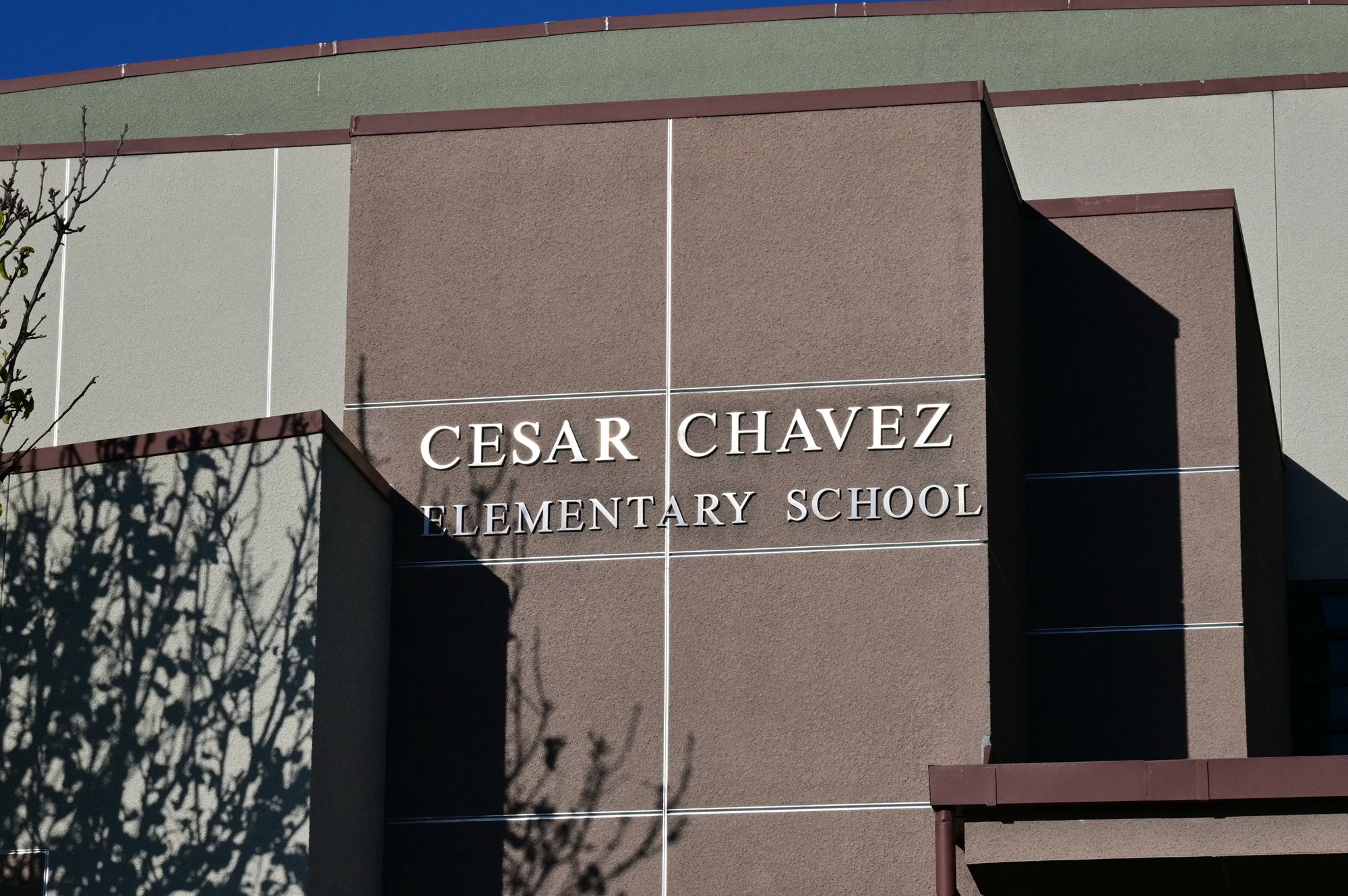
"caption": "A view of Cesar Chavez Elementary School in the El Sereno neighborhood in Los Angeles, California, on March 20, 2026. California’s teachers are grappling with the sexual abuse allegations against César Chavez, who is prevalent in lessons about the farmworker movement and labor unions.",
"credit": "Frederic J. Brown/AFP via Getty Images",
"altTag": null,
"description": null,
"imgSizes": {
"thumbnail": {
"file": "https://cdn.kqed.org/wp-content/uploads/sites/10/2026/03/CesarChavezElementarySchoolGetty-160x106.jpg",
"width": 160,
"height": 106,
"mimeType": "image/jpeg"
},
"1536x1536": {
"file": "https://cdn.kqed.org/wp-content/uploads/sites/10/2026/03/CesarChavezElementarySchoolGetty-1536x1021.jpg",
"width": 1536,
"height": 1021,
"mimeType": "image/jpeg"
},
"post-thumbnail": {
"file": "https://cdn.kqed.org/wp-content/uploads/sites/10/2026/03/CesarChavezElementarySchoolGetty-672x372.jpg",
"width": 672,
"height": 372,
"mimeType": "image/jpeg"
},
"twentyfourteen-full-width": {
"file": "https://cdn.kqed.org/wp-content/uploads/sites/10/2026/03/CesarChavezElementarySchoolGetty-1038x576.jpg",
"width": 1038,
"height": 576,
"mimeType": "image/jpeg"
},
"npr-cds-wide": {
"file": "https://cdn.kqed.org/wp-content/uploads/sites/10/2026/03/CesarChavezElementarySchoolGetty-1200x675.jpg",
"width": 1200,
"height": 675,
"mimeType": "image/jpeg"
},
"npr-cds-square": {
"file": "https://cdn.kqed.org/wp-content/uploads/sites/10/2026/03/CesarChavezElementarySchoolGetty-600x600.jpg",
"width": 600,
"height": 600,
"mimeType": "image/jpeg"
},
"kqedFullSize": {
"file": "https://cdn.kqed.org/wp-content/uploads/sites/10/2026/03/CesarChavezElementarySchoolGetty.jpg",
"width": 2000,
"height": 1330
}
},
"isLoading": false,
"fetchFailed": false
},
"news_12078062": {
"type": "attachments",
"id": "news_12078062",
"meta": {
"index": "attachments_1716263798",
"site": "news",
"id": "12078062",
"found": true
},
"title": "Lake Tahoe Area Readies For More Snow As Another Storm Moves Over California",
"publishDate": 1774902695,
"status": "inherit",
"parent": 12078060,
"modified": 1774902730,
"caption": "People carry skis as they walk toward a resort on March 21, 2023, in South Lake Tahoe, California. ",
"credit": "Justin Sullivan/Getty Images",
"altTag": null,
"description": null,
"imgSizes": {
"thumbnail": {
"file": "https://cdn.kqed.org/wp-content/uploads/sites/10/2026/03/TahoeGetty1-160x107.jpg",
"width": 160,
"height": 107,
"mimeType": "image/jpeg"
},
"1536x1536": {
"file": "https://cdn.kqed.org/wp-content/uploads/sites/10/2026/03/TahoeGetty1-1536x1024.jpg",
"width": 1536,
"height": 1024,
"mimeType": "image/jpeg"
},
"post-thumbnail": {
"file": "https://cdn.kqed.org/wp-content/uploads/sites/10/2026/03/TahoeGetty1-672x372.jpg",
"width": 672,
"height": 372,
"mimeType": "image/jpeg"
},
"twentyfourteen-full-width": {
"file": "https://cdn.kqed.org/wp-content/uploads/sites/10/2026/03/TahoeGetty1-1038x576.jpg",
"width": 1038,
"height": 576,
"mimeType": "image/jpeg"
},
"npr-cds-wide": {
"file": "https://cdn.kqed.org/wp-content/uploads/sites/10/2026/03/TahoeGetty1-1200x675.jpg",
"width": 1200,
"height": 675,
"mimeType": "image/jpeg"
},
"npr-cds-square": {
"file": "https://cdn.kqed.org/wp-content/uploads/sites/10/2026/03/TahoeGetty1-600x600.jpg",
"width": 600,
"height": 600,
"mimeType": "image/jpeg"
},
"kqedFullSize": {
"file": "https://cdn.kqed.org/wp-content/uploads/sites/10/2026/03/TahoeGetty1.jpg",
"width": 2000,
"height": 1333
}
},
"isLoading": false,
"fetchFailed": false
},
"news_12076910": {
"type": "attachments",
"id": "news_12076910",
"meta": {
"index": "attachments_1716263798",
"site": "news",
"id": "12076910",
"found": true
},
"title": "049_KQED_UnitedFarmWorkersMarch_08242022_qed",
"publishDate": 1773859574,
"status": "inherit",
"parent": 0,
"modified": 1773859614,
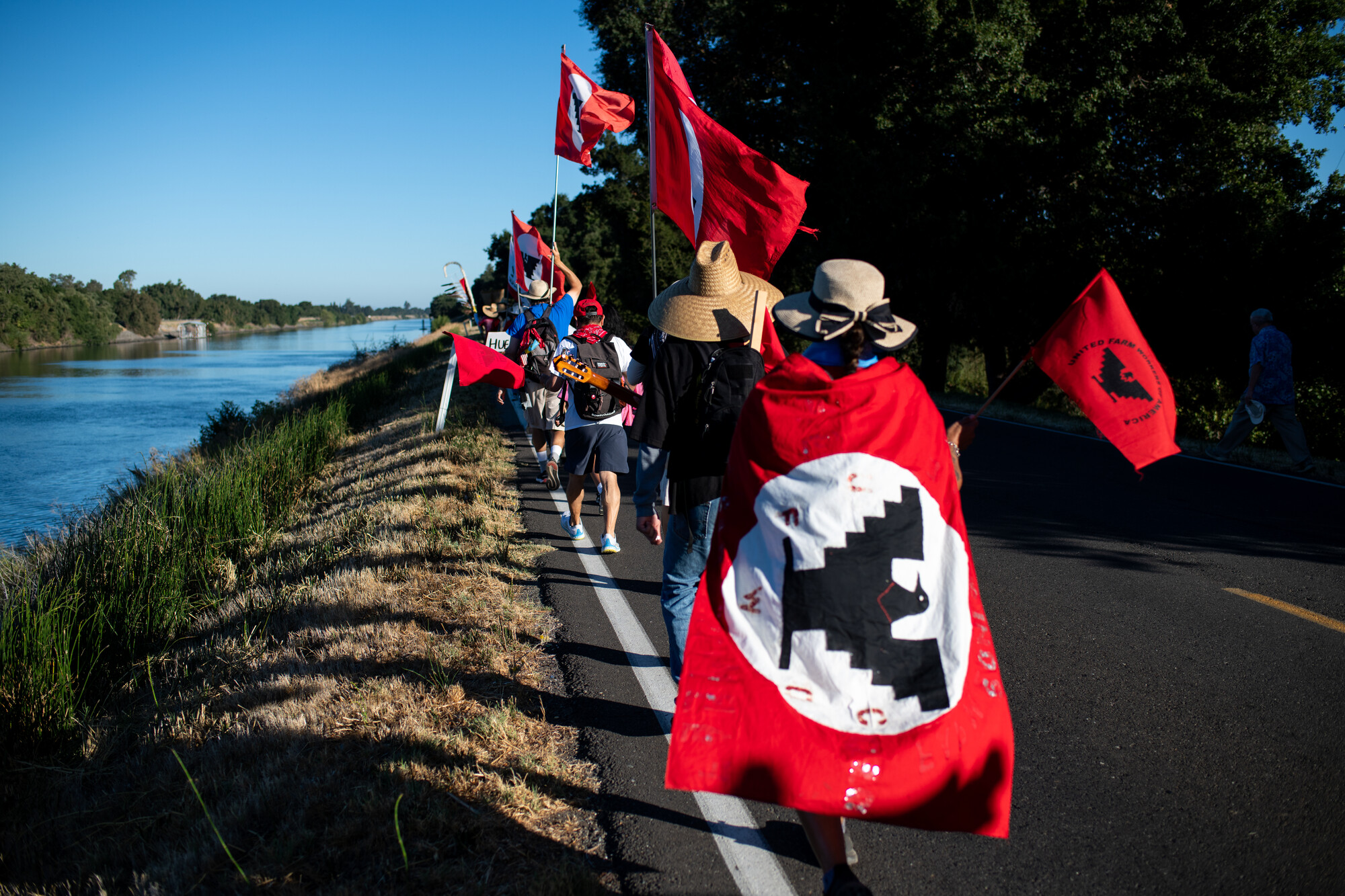
"caption": "United Farm Workers and their supporters march next to the Sacramento River as they pass through Walnut Grove on Day 22 of a 24-day \"March for the Governor’s Signature\" on Aug. 24, 2022, to convince Gov. Gavin Newsom to sign Assembly Bill 2183, the Agricultural Labor Relations Voting Choice Act. The march started in the Central Valley and will conclude with a rally in Sacramento on Aug. 26, 2022.",
"credit": "Beth LaBerge/KQED",
"altTag": null,
"description": null,
"imgSizes": {
"thumbnail": {
"file": "https://cdn.kqed.org/wp-content/uploads/sites/10/2026/03/049_KQED_UnitedFarmWorkersMarch_08242022_qed-160x107.jpg",
"width": 160,
"height": 107,
"mimeType": "image/jpeg"
},
"1536x1536": {
"file": "https://cdn.kqed.org/wp-content/uploads/sites/10/2026/03/049_KQED_UnitedFarmWorkersMarch_08242022_qed-1536x1024.jpg",
"width": 1536,
"height": 1024,
"mimeType": "image/jpeg"
},
"post-thumbnail": {
"file": "https://cdn.kqed.org/wp-content/uploads/sites/10/2026/03/049_KQED_UnitedFarmWorkersMarch_08242022_qed-672x372.jpg",
"width": 672,
"height": 372,
"mimeType": "image/jpeg"
},
"twentyfourteen-full-width": {
"file": "https://cdn.kqed.org/wp-content/uploads/sites/10/2026/03/049_KQED_UnitedFarmWorkersMarch_08242022_qed-1038x576.jpg",
"width": 1038,
"height": 576,
"mimeType": "image/jpeg"
},
"npr-cds-wide": {
"file": "https://cdn.kqed.org/wp-content/uploads/sites/10/2026/03/049_KQED_UnitedFarmWorkersMarch_08242022_qed-1200x675.jpg",
"width": 1200,
"height": 675,
"mimeType": "image/jpeg"
},
"kqedFullSize": {
"file": "https://cdn.kqed.org/wp-content/uploads/sites/10/2026/03/049_KQED_UnitedFarmWorkersMarch_08242022_qed.jpg",
"width": 2000,
"height": 1333
}
},
"isLoading": false,
"fetchFailed": false
},
"news_12078016": {
"type": "attachments",
"id": "news_12078016",
"meta": {
"index": "attachments_1716263798",
"site": "news",
"id": "12078016",
"found": true
},
"title": "022026_Padilla-Otay-Mesa_AH_08_CM_scr",
"publishDate": 1774823289,
"status": "inherit",
"parent": 12078010,
"modified": 1778870896,
"caption": "People walk out the main entrance of the Otay Mesa Detention Center in San Diego on Feb. 20, 2026.",
"credit": "Adriana Heldiz/CalMatters",
"altTag": null,
"description": null,
"imgSizes": {
"thumbnail": {
"file": "https://cdn.kqed.org/wp-content/uploads/sites/10/2026/03/022026_Padilla-Otay-Mesa_AH_08_CM_scr-160x107.jpg",
"width": 160,
"height": 107,
"mimeType": "image/jpeg"
},
"post-thumbnail": {
"file": "https://cdn.kqed.org/wp-content/uploads/sites/10/2026/03/022026_Padilla-Otay-Mesa_AH_08_CM_scr-672x372.jpg",
"width": 672,
"height": 372,
"mimeType": "image/jpeg"
},
"twentyfourteen-full-width": {
"file": "https://cdn.kqed.org/wp-content/uploads/sites/10/2026/03/022026_Padilla-Otay-Mesa_AH_08_CM_scr-1038x576.jpg",
"width": 1038,
"height": 576,
"mimeType": "image/jpeg"
},
"npr-cds-wide": {
"file": "https://cdn.kqed.org/wp-content/uploads/sites/10/2026/03/022026_Padilla-Otay-Mesa_AH_08_CM_scr-1200x675.jpg",
"width": 1200,
"height": 675,
"mimeType": "image/jpeg"
},
"npr-cds-square": {
"file": "https://cdn.kqed.org/wp-content/uploads/sites/10/2026/03/022026_Padilla-Otay-Mesa_AH_08_CM_scr-600x600.jpg",
"width": 600,
"height": 600,
"mimeType": "image/jpeg"
},
"kqedFullSize": {
"file": "https://cdn.kqed.org/wp-content/uploads/sites/10/2026/03/022026_Padilla-Otay-Mesa_AH_08_CM_scr.jpg",
"width": 1200,
"height": 800
}
},
"isLoading": false,
"fetchFailed": false
},
"news_12077826": {
"type": "attachments",
"id": "news_12077826",
"meta": {
"index": "attachments_1716263798",
"site": "news",
"id": "12077826",
"found": true
},
"title": "IMG_1436 (1)",
"publishDate": 1774634667,
"status": "inherit",
"parent": 12077359,
"modified": 1774634705,
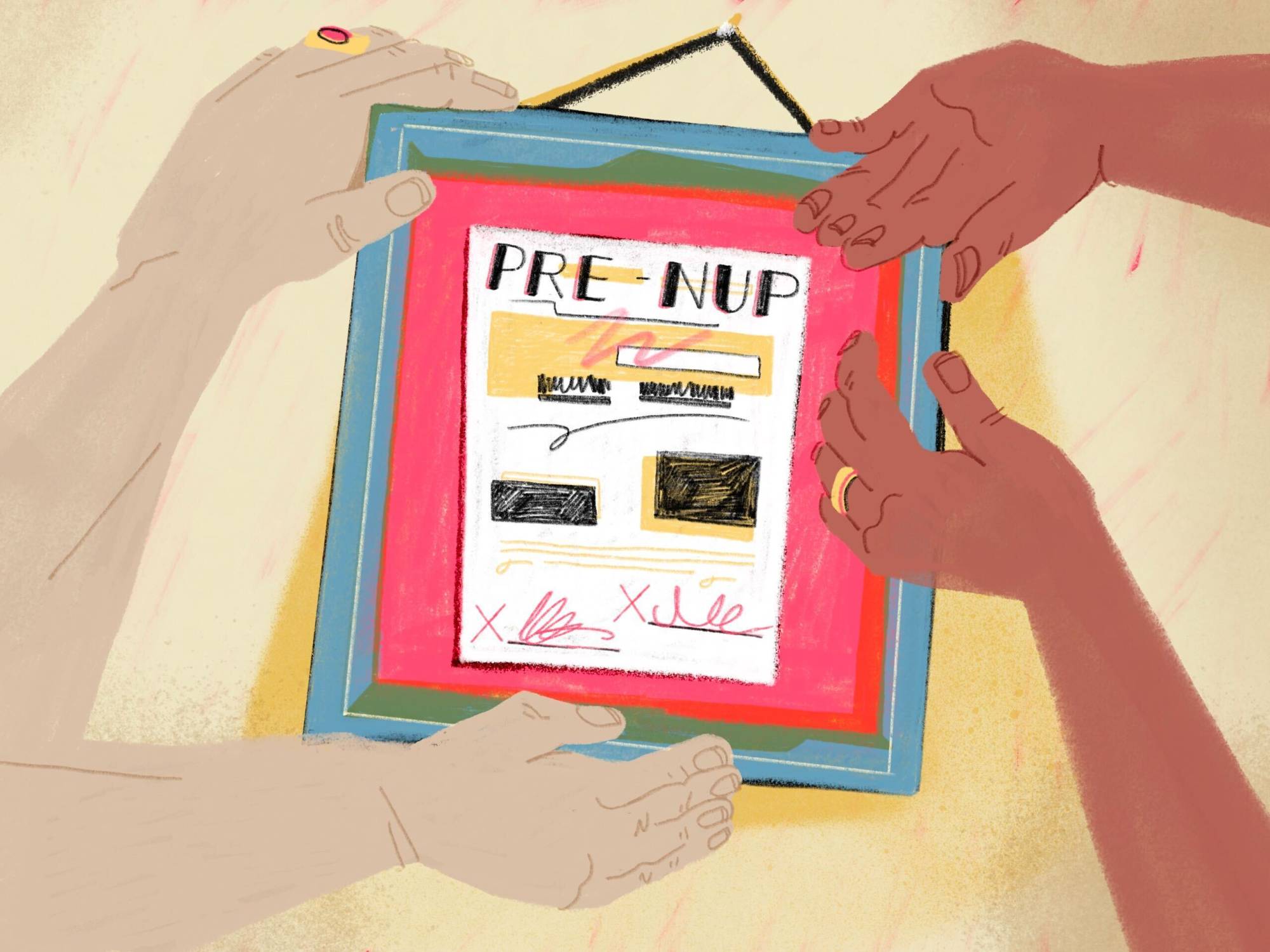
"caption": "Who needs a pre-nup in California?\n",
"credit": "Anna Vignet/KQED",
"altTag": null,
"description": null,
"imgSizes": {
"medium": {
"file": "https://cdn.kqed.org/wp-content/uploads/sites/10/2026/03/IMG_1436-1-2000x1500.jpg",
"width": 2000,
"height": 1500,
"mimeType": "image/jpeg"
},
"large": {
"file": "https://cdn.kqed.org/wp-content/uploads/sites/10/2026/03/IMG_1436-1-2000x1500.jpg",
"width": 2000,
"height": 1500,
"mimeType": "image/jpeg"
},
"thumbnail": {
"file": "https://cdn.kqed.org/wp-content/uploads/sites/10/2026/03/IMG_1436-1-160x120.jpg",
"width": 160,
"height": 120,
"mimeType": "image/jpeg"
},
"1536x1536": {
"file": "https://cdn.kqed.org/wp-content/uploads/sites/10/2026/03/IMG_1436-1-1536x1152.jpg",
"width": 1536,
"height": 1152,
"mimeType": "image/jpeg"
},
"2048x2048": {
"file": "https://cdn.kqed.org/wp-content/uploads/sites/10/2026/03/IMG_1436-1-2048x1536.jpg",
"width": 2048,
"height": 1536,
"mimeType": "image/jpeg"
},
"post-thumbnail": {
"file": "https://cdn.kqed.org/wp-content/uploads/sites/10/2026/03/IMG_1436-1-672x372.jpg",
"width": 672,
"height": 372,
"mimeType": "image/jpeg"
},
"twentyfourteen-full-width": {
"file": "https://cdn.kqed.org/wp-content/uploads/sites/10/2026/03/IMG_1436-1-1038x576.jpg",
"width": 1038,
"height": 576,
"mimeType": "image/jpeg"
},
"full-width": {
"file": "https://cdn.kqed.org/wp-content/uploads/sites/10/2026/03/IMG_1436-1-2000x1500.jpg",
"width": 2000,
"height": 1500,
"mimeType": "image/jpeg"
},
"npr-cds-wide": {
"file": "https://cdn.kqed.org/wp-content/uploads/sites/10/2026/03/IMG_1436-1-1200x675.jpg",
"width": 1200,
"height": 675,
"mimeType": "image/jpeg"
},
"npr-cds-square": {
"file": "https://cdn.kqed.org/wp-content/uploads/sites/10/2026/03/IMG_1436-1-600x600.jpg",
"width": 600,
"height": 600,
"mimeType": "image/jpeg"
},
"kqedFullSize": {
"file": "https://cdn.kqed.org/wp-content/uploads/sites/10/2026/03/IMG_1436-1.jpg",
"width": 2560,
"height": 1920
}
},
"isLoading": false,
"fetchFailed": false
},
"news_12078005": {
"type": "attachments",
"id": "news_12078005",
"meta": {
"index": "attachments_1716263798",
"site": "news",
"id": "12078005",
"found": true
},
"title": "260328-NO KINGS 3-MD-04-KQED-3",
"publishDate": 1774756765,
"status": "inherit",
"parent": 0,
"modified": 1774756786,
"caption": "Lance Toma (center) and others march along Market Street in San Francisco as part of the third No Kings Protest on March 28, 2026.",
"credit": "Martin do Nascimento/KQED",
"altTag": null,
"description": null,
"imgSizes": {
"thumbnail": {
"file": "https://cdn.kqed.org/wp-content/uploads/sites/10/2026/03/260328-NO-KINGS-3-MD-04-KQED-3-160x107.jpg",
"width": 160,
"height": 107,
"mimeType": "image/jpeg"
},
"1536x1536": {
"file": "https://cdn.kqed.org/wp-content/uploads/sites/10/2026/03/260328-NO-KINGS-3-MD-04-KQED-3-1536x1025.jpg",
"width": 1536,
"height": 1025,
"mimeType": "image/jpeg"
},
"post-thumbnail": {
"file": "https://cdn.kqed.org/wp-content/uploads/sites/10/2026/03/260328-NO-KINGS-3-MD-04-KQED-3-672x372.jpg",
"width": 672,
"height": 372,
"mimeType": "image/jpeg"
},
"twentyfourteen-full-width": {
"file": "https://cdn.kqed.org/wp-content/uploads/sites/10/2026/03/260328-NO-KINGS-3-MD-04-KQED-3-1038x576.jpg",
"width": 1038,
"height": 576,
"mimeType": "image/jpeg"
},
"npr-cds-wide": {
"file": "https://cdn.kqed.org/wp-content/uploads/sites/10/2026/03/260328-NO-KINGS-3-MD-04-KQED-3-1200x675.jpg",
"width": 1200,
"height": 675,
"mimeType": "image/jpeg"
},
"npr-cds-square": {
"file": "https://cdn.kqed.org/wp-content/uploads/sites/10/2026/03/260328-NO-KINGS-3-MD-04-KQED-3-600x600.jpg",
"width": 600,
"height": 600,
"mimeType": "image/jpeg"
},
"kqedFullSize": {
"file": "https://cdn.kqed.org/wp-content/uploads/sites/10/2026/03/260328-NO-KINGS-3-MD-04-KQED-3.jpg",
"width": 2000,
"height": 1334
}
},
"isLoading": false,
"fetchFailed": false
},
"news_11528498": {
"type": "attachments",
"id": "news_11528498",
"meta": {
"index": "attachments_1716263798",
"site": "news",
"id": "11528498",
"found": true
},
"parent": 11512894,
"imgSizes": {
"small": {
"file": "https://ww2.kqed.org/app/uploads/sites/10/2017/06/KQED17Mutch-056-520x346.jpg",
"width": 520,
"mimeType": "image/jpeg",
"height": 346
},
"twentyfourteen-full-width": {
"file": "https://ww2.kqed.org/app/uploads/sites/10/2017/06/KQED17Mutch-056-1000x576.jpg",
"width": 1000,
"mimeType": "image/jpeg",
"height": 576
},
"thumbnail": {
"file": "https://ww2.kqed.org/app/uploads/sites/10/2017/06/KQED17Mutch-056-160x106.jpg",
"width": 160,
"mimeType": "image/jpeg",
"height": 106
},
"fd-sm": {
"file": "https://ww2.kqed.org/app/uploads/sites/10/2017/06/KQED17Mutch-056-960x638.jpg",
"width": 960,
"mimeType": "image/jpeg",
"height": 638
},
"post-thumbnail": {
"file": "https://ww2.kqed.org/app/uploads/sites/10/2017/06/KQED17Mutch-056-672x372.jpg",
"width": 672,
"mimeType": "image/jpeg",
"height": 372
},
"xsmall": {
"file": "https://ww2.kqed.org/app/uploads/sites/10/2017/06/KQED17Mutch-056-375x249.jpg",
"width": 375,
"mimeType": "image/jpeg",
"height": 249
},
"kqedFullSize": {
"file": "https://ww2.kqed.org/app/uploads/sites/10/2017/06/KQED17Mutch-056.jpg",
"width": 1000,
"height": 665
},
"guest-author-50": {
"file": "https://ww2.kqed.org/app/uploads/sites/10/2017/06/KQED17Mutch-056-50x50.jpg",
"width": 50,
"mimeType": "image/jpeg",
"height": 50
},
"guest-author-96": {
"file": "https://ww2.kqed.org/app/uploads/sites/10/2017/06/KQED17Mutch-056-96x96.jpg",
"width": 96,
"mimeType": "image/jpeg",
"height": 96
},
"medium": {
"file": "https://ww2.kqed.org/app/uploads/sites/10/2017/06/KQED17Mutch-056-800x532.jpg",
"width": 800,
"mimeType": "image/jpeg",
"height": 532
},
"guest-author-64": {
"file": "https://ww2.kqed.org/app/uploads/sites/10/2017/06/KQED17Mutch-056-64x64.jpg",
"width": 64,
"mimeType": "image/jpeg",
"height": 64
},
"guest-author-32": {
"file": "https://ww2.kqed.org/app/uploads/sites/10/2017/06/KQED17Mutch-056-32x32.jpg",
"width": 32,
"mimeType": "image/jpeg",
"height": 32
},
"detail": {
"file": "https://ww2.kqed.org/app/uploads/sites/10/2017/06/KQED17Mutch-056-150x150.jpg",
"width": 150,
"mimeType": "image/jpeg",
"height": 150
},
"guest-author-128": {
"file": "https://ww2.kqed.org/app/uploads/sites/10/2017/06/KQED17Mutch-056-128x128.jpg",
"width": 128,
"mimeType": "image/jpeg",
"height": 128
},
"xxsmall": {
"file": "https://ww2.kqed.org/app/uploads/sites/10/2017/06/KQED17Mutch-056-240x160.jpg",
"width": 240,
"mimeType": "image/jpeg",
"height": 160
}
},
"publishDate": 1498252117,
"modified": 1498252317,
"caption": "Marvin Mutch (center) reconnects with Michael Snedekker (left) and Susan Rutberg, two attorneys who helped him in his decades-long attempt to win parole, at a KQED-sponsored screening of \"The Trials of Marvin Mutch\" on June 1, 2017.",
"description": null,
"title": "KQED17Mutch-056",
"credit": "Alain McLaughlin/KQED",
"status": "inherit",
"isLoading": false,
"fetchFailed": false
},
"news_12060589": {
"type": "attachments",
"id": "news_12060589",
"meta": {
"index": "attachments_1716263798",
"site": "news",
"id": "12060589",
"found": true
},
"title": "251018-NoKingsSF-27-BL",
"publishDate": 1760827176,
"status": "inherit",
"parent": 12060590,
"modified": 1760828606,
"caption": "Demonstrators march during a No Kings protest in San Francisco on Oct. 18, 2025.",
"credit": "Beth LaBerge/KQED",
"altTag": null,
"description": null,
"imgSizes": {
"thumbnail": {
"file": "https://cdn.kqed.org/wp-content/uploads/sites/10/2025/10/251018-NoKingsSF-27-BL-160x107.jpg",
"width": 160,
"height": 107,
"mimeType": "image/jpeg"
},
"1536x1536": {
"file": "https://cdn.kqed.org/wp-content/uploads/sites/10/2025/10/251018-NoKingsSF-27-BL-1536x1024.jpg",
"width": 1536,
"height": 1024,
"mimeType": "image/jpeg"
},
"post-thumbnail": {
"file": "https://cdn.kqed.org/wp-content/uploads/sites/10/2025/10/251018-NoKingsSF-27-BL-672x372.jpg",
"width": 672,
"height": 372,
"mimeType": "image/jpeg"
},
"twentyfourteen-full-width": {
"file": "https://cdn.kqed.org/wp-content/uploads/sites/10/2025/10/251018-NoKingsSF-27-BL-1038x576.jpg",
"width": 1038,
"height": 576,
"mimeType": "image/jpeg"
},
"kqedFullSize": {
"file": "https://cdn.kqed.org/wp-content/uploads/sites/10/2025/10/251018-NoKingsSF-27-BL.jpg",
"width": 2000,
"height": 1333
}
},
"isLoading": false,
"fetchFailed": false
},
"news_12073599": {
"type": "attachments",
"id": "news_12073599",
"meta": {
"index": "attachments_1716263798",
"site": "news",
"id": "12073599",
"found": true
},
"title": "021326_BUYNOWPAYLATER _GH_025-KQED",
"publishDate": 1771353784,
"status": "inherit",
"parent": 0,
"modified": 1771353828,
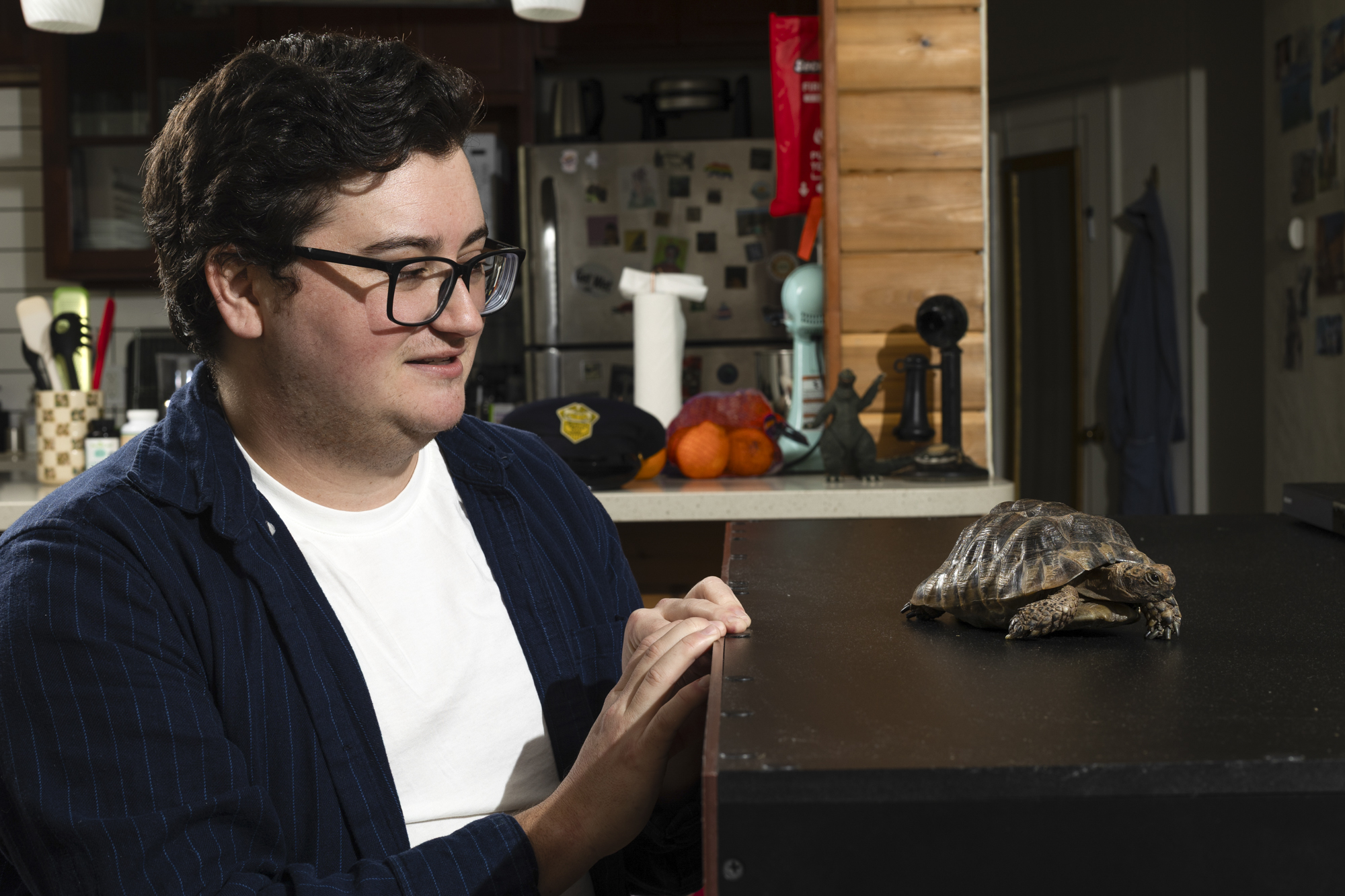
"caption": "Liam Chavez, 28, poses with his Greek tortoise, Erasmo, at his home in Oakland on Feb. 13, 2026. Chavez has used buy now, pay later services to cover larger purchases while working to pay down credit card debt.",
"credit": "Gustavo Hernandez/KQED",
"altTag": null,
"description": null,
"imgSizes": {
"thumbnail": {
"file": "https://cdn.kqed.org/wp-content/uploads/sites/10/2026/02/021326_BUYNOWPAYLATER-_GH_025-KQED-160x107.jpg",
"width": 160,
"height": 107,
"mimeType": "image/jpeg"
},
"1536x1536": {
"file": "https://cdn.kqed.org/wp-content/uploads/sites/10/2026/02/021326_BUYNOWPAYLATER-_GH_025-KQED-1536x1024.jpg",
"width": 1536,
"height": 1024,
"mimeType": "image/jpeg"
},
"post-thumbnail": {
"file": "https://cdn.kqed.org/wp-content/uploads/sites/10/2026/02/021326_BUYNOWPAYLATER-_GH_025-KQED-672x372.jpg",
"width": 672,
"height": 372,
"mimeType": "image/jpeg"
},
"twentyfourteen-full-width": {
"file": "https://cdn.kqed.org/wp-content/uploads/sites/10/2026/02/021326_BUYNOWPAYLATER-_GH_025-KQED-1038x576.jpg",
"width": 1038,
"height": 576,
"mimeType": "image/jpeg"
},
"npr-cds-wide": {
"file": "https://cdn.kqed.org/wp-content/uploads/sites/10/2026/02/021326_BUYNOWPAYLATER-_GH_025-KQED-1200x675.jpg",
"width": 1200,
"height": 675,
"mimeType": "image/jpeg"
},
"kqedFullSize": {
"file": "https://cdn.kqed.org/wp-content/uploads/sites/10/2026/02/021326_BUYNOWPAYLATER-_GH_025-KQED.jpg",
"width": 2000,
"height": 1333
}
},
"isLoading": false,
"fetchFailed": false
},
"news_12076569": {
"type": "attachments",
"id": "news_12076569",
"meta": {
"index": "attachments_1716263798",
"site": "news",
"id": "12076569",
"found": true
},
"title": "031226_DRAGONDEN _GH_015-KQED",
"publishDate": 1773678759,
"status": "inherit",
"parent": 0,
"modified": 1773678797,
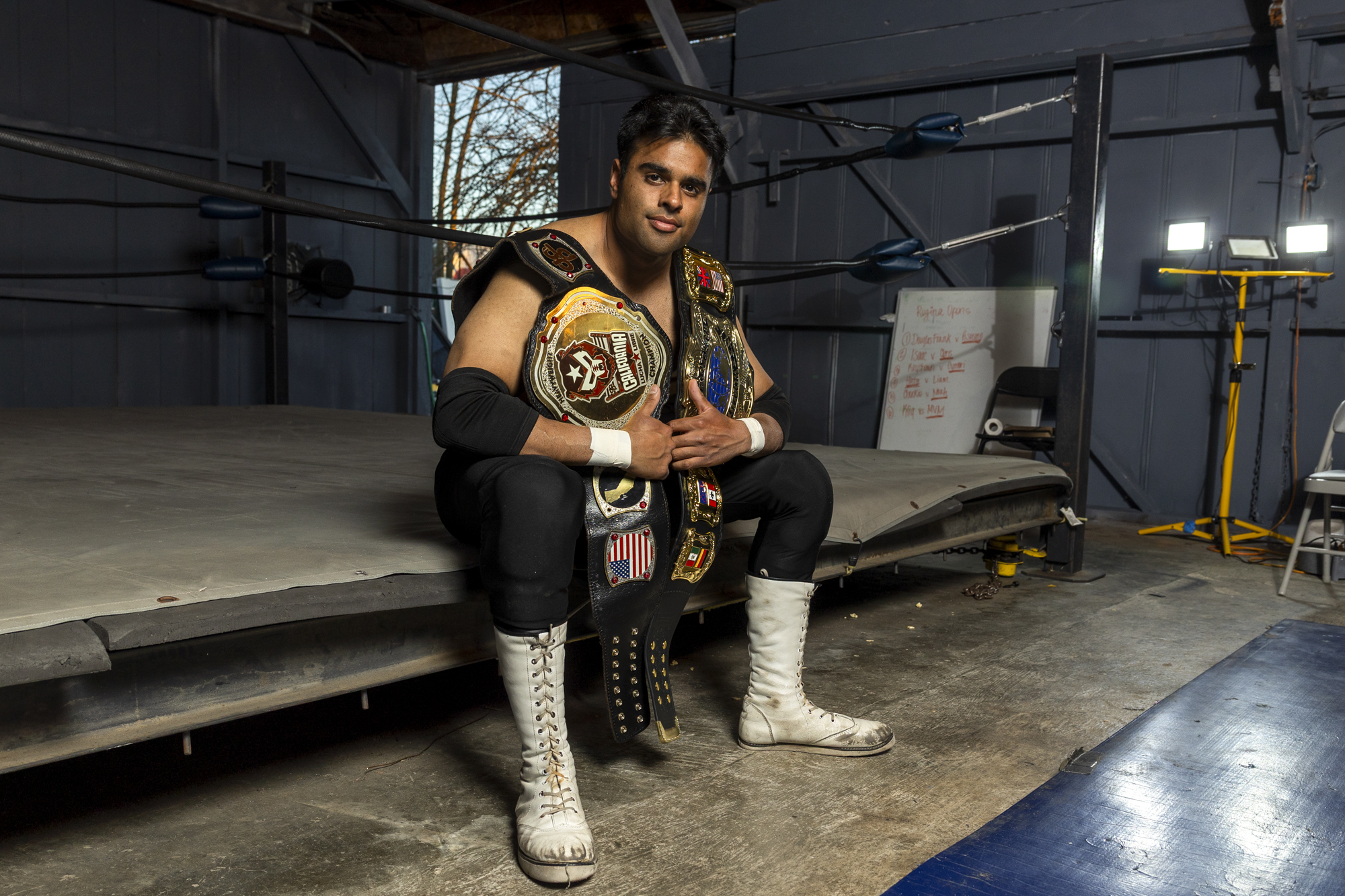
"caption": "Wrestler Paras Singh holds his championship belts inside the 209 Dragon’s Den training gym on March 12, 2026, in Lodi.",
"credit": "Gustavo Hernandez/KQED",
"altTag": null,
"description": null,
"imgSizes": {
"thumbnail": {
"file": "https://cdn.kqed.org/wp-content/uploads/sites/10/2026/03/031226_DRAGONDEN-_GH_015-KQED-160x107.jpg",
"width": 160,
"height": 107,
"mimeType": "image/jpeg"
},
"1536x1536": {
"file": "https://cdn.kqed.org/wp-content/uploads/sites/10/2026/03/031226_DRAGONDEN-_GH_015-KQED-1536x1024.jpg",
"width": 1536,
"height": 1024,
"mimeType": "image/jpeg"
},
"post-thumbnail": {
"file": "https://cdn.kqed.org/wp-content/uploads/sites/10/2026/03/031226_DRAGONDEN-_GH_015-KQED-672x372.jpg",
"width": 672,
"height": 372,
"mimeType": "image/jpeg"
},
"twentyfourteen-full-width": {
"file": "https://cdn.kqed.org/wp-content/uploads/sites/10/2026/03/031226_DRAGONDEN-_GH_015-KQED-1038x576.jpg",
"width": 1038,
"height": 576,
"mimeType": "image/jpeg"
},
"npr-cds-wide": {
"file": "https://cdn.kqed.org/wp-content/uploads/sites/10/2026/03/031226_DRAGONDEN-_GH_015-KQED-1200x675.jpg",
"width": 1200,
"height": 675,
"mimeType": "image/jpeg"
},
"kqedFullSize": {
"file": "https://cdn.kqed.org/wp-content/uploads/sites/10/2026/03/031226_DRAGONDEN-_GH_015-KQED.jpg",
"width": 2000,
"height": 1333
}
},
"isLoading": false,
"fetchFailed": false
},
"news_12054792": {
"type": "attachments",
"id": "news_12054792",
"meta": {
"index": "attachments_1716263798",
"site": "news",
"id": "12054792",
"found": true
},
"title": "PrisonHeatCM2",
"publishDate": 1757093843,
"status": "inherit",
"parent": 12054658,
"modified": 1757093871,
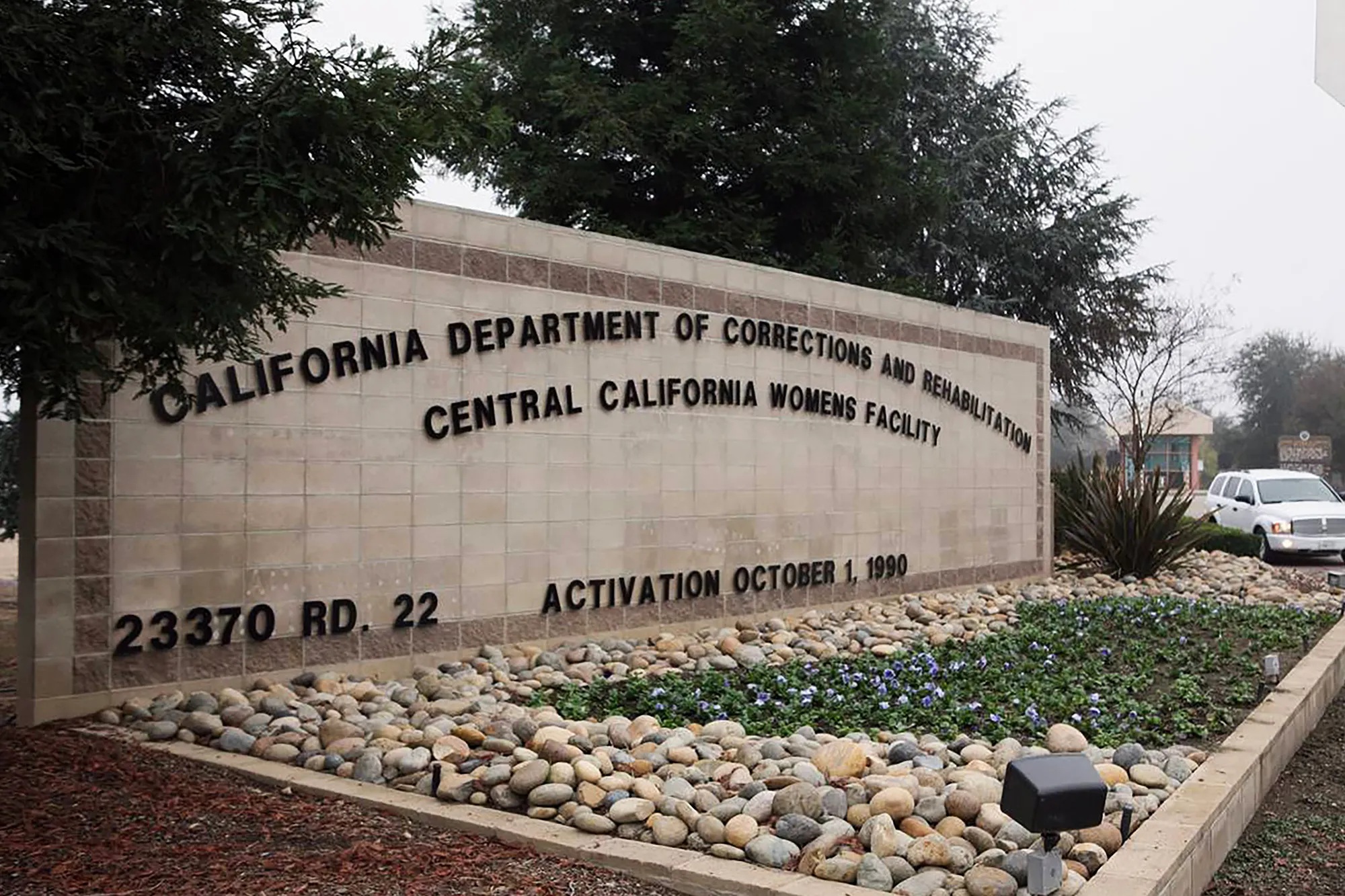
"caption": "The Central California Women’s Facility in Chowchilla in 2008.",
"credit": "Tomas O’Valle/Fresno Bee via Reuters",
"altTag": null,
"description": null,
"imgSizes": {
"thumbnail": {
"file": "https://cdn.kqed.org/wp-content/uploads/sites/10/2025/09/PrisonHeatCM2-160x107.jpg",
"width": 160,
"height": 107,
"mimeType": "image/jpeg"
},
"1536x1536": {
"file": "https://cdn.kqed.org/wp-content/uploads/sites/10/2025/09/PrisonHeatCM2-1536x1024.jpg",
"width": 1536,
"height": 1024,
"mimeType": "image/jpeg"
},
"post-thumbnail": {
"file": "https://cdn.kqed.org/wp-content/uploads/sites/10/2025/09/PrisonHeatCM2-672x372.jpg",
"width": 672,
"height": 372,
"mimeType": "image/jpeg"
},
"twentyfourteen-full-width": {
"file": "https://cdn.kqed.org/wp-content/uploads/sites/10/2025/09/PrisonHeatCM2-1038x576.jpg",
"width": 1038,
"height": 576,
"mimeType": "image/jpeg"
},
"kqedFullSize": {
"file": "https://cdn.kqed.org/wp-content/uploads/sites/10/2025/09/PrisonHeatCM2.jpg",
"width": 2000,
"height": 1333
}
},
"isLoading": false,
"fetchFailed": false
},
"news_12077651": {
"type": "attachments",
"id": "news_12077651",
"meta": {
"index": "attachments_1716263798",
"site": "news",
"id": "12077651",
"found": true
},
"title": "dpa-Story: Physical self-optimization up to muscle addiction",
"publishDate": 1774549056,
"status": "inherit",
"parent": 12077643,
"modified": 1774569322,
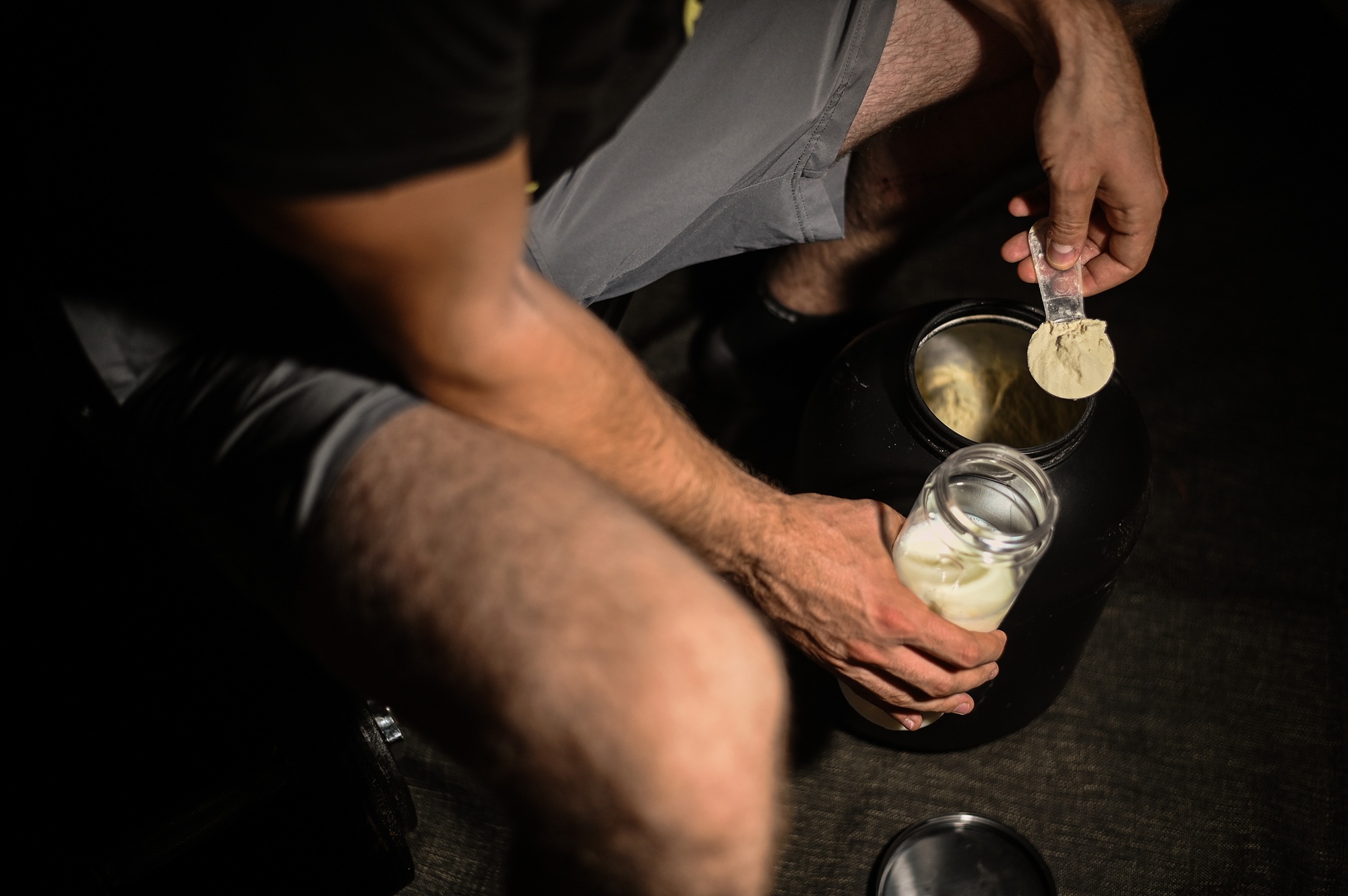
"caption": "A man mixes protein powder into his shaker after training on Nov. 3, 2019, in Bavaria, Ebing. ",
"credit": "Nicolas Armer/Picture Alliance via Getty Images",
"altTag": null,
"description": null,
"imgSizes": {
"thumbnail": {
"file": "https://cdn.kqed.org/wp-content/uploads/sites/10/2026/03/ProteinShake-160x106.jpg",
"width": 160,
"height": 106,
"mimeType": "image/jpeg"
},
"1536x1536": {
"file": "https://cdn.kqed.org/wp-content/uploads/sites/10/2026/03/ProteinShake-1536x1021.jpg",
"width": 1536,
"height": 1021,
"mimeType": "image/jpeg"
},
"post-thumbnail": {
"file": "https://cdn.kqed.org/wp-content/uploads/sites/10/2026/03/ProteinShake-672x372.jpg",
"width": 672,
"height": 372,
"mimeType": "image/jpeg"
},
"twentyfourteen-full-width": {
"file": "https://cdn.kqed.org/wp-content/uploads/sites/10/2026/03/ProteinShake-1038x576.jpg",
"width": 1038,
"height": 576,
"mimeType": "image/jpeg"
},
"npr-cds-wide": {
"file": "https://cdn.kqed.org/wp-content/uploads/sites/10/2026/03/ProteinShake-1200x675.jpg",
"width": 1200,
"height": 675,
"mimeType": "image/jpeg"
},
"npr-cds-square": {
"file": "https://cdn.kqed.org/wp-content/uploads/sites/10/2026/03/ProteinShake-600x600.jpg",
"width": 600,
"height": 600,
"mimeType": "image/jpeg"
},
"kqedFullSize": {
"file": "https://cdn.kqed.org/wp-content/uploads/sites/10/2026/03/ProteinShake.jpg",
"width": 2000,
"height": 1330
}
},
"isLoading": false,
"fetchFailed": false
}
},
"audioPlayerReducer": {
"postId": "stream_live",
"isPaused": true,
"isPlaying": false,
"pfsActive": false,
"pledgeModalIsOpen": true,
"playerDrawerIsOpen": false,
"liveAudioPlayStartedAt": 0,
"liveAudioPlayContext": ""
},
"authorsReducer": {
"byline_news_12078010": {
"type": "authors",
"id": "byline_news_12078010",
"meta": {
"override": true
},
"slug": "byline_news_12078010",
"name": "Wendy Fry and Nigel Duara, CalMatters",
"isLoading": false
},
"byline_news_12077359": {
"type": "authors",
"id": "byline_news_12077359",
"meta": {
"override": true
},
"slug": "byline_news_12077359",
"name": "Francesca Fenzi and Grace Won",
"isLoading": false
},
"byline_news_12077310": {
"type": "authors",
"id": "byline_news_12077310",
"meta": {
"override": true
},
"slug": "byline_news_12077310",
"name": "\u003ca href=\"https://www.linkedin.com/in/hannah-weaver-73b82b1a5/\">Hannah Weaver\u003c/a>",
"isLoading": false
},
"kqed": {
"type": "authors",
"id": "236",
"meta": {
"index": "authors_1716337520",
"id": "236",
"found": true
},
"name": "KQED News Staff",
"firstName": "KQED News Staff",
"lastName": null,
"slug": "kqed",
"email": "faq@kqed.org",
"display_author_email": false,
"staff_mastheads": [],
"title": null,
"bio": null,
"avatar": "https://secure.gravatar.com/avatar/ef0e801a68c4c54afa9180db14084167?s=600&d=blank&r=g",
"twitter": null,
"facebook": null,
"instagram": null,
"linkedin": null,
"sites": [
{
"site": "arts",
"roles": [
"contributor"
]
},
{
"site": "news",
"roles": [
"editor"
]
},
{
"site": "futureofyou",
"roles": [
"author"
]
}
],
"headData": {
"title": "KQED News Staff | KQED",
"description": null,
"ogImgSrc": "https://secure.gravatar.com/avatar/ef0e801a68c4c54afa9180db14084167?s=600&d=blank&r=g",
"twImgSrc": "https://secure.gravatar.com/avatar/ef0e801a68c4c54afa9180db14084167?s=600&d=blank&r=g"
},
"isLoading": false,
"link": "/author/kqed"
},
"aemslie": {
"type": "authors",
"id": "3206",
"meta": {
"index": "authors_1716337520",
"id": "3206",
"found": true
},
"name": "Alex Emslie",
"firstName": "Alex",
"lastName": "Emslie",
"slug": "aemslie",
"email": "aemslie@kqed.org",
"display_author_email": true,
"staff_mastheads": [
"news"
],
"title": "KQED Senior Editor",
"bio": "Alex Emslie is senior editor of talent and development at KQED, where he manages dozens of early career journalists and oversees news department internships.\r\n\r\nHe is a former carpenter and proud graduate of City College of San Francisco and San Francisco State University, where he studied journalism and criminal justice before joining KQED in 2013.\r\n\r\nAlex produced investigative journalism focused on \u003ca href=\"https://www.kqed.org/news/11667594/the-trials-of-marvin-mutch-video\">criminal justice\u003c/a> and policing for most of a decade. He has broken major stories about \u003ca href=\"https://www.kqed.org/news/135682/amid-a-series-of-vallejo-police-shootings-one-officers-name-stands-out\">police use of deadly force\u003c/a>, \u003ca href=\"https://www.kqed.org/news/10454955/racist-texts-prompt-sfpd-internal-investigation\">officer misconduct\u003c/a> and \u003ca href=\"https://www.kqed.org/news/11712239/terrorist-or-troll-judge-to-weigh-whether-oakland-man-really-intended-to-attack-bay-area\">other\u003c/a> \u003ca href=\"https://www.kqed.org/news/11221414/hayward-paid-159000-to-husband-of-retired-police-chief-documents-show\">high\u003c/a>-\u003ca href=\"https://www.kqed.org/news/10622762/the-forgotten-tracking-two-homicides-in-san-francisco-public-housing\">profile\u003c/a> \u003ca href=\"https://www.kqed.org/news/11624516/federal-agency-promoted-ranger-just-months-after-his-gun-was-stolen-and-used-in-steinle-killing\">cases\u003c/a>. He co-founded the \u003ca href=\"https://projects.scpr.org/california-reporting-project/\">California Reporting Project\u003c/a> in 2019 to obtain and report on previously confidential police internal investigations. The effort produced well over 100 original stories and changed the course of multiple criminal cases.\r\n\r\nHis work has been recognized with numerous journalism awards, including a national Edward R. Murrow award for several years of \u003ca href=\"https://www.kqed.org/news/11688481/sfpd-officers-in-mario-woods-case-recount-shooting-in-newly-filed-depositions\">reporting\u003c/a> on the San Francisco Police shooting of Mario Woods. His \u003ca href=\"https://www.kqed.org/news/147854/half-of-those-killed-by-san-francisco-police-are-mentally-ill\">reporting\u003c/a> on police killings of people in psychiatric crisis was cited in amicus briefs before the U.S. Supreme Court.\r\n\r\nAlex now enjoys mentoring the next generation of journalists at KQED.",
"avatar": "https://secure.gravatar.com/avatar/e691e65209f20e9da202bd730ead5663?s=600&d=blank&r=g",
"twitter": "SFNewsReporter",
"facebook": null,
"instagram": null,
"linkedin": null,
"sites": [
{
"site": "arts",
"roles": [
"editor"
]
},
{
"site": "news",
"roles": [
"editor"
]
},
{
"site": "mindshift",
"roles": [
"editor"
]
},
{
"site": "stateofhealth",
"roles": [
"editor"
]
},
{
"site": "science",
"roles": [
"administrator"
]
}
],
"headData": {
"title": "Alex Emslie | KQED",
"description": "KQED Senior Editor",
"ogImgSrc": "https://secure.gravatar.com/avatar/e691e65209f20e9da202bd730ead5663?s=600&d=blank&r=g",
"twImgSrc": "https://secure.gravatar.com/avatar/e691e65209f20e9da202bd730ead5663?s=600&d=blank&r=g"
},
"isLoading": false,
"link": "/author/aemslie"
},
"fjhabvala": {
"type": "authors",
"id": "8659",
"meta": {
"index": "authors_1716337520",
"id": "8659",
"found": true
},
"name": "Farida Jhabvala Romero",
"firstName": "Farida",
"lastName": "Jhabvala Romero",
"slug": "fjhabvala",
"email": "fjhabvala@kqed.org",
"display_author_email": true,
"staff_mastheads": [
"news"
],
"title": "KQED Contributor",
"bio": "Farida Jhabvala Romero is a Labor Correspondent for KQED. She previously covered immigration. Farida was \u003ca href=\"https://www.ccnma.org/2022-most-influential-latina-journalists\">named\u003c/a> one of the 10 Most Influential Latina Journalists in California in 2022 by the California Chicano News Media Association. Her work has won awards from the Society of Professional Journalists (Northern California), as well as a national and regional Edward M. Murrow Award for the collaborative reporting projects “Dangerous Air” and “Graying California.” Before joining KQED, Farida worked as a producer at Radio Bilingüe, a national public radio network. Farida earned her master’s degree in journalism from Stanford University.",
"avatar": "https://secure.gravatar.com/avatar/f9f022d4e2609741874222a1e9d41f48fea74011aa7c615eef91d9a50c944ebe?s=600&d=blank&r=g",
"twitter": "FaridaJhabvala",
"bluesky": null,
"facebook": null,
"instagram": null,
"linkedin": "https://www.linkedin.com/in/faridajhabvala/",
"sites": [
{
"site": "news",
"roles": [
"editor"
]
},
{
"site": "stateofhealth",
"roles": [
"author"
]
},
{
"site": "liveblog",
"roles": [
"author"
]
}
],
"headData": {
"title": "Farida Jhabvala Romero | KQED",
"description": "KQED Contributor",
"ogImgSrc": "https://secure.gravatar.com/avatar/f9f022d4e2609741874222a1e9d41f48fea74011aa7c615eef91d9a50c944ebe?s=600&d=blank&r=g",
"twImgSrc": "https://secure.gravatar.com/avatar/f9f022d4e2609741874222a1e9d41f48fea74011aa7c615eef91d9a50c944ebe?s=600&d=blank&r=g"
},
"isLoading": false,
"link": "/author/fjhabvala"
},
"lesleymcclurg": {
"type": "authors",
"id": "11229",
"meta": {
"index": "authors_1716337520",
"id": "11229",
"found": true
},
"name": "Lesley McClurg",
"firstName": "Lesley",
"lastName": "McClurg",
"slug": "lesleymcclurg",
"email": "lmcclurg@KQED.org",
"display_author_email": false,
"staff_mastheads": [
"news",
"science"
],
"title": "KQED Health Correspondent",
"bio": "Lesley McClurg is a health correspondent and fill-in host whose work is regularly rebroadcast on NPR and PBS programs. She’s earned multiple regional Emmy awards, a national and a regional Edward R. Murrow award, and was named Best Beat Reporter by the Association of Health Care Journalists. The Society of Professional Journalists has recognized her work several times, and the Society of Environmental Journalists spotlighted her coverage of California’s historic drought.\r\n\r\nBefore joining KQED in 2016, Lesley covered food and sustainability for Capital Public Radio, environmental issues for Colorado Public Radio, and reported for KUOW and KCTS 9 in Seattle. Away from the newsroom, she loves skiing with her daughter, mountain biking with her partner, and playing with Ollie, the family’s goldendoodle. On deadline, she runs almost entirely on chocolate chips.\r\n\r\n ",
"avatar": "https://secure.gravatar.com/avatar/bab49e972ea10c774fe0f5e29dba1722b158f7c0d58a360923d1389d380b2978?s=600&d=blank&r=g",
"twitter": "lesleywmcclurg",
"bluesky": null,
"facebook": null,
"instagram": null,
"linkedin": null,
"sites": [
{
"site": "arts",
"roles": [
"author"
]
},
{
"site": "news",
"roles": [
"editor"
]
},
{
"site": "futureofyou",
"roles": [
"editor"
]
},
{
"site": "stateofhealth",
"roles": [
"author"
]
},
{
"site": "science",
"roles": [
"editor"
]
},
{
"site": "quest",
"roles": [
"subscriber"
]
},
{
"site": "forum",
"roles": [
"administrator"
]
},
{
"site": "liveblog",
"roles": [
"author"
]
}
],
"headData": {
"title": "Lesley McClurg | KQED",
"description": "KQED Health Correspondent",
"ogImgSrc": "https://secure.gravatar.com/avatar/bab49e972ea10c774fe0f5e29dba1722b158f7c0d58a360923d1389d380b2978?s=600&d=blank&r=g",
"twImgSrc": "https://secure.gravatar.com/avatar/bab49e972ea10c774fe0f5e29dba1722b158f7c0d58a360923d1389d380b2978?s=600&d=blank&r=g"
},
"isLoading": false,
"link": "/author/lesleymcclurg"
},
"eromero": {
"type": "authors",
"id": "11746",
"meta": {
"index": "authors_1716337520",
"id": "11746",
"found": true
},
"name": "Ezra David Romero",
"firstName": "Ezra David",
"lastName": "Romero",
"slug": "eromero",
"email": "eromero@kqed.org",
"display_author_email": true,
"staff_mastheads": [
"news",
"science"
],
"title": "Climate Reporter",
"bio": "Ezra David Romero is a climate reporter for KQED News. He covers the absence and excess of water in the Bay Area — think sea level rise, flooding and drought. For nearly a decade he’s covered how warming temperatures are altering the lives of Californians. He’s reported on farmers worried their pistachio trees aren’t getting enough sleep, families desperate for water, scientists studying dying giant sequoias, and alongside firefighters containing wildfires. His work has appeared on local stations across California and nationally on public radio shows like Morning Edition, Here and Now, All Things Considered and Science Friday. ",
"avatar": "https://secure.gravatar.com/avatar/c76404d287c10ed40224227551ac36e24352c7306f106632caf6fead76f8801f?s=600&d=blank&r=g",
"twitter": "ezraromero",
"bluesky": null,
"facebook": null,
"instagram": null,
"linkedin": null,
"sites": [
{
"site": "arts",
"roles": [
"editor"
]
},
{
"site": "news",
"roles": [
"editor"
]
},
{
"site": "science",
"roles": [
"editor"
]
},
{
"site": "liveblog",
"roles": [
"author"
]
}
],
"headData": {
"title": "Ezra David Romero | KQED",
"description": "Climate Reporter",
"ogImgSrc": "https://secure.gravatar.com/avatar/c76404d287c10ed40224227551ac36e24352c7306f106632caf6fead76f8801f?s=600&d=blank&r=g",
"twImgSrc": "https://secure.gravatar.com/avatar/c76404d287c10ed40224227551ac36e24352c7306f106632caf6fead76f8801f?s=600&d=blank&r=g"
},
"isLoading": false,
"link": "/author/eromero"
},
"mbolanos": {
"type": "authors",
"id": "11895",
"meta": {
"index": "authors_1716337520",
"id": "11895",
"found": true
},
"name": "Madi Bolaños",
"firstName": "Madi",
"lastName": "Bolaños",
"slug": "mbolanos",
"email": "mbolanos@kqed.org",
"display_author_email": false,
"staff_mastheads": [],
"title": "KQED Contributor",
"bio": null,
"avatar": "https://secure.gravatar.com/avatar/e6df5601c1f2d951e46a3fb42764330f?s=600&d=blank&r=g",
"twitter": null,
"bluesky": null,
"facebook": null,
"instagram": null,
"linkedin": null,
"sites": [
{
"site": "news",
"roles": [
"author"
]
}
],
"headData": {
"title": "Madi Bolaños | KQED",
"description": "KQED Contributor",
"ogImgSrc": "https://secure.gravatar.com/avatar/e6df5601c1f2d951e46a3fb42764330f?s=600&d=blank&r=g",
"twImgSrc": "https://secure.gravatar.com/avatar/e6df5601c1f2d951e46a3fb42764330f?s=600&d=blank&r=g"
},
"isLoading": false,
"link": "/author/mbolanos"
},
"kdebenedetti": {
"type": "authors",
"id": "11913",
"meta": {
"index": "authors_1716337520",
"id": "11913",
"found": true
},
"name": "Katie DeBenedetti",
"firstName": "Katie",
"lastName": "DeBenedetti",
"slug": "kdebenedetti",
"email": "kdebenedetti@kqed.org",
"display_author_email": false,
"staff_mastheads": [
"news",
"science"
],
"title": "KQED Contributor",
"bio": "Katie DeBenedetti is a digital reporter covering daily news for the Express Desk. Prior to joining KQED as a culture reporting intern in January 2024, she covered education and city government for the Napa Valley Register.",
"avatar": "https://secure.gravatar.com/avatar/6e31073cb8f7e4214ab03f42771d0f45?s=600&d=blank&r=g",
"twitter": null,
"facebook": null,
"instagram": null,
"linkedin": null,
"sites": [
{
"site": "news",
"roles": [
"author"
]
},
{
"site": "science",
"roles": [
"author"
]
},
{
"site": "liveblog",
"roles": [
"author"
]
}
],
"headData": {
"title": "Katie DeBenedetti | KQED",
"description": "KQED Contributor",
"ogImgSrc": "https://secure.gravatar.com/avatar/6e31073cb8f7e4214ab03f42771d0f45?s=600&d=blank&r=g",
"twImgSrc": "https://secure.gravatar.com/avatar/6e31073cb8f7e4214ab03f42771d0f45?s=600&d=blank&r=g"
},
"isLoading": false,
"link": "/author/kdebenedetti"
},
"sarahwright": {
"type": "authors",
"id": "11956",
"meta": {
"index": "authors_1716337520",
"id": "11956",
"found": true
},
"name": "Sarah Wright",
"firstName": "Sarah",
"lastName": "Wright",
"slug": "sarahwright",
"email": "swright@kqed.org",
"display_author_email": true,
"staff_mastheads": [],
"title": "Outdoors Engagement Reporter",
"bio": "Sarah Wright is KQED's Outdoors Engagement Reporter. Originally from Lake Tahoe, she completed a thru-hike of the Pacific Crest Trail in 2019 and was a U.S. Fulbright Program grantee to Argentina in 2023. Her journalism has appeared in The Guardian, The San Francisco Standard, The Palo Alto Weekly and the Half Moon Bay Review.",
"avatar": "https://secure.gravatar.com/avatar/c161a3d6441865cba25e6db4fa561099ad665799e9432e34da2b84d7e371524c?s=600&d=blank&r=g",
"twitter": null,
"bluesky": null,
"facebook": null,
"instagram": null,
"linkedin": null,
"sites": [
{
"site": "arts",
"roles": [
"editor"
]
},
{
"site": "news",
"roles": [
"editor"
]
},
{
"site": "science",
"roles": [
"contributor",
"author"
]
},
{
"site": "forum",
"roles": [
"editor"
]
}
],
"headData": {
"title": "Sarah Wright | KQED",
"description": "Outdoors Engagement Reporter",
"ogImgSrc": "https://secure.gravatar.com/avatar/c161a3d6441865cba25e6db4fa561099ad665799e9432e34da2b84d7e371524c?s=600&d=blank&r=g",
"twImgSrc": "https://secure.gravatar.com/avatar/c161a3d6441865cba25e6db4fa561099ad665799e9432e34da2b84d7e371524c?s=600&d=blank&r=g"
},
"isLoading": false,
"link": "/author/sarahwright"
}
},
"pagesReducer": {
"news_tag_california": {
"type": "terms",
"id": "news_18538",
"meta": {
"index": "terms_1716263798",
"site": "news",
"id": "18538",
"score": 6.847859
},
"featImg": null,
"name": "California",
"description": null,
"taxonomy": "tag",
"headData": {
"twImgId": null,
"twTitle": null,
"ogTitle": null,
"ogImgId": null,
"twDescription": null,
"description": null,
"title": "California Archives | KQED News",
"ogDescription": null
},
"ttid": 31,
"slug": "california",
"isLoading": false,
"title": "California",
"pageMeta": {
"site": "news",
"WpPageTemplate": "page-topic-editorial",
"currentPage": 30
},
"blocks": [
{
"blockName": "kqed/post-list",
"attrs": {
"layout": "cardArticle2",
"query": "posts/news?tag=california",
"seeMore": false,
"paginated": true,
"page": 30
}
},
{
"blockName": "kqed/ad"
}
]
}
},
"pfsSessionReducer": {},
"postsReducer": {
"stream_live": {
"type": "live",
"id": "stream_live",
"audioUrl": "https://streams.kqed.org/kqedradio",
"title": "Live Stream",
"excerpt": "Live Stream information currently unavailable.",
"link": "/radio",
"featImg": "",
"label": {
"name": "KQED Live",
"link": "/"
}
},
"stream_kqedNewscast": {
"type": "posts",
"id": "stream_kqedNewscast",
"audioUrl": "https://www.kqed.org/.stream/anon/radio/RDnews/newscast.mp3?_=1",
"title": "KQED Newscast",
"featImg": "",
"label": {
"name": "88.5 FM",
"link": "/"
}
},
"news_12078103": {
"type": "posts",
"id": "news_12078103",
"meta": {
"index": "posts_1716263798",
"site": "news",
"id": "12078103",
"score": null,
"sort": [
1774954802000
]
},
"guestAuthors": [],
"slug": "cesar-chavez-day-is-no-more-but-how-will-schools-address-his-legacy",
"title": "César Chavez Day Is No More. But How Will Schools Address His Legacy?",
"publishDate": 1774954802,
"format": "standard",
"headTitle": "César Chavez Day Is No More. But How Will Schools Address His Legacy? | KQED",
"labelTerm": {
"site": "news"
},
"content": "\u003cp>While shockwaves reverberated from sexual abuse allegations against \u003ca href=\"https://www.kqed.org/news/tag/cesar-chavez\">César Chavez\u003c/a> this month, Martha Rodriguez-Salazar, a San Francisco mariachi teacher, immediately thought of her students.\u003c/p>\n\u003cp>They were putting the finishing touches on the public school district’s annual mariachi showcase planned for that Friday, and a song that 100 of the high schoolers had spent months preparing, “Corrido de las Heladas,” referenced the late leader of California’s farmworker movement.\u003c/p>\n\u003cp>“One of the sentences says, ‘Come, dove, and say to César Chavez to stop shedding tears for us,’” Rodriguez-Salazar said. “When I was listening to the news on that Wednesday, I thought, ‘Uh-oh.’”\u003c/p>\n\u003cp>[ad fullwidth]\u003c/p>\n\u003cp>She and the program’s director quickly swapped his name for “campesinos,” which means “farmers,” and the show went on.\u003c/p>\n\u003cp>But in the aftermath of \u003cem>The New York Times’ \u003c/em>investigation revealing allegations that Chavez sexually abused two young girls in the 1970s and raped United Farm Workers co-founder Dolores Huerta in the 1960s, teachers across the state are grappling with how to address his \u003ca href=\"https://www.kqed.org/news/12077789/farmworker-advocates-grapple-with-legacy-changes-as-california-replaces-chavez-holiday\">widely studied and once-revered legacy\u003c/a>.\u003c/p>\n\u003ch2>Shifting lesson plans\u003c/h2>\n\u003cp>David Ko, a ninth-grade ethnic studies teacher at George Washington High School, said his students wanted to talk about the news immediately after the investigation was published on March 18.\u003c/p>\n\u003cp>“I had some students who, even before classes started, during passing period, asked me about it,” he said.\u003c/p>\n\u003cp>Every year, Ko teaches a lesson about Chavez just before his birthday on March 31, a state holiday that many students have had off school for years. In the past, he would ask his classes what they knew about César Chavez Day and teach them about Chavez’s roles in the Delano grape strike and the founding of the United Farm Workers labor union.\u003c/p>\n\u003cfigure id=\"attachment_12005220\" class=\"wp-caption aligncenter\" style=\"max-width: 2000px\">\u003cimg loading=\"lazy\" decoding=\"async\" class=\"wp-image-12005220 size-full\" src=\"https://cdn.kqed.org/wp-content/uploads/sites/10/2024/09/WashingtonHighSchoolGetty1.jpg\" alt=\"\" width=\"2000\" height=\"1333\" srcset=\"https://cdn.kqed.org/wp-content/uploads/sites/10/2024/09/WashingtonHighSchoolGetty1.jpg 2000w, https://cdn.kqed.org/wp-content/uploads/sites/10/2024/09/WashingtonHighSchoolGetty1-800x533.jpg 800w, https://cdn.kqed.org/wp-content/uploads/sites/10/2024/09/WashingtonHighSchoolGetty1-1020x680.jpg 1020w, https://cdn.kqed.org/wp-content/uploads/sites/10/2024/09/WashingtonHighSchoolGetty1-160x107.jpg 160w, https://cdn.kqed.org/wp-content/uploads/sites/10/2024/09/WashingtonHighSchoolGetty1-1536x1024.jpg 1536w, https://cdn.kqed.org/wp-content/uploads/sites/10/2024/09/WashingtonHighSchoolGetty1-1920x1280.jpg 1920w\" sizes=\"auto, (max-width: 2000px) 100vw, 2000px\">\u003cfigcaption class=\"wp-caption-text\">George Washington High School on March 30, 2020, in San Francisco, California. \u003ccite>(Justin Sullivan/Getty Images)\u003c/cite>\u003c/figcaption>\u003c/figure>\n\u003cp>Now, he said, that lesson plan will be more complicated.\u003c/p>\n\u003cp>Ahead of the holiday, which falls during the San Francisco Unified School District’s spring break, Ko last week gave a broad overview of the \u003cem>Times\u003c/em>’ investigation. He also pointed out that the state has already renamed its holiday to Farmworkers Day, and that cities and institutions are moving to swiftly \u003ca href=\"https://www.kqed.org/news/12077059/san-francisco-fought-to-name-a-major-street-after-cesar-chavez-will-it-be-renamed-again\">scrub his name\u003c/a> from streets, parks and more.\u003c/p>\n\u003cp>Chavez is prevalent in California’s curriculum frameworks and model lesson plans, and the state provides a long list of activities and resources for every grade level framed around César Chavez Day.\u003c/p>\n\u003cp>But Ko said he didn’t have to throw his existing curriculum out the window last week; he’s never portrayed Chavez as solely a \u003ca href=\"https://www.kqed.org/news/12077073/cesar-chavez-was-a-hero-to-farmworkers-now-they-confront-the-pain-of-alleged-abuse\">“hero” in the farmworker movement\u003c/a>.\u003c/p>\n\u003cp>“There’s people who have done remarkable, amazing accomplishments in advancing people’s rights, and also, even before the most recent allegations, it’s also possible for those same people to have harmful ideas,” Ko told KQED.\u003c/p>\n\u003ch2>A complex legacy\u003c/h2>\n\u003cp>For years, Ko’s classes have studied the more nuanced parts of \u003ca href=\"https://www.kqed.org/news/12077230/californias-political-reckoning-with-cesar-chavezs-legacy-after-allegations\">Chavez’s legacy\u003c/a>, such as his opposition to undocumented immigrants working on farms.\u003c/p>\n\u003cp>At least in San Francisco, many educators have shifted their focus away from Chavez when they cover the farmworker movement.\u003c/p>\n\u003cp>“Students are often taught, ‘This one great man who was so exceptional, did all these amazing things and they are the reason that these rights happened,’” ethnic studies teacher Samantha Aguirre said. “What they don’t always learn is that it was hundreds, tens of thousands of people behind them in the movement.”\u003c/p>\n\u003cfigure id=\"attachment_12076905\" class=\"wp-caption aligncenter\" style=\"max-width: 1999px\">\u003cimg loading=\"lazy\" decoding=\"async\" class=\"size-full wp-image-12076905\" src=\"https://cdn.kqed.org/wp-content/uploads/sites/10/2026/03/038_KQED_UnitedFarmWorkersMarch_08242022_qed.jpg\" alt=\"\" width=\"1999\" height=\"1333\" srcset=\"https://cdn.kqed.org/wp-content/uploads/sites/10/2026/03/038_KQED_UnitedFarmWorkersMarch_08242022_qed.jpg 1999w, https://cdn.kqed.org/wp-content/uploads/sites/10/2026/03/038_KQED_UnitedFarmWorkersMarch_08242022_qed-160x107.jpg 160w, https://cdn.kqed.org/wp-content/uploads/sites/10/2026/03/038_KQED_UnitedFarmWorkersMarch_08242022_qed-1536x1024.jpg 1536w\" sizes=\"auto, (max-width: 1999px) 100vw, 1999px\">\u003cfigcaption class=\"wp-caption-text\">United Farm Workers and their supporters march through Walnut Grove on Day 22 of a 24-day “March for the Governor’s Signature” on Wednesday, Aug. 24, 2022, to convince Gov. Gavin Newsom to sign Assembly Bill 2183, the Agricultural Labor Relations Voting Choice Act. The march started in the Central Valley and will conclude with a rally in Sacramento on Aug. 26, 2022. \u003ccite>(Beth LaBerge/KQED)\u003c/cite>\u003c/figcaption>\u003c/figure>\n\u003cp>She focuses on the lesser-known Filipino leaders of the movement, including Larry Itliong and Philip Vera Cruz, as well as the contributions of women like Huerta.\u003c/p>\n\u003cp>“The Filipino farmworkers formed AWOC [the Agricultural Workers Organizing Committee] and started staging resistance movements and protests before Latino groups,” she said. “If it wasn’t for those Filipino farmworkers, it wouldn’t have galvanized and they wouldn’t have worked together and helped the Latino farmworkers form the United Farm Workers.”\u003c/p>\n\u003cp>Now, Aguirre plans to include the allegations against Chavez as another part of the movement’s complex history.\u003c/p>\n\u003cp>“Hearing Dolores Huerta saying, ‘He assaulted me, but I felt like I couldn’t say anything because it would be bad for the movement,’ I think that is an important lesson,” Aguirre said. “It is important for students to know and be able to speak out when things are wrong.”\u003c/p>\n\u003ch2>How to address a delicate subject?\u003c/h2>\n\u003cp>Integrating the revelations into class won’t look the same for all grade levels.\u003c/p>\n\u003cp>Ko said that with his high schoolers, he pointed out that Chavez is accused of targeting young girls, but he referred his students to \u003cem>The New York Times\u003c/em> and other trusted news sources if they wanted to read specifics, to avoid sharing information that could be unnecessarily triggering.\u003c/p>\n\u003cp>When it comes to addressing the allegations with younger students, Aguirre said, “there are developmentally appropriate ways for teachers to acknowledge and to talk about it.”[aside postID=news_12077789 hero='https://cdn.kqed.org/wp-content/uploads/sites/10/2026/03/049_KQED_UnitedFarmWorkersMarch_08242022_qed.jpg']“It’s fair to say something like, ‘A man that we learned about, who we celebrate and we learned about in history, we found out that he hurt people,’” she told KQED.\u003c/p>\n\u003cp>Whether the state will offer guidance for teachers to address the revelations isn’t yet known.\u003c/p>\n\u003cp>The California Department of Education’s history and social science framework suggests teaching about his legacy in fourth, ninth and 11th grades, along with the plans for César Chavez Day.\u003c/p>\n\u003cp>Last week, after the state Legislature passed a resolution to \u003ca href=\"https://www.kqed.org/news/12077691/california-lawmakers-pass-bill-to-rename-cesar-chavez-day-following-sexual-abuse-allegations\">rename the March 31 holiday\u003c/a> Farmworkers Day, the Department of Education put a pop-up advisory on its pages of Chavez curriculum and teaching materials, telling educators to “focus on the movement as a struggle that is greater than one man.” It also compiled a new page of teaching resources on the broader movement under a “Farmworkers Day” page.\u003c/p>\n\u003cp>But the department did not respond to requests for comment about whether it plans to alter or remove any of its model curriculum dedicated to Chavez, or add lessons about the new allegations.\u003c/p>\n\u003cp>In the meantime, Aguirre said it will be up to teachers to evolve with the history.\u003c/p>\n\u003cp>“New information came out, and it’s our responsibility as historians, as educators, to take that new information and change what we teach and we know,” she said. “You’re not erasing a history; it’s just history is maybe just more complicated.”\u003c/p>\n\u003cp>[ad floatright]\u003c/p>\n",
"blocks": [],
"excerpt": "California’s teachers are grappling with the sexual abuse allegations against César Chavez, who is prevalent in lessons about the farmworker movement and labor unions.",
"status": "publish",
"parent": 0,
"modified": 1775665383,
"stats": {
"hasAudio": false,
"hasVideo": false,
"hasChartOrMap": false,
"iframeSrcs": [],
"hasGoogleForm": false,
"hasGallery": false,
"hasHearkenModule": false,
"hasPolis": false,
"paragraphCount": 31,
"wordCount": 1236
},
"headData": {
"title": "César Chavez Day Is No More. But How Will Schools Address His Legacy? | KQED",
"description": "California’s teachers are grappling with the sexual abuse allegations against César Chavez, who is prevalent in lessons about the farmworker movement and labor unions.",
"ogTitle": "",
"ogDescription": "",
"ogImgId": "",
"twTitle": "",
"twDescription": "",
"twImgId": "",
"schema": {
"@context": "https://schema.org",
"@type": "NewsArticle",
"headline": "César Chavez Day Is No More. But How Will Schools Address His Legacy?",
"datePublished": "2026-03-31T04:00:02-07:00",
"dateModified": "2026-04-08T09:23:03-07:00",
"image": "https://cdn.kqed.org/wp-content/uploads/2020/02/KQED-OG-Image@1x.png",
"isAccessibleForFree": "True",
"publisher": {
"@type": "NewsMediaOrganization",
"@id": "https://www.kqed.org/#organization",
"name": "KQED",
"logo": "https://cdn.kqed.org/wp-content/uploads/2020/02/KQED-OG-Image@1x.png",
"url": "https://www.kqed.org",
"sameAs": [
"https://www.facebook.com/KQED",
"https://twitter.com/KQED",
"https://www.instagram.com/kqed/",
"https://www.tiktok.com/@kqedofficial",
"https://www.linkedin.com/company/kqed",
"https://www.youtube.com/channel/UCeC0IOo7i1P_61zVUWbJ4nw"
]
}
}
},
"primaryCategory": {
"termId": 18540,
"slug": "education",
"name": "Education"
},
"audioUrl": "https://traffic.omny.fm/d/clips/0af137ef-751e-4b19-a055-aaef00d2d578/ffca7e9f-6831-41c5-bcaf-aaef00f5a073/ad267d74-ca44-4f03-9220-b41f000af457/audio.mp3",
"sticky": false,
"nprStoryId": "kqed-12078103",
"templateType": "standard",
"featuredImageType": "standard",
"excludeFromSiteSearch": "Include",
"articleAge": "0",
"path": "/news/12078103/cesar-chavez-day-is-no-more-but-how-will-schools-address-his-legacy",
"audioTrackLength": null,
"parsedContent": [
{
"type": "contentString",
"content": "\u003cdiv class=\"post-body\">\u003cp>\u003cp>While shockwaves reverberated from sexual abuse allegations against \u003ca href=\"https://www.kqed.org/news/tag/cesar-chavez\">César Chavez\u003c/a> this month, Martha Rodriguez-Salazar, a San Francisco mariachi teacher, immediately thought of her students.\u003c/p>\n\u003cp>They were putting the finishing touches on the public school district’s annual mariachi showcase planned for that Friday, and a song that 100 of the high schoolers had spent months preparing, “Corrido de las Heladas,” referenced the late leader of California’s farmworker movement.\u003c/p>\n\u003cp>“One of the sentences says, ‘Come, dove, and say to César Chavez to stop shedding tears for us,’” Rodriguez-Salazar said. “When I was listening to the news on that Wednesday, I thought, ‘Uh-oh.’”\u003c/p>\n\u003cp>\u003c/p>\u003c/div>",
"attributes": {
"named": {},
"numeric": []
}
},
{
"type": "component",
"content": "",
"name": "ad",
"attributes": {
"named": {
"label": "fullwidth"
},
"numeric": [
"fullwidth"
]
}
},
{
"type": "contentString",
"content": "\u003cdiv class=\"post-body\">\u003cp>\u003c/p>\n\u003cp>She and the program’s director quickly swapped his name for “campesinos,” which means “farmers,” and the show went on.\u003c/p>\n\u003cp>But in the aftermath of \u003cem>The New York Times’ \u003c/em>investigation revealing allegations that Chavez sexually abused two young girls in the 1970s and raped United Farm Workers co-founder Dolores Huerta in the 1960s, teachers across the state are grappling with how to address his \u003ca href=\"https://www.kqed.org/news/12077789/farmworker-advocates-grapple-with-legacy-changes-as-california-replaces-chavez-holiday\">widely studied and once-revered legacy\u003c/a>.\u003c/p>\n\u003ch2>Shifting lesson plans\u003c/h2>\n\u003cp>David Ko, a ninth-grade ethnic studies teacher at George Washington High School, said his students wanted to talk about the news immediately after the investigation was published on March 18.\u003c/p>\n\u003cp>“I had some students who, even before classes started, during passing period, asked me about it,” he said.\u003c/p>\n\u003cp>Every year, Ko teaches a lesson about Chavez just before his birthday on March 31, a state holiday that many students have had off school for years. In the past, he would ask his classes what they knew about César Chavez Day and teach them about Chavez’s roles in the Delano grape strike and the founding of the United Farm Workers labor union.\u003c/p>\n\u003cfigure id=\"attachment_12005220\" class=\"wp-caption aligncenter\" style=\"max-width: 2000px\">\u003cimg loading=\"lazy\" decoding=\"async\" class=\"wp-image-12005220 size-full\" src=\"https://cdn.kqed.org/wp-content/uploads/sites/10/2024/09/WashingtonHighSchoolGetty1.jpg\" alt=\"\" width=\"2000\" height=\"1333\" srcset=\"https://cdn.kqed.org/wp-content/uploads/sites/10/2024/09/WashingtonHighSchoolGetty1.jpg 2000w, https://cdn.kqed.org/wp-content/uploads/sites/10/2024/09/WashingtonHighSchoolGetty1-800x533.jpg 800w, https://cdn.kqed.org/wp-content/uploads/sites/10/2024/09/WashingtonHighSchoolGetty1-1020x680.jpg 1020w, https://cdn.kqed.org/wp-content/uploads/sites/10/2024/09/WashingtonHighSchoolGetty1-160x107.jpg 160w, https://cdn.kqed.org/wp-content/uploads/sites/10/2024/09/WashingtonHighSchoolGetty1-1536x1024.jpg 1536w, https://cdn.kqed.org/wp-content/uploads/sites/10/2024/09/WashingtonHighSchoolGetty1-1920x1280.jpg 1920w\" sizes=\"auto, (max-width: 2000px) 100vw, 2000px\">\u003cfigcaption class=\"wp-caption-text\">George Washington High School on March 30, 2020, in San Francisco, California. \u003ccite>(Justin Sullivan/Getty Images)\u003c/cite>\u003c/figcaption>\u003c/figure>\n\u003cp>Now, he said, that lesson plan will be more complicated.\u003c/p>\n\u003cp>Ahead of the holiday, which falls during the San Francisco Unified School District’s spring break, Ko last week gave a broad overview of the \u003cem>Times\u003c/em>’ investigation. He also pointed out that the state has already renamed its holiday to Farmworkers Day, and that cities and institutions are moving to swiftly \u003ca href=\"https://www.kqed.org/news/12077059/san-francisco-fought-to-name-a-major-street-after-cesar-chavez-will-it-be-renamed-again\">scrub his name\u003c/a> from streets, parks and more.\u003c/p>\n\u003cp>Chavez is prevalent in California’s curriculum frameworks and model lesson plans, and the state provides a long list of activities and resources for every grade level framed around César Chavez Day.\u003c/p>\n\u003cp>But Ko said he didn’t have to throw his existing curriculum out the window last week; he’s never portrayed Chavez as solely a \u003ca href=\"https://www.kqed.org/news/12077073/cesar-chavez-was-a-hero-to-farmworkers-now-they-confront-the-pain-of-alleged-abuse\">“hero” in the farmworker movement\u003c/a>.\u003c/p>\n\u003cp>“There’s people who have done remarkable, amazing accomplishments in advancing people’s rights, and also, even before the most recent allegations, it’s also possible for those same people to have harmful ideas,” Ko told KQED.\u003c/p>\n\u003ch2>A complex legacy\u003c/h2>\n\u003cp>For years, Ko’s classes have studied the more nuanced parts of \u003ca href=\"https://www.kqed.org/news/12077230/californias-political-reckoning-with-cesar-chavezs-legacy-after-allegations\">Chavez’s legacy\u003c/a>, such as his opposition to undocumented immigrants working on farms.\u003c/p>\n\u003cp>At least in San Francisco, many educators have shifted their focus away from Chavez when they cover the farmworker movement.\u003c/p>\n\u003cp>“Students are often taught, ‘This one great man who was so exceptional, did all these amazing things and they are the reason that these rights happened,’” ethnic studies teacher Samantha Aguirre said. “What they don’t always learn is that it was hundreds, tens of thousands of people behind them in the movement.”\u003c/p>\n\u003cfigure id=\"attachment_12076905\" class=\"wp-caption aligncenter\" style=\"max-width: 1999px\">\u003cimg loading=\"lazy\" decoding=\"async\" class=\"size-full wp-image-12076905\" src=\"https://cdn.kqed.org/wp-content/uploads/sites/10/2026/03/038_KQED_UnitedFarmWorkersMarch_08242022_qed.jpg\" alt=\"\" width=\"1999\" height=\"1333\" srcset=\"https://cdn.kqed.org/wp-content/uploads/sites/10/2026/03/038_KQED_UnitedFarmWorkersMarch_08242022_qed.jpg 1999w, https://cdn.kqed.org/wp-content/uploads/sites/10/2026/03/038_KQED_UnitedFarmWorkersMarch_08242022_qed-160x107.jpg 160w, https://cdn.kqed.org/wp-content/uploads/sites/10/2026/03/038_KQED_UnitedFarmWorkersMarch_08242022_qed-1536x1024.jpg 1536w\" sizes=\"auto, (max-width: 1999px) 100vw, 1999px\">\u003cfigcaption class=\"wp-caption-text\">United Farm Workers and their supporters march through Walnut Grove on Day 22 of a 24-day “March for the Governor’s Signature” on Wednesday, Aug. 24, 2022, to convince Gov. Gavin Newsom to sign Assembly Bill 2183, the Agricultural Labor Relations Voting Choice Act. The march started in the Central Valley and will conclude with a rally in Sacramento on Aug. 26, 2022. \u003ccite>(Beth LaBerge/KQED)\u003c/cite>\u003c/figcaption>\u003c/figure>\n\u003cp>She focuses on the lesser-known Filipino leaders of the movement, including Larry Itliong and Philip Vera Cruz, as well as the contributions of women like Huerta.\u003c/p>\n\u003cp>“The Filipino farmworkers formed AWOC [the Agricultural Workers Organizing Committee] and started staging resistance movements and protests before Latino groups,” she said. “If it wasn’t for those Filipino farmworkers, it wouldn’t have galvanized and they wouldn’t have worked together and helped the Latino farmworkers form the United Farm Workers.”\u003c/p>\n\u003cp>Now, Aguirre plans to include the allegations against Chavez as another part of the movement’s complex history.\u003c/p>\n\u003cp>“Hearing Dolores Huerta saying, ‘He assaulted me, but I felt like I couldn’t say anything because it would be bad for the movement,’ I think that is an important lesson,” Aguirre said. “It is important for students to know and be able to speak out when things are wrong.”\u003c/p>\n\u003ch2>How to address a delicate subject?\u003c/h2>\n\u003cp>Integrating the revelations into class won’t look the same for all grade levels.\u003c/p>\n\u003cp>Ko said that with his high schoolers, he pointed out that Chavez is accused of targeting young girls, but he referred his students to \u003cem>The New York Times\u003c/em> and other trusted news sources if they wanted to read specifics, to avoid sharing information that could be unnecessarily triggering.\u003c/p>\n\u003cp>When it comes to addressing the allegations with younger students, Aguirre said, “there are developmentally appropriate ways for teachers to acknowledge and to talk about it.”\u003c/p>\u003c/div>",
"attributes": {
"named": {},
"numeric": []
}
},
{
"type": "component",
"content": "",
"name": "aside",
"attributes": {
"named": {
"postid": "news_12077789",
"hero": "https://cdn.kqed.org/wp-content/uploads/sites/10/2026/03/049_KQED_UnitedFarmWorkersMarch_08242022_qed.jpg",
"label": ""
},
"numeric": []
}
},
{
"type": "contentString",
"content": "\u003cdiv class=\"post-body\">\u003cp>“It’s fair to say something like, ‘A man that we learned about, who we celebrate and we learned about in history, we found out that he hurt people,’” she told KQED.\u003c/p>\n\u003cp>Whether the state will offer guidance for teachers to address the revelations isn’t yet known.\u003c/p>\n\u003cp>The California Department of Education’s history and social science framework suggests teaching about his legacy in fourth, ninth and 11th grades, along with the plans for César Chavez Day.\u003c/p>\n\u003cp>Last week, after the state Legislature passed a resolution to \u003ca href=\"https://www.kqed.org/news/12077691/california-lawmakers-pass-bill-to-rename-cesar-chavez-day-following-sexual-abuse-allegations\">rename the March 31 holiday\u003c/a> Farmworkers Day, the Department of Education put a pop-up advisory on its pages of Chavez curriculum and teaching materials, telling educators to “focus on the movement as a struggle that is greater than one man.” It also compiled a new page of teaching resources on the broader movement under a “Farmworkers Day” page.\u003c/p>\n\u003cp>But the department did not respond to requests for comment about whether it plans to alter or remove any of its model curriculum dedicated to Chavez, or add lessons about the new allegations.\u003c/p>\n\u003cp>In the meantime, Aguirre said it will be up to teachers to evolve with the history.\u003c/p>\n\u003cp>“New information came out, and it’s our responsibility as historians, as educators, to take that new information and change what we teach and we know,” she said. “You’re not erasing a history; it’s just history is maybe just more complicated.”\u003c/p>\n\u003cp>\u003c/p>\u003c/div>",
"attributes": {
"named": {},
"numeric": []
}
},
{
"type": "component",
"content": "",
"name": "ad",
"attributes": {
"named": {
"label": "floatright"
},
"numeric": [
"floatright"
]
}
},
{
"type": "contentString",
"content": "\u003cdiv class=\"post-body\">\u003cp>\u003c/p>\n\u003c/div>\u003c/p>",
"attributes": {
"named": {},
"numeric": []
}
}
],
"link": "/news/12078103/cesar-chavez-day-is-no-more-but-how-will-schools-address-his-legacy",
"authors": [
"11913"
],
"categories": [
"news_31795",
"news_18540",
"news_28250",
"news_8"
],
"tags": [
"news_1386",
"news_18538",
"news_885",
"news_20013",
"news_27626",
"news_38",
"news_3946"
],
"featImg": "news_12078119",
"label": "news"
},
"news_12078060": {
"type": "posts",
"id": "news_12078060",
"meta": {
"index": "posts_1716263798",
"site": "news",
"id": "12078060",
"score": null,
"sort": [
1774904300000
]
},
"guestAuthors": [],
"slug": "bay-area-weather-forecast-rain-snow-storms-tahoe-this-week-conditions-resorts-open",
"title": "Cold Weather Is Back in the Bay Area and Tahoe. Here’s What the Storms Could Bring",
"publishDate": 1774904300,
"format": "standard",
"headTitle": "Cold Weather Is Back in the Bay Area and Tahoe. Here’s What the Storms Could Bring | KQED",
"labelTerm": {
"site": "news"
},
"content": "\u003cp>The early-season \u003ca href=\"https://www.kqed.org/science/2000445/yikes-bay-area-heat-lingers-sierra-nevada-snowpack-melting-fast\">summer-time temperatures\u003c/a> that baked the Bay Area and \u003ca href=\"https://www.kqed.org/science/2000372/snow-eater-heat-wave-behind-big-sierra-melt-is-a-look-at-our-climate-future\">rapidly melted the Sierra Nevada snowpack\u003c/a> are coming to an end this week — but only for a couple of days.\u003c/p>\n\u003cp>National Weather Service forecasters said two back-to-back storms this week will wet the state and push out the ridge of high pressure that created the recent heat wave.\u003c/p>\n\u003cp>That period broke the all-time March high-temperature records at every major Bay Area climate station, and saw Lake Tahoe also get its warmest March day on record.\u003c/p>\n\u003cp>[ad fullwidth]\u003c/p>\n\u003cp>“It’s not like we barely beat the records, either — we really shattered the records,” said Dylan Flynn, a meteorologist with the weather service’s Bay Area office.\u003c/p>\n\u003cp>This two-week run of warm temperatures caused Bay Area residents to \u003ca href=\"https://www.kqed.org/news/12076391/best-beaches-near-san-francisco-bay-area-weather-heat-wave-how-to-check-tides-wind\">flock to local beaches\u003c/a> or travel to the Sierra for the chance to ski in shorts. However, the exceptionally hot and dry March spelled the \u003ca href=\"https://www.kqed.org/news/12077367/tahoe-ski-resorts-closing-dates-2026-heavenly-palisades-homewood-closed-weather-snow-forecast-storms\">end of the ski season for many Tahoe resorts, w\u003c/a>hich have since closed\u003ca href=\"https://www.kqed.org/news/12077367/tahoe-ski-resorts-closing-dates-2026-heavenly-palisades-homewood-closed-weather-snow-forecast-storms\">.\u003c/a>\u003c/p>\n\u003cfigure id=\"attachment_12063989\" class=\"wp-caption aligncenter\" style=\"max-width: 2000px\">\u003cimg loading=\"lazy\" decoding=\"async\" class=\"size-full wp-image-12063989\" src=\"https://cdn.kqed.org/wp-content/uploads/sites/10/2025/11/251113-RAIN-FILE-MD-04-KQED.jpg\" alt=\"\" width=\"2000\" height=\"1334\" srcset=\"https://cdn.kqed.org/wp-content/uploads/sites/10/2025/11/251113-RAIN-FILE-MD-04-KQED.jpg 2000w, https://cdn.kqed.org/wp-content/uploads/sites/10/2025/11/251113-RAIN-FILE-MD-04-KQED-160x107.jpg 160w, https://cdn.kqed.org/wp-content/uploads/sites/10/2025/11/251113-RAIN-FILE-MD-04-KQED-1536x1025.jpg 1536w\" sizes=\"auto, (max-width: 2000px) 100vw, 2000px\">\u003cfigcaption class=\"wp-caption-text\">A person waits to cross the street in the Fruitvale neighborhood of Oakland on Nov. 13, 2025. \u003ccite>(Martin do Nascimento/KQED)\u003c/cite>\u003c/figcaption>\u003c/figure>\n\u003cp>But for the resorts that remain open, it ain’t over yet. With rain and snow in the forecast this week, incoming cooler weather could give diehard skiers one last chance to hit fresh powder this spring.\u003c/p>\n\u003cp>“You can never count on winter to be done in the High Sierra,” said Carly Mangan, spokesperson for Vail Resorts in Tahoe.\u003c/p>\n\u003cp>Keep reading for what we know about this week’s weather change, and what anyone contemplating heading to the Sierra for one last ride should know.\u003c/p>\n\u003ch2>What’s the weather forecast for the Bay Area this week?\u003c/h2>\n\u003cp>Flynn said the Bay Area cooldown will begin Monday, with a first storm from the tropics that could bring a chance of “novelty drops” of rain across the region through Tuesday.\u003c/p>\n\u003cp>But the second storm, a cold system dipping down from the Pacific Northwest on Wednesday and Thursday, is the region’s “best chance for rain,” Flynn said.\u003c/p>\n\u003cfigure id=\"attachment_12077403\" class=\"wp-caption aligncenter\" style=\"max-width: 2000px\">\u003cimg loading=\"lazy\" decoding=\"async\" class=\"size-full wp-image-12077403\" src=\"https://cdn.kqed.org/wp-content/uploads/sites/10/2026/03/TahoeSnowGetty.jpg\" alt=\"\" width=\"2000\" height=\"1333\" srcset=\"https://cdn.kqed.org/wp-content/uploads/sites/10/2026/03/TahoeSnowGetty.jpg 2000w, https://cdn.kqed.org/wp-content/uploads/sites/10/2026/03/TahoeSnowGetty-160x107.jpg 160w, https://cdn.kqed.org/wp-content/uploads/sites/10/2026/03/TahoeSnowGetty-1536x1024.jpg 1536w\" sizes=\"auto, (max-width: 2000px) 100vw, 2000px\">\u003cfigcaption class=\"wp-caption-text\">The ski area at Homewood has closed due to poor snow conditions as viewed on April 14, 2021, in Homewood, California. \u003ccite>(George Rose/Getty Images)\u003c/cite>\u003c/figcaption>\u003c/figure>\n\u003cp>As much as a quarter inch of rain could fall across the Bay Area, which Flynn said is important owing to the fact that it’s been “one of the driest Marches on record, too.”\u003c/p>\n\u003cp>“In fact, in San Francisco, it’s the driest March in over 100 years,” he noted.\u003c/p>\n\u003cp>Flynn said most of the rain will be “focused south of the Golden Gate Bridge” across the Peninsula, the East Bay and the Central Coast. \u003ca href=\"https://forecast.weather.gov/product.php?format=ci&glossary=1&issuedby=mtr&product=afd&site=mtr&version=1\">Read the full forecast from the NWS’s Bay Area office. \u003c/a>\u003c/p>\n\u003ch2>After this week’s rain, what can we expect in the Bay for early April?\u003c/h2>\n\u003cp>The cooldown is only temporary, Flynn said. This weekend, as a new ridge of high pressure builds over the region, temperatures will spike back into the 80s in inland areas and into the 70s along the coast.\u003c/p>\n\u003cp>“Unfortunately, after the next three days, the sun comes back out, and it gets hot again,” Flynn said.\u003c/p>\n\u003cp>Flynn expects temperatures to continue to be warm into early next week, but said “there’s a lot of uncertainty” over what the weather will be like after Monday.\u003c/p>\n\u003cp>“What I can say is after this cool stretch, we go right back above normal temperatures,” Flynn said.\u003c/p>\n\u003ch2>What kind of snow will Tahoe see this week?\u003c/h2>\n\u003cp>By the end of Thursday, this week’s storms could drop as much as a foot or more of snow on the height of the Sierra Nevada, said Gigi Giralte, a meteorologist with the NWS’s Reno office.\u003c/p>\n\u003cp>The new snow is a big deal for the state’s dwindling snowpack, which as of Monday sat at a meager \u003ca href=\"https://snow.water.ca.gov/\">18% of the April 1\u003c/a> average. But Giralte warned that the snow may have trouble sticking to the ground because of the recent warmth and lack of snow.\u003c/p>\n\u003cp>https://twitter.com/NWSSacramento/status/2038685187270169013\u003c/p>\n\u003cp>After the storms end, Giralte expects the snowpack to “be about the same, because we’re not getting feet and feet of snow” this week.\u003c/p>\n\u003cp>“We would need a much more significant storm to greatly impact the snowpack that we currently have,” she said.\u003c/p>\n\u003cp>Since temperatures are forecast to warm up after Thursday into the low 60s in the Tahoe area, Giralte said anyone heading up to the area should still “definitely expect spring skiing” conditions.\u003c/p>\n\u003cp>People traveling to the region can expect \u003ca href=\"https://x.com/NWSSacramento/status/2038685187270169013/photo/2\">minor snow impacts\u003c/a>, “but it’s still going to be a switch-up from the warm and dry weather we’ve been experiencing for most of March,” said Kate Forrest, a meteorologist with the weather service’s Sacramento office.\u003c/p>\n\u003ch2>What do Tahoe ski resorts expect, and is it worth it to go up from the Bay this weekend?\u003c/h2>\n\u003cp>For many Tahoe resorts whose lifts have already \u003ca href=\"https://www.kqed.org/news/12077367/tahoe-ski-resorts-closing-dates-2026-heavenly-palisades-homewood-closed-weather-snow-forecast-storms\">stopped spinning for the season\u003c/a>, this storm is too little, too late.\u003c/p>\n\u003cp>But some Tahoe ski areas are still open — and are embracing this April storm.\u003c/p>\n\u003cp>That includes the three Vail-owned resorts in Tahoe: Kirkwood, Heavenly and Northstar. Spokesperson Mangan said they’re hoping for significant snowfall this week — up to 18 inches according to Monday’s projections — especially at Kirkwood.\u003c/p>\n\u003cfigure id=\"attachment_12071091\" class=\"wp-caption aligncenter\" style=\"max-width: 2000px\">\u003cimg loading=\"lazy\" decoding=\"async\" class=\"wp-image-12071091 size-full\" src=\"https://cdn.kqed.org/wp-content/uploads/sites/10/2026/01/GettyImages-2253947921-scaled-e1769466571155.jpg\" alt=\"\" width=\"2000\" height=\"1334\">\u003cfigcaption class=\"wp-caption-text\">Professional skier Molly Armanino lands Dan’s Cliff at Kirkwood Ski Resort in Kirkwood, California, on Jan. 3, 2026. \u003ccite>(Brontë Wittpenn/San Francisco Chronicle via Getty Images)\u003c/cite>\u003c/figcaption>\u003c/figure>\n\u003cp>“Kirkwood does kind of seem like right now in the eye of the storm,” Mangan said on Monday.\u003c/p>\n\u003cp>Palisades Tahoe’s Olympic Valley side is also still open. OpenSnow forecaster Bryan Allegretto \u003ca href=\"https://blog.palisadestahoe.com/weather/rain-snow-with-mountain-accumulations/\">wrote on the Palisades Tahoe blog\u003c/a> that the resort is expecting snow to start early Tuesday morning and to last through Thursday. But he said it’s still unclear whether the heaviest snowfall will head north or south.[aside postID=news_12075796 hero='https://cdn.kqed.org/wp-content/uploads/sites/10/2026/03/GettyImages-1262723899.jpg']At present, Allegretto predicts high temperatures in the 30s up on the mountain, with ridgetop winds up to 50 miles per hour to start — increasing to up to 100 miles per hour overnight on Wednesday, which could affect lift operations on Wednesday or Thursday. Allegretto expects up to 16 inches of snow at the Palisades’ highest elevations.\u003c/p>\n\u003cp>Perhaps more importantly, Mangan said, are the cold temperatures the region is expecting overnight this week, which could not only help slow snowmelt and assist resort operations in grooming more terrain, but also produce loose, soft “corn” snow, which is a springtime Tahoe staple.\u003c/p>\n\u003cp>“Any of that is just going to help immensely at this time in the season for us to get through to our closing days,” she said. “We’ll take anything we can get.”\u003c/p>\n\u003cp>While Northstar is slated to close after Sunday, Heavenly and Kirkwood are aiming for an April 19 closing date, Mangan said. And while she doesn’t expect this storm to open a bunch of new terrain in the mountains, this week’s storm could help keep the season alive until then, she said.\u003c/p>\n\u003ch2>What should skiers and snowboarders know about conditions right now?\u003c/h2>\n\u003cp>The sun may return this weekend, Allegretto said, bringing highs in the 60s at the village in Olympic Valley and in the 40s up top at Palisades.\u003c/p>\n\u003cp>But “given that we are seeing low coverage across different areas on all of our resorts in the Tahoe region,” Mangan warned that anyone skiing this weekend should “be aware of the potential for \u003ca href=\"https://www.reddit.com/r/kirkwood/comments/1s7u04a/psa_for_anyone_coming_next_weekend/?share_id=YCA72Zd-_0_IkERkwh3_a&utm_content=1&utm_medium=ios_app&utm_name=ioscss&utm_source=share&utm_term=1\">unmarked hazards\u003c/a> hidden just below the snow,” concealed by the injection of fresh powder. She advised skiing with caution and within one’s ability level.\u003c/p>\n\u003cfigure id=\"attachment_12077406\" class=\"wp-caption aligncenter\" style=\"max-width: 2000px\">\u003cimg loading=\"lazy\" decoding=\"async\" class=\"wp-image-12077406 size-full\" src=\"https://cdn.kqed.org/wp-content/uploads/sites/10/2026/03/TahoeGetty.jpg\" alt=\"\" width=\"2000\" height=\"1333\" srcset=\"https://cdn.kqed.org/wp-content/uploads/sites/10/2026/03/TahoeGetty.jpg 2000w, https://cdn.kqed.org/wp-content/uploads/sites/10/2026/03/TahoeGetty-160x107.jpg 160w, https://cdn.kqed.org/wp-content/uploads/sites/10/2026/03/TahoeGetty-1536x1024.jpg 1536w\" sizes=\"auto, (max-width: 2000px) 100vw, 2000px\">\u003cfigcaption class=\"wp-caption-text\">Snow and trees along Lake Tahoe on Dec. 31, 2025, in Glenbrook, Nevada. Lake Tahoe is the largest alpine lake in North America, straddling the border between California and Nevada. \u003ccite>(Al Drago/Getty Images)\u003c/cite>\u003c/figcaption>\u003c/figure>\n\u003cp>While Heavenly and Northstar’s lower mountains are closed, they benefit from gondolas to bring skiers to the upper mountains, terrain which Mangan said is “ holding up really well.”\u003c/p>\n\u003cp>Kirkwood, meanwhile, has a higher base level, so it’s still open from top to bottom with 60% of terrain open — but nonetheless, “it’s melting out fast,” Mangan said.\u003c/p>\n\u003cp>So if you want to get “that one last hurrah” for the season, you may be able to get it this weekend, she said.\u003c/p>\n\u003cp>“Everybody loves a little April powder,” Mangan said.\u003c/p>\n\u003ch2>Beyond this week, is there any more snow in the long-range forecast?\u003c/h2>\n\u003cp>The simple answer is not really, Giralte said — but it has “snowed in May before, so it’s not out of the question.”\u003c/p>\n\u003cp>The Climate Prediction Center’s \u003ca href=\"https://www.cpc.ncep.noaa.gov/products/predictions/814day/\">8-to-14-day outlook\u003c/a> shows California and most of Nevada will likely experience above-normal temperatures and below-average precipitation for around the first two weeks of April.\u003c/p>\n\u003cp>“In the long range, we don’t really see some snow coming as high pressure sets back and lingers,” Giralte said, “which will help bring those temperatures back up and dry us out again, like we saw last week.”\u003c/p>\n\u003cp>[ad floatright]\u003c/p>\n",
"blocks": [],
"excerpt": "Incoming rain and snow could salvage Bay Area residents' final ski trip to Tahoe. Here’s what to know if you’re heading to the slopes.",
"status": "publish",
"parent": 0,
"modified": 1774908215,
"stats": {
"hasAudio": false,
"hasVideo": false,
"hasChartOrMap": false,
"iframeSrcs": [],
"hasGoogleForm": false,
"hasGallery": false,
"hasHearkenModule": false,
"hasPolis": false,
"paragraphCount": 42,
"wordCount": 1620
},
"headData": {
"title": "Cold Weather Is Back in the Bay Area and Tahoe. Here’s What the Storms Could Bring | KQED",
"description": "Incoming rain and snow could salvage Bay Area residents' final ski trip to Tahoe. Here’s what to know if you’re heading to the slopes.",
"ogTitle": "",
"ogDescription": "",
"ogImgId": "",
"twTitle": "",
"twDescription": "",
"twImgId": "",
"schema": {
"@context": "https://schema.org",
"@type": "NewsArticle",
"headline": "Cold Weather Is Back in the Bay Area and Tahoe. Here’s What the Storms Could Bring",
"datePublished": "2026-03-30T13:58:20-07:00",
"dateModified": "2026-03-30T15:03:35-07:00",
"image": "https://cdn.kqed.org/wp-content/uploads/2020/02/KQED-OG-Image@1x.png",
"isAccessibleForFree": "True",
"publisher": {
"@type": "NewsMediaOrganization",
"@id": "https://www.kqed.org/#organization",
"name": "KQED",
"logo": "https://cdn.kqed.org/wp-content/uploads/2020/02/KQED-OG-Image@1x.png",
"url": "https://www.kqed.org",
"sameAs": [
"https://www.facebook.com/KQED",
"https://twitter.com/KQED",
"https://www.instagram.com/kqed/",
"https://www.tiktok.com/@kqedofficial",
"https://www.linkedin.com/company/kqed",
"https://www.youtube.com/channel/UCeC0IOo7i1P_61zVUWbJ4nw"
]
}
}
},
"primaryCategory": {
"termId": 34168,
"slug": "guides-and-explainers",
"name": "Guides and Explainers"
},
"sticky": false,
"nprStoryId": "kqed-12078060",
"templateType": "standard",
"featuredImageType": "standard",
"excludeFromSiteSearch": "Include",
"articleAge": "0",
"path": "/news/12078060/bay-area-weather-forecast-rain-snow-storms-tahoe-this-week-conditions-resorts-open",
"audioTrackLength": null,
"parsedContent": [
{
"type": "contentString",
"content": "\u003cdiv class=\"post-body\">\u003cp>\u003cp>The early-season \u003ca href=\"https://www.kqed.org/science/2000445/yikes-bay-area-heat-lingers-sierra-nevada-snowpack-melting-fast\">summer-time temperatures\u003c/a> that baked the Bay Area and \u003ca href=\"https://www.kqed.org/science/2000372/snow-eater-heat-wave-behind-big-sierra-melt-is-a-look-at-our-climate-future\">rapidly melted the Sierra Nevada snowpack\u003c/a> are coming to an end this week — but only for a couple of days.\u003c/p>\n\u003cp>National Weather Service forecasters said two back-to-back storms this week will wet the state and push out the ridge of high pressure that created the recent heat wave.\u003c/p>\n\u003cp>That period broke the all-time March high-temperature records at every major Bay Area climate station, and saw Lake Tahoe also get its warmest March day on record.\u003c/p>\n\u003cp>\u003c/p>\u003c/div>",
"attributes": {
"named": {},
"numeric": []
}
},
{
"type": "component",
"content": "",
"name": "ad",
"attributes": {
"named": {
"label": "fullwidth"
},
"numeric": [
"fullwidth"
]
}
},
{
"type": "contentString",
"content": "\u003cdiv class=\"post-body\">\u003cp>\u003c/p>\n\u003cp>“It’s not like we barely beat the records, either — we really shattered the records,” said Dylan Flynn, a meteorologist with the weather service’s Bay Area office.\u003c/p>\n\u003cp>This two-week run of warm temperatures caused Bay Area residents to \u003ca href=\"https://www.kqed.org/news/12076391/best-beaches-near-san-francisco-bay-area-weather-heat-wave-how-to-check-tides-wind\">flock to local beaches\u003c/a> or travel to the Sierra for the chance to ski in shorts. However, the exceptionally hot and dry March spelled the \u003ca href=\"https://www.kqed.org/news/12077367/tahoe-ski-resorts-closing-dates-2026-heavenly-palisades-homewood-closed-weather-snow-forecast-storms\">end of the ski season for many Tahoe resorts, w\u003c/a>hich have since closed\u003ca href=\"https://www.kqed.org/news/12077367/tahoe-ski-resorts-closing-dates-2026-heavenly-palisades-homewood-closed-weather-snow-forecast-storms\">.\u003c/a>\u003c/p>\n\u003cfigure id=\"attachment_12063989\" class=\"wp-caption aligncenter\" style=\"max-width: 2000px\">\u003cimg loading=\"lazy\" decoding=\"async\" class=\"size-full wp-image-12063989\" src=\"https://cdn.kqed.org/wp-content/uploads/sites/10/2025/11/251113-RAIN-FILE-MD-04-KQED.jpg\" alt=\"\" width=\"2000\" height=\"1334\" srcset=\"https://cdn.kqed.org/wp-content/uploads/sites/10/2025/11/251113-RAIN-FILE-MD-04-KQED.jpg 2000w, https://cdn.kqed.org/wp-content/uploads/sites/10/2025/11/251113-RAIN-FILE-MD-04-KQED-160x107.jpg 160w, https://cdn.kqed.org/wp-content/uploads/sites/10/2025/11/251113-RAIN-FILE-MD-04-KQED-1536x1025.jpg 1536w\" sizes=\"auto, (max-width: 2000px) 100vw, 2000px\">\u003cfigcaption class=\"wp-caption-text\">A person waits to cross the street in the Fruitvale neighborhood of Oakland on Nov. 13, 2025. \u003ccite>(Martin do Nascimento/KQED)\u003c/cite>\u003c/figcaption>\u003c/figure>\n\u003cp>But for the resorts that remain open, it ain’t over yet. With rain and snow in the forecast this week, incoming cooler weather could give diehard skiers one last chance to hit fresh powder this spring.\u003c/p>\n\u003cp>“You can never count on winter to be done in the High Sierra,” said Carly Mangan, spokesperson for Vail Resorts in Tahoe.\u003c/p>\n\u003cp>Keep reading for what we know about this week’s weather change, and what anyone contemplating heading to the Sierra for one last ride should know.\u003c/p>\n\u003ch2>What’s the weather forecast for the Bay Area this week?\u003c/h2>\n\u003cp>Flynn said the Bay Area cooldown will begin Monday, with a first storm from the tropics that could bring a chance of “novelty drops” of rain across the region through Tuesday.\u003c/p>\n\u003cp>But the second storm, a cold system dipping down from the Pacific Northwest on Wednesday and Thursday, is the region’s “best chance for rain,” Flynn said.\u003c/p>\n\u003cfigure id=\"attachment_12077403\" class=\"wp-caption aligncenter\" style=\"max-width: 2000px\">\u003cimg loading=\"lazy\" decoding=\"async\" class=\"size-full wp-image-12077403\" src=\"https://cdn.kqed.org/wp-content/uploads/sites/10/2026/03/TahoeSnowGetty.jpg\" alt=\"\" width=\"2000\" height=\"1333\" srcset=\"https://cdn.kqed.org/wp-content/uploads/sites/10/2026/03/TahoeSnowGetty.jpg 2000w, https://cdn.kqed.org/wp-content/uploads/sites/10/2026/03/TahoeSnowGetty-160x107.jpg 160w, https://cdn.kqed.org/wp-content/uploads/sites/10/2026/03/TahoeSnowGetty-1536x1024.jpg 1536w\" sizes=\"auto, (max-width: 2000px) 100vw, 2000px\">\u003cfigcaption class=\"wp-caption-text\">The ski area at Homewood has closed due to poor snow conditions as viewed on April 14, 2021, in Homewood, California. \u003ccite>(George Rose/Getty Images)\u003c/cite>\u003c/figcaption>\u003c/figure>\n\u003cp>As much as a quarter inch of rain could fall across the Bay Area, which Flynn said is important owing to the fact that it’s been “one of the driest Marches on record, too.”\u003c/p>\n\u003cp>“In fact, in San Francisco, it’s the driest March in over 100 years,” he noted.\u003c/p>\n\u003cp>Flynn said most of the rain will be “focused south of the Golden Gate Bridge” across the Peninsula, the East Bay and the Central Coast. \u003ca href=\"https://forecast.weather.gov/product.php?format=ci&glossary=1&issuedby=mtr&product=afd&site=mtr&version=1\">Read the full forecast from the NWS’s Bay Area office. \u003c/a>\u003c/p>\n\u003ch2>After this week’s rain, what can we expect in the Bay for early April?\u003c/h2>\n\u003cp>The cooldown is only temporary, Flynn said. This weekend, as a new ridge of high pressure builds over the region, temperatures will spike back into the 80s in inland areas and into the 70s along the coast.\u003c/p>\n\u003cp>“Unfortunately, after the next three days, the sun comes back out, and it gets hot again,” Flynn said.\u003c/p>\n\u003cp>Flynn expects temperatures to continue to be warm into early next week, but said “there’s a lot of uncertainty” over what the weather will be like after Monday.\u003c/p>\n\u003cp>“What I can say is after this cool stretch, we go right back above normal temperatures,” Flynn said.\u003c/p>\n\u003ch2>What kind of snow will Tahoe see this week?\u003c/h2>\n\u003cp>By the end of Thursday, this week’s storms could drop as much as a foot or more of snow on the height of the Sierra Nevada, said Gigi Giralte, a meteorologist with the NWS’s Reno office.\u003c/p>\n\u003cp>The new snow is a big deal for the state’s dwindling snowpack, which as of Monday sat at a meager \u003ca href=\"https://snow.water.ca.gov/\">18% of the April 1\u003c/a> average. But Giralte warned that the snow may have trouble sticking to the ground because of the recent warmth and lack of snow.\u003c/p>\u003c/p>\u003c/div>",
"attributes": {
"named": {},
"numeric": []
}
},
{
"type": "component",
"content": "",
"name": "singleTwitterStatus",
"attributes": {
"named": {
"id": "2038685187270169013"
},
"numeric": []
}
},
{
"type": "contentString",
"content": "\u003cdiv class=\"post-body\">\u003cp>\n\u003cp>After the storms end, Giralte expects the snowpack to “be about the same, because we’re not getting feet and feet of snow” this week.\u003c/p>\n\u003cp>“We would need a much more significant storm to greatly impact the snowpack that we currently have,” she said.\u003c/p>\n\u003cp>Since temperatures are forecast to warm up after Thursday into the low 60s in the Tahoe area, Giralte said anyone heading up to the area should still “definitely expect spring skiing” conditions.\u003c/p>\n\u003cp>People traveling to the region can expect \u003ca href=\"https://x.com/NWSSacramento/status/2038685187270169013/photo/2\">minor snow impacts\u003c/a>, “but it’s still going to be a switch-up from the warm and dry weather we’ve been experiencing for most of March,” said Kate Forrest, a meteorologist with the weather service’s Sacramento office.\u003c/p>\n\u003ch2>What do Tahoe ski resorts expect, and is it worth it to go up from the Bay this weekend?\u003c/h2>\n\u003cp>For many Tahoe resorts whose lifts have already \u003ca href=\"https://www.kqed.org/news/12077367/tahoe-ski-resorts-closing-dates-2026-heavenly-palisades-homewood-closed-weather-snow-forecast-storms\">stopped spinning for the season\u003c/a>, this storm is too little, too late.\u003c/p>\n\u003cp>But some Tahoe ski areas are still open — and are embracing this April storm.\u003c/p>\n\u003cp>That includes the three Vail-owned resorts in Tahoe: Kirkwood, Heavenly and Northstar. Spokesperson Mangan said they’re hoping for significant snowfall this week — up to 18 inches according to Monday’s projections — especially at Kirkwood.\u003c/p>\n\u003cfigure id=\"attachment_12071091\" class=\"wp-caption aligncenter\" style=\"max-width: 2000px\">\u003cimg loading=\"lazy\" decoding=\"async\" class=\"wp-image-12071091 size-full\" src=\"https://cdn.kqed.org/wp-content/uploads/sites/10/2026/01/GettyImages-2253947921-scaled-e1769466571155.jpg\" alt=\"\" width=\"2000\" height=\"1334\">\u003cfigcaption class=\"wp-caption-text\">Professional skier Molly Armanino lands Dan’s Cliff at Kirkwood Ski Resort in Kirkwood, California, on Jan. 3, 2026. \u003ccite>(Brontë Wittpenn/San Francisco Chronicle via Getty Images)\u003c/cite>\u003c/figcaption>\u003c/figure>\n\u003cp>“Kirkwood does kind of seem like right now in the eye of the storm,” Mangan said on Monday.\u003c/p>\n\u003cp>Palisades Tahoe’s Olympic Valley side is also still open. OpenSnow forecaster Bryan Allegretto \u003ca href=\"https://blog.palisadestahoe.com/weather/rain-snow-with-mountain-accumulations/\">wrote on the Palisades Tahoe blog\u003c/a> that the resort is expecting snow to start early Tuesday morning and to last through Thursday. But he said it’s still unclear whether the heaviest snowfall will head north or south.\u003c/p>\u003c/div>",
"attributes": {
"named": {},
"numeric": []
}
},
{
"type": "component",
"content": "",
"name": "aside",
"attributes": {
"named": {
"postid": "news_12075796",
"hero": "https://cdn.kqed.org/wp-content/uploads/sites/10/2026/03/GettyImages-1262723899.jpg",
"label": ""
},
"numeric": []
}
},
{
"type": "contentString",
"content": "\u003cdiv class=\"post-body\">\u003cp>At present, Allegretto predicts high temperatures in the 30s up on the mountain, with ridgetop winds up to 50 miles per hour to start — increasing to up to 100 miles per hour overnight on Wednesday, which could affect lift operations on Wednesday or Thursday. Allegretto expects up to 16 inches of snow at the Palisades’ highest elevations.\u003c/p>\n\u003cp>Perhaps more importantly, Mangan said, are the cold temperatures the region is expecting overnight this week, which could not only help slow snowmelt and assist resort operations in grooming more terrain, but also produce loose, soft “corn” snow, which is a springtime Tahoe staple.\u003c/p>\n\u003cp>“Any of that is just going to help immensely at this time in the season for us to get through to our closing days,” she said. “We’ll take anything we can get.”\u003c/p>\n\u003cp>While Northstar is slated to close after Sunday, Heavenly and Kirkwood are aiming for an April 19 closing date, Mangan said. And while she doesn’t expect this storm to open a bunch of new terrain in the mountains, this week’s storm could help keep the season alive until then, she said.\u003c/p>\n\u003ch2>What should skiers and snowboarders know about conditions right now?\u003c/h2>\n\u003cp>The sun may return this weekend, Allegretto said, bringing highs in the 60s at the village in Olympic Valley and in the 40s up top at Palisades.\u003c/p>\n\u003cp>But “given that we are seeing low coverage across different areas on all of our resorts in the Tahoe region,” Mangan warned that anyone skiing this weekend should “be aware of the potential for \u003ca href=\"https://www.reddit.com/r/kirkwood/comments/1s7u04a/psa_for_anyone_coming_next_weekend/?share_id=YCA72Zd-_0_IkERkwh3_a&utm_content=1&utm_medium=ios_app&utm_name=ioscss&utm_source=share&utm_term=1\">unmarked hazards\u003c/a> hidden just below the snow,” concealed by the injection of fresh powder. She advised skiing with caution and within one’s ability level.\u003c/p>\n\u003cfigure id=\"attachment_12077406\" class=\"wp-caption aligncenter\" style=\"max-width: 2000px\">\u003cimg loading=\"lazy\" decoding=\"async\" class=\"wp-image-12077406 size-full\" src=\"https://cdn.kqed.org/wp-content/uploads/sites/10/2026/03/TahoeGetty.jpg\" alt=\"\" width=\"2000\" height=\"1333\" srcset=\"https://cdn.kqed.org/wp-content/uploads/sites/10/2026/03/TahoeGetty.jpg 2000w, https://cdn.kqed.org/wp-content/uploads/sites/10/2026/03/TahoeGetty-160x107.jpg 160w, https://cdn.kqed.org/wp-content/uploads/sites/10/2026/03/TahoeGetty-1536x1024.jpg 1536w\" sizes=\"auto, (max-width: 2000px) 100vw, 2000px\">\u003cfigcaption class=\"wp-caption-text\">Snow and trees along Lake Tahoe on Dec. 31, 2025, in Glenbrook, Nevada. Lake Tahoe is the largest alpine lake in North America, straddling the border between California and Nevada. \u003ccite>(Al Drago/Getty Images)\u003c/cite>\u003c/figcaption>\u003c/figure>\n\u003cp>While Heavenly and Northstar’s lower mountains are closed, they benefit from gondolas to bring skiers to the upper mountains, terrain which Mangan said is “ holding up really well.”\u003c/p>\n\u003cp>Kirkwood, meanwhile, has a higher base level, so it’s still open from top to bottom with 60% of terrain open — but nonetheless, “it’s melting out fast,” Mangan said.\u003c/p>\n\u003cp>So if you want to get “that one last hurrah” for the season, you may be able to get it this weekend, she said.\u003c/p>\n\u003cp>“Everybody loves a little April powder,” Mangan said.\u003c/p>\n\u003ch2>Beyond this week, is there any more snow in the long-range forecast?\u003c/h2>\n\u003cp>The simple answer is not really, Giralte said — but it has “snowed in May before, so it’s not out of the question.”\u003c/p>\n\u003cp>The Climate Prediction Center’s \u003ca href=\"https://www.cpc.ncep.noaa.gov/products/predictions/814day/\">8-to-14-day outlook\u003c/a> shows California and most of Nevada will likely experience above-normal temperatures and below-average precipitation for around the first two weeks of April.\u003c/p>\n\u003cp>“In the long range, we don’t really see some snow coming as high pressure sets back and lingers,” Giralte said, “which will help bring those temperatures back up and dry us out again, like we saw last week.”\u003c/p>\n\u003cp>\u003c/p>\u003c/div>",
"attributes": {
"named": {},
"numeric": []
}
},
{
"type": "component",
"content": "",
"name": "ad",
"attributes": {
"named": {
"label": "floatright"
},
"numeric": [
"floatright"
]
}
},
{
"type": "contentString",
"content": "\u003cdiv class=\"post-body\">\u003cp>\u003c/p>\n\u003c/div>\u003c/p>",
"attributes": {
"named": {},
"numeric": []
}
}
],
"link": "/news/12078060/bay-area-weather-forecast-rain-snow-storms-tahoe-this-week-conditions-resorts-open",
"authors": [
"11746",
"11956"
],
"categories": [
"news_31795",
"news_34165",
"news_34168",
"news_28250"
],
"tags": [
"news_32707",
"news_18538",
"news_23064",
"news_19204",
"news_35888",
"news_28199",
"news_1430",
"news_3187",
"news_466",
"news_25259",
"news_29871",
"news_35737",
"news_3"
],
"featImg": "news_12078062",
"label": "news"
},
"news_12077789": {
"type": "posts",
"id": "news_12077789",
"meta": {
"index": "posts_1716263798",
"site": "news",
"id": "12077789",
"score": null,
"sort": [
1774897258000
]
},
"guestAuthors": [],
"slug": "farmworker-advocates-grapple-with-legacy-changes-as-california-replaces-chavez-holiday",
"title": "Farmworker Advocates Grapple With Legacy Changes as California Replaces Chávez Holiday",
"publishDate": 1774897258,
"format": "standard",
"headTitle": "Farmworker Advocates Grapple With Legacy Changes as California Replaces Chávez Holiday | KQED",
"labelTerm": {
"site": "news"
},
"content": "\u003cp>Reading about \u003ca href=\"https://www.kqed.org/news/tag/cesar-chavez\">Cesar Chavez\u003c/a> inspired Rosalinda Guillen to organize strawberry pickers in Salinas with the union he co-founded, the United Farm Workers, in the 1990s, after the late labor leader had died.\u003c/p>\n\u003cp>Now, as California has renamed Cesar Chavez Day — observed annually on March 31 — as Farmworkers Day — and begins \u003ca href=\"https://www.kqed.org/news/12077059/san-francisco-fought-to-name-a-major-street-after-cesar-chavez-will-it-be-renamed-again\">reconsidering how it honors\u003c/a> the civil rights icon, advocates like Guillen are confronting a deeper question: What happens to the farmworker movement when its most recognizable figure becomes a source of pain and controversy?\u003c/p>\n\u003cp>Guillen, 74, is worried the shattering of Chavez’s image by rape allegations \u003ca href=\"https://www.kqed.org/news/12077073/cesar-chavez-was-a-hero-to-farmworkers-now-they-confront-the-pain-of-alleged-abuse\">could demoralize organizers\u003c/a> and provide ammunition to agricultural corporations opposing raising wages for some of the nation’s lowest-paid laborers.\u003c/p>\n\u003cp>[ad fullwidth]\u003c/p>\n\u003cp>“Organizing for the rights of farmworkers anywhere in this country is one of the heaviest lifts that there is,” said Guillen, a former berry picker herself who \u003ca href=\"https://depts.washington.edu/civilr/guillen.htm\">helped reach\u003c/a> Washington state’s first union contract covering agricultural workers at a large winery in 1995.\u003c/p>\n\u003cp>“Any type of benefit that we fight for or organize for, the pushback from the industry is just huge,” she said. “There’s such a huge power imbalance that everything matters for us as we continue to move forward.”\u003c/p>\n\u003cp>Newly surfaced sexual abuse allegations against Chavez are \u003ca href=\"https://www.kqed.org/news/12076859/california-reacts-to-shocking-cesar-chavez-sexual-misconduct-revelations\">reverberating across California\u003c/a> and beyond, fueling a reckoning within farmworker communities while raising concerns among organizers that fallout could weaken already fragile efforts to build worker power, influence policy and protect some of the country’s most vulnerable laborers.\u003c/p>\n\u003cfigure id=\"attachment_12077027\" class=\"wp-caption aligncenter\" style=\"max-width: 2000px\">\u003cimg loading=\"lazy\" decoding=\"async\" class=\"size-full wp-image-12077027\" src=\"https://cdn.kqed.org/wp-content/uploads/sites/10/2026/03/GettyImages-515109272-scaled-e1773940356467.jpg\" alt=\"\" width=\"2000\" height=\"1443\">\u003cfigcaption class=\"wp-caption-text\">Farm labor leader Cesar Chavez pickets outside the San Diego-area headquarters of Safeway markets. It was in protest over the arrest of 29 persons at a Delano, California, Safeway. \u003ccite>(Getty Images)\u003c/cite>\u003c/figcaption>\u003c/figure>\n\u003cp>The allegations that Chavez sexually abused UFW co-founder Dolores Huerta and underage girls decades ago unleashed grief and soul-searching among advocates. Across California, labor leaders and elected officials have emphasized that the movement must extend beyond any one individual, even as they grapple with the emotional toll of the revelations.\u003c/p>\n\u003cp>One week after the allegations were made public by the \u003cem>New York Times\u003c/em>, California lawmakers voted unanimously to rename a March 31 holiday on Chavez’s birthday as Farmworker Day, a move intended to shift recognition to the broader workforce rather than a single leader. Community leaders planned to remove Chavez’s likeness from school murals, statues and other public spaces.\u003c/p>\n\u003cp>For many farmworkers, the emotional impact has been disorienting. Some described learning about the allegations through word of mouth, social media or conversations at work, struggling to reconcile admiration for Chavez as an organizer with anger and sadness.\u003c/p>\n\u003cp>“It’s going to harm us,” UFW member Maria Garcia Hernández said in Spanish, a Tulare County resident.[aside postID=news_12077073 hero='https://cdn.kqed.org/wp-content/uploads/sites/10/2026/03/CesarChavezGetty2.jpg']The 52-year-old weighed whether the union would lose any influence in Sacramento or the rural communities where it operates, an open question. She worried about encountering antagonism or even aggression when volunteering as a union canvasser in Republican areas.\u003c/p>\n\u003cp>“It could undermine the politicians we support — for whom we go door-to-door for, so they can hold office and represent us,” said Garcia Hernández, a farmworker for more than 30 years. “Now, people won’t want to accept us.”\u003c/p>\n\u003cp>The reckoning comes as the U.S. Department of Labor issued a rule to make it cheaper for employers to hire seasonal foreign agricultural workers through H-2A visas — a policy the Economic Policy Institute \u003ca href=\"https://www.epi.org/blog/trumps-new-h-2a-wage-rule-will-radically-cut-the-wages-of-all-farmworkers-new-estimates-show-farmworkers-stand-to-lose-4-4-to-5-4-billion-annually-under-dols-updated-adverse-effec/\">estimates\u003c/a> could drive down wages for farmworkers nationwide by more than $4.4 billion annually.\u003c/p>\n\u003cp>The Trump administration has also signaled plans to ramp up deportations in a workforce where about half are undocumented, leaving many vulnerable to exploitation and reluctant to challenge employers.\u003c/p>\n\u003cp>“It’s a legitimate concern for a lot of folks to wonder what happens now,” said Eladio Bobadilla, a historian at the University of Pittsburgh who studies U.S. social movements. “How these particular revelations will impact people on the ground, the ordinary farm workers who are trying to find themselves in a better economic and social position.”\u003c/p>\n\u003cp>The historian, who grew up with farmworker parents in Delano, the former UFW headquarters in the 1960s, said there were problems in how Chavez’s leadership was widely remembered and celebrated, even before the new accusations came to light. Chavez ran the union autocratically, purging critics and surrounding himself with loyalists, which weakened a movement that gave him too much power, Bobadilla said.\u003c/p>\n\u003cfigure id=\"attachment_12076930\" class=\"wp-caption aligncenter\" style=\"max-width: 2000px\">\u003cimg loading=\"lazy\" decoding=\"async\" class=\"size-full wp-image-12076930\" src=\"https://cdn.kqed.org/wp-content/uploads/sites/10/2026/03/CesarChavezGetty1.jpg\" alt=\"\" width=\"2000\" height=\"1333\" srcset=\"https://cdn.kqed.org/wp-content/uploads/sites/10/2026/03/CesarChavezGetty1.jpg 2000w, https://cdn.kqed.org/wp-content/uploads/sites/10/2026/03/CesarChavezGetty1-160x107.jpg 160w, https://cdn.kqed.org/wp-content/uploads/sites/10/2026/03/CesarChavezGetty1-1536x1024.jpg 1536w\" sizes=\"auto, (max-width: 2000px) 100vw, 2000px\">\u003cfigcaption class=\"wp-caption-text\">Pedestrians walk past César Chávez Elementary School on March 18, 2026, in San Francisco, California. Labor activist César Chávez has been accused in an investigation of sexual abuse of women and minors. \u003ccite>(Benjamin Fanjoy/Getty Images)\u003c/cite>\u003c/figcaption>\u003c/figure>\n\u003cp>One crack in the movement was Chavez’s hostility toward undocumented immigrants, whom he considered strikebreakers. Under his reign, the UFW harassed, beat and reported undocumented people to immigration authorities in the 1970s, Bobadilla said. His forthcoming book explores nativism debates through the eyes of Latinos. Later, the UFW and Huerta emerged as strong advocates for immigrant rights.\u003c/p>\n\u003cp>“It will be essential to decouple the farm workers’ struggle from this one man,” he said. “How the union and how activists choose to do that, I don’t know, but I think it will be essential to really untangle themselves from this one person, something that should have been done decades ago.”\u003c/p>\n\u003cp>Since the 1930s, federal law has excluded agricultural workers from many protections afforded to other workers, including overtime pay and collective bargaining rights. Even in California, which expanded farmworkers’ rights, field crop laborers still often face deep poverty, wage theft by employers and dangerous working conditions, including \u003ca href=\"https://www.kqed.org/news/11897789/california-largely-failed-to-enforce-worker-smoke-protections-under-bidens-new-osha-pick\">wildfire smoke\u003c/a> and extreme heat.\u003c/p>\n\u003cp>Agricultural workers are \u003ca href=\"https://pmc.ncbi.nlm.nih.gov/articles/PMC4657558/#:~:text=Table%20II,13%20times%20the%20risk\">far more likely to die\u003c/a> from heat-related illness than workers in other industries, and the U.S. still lacks federal regulations requiring employers to protect workers from heat hazards.[aside postID=news_12077059 hero='https://cdn.kqed.org/wp-content/uploads/sites/10/2026/03/260319-CESAR-CHAVEZ-STREET-MD-01-KQED.jpg']Today, most of the nation’s 2.2 million farmworkers are not unionized. The UFW counts about 10,000 members in California, Oregon, Washington and New York, a fraction of the roughly 60,000 in its heyday during the 1970s.\u003c/p>\n\u003cp>Beyond organizing, the UFW helped build a broader civil rights movement that trained generations of community activists, said Oliver Rosales, a historian at Bakersfield College in Delano. At its peak in the 1960s, the Delano grape boycott drew participation from an estimated 14 to 17 million Americans, reflecting the nationwide impact of the farmworker movement.\u003c/p>\n\u003cp>“It was like the heart and soul of the Mexican-American civil rights movement,” Rosales said. “The farm worker movement ultimately, despite its long-run failures to organize farm workers within the union, inspired activism all across and well beyond the fields. That, to me, is its ultimate legacy.”\u003c/p>\n\u003cp>The UFW continues to fight well-resourced grower associations, sometimes successfully, said Daniel Costa, who directs immigration policy at the Economic Policy Institute and co-authored the H-2A wage rule analysis. The UFW helped beat a similar pay-cut policy during the first Trump administration, he added, which helped hundreds of thousands of agricultural workers.\u003c/p>\n\u003cp>“They are punching above their weight for sure,” Costa said. “They’ve been able to leverage the attention that they’ve gotten over the years to really make a big impact.”\u003c/p>\n\u003cp>Teresa Romero, the first female UFW President, said she’s still grappling with the ramifications of the exposé about Chavez by \u003cem>New York Times\u003c/em> reporters, who signaled more women may come forward with additional accusations. The union is reviewing training and policies for its 55 staffers, she added.\u003c/p>\n\u003cfigure id=\"attachment_11941675\" class=\"wp-caption aligncenter\" style=\"max-width: 1920px\">\u003cimg loading=\"lazy\" decoding=\"async\" class=\"size-full wp-image-11941675\" src=\"https://cdn.kqed.org/wp-content/uploads/sites/10/2023/02/RS58208_075_KQED_UnitedFarmWorkersMarch_08242022-qut.jpg\" alt=\"\" width=\"1920\" height=\"1278\" srcset=\"https://cdn.kqed.org/wp-content/uploads/sites/10/2023/02/RS58208_075_KQED_UnitedFarmWorkersMarch_08242022-qut.jpg 1920w, https://cdn.kqed.org/wp-content/uploads/sites/10/2023/02/RS58208_075_KQED_UnitedFarmWorkersMarch_08242022-qut-800x533.jpg 800w, https://cdn.kqed.org/wp-content/uploads/sites/10/2023/02/RS58208_075_KQED_UnitedFarmWorkersMarch_08242022-qut-1020x679.jpg 1020w, https://cdn.kqed.org/wp-content/uploads/sites/10/2023/02/RS58208_075_KQED_UnitedFarmWorkersMarch_08242022-qut-160x107.jpg 160w, https://cdn.kqed.org/wp-content/uploads/sites/10/2023/02/RS58208_075_KQED_UnitedFarmWorkersMarch_08242022-qut-1536x1022.jpg 1536w\" sizes=\"auto, (max-width: 1920px) 100vw, 1920px\">\u003cfigcaption class=\"wp-caption-text\">Teresa Romero, President of the United Farm Workers union, speaks to marchers in Walnut Grove, Calif., before setting out on Day 22 of a 24-day “March for the Governor’s Signature” on Aug. 24, 2022. \u003ccite>(Beth LaBerge/KQED)\u003c/cite>\u003c/figcaption>\u003c/figure>\n\u003cp>But controversy or not, politicians who support farmworkers understand their plight remains dire, she said, and just as important as it was three decades ago, when Chavez died. Strong opposition to the union is part of its history, she noted, just like the allegations against Chavez now are.\u003c/p>\n\u003cp>“We never depended on growers appreciating their workforce and treating them with respect and dignity and paying them fairly. That’s why we exist,” Romero said.\u003c/p>\n\u003cp>The union continues to organize workers and push for labor protections, including collective bargaining rights and safeguards against extreme heat.\u003c/p>\n\u003cp>With California replacing a holiday bearing Chavez’s name with one honoring farmworkers, Romero said the focus must stay on those still laboring in the fields.\u003c/p>\n\u003cp>“It saddens me to know what happened with our founder, but it hasn’t changed my commitment or my understanding of who I serve, and that is farmworkers,” Romero said. “I don’t serve our history or Cesar Chavez.”\u003c/p>\n\u003cp>[ad floatright]\u003c/p>\n",
"blocks": [],
"excerpt": "California lawmakers renamed César Chávez Day to Farmworker Day as sexual abuse allegations spark debate over the legacy of the UFW founder and the future of farmworker organizing.",
"status": "publish",
"parent": 0,
"modified": 1774897479,
"stats": {
"hasAudio": false,
"hasVideo": false,
"hasChartOrMap": false,
"iframeSrcs": [],
"hasGoogleForm": false,
"hasGallery": false,
"hasHearkenModule": false,
"hasPolis": false,
"paragraphCount": 31,
"wordCount": 1563
},
"headData": {
"title": "Farmworker Advocates Grapple With Legacy Changes as California Replaces Chávez Holiday | KQED",
"description": "California lawmakers renamed César Chávez Day to Farmworker Day as sexual abuse allegations spark debate over the legacy of the UFW founder and the future of farmworker organizing.",
"ogTitle": "",
"ogDescription": "",
"ogImgId": "",
"twTitle": "",
"twDescription": "",
"twImgId": "",
"schema": {
"@context": "https://schema.org",
"@type": "NewsArticle",
"headline": "Farmworker Advocates Grapple With Legacy Changes as California Replaces Chávez Holiday",
"datePublished": "2026-03-30T12:00:58-07:00",
"dateModified": "2026-03-30T12:04:39-07:00",
"image": "https://cdn.kqed.org/wp-content/uploads/2020/02/KQED-OG-Image@1x.png",
"isAccessibleForFree": "True",
"publisher": {
"@type": "NewsMediaOrganization",
"@id": "https://www.kqed.org/#organization",
"name": "KQED",
"logo": "https://cdn.kqed.org/wp-content/uploads/2020/02/KQED-OG-Image@1x.png",
"url": "https://www.kqed.org",
"sameAs": [
"https://www.facebook.com/KQED",
"https://twitter.com/KQED",
"https://www.instagram.com/kqed/",
"https://www.tiktok.com/@kqedofficial",
"https://www.linkedin.com/company/kqed",
"https://www.youtube.com/channel/UCeC0IOo7i1P_61zVUWbJ4nw"
]
}
}
},
"primaryCategory": {
"termId": 34551,
"slug": "labor",
"name": "Labor"
},
"audioUrl": "https://traffic.omny.fm/d/clips/0af137ef-751e-4b19-a055-aaef00d2d578/ffca7e9f-6831-4[…]f-aaef00f5a073/30a0763a-ac07-47eb-9ccf-b4190117e78a/audio.mp3",
"sticky": false,
"nprStoryId": "kqed-12077789",
"templateType": "standard",
"featuredImageType": "standard",
"excludeFromSiteSearch": "Include",
"articleAge": "0",
"path": "/news/12077789/farmworker-advocates-grapple-with-legacy-changes-as-california-replaces-chavez-holiday",
"audioTrackLength": null,
"parsedContent": [
{
"type": "contentString",
"content": "\u003cdiv class=\"post-body\">\u003cp>\u003cp>Reading about \u003ca href=\"https://www.kqed.org/news/tag/cesar-chavez\">Cesar Chavez\u003c/a> inspired Rosalinda Guillen to organize strawberry pickers in Salinas with the union he co-founded, the United Farm Workers, in the 1990s, after the late labor leader had died.\u003c/p>\n\u003cp>Now, as California has renamed Cesar Chavez Day — observed annually on March 31 — as Farmworkers Day — and begins \u003ca href=\"https://www.kqed.org/news/12077059/san-francisco-fought-to-name-a-major-street-after-cesar-chavez-will-it-be-renamed-again\">reconsidering how it honors\u003c/a> the civil rights icon, advocates like Guillen are confronting a deeper question: What happens to the farmworker movement when its most recognizable figure becomes a source of pain and controversy?\u003c/p>\n\u003cp>Guillen, 74, is worried the shattering of Chavez’s image by rape allegations \u003ca href=\"https://www.kqed.org/news/12077073/cesar-chavez-was-a-hero-to-farmworkers-now-they-confront-the-pain-of-alleged-abuse\">could demoralize organizers\u003c/a> and provide ammunition to agricultural corporations opposing raising wages for some of the nation’s lowest-paid laborers.\u003c/p>\n\u003cp>\u003c/p>\u003c/div>",
"attributes": {
"named": {},
"numeric": []
}
},
{
"type": "component",
"content": "",
"name": "ad",
"attributes": {
"named": {
"label": "fullwidth"
},
"numeric": [
"fullwidth"
]
}
},
{
"type": "contentString",
"content": "\u003cdiv class=\"post-body\">\u003cp>\u003c/p>\n\u003cp>“Organizing for the rights of farmworkers anywhere in this country is one of the heaviest lifts that there is,” said Guillen, a former berry picker herself who \u003ca href=\"https://depts.washington.edu/civilr/guillen.htm\">helped reach\u003c/a> Washington state’s first union contract covering agricultural workers at a large winery in 1995.\u003c/p>\n\u003cp>“Any type of benefit that we fight for or organize for, the pushback from the industry is just huge,” she said. “There’s such a huge power imbalance that everything matters for us as we continue to move forward.”\u003c/p>\n\u003cp>Newly surfaced sexual abuse allegations against Chavez are \u003ca href=\"https://www.kqed.org/news/12076859/california-reacts-to-shocking-cesar-chavez-sexual-misconduct-revelations\">reverberating across California\u003c/a> and beyond, fueling a reckoning within farmworker communities while raising concerns among organizers that fallout could weaken already fragile efforts to build worker power, influence policy and protect some of the country’s most vulnerable laborers.\u003c/p>\n\u003cfigure id=\"attachment_12077027\" class=\"wp-caption aligncenter\" style=\"max-width: 2000px\">\u003cimg loading=\"lazy\" decoding=\"async\" class=\"size-full wp-image-12077027\" src=\"https://cdn.kqed.org/wp-content/uploads/sites/10/2026/03/GettyImages-515109272-scaled-e1773940356467.jpg\" alt=\"\" width=\"2000\" height=\"1443\">\u003cfigcaption class=\"wp-caption-text\">Farm labor leader Cesar Chavez pickets outside the San Diego-area headquarters of Safeway markets. It was in protest over the arrest of 29 persons at a Delano, California, Safeway. \u003ccite>(Getty Images)\u003c/cite>\u003c/figcaption>\u003c/figure>\n\u003cp>The allegations that Chavez sexually abused UFW co-founder Dolores Huerta and underage girls decades ago unleashed grief and soul-searching among advocates. Across California, labor leaders and elected officials have emphasized that the movement must extend beyond any one individual, even as they grapple with the emotional toll of the revelations.\u003c/p>\n\u003cp>One week after the allegations were made public by the \u003cem>New York Times\u003c/em>, California lawmakers voted unanimously to rename a March 31 holiday on Chavez’s birthday as Farmworker Day, a move intended to shift recognition to the broader workforce rather than a single leader. Community leaders planned to remove Chavez’s likeness from school murals, statues and other public spaces.\u003c/p>\n\u003cp>For many farmworkers, the emotional impact has been disorienting. Some described learning about the allegations through word of mouth, social media or conversations at work, struggling to reconcile admiration for Chavez as an organizer with anger and sadness.\u003c/p>\n\u003cp>“It’s going to harm us,” UFW member Maria Garcia Hernández said in Spanish, a Tulare County resident.\u003c/p>\u003c/div>",
"attributes": {
"named": {},
"numeric": []
}
},
{
"type": "component",
"content": "",
"name": "aside",
"attributes": {
"named": {
"postid": "news_12077073",
"hero": "https://cdn.kqed.org/wp-content/uploads/sites/10/2026/03/CesarChavezGetty2.jpg",
"label": ""
},
"numeric": []
}
},
{
"type": "contentString",
"content": "\u003cdiv class=\"post-body\">\u003cp>The 52-year-old weighed whether the union would lose any influence in Sacramento or the rural communities where it operates, an open question. She worried about encountering antagonism or even aggression when volunteering as a union canvasser in Republican areas.\u003c/p>\n\u003cp>“It could undermine the politicians we support — for whom we go door-to-door for, so they can hold office and represent us,” said Garcia Hernández, a farmworker for more than 30 years. “Now, people won’t want to accept us.”\u003c/p>\n\u003cp>The reckoning comes as the U.S. Department of Labor issued a rule to make it cheaper for employers to hire seasonal foreign agricultural workers through H-2A visas — a policy the Economic Policy Institute \u003ca href=\"https://www.epi.org/blog/trumps-new-h-2a-wage-rule-will-radically-cut-the-wages-of-all-farmworkers-new-estimates-show-farmworkers-stand-to-lose-4-4-to-5-4-billion-annually-under-dols-updated-adverse-effec/\">estimates\u003c/a> could drive down wages for farmworkers nationwide by more than $4.4 billion annually.\u003c/p>\n\u003cp>The Trump administration has also signaled plans to ramp up deportations in a workforce where about half are undocumented, leaving many vulnerable to exploitation and reluctant to challenge employers.\u003c/p>\n\u003cp>“It’s a legitimate concern for a lot of folks to wonder what happens now,” said Eladio Bobadilla, a historian at the University of Pittsburgh who studies U.S. social movements. “How these particular revelations will impact people on the ground, the ordinary farm workers who are trying to find themselves in a better economic and social position.”\u003c/p>\n\u003cp>The historian, who grew up with farmworker parents in Delano, the former UFW headquarters in the 1960s, said there were problems in how Chavez’s leadership was widely remembered and celebrated, even before the new accusations came to light. Chavez ran the union autocratically, purging critics and surrounding himself with loyalists, which weakened a movement that gave him too much power, Bobadilla said.\u003c/p>\n\u003cfigure id=\"attachment_12076930\" class=\"wp-caption aligncenter\" style=\"max-width: 2000px\">\u003cimg loading=\"lazy\" decoding=\"async\" class=\"size-full wp-image-12076930\" src=\"https://cdn.kqed.org/wp-content/uploads/sites/10/2026/03/CesarChavezGetty1.jpg\" alt=\"\" width=\"2000\" height=\"1333\" srcset=\"https://cdn.kqed.org/wp-content/uploads/sites/10/2026/03/CesarChavezGetty1.jpg 2000w, https://cdn.kqed.org/wp-content/uploads/sites/10/2026/03/CesarChavezGetty1-160x107.jpg 160w, https://cdn.kqed.org/wp-content/uploads/sites/10/2026/03/CesarChavezGetty1-1536x1024.jpg 1536w\" sizes=\"auto, (max-width: 2000px) 100vw, 2000px\">\u003cfigcaption class=\"wp-caption-text\">Pedestrians walk past César Chávez Elementary School on March 18, 2026, in San Francisco, California. Labor activist César Chávez has been accused in an investigation of sexual abuse of women and minors. \u003ccite>(Benjamin Fanjoy/Getty Images)\u003c/cite>\u003c/figcaption>\u003c/figure>\n\u003cp>One crack in the movement was Chavez’s hostility toward undocumented immigrants, whom he considered strikebreakers. Under his reign, the UFW harassed, beat and reported undocumented people to immigration authorities in the 1970s, Bobadilla said. His forthcoming book explores nativism debates through the eyes of Latinos. Later, the UFW and Huerta emerged as strong advocates for immigrant rights.\u003c/p>\n\u003cp>“It will be essential to decouple the farm workers’ struggle from this one man,” he said. “How the union and how activists choose to do that, I don’t know, but I think it will be essential to really untangle themselves from this one person, something that should have been done decades ago.”\u003c/p>\n\u003cp>Since the 1930s, federal law has excluded agricultural workers from many protections afforded to other workers, including overtime pay and collective bargaining rights. Even in California, which expanded farmworkers’ rights, field crop laborers still often face deep poverty, wage theft by employers and dangerous working conditions, including \u003ca href=\"https://www.kqed.org/news/11897789/california-largely-failed-to-enforce-worker-smoke-protections-under-bidens-new-osha-pick\">wildfire smoke\u003c/a> and extreme heat.\u003c/p>\n\u003cp>Agricultural workers are \u003ca href=\"https://pmc.ncbi.nlm.nih.gov/articles/PMC4657558/#:~:text=Table%20II,13%20times%20the%20risk\">far more likely to die\u003c/a> from heat-related illness than workers in other industries, and the U.S. still lacks federal regulations requiring employers to protect workers from heat hazards.\u003c/p>\u003c/div>",
"attributes": {
"named": {},
"numeric": []
}
},
{
"type": "component",
"content": "",
"name": "aside",
"attributes": {
"named": {
"postid": "news_12077059",
"hero": "https://cdn.kqed.org/wp-content/uploads/sites/10/2026/03/260319-CESAR-CHAVEZ-STREET-MD-01-KQED.jpg",
"label": ""
},
"numeric": []
}
},
{
"type": "contentString",
"content": "\u003cdiv class=\"post-body\">\u003cp>Today, most of the nation’s 2.2 million farmworkers are not unionized. The UFW counts about 10,000 members in California, Oregon, Washington and New York, a fraction of the roughly 60,000 in its heyday during the 1970s.\u003c/p>\n\u003cp>Beyond organizing, the UFW helped build a broader civil rights movement that trained generations of community activists, said Oliver Rosales, a historian at Bakersfield College in Delano. At its peak in the 1960s, the Delano grape boycott drew participation from an estimated 14 to 17 million Americans, reflecting the nationwide impact of the farmworker movement.\u003c/p>\n\u003cp>“It was like the heart and soul of the Mexican-American civil rights movement,” Rosales said. “The farm worker movement ultimately, despite its long-run failures to organize farm workers within the union, inspired activism all across and well beyond the fields. That, to me, is its ultimate legacy.”\u003c/p>\n\u003cp>The UFW continues to fight well-resourced grower associations, sometimes successfully, said Daniel Costa, who directs immigration policy at the Economic Policy Institute and co-authored the H-2A wage rule analysis. The UFW helped beat a similar pay-cut policy during the first Trump administration, he added, which helped hundreds of thousands of agricultural workers.\u003c/p>\n\u003cp>“They are punching above their weight for sure,” Costa said. “They’ve been able to leverage the attention that they’ve gotten over the years to really make a big impact.”\u003c/p>\n\u003cp>Teresa Romero, the first female UFW President, said she’s still grappling with the ramifications of the exposé about Chavez by \u003cem>New York Times\u003c/em> reporters, who signaled more women may come forward with additional accusations. The union is reviewing training and policies for its 55 staffers, she added.\u003c/p>\n\u003cfigure id=\"attachment_11941675\" class=\"wp-caption aligncenter\" style=\"max-width: 1920px\">\u003cimg loading=\"lazy\" decoding=\"async\" class=\"size-full wp-image-11941675\" src=\"https://cdn.kqed.org/wp-content/uploads/sites/10/2023/02/RS58208_075_KQED_UnitedFarmWorkersMarch_08242022-qut.jpg\" alt=\"\" width=\"1920\" height=\"1278\" srcset=\"https://cdn.kqed.org/wp-content/uploads/sites/10/2023/02/RS58208_075_KQED_UnitedFarmWorkersMarch_08242022-qut.jpg 1920w, https://cdn.kqed.org/wp-content/uploads/sites/10/2023/02/RS58208_075_KQED_UnitedFarmWorkersMarch_08242022-qut-800x533.jpg 800w, https://cdn.kqed.org/wp-content/uploads/sites/10/2023/02/RS58208_075_KQED_UnitedFarmWorkersMarch_08242022-qut-1020x679.jpg 1020w, https://cdn.kqed.org/wp-content/uploads/sites/10/2023/02/RS58208_075_KQED_UnitedFarmWorkersMarch_08242022-qut-160x107.jpg 160w, https://cdn.kqed.org/wp-content/uploads/sites/10/2023/02/RS58208_075_KQED_UnitedFarmWorkersMarch_08242022-qut-1536x1022.jpg 1536w\" sizes=\"auto, (max-width: 1920px) 100vw, 1920px\">\u003cfigcaption class=\"wp-caption-text\">Teresa Romero, President of the United Farm Workers union, speaks to marchers in Walnut Grove, Calif., before setting out on Day 22 of a 24-day “March for the Governor’s Signature” on Aug. 24, 2022. \u003ccite>(Beth LaBerge/KQED)\u003c/cite>\u003c/figcaption>\u003c/figure>\n\u003cp>But controversy or not, politicians who support farmworkers understand their plight remains dire, she said, and just as important as it was three decades ago, when Chavez died. Strong opposition to the union is part of its history, she noted, just like the allegations against Chavez now are.\u003c/p>\n\u003cp>“We never depended on growers appreciating their workforce and treating them with respect and dignity and paying them fairly. That’s why we exist,” Romero said.\u003c/p>\n\u003cp>The union continues to organize workers and push for labor protections, including collective bargaining rights and safeguards against extreme heat.\u003c/p>\n\u003cp>With California replacing a holiday bearing Chavez’s name with one honoring farmworkers, Romero said the focus must stay on those still laboring in the fields.\u003c/p>\n\u003cp>“It saddens me to know what happened with our founder, but it hasn’t changed my commitment or my understanding of who I serve, and that is farmworkers,” Romero said. “I don’t serve our history or Cesar Chavez.”\u003c/p>\n\u003cp>\u003c/p>\u003c/div>",
"attributes": {
"named": {},
"numeric": []
}
},
{
"type": "component",
"content": "",
"name": "ad",
"attributes": {
"named": {
"label": "floatright"
},
"numeric": [
"floatright"
]
}
},
{
"type": "contentString",
"content": "\u003cdiv class=\"post-body\">\u003cp>\u003c/p>\n\u003c/div>\u003c/p>",
"attributes": {
"named": {},
"numeric": []
}
}
],
"link": "/news/12077789/farmworker-advocates-grapple-with-legacy-changes-as-california-replaces-chavez-holiday",
"authors": [
"8659"
],
"categories": [
"news_31795",
"news_34551",
"news_8"
],
"tags": [
"news_4092",
"news_18538",
"news_885",
"news_18269",
"news_27626",
"news_20579",
"news_20202",
"news_19904",
"news_29865",
"news_18208"
],
"featImg": "news_12076910",
"label": "news"
},
"news_12078010": {
"type": "posts",
"id": "news_12078010",
"meta": {
"index": "posts_1716263798",
"site": "news",
"id": "12078010",
"score": null,
"sort": [
1774888234000
]
},
"guestAuthors": [],
"slug": "why-a-private-company-is-investigating-rapes-at-an-ice-detention-center-instead-of-the-sheriff",
"title": "Why a Private Company Is Investigating Rapes at an ICE Detention Center Instead of the Sheriff",
"publishDate": 1774888234,
"format": "standard",
"headTitle": "Why a Private Company Is Investigating Rapes at an ICE Detention Center Instead of the Sheriff | KQED",
"labelTerm": {
"site": "news"
},
"content": "\u003cp>\u003cem>This story was originally published by \u003ca href=\"https://calmatters.org/\">CalMatters\u003c/a>. \u003ca href=\"https://calmatters.org/subscribe-to-calmatters/\">Sign up\u003c/a> for their newsletters.\u003c/em>\u003c/p>\n\u003cp>People walk out the main entrance of the Otay Mesa Detention Center in San Diego on Feb. 20, 2026. Photo by Adriana Heldiz, CalMatters\u003c/p>\n\u003cp>San Diego County Sheriff’s officials failed to investigate at least seven reported sexual assaults at the privately run Otay Mesa immigration detention center in 2025, and records show the agency has ceded control of the cases to civilian administrators employed by the nation’s largest for-profit prison contractor.\u003c/p>\n\u003cp>Under a 2020 \u003ca href=\"https://www.documentcloud.org/documents/27895328-2020-corecivic-of-tennessee-llc-otay-mesa-detention-facility/\">memorandum of understanding\u003c/a> between the sheriff’s department and CoreCivic, detention center Warden Christopher LaRose has authority to decide whether to investigate rape allegations at the facility, which currently houses just under 1,500 federal immigration detainees, most of whom are in custody awaiting hearings and have not been convicted of a crime.\u003c/p>\n\u003cp>CalMatters obtained the memorandum after seeking additional information about the alleged rapes and four attempted sexual assaults through a California Public Records Act request. While a sheriff’s spokesperson said the agency was not investigating those cases, he said he was unable to turn over additional records because they were part of “a law enforcement investigation.”\u003c/p>\n\u003cp>CoreCivic in a written statement after this story first published said Otay Mesa staff conduct an administrative investigation of each sex assault allegation, though a spokesperson said the company does not conduct criminal investigations of sexual abuse allegations because it’s not a law enforcement agency.\u003c/p>\n\u003cp>“When a matter requires law enforcement intervention, we refer it to the appropriate authorities,” CoreCivic spokesperson Ryan Gustin said in a statement.\u003c/p>\n\u003cp>The company manages the detention center under a contract with the Department of Homeland Security and the Immigration and Customs Enforcement agency’s Office of Enforcement and Removal Operations. ICE officials did not immediately respond to a request for comment.\u003c/p>\n\u003cp>Gustin said all allegations are recorded in a database, and “refer any potentially criminal matter to law enforcement.”[aside postID=news_12075152 hero='https://cdn.kqed.org/wp-content/uploads/sites/10/2026/02/260219-SUNNYVALEDEPORTED-12-BL-KQED.jpg']“Substantiated allegations result in disciplinary action and, where appropriate, referral for prosecution,” Gustin said. “If an individual is found to be at substantial risk of imminent sexual abuse, immediate protective action is taken.”\u003c/p>\n\u003cp>The company said that it has a zero tolerance policy for sex abuse and sexual harassment, and said detainees, staff or anyone present at a facility can report allegations in writing or through a hotline number. The company also said it offers anyone who makes an allegation medical, mental health and emotional support services.\u003c/p>\n\u003cp>CoreCivic did not respond to questions on whether it has any similar memoranda of understanding with other agencies, or details on any previous memorandum of understanding in San Diego County.\u003c/p>\n\u003cp>Seven privately run \u003ca href=\"https://calmatters.org/justice/2025/10/ice-detention-center-inspections/\">immigrant detention centers\u003c/a> operate in California, with CoreCivic holding contracts for two of them. It could not immediately be determined if other detention centers have similar agreements with local law enforcement agencies.\u003c/p>\n\u003cp>“We’re horrified but not surprised to learn that numerous sexual assaults went uninvestigated at a CoreCivic facility,” said Susan Beaty, senior attorney with the California Collaborative for Immigrant Justice advocacy group.\u003c/p>\n\u003cp>“Local and state enforcement agencies have a responsibility to use their power to protect the rights of Californians in detention, and hold accountable both ICE and private prison companies that profit to the tune of billions of taxpayer dollars to incarcerate immigrants in our state.”\u003c/p>\n\u003cp>A 2022 audit conducted by the outside company Creative Corrections found the facility met all federal standards for preventing sexual assaults.\u003c/p>\n\u003cp>San Diego County Board of Supervisors Chair Terra Lawson-Remer said she plans to question San Diego County Sheriff Kelly Martinez at a hearing Tuesday night on ICE transfers from county jails.\u003c/p>\n\u003cp>“I do not have much confidence at all in CoreCivic’s ability to investigate these very serious allegations,” she said earlier this month.\u003c/p>\n\u003cfigure>\u003cimg decoding=\"async\" src=\"https://calmatters.org/wp-content/uploads/2026/03/032426_Truth-Forum_AH_CM_09-1024x682.jpg\" alt=\"\">\u003cfigcaption>San Diego Supervisor Terra Lawson-Remer asks San Diego Sheriff Kelly Martinez a question during a TRUTH Act Forum at the San Diego County Administration Center on March 24, 2026. Photo by Adriana Heldiz, CalMatters\u003c/figcaption>\u003c/figure>\n\u003ch2>Supervisor questions sheriff after CalMatters story\u003c/h2>\n\u003cp>A member of the San Diego County Board of Supervisors pressed San Diego County Sheriff Kelly Martinez about the memorandum of understanding after this story published Tuesday night. Sheriff Kelly Martinez said her department doesn’t have enough staff to investigate allegations of criminal misconduct at every civil and criminal detention facility in San Diego, including Otay Mesa.\u003c/p>\n\u003cp>“There’s something about an MOU that explicitly delegates to CoreCivic —” San Diego County Board of Supervisors Chair Terra Lawson-Remer began to say.\u003c/p>\n\u003cp>“Well, we could not have an MOU at all,” Martinez interrupted, “and they wouldn’t report to us and we wouldn’t investigate. So we have to also work with the people in charge of the facility, the reporting mechanism would still have to come from the facility.”[aside postID=news_12077581 hero='https://cdn.kqed.org/wp-content/uploads/sites/10/2026/03/GettyImages-2267820367-scaled.jpg']Lawson-Remer called the decision to turn over criminal investigation decisions to a private company “troubling,” and asked whether Martinez could sign an MOU that required a sheriff’s office investigation of every criminal allegation.\u003c/p>\n\u003cp>“I don’t know if we have the staff capacity for that, perhaps you could give me a bunch more positions and we could create an investigative unit,” Martinez said, and laughed.\u003c/p>\n\u003cp>“I completely understand your concern, and that it doesn’t look like it’s an appropriate way to investigate these complaints but I really don’t know how many are occurring.”\u003c/p>\n\u003cp>Martinez went on to say she was responsible for her own detention facilities, and investigating ones that don’t belong to San Diego County is “a difficult ask.”\u003c/p>\n\u003cp>San Diego County is in the midst of a separate legal battle with CoreCivic over the Otay Mesa Detention Center. In a lawsuit filed this month, the county alleges the Trump administration and Tennessee-based CoreCivic \u003ca href=\"https://calmatters.org/justice/2026/03/san-diego-otay-mesa-lawsuit/\">illegally blocked a public health inspection\u003c/a> of the Otay Mesa Detention Center. According to the lawsuit, U.S. Immigration and Customs Enforcement initially cleared county officials to enter the facility but reversed that decision when the inspection team arrived.\u003c/p>\n\u003cfigure>\u003cimg decoding=\"async\" src=\"https://calmatters.org/wp-content/uploads/2026/03/032426_Truth-Forum_AH_CM_04-1024x682.jpg\" alt=\"\">\u003cfigcaption>Attendees hold up signs as San Diego Sheriff Kelly Martinez answers questions during a TRUTH Act Forum at the San Diego County Administration Center on March 24, 2026. Photo by Adriana Heldiz, CalMatters\u003c/figcaption>\u003c/figure>\n\u003ch2>911 calls from detention center\u003c/h2>\n\u003cp>Overall, there were 142 calls for service to the San Diego County Sheriff’s Department for the \u003ca href=\"https://www.ice.gov/detain/detention-facilities/otay-mesa-detention-center\">Otay Mesa Detention Center\u003c/a> in 2024. Fourteen were identified as related to the Prison Rape Elimination Act (PREA), a 2003 federal law designed to prevent, detect and respond to sexual abuse and harassment in correctional facilities.\u003c/p>\n\u003cp>Last year, there were 159 calls for service to the Otay Mesa facility. Twenty-one calls were related to the Prison Rape Elimination Act, and of those, seven were allegations of rape.\u003c/p>\n\u003cp>CalMatters used a Public Records Act request to obtain a digital log generated by 911 dispatchers and emergency services for 2024 and 2025.\u003c/p>\n\u003cp>CalMatters attempted to obtain additional records about the sexual assault and attempted sexual assault incidents, such as the audio recordings of the 911 calls and the full dispatch log, but the sheriff’s department refused to release them stating the records were “records of a law enforcement investigation, or any investigatory or security files compiled by a law enforcement agency are exempt from disclosure.”\u003c/p>\n\u003cp>The records CalMatters obtained gave no indication whether the victims were detainees or employees. Similarly, the records gave no indication about the perpetrators.\u003c/p>\n\u003cp>The department’s memorandum of understanding with CoreCivic was signed and dated by former San Diego Sheriff Bill Gore in 2020.\u003c/p>\n\u003cp>[ad fullwidth]\u003c/p>\n\u003cp>“Under the Memorandum of Understanding…the facility’s Warden is responsible for investigating any allegation of sexual assault or abuse,” said Lt. David Collins, the media relations director for the sheriff’s department. Collins referred further questions about the incidents to CoreCivic.\u003c/p>\n\u003cp>He said CoreCivic “did not request our involvement” for any cases last year.\u003c/p>\n\u003cp>“Because no criminal investigations were initiated by the Sheriff’s Office, no reports were forwarded to the San Diego County District Attorney’s Office for consideration of charges,” he said.\u003c/p>\n\u003cp>If deputies had investigated, the MOU would require them to forward their findings to CoreCivic.\u003c/p>\n\u003cp>“Upon completion/closure of an investigation, Investigating Agency will forward a copy of the investigation report to the Facility for retention as part of Facility’s record-keeping requirements,” the MOU states.\u003c/p>\n\u003cp>[ad floatright]\u003c/p>\n",
"blocks": [],
"excerpt": "San Diego County Sheriff's officials failed to investigate at least seven reported sexual assaults at the privately run Otay Mesa immigration detention center in 2025, and records show the agency has ceded control of the cases to civilian administrators employed by the nation's largest for-profit prison contractor.",
"status": "publish",
"parent": 0,
"modified": 1775087529,
"stats": {
"hasAudio": false,
"hasVideo": false,
"hasChartOrMap": false,
"iframeSrcs": [],
"hasGoogleForm": false,
"hasGallery": false,
"hasHearkenModule": false,
"hasPolis": false,
"paragraphCount": 37,
"wordCount": 1499
},
"headData": {
"title": "Why a Private Company Is Investigating Rapes at an ICE Detention Center Instead of the Sheriff | KQED",
"description": "San Diego County Sheriff's officials failed to investigate at least seven reported sexual assaults at the privately run Otay Mesa immigration detention center in 2025, and records show the agency has ceded control of the cases to civilian administrators employed by the nation's largest for-profit prison contractor.",
"ogTitle": "",
"ogDescription": "",
"ogImgId": "",
"twTitle": "",
"twDescription": "",
"twImgId": "",
"schema": {
"@context": "https://schema.org",
"@type": "NewsArticle",
"headline": "Why a Private Company Is Investigating Rapes at an ICE Detention Center Instead of the Sheriff",
"datePublished": "2026-03-30T09:30:34-07:00",
"dateModified": "2026-04-01T16:52:09-07:00",
"image": "https://cdn.kqed.org/wp-content/uploads/2020/02/KQED-OG-Image@1x.png",
"isAccessibleForFree": "True",
"publisher": {
"@type": "NewsMediaOrganization",
"@id": "https://www.kqed.org/#organization",
"name": "KQED",
"logo": "https://cdn.kqed.org/wp-content/uploads/2020/02/KQED-OG-Image@1x.png",
"url": "https://www.kqed.org",
"sameAs": [
"https://www.facebook.com/KQED",
"https://twitter.com/KQED",
"https://www.instagram.com/kqed/",
"https://www.tiktok.com/@kqedofficial",
"https://www.linkedin.com/company/kqed",
"https://www.youtube.com/channel/UCeC0IOo7i1P_61zVUWbJ4nw"
]
}
}
},
"primaryCategory": {
"termId": 1169,
"slug": "immigration",
"name": "Immigration"
},
"sticky": false,
"nprByline": "Wendy Fry and Nigel Duara, CalMatters",
"nprStoryId": "kqed-12078010",
"templateType": "standard",
"featuredImageType": "standard",
"excludeFromSiteSearch": "Include",
"showOnAuthorArchivePages": "No",
"articleAge": "0",
"path": "/news/12078010/why-a-private-company-is-investigating-rapes-at-an-ice-detention-center-instead-of-the-sheriff",
"audioTrackLength": null,
"parsedContent": [
{
"type": "contentString",
"content": "\u003cdiv class=\"post-body\">\u003cp>\u003cp>\u003cem>This story was originally published by \u003ca href=\"https://calmatters.org/\">CalMatters\u003c/a>. \u003ca href=\"https://calmatters.org/subscribe-to-calmatters/\">Sign up\u003c/a> for their newsletters.\u003c/em>\u003c/p>\n\u003cp>People walk out the main entrance of the Otay Mesa Detention Center in San Diego on Feb. 20, 2026. Photo by Adriana Heldiz, CalMatters\u003c/p>\n\u003cp>San Diego County Sheriff’s officials failed to investigate at least seven reported sexual assaults at the privately run Otay Mesa immigration detention center in 2025, and records show the agency has ceded control of the cases to civilian administrators employed by the nation’s largest for-profit prison contractor.\u003c/p>\n\u003cp>Under a 2020 \u003ca href=\"https://www.documentcloud.org/documents/27895328-2020-corecivic-of-tennessee-llc-otay-mesa-detention-facility/\">memorandum of understanding\u003c/a> between the sheriff’s department and CoreCivic, detention center Warden Christopher LaRose has authority to decide whether to investigate rape allegations at the facility, which currently houses just under 1,500 federal immigration detainees, most of whom are in custody awaiting hearings and have not been convicted of a crime.\u003c/p>\n\u003cp>CalMatters obtained the memorandum after seeking additional information about the alleged rapes and four attempted sexual assaults through a California Public Records Act request. While a sheriff’s spokesperson said the agency was not investigating those cases, he said he was unable to turn over additional records because they were part of “a law enforcement investigation.”\u003c/p>\n\u003cp>CoreCivic in a written statement after this story first published said Otay Mesa staff conduct an administrative investigation of each sex assault allegation, though a spokesperson said the company does not conduct criminal investigations of sexual abuse allegations because it’s not a law enforcement agency.\u003c/p>\n\u003cp>“When a matter requires law enforcement intervention, we refer it to the appropriate authorities,” CoreCivic spokesperson Ryan Gustin said in a statement.\u003c/p>\n\u003cp>The company manages the detention center under a contract with the Department of Homeland Security and the Immigration and Customs Enforcement agency’s Office of Enforcement and Removal Operations. ICE officials did not immediately respond to a request for comment.\u003c/p>\n\u003cp>Gustin said all allegations are recorded in a database, and “refer any potentially criminal matter to law enforcement.”\u003c/p>\u003c/div>",
"attributes": {
"named": {},
"numeric": []
}
},
{
"type": "component",
"content": "",
"name": "aside",
"attributes": {
"named": {
"postid": "news_12075152",
"hero": "https://cdn.kqed.org/wp-content/uploads/sites/10/2026/02/260219-SUNNYVALEDEPORTED-12-BL-KQED.jpg",
"label": ""
},
"numeric": []
}
},
{
"type": "contentString",
"content": "\u003cdiv class=\"post-body\">\u003cp>“Substantiated allegations result in disciplinary action and, where appropriate, referral for prosecution,” Gustin said. “If an individual is found to be at substantial risk of imminent sexual abuse, immediate protective action is taken.”\u003c/p>\n\u003cp>The company said that it has a zero tolerance policy for sex abuse and sexual harassment, and said detainees, staff or anyone present at a facility can report allegations in writing or through a hotline number. The company also said it offers anyone who makes an allegation medical, mental health and emotional support services.\u003c/p>\n\u003cp>CoreCivic did not respond to questions on whether it has any similar memoranda of understanding with other agencies, or details on any previous memorandum of understanding in San Diego County.\u003c/p>\n\u003cp>Seven privately run \u003ca href=\"https://calmatters.org/justice/2025/10/ice-detention-center-inspections/\">immigrant detention centers\u003c/a> operate in California, with CoreCivic holding contracts for two of them. It could not immediately be determined if other detention centers have similar agreements with local law enforcement agencies.\u003c/p>\n\u003cp>“We’re horrified but not surprised to learn that numerous sexual assaults went uninvestigated at a CoreCivic facility,” said Susan Beaty, senior attorney with the California Collaborative for Immigrant Justice advocacy group.\u003c/p>\n\u003cp>“Local and state enforcement agencies have a responsibility to use their power to protect the rights of Californians in detention, and hold accountable both ICE and private prison companies that profit to the tune of billions of taxpayer dollars to incarcerate immigrants in our state.”\u003c/p>\n\u003cp>A 2022 audit conducted by the outside company Creative Corrections found the facility met all federal standards for preventing sexual assaults.\u003c/p>\n\u003cp>San Diego County Board of Supervisors Chair Terra Lawson-Remer said she plans to question San Diego County Sheriff Kelly Martinez at a hearing Tuesday night on ICE transfers from county jails.\u003c/p>\n\u003cp>“I do not have much confidence at all in CoreCivic’s ability to investigate these very serious allegations,” she said earlier this month.\u003c/p>\n\u003cfigure>\u003cimg decoding=\"async\" src=\"https://calmatters.org/wp-content/uploads/2026/03/032426_Truth-Forum_AH_CM_09-1024x682.jpg\" alt=\"\">\u003cfigcaption>San Diego Supervisor Terra Lawson-Remer asks San Diego Sheriff Kelly Martinez a question during a TRUTH Act Forum at the San Diego County Administration Center on March 24, 2026. Photo by Adriana Heldiz, CalMatters\u003c/figcaption>\u003c/figure>\n\u003ch2>Supervisor questions sheriff after CalMatters story\u003c/h2>\n\u003cp>A member of the San Diego County Board of Supervisors pressed San Diego County Sheriff Kelly Martinez about the memorandum of understanding after this story published Tuesday night. Sheriff Kelly Martinez said her department doesn’t have enough staff to investigate allegations of criminal misconduct at every civil and criminal detention facility in San Diego, including Otay Mesa.\u003c/p>\n\u003cp>“There’s something about an MOU that explicitly delegates to CoreCivic —” San Diego County Board of Supervisors Chair Terra Lawson-Remer began to say.\u003c/p>\n\u003cp>“Well, we could not have an MOU at all,” Martinez interrupted, “and they wouldn’t report to us and we wouldn’t investigate. So we have to also work with the people in charge of the facility, the reporting mechanism would still have to come from the facility.”\u003c/p>\u003c/div>",
"attributes": {
"named": {},
"numeric": []
}
},
{
"type": "component",
"content": "",
"name": "aside",
"attributes": {
"named": {
"postid": "news_12077581",
"hero": "https://cdn.kqed.org/wp-content/uploads/sites/10/2026/03/GettyImages-2267820367-scaled.jpg",
"label": ""
},
"numeric": []
}
},
{
"type": "contentString",
"content": "\u003cdiv class=\"post-body\">\u003cp>Lawson-Remer called the decision to turn over criminal investigation decisions to a private company “troubling,” and asked whether Martinez could sign an MOU that required a sheriff’s office investigation of every criminal allegation.\u003c/p>\n\u003cp>“I don’t know if we have the staff capacity for that, perhaps you could give me a bunch more positions and we could create an investigative unit,” Martinez said, and laughed.\u003c/p>\n\u003cp>“I completely understand your concern, and that it doesn’t look like it’s an appropriate way to investigate these complaints but I really don’t know how many are occurring.”\u003c/p>\n\u003cp>Martinez went on to say she was responsible for her own detention facilities, and investigating ones that don’t belong to San Diego County is “a difficult ask.”\u003c/p>\n\u003cp>San Diego County is in the midst of a separate legal battle with CoreCivic over the Otay Mesa Detention Center. In a lawsuit filed this month, the county alleges the Trump administration and Tennessee-based CoreCivic \u003ca href=\"https://calmatters.org/justice/2026/03/san-diego-otay-mesa-lawsuit/\">illegally blocked a public health inspection\u003c/a> of the Otay Mesa Detention Center. According to the lawsuit, U.S. Immigration and Customs Enforcement initially cleared county officials to enter the facility but reversed that decision when the inspection team arrived.\u003c/p>\n\u003cfigure>\u003cimg decoding=\"async\" src=\"https://calmatters.org/wp-content/uploads/2026/03/032426_Truth-Forum_AH_CM_04-1024x682.jpg\" alt=\"\">\u003cfigcaption>Attendees hold up signs as San Diego Sheriff Kelly Martinez answers questions during a TRUTH Act Forum at the San Diego County Administration Center on March 24, 2026. Photo by Adriana Heldiz, CalMatters\u003c/figcaption>\u003c/figure>\n\u003ch2>911 calls from detention center\u003c/h2>\n\u003cp>Overall, there were 142 calls for service to the San Diego County Sheriff’s Department for the \u003ca href=\"https://www.ice.gov/detain/detention-facilities/otay-mesa-detention-center\">Otay Mesa Detention Center\u003c/a> in 2024. Fourteen were identified as related to the Prison Rape Elimination Act (PREA), a 2003 federal law designed to prevent, detect and respond to sexual abuse and harassment in correctional facilities.\u003c/p>\n\u003cp>Last year, there were 159 calls for service to the Otay Mesa facility. Twenty-one calls were related to the Prison Rape Elimination Act, and of those, seven were allegations of rape.\u003c/p>\n\u003cp>CalMatters used a Public Records Act request to obtain a digital log generated by 911 dispatchers and emergency services for 2024 and 2025.\u003c/p>\n\u003cp>CalMatters attempted to obtain additional records about the sexual assault and attempted sexual assault incidents, such as the audio recordings of the 911 calls and the full dispatch log, but the sheriff’s department refused to release them stating the records were “records of a law enforcement investigation, or any investigatory or security files compiled by a law enforcement agency are exempt from disclosure.”\u003c/p>\n\u003cp>The records CalMatters obtained gave no indication whether the victims were detainees or employees. Similarly, the records gave no indication about the perpetrators.\u003c/p>\n\u003cp>The department’s memorandum of understanding with CoreCivic was signed and dated by former San Diego Sheriff Bill Gore in 2020.\u003c/p>\n\u003cp>\u003c/p>\u003c/div>",
"attributes": {
"named": {},
"numeric": []
}
},
{
"type": "component",
"content": "",
"name": "ad",
"attributes": {
"named": {
"label": "fullwidth"
},
"numeric": [
"fullwidth"
]
}
},
{
"type": "contentString",
"content": "\u003cdiv class=\"post-body\">\u003cp>\u003c/p>\n\u003cp>“Under the Memorandum of Understanding…the facility’s Warden is responsible for investigating any allegation of sexual assault or abuse,” said Lt. David Collins, the media relations director for the sheriff’s department. Collins referred further questions about the incidents to CoreCivic.\u003c/p>\n\u003cp>He said CoreCivic “did not request our involvement” for any cases last year.\u003c/p>\n\u003cp>“Because no criminal investigations were initiated by the Sheriff’s Office, no reports were forwarded to the San Diego County District Attorney’s Office for consideration of charges,” he said.\u003c/p>\n\u003cp>If deputies had investigated, the MOU would require them to forward their findings to CoreCivic.\u003c/p>\n\u003cp>“Upon completion/closure of an investigation, Investigating Agency will forward a copy of the investigation report to the Facility for retention as part of Facility’s record-keeping requirements,” the MOU states.\u003c/p>\n\u003cp>\u003c/p>\u003c/div>",
"attributes": {
"named": {},
"numeric": []
}
},
{
"type": "component",
"content": "",
"name": "ad",
"attributes": {
"named": {
"label": "floatright"
},
"numeric": [
"floatright"
]
}
},
{
"type": "contentString",
"content": "\u003cdiv class=\"post-body\">\u003cp>\u003c/p>\n\u003c/div>\u003c/p>",
"attributes": {
"named": {},
"numeric": []
}
}
],
"link": "/news/12078010/why-a-private-company-is-investigating-rapes-at-an-ice-detention-center-instead-of-the-sheriff",
"authors": [
"byline_news_12078010"
],
"categories": [
"news_31795",
"news_1169",
"news_8"
],
"tags": [
"news_18538",
"news_20202",
"news_20529"
],
"featImg": "news_12078016",
"label": "news"
},
"news_12077359": {
"type": "posts",
"id": "news_12077359",
"meta": {
"index": "posts_1716263798",
"site": "news",
"id": "12077359",
"score": null,
"sort": [
1774868444000
]
},
"guestAuthors": [],
"slug": "do-i-need-prenup-california-prenuptial-agreement-contract-children-assets-unmarried-couples-polyamory",
"title": "Pre-Nups in California: Who Needs One, and How Do They Work?",
"publishDate": 1774868444,
"format": "standard",
"headTitle": "Pre-Nups in California: Who Needs One, and How Do They Work? | KQED",
"labelTerm": {
"site": "news"
},
"content": "\u003cp>If you got engaged recently, merging your financial assets as a couple may be the last thing on your mind right now.\u003c/p>\n\u003cp>But perhaps a frank chat about money should eventually move up on your wedding “to-do” list. And this conversation might well involve the word “pre-nup.”\u003c/p>\n\u003cp>While pre-nuptial contracts have long been associated with the ultra-wealthy, or with \u003ca href=\"https://www.nytimes.com/2017/10/13/style/modern-love-prenup-is-a-four-letter-word.html\">marriages already headed for trouble\u003c/a>, these documents are now being increasingly embraced by couples of all ages — and financial situations — as a form of basic planning.\u003c/p>\n\u003cp>A recent \u003ca href=\"https://www.newyorker.com/magazine/2025/12/29/why-millennials-love-prenups\">\u003cem>New Yorker\u003c/em> feature found that more than 40% of engaged millennials say they’ve signed a prenup\u003c/a> — and that couples are using them to protect everything from intellectual property to collector items, like \u003ca href=\"https://helloprenup.com/prenuptial-agreements/how-to-protect-your-labubu-with-a-prenup/\">Labubus\u003c/a>.\u003c/p>\n\u003cp>[ad fullwidth]\u003c/p>\n\u003cp>Apps have also made these legal contracts easier to access. And a growing chorus of lawyers, financial advisers and people who’ve been through ugly divorces are making the case that a pre-nup isn’t a sign of distrust, but rather an indication that you’ve done your homework.\u003c/p>\n\u003cp>But pre-nups can also be complicated, misunderstood and (if done wrong) downright unenforceable. With these complexities in mind, KQED asked the experts: what does a pre-nup actually do, who needs one, and what should you know before you sign?\u003c/p>\n\u003cp>Keep reading for everything you need to know about pre-nups in California.\u003c/p>\n\u003cul>\n\u003cli>\u003cstrong>Jump straight to: \u003ca href=\"#WhyshouldIgetaprenupifwedonthavealotofassetsyet\">Why should I get a pre-nup if we don’t have a lot of assets yet?\u003c/a>\u003c/strong>\u003c/li>\n\u003c/ul>\n\u003ch2>How does marital property work in California if I don’t have a pre-nup?\u003c/h2>\n\u003cp>If you were married in California, you’ve actually already \u003cem>made \u003c/em>a legal agreement about your assets.\u003c/p>\n\u003cp>As family law attorney \u003ca href=\"https://hansonflg.com/juliana-yanez\">Juliana Yanez\u003c/a> told KQED on a \u003ca href=\"https://www.kqed.org/forum/2010101912887/you-can-get-a-prenup-for-your-labubu-collection-should-you\">recent Forum show\u003c/a>: “The state of California, in essence, has a premarital agreement for you. It’s just that most folks who are getting married don’t know what it says.”\u003c/p>\n\u003cp>If you didn’t sign a pre-nuptial agreement, and you later file for a divorce, you’re likely to have your assets divided according to the state’s legal default.\u003c/p>\n\u003cp>Decades ago, California was the \u003ca href=\"https://www.latimes.com/california/story/2024-05-24/california-settled-the-no-fault-divorce-question-decades-ago-why-is-it-back-in-the-news\">first state to legalize no-fault divorce\u003c/a>, meaning that courts could no longer consider marital misconduct when granting a divorce or deciding how property would be divided — a process that previously favored the wronged party in a divorce where “fault” could be attributed.\u003c/p>\n\u003cfigure id=\"attachment_12067243\" class=\"wp-caption aligncenter\" style=\"max-width: 1999px\">\u003cimg loading=\"lazy\" decoding=\"async\" class=\"size-full wp-image-12067243\" src=\"https://cdn.kqed.org/wp-content/uploads/sites/10/2025/12/251029-SWIFT-SHOWGIRL-MD-04-KQED_qed.jpg\" alt=\"\" width=\"1999\" height=\"1333\" srcset=\"https://cdn.kqed.org/wp-content/uploads/sites/10/2025/12/251029-SWIFT-SHOWGIRL-MD-04-KQED_qed.jpg 1999w, https://cdn.kqed.org/wp-content/uploads/sites/10/2025/12/251029-SWIFT-SHOWGIRL-MD-04-KQED_qed-160x107.jpg 160w, https://cdn.kqed.org/wp-content/uploads/sites/10/2025/12/251029-SWIFT-SHOWGIRL-MD-04-KQED_qed-1536x1024.jpg 1536w\" sizes=\"auto, (max-width: 1999px) 100vw, 1999px\">\u003cfigcaption class=\"wp-caption-text\">Photographers navigate posing their subjects on the grand staircase at San Francisco City Hall on Oct. 28, 2025. \u003ccite>(Martin do Nascimento/KQED)\u003c/cite>\u003c/figcaption>\u003c/figure>\n\u003cp>Under current state law, Loyola law professor \u003ca href=\"https://www.lls.edu/faculty/facultylistl-r/kaiponaneamatsumura/\">Kaiponanea Matsumura\u003c/a> said, “once you marry, most of the assets that are earned by the spouses during marriage are going to be treated as ‘community property.’”\u003c/p>\n\u003cp>“So everybody has an immediate 50% interest in the community property,” Matsumura said, and “every dollar that you earn is 50% owned by your spouse, and vice versa.” The exception to this: Property you owned before the marriage, or received as a gift or inheritance, stays yours.\u003c/p>\n\u003cp>The catch is that the default rules don’t always feel equitable. Matsumura points to one common scenario: if you supported your spouse through school, and then divorced right as they started earning an income, that money \u003cem>wouldn’t \u003c/em>count as community property under California law.\u003c/p>\n\u003cp>And if you’re counting on spousal support to soften the blow, Matsumura cautions that the law is more limited than many people expect. “What the law is doing is splitting the marital property 50-50, most likely, and offering a clean break,” he said.\u003c/p>\n\u003ch2>What can a pre-nup actually cover?\u003c/h2>\n\u003cp>Quite a lot. At its core, a pre-nup lets you decide how to divide property and whether to waive or limit spousal support in a specific scenario. But it also goes well beyond that.\u003c/p>\n\u003cp>“A pre-nup sets aside those rights that your state has afforded you because of marriage and allows you to craft whatever you want,” Massachusetts family law attorney \u003ca href=\"https://dangerlaw.com/\">Deborah Danger said\u003c/a>.\u003c/p>\n\u003cp>These contracts can be used to protect a business, set boundaries around a retirement account or inheritance, and even to address debt. The latter is especially important for people getting married in California, given, as Matsumura said, debt is also divisible as “communal property” — meaning California couples are likely entitled to half of their spouse’s debts as well as their assets.\u003c/p>\n\u003cfigure id=\"attachment_12067211\" class=\"wp-caption aligncenter\" style=\"max-width: 2000px\">\u003cimg loading=\"lazy\" decoding=\"async\" class=\"wp-image-12067211 size-full\" src=\"https://cdn.kqed.org/wp-content/uploads/sites/10/2025/12/WeddingsGetty2.jpg\" alt=\"\" width=\"2000\" height=\"1333\" srcset=\"https://cdn.kqed.org/wp-content/uploads/sites/10/2025/12/WeddingsGetty2.jpg 2000w, https://cdn.kqed.org/wp-content/uploads/sites/10/2025/12/WeddingsGetty2-160x107.jpg 160w, https://cdn.kqed.org/wp-content/uploads/sites/10/2025/12/WeddingsGetty2-1536x1024.jpg 1536w\" sizes=\"auto, (max-width: 2000px) 100vw, 2000px\">\u003cfigcaption class=\"wp-caption-text\">Pre-nuptial contracts have long been associated with the ultra-wealthy. But these documents are now being increasingly embraced by couples of all ages and situations. \u003ccite>(Jason Doiy/Getty Images)\u003c/cite>\u003c/figcaption>\u003c/figure>\n\u003cp>Younger couples are also pushing into new territory with their marital contracts. \u003ca href=\"https://www.newyorker.com/magazine/2025/12/29/why-millennials-love-prenups\">\u003cem>New Yorker\u003c/em> staff writer Jennifer Wilson\u003c/a> found that Millennial and Gen Z couples are embracing pre-nuptial agreements as a tool for navigating tricky modern dilemmas.\u003c/p>\n\u003cp>In her story, Wilson said how apps like \u003ca href=\"https://helloprenup.com/\">HelloPrenup\u003c/a> offer legal templates with clauses penalizing social media disparagement, or stipulating how a couple’s embryos might be divided or stored in the event of a divorce.\u003c/p>\n\u003cp>“It’s not just that more Millennials and Gen Z [couples] are getting pre-nups,” Wilson said. “They’re also trying to \u003cem>remake \u003c/em>the pre-nup.”\u003c/p>\n\u003ch2>Are there things a pre-nup can’t do?\u003c/h2>\n\u003cp>Yes — and the clearest limit involves children.\u003c/p>\n\u003cp>You can’t use a pre-nup to predetermine child custody or support. Courts have to award parental custody “based on the best interests of the child, regardless of what the parents say about it in a pre-nup,” Matsumura said.[aside postID=news_12067194 hero='https://cdn.kqed.org/wp-content/uploads/sites/10/2025/12/WeddingsGetty2.jpg']Courts also won’t approve terms so lopsided that one spouse is left destitute. Danger said that a judge will intervene if the terms leave someone unable to financially support themselves.\u003c/p>\n\u003cp>Beyond that, Matsumura drew a clear line between clauses governing marital finances and spousal behavior. “Infidelity clauses” are generally unenforceable in California, and anything governing sexual conduct is also off the table.\u003c/p>\n\u003cp>Pet custody is a newer gray area. Most states treat pets as property, meaning a judge would simply award the animal to one person, like a car. But California recently passed a law allowing couples to agree on shared companionship arrangements for pets: something that looks a lot like a custody schedule.\u003c/p>\n\u003cp>“You might drop off the dog every two weeks at a pet store parking lot, or they agree to pay for certain types of medical care for the pet,” Matsumura said. This is a small but telling sign of how the law is slowly catching up to the way couples actually think about their lives, he said.\u003c/p>\n\u003ch2>\u003ca id=\"WhyshouldIgetaprenupifwedonthavealotofassetsyet\">\u003c/a>My partner and I don’t have a lot of assets. Do we still need a pre-nup?\u003c/h2>\n\u003cp>Probably more than you think. Even couples with similar financial situations at the time of marriage can find themselves with imbalanced assets later in life, Matsumura said.\u003c/p>\n\u003cp>For example, if you decide to step back from your career to provide child or parental care, “you might find that you take a hit and you’ll never fully recover,” Matsumura said. While this can be especially true for women, he said that married people of all genders may have to make tough decisions about their participation in the workforce and how it’ll affect their earning power.\u003c/p>\n\u003cp>Juliana Yanez pointed to “equalization clauses,” provisions that award a stay-at-home spouse additional assets or support for every year they’re out of the workforce, as a valuable tool. This could look like a person receiving 25% of their spouse’s income after 5 years of marriage, and that percentage rising to 50% after 10 years.\u003c/p>\n\u003cfigure id=\"attachment_12067155\" class=\"wp-caption aligncenter\" style=\"max-width: 2000px\">\u003cimg loading=\"lazy\" decoding=\"async\" class=\"size-full wp-image-12067155\" src=\"https://cdn.kqed.org/wp-content/uploads/sites/10/2025/12/WeddingRings_qed.jpg\" alt=\"\" width=\"2000\" height=\"1125\" srcset=\"https://cdn.kqed.org/wp-content/uploads/sites/10/2025/12/WeddingRings_qed.jpg 2000w, https://cdn.kqed.org/wp-content/uploads/sites/10/2025/12/WeddingRings_qed-160x90.jpg 160w, https://cdn.kqed.org/wp-content/uploads/sites/10/2025/12/WeddingRings_qed-1536x864.jpg 1536w, https://cdn.kqed.org/wp-content/uploads/sites/10/2025/12/WeddingRings_qed-1200x675.jpg 1200w\" sizes=\"auto, (max-width: 2000px) 100vw, 2000px\">\u003cfigcaption class=\"wp-caption-text\">A pair of wedding rings on June 27, 2013. \u003ccite>(Christoph Edel/KQED)\u003c/cite>\u003c/figcaption>\u003c/figure>\n\u003cp>Yanez said building these kinds of rises gradually, noting that they’re generally more enforceable if the amount of financial support vests over time, depending on how long you’ve been married.\u003c/p>\n\u003cp>\u003cem>The New Yorker\u003c/em>’s Wilson found that many young couples are also thinking about assets they \u003cem>hope \u003c/em>to own someday — and how they’ll divide them. Among her interviewees were aspiring screenwriters who hadn’t sold a script yet, but still wanted their intellectual property protected just in case. “We’re not millionaires now,” one told her, “but we might be one day.”\u003c/p>\n\u003cp>Another way to think about all this, Danger said, is as peace of mind. Knowing your separate property is accounted for, she said, frees you to invest fully in building a life together — without the quiet anxiety of wondering what you’d lose if things went wrong.\u003c/p>\n\u003ch2>What’s the right time to bring up a pre-nup, and how do I start the conversation?\u003c/h2>\n\u003cp>Family law attorney Yanez said discussing a prenup at least six months before the wedding, noting that California law already requires a seven-day waiting period before you can sign.\u003c/p>\n\u003cp>Rushing this process also creates legal risk, Yanez said: not only do financial disclosures take time, but a pre-nup that feels coerced is also much harder to enforce.\u003c/p>\n\u003cfigure id=\"attachment_12038520\" class=\"wp-caption aligncenter\" style=\"max-width: 2000px\">\u003cimg loading=\"lazy\" decoding=\"async\" class=\"size-full wp-image-12038520\" src=\"https://cdn.kqed.org/wp-content/uploads/sites/10/2025/05/GettyImages-1389555319-scaled-e1774636363116.jpg\" alt=\"\" width=\"2000\" height=\"1336\">\u003cfigcaption class=\"wp-caption-text\">A bridal customer models a wedding dress and veil at Bridal Reflections Bridal Salon in Massapequa, New York, on March 17, 2022. \u003ccite>(Reece T. Williams/Newsday RM via Getty Images)\u003c/cite>\u003c/figcaption>\u003c/figure>\n\u003cp>As for how to start, Danger suggests thinking of it not as planning for divorce but as planning together while you still feel generous toward each other.\u003c/p>\n\u003cp>“If you find talking about money unromantic, then you’re going to find marriage unromantic,” Wilson said. Since money is the number one thing couples fight about, she said, having the conversation early may actually help the marriage last longer.\u003c/p>\n\u003cp>If a formal conversation feels like too much of a leap, Wilson suggested taking the pressure off with \u003ca href=\"https://www.meetneptune.com/fight-night-card-game\">a card game called Fight Night\u003c/a>, designed to help couples explore where they’re aligned — and where they’re not — before ever sitting down with a lawyer.\u003c/p>\n\u003ch2>I’m already married. Can I still get a similar kind of protection?\u003c/h2>\n\u003cp>Yes, you can get a postnuptial agreement.\u003c/p>\n\u003cp>Once you’re married, Matsumura said, spouses owe each other “fiduciary duties.” This means you and your spouse are obligated to act in each other’s best financial interests, which can complicate things legally.\u003c/p>\n\u003cp>But with independent legal counsel — one lawyer for each of you, even though you’re married — and genuinely fair terms, a post-nup has a good chance of holding up in court.\u003c/p>\n\u003cp>Danger points out another option if you already have a pre-nup in place: amend it as your circumstances change. Consider setting regular check-in dates, timed with your anniversary or another memorable milestone, to reevaluate this document as a couple.\u003c/p>\n\u003cp>Think of this as a tool in your marital emergency kit, Danger said: “You don’t have to turn on your lamp, but if it gets dark, it’d be good to have some light.”\u003c/p>\n\u003ch2>My partner and I aren’t getting married, but we live together. Can we still make a legal agreement?\u003c/h2>\n\u003cp>A landmark California case called \u003ca href=\"https://scocal.stanford.edu/opinion/marvin-v-marvin-27965\">Marvin v. Marvin\u003c/a> established that yes, unmarried pairs living together can enter into legally binding agreements about property and financial support — even if they are not in a romantic relationship.\u003c/p>\n\u003cp>But as \u003ca href=\"https://www.kqed.org/forum/2010101912887/you-can-get-a-prenup-for-your-labubu-collection-should-you\">law professor Matsumura said on Forum\u003c/a>: “If you actually go to court to litigate [a case like this], you might be disappointed.”\u003c/p>\n\u003ch2>I’m in a non-monogamous or polyamorous relationship. Can I get a pre-nup with multiple partners?\u003c/h2>\n\u003cp>Since marriage in the United States is legally limited to two people, the default assumption of “communal property” isn’t available to all partners in a polyamorous relationship.[aside postID=news_12067114 hero='https://cdn.kqed.org/wp-content/uploads/sites/10/2025/12/251029-SWIFT-SHOWGIRL-MD-03-KQED_qed.jpg']“We’re not talking about pre-nups at that point, we’re just talking about contracts,” Matsumura said. In theory, he said, partners should be able to contract over “co-ownership of property, payment obligations, or how they’re going to split the surplus that their household generates.”\u003c/p>\n\u003cp>The catch is: courts tend to be skeptical of these agreements and may resist enforcing them in practice.\u003c/p>\n\u003cp>For those who want more robust protection, some U.S. law firms now specialize in building marriage-like protections for polyamorous partners through a combination of contracts and estate planning tools.\u003c/p>\n\u003cp>This matters especially if two of the three — or more — partners are legally married already. Without a separate contract, a third partner could be left with nothing.\u003c/p>\n\u003cp>For poly partnerships, Danger said that every person in the relationship contracts their own independent attorney. This will help to ensure fairness and help your documents hold up under scrutiny in court.\u003c/p>\n\u003ch2>Can I just use an online pre-nup app instead of hiring a lawyer?\u003c/h2>\n\u003cp>Apps and services like \u003ca href=\"https://helloprenup.com/\">HelloPrenup\u003c/a>, \u003ca href=\"https://wenup.co.uk/\">Weenup\u003c/a>, and \u003ca href=\"https://www.meetneptune.com/\">Neptune\u003c/a> have made pre-nups feel more accessible. And for many couples, that’s a good thing.\u003c/p>\n\u003cp>As a starting point for organizing your thoughts, these tools can be useful. Wilson observed that these apps “feel seamless” with our digital lives and some, like Neptune, even use AI to match couples with an appropriate lawyer based on their specific concerns.\u003c/p>\n\u003cp>But all of the legal experts KQED spoke with were clear: an app alone is not enough.\u003c/p>\n\u003cp>As Yanez explains, you can’t \u003cem>make \u003c/em>an enforceable contract if you don’t each have your own legal counsel. That’s not a technicality: it’s a hard legal requirement.\u003c/p>\n\u003ch2>My child is getting married, and I want them to get a pre-nup. What can I do?\u003c/h2>\n\u003cp>If you’re anxious about your child’s impending nuptials, you’re not alone. Wilson said that parents are often the ones pushing hardest for pre-nups, particularly as \u003ca href=\"https://sites.lsa.umich.edu/mje/2025/04/03/the-great-wealth-transfer-and-its-implications-for-the-american-economy/\">Baby Boomers begin transferring significant wealth to their children\u003c/a> and want to make sure it stays in the family.\u003c/p>\n\u003cp>But according to attorney Danger, you can suggest it, you can even offer to pay for it — but you can’t force it. Trying to build conditions into your estate plan, like threatening to disinherit a child who marries without a pre-nup, is unlikely to hold up in court.\u003c/p>\n\u003cp>If a pre-nup is off the table, attorney Yanez recommended instead focusing on financial education. Framing a pre-nuptial agreement as “a financial planning tool” may be a more persuasive approach when broaching the subject with your child and their soon-to-be spouse.\u003c/p>\n\u003cp>[ad floatright]\u003c/p>\n",
"blocks": [],
"excerpt": "Pre-nuptial contracts have long been associated with the ultra-wealthy. But these documents are now being increasingly embraced by couples of all ages and situations.",
"status": "publish",
"parent": 0,
"modified": 1774886863,
"stats": {
"hasAudio": false,
"hasVideo": false,
"hasChartOrMap": false,
"iframeSrcs": [],
"hasGoogleForm": false,
"hasGallery": false,
"hasHearkenModule": false,
"hasPolis": false,
"paragraphCount": 58,
"wordCount": 2541
},
"headData": {
"title": "Pre-Nups in California: Who Needs One, and How Do They Work? | KQED",
"description": "Pre-nuptial contracts have long been associated with the ultra-wealthy. But these documents are now being increasingly embraced by couples of all ages and situations.",
"ogTitle": "",
"ogDescription": "",
"ogImgId": "",
"twTitle": "",
"twDescription": "",
"twImgId": "",
"schema": {
"@context": "https://schema.org",
"@type": "NewsArticle",
"headline": "Pre-Nups in California: Who Needs One, and How Do They Work?",
"datePublished": "2026-03-30T04:00:44-07:00",
"dateModified": "2026-03-30T09:07:43-07:00",
"image": "https://cdn.kqed.org/wp-content/uploads/2020/02/KQED-OG-Image@1x.png",
"isAccessibleForFree": "True",
"publisher": {
"@type": "NewsMediaOrganization",
"@id": "https://www.kqed.org/#organization",
"name": "KQED",
"logo": "https://cdn.kqed.org/wp-content/uploads/2020/02/KQED-OG-Image@1x.png",
"url": "https://www.kqed.org",
"sameAs": [
"https://www.facebook.com/KQED",
"https://twitter.com/KQED",
"https://www.instagram.com/kqed/",
"https://www.tiktok.com/@kqedofficial",
"https://www.linkedin.com/company/kqed",
"https://www.youtube.com/channel/UCeC0IOo7i1P_61zVUWbJ4nw"
]
}
}
},
"primaryCategory": {
"termId": 34168,
"slug": "guides-and-explainers",
"name": "Guides and Explainers"
},
"sticky": false,
"nprByline": "Francesca Fenzi and Grace Won",
"nprStoryId": "kqed-12077359",
"templateType": "standard",
"featuredImageType": "standard",
"excludeFromSiteSearch": "Include",
"showOnAuthorArchivePages": "Yes",
"articleAge": "0",
"path": "/news/12077359/do-i-need-prenup-california-prenuptial-agreement-contract-children-assets-unmarried-couples-polyamory",
"audioTrackLength": null,
"parsedContent": [
{
"type": "contentString",
"content": "\u003cdiv class=\"post-body\">\u003cp>\u003cp>If you got engaged recently, merging your financial assets as a couple may be the last thing on your mind right now.\u003c/p>\n\u003cp>But perhaps a frank chat about money should eventually move up on your wedding “to-do” list. And this conversation might well involve the word “pre-nup.”\u003c/p>\n\u003cp>While pre-nuptial contracts have long been associated with the ultra-wealthy, or with \u003ca href=\"https://www.nytimes.com/2017/10/13/style/modern-love-prenup-is-a-four-letter-word.html\">marriages already headed for trouble\u003c/a>, these documents are now being increasingly embraced by couples of all ages — and financial situations — as a form of basic planning.\u003c/p>\n\u003cp>A recent \u003ca href=\"https://www.newyorker.com/magazine/2025/12/29/why-millennials-love-prenups\">\u003cem>New Yorker\u003c/em> feature found that more than 40% of engaged millennials say they’ve signed a prenup\u003c/a> — and that couples are using them to protect everything from intellectual property to collector items, like \u003ca href=\"https://helloprenup.com/prenuptial-agreements/how-to-protect-your-labubu-with-a-prenup/\">Labubus\u003c/a>.\u003c/p>\n\u003cp>\u003c/p>\u003c/div>",
"attributes": {
"named": {},
"numeric": []
}
},
{
"type": "component",
"content": "",
"name": "ad",
"attributes": {
"named": {
"label": "fullwidth"
},
"numeric": [
"fullwidth"
]
}
},
{
"type": "contentString",
"content": "\u003cdiv class=\"post-body\">\u003cp>\u003c/p>\n\u003cp>Apps have also made these legal contracts easier to access. And a growing chorus of lawyers, financial advisers and people who’ve been through ugly divorces are making the case that a pre-nup isn’t a sign of distrust, but rather an indication that you’ve done your homework.\u003c/p>\n\u003cp>But pre-nups can also be complicated, misunderstood and (if done wrong) downright unenforceable. With these complexities in mind, KQED asked the experts: what does a pre-nup actually do, who needs one, and what should you know before you sign?\u003c/p>\n\u003cp>Keep reading for everything you need to know about pre-nups in California.\u003c/p>\n\u003cul>\n\u003cli>\u003cstrong>Jump straight to: \u003ca href=\"#WhyshouldIgetaprenupifwedonthavealotofassetsyet\">Why should I get a pre-nup if we don’t have a lot of assets yet?\u003c/a>\u003c/strong>\u003c/li>\n\u003c/ul>\n\u003ch2>How does marital property work in California if I don’t have a pre-nup?\u003c/h2>\n\u003cp>If you were married in California, you’ve actually already \u003cem>made \u003c/em>a legal agreement about your assets.\u003c/p>\n\u003cp>As family law attorney \u003ca href=\"https://hansonflg.com/juliana-yanez\">Juliana Yanez\u003c/a> told KQED on a \u003ca href=\"https://www.kqed.org/forum/2010101912887/you-can-get-a-prenup-for-your-labubu-collection-should-you\">recent Forum show\u003c/a>: “The state of California, in essence, has a premarital agreement for you. It’s just that most folks who are getting married don’t know what it says.”\u003c/p>\n\u003cp>If you didn’t sign a pre-nuptial agreement, and you later file for a divorce, you’re likely to have your assets divided according to the state’s legal default.\u003c/p>\n\u003cp>Decades ago, California was the \u003ca href=\"https://www.latimes.com/california/story/2024-05-24/california-settled-the-no-fault-divorce-question-decades-ago-why-is-it-back-in-the-news\">first state to legalize no-fault divorce\u003c/a>, meaning that courts could no longer consider marital misconduct when granting a divorce or deciding how property would be divided — a process that previously favored the wronged party in a divorce where “fault” could be attributed.\u003c/p>\n\u003cfigure id=\"attachment_12067243\" class=\"wp-caption aligncenter\" style=\"max-width: 1999px\">\u003cimg loading=\"lazy\" decoding=\"async\" class=\"size-full wp-image-12067243\" src=\"https://cdn.kqed.org/wp-content/uploads/sites/10/2025/12/251029-SWIFT-SHOWGIRL-MD-04-KQED_qed.jpg\" alt=\"\" width=\"1999\" height=\"1333\" srcset=\"https://cdn.kqed.org/wp-content/uploads/sites/10/2025/12/251029-SWIFT-SHOWGIRL-MD-04-KQED_qed.jpg 1999w, https://cdn.kqed.org/wp-content/uploads/sites/10/2025/12/251029-SWIFT-SHOWGIRL-MD-04-KQED_qed-160x107.jpg 160w, https://cdn.kqed.org/wp-content/uploads/sites/10/2025/12/251029-SWIFT-SHOWGIRL-MD-04-KQED_qed-1536x1024.jpg 1536w\" sizes=\"auto, (max-width: 1999px) 100vw, 1999px\">\u003cfigcaption class=\"wp-caption-text\">Photographers navigate posing their subjects on the grand staircase at San Francisco City Hall on Oct. 28, 2025. \u003ccite>(Martin do Nascimento/KQED)\u003c/cite>\u003c/figcaption>\u003c/figure>\n\u003cp>Under current state law, Loyola law professor \u003ca href=\"https://www.lls.edu/faculty/facultylistl-r/kaiponaneamatsumura/\">Kaiponanea Matsumura\u003c/a> said, “once you marry, most of the assets that are earned by the spouses during marriage are going to be treated as ‘community property.’”\u003c/p>\n\u003cp>“So everybody has an immediate 50% interest in the community property,” Matsumura said, and “every dollar that you earn is 50% owned by your spouse, and vice versa.” The exception to this: Property you owned before the marriage, or received as a gift or inheritance, stays yours.\u003c/p>\n\u003cp>The catch is that the default rules don’t always feel equitable. Matsumura points to one common scenario: if you supported your spouse through school, and then divorced right as they started earning an income, that money \u003cem>wouldn’t \u003c/em>count as community property under California law.\u003c/p>\n\u003cp>And if you’re counting on spousal support to soften the blow, Matsumura cautions that the law is more limited than many people expect. “What the law is doing is splitting the marital property 50-50, most likely, and offering a clean break,” he said.\u003c/p>\n\u003ch2>What can a pre-nup actually cover?\u003c/h2>\n\u003cp>Quite a lot. At its core, a pre-nup lets you decide how to divide property and whether to waive or limit spousal support in a specific scenario. But it also goes well beyond that.\u003c/p>\n\u003cp>“A pre-nup sets aside those rights that your state has afforded you because of marriage and allows you to craft whatever you want,” Massachusetts family law attorney \u003ca href=\"https://dangerlaw.com/\">Deborah Danger said\u003c/a>.\u003c/p>\n\u003cp>These contracts can be used to protect a business, set boundaries around a retirement account or inheritance, and even to address debt. The latter is especially important for people getting married in California, given, as Matsumura said, debt is also divisible as “communal property” — meaning California couples are likely entitled to half of their spouse’s debts as well as their assets.\u003c/p>\n\u003cfigure id=\"attachment_12067211\" class=\"wp-caption aligncenter\" style=\"max-width: 2000px\">\u003cimg loading=\"lazy\" decoding=\"async\" class=\"wp-image-12067211 size-full\" src=\"https://cdn.kqed.org/wp-content/uploads/sites/10/2025/12/WeddingsGetty2.jpg\" alt=\"\" width=\"2000\" height=\"1333\" srcset=\"https://cdn.kqed.org/wp-content/uploads/sites/10/2025/12/WeddingsGetty2.jpg 2000w, https://cdn.kqed.org/wp-content/uploads/sites/10/2025/12/WeddingsGetty2-160x107.jpg 160w, https://cdn.kqed.org/wp-content/uploads/sites/10/2025/12/WeddingsGetty2-1536x1024.jpg 1536w\" sizes=\"auto, (max-width: 2000px) 100vw, 2000px\">\u003cfigcaption class=\"wp-caption-text\">Pre-nuptial contracts have long been associated with the ultra-wealthy. But these documents are now being increasingly embraced by couples of all ages and situations. \u003ccite>(Jason Doiy/Getty Images)\u003c/cite>\u003c/figcaption>\u003c/figure>\n\u003cp>Younger couples are also pushing into new territory with their marital contracts. \u003ca href=\"https://www.newyorker.com/magazine/2025/12/29/why-millennials-love-prenups\">\u003cem>New Yorker\u003c/em> staff writer Jennifer Wilson\u003c/a> found that Millennial and Gen Z couples are embracing pre-nuptial agreements as a tool for navigating tricky modern dilemmas.\u003c/p>\n\u003cp>In her story, Wilson said how apps like \u003ca href=\"https://helloprenup.com/\">HelloPrenup\u003c/a> offer legal templates with clauses penalizing social media disparagement, or stipulating how a couple’s embryos might be divided or stored in the event of a divorce.\u003c/p>\n\u003cp>“It’s not just that more Millennials and Gen Z [couples] are getting pre-nups,” Wilson said. “They’re also trying to \u003cem>remake \u003c/em>the pre-nup.”\u003c/p>\n\u003ch2>Are there things a pre-nup can’t do?\u003c/h2>\n\u003cp>Yes — and the clearest limit involves children.\u003c/p>\n\u003cp>You can’t use a pre-nup to predetermine child custody or support. Courts have to award parental custody “based on the best interests of the child, regardless of what the parents say about it in a pre-nup,” Matsumura said.\u003c/p>\u003c/div>",
"attributes": {
"named": {},
"numeric": []
}
},
{
"type": "component",
"content": "",
"name": "aside",
"attributes": {
"named": {
"postid": "news_12067194",
"hero": "https://cdn.kqed.org/wp-content/uploads/sites/10/2025/12/WeddingsGetty2.jpg",
"label": ""
},
"numeric": []
}
},
{
"type": "contentString",
"content": "\u003cdiv class=\"post-body\">\u003cp>Courts also won’t approve terms so lopsided that one spouse is left destitute. Danger said that a judge will intervene if the terms leave someone unable to financially support themselves.\u003c/p>\n\u003cp>Beyond that, Matsumura drew a clear line between clauses governing marital finances and spousal behavior. “Infidelity clauses” are generally unenforceable in California, and anything governing sexual conduct is also off the table.\u003c/p>\n\u003cp>Pet custody is a newer gray area. Most states treat pets as property, meaning a judge would simply award the animal to one person, like a car. But California recently passed a law allowing couples to agree on shared companionship arrangements for pets: something that looks a lot like a custody schedule.\u003c/p>\n\u003cp>“You might drop off the dog every two weeks at a pet store parking lot, or they agree to pay for certain types of medical care for the pet,” Matsumura said. This is a small but telling sign of how the law is slowly catching up to the way couples actually think about their lives, he said.\u003c/p>\n\u003ch2>\u003ca id=\"WhyshouldIgetaprenupifwedonthavealotofassetsyet\">\u003c/a>My partner and I don’t have a lot of assets. Do we still need a pre-nup?\u003c/h2>\n\u003cp>Probably more than you think. Even couples with similar financial situations at the time of marriage can find themselves with imbalanced assets later in life, Matsumura said.\u003c/p>\n\u003cp>For example, if you decide to step back from your career to provide child or parental care, “you might find that you take a hit and you’ll never fully recover,” Matsumura said. While this can be especially true for women, he said that married people of all genders may have to make tough decisions about their participation in the workforce and how it’ll affect their earning power.\u003c/p>\n\u003cp>Juliana Yanez pointed to “equalization clauses,” provisions that award a stay-at-home spouse additional assets or support for every year they’re out of the workforce, as a valuable tool. This could look like a person receiving 25% of their spouse’s income after 5 years of marriage, and that percentage rising to 50% after 10 years.\u003c/p>\n\u003cfigure id=\"attachment_12067155\" class=\"wp-caption aligncenter\" style=\"max-width: 2000px\">\u003cimg loading=\"lazy\" decoding=\"async\" class=\"size-full wp-image-12067155\" src=\"https://cdn.kqed.org/wp-content/uploads/sites/10/2025/12/WeddingRings_qed.jpg\" alt=\"\" width=\"2000\" height=\"1125\" srcset=\"https://cdn.kqed.org/wp-content/uploads/sites/10/2025/12/WeddingRings_qed.jpg 2000w, https://cdn.kqed.org/wp-content/uploads/sites/10/2025/12/WeddingRings_qed-160x90.jpg 160w, https://cdn.kqed.org/wp-content/uploads/sites/10/2025/12/WeddingRings_qed-1536x864.jpg 1536w, https://cdn.kqed.org/wp-content/uploads/sites/10/2025/12/WeddingRings_qed-1200x675.jpg 1200w\" sizes=\"auto, (max-width: 2000px) 100vw, 2000px\">\u003cfigcaption class=\"wp-caption-text\">A pair of wedding rings on June 27, 2013. \u003ccite>(Christoph Edel/KQED)\u003c/cite>\u003c/figcaption>\u003c/figure>\n\u003cp>Yanez said building these kinds of rises gradually, noting that they’re generally more enforceable if the amount of financial support vests over time, depending on how long you’ve been married.\u003c/p>\n\u003cp>\u003cem>The New Yorker\u003c/em>’s Wilson found that many young couples are also thinking about assets they \u003cem>hope \u003c/em>to own someday — and how they’ll divide them. Among her interviewees were aspiring screenwriters who hadn’t sold a script yet, but still wanted their intellectual property protected just in case. “We’re not millionaires now,” one told her, “but we might be one day.”\u003c/p>\n\u003cp>Another way to think about all this, Danger said, is as peace of mind. Knowing your separate property is accounted for, she said, frees you to invest fully in building a life together — without the quiet anxiety of wondering what you’d lose if things went wrong.\u003c/p>\n\u003ch2>What’s the right time to bring up a pre-nup, and how do I start the conversation?\u003c/h2>\n\u003cp>Family law attorney Yanez said discussing a prenup at least six months before the wedding, noting that California law already requires a seven-day waiting period before you can sign.\u003c/p>\n\u003cp>Rushing this process also creates legal risk, Yanez said: not only do financial disclosures take time, but a pre-nup that feels coerced is also much harder to enforce.\u003c/p>\n\u003cfigure id=\"attachment_12038520\" class=\"wp-caption aligncenter\" style=\"max-width: 2000px\">\u003cimg loading=\"lazy\" decoding=\"async\" class=\"size-full wp-image-12038520\" src=\"https://cdn.kqed.org/wp-content/uploads/sites/10/2025/05/GettyImages-1389555319-scaled-e1774636363116.jpg\" alt=\"\" width=\"2000\" height=\"1336\">\u003cfigcaption class=\"wp-caption-text\">A bridal customer models a wedding dress and veil at Bridal Reflections Bridal Salon in Massapequa, New York, on March 17, 2022. \u003ccite>(Reece T. Williams/Newsday RM via Getty Images)\u003c/cite>\u003c/figcaption>\u003c/figure>\n\u003cp>As for how to start, Danger suggests thinking of it not as planning for divorce but as planning together while you still feel generous toward each other.\u003c/p>\n\u003cp>“If you find talking about money unromantic, then you’re going to find marriage unromantic,” Wilson said. Since money is the number one thing couples fight about, she said, having the conversation early may actually help the marriage last longer.\u003c/p>\n\u003cp>If a formal conversation feels like too much of a leap, Wilson suggested taking the pressure off with \u003ca href=\"https://www.meetneptune.com/fight-night-card-game\">a card game called Fight Night\u003c/a>, designed to help couples explore where they’re aligned — and where they’re not — before ever sitting down with a lawyer.\u003c/p>\n\u003ch2>I’m already married. Can I still get a similar kind of protection?\u003c/h2>\n\u003cp>Yes, you can get a postnuptial agreement.\u003c/p>\n\u003cp>Once you’re married, Matsumura said, spouses owe each other “fiduciary duties.” This means you and your spouse are obligated to act in each other’s best financial interests, which can complicate things legally.\u003c/p>\n\u003cp>But with independent legal counsel — one lawyer for each of you, even though you’re married — and genuinely fair terms, a post-nup has a good chance of holding up in court.\u003c/p>\n\u003cp>Danger points out another option if you already have a pre-nup in place: amend it as your circumstances change. Consider setting regular check-in dates, timed with your anniversary or another memorable milestone, to reevaluate this document as a couple.\u003c/p>\n\u003cp>Think of this as a tool in your marital emergency kit, Danger said: “You don’t have to turn on your lamp, but if it gets dark, it’d be good to have some light.”\u003c/p>\n\u003ch2>My partner and I aren’t getting married, but we live together. Can we still make a legal agreement?\u003c/h2>\n\u003cp>A landmark California case called \u003ca href=\"https://scocal.stanford.edu/opinion/marvin-v-marvin-27965\">Marvin v. Marvin\u003c/a> established that yes, unmarried pairs living together can enter into legally binding agreements about property and financial support — even if they are not in a romantic relationship.\u003c/p>\n\u003cp>But as \u003ca href=\"https://www.kqed.org/forum/2010101912887/you-can-get-a-prenup-for-your-labubu-collection-should-you\">law professor Matsumura said on Forum\u003c/a>: “If you actually go to court to litigate [a case like this], you might be disappointed.”\u003c/p>\n\u003ch2>I’m in a non-monogamous or polyamorous relationship. Can I get a pre-nup with multiple partners?\u003c/h2>\n\u003cp>Since marriage in the United States is legally limited to two people, the default assumption of “communal property” isn’t available to all partners in a polyamorous relationship.\u003c/p>\u003c/div>",
"attributes": {
"named": {},
"numeric": []
}
},
{
"type": "component",
"content": "",
"name": "aside",
"attributes": {
"named": {
"postid": "news_12067114",
"hero": "https://cdn.kqed.org/wp-content/uploads/sites/10/2025/12/251029-SWIFT-SHOWGIRL-MD-03-KQED_qed.jpg",
"label": ""
},
"numeric": []
}
},
{
"type": "contentString",
"content": "\u003cdiv class=\"post-body\">\u003cp>“We’re not talking about pre-nups at that point, we’re just talking about contracts,” Matsumura said. In theory, he said, partners should be able to contract over “co-ownership of property, payment obligations, or how they’re going to split the surplus that their household generates.”\u003c/p>\n\u003cp>The catch is: courts tend to be skeptical of these agreements and may resist enforcing them in practice.\u003c/p>\n\u003cp>For those who want more robust protection, some U.S. law firms now specialize in building marriage-like protections for polyamorous partners through a combination of contracts and estate planning tools.\u003c/p>\n\u003cp>This matters especially if two of the three — or more — partners are legally married already. Without a separate contract, a third partner could be left with nothing.\u003c/p>\n\u003cp>For poly partnerships, Danger said that every person in the relationship contracts their own independent attorney. This will help to ensure fairness and help your documents hold up under scrutiny in court.\u003c/p>\n\u003ch2>Can I just use an online pre-nup app instead of hiring a lawyer?\u003c/h2>\n\u003cp>Apps and services like \u003ca href=\"https://helloprenup.com/\">HelloPrenup\u003c/a>, \u003ca href=\"https://wenup.co.uk/\">Weenup\u003c/a>, and \u003ca href=\"https://www.meetneptune.com/\">Neptune\u003c/a> have made pre-nups feel more accessible. And for many couples, that’s a good thing.\u003c/p>\n\u003cp>As a starting point for organizing your thoughts, these tools can be useful. Wilson observed that these apps “feel seamless” with our digital lives and some, like Neptune, even use AI to match couples with an appropriate lawyer based on their specific concerns.\u003c/p>\n\u003cp>But all of the legal experts KQED spoke with were clear: an app alone is not enough.\u003c/p>\n\u003cp>As Yanez explains, you can’t \u003cem>make \u003c/em>an enforceable contract if you don’t each have your own legal counsel. That’s not a technicality: it’s a hard legal requirement.\u003c/p>\n\u003ch2>My child is getting married, and I want them to get a pre-nup. What can I do?\u003c/h2>\n\u003cp>If you’re anxious about your child’s impending nuptials, you’re not alone. Wilson said that parents are often the ones pushing hardest for pre-nups, particularly as \u003ca href=\"https://sites.lsa.umich.edu/mje/2025/04/03/the-great-wealth-transfer-and-its-implications-for-the-american-economy/\">Baby Boomers begin transferring significant wealth to their children\u003c/a> and want to make sure it stays in the family.\u003c/p>\n\u003cp>But according to attorney Danger, you can suggest it, you can even offer to pay for it — but you can’t force it. Trying to build conditions into your estate plan, like threatening to disinherit a child who marries without a pre-nup, is unlikely to hold up in court.\u003c/p>\n\u003cp>If a pre-nup is off the table, attorney Yanez recommended instead focusing on financial education. Framing a pre-nuptial agreement as “a financial planning tool” may be a more persuasive approach when broaching the subject with your child and their soon-to-be spouse.\u003c/p>\n\u003cp>\u003c/p>\u003c/div>",
"attributes": {
"named": {},
"numeric": []
}
},
{
"type": "component",
"content": "",
"name": "ad",
"attributes": {
"named": {
"label": "floatright"
},
"numeric": [
"floatright"
]
}
},
{
"type": "contentString",
"content": "\u003cdiv class=\"post-body\">\u003cp>\u003c/p>\n\u003c/div>\u003c/p>",
"attributes": {
"named": {},
"numeric": []
}
}
],
"link": "/news/12077359/do-i-need-prenup-california-prenuptial-agreement-contract-children-assets-unmarried-couples-polyamory",
"authors": [
"byline_news_12077359"
],
"categories": [
"news_34168"
],
"tags": [
"news_32707",
"news_18538",
"news_22307",
"news_35888",
"news_27626",
"news_2947",
"news_25020",
"news_35399"
],
"featImg": "news_12077826",
"label": "news"
},
"news_12077817": {
"type": "posts",
"id": "news_12077817",
"meta": {
"index": "posts_1716263798",
"site": "news",
"id": "12077817",
"score": null,
"sort": [
1774729725000
]
},
"guestAuthors": [],
"slug": "no-kings-protests-against-trump-draw-huge-crowds-across-the-bay-area",
"title": "‘No Kings’ Protests Against Trump Draw Huge Crowds Across the Bay Area",
"publishDate": 1774729725,
"format": "standard",
"headTitle": "‘No Kings’ Protests Against Trump Draw Huge Crowds Across the Bay Area | KQED",
"labelTerm": {
"site": "news"
},
"content": "\u003cp>Large crowds gathered in more than two dozen towns and cities around the Bay Area Saturday, for the third round of \u003ca href=\"https://www.kqed.org/news/12077800/what-to-expect-at-saturdays-no-kings-protests-across-the-bay-area\">“No Kings” protests\u003c/a> against the Trump administration.\u003c/p>\n\u003cp>The rallies were among thousands taking place across the country, with protesters calling out what they see as the administration’s \u003ca href=\"https://www.kqed.org/news/12055641/after-kirks-death-trump-targets-critics-in-expanding-free-speech-fight\">attacks on free speech\u003c/a>, \u003ca href=\"https://www.kqed.org/news/12077491/california-vote-by-mail-faces-legal-political-challenges-from-trump-allies\">voting rights\u003c/a> and the \u003ca href=\"https://www.kqed.org/news/12077783/how-the-war-in-iran-is-impacting-fertilizer-supplies-food-prices\">war in Iran\u003c/a>.\u003c/p>\n\u003cp>“Those of us who are standing up for American values are united in our anger, but also in our love for each other and our love for this country,” said Joey Raff, an organizer with Oakland’s “No Kings” protest and Indivisible East Bay.\u003c/p>\n\u003cp>[ad fullwidth]\u003c/p>\n\u003cp>Some people attended the No Kings march for the first time, but others, like Shelley Facente, had attended all three. “I felt more resolute even today,” she told KQED in San Francisco, comparing this moment to the previous ones. “It was that much more important that we double down and keep showing up.”\u003c/p>\n\u003cfigure id=\"attachment_12077996\" class=\"wp-caption aligncenter\" style=\"max-width: 2000px\">\u003cimg loading=\"lazy\" decoding=\"async\" class=\"size-full wp-image-12077996\" src=\"https://cdn.kqed.org/wp-content/uploads/sites/10/2026/03/032826_NO-KINGS-3-_GH_002-KQED.jpg\" alt=\"\" width=\"2000\" height=\"1333\" srcset=\"https://cdn.kqed.org/wp-content/uploads/sites/10/2026/03/032826_NO-KINGS-3-_GH_002-KQED.jpg 2000w, https://cdn.kqed.org/wp-content/uploads/sites/10/2026/03/032826_NO-KINGS-3-_GH_002-KQED-160x107.jpg 160w, https://cdn.kqed.org/wp-content/uploads/sites/10/2026/03/032826_NO-KINGS-3-_GH_002-KQED-1536x1024.jpg 1536w\" sizes=\"auto, (max-width: 2000px) 100vw, 2000px\">\u003cfigcaption class=\"wp-caption-text\">Protesters hold a banner reading “End the wars, stop ICE, general strike” during a rally at Embarcadero Plaza in San Francisco on March 28, 2026. \u003ccite>(Gustavo Hernandez/KQED)\u003c/cite>\u003c/figcaption>\u003c/figure>\n\u003cfigure id=\"attachment_12077986\" class=\"wp-caption aligncenter\" style=\"max-width: 2000px\">\u003cimg loading=\"lazy\" decoding=\"async\" class=\"size-full wp-image-12077986\" src=\"https://cdn.kqed.org/wp-content/uploads/sites/10/2026/03/260328-NO-KINGS-3-MD-06-KQED.jpg\" alt=\"\" width=\"2000\" height=\"1334\" srcset=\"https://cdn.kqed.org/wp-content/uploads/sites/10/2026/03/260328-NO-KINGS-3-MD-06-KQED.jpg 2000w, https://cdn.kqed.org/wp-content/uploads/sites/10/2026/03/260328-NO-KINGS-3-MD-06-KQED-160x107.jpg 160w, https://cdn.kqed.org/wp-content/uploads/sites/10/2026/03/260328-NO-KINGS-3-MD-06-KQED-1536x1025.jpg 1536w\" sizes=\"auto, (max-width: 2000px) 100vw, 2000px\">\u003cfigcaption class=\"wp-caption-text\">(From left) Amy and Sarah Blanchard rally at the Embarcadero in San Francisco before the start of the third No Kings protest on March 28, 2026. \u003ccite>(Martin do Nascimento/KQED)\u003c/cite>\u003c/figcaption>\u003c/figure>\n\u003cp>Among the thousands of people taking part in the march were people of all ages. Elderly participants rode mobile scooters, and young parents hoisted their children on their shoulders. With a handmade sign in one hand and his daughter in the other, Jesse Bell made his way through the San Francisco crowd. “This was a place, this country, where we were able to gather together to say how we felt, and I wanted to take advantage of that and show my daughter the power [of people],” he said.\u003c/p>\n\u003cp>This was the third No Kings event in nine months, and Kaelyn Abbott had been to all three: one in Santa Cruz, one in San José, and now San Francisco. She said so much had happened since the last protest and that “we needed to have one once a month, to be honest, in order to keep up with all the grievances people had and to keep momentum. More people were finally understanding that we really needed to stand up for our country.”\u003c/p>\n\u003cfigure id=\"attachment_12077995\" class=\"wp-caption aligncenter\" style=\"max-width: 2000px\">\u003cimg loading=\"lazy\" decoding=\"async\" class=\"size-full wp-image-12077995\" src=\"https://cdn.kqed.org/wp-content/uploads/sites/10/2026/03/032826_NO-KINGS-3-_GH_001-KQED.jpg\" alt=\"\" width=\"2000\" height=\"1333\" srcset=\"https://cdn.kqed.org/wp-content/uploads/sites/10/2026/03/032826_NO-KINGS-3-_GH_001-KQED.jpg 2000w, https://cdn.kqed.org/wp-content/uploads/sites/10/2026/03/032826_NO-KINGS-3-_GH_001-KQED-160x107.jpg 160w, https://cdn.kqed.org/wp-content/uploads/sites/10/2026/03/032826_NO-KINGS-3-_GH_001-KQED-1536x1024.jpg 1536w\" sizes=\"auto, (max-width: 2000px) 100vw, 2000px\">\u003cfigcaption class=\"wp-caption-text\">A protester’s head, marked with “No Kings,” is seen during a rally at Embarcadero Plaza in San Francisco on March 28, 2026. \u003ccite>(Gustavo Hernandez/KQED)\u003c/cite>\u003c/figcaption>\u003c/figure>\n\u003cp>Many people in the crowd carried handmade signs critical of recent actions by the Trump administration, and hundreds donned a wild array of costumes, from inflatable bald eagles to a human-size U.S. Constitution with a hole for the head. Many people also carried the U.S. flag. Rachel Strom, who wore the flag like a cape in San Francisco, said, “It was so important that we take back patriotism because the Left had been branded as ‘hating America.’ I protested because I loved America and feared the destruction of democracy.”\u003c/p>\n\u003cp>Last October, over seven million people joined events in all 50 states, according to national organizers. Organizers for San Francisco’s “No Kings” rally estimate 100,000 people were in attendance.\u003c/p>\n\u003cfigure id=\"attachment_12077997\" class=\"wp-caption aligncenter\" style=\"max-width: 2000px\">\u003cimg loading=\"lazy\" decoding=\"async\" class=\"wp-image-12077997 size-full\" src=\"https://cdn.kqed.org/wp-content/uploads/sites/10/2026/03/032826_NO-KINGS-3-_GH_009-KQED.jpg\" alt=\"\" width=\"2000\" height=\"1333\" srcset=\"https://cdn.kqed.org/wp-content/uploads/sites/10/2026/03/032826_NO-KINGS-3-_GH_009-KQED.jpg 2000w, https://cdn.kqed.org/wp-content/uploads/sites/10/2026/03/032826_NO-KINGS-3-_GH_009-KQED-160x107.jpg 160w, https://cdn.kqed.org/wp-content/uploads/sites/10/2026/03/032826_NO-KINGS-3-_GH_009-KQED-1536x1024.jpg 1536w\" sizes=\"auto, (max-width: 2000px) 100vw, 2000px\">\u003cfigcaption class=\"wp-caption-text\">Protesters walk down Market Street on their way to Civic Center during the No Kings rally in San Francisco March 28, 2026. \u003ccite>(Gustavo Hernandez/KQED)\u003c/cite>\u003c/figcaption>\u003c/figure>\n\u003cfigure id=\"attachment_12078008\" class=\"wp-caption aligncenter\" style=\"max-width: 2000px\">\u003cimg loading=\"lazy\" decoding=\"async\" class=\"wp-image-12078008 size-full\" src=\"https://cdn.kqed.org/wp-content/uploads/sites/10/2026/03/260328-NO-KINGS-3-MD-04-KQED-3-1.jpg\" alt=\"\" width=\"2000\" height=\"1334\" srcset=\"https://cdn.kqed.org/wp-content/uploads/sites/10/2026/03/260328-NO-KINGS-3-MD-04-KQED-3-1.jpg 2000w, https://cdn.kqed.org/wp-content/uploads/sites/10/2026/03/260328-NO-KINGS-3-MD-04-KQED-3-1-160x107.jpg 160w, https://cdn.kqed.org/wp-content/uploads/sites/10/2026/03/260328-NO-KINGS-3-MD-04-KQED-3-1-1536x1025.jpg 1536w\" sizes=\"auto, (max-width: 2000px) 100vw, 2000px\">\u003cfigcaption class=\"wp-caption-text\">Protestors march along Market Street in San Francisco as part of the third No Kings Protest on March 28, 2026. \u003ccite>(Martin do Nascimento/KQED)\u003c/cite>\u003c/figcaption>\u003c/figure>\n\u003cp>The rallies have drawn support from groups across a range of issues, including some who say opposing the Trump administration should be the top priority.\u003c/p>\n\u003cp>“We are all in trouble, but the good news is we can unify and we can all come together and say, this needs to change,” said Michelle Merrill, an organizer for the San José “No Kings” rally.\u003c/p>\n\u003cfigure id=\"attachment_12078006\" class=\"wp-caption aligncenter\" style=\"max-width: 2000px\">\u003cimg loading=\"lazy\" decoding=\"async\" class=\"wp-image-12078006 size-full\" src=\"https://cdn.kqed.org/wp-content/uploads/sites/10/2026/03/260328-NO-KINGS-3-MD-03-KQED-2.jpg\" alt=\"\" width=\"2000\" height=\"1334\" srcset=\"https://cdn.kqed.org/wp-content/uploads/sites/10/2026/03/260328-NO-KINGS-3-MD-03-KQED-2.jpg 2000w, https://cdn.kqed.org/wp-content/uploads/sites/10/2026/03/260328-NO-KINGS-3-MD-03-KQED-2-160x107.jpg 160w, https://cdn.kqed.org/wp-content/uploads/sites/10/2026/03/260328-NO-KINGS-3-MD-03-KQED-2-1536x1025.jpg 1536w\" sizes=\"auto, (max-width: 2000px) 100vw, 2000px\">\u003cfigcaption class=\"wp-caption-text\">Congressional candidate Saikat Chakrabarti records a video as he marches along Market Street in San Francisco as part of the third No Kings Protest on March 28, 2026. \u003ccite>(Martin do Nascimento/KQED)\u003c/cite>\u003c/figcaption>\u003c/figure>\n\u003cfigure id=\"attachment_12077998\" class=\"wp-caption aligncenter\" style=\"max-width: 2000px\">\u003cimg loading=\"lazy\" decoding=\"async\" class=\"size-full wp-image-12077998\" src=\"https://cdn.kqed.org/wp-content/uploads/sites/10/2026/03/032826_NO-KINGS-3-_GH_016-KQED.jpg\" alt=\"\" width=\"2000\" height=\"1333\" srcset=\"https://cdn.kqed.org/wp-content/uploads/sites/10/2026/03/032826_NO-KINGS-3-_GH_016-KQED.jpg 2000w, https://cdn.kqed.org/wp-content/uploads/sites/10/2026/03/032826_NO-KINGS-3-_GH_016-KQED-160x107.jpg 160w, https://cdn.kqed.org/wp-content/uploads/sites/10/2026/03/032826_NO-KINGS-3-_GH_016-KQED-1536x1024.jpg 1536w\" sizes=\"auto, (max-width: 2000px) 100vw, 2000px\">\u003cfigcaption class=\"wp-caption-text\">A large crowd gathers outside City Hall as the No Kings rally continues at the Civic Center on March 28, 2026, in San Francisco. \u003ccite>(Gustavo Hernandez/KQED)\u003c/cite>\u003c/figcaption>\u003c/figure>\n\u003cp>The scene in downtown San José was part street protest, part block party — with a Trump piñata overhead, costumed demonstrators weaving through the crowd, musicians playing anti-war songs and hundreds of signs demanding an end to the war in Iran, ICE enforcement and what many called executive overreach.\u003c/p>\n\u003cp>A few thousand gathered at St. James Park by noon, many saying it was their first time at a No Kings rally. Groups like South Bay Swing Left have seen membership triple over the last year as a result, said Leesa Lovelace, a San José native and organizer with the group.\u003c/p>\n\u003cp>“There’s all this horrible stuff happening in the world, especially in Washington, D.C.,” Lovelace said. “But to be here, you really get a sense that there are people that care, there are people that want to change things for the better.”\u003c/p>\n\u003cfigure id=\"attachment_12078003\" class=\"wp-caption aligncenter\" style=\"max-width: 1777px\">\u003cimg loading=\"lazy\" decoding=\"async\" class=\"size-full wp-image-12078003\" src=\"https://cdn.kqed.org/wp-content/uploads/sites/10/2026/03/SchiffNoKing.jpg\" alt=\"A man takes a selfie.\" width=\"1777\" height=\"1333\" srcset=\"https://cdn.kqed.org/wp-content/uploads/sites/10/2026/03/SchiffNoKing.jpg 1777w, https://cdn.kqed.org/wp-content/uploads/sites/10/2026/03/SchiffNoKing-160x120.jpg 160w, https://cdn.kqed.org/wp-content/uploads/sites/10/2026/03/SchiffNoKing-1536x1152.jpg 1536w\" sizes=\"auto, (max-width: 1777px) 100vw, 1777px\">\u003cfigcaption class=\"wp-caption-text\">U.S. Sen. Adam Schiff takes a selfie with attendees at the “No Kings” rally in San José on March 28, 2026. Schiff led the crowd in a call-and-response, telling them democracy must be fought for and cherished by every generation. \u003ccite>(Ayah Ali-Ahmad/KQED)\u003c/cite>\u003c/figcaption>\u003c/figure>\n\u003cp>A rhythmic drumming led a procession of thousands through the streets, a cultural call to resistance that 888 Taiko Collective’s Janet Koike, a third-generation Japanese American, said was rooted in a dark chapter of local history. Koike, whose parents were interned during World War II, noted that the current political climate feels like a repeat of the past.\u003c/p>\n\u003cp>“The phrase mou shimasen means never again,” Koike said. “I’m just grieved beyond belief that we are having to raise our voices and say never again.”\u003c/p>\n\u003cp>Rep. Sam Liccardo told the audience he hopped on an early morning flight after a late-night vote to stand with his constituents against what he described as a “circus” in the White House. Liccardo took aim at the administration’s military actions and economic policies, specifically targeting the war in Iran.\u003c/p>\n\u003cp>“We got our women and men in uniform fighting in a war that Congress never authorized,” Liccardo said. “You have every reason to be frustrated and angry. I am too.”\u003c/p>\n\u003cp>Sen. Adam Schiff joined the chorus of “hell no” chants, warning that democracy is not inevitable and must be “fought for and cherished by every generation.” The sentiment was echoed by South Bay Rep. Ro Khanna, who emphasized the intersection of anti-war sentiment and domestic civil rights.\u003c/p>\n\u003cp>“I’m so proud of the big crowds that showed up,” Khanna told KQED. “Over a thousand people are here to stand up against the war in Iran… here to stand against ICE abuse. People want our democracy back.”\u003c/p>\n\u003cp>\u003cem>KQED’s \u003c/em>\u003ca href=\"https://www.kqed.org/author/lsarah\">\u003cem>Lakshmi Sarah\u003c/em>\u003c/a>, \u003cem>\u003ca href=\"https://www.kqed.org/author/aaliahmad\">Ayah Ali-Ahmad\u003c/a> and \u003ca href=\"https://www.kqed.org/author/wcruz\">Billy Cruz\u003c/a> contributed to this report.\u003c/em>\u003c/p>\n\u003cp>[ad floatright]\u003c/p>\n",
"blocks": [],
"excerpt": "It was the third wave of massive demonstrations against the White House’s immigration and civil rights agenda, with protests from San Francisco to San José Oakland and Santa Rosa.",
"status": "publish",
"parent": 0,
"modified": 1774808944,
"stats": {
"hasAudio": false,
"hasVideo": false,
"hasChartOrMap": false,
"iframeSrcs": [],
"hasGoogleForm": false,
"hasGallery": false,
"hasHearkenModule": false,
"hasPolis": false,
"paragraphCount": 22,
"wordCount": 1241
},
"headData": {
"title": "‘No Kings’ Protests Against Trump Draw Huge Crowds Across the Bay Area | KQED",
"description": "It was the third wave of massive demonstrations against the White House’s immigration and civil rights agenda, with protests from San Francisco to San José Oakland and Santa Rosa.",
"ogTitle": "",
"ogDescription": "",
"ogImgId": "",
"twTitle": "",
"twDescription": "",
"twImgId": "",
"schema": {
"@context": "https://schema.org",
"@type": "NewsArticle",
"headline": "‘No Kings’ Protests Against Trump Draw Huge Crowds Across the Bay Area",
"datePublished": "2026-03-28T13:28:45-07:00",
"dateModified": "2026-03-29T11:29:04-07:00",
"image": "https://cdn.kqed.org/wp-content/uploads/2020/02/KQED-OG-Image@1x.png",
"isAccessibleForFree": "True",
"publisher": {
"@type": "NewsMediaOrganization",
"@id": "https://www.kqed.org/#organization",
"name": "KQED",
"logo": "https://cdn.kqed.org/wp-content/uploads/2020/02/KQED-OG-Image@1x.png",
"url": "https://www.kqed.org",
"sameAs": [
"https://www.facebook.com/KQED",
"https://twitter.com/KQED",
"https://www.instagram.com/kqed/",
"https://www.tiktok.com/@kqedofficial",
"https://www.linkedin.com/company/kqed",
"https://www.youtube.com/channel/UCeC0IOo7i1P_61zVUWbJ4nw"
]
}
}
},
"primaryCategory": {
"termId": 13,
"slug": "politics",
"name": "Politics"
},
"sticky": false,
"nprStoryId": "kqed-12077817",
"templateType": "standard",
"featuredImageType": "standard",
"excludeFromSiteSearch": "Include",
"articleAge": "0",
"path": "/news/12077817/no-kings-protests-against-trump-draw-huge-crowds-across-the-bay-area",
"audioTrackLength": null,
"parsedContent": [
{
"type": "contentString",
"content": "\u003cdiv class=\"post-body\">\u003cp>\u003cp>Large crowds gathered in more than two dozen towns and cities around the Bay Area Saturday, for the third round of \u003ca href=\"https://www.kqed.org/news/12077800/what-to-expect-at-saturdays-no-kings-protests-across-the-bay-area\">“No Kings” protests\u003c/a> against the Trump administration.\u003c/p>\n\u003cp>The rallies were among thousands taking place across the country, with protesters calling out what they see as the administration’s \u003ca href=\"https://www.kqed.org/news/12055641/after-kirks-death-trump-targets-critics-in-expanding-free-speech-fight\">attacks on free speech\u003c/a>, \u003ca href=\"https://www.kqed.org/news/12077491/california-vote-by-mail-faces-legal-political-challenges-from-trump-allies\">voting rights\u003c/a> and the \u003ca href=\"https://www.kqed.org/news/12077783/how-the-war-in-iran-is-impacting-fertilizer-supplies-food-prices\">war in Iran\u003c/a>.\u003c/p>\n\u003cp>“Those of us who are standing up for American values are united in our anger, but also in our love for each other and our love for this country,” said Joey Raff, an organizer with Oakland’s “No Kings” protest and Indivisible East Bay.\u003c/p>\n\u003cp>\u003c/p>\u003c/div>",
"attributes": {
"named": {},
"numeric": []
}
},
{
"type": "component",
"content": "",
"name": "ad",
"attributes": {
"named": {
"label": "fullwidth"
},
"numeric": [
"fullwidth"
]
}
},
{
"type": "contentString",
"content": "\u003cdiv class=\"post-body\">\u003cp>\u003c/p>\n\u003cp>Some people attended the No Kings march for the first time, but others, like Shelley Facente, had attended all three. “I felt more resolute even today,” she told KQED in San Francisco, comparing this moment to the previous ones. “It was that much more important that we double down and keep showing up.”\u003c/p>\n\u003cfigure id=\"attachment_12077996\" class=\"wp-caption aligncenter\" style=\"max-width: 2000px\">\u003cimg loading=\"lazy\" decoding=\"async\" class=\"size-full wp-image-12077996\" src=\"https://cdn.kqed.org/wp-content/uploads/sites/10/2026/03/032826_NO-KINGS-3-_GH_002-KQED.jpg\" alt=\"\" width=\"2000\" height=\"1333\" srcset=\"https://cdn.kqed.org/wp-content/uploads/sites/10/2026/03/032826_NO-KINGS-3-_GH_002-KQED.jpg 2000w, https://cdn.kqed.org/wp-content/uploads/sites/10/2026/03/032826_NO-KINGS-3-_GH_002-KQED-160x107.jpg 160w, https://cdn.kqed.org/wp-content/uploads/sites/10/2026/03/032826_NO-KINGS-3-_GH_002-KQED-1536x1024.jpg 1536w\" sizes=\"auto, (max-width: 2000px) 100vw, 2000px\">\u003cfigcaption class=\"wp-caption-text\">Protesters hold a banner reading “End the wars, stop ICE, general strike” during a rally at Embarcadero Plaza in San Francisco on March 28, 2026. \u003ccite>(Gustavo Hernandez/KQED)\u003c/cite>\u003c/figcaption>\u003c/figure>\n\u003cfigure id=\"attachment_12077986\" class=\"wp-caption aligncenter\" style=\"max-width: 2000px\">\u003cimg loading=\"lazy\" decoding=\"async\" class=\"size-full wp-image-12077986\" src=\"https://cdn.kqed.org/wp-content/uploads/sites/10/2026/03/260328-NO-KINGS-3-MD-06-KQED.jpg\" alt=\"\" width=\"2000\" height=\"1334\" srcset=\"https://cdn.kqed.org/wp-content/uploads/sites/10/2026/03/260328-NO-KINGS-3-MD-06-KQED.jpg 2000w, https://cdn.kqed.org/wp-content/uploads/sites/10/2026/03/260328-NO-KINGS-3-MD-06-KQED-160x107.jpg 160w, https://cdn.kqed.org/wp-content/uploads/sites/10/2026/03/260328-NO-KINGS-3-MD-06-KQED-1536x1025.jpg 1536w\" sizes=\"auto, (max-width: 2000px) 100vw, 2000px\">\u003cfigcaption class=\"wp-caption-text\">(From left) Amy and Sarah Blanchard rally at the Embarcadero in San Francisco before the start of the third No Kings protest on March 28, 2026. \u003ccite>(Martin do Nascimento/KQED)\u003c/cite>\u003c/figcaption>\u003c/figure>\n\u003cp>Among the thousands of people taking part in the march were people of all ages. Elderly participants rode mobile scooters, and young parents hoisted their children on their shoulders. With a handmade sign in one hand and his daughter in the other, Jesse Bell made his way through the San Francisco crowd. “This was a place, this country, where we were able to gather together to say how we felt, and I wanted to take advantage of that and show my daughter the power [of people],” he said.\u003c/p>\n\u003cp>This was the third No Kings event in nine months, and Kaelyn Abbott had been to all three: one in Santa Cruz, one in San José, and now San Francisco. She said so much had happened since the last protest and that “we needed to have one once a month, to be honest, in order to keep up with all the grievances people had and to keep momentum. More people were finally understanding that we really needed to stand up for our country.”\u003c/p>\n\u003cfigure id=\"attachment_12077995\" class=\"wp-caption aligncenter\" style=\"max-width: 2000px\">\u003cimg loading=\"lazy\" decoding=\"async\" class=\"size-full wp-image-12077995\" src=\"https://cdn.kqed.org/wp-content/uploads/sites/10/2026/03/032826_NO-KINGS-3-_GH_001-KQED.jpg\" alt=\"\" width=\"2000\" height=\"1333\" srcset=\"https://cdn.kqed.org/wp-content/uploads/sites/10/2026/03/032826_NO-KINGS-3-_GH_001-KQED.jpg 2000w, https://cdn.kqed.org/wp-content/uploads/sites/10/2026/03/032826_NO-KINGS-3-_GH_001-KQED-160x107.jpg 160w, https://cdn.kqed.org/wp-content/uploads/sites/10/2026/03/032826_NO-KINGS-3-_GH_001-KQED-1536x1024.jpg 1536w\" sizes=\"auto, (max-width: 2000px) 100vw, 2000px\">\u003cfigcaption class=\"wp-caption-text\">A protester’s head, marked with “No Kings,” is seen during a rally at Embarcadero Plaza in San Francisco on March 28, 2026. \u003ccite>(Gustavo Hernandez/KQED)\u003c/cite>\u003c/figcaption>\u003c/figure>\n\u003cp>Many people in the crowd carried handmade signs critical of recent actions by the Trump administration, and hundreds donned a wild array of costumes, from inflatable bald eagles to a human-size U.S. Constitution with a hole for the head. Many people also carried the U.S. flag. Rachel Strom, who wore the flag like a cape in San Francisco, said, “It was so important that we take back patriotism because the Left had been branded as ‘hating America.’ I protested because I loved America and feared the destruction of democracy.”\u003c/p>\n\u003cp>Last October, over seven million people joined events in all 50 states, according to national organizers. Organizers for San Francisco’s “No Kings” rally estimate 100,000 people were in attendance.\u003c/p>\n\u003cfigure id=\"attachment_12077997\" class=\"wp-caption aligncenter\" style=\"max-width: 2000px\">\u003cimg loading=\"lazy\" decoding=\"async\" class=\"wp-image-12077997 size-full\" src=\"https://cdn.kqed.org/wp-content/uploads/sites/10/2026/03/032826_NO-KINGS-3-_GH_009-KQED.jpg\" alt=\"\" width=\"2000\" height=\"1333\" srcset=\"https://cdn.kqed.org/wp-content/uploads/sites/10/2026/03/032826_NO-KINGS-3-_GH_009-KQED.jpg 2000w, https://cdn.kqed.org/wp-content/uploads/sites/10/2026/03/032826_NO-KINGS-3-_GH_009-KQED-160x107.jpg 160w, https://cdn.kqed.org/wp-content/uploads/sites/10/2026/03/032826_NO-KINGS-3-_GH_009-KQED-1536x1024.jpg 1536w\" sizes=\"auto, (max-width: 2000px) 100vw, 2000px\">\u003cfigcaption class=\"wp-caption-text\">Protesters walk down Market Street on their way to Civic Center during the No Kings rally in San Francisco March 28, 2026. \u003ccite>(Gustavo Hernandez/KQED)\u003c/cite>\u003c/figcaption>\u003c/figure>\n\u003cfigure id=\"attachment_12078008\" class=\"wp-caption aligncenter\" style=\"max-width: 2000px\">\u003cimg loading=\"lazy\" decoding=\"async\" class=\"wp-image-12078008 size-full\" src=\"https://cdn.kqed.org/wp-content/uploads/sites/10/2026/03/260328-NO-KINGS-3-MD-04-KQED-3-1.jpg\" alt=\"\" width=\"2000\" height=\"1334\" srcset=\"https://cdn.kqed.org/wp-content/uploads/sites/10/2026/03/260328-NO-KINGS-3-MD-04-KQED-3-1.jpg 2000w, https://cdn.kqed.org/wp-content/uploads/sites/10/2026/03/260328-NO-KINGS-3-MD-04-KQED-3-1-160x107.jpg 160w, https://cdn.kqed.org/wp-content/uploads/sites/10/2026/03/260328-NO-KINGS-3-MD-04-KQED-3-1-1536x1025.jpg 1536w\" sizes=\"auto, (max-width: 2000px) 100vw, 2000px\">\u003cfigcaption class=\"wp-caption-text\">Protestors march along Market Street in San Francisco as part of the third No Kings Protest on March 28, 2026. \u003ccite>(Martin do Nascimento/KQED)\u003c/cite>\u003c/figcaption>\u003c/figure>\n\u003cp>The rallies have drawn support from groups across a range of issues, including some who say opposing the Trump administration should be the top priority.\u003c/p>\n\u003cp>“We are all in trouble, but the good news is we can unify and we can all come together and say, this needs to change,” said Michelle Merrill, an organizer for the San José “No Kings” rally.\u003c/p>\n\u003cfigure id=\"attachment_12078006\" class=\"wp-caption aligncenter\" style=\"max-width: 2000px\">\u003cimg loading=\"lazy\" decoding=\"async\" class=\"wp-image-12078006 size-full\" src=\"https://cdn.kqed.org/wp-content/uploads/sites/10/2026/03/260328-NO-KINGS-3-MD-03-KQED-2.jpg\" alt=\"\" width=\"2000\" height=\"1334\" srcset=\"https://cdn.kqed.org/wp-content/uploads/sites/10/2026/03/260328-NO-KINGS-3-MD-03-KQED-2.jpg 2000w, https://cdn.kqed.org/wp-content/uploads/sites/10/2026/03/260328-NO-KINGS-3-MD-03-KQED-2-160x107.jpg 160w, https://cdn.kqed.org/wp-content/uploads/sites/10/2026/03/260328-NO-KINGS-3-MD-03-KQED-2-1536x1025.jpg 1536w\" sizes=\"auto, (max-width: 2000px) 100vw, 2000px\">\u003cfigcaption class=\"wp-caption-text\">Congressional candidate Saikat Chakrabarti records a video as he marches along Market Street in San Francisco as part of the third No Kings Protest on March 28, 2026. \u003ccite>(Martin do Nascimento/KQED)\u003c/cite>\u003c/figcaption>\u003c/figure>\n\u003cfigure id=\"attachment_12077998\" class=\"wp-caption aligncenter\" style=\"max-width: 2000px\">\u003cimg loading=\"lazy\" decoding=\"async\" class=\"size-full wp-image-12077998\" src=\"https://cdn.kqed.org/wp-content/uploads/sites/10/2026/03/032826_NO-KINGS-3-_GH_016-KQED.jpg\" alt=\"\" width=\"2000\" height=\"1333\" srcset=\"https://cdn.kqed.org/wp-content/uploads/sites/10/2026/03/032826_NO-KINGS-3-_GH_016-KQED.jpg 2000w, https://cdn.kqed.org/wp-content/uploads/sites/10/2026/03/032826_NO-KINGS-3-_GH_016-KQED-160x107.jpg 160w, https://cdn.kqed.org/wp-content/uploads/sites/10/2026/03/032826_NO-KINGS-3-_GH_016-KQED-1536x1024.jpg 1536w\" sizes=\"auto, (max-width: 2000px) 100vw, 2000px\">\u003cfigcaption class=\"wp-caption-text\">A large crowd gathers outside City Hall as the No Kings rally continues at the Civic Center on March 28, 2026, in San Francisco. \u003ccite>(Gustavo Hernandez/KQED)\u003c/cite>\u003c/figcaption>\u003c/figure>\n\u003cp>The scene in downtown San José was part street protest, part block party — with a Trump piñata overhead, costumed demonstrators weaving through the crowd, musicians playing anti-war songs and hundreds of signs demanding an end to the war in Iran, ICE enforcement and what many called executive overreach.\u003c/p>\n\u003cp>A few thousand gathered at St. James Park by noon, many saying it was their first time at a No Kings rally. Groups like South Bay Swing Left have seen membership triple over the last year as a result, said Leesa Lovelace, a San José native and organizer with the group.\u003c/p>\n\u003cp>“There’s all this horrible stuff happening in the world, especially in Washington, D.C.,” Lovelace said. “But to be here, you really get a sense that there are people that care, there are people that want to change things for the better.”\u003c/p>\n\u003cfigure id=\"attachment_12078003\" class=\"wp-caption aligncenter\" style=\"max-width: 1777px\">\u003cimg loading=\"lazy\" decoding=\"async\" class=\"size-full wp-image-12078003\" src=\"https://cdn.kqed.org/wp-content/uploads/sites/10/2026/03/SchiffNoKing.jpg\" alt=\"A man takes a selfie.\" width=\"1777\" height=\"1333\" srcset=\"https://cdn.kqed.org/wp-content/uploads/sites/10/2026/03/SchiffNoKing.jpg 1777w, https://cdn.kqed.org/wp-content/uploads/sites/10/2026/03/SchiffNoKing-160x120.jpg 160w, https://cdn.kqed.org/wp-content/uploads/sites/10/2026/03/SchiffNoKing-1536x1152.jpg 1536w\" sizes=\"auto, (max-width: 1777px) 100vw, 1777px\">\u003cfigcaption class=\"wp-caption-text\">U.S. Sen. Adam Schiff takes a selfie with attendees at the “No Kings” rally in San José on March 28, 2026. Schiff led the crowd in a call-and-response, telling them democracy must be fought for and cherished by every generation. \u003ccite>(Ayah Ali-Ahmad/KQED)\u003c/cite>\u003c/figcaption>\u003c/figure>\n\u003cp>A rhythmic drumming led a procession of thousands through the streets, a cultural call to resistance that 888 Taiko Collective’s Janet Koike, a third-generation Japanese American, said was rooted in a dark chapter of local history. Koike, whose parents were interned during World War II, noted that the current political climate feels like a repeat of the past.\u003c/p>\n\u003cp>“The phrase mou shimasen means never again,” Koike said. “I’m just grieved beyond belief that we are having to raise our voices and say never again.”\u003c/p>\n\u003cp>Rep. Sam Liccardo told the audience he hopped on an early morning flight after a late-night vote to stand with his constituents against what he described as a “circus” in the White House. Liccardo took aim at the administration’s military actions and economic policies, specifically targeting the war in Iran.\u003c/p>\n\u003cp>“We got our women and men in uniform fighting in a war that Congress never authorized,” Liccardo said. “You have every reason to be frustrated and angry. I am too.”\u003c/p>\n\u003cp>Sen. Adam Schiff joined the chorus of “hell no” chants, warning that democracy is not inevitable and must be “fought for and cherished by every generation.” The sentiment was echoed by South Bay Rep. Ro Khanna, who emphasized the intersection of anti-war sentiment and domestic civil rights.\u003c/p>\n\u003cp>“I’m so proud of the big crowds that showed up,” Khanna told KQED. “Over a thousand people are here to stand up against the war in Iran… here to stand against ICE abuse. People want our democracy back.”\u003c/p>\n\u003cp>\u003cem>KQED’s \u003c/em>\u003ca href=\"https://www.kqed.org/author/lsarah\">\u003cem>Lakshmi Sarah\u003c/em>\u003c/a>, \u003cem>\u003ca href=\"https://www.kqed.org/author/aaliahmad\">Ayah Ali-Ahmad\u003c/a> and \u003ca href=\"https://www.kqed.org/author/wcruz\">Billy Cruz\u003c/a> contributed to this report.\u003c/em>\u003c/p>\n\u003cp>\u003c/p>\u003c/div>",
"attributes": {
"named": {},
"numeric": []
}
},
{
"type": "component",
"content": "",
"name": "ad",
"attributes": {
"named": {
"label": "floatright"
},
"numeric": [
"floatright"
]
}
},
{
"type": "contentString",
"content": "\u003cdiv class=\"post-body\">\u003cp>\u003c/p>\n\u003c/div>\u003c/p>",
"attributes": {
"named": {},
"numeric": []
}
}
],
"link": "/news/12077817/no-kings-protests-against-trump-draw-huge-crowds-across-the-bay-area",
"authors": [
"236"
],
"categories": [
"news_31795",
"news_28250",
"news_8",
"news_13"
],
"tags": [
"news_1386",
"news_18538",
"news_1323",
"news_27626",
"news_34377",
"news_35549",
"news_2672",
"news_17968",
"news_745"
],
"featImg": "news_12078005",
"label": "news"
},
"news_12077970": {
"type": "posts",
"id": "news_12077970",
"meta": {
"index": "posts_1716263798",
"site": "news",
"id": "12077970",
"score": null,
"sort": [
1774723422000
]
},
"guestAuthors": [],
"slug": "bay-area-parolee-in-kqed-film-pleads-guilty-to-child-pornography-gun-charges",
"title": "Bay Area Parolee in KQED Film Pleads Guilty to Child Pornography, Gun Charges",
"publishDate": 1774723422,
"format": "standard",
"headTitle": "Bay Area Parolee in KQED Film Pleads Guilty to Child Pornography, Gun Charges | KQED",
"labelTerm": {
"site": "news"
},
"content": "\u003cp>A \u003ca href=\"https://www.kqed.org/news/tag/bay-area\">Bay Area\u003c/a> man who was released on parole in 2016 amid major changes to how the state prison system handled so-called “lifer” incarcerated persons has \u003ca href=\"https://www.justice.gov/usao-edca/pr/paroled-murderer-pleads-guilty-possessing-child-sexual-abuse-material-and-being-felon?bm-verify=AAQAAAAN_____5ig70ZhF3yycYkcTx-BKHRjoQ9_KJnN7vnQRgRGrJ48Ia5k60WFMH4e7JU94xDAemMfsMIw8yBAcyzxAkW_ulrrWdjY9e096t4Aab8b1uJtURn-R6P0cmPo-fRSrv8R2XiWfyxclO1gw-pxJbTB4KLjMpMkS3FsIMiBFTorv72oWGEn_JGuhKYovFZ65ZKs8wJ_4pmwvPrnCA41AZN-JAitrfreHr5B6tu6ClrT1J65DhOtKoyXX8vVfvKlDwqElSsg2NKJrpPmrnllt5UCwI9sl5RPXBjDZh-WXD0OTL2G67yQ9f0ax_yIRvmwAj3Dba4XKx6wxWIpmNoMq6IhC5I79bkFdrW2WJ9PvnDgdnM3HdZia9MXiJIEuT69qfhRHmN9u9BiNvueOqMPxxtfU7uD5Xo\">pleaded guilty\u003c/a> to federal charges of possessing child pornography and a handgun and ammunition.\u003c/p>\n\u003cp>Marvin Lee Mutch was the central subject of a \u003ca href=\"https://www.kqed.org/news/11667594/the-trials-of-marvin-mutch-video\">KQED documentary\u003c/a> in 2017: \u003cem>The Trials of Marvin Mutch\u003c/em>. The film and podcast \u003ca href=\"https://www.kqed.org/news/tag/the-trials-of-marvin-mutch\">investigated his 1975 conviction\u003c/a> for the murder of a 13-year-old Cassie Riley in Union City, his decades-long legal fight arguing innocence and his eventual parole amid state prison reforms.\u003c/p>\n\u003cp>[ad fullwidth]\u003c/p>\n\u003cp>Mutch, an 18-year-old security guard at the time, said law enforcement targeted him for the murder because he was a delinquent kid who had spent time in foster care. His defense attorney argued at trial that Mutch had never met or spoken to Riley. Her mostly naked body was discovered by her father in a creek behind a local park, and the coroner later determined she died from drowning and strangulation.\u003c/p>\n\u003cp>Mutch was re-arrested last May after Google reported to law enforcement that his computer had accessed child sexual abuse material, according to federal court filings. A search by law enforcement of his Vallejo home recovered hundreds of media files as well as a handgun and ammunition, which Mutch was prohibited from possessing.\u003c/p>\n\u003cp>He pleaded guilty Friday to possessing child pornography and being a felon in possession of a handgun. He faces a maximum 35-year prison term. Sentencing is set for Aug. 28.\u003c/p>\n\u003cp>\u003c/p>\n",
"blocks": [],
"excerpt": "Marvin Lee Mutch, who spent 41 years in prison before winning parole in 2016, pleaded guilty Friday to possessing child sexual abuse material and a handgun and ammunition, federal prosecutors said.",
"status": "publish",
"parent": 0,
"modified": 1774723422,
"stats": {
"hasAudio": false,
"hasVideo": false,
"hasChartOrMap": false,
"iframeSrcs": [],
"hasGoogleForm": false,
"hasGallery": false,
"hasHearkenModule": false,
"hasPolis": false,
"paragraphCount": 7,
"wordCount": 256
},
"headData": {
"title": "Bay Area Parolee in KQED Film Pleads Guilty to Child Pornography, Gun Charges | KQED",
"description": "Marvin Lee Mutch, who spent 41 years in prison before winning parole in 2016, pleaded guilty Friday to possessing child sexual abuse material and a handgun and ammunition, federal prosecutors said.",
"ogTitle": "",
"ogDescription": "",
"ogImgId": "",
"twTitle": "",
"twDescription": "",
"twImgId": "",
"schema": {
"@context": "https://schema.org",
"@type": "NewsArticle",
"headline": "Bay Area Parolee in KQED Film Pleads Guilty to Child Pornography, Gun Charges",
"datePublished": "2026-03-28T11:43:42-07:00",
"dateModified": "2026-03-28T11:43:42-07:00",
"image": "https://cdn.kqed.org/wp-content/uploads/2020/02/KQED-OG-Image@1x.png",
"isAccessibleForFree": "True",
"publisher": {
"@type": "NewsMediaOrganization",
"@id": "https://www.kqed.org/#organization",
"name": "KQED",
"logo": "https://cdn.kqed.org/wp-content/uploads/2020/02/KQED-OG-Image@1x.png",
"url": "https://www.kqed.org",
"sameAs": [
"https://www.facebook.com/KQED",
"https://twitter.com/KQED",
"https://www.instagram.com/kqed/",
"https://www.tiktok.com/@kqedofficial",
"https://www.linkedin.com/company/kqed",
"https://www.youtube.com/channel/UCeC0IOo7i1P_61zVUWbJ4nw"
]
}
}
},
"primaryCategory": {
"termId": 34167,
"slug": "criminal-justice",
"name": "Criminal Justice"
},
"sticky": false,
"nprStoryId": "kqed-12077970",
"templateType": "standard",
"featuredImageType": "standard",
"excludeFromSiteSearch": "Include",
"articleAge": "0",
"path": "/news/12077970/bay-area-parolee-in-kqed-film-pleads-guilty-to-child-pornography-gun-charges",
"audioTrackLength": null,
"parsedContent": [
{
"type": "contentString",
"content": "\u003cdiv class=\"post-body\">\u003cp>\u003cp>A \u003ca href=\"https://www.kqed.org/news/tag/bay-area\">Bay Area\u003c/a> man who was released on parole in 2016 amid major changes to how the state prison system handled so-called “lifer” incarcerated persons has \u003ca href=\"https://www.justice.gov/usao-edca/pr/paroled-murderer-pleads-guilty-possessing-child-sexual-abuse-material-and-being-felon?bm-verify=AAQAAAAN_____5ig70ZhF3yycYkcTx-BKHRjoQ9_KJnN7vnQRgRGrJ48Ia5k60WFMH4e7JU94xDAemMfsMIw8yBAcyzxAkW_ulrrWdjY9e096t4Aab8b1uJtURn-R6P0cmPo-fRSrv8R2XiWfyxclO1gw-pxJbTB4KLjMpMkS3FsIMiBFTorv72oWGEn_JGuhKYovFZ65ZKs8wJ_4pmwvPrnCA41AZN-JAitrfreHr5B6tu6ClrT1J65DhOtKoyXX8vVfvKlDwqElSsg2NKJrpPmrnllt5UCwI9sl5RPXBjDZh-WXD0OTL2G67yQ9f0ax_yIRvmwAj3Dba4XKx6wxWIpmNoMq6IhC5I79bkFdrW2WJ9PvnDgdnM3HdZia9MXiJIEuT69qfhRHmN9u9BiNvueOqMPxxtfU7uD5Xo\">pleaded guilty\u003c/a> to federal charges of possessing child pornography and a handgun and ammunition.\u003c/p>\n\u003cp>Marvin Lee Mutch was the central subject of a \u003ca href=\"https://www.kqed.org/news/11667594/the-trials-of-marvin-mutch-video\">KQED documentary\u003c/a> in 2017: \u003cem>The Trials of Marvin Mutch\u003c/em>. The film and podcast \u003ca href=\"https://www.kqed.org/news/tag/the-trials-of-marvin-mutch\">investigated his 1975 conviction\u003c/a> for the murder of a 13-year-old Cassie Riley in Union City, his decades-long legal fight arguing innocence and his eventual parole amid state prison reforms.\u003c/p>\n\u003cp>\u003c/p>\u003c/div>",
"attributes": {
"named": {},
"numeric": []
}
},
{
"type": "component",
"content": "",
"name": "ad",
"attributes": {
"named": {
"label": "fullwidth"
},
"numeric": [
"fullwidth"
]
}
},
{
"type": "contentString",
"content": "\u003cdiv class=\"post-body\">\u003cp>\u003c/p>\n\u003cp>Mutch, an 18-year-old security guard at the time, said law enforcement targeted him for the murder because he was a delinquent kid who had spent time in foster care. His defense attorney argued at trial that Mutch had never met or spoken to Riley. Her mostly naked body was discovered by her father in a creek behind a local park, and the coroner later determined she died from drowning and strangulation.\u003c/p>\n\u003cp>Mutch was re-arrested last May after Google reported to law enforcement that his computer had accessed child sexual abuse material, according to federal court filings. A search by law enforcement of his Vallejo home recovered hundreds of media files as well as a handgun and ammunition, which Mutch was prohibited from possessing.\u003c/p>\n\u003cp>He pleaded guilty Friday to possessing child pornography and being a felon in possession of a handgun. He faces a maximum 35-year prison term. Sentencing is set for Aug. 28.\u003c/p>\n\u003cp>\u003c/p>\n\u003c/div>\u003c/p>",
"attributes": {
"named": {},
"numeric": []
}
}
],
"link": "/news/12077970/bay-area-parolee-in-kqed-film-pleads-guilty-to-child-pornography-gun-charges",
"authors": [
"3206"
],
"categories": [
"news_31795",
"news_34167",
"news_8"
],
"tags": [
"news_1386",
"news_18538",
"news_24020",
"news_20959"
],
"featImg": "news_11528498",
"label": "news"
},
"news_12077800": {
"type": "posts",
"id": "news_12077800",
"meta": {
"index": "posts_1716263798",
"site": "news",
"id": "12077800",
"score": null,
"sort": [
1774639520000
]
},
"guestAuthors": [],
"slug": "what-to-expect-at-saturdays-no-kings-protests-across-the-bay-area",
"title": "What to Expect at Saturday’s ‘No Kings’ Protests Across the Bay Area",
"publishDate": 1774639520,
"format": "standard",
"headTitle": "What to Expect at Saturday’s ‘No Kings’ Protests Across the Bay Area | KQED",
"labelTerm": {
"site": "news"
},
"content": "\u003cp>Tens of thousands of demonstrators are expected to take to the streets across the Bay Area this Saturday, making history as part of the \u003ca href=\"https://www.kqed.org/news/12060511/massive-no-kings-crowds-return-to-bay-area-streets-rebuking-trump\">“No Kings” day of action\u003c/a>, with major rallies planned in San Francisco and from Napa and Sonoma to Pleasanton and San José.\u003c/p>\n\u003cp>Saturday’s rallies are the third “No Kings” protests, continuing a national movement from previous years.\u003c/p>\n\u003cp>Organizers say the protests are aimed at opposing President Donald Trump’s aggressive immigration restrictions, military actions in Iran and Venezuela and attacks on civil rights. The third “No Kings” mobilization could see record-setting turnout, as millions are expected to join protests planned in thousands of communities nationwide.\u003c/p>\n\u003cp>[ad fullwidth]\u003c/p>\n\u003cp>“No Kings now or ever in America,” Rebecca Elliot, organizer with Indivisible San José, said in a statement. “We are fighting to ensure that future generations will enjoy the same freedoms and rights we had, freedoms and rights that are disappearing before our very eyes.”\u003c/p>\n\u003cp>Saturday’s rallies mark the third “No Kings” protests, continuing \u003ca href=\"https://www.kqed.org/news/12044426/no-kings-protests-draw-thousands-across-the-bay-area-to-rally-against-president-trump\">a national movement that began last June\u003c/a>.\u003c/p>\n\u003cp>San Francisco, which is expected to host the Bay Area’s largest crowd, is also preparing for significant turnout and widespread disruptions.\u003c/p>\n\u003ch2>Where and where is the rally in San Francisco?\u003c/h2>\n\u003cp>A march organized by Indivisible SF will begin at noon at the Embarcadero, moving along Market Street toward Civic Center, concluding with a rally scheduled from about 2 to 3 p.m.\u003c/p>\n\u003cp>More than 40 community groups will also take part in a fair at Civic Center’s Fulton Plaza from noon to 4 p.m.\u003c/p>\n\u003cfigure id=\"attachment_12077869\" class=\"wp-caption alignleft\" style=\"max-width: 600px\">\u003cimg loading=\"lazy\" decoding=\"async\" class=\"wp-image-12077869 size-full\" src=\"https://cdn.kqed.org/wp-content/uploads/sites/10/2026/03/No-Kings-Map-e1774639316509.jpeg\" alt=\"\" width=\"600\" height=\"590\">\u003cfigcaption class=\"wp-caption-text\">Route map and service disruptions. \u003ccite>(Courtesy SFMTA)\u003c/cite>\u003c/figcaption>\u003c/figure>\n\u003cp>City officials are warning people moving around the city to expect heavy congestion, particularly north of Market Street, east of Van Ness Avenue and around Civic Center.\u003c/p>\n\u003cp>The protest coincides with a Giants Game and a celebration of the American Indian Cultural District’s sixth anniversary, increasing flows of people in and out of the area.\u003c/p>\n\u003cp>Muni service along Market Street will be routed onto Mission Street, and lines that typically cross Market will be rerouted or turned back to avoid the march area between Market and Beale streets and Civic Center. Several major Muni lines will detour or terminate early near Market Street.\u003c/p>\n\u003cp>The F Market & Wharves streetcar will operate as a bus on Mission Street, while other routes — including the 1 California, 5 Fulton, 7 Haight/Noriega, 8 Bayshore, 9 San Bruno, 38 Geary and 38R Geary Rapid — will detour or truncate service.\u003c/p>\n\u003cp>Transit officials say Muni is expected to remain the most reliable way to travel through downtown during the protest and are encouraging riders to plan ahead and allow extra travel time.\u003c/p>\n\u003cp>Gwen Mills, international president of UNITE HERE and a member of the AFL-CIO executive council, said the labor movement will join working people in the streets.\u003c/p>\n\u003cp>“America wasn’t built by greedy billionaires and corporations; it was built by hardworking people across the country — people who are living on the edge and struggling to make ends meet under this administration’s policies,” Mills said Friday. “Our government doesn’t answer to a king.”\u003c/p>\n\u003ch2>Oakland and San José protests\u003c/h2>\n\u003cp>In downtown San José, thousands are expected to gather at St. James Park at noon. Organizers say this is their largest coalition yet, bringing together more than 20 partner groups, including labor unions, healthcare workers and environmental advocates.\u003c/p>\n\u003cp>Meanwhile, in Oakland, tens of thousands are expected to rally at Frank H. Ogawa Plaza before marching to the Lake Merritt amphitheater for a rally. Officials are urging attendees to take public transit, noting nearby BART stations and limited parking.\u003c/p>\n\u003cp>Across all marches, organizers emphasize that the demonstrations are intended to remain peaceful. Volunteer “peace ambassadors” will be present in San José, and Oakland organizers have reiterated a commitment to nonviolent action and de-escalation.\u003c/p>\n\u003cp>\u003c/p>\n",
"blocks": [],
"excerpt": "Tens of thousands are set to join “No Kings” protests in San Francisco, Oakland and San José, highlighting opposition to Trump’s immigration policies, military actions and civil rights attacks.",
"status": "publish",
"parent": 0,
"modified": 1774650002,
"stats": {
"hasAudio": false,
"hasVideo": false,
"hasChartOrMap": false,
"iframeSrcs": [],
"hasGoogleForm": false,
"hasGallery": false,
"hasHearkenModule": false,
"hasPolis": false,
"paragraphCount": 20,
"wordCount": 673
},
"headData": {
"title": "What to Expect at Saturday’s ‘No Kings’ Protests Across the Bay Area | KQED",
"description": "Tens of thousands are set to join “No Kings” protests in San Francisco, Oakland and San José, highlighting opposition to Trump’s immigration policies, military actions and civil rights attacks.",
"ogTitle": "",
"ogDescription": "",
"ogImgId": "",
"twTitle": "",
"twDescription": "",
"twImgId": "",
"schema": {
"@context": "https://schema.org",
"@type": "NewsArticle",
"headline": "What to Expect at Saturday’s ‘No Kings’ Protests Across the Bay Area",
"datePublished": "2026-03-27T12:25:20-07:00",
"dateModified": "2026-03-27T15:20:02-07:00",
"image": "https://cdn.kqed.org/wp-content/uploads/2020/02/KQED-OG-Image@1x.png",
"isAccessibleForFree": "True",
"publisher": {
"@type": "NewsMediaOrganization",
"@id": "https://www.kqed.org/#organization",
"name": "KQED",
"logo": "https://cdn.kqed.org/wp-content/uploads/2020/02/KQED-OG-Image@1x.png",
"url": "https://www.kqed.org",
"sameAs": [
"https://www.facebook.com/KQED",
"https://twitter.com/KQED",
"https://www.instagram.com/kqed/",
"https://www.tiktok.com/@kqedofficial",
"https://www.linkedin.com/company/kqed",
"https://www.youtube.com/channel/UCeC0IOo7i1P_61zVUWbJ4nw"
]
}
}
},
"primaryCategory": {
"termId": 13,
"slug": "politics",
"name": "Politics"
},
"sticky": false,
"nprStoryId": "kqed-12077800",
"templateType": "standard",
"featuredImageType": "standard",
"excludeFromSiteSearch": "Include",
"articleAge": "0",
"path": "/news/12077800/what-to-expect-at-saturdays-no-kings-protests-across-the-bay-area",
"audioTrackLength": null,
"parsedContent": [
{
"type": "contentString",
"content": "\u003cdiv class=\"post-body\">\u003cp>\u003cp>Tens of thousands of demonstrators are expected to take to the streets across the Bay Area this Saturday, making history as part of the \u003ca href=\"https://www.kqed.org/news/12060511/massive-no-kings-crowds-return-to-bay-area-streets-rebuking-trump\">“No Kings” day of action\u003c/a>, with major rallies planned in San Francisco and from Napa and Sonoma to Pleasanton and San José.\u003c/p>\n\u003cp>Saturday’s rallies are the third “No Kings” protests, continuing a national movement from previous years.\u003c/p>\n\u003cp>Organizers say the protests are aimed at opposing President Donald Trump’s aggressive immigration restrictions, military actions in Iran and Venezuela and attacks on civil rights. The third “No Kings” mobilization could see record-setting turnout, as millions are expected to join protests planned in thousands of communities nationwide.\u003c/p>\n\u003cp>\u003c/p>\u003c/div>",
"attributes": {
"named": {},
"numeric": []
}
},
{
"type": "component",
"content": "",
"name": "ad",
"attributes": {
"named": {
"label": "fullwidth"
},
"numeric": [
"fullwidth"
]
}
},
{
"type": "contentString",
"content": "\u003cdiv class=\"post-body\">\u003cp>\u003c/p>\n\u003cp>“No Kings now or ever in America,” Rebecca Elliot, organizer with Indivisible San José, said in a statement. “We are fighting to ensure that future generations will enjoy the same freedoms and rights we had, freedoms and rights that are disappearing before our very eyes.”\u003c/p>\n\u003cp>Saturday’s rallies mark the third “No Kings” protests, continuing \u003ca href=\"https://www.kqed.org/news/12044426/no-kings-protests-draw-thousands-across-the-bay-area-to-rally-against-president-trump\">a national movement that began last June\u003c/a>.\u003c/p>\n\u003cp>San Francisco, which is expected to host the Bay Area’s largest crowd, is also preparing for significant turnout and widespread disruptions.\u003c/p>\n\u003ch2>Where and where is the rally in San Francisco?\u003c/h2>\n\u003cp>A march organized by Indivisible SF will begin at noon at the Embarcadero, moving along Market Street toward Civic Center, concluding with a rally scheduled from about 2 to 3 p.m.\u003c/p>\n\u003cp>More than 40 community groups will also take part in a fair at Civic Center’s Fulton Plaza from noon to 4 p.m.\u003c/p>\n\u003cfigure id=\"attachment_12077869\" class=\"wp-caption alignleft\" style=\"max-width: 600px\">\u003cimg loading=\"lazy\" decoding=\"async\" class=\"wp-image-12077869 size-full\" src=\"https://cdn.kqed.org/wp-content/uploads/sites/10/2026/03/No-Kings-Map-e1774639316509.jpeg\" alt=\"\" width=\"600\" height=\"590\">\u003cfigcaption class=\"wp-caption-text\">Route map and service disruptions. \u003ccite>(Courtesy SFMTA)\u003c/cite>\u003c/figcaption>\u003c/figure>\n\u003cp>City officials are warning people moving around the city to expect heavy congestion, particularly north of Market Street, east of Van Ness Avenue and around Civic Center.\u003c/p>\n\u003cp>The protest coincides with a Giants Game and a celebration of the American Indian Cultural District’s sixth anniversary, increasing flows of people in and out of the area.\u003c/p>\n\u003cp>Muni service along Market Street will be routed onto Mission Street, and lines that typically cross Market will be rerouted or turned back to avoid the march area between Market and Beale streets and Civic Center. Several major Muni lines will detour or terminate early near Market Street.\u003c/p>\n\u003cp>The F Market & Wharves streetcar will operate as a bus on Mission Street, while other routes — including the 1 California, 5 Fulton, 7 Haight/Noriega, 8 Bayshore, 9 San Bruno, 38 Geary and 38R Geary Rapid — will detour or truncate service.\u003c/p>\n\u003cp>Transit officials say Muni is expected to remain the most reliable way to travel through downtown during the protest and are encouraging riders to plan ahead and allow extra travel time.\u003c/p>\n\u003cp>Gwen Mills, international president of UNITE HERE and a member of the AFL-CIO executive council, said the labor movement will join working people in the streets.\u003c/p>\n\u003cp>“America wasn’t built by greedy billionaires and corporations; it was built by hardworking people across the country — people who are living on the edge and struggling to make ends meet under this administration’s policies,” Mills said Friday. “Our government doesn’t answer to a king.”\u003c/p>\n\u003ch2>Oakland and San José protests\u003c/h2>\n\u003cp>In downtown San José, thousands are expected to gather at St. James Park at noon. Organizers say this is their largest coalition yet, bringing together more than 20 partner groups, including labor unions, healthcare workers and environmental advocates.\u003c/p>\n\u003cp>Meanwhile, in Oakland, tens of thousands are expected to rally at Frank H. Ogawa Plaza before marching to the Lake Merritt amphitheater for a rally. Officials are urging attendees to take public transit, noting nearby BART stations and limited parking.\u003c/p>\n\u003cp>Across all marches, organizers emphasize that the demonstrations are intended to remain peaceful. Volunteer “peace ambassadors” will be present in San José, and Oakland organizers have reiterated a commitment to nonviolent action and de-escalation.\u003c/p>\n\u003cp>\u003c/p>\n\u003c/div>\u003c/p>",
"attributes": {
"named": {},
"numeric": []
}
}
],
"link": "/news/12077800/what-to-expect-at-saturdays-no-kings-protests-across-the-bay-area",
"authors": [
"236"
],
"categories": [
"news_28250",
"news_8",
"news_13"
],
"tags": [
"news_1386",
"news_18538",
"news_1323",
"news_34377",
"news_23960",
"news_35549",
"news_17968",
"news_745"
],
"featImg": "news_12060589",
"label": "news"
},
"news_12077507": {
"type": "posts",
"id": "news_12077507",
"meta": {
"index": "posts_1716263798",
"site": "news",
"id": "12077507",
"score": null,
"sort": [
1774634449000
]
},
"guestAuthors": [],
"slug": "finding-ways-to-manage-affordability-indie-wrestlers-dream-big-in-lodi",
"title": "Finding Ways to Manage Affordability; Indie Wrestlers Dream Big in Lodi",
"publishDate": 1774634449,
"format": "standard",
"headTitle": "Finding Ways to Manage Affordability; Indie Wrestlers Dream Big in Lodi | KQED",
"labelTerm": {},
"content": "\u003cp>\u003cem>\u003ca href=\"http://itunes.apple.com/us/podcast/the-california-report-magazine/id1314750545?mt=2\" target=\"_blank\" rel=\"noopener noreferrer\">Listen to this and more in-depth storytelling by subscribing to The California Report Magazine podcast.\u003c/a>\u003c/em>\u003c/p>\n\u003ch2>\u003cb>From Financial Freefall to Stability. How One Man Found a Way to Stay in the Bay Area\u003c/b>\u003c/h2>\n\u003cp>\u003cspan style=\"font-weight: 400\">The cost of living in California has only increased in the last year. And between housing, food, utilities and gas, many of us have been forced to get creative with our budgets in order to continue living here. Vanessa Rancaño has this profile of a man in the Bay Area whose decision to stay in California –despite his financial hardships– is also a matter of safety. \u003c/span>\u003c/p>\n\u003ch2>\u003cb>Small Ring, Big Dreams: The Central Valley’s Backyard Wrestling Underdogs\u003c/b>\u003c/h2>\n\u003cp>\u003cspan style=\"font-weight: 400\">If you turn off Highway 99 just north of Stockton, you’ll find the 209 Dragon’s Den. The venue is wedged between a private home, a plant nursery and a barn, offering one of the humbler places to tangle in the independent wrestling scene. Since it launched about a year ago, it’s been drawing wrestlers from around the state. But the 209 Dragon’s Den isn’t just a place to bring the community together– it also helps wrestlers better understand themselves and their sport. Reporter Hannah Weaver takes us ringside. \u003c/span>\u003c/p>\n\u003ch2>\u003cb>A Black-Owned Ranch in Southern San Diego Fosters Community and Ancestral Connection \u003c/b>\u003c/h2>\n\u003cp>\u003cspan style=\"font-weight: 400\">On a dusty road north of the Tijuana border \u003c/span>\u003cspan style=\"font-weight: 400\">is S&S Friendly Ranch. Founded in 1980 by siblings Sim Wallace and Sarah Buncom, the ranch started as a place to board their horses. But as \u003c/span>\u003ca href=\"https://www.kpbs.org/news/arts-culture/2026/03/06/a-black-owned-ranch-in-the-tijuana-river-valley-fosters-community-and-ancestral-connection\">\u003cspan style=\"font-weight: 400\">KPBS’ Audy McAfee\u003c/span>\u003c/a>\u003cspan style=\"font-weight: 400\"> reports, the 10-acre ranch is now a community gathering place and a hub for education and innovation, thanks to their descendants. \u003c/span>\u003c/p>\n\u003cp>\u003cspan style=\"font-size: 16px;font-weight: 400\">[ad fullwidth]\u003c/span>\u003c/p>\n\u003cp>\u003c/p>\n",
"blocks": [],
"excerpt": "The cost of living in California has only gone up in the last year. We hear from one man who's believes his safety is a big part of the reason he'll stay, whatever it costs. ",
"status": "publish",
"parent": 0,
"modified": 1774630138,
"stats": {
"hasAudio": false,
"hasVideo": false,
"hasChartOrMap": false,
"iframeSrcs": [],
"hasGoogleForm": false,
"hasGallery": false,
"hasHearkenModule": false,
"hasPolis": false,
"paragraphCount": 6,
"wordCount": 298
},
"headData": {
"title": "Finding Ways to Manage Affordability; Indie Wrestlers Dream Big in Lodi | KQED",
"description": "The cost of living in California has only gone up in the last year. We hear from one man who's believes his safety is a big part of the reason he'll stay, whatever it costs. ",
"ogTitle": "",
"ogDescription": "",
"ogImgId": "",
"twTitle": "",
"twDescription": "",
"twImgId": "",
"schema": {
"@context": "https://schema.org",
"@type": "NewsArticle",
"headline": "Finding Ways to Manage Affordability; Indie Wrestlers Dream Big in Lodi",
"datePublished": "2026-03-27T11:00:49-07:00",
"dateModified": "2026-03-27T09:48:58-07:00",
"image": "https://cdn.kqed.org/wp-content/uploads/2020/02/KQED-OG-Image@1x.png",
"isAccessibleForFree": "True",
"publisher": {
"@type": "NewsMediaOrganization",
"@id": "https://www.kqed.org/#organization",
"name": "KQED",
"logo": "https://cdn.kqed.org/wp-content/uploads/2020/02/KQED-OG-Image@1x.png",
"url": "https://www.kqed.org",
"sameAs": [
"https://www.facebook.com/KQED",
"https://twitter.com/KQED",
"https://www.instagram.com/kqed/",
"https://www.tiktok.com/@kqedofficial",
"https://www.linkedin.com/company/kqed",
"https://www.youtube.com/channel/UCeC0IOo7i1P_61zVUWbJ4nw"
]
}
}
},
"primaryCategory": {
"termId": 31795,
"slug": "california",
"name": "California"
},
"source": "The California Report Magazine",
"sourceUrl": "https://www.kqed.org/news/tag/tcrmag/ ",
"audioUrl": "https://www.podtrac.com/pts/redirect.mp3/traffic.megaphone.fm/KQINC5319419416.mp3",
"sticky": false,
"templateType": "standard",
"featuredImageType": "standard",
"excludeFromSiteSearch": "Include",
"articleAge": "0",
"path": "/news/12077507/finding-ways-to-manage-affordability-indie-wrestlers-dream-big-in-lodi",
"audioTrackLength": null,
"parsedContent": [
{
"type": "contentString",
"content": "\u003cdiv class=\"post-body\">\u003cp>\u003cp>\u003cem>\u003ca href=\"http://itunes.apple.com/us/podcast/the-california-report-magazine/id1314750545?mt=2\" target=\"_blank\" rel=\"noopener noreferrer\">Listen to this and more in-depth storytelling by subscribing to The California Report Magazine podcast.\u003c/a>\u003c/em>\u003c/p>\n\u003ch2>\u003cb>From Financial Freefall to Stability. How One Man Found a Way to Stay in the Bay Area\u003c/b>\u003c/h2>\n\u003cp>\u003cspan style=\"font-weight: 400\">The cost of living in California has only increased in the last year. And between housing, food, utilities and gas, many of us have been forced to get creative with our budgets in order to continue living here. Vanessa Rancaño has this profile of a man in the Bay Area whose decision to stay in California –despite his financial hardships– is also a matter of safety. \u003c/span>\u003c/p>\n\u003ch2>\u003cb>Small Ring, Big Dreams: The Central Valley’s Backyard Wrestling Underdogs\u003c/b>\u003c/h2>\n\u003cp>\u003cspan style=\"font-weight: 400\">If you turn off Highway 99 just north of Stockton, you’ll find the 209 Dragon’s Den. The venue is wedged between a private home, a plant nursery and a barn, offering one of the humbler places to tangle in the independent wrestling scene. Since it launched about a year ago, it’s been drawing wrestlers from around the state. But the 209 Dragon’s Den isn’t just a place to bring the community together– it also helps wrestlers better understand themselves and their sport. Reporter Hannah Weaver takes us ringside. \u003c/span>\u003c/p>\n\u003ch2>\u003cb>A Black-Owned Ranch in Southern San Diego Fosters Community and Ancestral Connection \u003c/b>\u003c/h2>\n\u003cp>\u003cspan style=\"font-weight: 400\">On a dusty road north of the Tijuana border \u003c/span>\u003cspan style=\"font-weight: 400\">is S&S Friendly Ranch. Founded in 1980 by siblings Sim Wallace and Sarah Buncom, the ranch started as a place to board their horses. But as \u003c/span>\u003ca href=\"https://www.kpbs.org/news/arts-culture/2026/03/06/a-black-owned-ranch-in-the-tijuana-river-valley-fosters-community-and-ancestral-connection\">\u003cspan style=\"font-weight: 400\">KPBS’ Audy McAfee\u003c/span>\u003c/a>\u003cspan style=\"font-weight: 400\"> reports, the 10-acre ranch is now a community gathering place and a hub for education and innovation, thanks to their descendants. \u003c/span>\u003c/p>\n\u003cp>\u003cspan style=\"font-size: 16px;font-weight: 400\">\u003c/p>\u003c/div>",
"attributes": {
"named": {},
"numeric": []
}
},
{
"type": "component",
"content": "",
"name": "ad",
"attributes": {
"named": {
"label": "fullwidth"
},
"numeric": [
"fullwidth"
]
}
},
{
"type": "contentString",
"content": "\u003cdiv class=\"post-body\">\u003cp>\u003c/span>\u003c/p>\n\u003cp>\u003c/p>\n\u003c/div>\u003c/p>",
"attributes": {
"named": {},
"numeric": []
}
}
],
"link": "/news/12077507/finding-ways-to-manage-affordability-indie-wrestlers-dream-big-in-lodi",
"authors": [
"236"
],
"programs": [
"news_72",
"news_26731"
],
"categories": [
"news_31795",
"news_33520"
],
"tags": [
"news_18538"
],
"featImg": "news_12073599",
"label": "source_news_12077507"
},
"news_12077310": {
"type": "posts",
"id": "news_12077310",
"meta": {
"index": "posts_1716263798",
"site": "news",
"id": "12077310",
"score": null,
"sort": [
1774627246000
]
},
"guestAuthors": [],
"slug": "small-ring-big-dreams-the-central-valleys-backyard-wrestling-underdogs",
"title": "Small Ring, Big Dreams: The Central Valley’s Backyard Wrestling Underdogs",
"publishDate": 1774627246,
"format": "standard",
"headTitle": "Small Ring, Big Dreams: The Central Valley’s Backyard Wrestling Underdogs | KQED",
"labelTerm": {
"term": 26731,
"site": "news"
},
"content": "\u003cp>\u003cem>This story was originally published in \u003ca href=\"https://www.lodinews.com/news/article_ca83de23-bdaf-43b4-ae33-c552240f73a8.html\">the Lodi News-Sentinel\u003c/a> and has been edited for KQED.\u003c/em>\u003c/p>\n\u003cp>Two \u003ca href=\"https://www.kqed.org/news/category/sports\">wrestlers\u003c/a> clad in neon windbreakers and leopard print pants climbed onto a square-shaped platform while A-ha’s 1985 hit “Take on Me” blared. A floodlight illuminated puffs of breath as they tangled with their opponents on a chilly February night.\u003c/p>\n\u003cp>Razzle Dazzle, the ’80s-themed duo on stage, is a hometown favorite at these World Wrestling Entertainment-style monthly events in the heart of the \u003ca href=\"https://www.kqed.org/news/tag/central-valley\">Central Valley’s\u003c/a> \u003ca href=\"https://www.kqed.org/news/tag/san-joaquin-county\">San Joaquin County\u003c/a>.\u003c/p>\n\u003cp>That night, they sparred with another tag-team duo called Monstars, Inc. One half of the duo, Moizilla, wearing a black lizard tail and piercing white contact lenses, lifted one of the hometown heroes in the air and triumphantly threw him onto his back.\u003c/p>\n\u003cp>[ad fullwidth]\u003c/p>\n\u003cp>This is the \u003ca href=\"https://www.instagram.com/209dragonsden/\">209 Dragon’s Den\u003c/a>, a breeding ground for wrestling talent just east of Lodi. Wedged between a private home, a plant nursery and a barn, this backyard venue is one of the humbler sites of hundreds nationwide in the independent wrestling circuit.\u003c/p>\n\u003cp>Independent wrestling is typically focused more on uplifting the sport than making money. The Dragon’s Den, for example, charges around $20 per adult ticket and $5 for kids. Some of that money goes back to the wrestlers who perform. But to really make a living out of it, the wrestlers hope to sign a contract with major promotions like the WWE or take their acts abroad.\u003c/p>\n\u003cfigure id=\"attachment_12076566\" class=\"wp-caption aligncenter\" style=\"max-width: 2000px\">\u003ca href=\"https://cdn.kqed.org/wp-content/uploads/sites/10/2026/03/031226_DRAGONDEN-_GH_003-KQED.jpg\">\u003cimg loading=\"lazy\" decoding=\"async\" class=\"size-full wp-image-12076566\" src=\"https://cdn.kqed.org/wp-content/uploads/sites/10/2026/03/031226_DRAGONDEN-_GH_003-KQED.jpg\" alt=\"\" width=\"2000\" height=\"1333\" srcset=\"https://cdn.kqed.org/wp-content/uploads/sites/10/2026/03/031226_DRAGONDEN-_GH_003-KQED.jpg 2000w, https://cdn.kqed.org/wp-content/uploads/sites/10/2026/03/031226_DRAGONDEN-_GH_003-KQED-160x107.jpg 160w, https://cdn.kqed.org/wp-content/uploads/sites/10/2026/03/031226_DRAGONDEN-_GH_003-KQED-1536x1024.jpg 1536w\" sizes=\"auto, (max-width: 2000px) 100vw, 2000px\">\u003c/a>\u003cfigcaption class=\"wp-caption-text\">“Big MF” Matt Freeman, center, owner and trainer of the 209 Dragon’s Den, speaks with first-time wrestler Peter Kuzmitski, left, as Paras Singh prepares nearby on March 12, 2026, in Lodi. \u003ccite>(Gustavo Hernandez/KQED)\u003c/cite>\u003c/figcaption>\u003c/figure>\n\u003cp>“We’re providing something that’s raw and authentic and is not filtered by all the bulls—,” owner Matt Freeman said. “[It’s a place to] get drawn in and forget about all the things in your life.”\u003c/p>\n\u003cp>Freeman came to wrestling late in life, in his 40s, after a divorce. Soon after, he set up a wrestling ring in his backyard and started a training group that became the 209 Dragon’s Den. In the past year, it has since burgeoned into a more official promotion, hosting shows that have attracted audiences and opponents from throughout the state.\u003c/p>\n\u003cp>Freeman said he has a soft spot for the sport’s underdogs: the scrawny, nerdy or older wrestlers.\u003c/p>\n\u003cp>“I really get excited for those people that people thought would’ve never been able to do it,” he said.\u003c/p>\n\u003cp>But to become top-caliber wrestlers, they must first learn how to develop a convincing character.\u003c/p>\n\u003ch2>Hector Madrigal, aka “Razzle” or “Dazzle”\u003c/h2>\n\u003cp>Just as in the top tiers of professional wrestling, the outcomes of these matches are scripted. But just because the result is planned, it doesn’t mean the holds, throws — or spirit — are fake.\u003c/p>\n\u003cp>Like method actors, the wrestlers tap into real parts of themselves to make their performances believable.[aside postID=arts_13981646 hero='https://cdn.kqed.org/wp-content/uploads/sites/2/2025/09/250904_FULLQUEER_GH-33-KQED.jpg'] “A lot of times, when we’re in the ring, we just get in our heads. We need to get out of our heads, get in our hearts to really get to that next level,” said Hector Madrigal, one half of Razzle Dazzle.\u003c/p>\n\u003cp>When he’s not competing, he’s a secretary at a Lodi elementary school, a job where he’s a lot calmer than his wrestling character.\u003c/p>\n\u003cp>“I’m just always behind … the computer, ordering stuff, doing a bunch of paperwork. But I do interact with the children,” he said. “Maybe a little of my Razzle Dazzle side comes out when I’m interacting with the kids.”\u003c/p>\n\u003cp>But in the ring, he’s much more “bombastic.”\u003c/p>\n\u003cp>“[I] emphasize everything that’s in my heart,” he said. “I try to put it out so the crowd can see what I’ve been holding inside.”\u003c/p>\n\u003ch2>Paras Singh, aka “Punjabi Papi” or “The All-American”\u003c/h2>\n\u003cp>Toward the end of the night, an announcer bellowed into the microphone as the crowd waited eagerly for one of their favorite wrestlers.\u003c/p>\n\u003cp>“He is the only king that stands in this ring. He is every lady’s habibi: The Punjabi Papi!”\u003c/p>\n\u003cp>Lodi local Paras Singh strutted through billowing curtains and along the front row of the crowd to high-five cheering fans.\u003c/p>\n\u003cfigure id=\"attachment_12076567\" class=\"wp-caption aligncenter\" style=\"max-width: 2000px\">\u003ca href=\"https://cdn.kqed.org/wp-content/uploads/sites/10/2026/03/031226_DRAGONDEN-_GH_006-KQED.jpg\">\u003cimg loading=\"lazy\" decoding=\"async\" class=\"size-full wp-image-12076567\" src=\"https://cdn.kqed.org/wp-content/uploads/sites/10/2026/03/031226_DRAGONDEN-_GH_006-KQED.jpg\" alt=\"\" width=\"2000\" height=\"1333\" srcset=\"https://cdn.kqed.org/wp-content/uploads/sites/10/2026/03/031226_DRAGONDEN-_GH_006-KQED.jpg 2000w, https://cdn.kqed.org/wp-content/uploads/sites/10/2026/03/031226_DRAGONDEN-_GH_006-KQED-160x107.jpg 160w, https://cdn.kqed.org/wp-content/uploads/sites/10/2026/03/031226_DRAGONDEN-_GH_006-KQED-1536x1024.jpg 1536w\" sizes=\"auto, (max-width: 2000px) 100vw, 2000px\">\u003c/a>\u003cfigcaption class=\"wp-caption-text\">Paras Singh tapes his wrist before training at the 209 Dragon’s Den gym on March 12, 2026, in Lodi. \u003ccite>(Gustavo Hernandez/KQED)\u003c/cite>\u003c/figcaption>\u003c/figure>\n\u003cp>He climbed atop the ropes onstage, gesturing for the crowd to get loud.\u003c/p>\n\u003cp>But before Singh could do too much preemptive celebrating, he was face-to-face with Reno-based wrestler David Luster, who’s nearly twice Singh’s size and age.\u003c/p>\n\u003cp>The match was full of plot twists.\u003c/p>\n\u003cp>Singh started strong, landing his signature drop kick to Luster’s face. But Luster retaliated, knocking Singh down again and again. Just when it seemed that Luster would earn an easy win, he kicked the referee. That move got him disqualified, and Singh won by default.\u003c/p>\n\u003cp>When the crowd booed that outcome, the pair set up for a rematch. Luster knocked Singh down to his back, where he remained motionless for several minutes. Then, hometown villain group “The 209 Kliq” stormed the stage and stole Singh’s championship belts.\u003c/p>\n\u003cp>In the end, it was unclear who had prevailed. What was clear was the crowd’s enthusiasm — heckling and cheering from the edges of their plastic folding chairs.\u003c/p>\n\u003cp>Connecting with the audience through compelling characters and storylines is the point, the wrestlers at 209 Dragon’s Den said.[aside postID=news_12077101 hero='https://cdn.kqed.org/wp-content/uploads/sites/10/2026/03/260310-UnhousedMail-02-BL_qed.jpg'] Singh has been performing recently as “Punjabi Papi,” playing off his Indian heritage. But he started as “The All-American.” With that character, he wanted to show off his background as an Army soldier. It worked for a while, he said.\u003c/p>\n\u003cp>“People loved … a hero that’s all good,” he said. “But you become one-dimensional in that.”\u003c/p>\n\u003cp>With his new character, he gets to show off more of his personality. Singh said it’s who he wanted to be when he was younger. Someone who’s admired for their ethnic identity, instead of bullied for it. Someone with confidence and swagger.\u003c/p>\n\u003cp>“I don’t have to be an all-good hero. I could have layers now,” he said.\u003c/p>\n\u003cp>Growing up, Singh always wanted to be a wrestler. When he came home to Lodi at age 23 after serving active duty in the Army, he found the Dragon’s Den and thought, “Why not just go for it?”\u003c/p>\n\u003cp>Three years later, he’s headlining shows.\u003c/p>\n\u003cp>“I’m just a kid with a dream,” he said. “A little brown boy from Lodi, California.”\u003c/p>\n\u003cp>Like many of his fellow indie wrestlers, Singh has aspirations of making wrestling a full-time gig. To reach that goal, he spends most weeknights training under Dragon’s Den head coach, Michael Hayashi.\u003c/p>\n\u003ch2>\u003cstrong>Michael Hayashi, aka “The Angry Dragon”\u003c/strong>\u003c/h2>\n\u003cp>Nicknamed “The Angry Dragon,” Hayashi has performed for over two decades. His character was inspired by martial arts stars like Bruce Lee — and the Teenage Mutant Ninja Turtles.\u003c/p>\n\u003cp>“I lean on the things I loved when I was a kid,” he said. “Basically, Michelangelo from Ninja Turtles. Or Raphael, depending on the situation. Hardly ever, Donatello. Though sometimes Leonardo.”\u003c/p>\n\u003cdiv class=\"mceTemp\">\u003c/div>\n\u003cp>He said he was initially drawn to wrestling as an outlet for his teenage angst.\u003c/p>\n\u003cfigure id=\"attachment_12076573\" class=\"wp-caption aligncenter\" style=\"max-width: 2000px\">\u003ca href=\"https://cdn.kqed.org/wp-content/uploads/sites/10/2026/03/031226_DRAGONDEN-_GH_027-KQED.jpg\">\u003cimg loading=\"lazy\" decoding=\"async\" class=\"size-full wp-image-12076573\" src=\"https://cdn.kqed.org/wp-content/uploads/sites/10/2026/03/031226_DRAGONDEN-_GH_027-KQED.jpg\" alt=\"\" width=\"2000\" height=\"1333\" srcset=\"https://cdn.kqed.org/wp-content/uploads/sites/10/2026/03/031226_DRAGONDEN-_GH_027-KQED.jpg 2000w, https://cdn.kqed.org/wp-content/uploads/sites/10/2026/03/031226_DRAGONDEN-_GH_027-KQED-160x107.jpg 160w, https://cdn.kqed.org/wp-content/uploads/sites/10/2026/03/031226_DRAGONDEN-_GH_027-KQED-1536x1024.jpg 1536w\" sizes=\"auto, (max-width: 2000px) 100vw, 2000px\">\u003c/a>\u003cfigcaption class=\"wp-caption-text\">Wrestlers train inside the ring at the 209 Dragon’s Den on March 12, 2026, in Lodi. \u003ccite>(Gustavo Hernandez/KQED)\u003c/cite>\u003c/figcaption>\u003c/figure>\n\u003cp>“I used to have a chip on my shoulder,” Hayashi said. “Maybe I was even a little crazy, like trying to hurt myself almost, and prove that I could even belong in the ring.”\u003c/p>\n\u003cp>But his relationship with his wrestling persona is different these days, now that he’s almost 40.\u003c/p>\n\u003cp>“Instead of trying to fake a character that I used to play, now I’m just showing you more of my true self,” he said. “To be honest, I’m not really an angry person anymore … And at this point now, I’m just kind of at the twilight of my career.”\u003c/p>\n\u003cp>Hayashi’s coaching emphasizes both intense physical skills and doing deep internal work. The aim, he said, is that wrestling becomes an outlet for projecting your true self.\u003c/p>\n\u003cp>“We try to, at the very least, find people’s strengths, turn them up to 11, and then, if they can kind of balance out after that, then they can become the wrestler that they want to be,” he said.\u003c/p>\n\u003ch2>\u003cstrong>Wrestlers by night\u003c/strong>\u003c/h2>\n\u003cp>On weeknights, Hayashi drives across town to the Dragon’s Den, where he trains the next generation.\u003c/p>\n\u003cp>Next to where the outdoor shows happen, there’s a wooden barn with a lofty ceiling. On a recent Wednesday night, a floodlight illuminated the practice ring inside. A dozen wrestlers stretched on mats or jabbed at a punching bag.\u003c/p>\n\u003cp>Given the theatrics of the sport, audiences often think wrestling doesn’t really hurt and that there’s little skill involved. But the wrestlers here, many fresh off a weightlifting session or nursing injuries, said that couldn’t be further from the truth.\u003c/p>\n\u003cfigure id=\"attachment_12076570\" class=\"wp-caption aligncenter\" style=\"max-width: 2000px\">\u003ca href=\"https://cdn.kqed.org/wp-content/uploads/sites/10/2026/03/031226_DRAGONDEN-_GH_022-KQED.jpg\">\u003cimg loading=\"lazy\" decoding=\"async\" class=\"size-full wp-image-12076570\" src=\"https://cdn.kqed.org/wp-content/uploads/sites/10/2026/03/031226_DRAGONDEN-_GH_022-KQED.jpg\" alt=\"\" width=\"2000\" height=\"1333\" srcset=\"https://cdn.kqed.org/wp-content/uploads/sites/10/2026/03/031226_DRAGONDEN-_GH_022-KQED.jpg 2000w, https://cdn.kqed.org/wp-content/uploads/sites/10/2026/03/031226_DRAGONDEN-_GH_022-KQED-160x107.jpg 160w, https://cdn.kqed.org/wp-content/uploads/sites/10/2026/03/031226_DRAGONDEN-_GH_022-KQED-1536x1024.jpg 1536w\" sizes=\"auto, (max-width: 2000px) 100vw, 2000px\">\u003c/a>\u003cfigcaption class=\"wp-caption-text\">Razzle Dazzle duo Hector Madrigal, left, and Christopher Pontilo pose on a ladder outside the 209 Dragon’s Den on March 12, 2026, in Lodi. \u003ccite>(Gustavo Hernandez/KQED)\u003c/cite>\u003c/figcaption>\u003c/figure>\n\u003cp>As they warmed up, Hayashi took the opportunity to talk about the concept of trust.\u003c/p>\n\u003cp>“We’re always going to assume that our opponents are not trying to put us in the hospital, that we’re trying to have a good time,” he said.\u003c/p>\n\u003cp>For the next two hours, the wrestlers hopped into the ring one by one. Hayashi led them in drills to practice falls, or “bumps,” in wrestler-speak.\u003c/p>\n\u003cp>As each wrestler cycled in for their turn in the ring, Hayashi pushed them to commit further — to bring the same intensity to practice that they would in a match. The students waiting on a couch by the ring got into the spirit, heckling their fellow wrestlers just like their ideal audience would.\u003c/p>\n\u003cp>In the ring that night, they were Razzle Dazzle, Punjabi Papi, and the Angry Dragon. The next day, they’ll go back to being Hector Madrigal, Paras Singh and Michael Hayashi. But they’ll keep coming back to the 209 Dragon’s Den, training for their next match and hoping for a shot at the main stage.\u003c/p>\n\u003cp>\u003cem>Hannah Weaver writes for the Lodi News-Sentinel as a cohort member of the California Local News Fellowship program, a multi-year, state-funded initiative to support and strengthen local news reporting in California.\u003c/em>\u003c/p>\n\u003cp>[ad floatright]\u003c/p>\n",
"blocks": [],
"excerpt": "The 209 Dragon’s Den near Lodi in San Joaquin County is a breeding ground for burgeoning wrestling talent.",
"status": "publish",
"parent": 0,
"modified": 1774649944,
"stats": {
"hasAudio": false,
"hasVideo": false,
"hasChartOrMap": false,
"iframeSrcs": [],
"hasGoogleForm": false,
"hasGallery": false,
"hasHearkenModule": false,
"hasPolis": false,
"paragraphCount": 53,
"wordCount": 1930
},
"headData": {
"title": "Small Ring, Big Dreams: The Central Valley’s Backyard Wrestling Underdogs | KQED",
"description": "The 209 Dragon’s Den near Lodi in San Joaquin County is a breeding ground for burgeoning wrestling talent.",
"ogTitle": "",
"ogDescription": "",
"ogImgId": "",
"twTitle": "",
"twDescription": "",
"twImgId": "",
"schema": {
"@context": "https://schema.org",
"@type": "NewsArticle",
"headline": "Small Ring, Big Dreams: The Central Valley’s Backyard Wrestling Underdogs",
"datePublished": "2026-03-27T09:00:46-07:00",
"dateModified": "2026-03-27T15:19:04-07:00",
"image": "https://cdn.kqed.org/wp-content/uploads/2020/02/KQED-OG-Image@1x.png",
"isAccessibleForFree": "True",
"publisher": {
"@type": "NewsMediaOrganization",
"@id": "https://www.kqed.org/#organization",
"name": "KQED",
"logo": "https://cdn.kqed.org/wp-content/uploads/2020/02/KQED-OG-Image@1x.png",
"url": "https://www.kqed.org",
"sameAs": [
"https://www.facebook.com/KQED",
"https://twitter.com/KQED",
"https://www.instagram.com/kqed/",
"https://www.tiktok.com/@kqedofficial",
"https://www.linkedin.com/company/kqed",
"https://www.youtube.com/channel/UCeC0IOo7i1P_61zVUWbJ4nw"
]
}
}
},
"primaryCategory": {
"termId": 10,
"slug": "sports",
"name": "Sports"
},
"audioUrl": "https://traffic.omny.fm/d/clips/0af137ef-751e-4b19-a055-aaef00d2d578/ffca7e9f-6831-41c5-bcaf-aaef00f5a073/5560322c-73cc-47fb-b842-b41801694e46/audio.mp3",
"sticky": false,
"nprByline": "\u003ca href=\"https://www.linkedin.com/in/hannah-weaver-73b82b1a5/\">Hannah Weaver\u003c/a>",
"nprStoryId": "kqed-12077310",
"templateType": "standard",
"featuredImageType": "standard",
"excludeFromSiteSearch": "Include",
"showOnAuthorArchivePages": "No",
"articleAge": "0",
"path": "/news/12077310/small-ring-big-dreams-the-central-valleys-backyard-wrestling-underdogs",
"audioTrackLength": null,
"parsedContent": [
{
"type": "contentString",
"content": "\u003cdiv class=\"post-body\">\u003cp>\u003cp>\u003cem>This story was originally published in \u003ca href=\"https://www.lodinews.com/news/article_ca83de23-bdaf-43b4-ae33-c552240f73a8.html\">the Lodi News-Sentinel\u003c/a> and has been edited for KQED.\u003c/em>\u003c/p>\n\u003cp>Two \u003ca href=\"https://www.kqed.org/news/category/sports\">wrestlers\u003c/a> clad in neon windbreakers and leopard print pants climbed onto a square-shaped platform while A-ha’s 1985 hit “Take on Me” blared. A floodlight illuminated puffs of breath as they tangled with their opponents on a chilly February night.\u003c/p>\n\u003cp>Razzle Dazzle, the ’80s-themed duo on stage, is a hometown favorite at these World Wrestling Entertainment-style monthly events in the heart of the \u003ca href=\"https://www.kqed.org/news/tag/central-valley\">Central Valley’s\u003c/a> \u003ca href=\"https://www.kqed.org/news/tag/san-joaquin-county\">San Joaquin County\u003c/a>.\u003c/p>\n\u003cp>That night, they sparred with another tag-team duo called Monstars, Inc. One half of the duo, Moizilla, wearing a black lizard tail and piercing white contact lenses, lifted one of the hometown heroes in the air and triumphantly threw him onto his back.\u003c/p>\n\u003cp>\u003c/p>\u003c/div>",
"attributes": {
"named": {},
"numeric": []
}
},
{
"type": "component",
"content": "",
"name": "ad",
"attributes": {
"named": {
"label": "fullwidth"
},
"numeric": [
"fullwidth"
]
}
},
{
"type": "contentString",
"content": "\u003cdiv class=\"post-body\">\u003cp>\u003c/p>\n\u003cp>This is the \u003ca href=\"https://www.instagram.com/209dragonsden/\">209 Dragon’s Den\u003c/a>, a breeding ground for wrestling talent just east of Lodi. Wedged between a private home, a plant nursery and a barn, this backyard venue is one of the humbler sites of hundreds nationwide in the independent wrestling circuit.\u003c/p>\n\u003cp>Independent wrestling is typically focused more on uplifting the sport than making money. The Dragon’s Den, for example, charges around $20 per adult ticket and $5 for kids. Some of that money goes back to the wrestlers who perform. But to really make a living out of it, the wrestlers hope to sign a contract with major promotions like the WWE or take their acts abroad.\u003c/p>\n\u003cfigure id=\"attachment_12076566\" class=\"wp-caption aligncenter\" style=\"max-width: 2000px\">\u003ca href=\"https://cdn.kqed.org/wp-content/uploads/sites/10/2026/03/031226_DRAGONDEN-_GH_003-KQED.jpg\">\u003cimg loading=\"lazy\" decoding=\"async\" class=\"size-full wp-image-12076566\" src=\"https://cdn.kqed.org/wp-content/uploads/sites/10/2026/03/031226_DRAGONDEN-_GH_003-KQED.jpg\" alt=\"\" width=\"2000\" height=\"1333\" srcset=\"https://cdn.kqed.org/wp-content/uploads/sites/10/2026/03/031226_DRAGONDEN-_GH_003-KQED.jpg 2000w, https://cdn.kqed.org/wp-content/uploads/sites/10/2026/03/031226_DRAGONDEN-_GH_003-KQED-160x107.jpg 160w, https://cdn.kqed.org/wp-content/uploads/sites/10/2026/03/031226_DRAGONDEN-_GH_003-KQED-1536x1024.jpg 1536w\" sizes=\"auto, (max-width: 2000px) 100vw, 2000px\">\u003c/a>\u003cfigcaption class=\"wp-caption-text\">“Big MF” Matt Freeman, center, owner and trainer of the 209 Dragon’s Den, speaks with first-time wrestler Peter Kuzmitski, left, as Paras Singh prepares nearby on March 12, 2026, in Lodi. \u003ccite>(Gustavo Hernandez/KQED)\u003c/cite>\u003c/figcaption>\u003c/figure>\n\u003cp>“We’re providing something that’s raw and authentic and is not filtered by all the bulls—,” owner Matt Freeman said. “[It’s a place to] get drawn in and forget about all the things in your life.”\u003c/p>\n\u003cp>Freeman came to wrestling late in life, in his 40s, after a divorce. Soon after, he set up a wrestling ring in his backyard and started a training group that became the 209 Dragon’s Den. In the past year, it has since burgeoned into a more official promotion, hosting shows that have attracted audiences and opponents from throughout the state.\u003c/p>\n\u003cp>Freeman said he has a soft spot for the sport’s underdogs: the scrawny, nerdy or older wrestlers.\u003c/p>\n\u003cp>“I really get excited for those people that people thought would’ve never been able to do it,” he said.\u003c/p>\n\u003cp>But to become top-caliber wrestlers, they must first learn how to develop a convincing character.\u003c/p>\n\u003ch2>Hector Madrigal, aka “Razzle” or “Dazzle”\u003c/h2>\n\u003cp>Just as in the top tiers of professional wrestling, the outcomes of these matches are scripted. But just because the result is planned, it doesn’t mean the holds, throws — or spirit — are fake.\u003c/p>\n\u003cp>Like method actors, the wrestlers tap into real parts of themselves to make their performances believable.\u003c/p>\u003c/div>",
"attributes": {
"named": {},
"numeric": []
}
},
{
"type": "component",
"content": "",
"name": "aside",
"attributes": {
"named": {
"postid": "arts_13981646",
"hero": "https://cdn.kqed.org/wp-content/uploads/sites/2/2025/09/250904_FULLQUEER_GH-33-KQED.jpg",
"label": ""
},
"numeric": []
}
},
{
"type": "contentString",
"content": "\u003cdiv class=\"post-body\">\u003cp> “A lot of times, when we’re in the ring, we just get in our heads. We need to get out of our heads, get in our hearts to really get to that next level,” said Hector Madrigal, one half of Razzle Dazzle.\u003c/p>\n\u003cp>When he’s not competing, he’s a secretary at a Lodi elementary school, a job where he’s a lot calmer than his wrestling character.\u003c/p>\n\u003cp>“I’m just always behind … the computer, ordering stuff, doing a bunch of paperwork. But I do interact with the children,” he said. “Maybe a little of my Razzle Dazzle side comes out when I’m interacting with the kids.”\u003c/p>\n\u003cp>But in the ring, he’s much more “bombastic.”\u003c/p>\n\u003cp>“[I] emphasize everything that’s in my heart,” he said. “I try to put it out so the crowd can see what I’ve been holding inside.”\u003c/p>\n\u003ch2>Paras Singh, aka “Punjabi Papi” or “The All-American”\u003c/h2>\n\u003cp>Toward the end of the night, an announcer bellowed into the microphone as the crowd waited eagerly for one of their favorite wrestlers.\u003c/p>\n\u003cp>“He is the only king that stands in this ring. He is every lady’s habibi: The Punjabi Papi!”\u003c/p>\n\u003cp>Lodi local Paras Singh strutted through billowing curtains and along the front row of the crowd to high-five cheering fans.\u003c/p>\n\u003cfigure id=\"attachment_12076567\" class=\"wp-caption aligncenter\" style=\"max-width: 2000px\">\u003ca href=\"https://cdn.kqed.org/wp-content/uploads/sites/10/2026/03/031226_DRAGONDEN-_GH_006-KQED.jpg\">\u003cimg loading=\"lazy\" decoding=\"async\" class=\"size-full wp-image-12076567\" src=\"https://cdn.kqed.org/wp-content/uploads/sites/10/2026/03/031226_DRAGONDEN-_GH_006-KQED.jpg\" alt=\"\" width=\"2000\" height=\"1333\" srcset=\"https://cdn.kqed.org/wp-content/uploads/sites/10/2026/03/031226_DRAGONDEN-_GH_006-KQED.jpg 2000w, https://cdn.kqed.org/wp-content/uploads/sites/10/2026/03/031226_DRAGONDEN-_GH_006-KQED-160x107.jpg 160w, https://cdn.kqed.org/wp-content/uploads/sites/10/2026/03/031226_DRAGONDEN-_GH_006-KQED-1536x1024.jpg 1536w\" sizes=\"auto, (max-width: 2000px) 100vw, 2000px\">\u003c/a>\u003cfigcaption class=\"wp-caption-text\">Paras Singh tapes his wrist before training at the 209 Dragon’s Den gym on March 12, 2026, in Lodi. \u003ccite>(Gustavo Hernandez/KQED)\u003c/cite>\u003c/figcaption>\u003c/figure>\n\u003cp>He climbed atop the ropes onstage, gesturing for the crowd to get loud.\u003c/p>\n\u003cp>But before Singh could do too much preemptive celebrating, he was face-to-face with Reno-based wrestler David Luster, who’s nearly twice Singh’s size and age.\u003c/p>\n\u003cp>The match was full of plot twists.\u003c/p>\n\u003cp>Singh started strong, landing his signature drop kick to Luster’s face. But Luster retaliated, knocking Singh down again and again. Just when it seemed that Luster would earn an easy win, he kicked the referee. That move got him disqualified, and Singh won by default.\u003c/p>\n\u003cp>When the crowd booed that outcome, the pair set up for a rematch. Luster knocked Singh down to his back, where he remained motionless for several minutes. Then, hometown villain group “The 209 Kliq” stormed the stage and stole Singh’s championship belts.\u003c/p>\n\u003cp>In the end, it was unclear who had prevailed. What was clear was the crowd’s enthusiasm — heckling and cheering from the edges of their plastic folding chairs.\u003c/p>\n\u003cp>Connecting with the audience through compelling characters and storylines is the point, the wrestlers at 209 Dragon’s Den said.\u003c/p>\u003c/div>",
"attributes": {
"named": {},
"numeric": []
}
},
{
"type": "component",
"content": "",
"name": "aside",
"attributes": {
"named": {
"postid": "news_12077101",
"hero": "https://cdn.kqed.org/wp-content/uploads/sites/10/2026/03/260310-UnhousedMail-02-BL_qed.jpg",
"label": ""
},
"numeric": []
}
},
{
"type": "contentString",
"content": "\u003cdiv class=\"post-body\">\u003cp> Singh has been performing recently as “Punjabi Papi,” playing off his Indian heritage. But he started as “The All-American.” With that character, he wanted to show off his background as an Army soldier. It worked for a while, he said.\u003c/p>\n\u003cp>“People loved … a hero that’s all good,” he said. “But you become one-dimensional in that.”\u003c/p>\n\u003cp>With his new character, he gets to show off more of his personality. Singh said it’s who he wanted to be when he was younger. Someone who’s admired for their ethnic identity, instead of bullied for it. Someone with confidence and swagger.\u003c/p>\n\u003cp>“I don’t have to be an all-good hero. I could have layers now,” he said.\u003c/p>\n\u003cp>Growing up, Singh always wanted to be a wrestler. When he came home to Lodi at age 23 after serving active duty in the Army, he found the Dragon’s Den and thought, “Why not just go for it?”\u003c/p>\n\u003cp>Three years later, he’s headlining shows.\u003c/p>\n\u003cp>“I’m just a kid with a dream,” he said. “A little brown boy from Lodi, California.”\u003c/p>\n\u003cp>Like many of his fellow indie wrestlers, Singh has aspirations of making wrestling a full-time gig. To reach that goal, he spends most weeknights training under Dragon’s Den head coach, Michael Hayashi.\u003c/p>\n\u003ch2>\u003cstrong>Michael Hayashi, aka “The Angry Dragon”\u003c/strong>\u003c/h2>\n\u003cp>Nicknamed “The Angry Dragon,” Hayashi has performed for over two decades. His character was inspired by martial arts stars like Bruce Lee — and the Teenage Mutant Ninja Turtles.\u003c/p>\n\u003cp>“I lean on the things I loved when I was a kid,” he said. “Basically, Michelangelo from Ninja Turtles. Or Raphael, depending on the situation. Hardly ever, Donatello. Though sometimes Leonardo.”\u003c/p>\n\u003cdiv class=\"mceTemp\">\u003c/div>\n\u003cp>He said he was initially drawn to wrestling as an outlet for his teenage angst.\u003c/p>\n\u003cfigure id=\"attachment_12076573\" class=\"wp-caption aligncenter\" style=\"max-width: 2000px\">\u003ca href=\"https://cdn.kqed.org/wp-content/uploads/sites/10/2026/03/031226_DRAGONDEN-_GH_027-KQED.jpg\">\u003cimg loading=\"lazy\" decoding=\"async\" class=\"size-full wp-image-12076573\" src=\"https://cdn.kqed.org/wp-content/uploads/sites/10/2026/03/031226_DRAGONDEN-_GH_027-KQED.jpg\" alt=\"\" width=\"2000\" height=\"1333\" srcset=\"https://cdn.kqed.org/wp-content/uploads/sites/10/2026/03/031226_DRAGONDEN-_GH_027-KQED.jpg 2000w, https://cdn.kqed.org/wp-content/uploads/sites/10/2026/03/031226_DRAGONDEN-_GH_027-KQED-160x107.jpg 160w, https://cdn.kqed.org/wp-content/uploads/sites/10/2026/03/031226_DRAGONDEN-_GH_027-KQED-1536x1024.jpg 1536w\" sizes=\"auto, (max-width: 2000px) 100vw, 2000px\">\u003c/a>\u003cfigcaption class=\"wp-caption-text\">Wrestlers train inside the ring at the 209 Dragon’s Den on March 12, 2026, in Lodi. \u003ccite>(Gustavo Hernandez/KQED)\u003c/cite>\u003c/figcaption>\u003c/figure>\n\u003cp>“I used to have a chip on my shoulder,” Hayashi said. “Maybe I was even a little crazy, like trying to hurt myself almost, and prove that I could even belong in the ring.”\u003c/p>\n\u003cp>But his relationship with his wrestling persona is different these days, now that he’s almost 40.\u003c/p>\n\u003cp>“Instead of trying to fake a character that I used to play, now I’m just showing you more of my true self,” he said. “To be honest, I’m not really an angry person anymore … And at this point now, I’m just kind of at the twilight of my career.”\u003c/p>\n\u003cp>Hayashi’s coaching emphasizes both intense physical skills and doing deep internal work. The aim, he said, is that wrestling becomes an outlet for projecting your true self.\u003c/p>\n\u003cp>“We try to, at the very least, find people’s strengths, turn them up to 11, and then, if they can kind of balance out after that, then they can become the wrestler that they want to be,” he said.\u003c/p>\n\u003ch2>\u003cstrong>Wrestlers by night\u003c/strong>\u003c/h2>\n\u003cp>On weeknights, Hayashi drives across town to the Dragon’s Den, where he trains the next generation.\u003c/p>\n\u003cp>Next to where the outdoor shows happen, there’s a wooden barn with a lofty ceiling. On a recent Wednesday night, a floodlight illuminated the practice ring inside. A dozen wrestlers stretched on mats or jabbed at a punching bag.\u003c/p>\n\u003cp>Given the theatrics of the sport, audiences often think wrestling doesn’t really hurt and that there’s little skill involved. But the wrestlers here, many fresh off a weightlifting session or nursing injuries, said that couldn’t be further from the truth.\u003c/p>\n\u003cfigure id=\"attachment_12076570\" class=\"wp-caption aligncenter\" style=\"max-width: 2000px\">\u003ca href=\"https://cdn.kqed.org/wp-content/uploads/sites/10/2026/03/031226_DRAGONDEN-_GH_022-KQED.jpg\">\u003cimg loading=\"lazy\" decoding=\"async\" class=\"size-full wp-image-12076570\" src=\"https://cdn.kqed.org/wp-content/uploads/sites/10/2026/03/031226_DRAGONDEN-_GH_022-KQED.jpg\" alt=\"\" width=\"2000\" height=\"1333\" srcset=\"https://cdn.kqed.org/wp-content/uploads/sites/10/2026/03/031226_DRAGONDEN-_GH_022-KQED.jpg 2000w, https://cdn.kqed.org/wp-content/uploads/sites/10/2026/03/031226_DRAGONDEN-_GH_022-KQED-160x107.jpg 160w, https://cdn.kqed.org/wp-content/uploads/sites/10/2026/03/031226_DRAGONDEN-_GH_022-KQED-1536x1024.jpg 1536w\" sizes=\"auto, (max-width: 2000px) 100vw, 2000px\">\u003c/a>\u003cfigcaption class=\"wp-caption-text\">Razzle Dazzle duo Hector Madrigal, left, and Christopher Pontilo pose on a ladder outside the 209 Dragon’s Den on March 12, 2026, in Lodi. \u003ccite>(Gustavo Hernandez/KQED)\u003c/cite>\u003c/figcaption>\u003c/figure>\n\u003cp>As they warmed up, Hayashi took the opportunity to talk about the concept of trust.\u003c/p>\n\u003cp>“We’re always going to assume that our opponents are not trying to put us in the hospital, that we’re trying to have a good time,” he said.\u003c/p>\n\u003cp>For the next two hours, the wrestlers hopped into the ring one by one. Hayashi led them in drills to practice falls, or “bumps,” in wrestler-speak.\u003c/p>\n\u003cp>As each wrestler cycled in for their turn in the ring, Hayashi pushed them to commit further — to bring the same intensity to practice that they would in a match. The students waiting on a couch by the ring got into the spirit, heckling their fellow wrestlers just like their ideal audience would.\u003c/p>\n\u003cp>In the ring that night, they were Razzle Dazzle, Punjabi Papi, and the Angry Dragon. The next day, they’ll go back to being Hector Madrigal, Paras Singh and Michael Hayashi. But they’ll keep coming back to the 209 Dragon’s Den, training for their next match and hoping for a shot at the main stage.\u003c/p>\n\u003cp>\u003cem>Hannah Weaver writes for the Lodi News-Sentinel as a cohort member of the California Local News Fellowship program, a multi-year, state-funded initiative to support and strengthen local news reporting in California.\u003c/em>\u003c/p>\n\u003cp>\u003c/p>\u003c/div>",
"attributes": {
"named": {},
"numeric": []
}
},
{
"type": "component",
"content": "",
"name": "ad",
"attributes": {
"named": {
"label": "floatright"
},
"numeric": [
"floatright"
]
}
},
{
"type": "contentString",
"content": "\u003cdiv class=\"post-body\">\u003cp>\u003c/p>\n\u003c/div>\u003c/p>",
"attributes": {
"named": {},
"numeric": []
}
}
],
"link": "/news/12077310/small-ring-big-dreams-the-central-valleys-backyard-wrestling-underdogs",
"authors": [
"byline_news_12077310"
],
"programs": [
"news_72",
"news_26731"
],
"categories": [
"news_223",
"news_31795",
"news_8",
"news_10"
],
"tags": [
"news_18538",
"news_311",
"news_21047",
"news_34078",
"news_30162"
],
"featImg": "news_12076569",
"label": "news_26731"
},
"news_12077737": {
"type": "posts",
"id": "news_12077737",
"meta": {
"index": "posts_1716263798",
"site": "news",
"id": "12077737",
"score": null,
"sort": [
1774623647000
]
},
"guestAuthors": [],
"slug": "california-agrees-to-1-9m-settlement-in-prison-use-of-force-case",
"title": "California Agrees to $1.9 Million Settlement in Prison Use-of-Force Case",
"publishDate": 1774623647,
"format": "standard",
"headTitle": "California Agrees to $1.9 Million Settlement in Prison Use-of-Force Case | KQED",
"labelTerm": {
"site": "news"
},
"content": "\u003cp>The California Department of Corrections and Rehabilitation has agreed to pay $1.9 million to settle a lawsuit filed by 13 women who say correctional officers injured them during a \u003ca href=\"https://www.kqed.org/news/12004368/like-a-war-zone-prison-officers-used-unprecedented-force-in-august-attack-incarcerated-women-say\">mass use-of-force incident\u003c/a> at the Central California Women’s Facility in 2024.\u003c/p>\n\u003cp>The plaintiffs say they suffered seizures, respiratory distress and long-term vision problems after officers used batons, physical force and chemical agents on them.\u003c/p>\n\u003cp>“I couldn’t breathe. My lungs were on fire … I thought I was going to die,” plaintiff Wisdom Muhammad said in a recent interview at her home in Los Angeles.\u003c/p>\n\u003cp>[ad fullwidth]\u003c/p>\n\u003cp>The women received settlements ranging from $200,000 to $50,000 each, based on the severity of their injuries, according to their attorney Robert Chalfant.\u003c/p>\n\u003cp>“Sexual abuse of inmates, excessive force, cruel and unusual punishment, retaliation, those things need to stop,” Chalfant said. “And the only way those things stop is through lawsuits and forcing the payment of large amounts of money so that people take notice of what’s happening.”\u003c/p>\n\u003cp>In an email, CDCR spokesperson Mary Xjimenez said the agency has reviewed the incident and has taken corrective action.\u003c/p>\n\u003cp>More than 41 staff members were found to have violated policy, making it one of the largest disciplinary actions issued against \u003ca href=\"https://www.kqed.org/news/tag/california-department-of-corrections-and-rehabilitation\">CDCR\u003c/a> staff in a single incident, according to CDCR. Punishment ranged from transfers to termination, CDCR said, but the department has not yet responded to a public records request for disciplinary documents related to the incident.\u003c/p>\n\u003cfigure id=\"attachment_11993411\" class=\"wp-caption aligncenter\" style=\"max-width: 1742px\">\u003cimg loading=\"lazy\" decoding=\"async\" class=\"size-full wp-image-11993411\" src=\"https://cdn.kqed.org/wp-content/uploads/sites/10/2024/07/GettyImages-1322060041_qed.jpg\" alt=\"\" width=\"1742\" height=\"1333\" srcset=\"https://cdn.kqed.org/wp-content/uploads/sites/10/2024/07/GettyImages-1322060041_qed.jpg 1742w, https://cdn.kqed.org/wp-content/uploads/sites/10/2024/07/GettyImages-1322060041_qed-800x612.jpg 800w, https://cdn.kqed.org/wp-content/uploads/sites/10/2024/07/GettyImages-1322060041_qed-1020x781.jpg 1020w, https://cdn.kqed.org/wp-content/uploads/sites/10/2024/07/GettyImages-1322060041_qed-160x122.jpg 160w, https://cdn.kqed.org/wp-content/uploads/sites/10/2024/07/GettyImages-1322060041_qed-1536x1175.jpg 1536w\" sizes=\"auto, (max-width: 1742px) 100vw, 1742px\">\u003cfigcaption class=\"wp-caption-text\">Incarcerated people stand together in a yard at Central California Women’s Facility in Chowchilla, Madera County. \u003ccite>(Lea Suzuki/The San Francisco Chronicle via Getty Images)\u003c/cite>\u003c/figcaption>\u003c/figure>\n\u003cp>The \u003ca href=\"https://www.kqed.org/news/12004477/incarcerated-women-say-officers-used-unprecedented-force-in-august-attack\">Aug. 2, 2024\u003c/a>, incident began when officers removed more than 150 women from their cells and locked them in the dining hall while staff conducted a large-scale search of their cells. As temperatures in the Chowchilla facility climbed to more than 100 degrees and time wore on, the women began to ask for water, food and medication.\u003c/p>\n\u003cp>Prison officials have said that the incarcerated population “became disruptive.” Officers used physical force, batons and chemical agents to “stop the incident,” according to a review from the Office of the Inspector General.\u003c/p>\n\u003cp>The complaint claims the women were complying with the officers’ orders and that the force was excessive and unnecessary. It also alleges that some women were denied or delayed medical care after being injured, leaving them with lasting physical and psychological harm.[aside postID=news_12004368 hero='https://cdn.kqed.org/wp-content/uploads/sites/10/2024/09/CentralCaliforniaWomensFacility-1020x816.jpg']A total of 109 incarcerated persons were medically evaluated, CDCR said, and three were transported to an outside medical facility for a short time. In the wake of the incident, CDCR also said it made mental health staff and resources available to those affected.\u003c/p>\n\u003cp>Staff were also retrained after the incident on how to respond to alarms and on the appropriate use of force, according to CDCR.\u003c/p>\n\u003cp>The women involved in the suit have a broader claim about this incident as well, that it was retaliation for sexual assault complaints that they had filed against correctional staff.\u003c/p>\n\u003cp>The women’s prison in Chowchilla has been plagued by \u003ca href=\"https://www.kqed.org/news/11786495/metoo-behind-bars-new-records-shed-light-on-sexual-abuse-inside-state-womens-prisons\">reports of sexual assault for years\u003c/a>. In one high-profile case, at least 22 women accused correctional officer Gregory Rodriguez of sexual abuse dating back to 2014. The state ultimately paid millions of dollars to settle those claims. Rodriguez was criminally charged and \u003ca href=\"https://www.kqed.org/news/12022075/former-guard-california-womens-prison-found-guilty-59-counts-sexual-abuse\">sentenced to 224 years\u003c/a> in prison.\u003c/p>\n\u003cp>Last year, an \u003ca href=\"https://www.oig.ca.gov/wp-content/uploads/2025/12/Staff-Misconduct-Monitoring-Report-January-June-2025.pdf\">audit \u003c/a>by the Office of Inspector General found that at least 279 women had sued the department, accusing at least 83 prison employees of sexual misconduct. The audit describes “a wave” of lawsuits filed by currently and formerly incarcerated people alleging staff sexual assault, harassment and misconduct. In response to the lawsuits, the department approved 402 investigations.\u003c/p>\n\u003cp>The U.S. Department of Justice is also investigating allegations of sexual abuse and staff misconduct at California women’s prisons.\u003c/p>\n\u003cfigure id=\"attachment_12003275\" class=\"wp-caption aligncenter\" style=\"max-width: 2000px\">\u003cimg loading=\"lazy\" decoding=\"async\" class=\"size-full wp-image-12003275\" src=\"https://cdn.kqed.org/wp-content/uploads/sites/10/2024/09/USDeptofJusticeGetty.jpg\" alt=\"\" width=\"2000\" height=\"1333\" srcset=\"https://cdn.kqed.org/wp-content/uploads/sites/10/2024/09/USDeptofJusticeGetty.jpg 2000w, https://cdn.kqed.org/wp-content/uploads/sites/10/2024/09/USDeptofJusticeGetty-800x533.jpg 800w, https://cdn.kqed.org/wp-content/uploads/sites/10/2024/09/USDeptofJusticeGetty-1020x680.jpg 1020w, https://cdn.kqed.org/wp-content/uploads/sites/10/2024/09/USDeptofJusticeGetty-160x107.jpg 160w, https://cdn.kqed.org/wp-content/uploads/sites/10/2024/09/USDeptofJusticeGetty-1536x1024.jpg 1536w, https://cdn.kqed.org/wp-content/uploads/sites/10/2024/09/USDeptofJusticeGetty-1920x1280.jpg 1920w\" sizes=\"auto, (max-width: 2000px) 100vw, 2000px\">\u003cfigcaption class=\"wp-caption-text\">The U.S. Department of Justice has launched a civil rights investigation into staff sexual abuse allegations at two women’s prisons in Chowchilla and Chino, following a series of lawsuits and similar abuses at federal facilities like FCI Dublin, which was closed due to widespread misconduct. \u003ccite>(J. David Ake/Getty Images)\u003c/cite>\u003c/figcaption>\u003c/figure>\n\u003cp>In the settlement reached this past week, CDCR did not agree to any policy changes or other non-monetary terms, and did not admit to wrongdoing.\u003c/p>\n\u003cp>“The Department’s focus remains on the safety, security, and well-being of both the incarcerated population and staff,” Xjimenez said.\u003c/p>\n\u003cp>Another class action lawsuit tied to the Aug. 2 incident is still pending. That case, known as \u003ca href=\"https://www.courtlistener.com/docket/70350459/1/pc-hooper-v-de-la-cruz/\">Hooper v. State of California\u003c/a>, raises similar claims that medical care was delayed or denied and that the use of force was excessive and retaliatory. It is set to go to mediation in May, according to court filings.\u003c/p>\n\u003cp>CDCR said it could not comment on pending litigation.\u003c/p>\n\u003cp>Chalfant said that many of his clients were scared to come forward. The incarcerated woman told him that correctional officers continued to reference the lawsuit and retaliate against them by writing them up for minor infractions and searching their belongings up to the day of the settlement.\u003c/p>\n\u003cp>“If individuals’ rights are violated in state prisons, lawyers are going to take those cases,” Chalfant said. “[These women] don’t lose their constitutional rights when [they] go into a prison facility.”\u003c/p>\n\u003cp>\u003c/p>\n",
"blocks": [],
"excerpt": "California will pay $1.9 million to settle a lawsuit alleging corrections officers used excessive force, batons and chemical agents on women at the Central California Women’s Facility, causing serious injuries, raising concerns about retaliation. ",
"status": "publish",
"parent": 0,
"modified": 1774625478,
"stats": {
"hasAudio": false,
"hasVideo": false,
"hasChartOrMap": false,
"iframeSrcs": [],
"hasGoogleForm": false,
"hasGallery": false,
"hasHearkenModule": false,
"hasPolis": false,
"paragraphCount": 23,
"wordCount": 934
},
"headData": {
"title": "California Agrees to $1.9 Million Settlement in Prison Use-of-Force Case | KQED",
"description": "California will pay $1.9 million to settle a lawsuit alleging corrections officers used excessive force, batons and chemical agents on women at the Central California Women’s Facility, causing serious injuries, raising concerns about retaliation. ",
"ogTitle": "",
"ogDescription": "",
"ogImgId": "",
"twTitle": "",
"twDescription": "",
"twImgId": "",
"schema": {
"@context": "https://schema.org",
"@type": "NewsArticle",
"headline": "California Agrees to $1.9 Million Settlement in Prison Use-of-Force Case",
"datePublished": "2026-03-27T08:00:47-07:00",
"dateModified": "2026-03-27T08:31:18-07:00",
"image": "https://cdn.kqed.org/wp-content/uploads/2020/02/KQED-OG-Image@1x.png",
"isAccessibleForFree": "True",
"publisher": {
"@type": "NewsMediaOrganization",
"@id": "https://www.kqed.org/#organization",
"name": "KQED",
"logo": "https://cdn.kqed.org/wp-content/uploads/2020/02/KQED-OG-Image@1x.png",
"url": "https://www.kqed.org",
"sameAs": [
"https://www.facebook.com/KQED",
"https://twitter.com/KQED",
"https://www.instagram.com/kqed/",
"https://www.tiktok.com/@kqedofficial",
"https://www.linkedin.com/company/kqed",
"https://www.youtube.com/channel/UCeC0IOo7i1P_61zVUWbJ4nw"
]
}
}
},
"primaryCategory": {
"termId": 34167,
"slug": "criminal-justice",
"name": "Criminal Justice"
},
"sticky": false,
"nprStoryId": "kqed-12077737",
"templateType": "standard",
"featuredImageType": "standard",
"excludeFromSiteSearch": "Include",
"articleAge": "0",
"path": "/news/12077737/california-agrees-to-1-9m-settlement-in-prison-use-of-force-case",
"audioTrackLength": null,
"parsedContent": [
{
"type": "contentString",
"content": "\u003cdiv class=\"post-body\">\u003cp>\u003cp>The California Department of Corrections and Rehabilitation has agreed to pay $1.9 million to settle a lawsuit filed by 13 women who say correctional officers injured them during a \u003ca href=\"https://www.kqed.org/news/12004368/like-a-war-zone-prison-officers-used-unprecedented-force-in-august-attack-incarcerated-women-say\">mass use-of-force incident\u003c/a> at the Central California Women’s Facility in 2024.\u003c/p>\n\u003cp>The plaintiffs say they suffered seizures, respiratory distress and long-term vision problems after officers used batons, physical force and chemical agents on them.\u003c/p>\n\u003cp>“I couldn’t breathe. My lungs were on fire … I thought I was going to die,” plaintiff Wisdom Muhammad said in a recent interview at her home in Los Angeles.\u003c/p>\n\u003cp>\u003c/p>\u003c/div>",
"attributes": {
"named": {},
"numeric": []
}
},
{
"type": "component",
"content": "",
"name": "ad",
"attributes": {
"named": {
"label": "fullwidth"
},
"numeric": [
"fullwidth"
]
}
},
{
"type": "contentString",
"content": "\u003cdiv class=\"post-body\">\u003cp>\u003c/p>\n\u003cp>The women received settlements ranging from $200,000 to $50,000 each, based on the severity of their injuries, according to their attorney Robert Chalfant.\u003c/p>\n\u003cp>“Sexual abuse of inmates, excessive force, cruel and unusual punishment, retaliation, those things need to stop,” Chalfant said. “And the only way those things stop is through lawsuits and forcing the payment of large amounts of money so that people take notice of what’s happening.”\u003c/p>\n\u003cp>In an email, CDCR spokesperson Mary Xjimenez said the agency has reviewed the incident and has taken corrective action.\u003c/p>\n\u003cp>More than 41 staff members were found to have violated policy, making it one of the largest disciplinary actions issued against \u003ca href=\"https://www.kqed.org/news/tag/california-department-of-corrections-and-rehabilitation\">CDCR\u003c/a> staff in a single incident, according to CDCR. Punishment ranged from transfers to termination, CDCR said, but the department has not yet responded to a public records request for disciplinary documents related to the incident.\u003c/p>\n\u003cfigure id=\"attachment_11993411\" class=\"wp-caption aligncenter\" style=\"max-width: 1742px\">\u003cimg loading=\"lazy\" decoding=\"async\" class=\"size-full wp-image-11993411\" src=\"https://cdn.kqed.org/wp-content/uploads/sites/10/2024/07/GettyImages-1322060041_qed.jpg\" alt=\"\" width=\"1742\" height=\"1333\" srcset=\"https://cdn.kqed.org/wp-content/uploads/sites/10/2024/07/GettyImages-1322060041_qed.jpg 1742w, https://cdn.kqed.org/wp-content/uploads/sites/10/2024/07/GettyImages-1322060041_qed-800x612.jpg 800w, https://cdn.kqed.org/wp-content/uploads/sites/10/2024/07/GettyImages-1322060041_qed-1020x781.jpg 1020w, https://cdn.kqed.org/wp-content/uploads/sites/10/2024/07/GettyImages-1322060041_qed-160x122.jpg 160w, https://cdn.kqed.org/wp-content/uploads/sites/10/2024/07/GettyImages-1322060041_qed-1536x1175.jpg 1536w\" sizes=\"auto, (max-width: 1742px) 100vw, 1742px\">\u003cfigcaption class=\"wp-caption-text\">Incarcerated people stand together in a yard at Central California Women’s Facility in Chowchilla, Madera County. \u003ccite>(Lea Suzuki/The San Francisco Chronicle via Getty Images)\u003c/cite>\u003c/figcaption>\u003c/figure>\n\u003cp>The \u003ca href=\"https://www.kqed.org/news/12004477/incarcerated-women-say-officers-used-unprecedented-force-in-august-attack\">Aug. 2, 2024\u003c/a>, incident began when officers removed more than 150 women from their cells and locked them in the dining hall while staff conducted a large-scale search of their cells. As temperatures in the Chowchilla facility climbed to more than 100 degrees and time wore on, the women began to ask for water, food and medication.\u003c/p>\n\u003cp>Prison officials have said that the incarcerated population “became disruptive.” Officers used physical force, batons and chemical agents to “stop the incident,” according to a review from the Office of the Inspector General.\u003c/p>\n\u003cp>The complaint claims the women were complying with the officers’ orders and that the force was excessive and unnecessary. It also alleges that some women were denied or delayed medical care after being injured, leaving them with lasting physical and psychological harm.\u003c/p>\u003c/div>",
"attributes": {
"named": {},
"numeric": []
}
},
{
"type": "component",
"content": "",
"name": "aside",
"attributes": {
"named": {
"postid": "news_12004368",
"hero": "https://cdn.kqed.org/wp-content/uploads/sites/10/2024/09/CentralCaliforniaWomensFacility-1020x816.jpg",
"label": ""
},
"numeric": []
}
},
{
"type": "contentString",
"content": "\u003cdiv class=\"post-body\">\u003cp>A total of 109 incarcerated persons were medically evaluated, CDCR said, and three were transported to an outside medical facility for a short time. In the wake of the incident, CDCR also said it made mental health staff and resources available to those affected.\u003c/p>\n\u003cp>Staff were also retrained after the incident on how to respond to alarms and on the appropriate use of force, according to CDCR.\u003c/p>\n\u003cp>The women involved in the suit have a broader claim about this incident as well, that it was retaliation for sexual assault complaints that they had filed against correctional staff.\u003c/p>\n\u003cp>The women’s prison in Chowchilla has been plagued by \u003ca href=\"https://www.kqed.org/news/11786495/metoo-behind-bars-new-records-shed-light-on-sexual-abuse-inside-state-womens-prisons\">reports of sexual assault for years\u003c/a>. In one high-profile case, at least 22 women accused correctional officer Gregory Rodriguez of sexual abuse dating back to 2014. The state ultimately paid millions of dollars to settle those claims. Rodriguez was criminally charged and \u003ca href=\"https://www.kqed.org/news/12022075/former-guard-california-womens-prison-found-guilty-59-counts-sexual-abuse\">sentenced to 224 years\u003c/a> in prison.\u003c/p>\n\u003cp>Last year, an \u003ca href=\"https://www.oig.ca.gov/wp-content/uploads/2025/12/Staff-Misconduct-Monitoring-Report-January-June-2025.pdf\">audit \u003c/a>by the Office of Inspector General found that at least 279 women had sued the department, accusing at least 83 prison employees of sexual misconduct. The audit describes “a wave” of lawsuits filed by currently and formerly incarcerated people alleging staff sexual assault, harassment and misconduct. In response to the lawsuits, the department approved 402 investigations.\u003c/p>\n\u003cp>The U.S. Department of Justice is also investigating allegations of sexual abuse and staff misconduct at California women’s prisons.\u003c/p>\n\u003cfigure id=\"attachment_12003275\" class=\"wp-caption aligncenter\" style=\"max-width: 2000px\">\u003cimg loading=\"lazy\" decoding=\"async\" class=\"size-full wp-image-12003275\" src=\"https://cdn.kqed.org/wp-content/uploads/sites/10/2024/09/USDeptofJusticeGetty.jpg\" alt=\"\" width=\"2000\" height=\"1333\" srcset=\"https://cdn.kqed.org/wp-content/uploads/sites/10/2024/09/USDeptofJusticeGetty.jpg 2000w, https://cdn.kqed.org/wp-content/uploads/sites/10/2024/09/USDeptofJusticeGetty-800x533.jpg 800w, https://cdn.kqed.org/wp-content/uploads/sites/10/2024/09/USDeptofJusticeGetty-1020x680.jpg 1020w, https://cdn.kqed.org/wp-content/uploads/sites/10/2024/09/USDeptofJusticeGetty-160x107.jpg 160w, https://cdn.kqed.org/wp-content/uploads/sites/10/2024/09/USDeptofJusticeGetty-1536x1024.jpg 1536w, https://cdn.kqed.org/wp-content/uploads/sites/10/2024/09/USDeptofJusticeGetty-1920x1280.jpg 1920w\" sizes=\"auto, (max-width: 2000px) 100vw, 2000px\">\u003cfigcaption class=\"wp-caption-text\">The U.S. Department of Justice has launched a civil rights investigation into staff sexual abuse allegations at two women’s prisons in Chowchilla and Chino, following a series of lawsuits and similar abuses at federal facilities like FCI Dublin, which was closed due to widespread misconduct. \u003ccite>(J. David Ake/Getty Images)\u003c/cite>\u003c/figcaption>\u003c/figure>\n\u003cp>In the settlement reached this past week, CDCR did not agree to any policy changes or other non-monetary terms, and did not admit to wrongdoing.\u003c/p>\n\u003cp>“The Department’s focus remains on the safety, security, and well-being of both the incarcerated population and staff,” Xjimenez said.\u003c/p>\n\u003cp>Another class action lawsuit tied to the Aug. 2 incident is still pending. That case, known as \u003ca href=\"https://www.courtlistener.com/docket/70350459/1/pc-hooper-v-de-la-cruz/\">Hooper v. State of California\u003c/a>, raises similar claims that medical care was delayed or denied and that the use of force was excessive and retaliatory. It is set to go to mediation in May, according to court filings.\u003c/p>\n\u003cp>CDCR said it could not comment on pending litigation.\u003c/p>\n\u003cp>Chalfant said that many of his clients were scared to come forward. The incarcerated woman told him that correctional officers continued to reference the lawsuit and retaliate against them by writing them up for minor infractions and searching their belongings up to the day of the settlement.\u003c/p>\n\u003cp>“If individuals’ rights are violated in state prisons, lawyers are going to take those cases,” Chalfant said. “[These women] don’t lose their constitutional rights when [they] go into a prison facility.”\u003c/p>\n\u003cp>\u003c/p>\n\u003c/div>\u003c/p>",
"attributes": {
"named": {},
"numeric": []
}
}
],
"link": "/news/12077737/california-agrees-to-1-9m-settlement-in-prison-use-of-force-case",
"authors": [
"11895"
],
"categories": [
"news_31795",
"news_34167",
"news_6188",
"news_8"
],
"tags": [
"news_18538",
"news_1628",
"news_616",
"news_1629",
"news_311",
"news_17725",
"news_22009",
"news_27626",
"news_21891",
"news_1305",
"news_2700",
"news_1527",
"news_32043",
"news_1917"
],
"featImg": "news_12054792",
"label": "news"
},
"news_12077643": {
"type": "posts",
"id": "news_12077643",
"meta": {
"index": "posts_1716263798",
"site": "news",
"id": "12077643",
"score": null,
"sort": [
1774609226000
]
},
"guestAuthors": [],
"slug": "new-bill-would-force-protein-powders-to-disclose-toxic-metals",
"title": "New Bill Would Force Protein Powders to Disclose Toxic Metals",
"publishDate": 1774609226,
"format": "standard",
"headTitle": "New Bill Would Force Protein Powders to Disclose Toxic Metals | KQED",
"labelTerm": {
"site": "news"
},
"content": "\u003cp>\u003ca href=\"https://www.kqed.org/forum/2010101910121/is-what-social-media-tells-you-about-protein-true\">Protein supplements\u003c/a> have become a daily habit for many Californians, who add them to smoothies, coffee and even oatmeal in hopes of boosting muscle recovery or managing weight.\u003c/p>\n\u003cp>But unlike baby food or prenatal vitamins, these products aren’t routinely tested for heavy metals.\u003c/p>\n\u003cp>A bill moving through the state Legislature would require manufacturers to test products for toxins like lead, cadmium, mercury and arsenic — and post the results.\u003c/p>\n\u003cp>[ad fullwidth]\u003c/p>\n\u003cp>“Even a small amount in a serving is a worrisome amount if you’re doing that every day,” said Susan Little, California legislative director of the Environmental Working Group, a sponsor of the bill.\u003c/p>\n\u003cp>This approach has worked before in California, she said. After the state required similar disclosures for baby food, contamination levels dropped.\u003c/p>\n\u003cp>Unlike prescription and over-the-counter drugs, the Food and Drug Administration does not review or approve supplements like protein powders before they’re sold. Instead, companies are largely responsible for making sure their products are safe.\u003c/p>\n\u003cfigure id=\"attachment_11099247\" class=\"wp-caption aligncenter\" style=\"max-width: 1920px\">\u003cimg loading=\"lazy\" decoding=\"async\" class=\"size-full wp-image-11099247\" src=\"https://cdn.kqed.org/wp-content/uploads/sites/10/2016/09/160825_rocksteadyboxing_bhs04.jpg\" alt=\"Fighters in the Rock Steady boxing class lay on the floor before starting their abdominal exercises at the end of the workout.\" width=\"1920\" height=\"1280\" srcset=\"https://cdn.kqed.org/wp-content/uploads/sites/10/2016/09/160825_rocksteadyboxing_bhs04.jpg 1920w, https://cdn.kqed.org/wp-content/uploads/sites/10/2016/09/160825_rocksteadyboxing_bhs04-400x267.jpg 400w, https://cdn.kqed.org/wp-content/uploads/sites/10/2016/09/160825_rocksteadyboxing_bhs04-800x533.jpg 800w, https://cdn.kqed.org/wp-content/uploads/sites/10/2016/09/160825_rocksteadyboxing_bhs04-1180x787.jpg 1180w, https://cdn.kqed.org/wp-content/uploads/sites/10/2016/09/160825_rocksteadyboxing_bhs04-960x640.jpg 960w\" sizes=\"auto, (max-width: 1920px) 100vw, 1920px\">\u003cfigcaption class=\"wp-caption-text\">Fighters in the Rock Steady boxing class lie on the floor before starting their abdominal exercises at the end of the workout. \u003ccite>(Brittany Hosea-Small/KQED)\u003c/cite>\u003c/figcaption>\u003c/figure>\n\u003cp>“Our tests have found that toxic heavy metal contamination in protein powder is widespread and has gotten worse since we first analyzed these products 15 years ago,” said Brian Ronholm, director of food policy at \u003ca href=\"https://www.consumerreports.org/lead/protein-powders-and-shakes-contain-high-levels-of-lead-a4206364640/\">Consumer Reports\u003c/a>.\u003c/p>\n\u003cp>A recent report from the \u003ca href=\"https://cleanlabelproject.org/wp-content/uploads/CleanLabelProject_ProteinStudyWhitepaper_010625.pdf\">Clean Label Project\u003c/a> tested 160 protein powder products and found that 47% exceeded California’s safety limits for toxic metals. Plant-based powders had about three times more lead than whey-based alternatives. Chocolate-flavored products contained four times more lead than vanilla. And organic products tended to have higher levels of lead and cadmium.\u003c/p>\n\u003cp>But that report has not been peer reviewed, and some scientists have noted that trace amounts of heavy metals can naturally occur in soil and food — meaning their presence doesn’t always signal a clear health risk.[aside postID=news_12068987 hero='https://cdn.kqed.org/wp-content/uploads/sites/10/2026/01/zyngetty.jpg']Technically, there is no known safe level of \u003ca href=\"https://www.fda.gov/food/environmental-contaminants-food/lead-food-and-foodwares\">exposure to lead\u003c/a>. Medical experts say the biggest health risks tend to come from repeated exposure at higher levels — including reproductive problems, kidney damage and cognitive impairment.\u003c/p>\n\u003cp>Industry groups have pushed back. The Council for Responsible Nutrition, a trade association representing dietary supplement manufacturers, argues the bill would create unnecessary costs and confusion without improving safety.\u003c/p>\n\u003cp>If you’re worried about potential exposure, Stanford University nutrition scientist Christopher Gardner said it’s worth considering whether you need protein supplements in the first place.\u003c/p>\n\u003cp>He noted that while they may benefit elite bodybuilders, the vast majority of Americans — even those who regularly lift weights — can get enough protein from food. Most of the gains from strength training come from the exercise itself, not added protein.\u003c/p>\n\u003cp>“So, hedge your bets,” wrote Gardner in an email to KQED. “Eat foods, not protein supplements. What have you got to lose — and what do you have to gain?”\u003c/p>\n\u003cp>The bill has cleared its first committee on Wednesday and now heads to another vote.\u003c/p>\n\u003cp>If it becomes law, California would be the first state in the country to require this kind of testing and transparency.\u003c/p>\n\u003cp>\u003c/p>\n",
"blocks": [],
"excerpt": "Recent studies have found that protein supplements may contain toxic heavy metals. A California bill would force companies to test and disclose what’s in their products.",
"status": "publish",
"parent": 0,
"modified": 1774637295,
"stats": {
"hasAudio": false,
"hasVideo": false,
"hasChartOrMap": false,
"iframeSrcs": [],
"hasGoogleForm": false,
"hasGallery": false,
"hasHearkenModule": false,
"hasPolis": false,
"paragraphCount": 17,
"wordCount": 558
},
"headData": {
"title": "New Bill Would Force Protein Powders to Disclose Toxic Metals | KQED",
"description": "Recent studies have found that protein supplements may contain toxic heavy metals. A California bill would force companies to test and disclose what’s in their products.",
"ogTitle": "",
"ogDescription": "",
"ogImgId": "",
"twTitle": "",
"twDescription": "",
"twImgId": "",
"schema": {
"@context": "https://schema.org",
"@type": "NewsArticle",
"headline": "New Bill Would Force Protein Powders to Disclose Toxic Metals",
"datePublished": "2026-03-27T04:00:26-07:00",
"dateModified": "2026-03-27T11:48:15-07:00",
"image": "https://cdn.kqed.org/wp-content/uploads/2020/02/KQED-OG-Image@1x.png",
"isAccessibleForFree": "True",
"publisher": {
"@type": "NewsMediaOrganization",
"@id": "https://www.kqed.org/#organization",
"name": "KQED",
"logo": "https://cdn.kqed.org/wp-content/uploads/2020/02/KQED-OG-Image@1x.png",
"url": "https://www.kqed.org",
"sameAs": [
"https://www.facebook.com/KQED",
"https://twitter.com/KQED",
"https://www.instagram.com/kqed/",
"https://www.tiktok.com/@kqedofficial",
"https://www.linkedin.com/company/kqed",
"https://www.youtube.com/channel/UCeC0IOo7i1P_61zVUWbJ4nw"
]
}
}
},
"primaryCategory": {
"termId": 457,
"slug": "health",
"name": "Health"
},
"sticky": false,
"nprStoryId": "kqed-12077643",
"templateType": "standard",
"featuredImageType": "standard",
"excludeFromSiteSearch": "Include",
"articleAge": "0",
"path": "/news/12077643/new-bill-would-force-protein-powders-to-disclose-toxic-metals",
"audioTrackLength": null,
"parsedContent": [
{
"type": "contentString",
"content": "\u003cdiv class=\"post-body\">\u003cp>\u003cp>\u003ca href=\"https://www.kqed.org/forum/2010101910121/is-what-social-media-tells-you-about-protein-true\">Protein supplements\u003c/a> have become a daily habit for many Californians, who add them to smoothies, coffee and even oatmeal in hopes of boosting muscle recovery or managing weight.\u003c/p>\n\u003cp>But unlike baby food or prenatal vitamins, these products aren’t routinely tested for heavy metals.\u003c/p>\n\u003cp>A bill moving through the state Legislature would require manufacturers to test products for toxins like lead, cadmium, mercury and arsenic — and post the results.\u003c/p>\n\u003cp>\u003c/p>\u003c/div>",
"attributes": {
"named": {},
"numeric": []
}
},
{
"type": "component",
"content": "",
"name": "ad",
"attributes": {
"named": {
"label": "fullwidth"
},
"numeric": [
"fullwidth"
]
}
},
{
"type": "contentString",
"content": "\u003cdiv class=\"post-body\">\u003cp>\u003c/p>\n\u003cp>“Even a small amount in a serving is a worrisome amount if you’re doing that every day,” said Susan Little, California legislative director of the Environmental Working Group, a sponsor of the bill.\u003c/p>\n\u003cp>This approach has worked before in California, she said. After the state required similar disclosures for baby food, contamination levels dropped.\u003c/p>\n\u003cp>Unlike prescription and over-the-counter drugs, the Food and Drug Administration does not review or approve supplements like protein powders before they’re sold. Instead, companies are largely responsible for making sure their products are safe.\u003c/p>\n\u003cfigure id=\"attachment_11099247\" class=\"wp-caption aligncenter\" style=\"max-width: 1920px\">\u003cimg loading=\"lazy\" decoding=\"async\" class=\"size-full wp-image-11099247\" src=\"https://cdn.kqed.org/wp-content/uploads/sites/10/2016/09/160825_rocksteadyboxing_bhs04.jpg\" alt=\"Fighters in the Rock Steady boxing class lay on the floor before starting their abdominal exercises at the end of the workout.\" width=\"1920\" height=\"1280\" srcset=\"https://cdn.kqed.org/wp-content/uploads/sites/10/2016/09/160825_rocksteadyboxing_bhs04.jpg 1920w, https://cdn.kqed.org/wp-content/uploads/sites/10/2016/09/160825_rocksteadyboxing_bhs04-400x267.jpg 400w, https://cdn.kqed.org/wp-content/uploads/sites/10/2016/09/160825_rocksteadyboxing_bhs04-800x533.jpg 800w, https://cdn.kqed.org/wp-content/uploads/sites/10/2016/09/160825_rocksteadyboxing_bhs04-1180x787.jpg 1180w, https://cdn.kqed.org/wp-content/uploads/sites/10/2016/09/160825_rocksteadyboxing_bhs04-960x640.jpg 960w\" sizes=\"auto, (max-width: 1920px) 100vw, 1920px\">\u003cfigcaption class=\"wp-caption-text\">Fighters in the Rock Steady boxing class lie on the floor before starting their abdominal exercises at the end of the workout. \u003ccite>(Brittany Hosea-Small/KQED)\u003c/cite>\u003c/figcaption>\u003c/figure>\n\u003cp>“Our tests have found that toxic heavy metal contamination in protein powder is widespread and has gotten worse since we first analyzed these products 15 years ago,” said Brian Ronholm, director of food policy at \u003ca href=\"https://www.consumerreports.org/lead/protein-powders-and-shakes-contain-high-levels-of-lead-a4206364640/\">Consumer Reports\u003c/a>.\u003c/p>\n\u003cp>A recent report from the \u003ca href=\"https://cleanlabelproject.org/wp-content/uploads/CleanLabelProject_ProteinStudyWhitepaper_010625.pdf\">Clean Label Project\u003c/a> tested 160 protein powder products and found that 47% exceeded California’s safety limits for toxic metals. Plant-based powders had about three times more lead than whey-based alternatives. Chocolate-flavored products contained four times more lead than vanilla. And organic products tended to have higher levels of lead and cadmium.\u003c/p>\n\u003cp>But that report has not been peer reviewed, and some scientists have noted that trace amounts of heavy metals can naturally occur in soil and food — meaning their presence doesn’t always signal a clear health risk.\u003c/p>\u003c/div>",
"attributes": {
"named": {},
"numeric": []
}
},
{
"type": "component",
"content": "",
"name": "aside",
"attributes": {
"named": {
"postid": "news_12068987",
"hero": "https://cdn.kqed.org/wp-content/uploads/sites/10/2026/01/zyngetty.jpg",
"label": ""
},
"numeric": []
}
},
{
"type": "contentString",
"content": "\u003cdiv class=\"post-body\">\u003cp>Technically, there is no known safe level of \u003ca href=\"https://www.fda.gov/food/environmental-contaminants-food/lead-food-and-foodwares\">exposure to lead\u003c/a>. Medical experts say the biggest health risks tend to come from repeated exposure at higher levels — including reproductive problems, kidney damage and cognitive impairment.\u003c/p>\n\u003cp>Industry groups have pushed back. The Council for Responsible Nutrition, a trade association representing dietary supplement manufacturers, argues the bill would create unnecessary costs and confusion without improving safety.\u003c/p>\n\u003cp>If you’re worried about potential exposure, Stanford University nutrition scientist Christopher Gardner said it’s worth considering whether you need protein supplements in the first place.\u003c/p>\n\u003cp>He noted that while they may benefit elite bodybuilders, the vast majority of Americans — even those who regularly lift weights — can get enough protein from food. Most of the gains from strength training come from the exercise itself, not added protein.\u003c/p>\n\u003cp>“So, hedge your bets,” wrote Gardner in an email to KQED. “Eat foods, not protein supplements. What have you got to lose — and what do you have to gain?”\u003c/p>\n\u003cp>The bill has cleared its first committee on Wednesday and now heads to another vote.\u003c/p>\n\u003cp>If it becomes law, California would be the first state in the country to require this kind of testing and transparency.\u003c/p>\n\u003cp>\u003c/p>\n\u003c/div>\u003c/p>",
"attributes": {
"named": {},
"numeric": []
}
}
],
"link": "/news/12077643/new-bill-would-force-protein-powders-to-disclose-toxic-metals",
"authors": [
"11229"
],
"categories": [
"news_31795",
"news_24114",
"news_457",
"news_8"
],
"tags": [
"news_18538",
"news_914",
"news_20402",
"news_333",
"news_34795",
"news_18543",
"news_19960",
"news_3187"
],
"featImg": "news_12077651",
"label": "news"
}
},
"podcastsReducer": {
"isFetching": false,
"fetchFailed": false,
"hasFetched": false,
"podcasts": {}
},
"radioProgramsReducer": {
"isFetching": false,
"fetchFailed": false,
"hasFetched": false,
"radioPrograms": {}
},
"radioSearchSegmentsReducer": {},
"programsReducer": {
"all-things-considered": {
"id": "all-things-considered",
"title": "All Things Considered",
"info": "Every weekday, \u003cem>All Things Considered\u003c/em> hosts Robert Siegel, Audie Cornish, Ari Shapiro, and Kelly McEvers present the program's trademark mix of news, interviews, commentaries, reviews, and offbeat features. Michel Martin hosts on the weekends.",
"airtime": "MON-FRI 1pm-2pm, 4:30pm-6:30pm\u003cbr />SAT-SUN 5pm-6pm",
"imageSrc": "https://cdn.kqed.org/wp-content/uploads/2024/04/All-Things-Considered-Podcast-Tile-360x360-1.jpg",
"officialWebsiteLink": "https://www.npr.org/programs/all-things-considered/",
"meta": {
"site": "news",
"source": "npr"
},
"link": "/radio/program/all-things-considered"
},
"american-suburb-podcast": {
"id": "american-suburb-podcast",
"title": "American Suburb: The Podcast",
"tagline": "The flip side of gentrification, told through one town",
"info": "Gentrification is changing cities across America, forcing people from neighborhoods they have long called home. Call them the displaced. Now those priced out of the Bay Area are looking for a better life in an unlikely place. American Suburb follows this migration to one California town along the Delta, 45 miles from San Francisco. But is this once sleepy suburb ready for them?",
"imageSrc": "https://cdn.kqed.org/wp-content/uploads/2024/04/American-Suburb-Podcast-Tile-703x703-1.jpg",
"officialWebsiteLink": "/news/series/american-suburb-podcast",
"meta": {
"site": "news",
"source": "kqed",
"order": 19
},
"link": "/news/series/american-suburb-podcast/",
"subscribe": {
"npr": "https://rpb3r.app.goo.gl/RBrW",
"apple": "https://itunes.apple.com/WebObjects/MZStore.woa/wa/viewPodcast?mt=2&id=1287748328",
"tuneIn": "https://tunein.com/radio/American-Suburb-p1086805/",
"rss": "https://ww2.kqed.org/news/series/american-suburb-podcast/feed/podcast",
"google": "https://podcasts.google.com/feed/aHR0cHM6Ly9mZWVkcy5tZWdhcGhvbmUuZm0vS1FJTkMzMDExODgxNjA5"
}
},
"baycurious": {
"id": "baycurious",
"title": "Bay Curious",
"tagline": "Exploring the Bay Area, one question at a time",
"info": "KQED’s new podcast, Bay Curious, gets to the bottom of the mysteries — both profound and peculiar — that give the Bay Area its unique identity. And we’ll do it with your help! You ask the questions. You decide what Bay Curious investigates. And you join us on the journey to find the answers.",
"imageSrc": "https://cdn.kqed.org/wp-content/uploads/2024/04/Bay-Curious-Podcast-Tile-703x703-1.jpg",
"imageAlt": "KQED Bay Curious",
"officialWebsiteLink": "/news/series/baycurious",
"meta": {
"site": "news",
"source": "kqed",
"order": 3
},
"link": "/podcasts/baycurious",
"subscribe": {
"apple": "https://podcasts.apple.com/us/podcast/bay-curious/id1172473406",
"npr": "https://www.npr.org/podcasts/500557090/bay-curious",
"rss": "https://ww2.kqed.org/news/category/bay-curious-podcast/feed/podcast",
"amazon": "https://music.amazon.com/podcasts/9a90d476-aa04-455d-9a4c-0871ed6216d4/bay-curious",
"stitcher": "https://www.stitcher.com/podcast/kqed/bay-curious",
"spotify": "https://open.spotify.com/show/6O76IdmhixfijmhTZLIJ8k"
}
},
"bbc-world-service": {
"id": "bbc-world-service",
"title": "BBC World Service",
"info": "The day's top stories from BBC News compiled twice daily in the week, once at weekends.",
"airtime": "MON-FRI 9pm-10pm, TUE-FRI 1am-2am",
"imageSrc": "https://cdn.kqed.org/wp-content/uploads/2024/04/BBC-World-Service-Podcast-Tile-360x360-1.jpg",
"officialWebsiteLink": "https://www.bbc.co.uk/sounds/play/live:bbc_world_service",
"meta": {
"site": "news",
"source": "BBC World Service"
},
"link": "/radio/program/bbc-world-service",
"subscribe": {
"apple": "https://itunes.apple.com/us/podcast/global-news-podcast/id135067274?mt=2",
"tuneIn": "https://tunein.com/radio/BBC-World-Service-p455581/",
"rss": "https://podcasts.files.bbci.co.uk/p02nq0gn.rss"
}
},
"californiareport": {
"id": "californiareport",
"title": "The California Report",
"tagline": "California, day by day",
"info": "KQED’s statewide radio news program providing daily coverage of issues, trends and public policy decisions.",
"imageSrc": "https://cdn.kqed.org/wp-content/uploads/2024/04/The-California-Report-Podcast-Tile-703x703-1.jpg",
"imageAlt": "KQED The California Report",
"officialWebsiteLink": "/californiareport",
"meta": {
"site": "news",
"source": "kqed",
"order": 8
},
"link": "/californiareport",
"subscribe": {
"apple": "https://podcasts.apple.com/us/podcast/kqeds-the-california-report/id79681292",
"amazon": "https://music.amazon.com/podcasts/26099305-72af-4542-9dde-ac1807fe36d5/kqed-s-the-california-report",
"npr": "https://www.npr.org/podcasts/432285393/the-california-report",
"stitcher": "https://www.stitcher.com/podcast/kqedfm-kqeds-the-california-report-podcast-8838",
"rss": "https://ww2.kqed.org/news/tag/tcram/feed/podcast"
}
},
"californiareportmagazine": {
"id": "californiareportmagazine",
"title": "The California Report Magazine",
"tagline": "Your state, your stories",
"info": "Every week, The California Report Magazine takes you on a road trip for the ears: to visit the places and meet the people who make California unique. The in-depth storytelling podcast from the California Report.",
"airtime": "FRI 4:30pm-5pm, 6:30pm-7pm, 11pm-11:30pm",
"imageSrc": "https://cdn.kqed.org/wp-content/uploads/2024/04/The-California-Report-Magazine-Podcast-Tile-703x703-1.jpg",
"imageAlt": "KQED The California Report Magazine",
"officialWebsiteLink": "/californiareportmagazine",
"meta": {
"site": "news",
"source": "kqed",
"order": 10
},
"link": "/californiareportmagazine",
"subscribe": {
"apple": "https://podcasts.apple.com/us/podcast/the-california-report-magazine/id1314750545",
"google": "https://podcasts.google.com/feed/aHR0cHM6Ly9mZWVkcy5tZWdhcGhvbmUuZm0vS1FJTkM3NjkwNjk1OTAz",
"npr": "https://www.npr.org/podcasts/564733126/the-california-report-magazine",
"stitcher": "https://www.stitcher.com/podcast/kqed/the-california-report-magazine",
"rss": "https://ww2.kqed.org/news/tag/tcrmag/feed/podcast"
}
},
"city-arts": {
"id": "city-arts",
"title": "City Arts & Lectures",
"info": "A one-hour radio program to hear celebrated writers, artists and thinkers address contemporary ideas and values, often discussing the creative process. Please note: tapes or transcripts are not available",
"imageSrc": "https://ww2.kqed.org/radio/wp-content/uploads/sites/50/2018/05/cityartsandlecture-300x300.jpg",
"officialWebsiteLink": "https://www.cityarts.net/",
"airtime": "SUN 1pm-2pm, TUE 10pm, WED 1am",
"meta": {
"site": "news",
"source": "City Arts & Lectures"
},
"link": "https://www.cityarts.net",
"subscribe": {
"tuneIn": "https://tunein.com/radio/City-Arts-and-Lectures-p692/",
"rss": "https://www.cityarts.net/feed/"
}
},
"closealltabs": {
"id": "closealltabs",
"title": "Close All Tabs",
"tagline": "Your irreverent guide to the trends redefining our world",
"info": "Close All Tabs breaks down how digital culture shapes our world through thoughtful insights and irreverent humor.",
"imageSrc": "https://cdn.kqed.org/wp-content/uploads/2025/02/CAT_2_Tile-scaled.jpg",
"imageAlt": "KQED Close All Tabs",
"officialWebsiteLink": "/podcasts/closealltabs",
"meta": {
"site": "news",
"source": "kqed",
"order": 1
},
"link": "/podcasts/closealltabs",
"subscribe": {
"apple": "https://podcasts.apple.com/us/podcast/close-all-tabs/id214663465",
"rss": "https://feeds.megaphone.fm/KQINC6993880386",
"amazon": "https://music.amazon.com/podcasts/92d9d4ac-67a3-4eed-b10a-fb45d45b1ef2/close-all-tabs",
"spotify": "https://open.spotify.com/show/6LAJFHnGK1pYXYzv6SIol6?si=deb0cae19813417c"
}
},
"code-switch-life-kit": {
"id": "code-switch-life-kit",
"title": "Code Switch / Life Kit",
"info": "\u003cem>Code Switch\u003c/em>, which listeners will hear in the first part of the hour, has fearless and much-needed conversations about race. Hosted by journalists of color, the show tackles the subject of race head-on, exploring how it impacts every part of society — from politics and pop culture to history, sports and more.\u003cbr />\u003cbr />\u003cem>Life Kit\u003c/em>, which will be in the second part of the hour, guides you through spaces and feelings no one prepares you for — from finances to mental health, from workplace microaggressions to imposter syndrome, from relationships to parenting. The show features experts with real world experience and shares their knowledge. Because everyone needs a little help being human.\u003cbr />\u003cbr />\u003ca href=\"https://www.npr.org/podcasts/510312/codeswitch\">\u003cem>Code Switch\u003c/em> offical site and podcast\u003c/a>\u003cbr />\u003ca href=\"https://www.npr.org/lifekit\">\u003cem>Life Kit\u003c/em> offical site and podcast\u003c/a>\u003cbr />",
"airtime": "SUN 9pm-10pm",
"imageSrc": "https://cdn.kqed.org/wp-content/uploads/2024/04/Code-Switch-Life-Kit-Podcast-Tile-360x360-1.jpg",
"meta": {
"site": "radio",
"source": "npr"
},
"link": "/radio/program/code-switch-life-kit",
"subscribe": {
"apple": "https://podcasts.apple.com/podcast/1112190608?mt=2&at=11l79Y&ct=nprdirectory",
"google": "https://podcasts.google.com/feed/aHR0cHM6Ly93d3cubnByLm9yZy9yc3MvcG9kY2FzdC5waHA_aWQ9NTEwMzEy",
"spotify": "https://open.spotify.com/show/3bExJ9JQpkwNhoHvaIIuyV",
"rss": "https://feeds.npr.org/510312/podcast.xml"
}
},
"commonwealth-club": {
"id": "commonwealth-club",
"title": "Commonwealth Club of California Podcast",
"info": "The Commonwealth Club of California is the nation's oldest and largest public affairs forum. As a non-partisan forum, The Club brings to the public airwaves diverse viewpoints on important topics. The Club's weekly radio broadcast - the oldest in the U.S., dating back to 1924 - is carried across the nation on public radio stations and is now podcasting. Our website archive features audio of our recent programs, as well as selected speeches from our long and distinguished history. This podcast feed is usually updated twice a week and is always un-edited.",
"airtime": "THU 10pm, FRI 1am",
"imageSrc": "https://cdn.kqed.org/wp-content/uploads/2024/04/Commonwealth-Club-Podcast-Tile-360x360-1.jpg",
"officialWebsiteLink": "https://www.commonwealthclub.org/podcasts",
"meta": {
"site": "news",
"source": "Commonwealth Club of California"
},
"link": "/radio/program/commonwealth-club",
"subscribe": {
"apple": "https://itunes.apple.com/us/podcast/commonwealth-club-of-california-podcast/id976334034?mt=2",
"google": "https://podcasts.google.com/feed/aHR0cDovL3d3dy5jb21tb253ZWFsdGhjbHViLm9yZy9hdWRpby9wb2RjYXN0L3dlZWtseS54bWw",
"tuneIn": "https://tunein.com/radio/Commonwealth-Club-of-California-p1060/"
}
},
"forum": {
"id": "forum",
"title": "Forum",
"tagline": "The conversation starts here",
"info": "KQED’s live call-in program discussing local, state, national and international issues, as well as in-depth interviews.",
"airtime": "MON-FRI 9am-11am, 10pm-11pm",
"imageSrc": "https://cdn.kqed.org/wp-content/uploads/2024/04/Forum-Podcast-Tile-703x703-1.jpg",
"imageAlt": "KQED Forum with Mina Kim and Alexis Madrigal",
"officialWebsiteLink": "/forum",
"meta": {
"site": "news",
"source": "kqed",
"order": 9
},
"link": "/forum",
"subscribe": {
"apple": "https://podcasts.apple.com/us/podcast/kqeds-forum/id73329719",
"google": "https://podcasts.google.com/feed/aHR0cHM6Ly9mZWVkcy5tZWdhcGhvbmUuZm0vS1FJTkM5NTU3MzgxNjMz",
"npr": "https://www.npr.org/podcasts/432307980/forum",
"stitcher": "https://www.stitcher.com/podcast/kqedfm-kqeds-forum-podcast",
"rss": "https://feeds.megaphone.fm/KQINC9557381633"
}
},
"freakonomics-radio": {
"id": "freakonomics-radio",
"title": "Freakonomics Radio",
"info": "Freakonomics Radio is a one-hour award-winning podcast and public-radio project hosted by Stephen Dubner, with co-author Steve Levitt as a regular guest. It is produced in partnership with WNYC.",
"imageSrc": "https://ww2.kqed.org/news/wp-content/uploads/sites/10/2018/05/freakonomicsRadio.png",
"officialWebsiteLink": "http://freakonomics.com/",
"airtime": "SUN 1am-2am, SAT 3pm-4pm",
"meta": {
"site": "radio",
"source": "WNYC"
},
"link": "/radio/program/freakonomics-radio",
"subscribe": {
"npr": "https://rpb3r.app.goo.gl/4s8b",
"apple": "https://itunes.apple.com/us/podcast/freakonomics-radio/id354668519",
"tuneIn": "https://tunein.com/podcasts/WNYC-Podcasts/Freakonomics-Radio-p272293/",
"rss": "https://feeds.feedburner.com/freakonomicsradio"
}
},
"fresh-air": {
"id": "fresh-air",
"title": "Fresh Air",
"info": "Hosted by Terry Gross, \u003cem>Fresh Air from WHYY\u003c/em> is the Peabody Award-winning weekday magazine of contemporary arts and issues. One of public radio's most popular programs, Fresh Air features intimate conversations with today's biggest luminaries.",
"airtime": "MON-FRI 7pm-8pm",
"imageSrc": "https://cdn.kqed.org/wp-content/uploads/2024/04/Fresh-Air-Podcast-Tile-360x360-1.jpg",
"officialWebsiteLink": "https://www.npr.org/programs/fresh-air/",
"meta": {
"site": "radio",
"source": "npr"
},
"link": "/radio/program/fresh-air",
"subscribe": {
"npr": "https://rpb3r.app.goo.gl/4s8b",
"apple": "https://itunes.apple.com/WebObjects/MZStore.woa/wa/viewPodcast?s=143441&mt=2&id=214089682&at=11l79Y&ct=nprdirectory",
"tuneIn": "https://tunein.com/radio/Fresh-Air-p17/",
"rss": "https://feeds.npr.org/381444908/podcast.xml"
}
},
"here-and-now": {
"id": "here-and-now",
"title": "Here & Now",
"info": "A live production of NPR and WBUR Boston, in collaboration with stations across the country, Here & Now reflects the fluid world of news as it's happening in the middle of the day, with timely, in-depth news, interviews and conversation. Hosted by Robin Young, Jeremy Hobson and Tonya Mosley.",
"airtime": "MON-THU 11am-12pm",
"imageSrc": "https://cdn.kqed.org/wp-content/uploads/2024/04/Here-And-Now-Podcast-Tile-360x360-1.jpg",
"officialWebsiteLink": "http://www.wbur.org/hereandnow",
"meta": {
"site": "news",
"source": "npr"
},
"link": "/radio/program/here-and-now",
"subsdcribe": {
"apple": "https://itunes.apple.com/WebObjects/MZStore.woa/wa/viewPodcast?mt=2&id=426698661",
"tuneIn": "https://tunein.com/radio/Here--Now-p211/",
"rss": "https://feeds.npr.org/510051/podcast.xml"
}
},
"hidden-brain": {
"id": "hidden-brain",
"title": "Hidden Brain",
"info": "Shankar Vedantam uses science and storytelling to reveal the unconscious patterns that drive human behavior, shape our choices and direct our relationships.",
"imageSrc": "https://ww2.kqed.org/radio/wp-content/uploads/sites/50/2018/05/hiddenbrain.jpg",
"officialWebsiteLink": "https://www.npr.org/series/423302056/hidden-brain",
"airtime": "SUN 7pm-8pm",
"meta": {
"site": "news",
"source": "NPR"
},
"link": "/radio/program/hidden-brain",
"subscribe": {
"apple": "https://itunes.apple.com/us/podcast/hidden-brain/id1028908750?mt=2",
"tuneIn": "https://tunein.com/podcasts/Science-Podcasts/Hidden-Brain-p787503/",
"rss": "https://feeds.npr.org/510308/podcast.xml"
}
},
"how-i-built-this": {
"id": "how-i-built-this",
"title": "How I Built This with Guy Raz",
"info": "Guy Raz dives into the stories behind some of the world's best known companies. How I Built This weaves a narrative journey about innovators, entrepreneurs and idealists—and the movements they built.",
"imageSrc": "https://ww2.kqed.org/news/wp-content/uploads/sites/10/2018/05/howIBuiltThis.png",
"officialWebsiteLink": "https://www.npr.org/podcasts/510313/how-i-built-this",
"airtime": "SUN 7:30pm-8pm",
"meta": {
"site": "news",
"source": "npr"
},
"link": "/radio/program/how-i-built-this",
"subscribe": {
"npr": "https://rpb3r.app.goo.gl/3zxy",
"apple": "https://itunes.apple.com/us/podcast/how-i-built-this-with-guy-raz/id1150510297?mt=2",
"tuneIn": "https://tunein.com/podcasts/Arts--Culture-Podcasts/How-I-Built-This-p910896/",
"rss": "https://feeds.npr.org/510313/podcast.xml"
}
},
"hyphenacion": {
"id": "hyphenacion",
"title": "Hyphenación",
"tagline": "Where conversation and cultura meet",
"info": "What kind of no sabo word is Hyphenación? For us, it’s about living within a hyphenation. Like being a third-gen Mexican-American from the Texas border now living that Bay Area Chicano life. Like Xorje! Each week we bring together a couple of hyphenated Latinos to talk all about personal life choices: family, careers, relationships, belonging … everything is on the table. ",
"imageSrc": "https://cdn.kqed.org/wp-content/uploads/2025/03/Hyphenacion_FinalAssets_PodcastTile.png",
"imageAlt": "KQED Hyphenación",
"officialWebsiteLink": "/podcasts/hyphenacion",
"meta": {
"site": "news",
"source": "kqed",
"order": 15
},
"link": "/podcasts/hyphenacion",
"subscribe": {
"apple": "https://podcasts.apple.com/us/podcast/hyphenaci%C3%B3n/id1191591838",
"spotify": "https://open.spotify.com/show/2p3Fifq96nw9BPcmFdIq0o?si=39209f7b25774f38",
"youtube": "https://www.youtube.com/c/kqedarts",
"amazon": "https://music.amazon.com/podcasts/6c3dd23c-93fb-4aab-97ba-1725fa6315f1/hyphenaci%C3%B3n",
"rss": "https://feeds.megaphone.fm/KQINC2275451163"
}
},
"jerrybrown": {
"id": "jerrybrown",
"title": "The Political Mind of Jerry Brown",
"tagline": "Lessons from a lifetime in politics",
"info": "The Political Mind of Jerry Brown brings listeners the wisdom of the former Governor, Mayor, and presidential candidate. Scott Shafer interviewed Brown for more than 40 hours, covering the former governor's life and half-century in the political game – and Brown has some lessons he'd like to share. ",
"imageSrc": "https://cdn.kqed.org/wp-content/uploads/2024/04/The-Political-Mind-of-Jerry-Brown-Podcast-Tile-703x703-1.jpg",
"imageAlt": "KQED The Political Mind of Jerry Brown",
"officialWebsiteLink": "/podcasts/jerrybrown",
"meta": {
"site": "news",
"source": "kqed",
"order": 18
},
"link": "/podcasts/jerrybrown",
"subscribe": {
"npr": "https://www.npr.org/podcasts/790253322/the-political-mind-of-jerry-brown",
"apple": "https://itunes.apple.com/us/podcast/id1492194549",
"rss": "https://ww2.kqed.org/news/series/jerrybrown/feed/podcast/",
"tuneIn": "http://tun.in/pjGcK",
"stitcher": "https://www.stitcher.com/podcast/kqed/the-political-mind-of-jerry-brown",
"spotify": "https://open.spotify.com/show/54C1dmuyFyKMFttY6X2j6r?si=K8SgRCoISNK6ZbjpXrX5-w",
"amazon": "https://music.amazon.com/podcasts/44420f75-3b0e-4301-ab3b-16da6b09e543/the-political-mind-of-jerry-brown"
}
},
"latino-usa": {
"id": "latino-usa",
"title": "Latino USA",
"airtime": "MON 1am-2am, SUN 6pm-7pm",
"info": "Latino USA, the radio journal of news and culture, is the only national, English-language radio program produced from a Latino perspective.",
"imageSrc": "https://ww2.kqed.org/radio/wp-content/uploads/sites/50/2018/04/latinoUsa.jpg",
"officialWebsiteLink": "http://latinousa.org/",
"meta": {
"site": "news",
"source": "npr"
},
"link": "/radio/program/latino-usa",
"subscribe": {
"npr": "https://rpb3r.app.goo.gl/xtTd",
"apple": "https://itunes.apple.com/WebObjects/MZStore.woa/wa/viewPodcast?s=143441&mt=2&id=79681317&at=11l79Y&ct=nprdirectory",
"tuneIn": "https://tunein.com/radio/Latino-USA-p621/",
"rss": "https://feeds.npr.org/510016/podcast.xml"
}
},
"marketplace": {
"id": "marketplace",
"title": "Marketplace",
"info": "Our flagship program, helmed by Kai Ryssdal, examines what the day in money delivered, through stories, conversations, newsworthy numbers and more. Updated Monday through Friday at about 3:30 p.m. PT.",
"airtime": "MON-FRI 4pm-4:30pm, MON-WED 6:30pm-7pm",
"imageSrc": "https://cdn.kqed.org/wp-content/uploads/2024/04/Marketplace-Podcast-Tile-360x360-1.jpg",
"officialWebsiteLink": "https://www.marketplace.org/",
"meta": {
"site": "news",
"source": "American Public Media"
},
"link": "/radio/program/marketplace",
"subscribe": {
"apple": "https://itunes.apple.com/WebObjects/MZStore.woa/wa/viewPodcast?s=143441&mt=2&id=201853034&at=11l79Y&ct=nprdirectory",
"tuneIn": "https://tunein.com/radio/APM-Marketplace-p88/",
"rss": "https://feeds.publicradio.org/public_feeds/marketplace-pm/rss/rss"
}
},
"masters-of-scale": {
"id": "masters-of-scale",
"title": "Masters of Scale",
"info": "Masters of Scale is an original podcast in which LinkedIn co-founder and Greylock Partner Reid Hoffman sets out to describe and prove theories that explain how great entrepreneurs take their companies from zero to a gazillion in ingenious fashion.",
"airtime": "Every other Wednesday June 12 through October 16 at 8pm (repeats Thursdays at 2am)",
"imageSrc": "https://cdn.kqed.org/wp-content/uploads/2024/04/Masters-of-Scale-Podcast-Tile-360x360-1.jpg",
"officialWebsiteLink": "https://mastersofscale.com/",
"meta": {
"site": "radio",
"source": "WaitWhat"
},
"link": "/radio/program/masters-of-scale",
"subscribe": {
"apple": "http://mastersofscale.app.link/",
"rss": "https://rss.art19.com/masters-of-scale"
}
},
"mindshift": {
"id": "mindshift",
"title": "MindShift",
"tagline": "A podcast about the future of learning and how we raise our kids",
"info": "The MindShift podcast explores the innovations in education that are shaping how kids learn. Hosts Ki Sung and Katrina Schwartz introduce listeners to educators, researchers, parents and students who are developing effective ways to improve how kids learn. We cover topics like how fed-up administrators are developing surprising tactics to deal with classroom disruptions; how listening to podcasts are helping kids develop reading skills; the consequences of overparenting; and why interdisciplinary learning can engage students on all ends of the traditional achievement spectrum. This podcast is part of the MindShift education site, a division of KQED News. KQED is an NPR/PBS member station based in San Francisco. You can also visit the MindShift website for episodes and supplemental blog posts or tweet us \u003ca href=\"https://twitter.com/MindShiftKQED\">@MindShiftKQED\u003c/a> or visit us at \u003ca href=\"/mindshift\">MindShift.KQED.org\u003c/a>",
"imageSrc": "https://cdn.kqed.org/wp-content/uploads/2024/04/Mindshift-Podcast-Tile-703x703-1.jpg",
"imageAlt": "KQED MindShift: How We Will Learn",
"officialWebsiteLink": "/mindshift/",
"meta": {
"site": "news",
"source": "kqed",
"order": 12
},
"link": "/podcasts/mindshift",
"subscribe": {
"apple": "https://podcasts.apple.com/us/podcast/mindshift-podcast/id1078765985",
"google": "https://podcasts.google.com/feed/aHR0cHM6Ly9mZWVkcy5tZWdhcGhvbmUuZm0vS1FJTkM1NzY0NjAwNDI5",
"npr": "https://www.npr.org/podcasts/464615685/mind-shift-podcast",
"stitcher": "https://www.stitcher.com/podcast/kqed/stories-teachers-share",
"spotify": "https://open.spotify.com/show/0MxSpNYZKNprFLCl7eEtyx"
}
},
"morning-edition": {
"id": "morning-edition",
"title": "Morning Edition",
"info": "\u003cem>Morning Edition\u003c/em> takes listeners around the country and the world with multi-faceted stories and commentaries every weekday. Hosts Steve Inskeep, David Greene and Rachel Martin bring you the latest breaking news and features to prepare you for the day.",
"airtime": "MON-FRI 3am-9am",
"imageSrc": "https://cdn.kqed.org/wp-content/uploads/2024/04/Morning-Edition-Podcast-Tile-360x360-1.jpg",
"officialWebsiteLink": "https://www.npr.org/programs/morning-edition/",
"meta": {
"site": "news",
"source": "npr"
},
"link": "/radio/program/morning-edition"
},
"onourwatch": {
"id": "onourwatch",
"title": "On Our Watch",
"tagline": "Deeply-reported investigative journalism",
"info": "For decades, the process for how police police themselves has been inconsistent – if not opaque. In some states, like California, these proceedings were completely hidden. After a new police transparency law unsealed scores of internal affairs files, our reporters set out to examine these cases and the shadow world of police discipline. On Our Watch brings listeners into the rooms where officers are questioned and witnesses are interrogated to find out who this system is really protecting. Is it the officers, or the public they've sworn to serve?",
"imageSrc": "https://cdn.kqed.org/wp-content/uploads/2024/04/On-Our-Watch-Podcast-Tile-703x703-1.jpg",
"imageAlt": "On Our Watch from NPR and KQED",
"officialWebsiteLink": "/podcasts/onourwatch",
"meta": {
"site": "news",
"source": "kqed",
"order": 11
},
"link": "/podcasts/onourwatch",
"subscribe": {
"apple": "https://podcasts.apple.com/podcast/id1567098962",
"google": "https://podcasts.google.com/feed/aHR0cHM6Ly9mZWVkcy5ucHIub3JnLzUxMDM2MC9wb2RjYXN0LnhtbD9zYz1nb29nbGVwb2RjYXN0cw",
"npr": "https://rpb3r.app.goo.gl/onourwatch",
"spotify": "https://open.spotify.com/show/0OLWoyizopu6tY1XiuX70x",
"tuneIn": "https://tunein.com/radio/On-Our-Watch-p1436229/",
"stitcher": "https://www.stitcher.com/show/on-our-watch",
"rss": "https://feeds.npr.org/510360/podcast.xml"
}
},
"on-the-media": {
"id": "on-the-media",
"title": "On The Media",
"info": "Our weekly podcast explores how the media 'sausage' is made, casts an incisive eye on fluctuations in the marketplace of ideas, and examines threats to the freedom of information and expression in America and abroad. For one hour a week, the show tries to lift the veil from the process of \"making media,\" especially news media, because it's through that lens that we see the world and the world sees us",
"airtime": "SUN 2pm-3pm, MON 12am-1am",
"imageSrc": "https://ww2.kqed.org/radio/wp-content/uploads/sites/50/2018/04/onTheMedia.png",
"officialWebsiteLink": "https://www.wnycstudios.org/shows/otm",
"meta": {
"site": "news",
"source": "wnyc"
},
"link": "/radio/program/on-the-media",
"subscribe": {
"apple": "https://itunes.apple.com/us/podcast/on-the-media/id73330715?mt=2",
"tuneIn": "https://tunein.com/radio/On-the-Media-p69/",
"rss": "http://feeds.wnyc.org/onthemedia"
}
},
"pbs-newshour": {
"id": "pbs-newshour",
"title": "PBS NewsHour",
"info": "Analysis, background reports and updates from the PBS NewsHour putting today's news in context.",
"airtime": "MON-FRI 3pm-4pm",
"imageSrc": "https://cdn.kqed.org/wp-content/uploads/2024/04/PBS-News-Hour-Podcast-Tile-360x360-1.jpg",
"officialWebsiteLink": "https://www.pbs.org/newshour/",
"meta": {
"site": "news",
"source": "pbs"
},
"link": "/radio/program/pbs-newshour",
"subscribe": {
"apple": "https://itunes.apple.com/us/podcast/pbs-newshour-full-show/id394432287?mt=2",
"tuneIn": "https://tunein.com/radio/PBS-NewsHour---Full-Show-p425698/",
"rss": "https://www.pbs.org/newshour/feeds/rss/podcasts/show"
}
},
"perspectives": {
"id": "perspectives",
"title": "Perspectives",
"tagline": "KQED's series of daily listener commentaries since 1991",
"info": "KQED's series of daily listener commentaries since 1991.",
"imageSrc": "https://cdn.kqed.org/wp-content/uploads/2025/01/Perspectives_Tile_Final.jpg",
"imageAlt": "KQED Perspectives",
"officialWebsiteLink": "/perspectives/",
"meta": {
"site": "radio",
"source": "kqed",
"order": 14
},
"link": "/perspectives",
"subscribe": {
"apple": "https://podcasts.apple.com/us/podcast/id73801135",
"npr": "https://www.npr.org/podcasts/432309616/perspectives",
"rss": "https://ww2.kqed.org/perspectives/category/perspectives/feed/",
"google": "https://podcasts.google.com/feed/aHR0cHM6Ly93dzIua3FlZC5vcmcvcGVyc3BlY3RpdmVzL2NhdGVnb3J5L3BlcnNwZWN0aXZlcy9mZWVkLw"
}
},
"planet-money": {
"id": "planet-money",
"title": "Planet Money",
"info": "The economy explained. Imagine you could call up a friend and say, Meet me at the bar and tell me what's going on with the economy. Now imagine that's actually a fun evening.",
"airtime": "SUN 3pm-4pm",
"imageSrc": "https://ww2.kqed.org/radio/wp-content/uploads/sites/50/2018/04/planetmoney.jpg",
"officialWebsiteLink": "https://www.npr.org/sections/money/",
"meta": {
"site": "news",
"source": "npr"
},
"link": "/radio/program/planet-money",
"subscribe": {
"npr": "https://rpb3r.app.goo.gl/M4f5",
"apple": "https://itunes.apple.com/us/podcast/planet-money/id290783428?mt=2",
"tuneIn": "https://tunein.com/podcasts/Business--Economics-Podcasts/Planet-Money-p164680/",
"rss": "https://feeds.npr.org/510289/podcast.xml"
}
},
"politicalbreakdown": {
"id": "politicalbreakdown",
"title": "Political Breakdown",
"tagline": "Politics from a personal perspective",
"info": "Political Breakdown is a new series that explores the political intersection of California and the nation. Each week hosts Scott Shafer and Marisa Lagos are joined with a new special guest to unpack politics -- with personality — and offer an insider’s glimpse at how politics happens.",
"airtime": "THU 6:30pm-7pm",
"imageSrc": "https://cdn.kqed.org/wp-content/uploads/2024/04/Political-Breakdown-2024-Podcast-Tile-703x703-1.jpg",
"imageAlt": "KQED Political Breakdown",
"officialWebsiteLink": "/podcasts/politicalbreakdown",
"meta": {
"site": "radio",
"source": "kqed",
"order": 5
},
"link": "/podcasts/politicalbreakdown",
"subscribe": {
"apple": "https://podcasts.apple.com/us/podcast/political-breakdown/id1327641087",
"amazon": "https://music.amazon.com/podcasts/e0c2d153-ad36-4c8d-901d-f1da6a724824/political-breakdown",
"npr": "https://www.npr.org/podcasts/572155894/political-breakdown",
"stitcher": "https://www.stitcher.com/podcast/kqed/political-breakdown",
"spotify": "https://open.spotify.com/show/07RVyIjIdk2WDuVehvBMoN",
"rss": "https://ww2.kqed.org/news/tag/political-breakdown/feed/podcast"
}
},
"possible": {
"id": "possible",
"title": "Possible",
"info": "Possible is hosted by entrepreneur Reid Hoffman and writer Aria Finger. Together in Possible, Hoffman and Finger lead enlightening discussions about building a brighter collective future. The show features interviews with visionary guests like Trevor Noah, Sam Altman and Janette Sadik-Khan. Possible paints an optimistic portrait of the world we can create through science, policy, business, art and our shared humanity. It asks: What if everything goes right for once? How can we get there? Each episode also includes a short fiction story generated by advanced AI GPT-4, serving as a thought-provoking springboard to speculate how humanity could leverage technology for good.",
"airtime": "SUN 2pm",
"imageSrc": "https://cdn.kqed.org/wp-content/uploads/2024/04/Possible-Podcast-Tile-360x360-1.jpg",
"officialWebsiteLink": "https://www.possible.fm/",
"meta": {
"site": "news",
"source": "Possible"
},
"link": "/radio/program/possible",
"subscribe": {
"apple": "https://podcasts.apple.com/us/podcast/possible/id1677184070",
"spotify": "https://open.spotify.com/show/730YpdUSNlMyPQwNnyjp4k"
}
},
"pri-the-world": {
"id": "pri-the-world",
"title": "PRI's The World: Latest Edition",
"info": "Each weekday, host Marco Werman and his team of producers bring you the world's most interesting stories in an hour of radio that reminds us just how small our planet really is.",
"airtime": "MON-FRI 2pm-3pm",
"imageSrc": "https://cdn.kqed.org/wp-content/uploads/2024/04/The-World-Podcast-Tile-360x360-1.jpg",
"officialWebsiteLink": "https://www.pri.org/programs/the-world",
"meta": {
"site": "news",
"source": "PRI"
},
"link": "/radio/program/pri-the-world",
"subscribe": {
"apple": "https://itunes.apple.com/us/podcast/pris-the-world-latest-edition/id278196007?mt=2",
"tuneIn": "https://tunein.com/podcasts/News--Politics-Podcasts/PRIs-The-World-p24/",
"rss": "http://feeds.feedburner.com/pri/theworld"
}
},
"radiolab": {
"id": "radiolab",
"title": "Radiolab",
"info": "A two-time Peabody Award-winner, Radiolab is an investigation told through sounds and stories, and centered around one big idea. In the Radiolab world, information sounds like music and science and culture collide. Hosted by Jad Abumrad and Robert Krulwich, the show is designed for listeners who demand skepticism, but appreciate wonder. WNYC Studios is the producer of other leading podcasts including Freakonomics Radio, Death, Sex & Money, On the Media and many more.",
"airtime": "SUN 12am-1am, SAT 2pm-3pm",
"imageSrc": "https://ww2.kqed.org/radio/wp-content/uploads/sites/50/2018/04/radiolab1400.png",
"officialWebsiteLink": "https://www.wnycstudios.org/shows/radiolab/",
"meta": {
"site": "science",
"source": "WNYC"
},
"link": "/radio/program/radiolab",
"subscribe": {
"apple": "https://itunes.apple.com/us/podcast/radiolab/id152249110?mt=2",
"tuneIn": "https://tunein.com/radio/RadioLab-p68032/",
"rss": "https://feeds.wnyc.org/radiolab"
}
},
"reveal": {
"id": "reveal",
"title": "Reveal",
"info": "Created by The Center for Investigative Reporting and PRX, Reveal is public radios first one-hour weekly radio show and podcast dedicated to investigative reporting. Credible, fact based and without a partisan agenda, Reveal combines the power and artistry of driveway moment storytelling with data-rich reporting on critically important issues. The result is stories that inform and inspire, arming our listeners with information to right injustices, hold the powerful accountable and improve lives.Reveal is hosted by Al Letson and showcases the award-winning work of CIR and newsrooms large and small across the nation. In a radio and podcast market crowded with choices, Reveal focuses on important and often surprising stories that illuminate the world for our listeners.",
"airtime": "SAT 4pm-5pm",
"imageSrc": "https://ww2.kqed.org/radio/wp-content/uploads/sites/50/2018/04/reveal300px.png",
"officialWebsiteLink": "https://www.revealnews.org/episodes/",
"meta": {
"site": "news",
"source": "npr"
},
"link": "/radio/program/reveal",
"subscribe": {
"apple": "https://itunes.apple.com/us/podcast/reveal/id886009669",
"tuneIn": "https://tunein.com/radio/Reveal-p679597/",
"rss": "http://feeds.revealradio.org/revealpodcast"
}
},
"rightnowish": {
"id": "rightnowish",
"title": "Rightnowish",
"tagline": "Art is where you find it",
"info": "Rightnowish digs into life in the Bay Area right now… ish. Journalist Pendarvis Harshaw takes us to galleries painted on the sides of liquor stores in West Oakland. We'll dance in warehouses in the Bayview, make smoothies with kids in South Berkeley, and listen to classical music in a 1984 Cutlass Supreme in Richmond. Every week, Pen talks to movers and shakers about how the Bay Area shapes what they create, and how they shape the place we call home.",
"imageSrc": "https://cdn.kqed.org/wp-content/uploads/2024/04/Rightnowish-Podcast-Tile-500x500-1.jpg",
"imageAlt": "KQED Rightnowish with Pendarvis Harshaw",
"officialWebsiteLink": "/podcasts/rightnowish",
"meta": {
"site": "arts",
"source": "kqed",
"order": 16
},
"link": "/podcasts/rightnowish",
"subscribe": {
"npr": "https://www.npr.org/podcasts/721590300/rightnowish",
"rss": "https://ww2.kqed.org/arts/programs/rightnowish/feed/podcast",
"apple": "https://podcasts.apple.com/us/podcast/rightnowish/id1482187648",
"stitcher": "https://www.stitcher.com/podcast/kqed/rightnowish",
"google": "https://podcasts.google.com/feed/aHR0cHM6Ly9mZWVkcy5tZWdhcGhvbmUuZm0vS1FJTkMxMjU5MTY3NDc4",
"spotify": "https://open.spotify.com/show/7kEJuafTzTVan7B78ttz1I"
}
},
"science-friday": {
"id": "science-friday",
"title": "Science Friday",
"info": "Science Friday is a weekly science talk show, broadcast live over public radio stations nationwide. Each week, the show focuses on science topics that are in the news and tries to bring an educated, balanced discussion to bear on the scientific issues at hand. Panels of expert guests join host Ira Flatow, a veteran science journalist, to discuss science and to take questions from listeners during the call-in portion of the program.",
"airtime": "FRI 11am-1pm",
"imageSrc": "https://cdn.kqed.org/wp-content/uploads/2024/04/Science-Friday-Podcast-Tile-360x360-1.jpg",
"officialWebsiteLink": "https://www.wnycstudios.org/shows/science-friday",
"meta": {
"site": "news",
"source": "npr"
},
"link": "/radio/program/science-friday",
"subscribe": {
"apple": "https://itunes.apple.com/WebObjects/MZStore.woa/wa/viewPodcast?s=143441&mt=2&id=73329284&at=11l79Y&ct=nprdirectory",
"tuneIn": "https://tunein.com/radio/Science-Friday-p394/",
"rss": "http://feeds.wnyc.org/science-friday"
}
},
"snap-judgment": {
"id": "snap-judgment",
"title": "Snap Judgment",
"tagline": "Real stories with killer beats",
"info": "The Snap Judgment radio show and podcast mixes real stories with killer beats to produce cinematic, dramatic radio. Snap's musical brand of storytelling dares listeners to see the world through the eyes of another. This is storytelling... with a BEAT!! Snap first aired on public radio stations nationwide in July 2010. Today, Snap Judgment airs on over 450 public radio stations and is brought to the airwaves by KQED & PRX.",
"airtime": "SAT 1pm-2pm, 9pm-10pm",
"imageSrc": "https://cdn.kqed.org/wp-content/uploads/2024/05/Snap-Judgment-Podcast-Tile-703x703-1.jpg",
"imageAlt": "KQED Snap Judgment",
"officialWebsiteLink": "https://snapjudgment.org",
"meta": {
"site": "arts",
"source": "kqed",
"order": 4
},
"link": "https://snapjudgment.org",
"subscribe": {
"apple": "https://podcasts.apple.com/us/podcast/snap-judgment/id283657561",
"npr": "https://www.npr.org/podcasts/449018144/snap-judgment",
"stitcher": "https://www.pandora.com/podcast/snap-judgment/PC:241?source=stitcher-sunset",
"spotify": "https://open.spotify.com/show/3Cct7ZWmxHNAtLgBTqjC5v",
"rss": "https://snap.feed.snapjudgment.org/"
}
},
"soldout": {
"id": "soldout",
"title": "SOLD OUT: Rethinking Housing in America",
"tagline": "A new future for housing",
"info": "Sold Out: Rethinking Housing in America",
"imageSrc": "https://cdn.kqed.org/wp-content/uploads/2024/04/Sold-Out-Podcast-Tile-703x703-1.jpg",
"imageAlt": "KQED Sold Out: Rethinking Housing in America",
"officialWebsiteLink": "/podcasts/soldout",
"meta": {
"site": "news",
"source": "kqed",
"order": 13
},
"link": "/podcasts/soldout",
"subscribe": {
"npr": "https://www.npr.org/podcasts/911586047/s-o-l-d-o-u-t-a-new-future-for-housing",
"apple": "https://podcasts.apple.com/us/podcast/introducing-sold-out-rethinking-housing-in-america/id1531354937",
"rss": "https://feeds.megaphone.fm/soldout",
"spotify": "https://open.spotify.com/show/38dTBSk2ISFoPiyYNoKn1X",
"stitcher": "https://www.stitcher.com/podcast/kqed/sold-out-rethinking-housing-in-america",
"tunein": "https://tunein.com/radio/SOLD-OUT-Rethinking-Housing-in-America-p1365871/"
}
},
"spooked": {
"id": "spooked",
"title": "Spooked",
"tagline": "True-life supernatural stories",
"info": "",
"imageSrc": "https://cdn.kqed.org/wp-content/uploads/2024/10/Spooked-Podcast-Tile-703x703-1.jpg",
"imageAlt": "KQED Spooked",
"officialWebsiteLink": "https://spookedpodcast.org/",
"meta": {
"site": "news",
"source": "kqed",
"order": 7
},
"link": "https://spookedpodcast.org/",
"subscribe": {
"apple": "https://podcasts.apple.com/us/podcast/spooked/id1279361017",
"npr": "https://www.npr.org/podcasts/549547848/snap-judgment-presents-spooked",
"spotify": "https://open.spotify.com/show/76571Rfl3m7PLJQZKQIGCT",
"rss": "https://feeds.simplecast.com/TBotaapn"
}
},
"tech-nation": {
"id": "tech-nation",
"title": "Tech Nation Radio Podcast",
"info": "Tech Nation is a weekly public radio program, hosted by Dr. Moira Gunn. Founded in 1993, it has grown from a simple interview show to a multi-faceted production, featuring conversations with noted technology and science leaders, and a weekly science and technology-related commentary.",
"airtime": "FRI 10pm",
"imageSrc": "https://cdn.kqed.org/wp-content/uploads/2024/04/Tech-Nation-Radio-Podcast-Tile-360x360-1.jpg",
"officialWebsiteLink": "http://technation.podomatic.com/",
"meta": {
"site": "science",
"source": "Tech Nation Media"
},
"link": "/radio/program/tech-nation",
"subscribe": {
"rss": "https://technation.podomatic.com/rss2.xml"
}
},
"ted-radio-hour": {
"id": "ted-radio-hour",
"title": "TED Radio Hour",
"info": "The TED Radio Hour is a journey through fascinating ideas, astonishing inventions, fresh approaches to old problems, and new ways to think and create.",
"airtime": "SUN 3pm-4pm, SAT 10pm-11pm",
"imageSrc": "https://ww2.kqed.org/radio/wp-content/uploads/sites/50/2018/04/tedRadioHour.jpg",
"officialWebsiteLink": "https://www.npr.org/programs/ted-radio-hour/?showDate=2018-06-22",
"meta": {
"site": "news",
"source": "npr"
},
"link": "/radio/program/ted-radio-hour",
"subscribe": {
"npr": "https://rpb3r.app.goo.gl/8vsS",
"apple": "https://itunes.apple.com/WebObjects/MZStore.woa/wa/viewPodcast?s=143441&mt=2&id=523121474&at=11l79Y&ct=nprdirectory",
"tuneIn": "https://tunein.com/radio/TED-Radio-Hour-p418021/",
"rss": "https://feeds.npr.org/510298/podcast.xml"
}
},
"thebay": {
"id": "thebay",
"title": "The Bay",
"tagline": "Local news to keep you rooted",
"info": "Host Devin Katayama walks you through the biggest story of the day with reporters and newsmakers.",
"imageSrc": "https://cdn.kqed.org/wp-content/uploads/2024/04/The-Bay-Podcast-Tile-703x703-1.jpg",
"imageAlt": "KQED The Bay",
"officialWebsiteLink": "/podcasts/thebay",
"meta": {
"site": "radio",
"source": "kqed",
"order": 2
},
"link": "/podcasts/thebay",
"subscribe": {
"apple": "https://podcasts.apple.com/us/podcast/the-bay/id1350043452",
"amazon": "https://music.amazon.com/podcasts/d800ea4c-7a2c-42f2-b861-edaf78a5db0b/the-bay",
"npr": "https://www.npr.org/podcasts/586725995/the-bay",
"stitcher": "https://www.stitcher.com/podcast/kqed/the-bay",
"spotify": "https://open.spotify.com/show/4BIKBKIujizLHlIlBNaAqQ",
"rss": "https://feeds.megaphone.fm/KQINC8259786327"
}
},
"thelatest": {
"id": "thelatest",
"title": "The Latest",
"tagline": "Trusted local news in real time",
"info": "",
"imageSrc": "https://cdn.kqed.org/wp-content/uploads/2025/05/The-Latest-2025-Podcast-Tile-703x703-1.jpg",
"imageAlt": "KQED The Latest",
"officialWebsiteLink": "/thelatest",
"meta": {
"site": "news",
"source": "kqed",
"order": 6
},
"link": "/thelatest",
"subscribe": {
"apple": "https://podcasts.apple.com/us/podcast/the-latest-from-kqed/id1197721799",
"npr": "https://www.npr.org/podcasts/1257949365/the-latest-from-k-q-e-d",
"spotify": "https://open.spotify.com/show/5KIIXMgM9GTi5AepwOYvIZ?si=bd3053fec7244dba",
"rss": "https://feeds.megaphone.fm/KQINC9137121918"
}
},
"theleap": {
"id": "theleap",
"title": "The Leap",
"tagline": "What if you closed your eyes, and jumped?",
"info": "Stories about people making dramatic, risky changes, told by award-winning public radio reporter Judy Campbell.",
"imageSrc": "https://cdn.kqed.org/wp-content/uploads/2024/04/The-Leap-Podcast-Tile-703x703-1.jpg",
"imageAlt": "KQED The Leap",
"officialWebsiteLink": "/podcasts/theleap",
"meta": {
"site": "news",
"source": "kqed",
"order": 17
},
"link": "/podcasts/theleap",
"subscribe": {
"apple": "https://podcasts.apple.com/us/podcast/the-leap/id1046668171",
"npr": "https://www.npr.org/podcasts/447248267/the-leap",
"stitcher": "https://www.stitcher.com/podcast/kqed/the-leap",
"spotify": "https://open.spotify.com/show/3sSlVHHzU0ytLwuGs1SD1U",
"rss": "https://ww2.kqed.org/news/programs/the-leap/feed/podcast"
}
},
"the-moth-radio-hour": {
"id": "the-moth-radio-hour",
"title": "The Moth Radio Hour",
"info": "Since its launch in 1997, The Moth has presented thousands of true stories, told live and without notes, to standing-room-only crowds worldwide. Moth storytellers stand alone, under a spotlight, with only a microphone and a roomful of strangers. The storyteller and the audience embark on a high-wire act of shared experience which is both terrifying and exhilarating. Since 2008, The Moth podcast has featured many of our favorite stories told live on Moth stages around the country. For information on all of our programs and live events, visit themoth.org.",
"airtime": "SAT 8pm-9pm and SUN 11am-12pm",
"imageSrc": "https://ww2.kqed.org/radio/wp-content/uploads/sites/50/2018/04/theMoth.jpg",
"officialWebsiteLink": "https://themoth.org/",
"meta": {
"site": "arts",
"source": "prx"
},
"link": "/radio/program/the-moth-radio-hour",
"subscribe": {
"apple": "https://itunes.apple.com/us/podcast/the-moth-podcast/id275699983?mt=2",
"tuneIn": "https://tunein.com/radio/The-Moth-p273888/",
"rss": "http://feeds.themoth.org/themothpodcast"
}
},
"the-new-yorker-radio-hour": {
"id": "the-new-yorker-radio-hour",
"title": "The New Yorker Radio Hour",
"info": "The New Yorker Radio Hour is a weekly program presented by the magazine's editor, David Remnick, and produced by WNYC Studios and The New Yorker. Each episode features a diverse mix of interviews, profiles, storytelling, and an occasional burst of humor inspired by the magazine, and shaped by its writers, artists, and editors. This isn't a radio version of a magazine, but something all its own, reflecting the rich possibilities of audio storytelling and conversation. Theme music for the show was composed and performed by Merrill Garbus of tUnE-YArDs.",
"airtime": "SAT 10am-11am",
"imageSrc": "https://cdn.kqed.org/wp-content/uploads/2024/04/The-New-Yorker-Podcast-Tile-360x360-1.jpg",
"officialWebsiteLink": "https://www.wnycstudios.org/shows/tnyradiohour",
"meta": {
"site": "arts",
"source": "WNYC"
},
"link": "/radio/program/the-new-yorker-radio-hour",
"subscribe": {
"apple": "https://itunes.apple.com/us/podcast/id1050430296",
"tuneIn": "https://tunein.com/podcasts/WNYC-Podcasts/New-Yorker-Radio-Hour-p803804/",
"rss": "https://feeds.feedburner.com/newyorkerradiohour"
}
},
"the-sam-sanders-show": {
"id": "the-sam-sanders-show",
"title": "The Sam Sanders Show",
"info": "One of public radio's most dynamic voices, Sam Sanders helped launch The NPR Politics Podcast and hosted NPR's hit show It's Been A Minute. Now, the award-winning host returns with something brand new, The Sam Sanders Show. Every week, Sam Sanders and friends dig into the culture that shapes our lives: what's driving the biggest trends, how artists really think, and even the memes you can't stop scrolling past. Sam is beloved for his way of unpacking the world and bringing you up close to fresh currents and engaging conversations. The Sam Sanders Show is smart, funny and always a good time.",
"airtime": "FRI 12-1pm AND SAT 11am-12pm",
"imageSrc": "https://cdn.kqed.org/wp-content/uploads/2025/11/The-Sam-Sanders-Show-Podcast-Tile-400x400-1.jpg",
"officialWebsiteLink": "https://www.kcrw.com/shows/the-sam-sanders-show/latest",
"meta": {
"site": "arts",
"source": "KCRW"
},
"link": "https://www.kcrw.com/shows/the-sam-sanders-show/latest",
"subscribe": {
"rss": "https://feed.cdnstream1.com/zjb/feed/download/ac/28/59/ac28594c-e1d0-4231-8728-61865cdc80e8.xml"
}
},
"the-splendid-table": {
"id": "the-splendid-table",
"title": "The Splendid Table",
"info": "\u003cem>The Splendid Table\u003c/em> hosts our nation's conversations about cooking, sustainability and food culture.",
"imageSrc": "https://cdn.kqed.org/wp-content/uploads/2024/04/The-Splendid-Table-Podcast-Tile-360x360-1.jpg",
"officialWebsiteLink": "https://www.splendidtable.org/",
"airtime": "SUN 10-11 pm",
"meta": {
"site": "radio",
"source": "npr"
},
"link": "/radio/program/the-splendid-table"
},
"this-american-life": {
"id": "this-american-life",
"title": "This American Life",
"info": "This American Life is a weekly public radio show, heard by 2.2 million people on more than 500 stations. Another 2.5 million people download the weekly podcast. It is hosted by Ira Glass, produced in collaboration with Chicago Public Media, delivered to stations by PRX The Public Radio Exchange, and has won all of the major broadcasting awards.",
"airtime": "SAT 12pm-1pm, 7pm-8pm",
"imageSrc": "https://ww2.kqed.org/radio/wp-content/uploads/sites/50/2018/04/thisAmericanLife.png",
"officialWebsiteLink": "https://www.thisamericanlife.org/",
"meta": {
"site": "news",
"source": "wbez"
},
"link": "/radio/program/this-american-life",
"subscribe": {
"apple": "https://itunes.apple.com/WebObjects/MZStore.woa/wa/viewPodcast?s=143441&mt=2&id=201671138&at=11l79Y&ct=nprdirectory",
"rss": "https://www.thisamericanlife.org/podcast/rss.xml"
}
},
"tinydeskradio": {
"id": "tinydeskradio",
"title": "Tiny Desk Radio",
"info": "We're bringing the best of Tiny Desk to the airwaves, only on public radio.",
"airtime": "SUN 8pm and SAT 9pm",
"imageSrc": "https://cdn.kqed.org/wp-content/uploads/2025/04/300x300-For-Member-Station-Logo-Tiny-Desk-Radio-@2x.png",
"officialWebsiteLink": "https://www.npr.org/series/g-s1-52030/tiny-desk-radio",
"meta": {
"site": "news",
"source": "npr"
},
"link": "/radio/program/tinydeskradio",
"subscribe": {
"rss": "https://feeds.npr.org/g-s1-52030/rss.xml"
}
},
"wait-wait-dont-tell-me": {
"id": "wait-wait-dont-tell-me",
"title": "Wait Wait... Don't Tell Me!",
"info": "Peter Sagal and Bill Kurtis host the weekly NPR News quiz show alongside some of the best and brightest news and entertainment personalities.",
"airtime": "SUN 10am-11am, SAT 11am-12pm, SAT 6pm-7pm",
"imageSrc": "https://cdn.kqed.org/wp-content/uploads/2024/04/Wait-Wait-Podcast-Tile-300x300-1.jpg",
"officialWebsiteLink": "https://www.npr.org/programs/wait-wait-dont-tell-me/",
"meta": {
"site": "news",
"source": "npr"
},
"link": "/radio/program/wait-wait-dont-tell-me",
"subscribe": {
"npr": "https://rpb3r.app.goo.gl/Xogv",
"apple": "https://itunes.apple.com/WebObjects/MZStore.woa/wa/viewPodcast?s=143441&mt=2&id=121493804&at=11l79Y&ct=nprdirectory",
"tuneIn": "https://tunein.com/radio/Wait-Wait-Dont-Tell-Me-p46/",
"rss": "https://feeds.npr.org/344098539/podcast.xml"
}
},
"weekend-edition-saturday": {
"id": "weekend-edition-saturday",
"title": "Weekend Edition Saturday",
"info": "Weekend Edition Saturday wraps up the week's news and offers a mix of analysis and features on a wide range of topics, including arts, sports, entertainment, and human interest stories. The two-hour program is hosted by NPR's Peabody Award-winning Scott Simon.",
"airtime": "SAT 5am-10am",
"imageSrc": "https://cdn.kqed.org/wp-content/uploads/2024/04/Weekend-Edition-Podcast-Tile-360x360-1.jpg",
"officialWebsiteLink": "https://www.npr.org/programs/weekend-edition-saturday/",
"meta": {
"site": "news",
"source": "npr"
},
"link": "/radio/program/weekend-edition-saturday"
},
"weekend-edition-sunday": {
"id": "weekend-edition-sunday",
"title": "Weekend Edition Sunday",
"info": "Weekend Edition Sunday features interviews with newsmakers, artists, scientists, politicians, musicians, writers, theologians and historians. The program has covered news events from Nelson Mandela's 1990 release from a South African prison to the capture of Saddam Hussein.",
"airtime": "SUN 5am-10am",
"imageSrc": "https://cdn.kqed.org/wp-content/uploads/2024/04/Weekend-Edition-Podcast-Tile-360x360-1.jpg",
"officialWebsiteLink": "https://www.npr.org/programs/weekend-edition-sunday/",
"meta": {
"site": "news",
"source": "npr"
},
"link": "/radio/program/weekend-edition-sunday"
}
},
"racesReducer": {},
"racesGenElectionReducer": {},
"racesGenElection2026Reducer": {},
"radioSchedulesReducer": {},
"listsReducer": {
"posts/news?tag=california": {
"isFetching": false,
"latestQuery": {
"from": 348,
"size": 12
},
"vitalsOnly": false,
"totalRequested": 12,
"isLoading": false,
"isLoadingMore": true,
"total": {
"value": 2893,
"relation": "eq"
},
"items": [
"news_12078103",
"news_12078060",
"news_12077789",
"news_12078010",
"news_12077359",
"news_12077817",
"news_12077970",
"news_12077800",
"news_12077507",
"news_12077310",
"news_12077737",
"news_12077643"
],
"complete": true
}
},
"recallGuideReducer": {
"intros": {},
"policy": {},
"candidates": {}
},
"savedArticleReducer": {
"articles": [],
"status": {}
},
"newslettersReducer": {
"isFetching": false,
"fetchFailed": false,
"hasFetched": false,
"newsletters": {},
"isSubscribing": false,
"isUnsubscribing": false,
"subscribedNewsletters": {}
},
"termsReducer": {
"about": {
"name": "About",
"type": "terms",
"id": "about",
"slug": "about",
"link": "/about",
"taxonomy": "site"
},
"arts": {
"name": "Arts & Culture",
"grouping": [
"arts",
"pop",
"trulyca"
],
"description": "KQED Arts provides daily in-depth coverage of the Bay Area's music, art, film, performing arts, literature and arts news, as well as cultural commentary and criticism.",
"type": "terms",
"id": "arts",
"slug": "arts",
"link": "/arts",
"taxonomy": "site"
},
"artschool": {
"name": "Art School",
"parent": "arts",
"type": "terms",
"id": "artschool",
"slug": "artschool",
"link": "/artschool",
"taxonomy": "site"
},
"bayareabites": {
"name": "KQED food",
"grouping": [
"food",
"bayareabites",
"checkplease"
],
"parent": "food",
"type": "terms",
"id": "bayareabites",
"slug": "bayareabites",
"link": "/food",
"taxonomy": "site"
},
"bayareahiphop": {
"name": "Bay Area Hiphop",
"type": "terms",
"id": "bayareahiphop",
"slug": "bayareahiphop",
"link": "/bayareahiphop",
"taxonomy": "site"
},
"campaign21": {
"name": "Campaign 21",
"type": "terms",
"id": "campaign21",
"slug": "campaign21",
"link": "/campaign21",
"taxonomy": "site"
},
"careers": {
"name": "Careers",
"type": "terms",
"id": "careers",
"slug": "careers",
"link": "/careers",
"taxonomy": "site"
},
"checkplease": {
"name": "KQED food",
"grouping": [
"food",
"bayareabites",
"checkplease"
],
"parent": "food",
"type": "terms",
"id": "checkplease",
"slug": "checkplease",
"link": "/food",
"taxonomy": "site"
},
"education": {
"name": "Education",
"grouping": [
"education"
],
"type": "terms",
"id": "education",
"slug": "education",
"link": "/education",
"taxonomy": "site"
},
"elections": {
"name": "Elections",
"type": "terms",
"id": "elections",
"slug": "elections",
"link": "/elections",
"taxonomy": "site"
},
"events": {
"name": "Events",
"type": "terms",
"id": "events",
"slug": "events",
"link": "/events",
"taxonomy": "site"
},
"event": {
"name": "Event",
"alias": "events",
"type": "terms",
"id": "event",
"slug": "event",
"link": "/event",
"taxonomy": "site"
},
"filmschoolshorts": {
"name": "Film School Shorts",
"type": "terms",
"id": "filmschoolshorts",
"slug": "filmschoolshorts",
"link": "/filmschoolshorts",
"taxonomy": "site"
},
"food": {
"name": "KQED food",
"grouping": [
"food",
"bayareabites",
"checkplease"
],
"type": "terms",
"id": "food",
"slug": "food",
"link": "/food",
"taxonomy": "site"
},
"forum": {
"name": "Forum",
"relatedContentQuery": "posts/forum?",
"parent": "news",
"type": "terms",
"id": "forum",
"slug": "forum",
"link": "/forum",
"taxonomy": "site"
},
"futureofyou": {
"name": "Future of You",
"grouping": [
"science",
"futureofyou"
],
"parent": "science",
"type": "terms",
"id": "futureofyou",
"slug": "futureofyou",
"link": "/futureofyou",
"taxonomy": "site"
},
"jpepinheart": {
"name": "KQED food",
"relatedContentQuery": "posts/food,bayareabites,checkplease",
"parent": "food",
"type": "terms",
"id": "jpepinheart",
"slug": "jpepinheart",
"link": "/food",
"taxonomy": "site"
},
"liveblog": {
"name": "Live Blog",
"type": "terms",
"id": "liveblog",
"slug": "liveblog",
"link": "/liveblog",
"taxonomy": "site"
},
"livetv": {
"name": "Live TV",
"parent": "tv",
"type": "terms",
"id": "livetv",
"slug": "livetv",
"link": "/livetv",
"taxonomy": "site"
},
"lowdown": {
"name": "The Lowdown",
"relatedContentQuery": "posts/lowdown?",
"parent": "news",
"type": "terms",
"id": "lowdown",
"slug": "lowdown",
"link": "/lowdown",
"taxonomy": "site"
},
"mindshift": {
"name": "Mindshift",
"parent": "news",
"description": "MindShift explores the future of education by highlighting the innovative – and sometimes counterintuitive – ways educators and parents are helping all children succeed.",
"type": "terms",
"id": "mindshift",
"slug": "mindshift",
"link": "/mindshift",
"taxonomy": "site"
},
"news": {
"name": "News",
"grouping": [
"news",
"forum"
],
"type": "terms",
"id": "news",
"slug": "news",
"link": "/news",
"taxonomy": "site"
},
"newsletters": {
"name": "newsletters",
"type": "terms",
"id": "newsletters",
"slug": "newsletters",
"link": "/newsletters",
"taxonomy": "site"
},
"perspectives": {
"name": "Perspectives",
"parent": "radio",
"type": "terms",
"id": "perspectives",
"slug": "perspectives",
"link": "/perspectives",
"taxonomy": "site"
},
"podcasts": {
"name": "Podcasts",
"type": "terms",
"id": "podcasts",
"slug": "podcasts",
"link": "/podcasts",
"taxonomy": "site"
},
"pop": {
"name": "Pop",
"parent": "arts",
"type": "terms",
"id": "pop",
"slug": "pop",
"link": "/pop",
"taxonomy": "site"
},
"pressroom": {
"name": "Pressroom",
"type": "terms",
"id": "pressroom",
"slug": "pressroom",
"link": "/pressroom",
"taxonomy": "site"
},
"quest": {
"name": "Quest",
"parent": "science",
"type": "terms",
"id": "quest",
"slug": "quest",
"link": "/quest",
"taxonomy": "site"
},
"radio": {
"name": "Radio",
"grouping": [
"forum",
"perspectives"
],
"description": "Listen to KQED Public Radio – home of Forum and The California Report – on 88.5 FM in San Francisco, 89.3 FM in Sacramento, 88.3 FM in Santa Rosa and 88.1 FM in Martinez.",
"type": "terms",
"id": "radio",
"slug": "radio",
"link": "/radio",
"taxonomy": "site"
},
"root": {
"name": "KQED",
"image": "https://ww2.kqed.org/app/uploads/2020/02/KQED-OG-Image@1x.png",
"imageWidth": 1200,
"imageHeight": 630,
"headData": {
"title": "KQED | News, Radio, Podcasts, TV | Public Media for Northern California",
"description": "KQED provides public radio, television, and independent reporting on issues that matter to the Bay Area. We’re the NPR and PBS member station for Northern California."
},
"type": "terms",
"id": "root",
"slug": "root",
"link": "/root",
"taxonomy": "site"
},
"science": {
"name": "Science",
"grouping": [
"science",
"futureofyou"
],
"description": "KQED Science brings you award-winning science and environment coverage from the Bay Area and beyond.",
"type": "terms",
"id": "science",
"slug": "science",
"link": "/science",
"taxonomy": "site"
},
"stateofhealth": {
"name": "State of Health",
"parent": "science",
"type": "terms",
"id": "stateofhealth",
"slug": "stateofhealth",
"link": "/stateofhealth",
"taxonomy": "site"
},
"support": {
"name": "Support",
"type": "terms",
"id": "support",
"slug": "support",
"link": "/support",
"taxonomy": "site"
},
"thedolist": {
"name": "The Do List",
"parent": "arts",
"type": "terms",
"id": "thedolist",
"slug": "thedolist",
"link": "/thedolist",
"taxonomy": "site"
},
"trulyca": {
"name": "Truly CA",
"grouping": [
"arts",
"pop",
"trulyca"
],
"parent": "arts",
"type": "terms",
"id": "trulyca",
"slug": "trulyca",
"link": "/trulyca",
"taxonomy": "site"
},
"tv": {
"name": "TV",
"type": "terms",
"id": "tv",
"slug": "tv",
"link": "/tv",
"taxonomy": "site"
},
"voterguide": {
"name": "Voter Guide",
"parent": "elections",
"alias": "elections",
"type": "terms",
"id": "voterguide",
"slug": "voterguide",
"link": "/voterguide",
"taxonomy": "site"
},
"guiaelectoral": {
"name": "Guia Electoral",
"parent": "elections",
"alias": "elections",
"type": "terms",
"id": "guiaelectoral",
"slug": "guiaelectoral",
"link": "/guiaelectoral",
"taxonomy": "site"
},
"news_tag_california": {
"isLoading": true
},
"news_18538": {
"type": "terms",
"id": "news_18538",
"meta": {
"index": "terms_1716263798",
"site": "news",
"id": "18538",
"found": true
},
"relationships": {},
"featImg": null,
"name": "California",
"description": null,
"taxonomy": "tag",
"headData": {
"twImgId": null,
"twTitle": null,
"ogTitle": null,
"ogImgId": null,
"twDescription": null,
"description": null,
"title": "California Archives | KQED News",
"ogDescription": null
},
"ttid": 31,
"slug": "california",
"isLoading": false,
"link": "/news/tag/california"
},
"source_news_12077507": {
"type": "terms",
"id": "source_news_12077507",
"meta": {
"override": true
},
"name": "The California Report Magazine",
"link": "https://www.kqed.org/news/tag/tcrmag/ ",
"isLoading": false
},
"news_31795": {
"type": "terms",
"id": "news_31795",
"meta": {
"index": "terms_1716263798",
"site": "news",
"id": "31795",
"found": true
},
"relationships": {},
"featImg": null,
"name": "California",
"description": null,
"taxonomy": "category",
"headData": {
"twImgId": null,
"twTitle": null,
"ogTitle": null,
"ogImgId": null,
"twDescription": null,
"description": null,
"title": "California Archives | KQED News",
"ogDescription": null
},
"ttid": 31812,
"slug": "california",
"isLoading": false,
"link": "/news/category/california"
},
"news_18540": {
"type": "terms",
"id": "news_18540",
"meta": {
"index": "terms_1716263798",
"site": "news",
"id": "18540",
"found": true
},
"relationships": {},
"featImg": null,
"name": "Education",
"description": null,
"taxonomy": "category",
"headData": {
"twImgId": null,
"twTitle": null,
"ogTitle": null,
"ogImgId": null,
"twDescription": null,
"description": null,
"title": "Education Archives | KQED News",
"ogDescription": null
},
"ttid": 2595,
"slug": "education",
"isLoading": false,
"link": "/news/category/education"
},
"news_28250": {
"type": "terms",
"id": "news_28250",
"meta": {
"index": "terms_1716263798",
"site": "news",
"id": "28250",
"found": true
},
"relationships": {},
"featImg": null,
"name": "Local",
"description": null,
"taxonomy": "category",
"headData": {
"twImgId": null,
"twTitle": null,
"ogTitle": null,
"ogImgId": null,
"twDescription": null,
"description": null,
"title": "Local Archives | KQED News",
"ogDescription": null
},
"ttid": 28267,
"slug": "local",
"isLoading": false,
"link": "/news/category/local"
},
"news_8": {
"type": "terms",
"id": "news_8",
"meta": {
"index": "terms_1716263798",
"site": "news",
"id": "8",
"found": true
},
"relationships": {},
"featImg": null,
"name": "News",
"description": null,
"taxonomy": "category",
"headData": {
"twImgId": null,
"twTitle": null,
"ogTitle": null,
"ogImgId": null,
"twDescription": null,
"description": null,
"title": "News Archives | KQED News",
"ogDescription": null
},
"ttid": 8,
"slug": "news",
"isLoading": false,
"link": "/news/category/news"
},
"news_1386": {
"type": "terms",
"id": "news_1386",
"meta": {
"index": "terms_1716263798",
"site": "news",
"id": "1386",
"found": true
},
"relationships": {},
"featImg": null,
"name": "Bay Area",
"description": null,
"taxonomy": "tag",
"headData": {
"twImgId": null,
"twTitle": null,
"ogTitle": null,
"ogImgId": null,
"twDescription": null,
"description": null,
"title": "Bay Area Archives | KQED News",
"ogDescription": null
},
"ttid": 1398,
"slug": "bay-area",
"isLoading": false,
"link": "/news/tag/bay-area"
},
"news_885": {
"type": "terms",
"id": "news_885",
"meta": {
"index": "terms_1716263798",
"site": "news",
"id": "885",
"found": true
},
"relationships": {},
"featImg": null,
"name": "Cesar Chavez",
"description": null,
"taxonomy": "tag",
"headData": {
"twImgId": null,
"twTitle": null,
"ogTitle": null,
"ogImgId": null,
"twDescription": null,
"description": null,
"title": "Cesar Chavez Archives | KQED News",
"ogDescription": null
},
"ttid": 895,
"slug": "cesar-chavez",
"isLoading": false,
"link": "/news/tag/cesar-chavez"
},
"news_20013": {
"type": "terms",
"id": "news_20013",
"meta": {
"index": "terms_1716263798",
"site": "news",
"id": "20013",
"found": true
},
"relationships": {},
"featImg": null,
"name": "education",
"description": null,
"taxonomy": "tag",
"headData": {
"twImgId": null,
"twTitle": null,
"ogTitle": null,
"ogImgId": null,
"twDescription": null,
"description": null,
"title": "education Archives | KQED News",
"ogDescription": null
},
"ttid": 20030,
"slug": "education",
"isLoading": false,
"link": "/news/tag/education"
},
"news_27626": {
"type": "terms",
"id": "news_27626",
"meta": {
"index": "terms_1716263798",
"site": "news",
"id": "27626",
"found": true
},
"relationships": {},
"featImg": null,
"name": "featured-news",
"description": null,
"taxonomy": "tag",
"headData": {
"twImgId": null,
"twTitle": null,
"ogTitle": null,
"ogImgId": null,
"twDescription": null,
"description": null,
"title": "featured-news Archives | KQED News",
"ogDescription": null
},
"ttid": 27643,
"slug": "featured-news",
"isLoading": false,
"link": "/news/tag/featured-news"
},
"news_38": {
"type": "terms",
"id": "news_38",
"meta": {
"index": "terms_1716263798",
"site": "news",
"id": "38",
"found": true
},
"relationships": {},
"featImg": null,
"name": "San Francisco",
"description": null,
"taxonomy": "tag",
"headData": {
"twImgId": null,
"twTitle": null,
"ogTitle": null,
"ogImgId": null,
"twDescription": null,
"description": null,
"title": "San Francisco Archives | KQED News",
"ogDescription": null
},
"ttid": 58,
"slug": "san-francisco",
"isLoading": false,
"link": "/news/tag/san-francisco"
},
"news_3946": {
"type": "terms",
"id": "news_3946",
"meta": {
"index": "terms_1716263798",
"site": "news",
"id": "3946",
"found": true
},
"relationships": {},
"featImg": null,
"name": "San Francisco Unified School District",
"description": null,
"taxonomy": "tag",
"headData": {
"twImgId": null,
"twTitle": null,
"ogTitle": null,
"ogImgId": null,
"twDescription": null,
"description": null,
"title": "San Francisco Unified School District Archives | KQED News",
"ogDescription": null
},
"ttid": 3965,
"slug": "san-francisco-unified-school-district",
"isLoading": false,
"link": "/news/tag/san-francisco-unified-school-district"
},
"news_33738": {
"type": "terms",
"id": "news_33738",
"meta": {
"index": "terms_1716263798",
"site": "news",
"id": "33738",
"found": true
},
"relationships": {},
"featImg": null,
"name": "California",
"description": null,
"taxonomy": "interest",
"headData": {
"twImgId": null,
"twTitle": null,
"ogTitle": null,
"ogImgId": null,
"twDescription": null,
"description": null,
"title": "California Archives | KQED News",
"ogDescription": null
},
"ttid": 33755,
"slug": "california",
"isLoading": false,
"link": "/news/interest/california"
},
"news_33746": {
"type": "terms",
"id": "news_33746",
"meta": {
"index": "terms_1716263798",
"site": "news",
"id": "33746",
"found": true
},
"relationships": {},
"featImg": null,
"name": "Education",
"description": null,
"taxonomy": "interest",
"headData": {
"twImgId": null,
"twTitle": null,
"ogTitle": null,
"ogImgId": null,
"twDescription": null,
"description": null,
"title": "Education Archives | KQED News",
"ogDescription": null
},
"ttid": 33763,
"slug": "education",
"isLoading": false,
"link": "/news/interest/education"
},
"news_33733": {
"type": "terms",
"id": "news_33733",
"meta": {
"index": "terms_1716263798",
"site": "news",
"id": "33733",
"found": true
},
"relationships": {},
"featImg": null,
"name": "News",
"description": null,
"taxonomy": "interest",
"headData": {
"twImgId": null,
"twTitle": null,
"ogTitle": null,
"ogImgId": null,
"twDescription": null,
"description": null,
"title": "News Archives | KQED News",
"ogDescription": null
},
"ttid": 33750,
"slug": "news",
"isLoading": false,
"link": "/news/interest/news"
},
"news_34165": {
"type": "terms",
"id": "news_34165",
"meta": {
"index": "terms_1716263798",
"site": "news",
"id": "34165",
"found": true
},
"relationships": {},
"name": "Climate",
"slug": "climate",
"taxonomy": "category",
"description": null,
"featImg": null,
"headData": {
"title": "Climate Archives | KQED News",
"description": null,
"ogTitle": null,
"ogDescription": null,
"ogImgId": null,
"twTitle": null,
"twDescription": null,
"twImgId": null
},
"ttid": 34182,
"isLoading": false,
"link": "/news/category/climate"
},
"news_34168": {
"type": "terms",
"id": "news_34168",
"meta": {
"index": "terms_1716263798",
"site": "news",
"id": "34168",
"found": true
},
"relationships": {},
"name": "Guides and Explainers",
"slug": "guides-and-explainers",
"taxonomy": "category",
"description": null,
"featImg": null,
"headData": {
"title": "Guides and Explainers Archives | KQED News",
"description": null,
"ogTitle": null,
"ogDescription": null,
"ogImgId": null,
"twTitle": null,
"twDescription": null,
"twImgId": null
},
"ttid": 34185,
"isLoading": false,
"link": "/news/category/guides-and-explainers"
},
"news_32707": {
"type": "terms",
"id": "news_32707",
"meta": {
"index": "terms_1716263798",
"site": "news",
"id": "32707",
"found": true
},
"relationships": {},
"featImg": null,
"name": "audience-news",
"description": null,
"taxonomy": "tag",
"headData": {
"twImgId": null,
"twTitle": null,
"ogTitle": null,
"ogImgId": null,
"twDescription": null,
"description": null,
"title": "audience-news Archives | KQED News",
"ogDescription": null
},
"ttid": 32724,
"slug": "audience-news",
"isLoading": false,
"link": "/news/tag/audience-news"
},
"news_23064": {
"type": "terms",
"id": "news_23064",
"meta": {
"index": "terms_1716263798",
"site": "news",
"id": "23064",
"found": true
},
"relationships": {},
"featImg": null,
"name": "California weather",
"description": null,
"taxonomy": "tag",
"headData": {
"twImgId": null,
"twTitle": null,
"ogTitle": null,
"ogImgId": null,
"twDescription": null,
"description": null,
"title": "California weather Archives | KQED News",
"ogDescription": null
},
"ttid": 23081,
"slug": "california-weather",
"isLoading": false,
"link": "/news/tag/california-weather"
},
"news_19204": {
"type": "terms",
"id": "news_19204",
"meta": {
"index": "terms_1716263798",
"site": "news",
"id": "19204",
"found": true
},
"relationships": {},
"featImg": null,
"name": "climate",
"description": null,
"taxonomy": "tag",
"headData": {
"twImgId": null,
"twTitle": null,
"ogTitle": null,
"ogImgId": null,
"twDescription": null,
"description": null,
"title": "climate Archives | KQED News",
"ogDescription": null
},
"ttid": 19221,
"slug": "climate",
"isLoading": false,
"link": "/news/tag/climate"
},
"news_35888": {
"type": "terms",
"id": "news_35888",
"meta": {
"index": "terms_1716263798",
"site": "news",
"id": "35888",
"found": true
},
"relationships": {},
"name": "featured-audience-news",
"slug": "featured-audience-news",
"taxonomy": "tag",
"description": null,
"featImg": null,
"headData": {
"title": "featured-audience-news | KQED News",
"description": null,
"ogTitle": null,
"ogDescription": null,
"ogImgId": null,
"twTitle": null,
"twDescription": null,
"twImgId": null
},
"ttid": 35905,
"isLoading": false,
"link": "/news/tag/featured-audience-news"
},
"news_28199": {
"type": "terms",
"id": "news_28199",
"meta": {
"index": "terms_1716263798",
"site": "news",
"id": "28199",
"found": true
},
"relationships": {},
"featImg": null,
"name": "featured-science",
"description": null,
"taxonomy": "tag",
"headData": {
"twImgId": null,
"twTitle": null,
"ogTitle": null,
"ogImgId": null,
"twDescription": null,
"description": null,
"title": "featured-science Archives | KQED News",
"ogDescription": null
},
"ttid": 28216,
"slug": "featured-science",
"isLoading": false,
"link": "/news/tag/featured-science"
},
"news_1430": {
"type": "terms",
"id": "news_1430",
"meta": {
"index": "terms_1716263798",
"site": "news",
"id": "1430",
"found": true
},
"relationships": {},
"featImg": null,
"name": "Lake Tahoe",
"description": null,
"taxonomy": "tag",
"headData": {
"twImgId": null,
"twTitle": null,
"ogTitle": null,
"ogImgId": null,
"twDescription": null,
"description": null,
"title": "Lake Tahoe Archives | KQED News",
"ogDescription": null
},
"ttid": 1442,
"slug": "lake-tahoe",
"isLoading": false,
"link": "/news/tag/lake-tahoe"
},
"news_3187": {
"type": "terms",
"id": "news_3187",
"meta": {
"index": "terms_1716263798",
"site": "news",
"id": "3187",
"found": true
},
"relationships": {},
"featImg": null,
"name": "science",
"description": null,
"taxonomy": "tag",
"headData": {
"twImgId": null,
"twTitle": null,
"ogTitle": null,
"ogImgId": null,
"twDescription": null,
"description": null,
"title": "science Archives | KQED News",
"ogDescription": null
},
"ttid": 3205,
"slug": "science-2",
"isLoading": false,
"link": "/news/tag/science-2"
},
"news_466": {
"type": "terms",
"id": "news_466",
"meta": {
"index": "terms_1716263798",
"site": "news",
"id": "466",
"found": true
},
"relationships": {},
"featImg": null,
"name": "snow",
"description": null,
"taxonomy": "tag",
"headData": {
"twImgId": null,
"twTitle": null,
"ogTitle": null,
"ogImgId": null,
"twDescription": null,
"description": null,
"title": "snow Archives | KQED News",
"ogDescription": null
},
"ttid": 475,
"slug": "snow",
"isLoading": false,
"link": "/news/tag/snow"
},
"news_25259": {
"type": "terms",
"id": "news_25259",
"meta": {
"index": "terms_1716263798",
"site": "news",
"id": "25259",
"found": true
},
"relationships": {},
"featImg": null,
"name": "South Lake Tahoe",
"description": null,
"taxonomy": "tag",
"headData": {
"twImgId": null,
"twTitle": null,
"ogTitle": null,
"ogImgId": null,
"twDescription": null,
"description": null,
"title": "South Lake Tahoe Archives | KQED News",
"ogDescription": null
},
"ttid": 25276,
"slug": "south-lake-tahoe",
"isLoading": false,
"link": "/news/tag/south-lake-tahoe"
},
"news_29871": {
"type": "terms",
"id": "news_29871",
"meta": {
"index": "terms_1716263798",
"site": "news",
"id": "29871",
"found": true
},
"relationships": {},
"featImg": null,
"name": "tahoe",
"description": null,
"taxonomy": "tag",
"headData": {
"twImgId": null,
"twTitle": null,
"ogTitle": null,
"ogImgId": null,
"twDescription": null,
"description": null,
"title": "tahoe Archives | KQED News",
"ogDescription": null
},
"ttid": 29888,
"slug": "tahoe",
"isLoading": false,
"link": "/news/tag/tahoe"
},
"news_35737": {
"type": "terms",
"id": "news_35737",
"meta": {
"index": "terms_1716263798",
"site": "news",
"id": "35737",
"found": true
},
"relationships": {},
"name": "Tahoe Summit",
"slug": "tahoe-summit",
"taxonomy": "tag",
"description": null,
"featImg": null,
"headData": {
"title": "Tahoe Summit | KQED News",
"description": null,
"ogTitle": null,
"ogDescription": null,
"ogImgId": null,
"twTitle": null,
"twDescription": null,
"twImgId": null
},
"ttid": 35754,
"isLoading": false,
"link": "/news/tag/tahoe-summit"
},
"news_3": {
"type": "terms",
"id": "news_3",
"meta": {
"index": "terms_1716263798",
"site": "news",
"id": "3",
"found": true
},
"relationships": {},
"featImg": null,
"name": "weather",
"description": null,
"taxonomy": "tag",
"headData": {
"twImgId": null,
"twTitle": null,
"ogTitle": null,
"ogImgId": null,
"twDescription": null,
"description": null,
"title": "weather Archives | KQED News",
"ogDescription": null
},
"ttid": 3,
"slug": "weather",
"isLoading": false,
"link": "/news/tag/weather"
},
"news_33750": {
"type": "terms",
"id": "news_33750",
"meta": {
"index": "terms_1716263798",
"site": "news",
"id": "33750",
"found": true
},
"relationships": {},
"featImg": null,
"name": "Climate",
"description": null,
"taxonomy": "interest",
"headData": {
"twImgId": null,
"twTitle": null,
"ogTitle": null,
"ogImgId": null,
"twDescription": null,
"description": null,
"title": "Climate Archives | KQED News",
"ogDescription": null
},
"ttid": 33767,
"slug": "climate",
"isLoading": false,
"link": "/news/interest/climate"
},
"news_34551": {
"type": "terms",
"id": "news_34551",
"meta": {
"index": "terms_1716263798",
"site": "news",
"id": "34551",
"found": true
},
"relationships": {},
"name": "Labor",
"slug": "labor",
"taxonomy": "category",
"description": "We examine worker safety, workplace regulation, employment trends and union organizing.",
"featImg": null,
"headData": {
"title": "Labor | KQED News",
"description": "We examine worker safety, workplace regulation, employment trends and union organizing.",
"ogTitle": null,
"ogDescription": null,
"ogImgId": null,
"twTitle": null,
"twDescription": null,
"twImgId": null
},
"ttid": 34568,
"isLoading": false,
"link": "/news/category/labor"
},
"news_4092": {
"type": "terms",
"id": "news_4092",
"meta": {
"index": "terms_1716263798",
"site": "news",
"id": "4092",
"found": true
},
"relationships": {},
"featImg": null,
"name": "agriculture",
"description": null,
"taxonomy": "tag",
"headData": {
"twImgId": null,
"twTitle": null,
"ogTitle": null,
"ogImgId": null,
"twDescription": null,
"description": null,
"title": "agriculture Archives | KQED News",
"ogDescription": null
},
"ttid": 4111,
"slug": "agriculture-2",
"isLoading": false,
"link": "/news/tag/agriculture-2"
},
"news_18269": {
"type": "terms",
"id": "news_18269",
"meta": {
"index": "terms_1716263798",
"site": "news",
"id": "18269",
"found": true
},
"relationships": {},
"featImg": null,
"name": "farmworkers",
"description": null,
"taxonomy": "tag",
"headData": {
"twImgId": null,
"twTitle": null,
"ogTitle": null,
"ogImgId": null,
"twDescription": null,
"description": null,
"title": "farmworkers Archives | KQED News",
"ogDescription": null
},
"ttid": 18303,
"slug": "farmworkers",
"isLoading": false,
"link": "/news/tag/farmworkers"
},
"news_20579": {
"type": "terms",
"id": "news_20579",
"meta": {
"index": "terms_1716263798",
"site": "news",
"id": "20579",
"found": true
},
"relationships": {},
"featImg": null,
"name": "immigrant rights",
"description": null,
"taxonomy": "tag",
"headData": {
"twImgId": null,
"twTitle": null,
"ogTitle": null,
"ogImgId": null,
"twDescription": null,
"description": null,
"title": "immigrant rights Archives | KQED News",
"ogDescription": null
},
"ttid": 20596,
"slug": "immigrant-rights",
"isLoading": false,
"link": "/news/tag/immigrant-rights"
},
"news_20202": {
"type": "terms",
"id": "news_20202",
"meta": {
"index": "terms_1716263798",
"site": "news",
"id": "20202",
"found": true
},
"relationships": {},
"featImg": null,
"name": "immigration",
"description": null,
"taxonomy": "tag",
"headData": {
"twImgId": null,
"twTitle": null,
"ogTitle": null,
"ogImgId": null,
"twDescription": null,
"description": null,
"title": "immigration Archives | KQED News",
"ogDescription": null
},
"ttid": 20219,
"slug": "immigration",
"isLoading": false,
"link": "/news/tag/immigration"
},
"news_19904": {
"type": "terms",
"id": "news_19904",
"meta": {
"index": "terms_1716263798",
"site": "news",
"id": "19904",
"found": true
},
"relationships": {},
"name": "Labor",
"slug": "labor",
"taxonomy": "tag",
"description": null,
"featImg": null,
"headData": {
"title": "Labor | KQED News",
"description": null,
"ogTitle": null,
"ogDescription": null,
"ogImgId": null,
"twTitle": null,
"twDescription": null,
"twImgId": null
},
"ttid": 19921,
"isLoading": false,
"link": "/news/tag/labor"
},
"news_29865": {
"type": "terms",
"id": "news_29865",
"meta": {
"index": "terms_1716263798",
"site": "news",
"id": "29865",
"found": true
},
"relationships": {},
"featImg": null,
"name": "labor rights",
"description": null,
"taxonomy": "tag",
"headData": {
"twImgId": null,
"twTitle": null,
"ogTitle": null,
"ogImgId": null,
"twDescription": null,
"description": null,
"title": "labor rights Archives | KQED News",
"ogDescription": null
},
"ttid": 29882,
"slug": "labor-rights",
"isLoading": false,
"link": "/news/tag/labor-rights"
},
"news_18208": {
"type": "terms",
"id": "news_18208",
"meta": {
"index": "terms_1716263798",
"site": "news",
"id": "18208",
"found": true
},
"relationships": {},
"featImg": null,
"name": "wage theft",
"description": null,
"taxonomy": "tag",
"headData": {
"twImgId": null,
"twTitle": null,
"ogTitle": null,
"ogImgId": null,
"twDescription": null,
"description": null,
"title": "wage theft Archives | KQED News",
"ogDescription": null
},
"ttid": 18242,
"slug": "wage-theft",
"isLoading": false,
"link": "/news/tag/wage-theft"
},
"news_33748": {
"type": "terms",
"id": "news_33748",
"meta": {
"index": "terms_1716263798",
"site": "news",
"id": "33748",
"found": true
},
"relationships": {},
"featImg": null,
"name": "Immigration",
"description": null,
"taxonomy": "interest",
"headData": {
"twImgId": null,
"twTitle": null,
"ogTitle": null,
"ogImgId": null,
"twDescription": null,
"description": null,
"title": "Immigration Archives | KQED News",
"ogDescription": null
},
"ttid": 33765,
"slug": "immigration",
"isLoading": false,
"link": "/news/interest/immigration"
},
"news_1169": {
"type": "terms",
"id": "news_1169",
"meta": {
"index": "terms_1716263798",
"site": "news",
"id": "1169",
"found": true
},
"relationships": {},
"featImg": null,
"name": "Immigration",
"description": null,
"taxonomy": "category",
"headData": {
"twImgId": null,
"twTitle": null,
"ogTitle": null,
"ogImgId": null,
"twDescription": null,
"description": null,
"title": "Immigration Archives | KQED News",
"ogDescription": null
},
"ttid": 1180,
"slug": "immigration",
"isLoading": false,
"link": "/news/category/immigration"
},
"news_20529": {
"type": "terms",
"id": "news_20529",
"meta": {
"index": "terms_1716263798",
"site": "news",
"id": "20529",
"found": true
},
"relationships": {},
"featImg": null,
"name": "U.S. Immigration and Customs Enforcement",
"description": null,
"taxonomy": "tag",
"headData": {
"twImgId": null,
"twTitle": null,
"ogTitle": null,
"ogImgId": null,
"twDescription": null,
"description": null,
"title": "U.S. Immigration and Customs Enforcement Archives | KQED News",
"ogDescription": null
},
"ttid": 20546,
"slug": "u-s-immigration-and-customs-enforcement",
"isLoading": false,
"link": "/news/tag/u-s-immigration-and-customs-enforcement"
},
"news_22307": {
"type": "terms",
"id": "news_22307",
"meta": {
"index": "terms_1716263798",
"site": "news",
"id": "22307",
"found": true
},
"relationships": {},
"featImg": null,
"name": "california laws",
"description": null,
"taxonomy": "tag",
"headData": {
"twImgId": null,
"twTitle": null,
"ogTitle": null,
"ogImgId": null,
"twDescription": null,
"description": null,
"title": "california laws Archives | KQED News",
"ogDescription": null
},
"ttid": 22324,
"slug": "california-laws",
"isLoading": false,
"link": "/news/tag/california-laws"
},
"news_2947": {
"type": "terms",
"id": "news_2947",
"meta": {
"index": "terms_1716263798",
"site": "news",
"id": "2947",
"found": true
},
"relationships": {},
"featImg": null,
"name": "marriage",
"description": null,
"taxonomy": "tag",
"headData": {
"twImgId": null,
"twTitle": null,
"ogTitle": null,
"ogImgId": null,
"twDescription": null,
"description": null,
"title": "marriage Archives | KQED News",
"ogDescription": null
},
"ttid": 2965,
"slug": "marriage",
"isLoading": false,
"link": "/news/tag/marriage"
},
"news_25020": {
"type": "terms",
"id": "news_25020",
"meta": {
"index": "terms_1716263798",
"site": "news",
"id": "25020",
"found": true
},
"relationships": {},
"featImg": null,
"name": "relationships",
"description": null,
"taxonomy": "tag",
"headData": {
"twImgId": null,
"twTitle": null,
"ogTitle": null,
"ogImgId": null,
"twDescription": null,
"description": null,
"title": "relationships Archives | KQED News",
"ogDescription": null
},
"ttid": 25037,
"slug": "relationships",
"isLoading": false,
"link": "/news/tag/relationships"
},
"news_35399": {
"type": "terms",
"id": "news_35399",
"meta": {
"index": "terms_1716263798",
"site": "news",
"id": "35399",
"found": true
},
"relationships": {},
"name": "weddings",
"slug": "weddings",
"taxonomy": "tag",
"description": null,
"featImg": null,
"headData": {
"title": "weddings | KQED News",
"description": null,
"ogTitle": null,
"ogDescription": null,
"ogImgId": null,
"twTitle": null,
"twDescription": null,
"twImgId": null
},
"ttid": 35416,
"isLoading": false,
"link": "/news/tag/weddings"
},
"news_13": {
"type": "terms",
"id": "news_13",
"meta": {
"index": "terms_1716263798",
"site": "news",
"id": "13",
"found": true
},
"relationships": {},
"name": "Politics",
"slug": "politics",
"taxonomy": "category",
"description": null,
"featImg": null,
"headData": {
"title": "Politics | KQED News",
"description": null,
"ogTitle": null,
"ogDescription": null,
"ogImgId": null,
"twTitle": null,
"twDescription": null,
"twImgId": null
},
"ttid": 13,
"isLoading": false,
"link": "/news/category/politics"
},
"news_1323": {
"type": "terms",
"id": "news_1323",
"meta": {
"index": "terms_1716263798",
"site": "news",
"id": "1323",
"found": true
},
"relationships": {},
"featImg": null,
"name": "Donald Trump",
"description": null,
"taxonomy": "tag",
"headData": {
"twImgId": null,
"twTitle": null,
"ogTitle": null,
"ogImgId": null,
"twDescription": null,
"description": null,
"title": "Donald Trump Archives | KQED News",
"ogDescription": null
},
"ttid": 1335,
"slug": "donald-trump",
"isLoading": false,
"link": "/news/tag/donald-trump"
},
"news_34377": {
"type": "terms",
"id": "news_34377",
"meta": {
"index": "terms_1716263798",
"site": "news",
"id": "34377",
"found": true
},
"relationships": {},
"name": "featured-politics",
"slug": "featured-politics",
"taxonomy": "tag",
"description": null,
"featImg": null,
"headData": {
"title": "featured-politics Archives | KQED News",
"description": null,
"ogTitle": null,
"ogDescription": null,
"ogImgId": null,
"twTitle": null,
"twDescription": null,
"twImgId": null
},
"ttid": 34394,
"isLoading": false,
"link": "/news/tag/featured-politics"
},
"news_35549": {
"type": "terms",
"id": "news_35549",
"meta": {
"index": "terms_1716263798",
"site": "news",
"id": "35549",
"found": true
},
"relationships": {},
"name": "No Kings Protest",
"slug": "no-kings-protest",
"taxonomy": "tag",
"description": null,
"featImg": null,
"headData": {
"title": "No Kings Protest | KQED News",
"description": null,
"ogTitle": null,
"ogDescription": null,
"ogImgId": null,
"twTitle": null,
"twDescription": null,
"twImgId": null
},
"ttid": 35566,
"isLoading": false,
"link": "/news/tag/no-kings-protest"
},
"news_2672": {
"type": "terms",
"id": "news_2672",
"meta": {
"index": "terms_1716263798",
"site": "news",
"id": "2672",
"found": true
},
"relationships": {},
"featImg": null,
"name": "Photography",
"description": "Witness the Bay Area through captivating images and compelling narratives. Explore the latest visually-driven storytelling by KQED and immerse yourself in the heart of our community.",
"taxonomy": "tag",
"headData": {
"twImgId": null,
"twTitle": null,
"ogTitle": null,
"ogImgId": null,
"twDescription": null,
"description": "Witness the Bay Area through captivating images and compelling narratives. Explore the latest visually-driven storytelling by KQED and immerse yourself in the heart of our community.",
"title": "Photography Archives | KQED News",
"ogDescription": null
},
"ttid": 2689,
"slug": "photography",
"isLoading": false,
"link": "/news/tag/photography"
},
"news_17968": {
"type": "terms",
"id": "news_17968",
"meta": {
"index": "terms_1716263798",
"site": "news",
"id": "17968",
"found": true
},
"relationships": {},
"name": "Politics",
"slug": "politics",
"taxonomy": "tag",
"description": null,
"featImg": null,
"headData": {
"title": "Politics | KQED News",
"description": null,
"ogTitle": null,
"ogDescription": null,
"ogImgId": null,
"twTitle": null,
"twDescription": null,
"twImgId": null
},
"ttid": 18002,
"isLoading": false,
"link": "/news/tag/politics"
},
"news_745": {
"type": "terms",
"id": "news_745",
"meta": {
"index": "terms_1716263798",
"site": "news",
"id": "745",
"found": true
},
"relationships": {},
"featImg": null,
"name": "protests",
"description": null,
"taxonomy": "tag",
"headData": {
"twImgId": null,
"twTitle": null,
"ogTitle": null,
"ogImgId": null,
"twDescription": null,
"description": null,
"title": "protests Archives | KQED News",
"ogDescription": null
},
"ttid": 754,
"slug": "protests",
"isLoading": false,
"link": "/news/tag/protests"
},
"news_33734": {
"type": "terms",
"id": "news_33734",
"meta": {
"index": "terms_1716263798",
"site": "news",
"id": "33734",
"found": true
},
"relationships": {},
"featImg": null,
"name": "Local Politics",
"description": null,
"taxonomy": "interest",
"headData": {
"twImgId": null,
"twTitle": null,
"ogTitle": null,
"ogImgId": null,
"twDescription": null,
"description": null,
"title": "Local Politics Archives | KQED News",
"ogDescription": null
},
"ttid": 33751,
"slug": "local-politics",
"isLoading": false,
"link": "/news/interest/local-politics"
},
"news_34167": {
"type": "terms",
"id": "news_34167",
"meta": {
"index": "terms_1716263798",
"site": "news",
"id": "34167",
"found": true
},
"relationships": {},
"name": "Criminal Justice",
"slug": "criminal-justice",
"taxonomy": "category",
"description": null,
"featImg": null,
"headData": {
"title": "Criminal Justice Archives | KQED News",
"description": null,
"ogTitle": null,
"ogDescription": null,
"ogImgId": null,
"twTitle": null,
"twDescription": null,
"twImgId": null
},
"ttid": 34184,
"isLoading": false,
"link": "/news/category/criminal-justice"
},
"news_24020": {
"type": "terms",
"id": "news_24020",
"meta": {
"index": "terms_1716263798",
"site": "news",
"id": "24020",
"found": true
},
"relationships": {},
"featImg": null,
"name": "prison reform",
"description": null,
"taxonomy": "tag",
"headData": {
"twImgId": null,
"twTitle": null,
"ogTitle": null,
"ogImgId": null,
"twDescription": null,
"description": null,
"title": "prison reform Archives | KQED News",
"ogDescription": null
},
"ttid": 24037,
"slug": "prison-reform",
"isLoading": false,
"link": "/news/tag/prison-reform"
},
"news_20959": {
"type": "terms",
"id": "news_20959",
"meta": {
"index": "terms_1716263798",
"site": "news",
"id": "20959",
"found": true
},
"relationships": {},
"featImg": null,
"name": "the trials of marvin mutch",
"description": null,
"taxonomy": "tag",
"headData": {
"twImgId": null,
"twTitle": null,
"ogTitle": null,
"ogImgId": null,
"twDescription": null,
"description": null,
"title": "the trials of marvin mutch Archives | KQED News",
"ogDescription": null
},
"ttid": 20976,
"slug": "the-trials-of-marvin-mutch",
"isLoading": false,
"link": "/news/tag/the-trials-of-marvin-mutch"
},
"news_23960": {
"type": "terms",
"id": "news_23960",
"meta": {
"index": "terms_1716263798",
"site": "news",
"id": "23960",
"found": true
},
"relationships": {},
"featImg": null,
"name": "First Amendment",
"description": null,
"taxonomy": "tag",
"headData": {
"twImgId": null,
"twTitle": null,
"ogTitle": null,
"ogImgId": null,
"twDescription": null,
"description": null,
"title": "First Amendment Archives | KQED News",
"ogDescription": null
},
"ttid": 23977,
"slug": "first-amendment",
"isLoading": false,
"link": "/news/tag/first-amendment"
},
"news_72": {
"type": "terms",
"id": "news_72",
"meta": {
"index": "terms_1716263798",
"site": "news",
"id": "72",
"found": true
},
"relationships": {},
"featImg": "https://ww2.kqed.org/app/uploads/sites/10/2014/10/TCR-2-Logo-Web-Banners-03.png",
"name": "The California Report",
"description": null,
"taxonomy": "program",
"headData": {
"twImgId": null,
"twTitle": null,
"ogTitle": null,
"ogImgId": null,
"twDescription": null,
"description": null,
"title": "The California Report Archives | KQED News",
"ogDescription": null
},
"ttid": 6969,
"slug": "the-california-report",
"isLoading": false,
"link": "/news/program/the-california-report"
},
"news_26731": {
"type": "terms",
"id": "news_26731",
"meta": {
"index": "terms_1716263798",
"site": "news",
"id": "26731",
"found": true
},
"relationships": {},
"featImg": null,
"name": "The California Report Magazine",
"description": null,
"taxonomy": "program",
"headData": {
"twImgId": null,
"twTitle": null,
"ogTitle": null,
"ogImgId": null,
"twDescription": null,
"description": null,
"title": "The California Report Magazine Archives | KQED News",
"ogDescription": null
},
"ttid": 26748,
"slug": "the-california-report-magazine",
"isLoading": false,
"link": "/news/program/the-california-report-magazine"
},
"news_33520": {
"type": "terms",
"id": "news_33520",
"meta": {
"index": "terms_1716263798",
"site": "news",
"id": "33520",
"found": true
},
"relationships": {},
"featImg": null,
"name": "Podcast",
"description": null,
"taxonomy": "category",
"headData": {
"twImgId": null,
"twTitle": null,
"ogTitle": null,
"ogImgId": null,
"twDescription": null,
"description": null,
"title": "Podcast Archives | KQED News",
"ogDescription": null
},
"ttid": 33537,
"slug": "podcast",
"isLoading": false,
"link": "/news/category/podcast"
},
"news_223": {
"type": "terms",
"id": "news_223",
"meta": {
"index": "terms_1716263798",
"site": "news",
"id": "223",
"found": true
},
"relationships": {},
"featImg": null,
"name": "Arts and Culture",
"description": null,
"taxonomy": "category",
"headData": {
"twImgId": null,
"twTitle": null,
"ogTitle": null,
"ogImgId": null,
"twDescription": null,
"description": null,
"title": "Arts and Culture Archives | KQED News",
"ogDescription": null
},
"ttid": 231,
"slug": "arts-and-culture",
"isLoading": false,
"link": "/news/category/arts-and-culture"
},
"news_10": {
"type": "terms",
"id": "news_10",
"meta": {
"index": "terms_1716263798",
"site": "news",
"id": "10",
"found": true
},
"relationships": {},
"featImg": null,
"name": "Sports",
"description": null,
"taxonomy": "category",
"headData": {
"twImgId": null,
"twTitle": null,
"ogTitle": null,
"ogImgId": null,
"twDescription": null,
"description": null,
"title": "Sports Archives | KQED News",
"ogDescription": null
},
"ttid": 10,
"slug": "sports",
"isLoading": false,
"link": "/news/category/sports"
},
"news_311": {
"type": "terms",
"id": "news_311",
"meta": {
"index": "terms_1716263798",
"site": "news",
"id": "311",
"found": true
},
"relationships": {},
"featImg": null,
"name": "Central Valley",
"description": null,
"taxonomy": "tag",
"headData": {
"twImgId": null,
"twTitle": null,
"ogTitle": null,
"ogImgId": null,
"twDescription": null,
"description": null,
"title": "Central Valley Archives | KQED News",
"ogDescription": null
},
"ttid": 319,
"slug": "central-valley",
"isLoading": false,
"link": "/news/tag/central-valley"
},
"news_21047": {
"type": "terms",
"id": "news_21047",
"meta": {
"index": "terms_1716263798",
"site": "news",
"id": "21047",
"found": true
},
"relationships": {},
"featImg": null,
"name": "San Joaquin County",
"description": null,
"taxonomy": "tag",
"headData": {
"twImgId": null,
"twTitle": null,
"ogTitle": null,
"ogImgId": null,
"twDescription": null,
"description": null,
"title": "San Joaquin County Archives | KQED News",
"ogDescription": null
},
"ttid": 21064,
"slug": "san-joaquin-county",
"isLoading": false,
"link": "/news/tag/san-joaquin-county"
},
"news_34078": {
"type": "terms",
"id": "news_34078",
"meta": {
"index": "terms_1716263798",
"site": "news",
"id": "34078",
"found": true
},
"relationships": {},
"featImg": null,
"name": "sports",
"description": null,
"taxonomy": "tag",
"headData": {
"twImgId": null,
"twTitle": null,
"ogTitle": null,
"ogImgId": null,
"twDescription": null,
"description": null,
"title": "sports Archives | KQED News",
"ogDescription": null
},
"ttid": 34095,
"slug": "sports",
"isLoading": false,
"link": "/news/tag/sports"
},
"news_30162": {
"type": "terms",
"id": "news_30162",
"meta": {
"index": "terms_1716263798",
"site": "news",
"id": "30162",
"found": true
},
"relationships": {},
"featImg": null,
"name": "The California Report Magazine",
"description": null,
"taxonomy": "tag",
"headData": {
"twImgId": null,
"twTitle": null,
"ogTitle": null,
"ogImgId": null,
"twDescription": null,
"description": null,
"title": "The California Report Magazine Archives | KQED News",
"ogDescription": null
},
"ttid": 30179,
"slug": "the-california-report-magazine",
"isLoading": false,
"link": "/news/tag/the-california-report-magazine"
},
"news_33739": {
"type": "terms",
"id": "news_33739",
"meta": {
"index": "terms_1716263798",
"site": "news",
"id": "33739",
"found": true
},
"relationships": {},
"featImg": null,
"name": "Housing",
"description": null,
"taxonomy": "interest",
"headData": {
"twImgId": null,
"twTitle": null,
"ogTitle": null,
"ogImgId": null,
"twDescription": null,
"description": null,
"title": "Housing Archives | KQED News",
"ogDescription": null
},
"ttid": 33756,
"slug": "housing",
"isLoading": false,
"link": "/news/interest/housing"
},
"news_33729": {
"type": "terms",
"id": "news_33729",
"meta": {
"index": "terms_1716263798",
"site": "news",
"id": "33729",
"found": true
},
"relationships": {},
"featImg": null,
"name": "San Francisco",
"description": null,
"taxonomy": "interest",
"headData": {
"twImgId": null,
"twTitle": null,
"ogTitle": null,
"ogImgId": null,
"twDescription": null,
"description": null,
"title": "San Francisco Archives | KQED News",
"ogDescription": null
},
"ttid": 33746,
"slug": "san-francisco",
"isLoading": false,
"link": "/news/interest/san-francisco"
},
"news_6188": {
"type": "terms",
"id": "news_6188",
"meta": {
"index": "terms_1716263798",
"site": "news",
"id": "6188",
"found": true
},
"relationships": {},
"featImg": null,
"name": "Law and Justice",
"description": null,
"taxonomy": "category",
"headData": {
"twImgId": null,
"twTitle": null,
"ogTitle": null,
"ogImgId": null,
"twDescription": null,
"description": null,
"title": "Law and Justice Archives | KQED News",
"ogDescription": null
},
"ttid": 6212,
"slug": "law-and-justice",
"isLoading": false,
"link": "/news/category/law-and-justice"
},
"news_1628": {
"type": "terms",
"id": "news_1628",
"meta": {
"index": "terms_1716263798",
"site": "news",
"id": "1628",
"found": true
},
"relationships": {},
"featImg": null,
"name": "California Department of Corrections and Rehabilitation",
"description": null,
"taxonomy": "tag",
"headData": {
"twImgId": null,
"twTitle": null,
"ogTitle": null,
"ogImgId": null,
"twDescription": null,
"description": null,
"title": "California Department of Corrections and Rehabilitation Archives | KQED News",
"ogDescription": null
},
"ttid": 1640,
"slug": "california-department-of-corrections-and-rehabilitation",
"isLoading": false,
"link": "/news/tag/california-department-of-corrections-and-rehabilitation"
},
"news_616": {
"type": "terms",
"id": "news_616",
"meta": {
"index": "terms_1716263798",
"site": "news",
"id": "616",
"found": true
},
"relationships": {},
"featImg": null,
"name": "California prisons",
"description": null,
"taxonomy": "tag",
"headData": {
"twImgId": null,
"twTitle": null,
"ogTitle": null,
"ogImgId": null,
"twDescription": null,
"description": null,
"title": "California prisons Archives | KQED News",
"ogDescription": null
},
"ttid": 625,
"slug": "california-prisons",
"isLoading": false,
"link": "/news/tag/california-prisons"
},
"news_1629": {
"type": "terms",
"id": "news_1629",
"meta": {
"index": "terms_1716263798",
"site": "news",
"id": "1629",
"found": true
},
"relationships": {},
"featImg": null,
"name": "CDCR",
"description": null,
"taxonomy": "tag",
"headData": {
"twImgId": null,
"twTitle": null,
"ogTitle": null,
"ogImgId": null,
"twDescription": null,
"description": null,
"title": "CDCR Archives | KQED News",
"ogDescription": null
},
"ttid": 1641,
"slug": "cdcr",
"isLoading": false,
"link": "/news/tag/cdcr"
},
"news_17725": {
"type": "terms",
"id": "news_17725",
"meta": {
"index": "terms_1716263798",
"site": "news",
"id": "17725",
"found": true
},
"relationships": {},
"featImg": null,
"name": "criminal justice",
"description": null,
"taxonomy": "tag",
"headData": {
"twImgId": null,
"twTitle": null,
"ogTitle": null,
"ogImgId": null,
"twDescription": null,
"description": null,
"title": "criminal justice Archives | KQED News",
"ogDescription": null
},
"ttid": 17759,
"slug": "criminal-justice",
"isLoading": false,
"link": "/news/tag/criminal-justice"
},
"news_22009": {
"type": "terms",
"id": "news_22009",
"meta": {
"index": "terms_1716263798",
"site": "news",
"id": "22009",
"found": true
},
"relationships": {},
"featImg": null,
"name": "excessive use of force",
"description": null,
"taxonomy": "tag",
"headData": {
"twImgId": null,
"twTitle": null,
"ogTitle": null,
"ogImgId": null,
"twDescription": null,
"description": null,
"title": "excessive use of force Archives | KQED News",
"ogDescription": null
},
"ttid": 22026,
"slug": "excessive-use-of-force",
"isLoading": false,
"link": "/news/tag/excessive-use-of-force"
},
"news_21891": {
"type": "terms",
"id": "news_21891",
"meta": {
"index": "terms_1716263798",
"site": "news",
"id": "21891",
"found": true
},
"relationships": {},
"featImg": null,
"name": "lawsuits",
"description": null,
"taxonomy": "tag",
"headData": {
"twImgId": null,
"twTitle": null,
"ogTitle": null,
"ogImgId": null,
"twDescription": null,
"description": null,
"title": "lawsuits Archives | KQED News",
"ogDescription": null
},
"ttid": 21908,
"slug": "lawsuits",
"isLoading": false,
"link": "/news/tag/lawsuits"
},
"news_1305": {
"type": "terms",
"id": "news_1305",
"meta": {
"index": "terms_1716263798",
"site": "news",
"id": "1305",
"found": true
},
"relationships": {},
"featImg": null,
"name": "prison guards",
"description": null,
"taxonomy": "tag",
"headData": {
"twImgId": null,
"twTitle": null,
"ogTitle": null,
"ogImgId": null,
"twDescription": null,
"description": null,
"title": "prison guards Archives | KQED News",
"ogDescription": null
},
"ttid": 1317,
"slug": "prison-guards",
"isLoading": false,
"link": "/news/tag/prison-guards"
},
"news_2700": {
"type": "terms",
"id": "news_2700",
"meta": {
"index": "terms_1716263798",
"site": "news",
"id": "2700",
"found": true
},
"relationships": {},
"featImg": null,
"name": "sexual abuse",
"description": null,
"taxonomy": "tag",
"headData": {
"twImgId": null,
"twTitle": null,
"ogTitle": null,
"ogImgId": null,
"twDescription": null,
"description": null,
"title": "sexual abuse Archives | KQED News",
"ogDescription": null
},
"ttid": 2718,
"slug": "sexual-abuse",
"isLoading": false,
"link": "/news/tag/sexual-abuse"
},
"news_1527": {
"type": "terms",
"id": "news_1527",
"meta": {
"index": "terms_1716263798",
"site": "news",
"id": "1527",
"found": true
},
"relationships": {},
"featImg": null,
"name": "sexual assault",
"description": null,
"taxonomy": "tag",
"headData": {
"twImgId": null,
"twTitle": null,
"ogTitle": null,
"ogImgId": null,
"twDescription": null,
"description": null,
"title": "sexual assault Archives | KQED News",
"ogDescription": null
},
"ttid": 1539,
"slug": "sexual-assault",
"isLoading": false,
"link": "/news/tag/sexual-assault"
},
"news_32043": {
"type": "terms",
"id": "news_32043",
"meta": {
"index": "terms_1716263798",
"site": "news",
"id": "32043",
"found": true
},
"relationships": {},
"featImg": null,
"name": "women's prison",
"description": null,
"taxonomy": "tag",
"headData": {
"twImgId": null,
"twTitle": null,
"ogTitle": null,
"ogImgId": null,
"twDescription": null,
"description": null,
"title": "women's prison Archives | KQED News",
"ogDescription": null
},
"ttid": 32060,
"slug": "womens-prison",
"isLoading": false,
"link": "/news/tag/womens-prison"
},
"news_1917": {
"type": "terms",
"id": "news_1917",
"meta": {
"index": "terms_1716263798",
"site": "news",
"id": "1917",
"found": true
},
"relationships": {},
"featImg": null,
"name": "women's rights",
"description": null,
"taxonomy": "tag",
"headData": {
"twImgId": null,
"twTitle": null,
"ogTitle": null,
"ogImgId": null,
"twDescription": null,
"description": null,
"title": "women's rights Archives | KQED News",
"ogDescription": null
},
"ttid": 1932,
"slug": "womens-rights",
"isLoading": false,
"link": "/news/tag/womens-rights"
},
"news_33745": {
"type": "terms",
"id": "news_33745",
"meta": {
"index": "terms_1716263798",
"site": "news",
"id": "33745",
"found": true
},
"relationships": {},
"featImg": null,
"name": "Criminal Justice",
"description": null,
"taxonomy": "interest",
"headData": {
"twImgId": null,
"twTitle": null,
"ogTitle": null,
"ogImgId": null,
"twDescription": null,
"description": null,
"title": "Criminal Justice Archives | KQED News",
"ogDescription": null
},
"ttid": 33762,
"slug": "criminal-justice",
"isLoading": false,
"link": "/news/interest/criminal-justice"
},
"news_24114": {
"type": "terms",
"id": "news_24114",
"meta": {
"index": "terms_1716263798",
"site": "news",
"id": "24114",
"found": true
},
"relationships": {},
"featImg": null,
"name": "Food",
"description": null,
"taxonomy": "category",
"headData": {
"twImgId": null,
"twTitle": null,
"ogTitle": null,
"ogImgId": null,
"twDescription": null,
"description": null,
"title": "Food Archives | KQED News",
"ogDescription": null
},
"ttid": 24131,
"slug": "food",
"isLoading": false,
"link": "/news/category/food"
},
"news_457": {
"type": "terms",
"id": "news_457",
"meta": {
"index": "terms_1716263798",
"site": "news",
"id": "457",
"found": true
},
"relationships": {},
"featImg": null,
"name": "Health",
"description": null,
"taxonomy": "category",
"headData": {
"twImgId": null,
"twTitle": null,
"ogTitle": null,
"ogImgId": null,
"twDescription": null,
"description": null,
"title": "Health Archives | KQED News",
"ogDescription": null
},
"ttid": 16998,
"slug": "health",
"isLoading": false,
"link": "/news/category/health"
},
"news_914": {
"type": "terms",
"id": "news_914",
"meta": {
"index": "terms_1716263798",
"site": "news",
"id": "914",
"found": true
},
"relationships": {},
"featImg": null,
"name": "California Senate",
"description": null,
"taxonomy": "tag",
"headData": {
"twImgId": null,
"twTitle": null,
"ogTitle": null,
"ogImgId": null,
"twDescription": null,
"description": null,
"title": "California Senate Archives | KQED News",
"ogDescription": null
},
"ttid": 924,
"slug": "california-senate",
"isLoading": false,
"link": "/news/tag/california-senate"
},
"news_20402": {
"type": "terms",
"id": "news_20402",
"meta": {
"index": "terms_1716263798",
"site": "news",
"id": "20402",
"found": true
},
"relationships": {},
"featImg": null,
"name": "FDA",
"description": null,
"taxonomy": "tag",
"headData": {
"twImgId": null,
"twTitle": null,
"ogTitle": null,
"ogImgId": null,
"twDescription": null,
"description": null,
"title": "FDA Archives | KQED News",
"ogDescription": null
},
"ttid": 20419,
"slug": "fda",
"isLoading": false,
"link": "/news/tag/fda"
},
"news_333": {
"type": "terms",
"id": "news_333",
"meta": {
"index": "terms_1716263798",
"site": "news",
"id": "333",
"found": true
},
"relationships": {},
"featImg": null,
"name": "Food",
"description": null,
"taxonomy": "tag",
"headData": {
"twImgId": null,
"twTitle": null,
"ogTitle": null,
"ogImgId": null,
"twDescription": null,
"description": null,
"title": "Food Archives | KQED News",
"ogDescription": null
},
"ttid": 341,
"slug": "food",
"isLoading": false,
"link": "/news/tag/food"
},
"news_34795": {
"type": "terms",
"id": "news_34795",
"meta": {
"index": "terms_1716263798",
"site": "news",
"id": "34795",
"found": true
},
"relationships": {},
"name": "food safety",
"slug": "food-safety",
"taxonomy": "tag",
"description": null,
"featImg": null,
"headData": {
"title": "food safety | KQED News",
"description": null,
"ogTitle": null,
"ogDescription": null,
"ogImgId": null,
"twTitle": null,
"twDescription": null,
"twImgId": null
},
"ttid": 34812,
"isLoading": false,
"link": "/news/tag/food-safety"
},
"news_18543": {
"type": "terms",
"id": "news_18543",
"meta": {
"index": "terms_1716263798",
"site": "news",
"id": "18543",
"found": true
},
"relationships": {},
"featImg": null,
"name": "Health",
"description": null,
"taxonomy": "tag",
"headData": {
"twImgId": null,
"twTitle": null,
"ogTitle": null,
"ogImgId": null,
"twDescription": null,
"description": null,
"title": "Health Archives | KQED News",
"ogDescription": null
},
"ttid": 466,
"slug": "health",
"isLoading": false,
"link": "/news/tag/health"
},
"news_19960": {
"type": "terms",
"id": "news_19960",
"meta": {
"index": "terms_1716263798",
"site": "news",
"id": "19960",
"found": true
},
"relationships": {},
"featImg": null,
"name": "public health",
"description": null,
"taxonomy": "tag",
"headData": {
"twImgId": null,
"twTitle": null,
"ogTitle": null,
"ogImgId": null,
"twDescription": null,
"description": null,
"title": "public health Archives | KQED News",
"ogDescription": null
},
"ttid": 19977,
"slug": "public-health",
"isLoading": false,
"link": "/news/tag/public-health"
},
"news_33735": {
"type": "terms",
"id": "news_33735",
"meta": {
"index": "terms_1716263798",
"site": "news",
"id": "33735",
"found": true
},
"relationships": {},
"featImg": null,
"name": "Food and Drink",
"description": null,
"taxonomy": "interest",
"headData": {
"twImgId": null,
"twTitle": null,
"ogTitle": null,
"ogImgId": null,
"twDescription": null,
"description": null,
"title": "Food and Drink Archives | KQED News",
"ogDescription": null
},
"ttid": 33752,
"slug": "food-and-drink",
"isLoading": false,
"link": "/news/interest/food-and-drink"
},
"news_33747": {
"type": "terms",
"id": "news_33747",
"meta": {
"index": "terms_1716263798",
"site": "news",
"id": "33747",
"found": true
},
"relationships": {},
"featImg": null,
"name": "Health",
"description": null,
"taxonomy": "interest",
"headData": {
"twImgId": null,
"twTitle": null,
"ogTitle": null,
"ogImgId": null,
"twDescription": null,
"description": null,
"title": "Health Archives | KQED News",
"ogDescription": null
},
"ttid": 33764,
"slug": "health",
"isLoading": false,
"link": "/news/interest/health"
}
},
"userPermissionsReducer": {
"wpLoggedIn": false
},
"eventsReducer": {},
"fssReducer": {},
"tvDailyScheduleReducer": {},
"tvWeeklyScheduleReducer": {},
"tvPrimetimeScheduleReducer": {},
"tvMonthlyScheduleReducer": {},
"userAccountReducer": {
"user": {
"email": null,
"emailStatus": "EMAIL_UNVALIDATED",
"loggedStatus": "LOGGED_OUT",
"loggingChecked": false,
"articles": [],
"firstName": null,
"lastName": null,
"phoneNumber": null,
"fetchingMembership": false,
"membershipError": false,
"memberships": [
{
"id": null,
"startDate": null,
"firstName": null,
"lastName": null,
"familyNumber": null,
"memberNumber": null,
"memberSince": null,
"expirationDate": null,
"pfsEligible": false,
"isSustaining": false,
"membershipLevel": "Prospect",
"membershipStatus": "Non Member",
"lastGiftDate": null,
"renewalDate": null,
"lastDonationAmount": null
}
]
},
"authModal": {
"isOpen": false,
"view": "LANDING_VIEW"
},
"error": null
},
"youthMediaReducer": {},
"checkPleaseReducer": {
"filterData": {
"region": {
"key": "Restaurant Region",
"filters": [
"Any Region"
]
},
"cuisine": {
"key": "Restaurant Cuisine",
"filters": [
"Any Cuisine"
]
}
},
"restaurantDataById": {},
"restaurantIdsSorted": [],
"error": null
},
"userAgentReducer": {
"userAgent": "Mozilla/5.0 AppleWebKit/537.36 (KHTML, like Gecko; compatible; ClaudeBot/1.0; +claudebot@anthropic.com)",
"isBot": true
},
"requestOutcomesReducer": {
"notFound": []
}
}