window.__IS_SSR__=true
window.__INITIAL_STATE__={
"attachmentsReducer": {
"audio_0": {
"type": "attachments",
"id": "audio_0",
"imgSizes": {
"kqedFullSize": {
"file": "https://ww2.kqed.org/news/wp-content/themes/KQED-unified/img/audio_bgs/background0.jpg"
}
}
},
"audio_1": {
"type": "attachments",
"id": "audio_1",
"imgSizes": {
"kqedFullSize": {
"file": "https://ww2.kqed.org/news/wp-content/themes/KQED-unified/img/audio_bgs/background1.jpg"
}
}
},
"audio_2": {
"type": "attachments",
"id": "audio_2",
"imgSizes": {
"kqedFullSize": {
"file": "https://ww2.kqed.org/news/wp-content/themes/KQED-unified/img/audio_bgs/background2.jpg"
}
}
},
"audio_3": {
"type": "attachments",
"id": "audio_3",
"imgSizes": {
"kqedFullSize": {
"file": "https://ww2.kqed.org/news/wp-content/themes/KQED-unified/img/audio_bgs/background3.jpg"
}
}
},
"audio_4": {
"type": "attachments",
"id": "audio_4",
"imgSizes": {
"kqedFullSize": {
"file": "https://ww2.kqed.org/news/wp-content/themes/KQED-unified/img/audio_bgs/background4.jpg"
}
}
},
"placeholder": {
"type": "attachments",
"id": "placeholder",
"imgSizes": {
"thumbnail": {
"file": "https://cdn.kqed.org/wp-content/uploads/2024/12/KQED-Default-Image-816638274-2000x1333-1-160x107.jpg",
"width": 160,
"height": 107,
"mimeType": "image/jpeg"
},
"medium": {
"file": "https://cdn.kqed.org/wp-content/uploads/2024/12/KQED-Default-Image-816638274-2000x1333-1-800x533.jpg",
"width": 800,
"height": 533,
"mimeType": "image/jpeg"
},
"medium_large": {
"file": "https://cdn.kqed.org/wp-content/uploads/2024/12/KQED-Default-Image-816638274-2000x1333-1-768x512.jpg",
"width": 768,
"height": 512,
"mimeType": "image/jpeg"
},
"large": {
"file": "https://cdn.kqed.org/wp-content/uploads/2024/12/KQED-Default-Image-816638274-2000x1333-1-1020x680.jpg",
"width": 1020,
"height": 680,
"mimeType": "image/jpeg"
},
"1536x1536": {
"file": "https://cdn.kqed.org/wp-content/uploads/2024/12/KQED-Default-Image-816638274-2000x1333-1-1536x1024.jpg",
"width": 1536,
"height": 1024,
"mimeType": "image/jpeg"
},
"fd-lrg": {
"file": "https://cdn.kqed.org/wp-content/uploads/2024/12/KQED-Default-Image-816638274-2000x1333-1-1536x1024.jpg",
"width": 1536,
"height": 1024,
"mimeType": "image/jpeg"
},
"fd-med": {
"file": "https://cdn.kqed.org/wp-content/uploads/2024/12/KQED-Default-Image-816638274-2000x1333-1-1020x680.jpg",
"width": 1020,
"height": 680,
"mimeType": "image/jpeg"
},
"fd-sm": {
"file": "https://cdn.kqed.org/wp-content/uploads/2024/12/KQED-Default-Image-816638274-2000x1333-1-800x533.jpg",
"width": 800,
"height": 533,
"mimeType": "image/jpeg"
},
"post-thumbnail": {
"file": "https://cdn.kqed.org/wp-content/uploads/2024/12/KQED-Default-Image-816638274-2000x1333-1-672x372.jpg",
"width": 672,
"height": 372,
"mimeType": "image/jpeg"
},
"twentyfourteen-full-width": {
"file": "https://cdn.kqed.org/wp-content/uploads/2024/12/KQED-Default-Image-816638274-2000x1333-1-1038x576.jpg",
"width": 1038,
"height": 576,
"mimeType": "image/jpeg"
},
"xxsmall": {
"file": "https://cdn.kqed.org/wp-content/uploads/2024/12/KQED-Default-Image-816638274-2000x1333-1-160x107.jpg",
"width": 160,
"height": 107,
"mimeType": "image/jpeg"
},
"xsmall": {
"file": "https://cdn.kqed.org/wp-content/uploads/2024/12/KQED-Default-Image-816638274-2000x1333-1-672x372.jpg",
"width": 672,
"height": 372,
"mimeType": "image/jpeg"
},
"small": {
"file": "https://cdn.kqed.org/wp-content/uploads/2024/12/KQED-Default-Image-816638274-2000x1333-1-672x372.jpg",
"width": 672,
"height": 372,
"mimeType": "image/jpeg"
},
"xlarge": {
"file": "https://cdn.kqed.org/wp-content/uploads/2024/12/KQED-Default-Image-816638274-2000x1333-1-1020x680.jpg",
"width": 1020,
"height": 680,
"mimeType": "image/jpeg"
},
"full-width": {
"file": "https://cdn.kqed.org/wp-content/uploads/2024/12/KQED-Default-Image-816638274-2000x1333-1-1920x1280.jpg",
"width": 1920,
"height": 1280,
"mimeType": "image/jpeg"
},
"guest-author-32": {
"file": "https://cdn.kqed.org/wp-content/uploads/2025/01/KQED-Default-Image-816638274-1333x1333-1-160x160.jpg",
"width": 32,
"height": 32,
"mimeType": "image/jpeg"
},
"guest-author-50": {
"file": "https://cdn.kqed.org/wp-content/uploads/2025/01/KQED-Default-Image-816638274-1333x1333-1-160x160.jpg",
"width": 50,
"height": 50,
"mimeType": "image/jpeg"
},
"guest-author-64": {
"file": "https://cdn.kqed.org/wp-content/uploads/2025/01/KQED-Default-Image-816638274-1333x1333-1-160x160.jpg",
"width": 64,
"height": 64,
"mimeType": "image/jpeg"
},
"guest-author-96": {
"file": "https://cdn.kqed.org/wp-content/uploads/2025/01/KQED-Default-Image-816638274-1333x1333-1-160x160.jpg",
"width": 96,
"height": 96,
"mimeType": "image/jpeg"
},
"guest-author-128": {
"file": "https://cdn.kqed.org/wp-content/uploads/2025/01/KQED-Default-Image-816638274-1333x1333-1-160x160.jpg",
"width": 128,
"height": 128,
"mimeType": "image/jpeg"
},
"detail": {
"file": "https://cdn.kqed.org/wp-content/uploads/2025/01/KQED-Default-Image-816638274-1333x1333-1-160x160.jpg",
"width": 160,
"height": 160,
"mimeType": "image/jpeg"
},
"kqedFullSize": {
"file": "https://cdn.kqed.org/wp-content/uploads/2024/12/KQED-Default-Image-816638274-2000x1333-1.jpg",
"width": 2000,
"height": 1333
}
}
},
"news_12071163": {
"type": "attachments",
"id": "news_12071163",
"meta": {
"index": "attachments_1716263798",
"site": "news",
"id": "12071163",
"found": true
},
"title": "20251122_POTTERVALLEYPOMO_GC-25-KQED",
"publishDate": 1769536063,
"status": "inherit",
"parent": 12078497,
"modified": 1775162936,
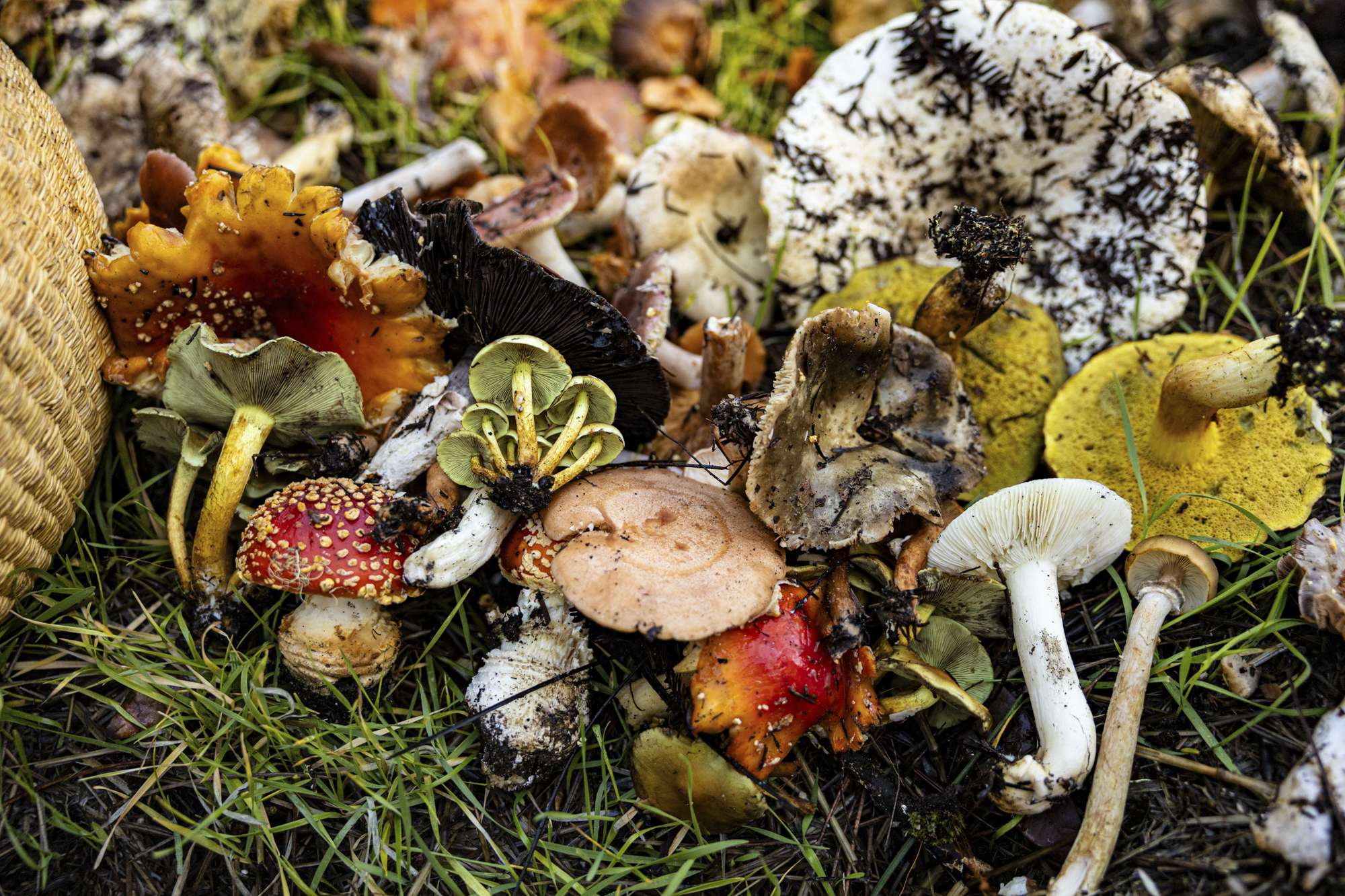
"caption": "Mushrooms picked by individuals who attended Potter Valley Tribe’s mushroom foraging event are displayed on a table at the Pomo Community Forest, a 48-acre coastal forest, in Fort Bragg on Nov. 22, 2025.",
"credit": "Gina Castro for KQED",
"altTag": null,
"description": null,
"imgSizes": {
"thumbnail": {
"file": "https://cdn.kqed.org/wp-content/uploads/sites/10/2026/01/20251122_POTTERVALLEYPOMO_GC-25-KQED-160x107.jpg",
"width": 160,
"height": 107,
"mimeType": "image/jpeg"
},
"1536x1536": {
"file": "https://cdn.kqed.org/wp-content/uploads/sites/10/2026/01/20251122_POTTERVALLEYPOMO_GC-25-KQED-1536x1024.jpg",
"width": 1536,
"height": 1024,
"mimeType": "image/jpeg"
},
"post-thumbnail": {
"file": "https://cdn.kqed.org/wp-content/uploads/sites/10/2026/01/20251122_POTTERVALLEYPOMO_GC-25-KQED-672x372.jpg",
"width": 672,
"height": 372,
"mimeType": "image/jpeg"
},
"twentyfourteen-full-width": {
"file": "https://cdn.kqed.org/wp-content/uploads/sites/10/2026/01/20251122_POTTERVALLEYPOMO_GC-25-KQED-1038x576.jpg",
"width": 1038,
"height": 576,
"mimeType": "image/jpeg"
},
"npr-cds-wide": {
"file": "https://cdn.kqed.org/wp-content/uploads/sites/10/2026/01/20251122_POTTERVALLEYPOMO_GC-25-KQED-1200x675.jpg",
"width": 1200,
"height": 675,
"mimeType": "image/jpeg"
},
"kqedFullSize": {
"file": "https://cdn.kqed.org/wp-content/uploads/sites/10/2026/01/20251122_POTTERVALLEYPOMO_GC-25-KQED.jpg",
"width": 2000,
"height": 1333
}
},
"isLoading": false,
"fetchFailed": false
},
"news_12078612": {
"type": "attachments",
"id": "news_12078612",
"meta": {
"index": "attachments_1716263798",
"site": "news",
"id": "12078612",
"found": true
},
"title": "Trucking company in Bakersfield affected by license pause",
"publishDate": 1775233581,
"status": "inherit",
"parent": 12078260,
"modified": 1775237391,
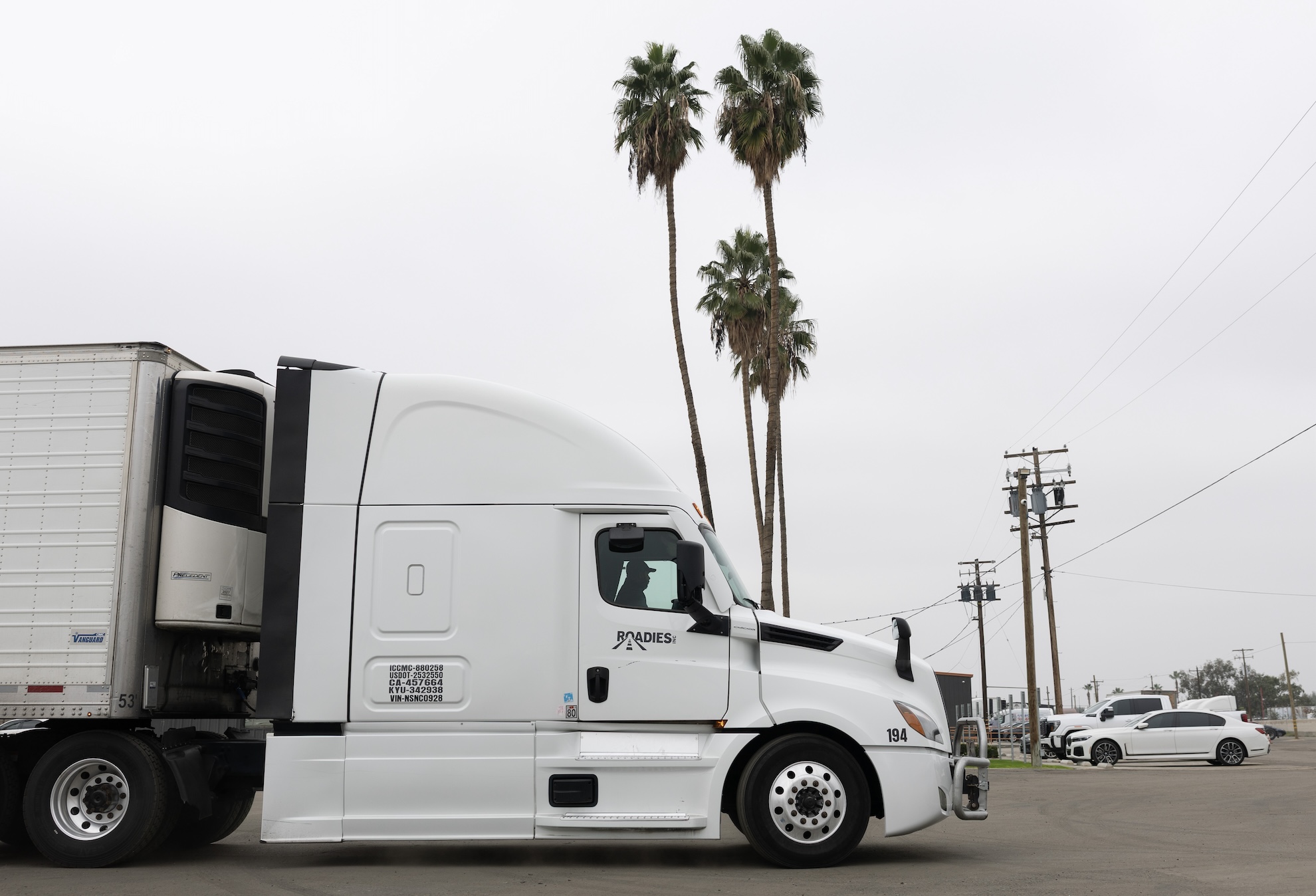
"caption": "A truck leaves for a delivery at Roadies Inc. in Bakersfield, California, on Saturday, Nov. 29, 2025. Avie Nagra, the CEO, says the license pause will affect about 100 of his 300 drivers.",
"credit": "Myung J. Chun/Los Angeles Times",
"altTag": null,
"description": null,
"imgSizes": {
"thumbnail": {
"file": "https://cdn.kqed.org/wp-content/uploads/sites/10/2026/04/GettyImages-2248825788-160x109.jpg",
"width": 160,
"height": 109,
"mimeType": "image/jpeg"
},
"1536x1536": {
"file": "https://cdn.kqed.org/wp-content/uploads/sites/10/2026/04/GettyImages-2248825788-1536x1046.jpg",
"width": 1536,
"height": 1046,
"mimeType": "image/jpeg"
},
"post-thumbnail": {
"file": "https://cdn.kqed.org/wp-content/uploads/sites/10/2026/04/GettyImages-2248825788-672x372.jpg",
"width": 672,
"height": 372,
"mimeType": "image/jpeg"
},
"twentyfourteen-full-width": {
"file": "https://cdn.kqed.org/wp-content/uploads/sites/10/2026/04/GettyImages-2248825788-1038x576.jpg",
"width": 1038,
"height": 576,
"mimeType": "image/jpeg"
},
"npr-cds-wide": {
"file": "https://cdn.kqed.org/wp-content/uploads/sites/10/2026/04/GettyImages-2248825788-1200x675.jpg",
"width": 1200,
"height": 675,
"mimeType": "image/jpeg"
},
"npr-cds-square": {
"file": "https://cdn.kqed.org/wp-content/uploads/sites/10/2026/04/GettyImages-2248825788-600x600.jpg",
"width": 600,
"height": 600,
"mimeType": "image/jpeg"
},
"kqedFullSize": {
"file": "https://cdn.kqed.org/wp-content/uploads/sites/10/2026/04/GettyImages-2248825788.jpg",
"width": 1980,
"height": 1348
}
},
"isLoading": false,
"fetchFailed": false
},
"news_12078246": {
"type": "attachments",
"id": "news_12078246",
"meta": {
"index": "attachments_1716263798",
"site": "news",
"id": "12078246",
"found": true
},
"title": "Paddle Tribal Waters",
"publishDate": 1774993458,
"status": "inherit",
"parent": 12078181,
"modified": 1774993801,
"caption": "Tasia Linwood kayaks the Klamath River upstream of the former Iron Gate dam site, June 22, 2025. Linwood is a participant in Paddle Tribal Waters, a program that trained Indigenous youth for several years to be the first group of people to paddle the free-flowing Klamath from source to sea.",
"credit": "Courtesy of Anna Lueck/OPB",
"altTag": null,
"description": null,
"imgSizes": {
"medium": {
"file": "https://cdn.kqed.org/wp-content/uploads/sites/10/2026/03/FirstDescent_TasiaLinwood_CreditAnnaLueck-OPB-2000x1492.jpg",
"width": 2000,
"height": 1492,
"mimeType": "image/jpeg"
},
"large": {
"file": "https://cdn.kqed.org/wp-content/uploads/sites/10/2026/03/FirstDescent_TasiaLinwood_CreditAnnaLueck-OPB-2000x1492.jpg",
"width": 2000,
"height": 1492,
"mimeType": "image/jpeg"
},
"thumbnail": {
"file": "https://cdn.kqed.org/wp-content/uploads/sites/10/2026/03/FirstDescent_TasiaLinwood_CreditAnnaLueck-OPB-160x119.jpg",
"width": 160,
"height": 119,
"mimeType": "image/jpeg"
},
"1536x1536": {
"file": "https://cdn.kqed.org/wp-content/uploads/sites/10/2026/03/FirstDescent_TasiaLinwood_CreditAnnaLueck-OPB-1536x1146.jpg",
"width": 1536,
"height": 1146,
"mimeType": "image/jpeg"
},
"2048x2048": {
"file": "https://cdn.kqed.org/wp-content/uploads/sites/10/2026/03/FirstDescent_TasiaLinwood_CreditAnnaLueck-OPB-2048x1528.jpg",
"width": 2048,
"height": 1528,
"mimeType": "image/jpeg"
},
"post-thumbnail": {
"file": "https://cdn.kqed.org/wp-content/uploads/sites/10/2026/03/FirstDescent_TasiaLinwood_CreditAnnaLueck-OPB-672x372.jpg",
"width": 672,
"height": 372,
"mimeType": "image/jpeg"
},
"twentyfourteen-full-width": {
"file": "https://cdn.kqed.org/wp-content/uploads/sites/10/2026/03/FirstDescent_TasiaLinwood_CreditAnnaLueck-OPB-1038x576.jpg",
"width": 1038,
"height": 576,
"mimeType": "image/jpeg"
},
"full-width": {
"file": "https://cdn.kqed.org/wp-content/uploads/sites/10/2026/03/FirstDescent_TasiaLinwood_CreditAnnaLueck-OPB-2000x1492.jpg",
"width": 2000,
"height": 1492,
"mimeType": "image/jpeg"
},
"npr-cds-wide": {
"file": "https://cdn.kqed.org/wp-content/uploads/sites/10/2026/03/FirstDescent_TasiaLinwood_CreditAnnaLueck-OPB-1200x675.jpg",
"width": 1200,
"height": 675,
"mimeType": "image/jpeg"
},
"npr-cds-square": {
"file": "https://cdn.kqed.org/wp-content/uploads/sites/10/2026/03/FirstDescent_TasiaLinwood_CreditAnnaLueck-OPB-600x600.jpg",
"width": 600,
"height": 600,
"mimeType": "image/jpeg"
},
"kqedFullSize": {
"file": "https://cdn.kqed.org/wp-content/uploads/sites/10/2026/03/FirstDescent_TasiaLinwood_CreditAnnaLueck-OPB-scaled-e1774993480633.jpg",
"width": 2000,
"height": 1492
}
},
"isLoading": false,
"fetchFailed": false
},
"news_12071159": {
"type": "attachments",
"id": "news_12071159",
"meta": {
"index": "attachments_1716263798",
"site": "news",
"id": "12071159",
"found": true
},
"title": "20251122_POTTERVALLEYPOMO_GC-13-KQED",
"publishDate": 1769536049,
"status": "inherit",
"parent": 0,
"modified": 1775164004,
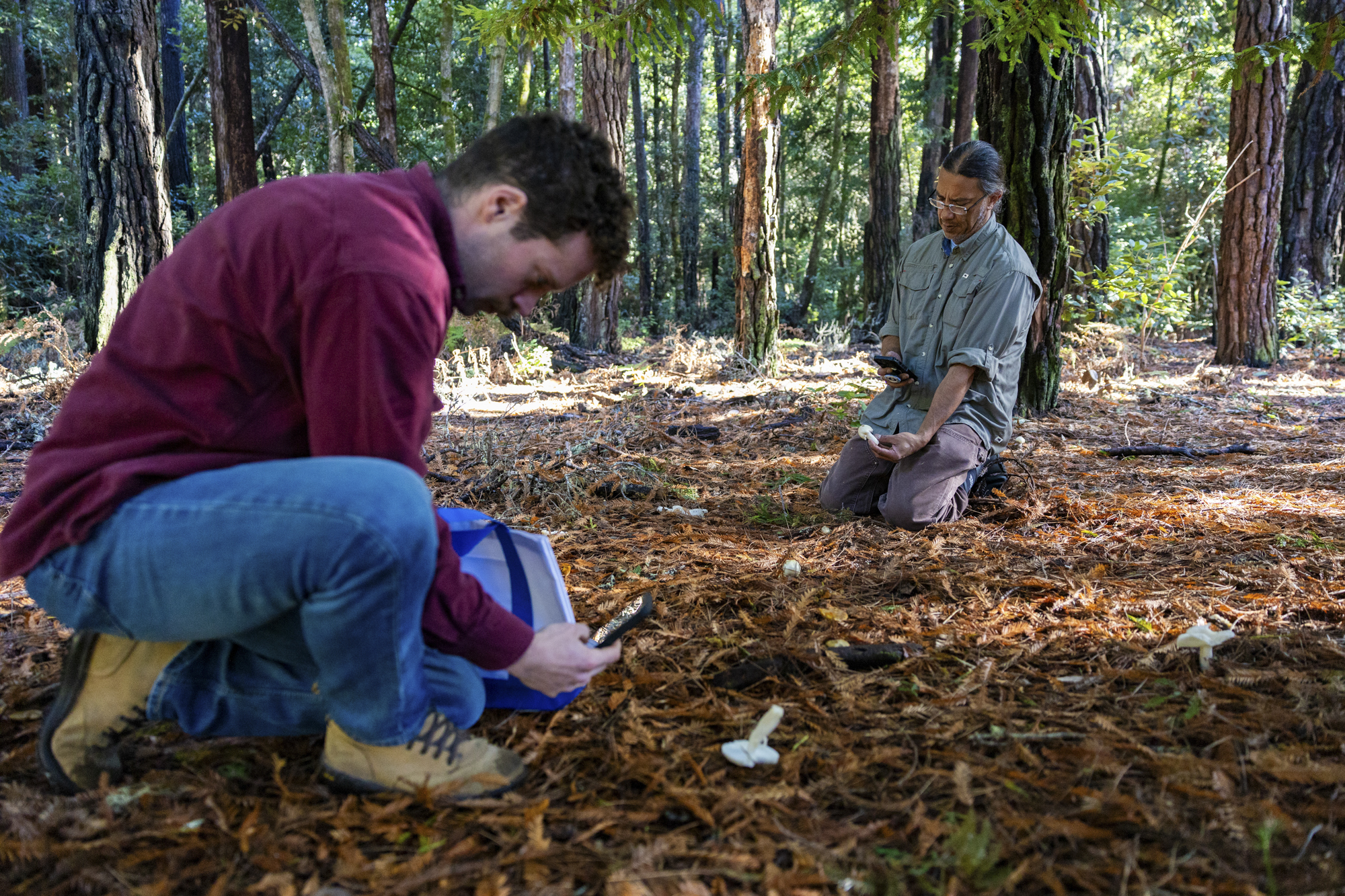
"caption": "Jeff Conti, North Coast project manager at Trust for Public Land, left, and Nathan Rich, tribal environmental manager of Potter Valley Tribe, right, use the app Seek to identify mushrooms during Potter Valley Tribe’s mushroom foraging event, at the Pomo Community Forest, a 48-acre coastal forest, in Fort Bragg on Nov. 22, 2025.",
"credit": "Gina Castro for KQED",
"altTag": null,
"description": null,
"imgSizes": {
"thumbnail": {
"file": "https://cdn.kqed.org/wp-content/uploads/sites/10/2026/01/20251122_POTTERVALLEYPOMO_GC-13-KQED-160x107.jpg",
"width": 160,
"height": 107,
"mimeType": "image/jpeg"
},
"1536x1536": {
"file": "https://cdn.kqed.org/wp-content/uploads/sites/10/2026/01/20251122_POTTERVALLEYPOMO_GC-13-KQED-1536x1024.jpg",
"width": 1536,
"height": 1024,
"mimeType": "image/jpeg"
},
"post-thumbnail": {
"file": "https://cdn.kqed.org/wp-content/uploads/sites/10/2026/01/20251122_POTTERVALLEYPOMO_GC-13-KQED-672x372.jpg",
"width": 672,
"height": 372,
"mimeType": "image/jpeg"
},
"twentyfourteen-full-width": {
"file": "https://cdn.kqed.org/wp-content/uploads/sites/10/2026/01/20251122_POTTERVALLEYPOMO_GC-13-KQED-1038x576.jpg",
"width": 1038,
"height": 576,
"mimeType": "image/jpeg"
},
"npr-cds-wide": {
"file": "https://cdn.kqed.org/wp-content/uploads/sites/10/2026/01/20251122_POTTERVALLEYPOMO_GC-13-KQED-1200x675.jpg",
"width": 1200,
"height": 675,
"mimeType": "image/jpeg"
},
"kqedFullSize": {
"file": "https://cdn.kqed.org/wp-content/uploads/sites/10/2026/01/20251122_POTTERVALLEYPOMO_GC-13-KQED.jpg",
"width": 2000,
"height": 1333
}
},
"isLoading": false,
"fetchFailed": false
},
"news_12078455": {
"type": "attachments",
"id": "news_12078455",
"meta": {
"index": "attachments_1716263798",
"site": "news",
"id": "12078455",
"found": true
},
"title": "Big Basin Redwoods State Park, San Jose, California, wildfire.",
"publishDate": 1775150923,
"status": "inherit",
"parent": 12078438,
"modified": 1775152122,
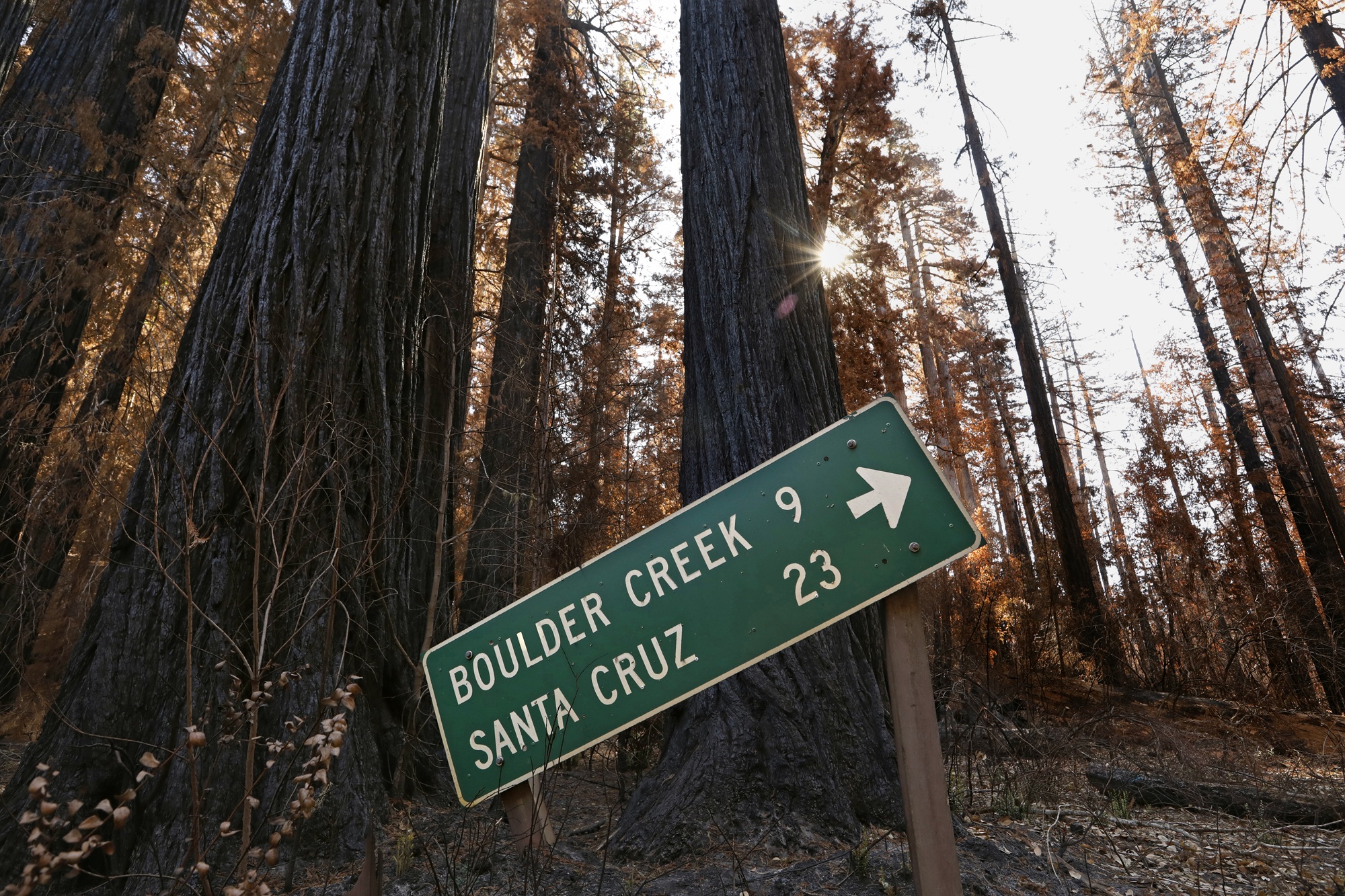
"caption": "Big Basin Redwoods State Park on Nov. 5, 2020. The Big Basin Redwoods State Park was hit by a wildfire in August that burned roughly 97% of the park's 18,224 acres.",
"credit": "Carolyn Cole/Los Angeles Times via Getty Images",
"altTag": null,
"description": null,
"imgSizes": {
"thumbnail": {
"file": "https://cdn.kqed.org/wp-content/uploads/sites/10/2026/04/BoulderCreekSantaCruzGetty-160x107.jpg",
"width": 160,
"height": 107,
"mimeType": "image/jpeg"
},
"1536x1536": {
"file": "https://cdn.kqed.org/wp-content/uploads/sites/10/2026/04/BoulderCreekSantaCruzGetty-1536x1024.jpg",
"width": 1536,
"height": 1024,
"mimeType": "image/jpeg"
},
"post-thumbnail": {
"file": "https://cdn.kqed.org/wp-content/uploads/sites/10/2026/04/BoulderCreekSantaCruzGetty-672x372.jpg",
"width": 672,
"height": 372,
"mimeType": "image/jpeg"
},
"twentyfourteen-full-width": {
"file": "https://cdn.kqed.org/wp-content/uploads/sites/10/2026/04/BoulderCreekSantaCruzGetty-1038x576.jpg",
"width": 1038,
"height": 576,
"mimeType": "image/jpeg"
},
"npr-cds-wide": {
"file": "https://cdn.kqed.org/wp-content/uploads/sites/10/2026/04/BoulderCreekSantaCruzGetty-1200x675.jpg",
"width": 1200,
"height": 675,
"mimeType": "image/jpeg"
},
"npr-cds-square": {
"file": "https://cdn.kqed.org/wp-content/uploads/sites/10/2026/04/BoulderCreekSantaCruzGetty-600x600.jpg",
"width": 600,
"height": 600,
"mimeType": "image/jpeg"
},
"kqedFullSize": {
"file": "https://cdn.kqed.org/wp-content/uploads/sites/10/2026/04/BoulderCreekSantaCruzGetty.jpg",
"width": 2000,
"height": 1333
}
},
"isLoading": false,
"fetchFailed": false
},
"news_12078484": {
"type": "attachments",
"id": "news_12078484",
"meta": {
"index": "attachments_1716263798",
"site": "news",
"id": "12078484",
"found": true
},
"title": "112018_AW_AlamedaCountyFood Bank_05_qed",
"publishDate": 1775157605,
"status": "inherit",
"parent": 12078390,
"modified": 1775157636,
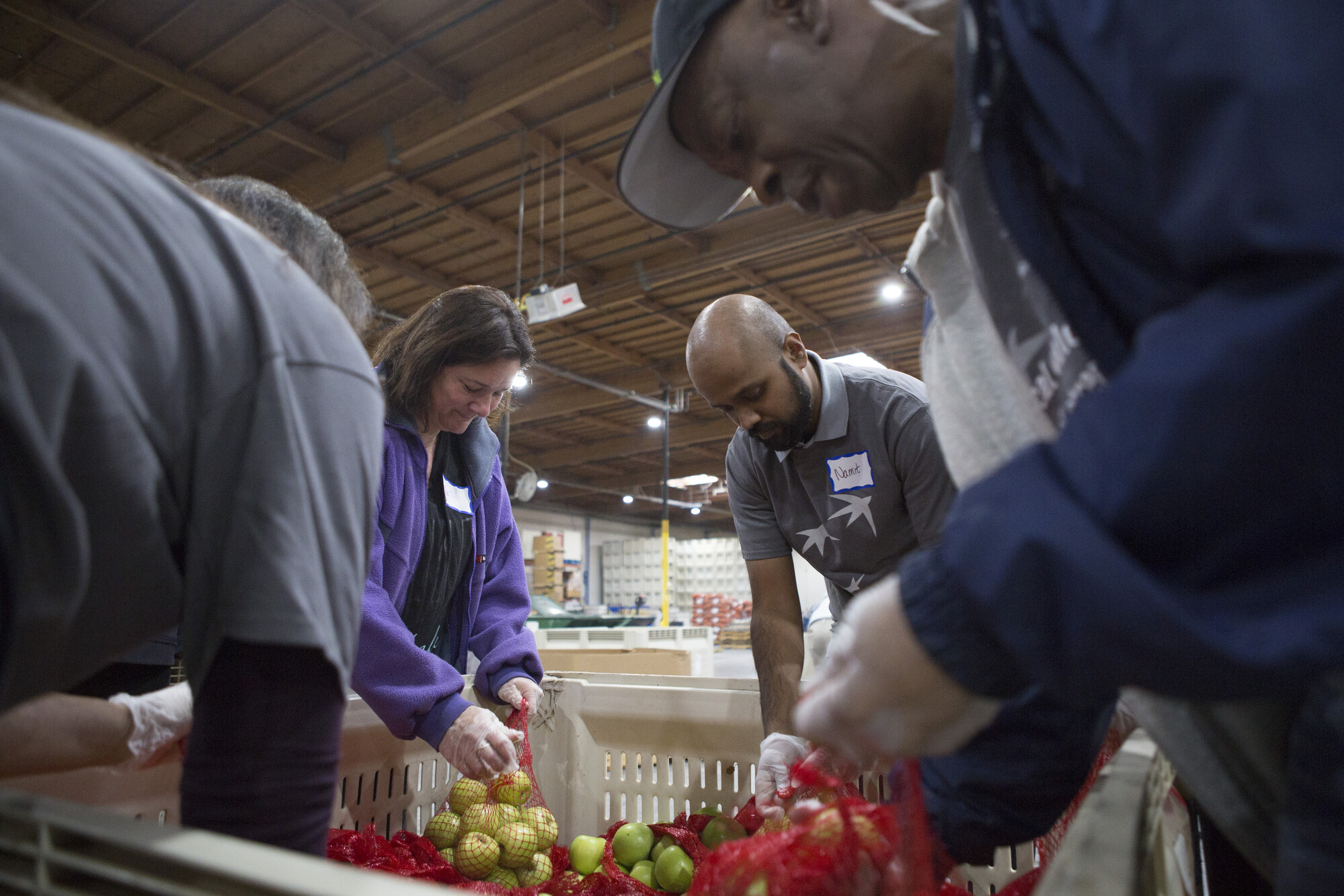
"caption": "Volunteers from Bank of the West and Boys Team Charity sort apples from the produce bins at the Alameda County Community Food Bank on Nov. 20, 2018. ",
"credit": "Anne Wernikoff/KQED",
"altTag": null,
"description": null,
"imgSizes": {
"thumbnail": {
"file": "https://cdn.kqed.org/wp-content/uploads/sites/10/2026/04/112018_AW_AlamedaCountyFood-Bank_05_qed-160x107.jpg",
"width": 160,
"height": 107,
"mimeType": "image/jpeg"
},
"1536x1536": {
"file": "https://cdn.kqed.org/wp-content/uploads/sites/10/2026/04/112018_AW_AlamedaCountyFood-Bank_05_qed-1536x1024.jpg",
"width": 1536,
"height": 1024,
"mimeType": "image/jpeg"
},
"post-thumbnail": {
"file": "https://cdn.kqed.org/wp-content/uploads/sites/10/2026/04/112018_AW_AlamedaCountyFood-Bank_05_qed-672x372.jpg",
"width": 672,
"height": 372,
"mimeType": "image/jpeg"
},
"twentyfourteen-full-width": {
"file": "https://cdn.kqed.org/wp-content/uploads/sites/10/2026/04/112018_AW_AlamedaCountyFood-Bank_05_qed-1038x576.jpg",
"width": 1038,
"height": 576,
"mimeType": "image/jpeg"
},
"npr-cds-wide": {
"file": "https://cdn.kqed.org/wp-content/uploads/sites/10/2026/04/112018_AW_AlamedaCountyFood-Bank_05_qed-1200x675.jpg",
"width": 1200,
"height": 675,
"mimeType": "image/jpeg"
},
"npr-cds-square": {
"file": "https://cdn.kqed.org/wp-content/uploads/sites/10/2026/04/112018_AW_AlamedaCountyFood-Bank_05_qed-600x600.jpg",
"width": 600,
"height": 600,
"mimeType": "image/jpeg"
},
"kqedFullSize": {
"file": "https://cdn.kqed.org/wp-content/uploads/sites/10/2026/04/112018_AW_AlamedaCountyFood-Bank_05_qed.jpg",
"width": 1999,
"height": 1333
}
},
"isLoading": false,
"fetchFailed": false
},
"news_12077271": {
"type": "attachments",
"id": "news_12077271",
"meta": {
"index": "attachments_1716263798",
"site": "news",
"id": "12077271",
"found": true
},
"title": "031626_PINNACLESFORTHEDAY _GH_040-KQED",
"publishDate": 1774273676,
"status": "inherit",
"parent": 0,
"modified": 1774273710,
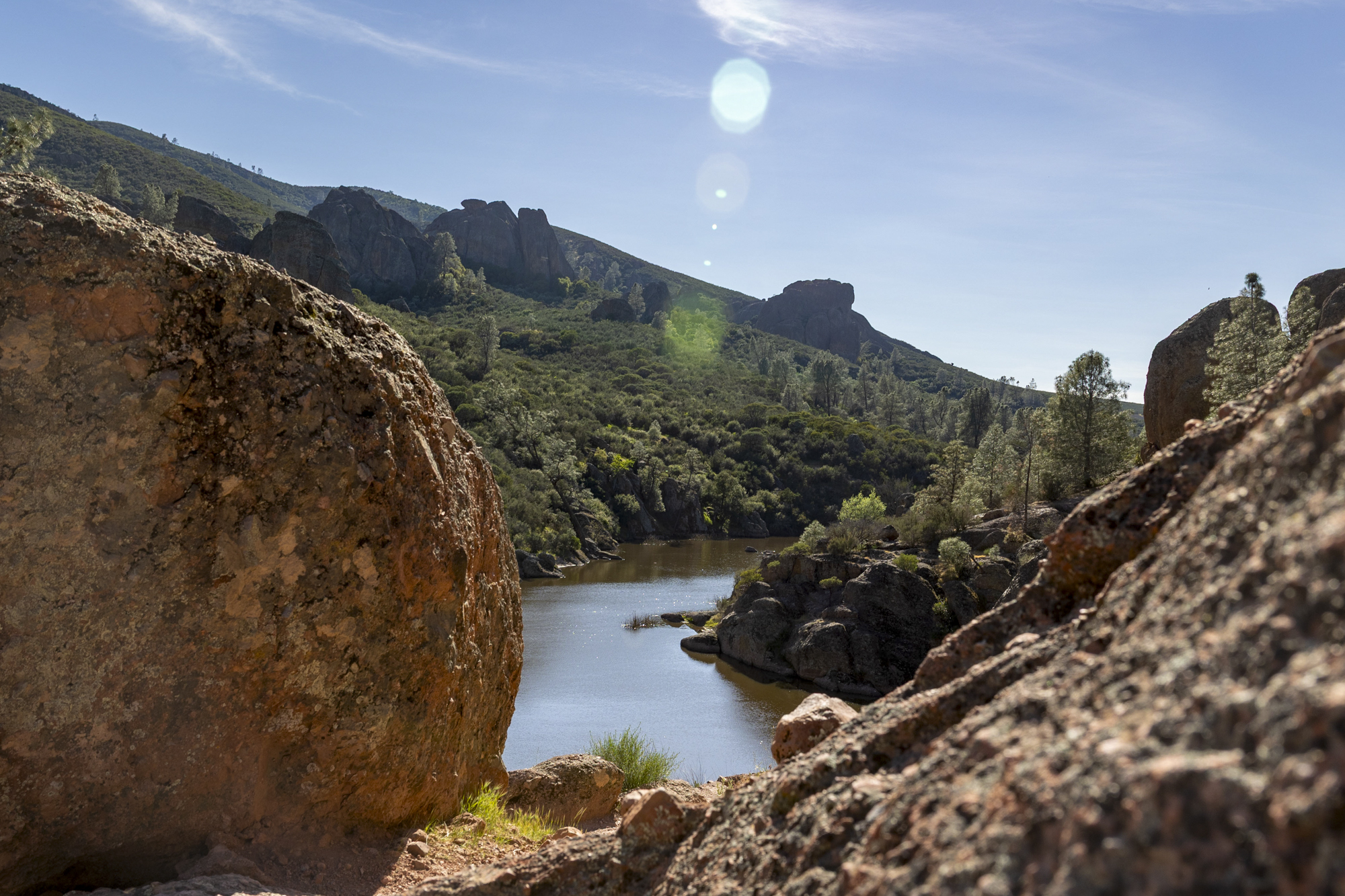
"caption": "Bear Gulch Reservoir sits between rocky formations and rolling hills at Pinnacles National Park on March 16, 2026.",
"credit": "Gustavo Hernandez/KQED",
"altTag": null,
"description": null,
"imgSizes": {
"thumbnail": {
"file": "https://cdn.kqed.org/wp-content/uploads/sites/10/2026/03/031626_PINNACLESFORTHEDAY-_GH_040-KQED-160x107.jpg",
"width": 160,
"height": 107,
"mimeType": "image/jpeg"
},
"1536x1536": {
"file": "https://cdn.kqed.org/wp-content/uploads/sites/10/2026/03/031626_PINNACLESFORTHEDAY-_GH_040-KQED-1536x1024.jpg",
"width": 1536,
"height": 1024,
"mimeType": "image/jpeg"
},
"post-thumbnail": {
"file": "https://cdn.kqed.org/wp-content/uploads/sites/10/2026/03/031626_PINNACLESFORTHEDAY-_GH_040-KQED-672x372.jpg",
"width": 672,
"height": 372,
"mimeType": "image/jpeg"
},
"twentyfourteen-full-width": {
"file": "https://cdn.kqed.org/wp-content/uploads/sites/10/2026/03/031626_PINNACLESFORTHEDAY-_GH_040-KQED-1038x576.jpg",
"width": 1038,
"height": 576,
"mimeType": "image/jpeg"
},
"npr-cds-wide": {
"file": "https://cdn.kqed.org/wp-content/uploads/sites/10/2026/03/031626_PINNACLESFORTHEDAY-_GH_040-KQED-1200x675.jpg",
"width": 1200,
"height": 675,
"mimeType": "image/jpeg"
},
"kqedFullSize": {
"file": "https://cdn.kqed.org/wp-content/uploads/sites/10/2026/03/031626_PINNACLESFORTHEDAY-_GH_040-KQED.jpg",
"width": 2000,
"height": 1333
}
},
"isLoading": false,
"fetchFailed": false
},
"news_12062564": {
"type": "attachments",
"id": "news_12062564",
"meta": {
"index": "attachments_1716263798",
"site": "news",
"id": "12062564",
"found": true
},
"title": "251031-SFMARINFOODBANK-11-BL-KQED",
"publishDate": 1761943580,
"status": "inherit",
"parent": 12062577,
"modified": 1761948469,
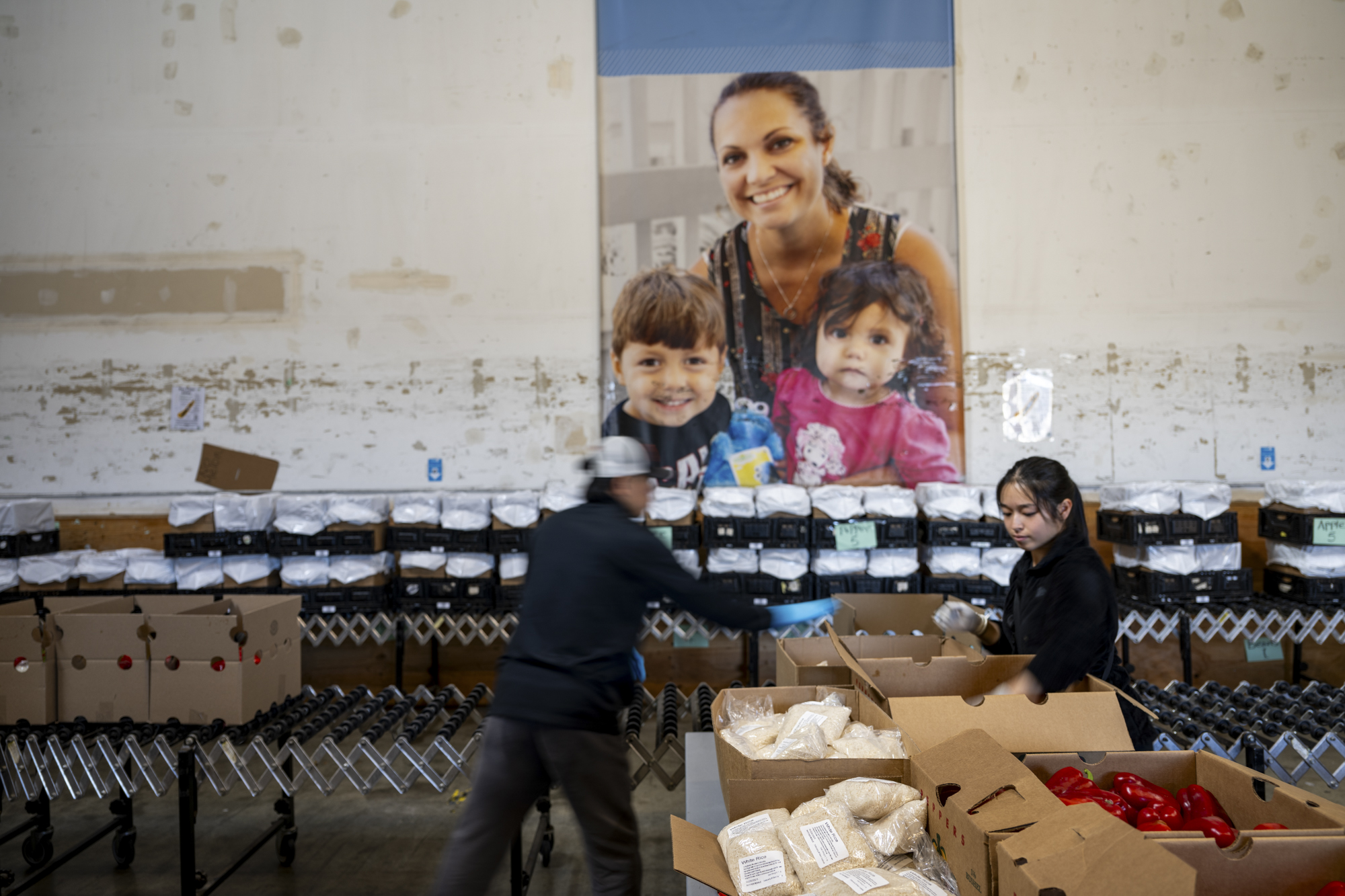
"caption": "Filmark Bernante (left) and Megan Feria sort fresh produce into boxes at the San Francisco‑Marin Food Bank warehouse in San Francisco on Oct. 31, 2025.",
"credit": "Beth LaBerge/KQED",
"altTag": null,
"description": null,
"imgSizes": {
"thumbnail": {
"file": "https://cdn.kqed.org/wp-content/uploads/sites/10/2025/10/251031-SFMARINFOODBANK-11-BL-KQED-160x107.jpg",
"width": 160,
"height": 107,
"mimeType": "image/jpeg"
},
"1536x1536": {
"file": "https://cdn.kqed.org/wp-content/uploads/sites/10/2025/10/251031-SFMARINFOODBANK-11-BL-KQED-1536x1024.jpg",
"width": 1536,
"height": 1024,
"mimeType": "image/jpeg"
},
"post-thumbnail": {
"file": "https://cdn.kqed.org/wp-content/uploads/sites/10/2025/10/251031-SFMARINFOODBANK-11-BL-KQED-672x372.jpg",
"width": 672,
"height": 372,
"mimeType": "image/jpeg"
},
"twentyfourteen-full-width": {
"file": "https://cdn.kqed.org/wp-content/uploads/sites/10/2025/10/251031-SFMARINFOODBANK-11-BL-KQED-1038x576.jpg",
"width": 1038,
"height": 576,
"mimeType": "image/jpeg"
},
"npr-cds-wide": {
"file": "https://cdn.kqed.org/wp-content/uploads/sites/10/2025/10/251031-SFMARINFOODBANK-11-BL-KQED-1200x675.jpg",
"width": 1200,
"height": 675,
"mimeType": "image/jpeg"
},
"kqedFullSize": {
"file": "https://cdn.kqed.org/wp-content/uploads/sites/10/2025/10/251031-SFMARINFOODBANK-11-BL-KQED.jpg",
"width": 2000,
"height": 1333
}
},
"isLoading": false,
"fetchFailed": false
},
"news_12078321": {
"type": "attachments",
"id": "news_12078321",
"meta": {
"index": "attachments_1716263798",
"site": "news",
"id": "12078321",
"found": true
},
"title": "260331-SFCONGRESSDEBATE-19-BL-KQED",
"publishDate": 1775018354,
"status": "inherit",
"parent": 0,
"modified": 1775018550,
"caption": "Supervisor Connie Chan speaks during a debate with Saikat Chakrabarti and state Sen. Scott Wiener, fellow candidates for San Francisco’s U.S. House seat, in a co-sponsored event by KQED at the Sydney Goldstein Theater in San Francisco on March 31, 2026.",
"credit": "Beth LaBerge/KQED",
"altTag": null,
"description": null,
"imgSizes": {
"thumbnail": {
"file": "https://cdn.kqed.org/wp-content/uploads/sites/10/2026/03/260331-SFCONGRESSDEBATE-19-BL-KQED-160x107.jpg",
"width": 160,
"height": 107,
"mimeType": "image/jpeg"
},
"1536x1536": {
"file": "https://cdn.kqed.org/wp-content/uploads/sites/10/2026/03/260331-SFCONGRESSDEBATE-19-BL-KQED-1536x1024.jpg",
"width": 1536,
"height": 1024,
"mimeType": "image/jpeg"
},
"post-thumbnail": {
"file": "https://cdn.kqed.org/wp-content/uploads/sites/10/2026/03/260331-SFCONGRESSDEBATE-19-BL-KQED-672x372.jpg",
"width": 672,
"height": 372,
"mimeType": "image/jpeg"
},
"twentyfourteen-full-width": {
"file": "https://cdn.kqed.org/wp-content/uploads/sites/10/2026/03/260331-SFCONGRESSDEBATE-19-BL-KQED-1038x576.jpg",
"width": 1038,
"height": 576,
"mimeType": "image/jpeg"
},
"npr-cds-wide": {
"file": "https://cdn.kqed.org/wp-content/uploads/sites/10/2026/03/260331-SFCONGRESSDEBATE-19-BL-KQED-1200x675.jpg",
"width": 1200,
"height": 675,
"mimeType": "image/jpeg"
},
"npr-cds-square": {
"file": "https://cdn.kqed.org/wp-content/uploads/sites/10/2026/03/260331-SFCONGRESSDEBATE-19-BL-KQED-600x600.jpg",
"width": 600,
"height": 600,
"mimeType": "image/jpeg"
},
"kqedFullSize": {
"file": "https://cdn.kqed.org/wp-content/uploads/sites/10/2026/03/260331-SFCONGRESSDEBATE-19-BL-KQED.jpg",
"width": 2000,
"height": 1333
}
},
"isLoading": false,
"fetchFailed": false
},
"news_12057452": {
"type": "attachments",
"id": "news_12057452",
"meta": {
"index": "attachments_1716263798",
"site": "news",
"id": "12057452",
"found": true
},
"title": "20250924_SONOMACOUNTYSHERIFF_GC-6-KQED",
"publishDate": 1758741353,
"status": "inherit",
"parent": 0,
"modified": 1758741400,
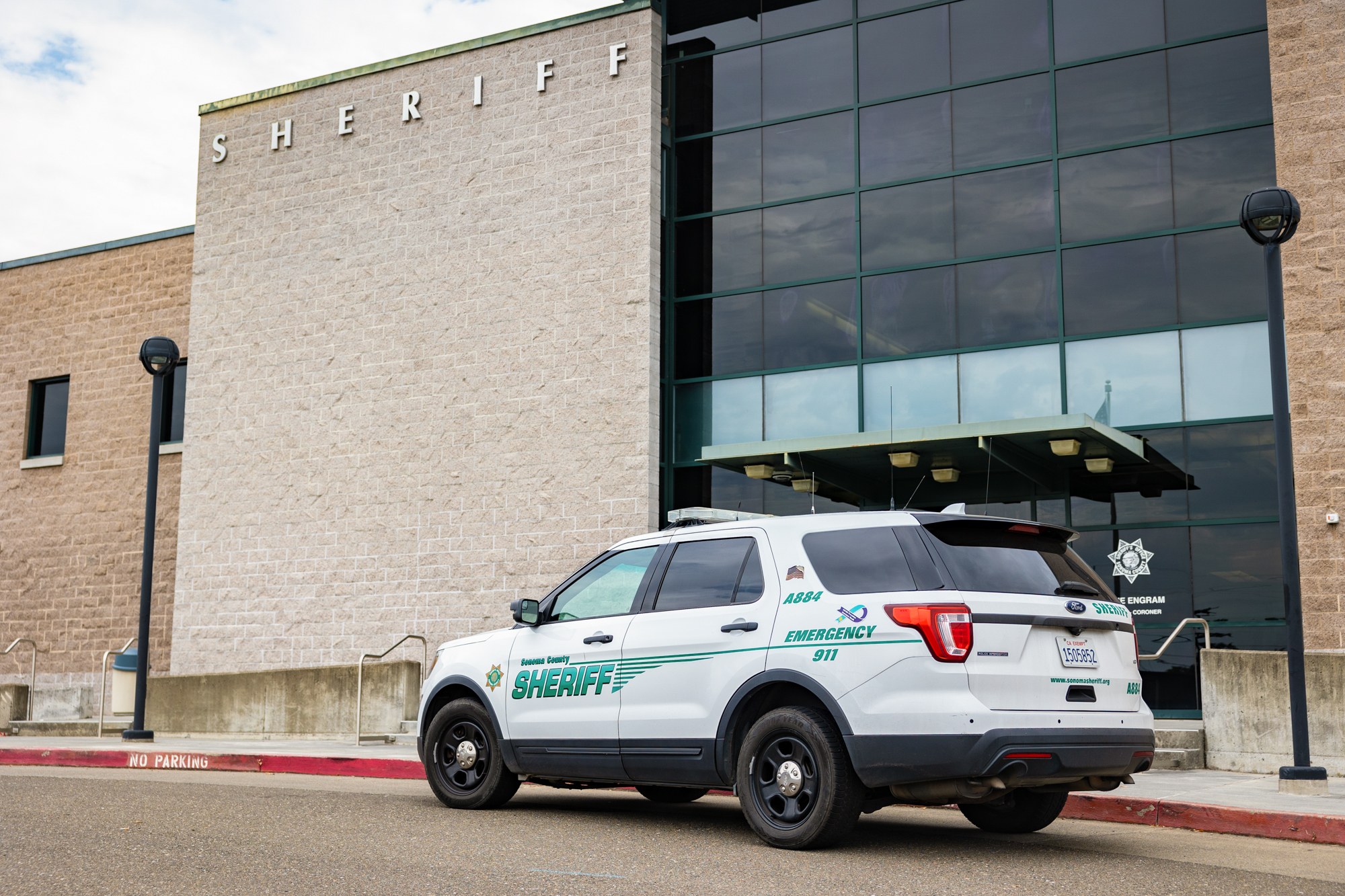
"caption": "A Sonoma County Sheriff patrol car parked in front of the headquarters in Santa Rosa on Sept. 24, 2025.",
"credit": "Gina Castro/KQED",
"altTag": null,
"description": null,
"imgSizes": {
"thumbnail": {
"file": "https://cdn.kqed.org/wp-content/uploads/sites/10/2025/09/20250924_SONOMACOUNTYSHERIFF_GC-6-KQED-160x107.jpg",
"width": 160,
"height": 107,
"mimeType": "image/jpeg"
},
"1536x1536": {
"file": "https://cdn.kqed.org/wp-content/uploads/sites/10/2025/09/20250924_SONOMACOUNTYSHERIFF_GC-6-KQED-1536x1024.jpg",
"width": 1536,
"height": 1024,
"mimeType": "image/jpeg"
},
"post-thumbnail": {
"file": "https://cdn.kqed.org/wp-content/uploads/sites/10/2025/09/20250924_SONOMACOUNTYSHERIFF_GC-6-KQED-672x372.jpg",
"width": 672,
"height": 372,
"mimeType": "image/jpeg"
},
"twentyfourteen-full-width": {
"file": "https://cdn.kqed.org/wp-content/uploads/sites/10/2025/09/20250924_SONOMACOUNTYSHERIFF_GC-6-KQED-1038x576.jpg",
"width": 1038,
"height": 576,
"mimeType": "image/jpeg"
},
"kqedFullSize": {
"file": "https://cdn.kqed.org/wp-content/uploads/sites/10/2025/09/20250924_SONOMACOUNTYSHERIFF_GC-6-KQED.jpg",
"width": 2000,
"height": 1333
}
},
"isLoading": false,
"fetchFailed": false
},
"news_12073780": {
"type": "attachments",
"id": "news_12073780",
"meta": {
"index": "attachments_1716263798",
"site": "news",
"id": "12073780",
"found": true
},
"title": "ICE Raid At Southern California Farm Sparks Protests",
"publishDate": 1771461614,
"status": "inherit",
"parent": 12073728,
"modified": 1776964377,
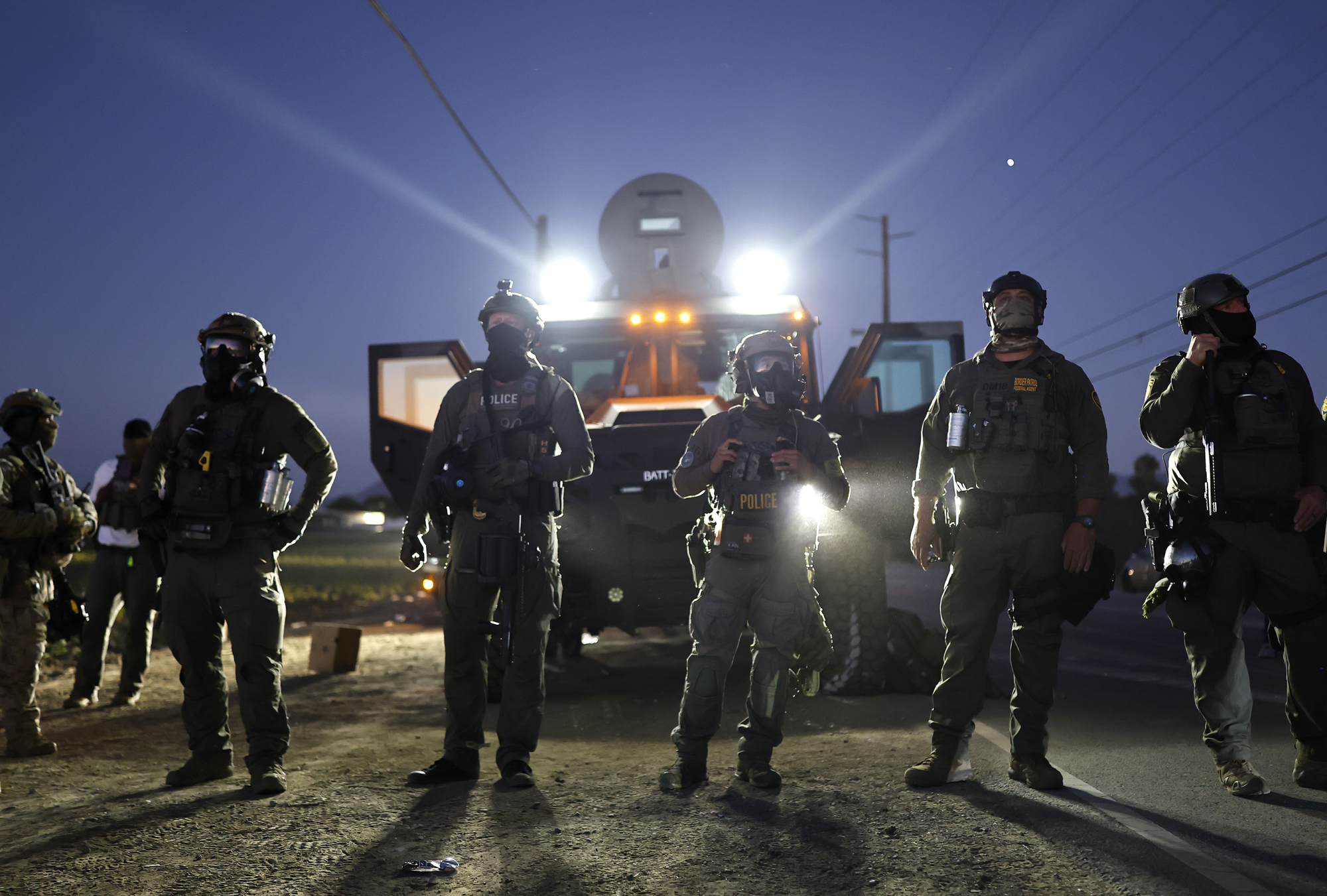
"caption": "Federal agents at an immigration raid near Camarillo in Southern California on July 10, 2025.",
"credit": "Mario Tama/Getty Images",
"altTag": null,
"description": null,
"imgSizes": {
"thumbnail": {
"file": "https://cdn.kqed.org/wp-content/uploads/sites/10/2026/02/GETTYIMAGES-2224603707-KQED-160x108.jpg",
"width": 160,
"height": 108,
"mimeType": "image/jpeg"
},
"1536x1536": {
"file": "https://cdn.kqed.org/wp-content/uploads/sites/10/2026/02/GETTYIMAGES-2224603707-KQED-1536x1038.jpg",
"width": 1536,
"height": 1038,
"mimeType": "image/jpeg"
},
"post-thumbnail": {
"file": "https://cdn.kqed.org/wp-content/uploads/sites/10/2026/02/GETTYIMAGES-2224603707-KQED-672x372.jpg",
"width": 672,
"height": 372,
"mimeType": "image/jpeg"
},
"twentyfourteen-full-width": {
"file": "https://cdn.kqed.org/wp-content/uploads/sites/10/2026/02/GETTYIMAGES-2224603707-KQED-1038x576.jpg",
"width": 1038,
"height": 576,
"mimeType": "image/jpeg"
},
"npr-cds-wide": {
"file": "https://cdn.kqed.org/wp-content/uploads/sites/10/2026/02/GETTYIMAGES-2224603707-KQED-1200x675.jpg",
"width": 1200,
"height": 675,
"mimeType": "image/jpeg"
},
"kqedFullSize": {
"file": "https://cdn.kqed.org/wp-content/uploads/sites/10/2026/02/GETTYIMAGES-2224603707-KQED.jpg",
"width": 2000,
"height": 1351
}
},
"isLoading": false,
"fetchFailed": false
},
"news_12078119": {
"type": "attachments",
"id": "news_12078119",
"meta": {
"index": "attachments_1716263798",
"site": "news",
"id": "12078119",
"found": true
},
"title": "US-POLITICS-JUSTICE-CHAVEZ",
"publishDate": 1774910016,
"status": "inherit",
"parent": 12078103,
"modified": 1774916040,
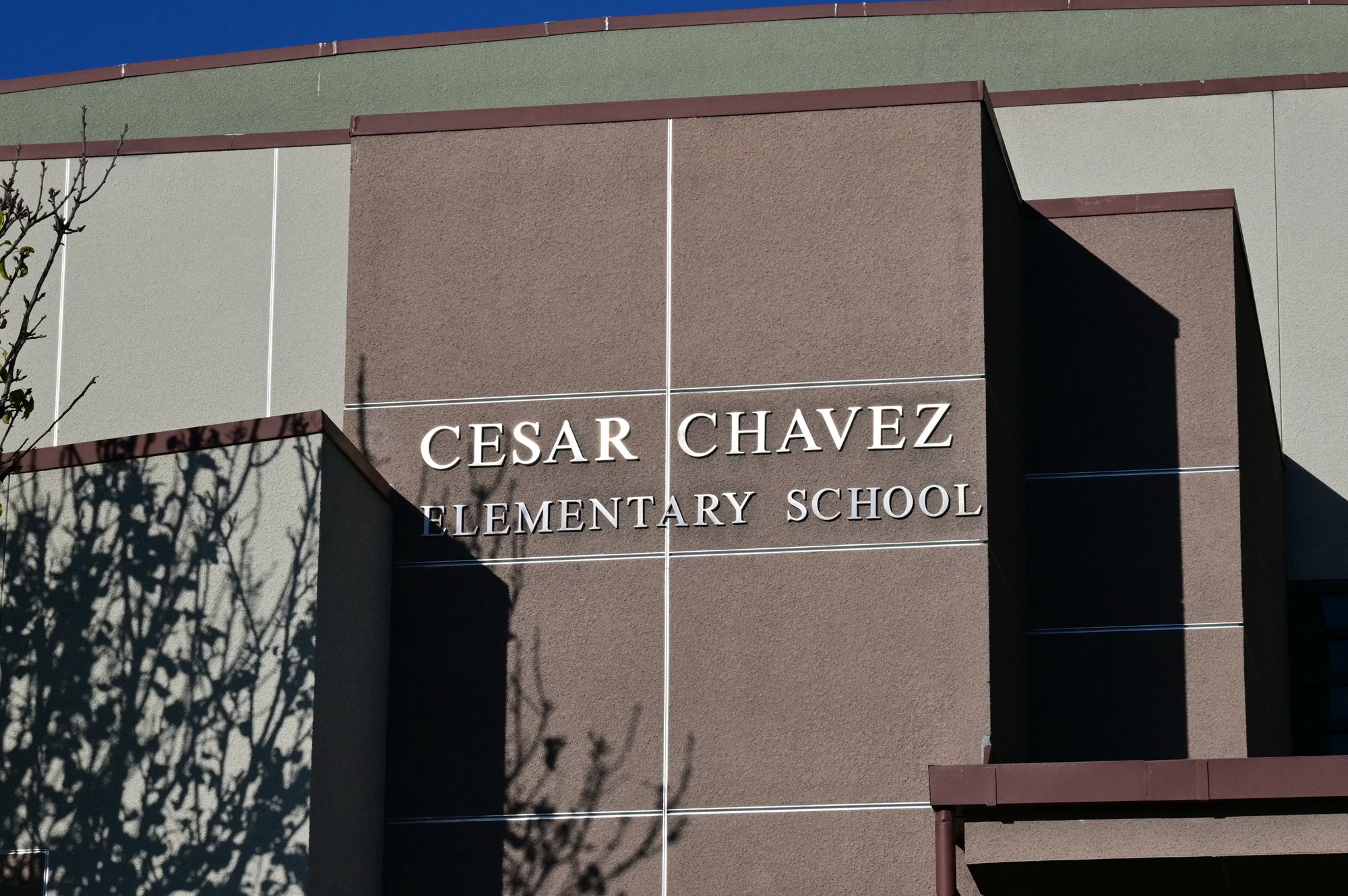
"caption": "A view of Cesar Chavez Elementary School in the El Sereno neighborhood in Los Angeles, California, on March 20, 2026. U.S. civil rights icon Cesar Chavez, whose decades of campaigning brought profound and lasting changes to workers' rights, was a serial rapist who abused children and harassed women in the movement he led, a bombshell New York Times investigation said March 18.",
"credit": "Frederic J. Brown/AFP via Getty Images",
"altTag": null,
"description": null,
"imgSizes": {
"thumbnail": {
"file": "https://cdn.kqed.org/wp-content/uploads/sites/10/2026/03/CesarChavezElementarySchoolGetty-160x106.jpg",
"width": 160,
"height": 106,
"mimeType": "image/jpeg"
},
"1536x1536": {
"file": "https://cdn.kqed.org/wp-content/uploads/sites/10/2026/03/CesarChavezElementarySchoolGetty-1536x1021.jpg",
"width": 1536,
"height": 1021,
"mimeType": "image/jpeg"
},
"post-thumbnail": {
"file": "https://cdn.kqed.org/wp-content/uploads/sites/10/2026/03/CesarChavezElementarySchoolGetty-672x372.jpg",
"width": 672,
"height": 372,
"mimeType": "image/jpeg"
},
"twentyfourteen-full-width": {
"file": "https://cdn.kqed.org/wp-content/uploads/sites/10/2026/03/CesarChavezElementarySchoolGetty-1038x576.jpg",
"width": 1038,
"height": 576,
"mimeType": "image/jpeg"
},
"npr-cds-wide": {
"file": "https://cdn.kqed.org/wp-content/uploads/sites/10/2026/03/CesarChavezElementarySchoolGetty-1200x675.jpg",
"width": 1200,
"height": 675,
"mimeType": "image/jpeg"
},
"npr-cds-square": {
"file": "https://cdn.kqed.org/wp-content/uploads/sites/10/2026/03/CesarChavezElementarySchoolGetty-600x600.jpg",
"width": 600,
"height": 600,
"mimeType": "image/jpeg"
},
"kqedFullSize": {
"file": "https://cdn.kqed.org/wp-content/uploads/sites/10/2026/03/CesarChavezElementarySchoolGetty.jpg",
"width": 2000,
"height": 1330
}
},
"isLoading": false,
"fetchFailed": false
}
},
"audioPlayerReducer": {
"postId": "stream_live",
"isPaused": true,
"isPlaying": false,
"pfsActive": false,
"pledgeModalIsOpen": true,
"playerDrawerIsOpen": false,
"liveAudioPlayStartedAt": 0,
"liveAudioPlayContext": ""
},
"authorsReducer": {
"byline_news_12078084": {
"type": "authors",
"id": "byline_news_12078084",
"meta": {
"override": true
},
"slug": "byline_news_12078084",
"name": "Sergio Olmos, CalMatters",
"isLoading": false
},
"gmarzorati": {
"type": "authors",
"id": "227",
"meta": {
"index": "authors_1716337520",
"id": "227",
"found": true
},
"name": "Guy Marzorati",
"firstName": "Guy",
"lastName": "Marzorati",
"slug": "gmarzorati",
"email": "gmarzorati@KQED.org",
"display_author_email": true,
"staff_mastheads": [
"news"
],
"title": "Correspondent",
"bio": "Guy Marzorati is a correspondent on KQED's California Politics and Government Desk, based in San Jose. A graduate of Santa Clara University, Guy joined KQED in 2013. He reports on state and local politics and produces KQED's digital voter guide.",
"avatar": "https://secure.gravatar.com/avatar/e7038b8dbfd55b104369b76b1cd0b9de?s=600&d=blank&r=g",
"twitter": "guymarzorati",
"facebook": null,
"instagram": null,
"linkedin": null,
"sites": [
{
"site": "",
"roles": [
"editor"
]
},
{
"site": "news",
"roles": [
"editor"
]
},
{
"site": "science",
"roles": [
"editor"
]
},
{
"site": "forum",
"roles": [
"editor"
]
},
{
"site": "elections",
"roles": [
"editor"
]
},
{
"site": "liveblog",
"roles": [
"editor"
]
}
],
"headData": {
"title": "Guy Marzorati | KQED",
"description": "Correspondent",
"ogImgSrc": "https://secure.gravatar.com/avatar/e7038b8dbfd55b104369b76b1cd0b9de?s=600&d=blank&r=g",
"twImgSrc": "https://secure.gravatar.com/avatar/e7038b8dbfd55b104369b76b1cd0b9de?s=600&d=blank&r=g"
},
"isLoading": false,
"link": "/author/gmarzorati"
},
"kqed": {
"type": "authors",
"id": "236",
"meta": {
"index": "authors_1716337520",
"id": "236",
"found": true
},
"name": "KQED News Staff",
"firstName": "KQED News Staff",
"lastName": null,
"slug": "kqed",
"email": "faq@kqed.org",
"display_author_email": false,
"staff_mastheads": [],
"title": null,
"bio": null,
"avatar": "https://secure.gravatar.com/avatar/ef0e801a68c4c54afa9180db14084167?s=600&d=blank&r=g",
"twitter": null,
"facebook": null,
"instagram": null,
"linkedin": null,
"sites": [
{
"site": "arts",
"roles": [
"contributor"
]
},
{
"site": "news",
"roles": [
"editor"
]
},
{
"site": "futureofyou",
"roles": [
"author"
]
}
],
"headData": {
"title": "KQED News Staff | KQED",
"description": null,
"ogImgSrc": "https://secure.gravatar.com/avatar/ef0e801a68c4c54afa9180db14084167?s=600&d=blank&r=g",
"twImgSrc": "https://secure.gravatar.com/avatar/ef0e801a68c4c54afa9180db14084167?s=600&d=blank&r=g"
},
"isLoading": false,
"link": "/author/kqed"
},
"jsmall": {
"type": "authors",
"id": "6625",
"meta": {
"index": "authors_1716337520",
"id": "6625",
"found": true
},
"name": "Julie Small",
"firstName": "Julie",
"lastName": "Small",
"slug": "jsmall",
"email": "jsmall@kqed.org",
"display_author_email": true,
"staff_mastheads": [
"news"
],
"title": "KQED Contributor",
"bio": "Julie Small reports on criminal justice and immigration.\r\n\r\nShe was part of a team at KQED awarded a regional 2019 Edward R. Murrow award for continuing coverage of the Trump Administration's family separation policy.\r\n\r\nThe Society for Professional Journalists recognized Julie's 2018 \u003ca href=\"https://www.kqed.org/news/11636262/the-officer-tased-him-31-times-the-sheriff-called-his-death-an-accident\">reporting\u003c/a> on the San Joaquin County Sheriff's \u003ca href=\"https://www.kqed.org/news/11634689/autopsy-doctors-sheriff-overrode-death-findings-to-protect-law-enforcement\">interference\u003c/a> in death investigations with an Excellence in Journalism Award for Ongoing Coverage.\r\n\r\nJulie's\u003ca href=\"https://www.kqed.org/news/11039666/two-mentally-ill-inmates-died-one-month-in-santa-clara\"> reporting\u003c/a> with Lisa Pickoff-White on the treatment of mentally ill offenders in California jails earned a 2017 regional Edward R. Murrow Award for news reporting and an investigative reporting award from the SPJ of Northern California.\r\n\r\nBefore joining KQED, Julie covered government and politics in Sacramento for Southern California Public Radio (SCPR). Her 2010 \u003ca href=\"https://www.scpr.org/specials/prisonmedical/\">series\u003c/a> on lapses in California’s prison medical care also won a regional Edward R. Murrow Award for investigative reporting and a Golden Mic Award from the RTNDA of Southern California.\r\n\r\nJulie began her career in journalism in 2000 as the deputy foreign editor for public radio's \u003cem>Marketplace, \u003c/em>while earning her master's degree in journalism from USC’s Annenberg School of Communication.",
"avatar": "https://secure.gravatar.com/avatar/4baedf201468df97be97c2a9dd7585d0?s=600&d=blank&r=g",
"twitter": "@SmallRadio2",
"facebook": null,
"instagram": null,
"linkedin": null,
"sites": [
{
"site": "news",
"roles": [
"editor"
]
},
{
"site": "stateofhealth",
"roles": [
"author"
]
},
{
"site": "science",
"roles": [
"author"
]
}
],
"headData": {
"title": "Julie Small | KQED",
"description": "KQED Contributor",
"ogImgSrc": "https://secure.gravatar.com/avatar/4baedf201468df97be97c2a9dd7585d0?s=600&d=blank&r=g",
"twImgSrc": "https://secure.gravatar.com/avatar/4baedf201468df97be97c2a9dd7585d0?s=600&d=blank&r=g"
},
"isLoading": false,
"link": "/author/jsmall"
},
"fjhabvala": {
"type": "authors",
"id": "8659",
"meta": {
"index": "authors_1716337520",
"id": "8659",
"found": true
},
"name": "Farida Jhabvala Romero",
"firstName": "Farida",
"lastName": "Jhabvala Romero",
"slug": "fjhabvala",
"email": "fjhabvala@kqed.org",
"display_author_email": true,
"staff_mastheads": [
"news"
],
"title": "KQED Contributor",
"bio": "Farida Jhabvala Romero is a Labor Correspondent for KQED. She previously covered immigration. Farida was \u003ca href=\"https://www.ccnma.org/2022-most-influential-latina-journalists\">named\u003c/a> one of the 10 Most Influential Latina Journalists in California in 2022 by the California Chicano News Media Association. Her work has won awards from the Society of Professional Journalists (Northern California), as well as a national and regional Edward M. Murrow Award for the collaborative reporting projects “Dangerous Air” and “Graying California.” Before joining KQED, Farida worked as a producer at Radio Bilingüe, a national public radio network. Farida earned her master’s degree in journalism from Stanford University.",
"avatar": "https://secure.gravatar.com/avatar/f9f022d4e2609741874222a1e9d41f48fea74011aa7c615eef91d9a50c944ebe?s=600&d=blank&r=g",
"twitter": "FaridaJhabvala",
"bluesky": null,
"facebook": null,
"instagram": null,
"linkedin": "https://www.linkedin.com/in/faridajhabvala/",
"sites": [
{
"site": "news",
"roles": [
"editor"
]
},
{
"site": "stateofhealth",
"roles": [
"author"
]
},
{
"site": "liveblog",
"roles": [
"author"
]
}
],
"headData": {
"title": "Farida Jhabvala Romero | KQED",
"description": "KQED Contributor",
"ogImgSrc": "https://secure.gravatar.com/avatar/f9f022d4e2609741874222a1e9d41f48fea74011aa7c615eef91d9a50c944ebe?s=600&d=blank&r=g",
"twImgSrc": "https://secure.gravatar.com/avatar/f9f022d4e2609741874222a1e9d41f48fea74011aa7c615eef91d9a50c944ebe?s=600&d=blank&r=g"
},
"isLoading": false,
"link": "/author/fjhabvala"
},
"nkhan": {
"type": "authors",
"id": "11867",
"meta": {
"index": "authors_1716337520",
"id": "11867",
"found": true
},
"name": "Nisa Khan",
"firstName": "Nisa",
"lastName": "Khan",
"slug": "nkhan",
"email": "nkhan@kqed.org",
"display_author_email": false,
"staff_mastheads": [],
"title": "KQED Contributor",
"bio": "Nisa Khan is a reporter for KQED's Audience News Desk. She was formerly a data reporter at Michigan Radio. She earned a Bachelor of Science in Information from the University of Michigan and a Master of Arts in Communication from Stanford University.",
"avatar": "https://secure.gravatar.com/avatar/8720459eef081ff64582b3506b124d58523e80e120704a0cbd9892533c914991?s=600&d=blank&r=g",
"twitter": "mnisakhan",
"bluesky": null,
"facebook": null,
"instagram": null,
"linkedin": null,
"sites": [
{
"site": "arts",
"roles": [
"editor"
]
},
{
"site": "news",
"roles": [
"editor"
]
},
{
"site": "science",
"roles": [
"editor",
"author"
]
},
{
"site": "forum",
"roles": [
"editor"
]
},
{
"site": "liveblog",
"roles": [
"contributor"
]
}
],
"headData": {
"title": "Nisa Khan | KQED",
"description": "KQED Contributor",
"ogImgSrc": "https://secure.gravatar.com/avatar/8720459eef081ff64582b3506b124d58523e80e120704a0cbd9892533c914991?s=600&d=blank&r=g",
"twImgSrc": "https://secure.gravatar.com/avatar/8720459eef081ff64582b3506b124d58523e80e120704a0cbd9892533c914991?s=600&d=blank&r=g"
},
"isLoading": false,
"link": "/author/nkhan"
},
"kdebenedetti": {
"type": "authors",
"id": "11913",
"meta": {
"index": "authors_1716337520",
"id": "11913",
"found": true
},
"name": "Katie DeBenedetti",
"firstName": "Katie",
"lastName": "DeBenedetti",
"slug": "kdebenedetti",
"email": "kdebenedetti@kqed.org",
"display_author_email": false,
"staff_mastheads": [
"news",
"science"
],
"title": "KQED Contributor",
"bio": "Katie DeBenedetti is a digital reporter covering daily news for the Express Desk. Prior to joining KQED as a culture reporting intern in January 2024, she covered education and city government for the Napa Valley Register.",
"avatar": "https://secure.gravatar.com/avatar/6e31073cb8f7e4214ab03f42771d0f45?s=600&d=blank&r=g",
"twitter": null,
"facebook": null,
"instagram": null,
"linkedin": null,
"sites": [
{
"site": "news",
"roles": [
"author"
]
},
{
"site": "science",
"roles": [
"author"
]
},
{
"site": "liveblog",
"roles": [
"author"
]
}
],
"headData": {
"title": "Katie DeBenedetti | KQED",
"description": "KQED Contributor",
"ogImgSrc": "https://secure.gravatar.com/avatar/6e31073cb8f7e4214ab03f42771d0f45?s=600&d=blank&r=g",
"twImgSrc": "https://secure.gravatar.com/avatar/6e31073cb8f7e4214ab03f42771d0f45?s=600&d=blank&r=g"
},
"isLoading": false,
"link": "/author/kdebenedetti"
},
"sarahwright": {
"type": "authors",
"id": "11956",
"meta": {
"index": "authors_1716337520",
"id": "11956",
"found": true
},
"name": "Sarah Wright",
"firstName": "Sarah",
"lastName": "Wright",
"slug": "sarahwright",
"email": "swright@kqed.org",
"display_author_email": true,
"staff_mastheads": [],
"title": "Outdoors Engagement Reporter",
"bio": "Sarah Wright is KQED's Outdoors Engagement Reporter. Originally from Lake Tahoe, she completed a thru-hike of the Pacific Crest Trail in 2019 and was a U.S. Fulbright Program grantee to Argentina in 2023. Her journalism has appeared in The Guardian, The San Francisco Standard, The Palo Alto Weekly and the Half Moon Bay Review.",
"avatar": "https://secure.gravatar.com/avatar/c161a3d6441865cba25e6db4fa561099ad665799e9432e34da2b84d7e371524c?s=600&d=blank&r=g",
"twitter": null,
"bluesky": null,
"facebook": null,
"instagram": null,
"linkedin": null,
"sites": [
{
"site": "arts",
"roles": [
"editor"
]
},
{
"site": "news",
"roles": [
"editor"
]
},
{
"site": "science",
"roles": [
"contributor",
"author"
]
},
{
"site": "forum",
"roles": [
"editor"
]
}
],
"headData": {
"title": "Sarah Wright | KQED",
"description": "Outdoors Engagement Reporter",
"ogImgSrc": "https://secure.gravatar.com/avatar/c161a3d6441865cba25e6db4fa561099ad665799e9432e34da2b84d7e371524c?s=600&d=blank&r=g",
"twImgSrc": "https://secure.gravatar.com/avatar/c161a3d6441865cba25e6db4fa561099ad665799e9432e34da2b84d7e371524c?s=600&d=blank&r=g"
},
"isLoading": false,
"link": "/author/sarahwright"
},
"sprabha": {
"type": "authors",
"id": "11976",
"meta": {
"index": "authors_1716337520",
"id": "11976",
"found": true
},
"name": "Srishti Prabha",
"firstName": "Srishti",
"lastName": "Prabha",
"slug": "sprabha",
"email": "sprabha@KQED.org",
"display_author_email": false,
"staff_mastheads": [],
"title": "KQED Contributor",
"bio": "Srishti Prabha is a producer and reporter for KQED news and podcasts. They also work on longform human-interest features as a Beat Reporting Fellow with KALW. Their reporting has appeared on NPR, Morning Edition, All Things Considered, The California Report Magazine, and more. Most recently, Prabha covered education for CapRadio as a Report for America corps member, focusing on issues affecting communities of color in the Sacramento region. They previously served as managing editor of India Currents, where they reported on immigration, cultural identity, and health in South Asian communities. Prabha's work has been recognized by the San Francisco Press Club, the California News Publishers Association, and the Edward R. Murrow Awards.",
"avatar": "https://secure.gravatar.com/avatar/cc4d8ef770090714faad7e1d24857f806d09340456c5734167b9a6361b175d7d?s=600&d=blank&r=g",
"twitter": null,
"bluesky": null,
"facebook": null,
"instagram": null,
"linkedin": null,
"sites": [
{
"site": "news",
"roles": [
"editor"
]
}
],
"headData": {
"title": "Srishti Prabha | KQED",
"description": "KQED Contributor",
"ogImgSrc": "https://secure.gravatar.com/avatar/cc4d8ef770090714faad7e1d24857f806d09340456c5734167b9a6361b175d7d?s=600&d=blank&r=g",
"twImgSrc": "https://secure.gravatar.com/avatar/cc4d8ef770090714faad7e1d24857f806d09340456c5734167b9a6361b175d7d?s=600&d=blank&r=g"
},
"isLoading": false,
"link": "/author/sprabha"
},
"psibulo": {
"type": "authors",
"id": "11995",
"meta": {
"index": "authors_1716337520",
"id": "11995",
"found": true
},
"name": "Paula Sibulo",
"firstName": "Paula",
"lastName": "Sibulo",
"slug": "psibulo",
"email": "psibulo@kqed.org",
"display_author_email": false,
"staff_mastheads": [
"news"
],
"title": "KQED Contributor",
"bio": "Paula Sibulo is a reporter at KQED. She graduated from San Francisco State University, where she studied broadcast journalism and served as the editor-in-chief of its student-run newspaper, \u003cem>Golden Gate Xpress\u003c/em>. Her work has been recognized with awards from Society of Professional Journalists NorCal, College Media Association, Associated Collegiate Press, and Best of SNO.",
"avatar": "https://secure.gravatar.com/avatar/0548c07ed39b61edb3e76faad378e49a997fd03a43541c27edf5392b1e0738f6?s=600&d=blank&r=g",
"twitter": null,
"bluesky": null,
"facebook": null,
"instagram": null,
"linkedin": null,
"sites": [
{
"site": "news",
"roles": [
"contributor"
]
}
],
"headData": {
"title": "Paula Sibulo | KQED",
"description": "KQED Contributor",
"ogImgSrc": "https://secure.gravatar.com/avatar/0548c07ed39b61edb3e76faad378e49a997fd03a43541c27edf5392b1e0738f6?s=600&d=blank&r=g",
"twImgSrc": "https://secure.gravatar.com/avatar/0548c07ed39b61edb3e76faad378e49a997fd03a43541c27edf5392b1e0738f6?s=600&d=blank&r=g"
},
"isLoading": false,
"link": "/author/psibulo"
}
},
"pagesReducer": {
"news_tag_california": {
"type": "terms",
"id": "news_18538",
"meta": {
"index": "terms_1716263798",
"site": "news",
"id": "18538",
"score": 6.847819
},
"featImg": null,
"name": "California",
"description": null,
"taxonomy": "tag",
"headData": {
"twImgId": null,
"twTitle": null,
"ogTitle": null,
"ogImgId": null,
"twDescription": null,
"description": null,
"title": "California Archives | KQED News",
"ogDescription": null
},
"ttid": 31,
"slug": "california",
"isLoading": false,
"title": "California",
"pageMeta": {
"site": "news",
"WpPageTemplate": "page-topic-editorial",
"currentPage": 29
},
"blocks": [
{
"blockName": "kqed/post-list",
"attrs": {
"layout": "cardArticle2",
"query": "posts/news?tag=california",
"seeMore": false,
"paginated": true,
"page": 29
}
},
{
"blockName": "kqed/ad"
}
]
}
},
"pfsSessionReducer": {},
"postsReducer": {
"stream_live": {
"type": "live",
"id": "stream_live",
"audioUrl": "https://streams.kqed.org/kqedradio",
"title": "Live Stream",
"excerpt": "Live Stream information currently unavailable.",
"link": "/radio",
"featImg": "",
"label": {
"name": "KQED Live",
"link": "/"
}
},
"stream_kqedNewscast": {
"type": "posts",
"id": "stream_kqedNewscast",
"audioUrl": "https://www.kqed.org/.stream/anon/radio/RDnews/newscast.mp3?_=1",
"title": "KQED Newscast",
"featImg": "",
"label": {
"name": "88.5 FM",
"link": "/"
}
},
"news_12078222": {
"type": "posts",
"id": "news_12078222",
"meta": {
"index": "posts_1716263798",
"site": "news",
"id": "12078222",
"score": null,
"sort": [
1775239227000
]
},
"guestAuthors": [],
"slug": "indigenous-communities-reclaim-ancestral-lands-and-waters",
"title": "Indigenous Communities Reclaim Ancestral Lands and Waters",
"publishDate": 1775239227,
"format": "standard",
"headTitle": "Indigenous Communities Reclaim Ancestral Lands and Waters | KQED",
"labelTerm": {},
"content": "\u003cp>\u003cem>\u003ca href=\"http://itunes.apple.com/us/podcast/the-california-report-magazine/id1314750545?mt=2\" target=\"_blank\" rel=\"noopener noreferrer\">Listen to this and more in-depth storytelling by subscribing to The California Report Magazine podcast.\u003c/a>\u003c/em>\u003c/p>\n\u003ch2>\u003ca href=\"https://www.kqed.org/news/12078497/12078497\">This Northern California Tribe is Reclaiming Mendocino Forest For Future Generations\u003c/a>\u003c/h2>\n\u003cp>\u003cspan style=\"font-weight: 400\">The Potter Valley band of the Pomo people is the first tribe in California to use a Forest Service grant to create a community forest near Fort Bragg, in Mendocino County. It will soon be a place where the tribe can offer youth camps and community events all year round. KQED’s Outdoors reporter Sarah Wright attended a mushroom foraging event on this ancestral land, which will now remain a forest for generations to come.\u003c/span>\u003c/p>\n\u003ch2>\u003ca href=\"https://www.kqed.org/news/12078181/new-film-follows-indigenous-teens-kayaking-the-klamath-river-after-dam-removal\">\u003cb>New Film Follows Indigenous Teens Kayaking the Klamath River After Dam Removal\u003c/b>\u003c/a>\u003c/h2>\n\u003cp>\u003cspan style=\"font-weight: 400\">A new documentary from Oregon Public Broadcasting follows a group of Indigenous teenagers as they kayak more than 300 miles down the Klamath River. They’re the first to paddle the entire length of the Klamath after four dams were taken down in 2024 — the largest dam removal in US history. \u003c/span>\u003ci>\u003cspan style=\"font-weight: 400\">First Descent: Kayaking the Klamath\u003c/span>\u003c/i>\u003cspan style=\"font-weight: 400\"> was filmed over the course of the \u003c/span>\u003cspan style=\"font-weight: 400\">monthlong paddle last summer, following the teens as they traversed waters that were allowed to flow freely again for the first time in 100 years. Host Vanessa Rancano speaks with the film’s producer, Jessie Sears, and one of the paddlers featured in the film, 16-year-old Tasia Linwood. \u003c/span>\u003c/p>\n\u003ch2>\u003ca href=\"https://www.kqed.org/arts/13987669/bay-area-lesbian-archives-directory-of-dreams-glbt-historical-society-san-francisco\">\u003cb>In the 1970s, Bay Area Lesbians Created Their Own Economy\u003c/b>\u003c/a>\u003c/h2>\n\u003cp>\u003cspan style=\"font-weight: 400\">San Francisco’s Castro neighborhood is known all around the world as a gay mecca. But the city was also once home to a thriving, self-sustaining \u003c/span>\u003ci>\u003cspan style=\"font-weight: 400\">lesbian\u003c/span>\u003c/i>\u003cspan style=\"font-weight: 400\"> community in the city’s Mission District. KQED Arts editor Nastia Voynovskaya takes us to a new historical exhibit. It tells the story of the lesbian-owned restaurants, printing presses and bookstores that offered a safe haven in the face of discrimination. \u003c/span>\u003c/p>\n\u003cp>\u003cspan style=\"font-size: 16px;font-weight: 400\">[ad fullwidth]\u003c/span>\u003c/p>\n\u003cp>\u003c/p>\n",
"blocks": [],
"excerpt": "This week, we go to Mendocino County to visit the first “community forest” owned by a tribe in California. And host Vanessa Rancaño talks with the producer of a new documentary featuring the monthlong journey of Indigenous teenagers kayaking down the Klamath River after the dam removal. ",
"status": "publish",
"parent": 0,
"modified": 1775233343,
"stats": {
"hasAudio": false,
"hasVideo": false,
"hasChartOrMap": false,
"iframeSrcs": [],
"hasGoogleForm": false,
"hasGallery": false,
"hasHearkenModule": false,
"hasPolis": false,
"paragraphCount": 6,
"wordCount": 317
},
"headData": {
"title": "Indigenous Communities Reclaim Ancestral Lands and Waters | KQED",
"description": "This week, we go to Mendocino County to visit the first “community forest” owned by a tribe in California. And host Vanessa Rancaño talks with the producer of a new documentary featuring the monthlong journey of Indigenous teenagers kayaking down the Klamath River after the dam removal. ",
"ogTitle": "",
"ogDescription": "",
"ogImgId": "",
"twTitle": "",
"twDescription": "",
"twImgId": "",
"schema": {
"@context": "https://schema.org",
"@type": "NewsArticle",
"headline": "Indigenous Communities Reclaim Ancestral Lands and Waters",
"datePublished": "2026-04-03T11:00:27-07:00",
"dateModified": "2026-04-03T09:22:23-07:00",
"image": "https://cdn.kqed.org/wp-content/uploads/2020/02/KQED-OG-Image@1x.png",
"isAccessibleForFree": "True",
"publisher": {
"@type": "NewsMediaOrganization",
"@id": "https://www.kqed.org/#organization",
"name": "KQED",
"logo": "https://cdn.kqed.org/wp-content/uploads/2020/02/KQED-OG-Image@1x.png",
"url": "https://www.kqed.org",
"sameAs": [
"https://www.facebook.com/KQED",
"https://twitter.com/KQED",
"https://www.instagram.com/kqed/",
"https://www.tiktok.com/@kqedofficial",
"https://www.linkedin.com/company/kqed",
"https://www.youtube.com/channel/UCeC0IOo7i1P_61zVUWbJ4nw"
]
}
}
},
"primaryCategory": {
"termId": 31795,
"slug": "california",
"name": "California"
},
"source": "The California Report Magazine",
"sourceUrl": "https://www.kqed.org/news/tag/tcrmag/ ",
"audioUrl": "https://www.podtrac.com/pts/redirect.mp3/traffic.megaphone.fm/KQINC9960679807.mp3",
"sticky": false,
"templateType": "standard",
"featuredImageType": "standard",
"excludeFromSiteSearch": "Include",
"articleAge": "0",
"path": "/news/12078222/indigenous-communities-reclaim-ancestral-lands-and-waters",
"audioTrackLength": null,
"parsedContent": [
{
"type": "contentString",
"content": "\u003cdiv class=\"post-body\">\u003cp>\u003cp>\u003cem>\u003ca href=\"http://itunes.apple.com/us/podcast/the-california-report-magazine/id1314750545?mt=2\" target=\"_blank\" rel=\"noopener noreferrer\">Listen to this and more in-depth storytelling by subscribing to The California Report Magazine podcast.\u003c/a>\u003c/em>\u003c/p>\n\u003ch2>\u003ca href=\"https://www.kqed.org/news/12078497/12078497\">This Northern California Tribe is Reclaiming Mendocino Forest For Future Generations\u003c/a>\u003c/h2>\n\u003cp>\u003cspan style=\"font-weight: 400\">The Potter Valley band of the Pomo people is the first tribe in California to use a Forest Service grant to create a community forest near Fort Bragg, in Mendocino County. It will soon be a place where the tribe can offer youth camps and community events all year round. KQED’s Outdoors reporter Sarah Wright attended a mushroom foraging event on this ancestral land, which will now remain a forest for generations to come.\u003c/span>\u003c/p>\n\u003ch2>\u003ca href=\"https://www.kqed.org/news/12078181/new-film-follows-indigenous-teens-kayaking-the-klamath-river-after-dam-removal\">\u003cb>New Film Follows Indigenous Teens Kayaking the Klamath River After Dam Removal\u003c/b>\u003c/a>\u003c/h2>\n\u003cp>\u003cspan style=\"font-weight: 400\">A new documentary from Oregon Public Broadcasting follows a group of Indigenous teenagers as they kayak more than 300 miles down the Klamath River. They’re the first to paddle the entire length of the Klamath after four dams were taken down in 2024 — the largest dam removal in US history. \u003c/span>\u003ci>\u003cspan style=\"font-weight: 400\">First Descent: Kayaking the Klamath\u003c/span>\u003c/i>\u003cspan style=\"font-weight: 400\"> was filmed over the course of the \u003c/span>\u003cspan style=\"font-weight: 400\">monthlong paddle last summer, following the teens as they traversed waters that were allowed to flow freely again for the first time in 100 years. Host Vanessa Rancano speaks with the film’s producer, Jessie Sears, and one of the paddlers featured in the film, 16-year-old Tasia Linwood. \u003c/span>\u003c/p>\n\u003ch2>\u003ca href=\"https://www.kqed.org/arts/13987669/bay-area-lesbian-archives-directory-of-dreams-glbt-historical-society-san-francisco\">\u003cb>In the 1970s, Bay Area Lesbians Created Their Own Economy\u003c/b>\u003c/a>\u003c/h2>\n\u003cp>\u003cspan style=\"font-weight: 400\">San Francisco’s Castro neighborhood is known all around the world as a gay mecca. But the city was also once home to a thriving, self-sustaining \u003c/span>\u003ci>\u003cspan style=\"font-weight: 400\">lesbian\u003c/span>\u003c/i>\u003cspan style=\"font-weight: 400\"> community in the city’s Mission District. KQED Arts editor Nastia Voynovskaya takes us to a new historical exhibit. It tells the story of the lesbian-owned restaurants, printing presses and bookstores that offered a safe haven in the face of discrimination. \u003c/span>\u003c/p>\n\u003cp>\u003cspan style=\"font-size: 16px;font-weight: 400\">\u003c/p>\u003c/div>",
"attributes": {
"named": {},
"numeric": []
}
},
{
"type": "component",
"content": "",
"name": "ad",
"attributes": {
"named": {
"label": "fullwidth"
},
"numeric": [
"fullwidth"
]
}
},
{
"type": "contentString",
"content": "\u003cdiv class=\"post-body\">\u003cp>\u003c/span>\u003c/p>\n\u003cp>\u003c/p>\n\u003c/div>\u003c/p>",
"attributes": {
"named": {},
"numeric": []
}
}
],
"link": "/news/12078222/indigenous-communities-reclaim-ancestral-lands-and-waters",
"authors": [
"236"
],
"programs": [
"news_72",
"news_26731"
],
"categories": [
"news_31795",
"news_33520"
],
"tags": [
"news_18538"
],
"featImg": "news_12071163",
"label": "source_news_12078222"
},
"news_12078260": {
"type": "posts",
"id": "news_12078260",
"meta": {
"index": "posts_1716263798",
"site": "news",
"id": "12078260",
"score": null,
"sort": [
1775233735000
]
},
"guestAuthors": [],
"slug": "thousands-of-california-immigrant-drivers-face-delays-after-dmv-license-revocations",
"title": "Thousands of California Immigrant Drivers Face Delays After DMV License Revocations",
"publishDate": 1775233735,
"format": "standard",
"headTitle": "Thousands of California Immigrant Drivers Face Delays After DMV License Revocations | KQED",
"labelTerm": {
"site": "news"
},
"content": "\u003cp>Thousands of immigrant truckers and bus drivers could wait months to find out whether they’ll recover commercial driver’s licenses that the California Department of Motor Vehicles revoked on March 6 under federal pressure because they contained a clerical error.\u003c/p>\n\u003cp>A California state judge said Thursday she will oversee the DMV until it complies with her earlier order to \u003ca href=\"https://www.kqed.org/news/12075169/advocates-worry-california-immigrant-truckers-still-face-uncertainty-after-license-debacle\">reissue corrected licenses\u003c/a> to about 13,000 impacted drivers, which the agency maintains it cannot do yet due to a directive from the Trump administration.\u003c/p>\n\u003cp>Defying that federal mandate could cost California significant highway funding and its authority to license all commercial drivers.\u003c/p>\n\u003cp>[ad fullwidth]\u003c/p>\n\u003cp>Alameda County Superior Judge Karin Schwartz recognized those limitations but considered them a “temporary obstacle.”\u003c/p>\n\u003cp>The U.S. Department of Transportation already \u003ca href=\"https://www.kqed.org/news/12069236/retribution-bay-area-lawmakers-slam-160-million-loss-in-federal-highway-funds\">withheld about $158 million\u003c/a> in highway funds from California, arguing that the DMV should have canceled the contested licenses earlier, which expired on a different date than the holder’s work authorization.\u003c/p>\n\u003cfigure id=\"attachment_11699281\" class=\"wp-caption aligncenter\" style=\"max-width: 1920px\">\u003cimg loading=\"lazy\" decoding=\"async\" class=\"size-full wp-image-11699281\" src=\"https://cdn.kqed.org/wp-content/uploads/sites/10/2018/10/DMVEntrance.jpg\" alt=\"The entrance to a California Department of Motor Vehicles (DMV) office in Corte Madera.\" width=\"1920\" height=\"1356\" srcset=\"https://cdn.kqed.org/wp-content/uploads/sites/10/2018/10/DMVEntrance.jpg 1920w, https://cdn.kqed.org/wp-content/uploads/sites/10/2018/10/DMVEntrance-160x113.jpg 160w, https://cdn.kqed.org/wp-content/uploads/sites/10/2018/10/DMVEntrance-800x565.jpg 800w, https://cdn.kqed.org/wp-content/uploads/sites/10/2018/10/DMVEntrance-1020x720.jpg 1020w, https://cdn.kqed.org/wp-content/uploads/sites/10/2018/10/DMVEntrance-1200x848.jpg 1200w, https://cdn.kqed.org/wp-content/uploads/sites/10/2018/10/DMVEntrance-1180x833.jpg 1180w, https://cdn.kqed.org/wp-content/uploads/sites/10/2018/10/DMVEntrance-960x678.jpg 960w, https://cdn.kqed.org/wp-content/uploads/sites/10/2018/10/DMVEntrance-240x170.jpg 240w, https://cdn.kqed.org/wp-content/uploads/sites/10/2018/10/DMVEntrance-375x265.jpg 375w, https://cdn.kqed.org/wp-content/uploads/sites/10/2018/10/DMVEntrance-520x367.jpg 520w\" sizes=\"auto, (max-width: 1920px) 100vw, 1920px\">\u003cfigcaption class=\"wp-caption-text\">The entrance to a California Department of Motor Vehicles (DMV) office in Corte Madera. \u003ccite>(Justin Sullivan/Getty Images)\u003c/cite>\u003c/figcaption>\u003c/figure>\n\u003cp>California challenged the funding cut and the hold on its processing of non-domiciled licenses in a case pending in federal court.\u003c/p>\n\u003cp>Schwartz told the DMV to report back to her on any progress in that federal case, and scheduled the next hearing for Oct. 20.[aside postID=news_12075169 hero='https://cdn.kqed.org/wp-content/uploads/sites/10/2025/03/IMG_6476-2_qed-1020x680.jpg']“Let’s hope that things move forward and that this temporary pause concludes so that DMV may get in compliance,” she said.\u003c/p>\n\u003cp>Many of those impacted by the mass license revocation in California are Sikh asylum seekers originally from Punjab, India, who can’t afford the delays, said Munmeeth Kaur Soni, legal director with the Sikh Coalition, a co-counsel for drivers.\u003c/p>\n\u003cp>“There has been a huge economic devastation that they’re experiencing right now,” Soni said. “They are trying to not be defeated by this, but it is hard. It’s hard right now in our economy.”\u003c/p>\n\u003cp>Some drivers are trying to pivot to rideshare or other jobs, she said, but others who have lost their livelihoods are struggling to pay for mortgages and loans they took out to purchase trucks.\u003c/p>\n\u003cp>The cancellations are also causing some employers, including local governments, school districts and transportation and logistics companies, to lose part of their workforce.\u003c/p>\n\u003cfigure id=\"attachment_12074813\" class=\"wp-caption aligncenter\" style=\"max-width: 2000px\">\u003cimg loading=\"lazy\" decoding=\"async\" class=\"size-full wp-image-12074813\" src=\"https://cdn.kqed.org/wp-content/uploads/sites/10/2026/02/ImmigrantTruckLicensesAP.jpg\" alt=\"\" width=\"2000\" height=\"1333\" srcset=\"https://cdn.kqed.org/wp-content/uploads/sites/10/2026/02/ImmigrantTruckLicensesAP.jpg 2000w, https://cdn.kqed.org/wp-content/uploads/sites/10/2026/02/ImmigrantTruckLicensesAP-160x107.jpg 160w, https://cdn.kqed.org/wp-content/uploads/sites/10/2026/02/ImmigrantTruckLicensesAP-1536x1024.jpg 1536w\" sizes=\"auto, (max-width: 2000px) 100vw, 2000px\">\u003cfigcaption class=\"wp-caption-text\">Freight trucks travel northbound on Interstate 5 Highway on Wednesday, Sept. 3, 2025, in Tracy, California. \u003ccite>(Godofredo A. Vásquez/AP Photo)\u003c/cite>\u003c/figcaption>\u003c/figure>\n\u003cp>Until recently, states issued non-domiciled commercial driver’s licenses to asylum seekers, refugees and other noncitizens with valid federal work authorization but who lacked a green card.\u003c/p>\n\u003cp>\u003cspan style=\"background-color: transparent\">The U.S. Department of Transportation has ordered dozens of states to pause their processing of these licenses, including Colorado, New York and Texas, according to the Asian Law Caucus, one of the organizations representing drivers.\u003c/span>\u003c/p>\n\u003cp>Adding to the uncertainty is a new Federal Motor Carrier Safety Administration rule that went into effect last month, which aims to gradually exclude about 200,000 immigrants from jobs behind the wheel as their non-domiciled licenses expire.\u003c/p>\n\u003cp>The Trump administration argues the policy closes a public safety gap because it is difficult to verify their foreign driving records.\u003c/p>\n\u003cfigure id=\"attachment_10845986\" class=\"wp-caption aligncenter\" style=\"max-width: 1920px\">\u003cimg loading=\"lazy\" decoding=\"async\" class=\"size-full wp-image-10845986\" src=\"https://cdn.kqed.org/wp-content/uploads/sites/10/2016/01/DMVLine.jpg\" alt=\"People wait in line outside a DMV branch in Los Angeles.\" width=\"1920\" height=\"1241\" srcset=\"https://cdn.kqed.org/wp-content/uploads/sites/10/2016/01/DMVLine.jpg 1920w, https://cdn.kqed.org/wp-content/uploads/sites/10/2016/01/DMVLine-400x259.jpg 400w, https://cdn.kqed.org/wp-content/uploads/sites/10/2016/01/DMVLine-800x517.jpg 800w, https://cdn.kqed.org/wp-content/uploads/sites/10/2016/01/DMVLine-768x496.jpg 768w, https://cdn.kqed.org/wp-content/uploads/sites/10/2016/01/DMVLine-1440x931.jpg 1440w, https://cdn.kqed.org/wp-content/uploads/sites/10/2016/01/DMVLine-1180x763.jpg 1180w, https://cdn.kqed.org/wp-content/uploads/sites/10/2016/01/DMVLine-960x621.jpg 960w\" sizes=\"auto, (max-width: 1920px) 100vw, 1920px\">\u003cfigcaption class=\"wp-caption-text\">People wait in line outside a DMV branch in Los Angeles. License suspensions disproportionately impact low-income black and Latino drivers, say civil rights legal organizations. \u003ccite>(Robyn Beck/AFP/Getty Images)\u003c/cite>\u003c/figcaption>\u003c/figure>\n\u003cp>In California, most of the estimated 62,000 non-domiciled license holders face losing jobs, even though the FMCSA itself acknowledged \u003ca href=\"https://oag.ca.gov/news/press-releases/attorney-general-bonta-trump-administration%E2%80%99s-plan-threatens-upend-trucking\">insufficient evidence\u003c/a> linking a driver’s immigration status to safety on the road. Drivers and unions sued, seeking to block that rule.\u003c/p>\n\u003cp>The DMV initially planned to cancel nearly 21,000 non-domiciled licenses it found with expiration dates that differed from the holder’s work permit.\u003c/p>\n\u003cp>But the agency found 1,100 drivers had been erroneously targeted for revocations, while more than 6,000 others voluntarily relinquished the document or changed their immigration status to green card holders or U.S. citizens.\u003c/p>\n\u003cp>\u003c/p>\n",
"blocks": [],
"excerpt": "A California judge said she will oversee the DMV until it reissues corrected licenses to about 13,000 drivers, as federal actions threaten to push thousands of immigrant truck and bus drivers out of jobs.",
"status": "publish",
"parent": 0,
"modified": 1775238697,
"stats": {
"hasAudio": false,
"hasVideo": false,
"hasChartOrMap": false,
"iframeSrcs": [],
"hasGoogleForm": false,
"hasGallery": false,
"hasHearkenModule": false,
"hasPolis": false,
"paragraphCount": 20,
"wordCount": 697
},
"headData": {
"title": "Thousands of California Immigrant Drivers Face Delays After DMV License Revocations | KQED",
"description": "A California judge said she will oversee the DMV until it reissues corrected licenses to about 13,000 drivers, as federal actions threaten to push thousands of immigrant truck and bus drivers out of jobs.",
"ogTitle": "",
"ogDescription": "",
"ogImgId": "",
"twTitle": "",
"twDescription": "",
"twImgId": "",
"schema": {
"@context": "https://schema.org",
"@type": "NewsArticle",
"headline": "Thousands of California Immigrant Drivers Face Delays After DMV License Revocations",
"datePublished": "2026-04-03T09:28:55-07:00",
"dateModified": "2026-04-03T10:51:37-07:00",
"image": "https://cdn.kqed.org/wp-content/uploads/2020/02/KQED-OG-Image@1x.png",
"isAccessibleForFree": "True",
"publisher": {
"@type": "NewsMediaOrganization",
"@id": "https://www.kqed.org/#organization",
"name": "KQED",
"logo": "https://cdn.kqed.org/wp-content/uploads/2020/02/KQED-OG-Image@1x.png",
"url": "https://www.kqed.org",
"sameAs": [
"https://www.facebook.com/KQED",
"https://twitter.com/KQED",
"https://www.instagram.com/kqed/",
"https://www.tiktok.com/@kqedofficial",
"https://www.linkedin.com/company/kqed",
"https://www.youtube.com/channel/UCeC0IOo7i1P_61zVUWbJ4nw"
]
}
}
},
"primaryCategory": {
"termId": 34551,
"slug": "labor",
"name": "Labor"
},
"sticky": false,
"nprStoryId": "kqed-12078260",
"templateType": "standard",
"featuredImageType": "standard",
"excludeFromSiteSearch": "Include",
"articleAge": "0",
"path": "/news/12078260/thousands-of-california-immigrant-drivers-face-delays-after-dmv-license-revocations",
"audioTrackLength": null,
"parsedContent": [
{
"type": "contentString",
"content": "\u003cdiv class=\"post-body\">\u003cp>\u003cp>Thousands of immigrant truckers and bus drivers could wait months to find out whether they’ll recover commercial driver’s licenses that the California Department of Motor Vehicles revoked on March 6 under federal pressure because they contained a clerical error.\u003c/p>\n\u003cp>A California state judge said Thursday she will oversee the DMV until it complies with her earlier order to \u003ca href=\"https://www.kqed.org/news/12075169/advocates-worry-california-immigrant-truckers-still-face-uncertainty-after-license-debacle\">reissue corrected licenses\u003c/a> to about 13,000 impacted drivers, which the agency maintains it cannot do yet due to a directive from the Trump administration.\u003c/p>\n\u003cp>Defying that federal mandate could cost California significant highway funding and its authority to license all commercial drivers.\u003c/p>\n\u003cp>\u003c/p>\u003c/div>",
"attributes": {
"named": {},
"numeric": []
}
},
{
"type": "component",
"content": "",
"name": "ad",
"attributes": {
"named": {
"label": "fullwidth"
},
"numeric": [
"fullwidth"
]
}
},
{
"type": "contentString",
"content": "\u003cdiv class=\"post-body\">\u003cp>\u003c/p>\n\u003cp>Alameda County Superior Judge Karin Schwartz recognized those limitations but considered them a “temporary obstacle.”\u003c/p>\n\u003cp>The U.S. Department of Transportation already \u003ca href=\"https://www.kqed.org/news/12069236/retribution-bay-area-lawmakers-slam-160-million-loss-in-federal-highway-funds\">withheld about $158 million\u003c/a> in highway funds from California, arguing that the DMV should have canceled the contested licenses earlier, which expired on a different date than the holder’s work authorization.\u003c/p>\n\u003cfigure id=\"attachment_11699281\" class=\"wp-caption aligncenter\" style=\"max-width: 1920px\">\u003cimg loading=\"lazy\" decoding=\"async\" class=\"size-full wp-image-11699281\" src=\"https://cdn.kqed.org/wp-content/uploads/sites/10/2018/10/DMVEntrance.jpg\" alt=\"The entrance to a California Department of Motor Vehicles (DMV) office in Corte Madera.\" width=\"1920\" height=\"1356\" srcset=\"https://cdn.kqed.org/wp-content/uploads/sites/10/2018/10/DMVEntrance.jpg 1920w, https://cdn.kqed.org/wp-content/uploads/sites/10/2018/10/DMVEntrance-160x113.jpg 160w, https://cdn.kqed.org/wp-content/uploads/sites/10/2018/10/DMVEntrance-800x565.jpg 800w, https://cdn.kqed.org/wp-content/uploads/sites/10/2018/10/DMVEntrance-1020x720.jpg 1020w, https://cdn.kqed.org/wp-content/uploads/sites/10/2018/10/DMVEntrance-1200x848.jpg 1200w, https://cdn.kqed.org/wp-content/uploads/sites/10/2018/10/DMVEntrance-1180x833.jpg 1180w, https://cdn.kqed.org/wp-content/uploads/sites/10/2018/10/DMVEntrance-960x678.jpg 960w, https://cdn.kqed.org/wp-content/uploads/sites/10/2018/10/DMVEntrance-240x170.jpg 240w, https://cdn.kqed.org/wp-content/uploads/sites/10/2018/10/DMVEntrance-375x265.jpg 375w, https://cdn.kqed.org/wp-content/uploads/sites/10/2018/10/DMVEntrance-520x367.jpg 520w\" sizes=\"auto, (max-width: 1920px) 100vw, 1920px\">\u003cfigcaption class=\"wp-caption-text\">The entrance to a California Department of Motor Vehicles (DMV) office in Corte Madera. \u003ccite>(Justin Sullivan/Getty Images)\u003c/cite>\u003c/figcaption>\u003c/figure>\n\u003cp>California challenged the funding cut and the hold on its processing of non-domiciled licenses in a case pending in federal court.\u003c/p>\n\u003cp>Schwartz told the DMV to report back to her on any progress in that federal case, and scheduled the next hearing for Oct. 20.\u003c/p>\u003c/div>",
"attributes": {
"named": {},
"numeric": []
}
},
{
"type": "component",
"content": "",
"name": "aside",
"attributes": {
"named": {
"postid": "news_12075169",
"hero": "https://cdn.kqed.org/wp-content/uploads/sites/10/2025/03/IMG_6476-2_qed-1020x680.jpg",
"label": ""
},
"numeric": []
}
},
{
"type": "contentString",
"content": "\u003cdiv class=\"post-body\">\u003cp>“Let’s hope that things move forward and that this temporary pause concludes so that DMV may get in compliance,” she said.\u003c/p>\n\u003cp>Many of those impacted by the mass license revocation in California are Sikh asylum seekers originally from Punjab, India, who can’t afford the delays, said Munmeeth Kaur Soni, legal director with the Sikh Coalition, a co-counsel for drivers.\u003c/p>\n\u003cp>“There has been a huge economic devastation that they’re experiencing right now,” Soni said. “They are trying to not be defeated by this, but it is hard. It’s hard right now in our economy.”\u003c/p>\n\u003cp>Some drivers are trying to pivot to rideshare or other jobs, she said, but others who have lost their livelihoods are struggling to pay for mortgages and loans they took out to purchase trucks.\u003c/p>\n\u003cp>The cancellations are also causing some employers, including local governments, school districts and transportation and logistics companies, to lose part of their workforce.\u003c/p>\n\u003cfigure id=\"attachment_12074813\" class=\"wp-caption aligncenter\" style=\"max-width: 2000px\">\u003cimg loading=\"lazy\" decoding=\"async\" class=\"size-full wp-image-12074813\" src=\"https://cdn.kqed.org/wp-content/uploads/sites/10/2026/02/ImmigrantTruckLicensesAP.jpg\" alt=\"\" width=\"2000\" height=\"1333\" srcset=\"https://cdn.kqed.org/wp-content/uploads/sites/10/2026/02/ImmigrantTruckLicensesAP.jpg 2000w, https://cdn.kqed.org/wp-content/uploads/sites/10/2026/02/ImmigrantTruckLicensesAP-160x107.jpg 160w, https://cdn.kqed.org/wp-content/uploads/sites/10/2026/02/ImmigrantTruckLicensesAP-1536x1024.jpg 1536w\" sizes=\"auto, (max-width: 2000px) 100vw, 2000px\">\u003cfigcaption class=\"wp-caption-text\">Freight trucks travel northbound on Interstate 5 Highway on Wednesday, Sept. 3, 2025, in Tracy, California. \u003ccite>(Godofredo A. Vásquez/AP Photo)\u003c/cite>\u003c/figcaption>\u003c/figure>\n\u003cp>Until recently, states issued non-domiciled commercial driver’s licenses to asylum seekers, refugees and other noncitizens with valid federal work authorization but who lacked a green card.\u003c/p>\n\u003cp>\u003cspan style=\"background-color: transparent\">The U.S. Department of Transportation has ordered dozens of states to pause their processing of these licenses, including Colorado, New York and Texas, according to the Asian Law Caucus, one of the organizations representing drivers.\u003c/span>\u003c/p>\n\u003cp>Adding to the uncertainty is a new Federal Motor Carrier Safety Administration rule that went into effect last month, which aims to gradually exclude about 200,000 immigrants from jobs behind the wheel as their non-domiciled licenses expire.\u003c/p>\n\u003cp>The Trump administration argues the policy closes a public safety gap because it is difficult to verify their foreign driving records.\u003c/p>\n\u003cfigure id=\"attachment_10845986\" class=\"wp-caption aligncenter\" style=\"max-width: 1920px\">\u003cimg loading=\"lazy\" decoding=\"async\" class=\"size-full wp-image-10845986\" src=\"https://cdn.kqed.org/wp-content/uploads/sites/10/2016/01/DMVLine.jpg\" alt=\"People wait in line outside a DMV branch in Los Angeles.\" width=\"1920\" height=\"1241\" srcset=\"https://cdn.kqed.org/wp-content/uploads/sites/10/2016/01/DMVLine.jpg 1920w, https://cdn.kqed.org/wp-content/uploads/sites/10/2016/01/DMVLine-400x259.jpg 400w, https://cdn.kqed.org/wp-content/uploads/sites/10/2016/01/DMVLine-800x517.jpg 800w, https://cdn.kqed.org/wp-content/uploads/sites/10/2016/01/DMVLine-768x496.jpg 768w, https://cdn.kqed.org/wp-content/uploads/sites/10/2016/01/DMVLine-1440x931.jpg 1440w, https://cdn.kqed.org/wp-content/uploads/sites/10/2016/01/DMVLine-1180x763.jpg 1180w, https://cdn.kqed.org/wp-content/uploads/sites/10/2016/01/DMVLine-960x621.jpg 960w\" sizes=\"auto, (max-width: 1920px) 100vw, 1920px\">\u003cfigcaption class=\"wp-caption-text\">People wait in line outside a DMV branch in Los Angeles. License suspensions disproportionately impact low-income black and Latino drivers, say civil rights legal organizations. \u003ccite>(Robyn Beck/AFP/Getty Images)\u003c/cite>\u003c/figcaption>\u003c/figure>\n\u003cp>In California, most of the estimated 62,000 non-domiciled license holders face losing jobs, even though the FMCSA itself acknowledged \u003ca href=\"https://oag.ca.gov/news/press-releases/attorney-general-bonta-trump-administration%E2%80%99s-plan-threatens-upend-trucking\">insufficient evidence\u003c/a> linking a driver’s immigration status to safety on the road. Drivers and unions sued, seeking to block that rule.\u003c/p>\n\u003cp>The DMV initially planned to cancel nearly 21,000 non-domiciled licenses it found with expiration dates that differed from the holder’s work permit.\u003c/p>\n\u003cp>But the agency found 1,100 drivers had been erroneously targeted for revocations, while more than 6,000 others voluntarily relinquished the document or changed their immigration status to green card holders or U.S. citizens.\u003c/p>\n\u003cp>\u003c/p>\n\u003c/div>\u003c/p>",
"attributes": {
"named": {},
"numeric": []
}
}
],
"link": "/news/12078260/thousands-of-california-immigrant-drivers-face-delays-after-dmv-license-revocations",
"authors": [
"8659"
],
"categories": [
"news_31795",
"news_1169",
"news_34551",
"news_8",
"news_13"
],
"tags": [
"news_18538",
"news_1323",
"news_35346",
"news_17940",
"news_36248",
"news_36267",
"news_20202",
"news_19904",
"news_17968"
],
"featImg": "news_12078612",
"label": "news"
},
"news_12078181": {
"type": "posts",
"id": "news_12078181",
"meta": {
"index": "posts_1716263798",
"site": "news",
"id": "12078181",
"score": null,
"sort": [
1775232033000
]
},
"guestAuthors": [],
"slug": "new-film-follows-indigenous-teens-kayaking-the-klamath-river-after-dam-removal",
"title": "New Film Follows Indigenous Teens Kayaking the Klamath River After Dam Removal",
"publishDate": 1775232033,
"format": "standard",
"headTitle": "New Film Follows Indigenous Teens Kayaking the Klamath River After Dam Removal | KQED",
"labelTerm": {
"term": 26731,
"site": "news"
},
"content": "\u003cp>Last summer, 28 Indigenous teenagers became the first in a century to kayak the full length of the\u003ca href=\"https://www.kqed.org/news/tag/klamath-river\"> Klamath River\u003c/a> — traveling\u003ca href=\"https://www.kqed.org/news/12048228/native-american-teens-kayak-major-us-river-to-celebrate-removal-of-dams-and-return-of-salmon\"> more than 300 miles\u003c/a> from the river’s headwaters in southern Oregon to the Pacific Ocean in Northern California.\u003c/p>\n\u003cp>Their journey follows decades of advocacy by Klamath River tribes to remove a series of dams that had reshaped the river since the early 1900s, disrupting salmon runs, water quality and cultural practices tied to the river. In 2024, four of those dams were removed in what is considered the largest\u003ca href=\"https://www.kqed.org/news/12046844/klamath-river-bounces-back-following-dam-removal\"> dam removal project in U.S. history\u003c/a>, allowing the\u003ca href=\"https://www.kqed.org/news/12002229/salmon-will-swim-freely-as-nations-largest-dam-removal-project-nears-end\"> river to flow freely\u003c/a> for the first time in generations.\u003c/p>\n\u003cp>“Before I came on this trip, my uncle was saying bye to me, and he said, ‘Go be historic,’” said 16-year-old paddler and Karuk tribe member Tasia Linwood. “This moment has been prayed for.”\u003c/p>\n\u003cp>[ad fullwidth]\u003c/p>\n\u003cp>The teens — ages 13-20 — embarked on a month-long expedition documented by producer and Karuk tribe member Jessie Sears in the Oregon Public Broadcast film \u003ca href=\"https://www.opb.org/article/2025/11/13/first-descent-klamath-documentary/\">\u003cem>First Descent: Kayaking the Klamath\u003c/em>\u003c/a>.\u003c/p>\n\u003cp>Sears and paddler Tasia Linwood spoke with \u003ca href=\"https://www.kqed.org/californiareportmagazine\">\u003cem>The California Report Magazine\u003c/em>\u003c/a> about what it took to make the journey — and what it means to move through a river that is still finding its way back.\u003c/p>\n\u003cfigure id=\"attachment_12002231\" class=\"wp-caption aligncenter\" style=\"max-width: 2560px\">\u003ca href=\"https://cdn.kqed.org/wp-content/uploads/sites/10/2024/08/AP24240704731912-scaled.jpg\">\u003cimg loading=\"lazy\" decoding=\"async\" class=\"size-full wp-image-12002231\" src=\"https://cdn.kqed.org/wp-content/uploads/sites/10/2024/08/AP24240704731912-scaled.jpg\" alt=\"An aerial view of a river, trees and mountains.\" width=\"2560\" height=\"1706\" srcset=\"https://cdn.kqed.org/wp-content/uploads/sites/10/2024/08/AP24240704731912-scaled.jpg 2560w, https://cdn.kqed.org/wp-content/uploads/sites/10/2024/08/AP24240704731912-800x533.jpg 800w, https://cdn.kqed.org/wp-content/uploads/sites/10/2024/08/AP24240704731912-1020x680.jpg 1020w, https://cdn.kqed.org/wp-content/uploads/sites/10/2024/08/AP24240704731912-160x107.jpg 160w, https://cdn.kqed.org/wp-content/uploads/sites/10/2024/08/AP24240704731912-1536x1023.jpg 1536w, https://cdn.kqed.org/wp-content/uploads/sites/10/2024/08/AP24240704731912-2048x1365.jpg 2048w, https://cdn.kqed.org/wp-content/uploads/sites/10/2024/08/AP24240704731912-1920x1279.jpg 1920w\" sizes=\"auto, (max-width: 2560px) 100vw, 2560px\">\u003c/a>\u003cfigcaption class=\"wp-caption-text\">The Klamath River winds run along Highway 96 on June 7, 2021, near Siskiyou County’s Happy Camp. With dams removed from the Klamath River, a group of Indigenous youth descended the full length, through Oregon and California. \u003ccite>(Nathan Howard/Associated Press)\u003c/cite>\u003c/figcaption>\u003c/figure>\n\u003ch2>\u003cstrong>On finding the story \u003c/strong>\u003c/h2>\n\u003cp>\u003cstrong>Sears:\u003c/strong> I had heard of the first descent when I was actually on the Klamath filming the removal of the dams. I had heard through the grapevine that kids were training to kayak the Klamath, and I just thought that was going to be so cool. I hope that actually happens.\u003c/p>\n\u003ch2>\u003cstrong>On paddling the river\u003c/strong>\u003c/h2>\n\u003cp>\u003cstrong>Linwood:\u003c/strong> I wanted to do this because of my family, my parents, my grandparents, my great-grandparents, and, of course, everyone who didn’t get to see the river undammed and everyone who fought for the river to be undammed, and for my younger siblings to have someone to look up to.\u003c/p>\n\u003cp>I trained for about two years from 2023 to 2025. Part of the preparation for this was a semester-long academy program. For six weeks, I was in Chile kayaking and going to school down there and I did that twice, once my 8th grade year and then once my freshman year. I think I was as prepared and as ready as I could have been.\u003c/p>\n\u003ch2>\u003cstrong>On reconnecting with the river\u003c/strong>\u003c/h2>\n\u003cp>\u003cstrong>Linwood:\u003c/strong> I grew up having ceremonies along the Klamath River … and dipping my feet in every once in a while. The river runs through my cousin’s backyard and now runs through my backyard. So, it was closely tied into my childhood.\u003c/p>\n\u003cp>[aside postID=news_12074674 hero='https://cdn.kqed.org/wp-content/uploads/sites/10/2026/01/012326_SINGINGHEALTH_GH_011-KQED.jpg']\u003c/p>\n\u003cp>But the Klamath was so dirty when I was a kid … and it wasn’t somewhere that we really swam in all the time.\u003c/p>\n\u003cp>\u003cstrong>Sears:\u003c/strong> I was born and raised in Portland, and so I felt really disconnected from the river for most of my life until I had heard that the dams were being removed. I was able to, as a filmmaker, film the dams, the deconstruction of them and then to come back later and film the first descent.\u003c/p>\n\u003cp>It was really remarkable to see the difference and how the river was already starting to heal. With that, I felt like I was also beginning to heal in a way.\u003c/p>\n\u003ch2>\u003cstrong>On what the journey demanded\u003c/strong>\u003c/h2>\n\u003cp>\u003cstrong>Linwood:\u003c/strong> The 19.2-mile day was definitely physically challenging. It was hard. It was painful. It was long and tiring.\u003c/p>\n\u003cp>\u003cstrong>Sears:\u003c/strong> The most difficult day to film was actually also that same day because we were actually in a canoe and … canoes are not as fast as kayaks, so keeping up on a 19.2-mile day in a canoe is very, very difficult. And then when we got to the lake, it felt like an ocean. I thought I was prepared. We were not prepared. There was water coming over the sides of the canoe, splashing on the camera gear. It was really rough.\u003c/p>\n\u003ch2>\u003cstrong>On moving through a changed landscape\u003c/strong>\u003c/h2>\n\u003cp>\u003cstrong>Linwood: \u003c/strong>There’s definitely some places where you could see exactly where [the dam] was. I think that’s just so powerful. It’s like, wow, there was this giant, giant structure right here that would have been blocking my path, and I just get to go through it like it never existed.\u003c/p>\n\u003cp>\u003cstrong>Sears:\u003c/strong> You can kind of tell that the dam was once there; you had to really look. And it was cool to see because I was standing on top of that dam not too long ago, and to just be going through [the river] like, oh my gosh, you almost can’t even tell.\u003c/p>\n\u003cfigure id=\"attachment_12078247\" class=\"wp-caption aligncenter\" style=\"max-width: 2560px\">\u003ca href=\"https://cdn.kqed.org/wp-content/uploads/sites/10/2026/03/FirstDescent_Kayaks_CreditAnnaLueck-OPB-scaled.jpg\">\u003cimg loading=\"lazy\" decoding=\"async\" class=\"size-full wp-image-12078247\" src=\"https://cdn.kqed.org/wp-content/uploads/sites/10/2026/03/FirstDescent_Kayaks_CreditAnnaLueck-OPB-scaled.jpg\" alt=\"\" width=\"2560\" height=\"1700\" srcset=\"https://cdn.kqed.org/wp-content/uploads/sites/10/2026/03/FirstDescent_Kayaks_CreditAnnaLueck-OPB-scaled.jpg 2560w, https://cdn.kqed.org/wp-content/uploads/sites/10/2026/03/FirstDescent_Kayaks_CreditAnnaLueck-OPB-2000x1328.jpg 2000w, https://cdn.kqed.org/wp-content/uploads/sites/10/2026/03/FirstDescent_Kayaks_CreditAnnaLueck-OPB-160x106.jpg 160w, https://cdn.kqed.org/wp-content/uploads/sites/10/2026/03/FirstDescent_Kayaks_CreditAnnaLueck-OPB-1536x1020.jpg 1536w, https://cdn.kqed.org/wp-content/uploads/sites/10/2026/03/FirstDescent_Kayaks_CreditAnnaLueck-OPB-2048x1360.jpg 2048w\" sizes=\"auto, (max-width: 2560px) 100vw, 2560px\">\u003c/a>\u003cfigcaption class=\"wp-caption-text\">From left, Paddle Tribal Waters instructor Jaren Roberson, who is Hopi and Navajo, unloads boats on the banks of the Klamath River with participant Tasia Linwood, who has Karuk, Okanagan, Ojibwe, and Wampanoag ancestry, June 22, 2025. \u003ccite>(Courtesy of Anna Lueck/OPB)\u003c/cite>\u003c/figcaption>\u003c/figure>\n\u003ch2>\u003cstrong>On reaching the ocean\u003c/strong>\u003c/h2>\n\u003cp>\u003cstrong>Linwood:\u003c/strong> It’s so hard to put words to emotions. It was amazing and there were so many people there to support us, and we had done it, and it was so powerful and emotional, coming to an end of that journey, and an end to everything we had prepared for. It was definitely a little bittersweet.\u003c/p>\n\u003ch2>\u003cstrong>On what they carry forward\u003c/strong>\u003c/h2>\n\u003cp>\u003cstrong>Linwood:\u003c/strong> I learned so much from so many different people, and I met so many people from a lot of different places and a lot different backgrounds, and so I got to hear a lot of different people’s perspectives on how other people see the world. I think it’s so important to continue to listen, even to people who are younger than you.\u003c/p>\n\u003cp>\u003cstrong>Sears:\u003c/strong> Most of what I learned was actually from the kayakers who are doing something greater than themselves. And it just made me recognize that making films that center Indigenous communities is definitely what I need to be doing. And I hope that audiences can watch this and recognize indigenous success while also understanding what it takes to get there.\u003c/p>\n\u003cp>[ad floatright]\u003c/p>\n",
"blocks": [],
"excerpt": "A native filmmaker and one of the kayakers reflect on what it meant to make the 2025 journey from source to sea in Northern California.",
"status": "publish",
"parent": 0,
"modified": 1775163840,
"stats": {
"hasAudio": false,
"hasVideo": false,
"hasChartOrMap": false,
"iframeSrcs": [],
"hasGoogleForm": false,
"hasGallery": false,
"hasHearkenModule": false,
"hasPolis": false,
"paragraphCount": 22,
"wordCount": 1095
},
"headData": {
"title": "New Film Follows Indigenous Teens Kayaking the Klamath River After Dam Removal | KQED",
"description": "A native filmmaker and one of the kayakers reflect on what it meant to make the 2025 journey from source to sea in Northern California.",
"ogTitle": "",
"ogDescription": "",
"ogImgId": "",
"twTitle": "",
"twDescription": "",
"twImgId": "",
"schema": {
"@context": "https://schema.org",
"@type": "NewsArticle",
"headline": "New Film Follows Indigenous Teens Kayaking the Klamath River After Dam Removal",
"datePublished": "2026-04-03T09:00:33-07:00",
"dateModified": "2026-04-02T14:04:00-07:00",
"image": "https://cdn.kqed.org/wp-content/uploads/2020/02/KQED-OG-Image@1x.png",
"isAccessibleForFree": "True",
"publisher": {
"@type": "NewsMediaOrganization",
"@id": "https://www.kqed.org/#organization",
"name": "KQED",
"logo": "https://cdn.kqed.org/wp-content/uploads/2020/02/KQED-OG-Image@1x.png",
"url": "https://www.kqed.org",
"sameAs": [
"https://www.facebook.com/KQED",
"https://twitter.com/KQED",
"https://www.instagram.com/kqed/",
"https://www.tiktok.com/@kqedofficial",
"https://www.linkedin.com/company/kqed",
"https://www.youtube.com/channel/UCeC0IOo7i1P_61zVUWbJ4nw"
]
}
}
},
"primaryCategory": {
"termId": 34165,
"slug": "climate",
"name": "Climate"
},
"audioUrl": "https://traffic.omny.fm/d/clips/0af137ef-751e-4b19-a055-aaef00d2d578/ffca7e9f-6831-41c5-bcaf-aaef00f5a073/cf85d633-7d7e-490a-92ef-b41f012aef31/audio.mp3",
"sticky": false,
"nprStoryId": "kqed-12058091",
"templateType": "standard",
"featuredImageType": "standard",
"excludeFromSiteSearch": "Include",
"showOnAuthorArchivePages": "No",
"articleAge": "0",
"path": "/news/12078181/new-film-follows-indigenous-teens-kayaking-the-klamath-river-after-dam-removal",
"audioTrackLength": null,
"parsedContent": [
{
"type": "contentString",
"content": "\u003cdiv class=\"post-body\">\u003cp>\u003cp>Last summer, 28 Indigenous teenagers became the first in a century to kayak the full length of the\u003ca href=\"https://www.kqed.org/news/tag/klamath-river\"> Klamath River\u003c/a> — traveling\u003ca href=\"https://www.kqed.org/news/12048228/native-american-teens-kayak-major-us-river-to-celebrate-removal-of-dams-and-return-of-salmon\"> more than 300 miles\u003c/a> from the river’s headwaters in southern Oregon to the Pacific Ocean in Northern California.\u003c/p>\n\u003cp>Their journey follows decades of advocacy by Klamath River tribes to remove a series of dams that had reshaped the river since the early 1900s, disrupting salmon runs, water quality and cultural practices tied to the river. In 2024, four of those dams were removed in what is considered the largest\u003ca href=\"https://www.kqed.org/news/12046844/klamath-river-bounces-back-following-dam-removal\"> dam removal project in U.S. history\u003c/a>, allowing the\u003ca href=\"https://www.kqed.org/news/12002229/salmon-will-swim-freely-as-nations-largest-dam-removal-project-nears-end\"> river to flow freely\u003c/a> for the first time in generations.\u003c/p>\n\u003cp>“Before I came on this trip, my uncle was saying bye to me, and he said, ‘Go be historic,’” said 16-year-old paddler and Karuk tribe member Tasia Linwood. “This moment has been prayed for.”\u003c/p>\n\u003cp>\u003c/p>\u003c/div>",
"attributes": {
"named": {},
"numeric": []
}
},
{
"type": "component",
"content": "",
"name": "ad",
"attributes": {
"named": {
"label": "fullwidth"
},
"numeric": [
"fullwidth"
]
}
},
{
"type": "contentString",
"content": "\u003cdiv class=\"post-body\">\u003cp>\u003c/p>\n\u003cp>The teens — ages 13-20 — embarked on a month-long expedition documented by producer and Karuk tribe member Jessie Sears in the Oregon Public Broadcast film \u003ca href=\"https://www.opb.org/article/2025/11/13/first-descent-klamath-documentary/\">\u003cem>First Descent: Kayaking the Klamath\u003c/em>\u003c/a>.\u003c/p>\n\u003cp>Sears and paddler Tasia Linwood spoke with \u003ca href=\"https://www.kqed.org/californiareportmagazine\">\u003cem>The California Report Magazine\u003c/em>\u003c/a> about what it took to make the journey — and what it means to move through a river that is still finding its way back.\u003c/p>\n\u003cfigure id=\"attachment_12002231\" class=\"wp-caption aligncenter\" style=\"max-width: 2560px\">\u003ca href=\"https://cdn.kqed.org/wp-content/uploads/sites/10/2024/08/AP24240704731912-scaled.jpg\">\u003cimg loading=\"lazy\" decoding=\"async\" class=\"size-full wp-image-12002231\" src=\"https://cdn.kqed.org/wp-content/uploads/sites/10/2024/08/AP24240704731912-scaled.jpg\" alt=\"An aerial view of a river, trees and mountains.\" width=\"2560\" height=\"1706\" srcset=\"https://cdn.kqed.org/wp-content/uploads/sites/10/2024/08/AP24240704731912-scaled.jpg 2560w, https://cdn.kqed.org/wp-content/uploads/sites/10/2024/08/AP24240704731912-800x533.jpg 800w, https://cdn.kqed.org/wp-content/uploads/sites/10/2024/08/AP24240704731912-1020x680.jpg 1020w, https://cdn.kqed.org/wp-content/uploads/sites/10/2024/08/AP24240704731912-160x107.jpg 160w, https://cdn.kqed.org/wp-content/uploads/sites/10/2024/08/AP24240704731912-1536x1023.jpg 1536w, https://cdn.kqed.org/wp-content/uploads/sites/10/2024/08/AP24240704731912-2048x1365.jpg 2048w, https://cdn.kqed.org/wp-content/uploads/sites/10/2024/08/AP24240704731912-1920x1279.jpg 1920w\" sizes=\"auto, (max-width: 2560px) 100vw, 2560px\">\u003c/a>\u003cfigcaption class=\"wp-caption-text\">The Klamath River winds run along Highway 96 on June 7, 2021, near Siskiyou County’s Happy Camp. With dams removed from the Klamath River, a group of Indigenous youth descended the full length, through Oregon and California. \u003ccite>(Nathan Howard/Associated Press)\u003c/cite>\u003c/figcaption>\u003c/figure>\n\u003ch2>\u003cstrong>On finding the story \u003c/strong>\u003c/h2>\n\u003cp>\u003cstrong>Sears:\u003c/strong> I had heard of the first descent when I was actually on the Klamath filming the removal of the dams. I had heard through the grapevine that kids were training to kayak the Klamath, and I just thought that was going to be so cool. I hope that actually happens.\u003c/p>\n\u003ch2>\u003cstrong>On paddling the river\u003c/strong>\u003c/h2>\n\u003cp>\u003cstrong>Linwood:\u003c/strong> I wanted to do this because of my family, my parents, my grandparents, my great-grandparents, and, of course, everyone who didn’t get to see the river undammed and everyone who fought for the river to be undammed, and for my younger siblings to have someone to look up to.\u003c/p>\n\u003cp>I trained for about two years from 2023 to 2025. Part of the preparation for this was a semester-long academy program. For six weeks, I was in Chile kayaking and going to school down there and I did that twice, once my 8th grade year and then once my freshman year. I think I was as prepared and as ready as I could have been.\u003c/p>\n\u003ch2>\u003cstrong>On reconnecting with the river\u003c/strong>\u003c/h2>\n\u003cp>\u003cstrong>Linwood:\u003c/strong> I grew up having ceremonies along the Klamath River … and dipping my feet in every once in a while. The river runs through my cousin’s backyard and now runs through my backyard. So, it was closely tied into my childhood.\u003c/p>\n\u003cp>\u003c/p>\u003c/div>",
"attributes": {
"named": {},
"numeric": []
}
},
{
"type": "component",
"content": "",
"name": "aside",
"attributes": {
"named": {
"postid": "news_12074674",
"hero": "https://cdn.kqed.org/wp-content/uploads/sites/10/2026/01/012326_SINGINGHEALTH_GH_011-KQED.jpg",
"label": ""
},
"numeric": []
}
},
{
"type": "contentString",
"content": "\u003cdiv class=\"post-body\">\u003cp>\u003c/p>\n\u003cp>But the Klamath was so dirty when I was a kid … and it wasn’t somewhere that we really swam in all the time.\u003c/p>\n\u003cp>\u003cstrong>Sears:\u003c/strong> I was born and raised in Portland, and so I felt really disconnected from the river for most of my life until I had heard that the dams were being removed. I was able to, as a filmmaker, film the dams, the deconstruction of them and then to come back later and film the first descent.\u003c/p>\n\u003cp>It was really remarkable to see the difference and how the river was already starting to heal. With that, I felt like I was also beginning to heal in a way.\u003c/p>\n\u003ch2>\u003cstrong>On what the journey demanded\u003c/strong>\u003c/h2>\n\u003cp>\u003cstrong>Linwood:\u003c/strong> The 19.2-mile day was definitely physically challenging. It was hard. It was painful. It was long and tiring.\u003c/p>\n\u003cp>\u003cstrong>Sears:\u003c/strong> The most difficult day to film was actually also that same day because we were actually in a canoe and … canoes are not as fast as kayaks, so keeping up on a 19.2-mile day in a canoe is very, very difficult. And then when we got to the lake, it felt like an ocean. I thought I was prepared. We were not prepared. There was water coming over the sides of the canoe, splashing on the camera gear. It was really rough.\u003c/p>\n\u003ch2>\u003cstrong>On moving through a changed landscape\u003c/strong>\u003c/h2>\n\u003cp>\u003cstrong>Linwood: \u003c/strong>There’s definitely some places where you could see exactly where [the dam] was. I think that’s just so powerful. It’s like, wow, there was this giant, giant structure right here that would have been blocking my path, and I just get to go through it like it never existed.\u003c/p>\n\u003cp>\u003cstrong>Sears:\u003c/strong> You can kind of tell that the dam was once there; you had to really look. And it was cool to see because I was standing on top of that dam not too long ago, and to just be going through [the river] like, oh my gosh, you almost can’t even tell.\u003c/p>\n\u003cfigure id=\"attachment_12078247\" class=\"wp-caption aligncenter\" style=\"max-width: 2560px\">\u003ca href=\"https://cdn.kqed.org/wp-content/uploads/sites/10/2026/03/FirstDescent_Kayaks_CreditAnnaLueck-OPB-scaled.jpg\">\u003cimg loading=\"lazy\" decoding=\"async\" class=\"size-full wp-image-12078247\" src=\"https://cdn.kqed.org/wp-content/uploads/sites/10/2026/03/FirstDescent_Kayaks_CreditAnnaLueck-OPB-scaled.jpg\" alt=\"\" width=\"2560\" height=\"1700\" srcset=\"https://cdn.kqed.org/wp-content/uploads/sites/10/2026/03/FirstDescent_Kayaks_CreditAnnaLueck-OPB-scaled.jpg 2560w, https://cdn.kqed.org/wp-content/uploads/sites/10/2026/03/FirstDescent_Kayaks_CreditAnnaLueck-OPB-2000x1328.jpg 2000w, https://cdn.kqed.org/wp-content/uploads/sites/10/2026/03/FirstDescent_Kayaks_CreditAnnaLueck-OPB-160x106.jpg 160w, https://cdn.kqed.org/wp-content/uploads/sites/10/2026/03/FirstDescent_Kayaks_CreditAnnaLueck-OPB-1536x1020.jpg 1536w, https://cdn.kqed.org/wp-content/uploads/sites/10/2026/03/FirstDescent_Kayaks_CreditAnnaLueck-OPB-2048x1360.jpg 2048w\" sizes=\"auto, (max-width: 2560px) 100vw, 2560px\">\u003c/a>\u003cfigcaption class=\"wp-caption-text\">From left, Paddle Tribal Waters instructor Jaren Roberson, who is Hopi and Navajo, unloads boats on the banks of the Klamath River with participant Tasia Linwood, who has Karuk, Okanagan, Ojibwe, and Wampanoag ancestry, June 22, 2025. \u003ccite>(Courtesy of Anna Lueck/OPB)\u003c/cite>\u003c/figcaption>\u003c/figure>\n\u003ch2>\u003cstrong>On reaching the ocean\u003c/strong>\u003c/h2>\n\u003cp>\u003cstrong>Linwood:\u003c/strong> It’s so hard to put words to emotions. It was amazing and there were so many people there to support us, and we had done it, and it was so powerful and emotional, coming to an end of that journey, and an end to everything we had prepared for. It was definitely a little bittersweet.\u003c/p>\n\u003ch2>\u003cstrong>On what they carry forward\u003c/strong>\u003c/h2>\n\u003cp>\u003cstrong>Linwood:\u003c/strong> I learned so much from so many different people, and I met so many people from a lot of different places and a lot different backgrounds, and so I got to hear a lot of different people’s perspectives on how other people see the world. I think it’s so important to continue to listen, even to people who are younger than you.\u003c/p>\n\u003cp>\u003cstrong>Sears:\u003c/strong> Most of what I learned was actually from the kayakers who are doing something greater than themselves. And it just made me recognize that making films that center Indigenous communities is definitely what I need to be doing. And I hope that audiences can watch this and recognize indigenous success while also understanding what it takes to get there.\u003c/p>\n\u003cp>\u003c/p>\u003c/div>",
"attributes": {
"named": {},
"numeric": []
}
},
{
"type": "component",
"content": "",
"name": "ad",
"attributes": {
"named": {
"label": "floatright"
},
"numeric": [
"floatright"
]
}
},
{
"type": "contentString",
"content": "\u003cdiv class=\"post-body\">\u003cp>\u003c/p>\n\u003c/div>\u003c/p>",
"attributes": {
"named": {},
"numeric": []
}
}
],
"link": "/news/12078181/new-film-follows-indigenous-teens-kayaking-the-klamath-river-after-dam-removal",
"authors": [
"11976"
],
"programs": [
"news_26731"
],
"categories": [
"news_31795",
"news_34165",
"news_19906",
"news_8",
"news_33520"
],
"tags": [
"news_18538",
"news_18299",
"news_27626",
"news_27966",
"news_6801",
"news_5930",
"news_30162"
],
"featImg": "news_12078246",
"label": "news_26731"
},
"news_12078497": {
"type": "posts",
"id": "news_12078497",
"meta": {
"index": "posts_1716263798",
"site": "news",
"id": "12078497",
"score": null,
"sort": [
1775224849000
]
},
"guestAuthors": [],
"slug": "12078497",
"title": "This Northern California Tribe Is Reclaiming Mendocino Forest for Future Generations",
"publishDate": 1775224849,
"format": "standard",
"headTitle": "This Northern California Tribe Is Reclaiming Mendocino Forest for Future Generations | KQED",
"labelTerm": {
"term": 26731,
"site": "news"
},
"content": "\u003cp>On a sunny November day last year, a crowd of \u003ca href=\"https://www.kqed.org/news/tag/mendocino-county\">Mendocino County\u003c/a> locals began to gather in a clearing amid a thick forest of redwood, tanoak, fir and pine trees, just south of \u003ca href=\"https://www.kqed.org/news/tag/fort-bragg\">Fort Bragg\u003c/a>.\u003c/p>\n\u003cp>For many, it was their very first time stepping onto this property.\u003c/p>\n\u003cp>This land had recently passed into the stewardship of the Potter Valley Tribe, a band of the Pomo Indians, becoming the first “\u003ca href=\"https://www.tpl.org/media-room/potter-valley-tribe-establishes-pomo-community-forest-with-support-from-trust-for-public-land-and-usda-forest-service\">community forest\u003c/a>” owned by a tribe in the entire state.\u003c/p>\n\u003cp>“It’s setting the foundation for generations to come — the next generation, for the youth to be able to learn more about the land, the native plants, creeks, the rivers, the seasons,” said Salvador Rosales, the Potter Valley Tribe’s chairman.\u003c/p>\n\u003cp>[ad fullwidth]\u003c/p>\n\u003cp>And today, the assembled group — made up of adults, children and members of neighboring tribes and allies — was here to hunt for mushrooms.\u003c/p>\n\u003ch2>\u003cstrong>A bountiful forest\u003c/strong>\u003c/h2>\n\u003cp>As dedicated foragers know, safety when foraging for mushrooms is a serious business. Before Corine Pearce, a member of the nearby Redwood Valley Tribe, kicked off the event with a blessing and song, organizers reminded attendees not to eat anything they might gather before they’d brought it back to consult with the experts.\u003c/p>\n\u003cp>(In December 2025, after this story was reported, the California Department of Public Health issued \u003ca href=\"https://www.kqed.org/news/12066441/california-mushroom-poisoning-symptoms-death-cap-identification-toxic-foraging\">advice\u003c/a> to state residents to avoid eating foraged wild mushrooms during what they called a “high-risk season” — after a number of deaths and severe illnesses caused by people mistakenly ingesting toxic “death cap” mushrooms. On April 1, the agency confirmed that their alert is still in effect.)\u003c/p>\n\u003cfigure id=\"attachment_12071163\" class=\"wp-caption aligncenter\" style=\"max-width: 2000px\">\u003ca href=\"https://cdn.kqed.org/wp-content/uploads/sites/10/2026/01/20251122_POTTERVALLEYPOMO_GC-25-KQED.jpg\">\u003cimg loading=\"lazy\" decoding=\"async\" class=\"size-full wp-image-12071163\" src=\"https://cdn.kqed.org/wp-content/uploads/sites/10/2026/01/20251122_POTTERVALLEYPOMO_GC-25-KQED.jpg\" alt=\"\" width=\"2000\" height=\"1333\" srcset=\"https://cdn.kqed.org/wp-content/uploads/sites/10/2026/01/20251122_POTTERVALLEYPOMO_GC-25-KQED.jpg 2000w, https://cdn.kqed.org/wp-content/uploads/sites/10/2026/01/20251122_POTTERVALLEYPOMO_GC-25-KQED-160x107.jpg 160w, https://cdn.kqed.org/wp-content/uploads/sites/10/2026/01/20251122_POTTERVALLEYPOMO_GC-25-KQED-1536x1024.jpg 1536w\" sizes=\"auto, (max-width: 2000px) 100vw, 2000px\">\u003c/a>\u003cfigcaption class=\"wp-caption-text\">Mushrooms picked by individuals who attended Potter Valley Tribe’s mushroom foraging event are displayed on a table at the Pomo Community Forest, a 48-acre coastal forest, in Fort Bragg on Nov. 22, 2025. \u003ccite>(Gina Castro for KQED)\u003c/cite>\u003c/figcaption>\u003c/figure>\n\u003cp>Pearce, who works with kids from all over Mendocino as a native studies education coordinator, said that after a lifetime of avoiding foraging mushrooms for fear of illness, she realized the time had come after she moved to an area whose traditional name means “mushroom mountain.”\u003c/p>\n\u003cp>“I was like, ‘Okay, well if they’re literally growing outside in my backyard, I should probably learn them and not ignore them anymore,’” she said.\u003c/p>\n\u003cp>Pearce is also a community basket weaver, and it’s her baskets that were handed out to participants as they set off.\u003c/p>\n\u003cp>The group dispersed out of the clearing and into the dense, cool forest. Nate Rich, the Potter Valley Tribe’s environmental program manager, invited a few interested foragers on a crash course on mushroom hunting.\u003c/p>\n\u003cp>For him, Rich told the group, the best moments on the hunt are the serendipitous ones, like finding a cluster of highly prized golden chanterelles.\u003c/p>\n\u003cp>But his approach is also a meditative one. For the most success, Rich said he tries to dispel any notion of going in for “the kill” when it comes to spotting mushrooms — and instead, he’ll “lay on the ground for like 10 minutes and not do anything and calm down.”\u003c/p>\n\u003cfigure id=\"attachment_12071170\" class=\"wp-caption aligncenter\" style=\"max-width: 2000px\">\u003ca href=\"https://cdn.kqed.org/wp-content/uploads/sites/10/2026/01/20251122_POTTERVALLEYPOMO_GC-20-KQED-1.jpg\">\u003cimg loading=\"lazy\" decoding=\"async\" class=\"size-full wp-image-12071170\" src=\"https://cdn.kqed.org/wp-content/uploads/sites/10/2026/01/20251122_POTTERVALLEYPOMO_GC-20-KQED-1.jpg\" alt=\"\" width=\"2000\" height=\"1333\" srcset=\"https://cdn.kqed.org/wp-content/uploads/sites/10/2026/01/20251122_POTTERVALLEYPOMO_GC-20-KQED-1.jpg 2000w, https://cdn.kqed.org/wp-content/uploads/sites/10/2026/01/20251122_POTTERVALLEYPOMO_GC-20-KQED-1-160x107.jpg 160w, https://cdn.kqed.org/wp-content/uploads/sites/10/2026/01/20251122_POTTERVALLEYPOMO_GC-20-KQED-1-1536x1024.jpg 1536w\" sizes=\"auto, (max-width: 2000px) 100vw, 2000px\">\u003c/a>\u003cfigcaption class=\"wp-caption-text\">From left, Zhao Qiu, Allison Deng and MingXia Bai pick mushrooms during a mushroom foraging event, hosted by Potter Valley Tribe, at the Pomo Community Forest, a 48-acre coastal forest, in Fort Bragg on Nov. 22, 2025. \u003ccite>(Gina Castro for KQED)\u003c/cite>\u003c/figcaption>\u003c/figure>\n\u003cp>“And then usually, I’ll turn my head, and it’ll be right there,” he said.\u003c/p>\n\u003cp>Rich told his mushroom-hunters-in-training how he likes to look up through the forest canopy for spots where the sun might warm up the ground, allowing certain light-seeking fungi to grow And how he’ll look down to see where water flows, fueling the mushrooms’ growth — or watch out for where “duff,” that thick, decaying vegetation that layers the forest floor, has built up on the ground.\u003c/p>\n\u003cp>“When my feet start to squish, I’m like, ‘Oh, I’m in an area where there might be some mushrooms,’” he said.\u003c/p>\n\u003cp>With so much potential for wandering, Potter Valley chairman Rosales said, always make sure someone knows their rough whereabouts while foraging, in case they get lost. And “don’t be afraid to \u003ca href=\"https://www.latimes.com/california/story/2025-12-10/these-wild-mushrooms-have-sickened-californians-heres-how-to-forage-safely\">touch mushrooms\u003c/a>,” he said. “As long as you don’t ingest them.”\u003c/p>\n\u003ch2>\u003cstrong>Recovering the tribe’s land\u003c/strong>\u003c/h2>\n\u003cp>The Potter Valley Tribe is the first tribe in California to be awarded this grant to create a community forest by the U.S. Department of Agriculture. But for Rosales, the road here — to actually owning this 48-acre property that the mushroom hunters are exploring — has been a long one.\u003c/p>\n\u003cp>This land has been \u003ca href=\"https://pinoleville-nsn.gov/heritage/our-history/\">home to Pomo people\u003c/a> for thousands of years. When colonizers started arriving in the early 1800s, they began to chip away at it, killing, removing and enslaving the Pomo people — decimating their population numbers and relegating them to reservations to make way for European homesteads.\u003c/p>\n\u003cfigure id=\"attachment_12071166\" class=\"wp-caption alignright\" style=\"max-width: 1333px\">\u003ca href=\"https://cdn.kqed.org/wp-content/uploads/sites/10/2026/01/20251122_POTTERVALLEYPOMO_GC-37-KQED.jpg\">\u003cimg loading=\"lazy\" decoding=\"async\" class=\"size-full wp-image-12071166\" src=\"https://cdn.kqed.org/wp-content/uploads/sites/10/2026/01/20251122_POTTERVALLEYPOMO_GC-37-KQED.jpg\" alt=\"\" width=\"1333\" height=\"2000\" srcset=\"https://cdn.kqed.org/wp-content/uploads/sites/10/2026/01/20251122_POTTERVALLEYPOMO_GC-37-KQED.jpg 1333w, https://cdn.kqed.org/wp-content/uploads/sites/10/2026/01/20251122_POTTERVALLEYPOMO_GC-37-KQED-160x240.jpg 160w, https://cdn.kqed.org/wp-content/uploads/sites/10/2026/01/20251122_POTTERVALLEYPOMO_GC-37-KQED-1024x1536.jpg 1024w\" sizes=\"auto, (max-width: 1333px) 100vw, 1333px\">\u003c/a>\u003cfigcaption class=\"wp-caption-text\">Salvador Rosales, Chairman of Potter Valley Tribe, poses for a photo at the Pomo Community Forest, a 48-acre coastal forest, in Fort Bragg on Nov. 22, 2025. \u003ccite>(Gina Castro for KQED)\u003c/cite>\u003c/figcaption>\u003c/figure>\n\u003cp>In 1958, \u003ca href=\"https://nahc.ca.gov/native-americans/california-indian-history/\">Congress passed a series of laws and practices ending the federal government’s recognition\u003c/a> of tribal sovereignty and lands. The move dismantled Pomo reservations, like the Potter Valley Rancheria, revoked their federal status and left these tribes landless.\u003c/p>\n\u003cp>That was, until the 1980s, when \u003ca href=\"https://www.narf.org/nill/bulletins/federal/documents/hardwick.html\">Tillie Hardwick,\u003c/a> a Pomo Indian woman, sued the federal government in a class action lawsuit and won, immediately restoring 17 California tribes’ federal status and creating precedent for more in the future.\u003c/p>\n\u003cp>The Potter Valley Tribe — and many others included in the suit — would nonetheless remain mostly landless until the early 2000s. But when Rosales became chairman in 2003, he said he saw it as his mission to slowly but surely buy back the tribe’s ancestral lands.\u003c/p>\n\u003cp>The quest began with a federal grant to buy a 4-acre parcel in Redwood Valley for housing for tribe members. And since then, via grants, land donations and money earned from the gaming industry, the tribe has purchased a checkerboard totaling more than 1,000 acres — the majority of it undeveloped forest — across Mendocino County.\u003c/p>\n\u003cp>“It’s unbelievable,” Rosales said, of the tribe’s progress in reacquiring their land. When family and friends ask him about the tribal council’s continual investments in land, he said he tells them that there’s “never been an opportunity like this” in previous years.\u003c/p>\n\u003cp>Rosales and the tribe worked with the nonprofit \u003ca href=\"https://www.tpl.org/our-work/community-forests\">Trust for Public Land\u003c/a>, which has now helped establish 45 community forests nationwide, protecting 43,000 acres through this grant alone.[aside postID=science_1999301 hero='https://cdn.kqed.org/wp-content/uploads/sites/35/2025/11/KQED_PRESCRIBED-BURN_AT_257_QED-KQED.jpg'] The trust’s North Coast Project Manager Jeff Conti said the agency’s primary role is to help tribes navigate the sometimes long and convoluted processes to get land back in the hands of those working to conserve it.\u003c/p>\n\u003cp>“However we can plug in, whether it’s providing technical assistance, whether it’s helping fundraise, or just doing the whole transaction, we can help,” he said.\u003c/p>\n\u003cp>Even after the tribe won the grant, it took six years before they found themselves in the right place and time with this particular property — and for this forest to be returned to its ancestral caretakers.\u003c/p>\n\u003cp>“In the end,” Rosales said, “it paid off to be patient.”\u003c/p>\n\u003ch2>\u003cstrong>Keeping history and tradition alive\u003c/strong>\u003c/h2>\n\u003cp>Being effectively landless has affected the Pomo people in deep, lasting ways, Rosales said.\u003c/p>\n\u003cp>Most of his ancestors were farm ranch hands, chasing seasonal work throughout the Potter and Ukiah valleys to make ends meet, he said. But as there’s been very little written or shared from elders, Rosales doesn’t know a lot beyond that — as he said, it became especially apparent when he was invited to speak to students in Potter Valley about the tribe’s history.\u003c/p>\n\u003cfigure id=\"attachment_12071155\" class=\"wp-caption aligncenter\" style=\"max-width: 2000px\">\u003ca href=\"https://cdn.kqed.org/wp-content/uploads/sites/10/2026/01/20251122_POTTERVALLEYPOMO_GC-5-KQED.jpg\">\u003cimg loading=\"lazy\" decoding=\"async\" class=\"size-full wp-image-12071155\" src=\"https://cdn.kqed.org/wp-content/uploads/sites/10/2026/01/20251122_POTTERVALLEYPOMO_GC-5-KQED.jpg\" alt=\"\" width=\"2000\" height=\"1363\" srcset=\"https://cdn.kqed.org/wp-content/uploads/sites/10/2026/01/20251122_POTTERVALLEYPOMO_GC-5-KQED.jpg 2000w, https://cdn.kqed.org/wp-content/uploads/sites/10/2026/01/20251122_POTTERVALLEYPOMO_GC-5-KQED-160x109.jpg 160w, https://cdn.kqed.org/wp-content/uploads/sites/10/2026/01/20251122_POTTERVALLEYPOMO_GC-5-KQED-1536x1047.jpg 1536w\" sizes=\"auto, (max-width: 2000px) 100vw, 2000px\">\u003c/a>\u003cfigcaption class=\"wp-caption-text\">An Amanita Muscaria mushroom grows at the Pomo Community Forest, a 48-acre coastal forest, in Fort Bragg on Nov. 22, 2025. \u003ccite>(Gina Castro for KQED)\u003c/cite>\u003c/figcaption>\u003c/figure>\n\u003cp>And without land to gather on, they have even fewer traditions to uphold.\u003c/p>\n\u003cp>“Ceremony — any kind of gatherings, we don’t really have a history of that simply because of the past history of settlers and indigenous people,” he said.\u003c/p>\n\u003cp>As part of the community forest grant, the tribe is developing a land management and public access plan, which tribal leaders said will focus on environmental education, from foraging to reintroducing traditional ecological practices like \u003ca href=\"https://www.kqed.org/news/11887536/getting-good-fire-on-the-ground-the-karuk-tribe-pushes-to-restore-native-burn-management-to-protect-forests\">forest thinning\u003c/a>, to promote the resilience of the forest.\u003c/p>\n\u003cp>Rich, the tribe’s environmental program manager, said he’s excited to have a space where practicing — and sharing — these traditions is the focus.\u003c/p>\n\u003cp>“I think we’re at the beginning,” he said. “Now the tribe has a resource to work with the community on.\u003c/p>\n\u003cp>“We need these spaces together,” he said.\u003c/p>\n\u003cfigure id=\"attachment_12071169\" class=\"wp-caption alignright\" style=\"max-width: 1333px\">\u003ca href=\"https://cdn.kqed.org/wp-content/uploads/sites/10/2026/01/20251122_POTTERVALLEYPOMO_GC-45-KQED.jpg\">\u003cimg loading=\"lazy\" decoding=\"async\" class=\"size-full wp-image-12071169\" src=\"https://cdn.kqed.org/wp-content/uploads/sites/10/2026/01/20251122_POTTERVALLEYPOMO_GC-45-KQED.jpg\" alt=\"\" width=\"1333\" height=\"2000\" srcset=\"https://cdn.kqed.org/wp-content/uploads/sites/10/2026/01/20251122_POTTERVALLEYPOMO_GC-45-KQED.jpg 1333w, https://cdn.kqed.org/wp-content/uploads/sites/10/2026/01/20251122_POTTERVALLEYPOMO_GC-45-KQED-160x240.jpg 160w, https://cdn.kqed.org/wp-content/uploads/sites/10/2026/01/20251122_POTTERVALLEYPOMO_GC-45-KQED-1024x1536.jpg 1024w\" sizes=\"auto, (max-width: 1333px) 100vw, 1333px\">\u003c/a>\u003cfigcaption class=\"wp-caption-text\">Nathan Rich, Tribal Environmental Manager of Potter Valley Tribe, poses for a photo at the Pomo Community Forest, a 48-acre coastal forest, in Fort Bragg on Nov. 22, 2025. \u003ccite>(Gina Castro for KQED)\u003c/cite>\u003c/figcaption>\u003c/figure>\n\u003cp>For her part, Pearce said she plans to help teach foraging here during the tribe’s annual environmental youth campout and other events — and she can already see how they could harvest wild onions growing here and use elder trees to make musical instruments.\u003c/p>\n\u003cp>This is work that can only be done when the tribe owns the land to do it on, she said.\u003c/p>\n\u003cp>“There are \u003ca href=\"https://www.hcn.org/issues/51-17/tribal-affairs-an-indigenous-way-of-life-for-these-california-tribes-breaks-state-laws/\">laws\u003c/a> in place that stop indigenous people from caretaking on their own tribal land,” she said. “So the only answer is private land because private landowners have more rights than indigenous people.”\u003c/p>\n\u003cp>But with so many tribes in the area still without land, not everyone has the same opportunity to learn what has been lost.\u003c/p>\n\u003cp>“In California, only half the tribes were reinstated after the Tillie Hardwick case,” she said. “So there are tribes that aren’t even recognized that have no access to anything.”\u003c/p>\n\u003cp>Pearce teaches her students that food sovereignty is important to everyone, not just native people on native lands.\u003c/p>\n\u003cp>“When someone has control of your food, and you can’t feed yourself, that is their power,” she said. “That’s their power move, to take your food away, and you have to do what they say.”\u003c/p>\n\u003cp>“But if you can feed yourself for free where you live, then that’s food sovereignty,” Pearce said.\u003c/p>\n\u003ch2>\u003cstrong>The next generation\u003c/strong>\u003c/h2>\n\u003cp>Pearce said she’s particularly encouraged by the willingness of her Gen Z students and community members to “look at hard things and call them by the right name.”\u003c/p>\n\u003cp>“And all we can do is give them the education and support to do that, and that’s what we’re doing,” she said.[aside postID=news_11874585 hero='https://ww2.kqed.org/app/uploads/sites/10/2021/05/UpperLake_BloodyIslandSunriseCeremony-1020x633.jpg'] High school student Elizabeth Dodge, from Willits, attended the mushroom hunting event thanks to an invite from Pearce herself — to whom Dodge reached out for help identifying mushrooms she’d spotted in her family’s backyard.\u003c/p>\n\u003cp>While Dodge isn’t a big fan of eating mushrooms, she’s really into identifying birds — a skill she learned from her grandmother. She said she now planned to make a presentation to her class on everything she found.\u003c/p>\n\u003cp>“I’ve seen at least 17 kinds or something like that, so I’m really excited,” Dodge said.\u003c/p>\n\u003cp>Back at the entrance to the property, a table was blanketed in mushrooms of every size, shape and color, gathered by the day’s participants in Pearce’s handwoven baskets. People milled about, munching on freshly caught and cooked salmon.\u003c/p>\n\u003cp>Meanwhile, a massive pan of foraged mushrooms — identified by the expert foragers present as safe to eat — sizzled next to a vat of alfredo sauce, as fettuccine vigorously boiled on the stovetop.\u003c/p>\n\u003cp>For Chairman Rosales, a noted expert on fungi, this event was ultimately a true family affair. That morning, Rosales’ son Boo had made donuts with glaze from candy cap mushrooms while his daughter Mariah was manning the stove.\u003c/p>\n\u003cp>“We’re just gonna season them a little bit,” Mariah said. “You don’t really have to because mushrooms have their own seasoning, but just to be a little extra.”\u003c/p>\n\u003cfigure id=\"attachment_12071167\" class=\"wp-caption aligncenter\" style=\"max-width: 2000px\">\u003ca href=\"https://cdn.kqed.org/wp-content/uploads/sites/10/2026/01/20251122_POTTERVALLEYPOMO_GC-41-KQED.jpg\">\u003cimg loading=\"lazy\" decoding=\"async\" class=\"size-full wp-image-12071167\" src=\"https://cdn.kqed.org/wp-content/uploads/sites/10/2026/01/20251122_POTTERVALLEYPOMO_GC-41-KQED.jpg\" alt=\"\" width=\"2000\" height=\"1333\" srcset=\"https://cdn.kqed.org/wp-content/uploads/sites/10/2026/01/20251122_POTTERVALLEYPOMO_GC-41-KQED.jpg 2000w, https://cdn.kqed.org/wp-content/uploads/sites/10/2026/01/20251122_POTTERVALLEYPOMO_GC-41-KQED-160x107.jpg 160w, https://cdn.kqed.org/wp-content/uploads/sites/10/2026/01/20251122_POTTERVALLEYPOMO_GC-41-KQED-1536x1024.jpg 1536w\" sizes=\"auto, (max-width: 2000px) 100vw, 2000px\">\u003c/a>\u003cfigcaption class=\"wp-caption-text\">From left, Mariah Rosales, Allison Deng and MingXia Bai cook mushroom Alfredo fettuccine for attendees of Potter Valley Tribe’s mushroom foraging event, at the Pomo Community Forest, a 48-acre coastal forest, in Fort Bragg on Nov. 22, 2025. \u003ccite>(Gina Castro/KQED)\u003c/cite>\u003c/figcaption>\u003c/figure>\n\u003cp>Once the mushrooms were cooked, Mariah took command of the final steps of the process: pouring the sauce carefully onto the noodles, layering the delicate mushrooms on top and finishing with a sprinkling of herbs and plenty of parmesan cheese.\u003c/p>\n\u003cp>With the tantalizing smell of the mushrooms filling the air, a line started to form, as everyone wanted a plate, and Mariah proudly served them.\u003c/p>\n\u003cp>“Let the elders get their plate first,” she said.\u003c/p>\n\u003cp>For Chairman Rosales, who stood watching the group with a beaming smile, this event was exactly the type of new story — a new piece of history — he can now tell, when younger people ask about his tribe.\u003c/p>\n\u003cp>“That sense of freedom,” he said, “is a powerful, positive energy for us.”\u003c/p>\n\u003cp>[ad floatright]\u003c/p>\n",
"blocks": [],
"excerpt": "The Potter Valley Tribe is the first in the state to win this community forest grant, where future generations can come to learn traditional practices.",
"status": "publish",
"parent": 0,
"modified": 1775230830,
"stats": {
"hasAudio": false,
"hasVideo": false,
"hasChartOrMap": false,
"iframeSrcs": [],
"hasGoogleForm": false,
"hasGallery": false,
"hasHearkenModule": false,
"hasPolis": false,
"paragraphCount": 59,
"wordCount": 2365
},
"headData": {
"title": "This Northern California Tribe Is Reclaiming Mendocino Forest for Future Generations | KQED",
"description": "The Potter Valley Tribe is the first in the state to win this community forest grant, where future generations can come to learn traditional practices.",
"ogTitle": "",
"ogDescription": "",
"ogImgId": "",
"twTitle": "",
"twDescription": "",
"twImgId": "",
"schema": {
"@context": "https://schema.org",
"@type": "NewsArticle",
"headline": "This Northern California Tribe Is Reclaiming Mendocino Forest for Future Generations",
"datePublished": "2026-04-03T07:00:49-07:00",
"dateModified": "2026-04-03T08:40:30-07:00",
"image": "https://cdn.kqed.org/wp-content/uploads/2020/02/KQED-OG-Image@1x.png",
"isAccessibleForFree": "True",
"publisher": {
"@type": "NewsMediaOrganization",
"@id": "https://www.kqed.org/#organization",
"name": "KQED",
"logo": "https://cdn.kqed.org/wp-content/uploads/2020/02/KQED-OG-Image@1x.png",
"url": "https://www.kqed.org",
"sameAs": [
"https://www.facebook.com/KQED",
"https://twitter.com/KQED",
"https://www.instagram.com/kqed/",
"https://www.tiktok.com/@kqedofficial",
"https://www.linkedin.com/company/kqed",
"https://www.youtube.com/channel/UCeC0IOo7i1P_61zVUWbJ4nw"
]
}
}
},
"primaryCategory": {
"termId": 10,
"slug": "sports",
"name": "Sports"
},
"audioUrl": "https://traffic.omny.fm/d/clips/0af137ef-751e-4b19-a055-aaef00d2d578/ffca7e9f-6831-41c5-bcaf-aaef00f5a073/b1d930a8-f2a8-4bd8-8104-b41f012aef2d/audio.mp3",
"sticky": false,
"nprStoryId": "kqed-12078497",
"templateType": "standard",
"featuredImageType": "standard",
"excludeFromSiteSearch": "Include",
"showOnAuthorArchivePages": "No",
"articleAge": "0",
"path": "/news/12078497/12078497",
"audioTrackLength": null,
"parsedContent": [
{
"type": "contentString",
"content": "\u003cdiv class=\"post-body\">\u003cp>\u003cp>On a sunny November day last year, a crowd of \u003ca href=\"https://www.kqed.org/news/tag/mendocino-county\">Mendocino County\u003c/a> locals began to gather in a clearing amid a thick forest of redwood, tanoak, fir and pine trees, just south of \u003ca href=\"https://www.kqed.org/news/tag/fort-bragg\">Fort Bragg\u003c/a>.\u003c/p>\n\u003cp>For many, it was their very first time stepping onto this property.\u003c/p>\n\u003cp>This land had recently passed into the stewardship of the Potter Valley Tribe, a band of the Pomo Indians, becoming the first “\u003ca href=\"https://www.tpl.org/media-room/potter-valley-tribe-establishes-pomo-community-forest-with-support-from-trust-for-public-land-and-usda-forest-service\">community forest\u003c/a>” owned by a tribe in the entire state.\u003c/p>\n\u003cp>“It’s setting the foundation for generations to come — the next generation, for the youth to be able to learn more about the land, the native plants, creeks, the rivers, the seasons,” said Salvador Rosales, the Potter Valley Tribe’s chairman.\u003c/p>\n\u003cp>\u003c/p>\u003c/div>",
"attributes": {
"named": {},
"numeric": []
}
},
{
"type": "component",
"content": "",
"name": "ad",
"attributes": {
"named": {
"label": "fullwidth"
},
"numeric": [
"fullwidth"
]
}
},
{
"type": "contentString",
"content": "\u003cdiv class=\"post-body\">\u003cp>\u003c/p>\n\u003cp>And today, the assembled group — made up of adults, children and members of neighboring tribes and allies — was here to hunt for mushrooms.\u003c/p>\n\u003ch2>\u003cstrong>A bountiful forest\u003c/strong>\u003c/h2>\n\u003cp>As dedicated foragers know, safety when foraging for mushrooms is a serious business. Before Corine Pearce, a member of the nearby Redwood Valley Tribe, kicked off the event with a blessing and song, organizers reminded attendees not to eat anything they might gather before they’d brought it back to consult with the experts.\u003c/p>\n\u003cp>(In December 2025, after this story was reported, the California Department of Public Health issued \u003ca href=\"https://www.kqed.org/news/12066441/california-mushroom-poisoning-symptoms-death-cap-identification-toxic-foraging\">advice\u003c/a> to state residents to avoid eating foraged wild mushrooms during what they called a “high-risk season” — after a number of deaths and severe illnesses caused by people mistakenly ingesting toxic “death cap” mushrooms. On April 1, the agency confirmed that their alert is still in effect.)\u003c/p>\n\u003cfigure id=\"attachment_12071163\" class=\"wp-caption aligncenter\" style=\"max-width: 2000px\">\u003ca href=\"https://cdn.kqed.org/wp-content/uploads/sites/10/2026/01/20251122_POTTERVALLEYPOMO_GC-25-KQED.jpg\">\u003cimg loading=\"lazy\" decoding=\"async\" class=\"size-full wp-image-12071163\" src=\"https://cdn.kqed.org/wp-content/uploads/sites/10/2026/01/20251122_POTTERVALLEYPOMO_GC-25-KQED.jpg\" alt=\"\" width=\"2000\" height=\"1333\" srcset=\"https://cdn.kqed.org/wp-content/uploads/sites/10/2026/01/20251122_POTTERVALLEYPOMO_GC-25-KQED.jpg 2000w, https://cdn.kqed.org/wp-content/uploads/sites/10/2026/01/20251122_POTTERVALLEYPOMO_GC-25-KQED-160x107.jpg 160w, https://cdn.kqed.org/wp-content/uploads/sites/10/2026/01/20251122_POTTERVALLEYPOMO_GC-25-KQED-1536x1024.jpg 1536w\" sizes=\"auto, (max-width: 2000px) 100vw, 2000px\">\u003c/a>\u003cfigcaption class=\"wp-caption-text\">Mushrooms picked by individuals who attended Potter Valley Tribe’s mushroom foraging event are displayed on a table at the Pomo Community Forest, a 48-acre coastal forest, in Fort Bragg on Nov. 22, 2025. \u003ccite>(Gina Castro for KQED)\u003c/cite>\u003c/figcaption>\u003c/figure>\n\u003cp>Pearce, who works with kids from all over Mendocino as a native studies education coordinator, said that after a lifetime of avoiding foraging mushrooms for fear of illness, she realized the time had come after she moved to an area whose traditional name means “mushroom mountain.”\u003c/p>\n\u003cp>“I was like, ‘Okay, well if they’re literally growing outside in my backyard, I should probably learn them and not ignore them anymore,’” she said.\u003c/p>\n\u003cp>Pearce is also a community basket weaver, and it’s her baskets that were handed out to participants as they set off.\u003c/p>\n\u003cp>The group dispersed out of the clearing and into the dense, cool forest. Nate Rich, the Potter Valley Tribe’s environmental program manager, invited a few interested foragers on a crash course on mushroom hunting.\u003c/p>\n\u003cp>For him, Rich told the group, the best moments on the hunt are the serendipitous ones, like finding a cluster of highly prized golden chanterelles.\u003c/p>\n\u003cp>But his approach is also a meditative one. For the most success, Rich said he tries to dispel any notion of going in for “the kill” when it comes to spotting mushrooms — and instead, he’ll “lay on the ground for like 10 minutes and not do anything and calm down.”\u003c/p>\n\u003cfigure id=\"attachment_12071170\" class=\"wp-caption aligncenter\" style=\"max-width: 2000px\">\u003ca href=\"https://cdn.kqed.org/wp-content/uploads/sites/10/2026/01/20251122_POTTERVALLEYPOMO_GC-20-KQED-1.jpg\">\u003cimg loading=\"lazy\" decoding=\"async\" class=\"size-full wp-image-12071170\" src=\"https://cdn.kqed.org/wp-content/uploads/sites/10/2026/01/20251122_POTTERVALLEYPOMO_GC-20-KQED-1.jpg\" alt=\"\" width=\"2000\" height=\"1333\" srcset=\"https://cdn.kqed.org/wp-content/uploads/sites/10/2026/01/20251122_POTTERVALLEYPOMO_GC-20-KQED-1.jpg 2000w, https://cdn.kqed.org/wp-content/uploads/sites/10/2026/01/20251122_POTTERVALLEYPOMO_GC-20-KQED-1-160x107.jpg 160w, https://cdn.kqed.org/wp-content/uploads/sites/10/2026/01/20251122_POTTERVALLEYPOMO_GC-20-KQED-1-1536x1024.jpg 1536w\" sizes=\"auto, (max-width: 2000px) 100vw, 2000px\">\u003c/a>\u003cfigcaption class=\"wp-caption-text\">From left, Zhao Qiu, Allison Deng and MingXia Bai pick mushrooms during a mushroom foraging event, hosted by Potter Valley Tribe, at the Pomo Community Forest, a 48-acre coastal forest, in Fort Bragg on Nov. 22, 2025. \u003ccite>(Gina Castro for KQED)\u003c/cite>\u003c/figcaption>\u003c/figure>\n\u003cp>“And then usually, I’ll turn my head, and it’ll be right there,” he said.\u003c/p>\n\u003cp>Rich told his mushroom-hunters-in-training how he likes to look up through the forest canopy for spots where the sun might warm up the ground, allowing certain light-seeking fungi to grow And how he’ll look down to see where water flows, fueling the mushrooms’ growth — or watch out for where “duff,” that thick, decaying vegetation that layers the forest floor, has built up on the ground.\u003c/p>\n\u003cp>“When my feet start to squish, I’m like, ‘Oh, I’m in an area where there might be some mushrooms,’” he said.\u003c/p>\n\u003cp>With so much potential for wandering, Potter Valley chairman Rosales said, always make sure someone knows their rough whereabouts while foraging, in case they get lost. And “don’t be afraid to \u003ca href=\"https://www.latimes.com/california/story/2025-12-10/these-wild-mushrooms-have-sickened-californians-heres-how-to-forage-safely\">touch mushrooms\u003c/a>,” he said. “As long as you don’t ingest them.”\u003c/p>\n\u003ch2>\u003cstrong>Recovering the tribe’s land\u003c/strong>\u003c/h2>\n\u003cp>The Potter Valley Tribe is the first tribe in California to be awarded this grant to create a community forest by the U.S. Department of Agriculture. But for Rosales, the road here — to actually owning this 48-acre property that the mushroom hunters are exploring — has been a long one.\u003c/p>\n\u003cp>This land has been \u003ca href=\"https://pinoleville-nsn.gov/heritage/our-history/\">home to Pomo people\u003c/a> for thousands of years. When colonizers started arriving in the early 1800s, they began to chip away at it, killing, removing and enslaving the Pomo people — decimating their population numbers and relegating them to reservations to make way for European homesteads.\u003c/p>\n\u003cfigure id=\"attachment_12071166\" class=\"wp-caption alignright\" style=\"max-width: 1333px\">\u003ca href=\"https://cdn.kqed.org/wp-content/uploads/sites/10/2026/01/20251122_POTTERVALLEYPOMO_GC-37-KQED.jpg\">\u003cimg loading=\"lazy\" decoding=\"async\" class=\"size-full wp-image-12071166\" src=\"https://cdn.kqed.org/wp-content/uploads/sites/10/2026/01/20251122_POTTERVALLEYPOMO_GC-37-KQED.jpg\" alt=\"\" width=\"1333\" height=\"2000\" srcset=\"https://cdn.kqed.org/wp-content/uploads/sites/10/2026/01/20251122_POTTERVALLEYPOMO_GC-37-KQED.jpg 1333w, https://cdn.kqed.org/wp-content/uploads/sites/10/2026/01/20251122_POTTERVALLEYPOMO_GC-37-KQED-160x240.jpg 160w, https://cdn.kqed.org/wp-content/uploads/sites/10/2026/01/20251122_POTTERVALLEYPOMO_GC-37-KQED-1024x1536.jpg 1024w\" sizes=\"auto, (max-width: 1333px) 100vw, 1333px\">\u003c/a>\u003cfigcaption class=\"wp-caption-text\">Salvador Rosales, Chairman of Potter Valley Tribe, poses for a photo at the Pomo Community Forest, a 48-acre coastal forest, in Fort Bragg on Nov. 22, 2025. \u003ccite>(Gina Castro for KQED)\u003c/cite>\u003c/figcaption>\u003c/figure>\n\u003cp>In 1958, \u003ca href=\"https://nahc.ca.gov/native-americans/california-indian-history/\">Congress passed a series of laws and practices ending the federal government’s recognition\u003c/a> of tribal sovereignty and lands. The move dismantled Pomo reservations, like the Potter Valley Rancheria, revoked their federal status and left these tribes landless.\u003c/p>\n\u003cp>That was, until the 1980s, when \u003ca href=\"https://www.narf.org/nill/bulletins/federal/documents/hardwick.html\">Tillie Hardwick,\u003c/a> a Pomo Indian woman, sued the federal government in a class action lawsuit and won, immediately restoring 17 California tribes’ federal status and creating precedent for more in the future.\u003c/p>\n\u003cp>The Potter Valley Tribe — and many others included in the suit — would nonetheless remain mostly landless until the early 2000s. But when Rosales became chairman in 2003, he said he saw it as his mission to slowly but surely buy back the tribe’s ancestral lands.\u003c/p>\n\u003cp>The quest began with a federal grant to buy a 4-acre parcel in Redwood Valley for housing for tribe members. And since then, via grants, land donations and money earned from the gaming industry, the tribe has purchased a checkerboard totaling more than 1,000 acres — the majority of it undeveloped forest — across Mendocino County.\u003c/p>\n\u003cp>“It’s unbelievable,” Rosales said, of the tribe’s progress in reacquiring their land. When family and friends ask him about the tribal council’s continual investments in land, he said he tells them that there’s “never been an opportunity like this” in previous years.\u003c/p>\n\u003cp>Rosales and the tribe worked with the nonprofit \u003ca href=\"https://www.tpl.org/our-work/community-forests\">Trust for Public Land\u003c/a>, which has now helped establish 45 community forests nationwide, protecting 43,000 acres through this grant alone.\u003c/p>\u003c/div>",
"attributes": {
"named": {},
"numeric": []
}
},
{
"type": "component",
"content": "",
"name": "aside",
"attributes": {
"named": {
"postid": "science_1999301",
"hero": "https://cdn.kqed.org/wp-content/uploads/sites/35/2025/11/KQED_PRESCRIBED-BURN_AT_257_QED-KQED.jpg",
"label": ""
},
"numeric": []
}
},
{
"type": "contentString",
"content": "\u003cdiv class=\"post-body\">\u003cp> The trust’s North Coast Project Manager Jeff Conti said the agency’s primary role is to help tribes navigate the sometimes long and convoluted processes to get land back in the hands of those working to conserve it.\u003c/p>\n\u003cp>“However we can plug in, whether it’s providing technical assistance, whether it’s helping fundraise, or just doing the whole transaction, we can help,” he said.\u003c/p>\n\u003cp>Even after the tribe won the grant, it took six years before they found themselves in the right place and time with this particular property — and for this forest to be returned to its ancestral caretakers.\u003c/p>\n\u003cp>“In the end,” Rosales said, “it paid off to be patient.”\u003c/p>\n\u003ch2>\u003cstrong>Keeping history and tradition alive\u003c/strong>\u003c/h2>\n\u003cp>Being effectively landless has affected the Pomo people in deep, lasting ways, Rosales said.\u003c/p>\n\u003cp>Most of his ancestors were farm ranch hands, chasing seasonal work throughout the Potter and Ukiah valleys to make ends meet, he said. But as there’s been very little written or shared from elders, Rosales doesn’t know a lot beyond that — as he said, it became especially apparent when he was invited to speak to students in Potter Valley about the tribe’s history.\u003c/p>\n\u003cfigure id=\"attachment_12071155\" class=\"wp-caption aligncenter\" style=\"max-width: 2000px\">\u003ca href=\"https://cdn.kqed.org/wp-content/uploads/sites/10/2026/01/20251122_POTTERVALLEYPOMO_GC-5-KQED.jpg\">\u003cimg loading=\"lazy\" decoding=\"async\" class=\"size-full wp-image-12071155\" src=\"https://cdn.kqed.org/wp-content/uploads/sites/10/2026/01/20251122_POTTERVALLEYPOMO_GC-5-KQED.jpg\" alt=\"\" width=\"2000\" height=\"1363\" srcset=\"https://cdn.kqed.org/wp-content/uploads/sites/10/2026/01/20251122_POTTERVALLEYPOMO_GC-5-KQED.jpg 2000w, https://cdn.kqed.org/wp-content/uploads/sites/10/2026/01/20251122_POTTERVALLEYPOMO_GC-5-KQED-160x109.jpg 160w, https://cdn.kqed.org/wp-content/uploads/sites/10/2026/01/20251122_POTTERVALLEYPOMO_GC-5-KQED-1536x1047.jpg 1536w\" sizes=\"auto, (max-width: 2000px) 100vw, 2000px\">\u003c/a>\u003cfigcaption class=\"wp-caption-text\">An Amanita Muscaria mushroom grows at the Pomo Community Forest, a 48-acre coastal forest, in Fort Bragg on Nov. 22, 2025. \u003ccite>(Gina Castro for KQED)\u003c/cite>\u003c/figcaption>\u003c/figure>\n\u003cp>And without land to gather on, they have even fewer traditions to uphold.\u003c/p>\n\u003cp>“Ceremony — any kind of gatherings, we don’t really have a history of that simply because of the past history of settlers and indigenous people,” he said.\u003c/p>\n\u003cp>As part of the community forest grant, the tribe is developing a land management and public access plan, which tribal leaders said will focus on environmental education, from foraging to reintroducing traditional ecological practices like \u003ca href=\"https://www.kqed.org/news/11887536/getting-good-fire-on-the-ground-the-karuk-tribe-pushes-to-restore-native-burn-management-to-protect-forests\">forest thinning\u003c/a>, to promote the resilience of the forest.\u003c/p>\n\u003cp>Rich, the tribe’s environmental program manager, said he’s excited to have a space where practicing — and sharing — these traditions is the focus.\u003c/p>\n\u003cp>“I think we’re at the beginning,” he said. “Now the tribe has a resource to work with the community on.\u003c/p>\n\u003cp>“We need these spaces together,” he said.\u003c/p>\n\u003cfigure id=\"attachment_12071169\" class=\"wp-caption alignright\" style=\"max-width: 1333px\">\u003ca href=\"https://cdn.kqed.org/wp-content/uploads/sites/10/2026/01/20251122_POTTERVALLEYPOMO_GC-45-KQED.jpg\">\u003cimg loading=\"lazy\" decoding=\"async\" class=\"size-full wp-image-12071169\" src=\"https://cdn.kqed.org/wp-content/uploads/sites/10/2026/01/20251122_POTTERVALLEYPOMO_GC-45-KQED.jpg\" alt=\"\" width=\"1333\" height=\"2000\" srcset=\"https://cdn.kqed.org/wp-content/uploads/sites/10/2026/01/20251122_POTTERVALLEYPOMO_GC-45-KQED.jpg 1333w, https://cdn.kqed.org/wp-content/uploads/sites/10/2026/01/20251122_POTTERVALLEYPOMO_GC-45-KQED-160x240.jpg 160w, https://cdn.kqed.org/wp-content/uploads/sites/10/2026/01/20251122_POTTERVALLEYPOMO_GC-45-KQED-1024x1536.jpg 1024w\" sizes=\"auto, (max-width: 1333px) 100vw, 1333px\">\u003c/a>\u003cfigcaption class=\"wp-caption-text\">Nathan Rich, Tribal Environmental Manager of Potter Valley Tribe, poses for a photo at the Pomo Community Forest, a 48-acre coastal forest, in Fort Bragg on Nov. 22, 2025. \u003ccite>(Gina Castro for KQED)\u003c/cite>\u003c/figcaption>\u003c/figure>\n\u003cp>For her part, Pearce said she plans to help teach foraging here during the tribe’s annual environmental youth campout and other events — and she can already see how they could harvest wild onions growing here and use elder trees to make musical instruments.\u003c/p>\n\u003cp>This is work that can only be done when the tribe owns the land to do it on, she said.\u003c/p>\n\u003cp>“There are \u003ca href=\"https://www.hcn.org/issues/51-17/tribal-affairs-an-indigenous-way-of-life-for-these-california-tribes-breaks-state-laws/\">laws\u003c/a> in place that stop indigenous people from caretaking on their own tribal land,” she said. “So the only answer is private land because private landowners have more rights than indigenous people.”\u003c/p>\n\u003cp>But with so many tribes in the area still without land, not everyone has the same opportunity to learn what has been lost.\u003c/p>\n\u003cp>“In California, only half the tribes were reinstated after the Tillie Hardwick case,” she said. “So there are tribes that aren’t even recognized that have no access to anything.”\u003c/p>\n\u003cp>Pearce teaches her students that food sovereignty is important to everyone, not just native people on native lands.\u003c/p>\n\u003cp>“When someone has control of your food, and you can’t feed yourself, that is their power,” she said. “That’s their power move, to take your food away, and you have to do what they say.”\u003c/p>\n\u003cp>“But if you can feed yourself for free where you live, then that’s food sovereignty,” Pearce said.\u003c/p>\n\u003ch2>\u003cstrong>The next generation\u003c/strong>\u003c/h2>\n\u003cp>Pearce said she’s particularly encouraged by the willingness of her Gen Z students and community members to “look at hard things and call them by the right name.”\u003c/p>\n\u003cp>“And all we can do is give them the education and support to do that, and that’s what we’re doing,” she said.\u003c/p>\u003c/div>",
"attributes": {
"named": {},
"numeric": []
}
},
{
"type": "component",
"content": "",
"name": "aside",
"attributes": {
"named": {
"postid": "news_11874585",
"hero": "https://ww2.kqed.org/app/uploads/sites/10/2021/05/UpperLake_BloodyIslandSunriseCeremony-1020x633.jpg",
"label": ""
},
"numeric": []
}
},
{
"type": "contentString",
"content": "\u003cdiv class=\"post-body\">\u003cp> High school student Elizabeth Dodge, from Willits, attended the mushroom hunting event thanks to an invite from Pearce herself — to whom Dodge reached out for help identifying mushrooms she’d spotted in her family’s backyard.\u003c/p>\n\u003cp>While Dodge isn’t a big fan of eating mushrooms, she’s really into identifying birds — a skill she learned from her grandmother. She said she now planned to make a presentation to her class on everything she found.\u003c/p>\n\u003cp>“I’ve seen at least 17 kinds or something like that, so I’m really excited,” Dodge said.\u003c/p>\n\u003cp>Back at the entrance to the property, a table was blanketed in mushrooms of every size, shape and color, gathered by the day’s participants in Pearce’s handwoven baskets. People milled about, munching on freshly caught and cooked salmon.\u003c/p>\n\u003cp>Meanwhile, a massive pan of foraged mushrooms — identified by the expert foragers present as safe to eat — sizzled next to a vat of alfredo sauce, as fettuccine vigorously boiled on the stovetop.\u003c/p>\n\u003cp>For Chairman Rosales, a noted expert on fungi, this event was ultimately a true family affair. That morning, Rosales’ son Boo had made donuts with glaze from candy cap mushrooms while his daughter Mariah was manning the stove.\u003c/p>\n\u003cp>“We’re just gonna season them a little bit,” Mariah said. “You don’t really have to because mushrooms have their own seasoning, but just to be a little extra.”\u003c/p>\n\u003cfigure id=\"attachment_12071167\" class=\"wp-caption aligncenter\" style=\"max-width: 2000px\">\u003ca href=\"https://cdn.kqed.org/wp-content/uploads/sites/10/2026/01/20251122_POTTERVALLEYPOMO_GC-41-KQED.jpg\">\u003cimg loading=\"lazy\" decoding=\"async\" class=\"size-full wp-image-12071167\" src=\"https://cdn.kqed.org/wp-content/uploads/sites/10/2026/01/20251122_POTTERVALLEYPOMO_GC-41-KQED.jpg\" alt=\"\" width=\"2000\" height=\"1333\" srcset=\"https://cdn.kqed.org/wp-content/uploads/sites/10/2026/01/20251122_POTTERVALLEYPOMO_GC-41-KQED.jpg 2000w, https://cdn.kqed.org/wp-content/uploads/sites/10/2026/01/20251122_POTTERVALLEYPOMO_GC-41-KQED-160x107.jpg 160w, https://cdn.kqed.org/wp-content/uploads/sites/10/2026/01/20251122_POTTERVALLEYPOMO_GC-41-KQED-1536x1024.jpg 1536w\" sizes=\"auto, (max-width: 2000px) 100vw, 2000px\">\u003c/a>\u003cfigcaption class=\"wp-caption-text\">From left, Mariah Rosales, Allison Deng and MingXia Bai cook mushroom Alfredo fettuccine for attendees of Potter Valley Tribe’s mushroom foraging event, at the Pomo Community Forest, a 48-acre coastal forest, in Fort Bragg on Nov. 22, 2025. \u003ccite>(Gina Castro/KQED)\u003c/cite>\u003c/figcaption>\u003c/figure>\n\u003cp>Once the mushrooms were cooked, Mariah took command of the final steps of the process: pouring the sauce carefully onto the noodles, layering the delicate mushrooms on top and finishing with a sprinkling of herbs and plenty of parmesan cheese.\u003c/p>\n\u003cp>With the tantalizing smell of the mushrooms filling the air, a line started to form, as everyone wanted a plate, and Mariah proudly served them.\u003c/p>\n\u003cp>“Let the elders get their plate first,” she said.\u003c/p>\n\u003cp>For Chairman Rosales, who stood watching the group with a beaming smile, this event was exactly the type of new story — a new piece of history — he can now tell, when younger people ask about his tribe.\u003c/p>\n\u003cp>“That sense of freedom,” he said, “is a powerful, positive energy for us.”\u003c/p>\n\u003cp>\u003c/p>\u003c/div>",
"attributes": {
"named": {},
"numeric": []
}
},
{
"type": "component",
"content": "",
"name": "ad",
"attributes": {
"named": {
"label": "floatright"
},
"numeric": [
"floatright"
]
}
},
{
"type": "contentString",
"content": "\u003cdiv class=\"post-body\">\u003cp>\u003c/p>\n\u003c/div>\u003c/p>",
"attributes": {
"named": {},
"numeric": []
}
}
],
"link": "/news/12078497/12078497",
"authors": [
"11956"
],
"programs": [
"news_72",
"news_26731"
],
"categories": [
"news_223",
"news_31795",
"news_8",
"news_10"
],
"tags": [
"news_18538",
"news_27966",
"news_1982",
"news_5930",
"news_30162"
],
"featImg": "news_12071159",
"label": "news_26731"
},
"news_12078438": {
"type": "posts",
"id": "news_12078438",
"meta": {
"index": "posts_1716263798",
"site": "news",
"id": "12078438",
"score": null,
"sort": [
1775175522000
]
},
"guestAuthors": [],
"slug": "4-6-magnitude-earthquake-in-santa-cruz-mountains-shakes-bay-area-awake",
"title": "4.6 Magnitude Earthquake in Santa Cruz Mountains Shakes Bay Area Awake",
"publishDate": 1775175522,
"format": "standard",
"headTitle": "4.6 Magnitude Earthquake in Santa Cruz Mountains Shakes Bay Area Awake | KQED",
"labelTerm": {
"site": "news"
},
"content": "\u003cp>Bay Area residents were jolted awake by a magnitude 4.6 \u003ca href=\"https://www.kqed.org/earthquakes\">earthquake\u003c/a> early Thursday morning.\u003c/p>\n\u003cp>The U.S. Geological Survey reported the quake, which was centered about a mile from Boulder Creek in the Santa Cruz Mountains, around 1:40 a.m.\u003c/p>\n\u003cp>South Bay residents reported feeling the strongest tremors, with some saying they felt a sharp jolt followed by about 30 seconds of rolling and shaking. Across the Bay Area, the quake’s impacts were felt in San Francisco and Oakland, and as far north as Santa Rosa.\u003c/p>\n\u003cp>[ad fullwidth]\u003c/p>\n\u003cp>It was originally recorded as a magnitude of 5.1, but was downgraded to 4.6 by the USGS.\u003c/p>\n\u003cp>Early reports indicated little damage and no injuries as a result.[aside postID=news_11999982 hero='https://cdn.kqed.org/wp-content/uploads/sites/10/2024/08/MyShakeUCBerkeley-1020x679.jpg']It’s not clear what fault the quake occurred on. The San Andreas Fault, which caused the 1989 Loma Prieta earthquake, and the Hayward Fault, which has spurred multiple smaller seismic events over the last year, both run through the area.\u003c/p>\n\u003cp>As of 8 a.m., no significant aftershocks have been reported. While any earthquake can be a foreshock of a larger one to come, the likelihood is generally quite low.\u003c/p>\n\u003cp>According to USGS, there’s about a 25% chance of a magnitude 3.0 or greater quake in the next week, but the likelihood of a stronger 4.0 magnitude quake in that time drops to just 3%.\u003c/p>\n\u003cp>\u003c/p>\n",
"blocks": [],
"excerpt": "According to the U.S. Geological Survey, the tremors mean there’s about a 25% chance of another magnitude 3.0 or greater quake in the next week.",
"status": "publish",
"parent": 0,
"modified": 1775175487,
"stats": {
"hasAudio": false,
"hasVideo": false,
"hasChartOrMap": false,
"iframeSrcs": [],
"hasGoogleForm": false,
"hasGallery": false,
"hasHearkenModule": false,
"hasPolis": false,
"paragraphCount": 9,
"wordCount": 249
},
"headData": {
"title": "4.6 Magnitude Earthquake in Santa Cruz Mountains Shakes Bay Area Awake | KQED",
"description": "According to the U.S. Geological Survey, the tremors mean there’s about a 25% chance of another magnitude 3.0 or greater quake in the next week.",
"ogTitle": "",
"ogDescription": "",
"ogImgId": "",
"twTitle": "",
"twDescription": "",
"twImgId": "",
"schema": {
"@context": "https://schema.org",
"@type": "NewsArticle",
"headline": "4.6 Magnitude Earthquake in Santa Cruz Mountains Shakes Bay Area Awake",
"datePublished": "2026-04-02T17:18:42-07:00",
"dateModified": "2026-04-02T17:18:07-07:00",
"image": "https://cdn.kqed.org/wp-content/uploads/2020/02/KQED-OG-Image@1x.png",
"isAccessibleForFree": "True",
"publisher": {
"@type": "NewsMediaOrganization",
"@id": "https://www.kqed.org/#organization",
"name": "KQED",
"logo": "https://cdn.kqed.org/wp-content/uploads/2020/02/KQED-OG-Image@1x.png",
"url": "https://www.kqed.org",
"sameAs": [
"https://www.facebook.com/KQED",
"https://twitter.com/KQED",
"https://www.instagram.com/kqed/",
"https://www.tiktok.com/@kqedofficial",
"https://www.linkedin.com/company/kqed",
"https://www.youtube.com/channel/UCeC0IOo7i1P_61zVUWbJ4nw"
]
}
}
},
"primaryCategory": {
"termId": 19906,
"slug": "environment",
"name": "Environment"
},
"sticky": false,
"nprStoryId": "kqed-12078438",
"templateType": "standard",
"featuredImageType": "standard",
"excludeFromSiteSearch": "Include",
"articleAge": "0",
"path": "/news/12078438/4-6-magnitude-earthquake-in-santa-cruz-mountains-shakes-bay-area-awake",
"audioTrackLength": null,
"parsedContent": [
{
"type": "contentString",
"content": "\u003cdiv class=\"post-body\">\u003cp>\u003cp>Bay Area residents were jolted awake by a magnitude 4.6 \u003ca href=\"https://www.kqed.org/earthquakes\">earthquake\u003c/a> early Thursday morning.\u003c/p>\n\u003cp>The U.S. Geological Survey reported the quake, which was centered about a mile from Boulder Creek in the Santa Cruz Mountains, around 1:40 a.m.\u003c/p>\n\u003cp>South Bay residents reported feeling the strongest tremors, with some saying they felt a sharp jolt followed by about 30 seconds of rolling and shaking. Across the Bay Area, the quake’s impacts were felt in San Francisco and Oakland, and as far north as Santa Rosa.\u003c/p>\n\u003cp>\u003c/p>\u003c/div>",
"attributes": {
"named": {},
"numeric": []
}
},
{
"type": "component",
"content": "",
"name": "ad",
"attributes": {
"named": {
"label": "fullwidth"
},
"numeric": [
"fullwidth"
]
}
},
{
"type": "contentString",
"content": "\u003cdiv class=\"post-body\">\u003cp>\u003c/p>\n\u003cp>It was originally recorded as a magnitude of 5.1, but was downgraded to 4.6 by the USGS.\u003c/p>\n\u003cp>Early reports indicated little damage and no injuries as a result.\u003c/p>\u003c/div>",
"attributes": {
"named": {},
"numeric": []
}
},
{
"type": "component",
"content": "",
"name": "aside",
"attributes": {
"named": {
"postid": "news_11999982",
"hero": "https://cdn.kqed.org/wp-content/uploads/sites/10/2024/08/MyShakeUCBerkeley-1020x679.jpg",
"label": ""
},
"numeric": []
}
},
{
"type": "contentString",
"content": "\u003cdiv class=\"post-body\">\u003cp>It’s not clear what fault the quake occurred on. The San Andreas Fault, which caused the 1989 Loma Prieta earthquake, and the Hayward Fault, which has spurred multiple smaller seismic events over the last year, both run through the area.\u003c/p>\n\u003cp>As of 8 a.m., no significant aftershocks have been reported. While any earthquake can be a foreshock of a larger one to come, the likelihood is generally quite low.\u003c/p>\n\u003cp>According to USGS, there’s about a 25% chance of a magnitude 3.0 or greater quake in the next week, but the likelihood of a stronger 4.0 magnitude quake in that time drops to just 3%.\u003c/p>\n\u003cp>\u003c/p>\n\u003c/div>\u003c/p>",
"attributes": {
"named": {},
"numeric": []
}
}
],
"link": "/news/12078438/4-6-magnitude-earthquake-in-santa-cruz-mountains-shakes-bay-area-awake",
"authors": [
"11913"
],
"categories": [
"news_31795",
"news_34165",
"news_19906",
"news_28250",
"news_8"
],
"tags": [
"news_1386",
"news_18538",
"news_1463",
"news_19204",
"news_17826",
"news_20023",
"news_28199",
"news_34054",
"news_18541",
"news_721",
"news_3187",
"news_21285"
],
"featImg": "news_12078455",
"label": "news"
},
"news_12078390": {
"type": "posts",
"id": "news_12078390",
"meta": {
"index": "posts_1716263798",
"site": "news",
"id": "12078390",
"score": null,
"sort": [
1775157874000
]
},
"guestAuthors": [],
"slug": "east-bay-communities-prepare-for-increased-food-demand-amid-snap-cuts",
"title": "East Bay Communities Prepare for Increased Food Demand Amid SNAP Cuts",
"publishDate": 1775157874,
"format": "standard",
"headTitle": "East Bay Communities Prepare for Increased Food Demand Amid SNAP Cuts | KQED",
"labelTerm": {
"site": "news"
},
"content": "\u003cp>In 2007, Nwe Oo, a mother of three, fled from a civil war in Burma to the U.S. She remembers relying heavily on government assistance like the \u003ca href=\"https://www.kqed.org/news/tag/snap\">Supplemental Nutrition Assistance Program\u003c/a> to feed her family.\u003c/p>\n\u003cp>“As a single mother, I always believed that I wanted to be independent, serve my family first, meet my needs,” Oo said.\u003c/p>\n\u003cp>But in reality, she continued, raising three children by herself without any extra support is difficult. “Food stamps fed my family,” Oo said. “Without that support, my family would be hungry and die.”\u003c/p>\n\u003cp>[ad fullwidth]\u003c/p>\n\u003cp>Oo’s reflections unfold upon a troubling and rocky timeline for refugees and people claiming asylum across the country — President Trump’s\u003ca href=\"https://www.kqed.org/news/12065310/trumps-big-beautiful-bill-to-cost-san-francisco-400m-end-care-for-thousands\"> H.R. 1 federal cuts\u003c/a> took effect Wednesday, causing recipients to \u003ca href=\"https://www.kqed.org/news/12078168/april-1-snap-food-stamps-cal-fresh-eligibility-change-2026-immigrants-refugees-asylum-seekers-recertify-where-to-find-food-bank\">lose eligibility\u003c/a> for numerous social safety and government assistance programs.\u003c/p>\n\u003cp>Today, Oo works at the Community Health for Asian Americans in Oakland, California, helping immigrants like herself access health benefits that they might have been previously unaware of. But after tens of thousands of Californians became ineligible for programs like SNAP, known as CalFresh in California, her clients and many others are facing enormous setbacks in maintaining those benefits.\u003c/p>\n\u003cfigure id=\"attachment_12064446\" class=\"wp-caption aligncenter\" style=\"max-width: 2000px\">\u003cimg loading=\"lazy\" decoding=\"async\" class=\"size-full wp-image-12064446\" src=\"https://cdn.kqed.org/wp-content/uploads/sites/10/2025/11/251113-SNAPDELAYSFEATURE00936_TV-KQED.jpg\" alt=\"\" width=\"2000\" height=\"1333\" srcset=\"https://cdn.kqed.org/wp-content/uploads/sites/10/2025/11/251113-SNAPDELAYSFEATURE00936_TV-KQED.jpg 2000w, https://cdn.kqed.org/wp-content/uploads/sites/10/2025/11/251113-SNAPDELAYSFEATURE00936_TV-KQED-160x107.jpg 160w, https://cdn.kqed.org/wp-content/uploads/sites/10/2025/11/251113-SNAPDELAYSFEATURE00936_TV-KQED-1536x1024.jpg 1536w\" sizes=\"auto, (max-width: 2000px) 100vw, 2000px\">\u003cfigcaption class=\"wp-caption-text\">Shopping carts are parked around the Alameda Food Bank on Nov. 14, 2025. \u003ccite>(Tâm Vũ/KQED)\u003c/cite>\u003c/figcaption>\u003c/figure>\n\u003cp>According to the Alameda County Community Food Bank, the East Bay is bracing for an increased food demand, with 5,400 CalFresh recipients at risk of losing their benefits.\u003c/p>\n\u003cp>County Supervisor Elisa Marquez said the county has raised millions of dollars for food assistance, but they still need the state’s support.\u003c/p>\n\u003cp>“We cannot brag that we are the fourth largest economy while our immigrants and refugee community members stay hungry,” Marquez said. “Now it’s time for the governor and our state legislators to do their part.”\u003c/p>\n\u003cp>Meanwhile, a bill ensuring tens of thousands of Californians do not lose their CalFresh and Medi-Cal coverage is one step closer to law. On March 25, West Sacramento lawmaker state Sen. Christopher Cabaldon’s \u003ca href=\"https://legiscan.com/CA/text/SB1054/id/3406264\">SB 1054\u003c/a> unanimously passed the labor committee with bipartisan support, although it would not restore benefits for immigrants who are set to lose eligibility. Instead, it focuses on new federal work requirements for SNAP and Medicaid.[aside postID=news_12078168 hero='https://cdn.kqed.org/wp-content/uploads/sites/10/2025/10/251031-SFMARINFOODBANK-11-BL-KQED.jpg']\u003c/p>\n\u003cp>In \u003ca href=\"https://nourishca.org/wp-content/uploads/2024/05/2024-Food4All-infographic.pdf\">a 2024 report\u003c/a> from Nourish California, an organization advocating for accessible food and resources, 64% of undocumented Californians are living in or near poverty, compared to the 35% overall statewide.\u003c/p>\n\u003cp>Silvia Garcia, a resident of the East Bay Cherryland community, said that although she won’t be affected by the new eligibility requirements, she fears that this is just the beginning of immigrants being stripped of their resources.\u003c/p>\n\u003cp>Garcia said that after her husband was deported two years ago, taking care of her three children alone has been an expensive and mentally taxing experience.\u003c/p>\n\u003cp>“Many times I find myself having to set aside other basic needs my children have in order to prioritize buying food,” Garcia said in Spanish.\u003c/p>\n\u003cp>“Other times I wake up in the middle of the night, and that terrifying panic hits me about how I’ll manage this month’s expenses,” she added.\u003c/p>\n\u003cp>“And just like me,” Garcia said, “There are many families facing the same situation and uncertainty.”\u003c/p>\n\u003cp>By June 1, California is poised to implement \u003ca href=\"https://www.cdss.ca.gov/benefits-services/food-nutrition-services/calfresh/frequently-asked-questions\">a new rule\u003c/a> making requirements for CalFresh more stringent — recipients who are 18-64 years old without young children at home must fulfill more work or community engagement hours in order to maintain their eligibility.\u003c/p>\n\u003cp>Oo said, regardless of immigration status, people who live in the U.S. deserve access to government assistance.\u003c/p>\n\u003cp>“They work hard,” Oo said. “We’re Americans here serving not only our family, serving the community.”\u003c/p>\n\u003cp>\u003cem>April 7: This story was updated to clarify the scope of state Sen. Christopher Cabaldon’s SB 1054, which focuses on federal work requirements for SNAP and Medicaid but would not restore benefits for immigrants who are set to lose eligibility.\u003c/em>\u003c/p>\n\u003cp>\u003c/p>\n",
"blocks": [],
"excerpt": "As the H.R. 1 cuts started to take effect on Wednesday, Alameda County leaders called on state legislators to assist in filling the hole for food aid.",
"status": "publish",
"parent": 0,
"modified": 1775588657,
"stats": {
"hasAudio": false,
"hasVideo": false,
"hasChartOrMap": false,
"iframeSrcs": [],
"hasGoogleForm": false,
"hasGallery": false,
"hasHearkenModule": false,
"hasPolis": false,
"paragraphCount": 21,
"wordCount": 711
},
"headData": {
"title": "East Bay Communities Prepare for Increased Food Demand Amid SNAP Cuts | KQED",
"description": "As the H.R. 1 cuts started to take effect on Wednesday, Alameda County leaders called on state legislators to assist in filling the hole for food aid.",
"ogTitle": "",
"ogDescription": "",
"ogImgId": "",
"twTitle": "",
"twDescription": "",
"twImgId": "",
"schema": {
"@context": "https://schema.org",
"@type": "NewsArticle",
"headline": "East Bay Communities Prepare for Increased Food Demand Amid SNAP Cuts",
"datePublished": "2026-04-02T12:24:34-07:00",
"dateModified": "2026-04-07T12:04:17-07:00",
"image": "https://cdn.kqed.org/wp-content/uploads/2020/02/KQED-OG-Image@1x.png",
"isAccessibleForFree": "True",
"publisher": {
"@type": "NewsMediaOrganization",
"@id": "https://www.kqed.org/#organization",
"name": "KQED",
"logo": "https://cdn.kqed.org/wp-content/uploads/2020/02/KQED-OG-Image@1x.png",
"url": "https://www.kqed.org",
"sameAs": [
"https://www.facebook.com/KQED",
"https://twitter.com/KQED",
"https://www.instagram.com/kqed/",
"https://www.tiktok.com/@kqedofficial",
"https://www.linkedin.com/company/kqed",
"https://www.youtube.com/channel/UCeC0IOo7i1P_61zVUWbJ4nw"
]
}
}
},
"primaryCategory": {
"termId": 457,
"slug": "health",
"name": "Health"
},
"sticky": false,
"nprStoryId": "kqed-12078390",
"templateType": "standard",
"featuredImageType": "standard",
"excludeFromSiteSearch": "Include",
"articleAge": "0",
"path": "/news/12078390/east-bay-communities-prepare-for-increased-food-demand-amid-snap-cuts",
"audioTrackLength": null,
"parsedContent": [
{
"type": "contentString",
"content": "\u003cdiv class=\"post-body\">\u003cp>\u003cp>In 2007, Nwe Oo, a mother of three, fled from a civil war in Burma to the U.S. She remembers relying heavily on government assistance like the \u003ca href=\"https://www.kqed.org/news/tag/snap\">Supplemental Nutrition Assistance Program\u003c/a> to feed her family.\u003c/p>\n\u003cp>“As a single mother, I always believed that I wanted to be independent, serve my family first, meet my needs,” Oo said.\u003c/p>\n\u003cp>But in reality, she continued, raising three children by herself without any extra support is difficult. “Food stamps fed my family,” Oo said. “Without that support, my family would be hungry and die.”\u003c/p>\n\u003cp>\u003c/p>\u003c/div>",
"attributes": {
"named": {},
"numeric": []
}
},
{
"type": "component",
"content": "",
"name": "ad",
"attributes": {
"named": {
"label": "fullwidth"
},
"numeric": [
"fullwidth"
]
}
},
{
"type": "contentString",
"content": "\u003cdiv class=\"post-body\">\u003cp>\u003c/p>\n\u003cp>Oo’s reflections unfold upon a troubling and rocky timeline for refugees and people claiming asylum across the country — President Trump’s\u003ca href=\"https://www.kqed.org/news/12065310/trumps-big-beautiful-bill-to-cost-san-francisco-400m-end-care-for-thousands\"> H.R. 1 federal cuts\u003c/a> took effect Wednesday, causing recipients to \u003ca href=\"https://www.kqed.org/news/12078168/april-1-snap-food-stamps-cal-fresh-eligibility-change-2026-immigrants-refugees-asylum-seekers-recertify-where-to-find-food-bank\">lose eligibility\u003c/a> for numerous social safety and government assistance programs.\u003c/p>\n\u003cp>Today, Oo works at the Community Health for Asian Americans in Oakland, California, helping immigrants like herself access health benefits that they might have been previously unaware of. But after tens of thousands of Californians became ineligible for programs like SNAP, known as CalFresh in California, her clients and many others are facing enormous setbacks in maintaining those benefits.\u003c/p>\n\u003cfigure id=\"attachment_12064446\" class=\"wp-caption aligncenter\" style=\"max-width: 2000px\">\u003cimg loading=\"lazy\" decoding=\"async\" class=\"size-full wp-image-12064446\" src=\"https://cdn.kqed.org/wp-content/uploads/sites/10/2025/11/251113-SNAPDELAYSFEATURE00936_TV-KQED.jpg\" alt=\"\" width=\"2000\" height=\"1333\" srcset=\"https://cdn.kqed.org/wp-content/uploads/sites/10/2025/11/251113-SNAPDELAYSFEATURE00936_TV-KQED.jpg 2000w, https://cdn.kqed.org/wp-content/uploads/sites/10/2025/11/251113-SNAPDELAYSFEATURE00936_TV-KQED-160x107.jpg 160w, https://cdn.kqed.org/wp-content/uploads/sites/10/2025/11/251113-SNAPDELAYSFEATURE00936_TV-KQED-1536x1024.jpg 1536w\" sizes=\"auto, (max-width: 2000px) 100vw, 2000px\">\u003cfigcaption class=\"wp-caption-text\">Shopping carts are parked around the Alameda Food Bank on Nov. 14, 2025. \u003ccite>(Tâm Vũ/KQED)\u003c/cite>\u003c/figcaption>\u003c/figure>\n\u003cp>According to the Alameda County Community Food Bank, the East Bay is bracing for an increased food demand, with 5,400 CalFresh recipients at risk of losing their benefits.\u003c/p>\n\u003cp>County Supervisor Elisa Marquez said the county has raised millions of dollars for food assistance, but they still need the state’s support.\u003c/p>\n\u003cp>“We cannot brag that we are the fourth largest economy while our immigrants and refugee community members stay hungry,” Marquez said. “Now it’s time for the governor and our state legislators to do their part.”\u003c/p>\n\u003cp>Meanwhile, a bill ensuring tens of thousands of Californians do not lose their CalFresh and Medi-Cal coverage is one step closer to law. On March 25, West Sacramento lawmaker state Sen. Christopher Cabaldon’s \u003ca href=\"https://legiscan.com/CA/text/SB1054/id/3406264\">SB 1054\u003c/a> unanimously passed the labor committee with bipartisan support, although it would not restore benefits for immigrants who are set to lose eligibility. Instead, it focuses on new federal work requirements for SNAP and Medicaid.\u003c/p>\u003c/div>",
"attributes": {
"named": {},
"numeric": []
}
},
{
"type": "component",
"content": "",
"name": "aside",
"attributes": {
"named": {
"postid": "news_12078168",
"hero": "https://cdn.kqed.org/wp-content/uploads/sites/10/2025/10/251031-SFMARINFOODBANK-11-BL-KQED.jpg",
"label": ""
},
"numeric": []
}
},
{
"type": "contentString",
"content": "\u003cdiv class=\"post-body\">\u003cp>\u003c/p>\n\u003cp>In \u003ca href=\"https://nourishca.org/wp-content/uploads/2024/05/2024-Food4All-infographic.pdf\">a 2024 report\u003c/a> from Nourish California, an organization advocating for accessible food and resources, 64% of undocumented Californians are living in or near poverty, compared to the 35% overall statewide.\u003c/p>\n\u003cp>Silvia Garcia, a resident of the East Bay Cherryland community, said that although she won’t be affected by the new eligibility requirements, she fears that this is just the beginning of immigrants being stripped of their resources.\u003c/p>\n\u003cp>Garcia said that after her husband was deported two years ago, taking care of her three children alone has been an expensive and mentally taxing experience.\u003c/p>\n\u003cp>“Many times I find myself having to set aside other basic needs my children have in order to prioritize buying food,” Garcia said in Spanish.\u003c/p>\n\u003cp>“Other times I wake up in the middle of the night, and that terrifying panic hits me about how I’ll manage this month’s expenses,” she added.\u003c/p>\n\u003cp>“And just like me,” Garcia said, “There are many families facing the same situation and uncertainty.”\u003c/p>\n\u003cp>By June 1, California is poised to implement \u003ca href=\"https://www.cdss.ca.gov/benefits-services/food-nutrition-services/calfresh/frequently-asked-questions\">a new rule\u003c/a> making requirements for CalFresh more stringent — recipients who are 18-64 years old without young children at home must fulfill more work or community engagement hours in order to maintain their eligibility.\u003c/p>\n\u003cp>Oo said, regardless of immigration status, people who live in the U.S. deserve access to government assistance.\u003c/p>\n\u003cp>“They work hard,” Oo said. “We’re Americans here serving not only our family, serving the community.”\u003c/p>\n\u003cp>\u003cem>April 7: This story was updated to clarify the scope of state Sen. Christopher Cabaldon’s SB 1054, which focuses on federal work requirements for SNAP and Medicaid but would not restore benefits for immigrants who are set to lose eligibility.\u003c/em>\u003c/p>\n\u003cp>\u003c/p>\n\u003c/div>\u003c/p>",
"attributes": {
"named": {},
"numeric": []
}
}
],
"link": "/news/12078390/east-bay-communities-prepare-for-increased-food-demand-amid-snap-cuts",
"authors": [
"11995"
],
"categories": [
"news_31795",
"news_457",
"news_1169",
"news_28250",
"news_8"
],
"tags": [
"news_26598",
"news_260",
"news_1386",
"news_18538",
"news_1323",
"news_18352",
"news_23122",
"news_20337",
"news_21602",
"news_35558",
"news_17708",
"news_20202",
"news_21308",
"news_22992",
"news_35629"
],
"featImg": "news_12078484",
"label": "news"
},
"news_12078183": {
"type": "posts",
"id": "news_12078183",
"meta": {
"index": "posts_1716263798",
"site": "news",
"id": "12078183",
"score": null,
"sort": [
1775127657000
]
},
"guestAuthors": [],
"slug": "pinnacles-national-park-open-see-wildflowers-condors-when-visit-caves-west-vs-east-entrance-on-way-to-big-sur",
"title": "Plan the Perfect Day at Pinnacles: California’s Most Slept-On National Park",
"publishDate": 1775127657,
"format": "standard",
"headTitle": "Plan the Perfect Day at Pinnacles: California’s Most Slept-On National Park | KQED",
"labelTerm": {
"site": "news"
},
"content": "\u003cp>From \u003ca href=\"https://www.kqed.org/news/12074364/yosemite-national-park-no-reservations-2026-glacier-arches-timed-entry\">Yosemite \u003c/a>to Lassen, some of the country’s most iconic — and most visited — \u003ca href=\"https://www.kqed.org/news/tag/national-parks-service\">national parks \u003c/a>are virtually on our doorstep here in the Bay Area.\u003c/p>\n\u003cp>But our “home” national park, Pinnacles, is even closer than you may realize.\u003c/p>\n\u003cp>If you’ve driven Highway 101 south from San Francisco, you’ve probably seen the signs directing drivers to the park, which is only a few hours away from the Bay Area. But despite its proximity, this park is often overlooked.\u003c/p>\n\u003cp>When Richard Neidhardt first started volunteering at Pinnacles in 2010, he said the most common response from anyone he told was: “Where’s that?”\u003c/p>\n\u003cp>[ad fullwidth]\u003c/p>\n\u003cp>“It’s remarkable how many people who live within two hours of here haven’t heard of it, don’t know what it is, and have never been here,” said Neidhardt, who is now the Condor Chair of the Pinnacles National Park Foundation, the nonprofit that helps fill funding gaps for the park.\u003c/p>\n\u003cp>This under-the-radar element is partly because Pinnacles \u003ca href=\"https://www.kqed.org/quest/48410/our-newest-national-park-pinnacles-national-monument\">only became a national park in 2013\u003c/a>, when it was upgraded from a national monument. It’s also a relatively small park — at just around 27,000 acres, it’s one of the smallest in the whole country.\u003c/p>\n\u003cfigure id=\"attachment_12077269\" class=\"wp-caption aligncenter\" style=\"max-width: 2000px\">\u003cimg loading=\"lazy\" decoding=\"async\" class=\"size-full wp-image-12077269\" src=\"https://cdn.kqed.org/wp-content/uploads/sites/10/2026/03/031626_PINNACLESFORTHEDAY-_GH_033-KQED.jpg\" alt=\"\" width=\"2000\" height=\"1333\" srcset=\"https://cdn.kqed.org/wp-content/uploads/sites/10/2026/03/031626_PINNACLESFORTHEDAY-_GH_033-KQED.jpg 2000w, https://cdn.kqed.org/wp-content/uploads/sites/10/2026/03/031626_PINNACLESFORTHEDAY-_GH_033-KQED-160x107.jpg 160w, https://cdn.kqed.org/wp-content/uploads/sites/10/2026/03/031626_PINNACLESFORTHEDAY-_GH_033-KQED-1536x1024.jpg 1536w\" sizes=\"auto, (max-width: 2000px) 100vw, 2000px\">\u003cfigcaption class=\"wp-caption-text\">A small creek flows beneath trees near the Sycamore Trail trailhead at Pinnacles National Park on March 16, 2026. \u003ccite>(Gustavo Hernandez/KQED)\u003c/cite>\u003c/figcaption>\u003c/figure>\n\u003cp>But this little park still packs a punch, and makes for a fantastically fulfilling — and surprisingly easy — trip from the Bay Area, even just for the day.\u003c/p>\n\u003cp>So to help you plan your own Pinnacles visit, I traveled there one hot spring day to check out the best trails, find the most beautiful views, and learn about some truly hidden wonders from Neidhardt and his colleagues.\u003c/p>\n\u003cp>Read on for 10 tips to make the day trip worth your while.\u003c/p>\n\u003cp>\u003cstrong>Jump straight to: \u003c/strong>\u003c/p>\n\u003cul>\n\u003cli>\u003cstrong>\u003ca href=\"#CanIcampatPinnacles\">Can I camp at Pinnacles?\u003c/a>\u003c/strong>\u003c/li>\n\u003cli>\u003cstrong>\u003ca href=\"#WhatarethemostscenictrailsatPinnacles\">What are the most scenic trails at Pinnacles?\u003c/a>\u003c/strong>\u003c/li>\n\u003cli>\u003cstrong>\u003ca href=\"#WherecanIseecondorsinthepark\">Where can I see condors in the park?\u003c/a>\u003c/strong>\u003c/li>\n\u003cli>\u003cstrong>\u003ca href=\"#HowcanIvisitPinnaclescaves\">How can I visit Pinnacles’ caves?\u003c/a>\u003c/strong>\u003c/li>\n\u003c/ul>\n\u003ch2>Getting to Pinnacles (and which entrance to use)\u003c/h2>\n\u003cp>Depending on where you’re coming from in the Bay Area, and traffic conditions, the drive to \u003ca href=\"https://share.google/PeddmL8UcyLQrkuDW\">Pinnacles’ eastern entrance\u003c/a> — considered its main entrance — is only around 2-3 hours.\u003c/p>\n\u003cp>Once you pass through the South Bay, you’ll continue on Hwy 101 until Gilroy, where you’ll take Highway 25 to Hollister and through Tres Pinos before turning off the highway and into the park.\u003c/p>\n\u003cfigure id=\"attachment_12077268\" class=\"wp-caption aligncenter\" style=\"max-width: 2000px\">\u003cimg loading=\"lazy\" decoding=\"async\" class=\"size-full wp-image-12077268\" src=\"https://cdn.kqed.org/wp-content/uploads/sites/10/2026/03/031626_PINNACLESFORTHEDAY-_GH_032-KQED.jpg\" alt=\"\" width=\"2000\" height=\"1333\" srcset=\"https://cdn.kqed.org/wp-content/uploads/sites/10/2026/03/031626_PINNACLESFORTHEDAY-_GH_032-KQED.jpg 2000w, https://cdn.kqed.org/wp-content/uploads/sites/10/2026/03/031626_PINNACLESFORTHEDAY-_GH_032-KQED-160x107.jpg 160w, https://cdn.kqed.org/wp-content/uploads/sites/10/2026/03/031626_PINNACLESFORTHEDAY-_GH_032-KQED-1536x1024.jpg 1536w\" sizes=\"auto, (max-width: 2000px) 100vw, 2000px\">\u003cfigcaption class=\"wp-caption-text\">Rock formations rise along the High Peaks Trail at Pinnacles National Park on March 16, 2026. \u003ccite>(Gustavo Hernandez/KQED)\u003c/cite>\u003c/figcaption>\u003c/figure>\n\u003cp>On your way to the park, you can stop in Hollister for any major needs, like extra gear or groceries. The small town of Tres Pinos has its own quaint feel and is an ideal post-hike dinner stop at one of the handful of restaurants on its main street.\u003c/p>\n\u003cp>What about using the \u003ca href=\"https://share.google/Radepu1Bj4Ro16Auv\">western entrance\u003c/a> instead? This location will take you a little longer to reach from the Bay, but it certainly has its own appeal — namely, the sweeping views of the namesake Pinnacles rock formations themselves that are readily available from the parking lot. You can stop in Salinas or Soledad on your way in or out from that end, although be aware: Highway 146 from the western side is scenic but somewhat narrow.\u003c/p>\n\u003ch2>Make Pinnacles a surprisingly achievable day trip\u003c/h2>\n\u003cp>Unlike other sprawling national parks, which demand a multi-day trip to see all of their sights, it \u003cem>is \u003c/em>worth it to visit Pinnacles for a day trip.\u003c/p>\n\u003cp>Or as Neidhardt puts it, “You can see a lot of the park in one day.”\u003c/p>\n\u003cp>But this advice comes with a caveat: Pinnacles is split into two sides, east and west, and you shouldn’t expect to be able to visit both sides of the park in one day. In fact, you can’t actually drive from one end to the other — so pick an entrance and stick with it.\u003c/p>\n\u003cfigure id=\"attachment_12077261\" class=\"wp-caption aligncenter\" style=\"max-width: 2000px\">\u003cimg loading=\"lazy\" decoding=\"async\" class=\"size-full wp-image-12077261\" src=\"https://cdn.kqed.org/wp-content/uploads/sites/10/2026/03/031626_PINNACLESFORTHEDAY-_GH_009-KQED.jpg\" alt=\"\" width=\"2000\" height=\"1333\" srcset=\"https://cdn.kqed.org/wp-content/uploads/sites/10/2026/03/031626_PINNACLESFORTHEDAY-_GH_009-KQED.jpg 2000w, https://cdn.kqed.org/wp-content/uploads/sites/10/2026/03/031626_PINNACLESFORTHEDAY-_GH_009-KQED-160x107.jpg 160w, https://cdn.kqed.org/wp-content/uploads/sites/10/2026/03/031626_PINNACLESFORTHEDAY-_GH_009-KQED-1536x1024.jpg 1536w\" sizes=\"auto, (max-width: 2000px) 100vw, 2000px\">\u003cfigcaption class=\"wp-caption-text\">Richard Neidhardt, director and Pinnacles Condor Fund chair, speaks while seated outdoors during a visit to Pinnacles National Park on March 16, 2026. \u003ccite>(Gustavo Hernandez/KQED)\u003c/cite>\u003c/figcaption>\u003c/figure>\n\u003cp>For first-timers, especially those coming from the Bay Area, heading to the east side typically makes the most sense, given its increased infrastructure, like a full campground and park store, and it is a jumping-off spot for a wider variety of hikes.\u003c/p>\n\u003cp>Return visitors may want to check out the west side for a new perspective — including iconic valley views of the namesake pinnacle rock formations.\u003c/p>\n\u003cp>“You can drive down to the Chaparral Parking Area, and there they are,” Neidhardt said. “It’s just the most spectacular views of the rock formations.”\u003c/p>\n\u003ch2>Get to Pinnacles \u003cem>early \u003c/em>(to avoid a wait)\u003c/h2>\n\u003cp>Visitorship to Pinnacles has hugely increased in the last five years, and was historically also boosted by its new status as a national park. “The impact on the park was huge,” Neidhardt said.\u003c/p>\n\u003cp>And visitorship is still sizable, said Tim Regan, president of the Pinnacles Foundation — meaning you should plan to avoid the worst of the traffic into the park.\u003c/p>\n\u003cp>While Pinnacles may be no Yosemite in terms of visitorship, lines of cars to get into the park during peak spring weekends can still be miles long, even requiring up to a\u003ca href=\"https://www.reddit.com/r/bayarea/comments/1s6gcpi/pinnacles_packed/?share_id=Jv6fvKpPQQSZfh5G5PYnX&utm_content=1&utm_medium=ios_app&utm_name=ioscss&utm_source=share&utm_term=1\"> two-hour wait\u003c/a> to get in. These days, people come from all over the world to visit the park, often on their way to and from other areas like Yosemite or Big Sur.\u003c/p>\n\u003cfigure id=\"attachment_12077262\" class=\"wp-caption aligncenter\" style=\"max-width: 2000px\">\u003cimg loading=\"lazy\" decoding=\"async\" class=\"size-full wp-image-12077262\" src=\"https://cdn.kqed.org/wp-content/uploads/sites/10/2026/03/031626_PINNACLESFORTHEDAY-_GH_012-KQED.jpg\" alt=\"\" width=\"2000\" height=\"1333\" srcset=\"https://cdn.kqed.org/wp-content/uploads/sites/10/2026/03/031626_PINNACLESFORTHEDAY-_GH_012-KQED.jpg 2000w, https://cdn.kqed.org/wp-content/uploads/sites/10/2026/03/031626_PINNACLESFORTHEDAY-_GH_012-KQED-160x107.jpg 160w, https://cdn.kqed.org/wp-content/uploads/sites/10/2026/03/031626_PINNACLESFORTHEDAY-_GH_012-KQED-1536x1024.jpg 1536w\" sizes=\"auto, (max-width: 2000px) 100vw, 2000px\">\u003cfigcaption class=\"wp-caption-text\">Tim Regan, board president of the Pinnacles National Park Foundation, poses in a grassy meadow at Pinnacles National Park, where his family has roots spanning more than a century, on March 16, 2026. \u003ccite>(Gustavo Hernandez/KQED)\u003c/cite>\u003c/figcaption>\u003c/figure>\n\u003cp>I can testify from my own visit that you should plan ahead to avoid missing out. While I didn’t experience any lines to enter the park’s east entrance when I arrived at 10 a.m., by the time I was ready to embark on a hike, the Bear Gulch parking lot was full, meaning I had to park a mile down the road and walk to the trailhead. (During peak season times, the park \u003ca href=\"https://www.nps.gov/pinn/planyourvisit/hours.htm\">runs a shuttle\u003c/a> from the campground to the Bear Gulch Day Use Area to mitigate this issue.)\u003c/p>\n\u003cp>That’s why Neidhardt and his colleagues recommend you plan to arrive at the park early — or even come on a weekday or during a less busy time of year.\u003c/p>\n\u003cp>There’s a reason for this wait, Regan said: The park isn’t really designed to hold more people than its current parking lots can accommodate. “The land around here is very fragile,” he said.\u003c/p>\n\u003cp>Another good reason to get there early? The heat. The day I went, during the \u003ca href=\"https://www.kqed.org/science/2000315/record-breaking-heat-wave-bakes-the-bay-area-through-friday\">Bay Area’s historic March heat wave,\u003c/a> it was pushing 90 in the afternoon.\u003c/p>\n\u003cp>Heat wave aside, springtime is still the best time to visit Pinnacles, Regan said. “Everything is green, the wildflowers are out, and it’s not too hot — except for this week,” he said. “It’s usually in the 70s here, and it’s wonderful.”\u003c/p>\n\u003ch2>\u003ca id=\"CanIcampatPinnacles\">\u003c/a>Consider sleeping within the park itself\u003c/h2>\n\u003cp>If you want to avoid the headache of getting there early enough to avoid a wait, you can stay overnight at Pinnacles’ campground — an underrated but “wonderful” way to experience the park, said Mike Novo, the treasurer for the Pinnacles Foundation.\u003c/p>\n\u003cp>“The night skies here are wonderful,” he said, so much so that they’re striving to get \u003ca href=\"https://darksky.org/\">international “Dark Sky” status\u003c/a> by retrofitting light fixtures and working with nearby communities to reduce their light pollution.\u003c/p>\n\u003cfigure id=\"attachment_12077260\" class=\"wp-caption aligncenter\" style=\"max-width: 2000px\">\u003cimg loading=\"lazy\" decoding=\"async\" class=\"wp-image-12077260 size-full\" src=\"https://cdn.kqed.org/wp-content/uploads/sites/10/2026/03/031626_PINNACLESFORTHEDAY-_GH_005-KQED.jpg\" alt=\"\" width=\"2000\" height=\"1333\" srcset=\"https://cdn.kqed.org/wp-content/uploads/sites/10/2026/03/031626_PINNACLESFORTHEDAY-_GH_005-KQED.jpg 2000w, https://cdn.kqed.org/wp-content/uploads/sites/10/2026/03/031626_PINNACLESFORTHEDAY-_GH_005-KQED-160x107.jpg 160w, https://cdn.kqed.org/wp-content/uploads/sites/10/2026/03/031626_PINNACLESFORTHEDAY-_GH_005-KQED-1536x1024.jpg 1536w\" sizes=\"auto, (max-width: 2000px) 100vw, 2000px\">\u003cfigcaption class=\"wp-caption-text\">Mike Novo, treasurer of the Pinnacles National Park Foundation, pauses during an interview about the park he has camped in since the 1960s, on March 16, 2026. \u003ccite>(Gustavo Hernandez/KQED)\u003c/cite>\u003c/figcaption>\u003c/figure>\n\u003cp>And if you get lucky, you might be able to see condors leaving their roosts on the ridge above the campground in the morning.\u003c/p>\n\u003cp>Just remember: The campground is on the east side of the park only, so plan accordingly. You’ll have access to showers and even a swimming pool that’s open during the summer, weather permitting. There’s also a small campground store where you can purchase necessities.\u003c/p>\n\u003cp>The downside: \u003ca href=\"https://www.recreation.gov/camping/campgrounds/234015\">Reservations for the campground\u003c/a> can be tough to secure, so check early and stay flexible.\u003c/p>\n\u003ch2>\u003ca id=\"WhatarethemostscenictrailsatPinnacles\">\u003c/a>Find a trail that works for your ability levels\u003c/h2>\n\u003cp>While Pinnacles is not a huge national park, it still has a wide range of trails for all types of hikers.\u003c/p>\n\u003cp>“It’s not a driving park, it’s a hiking park,” Neidhardt said.\u003c/p>\n\u003cp>The most iconic — and most difficult — trail is the \u003ca href=\"https://www.alltrails.com/trail/us/california/high-peaks-condor-gulch-trail\">High Peaks Loop\u003c/a>, which takes hikers from the main parking area on the east side up and over the park’s craggy mountaintops, down to the Bear Gulch Reservoir and through the Bear Gulch Caves.\u003c/p>\n\u003cfigure id=\"attachment_12077270\" class=\"wp-caption aligncenter\" style=\"max-width: 2000px\">\u003cimg loading=\"lazy\" decoding=\"async\" class=\"size-full wp-image-12077270\" src=\"https://cdn.kqed.org/wp-content/uploads/sites/10/2026/03/031626_PINNACLESFORTHEDAY-_GH_038-KQED.jpg\" alt=\"\" width=\"2000\" height=\"1333\" srcset=\"https://cdn.kqed.org/wp-content/uploads/sites/10/2026/03/031626_PINNACLESFORTHEDAY-_GH_038-KQED.jpg 2000w, https://cdn.kqed.org/wp-content/uploads/sites/10/2026/03/031626_PINNACLESFORTHEDAY-_GH_038-KQED-160x107.jpg 160w, https://cdn.kqed.org/wp-content/uploads/sites/10/2026/03/031626_PINNACLESFORTHEDAY-_GH_038-KQED-1536x1024.jpg 1536w\" sizes=\"auto, (max-width: 2000px) 100vw, 2000px\">\u003cfigcaption class=\"wp-caption-text\">A hiker sits on a rocky ledge overlooking a winding trail and valley below in the High Peaks area at Pinnacles National Park on March 16, 2026. \u003ccite>(Gustavo Hernandez/KQED)\u003c/cite>\u003c/figcaption>\u003c/figure>\n\u003cp>“The High Peaks Loop is rugged, but it’s just the most spectacular hike anywhere, not just in Pinnacles,” Neidhardt said.\u003c/p>\n\u003cp>But if you’re planning that hike, he said, you should:\u003c/p>\n\u003cul>\n\u003cli>Start as early as you can in the morning\u003c/li>\n\u003cli>Go counter-clockwise, starting on the Condor Gulch Trail, to get the hot, exposed section out of the way in the morning\u003c/li>\n\u003cli>Keep in mind, “it can be 10 degrees hotter up in the high peaks than it is down below,” Neidhardt said.\u003c/li>\n\u003c/ul>\n\u003cfigure id=\"attachment_12077267\" class=\"wp-caption aligncenter\" style=\"max-width: 2000px\">\u003cimg loading=\"lazy\" decoding=\"async\" class=\"size-full wp-image-12077267\" src=\"https://cdn.kqed.org/wp-content/uploads/sites/10/2026/03/031626_PINNACLESFORTHEDAY-_GH_031-KQED.jpg\" alt=\"\" width=\"2000\" height=\"1333\" srcset=\"https://cdn.kqed.org/wp-content/uploads/sites/10/2026/03/031626_PINNACLESFORTHEDAY-_GH_031-KQED.jpg 2000w, https://cdn.kqed.org/wp-content/uploads/sites/10/2026/03/031626_PINNACLESFORTHEDAY-_GH_031-KQED-160x107.jpg 160w, https://cdn.kqed.org/wp-content/uploads/sites/10/2026/03/031626_PINNACLESFORTHEDAY-_GH_031-KQED-1536x1024.jpg 1536w\" sizes=\"auto, (max-width: 2000px) 100vw, 2000px\">\u003cfigcaption class=\"wp-caption-text\">A sign marks the start of the Sycamore Trail at Pinnacles National Park on March 16, 2026. \u003ccite>(Gustavo Hernandez/KQED)\u003c/cite>\u003c/figcaption>\u003c/figure>\n\u003cp>If that sounds like too much, don’t worry: There are lots of less strenuous options that are still just as scenic. From the Bear Gulch Parking Lot, try \u003ca href=\"https://www.alltrails.com/trail/us/california/moses-spring-and-rim-trail-loop\">heading up the Moses Spring Trail\u003c/a> to the Bear Gulch Reservoir, stopping to check out the caves along your way for a 2-mile round-trip hike to experience some of the park’s highlights.\u003c/p>\n\u003cp>Or trek up to the \u003ca href=\"https://www.alltrails.com/trail/us/california/condor-gulch-trail-to-overlook--2\">Condor Gulch Overlook\u003c/a>, where you might catch a glimpse of the park’s famed birds. Even the walk from the \u003ca href=\"https://www.alltrails.com/trail/us/california/bear-gulch-trail-peaks-view-day-use-area-to-bear-gulch-day-use-area\">campground to the Bear Gulch parking area\u003c/a> is a pleasant, shady one that’s great for families.\u003c/p>\n\u003cp>On the west side, the High Peaks are a quick but steep hike away. You can also stroll along the park’s new ADA-accessible “lollipop” route to see them from below.\u003c/p>\n\u003ch2>See the incredible biodiversity on display\u003c/h2>\n\u003cp>Because of the park’s varied ecosystems, it also boasts a \u003ca href=\"https://www.nps.gov/pinn/learn/nature/index.htm\">wide variety of species\u003c/a>. That includes \u003ca href=\"https://www.nps.gov/pinn/learn/nature/wildflowers.htm\">wildflowers\u003c/a>, which are especially widespread in the spring.“The sheer variety of wildflowers here — it’s just astonishing,” Neidhardt said.\u003c/p>\n\u003cp>That extends to its animals, too: The park has one of the highest diversities of native bee species anywhere in the world, Neidhardt said, with over \u003ca href=\"https://www.nps.gov/pinn/learn/nature/bees.htm\">500 species of bees\u003c/a> found within the park.\u003c/p>\n\u003cfigure id=\"attachment_12077273\" class=\"wp-caption aligncenter\" style=\"max-width: 2000px\">\u003cimg loading=\"lazy\" decoding=\"async\" class=\"size-full wp-image-12077273\" src=\"https://cdn.kqed.org/wp-content/uploads/sites/10/2026/03/031626_PINNACLESFORTHEDAY-_GH_042-KQED.jpg\" alt=\"\" width=\"2000\" height=\"1334\" srcset=\"https://cdn.kqed.org/wp-content/uploads/sites/10/2026/03/031626_PINNACLESFORTHEDAY-_GH_042-KQED.jpg 2000w, https://cdn.kqed.org/wp-content/uploads/sites/10/2026/03/031626_PINNACLESFORTHEDAY-_GH_042-KQED-160x107.jpg 160w, https://cdn.kqed.org/wp-content/uploads/sites/10/2026/03/031626_PINNACLESFORTHEDAY-_GH_042-KQED-1536x1025.jpg 1536w\" sizes=\"auto, (max-width: 2000px) 100vw, 2000px\">\u003cfigcaption class=\"wp-caption-text\">A California sister butterfly (Adelpha californica) rests on a sunlit patch of ground at Pinnacles National Park on March 16, 2026. \u003ccite>(Gustavo Hernandez/KQED)\u003c/cite>\u003c/figcaption>\u003c/figure>\n\u003cp>Despite many trail and area names with the word “bear” in them, there are no bears in the park. There are some pesky raccoons, however, who will boldly grab your food, Regan said. I also encountered a very persistent squirrel by the reservoir — a reminder not to feed \u003cem>any \u003c/em>of the wildlife here.\u003c/p>\n\u003cp>Among the less desirable creatures near the park are wild pigs, which are so prevalent that there’s now a 3-foot fence around the entire core of the park — nearly 30 miles in total — to keep them out, Neidhardt told me.\u003c/p>\n\u003cp>“They were a gigantic problem here in the campground,” Neidhardt said. “People get marauded by a pack of wild pigs at night.”\u003c/p>\n\u003ch2>\u003ca id=\"WherecanIseecondorsinthepark\">\u003c/a>Catch a glimpse of the biggest birds in North America\u003c/h2>\n\u003cp>There’s one animal that makes any effort getting to the park and up into its craggy mountains worth the effort: the California condor.\u003c/p>\n\u003cp>It’s one of Pinnacles’s \u003ca href=\"https://www.nps.gov/pinn/learn/nature/birds.htm\">more than 180 species of birds\u003c/a>, but unlike any other. In fact, condors are the largest land birds in North America, with wingspans reaching nearly 10 feet.\u003c/p>\n\u003cp>Unlike their cousins, the turkey vulture, condors are huge: They can weigh around 20 pounds and fly up to 200 miles in a day.\u003c/p>\n\u003cfigure id=\"attachment_12077265\" class=\"wp-caption aligncenter\" style=\"max-width: 2000px\">\u003cimg loading=\"lazy\" decoding=\"async\" class=\"size-full wp-image-12077265\" src=\"https://cdn.kqed.org/wp-content/uploads/sites/10/2026/03/031626_PINNACLESFORTHEDAY-_GH_030-KQED.jpg\" alt=\"\" width=\"2000\" height=\"1333\" srcset=\"https://cdn.kqed.org/wp-content/uploads/sites/10/2026/03/031626_PINNACLESFORTHEDAY-_GH_030-KQED.jpg 2000w, https://cdn.kqed.org/wp-content/uploads/sites/10/2026/03/031626_PINNACLESFORTHEDAY-_GH_030-KQED-160x107.jpg 160w, https://cdn.kqed.org/wp-content/uploads/sites/10/2026/03/031626_PINNACLESFORTHEDAY-_GH_030-KQED-1536x1024.jpg 1536w\" sizes=\"auto, (max-width: 2000px) 100vw, 2000px\">\u003cfigcaption class=\"wp-caption-text\">A California condor stands on a rocky outcrop near the Condor Gulch Trail viewpoint at Pinnacles National Park on March 16, 2026. \u003ccite>(Gustavo Hernandez/KQED)\u003c/cite>\u003c/figcaption>\u003c/figure>\n\u003cp>But if you’re not up close and can’t tell the difference, Neidhardt said you can look at the way they fly — condors are smoother fliers, with straight-out wings, versus the rocky, tipsy flight of a turkey vulture.\u003c/p>\n\u003cp>And the condors you’ll see at Pinnacles are all tagged, so if you see a colored tag with a number on it, typically on its wing, you know it’s a condor. And you can look it up later using a \u003ca href=\"https://www.condorspotter.com/\">website called Condor Spotter, \u003c/a>developed by a staff member at the Ventana Wildlife Society.\u003c/p>\n\u003cp>Condors gravitate toward this park because they love nesting in cavities in the rock formations here, Neidhardt said. Plus, rangeland surrounds the park, “so there’s a lot for them to eat,” he said — including those wild pigs, which they’re apparently quite partial to pork.\u003c/p>\n\u003cp>“This is just absolutely ideal condor habitat,” he said.[aside postID=news_12074364 hero='https://cdn.kqed.org/wp-content/uploads/sites/10/2026/02/YosemiteGetty.jpg']But these rare birds are \u003ca href=\"https://www.nps.gov/pinn/learn/nature/california-condor-information.htm\">threatened,\u003c/a> primarily by lead poisoning found in the animal carcasses they scavenge on. When a bullet kills an animal, the lead from that bullet explodes and enters the flesh around the wound — the same meat a condor might consume. While each bit of lead might be small, the cumulative effect is poisonous and, over time, kills the bird.\u003c/p>\n\u003cp>“Almost 60% of deaths in wild and free-flying condors is caused by ingesting lead from ammunition,” Neidhardt said. “It’s a vicious thing.”\u003c/p>\n\u003cp>Plus, it takes a long time for condors to reproduce — the females typically lay just one egg every two years, Neidhardt said.\u003c/p>\n\u003cp>In the 1980s, their population crashed to just 22 individuals. To prevent them from going extinct, these condors were captured and bred.\u003c/p>\n\u003cp>Now, across the Western United States, there are four captive breeding programs and five release sites, \u003ca href=\"https://www.nps.gov/pinn/learn/nature/condor-recovery-program.htm\">including here in Pinnacles\u003c/a>. The park gets young 1-year-old birds, bred in captivity, and keeps them in the flight pen with adult wild birds to act as a “mentor bird,” who helps teach the young birds how to fly and about the pecking order, Neidhardt said. Then, after about a month, they release the young birds.\u003c/p>\n\u003cp>“Condors are very hierarchical, and there’s a real pecking order,” he said. “And if we got these rookies from the captive breeding program and immediately released them, they’d get beat up — or worse — by the dominant members of the flock.”\u003c/p>\n\u003cfigure id=\"attachment_12078358\" class=\"wp-caption aligncenter\" style=\"max-width: 2000px\">\u003cimg loading=\"lazy\" decoding=\"async\" class=\"size-full wp-image-12078358\" src=\"https://cdn.kqed.org/wp-content/uploads/sites/10/2026/04/031626_PinnaclesForTheDay-_GH_025_qed.jpg\" alt=\"\" width=\"2000\" height=\"1333\" srcset=\"https://cdn.kqed.org/wp-content/uploads/sites/10/2026/04/031626_PinnaclesForTheDay-_GH_025_qed.jpg 2000w, https://cdn.kqed.org/wp-content/uploads/sites/10/2026/04/031626_PinnaclesForTheDay-_GH_025_qed-160x107.jpg 160w, https://cdn.kqed.org/wp-content/uploads/sites/10/2026/04/031626_PinnaclesForTheDay-_GH_025_qed-1536x1024.jpg 1536w\" sizes=\"auto, (max-width: 2000px) 100vw, 2000px\">\u003cfigcaption class=\"wp-caption-text\">A California condor spreads its wings on a rocky viewpoint along the Condor Gulch Trail at Pinnacles National Park on March 16, 2026. \u003ccite>(Gustavo Hernandez/KQED)\u003c/cite>\u003c/figcaption>\u003c/figure>\n\u003cp>Neidhardt said there are 117 condors in the Central California flock right now, ranging from around the central valley to the coast and up north as far as Mount Diablo.\u003c/p>\n\u003cp>And their numbers are increasing. The Pinnacles Foundation’s Novo said that he never used to spot any condors in his early days of hiking in Pinnacles in the 1990s, but by 2010, he started seeing them all the time.\u003c/p>\n\u003cp>“It’s common now,” Novo said.\u003c/p>\n\u003cp>“Last year we had a record number of wild nests in the Central California flock,” Neidhardt said.\u003c/p>\n\u003cp>If you want to increase your chances of seeing one yourself, head to the High Peaks, where I spotted two: one pruning itself, another soaring high above.\u003c/p>\n\u003ch2>\u003ca id=\"HowcanIvisitPinnaclescaves\">\u003c/a>Explore Pinnacles’s pitch-black caves\u003c/h2>\n\u003cp>That same movement due to the San Andreas Fault line slowly tumbled rocks and boulders around Pinnacles, producing a handful of caves that visitors to the park today can explore.\u003c/p>\n\u003cp>“As pieces of the rock erode or big chunks fall off, they fall into the steep canyons below the eroded rock formations,” Novo said. “The falling boulders are big enough and have enough space within them that they’ve created what’s called ‘talus caves.’”\u003c/p>\n\u003cp>Just be aware: The upper Bear Gulch Cave is closed for 50 weeks out of the year while its resident bats hibernate and raise their pups. \u003ca href=\"https://www.nps.gov/pinn/planyourvisit/cavestatus.htm\">Always check the park’s website before\u003c/a> heading out to see if the caves are open.\u003c/p>\n\u003cfigure id=\"attachment_12077272\" class=\"wp-caption aligncenter\" style=\"max-width: 2000px\">\u003cimg loading=\"lazy\" decoding=\"async\" class=\"size-full wp-image-12077272\" src=\"https://cdn.kqed.org/wp-content/uploads/sites/10/2026/03/031626_PINNACLESFORTHEDAY-_GH_041-KQED.jpg\" alt=\"\" width=\"2000\" height=\"1333\" srcset=\"https://cdn.kqed.org/wp-content/uploads/sites/10/2026/03/031626_PINNACLESFORTHEDAY-_GH_041-KQED.jpg 2000w, https://cdn.kqed.org/wp-content/uploads/sites/10/2026/03/031626_PINNACLESFORTHEDAY-_GH_041-KQED-160x107.jpg 160w, https://cdn.kqed.org/wp-content/uploads/sites/10/2026/03/031626_PINNACLESFORTHEDAY-_GH_041-KQED-1536x1024.jpg 1536w\" sizes=\"auto, (max-width: 2000px) 100vw, 2000px\">\u003cfigcaption class=\"wp-caption-text\">A hiker with a headlamp moves through the narrow passageways of Bear Gulch Cave at Pinnacles National Park on March 16, 2026. \u003ccite>(Gustavo Hernandez/KQED)\u003c/cite>\u003c/figcaption>\u003c/figure>\n\u003cp>I got lucky: The day I was there, they were open.\u003c/p>\n\u003cp>Drop into Pinnacles’ caves, and you’ll be surprised at what you see — or don’t see. Because these caves weren’t carved out in the traditional sense, you may think that means they \u003cem>feel \u003c/em>less underground, Novo said, “but it’s pitch black.”\u003c/p>\n\u003cp>After descending into the tiny opening and looking around, I couldn’t see a thing.\u003c/p>\n\u003cp>But when I turned on my headlamp to reveal a rickety metal staircase winding down the cave, I saw a flowing waterfall pouring from the reservoir above.\u003c/p>\n\u003ch2>See the park’s geologic history firsthand\u003c/h2>\n\u003cp>Pinnacles’ spires were formed \u003ca href=\"https://www.nps.gov/pinn/learn/nature/faults.htm\">around 23 million years ago\u003c/a> when a volcano erupted, piling on material that was later carved away by time and erosion and sculpting the park’s iconic mountaintops.\u003c/p>\n\u003cp>In fact, if you do make it up to the High Peaks, you’ll spiral up and around the pinnacles themselves, getting a literal bird’s eye view of the park.\u003c/p>\n\u003cfigure id=\"attachment_12078360\" class=\"wp-caption aligncenter\" style=\"max-width: 1999px\">\u003cimg loading=\"lazy\" decoding=\"async\" class=\"size-full wp-image-12078360\" src=\"https://cdn.kqed.org/wp-content/uploads/sites/10/2026/04/031626_PinnaclesForTheDay-_GH_037_qed.jpg\" alt=\"\" width=\"1999\" height=\"1333\" srcset=\"https://cdn.kqed.org/wp-content/uploads/sites/10/2026/04/031626_PinnaclesForTheDay-_GH_037_qed.jpg 1999w, https://cdn.kqed.org/wp-content/uploads/sites/10/2026/04/031626_PinnaclesForTheDay-_GH_037_qed-160x107.jpg 160w, https://cdn.kqed.org/wp-content/uploads/sites/10/2026/04/031626_PinnaclesForTheDay-_GH_037_qed-1536x1024.jpg 1536w\" sizes=\"auto, (max-width: 1999px) 100vw, 1999px\">\u003cfigcaption class=\"wp-caption-text\">Rock formations rise above a sweeping view of rolling hills and valleys in the High Peaks area of Pinnacles National Park on March 16, 2026. \u003ccite>(Gustavo Hernandez/KQED)\u003c/cite>\u003c/figcaption>\u003c/figure>\n\u003cp>“A lot of what you see there is the original lava rock,” Novo said.\u003c/p>\n\u003cp>The thing that may surprise you: that volcano actually erupted hundreds of miles away to the southeast, in what’s now the present-day Mojave Desert city of Lancaster.\u003c/p>\n\u003cp>Highway 25, the route to Pinnacles, sits “pretty much right on top of the San Andreas Fault all the way down from Hollister,” Novo said. So these rock formations that give the park its name have traveled north inch by inch, day by day, over millions of years along that fault, right to where they stand today.\u003c/p>\n\u003ch2>Get to know this place’s living history\u003c/h2>\n\u003cp>Pinnacles’ \u003ca href=\"https://www.nps.gov/pinn/learn/historyculture/native-peoples.htm\">earliest inhabitants\u003c/a>, the Amah Mutsun Tribal Band and Chalon Indian Nation, lived on and cared for this land.\u003c/p>\n\u003cp>After the \u003ca href=\"https://www.nps.gov/pinn/learn/historyculture/spanish-missionaries-and-early-settlers.htm\">Spanish missionaries \u003c/a>converted, enslaved and killed native people here, many of the native traditions were lost. Today, tribal members are working to\u003ca href=\"https://amahmutsun.org/pinnacles-national-park\"> bring their cultural history and knowledge back\u003c/a> to the park, Regan said.\u003c/p>\n\u003cfigure id=\"attachment_12078361\" class=\"wp-caption aligncenter\" style=\"max-width: 2000px\">\u003cimg loading=\"lazy\" decoding=\"async\" class=\"size-full wp-image-12078361\" src=\"https://cdn.kqed.org/wp-content/uploads/sites/10/2026/04/031626_PinnaclesForTheDay-_GH_043_qed.jpg\" alt=\"\" width=\"2000\" height=\"1333\" srcset=\"https://cdn.kqed.org/wp-content/uploads/sites/10/2026/04/031626_PinnaclesForTheDay-_GH_043_qed.jpg 2000w, https://cdn.kqed.org/wp-content/uploads/sites/10/2026/04/031626_PinnaclesForTheDay-_GH_043_qed-160x107.jpg 160w, https://cdn.kqed.org/wp-content/uploads/sites/10/2026/04/031626_PinnaclesForTheDay-_GH_043_qed-1536x1024.jpg 1536w\" sizes=\"auto, (max-width: 2000px) 100vw, 2000px\">\u003cfigcaption class=\"wp-caption-text\">Sunlight filters through trees as rock formations rise above a shaded hillside near Bear Gulch at Pinnacles National Park on March 16, 2026. \u003ccite>(Gustavo Hernandez/KQED)\u003c/cite>\u003c/figcaption>\u003c/figure>\n\u003cp>The legacy of the park’s \u003ca href=\"https://www.nps.gov/articles/000/the-elizabeth-bacon-family-house.htm\">homesteader settlers\u003c/a> who inhabited the area in the 19th century is also on display at the park, where a historic homestead hike brings visitors to the \u003ca href=\"https://www.nps.gov/thingstodo/pinnacles-hike-bacon-butterfield-ranch-trail.htm\">Bacon Ranch and Butterfield Ranch,\u003c/a> named for two of the original homesteaders of the property that helped create the park.\u003c/p>\n\u003cp>Also to thank for the park’s infrastructure is the \u003ca href=\"https://www.nps.gov/pinn/learn/historyculture/civilian-conservation-corps.htm\">Civilian Conservation Corps\u003c/a>, which, in the 1930s, developed its highlights, including the treacherous High Peaks trail and Bear Gulch Reservoir.\u003c/p>\n\u003cp>Today, the park is mostly cared for by the National Park Service and the Pinnacles Foundation, which has a team of volunteers that helps plug the holes in the park’s budget — even now that it’s a national park.\u003c/p>\n\u003cfigure id=\"attachment_12078378\" class=\"wp-caption aligncenter\" style=\"max-width: 2000px\">\u003cimg loading=\"lazy\" decoding=\"async\" class=\"size-full wp-image-12078378\" src=\"https://cdn.kqed.org/wp-content/uploads/sites/10/2026/04/031626_PinnaclesForTheDay-_GH_034_qed.jpg\" alt=\"\" width=\"2000\" height=\"1333\" srcset=\"https://cdn.kqed.org/wp-content/uploads/sites/10/2026/04/031626_PinnaclesForTheDay-_GH_034_qed.jpg 2000w, https://cdn.kqed.org/wp-content/uploads/sites/10/2026/04/031626_PinnaclesForTheDay-_GH_034_qed-160x107.jpg 160w, https://cdn.kqed.org/wp-content/uploads/sites/10/2026/04/031626_PinnaclesForTheDay-_GH_034_qed-1536x1024.jpg 1536w\" sizes=\"auto, (max-width: 2000px) 100vw, 2000px\">\u003cfigcaption class=\"wp-caption-text\">Wildflowers bloom in the foreground along the Condor Gulch Trail, with the park’s rocky spires rising in the distance at Pinnacles National Park on March 16, 2026. \u003ccite>(Gustavo Hernandez/KQED)\u003c/cite>\u003c/figcaption>\u003c/figure>\n\u003cp>“There was no money attached” to attaining the national park status, Regan said. “They didn’t have enough money even to put up a sign to say ‘Pinnacles National Park.’”\u003c/p>\n\u003cp>The foundation staffs the visitor centers, helps fund the condor program and builds new trails and signs throughout the park — even buying $3,000 worth of lamb carcasses from Costco for the condors during a period of avian flu.\u003c/p>\n\u003cp>“Whatever is needed is kind of what we do,” Regan said.\u003c/p>\n\u003cp>[ad floatright]\u003c/p>\n",
"blocks": [],
"excerpt": "Even a day trip from the Bay Area is possible. Here’s how we did it — and where to see the park’s best sights.",
"status": "publish",
"parent": 0,
"modified": 1779209421,
"stats": {
"hasAudio": false,
"hasVideo": false,
"hasChartOrMap": false,
"iframeSrcs": [],
"hasGoogleForm": false,
"hasGallery": false,
"hasHearkenModule": false,
"hasPolis": false,
"paragraphCount": 85,
"wordCount": 3595
},
"headData": {
"title": "Plan the Perfect Day at Pinnacles: California’s Most Slept-On National Park | KQED",
"description": "Even a day trip from the Bay Area is possible. Here’s how we did it — and where to see the park’s best sights.",
"ogTitle": "",
"ogDescription": "",
"ogImgId": "",
"twTitle": "",
"twDescription": "",
"twImgId": "",
"schema": {
"@context": "https://schema.org",
"@type": "NewsArticle",
"headline": "Plan the Perfect Day at Pinnacles: California’s Most Slept-On National Park",
"datePublished": "2026-04-02T04:00:57-07:00",
"dateModified": "2026-05-19T09:50:21-07:00",
"image": "https://cdn.kqed.org/wp-content/uploads/2020/02/KQED-OG-Image@1x.png",
"isAccessibleForFree": "True",
"publisher": {
"@type": "NewsMediaOrganization",
"@id": "https://www.kqed.org/#organization",
"name": "KQED",
"logo": "https://cdn.kqed.org/wp-content/uploads/2020/02/KQED-OG-Image@1x.png",
"url": "https://www.kqed.org",
"sameAs": [
"https://www.facebook.com/KQED",
"https://twitter.com/KQED",
"https://www.instagram.com/kqed/",
"https://www.tiktok.com/@kqedofficial",
"https://www.linkedin.com/company/kqed",
"https://www.youtube.com/channel/UCeC0IOo7i1P_61zVUWbJ4nw"
]
}
}
},
"primaryCategory": {
"termId": 34168,
"slug": "guides-and-explainers",
"name": "Guides and Explainers"
},
"audioUrl": "https://traffic.omny.fm/d/clips/0af137ef-751e-4b19-a055-aaef00d2d578/ffca7e9f-6831-41c5-bcaf-aaef00f5a073/8094aedb-4d74-4c11-acb9-b44f01112a4a/audio.mp3",
"sticky": false,
"nprStoryId": "kqed-12078183",
"templateType": "standard",
"featuredImageType": "standard",
"excludeFromSiteSearch": "Include",
"articleAge": "0",
"path": "/news/12078183/pinnacles-national-park-open-see-wildflowers-condors-when-visit-caves-west-vs-east-entrance-on-way-to-big-sur",
"audioTrackLength": null,
"parsedContent": [
{
"type": "contentString",
"content": "\u003cdiv class=\"post-body\">\u003cp>\u003cp>From \u003ca href=\"https://www.kqed.org/news/12074364/yosemite-national-park-no-reservations-2026-glacier-arches-timed-entry\">Yosemite \u003c/a>to Lassen, some of the country’s most iconic — and most visited — \u003ca href=\"https://www.kqed.org/news/tag/national-parks-service\">national parks \u003c/a>are virtually on our doorstep here in the Bay Area.\u003c/p>\n\u003cp>But our “home” national park, Pinnacles, is even closer than you may realize.\u003c/p>\n\u003cp>If you’ve driven Highway 101 south from San Francisco, you’ve probably seen the signs directing drivers to the park, which is only a few hours away from the Bay Area. But despite its proximity, this park is often overlooked.\u003c/p>\n\u003cp>When Richard Neidhardt first started volunteering at Pinnacles in 2010, he said the most common response from anyone he told was: “Where’s that?”\u003c/p>\n\u003cp>\u003c/p>\u003c/div>",
"attributes": {
"named": {},
"numeric": []
}
},
{
"type": "component",
"content": "",
"name": "ad",
"attributes": {
"named": {
"label": "fullwidth"
},
"numeric": [
"fullwidth"
]
}
},
{
"type": "contentString",
"content": "\u003cdiv class=\"post-body\">\u003cp>\u003c/p>\n\u003cp>“It’s remarkable how many people who live within two hours of here haven’t heard of it, don’t know what it is, and have never been here,” said Neidhardt, who is now the Condor Chair of the Pinnacles National Park Foundation, the nonprofit that helps fill funding gaps for the park.\u003c/p>\n\u003cp>This under-the-radar element is partly because Pinnacles \u003ca href=\"https://www.kqed.org/quest/48410/our-newest-national-park-pinnacles-national-monument\">only became a national park in 2013\u003c/a>, when it was upgraded from a national monument. It’s also a relatively small park — at just around 27,000 acres, it’s one of the smallest in the whole country.\u003c/p>\n\u003cfigure id=\"attachment_12077269\" class=\"wp-caption aligncenter\" style=\"max-width: 2000px\">\u003cimg loading=\"lazy\" decoding=\"async\" class=\"size-full wp-image-12077269\" src=\"https://cdn.kqed.org/wp-content/uploads/sites/10/2026/03/031626_PINNACLESFORTHEDAY-_GH_033-KQED.jpg\" alt=\"\" width=\"2000\" height=\"1333\" srcset=\"https://cdn.kqed.org/wp-content/uploads/sites/10/2026/03/031626_PINNACLESFORTHEDAY-_GH_033-KQED.jpg 2000w, https://cdn.kqed.org/wp-content/uploads/sites/10/2026/03/031626_PINNACLESFORTHEDAY-_GH_033-KQED-160x107.jpg 160w, https://cdn.kqed.org/wp-content/uploads/sites/10/2026/03/031626_PINNACLESFORTHEDAY-_GH_033-KQED-1536x1024.jpg 1536w\" sizes=\"auto, (max-width: 2000px) 100vw, 2000px\">\u003cfigcaption class=\"wp-caption-text\">A small creek flows beneath trees near the Sycamore Trail trailhead at Pinnacles National Park on March 16, 2026. \u003ccite>(Gustavo Hernandez/KQED)\u003c/cite>\u003c/figcaption>\u003c/figure>\n\u003cp>But this little park still packs a punch, and makes for a fantastically fulfilling — and surprisingly easy — trip from the Bay Area, even just for the day.\u003c/p>\n\u003cp>So to help you plan your own Pinnacles visit, I traveled there one hot spring day to check out the best trails, find the most beautiful views, and learn about some truly hidden wonders from Neidhardt and his colleagues.\u003c/p>\n\u003cp>Read on for 10 tips to make the day trip worth your while.\u003c/p>\n\u003cp>\u003cstrong>Jump straight to: \u003c/strong>\u003c/p>\n\u003cul>\n\u003cli>\u003cstrong>\u003ca href=\"#CanIcampatPinnacles\">Can I camp at Pinnacles?\u003c/a>\u003c/strong>\u003c/li>\n\u003cli>\u003cstrong>\u003ca href=\"#WhatarethemostscenictrailsatPinnacles\">What are the most scenic trails at Pinnacles?\u003c/a>\u003c/strong>\u003c/li>\n\u003cli>\u003cstrong>\u003ca href=\"#WherecanIseecondorsinthepark\">Where can I see condors in the park?\u003c/a>\u003c/strong>\u003c/li>\n\u003cli>\u003cstrong>\u003ca href=\"#HowcanIvisitPinnaclescaves\">How can I visit Pinnacles’ caves?\u003c/a>\u003c/strong>\u003c/li>\n\u003c/ul>\n\u003ch2>Getting to Pinnacles (and which entrance to use)\u003c/h2>\n\u003cp>Depending on where you’re coming from in the Bay Area, and traffic conditions, the drive to \u003ca href=\"https://share.google/PeddmL8UcyLQrkuDW\">Pinnacles’ eastern entrance\u003c/a> — considered its main entrance — is only around 2-3 hours.\u003c/p>\n\u003cp>Once you pass through the South Bay, you’ll continue on Hwy 101 until Gilroy, where you’ll take Highway 25 to Hollister and through Tres Pinos before turning off the highway and into the park.\u003c/p>\n\u003cfigure id=\"attachment_12077268\" class=\"wp-caption aligncenter\" style=\"max-width: 2000px\">\u003cimg loading=\"lazy\" decoding=\"async\" class=\"size-full wp-image-12077268\" src=\"https://cdn.kqed.org/wp-content/uploads/sites/10/2026/03/031626_PINNACLESFORTHEDAY-_GH_032-KQED.jpg\" alt=\"\" width=\"2000\" height=\"1333\" srcset=\"https://cdn.kqed.org/wp-content/uploads/sites/10/2026/03/031626_PINNACLESFORTHEDAY-_GH_032-KQED.jpg 2000w, https://cdn.kqed.org/wp-content/uploads/sites/10/2026/03/031626_PINNACLESFORTHEDAY-_GH_032-KQED-160x107.jpg 160w, https://cdn.kqed.org/wp-content/uploads/sites/10/2026/03/031626_PINNACLESFORTHEDAY-_GH_032-KQED-1536x1024.jpg 1536w\" sizes=\"auto, (max-width: 2000px) 100vw, 2000px\">\u003cfigcaption class=\"wp-caption-text\">Rock formations rise along the High Peaks Trail at Pinnacles National Park on March 16, 2026. \u003ccite>(Gustavo Hernandez/KQED)\u003c/cite>\u003c/figcaption>\u003c/figure>\n\u003cp>On your way to the park, you can stop in Hollister for any major needs, like extra gear or groceries. The small town of Tres Pinos has its own quaint feel and is an ideal post-hike dinner stop at one of the handful of restaurants on its main street.\u003c/p>\n\u003cp>What about using the \u003ca href=\"https://share.google/Radepu1Bj4Ro16Auv\">western entrance\u003c/a> instead? This location will take you a little longer to reach from the Bay, but it certainly has its own appeal — namely, the sweeping views of the namesake Pinnacles rock formations themselves that are readily available from the parking lot. You can stop in Salinas or Soledad on your way in or out from that end, although be aware: Highway 146 from the western side is scenic but somewhat narrow.\u003c/p>\n\u003ch2>Make Pinnacles a surprisingly achievable day trip\u003c/h2>\n\u003cp>Unlike other sprawling national parks, which demand a multi-day trip to see all of their sights, it \u003cem>is \u003c/em>worth it to visit Pinnacles for a day trip.\u003c/p>\n\u003cp>Or as Neidhardt puts it, “You can see a lot of the park in one day.”\u003c/p>\n\u003cp>But this advice comes with a caveat: Pinnacles is split into two sides, east and west, and you shouldn’t expect to be able to visit both sides of the park in one day. In fact, you can’t actually drive from one end to the other — so pick an entrance and stick with it.\u003c/p>\n\u003cfigure id=\"attachment_12077261\" class=\"wp-caption aligncenter\" style=\"max-width: 2000px\">\u003cimg loading=\"lazy\" decoding=\"async\" class=\"size-full wp-image-12077261\" src=\"https://cdn.kqed.org/wp-content/uploads/sites/10/2026/03/031626_PINNACLESFORTHEDAY-_GH_009-KQED.jpg\" alt=\"\" width=\"2000\" height=\"1333\" srcset=\"https://cdn.kqed.org/wp-content/uploads/sites/10/2026/03/031626_PINNACLESFORTHEDAY-_GH_009-KQED.jpg 2000w, https://cdn.kqed.org/wp-content/uploads/sites/10/2026/03/031626_PINNACLESFORTHEDAY-_GH_009-KQED-160x107.jpg 160w, https://cdn.kqed.org/wp-content/uploads/sites/10/2026/03/031626_PINNACLESFORTHEDAY-_GH_009-KQED-1536x1024.jpg 1536w\" sizes=\"auto, (max-width: 2000px) 100vw, 2000px\">\u003cfigcaption class=\"wp-caption-text\">Richard Neidhardt, director and Pinnacles Condor Fund chair, speaks while seated outdoors during a visit to Pinnacles National Park on March 16, 2026. \u003ccite>(Gustavo Hernandez/KQED)\u003c/cite>\u003c/figcaption>\u003c/figure>\n\u003cp>For first-timers, especially those coming from the Bay Area, heading to the east side typically makes the most sense, given its increased infrastructure, like a full campground and park store, and it is a jumping-off spot for a wider variety of hikes.\u003c/p>\n\u003cp>Return visitors may want to check out the west side for a new perspective — including iconic valley views of the namesake pinnacle rock formations.\u003c/p>\n\u003cp>“You can drive down to the Chaparral Parking Area, and there they are,” Neidhardt said. “It’s just the most spectacular views of the rock formations.”\u003c/p>\n\u003ch2>Get to Pinnacles \u003cem>early \u003c/em>(to avoid a wait)\u003c/h2>\n\u003cp>Visitorship to Pinnacles has hugely increased in the last five years, and was historically also boosted by its new status as a national park. “The impact on the park was huge,” Neidhardt said.\u003c/p>\n\u003cp>And visitorship is still sizable, said Tim Regan, president of the Pinnacles Foundation — meaning you should plan to avoid the worst of the traffic into the park.\u003c/p>\n\u003cp>While Pinnacles may be no Yosemite in terms of visitorship, lines of cars to get into the park during peak spring weekends can still be miles long, even requiring up to a\u003ca href=\"https://www.reddit.com/r/bayarea/comments/1s6gcpi/pinnacles_packed/?share_id=Jv6fvKpPQQSZfh5G5PYnX&utm_content=1&utm_medium=ios_app&utm_name=ioscss&utm_source=share&utm_term=1\"> two-hour wait\u003c/a> to get in. These days, people come from all over the world to visit the park, often on their way to and from other areas like Yosemite or Big Sur.\u003c/p>\n\u003cfigure id=\"attachment_12077262\" class=\"wp-caption aligncenter\" style=\"max-width: 2000px\">\u003cimg loading=\"lazy\" decoding=\"async\" class=\"size-full wp-image-12077262\" src=\"https://cdn.kqed.org/wp-content/uploads/sites/10/2026/03/031626_PINNACLESFORTHEDAY-_GH_012-KQED.jpg\" alt=\"\" width=\"2000\" height=\"1333\" srcset=\"https://cdn.kqed.org/wp-content/uploads/sites/10/2026/03/031626_PINNACLESFORTHEDAY-_GH_012-KQED.jpg 2000w, https://cdn.kqed.org/wp-content/uploads/sites/10/2026/03/031626_PINNACLESFORTHEDAY-_GH_012-KQED-160x107.jpg 160w, https://cdn.kqed.org/wp-content/uploads/sites/10/2026/03/031626_PINNACLESFORTHEDAY-_GH_012-KQED-1536x1024.jpg 1536w\" sizes=\"auto, (max-width: 2000px) 100vw, 2000px\">\u003cfigcaption class=\"wp-caption-text\">Tim Regan, board president of the Pinnacles National Park Foundation, poses in a grassy meadow at Pinnacles National Park, where his family has roots spanning more than a century, on March 16, 2026. \u003ccite>(Gustavo Hernandez/KQED)\u003c/cite>\u003c/figcaption>\u003c/figure>\n\u003cp>I can testify from my own visit that you should plan ahead to avoid missing out. While I didn’t experience any lines to enter the park’s east entrance when I arrived at 10 a.m., by the time I was ready to embark on a hike, the Bear Gulch parking lot was full, meaning I had to park a mile down the road and walk to the trailhead. (During peak season times, the park \u003ca href=\"https://www.nps.gov/pinn/planyourvisit/hours.htm\">runs a shuttle\u003c/a> from the campground to the Bear Gulch Day Use Area to mitigate this issue.)\u003c/p>\n\u003cp>That’s why Neidhardt and his colleagues recommend you plan to arrive at the park early — or even come on a weekday or during a less busy time of year.\u003c/p>\n\u003cp>There’s a reason for this wait, Regan said: The park isn’t really designed to hold more people than its current parking lots can accommodate. “The land around here is very fragile,” he said.\u003c/p>\n\u003cp>Another good reason to get there early? The heat. The day I went, during the \u003ca href=\"https://www.kqed.org/science/2000315/record-breaking-heat-wave-bakes-the-bay-area-through-friday\">Bay Area’s historic March heat wave,\u003c/a> it was pushing 90 in the afternoon.\u003c/p>\n\u003cp>Heat wave aside, springtime is still the best time to visit Pinnacles, Regan said. “Everything is green, the wildflowers are out, and it’s not too hot — except for this week,” he said. “It’s usually in the 70s here, and it’s wonderful.”\u003c/p>\n\u003ch2>\u003ca id=\"CanIcampatPinnacles\">\u003c/a>Consider sleeping within the park itself\u003c/h2>\n\u003cp>If you want to avoid the headache of getting there early enough to avoid a wait, you can stay overnight at Pinnacles’ campground — an underrated but “wonderful” way to experience the park, said Mike Novo, the treasurer for the Pinnacles Foundation.\u003c/p>\n\u003cp>“The night skies here are wonderful,” he said, so much so that they’re striving to get \u003ca href=\"https://darksky.org/\">international “Dark Sky” status\u003c/a> by retrofitting light fixtures and working with nearby communities to reduce their light pollution.\u003c/p>\n\u003cfigure id=\"attachment_12077260\" class=\"wp-caption aligncenter\" style=\"max-width: 2000px\">\u003cimg loading=\"lazy\" decoding=\"async\" class=\"wp-image-12077260 size-full\" src=\"https://cdn.kqed.org/wp-content/uploads/sites/10/2026/03/031626_PINNACLESFORTHEDAY-_GH_005-KQED.jpg\" alt=\"\" width=\"2000\" height=\"1333\" srcset=\"https://cdn.kqed.org/wp-content/uploads/sites/10/2026/03/031626_PINNACLESFORTHEDAY-_GH_005-KQED.jpg 2000w, https://cdn.kqed.org/wp-content/uploads/sites/10/2026/03/031626_PINNACLESFORTHEDAY-_GH_005-KQED-160x107.jpg 160w, https://cdn.kqed.org/wp-content/uploads/sites/10/2026/03/031626_PINNACLESFORTHEDAY-_GH_005-KQED-1536x1024.jpg 1536w\" sizes=\"auto, (max-width: 2000px) 100vw, 2000px\">\u003cfigcaption class=\"wp-caption-text\">Mike Novo, treasurer of the Pinnacles National Park Foundation, pauses during an interview about the park he has camped in since the 1960s, on March 16, 2026. \u003ccite>(Gustavo Hernandez/KQED)\u003c/cite>\u003c/figcaption>\u003c/figure>\n\u003cp>And if you get lucky, you might be able to see condors leaving their roosts on the ridge above the campground in the morning.\u003c/p>\n\u003cp>Just remember: The campground is on the east side of the park only, so plan accordingly. You’ll have access to showers and even a swimming pool that’s open during the summer, weather permitting. There’s also a small campground store where you can purchase necessities.\u003c/p>\n\u003cp>The downside: \u003ca href=\"https://www.recreation.gov/camping/campgrounds/234015\">Reservations for the campground\u003c/a> can be tough to secure, so check early and stay flexible.\u003c/p>\n\u003ch2>\u003ca id=\"WhatarethemostscenictrailsatPinnacles\">\u003c/a>Find a trail that works for your ability levels\u003c/h2>\n\u003cp>While Pinnacles is not a huge national park, it still has a wide range of trails for all types of hikers.\u003c/p>\n\u003cp>“It’s not a driving park, it’s a hiking park,” Neidhardt said.\u003c/p>\n\u003cp>The most iconic — and most difficult — trail is the \u003ca href=\"https://www.alltrails.com/trail/us/california/high-peaks-condor-gulch-trail\">High Peaks Loop\u003c/a>, which takes hikers from the main parking area on the east side up and over the park’s craggy mountaintops, down to the Bear Gulch Reservoir and through the Bear Gulch Caves.\u003c/p>\n\u003cfigure id=\"attachment_12077270\" class=\"wp-caption aligncenter\" style=\"max-width: 2000px\">\u003cimg loading=\"lazy\" decoding=\"async\" class=\"size-full wp-image-12077270\" src=\"https://cdn.kqed.org/wp-content/uploads/sites/10/2026/03/031626_PINNACLESFORTHEDAY-_GH_038-KQED.jpg\" alt=\"\" width=\"2000\" height=\"1333\" srcset=\"https://cdn.kqed.org/wp-content/uploads/sites/10/2026/03/031626_PINNACLESFORTHEDAY-_GH_038-KQED.jpg 2000w, https://cdn.kqed.org/wp-content/uploads/sites/10/2026/03/031626_PINNACLESFORTHEDAY-_GH_038-KQED-160x107.jpg 160w, https://cdn.kqed.org/wp-content/uploads/sites/10/2026/03/031626_PINNACLESFORTHEDAY-_GH_038-KQED-1536x1024.jpg 1536w\" sizes=\"auto, (max-width: 2000px) 100vw, 2000px\">\u003cfigcaption class=\"wp-caption-text\">A hiker sits on a rocky ledge overlooking a winding trail and valley below in the High Peaks area at Pinnacles National Park on March 16, 2026. \u003ccite>(Gustavo Hernandez/KQED)\u003c/cite>\u003c/figcaption>\u003c/figure>\n\u003cp>“The High Peaks Loop is rugged, but it’s just the most spectacular hike anywhere, not just in Pinnacles,” Neidhardt said.\u003c/p>\n\u003cp>But if you’re planning that hike, he said, you should:\u003c/p>\n\u003cul>\n\u003cli>Start as early as you can in the morning\u003c/li>\n\u003cli>Go counter-clockwise, starting on the Condor Gulch Trail, to get the hot, exposed section out of the way in the morning\u003c/li>\n\u003cli>Keep in mind, “it can be 10 degrees hotter up in the high peaks than it is down below,” Neidhardt said.\u003c/li>\n\u003c/ul>\n\u003cfigure id=\"attachment_12077267\" class=\"wp-caption aligncenter\" style=\"max-width: 2000px\">\u003cimg loading=\"lazy\" decoding=\"async\" class=\"size-full wp-image-12077267\" src=\"https://cdn.kqed.org/wp-content/uploads/sites/10/2026/03/031626_PINNACLESFORTHEDAY-_GH_031-KQED.jpg\" alt=\"\" width=\"2000\" height=\"1333\" srcset=\"https://cdn.kqed.org/wp-content/uploads/sites/10/2026/03/031626_PINNACLESFORTHEDAY-_GH_031-KQED.jpg 2000w, https://cdn.kqed.org/wp-content/uploads/sites/10/2026/03/031626_PINNACLESFORTHEDAY-_GH_031-KQED-160x107.jpg 160w, https://cdn.kqed.org/wp-content/uploads/sites/10/2026/03/031626_PINNACLESFORTHEDAY-_GH_031-KQED-1536x1024.jpg 1536w\" sizes=\"auto, (max-width: 2000px) 100vw, 2000px\">\u003cfigcaption class=\"wp-caption-text\">A sign marks the start of the Sycamore Trail at Pinnacles National Park on March 16, 2026. \u003ccite>(Gustavo Hernandez/KQED)\u003c/cite>\u003c/figcaption>\u003c/figure>\n\u003cp>If that sounds like too much, don’t worry: There are lots of less strenuous options that are still just as scenic. From the Bear Gulch Parking Lot, try \u003ca href=\"https://www.alltrails.com/trail/us/california/moses-spring-and-rim-trail-loop\">heading up the Moses Spring Trail\u003c/a> to the Bear Gulch Reservoir, stopping to check out the caves along your way for a 2-mile round-trip hike to experience some of the park’s highlights.\u003c/p>\n\u003cp>Or trek up to the \u003ca href=\"https://www.alltrails.com/trail/us/california/condor-gulch-trail-to-overlook--2\">Condor Gulch Overlook\u003c/a>, where you might catch a glimpse of the park’s famed birds. Even the walk from the \u003ca href=\"https://www.alltrails.com/trail/us/california/bear-gulch-trail-peaks-view-day-use-area-to-bear-gulch-day-use-area\">campground to the Bear Gulch parking area\u003c/a> is a pleasant, shady one that’s great for families.\u003c/p>\n\u003cp>On the west side, the High Peaks are a quick but steep hike away. You can also stroll along the park’s new ADA-accessible “lollipop” route to see them from below.\u003c/p>\n\u003ch2>See the incredible biodiversity on display\u003c/h2>\n\u003cp>Because of the park’s varied ecosystems, it also boasts a \u003ca href=\"https://www.nps.gov/pinn/learn/nature/index.htm\">wide variety of species\u003c/a>. That includes \u003ca href=\"https://www.nps.gov/pinn/learn/nature/wildflowers.htm\">wildflowers\u003c/a>, which are especially widespread in the spring.“The sheer variety of wildflowers here — it’s just astonishing,” Neidhardt said.\u003c/p>\n\u003cp>That extends to its animals, too: The park has one of the highest diversities of native bee species anywhere in the world, Neidhardt said, with over \u003ca href=\"https://www.nps.gov/pinn/learn/nature/bees.htm\">500 species of bees\u003c/a> found within the park.\u003c/p>\n\u003cfigure id=\"attachment_12077273\" class=\"wp-caption aligncenter\" style=\"max-width: 2000px\">\u003cimg loading=\"lazy\" decoding=\"async\" class=\"size-full wp-image-12077273\" src=\"https://cdn.kqed.org/wp-content/uploads/sites/10/2026/03/031626_PINNACLESFORTHEDAY-_GH_042-KQED.jpg\" alt=\"\" width=\"2000\" height=\"1334\" srcset=\"https://cdn.kqed.org/wp-content/uploads/sites/10/2026/03/031626_PINNACLESFORTHEDAY-_GH_042-KQED.jpg 2000w, https://cdn.kqed.org/wp-content/uploads/sites/10/2026/03/031626_PINNACLESFORTHEDAY-_GH_042-KQED-160x107.jpg 160w, https://cdn.kqed.org/wp-content/uploads/sites/10/2026/03/031626_PINNACLESFORTHEDAY-_GH_042-KQED-1536x1025.jpg 1536w\" sizes=\"auto, (max-width: 2000px) 100vw, 2000px\">\u003cfigcaption class=\"wp-caption-text\">A California sister butterfly (Adelpha californica) rests on a sunlit patch of ground at Pinnacles National Park on March 16, 2026. \u003ccite>(Gustavo Hernandez/KQED)\u003c/cite>\u003c/figcaption>\u003c/figure>\n\u003cp>Despite many trail and area names with the word “bear” in them, there are no bears in the park. There are some pesky raccoons, however, who will boldly grab your food, Regan said. I also encountered a very persistent squirrel by the reservoir — a reminder not to feed \u003cem>any \u003c/em>of the wildlife here.\u003c/p>\n\u003cp>Among the less desirable creatures near the park are wild pigs, which are so prevalent that there’s now a 3-foot fence around the entire core of the park — nearly 30 miles in total — to keep them out, Neidhardt told me.\u003c/p>\n\u003cp>“They were a gigantic problem here in the campground,” Neidhardt said. “People get marauded by a pack of wild pigs at night.”\u003c/p>\n\u003ch2>\u003ca id=\"WherecanIseecondorsinthepark\">\u003c/a>Catch a glimpse of the biggest birds in North America\u003c/h2>\n\u003cp>There’s one animal that makes any effort getting to the park and up into its craggy mountains worth the effort: the California condor.\u003c/p>\n\u003cp>It’s one of Pinnacles’s \u003ca href=\"https://www.nps.gov/pinn/learn/nature/birds.htm\">more than 180 species of birds\u003c/a>, but unlike any other. In fact, condors are the largest land birds in North America, with wingspans reaching nearly 10 feet.\u003c/p>\n\u003cp>Unlike their cousins, the turkey vulture, condors are huge: They can weigh around 20 pounds and fly up to 200 miles in a day.\u003c/p>\n\u003cfigure id=\"attachment_12077265\" class=\"wp-caption aligncenter\" style=\"max-width: 2000px\">\u003cimg loading=\"lazy\" decoding=\"async\" class=\"size-full wp-image-12077265\" src=\"https://cdn.kqed.org/wp-content/uploads/sites/10/2026/03/031626_PINNACLESFORTHEDAY-_GH_030-KQED.jpg\" alt=\"\" width=\"2000\" height=\"1333\" srcset=\"https://cdn.kqed.org/wp-content/uploads/sites/10/2026/03/031626_PINNACLESFORTHEDAY-_GH_030-KQED.jpg 2000w, https://cdn.kqed.org/wp-content/uploads/sites/10/2026/03/031626_PINNACLESFORTHEDAY-_GH_030-KQED-160x107.jpg 160w, https://cdn.kqed.org/wp-content/uploads/sites/10/2026/03/031626_PINNACLESFORTHEDAY-_GH_030-KQED-1536x1024.jpg 1536w\" sizes=\"auto, (max-width: 2000px) 100vw, 2000px\">\u003cfigcaption class=\"wp-caption-text\">A California condor stands on a rocky outcrop near the Condor Gulch Trail viewpoint at Pinnacles National Park on March 16, 2026. \u003ccite>(Gustavo Hernandez/KQED)\u003c/cite>\u003c/figcaption>\u003c/figure>\n\u003cp>But if you’re not up close and can’t tell the difference, Neidhardt said you can look at the way they fly — condors are smoother fliers, with straight-out wings, versus the rocky, tipsy flight of a turkey vulture.\u003c/p>\n\u003cp>And the condors you’ll see at Pinnacles are all tagged, so if you see a colored tag with a number on it, typically on its wing, you know it’s a condor. And you can look it up later using a \u003ca href=\"https://www.condorspotter.com/\">website called Condor Spotter, \u003c/a>developed by a staff member at the Ventana Wildlife Society.\u003c/p>\n\u003cp>Condors gravitate toward this park because they love nesting in cavities in the rock formations here, Neidhardt said. Plus, rangeland surrounds the park, “so there’s a lot for them to eat,” he said — including those wild pigs, which they’re apparently quite partial to pork.\u003c/p>\n\u003cp>“This is just absolutely ideal condor habitat,” he said.\u003c/p>\u003c/div>",
"attributes": {
"named": {},
"numeric": []
}
},
{
"type": "component",
"content": "",
"name": "aside",
"attributes": {
"named": {
"postid": "news_12074364",
"hero": "https://cdn.kqed.org/wp-content/uploads/sites/10/2026/02/YosemiteGetty.jpg",
"label": ""
},
"numeric": []
}
},
{
"type": "contentString",
"content": "\u003cdiv class=\"post-body\">\u003cp>But these rare birds are \u003ca href=\"https://www.nps.gov/pinn/learn/nature/california-condor-information.htm\">threatened,\u003c/a> primarily by lead poisoning found in the animal carcasses they scavenge on. When a bullet kills an animal, the lead from that bullet explodes and enters the flesh around the wound — the same meat a condor might consume. While each bit of lead might be small, the cumulative effect is poisonous and, over time, kills the bird.\u003c/p>\n\u003cp>“Almost 60% of deaths in wild and free-flying condors is caused by ingesting lead from ammunition,” Neidhardt said. “It’s a vicious thing.”\u003c/p>\n\u003cp>Plus, it takes a long time for condors to reproduce — the females typically lay just one egg every two years, Neidhardt said.\u003c/p>\n\u003cp>In the 1980s, their population crashed to just 22 individuals. To prevent them from going extinct, these condors were captured and bred.\u003c/p>\n\u003cp>Now, across the Western United States, there are four captive breeding programs and five release sites, \u003ca href=\"https://www.nps.gov/pinn/learn/nature/condor-recovery-program.htm\">including here in Pinnacles\u003c/a>. The park gets young 1-year-old birds, bred in captivity, and keeps them in the flight pen with adult wild birds to act as a “mentor bird,” who helps teach the young birds how to fly and about the pecking order, Neidhardt said. Then, after about a month, they release the young birds.\u003c/p>\n\u003cp>“Condors are very hierarchical, and there’s a real pecking order,” he said. “And if we got these rookies from the captive breeding program and immediately released them, they’d get beat up — or worse — by the dominant members of the flock.”\u003c/p>\n\u003cfigure id=\"attachment_12078358\" class=\"wp-caption aligncenter\" style=\"max-width: 2000px\">\u003cimg loading=\"lazy\" decoding=\"async\" class=\"size-full wp-image-12078358\" src=\"https://cdn.kqed.org/wp-content/uploads/sites/10/2026/04/031626_PinnaclesForTheDay-_GH_025_qed.jpg\" alt=\"\" width=\"2000\" height=\"1333\" srcset=\"https://cdn.kqed.org/wp-content/uploads/sites/10/2026/04/031626_PinnaclesForTheDay-_GH_025_qed.jpg 2000w, https://cdn.kqed.org/wp-content/uploads/sites/10/2026/04/031626_PinnaclesForTheDay-_GH_025_qed-160x107.jpg 160w, https://cdn.kqed.org/wp-content/uploads/sites/10/2026/04/031626_PinnaclesForTheDay-_GH_025_qed-1536x1024.jpg 1536w\" sizes=\"auto, (max-width: 2000px) 100vw, 2000px\">\u003cfigcaption class=\"wp-caption-text\">A California condor spreads its wings on a rocky viewpoint along the Condor Gulch Trail at Pinnacles National Park on March 16, 2026. \u003ccite>(Gustavo Hernandez/KQED)\u003c/cite>\u003c/figcaption>\u003c/figure>\n\u003cp>Neidhardt said there are 117 condors in the Central California flock right now, ranging from around the central valley to the coast and up north as far as Mount Diablo.\u003c/p>\n\u003cp>And their numbers are increasing. The Pinnacles Foundation’s Novo said that he never used to spot any condors in his early days of hiking in Pinnacles in the 1990s, but by 2010, he started seeing them all the time.\u003c/p>\n\u003cp>“It’s common now,” Novo said.\u003c/p>\n\u003cp>“Last year we had a record number of wild nests in the Central California flock,” Neidhardt said.\u003c/p>\n\u003cp>If you want to increase your chances of seeing one yourself, head to the High Peaks, where I spotted two: one pruning itself, another soaring high above.\u003c/p>\n\u003ch2>\u003ca id=\"HowcanIvisitPinnaclescaves\">\u003c/a>Explore Pinnacles’s pitch-black caves\u003c/h2>\n\u003cp>That same movement due to the San Andreas Fault line slowly tumbled rocks and boulders around Pinnacles, producing a handful of caves that visitors to the park today can explore.\u003c/p>\n\u003cp>“As pieces of the rock erode or big chunks fall off, they fall into the steep canyons below the eroded rock formations,” Novo said. “The falling boulders are big enough and have enough space within them that they’ve created what’s called ‘talus caves.’”\u003c/p>\n\u003cp>Just be aware: The upper Bear Gulch Cave is closed for 50 weeks out of the year while its resident bats hibernate and raise their pups. \u003ca href=\"https://www.nps.gov/pinn/planyourvisit/cavestatus.htm\">Always check the park’s website before\u003c/a> heading out to see if the caves are open.\u003c/p>\n\u003cfigure id=\"attachment_12077272\" class=\"wp-caption aligncenter\" style=\"max-width: 2000px\">\u003cimg loading=\"lazy\" decoding=\"async\" class=\"size-full wp-image-12077272\" src=\"https://cdn.kqed.org/wp-content/uploads/sites/10/2026/03/031626_PINNACLESFORTHEDAY-_GH_041-KQED.jpg\" alt=\"\" width=\"2000\" height=\"1333\" srcset=\"https://cdn.kqed.org/wp-content/uploads/sites/10/2026/03/031626_PINNACLESFORTHEDAY-_GH_041-KQED.jpg 2000w, https://cdn.kqed.org/wp-content/uploads/sites/10/2026/03/031626_PINNACLESFORTHEDAY-_GH_041-KQED-160x107.jpg 160w, https://cdn.kqed.org/wp-content/uploads/sites/10/2026/03/031626_PINNACLESFORTHEDAY-_GH_041-KQED-1536x1024.jpg 1536w\" sizes=\"auto, (max-width: 2000px) 100vw, 2000px\">\u003cfigcaption class=\"wp-caption-text\">A hiker with a headlamp moves through the narrow passageways of Bear Gulch Cave at Pinnacles National Park on March 16, 2026. \u003ccite>(Gustavo Hernandez/KQED)\u003c/cite>\u003c/figcaption>\u003c/figure>\n\u003cp>I got lucky: The day I was there, they were open.\u003c/p>\n\u003cp>Drop into Pinnacles’ caves, and you’ll be surprised at what you see — or don’t see. Because these caves weren’t carved out in the traditional sense, you may think that means they \u003cem>feel \u003c/em>less underground, Novo said, “but it’s pitch black.”\u003c/p>\n\u003cp>After descending into the tiny opening and looking around, I couldn’t see a thing.\u003c/p>\n\u003cp>But when I turned on my headlamp to reveal a rickety metal staircase winding down the cave, I saw a flowing waterfall pouring from the reservoir above.\u003c/p>\n\u003ch2>See the park’s geologic history firsthand\u003c/h2>\n\u003cp>Pinnacles’ spires were formed \u003ca href=\"https://www.nps.gov/pinn/learn/nature/faults.htm\">around 23 million years ago\u003c/a> when a volcano erupted, piling on material that was later carved away by time and erosion and sculpting the park’s iconic mountaintops.\u003c/p>\n\u003cp>In fact, if you do make it up to the High Peaks, you’ll spiral up and around the pinnacles themselves, getting a literal bird’s eye view of the park.\u003c/p>\n\u003cfigure id=\"attachment_12078360\" class=\"wp-caption aligncenter\" style=\"max-width: 1999px\">\u003cimg loading=\"lazy\" decoding=\"async\" class=\"size-full wp-image-12078360\" src=\"https://cdn.kqed.org/wp-content/uploads/sites/10/2026/04/031626_PinnaclesForTheDay-_GH_037_qed.jpg\" alt=\"\" width=\"1999\" height=\"1333\" srcset=\"https://cdn.kqed.org/wp-content/uploads/sites/10/2026/04/031626_PinnaclesForTheDay-_GH_037_qed.jpg 1999w, https://cdn.kqed.org/wp-content/uploads/sites/10/2026/04/031626_PinnaclesForTheDay-_GH_037_qed-160x107.jpg 160w, https://cdn.kqed.org/wp-content/uploads/sites/10/2026/04/031626_PinnaclesForTheDay-_GH_037_qed-1536x1024.jpg 1536w\" sizes=\"auto, (max-width: 1999px) 100vw, 1999px\">\u003cfigcaption class=\"wp-caption-text\">Rock formations rise above a sweeping view of rolling hills and valleys in the High Peaks area of Pinnacles National Park on March 16, 2026. \u003ccite>(Gustavo Hernandez/KQED)\u003c/cite>\u003c/figcaption>\u003c/figure>\n\u003cp>“A lot of what you see there is the original lava rock,” Novo said.\u003c/p>\n\u003cp>The thing that may surprise you: that volcano actually erupted hundreds of miles away to the southeast, in what’s now the present-day Mojave Desert city of Lancaster.\u003c/p>\n\u003cp>Highway 25, the route to Pinnacles, sits “pretty much right on top of the San Andreas Fault all the way down from Hollister,” Novo said. So these rock formations that give the park its name have traveled north inch by inch, day by day, over millions of years along that fault, right to where they stand today.\u003c/p>\n\u003ch2>Get to know this place’s living history\u003c/h2>\n\u003cp>Pinnacles’ \u003ca href=\"https://www.nps.gov/pinn/learn/historyculture/native-peoples.htm\">earliest inhabitants\u003c/a>, the Amah Mutsun Tribal Band and Chalon Indian Nation, lived on and cared for this land.\u003c/p>\n\u003cp>After the \u003ca href=\"https://www.nps.gov/pinn/learn/historyculture/spanish-missionaries-and-early-settlers.htm\">Spanish missionaries \u003c/a>converted, enslaved and killed native people here, many of the native traditions were lost. Today, tribal members are working to\u003ca href=\"https://amahmutsun.org/pinnacles-national-park\"> bring their cultural history and knowledge back\u003c/a> to the park, Regan said.\u003c/p>\n\u003cfigure id=\"attachment_12078361\" class=\"wp-caption aligncenter\" style=\"max-width: 2000px\">\u003cimg loading=\"lazy\" decoding=\"async\" class=\"size-full wp-image-12078361\" src=\"https://cdn.kqed.org/wp-content/uploads/sites/10/2026/04/031626_PinnaclesForTheDay-_GH_043_qed.jpg\" alt=\"\" width=\"2000\" height=\"1333\" srcset=\"https://cdn.kqed.org/wp-content/uploads/sites/10/2026/04/031626_PinnaclesForTheDay-_GH_043_qed.jpg 2000w, https://cdn.kqed.org/wp-content/uploads/sites/10/2026/04/031626_PinnaclesForTheDay-_GH_043_qed-160x107.jpg 160w, https://cdn.kqed.org/wp-content/uploads/sites/10/2026/04/031626_PinnaclesForTheDay-_GH_043_qed-1536x1024.jpg 1536w\" sizes=\"auto, (max-width: 2000px) 100vw, 2000px\">\u003cfigcaption class=\"wp-caption-text\">Sunlight filters through trees as rock formations rise above a shaded hillside near Bear Gulch at Pinnacles National Park on March 16, 2026. \u003ccite>(Gustavo Hernandez/KQED)\u003c/cite>\u003c/figcaption>\u003c/figure>\n\u003cp>The legacy of the park’s \u003ca href=\"https://www.nps.gov/articles/000/the-elizabeth-bacon-family-house.htm\">homesteader settlers\u003c/a> who inhabited the area in the 19th century is also on display at the park, where a historic homestead hike brings visitors to the \u003ca href=\"https://www.nps.gov/thingstodo/pinnacles-hike-bacon-butterfield-ranch-trail.htm\">Bacon Ranch and Butterfield Ranch,\u003c/a> named for two of the original homesteaders of the property that helped create the park.\u003c/p>\n\u003cp>Also to thank for the park’s infrastructure is the \u003ca href=\"https://www.nps.gov/pinn/learn/historyculture/civilian-conservation-corps.htm\">Civilian Conservation Corps\u003c/a>, which, in the 1930s, developed its highlights, including the treacherous High Peaks trail and Bear Gulch Reservoir.\u003c/p>\n\u003cp>Today, the park is mostly cared for by the National Park Service and the Pinnacles Foundation, which has a team of volunteers that helps plug the holes in the park’s budget — even now that it’s a national park.\u003c/p>\n\u003cfigure id=\"attachment_12078378\" class=\"wp-caption aligncenter\" style=\"max-width: 2000px\">\u003cimg loading=\"lazy\" decoding=\"async\" class=\"size-full wp-image-12078378\" src=\"https://cdn.kqed.org/wp-content/uploads/sites/10/2026/04/031626_PinnaclesForTheDay-_GH_034_qed.jpg\" alt=\"\" width=\"2000\" height=\"1333\" srcset=\"https://cdn.kqed.org/wp-content/uploads/sites/10/2026/04/031626_PinnaclesForTheDay-_GH_034_qed.jpg 2000w, https://cdn.kqed.org/wp-content/uploads/sites/10/2026/04/031626_PinnaclesForTheDay-_GH_034_qed-160x107.jpg 160w, https://cdn.kqed.org/wp-content/uploads/sites/10/2026/04/031626_PinnaclesForTheDay-_GH_034_qed-1536x1024.jpg 1536w\" sizes=\"auto, (max-width: 2000px) 100vw, 2000px\">\u003cfigcaption class=\"wp-caption-text\">Wildflowers bloom in the foreground along the Condor Gulch Trail, with the park’s rocky spires rising in the distance at Pinnacles National Park on March 16, 2026. \u003ccite>(Gustavo Hernandez/KQED)\u003c/cite>\u003c/figcaption>\u003c/figure>\n\u003cp>“There was no money attached” to attaining the national park status, Regan said. “They didn’t have enough money even to put up a sign to say ‘Pinnacles National Park.’”\u003c/p>\n\u003cp>The foundation staffs the visitor centers, helps fund the condor program and builds new trails and signs throughout the park — even buying $3,000 worth of lamb carcasses from Costco for the condors during a period of avian flu.\u003c/p>\n\u003cp>“Whatever is needed is kind of what we do,” Regan said.\u003c/p>\n\u003cp>\u003c/p>\u003c/div>",
"attributes": {
"named": {},
"numeric": []
}
},
{
"type": "component",
"content": "",
"name": "ad",
"attributes": {
"named": {
"label": "floatright"
},
"numeric": [
"floatright"
]
}
},
{
"type": "contentString",
"content": "\u003cdiv class=\"post-body\">\u003cp>\u003c/p>\n\u003c/div>\u003c/p>",
"attributes": {
"named": {},
"numeric": []
}
}
],
"link": "/news/12078183/pinnacles-national-park-open-see-wildflowers-condors-when-visit-caves-west-vs-east-entrance-on-way-to-big-sur",
"authors": [
"11956"
],
"categories": [
"news_31795",
"news_34168"
],
"tags": [
"news_32707",
"news_1386",
"news_18538",
"news_35888",
"news_27626",
"news_2715",
"news_2905",
"news_2672",
"news_3869",
"news_1855"
],
"featImg": "news_12077271",
"label": "news"
},
"news_12078168": {
"type": "posts",
"id": "news_12078168",
"meta": {
"index": "posts_1716263798",
"site": "news",
"id": "12078168",
"score": null,
"sort": [
1775052015000
]
},
"guestAuthors": [],
"slug": "april-1-snap-food-stamps-cal-fresh-eligibility-change-2026-immigrants-refugees-asylum-seekers-recertify-where-to-find-food-bank",
"title": "Thousands of Immigrants Will Lose Access to CalFresh This Week. Here’s What to Know",
"publishDate": 1775052015,
"format": "standard",
"headTitle": "Thousands of Immigrants Will Lose Access to CalFresh This Week. Here’s What to Know | KQED",
"labelTerm": {
"site": "news"
},
"content": "\u003cp>Starting Wednesday, tens of thousands of humanitarian immigrants across California will \u003ca href=\"https://www.kqed.org/news/12065310/trumps-big-beautiful-bill-to-cost-san-francisco-400m-end-care-for-thousands\">no longer be eligible for food assistance through the Supplemental Nutrition Assistance Program\u003c/a>, benefits that are still sometimes referred to as food stamps.\u003c/p>\n\u003cp>The changes in who’s eligible for benefits through SNAP — called CalFresh in California — are among the huge cuts to social safety programs in the United States enacted by President Donald Trump’s 2025 H.R. 1 spending bill”, the “\u003ca href=\"https://www.kqed.org/forum/2010101910533/what-the-big-beautiful-bill-means-for-california\">One Big Beautiful Bill Act.\u003c/a>”\u003c/p>\n\u003cp>Some states have already implemented these restrictions, but California will be following suit starting April 1.\u003c/p>\n\u003cp>\u003cstrong>Jump straight to: \u003c/strong>\u003c/p>\n\u003cul>\n\u003cli>\u003cstrong>\u003ca href=\"#eligibility\">Who will lose eligibility for CalFresh benefits starting April 1?\u003c/a>\u003c/strong>\u003c/li>\n\u003cli>\u003cstrong>\u003ca href=\"#straightaway\">Do impacted people lose benefits straightaway?\u003c/a>\u003c/strong>\u003c/li>\n\u003c/ul>\n\u003cp>While not all immigrants will be pushed out of CalFresh, Trump’s bill specifically targets individuals like refugees and people claiming asylum in the U.S.\u003c/p>\n\u003cp>[ad fullwidth]\u003c/p>\n\u003cp>“There are people who have come here after escaping violence and persecution and torture,” said Jackie Mendelson, policy advocate with nonprofit organization \u003ca href=\"https://nourishca.org/\">Nourish California\u003c/a>. “These are communities that we have historically said, ‘You are welcome here. We have the support for you. We’re going to help you get established in our country.’ And now, the federal government is abandoning them.”\u003c/p>\n\u003cp>Around 72,000 lawfully present immigrants in the state will be impacted, according to the \u003ca href=\"https://nourishca.org/our-work/food4all/\">Food4All Coalition\u003c/a>, a statewide advocacy campaign, and the Alameda County Community Food Bank.\u003c/p>\n\u003cp>While exact numbers are not available for the Bay Area, the organizations in a news release estimate that over 5,000 of these individuals are in Alameda County alone.\u003c/p>\n\u003cfigure id=\"attachment_12064448\" class=\"wp-caption aligncenter\" style=\"max-width: 2000px\">\u003ca href=\"https://cdn.kqed.org/wp-content/uploads/sites/10/2025/11/251113-SNAPDELAYSFEATURE01284_TV-KQED.jpg\">\u003cimg loading=\"lazy\" decoding=\"async\" class=\"size-full wp-image-12064448\" src=\"https://cdn.kqed.org/wp-content/uploads/sites/10/2025/11/251113-SNAPDELAYSFEATURE01284_TV-KQED.jpg\" alt=\"\" width=\"2000\" height=\"1333\" srcset=\"https://cdn.kqed.org/wp-content/uploads/sites/10/2025/11/251113-SNAPDELAYSFEATURE01284_TV-KQED.jpg 2000w, https://cdn.kqed.org/wp-content/uploads/sites/10/2025/11/251113-SNAPDELAYSFEATURE01284_TV-KQED-160x107.jpg 160w, https://cdn.kqed.org/wp-content/uploads/sites/10/2025/11/251113-SNAPDELAYSFEATURE01284_TV-KQED-1536x1024.jpg 1536w\" sizes=\"auto, (max-width: 2000px) 100vw, 2000px\">\u003c/a>\u003cfigcaption class=\"wp-caption-text\">Trozalla Smith stands across advertisements for CalFresh as she holds her groceries from the Alameda Food Bank at the 12th Street BART Station in Oakland on Nov. 14, 2025. \u003ccite>(Tâm Vũ/KQED)\u003c/cite>\u003c/figcaption>\u003c/figure>\n\u003cp>Impacted groups already enrolled in CalFresh will \u003cem>not\u003c/em> lose their benefits right away. However, they will not be able to continue using CalFresh when they recertify their benefits after April 1. For most households, \u003ca href=\"https://www.cdss.ca.gov/cdssweb/entres/forms/english/cf37.pdf\">recertification \u003c/a>usually takes place every 12 months.\u003c/p>\n\u003cp>Keep reading to learn more about the bill’s impact on CalFresh, who will be most affected, and where you can find access to food in the Bay Area regardless of your situation or immigration status.\u003c/p>\n\u003ch2>\u003cstrong>\u003ca id=\"eligibility\">\u003c/a>Who will no longer be eligible for CalFresh food benefits starting April 1?\u003c/strong>\u003c/h2>\n\u003cp>According to \u003ca href=\"https://www.cdss.ca.gov/benefits-services/food-nutrition-services/calfresh/frequently-asked-questions\">the California Department of Social Services\u003c/a>, the following groups will no longer be eligible to apply for new CalFresh benefits starting April 1:\u003c/p>\n\u003cul>\n\u003cli>Asylees\u003c/li>\n\u003cli>Refugees\u003c/li>\n\u003cli>Parolees (unless they are \u003ca href=\"https://acf.gov/sites/default/files/documents/orr/orr_fact_sheet_cuban_haitian_entrant.pdf\">Cuban and Haitian Entrants\u003c/a>)\u003c/li>\n\u003cli>Individuals with deportation or removal withheld\u003c/li>\n\u003cli>Conditional entrants\u003c/li>\n\u003cli>Survivors of trafficking\u003c/li>\n\u003cli>“Battered noncitizens” \u003ca href=\"https://stgenssa.sccgov.org/debs/program_handbooks/common_place/assets/2CSI/05NCitCatCd/05_05BattrdNoncitiz.htm\">(victims of abuse)\u003c/a>\u003c/li>\n\u003cli>Iraqis or Afghans with Special Immigrant Visas (SIV) who are not Lawful Permanent Residents (LPR)\u003c/li>\n\u003cli>Certain Afghan Nationals granted parole between July 31, 2021, and September 30, 2023\u003c/li>\n\u003cli>Certain Ukrainian Nationals granted parole between February 24, 2022, and September 30, 2024\u003c/li>\n\u003c/ul>\n\u003cp>According to CDSS, “if there are multiple people in your household with different immigration statuses, \u003ca href=\"https://cdss.ca.gov/Portals/9/CalFreshResourceCenter/CalFresh%20Noncitizen%20Eligibility%20FAQ_Color.pdf\">you will receive a notice showing who is approved and who is denied.”\u003c/a>\u003c/p>\n\u003cp>\u003ca href=\"https://www.sfhsa.org/services/immigrants/public-benefits-immigrants\">Undocumented immigrants are not eligible for CalFresh.\u003c/a>\u003c/p>\n\u003ch2>\u003cstrong>Who is still eligible for CalFresh?\u003c/strong>\u003c/h2>\n\u003cp>You are still \u003ca href=\"https://cdss.ca.gov/Portals/9/CalFreshResourceCenter/CalFresh%20Noncitizen%20Eligibility%20FAQ_Color.pdf\">eligible for CalFresh\u003c/a> if you are:\u003c/p>\n\u003cul>\n\u003cli>A citizen of the United States\u003c/li>\n\u003cli>A \u003ca href=\"https://travel.state.gov/content/travel/en/legal/travel-legal-considerations/us-citizenship/Certificates-Non-Citizen-Nationality.html\">U.S. national\u003c/a> (for example, without citizenship but born in American Samoa or Swains Island)\u003c/li>\n\u003cli>\u003ca href=\"https://acf.gov/sites/default/files/documents/orr/orr_fact_sheet_cuban_haitian_entrant.pdf\">A Cuban and Haitian entrant (CHE) \u003c/a>\u003c/li>\n\u003cli>A citizen of Micronesia, the Marshall Islands, or Palau\u003c/li>\n\u003cli>A Lawful Permanent Resident (LPR) who has met the five-year waiting period or has an \u003ca href=\"https://cdss.ca.gov/Portals/9/CalFreshResourceCenter/CalFresh%20Noncitizen%20Eligibility%20FAQ_Color.pdf\">exemption from the five-year waiting period\u003c/a>.\u003c/li>\n\u003c/ul>\n\u003cp>If your immigration status \u003cem>changes\u003c/em> to one of the above (for example, you’ve become a lawful permanent resident), you may be eligible for CalFresh again and \u003ca href=\"https://calfresh.dss.ca.gov/food/officelocator/\">should contact your county worker\u003c/a> to learn more.\u003c/p>\n\u003ch2>\u003cstrong>What other changes to CalFresh eligibility should I know about now?\u003c/strong>\u003c/h2>\n\u003cp>The changes to eligibility for certain lawfully present immigrants. This will be on top of the restrictions that kicked in in November 2025, \u003ca href=\"https://www.cdss.ca.gov/benefits-services/food-nutrition-services/calfresh/frequently-asked-questions\">“must have heating or cooling costs separate from their housing costs” \u003c/a>to claim the Standard Utility Allowance. This does not apply to households that don’t include anyone over the age of 60 or someone with a disability.\u003c/p>\n\u003cp>There will be more changes to CalFresh eligibility coming on June 1, when some people receiving these benefits will need to complete \u003ca href=\"https://www.cdss.ca.gov/benefits-services/food-nutrition-services/calfresh/frequently-asked-questions\">new work or community engagement hours\u003c/a>.\u003c/p>\n\u003ch2>\u003cstrong>Will I lose my CalFresh benefits right away on April 1?\u003ca id=\"straightaway\">\u003c/a>\u003c/strong>\u003c/h2>\n\u003cp>No: According to \u003ca href=\"https://cdss.ca.gov/Portals/9/CalFreshResourceCenter/CalFresh%20Noncitizen%20Eligibility%20FAQ_Color.pdf\">CDSS\u003c/a>, your benefits will continue until your \u003cem>next\u003c/em> recertification, “as long as you continue to meet all other non-immigration eligibility criteria” to receive CalFresh.\u003c/p>\n\u003cp>[aside postID=news_12064126 hero='https://cdn.kqed.org/wp-content/uploads/sites/10/2025/11/251113-SNAPDELAYSFEATURE01472_TV-KQED.jpg']\u003c/p>\n\u003cp>Most households \u003ca href=\"https://cdss.ca.gov/Portals/9/CalFreshResourceCenter/CalFresh%20Noncitizen%20Eligibility%20FAQ_Color.pdf\">recertify every 12 months\u003c/a>, but some units may have longer periods than others. You can find out your recertification date on \u003ca href=\"http://benefitscal.com\">BenefitsCal.com\u003c/a>.\u003c/p>\n\u003cp>At that appointment, “a county worker will determine if you are still eligible for benefits at that time,” CDSS said. According to the agency, you will then receive a notification if you no longer meet CalFresh requirements.\u003c/p>\n\u003cp>Nourish California’s Mendelson said that her organization anticipates they’ll “see the majority drop-off for all of these folks” in the next six months.\u003c/p>\n\u003cp>“It also means that beginning April 1st, if someone has one of these immigration statuses, and they have not yet applied for CalFresh, and they apply on April 1st, they will be denied benefits,” she said.\u003c/p>\n\u003ch2>\u003cstrong>I still have questions about my CalFresh eligibility. Who do I go to?\u003c/strong>\u003c/h2>\n\u003cp>You can call 1-877-847-3663 or \u003ca href=\"https://calfresh.dss.ca.gov/food/officelocator/\">visit a local office\u003c/a> to receive help with any CalFresh questions you might still have.\u003c/p>\n\u003cp>Mendelson said people should also consider consulting with an immigration legal expert or attorney to learn more about their public health benefits.\u003c/p>\n\u003cfigure id=\"attachment_12066124\" class=\"wp-caption aligncenter\" style=\"max-width: 2000px\">\u003ca href=\"https://cdn.kqed.org/wp-content/uploads/sites/10/2025/12/CalFreshGetty.jpg\">\u003cimg loading=\"lazy\" decoding=\"async\" class=\"size-full wp-image-12066124\" src=\"https://cdn.kqed.org/wp-content/uploads/sites/10/2025/12/CalFreshGetty.jpg\" alt=\"\" width=\"2000\" height=\"1333\" srcset=\"https://cdn.kqed.org/wp-content/uploads/sites/10/2025/12/CalFreshGetty.jpg 2000w, https://cdn.kqed.org/wp-content/uploads/sites/10/2025/12/CalFreshGetty-160x107.jpg 160w, https://cdn.kqed.org/wp-content/uploads/sites/10/2025/12/CalFreshGetty-1536x1024.jpg 1536w\" sizes=\"auto, (max-width: 2000px) 100vw, 2000px\">\u003c/a>\u003cfigcaption class=\"wp-caption-text\">While not all immigrants will be pushed out of CalFresh, Trump’s bill specifically targets individuals like refugees and people claiming asylum in the U.S. \u003ccite>(Oscar Wong/Getty Images)\u003c/cite>\u003c/figcaption>\u003c/figure>\n\u003cp>The new SNAP eligibility restrictions are “on top of the fears some immigrants already had under the Trump administration and \u003ca href=\"https://www.kqed.org/news/12030564/who-can-see-my-tax-information-when-i-file\">data sharing between agencies\u003c/a>,” Mendelson said — which she sees as another part of a “greater fear and chilling effect that the Trump administration has been creating, attached to receiving public benefits.”\u003c/p>\n\u003cp>KQED has \u003ca href=\"https://www.kqed.org/news/12013522/free-legal-aid-in-the-bay-area-how-it-works-where-to-find-it\">a thorough guide on finding free or low-cost legal aid in the Bay Area\u003c/a>.\u003c/p>\n\u003ch2>\u003cstrong>If I’m losing CalFresh, are there government programs I can still use?\u003c/strong>\u003c/h2>\n\u003cp>\u003cstrong>The California Food Assistance Program\u003c/strong>\u003c/p>\n\u003cp>Some — but not all — humanitarian immigrants may be qualified for\u003ca href=\"https://www.cdss.ca.gov/inforesources/calfresh/california-food-assistance-program\"> the California Food Assistance Program\u003c/a>. For example, some battered noncitizens and certain parolees who will lose CalFresh eligibility starting April 1 \u003cem>may \u003c/em>be \u003ca href=\"https://cdss.ca.gov/Portals/9/CalFreshResourceCenter/CalFresh%20Noncitizen%20Eligibility%20FAQ_Color.pdf\">eligible for CFAP\u003c/a>.\u003c/p>\n\u003cp>CFAP uses \u003ca href=\"https://www.cdss.ca.gov/inforesources/cdss-programs/calfresh/cfap/how-to-apply\">the same application as CalFresh\u003c/a>.[aside postID=news_12077353 hero='https://cdn.kqed.org/wp-content/uploads/sites/10/2026/03/GettyImages-2267571375-2000x1333.jpg'] “At recertification, your county worker will determine your eligibility for CalFresh,” \u003ca href=\"https://cdss.ca.gov/Portals/9/CalFreshResourceCenter/CalFresh%20Noncitizen%20Eligibility%20FAQ_Color.pdf\">CDSS’ guidance\u003c/a> reads. “If you are no longer eligible for CalFresh due to H.R. 1 but you are eligible for CFAP, your county worker will adjust your benefits at that time.”\u003c/p>\n\u003cp>According to \u003ca href=\"https://cdss.ca.gov/Portals/9/CalFreshResourceCenter/CalFresh%20Noncitizen%20Eligibility%20FAQ_Color.pdf\">the CDSS\u003c/a>, “To be eligible for CFAP benefits, you must be ineligible for CalFresh benefits solely due to your immigration status under \u003ca href=\"https://aspe.hhs.gov/reports/personal-responsibility-work-opportunity-reconciliation-act-1996\">the Personal Responsibility and Work Opportunity Reconciliation Act (PRWORA) of 1996.\u003c/a>”\u003c/p>\n\u003cp>Examples of CFAP eligible individuals are noncitizens \u003ca href=\"https://cdss.ca.gov/Portals/9/CalFreshResourceCenter/CalFresh%20Noncitizen%20Eligibility%20FAQ_Color.pdf\">include\u003c/a>:\u003c/p>\n\u003cul>\n\u003cli>Legal permanent residents who have not met the five-year U.S. residency requirement or the 40 qualifying work quarters criteria\u003c/li>\n\u003cli>Conditional entrants\u003c/li>\n\u003cli>Battered or abused\u003c/li>\n\u003cli>As of June 1, \u003ca href=\"https://cdss.ca.gov/Portals/9/CalFreshResourceCenter/CalFresh%20Noncitizen%20Eligibility%20FAQ_Color.pdf\">parolees\u003c/a> \u003ca href=\"https://cdss.ca.gov/Portals/9/CalFreshResourceCenter/CalFresh%20Noncitizen%20Eligibility%20FAQ_Color.pdf\">who have not met the five-year waiting period or an exemption. \u003c/a>\u003c/li>\n\u003c/ul>\n\u003cp>Mendelson said advocates like her are “working to expand our food assistance program to remove immigration status as a barrier.” Starting Oct. 2027, for example, CFAP will be \u003ca href=\"https://calfresh.guide/california-food-assistance-program-cfap/\">available for people 55 and older regardless of immigration status\u003c/a>.\u003c/p>\n\u003cp>This kind of expansion, Mendelson said, “would actually protect immigrant communities from any future attacks by any future federal government.”\u003c/p>\n\u003cp>\u003cstrong>Women, Infants, and Children (WIC) \u003c/strong>\u003c/p>\n\u003cp>The Women, Infants, and Children Program is \u003cem>not \u003c/em>impacted by the changes going into effect on April 1. WIC provides support — \u003ca href=\"https://myfamily.wic.ca.gov/Home/HowWICHelps\">including food assistance\u003c/a> — for families with young children.\u003c/p>\n\u003cp>You can check if you are eligible for WIC benefits by \u003ca href=\"https://myfamily.wic.ca.gov/Home/AmIEligible\">taking the state’s assessment online\u003c/a>.\u003c/p>\n\u003ch2>\u003cstrong>Will applying to these programs impact my immigration status?\u003c/strong>\u003c/h2>\n\u003cp>According to \u003ca href=\"https://www.chhs.ca.gov/public-charge-guide/\">California’s Health and Human Services\u003c/a> agency, the Trump administration has proposed removing a 2022 rule that \u003ca href=\"https://www.chhs.ca.gov/public-charge-guide/\">“removes barriers to accessing public benefits for most immigrants.”\u003c/a>\u003c/p>\n\u003cp>However, the Trump administration’s proposal is not yet in effect. That means that right now, using CFAP and CalFresh will \u003ca href=\"https://cdss.ca.gov/Portals/9/CalFreshResourceCenter/CalFresh%20Noncitizen%20Eligibility%20FAQ_Color.pdf\">“not affect your application for a U.S. visa or your family-based application for a green card,”\u003c/a> according to CDSS.\u003c/p>\n\u003cfigure id=\"attachment_12062568\" class=\"wp-caption aligncenter\" style=\"max-width: 2000px\">\u003ca href=\"https://cdn.kqed.org/wp-content/uploads/sites/10/2025/10/251031-SFMARINFOODBANK-26-BL-KQED.jpg\">\u003cimg loading=\"lazy\" decoding=\"async\" class=\"size-full wp-image-12062568\" src=\"https://cdn.kqed.org/wp-content/uploads/sites/10/2025/10/251031-SFMARINFOODBANK-26-BL-KQED.jpg\" alt=\"\" width=\"2000\" height=\"1333\" srcset=\"https://cdn.kqed.org/wp-content/uploads/sites/10/2025/10/251031-SFMARINFOODBANK-26-BL-KQED.jpg 2000w, https://cdn.kqed.org/wp-content/uploads/sites/10/2025/10/251031-SFMARINFOODBANK-26-BL-KQED-160x107.jpg 160w, https://cdn.kqed.org/wp-content/uploads/sites/10/2025/10/251031-SFMARINFOODBANK-26-BL-KQED-1536x1024.jpg 1536w\" sizes=\"auto, (max-width: 2000px) 100vw, 2000px\">\u003c/a>\u003cfigcaption class=\"wp-caption-text\">Workers sort fresh produce into boxes at the San Francisco‑Marin Food Bank warehouse in San Francisco on Oct. 31, 2025. \u003ccite>(Beth LaBerge/KQED)\u003c/cite>\u003c/figcaption>\u003c/figure>\n\u003cp>If you have more questions about \u003ca href=\"https://www.chhs.ca.gov/public-charge-guide/\">public charges\u003c/a>, the CDSS guide suggests you\u003ca href=\"https://www.kqed.org/news/12013522/free-legal-aid-in-the-bay-area-how-it-works-where-to-find-it\"> reach out to a legal expert\u003c/a>.\u003c/p>\n\u003ch2>\u003cstrong>Where else can I find food assistance? \u003c/strong>\u003c/h2>\n\u003cp>KQED has a thorough guide on \u003ca href=\"https://www.kqed.org/news/12061440/calfresh-snap-ebt-shutdown-find-food-banks-near-me-san-francisco-bay-area-alameda-oakland-contra-costa-newsom-national-guard\">using food banks or food pantries near you\u003c/a>. Keep in mind that most food banks are not the actual site to get your meals, but rather a distributor to participating food pantries, organizations, nonprofits and churches.\u003c/p>\n\u003cul>\n\u003cli>\u003cstrong>Read in Spanish: \u003ca href=\"https://www.kqed.org/news/12062427/como-encontrar-un-banco-de-alimentos-o-despensa-cerca-de-usted-en-el-area-de-la-bahia\">Cómo encontrar un banco de alimentos o despensa cerca de usted en el Área de la Bahía\u003c/a>\u003c/strong>\u003c/li>\n\u003c/ul>\n\u003cdiv class=\"mceTemp\">\u003c/div>\n\u003cp>Many food banks serve people regardless of immigration status. For example, the SF-Marin Food Bank states on \u003ca href=\"https://www.sfmfoodbank.org/find-food/\">its website\u003c/a> that it “is committed to serving residents regardless of their immigration status or identity” and as a non-government agency, does “not collect the immigration status of participants.”\u003c/p>\n\u003cp>“For food banks across the states, typically you don’t need to provide information to get food,” Mendelson said.\u003c/p>\n\u003cp>But she also said that anyone visiting a food bank that provides food through \u003ca href=\"https://www.fns.usda.gov/tefap/emergency-food-assistance-program\">the Emergency Food Assistance Program\u003c/a> — a federal project — “might have to” give some identifying information.\u003c/p>\n\u003cp>“So the best course of action is for folks to call their local food bank to ask about reporting requirements,” she said.\u003c/p>\n\u003cp>\u003ca href=\"https://www.foodnow.net/do-you-need-food-delivered-to-your-home/\">Some food banks, like the Alameda County Community Food Bank, also make home deliveries\u003c/a> if you’re physically unable to get to the food bank location. ACCFB said late last year that it’s seeing a significant increase in home delivery requests right now, which \u003ca href=\"https://www.sfchronicle.com/politics/article/bay-area-snap-benefits-21122988.php\">Alameda County Supervisor Nikki Fortunato Bas has attributed \u003c/a>to fears many immigrants have about leaving their homes amid\u003ca href=\"https://www.kqed.org/news/12061545/bay-area-spared-from-federal-immigration-enforcement-surge-officials-say\"> threats of an immigration crackdown\u003c/a>.\u003c/p>\n\u003cp>For a regularly updated map or tool, you can use:\u003c/p>\n\u003cul>\n\u003cli>\u003ca href=\"https://www.cafoodbanks.org/our-members/\">The California Association of Food Banks’ online tool\u003c/a>, which lists all the major food banks in the state\u003c/li>\n\u003cli>\u003ca href=\"https://211ca.org/\">The state’s 211 hotline\u003c/a>\u003c/li>\n\u003cli>\u003ca href=\"https://www.sfmfoodbank.org/find-food/\">The SF-Marin Food Bank search tool\u003c/a>\u003c/li>\n\u003cli>\u003ca href=\"https://www.cityteam.org/get-help/san-francisco\">CityTeam San Francisco\u003c/a>\u003c/li>\n\u003cli>\u003ca href=\"https://www.missionaction.org/find-services/#health\">Mission Action’s\u003c/a> food assistance number, 415-633-6192\u003c/li>\n\u003cli>\u003ca href=\"https://www.foodnow.net/find-a-food-pantry/\">Alameda County Community Food Bank\u003c/a>; you can also call 510-635-3663\u003c/li>\n\u003cli>\u003ca href=\"https://www.foodbankccs.org/find-food/foodbycity/?_gl=1*3ajdlo*_up*MQ..*_ga*MjA5ODkyMDQ5NS4xNzYxMjQ2NjU0*_ga_8BLR9BK6YN*czE3NjEyNDY2NTMkbzEkZzAkdDE3NjEyNDY2NTMkajYwJGwwJGgw\">Food Bank of Contra Costa and Solano\u003c/a>; you can also call for help at 855-309-3663\u003c/li>\n\u003cli>\u003ca href=\"https://getfood.refb.org/getfood.html\">Redwood Empire\u003c/a> of Sonoma County; you can also text “FOOD” to 707-353-3882\u003c/li>\n\u003cli>\u003ca href=\"https://www.shfb.org/get-food/?filter_mode=distribution/\">Second Harvest of Silicon Valley\u003c/a>\u003c/li>\n\u003c/ul>\n\u003cp>Local trusted community organizations, like \u003ca href=\"https://www.womensbuilding.org/programs/food-pantry\">the Women’s Building in San Francisco\u003c/a> and\u003ca href=\"https://sirenimmigrantrights.org/\"> SIREN in the South Bay\u003c/a>, are also a major way for people to connect to food resources, Mendelson said.\u003c/p>\n\u003cp>Once you find a spot, be sure to check out the food bank or pantry online before heading out. Note what hours they are open, and for how long.\u003c/p>\n\u003cp>Some locations are open to anyone from any city or county and accept walk-ins, but some may require people to register for a spot beforehand or live in a specific zip code.\u003c/p>\n\u003ch2>\u003cstrong>Where can my family find CalFresh eligibility information in other languages?\u003c/strong>\u003c/h2>\n\u003cp>CDSS has Q&A PDFs about the CalFresh changes in the following languages:\u003c/p>\n\u003cul>\n\u003cli>\u003ca href=\"https://cdss.ca.gov/Portals/9/CalFreshResourceCenter/CalFresh%20Noncitizen%20Eligibility%20FAQ_Color%20-%20Spanish.pdf\">Spanish\u003c/a>\u003c/li>\n\u003cli>\u003ca href=\"https://cdss.ca.gov/Portals/9/CalFreshResourceCenter/CalFresh%20Noncitizen%20Eligibility%20FAQ_Color_Arabic.pdf\">Arabic\u003c/a>\u003c/li>\n\u003cli>\u003ca href=\"https://cdss.ca.gov/Portals/9/CalFreshResourceCenter/CalFresh%20Noncitizen%20Eligibility%20FAQ_Color_Farsi_Dari.pdf\">Farsi/Dari\u003c/a>\u003c/li>\n\u003cli>\u003ca href=\"https://cdss.ca.gov/Portals/9/CalFreshResourceCenter/CalFresh%20Noncitizen%20Eligibility%20FAQ_Color_Ukrainian.pdf\">Ukrainian\u003c/a>\u003c/li>\n\u003cli>\u003ca href=\"https://cdss.ca.gov/Portals/9/CalFreshResourceCenter/CalFresh%20Noncitizen%20Eligibility%20FAQ_Color_Hmong.pdf\">Hmong\u003c/a>\u003c/li>\n\u003cli>\u003ca href=\"https://cdss.ca.gov/Portals/9/CalFreshResourceCenter/CalFresh%20Noncitizen%20Eligibility%20FAQ_Color_Cambodian.pdf\">Cambodian\u003c/a>\u003c/li>\n\u003cli>\u003ca href=\"https://cdss.ca.gov/Portals/9/CalFreshResourceCenter/CalFresh%20Noncitizen%20Eligibility%20FAQ_Color_Armenian.pdf\">Armenian\u003c/a>\u003c/li>\n\u003cli>\u003ca href=\"https://cdss.ca.gov/Portals/9/CalFreshResourceCenter/CalFresh_Noncitizen_Eligibility_FAQ_Color_Chinese.pdf\">Chinese\u003c/a>\u003c/li>\n\u003cli>\u003ca href=\"https://cdss.ca.gov/Portals/9/CalFreshResourceCenter/CalFresh%20Noncitizen%20Eligibility%20FAQ_Color_Hindi.pdf\">Hindi\u003c/a>\u003c/li>\n\u003cli>\u003ca href=\"https://cdss.ca.gov/Portals/9/CalFreshResourceCenter/CalFresh%20Noncitizen%20Eligibility%20FAQ_Color_Japanese.pdf\">Japanese\u003c/a>\u003c/li>\n\u003cli>\u003ca href=\"https://cdss.ca.gov/Portals/9/CalFreshResourceCenter/CalFresh%20Noncitizen%20Eligibility%20FAQ_Color_Korean.pdf\">Korean\u003c/a>\u003c/li>\n\u003cli>\u003ca href=\"https://cdss.ca.gov/Portals/9/CalFreshResourceCenter/CalFresh%20Noncitizen%20Eligibility%20FAQ_Color_Lao.pdf\">Lao\u003c/a>\u003c/li>\n\u003cli>\u003ca href=\"https://cdss.ca.gov/Portals/9/CalFreshResourceCenter/CalFresh%20Noncitizen%20Eligibility%20FAQ_Color_Mien.pdf\">Mien\u003c/a>\u003c/li>\n\u003cli>\u003ca href=\"https://cdss.ca.gov/Portals/9/CalFreshResourceCenter/CalFresh%20Noncitizen%20Eligibility%20FAQ_Color_Portuguese.pdf\">Portuguese\u003c/a>\u003c/li>\n\u003cli>\u003ca href=\"https://cdss.ca.gov/Portals/9/CalFreshResourceCenter/CalFresh%20Noncitizen%20Eligibility%20FAQ_Color_Punjabi.pdf\">Punjabi\u003c/a>\u003c/li>\n\u003cli>\u003ca href=\"https://cdss.ca.gov/Portals/9/CalFreshResourceCenter/CalFresh%20Noncitizen%20Eligibility%20FAQ_Color_Russian.pdf\">Russian\u003c/a>\u003c/li>\n\u003cli>\u003ca href=\"https://cdss.ca.gov/Portals/9/CalFreshResourceCenter/CalFresh%20Noncitizen%20Eligibility%20FAQ_Color_Tagalog.pdf\">Tagalog\u003c/a>\u003c/li>\n\u003cli>\u003ca href=\"https://cdss.ca.gov/Portals/9/CalFreshResourceCenter/CalFresh%20Noncitizen%20Eligibility%20FAQ_Color_Thai.pdf\">Thai\u003c/a>\u003c/li>\n\u003cli>\u003ca href=\"https://cdss.ca.gov/Portals/9/CalFreshResourceCenter/CalFresh%20Noncitizen%20Eligibility%20FAQ_Color_Vietnamese.pdf\">Vietnamese\u003c/a>\u003c/li>\n\u003c/ul>\n\u003cp>\u003cem>This story contains reporting from KQED’s \u003ca href=\"https://www.kqed.org/author/carlysevern\">Carly Severn\u003c/a> and \u003ca href=\"https://www.kqed.org/author/shossaini\">Sara Hossaini\u003c/a>.\u003c/em>\u003c/p>\n\u003cp>[ad floatright]\u003c/p>\n",
"blocks": [],
"excerpt": "The changes are among the huge cuts to social safety programs in the U.S. enacted by President Donald Trump’s 2025 H.R. 1 spending bill, the “One Big Beautiful Bill Act.” ",
"status": "publish",
"parent": 0,
"modified": 1775173497,
"stats": {
"hasAudio": false,
"hasVideo": false,
"hasChartOrMap": false,
"iframeSrcs": [],
"hasGoogleForm": false,
"hasGallery": false,
"hasHearkenModule": false,
"hasPolis": false,
"paragraphCount": 54,
"wordCount": 2104
},
"headData": {
"title": "Thousands of Immigrants Will Lose Access to CalFresh This Week. Here’s What to Know | KQED",
"description": "The changes are among the huge cuts to social safety programs in the U.S. enacted by President Donald Trump’s 2025 H.R. 1 spending bill, the “One Big Beautiful Bill Act.” ",
"ogTitle": "",
"ogDescription": "",
"ogImgId": "",
"twTitle": "",
"twDescription": "",
"twImgId": "",
"schema": {
"@context": "https://schema.org",
"@type": "NewsArticle",
"headline": "Thousands of Immigrants Will Lose Access to CalFresh This Week. Here’s What to Know",
"datePublished": "2026-04-01T07:00:15-07:00",
"dateModified": "2026-04-02T16:44:57-07:00",
"image": "https://cdn.kqed.org/wp-content/uploads/2020/02/KQED-OG-Image@1x.png",
"isAccessibleForFree": "True",
"publisher": {
"@type": "NewsMediaOrganization",
"@id": "https://www.kqed.org/#organization",
"name": "KQED",
"logo": "https://cdn.kqed.org/wp-content/uploads/2020/02/KQED-OG-Image@1x.png",
"url": "https://www.kqed.org",
"sameAs": [
"https://www.facebook.com/KQED",
"https://twitter.com/KQED",
"https://www.instagram.com/kqed/",
"https://www.tiktok.com/@kqedofficial",
"https://www.linkedin.com/company/kqed",
"https://www.youtube.com/channel/UCeC0IOo7i1P_61zVUWbJ4nw"
]
}
}
},
"primaryCategory": {
"termId": 34168,
"slug": "guides-and-explainers",
"name": "Guides and Explainers"
},
"sticky": false,
"nprStoryId": "kqed-12078168",
"templateType": "standard",
"featuredImageType": "standard",
"excludeFromSiteSearch": "Include",
"articleAge": "0",
"path": "/news/12078168/april-1-snap-food-stamps-cal-fresh-eligibility-change-2026-immigrants-refugees-asylum-seekers-recertify-where-to-find-food-bank",
"audioTrackLength": null,
"parsedContent": [
{
"type": "contentString",
"content": "\u003cdiv class=\"post-body\">\u003cp>\u003cp>Starting Wednesday, tens of thousands of humanitarian immigrants across California will \u003ca href=\"https://www.kqed.org/news/12065310/trumps-big-beautiful-bill-to-cost-san-francisco-400m-end-care-for-thousands\">no longer be eligible for food assistance through the Supplemental Nutrition Assistance Program\u003c/a>, benefits that are still sometimes referred to as food stamps.\u003c/p>\n\u003cp>The changes in who’s eligible for benefits through SNAP — called CalFresh in California — are among the huge cuts to social safety programs in the United States enacted by President Donald Trump’s 2025 H.R. 1 spending bill”, the “\u003ca href=\"https://www.kqed.org/forum/2010101910533/what-the-big-beautiful-bill-means-for-california\">One Big Beautiful Bill Act.\u003c/a>”\u003c/p>\n\u003cp>Some states have already implemented these restrictions, but California will be following suit starting April 1.\u003c/p>\n\u003cp>\u003cstrong>Jump straight to: \u003c/strong>\u003c/p>\n\u003cul>\n\u003cli>\u003cstrong>\u003ca href=\"#eligibility\">Who will lose eligibility for CalFresh benefits starting April 1?\u003c/a>\u003c/strong>\u003c/li>\n\u003cli>\u003cstrong>\u003ca href=\"#straightaway\">Do impacted people lose benefits straightaway?\u003c/a>\u003c/strong>\u003c/li>\n\u003c/ul>\n\u003cp>While not all immigrants will be pushed out of CalFresh, Trump’s bill specifically targets individuals like refugees and people claiming asylum in the U.S.\u003c/p>\n\u003cp>\u003c/p>\u003c/div>",
"attributes": {
"named": {},
"numeric": []
}
},
{
"type": "component",
"content": "",
"name": "ad",
"attributes": {
"named": {
"label": "fullwidth"
},
"numeric": [
"fullwidth"
]
}
},
{
"type": "contentString",
"content": "\u003cdiv class=\"post-body\">\u003cp>\u003c/p>\n\u003cp>“There are people who have come here after escaping violence and persecution and torture,” said Jackie Mendelson, policy advocate with nonprofit organization \u003ca href=\"https://nourishca.org/\">Nourish California\u003c/a>. “These are communities that we have historically said, ‘You are welcome here. We have the support for you. We’re going to help you get established in our country.’ And now, the federal government is abandoning them.”\u003c/p>\n\u003cp>Around 72,000 lawfully present immigrants in the state will be impacted, according to the \u003ca href=\"https://nourishca.org/our-work/food4all/\">Food4All Coalition\u003c/a>, a statewide advocacy campaign, and the Alameda County Community Food Bank.\u003c/p>\n\u003cp>While exact numbers are not available for the Bay Area, the organizations in a news release estimate that over 5,000 of these individuals are in Alameda County alone.\u003c/p>\n\u003cfigure id=\"attachment_12064448\" class=\"wp-caption aligncenter\" style=\"max-width: 2000px\">\u003ca href=\"https://cdn.kqed.org/wp-content/uploads/sites/10/2025/11/251113-SNAPDELAYSFEATURE01284_TV-KQED.jpg\">\u003cimg loading=\"lazy\" decoding=\"async\" class=\"size-full wp-image-12064448\" src=\"https://cdn.kqed.org/wp-content/uploads/sites/10/2025/11/251113-SNAPDELAYSFEATURE01284_TV-KQED.jpg\" alt=\"\" width=\"2000\" height=\"1333\" srcset=\"https://cdn.kqed.org/wp-content/uploads/sites/10/2025/11/251113-SNAPDELAYSFEATURE01284_TV-KQED.jpg 2000w, https://cdn.kqed.org/wp-content/uploads/sites/10/2025/11/251113-SNAPDELAYSFEATURE01284_TV-KQED-160x107.jpg 160w, https://cdn.kqed.org/wp-content/uploads/sites/10/2025/11/251113-SNAPDELAYSFEATURE01284_TV-KQED-1536x1024.jpg 1536w\" sizes=\"auto, (max-width: 2000px) 100vw, 2000px\">\u003c/a>\u003cfigcaption class=\"wp-caption-text\">Trozalla Smith stands across advertisements for CalFresh as she holds her groceries from the Alameda Food Bank at the 12th Street BART Station in Oakland on Nov. 14, 2025. \u003ccite>(Tâm Vũ/KQED)\u003c/cite>\u003c/figcaption>\u003c/figure>\n\u003cp>Impacted groups already enrolled in CalFresh will \u003cem>not\u003c/em> lose their benefits right away. However, they will not be able to continue using CalFresh when they recertify their benefits after April 1. For most households, \u003ca href=\"https://www.cdss.ca.gov/cdssweb/entres/forms/english/cf37.pdf\">recertification \u003c/a>usually takes place every 12 months.\u003c/p>\n\u003cp>Keep reading to learn more about the bill’s impact on CalFresh, who will be most affected, and where you can find access to food in the Bay Area regardless of your situation or immigration status.\u003c/p>\n\u003ch2>\u003cstrong>\u003ca id=\"eligibility\">\u003c/a>Who will no longer be eligible for CalFresh food benefits starting April 1?\u003c/strong>\u003c/h2>\n\u003cp>According to \u003ca href=\"https://www.cdss.ca.gov/benefits-services/food-nutrition-services/calfresh/frequently-asked-questions\">the California Department of Social Services\u003c/a>, the following groups will no longer be eligible to apply for new CalFresh benefits starting April 1:\u003c/p>\n\u003cul>\n\u003cli>Asylees\u003c/li>\n\u003cli>Refugees\u003c/li>\n\u003cli>Parolees (unless they are \u003ca href=\"https://acf.gov/sites/default/files/documents/orr/orr_fact_sheet_cuban_haitian_entrant.pdf\">Cuban and Haitian Entrants\u003c/a>)\u003c/li>\n\u003cli>Individuals with deportation or removal withheld\u003c/li>\n\u003cli>Conditional entrants\u003c/li>\n\u003cli>Survivors of trafficking\u003c/li>\n\u003cli>“Battered noncitizens” \u003ca href=\"https://stgenssa.sccgov.org/debs/program_handbooks/common_place/assets/2CSI/05NCitCatCd/05_05BattrdNoncitiz.htm\">(victims of abuse)\u003c/a>\u003c/li>\n\u003cli>Iraqis or Afghans with Special Immigrant Visas (SIV) who are not Lawful Permanent Residents (LPR)\u003c/li>\n\u003cli>Certain Afghan Nationals granted parole between July 31, 2021, and September 30, 2023\u003c/li>\n\u003cli>Certain Ukrainian Nationals granted parole between February 24, 2022, and September 30, 2024\u003c/li>\n\u003c/ul>\n\u003cp>According to CDSS, “if there are multiple people in your household with different immigration statuses, \u003ca href=\"https://cdss.ca.gov/Portals/9/CalFreshResourceCenter/CalFresh%20Noncitizen%20Eligibility%20FAQ_Color.pdf\">you will receive a notice showing who is approved and who is denied.”\u003c/a>\u003c/p>\n\u003cp>\u003ca href=\"https://www.sfhsa.org/services/immigrants/public-benefits-immigrants\">Undocumented immigrants are not eligible for CalFresh.\u003c/a>\u003c/p>\n\u003ch2>\u003cstrong>Who is still eligible for CalFresh?\u003c/strong>\u003c/h2>\n\u003cp>You are still \u003ca href=\"https://cdss.ca.gov/Portals/9/CalFreshResourceCenter/CalFresh%20Noncitizen%20Eligibility%20FAQ_Color.pdf\">eligible for CalFresh\u003c/a> if you are:\u003c/p>\n\u003cul>\n\u003cli>A citizen of the United States\u003c/li>\n\u003cli>A \u003ca href=\"https://travel.state.gov/content/travel/en/legal/travel-legal-considerations/us-citizenship/Certificates-Non-Citizen-Nationality.html\">U.S. national\u003c/a> (for example, without citizenship but born in American Samoa or Swains Island)\u003c/li>\n\u003cli>\u003ca href=\"https://acf.gov/sites/default/files/documents/orr/orr_fact_sheet_cuban_haitian_entrant.pdf\">A Cuban and Haitian entrant (CHE) \u003c/a>\u003c/li>\n\u003cli>A citizen of Micronesia, the Marshall Islands, or Palau\u003c/li>\n\u003cli>A Lawful Permanent Resident (LPR) who has met the five-year waiting period or has an \u003ca href=\"https://cdss.ca.gov/Portals/9/CalFreshResourceCenter/CalFresh%20Noncitizen%20Eligibility%20FAQ_Color.pdf\">exemption from the five-year waiting period\u003c/a>.\u003c/li>\n\u003c/ul>\n\u003cp>If your immigration status \u003cem>changes\u003c/em> to one of the above (for example, you’ve become a lawful permanent resident), you may be eligible for CalFresh again and \u003ca href=\"https://calfresh.dss.ca.gov/food/officelocator/\">should contact your county worker\u003c/a> to learn more.\u003c/p>\n\u003ch2>\u003cstrong>What other changes to CalFresh eligibility should I know about now?\u003c/strong>\u003c/h2>\n\u003cp>The changes to eligibility for certain lawfully present immigrants. This will be on top of the restrictions that kicked in in November 2025, \u003ca href=\"https://www.cdss.ca.gov/benefits-services/food-nutrition-services/calfresh/frequently-asked-questions\">“must have heating or cooling costs separate from their housing costs” \u003c/a>to claim the Standard Utility Allowance. This does not apply to households that don’t include anyone over the age of 60 or someone with a disability.\u003c/p>\n\u003cp>There will be more changes to CalFresh eligibility coming on June 1, when some people receiving these benefits will need to complete \u003ca href=\"https://www.cdss.ca.gov/benefits-services/food-nutrition-services/calfresh/frequently-asked-questions\">new work or community engagement hours\u003c/a>.\u003c/p>\n\u003ch2>\u003cstrong>Will I lose my CalFresh benefits right away on April 1?\u003ca id=\"straightaway\">\u003c/a>\u003c/strong>\u003c/h2>\n\u003cp>No: According to \u003ca href=\"https://cdss.ca.gov/Portals/9/CalFreshResourceCenter/CalFresh%20Noncitizen%20Eligibility%20FAQ_Color.pdf\">CDSS\u003c/a>, your benefits will continue until your \u003cem>next\u003c/em> recertification, “as long as you continue to meet all other non-immigration eligibility criteria” to receive CalFresh.\u003c/p>\n\u003cp>\u003c/p>\u003c/div>",
"attributes": {
"named": {},
"numeric": []
}
},
{
"type": "component",
"content": "",
"name": "aside",
"attributes": {
"named": {
"postid": "news_12064126",
"hero": "https://cdn.kqed.org/wp-content/uploads/sites/10/2025/11/251113-SNAPDELAYSFEATURE01472_TV-KQED.jpg",
"label": ""
},
"numeric": []
}
},
{
"type": "contentString",
"content": "\u003cdiv class=\"post-body\">\u003cp>\u003c/p>\n\u003cp>Most households \u003ca href=\"https://cdss.ca.gov/Portals/9/CalFreshResourceCenter/CalFresh%20Noncitizen%20Eligibility%20FAQ_Color.pdf\">recertify every 12 months\u003c/a>, but some units may have longer periods than others. You can find out your recertification date on \u003ca href=\"http://benefitscal.com\">BenefitsCal.com\u003c/a>.\u003c/p>\n\u003cp>At that appointment, “a county worker will determine if you are still eligible for benefits at that time,” CDSS said. According to the agency, you will then receive a notification if you no longer meet CalFresh requirements.\u003c/p>\n\u003cp>Nourish California’s Mendelson said that her organization anticipates they’ll “see the majority drop-off for all of these folks” in the next six months.\u003c/p>\n\u003cp>“It also means that beginning April 1st, if someone has one of these immigration statuses, and they have not yet applied for CalFresh, and they apply on April 1st, they will be denied benefits,” she said.\u003c/p>\n\u003ch2>\u003cstrong>I still have questions about my CalFresh eligibility. Who do I go to?\u003c/strong>\u003c/h2>\n\u003cp>You can call 1-877-847-3663 or \u003ca href=\"https://calfresh.dss.ca.gov/food/officelocator/\">visit a local office\u003c/a> to receive help with any CalFresh questions you might still have.\u003c/p>\n\u003cp>Mendelson said people should also consider consulting with an immigration legal expert or attorney to learn more about their public health benefits.\u003c/p>\n\u003cfigure id=\"attachment_12066124\" class=\"wp-caption aligncenter\" style=\"max-width: 2000px\">\u003ca href=\"https://cdn.kqed.org/wp-content/uploads/sites/10/2025/12/CalFreshGetty.jpg\">\u003cimg loading=\"lazy\" decoding=\"async\" class=\"size-full wp-image-12066124\" src=\"https://cdn.kqed.org/wp-content/uploads/sites/10/2025/12/CalFreshGetty.jpg\" alt=\"\" width=\"2000\" height=\"1333\" srcset=\"https://cdn.kqed.org/wp-content/uploads/sites/10/2025/12/CalFreshGetty.jpg 2000w, https://cdn.kqed.org/wp-content/uploads/sites/10/2025/12/CalFreshGetty-160x107.jpg 160w, https://cdn.kqed.org/wp-content/uploads/sites/10/2025/12/CalFreshGetty-1536x1024.jpg 1536w\" sizes=\"auto, (max-width: 2000px) 100vw, 2000px\">\u003c/a>\u003cfigcaption class=\"wp-caption-text\">While not all immigrants will be pushed out of CalFresh, Trump’s bill specifically targets individuals like refugees and people claiming asylum in the U.S. \u003ccite>(Oscar Wong/Getty Images)\u003c/cite>\u003c/figcaption>\u003c/figure>\n\u003cp>The new SNAP eligibility restrictions are “on top of the fears some immigrants already had under the Trump administration and \u003ca href=\"https://www.kqed.org/news/12030564/who-can-see-my-tax-information-when-i-file\">data sharing between agencies\u003c/a>,” Mendelson said — which she sees as another part of a “greater fear and chilling effect that the Trump administration has been creating, attached to receiving public benefits.”\u003c/p>\n\u003cp>KQED has \u003ca href=\"https://www.kqed.org/news/12013522/free-legal-aid-in-the-bay-area-how-it-works-where-to-find-it\">a thorough guide on finding free or low-cost legal aid in the Bay Area\u003c/a>.\u003c/p>\n\u003ch2>\u003cstrong>If I’m losing CalFresh, are there government programs I can still use?\u003c/strong>\u003c/h2>\n\u003cp>\u003cstrong>The California Food Assistance Program\u003c/strong>\u003c/p>\n\u003cp>Some — but not all — humanitarian immigrants may be qualified for\u003ca href=\"https://www.cdss.ca.gov/inforesources/calfresh/california-food-assistance-program\"> the California Food Assistance Program\u003c/a>. For example, some battered noncitizens and certain parolees who will lose CalFresh eligibility starting April 1 \u003cem>may \u003c/em>be \u003ca href=\"https://cdss.ca.gov/Portals/9/CalFreshResourceCenter/CalFresh%20Noncitizen%20Eligibility%20FAQ_Color.pdf\">eligible for CFAP\u003c/a>.\u003c/p>\n\u003cp>CFAP uses \u003ca href=\"https://www.cdss.ca.gov/inforesources/cdss-programs/calfresh/cfap/how-to-apply\">the same application as CalFresh\u003c/a>.\u003c/p>\u003c/div>",
"attributes": {
"named": {},
"numeric": []
}
},
{
"type": "component",
"content": "",
"name": "aside",
"attributes": {
"named": {
"postid": "news_12077353",
"hero": "https://cdn.kqed.org/wp-content/uploads/sites/10/2026/03/GettyImages-2267571375-2000x1333.jpg",
"label": ""
},
"numeric": []
}
},
{
"type": "contentString",
"content": "\u003cdiv class=\"post-body\">\u003cp> “At recertification, your county worker will determine your eligibility for CalFresh,” \u003ca href=\"https://cdss.ca.gov/Portals/9/CalFreshResourceCenter/CalFresh%20Noncitizen%20Eligibility%20FAQ_Color.pdf\">CDSS’ guidance\u003c/a> reads. “If you are no longer eligible for CalFresh due to H.R. 1 but you are eligible for CFAP, your county worker will adjust your benefits at that time.”\u003c/p>\n\u003cp>According to \u003ca href=\"https://cdss.ca.gov/Portals/9/CalFreshResourceCenter/CalFresh%20Noncitizen%20Eligibility%20FAQ_Color.pdf\">the CDSS\u003c/a>, “To be eligible for CFAP benefits, you must be ineligible for CalFresh benefits solely due to your immigration status under \u003ca href=\"https://aspe.hhs.gov/reports/personal-responsibility-work-opportunity-reconciliation-act-1996\">the Personal Responsibility and Work Opportunity Reconciliation Act (PRWORA) of 1996.\u003c/a>”\u003c/p>\n\u003cp>Examples of CFAP eligible individuals are noncitizens \u003ca href=\"https://cdss.ca.gov/Portals/9/CalFreshResourceCenter/CalFresh%20Noncitizen%20Eligibility%20FAQ_Color.pdf\">include\u003c/a>:\u003c/p>\n\u003cul>\n\u003cli>Legal permanent residents who have not met the five-year U.S. residency requirement or the 40 qualifying work quarters criteria\u003c/li>\n\u003cli>Conditional entrants\u003c/li>\n\u003cli>Battered or abused\u003c/li>\n\u003cli>As of June 1, \u003ca href=\"https://cdss.ca.gov/Portals/9/CalFreshResourceCenter/CalFresh%20Noncitizen%20Eligibility%20FAQ_Color.pdf\">parolees\u003c/a> \u003ca href=\"https://cdss.ca.gov/Portals/9/CalFreshResourceCenter/CalFresh%20Noncitizen%20Eligibility%20FAQ_Color.pdf\">who have not met the five-year waiting period or an exemption. \u003c/a>\u003c/li>\n\u003c/ul>\n\u003cp>Mendelson said advocates like her are “working to expand our food assistance program to remove immigration status as a barrier.” Starting Oct. 2027, for example, CFAP will be \u003ca href=\"https://calfresh.guide/california-food-assistance-program-cfap/\">available for people 55 and older regardless of immigration status\u003c/a>.\u003c/p>\n\u003cp>This kind of expansion, Mendelson said, “would actually protect immigrant communities from any future attacks by any future federal government.”\u003c/p>\n\u003cp>\u003cstrong>Women, Infants, and Children (WIC) \u003c/strong>\u003c/p>\n\u003cp>The Women, Infants, and Children Program is \u003cem>not \u003c/em>impacted by the changes going into effect on April 1. WIC provides support — \u003ca href=\"https://myfamily.wic.ca.gov/Home/HowWICHelps\">including food assistance\u003c/a> — for families with young children.\u003c/p>\n\u003cp>You can check if you are eligible for WIC benefits by \u003ca href=\"https://myfamily.wic.ca.gov/Home/AmIEligible\">taking the state’s assessment online\u003c/a>.\u003c/p>\n\u003ch2>\u003cstrong>Will applying to these programs impact my immigration status?\u003c/strong>\u003c/h2>\n\u003cp>According to \u003ca href=\"https://www.chhs.ca.gov/public-charge-guide/\">California’s Health and Human Services\u003c/a> agency, the Trump administration has proposed removing a 2022 rule that \u003ca href=\"https://www.chhs.ca.gov/public-charge-guide/\">“removes barriers to accessing public benefits for most immigrants.”\u003c/a>\u003c/p>\n\u003cp>However, the Trump administration’s proposal is not yet in effect. That means that right now, using CFAP and CalFresh will \u003ca href=\"https://cdss.ca.gov/Portals/9/CalFreshResourceCenter/CalFresh%20Noncitizen%20Eligibility%20FAQ_Color.pdf\">“not affect your application for a U.S. visa or your family-based application for a green card,”\u003c/a> according to CDSS.\u003c/p>\n\u003cfigure id=\"attachment_12062568\" class=\"wp-caption aligncenter\" style=\"max-width: 2000px\">\u003ca href=\"https://cdn.kqed.org/wp-content/uploads/sites/10/2025/10/251031-SFMARINFOODBANK-26-BL-KQED.jpg\">\u003cimg loading=\"lazy\" decoding=\"async\" class=\"size-full wp-image-12062568\" src=\"https://cdn.kqed.org/wp-content/uploads/sites/10/2025/10/251031-SFMARINFOODBANK-26-BL-KQED.jpg\" alt=\"\" width=\"2000\" height=\"1333\" srcset=\"https://cdn.kqed.org/wp-content/uploads/sites/10/2025/10/251031-SFMARINFOODBANK-26-BL-KQED.jpg 2000w, https://cdn.kqed.org/wp-content/uploads/sites/10/2025/10/251031-SFMARINFOODBANK-26-BL-KQED-160x107.jpg 160w, https://cdn.kqed.org/wp-content/uploads/sites/10/2025/10/251031-SFMARINFOODBANK-26-BL-KQED-1536x1024.jpg 1536w\" sizes=\"auto, (max-width: 2000px) 100vw, 2000px\">\u003c/a>\u003cfigcaption class=\"wp-caption-text\">Workers sort fresh produce into boxes at the San Francisco‑Marin Food Bank warehouse in San Francisco on Oct. 31, 2025. \u003ccite>(Beth LaBerge/KQED)\u003c/cite>\u003c/figcaption>\u003c/figure>\n\u003cp>If you have more questions about \u003ca href=\"https://www.chhs.ca.gov/public-charge-guide/\">public charges\u003c/a>, the CDSS guide suggests you\u003ca href=\"https://www.kqed.org/news/12013522/free-legal-aid-in-the-bay-area-how-it-works-where-to-find-it\"> reach out to a legal expert\u003c/a>.\u003c/p>\n\u003ch2>\u003cstrong>Where else can I find food assistance? \u003c/strong>\u003c/h2>\n\u003cp>KQED has a thorough guide on \u003ca href=\"https://www.kqed.org/news/12061440/calfresh-snap-ebt-shutdown-find-food-banks-near-me-san-francisco-bay-area-alameda-oakland-contra-costa-newsom-national-guard\">using food banks or food pantries near you\u003c/a>. Keep in mind that most food banks are not the actual site to get your meals, but rather a distributor to participating food pantries, organizations, nonprofits and churches.\u003c/p>\n\u003cul>\n\u003cli>\u003cstrong>Read in Spanish: \u003ca href=\"https://www.kqed.org/news/12062427/como-encontrar-un-banco-de-alimentos-o-despensa-cerca-de-usted-en-el-area-de-la-bahia\">Cómo encontrar un banco de alimentos o despensa cerca de usted en el Área de la Bahía\u003c/a>\u003c/strong>\u003c/li>\n\u003c/ul>\n\u003cdiv class=\"mceTemp\">\u003c/div>\n\u003cp>Many food banks serve people regardless of immigration status. For example, the SF-Marin Food Bank states on \u003ca href=\"https://www.sfmfoodbank.org/find-food/\">its website\u003c/a> that it “is committed to serving residents regardless of their immigration status or identity” and as a non-government agency, does “not collect the immigration status of participants.”\u003c/p>\n\u003cp>“For food banks across the states, typically you don’t need to provide information to get food,” Mendelson said.\u003c/p>\n\u003cp>But she also said that anyone visiting a food bank that provides food through \u003ca href=\"https://www.fns.usda.gov/tefap/emergency-food-assistance-program\">the Emergency Food Assistance Program\u003c/a> — a federal project — “might have to” give some identifying information.\u003c/p>\n\u003cp>“So the best course of action is for folks to call their local food bank to ask about reporting requirements,” she said.\u003c/p>\n\u003cp>\u003ca href=\"https://www.foodnow.net/do-you-need-food-delivered-to-your-home/\">Some food banks, like the Alameda County Community Food Bank, also make home deliveries\u003c/a> if you’re physically unable to get to the food bank location. ACCFB said late last year that it’s seeing a significant increase in home delivery requests right now, which \u003ca href=\"https://www.sfchronicle.com/politics/article/bay-area-snap-benefits-21122988.php\">Alameda County Supervisor Nikki Fortunato Bas has attributed \u003c/a>to fears many immigrants have about leaving their homes amid\u003ca href=\"https://www.kqed.org/news/12061545/bay-area-spared-from-federal-immigration-enforcement-surge-officials-say\"> threats of an immigration crackdown\u003c/a>.\u003c/p>\n\u003cp>For a regularly updated map or tool, you can use:\u003c/p>\n\u003cul>\n\u003cli>\u003ca href=\"https://www.cafoodbanks.org/our-members/\">The California Association of Food Banks’ online tool\u003c/a>, which lists all the major food banks in the state\u003c/li>\n\u003cli>\u003ca href=\"https://211ca.org/\">The state’s 211 hotline\u003c/a>\u003c/li>\n\u003cli>\u003ca href=\"https://www.sfmfoodbank.org/find-food/\">The SF-Marin Food Bank search tool\u003c/a>\u003c/li>\n\u003cli>\u003ca href=\"https://www.cityteam.org/get-help/san-francisco\">CityTeam San Francisco\u003c/a>\u003c/li>\n\u003cli>\u003ca href=\"https://www.missionaction.org/find-services/#health\">Mission Action’s\u003c/a> food assistance number, 415-633-6192\u003c/li>\n\u003cli>\u003ca href=\"https://www.foodnow.net/find-a-food-pantry/\">Alameda County Community Food Bank\u003c/a>; you can also call 510-635-3663\u003c/li>\n\u003cli>\u003ca href=\"https://www.foodbankccs.org/find-food/foodbycity/?_gl=1*3ajdlo*_up*MQ..*_ga*MjA5ODkyMDQ5NS4xNzYxMjQ2NjU0*_ga_8BLR9BK6YN*czE3NjEyNDY2NTMkbzEkZzAkdDE3NjEyNDY2NTMkajYwJGwwJGgw\">Food Bank of Contra Costa and Solano\u003c/a>; you can also call for help at 855-309-3663\u003c/li>\n\u003cli>\u003ca href=\"https://getfood.refb.org/getfood.html\">Redwood Empire\u003c/a> of Sonoma County; you can also text “FOOD” to 707-353-3882\u003c/li>\n\u003cli>\u003ca href=\"https://www.shfb.org/get-food/?filter_mode=distribution/\">Second Harvest of Silicon Valley\u003c/a>\u003c/li>\n\u003c/ul>\n\u003cp>Local trusted community organizations, like \u003ca href=\"https://www.womensbuilding.org/programs/food-pantry\">the Women’s Building in San Francisco\u003c/a> and\u003ca href=\"https://sirenimmigrantrights.org/\"> SIREN in the South Bay\u003c/a>, are also a major way for people to connect to food resources, Mendelson said.\u003c/p>\n\u003cp>Once you find a spot, be sure to check out the food bank or pantry online before heading out. Note what hours they are open, and for how long.\u003c/p>\n\u003cp>Some locations are open to anyone from any city or county and accept walk-ins, but some may require people to register for a spot beforehand or live in a specific zip code.\u003c/p>\n\u003ch2>\u003cstrong>Where can my family find CalFresh eligibility information in other languages?\u003c/strong>\u003c/h2>\n\u003cp>CDSS has Q&A PDFs about the CalFresh changes in the following languages:\u003c/p>\n\u003cul>\n\u003cli>\u003ca href=\"https://cdss.ca.gov/Portals/9/CalFreshResourceCenter/CalFresh%20Noncitizen%20Eligibility%20FAQ_Color%20-%20Spanish.pdf\">Spanish\u003c/a>\u003c/li>\n\u003cli>\u003ca href=\"https://cdss.ca.gov/Portals/9/CalFreshResourceCenter/CalFresh%20Noncitizen%20Eligibility%20FAQ_Color_Arabic.pdf\">Arabic\u003c/a>\u003c/li>\n\u003cli>\u003ca href=\"https://cdss.ca.gov/Portals/9/CalFreshResourceCenter/CalFresh%20Noncitizen%20Eligibility%20FAQ_Color_Farsi_Dari.pdf\">Farsi/Dari\u003c/a>\u003c/li>\n\u003cli>\u003ca href=\"https://cdss.ca.gov/Portals/9/CalFreshResourceCenter/CalFresh%20Noncitizen%20Eligibility%20FAQ_Color_Ukrainian.pdf\">Ukrainian\u003c/a>\u003c/li>\n\u003cli>\u003ca href=\"https://cdss.ca.gov/Portals/9/CalFreshResourceCenter/CalFresh%20Noncitizen%20Eligibility%20FAQ_Color_Hmong.pdf\">Hmong\u003c/a>\u003c/li>\n\u003cli>\u003ca href=\"https://cdss.ca.gov/Portals/9/CalFreshResourceCenter/CalFresh%20Noncitizen%20Eligibility%20FAQ_Color_Cambodian.pdf\">Cambodian\u003c/a>\u003c/li>\n\u003cli>\u003ca href=\"https://cdss.ca.gov/Portals/9/CalFreshResourceCenter/CalFresh%20Noncitizen%20Eligibility%20FAQ_Color_Armenian.pdf\">Armenian\u003c/a>\u003c/li>\n\u003cli>\u003ca href=\"https://cdss.ca.gov/Portals/9/CalFreshResourceCenter/CalFresh_Noncitizen_Eligibility_FAQ_Color_Chinese.pdf\">Chinese\u003c/a>\u003c/li>\n\u003cli>\u003ca href=\"https://cdss.ca.gov/Portals/9/CalFreshResourceCenter/CalFresh%20Noncitizen%20Eligibility%20FAQ_Color_Hindi.pdf\">Hindi\u003c/a>\u003c/li>\n\u003cli>\u003ca href=\"https://cdss.ca.gov/Portals/9/CalFreshResourceCenter/CalFresh%20Noncitizen%20Eligibility%20FAQ_Color_Japanese.pdf\">Japanese\u003c/a>\u003c/li>\n\u003cli>\u003ca href=\"https://cdss.ca.gov/Portals/9/CalFreshResourceCenter/CalFresh%20Noncitizen%20Eligibility%20FAQ_Color_Korean.pdf\">Korean\u003c/a>\u003c/li>\n\u003cli>\u003ca href=\"https://cdss.ca.gov/Portals/9/CalFreshResourceCenter/CalFresh%20Noncitizen%20Eligibility%20FAQ_Color_Lao.pdf\">Lao\u003c/a>\u003c/li>\n\u003cli>\u003ca href=\"https://cdss.ca.gov/Portals/9/CalFreshResourceCenter/CalFresh%20Noncitizen%20Eligibility%20FAQ_Color_Mien.pdf\">Mien\u003c/a>\u003c/li>\n\u003cli>\u003ca href=\"https://cdss.ca.gov/Portals/9/CalFreshResourceCenter/CalFresh%20Noncitizen%20Eligibility%20FAQ_Color_Portuguese.pdf\">Portuguese\u003c/a>\u003c/li>\n\u003cli>\u003ca href=\"https://cdss.ca.gov/Portals/9/CalFreshResourceCenter/CalFresh%20Noncitizen%20Eligibility%20FAQ_Color_Punjabi.pdf\">Punjabi\u003c/a>\u003c/li>\n\u003cli>\u003ca href=\"https://cdss.ca.gov/Portals/9/CalFreshResourceCenter/CalFresh%20Noncitizen%20Eligibility%20FAQ_Color_Russian.pdf\">Russian\u003c/a>\u003c/li>\n\u003cli>\u003ca href=\"https://cdss.ca.gov/Portals/9/CalFreshResourceCenter/CalFresh%20Noncitizen%20Eligibility%20FAQ_Color_Tagalog.pdf\">Tagalog\u003c/a>\u003c/li>\n\u003cli>\u003ca href=\"https://cdss.ca.gov/Portals/9/CalFreshResourceCenter/CalFresh%20Noncitizen%20Eligibility%20FAQ_Color_Thai.pdf\">Thai\u003c/a>\u003c/li>\n\u003cli>\u003ca href=\"https://cdss.ca.gov/Portals/9/CalFreshResourceCenter/CalFresh%20Noncitizen%20Eligibility%20FAQ_Color_Vietnamese.pdf\">Vietnamese\u003c/a>\u003c/li>\n\u003c/ul>\n\u003cp>\u003cem>This story contains reporting from KQED’s \u003ca href=\"https://www.kqed.org/author/carlysevern\">Carly Severn\u003c/a> and \u003ca href=\"https://www.kqed.org/author/shossaini\">Sara Hossaini\u003c/a>.\u003c/em>\u003c/p>\n\u003cp>\u003c/p>\u003c/div>",
"attributes": {
"named": {},
"numeric": []
}
},
{
"type": "component",
"content": "",
"name": "ad",
"attributes": {
"named": {
"label": "floatright"
},
"numeric": [
"floatright"
]
}
},
{
"type": "contentString",
"content": "\u003cdiv class=\"post-body\">\u003cp>\u003c/p>\n\u003c/div>\u003c/p>",
"attributes": {
"named": {},
"numeric": []
}
}
],
"link": "/news/12078168/april-1-snap-food-stamps-cal-fresh-eligibility-change-2026-immigrants-refugees-asylum-seekers-recertify-where-to-find-food-bank",
"authors": [
"11867"
],
"categories": [
"news_31795",
"news_34168",
"news_1169",
"news_13"
],
"tags": [
"news_26598",
"news_32707",
"news_22578",
"news_18538",
"news_35888",
"news_23122",
"news_21602",
"news_19994",
"news_17708",
"news_20202",
"news_22992"
],
"featImg": "news_12062564",
"label": "news"
},
"news_12078152": {
"type": "posts",
"id": "news_12078152",
"meta": {
"index": "posts_1716263798",
"site": "news",
"id": "12078152",
"score": null,
"sort": [
1774998058000
]
},
"guestAuthors": [],
"slug": "in-bid-to-succeed-pelosi-san-francisco-house-candidates-set-to-debate",
"title": "SF House Candidates Clash on Taxes, Transit in Debate to Replace Pelosi",
"publishDate": 1774998058,
"format": "video",
"headTitle": "SF House Candidates Clash on Taxes, Transit in Debate to Replace Pelosi | KQED",
"labelTerm": {
"site": "news"
},
"content": "\u003cp>Three leading candidates \u003ca href=\"https://www.kqed.org/news/12067880/a-san-francisco-political-showdown-who-will-take-pelosis-seat\">running to succeed Rep. Nancy Pelosi\u003c/a> in the U.S. House of Representatives sparred over public transit, tax policy and their approach to governance Tuesday night during a spirited debate in San Francisco.\u003c/p>\n\u003cp>State Sen. \u003ca href=\"https://www.kqed.org/news/tag/scott-wiener\">Scott Wiener\u003c/a> received most of the heat from fellow Democrats Connie Chan, a San Francisco supervisor, and Saikat Chakrabarti, a former software engineer and congressional aide. The pair criticized Wiener for opposing progressive tax proposals, while Wiener touted his legislative experience and poked at the track records of his opponents.\u003c/p>\n\u003cp>Wiener, Chan and Chakrabarti would all be considered liberals in Congress, and each vowed to stand up to the Trump administration, increase access to health care and vote against funding for Immigration and Customs Enforcement. Many of the night’s sharpest divisions emerged around their respective political styles.\u003c/p>\n\u003cp>[ad fullwidth]\u003c/p>\n\u003cp>The exchanges grew spiciest when moderators Scott Shafer and Sydney Johnson of KQED gave the candidates the opportunity to ask each other questions, soliciting gasps from the crowd of more than 1,500 at the Sydney Goldstein Theater.\u003c/p>\n\u003cp>Chakrabarti asked Wiener why he was not supporting Proposition D, a measure on San Francisco’s June ballot that would place a surcharge on large corporations in which the top executive earns 100 times more than the company’s median employee. He framed the tax as a way to backfill funding from federal cuts.\u003c/p>\n\u003cp>“If you can’t stand up to your donors to fight Trump tax cuts now, how will you do that in Congress?” Chakrabarti asked Wiener.\u003c/p>\n\u003cfigure id=\"attachment_12078322\" class=\"wp-caption aligncenter\" style=\"max-width: 2000px\">\u003cimg loading=\"lazy\" decoding=\"async\" class=\"size-full wp-image-12078322\" src=\"https://cdn.kqed.org/wp-content/uploads/sites/10/2026/03/260331-SFCONGRESSDEBATE-21-BL-KQED.jpg\" alt=\"\" width=\"2000\" height=\"1333\" srcset=\"https://cdn.kqed.org/wp-content/uploads/sites/10/2026/03/260331-SFCONGRESSDEBATE-21-BL-KQED.jpg 2000w, https://cdn.kqed.org/wp-content/uploads/sites/10/2026/03/260331-SFCONGRESSDEBATE-21-BL-KQED-160x107.jpg 160w, https://cdn.kqed.org/wp-content/uploads/sites/10/2026/03/260331-SFCONGRESSDEBATE-21-BL-KQED-1536x1024.jpg 1536w\" sizes=\"auto, (max-width: 2000px) 100vw, 2000px\">\u003cfigcaption class=\"wp-caption-text\">Saikat Chakrabarti speaks during a debate with Supervisor Connie Chan and state Sen. Scott Wiener, fellow candidates for San Francisco’s U.S. House seat, at a KQED co-sponsored event at the Sydney Goldstein Theater on March 31, 2026. \u003ccite>(Beth LaBerge/KQED)\u003c/cite>\u003c/figcaption>\u003c/figure>\n\u003cp>Moments later, Chan followed up, pressing Wiener on why the measure he wrote to authorize a regional tax to support BART, Muni and Caltrain took the form of a sales tax, instead of a tax on corporations.\u003c/p>\n\u003cp>“Why is it that when you have a chance to actually have a progressive taxation, a regional overpaid CEO tax, and yet you chose to actually go for a regional sales tax?” she asked.\u003c/p>\n\u003cp>Wiener responded that San Francisco’s downtown recovery was not moving along fast enough to warrant a new tax on large businesses. He framed his bill authorizing a sales tax vote on transit as a form of political pragmatism.\u003c/p>\n\u003cfigure id=\"attachment_12078325\" class=\"wp-caption aligncenter\" style=\"max-width: 2000px\">\u003cimg loading=\"lazy\" decoding=\"async\" class=\"size-full wp-image-12078325\" src=\"https://cdn.kqed.org/wp-content/uploads/sites/10/2026/03/260331-SFCONGRESSDEBATE-27-BL-KQED.jpg\" alt=\"\" width=\"2000\" height=\"1333\" srcset=\"https://cdn.kqed.org/wp-content/uploads/sites/10/2026/03/260331-SFCONGRESSDEBATE-27-BL-KQED.jpg 2000w, https://cdn.kqed.org/wp-content/uploads/sites/10/2026/03/260331-SFCONGRESSDEBATE-27-BL-KQED-160x107.jpg 160w, https://cdn.kqed.org/wp-content/uploads/sites/10/2026/03/260331-SFCONGRESSDEBATE-27-BL-KQED-1536x1024.jpg 1536w\" sizes=\"auto, (max-width: 2000px) 100vw, 2000px\">\u003cfigcaption class=\"wp-caption-text\">State Sen. Scott Wiener speaks during a debate with Saikat Chakrabarti and Supervisor Connie Chan, fellow candidates for San Francisco’s U.S. House seat, at a KQED co-sponsored event at the Sydney Goldstein Theater on March 31, 2026. \u003ccite>(Beth LaBerge/KQED)\u003c/cite>\u003c/figcaption>\u003c/figure>\n\u003cp>“Yes, we could have gone with a business tax, and it would not have passed the Legislature, and I’m pretty sure the governor would have vetoed it,” Wiener said. “We could have said let’s do a business tax, and the whole thing falls apart, or we could say, let’s do a sales tax, which can pass … and actually not have BART and Muni and Caltrain fall apart.”\u003c/p>\n\u003cp>Chakrabarti, who was chief of staff to New York Rep. Alexandria Ocasio-Cortez, faced questions about his own participation in local elections.\u003c/p>\n\u003cp>Chakrabarti said he skipped some elections because he was not politically engaged when he first moved to the city, noting he voted in New York when campaigning for Ocasio-Cortez.[aside postID=news_12075071 hero='https://cdn.kqed.org/wp-content/uploads/sites/10/2026/01/260107-SFCongressionalCandidateForum-36-BL_qed.jpg']Wiener dismissed Chakrabarti’s retort that Wiener’s supporters were amplifying the residency attacks in political mailers.\u003c/p>\n\u003cp>“I got my little tiny violin out because let’s be clear: Mr. Chakrabarti has spent more of his tech, hedge-fund money than everyone else combined, including outside campaigns,” Wiener said, referencing the $1.4 million Chakrabarti has contributed to his own campaign.\u003c/p>\n\u003cp>The self-funding has allowed Chakrabarti to keep pace with Wiener, who has raised money for a potential congressional run for years, and ended 2025 with more than $2.7 million, according to campaign finance filings. Chan \u003ca href=\"https://www.kqed.org/news/12064891/san-francisco-supervisor-connie-chan-runs-for-nancy-pelosis-congressional-seat\">entered the race\u003c/a> in November, leaving her with comparatively less — around $174,000, reported before the end of the year.\u003c/p>\n\u003cp>Chan has represented the Richmond District on the Board of Supervisors since 2021. A progressive, Chan is known for her outspoken opposition to the board’s moderate majority on issues such as housing. Last year, she voted against Mayor Daniel Lurie’s “Family Zoning” upzoning plan.\u003c/p>\n\u003cp>Wiener said Chan’s opposition to a rapid bus line on Geary Boulevard has slowed transit in her district. Chan said she supported a transit-only lane on the side of the street, but not the rapid line that would have run down the center of the street on an elevated platform, as on Van Ness Avenue.\u003c/p>\n\u003cp>Pressed by the moderators on whether her strident opposition to several major initiatives should raise concerns about her ability to get things done, Chan said, “Government is not just about winning a vote.”\u003c/p>\n\u003cfigure id=\"attachment_12078324\" class=\"wp-caption aligncenter\" style=\"max-width: 2000px\">\u003cimg loading=\"lazy\" decoding=\"async\" class=\"size-full wp-image-12078324\" src=\"https://cdn.kqed.org/wp-content/uploads/sites/10/2026/03/260331-SFCONGRESSDEBATE-26-BL-KQED.jpg\" alt=\"\" width=\"2000\" height=\"1333\" srcset=\"https://cdn.kqed.org/wp-content/uploads/sites/10/2026/03/260331-SFCONGRESSDEBATE-26-BL-KQED.jpg 2000w, https://cdn.kqed.org/wp-content/uploads/sites/10/2026/03/260331-SFCONGRESSDEBATE-26-BL-KQED-160x107.jpg 160w, https://cdn.kqed.org/wp-content/uploads/sites/10/2026/03/260331-SFCONGRESSDEBATE-26-BL-KQED-1536x1024.jpg 1536w\" sizes=\"auto, (max-width: 2000px) 100vw, 2000px\">\u003cfigcaption class=\"wp-caption-text\">Supervisor Connie Chan speaks during a debate with Saikat Chakrabarti and state Sen. Scott Wiener, fellow candidates for San Francisco’s U.S. House seat, at a KQED co-sponsored event at the Sydney Goldstein Theater in San Francisco on March 31, 2026. \u003ccite>(Beth LaBerge/KQED)\u003c/cite>\u003c/figcaption>\u003c/figure>\n\u003cp>The debate, co-sponsored by KQED, City Arts & Lectures, the Commonwealth Club World Affairs and Manny’s, was the largest yet ahead of the June 2 primary.\u003c/p>\n\u003cp>The trio of candidates has emerged as the top contenders in an 11-candidate field vying to succeed Pelosi. The 86-year-old Democrat and former House speaker is not seeking reelection after holding the seat since 1987.\u003c/p>\n\u003cp>The fireworks began early when candidates were asked whether the U.S. should rethink its relationship with Israel.\u003c/p>\n\u003cp>At a \u003ca href=\"https://www.kqed.org/news/12069081/candidates-vying-for-nancy-pelosis-san-francisco-house-seat-hold-first-debate\">candidate forum\u003c/a> in January, Chan and Chakrabarti held up “yes” signs indicating they believe Israel is committing genocide against Palestinians in Gaza, while Wiener did not answer the question. The interaction went viral, and days later, Wiener \u003ca href=\"https://www.kqed.org/news/12069409/scott-wiener-pivots-after-congressional-forum-israel-has-committed-genocide-in-gaza\">changed course\u003c/a> and \u003ca href=\"https://x.com/Scott_Wiener/status/2010464312792404192?s=20\">posted a video\u003c/a> on his social media saying Israeli attacks “qualifies as genocide.” He later resigned as co-chair of the state’s Legislative Jewish Caucus.\u003c/p>\n\u003cfigure id=\"attachment_12078323\" class=\"wp-caption aligncenter\" style=\"max-width: 2000px\">\u003cimg loading=\"lazy\" decoding=\"async\" class=\"size-full wp-image-12078323\" src=\"https://cdn.kqed.org/wp-content/uploads/sites/10/2026/03/260331-SFCONGRESSDEBATE-24-BL-KQED.jpg\" alt=\"\" width=\"2000\" height=\"1333\" srcset=\"https://cdn.kqed.org/wp-content/uploads/sites/10/2026/03/260331-SFCONGRESSDEBATE-24-BL-KQED.jpg 2000w, https://cdn.kqed.org/wp-content/uploads/sites/10/2026/03/260331-SFCONGRESSDEBATE-24-BL-KQED-160x107.jpg 160w, https://cdn.kqed.org/wp-content/uploads/sites/10/2026/03/260331-SFCONGRESSDEBATE-24-BL-KQED-1536x1024.jpg 1536w\" sizes=\"auto, (max-width: 2000px) 100vw, 2000px\">\u003cfigcaption class=\"wp-caption-text\">Attendees listen as three leading candidates for San Francisco’s U.S. House seat — Saikat Chakrabarti, Supervisor Connie Chan and state Sen. Scott Wiener — debate at a KQED co-sponsored event at the Sydney Goldstein Theater on March 31, 2026. \u003ccite>(Beth LaBerge/KQED)\u003c/cite>\u003c/figcaption>\u003c/figure>\n\u003cp>On Tuesday, all three candidates described Israel’s actions as genocide and vowed to oppose future military spending for Israel.\u003c/p>\n\u003cp>As the candidates spoke, a woman in the crowd yelled that Wiener was promoting genocide, causing a halt in the debate while she was removed from the theater.\u003c/p>\n\u003cp>The top two finishers in the June primary, regardless of party, will advance to the general election. There are eight other candidates on the ballot, including attorney Marie Hurabiell and technology advocate Omed Hamid — both Democrats — along with Republicans David Ganezer, publisher of a Santa Monica newspaper, and Jingchao Xiong, a social management scientist and former state Senate candidate.\u003c/p>\n\u003cp>[ad floatright]\u003c/p>\n",
"blocks": [],
"excerpt": "In a closely watched San Francisco race to succeed Rep. Nancy Pelosi, Scott Wiener, Connie Chan and Saikat Chakrabarti drew sharp contrasts on tax policy, transit funding, Israel and their approaches to governing. ",
"status": "publish",
"parent": 0,
"modified": 1775498208,
"stats": {
"hasAudio": false,
"hasVideo": false,
"hasChartOrMap": false,
"iframeSrcs": [],
"hasGoogleForm": false,
"hasGallery": false,
"hasHearkenModule": false,
"hasPolis": false,
"paragraphCount": 26,
"wordCount": 1242
},
"headData": {
"title": "SF House Candidates Clash on Taxes, Transit in Debate to Replace Pelosi | KQED",
"description": "In a closely watched San Francisco race to succeed Rep. Nancy Pelosi, Scott Wiener, Connie Chan and Saikat Chakrabarti drew sharp contrasts on tax policy, transit funding, Israel and their approaches to governing. ",
"ogTitle": "",
"ogDescription": "",
"ogImgId": "",
"twTitle": "",
"twDescription": "",
"twImgId": "",
"schema": {
"@context": "https://schema.org",
"@type": "NewsArticle",
"headline": "SF House Candidates Clash on Taxes, Transit in Debate to Replace Pelosi",
"datePublished": "2026-03-31T16:00:58-07:00",
"dateModified": "2026-04-06T10:56:48-07:00",
"image": "https://cdn.kqed.org/wp-content/uploads/2020/02/KQED-OG-Image@1x.png",
"isAccessibleForFree": "True",
"publisher": {
"@type": "NewsMediaOrganization",
"@id": "https://www.kqed.org/#organization",
"name": "KQED",
"logo": "https://cdn.kqed.org/wp-content/uploads/2020/02/KQED-OG-Image@1x.png",
"url": "https://www.kqed.org",
"sameAs": [
"https://www.facebook.com/KQED",
"https://twitter.com/KQED",
"https://www.instagram.com/kqed/",
"https://www.tiktok.com/@kqedofficial",
"https://www.linkedin.com/company/kqed",
"https://www.youtube.com/channel/UCeC0IOo7i1P_61zVUWbJ4nw"
]
}
}
},
"primaryCategory": {
"termId": 13,
"slug": "politics",
"name": "Politics"
},
"videoEmbed": "https://www.youtube.com/embed/mpxqpn1sZxA?si=v-3HNBrZvpDnR7MV",
"audioUrl": "https://traffic.omny.fm/d/clips/0af137ef-751e-4b19-a055-aaef00d2d578/ffca7e9f-6831-41c5-bcaf-aaef00f5a073/b4dcdae6-6250-4ea4-9aed-b421011f56ad/audio.mp3",
"sticky": false,
"nprStoryId": "kqed-12078152",
"templateType": "standard",
"featuredImageType": "standard",
"excludeFromSiteSearch": "Include",
"articleAge": "0",
"path": "/news/12078152/in-bid-to-succeed-pelosi-san-francisco-house-candidates-set-to-debate",
"audioTrackLength": null,
"parsedContent": [
{
"type": "contentString",
"content": "\u003cdiv class=\"post-body\">\u003cp>\u003cp>Three leading candidates \u003ca href=\"https://www.kqed.org/news/12067880/a-san-francisco-political-showdown-who-will-take-pelosis-seat\">running to succeed Rep. Nancy Pelosi\u003c/a> in the U.S. House of Representatives sparred over public transit, tax policy and their approach to governance Tuesday night during a spirited debate in San Francisco.\u003c/p>\n\u003cp>State Sen. \u003ca href=\"https://www.kqed.org/news/tag/scott-wiener\">Scott Wiener\u003c/a> received most of the heat from fellow Democrats Connie Chan, a San Francisco supervisor, and Saikat Chakrabarti, a former software engineer and congressional aide. The pair criticized Wiener for opposing progressive tax proposals, while Wiener touted his legislative experience and poked at the track records of his opponents.\u003c/p>\n\u003cp>Wiener, Chan and Chakrabarti would all be considered liberals in Congress, and each vowed to stand up to the Trump administration, increase access to health care and vote against funding for Immigration and Customs Enforcement. Many of the night’s sharpest divisions emerged around their respective political styles.\u003c/p>\n\u003cp>\u003c/p>\u003c/div>",
"attributes": {
"named": {},
"numeric": []
}
},
{
"type": "component",
"content": "",
"name": "ad",
"attributes": {
"named": {
"label": "fullwidth"
},
"numeric": [
"fullwidth"
]
}
},
{
"type": "contentString",
"content": "\u003cdiv class=\"post-body\">\u003cp>\u003c/p>\n\u003cp>The exchanges grew spiciest when moderators Scott Shafer and Sydney Johnson of KQED gave the candidates the opportunity to ask each other questions, soliciting gasps from the crowd of more than 1,500 at the Sydney Goldstein Theater.\u003c/p>\n\u003cp>Chakrabarti asked Wiener why he was not supporting Proposition D, a measure on San Francisco’s June ballot that would place a surcharge on large corporations in which the top executive earns 100 times more than the company’s median employee. He framed the tax as a way to backfill funding from federal cuts.\u003c/p>\n\u003cp>“If you can’t stand up to your donors to fight Trump tax cuts now, how will you do that in Congress?” Chakrabarti asked Wiener.\u003c/p>\n\u003cfigure id=\"attachment_12078322\" class=\"wp-caption aligncenter\" style=\"max-width: 2000px\">\u003cimg loading=\"lazy\" decoding=\"async\" class=\"size-full wp-image-12078322\" src=\"https://cdn.kqed.org/wp-content/uploads/sites/10/2026/03/260331-SFCONGRESSDEBATE-21-BL-KQED.jpg\" alt=\"\" width=\"2000\" height=\"1333\" srcset=\"https://cdn.kqed.org/wp-content/uploads/sites/10/2026/03/260331-SFCONGRESSDEBATE-21-BL-KQED.jpg 2000w, https://cdn.kqed.org/wp-content/uploads/sites/10/2026/03/260331-SFCONGRESSDEBATE-21-BL-KQED-160x107.jpg 160w, https://cdn.kqed.org/wp-content/uploads/sites/10/2026/03/260331-SFCONGRESSDEBATE-21-BL-KQED-1536x1024.jpg 1536w\" sizes=\"auto, (max-width: 2000px) 100vw, 2000px\">\u003cfigcaption class=\"wp-caption-text\">Saikat Chakrabarti speaks during a debate with Supervisor Connie Chan and state Sen. Scott Wiener, fellow candidates for San Francisco’s U.S. House seat, at a KQED co-sponsored event at the Sydney Goldstein Theater on March 31, 2026. \u003ccite>(Beth LaBerge/KQED)\u003c/cite>\u003c/figcaption>\u003c/figure>\n\u003cp>Moments later, Chan followed up, pressing Wiener on why the measure he wrote to authorize a regional tax to support BART, Muni and Caltrain took the form of a sales tax, instead of a tax on corporations.\u003c/p>\n\u003cp>“Why is it that when you have a chance to actually have a progressive taxation, a regional overpaid CEO tax, and yet you chose to actually go for a regional sales tax?” she asked.\u003c/p>\n\u003cp>Wiener responded that San Francisco’s downtown recovery was not moving along fast enough to warrant a new tax on large businesses. He framed his bill authorizing a sales tax vote on transit as a form of political pragmatism.\u003c/p>\n\u003cfigure id=\"attachment_12078325\" class=\"wp-caption aligncenter\" style=\"max-width: 2000px\">\u003cimg loading=\"lazy\" decoding=\"async\" class=\"size-full wp-image-12078325\" src=\"https://cdn.kqed.org/wp-content/uploads/sites/10/2026/03/260331-SFCONGRESSDEBATE-27-BL-KQED.jpg\" alt=\"\" width=\"2000\" height=\"1333\" srcset=\"https://cdn.kqed.org/wp-content/uploads/sites/10/2026/03/260331-SFCONGRESSDEBATE-27-BL-KQED.jpg 2000w, https://cdn.kqed.org/wp-content/uploads/sites/10/2026/03/260331-SFCONGRESSDEBATE-27-BL-KQED-160x107.jpg 160w, https://cdn.kqed.org/wp-content/uploads/sites/10/2026/03/260331-SFCONGRESSDEBATE-27-BL-KQED-1536x1024.jpg 1536w\" sizes=\"auto, (max-width: 2000px) 100vw, 2000px\">\u003cfigcaption class=\"wp-caption-text\">State Sen. Scott Wiener speaks during a debate with Saikat Chakrabarti and Supervisor Connie Chan, fellow candidates for San Francisco’s U.S. House seat, at a KQED co-sponsored event at the Sydney Goldstein Theater on March 31, 2026. \u003ccite>(Beth LaBerge/KQED)\u003c/cite>\u003c/figcaption>\u003c/figure>\n\u003cp>“Yes, we could have gone with a business tax, and it would not have passed the Legislature, and I’m pretty sure the governor would have vetoed it,” Wiener said. “We could have said let’s do a business tax, and the whole thing falls apart, or we could say, let’s do a sales tax, which can pass … and actually not have BART and Muni and Caltrain fall apart.”\u003c/p>\n\u003cp>Chakrabarti, who was chief of staff to New York Rep. Alexandria Ocasio-Cortez, faced questions about his own participation in local elections.\u003c/p>\n\u003cp>Chakrabarti said he skipped some elections because he was not politically engaged when he first moved to the city, noting he voted in New York when campaigning for Ocasio-Cortez.\u003c/p>\u003c/div>",
"attributes": {
"named": {},
"numeric": []
}
},
{
"type": "component",
"content": "",
"name": "aside",
"attributes": {
"named": {
"postid": "news_12075071",
"hero": "https://cdn.kqed.org/wp-content/uploads/sites/10/2026/01/260107-SFCongressionalCandidateForum-36-BL_qed.jpg",
"label": ""
},
"numeric": []
}
},
{
"type": "contentString",
"content": "\u003cdiv class=\"post-body\">\u003cp>Wiener dismissed Chakrabarti’s retort that Wiener’s supporters were amplifying the residency attacks in political mailers.\u003c/p>\n\u003cp>“I got my little tiny violin out because let’s be clear: Mr. Chakrabarti has spent more of his tech, hedge-fund money than everyone else combined, including outside campaigns,” Wiener said, referencing the $1.4 million Chakrabarti has contributed to his own campaign.\u003c/p>\n\u003cp>The self-funding has allowed Chakrabarti to keep pace with Wiener, who has raised money for a potential congressional run for years, and ended 2025 with more than $2.7 million, according to campaign finance filings. Chan \u003ca href=\"https://www.kqed.org/news/12064891/san-francisco-supervisor-connie-chan-runs-for-nancy-pelosis-congressional-seat\">entered the race\u003c/a> in November, leaving her with comparatively less — around $174,000, reported before the end of the year.\u003c/p>\n\u003cp>Chan has represented the Richmond District on the Board of Supervisors since 2021. A progressive, Chan is known for her outspoken opposition to the board’s moderate majority on issues such as housing. Last year, she voted against Mayor Daniel Lurie’s “Family Zoning” upzoning plan.\u003c/p>\n\u003cp>Wiener said Chan’s opposition to a rapid bus line on Geary Boulevard has slowed transit in her district. Chan said she supported a transit-only lane on the side of the street, but not the rapid line that would have run down the center of the street on an elevated platform, as on Van Ness Avenue.\u003c/p>\n\u003cp>Pressed by the moderators on whether her strident opposition to several major initiatives should raise concerns about her ability to get things done, Chan said, “Government is not just about winning a vote.”\u003c/p>\n\u003cfigure id=\"attachment_12078324\" class=\"wp-caption aligncenter\" style=\"max-width: 2000px\">\u003cimg loading=\"lazy\" decoding=\"async\" class=\"size-full wp-image-12078324\" src=\"https://cdn.kqed.org/wp-content/uploads/sites/10/2026/03/260331-SFCONGRESSDEBATE-26-BL-KQED.jpg\" alt=\"\" width=\"2000\" height=\"1333\" srcset=\"https://cdn.kqed.org/wp-content/uploads/sites/10/2026/03/260331-SFCONGRESSDEBATE-26-BL-KQED.jpg 2000w, https://cdn.kqed.org/wp-content/uploads/sites/10/2026/03/260331-SFCONGRESSDEBATE-26-BL-KQED-160x107.jpg 160w, https://cdn.kqed.org/wp-content/uploads/sites/10/2026/03/260331-SFCONGRESSDEBATE-26-BL-KQED-1536x1024.jpg 1536w\" sizes=\"auto, (max-width: 2000px) 100vw, 2000px\">\u003cfigcaption class=\"wp-caption-text\">Supervisor Connie Chan speaks during a debate with Saikat Chakrabarti and state Sen. Scott Wiener, fellow candidates for San Francisco’s U.S. House seat, at a KQED co-sponsored event at the Sydney Goldstein Theater in San Francisco on March 31, 2026. \u003ccite>(Beth LaBerge/KQED)\u003c/cite>\u003c/figcaption>\u003c/figure>\n\u003cp>The debate, co-sponsored by KQED, City Arts & Lectures, the Commonwealth Club World Affairs and Manny’s, was the largest yet ahead of the June 2 primary.\u003c/p>\n\u003cp>The trio of candidates has emerged as the top contenders in an 11-candidate field vying to succeed Pelosi. The 86-year-old Democrat and former House speaker is not seeking reelection after holding the seat since 1987.\u003c/p>\n\u003cp>The fireworks began early when candidates were asked whether the U.S. should rethink its relationship with Israel.\u003c/p>\n\u003cp>At a \u003ca href=\"https://www.kqed.org/news/12069081/candidates-vying-for-nancy-pelosis-san-francisco-house-seat-hold-first-debate\">candidate forum\u003c/a> in January, Chan and Chakrabarti held up “yes” signs indicating they believe Israel is committing genocide against Palestinians in Gaza, while Wiener did not answer the question. The interaction went viral, and days later, Wiener \u003ca href=\"https://www.kqed.org/news/12069409/scott-wiener-pivots-after-congressional-forum-israel-has-committed-genocide-in-gaza\">changed course\u003c/a> and \u003ca href=\"https://x.com/Scott_Wiener/status/2010464312792404192?s=20\">posted a video\u003c/a> on his social media saying Israeli attacks “qualifies as genocide.” He later resigned as co-chair of the state’s Legislative Jewish Caucus.\u003c/p>\n\u003cfigure id=\"attachment_12078323\" class=\"wp-caption aligncenter\" style=\"max-width: 2000px\">\u003cimg loading=\"lazy\" decoding=\"async\" class=\"size-full wp-image-12078323\" src=\"https://cdn.kqed.org/wp-content/uploads/sites/10/2026/03/260331-SFCONGRESSDEBATE-24-BL-KQED.jpg\" alt=\"\" width=\"2000\" height=\"1333\" srcset=\"https://cdn.kqed.org/wp-content/uploads/sites/10/2026/03/260331-SFCONGRESSDEBATE-24-BL-KQED.jpg 2000w, https://cdn.kqed.org/wp-content/uploads/sites/10/2026/03/260331-SFCONGRESSDEBATE-24-BL-KQED-160x107.jpg 160w, https://cdn.kqed.org/wp-content/uploads/sites/10/2026/03/260331-SFCONGRESSDEBATE-24-BL-KQED-1536x1024.jpg 1536w\" sizes=\"auto, (max-width: 2000px) 100vw, 2000px\">\u003cfigcaption class=\"wp-caption-text\">Attendees listen as three leading candidates for San Francisco’s U.S. House seat — Saikat Chakrabarti, Supervisor Connie Chan and state Sen. Scott Wiener — debate at a KQED co-sponsored event at the Sydney Goldstein Theater on March 31, 2026. \u003ccite>(Beth LaBerge/KQED)\u003c/cite>\u003c/figcaption>\u003c/figure>\n\u003cp>On Tuesday, all three candidates described Israel’s actions as genocide and vowed to oppose future military spending for Israel.\u003c/p>\n\u003cp>As the candidates spoke, a woman in the crowd yelled that Wiener was promoting genocide, causing a halt in the debate while she was removed from the theater.\u003c/p>\n\u003cp>The top two finishers in the June primary, regardless of party, will advance to the general election. There are eight other candidates on the ballot, including attorney Marie Hurabiell and technology advocate Omed Hamid — both Democrats — along with Republicans David Ganezer, publisher of a Santa Monica newspaper, and Jingchao Xiong, a social management scientist and former state Senate candidate.\u003c/p>\n\u003cp>\u003c/p>\u003c/div>",
"attributes": {
"named": {},
"numeric": []
}
},
{
"type": "component",
"content": "",
"name": "ad",
"attributes": {
"named": {
"label": "floatright"
},
"numeric": [
"floatright"
]
}
},
{
"type": "contentString",
"content": "\u003cdiv class=\"post-body\">\u003cp>\u003c/p>\n\u003c/div>\u003c/p>",
"attributes": {
"named": {},
"numeric": []
}
}
],
"link": "/news/12078152/in-bid-to-succeed-pelosi-san-francisco-house-candidates-set-to-debate",
"authors": [
"227"
],
"categories": [
"news_31795",
"news_28250",
"news_8",
"news_13"
],
"tags": [
"news_18538",
"news_20149",
"news_36137",
"news_27626",
"news_34377",
"news_177",
"news_17968",
"news_35209",
"news_38",
"news_1217"
],
"featImg": "news_12078321",
"label": "news"
},
"news_12078123": {
"type": "posts",
"id": "news_12078123",
"meta": {
"index": "posts_1716263798",
"site": "news",
"id": "12078123",
"score": null,
"sort": [
1774988599000
]
},
"guestAuthors": [],
"slug": "court-orders-california-sheriff-to-release-personnel-records-in-watchdog-investigation",
"title": "Court Orders California Sheriff to Release Personnel Records in Watchdog Investigation",
"publishDate": 1774988599,
"format": "standard",
"headTitle": "Court Orders California Sheriff to Release Personnel Records in Watchdog Investigation | KQED",
"labelTerm": {
"site": "news"
},
"content": "\u003cp>The \u003ca href=\"https://www.kqed.org/news/tag/sonoma-county\">Sonoma County\u003c/a> Sheriff’s Office must comply with subpoenas issued by the county’s civilian oversight board as part of a whistleblower investigation into alleged misconduct, a state appeals court ruled Thursday.\u003c/p>\n\u003cp>The First Appellate Court of California tossed out the sheriff’s office’s legal justification for refusing to turn over personnel records requested by the Independent Office of Law Enforcement Review and Outreach, or IOLERO, in 2024.\u003c/p>\n\u003cp>The ruling could have sweeping consequences in California, where multiple counties are seeking greater transparency and accountability of elected sheriffs and their staff.\u003c/p>\n\u003cp>[ad fullwidth]\u003c/p>\n\u003cp>“ We’re glad we can move forward now on the whistleblower investigations, as the voters intended,” IOLERO’s Director John Alden said.\u003c/p>\n\u003cp>While little is known about the whistleblower’s complaint, some\u003ca href=\"https://www.kqed.org/news/12057369/leaked-subpoenas-shed-light-on-shadowy-sonoma-county-sheriff-whistleblower-case\"> subpoenas accidentally leaked \u003c/a>last year by the Sonoma County Deputy Sheriffs’ Association sought the personnel files of four people who witnessed alleged misconduct. IOLERO also requested two years of records related to Sonoma County Sheriff Eddie Engram’s disciplinary decisions before he took office in 2023.\u003c/p>\n\u003cp>The three-judge ruling directed the Sonoma County Superior Court to issue a new order instructing Engram and his office to comply with the subpoenas.\u003c/p>\n\u003cfigure id=\"attachment_12057450\" class=\"wp-caption aligncenter\" style=\"max-width: 2000px\">\u003cimg loading=\"lazy\" decoding=\"async\" class=\"size-full wp-image-12057450\" src=\"https://cdn.kqed.org/wp-content/uploads/sites/10/2025/09/20250924_SONOMACOUNTYSHERIFF_GC-1-KQED.jpg\" alt=\"\" width=\"2000\" height=\"1333\" srcset=\"https://cdn.kqed.org/wp-content/uploads/sites/10/2025/09/20250924_SONOMACOUNTYSHERIFF_GC-1-KQED.jpg 2000w, https://cdn.kqed.org/wp-content/uploads/sites/10/2025/09/20250924_SONOMACOUNTYSHERIFF_GC-1-KQED-160x107.jpg 160w, https://cdn.kqed.org/wp-content/uploads/sites/10/2025/09/20250924_SONOMACOUNTYSHERIFF_GC-1-KQED-1536x1024.jpg 1536w\" sizes=\"auto, (max-width: 2000px) 100vw, 2000px\">\u003cfigcaption class=\"wp-caption-text\">The Sonoma County Sheriff’s Office headquarters in Santa Rosa on Sept. 24, 2025. \u003ccite>(Gina Castro/KQED)\u003c/cite>\u003c/figcaption>\u003c/figure>\n\u003cp>Engram declined to comment specifically on the ruling but, in an email, stated, “We appreciate that the courts continue to provide clarity, and we remain committed to moving forward in a way that is fair, lawful, transparent, and focused on serving both our community and the dedicated employees who serve it.”\u003c/p>\n\u003cp>Engram has repeatedly said that he supports transparency and accountability that can strengthen public trust in the sheriff’s office, but he is also bound to uphold employee rights, legal protections and negotiated agreements with employee unions that govern IOLERO’s investigations.\u003c/p>\n\u003cp>Attorneys for the Sonoma County Deputy Sheriff’s Association, which was also involved in the case, did not respond to a request to comment.\u003c/p>\n\u003cp>The Sonoma County Board of Supervisors established IOLERO in 2015, in the aftermath of a sheriff deputy’s fatal shooting of Santa Rosa 13-year-old \u003ca href=\"https://www.pressdemocrat.com/2020/02/28/the-need-for-sonoma-county-independent-office-of-law-enforcement-review-and-outreach-iolero/\">Andy Lopez\u003c/a>.\u003c/p>\n\u003cp>In 2022, Sonoma County voters expanded the watchdog’s mandate to include investigation of whistleblower complaints. But when IOLERO subpoenaed personnel records on four sheriff employees, the office refused.[aside postID=news_12072339 hero='https://cdn.kqed.org/wp-content/uploads/sites/10/2025/11/ICEGetty.jpg']IOLERO sued in \u003ca href=\"https://www.kqed.org/news/12006338/judges-ruling-thwarts-civilian-watchdogs-investigation-of-whistleblower-claim-against-sonoma-county-sheriff\">Sonoma County Superior Court\u003c/a>, but the judge sided with the Sheriff’s office, saying the oversight board had no authority to issue subpoenas related to whistleblower complaints.\u003c/p>\n\u003cp>Alden said the appeals court’s decision reversing the lower court ruling clarified important principles about \u003ca href=\"https://www.kqed.org/news/12013532/sonoma-countys-sheriff-oversight-agency-appeals-decision-limiting-its-authority\">civilian oversight of sheriffs\u003c/a> that apply statewide.\u003c/p>\n\u003cp>“ It establishes that throughout California, when counties set up inspectors general, they have subpoena power and that sheriffs have to comply,” Alden said. ”It also says it doesn’t matter what the title of your agency is, as long as it’s clear your Board of Supervisors was using this same code section to create you.”\u003c/p>\n\u003cp>In 2020, California lawmakers \u003ca href=\"https://leginfo.legislature.ca.gov/faces/codes_displaySection.xhtml?lawCode=GOV§ionNum=25303.7\">codified\u003c/a> the rights of civilian oversight boards to access “the personnel records of peace officers and custodial officers required for the performance of the commission’s oversight duties,” but must “maintain the confidentiality of such records.”\u003c/p>\n\u003cp>In his ruling, First Appellate District Justice Mark B. Simons reiterated those rights, stating “that statute grants the oversight entity subpoena powers.”\u003c/p>\n\u003cp>The court’s ruling also established that those powers apply to oversight entities by any other name, rejecting Sonoma County’s argument that IOLEROs could not be considered an inspector general’s office under the new government code.\u003c/p>\n\u003cp>“To find the Independent Office not covered by the statute simply because it is named the ‘Independent Office of Law Enforcement Review and Outreach’ instead of the ‘office of the inspector general’ would be to elevate form over substance,” Simons wrote, and “undermine” sheriff oversight entities’ ability “to perform meaningful oversight.”\u003c/p>\n\u003ch2>Subpoena power seen as key to oversight\u003c/h2>\n\u003cp>Sheriff’s watchdog supporters have long argued that without the power to subpoena witnesses and records, their role is reduced to window dressing.\u003c/p>\n\u003cp>“We hope that other counties will read this opinion and understand that if they create civilian oversight entities that they automatically have the subpoena authority under state law,” said Allyssa Victory, a senior staff attorney with the ACLU of Northern California.\u003c/p>\n\u003cp>The ACLU co-sponsored \u003ca href=\"https://www.kqed.org/news/11846850/what-measure-p-in-sonoma-county-says-about-police-accountability\">Measure P in Sonoma County\u003c/a>, the law that boosted IOLERO funding and authority to investigate whistleblower complaints, and has worked closely with a number of California counties initiating or expanding police oversight. That includes Alameda County, where supervisors approved the formation of a civilian sheriff oversight board in 2024, but are \u003ca href=\"https://omny.fm/shows/kqed-segmented-audio/civilian-oversight-of-sheriffs-has-varied-success?in_playlist=kqed-now!podcast\">still debating the scope\u003c/a> of its mission.\u003c/p>\n\u003cfigure id=\"attachment_11926889\" class=\"wp-caption aligncenter\" style=\"max-width: 1920px\">\u003cimg loading=\"lazy\" decoding=\"async\" class=\"wp-image-11926889 size-full\" src=\"https://cdn.kqed.org/wp-content/uploads/sites/10/2022/09/RS21434_IMG_4885-qut.jpg\" alt=\"A glass-paned wall that reads 'Alameda County Sheriff's Office.'\" width=\"1920\" height=\"1440\" srcset=\"https://cdn.kqed.org/wp-content/uploads/sites/10/2022/09/RS21434_IMG_4885-qut.jpg 1920w, https://cdn.kqed.org/wp-content/uploads/sites/10/2022/09/RS21434_IMG_4885-qut-800x600.jpg 800w, https://cdn.kqed.org/wp-content/uploads/sites/10/2022/09/RS21434_IMG_4885-qut-1020x765.jpg 1020w, https://cdn.kqed.org/wp-content/uploads/sites/10/2022/09/RS21434_IMG_4885-qut-160x120.jpg 160w, https://cdn.kqed.org/wp-content/uploads/sites/10/2022/09/RS21434_IMG_4885-qut-1536x1152.jpg 1536w\" sizes=\"auto, (max-width: 1920px) 100vw, 1920px\">\u003cfigcaption class=\"wp-caption-text\">The Alameda County Sheriff’s Office in Oakland. \u003ccite>(Alex Emslie/KQED)\u003c/cite>\u003c/figcaption>\u003c/figure>\n\u003cp>“A lot of these oversight agencies at the city and county levels have been prompted by horrific acts, by gross misconduct, by systemic failures, by lethal violence,” Victory said. “And there’s so many benefits that have already been documented over those counties and cities that started decades ago: of empowering the public, increasing public trust, increasing public transparency — all those things that ACLU values.”\u003c/p>\n\u003cp>The ACLU was a founding member of the\u003ca href=\"https://caforoversight.org/\"> California Coalition for Sheriff Oversight\u003c/a>, which also includes the League of Women Voters of California and organizations and people pushing for greater transparency and accountability in more than a dozen counties.[aside postID=news_12069782 hero='https://cdn.kqed.org/wp-content/uploads/sites/10/2025/09/USImmigrationCustomsEnforcementHQGetty.jpg']Even well-established oversight entities, such as the Citizen Law Enforcement Review Board in San Diego County and the Inspector General’s office in Los Angeles County, continue to struggle for access to records and witnesses.\u003c/p>\n\u003cp>The ruling could bolster more nascent efforts for sheriff oversight in other Bay Area counties, including \u003ca href=\"https://www.kqed.org/news/12014666/inaugural-member-of-sf-sheriffs-oversight-board-resigns-citing-agencys-general-dysfunction\">San Francisco\u003c/a>, San Mateo, and Marin.\u003c/p>\n\u003cp>“I am encouraged by Sonoma’s outcome,” Tara Evans, a Marin County resident, said in an email.\u003c/p>\n\u003cp>Evans served on a citizens committee advising the Marin County Board of Supervisors on how to create robust sheriff oversight. In 2021, Evans and other residents sued the sheriff’s office to challenge its policy of sharing data from license plate readers with federal agencies and won.\u003c/p>\n\u003cp>Evans said she hopes the ruling helps her county’s elected leaders to “stand firm” against efforts to weaken Marin County’s \u003ca href=\"https://apps.marincounty.gov/BosBoardsCommissions/BoardPage.aspx?BrdId=108&return=search.aspx\">Civilian Oversight Commission\u003c/a> “and ensure that transparency and accountability are not negotiable.”\u003c/p>\n\u003cp>The Sonoma County Sheriff and deputies’ union has until April 24 to petition the California Supreme Court for review.\u003c/p>\n\u003cp>\u003cspan style=\"font-weight: 400\">In a statement,\u003c/span>\u003ca href=\"https://www.calsheriffs.org/about-cssa/\"> \u003cspan style=\"font-weight: 400\">California State Sheriffs’ Association\u003c/span>\u003c/a>\u003cspan style=\"font-weight: 400\"> said, “The Opinion significantly restricts the discretion of counties across California, inhibits counties from negotiating labor agreements, outright prohibits certain provisions from being included in negotiated labor agreements, is in direct conflict with a prior opinion of the First Circuit Court of Appeals.” \u003c/span>\u003c/p>\n\u003cp>\u003cspan style=\"font-weight: 400\">The non-profit organization of California’s 58 county sheriffs said virtually all of its members would be affected and was considering what “action may be warranted.”\u003c/span>\u003c/p>\n\u003cp>\u003cspan style=\"font-weight: 400\">Given the high stakes for sheriffs’ departments throughout California, an appeal or other intervention seems likely.\u003c/span>\u003c/p>\n\u003cp>[ad floatright]\u003c/p>\n",
"blocks": [],
"excerpt": "An appellate court ruling compelling Sonoma County’s Sheriff to honor subpoenas could have broad implications for California police oversight.",
"status": "publish",
"parent": 0,
"modified": 1775005907,
"stats": {
"hasAudio": false,
"hasVideo": false,
"hasChartOrMap": false,
"iframeSrcs": [],
"hasGoogleForm": false,
"hasGallery": false,
"hasHearkenModule": false,
"hasPolis": false,
"paragraphCount": 32,
"wordCount": 1282
},
"headData": {
"title": "Court Orders California Sheriff to Release Personnel Records in Watchdog Investigation | KQED",
"description": "An appellate court ruling compelling Sonoma County’s Sheriff to honor subpoenas could have broad implications for California police oversight.",
"ogTitle": "",
"ogDescription": "",
"ogImgId": "",
"twTitle": "",
"twDescription": "",
"twImgId": "",
"schema": {
"@context": "https://schema.org",
"@type": "NewsArticle",
"headline": "Court Orders California Sheriff to Release Personnel Records in Watchdog Investigation",
"datePublished": "2026-03-31T13:23:19-07:00",
"dateModified": "2026-03-31T18:11:47-07:00",
"image": "https://cdn.kqed.org/wp-content/uploads/2020/02/KQED-OG-Image@1x.png",
"isAccessibleForFree": "True",
"publisher": {
"@type": "NewsMediaOrganization",
"@id": "https://www.kqed.org/#organization",
"name": "KQED",
"logo": "https://cdn.kqed.org/wp-content/uploads/2020/02/KQED-OG-Image@1x.png",
"url": "https://www.kqed.org",
"sameAs": [
"https://www.facebook.com/KQED",
"https://twitter.com/KQED",
"https://www.instagram.com/kqed/",
"https://www.tiktok.com/@kqedofficial",
"https://www.linkedin.com/company/kqed",
"https://www.youtube.com/channel/UCeC0IOo7i1P_61zVUWbJ4nw"
]
}
}
},
"primaryCategory": {
"termId": 6188,
"slug": "law-and-justice",
"name": "Law and Justice"
},
"sticky": false,
"nprStoryId": "kqed-12078123",
"templateType": "standard",
"featuredImageType": "standard",
"excludeFromSiteSearch": "Include",
"articleAge": "0",
"path": "/news/12078123/court-orders-california-sheriff-to-release-personnel-records-in-watchdog-investigation",
"audioTrackLength": null,
"parsedContent": [
{
"type": "contentString",
"content": "\u003cdiv class=\"post-body\">\u003cp>\u003cp>The \u003ca href=\"https://www.kqed.org/news/tag/sonoma-county\">Sonoma County\u003c/a> Sheriff’s Office must comply with subpoenas issued by the county’s civilian oversight board as part of a whistleblower investigation into alleged misconduct, a state appeals court ruled Thursday.\u003c/p>\n\u003cp>The First Appellate Court of California tossed out the sheriff’s office’s legal justification for refusing to turn over personnel records requested by the Independent Office of Law Enforcement Review and Outreach, or IOLERO, in 2024.\u003c/p>\n\u003cp>The ruling could have sweeping consequences in California, where multiple counties are seeking greater transparency and accountability of elected sheriffs and their staff.\u003c/p>\n\u003cp>\u003c/p>\u003c/div>",
"attributes": {
"named": {},
"numeric": []
}
},
{
"type": "component",
"content": "",
"name": "ad",
"attributes": {
"named": {
"label": "fullwidth"
},
"numeric": [
"fullwidth"
]
}
},
{
"type": "contentString",
"content": "\u003cdiv class=\"post-body\">\u003cp>\u003c/p>\n\u003cp>“ We’re glad we can move forward now on the whistleblower investigations, as the voters intended,” IOLERO’s Director John Alden said.\u003c/p>\n\u003cp>While little is known about the whistleblower’s complaint, some\u003ca href=\"https://www.kqed.org/news/12057369/leaked-subpoenas-shed-light-on-shadowy-sonoma-county-sheriff-whistleblower-case\"> subpoenas accidentally leaked \u003c/a>last year by the Sonoma County Deputy Sheriffs’ Association sought the personnel files of four people who witnessed alleged misconduct. IOLERO also requested two years of records related to Sonoma County Sheriff Eddie Engram’s disciplinary decisions before he took office in 2023.\u003c/p>\n\u003cp>The three-judge ruling directed the Sonoma County Superior Court to issue a new order instructing Engram and his office to comply with the subpoenas.\u003c/p>\n\u003cfigure id=\"attachment_12057450\" class=\"wp-caption aligncenter\" style=\"max-width: 2000px\">\u003cimg loading=\"lazy\" decoding=\"async\" class=\"size-full wp-image-12057450\" src=\"https://cdn.kqed.org/wp-content/uploads/sites/10/2025/09/20250924_SONOMACOUNTYSHERIFF_GC-1-KQED.jpg\" alt=\"\" width=\"2000\" height=\"1333\" srcset=\"https://cdn.kqed.org/wp-content/uploads/sites/10/2025/09/20250924_SONOMACOUNTYSHERIFF_GC-1-KQED.jpg 2000w, https://cdn.kqed.org/wp-content/uploads/sites/10/2025/09/20250924_SONOMACOUNTYSHERIFF_GC-1-KQED-160x107.jpg 160w, https://cdn.kqed.org/wp-content/uploads/sites/10/2025/09/20250924_SONOMACOUNTYSHERIFF_GC-1-KQED-1536x1024.jpg 1536w\" sizes=\"auto, (max-width: 2000px) 100vw, 2000px\">\u003cfigcaption class=\"wp-caption-text\">The Sonoma County Sheriff’s Office headquarters in Santa Rosa on Sept. 24, 2025. \u003ccite>(Gina Castro/KQED)\u003c/cite>\u003c/figcaption>\u003c/figure>\n\u003cp>Engram declined to comment specifically on the ruling but, in an email, stated, “We appreciate that the courts continue to provide clarity, and we remain committed to moving forward in a way that is fair, lawful, transparent, and focused on serving both our community and the dedicated employees who serve it.”\u003c/p>\n\u003cp>Engram has repeatedly said that he supports transparency and accountability that can strengthen public trust in the sheriff’s office, but he is also bound to uphold employee rights, legal protections and negotiated agreements with employee unions that govern IOLERO’s investigations.\u003c/p>\n\u003cp>Attorneys for the Sonoma County Deputy Sheriff’s Association, which was also involved in the case, did not respond to a request to comment.\u003c/p>\n\u003cp>The Sonoma County Board of Supervisors established IOLERO in 2015, in the aftermath of a sheriff deputy’s fatal shooting of Santa Rosa 13-year-old \u003ca href=\"https://www.pressdemocrat.com/2020/02/28/the-need-for-sonoma-county-independent-office-of-law-enforcement-review-and-outreach-iolero/\">Andy Lopez\u003c/a>.\u003c/p>\n\u003cp>In 2022, Sonoma County voters expanded the watchdog’s mandate to include investigation of whistleblower complaints. But when IOLERO subpoenaed personnel records on four sheriff employees, the office refused.\u003c/p>\u003c/div>",
"attributes": {
"named": {},
"numeric": []
}
},
{
"type": "component",
"content": "",
"name": "aside",
"attributes": {
"named": {
"postid": "news_12072339",
"hero": "https://cdn.kqed.org/wp-content/uploads/sites/10/2025/11/ICEGetty.jpg",
"label": ""
},
"numeric": []
}
},
{
"type": "contentString",
"content": "\u003cdiv class=\"post-body\">\u003cp>IOLERO sued in \u003ca href=\"https://www.kqed.org/news/12006338/judges-ruling-thwarts-civilian-watchdogs-investigation-of-whistleblower-claim-against-sonoma-county-sheriff\">Sonoma County Superior Court\u003c/a>, but the judge sided with the Sheriff’s office, saying the oversight board had no authority to issue subpoenas related to whistleblower complaints.\u003c/p>\n\u003cp>Alden said the appeals court’s decision reversing the lower court ruling clarified important principles about \u003ca href=\"https://www.kqed.org/news/12013532/sonoma-countys-sheriff-oversight-agency-appeals-decision-limiting-its-authority\">civilian oversight of sheriffs\u003c/a> that apply statewide.\u003c/p>\n\u003cp>“ It establishes that throughout California, when counties set up inspectors general, they have subpoena power and that sheriffs have to comply,” Alden said. ”It also says it doesn’t matter what the title of your agency is, as long as it’s clear your Board of Supervisors was using this same code section to create you.”\u003c/p>\n\u003cp>In 2020, California lawmakers \u003ca href=\"https://leginfo.legislature.ca.gov/faces/codes_displaySection.xhtml?lawCode=GOV§ionNum=25303.7\">codified\u003c/a> the rights of civilian oversight boards to access “the personnel records of peace officers and custodial officers required for the performance of the commission’s oversight duties,” but must “maintain the confidentiality of such records.”\u003c/p>\n\u003cp>In his ruling, First Appellate District Justice Mark B. Simons reiterated those rights, stating “that statute grants the oversight entity subpoena powers.”\u003c/p>\n\u003cp>The court’s ruling also established that those powers apply to oversight entities by any other name, rejecting Sonoma County’s argument that IOLEROs could not be considered an inspector general’s office under the new government code.\u003c/p>\n\u003cp>“To find the Independent Office not covered by the statute simply because it is named the ‘Independent Office of Law Enforcement Review and Outreach’ instead of the ‘office of the inspector general’ would be to elevate form over substance,” Simons wrote, and “undermine” sheriff oversight entities’ ability “to perform meaningful oversight.”\u003c/p>\n\u003ch2>Subpoena power seen as key to oversight\u003c/h2>\n\u003cp>Sheriff’s watchdog supporters have long argued that without the power to subpoena witnesses and records, their role is reduced to window dressing.\u003c/p>\n\u003cp>“We hope that other counties will read this opinion and understand that if they create civilian oversight entities that they automatically have the subpoena authority under state law,” said Allyssa Victory, a senior staff attorney with the ACLU of Northern California.\u003c/p>\n\u003cp>The ACLU co-sponsored \u003ca href=\"https://www.kqed.org/news/11846850/what-measure-p-in-sonoma-county-says-about-police-accountability\">Measure P in Sonoma County\u003c/a>, the law that boosted IOLERO funding and authority to investigate whistleblower complaints, and has worked closely with a number of California counties initiating or expanding police oversight. That includes Alameda County, where supervisors approved the formation of a civilian sheriff oversight board in 2024, but are \u003ca href=\"https://omny.fm/shows/kqed-segmented-audio/civilian-oversight-of-sheriffs-has-varied-success?in_playlist=kqed-now!podcast\">still debating the scope\u003c/a> of its mission.\u003c/p>\n\u003cfigure id=\"attachment_11926889\" class=\"wp-caption aligncenter\" style=\"max-width: 1920px\">\u003cimg loading=\"lazy\" decoding=\"async\" class=\"wp-image-11926889 size-full\" src=\"https://cdn.kqed.org/wp-content/uploads/sites/10/2022/09/RS21434_IMG_4885-qut.jpg\" alt=\"A glass-paned wall that reads 'Alameda County Sheriff's Office.'\" width=\"1920\" height=\"1440\" srcset=\"https://cdn.kqed.org/wp-content/uploads/sites/10/2022/09/RS21434_IMG_4885-qut.jpg 1920w, https://cdn.kqed.org/wp-content/uploads/sites/10/2022/09/RS21434_IMG_4885-qut-800x600.jpg 800w, https://cdn.kqed.org/wp-content/uploads/sites/10/2022/09/RS21434_IMG_4885-qut-1020x765.jpg 1020w, https://cdn.kqed.org/wp-content/uploads/sites/10/2022/09/RS21434_IMG_4885-qut-160x120.jpg 160w, https://cdn.kqed.org/wp-content/uploads/sites/10/2022/09/RS21434_IMG_4885-qut-1536x1152.jpg 1536w\" sizes=\"auto, (max-width: 1920px) 100vw, 1920px\">\u003cfigcaption class=\"wp-caption-text\">The Alameda County Sheriff’s Office in Oakland. \u003ccite>(Alex Emslie/KQED)\u003c/cite>\u003c/figcaption>\u003c/figure>\n\u003cp>“A lot of these oversight agencies at the city and county levels have been prompted by horrific acts, by gross misconduct, by systemic failures, by lethal violence,” Victory said. “And there’s so many benefits that have already been documented over those counties and cities that started decades ago: of empowering the public, increasing public trust, increasing public transparency — all those things that ACLU values.”\u003c/p>\n\u003cp>The ACLU was a founding member of the\u003ca href=\"https://caforoversight.org/\"> California Coalition for Sheriff Oversight\u003c/a>, which also includes the League of Women Voters of California and organizations and people pushing for greater transparency and accountability in more than a dozen counties.\u003c/p>\u003c/div>",
"attributes": {
"named": {},
"numeric": []
}
},
{
"type": "component",
"content": "",
"name": "aside",
"attributes": {
"named": {
"postid": "news_12069782",
"hero": "https://cdn.kqed.org/wp-content/uploads/sites/10/2025/09/USImmigrationCustomsEnforcementHQGetty.jpg",
"label": ""
},
"numeric": []
}
},
{
"type": "contentString",
"content": "\u003cdiv class=\"post-body\">\u003cp>Even well-established oversight entities, such as the Citizen Law Enforcement Review Board in San Diego County and the Inspector General’s office in Los Angeles County, continue to struggle for access to records and witnesses.\u003c/p>\n\u003cp>The ruling could bolster more nascent efforts for sheriff oversight in other Bay Area counties, including \u003ca href=\"https://www.kqed.org/news/12014666/inaugural-member-of-sf-sheriffs-oversight-board-resigns-citing-agencys-general-dysfunction\">San Francisco\u003c/a>, San Mateo, and Marin.\u003c/p>\n\u003cp>“I am encouraged by Sonoma’s outcome,” Tara Evans, a Marin County resident, said in an email.\u003c/p>\n\u003cp>Evans served on a citizens committee advising the Marin County Board of Supervisors on how to create robust sheriff oversight. In 2021, Evans and other residents sued the sheriff’s office to challenge its policy of sharing data from license plate readers with federal agencies and won.\u003c/p>\n\u003cp>Evans said she hopes the ruling helps her county’s elected leaders to “stand firm” against efforts to weaken Marin County’s \u003ca href=\"https://apps.marincounty.gov/BosBoardsCommissions/BoardPage.aspx?BrdId=108&return=search.aspx\">Civilian Oversight Commission\u003c/a> “and ensure that transparency and accountability are not negotiable.”\u003c/p>\n\u003cp>The Sonoma County Sheriff and deputies’ union has until April 24 to petition the California Supreme Court for review.\u003c/p>\n\u003cp>\u003cspan style=\"font-weight: 400\">In a statement,\u003c/span>\u003ca href=\"https://www.calsheriffs.org/about-cssa/\"> \u003cspan style=\"font-weight: 400\">California State Sheriffs’ Association\u003c/span>\u003c/a>\u003cspan style=\"font-weight: 400\"> said, “The Opinion significantly restricts the discretion of counties across California, inhibits counties from negotiating labor agreements, outright prohibits certain provisions from being included in negotiated labor agreements, is in direct conflict with a prior opinion of the First Circuit Court of Appeals.” \u003c/span>\u003c/p>\n\u003cp>\u003cspan style=\"font-weight: 400\">The non-profit organization of California’s 58 county sheriffs said virtually all of its members would be affected and was considering what “action may be warranted.”\u003c/span>\u003c/p>\n\u003cp>\u003cspan style=\"font-weight: 400\">Given the high stakes for sheriffs’ departments throughout California, an appeal or other intervention seems likely.\u003c/span>\u003c/p>\n\u003cp>\u003c/p>\u003c/div>",
"attributes": {
"named": {},
"numeric": []
}
},
{
"type": "component",
"content": "",
"name": "ad",
"attributes": {
"named": {
"label": "floatright"
},
"numeric": [
"floatright"
]
}
},
{
"type": "contentString",
"content": "\u003cdiv class=\"post-body\">\u003cp>\u003c/p>\n\u003c/div>\u003c/p>",
"attributes": {
"named": {},
"numeric": []
}
}
],
"link": "/news/12078123/court-orders-california-sheriff-to-release-personnel-records-in-watchdog-investigation",
"authors": [
"6625"
],
"categories": [
"news_31795",
"news_6188",
"news_8"
],
"tags": [
"news_18538",
"news_17725",
"news_19954",
"news_4981",
"news_4982"
],
"featImg": "news_12057452",
"label": "news"
},
"news_12078084": {
"type": "posts",
"id": "news_12078084",
"meta": {
"index": "posts_1716263798",
"site": "news",
"id": "12078084",
"score": null,
"sort": [
1774976457000
]
},
"guestAuthors": [],
"slug": "agents-of-chaos-border-patrols-year-of-unchecked-force",
"title": "Agents of Chaos: Border Patrol’s Year of Unchecked Force",
"publishDate": 1774976457,
"format": "video",
"headTitle": "Agents of Chaos: Border Patrol’s Year of Unchecked Force | KQED",
"labelTerm": {},
"content": "\u003cp>\u003c!-- Creative Commons Attribution-NonCommercial-NoDerivatives https://creativecommons.org/licenses/by-nc-nd/4.0/ -->\u003c/p>\n\u003cp>\u003cem>This story was originally published by \u003ca href=\"https://calmatters.org/\">CalMatters\u003c/a>. \u003ca href=\"https://calmatters.org/subscribe-to-calmatters/\">Sign up\u003c/a> for their newsletters.\u003c/em>\u003c/p>\n\u003cp>Border Patrol agents have been roving from city to city over the last 15 months, far from their home bases in California and elsewhere along the U.S.-Mexico border, engaged in an \u003ca href=\"https://www.kqed.org/news/tag/ice\">unprecedented mass deportation campaign\u003c/a>.\u003c/p>\n\u003cp>A collaboration between CalMatters, \u003ca href=\"https://www.evidentmedia.org/\">Evident Media\u003c/a> and \u003ca href=\"https://www.bellingcat.com/news/2026/03/17/border-patrol-agents-of-chaos/\">Bellingcat\u003c/a> has tracked these agents, documenting their tactics on the ground and through mountains of video footage, since their first proof-of-concept raid in Bakersfield in January 2025.\u003c/p>\n\u003cp>[ad fullwidth]\u003c/p>\n\u003cp>Exactly one year later, an Immigration and Customs Enforcement agent shot and killed Renée Good in Minneapolis, followed weeks later by the killing of Alex Pretti by a Border Patrol agent.\u003c/p>\n\u003cp>Our investigation shows that, beyond those two shootings, immigration agents engaged in a pattern of force and questionable detention, aggressive tactics that courts have said likely violated the constitution, as they moved from Bakersfield to Los Angeles, and then Chicago and Minneapolis.\u003c/p>\n\u003cfigure id=\"attachment_12068316\" class=\"wp-caption aligncenter\" style=\"max-width: 2000px\">\u003cimg loading=\"lazy\" decoding=\"async\" class=\"size-full wp-image-12068316\" src=\"https://cdn.kqed.org/wp-content/uploads/sites/10/2025/12/BorderPatrolAgentsGetty.jpeg\" alt=\"\" width=\"2000\" height=\"1334\" srcset=\"https://cdn.kqed.org/wp-content/uploads/sites/10/2025/12/BorderPatrolAgentsGetty.jpeg 2000w, https://cdn.kqed.org/wp-content/uploads/sites/10/2025/12/BorderPatrolAgentsGetty-160x107.jpeg 160w, https://cdn.kqed.org/wp-content/uploads/sites/10/2025/12/BorderPatrolAgentsGetty-1536x1025.jpeg 1536w\" sizes=\"auto, (max-width: 2000px) 100vw, 2000px\">\u003cfigcaption class=\"wp-caption-text\">Gregory Bovino, Chief Patrol Agent of the El Centro Sector and Commander-Operation At Large CA (center), marches with federal agents to the Edward R. Roybal Federal Building after US Border Patrol agents produced a show of force outside the Japanese American National Museum where Gov. Newsom was holding a redistricting press conference on Thursday, Aug. 14, 2025 in Los Angeles, CA. \u003ccite>(Carlin Stiehl / Los Angeles Times via Getty Images)\u003c/cite>\u003c/figcaption>\u003c/figure>\n\u003cp>In each city, federal courts stepped in to restrain them from violating civil liberties in that jurisdiction. Agents later deployed to another city. The video evidence suggests that agents’ tactics became more brazen with each stop.\u003c/p>\n\u003cp>Under President Donald Trump, immigration agents have operated without typical public accountability. Many agents wear masks. Incident reports are largely hidden from the public.[aside postID=news_12077581 hero='https://cdn.kqed.org/wp-content/uploads/sites/10/2026/03/GettyImages-2267820367-2000x1333.jpg']“We are in a completely uncharted world now with these masked agents,” said John Roth, who served as inspector general of the Department of Homeland Security under Presidents Obama and Trump.\u003c/p>\n\u003cp>“The first thing that you do when you give an agent a gun and a badge and the authority over American people is to make sure that they follow the Constitution, period,” he said.\u003c/p>\n\u003cp>In this new film, we focus on the activity of five agents from the US-Mexico border whose identities we’ve been able to confirm.\u003c/p>\n\u003cp>We are not aware of any disciplinary action taken against these agents. DHS did not respond to requests for comment; the individual agents either declined to comment or didn’t respond to calls or emails.\u003c/p>\n\u003cp>We showed the incidents to Roth and Steve Bunnell, former DHS general counsel.\u003c/p>\n\u003cp>Both have testified before Congress raising the alarm about what they see as a dismantling of the department’s accountability and credibility. Roth called the incidents “difficult to watch.”\u003c/p>\n\u003cfigure id=\"attachment_12077525\" class=\"wp-caption aligncenter\" style=\"max-width: 2000px\">\u003cimg loading=\"lazy\" decoding=\"async\" class=\"size-full wp-image-12077525\" src=\"https://cdn.kqed.org/wp-content/uploads/sites/10/2026/03/GettyImages-2267556279-scaled-e1774466569963.jpg\" alt=\"\" width=\"2000\" height=\"1334\">\u003cfigcaption class=\"wp-caption-text\">Atlanta Police Department officers look on as travelers stand in long lines at Atlanta Hartsfield-Jackson International Airport on March 23, 2026 in Atlanta, Georgia.The travel disruptions continue as hundreds of TSA agents quit or work without pay during a partial government shutdown. U.S. President Donald Trump said ICE agents will be deployed to U.S. airports on Monday, with border czar Tom Homan in charge of the effort. \u003ccite>(Photo by Megan Varner/Getty Images)\u003c/cite>\u003c/figcaption>\u003c/figure>\n\u003cp>“There are sort of two essential components of DHS and law enforcement generally being effective, and that’s trust and credibility,” Bunnell said. “And they have lost those things to the extent they had them.”\u003c/p>\n\u003cp>\u003cem>This article was \u003ca href=\"https://calmatters.org/investigation/2026/03/agents-of-chaos-border-patrol/\">originally published on CalMatters\u003c/a> and was republished under the \u003ca href=\"https://creativecommons.org/licenses/by-nc-nd/4.0/\">Creative Commons Attribution-NonCommercial-NoDerivatives\u003c/a> license.\u003c/em>\u003c/p>\n\u003cp>\u003c/p>\n",
"blocks": [],
"excerpt": "An investigation shows that over the past 15 months, immigration agents engaged in a pattern of force and questionable detention, aggressive tactics that courts have said likely violated the constitution.",
"status": "publish",
"parent": 0,
"modified": 1774908396,
"stats": {
"hasAudio": false,
"hasVideo": false,
"hasChartOrMap": false,
"iframeSrcs": [],
"hasGoogleForm": false,
"hasGallery": false,
"hasHearkenModule": false,
"hasPolis": false,
"paragraphCount": 17,
"wordCount": 623
},
"headData": {
"title": "Agents of Chaos: Border Patrol’s Year of Unchecked Force | KQED",
"description": "An investigation shows that over the past 15 months, immigration agents engaged in a pattern of force and questionable detention, aggressive tactics that courts have said likely violated the constitution.",
"ogTitle": "",
"ogDescription": "",
"ogImgId": "",
"twTitle": "",
"twDescription": "",
"twImgId": "",
"schema": {
"@context": "https://schema.org",
"@type": "NewsArticle",
"headline": "Agents of Chaos: Border Patrol’s Year of Unchecked Force",
"datePublished": "2026-03-31T10:00:57-07:00",
"dateModified": "2026-03-30T15:06:36-07:00",
"image": "https://cdn.kqed.org/wp-content/uploads/2020/02/KQED-OG-Image@1x.png",
"isAccessibleForFree": "True",
"publisher": {
"@type": "NewsMediaOrganization",
"@id": "https://www.kqed.org/#organization",
"name": "KQED",
"logo": "https://cdn.kqed.org/wp-content/uploads/2020/02/KQED-OG-Image@1x.png",
"url": "https://www.kqed.org",
"sameAs": [
"https://www.facebook.com/KQED",
"https://twitter.com/KQED",
"https://www.instagram.com/kqed/",
"https://www.tiktok.com/@kqedofficial",
"https://www.linkedin.com/company/kqed",
"https://www.youtube.com/channel/UCeC0IOo7i1P_61zVUWbJ4nw"
]
}
}
},
"primaryCategory": {
"termId": 1169,
"slug": "immigration",
"name": "Immigration"
},
"videoEmbed": "youtube.com/watch?v=evADOoRYa90&source_ve_path=MjM4NTE&embeds_referring_euri=https%3A%2F%2Fcalmatters.org%2F",
"source": "CalMatters",
"sourceUrl": "https://calmatters.org/",
"sticky": false,
"nprByline": "Sergio Olmos, CalMatters",
"templateType": "standard",
"featuredImageType": "standard",
"excludeFromSiteSearch": "Include",
"showOnAuthorArchivePages": "No",
"articleAge": "0",
"path": "/news/12078084/agents-of-chaos-border-patrols-year-of-unchecked-force",
"audioTrackLength": null,
"parsedContent": [
{
"type": "contentString",
"content": "\u003cdiv class=\"post-body\">\u003cp>\u003cp>\u003c!-- Creative Commons Attribution-NonCommercial-NoDerivatives https://creativecommons.org/licenses/by-nc-nd/4.0/ -->\u003c/p>\n\u003cp>\u003cem>This story was originally published by \u003ca href=\"https://calmatters.org/\">CalMatters\u003c/a>. \u003ca href=\"https://calmatters.org/subscribe-to-calmatters/\">Sign up\u003c/a> for their newsletters.\u003c/em>\u003c/p>\n\u003cp>Border Patrol agents have been roving from city to city over the last 15 months, far from their home bases in California and elsewhere along the U.S.-Mexico border, engaged in an \u003ca href=\"https://www.kqed.org/news/tag/ice\">unprecedented mass deportation campaign\u003c/a>.\u003c/p>\n\u003cp>A collaboration between CalMatters, \u003ca href=\"https://www.evidentmedia.org/\">Evident Media\u003c/a> and \u003ca href=\"https://www.bellingcat.com/news/2026/03/17/border-patrol-agents-of-chaos/\">Bellingcat\u003c/a> has tracked these agents, documenting their tactics on the ground and through mountains of video footage, since their first proof-of-concept raid in Bakersfield in January 2025.\u003c/p>\n\u003cp>\u003c/p>\u003c/div>",
"attributes": {
"named": {},
"numeric": []
}
},
{
"type": "component",
"content": "",
"name": "ad",
"attributes": {
"named": {
"label": "fullwidth"
},
"numeric": [
"fullwidth"
]
}
},
{
"type": "contentString",
"content": "\u003cdiv class=\"post-body\">\u003cp>\u003c/p>\n\u003cp>Exactly one year later, an Immigration and Customs Enforcement agent shot and killed Renée Good in Minneapolis, followed weeks later by the killing of Alex Pretti by a Border Patrol agent.\u003c/p>\n\u003cp>Our investigation shows that, beyond those two shootings, immigration agents engaged in a pattern of force and questionable detention, aggressive tactics that courts have said likely violated the constitution, as they moved from Bakersfield to Los Angeles, and then Chicago and Minneapolis.\u003c/p>\n\u003cfigure id=\"attachment_12068316\" class=\"wp-caption aligncenter\" style=\"max-width: 2000px\">\u003cimg loading=\"lazy\" decoding=\"async\" class=\"size-full wp-image-12068316\" src=\"https://cdn.kqed.org/wp-content/uploads/sites/10/2025/12/BorderPatrolAgentsGetty.jpeg\" alt=\"\" width=\"2000\" height=\"1334\" srcset=\"https://cdn.kqed.org/wp-content/uploads/sites/10/2025/12/BorderPatrolAgentsGetty.jpeg 2000w, https://cdn.kqed.org/wp-content/uploads/sites/10/2025/12/BorderPatrolAgentsGetty-160x107.jpeg 160w, https://cdn.kqed.org/wp-content/uploads/sites/10/2025/12/BorderPatrolAgentsGetty-1536x1025.jpeg 1536w\" sizes=\"auto, (max-width: 2000px) 100vw, 2000px\">\u003cfigcaption class=\"wp-caption-text\">Gregory Bovino, Chief Patrol Agent of the El Centro Sector and Commander-Operation At Large CA (center), marches with federal agents to the Edward R. Roybal Federal Building after US Border Patrol agents produced a show of force outside the Japanese American National Museum where Gov. Newsom was holding a redistricting press conference on Thursday, Aug. 14, 2025 in Los Angeles, CA. \u003ccite>(Carlin Stiehl / Los Angeles Times via Getty Images)\u003c/cite>\u003c/figcaption>\u003c/figure>\n\u003cp>In each city, federal courts stepped in to restrain them from violating civil liberties in that jurisdiction. Agents later deployed to another city. The video evidence suggests that agents’ tactics became more brazen with each stop.\u003c/p>\n\u003cp>Under President Donald Trump, immigration agents have operated without typical public accountability. Many agents wear masks. Incident reports are largely hidden from the public.\u003c/p>\u003c/div>",
"attributes": {
"named": {},
"numeric": []
}
},
{
"type": "component",
"content": "",
"name": "aside",
"attributes": {
"named": {
"postid": "news_12077581",
"hero": "https://cdn.kqed.org/wp-content/uploads/sites/10/2026/03/GettyImages-2267820367-2000x1333.jpg",
"label": ""
},
"numeric": []
}
},
{
"type": "contentString",
"content": "\u003cdiv class=\"post-body\">\u003cp>“We are in a completely uncharted world now with these masked agents,” said John Roth, who served as inspector general of the Department of Homeland Security under Presidents Obama and Trump.\u003c/p>\n\u003cp>“The first thing that you do when you give an agent a gun and a badge and the authority over American people is to make sure that they follow the Constitution, period,” he said.\u003c/p>\n\u003cp>In this new film, we focus on the activity of five agents from the US-Mexico border whose identities we’ve been able to confirm.\u003c/p>\n\u003cp>We are not aware of any disciplinary action taken against these agents. DHS did not respond to requests for comment; the individual agents either declined to comment or didn’t respond to calls or emails.\u003c/p>\n\u003cp>We showed the incidents to Roth and Steve Bunnell, former DHS general counsel.\u003c/p>\n\u003cp>Both have testified before Congress raising the alarm about what they see as a dismantling of the department’s accountability and credibility. Roth called the incidents “difficult to watch.”\u003c/p>\n\u003cfigure id=\"attachment_12077525\" class=\"wp-caption aligncenter\" style=\"max-width: 2000px\">\u003cimg loading=\"lazy\" decoding=\"async\" class=\"size-full wp-image-12077525\" src=\"https://cdn.kqed.org/wp-content/uploads/sites/10/2026/03/GettyImages-2267556279-scaled-e1774466569963.jpg\" alt=\"\" width=\"2000\" height=\"1334\">\u003cfigcaption class=\"wp-caption-text\">Atlanta Police Department officers look on as travelers stand in long lines at Atlanta Hartsfield-Jackson International Airport on March 23, 2026 in Atlanta, Georgia.The travel disruptions continue as hundreds of TSA agents quit or work without pay during a partial government shutdown. U.S. President Donald Trump said ICE agents will be deployed to U.S. airports on Monday, with border czar Tom Homan in charge of the effort. \u003ccite>(Photo by Megan Varner/Getty Images)\u003c/cite>\u003c/figcaption>\u003c/figure>\n\u003cp>“There are sort of two essential components of DHS and law enforcement generally being effective, and that’s trust and credibility,” Bunnell said. “And they have lost those things to the extent they had them.”\u003c/p>\n\u003cp>\u003cem>This article was \u003ca href=\"https://calmatters.org/investigation/2026/03/agents-of-chaos-border-patrol/\">originally published on CalMatters\u003c/a> and was republished under the \u003ca href=\"https://creativecommons.org/licenses/by-nc-nd/4.0/\">Creative Commons Attribution-NonCommercial-NoDerivatives\u003c/a> license.\u003c/em>\u003c/p>\n\u003cp>\u003c/p>\n\u003c/div>\u003c/p>",
"attributes": {
"named": {},
"numeric": []
}
}
],
"link": "/news/12078084/agents-of-chaos-border-patrols-year-of-unchecked-force",
"authors": [
"byline_news_12078084"
],
"categories": [
"news_1169",
"news_6188",
"news_8"
],
"tags": [
"news_18538",
"news_24239",
"news_1323",
"news_20202",
"news_20857",
"news_34468"
],
"affiliates": [
"news_18481"
],
"featImg": "news_12073780",
"label": "source_news_12078084"
},
"news_12078103": {
"type": "posts",
"id": "news_12078103",
"meta": {
"index": "posts_1716263798",
"site": "news",
"id": "12078103",
"score": null,
"sort": [
1774954802000
]
},
"guestAuthors": [],
"slug": "cesar-chavez-day-is-no-more-but-how-will-schools-address-his-legacy",
"title": "César Chavez Day Is No More. But How Will Schools Address His Legacy?",
"publishDate": 1774954802,
"format": "standard",
"headTitle": "César Chavez Day Is No More. But How Will Schools Address His Legacy? | KQED",
"labelTerm": {
"site": "news"
},
"content": "\u003cp>While shockwaves reverberated from sexual abuse allegations against \u003ca href=\"https://www.kqed.org/news/tag/cesar-chavez\">César Chavez\u003c/a> this month, Martha Rodriguez-Salazar, a San Francisco mariachi teacher, immediately thought of her students.\u003c/p>\n\u003cp>They were putting the finishing touches on the public school district’s annual mariachi showcase planned for that Friday, and a song that 100 of the high schoolers had spent months preparing, “Corrido de las Heladas,” referenced the late leader of California’s farmworker movement.\u003c/p>\n\u003cp>“One of the sentences says, ‘Come, dove, and say to César Chavez to stop shedding tears for us,’” Rodriguez-Salazar said. “When I was listening to the news on that Wednesday, I thought, ‘Uh-oh.’”\u003c/p>\n\u003cp>[ad fullwidth]\u003c/p>\n\u003cp>She and the program’s director quickly swapped his name for “campesinos,” which means “farmers,” and the show went on.\u003c/p>\n\u003cp>But in the aftermath of \u003cem>The New York Times’ \u003c/em>investigation revealing allegations that Chavez sexually abused two young girls in the 1970s and raped United Farm Workers co-founder Dolores Huerta in the 1960s, teachers across the state are grappling with how to address his \u003ca href=\"https://www.kqed.org/news/12077789/farmworker-advocates-grapple-with-legacy-changes-as-california-replaces-chavez-holiday\">widely studied and once-revered legacy\u003c/a>.\u003c/p>\n\u003ch2>Shifting lesson plans\u003c/h2>\n\u003cp>David Ko, a ninth-grade ethnic studies teacher at George Washington High School, said his students wanted to talk about the news immediately after the investigation was published on March 18.\u003c/p>\n\u003cp>“I had some students who, even before classes started, during passing period, asked me about it,” he said.\u003c/p>\n\u003cp>Every year, Ko teaches a lesson about Chavez just before his birthday on March 31, a state holiday that many students have had off school for years. In the past, he would ask his classes what they knew about César Chavez Day and teach them about Chavez’s roles in the Delano grape strike and the founding of the United Farm Workers labor union.\u003c/p>\n\u003cfigure id=\"attachment_12005220\" class=\"wp-caption aligncenter\" style=\"max-width: 2000px\">\u003cimg loading=\"lazy\" decoding=\"async\" class=\"wp-image-12005220 size-full\" src=\"https://cdn.kqed.org/wp-content/uploads/sites/10/2024/09/WashingtonHighSchoolGetty1.jpg\" alt=\"\" width=\"2000\" height=\"1333\" srcset=\"https://cdn.kqed.org/wp-content/uploads/sites/10/2024/09/WashingtonHighSchoolGetty1.jpg 2000w, https://cdn.kqed.org/wp-content/uploads/sites/10/2024/09/WashingtonHighSchoolGetty1-800x533.jpg 800w, https://cdn.kqed.org/wp-content/uploads/sites/10/2024/09/WashingtonHighSchoolGetty1-1020x680.jpg 1020w, https://cdn.kqed.org/wp-content/uploads/sites/10/2024/09/WashingtonHighSchoolGetty1-160x107.jpg 160w, https://cdn.kqed.org/wp-content/uploads/sites/10/2024/09/WashingtonHighSchoolGetty1-1536x1024.jpg 1536w, https://cdn.kqed.org/wp-content/uploads/sites/10/2024/09/WashingtonHighSchoolGetty1-1920x1280.jpg 1920w\" sizes=\"auto, (max-width: 2000px) 100vw, 2000px\">\u003cfigcaption class=\"wp-caption-text\">George Washington High School on March 30, 2020, in San Francisco, California. \u003ccite>(Justin Sullivan/Getty Images)\u003c/cite>\u003c/figcaption>\u003c/figure>\n\u003cp>Now, he said, that lesson plan will be more complicated.\u003c/p>\n\u003cp>Ahead of the holiday, which falls during the San Francisco Unified School District’s spring break, Ko last week gave a broad overview of the \u003cem>Times\u003c/em>’ investigation. He also pointed out that the state has already renamed its holiday to Farmworkers Day, and that cities and institutions are moving to swiftly \u003ca href=\"https://www.kqed.org/news/12077059/san-francisco-fought-to-name-a-major-street-after-cesar-chavez-will-it-be-renamed-again\">scrub his name\u003c/a> from streets, parks and more.\u003c/p>\n\u003cp>Chavez is prevalent in California’s curriculum frameworks and model lesson plans, and the state provides a long list of activities and resources for every grade level framed around César Chavez Day.\u003c/p>\n\u003cp>But Ko said he didn’t have to throw his existing curriculum out the window last week; he’s never portrayed Chavez as solely a \u003ca href=\"https://www.kqed.org/news/12077073/cesar-chavez-was-a-hero-to-farmworkers-now-they-confront-the-pain-of-alleged-abuse\">“hero” in the farmworker movement\u003c/a>.\u003c/p>\n\u003cp>“There’s people who have done remarkable, amazing accomplishments in advancing people’s rights, and also, even before the most recent allegations, it’s also possible for those same people to have harmful ideas,” Ko told KQED.\u003c/p>\n\u003ch2>A complex legacy\u003c/h2>\n\u003cp>For years, Ko’s classes have studied the more nuanced parts of \u003ca href=\"https://www.kqed.org/news/12077230/californias-political-reckoning-with-cesar-chavezs-legacy-after-allegations\">Chavez’s legacy\u003c/a>, such as his opposition to undocumented immigrants working on farms.\u003c/p>\n\u003cp>At least in San Francisco, many educators have shifted their focus away from Chavez when they cover the farmworker movement.\u003c/p>\n\u003cp>“Students are often taught, ‘This one great man who was so exceptional, did all these amazing things and they are the reason that these rights happened,’” ethnic studies teacher Samantha Aguirre said. “What they don’t always learn is that it was hundreds, tens of thousands of people behind them in the movement.”\u003c/p>\n\u003cfigure id=\"attachment_12076905\" class=\"wp-caption aligncenter\" style=\"max-width: 1999px\">\u003cimg loading=\"lazy\" decoding=\"async\" class=\"size-full wp-image-12076905\" src=\"https://cdn.kqed.org/wp-content/uploads/sites/10/2026/03/038_KQED_UnitedFarmWorkersMarch_08242022_qed.jpg\" alt=\"\" width=\"1999\" height=\"1333\" srcset=\"https://cdn.kqed.org/wp-content/uploads/sites/10/2026/03/038_KQED_UnitedFarmWorkersMarch_08242022_qed.jpg 1999w, https://cdn.kqed.org/wp-content/uploads/sites/10/2026/03/038_KQED_UnitedFarmWorkersMarch_08242022_qed-160x107.jpg 160w, https://cdn.kqed.org/wp-content/uploads/sites/10/2026/03/038_KQED_UnitedFarmWorkersMarch_08242022_qed-1536x1024.jpg 1536w\" sizes=\"auto, (max-width: 1999px) 100vw, 1999px\">\u003cfigcaption class=\"wp-caption-text\">United Farm Workers and their supporters march through Walnut Grove on Day 22 of a 24-day “March for the Governor’s Signature” on Wednesday, Aug. 24, 2022, to convince Gov. Gavin Newsom to sign Assembly Bill 2183, the Agricultural Labor Relations Voting Choice Act. The march started in the Central Valley and will conclude with a rally in Sacramento on Aug. 26, 2022. \u003ccite>(Beth LaBerge/KQED)\u003c/cite>\u003c/figcaption>\u003c/figure>\n\u003cp>She focuses on the lesser-known Filipino leaders of the movement, including Larry Itliong and Philip Vera Cruz, as well as the contributions of women like Huerta.\u003c/p>\n\u003cp>“The Filipino farmworkers formed AWOC [the Agricultural Workers Organizing Committee] and started staging resistance movements and protests before Latino groups,” she said. “If it wasn’t for those Filipino farmworkers, it wouldn’t have galvanized and they wouldn’t have worked together and helped the Latino farmworkers form the United Farm Workers.”\u003c/p>\n\u003cp>Now, Aguirre plans to include the allegations against Chavez as another part of the movement’s complex history.\u003c/p>\n\u003cp>“Hearing Dolores Huerta saying, ‘He assaulted me, but I felt like I couldn’t say anything because it would be bad for the movement,’ I think that is an important lesson,” Aguirre said. “It is important for students to know and be able to speak out when things are wrong.”\u003c/p>\n\u003ch2>How to address a delicate subject?\u003c/h2>\n\u003cp>Integrating the revelations into class won’t look the same for all grade levels.\u003c/p>\n\u003cp>Ko said that with his high schoolers, he pointed out that Chavez is accused of targeting young girls, but he referred his students to \u003cem>The New York Times\u003c/em> and other trusted news sources if they wanted to read specifics, to avoid sharing information that could be unnecessarily triggering.\u003c/p>\n\u003cp>When it comes to addressing the allegations with younger students, Aguirre said, “there are developmentally appropriate ways for teachers to acknowledge and to talk about it.”[aside postID=news_12077789 hero='https://cdn.kqed.org/wp-content/uploads/sites/10/2026/03/049_KQED_UnitedFarmWorkersMarch_08242022_qed.jpg']“It’s fair to say something like, ‘A man that we learned about, who we celebrate and we learned about in history, we found out that he hurt people,’” she told KQED.\u003c/p>\n\u003cp>Whether the state will offer guidance for teachers to address the revelations isn’t yet known.\u003c/p>\n\u003cp>The California Department of Education’s history and social science framework suggests teaching about his legacy in fourth, ninth and 11th grades, along with the plans for César Chavez Day.\u003c/p>\n\u003cp>Last week, after the state Legislature passed a resolution to \u003ca href=\"https://www.kqed.org/news/12077691/california-lawmakers-pass-bill-to-rename-cesar-chavez-day-following-sexual-abuse-allegations\">rename the March 31 holiday\u003c/a> Farmworkers Day, the Department of Education put a pop-up advisory on its pages of Chavez curriculum and teaching materials, telling educators to “focus on the movement as a struggle that is greater than one man.” It also compiled a new page of teaching resources on the broader movement under a “Farmworkers Day” page.\u003c/p>\n\u003cp>But the department did not respond to requests for comment about whether it plans to alter or remove any of its model curriculum dedicated to Chavez, or add lessons about the new allegations.\u003c/p>\n\u003cp>In the meantime, Aguirre said it will be up to teachers to evolve with the history.\u003c/p>\n\u003cp>“New information came out, and it’s our responsibility as historians, as educators, to take that new information and change what we teach and we know,” she said. “You’re not erasing a history; it’s just history is maybe just more complicated.”\u003c/p>\n\u003cp>[ad floatright]\u003c/p>\n",
"blocks": [],
"excerpt": "California’s teachers are grappling with the sexual abuse allegations against César Chavez, who is prevalent in lessons about the farmworker movement and labor unions.",
"status": "publish",
"parent": 0,
"modified": 1775665383,
"stats": {
"hasAudio": false,
"hasVideo": false,
"hasChartOrMap": false,
"iframeSrcs": [],
"hasGoogleForm": false,
"hasGallery": false,
"hasHearkenModule": false,
"hasPolis": false,
"paragraphCount": 31,
"wordCount": 1236
},
"headData": {
"title": "César Chavez Day Is No More. But How Will Schools Address His Legacy? | KQED",
"description": "California’s teachers are grappling with the sexual abuse allegations against César Chavez, who is prevalent in lessons about the farmworker movement and labor unions.",
"ogTitle": "",
"ogDescription": "",
"ogImgId": "",
"twTitle": "",
"twDescription": "",
"twImgId": "",
"schema": {
"@context": "https://schema.org",
"@type": "NewsArticle",
"headline": "César Chavez Day Is No More. But How Will Schools Address His Legacy?",
"datePublished": "2026-03-31T04:00:02-07:00",
"dateModified": "2026-04-08T09:23:03-07:00",
"image": "https://cdn.kqed.org/wp-content/uploads/2020/02/KQED-OG-Image@1x.png",
"isAccessibleForFree": "True",
"publisher": {
"@type": "NewsMediaOrganization",
"@id": "https://www.kqed.org/#organization",
"name": "KQED",
"logo": "https://cdn.kqed.org/wp-content/uploads/2020/02/KQED-OG-Image@1x.png",
"url": "https://www.kqed.org",
"sameAs": [
"https://www.facebook.com/KQED",
"https://twitter.com/KQED",
"https://www.instagram.com/kqed/",
"https://www.tiktok.com/@kqedofficial",
"https://www.linkedin.com/company/kqed",
"https://www.youtube.com/channel/UCeC0IOo7i1P_61zVUWbJ4nw"
]
}
}
},
"primaryCategory": {
"termId": 18540,
"slug": "education",
"name": "Education"
},
"audioUrl": "https://traffic.omny.fm/d/clips/0af137ef-751e-4b19-a055-aaef00d2d578/ffca7e9f-6831-41c5-bcaf-aaef00f5a073/ad267d74-ca44-4f03-9220-b41f000af457/audio.mp3",
"sticky": false,
"nprStoryId": "kqed-12078103",
"templateType": "standard",
"featuredImageType": "standard",
"excludeFromSiteSearch": "Include",
"articleAge": "0",
"path": "/news/12078103/cesar-chavez-day-is-no-more-but-how-will-schools-address-his-legacy",
"audioTrackLength": null,
"parsedContent": [
{
"type": "contentString",
"content": "\u003cdiv class=\"post-body\">\u003cp>\u003cp>While shockwaves reverberated from sexual abuse allegations against \u003ca href=\"https://www.kqed.org/news/tag/cesar-chavez\">César Chavez\u003c/a> this month, Martha Rodriguez-Salazar, a San Francisco mariachi teacher, immediately thought of her students.\u003c/p>\n\u003cp>They were putting the finishing touches on the public school district’s annual mariachi showcase planned for that Friday, and a song that 100 of the high schoolers had spent months preparing, “Corrido de las Heladas,” referenced the late leader of California’s farmworker movement.\u003c/p>\n\u003cp>“One of the sentences says, ‘Come, dove, and say to César Chavez to stop shedding tears for us,’” Rodriguez-Salazar said. “When I was listening to the news on that Wednesday, I thought, ‘Uh-oh.’”\u003c/p>\n\u003cp>\u003c/p>\u003c/div>",
"attributes": {
"named": {},
"numeric": []
}
},
{
"type": "component",
"content": "",
"name": "ad",
"attributes": {
"named": {
"label": "fullwidth"
},
"numeric": [
"fullwidth"
]
}
},
{
"type": "contentString",
"content": "\u003cdiv class=\"post-body\">\u003cp>\u003c/p>\n\u003cp>She and the program’s director quickly swapped his name for “campesinos,” which means “farmers,” and the show went on.\u003c/p>\n\u003cp>But in the aftermath of \u003cem>The New York Times’ \u003c/em>investigation revealing allegations that Chavez sexually abused two young girls in the 1970s and raped United Farm Workers co-founder Dolores Huerta in the 1960s, teachers across the state are grappling with how to address his \u003ca href=\"https://www.kqed.org/news/12077789/farmworker-advocates-grapple-with-legacy-changes-as-california-replaces-chavez-holiday\">widely studied and once-revered legacy\u003c/a>.\u003c/p>\n\u003ch2>Shifting lesson plans\u003c/h2>\n\u003cp>David Ko, a ninth-grade ethnic studies teacher at George Washington High School, said his students wanted to talk about the news immediately after the investigation was published on March 18.\u003c/p>\n\u003cp>“I had some students who, even before classes started, during passing period, asked me about it,” he said.\u003c/p>\n\u003cp>Every year, Ko teaches a lesson about Chavez just before his birthday on March 31, a state holiday that many students have had off school for years. In the past, he would ask his classes what they knew about César Chavez Day and teach them about Chavez’s roles in the Delano grape strike and the founding of the United Farm Workers labor union.\u003c/p>\n\u003cfigure id=\"attachment_12005220\" class=\"wp-caption aligncenter\" style=\"max-width: 2000px\">\u003cimg loading=\"lazy\" decoding=\"async\" class=\"wp-image-12005220 size-full\" src=\"https://cdn.kqed.org/wp-content/uploads/sites/10/2024/09/WashingtonHighSchoolGetty1.jpg\" alt=\"\" width=\"2000\" height=\"1333\" srcset=\"https://cdn.kqed.org/wp-content/uploads/sites/10/2024/09/WashingtonHighSchoolGetty1.jpg 2000w, https://cdn.kqed.org/wp-content/uploads/sites/10/2024/09/WashingtonHighSchoolGetty1-800x533.jpg 800w, https://cdn.kqed.org/wp-content/uploads/sites/10/2024/09/WashingtonHighSchoolGetty1-1020x680.jpg 1020w, https://cdn.kqed.org/wp-content/uploads/sites/10/2024/09/WashingtonHighSchoolGetty1-160x107.jpg 160w, https://cdn.kqed.org/wp-content/uploads/sites/10/2024/09/WashingtonHighSchoolGetty1-1536x1024.jpg 1536w, https://cdn.kqed.org/wp-content/uploads/sites/10/2024/09/WashingtonHighSchoolGetty1-1920x1280.jpg 1920w\" sizes=\"auto, (max-width: 2000px) 100vw, 2000px\">\u003cfigcaption class=\"wp-caption-text\">George Washington High School on March 30, 2020, in San Francisco, California. \u003ccite>(Justin Sullivan/Getty Images)\u003c/cite>\u003c/figcaption>\u003c/figure>\n\u003cp>Now, he said, that lesson plan will be more complicated.\u003c/p>\n\u003cp>Ahead of the holiday, which falls during the San Francisco Unified School District’s spring break, Ko last week gave a broad overview of the \u003cem>Times\u003c/em>’ investigation. He also pointed out that the state has already renamed its holiday to Farmworkers Day, and that cities and institutions are moving to swiftly \u003ca href=\"https://www.kqed.org/news/12077059/san-francisco-fought-to-name-a-major-street-after-cesar-chavez-will-it-be-renamed-again\">scrub his name\u003c/a> from streets, parks and more.\u003c/p>\n\u003cp>Chavez is prevalent in California’s curriculum frameworks and model lesson plans, and the state provides a long list of activities and resources for every grade level framed around César Chavez Day.\u003c/p>\n\u003cp>But Ko said he didn’t have to throw his existing curriculum out the window last week; he’s never portrayed Chavez as solely a \u003ca href=\"https://www.kqed.org/news/12077073/cesar-chavez-was-a-hero-to-farmworkers-now-they-confront-the-pain-of-alleged-abuse\">“hero” in the farmworker movement\u003c/a>.\u003c/p>\n\u003cp>“There’s people who have done remarkable, amazing accomplishments in advancing people’s rights, and also, even before the most recent allegations, it’s also possible for those same people to have harmful ideas,” Ko told KQED.\u003c/p>\n\u003ch2>A complex legacy\u003c/h2>\n\u003cp>For years, Ko’s classes have studied the more nuanced parts of \u003ca href=\"https://www.kqed.org/news/12077230/californias-political-reckoning-with-cesar-chavezs-legacy-after-allegations\">Chavez’s legacy\u003c/a>, such as his opposition to undocumented immigrants working on farms.\u003c/p>\n\u003cp>At least in San Francisco, many educators have shifted their focus away from Chavez when they cover the farmworker movement.\u003c/p>\n\u003cp>“Students are often taught, ‘This one great man who was so exceptional, did all these amazing things and they are the reason that these rights happened,’” ethnic studies teacher Samantha Aguirre said. “What they don’t always learn is that it was hundreds, tens of thousands of people behind them in the movement.”\u003c/p>\n\u003cfigure id=\"attachment_12076905\" class=\"wp-caption aligncenter\" style=\"max-width: 1999px\">\u003cimg loading=\"lazy\" decoding=\"async\" class=\"size-full wp-image-12076905\" src=\"https://cdn.kqed.org/wp-content/uploads/sites/10/2026/03/038_KQED_UnitedFarmWorkersMarch_08242022_qed.jpg\" alt=\"\" width=\"1999\" height=\"1333\" srcset=\"https://cdn.kqed.org/wp-content/uploads/sites/10/2026/03/038_KQED_UnitedFarmWorkersMarch_08242022_qed.jpg 1999w, https://cdn.kqed.org/wp-content/uploads/sites/10/2026/03/038_KQED_UnitedFarmWorkersMarch_08242022_qed-160x107.jpg 160w, https://cdn.kqed.org/wp-content/uploads/sites/10/2026/03/038_KQED_UnitedFarmWorkersMarch_08242022_qed-1536x1024.jpg 1536w\" sizes=\"auto, (max-width: 1999px) 100vw, 1999px\">\u003cfigcaption class=\"wp-caption-text\">United Farm Workers and their supporters march through Walnut Grove on Day 22 of a 24-day “March for the Governor’s Signature” on Wednesday, Aug. 24, 2022, to convince Gov. Gavin Newsom to sign Assembly Bill 2183, the Agricultural Labor Relations Voting Choice Act. The march started in the Central Valley and will conclude with a rally in Sacramento on Aug. 26, 2022. \u003ccite>(Beth LaBerge/KQED)\u003c/cite>\u003c/figcaption>\u003c/figure>\n\u003cp>She focuses on the lesser-known Filipino leaders of the movement, including Larry Itliong and Philip Vera Cruz, as well as the contributions of women like Huerta.\u003c/p>\n\u003cp>“The Filipino farmworkers formed AWOC [the Agricultural Workers Organizing Committee] and started staging resistance movements and protests before Latino groups,” she said. “If it wasn’t for those Filipino farmworkers, it wouldn’t have galvanized and they wouldn’t have worked together and helped the Latino farmworkers form the United Farm Workers.”\u003c/p>\n\u003cp>Now, Aguirre plans to include the allegations against Chavez as another part of the movement’s complex history.\u003c/p>\n\u003cp>“Hearing Dolores Huerta saying, ‘He assaulted me, but I felt like I couldn’t say anything because it would be bad for the movement,’ I think that is an important lesson,” Aguirre said. “It is important for students to know and be able to speak out when things are wrong.”\u003c/p>\n\u003ch2>How to address a delicate subject?\u003c/h2>\n\u003cp>Integrating the revelations into class won’t look the same for all grade levels.\u003c/p>\n\u003cp>Ko said that with his high schoolers, he pointed out that Chavez is accused of targeting young girls, but he referred his students to \u003cem>The New York Times\u003c/em> and other trusted news sources if they wanted to read specifics, to avoid sharing information that could be unnecessarily triggering.\u003c/p>\n\u003cp>When it comes to addressing the allegations with younger students, Aguirre said, “there are developmentally appropriate ways for teachers to acknowledge and to talk about it.”\u003c/p>\u003c/div>",
"attributes": {
"named": {},
"numeric": []
}
},
{
"type": "component",
"content": "",
"name": "aside",
"attributes": {
"named": {
"postid": "news_12077789",
"hero": "https://cdn.kqed.org/wp-content/uploads/sites/10/2026/03/049_KQED_UnitedFarmWorkersMarch_08242022_qed.jpg",
"label": ""
},
"numeric": []
}
},
{
"type": "contentString",
"content": "\u003cdiv class=\"post-body\">\u003cp>“It’s fair to say something like, ‘A man that we learned about, who we celebrate and we learned about in history, we found out that he hurt people,’” she told KQED.\u003c/p>\n\u003cp>Whether the state will offer guidance for teachers to address the revelations isn’t yet known.\u003c/p>\n\u003cp>The California Department of Education’s history and social science framework suggests teaching about his legacy in fourth, ninth and 11th grades, along with the plans for César Chavez Day.\u003c/p>\n\u003cp>Last week, after the state Legislature passed a resolution to \u003ca href=\"https://www.kqed.org/news/12077691/california-lawmakers-pass-bill-to-rename-cesar-chavez-day-following-sexual-abuse-allegations\">rename the March 31 holiday\u003c/a> Farmworkers Day, the Department of Education put a pop-up advisory on its pages of Chavez curriculum and teaching materials, telling educators to “focus on the movement as a struggle that is greater than one man.” It also compiled a new page of teaching resources on the broader movement under a “Farmworkers Day” page.\u003c/p>\n\u003cp>But the department did not respond to requests for comment about whether it plans to alter or remove any of its model curriculum dedicated to Chavez, or add lessons about the new allegations.\u003c/p>\n\u003cp>In the meantime, Aguirre said it will be up to teachers to evolve with the history.\u003c/p>\n\u003cp>“New information came out, and it’s our responsibility as historians, as educators, to take that new information and change what we teach and we know,” she said. “You’re not erasing a history; it’s just history is maybe just more complicated.”\u003c/p>\n\u003cp>\u003c/p>\u003c/div>",
"attributes": {
"named": {},
"numeric": []
}
},
{
"type": "component",
"content": "",
"name": "ad",
"attributes": {
"named": {
"label": "floatright"
},
"numeric": [
"floatright"
]
}
},
{
"type": "contentString",
"content": "\u003cdiv class=\"post-body\">\u003cp>\u003c/p>\n\u003c/div>\u003c/p>",
"attributes": {
"named": {},
"numeric": []
}
}
],
"link": "/news/12078103/cesar-chavez-day-is-no-more-but-how-will-schools-address-his-legacy",
"authors": [
"11913"
],
"categories": [
"news_31795",
"news_18540",
"news_28250",
"news_8"
],
"tags": [
"news_1386",
"news_18538",
"news_885",
"news_20013",
"news_27626",
"news_38",
"news_3946"
],
"featImg": "news_12078119",
"label": "news"
}
},
"podcastsReducer": {
"isFetching": false,
"fetchFailed": false,
"hasFetched": false,
"podcasts": {}
},
"radioProgramsReducer": {
"isFetching": false,
"fetchFailed": false,
"hasFetched": false,
"radioPrograms": {}
},
"radioSearchSegmentsReducer": {},
"programsReducer": {
"all-things-considered": {
"id": "all-things-considered",
"title": "All Things Considered",
"info": "Every weekday, \u003cem>All Things Considered\u003c/em> hosts Robert Siegel, Audie Cornish, Ari Shapiro, and Kelly McEvers present the program's trademark mix of news, interviews, commentaries, reviews, and offbeat features. Michel Martin hosts on the weekends.",
"airtime": "MON-FRI 1pm-2pm, 4:30pm-6:30pm\u003cbr />SAT-SUN 5pm-6pm",
"imageSrc": "https://cdn.kqed.org/wp-content/uploads/2024/04/All-Things-Considered-Podcast-Tile-360x360-1.jpg",
"officialWebsiteLink": "https://www.npr.org/programs/all-things-considered/",
"meta": {
"site": "news",
"source": "npr"
},
"link": "/radio/program/all-things-considered"
},
"american-suburb-podcast": {
"id": "american-suburb-podcast",
"title": "American Suburb: The Podcast",
"tagline": "The flip side of gentrification, told through one town",
"info": "Gentrification is changing cities across America, forcing people from neighborhoods they have long called home. Call them the displaced. Now those priced out of the Bay Area are looking for a better life in an unlikely place. American Suburb follows this migration to one California town along the Delta, 45 miles from San Francisco. But is this once sleepy suburb ready for them?",
"imageSrc": "https://cdn.kqed.org/wp-content/uploads/2024/04/American-Suburb-Podcast-Tile-703x703-1.jpg",
"officialWebsiteLink": "/news/series/american-suburb-podcast",
"meta": {
"site": "news",
"source": "kqed",
"order": 19
},
"link": "/news/series/american-suburb-podcast/",
"subscribe": {
"npr": "https://rpb3r.app.goo.gl/RBrW",
"apple": "https://itunes.apple.com/WebObjects/MZStore.woa/wa/viewPodcast?mt=2&id=1287748328",
"tuneIn": "https://tunein.com/radio/American-Suburb-p1086805/",
"rss": "https://ww2.kqed.org/news/series/american-suburb-podcast/feed/podcast",
"google": "https://podcasts.google.com/feed/aHR0cHM6Ly9mZWVkcy5tZWdhcGhvbmUuZm0vS1FJTkMzMDExODgxNjA5"
}
},
"baycurious": {
"id": "baycurious",
"title": "Bay Curious",
"tagline": "Exploring the Bay Area, one question at a time",
"info": "KQED’s new podcast, Bay Curious, gets to the bottom of the mysteries — both profound and peculiar — that give the Bay Area its unique identity. And we’ll do it with your help! You ask the questions. You decide what Bay Curious investigates. And you join us on the journey to find the answers.",
"imageSrc": "https://cdn.kqed.org/wp-content/uploads/2024/04/Bay-Curious-Podcast-Tile-703x703-1.jpg",
"imageAlt": "KQED Bay Curious",
"officialWebsiteLink": "/news/series/baycurious",
"meta": {
"site": "news",
"source": "kqed",
"order": 3
},
"link": "/podcasts/baycurious",
"subscribe": {
"apple": "https://podcasts.apple.com/us/podcast/bay-curious/id1172473406",
"npr": "https://www.npr.org/podcasts/500557090/bay-curious",
"rss": "https://ww2.kqed.org/news/category/bay-curious-podcast/feed/podcast",
"amazon": "https://music.amazon.com/podcasts/9a90d476-aa04-455d-9a4c-0871ed6216d4/bay-curious",
"stitcher": "https://www.stitcher.com/podcast/kqed/bay-curious",
"spotify": "https://open.spotify.com/show/6O76IdmhixfijmhTZLIJ8k"
}
},
"bbc-world-service": {
"id": "bbc-world-service",
"title": "BBC World Service",
"info": "The day's top stories from BBC News compiled twice daily in the week, once at weekends.",
"airtime": "MON-FRI 9pm-10pm, TUE-FRI 1am-2am",
"imageSrc": "https://cdn.kqed.org/wp-content/uploads/2024/04/BBC-World-Service-Podcast-Tile-360x360-1.jpg",
"officialWebsiteLink": "https://www.bbc.co.uk/sounds/play/live:bbc_world_service",
"meta": {
"site": "news",
"source": "BBC World Service"
},
"link": "/radio/program/bbc-world-service",
"subscribe": {
"apple": "https://itunes.apple.com/us/podcast/global-news-podcast/id135067274?mt=2",
"tuneIn": "https://tunein.com/radio/BBC-World-Service-p455581/",
"rss": "https://podcasts.files.bbci.co.uk/p02nq0gn.rss"
}
},
"californiareport": {
"id": "californiareport",
"title": "The California Report",
"tagline": "California, day by day",
"info": "KQED’s statewide radio news program providing daily coverage of issues, trends and public policy decisions.",
"imageSrc": "https://cdn.kqed.org/wp-content/uploads/2024/04/The-California-Report-Podcast-Tile-703x703-1.jpg",
"imageAlt": "KQED The California Report",
"officialWebsiteLink": "/californiareport",
"meta": {
"site": "news",
"source": "kqed",
"order": 8
},
"link": "/californiareport",
"subscribe": {
"apple": "https://podcasts.apple.com/us/podcast/kqeds-the-california-report/id79681292",
"amazon": "https://music.amazon.com/podcasts/26099305-72af-4542-9dde-ac1807fe36d5/kqed-s-the-california-report",
"npr": "https://www.npr.org/podcasts/432285393/the-california-report",
"stitcher": "https://www.stitcher.com/podcast/kqedfm-kqeds-the-california-report-podcast-8838",
"rss": "https://ww2.kqed.org/news/tag/tcram/feed/podcast"
}
},
"californiareportmagazine": {
"id": "californiareportmagazine",
"title": "The California Report Magazine",
"tagline": "Your state, your stories",
"info": "Every week, The California Report Magazine takes you on a road trip for the ears: to visit the places and meet the people who make California unique. The in-depth storytelling podcast from the California Report.",
"airtime": "FRI 4:30pm-5pm, 6:30pm-7pm, 11pm-11:30pm",
"imageSrc": "https://cdn.kqed.org/wp-content/uploads/2024/04/The-California-Report-Magazine-Podcast-Tile-703x703-1.jpg",
"imageAlt": "KQED The California Report Magazine",
"officialWebsiteLink": "/californiareportmagazine",
"meta": {
"site": "news",
"source": "kqed",
"order": 10
},
"link": "/californiareportmagazine",
"subscribe": {
"apple": "https://podcasts.apple.com/us/podcast/the-california-report-magazine/id1314750545",
"google": "https://podcasts.google.com/feed/aHR0cHM6Ly9mZWVkcy5tZWdhcGhvbmUuZm0vS1FJTkM3NjkwNjk1OTAz",
"npr": "https://www.npr.org/podcasts/564733126/the-california-report-magazine",
"stitcher": "https://www.stitcher.com/podcast/kqed/the-california-report-magazine",
"rss": "https://ww2.kqed.org/news/tag/tcrmag/feed/podcast"
}
},
"city-arts": {
"id": "city-arts",
"title": "City Arts & Lectures",
"info": "A one-hour radio program to hear celebrated writers, artists and thinkers address contemporary ideas and values, often discussing the creative process. Please note: tapes or transcripts are not available",
"imageSrc": "https://ww2.kqed.org/radio/wp-content/uploads/sites/50/2018/05/cityartsandlecture-300x300.jpg",
"officialWebsiteLink": "https://www.cityarts.net/",
"airtime": "SUN 1pm-2pm, TUE 10pm, WED 1am",
"meta": {
"site": "news",
"source": "City Arts & Lectures"
},
"link": "https://www.cityarts.net",
"subscribe": {
"tuneIn": "https://tunein.com/radio/City-Arts-and-Lectures-p692/",
"rss": "https://www.cityarts.net/feed/"
}
},
"closealltabs": {
"id": "closealltabs",
"title": "Close All Tabs",
"tagline": "Your irreverent guide to the trends redefining our world",
"info": "Close All Tabs breaks down how digital culture shapes our world through thoughtful insights and irreverent humor.",
"imageSrc": "https://cdn.kqed.org/wp-content/uploads/2025/02/CAT_2_Tile-scaled.jpg",
"imageAlt": "KQED Close All Tabs",
"officialWebsiteLink": "/podcasts/closealltabs",
"meta": {
"site": "news",
"source": "kqed",
"order": 1
},
"link": "/podcasts/closealltabs",
"subscribe": {
"apple": "https://podcasts.apple.com/us/podcast/close-all-tabs/id214663465",
"rss": "https://feeds.megaphone.fm/KQINC6993880386",
"amazon": "https://music.amazon.com/podcasts/92d9d4ac-67a3-4eed-b10a-fb45d45b1ef2/close-all-tabs",
"spotify": "https://open.spotify.com/show/6LAJFHnGK1pYXYzv6SIol6?si=deb0cae19813417c"
}
},
"code-switch-life-kit": {
"id": "code-switch-life-kit",
"title": "Code Switch / Life Kit",
"info": "\u003cem>Code Switch\u003c/em>, which listeners will hear in the first part of the hour, has fearless and much-needed conversations about race. Hosted by journalists of color, the show tackles the subject of race head-on, exploring how it impacts every part of society — from politics and pop culture to history, sports and more.\u003cbr />\u003cbr />\u003cem>Life Kit\u003c/em>, which will be in the second part of the hour, guides you through spaces and feelings no one prepares you for — from finances to mental health, from workplace microaggressions to imposter syndrome, from relationships to parenting. The show features experts with real world experience and shares their knowledge. Because everyone needs a little help being human.\u003cbr />\u003cbr />\u003ca href=\"https://www.npr.org/podcasts/510312/codeswitch\">\u003cem>Code Switch\u003c/em> offical site and podcast\u003c/a>\u003cbr />\u003ca href=\"https://www.npr.org/lifekit\">\u003cem>Life Kit\u003c/em> offical site and podcast\u003c/a>\u003cbr />",
"airtime": "SUN 9pm-10pm",
"imageSrc": "https://cdn.kqed.org/wp-content/uploads/2024/04/Code-Switch-Life-Kit-Podcast-Tile-360x360-1.jpg",
"meta": {
"site": "radio",
"source": "npr"
},
"link": "/radio/program/code-switch-life-kit",
"subscribe": {
"apple": "https://podcasts.apple.com/podcast/1112190608?mt=2&at=11l79Y&ct=nprdirectory",
"google": "https://podcasts.google.com/feed/aHR0cHM6Ly93d3cubnByLm9yZy9yc3MvcG9kY2FzdC5waHA_aWQ9NTEwMzEy",
"spotify": "https://open.spotify.com/show/3bExJ9JQpkwNhoHvaIIuyV",
"rss": "https://feeds.npr.org/510312/podcast.xml"
}
},
"commonwealth-club": {
"id": "commonwealth-club",
"title": "Commonwealth Club of California Podcast",
"info": "The Commonwealth Club of California is the nation's oldest and largest public affairs forum. As a non-partisan forum, The Club brings to the public airwaves diverse viewpoints on important topics. The Club's weekly radio broadcast - the oldest in the U.S., dating back to 1924 - is carried across the nation on public radio stations and is now podcasting. Our website archive features audio of our recent programs, as well as selected speeches from our long and distinguished history. This podcast feed is usually updated twice a week and is always un-edited.",
"airtime": "THU 10pm, FRI 1am",
"imageSrc": "https://cdn.kqed.org/wp-content/uploads/2024/04/Commonwealth-Club-Podcast-Tile-360x360-1.jpg",
"officialWebsiteLink": "https://www.commonwealthclub.org/podcasts",
"meta": {
"site": "news",
"source": "Commonwealth Club of California"
},
"link": "/radio/program/commonwealth-club",
"subscribe": {
"apple": "https://itunes.apple.com/us/podcast/commonwealth-club-of-california-podcast/id976334034?mt=2",
"google": "https://podcasts.google.com/feed/aHR0cDovL3d3dy5jb21tb253ZWFsdGhjbHViLm9yZy9hdWRpby9wb2RjYXN0L3dlZWtseS54bWw",
"tuneIn": "https://tunein.com/radio/Commonwealth-Club-of-California-p1060/"
}
},
"forum": {
"id": "forum",
"title": "Forum",
"tagline": "The conversation starts here",
"info": "KQED’s live call-in program discussing local, state, national and international issues, as well as in-depth interviews.",
"airtime": "MON-FRI 9am-11am, 10pm-11pm",
"imageSrc": "https://cdn.kqed.org/wp-content/uploads/2024/04/Forum-Podcast-Tile-703x703-1.jpg",
"imageAlt": "KQED Forum with Mina Kim and Alexis Madrigal",
"officialWebsiteLink": "/forum",
"meta": {
"site": "news",
"source": "kqed",
"order": 9
},
"link": "/forum",
"subscribe": {
"apple": "https://podcasts.apple.com/us/podcast/kqeds-forum/id73329719",
"google": "https://podcasts.google.com/feed/aHR0cHM6Ly9mZWVkcy5tZWdhcGhvbmUuZm0vS1FJTkM5NTU3MzgxNjMz",
"npr": "https://www.npr.org/podcasts/432307980/forum",
"stitcher": "https://www.stitcher.com/podcast/kqedfm-kqeds-forum-podcast",
"rss": "https://feeds.megaphone.fm/KQINC9557381633"
}
},
"freakonomics-radio": {
"id": "freakonomics-radio",
"title": "Freakonomics Radio",
"info": "Freakonomics Radio is a one-hour award-winning podcast and public-radio project hosted by Stephen Dubner, with co-author Steve Levitt as a regular guest. It is produced in partnership with WNYC.",
"imageSrc": "https://ww2.kqed.org/news/wp-content/uploads/sites/10/2018/05/freakonomicsRadio.png",
"officialWebsiteLink": "http://freakonomics.com/",
"airtime": "SUN 1am-2am, SAT 3pm-4pm",
"meta": {
"site": "radio",
"source": "WNYC"
},
"link": "/radio/program/freakonomics-radio",
"subscribe": {
"npr": "https://rpb3r.app.goo.gl/4s8b",
"apple": "https://itunes.apple.com/us/podcast/freakonomics-radio/id354668519",
"tuneIn": "https://tunein.com/podcasts/WNYC-Podcasts/Freakonomics-Radio-p272293/",
"rss": "https://feeds.feedburner.com/freakonomicsradio"
}
},
"fresh-air": {
"id": "fresh-air",
"title": "Fresh Air",
"info": "Hosted by Terry Gross, \u003cem>Fresh Air from WHYY\u003c/em> is the Peabody Award-winning weekday magazine of contemporary arts and issues. One of public radio's most popular programs, Fresh Air features intimate conversations with today's biggest luminaries.",
"airtime": "MON-FRI 7pm-8pm",
"imageSrc": "https://cdn.kqed.org/wp-content/uploads/2024/04/Fresh-Air-Podcast-Tile-360x360-1.jpg",
"officialWebsiteLink": "https://www.npr.org/programs/fresh-air/",
"meta": {
"site": "radio",
"source": "npr"
},
"link": "/radio/program/fresh-air",
"subscribe": {
"npr": "https://rpb3r.app.goo.gl/4s8b",
"apple": "https://itunes.apple.com/WebObjects/MZStore.woa/wa/viewPodcast?s=143441&mt=2&id=214089682&at=11l79Y&ct=nprdirectory",
"tuneIn": "https://tunein.com/radio/Fresh-Air-p17/",
"rss": "https://feeds.npr.org/381444908/podcast.xml"
}
},
"here-and-now": {
"id": "here-and-now",
"title": "Here & Now",
"info": "A live production of NPR and WBUR Boston, in collaboration with stations across the country, Here & Now reflects the fluid world of news as it's happening in the middle of the day, with timely, in-depth news, interviews and conversation. Hosted by Robin Young, Jeremy Hobson and Tonya Mosley.",
"airtime": "MON-THU 11am-12pm",
"imageSrc": "https://cdn.kqed.org/wp-content/uploads/2024/04/Here-And-Now-Podcast-Tile-360x360-1.jpg",
"officialWebsiteLink": "http://www.wbur.org/hereandnow",
"meta": {
"site": "news",
"source": "npr"
},
"link": "/radio/program/here-and-now",
"subsdcribe": {
"apple": "https://itunes.apple.com/WebObjects/MZStore.woa/wa/viewPodcast?mt=2&id=426698661",
"tuneIn": "https://tunein.com/radio/Here--Now-p211/",
"rss": "https://feeds.npr.org/510051/podcast.xml"
}
},
"hidden-brain": {
"id": "hidden-brain",
"title": "Hidden Brain",
"info": "Shankar Vedantam uses science and storytelling to reveal the unconscious patterns that drive human behavior, shape our choices and direct our relationships.",
"imageSrc": "https://ww2.kqed.org/radio/wp-content/uploads/sites/50/2018/05/hiddenbrain.jpg",
"officialWebsiteLink": "https://www.npr.org/series/423302056/hidden-brain",
"airtime": "SUN 7pm-8pm",
"meta": {
"site": "news",
"source": "NPR"
},
"link": "/radio/program/hidden-brain",
"subscribe": {
"apple": "https://itunes.apple.com/us/podcast/hidden-brain/id1028908750?mt=2",
"tuneIn": "https://tunein.com/podcasts/Science-Podcasts/Hidden-Brain-p787503/",
"rss": "https://feeds.npr.org/510308/podcast.xml"
}
},
"how-i-built-this": {
"id": "how-i-built-this",
"title": "How I Built This with Guy Raz",
"info": "Guy Raz dives into the stories behind some of the world's best known companies. How I Built This weaves a narrative journey about innovators, entrepreneurs and idealists—and the movements they built.",
"imageSrc": "https://ww2.kqed.org/news/wp-content/uploads/sites/10/2018/05/howIBuiltThis.png",
"officialWebsiteLink": "https://www.npr.org/podcasts/510313/how-i-built-this",
"airtime": "SUN 7:30pm-8pm",
"meta": {
"site": "news",
"source": "npr"
},
"link": "/radio/program/how-i-built-this",
"subscribe": {
"npr": "https://rpb3r.app.goo.gl/3zxy",
"apple": "https://itunes.apple.com/us/podcast/how-i-built-this-with-guy-raz/id1150510297?mt=2",
"tuneIn": "https://tunein.com/podcasts/Arts--Culture-Podcasts/How-I-Built-This-p910896/",
"rss": "https://feeds.npr.org/510313/podcast.xml"
}
},
"hyphenacion": {
"id": "hyphenacion",
"title": "Hyphenación",
"tagline": "Where conversation and cultura meet",
"info": "What kind of no sabo word is Hyphenación? For us, it’s about living within a hyphenation. Like being a third-gen Mexican-American from the Texas border now living that Bay Area Chicano life. Like Xorje! Each week we bring together a couple of hyphenated Latinos to talk all about personal life choices: family, careers, relationships, belonging … everything is on the table. ",
"imageSrc": "https://cdn.kqed.org/wp-content/uploads/2025/03/Hyphenacion_FinalAssets_PodcastTile.png",
"imageAlt": "KQED Hyphenación",
"officialWebsiteLink": "/podcasts/hyphenacion",
"meta": {
"site": "news",
"source": "kqed",
"order": 15
},
"link": "/podcasts/hyphenacion",
"subscribe": {
"apple": "https://podcasts.apple.com/us/podcast/hyphenaci%C3%B3n/id1191591838",
"spotify": "https://open.spotify.com/show/2p3Fifq96nw9BPcmFdIq0o?si=39209f7b25774f38",
"youtube": "https://www.youtube.com/c/kqedarts",
"amazon": "https://music.amazon.com/podcasts/6c3dd23c-93fb-4aab-97ba-1725fa6315f1/hyphenaci%C3%B3n",
"rss": "https://feeds.megaphone.fm/KQINC2275451163"
}
},
"jerrybrown": {
"id": "jerrybrown",
"title": "The Political Mind of Jerry Brown",
"tagline": "Lessons from a lifetime in politics",
"info": "The Political Mind of Jerry Brown brings listeners the wisdom of the former Governor, Mayor, and presidential candidate. Scott Shafer interviewed Brown for more than 40 hours, covering the former governor's life and half-century in the political game – and Brown has some lessons he'd like to share. ",
"imageSrc": "https://cdn.kqed.org/wp-content/uploads/2024/04/The-Political-Mind-of-Jerry-Brown-Podcast-Tile-703x703-1.jpg",
"imageAlt": "KQED The Political Mind of Jerry Brown",
"officialWebsiteLink": "/podcasts/jerrybrown",
"meta": {
"site": "news",
"source": "kqed",
"order": 18
},
"link": "/podcasts/jerrybrown",
"subscribe": {
"npr": "https://www.npr.org/podcasts/790253322/the-political-mind-of-jerry-brown",
"apple": "https://itunes.apple.com/us/podcast/id1492194549",
"rss": "https://ww2.kqed.org/news/series/jerrybrown/feed/podcast/",
"tuneIn": "http://tun.in/pjGcK",
"stitcher": "https://www.stitcher.com/podcast/kqed/the-political-mind-of-jerry-brown",
"spotify": "https://open.spotify.com/show/54C1dmuyFyKMFttY6X2j6r?si=K8SgRCoISNK6ZbjpXrX5-w",
"amazon": "https://music.amazon.com/podcasts/44420f75-3b0e-4301-ab3b-16da6b09e543/the-political-mind-of-jerry-brown"
}
},
"latino-usa": {
"id": "latino-usa",
"title": "Latino USA",
"airtime": "MON 1am-2am, SUN 6pm-7pm",
"info": "Latino USA, the radio journal of news and culture, is the only national, English-language radio program produced from a Latino perspective.",
"imageSrc": "https://ww2.kqed.org/radio/wp-content/uploads/sites/50/2018/04/latinoUsa.jpg",
"officialWebsiteLink": "http://latinousa.org/",
"meta": {
"site": "news",
"source": "npr"
},
"link": "/radio/program/latino-usa",
"subscribe": {
"npr": "https://rpb3r.app.goo.gl/xtTd",
"apple": "https://itunes.apple.com/WebObjects/MZStore.woa/wa/viewPodcast?s=143441&mt=2&id=79681317&at=11l79Y&ct=nprdirectory",
"tuneIn": "https://tunein.com/radio/Latino-USA-p621/",
"rss": "https://feeds.npr.org/510016/podcast.xml"
}
},
"marketplace": {
"id": "marketplace",
"title": "Marketplace",
"info": "Our flagship program, helmed by Kai Ryssdal, examines what the day in money delivered, through stories, conversations, newsworthy numbers and more. Updated Monday through Friday at about 3:30 p.m. PT.",
"airtime": "MON-FRI 4pm-4:30pm, MON-WED 6:30pm-7pm",
"imageSrc": "https://cdn.kqed.org/wp-content/uploads/2024/04/Marketplace-Podcast-Tile-360x360-1.jpg",
"officialWebsiteLink": "https://www.marketplace.org/",
"meta": {
"site": "news",
"source": "American Public Media"
},
"link": "/radio/program/marketplace",
"subscribe": {
"apple": "https://itunes.apple.com/WebObjects/MZStore.woa/wa/viewPodcast?s=143441&mt=2&id=201853034&at=11l79Y&ct=nprdirectory",
"tuneIn": "https://tunein.com/radio/APM-Marketplace-p88/",
"rss": "https://feeds.publicradio.org/public_feeds/marketplace-pm/rss/rss"
}
},
"masters-of-scale": {
"id": "masters-of-scale",
"title": "Masters of Scale",
"info": "Masters of Scale is an original podcast in which LinkedIn co-founder and Greylock Partner Reid Hoffman sets out to describe and prove theories that explain how great entrepreneurs take their companies from zero to a gazillion in ingenious fashion.",
"airtime": "Every other Wednesday June 12 through October 16 at 8pm (repeats Thursdays at 2am)",
"imageSrc": "https://cdn.kqed.org/wp-content/uploads/2024/04/Masters-of-Scale-Podcast-Tile-360x360-1.jpg",
"officialWebsiteLink": "https://mastersofscale.com/",
"meta": {
"site": "radio",
"source": "WaitWhat"
},
"link": "/radio/program/masters-of-scale",
"subscribe": {
"apple": "http://mastersofscale.app.link/",
"rss": "https://rss.art19.com/masters-of-scale"
}
},
"mindshift": {
"id": "mindshift",
"title": "MindShift",
"tagline": "A podcast about the future of learning and how we raise our kids",
"info": "The MindShift podcast explores the innovations in education that are shaping how kids learn. Hosts Ki Sung and Katrina Schwartz introduce listeners to educators, researchers, parents and students who are developing effective ways to improve how kids learn. We cover topics like how fed-up administrators are developing surprising tactics to deal with classroom disruptions; how listening to podcasts are helping kids develop reading skills; the consequences of overparenting; and why interdisciplinary learning can engage students on all ends of the traditional achievement spectrum. This podcast is part of the MindShift education site, a division of KQED News. KQED is an NPR/PBS member station based in San Francisco. You can also visit the MindShift website for episodes and supplemental blog posts or tweet us \u003ca href=\"https://twitter.com/MindShiftKQED\">@MindShiftKQED\u003c/a> or visit us at \u003ca href=\"/mindshift\">MindShift.KQED.org\u003c/a>",
"imageSrc": "https://cdn.kqed.org/wp-content/uploads/2024/04/Mindshift-Podcast-Tile-703x703-1.jpg",
"imageAlt": "KQED MindShift: How We Will Learn",
"officialWebsiteLink": "/mindshift/",
"meta": {
"site": "news",
"source": "kqed",
"order": 12
},
"link": "/podcasts/mindshift",
"subscribe": {
"apple": "https://podcasts.apple.com/us/podcast/mindshift-podcast/id1078765985",
"google": "https://podcasts.google.com/feed/aHR0cHM6Ly9mZWVkcy5tZWdhcGhvbmUuZm0vS1FJTkM1NzY0NjAwNDI5",
"npr": "https://www.npr.org/podcasts/464615685/mind-shift-podcast",
"stitcher": "https://www.stitcher.com/podcast/kqed/stories-teachers-share",
"spotify": "https://open.spotify.com/show/0MxSpNYZKNprFLCl7eEtyx"
}
},
"morning-edition": {
"id": "morning-edition",
"title": "Morning Edition",
"info": "\u003cem>Morning Edition\u003c/em> takes listeners around the country and the world with multi-faceted stories and commentaries every weekday. Hosts Steve Inskeep, David Greene and Rachel Martin bring you the latest breaking news and features to prepare you for the day.",
"airtime": "MON-FRI 3am-9am",
"imageSrc": "https://cdn.kqed.org/wp-content/uploads/2024/04/Morning-Edition-Podcast-Tile-360x360-1.jpg",
"officialWebsiteLink": "https://www.npr.org/programs/morning-edition/",
"meta": {
"site": "news",
"source": "npr"
},
"link": "/radio/program/morning-edition"
},
"onourwatch": {
"id": "onourwatch",
"title": "On Our Watch",
"tagline": "Deeply-reported investigative journalism",
"info": "For decades, the process for how police police themselves has been inconsistent – if not opaque. In some states, like California, these proceedings were completely hidden. After a new police transparency law unsealed scores of internal affairs files, our reporters set out to examine these cases and the shadow world of police discipline. On Our Watch brings listeners into the rooms where officers are questioned and witnesses are interrogated to find out who this system is really protecting. Is it the officers, or the public they've sworn to serve?",
"imageSrc": "https://cdn.kqed.org/wp-content/uploads/2024/04/On-Our-Watch-Podcast-Tile-703x703-1.jpg",
"imageAlt": "On Our Watch from NPR and KQED",
"officialWebsiteLink": "/podcasts/onourwatch",
"meta": {
"site": "news",
"source": "kqed",
"order": 11
},
"link": "/podcasts/onourwatch",
"subscribe": {
"apple": "https://podcasts.apple.com/podcast/id1567098962",
"google": "https://podcasts.google.com/feed/aHR0cHM6Ly9mZWVkcy5ucHIub3JnLzUxMDM2MC9wb2RjYXN0LnhtbD9zYz1nb29nbGVwb2RjYXN0cw",
"npr": "https://rpb3r.app.goo.gl/onourwatch",
"spotify": "https://open.spotify.com/show/0OLWoyizopu6tY1XiuX70x",
"tuneIn": "https://tunein.com/radio/On-Our-Watch-p1436229/",
"stitcher": "https://www.stitcher.com/show/on-our-watch",
"rss": "https://feeds.npr.org/510360/podcast.xml"
}
},
"on-the-media": {
"id": "on-the-media",
"title": "On The Media",
"info": "Our weekly podcast explores how the media 'sausage' is made, casts an incisive eye on fluctuations in the marketplace of ideas, and examines threats to the freedom of information and expression in America and abroad. For one hour a week, the show tries to lift the veil from the process of \"making media,\" especially news media, because it's through that lens that we see the world and the world sees us",
"airtime": "SUN 2pm-3pm, MON 12am-1am",
"imageSrc": "https://ww2.kqed.org/radio/wp-content/uploads/sites/50/2018/04/onTheMedia.png",
"officialWebsiteLink": "https://www.wnycstudios.org/shows/otm",
"meta": {
"site": "news",
"source": "wnyc"
},
"link": "/radio/program/on-the-media",
"subscribe": {
"apple": "https://itunes.apple.com/us/podcast/on-the-media/id73330715?mt=2",
"tuneIn": "https://tunein.com/radio/On-the-Media-p69/",
"rss": "http://feeds.wnyc.org/onthemedia"
}
},
"pbs-newshour": {
"id": "pbs-newshour",
"title": "PBS NewsHour",
"info": "Analysis, background reports and updates from the PBS NewsHour putting today's news in context.",
"airtime": "MON-FRI 3pm-4pm",
"imageSrc": "https://cdn.kqed.org/wp-content/uploads/2024/04/PBS-News-Hour-Podcast-Tile-360x360-1.jpg",
"officialWebsiteLink": "https://www.pbs.org/newshour/",
"meta": {
"site": "news",
"source": "pbs"
},
"link": "/radio/program/pbs-newshour",
"subscribe": {
"apple": "https://itunes.apple.com/us/podcast/pbs-newshour-full-show/id394432287?mt=2",
"tuneIn": "https://tunein.com/radio/PBS-NewsHour---Full-Show-p425698/",
"rss": "https://www.pbs.org/newshour/feeds/rss/podcasts/show"
}
},
"perspectives": {
"id": "perspectives",
"title": "Perspectives",
"tagline": "KQED's series of daily listener commentaries since 1991",
"info": "KQED's series of daily listener commentaries since 1991.",
"imageSrc": "https://cdn.kqed.org/wp-content/uploads/2025/01/Perspectives_Tile_Final.jpg",
"imageAlt": "KQED Perspectives",
"officialWebsiteLink": "/perspectives/",
"meta": {
"site": "radio",
"source": "kqed",
"order": 14
},
"link": "/perspectives",
"subscribe": {
"apple": "https://podcasts.apple.com/us/podcast/id73801135",
"npr": "https://www.npr.org/podcasts/432309616/perspectives",
"rss": "https://ww2.kqed.org/perspectives/category/perspectives/feed/",
"google": "https://podcasts.google.com/feed/aHR0cHM6Ly93dzIua3FlZC5vcmcvcGVyc3BlY3RpdmVzL2NhdGVnb3J5L3BlcnNwZWN0aXZlcy9mZWVkLw"
}
},
"planet-money": {
"id": "planet-money",
"title": "Planet Money",
"info": "The economy explained. Imagine you could call up a friend and say, Meet me at the bar and tell me what's going on with the economy. Now imagine that's actually a fun evening.",
"airtime": "SUN 3pm-4pm",
"imageSrc": "https://ww2.kqed.org/radio/wp-content/uploads/sites/50/2018/04/planetmoney.jpg",
"officialWebsiteLink": "https://www.npr.org/sections/money/",
"meta": {
"site": "news",
"source": "npr"
},
"link": "/radio/program/planet-money",
"subscribe": {
"npr": "https://rpb3r.app.goo.gl/M4f5",
"apple": "https://itunes.apple.com/us/podcast/planet-money/id290783428?mt=2",
"tuneIn": "https://tunein.com/podcasts/Business--Economics-Podcasts/Planet-Money-p164680/",
"rss": "https://feeds.npr.org/510289/podcast.xml"
}
},
"politicalbreakdown": {
"id": "politicalbreakdown",
"title": "Political Breakdown",
"tagline": "Politics from a personal perspective",
"info": "Political Breakdown is a new series that explores the political intersection of California and the nation. Each week hosts Scott Shafer and Marisa Lagos are joined with a new special guest to unpack politics -- with personality — and offer an insider’s glimpse at how politics happens.",
"airtime": "THU 6:30pm-7pm",
"imageSrc": "https://cdn.kqed.org/wp-content/uploads/2024/04/Political-Breakdown-2024-Podcast-Tile-703x703-1.jpg",
"imageAlt": "KQED Political Breakdown",
"officialWebsiteLink": "/podcasts/politicalbreakdown",
"meta": {
"site": "radio",
"source": "kqed",
"order": 5
},
"link": "/podcasts/politicalbreakdown",
"subscribe": {
"apple": "https://podcasts.apple.com/us/podcast/political-breakdown/id1327641087",
"amazon": "https://music.amazon.com/podcasts/e0c2d153-ad36-4c8d-901d-f1da6a724824/political-breakdown",
"npr": "https://www.npr.org/podcasts/572155894/political-breakdown",
"stitcher": "https://www.stitcher.com/podcast/kqed/political-breakdown",
"spotify": "https://open.spotify.com/show/07RVyIjIdk2WDuVehvBMoN",
"rss": "https://ww2.kqed.org/news/tag/political-breakdown/feed/podcast"
}
},
"possible": {
"id": "possible",
"title": "Possible",
"info": "Possible is hosted by entrepreneur Reid Hoffman and writer Aria Finger. Together in Possible, Hoffman and Finger lead enlightening discussions about building a brighter collective future. The show features interviews with visionary guests like Trevor Noah, Sam Altman and Janette Sadik-Khan. Possible paints an optimistic portrait of the world we can create through science, policy, business, art and our shared humanity. It asks: What if everything goes right for once? How can we get there? Each episode also includes a short fiction story generated by advanced AI GPT-4, serving as a thought-provoking springboard to speculate how humanity could leverage technology for good.",
"airtime": "SUN 2pm",
"imageSrc": "https://cdn.kqed.org/wp-content/uploads/2024/04/Possible-Podcast-Tile-360x360-1.jpg",
"officialWebsiteLink": "https://www.possible.fm/",
"meta": {
"site": "news",
"source": "Possible"
},
"link": "/radio/program/possible",
"subscribe": {
"apple": "https://podcasts.apple.com/us/podcast/possible/id1677184070",
"spotify": "https://open.spotify.com/show/730YpdUSNlMyPQwNnyjp4k"
}
},
"pri-the-world": {
"id": "pri-the-world",
"title": "PRI's The World: Latest Edition",
"info": "Each weekday, host Marco Werman and his team of producers bring you the world's most interesting stories in an hour of radio that reminds us just how small our planet really is.",
"airtime": "MON-FRI 2pm-3pm",
"imageSrc": "https://cdn.kqed.org/wp-content/uploads/2024/04/The-World-Podcast-Tile-360x360-1.jpg",
"officialWebsiteLink": "https://www.pri.org/programs/the-world",
"meta": {
"site": "news",
"source": "PRI"
},
"link": "/radio/program/pri-the-world",
"subscribe": {
"apple": "https://itunes.apple.com/us/podcast/pris-the-world-latest-edition/id278196007?mt=2",
"tuneIn": "https://tunein.com/podcasts/News--Politics-Podcasts/PRIs-The-World-p24/",
"rss": "http://feeds.feedburner.com/pri/theworld"
}
},
"radiolab": {
"id": "radiolab",
"title": "Radiolab",
"info": "A two-time Peabody Award-winner, Radiolab is an investigation told through sounds and stories, and centered around one big idea. In the Radiolab world, information sounds like music and science and culture collide. Hosted by Jad Abumrad and Robert Krulwich, the show is designed for listeners who demand skepticism, but appreciate wonder. WNYC Studios is the producer of other leading podcasts including Freakonomics Radio, Death, Sex & Money, On the Media and many more.",
"airtime": "SUN 12am-1am, SAT 2pm-3pm",
"imageSrc": "https://ww2.kqed.org/radio/wp-content/uploads/sites/50/2018/04/radiolab1400.png",
"officialWebsiteLink": "https://www.wnycstudios.org/shows/radiolab/",
"meta": {
"site": "science",
"source": "WNYC"
},
"link": "/radio/program/radiolab",
"subscribe": {
"apple": "https://itunes.apple.com/us/podcast/radiolab/id152249110?mt=2",
"tuneIn": "https://tunein.com/radio/RadioLab-p68032/",
"rss": "https://feeds.wnyc.org/radiolab"
}
},
"reveal": {
"id": "reveal",
"title": "Reveal",
"info": "Created by The Center for Investigative Reporting and PRX, Reveal is public radios first one-hour weekly radio show and podcast dedicated to investigative reporting. Credible, fact based and without a partisan agenda, Reveal combines the power and artistry of driveway moment storytelling with data-rich reporting on critically important issues. The result is stories that inform and inspire, arming our listeners with information to right injustices, hold the powerful accountable and improve lives.Reveal is hosted by Al Letson and showcases the award-winning work of CIR and newsrooms large and small across the nation. In a radio and podcast market crowded with choices, Reveal focuses on important and often surprising stories that illuminate the world for our listeners.",
"airtime": "SAT 4pm-5pm",
"imageSrc": "https://ww2.kqed.org/radio/wp-content/uploads/sites/50/2018/04/reveal300px.png",
"officialWebsiteLink": "https://www.revealnews.org/episodes/",
"meta": {
"site": "news",
"source": "npr"
},
"link": "/radio/program/reveal",
"subscribe": {
"apple": "https://itunes.apple.com/us/podcast/reveal/id886009669",
"tuneIn": "https://tunein.com/radio/Reveal-p679597/",
"rss": "http://feeds.revealradio.org/revealpodcast"
}
},
"rightnowish": {
"id": "rightnowish",
"title": "Rightnowish",
"tagline": "Art is where you find it",
"info": "Rightnowish digs into life in the Bay Area right now… ish. Journalist Pendarvis Harshaw takes us to galleries painted on the sides of liquor stores in West Oakland. We'll dance in warehouses in the Bayview, make smoothies with kids in South Berkeley, and listen to classical music in a 1984 Cutlass Supreme in Richmond. Every week, Pen talks to movers and shakers about how the Bay Area shapes what they create, and how they shape the place we call home.",
"imageSrc": "https://cdn.kqed.org/wp-content/uploads/2024/04/Rightnowish-Podcast-Tile-500x500-1.jpg",
"imageAlt": "KQED Rightnowish with Pendarvis Harshaw",
"officialWebsiteLink": "/podcasts/rightnowish",
"meta": {
"site": "arts",
"source": "kqed",
"order": 16
},
"link": "/podcasts/rightnowish",
"subscribe": {
"npr": "https://www.npr.org/podcasts/721590300/rightnowish",
"rss": "https://ww2.kqed.org/arts/programs/rightnowish/feed/podcast",
"apple": "https://podcasts.apple.com/us/podcast/rightnowish/id1482187648",
"stitcher": "https://www.stitcher.com/podcast/kqed/rightnowish",
"google": "https://podcasts.google.com/feed/aHR0cHM6Ly9mZWVkcy5tZWdhcGhvbmUuZm0vS1FJTkMxMjU5MTY3NDc4",
"spotify": "https://open.spotify.com/show/7kEJuafTzTVan7B78ttz1I"
}
},
"science-friday": {
"id": "science-friday",
"title": "Science Friday",
"info": "Science Friday is a weekly science talk show, broadcast live over public radio stations nationwide. Each week, the show focuses on science topics that are in the news and tries to bring an educated, balanced discussion to bear on the scientific issues at hand. Panels of expert guests join host Ira Flatow, a veteran science journalist, to discuss science and to take questions from listeners during the call-in portion of the program.",
"airtime": "FRI 11am-1pm",
"imageSrc": "https://cdn.kqed.org/wp-content/uploads/2024/04/Science-Friday-Podcast-Tile-360x360-1.jpg",
"officialWebsiteLink": "https://www.wnycstudios.org/shows/science-friday",
"meta": {
"site": "news",
"source": "npr"
},
"link": "/radio/program/science-friday",
"subscribe": {
"apple": "https://itunes.apple.com/WebObjects/MZStore.woa/wa/viewPodcast?s=143441&mt=2&id=73329284&at=11l79Y&ct=nprdirectory",
"tuneIn": "https://tunein.com/radio/Science-Friday-p394/",
"rss": "http://feeds.wnyc.org/science-friday"
}
},
"snap-judgment": {
"id": "snap-judgment",
"title": "Snap Judgment",
"tagline": "Real stories with killer beats",
"info": "The Snap Judgment radio show and podcast mixes real stories with killer beats to produce cinematic, dramatic radio. Snap's musical brand of storytelling dares listeners to see the world through the eyes of another. This is storytelling... with a BEAT!! Snap first aired on public radio stations nationwide in July 2010. Today, Snap Judgment airs on over 450 public radio stations and is brought to the airwaves by KQED & PRX.",
"airtime": "SAT 1pm-2pm, 9pm-10pm",
"imageSrc": "https://cdn.kqed.org/wp-content/uploads/2024/05/Snap-Judgment-Podcast-Tile-703x703-1.jpg",
"imageAlt": "KQED Snap Judgment",
"officialWebsiteLink": "https://snapjudgment.org",
"meta": {
"site": "arts",
"source": "kqed",
"order": 4
},
"link": "https://snapjudgment.org",
"subscribe": {
"apple": "https://podcasts.apple.com/us/podcast/snap-judgment/id283657561",
"npr": "https://www.npr.org/podcasts/449018144/snap-judgment",
"stitcher": "https://www.pandora.com/podcast/snap-judgment/PC:241?source=stitcher-sunset",
"spotify": "https://open.spotify.com/show/3Cct7ZWmxHNAtLgBTqjC5v",
"rss": "https://snap.feed.snapjudgment.org/"
}
},
"soldout": {
"id": "soldout",
"title": "SOLD OUT: Rethinking Housing in America",
"tagline": "A new future for housing",
"info": "Sold Out: Rethinking Housing in America",
"imageSrc": "https://cdn.kqed.org/wp-content/uploads/2024/04/Sold-Out-Podcast-Tile-703x703-1.jpg",
"imageAlt": "KQED Sold Out: Rethinking Housing in America",
"officialWebsiteLink": "/podcasts/soldout",
"meta": {
"site": "news",
"source": "kqed",
"order": 13
},
"link": "/podcasts/soldout",
"subscribe": {
"npr": "https://www.npr.org/podcasts/911586047/s-o-l-d-o-u-t-a-new-future-for-housing",
"apple": "https://podcasts.apple.com/us/podcast/introducing-sold-out-rethinking-housing-in-america/id1531354937",
"rss": "https://feeds.megaphone.fm/soldout",
"spotify": "https://open.spotify.com/show/38dTBSk2ISFoPiyYNoKn1X",
"stitcher": "https://www.stitcher.com/podcast/kqed/sold-out-rethinking-housing-in-america",
"tunein": "https://tunein.com/radio/SOLD-OUT-Rethinking-Housing-in-America-p1365871/"
}
},
"spooked": {
"id": "spooked",
"title": "Spooked",
"tagline": "True-life supernatural stories",
"info": "",
"imageSrc": "https://cdn.kqed.org/wp-content/uploads/2024/10/Spooked-Podcast-Tile-703x703-1.jpg",
"imageAlt": "KQED Spooked",
"officialWebsiteLink": "https://spookedpodcast.org/",
"meta": {
"site": "news",
"source": "kqed",
"order": 7
},
"link": "https://spookedpodcast.org/",
"subscribe": {
"apple": "https://podcasts.apple.com/us/podcast/spooked/id1279361017",
"npr": "https://www.npr.org/podcasts/549547848/snap-judgment-presents-spooked",
"spotify": "https://open.spotify.com/show/76571Rfl3m7PLJQZKQIGCT",
"rss": "https://feeds.simplecast.com/TBotaapn"
}
},
"tech-nation": {
"id": "tech-nation",
"title": "Tech Nation Radio Podcast",
"info": "Tech Nation is a weekly public radio program, hosted by Dr. Moira Gunn. Founded in 1993, it has grown from a simple interview show to a multi-faceted production, featuring conversations with noted technology and science leaders, and a weekly science and technology-related commentary.",
"airtime": "FRI 10pm",
"imageSrc": "https://cdn.kqed.org/wp-content/uploads/2024/04/Tech-Nation-Radio-Podcast-Tile-360x360-1.jpg",
"officialWebsiteLink": "http://technation.podomatic.com/",
"meta": {
"site": "science",
"source": "Tech Nation Media"
},
"link": "/radio/program/tech-nation",
"subscribe": {
"rss": "https://technation.podomatic.com/rss2.xml"
}
},
"ted-radio-hour": {
"id": "ted-radio-hour",
"title": "TED Radio Hour",
"info": "The TED Radio Hour is a journey through fascinating ideas, astonishing inventions, fresh approaches to old problems, and new ways to think and create.",
"airtime": "SUN 3pm-4pm, SAT 10pm-11pm",
"imageSrc": "https://ww2.kqed.org/radio/wp-content/uploads/sites/50/2018/04/tedRadioHour.jpg",
"officialWebsiteLink": "https://www.npr.org/programs/ted-radio-hour/?showDate=2018-06-22",
"meta": {
"site": "news",
"source": "npr"
},
"link": "/radio/program/ted-radio-hour",
"subscribe": {
"npr": "https://rpb3r.app.goo.gl/8vsS",
"apple": "https://itunes.apple.com/WebObjects/MZStore.woa/wa/viewPodcast?s=143441&mt=2&id=523121474&at=11l79Y&ct=nprdirectory",
"tuneIn": "https://tunein.com/radio/TED-Radio-Hour-p418021/",
"rss": "https://feeds.npr.org/510298/podcast.xml"
}
},
"thebay": {
"id": "thebay",
"title": "The Bay",
"tagline": "Local news to keep you rooted",
"info": "Host Devin Katayama walks you through the biggest story of the day with reporters and newsmakers.",
"imageSrc": "https://cdn.kqed.org/wp-content/uploads/2024/04/The-Bay-Podcast-Tile-703x703-1.jpg",
"imageAlt": "KQED The Bay",
"officialWebsiteLink": "/podcasts/thebay",
"meta": {
"site": "radio",
"source": "kqed",
"order": 2
},
"link": "/podcasts/thebay",
"subscribe": {
"apple": "https://podcasts.apple.com/us/podcast/the-bay/id1350043452",
"amazon": "https://music.amazon.com/podcasts/d800ea4c-7a2c-42f2-b861-edaf78a5db0b/the-bay",
"npr": "https://www.npr.org/podcasts/586725995/the-bay",
"stitcher": "https://www.stitcher.com/podcast/kqed/the-bay",
"spotify": "https://open.spotify.com/show/4BIKBKIujizLHlIlBNaAqQ",
"rss": "https://feeds.megaphone.fm/KQINC8259786327"
}
},
"thelatest": {
"id": "thelatest",
"title": "The Latest",
"tagline": "Trusted local news in real time",
"info": "",
"imageSrc": "https://cdn.kqed.org/wp-content/uploads/2025/05/The-Latest-2025-Podcast-Tile-703x703-1.jpg",
"imageAlt": "KQED The Latest",
"officialWebsiteLink": "/thelatest",
"meta": {
"site": "news",
"source": "kqed",
"order": 6
},
"link": "/thelatest",
"subscribe": {
"apple": "https://podcasts.apple.com/us/podcast/the-latest-from-kqed/id1197721799",
"npr": "https://www.npr.org/podcasts/1257949365/the-latest-from-k-q-e-d",
"spotify": "https://open.spotify.com/show/5KIIXMgM9GTi5AepwOYvIZ?si=bd3053fec7244dba",
"rss": "https://feeds.megaphone.fm/KQINC9137121918"
}
},
"theleap": {
"id": "theleap",
"title": "The Leap",
"tagline": "What if you closed your eyes, and jumped?",
"info": "Stories about people making dramatic, risky changes, told by award-winning public radio reporter Judy Campbell.",
"imageSrc": "https://cdn.kqed.org/wp-content/uploads/2024/04/The-Leap-Podcast-Tile-703x703-1.jpg",
"imageAlt": "KQED The Leap",
"officialWebsiteLink": "/podcasts/theleap",
"meta": {
"site": "news",
"source": "kqed",
"order": 17
},
"link": "/podcasts/theleap",
"subscribe": {
"apple": "https://podcasts.apple.com/us/podcast/the-leap/id1046668171",
"npr": "https://www.npr.org/podcasts/447248267/the-leap",
"stitcher": "https://www.stitcher.com/podcast/kqed/the-leap",
"spotify": "https://open.spotify.com/show/3sSlVHHzU0ytLwuGs1SD1U",
"rss": "https://ww2.kqed.org/news/programs/the-leap/feed/podcast"
}
},
"the-moth-radio-hour": {
"id": "the-moth-radio-hour",
"title": "The Moth Radio Hour",
"info": "Since its launch in 1997, The Moth has presented thousands of true stories, told live and without notes, to standing-room-only crowds worldwide. Moth storytellers stand alone, under a spotlight, with only a microphone and a roomful of strangers. The storyteller and the audience embark on a high-wire act of shared experience which is both terrifying and exhilarating. Since 2008, The Moth podcast has featured many of our favorite stories told live on Moth stages around the country. For information on all of our programs and live events, visit themoth.org.",
"airtime": "SAT 8pm-9pm and SUN 11am-12pm",
"imageSrc": "https://ww2.kqed.org/radio/wp-content/uploads/sites/50/2018/04/theMoth.jpg",
"officialWebsiteLink": "https://themoth.org/",
"meta": {
"site": "arts",
"source": "prx"
},
"link": "/radio/program/the-moth-radio-hour",
"subscribe": {
"apple": "https://itunes.apple.com/us/podcast/the-moth-podcast/id275699983?mt=2",
"tuneIn": "https://tunein.com/radio/The-Moth-p273888/",
"rss": "http://feeds.themoth.org/themothpodcast"
}
},
"the-new-yorker-radio-hour": {
"id": "the-new-yorker-radio-hour",
"title": "The New Yorker Radio Hour",
"info": "The New Yorker Radio Hour is a weekly program presented by the magazine's editor, David Remnick, and produced by WNYC Studios and The New Yorker. Each episode features a diverse mix of interviews, profiles, storytelling, and an occasional burst of humor inspired by the magazine, and shaped by its writers, artists, and editors. This isn't a radio version of a magazine, but something all its own, reflecting the rich possibilities of audio storytelling and conversation. Theme music for the show was composed and performed by Merrill Garbus of tUnE-YArDs.",
"airtime": "SAT 10am-11am",
"imageSrc": "https://cdn.kqed.org/wp-content/uploads/2024/04/The-New-Yorker-Podcast-Tile-360x360-1.jpg",
"officialWebsiteLink": "https://www.wnycstudios.org/shows/tnyradiohour",
"meta": {
"site": "arts",
"source": "WNYC"
},
"link": "/radio/program/the-new-yorker-radio-hour",
"subscribe": {
"apple": "https://itunes.apple.com/us/podcast/id1050430296",
"tuneIn": "https://tunein.com/podcasts/WNYC-Podcasts/New-Yorker-Radio-Hour-p803804/",
"rss": "https://feeds.feedburner.com/newyorkerradiohour"
}
},
"the-sam-sanders-show": {
"id": "the-sam-sanders-show",
"title": "The Sam Sanders Show",
"info": "One of public radio's most dynamic voices, Sam Sanders helped launch The NPR Politics Podcast and hosted NPR's hit show It's Been A Minute. Now, the award-winning host returns with something brand new, The Sam Sanders Show. Every week, Sam Sanders and friends dig into the culture that shapes our lives: what's driving the biggest trends, how artists really think, and even the memes you can't stop scrolling past. Sam is beloved for his way of unpacking the world and bringing you up close to fresh currents and engaging conversations. The Sam Sanders Show is smart, funny and always a good time.",
"airtime": "FRI 12-1pm AND SAT 11am-12pm",
"imageSrc": "https://cdn.kqed.org/wp-content/uploads/2025/11/The-Sam-Sanders-Show-Podcast-Tile-400x400-1.jpg",
"officialWebsiteLink": "https://www.kcrw.com/shows/the-sam-sanders-show/latest",
"meta": {
"site": "arts",
"source": "KCRW"
},
"link": "https://www.kcrw.com/shows/the-sam-sanders-show/latest",
"subscribe": {
"rss": "https://feed.cdnstream1.com/zjb/feed/download/ac/28/59/ac28594c-e1d0-4231-8728-61865cdc80e8.xml"
}
},
"the-splendid-table": {
"id": "the-splendid-table",
"title": "The Splendid Table",
"info": "\u003cem>The Splendid Table\u003c/em> hosts our nation's conversations about cooking, sustainability and food culture.",
"imageSrc": "https://cdn.kqed.org/wp-content/uploads/2024/04/The-Splendid-Table-Podcast-Tile-360x360-1.jpg",
"officialWebsiteLink": "https://www.splendidtable.org/",
"airtime": "SUN 10-11 pm",
"meta": {
"site": "radio",
"source": "npr"
},
"link": "/radio/program/the-splendid-table"
},
"this-american-life": {
"id": "this-american-life",
"title": "This American Life",
"info": "This American Life is a weekly public radio show, heard by 2.2 million people on more than 500 stations. Another 2.5 million people download the weekly podcast. It is hosted by Ira Glass, produced in collaboration with Chicago Public Media, delivered to stations by PRX The Public Radio Exchange, and has won all of the major broadcasting awards.",
"airtime": "SAT 12pm-1pm, 7pm-8pm",
"imageSrc": "https://ww2.kqed.org/radio/wp-content/uploads/sites/50/2018/04/thisAmericanLife.png",
"officialWebsiteLink": "https://www.thisamericanlife.org/",
"meta": {
"site": "news",
"source": "wbez"
},
"link": "/radio/program/this-american-life",
"subscribe": {
"apple": "https://itunes.apple.com/WebObjects/MZStore.woa/wa/viewPodcast?s=143441&mt=2&id=201671138&at=11l79Y&ct=nprdirectory",
"rss": "https://www.thisamericanlife.org/podcast/rss.xml"
}
},
"tinydeskradio": {
"id": "tinydeskradio",
"title": "Tiny Desk Radio",
"info": "We're bringing the best of Tiny Desk to the airwaves, only on public radio.",
"airtime": "SUN 8pm and SAT 9pm",
"imageSrc": "https://cdn.kqed.org/wp-content/uploads/2025/04/300x300-For-Member-Station-Logo-Tiny-Desk-Radio-@2x.png",
"officialWebsiteLink": "https://www.npr.org/series/g-s1-52030/tiny-desk-radio",
"meta": {
"site": "news",
"source": "npr"
},
"link": "/radio/program/tinydeskradio",
"subscribe": {
"rss": "https://feeds.npr.org/g-s1-52030/rss.xml"
}
},
"wait-wait-dont-tell-me": {
"id": "wait-wait-dont-tell-me",
"title": "Wait Wait... Don't Tell Me!",
"info": "Peter Sagal and Bill Kurtis host the weekly NPR News quiz show alongside some of the best and brightest news and entertainment personalities.",
"airtime": "SUN 10am-11am, SAT 11am-12pm, SAT 6pm-7pm",
"imageSrc": "https://cdn.kqed.org/wp-content/uploads/2024/04/Wait-Wait-Podcast-Tile-300x300-1.jpg",
"officialWebsiteLink": "https://www.npr.org/programs/wait-wait-dont-tell-me/",
"meta": {
"site": "news",
"source": "npr"
},
"link": "/radio/program/wait-wait-dont-tell-me",
"subscribe": {
"npr": "https://rpb3r.app.goo.gl/Xogv",
"apple": "https://itunes.apple.com/WebObjects/MZStore.woa/wa/viewPodcast?s=143441&mt=2&id=121493804&at=11l79Y&ct=nprdirectory",
"tuneIn": "https://tunein.com/radio/Wait-Wait-Dont-Tell-Me-p46/",
"rss": "https://feeds.npr.org/344098539/podcast.xml"
}
},
"weekend-edition-saturday": {
"id": "weekend-edition-saturday",
"title": "Weekend Edition Saturday",
"info": "Weekend Edition Saturday wraps up the week's news and offers a mix of analysis and features on a wide range of topics, including arts, sports, entertainment, and human interest stories. The two-hour program is hosted by NPR's Peabody Award-winning Scott Simon.",
"airtime": "SAT 5am-10am",
"imageSrc": "https://cdn.kqed.org/wp-content/uploads/2024/04/Weekend-Edition-Podcast-Tile-360x360-1.jpg",
"officialWebsiteLink": "https://www.npr.org/programs/weekend-edition-saturday/",
"meta": {
"site": "news",
"source": "npr"
},
"link": "/radio/program/weekend-edition-saturday"
},
"weekend-edition-sunday": {
"id": "weekend-edition-sunday",
"title": "Weekend Edition Sunday",
"info": "Weekend Edition Sunday features interviews with newsmakers, artists, scientists, politicians, musicians, writers, theologians and historians. The program has covered news events from Nelson Mandela's 1990 release from a South African prison to the capture of Saddam Hussein.",
"airtime": "SUN 5am-10am",
"imageSrc": "https://cdn.kqed.org/wp-content/uploads/2024/04/Weekend-Edition-Podcast-Tile-360x360-1.jpg",
"officialWebsiteLink": "https://www.npr.org/programs/weekend-edition-sunday/",
"meta": {
"site": "news",
"source": "npr"
},
"link": "/radio/program/weekend-edition-sunday"
}
},
"racesReducer": {},
"racesGenElectionReducer": {},
"racesGenElection2026Reducer": {},
"radioSchedulesReducer": {},
"listsReducer": {
"posts/news?tag=california": {
"isFetching": false,
"latestQuery": {
"from": 336,
"size": 12
},
"vitalsOnly": false,
"totalRequested": 12,
"isLoading": false,
"isLoadingMore": true,
"total": {
"value": 2892,
"relation": "eq"
},
"items": [
"news_12078222",
"news_12078260",
"news_12078181",
"news_12078497",
"news_12078438",
"news_12078390",
"news_12078183",
"news_12078168",
"news_12078152",
"news_12078123",
"news_12078084",
"news_12078103"
],
"complete": true
}
},
"recallGuideReducer": {
"intros": {},
"policy": {},
"candidates": {}
},
"savedArticleReducer": {
"articles": [],
"status": {}
},
"newslettersReducer": {
"isFetching": false,
"fetchFailed": false,
"hasFetched": false,
"newsletters": {},
"isSubscribing": false,
"isUnsubscribing": false,
"subscribedNewsletters": {}
},
"termsReducer": {
"about": {
"name": "About",
"type": "terms",
"id": "about",
"slug": "about",
"link": "/about",
"taxonomy": "site"
},
"arts": {
"name": "Arts & Culture",
"grouping": [
"arts",
"pop",
"trulyca"
],
"description": "KQED Arts provides daily in-depth coverage of the Bay Area's music, art, film, performing arts, literature and arts news, as well as cultural commentary and criticism.",
"type": "terms",
"id": "arts",
"slug": "arts",
"link": "/arts",
"taxonomy": "site"
},
"artschool": {
"name": "Art School",
"parent": "arts",
"type": "terms",
"id": "artschool",
"slug": "artschool",
"link": "/artschool",
"taxonomy": "site"
},
"bayareabites": {
"name": "KQED food",
"grouping": [
"food",
"bayareabites",
"checkplease"
],
"parent": "food",
"type": "terms",
"id": "bayareabites",
"slug": "bayareabites",
"link": "/food",
"taxonomy": "site"
},
"bayareahiphop": {
"name": "Bay Area Hiphop",
"type": "terms",
"id": "bayareahiphop",
"slug": "bayareahiphop",
"link": "/bayareahiphop",
"taxonomy": "site"
},
"campaign21": {
"name": "Campaign 21",
"type": "terms",
"id": "campaign21",
"slug": "campaign21",
"link": "/campaign21",
"taxonomy": "site"
},
"careers": {
"name": "Careers",
"type": "terms",
"id": "careers",
"slug": "careers",
"link": "/careers",
"taxonomy": "site"
},
"checkplease": {
"name": "KQED food",
"grouping": [
"food",
"bayareabites",
"checkplease"
],
"parent": "food",
"type": "terms",
"id": "checkplease",
"slug": "checkplease",
"link": "/food",
"taxonomy": "site"
},
"education": {
"name": "Education",
"grouping": [
"education"
],
"type": "terms",
"id": "education",
"slug": "education",
"link": "/education",
"taxonomy": "site"
},
"elections": {
"name": "Elections",
"type": "terms",
"id": "elections",
"slug": "elections",
"link": "/elections",
"taxonomy": "site"
},
"events": {
"name": "Events",
"type": "terms",
"id": "events",
"slug": "events",
"link": "/events",
"taxonomy": "site"
},
"event": {
"name": "Event",
"alias": "events",
"type": "terms",
"id": "event",
"slug": "event",
"link": "/event",
"taxonomy": "site"
},
"filmschoolshorts": {
"name": "Film School Shorts",
"type": "terms",
"id": "filmschoolshorts",
"slug": "filmschoolshorts",
"link": "/filmschoolshorts",
"taxonomy": "site"
},
"food": {
"name": "KQED food",
"grouping": [
"food",
"bayareabites",
"checkplease"
],
"type": "terms",
"id": "food",
"slug": "food",
"link": "/food",
"taxonomy": "site"
},
"forum": {
"name": "Forum",
"relatedContentQuery": "posts/forum?",
"parent": "news",
"type": "terms",
"id": "forum",
"slug": "forum",
"link": "/forum",
"taxonomy": "site"
},
"futureofyou": {
"name": "Future of You",
"grouping": [
"science",
"futureofyou"
],
"parent": "science",
"type": "terms",
"id": "futureofyou",
"slug": "futureofyou",
"link": "/futureofyou",
"taxonomy": "site"
},
"jpepinheart": {
"name": "KQED food",
"relatedContentQuery": "posts/food,bayareabites,checkplease",
"parent": "food",
"type": "terms",
"id": "jpepinheart",
"slug": "jpepinheart",
"link": "/food",
"taxonomy": "site"
},
"liveblog": {
"name": "Live Blog",
"type": "terms",
"id": "liveblog",
"slug": "liveblog",
"link": "/liveblog",
"taxonomy": "site"
},
"livetv": {
"name": "Live TV",
"parent": "tv",
"type": "terms",
"id": "livetv",
"slug": "livetv",
"link": "/livetv",
"taxonomy": "site"
},
"lowdown": {
"name": "The Lowdown",
"relatedContentQuery": "posts/lowdown?",
"parent": "news",
"type": "terms",
"id": "lowdown",
"slug": "lowdown",
"link": "/lowdown",
"taxonomy": "site"
},
"mindshift": {
"name": "Mindshift",
"parent": "news",
"description": "MindShift explores the future of education by highlighting the innovative – and sometimes counterintuitive – ways educators and parents are helping all children succeed.",
"type": "terms",
"id": "mindshift",
"slug": "mindshift",
"link": "/mindshift",
"taxonomy": "site"
},
"news": {
"name": "News",
"grouping": [
"news",
"forum"
],
"type": "terms",
"id": "news",
"slug": "news",
"link": "/news",
"taxonomy": "site"
},
"newsletters": {
"name": "newsletters",
"type": "terms",
"id": "newsletters",
"slug": "newsletters",
"link": "/newsletters",
"taxonomy": "site"
},
"perspectives": {
"name": "Perspectives",
"parent": "radio",
"type": "terms",
"id": "perspectives",
"slug": "perspectives",
"link": "/perspectives",
"taxonomy": "site"
},
"podcasts": {
"name": "Podcasts",
"type": "terms",
"id": "podcasts",
"slug": "podcasts",
"link": "/podcasts",
"taxonomy": "site"
},
"pop": {
"name": "Pop",
"parent": "arts",
"type": "terms",
"id": "pop",
"slug": "pop",
"link": "/pop",
"taxonomy": "site"
},
"pressroom": {
"name": "Pressroom",
"type": "terms",
"id": "pressroom",
"slug": "pressroom",
"link": "/pressroom",
"taxonomy": "site"
},
"quest": {
"name": "Quest",
"parent": "science",
"type": "terms",
"id": "quest",
"slug": "quest",
"link": "/quest",
"taxonomy": "site"
},
"radio": {
"name": "Radio",
"grouping": [
"forum",
"perspectives"
],
"description": "Listen to KQED Public Radio – home of Forum and The California Report – on 88.5 FM in San Francisco, 89.3 FM in Sacramento, 88.3 FM in Santa Rosa and 88.1 FM in Martinez.",
"type": "terms",
"id": "radio",
"slug": "radio",
"link": "/radio",
"taxonomy": "site"
},
"root": {
"name": "KQED",
"image": "https://ww2.kqed.org/app/uploads/2020/02/KQED-OG-Image@1x.png",
"imageWidth": 1200,
"imageHeight": 630,
"headData": {
"title": "KQED | News, Radio, Podcasts, TV | Public Media for Northern California",
"description": "KQED provides public radio, television, and independent reporting on issues that matter to the Bay Area. We’re the NPR and PBS member station for Northern California."
},
"type": "terms",
"id": "root",
"slug": "root",
"link": "/root",
"taxonomy": "site"
},
"science": {
"name": "Science",
"grouping": [
"science",
"futureofyou"
],
"description": "KQED Science brings you award-winning science and environment coverage from the Bay Area and beyond.",
"type": "terms",
"id": "science",
"slug": "science",
"link": "/science",
"taxonomy": "site"
},
"stateofhealth": {
"name": "State of Health",
"parent": "science",
"type": "terms",
"id": "stateofhealth",
"slug": "stateofhealth",
"link": "/stateofhealth",
"taxonomy": "site"
},
"support": {
"name": "Support",
"type": "terms",
"id": "support",
"slug": "support",
"link": "/support",
"taxonomy": "site"
},
"thedolist": {
"name": "The Do List",
"parent": "arts",
"type": "terms",
"id": "thedolist",
"slug": "thedolist",
"link": "/thedolist",
"taxonomy": "site"
},
"trulyca": {
"name": "Truly CA",
"grouping": [
"arts",
"pop",
"trulyca"
],
"parent": "arts",
"type": "terms",
"id": "trulyca",
"slug": "trulyca",
"link": "/trulyca",
"taxonomy": "site"
},
"tv": {
"name": "TV",
"type": "terms",
"id": "tv",
"slug": "tv",
"link": "/tv",
"taxonomy": "site"
},
"voterguide": {
"name": "Voter Guide",
"parent": "elections",
"alias": "elections",
"type": "terms",
"id": "voterguide",
"slug": "voterguide",
"link": "/voterguide",
"taxonomy": "site"
},
"guiaelectoral": {
"name": "Guia Electoral",
"parent": "elections",
"alias": "elections",
"type": "terms",
"id": "guiaelectoral",
"slug": "guiaelectoral",
"link": "/guiaelectoral",
"taxonomy": "site"
},
"news_tag_california": {
"isLoading": true
},
"news_18538": {
"type": "terms",
"id": "news_18538",
"meta": {
"index": "terms_1716263798",
"site": "news",
"id": "18538",
"found": true
},
"relationships": {},
"featImg": null,
"name": "California",
"description": null,
"taxonomy": "tag",
"headData": {
"twImgId": null,
"twTitle": null,
"ogTitle": null,
"ogImgId": null,
"twDescription": null,
"description": null,
"title": "California Archives | KQED News",
"ogDescription": null
},
"ttid": 31,
"slug": "california",
"isLoading": false,
"link": "/news/tag/california"
},
"source_news_12078222": {
"type": "terms",
"id": "source_news_12078222",
"meta": {
"override": true
},
"name": "The California Report Magazine",
"link": "https://www.kqed.org/news/tag/tcrmag/ ",
"isLoading": false
},
"source_news_12078084": {
"type": "terms",
"id": "source_news_12078084",
"meta": {
"override": true
},
"name": "CalMatters",
"link": "https://calmatters.org/",
"isLoading": false
},
"news_72": {
"type": "terms",
"id": "news_72",
"meta": {
"index": "terms_1716263798",
"site": "news",
"id": "72",
"found": true
},
"relationships": {},
"featImg": "https://ww2.kqed.org/app/uploads/sites/10/2014/10/TCR-2-Logo-Web-Banners-03.png",
"name": "The California Report",
"description": null,
"taxonomy": "program",
"headData": {
"twImgId": null,
"twTitle": null,
"ogTitle": null,
"ogImgId": null,
"twDescription": null,
"description": null,
"title": "The California Report Archives | KQED News",
"ogDescription": null
},
"ttid": 6969,
"slug": "the-california-report",
"isLoading": false,
"link": "/news/program/the-california-report"
},
"news_26731": {
"type": "terms",
"id": "news_26731",
"meta": {
"index": "terms_1716263798",
"site": "news",
"id": "26731",
"found": true
},
"relationships": {},
"featImg": null,
"name": "The California Report Magazine",
"description": null,
"taxonomy": "program",
"headData": {
"twImgId": null,
"twTitle": null,
"ogTitle": null,
"ogImgId": null,
"twDescription": null,
"description": null,
"title": "The California Report Magazine Archives | KQED News",
"ogDescription": null
},
"ttid": 26748,
"slug": "the-california-report-magazine",
"isLoading": false,
"link": "/news/program/the-california-report-magazine"
},
"news_31795": {
"type": "terms",
"id": "news_31795",
"meta": {
"index": "terms_1716263798",
"site": "news",
"id": "31795",
"found": true
},
"relationships": {},
"featImg": null,
"name": "California",
"description": null,
"taxonomy": "category",
"headData": {
"twImgId": null,
"twTitle": null,
"ogTitle": null,
"ogImgId": null,
"twDescription": null,
"description": null,
"title": "California Archives | KQED News",
"ogDescription": null
},
"ttid": 31812,
"slug": "california",
"isLoading": false,
"link": "/news/category/california"
},
"news_33520": {
"type": "terms",
"id": "news_33520",
"meta": {
"index": "terms_1716263798",
"site": "news",
"id": "33520",
"found": true
},
"relationships": {},
"featImg": null,
"name": "Podcast",
"description": null,
"taxonomy": "category",
"headData": {
"twImgId": null,
"twTitle": null,
"ogTitle": null,
"ogImgId": null,
"twDescription": null,
"description": null,
"title": "Podcast Archives | KQED News",
"ogDescription": null
},
"ttid": 33537,
"slug": "podcast",
"isLoading": false,
"link": "/news/category/podcast"
},
"news_1169": {
"type": "terms",
"id": "news_1169",
"meta": {
"index": "terms_1716263798",
"site": "news",
"id": "1169",
"found": true
},
"relationships": {},
"featImg": null,
"name": "Immigration",
"description": null,
"taxonomy": "category",
"headData": {
"twImgId": null,
"twTitle": null,
"ogTitle": null,
"ogImgId": null,
"twDescription": null,
"description": null,
"title": "Immigration Archives | KQED News",
"ogDescription": null
},
"ttid": 1180,
"slug": "immigration",
"isLoading": false,
"link": "/news/category/immigration"
},
"news_34551": {
"type": "terms",
"id": "news_34551",
"meta": {
"index": "terms_1716263798",
"site": "news",
"id": "34551",
"found": true
},
"relationships": {},
"name": "Labor",
"slug": "labor",
"taxonomy": "category",
"description": "We examine worker safety, workplace regulation, employment trends and union organizing.",
"featImg": null,
"headData": {
"title": "Labor | KQED News",
"description": "We examine worker safety, workplace regulation, employment trends and union organizing.",
"ogTitle": null,
"ogDescription": null,
"ogImgId": null,
"twTitle": null,
"twDescription": null,
"twImgId": null
},
"ttid": 34568,
"isLoading": false,
"link": "/news/category/labor"
},
"news_8": {
"type": "terms",
"id": "news_8",
"meta": {
"index": "terms_1716263798",
"site": "news",
"id": "8",
"found": true
},
"relationships": {},
"featImg": null,
"name": "News",
"description": null,
"taxonomy": "category",
"headData": {
"twImgId": null,
"twTitle": null,
"ogTitle": null,
"ogImgId": null,
"twDescription": null,
"description": null,
"title": "News Archives | KQED News",
"ogDescription": null
},
"ttid": 8,
"slug": "news",
"isLoading": false,
"link": "/news/category/news"
},
"news_13": {
"type": "terms",
"id": "news_13",
"meta": {
"index": "terms_1716263798",
"site": "news",
"id": "13",
"found": true
},
"relationships": {},
"name": "Politics",
"slug": "politics",
"taxonomy": "category",
"description": null,
"featImg": null,
"headData": {
"title": "Politics | KQED News",
"description": null,
"ogTitle": null,
"ogDescription": null,
"ogImgId": null,
"twTitle": null,
"twDescription": null,
"twImgId": null
},
"ttid": 13,
"isLoading": false,
"link": "/news/category/politics"
},
"news_1323": {
"type": "terms",
"id": "news_1323",
"meta": {
"index": "terms_1716263798",
"site": "news",
"id": "1323",
"found": true
},
"relationships": {},
"featImg": null,
"name": "Donald Trump",
"description": null,
"taxonomy": "tag",
"headData": {
"twImgId": null,
"twTitle": null,
"ogTitle": null,
"ogImgId": null,
"twDescription": null,
"description": null,
"title": "Donald Trump Archives | KQED News",
"ogDescription": null
},
"ttid": 1335,
"slug": "donald-trump",
"isLoading": false,
"link": "/news/tag/donald-trump"
},
"news_35346": {
"type": "terms",
"id": "news_35346",
"meta": {
"index": "terms_1716263798",
"site": "news",
"id": "35346",
"found": true
},
"relationships": {},
"name": "Drivers License",
"slug": "drivers-license",
"taxonomy": "tag",
"description": null,
"featImg": null,
"headData": {
"title": "Drivers License | KQED News",
"description": null,
"ogTitle": null,
"ogDescription": null,
"ogImgId": null,
"twTitle": null,
"twDescription": null,
"twImgId": null
},
"ttid": 35363,
"isLoading": false,
"link": "/news/tag/drivers-license"
},
"news_17940": {
"type": "terms",
"id": "news_17940",
"meta": {
"index": "terms_1716263798",
"site": "news",
"id": "17940",
"found": true
},
"relationships": {},
"featImg": null,
"name": "Drivers' Licenses",
"description": null,
"taxonomy": "tag",
"headData": {
"twImgId": null,
"twTitle": null,
"ogTitle": null,
"ogImgId": null,
"twDescription": null,
"description": null,
"title": "Drivers' Licenses Archives | KQED News",
"ogDescription": null
},
"ttid": 17974,
"slug": "drivers-licenses",
"isLoading": false,
"link": "/news/tag/drivers-licenses"
},
"news_36248": {
"type": "terms",
"id": "news_36248",
"meta": {
"index": "terms_1716263798",
"site": "news",
"id": "36248",
"found": true
},
"relationships": {},
"name": "immigrant drivers",
"slug": "immigrant-drivers",
"taxonomy": "tag",
"description": null,
"featImg": null,
"headData": {
"title": "immigrant drivers | KQED News",
"description": null,
"ogTitle": null,
"ogDescription": null,
"ogImgId": null,
"twTitle": null,
"twDescription": null,
"twImgId": null
},
"ttid": 36265,
"isLoading": false,
"link": "/news/tag/immigrant-drivers"
},
"news_36267": {
"type": "terms",
"id": "news_36267",
"meta": {
"index": "terms_1716263798",
"site": "news",
"id": "36267",
"found": true
},
"relationships": {},
"name": "immigrant truck drivers",
"slug": "immigrant-truck-drivers",
"taxonomy": "tag",
"description": null,
"featImg": null,
"headData": {
"title": "immigrant truck drivers | KQED News",
"description": null,
"ogTitle": null,
"ogDescription": null,
"ogImgId": null,
"twTitle": null,
"twDescription": null,
"twImgId": null
},
"ttid": 36284,
"isLoading": false,
"link": "/news/tag/immigrant-truck-drivers"
},
"news_20202": {
"type": "terms",
"id": "news_20202",
"meta": {
"index": "terms_1716263798",
"site": "news",
"id": "20202",
"found": true
},
"relationships": {},
"featImg": null,
"name": "immigration",
"description": null,
"taxonomy": "tag",
"headData": {
"twImgId": null,
"twTitle": null,
"ogTitle": null,
"ogImgId": null,
"twDescription": null,
"description": null,
"title": "immigration Archives | KQED News",
"ogDescription": null
},
"ttid": 20219,
"slug": "immigration",
"isLoading": false,
"link": "/news/tag/immigration"
},
"news_19904": {
"type": "terms",
"id": "news_19904",
"meta": {
"index": "terms_1716263798",
"site": "news",
"id": "19904",
"found": true
},
"relationships": {},
"name": "Labor",
"slug": "labor",
"taxonomy": "tag",
"description": null,
"featImg": null,
"headData": {
"title": "Labor | KQED News",
"description": null,
"ogTitle": null,
"ogDescription": null,
"ogImgId": null,
"twTitle": null,
"twDescription": null,
"twImgId": null
},
"ttid": 19921,
"isLoading": false,
"link": "/news/tag/labor"
},
"news_17968": {
"type": "terms",
"id": "news_17968",
"meta": {
"index": "terms_1716263798",
"site": "news",
"id": "17968",
"found": true
},
"relationships": {},
"name": "Politics",
"slug": "politics",
"taxonomy": "tag",
"description": null,
"featImg": null,
"headData": {
"title": "Politics | KQED News",
"description": null,
"ogTitle": null,
"ogDescription": null,
"ogImgId": null,
"twTitle": null,
"twDescription": null,
"twImgId": null
},
"ttid": 18002,
"isLoading": false,
"link": "/news/tag/politics"
},
"news_33738": {
"type": "terms",
"id": "news_33738",
"meta": {
"index": "terms_1716263798",
"site": "news",
"id": "33738",
"found": true
},
"relationships": {},
"featImg": null,
"name": "California",
"description": null,
"taxonomy": "interest",
"headData": {
"twImgId": null,
"twTitle": null,
"ogTitle": null,
"ogImgId": null,
"twDescription": null,
"description": null,
"title": "California Archives | KQED News",
"ogDescription": null
},
"ttid": 33755,
"slug": "california",
"isLoading": false,
"link": "/news/interest/california"
},
"news_33748": {
"type": "terms",
"id": "news_33748",
"meta": {
"index": "terms_1716263798",
"site": "news",
"id": "33748",
"found": true
},
"relationships": {},
"featImg": null,
"name": "Immigration",
"description": null,
"taxonomy": "interest",
"headData": {
"twImgId": null,
"twTitle": null,
"ogTitle": null,
"ogImgId": null,
"twDescription": null,
"description": null,
"title": "Immigration Archives | KQED News",
"ogDescription": null
},
"ttid": 33765,
"slug": "immigration",
"isLoading": false,
"link": "/news/interest/immigration"
},
"news_33733": {
"type": "terms",
"id": "news_33733",
"meta": {
"index": "terms_1716263798",
"site": "news",
"id": "33733",
"found": true
},
"relationships": {},
"featImg": null,
"name": "News",
"description": null,
"taxonomy": "interest",
"headData": {
"twImgId": null,
"twTitle": null,
"ogTitle": null,
"ogImgId": null,
"twDescription": null,
"description": null,
"title": "News Archives | KQED News",
"ogDescription": null
},
"ttid": 33750,
"slug": "news",
"isLoading": false,
"link": "/news/interest/news"
},
"news_34165": {
"type": "terms",
"id": "news_34165",
"meta": {
"index": "terms_1716263798",
"site": "news",
"id": "34165",
"found": true
},
"relationships": {},
"name": "Climate",
"slug": "climate",
"taxonomy": "category",
"description": null,
"featImg": null,
"headData": {
"title": "Climate Archives | KQED News",
"description": null,
"ogTitle": null,
"ogDescription": null,
"ogImgId": null,
"twTitle": null,
"twDescription": null,
"twImgId": null
},
"ttid": 34182,
"isLoading": false,
"link": "/news/category/climate"
},
"news_19906": {
"type": "terms",
"id": "news_19906",
"meta": {
"index": "terms_1716263798",
"site": "news",
"id": "19906",
"found": true
},
"relationships": {},
"featImg": null,
"name": "Environment",
"description": null,
"taxonomy": "category",
"headData": {
"twImgId": null,
"twTitle": null,
"ogTitle": null,
"ogImgId": null,
"twDescription": null,
"description": null,
"title": "Environment Archives | KQED News",
"ogDescription": null
},
"ttid": 19923,
"slug": "environment",
"isLoading": false,
"link": "/news/category/environment"
},
"news_18299": {
"type": "terms",
"id": "news_18299",
"meta": {
"index": "terms_1716263798",
"site": "news",
"id": "18299",
"found": true
},
"relationships": {},
"featImg": null,
"name": "environmental justice",
"description": null,
"taxonomy": "tag",
"headData": {
"twImgId": null,
"twTitle": null,
"ogTitle": null,
"ogImgId": null,
"twDescription": null,
"description": null,
"title": "environmental justice Archives | KQED News",
"ogDescription": null
},
"ttid": 18333,
"slug": "environmental-justice",
"isLoading": false,
"link": "/news/tag/environmental-justice"
},
"news_27626": {
"type": "terms",
"id": "news_27626",
"meta": {
"index": "terms_1716263798",
"site": "news",
"id": "27626",
"found": true
},
"relationships": {},
"featImg": null,
"name": "featured-news",
"description": null,
"taxonomy": "tag",
"headData": {
"twImgId": null,
"twTitle": null,
"ogTitle": null,
"ogImgId": null,
"twDescription": null,
"description": null,
"title": "featured-news Archives | KQED News",
"ogDescription": null
},
"ttid": 27643,
"slug": "featured-news",
"isLoading": false,
"link": "/news/tag/featured-news"
},
"news_27966": {
"type": "terms",
"id": "news_27966",
"meta": {
"index": "terms_1716263798",
"site": "news",
"id": "27966",
"found": true
},
"relationships": {},
"featImg": null,
"name": "indigenous",
"description": null,
"taxonomy": "tag",
"headData": {
"twImgId": null,
"twTitle": null,
"ogTitle": null,
"ogImgId": null,
"twDescription": null,
"description": null,
"title": "indigenous Archives | KQED News",
"ogDescription": null
},
"ttid": 27983,
"slug": "indigenous",
"isLoading": false,
"link": "/news/tag/indigenous"
},
"news_6801": {
"type": "terms",
"id": "news_6801",
"meta": {
"index": "terms_1716263798",
"site": "news",
"id": "6801",
"found": true
},
"relationships": {},
"featImg": null,
"name": "Klamath River",
"description": null,
"taxonomy": "tag",
"headData": {
"twImgId": null,
"twTitle": null,
"ogTitle": null,
"ogImgId": null,
"twDescription": null,
"description": null,
"title": "Klamath River Archives | KQED News",
"ogDescription": null
},
"ttid": 6825,
"slug": "klamath-river",
"isLoading": false,
"link": "/news/tag/klamath-river"
},
"news_5930": {
"type": "terms",
"id": "news_5930",
"meta": {
"index": "terms_1716263798",
"site": "news",
"id": "5930",
"found": true
},
"relationships": {},
"featImg": null,
"name": "Northern California",
"description": null,
"taxonomy": "tag",
"headData": {
"twImgId": null,
"twTitle": null,
"ogTitle": null,
"ogImgId": null,
"twDescription": null,
"description": null,
"title": "Northern California Archives | KQED News",
"ogDescription": null
},
"ttid": 5954,
"slug": "northern-california",
"isLoading": false,
"link": "/news/tag/northern-california"
},
"news_30162": {
"type": "terms",
"id": "news_30162",
"meta": {
"index": "terms_1716263798",
"site": "news",
"id": "30162",
"found": true
},
"relationships": {},
"featImg": null,
"name": "The California Report Magazine",
"description": null,
"taxonomy": "tag",
"headData": {
"twImgId": null,
"twTitle": null,
"ogTitle": null,
"ogImgId": null,
"twDescription": null,
"description": null,
"title": "The California Report Magazine Archives | KQED News",
"ogDescription": null
},
"ttid": 30179,
"slug": "the-california-report-magazine",
"isLoading": false,
"link": "/news/tag/the-california-report-magazine"
},
"news_33750": {
"type": "terms",
"id": "news_33750",
"meta": {
"index": "terms_1716263798",
"site": "news",
"id": "33750",
"found": true
},
"relationships": {},
"featImg": null,
"name": "Climate",
"description": null,
"taxonomy": "interest",
"headData": {
"twImgId": null,
"twTitle": null,
"ogTitle": null,
"ogImgId": null,
"twDescription": null,
"description": null,
"title": "Climate Archives | KQED News",
"ogDescription": null
},
"ttid": 33767,
"slug": "climate",
"isLoading": false,
"link": "/news/interest/climate"
},
"news_223": {
"type": "terms",
"id": "news_223",
"meta": {
"index": "terms_1716263798",
"site": "news",
"id": "223",
"found": true
},
"relationships": {},
"featImg": null,
"name": "Arts and Culture",
"description": null,
"taxonomy": "category",
"headData": {
"twImgId": null,
"twTitle": null,
"ogTitle": null,
"ogImgId": null,
"twDescription": null,
"description": null,
"title": "Arts and Culture Archives | KQED News",
"ogDescription": null
},
"ttid": 231,
"slug": "arts-and-culture",
"isLoading": false,
"link": "/news/category/arts-and-culture"
},
"news_10": {
"type": "terms",
"id": "news_10",
"meta": {
"index": "terms_1716263798",
"site": "news",
"id": "10",
"found": true
},
"relationships": {},
"featImg": null,
"name": "Sports",
"description": null,
"taxonomy": "category",
"headData": {
"twImgId": null,
"twTitle": null,
"ogTitle": null,
"ogImgId": null,
"twDescription": null,
"description": null,
"title": "Sports Archives | KQED News",
"ogDescription": null
},
"ttid": 10,
"slug": "sports",
"isLoading": false,
"link": "/news/category/sports"
},
"news_1982": {
"type": "terms",
"id": "news_1982",
"meta": {
"index": "terms_1716263798",
"site": "news",
"id": "1982",
"found": true
},
"relationships": {},
"featImg": null,
"name": "Mendocino County",
"description": null,
"taxonomy": "tag",
"headData": {
"twImgId": null,
"twTitle": null,
"ogTitle": null,
"ogImgId": null,
"twDescription": null,
"description": null,
"title": "Mendocino County Archives | KQED News",
"ogDescription": null
},
"ttid": 1997,
"slug": "mendocino-county",
"isLoading": false,
"link": "/news/tag/mendocino-county"
},
"news_33739": {
"type": "terms",
"id": "news_33739",
"meta": {
"index": "terms_1716263798",
"site": "news",
"id": "33739",
"found": true
},
"relationships": {},
"featImg": null,
"name": "Housing",
"description": null,
"taxonomy": "interest",
"headData": {
"twImgId": null,
"twTitle": null,
"ogTitle": null,
"ogImgId": null,
"twDescription": null,
"description": null,
"title": "Housing Archives | KQED News",
"ogDescription": null
},
"ttid": 33756,
"slug": "housing",
"isLoading": false,
"link": "/news/interest/housing"
},
"news_33729": {
"type": "terms",
"id": "news_33729",
"meta": {
"index": "terms_1716263798",
"site": "news",
"id": "33729",
"found": true
},
"relationships": {},
"featImg": null,
"name": "San Francisco",
"description": null,
"taxonomy": "interest",
"headData": {
"twImgId": null,
"twTitle": null,
"ogTitle": null,
"ogImgId": null,
"twDescription": null,
"description": null,
"title": "San Francisco Archives | KQED News",
"ogDescription": null
},
"ttid": 33746,
"slug": "san-francisco",
"isLoading": false,
"link": "/news/interest/san-francisco"
},
"news_28250": {
"type": "terms",
"id": "news_28250",
"meta": {
"index": "terms_1716263798",
"site": "news",
"id": "28250",
"found": true
},
"relationships": {},
"featImg": null,
"name": "Local",
"description": null,
"taxonomy": "category",
"headData": {
"twImgId": null,
"twTitle": null,
"ogTitle": null,
"ogImgId": null,
"twDescription": null,
"description": null,
"title": "Local Archives | KQED News",
"ogDescription": null
},
"ttid": 28267,
"slug": "local",
"isLoading": false,
"link": "/news/category/local"
},
"news_1386": {
"type": "terms",
"id": "news_1386",
"meta": {
"index": "terms_1716263798",
"site": "news",
"id": "1386",
"found": true
},
"relationships": {},
"featImg": null,
"name": "Bay Area",
"description": null,
"taxonomy": "tag",
"headData": {
"twImgId": null,
"twTitle": null,
"ogTitle": null,
"ogImgId": null,
"twDescription": null,
"description": null,
"title": "Bay Area Archives | KQED News",
"ogDescription": null
},
"ttid": 1398,
"slug": "bay-area",
"isLoading": false,
"link": "/news/tag/bay-area"
},
"news_1463": {
"type": "terms",
"id": "news_1463",
"meta": {
"index": "terms_1716263798",
"site": "news",
"id": "1463",
"found": true
},
"relationships": {},
"featImg": null,
"name": "California Geological Survey",
"description": null,
"taxonomy": "tag",
"headData": {
"twImgId": null,
"twTitle": null,
"ogTitle": null,
"ogImgId": null,
"twDescription": null,
"description": null,
"title": "California Geological Survey Archives | KQED News",
"ogDescription": null
},
"ttid": 1475,
"slug": "california-geological-survey",
"isLoading": false,
"link": "/news/tag/california-geological-survey"
},
"news_19204": {
"type": "terms",
"id": "news_19204",
"meta": {
"index": "terms_1716263798",
"site": "news",
"id": "19204",
"found": true
},
"relationships": {},
"featImg": null,
"name": "climate",
"description": null,
"taxonomy": "tag",
"headData": {
"twImgId": null,
"twTitle": null,
"ogTitle": null,
"ogImgId": null,
"twDescription": null,
"description": null,
"title": "climate Archives | KQED News",
"ogDescription": null
},
"ttid": 19221,
"slug": "climate",
"isLoading": false,
"link": "/news/tag/climate"
},
"news_17826": {
"type": "terms",
"id": "news_17826",
"meta": {
"index": "terms_1716263798",
"site": "news",
"id": "17826",
"found": true
},
"relationships": {},
"featImg": null,
"name": "earthquakes",
"description": null,
"taxonomy": "tag",
"headData": {
"twImgId": null,
"twTitle": null,
"ogTitle": null,
"ogImgId": null,
"twDescription": null,
"description": null,
"title": "earthquakes Archives | KQED News",
"ogDescription": null
},
"ttid": 17860,
"slug": "earthquakes",
"isLoading": false,
"link": "/news/tag/earthquakes"
},
"news_20023": {
"type": "terms",
"id": "news_20023",
"meta": {
"index": "terms_1716263798",
"site": "news",
"id": "20023",
"found": true
},
"relationships": {},
"featImg": null,
"name": "environment",
"description": null,
"taxonomy": "tag",
"headData": {
"twImgId": null,
"twTitle": null,
"ogTitle": null,
"ogImgId": null,
"twDescription": null,
"description": null,
"title": "environment Archives | KQED News",
"ogDescription": null
},
"ttid": 20040,
"slug": "environment",
"isLoading": false,
"link": "/news/tag/environment"
},
"news_28199": {
"type": "terms",
"id": "news_28199",
"meta": {
"index": "terms_1716263798",
"site": "news",
"id": "28199",
"found": true
},
"relationships": {},
"featImg": null,
"name": "featured-science",
"description": null,
"taxonomy": "tag",
"headData": {
"twImgId": null,
"twTitle": null,
"ogTitle": null,
"ogImgId": null,
"twDescription": null,
"description": null,
"title": "featured-science Archives | KQED News",
"ogDescription": null
},
"ttid": 28216,
"slug": "featured-science",
"isLoading": false,
"link": "/news/tag/featured-science"
},
"news_34054": {
"type": "terms",
"id": "news_34054",
"meta": {
"index": "terms_1716263798",
"site": "news",
"id": "34054",
"found": true
},
"relationships": {},
"featImg": null,
"name": "oakland",
"description": null,
"taxonomy": "tag",
"headData": {
"twImgId": null,
"twTitle": null,
"ogTitle": null,
"ogImgId": null,
"twDescription": null,
"description": null,
"title": "oakland Archives | KQED News",
"ogDescription": null
},
"ttid": 34071,
"slug": "oakland",
"isLoading": false,
"link": "/news/tag/oakland"
},
"news_18541": {
"type": "terms",
"id": "news_18541",
"meta": {
"index": "terms_1716263798",
"site": "news",
"id": "18541",
"found": true
},
"relationships": {},
"featImg": null,
"name": "San Jose",
"description": null,
"taxonomy": "tag",
"headData": {
"twImgId": null,
"twTitle": null,
"ogTitle": null,
"ogImgId": null,
"twDescription": null,
"description": null,
"title": "San Jose Archives | KQED News",
"ogDescription": null
},
"ttid": 91,
"slug": "san-jose",
"isLoading": false,
"link": "/news/tag/san-jose"
},
"news_721": {
"type": "terms",
"id": "news_721",
"meta": {
"index": "terms_1716263798",
"site": "news",
"id": "721",
"found": true
},
"relationships": {},
"featImg": null,
"name": "Santa Cruz",
"description": null,
"taxonomy": "tag",
"headData": {
"twImgId": null,
"twTitle": null,
"ogTitle": null,
"ogImgId": null,
"twDescription": null,
"description": null,
"title": "Santa Cruz Archives | KQED News",
"ogDescription": null
},
"ttid": 730,
"slug": "santa-cruz",
"isLoading": false,
"link": "/news/tag/santa-cruz"
},
"news_3187": {
"type": "terms",
"id": "news_3187",
"meta": {
"index": "terms_1716263798",
"site": "news",
"id": "3187",
"found": true
},
"relationships": {},
"featImg": null,
"name": "science",
"description": null,
"taxonomy": "tag",
"headData": {
"twImgId": null,
"twTitle": null,
"ogTitle": null,
"ogImgId": null,
"twDescription": null,
"description": null,
"title": "science Archives | KQED News",
"ogDescription": null
},
"ttid": 3205,
"slug": "science-2",
"isLoading": false,
"link": "/news/tag/science-2"
},
"news_21285": {
"type": "terms",
"id": "news_21285",
"meta": {
"index": "terms_1716263798",
"site": "news",
"id": "21285",
"found": true
},
"relationships": {},
"featImg": null,
"name": "South Bay",
"description": null,
"taxonomy": "tag",
"headData": {
"twImgId": null,
"twTitle": null,
"ogTitle": null,
"ogImgId": null,
"twDescription": null,
"description": null,
"title": "South Bay Archives | KQED News",
"ogDescription": null
},
"ttid": 21302,
"slug": "south-bay",
"isLoading": false,
"link": "/news/tag/south-bay"
},
"news_33731": {
"type": "terms",
"id": "news_33731",
"meta": {
"index": "terms_1716263798",
"site": "news",
"id": "33731",
"found": true
},
"relationships": {},
"featImg": null,
"name": "South Bay",
"description": null,
"taxonomy": "interest",
"headData": {
"twImgId": null,
"twTitle": null,
"ogTitle": null,
"ogImgId": null,
"twDescription": null,
"description": null,
"title": "South Bay Archives | KQED News",
"ogDescription": null
},
"ttid": 33748,
"slug": "south-bay",
"isLoading": false,
"link": "/news/interest/south-bay"
},
"news_457": {
"type": "terms",
"id": "news_457",
"meta": {
"index": "terms_1716263798",
"site": "news",
"id": "457",
"found": true
},
"relationships": {},
"featImg": null,
"name": "Health",
"description": null,
"taxonomy": "category",
"headData": {
"twImgId": null,
"twTitle": null,
"ogTitle": null,
"ogImgId": null,
"twDescription": null,
"description": null,
"title": "Health Archives | KQED News",
"ogDescription": null
},
"ttid": 16998,
"slug": "health",
"isLoading": false,
"link": "/news/category/health"
},
"news_26598": {
"type": "terms",
"id": "news_26598",
"meta": {
"index": "terms_1716263798",
"site": "news",
"id": "26598",
"found": true
},
"relationships": {},
"name": "affordability",
"slug": "affordability",
"taxonomy": "tag",
"description": null,
"featImg": null,
"headData": {
"title": "affordability | KQED News",
"description": null,
"ogTitle": null,
"ogDescription": null,
"ogImgId": null,
"twTitle": null,
"twDescription": null,
"twImgId": null,
"metaRobotsNoIndex": "noindex"
},
"ttid": 26615,
"isLoading": false,
"link": "/news/tag/affordability"
},
"news_260": {
"type": "terms",
"id": "news_260",
"meta": {
"index": "terms_1716263798",
"site": "news",
"id": "260",
"found": true
},
"relationships": {},
"featImg": null,
"name": "Alameda County",
"description": null,
"taxonomy": "tag",
"headData": {
"twImgId": null,
"twTitle": null,
"ogTitle": null,
"ogImgId": null,
"twDescription": null,
"description": null,
"title": "Alameda County Archives | KQED News",
"ogDescription": null
},
"ttid": 268,
"slug": "alameda-county",
"isLoading": false,
"link": "/news/tag/alameda-county"
},
"news_18352": {
"type": "terms",
"id": "news_18352",
"meta": {
"index": "terms_1716263798",
"site": "news",
"id": "18352",
"found": true
},
"relationships": {},
"featImg": null,
"name": "East Bay",
"description": null,
"taxonomy": "tag",
"headData": {
"twImgId": null,
"twTitle": null,
"ogTitle": null,
"ogImgId": null,
"twDescription": null,
"description": null,
"title": "East Bay Archives | KQED News",
"ogDescription": null
},
"ttid": 18386,
"slug": "east-bay",
"isLoading": false,
"link": "/news/tag/east-bay"
},
"news_23122": {
"type": "terms",
"id": "news_23122",
"meta": {
"index": "terms_1716263798",
"site": "news",
"id": "23122",
"found": true
},
"relationships": {},
"featImg": null,
"name": "food assistance",
"description": null,
"taxonomy": "tag",
"headData": {
"twImgId": null,
"twTitle": null,
"ogTitle": null,
"ogImgId": null,
"twDescription": null,
"description": null,
"title": "food assistance Archives | KQED News",
"ogDescription": null
},
"ttid": 23139,
"slug": "food-assistance",
"isLoading": false,
"link": "/news/tag/food-assistance"
},
"news_20337": {
"type": "terms",
"id": "news_20337",
"meta": {
"index": "terms_1716263798",
"site": "news",
"id": "20337",
"found": true
},
"relationships": {},
"featImg": null,
"name": "food banks",
"description": null,
"taxonomy": "tag",
"headData": {
"twImgId": null,
"twTitle": null,
"ogTitle": null,
"ogImgId": null,
"twDescription": null,
"description": null,
"title": "food banks Archives | KQED News",
"ogDescription": null
},
"ttid": 20354,
"slug": "food-banks",
"isLoading": false,
"link": "/news/tag/food-banks"
},
"news_21602": {
"type": "terms",
"id": "news_21602",
"meta": {
"index": "terms_1716263798",
"site": "news",
"id": "21602",
"found": true
},
"relationships": {},
"featImg": null,
"name": "food insecurity",
"description": null,
"taxonomy": "tag",
"headData": {
"twImgId": null,
"twTitle": null,
"ogTitle": null,
"ogImgId": null,
"twDescription": null,
"description": null,
"title": "food insecurity Archives | KQED News",
"ogDescription": null
},
"ttid": 21619,
"slug": "food-insecurity",
"isLoading": false,
"link": "/news/tag/food-insecurity"
},
"news_35558": {
"type": "terms",
"id": "news_35558",
"meta": {
"index": "terms_1716263798",
"site": "news",
"id": "35558",
"found": true
},
"relationships": {},
"name": "immigrant families",
"slug": "immigrant-families",
"taxonomy": "tag",
"description": null,
"featImg": null,
"headData": {
"title": "immigrant families | KQED News",
"description": null,
"ogTitle": null,
"ogDescription": null,
"ogImgId": null,
"twTitle": null,
"twDescription": null,
"twImgId": null
},
"ttid": 35575,
"isLoading": false,
"link": "/news/tag/immigrant-families"
},
"news_17708": {
"type": "terms",
"id": "news_17708",
"meta": {
"index": "terms_1716263798",
"site": "news",
"id": "17708",
"found": true
},
"relationships": {},
"featImg": null,
"name": "immigrants",
"description": null,
"taxonomy": "tag",
"headData": {
"twImgId": null,
"twTitle": null,
"ogTitle": null,
"ogImgId": null,
"twDescription": null,
"description": null,
"title": "immigrants Archives | KQED News",
"ogDescription": null
},
"ttid": 17742,
"slug": "immigrants",
"isLoading": false,
"link": "/news/tag/immigrants"
},
"news_21308": {
"type": "terms",
"id": "news_21308",
"meta": {
"index": "terms_1716263798",
"site": "news",
"id": "21308",
"found": true
},
"relationships": {},
"featImg": null,
"name": "low-income",
"description": null,
"taxonomy": "tag",
"headData": {
"twImgId": null,
"twTitle": null,
"ogTitle": null,
"ogImgId": null,
"twDescription": null,
"description": null,
"title": "low-income Archives | KQED News",
"ogDescription": null
},
"ttid": 21325,
"slug": "low-income",
"isLoading": false,
"link": "/news/tag/low-income"
},
"news_22992": {
"type": "terms",
"id": "news_22992",
"meta": {
"index": "terms_1716263798",
"site": "news",
"id": "22992",
"found": true
},
"relationships": {},
"featImg": null,
"name": "snap",
"description": null,
"taxonomy": "tag",
"headData": {
"twImgId": null,
"twTitle": null,
"ogTitle": null,
"ogImgId": null,
"twDescription": null,
"description": null,
"title": "snap Archives | KQED News",
"ogDescription": null
},
"ttid": 23009,
"slug": "snap",
"isLoading": false,
"link": "/news/tag/snap"
},
"news_35629": {
"type": "terms",
"id": "news_35629",
"meta": {
"index": "terms_1716263798",
"site": "news",
"id": "35629",
"found": true
},
"relationships": {},
"name": "working class",
"slug": "working-class",
"taxonomy": "tag",
"description": null,
"featImg": null,
"headData": {
"title": "working class | KQED News",
"description": null,
"ogTitle": null,
"ogDescription": null,
"ogImgId": null,
"twTitle": null,
"twDescription": null,
"twImgId": null
},
"ttid": 35646,
"isLoading": false,
"link": "/news/tag/working-class"
},
"news_33747": {
"type": "terms",
"id": "news_33747",
"meta": {
"index": "terms_1716263798",
"site": "news",
"id": "33747",
"found": true
},
"relationships": {},
"featImg": null,
"name": "Health",
"description": null,
"taxonomy": "interest",
"headData": {
"twImgId": null,
"twTitle": null,
"ogTitle": null,
"ogImgId": null,
"twDescription": null,
"description": null,
"title": "Health Archives | KQED News",
"ogDescription": null
},
"ttid": 33764,
"slug": "health",
"isLoading": false,
"link": "/news/interest/health"
},
"news_34168": {
"type": "terms",
"id": "news_34168",
"meta": {
"index": "terms_1716263798",
"site": "news",
"id": "34168",
"found": true
},
"relationships": {},
"name": "Guides and Explainers",
"slug": "guides-and-explainers",
"taxonomy": "category",
"description": null,
"featImg": null,
"headData": {
"title": "Guides and Explainers Archives | KQED News",
"description": null,
"ogTitle": null,
"ogDescription": null,
"ogImgId": null,
"twTitle": null,
"twDescription": null,
"twImgId": null
},
"ttid": 34185,
"isLoading": false,
"link": "/news/category/guides-and-explainers"
},
"news_32707": {
"type": "terms",
"id": "news_32707",
"meta": {
"index": "terms_1716263798",
"site": "news",
"id": "32707",
"found": true
},
"relationships": {},
"featImg": null,
"name": "audience-news",
"description": null,
"taxonomy": "tag",
"headData": {
"twImgId": null,
"twTitle": null,
"ogTitle": null,
"ogImgId": null,
"twDescription": null,
"description": null,
"title": "audience-news Archives | KQED News",
"ogDescription": null
},
"ttid": 32724,
"slug": "audience-news",
"isLoading": false,
"link": "/news/tag/audience-news"
},
"news_35888": {
"type": "terms",
"id": "news_35888",
"meta": {
"index": "terms_1716263798",
"site": "news",
"id": "35888",
"found": true
},
"relationships": {},
"name": "featured-audience-news",
"slug": "featured-audience-news",
"taxonomy": "tag",
"description": null,
"featImg": null,
"headData": {
"title": "featured-audience-news | KQED News",
"description": null,
"ogTitle": null,
"ogDescription": null,
"ogImgId": null,
"twTitle": null,
"twDescription": null,
"twImgId": null
},
"ttid": 35905,
"isLoading": false,
"link": "/news/tag/featured-audience-news"
},
"news_2715": {
"type": "terms",
"id": "news_2715",
"meta": {
"index": "terms_1716263798",
"site": "news",
"id": "2715",
"found": true
},
"relationships": {},
"featImg": null,
"name": "national parks",
"description": null,
"taxonomy": "tag",
"headData": {
"twImgId": null,
"twTitle": null,
"ogTitle": null,
"ogImgId": null,
"twDescription": null,
"description": null,
"title": "national parks Archives | KQED News",
"ogDescription": null
},
"ttid": 2733,
"slug": "national-parks",
"isLoading": false,
"link": "/news/tag/national-parks"
},
"news_2905": {
"type": "terms",
"id": "news_2905",
"meta": {
"index": "terms_1716263798",
"site": "news",
"id": "2905",
"found": true
},
"relationships": {},
"featImg": null,
"name": "parks",
"description": null,
"taxonomy": "tag",
"headData": {
"twImgId": null,
"twTitle": null,
"ogTitle": null,
"ogImgId": null,
"twDescription": null,
"description": null,
"title": "parks Archives | KQED News",
"ogDescription": null
},
"ttid": 2923,
"slug": "parks",
"isLoading": false,
"link": "/news/tag/parks"
},
"news_2672": {
"type": "terms",
"id": "news_2672",
"meta": {
"index": "terms_1716263798",
"site": "news",
"id": "2672",
"found": true
},
"relationships": {},
"featImg": null,
"name": "Photography",
"description": "Witness the Bay Area through captivating images and compelling narratives. Explore the latest visually-driven storytelling by KQED and immerse yourself in the heart of our community.",
"taxonomy": "tag",
"headData": {
"twImgId": null,
"twTitle": null,
"ogTitle": null,
"ogImgId": null,
"twDescription": null,
"description": "Witness the Bay Area through captivating images and compelling narratives. Explore the latest visually-driven storytelling by KQED and immerse yourself in the heart of our community.",
"title": "Photography Archives | KQED News",
"ogDescription": null
},
"ttid": 2689,
"slug": "photography",
"isLoading": false,
"link": "/news/tag/photography"
},
"news_3869": {
"type": "terms",
"id": "news_3869",
"meta": {
"index": "terms_1716263798",
"site": "news",
"id": "3869",
"found": true
},
"relationships": {},
"featImg": null,
"name": "Pinnacles National Park",
"description": null,
"taxonomy": "tag",
"headData": {
"twImgId": null,
"twTitle": null,
"ogTitle": null,
"ogImgId": null,
"twDescription": null,
"description": null,
"title": "Pinnacles National Park Archives | KQED News",
"ogDescription": null
},
"ttid": 3888,
"slug": "pinnacles-national-park",
"isLoading": false,
"link": "/news/tag/pinnacles-national-park"
},
"news_1855": {
"type": "terms",
"id": "news_1855",
"meta": {
"index": "terms_1716263798",
"site": "news",
"id": "1855",
"found": true
},
"relationships": {},
"featImg": null,
"name": "travel",
"description": null,
"taxonomy": "tag",
"headData": {
"twImgId": null,
"twTitle": null,
"ogTitle": null,
"ogImgId": null,
"twDescription": null,
"description": null,
"title": "travel Archives | KQED News",
"ogDescription": null
},
"ttid": 1870,
"slug": "travel",
"isLoading": false,
"link": "/news/tag/travel"
},
"news_33749": {
"type": "terms",
"id": "news_33749",
"meta": {
"index": "terms_1716263798",
"site": "news",
"id": "33749",
"found": true
},
"relationships": {},
"featImg": null,
"name": "Entertainment",
"description": null,
"taxonomy": "interest",
"headData": {
"twImgId": null,
"twTitle": null,
"ogTitle": null,
"ogImgId": null,
"twDescription": null,
"description": null,
"title": "Entertainment Archives | KQED News",
"ogDescription": null
},
"ttid": 33766,
"slug": "entertainment",
"isLoading": false,
"link": "/news/interest/entertainment"
},
"news_22578": {
"type": "terms",
"id": "news_22578",
"meta": {
"index": "terms_1716263798",
"site": "news",
"id": "22578",
"found": true
},
"relationships": {},
"featImg": null,
"name": "CalFresh",
"description": null,
"taxonomy": "tag",
"headData": {
"twImgId": null,
"twTitle": null,
"ogTitle": null,
"ogImgId": null,
"twDescription": null,
"description": null,
"title": "CalFresh Archives | KQED News",
"ogDescription": null
},
"ttid": 22595,
"slug": "calfresh",
"isLoading": false,
"link": "/news/tag/calfresh"
},
"news_19994": {
"type": "terms",
"id": "news_19994",
"meta": {
"index": "terms_1716263798",
"site": "news",
"id": "19994",
"found": true
},
"relationships": {},
"featImg": null,
"name": "food stamps",
"description": null,
"taxonomy": "tag",
"headData": {
"twImgId": null,
"twTitle": null,
"ogTitle": null,
"ogImgId": null,
"twDescription": null,
"description": null,
"title": "food stamps Archives | KQED News",
"ogDescription": null
},
"ttid": 20011,
"slug": "food-stamps",
"isLoading": false,
"link": "/news/tag/food-stamps"
},
"news_20149": {
"type": "terms",
"id": "news_20149",
"meta": {
"index": "terms_1716263798",
"site": "news",
"id": "20149",
"found": true
},
"relationships": {},
"featImg": null,
"name": "Congress",
"description": null,
"taxonomy": "tag",
"headData": {
"twImgId": null,
"twTitle": null,
"ogTitle": null,
"ogImgId": null,
"twDescription": null,
"description": null,
"title": "Congress Archives | KQED News",
"ogDescription": null
},
"ttid": 20166,
"slug": "congress",
"isLoading": false,
"link": "/news/tag/congress"
},
"news_36137": {
"type": "terms",
"id": "news_36137",
"meta": {
"index": "terms_1716263798",
"site": "news",
"id": "36137",
"found": true
},
"relationships": {},
"name": "connie chan",
"slug": "connie-chan",
"taxonomy": "tag",
"description": null,
"featImg": null,
"headData": {
"title": "connie chan | KQED News",
"description": null,
"ogTitle": null,
"ogDescription": null,
"ogImgId": null,
"twTitle": null,
"twDescription": null,
"twImgId": null
},
"ttid": 36154,
"isLoading": false,
"link": "/news/tag/connie-chan"
},
"news_34377": {
"type": "terms",
"id": "news_34377",
"meta": {
"index": "terms_1716263798",
"site": "news",
"id": "34377",
"found": true
},
"relationships": {},
"name": "featured-politics",
"slug": "featured-politics",
"taxonomy": "tag",
"description": null,
"featImg": null,
"headData": {
"title": "featured-politics Archives | KQED News",
"description": null,
"ogTitle": null,
"ogDescription": null,
"ogImgId": null,
"twTitle": null,
"twDescription": null,
"twImgId": null
},
"ttid": 34394,
"isLoading": false,
"link": "/news/tag/featured-politics"
},
"news_177": {
"type": "terms",
"id": "news_177",
"meta": {
"index": "terms_1716263798",
"site": "news",
"id": "177",
"found": true
},
"relationships": {},
"featImg": null,
"name": "Nancy Pelosi",
"description": null,
"taxonomy": "tag",
"headData": {
"twImgId": null,
"twTitle": null,
"ogTitle": null,
"ogImgId": null,
"twDescription": null,
"description": null,
"title": "Nancy Pelosi Archives | KQED News",
"ogDescription": null
},
"ttid": 184,
"slug": "nancy-pelosi",
"isLoading": false,
"link": "/news/tag/nancy-pelosi"
},
"news_35209": {
"type": "terms",
"id": "news_35209",
"meta": {
"index": "terms_1716263798",
"site": "news",
"id": "35209",
"found": true
},
"relationships": {},
"name": "saikat chakrabarti",
"slug": "saikat-chakrabarti",
"taxonomy": "tag",
"description": null,
"featImg": null,
"headData": {
"title": "saikat chakrabarti | KQED News",
"description": null,
"ogTitle": null,
"ogDescription": null,
"ogImgId": null,
"twTitle": null,
"twDescription": null,
"twImgId": null
},
"ttid": 35226,
"isLoading": false,
"link": "/news/tag/saikat-chakrabarti"
},
"news_38": {
"type": "terms",
"id": "news_38",
"meta": {
"index": "terms_1716263798",
"site": "news",
"id": "38",
"found": true
},
"relationships": {},
"featImg": null,
"name": "San Francisco",
"description": null,
"taxonomy": "tag",
"headData": {
"twImgId": null,
"twTitle": null,
"ogTitle": null,
"ogImgId": null,
"twDescription": null,
"description": null,
"title": "San Francisco Archives | KQED News",
"ogDescription": null
},
"ttid": 58,
"slug": "san-francisco",
"isLoading": false,
"link": "/news/tag/san-francisco"
},
"news_1217": {
"type": "terms",
"id": "news_1217",
"meta": {
"index": "terms_1716263798",
"site": "news",
"id": "1217",
"found": true
},
"relationships": {},
"featImg": null,
"name": "Scott Wiener",
"description": null,
"taxonomy": "tag",
"headData": {
"twImgId": null,
"twTitle": null,
"ogTitle": null,
"ogImgId": null,
"twDescription": null,
"description": null,
"title": "Scott Wiener Archives | KQED News",
"ogDescription": null
},
"ttid": 1229,
"slug": "scott-wiener",
"isLoading": false,
"link": "/news/tag/scott-wiener"
},
"news_33734": {
"type": "terms",
"id": "news_33734",
"meta": {
"index": "terms_1716263798",
"site": "news",
"id": "33734",
"found": true
},
"relationships": {},
"featImg": null,
"name": "Local Politics",
"description": null,
"taxonomy": "interest",
"headData": {
"twImgId": null,
"twTitle": null,
"ogTitle": null,
"ogImgId": null,
"twDescription": null,
"description": null,
"title": "Local Politics Archives | KQED News",
"ogDescription": null
},
"ttid": 33751,
"slug": "local-politics",
"isLoading": false,
"link": "/news/interest/local-politics"
},
"news_6188": {
"type": "terms",
"id": "news_6188",
"meta": {
"index": "terms_1716263798",
"site": "news",
"id": "6188",
"found": true
},
"relationships": {},
"featImg": null,
"name": "Law and Justice",
"description": null,
"taxonomy": "category",
"headData": {
"twImgId": null,
"twTitle": null,
"ogTitle": null,
"ogImgId": null,
"twDescription": null,
"description": null,
"title": "Law and Justice Archives | KQED News",
"ogDescription": null
},
"ttid": 6212,
"slug": "law-and-justice",
"isLoading": false,
"link": "/news/category/law-and-justice"
},
"news_17725": {
"type": "terms",
"id": "news_17725",
"meta": {
"index": "terms_1716263798",
"site": "news",
"id": "17725",
"found": true
},
"relationships": {},
"featImg": null,
"name": "criminal justice",
"description": null,
"taxonomy": "tag",
"headData": {
"twImgId": null,
"twTitle": null,
"ogTitle": null,
"ogImgId": null,
"twDescription": null,
"description": null,
"title": "criminal justice Archives | KQED News",
"ogDescription": null
},
"ttid": 17759,
"slug": "criminal-justice",
"isLoading": false,
"link": "/news/tag/criminal-justice"
},
"news_19954": {
"type": "terms",
"id": "news_19954",
"meta": {
"index": "terms_1716263798",
"site": "news",
"id": "19954",
"found": true
},
"relationships": {},
"featImg": null,
"name": "Law and Justice",
"description": null,
"taxonomy": "tag",
"headData": {
"twImgId": null,
"twTitle": null,
"ogTitle": null,
"ogImgId": null,
"twDescription": null,
"description": null,
"title": "Law and Justice Archives | KQED News",
"ogDescription": null
},
"ttid": 19971,
"slug": "law-and-justice",
"isLoading": false,
"link": "/news/tag/law-and-justice"
},
"news_4981": {
"type": "terms",
"id": "news_4981",
"meta": {
"index": "terms_1716263798",
"site": "news",
"id": "4981",
"found": true
},
"relationships": {},
"featImg": null,
"name": "Sonoma County",
"description": null,
"taxonomy": "tag",
"headData": {
"twImgId": null,
"twTitle": null,
"ogTitle": null,
"ogImgId": null,
"twDescription": null,
"description": null,
"title": "Sonoma County Archives | KQED News",
"ogDescription": null
},
"ttid": 5000,
"slug": "sonoma-county",
"isLoading": false,
"link": "/news/tag/sonoma-county"
},
"news_4982": {
"type": "terms",
"id": "news_4982",
"meta": {
"index": "terms_1716263798",
"site": "news",
"id": "4982",
"found": true
},
"relationships": {},
"featImg": null,
"name": "Sonoma County Sheriff's Office",
"description": null,
"taxonomy": "tag",
"headData": {
"twImgId": null,
"twTitle": null,
"ogTitle": null,
"ogImgId": null,
"twDescription": null,
"description": null,
"title": "Sonoma County Sheriff's Office Archives | KQED News",
"ogDescription": null
},
"ttid": 5001,
"slug": "sonoma-county-sheriffs-department",
"isLoading": false,
"link": "/news/tag/sonoma-county-sheriffs-department"
},
"news_24239": {
"type": "terms",
"id": "news_24239",
"meta": {
"index": "terms_1716263798",
"site": "news",
"id": "24239",
"found": true
},
"relationships": {},
"featImg": null,
"name": "DHS",
"description": null,
"taxonomy": "tag",
"headData": {
"twImgId": null,
"twTitle": null,
"ogTitle": null,
"ogImgId": null,
"twDescription": null,
"description": null,
"title": "DHS Archives | KQED News",
"ogDescription": null
},
"ttid": 24256,
"slug": "dhs",
"isLoading": false,
"link": "/news/tag/dhs"
},
"news_20857": {
"type": "terms",
"id": "news_20857",
"meta": {
"index": "terms_1716263798",
"site": "news",
"id": "20857",
"found": true
},
"relationships": {},
"featImg": null,
"name": "Immigration Customs and Enforcement",
"description": null,
"taxonomy": "tag",
"headData": {
"twImgId": null,
"twTitle": null,
"ogTitle": null,
"ogImgId": null,
"twDescription": null,
"description": null,
"title": "Immigration Customs and Enforcement Archives | KQED News",
"ogDescription": null
},
"ttid": 20874,
"slug": "immigration-customs-and-enforcement",
"isLoading": false,
"link": "/news/tag/immigration-customs-and-enforcement"
},
"news_34468": {
"type": "terms",
"id": "news_34468",
"meta": {
"index": "terms_1716263798",
"site": "news",
"id": "34468",
"found": true
},
"relationships": {},
"name": "mass deportations",
"slug": "mass-deportations",
"taxonomy": "tag",
"description": null,
"featImg": null,
"headData": {
"title": "mass deportations | KQED News",
"description": null,
"ogTitle": null,
"ogDescription": null,
"ogImgId": null,
"twTitle": null,
"twDescription": null,
"twImgId": null
},
"ttid": 34485,
"isLoading": false,
"link": "/news/tag/mass-deportations"
},
"news_18481": {
"type": "terms",
"id": "news_18481",
"meta": {
"index": "terms_1716263798",
"site": "news",
"id": "18481",
"found": true
},
"relationships": {},
"featImg": null,
"name": "CALmatters",
"description": null,
"taxonomy": "affiliate",
"headData": {
"twImgId": null,
"twTitle": null,
"ogTitle": null,
"ogImgId": null,
"twDescription": null,
"description": null,
"title": "CALmatters Archives | KQED Arts",
"ogDescription": null
},
"ttid": 18515,
"slug": "calmatters",
"isLoading": false,
"link": "/news/affiliate/calmatters"
},
"news_18540": {
"type": "terms",
"id": "news_18540",
"meta": {
"index": "terms_1716263798",
"site": "news",
"id": "18540",
"found": true
},
"relationships": {},
"featImg": null,
"name": "Education",
"description": null,
"taxonomy": "category",
"headData": {
"twImgId": null,
"twTitle": null,
"ogTitle": null,
"ogImgId": null,
"twDescription": null,
"description": null,
"title": "Education Archives | KQED News",
"ogDescription": null
},
"ttid": 2595,
"slug": "education",
"isLoading": false,
"link": "/news/category/education"
},
"news_885": {
"type": "terms",
"id": "news_885",
"meta": {
"index": "terms_1716263798",
"site": "news",
"id": "885",
"found": true
},
"relationships": {},
"featImg": null,
"name": "Cesar Chavez",
"description": null,
"taxonomy": "tag",
"headData": {
"twImgId": null,
"twTitle": null,
"ogTitle": null,
"ogImgId": null,
"twDescription": null,
"description": null,
"title": "Cesar Chavez Archives | KQED News",
"ogDescription": null
},
"ttid": 895,
"slug": "cesar-chavez",
"isLoading": false,
"link": "/news/tag/cesar-chavez"
},
"news_20013": {
"type": "terms",
"id": "news_20013",
"meta": {
"index": "terms_1716263798",
"site": "news",
"id": "20013",
"found": true
},
"relationships": {},
"featImg": null,
"name": "education",
"description": null,
"taxonomy": "tag",
"headData": {
"twImgId": null,
"twTitle": null,
"ogTitle": null,
"ogImgId": null,
"twDescription": null,
"description": null,
"title": "education Archives | KQED News",
"ogDescription": null
},
"ttid": 20030,
"slug": "education",
"isLoading": false,
"link": "/news/tag/education"
},
"news_3946": {
"type": "terms",
"id": "news_3946",
"meta": {
"index": "terms_1716263798",
"site": "news",
"id": "3946",
"found": true
},
"relationships": {},
"featImg": null,
"name": "San Francisco Unified School District",
"description": null,
"taxonomy": "tag",
"headData": {
"twImgId": null,
"twTitle": null,
"ogTitle": null,
"ogImgId": null,
"twDescription": null,
"description": null,
"title": "San Francisco Unified School District Archives | KQED News",
"ogDescription": null
},
"ttid": 3965,
"slug": "san-francisco-unified-school-district",
"isLoading": false,
"link": "/news/tag/san-francisco-unified-school-district"
},
"news_33746": {
"type": "terms",
"id": "news_33746",
"meta": {
"index": "terms_1716263798",
"site": "news",
"id": "33746",
"found": true
},
"relationships": {},
"featImg": null,
"name": "Education",
"description": null,
"taxonomy": "interest",
"headData": {
"twImgId": null,
"twTitle": null,
"ogTitle": null,
"ogImgId": null,
"twDescription": null,
"description": null,
"title": "Education Archives | KQED News",
"ogDescription": null
},
"ttid": 33763,
"slug": "education",
"isLoading": false,
"link": "/news/interest/education"
}
},
"userPermissionsReducer": {
"wpLoggedIn": false
},
"eventsReducer": {},
"fssReducer": {},
"tvDailyScheduleReducer": {},
"tvWeeklyScheduleReducer": {},
"tvPrimetimeScheduleReducer": {},
"tvMonthlyScheduleReducer": {},
"userAccountReducer": {
"user": {
"email": null,
"emailStatus": "EMAIL_UNVALIDATED",
"loggedStatus": "LOGGED_OUT",
"loggingChecked": false,
"articles": [],
"firstName": null,
"lastName": null,
"phoneNumber": null,
"fetchingMembership": false,
"membershipError": false,
"memberships": [
{
"id": null,
"startDate": null,
"firstName": null,
"lastName": null,
"familyNumber": null,
"memberNumber": null,
"memberSince": null,
"expirationDate": null,
"pfsEligible": false,
"isSustaining": false,
"membershipLevel": "Prospect",
"membershipStatus": "Non Member",
"lastGiftDate": null,
"renewalDate": null,
"lastDonationAmount": null
}
]
},
"authModal": {
"isOpen": false,
"view": "LANDING_VIEW"
},
"error": null
},
"youthMediaReducer": {},
"checkPleaseReducer": {
"filterData": {
"region": {
"key": "Restaurant Region",
"filters": [
"Any Region"
]
},
"cuisine": {
"key": "Restaurant Cuisine",
"filters": [
"Any Cuisine"
]
}
},
"restaurantDataById": {},
"restaurantIdsSorted": [],
"error": null
},
"userAgentReducer": {
"userAgent": "Mozilla/5.0 AppleWebKit/537.36 (KHTML, like Gecko; compatible; ClaudeBot/1.0; +claudebot@anthropic.com)",
"isBot": true
},
"requestOutcomesReducer": {
"notFound": []
}
}