window.__IS_SSR__=true
window.__INITIAL_STATE__={
"attachmentsReducer": {
"audio_0": {
"type": "attachments",
"id": "audio_0",
"imgSizes": {
"kqedFullSize": {
"file": "https://ww2.kqed.org/news/wp-content/themes/KQED-unified/img/audio_bgs/background0.jpg"
}
}
},
"audio_1": {
"type": "attachments",
"id": "audio_1",
"imgSizes": {
"kqedFullSize": {
"file": "https://ww2.kqed.org/news/wp-content/themes/KQED-unified/img/audio_bgs/background1.jpg"
}
}
},
"audio_2": {
"type": "attachments",
"id": "audio_2",
"imgSizes": {
"kqedFullSize": {
"file": "https://ww2.kqed.org/news/wp-content/themes/KQED-unified/img/audio_bgs/background2.jpg"
}
}
},
"audio_3": {
"type": "attachments",
"id": "audio_3",
"imgSizes": {
"kqedFullSize": {
"file": "https://ww2.kqed.org/news/wp-content/themes/KQED-unified/img/audio_bgs/background3.jpg"
}
}
},
"audio_4": {
"type": "attachments",
"id": "audio_4",
"imgSizes": {
"kqedFullSize": {
"file": "https://ww2.kqed.org/news/wp-content/themes/KQED-unified/img/audio_bgs/background4.jpg"
}
}
},
"placeholder": {
"type": "attachments",
"id": "placeholder",
"imgSizes": {
"thumbnail": {
"file": "https://cdn.kqed.org/wp-content/uploads/2024/12/KQED-Default-Image-816638274-2000x1333-1-160x107.jpg",
"width": 160,
"height": 107,
"mimeType": "image/jpeg"
},
"medium": {
"file": "https://cdn.kqed.org/wp-content/uploads/2024/12/KQED-Default-Image-816638274-2000x1333-1-800x533.jpg",
"width": 800,
"height": 533,
"mimeType": "image/jpeg"
},
"medium_large": {
"file": "https://cdn.kqed.org/wp-content/uploads/2024/12/KQED-Default-Image-816638274-2000x1333-1-768x512.jpg",
"width": 768,
"height": 512,
"mimeType": "image/jpeg"
},
"large": {
"file": "https://cdn.kqed.org/wp-content/uploads/2024/12/KQED-Default-Image-816638274-2000x1333-1-1020x680.jpg",
"width": 1020,
"height": 680,
"mimeType": "image/jpeg"
},
"1536x1536": {
"file": "https://cdn.kqed.org/wp-content/uploads/2024/12/KQED-Default-Image-816638274-2000x1333-1-1536x1024.jpg",
"width": 1536,
"height": 1024,
"mimeType": "image/jpeg"
},
"fd-lrg": {
"file": "https://cdn.kqed.org/wp-content/uploads/2024/12/KQED-Default-Image-816638274-2000x1333-1-1536x1024.jpg",
"width": 1536,
"height": 1024,
"mimeType": "image/jpeg"
},
"fd-med": {
"file": "https://cdn.kqed.org/wp-content/uploads/2024/12/KQED-Default-Image-816638274-2000x1333-1-1020x680.jpg",
"width": 1020,
"height": 680,
"mimeType": "image/jpeg"
},
"fd-sm": {
"file": "https://cdn.kqed.org/wp-content/uploads/2024/12/KQED-Default-Image-816638274-2000x1333-1-800x533.jpg",
"width": 800,
"height": 533,
"mimeType": "image/jpeg"
},
"post-thumbnail": {
"file": "https://cdn.kqed.org/wp-content/uploads/2024/12/KQED-Default-Image-816638274-2000x1333-1-672x372.jpg",
"width": 672,
"height": 372,
"mimeType": "image/jpeg"
},
"twentyfourteen-full-width": {
"file": "https://cdn.kqed.org/wp-content/uploads/2024/12/KQED-Default-Image-816638274-2000x1333-1-1038x576.jpg",
"width": 1038,
"height": 576,
"mimeType": "image/jpeg"
},
"xxsmall": {
"file": "https://cdn.kqed.org/wp-content/uploads/2024/12/KQED-Default-Image-816638274-2000x1333-1-160x107.jpg",
"width": 160,
"height": 107,
"mimeType": "image/jpeg"
},
"xsmall": {
"file": "https://cdn.kqed.org/wp-content/uploads/2024/12/KQED-Default-Image-816638274-2000x1333-1-672x372.jpg",
"width": 672,
"height": 372,
"mimeType": "image/jpeg"
},
"small": {
"file": "https://cdn.kqed.org/wp-content/uploads/2024/12/KQED-Default-Image-816638274-2000x1333-1-672x372.jpg",
"width": 672,
"height": 372,
"mimeType": "image/jpeg"
},
"xlarge": {
"file": "https://cdn.kqed.org/wp-content/uploads/2024/12/KQED-Default-Image-816638274-2000x1333-1-1020x680.jpg",
"width": 1020,
"height": 680,
"mimeType": "image/jpeg"
},
"full-width": {
"file": "https://cdn.kqed.org/wp-content/uploads/2024/12/KQED-Default-Image-816638274-2000x1333-1-1920x1280.jpg",
"width": 1920,
"height": 1280,
"mimeType": "image/jpeg"
},
"guest-author-32": {
"file": "https://cdn.kqed.org/wp-content/uploads/2025/01/KQED-Default-Image-816638274-1333x1333-1-160x160.jpg",
"width": 32,
"height": 32,
"mimeType": "image/jpeg"
},
"guest-author-50": {
"file": "https://cdn.kqed.org/wp-content/uploads/2025/01/KQED-Default-Image-816638274-1333x1333-1-160x160.jpg",
"width": 50,
"height": 50,
"mimeType": "image/jpeg"
},
"guest-author-64": {
"file": "https://cdn.kqed.org/wp-content/uploads/2025/01/KQED-Default-Image-816638274-1333x1333-1-160x160.jpg",
"width": 64,
"height": 64,
"mimeType": "image/jpeg"
},
"guest-author-96": {
"file": "https://cdn.kqed.org/wp-content/uploads/2025/01/KQED-Default-Image-816638274-1333x1333-1-160x160.jpg",
"width": 96,
"height": 96,
"mimeType": "image/jpeg"
},
"guest-author-128": {
"file": "https://cdn.kqed.org/wp-content/uploads/2025/01/KQED-Default-Image-816638274-1333x1333-1-160x160.jpg",
"width": 128,
"height": 128,
"mimeType": "image/jpeg"
},
"detail": {
"file": "https://cdn.kqed.org/wp-content/uploads/2025/01/KQED-Default-Image-816638274-1333x1333-1-160x160.jpg",
"width": 160,
"height": 160,
"mimeType": "image/jpeg"
},
"kqedFullSize": {
"file": "https://cdn.kqed.org/wp-content/uploads/2024/12/KQED-Default-Image-816638274-2000x1333-1.jpg",
"width": 2000,
"height": 1333
}
}
},
"news_12027866": {
"type": "attachments",
"id": "news_12027866",
"meta": {
"index": "attachments_1716263798",
"site": "news",
"id": "12027866",
"found": true
},
"title": "DSC_1576_qed (1)",
"publishDate": 1740071450,
"status": "inherit",
"parent": 12028300,
"modified": 1740445816,
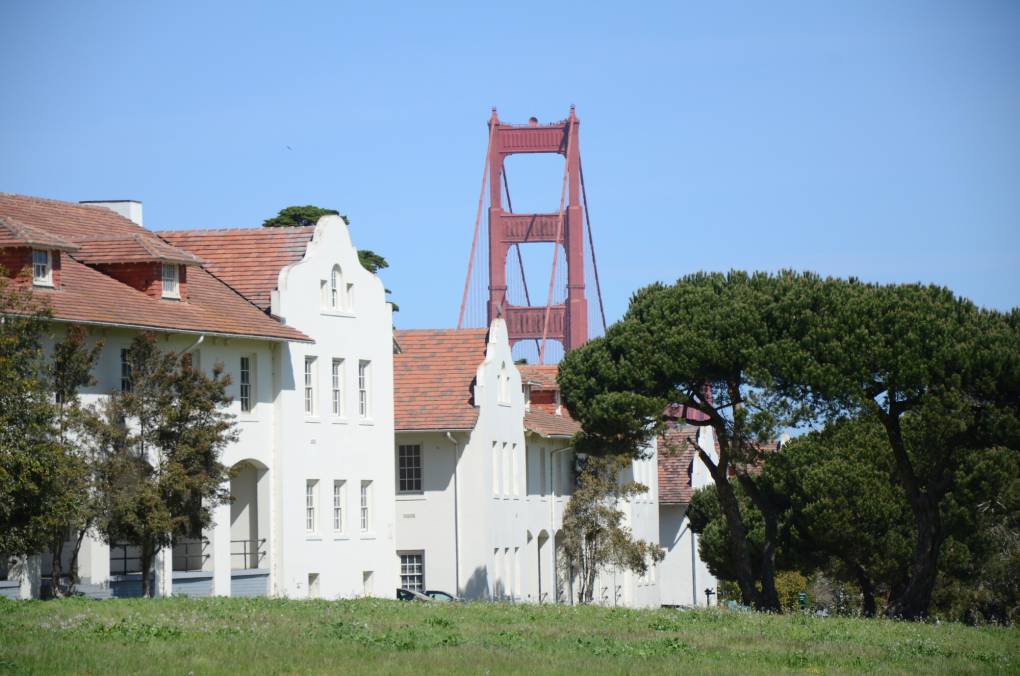
"caption": "Fort Winfield Scott was an active army base within the Presidio of San Francisco from 1912-1994. San Francisco’s beloved Presidio is targeted in President Trump’s latest executive order, which seeks to all but eliminate agencies that it deems “unnecessary.”\r\n",
"credit": "Ryan Levi/KQED",
"altTag": null,
"description": null,
"imgSizes": {
"medium": {
"file": "https://cdn.kqed.org/wp-content/uploads/sites/10/2025/02/DSC_1576_qed-1-800x530.jpg",
"width": 800,
"height": 530,
"mimeType": "image/jpeg"
},
"large": {
"file": "https://cdn.kqed.org/wp-content/uploads/sites/10/2025/02/DSC_1576_qed-1-1020x676.jpg",
"width": 1020,
"height": 676,
"mimeType": "image/jpeg"
},
"thumbnail": {
"file": "https://cdn.kqed.org/wp-content/uploads/sites/10/2025/02/DSC_1576_qed-1-160x106.jpg",
"width": 160,
"height": 106,
"mimeType": "image/jpeg"
},
"1536x1536": {
"file": "https://cdn.kqed.org/wp-content/uploads/sites/10/2025/02/DSC_1576_qed-1-1536x1018.jpg",
"width": 1536,
"height": 1018,
"mimeType": "image/jpeg"
},
"post-thumbnail": {
"file": "https://cdn.kqed.org/wp-content/uploads/sites/10/2025/02/DSC_1576_qed-1-672x372.jpg",
"width": 672,
"height": 372,
"mimeType": "image/jpeg"
},
"twentyfourteen-full-width": {
"file": "https://cdn.kqed.org/wp-content/uploads/sites/10/2025/02/DSC_1576_qed-1-1038x576.jpg",
"width": 1038,
"height": 576,
"mimeType": "image/jpeg"
},
"full-width": {
"file": "https://cdn.kqed.org/wp-content/uploads/sites/10/2025/02/DSC_1576_qed-1-1920x1272.jpg",
"width": 1920,
"height": 1272,
"mimeType": "image/jpeg"
},
"kqedFullSize": {
"file": "https://cdn.kqed.org/wp-content/uploads/sites/10/2025/02/DSC_1576_qed-1.jpg",
"width": 2000,
"height": 1325
}
},
"isLoading": false,
"fetchFailed": false
},
"news_11808521": {
"type": "attachments",
"id": "news_11808521",
"meta": {
"index": "attachments_1716263798",
"site": "news",
"id": "11808521",
"found": true
},
"parent": 11808501,
"imgSizes": {
"apple_news_ca_landscape_5_5": {
"file": "https://ww2.kqed.org/app/uploads/sites/10/2020/03/IMG_6623-1044x783.jpg",
"width": 1044,
"mimeType": "image/jpeg",
"height": 783
},
"apple_news_ca_square_4_0": {
"file": "https://ww2.kqed.org/app/uploads/sites/10/2020/03/IMG_6623-470x470.jpg",
"width": 470,
"mimeType": "image/jpeg",
"height": 470
},
"twentyfourteen-full-width": {
"file": "https://ww2.kqed.org/app/uploads/sites/10/2020/03/IMG_6623-1038x576.jpg",
"width": 1038,
"mimeType": "image/jpeg",
"height": 576
},
"thumbnail": {
"file": "https://ww2.kqed.org/app/uploads/sites/10/2020/03/IMG_6623-160x90.jpg",
"width": 160,
"mimeType": "image/jpeg",
"height": 90
},
"post-thumbnail": {
"file": "https://ww2.kqed.org/app/uploads/sites/10/2020/03/IMG_6623-672x372.jpg",
"width": 672,
"mimeType": "image/jpeg",
"height": 372
},
"kqedFullSize": {
"file": "https://ww2.kqed.org/app/uploads/sites/10/2020/03/IMG_6623.jpg",
"width": 4032,
"height": 2268
},
"apple_news_ca_landscape_4_7": {
"file": "https://ww2.kqed.org/app/uploads/sites/10/2020/03/IMG_6623-632x474.jpg",
"width": 632,
"mimeType": "image/jpeg",
"height": 474
},
"large": {
"file": "https://ww2.kqed.org/app/uploads/sites/10/2020/03/IMG_6623-1020x574.jpg",
"width": 1020,
"mimeType": "image/jpeg",
"height": 574
},
"apple_news_ca_landscape_4_0": {
"file": "https://ww2.kqed.org/app/uploads/sites/10/2020/03/IMG_6623-536x402.jpg",
"width": 536,
"mimeType": "image/jpeg",
"height": 402
},
"apple_news_ca_portrait_12_9": {
"file": "https://ww2.kqed.org/app/uploads/sites/10/2020/03/IMG_6623-1122x1496.jpg",
"width": 1122,
"mimeType": "image/jpeg",
"height": 1496
},
"medium": {
"file": "https://ww2.kqed.org/app/uploads/sites/10/2020/03/IMG_6623-800x450.jpg",
"width": 800,
"mimeType": "image/jpeg",
"height": 450
},
"apple_news_ca_portrait_4_0": {
"file": "https://ww2.kqed.org/app/uploads/sites/10/2020/03/IMG_6623-354x472.jpg",
"width": 354,
"mimeType": "image/jpeg",
"height": 472
},
"apple_news_ca_portrait_9_7": {
"file": "https://ww2.kqed.org/app/uploads/sites/10/2020/03/IMG_6623-840x1120.jpg",
"width": 840,
"mimeType": "image/jpeg",
"height": 1120
},
"apple_news_ca_landscape_12_9": {
"file": "https://ww2.kqed.org/app/uploads/sites/10/2020/03/IMG_6623-1832x1374.jpg",
"width": 1832,
"mimeType": "image/jpeg",
"height": 1374
},
"apple_news_ca_square_9_7": {
"file": "https://ww2.kqed.org/app/uploads/sites/10/2020/03/IMG_6623-1104x1104.jpg",
"width": 1104,
"mimeType": "image/jpeg",
"height": 1104
},
"apple_news_ca_portrait_4_7": {
"file": "https://ww2.kqed.org/app/uploads/sites/10/2020/03/IMG_6623-414x552.jpg",
"width": 414,
"mimeType": "image/jpeg",
"height": 552
},
"apple_news_ca_square_12_9": {
"file": "https://ww2.kqed.org/app/uploads/sites/10/2020/03/IMG_6623-1472x1472.jpg",
"width": 1472,
"mimeType": "image/jpeg",
"height": 1472
},
"apple_news_ca_portrait_5_5": {
"file": "https://ww2.kqed.org/app/uploads/sites/10/2020/03/IMG_6623-687x916.jpg",
"width": 687,
"mimeType": "image/jpeg",
"height": 916
},
"full-width": {
"file": "https://ww2.kqed.org/app/uploads/sites/10/2020/03/IMG_6623-1920x1080.jpg",
"width": 1920,
"mimeType": "image/jpeg",
"height": 1080
},
"apple_news_ca_square_4_7": {
"file": "https://ww2.kqed.org/app/uploads/sites/10/2020/03/IMG_6623-550x550.jpg",
"width": 550,
"mimeType": "image/jpeg",
"height": 550
},
"apple_news_ca_landscape_9_7": {
"file": "https://ww2.kqed.org/app/uploads/sites/10/2020/03/IMG_6623-1376x1032.jpg",
"width": 1376,
"mimeType": "image/jpeg",
"height": 1032
},
"apple_news_ca_square_5_5": {
"file": "https://ww2.kqed.org/app/uploads/sites/10/2020/03/IMG_6623-912x912.jpg",
"width": 912,
"mimeType": "image/jpeg",
"height": 912
}
},
"publishDate": 1585094541,
"modified": 1585177793,
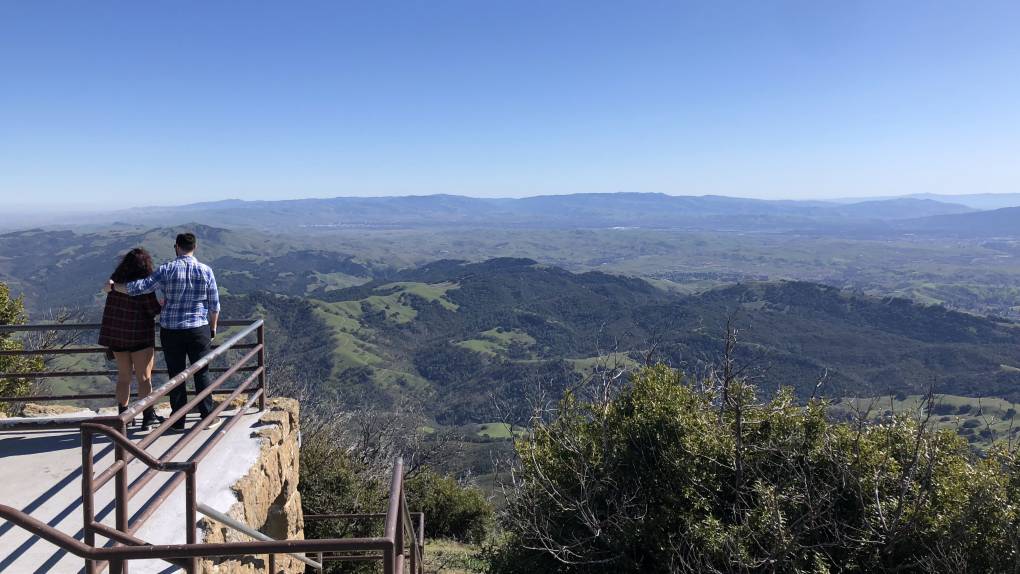
"caption": "Visitors take in the expansive view from the top of Mount Diablo. ",
"description": null,
"title": "IMG_6623",
"credit": "Asal Ehsanipour/KQED",
"status": "inherit",
"isLoading": false,
"fetchFailed": false
},
"news_11758293": {
"type": "attachments",
"id": "news_11758293",
"meta": {
"index": "attachments_1716263798",
"site": "news",
"id": "11758293",
"found": true
},
"parent": 11758254,
"imgSizes": {
"apple_news_ca_landscape_5_5": {
"file": "https://ww2.kqed.org/app/uploads/sites/10/2019/06/4745222009_81626e4522_o-1044x783.jpg",
"width": 1044,
"mimeType": "image/jpeg",
"height": 783
},
"apple_news_ca_square_4_0": {
"file": "https://ww2.kqed.org/app/uploads/sites/10/2019/06/4745222009_81626e4522_o-470x470.jpg",
"width": 470,
"mimeType": "image/jpeg",
"height": 470
},
"twentyfourteen-full-width": {
"file": "https://ww2.kqed.org/app/uploads/sites/10/2019/06/4745222009_81626e4522_o-1038x576.jpg",
"width": 1038,
"mimeType": "image/jpeg",
"height": 576
},
"thumbnail": {
"file": "https://ww2.kqed.org/app/uploads/sites/10/2019/06/4745222009_81626e4522_o-160x120.jpg",
"width": 160,
"mimeType": "image/jpeg",
"height": 120
},
"post-thumbnail": {
"file": "https://ww2.kqed.org/app/uploads/sites/10/2019/06/4745222009_81626e4522_o-672x372.jpg",
"width": 672,
"mimeType": "image/jpeg",
"height": 372
},
"kqedFullSize": {
"file": "https://ww2.kqed.org/app/uploads/sites/10/2019/06/4745222009_81626e4522_o-e1561841962716.jpg",
"width": 1920,
"height": 1440
},
"apple_news_ca_landscape_4_7": {
"file": "https://ww2.kqed.org/app/uploads/sites/10/2019/06/4745222009_81626e4522_o-632x474.jpg",
"width": 632,
"mimeType": "image/jpeg",
"height": 474
},
"large": {
"file": "https://ww2.kqed.org/app/uploads/sites/10/2019/06/4745222009_81626e4522_o-1020x765.jpg",
"width": 1020,
"mimeType": "image/jpeg",
"height": 765
},
"complete_open_graph": {
"file": "https://ww2.kqed.org/app/uploads/sites/10/2019/06/4745222009_81626e4522_o-1200x900.jpg",
"width": 1200,
"mimeType": "image/jpeg",
"height": 900
},
"apple_news_ca_landscape_4_0": {
"file": "https://ww2.kqed.org/app/uploads/sites/10/2019/06/4745222009_81626e4522_o-536x402.jpg",
"width": 536,
"mimeType": "image/jpeg",
"height": 402
},
"apple_news_ca_portrait_12_9": {
"file": "https://ww2.kqed.org/app/uploads/sites/10/2019/06/4745222009_81626e4522_o-1122x1496.jpg",
"width": 1122,
"mimeType": "image/jpeg",
"height": 1496
},
"medium": {
"file": "https://ww2.kqed.org/app/uploads/sites/10/2019/06/4745222009_81626e4522_o-800x600.jpg",
"width": 800,
"mimeType": "image/jpeg",
"height": 600
},
"apple_news_ca_portrait_4_0": {
"file": "https://ww2.kqed.org/app/uploads/sites/10/2019/06/4745222009_81626e4522_o-354x472.jpg",
"width": 354,
"mimeType": "image/jpeg",
"height": 472
},
"apple_news_ca_portrait_9_7": {
"file": "https://ww2.kqed.org/app/uploads/sites/10/2019/06/4745222009_81626e4522_o-840x1120.jpg",
"width": 840,
"mimeType": "image/jpeg",
"height": 1120
},
"apple_news_ca_landscape_12_9": {
"file": "https://ww2.kqed.org/app/uploads/sites/10/2019/06/4745222009_81626e4522_o-1832x1374.jpg",
"width": 1832,
"mimeType": "image/jpeg",
"height": 1374
},
"apple_news_ca_square_9_7": {
"file": "https://ww2.kqed.org/app/uploads/sites/10/2019/06/4745222009_81626e4522_o-1104x1104.jpg",
"width": 1104,
"mimeType": "image/jpeg",
"height": 1104
},
"apple_news_ca_portrait_4_7": {
"file": "https://ww2.kqed.org/app/uploads/sites/10/2019/06/4745222009_81626e4522_o-414x552.jpg",
"width": 414,
"mimeType": "image/jpeg",
"height": 552
},
"apple_news_ca_square_12_9": {
"file": "https://ww2.kqed.org/app/uploads/sites/10/2019/06/4745222009_81626e4522_o-1472x1472.jpg",
"width": 1472,
"mimeType": "image/jpeg",
"height": 1472
},
"apple_news_ca_portrait_5_5": {
"file": "https://ww2.kqed.org/app/uploads/sites/10/2019/06/4745222009_81626e4522_o-687x916.jpg",
"width": 687,
"mimeType": "image/jpeg",
"height": 916
},
"full-width": {
"file": "https://ww2.kqed.org/app/uploads/sites/10/2019/06/4745222009_81626e4522_o-1920x1440.jpg",
"width": 1920,
"mimeType": "image/jpeg",
"height": 1440
},
"apple_news_ca_square_4_7": {
"file": "https://ww2.kqed.org/app/uploads/sites/10/2019/06/4745222009_81626e4522_o-550x550.jpg",
"width": 550,
"mimeType": "image/jpeg",
"height": 550
},
"apple_news_ca_landscape_9_7": {
"file": "https://ww2.kqed.org/app/uploads/sites/10/2019/06/4745222009_81626e4522_o-1376x1032.jpg",
"width": 1376,
"mimeType": "image/jpeg",
"height": 1032
},
"apple_news_ca_square_5_5": {
"file": "https://ww2.kqed.org/app/uploads/sites/10/2019/06/4745222009_81626e4522_o-912x912.jpg",
"width": 912,
"mimeType": "image/jpeg",
"height": 912
}
},
"publishDate": 1561841931,
"modified": 1561849133,
"caption": "The Western States Endurance Run is traced along the Western States Trail. It starts at Squaw Valley and ends in Auburn, California.",
"description": null,
"title": "4745222009_81626e4522_o",
"credit": "Jon Roig/Flickr",
"status": "inherit",
"isLoading": false,
"fetchFailed": false
},
"news_11988415": {
"type": "attachments",
"id": "news_11988415",
"meta": {
"index": "attachments_1716263798",
"site": "news",
"id": "11988415",
"found": true
},
"title": "Tent on field by sea during sunset",
"publishDate": 1717180104,
"status": "inherit",
"parent": 11988380,
"modified": 1717180310,
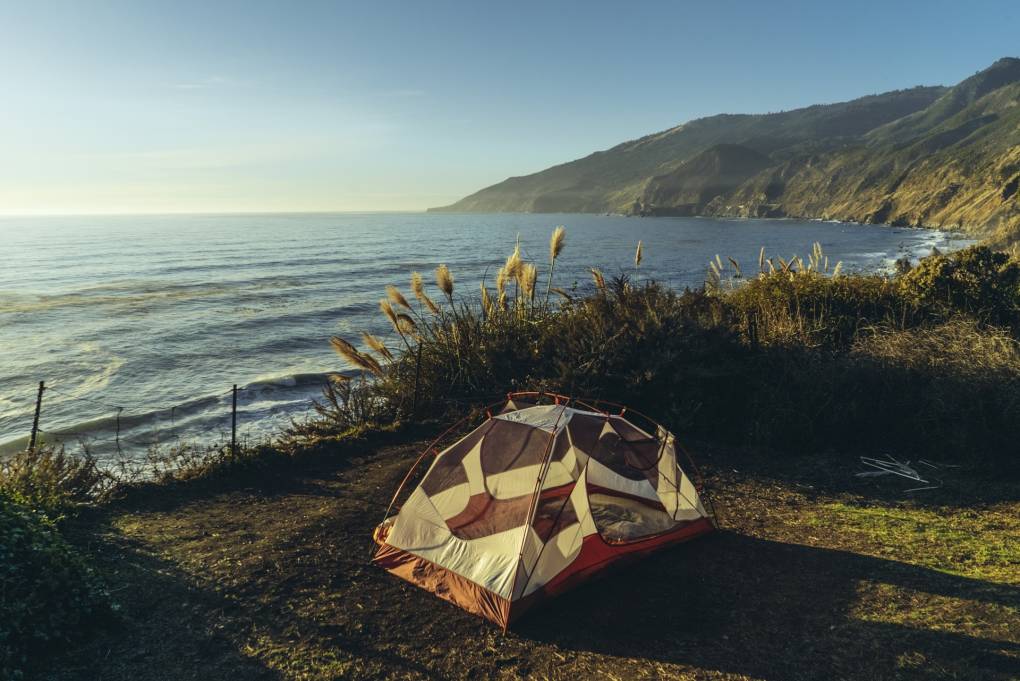
"caption": "Planning a quick Big Sur camping getaway? Stick to the northern options closer to the Bay Area. Choose from public and private campgrounds or dispersed wilderness camping.",
"credit": "Cavan Images/Getty Images",
"altTag": null,
"description": null,
"imgSizes": {
"medium": {
"file": "https://cdn.kqed.org/wp-content/uploads/sites/10/2024/05/BigSurCamping-800x534.jpg",
"width": 800,
"height": 534,
"mimeType": "image/jpeg"
},
"large": {
"file": "https://cdn.kqed.org/wp-content/uploads/sites/10/2024/05/BigSurCamping-1020x681.jpg",
"width": 1020,
"height": 681,
"mimeType": "image/jpeg"
},
"thumbnail": {
"file": "https://cdn.kqed.org/wp-content/uploads/sites/10/2024/05/BigSurCamping-160x107.jpg",
"width": 160,
"height": 107,
"mimeType": "image/jpeg"
},
"1536x1536": {
"file": "https://cdn.kqed.org/wp-content/uploads/sites/10/2024/05/BigSurCamping-1536x1026.jpg",
"width": 1536,
"height": 1026,
"mimeType": "image/jpeg"
},
"post-thumbnail": {
"file": "https://cdn.kqed.org/wp-content/uploads/sites/10/2024/05/BigSurCamping-672x372.jpg",
"width": 672,
"height": 372,
"mimeType": "image/jpeg"
},
"twentyfourteen-full-width": {
"file": "https://cdn.kqed.org/wp-content/uploads/sites/10/2024/05/BigSurCamping-1038x576.jpg",
"width": 1038,
"height": 576,
"mimeType": "image/jpeg"
},
"kqedFullSize": {
"file": "https://cdn.kqed.org/wp-content/uploads/sites/10/2024/05/BigSurCamping.jpg",
"width": 1920,
"height": 1282
}
},
"isLoading": false,
"fetchFailed": false
},
"news_11989007": {
"type": "attachments",
"id": "news_11989007",
"meta": {
"index": "attachments_1716263798",
"site": "news",
"id": "11989007",
"found": true
},
"title": "Exploring Historic Folsom California",
"publishDate": 1717543311,
"status": "inherit",
"parent": 0,
"modified": 1717543344,
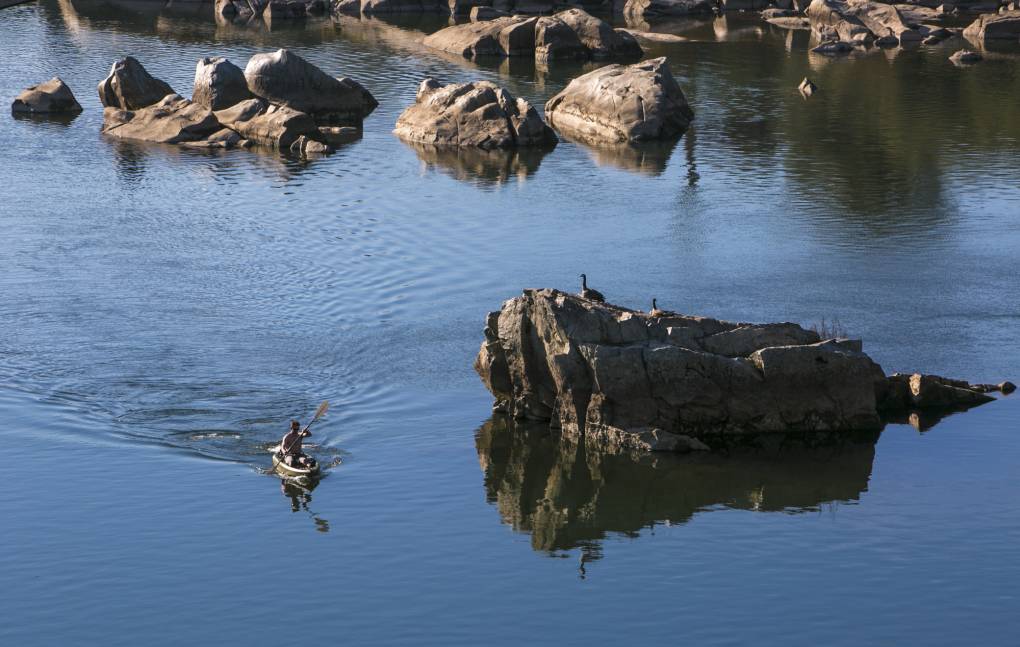
"caption": "Kayakers paddle along the American River near the downtown Historic District as viewed on January 28, 2015 in Folsom.",
"credit": "George Rose/Getty Images",
"altTag": "A river filled with large rocks with birds perched on them along with a person paddling in a boat.",
"description": null,
"imgSizes": {
"medium": {
"file": "https://cdn.kqed.org/wp-content/uploads/sites/10/2024/06/GETTYIMAGES-462663424-KQED-800x507.jpg",
"width": 800,
"height": 507,
"mimeType": "image/jpeg"
},
"large": {
"file": "https://cdn.kqed.org/wp-content/uploads/sites/10/2024/06/GETTYIMAGES-462663424-KQED-1020x647.jpg",
"width": 1020,
"height": 647,
"mimeType": "image/jpeg"
},
"thumbnail": {
"file": "https://cdn.kqed.org/wp-content/uploads/sites/10/2024/06/GETTYIMAGES-462663424-KQED-160x101.jpg",
"width": 160,
"height": 101,
"mimeType": "image/jpeg"
},
"1536x1536": {
"file": "https://cdn.kqed.org/wp-content/uploads/sites/10/2024/06/GETTYIMAGES-462663424-KQED-1536x974.jpg",
"width": 1536,
"height": 974,
"mimeType": "image/jpeg"
},
"post-thumbnail": {
"file": "https://cdn.kqed.org/wp-content/uploads/sites/10/2024/06/GETTYIMAGES-462663424-KQED-672x372.jpg",
"width": 672,
"height": 372,
"mimeType": "image/jpeg"
},
"twentyfourteen-full-width": {
"file": "https://cdn.kqed.org/wp-content/uploads/sites/10/2024/06/GETTYIMAGES-462663424-KQED-1038x576.jpg",
"width": 1038,
"height": 576,
"mimeType": "image/jpeg"
},
"full-width": {
"file": "https://cdn.kqed.org/wp-content/uploads/sites/10/2024/06/GETTYIMAGES-462663424-KQED-1920x1217.jpg",
"width": 1920,
"height": 1217,
"mimeType": "image/jpeg"
},
"kqedFullSize": {
"file": "https://cdn.kqed.org/wp-content/uploads/sites/10/2024/06/GETTYIMAGES-462663424-KQED.jpg",
"width": 2000,
"height": 1268
}
},
"isLoading": false,
"fetchFailed": false
},
"news_11953175": {
"type": "attachments",
"id": "news_11953175",
"meta": {
"index": "attachments_1716263798",
"site": "news",
"id": "11953175",
"found": true
},
"parent": 11953167,
"imgSizes": {
"twentyfourteen-full-width": {
"file": "https://ww2.kqed.org/app/uploads/sites/10/2023/06/Muir-Woods-1-1038x576.jpeg",
"width": 1038,
"mimeType": "image/jpeg",
"height": 576
},
"thumbnail": {
"file": "https://ww2.kqed.org/app/uploads/sites/10/2023/06/Muir-Woods-1-160x109.jpeg",
"width": 160,
"mimeType": "image/jpeg",
"height": 109
},
"post-thumbnail": {
"file": "https://ww2.kqed.org/app/uploads/sites/10/2023/06/Muir-Woods-1-672x372.jpeg",
"width": 672,
"mimeType": "image/jpeg",
"height": 372
},
"kqedFullSize": {
"file": "https://ww2.kqed.org/app/uploads/sites/10/2023/06/Muir-Woods-1-scaled.jpeg",
"width": 2560,
"height": 1736
},
"2048x2048": {
"file": "https://ww2.kqed.org/app/uploads/sites/10/2023/06/Muir-Woods-1-2048x1389.jpeg",
"width": 2048,
"mimeType": "image/jpeg",
"height": 1389
},
"large": {
"file": "https://ww2.kqed.org/app/uploads/sites/10/2023/06/Muir-Woods-1-1020x692.jpeg",
"width": 1020,
"mimeType": "image/jpeg",
"height": 692
},
"1536x1536": {
"file": "https://ww2.kqed.org/app/uploads/sites/10/2023/06/Muir-Woods-1-1536x1042.jpeg",
"width": 1536,
"mimeType": "image/jpeg",
"height": 1042
},
"full-width": {
"file": "https://ww2.kqed.org/app/uploads/sites/10/2023/06/Muir-Woods-1-1920x1302.jpeg",
"width": 1920,
"mimeType": "image/jpeg",
"height": 1302
},
"medium": {
"file": "https://ww2.kqed.org/app/uploads/sites/10/2023/06/Muir-Woods-1-800x543.jpeg",
"width": 800,
"mimeType": "image/jpeg",
"height": 543
}
},
"publishDate": 1686938638,
"modified": 1686950608,
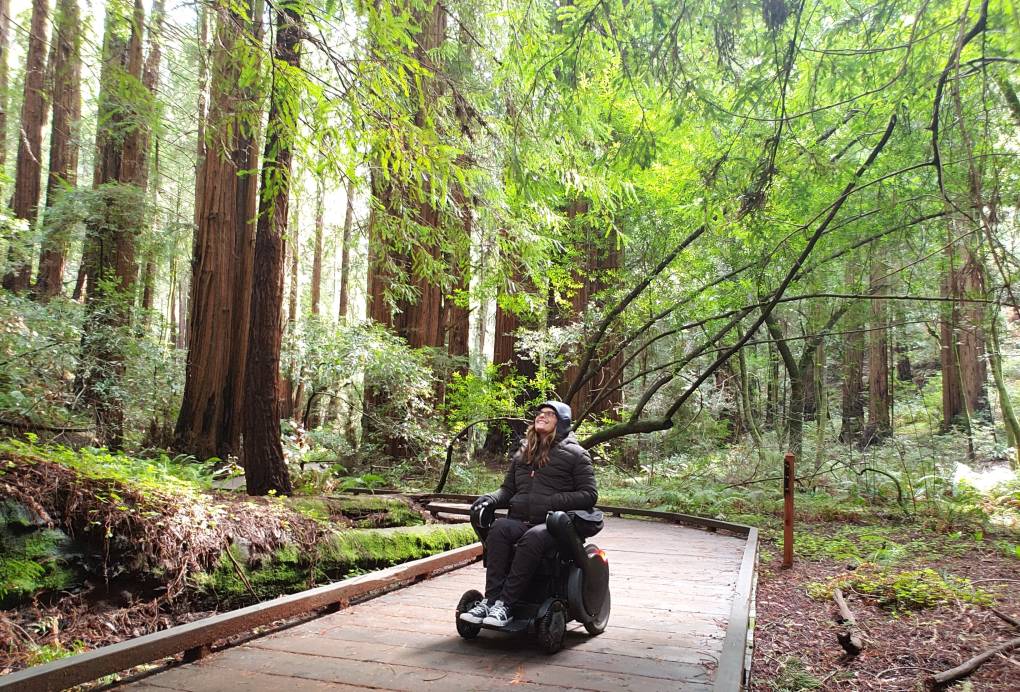
"caption": "Ashley Olson from wheelchairtraveling.com stares up at the mighty coastal redwoods on the boardwalk section of the accessible loop trail at Muir Woods National Monument.",
"description": null,
"title": "ada-wheelchair-hikes-trails-bay-area-disabled",
"credit": "Courtesy Ashley Olson",
"status": "inherit",
"altTag": "A woman with light skin is wearing a black jacket and sitting in a wheelchair while looking up into the big redwood trees.",
"isLoading": false,
"fetchFailed": false
},
"news_11942260": {
"type": "attachments",
"id": "news_11942260",
"meta": {
"index": "attachments_1716263798",
"site": "news",
"id": "11942260",
"found": true
},
"parent": 11942254,
"imgSizes": {
"twentyfourteen-full-width": {
"file": "https://ww2.kqed.org/app/uploads/sites/10/2023/03/Black-Miners-Bar-1038x576.jpeg",
"width": 1038,
"mimeType": "image/jpeg",
"height": 576
},
"thumbnail": {
"file": "https://ww2.kqed.org/app/uploads/sites/10/2023/03/Black-Miners-Bar-160x140.jpeg",
"width": 160,
"mimeType": "image/jpeg",
"height": 140
},
"post-thumbnail": {
"file": "https://ww2.kqed.org/app/uploads/sites/10/2023/03/Black-Miners-Bar-672x372.jpeg",
"width": 672,
"mimeType": "image/jpeg",
"height": 372
},
"kqedFullSize": {
"file": "https://ww2.kqed.org/app/uploads/sites/10/2023/03/Black-Miners-Bar-scaled.jpeg",
"width": 2560,
"height": 2248
},
"2048x2048": {
"file": "https://ww2.kqed.org/app/uploads/sites/10/2023/03/Black-Miners-Bar-2048x1798.jpeg",
"width": 2048,
"mimeType": "image/jpeg",
"height": 1798
},
"large": {
"file": "https://ww2.kqed.org/app/uploads/sites/10/2023/03/Black-Miners-Bar-1020x895.jpeg",
"width": 1020,
"mimeType": "image/jpeg",
"height": 895
},
"1536x1536": {
"file": "https://ww2.kqed.org/app/uploads/sites/10/2023/03/Black-Miners-Bar-1536x1349.jpeg",
"width": 1536,
"mimeType": "image/jpeg",
"height": 1349
},
"full-width": {
"file": "https://ww2.kqed.org/app/uploads/sites/10/2023/03/Black-Miners-Bar-1920x1686.jpeg",
"width": 1920,
"mimeType": "image/jpeg",
"height": 1686
},
"medium": {
"file": "https://ww2.kqed.org/app/uploads/sites/10/2023/03/Black-Miners-Bar-800x702.jpeg",
"width": 800,
"mimeType": "image/jpeg",
"height": 702
}
},
"publishDate": 1677711119,
"modified": 1677711301,
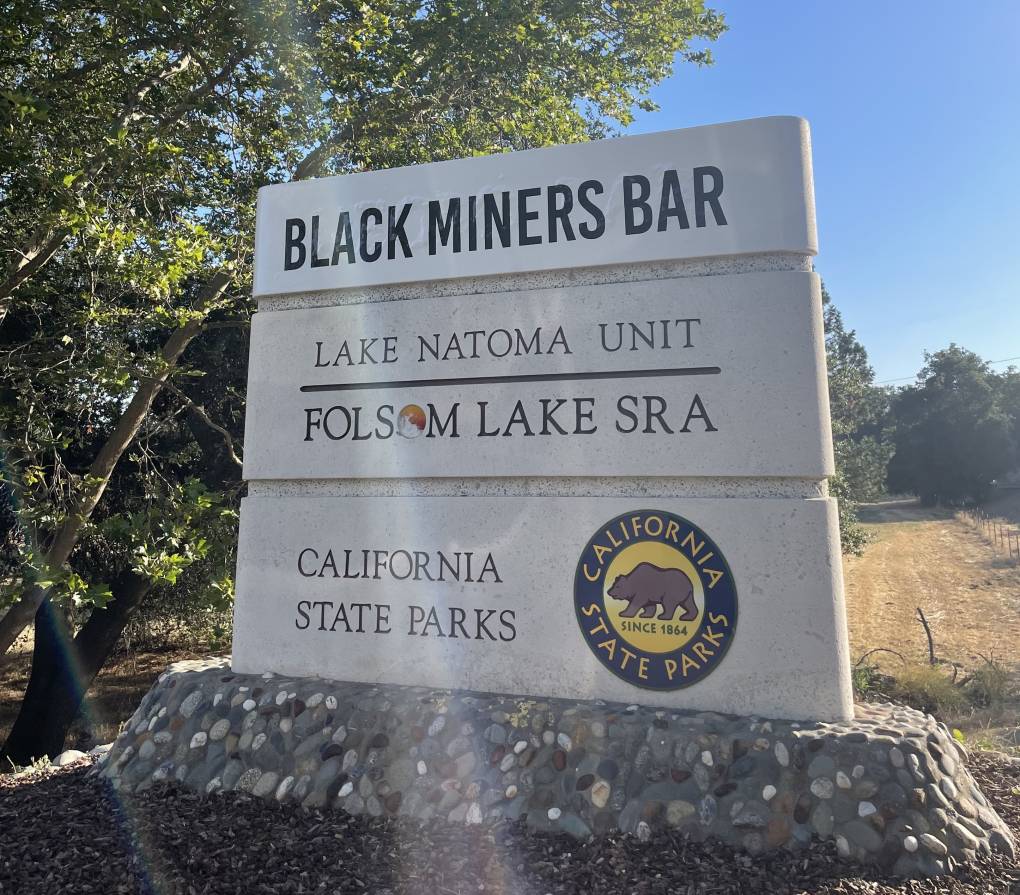
"caption": "The Black Miners Bar sign, freshly painted in summer of 2022.",
"description": null,
"title": "Black Miners Bar",
"credit": "Dorean Raye",
"status": "inherit",
"altTag": "A cement California State Park sign that reads: Black Miners Bar, Lake Natoma Unit, Folsom Lake state recreation area.",
"isLoading": false,
"fetchFailed": false
},
"news_11909437": {
"type": "attachments",
"id": "news_11909437",
"meta": {
"index": "attachments_1716263798",
"site": "news",
"id": "11909437",
"found": true
},
"parent": 11909257,
"imgSizes": {
"twentyfourteen-full-width": {
"file": "https://ww2.kqed.org/app/uploads/sites/10/2022/03/fortross_featured-1038x576.png",
"width": 1038,
"mimeType": "image/png",
"height": 576
},
"thumbnail": {
"file": "https://ww2.kqed.org/app/uploads/sites/10/2022/03/fortross_featured-160x86.png",
"width": 160,
"mimeType": "image/png",
"height": 86
},
"post-thumbnail": {
"file": "https://ww2.kqed.org/app/uploads/sites/10/2022/03/fortross_featured-672x372.png",
"width": 672,
"mimeType": "image/png",
"height": 372
},
"kqedFullSize": {
"file": "https://ww2.kqed.org/app/uploads/sites/10/2022/03/fortross_featured.png",
"width": 1920,
"height": 1035
},
"large": {
"file": "https://ww2.kqed.org/app/uploads/sites/10/2022/03/fortross_featured-1020x550.png",
"width": 1020,
"mimeType": "image/png",
"height": 550
},
"1536x1536": {
"file": "https://ww2.kqed.org/app/uploads/sites/10/2022/03/fortross_featured-1536x828.png",
"width": 1536,
"mimeType": "image/png",
"height": 828
},
"medium": {
"file": "https://ww2.kqed.org/app/uploads/sites/10/2022/03/fortross_featured-800x431.png",
"width": 800,
"mimeType": "image/png",
"height": 431
}
},
"publishDate": 1648253462,
"modified": 1648253520,
"caption": null,
"description": null,
"title": "fortross_featured",
"credit": null,
"status": "inherit",
"altTag": "Cartoon: a sea otter floats on the ocean with a bag of money on its belly. In the background we see the historic Russian fort, Fort Ross.",
"isLoading": false,
"fetchFailed": false
},
"news_11885988": {
"type": "attachments",
"id": "news_11885988",
"meta": {
"index": "attachments_1716263798",
"site": "news",
"id": "11885988",
"found": true
},
"parent": 11885803,
"imgSizes": {
"twentyfourteen-full-width": {
"file": "https://ww2.kqed.org/app/uploads/sites/10/2021/08/IMG-5614-1038x576.jpg",
"width": 1038,
"mimeType": "image/jpeg",
"height": 576
},
"thumbnail": {
"file": "https://ww2.kqed.org/app/uploads/sites/10/2021/08/IMG-5614-160x120.jpg",
"width": 160,
"mimeType": "image/jpeg",
"height": 120
},
"post-thumbnail": {
"file": "https://ww2.kqed.org/app/uploads/sites/10/2021/08/IMG-5614-672x372.jpg",
"width": 672,
"mimeType": "image/jpeg",
"height": 372
},
"kqedFullSize": {
"file": "https://ww2.kqed.org/app/uploads/sites/10/2021/08/IMG-5614-scaled.jpg",
"width": 2560,
"height": 1920
},
"2048x2048": {
"file": "https://ww2.kqed.org/app/uploads/sites/10/2021/08/IMG-5614-2048x1536.jpg",
"width": 2048,
"mimeType": "image/jpeg",
"height": 1536
},
"large": {
"file": "https://ww2.kqed.org/app/uploads/sites/10/2021/08/IMG-5614-1020x765.jpg",
"width": 1020,
"mimeType": "image/jpeg",
"height": 765
},
"1536x1536": {
"file": "https://ww2.kqed.org/app/uploads/sites/10/2021/08/IMG-5614-1536x1152.jpg",
"width": 1536,
"mimeType": "image/jpeg",
"height": 1152
},
"full-width": {
"file": "https://ww2.kqed.org/app/uploads/sites/10/2021/08/IMG-5614-1920x1440.jpg",
"width": 1920,
"mimeType": "image/jpeg",
"height": 1440
},
"medium": {
"file": "https://ww2.kqed.org/app/uploads/sites/10/2021/08/IMG-5614-800x600.jpg",
"width": 800,
"mimeType": "image/jpeg",
"height": 600
}
},
"publishDate": 1629738629,
"modified": 1632770659,
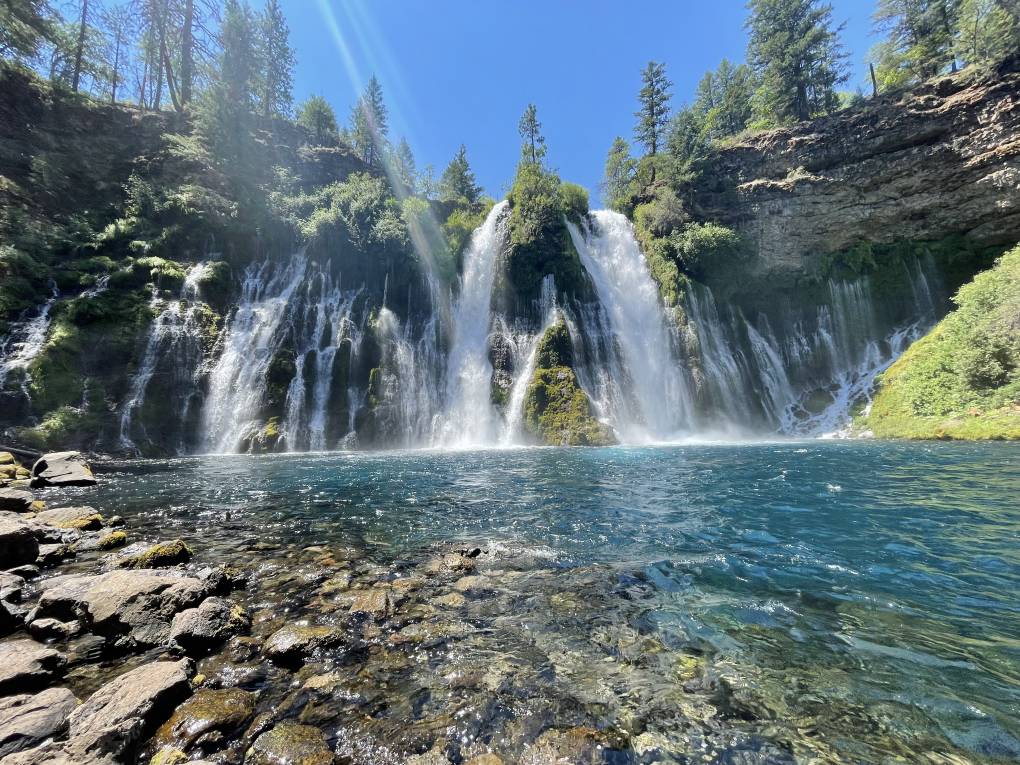
"caption": "The 129-foot-high waterfalls at McArthur-Burney Falls Memorial State Park.",
"description": null,
"title": "IMG-5614",
"credit": "Héctor Alejandro Arzate",
"status": "inherit",
"altTag": "A lush waterfall, with dozens of separate cascades from a green, rocky cliff into a turquoise pool.",
"isLoading": false,
"fetchFailed": false
},
"news_11837495": {
"type": "attachments",
"id": "news_11837495",
"meta": {
"index": "attachments_1716263798",
"site": "news",
"id": "11837495",
"found": true
},
"parent": 11837196,
"imgSizes": {
"apple_news_ca_landscape_5_5": {
"file": "https://ww2.kqed.org/app/uploads/sites/10/2020/09/RS44860_052_KQED_BigBasin_Fire_09102020-qut-1044x783.jpg",
"width": 1044,
"mimeType": "image/jpeg",
"height": 783
},
"apple_news_ca_square_4_0": {
"file": "https://ww2.kqed.org/app/uploads/sites/10/2020/09/RS44860_052_KQED_BigBasin_Fire_09102020-qut-470x470.jpg",
"width": 470,
"mimeType": "image/jpeg",
"height": 470
},
"twentyfourteen-full-width": {
"file": "https://ww2.kqed.org/app/uploads/sites/10/2020/09/RS44860_052_KQED_BigBasin_Fire_09102020-qut-1038x576.jpg",
"width": 1038,
"mimeType": "image/jpeg",
"height": 576
},
"thumbnail": {
"file": "https://ww2.kqed.org/app/uploads/sites/10/2020/09/RS44860_052_KQED_BigBasin_Fire_09102020-qut-160x107.jpg",
"width": 160,
"mimeType": "image/jpeg",
"height": 107
},
"post-thumbnail": {
"file": "https://ww2.kqed.org/app/uploads/sites/10/2020/09/RS44860_052_KQED_BigBasin_Fire_09102020-qut-672x372.jpg",
"width": 672,
"mimeType": "image/jpeg",
"height": 372
},
"kqedFullSize": {
"file": "https://ww2.kqed.org/app/uploads/sites/10/2020/09/RS44860_052_KQED_BigBasin_Fire_09102020-qut.jpg",
"width": 1920,
"height": 1278
},
"apple_news_ca_landscape_4_7": {
"file": "https://ww2.kqed.org/app/uploads/sites/10/2020/09/RS44860_052_KQED_BigBasin_Fire_09102020-qut-632x474.jpg",
"width": 632,
"mimeType": "image/jpeg",
"height": 474
},
"large": {
"file": "https://ww2.kqed.org/app/uploads/sites/10/2020/09/RS44860_052_KQED_BigBasin_Fire_09102020-qut-1020x679.jpg",
"width": 1020,
"mimeType": "image/jpeg",
"height": 679
},
"apple_news_ca_landscape_4_0": {
"file": "https://ww2.kqed.org/app/uploads/sites/10/2020/09/RS44860_052_KQED_BigBasin_Fire_09102020-qut-536x402.jpg",
"width": 536,
"mimeType": "image/jpeg",
"height": 402
},
"apple_news_ca_portrait_12_9": {
"file": "https://ww2.kqed.org/app/uploads/sites/10/2020/09/RS44860_052_KQED_BigBasin_Fire_09102020-qut-1122x1278.jpg",
"width": 1122,
"mimeType": "image/jpeg",
"height": 1278
},
"medium": {
"file": "https://ww2.kqed.org/app/uploads/sites/10/2020/09/RS44860_052_KQED_BigBasin_Fire_09102020-qut-800x533.jpg",
"width": 800,
"mimeType": "image/jpeg",
"height": 533
},
"apple_news_ca_portrait_4_0": {
"file": "https://ww2.kqed.org/app/uploads/sites/10/2020/09/RS44860_052_KQED_BigBasin_Fire_09102020-qut-354x472.jpg",
"width": 354,
"mimeType": "image/jpeg",
"height": 472
},
"apple_news_ca_portrait_9_7": {
"file": "https://ww2.kqed.org/app/uploads/sites/10/2020/09/RS44860_052_KQED_BigBasin_Fire_09102020-qut-840x1120.jpg",
"width": 840,
"mimeType": "image/jpeg",
"height": 1120
},
"apple_news_ca_landscape_12_9": {
"file": "https://ww2.kqed.org/app/uploads/sites/10/2020/09/RS44860_052_KQED_BigBasin_Fire_09102020-qut-1832x1278.jpg",
"width": 1832,
"mimeType": "image/jpeg",
"height": 1278
},
"apple_news_ca_square_9_7": {
"file": "https://ww2.kqed.org/app/uploads/sites/10/2020/09/RS44860_052_KQED_BigBasin_Fire_09102020-qut-1104x1104.jpg",
"width": 1104,
"mimeType": "image/jpeg",
"height": 1104
},
"1536x1536": {
"file": "https://ww2.kqed.org/app/uploads/sites/10/2020/09/RS44860_052_KQED_BigBasin_Fire_09102020-qut-1536x1022.jpg",
"width": 1536,
"mimeType": "image/jpeg",
"height": 1022
},
"apple_news_ca_portrait_4_7": {
"file": "https://ww2.kqed.org/app/uploads/sites/10/2020/09/RS44860_052_KQED_BigBasin_Fire_09102020-qut-414x552.jpg",
"width": 414,
"mimeType": "image/jpeg",
"height": 552
},
"apple_news_ca_square_12_9": {
"file": "https://ww2.kqed.org/app/uploads/sites/10/2020/09/RS44860_052_KQED_BigBasin_Fire_09102020-qut-1472x1278.jpg",
"width": 1472,
"mimeType": "image/jpeg",
"height": 1278
},
"apple_news_ca_portrait_5_5": {
"file": "https://ww2.kqed.org/app/uploads/sites/10/2020/09/RS44860_052_KQED_BigBasin_Fire_09102020-qut-687x916.jpg",
"width": 687,
"mimeType": "image/jpeg",
"height": 916
},
"apple_news_ca_square_4_7": {
"file": "https://ww2.kqed.org/app/uploads/sites/10/2020/09/RS44860_052_KQED_BigBasin_Fire_09102020-qut-550x550.jpg",
"width": 550,
"mimeType": "image/jpeg",
"height": 550
},
"apple_news_ca_landscape_9_7": {
"file": "https://ww2.kqed.org/app/uploads/sites/10/2020/09/RS44860_052_KQED_BigBasin_Fire_09102020-qut-1376x1032.jpg",
"width": 1376,
"mimeType": "image/jpeg",
"height": 1032
},
"apple_news_ca_square_5_5": {
"file": "https://ww2.kqed.org/app/uploads/sites/10/2020/09/RS44860_052_KQED_BigBasin_Fire_09102020-qut-912x912.jpg",
"width": 912,
"mimeType": "image/jpeg",
"height": 912
}
},
"publishDate": 1599836856,
"modified": 1599859540,
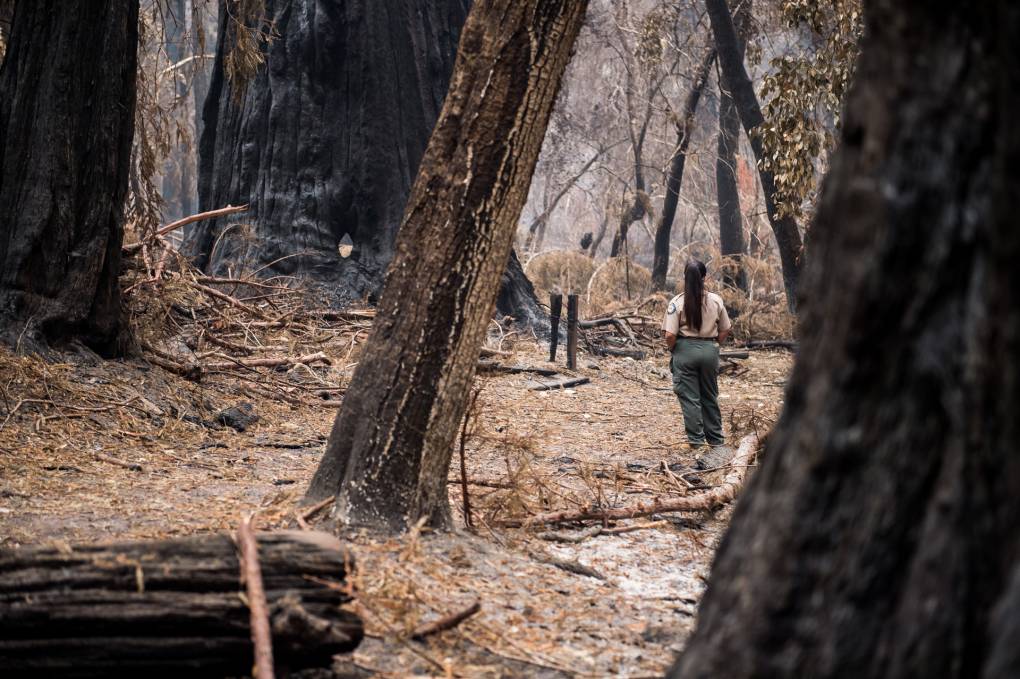
"caption": "A California Park Ranger walks through Big Basin Redwoods State Park on Sept. 10, 2020.",
"description": "A California Park Ranger walks through Big Basin Redwoods State Park on Sep. 10, 2020.",
"title": "RS44860_052_KQED_BigBasin_Fire_09102020-qut",
"credit": "Beth LaBerge/KQED",
"status": "inherit",
"isLoading": false,
"fetchFailed": false
},
"news_11819803": {
"type": "attachments",
"id": "news_11819803",
"meta": {
"index": "attachments_1716263798",
"site": "news",
"id": "11819803",
"found": true
},
"parent": 11819296,
"imgSizes": {
"apple_news_ca_landscape_5_5": {
"file": "https://ww2.kqed.org/app/uploads/sites/10/2020/05/Joshua-Tree-Masks-1044x783.jpg",
"width": 1044,
"mimeType": "image/jpeg",
"height": 783
},
"apple_news_ca_square_4_0": {
"file": "https://ww2.kqed.org/app/uploads/sites/10/2020/05/Joshua-Tree-Masks-470x470.jpg",
"width": 470,
"mimeType": "image/jpeg",
"height": 470
},
"twentyfourteen-full-width": {
"file": "https://ww2.kqed.org/app/uploads/sites/10/2020/05/Joshua-Tree-Masks-1038x576.jpg",
"width": 1038,
"mimeType": "image/jpeg",
"height": 576
},
"thumbnail": {
"file": "https://ww2.kqed.org/app/uploads/sites/10/2020/05/Joshua-Tree-Masks-160x103.jpg",
"width": 160,
"mimeType": "image/jpeg",
"height": 103
},
"post-thumbnail": {
"file": "https://ww2.kqed.org/app/uploads/sites/10/2020/05/Joshua-Tree-Masks-672x372.jpg",
"width": 672,
"mimeType": "image/jpeg",
"height": 372
},
"kqedFullSize": {
"file": "https://ww2.kqed.org/app/uploads/sites/10/2020/05/Joshua-Tree-Masks.jpg",
"width": 1920,
"height": 1230
},
"apple_news_ca_landscape_4_7": {
"file": "https://ww2.kqed.org/app/uploads/sites/10/2020/05/Joshua-Tree-Masks-632x474.jpg",
"width": 632,
"mimeType": "image/jpeg",
"height": 474
},
"large": {
"file": "https://ww2.kqed.org/app/uploads/sites/10/2020/05/Joshua-Tree-Masks-1020x653.jpg",
"width": 1020,
"mimeType": "image/jpeg",
"height": 653
},
"apple_news_ca_landscape_4_0": {
"file": "https://ww2.kqed.org/app/uploads/sites/10/2020/05/Joshua-Tree-Masks-536x402.jpg",
"width": 536,
"mimeType": "image/jpeg",
"height": 402
},
"apple_news_ca_portrait_12_9": {
"file": "https://ww2.kqed.org/app/uploads/sites/10/2020/05/Joshua-Tree-Masks-1122x1230.jpg",
"width": 1122,
"mimeType": "image/jpeg",
"height": 1230
},
"medium": {
"file": "https://ww2.kqed.org/app/uploads/sites/10/2020/05/Joshua-Tree-Masks-800x513.jpg",
"width": 800,
"mimeType": "image/jpeg",
"height": 513
},
"apple_news_ca_portrait_4_0": {
"file": "https://ww2.kqed.org/app/uploads/sites/10/2020/05/Joshua-Tree-Masks-354x472.jpg",
"width": 354,
"mimeType": "image/jpeg",
"height": 472
},
"apple_news_ca_portrait_9_7": {
"file": "https://ww2.kqed.org/app/uploads/sites/10/2020/05/Joshua-Tree-Masks-840x1120.jpg",
"width": 840,
"mimeType": "image/jpeg",
"height": 1120
},
"apple_news_ca_landscape_12_9": {
"file": "https://ww2.kqed.org/app/uploads/sites/10/2020/05/Joshua-Tree-Masks-1832x1230.jpg",
"width": 1832,
"mimeType": "image/jpeg",
"height": 1230
},
"apple_news_ca_square_9_7": {
"file": "https://ww2.kqed.org/app/uploads/sites/10/2020/05/Joshua-Tree-Masks-1104x1104.jpg",
"width": 1104,
"mimeType": "image/jpeg",
"height": 1104
},
"apple_news_ca_portrait_4_7": {
"file": "https://ww2.kqed.org/app/uploads/sites/10/2020/05/Joshua-Tree-Masks-414x552.jpg",
"width": 414,
"mimeType": "image/jpeg",
"height": 552
},
"apple_news_ca_square_12_9": {
"file": "https://ww2.kqed.org/app/uploads/sites/10/2020/05/Joshua-Tree-Masks-1472x1230.jpg",
"width": 1472,
"mimeType": "image/jpeg",
"height": 1230
},
"apple_news_ca_portrait_5_5": {
"file": "https://ww2.kqed.org/app/uploads/sites/10/2020/05/Joshua-Tree-Masks-687x916.jpg",
"width": 687,
"mimeType": "image/jpeg",
"height": 916
},
"full-width": {
"file": "https://ww2.kqed.org/app/uploads/sites/10/2020/05/Joshua-Tree-Masks-1920x1230.jpg",
"width": 1920,
"mimeType": "image/jpeg",
"height": 1230
},
"apple_news_ca_square_4_7": {
"file": "https://ww2.kqed.org/app/uploads/sites/10/2020/05/Joshua-Tree-Masks-550x550.jpg",
"width": 550,
"mimeType": "image/jpeg",
"height": 550
},
"apple_news_ca_landscape_9_7": {
"file": "https://ww2.kqed.org/app/uploads/sites/10/2020/05/Joshua-Tree-Masks-1376x1032.jpg",
"width": 1376,
"mimeType": "image/jpeg",
"height": 1032
},
"apple_news_ca_square_5_5": {
"file": "https://ww2.kqed.org/app/uploads/sites/10/2020/05/Joshua-Tree-Masks-912x912.jpg",
"width": 912,
"mimeType": "image/jpeg",
"height": 912
}
},
"publishDate": 1590019965,
"modified": 1590020055,
"caption": "Visitors wear face masks on a walking path in Joshua Tree National Park on May 18, one day after the park reopened after being closed due to the coronavirus pandemic.",
"description": "Visitors wear face masks on a walking path in Joshua Tree National Park on May 18, one day after the park reopened after being closed due to the coronavirus pandemic.",
"title": "Joshua-Tree-Masks",
"credit": "Mario Tama/Getty Images",
"status": "inherit",
"isLoading": false,
"fetchFailed": false
},
"news_11815500": {
"type": "attachments",
"id": "news_11815500",
"meta": {
"index": "attachments_1716263798",
"site": "news",
"id": "11815500",
"found": true
},
"parent": 11815487,
"imgSizes": {
"apple_news_ca_landscape_5_5": {
"file": "https://ww2.kqed.org/app/uploads/sites/10/2020/04/forecast_043020_final-1044x783.png",
"width": 1044,
"mimeType": "image/png",
"height": 783
},
"apple_news_ca_square_4_0": {
"file": "https://ww2.kqed.org/app/uploads/sites/10/2020/04/forecast_043020_final-470x470.png",
"width": 470,
"mimeType": "image/png",
"height": 470
},
"twentyfourteen-full-width": {
"file": "https://ww2.kqed.org/app/uploads/sites/10/2020/04/forecast_043020_final-1038x576.png",
"width": 1038,
"mimeType": "image/png",
"height": 576
},
"thumbnail": {
"file": "https://ww2.kqed.org/app/uploads/sites/10/2020/04/forecast_043020_final-160x113.png",
"width": 160,
"mimeType": "image/png",
"height": 113
},
"post-thumbnail": {
"file": "https://ww2.kqed.org/app/uploads/sites/10/2020/04/forecast_043020_final-672x372.png",
"width": 672,
"mimeType": "image/png",
"height": 372
},
"kqedFullSize": {
"file": "https://ww2.kqed.org/app/uploads/sites/10/2020/04/forecast_043020_final.png",
"width": 1920,
"height": 1351
},
"apple_news_ca_landscape_4_7": {
"file": "https://ww2.kqed.org/app/uploads/sites/10/2020/04/forecast_043020_final-632x474.png",
"width": 632,
"mimeType": "image/png",
"height": 474
},
"large": {
"file": "https://ww2.kqed.org/app/uploads/sites/10/2020/04/forecast_043020_final-1020x718.png",
"width": 1020,
"mimeType": "image/png",
"height": 718
},
"apple_news_ca_landscape_4_0": {
"file": "https://ww2.kqed.org/app/uploads/sites/10/2020/04/forecast_043020_final-536x402.png",
"width": 536,
"mimeType": "image/png",
"height": 402
},
"apple_news_ca_portrait_12_9": {
"file": "https://ww2.kqed.org/app/uploads/sites/10/2020/04/forecast_043020_final-1122x1351.png",
"width": 1122,
"mimeType": "image/png",
"height": 1351
},
"medium": {
"file": "https://ww2.kqed.org/app/uploads/sites/10/2020/04/forecast_043020_final-800x563.png",
"width": 800,
"mimeType": "image/png",
"height": 563
},
"apple_news_ca_portrait_4_0": {
"file": "https://ww2.kqed.org/app/uploads/sites/10/2020/04/forecast_043020_final-354x472.png",
"width": 354,
"mimeType": "image/png",
"height": 472
},
"apple_news_ca_portrait_9_7": {
"file": "https://ww2.kqed.org/app/uploads/sites/10/2020/04/forecast_043020_final-840x1120.png",
"width": 840,
"mimeType": "image/png",
"height": 1120
},
"apple_news_ca_landscape_12_9": {
"file": "https://ww2.kqed.org/app/uploads/sites/10/2020/04/forecast_043020_final-1832x1351.png",
"width": 1832,
"mimeType": "image/png",
"height": 1351
},
"apple_news_ca_square_9_7": {
"file": "https://ww2.kqed.org/app/uploads/sites/10/2020/04/forecast_043020_final-1104x1104.png",
"width": 1104,
"mimeType": "image/png",
"height": 1104
},
"apple_news_ca_portrait_4_7": {
"file": "https://ww2.kqed.org/app/uploads/sites/10/2020/04/forecast_043020_final-414x552.png",
"width": 414,
"mimeType": "image/png",
"height": 552
},
"apple_news_ca_square_12_9": {
"file": "https://ww2.kqed.org/app/uploads/sites/10/2020/04/forecast_043020_final-1472x1351.png",
"width": 1472,
"mimeType": "image/png",
"height": 1351
},
"apple_news_ca_portrait_5_5": {
"file": "https://ww2.kqed.org/app/uploads/sites/10/2020/04/forecast_043020_final-687x916.png",
"width": 687,
"mimeType": "image/png",
"height": 916
},
"full-width": {
"file": "https://ww2.kqed.org/app/uploads/sites/10/2020/04/forecast_043020_final-1920x1351.png",
"width": 1920,
"mimeType": "image/png",
"height": 1351
},
"apple_news_ca_square_4_7": {
"file": "https://ww2.kqed.org/app/uploads/sites/10/2020/04/forecast_043020_final-550x550.png",
"width": 550,
"mimeType": "image/png",
"height": 550
},
"apple_news_ca_landscape_9_7": {
"file": "https://ww2.kqed.org/app/uploads/sites/10/2020/04/forecast_043020_final-1376x1032.png",
"width": 1376,
"mimeType": "image/png",
"height": 1032
},
"apple_news_ca_square_5_5": {
"file": "https://ww2.kqed.org/app/uploads/sites/10/2020/04/forecast_043020_final-912x912.png",
"width": 912,
"mimeType": "image/png",
"height": 912
}
},
"publishDate": 1588292160,
"modified": 1588292199,
"caption": null,
"description": null,
"title": "forecast_043020_final",
"credit": null,
"status": "inherit",
"isLoading": false,
"fetchFailed": false
}
},
"audioPlayerReducer": {
"postId": "stream_live",
"isPaused": true,
"isPlaying": false,
"pfsActive": false,
"pledgeModalIsOpen": true,
"playerDrawerIsOpen": false,
"liveAudioPlayStartedAt": 0,
"liveAudioPlayContext": ""
},
"authorsReducer": {
"kdomara": {
"type": "authors",
"id": "1459",
"meta": {
"index": "authors_1716337520",
"id": "1459",
"found": true
},
"name": "Kelly O'Mara",
"firstName": "Kelly",
"lastName": "O'Mara",
"slug": "kdomara",
"email": "komara@kqed.org",
"display_author_email": false,
"staff_mastheads": [
"news"
],
"title": "KQED Contributor",
"bio": "Kelly O'Mara is a writer and reporter in the San Francisco Bay Area. She writes about food, health, sports, travel, business and California news. Her work has appeared on KQED, online for Outside Magazine, epsnW, VICE and in Competitor Magazine, among others. Follow Kelly on Twitter \u003ca href=\"https://twitter.com/kellydomara\">@kellydomara\u003c/a>.",
"avatar": "https://secure.gravatar.com/avatar/768fec7412028b72f13bdd0f5f9d8186?s=600&d=blank&r=g",
"twitter": null,
"facebook": null,
"instagram": null,
"linkedin": null,
"sites": [
{
"site": "arts",
"roles": []
},
{
"site": "news",
"roles": []
},
{
"site": "bayareabites",
"roles": []
},
{
"site": "stateofhealth",
"roles": []
},
{
"site": "science",
"roles": []
},
{
"site": "checkplease",
"roles": [
"editor"
]
},
{
"site": "food",
"roles": []
},
{
"site": "forum",
"roles": [
"editor"
]
},
{
"site": "liveblog",
"roles": [
"editor"
]
}
],
"headData": {
"title": "Kelly O'Mara | KQED",
"description": "KQED Contributor",
"ogImgSrc": "https://secure.gravatar.com/avatar/768fec7412028b72f13bdd0f5f9d8186?s=600&d=blank&r=g",
"twImgSrc": "https://secure.gravatar.com/avatar/768fec7412028b72f13bdd0f5f9d8186?s=600&d=blank&r=g"
},
"isLoading": false,
"link": "/author/kdomara"
},
"markfiore": {
"type": "authors",
"id": "3236",
"meta": {
"index": "authors_1716337520",
"id": "3236",
"found": true
},
"name": "Mark Fiore",
"firstName": "Mark",
"lastName": "Fiore",
"slug": "markfiore",
"email": "mark@markfiore.com",
"display_author_email": false,
"staff_mastheads": [
"news"
],
"title": "KQED News Cartoonist",
"bio": "\u003ca href=\"http://www.MarkFiore.com\">MarkFiore.com\u003c/a> | \u003ca href=\"https://twitter.com/markfiore\">Follow on Twitter\u003c/a> | \u003ca href=\"https://www.facebook.com/pages/Mark-Fiore-Animated-Political-Cartoons/94451707396?ref=bookmarks\">Facebook\u003c/a> | \u003ca href=\"mailto:mark@markfiore.com\">email\u003c/a>\r\n\r\nPulitzer Prize-winner, Mark Fiore, who the Wall Street Journal has called “the undisputed guru of the form,” creates animated political cartoons in San Francisco, where his work has been featured regularly on the San Francisco Chronicle’s web site, SFGate.com. His work has appeared on Newsweek.com, Slate.com, CBSNews.com, MotherJones.com, DailyKos.com and NPR’s web site. Fiore’s political animation has appeared on CNN, Frontline, Bill Moyers Journal, Salon.com and cable and broadcast outlets across the globe.\r\n\r\nBeginning his professional life by drawing traditional political cartoons for newspapers, Fiore’s work appeared in publications ranging from the Washington Post to the Los Angeles Times. In the late 1990s, he began to experiment with animating political cartoons and, after a short stint at the San Jose Mercury News as their staff cartoonist, Fiore devoted all his energies to animation.\r\nGrowing up in California, Fiore also spent a good portion of his life in the backwoods of Idaho. It was this combination that shaped him politically. Mark majored in political science at Colorado College, where, in a perfect send-off for a cartoonist, he received his diploma in 1991 as commencement speaker Dick Cheney smiled approvingly.\r\nMark Fiore was awarded the Pulitzer Prize for political cartooning in 2010, a Robert F. Kennedy Journalism Award in 2004 and has twice received an Online Journalism Award for commentary from the Online News Association (2002, 2008). Fiore has received two awards for his work in new media from the National Cartoonists Society (2001, 2002), and in 2006 received The James Madison Freedom of Information Award from The Society of Professional Journalists.",
"avatar": "https://secure.gravatar.com/avatar/fc4e2a612b15b67bad0c6f0e1db4ca9b?s=600&d=blank&r=g",
"twitter": "MarkFiore",
"facebook": null,
"instagram": "https://www.instagram.com/markfiore/?hl=en",
"linkedin": null,
"sites": [
{
"site": "arts",
"roles": [
"contributor"
]
},
{
"site": "news",
"roles": [
"editor"
]
},
{
"site": "futureofyou",
"roles": [
"editor"
]
},
{
"site": "science",
"roles": [
"editor"
]
}
],
"headData": {
"title": "Mark Fiore | KQED",
"description": "KQED News Cartoonist",
"ogImgSrc": "https://secure.gravatar.com/avatar/fc4e2a612b15b67bad0c6f0e1db4ca9b?s=600&d=blank&r=g",
"twImgSrc": "https://secure.gravatar.com/avatar/fc4e2a612b15b67bad0c6f0e1db4ca9b?s=600&d=blank&r=g"
},
"isLoading": false,
"link": "/author/markfiore"
},
"carlysevern": {
"type": "authors",
"id": "3243",
"meta": {
"index": "authors_1716337520",
"id": "3243",
"found": true
},
"name": "Carly Severn",
"firstName": "Carly",
"lastName": "Severn",
"slug": "carlysevern",
"email": "csevern@kqed.org",
"display_author_email": false,
"staff_mastheads": [
"news"
],
"title": "Senior Editor, Audience News ",
"bio": "Carly is KQED's Senior Editor of Audience News on the Digital News team, and has reported for the California Report Magazine, Bay Curious and KQED Arts. She's formerly the host of \u003ca href=\"http://ww2.kqed.org/pop/category/the-cooler/\" rel=\"noopener noreferrer\">The Cooler\u003c/a> podcast.",
"avatar": "https://secure.gravatar.com/avatar/54037bf5c128fe678f0ef26cec97a93f2e7f220a22d7285703328f12c42c1b1d?s=600&d=blank&r=g",
"twitter": "teacupinthebay",
"bluesky": null,
"facebook": null,
"instagram": null,
"linkedin": null,
"sites": [
{
"site": "",
"roles": [
"editor"
]
},
{
"site": "arts",
"roles": [
"editor"
]
},
{
"site": "news",
"roles": [
"administrator"
]
},
{
"site": "pop",
"roles": [
"editor"
]
},
{
"site": "futureofyou",
"roles": [
"editor"
]
},
{
"site": "about",
"roles": [
"administrator"
]
},
{
"site": "mindshift",
"roles": [
"editor"
]
},
{
"site": "bayareabites",
"roles": [
"editor"
]
},
{
"site": "stateofhealth",
"roles": [
"editor"
]
},
{
"site": "science",
"roles": [
"editor"
]
},
{
"site": "food",
"roles": [
"contributor"
]
},
{
"site": "forum",
"roles": [
"editor"
]
},
{
"site": "perspectives",
"roles": [
"administrator"
]
},
{
"site": "liveblog",
"roles": [
"editor"
]
}
],
"headData": {
"title": "Carly Severn | KQED",
"description": "Senior Editor, Audience News ",
"ogImgSrc": "https://secure.gravatar.com/avatar/54037bf5c128fe678f0ef26cec97a93f2e7f220a22d7285703328f12c42c1b1d?s=600&d=blank&r=g",
"twImgSrc": "https://secure.gravatar.com/avatar/54037bf5c128fe678f0ef26cec97a93f2e7f220a22d7285703328f12c42c1b1d?s=600&d=blank&r=g"
},
"isLoading": false,
"link": "/author/carlysevern"
},
"afont": {
"type": "authors",
"id": "8637",
"meta": {
"index": "authors_1716337520",
"id": "8637",
"found": true
},
"name": "Amanda Font",
"firstName": "Amanda",
"lastName": "Font",
"slug": "afont",
"email": "afont@kqed.org",
"display_author_email": false,
"staff_mastheads": [],
"title": "KQED Contributor",
"bio": "Amanda Font is a producer on \u003cem>The Latest\u003c/em> podcast, and the host and co-producer of the series \u003cem>Audible Cosmos\u003c/em>. She has previously worked as a producer and reporter on the \u003cem>Bay Curious\u003c/em> podcast, and director of \u003cem>The California Report Magazine\u003c/em>. She grew up in the deserts of Southern California and moved north for the trees. Amanda earned a B.A. from the BECA program at San Francisco State, where she worked in the university's radio station. Amanda Font is represented by SAG-AFTRA.",
"avatar": "https://secure.gravatar.com/avatar/d9e81cf0117d5849b9cfb7ab4b1422f1?s=600&d=blank&r=g",
"twitter": null,
"facebook": null,
"instagram": null,
"linkedin": null,
"sites": [
{
"site": "news",
"roles": [
"add_users",
"create_users"
]
},
{
"site": "science",
"roles": []
},
{
"site": "forum",
"roles": [
"administrator"
]
},
{
"site": "perspectives",
"roles": [
"administrator"
]
},
{
"site": "radio",
"roles": [
"administrator"
]
}
],
"headData": {
"title": "Amanda Font | KQED",
"description": "KQED Contributor",
"ogImgSrc": "https://secure.gravatar.com/avatar/d9e81cf0117d5849b9cfb7ab4b1422f1?s=600&d=blank&r=g",
"twImgSrc": "https://secure.gravatar.com/avatar/d9e81cf0117d5849b9cfb7ab4b1422f1?s=600&d=blank&r=g"
},
"isLoading": false,
"link": "/author/afont"
},
"mwiley": {
"type": "authors",
"id": "11526",
"meta": {
"index": "authors_1716337520",
"id": "11526",
"found": true
},
"name": "Michelle Wiley",
"firstName": "Michelle",
"lastName": "Wiley",
"slug": "mwiley",
"email": "mwiley@KQED.org",
"display_author_email": true,
"staff_mastheads": [],
"title": null,
"bio": "Michelle Wiley was the senior editor of weekends.",
"avatar": "https://secure.gravatar.com/avatar/3b897d82a09e8587e8e73fa69fbcc635?s=600&d=blank&r=g",
"twitter": "michelleewiley",
"facebook": null,
"instagram": null,
"linkedin": null,
"sites": [
{
"site": "",
"roles": [
"editor"
]
},
{
"site": "arts",
"roles": [
"editor"
]
},
{
"site": "news",
"roles": [
"subscriber"
]
},
{
"site": "lowdown",
"roles": [
"editor"
]
},
{
"site": "science",
"roles": [
"editor"
]
},
{
"site": "podcasts",
"roles": [
"editor"
]
}
],
"headData": {
"title": "Michelle Wiley | KQED",
"description": null,
"ogImgSrc": "https://secure.gravatar.com/avatar/3b897d82a09e8587e8e73fa69fbcc635?s=600&d=blank&r=g",
"twImgSrc": "https://secure.gravatar.com/avatar/3b897d82a09e8587e8e73fa69fbcc635?s=600&d=blank&r=g"
},
"isLoading": false,
"link": "/author/mwiley"
},
"aehsanipour": {
"type": "authors",
"id": "11580",
"meta": {
"index": "authors_1716337520",
"id": "11580",
"found": true
},
"name": "Asal Ehsanipour",
"firstName": "Asal",
"lastName": "Ehsanipour",
"slug": "aehsanipour",
"email": "aehsanipour@kqed.org",
"display_author_email": false,
"staff_mastheads": [],
"title": "Reporter and Producer",
"bio": "Asal Ehsanipour is a producer and reporter for Rightnowish, Bay Curious and The California Report Magazine. She is also a producer for \u003ca href=\"https://www.thedoubleshift.com/\">The Double Shift\u003c/a>, a podcast about a new generation of working mothers. In 2018, Asal was named an Emerging Journalist Fellow by the Journalism and Women’s Symposium. Her work has appeared on KQED, KALW, PRI’s The World, and in several food and travel publications.",
"avatar": "https://secure.gravatar.com/avatar/c0e210438f5dca1b76921ff9f0eada52?s=600&d=blank&r=g",
"twitter": null,
"facebook": null,
"instagram": null,
"linkedin": null,
"sites": [
{
"site": "arts",
"roles": []
},
{
"site": "news",
"roles": [
"author",
"edit_others_posts"
]
}
],
"headData": {
"title": "Asal Ehsanipour | KQED",
"description": "Reporter and Producer",
"ogImgSrc": "https://secure.gravatar.com/avatar/c0e210438f5dca1b76921ff9f0eada52?s=600&d=blank&r=g",
"twImgSrc": "https://secure.gravatar.com/avatar/c0e210438f5dca1b76921ff9f0eada52?s=600&d=blank&r=g"
},
"isLoading": false,
"link": "/author/aehsanipour"
},
"smohamad": {
"type": "authors",
"id": "11631",
"meta": {
"index": "authors_1716337520",
"id": "11631",
"found": true
},
"name": "Sarah Mohamad",
"firstName": "Sarah",
"lastName": "Mohamad",
"slug": "smohamad",
"email": "smohamad@KQED.org",
"display_author_email": true,
"staff_mastheads": [],
"title": "Engagement Producer and Reporter, KQED Science",
"bio": "Sarah Mohamad is an audience engagement reporter and producer for KQED Science. She reports on audience-focused science and environment stories and manages the team's social media, newsletter, and engagement efforts. Prior to this role, she played a key role as project manager for NSF's \u003ca href=\"https://www.kqed.org/crackingthecode\">\u003cem>Cracking the Code: Influencing Millennial Science Engagement\u003c/em> \u003c/a>audience research.",
"avatar": "https://secure.gravatar.com/avatar/e6224957cd82d015183756ddde1f928013a563d7ca2e4565f8c4de1ec64886c5?s=600&d=blank&r=g",
"twitter": "sarahkmohamad",
"bluesky": null,
"facebook": null,
"instagram": null,
"linkedin": null,
"sites": [
{
"site": "",
"roles": [
"editor"
]
},
{
"site": "arts",
"roles": [
"editor"
]
},
{
"site": "news",
"roles": [
"editor"
]
},
{
"site": "about",
"roles": [
"editor"
]
},
{
"site": "science",
"roles": [
"editor"
]
}
],
"headData": {
"title": "Sarah Mohamad | KQED",
"description": "Engagement Producer and Reporter, KQED Science",
"ogImgSrc": "https://secure.gravatar.com/avatar/e6224957cd82d015183756ddde1f928013a563d7ca2e4565f8c4de1ec64886c5?s=600&d=blank&r=g",
"twImgSrc": "https://secure.gravatar.com/avatar/e6224957cd82d015183756ddde1f928013a563d7ca2e4565f8c4de1ec64886c5?s=600&d=blank&r=g"
},
"isLoading": false,
"link": "/author/smohamad"
},
"harzate": {
"type": "authors",
"id": "11727",
"meta": {
"index": "authors_1716337520",
"id": "11727",
"found": true
},
"name": "Héctor Alejandro Arzate",
"firstName": "Héctor Alejandro",
"lastName": "Arzate",
"slug": "harzate",
"email": "harzate@kqed.org",
"display_author_email": false,
"staff_mastheads": [],
"title": "KQED Contributor",
"bio": null,
"avatar": "https://secure.gravatar.com/avatar/23c72c3afa19f2c6801c5db997a908d8?s=600&d=blank&r=g",
"twitter": null,
"facebook": null,
"instagram": null,
"linkedin": null,
"sites": [
{
"site": "news",
"roles": [
"author"
]
}
],
"headData": {
"title": "Héctor Alejandro Arzate | KQED",
"description": "KQED Contributor",
"ogImgSrc": "https://secure.gravatar.com/avatar/23c72c3afa19f2c6801c5db997a908d8?s=600&d=blank&r=g",
"twImgSrc": "https://secure.gravatar.com/avatar/23c72c3afa19f2c6801c5db997a908d8?s=600&d=blank&r=g"
},
"isLoading": false,
"link": "/author/harzate"
},
"calam": {
"type": "authors",
"id": "11834",
"meta": {
"index": "authors_1716337520",
"id": "11834",
"found": true
},
"name": "Christopher Alam",
"firstName": "Christopher",
"lastName": "Alam",
"slug": "calam",
"email": "calam@kqed.org",
"display_author_email": true,
"staff_mastheads": [
"news"
],
"title": "KQED Contributor",
"bio": "Christopher Alam is a radio newscast intern working on local news and general assignment reporting. Before joining KQED he was active in college radio and journalism at UC Davis, where he received a bachelor's degree in English and professional writing in 2021. He is also a creative writer and does freelance work. Born in Fresno, he is now based in San Francisco and Oakland.",
"avatar": "https://secure.gravatar.com/avatar/b3a8308c5aaa97024a7274f0a617bd7083c2b6c50039ea7d1c08f831158d1951?s=600&d=blank&r=g",
"twitter": "_chrisalam",
"bluesky": null,
"facebook": null,
"instagram": "christopher_alam",
"linkedin": null,
"sites": [
{
"site": "arts",
"roles": [
"editor"
]
},
{
"site": "news",
"roles": [
"editor"
]
}
],
"headData": {
"title": "Christopher Alam | KQED",
"description": "KQED Contributor",
"ogImgSrc": "https://secure.gravatar.com/avatar/b3a8308c5aaa97024a7274f0a617bd7083c2b6c50039ea7d1c08f831158d1951?s=600&d=blank&r=g",
"twImgSrc": "https://secure.gravatar.com/avatar/b3a8308c5aaa97024a7274f0a617bd7083c2b6c50039ea7d1c08f831158d1951?s=600&d=blank&r=g"
},
"isLoading": false,
"link": "/author/calam"
},
"nkhan": {
"type": "authors",
"id": "11867",
"meta": {
"index": "authors_1716337520",
"id": "11867",
"found": true
},
"name": "Nisa Khan",
"firstName": "Nisa",
"lastName": "Khan",
"slug": "nkhan",
"email": "nkhan@kqed.org",
"display_author_email": false,
"staff_mastheads": [],
"title": "KQED Contributor",
"bio": "Nisa Khan is a reporter for KQED's Audience News Desk. She was formerly a data reporter at Michigan Radio. She earned a Bachelor of Science in Information from the University of Michigan and a Master of Arts in Communication from Stanford University.",
"avatar": "https://secure.gravatar.com/avatar/8720459eef081ff64582b3506b124d58523e80e120704a0cbd9892533c914991?s=600&d=blank&r=g",
"twitter": "mnisakhan",
"bluesky": null,
"facebook": null,
"instagram": null,
"linkedin": null,
"sites": [
{
"site": "arts",
"roles": [
"editor"
]
},
{
"site": "news",
"roles": [
"editor"
]
},
{
"site": "science",
"roles": [
"editor",
"author"
]
},
{
"site": "forum",
"roles": [
"editor"
]
},
{
"site": "liveblog",
"roles": [
"contributor"
]
}
],
"headData": {
"title": "Nisa Khan | KQED",
"description": "KQED Contributor",
"ogImgSrc": "https://secure.gravatar.com/avatar/8720459eef081ff64582b3506b124d58523e80e120704a0cbd9892533c914991?s=600&d=blank&r=g",
"twImgSrc": "https://secure.gravatar.com/avatar/8720459eef081ff64582b3506b124d58523e80e120704a0cbd9892533c914991?s=600&d=blank&r=g"
},
"isLoading": false,
"link": "/author/nkhan"
},
"kdebenedetti": {
"type": "authors",
"id": "11913",
"meta": {
"index": "authors_1716337520",
"id": "11913",
"found": true
},
"name": "Katie DeBenedetti",
"firstName": "Katie",
"lastName": "DeBenedetti",
"slug": "kdebenedetti",
"email": "kdebenedetti@kqed.org",
"display_author_email": false,
"staff_mastheads": [
"news",
"science"
],
"title": "KQED Contributor",
"bio": "Katie DeBenedetti is a digital reporter covering daily news for the Express Desk. Prior to joining KQED as a culture reporting intern in January 2024, she covered education and city government for the Napa Valley Register.",
"avatar": "https://secure.gravatar.com/avatar/6e31073cb8f7e4214ab03f42771d0f45?s=600&d=blank&r=g",
"twitter": null,
"facebook": null,
"instagram": null,
"linkedin": null,
"sites": [
{
"site": "news",
"roles": [
"author"
]
},
{
"site": "science",
"roles": [
"author"
]
},
{
"site": "liveblog",
"roles": [
"author"
]
}
],
"headData": {
"title": "Katie DeBenedetti | KQED",
"description": "KQED Contributor",
"ogImgSrc": "https://secure.gravatar.com/avatar/6e31073cb8f7e4214ab03f42771d0f45?s=600&d=blank&r=g",
"twImgSrc": "https://secure.gravatar.com/avatar/6e31073cb8f7e4214ab03f42771d0f45?s=600&d=blank&r=g"
},
"isLoading": false,
"link": "/author/kdebenedetti"
}
},
"pagesReducer": {
"news_tag_california-state-parks": {
"type": "terms",
"id": "news_24345",
"meta": {
"index": "terms_1716263798",
"site": "news",
"id": "24345",
"score": 9.556642
},
"featImg": null,
"name": "California State Parks",
"description": null,
"taxonomy": "tag",
"headData": {
"twImgId": null,
"twTitle": null,
"ogTitle": null,
"ogImgId": null,
"twDescription": null,
"description": null,
"title": "California State Parks Archives | KQED News",
"ogDescription": null
},
"ttid": 24362,
"slug": "california-state-parks",
"isLoading": false,
"title": "California State Parks",
"pageMeta": {
"site": "news",
"WpPageTemplate": "page-topic-editorial",
"currentPage": 4
},
"blocks": [
{
"blockName": "kqed/post-list",
"attrs": {
"layout": "cardArticle2",
"query": "posts/news?tag=california-state-parks",
"seeMore": false,
"paginated": true,
"page": 4
}
},
{
"blockName": "kqed/ad"
}
]
}
},
"pfsSessionReducer": {},
"postsReducer": {
"stream_live": {
"type": "live",
"id": "stream_live",
"audioUrl": "https://streams.kqed.org/kqedradio",
"title": "Live Stream",
"excerpt": "Live Stream information currently unavailable.",
"link": "/radio",
"featImg": "",
"label": {
"name": "KQED Live",
"link": "/"
}
},
"stream_kqedNewscast": {
"type": "posts",
"id": "stream_kqedNewscast",
"audioUrl": "https://www.kqed.org/.stream/anon/radio/RDnews/newscast.mp3?_=1",
"title": "KQED Newscast",
"featImg": "",
"label": {
"name": "88.5 FM",
"link": "/"
}
},
"news_12027864": {
"type": "posts",
"id": "news_12027864",
"meta": {
"index": "posts_1716263798",
"site": "news",
"id": "12027864",
"score": null,
"sort": [
1740148856000
]
},
"guestAuthors": [],
"slug": "trump-moves-slash-presidio-trust-agency-runs-historic-sf-park",
"title": "Trump Moves to Slash Presidio Trust, Striking at a Beloved Jewel of San Francisco Parks",
"publishDate": 1740148856,
"format": "standard",
"headTitle": "Trump Moves to Slash Presidio Trust, Striking at a Beloved Jewel of San Francisco Parks | KQED",
"labelTerm": {
"site": "news"
},
"content": "\u003cp>On a sunny Thursday in San Francisco’s Presidio, groups of elementary school students ate lunch outside the Walt Disney Museum, people waited in line at food trucks lining the lawn and groups chatted in red low-back chairs overlooking the water.\u003c/p>\n\u003cp>Heidi Cook, who’s visiting from Maine, was spending her final day in the city sitting just north of the lawn, looking out at the bridge with a friend.\u003c/p>\n\u003cp>“We were just talking about how absolutely beautiful this place is, and that a group of people had the vision to make this happen,” she said.\u003c/p>\n\u003cp>[ad fullwidth]\u003c/p>\n\u003cp>That vision appears to be threatened by \u003ca href=\"https://www.kqed.org/news/tag/donald-trump\">President Trump\u003c/a>, who signed a sweeping executive order Wednesday night to all but eliminate certain federal agencies, including the Presidio Trust.\u003c/p>\n\u003cp>The trust, which Congress formed in 1996 to manage and protect the \u003ca href=\"https://www.kqed.org/news/11972756/the-hidden-history-of-fort-scott-in-san-franciscos-presidio\">historic 1,500-acre park\u003c/a> that looks out on the Golden Gate Bridge and San Francisco Bay, is one of four agencies named in the \u003ca href=\"https://www.whitehouse.gov/presidential-actions/2025/02/commencing-the-reduction-of-the-federal-bureaucracy/\">“Reduction of the Federal Bureaucracy” order,\u003c/a> which calls for shrinking agencies that the administration deems “unnecessary” to “minimize government waste and abuse.” They have been ordered to eliminate their non-statutory operations “to the maximum extent consistent with applicable law” and reduce their statutory function to the minimum required by law.\u003c/p>\n\u003cfigure id=\"attachment_12024943\" class=\"wp-caption aligncenter\" style=\"max-width: 2000px\">\u003cimg loading=\"lazy\" decoding=\"async\" class=\"size-full wp-image-12024943\" src=\"https://cdn.kqed.org/wp-content/uploads/sites/10/2025/01/20250130_Pelosi_DB_00406.jpg\" alt=\"\" width=\"2000\" height=\"1333\" srcset=\"https://cdn.kqed.org/wp-content/uploads/sites/10/2025/01/20250130_Pelosi_DB_00406.jpg 2000w, https://cdn.kqed.org/wp-content/uploads/sites/10/2025/01/20250130_Pelosi_DB_00406-800x533.jpg 800w, https://cdn.kqed.org/wp-content/uploads/sites/10/2025/01/20250130_Pelosi_DB_00406-1020x680.jpg 1020w, https://cdn.kqed.org/wp-content/uploads/sites/10/2025/01/20250130_Pelosi_DB_00406-160x107.jpg 160w, https://cdn.kqed.org/wp-content/uploads/sites/10/2025/01/20250130_Pelosi_DB_00406-1536x1024.jpg 1536w, https://cdn.kqed.org/wp-content/uploads/sites/10/2025/01/20250130_Pelosi_DB_00406-1920x1280.jpg 1920w\" sizes=\"auto, (max-width: 2000px) 100vw, 2000px\">\u003cfigcaption class=\"wp-caption-text\">Speaker Emerita Nancy Pelosi meets with KQED in her office in the San Francisco Federal Building, Thursday Jan. 30, 2025. \u003ccite>(David M. Barreda/KQED)\u003c/cite>\u003c/figcaption>\u003c/figure>\n\u003cp>“The Presidio Trust is statutory, and it has been protected from assaults over time by its statutory strength,” Speaker Emerita Nancy Pelosi (D–San Francisco) said in a statement Wednesday night. “We will be carefully reviewing the language of the President’s executive order and its purpose.”\u003c/p>\n\u003cp>The order also targets the Inter-American Foundation, the United States African Development Foundation, and the United States Institute of Peace.\u003c/p>\n\u003cp>Whether the order will face legal contest wasn’t immediately clear Thursday, but Californians have already mounted \u003ca href=\"https://www.kqed.org/news/12027149/california-battles-trumps-executive-orders-in-court-as-legal-and-political-tensions-rise\">multiple fights against Trump in court\u003c/a> since he took office.\u003c/p>\n\u003cp>San Francisco Supervisor Stephen Sherrill, who represents the park area, said that while it’s still unclear exactly what the order will do, he is working with the trust and local lawmakers to protect the Presidio.\u003c/p>\n\u003cp>“The only thing that this does is create completely unnecessary fear,” he told KQED. “I’ll be incredibly supportive of our city attorneys and of our federal officials in pushing back at this. We have to remember there are 3,000 San Francisco residents that live in the Presidio. These are my constituents; this is deeply, deeply personal to me and to my neighbors.”\u003c/p>\n\u003cfigure id=\"attachment_12027868\" class=\"wp-caption aligncenter\" style=\"max-width: 2000px\">\u003cimg loading=\"lazy\" decoding=\"async\" class=\"size-full wp-image-12027868\" src=\"https://cdn.kqed.org/wp-content/uploads/sites/10/2025/02/015_KQED_SanFrancisco_Coronavirus_03132020_7090_qed.jpg\" alt=\"\" width=\"2000\" height=\"1333\" srcset=\"https://cdn.kqed.org/wp-content/uploads/sites/10/2025/02/015_KQED_SanFrancisco_Coronavirus_03132020_7090_qed.jpg 2000w, https://cdn.kqed.org/wp-content/uploads/sites/10/2025/02/015_KQED_SanFrancisco_Coronavirus_03132020_7090_qed-800x533.jpg 800w, https://cdn.kqed.org/wp-content/uploads/sites/10/2025/02/015_KQED_SanFrancisco_Coronavirus_03132020_7090_qed-1020x680.jpg 1020w, https://cdn.kqed.org/wp-content/uploads/sites/10/2025/02/015_KQED_SanFrancisco_Coronavirus_03132020_7090_qed-160x107.jpg 160w, https://cdn.kqed.org/wp-content/uploads/sites/10/2025/02/015_KQED_SanFrancisco_Coronavirus_03132020_7090_qed-1536x1024.jpg 1536w, https://cdn.kqed.org/wp-content/uploads/sites/10/2025/02/015_KQED_SanFrancisco_Coronavirus_03132020_7090_qed-1920x1280.jpg 1920w\" sizes=\"auto, (max-width: 2000px) 100vw, 2000px\">\u003cfigcaption class=\"wp-caption-text\">The mostly empty lawn of the Main Parade Ground in front of the Walt Disney Museum in the Presidio of San Francisco, on Mar. 13, 2020. \u003ccite>(Beth LaBerge/KQED)\u003c/cite>\u003c/figcaption>\u003c/figure>\n\u003cp>On Thursday in the park, Elizabeth Bradburn’s goldendoodle Charles was among about a dozen running off-leash.\u003c/p>\n\u003cp>“We definitely bring the dog here and meet other dog parents and families,” she said, adding that her family often brings visiting friends down to see the bridge and eat at restaurants in the Presidio. “I think it’s a destination spot for a lot of people from outside of San Francisco, but then we who live here also use it regularly on a daily basis.”\u003c/p>\n\u003cp>The U.S. military’s Base Realignment and Closure process in the 1990s shuttered a number of old Army bases, including the one that used to occupy the Presidio land. It could have become a national park at the time, said Jim Wunderman, who was working for San Francisco Mayor Frank Jordan, but the Republican-led federal government pushed back.[aside postID=news_12027607 hero='https://cdn.kqed.org/wp-content/uploads/sites/10/2024/09/GettyImages-184795463-1020x680.jpg']Instead, the Presidio Trust was formed, creating a public-private partnership that lessened the financial burden on the Department of the Interior and garnered bipartisan support. The agency would get federal money to help it \u003ca href=\"https://www.kqed.org/news/12023708/surprising-ways-former-bay-area-military-bases-are-transforming-and-why-it-takes-so-long\">transition from an Army base\u003c/a> and work closely with the National Park Service, but it had to become financially independent by 2013.\u003c/p>\n\u003cp>A spokesperson for the trust said it “has not received regular annual appropriations from Congress since 2013,” and now relies on funds earned by leasing historic buildings it has renovated, including the Walt Disney Museum, the Bay School and many restaurants.\u003c/p>\n\u003cp>The agency will submit a report to the Office of Management and Budget in two weeks, as required by the order, but is confident that its operations are statutorily based, according to a spokesperson.\u003c/p>\n\u003cp>“The Presidio is a one-of-a-kind national park site, and all of its services and business will continue to operate as normal, welcoming visitors and serving all who live and work here,” the trust’s statement reads.\u003c/p>\n\u003cp>The national landmark has been on Republican lawmakers’ radar as a \u003ca href=\"https://www.kqed.org/news/12023991/republicans-target-sfs-presidio-for-tax-cuts-immigration-crackdown\">place to recoup funds\u003c/a> for weeks, first floated in a 50-page list of potential cost reductions to pay for Trump’s immigration crackdown and tax cuts in January. The list that circulated among GOP leaders called for the Presidio Trust to return $200 million secured by Pelosi in the 2022 Inflation Reduction Act to make infrastructure upgrades.\u003c/p>\n\u003cp>The list claimed that the way the transfer of the funds was requested “was not consistent with standard agency practices for selecting priority deferred maintenance projects,” but Presidio spokespeople have said the money is already in use. It’s unclear whether these funds will be affected by the order.\u003c/p>\n\u003cp>Pelosi said during a press conference Thursday that it was unclear if those funds could be clawed back.\u003c/p>\n\u003cp>“We don’t know,” she said. “That’s a matter of law. They are committed and when they are committed there are certain standards that are examined.”\u003c/p>\n\u003cp>“I think the president’s targeting everyone,” Pelosi continued. “But when we wrote our bill, we wrote it, as I said, prepared for an assault. The statute is very tight and purposeful.”\u003c/p>\n\u003cp>\u003c/p>\n",
"blocks": [],
"excerpt": "The trust that manages San Francisco’s Presidio is targeted in President Trump’s latest executive order, which seeks to all but eliminate agencies that it deems 'unnecessary.'",
"status": "publish",
"parent": 0,
"modified": 1740152268,
"stats": {
"hasAudio": false,
"hasVideo": false,
"hasChartOrMap": false,
"iframeSrcs": [],
"hasGoogleForm": false,
"hasGallery": false,
"hasHearkenModule": false,
"hasPolis": false,
"paragraphCount": 23,
"wordCount": 1045
},
"headData": {
"title": "Trump Moves to Slash Presidio Trust, Striking at a Beloved Jewel of San Francisco Parks | KQED",
"description": "The trust that manages San Francisco’s Presidio is targeted in President Trump’s latest executive order, which seeks to all but eliminate agencies that it deems 'unnecessary.'",
"ogTitle": "",
"ogDescription": "",
"ogImgId": "",
"twTitle": "",
"twDescription": "",
"twImgId": "",
"schema": {
"@context": "https://schema.org",
"@type": "NewsArticle",
"headline": "Trump Moves to Slash Presidio Trust, Striking at a Beloved Jewel of San Francisco Parks",
"datePublished": "2025-02-21T06:40:56-08:00",
"dateModified": "2025-02-21T07:37:48-08:00",
"image": "https://cdn.kqed.org/wp-content/uploads/2020/02/KQED-OG-Image@1x.png",
"isAccessibleForFree": "True",
"publisher": {
"@type": "NewsMediaOrganization",
"@id": "https://www.kqed.org/#organization",
"name": "KQED",
"logo": "https://cdn.kqed.org/wp-content/uploads/2020/02/KQED-OG-Image@1x.png",
"url": "https://www.kqed.org",
"sameAs": [
"https://www.facebook.com/KQED",
"https://twitter.com/KQED",
"https://www.instagram.com/kqed/",
"https://www.tiktok.com/@kqedofficial",
"https://www.linkedin.com/company/kqed",
"https://www.youtube.com/channel/UCeC0IOo7i1P_61zVUWbJ4nw"
]
}
}
},
"sticky": false,
"nprStoryId": "kqed-12027864",
"excludeFromSiteSearch": "Include",
"articleAge": "0",
"path": "/news/12027864/trump-moves-slash-presidio-trust-agency-runs-historic-sf-park",
"audioTrackLength": null,
"parsedContent": [
{
"type": "contentString",
"content": "\u003cdiv class=\"post-body\">\u003cp>\u003cp>On a sunny Thursday in San Francisco’s Presidio, groups of elementary school students ate lunch outside the Walt Disney Museum, people waited in line at food trucks lining the lawn and groups chatted in red low-back chairs overlooking the water.\u003c/p>\n\u003cp>Heidi Cook, who’s visiting from Maine, was spending her final day in the city sitting just north of the lawn, looking out at the bridge with a friend.\u003c/p>\n\u003cp>“We were just talking about how absolutely beautiful this place is, and that a group of people had the vision to make this happen,” she said.\u003c/p>\n\u003cp>\u003c/p>\u003c/div>",
"attributes": {
"named": {},
"numeric": []
}
},
{
"type": "component",
"content": "",
"name": "ad",
"attributes": {
"named": {
"label": "fullwidth"
},
"numeric": [
"fullwidth"
]
}
},
{
"type": "contentString",
"content": "\u003cdiv class=\"post-body\">\u003cp>\u003c/p>\n\u003cp>That vision appears to be threatened by \u003ca href=\"https://www.kqed.org/news/tag/donald-trump\">President Trump\u003c/a>, who signed a sweeping executive order Wednesday night to all but eliminate certain federal agencies, including the Presidio Trust.\u003c/p>\n\u003cp>The trust, which Congress formed in 1996 to manage and protect the \u003ca href=\"https://www.kqed.org/news/11972756/the-hidden-history-of-fort-scott-in-san-franciscos-presidio\">historic 1,500-acre park\u003c/a> that looks out on the Golden Gate Bridge and San Francisco Bay, is one of four agencies named in the \u003ca href=\"https://www.whitehouse.gov/presidential-actions/2025/02/commencing-the-reduction-of-the-federal-bureaucracy/\">“Reduction of the Federal Bureaucracy” order,\u003c/a> which calls for shrinking agencies that the administration deems “unnecessary” to “minimize government waste and abuse.” They have been ordered to eliminate their non-statutory operations “to the maximum extent consistent with applicable law” and reduce their statutory function to the minimum required by law.\u003c/p>\n\u003cfigure id=\"attachment_12024943\" class=\"wp-caption aligncenter\" style=\"max-width: 2000px\">\u003cimg loading=\"lazy\" decoding=\"async\" class=\"size-full wp-image-12024943\" src=\"https://cdn.kqed.org/wp-content/uploads/sites/10/2025/01/20250130_Pelosi_DB_00406.jpg\" alt=\"\" width=\"2000\" height=\"1333\" srcset=\"https://cdn.kqed.org/wp-content/uploads/sites/10/2025/01/20250130_Pelosi_DB_00406.jpg 2000w, https://cdn.kqed.org/wp-content/uploads/sites/10/2025/01/20250130_Pelosi_DB_00406-800x533.jpg 800w, https://cdn.kqed.org/wp-content/uploads/sites/10/2025/01/20250130_Pelosi_DB_00406-1020x680.jpg 1020w, https://cdn.kqed.org/wp-content/uploads/sites/10/2025/01/20250130_Pelosi_DB_00406-160x107.jpg 160w, https://cdn.kqed.org/wp-content/uploads/sites/10/2025/01/20250130_Pelosi_DB_00406-1536x1024.jpg 1536w, https://cdn.kqed.org/wp-content/uploads/sites/10/2025/01/20250130_Pelosi_DB_00406-1920x1280.jpg 1920w\" sizes=\"auto, (max-width: 2000px) 100vw, 2000px\">\u003cfigcaption class=\"wp-caption-text\">Speaker Emerita Nancy Pelosi meets with KQED in her office in the San Francisco Federal Building, Thursday Jan. 30, 2025. \u003ccite>(David M. Barreda/KQED)\u003c/cite>\u003c/figcaption>\u003c/figure>\n\u003cp>“The Presidio Trust is statutory, and it has been protected from assaults over time by its statutory strength,” Speaker Emerita Nancy Pelosi (D–San Francisco) said in a statement Wednesday night. “We will be carefully reviewing the language of the President’s executive order and its purpose.”\u003c/p>\n\u003cp>The order also targets the Inter-American Foundation, the United States African Development Foundation, and the United States Institute of Peace.\u003c/p>\n\u003cp>Whether the order will face legal contest wasn’t immediately clear Thursday, but Californians have already mounted \u003ca href=\"https://www.kqed.org/news/12027149/california-battles-trumps-executive-orders-in-court-as-legal-and-political-tensions-rise\">multiple fights against Trump in court\u003c/a> since he took office.\u003c/p>\n\u003cp>San Francisco Supervisor Stephen Sherrill, who represents the park area, said that while it’s still unclear exactly what the order will do, he is working with the trust and local lawmakers to protect the Presidio.\u003c/p>\n\u003cp>“The only thing that this does is create completely unnecessary fear,” he told KQED. “I’ll be incredibly supportive of our city attorneys and of our federal officials in pushing back at this. We have to remember there are 3,000 San Francisco residents that live in the Presidio. These are my constituents; this is deeply, deeply personal to me and to my neighbors.”\u003c/p>\n\u003cfigure id=\"attachment_12027868\" class=\"wp-caption aligncenter\" style=\"max-width: 2000px\">\u003cimg loading=\"lazy\" decoding=\"async\" class=\"size-full wp-image-12027868\" src=\"https://cdn.kqed.org/wp-content/uploads/sites/10/2025/02/015_KQED_SanFrancisco_Coronavirus_03132020_7090_qed.jpg\" alt=\"\" width=\"2000\" height=\"1333\" srcset=\"https://cdn.kqed.org/wp-content/uploads/sites/10/2025/02/015_KQED_SanFrancisco_Coronavirus_03132020_7090_qed.jpg 2000w, https://cdn.kqed.org/wp-content/uploads/sites/10/2025/02/015_KQED_SanFrancisco_Coronavirus_03132020_7090_qed-800x533.jpg 800w, https://cdn.kqed.org/wp-content/uploads/sites/10/2025/02/015_KQED_SanFrancisco_Coronavirus_03132020_7090_qed-1020x680.jpg 1020w, https://cdn.kqed.org/wp-content/uploads/sites/10/2025/02/015_KQED_SanFrancisco_Coronavirus_03132020_7090_qed-160x107.jpg 160w, https://cdn.kqed.org/wp-content/uploads/sites/10/2025/02/015_KQED_SanFrancisco_Coronavirus_03132020_7090_qed-1536x1024.jpg 1536w, https://cdn.kqed.org/wp-content/uploads/sites/10/2025/02/015_KQED_SanFrancisco_Coronavirus_03132020_7090_qed-1920x1280.jpg 1920w\" sizes=\"auto, (max-width: 2000px) 100vw, 2000px\">\u003cfigcaption class=\"wp-caption-text\">The mostly empty lawn of the Main Parade Ground in front of the Walt Disney Museum in the Presidio of San Francisco, on Mar. 13, 2020. \u003ccite>(Beth LaBerge/KQED)\u003c/cite>\u003c/figcaption>\u003c/figure>\n\u003cp>On Thursday in the park, Elizabeth Bradburn’s goldendoodle Charles was among about a dozen running off-leash.\u003c/p>\n\u003cp>“We definitely bring the dog here and meet other dog parents and families,” she said, adding that her family often brings visiting friends down to see the bridge and eat at restaurants in the Presidio. “I think it’s a destination spot for a lot of people from outside of San Francisco, but then we who live here also use it regularly on a daily basis.”\u003c/p>\n\u003cp>The U.S. military’s Base Realignment and Closure process in the 1990s shuttered a number of old Army bases, including the one that used to occupy the Presidio land. It could have become a national park at the time, said Jim Wunderman, who was working for San Francisco Mayor Frank Jordan, but the Republican-led federal government pushed back.\u003c/p>\u003c/div>",
"attributes": {
"named": {},
"numeric": []
}
},
{
"type": "component",
"content": "",
"name": "aside",
"attributes": {
"named": {
"postid": "news_12027607",
"hero": "https://cdn.kqed.org/wp-content/uploads/sites/10/2024/09/GettyImages-184795463-1020x680.jpg",
"label": ""
},
"numeric": []
}
},
{
"type": "contentString",
"content": "\u003cdiv class=\"post-body\">\u003cp>Instead, the Presidio Trust was formed, creating a public-private partnership that lessened the financial burden on the Department of the Interior and garnered bipartisan support. The agency would get federal money to help it \u003ca href=\"https://www.kqed.org/news/12023708/surprising-ways-former-bay-area-military-bases-are-transforming-and-why-it-takes-so-long\">transition from an Army base\u003c/a> and work closely with the National Park Service, but it had to become financially independent by 2013.\u003c/p>\n\u003cp>A spokesperson for the trust said it “has not received regular annual appropriations from Congress since 2013,” and now relies on funds earned by leasing historic buildings it has renovated, including the Walt Disney Museum, the Bay School and many restaurants.\u003c/p>\n\u003cp>The agency will submit a report to the Office of Management and Budget in two weeks, as required by the order, but is confident that its operations are statutorily based, according to a spokesperson.\u003c/p>\n\u003cp>“The Presidio is a one-of-a-kind national park site, and all of its services and business will continue to operate as normal, welcoming visitors and serving all who live and work here,” the trust’s statement reads.\u003c/p>\n\u003cp>The national landmark has been on Republican lawmakers’ radar as a \u003ca href=\"https://www.kqed.org/news/12023991/republicans-target-sfs-presidio-for-tax-cuts-immigration-crackdown\">place to recoup funds\u003c/a> for weeks, first floated in a 50-page list of potential cost reductions to pay for Trump’s immigration crackdown and tax cuts in January. The list that circulated among GOP leaders called for the Presidio Trust to return $200 million secured by Pelosi in the 2022 Inflation Reduction Act to make infrastructure upgrades.\u003c/p>\n\u003cp>The list claimed that the way the transfer of the funds was requested “was not consistent with standard agency practices for selecting priority deferred maintenance projects,” but Presidio spokespeople have said the money is already in use. It’s unclear whether these funds will be affected by the order.\u003c/p>\n\u003cp>Pelosi said during a press conference Thursday that it was unclear if those funds could be clawed back.\u003c/p>\n\u003cp>“We don’t know,” she said. “That’s a matter of law. They are committed and when they are committed there are certain standards that are examined.”\u003c/p>\n\u003cp>“I think the president’s targeting everyone,” Pelosi continued. “But when we wrote our bill, we wrote it, as I said, prepared for an assault. The statute is very tight and purposeful.”\u003c/p>\n\u003cp>\u003c/p>\n\u003c/div>\u003c/p>",
"attributes": {
"named": {},
"numeric": []
}
}
],
"link": "/news/12027864/trump-moves-slash-presidio-trust-agency-runs-historic-sf-park",
"authors": [
"11913"
],
"categories": [
"news_28250",
"news_8",
"news_13"
],
"tags": [
"news_18538",
"news_24345",
"news_1323",
"news_20466",
"news_34377",
"news_17968",
"news_5663",
"news_4170"
],
"featImg": "news_12027866",
"label": "news"
},
"news_11808501": {
"type": "posts",
"id": "news_11808501",
"meta": {
"index": "posts_1716263798",
"site": "news",
"id": "11808501",
"score": null,
"sort": [
1726048819000
]
},
"guestAuthors": [],
"slug": "does-mount-diablo-have-the-biggest-view-in-the-world",
"title": "Does Mount Diablo Have the Biggest View in the World?",
"publishDate": 1726048819,
"format": "standard",
"headTitle": "Does Mount Diablo Have the Biggest View in the World? | KQED",
"labelTerm": {},
"content": "\u003cp>\u003ca href=\"#episode-transcript\">\u003cem>Read a transcript of this episode.\u003c/em>\u003c/a>\u003c/p>\n\u003cp>\u003cem>This story was originally published March 26, 2020. \u003c/em>\u003c/p>\n\u003cp>Mount Diablo is one of the Bay Area’s grandest landmarks and often the first glimpse of home you might see after a long drive. The mountain sits on the eastern edge of the Bay Area, in Contra Costa County, and its peak is visible from most spots around the Bay. At 3,849 feet, Mount Diablo stands apart from other mountains nearby, not just because of its prominence, but because of the legends that surround it.\u003c/p>\n\u003cp>Years ago, listener Mark Isaak heard a rumor about the view from Mount Diablo’s summit: “I’ve heard that the spot on the earth from which you can see the most land — not just ocean, but actual land — is the summit of Mount Kilimanjaro. But that the summit of Mount Diablo comes in second. Is that true?”\u003c/p>\n\u003cp>[baycuriouspodcastinfo]\u003c/p>\n\u003ch2>Taking in the View\u003c/h2>\n\u003cp>“The view when you come up here is really amazing,” says Sharon Peterson, Mount Diablo State Park’s interpreter. “How it compares to Kilimanjaro is up for debate, but I’m partial to the view from Mount Diablo, and I think most people are pretty amazed by it.”\u003c/p>\n\u003cp>At the Mount Diablo Summit Museum and trailhead viewing deck, Peterson says that 40 of California’s 58 counties are visible on a clear day. As little as 1% of some counties can be seen, but still, it’s an impressive tally.\u003c/p>\n\u003cfigure id=\"attachment_11808512\" class=\"wp-caption aligncenter\" style=\"max-width: 800px\">\u003cimg loading=\"lazy\" decoding=\"async\" class=\"size-medium wp-image-11808512\" src=\"https://ww2.kqed.org/app/uploads/sites/10/2020/03/Sharon-Peterson-800x585.jpg\" alt=\"\" width=\"800\" height=\"585\" srcset=\"https://cdn.kqed.org/wp-content/uploads/sites/10/2020/03/Sharon-Peterson-800x585.jpg 800w, https://cdn.kqed.org/wp-content/uploads/sites/10/2020/03/Sharon-Peterson-160x117.jpg 160w, https://cdn.kqed.org/wp-content/uploads/sites/10/2020/03/Sharon-Peterson-1020x746.jpg 1020w, https://cdn.kqed.org/wp-content/uploads/sites/10/2020/03/Sharon-Peterson-1920x1404.jpg 1920w\" sizes=\"(max-width: 800px) 100vw, 800px\">\u003cfigcaption class=\"wp-caption-text\">Sharon Peterson, Mount Diablo State Park’s interpreter, gets to marvel at Mount Diablo’s view regularly. \u003ccite>(Asal Ehsanipour/KQED)\u003c/cite>\u003c/figcaption>\u003c/figure>\n\u003cp>“You can see the Golden Gate Bridge today,” says Peterson, pointing west. “You could see both towers with the naked eye. And if I give you the binoculars, you can see it for sure.”\u003c/p>\n\u003cp>Turning north, Peterson points out the Sacramento and San Joaquin rivers merging to form the California Delta. South, she describes a sweeping view of the Diablo Range and Livermore/Pleasanton. Finally we look east, where through the haze we catch a glimpse of the snow-capped Sierra over 100 miles away, rising above the Central Valley.\u003c/p>\n\u003cp>On a clear day you can see Yosemite.\u003c/p>\n\u003cp>“With binoculars you can see Sentinel Dome. There is a rumor that persists that you can see Half Dome, but it’s blocked by one of the land features in between,” Peterson says.\u003c/p>\n\u003cp>[ad fullwidth]\u003c/p>\n\u003cp>Despite the view’s magnificence, Seth Adams, land conservation director for Save Mount Diablo, is adamant that the Mount Kilimanjaro myth has no merit: “It’s absolutely not true that Mount Diablo has the largest view in the world except for Mount Kilimanjaro,” he says.\u003c/p>\n\u003cp>Adams has spent a lot of time myth busting the Kilimanjaro claim.\u003c/p>\n\u003cfigure id=\"attachment_11808538\" class=\"wp-caption alignright\" style=\"max-width: 160px\">\u003cimg loading=\"lazy\" decoding=\"async\" class=\"wp-image-11808538 size-thumbnail\" src=\"https://ww2.kqed.org/app/uploads/sites/10/2020/03/2017-Seth-Morgan-Territory-Open-Roads-4-11-2017-160x224.jpg\" alt=\"\" width=\"160\" height=\"224\" srcset=\"https://cdn.kqed.org/wp-content/uploads/sites/10/2020/03/2017-Seth-Morgan-Territory-Open-Roads-4-11-2017-160x224.jpg 160w, https://cdn.kqed.org/wp-content/uploads/sites/10/2020/03/2017-Seth-Morgan-Territory-Open-Roads-4-11-2017-800x1120.jpg 800w, https://cdn.kqed.org/wp-content/uploads/sites/10/2020/03/2017-Seth-Morgan-Territory-Open-Roads-4-11-2017-1020x1428.jpg 1020w, https://cdn.kqed.org/wp-content/uploads/sites/10/2020/03/2017-Seth-Morgan-Territory-Open-Roads-4-11-2017.jpg 1241w\" sizes=\"(max-width: 160px) 100vw, 160px\">\u003cfigcaption class=\"wp-caption-text\">Seth Adams, land conservation director at Save Mount Diablo, has dug into the history of the oft-repeated viewshed claim. \u003ccite>(Asal Ehsanipour/KQED)\u003c/cite>\u003c/figcaption>\u003c/figure>\n\u003cp>“I never quite believed it,” he says. “It just didn’t have the ring of truth to me because it’s a small mountain. Common sense would tell you the taller the mountain, the bigger the view.”\u003c/p>\n\u003cp>Considering the myth has been repeated countless times, he says it makes sense people would believe it. Adams traced the myth back to the 1850s and ’60s, when geologists like Josiah Whitney first surveyed the mountain.\u003c/p>\n\u003cp>Whitney wrote, “It is believed that there are few, if any, points on the earth’s surface from which so extensive an area may be seen as from Mount Diablo. The whole area thus spread out, can hardly be less than 40,000 square miles.”\u003c/p>\n\u003cp>The legend snowballed from there.\u003c/p>\n\u003cp>Botanist William Brewer, who visited the mountain in the 1860s, wrote, “The view was one never to be forgotten. […] Few views in North America are more extensive — certainly nothing in Europe.”\u003c/p>\n\u003cp>An article published in the Contra Costa Gazette on April 18, 1874, said that the view from the summit “[showed] more of the earth’s kingdom than is visible from any other known spot on the globe.”\u003c/p>\n\u003cfigure id=\"attachment_11808685\" class=\"wp-caption aligncenter\" style=\"max-width: 800px\">\u003cimg loading=\"lazy\" decoding=\"async\" class=\"wp-image-11808685 size-medium\" src=\"https://ww2.kqed.org/app/uploads/sites/10/2020/03/Burgess-map-Picture1-800x449.jpg\" alt=\"\" width=\"800\" height=\"449\" srcset=\"https://cdn.kqed.org/wp-content/uploads/sites/10/2020/03/Burgess-map-Picture1-800x449.jpg 800w, https://cdn.kqed.org/wp-content/uploads/sites/10/2020/03/Burgess-map-Picture1-160x90.jpg 160w, https://cdn.kqed.org/wp-content/uploads/sites/10/2020/03/Burgess-map-Picture1-1020x572.jpg 1020w, https://cdn.kqed.org/wp-content/uploads/sites/10/2020/03/Burgess-map-Picture1.jpg 1437w\" sizes=\"(max-width: 800px) 100vw, 800px\">\u003cfigcaption class=\"wp-caption-text\">A brochure printed by entrepreneur Robert Noble Burgess, who purchased the summit of Mount Diablo in 1912. Burgess’ brochures helped popularized the claim that Mount Diablo had the greatest view in the world. \u003ccite>(Courtesy of Save Mount Diablo)\u003c/cite>\u003c/figcaption>\u003c/figure>\n\u003cp>The claim about Mount Diablo’s view was repeated for decades, through the end of World War II, when recreation at parks and mountains picked up popularity. Mount Diablo became a go-to tourist spot as the Kilimanjaro claim circulated in travel guides and hiking maps, by railroad companies and auto associations. Even the Contra Costa Development Association published materials in the 1940s describing the mountain as “the world’s greatest view! More territory visible than from any point in the world.”\u003c/p>\n\u003cp>As visitors flocked to Mount Diablo for the views, entrepreneurs saw a chance to make a buck.\u003c/p>\n\u003cp>“More than half of Mount Diablo was locked up successively by two big real estate land speculators named Robert Noble Burgess and Walter P. Frick,” Adams says. “Both of them printed brochures by the thousands that included the claim of Mount Diablo having the largest view in the world.”\u003c/p>\n\u003cfigure id=\"attachment_11808683\" class=\"wp-caption alignright\" style=\"max-width: 300px\">\u003cimg loading=\"lazy\" decoding=\"async\" class=\"wp-image-11808683\" src=\"https://ww2.kqed.org/app/uploads/sites/10/2020/03/Frick-brochure-Picture1-1020x1548.jpg\" alt=\"\" width=\"300\" height=\"455\" srcset=\"https://cdn.kqed.org/wp-content/uploads/sites/10/2020/03/Frick-brochure-Picture1-1020x1548.jpg 1020w, https://cdn.kqed.org/wp-content/uploads/sites/10/2020/03/Frick-brochure-Picture1-160x243.jpg 160w, https://cdn.kqed.org/wp-content/uploads/sites/10/2020/03/Frick-brochure-Picture1-800x1214.jpg 800w, https://cdn.kqed.org/wp-content/uploads/sites/10/2020/03/Frick-brochure-Picture1.jpg 1471w\" sizes=\"(max-width: 300px) 100vw, 300px\">\u003cfigcaption class=\"wp-caption-text\">The entrepreneur Walter P. Frick originally printed brochures claiming that “from the summit of Mount Diablo, a larger area of land and water is visible than from any other point in the world.” He later changed this claim to reflect that the view comes second to Mount Kilimanjaro. \u003ccite>(Courtesy of Save Mount Diablo)\u003c/cite>\u003c/figcaption>\u003c/figure>\n\u003cp>Boasting that claim was a smart business move for Burgess, who had bought a portion of the mountain in 1912 and subsequently built the Mount Diablo Scenic Boulevard taking visitors to the summit. In 1917, he had a dream of building thousands of homes on the mountain’s western flank, and those amazing views helped push his agenda forward. Burgess eventually went bankrupt and the deal flopped, but the brochures had done their work.\u003c/p>\n\u003cp>“You can definitely credit the brochures for spreading the misinformation, but it’s just too good to claim the largest view in the world,” Adams explains. “And understand that California was a promoter’s dream.”\u003c/p>\n\u003cp>Which brings us to another promoter, the Oakland entrepreneur Walter P. Frick. Initially Frick, who had been Burgess’ business partner, hired a publicist to help him spread the rumor that Mount Diablo’s view was the greatest on earth, which came in handy as he built an 8-foot beacon tower known as the Eye of Diablo. However, the engineers Frick worked with at Standard Oil Company were skeptical of the claim’s validity.\u003c/p>\n\u003cp>The 1928 Standard Oil Bulletin subsequently added a footnote to their brochure promoting the view as the world’s grandest, “Except for a point in Africa.” The reference to Mount Kilimanjaro was clear.\u003cbr>\nFrom there, the legend shifted from Mount Diablo having the largest view in the world to the second largest. That new myth persisted until 1994, when engineer and mountaineer Edward “7.389056099” Earl mathematically debunked the theory.\u003c/p>\n\u003cp>Using topographical atlases and aeronautical charts, Earl set out to determine the viewshed from the summit of Mount Diablo compared to others in North America.\u003c/p>\n\u003cp>A viewshed is the area visible from a specific vantage point, including land or water. According to Earl’s calculations, Mount Diablo’s viewshed is between 13,000 and 21,000 square miles. That might sound like a lot, but Earl concluded that from other, taller North American mountains, it’s possible to see over three times as much.\u003c/p>\n\u003cp>With a 19,341-foot elevation, Mount Kilimanjaro soars five times as high as Mount Diablo. In practical terms, a mountain as small as Mount Diablo couldn’t possibly have a greater viewshed than Mount Kilimanjaro — even if it is an isolated peak.\u003c/p>\n\u003cp>“He conclusively showed the Mount Diablo viewshed claim was bogus,” says Adams with a laugh. “But it doesn’t really matter because the claim had already done its work. Mount Diablo became famous. It became beloved. And as I said, Mount Diablo may not have the largest view in the world, but it certainly has the most extraordinary view in the world.”\u003c/p>\n\u003cp>Luckily for visitors, extraordinary can’t be measured with math.\u003c/p>\n\u003cp>[baycuriousquestion]\u003c/p>\n\u003ch2 id=\"episode-transcript\">Episode Transcript\u003c/h2>\n\u003cp>\u003ci>This is a computer-generated transcript. While our team has reviewed it, there may be errors.\u003c/i>\u003c/p>\n\u003cp>\u003cstrong>Olivia Allen-Price:\u003c/strong> When it comes to size – Mount Diablo is the Bay Area’s grandest landmark. It’s often the first glimpse of home you’ll see after a long drive.\u003c/p>\n\u003cp>It stands apart from other mountains nearby, not just because of its prominence, but because of the legends that surround it. The Bay Miwok tribe believe the mountain is sacred — that it is the central point of the world’s creation, where man was made.\u003c/p>\n\u003cp>But it’s a different story that caught the attention of listener Mark Isaak.\u003c/p>\n\u003cp>\u003cstrong>Mark Isaak:\u003c/strong> I’ve heard that the spot on the earth from which you can see the most land – not just ocean, but actual land – is the summit of Mount Kilimanjaro, but that the summit of Mount Diablo comes in second. Is that true?\u003c/p>\n\u003cp>\u003cstrong>Olivia Allen-Price:\u003c/strong> Mark heard this legend so long ago, he can’t remember where it came from. But he’s not alone. Lots of you have heard this story. And it does seem possible. Mount Diablo is an isolated peak, it’s a lot taller than everything else around it. So even though there are lots of taller mountains, they might not have as big of a view because other mountains get in the way.\u003c/p>\n\u003cp>From the top of Diablo you can see from the Pacific Ocean, all the way across the state to the Sierra. But second biggest view in the world … really?\u003c/p>\n\u003cp>Today we’re going to find out if Mount Diablo’s view deserves so remarkable an accolade, and explore the story behind the legend. This story first aired in 2020. I’m Olivia Allen-Price. This is Bay Curious.\u003c/p>\n\u003cp>SPONSOR MESSAGE\u003c/p>\n\u003cp>\u003cstrong>Olivia Allen-Price:\u003c/strong> OK, so we set out to learn if Mount Diablo is in fact numero dos on the list of places on earth where you can see the most land.\u003c/p>\n\u003cp>Reporter Asal Ehsanipour takes a winding road to find out.\u003c/p>\n\u003cp>[driving sounds]\u003c/p>\n\u003cp>\u003cstrong>Asal Ehsanipour:\u003c/strong> The mystery of the view from Mount Diablo is a romantic one – steeped in local legend. To find out if it’s true, I drove to the source itself.\u003c/p>\n\u003cp>[GPS: “IN 600 FEET…”]\u003c/p>\n\u003cp>\u003cstrong>Asal Ehsanipour:\u003c/strong> From the base of the mountain, it takes me about an hour to get to the top.\u003c/p>\n\u003cp>[car door shuts, locks]\u003c/p>\n\u003cp>\u003cstrong>Asal Ehsanipour (outside)\u003c/strong>: Wow, that took so long.\u003c/p>\n\u003cp>Asal Ehsanipour: Mount Diablo sits on the Eastern Edge of the Bay Area – in Contra Costa County. But you can see its double peak pyramid from most spots around the Bay. At 3,849 feet, the mountain’s view is second to none. Well, it’s second to one… maybe. We’ll find out.\u003c/p>\n\u003cp>\u003cstrong>Sharon Peterson:\u003c/strong> So the view when you come up here is really amazing. How it compares to Kilimanjaro is up for debate. But I’m kind of partial to the view here from Mount Diablo and I think most people that come are pretty amazed by what the view looks like.\u003c/p>\n\u003cp>\u003cstrong>Asal Ehsanipour:\u003c/strong> My tour guide today is Sharon Peterson, Mount Diablo State Park’s interpreter – which, she says, means her job is to tell the story of the park.\u003c/p>\n\u003cp>[footsteps on a trail]\u003c/p>\n\u003cp>\u003cstrong>Asal Ehsanipour:\u003c/strong> Sharon takes me to the summit’s viewing deck. She says that on a clear day, you can see 40 of California’s 58 counties from here. As little as 1% of some. But still.\u003c/p>\n\u003cp>\u003cstrong>Sharon Peterson:\u003c/strong> This is where we walk out into the wind.\u003c/p>\n\u003cp>\u003cstrong>Asal Ehsanipour:\u003c/strong> First, she points west.\u003c/p>\n\u003cp>\u003cstrong>Sharon Peterson:\u003c/strong> So you can see the Golden Gate Bridge today. You could see both towers with the naked eye. And if I give you the binoculars, you can probably see it for sure.\u003c/p>\n\u003cp>\u003cstrong>Asal Ehsanipour:\u003c/strong> She whips them out and there it is. The Golden Gate Bridge, 60 31 miles away. Two towers peeking over Round Top in the Berkeley Hills.\u003c/p>\n\u003cp>\u003cstrong>Asal Ehsanipour (outside):\u003c/strong> Wow, that’s really cool!\u003c/p>\n\u003cp>\u003cstrong>Asal Ehsanipour:\u003c/strong> Then, we turn North. And you can see the Sacramento and San Juaquin rivers forming the Delta.\u003c/p>\n\u003cp>South, it’s a sweeping view of the Diablo Range and Livermore – Pleasanton.\u003c/p>\n\u003cp>And finally, East. Where through the haze we catch a glimpse of the snow-speckled Sierras rising above the Central Valley – over a hundred miles away.\u003c/p>\n\u003cp>\u003cstrong>Asal Ehsanipour (outside):\u003c/strong> And I heard that you can also see Yosemite from here.\u003c/p>\n\u003cp>\u003cstrong>Sharon Peterson:\u003c/strong> On a clear day you can. And with binoculars you can see Sentinel Dome. There is a rumor that you can see Half Dome, but it’s actually blocked by one of the land features in between here.\u003c/p>\n\u003cp>\u003cstrong>Asal Ehsanipour:\u003c/strong> Seeing it for myself, the site is so magnificent, so magical, that it feels like I’m looking down at a watercolor. The only thing that compares is the view from a plane. Maybe it’s possible the myth is true?\u003c/p>\n\u003cp>\u003cstrong>Seth Adams:\u003c/strong> It’s absolutely not true that Mt. Diablo has the largest view in the world except for Mount Kilimanjaro.\u003c/p>\n\u003cp>\u003cstrong>Asal Ehsanipour:\u003c/strong> Seth Adams is the Land Conservation Director at Save Mount Diablo. And he’s spent a lot of time mythbusting the Kilimanjaro claim.\u003c/p>\n\u003cp>\u003cstrong>Seth Adams:\u003c/strong> I never quite believed it. It just didn’t have the ring of truth to me because it’s a small mountain and common sense would tell you the taller the mountain, the bigger the view.\u003c/p>\n\u003cp>\u003cstrong>Asal Ehsanipour:\u003c/strong> But considering the myth has been repeated hundreds of times, he says it makes sense people would believe it. Seth traced the infatuation with Diablo back to the 1850s and 60s – when scientists like Josiah [Hosiah] Whitney first geologically surveyed the mountain. That’s Josiah Whitney of Mount Whitney – the tallest mountain in the Sierra Nevada.\u003c/p>\n\u003cp>\u003cstrong>Seth Adams:\u003c/strong> Josiah Whitney wrote, “It is believed that there are few, if any, points on the earth’s surface from which so extensive an area may be seen as from Mt. Diablo. The whole area thus spread out, can hardly be less than 40,000 square miles.”\u003c/p>\n\u003cp>\u003cstrong>Asal Ehsanipour:\u003c/strong> The legend snowballed from there. Repeated over and over for decades – through the end of World War II. A time when people started experiencing parks and mountains recreationally – and Mount Diablo became a go-to tourist spot. The Kilimanjaro claim circulated in travel guides and hiking maps. By railroad companies and auto associations. Even Contra Costa County described it as quote: “the world’s greatest view! More territory visible than from any point in the world.”\u003c/p>\n\u003cp>\u003cstrong>Asal Ehsanipour:\u003c/strong> But as visitors flocked to Diablo for the views, entrepreneurs saw a chance to make a buck.\u003c/p>\n\u003cp>\u003cstrong>Seth Adams:\u003c/strong> More than half of Mount Diablo was locked up successively by two big real estate land speculators. Both of them printed brochures by the thousands that included the claim of Mt. Diablo having the largest view in the world.\u003c/p>\n\u003cp>\u003cstrong>Asal Ehsanipour:\u003c/strong> Boasting that claim was a smart business move for one developer. In 1917, he had a dream of building thousands of homes on Diablo’s western flank, and those amazing views helped push forward his agenda. Eventually the developer went bankrupt and the deal flopped. But, it was too late. The brochures had done their work…\u003c/p>\n\u003cp>\u003cstrong>Seth Adams:\u003c/strong> Oh you can definitely credit the brochures with spreading the misinformation. It’s just too good to claim the largest view in the world, right. And understand that California was a promoter’s dream.\u003c/p>\n\u003cp>\u003cstrong>Asal Ehsanipour:\u003c/strong> Which brings us to another promoter… the entrepreneur Walter P. Frick, who hired a publicist to help him spread the rumor that Mount Diablo had the greatest view on earth. Especially as he built an 8 foot beacon tower known as the Eye of Diablo. But Frick was working with engineers from the Standard Oil Company… and they were skeptical.\u003c/p>\n\u003cp>\u003cstrong>Seth Adams:\u003c/strong> Someone for the first time said, “come on, biggest view in the entire world?”\u003c/p>\n\u003cp>\u003cstrong>Asal Ehsanipour:\u003c/strong> So after that – the 1928 Standard Oil Bulletin added a footnote to their brochure.\u003c/p>\n\u003cp>\u003cstrong>Seth Adams:\u003c/strong> “Except for a point in Africa.” Clearly being Mount Kilimanjaro.\u003c/p>\n\u003cp>\u003cstrong>Asal Ehsanipour:\u003c/strong> From there, the legend shifted from Mount Diablo having the largest view in the world, to the second largest. It went on like this until 1994 – when it was officially debunked by an engineer slash mountaineer who did the math. His name was Edward Earl, but he went by the nickname “7.389056099.” …Math joke.\u003c/p>\n\u003cp>\u003cstrong>Seth Adams:\u003c/strong> He said ‘I don’t believe this. And so what I’m gonna do is I’m going to define the problem and I’m gonna calculate view sheds for lots of other mountains and see how they compare.’\u003c/p>\n\u003cp>\u003cstrong>Asal Ehsanipour:\u003c/strong> Viewshed is “the area visible from a specific vantage point” including land or water. Now remember, Whitney speculated Diablo’s viewshed was about 40,000 square miles. But according to Earl’s calculations, it’s actually between 13,000 and 21,000. That might still sound like a lot, but from other, taller mountains you can see more than 3 times as much. And even for a total non-mathematician like me – it kind of makes sense. Mount Kilimanjaro is 5 times the size of Mount Diablo. So, Diablo couldn’t possibly have a comparable viewshed – even if it is an isolated peak.\u003c/p>\n\u003cp>\u003cstrong>Seth Adams:\u003c/strong> He conclusively showed the Mount Diablo viewshed claim was bogus. [laughs] But it doesn’t really matter because the claim had already done its work. Mt. Diablo became famous. It became beloved. And as I said, Mt. Diablo may not have the largest view in the world, but it certainly has the most extraordinary view in the world.\u003c/p>\n\u003cp>\u003cstrong>Asal Ehsanipour:\u003c/strong> And looking out from the summit, it is extraordinary. And luckily for us, extraordinary can’t be measured with math.\u003c/p>\n\u003cp>===\u003cbr>\n\u003cstrong>Olivia Allen-Price:\u003c/strong> That was reporter Asal Ehsanipour. Big thanks to Mark Isaak, our question asker this week. And hey — there’s a new voting round up at BayCurious.org. Let’s hear this month’s options…\u003c/p>\n\u003cp>\u003cstrong>Voice 1:\u003c/strong> I noticed a few older homes in Noe Valley/Mission/Glen Park with “Lipton Tea” on the window. It looks like they’re old corner stores. Any stories on why?\u003c/p>\n\u003cp>\u003cstrong>Voice 2:\u003c/strong> I would like to know how the effects of climate change in the San Francisco Bay impact the underwater sonic environment. Are there any bio-acoustic studies being done locally on this topic?\u003c/p>\n\u003cp>\u003cstrong>Voice 3:\u003c/strong> What is the history behind Ashland and Cherryland, two unincorporated communities in the East Bay? What defines an “unincorporated” community?\u003c/p>\n\u003cp>\u003cstrong>Olivia Allen-Price:\u003c/strong> Head to BayCurious.org to cast your vote for which question you’d like to see us answer next.\u003c/p>\n\u003cp>Bay Curious is made in San Francisco at member-supported KQED. Our show is produced by… Amanda Font, Christopher Beale, Ana De Almeida Amaral and Olivia Allen-Price. Special thanks to Katie McMurran, Jen Chien, Katie Sprenger, Maha Sanad, Holly Kernan and the whole KQED Family.\u003c/p>\n\u003cp>I’m Olivia Allen-Price. Happy trails.\u003c/p>\n\u003cp>[ad floatright]\u003c/p>\n",
"blocks": [],
"excerpt": "The idea that Mount Diablo has one of the largest viewsheds in the world has been circulating for centuries. Is it true?",
"status": "publish",
"parent": 0,
"modified": 1726081753,
"stats": {
"hasAudio": false,
"hasVideo": false,
"hasChartOrMap": false,
"iframeSrcs": [],
"hasGoogleForm": false,
"hasGallery": false,
"hasHearkenModule": true,
"hasPolis": false,
"paragraphCount": 93,
"wordCount": 3383
},
"headData": {
"title": "Does Mount Diablo Have the Biggest View in the World? | KQED",
"description": "The idea that Mount Diablo has one of the largest viewsheds in the world has been circulating for centuries. Is it true?",
"ogTitle": "",
"ogDescription": "",
"ogImgId": "",
"twTitle": "",
"twDescription": "",
"twImgId": "",
"schema": {
"@context": "https://schema.org",
"@type": "NewsArticle",
"headline": "Does Mount Diablo Have the Biggest View in the World?",
"datePublished": "2024-09-11T03:00:19-07:00",
"dateModified": "2024-09-11T12:09:13-07:00",
"image": "https://cdn.kqed.org/wp-content/uploads/2020/02/KQED-OG-Image@1x.png",
"isAccessibleForFree": "True",
"publisher": {
"@type": "NewsMediaOrganization",
"@id": "https://www.kqed.org/#organization",
"name": "KQED",
"logo": "https://cdn.kqed.org/wp-content/uploads/2020/02/KQED-OG-Image@1x.png",
"url": "https://www.kqed.org",
"sameAs": [
"https://www.facebook.com/KQED",
"https://twitter.com/KQED",
"https://www.instagram.com/kqed/",
"https://www.tiktok.com/@kqedofficial",
"https://www.linkedin.com/company/kqed",
"https://www.youtube.com/channel/UCeC0IOo7i1P_61zVUWbJ4nw"
]
}
}
},
"source": "Bay Curious",
"sourceUrl": "https://www.kqed.org/podcasts/baycurious",
"audioUrl": "https://traffic.megaphone.fm/KQINC9914497354.mp3",
"sticky": false,
"excludeFromSiteSearch": "Include",
"articleAge": "0",
"path": "/news/11808501/does-mount-diablo-have-the-biggest-view-in-the-world",
"audioTrackLength": null,
"parsedContent": [
{
"type": "contentString",
"content": "\u003cdiv class=\"post-body\">\u003cp>\u003cp>\u003ca href=\"#episode-transcript\">\u003cem>Read a transcript of this episode.\u003c/em>\u003c/a>\u003c/p>\n\u003cp>\u003cem>This story was originally published March 26, 2020. \u003c/em>\u003c/p>\n\u003cp>Mount Diablo is one of the Bay Area’s grandest landmarks and often the first glimpse of home you might see after a long drive. The mountain sits on the eastern edge of the Bay Area, in Contra Costa County, and its peak is visible from most spots around the Bay. At 3,849 feet, Mount Diablo stands apart from other mountains nearby, not just because of its prominence, but because of the legends that surround it.\u003c/p>\n\u003cp>Years ago, listener Mark Isaak heard a rumor about the view from Mount Diablo’s summit: “I’ve heard that the spot on the earth from which you can see the most land — not just ocean, but actual land — is the summit of Mount Kilimanjaro. But that the summit of Mount Diablo comes in second. Is that true?”\u003c/p>\n\u003cp>\u003c/p>\u003cp>\u003caside class=\"alignleft utils-parseShortcode-shortcodes-__bayCuriousPodcastShortcode__bayCurious\">\u003cimg src=https://cdn.kqed.org/wp-content/uploads/2023/02/bayCuriousLogo.png alt=\"Bay Curious Podcast\" loading=\"lazy\" />\n \u003ca href=\"/news/series/baycurious\">Bay Curious\u003c/a> is a podcast that answers your questions about the Bay Area.\n Subscribe on \u003ca href=\"https://itunes.apple.com/us/podcast/bay-curious/id1172473406\" target=\"_blank\" rel=\"noopener noreferrer\">Apple Podcasts\u003c/a>,\n \u003ca href=\"http://www.npr.org/podcasts/500557090/bay-curious\" target=\"_blank\" rel=\"noopener noreferrer\">NPR One\u003c/a> or your favorite podcast platform.\u003c/aside>\u003c/p>\u003cp>\u003c/p>\n\u003ch2>Taking in the View\u003c/h2>\n\u003cp>“The view when you come up here is really amazing,” says Sharon Peterson, Mount Diablo State Park’s interpreter. “How it compares to Kilimanjaro is up for debate, but I’m partial to the view from Mount Diablo, and I think most people are pretty amazed by it.”\u003c/p>\n\u003cp>At the Mount Diablo Summit Museum and trailhead viewing deck, Peterson says that 40 of California’s 58 counties are visible on a clear day. As little as 1% of some counties can be seen, but still, it’s an impressive tally.\u003c/p>\n\u003cfigure id=\"attachment_11808512\" class=\"wp-caption aligncenter\" style=\"max-width: 800px\">\u003cimg loading=\"lazy\" decoding=\"async\" class=\"size-medium wp-image-11808512\" src=\"https://ww2.kqed.org/app/uploads/sites/10/2020/03/Sharon-Peterson-800x585.jpg\" alt=\"\" width=\"800\" height=\"585\" srcset=\"https://cdn.kqed.org/wp-content/uploads/sites/10/2020/03/Sharon-Peterson-800x585.jpg 800w, https://cdn.kqed.org/wp-content/uploads/sites/10/2020/03/Sharon-Peterson-160x117.jpg 160w, https://cdn.kqed.org/wp-content/uploads/sites/10/2020/03/Sharon-Peterson-1020x746.jpg 1020w, https://cdn.kqed.org/wp-content/uploads/sites/10/2020/03/Sharon-Peterson-1920x1404.jpg 1920w\" sizes=\"(max-width: 800px) 100vw, 800px\">\u003cfigcaption class=\"wp-caption-text\">Sharon Peterson, Mount Diablo State Park’s interpreter, gets to marvel at Mount Diablo’s view regularly. \u003ccite>(Asal Ehsanipour/KQED)\u003c/cite>\u003c/figcaption>\u003c/figure>\n\u003cp>“You can see the Golden Gate Bridge today,” says Peterson, pointing west. “You could see both towers with the naked eye. And if I give you the binoculars, you can see it for sure.”\u003c/p>\n\u003cp>Turning north, Peterson points out the Sacramento and San Joaquin rivers merging to form the California Delta. South, she describes a sweeping view of the Diablo Range and Livermore/Pleasanton. Finally we look east, where through the haze we catch a glimpse of the snow-capped Sierra over 100 miles away, rising above the Central Valley.\u003c/p>\n\u003cp>On a clear day you can see Yosemite.\u003c/p>\n\u003cp>“With binoculars you can see Sentinel Dome. There is a rumor that persists that you can see Half Dome, but it’s blocked by one of the land features in between,” Peterson says.\u003c/p>\n\u003cp>\u003c/p>\u003c/div>",
"attributes": {
"named": {},
"numeric": []
}
},
{
"type": "component",
"content": "",
"name": "ad",
"attributes": {
"named": {
"label": "fullwidth"
},
"numeric": [
"fullwidth"
]
}
},
{
"type": "contentString",
"content": "\u003cdiv class=\"post-body\">\u003cp>\u003c/p>\n\u003cp>Despite the view’s magnificence, Seth Adams, land conservation director for Save Mount Diablo, is adamant that the Mount Kilimanjaro myth has no merit: “It’s absolutely not true that Mount Diablo has the largest view in the world except for Mount Kilimanjaro,” he says.\u003c/p>\n\u003cp>Adams has spent a lot of time myth busting the Kilimanjaro claim.\u003c/p>\n\u003cfigure id=\"attachment_11808538\" class=\"wp-caption alignright\" style=\"max-width: 160px\">\u003cimg loading=\"lazy\" decoding=\"async\" class=\"wp-image-11808538 size-thumbnail\" src=\"https://ww2.kqed.org/app/uploads/sites/10/2020/03/2017-Seth-Morgan-Territory-Open-Roads-4-11-2017-160x224.jpg\" alt=\"\" width=\"160\" height=\"224\" srcset=\"https://cdn.kqed.org/wp-content/uploads/sites/10/2020/03/2017-Seth-Morgan-Territory-Open-Roads-4-11-2017-160x224.jpg 160w, https://cdn.kqed.org/wp-content/uploads/sites/10/2020/03/2017-Seth-Morgan-Territory-Open-Roads-4-11-2017-800x1120.jpg 800w, https://cdn.kqed.org/wp-content/uploads/sites/10/2020/03/2017-Seth-Morgan-Territory-Open-Roads-4-11-2017-1020x1428.jpg 1020w, https://cdn.kqed.org/wp-content/uploads/sites/10/2020/03/2017-Seth-Morgan-Territory-Open-Roads-4-11-2017.jpg 1241w\" sizes=\"(max-width: 160px) 100vw, 160px\">\u003cfigcaption class=\"wp-caption-text\">Seth Adams, land conservation director at Save Mount Diablo, has dug into the history of the oft-repeated viewshed claim. \u003ccite>(Asal Ehsanipour/KQED)\u003c/cite>\u003c/figcaption>\u003c/figure>\n\u003cp>“I never quite believed it,” he says. “It just didn’t have the ring of truth to me because it’s a small mountain. Common sense would tell you the taller the mountain, the bigger the view.”\u003c/p>\n\u003cp>Considering the myth has been repeated countless times, he says it makes sense people would believe it. Adams traced the myth back to the 1850s and ’60s, when geologists like Josiah Whitney first surveyed the mountain.\u003c/p>\n\u003cp>Whitney wrote, “It is believed that there are few, if any, points on the earth’s surface from which so extensive an area may be seen as from Mount Diablo. The whole area thus spread out, can hardly be less than 40,000 square miles.”\u003c/p>\n\u003cp>The legend snowballed from there.\u003c/p>\n\u003cp>Botanist William Brewer, who visited the mountain in the 1860s, wrote, “The view was one never to be forgotten. […] Few views in North America are more extensive — certainly nothing in Europe.”\u003c/p>\n\u003cp>An article published in the Contra Costa Gazette on April 18, 1874, said that the view from the summit “[showed] more of the earth’s kingdom than is visible from any other known spot on the globe.”\u003c/p>\n\u003cfigure id=\"attachment_11808685\" class=\"wp-caption aligncenter\" style=\"max-width: 800px\">\u003cimg loading=\"lazy\" decoding=\"async\" class=\"wp-image-11808685 size-medium\" src=\"https://ww2.kqed.org/app/uploads/sites/10/2020/03/Burgess-map-Picture1-800x449.jpg\" alt=\"\" width=\"800\" height=\"449\" srcset=\"https://cdn.kqed.org/wp-content/uploads/sites/10/2020/03/Burgess-map-Picture1-800x449.jpg 800w, https://cdn.kqed.org/wp-content/uploads/sites/10/2020/03/Burgess-map-Picture1-160x90.jpg 160w, https://cdn.kqed.org/wp-content/uploads/sites/10/2020/03/Burgess-map-Picture1-1020x572.jpg 1020w, https://cdn.kqed.org/wp-content/uploads/sites/10/2020/03/Burgess-map-Picture1.jpg 1437w\" sizes=\"(max-width: 800px) 100vw, 800px\">\u003cfigcaption class=\"wp-caption-text\">A brochure printed by entrepreneur Robert Noble Burgess, who purchased the summit of Mount Diablo in 1912. Burgess’ brochures helped popularized the claim that Mount Diablo had the greatest view in the world. \u003ccite>(Courtesy of Save Mount Diablo)\u003c/cite>\u003c/figcaption>\u003c/figure>\n\u003cp>The claim about Mount Diablo’s view was repeated for decades, through the end of World War II, when recreation at parks and mountains picked up popularity. Mount Diablo became a go-to tourist spot as the Kilimanjaro claim circulated in travel guides and hiking maps, by railroad companies and auto associations. Even the Contra Costa Development Association published materials in the 1940s describing the mountain as “the world’s greatest view! More territory visible than from any point in the world.”\u003c/p>\n\u003cp>As visitors flocked to Mount Diablo for the views, entrepreneurs saw a chance to make a buck.\u003c/p>\n\u003cp>“More than half of Mount Diablo was locked up successively by two big real estate land speculators named Robert Noble Burgess and Walter P. Frick,” Adams says. “Both of them printed brochures by the thousands that included the claim of Mount Diablo having the largest view in the world.”\u003c/p>\n\u003cfigure id=\"attachment_11808683\" class=\"wp-caption alignright\" style=\"max-width: 300px\">\u003cimg loading=\"lazy\" decoding=\"async\" class=\"wp-image-11808683\" src=\"https://ww2.kqed.org/app/uploads/sites/10/2020/03/Frick-brochure-Picture1-1020x1548.jpg\" alt=\"\" width=\"300\" height=\"455\" srcset=\"https://cdn.kqed.org/wp-content/uploads/sites/10/2020/03/Frick-brochure-Picture1-1020x1548.jpg 1020w, https://cdn.kqed.org/wp-content/uploads/sites/10/2020/03/Frick-brochure-Picture1-160x243.jpg 160w, https://cdn.kqed.org/wp-content/uploads/sites/10/2020/03/Frick-brochure-Picture1-800x1214.jpg 800w, https://cdn.kqed.org/wp-content/uploads/sites/10/2020/03/Frick-brochure-Picture1.jpg 1471w\" sizes=\"(max-width: 300px) 100vw, 300px\">\u003cfigcaption class=\"wp-caption-text\">The entrepreneur Walter P. Frick originally printed brochures claiming that “from the summit of Mount Diablo, a larger area of land and water is visible than from any other point in the world.” He later changed this claim to reflect that the view comes second to Mount Kilimanjaro. \u003ccite>(Courtesy of Save Mount Diablo)\u003c/cite>\u003c/figcaption>\u003c/figure>\n\u003cp>Boasting that claim was a smart business move for Burgess, who had bought a portion of the mountain in 1912 and subsequently built the Mount Diablo Scenic Boulevard taking visitors to the summit. In 1917, he had a dream of building thousands of homes on the mountain’s western flank, and those amazing views helped push his agenda forward. Burgess eventually went bankrupt and the deal flopped, but the brochures had done their work.\u003c/p>\n\u003cp>“You can definitely credit the brochures for spreading the misinformation, but it’s just too good to claim the largest view in the world,” Adams explains. “And understand that California was a promoter’s dream.”\u003c/p>\n\u003cp>Which brings us to another promoter, the Oakland entrepreneur Walter P. Frick. Initially Frick, who had been Burgess’ business partner, hired a publicist to help him spread the rumor that Mount Diablo’s view was the greatest on earth, which came in handy as he built an 8-foot beacon tower known as the Eye of Diablo. However, the engineers Frick worked with at Standard Oil Company were skeptical of the claim’s validity.\u003c/p>\n\u003cp>The 1928 Standard Oil Bulletin subsequently added a footnote to their brochure promoting the view as the world’s grandest, “Except for a point in Africa.” The reference to Mount Kilimanjaro was clear.\u003cbr>\nFrom there, the legend shifted from Mount Diablo having the largest view in the world to the second largest. That new myth persisted until 1994, when engineer and mountaineer Edward “7.389056099” Earl mathematically debunked the theory.\u003c/p>\n\u003cp>Using topographical atlases and aeronautical charts, Earl set out to determine the viewshed from the summit of Mount Diablo compared to others in North America.\u003c/p>\n\u003cp>A viewshed is the area visible from a specific vantage point, including land or water. According to Earl’s calculations, Mount Diablo’s viewshed is between 13,000 and 21,000 square miles. That might sound like a lot, but Earl concluded that from other, taller North American mountains, it’s possible to see over three times as much.\u003c/p>\n\u003cp>With a 19,341-foot elevation, Mount Kilimanjaro soars five times as high as Mount Diablo. In practical terms, a mountain as small as Mount Diablo couldn’t possibly have a greater viewshed than Mount Kilimanjaro — even if it is an isolated peak.\u003c/p>\n\u003cp>“He conclusively showed the Mount Diablo viewshed claim was bogus,” says Adams with a laugh. “But it doesn’t really matter because the claim had already done its work. Mount Diablo became famous. It became beloved. And as I said, Mount Diablo may not have the largest view in the world, but it certainly has the most extraordinary view in the world.”\u003c/p>\n\u003cp>Luckily for visitors, extraordinary can’t be measured with math.\u003c/p>\n\u003cp>\u003c/p>\u003c/div>",
"attributes": {
"named": {},
"numeric": []
}
},
{
"type": "component",
"content": "",
"name": "baycuriousquestion",
"attributes": {
"named": {
"label": ""
},
"numeric": []
}
},
{
"type": "contentString",
"content": "\u003cdiv class=\"post-body\">\u003c/div>",
"attributes": {
"named": {},
"numeric": []
}
},
{
"type": "contentString",
"content": "\u003cdiv class=\"post-content post-body\">\u003ch2 id=\"episode-transcript\">Episode Transcript\u003c/h2>\n\u003cp>\u003ci>This is a computer-generated transcript. While our team has reviewed it, there may be errors.\u003c/i>\u003c/p>\n\u003cp>\u003cstrong>Olivia Allen-Price:\u003c/strong> When it comes to size – Mount Diablo is the Bay Area’s grandest landmark. It’s often the first glimpse of home you’ll see after a long drive.\u003c/p>\n\u003cp>It stands apart from other mountains nearby, not just because of its prominence, but because of the legends that surround it. The Bay Miwok tribe believe the mountain is sacred — that it is the central point of the world’s creation, where man was made.\u003c/p>\n\u003cp>But it’s a different story that caught the attention of listener Mark Isaak.\u003c/p>\n\u003cp>\u003cstrong>Mark Isaak:\u003c/strong> I’ve heard that the spot on the earth from which you can see the most land – not just ocean, but actual land – is the summit of Mount Kilimanjaro, but that the summit of Mount Diablo comes in second. Is that true?\u003c/p>\n\u003cp>\u003cstrong>Olivia Allen-Price:\u003c/strong> Mark heard this legend so long ago, he can’t remember where it came from. But he’s not alone. Lots of you have heard this story. And it does seem possible. Mount Diablo is an isolated peak, it’s a lot taller than everything else around it. So even though there are lots of taller mountains, they might not have as big of a view because other mountains get in the way.\u003c/p>\n\u003cp>From the top of Diablo you can see from the Pacific Ocean, all the way across the state to the Sierra. But second biggest view in the world … really?\u003c/p>\n\u003cp>Today we’re going to find out if Mount Diablo’s view deserves so remarkable an accolade, and explore the story behind the legend. This story first aired in 2020. I’m Olivia Allen-Price. This is Bay Curious.\u003c/p>\n\u003cp>SPONSOR MESSAGE\u003c/p>\n\u003cp>\u003cstrong>Olivia Allen-Price:\u003c/strong> OK, so we set out to learn if Mount Diablo is in fact numero dos on the list of places on earth where you can see the most land.\u003c/p>\n\u003cp>Reporter Asal Ehsanipour takes a winding road to find out.\u003c/p>\n\u003cp>[driving sounds]\u003c/p>\n\u003cp>\u003cstrong>Asal Ehsanipour:\u003c/strong> The mystery of the view from Mount Diablo is a romantic one – steeped in local legend. To find out if it’s true, I drove to the source itself.\u003c/p>\n\u003cp>[GPS: “IN 600 FEET…”]\u003c/p>\n\u003cp>\u003cstrong>Asal Ehsanipour:\u003c/strong> From the base of the mountain, it takes me about an hour to get to the top.\u003c/p>\n\u003cp>[car door shuts, locks]\u003c/p>\n\u003cp>\u003cstrong>Asal Ehsanipour (outside)\u003c/strong>: Wow, that took so long.\u003c/p>\n\u003cp>Asal Ehsanipour: Mount Diablo sits on the Eastern Edge of the Bay Area – in Contra Costa County. But you can see its double peak pyramid from most spots around the Bay. At 3,849 feet, the mountain’s view is second to none. Well, it’s second to one… maybe. We’ll find out.\u003c/p>\n\u003cp>\u003cstrong>Sharon Peterson:\u003c/strong> So the view when you come up here is really amazing. How it compares to Kilimanjaro is up for debate. But I’m kind of partial to the view here from Mount Diablo and I think most people that come are pretty amazed by what the view looks like.\u003c/p>\n\u003cp>\u003cstrong>Asal Ehsanipour:\u003c/strong> My tour guide today is Sharon Peterson, Mount Diablo State Park’s interpreter – which, she says, means her job is to tell the story of the park.\u003c/p>\n\u003cp>[footsteps on a trail]\u003c/p>\n\u003cp>\u003cstrong>Asal Ehsanipour:\u003c/strong> Sharon takes me to the summit’s viewing deck. She says that on a clear day, you can see 40 of California’s 58 counties from here. As little as 1% of some. But still.\u003c/p>\n\u003cp>\u003cstrong>Sharon Peterson:\u003c/strong> This is where we walk out into the wind.\u003c/p>\n\u003cp>\u003cstrong>Asal Ehsanipour:\u003c/strong> First, she points west.\u003c/p>\n\u003cp>\u003cstrong>Sharon Peterson:\u003c/strong> So you can see the Golden Gate Bridge today. You could see both towers with the naked eye. And if I give you the binoculars, you can probably see it for sure.\u003c/p>\n\u003cp>\u003cstrong>Asal Ehsanipour:\u003c/strong> She whips them out and there it is. The Golden Gate Bridge, 60 31 miles away. Two towers peeking over Round Top in the Berkeley Hills.\u003c/p>\n\u003cp>\u003cstrong>Asal Ehsanipour (outside):\u003c/strong> Wow, that’s really cool!\u003c/p>\n\u003cp>\u003cstrong>Asal Ehsanipour:\u003c/strong> Then, we turn North. And you can see the Sacramento and San Juaquin rivers forming the Delta.\u003c/p>\n\u003cp>South, it’s a sweeping view of the Diablo Range and Livermore – Pleasanton.\u003c/p>\n\u003cp>And finally, East. Where through the haze we catch a glimpse of the snow-speckled Sierras rising above the Central Valley – over a hundred miles away.\u003c/p>\n\u003cp>\u003cstrong>Asal Ehsanipour (outside):\u003c/strong> And I heard that you can also see Yosemite from here.\u003c/p>\n\u003cp>\u003cstrong>Sharon Peterson:\u003c/strong> On a clear day you can. And with binoculars you can see Sentinel Dome. There is a rumor that you can see Half Dome, but it’s actually blocked by one of the land features in between here.\u003c/p>\n\u003cp>\u003cstrong>Asal Ehsanipour:\u003c/strong> Seeing it for myself, the site is so magnificent, so magical, that it feels like I’m looking down at a watercolor. The only thing that compares is the view from a plane. Maybe it’s possible the myth is true?\u003c/p>\n\u003cp>\u003cstrong>Seth Adams:\u003c/strong> It’s absolutely not true that Mt. Diablo has the largest view in the world except for Mount Kilimanjaro.\u003c/p>\n\u003cp>\u003cstrong>Asal Ehsanipour:\u003c/strong> Seth Adams is the Land Conservation Director at Save Mount Diablo. And he’s spent a lot of time mythbusting the Kilimanjaro claim.\u003c/p>\n\u003cp>\u003cstrong>Seth Adams:\u003c/strong> I never quite believed it. It just didn’t have the ring of truth to me because it’s a small mountain and common sense would tell you the taller the mountain, the bigger the view.\u003c/p>\n\u003cp>\u003cstrong>Asal Ehsanipour:\u003c/strong> But considering the myth has been repeated hundreds of times, he says it makes sense people would believe it. Seth traced the infatuation with Diablo back to the 1850s and 60s – when scientists like Josiah [Hosiah] Whitney first geologically surveyed the mountain. That’s Josiah Whitney of Mount Whitney – the tallest mountain in the Sierra Nevada.\u003c/p>\n\u003cp>\u003cstrong>Seth Adams:\u003c/strong> Josiah Whitney wrote, “It is believed that there are few, if any, points on the earth’s surface from which so extensive an area may be seen as from Mt. Diablo. The whole area thus spread out, can hardly be less than 40,000 square miles.”\u003c/p>\n\u003cp>\u003cstrong>Asal Ehsanipour:\u003c/strong> The legend snowballed from there. Repeated over and over for decades – through the end of World War II. A time when people started experiencing parks and mountains recreationally – and Mount Diablo became a go-to tourist spot. The Kilimanjaro claim circulated in travel guides and hiking maps. By railroad companies and auto associations. Even Contra Costa County described it as quote: “the world’s greatest view! More territory visible than from any point in the world.”\u003c/p>\n\u003cp>\u003cstrong>Asal Ehsanipour:\u003c/strong> But as visitors flocked to Diablo for the views, entrepreneurs saw a chance to make a buck.\u003c/p>\n\u003cp>\u003cstrong>Seth Adams:\u003c/strong> More than half of Mount Diablo was locked up successively by two big real estate land speculators. Both of them printed brochures by the thousands that included the claim of Mt. Diablo having the largest view in the world.\u003c/p>\n\u003cp>\u003cstrong>Asal Ehsanipour:\u003c/strong> Boasting that claim was a smart business move for one developer. In 1917, he had a dream of building thousands of homes on Diablo’s western flank, and those amazing views helped push forward his agenda. Eventually the developer went bankrupt and the deal flopped. But, it was too late. The brochures had done their work…\u003c/p>\n\u003cp>\u003cstrong>Seth Adams:\u003c/strong> Oh you can definitely credit the brochures with spreading the misinformation. It’s just too good to claim the largest view in the world, right. And understand that California was a promoter’s dream.\u003c/p>\n\u003cp>\u003cstrong>Asal Ehsanipour:\u003c/strong> Which brings us to another promoter… the entrepreneur Walter P. Frick, who hired a publicist to help him spread the rumor that Mount Diablo had the greatest view on earth. Especially as he built an 8 foot beacon tower known as the Eye of Diablo. But Frick was working with engineers from the Standard Oil Company… and they were skeptical.\u003c/p>\n\u003cp>\u003cstrong>Seth Adams:\u003c/strong> Someone for the first time said, “come on, biggest view in the entire world?”\u003c/p>\n\u003cp>\u003cstrong>Asal Ehsanipour:\u003c/strong> So after that – the 1928 Standard Oil Bulletin added a footnote to their brochure.\u003c/p>\n\u003cp>\u003cstrong>Seth Adams:\u003c/strong> “Except for a point in Africa.” Clearly being Mount Kilimanjaro.\u003c/p>\n\u003cp>\u003cstrong>Asal Ehsanipour:\u003c/strong> From there, the legend shifted from Mount Diablo having the largest view in the world, to the second largest. It went on like this until 1994 – when it was officially debunked by an engineer slash mountaineer who did the math. His name was Edward Earl, but he went by the nickname “7.389056099.” …Math joke.\u003c/p>\n\u003cp>\u003cstrong>Seth Adams:\u003c/strong> He said ‘I don’t believe this. And so what I’m gonna do is I’m going to define the problem and I’m gonna calculate view sheds for lots of other mountains and see how they compare.’\u003c/p>\n\u003cp>\u003cstrong>Asal Ehsanipour:\u003c/strong> Viewshed is “the area visible from a specific vantage point” including land or water. Now remember, Whitney speculated Diablo’s viewshed was about 40,000 square miles. But according to Earl’s calculations, it’s actually between 13,000 and 21,000. That might still sound like a lot, but from other, taller mountains you can see more than 3 times as much. And even for a total non-mathematician like me – it kind of makes sense. Mount Kilimanjaro is 5 times the size of Mount Diablo. So, Diablo couldn’t possibly have a comparable viewshed – even if it is an isolated peak.\u003c/p>\n\u003cp>\u003cstrong>Seth Adams:\u003c/strong> He conclusively showed the Mount Diablo viewshed claim was bogus. [laughs] But it doesn’t really matter because the claim had already done its work. Mt. Diablo became famous. It became beloved. And as I said, Mt. Diablo may not have the largest view in the world, but it certainly has the most extraordinary view in the world.\u003c/p>\n\u003cp>\u003cstrong>Asal Ehsanipour:\u003c/strong> And looking out from the summit, it is extraordinary. And luckily for us, extraordinary can’t be measured with math.\u003c/p>\n\u003cp>===\u003cbr>\n\u003cstrong>Olivia Allen-Price:\u003c/strong> That was reporter Asal Ehsanipour. Big thanks to Mark Isaak, our question asker this week. And hey — there’s a new voting round up at BayCurious.org. Let’s hear this month’s options…\u003c/p>\n\u003cp>\u003cstrong>Voice 1:\u003c/strong> I noticed a few older homes in Noe Valley/Mission/Glen Park with “Lipton Tea” on the window. It looks like they’re old corner stores. Any stories on why?\u003c/p>\n\u003cp>\u003cstrong>Voice 2:\u003c/strong> I would like to know how the effects of climate change in the San Francisco Bay impact the underwater sonic environment. Are there any bio-acoustic studies being done locally on this topic?\u003c/p>\n\u003cp>\u003cstrong>Voice 3:\u003c/strong> What is the history behind Ashland and Cherryland, two unincorporated communities in the East Bay? What defines an “unincorporated” community?\u003c/p>\n\u003cp>\u003cstrong>Olivia Allen-Price:\u003c/strong> Head to BayCurious.org to cast your vote for which question you’d like to see us answer next.\u003c/p>\n\u003cp>Bay Curious is made in San Francisco at member-supported KQED. Our show is produced by… Amanda Font, Christopher Beale, Ana De Almeida Amaral and Olivia Allen-Price. Special thanks to Katie McMurran, Jen Chien, Katie Sprenger, Maha Sanad, Holly Kernan and the whole KQED Family.\u003c/p>\n\u003cp>I’m Olivia Allen-Price. Happy trails.\u003c/p>\n\u003cp>\u003c/p>\n\u003c/div>"
}
],
"link": "/news/11808501/does-mount-diablo-have-the-biggest-view-in-the-world",
"authors": [
"11580"
],
"programs": [
"news_33523"
],
"series": [
"news_17986"
],
"categories": [
"news_8",
"news_33520"
],
"tags": [
"news_24345",
"news_4794"
],
"featImg": "news_11808521",
"label": "source_news_11808501"
},
"news_11992354": {
"type": "posts",
"id": "news_11992354",
"meta": {
"index": "posts_1716263798",
"site": "news",
"id": "11992354",
"score": null,
"sort": [
1719583440000
]
},
"guestAuthors": [],
"slug": "the-first-hijab-wearing-athlete-to-attempt-the-countrys-oldest-ultramarathon",
"title": "The First Hijab-Wearing Athlete to Attempt the Country's Oldest Ultramarathon",
"publishDate": 1719583440,
"format": "standard",
"headTitle": "The First Hijab-Wearing Athlete to Attempt the Country’s Oldest Ultramarathon | KQED",
"labelTerm": {},
"content": "\u003cp>\u003cb>Here are the morning’s top stories on Friday, June 28, 2024:\u003c/b>\u003c/p>\n\u003cul>\n\u003cli>\u003cspan style=\"font-weight: 400\">A woman from Michigan will become the first hijab-wearing athlete to attempt the oldest 100-mile ultramarathon in the country, right here in California. \u003c/span>\u003ca href=\"https://www.kqed.org/news/11758254/western-states-endurance-run-opens-arms-to-transgender-runners-with-new-policy\">\u003cspan style=\"font-weight: 400\">While the race is considered one of the most prestigious in the running world, it’s also one of the most exclusive.\u003c/span>\u003c/a>\u003c/li>\n\u003cli>\u003cspan style=\"font-weight: 400\">\u003ca href=\"https://www.palmspringsca.gov/Home/Components/News/News/8059/23#:~:text=The%20purpose%20of%20the%20Historical,Cahuilla%20Indians%20clear%20their%20property.\">The city of Palm Springs has began a “Historical Context Study” with an outside consultant group that will investigate the city-funded demolition of Section 14, a predominantly Latino and Black neighborhood, 60 years ago.\u003c/a> \u003c/span>\u003cspan style=\"font-weight: 400\">It’s the latest move from the city to try to reach a deal with the Section 14 survivors and descendants. \u003c/span>\u003c/li>\n\u003cli>\u003cspan style=\"font-weight: 400\">\u003ca href=\"https://www.kqed.org/news/11910495/how-to-get-free-entry-to-california-state-parks-with-your-library-card\">The program allowing Californians to borrow a state parks pass from their local library has received funding for another year.\u003c/a> \u003c/span>\u003cspan style=\"font-weight: 400\">The program started in 2021 as a way to make access to state parks easier for Californians who might not be willing or able to pay 195 dollars for an annual pass. But when the state’s draft budget was announced in January, its funding was cut. \u003c/span>\u003c/li>\n\u003c/ul>\n\u003ch2>\u003ca href=\"https://www.instagram.com/p/C4gHD0FJFL9/?utm_source=ig_web_copy_link\">\u003cb>Hebah Hefzy is the First Hijab-Wearing Athlete to Attempt the Country’s Oldest Ultramarathon \u003c/b>\u003c/a>\u003c/h2>\n\u003cp>\u003cspan style=\"font-weight: 400\">Hefzy is a practicing Muslim and she races while wearing a hijab… and when she’s not training, \u003ca href=\"https://www.henryford.com/physician-directory/h/hefzy-hebah\">she works as a neurologist\u003c/a> and raises her three children. \u003c/span>\u003cbr>\n\u003cspan style=\"font-weight: 400\">She started running after being inspired by her patients and since then she’s raced in all the major world marathons and completed in multiple ultramarathons, making her eligible for a coveted entry spot at this year’s \u003ca href=\"https://www.kqed.org/news/11758254/western-states-endurance-run-opens-arms-to-transgender-runners-with-new-policy\">Western States Endurance Run\u003c/a>… \u003c/span>\u003cbr>\n\u003cspan style=\"font-weight: 400\">The race starts in the town of Olympic Valley near Lake Tahoe and finishes in Auburn. Over the hundred miles runners climb and descend a cumulative 20000 feet and must finish within 30 hours. \u003c/span>\u003c/p>\n\u003ch2>\u003ca href=\"https://www.kqed.org/news/11910495/how-to-get-free-entry-to-california-state-parks-with-your-library-card\">\u003cstrong>Program Providing State Parks Passes at the Public Library Receives Funding for Another Year.\u003c/strong>\u003c/a>\u003c/h2>\n\u003cp>\u003cspan style=\"font-weight: 400\">\u003ca href=\"https://www.parks.ca.gov/?page_id=30806\">The program started in 2021\u003c/a> as a way to make access to state parks easier for Californians who might not be willing or able to pay 195 dollars for an annual pass. But when the state’s draft budget was announced in January, its funding was cut. \u003c/span>\u003cbr>\n\u003cspan style=\"font-weight: 400\">In the following months, legislators received over 5,000 emails from advocates pleading the program’s case. Their efforts were successful: The program will now be funded thru 2025. \u003c/span>\u003c/p>\n\u003cp>[ad fullwidth]\u003c/p>\u003cp>\u003c/p>\n",
"blocks": [],
"excerpt": null,
"status": "publish",
"parent": 0,
"modified": 1719583440,
"stats": {
"hasAudio": false,
"hasVideo": false,
"hasChartOrMap": false,
"iframeSrcs": [],
"hasGoogleForm": false,
"hasGallery": false,
"hasHearkenModule": false,
"hasPolis": false,
"paragraphCount": 5,
"wordCount": 416
},
"headData": {
"title": "The First Hijab-Wearing Athlete to Attempt the Country's Oldest Ultramarathon | KQED",
"description": "Here are the morning’s top stories on Friday, June 28, 2024: A woman from Michigan will become the first hijab-wearing athlete to attempt the oldest 100-mile ultramarathon in the country, right here in California. While the race is considered one of the most prestigious in the running world, it’s also one of the most exclusive. The city of Palm Springs has began a "Historical Context Study" with an outside consultant group that will investigate the city-funded demolition of Section 14, a predominantly Latino and Black neighborhood, 60 years ago. It's the latest move from the city to try to reach a",
"ogTitle": "",
"ogDescription": "",
"ogImgId": "",
"twTitle": "",
"twDescription": "",
"twImgId": "",
"schema": {
"@context": "https://schema.org",
"@type": "NewsArticle",
"headline": "The First Hijab-Wearing Athlete to Attempt the Country's Oldest Ultramarathon",
"datePublished": "2024-06-28T07:04:00-07:00",
"dateModified": "2024-06-28T07:04:00-07:00",
"image": "https://cdn.kqed.org/wp-content/uploads/2020/02/KQED-OG-Image@1x.png",
"isAccessibleForFree": "True",
"publisher": {
"@type": "NewsMediaOrganization",
"@id": "https://www.kqed.org/#organization",
"name": "KQED",
"logo": "https://cdn.kqed.org/wp-content/uploads/2020/02/KQED-OG-Image@1x.png",
"url": "https://www.kqed.org",
"sameAs": [
"https://www.facebook.com/KQED",
"https://twitter.com/KQED",
"https://www.instagram.com/kqed/",
"https://www.tiktok.com/@kqedofficial",
"https://www.linkedin.com/company/kqed",
"https://www.youtube.com/channel/UCeC0IOo7i1P_61zVUWbJ4nw"
]
}
}
},
"source": "The California Report ",
"sourceUrl": "https://www.kqed.org/californiareport",
"audioUrl": "https://cms.megaphone.fm/organizations/af0060fe-c2bb-11e9-926b-0f3843ab7637/podcasts/0b75ded0-d35b-11ea-a240-735512c66de6/episodes/84f90d88-3552-11ef-abfe-8bdc62d581c0/preview",
"sticky": false,
"nprStoryId": "kqed-11992354",
"excludeFromSiteSearch": "Include",
"articleAge": "0",
"path": "/news/11992354/the-first-hijab-wearing-athlete-to-attempt-the-countrys-oldest-ultramarathon",
"audioTrackLength": null,
"parsedContent": [
{
"type": "contentString",
"content": "\u003cdiv class=\"post-body\">\u003cp>\u003cp>\u003cb>Here are the morning’s top stories on Friday, June 28, 2024:\u003c/b>\u003c/p>\n\u003cul>\n\u003cli>\u003cspan style=\"font-weight: 400\">A woman from Michigan will become the first hijab-wearing athlete to attempt the oldest 100-mile ultramarathon in the country, right here in California. \u003c/span>\u003ca href=\"https://www.kqed.org/news/11758254/western-states-endurance-run-opens-arms-to-transgender-runners-with-new-policy\">\u003cspan style=\"font-weight: 400\">While the race is considered one of the most prestigious in the running world, it’s also one of the most exclusive.\u003c/span>\u003c/a>\u003c/li>\n\u003cli>\u003cspan style=\"font-weight: 400\">\u003ca href=\"https://www.palmspringsca.gov/Home/Components/News/News/8059/23#:~:text=The%20purpose%20of%20the%20Historical,Cahuilla%20Indians%20clear%20their%20property.\">The city of Palm Springs has began a “Historical Context Study” with an outside consultant group that will investigate the city-funded demolition of Section 14, a predominantly Latino and Black neighborhood, 60 years ago.\u003c/a> \u003c/span>\u003cspan style=\"font-weight: 400\">It’s the latest move from the city to try to reach a deal with the Section 14 survivors and descendants. \u003c/span>\u003c/li>\n\u003cli>\u003cspan style=\"font-weight: 400\">\u003ca href=\"https://www.kqed.org/news/11910495/how-to-get-free-entry-to-california-state-parks-with-your-library-card\">The program allowing Californians to borrow a state parks pass from their local library has received funding for another year.\u003c/a> \u003c/span>\u003cspan style=\"font-weight: 400\">The program started in 2021 as a way to make access to state parks easier for Californians who might not be willing or able to pay 195 dollars for an annual pass. But when the state’s draft budget was announced in January, its funding was cut. \u003c/span>\u003c/li>\n\u003c/ul>\n\u003ch2>\u003ca href=\"https://www.instagram.com/p/C4gHD0FJFL9/?utm_source=ig_web_copy_link\">\u003cb>Hebah Hefzy is the First Hijab-Wearing Athlete to Attempt the Country’s Oldest Ultramarathon \u003c/b>\u003c/a>\u003c/h2>\n\u003cp>\u003cspan style=\"font-weight: 400\">Hefzy is a practicing Muslim and she races while wearing a hijab… and when she’s not training, \u003ca href=\"https://www.henryford.com/physician-directory/h/hefzy-hebah\">she works as a neurologist\u003c/a> and raises her three children. \u003c/span>\u003cbr>\n\u003cspan style=\"font-weight: 400\">She started running after being inspired by her patients and since then she’s raced in all the major world marathons and completed in multiple ultramarathons, making her eligible for a coveted entry spot at this year’s \u003ca href=\"https://www.kqed.org/news/11758254/western-states-endurance-run-opens-arms-to-transgender-runners-with-new-policy\">Western States Endurance Run\u003c/a>… \u003c/span>\u003cbr>\n\u003cspan style=\"font-weight: 400\">The race starts in the town of Olympic Valley near Lake Tahoe and finishes in Auburn. Over the hundred miles runners climb and descend a cumulative 20000 feet and must finish within 30 hours. \u003c/span>\u003c/p>\n\u003ch2>\u003ca href=\"https://www.kqed.org/news/11910495/how-to-get-free-entry-to-california-state-parks-with-your-library-card\">\u003cstrong>Program Providing State Parks Passes at the Public Library Receives Funding for Another Year.\u003c/strong>\u003c/a>\u003c/h2>\n\u003cp>\u003cspan style=\"font-weight: 400\">\u003ca href=\"https://www.parks.ca.gov/?page_id=30806\">The program started in 2021\u003c/a> as a way to make access to state parks easier for Californians who might not be willing or able to pay 195 dollars for an annual pass. But when the state’s draft budget was announced in January, its funding was cut. \u003c/span>\u003cbr>\n\u003cspan style=\"font-weight: 400\">In the following months, legislators received over 5,000 emails from advocates pleading the program’s case. Their efforts were successful: The program will now be funded thru 2025. \u003c/span>\u003c/p>\n\u003cp>\u003c/p>\u003c/div>",
"attributes": {
"named": {},
"numeric": []
}
},
{
"type": "component",
"content": "",
"name": "ad",
"attributes": {
"named": {
"label": "fullwidth"
},
"numeric": [
"fullwidth"
]
}
},
{
"type": "contentString",
"content": "\u003cdiv class=\"post-body\">\u003cp>\u003c/p>\u003cp>\u003c/p>\n\u003c/div>\u003c/p>",
"attributes": {
"named": {},
"numeric": []
}
}
],
"link": "/news/11992354/the-first-hijab-wearing-athlete-to-attempt-the-countrys-oldest-ultramarathon",
"authors": [
"11834"
],
"programs": [
"news_72"
],
"categories": [
"news_34018"
],
"tags": [
"news_24345",
"news_20601",
"news_20086",
"news_1426",
"news_21998",
"news_21268",
"news_2746"
],
"featImg": "news_11758293",
"label": "source_news_11992354"
},
"news_11988380": {
"type": "posts",
"id": "news_11988380",
"meta": {
"index": "posts_1716263798",
"site": "news",
"id": "11988380",
"score": null,
"sort": [
1717671621000
]
},
"guestAuthors": [],
"slug": "want-to-go-camping-in-big-sur-this-summer-what-to-know",
"title": "Want to Go Camping in Big Sur This Summer? What to Know",
"publishDate": 1717671621,
"format": "standard",
"headTitle": "Want to Go Camping in Big Sur This Summer? What to Know | KQED",
"labelTerm": {
"site": "news"
},
"content": "\u003cp>You heard that \u003ca href=\"https://www.kqed.org/news/11986383/when-will-highway-1-big-sur-reopen\">Highway 1 into Big Sur from the Bay Area is finally open again\u003c/a>, and you’re excited about a summer trip.\u003c/p>\n\u003cp>You want to go camping on that stunning coastline or among the redwoods, but perhaps you still have questions. What Big Sur campsites are actually open right now? What state park camping is available, and \u003ca href=\"https://www.kqed.org/news/11953853/how-to-find-a-camping-spot-in-california-when-they-always-seem-to-be-fully-booked\">how hard \u003cem>is \u003c/em>it to find a camping reservation\u003c/a>?\u003c/p>\n\u003cp>Keep reading for everything you need to know about camping in Big Sur in 2024.\u003c/p>\n\u003cp>[ad fullwidth]\u003c/p>\n\u003cp>\u003cstrong>Which Big Sur camping areas can I access from the Bay Area, and where is Highway 1 still closed?\u003c/strong>\u003c/p>\n\u003cp>First, a reminder: \u003ca href=\"https://www.kqed.org/news/11986383/when-will-highway-1-big-sur-reopen\">Highway 1 — the only road in and out of the region — has finally reopened to allow access from the Bay Area into Big Sur\u003c/a> after a slide at Rocky Creek Bridge about 17 miles south of Monterey forced the road’s closure on March 30.\u003c/p>\n\u003cp>But you still can not drive down Highway 1 from San Francisco to Central Coast towns like Cambria, Santa Barbara or Los Angeles. That’s because while Highway 1 is open from Rocky Creek to just south of Julia Pfeiffer Burns State Park, a longer section to the south near the town of Lucia remains closed after a rock slide in January 2023 and is \u003ca href=\"https://www.bigsurcalifornia.org/highway_conditions.html\">not scheduled to reopen until at least late fall 2024.\u003c/a> If you’re driving south from the Bay Area along Highway 1, you’ll be able to get as far as Lime Creek, south of the Esalen Institute, but will then be turned back.\u003c/p>\n\u003cp>The good news: That means you can once again access all the parks and camping on the northern end of Big Sur until the Lime Creek turnaround.\u003c/p>\n\u003cp>The bad news: All of Limekiln State Park and its campground remain closed to all visitors because of the Highway 1 repair. If you want to access the camping south of Lucia, you’ll have to \u003ca href=\"https://maps.app.goo.gl/nhYMC9LDeNy2Sz4a8\">drive the (really) long way around from the Bay\u003c/a>: Down Highway 101 to Paso Robles, west on Highway 46 to the coast and then north on Highway 1.\u003c/p>\n\u003cul>\n\u003cli>\u003cstrong>Jump to: \u003ca href=\"#wherecanIcampinbigsur\">Where can I camp in Big Sur?\u003c/a>\u003c/strong>\u003c/li>\n\u003c/ul>\n\u003cp>If you’re planning a quick Big Sur camping getaway on the weekend, you probably want to stick to the northern options closer to the Bay Area. There are public and private campgrounds throughout Big Sur, as well as dispersed camping in the wilderness area.[aside postID=news_11986383 hero='https://cdn.kqed.org/wp-content/uploads/sites/10/2024/05/BigSur-1020x680.jpg']Because Big Sur is so large, you should decide whether you’re looking for waterfront camping with an ocean view (which is much harder to find), camping along the Big Sur River under the redwoods or the more rugged backpacking up along the wilderness backcountry ridges.\u003c/p>\n\u003cp>Before you head out, you should also be prepared for even slower driving along Highway 1 than usual. Just one lane is open on the highway at Rocky Creek, with a timed light alternating traffic in each direction. Check the latest road conditions and be sure any new closures or delays don’t impact your route. You can find the latest info on \u003ca href=\"https://quickmap.dot.ca.gov/\">Caltrans’ own QuickMap site\u003c/a> or \u003ca href=\"https://quickmap.dot.ca.gov/QM/app.htm\">the QuickMap app (available on the App Store and Google Play)\u003c/a>.\u003c/p>\n\u003cp>Plan on downloading any Google Maps or info before you go, too, because reception can be very spotty.\u003c/p>\n\u003ch2>\u003ca id=\"wherecanIcampinbigsur\">\u003c/a>Where can I camp in Big Sur?\u003c/h2>\n\u003cp>Remember, \u003ca href=\"https://www.parks.ca.gov/?page_id=577\">Limekiln State Park\u003c/a> is along the off-limited closed section of Highway 1, and all access and campgrounds remain closed. And \u003ca href=\"https://www.parks.ca.gov/?page_id=590\">Hearst San Simeon State Park\u003c/a> is south of that closure, so it requires a longer detour — though it is open.\u003c/p>\n\u003cp>The rest of these Big Sur state parks, just south of Monterey on Highway 1, are currently open. All state park campsites can be booked at \u003ca href=\"https://reservecalifornia.com/Web/\">ReserveCalifornia\u003c/a>, typically six months in advance.\u003c/p>\n\u003cp>The Big Sur state parks that offer camping are:\u003c/p>\n\u003cp>\u003ca href=\"https://www.parks.ca.gov/?page_id=29852\">\u003cstrong>Andrew Molera State Park\u003c/strong>\u003c/a>\u003c/p>\n\u003cp>Campsites here opened earlier in May. Both the standard tent campground and the hike-in/bike-in campsites require reservations.\u003c/p>\n\u003cp>\u003cem>How do I make a camping reservation here? \u003c/em>\u003ca href=\"https://www.reservecalifornia.com/Web/#!park/1077\">Andrew Molera State Park reservations open six months in advance at 8 a.m\u003c/a>. However, with cancellations and road closures, several reservations are currently still available, especially on weekdays.\u003c/p>\n\u003cp>\u003ca href=\"https://www.parks.ca.gov/?page_id=29886\">\u003cstrong>Julia Pfeiffer Burns State Park\u003c/strong>\u003c/a>\u003c/p>\n\u003cp>While this park is best known for its hikes and waterfall viewpoint, there are two walk-in campsites near the famous McWay Falls. (No, you can not access or walk down to the beach \u003cem>from \u003c/em>the campsites, so don’t try it — you will be heavily fined.) These sites are among the most popular in the state park system and book up almost instantly.\u003c/p>\n\u003cp>\u003cem>How do I make a camping reservation here? \u003c/em>\u003ca href=\"https://www.reservecalifornia.com/Web/#!park/661/518\">Julia Pfeiffer Burns State Park camping reservations open six months in advance at 8 a.m.\u003c/a>\u003c/p>\n\u003cp>\u003ca href=\"https://www.parks.ca.gov/?page_id=29832\">\u003cstrong>Pfeiffer Big Sur State Park\u003c/strong>\u003c/a>\u003c/p>\n\u003cp>This is a \u003cem>different\u003c/em> state park than Julia Pfeiffer Burns, to be clear. Pfeiffer Big Sur has a much larger campground, with a ranger station, that sits along the Big Sur River. There are 189 campsites and one cabin. The group campsite is currently closed.\u003c/p>\n\u003cp>\u003cem>How do I make a camping reservation here? \u003c/em>\u003ca href=\"https://www.reservecalifornia.com/Web/#!park/690\">Pfeiffer Big Sur State Park camping reservations open six months in advance at 8 a.m.\u003c/a> and typically fill up. However, the ranger \u003cem>does\u003c/em> hand out any open campsites because of last-minute cancellations at 3 p.m.; you must be physically present to get one of those walk-up camping spots. Be warned that the park does not recommend this because you could very easily strike out (and be left with a long drive out).\u003c/p>\n\u003ch2>Camping in Big Sur private campgrounds\u003c/h2>\n\u003cp>In addition to the state parks above, many Big Sur campgrounds are run privately. While some of these private campsites are high-end and book out far in advance, many of the private Big Sur campgrounds have more availability than the state parks and are almost indistinguishable from the public campgrounds. However, they are typically more expensive.\u003c/p>\n\u003cp>The main private Big Sur campgrounds that are north of the road closure:\u003c/p>\n\u003cp>\u003ca href=\"https://www.bigsurcamp.com/\">\u003cstrong>Big Sur Campgrounds & Cabins\u003c/strong>\u003c/a>\u003c/p>\n\u003cp>A campground with tent sites, RV sites and a variety of cabins (both larger and metal lean-to’s) along the Big Sur River near the post office.\u003c/p>\n\u003cp>\u003cem>How do I make a camping reservation here?\u003c/em> \u003ca href=\"https://secure.webrez.com/Bookings105/activity-edit.html?hotel_id=3590&table=hotels&listing_id=3590&mode=command&command=bookingrequestform_v2&_gl=1*1ypmdpq*_ga*OTYxNzMwNDU2LjE3MTcxMDc0OTM.*_ga_C4GSX0DJKW*MTcxNzEwNzQ5My4xLjEuMTcxNzEwNzUzNy4xNi4wLjA.\">Big Sur Campgrounds and Cabins reservations are available on their website.\u003c/a>\u003c/p>\n\u003cp>\u003ca href=\"https://www.riversidecampground.com/\">\u003cstrong>Riverside Campgrounds & Cabins\u003c/strong>\u003c/a>\u003c/p>\n\u003cp>This campground is next door to the Big Sur Campgrounds & Cabins and offers tent sites, RV sites and small cabins.\u003c/p>\n\u003cp>\u003cem>How do I make a camping reservation here?\u003c/em> \u003ca href=\"https://www.campspot.com/book/riversidecampground\">Riverside Campgrounds & Cabins reservations are available on their website.\u003c/a>\u003c/p>\n\u003cp>\u003ca href=\"https://www.fernwoodbigsur.com/\">\u003cstrong>Fernwood Resort & Campground\u003c/strong>\u003c/a>\u003c/p>\n\u003cp>With a motel, bar and grill plus tavern in front, the campground behind the motel has tent sites and pre-pitched tent camping (kind of like glamping) near the river, as well as cabins and RV sites.\u003c/p>\n\u003cp>\u003cem>How do I make a camping reservation here? \u003c/em>\u003ca href=\"https://www.camplife.com/837/reservation/step1\">Fernwood Resort & Campground reservations are available on their website.\u003c/a>\u003c/p>\n\u003cp>\u003ca href=\"https://ventanacamping.com/\">\u003cstrong>Ventana Campground\u003c/strong>\u003c/a>\u003c/p>\n\u003cp>Next to Pfeiffer Big Sur State Park, Ventana does not allow RVs or pop-up travel trailers but offers tent campsites and glamping sites.\u003c/p>\n\u003cp>\u003cem>How do I make a camping reservation here? \u003c/em>\u003ca href=\"https://www.hyatt.com/en-US/hotel/california/ventana-campground/sjcac\">Ventana Campground reservations are available on their website\u003c/a>, which is Hyatt runs.\u003c/p>\n\u003ch2>Dispersed camping options near Big Sur\u003c/h2>\n\u003cp>Dispersed camping — meaning \u003ca href=\"https://www.kqed.org/news/11920867/how-to-find-free-camping-in-californias-national-forests\">camping not at a developed campground, without the amenities those sites would offer\u003c/a> — is allowed for free across the country on Bureau of Land Management (BLM) land and, in most cases, on Forest Service land.[aside postID=news_11953853 hero='https://ww2.kqed.org/app/uploads/sites/10/2023/06/RS66535_GettyImages-523679818-1-qut-1020x686.jpg']Near Big Sur that means \u003ca href=\"https://www.fs.usda.gov/activity/lpnf/recreation/camping-cabins\">the Los Padres National Forest\u003c/a> (Monterey Ranger District) and the BLM’s \u003ca href=\"https://www.blm.gov/visit/ventana-wilderness\">Ventana Wilderness\u003c/a>.\u003c/p>\n\u003cp>You can also \u003ca href=\"https://www.fs.usda.gov/ivm/index.html?minx=-13627654&miny=4108556&maxx=-13158025&maxy=4329306&exploremenu=no&utm_medium=Email&utm_source=ExactTarget&utm_campaign=Bay%20Curious%20Newsletter&mc_key=90524295\">use the Forest Service map to find possible campsites.\u003c/a>\u003c/p>\n\u003cp>The Pine Ridge Trail is the most popular thru-hiking and camping route in Ventana — however, \u003ca href=\"https://www.ventanawild.org/plan-a-trip\">part of it remains closed\u003c/a> and \u003ca href=\"https://www.fs.usda.gov/recarea/lpnf/recreation/camping-cabins/recarea/?recid=10951&actid=51\">hikers are being rerouted\u003c/a>.\u003c/p>\n\u003cp>\u003cem>How do I make a camping reservation here? \u003c/em>Bookings are not required for dispersed camping. However, \u003ca href=\"https://readyforwildfire.org/permits/\">if you want to run a campfire or stove, you will need a permit\u003c/a>. Los Padres National Forest also runs \u003ca href=\"https://www.fs.usda.gov/activity/lpnf/recreation/camping-cabins/?recid=10902&actid=29\">a few campgrounds that do require reservations\u003c/a> on Recreation.gov.\u003c/p>\n\u003cp>For the most up-to-date info about all the public lands and road closures, as well as maps, you can stop at the Big Sur Visitor Center, which is at the trailhead for the Pine Ridge Trail, inside the entrance of \u003ca href=\"https://www.parks.ca.gov/?page_id=29832\">Pfeiffer Big Sur State Park\u003c/a>.\u003c/p>\n\u003cp>[ad floatright]\u003c/p>\n",
"blocks": [],
"excerpt": "Highway 1 has reopened after a monthslong closure, and camping in Big Sur is back on the table. Here’s what to know about snagging camping reservations in Big Sur.",
"status": "publish",
"parent": 0,
"modified": 1726011866,
"stats": {
"hasAudio": false,
"hasVideo": false,
"hasChartOrMap": false,
"iframeSrcs": [],
"hasGoogleForm": false,
"hasGallery": false,
"hasHearkenModule": false,
"hasPolis": false,
"paragraphCount": 44,
"wordCount": 1459
},
"headData": {
"title": "Want to Go Camping in Big Sur This Summer? What to Know | KQED",
"description": "Highway 1 has reopened after a monthslong closure, and camping in Big Sur is back on the table. Here’s what to know about snagging camping reservations in Big Sur.",
"ogTitle": "",
"ogDescription": "",
"ogImgId": "",
"twTitle": "",
"twDescription": "",
"twImgId": "",
"schema": {
"@context": "https://schema.org",
"@type": "NewsArticle",
"headline": "Want to Go Camping in Big Sur This Summer? What to Know",
"datePublished": "2024-06-06T04:00:21-07:00",
"dateModified": "2024-09-10T16:44:26-07:00",
"image": "https://cdn.kqed.org/wp-content/uploads/2020/02/KQED-OG-Image@1x.png",
"isAccessibleForFree": "True",
"publisher": {
"@type": "NewsMediaOrganization",
"@id": "https://www.kqed.org/#organization",
"name": "KQED",
"logo": "https://cdn.kqed.org/wp-content/uploads/2020/02/KQED-OG-Image@1x.png",
"url": "https://www.kqed.org",
"sameAs": [
"https://www.facebook.com/KQED",
"https://twitter.com/KQED",
"https://www.instagram.com/kqed/",
"https://www.tiktok.com/@kqedofficial",
"https://www.linkedin.com/company/kqed",
"https://www.youtube.com/channel/UCeC0IOo7i1P_61zVUWbJ4nw"
]
}
}
},
"sticky": false,
"excludeFromSiteSearch": "Include",
"articleAge": "0",
"path": "/news/11988380/want-to-go-camping-in-big-sur-this-summer-what-to-know",
"audioTrackLength": null,
"parsedContent": [
{
"type": "contentString",
"content": "\u003cdiv class=\"post-body\">\u003cp>\u003cp>You heard that \u003ca href=\"https://www.kqed.org/news/11986383/when-will-highway-1-big-sur-reopen\">Highway 1 into Big Sur from the Bay Area is finally open again\u003c/a>, and you’re excited about a summer trip.\u003c/p>\n\u003cp>You want to go camping on that stunning coastline or among the redwoods, but perhaps you still have questions. What Big Sur campsites are actually open right now? What state park camping is available, and \u003ca href=\"https://www.kqed.org/news/11953853/how-to-find-a-camping-spot-in-california-when-they-always-seem-to-be-fully-booked\">how hard \u003cem>is \u003c/em>it to find a camping reservation\u003c/a>?\u003c/p>\n\u003cp>Keep reading for everything you need to know about camping in Big Sur in 2024.\u003c/p>\n\u003cp>\u003c/p>\u003c/div>",
"attributes": {
"named": {},
"numeric": []
}
},
{
"type": "component",
"content": "",
"name": "ad",
"attributes": {
"named": {
"label": "fullwidth"
},
"numeric": [
"fullwidth"
]
}
},
{
"type": "contentString",
"content": "\u003cdiv class=\"post-body\">\u003cp>\u003c/p>\n\u003cp>\u003cstrong>Which Big Sur camping areas can I access from the Bay Area, and where is Highway 1 still closed?\u003c/strong>\u003c/p>\n\u003cp>First, a reminder: \u003ca href=\"https://www.kqed.org/news/11986383/when-will-highway-1-big-sur-reopen\">Highway 1 — the only road in and out of the region — has finally reopened to allow access from the Bay Area into Big Sur\u003c/a> after a slide at Rocky Creek Bridge about 17 miles south of Monterey forced the road’s closure on March 30.\u003c/p>\n\u003cp>But you still can not drive down Highway 1 from San Francisco to Central Coast towns like Cambria, Santa Barbara or Los Angeles. That’s because while Highway 1 is open from Rocky Creek to just south of Julia Pfeiffer Burns State Park, a longer section to the south near the town of Lucia remains closed after a rock slide in January 2023 and is \u003ca href=\"https://www.bigsurcalifornia.org/highway_conditions.html\">not scheduled to reopen until at least late fall 2024.\u003c/a> If you’re driving south from the Bay Area along Highway 1, you’ll be able to get as far as Lime Creek, south of the Esalen Institute, but will then be turned back.\u003c/p>\n\u003cp>The good news: That means you can once again access all the parks and camping on the northern end of Big Sur until the Lime Creek turnaround.\u003c/p>\n\u003cp>The bad news: All of Limekiln State Park and its campground remain closed to all visitors because of the Highway 1 repair. If you want to access the camping south of Lucia, you’ll have to \u003ca href=\"https://maps.app.goo.gl/nhYMC9LDeNy2Sz4a8\">drive the (really) long way around from the Bay\u003c/a>: Down Highway 101 to Paso Robles, west on Highway 46 to the coast and then north on Highway 1.\u003c/p>\n\u003cul>\n\u003cli>\u003cstrong>Jump to: \u003ca href=\"#wherecanIcampinbigsur\">Where can I camp in Big Sur?\u003c/a>\u003c/strong>\u003c/li>\n\u003c/ul>\n\u003cp>If you’re planning a quick Big Sur camping getaway on the weekend, you probably want to stick to the northern options closer to the Bay Area. There are public and private campgrounds throughout Big Sur, as well as dispersed camping in the wilderness area.\u003c/p>\u003c/div>",
"attributes": {
"named": {},
"numeric": []
}
},
{
"type": "component",
"content": "",
"name": "aside",
"attributes": {
"named": {
"postid": "news_11986383",
"hero": "https://cdn.kqed.org/wp-content/uploads/sites/10/2024/05/BigSur-1020x680.jpg",
"label": ""
},
"numeric": []
}
},
{
"type": "contentString",
"content": "\u003cdiv class=\"post-body\">\u003cp>Because Big Sur is so large, you should decide whether you’re looking for waterfront camping with an ocean view (which is much harder to find), camping along the Big Sur River under the redwoods or the more rugged backpacking up along the wilderness backcountry ridges.\u003c/p>\n\u003cp>Before you head out, you should also be prepared for even slower driving along Highway 1 than usual. Just one lane is open on the highway at Rocky Creek, with a timed light alternating traffic in each direction. Check the latest road conditions and be sure any new closures or delays don’t impact your route. You can find the latest info on \u003ca href=\"https://quickmap.dot.ca.gov/\">Caltrans’ own QuickMap site\u003c/a> or \u003ca href=\"https://quickmap.dot.ca.gov/QM/app.htm\">the QuickMap app (available on the App Store and Google Play)\u003c/a>.\u003c/p>\n\u003cp>Plan on downloading any Google Maps or info before you go, too, because reception can be very spotty.\u003c/p>\n\u003ch2>\u003ca id=\"wherecanIcampinbigsur\">\u003c/a>Where can I camp in Big Sur?\u003c/h2>\n\u003cp>Remember, \u003ca href=\"https://www.parks.ca.gov/?page_id=577\">Limekiln State Park\u003c/a> is along the off-limited closed section of Highway 1, and all access and campgrounds remain closed. And \u003ca href=\"https://www.parks.ca.gov/?page_id=590\">Hearst San Simeon State Park\u003c/a> is south of that closure, so it requires a longer detour — though it is open.\u003c/p>\n\u003cp>The rest of these Big Sur state parks, just south of Monterey on Highway 1, are currently open. All state park campsites can be booked at \u003ca href=\"https://reservecalifornia.com/Web/\">ReserveCalifornia\u003c/a>, typically six months in advance.\u003c/p>\n\u003cp>The Big Sur state parks that offer camping are:\u003c/p>\n\u003cp>\u003ca href=\"https://www.parks.ca.gov/?page_id=29852\">\u003cstrong>Andrew Molera State Park\u003c/strong>\u003c/a>\u003c/p>\n\u003cp>Campsites here opened earlier in May. Both the standard tent campground and the hike-in/bike-in campsites require reservations.\u003c/p>\n\u003cp>\u003cem>How do I make a camping reservation here? \u003c/em>\u003ca href=\"https://www.reservecalifornia.com/Web/#!park/1077\">Andrew Molera State Park reservations open six months in advance at 8 a.m\u003c/a>. However, with cancellations and road closures, several reservations are currently still available, especially on weekdays.\u003c/p>\n\u003cp>\u003ca href=\"https://www.parks.ca.gov/?page_id=29886\">\u003cstrong>Julia Pfeiffer Burns State Park\u003c/strong>\u003c/a>\u003c/p>\n\u003cp>While this park is best known for its hikes and waterfall viewpoint, there are two walk-in campsites near the famous McWay Falls. (No, you can not access or walk down to the beach \u003cem>from \u003c/em>the campsites, so don’t try it — you will be heavily fined.) These sites are among the most popular in the state park system and book up almost instantly.\u003c/p>\n\u003cp>\u003cem>How do I make a camping reservation here? \u003c/em>\u003ca href=\"https://www.reservecalifornia.com/Web/#!park/661/518\">Julia Pfeiffer Burns State Park camping reservations open six months in advance at 8 a.m.\u003c/a>\u003c/p>\n\u003cp>\u003ca href=\"https://www.parks.ca.gov/?page_id=29832\">\u003cstrong>Pfeiffer Big Sur State Park\u003c/strong>\u003c/a>\u003c/p>\n\u003cp>This is a \u003cem>different\u003c/em> state park than Julia Pfeiffer Burns, to be clear. Pfeiffer Big Sur has a much larger campground, with a ranger station, that sits along the Big Sur River. There are 189 campsites and one cabin. The group campsite is currently closed.\u003c/p>\n\u003cp>\u003cem>How do I make a camping reservation here? \u003c/em>\u003ca href=\"https://www.reservecalifornia.com/Web/#!park/690\">Pfeiffer Big Sur State Park camping reservations open six months in advance at 8 a.m.\u003c/a> and typically fill up. However, the ranger \u003cem>does\u003c/em> hand out any open campsites because of last-minute cancellations at 3 p.m.; you must be physically present to get one of those walk-up camping spots. Be warned that the park does not recommend this because you could very easily strike out (and be left with a long drive out).\u003c/p>\n\u003ch2>Camping in Big Sur private campgrounds\u003c/h2>\n\u003cp>In addition to the state parks above, many Big Sur campgrounds are run privately. While some of these private campsites are high-end and book out far in advance, many of the private Big Sur campgrounds have more availability than the state parks and are almost indistinguishable from the public campgrounds. However, they are typically more expensive.\u003c/p>\n\u003cp>The main private Big Sur campgrounds that are north of the road closure:\u003c/p>\n\u003cp>\u003ca href=\"https://www.bigsurcamp.com/\">\u003cstrong>Big Sur Campgrounds & Cabins\u003c/strong>\u003c/a>\u003c/p>\n\u003cp>A campground with tent sites, RV sites and a variety of cabins (both larger and metal lean-to’s) along the Big Sur River near the post office.\u003c/p>\n\u003cp>\u003cem>How do I make a camping reservation here?\u003c/em> \u003ca href=\"https://secure.webrez.com/Bookings105/activity-edit.html?hotel_id=3590&table=hotels&listing_id=3590&mode=command&command=bookingrequestform_v2&_gl=1*1ypmdpq*_ga*OTYxNzMwNDU2LjE3MTcxMDc0OTM.*_ga_C4GSX0DJKW*MTcxNzEwNzQ5My4xLjEuMTcxNzEwNzUzNy4xNi4wLjA.\">Big Sur Campgrounds and Cabins reservations are available on their website.\u003c/a>\u003c/p>\n\u003cp>\u003ca href=\"https://www.riversidecampground.com/\">\u003cstrong>Riverside Campgrounds & Cabins\u003c/strong>\u003c/a>\u003c/p>\n\u003cp>This campground is next door to the Big Sur Campgrounds & Cabins and offers tent sites, RV sites and small cabins.\u003c/p>\n\u003cp>\u003cem>How do I make a camping reservation here?\u003c/em> \u003ca href=\"https://www.campspot.com/book/riversidecampground\">Riverside Campgrounds & Cabins reservations are available on their website.\u003c/a>\u003c/p>\n\u003cp>\u003ca href=\"https://www.fernwoodbigsur.com/\">\u003cstrong>Fernwood Resort & Campground\u003c/strong>\u003c/a>\u003c/p>\n\u003cp>With a motel, bar and grill plus tavern in front, the campground behind the motel has tent sites and pre-pitched tent camping (kind of like glamping) near the river, as well as cabins and RV sites.\u003c/p>\n\u003cp>\u003cem>How do I make a camping reservation here? \u003c/em>\u003ca href=\"https://www.camplife.com/837/reservation/step1\">Fernwood Resort & Campground reservations are available on their website.\u003c/a>\u003c/p>\n\u003cp>\u003ca href=\"https://ventanacamping.com/\">\u003cstrong>Ventana Campground\u003c/strong>\u003c/a>\u003c/p>\n\u003cp>Next to Pfeiffer Big Sur State Park, Ventana does not allow RVs or pop-up travel trailers but offers tent campsites and glamping sites.\u003c/p>\n\u003cp>\u003cem>How do I make a camping reservation here? \u003c/em>\u003ca href=\"https://www.hyatt.com/en-US/hotel/california/ventana-campground/sjcac\">Ventana Campground reservations are available on their website\u003c/a>, which is Hyatt runs.\u003c/p>\n\u003ch2>Dispersed camping options near Big Sur\u003c/h2>\n\u003cp>Dispersed camping — meaning \u003ca href=\"https://www.kqed.org/news/11920867/how-to-find-free-camping-in-californias-national-forests\">camping not at a developed campground, without the amenities those sites would offer\u003c/a> — is allowed for free across the country on Bureau of Land Management (BLM) land and, in most cases, on Forest Service land.\u003c/p>\u003c/div>",
"attributes": {
"named": {},
"numeric": []
}
},
{
"type": "component",
"content": "",
"name": "aside",
"attributes": {
"named": {
"postid": "news_11953853",
"hero": "https://ww2.kqed.org/app/uploads/sites/10/2023/06/RS66535_GettyImages-523679818-1-qut-1020x686.jpg",
"label": ""
},
"numeric": []
}
},
{
"type": "contentString",
"content": "\u003cdiv class=\"post-body\">\u003cp>Near Big Sur that means \u003ca href=\"https://www.fs.usda.gov/activity/lpnf/recreation/camping-cabins\">the Los Padres National Forest\u003c/a> (Monterey Ranger District) and the BLM’s \u003ca href=\"https://www.blm.gov/visit/ventana-wilderness\">Ventana Wilderness\u003c/a>.\u003c/p>\n\u003cp>You can also \u003ca href=\"https://www.fs.usda.gov/ivm/index.html?minx=-13627654&miny=4108556&maxx=-13158025&maxy=4329306&exploremenu=no&utm_medium=Email&utm_source=ExactTarget&utm_campaign=Bay%20Curious%20Newsletter&mc_key=90524295\">use the Forest Service map to find possible campsites.\u003c/a>\u003c/p>\n\u003cp>The Pine Ridge Trail is the most popular thru-hiking and camping route in Ventana — however, \u003ca href=\"https://www.ventanawild.org/plan-a-trip\">part of it remains closed\u003c/a> and \u003ca href=\"https://www.fs.usda.gov/recarea/lpnf/recreation/camping-cabins/recarea/?recid=10951&actid=51\">hikers are being rerouted\u003c/a>.\u003c/p>\n\u003cp>\u003cem>How do I make a camping reservation here? \u003c/em>Bookings are not required for dispersed camping. However, \u003ca href=\"https://readyforwildfire.org/permits/\">if you want to run a campfire or stove, you will need a permit\u003c/a>. Los Padres National Forest also runs \u003ca href=\"https://www.fs.usda.gov/activity/lpnf/recreation/camping-cabins/?recid=10902&actid=29\">a few campgrounds that do require reservations\u003c/a> on Recreation.gov.\u003c/p>\n\u003cp>For the most up-to-date info about all the public lands and road closures, as well as maps, you can stop at the Big Sur Visitor Center, which is at the trailhead for the Pine Ridge Trail, inside the entrance of \u003ca href=\"https://www.parks.ca.gov/?page_id=29832\">Pfeiffer Big Sur State Park\u003c/a>.\u003c/p>\n\u003cp>\u003c/p>\u003c/div>",
"attributes": {
"named": {},
"numeric": []
}
},
{
"type": "component",
"content": "",
"name": "ad",
"attributes": {
"named": {
"label": "floatright"
},
"numeric": [
"floatright"
]
}
},
{
"type": "contentString",
"content": "\u003cdiv class=\"post-body\">\u003cp>\u003c/p>\n\u003c/div>\u003c/p>",
"attributes": {
"named": {},
"numeric": []
}
}
],
"link": "/news/11988380/want-to-go-camping-in-big-sur-this-summer-what-to-know",
"authors": [
"1459"
],
"categories": [
"news_31795",
"news_34168",
"news_8"
],
"tags": [
"news_32707",
"news_3242",
"news_5369",
"news_18538",
"news_24345",
"news_20116"
],
"featImg": "news_11988415",
"label": "news"
},
"news_11988947": {
"type": "posts",
"id": "news_11988947",
"meta": {
"index": "posts_1716263798",
"site": "news",
"id": "11988947",
"score": null,
"sort": [
1717585225000
]
},
"guestAuthors": [],
"slug": "heading-to-a-river-this-summer-heres-how-to-stay-safe",
"title": "Heading to a River This Summer? Here’s How to Stay Safe",
"publishDate": 1717585225,
"format": "standard",
"headTitle": "Heading to a River This Summer? Here’s How to Stay Safe | KQED",
"labelTerm": {
"site": "news"
},
"content": "\u003cp>Northern California is \u003ca href=\"https://www.kqed.org/science/1993132/northern-california-set-to-sizzle-under-first-heat-wave\">getting a major heat wave this week\u003c/a>. And when the weather gets as warm as this, many residents seek relief from the sun by heading out to the state’s beautiful rivers.\u003c/p>\n\u003cp>Some rivers, like the American River, are \u003ca href=\"https://www.kqed.org/news/11953792/visiting-rivers-is-extra-dangerous-this-summer-if-you-were-planning-a-trip-heres-what-to-know\">not flowing as harshly as they did last year \u003c/a>when conditions led officials to warn that swimming could be life-threatening. The snowpack — which contributes to strong, cold river flows — in \u003ca href=\"https://earthobservatory.nasa.gov/images/152673/a-surprisingly-average-year-for-sierra-snowpack\">the Sierra Nevada mountains\u003c/a> has been average this season, in contrast to\u003ca href=\"https://www.kqed.org/news/11947435/what-will-the-big-melt-look-like-in-california-and-how-much-could-it-affect-fire-season\"> 2023’s epic winter\u003c/a>. For example, this graph shows the water outflow into the American River.\u003c/p>\n\u003cp>\u003c!-- iframe plugin v.4.3 wordpress.org/plugins/iframe/ -->\u003cbr>\n\u003ciframe loading=\"lazy\" title=\"How Fast Is Water Released From Folsom Dam Each Year Into the American River?\" aria-label=\"Table\" id=\"datawrapper-chart-WVvCz\" src=\"https://datawrapper.dwcdn.net/WVvCz/3/\" scrolling=\"no\" frameborder=\"0\" style=\"border: none;\" width=\"800\" height=\"590\" data-external=\"1\" class=\"iframe-class\">\u003c/iframe>\u003c/p>\n\u003cp>However, your local river could \u003ci>still \u003c/i>be fast and cold this year — and pose a potential threat even if you’re not planning on going into the water.\u003c/p>\n\u003cp>https://twitter.com/nwssacramento/status/1797349969243803876\u003c/p>\n\u003cp>If you’re planning to visit the river this season, here are some tips from officials to ensure a safe trip for you and your loved ones.\u003c/p>\n\u003ch2>Be particularly careful at the South Yuba River\u003c/h2>\n\u003cp>\u003ca href=\"https://www.kqed.org/news/11953792/visiting-rivers-is-extra-dangerous-this-summer-if-you-were-planning-a-trip-heres-what-to-know\">As they did in 2023\u003c/a>, Nevada County officials are again \u003ca href=\"https://nevadacountyca.gov/CivicAlerts.aspx?AID=7537\">emphasizing possibly dangerous conditions\u003c/a> at the South Yuba River due to fast and often unpredictable water flows, according to public information officer Taylor Wolfe.\u003c/p>\n\u003cp>“Our Yuba River is majestic, but she’s also unforgiving, and it only takes an instant to lose a life,” District 4 Supervisor Sue Hoek said in \u003ca href=\"https://nevadacountyca.gov/CivicAlerts.aspx?AID=7537\">a news release, which also reported that one person has already died in the high water flows of this river in May\u003c/a>.\u003c/p>\n\u003cp>https://www.youtube.com/watch?v=OEn73Aro7Bc\u003c/p>\n\u003cp>“Tragic and fatal accidents happen at the river every year, and this year, water flows are even more unregulated with the water flowing from Spaulding Dam,” Nevada County Consolidated Fire District Operations Chief Pat Sullivan said. “In an area where you could be standing on a rock high and dry in the morning, you could be knee-deep in cold and dangerous fast-flowing water in the afternoon.”\u003c/p>\n\u003ch2>Check the status and temperature of the river\u003c/h2>\n\u003cp>Sarah Kennedy, California State Parks’ boating safety education and outreach coordinator, told KQED in 2023 that visitors should check out \u003ca href=\"https://www.dreamflows.com/flows.php?page=real&zone=canv&form=maps\">Dreamflows\u003c/a> and \u003ca href=\"https://www.americanwhitewater.org/content/River/view/river-index\">American Whitewater\u003c/a>, two handy websites that allow you to assess the flow of a river before you go.\u003c/p>\n\u003cp>On these maps, the color green denotes the rivers where the flow is safer — but be warned that even these rivers can have high flows that demand caution. For example, while some parts of the Yuba River may be calmer, other parts may be best left to more experienced visitors.\u003c/p>\n\u003cfigure id=\"attachment_11988990\" class=\"wp-caption aligncenter\" style=\"max-width: 1094px\">\u003ca href=\"https://cdn.kqed.org/wp-content/uploads/sites/10/2024/06/2024map.png\">\u003cimg loading=\"lazy\" decoding=\"async\" class=\"size-full wp-image-11988990\" src=\"https://cdn.kqed.org/wp-content/uploads/sites/10/2024/06/2024map.png\" alt=\"A map of the California with red, green and blue lines.\" width=\"1094\" height=\"703\" srcset=\"https://cdn.kqed.org/wp-content/uploads/sites/10/2024/06/2024map.png 1094w, https://cdn.kqed.org/wp-content/uploads/sites/10/2024/06/2024map-800x514.png 800w, https://cdn.kqed.org/wp-content/uploads/sites/10/2024/06/2024map-1020x655.png 1020w, https://cdn.kqed.org/wp-content/uploads/sites/10/2024/06/2024map-160x103.png 160w\" sizes=\"(max-width: 1094px) 100vw, 1094px\">\u003c/a>\u003cfigcaption class=\"wp-caption-text\">A screenshot from a map at American Whitewater displaying the flow of California rivers. \u003ccite>(Courtesy of American Whitewater)\u003c/cite>\u003c/figcaption>\u003c/figure>\n\u003cp>You can also \u003ca href=\"https://www.cnrfc.noaa.gov/?product=zerohourWT&zoom=8&lat=38.963&lng=-121.367&MAJORRIVERS=true&WFOS=true\">check the temperature of an area’s water using the California Nevada River Forecast Center’s map\u003c/a>, where you can also check for any specific messaging around that county’s rivers.\u003c/p>\n\u003ch2>Make sure you pack properly for your river trip\u003c/h2>\n\u003cp>Once you’ve checked online how swift the river is, using a resource like \u003ca href=\"https://www.dreamflows.com/flows.php?page=real&zone=canv&form=maps\">Dreamflows\u003c/a> or \u003ca href=\"https://www.americanwhitewater.org/content/River/view/river-index\">American Whitewater\u003c/a>, here’s a checklist of things to then keep in mind when prepping for your trip, according to experts like Kennedy, Nevada County official Heidi Hall and Sacramento Park’s ranger commander David Spencer in interviews with KQED in 2023.[aside postID=\"science_1993132,news_11878134,science_1993056\" label=\"Related Stories\"]\u003c/p>\n\u003cul>\n\u003cli style=\"font-weight: 400\">Do you have the right shoes to get down to the river if a hike is required?\u003c/li>\n\u003cli style=\"font-weight: 400\">Do you have enough drinkable water?\u003c/li>\n\u003cli style=\"font-weight: 400\">Do you have enough food?\u003c/li>\n\u003cli style=\"font-weight: 400\">Do you have a trash bag to pack out your litter?\u003c/li>\n\u003c/ul>\n\u003cp>You should also be ready for the fact that some of the most picturesque (and private) river spots are in remote areas, potentially with no cell service or amenities like drinking water or bathrooms. Prepare to be “in the wild for the day,” Hall said. (According to a 2024 news release from Nevada County, \u003ca href=\"https://nevadacountyca.gov/CivicAlerts.aspx?AID=7537\">there can be a 15- to 45-minute emergency response time\u003c/a>.)\u003c/p>\n\u003cp>Kennedy said visitors should know where they \u003ci>are \u003c/i>on the river and whether there is a big rapid nearby. She suggested people not wade or swim right now, even if it looks calm.\u003c/p>\n\u003cp>The reason is \u003ca href=\"https://fyfluiddynamics.com/2012/08/one-of-the-perils-of-whitewater-sports-is-getting/\">hydraulic holes in the river\u003c/a>, which can suck people in — even those with life jackets, she said.\u003c/p>\n\u003cp>Spencer, the ranger commander from Sacramento, asked people to have a plan when getting into the water and to have someone onshore who can track them since the cold water can be quickly disorienting. \u003ca href=\"https://regionalparks.saccounty.gov/Rangers/Pages/RulesRegulationsWaterSafety.aspx\">See more water safety tips about the American River\u003c/a>.\u003c/p>\n\u003cp>[ad fullwidth]\u003c/p>\n\u003ch2>Know what you’d do if somebody gets into trouble in the water\u003c/h2>\n\u003cp>If you see someone in trouble in the water or spot somebody falling in, don’t jump in after them.\u003c/p>\n\u003cp>“It’s hard not to go after someone that you love, but … you’ll probably become a victim yourself,” Kennedy said.\u003c/p>\n\u003cp>Instead, Kennedy said that “the best thing you can do” is to call 911 immediately with your exact location and a description of what that person was wearing. “ The best thing you can do is keep an eye on them, keep calm, know exactly where you are and be able to give good information” to the emergency services, she said.\u003c/p>\n\u003cp>Spencer echoes the importance of giving accurate descriptions to 911 operators: On the American River, “we usually will have an airship in the air, or they’ll get one in the air pretty quick to help locate these people,” he said. “And knowing what they’re wearing really helps us.”\u003c/p>\n\u003cp>\u003ca href=\"https://regionalparks.saccounty.gov/Rangers/Pages/RulesRegulationsWaterSafety.aspx\">Sacramento County’s water safety guidance\u003c/a> suggested yelling, “Help!” to draw attention if you spot someone in trouble in the water, and — if you’re able, without getting in the water yourself — reaching toward the person with a pole, branch or paddle, to help them stay afloat until they can get to shore or help arrives. If you have a life jacket or ice chest on hand, you could also throw that out.\u003c/p>\n\u003cp>To raise the chances of a person staying afloat, Hall said people can put their feet up, facing down the river, and try to go through the rapids to swim out.\u003c/p>\n\u003cp>Along the South Yuba River, where the cellphone signal is frequently spotty or nonexistent, there are emergency call boxes at Bridgeport, Purdon, Edwards, Maybert Road and Highway 49 river crossings.\u003c/p>\n\u003ch2>Get a life jacket\u003c/h2>\n\u003cp>All of the experts emphasized the importance of having a fitted life vest, especially those good for whitewater, even if you’re just fishing.\u003c/p>\n\u003cp>“The American River, even with milder flows, can still be dangerous, and the best way to stay safe is by wearing a life jacket,” Ken Casparis, spokesperson for Sacramento County, told KQED in an email.\u003c/p>\n\u003cp>“If you plan on floating down the river this summer, make sure you have a durable raft or kayak — pool floaties and other pool toys purchased at most big box stores can be easily punctured by branches or other sharp objects stuck in the riverbed,” Casparis said.\u003c/p>\n\u003cp>\u003ca href=\"http://dbw.parks.ca.gov/?page_id=29179\">Find your county on this list to borrow a life jacket through the Life Jacket Loaner program. \u003c/a>Children under 13 on the American River are legally required to wear a life vest.\u003c/p>\n\u003ch2>Think carefully about alcohol at the river\u003c/h2>\n\u003cp>Hall outright advised against bringing alcohol to the river as it impairs judgment.\u003c/p>\n\u003cp>“A few of our parks have zero tolerance on alcohol,” Spencer also said. “We enforce that pretty strictly.”\u003c/p>\n\u003cp>“But if you’re going to choose to be in one of those parks that allows alcohol and you choose to be in the water, please be safe,” he urged. “Make sure that you don’t overestimate your abilities.\u003c/p>\n\u003cp>Whatever you’re doing or consuming, take the time to “make sure people keep track of each other,” Spencer said. “And don’t hesitate to call 911 because seconds really count in the river.”\u003c/p>\n\u003ch2>Pausing on river plans for now? Check out the alternatives\u003c/h2>\n\u003cp>Hall said some lakes could be a safer visit (but can still be cold), such as:\u003c/p>\n\u003cul>\n\u003cli style=\"font-weight: 400\">\u003ca href=\"https://www.sardinelakeresort.com/\">Sardine Lake\u003c/a>\u003c/li>\n\u003cli style=\"font-weight: 400\">\u003ca href=\"https://www.fs.usda.gov/recarea/plumas/recarea/?recid=11197\">Gold Lake\u003c/a>\u003c/li>\n\u003cli style=\"font-weight: 400\">\u003ca href=\"https://www.fs.usda.gov/recarea/tahoe/recarea/?recid=55588\">Grouse Ridge\u003c/a>\u003c/li>\n\u003cli style=\"font-weight: 400\">\u003ca href=\"https://orchardspringscampground.com/scotts-flat-lake-2/\">Scotts Flat Lake\u003c/a>\u003c/li>\n\u003cli style=\"font-weight: 400\">\u003ca href=\"https://nevadacountyfair.com/locations/lions-lake/\">Lions Lake\u003c/a> at the Nevada County Fairgrounds in Grass Valley, which offers family-friendly fishing.\u003c/li>\n\u003c/ul>\n\u003cp>[ad floatright]\u003c/p>\n",
"blocks": [],
"excerpt": "With California's heat wave this week, people are flocking to rivers for relief. However, your local river could still be fast, cold and pose a potential threat, even if you’re not planning on going into the water.",
"status": "publish",
"parent": 0,
"modified": 1726011871,
"stats": {
"hasAudio": false,
"hasVideo": true,
"hasChartOrMap": true,
"iframeSrcs": [
"https://datawrapper.dwcdn.net/WVvCz/3/"
],
"hasGoogleForm": false,
"hasGallery": false,
"hasHearkenModule": false,
"hasPolis": false,
"paragraphCount": 34,
"wordCount": 1427
},
"headData": {
"title": "Heading to a River This Summer? Here’s How to Stay Safe | KQED",
"description": "With California's heat wave this week, people are flocking to rivers for relief. However, your local river could still be fast, cold and pose a potential threat, even if you’re not planning on going into the water.",
"ogTitle": "",
"ogDescription": "",
"ogImgId": "",
"twTitle": "",
"twDescription": "",
"twImgId": "",
"schema": {
"@context": "https://schema.org",
"@type": "NewsArticle",
"headline": "Heading to a River This Summer? Here’s How to Stay Safe",
"datePublished": "2024-06-05T04:00:25-07:00",
"dateModified": "2024-09-10T16:44:31-07:00",
"image": "https://cdn.kqed.org/wp-content/uploads/2020/02/KQED-OG-Image@1x.png",
"isAccessibleForFree": "True",
"publisher": {
"@type": "NewsMediaOrganization",
"@id": "https://www.kqed.org/#organization",
"name": "KQED",
"logo": "https://cdn.kqed.org/wp-content/uploads/2020/02/KQED-OG-Image@1x.png",
"url": "https://www.kqed.org",
"sameAs": [
"https://www.facebook.com/KQED",
"https://twitter.com/KQED",
"https://www.instagram.com/kqed/",
"https://www.tiktok.com/@kqedofficial",
"https://www.linkedin.com/company/kqed",
"https://www.youtube.com/channel/UCeC0IOo7i1P_61zVUWbJ4nw"
]
}
}
},
"sticky": false,
"nprStoryId": "kqed-11988947",
"excludeFromSiteSearch": "Include",
"articleAge": "0",
"path": "/news/11988947/heading-to-a-river-this-summer-heres-how-to-stay-safe",
"audioTrackLength": null,
"parsedContent": [
{
"type": "contentString",
"content": "\u003cdiv class=\"post-body\">\u003cp>\u003cp>Northern California is \u003ca href=\"https://www.kqed.org/science/1993132/northern-california-set-to-sizzle-under-first-heat-wave\">getting a major heat wave this week\u003c/a>. And when the weather gets as warm as this, many residents seek relief from the sun by heading out to the state’s beautiful rivers.\u003c/p>\n\u003cp>Some rivers, like the American River, are \u003ca href=\"https://www.kqed.org/news/11953792/visiting-rivers-is-extra-dangerous-this-summer-if-you-were-planning-a-trip-heres-what-to-know\">not flowing as harshly as they did last year \u003c/a>when conditions led officials to warn that swimming could be life-threatening. The snowpack — which contributes to strong, cold river flows — in \u003ca href=\"https://earthobservatory.nasa.gov/images/152673/a-surprisingly-average-year-for-sierra-snowpack\">the Sierra Nevada mountains\u003c/a> has been average this season, in contrast to\u003ca href=\"https://www.kqed.org/news/11947435/what-will-the-big-melt-look-like-in-california-and-how-much-could-it-affect-fire-season\"> 2023’s epic winter\u003c/a>. For example, this graph shows the water outflow into the American River.\u003c/p>\n\u003cp>\u003c!-- iframe plugin v.4.3 wordpress.org/plugins/iframe/ -->\u003cbr>\n\u003ciframe loading=\"lazy\" title=\"How Fast Is Water Released From Folsom Dam Each Year Into the American River?\" aria-label=\"Table\" id=\"datawrapper-chart-WVvCz\" src=\"https://datawrapper.dwcdn.net/WVvCz/3/\" scrolling=\"no\" frameborder=\"0\" style=\"border: none;\" width=\"800\" height=\"590\" data-external=\"1\" class=\"iframe-class\">\u003c/iframe>\u003c/p>\n\u003cp>However, your local river could \u003ci>still \u003c/i>be fast and cold this year — and pose a potential threat even if you’re not planning on going into the water.\u003c/p>\u003c/p>\u003c/div>",
"attributes": {
"named": {},
"numeric": []
}
},
{
"type": "component",
"content": "",
"name": "singleTwitterStatus",
"attributes": {
"named": {
"id": "1797349969243803876"
},
"numeric": []
}
},
{
"type": "contentString",
"content": "\u003cdiv class=\"post-body\">\u003cp>\n\u003cp>If you’re planning to visit the river this season, here are some tips from officials to ensure a safe trip for you and your loved ones.\u003c/p>\n\u003ch2>Be particularly careful at the South Yuba River\u003c/h2>\n\u003cp>\u003ca href=\"https://www.kqed.org/news/11953792/visiting-rivers-is-extra-dangerous-this-summer-if-you-were-planning-a-trip-heres-what-to-know\">As they did in 2023\u003c/a>, Nevada County officials are again \u003ca href=\"https://nevadacountyca.gov/CivicAlerts.aspx?AID=7537\">emphasizing possibly dangerous conditions\u003c/a> at the South Yuba River due to fast and often unpredictable water flows, according to public information officer Taylor Wolfe.\u003c/p>\n\u003cp>“Our Yuba River is majestic, but she’s also unforgiving, and it only takes an instant to lose a life,” District 4 Supervisor Sue Hoek said in \u003ca href=\"https://nevadacountyca.gov/CivicAlerts.aspx?AID=7537\">a news release, which also reported that one person has already died in the high water flows of this river in May\u003c/a>.\u003c/p>\u003c/p>\u003cp>\u003cspan class='utils-parseShortcode-shortcodes-__youtubeShortcode__embedYoutube'>\n \u003cspan class='utils-parseShortcode-shortcodes-__youtubeShortcode__embedYoutubeInside'>\n \u003ciframe\n loading='lazy'\n class='utils-parseShortcode-shortcodes-__youtubeShortcode__youtubePlayer'\n type='text/html'\n src='//www.youtube.com/embed/OEn73Aro7Bc'\n title='//www.youtube.com/embed/OEn73Aro7Bc'\n allowfullscreen='true'\n style='border:0;'>\u003c/iframe>\n \u003c/span>\n \u003c/span>\u003c/p>\u003cp>\u003cp>“Tragic and fatal accidents happen at the river every year, and this year, water flows are even more unregulated with the water flowing from Spaulding Dam,” Nevada County Consolidated Fire District Operations Chief Pat Sullivan said. “In an area where you could be standing on a rock high and dry in the morning, you could be knee-deep in cold and dangerous fast-flowing water in the afternoon.”\u003c/p>\n\u003ch2>Check the status and temperature of the river\u003c/h2>\n\u003cp>Sarah Kennedy, California State Parks’ boating safety education and outreach coordinator, told KQED in 2023 that visitors should check out \u003ca href=\"https://www.dreamflows.com/flows.php?page=real&zone=canv&form=maps\">Dreamflows\u003c/a> and \u003ca href=\"https://www.americanwhitewater.org/content/River/view/river-index\">American Whitewater\u003c/a>, two handy websites that allow you to assess the flow of a river before you go.\u003c/p>\n\u003cp>On these maps, the color green denotes the rivers where the flow is safer — but be warned that even these rivers can have high flows that demand caution. For example, while some parts of the Yuba River may be calmer, other parts may be best left to more experienced visitors.\u003c/p>\n\u003cfigure id=\"attachment_11988990\" class=\"wp-caption aligncenter\" style=\"max-width: 1094px\">\u003ca href=\"https://cdn.kqed.org/wp-content/uploads/sites/10/2024/06/2024map.png\">\u003cimg loading=\"lazy\" decoding=\"async\" class=\"size-full wp-image-11988990\" src=\"https://cdn.kqed.org/wp-content/uploads/sites/10/2024/06/2024map.png\" alt=\"A map of the California with red, green and blue lines.\" width=\"1094\" height=\"703\" srcset=\"https://cdn.kqed.org/wp-content/uploads/sites/10/2024/06/2024map.png 1094w, https://cdn.kqed.org/wp-content/uploads/sites/10/2024/06/2024map-800x514.png 800w, https://cdn.kqed.org/wp-content/uploads/sites/10/2024/06/2024map-1020x655.png 1020w, https://cdn.kqed.org/wp-content/uploads/sites/10/2024/06/2024map-160x103.png 160w\" sizes=\"(max-width: 1094px) 100vw, 1094px\">\u003c/a>\u003cfigcaption class=\"wp-caption-text\">A screenshot from a map at American Whitewater displaying the flow of California rivers. \u003ccite>(Courtesy of American Whitewater)\u003c/cite>\u003c/figcaption>\u003c/figure>\n\u003cp>You can also \u003ca href=\"https://www.cnrfc.noaa.gov/?product=zerohourWT&zoom=8&lat=38.963&lng=-121.367&MAJORRIVERS=true&WFOS=true\">check the temperature of an area’s water using the California Nevada River Forecast Center’s map\u003c/a>, where you can also check for any specific messaging around that county’s rivers.\u003c/p>\n\u003ch2>Make sure you pack properly for your river trip\u003c/h2>\n\u003cp>Once you’ve checked online how swift the river is, using a resource like \u003ca href=\"https://www.dreamflows.com/flows.php?page=real&zone=canv&form=maps\">Dreamflows\u003c/a> or \u003ca href=\"https://www.americanwhitewater.org/content/River/view/river-index\">American Whitewater\u003c/a>, here’s a checklist of things to then keep in mind when prepping for your trip, according to experts like Kennedy, Nevada County official Heidi Hall and Sacramento Park’s ranger commander David Spencer in interviews with KQED in 2023.\u003c/p>\u003c/div>",
"attributes": {
"named": {},
"numeric": []
}
},
{
"type": "component",
"content": "",
"name": "aside",
"attributes": {
"named": {
"postid": "science_1993132,news_11878134,science_1993056",
"label": "Related Stories "
},
"numeric": []
}
},
{
"type": "contentString",
"content": "\u003cdiv class=\"post-body\">\u003cp>\u003c/p>\n\u003cul>\n\u003cli style=\"font-weight: 400\">Do you have the right shoes to get down to the river if a hike is required?\u003c/li>\n\u003cli style=\"font-weight: 400\">Do you have enough drinkable water?\u003c/li>\n\u003cli style=\"font-weight: 400\">Do you have enough food?\u003c/li>\n\u003cli style=\"font-weight: 400\">Do you have a trash bag to pack out your litter?\u003c/li>\n\u003c/ul>\n\u003cp>You should also be ready for the fact that some of the most picturesque (and private) river spots are in remote areas, potentially with no cell service or amenities like drinking water or bathrooms. Prepare to be “in the wild for the day,” Hall said. (According to a 2024 news release from Nevada County, \u003ca href=\"https://nevadacountyca.gov/CivicAlerts.aspx?AID=7537\">there can be a 15- to 45-minute emergency response time\u003c/a>.)\u003c/p>\n\u003cp>Kennedy said visitors should know where they \u003ci>are \u003c/i>on the river and whether there is a big rapid nearby. She suggested people not wade or swim right now, even if it looks calm.\u003c/p>\n\u003cp>The reason is \u003ca href=\"https://fyfluiddynamics.com/2012/08/one-of-the-perils-of-whitewater-sports-is-getting/\">hydraulic holes in the river\u003c/a>, which can suck people in — even those with life jackets, she said.\u003c/p>\n\u003cp>Spencer, the ranger commander from Sacramento, asked people to have a plan when getting into the water and to have someone onshore who can track them since the cold water can be quickly disorienting. \u003ca href=\"https://regionalparks.saccounty.gov/Rangers/Pages/RulesRegulationsWaterSafety.aspx\">See more water safety tips about the American River\u003c/a>.\u003c/p>\n\u003cp>\u003c/p>\u003c/div>",
"attributes": {
"named": {},
"numeric": []
}
},
{
"type": "component",
"content": "",
"name": "ad",
"attributes": {
"named": {
"label": "fullwidth"
},
"numeric": [
"fullwidth"
]
}
},
{
"type": "contentString",
"content": "\u003cdiv class=\"post-body\">\u003cp>\u003c/p>\n\u003ch2>Know what you’d do if somebody gets into trouble in the water\u003c/h2>\n\u003cp>If you see someone in trouble in the water or spot somebody falling in, don’t jump in after them.\u003c/p>\n\u003cp>“It’s hard not to go after someone that you love, but … you’ll probably become a victim yourself,” Kennedy said.\u003c/p>\n\u003cp>Instead, Kennedy said that “the best thing you can do” is to call 911 immediately with your exact location and a description of what that person was wearing. “ The best thing you can do is keep an eye on them, keep calm, know exactly where you are and be able to give good information” to the emergency services, she said.\u003c/p>\n\u003cp>Spencer echoes the importance of giving accurate descriptions to 911 operators: On the American River, “we usually will have an airship in the air, or they’ll get one in the air pretty quick to help locate these people,” he said. “And knowing what they’re wearing really helps us.”\u003c/p>\n\u003cp>\u003ca href=\"https://regionalparks.saccounty.gov/Rangers/Pages/RulesRegulationsWaterSafety.aspx\">Sacramento County’s water safety guidance\u003c/a> suggested yelling, “Help!” to draw attention if you spot someone in trouble in the water, and — if you’re able, without getting in the water yourself — reaching toward the person with a pole, branch or paddle, to help them stay afloat until they can get to shore or help arrives. If you have a life jacket or ice chest on hand, you could also throw that out.\u003c/p>\n\u003cp>To raise the chances of a person staying afloat, Hall said people can put their feet up, facing down the river, and try to go through the rapids to swim out.\u003c/p>\n\u003cp>Along the South Yuba River, where the cellphone signal is frequently spotty or nonexistent, there are emergency call boxes at Bridgeport, Purdon, Edwards, Maybert Road and Highway 49 river crossings.\u003c/p>\n\u003ch2>Get a life jacket\u003c/h2>\n\u003cp>All of the experts emphasized the importance of having a fitted life vest, especially those good for whitewater, even if you’re just fishing.\u003c/p>\n\u003cp>“The American River, even with milder flows, can still be dangerous, and the best way to stay safe is by wearing a life jacket,” Ken Casparis, spokesperson for Sacramento County, told KQED in an email.\u003c/p>\n\u003cp>“If you plan on floating down the river this summer, make sure you have a durable raft or kayak — pool floaties and other pool toys purchased at most big box stores can be easily punctured by branches or other sharp objects stuck in the riverbed,” Casparis said.\u003c/p>\n\u003cp>\u003ca href=\"http://dbw.parks.ca.gov/?page_id=29179\">Find your county on this list to borrow a life jacket through the Life Jacket Loaner program. \u003c/a>Children under 13 on the American River are legally required to wear a life vest.\u003c/p>\n\u003ch2>Think carefully about alcohol at the river\u003c/h2>\n\u003cp>Hall outright advised against bringing alcohol to the river as it impairs judgment.\u003c/p>\n\u003cp>“A few of our parks have zero tolerance on alcohol,” Spencer also said. “We enforce that pretty strictly.”\u003c/p>\n\u003cp>“But if you’re going to choose to be in one of those parks that allows alcohol and you choose to be in the water, please be safe,” he urged. “Make sure that you don’t overestimate your abilities.\u003c/p>\n\u003cp>Whatever you’re doing or consuming, take the time to “make sure people keep track of each other,” Spencer said. “And don’t hesitate to call 911 because seconds really count in the river.”\u003c/p>\n\u003ch2>Pausing on river plans for now? Check out the alternatives\u003c/h2>\n\u003cp>Hall said some lakes could be a safer visit (but can still be cold), such as:\u003c/p>\n\u003cul>\n\u003cli style=\"font-weight: 400\">\u003ca href=\"https://www.sardinelakeresort.com/\">Sardine Lake\u003c/a>\u003c/li>\n\u003cli style=\"font-weight: 400\">\u003ca href=\"https://www.fs.usda.gov/recarea/plumas/recarea/?recid=11197\">Gold Lake\u003c/a>\u003c/li>\n\u003cli style=\"font-weight: 400\">\u003ca href=\"https://www.fs.usda.gov/recarea/tahoe/recarea/?recid=55588\">Grouse Ridge\u003c/a>\u003c/li>\n\u003cli style=\"font-weight: 400\">\u003ca href=\"https://orchardspringscampground.com/scotts-flat-lake-2/\">Scotts Flat Lake\u003c/a>\u003c/li>\n\u003cli style=\"font-weight: 400\">\u003ca href=\"https://nevadacountyfair.com/locations/lions-lake/\">Lions Lake\u003c/a> at the Nevada County Fairgrounds in Grass Valley, which offers family-friendly fishing.\u003c/li>\n\u003c/ul>\n\u003cp>\u003c/p>\u003c/div>",
"attributes": {
"named": {},
"numeric": []
}
},
{
"type": "component",
"content": "",
"name": "ad",
"attributes": {
"named": {
"label": "floatright"
},
"numeric": [
"floatright"
]
}
},
{
"type": "contentString",
"content": "\u003cdiv class=\"post-body\">\u003cp>\u003c/p>\n\u003c/div>\u003c/p>",
"attributes": {
"named": {},
"numeric": []
}
}
],
"link": "/news/11988947/heading-to-a-river-this-summer-heres-how-to-stay-safe",
"authors": [
"11867"
],
"categories": [
"news_34168",
"news_8"
],
"tags": [
"news_5725",
"news_32707",
"news_24345",
"news_27626",
"news_21164",
"news_22456"
],
"featImg": "news_11989007",
"label": "news"
},
"news_11953167": {
"type": "posts",
"id": "news_11953167",
"meta": {
"index": "posts_1716263798",
"site": "news",
"id": "11953167",
"score": null,
"sort": [
1686957004000
]
},
"guestAuthors": [],
"slug": "best-bay-area-accessible-hiking-trails-recommended-by-disability-advocates",
"title": "Top Accessible Hiking Trails in the Bay Area for Inclusive Outdoor Adventures",
"publishDate": 1686957004,
"format": "standard",
"headTitle": "Top Accessible Hiking Trails in the Bay Area for Inclusive Outdoor Adventures | KQED",
"labelTerm": {
"site": "news"
},
"content": "\u003cp>Summer is here, which means it’s the perfect time to explore the many breathtaking trails in the Bay Area. Whether you’re looking to experience views of enchanting mountains, the vastness of our oceans or the tranquility of our redwood forests, this region offers a diverse range of trails.\u003c/p>\n\u003cp>Fortunately for us living in the Bay Area, this includes many accessible trails to choose from. But finding reliable information about these trails isn’t always easy, say advocates.\u003c/p>\n\u003cp>Read on to hear firsthand from a number of disabled outdoor enthusiasts working to make nature hikes more accessible, and why access to these trails is so crucial — and get their recommendations on some of the best accessible trails in the Bay Area. This guide is especially for people who use wheelchairs and other folks with mobility considerations, but also may provide ideas for families looking for kid-friendly or stroller-friendly trails this summer.\u003c/p>\n\u003cul>\n\u003cli>Jump straight to: \u003ca href=\"#ada-trails\">\u003cstrong>A list of accessible trails in the Bay Area\u003c/strong>\u003c/a>\u003c/li>\n\u003c/ul>\n\u003ch2>Advocating for accessible trails for over 40 years\u003c/h2>\n\u003cp>Bonnie Lewkowicz, program manager at \u003ca href=\"https://www.borp.org/\">Bay Area Outreach and Recreation Program\u003c/a>, has enjoyed being outdoors since she was young. An accident at the age of 15 caused Lewkowicz, then a dance student, to be paralyzed from the neck down. But her love for the outdoors remained a big part of who she was. “Being out in nature and being a dancer was still who I was and needed. I was frustrated at not having access to nature,” said Lewkowicz of that period after her accident.[pullquote size='medium' align='right' citation='Bonnie Lewkowicz, program manager, Bay Area Outreach Recreation Program']‘We live in the Information Age, but that’s not true for people that need to find accessibility.’[/pullquote]\u003c/p>\n\u003cp>Now, Lewkowicz has worked for more than 40 years advocating for accessibility in sports and outdoor recreation for people with disabilities. She created \u003ca href=\"https://accessnca.org/\">Access Northern California\u003c/a>, a website all about accessible trails in the region, over 20 years ago, and started with BORP seven years ago. She also runs and regularly updates\u003ca href=\"http://wheelingcalscoast.org/\"> a guide to wheelchair-accessible trails along the California Coast\u003c/a>, and is the author of \u003cem>A Wheelchair Rider’s Guide: San Francisco Bay and the Nearby Coast\u003c/em>, a resource for wheelchair travelers.\u003c/p>\n\u003cfigure id=\"attachment_11953186\" class=\"wp-caption alignnone\" style=\"max-width: 800px\">\u003cimg loading=\"lazy\" decoding=\"async\" class=\"wp-image-11953186 size-medium\" src=\"https://ww2.kqed.org/app/uploads/sites/10/2023/06/Crissy-Field-2-800x450.jpeg\" alt=\"Two women with lighter skin and dark hair using wheelchairs are seen smiling against a backdrop of a foggy day covering up a red bridge also known as the Golden Gate Bridge. \" width=\"800\" height=\"450\" srcset=\"https://cdn.kqed.org/wp-content/uploads/sites/10/2023/06/Crissy-Field-2-800x450.jpeg 800w, https://cdn.kqed.org/wp-content/uploads/sites/10/2023/06/Crissy-Field-2-1020x574.jpeg 1020w, https://cdn.kqed.org/wp-content/uploads/sites/10/2023/06/Crissy-Field-2-160x90.jpeg 160w, https://cdn.kqed.org/wp-content/uploads/sites/10/2023/06/Crissy-Field-2-1536x864.jpeg 1536w, https://cdn.kqed.org/wp-content/uploads/sites/10/2023/06/Crissy-Field-2-2048x1152.jpeg 2048w, https://cdn.kqed.org/wp-content/uploads/sites/10/2023/06/Crissy-Field-2-1920x1080.jpeg 1920w\" sizes=\"auto, (max-width: 800px) 100vw, 800px\">\u003cfigcaption class=\"wp-caption-text\">Bonnie Lewkowicz (left) and Ashley Olson from wheelchairtraveling.com pose for a portrait along the promenade at Crissy Field with views of the Golden Gate Bridge in San Francisco. \u003ccite>(Courtesy Ashley Olson)\u003c/cite>\u003c/figcaption>\u003c/figure>\n\u003cp>Lewkowicz says that one of the biggest challenges in the search for the best accessible hikes is getting accurate information. “We live in the Information Age, but that’s not true for people that need to find accessibility,” she said. Information like parking, accessible bathrooms, distance of trail, elevation gains, available activities like birdwatching or picnicking — and whether there are barriers like steps on the trail — are often the things Lewkowicz feels get left out.\u003c/p>\n\u003cp>She says that the ADA-accessible trail information needs to be more clearly defined, with more details of all the accessible features. “Which is why I do the work that I do and try and help relieve that burden for people,” she said. Lewkowicz also works with \u003ca href=\"https://www.alltrails.com/us/california/san-francisco/ada\">popular hiking app AllTrails\u003c/a> in providing information about accessible trails in the Bay Area and beyond, which she says has resulted in the availability of reliable wheelchair-accessible trails on the AllTrails app.\u003c/p>\n\u003cp>People with disabilities want the same kind of experiences as everyone else, said Lewkowicz, adding, “And we need to have access to more of them.”\u003c/p>\n\u003cp>With mobility technologies changing so rapidly, city planners need to think about how to broaden their ideas about what’s possible, says Lewkowicz — because new equipment for disabled people means that previously inaccessible spaces can now become more accessible. For example, here in California \u003ca href=\"https://www.nps.gov/goga/planyourvisit/beach-wheelchairs.htm\">many state beaches now have beach wheelchairs available for loan\u003c/a>. “There are chairs that climb mountains,” said Lewkowicz. Parks in Oregon and Florida also are loaning this type of adaptive equipment.\u003c/p>\n\u003cfigure id=\"attachment_11953173\" class=\"wp-caption aligncenter\" style=\"max-width: 800px\">\u003cimg loading=\"lazy\" decoding=\"async\" class=\"wp-image-11953173 size-medium\" src=\"https://ww2.kqed.org/app/uploads/sites/10/2023/06/bonnie-oakland-e1686939054822-800x632.jpg\" alt=\"A woman with lighter skin and gray hair wearing a purple sweater and blue jeans is seen sitting in a wheelchair with a background of trees.\" width=\"800\" height=\"632\" srcset=\"https://cdn.kqed.org/wp-content/uploads/sites/10/2023/06/bonnie-oakland-e1686939054822-800x632.jpg 800w, https://cdn.kqed.org/wp-content/uploads/sites/10/2023/06/bonnie-oakland-e1686939054822-160x126.jpg 160w, https://cdn.kqed.org/wp-content/uploads/sites/10/2023/06/bonnie-oakland-e1686939054822.jpg 960w\" sizes=\"auto, (max-width: 800px) 100vw, 800px\">\u003cfigcaption class=\"wp-caption-text\">Bonnie Lewkowicz reviews a trail in Live Oak Park in Berkeley. \u003ccite>(Courtesy Bonnie Lewkowicz)\u003c/cite>\u003c/figcaption>\u003c/figure>\n\u003cp>Accessibility means different things for different people, Lewkowicz says. For her, she enjoys accessible trails that are more remote and more in the wilderness — longer ones that are more “destination trails” and less urban. For those just starting to explore accessible trails and needing some encouragement, Lewkowicz recommends reaching out to the community and going on a group hike. “BORP does offer some adventures and outings and we have transportation. So that would be one possible way to [start] to get out there. Go with your peers,” she advised.\u003c/p>\n\u003ch2>Adventures from a wheelchair: ‘Being out on a nature trail is close to being home’\u003c/h2>\n\u003cp>In 1996, Bay Area resident Mark Hehir started using a wheelchair and breathing on a ventilator due to a rare form of muscular dystrophy called rigid spine syndrome.\u003c/p>\n\u003cp>Wanting to share his experiences wheelchair hiking at various parks and trails, Hehir started his \u003ca href=\"https://irishsea-mark-videos.blogspot.com/\">Adventures From a Wheelchair blog\u003c/a> in 2010. On his site, visitors can read reviews and watch videos of all the wheelchair-accessible places Hehir has visited. He’s also an ADA volunteer for Santa Clara County Parks and has worked with them since 2015 to improve access to their parks and hiking trails. \u003ca href=\"https://www.youtube.com/watch?v=5r_5UNVOz8E\">See Hehir’s video of his favorite trails and parks in partnership with Santa Clara Open Space Preserve.\u003c/a>[pullquote size='medium' align='right' citation='Mark Hehir, Bay Area resident']‘When I am outdoors and on a hiking trail, it doesn’t take too long for all the stress to go away.’[/pullquote]For Hehir, using a wheelchair and being on a ventilator causes his muscles to easily get stressed, which can then affect his breathing — and he says that being in the outdoors is like medicine for him. “When I am outdoors and on a hiking trail, it doesn’t take too long for all the stress to go away,” said Hehir in an email to KQED. “Being out on a nature trail is close to being home.”\u003c/p>\n\u003cp>Hehir says that accessible trails need to be maintained each year, but notes that not all hiking spots can be accessible, due to the terrain. He wishes to see more accessible trails getting extended, making them longer. “A problem is, many accessible trails are short, less than a mile,” he said. “You spend 40 minutes getting to a trail and it only takes 15 minutes to hike it.”\u003c/p>\n\u003cp>Hehir advises all levels of hikers to check weather conditions before going out, to always bring water and to stay on the right side of the trail to avoid any accidents with cyclists. Try to arrive at the trailhead early in the day, he recommends.\u003c/p>\n\u003ch2>‘People who use wheelchairs are just like everyone else’\u003c/h2>\n\u003cp>Ashley Lyn Olson was paralyzed at 14 in a car accident that also killed her father. Her father was once a park ranger, and so Ashley and her sisters grew up camping, hiking and vacationing in the outdoors. After she was paralyzed, she felt that she had to get back into nature and began wheelchair hiking.\u003c/p>\n\u003cfigure id=\"attachment_11953171\" class=\"wp-caption alignnone\" style=\"max-width: 2560px\">\u003cimg loading=\"lazy\" decoding=\"async\" class=\"wp-image-11953171 size-full\" src=\"https://ww2.kqed.org/app/uploads/sites/10/2023/06/Lands-End-Trail-2-scaled.jpeg\" alt=\"Two women with lighter skin and dark hair using wheelchairs are next to each other smiling against a backdrop of a fort, and trees. The woman on the left is wearing a red jacket. And the woman on the right is wearing a brown jacket holding a blue bag in her lap.\" width=\"2560\" height=\"1440\" srcset=\"https://cdn.kqed.org/wp-content/uploads/sites/10/2023/06/Lands-End-Trail-2-scaled.jpeg 2560w, https://cdn.kqed.org/wp-content/uploads/sites/10/2023/06/Lands-End-Trail-2-800x450.jpeg 800w, https://cdn.kqed.org/wp-content/uploads/sites/10/2023/06/Lands-End-Trail-2-1020x574.jpeg 1020w, https://cdn.kqed.org/wp-content/uploads/sites/10/2023/06/Lands-End-Trail-2-160x90.jpeg 160w, https://cdn.kqed.org/wp-content/uploads/sites/10/2023/06/Lands-End-Trail-2-1536x864.jpeg 1536w, https://cdn.kqed.org/wp-content/uploads/sites/10/2023/06/Lands-End-Trail-2-2048x1152.jpeg 2048w, https://cdn.kqed.org/wp-content/uploads/sites/10/2023/06/Lands-End-Trail-2-1920x1080.jpeg 1920w\" sizes=\"auto, (max-width: 2560px) 100vw, 2560px\">\u003cfigcaption class=\"wp-caption-text\">Ashley Olson from wheelchairtraveling.com (left) and Bonnie Lewkowicz in front of an abandoned fort on the Lands End Trail in San Francisco. \u003ccite>(Courtesy Ashley Olson)\u003c/cite>\u003c/figcaption>\u003c/figure>\n\u003cp>She was frustrated with the lack of information on accessible trails and decided to take it into her own hands. “I knew I couldn’t be the only one in a wheelchair who loved nature and hiking,” she said. Thus, \u003ca href=\"https://wheelchairtraveling.com/about-access-2-parks-wheelchair-travel/\">wheelchairtraveling.com\u003c/a> was born out of the need Olson saw for better information about accessible trails.\u003c/p>\n\u003cp>What makes a great accessible trail? For Olson, the key elements are:\u003c/p>\n\u003cul>\n\u003cli>Barrier-free access\u003c/li>\n\u003cli>A sufficiently wide trail\u003c/li>\n\u003cli>A safe cross-slope\u003c/li>\n\u003cli>Accessible parking\u003c/li>\n\u003cli>Accessible bathrooms\u003c/li>\n\u003c/ul>\n\u003cp>Like BORP’s Lewkowicz, Olson feels that the community needs far more detailed information and descriptions to find a great accessible trail. Just because a trail isn’t marked as officially ADA-accessible doesn’t necessarily mean it’s not accessible to everyone, notes Olson — as long as it’s flat enough and wide, people will try.\u003c/p>\n\u003cp>“People who use wheelchairs are just like everyone else, in that some love being outside in nature to relax, work out, refuel and be inspired,” she said.\u003c/p>\n\u003ch2>Disabled hikers: Justice in the outdoors\u003c/h2>\n\u003cp>Syren Nagakyrie is founder and director of \u003ca href=\"https://www.disabledhikers.com/\">Disabled Hikers\u003c/a>, a disabled-led organization celebrating people’s experience in the outdoors while advocating for justice, access and inclusion in the outdoors. And for Nagakyrie, nature gives them a safe space to feel connected to the world.\u003c/p>\n\u003cp>The author of \u003cem>\u003ca href=\"https://www.disabledhikers.com/2020/03/19/the-disabled-hikers-guidebook\">The Disabled Hiker’s Guide to Western Washington and Oregon\u003c/a>\u003c/em> and \u003cem>\u003ca href=\"https://www.disabledhikers.com/2022/07/28/a-disabled-hikers-guide-to-the-redwoods\">A Disabled Hiker’s Guide to the Redwoods\u003c/a>\u003c/em>, Nagakyrie says a really good accessible trail is more than just paved. It has to take into consideration a number of factors like a smooth path without any obstacles or unexpected barriers, and things like the availability of benches, beautiful overlooks and other things that make a trail enjoyable.\u003c/p>\n\u003cfigure id=\"attachment_11953188\" class=\"wp-caption alignnone\" style=\"max-width: 800px\">\u003cimg loading=\"lazy\" decoding=\"async\" class=\"wp-image-11953188 size-medium\" src=\"https://ww2.kqed.org/app/uploads/sites/10/2023/06/PC_-Marissa-Solini-Photography-1-800x534.jpg\" alt=\"A person with lighter skin is seen walking with their dog in the forest. \" width=\"800\" height=\"534\" srcset=\"https://cdn.kqed.org/wp-content/uploads/sites/10/2023/06/PC_-Marissa-Solini-Photography-1-800x534.jpg 800w, https://cdn.kqed.org/wp-content/uploads/sites/10/2023/06/PC_-Marissa-Solini-Photography-1-1020x680.jpg 1020w, https://cdn.kqed.org/wp-content/uploads/sites/10/2023/06/PC_-Marissa-Solini-Photography-1-160x107.jpg 160w, https://cdn.kqed.org/wp-content/uploads/sites/10/2023/06/PC_-Marissa-Solini-Photography-1-1536x1024.jpg 1536w, https://cdn.kqed.org/wp-content/uploads/sites/10/2023/06/PC_-Marissa-Solini-Photography-1.jpg 1600w\" sizes=\"auto, (max-width: 800px) 100vw, 800px\">\u003cfigcaption class=\"wp-caption-text\">Syren Nagakyrie is founder and director of Disabled Hikers, a disabled-led organization celebrating people’s experience in the outdoors while advocating for justice, access and inclusion in the outdoors.\u003c/figcaption>\u003c/figure>\n\u003cp>Nagakyrie also enjoys trails with interesting views and experiences, and feels that accessible trails can sometimes be too short and not particularly interesting. “It’s kind of like the bones that they toss [to disabled hikers] … ‘Here’s your accessible trail, and here’s everything else,’” said Nagakyrie.\u003c/p>\n\u003cp>Nagakyrie started Disabled Hikers after experiencing the lack of information about accessible trails firsthand. But to make the outdoors more accessible, says Nagakyrie, we also have to talk about how to break down the cultural, systematic and structural barriers that prevent people from engaging in the outdoors. “So that can mean transportation to trailheads and having gear that is designed for your body,” they said.[pullquote size='medium' align='right' citation='Syren Nagakyrie, founder and director, Disabled Hikers']‘We’re told so much that a real hiker is going out and like going deep into the wilderness and having the most rugged experience you can have and climbing a mountain. But that’s not what a hike has to be.’[/pullquote]They’ve also had to do a lot of work confronting misconceptions about what makes a “real hiker.”\u003c/p>\n\u003cp>“We’re told so much that a real hiker is going out and like going deep into the wilderness and having the most rugged experience you can have and climbing a mountain,” said Nagakyrie. “But that’s not what a hike has to be.”\u003c/p>\n\u003cp>“Going for a short, easy, accessible hike is a perfectly valid way of being in the outdoors. So I think for me, it really started with challenging that as the first barrier,” they said.\u003c/p>\n\u003cp>[ad fullwidth]\u003c/p>\n\u003ch2>\u003ca id=\"ada-trails\">\u003c/a>Great accessible trails around the Bay Area and beyond\u003c/h2>\n\u003cp>These accessible trails around the region are particularly recommended by our experts:\u003c/p>\n\u003cul>\n\u003cli>\u003ca href=\"https://www.parks.ca.gov/?page_id=469\">Samuel P. Taylor State Park in Marin County\u003c/a> has a shaded 4-mile, round-trip trail that also has beautiful camping spots.\u003c/li>\n\u003cli>\u003ca href=\"https://www.ebparks.org/parks/reinhardt-redwood\">Dr. Aurelia Reinhardt Redwood Regional Park\u003c/a> up in the Oakland Hills is a great spot to escape the heat during the summer. The Stream Trail is particularly accessible.\u003c/li>\n\u003cli>\u003ca href=\"https://www.ebparks.org/parks/tilden\">Tilden Regional Park\u003c/a> has the accessible Nimitz Way, which can get fairly exposed in summer but is cool when there’s a nice breeze.\u003c/li>\n\u003cli>\u003ca href=\"https://www.ebparks.org/parks/coyote-hills\">Coyote Hills Regional Park\u003c/a> packs a variety of experiences. It’s along the coast, so you can enjoy those views. More inland, you can do some birding.\u003c/li>\n\u003cli>\u003ca href=\"http://access.parks.ca.gov/parkinfo.asp?park=100&type\">Half Moon Bay\u003c/a> has a beautiful trail along the beach, with a long trail you can spend more time on.\u003c/li>\n\u003cli>\u003ca href=\"https://www.sanjoseca.gov/Home/Components/FacilityDirectory/FacilityDirectory/3037/2058\">Coyote Creek Trail\u003c/a> is paved, starting in Morgan Hill and ending in San José.\u003c/li>\n\u003cli>\u003ca href=\"https://mtc.ca.gov/operations/regional-trails-parks/san-francisco-bay-trail/bay-trail-interactive-map\">The Bay Trail\u003c/a> is another one Lewkowicz recommends, as most of it is paved and easily accessed.\u003c/li>\n\u003c/ul>\n\u003cfigure id=\"attachment_11953243\" class=\"wp-caption alignnone\" style=\"max-width: 1920px\">\u003cimg loading=\"lazy\" decoding=\"async\" class=\"wp-image-11953243 size-full\" src=\"https://ww2.kqed.org/app/uploads/sites/10/2023/06/RS66360_GettyImages-586994572-qut.jpg\" alt=\"Wild flowers (Sea Figs) bloom along the Pacific Ocean skyline in Half Moon Bay.\" width=\"1920\" height=\"1277\" srcset=\"https://cdn.kqed.org/wp-content/uploads/sites/10/2023/06/RS66360_GettyImages-586994572-qut.jpg 1920w, https://cdn.kqed.org/wp-content/uploads/sites/10/2023/06/RS66360_GettyImages-586994572-qut-800x532.jpg 800w, https://cdn.kqed.org/wp-content/uploads/sites/10/2023/06/RS66360_GettyImages-586994572-qut-1020x678.jpg 1020w, https://cdn.kqed.org/wp-content/uploads/sites/10/2023/06/RS66360_GettyImages-586994572-qut-160x106.jpg 160w, https://cdn.kqed.org/wp-content/uploads/sites/10/2023/06/RS66360_GettyImages-586994572-qut-1536x1022.jpg 1536w\" sizes=\"auto, (max-width: 1920px) 100vw, 1920px\">\u003cfigcaption class=\"wp-caption-text\">Wildflowers (sea figs) bloom along the Pacific Ocean skyline in Half Moon Bay. \u003ccite>(Erica Davis/Getty)\u003c/cite>\u003c/figcaption>\u003c/figure>\n\u003cp>\u003cstrong>Other accessible trails around the Bay Area:\u003c/strong>\u003c/p>\n\u003cul>\n\u003cli>\u003ca href=\"https://www.smcgov.org/parks/trail/weiler-ranch-road\">Weiler Ranch Road\u003c/a>, San Pedro Valley Park, Pacifica\u003c/li>\n\u003cli>\u003ca href=\"https://www.parks.ca.gov/?page_id=546\">Henry Cowell Redwoods State Park\u003c/a>, Felton\u003c/li>\n\u003cli>\u003ca href=\"https://www.cityofpaloalto.org/Departments/Community-Services/Open-Space-Parks/Neighborhood-Parks/Baylands-Nature-Preserve\">Baylands Nature Preserve\u003c/a>, Mountain View\u003c/li>\n\u003cli>\u003ca href=\"https://wheelchairtraveling.com/coyote-lake-harvey-bear-ranch-park-martin-murphy-trail-wheelchair-access/\">Martin Murphy Trail\u003c/a>, San Martin\u003c/li>\n\u003cli>\u003ca href=\"https://www.parksconservancy.org/parks/crissy-field\">Crissy Field\u003c/a>, San Francisco\u003c/li>\n\u003cli>\u003ca href=\"https://parks.sccgov.org/santa-clara-county-parks/vasona-lake-and-los-gatos-creek-county-parks\">Vasona Park\u003c/a>, Los Gatos\u003c/li>\n\u003cli>\u003ca href=\"https://www.nps.gov/muwo/index.htm\">Muir Woods\u003c/a>, Mill Valley\u003c/li>\n\u003cli>\u003ca href=\"https://www.nps.gov/goga/planyourvisit/landsend.htm\">Lands End\u003c/a>, San Francisco\u003c/li>\n\u003cli>\u003ca href=\"https://www.nps.gov/rori/index.htm\">Rosie the Riveter WWII Home Front\u003c/a>, Richmond\u003c/li>\n\u003cli>\u003ca href=\"https://www.ebparks.org/parks/point-pinole\">Point Pinole Regional Shoreline\u003c/a>, Pinole Point, Cook’s Point and Owl Alley\u003c/li>\n\u003cli>\u003ca href=\"https://www.ebparks.org/parks/coyote-hills\">Coyote Hills Regional Park\u003c/a>, Bayview Trail\u003c/li>\n\u003cli>\u003ca href=\"https://parks.sonomacounty.ca.gov/visit/find-a-park/sonoma-valley-regional-park\">Sonoma Valley Regional Park\u003c/a>, Valley of the Moon Trail\u003c/li>\n\u003cli>\u003ca href=\"https://www.parks.ca.gov/?page_id=438\">Hendy Woods State Park\u003c/a>, All Access Trail, Discovery Trail, Upper Loop Trail\u003c/li>\n\u003c/ul>\n\u003cp>[ad floatright]\u003c/p>\n",
"blocks": [],
"excerpt": "A look at some of the best accessible trails in the Bay Area for wheelchair-using nature lovers and others with mobility considerations — and why accessibility outdoors is so crucial.",
"status": "publish",
"parent": 0,
"modified": 1746549161,
"stats": {
"hasAudio": false,
"hasVideo": false,
"hasChartOrMap": false,
"iframeSrcs": [],
"hasGoogleForm": false,
"hasGallery": false,
"hasHearkenModule": false,
"hasPolis": false,
"paragraphCount": 29,
"wordCount": 2172
},
"headData": {
"title": "Best Accessible Hiking Trails in the Bay Area | KQED",
"description": "Looking for accessible hiking trails in the Bay Area? Check out these expert recommendations on wheelchair-friendly and family-friendly trails in the region.",
"ogTitle": "",
"ogDescription": "",
"ogImgId": "",
"twTitle": "",
"twDescription": "",
"twImgId": "",
"socialTitle": "Best Accessible Hiking Trails in the Bay Area | KQED",
"socialDescription": "Looking for accessible hiking trails in the Bay Area? Check out these expert recommendations on wheelchair-friendly and family-friendly trails in the region.",
"schema": {
"@context": "https://schema.org",
"@type": "NewsArticle",
"headline": "Top Accessible Hiking Trails in the Bay Area for Inclusive Outdoor Adventures",
"datePublished": "2023-06-16T16:10:04-07:00",
"dateModified": "2025-05-06T09:32:41-07:00",
"image": "https://cdn.kqed.org/wp-content/uploads/2020/02/KQED-OG-Image@1x.png",
"isAccessibleForFree": "True",
"publisher": {
"@type": "NewsMediaOrganization",
"@id": "https://www.kqed.org/#organization",
"name": "KQED",
"logo": "https://cdn.kqed.org/wp-content/uploads/2020/02/KQED-OG-Image@1x.png",
"url": "https://www.kqed.org",
"sameAs": [
"https://www.facebook.com/KQED",
"https://twitter.com/KQED",
"https://www.instagram.com/kqed/",
"https://www.tiktok.com/@kqedofficial",
"https://www.linkedin.com/company/kqed",
"https://www.youtube.com/channel/UCeC0IOo7i1P_61zVUWbJ4nw"
]
}
}
},
"sticky": false,
"templateType": "standard",
"featuredImageType": "standard",
"excludeFromSiteSearch": "Include",
"articleAge": "0",
"path": "/news/11953167/best-bay-area-accessible-hiking-trails-recommended-by-disability-advocates",
"audioTrackLength": null,
"parsedContent": [
{
"type": "contentString",
"content": "\u003cdiv class=\"post-body\">\u003cp>\u003cp>Summer is here, which means it’s the perfect time to explore the many breathtaking trails in the Bay Area. Whether you’re looking to experience views of enchanting mountains, the vastness of our oceans or the tranquility of our redwood forests, this region offers a diverse range of trails.\u003c/p>\n\u003cp>Fortunately for us living in the Bay Area, this includes many accessible trails to choose from. But finding reliable information about these trails isn’t always easy, say advocates.\u003c/p>\n\u003cp>Read on to hear firsthand from a number of disabled outdoor enthusiasts working to make nature hikes more accessible, and why access to these trails is so crucial — and get their recommendations on some of the best accessible trails in the Bay Area. This guide is especially for people who use wheelchairs and other folks with mobility considerations, but also may provide ideas for families looking for kid-friendly or stroller-friendly trails this summer.\u003c/p>\n\u003cul>\n\u003cli>Jump straight to: \u003ca href=\"#ada-trails\">\u003cstrong>A list of accessible trails in the Bay Area\u003c/strong>\u003c/a>\u003c/li>\n\u003c/ul>\n\u003ch2>Advocating for accessible trails for over 40 years\u003c/h2>\n\u003cp>Bonnie Lewkowicz, program manager at \u003ca href=\"https://www.borp.org/\">Bay Area Outreach and Recreation Program\u003c/a>, has enjoyed being outdoors since she was young. An accident at the age of 15 caused Lewkowicz, then a dance student, to be paralyzed from the neck down. But her love for the outdoors remained a big part of who she was. “Being out in nature and being a dancer was still who I was and needed. I was frustrated at not having access to nature,” said Lewkowicz of that period after her accident.\u003c/p>\u003c/div>",
"attributes": {
"named": {},
"numeric": []
}
},
{
"type": "component",
"content": "‘We live in the Information Age, but that’s not true for people that need to find accessibility.’",
"name": "pullquote",
"attributes": {
"named": {
"size": "medium",
"align": "right",
"citation": "Bonnie Lewkowicz, program manager, Bay Area Outreach Recreation Program",
"label": ""
},
"numeric": []
}
},
{
"type": "contentString",
"content": "\u003cdiv class=\"post-body\">\u003cp>\u003c/p>\n\u003cp>Now, Lewkowicz has worked for more than 40 years advocating for accessibility in sports and outdoor recreation for people with disabilities. She created \u003ca href=\"https://accessnca.org/\">Access Northern California\u003c/a>, a website all about accessible trails in the region, over 20 years ago, and started with BORP seven years ago. She also runs and regularly updates\u003ca href=\"http://wheelingcalscoast.org/\"> a guide to wheelchair-accessible trails along the California Coast\u003c/a>, and is the author of \u003cem>A Wheelchair Rider’s Guide: San Francisco Bay and the Nearby Coast\u003c/em>, a resource for wheelchair travelers.\u003c/p>\n\u003cfigure id=\"attachment_11953186\" class=\"wp-caption alignnone\" style=\"max-width: 800px\">\u003cimg loading=\"lazy\" decoding=\"async\" class=\"wp-image-11953186 size-medium\" src=\"https://ww2.kqed.org/app/uploads/sites/10/2023/06/Crissy-Field-2-800x450.jpeg\" alt=\"Two women with lighter skin and dark hair using wheelchairs are seen smiling against a backdrop of a foggy day covering up a red bridge also known as the Golden Gate Bridge. \" width=\"800\" height=\"450\" srcset=\"https://cdn.kqed.org/wp-content/uploads/sites/10/2023/06/Crissy-Field-2-800x450.jpeg 800w, https://cdn.kqed.org/wp-content/uploads/sites/10/2023/06/Crissy-Field-2-1020x574.jpeg 1020w, https://cdn.kqed.org/wp-content/uploads/sites/10/2023/06/Crissy-Field-2-160x90.jpeg 160w, https://cdn.kqed.org/wp-content/uploads/sites/10/2023/06/Crissy-Field-2-1536x864.jpeg 1536w, https://cdn.kqed.org/wp-content/uploads/sites/10/2023/06/Crissy-Field-2-2048x1152.jpeg 2048w, https://cdn.kqed.org/wp-content/uploads/sites/10/2023/06/Crissy-Field-2-1920x1080.jpeg 1920w\" sizes=\"auto, (max-width: 800px) 100vw, 800px\">\u003cfigcaption class=\"wp-caption-text\">Bonnie Lewkowicz (left) and Ashley Olson from wheelchairtraveling.com pose for a portrait along the promenade at Crissy Field with views of the Golden Gate Bridge in San Francisco. \u003ccite>(Courtesy Ashley Olson)\u003c/cite>\u003c/figcaption>\u003c/figure>\n\u003cp>Lewkowicz says that one of the biggest challenges in the search for the best accessible hikes is getting accurate information. “We live in the Information Age, but that’s not true for people that need to find accessibility,” she said. Information like parking, accessible bathrooms, distance of trail, elevation gains, available activities like birdwatching or picnicking — and whether there are barriers like steps on the trail — are often the things Lewkowicz feels get left out.\u003c/p>\n\u003cp>She says that the ADA-accessible trail information needs to be more clearly defined, with more details of all the accessible features. “Which is why I do the work that I do and try and help relieve that burden for people,” she said. Lewkowicz also works with \u003ca href=\"https://www.alltrails.com/us/california/san-francisco/ada\">popular hiking app AllTrails\u003c/a> in providing information about accessible trails in the Bay Area and beyond, which she says has resulted in the availability of reliable wheelchair-accessible trails on the AllTrails app.\u003c/p>\n\u003cp>People with disabilities want the same kind of experiences as everyone else, said Lewkowicz, adding, “And we need to have access to more of them.”\u003c/p>\n\u003cp>With mobility technologies changing so rapidly, city planners need to think about how to broaden their ideas about what’s possible, says Lewkowicz — because new equipment for disabled people means that previously inaccessible spaces can now become more accessible. For example, here in California \u003ca href=\"https://www.nps.gov/goga/planyourvisit/beach-wheelchairs.htm\">many state beaches now have beach wheelchairs available for loan\u003c/a>. “There are chairs that climb mountains,” said Lewkowicz. Parks in Oregon and Florida also are loaning this type of adaptive equipment.\u003c/p>\n\u003cfigure id=\"attachment_11953173\" class=\"wp-caption aligncenter\" style=\"max-width: 800px\">\u003cimg loading=\"lazy\" decoding=\"async\" class=\"wp-image-11953173 size-medium\" src=\"https://ww2.kqed.org/app/uploads/sites/10/2023/06/bonnie-oakland-e1686939054822-800x632.jpg\" alt=\"A woman with lighter skin and gray hair wearing a purple sweater and blue jeans is seen sitting in a wheelchair with a background of trees.\" width=\"800\" height=\"632\" srcset=\"https://cdn.kqed.org/wp-content/uploads/sites/10/2023/06/bonnie-oakland-e1686939054822-800x632.jpg 800w, https://cdn.kqed.org/wp-content/uploads/sites/10/2023/06/bonnie-oakland-e1686939054822-160x126.jpg 160w, https://cdn.kqed.org/wp-content/uploads/sites/10/2023/06/bonnie-oakland-e1686939054822.jpg 960w\" sizes=\"auto, (max-width: 800px) 100vw, 800px\">\u003cfigcaption class=\"wp-caption-text\">Bonnie Lewkowicz reviews a trail in Live Oak Park in Berkeley. \u003ccite>(Courtesy Bonnie Lewkowicz)\u003c/cite>\u003c/figcaption>\u003c/figure>\n\u003cp>Accessibility means different things for different people, Lewkowicz says. For her, she enjoys accessible trails that are more remote and more in the wilderness — longer ones that are more “destination trails” and less urban. For those just starting to explore accessible trails and needing some encouragement, Lewkowicz recommends reaching out to the community and going on a group hike. “BORP does offer some adventures and outings and we have transportation. So that would be one possible way to [start] to get out there. Go with your peers,” she advised.\u003c/p>\n\u003ch2>Adventures from a wheelchair: ‘Being out on a nature trail is close to being home’\u003c/h2>\n\u003cp>In 1996, Bay Area resident Mark Hehir started using a wheelchair and breathing on a ventilator due to a rare form of muscular dystrophy called rigid spine syndrome.\u003c/p>\n\u003cp>Wanting to share his experiences wheelchair hiking at various parks and trails, Hehir started his \u003ca href=\"https://irishsea-mark-videos.blogspot.com/\">Adventures From a Wheelchair blog\u003c/a> in 2010. On his site, visitors can read reviews and watch videos of all the wheelchair-accessible places Hehir has visited. He’s also an ADA volunteer for Santa Clara County Parks and has worked with them since 2015 to improve access to their parks and hiking trails. \u003ca href=\"https://www.youtube.com/watch?v=5r_5UNVOz8E\">See Hehir’s video of his favorite trails and parks in partnership with Santa Clara Open Space Preserve.\u003c/a>\u003c/p>\u003c/div>",
"attributes": {
"named": {},
"numeric": []
}
},
{
"type": "component",
"content": "‘When I am outdoors and on a hiking trail, it doesn’t take too long for all the stress to go away.’",
"name": "pullquote",
"attributes": {
"named": {
"size": "medium",
"align": "right",
"citation": "Mark Hehir, Bay Area resident",
"label": ""
},
"numeric": []
}
},
{
"type": "contentString",
"content": "\u003cdiv class=\"post-body\">\u003cp>For Hehir, using a wheelchair and being on a ventilator causes his muscles to easily get stressed, which can then affect his breathing — and he says that being in the outdoors is like medicine for him. “When I am outdoors and on a hiking trail, it doesn’t take too long for all the stress to go away,” said Hehir in an email to KQED. “Being out on a nature trail is close to being home.”\u003c/p>\n\u003cp>Hehir says that accessible trails need to be maintained each year, but notes that not all hiking spots can be accessible, due to the terrain. He wishes to see more accessible trails getting extended, making them longer. “A problem is, many accessible trails are short, less than a mile,” he said. “You spend 40 minutes getting to a trail and it only takes 15 minutes to hike it.”\u003c/p>\n\u003cp>Hehir advises all levels of hikers to check weather conditions before going out, to always bring water and to stay on the right side of the trail to avoid any accidents with cyclists. Try to arrive at the trailhead early in the day, he recommends.\u003c/p>\n\u003ch2>‘People who use wheelchairs are just like everyone else’\u003c/h2>\n\u003cp>Ashley Lyn Olson was paralyzed at 14 in a car accident that also killed her father. Her father was once a park ranger, and so Ashley and her sisters grew up camping, hiking and vacationing in the outdoors. After she was paralyzed, she felt that she had to get back into nature and began wheelchair hiking.\u003c/p>\n\u003cfigure id=\"attachment_11953171\" class=\"wp-caption alignnone\" style=\"max-width: 2560px\">\u003cimg loading=\"lazy\" decoding=\"async\" class=\"wp-image-11953171 size-full\" src=\"https://ww2.kqed.org/app/uploads/sites/10/2023/06/Lands-End-Trail-2-scaled.jpeg\" alt=\"Two women with lighter skin and dark hair using wheelchairs are next to each other smiling against a backdrop of a fort, and trees. The woman on the left is wearing a red jacket. And the woman on the right is wearing a brown jacket holding a blue bag in her lap.\" width=\"2560\" height=\"1440\" srcset=\"https://cdn.kqed.org/wp-content/uploads/sites/10/2023/06/Lands-End-Trail-2-scaled.jpeg 2560w, https://cdn.kqed.org/wp-content/uploads/sites/10/2023/06/Lands-End-Trail-2-800x450.jpeg 800w, https://cdn.kqed.org/wp-content/uploads/sites/10/2023/06/Lands-End-Trail-2-1020x574.jpeg 1020w, https://cdn.kqed.org/wp-content/uploads/sites/10/2023/06/Lands-End-Trail-2-160x90.jpeg 160w, https://cdn.kqed.org/wp-content/uploads/sites/10/2023/06/Lands-End-Trail-2-1536x864.jpeg 1536w, https://cdn.kqed.org/wp-content/uploads/sites/10/2023/06/Lands-End-Trail-2-2048x1152.jpeg 2048w, https://cdn.kqed.org/wp-content/uploads/sites/10/2023/06/Lands-End-Trail-2-1920x1080.jpeg 1920w\" sizes=\"auto, (max-width: 2560px) 100vw, 2560px\">\u003cfigcaption class=\"wp-caption-text\">Ashley Olson from wheelchairtraveling.com (left) and Bonnie Lewkowicz in front of an abandoned fort on the Lands End Trail in San Francisco. \u003ccite>(Courtesy Ashley Olson)\u003c/cite>\u003c/figcaption>\u003c/figure>\n\u003cp>She was frustrated with the lack of information on accessible trails and decided to take it into her own hands. “I knew I couldn’t be the only one in a wheelchair who loved nature and hiking,” she said. Thus, \u003ca href=\"https://wheelchairtraveling.com/about-access-2-parks-wheelchair-travel/\">wheelchairtraveling.com\u003c/a> was born out of the need Olson saw for better information about accessible trails.\u003c/p>\n\u003cp>What makes a great accessible trail? For Olson, the key elements are:\u003c/p>\n\u003cul>\n\u003cli>Barrier-free access\u003c/li>\n\u003cli>A sufficiently wide trail\u003c/li>\n\u003cli>A safe cross-slope\u003c/li>\n\u003cli>Accessible parking\u003c/li>\n\u003cli>Accessible bathrooms\u003c/li>\n\u003c/ul>\n\u003cp>Like BORP’s Lewkowicz, Olson feels that the community needs far more detailed information and descriptions to find a great accessible trail. Just because a trail isn’t marked as officially ADA-accessible doesn’t necessarily mean it’s not accessible to everyone, notes Olson — as long as it’s flat enough and wide, people will try.\u003c/p>\n\u003cp>“People who use wheelchairs are just like everyone else, in that some love being outside in nature to relax, work out, refuel and be inspired,” she said.\u003c/p>\n\u003ch2>Disabled hikers: Justice in the outdoors\u003c/h2>\n\u003cp>Syren Nagakyrie is founder and director of \u003ca href=\"https://www.disabledhikers.com/\">Disabled Hikers\u003c/a>, a disabled-led organization celebrating people’s experience in the outdoors while advocating for justice, access and inclusion in the outdoors. And for Nagakyrie, nature gives them a safe space to feel connected to the world.\u003c/p>\n\u003cp>The author of \u003cem>\u003ca href=\"https://www.disabledhikers.com/2020/03/19/the-disabled-hikers-guidebook\">The Disabled Hiker’s Guide to Western Washington and Oregon\u003c/a>\u003c/em> and \u003cem>\u003ca href=\"https://www.disabledhikers.com/2022/07/28/a-disabled-hikers-guide-to-the-redwoods\">A Disabled Hiker’s Guide to the Redwoods\u003c/a>\u003c/em>, Nagakyrie says a really good accessible trail is more than just paved. It has to take into consideration a number of factors like a smooth path without any obstacles or unexpected barriers, and things like the availability of benches, beautiful overlooks and other things that make a trail enjoyable.\u003c/p>\n\u003cfigure id=\"attachment_11953188\" class=\"wp-caption alignnone\" style=\"max-width: 800px\">\u003cimg loading=\"lazy\" decoding=\"async\" class=\"wp-image-11953188 size-medium\" src=\"https://ww2.kqed.org/app/uploads/sites/10/2023/06/PC_-Marissa-Solini-Photography-1-800x534.jpg\" alt=\"A person with lighter skin is seen walking with their dog in the forest. \" width=\"800\" height=\"534\" srcset=\"https://cdn.kqed.org/wp-content/uploads/sites/10/2023/06/PC_-Marissa-Solini-Photography-1-800x534.jpg 800w, https://cdn.kqed.org/wp-content/uploads/sites/10/2023/06/PC_-Marissa-Solini-Photography-1-1020x680.jpg 1020w, https://cdn.kqed.org/wp-content/uploads/sites/10/2023/06/PC_-Marissa-Solini-Photography-1-160x107.jpg 160w, https://cdn.kqed.org/wp-content/uploads/sites/10/2023/06/PC_-Marissa-Solini-Photography-1-1536x1024.jpg 1536w, https://cdn.kqed.org/wp-content/uploads/sites/10/2023/06/PC_-Marissa-Solini-Photography-1.jpg 1600w\" sizes=\"auto, (max-width: 800px) 100vw, 800px\">\u003cfigcaption class=\"wp-caption-text\">Syren Nagakyrie is founder and director of Disabled Hikers, a disabled-led organization celebrating people’s experience in the outdoors while advocating for justice, access and inclusion in the outdoors.\u003c/figcaption>\u003c/figure>\n\u003cp>Nagakyrie also enjoys trails with interesting views and experiences, and feels that accessible trails can sometimes be too short and not particularly interesting. “It’s kind of like the bones that they toss [to disabled hikers] … ‘Here’s your accessible trail, and here’s everything else,’” said Nagakyrie.\u003c/p>\n\u003cp>Nagakyrie started Disabled Hikers after experiencing the lack of information about accessible trails firsthand. But to make the outdoors more accessible, says Nagakyrie, we also have to talk about how to break down the cultural, systematic and structural barriers that prevent people from engaging in the outdoors. “So that can mean transportation to trailheads and having gear that is designed for your body,” they said.\u003c/p>\u003c/div>",
"attributes": {
"named": {},
"numeric": []
}
},
{
"type": "component",
"content": "‘We’re told so much that a real hiker is going out and like going deep into the wilderness and having the most rugged experience you can have and climbing a mountain. But that’s not what a hike has to be.’",
"name": "pullquote",
"attributes": {
"named": {
"size": "medium",
"align": "right",
"citation": "Syren Nagakyrie, founder and director, Disabled Hikers",
"label": ""
},
"numeric": []
}
},
{
"type": "contentString",
"content": "\u003cdiv class=\"post-body\">\u003cp>They’ve also had to do a lot of work confronting misconceptions about what makes a “real hiker.”\u003c/p>\n\u003cp>“We’re told so much that a real hiker is going out and like going deep into the wilderness and having the most rugged experience you can have and climbing a mountain,” said Nagakyrie. “But that’s not what a hike has to be.”\u003c/p>\n\u003cp>“Going for a short, easy, accessible hike is a perfectly valid way of being in the outdoors. So I think for me, it really started with challenging that as the first barrier,” they said.\u003c/p>\n\u003cp>\u003c/p>\u003c/div>",
"attributes": {
"named": {},
"numeric": []
}
},
{
"type": "component",
"content": "",
"name": "ad",
"attributes": {
"named": {
"label": "fullwidth"
},
"numeric": [
"fullwidth"
]
}
},
{
"type": "contentString",
"content": "\u003cdiv class=\"post-body\">\u003cp>\u003c/p>\n\u003ch2>\u003ca id=\"ada-trails\">\u003c/a>Great accessible trails around the Bay Area and beyond\u003c/h2>\n\u003cp>These accessible trails around the region are particularly recommended by our experts:\u003c/p>\n\u003cul>\n\u003cli>\u003ca href=\"https://www.parks.ca.gov/?page_id=469\">Samuel P. Taylor State Park in Marin County\u003c/a> has a shaded 4-mile, round-trip trail that also has beautiful camping spots.\u003c/li>\n\u003cli>\u003ca href=\"https://www.ebparks.org/parks/reinhardt-redwood\">Dr. Aurelia Reinhardt Redwood Regional Park\u003c/a> up in the Oakland Hills is a great spot to escape the heat during the summer. The Stream Trail is particularly accessible.\u003c/li>\n\u003cli>\u003ca href=\"https://www.ebparks.org/parks/tilden\">Tilden Regional Park\u003c/a> has the accessible Nimitz Way, which can get fairly exposed in summer but is cool when there’s a nice breeze.\u003c/li>\n\u003cli>\u003ca href=\"https://www.ebparks.org/parks/coyote-hills\">Coyote Hills Regional Park\u003c/a> packs a variety of experiences. It’s along the coast, so you can enjoy those views. More inland, you can do some birding.\u003c/li>\n\u003cli>\u003ca href=\"http://access.parks.ca.gov/parkinfo.asp?park=100&type\">Half Moon Bay\u003c/a> has a beautiful trail along the beach, with a long trail you can spend more time on.\u003c/li>\n\u003cli>\u003ca href=\"https://www.sanjoseca.gov/Home/Components/FacilityDirectory/FacilityDirectory/3037/2058\">Coyote Creek Trail\u003c/a> is paved, starting in Morgan Hill and ending in San José.\u003c/li>\n\u003cli>\u003ca href=\"https://mtc.ca.gov/operations/regional-trails-parks/san-francisco-bay-trail/bay-trail-interactive-map\">The Bay Trail\u003c/a> is another one Lewkowicz recommends, as most of it is paved and easily accessed.\u003c/li>\n\u003c/ul>\n\u003cfigure id=\"attachment_11953243\" class=\"wp-caption alignnone\" style=\"max-width: 1920px\">\u003cimg loading=\"lazy\" decoding=\"async\" class=\"wp-image-11953243 size-full\" src=\"https://ww2.kqed.org/app/uploads/sites/10/2023/06/RS66360_GettyImages-586994572-qut.jpg\" alt=\"Wild flowers (Sea Figs) bloom along the Pacific Ocean skyline in Half Moon Bay.\" width=\"1920\" height=\"1277\" srcset=\"https://cdn.kqed.org/wp-content/uploads/sites/10/2023/06/RS66360_GettyImages-586994572-qut.jpg 1920w, https://cdn.kqed.org/wp-content/uploads/sites/10/2023/06/RS66360_GettyImages-586994572-qut-800x532.jpg 800w, https://cdn.kqed.org/wp-content/uploads/sites/10/2023/06/RS66360_GettyImages-586994572-qut-1020x678.jpg 1020w, https://cdn.kqed.org/wp-content/uploads/sites/10/2023/06/RS66360_GettyImages-586994572-qut-160x106.jpg 160w, https://cdn.kqed.org/wp-content/uploads/sites/10/2023/06/RS66360_GettyImages-586994572-qut-1536x1022.jpg 1536w\" sizes=\"auto, (max-width: 1920px) 100vw, 1920px\">\u003cfigcaption class=\"wp-caption-text\">Wildflowers (sea figs) bloom along the Pacific Ocean skyline in Half Moon Bay. \u003ccite>(Erica Davis/Getty)\u003c/cite>\u003c/figcaption>\u003c/figure>\n\u003cp>\u003cstrong>Other accessible trails around the Bay Area:\u003c/strong>\u003c/p>\n\u003cul>\n\u003cli>\u003ca href=\"https://www.smcgov.org/parks/trail/weiler-ranch-road\">Weiler Ranch Road\u003c/a>, San Pedro Valley Park, Pacifica\u003c/li>\n\u003cli>\u003ca href=\"https://www.parks.ca.gov/?page_id=546\">Henry Cowell Redwoods State Park\u003c/a>, Felton\u003c/li>\n\u003cli>\u003ca href=\"https://www.cityofpaloalto.org/Departments/Community-Services/Open-Space-Parks/Neighborhood-Parks/Baylands-Nature-Preserve\">Baylands Nature Preserve\u003c/a>, Mountain View\u003c/li>\n\u003cli>\u003ca href=\"https://wheelchairtraveling.com/coyote-lake-harvey-bear-ranch-park-martin-murphy-trail-wheelchair-access/\">Martin Murphy Trail\u003c/a>, San Martin\u003c/li>\n\u003cli>\u003ca href=\"https://www.parksconservancy.org/parks/crissy-field\">Crissy Field\u003c/a>, San Francisco\u003c/li>\n\u003cli>\u003ca href=\"https://parks.sccgov.org/santa-clara-county-parks/vasona-lake-and-los-gatos-creek-county-parks\">Vasona Park\u003c/a>, Los Gatos\u003c/li>\n\u003cli>\u003ca href=\"https://www.nps.gov/muwo/index.htm\">Muir Woods\u003c/a>, Mill Valley\u003c/li>\n\u003cli>\u003ca href=\"https://www.nps.gov/goga/planyourvisit/landsend.htm\">Lands End\u003c/a>, San Francisco\u003c/li>\n\u003cli>\u003ca href=\"https://www.nps.gov/rori/index.htm\">Rosie the Riveter WWII Home Front\u003c/a>, Richmond\u003c/li>\n\u003cli>\u003ca href=\"https://www.ebparks.org/parks/point-pinole\">Point Pinole Regional Shoreline\u003c/a>, Pinole Point, Cook’s Point and Owl Alley\u003c/li>\n\u003cli>\u003ca href=\"https://www.ebparks.org/parks/coyote-hills\">Coyote Hills Regional Park\u003c/a>, Bayview Trail\u003c/li>\n\u003cli>\u003ca href=\"https://parks.sonomacounty.ca.gov/visit/find-a-park/sonoma-valley-regional-park\">Sonoma Valley Regional Park\u003c/a>, Valley of the Moon Trail\u003c/li>\n\u003cli>\u003ca href=\"https://www.parks.ca.gov/?page_id=438\">Hendy Woods State Park\u003c/a>, All Access Trail, Discovery Trail, Upper Loop Trail\u003c/li>\n\u003c/ul>\n\u003cp>\u003c/p>\u003c/div>",
"attributes": {
"named": {},
"numeric": []
}
},
{
"type": "component",
"content": "",
"name": "ad",
"attributes": {
"named": {
"label": "floatright"
},
"numeric": [
"floatright"
]
}
},
{
"type": "contentString",
"content": "\u003cdiv class=\"post-body\">\u003cp>\u003c/p>\n\u003c/div>\u003c/p>",
"attributes": {
"named": {},
"numeric": []
}
}
],
"link": "/news/11953167/best-bay-area-accessible-hiking-trails-recommended-by-disability-advocates",
"authors": [
"11631"
],
"categories": [
"news_8"
],
"tags": [
"news_28002",
"news_32707",
"news_24345",
"news_20023",
"news_17925",
"news_21950"
],
"featImg": "news_11953175",
"label": "news"
},
"news_11942254": {
"type": "posts",
"id": "news_11942254",
"meta": {
"index": "posts_1716263798",
"site": "news",
"id": "11942254",
"score": null,
"sort": [
1677754801000
]
},
"parent": 0,
"labelTerm": {},
"blocks": [],
"publishDate": 1677754801,
"format": "audio",
"title": "What's in a Name? Sometimes, a Contentious History",
"headTitle": "What’s in a Name? Sometimes, a Contentious History | KQED",
"content": "\u003cp>\u003ca href=\"http://bit.ly/3SHQgur\">\u003cem>Read a transcript of this episode\u003c/em>\u003c/a>\u003c/p>\n\u003cp>On a stretch of shoreline near Folsom, where the northern end of Lake Natoma meets the American River, is a park called Black Miners Bar. Its name is a nod to a group of Black miners who discovered gold just south of Folsom back in 1848, just before the wider California gold rush. [baycuriouspodcastinfo] But the park has only been called Black Miners Bar since June 2022. Before that, it was called by a different name for decades: Negro Bar.\u003c/p>\n\u003cp>This week on Bay Curious, we’re featuring an episode of fellow KQED podcast, \u003ca href=\"https://www.kqed.org/podcasts/rightnowish\">Rightnowish\u003c/a>, from their series on land in Northern California, ‘From the Soil.’\u003c/p>\n\u003cp>\u003ca href=\"https://www.kqed.org/arts/13924949/from-the-soil-unfolding-the-story-of-black-miners-bar\">You can read the original story here. \u003c/a>\u003c/p>\n\u003cp>[ad fullwidth]\u003c/p>\n\u003cp>[baycuriousquestion]\u003c/p>\n\u003cp>\u003c/p>\n",
"stats": {
"hasVideo": false,
"hasChartOrMap": false,
"hasAudio": false,
"hasPolis": false,
"wordCount": 126,
"hasGoogleForm": false,
"hasGallery": false,
"hasHearkenModule": true,
"iframeSrcs": [],
"paragraphCount": 7
},
"modified": 1700531671,
"excerpt": "In Folsom, just east of Sacramento, you’ll find a state park whose name caught the attention of Pendarvis Harshaw, host of KQED's Rightnowish podcast. ",
"headData": {
"twImgId": "",
"twTitle": "",
"ogTitle": "",
"ogImgId": "",
"twDescription": "",
"description": "In Folsom, just east of Sacramento, you’ll find a state park whose name caught the attention of Pendarvis Harshaw, host of KQED's Rightnowish podcast. ",
"title": "What's in a Name? Sometimes, a Contentious History | KQED",
"ogDescription": "",
"schema": {
"@context": "https://schema.org",
"@type": "NewsArticle",
"headline": "What's in a Name? Sometimes, a Contentious History",
"datePublished": "2023-03-02T03:00:01-08:00",
"dateModified": "2023-11-20T17:54:31-08:00",
"image": "https://cdn.kqed.org/wp-content/uploads/2020/02/KQED-OG-Image@1x.png",
"isAccessibleForFree": "True",
"publisher": {
"@type": "NewsMediaOrganization",
"@id": "https://www.kqed.org/#organization",
"name": "KQED",
"logo": "https://cdn.kqed.org/wp-content/uploads/2020/02/KQED-OG-Image@1x.png",
"url": "https://www.kqed.org",
"sameAs": [
"https://www.facebook.com/KQED",
"https://twitter.com/KQED",
"https://www.instagram.com/kqed/",
"https://www.tiktok.com/@kqedofficial",
"https://www.linkedin.com/company/kqed",
"https://www.youtube.com/channel/UCeC0IOo7i1P_61zVUWbJ4nw"
]
}
}
},
"guestAuthors": [],
"slug": "whats-in-a-name-sometimes-a-contentious-history",
"status": "publish",
"sourceUrl": "https://www.kqed.org/podcasts/baycurious",
"audioUrl": "https://www.podtrac.com/pts/redirect.mp3/chrt.fm/track/EBCBFA/traffic.megaphone.fm/KQINC3633319141.mp3?updated=1677716901",
"excludeFromSiteSearch": "Include",
"source": "Bay Curious",
"articleAge": "0",
"path": "/news/11942254/whats-in-a-name-sometimes-a-contentious-history",
"audioTrackLength": null,
"parsedContent": [
{
"type": "contentString",
"content": "\u003cdiv class=\"post-body\">\u003cp>\u003cp>\u003ca href=\"http://bit.ly/3SHQgur\">\u003cem>Read a transcript of this episode\u003c/em>\u003c/a>\u003c/p>\n\u003cp>On a stretch of shoreline near Folsom, where the northern end of Lake Natoma meets the American River, is a park called Black Miners Bar. Its name is a nod to a group of Black miners who discovered gold just south of Folsom back in 1848, just before the wider California gold rush. \u003c/p>\u003cp>\u003caside class=\"alignleft utils-parseShortcode-shortcodes-__bayCuriousPodcastShortcode__bayCurious\">\u003cimg src=https://cdn.kqed.org/wp-content/uploads/2023/02/bayCuriousLogo.png alt=\"Bay Curious Podcast\" loading=\"lazy\" />\n \u003ca href=\"/news/series/baycurious\">Bay Curious\u003c/a> is a podcast that answers your questions about the Bay Area.\n Subscribe on \u003ca href=\"https://itunes.apple.com/us/podcast/bay-curious/id1172473406\" target=\"_blank\" rel=\"noopener noreferrer\">Apple Podcasts\u003c/a>,\n \u003ca href=\"http://www.npr.org/podcasts/500557090/bay-curious\" target=\"_blank\" rel=\"noopener noreferrer\">NPR One\u003c/a> or your favorite podcast platform.\u003c/aside>\u003c/p>\u003cp> But the park has only been called Black Miners Bar since June 2022. Before that, it was called by a different name for decades: Negro Bar.\u003c/p>\n\u003cp>This week on Bay Curious, we’re featuring an episode of fellow KQED podcast, \u003ca href=\"https://www.kqed.org/podcasts/rightnowish\">Rightnowish\u003c/a>, from their series on land in Northern California, ‘From the Soil.’\u003c/p>\n\u003cp>\u003ca href=\"https://www.kqed.org/arts/13924949/from-the-soil-unfolding-the-story-of-black-miners-bar\">You can read the original story here. \u003c/a>\u003c/p>\n\u003cp>\u003c/p>\u003c/div>",
"attributes": {
"named": {},
"numeric": []
}
},
{
"type": "component",
"content": "",
"name": "ad",
"attributes": {
"named": {
"label": "fullwidth"
},
"numeric": [
"fullwidth"
]
}
},
{
"type": "contentString",
"content": "\u003cdiv class=\"post-body\">\u003cp>\u003c/p>\n\u003cp>\u003c/p>\u003c/div>",
"attributes": {
"named": {},
"numeric": []
}
},
{
"type": "component",
"content": "",
"name": "baycuriousquestion",
"attributes": {
"named": {
"label": ""
},
"numeric": []
}
},
{
"type": "contentString",
"content": "\u003cdiv class=\"post-body\">\u003cp>\u003c/p>\n\u003cp>\u003c/p>\n\u003c/div>\u003c/p>",
"attributes": {
"named": {},
"numeric": []
}
}
],
"link": "/news/11942254/whats-in-a-name-sometimes-a-contentious-history",
"authors": [
"8637"
],
"programs": [
"news_33523"
],
"series": [
"news_17986"
],
"categories": [
"news_8",
"news_33520"
],
"tags": [
"news_29600",
"news_24345",
"news_3148"
],
"featImg": "news_11942260",
"label": "source_news_11942254"
},
"news_11909257": {
"type": "posts",
"id": "news_11909257",
"meta": {
"index": "posts_1716263798",
"site": "news",
"id": "11909257",
"score": null,
"sort": [
1648479607000
]
},
"guestAuthors": [],
"slug": "fort-ross-otters-oligarchs-and-intrigue-on-the-sonoma-county-coast",
"title": "Fort Ross: Otters, Oligarchs and Intrigue on the Sonoma County Coast",
"publishDate": 1648479607,
"format": "aside",
"headTitle": "Fort Ross: Otters, Oligarchs and Intrigue on the Sonoma County Coast | KQED",
"labelTerm": {
"term": 18515,
"site": "news"
},
"content": "\u003cp>What did we get when \u003ca href=\"https://www.mercurynews.com/2009/05/29/schwarzenegger-proposes-closing-80-percent-of-california-state-parks/\">budget cuts threatened to close hundreds of California state parks\u003c/a>?\u003c/p>\n\u003cp>In the case of \u003ca href=\"https://www.parks.ca.gov/?page_id=449\">Fort Ross State Historic Park\u003c/a>, we got a Russian ambassador, an oligarch and funding from foreign oil, gas and mining interests.\u003c/p>\n\u003cp>After Russia launched a full-scale invasion of Ukraine on February 24, \u003ca href=\"https://www.npr.org/2022/03/01/1083664519/u-s-and-european-sanctions-against-russia-are-unprecedented-zarate-says\">nations around the world responded by enacting tough sanctions\u003c/a> on people and businesses in President Vladimir Putin’s orbit.\u003c/p>\n\u003cp>As the sanctions’ grip tightened, one influential member of the Russian parliament even raged on state television that \u003ca href=\"https://www.pressdemocrat.com/article/news/russian-lawmakers-demand-for-return-of-fort-ross-raises-old-questions-abou/\">Russia should take back Fort Ross\u003c/a>.\u003c/p>\n\u003cp>Which is where our story begins …\u003c/p>\n\u003cp>\u003ca href=\"https://ww2.kqed.org/app/uploads/sites/10/2022/03/fortross_final-1.png\">\u003cimg loading=\"lazy\" decoding=\"async\" class=\"aligncenter wp-image-11909377\" src=\"https://ww2.kqed.org/app/uploads/sites/10/2022/03/fortross_final-1.png\" alt='Cartoon: a sea otter floats in the water with a bag of cash on its belly. Old wooden Russian fort is in the background. Title is, \"otters, oligarchs and intrigue on the Sonoma County coast.\"' width=\"500\" height=\"500\" srcset=\"https://cdn.kqed.org/wp-content/uploads/sites/10/2022/03/fortross_final-1.png 1920w, https://cdn.kqed.org/wp-content/uploads/sites/10/2022/03/fortross_final-1-800x800.png 800w, https://cdn.kqed.org/wp-content/uploads/sites/10/2022/03/fortross_final-1-1020x1020.png 1020w, https://cdn.kqed.org/wp-content/uploads/sites/10/2022/03/fortross_final-1-160x160.png 160w, https://cdn.kqed.org/wp-content/uploads/sites/10/2022/03/fortross_final-1-1536x1536.png 1536w\" sizes=\"(max-width: 500px) 100vw, 500px\">\u003c/a>\u003c/p>\n\u003cp>\u003ca href=\"https://ww2.kqed.org/app/uploads/sites/10/2022/03/fortross_final-2.png\">\u003cimg loading=\"lazy\" decoding=\"async\" class=\"aligncenter wp-image-11909379\" src=\"https://ww2.kqed.org/app/uploads/sites/10/2022/03/fortross_final-2.png\" alt=\"\" width=\"500\" height=\"500\" srcset=\"https://cdn.kqed.org/wp-content/uploads/sites/10/2022/03/fortross_final-2.png 1920w, https://cdn.kqed.org/wp-content/uploads/sites/10/2022/03/fortross_final-2-800x800.png 800w, https://cdn.kqed.org/wp-content/uploads/sites/10/2022/03/fortross_final-2-1020x1020.png 1020w, https://cdn.kqed.org/wp-content/uploads/sites/10/2022/03/fortross_final-2-160x160.png 160w, https://cdn.kqed.org/wp-content/uploads/sites/10/2022/03/fortross_final-2-1536x1536.png 1536w\" sizes=\"(max-width: 500px) 100vw, 500px\">\u003c/a>\u003c/p>\n\u003cp>\u003ca href=\"https://ww2.kqed.org/app/uploads/sites/10/2022/03/fortross_final-3.png\">\u003cimg loading=\"lazy\" decoding=\"async\" class=\"aligncenter wp-image-11909382\" src=\"https://ww2.kqed.org/app/uploads/sites/10/2022/03/fortross_final-3.png\" alt=\"\" width=\"500\" height=\"500\" data-wp-editing=\"1\" srcset=\"https://cdn.kqed.org/wp-content/uploads/sites/10/2022/03/fortross_final-3.png 1920w, https://cdn.kqed.org/wp-content/uploads/sites/10/2022/03/fortross_final-3-800x800.png 800w, https://cdn.kqed.org/wp-content/uploads/sites/10/2022/03/fortross_final-3-1020x1020.png 1020w, https://cdn.kqed.org/wp-content/uploads/sites/10/2022/03/fortross_final-3-160x160.png 160w, https://cdn.kqed.org/wp-content/uploads/sites/10/2022/03/fortross_final-3-1536x1536.png 1536w\" sizes=\"(max-width: 500px) 100vw, 500px\">\u003c/a>\u003c/p>\n\u003cp>\u003ca href=\"https://ww2.kqed.org/app/uploads/sites/10/2022/03/fortross_final-4.png\">\u003cimg loading=\"lazy\" decoding=\"async\" class=\"aligncenter wp-image-11909384\" src=\"https://ww2.kqed.org/app/uploads/sites/10/2022/03/fortross_final-4.png\" alt=\"\" width=\"500\" height=\"500\" srcset=\"https://cdn.kqed.org/wp-content/uploads/sites/10/2022/03/fortross_final-4.png 1920w, https://cdn.kqed.org/wp-content/uploads/sites/10/2022/03/fortross_final-4-800x800.png 800w, https://cdn.kqed.org/wp-content/uploads/sites/10/2022/03/fortross_final-4-1020x1020.png 1020w, https://cdn.kqed.org/wp-content/uploads/sites/10/2022/03/fortross_final-4-160x160.png 160w, https://cdn.kqed.org/wp-content/uploads/sites/10/2022/03/fortross_final-4-1536x1536.png 1536w\" sizes=\"(max-width: 500px) 100vw, 500px\">\u003c/a>\u003c/p>\n\u003cp>\u003ca href=\"https://ww2.kqed.org/app/uploads/sites/10/2022/03/fortross_final-5.png\">\u003cimg loading=\"lazy\" decoding=\"async\" class=\"aligncenter wp-image-11909386\" src=\"https://ww2.kqed.org/app/uploads/sites/10/2022/03/fortross_final-5.png\" alt=\"\" width=\"500\" height=\"500\" srcset=\"https://cdn.kqed.org/wp-content/uploads/sites/10/2022/03/fortross_final-5.png 1920w, https://cdn.kqed.org/wp-content/uploads/sites/10/2022/03/fortross_final-5-800x800.png 800w, https://cdn.kqed.org/wp-content/uploads/sites/10/2022/03/fortross_final-5-1020x1020.png 1020w, https://cdn.kqed.org/wp-content/uploads/sites/10/2022/03/fortross_final-5-160x160.png 160w, https://cdn.kqed.org/wp-content/uploads/sites/10/2022/03/fortross_final-5-1536x1536.png 1536w\" sizes=\"(max-width: 500px) 100vw, 500px\">\u003c/a>\u003c/p>\n\u003cp>\u003ca href=\"https://ww2.kqed.org/app/uploads/sites/10/2022/03/fortross_final-6.png\">\u003cimg loading=\"lazy\" decoding=\"async\" class=\"aligncenter wp-image-11909388\" src=\"https://ww2.kqed.org/app/uploads/sites/10/2022/03/fortross_final-6.png\" alt=\"\" width=\"500\" height=\"500\" srcset=\"https://cdn.kqed.org/wp-content/uploads/sites/10/2022/03/fortross_final-6.png 1920w, https://cdn.kqed.org/wp-content/uploads/sites/10/2022/03/fortross_final-6-800x800.png 800w, https://cdn.kqed.org/wp-content/uploads/sites/10/2022/03/fortross_final-6-1020x1020.png 1020w, https://cdn.kqed.org/wp-content/uploads/sites/10/2022/03/fortross_final-6-160x160.png 160w, https://cdn.kqed.org/wp-content/uploads/sites/10/2022/03/fortross_final-6-1536x1536.png 1536w\" sizes=\"(max-width: 500px) 100vw, 500px\">\u003c/a>\u003c/p>\n\u003cp>\u003ca href=\"https://ww2.kqed.org/app/uploads/sites/10/2022/03/fortross_final-7.png\">\u003cimg loading=\"lazy\" decoding=\"async\" class=\"aligncenter wp-image-11909389\" src=\"https://ww2.kqed.org/app/uploads/sites/10/2022/03/fortross_final-7.png\" alt=\"\" width=\"500\" height=\"500\" srcset=\"https://cdn.kqed.org/wp-content/uploads/sites/10/2022/03/fortross_final-7.png 1920w, https://cdn.kqed.org/wp-content/uploads/sites/10/2022/03/fortross_final-7-800x800.png 800w, https://cdn.kqed.org/wp-content/uploads/sites/10/2022/03/fortross_final-7-1020x1020.png 1020w, https://cdn.kqed.org/wp-content/uploads/sites/10/2022/03/fortross_final-7-160x160.png 160w, https://cdn.kqed.org/wp-content/uploads/sites/10/2022/03/fortross_final-7-1536x1536.png 1536w\" sizes=\"(max-width: 500px) 100vw, 500px\">\u003c/a>\u003c/p>\n\u003cp>\u003ca href=\"https://ww2.kqed.org/app/uploads/sites/10/2022/03/fortross_final-8.png\">\u003cimg loading=\"lazy\" decoding=\"async\" class=\"aligncenter wp-image-11909391\" src=\"https://ww2.kqed.org/app/uploads/sites/10/2022/03/fortross_final-8.png\" alt=\"\" width=\"500\" height=\"500\" srcset=\"https://cdn.kqed.org/wp-content/uploads/sites/10/2022/03/fortross_final-8.png 1920w, https://cdn.kqed.org/wp-content/uploads/sites/10/2022/03/fortross_final-8-800x800.png 800w, https://cdn.kqed.org/wp-content/uploads/sites/10/2022/03/fortross_final-8-1020x1020.png 1020w, https://cdn.kqed.org/wp-content/uploads/sites/10/2022/03/fortross_final-8-160x160.png 160w, https://cdn.kqed.org/wp-content/uploads/sites/10/2022/03/fortross_final-8-1536x1536.png 1536w\" sizes=\"(max-width: 500px) 100vw, 500px\">\u003c/a>\u003c/p>\n\u003cp>\u003ca href=\"https://ww2.kqed.org/app/uploads/sites/10/2022/03/fortross_final-9.png\">\u003cimg loading=\"lazy\" decoding=\"async\" class=\"aligncenter wp-image-11909393\" src=\"https://ww2.kqed.org/app/uploads/sites/10/2022/03/fortross_final-9.png\" alt=\"\" width=\"500\" height=\"500\" srcset=\"https://cdn.kqed.org/wp-content/uploads/sites/10/2022/03/fortross_final-9.png 1920w, https://cdn.kqed.org/wp-content/uploads/sites/10/2022/03/fortross_final-9-800x800.png 800w, https://cdn.kqed.org/wp-content/uploads/sites/10/2022/03/fortross_final-9-1020x1020.png 1020w, https://cdn.kqed.org/wp-content/uploads/sites/10/2022/03/fortross_final-9-160x160.png 160w, https://cdn.kqed.org/wp-content/uploads/sites/10/2022/03/fortross_final-9-1536x1536.png 1536w\" sizes=\"(max-width: 500px) 100vw, 500px\">\u003c/a>\u003c/p>\n\u003cp>\u003ca href=\"https://ww2.kqed.org/app/uploads/sites/10/2022/03/fortross_final-10.png\">\u003cimg loading=\"lazy\" decoding=\"async\" class=\"aligncenter wp-image-11909394\" src=\"https://ww2.kqed.org/app/uploads/sites/10/2022/03/fortross_final-10.png\" alt=\"\" width=\"500\" height=\"500\" srcset=\"https://cdn.kqed.org/wp-content/uploads/sites/10/2022/03/fortross_final-10.png 1920w, https://cdn.kqed.org/wp-content/uploads/sites/10/2022/03/fortross_final-10-800x800.png 800w, https://cdn.kqed.org/wp-content/uploads/sites/10/2022/03/fortross_final-10-1020x1020.png 1020w, https://cdn.kqed.org/wp-content/uploads/sites/10/2022/03/fortross_final-10-160x160.png 160w, https://cdn.kqed.org/wp-content/uploads/sites/10/2022/03/fortross_final-10-1536x1536.png 1536w\" sizes=\"(max-width: 500px) 100vw, 500px\">\u003c/a>\u003c/p>\n\u003cp>Of course, public/private partnerships that help keep our parks in good shape aren’t necessarily a bad thing.\u003c/p>\n\u003cp>According to the Fort Ross Conservancy, money from Viktor Vekselberg’s foundation \u003ca class=\"c-link\" href=\"https://www.fortross.org/renova\" target=\"_blank\" rel=\"noopener noreferrer\" data-stringify-link=\"https://www.fortross.org/renova\" data-sk=\"tooltip_parent\" data-remove-tab-index=\"true\">went to projects\u003c/a> like an upgraded visitor center and “Marine Ecology for Little People” exhibit.\u003c/p>\n\u003cp>Conservancy CEO Sarah Sweedler (who, coincidentally, worked for KQED in the 1990s) said the Fort Ross Conservancy received less than 10% of its funding from Russian sources in 2021, and none in 2022, and emphasized that the organization\u003ci data-stringify-type=\"italic\"> c\u003c/i>omplies with all laws, including those governing sanctions.\u003c/p>\n\u003cp>The conservancy also hosts the \u003ca href=\"https://www.fortross.org/frd\">Fort Ross Dialogue\u003c/a>, a conference created to improve relations between Russia and the United States.\u003c/p>\n\u003cp>That seems like a worthwhile (and now even more difficult) goal, but it doesn’t feel quite right when \u003ca href=\"https://www.fortross.org/frd/2021-dialogue\">the speaker and sponsor list\u003c/a> reads like a who’s who of \u003ca href=\"https://www.youtube.com/watch?v=fl1QWOuJqtY&t=158s\">Russian oil and gas exploration\u003c/a>.\u003c/p>\n\u003cp>I don’t think we should trade park funding for any \u003ca href=\"https://www.nytimes.com/2019/10/06/arts/russia-oligarchs-arts.html\">foreign state’s “soft power” operation\u003c/a>.\u003c/p>\n\u003cp>Unfortunately, with recent developments in Ukraine, we may look back fondly on the days of soft power, no matter how oil-soaked they were.\u003c/p>\n\u003cp>\u003ci data-stringify-type=\"italic\">Clarifications\u003c/i>: \u003ci data-stringify-type=\"italic\">California acquired Fort Ross as a park in 1909 and \u003c/i>— \u003ci data-stringify-type=\"italic\">according to \u003c/i>\u003ci data-stringify-type=\"italic\">\u003ca class=\"c-link\" href=\"https://www.nps.gov/parkhistory/online_books/explorers/sitec6.htm\" target=\"_blank\" rel=\"noopener noreferrer\" data-stringify-link=\"https://www.nps.gov/parkhistory/online_books/explorers/sitec6.htm\" data-sk=\"tooltip_parent\" data-remove-tab-index=\"true\">National Park Service\u003c/a>\u003c/i>\u003ci data-stringify-type=\"italic\"> and \u003c/i>\u003ci data-stringify-type=\"italic\">\u003ca class=\"c-link\" href=\"https://www.fortross.org/preservation\" target=\"_blank\" rel=\"noopener noreferrer\" data-stringify-link=\"https://www.fortross.org/preservation\" data-sk=\"tooltip_parent\" data-remove-tab-index=\"true\">Fort Ross Conservancy\u003c/a>\u003c/i>\u003ci data-stringify-type=\"italic\"> sources \u003c/i>— \u003ci data-stringify-type=\"italic\">designated it as a State Historical Monument in 1928.\u003cbr>\n\u003c/i>\u003cbr>\n\u003ci data-stringify-type=\"italic\">This post has been updated to reflect Fort Ross Conservancy funding details provided by CEO Sarah Sweedler.\u003c/i>\u003c/p>\n\u003cp>[ad fullwidth]\u003c/p>\n\u003cp>\u003c/p>\n",
"blocks": [],
"excerpt": "What did we get when budget cuts threatened to close hundreds of California state parks? In the case of Fort Ross State Historic Park, we got a Russian ambassador, an oligarch and funding from foreign oil, gas and mining interests.",
"status": "publish",
"parent": 0,
"modified": 1726004050,
"stats": {
"hasAudio": false,
"hasVideo": false,
"hasChartOrMap": false,
"iframeSrcs": [],
"hasGoogleForm": false,
"hasGallery": false,
"hasHearkenModule": false,
"hasPolis": false,
"paragraphCount": 25,
"wordCount": 363
},
"headData": {
"title": "Fort Ross: Otters, Oligarchs and Intrigue on the Sonoma County Coast | KQED",
"description": "What did we get when budget cuts threatened to close hundreds of California state parks? In the case of Fort Ross State Historic Park, we got a Russian ambassador, an oligarch and funding from foreign oil, gas and mining interests.",
"ogTitle": "",
"ogDescription": "",
"ogImgId": "",
"twTitle": "",
"twDescription": "",
"twImgId": "",
"schema": {
"@context": "https://schema.org",
"@type": "NewsArticle",
"headline": "Fort Ross: Otters, Oligarchs and Intrigue on the Sonoma County Coast",
"datePublished": "2022-03-28T08:00:07-07:00",
"dateModified": "2024-09-10T14:34:10-07:00",
"image": "https://cdn.kqed.org/wp-content/uploads/2020/02/KQED-OG-Image@1x.png",
"isAccessibleForFree": "True",
"publisher": {
"@type": "NewsMediaOrganization",
"@id": "https://www.kqed.org/#organization",
"name": "KQED",
"logo": "https://cdn.kqed.org/wp-content/uploads/2020/02/KQED-OG-Image@1x.png",
"url": "https://www.kqed.org",
"sameAs": [
"https://www.facebook.com/KQED",
"https://twitter.com/KQED",
"https://www.instagram.com/kqed/",
"https://www.tiktok.com/@kqedofficial",
"https://www.linkedin.com/company/kqed",
"https://www.youtube.com/channel/UCeC0IOo7i1P_61zVUWbJ4nw"
]
}
}
},
"sticky": false,
"excludeFromSiteSearch": "Include",
"path": "/news/11909257/fort-ross-otters-oligarchs-and-intrigue-on-the-sonoma-county-coast",
"audioTrackLength": null,
"parsedContent": [
{
"type": "contentString",
"content": "\u003cdiv class=\"post-body\">\u003cp>\u003cp>What did we get when \u003ca href=\"https://www.mercurynews.com/2009/05/29/schwarzenegger-proposes-closing-80-percent-of-california-state-parks/\">budget cuts threatened to close hundreds of California state parks\u003c/a>?\u003c/p>\n\u003cp>In the case of \u003ca href=\"https://www.parks.ca.gov/?page_id=449\">Fort Ross State Historic Park\u003c/a>, we got a Russian ambassador, an oligarch and funding from foreign oil, gas and mining interests.\u003c/p>\n\u003cp>After Russia launched a full-scale invasion of Ukraine on February 24, \u003ca href=\"https://www.npr.org/2022/03/01/1083664519/u-s-and-european-sanctions-against-russia-are-unprecedented-zarate-says\">nations around the world responded by enacting tough sanctions\u003c/a> on people and businesses in President Vladimir Putin’s orbit.\u003c/p>\n\u003cp>As the sanctions’ grip tightened, one influential member of the Russian parliament even raged on state television that \u003ca href=\"https://www.pressdemocrat.com/article/news/russian-lawmakers-demand-for-return-of-fort-ross-raises-old-questions-abou/\">Russia should take back Fort Ross\u003c/a>.\u003c/p>\n\u003cp>Which is where our story begins …\u003c/p>\n\u003cp>\u003ca href=\"https://ww2.kqed.org/app/uploads/sites/10/2022/03/fortross_final-1.png\">\u003cimg loading=\"lazy\" decoding=\"async\" class=\"aligncenter wp-image-11909377\" src=\"https://ww2.kqed.org/app/uploads/sites/10/2022/03/fortross_final-1.png\" alt='Cartoon: a sea otter floats in the water with a bag of cash on its belly. Old wooden Russian fort is in the background. Title is, \"otters, oligarchs and intrigue on the Sonoma County coast.\"' width=\"500\" height=\"500\" srcset=\"https://cdn.kqed.org/wp-content/uploads/sites/10/2022/03/fortross_final-1.png 1920w, https://cdn.kqed.org/wp-content/uploads/sites/10/2022/03/fortross_final-1-800x800.png 800w, https://cdn.kqed.org/wp-content/uploads/sites/10/2022/03/fortross_final-1-1020x1020.png 1020w, https://cdn.kqed.org/wp-content/uploads/sites/10/2022/03/fortross_final-1-160x160.png 160w, https://cdn.kqed.org/wp-content/uploads/sites/10/2022/03/fortross_final-1-1536x1536.png 1536w\" sizes=\"(max-width: 500px) 100vw, 500px\">\u003c/a>\u003c/p>\n\u003cp>\u003ca href=\"https://ww2.kqed.org/app/uploads/sites/10/2022/03/fortross_final-2.png\">\u003cimg loading=\"lazy\" decoding=\"async\" class=\"aligncenter wp-image-11909379\" src=\"https://ww2.kqed.org/app/uploads/sites/10/2022/03/fortross_final-2.png\" alt=\"\" width=\"500\" height=\"500\" srcset=\"https://cdn.kqed.org/wp-content/uploads/sites/10/2022/03/fortross_final-2.png 1920w, https://cdn.kqed.org/wp-content/uploads/sites/10/2022/03/fortross_final-2-800x800.png 800w, https://cdn.kqed.org/wp-content/uploads/sites/10/2022/03/fortross_final-2-1020x1020.png 1020w, https://cdn.kqed.org/wp-content/uploads/sites/10/2022/03/fortross_final-2-160x160.png 160w, https://cdn.kqed.org/wp-content/uploads/sites/10/2022/03/fortross_final-2-1536x1536.png 1536w\" sizes=\"(max-width: 500px) 100vw, 500px\">\u003c/a>\u003c/p>\n\u003cp>\u003ca href=\"https://ww2.kqed.org/app/uploads/sites/10/2022/03/fortross_final-3.png\">\u003cimg loading=\"lazy\" decoding=\"async\" class=\"aligncenter wp-image-11909382\" src=\"https://ww2.kqed.org/app/uploads/sites/10/2022/03/fortross_final-3.png\" alt=\"\" width=\"500\" height=\"500\" data-wp-editing=\"1\" srcset=\"https://cdn.kqed.org/wp-content/uploads/sites/10/2022/03/fortross_final-3.png 1920w, https://cdn.kqed.org/wp-content/uploads/sites/10/2022/03/fortross_final-3-800x800.png 800w, https://cdn.kqed.org/wp-content/uploads/sites/10/2022/03/fortross_final-3-1020x1020.png 1020w, https://cdn.kqed.org/wp-content/uploads/sites/10/2022/03/fortross_final-3-160x160.png 160w, https://cdn.kqed.org/wp-content/uploads/sites/10/2022/03/fortross_final-3-1536x1536.png 1536w\" sizes=\"(max-width: 500px) 100vw, 500px\">\u003c/a>\u003c/p>\n\u003cp>\u003ca href=\"https://ww2.kqed.org/app/uploads/sites/10/2022/03/fortross_final-4.png\">\u003cimg loading=\"lazy\" decoding=\"async\" class=\"aligncenter wp-image-11909384\" src=\"https://ww2.kqed.org/app/uploads/sites/10/2022/03/fortross_final-4.png\" alt=\"\" width=\"500\" height=\"500\" srcset=\"https://cdn.kqed.org/wp-content/uploads/sites/10/2022/03/fortross_final-4.png 1920w, https://cdn.kqed.org/wp-content/uploads/sites/10/2022/03/fortross_final-4-800x800.png 800w, https://cdn.kqed.org/wp-content/uploads/sites/10/2022/03/fortross_final-4-1020x1020.png 1020w, https://cdn.kqed.org/wp-content/uploads/sites/10/2022/03/fortross_final-4-160x160.png 160w, https://cdn.kqed.org/wp-content/uploads/sites/10/2022/03/fortross_final-4-1536x1536.png 1536w\" sizes=\"(max-width: 500px) 100vw, 500px\">\u003c/a>\u003c/p>\n\u003cp>\u003ca href=\"https://ww2.kqed.org/app/uploads/sites/10/2022/03/fortross_final-5.png\">\u003cimg loading=\"lazy\" decoding=\"async\" class=\"aligncenter wp-image-11909386\" src=\"https://ww2.kqed.org/app/uploads/sites/10/2022/03/fortross_final-5.png\" alt=\"\" width=\"500\" height=\"500\" srcset=\"https://cdn.kqed.org/wp-content/uploads/sites/10/2022/03/fortross_final-5.png 1920w, https://cdn.kqed.org/wp-content/uploads/sites/10/2022/03/fortross_final-5-800x800.png 800w, https://cdn.kqed.org/wp-content/uploads/sites/10/2022/03/fortross_final-5-1020x1020.png 1020w, https://cdn.kqed.org/wp-content/uploads/sites/10/2022/03/fortross_final-5-160x160.png 160w, https://cdn.kqed.org/wp-content/uploads/sites/10/2022/03/fortross_final-5-1536x1536.png 1536w\" sizes=\"(max-width: 500px) 100vw, 500px\">\u003c/a>\u003c/p>\n\u003cp>\u003ca href=\"https://ww2.kqed.org/app/uploads/sites/10/2022/03/fortross_final-6.png\">\u003cimg loading=\"lazy\" decoding=\"async\" class=\"aligncenter wp-image-11909388\" src=\"https://ww2.kqed.org/app/uploads/sites/10/2022/03/fortross_final-6.png\" alt=\"\" width=\"500\" height=\"500\" srcset=\"https://cdn.kqed.org/wp-content/uploads/sites/10/2022/03/fortross_final-6.png 1920w, https://cdn.kqed.org/wp-content/uploads/sites/10/2022/03/fortross_final-6-800x800.png 800w, https://cdn.kqed.org/wp-content/uploads/sites/10/2022/03/fortross_final-6-1020x1020.png 1020w, https://cdn.kqed.org/wp-content/uploads/sites/10/2022/03/fortross_final-6-160x160.png 160w, https://cdn.kqed.org/wp-content/uploads/sites/10/2022/03/fortross_final-6-1536x1536.png 1536w\" sizes=\"(max-width: 500px) 100vw, 500px\">\u003c/a>\u003c/p>\n\u003cp>\u003ca href=\"https://ww2.kqed.org/app/uploads/sites/10/2022/03/fortross_final-7.png\">\u003cimg loading=\"lazy\" decoding=\"async\" class=\"aligncenter wp-image-11909389\" src=\"https://ww2.kqed.org/app/uploads/sites/10/2022/03/fortross_final-7.png\" alt=\"\" width=\"500\" height=\"500\" srcset=\"https://cdn.kqed.org/wp-content/uploads/sites/10/2022/03/fortross_final-7.png 1920w, https://cdn.kqed.org/wp-content/uploads/sites/10/2022/03/fortross_final-7-800x800.png 800w, https://cdn.kqed.org/wp-content/uploads/sites/10/2022/03/fortross_final-7-1020x1020.png 1020w, https://cdn.kqed.org/wp-content/uploads/sites/10/2022/03/fortross_final-7-160x160.png 160w, https://cdn.kqed.org/wp-content/uploads/sites/10/2022/03/fortross_final-7-1536x1536.png 1536w\" sizes=\"(max-width: 500px) 100vw, 500px\">\u003c/a>\u003c/p>\n\u003cp>\u003ca href=\"https://ww2.kqed.org/app/uploads/sites/10/2022/03/fortross_final-8.png\">\u003cimg loading=\"lazy\" decoding=\"async\" class=\"aligncenter wp-image-11909391\" src=\"https://ww2.kqed.org/app/uploads/sites/10/2022/03/fortross_final-8.png\" alt=\"\" width=\"500\" height=\"500\" srcset=\"https://cdn.kqed.org/wp-content/uploads/sites/10/2022/03/fortross_final-8.png 1920w, https://cdn.kqed.org/wp-content/uploads/sites/10/2022/03/fortross_final-8-800x800.png 800w, https://cdn.kqed.org/wp-content/uploads/sites/10/2022/03/fortross_final-8-1020x1020.png 1020w, https://cdn.kqed.org/wp-content/uploads/sites/10/2022/03/fortross_final-8-160x160.png 160w, https://cdn.kqed.org/wp-content/uploads/sites/10/2022/03/fortross_final-8-1536x1536.png 1536w\" sizes=\"(max-width: 500px) 100vw, 500px\">\u003c/a>\u003c/p>\n\u003cp>\u003ca href=\"https://ww2.kqed.org/app/uploads/sites/10/2022/03/fortross_final-9.png\">\u003cimg loading=\"lazy\" decoding=\"async\" class=\"aligncenter wp-image-11909393\" src=\"https://ww2.kqed.org/app/uploads/sites/10/2022/03/fortross_final-9.png\" alt=\"\" width=\"500\" height=\"500\" srcset=\"https://cdn.kqed.org/wp-content/uploads/sites/10/2022/03/fortross_final-9.png 1920w, https://cdn.kqed.org/wp-content/uploads/sites/10/2022/03/fortross_final-9-800x800.png 800w, https://cdn.kqed.org/wp-content/uploads/sites/10/2022/03/fortross_final-9-1020x1020.png 1020w, https://cdn.kqed.org/wp-content/uploads/sites/10/2022/03/fortross_final-9-160x160.png 160w, https://cdn.kqed.org/wp-content/uploads/sites/10/2022/03/fortross_final-9-1536x1536.png 1536w\" sizes=\"(max-width: 500px) 100vw, 500px\">\u003c/a>\u003c/p>\n\u003cp>\u003ca href=\"https://ww2.kqed.org/app/uploads/sites/10/2022/03/fortross_final-10.png\">\u003cimg loading=\"lazy\" decoding=\"async\" class=\"aligncenter wp-image-11909394\" src=\"https://ww2.kqed.org/app/uploads/sites/10/2022/03/fortross_final-10.png\" alt=\"\" width=\"500\" height=\"500\" srcset=\"https://cdn.kqed.org/wp-content/uploads/sites/10/2022/03/fortross_final-10.png 1920w, https://cdn.kqed.org/wp-content/uploads/sites/10/2022/03/fortross_final-10-800x800.png 800w, https://cdn.kqed.org/wp-content/uploads/sites/10/2022/03/fortross_final-10-1020x1020.png 1020w, https://cdn.kqed.org/wp-content/uploads/sites/10/2022/03/fortross_final-10-160x160.png 160w, https://cdn.kqed.org/wp-content/uploads/sites/10/2022/03/fortross_final-10-1536x1536.png 1536w\" sizes=\"(max-width: 500px) 100vw, 500px\">\u003c/a>\u003c/p>\n\u003cp>Of course, public/private partnerships that help keep our parks in good shape aren’t necessarily a bad thing.\u003c/p>\n\u003cp>According to the Fort Ross Conservancy, money from Viktor Vekselberg’s foundation \u003ca class=\"c-link\" href=\"https://www.fortross.org/renova\" target=\"_blank\" rel=\"noopener noreferrer\" data-stringify-link=\"https://www.fortross.org/renova\" data-sk=\"tooltip_parent\" data-remove-tab-index=\"true\">went to projects\u003c/a> like an upgraded visitor center and “Marine Ecology for Little People” exhibit.\u003c/p>\n\u003cp>Conservancy CEO Sarah Sweedler (who, coincidentally, worked for KQED in the 1990s) said the Fort Ross Conservancy received less than 10% of its funding from Russian sources in 2021, and none in 2022, and emphasized that the organization\u003ci data-stringify-type=\"italic\"> c\u003c/i>omplies with all laws, including those governing sanctions.\u003c/p>\n\u003cp>The conservancy also hosts the \u003ca href=\"https://www.fortross.org/frd\">Fort Ross Dialogue\u003c/a>, a conference created to improve relations between Russia and the United States.\u003c/p>\n\u003cp>That seems like a worthwhile (and now even more difficult) goal, but it doesn’t feel quite right when \u003ca href=\"https://www.fortross.org/frd/2021-dialogue\">the speaker and sponsor list\u003c/a> reads like a who’s who of \u003ca href=\"https://www.youtube.com/watch?v=fl1QWOuJqtY&t=158s\">Russian oil and gas exploration\u003c/a>.\u003c/p>\n\u003cp>I don’t think we should trade park funding for any \u003ca href=\"https://www.nytimes.com/2019/10/06/arts/russia-oligarchs-arts.html\">foreign state’s “soft power” operation\u003c/a>.\u003c/p>\n\u003cp>Unfortunately, with recent developments in Ukraine, we may look back fondly on the days of soft power, no matter how oil-soaked they were.\u003c/p>\n\u003cp>\u003ci data-stringify-type=\"italic\">Clarifications\u003c/i>: \u003ci data-stringify-type=\"italic\">California acquired Fort Ross as a park in 1909 and \u003c/i>— \u003ci data-stringify-type=\"italic\">according to \u003c/i>\u003ci data-stringify-type=\"italic\">\u003ca class=\"c-link\" href=\"https://www.nps.gov/parkhistory/online_books/explorers/sitec6.htm\" target=\"_blank\" rel=\"noopener noreferrer\" data-stringify-link=\"https://www.nps.gov/parkhistory/online_books/explorers/sitec6.htm\" data-sk=\"tooltip_parent\" data-remove-tab-index=\"true\">National Park Service\u003c/a>\u003c/i>\u003ci data-stringify-type=\"italic\"> and \u003c/i>\u003ci data-stringify-type=\"italic\">\u003ca class=\"c-link\" href=\"https://www.fortross.org/preservation\" target=\"_blank\" rel=\"noopener noreferrer\" data-stringify-link=\"https://www.fortross.org/preservation\" data-sk=\"tooltip_parent\" data-remove-tab-index=\"true\">Fort Ross Conservancy\u003c/a>\u003c/i>\u003ci data-stringify-type=\"italic\"> sources \u003c/i>— \u003ci data-stringify-type=\"italic\">designated it as a State Historical Monument in 1928.\u003cbr>\n\u003c/i>\u003cbr>\n\u003ci data-stringify-type=\"italic\">This post has been updated to reflect Fort Ross Conservancy funding details provided by CEO Sarah Sweedler.\u003c/i>\u003c/p>\n\u003cp>\u003c/p>\u003c/div>",
"attributes": {
"named": {},
"numeric": []
}
},
{
"type": "component",
"content": "",
"name": "ad",
"attributes": {
"named": {
"label": "fullwidth"
},
"numeric": [
"fullwidth"
]
}
},
{
"type": "contentString",
"content": "\u003cdiv class=\"post-body\">\u003cp>\u003c/p>\n\u003cp>\u003c/p>\n\u003c/div>\u003c/p>",
"attributes": {
"named": {},
"numeric": []
}
}
],
"link": "/news/11909257/fort-ross-otters-oligarchs-and-intrigue-on-the-sonoma-county-coast",
"authors": [
"3236"
],
"series": [
"news_18515"
],
"categories": [
"news_34165",
"news_1758",
"news_19906",
"news_8",
"news_13"
],
"tags": [
"news_24345",
"news_255",
"news_27626",
"news_328",
"news_20949",
"news_4198",
"news_21390",
"news_20279",
"news_20964"
],
"featImg": "news_11909437",
"label": "news_18515"
},
"news_11885803": {
"type": "posts",
"id": "news_11885803",
"meta": {
"index": "posts_1716263798",
"site": "news",
"id": "11885803",
"score": null,
"sort": [
1632596434000
]
},
"parent": 0,
"labelTerm": {
"site": "news",
"term": 26731
},
"blocks": [],
"publishDate": 1632596434,
"format": "standard",
"disqusTitle": "Chasing Waterfalls at California's Second-Oldest State Park",
"title": "Chasing Waterfalls at California's Second-Oldest State Park",
"headTitle": "The California Report Magazine | KQED News",
"content": "\u003cul>\n\u003cli>\u003cstrong>\u003ca href=\"https://www.kqed.org/news/tag/hidden-gems\">\u003cem>Read more from The California Report Magazine's 'Hidden Gems' series.\u003c/em>\u003c/a>\u003c/strong>\u003c/li>\n\u003c/ul>\n\u003cp>The hip-hop and R&B group TLC once famously sang, \"Don't go chasing waterfalls.\" And while the chorus of their 1995 hit single has stuck around, it's hard to follow their wisdom at McArthur-Burney Falls Memorial State Park in Shasta County.\u003c/p>\n\u003cp>It's the second-oldest state park in California and home to a breathtaking 129-foot cascade that draws visitors year-round. Supposedly, former U.S. President Theodore Roosevelt once called this spot the \"Eighth Wonder of the World.\"\u003c/p>\n\u003cfigure id=\"attachment_11886332\" class=\"wp-caption aligncenter\" style=\"max-width: 800px\">\u003cimg class=\"wp-image-11886332 size-medium\" src=\"https://ww2.kqed.org/app/uploads/sites/10/2021/08/IMG-5578-800x600.jpg\" alt=\"A brown-and-white state park sign with distances to three trails listed, amid a clearing alongside a trail. \" width=\"800\" height=\"600\" srcset=\"https://ww2.kqed.org/app/uploads/sites/10/2021/08/IMG-5578-800x600.jpg 800w, https://ww2.kqed.org/app/uploads/sites/10/2021/08/IMG-5578-1020x765.jpg 1020w, https://ww2.kqed.org/app/uploads/sites/10/2021/08/IMG-5578-160x120.jpg 160w, https://ww2.kqed.org/app/uploads/sites/10/2021/08/IMG-5578-1536x1152.jpg 1536w, https://ww2.kqed.org/app/uploads/sites/10/2021/08/IMG-5578-2048x1536.jpg 2048w, https://ww2.kqed.org/app/uploads/sites/10/2021/08/IMG-5578-1920x1440.jpg 1920w\" sizes=\"(max-width: 800px) 100vw, 800px\">\u003cfigcaption class=\"wp-caption-text\">A trail sign at McArthur-Burney Falls Memorial State Park. \u003ccite>(Héctor Alejandro Arzate)\u003c/cite>\u003c/figcaption>\u003c/figure>\n\u003cp>\"This is a very powerful, beautiful place,\" says Marlon Sloan, the park's interpretive specialist. \"It's truly a singularly unique and beautiful place.\"\u003c/p>\n\u003cp>For the past 15 years, it's been Sloan's job to get visitors excited about the falls and surrounding forest. Dressed in khaki shorts and a big smile, he's eager to share a wealth of knowledge about its history and the local wildlife.\u003c/p>\n\u003cp>\"I like meeting the people and being able to entertain and educate them about why the falls are working the way they are — seeing that little light bulb go off as they see the land in a whole new light,\" says Sloan, who was born and raised in the area.\u003c/p>\n\u003cp>He says the falls never stop or slow down. That’s because there’s a constant flow of millions of gallons of water every day, even during drought years, like this one.\u003c/p>\n\u003cp>At the base of the falls is a deep blue pool, and in the air you can see water droplets create rainbows. It also causes a cooling effect on typically hot summer days, when temperatures can rise above 90 degrees.\u003c/p>\n\u003cfigure id=\"attachment_11886438\" class=\"wp-caption aligncenter\" style=\"max-width: 800px\">\u003cimg class=\"wp-image-11886438 size-medium\" src=\"https://ww2.kqed.org/app/uploads/sites/10/2021/08/Image-from-iOS-2-800x600.jpg\" alt=\"A lush waterfall, with dozens of separate cascades from a green, rocky cliff into a turquoise pool.\" width=\"800\" height=\"600\" srcset=\"https://ww2.kqed.org/app/uploads/sites/10/2021/08/Image-from-iOS-2-800x600.jpg 800w, https://ww2.kqed.org/app/uploads/sites/10/2021/08/Image-from-iOS-2-1020x765.jpg 1020w, https://ww2.kqed.org/app/uploads/sites/10/2021/08/Image-from-iOS-2-160x120.jpg 160w, https://ww2.kqed.org/app/uploads/sites/10/2021/08/Image-from-iOS-2-1536x1152.jpg 1536w, https://ww2.kqed.org/app/uploads/sites/10/2021/08/Image-from-iOS-2-2048x1536.jpg 2048w, https://ww2.kqed.org/app/uploads/sites/10/2021/08/Image-from-iOS-2-1920x1440.jpg 1920w\" sizes=\"(max-width: 800px) 100vw, 800px\">\u003cfigcaption class=\"wp-caption-text\">Park visitors gather around the base of Burney Falls. \u003ccite>(Héctor Alejandro Arzate)\u003c/cite>\u003c/figcaption>\u003c/figure>\n\u003cp>\"It's so nice. It’s very hot everywhere and it's very cool here. It's like a refrigerator,\" says Leah Brorstrom, who’s visiting from Sonoma County.\u003c/p>\n\u003cp>The water looks refreshing, and while it may be tempting to go for a swim around the base of the falls, doing so is not allowed. It can be dangerous, and keeping people out is meant to protect some of the species living there.\u003c/p>\n\u003cblockquote class=\"twitter-tweet\">\n\u003cp dir=\"ltr\" lang=\"en\">These waterfalls are worth chasing! \u003ca href=\"https://t.co/uWm2x1Unzs\">pic.twitter.com/uWm2x1Unzs\u003c/a>\u003c/p>\n\u003cp>— Héctor Alejandro Arzate (@hrzate) \u003ca href=\"https://twitter.com/hrzate/status/1430997860217102336?ref_src=twsrc%5Etfw\">August 26, 2021\u003c/a>\u003c/p>\u003c/blockquote>\n\u003cp>Sloan says wildlife in and around the waterfalls is abundant, including mule deer, porcupines and trout.\u003c/p>\n\u003cfigure id=\"attachment_11886335\" class=\"wp-caption aligncenter\" style=\"max-width: 800px\">\u003cimg class=\"wp-image-11886335 size-medium\" src=\"https://ww2.kqed.org/app/uploads/sites/10/2021/08/IMG_6665-scaled-e1629929503492-800x1067.jpg\" alt=\"Couple posing in front of falls\" width=\"800\" height=\"1067\" srcset=\"https://ww2.kqed.org/app/uploads/sites/10/2021/08/IMG_6665-scaled-e1629929503492-800x1067.jpg 800w, https://ww2.kqed.org/app/uploads/sites/10/2021/08/IMG_6665-scaled-e1629929503492-1020x1360.jpg 1020w, https://ww2.kqed.org/app/uploads/sites/10/2021/08/IMG_6665-scaled-e1629929503492-160x213.jpg 160w, https://ww2.kqed.org/app/uploads/sites/10/2021/08/IMG_6665-scaled-e1629929503492-1152x1536.jpg 1152w, https://ww2.kqed.org/app/uploads/sites/10/2021/08/IMG_6665-scaled-e1629929503492-1536x2048.jpg 1536w, https://ww2.kqed.org/app/uploads/sites/10/2021/08/IMG_6665-scaled-e1629929503492.jpg 1920w\" sizes=\"(max-width: 800px) 100vw, 800px\">\u003cfigcaption class=\"wp-caption-text\">Reporter Héctor Alejandro Arzate with his wife, Michelle. \u003ccite>(Courtesy of Héctor Alejandro Arzate)\u003c/cite>\u003c/figcaption>\u003c/figure>\n\u003cp>\"We benefit from having this cool water coming out and in this canyon,\" says Sloan. \"So there are animals living in the canyon that can't live anywhere else, as well as benefiting from that terrific ecology that we're getting from all these different rocks and geologies, too.\"\u003c/p>\n\u003cp>Sloan says bird species are also plentiful in the park's unique ecosystem.\u003c/p>\n\u003cp>[ad fullwidth]\"We're on the bird migratory routes, so there's about 260 different birds you can see in the park,\" he says. \"We've got bald eagles down at the lake, osprey flying overhead. Black swifts migrate in from the main colony, from the coast, to nest behind the falls.\"\u003c/p>\n\u003cp>Sloan says people from all over California and beyond have taken notice of the park in recent years. He thinks it’s because of the pandemic, which has prompted more people to get outdoors.\u003c/p>\n\u003cp>Charisse Hedgebeth, who drove here from Sacramento, says Burney Falls is simply a must-see.\u003c/p>\n\u003cp>\"Well, it's my birthday tomorrow,\" she says. \"So what's a better way than to chase waterfalls for my birthday? This is one of my bucket list items that I can check off now.\"\u003c/p>\n\u003cfigure id=\"attachment_11886334\" class=\"wp-caption aligncenter\" style=\"max-width: 800px\">\u003cimg class=\"wp-image-11886334 size-medium\" src=\"https://ww2.kqed.org/app/uploads/sites/10/2021/08/IMG-5584-800x600.jpg\" alt=\"A long, steep concrete stairway in sun, with a rocky hillside on one side and a rock composite wall and trees on the other.\" width=\"800\" height=\"600\" srcset=\"https://ww2.kqed.org/app/uploads/sites/10/2021/08/IMG-5584-800x600.jpg 800w, https://ww2.kqed.org/app/uploads/sites/10/2021/08/IMG-5584-1020x765.jpg 1020w, https://ww2.kqed.org/app/uploads/sites/10/2021/08/IMG-5584-160x120.jpg 160w, https://ww2.kqed.org/app/uploads/sites/10/2021/08/IMG-5584-1536x1152.jpg 1536w, https://ww2.kqed.org/app/uploads/sites/10/2021/08/IMG-5584-2048x1536.jpg 2048w, https://ww2.kqed.org/app/uploads/sites/10/2021/08/IMG-5584-1920x1440.jpg 1920w\" sizes=\"(max-width: 800px) 100vw, 800px\">\u003cfigcaption class=\"wp-caption-text\">A staircase leading to the base of the waterfalls. \u003ccite>(Photo by Héctor Alejandro Arzate.)\u003c/cite>\u003c/figcaption>\u003c/figure>\n\u003cp>The park is located off Highway 89, about six miles north of the town of Burney. It costs $10 per vehicle to get in. Once inside, a paved trail slightly over a quarter-mile long — with multiple stairs — leads visitors to the base of the falls.\u003c/p>\n\u003cp>\u003c/p>\n",
"disqusIdentifier": "11885803 https://ww2.kqed.org/news/?p=11885803",
"disqusUrl": "https://ww2.kqed.org/news/2021/09/25/ca-hidden-gems-chasing-waterfalls-at-californias-second-oldest-state-park/",
"stats": {
"hasVideo": false,
"hasChartOrMap": false,
"hasAudio": false,
"hasPolis": false,
"wordCount": 710,
"hasGoogleForm": false,
"hasGallery": false,
"hasHearkenModule": false,
"iframeSrcs": [],
"paragraphCount": 19
},
"modified": 1632770894,
"excerpt": "It's rumored that former U.S. President Theodore Roosevelt once called the 129-foot Burney Falls in Shasta County the \"Eighth Wonder of the World.\" But you don't have to take his word for it.",
"headData": {
"twImgId": "",
"twTitle": "",
"ogTitle": "",
"ogImgId": "",
"twDescription": "",
"description": "It's rumored that former U.S. President Theodore Roosevelt once called the 129-foot Burney Falls in Shasta County the "Eighth Wonder of the World." But you don't have to take his word for it.",
"title": "Chasing Waterfalls at California's Second-Oldest State Park | KQED",
"ogDescription": "",
"schema": {
"@context": "https://schema.org",
"@type": "NewsArticle",
"headline": "Chasing Waterfalls at California's Second-Oldest State Park",
"datePublished": "2021-09-25T12:00:34-07:00",
"dateModified": "2021-09-27T12:28:14-07:00",
"image": "https://cdn.kqed.org/wp-content/uploads/2020/02/KQED-OG-Image@1x.png",
"isAccessibleForFree": "True",
"publisher": {
"@type": "NewsMediaOrganization",
"@id": "https://www.kqed.org/#organization",
"name": "KQED",
"logo": "https://cdn.kqed.org/wp-content/uploads/2020/02/KQED-OG-Image@1x.png",
"url": "https://www.kqed.org",
"sameAs": [
"https://www.facebook.com/KQED",
"https://twitter.com/KQED",
"https://www.instagram.com/kqed/",
"https://www.tiktok.com/@kqedofficial",
"https://www.linkedin.com/company/kqed",
"https://www.youtube.com/channel/UCeC0IOo7i1P_61zVUWbJ4nw"
]
}
}
},
"guestAuthors": [],
"slug": "ca-hidden-gems-chasing-waterfalls-at-californias-second-oldest-state-park",
"status": "publish",
"audioUrl": "https://omny.fm/shows/kqed-segmented-audio/tcrpm-20210924-arzate-webleveled.mp3",
"path": "/news/11885803/ca-hidden-gems-chasing-waterfalls-at-californias-second-oldest-state-park",
"audioTrackLength": null,
"parsedContent": [
{
"type": "contentString",
"content": "\u003cdiv class=\"post-body\">\u003cp>\u003cul>\n\u003cli>\u003cstrong>\u003ca href=\"https://www.kqed.org/news/tag/hidden-gems\">\u003cem>Read more from The California Report Magazine's 'Hidden Gems' series.\u003c/em>\u003c/a>\u003c/strong>\u003c/li>\n\u003c/ul>\n\u003cp>The hip-hop and R&B group TLC once famously sang, \"Don't go chasing waterfalls.\" And while the chorus of their 1995 hit single has stuck around, it's hard to follow their wisdom at McArthur-Burney Falls Memorial State Park in Shasta County.\u003c/p>\n\u003cp>It's the second-oldest state park in California and home to a breathtaking 129-foot cascade that draws visitors year-round. Supposedly, former U.S. President Theodore Roosevelt once called this spot the \"Eighth Wonder of the World.\"\u003c/p>\n\u003cfigure id=\"attachment_11886332\" class=\"wp-caption aligncenter\" style=\"max-width: 800px\">\u003cimg class=\"wp-image-11886332 size-medium\" src=\"https://ww2.kqed.org/app/uploads/sites/10/2021/08/IMG-5578-800x600.jpg\" alt=\"A brown-and-white state park sign with distances to three trails listed, amid a clearing alongside a trail. \" width=\"800\" height=\"600\" srcset=\"https://ww2.kqed.org/app/uploads/sites/10/2021/08/IMG-5578-800x600.jpg 800w, https://ww2.kqed.org/app/uploads/sites/10/2021/08/IMG-5578-1020x765.jpg 1020w, https://ww2.kqed.org/app/uploads/sites/10/2021/08/IMG-5578-160x120.jpg 160w, https://ww2.kqed.org/app/uploads/sites/10/2021/08/IMG-5578-1536x1152.jpg 1536w, https://ww2.kqed.org/app/uploads/sites/10/2021/08/IMG-5578-2048x1536.jpg 2048w, https://ww2.kqed.org/app/uploads/sites/10/2021/08/IMG-5578-1920x1440.jpg 1920w\" sizes=\"(max-width: 800px) 100vw, 800px\">\u003cfigcaption class=\"wp-caption-text\">A trail sign at McArthur-Burney Falls Memorial State Park. \u003ccite>(Héctor Alejandro Arzate)\u003c/cite>\u003c/figcaption>\u003c/figure>\n\u003cp>\"This is a very powerful, beautiful place,\" says Marlon Sloan, the park's interpretive specialist. \"It's truly a singularly unique and beautiful place.\"\u003c/p>\n\u003cp>For the past 15 years, it's been Sloan's job to get visitors excited about the falls and surrounding forest. Dressed in khaki shorts and a big smile, he's eager to share a wealth of knowledge about its history and the local wildlife.\u003c/p>\n\u003cp>\"I like meeting the people and being able to entertain and educate them about why the falls are working the way they are — seeing that little light bulb go off as they see the land in a whole new light,\" says Sloan, who was born and raised in the area.\u003c/p>\n\u003cp>He says the falls never stop or slow down. That’s because there’s a constant flow of millions of gallons of water every day, even during drought years, like this one.\u003c/p>\n\u003cp>At the base of the falls is a deep blue pool, and in the air you can see water droplets create rainbows. It also causes a cooling effect on typically hot summer days, when temperatures can rise above 90 degrees.\u003c/p>\n\u003cfigure id=\"attachment_11886438\" class=\"wp-caption aligncenter\" style=\"max-width: 800px\">\u003cimg class=\"wp-image-11886438 size-medium\" src=\"https://ww2.kqed.org/app/uploads/sites/10/2021/08/Image-from-iOS-2-800x600.jpg\" alt=\"A lush waterfall, with dozens of separate cascades from a green, rocky cliff into a turquoise pool.\" width=\"800\" height=\"600\" srcset=\"https://ww2.kqed.org/app/uploads/sites/10/2021/08/Image-from-iOS-2-800x600.jpg 800w, https://ww2.kqed.org/app/uploads/sites/10/2021/08/Image-from-iOS-2-1020x765.jpg 1020w, https://ww2.kqed.org/app/uploads/sites/10/2021/08/Image-from-iOS-2-160x120.jpg 160w, https://ww2.kqed.org/app/uploads/sites/10/2021/08/Image-from-iOS-2-1536x1152.jpg 1536w, https://ww2.kqed.org/app/uploads/sites/10/2021/08/Image-from-iOS-2-2048x1536.jpg 2048w, https://ww2.kqed.org/app/uploads/sites/10/2021/08/Image-from-iOS-2-1920x1440.jpg 1920w\" sizes=\"(max-width: 800px) 100vw, 800px\">\u003cfigcaption class=\"wp-caption-text\">Park visitors gather around the base of Burney Falls. \u003ccite>(Héctor Alejandro Arzate)\u003c/cite>\u003c/figcaption>\u003c/figure>\n\u003cp>\"It's so nice. It’s very hot everywhere and it's very cool here. It's like a refrigerator,\" says Leah Brorstrom, who’s visiting from Sonoma County.\u003c/p>\n\u003cp>The water looks refreshing, and while it may be tempting to go for a swim around the base of the falls, doing so is not allowed. It can be dangerous, and keeping people out is meant to protect some of the species living there.\u003c/p>\n\u003cblockquote class=\"twitter-tweet\">\n\u003cp dir=\"ltr\" lang=\"en\">These waterfalls are worth chasing! \u003ca href=\"https://t.co/uWm2x1Unzs\">pic.twitter.com/uWm2x1Unzs\u003c/a>\u003c/p>\n\u003cp>— Héctor Alejandro Arzate (@hrzate) \u003ca href=\"https://twitter.com/hrzate/status/1430997860217102336?ref_src=twsrc%5Etfw\">August 26, 2021\u003c/a>\u003c/p>\u003c/blockquote>\n\u003cp>Sloan says wildlife in and around the waterfalls is abundant, including mule deer, porcupines and trout.\u003c/p>\n\u003cfigure id=\"attachment_11886335\" class=\"wp-caption aligncenter\" style=\"max-width: 800px\">\u003cimg class=\"wp-image-11886335 size-medium\" src=\"https://ww2.kqed.org/app/uploads/sites/10/2021/08/IMG_6665-scaled-e1629929503492-800x1067.jpg\" alt=\"Couple posing in front of falls\" width=\"800\" height=\"1067\" srcset=\"https://ww2.kqed.org/app/uploads/sites/10/2021/08/IMG_6665-scaled-e1629929503492-800x1067.jpg 800w, https://ww2.kqed.org/app/uploads/sites/10/2021/08/IMG_6665-scaled-e1629929503492-1020x1360.jpg 1020w, https://ww2.kqed.org/app/uploads/sites/10/2021/08/IMG_6665-scaled-e1629929503492-160x213.jpg 160w, https://ww2.kqed.org/app/uploads/sites/10/2021/08/IMG_6665-scaled-e1629929503492-1152x1536.jpg 1152w, https://ww2.kqed.org/app/uploads/sites/10/2021/08/IMG_6665-scaled-e1629929503492-1536x2048.jpg 1536w, https://ww2.kqed.org/app/uploads/sites/10/2021/08/IMG_6665-scaled-e1629929503492.jpg 1920w\" sizes=\"(max-width: 800px) 100vw, 800px\">\u003cfigcaption class=\"wp-caption-text\">Reporter Héctor Alejandro Arzate with his wife, Michelle. \u003ccite>(Courtesy of Héctor Alejandro Arzate)\u003c/cite>\u003c/figcaption>\u003c/figure>\n\u003cp>\"We benefit from having this cool water coming out and in this canyon,\" says Sloan. \"So there are animals living in the canyon that can't live anywhere else, as well as benefiting from that terrific ecology that we're getting from all these different rocks and geologies, too.\"\u003c/p>\n\u003cp>Sloan says bird species are also plentiful in the park's unique ecosystem.\u003c/p>\n\u003cp>\u003c/p>\u003c/div>",
"attributes": {
"named": {},
"numeric": []
}
},
{
"type": "component",
"content": "",
"name": "ad",
"attributes": {
"named": {
"label": "fullwidth"
},
"numeric": [
"fullwidth"
]
}
},
{
"type": "contentString",
"content": "\u003cdiv class=\"post-body\">\u003cp>\"We're on the bird migratory routes, so there's about 260 different birds you can see in the park,\" he says. \"We've got bald eagles down at the lake, osprey flying overhead. Black swifts migrate in from the main colony, from the coast, to nest behind the falls.\"\u003c/p>\n\u003cp>Sloan says people from all over California and beyond have taken notice of the park in recent years. He thinks it’s because of the pandemic, which has prompted more people to get outdoors.\u003c/p>\n\u003cp>Charisse Hedgebeth, who drove here from Sacramento, says Burney Falls is simply a must-see.\u003c/p>\n\u003cp>\"Well, it's my birthday tomorrow,\" she says. \"So what's a better way than to chase waterfalls for my birthday? This is one of my bucket list items that I can check off now.\"\u003c/p>\n\u003cfigure id=\"attachment_11886334\" class=\"wp-caption aligncenter\" style=\"max-width: 800px\">\u003cimg class=\"wp-image-11886334 size-medium\" src=\"https://ww2.kqed.org/app/uploads/sites/10/2021/08/IMG-5584-800x600.jpg\" alt=\"A long, steep concrete stairway in sun, with a rocky hillside on one side and a rock composite wall and trees on the other.\" width=\"800\" height=\"600\" srcset=\"https://ww2.kqed.org/app/uploads/sites/10/2021/08/IMG-5584-800x600.jpg 800w, https://ww2.kqed.org/app/uploads/sites/10/2021/08/IMG-5584-1020x765.jpg 1020w, https://ww2.kqed.org/app/uploads/sites/10/2021/08/IMG-5584-160x120.jpg 160w, https://ww2.kqed.org/app/uploads/sites/10/2021/08/IMG-5584-1536x1152.jpg 1536w, https://ww2.kqed.org/app/uploads/sites/10/2021/08/IMG-5584-2048x1536.jpg 2048w, https://ww2.kqed.org/app/uploads/sites/10/2021/08/IMG-5584-1920x1440.jpg 1920w\" sizes=\"(max-width: 800px) 100vw, 800px\">\u003cfigcaption class=\"wp-caption-text\">A staircase leading to the base of the waterfalls. \u003ccite>(Photo by Héctor Alejandro Arzate.)\u003c/cite>\u003c/figcaption>\u003c/figure>\n\u003cp>The park is located off Highway 89, about six miles north of the town of Burney. It costs $10 per vehicle to get in. Once inside, a paved trail slightly over a quarter-mile long — with multiple stairs — leads visitors to the base of the falls.\u003c/p>\n\u003cp>\u003c/p>\n\u003c/div>\u003c/p>",
"attributes": {
"named": {},
"numeric": []
}
}
],
"link": "/news/11885803/ca-hidden-gems-chasing-waterfalls-at-californias-second-oldest-state-park",
"authors": [
"11727"
],
"programs": [
"news_26731"
],
"categories": [
"news_8"
],
"tags": [
"news_29839",
"news_24345",
"news_19623",
"news_5930",
"news_22895",
"news_29840",
"news_1421"
],
"featImg": "news_11885988",
"label": "news_26731"
},
"news_11837196": {
"type": "posts",
"id": "news_11837196",
"meta": {
"index": "posts_1716263798",
"site": "news",
"id": "11837196",
"score": null,
"sort": [
1599841424000
]
},
"guestAuthors": [],
"slug": "after-fire-a-charred-big-basin-looks-to-the-future-and-new-life",
"title": "After Fire, a Charred Big Basin Looks to the Future — and New Life",
"publishDate": 1599841424,
"format": "image",
"headTitle": "After Fire, a Charred Big Basin Looks to the Future — and New Life | KQED",
"labelTerm": {
"site": "news"
},
"content": "\u003cul>\n\u003cli>\u003cstrong>\u003ca href=\"#help\">Skip to: How can you help Big Basin?\u003c/a>\u003c/strong>\u003c/li>\n\u003c/ul>\n\u003cp>Before the wildfire that tore through in August 2020 forced its closure, Big Basin Redwoods State Park received about 250,000 visitors a year from around the world.\u003c/p>\n\u003cp>The ancient redwoods they came to see are some of the tallest living things on the planet. And when it was confirmed that many of those trees had in fact survived the huge CZU Lightning Complex fire, there was\u003ca href=\"https://www.kqed.org/news/11836117/what-big-basins-redwoods-mean-to-you-and-why-theyll-be-ok\"> widespread relief\u003c/a>.\u003c/p>\n\u003cfigure id=\"attachment_11837498\" class=\"wp-caption alignnone\" style=\"max-width: 1920px\">\u003cimg loading=\"lazy\" decoding=\"async\" class=\"size-full wp-image-11837498\" src=\"https://ww2.kqed.org/app/uploads/sites/10/2020/09/RS44881_077_KQED_BigBasin_Fire_09102020-qut.jpg\" alt=\"\" width=\"1920\" height=\"1280\" srcset=\"https://cdn.kqed.org/wp-content/uploads/sites/10/2020/09/RS44881_077_KQED_BigBasin_Fire_09102020-qut.jpg 1920w, https://cdn.kqed.org/wp-content/uploads/sites/10/2020/09/RS44881_077_KQED_BigBasin_Fire_09102020-qut-800x533.jpg 800w, https://cdn.kqed.org/wp-content/uploads/sites/10/2020/09/RS44881_077_KQED_BigBasin_Fire_09102020-qut-1020x680.jpg 1020w, https://cdn.kqed.org/wp-content/uploads/sites/10/2020/09/RS44881_077_KQED_BigBasin_Fire_09102020-qut-160x107.jpg 160w, https://cdn.kqed.org/wp-content/uploads/sites/10/2020/09/RS44881_077_KQED_BigBasin_Fire_09102020-qut-1536x1024.jpg 1536w\" sizes=\"(max-width: 1920px) 100vw, 1920px\">\u003cfigcaption class=\"wp-caption-text\">A charred fallen redwood at the Big Basin Redwoods State Park on Sept. 10, 2020. \u003ccite>(Beth LaBerge/KQED)\u003c/cite>\u003c/figcaption>\u003c/figure>\n\u003cp>Gov. Gavin Newsom \u003ca href=\"https://www.kron4.com/news/governor-newsom-surveys-big-basin-redwoods-park-damage/\">toured Big Basin on Sept. 1\u003c/a> to see the destruction firsthand. And now that California state park officials are embarking on their gigantic recovery operation, the sheer weight of what’s ahead is becoming clear.\u003c/p>\n\u003ch3>Wreckage and Resilience\u003c/h3>\n\u003cp>Big Basin will be closed to the public for at least a year, confirmed Jordan Burgess, California State Parks’ deputy district superintendent for Santa Cruz.\u003c/p>\n\u003cp>That time frame isn’t just due to the scale of the recovery, Burgess stressed. It’s how much preparatory work is necessary even just to access the park, assess the damage and to make the area safe for staff — and, eventually, visitors — to enter.\u003c/p>\n\u003cp>“Time is of the essence, and we want to get the ball rolling,” she said.\u003c/p>\n\u003cfigure id=\"attachment_11837501\" class=\"wp-caption alignnone\" style=\"max-width: 1920px\">\u003cimg loading=\"lazy\" decoding=\"async\" class=\"size-full wp-image-11837501\" src=\"https://ww2.kqed.org/app/uploads/sites/10/2020/09/RS44879_072_KQED_BigBasin_Fire_09102020-qut.jpg\" alt=\"\" width=\"1920\" height=\"1280\" srcset=\"https://cdn.kqed.org/wp-content/uploads/sites/10/2020/09/RS44879_072_KQED_BigBasin_Fire_09102020-qut.jpg 1920w, https://cdn.kqed.org/wp-content/uploads/sites/10/2020/09/RS44879_072_KQED_BigBasin_Fire_09102020-qut-800x533.jpg 800w, https://cdn.kqed.org/wp-content/uploads/sites/10/2020/09/RS44879_072_KQED_BigBasin_Fire_09102020-qut-1020x680.jpg 1020w, https://cdn.kqed.org/wp-content/uploads/sites/10/2020/09/RS44879_072_KQED_BigBasin_Fire_09102020-qut-160x107.jpg 160w, https://cdn.kqed.org/wp-content/uploads/sites/10/2020/09/RS44879_072_KQED_BigBasin_Fire_09102020-qut-1536x1024.jpg 1536w\" sizes=\"(max-width: 1920px) 100vw, 1920px\">\u003cfigcaption class=\"wp-caption-text\">Big Basin Way in Big Basin Redwoods State Park on Sept. 10, 2020. \u003ccite>(Beth LaBerge/KQED)\u003c/cite>\u003c/figcaption>\u003c/figure>\n\u003cp>Working inside Big Basin in the aftermath of the wildfire has been “incredibly difficult and incredibly stressful,” said Joanne Kerbavaz, senior environmental scientist for California State Parks.\u003c/p>\n\u003cp>The CZU Lightning Complex fire did not affect every area of Big Basin equally, Kerbavaz said, and it was the old-growth redwoods areas around the now-destroyed park headquarters that almost certainly experienced the worst of the effects.\u003c/p>\n\u003cfigure id=\"attachment_11837494\" class=\"wp-caption alignnone\" style=\"max-width: 1920px\">\u003cimg loading=\"lazy\" decoding=\"async\" class=\"size-full wp-image-11837494\" src=\"https://ww2.kqed.org/app/uploads/sites/10/2020/09/RS44851_043_KQED_BigBasin_Fire_09102020-qut.jpg\" alt=\"\" width=\"1920\" height=\"1280\" srcset=\"https://cdn.kqed.org/wp-content/uploads/sites/10/2020/09/RS44851_043_KQED_BigBasin_Fire_09102020-qut.jpg 1920w, https://cdn.kqed.org/wp-content/uploads/sites/10/2020/09/RS44851_043_KQED_BigBasin_Fire_09102020-qut-800x533.jpg 800w, https://cdn.kqed.org/wp-content/uploads/sites/10/2020/09/RS44851_043_KQED_BigBasin_Fire_09102020-qut-1020x680.jpg 1020w, https://cdn.kqed.org/wp-content/uploads/sites/10/2020/09/RS44851_043_KQED_BigBasin_Fire_09102020-qut-160x107.jpg 160w, https://cdn.kqed.org/wp-content/uploads/sites/10/2020/09/RS44851_043_KQED_BigBasin_Fire_09102020-qut-1536x1024.jpg 1536w\" sizes=\"(max-width: 1920px) 100vw, 1920px\">\u003cfigcaption class=\"wp-caption-text\">A redwood tree at Big Basin Redwoods State Park on Sept. 10, 2020 that fell over due to the CZU Lightning Complex wildfire that burned much of the park. \u003ccite>(Beth LaBerge/KQED)\u003c/cite>\u003c/figcaption>\u003c/figure>\n\u003cp>Even so, Kerbavaz is keen to point out the ways in which these redwoods are engineered for recovery. The scorch marks that extend almost all the way up these old-growth trees look alarming, and she admitted that park staff expect that some trees might not survive their ordeal. But those same trees, she said, will go on to re-sprout from their bases, and trees that were scorched on their side will sprout from there, creating new branches.\u003c/p>\n\u003cp>Even if an individual tree doesn’t make it, Kerbavaz said, she’s taking comfort from the fact that so many of these redwoods are in fact clones — identical twins, basically.\u003c/p>\n\u003cp>“So even if we lose some trees, their identical sibling are going to come out of this, and survive,” she said. The resilience of this ecosystem, Kerbavaz said, makes any replanting plans unnecessary. For the most part, this place handles all that itself.\u003c/p>\n\u003cfigure id=\"attachment_11837492\" class=\"wp-caption alignnone\" style=\"max-width: 1920px\">\u003cimg loading=\"lazy\" decoding=\"async\" class=\"size-full wp-image-11837492\" src=\"https://ww2.kqed.org/app/uploads/sites/10/2020/09/RS44833_025_KQED_BigBasin_Fire_09102020-qut.jpg\" alt=\"\" width=\"1920\" height=\"1278\" srcset=\"https://cdn.kqed.org/wp-content/uploads/sites/10/2020/09/RS44833_025_KQED_BigBasin_Fire_09102020-qut.jpg 1920w, https://cdn.kqed.org/wp-content/uploads/sites/10/2020/09/RS44833_025_KQED_BigBasin_Fire_09102020-qut-800x533.jpg 800w, https://cdn.kqed.org/wp-content/uploads/sites/10/2020/09/RS44833_025_KQED_BigBasin_Fire_09102020-qut-1020x679.jpg 1020w, https://cdn.kqed.org/wp-content/uploads/sites/10/2020/09/RS44833_025_KQED_BigBasin_Fire_09102020-qut-160x107.jpg 160w, https://cdn.kqed.org/wp-content/uploads/sites/10/2020/09/RS44833_025_KQED_BigBasin_Fire_09102020-qut-1536x1022.jpg 1536w\" sizes=\"(max-width: 1920px) 100vw, 1920px\">\u003cfigcaption class=\"wp-caption-text\">Burned cars near the Big Basin Redwoods State Park Headquarters on Sept. 10, 2020. \u003ccite>(Beth LaBerge/KQED)\u003c/cite>\u003c/figcaption>\u003c/figure>\n\u003ch3>Re-Imagining a New Big Basin\u003c/h3>\n\u003cp>The recovery of Big Basin is being supported by a huge fundraising effort by the \u003ca href=\"https://sempervirens.org\">Sempervirens Fund\u003c/a> — California’s oldest land trust, established in 1900.\u003c/p>\n\u003cp>Founded by a handful of redwoods enthusiasts in the Santa Cruz mountains, the Sempervirens Fund was responsible for lobbying for the creation of Big Basin itself in 1902, making it California’s very first state park. Now, 120 years later, it’s working with the park through its biggest crisis yet.\u003c/p>\n\u003cp>“Things will definitely look different,” said Sempervirens Fund Executive Director Sara Barth.\u003c/p>\n\u003cfigure id=\"attachment_11837487\" class=\"wp-caption alignnone\" style=\"max-width: 1920px\">\u003cimg loading=\"lazy\" decoding=\"async\" class=\"size-full wp-image-11837487\" src=\"https://ww2.kqed.org/app/uploads/sites/10/2020/09/RS44871_063_KQED_BigBasin_Fire_09102020-qut.jpg\" alt=\"\" width=\"1920\" height=\"1280\" srcset=\"https://cdn.kqed.org/wp-content/uploads/sites/10/2020/09/RS44871_063_KQED_BigBasin_Fire_09102020-qut.jpg 1920w, https://cdn.kqed.org/wp-content/uploads/sites/10/2020/09/RS44871_063_KQED_BigBasin_Fire_09102020-qut-800x533.jpg 800w, https://cdn.kqed.org/wp-content/uploads/sites/10/2020/09/RS44871_063_KQED_BigBasin_Fire_09102020-qut-1020x680.jpg 1020w, https://cdn.kqed.org/wp-content/uploads/sites/10/2020/09/RS44871_063_KQED_BigBasin_Fire_09102020-qut-160x107.jpg 160w, https://cdn.kqed.org/wp-content/uploads/sites/10/2020/09/RS44871_063_KQED_BigBasin_Fire_09102020-qut-1536x1024.jpg 1536w\" sizes=\"(max-width: 1920px) 100vw, 1920px\">\u003cfigcaption class=\"wp-caption-text\">Sara Barth looks up at the Father of the Forest Tree in Big Basin Redwoods State Park on Sept. 10, 2020. \u003ccite>(Beth LaBerge/KQED)\u003c/cite>\u003c/figcaption>\u003c/figure>\n\u003cp>The scale and scope of the efforts ahead — not to mention the fact that parts of Big Basin are still actively smoldering — means it still isn’t clear exactly how the sizeable recovery fund raised in support of Big Basin will even be spent at this early stage. As of Sept. 10, $127,000 had been raised from public donations.\u003c/p>\n\u003cp>The physical recovery of the park obviously matters a great deal to those currently focusing their energies on it right now. And like many, Barth’s thoughts are on how a place like Big Basin can plan a future where ecosystems are managed not just for wildfire, but also for “climate resilience” — as California’s wildfires become more frequent and more devastating due to climate change.\u003c/p>\n\u003cfigure id=\"attachment_11837496\" class=\"wp-caption alignnone\" style=\"max-width: 1920px\">\u003cimg loading=\"lazy\" decoding=\"async\" class=\"size-full wp-image-11837496\" src=\"https://ww2.kqed.org/app/uploads/sites/10/2020/09/RS44886_082_KQED_BigBasin_Fire_09102020-qut.jpg\" alt=\"\" width=\"1920\" height=\"1280\" srcset=\"https://cdn.kqed.org/wp-content/uploads/sites/10/2020/09/RS44886_082_KQED_BigBasin_Fire_09102020-qut.jpg 1920w, https://cdn.kqed.org/wp-content/uploads/sites/10/2020/09/RS44886_082_KQED_BigBasin_Fire_09102020-qut-800x533.jpg 800w, https://cdn.kqed.org/wp-content/uploads/sites/10/2020/09/RS44886_082_KQED_BigBasin_Fire_09102020-qut-1020x680.jpg 1020w, https://cdn.kqed.org/wp-content/uploads/sites/10/2020/09/RS44886_082_KQED_BigBasin_Fire_09102020-qut-160x107.jpg 160w, https://cdn.kqed.org/wp-content/uploads/sites/10/2020/09/RS44886_082_KQED_BigBasin_Fire_09102020-qut-1536x1024.jpg 1536w\" sizes=\"(max-width: 1920px) 100vw, 1920px\">\u003cfigcaption class=\"wp-caption-text\">A burned structure at Big Basin Redwoods State Park on Sept. 10, 2020. \u003ccite>(Beth LaBerge/KQED)\u003c/cite>\u003c/figcaption>\u003c/figure>\n\u003cp>But for Barth and the Sempervirens Fund, just as pressing is the idea of \u003cem>fully\u003c/em> re-imagining Big Basin in ways that go beyond immediate repair and befit its history as the catalyst for the California state parks system. Barth said that “incredible societal change” she sees in California — and the U.S. — demands that \u003cem>any\u003c/em> vision of Big Basin’s future needs to consider its human aspects just as much as its natural landscape.\u003c/p>\n\u003cp>It’s not just thinking about how the park might handle visitor numbers that the founders of Big Basin would never have been dreamed of, Barth said. It’s about how a place like this park might make all of those visitors — existing and potential — feel actively included and safe within its boundaries. There are conversations and considerations inspired by social justice movements and Black Lives Matter action “that we probably weren’t even thinking about six months ago,” she said.\u003c/p>\n\u003cfigure id=\"attachment_11837500\" class=\"wp-caption alignnone\" style=\"max-width: 1920px\">\u003cimg loading=\"lazy\" decoding=\"async\" class=\"size-full wp-image-11837500\" src=\"https://ww2.kqed.org/app/uploads/sites/10/2020/09/RS44884_080_KQED_BigBasin_Fire_09102020-qut.jpg\" alt=\"\" width=\"1920\" height=\"1280\" srcset=\"https://cdn.kqed.org/wp-content/uploads/sites/10/2020/09/RS44884_080_KQED_BigBasin_Fire_09102020-qut.jpg 1920w, https://cdn.kqed.org/wp-content/uploads/sites/10/2020/09/RS44884_080_KQED_BigBasin_Fire_09102020-qut-800x533.jpg 800w, https://cdn.kqed.org/wp-content/uploads/sites/10/2020/09/RS44884_080_KQED_BigBasin_Fire_09102020-qut-1020x680.jpg 1020w, https://cdn.kqed.org/wp-content/uploads/sites/10/2020/09/RS44884_080_KQED_BigBasin_Fire_09102020-qut-160x107.jpg 160w, https://cdn.kqed.org/wp-content/uploads/sites/10/2020/09/RS44884_080_KQED_BigBasin_Fire_09102020-qut-1536x1024.jpg 1536w\" sizes=\"(max-width: 1920px) 100vw, 1920px\">\u003cfigcaption class=\"wp-caption-text\">The remnants of a parking attendant structure at Big Basin Redwoods State Park on Sept. 10, 2020. \u003ccite>(Beth LaBerge/KQED)\u003c/cite>\u003c/figcaption>\u003c/figure>\n\u003cp>This drive goes beyond ensuring diversity and representation only among park visitors. Barth said one of the crucial ways she and the Sempervirens Fund should support the state parks service and “my other traditional partners” through this recovery is by challenging them to “invite many more voices to the table. People who’ve never been involved, or never \u003cem>thought\u003c/em> of being involved in Big Basin.”\u003c/p>\n\u003cp>Those new voices, she says, should have a say in the re-imagining itself, “in how this park looks and feels, and how it welcomes people.”\u003c/p>\n\u003cfigure id=\"attachment_11837502\" class=\"wp-caption alignnone\" style=\"max-width: 1920px\">\u003cimg loading=\"lazy\" decoding=\"async\" class=\"size-full wp-image-11837502\" src=\"https://ww2.kqed.org/app/uploads/sites/10/2020/09/RS44838_030_KQED_BigBasin_Fire_09102020-qut.jpg\" alt=\"\" width=\"1920\" height=\"1278\" srcset=\"https://cdn.kqed.org/wp-content/uploads/sites/10/2020/09/RS44838_030_KQED_BigBasin_Fire_09102020-qut.jpg 1920w, https://cdn.kqed.org/wp-content/uploads/sites/10/2020/09/RS44838_030_KQED_BigBasin_Fire_09102020-qut-800x533.jpg 800w, https://cdn.kqed.org/wp-content/uploads/sites/10/2020/09/RS44838_030_KQED_BigBasin_Fire_09102020-qut-1020x679.jpg 1020w, https://cdn.kqed.org/wp-content/uploads/sites/10/2020/09/RS44838_030_KQED_BigBasin_Fire_09102020-qut-160x107.jpg 160w, https://cdn.kqed.org/wp-content/uploads/sites/10/2020/09/RS44838_030_KQED_BigBasin_Fire_09102020-qut-1536x1022.jpg 1536w\" sizes=\"(max-width: 1920px) 100vw, 1920px\">\u003cfigcaption class=\"wp-caption-text\">A melted payphone at Big Basin Redwoods State Park on Sept. 10, 2020. \u003ccite>(Beth LaBerge/KQED)\u003c/cite>\u003c/figcaption>\u003c/figure>\n\u003ch3>A Landscape for Everyone\u003c/h3>\n\u003cp>This conversation in the naturalist world is a particularly timely one. Another longstanding conservationist organization, the Sierra Club, recently made headlines when it publicly grappled with its history. In July, Executive Director Michael Brune \u003ca href=\"https://www.kqed.org/news/11830300/sierra-club-apologizes-for-founder-john-muirs-racist-views\">issued an apology\u003c/a> for racist comments made by Sierra Club founder John Muir, and how those derogatory words about Indigenous and Black people “continue to hurt and alienate” today.\u003c/p>\n\u003cp>The Sempervirens Fund was founded only eight years after Muir established the Sierra Club in 1892, and Barth said she’s “absolutely” been watching how that organization has publicly reckoned with the \u003ca href=\"https://www.kqed.org/news/11830597/nature-for-all-the-groups-bringing-inclusion-outdoors\">exclusionary elements in conservation history\u003c/a>.\u003c/p>\n\u003cfigure id=\"attachment_11837493\" class=\"wp-caption alignnone\" style=\"max-width: 1920px\">\u003cimg loading=\"lazy\" decoding=\"async\" class=\"size-full wp-image-11837493\" src=\"https://ww2.kqed.org/app/uploads/sites/10/2020/09/RS44887_083_KQED_BigBasin_Fire_09102020-qut.jpg\" alt=\"\" width=\"1920\" height=\"1280\" srcset=\"https://cdn.kqed.org/wp-content/uploads/sites/10/2020/09/RS44887_083_KQED_BigBasin_Fire_09102020-qut.jpg 1920w, https://cdn.kqed.org/wp-content/uploads/sites/10/2020/09/RS44887_083_KQED_BigBasin_Fire_09102020-qut-800x533.jpg 800w, https://cdn.kqed.org/wp-content/uploads/sites/10/2020/09/RS44887_083_KQED_BigBasin_Fire_09102020-qut-1020x680.jpg 1020w, https://cdn.kqed.org/wp-content/uploads/sites/10/2020/09/RS44887_083_KQED_BigBasin_Fire_09102020-qut-160x107.jpg 160w, https://cdn.kqed.org/wp-content/uploads/sites/10/2020/09/RS44887_083_KQED_BigBasin_Fire_09102020-qut-1536x1024.jpg 1536w\" sizes=\"(max-width: 1920px) 100vw, 1920px\">\u003cfigcaption class=\"wp-caption-text\">A sign that says, “Camphost is Out,” at the Big Basin Redwoods State Park on Sept. 10, 2020. \u003ccite>(Beth LaBerge/KQED)\u003c/cite>\u003c/figcaption>\u003c/figure>\n\u003cp>In that vein, Barth said another crucial element of re-imagining Big Basin is acknowledging how California’s treatment of its Indigenous people and culture extends to the attitude towards traditional Californian methods of wildfire management.\u003c/p>\n\u003cp>“The way that state parks have interacted with fire up until pretty recently has largely ignored Indigenous knowledge,” Barth said, referring to the annual controlled burns by Native American tribes, which are \u003ca href=\"https://www.kqed.org/news/11835084/to-manage-wildfire-california-looks-to-what-tribes-have-known-all-along\">an ancient, effective practice of fire management\u003c/a> that cleared out underbrush and encouraged new plant growth. But she also said she’s heartened by how state parks in this region have been “very receptive to that kind of partnership” with Indigenous communities when it comes to managing fire. “And I think that is another set of voices that should be included.”\u003c/p>\n\u003cfigure id=\"attachment_11837503\" class=\"wp-caption alignnone\" style=\"max-width: 1920px\">\u003cimg loading=\"lazy\" decoding=\"async\" class=\"size-full wp-image-11837503\" src=\"https://ww2.kqed.org/app/uploads/sites/10/2020/09/RS44844_036_KQED_BigBasin_Fire_09102020-qut.jpg\" alt=\"\" width=\"1920\" height=\"1280\" srcset=\"https://cdn.kqed.org/wp-content/uploads/sites/10/2020/09/RS44844_036_KQED_BigBasin_Fire_09102020-qut.jpg 1920w, https://cdn.kqed.org/wp-content/uploads/sites/10/2020/09/RS44844_036_KQED_BigBasin_Fire_09102020-qut-800x533.jpg 800w, https://cdn.kqed.org/wp-content/uploads/sites/10/2020/09/RS44844_036_KQED_BigBasin_Fire_09102020-qut-1020x680.jpg 1020w, https://cdn.kqed.org/wp-content/uploads/sites/10/2020/09/RS44844_036_KQED_BigBasin_Fire_09102020-qut-160x107.jpg 160w, https://cdn.kqed.org/wp-content/uploads/sites/10/2020/09/RS44844_036_KQED_BigBasin_Fire_09102020-qut-1536x1024.jpg 1536w\" sizes=\"(max-width: 1920px) 100vw, 1920px\">\u003cfigcaption class=\"wp-caption-text\">Charred bark on a redwood tree at Big Basin Redwoods State Park on Sept. 10, 2020, after the CZU Lightning Complex wildfire burned much of the area. \u003ccite>(Beth LaBerge/KQED)\u003c/cite>\u003c/figcaption>\u003c/figure>\n\u003ch3>The Way Forward, Amid Wildfire\u003c/h3>\n\u003cp>When Big Basin does reopen, will it still resemble the park people knew and loved?\u003c/p>\n\u003cp>“I think that anybody who has visited a redwood forest is \u003cem>used\u003c/em> to seeing burn marks on the bigger, older trees because they have been through many fires before,” Barth said. At the same time, the fierce intensity of the \u003ca href=\"https://www.fire.ca.gov/incidents/2020/8/16/czu-lightning-complex-including-warnella-fire/\">wildfires\u003c/a> that ripped through Big Basin means that the visual reminders of that destruction are likely to be “much more jarring” than your average redwood battle scars, said Barth.\u003c/p>\n\u003cfigure id=\"attachment_11837504\" class=\"wp-caption alignnone\" style=\"max-width: 1920px\">\u003cimg loading=\"lazy\" decoding=\"async\" class=\"size-full wp-image-11837504\" src=\"https://ww2.kqed.org/app/uploads/sites/10/2020/09/RS44825_017_KQED_BigBasin_Fire_09102020-qut.jpg\" alt=\"\" width=\"1920\" height=\"1278\" srcset=\"https://cdn.kqed.org/wp-content/uploads/sites/10/2020/09/RS44825_017_KQED_BigBasin_Fire_09102020-qut.jpg 1920w, https://cdn.kqed.org/wp-content/uploads/sites/10/2020/09/RS44825_017_KQED_BigBasin_Fire_09102020-qut-800x533.jpg 800w, https://cdn.kqed.org/wp-content/uploads/sites/10/2020/09/RS44825_017_KQED_BigBasin_Fire_09102020-qut-1020x679.jpg 1020w, https://cdn.kqed.org/wp-content/uploads/sites/10/2020/09/RS44825_017_KQED_BigBasin_Fire_09102020-qut-160x107.jpg 160w, https://cdn.kqed.org/wp-content/uploads/sites/10/2020/09/RS44825_017_KQED_BigBasin_Fire_09102020-qut-1536x1022.jpg 1536w\" sizes=\"(max-width: 1920px) 100vw, 1920px\">\u003cfigcaption class=\"wp-caption-text\">The remains of the Big Basin Redwoods State Park Headquarters and Visitor Center on Sept. 10, 2020, after the CZU Lightning Complex fires tore through the area. The building was built in 1936. \u003ccite>(Beth LaBerge/KQED)\u003c/cite>\u003c/figcaption>\u003c/figure>\n\u003cp>And she suspects that the absence of the historic buildings — which, like the iconic headquarters that dated back to the 1930s are “gone for good” — will also hit visitors hard.\u003c/p>\n\u003cp>\u003cspan style=\"font-weight: 400;\">[ad fullwidth]\u003c/span>\u003c/p>\n\u003cp>Barth understands why people hope Big Basin reopens as soon as possible. But her greater hope, she said, “is that we take the time necessary to really re-imagine what it needs to be, and do it right for this moment in time for this era. And that’s probably going to take more than 12 months.”\u003c/p>\n\u003cfigure id=\"attachment_11837489\" class=\"wp-caption alignnone\" style=\"max-width: 1920px\">\u003cimg loading=\"lazy\" decoding=\"async\" class=\"size-full wp-image-11837489\" src=\"https://ww2.kqed.org/app/uploads/sites/10/2020/09/RS44899_095_KQED_BigBasin_Fire_09102020-qut.jpg\" alt=\"\" width=\"1920\" height=\"1280\" srcset=\"https://cdn.kqed.org/wp-content/uploads/sites/10/2020/09/RS44899_095_KQED_BigBasin_Fire_09102020-qut.jpg 1920w, https://cdn.kqed.org/wp-content/uploads/sites/10/2020/09/RS44899_095_KQED_BigBasin_Fire_09102020-qut-800x533.jpg 800w, https://cdn.kqed.org/wp-content/uploads/sites/10/2020/09/RS44899_095_KQED_BigBasin_Fire_09102020-qut-1020x680.jpg 1020w, https://cdn.kqed.org/wp-content/uploads/sites/10/2020/09/RS44899_095_KQED_BigBasin_Fire_09102020-qut-160x107.jpg 160w, https://cdn.kqed.org/wp-content/uploads/sites/10/2020/09/RS44899_095_KQED_BigBasin_Fire_09102020-qut-1536x1024.jpg 1536w\" sizes=\"(max-width: 1920px) 100vw, 1920px\">\u003cfigcaption class=\"wp-caption-text\">New grass begins to grow at Big Basin Redwoods State Park on Sept. 10, 2020 after the CZU Lightning Complex wildfire swept through the area. \u003ccite>(Beth LaBerge/KQED)\u003c/cite>\u003c/figcaption>\u003c/figure>\n\u003ch3>\u003ca id=\"help\">\u003c/a>What Can You Do to Help Big Basin?\u003c/h3>\n\u003cp>\u003cem>If you’d like to support the recovery of Big Basin, there are a number of ways Barth recommends you can make a difference:\u003c/em>\u003c/p>\n\u003cul>\n\u003cli>\u003cem>\u003cstrong>Donate money.\u003c/strong> The Sempervirens Fund is still actively fundraising, and they say 100% of the money raised will directly support Big Basin’s recovery efforts. \u003ca href=\"https://sempervirens.org/big-basin-and-santa-cruz-redwoods-recovery-funds/\">Details here\u003c/a>\u003c/em>\u003c/li>\n\u003cli>\u003cem>\u003cstrong>Donate your time.\u003c/strong> Sempervirens has set up a database to collect details of people interested in future potential volunteering opportunities in Big Basin. Barth doesn’t have firm details of what those volunteer positions will look like yet, but thinks that possible opportunities could include supporting parks staff with work like trail clearing and debris removal. Plus, volunteering is a way of entering Big Basin before it formally reopens to the public. \u003ca href=\"https://secure.sempervirens.org/a/stay-informed-svf?ms=10ZW400_C\">Details here\u003c/a>\u003c/em>\u003c/li>\n\u003c/ul>\n\u003cp>[ad floatright]\u003c/p>\n",
"blocks": [],
"excerpt": "Here's how California's oldest state park looks right now, after the wildfire that ripped through the park — and how stakeholders are thinking about its future. ",
"status": "publish",
"parent": 0,
"modified": 1722638310,
"stats": {
"hasAudio": false,
"hasVideo": false,
"hasChartOrMap": false,
"iframeSrcs": [],
"hasGoogleForm": false,
"hasGallery": false,
"hasHearkenModule": false,
"hasPolis": false,
"paragraphCount": 31,
"wordCount": 1788
},
"headData": {
"title": "After Fire, a Charred Big Basin Looks to the Future — and New Life | KQED",
"description": "Here's how Big Basin looks right now, after the wildfire that ripped through the park -- and how California's oldest state park is thinking about a future.",
"ogTitle": "",
"ogDescription": "",
"ogImgId": "",
"twTitle": "",
"twDescription": "",
"twImgId": "",
"socialDescription": "Here's how Big Basin looks right now, after the wildfire that ripped through the park -- and how California's oldest state park is thinking about a future.",
"schema": {
"@context": "https://schema.org",
"@type": "NewsArticle",
"headline": "After Fire, a Charred Big Basin Looks to the Future — and New Life",
"datePublished": "2020-09-11T09:23:44-07:00",
"dateModified": "2024-08-02T15:38:30-07:00",
"image": "https://cdn.kqed.org/wp-content/uploads/2020/02/KQED-OG-Image@1x.png",
"isAccessibleForFree": "True",
"publisher": {
"@type": "NewsMediaOrganization",
"@id": "https://www.kqed.org/#organization",
"name": "KQED",
"logo": "https://cdn.kqed.org/wp-content/uploads/2020/02/KQED-OG-Image@1x.png",
"url": "https://www.kqed.org",
"sameAs": [
"https://www.facebook.com/KQED",
"https://twitter.com/KQED",
"https://www.instagram.com/kqed/",
"https://www.tiktok.com/@kqedofficial",
"https://www.linkedin.com/company/kqed",
"https://www.youtube.com/channel/UCeC0IOo7i1P_61zVUWbJ4nw"
]
}
}
},
"sticky": false,
"path": "/news/11837196/after-fire-a-charred-big-basin-looks-to-the-future-and-new-life",
"audioTrackLength": null,
"parsedContent": [
{
"type": "contentString",
"content": "\u003cdiv class=\"post-body\">\u003cp>\u003cul>\n\u003cli>\u003cstrong>\u003ca href=\"#help\">Skip to: How can you help Big Basin?\u003c/a>\u003c/strong>\u003c/li>\n\u003c/ul>\n\u003cp>Before the wildfire that tore through in August 2020 forced its closure, Big Basin Redwoods State Park received about 250,000 visitors a year from around the world.\u003c/p>\n\u003cp>The ancient redwoods they came to see are some of the tallest living things on the planet. And when it was confirmed that many of those trees had in fact survived the huge CZU Lightning Complex fire, there was\u003ca href=\"https://www.kqed.org/news/11836117/what-big-basins-redwoods-mean-to-you-and-why-theyll-be-ok\"> widespread relief\u003c/a>.\u003c/p>\n\u003cfigure id=\"attachment_11837498\" class=\"wp-caption alignnone\" style=\"max-width: 1920px\">\u003cimg loading=\"lazy\" decoding=\"async\" class=\"size-full wp-image-11837498\" src=\"https://ww2.kqed.org/app/uploads/sites/10/2020/09/RS44881_077_KQED_BigBasin_Fire_09102020-qut.jpg\" alt=\"\" width=\"1920\" height=\"1280\" srcset=\"https://cdn.kqed.org/wp-content/uploads/sites/10/2020/09/RS44881_077_KQED_BigBasin_Fire_09102020-qut.jpg 1920w, https://cdn.kqed.org/wp-content/uploads/sites/10/2020/09/RS44881_077_KQED_BigBasin_Fire_09102020-qut-800x533.jpg 800w, https://cdn.kqed.org/wp-content/uploads/sites/10/2020/09/RS44881_077_KQED_BigBasin_Fire_09102020-qut-1020x680.jpg 1020w, https://cdn.kqed.org/wp-content/uploads/sites/10/2020/09/RS44881_077_KQED_BigBasin_Fire_09102020-qut-160x107.jpg 160w, https://cdn.kqed.org/wp-content/uploads/sites/10/2020/09/RS44881_077_KQED_BigBasin_Fire_09102020-qut-1536x1024.jpg 1536w\" sizes=\"(max-width: 1920px) 100vw, 1920px\">\u003cfigcaption class=\"wp-caption-text\">A charred fallen redwood at the Big Basin Redwoods State Park on Sept. 10, 2020. \u003ccite>(Beth LaBerge/KQED)\u003c/cite>\u003c/figcaption>\u003c/figure>\n\u003cp>Gov. Gavin Newsom \u003ca href=\"https://www.kron4.com/news/governor-newsom-surveys-big-basin-redwoods-park-damage/\">toured Big Basin on Sept. 1\u003c/a> to see the destruction firsthand. And now that California state park officials are embarking on their gigantic recovery operation, the sheer weight of what’s ahead is becoming clear.\u003c/p>\n\u003ch3>Wreckage and Resilience\u003c/h3>\n\u003cp>Big Basin will be closed to the public for at least a year, confirmed Jordan Burgess, California State Parks’ deputy district superintendent for Santa Cruz.\u003c/p>\n\u003cp>That time frame isn’t just due to the scale of the recovery, Burgess stressed. It’s how much preparatory work is necessary even just to access the park, assess the damage and to make the area safe for staff — and, eventually, visitors — to enter.\u003c/p>\n\u003cp>“Time is of the essence, and we want to get the ball rolling,” she said.\u003c/p>\n\u003cfigure id=\"attachment_11837501\" class=\"wp-caption alignnone\" style=\"max-width: 1920px\">\u003cimg loading=\"lazy\" decoding=\"async\" class=\"size-full wp-image-11837501\" src=\"https://ww2.kqed.org/app/uploads/sites/10/2020/09/RS44879_072_KQED_BigBasin_Fire_09102020-qut.jpg\" alt=\"\" width=\"1920\" height=\"1280\" srcset=\"https://cdn.kqed.org/wp-content/uploads/sites/10/2020/09/RS44879_072_KQED_BigBasin_Fire_09102020-qut.jpg 1920w, https://cdn.kqed.org/wp-content/uploads/sites/10/2020/09/RS44879_072_KQED_BigBasin_Fire_09102020-qut-800x533.jpg 800w, https://cdn.kqed.org/wp-content/uploads/sites/10/2020/09/RS44879_072_KQED_BigBasin_Fire_09102020-qut-1020x680.jpg 1020w, https://cdn.kqed.org/wp-content/uploads/sites/10/2020/09/RS44879_072_KQED_BigBasin_Fire_09102020-qut-160x107.jpg 160w, https://cdn.kqed.org/wp-content/uploads/sites/10/2020/09/RS44879_072_KQED_BigBasin_Fire_09102020-qut-1536x1024.jpg 1536w\" sizes=\"(max-width: 1920px) 100vw, 1920px\">\u003cfigcaption class=\"wp-caption-text\">Big Basin Way in Big Basin Redwoods State Park on Sept. 10, 2020. \u003ccite>(Beth LaBerge/KQED)\u003c/cite>\u003c/figcaption>\u003c/figure>\n\u003cp>Working inside Big Basin in the aftermath of the wildfire has been “incredibly difficult and incredibly stressful,” said Joanne Kerbavaz, senior environmental scientist for California State Parks.\u003c/p>\n\u003cp>The CZU Lightning Complex fire did not affect every area of Big Basin equally, Kerbavaz said, and it was the old-growth redwoods areas around the now-destroyed park headquarters that almost certainly experienced the worst of the effects.\u003c/p>\n\u003cfigure id=\"attachment_11837494\" class=\"wp-caption alignnone\" style=\"max-width: 1920px\">\u003cimg loading=\"lazy\" decoding=\"async\" class=\"size-full wp-image-11837494\" src=\"https://ww2.kqed.org/app/uploads/sites/10/2020/09/RS44851_043_KQED_BigBasin_Fire_09102020-qut.jpg\" alt=\"\" width=\"1920\" height=\"1280\" srcset=\"https://cdn.kqed.org/wp-content/uploads/sites/10/2020/09/RS44851_043_KQED_BigBasin_Fire_09102020-qut.jpg 1920w, https://cdn.kqed.org/wp-content/uploads/sites/10/2020/09/RS44851_043_KQED_BigBasin_Fire_09102020-qut-800x533.jpg 800w, https://cdn.kqed.org/wp-content/uploads/sites/10/2020/09/RS44851_043_KQED_BigBasin_Fire_09102020-qut-1020x680.jpg 1020w, https://cdn.kqed.org/wp-content/uploads/sites/10/2020/09/RS44851_043_KQED_BigBasin_Fire_09102020-qut-160x107.jpg 160w, https://cdn.kqed.org/wp-content/uploads/sites/10/2020/09/RS44851_043_KQED_BigBasin_Fire_09102020-qut-1536x1024.jpg 1536w\" sizes=\"(max-width: 1920px) 100vw, 1920px\">\u003cfigcaption class=\"wp-caption-text\">A redwood tree at Big Basin Redwoods State Park on Sept. 10, 2020 that fell over due to the CZU Lightning Complex wildfire that burned much of the park. \u003ccite>(Beth LaBerge/KQED)\u003c/cite>\u003c/figcaption>\u003c/figure>\n\u003cp>Even so, Kerbavaz is keen to point out the ways in which these redwoods are engineered for recovery. The scorch marks that extend almost all the way up these old-growth trees look alarming, and she admitted that park staff expect that some trees might not survive their ordeal. But those same trees, she said, will go on to re-sprout from their bases, and trees that were scorched on their side will sprout from there, creating new branches.\u003c/p>\n\u003cp>Even if an individual tree doesn’t make it, Kerbavaz said, she’s taking comfort from the fact that so many of these redwoods are in fact clones — identical twins, basically.\u003c/p>\n\u003cp>“So even if we lose some trees, their identical sibling are going to come out of this, and survive,” she said. The resilience of this ecosystem, Kerbavaz said, makes any replanting plans unnecessary. For the most part, this place handles all that itself.\u003c/p>\n\u003cfigure id=\"attachment_11837492\" class=\"wp-caption alignnone\" style=\"max-width: 1920px\">\u003cimg loading=\"lazy\" decoding=\"async\" class=\"size-full wp-image-11837492\" src=\"https://ww2.kqed.org/app/uploads/sites/10/2020/09/RS44833_025_KQED_BigBasin_Fire_09102020-qut.jpg\" alt=\"\" width=\"1920\" height=\"1278\" srcset=\"https://cdn.kqed.org/wp-content/uploads/sites/10/2020/09/RS44833_025_KQED_BigBasin_Fire_09102020-qut.jpg 1920w, https://cdn.kqed.org/wp-content/uploads/sites/10/2020/09/RS44833_025_KQED_BigBasin_Fire_09102020-qut-800x533.jpg 800w, https://cdn.kqed.org/wp-content/uploads/sites/10/2020/09/RS44833_025_KQED_BigBasin_Fire_09102020-qut-1020x679.jpg 1020w, https://cdn.kqed.org/wp-content/uploads/sites/10/2020/09/RS44833_025_KQED_BigBasin_Fire_09102020-qut-160x107.jpg 160w, https://cdn.kqed.org/wp-content/uploads/sites/10/2020/09/RS44833_025_KQED_BigBasin_Fire_09102020-qut-1536x1022.jpg 1536w\" sizes=\"(max-width: 1920px) 100vw, 1920px\">\u003cfigcaption class=\"wp-caption-text\">Burned cars near the Big Basin Redwoods State Park Headquarters on Sept. 10, 2020. \u003ccite>(Beth LaBerge/KQED)\u003c/cite>\u003c/figcaption>\u003c/figure>\n\u003ch3>Re-Imagining a New Big Basin\u003c/h3>\n\u003cp>The recovery of Big Basin is being supported by a huge fundraising effort by the \u003ca href=\"https://sempervirens.org\">Sempervirens Fund\u003c/a> — California’s oldest land trust, established in 1900.\u003c/p>\n\u003cp>Founded by a handful of redwoods enthusiasts in the Santa Cruz mountains, the Sempervirens Fund was responsible for lobbying for the creation of Big Basin itself in 1902, making it California’s very first state park. Now, 120 years later, it’s working with the park through its biggest crisis yet.\u003c/p>\n\u003cp>“Things will definitely look different,” said Sempervirens Fund Executive Director Sara Barth.\u003c/p>\n\u003cfigure id=\"attachment_11837487\" class=\"wp-caption alignnone\" style=\"max-width: 1920px\">\u003cimg loading=\"lazy\" decoding=\"async\" class=\"size-full wp-image-11837487\" src=\"https://ww2.kqed.org/app/uploads/sites/10/2020/09/RS44871_063_KQED_BigBasin_Fire_09102020-qut.jpg\" alt=\"\" width=\"1920\" height=\"1280\" srcset=\"https://cdn.kqed.org/wp-content/uploads/sites/10/2020/09/RS44871_063_KQED_BigBasin_Fire_09102020-qut.jpg 1920w, https://cdn.kqed.org/wp-content/uploads/sites/10/2020/09/RS44871_063_KQED_BigBasin_Fire_09102020-qut-800x533.jpg 800w, https://cdn.kqed.org/wp-content/uploads/sites/10/2020/09/RS44871_063_KQED_BigBasin_Fire_09102020-qut-1020x680.jpg 1020w, https://cdn.kqed.org/wp-content/uploads/sites/10/2020/09/RS44871_063_KQED_BigBasin_Fire_09102020-qut-160x107.jpg 160w, https://cdn.kqed.org/wp-content/uploads/sites/10/2020/09/RS44871_063_KQED_BigBasin_Fire_09102020-qut-1536x1024.jpg 1536w\" sizes=\"(max-width: 1920px) 100vw, 1920px\">\u003cfigcaption class=\"wp-caption-text\">Sara Barth looks up at the Father of the Forest Tree in Big Basin Redwoods State Park on Sept. 10, 2020. \u003ccite>(Beth LaBerge/KQED)\u003c/cite>\u003c/figcaption>\u003c/figure>\n\u003cp>The scale and scope of the efforts ahead — not to mention the fact that parts of Big Basin are still actively smoldering — means it still isn’t clear exactly how the sizeable recovery fund raised in support of Big Basin will even be spent at this early stage. As of Sept. 10, $127,000 had been raised from public donations.\u003c/p>\n\u003cp>The physical recovery of the park obviously matters a great deal to those currently focusing their energies on it right now. And like many, Barth’s thoughts are on how a place like Big Basin can plan a future where ecosystems are managed not just for wildfire, but also for “climate resilience” — as California’s wildfires become more frequent and more devastating due to climate change.\u003c/p>\n\u003cfigure id=\"attachment_11837496\" class=\"wp-caption alignnone\" style=\"max-width: 1920px\">\u003cimg loading=\"lazy\" decoding=\"async\" class=\"size-full wp-image-11837496\" src=\"https://ww2.kqed.org/app/uploads/sites/10/2020/09/RS44886_082_KQED_BigBasin_Fire_09102020-qut.jpg\" alt=\"\" width=\"1920\" height=\"1280\" srcset=\"https://cdn.kqed.org/wp-content/uploads/sites/10/2020/09/RS44886_082_KQED_BigBasin_Fire_09102020-qut.jpg 1920w, https://cdn.kqed.org/wp-content/uploads/sites/10/2020/09/RS44886_082_KQED_BigBasin_Fire_09102020-qut-800x533.jpg 800w, https://cdn.kqed.org/wp-content/uploads/sites/10/2020/09/RS44886_082_KQED_BigBasin_Fire_09102020-qut-1020x680.jpg 1020w, https://cdn.kqed.org/wp-content/uploads/sites/10/2020/09/RS44886_082_KQED_BigBasin_Fire_09102020-qut-160x107.jpg 160w, https://cdn.kqed.org/wp-content/uploads/sites/10/2020/09/RS44886_082_KQED_BigBasin_Fire_09102020-qut-1536x1024.jpg 1536w\" sizes=\"(max-width: 1920px) 100vw, 1920px\">\u003cfigcaption class=\"wp-caption-text\">A burned structure at Big Basin Redwoods State Park on Sept. 10, 2020. \u003ccite>(Beth LaBerge/KQED)\u003c/cite>\u003c/figcaption>\u003c/figure>\n\u003cp>But for Barth and the Sempervirens Fund, just as pressing is the idea of \u003cem>fully\u003c/em> re-imagining Big Basin in ways that go beyond immediate repair and befit its history as the catalyst for the California state parks system. Barth said that “incredible societal change” she sees in California — and the U.S. — demands that \u003cem>any\u003c/em> vision of Big Basin’s future needs to consider its human aspects just as much as its natural landscape.\u003c/p>\n\u003cp>It’s not just thinking about how the park might handle visitor numbers that the founders of Big Basin would never have been dreamed of, Barth said. It’s about how a place like this park might make all of those visitors — existing and potential — feel actively included and safe within its boundaries. There are conversations and considerations inspired by social justice movements and Black Lives Matter action “that we probably weren’t even thinking about six months ago,” she said.\u003c/p>\n\u003cfigure id=\"attachment_11837500\" class=\"wp-caption alignnone\" style=\"max-width: 1920px\">\u003cimg loading=\"lazy\" decoding=\"async\" class=\"size-full wp-image-11837500\" src=\"https://ww2.kqed.org/app/uploads/sites/10/2020/09/RS44884_080_KQED_BigBasin_Fire_09102020-qut.jpg\" alt=\"\" width=\"1920\" height=\"1280\" srcset=\"https://cdn.kqed.org/wp-content/uploads/sites/10/2020/09/RS44884_080_KQED_BigBasin_Fire_09102020-qut.jpg 1920w, https://cdn.kqed.org/wp-content/uploads/sites/10/2020/09/RS44884_080_KQED_BigBasin_Fire_09102020-qut-800x533.jpg 800w, https://cdn.kqed.org/wp-content/uploads/sites/10/2020/09/RS44884_080_KQED_BigBasin_Fire_09102020-qut-1020x680.jpg 1020w, https://cdn.kqed.org/wp-content/uploads/sites/10/2020/09/RS44884_080_KQED_BigBasin_Fire_09102020-qut-160x107.jpg 160w, https://cdn.kqed.org/wp-content/uploads/sites/10/2020/09/RS44884_080_KQED_BigBasin_Fire_09102020-qut-1536x1024.jpg 1536w\" sizes=\"(max-width: 1920px) 100vw, 1920px\">\u003cfigcaption class=\"wp-caption-text\">The remnants of a parking attendant structure at Big Basin Redwoods State Park on Sept. 10, 2020. \u003ccite>(Beth LaBerge/KQED)\u003c/cite>\u003c/figcaption>\u003c/figure>\n\u003cp>This drive goes beyond ensuring diversity and representation only among park visitors. Barth said one of the crucial ways she and the Sempervirens Fund should support the state parks service and “my other traditional partners” through this recovery is by challenging them to “invite many more voices to the table. People who’ve never been involved, or never \u003cem>thought\u003c/em> of being involved in Big Basin.”\u003c/p>\n\u003cp>Those new voices, she says, should have a say in the re-imagining itself, “in how this park looks and feels, and how it welcomes people.”\u003c/p>\n\u003cfigure id=\"attachment_11837502\" class=\"wp-caption alignnone\" style=\"max-width: 1920px\">\u003cimg loading=\"lazy\" decoding=\"async\" class=\"size-full wp-image-11837502\" src=\"https://ww2.kqed.org/app/uploads/sites/10/2020/09/RS44838_030_KQED_BigBasin_Fire_09102020-qut.jpg\" alt=\"\" width=\"1920\" height=\"1278\" srcset=\"https://cdn.kqed.org/wp-content/uploads/sites/10/2020/09/RS44838_030_KQED_BigBasin_Fire_09102020-qut.jpg 1920w, https://cdn.kqed.org/wp-content/uploads/sites/10/2020/09/RS44838_030_KQED_BigBasin_Fire_09102020-qut-800x533.jpg 800w, https://cdn.kqed.org/wp-content/uploads/sites/10/2020/09/RS44838_030_KQED_BigBasin_Fire_09102020-qut-1020x679.jpg 1020w, https://cdn.kqed.org/wp-content/uploads/sites/10/2020/09/RS44838_030_KQED_BigBasin_Fire_09102020-qut-160x107.jpg 160w, https://cdn.kqed.org/wp-content/uploads/sites/10/2020/09/RS44838_030_KQED_BigBasin_Fire_09102020-qut-1536x1022.jpg 1536w\" sizes=\"(max-width: 1920px) 100vw, 1920px\">\u003cfigcaption class=\"wp-caption-text\">A melted payphone at Big Basin Redwoods State Park on Sept. 10, 2020. \u003ccite>(Beth LaBerge/KQED)\u003c/cite>\u003c/figcaption>\u003c/figure>\n\u003ch3>A Landscape for Everyone\u003c/h3>\n\u003cp>This conversation in the naturalist world is a particularly timely one. Another longstanding conservationist organization, the Sierra Club, recently made headlines when it publicly grappled with its history. In July, Executive Director Michael Brune \u003ca href=\"https://www.kqed.org/news/11830300/sierra-club-apologizes-for-founder-john-muirs-racist-views\">issued an apology\u003c/a> for racist comments made by Sierra Club founder John Muir, and how those derogatory words about Indigenous and Black people “continue to hurt and alienate” today.\u003c/p>\n\u003cp>The Sempervirens Fund was founded only eight years after Muir established the Sierra Club in 1892, and Barth said she’s “absolutely” been watching how that organization has publicly reckoned with the \u003ca href=\"https://www.kqed.org/news/11830597/nature-for-all-the-groups-bringing-inclusion-outdoors\">exclusionary elements in conservation history\u003c/a>.\u003c/p>\n\u003cfigure id=\"attachment_11837493\" class=\"wp-caption alignnone\" style=\"max-width: 1920px\">\u003cimg loading=\"lazy\" decoding=\"async\" class=\"size-full wp-image-11837493\" src=\"https://ww2.kqed.org/app/uploads/sites/10/2020/09/RS44887_083_KQED_BigBasin_Fire_09102020-qut.jpg\" alt=\"\" width=\"1920\" height=\"1280\" srcset=\"https://cdn.kqed.org/wp-content/uploads/sites/10/2020/09/RS44887_083_KQED_BigBasin_Fire_09102020-qut.jpg 1920w, https://cdn.kqed.org/wp-content/uploads/sites/10/2020/09/RS44887_083_KQED_BigBasin_Fire_09102020-qut-800x533.jpg 800w, https://cdn.kqed.org/wp-content/uploads/sites/10/2020/09/RS44887_083_KQED_BigBasin_Fire_09102020-qut-1020x680.jpg 1020w, https://cdn.kqed.org/wp-content/uploads/sites/10/2020/09/RS44887_083_KQED_BigBasin_Fire_09102020-qut-160x107.jpg 160w, https://cdn.kqed.org/wp-content/uploads/sites/10/2020/09/RS44887_083_KQED_BigBasin_Fire_09102020-qut-1536x1024.jpg 1536w\" sizes=\"(max-width: 1920px) 100vw, 1920px\">\u003cfigcaption class=\"wp-caption-text\">A sign that says, “Camphost is Out,” at the Big Basin Redwoods State Park on Sept. 10, 2020. \u003ccite>(Beth LaBerge/KQED)\u003c/cite>\u003c/figcaption>\u003c/figure>\n\u003cp>In that vein, Barth said another crucial element of re-imagining Big Basin is acknowledging how California’s treatment of its Indigenous people and culture extends to the attitude towards traditional Californian methods of wildfire management.\u003c/p>\n\u003cp>“The way that state parks have interacted with fire up until pretty recently has largely ignored Indigenous knowledge,” Barth said, referring to the annual controlled burns by Native American tribes, which are \u003ca href=\"https://www.kqed.org/news/11835084/to-manage-wildfire-california-looks-to-what-tribes-have-known-all-along\">an ancient, effective practice of fire management\u003c/a> that cleared out underbrush and encouraged new plant growth. But she also said she’s heartened by how state parks in this region have been “very receptive to that kind of partnership” with Indigenous communities when it comes to managing fire. “And I think that is another set of voices that should be included.”\u003c/p>\n\u003cfigure id=\"attachment_11837503\" class=\"wp-caption alignnone\" style=\"max-width: 1920px\">\u003cimg loading=\"lazy\" decoding=\"async\" class=\"size-full wp-image-11837503\" src=\"https://ww2.kqed.org/app/uploads/sites/10/2020/09/RS44844_036_KQED_BigBasin_Fire_09102020-qut.jpg\" alt=\"\" width=\"1920\" height=\"1280\" srcset=\"https://cdn.kqed.org/wp-content/uploads/sites/10/2020/09/RS44844_036_KQED_BigBasin_Fire_09102020-qut.jpg 1920w, https://cdn.kqed.org/wp-content/uploads/sites/10/2020/09/RS44844_036_KQED_BigBasin_Fire_09102020-qut-800x533.jpg 800w, https://cdn.kqed.org/wp-content/uploads/sites/10/2020/09/RS44844_036_KQED_BigBasin_Fire_09102020-qut-1020x680.jpg 1020w, https://cdn.kqed.org/wp-content/uploads/sites/10/2020/09/RS44844_036_KQED_BigBasin_Fire_09102020-qut-160x107.jpg 160w, https://cdn.kqed.org/wp-content/uploads/sites/10/2020/09/RS44844_036_KQED_BigBasin_Fire_09102020-qut-1536x1024.jpg 1536w\" sizes=\"(max-width: 1920px) 100vw, 1920px\">\u003cfigcaption class=\"wp-caption-text\">Charred bark on a redwood tree at Big Basin Redwoods State Park on Sept. 10, 2020, after the CZU Lightning Complex wildfire burned much of the area. \u003ccite>(Beth LaBerge/KQED)\u003c/cite>\u003c/figcaption>\u003c/figure>\n\u003ch3>The Way Forward, Amid Wildfire\u003c/h3>\n\u003cp>When Big Basin does reopen, will it still resemble the park people knew and loved?\u003c/p>\n\u003cp>“I think that anybody who has visited a redwood forest is \u003cem>used\u003c/em> to seeing burn marks on the bigger, older trees because they have been through many fires before,” Barth said. At the same time, the fierce intensity of the \u003ca href=\"https://www.fire.ca.gov/incidents/2020/8/16/czu-lightning-complex-including-warnella-fire/\">wildfires\u003c/a> that ripped through Big Basin means that the visual reminders of that destruction are likely to be “much more jarring” than your average redwood battle scars, said Barth.\u003c/p>\n\u003cfigure id=\"attachment_11837504\" class=\"wp-caption alignnone\" style=\"max-width: 1920px\">\u003cimg loading=\"lazy\" decoding=\"async\" class=\"size-full wp-image-11837504\" src=\"https://ww2.kqed.org/app/uploads/sites/10/2020/09/RS44825_017_KQED_BigBasin_Fire_09102020-qut.jpg\" alt=\"\" width=\"1920\" height=\"1278\" srcset=\"https://cdn.kqed.org/wp-content/uploads/sites/10/2020/09/RS44825_017_KQED_BigBasin_Fire_09102020-qut.jpg 1920w, https://cdn.kqed.org/wp-content/uploads/sites/10/2020/09/RS44825_017_KQED_BigBasin_Fire_09102020-qut-800x533.jpg 800w, https://cdn.kqed.org/wp-content/uploads/sites/10/2020/09/RS44825_017_KQED_BigBasin_Fire_09102020-qut-1020x679.jpg 1020w, https://cdn.kqed.org/wp-content/uploads/sites/10/2020/09/RS44825_017_KQED_BigBasin_Fire_09102020-qut-160x107.jpg 160w, https://cdn.kqed.org/wp-content/uploads/sites/10/2020/09/RS44825_017_KQED_BigBasin_Fire_09102020-qut-1536x1022.jpg 1536w\" sizes=\"(max-width: 1920px) 100vw, 1920px\">\u003cfigcaption class=\"wp-caption-text\">The remains of the Big Basin Redwoods State Park Headquarters and Visitor Center on Sept. 10, 2020, after the CZU Lightning Complex fires tore through the area. The building was built in 1936. \u003ccite>(Beth LaBerge/KQED)\u003c/cite>\u003c/figcaption>\u003c/figure>\n\u003cp>And she suspects that the absence of the historic buildings — which, like the iconic headquarters that dated back to the 1930s are “gone for good” — will also hit visitors hard.\u003c/p>\n\u003cp>\u003cspan style=\"font-weight: 400;\">\u003c/p>\u003c/div>",
"attributes": {
"named": {},
"numeric": []
}
},
{
"type": "component",
"content": "",
"name": "ad",
"attributes": {
"named": {
"label": "fullwidth"
},
"numeric": [
"fullwidth"
]
}
},
{
"type": "contentString",
"content": "\u003cdiv class=\"post-body\">\u003cp>\u003c/span>\u003c/p>\n\u003cp>Barth understands why people hope Big Basin reopens as soon as possible. But her greater hope, she said, “is that we take the time necessary to really re-imagine what it needs to be, and do it right for this moment in time for this era. And that’s probably going to take more than 12 months.”\u003c/p>\n\u003cfigure id=\"attachment_11837489\" class=\"wp-caption alignnone\" style=\"max-width: 1920px\">\u003cimg loading=\"lazy\" decoding=\"async\" class=\"size-full wp-image-11837489\" src=\"https://ww2.kqed.org/app/uploads/sites/10/2020/09/RS44899_095_KQED_BigBasin_Fire_09102020-qut.jpg\" alt=\"\" width=\"1920\" height=\"1280\" srcset=\"https://cdn.kqed.org/wp-content/uploads/sites/10/2020/09/RS44899_095_KQED_BigBasin_Fire_09102020-qut.jpg 1920w, https://cdn.kqed.org/wp-content/uploads/sites/10/2020/09/RS44899_095_KQED_BigBasin_Fire_09102020-qut-800x533.jpg 800w, https://cdn.kqed.org/wp-content/uploads/sites/10/2020/09/RS44899_095_KQED_BigBasin_Fire_09102020-qut-1020x680.jpg 1020w, https://cdn.kqed.org/wp-content/uploads/sites/10/2020/09/RS44899_095_KQED_BigBasin_Fire_09102020-qut-160x107.jpg 160w, https://cdn.kqed.org/wp-content/uploads/sites/10/2020/09/RS44899_095_KQED_BigBasin_Fire_09102020-qut-1536x1024.jpg 1536w\" sizes=\"(max-width: 1920px) 100vw, 1920px\">\u003cfigcaption class=\"wp-caption-text\">New grass begins to grow at Big Basin Redwoods State Park on Sept. 10, 2020 after the CZU Lightning Complex wildfire swept through the area. \u003ccite>(Beth LaBerge/KQED)\u003c/cite>\u003c/figcaption>\u003c/figure>\n\u003ch3>\u003ca id=\"help\">\u003c/a>What Can You Do to Help Big Basin?\u003c/h3>\n\u003cp>\u003cem>If you’d like to support the recovery of Big Basin, there are a number of ways Barth recommends you can make a difference:\u003c/em>\u003c/p>\n\u003cul>\n\u003cli>\u003cem>\u003cstrong>Donate money.\u003c/strong> The Sempervirens Fund is still actively fundraising, and they say 100% of the money raised will directly support Big Basin’s recovery efforts. \u003ca href=\"https://sempervirens.org/big-basin-and-santa-cruz-redwoods-recovery-funds/\">Details here\u003c/a>\u003c/em>\u003c/li>\n\u003cli>\u003cem>\u003cstrong>Donate your time.\u003c/strong> Sempervirens has set up a database to collect details of people interested in future potential volunteering opportunities in Big Basin. Barth doesn’t have firm details of what those volunteer positions will look like yet, but thinks that possible opportunities could include supporting parks staff with work like trail clearing and debris removal. Plus, volunteering is a way of entering Big Basin before it formally reopens to the public. \u003ca href=\"https://secure.sempervirens.org/a/stay-informed-svf?ms=10ZW400_C\">Details here\u003c/a>\u003c/em>\u003c/li>\n\u003c/ul>\n\u003cp>\u003c/p>\u003c/div>",
"attributes": {
"named": {},
"numeric": []
}
},
{
"type": "component",
"content": "",
"name": "ad",
"attributes": {
"named": {
"label": "floatright"
},
"numeric": [
"floatright"
]
}
},
{
"type": "contentString",
"content": "\u003cdiv class=\"post-body\">\u003cp>\u003c/p>\n\u003c/div>\u003c/p>",
"attributes": {
"named": {},
"numeric": []
}
}
],
"link": "/news/11837196/after-fire-a-charred-big-basin-looks-to-the-future-and-new-life",
"authors": [
"3243"
],
"categories": [
"news_19906",
"news_8"
],
"tags": [
"news_24345",
"news_28442",
"news_20023",
"news_27626",
"news_4463"
],
"featImg": "news_11837495",
"label": "news"
},
"news_11819296": {
"type": "posts",
"id": "news_11819296",
"meta": {
"index": "posts_1716263798",
"site": "news",
"id": "11819296",
"score": null,
"sort": [
1590020235000
]
},
"guestAuthors": [],
"slug": "some-california-parks-open-again-heres-what-visitors-need-to-know-map",
"title": "Some California Parks Open Again – Here's What Visitors Need to Know",
"publishDate": 1590020235,
"format": "image",
"headTitle": "Some California Parks Open Again – Here’s What Visitors Need to Know | KQED",
"labelTerm": {
"site": "news"
},
"content": "\u003cp>After Joshua Tree National Park \u003ca href=\"https://www.kqed.org/coronavirusliveupdates/news/11819238/joshua-tree-national-park-reopening-with-limitations\">opened this week\u003c/a> for the first time since the coronavirus pandemic hit, Friends of Joshua Tree Executive Director John Lauretig said the park looked beautiful.\u003c/p>\n\u003cp>Plants were greener and vegetation fuller, with foliage spreading over normally well-worn trails, he said – a physical reminder that the park has been closed to visitors since April 1.\u003c/p>\n\u003cp>Lauretig said he hadn’t seen many people yet. But the ones he saw seemed unclear about whether or not they should wear masks.\u003c/p>\n\u003cp>“Some folks were hiking with masks, some folks were hiking with mask-in-hand in case they came across people,” Lauretig said. “And some didn’t have any masks at all.”\u003c/p>\n\u003cp>Memorial Day weekend is one of the few national holidays deeply associated with getting out of the house and exploring the great outdoors. And while the COVID-19 pandemic has upended many family outings, some park restrictions are easing.\u003c/p>\n\u003cp>[ad fullwidth]\u003c/p>\n\u003cp>Two national parks in California — \u003ca href=\"https://www.nps.gov/jotr/index.htm\">Joshua Tree National Park\u003c/a> and \u003ca href=\"https://www.nps.gov/redw/index.htm\">Redwood National Park\u003c/a> — have announced partial reopening with some restrictions. Officials at \u003ca href=\"https://www.nps.gov/yose/index.htm\">Yosemite National Park\u003c/a> have drawn up a plan to \u003ca href=\"https://www.kqed.org/coronavirusliveupdates/news/11819673/yosemite-could-be-open-by-june\">reopen as early as June\u003c/a>. And parks across the state are allowing for some vehicle access to parking lots, which have been closed for weeks. But with more options opening up, guidance for how to keep yourself and others safe in the great outdoors can be confusing.\u003c/p>\n\u003cp>That’s because, in part, counties across California are in \u003ca href=\"https://www.kqed.org/science/1963889/coronavirus-some-bay-area-counties-are-about-to-open-up-more-heres-where-your-county-stands\">different stages\u003c/a> of Gov. Gavin Newsom’s shelter-in-place order, with varying public health guidelines applying.\u003c/p>\n\u003cp>Gloria Sandoval, deputy director of public affairs for California State Parks, understands how confusing that can be, and said the best thing visitors can do before Memorial Day – and throughout the summer months – is to check online before heading out.\u003c/p>\n\u003cp>“By doing that, they will find out what regulations are in place, restrictions, whether the park is even open, if there’s any parking,” Sandoval said. “That will ensure that they’re prepared to responsibly recreate in the outdoors.”\u003c/p>\n\u003cp>Planning ahead is even more important with many local businesses still closed, or doing pickup only with limited hours. In some places that means if you forget an essential item — like sunscreen or water — you might be out of luck. Visitor centers will also be closed, so Lauretig said you should come prepared with a map of the park.\u003c/p>\n\u003cp>And you should also make sure to have a backup plan.\u003c/p>\n\u003cp>“Before you even get into the park, think about some other hikes or other places you want to go visit,” Lauretig said. “Maybe Joshua Tree National Park is way too busy to go visit on Memorial Day weekend, there’s plenty of places to explore.”\u003c/p>\n\u003cp>Before you get ready to head out, here are some recommendations:\u003c/p>\n\u003ch3>Check out the park before you go\u003c/h3>\n\u003cp>Some parks only have 50% parking lot capacity, some are only open for day use and others are closed entirely. Before you leave, call the park or check online to make sure you know the restrictions before you head out.\u003c/p>\n\u003ch3>Plan ahead\u003c/h3>\n\u003cp>Remember: Most bathroom facilities at parks are not open or will not have essential hygiene materials like soap or hand sanitizer. With many businesses closed, or operating with limited hours, make sure to pack what you need.\u003c/p>\n\u003cp>Here’s a short list to get you started:\u003c/p>\n\u003cul>\n\u003cli>Water\u003c/li>\n\u003cli>Sunscreen\u003c/li>\n\u003cli>Hand sanitizer\u003c/li>\n\u003cli>Map of the park\u003c/li>\n\u003c/ul>\n\u003ch3>Make a backup plan\u003c/h3>\n\u003cp>Let’s say you get to a state park and the parking lot is absolutely packed. Or you can see from the sidewalk that there are definitely too many people at this trailhead to allow for safe social distancing.\u003c/p>\n\u003cp>What’s your next best option? Make a mental (or physical) list of places you could go instead and make a backup plan for that.\u003c/p>\n\u003ch3>Keep an eye out for wild animals\u003c/h3>\n\u003cp>With reports across the state of increased coyote sightings and rattlesnakes sunning in the middle of park paths, Sandoval said visitors should be cautious since some wild animals have become accustomed to a human-free environment.\u003c/p>\n\u003cp>“Don’t put your hands and your feet where your eyes have not seen,” Lauretig said.\u003c/p>\n\u003cp>Folks driving to Joshua Tree and other desert parks should also be cautious of tortoises along the roadway, said Lauretig.\u003c/p>\n\u003cp>“The tortoises are foraging on all this green food and flowers and things,” he said. “So folks need to slow down and really be careful about when they pull off the road, or if they see something round down the road in front of them.”\u003c/p>\n\u003cfigure id=\"attachment_11819800\" class=\"wp-caption aligncenter\" style=\"max-width: 1920px\">\u003cimg loading=\"lazy\" decoding=\"async\" class=\"size-full wp-image-11819800\" src=\"https://ww2.kqed.org/app/uploads/sites/10/2020/05/Slow-for-Tortoise-Joshua-Tree.jpg\" alt=\"A sign reads 'Slow For Tortoise' in Joshua Tree National Park on May 18, one day after the park reopened after being closed due to the coronavirus pandemic.\" width=\"1920\" height=\"1183\" srcset=\"https://cdn.kqed.org/wp-content/uploads/sites/10/2020/05/Slow-for-Tortoise-Joshua-Tree.jpg 1920w, https://cdn.kqed.org/wp-content/uploads/sites/10/2020/05/Slow-for-Tortoise-Joshua-Tree-160x99.jpg 160w, https://cdn.kqed.org/wp-content/uploads/sites/10/2020/05/Slow-for-Tortoise-Joshua-Tree-800x493.jpg 800w, https://cdn.kqed.org/wp-content/uploads/sites/10/2020/05/Slow-for-Tortoise-Joshua-Tree-1020x628.jpg 1020w\" sizes=\"(max-width: 1920px) 100vw, 1920px\">\u003cfigcaption class=\"wp-caption-text\">A sign reads ‘Slow for Tortoise’ in Joshua Tree National Park on May 18, one day after the park reopened after being closed due to the coronavirus pandemic. \u003ccite>(Mario Tama/Getty Images)\u003c/cite>\u003c/figcaption>\u003c/figure>\n\u003ch3>Follow park rules\u003c/h3>\n\u003cp>True before the pandemic and still true now: It’s a good idea to follow the rules at a public park.\u003c/p>\n\u003cp>Sandoval said because there’s less park staff in the area due to COVID-19, visitors should take extra care to leave no trace.\u003c/p>\n\u003ch3>Keep it moving\u003c/h3>\n\u003cp>While park facilities are opening up for hiking and walking, visitors are being asked, for the most part, not to stick around in one area for too long.\u003c/p>\n\u003cp>“At the majority of the beaches, we’re asking people not to bring coolers, chairs, not to linger. Only active recreation is allowed,” Sandoval said.\u003c/p>\n\u003cp>A good rule of thumb? Don’t bring anything you don’t want to carry around all day.\u003c/p>\n\u003ch3>Stay safe!\u003c/h3>\n\u003cp>While it can be easy to forget the state of the world while standing under towering redwoods or staring at the vastness of the ocean, remember: The standard coronavirus health guidelines still apply.\u003c/p>\n\u003cp>Make sure to maintain at least 6 feet of distance from others, carry a mask with you and don’t gather with people you don’t live with.\u003c/p>\n\u003cp>\u003c/p>\n",
"blocks": [],
"excerpt": "With some state and national parks in California easing restrictions ahead of Memorial Day weekend, here's what you should keep in mind before heading out.",
"status": "publish",
"parent": 0,
"modified": 1721107111,
"stats": {
"hasAudio": false,
"hasVideo": false,
"hasChartOrMap": false,
"iframeSrcs": [],
"hasGoogleForm": false,
"hasGallery": false,
"hasHearkenModule": false,
"hasPolis": false,
"paragraphCount": 31,
"wordCount": 1026
},
"headData": {
"title": "Some California Parks Open Again – Here's What Visitors Need to Know | KQED",
"description": "With some state and national parks in California easing restrictions ahead of Memorial Day weekend, here's what you should keep in mind before heading out.",
"ogTitle": "",
"ogDescription": "",
"ogImgId": "",
"twTitle": "",
"twDescription": "",
"twImgId": "",
"socialDescription": "With some state and national parks in California easing restrictions ahead of Memorial Day weekend, here's what you should keep in mind before heading out.",
"schema": {
"@context": "https://schema.org",
"@type": "NewsArticle",
"headline": "Some California Parks Open Again – Here's What Visitors Need to Know",
"datePublished": "2020-05-20T17:17:15-07:00",
"dateModified": "2024-07-15T22:18:31-07:00",
"image": "https://cdn.kqed.org/wp-content/uploads/2020/02/KQED-OG-Image@1x.png",
"isAccessibleForFree": "True",
"publisher": {
"@type": "NewsMediaOrganization",
"@id": "https://www.kqed.org/#organization",
"name": "KQED",
"logo": "https://cdn.kqed.org/wp-content/uploads/2020/02/KQED-OG-Image@1x.png",
"url": "https://www.kqed.org",
"sameAs": [
"https://www.facebook.com/KQED",
"https://twitter.com/KQED",
"https://www.instagram.com/kqed/",
"https://www.tiktok.com/@kqedofficial",
"https://www.linkedin.com/company/kqed",
"https://www.youtube.com/channel/UCeC0IOo7i1P_61zVUWbJ4nw"
]
}
}
},
"sticky": false,
"excludeFromSiteSearch": "Include",
"articleAge": "0",
"path": "/news/11819296/some-california-parks-open-again-heres-what-visitors-need-to-know-map",
"audioTrackLength": null,
"parsedContent": [
{
"type": "contentString",
"content": "\u003cdiv class=\"post-body\">\u003cp>\u003cp>After Joshua Tree National Park \u003ca href=\"https://www.kqed.org/coronavirusliveupdates/news/11819238/joshua-tree-national-park-reopening-with-limitations\">opened this week\u003c/a> for the first time since the coronavirus pandemic hit, Friends of Joshua Tree Executive Director John Lauretig said the park looked beautiful.\u003c/p>\n\u003cp>Plants were greener and vegetation fuller, with foliage spreading over normally well-worn trails, he said – a physical reminder that the park has been closed to visitors since April 1.\u003c/p>\n\u003cp>Lauretig said he hadn’t seen many people yet. But the ones he saw seemed unclear about whether or not they should wear masks.\u003c/p>\n\u003cp>“Some folks were hiking with masks, some folks were hiking with mask-in-hand in case they came across people,” Lauretig said. “And some didn’t have any masks at all.”\u003c/p>\n\u003cp>Memorial Day weekend is one of the few national holidays deeply associated with getting out of the house and exploring the great outdoors. And while the COVID-19 pandemic has upended many family outings, some park restrictions are easing.\u003c/p>\n\u003cp>\u003c/p>\u003c/div>",
"attributes": {
"named": {},
"numeric": []
}
},
{
"type": "component",
"content": "",
"name": "ad",
"attributes": {
"named": {
"label": "fullwidth"
},
"numeric": [
"fullwidth"
]
}
},
{
"type": "contentString",
"content": "\u003cdiv class=\"post-body\">\u003cp>\u003c/p>\n\u003cp>Two national parks in California — \u003ca href=\"https://www.nps.gov/jotr/index.htm\">Joshua Tree National Park\u003c/a> and \u003ca href=\"https://www.nps.gov/redw/index.htm\">Redwood National Park\u003c/a> — have announced partial reopening with some restrictions. Officials at \u003ca href=\"https://www.nps.gov/yose/index.htm\">Yosemite National Park\u003c/a> have drawn up a plan to \u003ca href=\"https://www.kqed.org/coronavirusliveupdates/news/11819673/yosemite-could-be-open-by-june\">reopen as early as June\u003c/a>. And parks across the state are allowing for some vehicle access to parking lots, which have been closed for weeks. But with more options opening up, guidance for how to keep yourself and others safe in the great outdoors can be confusing.\u003c/p>\n\u003cp>That’s because, in part, counties across California are in \u003ca href=\"https://www.kqed.org/science/1963889/coronavirus-some-bay-area-counties-are-about-to-open-up-more-heres-where-your-county-stands\">different stages\u003c/a> of Gov. Gavin Newsom’s shelter-in-place order, with varying public health guidelines applying.\u003c/p>\n\u003cp>Gloria Sandoval, deputy director of public affairs for California State Parks, understands how confusing that can be, and said the best thing visitors can do before Memorial Day – and throughout the summer months – is to check online before heading out.\u003c/p>\n\u003cp>“By doing that, they will find out what regulations are in place, restrictions, whether the park is even open, if there’s any parking,” Sandoval said. “That will ensure that they’re prepared to responsibly recreate in the outdoors.”\u003c/p>\n\u003cp>Planning ahead is even more important with many local businesses still closed, or doing pickup only with limited hours. In some places that means if you forget an essential item — like sunscreen or water — you might be out of luck. Visitor centers will also be closed, so Lauretig said you should come prepared with a map of the park.\u003c/p>\n\u003cp>And you should also make sure to have a backup plan.\u003c/p>\n\u003cp>“Before you even get into the park, think about some other hikes or other places you want to go visit,” Lauretig said. “Maybe Joshua Tree National Park is way too busy to go visit on Memorial Day weekend, there’s plenty of places to explore.”\u003c/p>\n\u003cp>Before you get ready to head out, here are some recommendations:\u003c/p>\n\u003ch3>Check out the park before you go\u003c/h3>\n\u003cp>Some parks only have 50% parking lot capacity, some are only open for day use and others are closed entirely. Before you leave, call the park or check online to make sure you know the restrictions before you head out.\u003c/p>\n\u003ch3>Plan ahead\u003c/h3>\n\u003cp>Remember: Most bathroom facilities at parks are not open or will not have essential hygiene materials like soap or hand sanitizer. With many businesses closed, or operating with limited hours, make sure to pack what you need.\u003c/p>\n\u003cp>Here’s a short list to get you started:\u003c/p>\n\u003cul>\n\u003cli>Water\u003c/li>\n\u003cli>Sunscreen\u003c/li>\n\u003cli>Hand sanitizer\u003c/li>\n\u003cli>Map of the park\u003c/li>\n\u003c/ul>\n\u003ch3>Make a backup plan\u003c/h3>\n\u003cp>Let’s say you get to a state park and the parking lot is absolutely packed. Or you can see from the sidewalk that there are definitely too many people at this trailhead to allow for safe social distancing.\u003c/p>\n\u003cp>What’s your next best option? Make a mental (or physical) list of places you could go instead and make a backup plan for that.\u003c/p>\n\u003ch3>Keep an eye out for wild animals\u003c/h3>\n\u003cp>With reports across the state of increased coyote sightings and rattlesnakes sunning in the middle of park paths, Sandoval said visitors should be cautious since some wild animals have become accustomed to a human-free environment.\u003c/p>\n\u003cp>“Don’t put your hands and your feet where your eyes have not seen,” Lauretig said.\u003c/p>\n\u003cp>Folks driving to Joshua Tree and other desert parks should also be cautious of tortoises along the roadway, said Lauretig.\u003c/p>\n\u003cp>“The tortoises are foraging on all this green food and flowers and things,” he said. “So folks need to slow down and really be careful about when they pull off the road, or if they see something round down the road in front of them.”\u003c/p>\n\u003cfigure id=\"attachment_11819800\" class=\"wp-caption aligncenter\" style=\"max-width: 1920px\">\u003cimg loading=\"lazy\" decoding=\"async\" class=\"size-full wp-image-11819800\" src=\"https://ww2.kqed.org/app/uploads/sites/10/2020/05/Slow-for-Tortoise-Joshua-Tree.jpg\" alt=\"A sign reads 'Slow For Tortoise' in Joshua Tree National Park on May 18, one day after the park reopened after being closed due to the coronavirus pandemic.\" width=\"1920\" height=\"1183\" srcset=\"https://cdn.kqed.org/wp-content/uploads/sites/10/2020/05/Slow-for-Tortoise-Joshua-Tree.jpg 1920w, https://cdn.kqed.org/wp-content/uploads/sites/10/2020/05/Slow-for-Tortoise-Joshua-Tree-160x99.jpg 160w, https://cdn.kqed.org/wp-content/uploads/sites/10/2020/05/Slow-for-Tortoise-Joshua-Tree-800x493.jpg 800w, https://cdn.kqed.org/wp-content/uploads/sites/10/2020/05/Slow-for-Tortoise-Joshua-Tree-1020x628.jpg 1020w\" sizes=\"(max-width: 1920px) 100vw, 1920px\">\u003cfigcaption class=\"wp-caption-text\">A sign reads ‘Slow for Tortoise’ in Joshua Tree National Park on May 18, one day after the park reopened after being closed due to the coronavirus pandemic. \u003ccite>(Mario Tama/Getty Images)\u003c/cite>\u003c/figcaption>\u003c/figure>\n\u003ch3>Follow park rules\u003c/h3>\n\u003cp>True before the pandemic and still true now: It’s a good idea to follow the rules at a public park.\u003c/p>\n\u003cp>Sandoval said because there’s less park staff in the area due to COVID-19, visitors should take extra care to leave no trace.\u003c/p>\n\u003ch3>Keep it moving\u003c/h3>\n\u003cp>While park facilities are opening up for hiking and walking, visitors are being asked, for the most part, not to stick around in one area for too long.\u003c/p>\n\u003cp>“At the majority of the beaches, we’re asking people not to bring coolers, chairs, not to linger. Only active recreation is allowed,” Sandoval said.\u003c/p>\n\u003cp>A good rule of thumb? Don’t bring anything you don’t want to carry around all day.\u003c/p>\n\u003ch3>Stay safe!\u003c/h3>\n\u003cp>While it can be easy to forget the state of the world while standing under towering redwoods or staring at the vastness of the ocean, remember: The standard coronavirus health guidelines still apply.\u003c/p>\n\u003cp>Make sure to maintain at least 6 feet of distance from others, carry a mask with you and don’t gather with people you don’t live with.\u003c/p>\n\u003cp>\u003c/p>\n\u003c/div>\u003c/p>",
"attributes": {
"named": {},
"numeric": []
}
}
],
"link": "/news/11819296/some-california-parks-open-again-heres-what-visitors-need-to-know-map",
"authors": [
"11526"
],
"categories": [
"news_19906",
"news_457",
"news_8"
],
"tags": [
"news_18538",
"news_24345",
"news_27350",
"news_29029",
"news_27504",
"news_21370",
"news_2905",
"news_383",
"news_27808"
],
"featImg": "news_11819803",
"label": "news"
},
"news_11815487": {
"type": "posts",
"id": "news_11815487",
"meta": {
"index": "posts_1716263798",
"site": "news",
"id": "11815487",
"score": null,
"sort": [
1588294320000
]
},
"parent": 0,
"labelTerm": {
"site": "news",
"term": 18515
},
"blocks": [],
"publishDate": 1588294320,
"format": "standard",
"disqusTitle": "An Ever-Changing Forecast",
"title": "An Ever-Changing Forecast",
"headTitle": "Mark Fiore: Drawn to the Bay | KQED News",
"content": "\u003cp>Are California's beaches and parks closed? \u003ca href=\"https://www.kqed.org/news/11815358/are-californias-beaches-closed-or-not-heres-what-you-need-to-know\">That depends\u003c/a>.\u003c/p>\n\u003cp>Some beaches are open, but parking lots at state beaches and parks are closed.\u003c/p>\n\u003cp>On Thursday, Gov. Newsom \u003ca href=\"https://www.kqed.org/coronavirusliveupdates/news/11815431/newsom-to-close-orange-county-beaches-launches-child-care-portal\">ordered Orange County beaches closed\u003c/a> after big crowds gathered last weekend.\u003c/p>\n\u003cp>Sonoma County beach parks remain closed after rangers \u003ca href=\"https://www.pressdemocrat.com/news/10918282-181/thousands-flock-to-closed-sonoma\">had their hands full last weekend\u003c/a> keeping people away, though the county recently opened other parks.\u003c/p>\n\u003cp>It's best to\u003ca href=\"https://www.kqed.org/news/11808351/check-has-covid-19-closed-your-bay-area-park\"> check your local restrictions\u003c/a> before you go, and even better to stay within walking distance of home.\u003c/p>\n\u003cp>[ad fullwidth]\u003c/p>\n\u003cp>\u003c/p>\n",
"disqusIdentifier": "11815487 https://ww2.kqed.org/news/?p=11815487",
"disqusUrl": "https://ww2.kqed.org/news/2020/04/30/an-ever-changing-forecast/",
"stats": {
"hasVideo": false,
"hasChartOrMap": false,
"hasAudio": false,
"hasPolis": false,
"wordCount": 85,
"hasGoogleForm": false,
"hasGallery": false,
"hasHearkenModule": false,
"iframeSrcs": [],
"paragraphCount": 7
},
"modified": 1588294320,
"excerpt": "Are California's beaches and parks closed? That depends.",
"headData": {
"twImgId": "",
"twTitle": "",
"ogTitle": "",
"ogImgId": "",
"twDescription": "",
"description": "Are California's beaches and parks closed? That depends.",
"title": "An Ever-Changing Forecast | KQED",
"ogDescription": "",
"schema": {
"@context": "https://schema.org",
"@type": "NewsArticle",
"headline": "An Ever-Changing Forecast",
"datePublished": "2020-04-30T17:52:00-07:00",
"dateModified": "2020-04-30T17:52:00-07:00",
"image": "https://cdn.kqed.org/wp-content/uploads/2020/02/KQED-OG-Image@1x.png",
"isAccessibleForFree": "True",
"publisher": {
"@type": "NewsMediaOrganization",
"@id": "https://www.kqed.org/#organization",
"name": "KQED",
"logo": "https://cdn.kqed.org/wp-content/uploads/2020/02/KQED-OG-Image@1x.png",
"url": "https://www.kqed.org",
"sameAs": [
"https://www.facebook.com/KQED",
"https://twitter.com/KQED",
"https://www.instagram.com/kqed/",
"https://www.tiktok.com/@kqedofficial",
"https://www.linkedin.com/company/kqed",
"https://www.youtube.com/channel/UCeC0IOo7i1P_61zVUWbJ4nw"
]
}
}
},
"guestAuthors": [],
"slug": "an-ever-changing-forecast",
"status": "publish",
"path": "/news/11815487/an-ever-changing-forecast",
"audioTrackLength": null,
"parsedContent": [
{
"type": "contentString",
"content": "\u003cdiv class=\"post-body\">\u003cp>\u003cp>Are California's beaches and parks closed? \u003ca href=\"https://www.kqed.org/news/11815358/are-californias-beaches-closed-or-not-heres-what-you-need-to-know\">That depends\u003c/a>.\u003c/p>\n\u003cp>Some beaches are open, but parking lots at state beaches and parks are closed.\u003c/p>\n\u003cp>On Thursday, Gov. Newsom \u003ca href=\"https://www.kqed.org/coronavirusliveupdates/news/11815431/newsom-to-close-orange-county-beaches-launches-child-care-portal\">ordered Orange County beaches closed\u003c/a> after big crowds gathered last weekend.\u003c/p>\n\u003cp>Sonoma County beach parks remain closed after rangers \u003ca href=\"https://www.pressdemocrat.com/news/10918282-181/thousands-flock-to-closed-sonoma\">had their hands full last weekend\u003c/a> keeping people away, though the county recently opened other parks.\u003c/p>\n\u003cp>It's best to\u003ca href=\"https://www.kqed.org/news/11808351/check-has-covid-19-closed-your-bay-area-park\"> check your local restrictions\u003c/a> before you go, and even better to stay within walking distance of home.\u003c/p>\n\u003cp>\u003c/p>\u003c/div>",
"attributes": {
"named": {},
"numeric": []
}
},
{
"type": "component",
"content": "",
"name": "ad",
"attributes": {
"named": {
"label": "fullwidth"
},
"numeric": [
"fullwidth"
]
}
},
{
"type": "contentString",
"content": "\u003cdiv class=\"post-body\">\u003cp>\u003c/p>\n\u003cp>\u003c/p>\n\u003c/div>\u003c/p>",
"attributes": {
"named": {},
"numeric": []
}
}
],
"link": "/news/11815487/an-ever-changing-forecast",
"authors": [
"3236"
],
"series": [
"news_18515"
],
"categories": [
"news_19906",
"news_457"
],
"tags": [
"news_3242",
"news_24345",
"news_27350",
"news_27504",
"news_16",
"news_20949",
"news_27660"
],
"featImg": "news_11815500",
"label": "news_18515"
}
},
"podcastsReducer": {
"isFetching": false,
"fetchFailed": false,
"hasFetched": false,
"podcasts": {}
},
"radioProgramsReducer": {
"isFetching": false,
"fetchFailed": false,
"hasFetched": false,
"radioPrograms": {}
},
"radioSearchSegmentsReducer": {},
"programsReducer": {
"all-things-considered": {
"id": "all-things-considered",
"title": "All Things Considered",
"info": "Every weekday, \u003cem>All Things Considered\u003c/em> hosts Robert Siegel, Audie Cornish, Ari Shapiro, and Kelly McEvers present the program's trademark mix of news, interviews, commentaries, reviews, and offbeat features. Michel Martin hosts on the weekends.",
"airtime": "MON-FRI 1pm-2pm, 4:30pm-6:30pm\u003cbr />SAT-SUN 5pm-6pm",
"imageSrc": "https://cdn.kqed.org/wp-content/uploads/2024/04/All-Things-Considered-Podcast-Tile-360x360-1.jpg",
"officialWebsiteLink": "https://www.npr.org/programs/all-things-considered/",
"meta": {
"site": "news",
"source": "npr"
},
"link": "/radio/program/all-things-considered"
},
"american-suburb-podcast": {
"id": "american-suburb-podcast",
"title": "American Suburb: The Podcast",
"tagline": "The flip side of gentrification, told through one town",
"info": "Gentrification is changing cities across America, forcing people from neighborhoods they have long called home. Call them the displaced. Now those priced out of the Bay Area are looking for a better life in an unlikely place. American Suburb follows this migration to one California town along the Delta, 45 miles from San Francisco. But is this once sleepy suburb ready for them?",
"imageSrc": "https://cdn.kqed.org/wp-content/uploads/2024/04/American-Suburb-Podcast-Tile-703x703-1.jpg",
"officialWebsiteLink": "/news/series/american-suburb-podcast",
"meta": {
"site": "news",
"source": "kqed",
"order": 19
},
"link": "/news/series/american-suburb-podcast/",
"subscribe": {
"npr": "https://rpb3r.app.goo.gl/RBrW",
"apple": "https://itunes.apple.com/WebObjects/MZStore.woa/wa/viewPodcast?mt=2&id=1287748328",
"tuneIn": "https://tunein.com/radio/American-Suburb-p1086805/",
"rss": "https://ww2.kqed.org/news/series/american-suburb-podcast/feed/podcast",
"google": "https://podcasts.google.com/feed/aHR0cHM6Ly9mZWVkcy5tZWdhcGhvbmUuZm0vS1FJTkMzMDExODgxNjA5"
}
},
"baycurious": {
"id": "baycurious",
"title": "Bay Curious",
"tagline": "Exploring the Bay Area, one question at a time",
"info": "KQED’s new podcast, Bay Curious, gets to the bottom of the mysteries — both profound and peculiar — that give the Bay Area its unique identity. And we’ll do it with your help! You ask the questions. You decide what Bay Curious investigates. And you join us on the journey to find the answers.",
"imageSrc": "https://cdn.kqed.org/wp-content/uploads/2024/04/Bay-Curious-Podcast-Tile-703x703-1.jpg",
"imageAlt": "KQED Bay Curious",
"officialWebsiteLink": "/news/series/baycurious",
"meta": {
"site": "news",
"source": "kqed",
"order": 3
},
"link": "/podcasts/baycurious",
"subscribe": {
"apple": "https://podcasts.apple.com/us/podcast/bay-curious/id1172473406",
"npr": "https://www.npr.org/podcasts/500557090/bay-curious",
"rss": "https://ww2.kqed.org/news/category/bay-curious-podcast/feed/podcast",
"amazon": "https://music.amazon.com/podcasts/9a90d476-aa04-455d-9a4c-0871ed6216d4/bay-curious",
"stitcher": "https://www.stitcher.com/podcast/kqed/bay-curious",
"spotify": "https://open.spotify.com/show/6O76IdmhixfijmhTZLIJ8k"
}
},
"bbc-world-service": {
"id": "bbc-world-service",
"title": "BBC World Service",
"info": "The day's top stories from BBC News compiled twice daily in the week, once at weekends.",
"airtime": "MON-FRI 9pm-10pm, TUE-FRI 1am-2am",
"imageSrc": "https://cdn.kqed.org/wp-content/uploads/2024/04/BBC-World-Service-Podcast-Tile-360x360-1.jpg",
"officialWebsiteLink": "https://www.bbc.co.uk/sounds/play/live:bbc_world_service",
"meta": {
"site": "news",
"source": "BBC World Service"
},
"link": "/radio/program/bbc-world-service",
"subscribe": {
"apple": "https://itunes.apple.com/us/podcast/global-news-podcast/id135067274?mt=2",
"tuneIn": "https://tunein.com/radio/BBC-World-Service-p455581/",
"rss": "https://podcasts.files.bbci.co.uk/p02nq0gn.rss"
}
},
"californiareport": {
"id": "californiareport",
"title": "The California Report",
"tagline": "California, day by day",
"info": "KQED’s statewide radio news program providing daily coverage of issues, trends and public policy decisions.",
"imageSrc": "https://cdn.kqed.org/wp-content/uploads/2024/04/The-California-Report-Podcast-Tile-703x703-1.jpg",
"imageAlt": "KQED The California Report",
"officialWebsiteLink": "/californiareport",
"meta": {
"site": "news",
"source": "kqed",
"order": 8
},
"link": "/californiareport",
"subscribe": {
"apple": "https://podcasts.apple.com/us/podcast/kqeds-the-california-report/id79681292",
"amazon": "https://music.amazon.com/podcasts/26099305-72af-4542-9dde-ac1807fe36d5/kqed-s-the-california-report",
"npr": "https://www.npr.org/podcasts/432285393/the-california-report",
"stitcher": "https://www.stitcher.com/podcast/kqedfm-kqeds-the-california-report-podcast-8838",
"rss": "https://ww2.kqed.org/news/tag/tcram/feed/podcast"
}
},
"californiareportmagazine": {
"id": "californiareportmagazine",
"title": "The California Report Magazine",
"tagline": "Your state, your stories",
"info": "Every week, The California Report Magazine takes you on a road trip for the ears: to visit the places and meet the people who make California unique. The in-depth storytelling podcast from the California Report.",
"airtime": "FRI 4:30pm-5pm, 6:30pm-7pm, 11pm-11:30pm",
"imageSrc": "https://cdn.kqed.org/wp-content/uploads/2024/04/The-California-Report-Magazine-Podcast-Tile-703x703-1.jpg",
"imageAlt": "KQED The California Report Magazine",
"officialWebsiteLink": "/californiareportmagazine",
"meta": {
"site": "news",
"source": "kqed",
"order": 10
},
"link": "/californiareportmagazine",
"subscribe": {
"apple": "https://podcasts.apple.com/us/podcast/the-california-report-magazine/id1314750545",
"google": "https://podcasts.google.com/feed/aHR0cHM6Ly9mZWVkcy5tZWdhcGhvbmUuZm0vS1FJTkM3NjkwNjk1OTAz",
"npr": "https://www.npr.org/podcasts/564733126/the-california-report-magazine",
"stitcher": "https://www.stitcher.com/podcast/kqed/the-california-report-magazine",
"rss": "https://ww2.kqed.org/news/tag/tcrmag/feed/podcast"
}
},
"city-arts": {
"id": "city-arts",
"title": "City Arts & Lectures",
"info": "A one-hour radio program to hear celebrated writers, artists and thinkers address contemporary ideas and values, often discussing the creative process. Please note: tapes or transcripts are not available",
"imageSrc": "https://ww2.kqed.org/radio/wp-content/uploads/sites/50/2018/05/cityartsandlecture-300x300.jpg",
"officialWebsiteLink": "https://www.cityarts.net/",
"airtime": "SUN 1pm-2pm, TUE 10pm, WED 1am",
"meta": {
"site": "news",
"source": "City Arts & Lectures"
},
"link": "https://www.cityarts.net",
"subscribe": {
"tuneIn": "https://tunein.com/radio/City-Arts-and-Lectures-p692/",
"rss": "https://www.cityarts.net/feed/"
}
},
"closealltabs": {
"id": "closealltabs",
"title": "Close All Tabs",
"tagline": "Your irreverent guide to the trends redefining our world",
"info": "Close All Tabs breaks down how digital culture shapes our world through thoughtful insights and irreverent humor.",
"imageSrc": "https://cdn.kqed.org/wp-content/uploads/2025/02/CAT_2_Tile-scaled.jpg",
"imageAlt": "KQED Close All Tabs",
"officialWebsiteLink": "/podcasts/closealltabs",
"meta": {
"site": "news",
"source": "kqed",
"order": 1
},
"link": "/podcasts/closealltabs",
"subscribe": {
"apple": "https://podcasts.apple.com/us/podcast/close-all-tabs/id214663465",
"rss": "https://feeds.megaphone.fm/KQINC6993880386",
"amazon": "https://music.amazon.com/podcasts/92d9d4ac-67a3-4eed-b10a-fb45d45b1ef2/close-all-tabs",
"spotify": "https://open.spotify.com/show/6LAJFHnGK1pYXYzv6SIol6?si=deb0cae19813417c"
}
},
"code-switch-life-kit": {
"id": "code-switch-life-kit",
"title": "Code Switch / Life Kit",
"info": "\u003cem>Code Switch\u003c/em>, which listeners will hear in the first part of the hour, has fearless and much-needed conversations about race. Hosted by journalists of color, the show tackles the subject of race head-on, exploring how it impacts every part of society — from politics and pop culture to history, sports and more.\u003cbr />\u003cbr />\u003cem>Life Kit\u003c/em>, which will be in the second part of the hour, guides you through spaces and feelings no one prepares you for — from finances to mental health, from workplace microaggressions to imposter syndrome, from relationships to parenting. The show features experts with real world experience and shares their knowledge. Because everyone needs a little help being human.\u003cbr />\u003cbr />\u003ca href=\"https://www.npr.org/podcasts/510312/codeswitch\">\u003cem>Code Switch\u003c/em> offical site and podcast\u003c/a>\u003cbr />\u003ca href=\"https://www.npr.org/lifekit\">\u003cem>Life Kit\u003c/em> offical site and podcast\u003c/a>\u003cbr />",
"airtime": "SUN 9pm-10pm",
"imageSrc": "https://cdn.kqed.org/wp-content/uploads/2024/04/Code-Switch-Life-Kit-Podcast-Tile-360x360-1.jpg",
"meta": {
"site": "radio",
"source": "npr"
},
"link": "/radio/program/code-switch-life-kit",
"subscribe": {
"apple": "https://podcasts.apple.com/podcast/1112190608?mt=2&at=11l79Y&ct=nprdirectory",
"google": "https://podcasts.google.com/feed/aHR0cHM6Ly93d3cubnByLm9yZy9yc3MvcG9kY2FzdC5waHA_aWQ9NTEwMzEy",
"spotify": "https://open.spotify.com/show/3bExJ9JQpkwNhoHvaIIuyV",
"rss": "https://feeds.npr.org/510312/podcast.xml"
}
},
"commonwealth-club": {
"id": "commonwealth-club",
"title": "Commonwealth Club of California Podcast",
"info": "The Commonwealth Club of California is the nation's oldest and largest public affairs forum. As a non-partisan forum, The Club brings to the public airwaves diverse viewpoints on important topics. The Club's weekly radio broadcast - the oldest in the U.S., dating back to 1924 - is carried across the nation on public radio stations and is now podcasting. Our website archive features audio of our recent programs, as well as selected speeches from our long and distinguished history. This podcast feed is usually updated twice a week and is always un-edited.",
"airtime": "THU 10pm, FRI 1am",
"imageSrc": "https://cdn.kqed.org/wp-content/uploads/2024/04/Commonwealth-Club-Podcast-Tile-360x360-1.jpg",
"officialWebsiteLink": "https://www.commonwealthclub.org/podcasts",
"meta": {
"site": "news",
"source": "Commonwealth Club of California"
},
"link": "/radio/program/commonwealth-club",
"subscribe": {
"apple": "https://itunes.apple.com/us/podcast/commonwealth-club-of-california-podcast/id976334034?mt=2",
"google": "https://podcasts.google.com/feed/aHR0cDovL3d3dy5jb21tb253ZWFsdGhjbHViLm9yZy9hdWRpby9wb2RjYXN0L3dlZWtseS54bWw",
"tuneIn": "https://tunein.com/radio/Commonwealth-Club-of-California-p1060/"
}
},
"forum": {
"id": "forum",
"title": "Forum",
"tagline": "The conversation starts here",
"info": "KQED’s live call-in program discussing local, state, national and international issues, as well as in-depth interviews.",
"airtime": "MON-FRI 9am-11am, 10pm-11pm",
"imageSrc": "https://cdn.kqed.org/wp-content/uploads/2024/04/Forum-Podcast-Tile-703x703-1.jpg",
"imageAlt": "KQED Forum with Mina Kim and Alexis Madrigal",
"officialWebsiteLink": "/forum",
"meta": {
"site": "news",
"source": "kqed",
"order": 9
},
"link": "/forum",
"subscribe": {
"apple": "https://podcasts.apple.com/us/podcast/kqeds-forum/id73329719",
"google": "https://podcasts.google.com/feed/aHR0cHM6Ly9mZWVkcy5tZWdhcGhvbmUuZm0vS1FJTkM5NTU3MzgxNjMz",
"npr": "https://www.npr.org/podcasts/432307980/forum",
"stitcher": "https://www.stitcher.com/podcast/kqedfm-kqeds-forum-podcast",
"rss": "https://feeds.megaphone.fm/KQINC9557381633"
}
},
"freakonomics-radio": {
"id": "freakonomics-radio",
"title": "Freakonomics Radio",
"info": "Freakonomics Radio is a one-hour award-winning podcast and public-radio project hosted by Stephen Dubner, with co-author Steve Levitt as a regular guest. It is produced in partnership with WNYC.",
"imageSrc": "https://ww2.kqed.org/news/wp-content/uploads/sites/10/2018/05/freakonomicsRadio.png",
"officialWebsiteLink": "http://freakonomics.com/",
"airtime": "SUN 1am-2am, SAT 3pm-4pm",
"meta": {
"site": "radio",
"source": "WNYC"
},
"link": "/radio/program/freakonomics-radio",
"subscribe": {
"npr": "https://rpb3r.app.goo.gl/4s8b",
"apple": "https://itunes.apple.com/us/podcast/freakonomics-radio/id354668519",
"tuneIn": "https://tunein.com/podcasts/WNYC-Podcasts/Freakonomics-Radio-p272293/",
"rss": "https://feeds.feedburner.com/freakonomicsradio"
}
},
"fresh-air": {
"id": "fresh-air",
"title": "Fresh Air",
"info": "Hosted by Terry Gross, \u003cem>Fresh Air from WHYY\u003c/em> is the Peabody Award-winning weekday magazine of contemporary arts and issues. One of public radio's most popular programs, Fresh Air features intimate conversations with today's biggest luminaries.",
"airtime": "MON-FRI 7pm-8pm",
"imageSrc": "https://cdn.kqed.org/wp-content/uploads/2024/04/Fresh-Air-Podcast-Tile-360x360-1.jpg",
"officialWebsiteLink": "https://www.npr.org/programs/fresh-air/",
"meta": {
"site": "radio",
"source": "npr"
},
"link": "/radio/program/fresh-air",
"subscribe": {
"npr": "https://rpb3r.app.goo.gl/4s8b",
"apple": "https://itunes.apple.com/WebObjects/MZStore.woa/wa/viewPodcast?s=143441&mt=2&id=214089682&at=11l79Y&ct=nprdirectory",
"tuneIn": "https://tunein.com/radio/Fresh-Air-p17/",
"rss": "https://feeds.npr.org/381444908/podcast.xml"
}
},
"here-and-now": {
"id": "here-and-now",
"title": "Here & Now",
"info": "A live production of NPR and WBUR Boston, in collaboration with stations across the country, Here & Now reflects the fluid world of news as it's happening in the middle of the day, with timely, in-depth news, interviews and conversation. Hosted by Robin Young, Jeremy Hobson and Tonya Mosley.",
"airtime": "MON-THU 11am-12pm",
"imageSrc": "https://cdn.kqed.org/wp-content/uploads/2024/04/Here-And-Now-Podcast-Tile-360x360-1.jpg",
"officialWebsiteLink": "http://www.wbur.org/hereandnow",
"meta": {
"site": "news",
"source": "npr"
},
"link": "/radio/program/here-and-now",
"subsdcribe": {
"apple": "https://itunes.apple.com/WebObjects/MZStore.woa/wa/viewPodcast?mt=2&id=426698661",
"tuneIn": "https://tunein.com/radio/Here--Now-p211/",
"rss": "https://feeds.npr.org/510051/podcast.xml"
}
},
"hidden-brain": {
"id": "hidden-brain",
"title": "Hidden Brain",
"info": "Shankar Vedantam uses science and storytelling to reveal the unconscious patterns that drive human behavior, shape our choices and direct our relationships.",
"imageSrc": "https://ww2.kqed.org/radio/wp-content/uploads/sites/50/2018/05/hiddenbrain.jpg",
"officialWebsiteLink": "https://www.npr.org/series/423302056/hidden-brain",
"airtime": "SUN 7pm-8pm",
"meta": {
"site": "news",
"source": "NPR"
},
"link": "/radio/program/hidden-brain",
"subscribe": {
"apple": "https://itunes.apple.com/us/podcast/hidden-brain/id1028908750?mt=2",
"tuneIn": "https://tunein.com/podcasts/Science-Podcasts/Hidden-Brain-p787503/",
"rss": "https://feeds.npr.org/510308/podcast.xml"
}
},
"how-i-built-this": {
"id": "how-i-built-this",
"title": "How I Built This with Guy Raz",
"info": "Guy Raz dives into the stories behind some of the world's best known companies. How I Built This weaves a narrative journey about innovators, entrepreneurs and idealists—and the movements they built.",
"imageSrc": "https://ww2.kqed.org/news/wp-content/uploads/sites/10/2018/05/howIBuiltThis.png",
"officialWebsiteLink": "https://www.npr.org/podcasts/510313/how-i-built-this",
"airtime": "SUN 7:30pm-8pm",
"meta": {
"site": "news",
"source": "npr"
},
"link": "/radio/program/how-i-built-this",
"subscribe": {
"npr": "https://rpb3r.app.goo.gl/3zxy",
"apple": "https://itunes.apple.com/us/podcast/how-i-built-this-with-guy-raz/id1150510297?mt=2",
"tuneIn": "https://tunein.com/podcasts/Arts--Culture-Podcasts/How-I-Built-This-p910896/",
"rss": "https://feeds.npr.org/510313/podcast.xml"
}
},
"hyphenacion": {
"id": "hyphenacion",
"title": "Hyphenación",
"tagline": "Where conversation and cultura meet",
"info": "What kind of no sabo word is Hyphenación? For us, it’s about living within a hyphenation. Like being a third-gen Mexican-American from the Texas border now living that Bay Area Chicano life. Like Xorje! Each week we bring together a couple of hyphenated Latinos to talk all about personal life choices: family, careers, relationships, belonging … everything is on the table. ",
"imageSrc": "https://cdn.kqed.org/wp-content/uploads/2025/03/Hyphenacion_FinalAssets_PodcastTile.png",
"imageAlt": "KQED Hyphenación",
"officialWebsiteLink": "/podcasts/hyphenacion",
"meta": {
"site": "news",
"source": "kqed",
"order": 15
},
"link": "/podcasts/hyphenacion",
"subscribe": {
"apple": "https://podcasts.apple.com/us/podcast/hyphenaci%C3%B3n/id1191591838",
"spotify": "https://open.spotify.com/show/2p3Fifq96nw9BPcmFdIq0o?si=39209f7b25774f38",
"youtube": "https://www.youtube.com/c/kqedarts",
"amazon": "https://music.amazon.com/podcasts/6c3dd23c-93fb-4aab-97ba-1725fa6315f1/hyphenaci%C3%B3n",
"rss": "https://feeds.megaphone.fm/KQINC2275451163"
}
},
"jerrybrown": {
"id": "jerrybrown",
"title": "The Political Mind of Jerry Brown",
"tagline": "Lessons from a lifetime in politics",
"info": "The Political Mind of Jerry Brown brings listeners the wisdom of the former Governor, Mayor, and presidential candidate. Scott Shafer interviewed Brown for more than 40 hours, covering the former governor's life and half-century in the political game – and Brown has some lessons he'd like to share. ",
"imageSrc": "https://cdn.kqed.org/wp-content/uploads/2024/04/The-Political-Mind-of-Jerry-Brown-Podcast-Tile-703x703-1.jpg",
"imageAlt": "KQED The Political Mind of Jerry Brown",
"officialWebsiteLink": "/podcasts/jerrybrown",
"meta": {
"site": "news",
"source": "kqed",
"order": 18
},
"link": "/podcasts/jerrybrown",
"subscribe": {
"npr": "https://www.npr.org/podcasts/790253322/the-political-mind-of-jerry-brown",
"apple": "https://itunes.apple.com/us/podcast/id1492194549",
"rss": "https://ww2.kqed.org/news/series/jerrybrown/feed/podcast/",
"tuneIn": "http://tun.in/pjGcK",
"stitcher": "https://www.stitcher.com/podcast/kqed/the-political-mind-of-jerry-brown",
"spotify": "https://open.spotify.com/show/54C1dmuyFyKMFttY6X2j6r?si=K8SgRCoISNK6ZbjpXrX5-w",
"amazon": "https://music.amazon.com/podcasts/44420f75-3b0e-4301-ab3b-16da6b09e543/the-political-mind-of-jerry-brown"
}
},
"latino-usa": {
"id": "latino-usa",
"title": "Latino USA",
"airtime": "MON 1am-2am, SUN 6pm-7pm",
"info": "Latino USA, the radio journal of news and culture, is the only national, English-language radio program produced from a Latino perspective.",
"imageSrc": "https://ww2.kqed.org/radio/wp-content/uploads/sites/50/2018/04/latinoUsa.jpg",
"officialWebsiteLink": "http://latinousa.org/",
"meta": {
"site": "news",
"source": "npr"
},
"link": "/radio/program/latino-usa",
"subscribe": {
"npr": "https://rpb3r.app.goo.gl/xtTd",
"apple": "https://itunes.apple.com/WebObjects/MZStore.woa/wa/viewPodcast?s=143441&mt=2&id=79681317&at=11l79Y&ct=nprdirectory",
"tuneIn": "https://tunein.com/radio/Latino-USA-p621/",
"rss": "https://feeds.npr.org/510016/podcast.xml"
}
},
"marketplace": {
"id": "marketplace",
"title": "Marketplace",
"info": "Our flagship program, helmed by Kai Ryssdal, examines what the day in money delivered, through stories, conversations, newsworthy numbers and more. Updated Monday through Friday at about 3:30 p.m. PT.",
"airtime": "MON-FRI 4pm-4:30pm, MON-WED 6:30pm-7pm",
"imageSrc": "https://cdn.kqed.org/wp-content/uploads/2024/04/Marketplace-Podcast-Tile-360x360-1.jpg",
"officialWebsiteLink": "https://www.marketplace.org/",
"meta": {
"site": "news",
"source": "American Public Media"
},
"link": "/radio/program/marketplace",
"subscribe": {
"apple": "https://itunes.apple.com/WebObjects/MZStore.woa/wa/viewPodcast?s=143441&mt=2&id=201853034&at=11l79Y&ct=nprdirectory",
"tuneIn": "https://tunein.com/radio/APM-Marketplace-p88/",
"rss": "https://feeds.publicradio.org/public_feeds/marketplace-pm/rss/rss"
}
},
"masters-of-scale": {
"id": "masters-of-scale",
"title": "Masters of Scale",
"info": "Masters of Scale is an original podcast in which LinkedIn co-founder and Greylock Partner Reid Hoffman sets out to describe and prove theories that explain how great entrepreneurs take their companies from zero to a gazillion in ingenious fashion.",
"airtime": "Every other Wednesday June 12 through October 16 at 8pm (repeats Thursdays at 2am)",
"imageSrc": "https://cdn.kqed.org/wp-content/uploads/2024/04/Masters-of-Scale-Podcast-Tile-360x360-1.jpg",
"officialWebsiteLink": "https://mastersofscale.com/",
"meta": {
"site": "radio",
"source": "WaitWhat"
},
"link": "/radio/program/masters-of-scale",
"subscribe": {
"apple": "http://mastersofscale.app.link/",
"rss": "https://rss.art19.com/masters-of-scale"
}
},
"mindshift": {
"id": "mindshift",
"title": "MindShift",
"tagline": "A podcast about the future of learning and how we raise our kids",
"info": "The MindShift podcast explores the innovations in education that are shaping how kids learn. Hosts Ki Sung and Katrina Schwartz introduce listeners to educators, researchers, parents and students who are developing effective ways to improve how kids learn. We cover topics like how fed-up administrators are developing surprising tactics to deal with classroom disruptions; how listening to podcasts are helping kids develop reading skills; the consequences of overparenting; and why interdisciplinary learning can engage students on all ends of the traditional achievement spectrum. This podcast is part of the MindShift education site, a division of KQED News. KQED is an NPR/PBS member station based in San Francisco. You can also visit the MindShift website for episodes and supplemental blog posts or tweet us \u003ca href=\"https://twitter.com/MindShiftKQED\">@MindShiftKQED\u003c/a> or visit us at \u003ca href=\"/mindshift\">MindShift.KQED.org\u003c/a>",
"imageSrc": "https://cdn.kqed.org/wp-content/uploads/2024/04/Mindshift-Podcast-Tile-703x703-1.jpg",
"imageAlt": "KQED MindShift: How We Will Learn",
"officialWebsiteLink": "/mindshift/",
"meta": {
"site": "news",
"source": "kqed",
"order": 12
},
"link": "/podcasts/mindshift",
"subscribe": {
"apple": "https://podcasts.apple.com/us/podcast/mindshift-podcast/id1078765985",
"google": "https://podcasts.google.com/feed/aHR0cHM6Ly9mZWVkcy5tZWdhcGhvbmUuZm0vS1FJTkM1NzY0NjAwNDI5",
"npr": "https://www.npr.org/podcasts/464615685/mind-shift-podcast",
"stitcher": "https://www.stitcher.com/podcast/kqed/stories-teachers-share",
"spotify": "https://open.spotify.com/show/0MxSpNYZKNprFLCl7eEtyx"
}
},
"morning-edition": {
"id": "morning-edition",
"title": "Morning Edition",
"info": "\u003cem>Morning Edition\u003c/em> takes listeners around the country and the world with multi-faceted stories and commentaries every weekday. Hosts Steve Inskeep, David Greene and Rachel Martin bring you the latest breaking news and features to prepare you for the day.",
"airtime": "MON-FRI 3am-9am",
"imageSrc": "https://cdn.kqed.org/wp-content/uploads/2024/04/Morning-Edition-Podcast-Tile-360x360-1.jpg",
"officialWebsiteLink": "https://www.npr.org/programs/morning-edition/",
"meta": {
"site": "news",
"source": "npr"
},
"link": "/radio/program/morning-edition"
},
"onourwatch": {
"id": "onourwatch",
"title": "On Our Watch",
"tagline": "Deeply-reported investigative journalism",
"info": "For decades, the process for how police police themselves has been inconsistent – if not opaque. In some states, like California, these proceedings were completely hidden. After a new police transparency law unsealed scores of internal affairs files, our reporters set out to examine these cases and the shadow world of police discipline. On Our Watch brings listeners into the rooms where officers are questioned and witnesses are interrogated to find out who this system is really protecting. Is it the officers, or the public they've sworn to serve?",
"imageSrc": "https://cdn.kqed.org/wp-content/uploads/2024/04/On-Our-Watch-Podcast-Tile-703x703-1.jpg",
"imageAlt": "On Our Watch from NPR and KQED",
"officialWebsiteLink": "/podcasts/onourwatch",
"meta": {
"site": "news",
"source": "kqed",
"order": 11
},
"link": "/podcasts/onourwatch",
"subscribe": {
"apple": "https://podcasts.apple.com/podcast/id1567098962",
"google": "https://podcasts.google.com/feed/aHR0cHM6Ly9mZWVkcy5ucHIub3JnLzUxMDM2MC9wb2RjYXN0LnhtbD9zYz1nb29nbGVwb2RjYXN0cw",
"npr": "https://rpb3r.app.goo.gl/onourwatch",
"spotify": "https://open.spotify.com/show/0OLWoyizopu6tY1XiuX70x",
"tuneIn": "https://tunein.com/radio/On-Our-Watch-p1436229/",
"stitcher": "https://www.stitcher.com/show/on-our-watch",
"rss": "https://feeds.npr.org/510360/podcast.xml"
}
},
"on-the-media": {
"id": "on-the-media",
"title": "On The Media",
"info": "Our weekly podcast explores how the media 'sausage' is made, casts an incisive eye on fluctuations in the marketplace of ideas, and examines threats to the freedom of information and expression in America and abroad. For one hour a week, the show tries to lift the veil from the process of \"making media,\" especially news media, because it's through that lens that we see the world and the world sees us",
"airtime": "SUN 2pm-3pm, MON 12am-1am",
"imageSrc": "https://ww2.kqed.org/radio/wp-content/uploads/sites/50/2018/04/onTheMedia.png",
"officialWebsiteLink": "https://www.wnycstudios.org/shows/otm",
"meta": {
"site": "news",
"source": "wnyc"
},
"link": "/radio/program/on-the-media",
"subscribe": {
"apple": "https://itunes.apple.com/us/podcast/on-the-media/id73330715?mt=2",
"tuneIn": "https://tunein.com/radio/On-the-Media-p69/",
"rss": "http://feeds.wnyc.org/onthemedia"
}
},
"pbs-newshour": {
"id": "pbs-newshour",
"title": "PBS NewsHour",
"info": "Analysis, background reports and updates from the PBS NewsHour putting today's news in context.",
"airtime": "MON-FRI 3pm-4pm",
"imageSrc": "https://cdn.kqed.org/wp-content/uploads/2024/04/PBS-News-Hour-Podcast-Tile-360x360-1.jpg",
"officialWebsiteLink": "https://www.pbs.org/newshour/",
"meta": {
"site": "news",
"source": "pbs"
},
"link": "/radio/program/pbs-newshour",
"subscribe": {
"apple": "https://itunes.apple.com/us/podcast/pbs-newshour-full-show/id394432287?mt=2",
"tuneIn": "https://tunein.com/radio/PBS-NewsHour---Full-Show-p425698/",
"rss": "https://www.pbs.org/newshour/feeds/rss/podcasts/show"
}
},
"perspectives": {
"id": "perspectives",
"title": "Perspectives",
"tagline": "KQED's series of daily listener commentaries since 1991",
"info": "KQED's series of daily listener commentaries since 1991.",
"imageSrc": "https://cdn.kqed.org/wp-content/uploads/2025/01/Perspectives_Tile_Final.jpg",
"imageAlt": "KQED Perspectives",
"officialWebsiteLink": "/perspectives/",
"meta": {
"site": "radio",
"source": "kqed",
"order": 14
},
"link": "/perspectives",
"subscribe": {
"apple": "https://podcasts.apple.com/us/podcast/id73801135",
"npr": "https://www.npr.org/podcasts/432309616/perspectives",
"rss": "https://ww2.kqed.org/perspectives/category/perspectives/feed/",
"google": "https://podcasts.google.com/feed/aHR0cHM6Ly93dzIua3FlZC5vcmcvcGVyc3BlY3RpdmVzL2NhdGVnb3J5L3BlcnNwZWN0aXZlcy9mZWVkLw"
}
},
"planet-money": {
"id": "planet-money",
"title": "Planet Money",
"info": "The economy explained. Imagine you could call up a friend and say, Meet me at the bar and tell me what's going on with the economy. Now imagine that's actually a fun evening.",
"airtime": "SUN 3pm-4pm",
"imageSrc": "https://ww2.kqed.org/radio/wp-content/uploads/sites/50/2018/04/planetmoney.jpg",
"officialWebsiteLink": "https://www.npr.org/sections/money/",
"meta": {
"site": "news",
"source": "npr"
},
"link": "/radio/program/planet-money",
"subscribe": {
"npr": "https://rpb3r.app.goo.gl/M4f5",
"apple": "https://itunes.apple.com/us/podcast/planet-money/id290783428?mt=2",
"tuneIn": "https://tunein.com/podcasts/Business--Economics-Podcasts/Planet-Money-p164680/",
"rss": "https://feeds.npr.org/510289/podcast.xml"
}
},
"politicalbreakdown": {
"id": "politicalbreakdown",
"title": "Political Breakdown",
"tagline": "Politics from a personal perspective",
"info": "Political Breakdown is a new series that explores the political intersection of California and the nation. Each week hosts Scott Shafer and Marisa Lagos are joined with a new special guest to unpack politics -- with personality — and offer an insider’s glimpse at how politics happens.",
"airtime": "THU 6:30pm-7pm",
"imageSrc": "https://cdn.kqed.org/wp-content/uploads/2024/04/Political-Breakdown-2024-Podcast-Tile-703x703-1.jpg",
"imageAlt": "KQED Political Breakdown",
"officialWebsiteLink": "/podcasts/politicalbreakdown",
"meta": {
"site": "radio",
"source": "kqed",
"order": 5
},
"link": "/podcasts/politicalbreakdown",
"subscribe": {
"apple": "https://podcasts.apple.com/us/podcast/political-breakdown/id1327641087",
"amazon": "https://music.amazon.com/podcasts/e0c2d153-ad36-4c8d-901d-f1da6a724824/political-breakdown",
"npr": "https://www.npr.org/podcasts/572155894/political-breakdown",
"stitcher": "https://www.stitcher.com/podcast/kqed/political-breakdown",
"spotify": "https://open.spotify.com/show/07RVyIjIdk2WDuVehvBMoN",
"rss": "https://ww2.kqed.org/news/tag/political-breakdown/feed/podcast"
}
},
"possible": {
"id": "possible",
"title": "Possible",
"info": "Possible is hosted by entrepreneur Reid Hoffman and writer Aria Finger. Together in Possible, Hoffman and Finger lead enlightening discussions about building a brighter collective future. The show features interviews with visionary guests like Trevor Noah, Sam Altman and Janette Sadik-Khan. Possible paints an optimistic portrait of the world we can create through science, policy, business, art and our shared humanity. It asks: What if everything goes right for once? How can we get there? Each episode also includes a short fiction story generated by advanced AI GPT-4, serving as a thought-provoking springboard to speculate how humanity could leverage technology for good.",
"airtime": "SUN 2pm",
"imageSrc": "https://cdn.kqed.org/wp-content/uploads/2024/04/Possible-Podcast-Tile-360x360-1.jpg",
"officialWebsiteLink": "https://www.possible.fm/",
"meta": {
"site": "news",
"source": "Possible"
},
"link": "/radio/program/possible",
"subscribe": {
"apple": "https://podcasts.apple.com/us/podcast/possible/id1677184070",
"spotify": "https://open.spotify.com/show/730YpdUSNlMyPQwNnyjp4k"
}
},
"pri-the-world": {
"id": "pri-the-world",
"title": "PRI's The World: Latest Edition",
"info": "Each weekday, host Marco Werman and his team of producers bring you the world's most interesting stories in an hour of radio that reminds us just how small our planet really is.",
"airtime": "MON-FRI 2pm-3pm",
"imageSrc": "https://cdn.kqed.org/wp-content/uploads/2024/04/The-World-Podcast-Tile-360x360-1.jpg",
"officialWebsiteLink": "https://www.pri.org/programs/the-world",
"meta": {
"site": "news",
"source": "PRI"
},
"link": "/radio/program/pri-the-world",
"subscribe": {
"apple": "https://itunes.apple.com/us/podcast/pris-the-world-latest-edition/id278196007?mt=2",
"tuneIn": "https://tunein.com/podcasts/News--Politics-Podcasts/PRIs-The-World-p24/",
"rss": "http://feeds.feedburner.com/pri/theworld"
}
},
"radiolab": {
"id": "radiolab",
"title": "Radiolab",
"info": "A two-time Peabody Award-winner, Radiolab is an investigation told through sounds and stories, and centered around one big idea. In the Radiolab world, information sounds like music and science and culture collide. Hosted by Jad Abumrad and Robert Krulwich, the show is designed for listeners who demand skepticism, but appreciate wonder. WNYC Studios is the producer of other leading podcasts including Freakonomics Radio, Death, Sex & Money, On the Media and many more.",
"airtime": "SUN 12am-1am, SAT 2pm-3pm",
"imageSrc": "https://ww2.kqed.org/radio/wp-content/uploads/sites/50/2018/04/radiolab1400.png",
"officialWebsiteLink": "https://www.wnycstudios.org/shows/radiolab/",
"meta": {
"site": "science",
"source": "WNYC"
},
"link": "/radio/program/radiolab",
"subscribe": {
"apple": "https://itunes.apple.com/us/podcast/radiolab/id152249110?mt=2",
"tuneIn": "https://tunein.com/radio/RadioLab-p68032/",
"rss": "https://feeds.wnyc.org/radiolab"
}
},
"reveal": {
"id": "reveal",
"title": "Reveal",
"info": "Created by The Center for Investigative Reporting and PRX, Reveal is public radios first one-hour weekly radio show and podcast dedicated to investigative reporting. Credible, fact based and without a partisan agenda, Reveal combines the power and artistry of driveway moment storytelling with data-rich reporting on critically important issues. The result is stories that inform and inspire, arming our listeners with information to right injustices, hold the powerful accountable and improve lives.Reveal is hosted by Al Letson and showcases the award-winning work of CIR and newsrooms large and small across the nation. In a radio and podcast market crowded with choices, Reveal focuses on important and often surprising stories that illuminate the world for our listeners.",
"airtime": "SAT 4pm-5pm",
"imageSrc": "https://ww2.kqed.org/radio/wp-content/uploads/sites/50/2018/04/reveal300px.png",
"officialWebsiteLink": "https://www.revealnews.org/episodes/",
"meta": {
"site": "news",
"source": "npr"
},
"link": "/radio/program/reveal",
"subscribe": {
"apple": "https://itunes.apple.com/us/podcast/reveal/id886009669",
"tuneIn": "https://tunein.com/radio/Reveal-p679597/",
"rss": "http://feeds.revealradio.org/revealpodcast"
}
},
"rightnowish": {
"id": "rightnowish",
"title": "Rightnowish",
"tagline": "Art is where you find it",
"info": "Rightnowish digs into life in the Bay Area right now… ish. Journalist Pendarvis Harshaw takes us to galleries painted on the sides of liquor stores in West Oakland. We'll dance in warehouses in the Bayview, make smoothies with kids in South Berkeley, and listen to classical music in a 1984 Cutlass Supreme in Richmond. Every week, Pen talks to movers and shakers about how the Bay Area shapes what they create, and how they shape the place we call home.",
"imageSrc": "https://cdn.kqed.org/wp-content/uploads/2024/04/Rightnowish-Podcast-Tile-500x500-1.jpg",
"imageAlt": "KQED Rightnowish with Pendarvis Harshaw",
"officialWebsiteLink": "/podcasts/rightnowish",
"meta": {
"site": "arts",
"source": "kqed",
"order": 16
},
"link": "/podcasts/rightnowish",
"subscribe": {
"npr": "https://www.npr.org/podcasts/721590300/rightnowish",
"rss": "https://ww2.kqed.org/arts/programs/rightnowish/feed/podcast",
"apple": "https://podcasts.apple.com/us/podcast/rightnowish/id1482187648",
"stitcher": "https://www.stitcher.com/podcast/kqed/rightnowish",
"google": "https://podcasts.google.com/feed/aHR0cHM6Ly9mZWVkcy5tZWdhcGhvbmUuZm0vS1FJTkMxMjU5MTY3NDc4",
"spotify": "https://open.spotify.com/show/7kEJuafTzTVan7B78ttz1I"
}
},
"science-friday": {
"id": "science-friday",
"title": "Science Friday",
"info": "Science Friday is a weekly science talk show, broadcast live over public radio stations nationwide. Each week, the show focuses on science topics that are in the news and tries to bring an educated, balanced discussion to bear on the scientific issues at hand. Panels of expert guests join host Ira Flatow, a veteran science journalist, to discuss science and to take questions from listeners during the call-in portion of the program.",
"airtime": "FRI 11am-1pm",
"imageSrc": "https://cdn.kqed.org/wp-content/uploads/2024/04/Science-Friday-Podcast-Tile-360x360-1.jpg",
"officialWebsiteLink": "https://www.wnycstudios.org/shows/science-friday",
"meta": {
"site": "news",
"source": "npr"
},
"link": "/radio/program/science-friday",
"subscribe": {
"apple": "https://itunes.apple.com/WebObjects/MZStore.woa/wa/viewPodcast?s=143441&mt=2&id=73329284&at=11l79Y&ct=nprdirectory",
"tuneIn": "https://tunein.com/radio/Science-Friday-p394/",
"rss": "http://feeds.wnyc.org/science-friday"
}
},
"snap-judgment": {
"id": "snap-judgment",
"title": "Snap Judgment",
"tagline": "Real stories with killer beats",
"info": "The Snap Judgment radio show and podcast mixes real stories with killer beats to produce cinematic, dramatic radio. Snap's musical brand of storytelling dares listeners to see the world through the eyes of another. This is storytelling... with a BEAT!! Snap first aired on public radio stations nationwide in July 2010. Today, Snap Judgment airs on over 450 public radio stations and is brought to the airwaves by KQED & PRX.",
"airtime": "SAT 1pm-2pm, 9pm-10pm",
"imageSrc": "https://cdn.kqed.org/wp-content/uploads/2024/05/Snap-Judgment-Podcast-Tile-703x703-1.jpg",
"imageAlt": "KQED Snap Judgment",
"officialWebsiteLink": "https://snapjudgment.org",
"meta": {
"site": "arts",
"source": "kqed",
"order": 4
},
"link": "https://snapjudgment.org",
"subscribe": {
"apple": "https://podcasts.apple.com/us/podcast/snap-judgment/id283657561",
"npr": "https://www.npr.org/podcasts/449018144/snap-judgment",
"stitcher": "https://www.pandora.com/podcast/snap-judgment/PC:241?source=stitcher-sunset",
"spotify": "https://open.spotify.com/show/3Cct7ZWmxHNAtLgBTqjC5v",
"rss": "https://snap.feed.snapjudgment.org/"
}
},
"soldout": {
"id": "soldout",
"title": "SOLD OUT: Rethinking Housing in America",
"tagline": "A new future for housing",
"info": "Sold Out: Rethinking Housing in America",
"imageSrc": "https://cdn.kqed.org/wp-content/uploads/2024/04/Sold-Out-Podcast-Tile-703x703-1.jpg",
"imageAlt": "KQED Sold Out: Rethinking Housing in America",
"officialWebsiteLink": "/podcasts/soldout",
"meta": {
"site": "news",
"source": "kqed",
"order": 13
},
"link": "/podcasts/soldout",
"subscribe": {
"npr": "https://www.npr.org/podcasts/911586047/s-o-l-d-o-u-t-a-new-future-for-housing",
"apple": "https://podcasts.apple.com/us/podcast/introducing-sold-out-rethinking-housing-in-america/id1531354937",
"rss": "https://feeds.megaphone.fm/soldout",
"spotify": "https://open.spotify.com/show/38dTBSk2ISFoPiyYNoKn1X",
"stitcher": "https://www.stitcher.com/podcast/kqed/sold-out-rethinking-housing-in-america",
"tunein": "https://tunein.com/radio/SOLD-OUT-Rethinking-Housing-in-America-p1365871/"
}
},
"spooked": {
"id": "spooked",
"title": "Spooked",
"tagline": "True-life supernatural stories",
"info": "",
"imageSrc": "https://cdn.kqed.org/wp-content/uploads/2024/10/Spooked-Podcast-Tile-703x703-1.jpg",
"imageAlt": "KQED Spooked",
"officialWebsiteLink": "https://spookedpodcast.org/",
"meta": {
"site": "news",
"source": "kqed",
"order": 7
},
"link": "https://spookedpodcast.org/",
"subscribe": {
"apple": "https://podcasts.apple.com/us/podcast/spooked/id1279361017",
"npr": "https://www.npr.org/podcasts/549547848/snap-judgment-presents-spooked",
"spotify": "https://open.spotify.com/show/76571Rfl3m7PLJQZKQIGCT",
"rss": "https://feeds.simplecast.com/TBotaapn"
}
},
"tech-nation": {
"id": "tech-nation",
"title": "Tech Nation Radio Podcast",
"info": "Tech Nation is a weekly public radio program, hosted by Dr. Moira Gunn. Founded in 1993, it has grown from a simple interview show to a multi-faceted production, featuring conversations with noted technology and science leaders, and a weekly science and technology-related commentary.",
"airtime": "FRI 10pm",
"imageSrc": "https://cdn.kqed.org/wp-content/uploads/2024/04/Tech-Nation-Radio-Podcast-Tile-360x360-1.jpg",
"officialWebsiteLink": "http://technation.podomatic.com/",
"meta": {
"site": "science",
"source": "Tech Nation Media"
},
"link": "/radio/program/tech-nation",
"subscribe": {
"rss": "https://technation.podomatic.com/rss2.xml"
}
},
"ted-radio-hour": {
"id": "ted-radio-hour",
"title": "TED Radio Hour",
"info": "The TED Radio Hour is a journey through fascinating ideas, astonishing inventions, fresh approaches to old problems, and new ways to think and create.",
"airtime": "SUN 3pm-4pm, SAT 10pm-11pm",
"imageSrc": "https://ww2.kqed.org/radio/wp-content/uploads/sites/50/2018/04/tedRadioHour.jpg",
"officialWebsiteLink": "https://www.npr.org/programs/ted-radio-hour/?showDate=2018-06-22",
"meta": {
"site": "news",
"source": "npr"
},
"link": "/radio/program/ted-radio-hour",
"subscribe": {
"npr": "https://rpb3r.app.goo.gl/8vsS",
"apple": "https://itunes.apple.com/WebObjects/MZStore.woa/wa/viewPodcast?s=143441&mt=2&id=523121474&at=11l79Y&ct=nprdirectory",
"tuneIn": "https://tunein.com/radio/TED-Radio-Hour-p418021/",
"rss": "https://feeds.npr.org/510298/podcast.xml"
}
},
"thebay": {
"id": "thebay",
"title": "The Bay",
"tagline": "Local news to keep you rooted",
"info": "Host Devin Katayama walks you through the biggest story of the day with reporters and newsmakers.",
"imageSrc": "https://cdn.kqed.org/wp-content/uploads/2024/04/The-Bay-Podcast-Tile-703x703-1.jpg",
"imageAlt": "KQED The Bay",
"officialWebsiteLink": "/podcasts/thebay",
"meta": {
"site": "radio",
"source": "kqed",
"order": 2
},
"link": "/podcasts/thebay",
"subscribe": {
"apple": "https://podcasts.apple.com/us/podcast/the-bay/id1350043452",
"amazon": "https://music.amazon.com/podcasts/d800ea4c-7a2c-42f2-b861-edaf78a5db0b/the-bay",
"npr": "https://www.npr.org/podcasts/586725995/the-bay",
"stitcher": "https://www.stitcher.com/podcast/kqed/the-bay",
"spotify": "https://open.spotify.com/show/4BIKBKIujizLHlIlBNaAqQ",
"rss": "https://feeds.megaphone.fm/KQINC8259786327"
}
},
"thelatest": {
"id": "thelatest",
"title": "The Latest",
"tagline": "Trusted local news in real time",
"info": "",
"imageSrc": "https://cdn.kqed.org/wp-content/uploads/2025/05/The-Latest-2025-Podcast-Tile-703x703-1.jpg",
"imageAlt": "KQED The Latest",
"officialWebsiteLink": "/thelatest",
"meta": {
"site": "news",
"source": "kqed",
"order": 6
},
"link": "/thelatest",
"subscribe": {
"apple": "https://podcasts.apple.com/us/podcast/the-latest-from-kqed/id1197721799",
"npr": "https://www.npr.org/podcasts/1257949365/the-latest-from-k-q-e-d",
"spotify": "https://open.spotify.com/show/5KIIXMgM9GTi5AepwOYvIZ?si=bd3053fec7244dba",
"rss": "https://feeds.megaphone.fm/KQINC9137121918"
}
},
"theleap": {
"id": "theleap",
"title": "The Leap",
"tagline": "What if you closed your eyes, and jumped?",
"info": "Stories about people making dramatic, risky changes, told by award-winning public radio reporter Judy Campbell.",
"imageSrc": "https://cdn.kqed.org/wp-content/uploads/2024/04/The-Leap-Podcast-Tile-703x703-1.jpg",
"imageAlt": "KQED The Leap",
"officialWebsiteLink": "/podcasts/theleap",
"meta": {
"site": "news",
"source": "kqed",
"order": 17
},
"link": "/podcasts/theleap",
"subscribe": {
"apple": "https://podcasts.apple.com/us/podcast/the-leap/id1046668171",
"npr": "https://www.npr.org/podcasts/447248267/the-leap",
"stitcher": "https://www.stitcher.com/podcast/kqed/the-leap",
"spotify": "https://open.spotify.com/show/3sSlVHHzU0ytLwuGs1SD1U",
"rss": "https://ww2.kqed.org/news/programs/the-leap/feed/podcast"
}
},
"the-moth-radio-hour": {
"id": "the-moth-radio-hour",
"title": "The Moth Radio Hour",
"info": "Since its launch in 1997, The Moth has presented thousands of true stories, told live and without notes, to standing-room-only crowds worldwide. Moth storytellers stand alone, under a spotlight, with only a microphone and a roomful of strangers. The storyteller and the audience embark on a high-wire act of shared experience which is both terrifying and exhilarating. Since 2008, The Moth podcast has featured many of our favorite stories told live on Moth stages around the country. For information on all of our programs and live events, visit themoth.org.",
"airtime": "SAT 8pm-9pm and SUN 11am-12pm",
"imageSrc": "https://ww2.kqed.org/radio/wp-content/uploads/sites/50/2018/04/theMoth.jpg",
"officialWebsiteLink": "https://themoth.org/",
"meta": {
"site": "arts",
"source": "prx"
},
"link": "/radio/program/the-moth-radio-hour",
"subscribe": {
"apple": "https://itunes.apple.com/us/podcast/the-moth-podcast/id275699983?mt=2",
"tuneIn": "https://tunein.com/radio/The-Moth-p273888/",
"rss": "http://feeds.themoth.org/themothpodcast"
}
},
"the-new-yorker-radio-hour": {
"id": "the-new-yorker-radio-hour",
"title": "The New Yorker Radio Hour",
"info": "The New Yorker Radio Hour is a weekly program presented by the magazine's editor, David Remnick, and produced by WNYC Studios and The New Yorker. Each episode features a diverse mix of interviews, profiles, storytelling, and an occasional burst of humor inspired by the magazine, and shaped by its writers, artists, and editors. This isn't a radio version of a magazine, but something all its own, reflecting the rich possibilities of audio storytelling and conversation. Theme music for the show was composed and performed by Merrill Garbus of tUnE-YArDs.",
"airtime": "SAT 10am-11am",
"imageSrc": "https://cdn.kqed.org/wp-content/uploads/2024/04/The-New-Yorker-Podcast-Tile-360x360-1.jpg",
"officialWebsiteLink": "https://www.wnycstudios.org/shows/tnyradiohour",
"meta": {
"site": "arts",
"source": "WNYC"
},
"link": "/radio/program/the-new-yorker-radio-hour",
"subscribe": {
"apple": "https://itunes.apple.com/us/podcast/id1050430296",
"tuneIn": "https://tunein.com/podcasts/WNYC-Podcasts/New-Yorker-Radio-Hour-p803804/",
"rss": "https://feeds.feedburner.com/newyorkerradiohour"
}
},
"the-sam-sanders-show": {
"id": "the-sam-sanders-show",
"title": "The Sam Sanders Show",
"info": "One of public radio's most dynamic voices, Sam Sanders helped launch The NPR Politics Podcast and hosted NPR's hit show It's Been A Minute. Now, the award-winning host returns with something brand new, The Sam Sanders Show. Every week, Sam Sanders and friends dig into the culture that shapes our lives: what's driving the biggest trends, how artists really think, and even the memes you can't stop scrolling past. Sam is beloved for his way of unpacking the world and bringing you up close to fresh currents and engaging conversations. The Sam Sanders Show is smart, funny and always a good time.",
"airtime": "FRI 12-1pm AND SAT 11am-12pm",
"imageSrc": "https://cdn.kqed.org/wp-content/uploads/2025/11/The-Sam-Sanders-Show-Podcast-Tile-400x400-1.jpg",
"officialWebsiteLink": "https://www.kcrw.com/shows/the-sam-sanders-show/latest",
"meta": {
"site": "arts",
"source": "KCRW"
},
"link": "https://www.kcrw.com/shows/the-sam-sanders-show/latest",
"subscribe": {
"rss": "https://feed.cdnstream1.com/zjb/feed/download/ac/28/59/ac28594c-e1d0-4231-8728-61865cdc80e8.xml"
}
},
"the-splendid-table": {
"id": "the-splendid-table",
"title": "The Splendid Table",
"info": "\u003cem>The Splendid Table\u003c/em> hosts our nation's conversations about cooking, sustainability and food culture.",
"imageSrc": "https://cdn.kqed.org/wp-content/uploads/2024/04/The-Splendid-Table-Podcast-Tile-360x360-1.jpg",
"officialWebsiteLink": "https://www.splendidtable.org/",
"airtime": "SUN 10-11 pm",
"meta": {
"site": "radio",
"source": "npr"
},
"link": "/radio/program/the-splendid-table"
},
"this-american-life": {
"id": "this-american-life",
"title": "This American Life",
"info": "This American Life is a weekly public radio show, heard by 2.2 million people on more than 500 stations. Another 2.5 million people download the weekly podcast. It is hosted by Ira Glass, produced in collaboration with Chicago Public Media, delivered to stations by PRX The Public Radio Exchange, and has won all of the major broadcasting awards.",
"airtime": "SAT 12pm-1pm, 7pm-8pm",
"imageSrc": "https://ww2.kqed.org/radio/wp-content/uploads/sites/50/2018/04/thisAmericanLife.png",
"officialWebsiteLink": "https://www.thisamericanlife.org/",
"meta": {
"site": "news",
"source": "wbez"
},
"link": "/radio/program/this-american-life",
"subscribe": {
"apple": "https://itunes.apple.com/WebObjects/MZStore.woa/wa/viewPodcast?s=143441&mt=2&id=201671138&at=11l79Y&ct=nprdirectory",
"rss": "https://www.thisamericanlife.org/podcast/rss.xml"
}
},
"tinydeskradio": {
"id": "tinydeskradio",
"title": "Tiny Desk Radio",
"info": "We're bringing the best of Tiny Desk to the airwaves, only on public radio.",
"airtime": "SUN 8pm and SAT 9pm",
"imageSrc": "https://cdn.kqed.org/wp-content/uploads/2025/04/300x300-For-Member-Station-Logo-Tiny-Desk-Radio-@2x.png",
"officialWebsiteLink": "https://www.npr.org/series/g-s1-52030/tiny-desk-radio",
"meta": {
"site": "news",
"source": "npr"
},
"link": "/radio/program/tinydeskradio",
"subscribe": {
"rss": "https://feeds.npr.org/g-s1-52030/rss.xml"
}
},
"wait-wait-dont-tell-me": {
"id": "wait-wait-dont-tell-me",
"title": "Wait Wait... Don't Tell Me!",
"info": "Peter Sagal and Bill Kurtis host the weekly NPR News quiz show alongside some of the best and brightest news and entertainment personalities.",
"airtime": "SUN 10am-11am, SAT 11am-12pm, SAT 6pm-7pm",
"imageSrc": "https://cdn.kqed.org/wp-content/uploads/2024/04/Wait-Wait-Podcast-Tile-300x300-1.jpg",
"officialWebsiteLink": "https://www.npr.org/programs/wait-wait-dont-tell-me/",
"meta": {
"site": "news",
"source": "npr"
},
"link": "/radio/program/wait-wait-dont-tell-me",
"subscribe": {
"npr": "https://rpb3r.app.goo.gl/Xogv",
"apple": "https://itunes.apple.com/WebObjects/MZStore.woa/wa/viewPodcast?s=143441&mt=2&id=121493804&at=11l79Y&ct=nprdirectory",
"tuneIn": "https://tunein.com/radio/Wait-Wait-Dont-Tell-Me-p46/",
"rss": "https://feeds.npr.org/344098539/podcast.xml"
}
},
"weekend-edition-saturday": {
"id": "weekend-edition-saturday",
"title": "Weekend Edition Saturday",
"info": "Weekend Edition Saturday wraps up the week's news and offers a mix of analysis and features on a wide range of topics, including arts, sports, entertainment, and human interest stories. The two-hour program is hosted by NPR's Peabody Award-winning Scott Simon.",
"airtime": "SAT 5am-10am",
"imageSrc": "https://cdn.kqed.org/wp-content/uploads/2024/04/Weekend-Edition-Podcast-Tile-360x360-1.jpg",
"officialWebsiteLink": "https://www.npr.org/programs/weekend-edition-saturday/",
"meta": {
"site": "news",
"source": "npr"
},
"link": "/radio/program/weekend-edition-saturday"
},
"weekend-edition-sunday": {
"id": "weekend-edition-sunday",
"title": "Weekend Edition Sunday",
"info": "Weekend Edition Sunday features interviews with newsmakers, artists, scientists, politicians, musicians, writers, theologians and historians. The program has covered news events from Nelson Mandela's 1990 release from a South African prison to the capture of Saddam Hussein.",
"airtime": "SUN 5am-10am",
"imageSrc": "https://cdn.kqed.org/wp-content/uploads/2024/04/Weekend-Edition-Podcast-Tile-360x360-1.jpg",
"officialWebsiteLink": "https://www.npr.org/programs/weekend-edition-sunday/",
"meta": {
"site": "news",
"source": "npr"
},
"link": "/radio/program/weekend-edition-sunday"
}
},
"racesReducer": {},
"racesGenElectionReducer": {},
"racesGenElection2026Reducer": {},
"radioSchedulesReducer": {},
"listsReducer": {
"posts/news?tag=california-state-parks": {
"isFetching": false,
"latestQuery": {
"from": 36,
"size": 12
},
"vitalsOnly": false,
"totalRequested": 12,
"isLoading": false,
"isLoadingMore": true,
"total": {
"value": 62,
"relation": "eq"
},
"items": [
"news_12027864",
"news_11808501",
"news_11992354",
"news_11988380",
"news_11988947",
"news_11953167",
"news_11942254",
"news_11909257",
"news_11885803",
"news_11837196",
"news_11819296",
"news_11815487"
],
"complete": true
}
},
"recallGuideReducer": {
"intros": {},
"policy": {},
"candidates": {}
},
"savedArticleReducer": {
"articles": [],
"status": {}
},
"newslettersReducer": {
"isFetching": false,
"fetchFailed": false,
"hasFetched": false,
"newsletters": {},
"isSubscribing": false,
"isUnsubscribing": false,
"subscribedNewsletters": {}
},
"termsReducer": {
"about": {
"name": "About",
"type": "terms",
"id": "about",
"slug": "about",
"link": "/about",
"taxonomy": "site"
},
"arts": {
"name": "Arts & Culture",
"grouping": [
"arts",
"pop",
"trulyca"
],
"description": "KQED Arts provides daily in-depth coverage of the Bay Area's music, art, film, performing arts, literature and arts news, as well as cultural commentary and criticism.",
"type": "terms",
"id": "arts",
"slug": "arts",
"link": "/arts",
"taxonomy": "site"
},
"artschool": {
"name": "Art School",
"parent": "arts",
"type": "terms",
"id": "artschool",
"slug": "artschool",
"link": "/artschool",
"taxonomy": "site"
},
"bayareabites": {
"name": "KQED food",
"grouping": [
"food",
"bayareabites",
"checkplease"
],
"parent": "food",
"type": "terms",
"id": "bayareabites",
"slug": "bayareabites",
"link": "/food",
"taxonomy": "site"
},
"bayareahiphop": {
"name": "Bay Area Hiphop",
"type": "terms",
"id": "bayareahiphop",
"slug": "bayareahiphop",
"link": "/bayareahiphop",
"taxonomy": "site"
},
"campaign21": {
"name": "Campaign 21",
"type": "terms",
"id": "campaign21",
"slug": "campaign21",
"link": "/campaign21",
"taxonomy": "site"
},
"careers": {
"name": "Careers",
"type": "terms",
"id": "careers",
"slug": "careers",
"link": "/careers",
"taxonomy": "site"
},
"checkplease": {
"name": "KQED food",
"grouping": [
"food",
"bayareabites",
"checkplease"
],
"parent": "food",
"type": "terms",
"id": "checkplease",
"slug": "checkplease",
"link": "/food",
"taxonomy": "site"
},
"education": {
"name": "Education",
"grouping": [
"education"
],
"type": "terms",
"id": "education",
"slug": "education",
"link": "/education",
"taxonomy": "site"
},
"elections": {
"name": "Elections",
"type": "terms",
"id": "elections",
"slug": "elections",
"link": "/elections",
"taxonomy": "site"
},
"events": {
"name": "Events",
"type": "terms",
"id": "events",
"slug": "events",
"link": "/events",
"taxonomy": "site"
},
"event": {
"name": "Event",
"alias": "events",
"type": "terms",
"id": "event",
"slug": "event",
"link": "/event",
"taxonomy": "site"
},
"filmschoolshorts": {
"name": "Film School Shorts",
"type": "terms",
"id": "filmschoolshorts",
"slug": "filmschoolshorts",
"link": "/filmschoolshorts",
"taxonomy": "site"
},
"food": {
"name": "KQED food",
"grouping": [
"food",
"bayareabites",
"checkplease"
],
"type": "terms",
"id": "food",
"slug": "food",
"link": "/food",
"taxonomy": "site"
},
"forum": {
"name": "Forum",
"relatedContentQuery": "posts/forum?",
"parent": "news",
"type": "terms",
"id": "forum",
"slug": "forum",
"link": "/forum",
"taxonomy": "site"
},
"futureofyou": {
"name": "Future of You",
"grouping": [
"science",
"futureofyou"
],
"parent": "science",
"type": "terms",
"id": "futureofyou",
"slug": "futureofyou",
"link": "/futureofyou",
"taxonomy": "site"
},
"jpepinheart": {
"name": "KQED food",
"relatedContentQuery": "posts/food,bayareabites,checkplease",
"parent": "food",
"type": "terms",
"id": "jpepinheart",
"slug": "jpepinheart",
"link": "/food",
"taxonomy": "site"
},
"liveblog": {
"name": "Live Blog",
"type": "terms",
"id": "liveblog",
"slug": "liveblog",
"link": "/liveblog",
"taxonomy": "site"
},
"livetv": {
"name": "Live TV",
"parent": "tv",
"type": "terms",
"id": "livetv",
"slug": "livetv",
"link": "/livetv",
"taxonomy": "site"
},
"lowdown": {
"name": "The Lowdown",
"relatedContentQuery": "posts/lowdown?",
"parent": "news",
"type": "terms",
"id": "lowdown",
"slug": "lowdown",
"link": "/lowdown",
"taxonomy": "site"
},
"mindshift": {
"name": "Mindshift",
"parent": "news",
"description": "MindShift explores the future of education by highlighting the innovative – and sometimes counterintuitive – ways educators and parents are helping all children succeed.",
"type": "terms",
"id": "mindshift",
"slug": "mindshift",
"link": "/mindshift",
"taxonomy": "site"
},
"news": {
"name": "News",
"grouping": [
"news",
"forum"
],
"type": "terms",
"id": "news",
"slug": "news",
"link": "/news",
"taxonomy": "site"
},
"newsletters": {
"name": "newsletters",
"type": "terms",
"id": "newsletters",
"slug": "newsletters",
"link": "/newsletters",
"taxonomy": "site"
},
"perspectives": {
"name": "Perspectives",
"parent": "radio",
"type": "terms",
"id": "perspectives",
"slug": "perspectives",
"link": "/perspectives",
"taxonomy": "site"
},
"podcasts": {
"name": "Podcasts",
"type": "terms",
"id": "podcasts",
"slug": "podcasts",
"link": "/podcasts",
"taxonomy": "site"
},
"pop": {
"name": "Pop",
"parent": "arts",
"type": "terms",
"id": "pop",
"slug": "pop",
"link": "/pop",
"taxonomy": "site"
},
"pressroom": {
"name": "Pressroom",
"type": "terms",
"id": "pressroom",
"slug": "pressroom",
"link": "/pressroom",
"taxonomy": "site"
},
"quest": {
"name": "Quest",
"parent": "science",
"type": "terms",
"id": "quest",
"slug": "quest",
"link": "/quest",
"taxonomy": "site"
},
"radio": {
"name": "Radio",
"grouping": [
"forum",
"perspectives"
],
"description": "Listen to KQED Public Radio – home of Forum and The California Report – on 88.5 FM in San Francisco, 89.3 FM in Sacramento, 88.3 FM in Santa Rosa and 88.1 FM in Martinez.",
"type": "terms",
"id": "radio",
"slug": "radio",
"link": "/radio",
"taxonomy": "site"
},
"root": {
"name": "KQED",
"image": "https://ww2.kqed.org/app/uploads/2020/02/KQED-OG-Image@1x.png",
"imageWidth": 1200,
"imageHeight": 630,
"headData": {
"title": "KQED | News, Radio, Podcasts, TV | Public Media for Northern California",
"description": "KQED provides public radio, television, and independent reporting on issues that matter to the Bay Area. We’re the NPR and PBS member station for Northern California."
},
"type": "terms",
"id": "root",
"slug": "root",
"link": "/root",
"taxonomy": "site"
},
"science": {
"name": "Science",
"grouping": [
"science",
"futureofyou"
],
"description": "KQED Science brings you award-winning science and environment coverage from the Bay Area and beyond.",
"type": "terms",
"id": "science",
"slug": "science",
"link": "/science",
"taxonomy": "site"
},
"stateofhealth": {
"name": "State of Health",
"parent": "science",
"type": "terms",
"id": "stateofhealth",
"slug": "stateofhealth",
"link": "/stateofhealth",
"taxonomy": "site"
},
"support": {
"name": "Support",
"type": "terms",
"id": "support",
"slug": "support",
"link": "/support",
"taxonomy": "site"
},
"thedolist": {
"name": "The Do List",
"parent": "arts",
"type": "terms",
"id": "thedolist",
"slug": "thedolist",
"link": "/thedolist",
"taxonomy": "site"
},
"trulyca": {
"name": "Truly CA",
"grouping": [
"arts",
"pop",
"trulyca"
],
"parent": "arts",
"type": "terms",
"id": "trulyca",
"slug": "trulyca",
"link": "/trulyca",
"taxonomy": "site"
},
"tv": {
"name": "TV",
"type": "terms",
"id": "tv",
"slug": "tv",
"link": "/tv",
"taxonomy": "site"
},
"voterguide": {
"name": "Voter Guide",
"parent": "elections",
"alias": "elections",
"type": "terms",
"id": "voterguide",
"slug": "voterguide",
"link": "/voterguide",
"taxonomy": "site"
},
"guiaelectoral": {
"name": "Guia Electoral",
"parent": "elections",
"alias": "elections",
"type": "terms",
"id": "guiaelectoral",
"slug": "guiaelectoral",
"link": "/guiaelectoral",
"taxonomy": "site"
},
"news_tag_california-state-parks": {
"isLoading": true
},
"news_24345": {
"type": "terms",
"id": "news_24345",
"meta": {
"index": "terms_1716263798",
"site": "news",
"id": "24345",
"found": true
},
"relationships": {},
"featImg": null,
"name": "California State Parks",
"description": null,
"taxonomy": "tag",
"headData": {
"twImgId": null,
"twTitle": null,
"ogTitle": null,
"ogImgId": null,
"twDescription": null,
"description": null,
"title": "California State Parks Archives | KQED News",
"ogDescription": null
},
"ttid": 24362,
"slug": "california-state-parks",
"isLoading": false,
"link": "/news/tag/california-state-parks"
},
"source_news_11808501": {
"type": "terms",
"id": "source_news_11808501",
"meta": {
"override": true
},
"name": "Bay Curious",
"link": "https://www.kqed.org/podcasts/baycurious",
"isLoading": false
},
"source_news_11992354": {
"type": "terms",
"id": "source_news_11992354",
"meta": {
"override": true
},
"name": "The California Report ",
"link": "https://www.kqed.org/californiareport",
"isLoading": false
},
"source_news_11942254": {
"type": "terms",
"id": "source_news_11942254",
"meta": {
"override": true
},
"name": "Bay Curious",
"link": "https://www.kqed.org/podcasts/baycurious",
"isLoading": false
},
"news_28250": {
"type": "terms",
"id": "news_28250",
"meta": {
"index": "terms_1716263798",
"site": "news",
"id": "28250",
"found": true
},
"relationships": {},
"featImg": null,
"name": "Local",
"description": null,
"taxonomy": "category",
"headData": {
"twImgId": null,
"twTitle": null,
"ogTitle": null,
"ogImgId": null,
"twDescription": null,
"description": null,
"title": "Local Archives | KQED News",
"ogDescription": null
},
"ttid": 28267,
"slug": "local",
"isLoading": false,
"link": "/news/category/local"
},
"news_8": {
"type": "terms",
"id": "news_8",
"meta": {
"index": "terms_1716263798",
"site": "news",
"id": "8",
"found": true
},
"relationships": {},
"featImg": null,
"name": "News",
"description": null,
"taxonomy": "category",
"headData": {
"twImgId": null,
"twTitle": null,
"ogTitle": null,
"ogImgId": null,
"twDescription": null,
"description": null,
"title": "News Archives | KQED News",
"ogDescription": null
},
"ttid": 8,
"slug": "news",
"isLoading": false,
"link": "/news/category/news"
},
"news_13": {
"type": "terms",
"id": "news_13",
"meta": {
"index": "terms_1716263798",
"site": "news",
"id": "13",
"found": true
},
"relationships": {},
"name": "Politics",
"slug": "politics",
"taxonomy": "category",
"description": null,
"featImg": null,
"headData": {
"title": "Politics | KQED News",
"description": null,
"ogTitle": null,
"ogDescription": null,
"ogImgId": null,
"twTitle": null,
"twDescription": null,
"twImgId": null
},
"ttid": 13,
"isLoading": false,
"link": "/news/category/politics"
},
"news_18538": {
"type": "terms",
"id": "news_18538",
"meta": {
"index": "terms_1716263798",
"site": "news",
"id": "18538",
"found": true
},
"relationships": {},
"featImg": null,
"name": "California",
"description": null,
"taxonomy": "tag",
"headData": {
"twImgId": null,
"twTitle": null,
"ogTitle": null,
"ogImgId": null,
"twDescription": null,
"description": null,
"title": "California Archives | KQED News",
"ogDescription": null
},
"ttid": 31,
"slug": "california",
"isLoading": false,
"link": "/news/tag/california"
},
"news_1323": {
"type": "terms",
"id": "news_1323",
"meta": {
"index": "terms_1716263798",
"site": "news",
"id": "1323",
"found": true
},
"relationships": {},
"featImg": null,
"name": "Donald Trump",
"description": null,
"taxonomy": "tag",
"headData": {
"twImgId": null,
"twTitle": null,
"ogTitle": null,
"ogImgId": null,
"twDescription": null,
"description": null,
"title": "Donald Trump Archives | KQED News",
"ogDescription": null
},
"ttid": 1335,
"slug": "donald-trump",
"isLoading": false,
"link": "/news/tag/donald-trump"
},
"news_20466": {
"type": "terms",
"id": "news_20466",
"meta": {
"index": "terms_1716263798",
"site": "news",
"id": "20466",
"found": true
},
"relationships": {},
"featImg": null,
"name": "Executive Order",
"description": null,
"taxonomy": "tag",
"headData": {
"twImgId": null,
"twTitle": null,
"ogTitle": null,
"ogImgId": null,
"twDescription": null,
"description": null,
"title": "Executive Order Archives | KQED News",
"ogDescription": null
},
"ttid": 20483,
"slug": "executive-order",
"isLoading": false,
"link": "/news/tag/executive-order"
},
"news_34377": {
"type": "terms",
"id": "news_34377",
"meta": {
"index": "terms_1716263798",
"site": "news",
"id": "34377",
"found": true
},
"relationships": {},
"name": "featured-politics",
"slug": "featured-politics",
"taxonomy": "tag",
"description": null,
"featImg": null,
"headData": {
"title": "featured-politics Archives | KQED News",
"description": null,
"ogTitle": null,
"ogDescription": null,
"ogImgId": null,
"twTitle": null,
"twDescription": null,
"twImgId": null
},
"ttid": 34394,
"isLoading": false,
"link": "/news/tag/featured-politics"
},
"news_17968": {
"type": "terms",
"id": "news_17968",
"meta": {
"index": "terms_1716263798",
"site": "news",
"id": "17968",
"found": true
},
"relationships": {},
"name": "Politics",
"slug": "politics",
"taxonomy": "tag",
"description": null,
"featImg": null,
"headData": {
"title": "Politics | KQED News",
"description": null,
"ogTitle": null,
"ogDescription": null,
"ogImgId": null,
"twTitle": null,
"twDescription": null,
"twImgId": null
},
"ttid": 18002,
"isLoading": false,
"link": "/news/tag/politics"
},
"news_5663": {
"type": "terms",
"id": "news_5663",
"meta": {
"index": "terms_1716263798",
"site": "news",
"id": "5663",
"found": true
},
"relationships": {},
"featImg": null,
"name": "Presidio",
"description": null,
"taxonomy": "tag",
"headData": {
"twImgId": null,
"twTitle": null,
"ogTitle": null,
"ogImgId": null,
"twDescription": null,
"description": null,
"title": "Presidio Archives | KQED News",
"ogDescription": null
},
"ttid": 5687,
"slug": "presidio",
"isLoading": false,
"link": "/news/tag/presidio"
},
"news_4170": {
"type": "terms",
"id": "news_4170",
"meta": {
"index": "terms_1716263798",
"site": "news",
"id": "4170",
"found": true
},
"relationships": {},
"featImg": null,
"name": "the Presidio",
"description": null,
"taxonomy": "tag",
"headData": {
"twImgId": null,
"twTitle": null,
"ogTitle": null,
"ogImgId": null,
"twDescription": null,
"description": null,
"title": "the Presidio Archives | KQED News",
"ogDescription": null
},
"ttid": 4189,
"slug": "the-presidio",
"isLoading": false,
"link": "/news/tag/the-presidio"
},
"news_33734": {
"type": "terms",
"id": "news_33734",
"meta": {
"index": "terms_1716263798",
"site": "news",
"id": "33734",
"found": true
},
"relationships": {},
"featImg": null,
"name": "Local Politics",
"description": null,
"taxonomy": "interest",
"headData": {
"twImgId": null,
"twTitle": null,
"ogTitle": null,
"ogImgId": null,
"twDescription": null,
"description": null,
"title": "Local Politics Archives | KQED News",
"ogDescription": null
},
"ttid": 33751,
"slug": "local-politics",
"isLoading": false,
"link": "/news/interest/local-politics"
},
"news_33733": {
"type": "terms",
"id": "news_33733",
"meta": {
"index": "terms_1716263798",
"site": "news",
"id": "33733",
"found": true
},
"relationships": {},
"featImg": null,
"name": "News",
"description": null,
"taxonomy": "interest",
"headData": {
"twImgId": null,
"twTitle": null,
"ogTitle": null,
"ogImgId": null,
"twDescription": null,
"description": null,
"title": "News Archives | KQED News",
"ogDescription": null
},
"ttid": 33750,
"slug": "news",
"isLoading": false,
"link": "/news/interest/news"
},
"news_33729": {
"type": "terms",
"id": "news_33729",
"meta": {
"index": "terms_1716263798",
"site": "news",
"id": "33729",
"found": true
},
"relationships": {},
"featImg": null,
"name": "San Francisco",
"description": null,
"taxonomy": "interest",
"headData": {
"twImgId": null,
"twTitle": null,
"ogTitle": null,
"ogImgId": null,
"twDescription": null,
"description": null,
"title": "San Francisco Archives | KQED News",
"ogDescription": null
},
"ttid": 33746,
"slug": "san-francisco",
"isLoading": false,
"link": "/news/interest/san-francisco"
},
"news_33523": {
"type": "terms",
"id": "news_33523",
"meta": {
"index": "terms_1716263798",
"site": "news",
"id": "33523",
"found": true
},
"relationships": {},
"featImg": null,
"name": "Bay Curious",
"description": null,
"taxonomy": "program",
"headData": {
"twImgId": null,
"twTitle": null,
"ogTitle": null,
"ogImgId": null,
"twDescription": null,
"description": null,
"title": "Bay Curious Archives | KQED News",
"ogDescription": null
},
"ttid": 33540,
"slug": "bay-curious",
"isLoading": false,
"link": "/news/program/bay-curious"
},
"news_17986": {
"type": "terms",
"id": "news_17986",
"meta": {
"index": "terms_1716263798",
"site": "news",
"id": "17986",
"found": true
},
"relationships": {},
"featImg": "https://ww2.kqed.org/app/uploads/sites/10/2016/11/BayCuriousLogoFinal01-e1493662037229.png",
"name": "Bay Curious",
"description": "\u003ch2>A podcast exploring the Bay Area one question at a time\u003c/h2>\r\n\r\n\u003caside>\r\n\u003cdiv style=\"width: 100%; padding-right: 20px;\">\r\n\r\nKQED’s \u003cstrong>Bay Curious\u003c/strong> gets to the bottom of the mysteries — both profound and peculiar — that give the Bay Area its unique identity. And we’ll do it with your help! You ask the questions. You decide what Bay Curious investigates. And you join us on the journey to find the answers.\r\n\u003cbr />\r\n\u003cspan class=\"alignleft\">\u003ca href=\"https://itunes.apple.com/us/podcast/id1172473406\">\u003cimg width=\"75px\" src=\"https://ww2.kqed.org/news/wp-content/uploads/sites/10/2016/11/DownloadOniTunes_100x100.png\">\u003c/a> \u003ca href=\"https://goo.gl/app/playmusic?ibi=com.google.PlayMusic&isi=691797987&ius=googleplaymusic&link=https://play.google.com/music/m/Ipi2mc5aqfen4nr2daayiziiyuy?t%3DBay_Curious\">\u003cimg width=\"75px\" src=\"https://ww2.kqed.org/news/wp-content/uploads/sites/10/2016/11/Google_Play_100x100.png\">\u003c/a>\u003c/span>\u003c/div>\r\n\u003c/aside> \r\n\u003ch2>What's your question?\u003c/h2>\r\n\u003cdiv id=\"huxq6\" class=\"curiosity-module\" data-pym-src=\"//modules.wearehearken.com/kqed/curiosity_modules/133\">\u003c/div>\r\n\u003cscript src=\"//assets.wearehearken.com/production/thirdparty/p.m.js\">\u003c/script>\r\n\u003ch2>Bay Curious monthly newsletter\u003c/h2>\r\nWe're launching it soon! \u003ca href=\"https://docs.google.com/forms/d/e/1FAIpQLSdEtzbyNbSQkRHCCAkKhoGiAl3Bd0zWxhk0ZseJ1KH_o_ZDjQ/viewform\" target=\"_blank\">Sign up\u003c/a> so you don't miss it when it drops.\r\n",
"taxonomy": "series",
"headData": {
"twImgId": null,
"twTitle": null,
"ogTitle": null,
"ogImgId": null,
"twDescription": null,
"description": "A podcast exploring the Bay Area one question at a time KQED’s Bay Curious gets to the bottom of the mysteries — both profound and peculiar — that give the Bay Area its unique identity. And we’ll do it with your help! You ask the questions. You decide what Bay Curious investigates. And you join us on the journey to find the answers. What's your question? Bay Curious monthly newsletter We're launching it soon! Sign up so you don't miss it when it drops.",
"title": "Bay Curious Archives | KQED News",
"ogDescription": null
},
"ttid": 18020,
"slug": "baycurious",
"isLoading": false,
"link": "/news/series/baycurious"
},
"news_33520": {
"type": "terms",
"id": "news_33520",
"meta": {
"index": "terms_1716263798",
"site": "news",
"id": "33520",
"found": true
},
"relationships": {},
"featImg": null,
"name": "Podcast",
"description": null,
"taxonomy": "category",
"headData": {
"twImgId": null,
"twTitle": null,
"ogTitle": null,
"ogImgId": null,
"twDescription": null,
"description": null,
"title": "Podcast Archives | KQED News",
"ogDescription": null
},
"ttid": 33537,
"slug": "podcast",
"isLoading": false,
"link": "/news/category/podcast"
},
"news_4794": {
"type": "terms",
"id": "news_4794",
"meta": {
"index": "terms_1716263798",
"site": "news",
"id": "4794",
"found": true
},
"relationships": {},
"featImg": null,
"name": "mount diablo",
"description": null,
"taxonomy": "tag",
"headData": {
"twImgId": null,
"twTitle": null,
"ogTitle": null,
"ogImgId": null,
"twDescription": null,
"description": null,
"title": "mount diablo Archives | KQED News",
"ogDescription": null
},
"ttid": 4813,
"slug": "mount-diablo",
"isLoading": false,
"link": "/news/tag/mount-diablo"
},
"news_72": {
"type": "terms",
"id": "news_72",
"meta": {
"index": "terms_1716263798",
"site": "news",
"id": "72",
"found": true
},
"relationships": {},
"featImg": "https://ww2.kqed.org/app/uploads/sites/10/2014/10/TCR-2-Logo-Web-Banners-03.png",
"name": "The California Report",
"description": null,
"taxonomy": "program",
"headData": {
"twImgId": null,
"twTitle": null,
"ogTitle": null,
"ogImgId": null,
"twDescription": null,
"description": null,
"title": "The California Report Archives | KQED News",
"ogDescription": null
},
"ttid": 6969,
"slug": "the-california-report",
"isLoading": false,
"link": "/news/program/the-california-report"
},
"news_34018": {
"type": "terms",
"id": "news_34018",
"meta": {
"index": "terms_1716263798",
"site": "news",
"id": "34018",
"found": true
},
"relationships": {},
"featImg": null,
"name": "tcr",
"description": null,
"taxonomy": "category",
"headData": {
"twImgId": null,
"twTitle": null,
"ogTitle": null,
"ogImgId": null,
"twDescription": null,
"description": null,
"title": "tcr Archives | KQED News",
"ogDescription": null
},
"ttid": 34035,
"slug": "tcr",
"isLoading": false,
"link": "/news/category/tcr"
},
"news_20601": {
"type": "terms",
"id": "news_20601",
"meta": {
"index": "terms_1716263798",
"site": "news",
"id": "20601",
"found": true
},
"relationships": {},
"featImg": null,
"name": "Muslim",
"description": null,
"taxonomy": "tag",
"headData": {
"twImgId": null,
"twTitle": null,
"ogTitle": null,
"ogImgId": null,
"twDescription": null,
"description": null,
"title": "Muslim Archives | KQED News",
"ogDescription": null
},
"ttid": 20618,
"slug": "muslim",
"isLoading": false,
"link": "/news/tag/muslim"
},
"news_20086": {
"type": "terms",
"id": "news_20086",
"meta": {
"index": "terms_1716263798",
"site": "news",
"id": "20086",
"found": true
},
"relationships": {},
"featImg": null,
"name": "Palm Springs",
"description": null,
"taxonomy": "tag",
"headData": {
"twImgId": null,
"twTitle": null,
"ogTitle": null,
"ogImgId": null,
"twDescription": null,
"description": null,
"title": "Palm Springs Archives | KQED News",
"ogDescription": null
},
"ttid": 20103,
"slug": "palm-springs",
"isLoading": false,
"link": "/news/tag/palm-springs"
},
"news_1426": {
"type": "terms",
"id": "news_1426",
"meta": {
"index": "terms_1716263798",
"site": "news",
"id": "1426",
"found": true
},
"relationships": {},
"featImg": null,
"name": "running",
"description": null,
"taxonomy": "tag",
"headData": {
"twImgId": null,
"twTitle": null,
"ogTitle": null,
"ogImgId": null,
"twDescription": null,
"description": null,
"title": "running Archives | KQED News",
"ogDescription": null
},
"ttid": 1438,
"slug": "running",
"isLoading": false,
"link": "/news/tag/running"
},
"news_21998": {
"type": "terms",
"id": "news_21998",
"meta": {
"index": "terms_1716263798",
"site": "news",
"id": "21998",
"found": true
},
"relationships": {},
"featImg": null,
"name": "TCRAM",
"description": null,
"taxonomy": "tag",
"headData": {
"twImgId": null,
"twTitle": null,
"ogTitle": null,
"ogImgId": null,
"twDescription": null,
"description": null,
"title": "TCRAM Archives | KQED News",
"ogDescription": null
},
"ttid": 22015,
"slug": "tcram",
"isLoading": false,
"link": "/news/tag/tcram"
},
"news_21268": {
"type": "terms",
"id": "news_21268",
"meta": {
"index": "terms_1716263798",
"site": "news",
"id": "21268",
"found": true
},
"relationships": {},
"featImg": null,
"name": "tcrarchive",
"description": null,
"taxonomy": "tag",
"headData": {
"twImgId": null,
"twTitle": null,
"ogTitle": null,
"ogImgId": null,
"twDescription": null,
"description": null,
"title": "tcrarchive Archives | KQED News",
"ogDescription": null
},
"ttid": 21285,
"slug": "tcrarchive",
"isLoading": false,
"link": "/news/tag/tcrarchive"
},
"news_2746": {
"type": "terms",
"id": "news_2746",
"meta": {
"index": "terms_1716263798",
"site": "news",
"id": "2746",
"found": true
},
"relationships": {},
"featImg": null,
"name": "ultra marathon",
"description": null,
"taxonomy": "tag",
"headData": {
"twImgId": null,
"twTitle": null,
"ogTitle": null,
"ogImgId": null,
"twDescription": null,
"description": null,
"title": "ultra marathon Archives | KQED News",
"ogDescription": null
},
"ttid": 2764,
"slug": "ultra-marathon",
"isLoading": false,
"link": "/news/tag/ultra-marathon"
},
"news_31795": {
"type": "terms",
"id": "news_31795",
"meta": {
"index": "terms_1716263798",
"site": "news",
"id": "31795",
"found": true
},
"relationships": {},
"featImg": null,
"name": "California",
"description": null,
"taxonomy": "category",
"headData": {
"twImgId": null,
"twTitle": null,
"ogTitle": null,
"ogImgId": null,
"twDescription": null,
"description": null,
"title": "California Archives | KQED News",
"ogDescription": null
},
"ttid": 31812,
"slug": "california",
"isLoading": false,
"link": "/news/category/california"
},
"news_34168": {
"type": "terms",
"id": "news_34168",
"meta": {
"index": "terms_1716263798",
"site": "news",
"id": "34168",
"found": true
},
"relationships": {},
"name": "Guides and Explainers",
"slug": "guides-and-explainers",
"taxonomy": "category",
"description": null,
"featImg": null,
"headData": {
"title": "Guides and Explainers Archives | KQED News",
"description": null,
"ogTitle": null,
"ogDescription": null,
"ogImgId": null,
"twTitle": null,
"twDescription": null,
"twImgId": null
},
"ttid": 34185,
"isLoading": false,
"link": "/news/category/guides-and-explainers"
},
"news_32707": {
"type": "terms",
"id": "news_32707",
"meta": {
"index": "terms_1716263798",
"site": "news",
"id": "32707",
"found": true
},
"relationships": {},
"featImg": null,
"name": "audience-news",
"description": null,
"taxonomy": "tag",
"headData": {
"twImgId": null,
"twTitle": null,
"ogTitle": null,
"ogImgId": null,
"twDescription": null,
"description": null,
"title": "audience-news Archives | KQED News",
"ogDescription": null
},
"ttid": 32724,
"slug": "audience-news",
"isLoading": false,
"link": "/news/tag/audience-news"
},
"news_3242": {
"type": "terms",
"id": "news_3242",
"meta": {
"index": "terms_1716263798",
"site": "news",
"id": "3242",
"found": true
},
"relationships": {},
"featImg": null,
"name": "beaches",
"description": null,
"taxonomy": "tag",
"headData": {
"twImgId": null,
"twTitle": null,
"ogTitle": null,
"ogImgId": null,
"twDescription": null,
"description": null,
"title": "beaches Archives | KQED News",
"ogDescription": null
},
"ttid": 3260,
"slug": "beaches",
"isLoading": false,
"link": "/news/tag/beaches"
},
"news_5369": {
"type": "terms",
"id": "news_5369",
"meta": {
"index": "terms_1716263798",
"site": "news",
"id": "5369",
"found": true
},
"relationships": {},
"featImg": null,
"name": "Big Sur",
"description": null,
"taxonomy": "tag",
"headData": {
"twImgId": null,
"twTitle": null,
"ogTitle": null,
"ogImgId": null,
"twDescription": null,
"description": null,
"title": "Big Sur Archives | KQED News",
"ogDescription": null
},
"ttid": 5391,
"slug": "big-sur",
"isLoading": false,
"link": "/news/tag/big-sur"
},
"news_20116": {
"type": "terms",
"id": "news_20116",
"meta": {
"index": "terms_1716263798",
"site": "news",
"id": "20116",
"found": true
},
"relationships": {},
"featImg": null,
"name": "Highway 1",
"description": null,
"taxonomy": "tag",
"headData": {
"twImgId": null,
"twTitle": null,
"ogTitle": null,
"ogImgId": null,
"twDescription": null,
"description": null,
"title": "Highway 1 Archives | KQED News",
"ogDescription": null
},
"ttid": 20133,
"slug": "highway-1",
"isLoading": false,
"link": "/news/tag/highway-1"
},
"news_33738": {
"type": "terms",
"id": "news_33738",
"meta": {
"index": "terms_1716263798",
"site": "news",
"id": "33738",
"found": true
},
"relationships": {},
"featImg": null,
"name": "California",
"description": null,
"taxonomy": "interest",
"headData": {
"twImgId": null,
"twTitle": null,
"ogTitle": null,
"ogImgId": null,
"twDescription": null,
"description": null,
"title": "California Archives | KQED News",
"ogDescription": null
},
"ttid": 33755,
"slug": "california",
"isLoading": false,
"link": "/news/interest/california"
},
"news_5725": {
"type": "terms",
"id": "news_5725",
"meta": {
"index": "terms_1716263798",
"site": "news",
"id": "5725",
"found": true
},
"relationships": {},
"featImg": null,
"name": "American River",
"description": null,
"taxonomy": "tag",
"headData": {
"twImgId": null,
"twTitle": null,
"ogTitle": null,
"ogImgId": null,
"twDescription": null,
"description": null,
"title": "American River Archives | KQED News",
"ogDescription": null
},
"ttid": 5749,
"slug": "american-river",
"isLoading": false,
"link": "/news/tag/american-river"
},
"news_27626": {
"type": "terms",
"id": "news_27626",
"meta": {
"index": "terms_1716263798",
"site": "news",
"id": "27626",
"found": true
},
"relationships": {},
"featImg": null,
"name": "featured-news",
"description": null,
"taxonomy": "tag",
"headData": {
"twImgId": null,
"twTitle": null,
"ogTitle": null,
"ogImgId": null,
"twDescription": null,
"description": null,
"title": "featured-news Archives | KQED News",
"ogDescription": null
},
"ttid": 27643,
"slug": "featured-news",
"isLoading": false,
"link": "/news/tag/featured-news"
},
"news_21164": {
"type": "terms",
"id": "news_21164",
"meta": {
"index": "terms_1716263798",
"site": "news",
"id": "21164",
"found": true
},
"relationships": {},
"featImg": null,
"name": "heatwave",
"description": null,
"taxonomy": "tag",
"headData": {
"twImgId": null,
"twTitle": null,
"ogTitle": null,
"ogImgId": null,
"twDescription": null,
"description": null,
"title": "heatwave Archives | KQED News",
"ogDescription": null
},
"ttid": 21181,
"slug": "heatwave",
"isLoading": false,
"link": "/news/tag/heatwave"
},
"news_22456": {
"type": "terms",
"id": "news_22456",
"meta": {
"index": "terms_1716263798",
"site": "news",
"id": "22456",
"found": true
},
"relationships": {},
"featImg": null,
"name": "public safety",
"description": null,
"taxonomy": "tag",
"headData": {
"twImgId": null,
"twTitle": null,
"ogTitle": null,
"ogImgId": null,
"twDescription": null,
"description": null,
"title": "public safety Archives | KQED News",
"ogDescription": null
},
"ttid": 22473,
"slug": "public-safety",
"isLoading": false,
"link": "/news/tag/public-safety"
},
"news_33750": {
"type": "terms",
"id": "news_33750",
"meta": {
"index": "terms_1716263798",
"site": "news",
"id": "33750",
"found": true
},
"relationships": {},
"featImg": null,
"name": "Climate",
"description": null,
"taxonomy": "interest",
"headData": {
"twImgId": null,
"twTitle": null,
"ogTitle": null,
"ogImgId": null,
"twDescription": null,
"description": null,
"title": "Climate Archives | KQED News",
"ogDescription": null
},
"ttid": 33767,
"slug": "climate",
"isLoading": false,
"link": "/news/interest/climate"
},
"news_28002": {
"type": "terms",
"id": "news_28002",
"meta": {
"index": "terms_1716263798",
"site": "news",
"id": "28002",
"found": true
},
"relationships": {},
"name": "ADA",
"slug": "ada",
"taxonomy": "tag",
"description": null,
"featImg": null,
"headData": {
"title": "ADA | KQED News",
"description": null,
"ogTitle": null,
"ogDescription": null,
"ogImgId": null,
"twTitle": null,
"twDescription": null,
"twImgId": null,
"metaRobotsNoIndex": "noindex"
},
"ttid": 28019,
"isLoading": false,
"link": "/news/tag/ada"
},
"news_20023": {
"type": "terms",
"id": "news_20023",
"meta": {
"index": "terms_1716263798",
"site": "news",
"id": "20023",
"found": true
},
"relationships": {},
"featImg": null,
"name": "environment",
"description": null,
"taxonomy": "tag",
"headData": {
"twImgId": null,
"twTitle": null,
"ogTitle": null,
"ogImgId": null,
"twDescription": null,
"description": null,
"title": "environment Archives | KQED News",
"ogDescription": null
},
"ttid": 20040,
"slug": "environment",
"isLoading": false,
"link": "/news/tag/environment"
},
"news_17925": {
"type": "terms",
"id": "news_17925",
"meta": {
"index": "terms_1716263798",
"site": "news",
"id": "17925",
"found": true
},
"relationships": {},
"featImg": null,
"name": "hiking",
"description": null,
"taxonomy": "tag",
"headData": {
"twImgId": null,
"twTitle": null,
"ogTitle": null,
"ogImgId": null,
"twDescription": null,
"description": null,
"title": "hiking Archives | KQED News",
"ogDescription": null
},
"ttid": 17959,
"slug": "hiking",
"isLoading": false,
"link": "/news/tag/hiking"
},
"news_21950": {
"type": "terms",
"id": "news_21950",
"meta": {
"index": "terms_1716263798",
"site": "news",
"id": "21950",
"found": true
},
"relationships": {},
"featImg": null,
"name": "nature",
"description": null,
"taxonomy": "tag",
"headData": {
"twImgId": null,
"twTitle": null,
"ogTitle": null,
"ogImgId": null,
"twDescription": null,
"description": null,
"title": "nature Archives | KQED News",
"ogDescription": null
},
"ttid": 21967,
"slug": "nature",
"isLoading": false,
"link": "/news/tag/nature"
},
"news_29600": {
"type": "terms",
"id": "news_29600",
"meta": {
"index": "terms_1716263798",
"site": "news",
"id": "29600",
"found": true
},
"relationships": {},
"featImg": null,
"name": "black history",
"description": null,
"taxonomy": "tag",
"headData": {
"twImgId": null,
"twTitle": null,
"ogTitle": null,
"ogImgId": null,
"twDescription": null,
"description": null,
"title": "black history Archives | KQED News",
"ogDescription": null
},
"ttid": 29617,
"slug": "black-history",
"isLoading": false,
"link": "/news/tag/black-history"
},
"news_3148": {
"type": "terms",
"id": "news_3148",
"meta": {
"index": "terms_1716263798",
"site": "news",
"id": "3148",
"found": true
},
"relationships": {},
"name": "Folsom",
"slug": "folsom",
"taxonomy": "tag",
"description": null,
"featImg": null,
"headData": {
"title": "Folsom | KQED News",
"description": null,
"ogTitle": null,
"ogDescription": null,
"ogImgId": null,
"twTitle": null,
"twDescription": null,
"twImgId": null,
"metaRobotsNoIndex": "noindex"
},
"ttid": 3166,
"isLoading": false,
"link": "/news/tag/folsom"
},
"news_18515": {
"type": "terms",
"id": "news_18515",
"meta": {
"index": "terms_1716263798",
"site": "news",
"id": "18515",
"found": true
},
"relationships": {},
"featImg": "https://ww2.kqed.org/app/uploads/sites/10/2015/09/DrawnBayHeader.jpg",
"name": "Mark Fiore: Drawn to the Bay",
"description": "\"Mark Fiore: Drawn to the Bay\" is a look at the Bay Area through the eyes of a longtime local cartoonist. Sometimes current, sometimes quirky, always interesting and engaging, you can find Drawn to the Bay here and on KQED’s Facebook, Twitter and Instagram feeds Monday through Friday. Mark Fiore is a Pulitzer Prize-winning political animator and cartoonist who hatched in California before the Intertubes were even invented.\r\n",
"taxonomy": "series",
"headData": {
"twImgId": null,
"twTitle": null,
"ogTitle": null,
"ogImgId": null,
"twDescription": null,
"description": "\"Mark Fiore: Drawn to the Bay\" is a look at the Bay Area through the eyes of a longtime local cartoonist. Sometimes current, sometimes quirky, always interesting and engaging, you can find Drawn to the Bay here and on KQED’s Facebook, Twitter and Instagram feeds Monday through Friday. Mark Fiore is a Pulitzer Prize-winning political animator and cartoonist who hatched in California before the Intertubes were even invented.",
"title": "Mark Fiore: Drawn to the Bay Archives | KQED News",
"ogDescription": null
},
"ttid": 18549,
"slug": "mark-fiore-drawn-to-the-bay",
"isLoading": false,
"link": "/news/series/mark-fiore-drawn-to-the-bay"
},
"news_34165": {
"type": "terms",
"id": "news_34165",
"meta": {
"index": "terms_1716263798",
"site": "news",
"id": "34165",
"found": true
},
"relationships": {},
"name": "Climate",
"slug": "climate",
"taxonomy": "category",
"description": null,
"featImg": null,
"headData": {
"title": "Climate Archives | KQED News",
"description": null,
"ogTitle": null,
"ogDescription": null,
"ogImgId": null,
"twTitle": null,
"twDescription": null,
"twImgId": null
},
"ttid": 34182,
"isLoading": false,
"link": "/news/category/climate"
},
"news_1758": {
"type": "terms",
"id": "news_1758",
"meta": {
"index": "terms_1716263798",
"site": "news",
"id": "1758",
"found": true
},
"relationships": {},
"featImg": null,
"name": "Economy",
"description": null,
"taxonomy": "category",
"headData": {
"twImgId": null,
"twTitle": null,
"ogTitle": null,
"ogImgId": null,
"twDescription": null,
"description": "Full coverage of the economy",
"title": "Economy Archives | KQED News",
"ogDescription": null
},
"ttid": 2648,
"slug": "economy",
"isLoading": false,
"link": "/news/category/economy"
},
"news_19906": {
"type": "terms",
"id": "news_19906",
"meta": {
"index": "terms_1716263798",
"site": "news",
"id": "19906",
"found": true
},
"relationships": {},
"featImg": null,
"name": "Environment",
"description": null,
"taxonomy": "category",
"headData": {
"twImgId": null,
"twTitle": null,
"ogTitle": null,
"ogImgId": null,
"twDescription": null,
"description": null,
"title": "Environment Archives | KQED News",
"ogDescription": null
},
"ttid": 19923,
"slug": "environment",
"isLoading": false,
"link": "/news/category/environment"
},
"news_255": {
"type": "terms",
"id": "news_255",
"meta": {
"index": "terms_1716263798",
"site": "news",
"id": "255",
"found": true
},
"relationships": {},
"featImg": null,
"name": "climate change",
"description": null,
"taxonomy": "tag",
"headData": {
"twImgId": null,
"twTitle": null,
"ogTitle": null,
"ogImgId": null,
"twDescription": null,
"description": null,
"title": "climate change Archives | KQED News",
"ogDescription": null
},
"ttid": 263,
"slug": "climate-change",
"isLoading": false,
"link": "/news/tag/climate-change"
},
"news_328": {
"type": "terms",
"id": "news_328",
"meta": {
"index": "terms_1716263798",
"site": "news",
"id": "328",
"found": true
},
"relationships": {},
"featImg": null,
"name": "global warming",
"description": null,
"taxonomy": "tag",
"headData": {
"twImgId": null,
"twTitle": null,
"ogTitle": null,
"ogImgId": null,
"twDescription": null,
"description": null,
"title": "global warming Archives | KQED News",
"ogDescription": null
},
"ttid": 336,
"slug": "global-warming",
"isLoading": false,
"link": "/news/tag/global-warming"
},
"news_20949": {
"type": "terms",
"id": "news_20949",
"meta": {
"index": "terms_1716263798",
"site": "news",
"id": "20949",
"found": true
},
"relationships": {},
"featImg": null,
"name": "mark-fiore-drawn-to-the-bay-featured",
"description": null,
"taxonomy": "tag",
"headData": {
"twImgId": null,
"twTitle": null,
"ogTitle": null,
"ogImgId": null,
"twDescription": null,
"description": null,
"title": "mark-fiore-drawn-to-the-bay-featured Archives | KQED News",
"ogDescription": null
},
"ttid": 20966,
"slug": "mark-fiore-drawn-to-the-bay-featured",
"isLoading": false,
"link": "/news/tag/mark-fiore-drawn-to-the-bay-featured"
},
"news_4198": {
"type": "terms",
"id": "news_4198",
"meta": {
"index": "terms_1716263798",
"site": "news",
"id": "4198",
"found": true
},
"relationships": {},
"featImg": null,
"name": "oil and gas",
"description": null,
"taxonomy": "tag",
"headData": {
"twImgId": null,
"twTitle": null,
"ogTitle": null,
"ogImgId": null,
"twDescription": null,
"description": null,
"title": "oil and gas Archives | KQED News",
"ogDescription": null
},
"ttid": 4217,
"slug": "oil-and-gas",
"isLoading": false,
"link": "/news/tag/oil-and-gas"
},
"news_21390": {
"type": "terms",
"id": "news_21390",
"meta": {
"index": "terms_1716263798",
"site": "news",
"id": "21390",
"found": true
},
"relationships": {},
"featImg": null,
"name": "oil industry",
"description": null,
"taxonomy": "tag",
"headData": {
"twImgId": null,
"twTitle": null,
"ogTitle": null,
"ogImgId": null,
"twDescription": null,
"description": null,
"title": "oil industry Archives | KQED News",
"ogDescription": null
},
"ttid": 21407,
"slug": "oil-industry",
"isLoading": false,
"link": "/news/tag/oil-industry"
},
"news_20279": {
"type": "terms",
"id": "news_20279",
"meta": {
"index": "terms_1716263798",
"site": "news",
"id": "20279",
"found": true
},
"relationships": {},
"featImg": null,
"name": "Russia",
"description": null,
"taxonomy": "tag",
"headData": {
"twImgId": null,
"twTitle": null,
"ogTitle": null,
"ogImgId": null,
"twDescription": null,
"description": null,
"title": "Russia Archives | KQED News",
"ogDescription": null
},
"ttid": 20296,
"slug": "russia",
"isLoading": false,
"link": "/news/tag/russia"
},
"news_20964": {
"type": "terms",
"id": "news_20964",
"meta": {
"index": "terms_1716263798",
"site": "news",
"id": "20964",
"found": true
},
"relationships": {},
"featImg": null,
"name": "Vladimir Putin",
"description": null,
"taxonomy": "tag",
"headData": {
"twImgId": null,
"twTitle": null,
"ogTitle": null,
"ogImgId": null,
"twDescription": null,
"description": null,
"title": "Vladimir Putin Archives | KQED News",
"ogDescription": null
},
"ttid": 20981,
"slug": "vladimir-putin",
"isLoading": false,
"link": "/news/tag/vladimir-putin"
},
"news_26731": {
"type": "terms",
"id": "news_26731",
"meta": {
"index": "terms_1716263798",
"site": "news",
"id": "26731",
"found": true
},
"relationships": {},
"featImg": null,
"name": "The California Report Magazine",
"description": null,
"taxonomy": "program",
"headData": {
"twImgId": null,
"twTitle": null,
"ogTitle": null,
"ogImgId": null,
"twDescription": null,
"description": null,
"title": "The California Report Magazine Archives | KQED News",
"ogDescription": null
},
"ttid": 26748,
"slug": "the-california-report-magazine",
"isLoading": false,
"link": "/news/program/the-california-report-magazine"
},
"news_19623": {
"type": "terms",
"id": "news_19623",
"meta": {
"index": "terms_1716263798",
"site": "news",
"id": "19623",
"found": true
},
"relationships": {},
"featImg": "https://ww2.kqed.org/app/uploads/sites/10/2016/07/Ten-Commandments.jpg",
"name": "Hidden Gems",
"description": "A roller skating rink in a church, a Prohibition-era bowling alley, and a movie set tucked into dunes along the Central Coast. We’ve put together a list of hidden gems in California. ",
"taxonomy": "tag",
"headData": {
"twImgId": null,
"twTitle": null,
"ogTitle": null,
"ogImgId": null,
"twDescription": null,
"description": "A roller skating rink in a church, a Prohibition-era bowling alley, and a movie set tucked into dunes along the Central Coast. We’ve put together a list of hidden gems in California.",
"title": "Hidden Gems Archives | KQED News",
"ogDescription": null
},
"ttid": 19640,
"slug": "hidden-gems",
"isLoading": false,
"link": "/news/tag/hidden-gems"
},
"news_5930": {
"type": "terms",
"id": "news_5930",
"meta": {
"index": "terms_1716263798",
"site": "news",
"id": "5930",
"found": true
},
"relationships": {},
"featImg": null,
"name": "Northern California",
"description": null,
"taxonomy": "tag",
"headData": {
"twImgId": null,
"twTitle": null,
"ogTitle": null,
"ogImgId": null,
"twDescription": null,
"description": null,
"title": "Northern California Archives | KQED News",
"ogDescription": null
},
"ttid": 5954,
"slug": "northern-california",
"isLoading": false,
"link": "/news/tag/northern-california"
},
"news_22895": {
"type": "terms",
"id": "news_22895",
"meta": {
"index": "terms_1716263798",
"site": "news",
"id": "22895",
"found": true
},
"relationships": {},
"featImg": null,
"name": "Shasta County",
"description": null,
"taxonomy": "tag",
"headData": {
"twImgId": null,
"twTitle": null,
"ogTitle": null,
"ogImgId": null,
"twDescription": null,
"description": null,
"title": "Shasta County Archives | KQED News",
"ogDescription": null
},
"ttid": 22912,
"slug": "shasta-county",
"isLoading": false,
"link": "/news/tag/shasta-county"
},
"news_1421": {
"type": "terms",
"id": "news_1421",
"meta": {
"index": "terms_1716263798",
"site": "news",
"id": "1421",
"found": true
},
"relationships": {},
"featImg": null,
"name": "wildlife",
"description": null,
"taxonomy": "tag",
"headData": {
"twImgId": null,
"twTitle": null,
"ogTitle": null,
"ogImgId": null,
"twDescription": null,
"description": null,
"title": "wildlife Archives | KQED News",
"ogDescription": null
},
"ttid": 1433,
"slug": "wildlife",
"isLoading": false,
"link": "/news/tag/wildlife"
},
"news_28442": {
"type": "terms",
"id": "news_28442",
"meta": {
"index": "terms_1716263798",
"site": "news",
"id": "28442",
"found": true
},
"relationships": {},
"featImg": null,
"name": "CZULightningcomplex",
"description": null,
"taxonomy": "tag",
"headData": {
"twImgId": null,
"twTitle": null,
"ogTitle": null,
"ogImgId": null,
"twDescription": null,
"description": null,
"title": "CZULightningcomplex Archives | KQED News",
"ogDescription": null
},
"ttid": 28459,
"slug": "czulightningcomplex",
"isLoading": false,
"link": "/news/tag/czulightningcomplex"
},
"news_4463": {
"type": "terms",
"id": "news_4463",
"meta": {
"index": "terms_1716263798",
"site": "news",
"id": "4463",
"found": true
},
"relationships": {},
"featImg": null,
"name": "wildfires",
"description": null,
"taxonomy": "tag",
"headData": {
"twImgId": null,
"twTitle": null,
"ogTitle": null,
"ogImgId": null,
"twDescription": null,
"description": null,
"title": "wildfires Archives | KQED News",
"ogDescription": null
},
"ttid": 4482,
"slug": "wildfires",
"isLoading": false,
"link": "/news/tag/wildfires"
},
"news_457": {
"type": "terms",
"id": "news_457",
"meta": {
"index": "terms_1716263798",
"site": "news",
"id": "457",
"found": true
},
"relationships": {},
"featImg": null,
"name": "Health",
"description": null,
"taxonomy": "category",
"headData": {
"twImgId": null,
"twTitle": null,
"ogTitle": null,
"ogImgId": null,
"twDescription": null,
"description": null,
"title": "Health Archives | KQED News",
"ogDescription": null
},
"ttid": 16998,
"slug": "health",
"isLoading": false,
"link": "/news/category/health"
},
"news_27350": {
"type": "terms",
"id": "news_27350",
"meta": {
"index": "terms_1716263798",
"site": "news",
"id": "27350",
"found": true
},
"relationships": {},
"featImg": null,
"name": "coronavirus",
"description": null,
"taxonomy": "tag",
"headData": {
"twImgId": null,
"twTitle": null,
"ogTitle": null,
"ogImgId": null,
"twDescription": null,
"description": null,
"title": "coronavirus Archives | KQED News",
"ogDescription": null
},
"ttid": 27367,
"slug": "coronavirus",
"isLoading": false,
"link": "/news/tag/coronavirus"
},
"news_29029": {
"type": "terms",
"id": "news_29029",
"meta": {
"index": "terms_1716263798",
"site": "news",
"id": "29029",
"found": true
},
"relationships": {},
"featImg": null,
"name": "Coronavirus Resources and Explainers",
"description": null,
"taxonomy": "tag",
"headData": {
"twImgId": null,
"twTitle": null,
"ogTitle": null,
"ogImgId": null,
"twDescription": null,
"description": null,
"title": "Coronavirus Resources and Explainers Archives | KQED News",
"ogDescription": null
},
"ttid": 29046,
"slug": "coronavirus-resources-and-explainers",
"isLoading": false,
"link": "/news/tag/coronavirus-resources-and-explainers"
},
"news_27504": {
"type": "terms",
"id": "news_27504",
"meta": {
"index": "terms_1716263798",
"site": "news",
"id": "27504",
"found": true
},
"relationships": {},
"featImg": null,
"name": "covid-19",
"description": null,
"taxonomy": "tag",
"headData": {
"twImgId": null,
"twTitle": null,
"ogTitle": null,
"ogImgId": null,
"twDescription": null,
"description": null,
"title": "covid-19 Archives | KQED News",
"ogDescription": null
},
"ttid": 27521,
"slug": "covid-19",
"isLoading": false,
"link": "/news/tag/covid-19"
},
"news_21370": {
"type": "terms",
"id": "news_21370",
"meta": {
"index": "terms_1716263798",
"site": "news",
"id": "21370",
"found": true
},
"relationships": {},
"featImg": null,
"name": "Joshua Tree National Park",
"description": null,
"taxonomy": "tag",
"headData": {
"twImgId": null,
"twTitle": null,
"ogTitle": null,
"ogImgId": null,
"twDescription": null,
"description": null,
"title": "Joshua Tree National Park Archives | KQED News",
"ogDescription": null
},
"ttid": 21387,
"slug": "joshua-tree-national-park",
"isLoading": false,
"link": "/news/tag/joshua-tree-national-park"
},
"news_2905": {
"type": "terms",
"id": "news_2905",
"meta": {
"index": "terms_1716263798",
"site": "news",
"id": "2905",
"found": true
},
"relationships": {},
"featImg": null,
"name": "parks",
"description": null,
"taxonomy": "tag",
"headData": {
"twImgId": null,
"twTitle": null,
"ogTitle": null,
"ogImgId": null,
"twDescription": null,
"description": null,
"title": "parks Archives | KQED News",
"ogDescription": null
},
"ttid": 2923,
"slug": "parks",
"isLoading": false,
"link": "/news/tag/parks"
},
"news_383": {
"type": "terms",
"id": "news_383",
"meta": {
"index": "terms_1716263798",
"site": "news",
"id": "383",
"found": true
},
"relationships": {},
"featImg": null,
"name": "Recreation",
"description": null,
"taxonomy": "tag",
"headData": {
"twImgId": null,
"twTitle": null,
"ogTitle": null,
"ogImgId": null,
"twDescription": null,
"description": null,
"title": "Recreation Archives | KQED News",
"ogDescription": null
},
"ttid": 391,
"slug": "recreation",
"isLoading": false,
"link": "/news/tag/recreation"
},
"news_27808": {
"type": "terms",
"id": "news_27808",
"meta": {
"index": "terms_1716263798",
"site": "news",
"id": "27808",
"found": true
},
"relationships": {},
"featImg": null,
"name": "resource",
"description": null,
"taxonomy": "tag",
"headData": {
"twImgId": null,
"twTitle": null,
"ogTitle": null,
"ogImgId": null,
"twDescription": null,
"description": null,
"title": "resource Archives | KQED News",
"ogDescription": null
},
"ttid": 27825,
"slug": "resource",
"isLoading": false,
"link": "/news/tag/resource"
},
"news_16": {
"type": "terms",
"id": "news_16",
"meta": {
"index": "terms_1716263798",
"site": "news",
"id": "16",
"found": true
},
"relationships": {},
"featImg": null,
"name": "Gavin Newsom",
"description": null,
"taxonomy": "tag",
"headData": {
"twImgId": null,
"twTitle": null,
"ogTitle": null,
"ogImgId": null,
"twDescription": null,
"description": null,
"title": "Gavin Newsom Archives | KQED News",
"ogDescription": null
},
"ttid": 16,
"slug": "gavin-newsom",
"isLoading": false,
"link": "/news/tag/gavin-newsom"
},
"news_27660": {
"type": "terms",
"id": "news_27660",
"meta": {
"index": "terms_1716263798",
"site": "news",
"id": "27660",
"found": true
},
"relationships": {},
"featImg": null,
"name": "pandemic",
"description": null,
"taxonomy": "tag",
"headData": {
"twImgId": null,
"twTitle": null,
"ogTitle": null,
"ogImgId": null,
"twDescription": null,
"description": null,
"title": "pandemic Archives | KQED News",
"ogDescription": null
},
"ttid": 27677,
"slug": "pandemic",
"isLoading": false,
"link": "/news/tag/pandemic"
}
},
"userPermissionsReducer": {
"wpLoggedIn": false
},
"eventsReducer": {},
"fssReducer": {},
"tvDailyScheduleReducer": {},
"tvWeeklyScheduleReducer": {},
"tvPrimetimeScheduleReducer": {},
"tvMonthlyScheduleReducer": {},
"userAccountReducer": {
"user": {
"email": null,
"emailStatus": "EMAIL_UNVALIDATED",
"loggedStatus": "LOGGED_OUT",
"loggingChecked": false,
"articles": [],
"firstName": null,
"lastName": null,
"phoneNumber": null,
"fetchingMembership": false,
"membershipError": false,
"memberships": [
{
"id": null,
"startDate": null,
"firstName": null,
"lastName": null,
"familyNumber": null,
"memberNumber": null,
"memberSince": null,
"expirationDate": null,
"pfsEligible": false,
"isSustaining": false,
"membershipLevel": "Prospect",
"membershipStatus": "Non Member",
"lastGiftDate": null,
"renewalDate": null,
"lastDonationAmount": null
}
]
},
"authModal": {
"isOpen": false,
"view": "LANDING_VIEW"
},
"error": null
},
"youthMediaReducer": {},
"checkPleaseReducer": {
"filterData": {
"region": {
"key": "Restaurant Region",
"filters": [
"Any Region"
]
},
"cuisine": {
"key": "Restaurant Cuisine",
"filters": [
"Any Cuisine"
]
}
},
"restaurantDataById": {},
"restaurantIdsSorted": [],
"error": null
},
"userAgentReducer": {
"userAgent": "Mozilla/5.0 AppleWebKit/537.36 (KHTML, like Gecko; compatible; ClaudeBot/1.0; +claudebot@anthropic.com)",
"isBot": true
},
"requestOutcomesReducer": {
"notFound": []
}
}