window.__IS_SSR__=true
window.__INITIAL_STATE__={
"attachmentsReducer": {
"audio_0": {
"type": "attachments",
"id": "audio_0",
"imgSizes": {
"kqedFullSize": {
"file": "https://ww2.kqed.org/news/wp-content/themes/KQED-unified/img/audio_bgs/background0.jpg"
}
}
},
"audio_1": {
"type": "attachments",
"id": "audio_1",
"imgSizes": {
"kqedFullSize": {
"file": "https://ww2.kqed.org/news/wp-content/themes/KQED-unified/img/audio_bgs/background1.jpg"
}
}
},
"audio_2": {
"type": "attachments",
"id": "audio_2",
"imgSizes": {
"kqedFullSize": {
"file": "https://ww2.kqed.org/news/wp-content/themes/KQED-unified/img/audio_bgs/background2.jpg"
}
}
},
"audio_3": {
"type": "attachments",
"id": "audio_3",
"imgSizes": {
"kqedFullSize": {
"file": "https://ww2.kqed.org/news/wp-content/themes/KQED-unified/img/audio_bgs/background3.jpg"
}
}
},
"audio_4": {
"type": "attachments",
"id": "audio_4",
"imgSizes": {
"kqedFullSize": {
"file": "https://ww2.kqed.org/news/wp-content/themes/KQED-unified/img/audio_bgs/background4.jpg"
}
}
},
"placeholder": {
"type": "attachments",
"id": "placeholder",
"imgSizes": {
"thumbnail": {
"file": "https://cdn.kqed.org/wp-content/uploads/2024/12/KQED-Default-Image-816638274-2000x1333-1-160x107.jpg",
"width": 160,
"height": 107,
"mimeType": "image/jpeg"
},
"medium": {
"file": "https://cdn.kqed.org/wp-content/uploads/2024/12/KQED-Default-Image-816638274-2000x1333-1-800x533.jpg",
"width": 800,
"height": 533,
"mimeType": "image/jpeg"
},
"medium_large": {
"file": "https://cdn.kqed.org/wp-content/uploads/2024/12/KQED-Default-Image-816638274-2000x1333-1-768x512.jpg",
"width": 768,
"height": 512,
"mimeType": "image/jpeg"
},
"large": {
"file": "https://cdn.kqed.org/wp-content/uploads/2024/12/KQED-Default-Image-816638274-2000x1333-1-1020x680.jpg",
"width": 1020,
"height": 680,
"mimeType": "image/jpeg"
},
"1536x1536": {
"file": "https://cdn.kqed.org/wp-content/uploads/2024/12/KQED-Default-Image-816638274-2000x1333-1-1536x1024.jpg",
"width": 1536,
"height": 1024,
"mimeType": "image/jpeg"
},
"fd-lrg": {
"file": "https://cdn.kqed.org/wp-content/uploads/2024/12/KQED-Default-Image-816638274-2000x1333-1-1536x1024.jpg",
"width": 1536,
"height": 1024,
"mimeType": "image/jpeg"
},
"fd-med": {
"file": "https://cdn.kqed.org/wp-content/uploads/2024/12/KQED-Default-Image-816638274-2000x1333-1-1020x680.jpg",
"width": 1020,
"height": 680,
"mimeType": "image/jpeg"
},
"fd-sm": {
"file": "https://cdn.kqed.org/wp-content/uploads/2024/12/KQED-Default-Image-816638274-2000x1333-1-800x533.jpg",
"width": 800,
"height": 533,
"mimeType": "image/jpeg"
},
"post-thumbnail": {
"file": "https://cdn.kqed.org/wp-content/uploads/2024/12/KQED-Default-Image-816638274-2000x1333-1-672x372.jpg",
"width": 672,
"height": 372,
"mimeType": "image/jpeg"
},
"twentyfourteen-full-width": {
"file": "https://cdn.kqed.org/wp-content/uploads/2024/12/KQED-Default-Image-816638274-2000x1333-1-1038x576.jpg",
"width": 1038,
"height": 576,
"mimeType": "image/jpeg"
},
"xxsmall": {
"file": "https://cdn.kqed.org/wp-content/uploads/2024/12/KQED-Default-Image-816638274-2000x1333-1-160x107.jpg",
"width": 160,
"height": 107,
"mimeType": "image/jpeg"
},
"xsmall": {
"file": "https://cdn.kqed.org/wp-content/uploads/2024/12/KQED-Default-Image-816638274-2000x1333-1-672x372.jpg",
"width": 672,
"height": 372,
"mimeType": "image/jpeg"
},
"small": {
"file": "https://cdn.kqed.org/wp-content/uploads/2024/12/KQED-Default-Image-816638274-2000x1333-1-672x372.jpg",
"width": 672,
"height": 372,
"mimeType": "image/jpeg"
},
"xlarge": {
"file": "https://cdn.kqed.org/wp-content/uploads/2024/12/KQED-Default-Image-816638274-2000x1333-1-1020x680.jpg",
"width": 1020,
"height": 680,
"mimeType": "image/jpeg"
},
"full-width": {
"file": "https://cdn.kqed.org/wp-content/uploads/2024/12/KQED-Default-Image-816638274-2000x1333-1-1920x1280.jpg",
"width": 1920,
"height": 1280,
"mimeType": "image/jpeg"
},
"guest-author-32": {
"file": "https://cdn.kqed.org/wp-content/uploads/2025/01/KQED-Default-Image-816638274-1333x1333-1-160x160.jpg",
"width": 32,
"height": 32,
"mimeType": "image/jpeg"
},
"guest-author-50": {
"file": "https://cdn.kqed.org/wp-content/uploads/2025/01/KQED-Default-Image-816638274-1333x1333-1-160x160.jpg",
"width": 50,
"height": 50,
"mimeType": "image/jpeg"
},
"guest-author-64": {
"file": "https://cdn.kqed.org/wp-content/uploads/2025/01/KQED-Default-Image-816638274-1333x1333-1-160x160.jpg",
"width": 64,
"height": 64,
"mimeType": "image/jpeg"
},
"guest-author-96": {
"file": "https://cdn.kqed.org/wp-content/uploads/2025/01/KQED-Default-Image-816638274-1333x1333-1-160x160.jpg",
"width": 96,
"height": 96,
"mimeType": "image/jpeg"
},
"guest-author-128": {
"file": "https://cdn.kqed.org/wp-content/uploads/2025/01/KQED-Default-Image-816638274-1333x1333-1-160x160.jpg",
"width": 128,
"height": 128,
"mimeType": "image/jpeg"
},
"detail": {
"file": "https://cdn.kqed.org/wp-content/uploads/2025/01/KQED-Default-Image-816638274-1333x1333-1-160x160.jpg",
"width": 160,
"height": 160,
"mimeType": "image/jpeg"
},
"kqedFullSize": {
"file": "https://cdn.kqed.org/wp-content/uploads/2024/12/KQED-Default-Image-816638274-2000x1333-1.jpg",
"width": 2000,
"height": 1333
}
}
},
"news_11932694": {
"type": "attachments",
"id": "news_11932694",
"meta": {
"index": "attachments_1716263798",
"site": "news",
"id": "11932694",
"found": true
},
"title": "Rockridge-BART-cropped",
"publishDate": 1668796508,
"status": "inherit",
"parent": 11932690,
"modified": 1746835406,
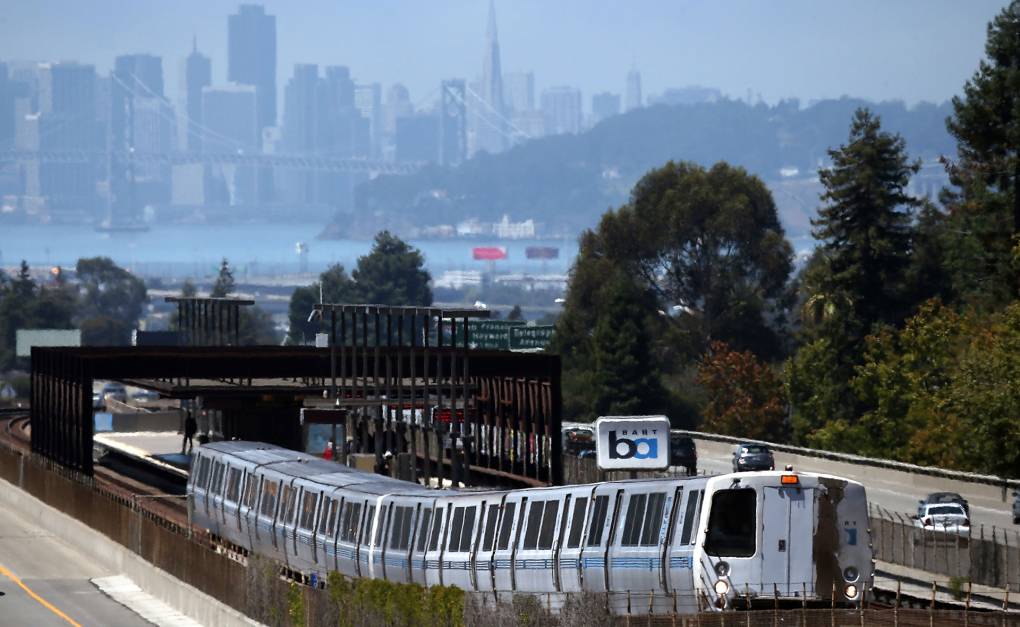
"caption": "A Bay Area Rapid Transit train pulls away from Oakland's Rockridge station on Aug. 2, 2013. With Bay Area transit agencies projecting budget shortfalls in the hundreds of millions starting in 2026, lawmakers are proposing a regional sales tax to help prevent severe service cuts and preserve the public transportation network.",
"credit": "Justin Sullivan/Getty Images",
"altTag": "A BART train pulls out of an above-ground station. Cars whiz by alongside and the city of San Francisco looms in the background.",
"description": null,
"imgSizes": {
"medium": {
"file": "https://cdn.kqed.org/wp-content/uploads/sites/10/2022/11/Rockridge-BART-cropped-800x492.jpg",
"width": 800,
"height": 492,
"mimeType": "image/jpeg"
},
"large": {
"file": "https://cdn.kqed.org/wp-content/uploads/sites/10/2022/11/Rockridge-BART-cropped-1020x627.jpg",
"width": 1020,
"height": 627,
"mimeType": "image/jpeg"
},
"thumbnail": {
"file": "https://cdn.kqed.org/wp-content/uploads/sites/10/2022/11/Rockridge-BART-cropped-160x98.jpg",
"width": 160,
"height": 98,
"mimeType": "image/jpeg"
},
"1536x1536": {
"file": "https://cdn.kqed.org/wp-content/uploads/sites/10/2022/11/Rockridge-BART-cropped-1536x944.jpg",
"width": 1536,
"height": 944,
"mimeType": "image/jpeg"
},
"post-thumbnail": {
"file": "https://cdn.kqed.org/wp-content/uploads/sites/10/2022/11/Rockridge-BART-cropped-672x372.jpg",
"width": 672,
"height": 372,
"mimeType": "image/jpeg"
},
"twentyfourteen-full-width": {
"file": "https://cdn.kqed.org/wp-content/uploads/sites/10/2022/11/Rockridge-BART-cropped-1038x576.jpg",
"width": 1038,
"height": 576,
"mimeType": "image/jpeg"
},
"kqedFullSize": {
"file": "https://cdn.kqed.org/wp-content/uploads/sites/10/2022/11/Rockridge-BART-cropped.jpg",
"width": 1920,
"height": 1180
}
},
"isLoading": false,
"fetchFailed": false
},
"news_12039557": {
"type": "attachments",
"id": "news_12039557",
"meta": {
"index": "attachments_1716263798",
"site": "news",
"id": "12039557",
"found": true
},
"title": "250509-BARTOUTAGE-03-BL-KQED",
"publishDate": 1746817039,
"status": "inherit",
"parent": 0,
"modified": 1746819606,
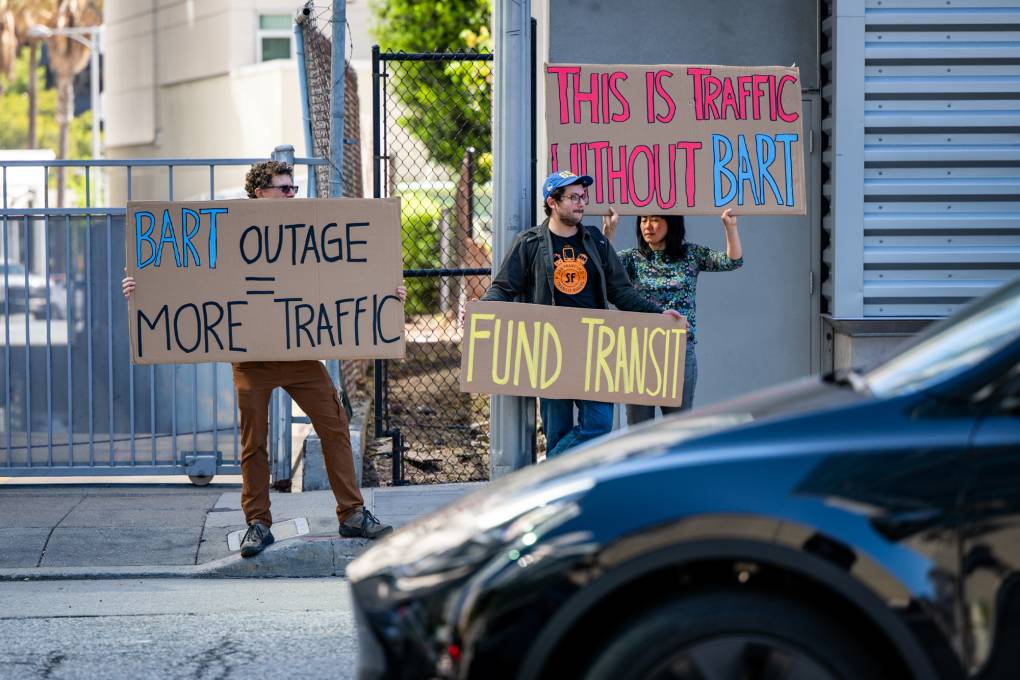
"caption": "Transit advocates hold signs calling for more public transit funding at the Fremont Street off-ramp for westbound I-80 in San Francisco on May 9, 2025.",
"credit": "Beth LaBerge/KQED",
"altTag": null,
"description": null,
"imgSizes": {
"medium": {
"file": "https://cdn.kqed.org/wp-content/uploads/sites/10/2025/05/250509-BARTOUTAGE-03-BL-KQED-800x533.jpg",
"width": 800,
"height": 533,
"mimeType": "image/jpeg"
},
"large": {
"file": "https://cdn.kqed.org/wp-content/uploads/sites/10/2025/05/250509-BARTOUTAGE-03-BL-KQED-1020x680.jpg",
"width": 1020,
"height": 680,
"mimeType": "image/jpeg"
},
"thumbnail": {
"file": "https://cdn.kqed.org/wp-content/uploads/sites/10/2025/05/250509-BARTOUTAGE-03-BL-KQED-160x107.jpg",
"width": 160,
"height": 107,
"mimeType": "image/jpeg"
},
"1536x1536": {
"file": "https://cdn.kqed.org/wp-content/uploads/sites/10/2025/05/250509-BARTOUTAGE-03-BL-KQED-1536x1024.jpg",
"width": 1536,
"height": 1024,
"mimeType": "image/jpeg"
},
"post-thumbnail": {
"file": "https://cdn.kqed.org/wp-content/uploads/sites/10/2025/05/250509-BARTOUTAGE-03-BL-KQED-672x372.jpg",
"width": 672,
"height": 372,
"mimeType": "image/jpeg"
},
"twentyfourteen-full-width": {
"file": "https://cdn.kqed.org/wp-content/uploads/sites/10/2025/05/250509-BARTOUTAGE-03-BL-KQED-1038x576.jpg",
"width": 1038,
"height": 576,
"mimeType": "image/jpeg"
},
"full-width": {
"file": "https://cdn.kqed.org/wp-content/uploads/sites/10/2025/05/250509-BARTOUTAGE-03-BL-KQED-1920x1280.jpg",
"width": 1920,
"height": 1280,
"mimeType": "image/jpeg"
},
"kqedFullSize": {
"file": "https://cdn.kqed.org/wp-content/uploads/sites/10/2025/05/250509-BARTOUTAGE-03-BL-KQED.jpg",
"width": 2000,
"height": 1333
}
},
"isLoading": false,
"fetchFailed": false
},
"news_12039500": {
"type": "attachments",
"id": "news_12039500",
"meta": {
"index": "attachments_1716263798",
"site": "news",
"id": "12039500",
"found": true
},
"title": "Celebration-After-Operation-Sindoor",
"publishDate": 1746807844,
"status": "inherit",
"parent": 12039496,
"modified": 1746821355,
"caption": "Supporters and members of the National Congress Party wave Indian flags to celebrate the Indian armed forces' missile strikes on targets in Pakistan and Pakistan-Administered Kashmir under 'Operation Sindoor,' in retaliation for the Pahalgam terror attack, in Guwahati, India, on May 9, 2025.",
"credit": "David Talukdar / Middle East Images / Middle East Images via AFP",
"altTag": null,
"description": null,
"imgSizes": {
"medium": {
"file": "https://cdn.kqed.org/wp-content/uploads/sites/10/2025/05/IndiaPakistanGetty-800x533.jpg",
"width": 800,
"height": 533,
"mimeType": "image/jpeg"
},
"large": {
"file": "https://cdn.kqed.org/wp-content/uploads/sites/10/2025/05/IndiaPakistanGetty-1020x680.jpg",
"width": 1020,
"height": 680,
"mimeType": "image/jpeg"
},
"thumbnail": {
"file": "https://cdn.kqed.org/wp-content/uploads/sites/10/2025/05/IndiaPakistanGetty-160x107.jpg",
"width": 160,
"height": 107,
"mimeType": "image/jpeg"
},
"1536x1536": {
"file": "https://cdn.kqed.org/wp-content/uploads/sites/10/2025/05/IndiaPakistanGetty-1536x1024.jpg",
"width": 1536,
"height": 1024,
"mimeType": "image/jpeg"
},
"post-thumbnail": {
"file": "https://cdn.kqed.org/wp-content/uploads/sites/10/2025/05/IndiaPakistanGetty-672x372.jpg",
"width": 672,
"height": 372,
"mimeType": "image/jpeg"
},
"twentyfourteen-full-width": {
"file": "https://cdn.kqed.org/wp-content/uploads/sites/10/2025/05/IndiaPakistanGetty-1038x576.jpg",
"width": 1038,
"height": 576,
"mimeType": "image/jpeg"
},
"full-width": {
"file": "https://cdn.kqed.org/wp-content/uploads/sites/10/2025/05/IndiaPakistanGetty-1920x1280.jpg",
"width": 1920,
"height": 1280,
"mimeType": "image/jpeg"
},
"kqedFullSize": {
"file": "https://cdn.kqed.org/wp-content/uploads/sites/10/2025/05/IndiaPakistanGetty.jpg",
"width": 2000,
"height": 1333
}
},
"isLoading": false,
"fetchFailed": false
},
"news_12039401": {
"type": "attachments",
"id": "news_12039401",
"meta": {
"index": "attachments_1716263798",
"site": "news",
"id": "12039401",
"found": true
},
"title": "20250508_POPEREAX_GC-4-KQED",
"publishDate": 1746737275,
"status": "inherit",
"parent": 0,
"modified": 1746737333,
"caption": "Shelley Weisbrich outside the Saints Peter and Paul Church in San Francisco on May 8, 2025.",
"credit": "Gina Castro/KQED",
"altTag": null,
"description": null,
"imgSizes": {
"medium": {
"file": "https://cdn.kqed.org/wp-content/uploads/sites/10/2025/05/20250508_POPEREAX_GC-4-KQED-800x542.jpg",
"width": 800,
"height": 542,
"mimeType": "image/jpeg"
},
"large": {
"file": "https://cdn.kqed.org/wp-content/uploads/sites/10/2025/05/20250508_POPEREAX_GC-4-KQED-1020x691.jpg",
"width": 1020,
"height": 691,
"mimeType": "image/jpeg"
},
"thumbnail": {
"file": "https://cdn.kqed.org/wp-content/uploads/sites/10/2025/05/20250508_POPEREAX_GC-4-KQED-160x108.jpg",
"width": 160,
"height": 108,
"mimeType": "image/jpeg"
},
"1536x1536": {
"file": "https://cdn.kqed.org/wp-content/uploads/sites/10/2025/05/20250508_POPEREAX_GC-4-KQED-1536x1040.jpg",
"width": 1536,
"height": 1040,
"mimeType": "image/jpeg"
},
"post-thumbnail": {
"file": "https://cdn.kqed.org/wp-content/uploads/sites/10/2025/05/20250508_POPEREAX_GC-4-KQED-672x372.jpg",
"width": 672,
"height": 372,
"mimeType": "image/jpeg"
},
"twentyfourteen-full-width": {
"file": "https://cdn.kqed.org/wp-content/uploads/sites/10/2025/05/20250508_POPEREAX_GC-4-KQED-1038x576.jpg",
"width": 1038,
"height": 576,
"mimeType": "image/jpeg"
},
"full-width": {
"file": "https://cdn.kqed.org/wp-content/uploads/sites/10/2025/05/20250508_POPEREAX_GC-4-KQED-1920x1300.jpg",
"width": 1920,
"height": 1300,
"mimeType": "image/jpeg"
},
"kqedFullSize": {
"file": "https://cdn.kqed.org/wp-content/uploads/sites/10/2025/05/20250508_POPEREAX_GC-4-KQED.jpg",
"width": 2000,
"height": 1354
}
},
"isLoading": false,
"fetchFailed": false
},
"news_12002402": {
"type": "attachments",
"id": "news_12002402",
"meta": {
"index": "attachments_1716263798",
"site": "news",
"id": "12002402",
"found": true
},
"title": "20240829-SFSUGazarally-JY-001",
"publishDate": 1724966210,
"status": "inherit",
"parent": 0,
"modified": 1746564580,
"caption": "Signs are placed around the stage as San Francisco State University Students for Gaza holds a press conference and rally announcing the university’s divestments from weapons manufacturers at Malcolm X Plaza on the SFSU campus on Aug. 29, 2024. ",
"credit": "Juliana Yamada/KQED",
"altTag": null,
"description": null,
"imgSizes": {
"medium": {
"file": "https://cdn.kqed.org/wp-content/uploads/sites/10/2024/08/20240829-SFSUGazarally-JY-001-800x533.jpg",
"width": 800,
"height": 533,
"mimeType": "image/jpeg"
},
"large": {
"file": "https://cdn.kqed.org/wp-content/uploads/sites/10/2024/08/20240829-SFSUGazarally-JY-001-1020x680.jpg",
"width": 1020,
"height": 680,
"mimeType": "image/jpeg"
},
"thumbnail": {
"file": "https://cdn.kqed.org/wp-content/uploads/sites/10/2024/08/20240829-SFSUGazarally-JY-001-160x107.jpg",
"width": 160,
"height": 107,
"mimeType": "image/jpeg"
},
"1536x1536": {
"file": "https://cdn.kqed.org/wp-content/uploads/sites/10/2024/08/20240829-SFSUGazarally-JY-001-1536x1024.jpg",
"width": 1536,
"height": 1024,
"mimeType": "image/jpeg"
},
"2048x2048": {
"file": "https://cdn.kqed.org/wp-content/uploads/sites/10/2024/08/20240829-SFSUGazarally-JY-001-2048x1365.jpg",
"width": 2048,
"height": 1365,
"mimeType": "image/jpeg"
},
"post-thumbnail": {
"file": "https://cdn.kqed.org/wp-content/uploads/sites/10/2024/08/20240829-SFSUGazarally-JY-001-672x372.jpg",
"width": 672,
"height": 372,
"mimeType": "image/jpeg"
},
"twentyfourteen-full-width": {
"file": "https://cdn.kqed.org/wp-content/uploads/sites/10/2024/08/20240829-SFSUGazarally-JY-001-1038x576.jpg",
"width": 1038,
"height": 576,
"mimeType": "image/jpeg"
},
"full-width": {
"file": "https://cdn.kqed.org/wp-content/uploads/sites/10/2024/08/20240829-SFSUGazarally-JY-001-1920x1280.jpg",
"width": 1920,
"height": 1280,
"mimeType": "image/jpeg"
},
"kqedFullSize": {
"file": "https://cdn.kqed.org/wp-content/uploads/sites/10/2024/08/20240829-SFSUGazarally-JY-001-scaled.jpg",
"width": 2560,
"height": 1707
}
},
"isLoading": false,
"fetchFailed": false
},
"news_12034725": {
"type": "attachments",
"id": "news_12034725",
"meta": {
"index": "attachments_1716263798",
"site": "news",
"id": "12034725",
"found": true
},
"title": "20250311_Oakland-Budget_DMB_00008_qed",
"publishDate": 1744046339,
"status": "inherit",
"parent": 12034722,
"modified": 1744046403,
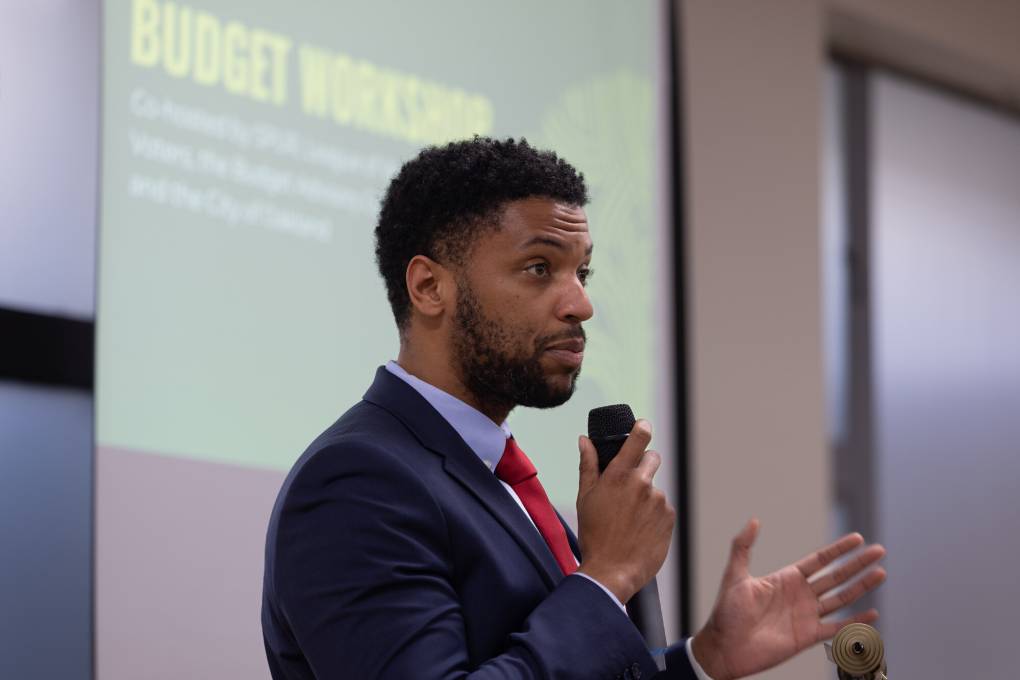
"caption": "Interim Mayor Kevin Jenkins addresses Oakland residents at an educational workshop about Oakland’s biennial budget process at the Main Library on March 11, 2025. ",
"credit": "David M. Barreda/KQED",
"altTag": null,
"description": null,
"imgSizes": {
"medium": {
"file": "https://cdn.kqed.org/wp-content/uploads/sites/10/2025/04/20250311_Oakland-Budget_DMB_00008_qed-800x533.jpg",
"width": 800,
"height": 533,
"mimeType": "image/jpeg"
},
"large": {
"file": "https://cdn.kqed.org/wp-content/uploads/sites/10/2025/04/20250311_Oakland-Budget_DMB_00008_qed-1020x680.jpg",
"width": 1020,
"height": 680,
"mimeType": "image/jpeg"
},
"thumbnail": {
"file": "https://cdn.kqed.org/wp-content/uploads/sites/10/2025/04/20250311_Oakland-Budget_DMB_00008_qed-160x107.jpg",
"width": 160,
"height": 107,
"mimeType": "image/jpeg"
},
"1536x1536": {
"file": "https://cdn.kqed.org/wp-content/uploads/sites/10/2025/04/20250311_Oakland-Budget_DMB_00008_qed-1536x1024.jpg",
"width": 1536,
"height": 1024,
"mimeType": "image/jpeg"
},
"post-thumbnail": {
"file": "https://cdn.kqed.org/wp-content/uploads/sites/10/2025/04/20250311_Oakland-Budget_DMB_00008_qed-672x372.jpg",
"width": 672,
"height": 372,
"mimeType": "image/jpeg"
},
"twentyfourteen-full-width": {
"file": "https://cdn.kqed.org/wp-content/uploads/sites/10/2025/04/20250311_Oakland-Budget_DMB_00008_qed-1038x576.jpg",
"width": 1038,
"height": 576,
"mimeType": "image/jpeg"
},
"full-width": {
"file": "https://cdn.kqed.org/wp-content/uploads/sites/10/2025/04/20250311_Oakland-Budget_DMB_00008_qed-1920x1280.jpg",
"width": 1920,
"height": 1280,
"mimeType": "image/jpeg"
},
"kqedFullSize": {
"file": "https://cdn.kqed.org/wp-content/uploads/sites/10/2025/04/20250311_Oakland-Budget_DMB_00008_qed.jpg",
"width": 1999,
"height": 1333
}
},
"isLoading": false,
"fetchFailed": false
},
"news_12016414": {
"type": "attachments",
"id": "news_12016414",
"meta": {
"index": "attachments_1716263798",
"site": "news",
"id": "12016414",
"found": true
},
"title": "039_KQED_SanFrancisco_Coronavirus_03132020_7340_qed",
"publishDate": 1733250586,
"status": "inherit",
"parent": 12016411,
"modified": 1733270040,
"caption": "Cable cars pass each other above Lombard Street in San Francisco on March 13, 2020. The street, known as the \"Crookedest Street in the World,\" is typically filled with cars and tourists.",
"credit": "Beth LaBerge/KQED",
"altTag": null,
"description": null,
"imgSizes": {
"medium": {
"file": "https://cdn.kqed.org/wp-content/uploads/sites/10/2024/12/039_KQED_SanFrancisco_Coronavirus_03132020_7340_qed-800x533.jpg",
"width": 800,
"height": 533,
"mimeType": "image/jpeg"
},
"large": {
"file": "https://cdn.kqed.org/wp-content/uploads/sites/10/2024/12/039_KQED_SanFrancisco_Coronavirus_03132020_7340_qed-1020x680.jpg",
"width": 1020,
"height": 680,
"mimeType": "image/jpeg"
},
"thumbnail": {
"file": "https://cdn.kqed.org/wp-content/uploads/sites/10/2024/12/039_KQED_SanFrancisco_Coronavirus_03132020_7340_qed-160x107.jpg",
"width": 160,
"height": 107,
"mimeType": "image/jpeg"
},
"1536x1536": {
"file": "https://cdn.kqed.org/wp-content/uploads/sites/10/2024/12/039_KQED_SanFrancisco_Coronavirus_03132020_7340_qed-1536x1024.jpg",
"width": 1536,
"height": 1024,
"mimeType": "image/jpeg"
},
"post-thumbnail": {
"file": "https://cdn.kqed.org/wp-content/uploads/sites/10/2024/12/039_KQED_SanFrancisco_Coronavirus_03132020_7340_qed-672x372.jpg",
"width": 672,
"height": 372,
"mimeType": "image/jpeg"
},
"twentyfourteen-full-width": {
"file": "https://cdn.kqed.org/wp-content/uploads/sites/10/2024/12/039_KQED_SanFrancisco_Coronavirus_03132020_7340_qed-1038x576.jpg",
"width": 1038,
"height": 576,
"mimeType": "image/jpeg"
},
"full-width": {
"file": "https://cdn.kqed.org/wp-content/uploads/sites/10/2024/12/039_KQED_SanFrancisco_Coronavirus_03132020_7340_qed-1920x1280.jpg",
"width": 1920,
"height": 1280,
"mimeType": "image/jpeg"
},
"kqedFullSize": {
"file": "https://cdn.kqed.org/wp-content/uploads/sites/10/2024/12/039_KQED_SanFrancisco_Coronavirus_03132020_7340_qed.jpg",
"width": 2000,
"height": 1333
}
},
"isLoading": false,
"fetchFailed": false
},
"news_12038815": {
"type": "attachments",
"id": "news_12038815",
"meta": {
"index": "attachments_1716263798",
"site": "news",
"id": "12038815",
"found": true
},
"title": "250505-SFSHELTEREQUITY-13-BL-KQED",
"publishDate": 1746482309,
"status": "inherit",
"parent": 0,
"modified": 1746482372,
"caption": "Co-owner Ei Kay Khine Zin stands in the doorway of Bay of Burma in San Francisco’s South of Market neighborhood on May 5, 2025.",
"credit": "Beth LaBerge/KQED",
"altTag": null,
"description": null,
"imgSizes": {
"medium": {
"file": "https://cdn.kqed.org/wp-content/uploads/sites/10/2025/05/250505-SFSHELTEREQUITY-13-BL-KQED-800x533.jpg",
"width": 800,
"height": 533,
"mimeType": "image/jpeg"
},
"large": {
"file": "https://cdn.kqed.org/wp-content/uploads/sites/10/2025/05/250505-SFSHELTEREQUITY-13-BL-KQED-1020x680.jpg",
"width": 1020,
"height": 680,
"mimeType": "image/jpeg"
},
"thumbnail": {
"file": "https://cdn.kqed.org/wp-content/uploads/sites/10/2025/05/250505-SFSHELTEREQUITY-13-BL-KQED-160x107.jpg",
"width": 160,
"height": 107,
"mimeType": "image/jpeg"
},
"1536x1536": {
"file": "https://cdn.kqed.org/wp-content/uploads/sites/10/2025/05/250505-SFSHELTEREQUITY-13-BL-KQED-1536x1024.jpg",
"width": 1536,
"height": 1024,
"mimeType": "image/jpeg"
},
"post-thumbnail": {
"file": "https://cdn.kqed.org/wp-content/uploads/sites/10/2025/05/250505-SFSHELTEREQUITY-13-BL-KQED-672x372.jpg",
"width": 672,
"height": 372,
"mimeType": "image/jpeg"
},
"twentyfourteen-full-width": {
"file": "https://cdn.kqed.org/wp-content/uploads/sites/10/2025/05/250505-SFSHELTEREQUITY-13-BL-KQED-1038x576.jpg",
"width": 1038,
"height": 576,
"mimeType": "image/jpeg"
},
"full-width": {
"file": "https://cdn.kqed.org/wp-content/uploads/sites/10/2025/05/250505-SFSHELTEREQUITY-13-BL-KQED-1920x1280.jpg",
"width": 1920,
"height": 1280,
"mimeType": "image/jpeg"
},
"kqedFullSize": {
"file": "https://cdn.kqed.org/wp-content/uploads/sites/10/2025/05/250505-SFSHELTEREQUITY-13-BL-KQED.jpg",
"width": 2000,
"height": 1333
}
},
"isLoading": false,
"fetchFailed": false
},
"news_12038512": {
"type": "attachments",
"id": "news_12038512",
"meta": {
"index": "attachments_1716263798",
"site": "news",
"id": "12038512",
"found": true
},
"title": "250501-MAYDAYRALLYSF-14-BL-KQED",
"publishDate": 1746161928,
"status": "inherit",
"parent": 0,
"modified": 1746162062,
"caption": "Darcie Chan Blackburn (left), a San Francisco teacher, marches alongside thousands of demonstrators from Civic Center Plaza toward the Embarcadero during a May Day protest in San Francisco on Thursday, May 1, 2025.",
"credit": "Beth LaBerge/KQED",
"altTag": null,
"description": null,
"imgSizes": {
"medium": {
"file": "https://cdn.kqed.org/wp-content/uploads/sites/10/2025/05/250501-MAYDAYRALLYSF-14-BL-KQED-800x533.jpg",
"width": 800,
"height": 533,
"mimeType": "image/jpeg"
},
"large": {
"file": "https://cdn.kqed.org/wp-content/uploads/sites/10/2025/05/250501-MAYDAYRALLYSF-14-BL-KQED-1020x680.jpg",
"width": 1020,
"height": 680,
"mimeType": "image/jpeg"
},
"thumbnail": {
"file": "https://cdn.kqed.org/wp-content/uploads/sites/10/2025/05/250501-MAYDAYRALLYSF-14-BL-KQED-160x107.jpg",
"width": 160,
"height": 107,
"mimeType": "image/jpeg"
},
"1536x1536": {
"file": "https://cdn.kqed.org/wp-content/uploads/sites/10/2025/05/250501-MAYDAYRALLYSF-14-BL-KQED-1536x1024.jpg",
"width": 1536,
"height": 1024,
"mimeType": "image/jpeg"
},
"post-thumbnail": {
"file": "https://cdn.kqed.org/wp-content/uploads/sites/10/2025/05/250501-MAYDAYRALLYSF-14-BL-KQED-672x372.jpg",
"width": 672,
"height": 372,
"mimeType": "image/jpeg"
},
"twentyfourteen-full-width": {
"file": "https://cdn.kqed.org/wp-content/uploads/sites/10/2025/05/250501-MAYDAYRALLYSF-14-BL-KQED-1038x576.jpg",
"width": 1038,
"height": 576,
"mimeType": "image/jpeg"
},
"full-width": {
"file": "https://cdn.kqed.org/wp-content/uploads/sites/10/2025/05/250501-MAYDAYRALLYSF-14-BL-KQED-1920x1280.jpg",
"width": 1920,
"height": 1280,
"mimeType": "image/jpeg"
},
"kqedFullSize": {
"file": "https://cdn.kqed.org/wp-content/uploads/sites/10/2025/05/250501-MAYDAYRALLYSF-14-BL-KQED.jpg",
"width": 2000,
"height": 1333
}
},
"isLoading": false,
"fetchFailed": false
},
"news_12038612": {
"type": "attachments",
"id": "news_12038612",
"meta": {
"index": "attachments_1716263798",
"site": "news",
"id": "12038612",
"found": true
},
"title": "20250423_MarineLab_GC-16_qed",
"publishDate": 1746220170,
"status": "inherit",
"parent": 12038610,
"modified": 1746231821,
"caption": "A cyclist heads into Delta Hall, where the marine labs are, at San Francisco State’s Estuary and Ocean Science Center, in Tiburon on April 23, 2025.",
"credit": "Gina Castro/KQED",
"altTag": null,
"description": null,
"imgSizes": {
"medium": {
"file": "https://cdn.kqed.org/wp-content/uploads/sites/10/2025/05/20250423_MarineLab_GC-16_qed-800x533.jpg",
"width": 800,
"height": 533,
"mimeType": "image/jpeg"
},
"large": {
"file": "https://cdn.kqed.org/wp-content/uploads/sites/10/2025/05/20250423_MarineLab_GC-16_qed-1020x680.jpg",
"width": 1020,
"height": 680,
"mimeType": "image/jpeg"
},
"thumbnail": {
"file": "https://cdn.kqed.org/wp-content/uploads/sites/10/2025/05/20250423_MarineLab_GC-16_qed-160x107.jpg",
"width": 160,
"height": 107,
"mimeType": "image/jpeg"
},
"1536x1536": {
"file": "https://cdn.kqed.org/wp-content/uploads/sites/10/2025/05/20250423_MarineLab_GC-16_qed-1536x1024.jpg",
"width": 1536,
"height": 1024,
"mimeType": "image/jpeg"
},
"post-thumbnail": {
"file": "https://cdn.kqed.org/wp-content/uploads/sites/10/2025/05/20250423_MarineLab_GC-16_qed-672x372.jpg",
"width": 672,
"height": 372,
"mimeType": "image/jpeg"
},
"twentyfourteen-full-width": {
"file": "https://cdn.kqed.org/wp-content/uploads/sites/10/2025/05/20250423_MarineLab_GC-16_qed-1038x576.jpg",
"width": 1038,
"height": 576,
"mimeType": "image/jpeg"
},
"full-width": {
"file": "https://cdn.kqed.org/wp-content/uploads/sites/10/2025/05/20250423_MarineLab_GC-16_qed-1920x1280.jpg",
"width": 1920,
"height": 1280,
"mimeType": "image/jpeg"
},
"kqedFullSize": {
"file": "https://cdn.kqed.org/wp-content/uploads/sites/10/2025/05/20250423_MarineLab_GC-16_qed.jpg",
"width": 2000,
"height": 1333
}
},
"isLoading": false,
"fetchFailed": false
},
"news_12038284": {
"type": "attachments",
"id": "news_12038284",
"meta": {
"index": "attachments_1716263798",
"site": "news",
"id": "12038284",
"found": true
},
"title": "230615-brooklyn basin-239-ks.NEF-26-ks_qed",
"publishDate": 1746052388,
"status": "inherit",
"parent": 12038195,
"modified": 1746052501,
"caption": "An affordable housing complex in Oakland’s Brooklyn Basin neighborhood on June 15, 2023. The city’s newest waterfront community has already added nearly 1,000 homes and plans to build 3,000 more.",
"credit": "Kori Suzuki/KQED",
"altTag": null,
"description": null,
"imgSizes": {
"medium": {
"file": "https://cdn.kqed.org/wp-content/uploads/sites/10/2025/04/230615-brooklyn-basin-239-ks.NEF-26-ks_qed-800x532.jpg",
"width": 800,
"height": 532,
"mimeType": "image/jpeg"
},
"large": {
"file": "https://cdn.kqed.org/wp-content/uploads/sites/10/2025/04/230615-brooklyn-basin-239-ks.NEF-26-ks_qed-1020x679.jpg",
"width": 1020,
"height": 679,
"mimeType": "image/jpeg"
},
"thumbnail": {
"file": "https://cdn.kqed.org/wp-content/uploads/sites/10/2025/04/230615-brooklyn-basin-239-ks.NEF-26-ks_qed-160x106.jpg",
"width": 160,
"height": 106,
"mimeType": "image/jpeg"
},
"1536x1536": {
"file": "https://cdn.kqed.org/wp-content/uploads/sites/10/2025/04/230615-brooklyn-basin-239-ks.NEF-26-ks_qed-1536x1022.jpg",
"width": 1536,
"height": 1022,
"mimeType": "image/jpeg"
},
"post-thumbnail": {
"file": "https://cdn.kqed.org/wp-content/uploads/sites/10/2025/04/230615-brooklyn-basin-239-ks.NEF-26-ks_qed-672x372.jpg",
"width": 672,
"height": 372,
"mimeType": "image/jpeg"
},
"twentyfourteen-full-width": {
"file": "https://cdn.kqed.org/wp-content/uploads/sites/10/2025/04/230615-brooklyn-basin-239-ks.NEF-26-ks_qed-1038x576.jpg",
"width": 1038,
"height": 576,
"mimeType": "image/jpeg"
},
"full-width": {
"file": "https://cdn.kqed.org/wp-content/uploads/sites/10/2025/04/230615-brooklyn-basin-239-ks.NEF-26-ks_qed-1920x1278.jpg",
"width": 1920,
"height": 1278,
"mimeType": "image/jpeg"
},
"kqedFullSize": {
"file": "https://cdn.kqed.org/wp-content/uploads/sites/10/2025/04/230615-brooklyn-basin-239-ks.NEF-26-ks_qed.jpg",
"width": 2000,
"height": 1331
}
},
"isLoading": false,
"fetchFailed": false
},
"news_12038428": {
"type": "attachments",
"id": "news_12038428",
"meta": {
"index": "attachments_1716263798",
"site": "news",
"id": "12038428",
"found": true
},
"title": "Going through a rough patch",
"publishDate": 1746129114,
"status": "inherit",
"parent": 12038426,
"modified": 1747260537,
"caption": "Shot of a young woman looking despondent after a fight with her boyfriend.",
"credit": "iStock/Getty Images Plus",
"altTag": null,
"description": null,
"imgSizes": {
"medium": {
"file": "https://cdn.kqed.org/wp-content/uploads/sites/10/2025/05/LoveLabGetty-800x534.jpg",
"width": 800,
"height": 534,
"mimeType": "image/jpeg"
},
"large": {
"file": "https://cdn.kqed.org/wp-content/uploads/sites/10/2025/05/LoveLabGetty-1020x680.jpg",
"width": 1020,
"height": 680,
"mimeType": "image/jpeg"
},
"thumbnail": {
"file": "https://cdn.kqed.org/wp-content/uploads/sites/10/2025/05/LoveLabGetty-160x107.jpg",
"width": 160,
"height": 107,
"mimeType": "image/jpeg"
},
"1536x1536": {
"file": "https://cdn.kqed.org/wp-content/uploads/sites/10/2025/05/LoveLabGetty-1536x1025.jpg",
"width": 1536,
"height": 1025,
"mimeType": "image/jpeg"
},
"post-thumbnail": {
"file": "https://cdn.kqed.org/wp-content/uploads/sites/10/2025/05/LoveLabGetty-672x372.jpg",
"width": 672,
"height": 372,
"mimeType": "image/jpeg"
},
"twentyfourteen-full-width": {
"file": "https://cdn.kqed.org/wp-content/uploads/sites/10/2025/05/LoveLabGetty-1038x576.jpg",
"width": 1038,
"height": 576,
"mimeType": "image/jpeg"
},
"full-width": {
"file": "https://cdn.kqed.org/wp-content/uploads/sites/10/2025/05/LoveLabGetty-1920x1281.jpg",
"width": 1920,
"height": 1281,
"mimeType": "image/jpeg"
},
"kqedFullSize": {
"file": "https://cdn.kqed.org/wp-content/uploads/sites/10/2025/05/LoveLabGetty.jpg",
"width": 2000,
"height": 1334
}
},
"isLoading": false,
"fetchFailed": false
}
},
"audioPlayerReducer": {
"postId": "stream_live",
"isPaused": true,
"isPlaying": false,
"pfsActive": false,
"pledgeModalIsOpen": true,
"playerDrawerIsOpen": false,
"liveAudioPlayStartedAt": 0,
"liveAudioPlayContext": ""
},
"authorsReducer": {
"byline_news_12038610": {
"type": "authors",
"id": "byline_news_12038610",
"meta": {
"override": true
},
"slug": "byline_news_12038610",
"name": "\u003ca href=\"https://www.kqed.org/author/matthewgreen\">Matthew Green\u003c/a> and Anna FitzGerald Guth",
"isLoading": false
},
"kqed": {
"type": "authors",
"id": "236",
"meta": {
"index": "authors_1716337520",
"id": "236",
"found": true
},
"name": "KQED News Staff",
"firstName": "KQED News Staff",
"lastName": null,
"slug": "kqed",
"email": "faq@kqed.org",
"display_author_email": false,
"staff_mastheads": [],
"title": null,
"bio": null,
"avatar": "https://secure.gravatar.com/avatar/ef0e801a68c4c54afa9180db14084167?s=600&d=blank&r=g",
"twitter": null,
"facebook": null,
"instagram": null,
"linkedin": null,
"sites": [
{
"site": "arts",
"roles": [
"contributor"
]
},
{
"site": "news",
"roles": [
"editor"
]
},
{
"site": "futureofyou",
"roles": [
"author"
]
}
],
"headData": {
"title": "KQED News Staff | KQED",
"description": null,
"ogImgSrc": "https://secure.gravatar.com/avatar/ef0e801a68c4c54afa9180db14084167?s=600&d=blank&r=g",
"twImgSrc": "https://secure.gravatar.com/avatar/ef0e801a68c4c54afa9180db14084167?s=600&d=blank&r=g"
},
"isLoading": false,
"link": "/author/kqed"
},
"lesleymcclurg": {
"type": "authors",
"id": "11229",
"meta": {
"index": "authors_1716337520",
"id": "11229",
"found": true
},
"name": "Lesley McClurg",
"firstName": "Lesley",
"lastName": "McClurg",
"slug": "lesleymcclurg",
"email": "lmcclurg@KQED.org",
"display_author_email": false,
"staff_mastheads": [
"news",
"science"
],
"title": "KQED Health Correspondent",
"bio": "Lesley McClurg is a health correspondent and fill-in host whose work is regularly rebroadcast on NPR and PBS programs. She’s earned multiple regional Emmy awards, a national and a regional Edward R. Murrow award, and was named Best Beat Reporter by the Association of Health Care Journalists. The Society of Professional Journalists has recognized her work several times, and the Society of Environmental Journalists spotlighted her coverage of California’s historic drought.\r\n\r\nBefore joining KQED in 2016, Lesley covered food and sustainability for Capital Public Radio, environmental issues for Colorado Public Radio, and reported for KUOW and KCTS 9 in Seattle. Away from the newsroom, she loves skiing with her daughter, mountain biking with her partner, and playing with Ollie, the family’s goldendoodle. On deadline, she runs almost entirely on chocolate chips.\r\n\r\n ",
"avatar": "https://secure.gravatar.com/avatar/bab49e972ea10c774fe0f5e29dba1722b158f7c0d58a360923d1389d380b2978?s=600&d=blank&r=g",
"twitter": "lesleywmcclurg",
"bluesky": null,
"facebook": null,
"instagram": null,
"linkedin": null,
"sites": [
{
"site": "arts",
"roles": [
"author"
]
},
{
"site": "news",
"roles": [
"editor"
]
},
{
"site": "futureofyou",
"roles": [
"editor"
]
},
{
"site": "stateofhealth",
"roles": [
"author"
]
},
{
"site": "science",
"roles": [
"editor"
]
},
{
"site": "quest",
"roles": [
"subscriber"
]
},
{
"site": "forum",
"roles": [
"administrator"
]
},
{
"site": "liveblog",
"roles": [
"author"
]
}
],
"headData": {
"title": "Lesley McClurg | KQED",
"description": "KQED Health Correspondent",
"ogImgSrc": "https://secure.gravatar.com/avatar/bab49e972ea10c774fe0f5e29dba1722b158f7c0d58a360923d1389d380b2978?s=600&d=blank&r=g",
"twImgSrc": "https://secure.gravatar.com/avatar/bab49e972ea10c774fe0f5e29dba1722b158f7c0d58a360923d1389d380b2978?s=600&d=blank&r=g"
},
"isLoading": false,
"link": "/author/lesleymcclurg"
},
"vrancano": {
"type": "authors",
"id": "11276",
"meta": {
"index": "authors_1716337520",
"id": "11276",
"found": true
},
"name": "Vanessa Rancaño",
"firstName": "Vanessa",
"lastName": "Rancaño",
"slug": "vrancano",
"email": "vrancano@kqed.org",
"display_author_email": false,
"staff_mastheads": [
"news"
],
"title": "Reporter",
"bio": "Vanessa Rancaño is a features reporter for KQED. She’s also covered homelessness and education for the station and reported from the Central Valley. Her work has aired across public radio, from flagship national news shows to longform narrative podcasts. Before taking up a mic, she worked as a freelance print journalist. She’s been recognized with a number of national and regional awards. Vanessa grew up in California's Central Valley. She's a former NPR Kroc Fellow, and a graduate of the UC Berkeley Graduate School of Journalism.",
"avatar": "https://secure.gravatar.com/avatar/b3a383dfb0e7ee1c17568f2cf067904ab654d6e3de9743fc661f3c788ade1bed?s=600&d=blank&r=g",
"twitter": "vanessarancano",
"bluesky": null,
"facebook": null,
"instagram": null,
"linkedin": null,
"sites": [
{
"site": "arts",
"roles": [
"editor"
]
},
{
"site": "news",
"roles": [
"editor"
]
},
{
"site": "liveblog",
"roles": [
"contributor"
]
}
],
"headData": {
"title": "Vanessa Rancaño | KQED",
"description": "Reporter",
"ogImgSrc": "https://secure.gravatar.com/avatar/b3a383dfb0e7ee1c17568f2cf067904ab654d6e3de9743fc661f3c788ade1bed?s=600&d=blank&r=g",
"twImgSrc": "https://secure.gravatar.com/avatar/b3a383dfb0e7ee1c17568f2cf067904ab654d6e3de9743fc661f3c788ade1bed?s=600&d=blank&r=g"
},
"isLoading": false,
"link": "/author/vrancano"
},
"abandlamudi": {
"type": "authors",
"id": "11672",
"meta": {
"index": "authors_1716337520",
"id": "11672",
"found": true
},
"name": "Adhiti Bandlamudi",
"firstName": "Adhiti",
"lastName": "Bandlamudi",
"slug": "abandlamudi",
"email": "abandlamudi@kqed.org",
"display_author_email": false,
"staff_mastheads": [
"news"
],
"title": "KQED Housing Reporter",
"bio": "Adhiti Bandlamudi reports for KQED's Housing desk. She focuses on how housing gets built across the Bay Area. Before joining KQED in 2020, she reported for WUNC in Durham, North Carolina, WABE in Atlanta, Georgia and Capital Public Radio in Sacramento. In 2017, she was awarded a Kroc Fellowship at NPR where she reported on everything from sprinkles to the Golden State Killer's arrest. When she's not reporting, she's baking new recipes in her kitchen or watching movies with friends and family. She's originally from Georgia and has strong opinions about Great British Bake Off.",
"avatar": "https://secure.gravatar.com/avatar/868129c8b257bb99a3500e2c86a65400?s=600&d=mm&r=g",
"twitter": "oddity_adhiti",
"facebook": null,
"instagram": null,
"linkedin": null,
"sites": [
{
"site": "arts",
"roles": [
"author"
]
},
{
"site": "news",
"roles": [
"editor"
]
},
{
"site": "liveblog",
"roles": [
"author"
]
}
],
"headData": {
"title": "Adhiti Bandlamudi | KQED",
"description": "KQED Housing Reporter",
"ogImgSrc": "https://secure.gravatar.com/avatar/868129c8b257bb99a3500e2c86a65400?s=600&d=mm&r=g",
"twImgSrc": "https://secure.gravatar.com/avatar/868129c8b257bb99a3500e2c86a65400?s=600&d=mm&r=g"
},
"isLoading": false,
"link": "/author/abandlamudi"
},
"jlara": {
"type": "authors",
"id": "11761",
"meta": {
"index": "authors_1716337520",
"id": "11761",
"found": true
},
"name": "Juan Carlos Lara",
"firstName": "Juan Carlos",
"lastName": "Lara",
"slug": "jlara",
"email": "jlara@kqed.org",
"display_author_email": false,
"staff_mastheads": [],
"title": "KQED Contributor",
"bio": null,
"avatar": "https://secure.gravatar.com/avatar/19e2052b9b05657c5ff2af2121846e9c?s=600&d=blank&r=g",
"twitter": null,
"facebook": null,
"instagram": null,
"linkedin": null,
"sites": [
{
"site": "arts",
"roles": [
"editor"
]
},
{
"site": "news",
"roles": [
"editor"
]
},
{
"site": "forum",
"roles": [
"editor"
]
},
{
"site": "liveblog",
"roles": [
"contributor"
]
}
],
"headData": {
"title": "Juan Carlos Lara | KQED",
"description": "KQED Contributor",
"ogImgSrc": "https://secure.gravatar.com/avatar/19e2052b9b05657c5ff2af2121846e9c?s=600&d=blank&r=g",
"twImgSrc": "https://secure.gravatar.com/avatar/19e2052b9b05657c5ff2af2121846e9c?s=600&d=blank&r=g"
},
"isLoading": false,
"link": "/author/jlara"
},
"adahlstromeckman": {
"type": "authors",
"id": "11785",
"meta": {
"index": "authors_1716337520",
"id": "11785",
"found": true
},
"name": "Azul Dahlstrom-Eckman",
"firstName": "Azul",
"lastName": "Dahlstrom-Eckman",
"slug": "adahlstromeckman",
"email": "adahlstrom-eckman@kqed.org",
"display_author_email": true,
"staff_mastheads": [],
"title": "Reporter",
"bio": "Azul is a reporter for KQED focusing on transportation and features. He joined KQED in 2021 as an alumna of KALW's Audio Academy radio journalism training program.",
"avatar": "https://secure.gravatar.com/avatar/9cb750298435add7815a777f55bf1f46845c1386bb8452555c60a7b820b5aba3?s=600&d=blank&r=g",
"twitter": "@zuliemann",
"bluesky": "@azul415.bsky.social",
"facebook": null,
"instagram": null,
"linkedin": null,
"sites": [
{
"site": "arts",
"roles": [
"editor"
]
},
{
"site": "news",
"roles": [
"editor"
]
},
{
"site": "science",
"roles": [
"editor"
]
},
{
"site": "liveblog",
"roles": [
"author"
]
}
],
"headData": {
"title": "Azul Dahlstrom-Eckman | KQED",
"description": "Reporter",
"ogImgSrc": "https://secure.gravatar.com/avatar/9cb750298435add7815a777f55bf1f46845c1386bb8452555c60a7b820b5aba3?s=600&d=blank&r=g",
"twImgSrc": "https://secure.gravatar.com/avatar/9cb750298435add7815a777f55bf1f46845c1386bb8452555c60a7b820b5aba3?s=600&d=blank&r=g"
},
"isLoading": false,
"link": "/author/adahlstromeckman"
},
"jservantez": {
"type": "authors",
"id": "11909",
"meta": {
"index": "authors_1716337520",
"id": "11909",
"found": true
},
"name": "Jared Servantez",
"firstName": "Jared",
"lastName": "Servantez",
"slug": "jservantez",
"email": "jservantez@kqed.org",
"display_author_email": true,
"staff_mastheads": [
"news"
],
"title": "KQED Contributor",
"bio": "Jared Servantez is the editor of KQED's Express Desk, leading the newsroom's online breaking news operation. He most recently worked for the Los Angeles Times, where he served as a breaking news editor, the Metro Desk's night editor, and a copy editor. Jared is a graduate of the USC Annenberg School for Communication and Journalism.",
"avatar": "https://secure.gravatar.com/avatar/f0e317c67bb498c3f077f033d1cc79e62f3bc1303fa20a14e8880d31fbe7e01e?s=600&d=blank&r=g",
"twitter": "jservantez",
"bluesky": null,
"facebook": null,
"instagram": null,
"linkedin": null,
"sites": [
{
"site": "news",
"roles": [
"editor"
]
},
{
"site": "science",
"roles": [
"editor",
"author"
]
},
{
"site": "liveblog",
"roles": [
"editor"
]
}
],
"headData": {
"title": "Jared Servantez | KQED",
"description": "KQED Contributor",
"ogImgSrc": "https://secure.gravatar.com/avatar/f0e317c67bb498c3f077f033d1cc79e62f3bc1303fa20a14e8880d31fbe7e01e?s=600&d=blank&r=g",
"twImgSrc": "https://secure.gravatar.com/avatar/f0e317c67bb498c3f077f033d1cc79e62f3bc1303fa20a14e8880d31fbe7e01e?s=600&d=blank&r=g"
},
"isLoading": false,
"link": "/author/jservantez"
},
"kdebenedetti": {
"type": "authors",
"id": "11913",
"meta": {
"index": "authors_1716337520",
"id": "11913",
"found": true
},
"name": "Katie DeBenedetti",
"firstName": "Katie",
"lastName": "DeBenedetti",
"slug": "kdebenedetti",
"email": "kdebenedetti@kqed.org",
"display_author_email": false,
"staff_mastheads": [
"news",
"science"
],
"title": "KQED Contributor",
"bio": "Katie DeBenedetti is a digital reporter covering daily news for the Express Desk. Prior to joining KQED as a culture reporting intern in January 2024, she covered education and city government for the Napa Valley Register.",
"avatar": "https://secure.gravatar.com/avatar/6e31073cb8f7e4214ab03f42771d0f45?s=600&d=blank&r=g",
"twitter": null,
"facebook": null,
"instagram": null,
"linkedin": null,
"sites": [
{
"site": "news",
"roles": [
"author"
]
},
{
"site": "science",
"roles": [
"author"
]
},
{
"site": "liveblog",
"roles": [
"author"
]
}
],
"headData": {
"title": "Katie DeBenedetti | KQED",
"description": "KQED Contributor",
"ogImgSrc": "https://secure.gravatar.com/avatar/6e31073cb8f7e4214ab03f42771d0f45?s=600&d=blank&r=g",
"twImgSrc": "https://secure.gravatar.com/avatar/6e31073cb8f7e4214ab03f42771d0f45?s=600&d=blank&r=g"
},
"isLoading": false,
"link": "/author/kdebenedetti"
}
},
"pagesReducer": {
"news_tag_bay-area": {
"type": "terms",
"id": "news_1386",
"meta": {
"index": "terms_1716263798",
"site": "news",
"id": "1386",
"score": 7.788453
},
"featImg": null,
"name": "Bay Area",
"description": null,
"taxonomy": "tag",
"headData": {
"twImgId": null,
"twTitle": null,
"ogTitle": null,
"ogImgId": null,
"twDescription": null,
"description": null,
"title": "Bay Area Archives | KQED News",
"ogDescription": null
},
"ttid": 1398,
"slug": "bay-area",
"isLoading": false,
"title": "Bay Area",
"pageMeta": {
"site": "news",
"WpPageTemplate": "page-topic-editorial",
"currentPage": 70
},
"blocks": [
{
"blockName": "kqed/post-list",
"attrs": {
"layout": "cardArticle2",
"query": "posts/news?tag=bay-area",
"seeMore": false,
"paginated": true,
"page": 70
}
},
{
"blockName": "kqed/ad"
}
]
}
},
"pfsSessionReducer": {},
"postsReducer": {
"stream_live": {
"type": "live",
"id": "stream_live",
"audioUrl": "https://streams.kqed.org/kqedradio",
"title": "Live Stream",
"excerpt": "Live Stream information currently unavailable.",
"link": "/radio",
"featImg": "",
"label": {
"name": "KQED Live",
"link": "/"
}
},
"stream_kqedNewscast": {
"type": "posts",
"id": "stream_kqedNewscast",
"audioUrl": "https://www.kqed.org/.stream/anon/radio/RDnews/newscast.mp3?_=1",
"title": "KQED Newscast",
"featImg": "",
"label": {
"name": "88.5 FM",
"link": "/"
}
},
"news_12039394": {
"type": "posts",
"id": "news_12039394",
"meta": {
"index": "posts_1716263798",
"site": "news",
"id": "12039394",
"score": null,
"sort": [
1746887414000
]
},
"guestAuthors": [],
"slug": "last-ditch-effort-fund-bay-area-transit-tries-pick-up-support",
"title": "A Last-Ditch Effort to Fund Bay Area Transit Tries to Pick Up Support",
"publishDate": 1746887414,
"format": "standard",
"headTitle": "A Last-Ditch Effort to Fund Bay Area Transit Tries to Pick Up Support | KQED",
"labelTerm": {
"site": "news"
},
"content": "\u003cp>Afternoon rush hour brought the sounds of hundreds, if not thousands, of people \u003ca href=\"https://www.kqed.org/news/11997857/barts-new-evasion-resistant-gates-arrive-in-san-francisco-for-the-first-time\">tagging their Clipper cards\u003c/a> and pushing their way through turnstiles on a recent Thursday at Embarcadero station in downtown San Francisco.\u003c/p>\n\u003cp>Among the crowds was Anna Kondolf, from the town of Fairfax in Marin County, who was on her way to a dinner date in the city.\u003c/p>\n\u003cp>“ I thought, why don’t we do this more? Because it was just so great to take the ferry here and then take BART,” Kondolf said. “It all kind of works.”\u003c/p>\n\u003cp>[ad fullwidth]\u003c/p>\n\u003cp>It works, for now, but that interconnected network of transit could soon be severely reduced. Transit agencies across the Bay Area are forecasting \u003ca href=\"https://www.kqed.org/news/12021178/sf-muni-reducing-bus-light-rail-service-amid-fiscal-crisis-more-cuts-loom\">drastic service cuts\u003c/a> if nothing is done to alleviate multimillion-dollar budget deficits set to begin in 2026.\u003c/p>\n\u003cp>State Sens. Scott Wiener, D-San Francisco, and Jesse Arreguín, D-Berkeley, earlier this year \u003ca href=\"https://www.kqed.org/news/12032607/first-look-at-2026-tax-proposal-to-keep-bay-area-transit-running\">introduced a bill\u003c/a>, set to be heard Monday in the state Senate Appropriations Committee, that would put a sales tax on the ballot in some Bay Area counties next year in order to help fund these agencies and save the region’s public transit network as we know it.\u003c/p>\n\u003cp>“We all need to work together and lock arms and understand that if our transit systems collapse, if we see catastrophic service cuts at Muni, BART, AC Transit and Caltrain, that’s terrible for the entire region,” Wiener told KQED.\u003c/p>\n\u003ch2>A slimmed-down tax proposal\u003c/h2>\n\u003cp>As it is currently written, Wiener and Arreguín’s \u003ca href=\"https://leginfo.legislature.ca.gov/faces/billTextClient.xhtml?bill_id=202520260SB63\">SB 63\u003c/a> would put a measure on the November 2026 ballot to impose a 0.5% sales tax in Alameda and Contra counties, and a 0.5% to 1% sales tax in San Francisco County.\u003c/p>\n\u003cp>Revenue from the tax would primarily go toward funding San Francisco’s Muni, BART, AC Transit and Caltrain. Smaller transit agencies in the East Bay would also be eligible to receive funds.\u003c/p>\n\u003cfigure id=\"attachment_11254007\" class=\"wp-caption aligncenter\" style=\"max-width: 1920px\">\u003cimg loading=\"lazy\" decoding=\"async\" class=\"size-full wp-image-11254007\" src=\"https://cdn.kqed.org/wp-content/uploads/sites/10/2017/01/31909760916_d88814d339_o-e1483581327477.jpg\" alt=\"The side of a Caltrain train as it enters a station.\" width=\"1920\" height=\"1440\">\u003cfigcaption class=\"wp-caption-text\">Caltrain cars at San José’s Diridon Station, December 2016. \u003ccite>(Dan Brekke/KQED)\u003c/cite>\u003c/figcaption>\u003c/figure>\n\u003cp>An analysis by the Metropolitan Transportation Commission found that the tax could generate between roughly $440 million and $550 million a year, depending on the tax rate.\u003c/p>\n\u003cp>Wiener pulled a similar but farther-reaching bill from consideration last year in the face of \u003ca href=\"https://www.kqed.org/news/11988365/a-bill-to-save-bay-area-transit-from-fiscal-disaster-is-dead-at-least-for-now\">widespread opposition\u003c/a>. That effort would have covered all nine Bay Area counties and aimed to raise $1.5 billion for a wide variety of transit, street and highway improvements.\u003c/p>\n\u003cp>This year, the bill was narrowed down to just three counties, though it also includes a provision for San Mateo and Santa Clara counties to opt in by a July 31 deadline.\u003c/p>\n\u003cp>“ I’m cautiously optimistic about the bill’s prospects, but it ain’t over until it’s over,” Wiener said.\u003c/p>\n\u003ch2>Service cuts with deep implications\u003c/h2>\n\u003cp>Of all the Bay Area’s main transit agencies, BART has the biggest deficit and is forecasting the most severe cuts.\u003c/p>\n\u003cp>Beginning in fiscal year 2026, BART said its budget deficit will balloon to around $385 million. If SB 63 fails, the agency is considering cost-saving scenarios, including cutting two lines entirely, closing on weekends and shutting down the system at 9 p.m.\u003c/p>\n\u003cfigure id=\"attachment_12039661\" class=\"wp-caption aligncenter\" style=\"max-width: 1976px\">\u003cimg loading=\"lazy\" decoding=\"async\" class=\"wp-image-12039661 size-full\" src=\"https://cdn.kqed.org/wp-content/uploads/sites/10/2025/05/bart-strike20130804_qed.jpg\" alt=\"\" width=\"1976\" height=\"1333\" srcset=\"https://cdn.kqed.org/wp-content/uploads/sites/10/2025/05/bart-strike20130804_qed.jpg 1976w, https://cdn.kqed.org/wp-content/uploads/sites/10/2025/05/bart-strike20130804_qed-800x540.jpg 800w, https://cdn.kqed.org/wp-content/uploads/sites/10/2025/05/bart-strike20130804_qed-1020x688.jpg 1020w, https://cdn.kqed.org/wp-content/uploads/sites/10/2025/05/bart-strike20130804_qed-160x108.jpg 160w, https://cdn.kqed.org/wp-content/uploads/sites/10/2025/05/bart-strike20130804_qed-1536x1036.jpg 1536w, https://cdn.kqed.org/wp-content/uploads/sites/10/2025/05/bart-strike20130804_qed-1920x1295.jpg 1920w\" sizes=\"auto, (max-width: 1976px) 100vw, 1976px\">\u003cfigcaption class=\"wp-caption-text\">A Bay Area Rapid Transit (BART) train sits idle at the Millbrae station on July 3, 2013, in Millbrae, California. \u003ccite>(Justin Sullivan/Getty Images)\u003c/cite>\u003c/figcaption>\u003c/figure>\n\u003cp>“We’re not talking about their ability to continue to sustain the service that they have today by any stretch,” said Rebecca Long, director of legislation and public affairs at the Metropolitan Transportation Commission.\u003c/p>\n\u003cp>The effects of those cuts would not only be isolated to people who take public transit.\u003c/p>\n\u003cp>“If BART runs out of funding, drivers will sit in traffic for an extra 12 or more hours per week on average,” Laura Tolkoff, transportation policy director at the planning and urban research nonprofit SPUR, said at a media briefing.\u003c/p>\n\u003cp>Shades of that were seen Friday morning when a \u003ca href=\"https://www.kqed.org/news/12039472/bart-shuts-down-entire-train-service-due-to-computer-networking-problem\">computer networking problem\u003c/a> completely shut down BART for hours. Traffic on roads and bridges was snarled, with hundreds more Bay Bridge crossings recorded than the Friday before.\u003c/p>\n\u003cp>A group of activists who support SB 63 took it as an opportunity to remind drivers what’s at stake if transit funding dries up, gathering at the backed-up Interstate 80 westbound off-ramp on Fremont Street in San Francisco with signs in support of BART and Muni.\u003c/p>\n\u003cp>“Without sufficient funding, these kinds of problems are going to get worse,” transportation activist Cyrus Hall said. “BART’s been running on a shoestring for years, and we need to fix that now.”\u003c/p>\n\u003cfigure id=\"attachment_12039665\" class=\"wp-caption aligncenter\" style=\"max-width: 1695px\">\u003cimg loading=\"lazy\" decoding=\"async\" class=\"size-full wp-image-12039665\" src=\"https://cdn.kqed.org/wp-content/uploads/sites/10/2025/05/MUNI-with-GBUS.png\" alt=\"\" width=\"1695\" height=\"1158\" srcset=\"https://cdn.kqed.org/wp-content/uploads/sites/10/2025/05/MUNI-with-GBUS.png 1695w, https://cdn.kqed.org/wp-content/uploads/sites/10/2025/05/MUNI-with-GBUS-800x547.png 800w, https://cdn.kqed.org/wp-content/uploads/sites/10/2025/05/MUNI-with-GBUS-1020x697.png 1020w, https://cdn.kqed.org/wp-content/uploads/sites/10/2025/05/MUNI-with-GBUS-160x109.png 160w, https://cdn.kqed.org/wp-content/uploads/sites/10/2025/05/MUNI-with-GBUS-1536x1049.png 1536w\" sizes=\"auto, (max-width: 1695px) 100vw, 1695px\">\u003cfigcaption class=\"wp-caption-text\">Bay Area lawmakers are pushing for a regional sales tax measure to stave off drastic transit service cuts, as agencies across the region face mounting budget shortfalls starting in 2026. \u003ccite>(Mark Wilson/Getty Images)\u003c/cite>\u003c/figcaption>\u003c/figure>\n\u003cp>Muni, which is facing a deficit of around $320 million beginning July 2026, has discussed the need to cut up to 20 bus lines and reduce service on up to 28 bus and train routes if SB 63 fails, according to a Senate analysis.\u003c/p>\n\u003cp>AC Transit and Caltrain have smaller deficits (around $30 million and $80 million, respectively) but are still forecasting service cuts without help.\u003c/p>\n\u003cp>Together, the four agencies represent around 80% of all Bay Area public transit trips, according to Long.\u003c/p>\n\u003cp>While most transit agencies, but BART and Caltrain in particular, have historically relied on fares to fund operations, these agencies saw ridership plummet by 70% to 98% due to the pandemic, Long said. And although ridership is \u003ca href=\"https://www.bart.gov/news/articles/2025/news20250421#:~:text=Larger%20systems%20also%20saw%20significant,while%20Muni%20increased%20by%204%25.\">slowly recovering\u003c/a>, it still hasn’t returned to pre-pandemic levels.\u003c/p>\n\u003cp>“Essentially, we need to rebuild the business model for transit,” Long said.\u003c/p>\n\u003ch2>‘Different needs, different desires’\u003c/h2>\n\u003cp>Wiener said he is focused on “trying to build as much regional support as possible.”\u003c/p>\n\u003cp>“ It’s complicated because all the different counties have different needs, different desires,” Wiener said.\u003c/p>\n\u003cp>Transit agencies’ boards have been meeting in recent weeks to discuss whether to back the measure. The Peninsula Corridor Joint Powers Board, which oversees Caltrain, voted May 1 to endorse it.\u003c/p>\n\u003cfigure id=\"attachment_12039671\" class=\"wp-caption aligncenter\" style=\"max-width: 2000px\">\u003cimg loading=\"lazy\" decoding=\"async\" class=\"size-full wp-image-12039671\" src=\"https://cdn.kqed.org/wp-content/uploads/sites/10/2025/05/250218-SFDowntown-03-BL_qed.jpg\" alt=\"\" width=\"2000\" height=\"1333\" srcset=\"https://cdn.kqed.org/wp-content/uploads/sites/10/2025/05/250218-SFDowntown-03-BL_qed.jpg 2000w, https://cdn.kqed.org/wp-content/uploads/sites/10/2025/05/250218-SFDowntown-03-BL_qed-800x533.jpg 800w, https://cdn.kqed.org/wp-content/uploads/sites/10/2025/05/250218-SFDowntown-03-BL_qed-1020x680.jpg 1020w, https://cdn.kqed.org/wp-content/uploads/sites/10/2025/05/250218-SFDowntown-03-BL_qed-160x107.jpg 160w, https://cdn.kqed.org/wp-content/uploads/sites/10/2025/05/250218-SFDowntown-03-BL_qed-1536x1024.jpg 1536w, https://cdn.kqed.org/wp-content/uploads/sites/10/2025/05/250218-SFDowntown-03-BL_qed-1920x1280.jpg 1920w\" sizes=\"auto, (max-width: 2000px) 100vw, 2000px\">\u003cfigcaption class=\"wp-caption-text\">Sen. Scott Wiener speaks during a press conference in Union Square, San Francisco, on Feb. 18, 2025. \u003ccite>(Beth LaBerge/KQED)\u003c/cite>\u003c/figcaption>\u003c/figure>\n\u003cp>The board that oversees the Santa Clara Valley Transportation Authority, or VTA, is still weighing whether to endorse Santa Clara County joining the regional sales tax measure.\u003c/p>\n\u003cp>At a May 1 board meeting, some members expressed concern that Santa Clara County will not get a fair amount of revenue.\u003c/p>\n\u003cp>Meanwhile, polling commissioned by AC Transit showed that 54% of voters surveyed support a possible future parcel tax, separate from SB 63, to fund operations in the East Bay agency’s district alone.[aside postID=news_12039472 hero='https://cdn.kqed.org/wp-content/uploads/sites/10/2025/05/250509-BARTOUTAGE-03-BL-KQED-1020x680.jpg']The bill must be approved by the Senate by June 6 to make it to the Assembly floor. If it survives the Legislature and makes it onto the November 2026 ballot, it would need a simple majority from voters to pass.\u003c/p>\n\u003cp>A \u003ca href=\"https://mtc.ca.gov/news/new-poll-indicates-majority-support-transit-revenue-and-reform-measure\">poll of voters\u003c/a> in Alameda, Contra Costa, San Francisco and San Mateo counties, commissioned by the Metropolitan Transportation Commission and released in February, found that 54% of voters would vote yes on a half-cent sales tax to avoid major transit cuts.\u003c/p>\n\u003cp>Wiener said he is working with other lawmakers on a budget request worth $2 billion to fund public transit statewide in the meantime.\u003c/p>\n\u003cp>“If the regional measure is successful, the cash will start coming in in 2027,” Wiener said, “The idea is to make sure that we don’t have to have service cuts before then.”\u003c/p>\n\u003cp>Advocates are stressing the importance of public transit for the overall health of the Bay Area economy, as the region continues to struggle to recover from the economic devastation wrought by the pandemic.\u003c/p>\n\u003cp>“It’s the scaffolding for our economy,” said Tolkoff of SPUR. “When we think of how many organizations are trying to mandate people coming back into the office four or five days a week, we’re hearing that just won’t be possible if people can’t get to work on transit.”\u003c/p>\n\u003cp>[ad floatright]\u003c/p>\n",
"blocks": [],
"excerpt": "With Bay Area transit agencies facing future budget shortfalls in the hundreds of millions of dollars, lawmakers are looking to a sales tax measure to prevent drastic service cuts. ",
"status": "publish",
"parent": 0,
"modified": 1746836864,
"stats": {
"hasAudio": false,
"hasVideo": false,
"hasChartOrMap": false,
"iframeSrcs": [],
"hasGoogleForm": false,
"hasGallery": false,
"hasHearkenModule": false,
"hasPolis": false,
"paragraphCount": 38,
"wordCount": 1412
},
"headData": {
"title": "A Last-Ditch Effort to Fund Bay Area Transit Tries to Pick Up Support | KQED",
"description": "With Bay Area transit agencies facing future budget shortfalls in the hundreds of millions of dollars, lawmakers are looking to a sales tax measure to prevent drastic service cuts. ",
"ogTitle": "",
"ogDescription": "",
"ogImgId": "",
"twTitle": "",
"twDescription": "",
"twImgId": "",
"schema": {
"@context": "https://schema.org",
"@type": "NewsArticle",
"headline": "A Last-Ditch Effort to Fund Bay Area Transit Tries to Pick Up Support",
"datePublished": "2025-05-10T07:30:14-07:00",
"dateModified": "2025-05-09T17:27:44-07:00",
"image": "https://cdn.kqed.org/wp-content/uploads/2020/02/KQED-OG-Image@1x.png",
"isAccessibleForFree": "True",
"publisher": {
"@type": "NewsMediaOrganization",
"@id": "https://www.kqed.org/#organization",
"name": "KQED",
"logo": "https://cdn.kqed.org/wp-content/uploads/2020/02/KQED-OG-Image@1x.png",
"url": "https://www.kqed.org",
"sameAs": [
"https://www.facebook.com/KQED",
"https://twitter.com/KQED",
"https://www.instagram.com/kqed/",
"https://www.tiktok.com/@kqedofficial",
"https://www.linkedin.com/company/kqed",
"https://www.youtube.com/channel/UCeC0IOo7i1P_61zVUWbJ4nw"
]
}
}
},
"audioUrl": "https://traffic.omny.fm/d/clips/0af137ef-751e-4b19-a055-aaef00d2d578/ffca7e9f-6831-41c5-bcaf-aaef00f5a073/a6517768-1b8e-4337-a231-b2d501025dfb/audio.mp3",
"sticky": false,
"templateType": "standard",
"featuredImageType": "standard",
"excludeFromSiteSearch": "Include",
"articleAge": "0",
"path": "/news/12039394/last-ditch-effort-fund-bay-area-transit-tries-pick-up-support",
"audioTrackLength": null,
"parsedContent": [
{
"type": "contentString",
"content": "\u003cdiv class=\"post-body\">\u003cp>\u003cp>Afternoon rush hour brought the sounds of hundreds, if not thousands, of people \u003ca href=\"https://www.kqed.org/news/11997857/barts-new-evasion-resistant-gates-arrive-in-san-francisco-for-the-first-time\">tagging their Clipper cards\u003c/a> and pushing their way through turnstiles on a recent Thursday at Embarcadero station in downtown San Francisco.\u003c/p>\n\u003cp>Among the crowds was Anna Kondolf, from the town of Fairfax in Marin County, who was on her way to a dinner date in the city.\u003c/p>\n\u003cp>“ I thought, why don’t we do this more? Because it was just so great to take the ferry here and then take BART,” Kondolf said. “It all kind of works.”\u003c/p>\n\u003cp>\u003c/p>\u003c/div>",
"attributes": {
"named": {},
"numeric": []
}
},
{
"type": "component",
"content": "",
"name": "ad",
"attributes": {
"named": {
"label": "fullwidth"
},
"numeric": [
"fullwidth"
]
}
},
{
"type": "contentString",
"content": "\u003cdiv class=\"post-body\">\u003cp>\u003c/p>\n\u003cp>It works, for now, but that interconnected network of transit could soon be severely reduced. Transit agencies across the Bay Area are forecasting \u003ca href=\"https://www.kqed.org/news/12021178/sf-muni-reducing-bus-light-rail-service-amid-fiscal-crisis-more-cuts-loom\">drastic service cuts\u003c/a> if nothing is done to alleviate multimillion-dollar budget deficits set to begin in 2026.\u003c/p>\n\u003cp>State Sens. Scott Wiener, D-San Francisco, and Jesse Arreguín, D-Berkeley, earlier this year \u003ca href=\"https://www.kqed.org/news/12032607/first-look-at-2026-tax-proposal-to-keep-bay-area-transit-running\">introduced a bill\u003c/a>, set to be heard Monday in the state Senate Appropriations Committee, that would put a sales tax on the ballot in some Bay Area counties next year in order to help fund these agencies and save the region’s public transit network as we know it.\u003c/p>\n\u003cp>“We all need to work together and lock arms and understand that if our transit systems collapse, if we see catastrophic service cuts at Muni, BART, AC Transit and Caltrain, that’s terrible for the entire region,” Wiener told KQED.\u003c/p>\n\u003ch2>A slimmed-down tax proposal\u003c/h2>\n\u003cp>As it is currently written, Wiener and Arreguín’s \u003ca href=\"https://leginfo.legislature.ca.gov/faces/billTextClient.xhtml?bill_id=202520260SB63\">SB 63\u003c/a> would put a measure on the November 2026 ballot to impose a 0.5% sales tax in Alameda and Contra counties, and a 0.5% to 1% sales tax in San Francisco County.\u003c/p>\n\u003cp>Revenue from the tax would primarily go toward funding San Francisco’s Muni, BART, AC Transit and Caltrain. Smaller transit agencies in the East Bay would also be eligible to receive funds.\u003c/p>\n\u003cfigure id=\"attachment_11254007\" class=\"wp-caption aligncenter\" style=\"max-width: 1920px\">\u003cimg loading=\"lazy\" decoding=\"async\" class=\"size-full wp-image-11254007\" src=\"https://cdn.kqed.org/wp-content/uploads/sites/10/2017/01/31909760916_d88814d339_o-e1483581327477.jpg\" alt=\"The side of a Caltrain train as it enters a station.\" width=\"1920\" height=\"1440\">\u003cfigcaption class=\"wp-caption-text\">Caltrain cars at San José’s Diridon Station, December 2016. \u003ccite>(Dan Brekke/KQED)\u003c/cite>\u003c/figcaption>\u003c/figure>\n\u003cp>An analysis by the Metropolitan Transportation Commission found that the tax could generate between roughly $440 million and $550 million a year, depending on the tax rate.\u003c/p>\n\u003cp>Wiener pulled a similar but farther-reaching bill from consideration last year in the face of \u003ca href=\"https://www.kqed.org/news/11988365/a-bill-to-save-bay-area-transit-from-fiscal-disaster-is-dead-at-least-for-now\">widespread opposition\u003c/a>. That effort would have covered all nine Bay Area counties and aimed to raise $1.5 billion for a wide variety of transit, street and highway improvements.\u003c/p>\n\u003cp>This year, the bill was narrowed down to just three counties, though it also includes a provision for San Mateo and Santa Clara counties to opt in by a July 31 deadline.\u003c/p>\n\u003cp>“ I’m cautiously optimistic about the bill’s prospects, but it ain’t over until it’s over,” Wiener said.\u003c/p>\n\u003ch2>Service cuts with deep implications\u003c/h2>\n\u003cp>Of all the Bay Area’s main transit agencies, BART has the biggest deficit and is forecasting the most severe cuts.\u003c/p>\n\u003cp>Beginning in fiscal year 2026, BART said its budget deficit will balloon to around $385 million. If SB 63 fails, the agency is considering cost-saving scenarios, including cutting two lines entirely, closing on weekends and shutting down the system at 9 p.m.\u003c/p>\n\u003cfigure id=\"attachment_12039661\" class=\"wp-caption aligncenter\" style=\"max-width: 1976px\">\u003cimg loading=\"lazy\" decoding=\"async\" class=\"wp-image-12039661 size-full\" src=\"https://cdn.kqed.org/wp-content/uploads/sites/10/2025/05/bart-strike20130804_qed.jpg\" alt=\"\" width=\"1976\" height=\"1333\" srcset=\"https://cdn.kqed.org/wp-content/uploads/sites/10/2025/05/bart-strike20130804_qed.jpg 1976w, https://cdn.kqed.org/wp-content/uploads/sites/10/2025/05/bart-strike20130804_qed-800x540.jpg 800w, https://cdn.kqed.org/wp-content/uploads/sites/10/2025/05/bart-strike20130804_qed-1020x688.jpg 1020w, https://cdn.kqed.org/wp-content/uploads/sites/10/2025/05/bart-strike20130804_qed-160x108.jpg 160w, https://cdn.kqed.org/wp-content/uploads/sites/10/2025/05/bart-strike20130804_qed-1536x1036.jpg 1536w, https://cdn.kqed.org/wp-content/uploads/sites/10/2025/05/bart-strike20130804_qed-1920x1295.jpg 1920w\" sizes=\"auto, (max-width: 1976px) 100vw, 1976px\">\u003cfigcaption class=\"wp-caption-text\">A Bay Area Rapid Transit (BART) train sits idle at the Millbrae station on July 3, 2013, in Millbrae, California. \u003ccite>(Justin Sullivan/Getty Images)\u003c/cite>\u003c/figcaption>\u003c/figure>\n\u003cp>“We’re not talking about their ability to continue to sustain the service that they have today by any stretch,” said Rebecca Long, director of legislation and public affairs at the Metropolitan Transportation Commission.\u003c/p>\n\u003cp>The effects of those cuts would not only be isolated to people who take public transit.\u003c/p>\n\u003cp>“If BART runs out of funding, drivers will sit in traffic for an extra 12 or more hours per week on average,” Laura Tolkoff, transportation policy director at the planning and urban research nonprofit SPUR, said at a media briefing.\u003c/p>\n\u003cp>Shades of that were seen Friday morning when a \u003ca href=\"https://www.kqed.org/news/12039472/bart-shuts-down-entire-train-service-due-to-computer-networking-problem\">computer networking problem\u003c/a> completely shut down BART for hours. Traffic on roads and bridges was snarled, with hundreds more Bay Bridge crossings recorded than the Friday before.\u003c/p>\n\u003cp>A group of activists who support SB 63 took it as an opportunity to remind drivers what’s at stake if transit funding dries up, gathering at the backed-up Interstate 80 westbound off-ramp on Fremont Street in San Francisco with signs in support of BART and Muni.\u003c/p>\n\u003cp>“Without sufficient funding, these kinds of problems are going to get worse,” transportation activist Cyrus Hall said. “BART’s been running on a shoestring for years, and we need to fix that now.”\u003c/p>\n\u003cfigure id=\"attachment_12039665\" class=\"wp-caption aligncenter\" style=\"max-width: 1695px\">\u003cimg loading=\"lazy\" decoding=\"async\" class=\"size-full wp-image-12039665\" src=\"https://cdn.kqed.org/wp-content/uploads/sites/10/2025/05/MUNI-with-GBUS.png\" alt=\"\" width=\"1695\" height=\"1158\" srcset=\"https://cdn.kqed.org/wp-content/uploads/sites/10/2025/05/MUNI-with-GBUS.png 1695w, https://cdn.kqed.org/wp-content/uploads/sites/10/2025/05/MUNI-with-GBUS-800x547.png 800w, https://cdn.kqed.org/wp-content/uploads/sites/10/2025/05/MUNI-with-GBUS-1020x697.png 1020w, https://cdn.kqed.org/wp-content/uploads/sites/10/2025/05/MUNI-with-GBUS-160x109.png 160w, https://cdn.kqed.org/wp-content/uploads/sites/10/2025/05/MUNI-with-GBUS-1536x1049.png 1536w\" sizes=\"auto, (max-width: 1695px) 100vw, 1695px\">\u003cfigcaption class=\"wp-caption-text\">Bay Area lawmakers are pushing for a regional sales tax measure to stave off drastic transit service cuts, as agencies across the region face mounting budget shortfalls starting in 2026. \u003ccite>(Mark Wilson/Getty Images)\u003c/cite>\u003c/figcaption>\u003c/figure>\n\u003cp>Muni, which is facing a deficit of around $320 million beginning July 2026, has discussed the need to cut up to 20 bus lines and reduce service on up to 28 bus and train routes if SB 63 fails, according to a Senate analysis.\u003c/p>\n\u003cp>AC Transit and Caltrain have smaller deficits (around $30 million and $80 million, respectively) but are still forecasting service cuts without help.\u003c/p>\n\u003cp>Together, the four agencies represent around 80% of all Bay Area public transit trips, according to Long.\u003c/p>\n\u003cp>While most transit agencies, but BART and Caltrain in particular, have historically relied on fares to fund operations, these agencies saw ridership plummet by 70% to 98% due to the pandemic, Long said. And although ridership is \u003ca href=\"https://www.bart.gov/news/articles/2025/news20250421#:~:text=Larger%20systems%20also%20saw%20significant,while%20Muni%20increased%20by%204%25.\">slowly recovering\u003c/a>, it still hasn’t returned to pre-pandemic levels.\u003c/p>\n\u003cp>“Essentially, we need to rebuild the business model for transit,” Long said.\u003c/p>\n\u003ch2>‘Different needs, different desires’\u003c/h2>\n\u003cp>Wiener said he is focused on “trying to build as much regional support as possible.”\u003c/p>\n\u003cp>“ It’s complicated because all the different counties have different needs, different desires,” Wiener said.\u003c/p>\n\u003cp>Transit agencies’ boards have been meeting in recent weeks to discuss whether to back the measure. The Peninsula Corridor Joint Powers Board, which oversees Caltrain, voted May 1 to endorse it.\u003c/p>\n\u003cfigure id=\"attachment_12039671\" class=\"wp-caption aligncenter\" style=\"max-width: 2000px\">\u003cimg loading=\"lazy\" decoding=\"async\" class=\"size-full wp-image-12039671\" src=\"https://cdn.kqed.org/wp-content/uploads/sites/10/2025/05/250218-SFDowntown-03-BL_qed.jpg\" alt=\"\" width=\"2000\" height=\"1333\" srcset=\"https://cdn.kqed.org/wp-content/uploads/sites/10/2025/05/250218-SFDowntown-03-BL_qed.jpg 2000w, https://cdn.kqed.org/wp-content/uploads/sites/10/2025/05/250218-SFDowntown-03-BL_qed-800x533.jpg 800w, https://cdn.kqed.org/wp-content/uploads/sites/10/2025/05/250218-SFDowntown-03-BL_qed-1020x680.jpg 1020w, https://cdn.kqed.org/wp-content/uploads/sites/10/2025/05/250218-SFDowntown-03-BL_qed-160x107.jpg 160w, https://cdn.kqed.org/wp-content/uploads/sites/10/2025/05/250218-SFDowntown-03-BL_qed-1536x1024.jpg 1536w, https://cdn.kqed.org/wp-content/uploads/sites/10/2025/05/250218-SFDowntown-03-BL_qed-1920x1280.jpg 1920w\" sizes=\"auto, (max-width: 2000px) 100vw, 2000px\">\u003cfigcaption class=\"wp-caption-text\">Sen. Scott Wiener speaks during a press conference in Union Square, San Francisco, on Feb. 18, 2025. \u003ccite>(Beth LaBerge/KQED)\u003c/cite>\u003c/figcaption>\u003c/figure>\n\u003cp>The board that oversees the Santa Clara Valley Transportation Authority, or VTA, is still weighing whether to endorse Santa Clara County joining the regional sales tax measure.\u003c/p>\n\u003cp>At a May 1 board meeting, some members expressed concern that Santa Clara County will not get a fair amount of revenue.\u003c/p>\n\u003cp>Meanwhile, polling commissioned by AC Transit showed that 54% of voters surveyed support a possible future parcel tax, separate from SB 63, to fund operations in the East Bay agency’s district alone.\u003c/p>\u003c/div>",
"attributes": {
"named": {},
"numeric": []
}
},
{
"type": "component",
"content": "",
"name": "aside",
"attributes": {
"named": {
"postid": "news_12039472",
"hero": "https://cdn.kqed.org/wp-content/uploads/sites/10/2025/05/250509-BARTOUTAGE-03-BL-KQED-1020x680.jpg",
"label": ""
},
"numeric": []
}
},
{
"type": "contentString",
"content": "\u003cdiv class=\"post-body\">\u003cp>The bill must be approved by the Senate by June 6 to make it to the Assembly floor. If it survives the Legislature and makes it onto the November 2026 ballot, it would need a simple majority from voters to pass.\u003c/p>\n\u003cp>A \u003ca href=\"https://mtc.ca.gov/news/new-poll-indicates-majority-support-transit-revenue-and-reform-measure\">poll of voters\u003c/a> in Alameda, Contra Costa, San Francisco and San Mateo counties, commissioned by the Metropolitan Transportation Commission and released in February, found that 54% of voters would vote yes on a half-cent sales tax to avoid major transit cuts.\u003c/p>\n\u003cp>Wiener said he is working with other lawmakers on a budget request worth $2 billion to fund public transit statewide in the meantime.\u003c/p>\n\u003cp>“If the regional measure is successful, the cash will start coming in in 2027,” Wiener said, “The idea is to make sure that we don’t have to have service cuts before then.”\u003c/p>\n\u003cp>Advocates are stressing the importance of public transit for the overall health of the Bay Area economy, as the region continues to struggle to recover from the economic devastation wrought by the pandemic.\u003c/p>\n\u003cp>“It’s the scaffolding for our economy,” said Tolkoff of SPUR. “When we think of how many organizations are trying to mandate people coming back into the office four or five days a week, we’re hearing that just won’t be possible if people can’t get to work on transit.”\u003c/p>\n\u003cp>\u003c/p>\u003c/div>",
"attributes": {
"named": {},
"numeric": []
}
},
{
"type": "component",
"content": "",
"name": "ad",
"attributes": {
"named": {
"label": "floatright"
},
"numeric": [
"floatright"
]
}
},
{
"type": "contentString",
"content": "\u003cdiv class=\"post-body\">\u003cp>\u003c/p>\n\u003c/div>\u003c/p>",
"attributes": {
"named": {},
"numeric": []
}
}
],
"link": "/news/12039394/last-ditch-effort-fund-bay-area-transit-tries-pick-up-support",
"authors": [
"11785"
],
"categories": [
"news_28250",
"news_8",
"news_1397"
],
"tags": [
"news_269",
"news_1386",
"news_510",
"news_17768",
"news_27626",
"news_35063",
"news_6243",
"news_320",
"news_17968",
"news_1764",
"news_1533",
"news_38",
"news_1217",
"news_1334",
"news_20517"
],
"featImg": "news_11932694",
"label": "news"
},
"news_12039472": {
"type": "posts",
"id": "news_12039472",
"meta": {
"index": "posts_1716263798",
"site": "news",
"id": "12039472",
"score": null,
"sort": [
1746824731000
]
},
"guestAuthors": [],
"slug": "bart-shuts-down-entire-train-service-due-to-computer-networking-problem",
"title": "Massive BART Outage Not Related to Old Train Control System, Agency Says",
"publishDate": 1746824731,
"format": "standard",
"headTitle": "Massive BART Outage Not Related to Old Train Control System, Agency Says | KQED",
"labelTerm": {
"site": "news"
},
"content": "\u003cp>\u003cem>Updated 3:10 p.m. Friday\u003c/em>\u003c/p>\n\u003cp>An hourslong outage of the entire \u003ca href=\"https://www.kqed.org/news/tag/bart\">BART\u003c/a> system on Friday morning, which forced tens of thousands of riders to find other ways to get around the Bay Area, was not a result of aging equipment, the agency said.\u003c/p>\n\u003cp>Trains on the Bay Area’s largest transit system did not start running early Friday, suspended until about 9:30 a.m. because of what the agency called a computer networking problem. In an email midday, BART spokesperson Alicia Trost said the issue was caused by two network devices that were part of a system redundancy not having proper connectivity.\u003c/p>\n\u003cp>“Once the crews isolated that exact section that had the devices that were not properly communicating to each other, they were able to just simply disconnect them,” she told KQED. “That is what allowed us to finally get service back up and running.”\u003c/p>\n\u003cp>[ad fullwidth]\u003c/p>\n\u003cp>It was the largest systemwide BART outage \u003ca href=\"https://www.kqed.org/news/11732217/bart-cisco-hunting-for-root-cause-of-network-trouble-that-shut-down-service\">since 2019\u003c/a>, when a weekend service meltdown highlighted the need to replace the agency’s decades-old central train control system.\u003c/p>\n\u003cp>That shutdown, caused by a networking switch failure that made it impossible for BART to dispatch any trains, came as the agency was in the initial stages of a 10-year train control system replacement supported by funds from a 2016 bond measure.\u003c/p>\n\u003cp>The project, contracted to railway company Hitachi, is ongoing, and implementation is underway, according to Trost. Still, she said the train control system was not a factor in Friday’s outage.\u003c/p>\n\u003cfigure id=\"attachment_12039604\" class=\"wp-caption aligncenter\" style=\"max-width: 2000px\">\u003cimg loading=\"lazy\" decoding=\"async\" class=\"wp-image-12039604 size-full\" src=\"https://cdn.kqed.org/wp-content/uploads/sites/10/2025/05/241213-PortFlood-59_qed.jpg\" alt=\"\" width=\"2000\" height=\"1333\" srcset=\"https://cdn.kqed.org/wp-content/uploads/sites/10/2025/05/241213-PortFlood-59_qed.jpg 2000w, https://cdn.kqed.org/wp-content/uploads/sites/10/2025/05/241213-PortFlood-59_qed-800x533.jpg 800w, https://cdn.kqed.org/wp-content/uploads/sites/10/2025/05/241213-PortFlood-59_qed-1020x680.jpg 1020w, https://cdn.kqed.org/wp-content/uploads/sites/10/2025/05/241213-PortFlood-59_qed-160x107.jpg 160w, https://cdn.kqed.org/wp-content/uploads/sites/10/2025/05/241213-PortFlood-59_qed-1536x1024.jpg 1536w, https://cdn.kqed.org/wp-content/uploads/sites/10/2025/05/241213-PortFlood-59_qed-1920x1280.jpg 1920w\" sizes=\"auto, (max-width: 2000px) 100vw, 2000px\">\u003cfigcaption class=\"wp-caption-text\">A San Francisco Bay Ferry pulls into the Golden Gate Ferry Terminal in San Francisco on Dec. 13, 2024. \u003ccite>(Beth LaBerge/KQED)\u003c/cite>\u003c/figcaption>\u003c/figure>\n\u003cp>The shutdown forced Muni and AC Transit to step in to help relieve pressure, and the San Francisco Bay Ferry \u003ca href=\"https://x.com/SFBayFerry/status/1920835232711733692\">ran larger boats\u003c/a> where it could. Traffic on the Bay Bridge backed up for miles during the morning commute.\u003c/p>\n\u003cp>About 800 more cars crossed the bridge between 6 a.m. and 7 a.m. than during the same hour last week, and about 1,000 more made the trip across the bay in the following two commute hours, according to toll plaza data from the Metropolitan Transportation Commission.\u003c/p>\n\u003cp>Hundreds more people also used the San Mateo-Hayward and Dumbarton bridges during the same period.\u003c/p>\n\u003cp>BART announced the shutdown shortly after 5 a.m., right as the agency was to set its service in motion for the day.[aside postID=news_12037653 hero='https://cdn.kqed.org/wp-content/uploads/sites/10/2025/04/20231128-Muni-013-JY_qed-1-1020x680.jpg']At the 16th Street–Mission station, a worker announcing the shutdown to riders said the computer failure had even disrupted communications from the agency and left employees unable to clock in.\u003c/p>\n\u003cp>Across the Mission District, Ian Rice arrived at the 24th Street station shortly after 7 a.m. to take BART to his office downtown.\u003c/p>\n\u003cp>“This is the first I’m hearing about this,” he told a KQED reporter after finding the fare gates at the station’s underground entrance closed. Above ground, no signage warned that the trains below were halted. “I was planning on going upstairs and seeing if I could maybe take the 22 [Fillmore], take the bus. We’ll see what’s available, but this is going to be an issue.”\u003c/p>\n\u003cp>He was among the throng of commuters shuffling in — and quickly out — of the station during the busy morning commute.\u003c/p>\n\u003cp>Luna Pantera arrived at the same station around 7:15 to catch a train to the car she was supposed to pick up before work. She said the closure meant a 20-minute delay and a more expensive commute.\u003c/p>\n\u003cfigure id=\"attachment_12023482\" class=\"wp-caption aligncenter\" style=\"max-width: 2000px\">\u003cimg loading=\"lazy\" decoding=\"async\" class=\"size-full wp-image-12023482\" src=\"https://cdn.kqed.org/wp-content/uploads/sites/10/2025/01/PowellStationSanFranciscoGetty.jpg\" alt=\"\" width=\"2000\" height=\"1334\" srcset=\"https://cdn.kqed.org/wp-content/uploads/sites/10/2025/01/PowellStationSanFranciscoGetty.jpg 2000w, https://cdn.kqed.org/wp-content/uploads/sites/10/2025/01/PowellStationSanFranciscoGetty-800x534.jpg 800w, https://cdn.kqed.org/wp-content/uploads/sites/10/2025/01/PowellStationSanFranciscoGetty-1020x680.jpg 1020w, https://cdn.kqed.org/wp-content/uploads/sites/10/2025/01/PowellStationSanFranciscoGetty-160x107.jpg 160w, https://cdn.kqed.org/wp-content/uploads/sites/10/2025/01/PowellStationSanFranciscoGetty-1536x1025.jpg 1536w, https://cdn.kqed.org/wp-content/uploads/sites/10/2025/01/PowellStationSanFranciscoGetty-1920x1281.jpg 1920w\" sizes=\"auto, (max-width: 2000px) 100vw, 2000px\">\u003cfigcaption class=\"wp-caption-text\">Two people wait for a train at BART Powell Street station in San Francisco, California, on Tuesday, Feb. 11, 2020. \u003ccite>(Scott Strazzante/San Francisco Chronicle via Getty Images)\u003c/cite>\u003c/figcaption>\u003c/figure>\n\u003cp>“I’m going to have to take an Uber that I really can’t afford, so I’m not very happy right now,” she said.\u003c/p>\n\u003cp>Pantera told KQED that this isn’t the first time BART has frustrated her.\u003c/p>\n\u003cp>“It’s either the escalators are out or the trains are filthy, and we’re still raising prices,” she said. “It would have been nice to get a systemwide alert. I didn’t get one, and I do have BART on my [phone], so I could have made other arrangements.\u003c/p>\n\u003cp>“This is just not convenient, and I think BART needs to do a lot better.”\u003c/p>\n\u003cp>The agency has \u003ca href=\"https://www.kqed.org/news/12016154/bart-fare-increase-january-second-year-in-a-row\">raised fares twice\u003c/a> in the last two years, increasing the price of an average ride by 11% since 2023, as it faces a “fiscal cliff.”\u003c/p>\n\u003cfigure id=\"attachment_12008879\" class=\"wp-caption aligncenter\" style=\"max-width: 2000px\">\u003cimg loading=\"lazy\" decoding=\"async\" class=\"size-full wp-image-12008879\" src=\"https://cdn.kqed.org/wp-content/uploads/sites/10/2024/10/240111-TransitFile-19-BL_qed.jpg\" alt=\"\" width=\"2000\" height=\"1333\" srcset=\"https://cdn.kqed.org/wp-content/uploads/sites/10/2024/10/240111-TransitFile-19-BL_qed.jpg 2000w, https://cdn.kqed.org/wp-content/uploads/sites/10/2024/10/240111-TransitFile-19-BL_qed-800x533.jpg 800w, https://cdn.kqed.org/wp-content/uploads/sites/10/2024/10/240111-TransitFile-19-BL_qed-1020x680.jpg 1020w, https://cdn.kqed.org/wp-content/uploads/sites/10/2024/10/240111-TransitFile-19-BL_qed-160x107.jpg 160w, https://cdn.kqed.org/wp-content/uploads/sites/10/2024/10/240111-TransitFile-19-BL_qed-1536x1024.jpg 1536w, https://cdn.kqed.org/wp-content/uploads/sites/10/2024/10/240111-TransitFile-19-BL_qed-1920x1280.jpg 1920w\" sizes=\"auto, (max-width: 2000px) 100vw, 2000px\">\u003cfigcaption class=\"wp-caption-text\">BART fare gates at the 24th Street Mission station in San Francisco on Jan. 11, 2024. \u003ccite>(Beth LaBerge/KQED)\u003c/cite>\u003c/figcaption>\u003c/figure>\n\u003cp>Like other Bay Area transit systems, BART has struggled to bounce back after the COVID-19 pandemic as more commuters shifted to remote work. The agency recently announced $35 million in budget cuts and cost controls to balance its books for 2025, but its deficit is expected to balloon to $400 million by 2027.\u003c/p>\n\u003cp>“The Bay Area has the highest work-from-home rates in the nation and the slowest downtown recoveries,” the agency said in a statement on its website. “This has created an ongoing structural financial deficit, severely impacting BART’s long-term ability to deliver the high-quality transit service the Bay Area relies on.”\u003c/p>\n\u003cp>It’s warned that without changes in its funding, there could be dire consequences, like cutting lines, closing stations earlier at night, and even ending weekend service.\u003c/p>\n\u003cp>In March, state Sens. Scott Wiener, D-San Francisco, and Jesse Arreguín, D-Berkeley, \u003ca href=\"https://www.kqed.org/news/12032607/first-look-at-2026-tax-proposal-to-keep-bay-area-transit-running\">introduced a bill\u003c/a> that would put a sales tax measure on the 2026 ballot in some Bay Area counties meant to fund day-to-day transit operations.\u003c/p>\n\u003cp>The Metropolitan Transportation Commission has estimated that the tax could raise about $440 million to $550 million a year, depending on the tax rate and which counties are included.\u003c/p>\n\u003cfigure id=\"attachment_11999606\" class=\"wp-caption aligncenter\" style=\"max-width: 1920px\">\u003cimg loading=\"lazy\" decoding=\"async\" class=\"size-full wp-image-11999606\" src=\"https://cdn.kqed.org/wp-content/uploads/sites/10/2024/08/240313-BART-Train-arrives.jpg\" alt=\"\" width=\"1920\" height=\"1280\" srcset=\"https://cdn.kqed.org/wp-content/uploads/sites/10/2024/08/240313-BART-Train-arrives.jpg 1920w, https://cdn.kqed.org/wp-content/uploads/sites/10/2024/08/240313-BART-Train-arrives-800x533.jpg 800w, https://cdn.kqed.org/wp-content/uploads/sites/10/2024/08/240313-BART-Train-arrives-1020x680.jpg 1020w, https://cdn.kqed.org/wp-content/uploads/sites/10/2024/08/240313-BART-Train-arrives-160x107.jpg 160w, https://cdn.kqed.org/wp-content/uploads/sites/10/2024/08/240313-BART-Train-arrives-1536x1024.jpg 1536w\" sizes=\"auto, (max-width: 1920px) 100vw, 1920px\">\u003cfigcaption class=\"wp-caption-text\">A BART train approaches a station on March 13, 2024. \u003ccite>(Martin do Nascimento/KQED)\u003c/cite>\u003c/figcaption>\u003c/figure>\n\u003cp>Supporters of that measure took Friday’s major disruption as an opportunity to remind Bay Area residents what’s at stake if BART and other transit agencies buckle under the financial strain.\u003c/p>\n\u003cp>“Without sufficient funding, these kinds of problems are going to get worse,” transportation activist Cyrus Hall said, standing with a crowd holding pro-BART and Muni signs at the Interstate 80 westbound off-ramp on Fremont Street around 10:30 a.m. “BART’s been running on a shoestring for years, and we need to fix that now.”\u003c/p>\n\u003cp>Hall said that even if lawmakers put the ballot measure to voters in 2026, BART will need funding to patch gaps until then. Arreguín has also asked Gov. Gavin Newsom to allocate $2 billion in state funds to transit systems across the state over the next two years. The governor’s revised budget proposal is expected this month.\u003c/p>\n\u003cp>Without both a ballot measure and stopgap money, Hall said the system could be at risk.\u003c/p>\n\u003cp>“We’re looking at service cuts before we even get to the ballot,” Hall told KQED. “And that would really be devastating from a public support perspective.”\u003c/p>\n\u003cp>Slashing late-night or weekend hours and running fewer trains would mean longer commute times and more road traffic for drivers.\u003c/p>\n\u003cp>“Traffic was horrible,” one driver yelled out the window of his car, idling in the traffic crawling off the Bay Bridge.\u003c/p>\n\u003cp>“This is really our last moment where we can really save public transit and not see a decade of decline before we can start to rebuild,” Hall said.\u003c/p>\n\u003cp>\u003cem>KQED’s \u003ca href=\"https://www.kqed.org/author/bwatt\">Brian Watt\u003c/a>, \u003ca href=\"https://www.kqed.org/author/elindsey\">Ethan Toven-Lindsey\u003c/a>, \u003ca href=\"https://www.kqed.org/author/adahlstromeckman\">Azul Dahlstrom-Eckman\u003c/a> and \u003ca href=\"https://www.kqed.org/author/jlara\">Juan Carlos Lara\u003c/a> contributed to this report. \u003c/em>\u003c/p>\n\u003cp>[ad floatright]\u003c/p>\n",
"blocks": [],
"excerpt": "The Bay Area transit system is in the midst of replacing its train control system, but Friday’s outage was caused by network devices not connecting properly, a BART spokesperson said. ",
"status": "publish",
"parent": 0,
"modified": 1746829874,
"stats": {
"hasAudio": false,
"hasVideo": false,
"hasChartOrMap": false,
"iframeSrcs": [],
"hasGoogleForm": false,
"hasGallery": false,
"hasHearkenModule": false,
"hasPolis": false,
"paragraphCount": 36,
"wordCount": 1348
},
"headData": {
"title": "Massive BART Outage Not Related to Old Train Control System, Agency Says | KQED",
"description": "The Bay Area transit system is in the midst of replacing its train control system, but Friday’s outage was caused by network devices not connecting properly, a BART spokesperson said. ",
"ogTitle": "",
"ogDescription": "",
"ogImgId": "",
"twTitle": "",
"twDescription": "",
"twImgId": "",
"schema": {
"@context": "https://schema.org",
"@type": "NewsArticle",
"headline": "Massive BART Outage Not Related to Old Train Control System, Agency Says",
"datePublished": "2025-05-09T14:05:31-07:00",
"dateModified": "2025-05-09T15:31:14-07:00",
"image": "https://cdn.kqed.org/wp-content/uploads/2020/02/KQED-OG-Image@1x.png",
"isAccessibleForFree": "True",
"publisher": {
"@type": "NewsMediaOrganization",
"@id": "https://www.kqed.org/#organization",
"name": "KQED",
"logo": "https://cdn.kqed.org/wp-content/uploads/2020/02/KQED-OG-Image@1x.png",
"url": "https://www.kqed.org",
"sameAs": [
"https://www.facebook.com/KQED",
"https://twitter.com/KQED",
"https://www.instagram.com/kqed/",
"https://www.tiktok.com/@kqedofficial",
"https://www.linkedin.com/company/kqed",
"https://www.youtube.com/channel/UCeC0IOo7i1P_61zVUWbJ4nw"
]
}
}
},
"sticky": false,
"nprStoryId": "kqed-12039472",
"templateType": "standard",
"featuredImageType": "standard",
"excludeFromSiteSearch": "Include",
"articleAge": "0",
"path": "/news/12039472/bart-shuts-down-entire-train-service-due-to-computer-networking-problem",
"audioTrackLength": null,
"parsedContent": [
{
"type": "contentString",
"content": "\u003cdiv class=\"post-body\">\u003cp>\u003cp>\u003cem>Updated 3:10 p.m. Friday\u003c/em>\u003c/p>\n\u003cp>An hourslong outage of the entire \u003ca href=\"https://www.kqed.org/news/tag/bart\">BART\u003c/a> system on Friday morning, which forced tens of thousands of riders to find other ways to get around the Bay Area, was not a result of aging equipment, the agency said.\u003c/p>\n\u003cp>Trains on the Bay Area’s largest transit system did not start running early Friday, suspended until about 9:30 a.m. because of what the agency called a computer networking problem. In an email midday, BART spokesperson Alicia Trost said the issue was caused by two network devices that were part of a system redundancy not having proper connectivity.\u003c/p>\n\u003cp>“Once the crews isolated that exact section that had the devices that were not properly communicating to each other, they were able to just simply disconnect them,” she told KQED. “That is what allowed us to finally get service back up and running.”\u003c/p>\n\u003cp>\u003c/p>\u003c/div>",
"attributes": {
"named": {},
"numeric": []
}
},
{
"type": "component",
"content": "",
"name": "ad",
"attributes": {
"named": {
"label": "fullwidth"
},
"numeric": [
"fullwidth"
]
}
},
{
"type": "contentString",
"content": "\u003cdiv class=\"post-body\">\u003cp>\u003c/p>\n\u003cp>It was the largest systemwide BART outage \u003ca href=\"https://www.kqed.org/news/11732217/bart-cisco-hunting-for-root-cause-of-network-trouble-that-shut-down-service\">since 2019\u003c/a>, when a weekend service meltdown highlighted the need to replace the agency’s decades-old central train control system.\u003c/p>\n\u003cp>That shutdown, caused by a networking switch failure that made it impossible for BART to dispatch any trains, came as the agency was in the initial stages of a 10-year train control system replacement supported by funds from a 2016 bond measure.\u003c/p>\n\u003cp>The project, contracted to railway company Hitachi, is ongoing, and implementation is underway, according to Trost. Still, she said the train control system was not a factor in Friday’s outage.\u003c/p>\n\u003cfigure id=\"attachment_12039604\" class=\"wp-caption aligncenter\" style=\"max-width: 2000px\">\u003cimg loading=\"lazy\" decoding=\"async\" class=\"wp-image-12039604 size-full\" src=\"https://cdn.kqed.org/wp-content/uploads/sites/10/2025/05/241213-PortFlood-59_qed.jpg\" alt=\"\" width=\"2000\" height=\"1333\" srcset=\"https://cdn.kqed.org/wp-content/uploads/sites/10/2025/05/241213-PortFlood-59_qed.jpg 2000w, https://cdn.kqed.org/wp-content/uploads/sites/10/2025/05/241213-PortFlood-59_qed-800x533.jpg 800w, https://cdn.kqed.org/wp-content/uploads/sites/10/2025/05/241213-PortFlood-59_qed-1020x680.jpg 1020w, https://cdn.kqed.org/wp-content/uploads/sites/10/2025/05/241213-PortFlood-59_qed-160x107.jpg 160w, https://cdn.kqed.org/wp-content/uploads/sites/10/2025/05/241213-PortFlood-59_qed-1536x1024.jpg 1536w, https://cdn.kqed.org/wp-content/uploads/sites/10/2025/05/241213-PortFlood-59_qed-1920x1280.jpg 1920w\" sizes=\"auto, (max-width: 2000px) 100vw, 2000px\">\u003cfigcaption class=\"wp-caption-text\">A San Francisco Bay Ferry pulls into the Golden Gate Ferry Terminal in San Francisco on Dec. 13, 2024. \u003ccite>(Beth LaBerge/KQED)\u003c/cite>\u003c/figcaption>\u003c/figure>\n\u003cp>The shutdown forced Muni and AC Transit to step in to help relieve pressure, and the San Francisco Bay Ferry \u003ca href=\"https://x.com/SFBayFerry/status/1920835232711733692\">ran larger boats\u003c/a> where it could. Traffic on the Bay Bridge backed up for miles during the morning commute.\u003c/p>\n\u003cp>About 800 more cars crossed the bridge between 6 a.m. and 7 a.m. than during the same hour last week, and about 1,000 more made the trip across the bay in the following two commute hours, according to toll plaza data from the Metropolitan Transportation Commission.\u003c/p>\n\u003cp>Hundreds more people also used the San Mateo-Hayward and Dumbarton bridges during the same period.\u003c/p>\n\u003cp>BART announced the shutdown shortly after 5 a.m., right as the agency was to set its service in motion for the day.\u003c/p>\u003c/div>",
"attributes": {
"named": {},
"numeric": []
}
},
{
"type": "component",
"content": "",
"name": "aside",
"attributes": {
"named": {
"postid": "news_12037653",
"hero": "https://cdn.kqed.org/wp-content/uploads/sites/10/2025/04/20231128-Muni-013-JY_qed-1-1020x680.jpg",
"label": ""
},
"numeric": []
}
},
{
"type": "contentString",
"content": "\u003cdiv class=\"post-body\">\u003cp>At the 16th Street–Mission station, a worker announcing the shutdown to riders said the computer failure had even disrupted communications from the agency and left employees unable to clock in.\u003c/p>\n\u003cp>Across the Mission District, Ian Rice arrived at the 24th Street station shortly after 7 a.m. to take BART to his office downtown.\u003c/p>\n\u003cp>“This is the first I’m hearing about this,” he told a KQED reporter after finding the fare gates at the station’s underground entrance closed. Above ground, no signage warned that the trains below were halted. “I was planning on going upstairs and seeing if I could maybe take the 22 [Fillmore], take the bus. We’ll see what’s available, but this is going to be an issue.”\u003c/p>\n\u003cp>He was among the throng of commuters shuffling in — and quickly out — of the station during the busy morning commute.\u003c/p>\n\u003cp>Luna Pantera arrived at the same station around 7:15 to catch a train to the car she was supposed to pick up before work. She said the closure meant a 20-minute delay and a more expensive commute.\u003c/p>\n\u003cfigure id=\"attachment_12023482\" class=\"wp-caption aligncenter\" style=\"max-width: 2000px\">\u003cimg loading=\"lazy\" decoding=\"async\" class=\"size-full wp-image-12023482\" src=\"https://cdn.kqed.org/wp-content/uploads/sites/10/2025/01/PowellStationSanFranciscoGetty.jpg\" alt=\"\" width=\"2000\" height=\"1334\" srcset=\"https://cdn.kqed.org/wp-content/uploads/sites/10/2025/01/PowellStationSanFranciscoGetty.jpg 2000w, https://cdn.kqed.org/wp-content/uploads/sites/10/2025/01/PowellStationSanFranciscoGetty-800x534.jpg 800w, https://cdn.kqed.org/wp-content/uploads/sites/10/2025/01/PowellStationSanFranciscoGetty-1020x680.jpg 1020w, https://cdn.kqed.org/wp-content/uploads/sites/10/2025/01/PowellStationSanFranciscoGetty-160x107.jpg 160w, https://cdn.kqed.org/wp-content/uploads/sites/10/2025/01/PowellStationSanFranciscoGetty-1536x1025.jpg 1536w, https://cdn.kqed.org/wp-content/uploads/sites/10/2025/01/PowellStationSanFranciscoGetty-1920x1281.jpg 1920w\" sizes=\"auto, (max-width: 2000px) 100vw, 2000px\">\u003cfigcaption class=\"wp-caption-text\">Two people wait for a train at BART Powell Street station in San Francisco, California, on Tuesday, Feb. 11, 2020. \u003ccite>(Scott Strazzante/San Francisco Chronicle via Getty Images)\u003c/cite>\u003c/figcaption>\u003c/figure>\n\u003cp>“I’m going to have to take an Uber that I really can’t afford, so I’m not very happy right now,” she said.\u003c/p>\n\u003cp>Pantera told KQED that this isn’t the first time BART has frustrated her.\u003c/p>\n\u003cp>“It’s either the escalators are out or the trains are filthy, and we’re still raising prices,” she said. “It would have been nice to get a systemwide alert. I didn’t get one, and I do have BART on my [phone], so I could have made other arrangements.\u003c/p>\n\u003cp>“This is just not convenient, and I think BART needs to do a lot better.”\u003c/p>\n\u003cp>The agency has \u003ca href=\"https://www.kqed.org/news/12016154/bart-fare-increase-january-second-year-in-a-row\">raised fares twice\u003c/a> in the last two years, increasing the price of an average ride by 11% since 2023, as it faces a “fiscal cliff.”\u003c/p>\n\u003cfigure id=\"attachment_12008879\" class=\"wp-caption aligncenter\" style=\"max-width: 2000px\">\u003cimg loading=\"lazy\" decoding=\"async\" class=\"size-full wp-image-12008879\" src=\"https://cdn.kqed.org/wp-content/uploads/sites/10/2024/10/240111-TransitFile-19-BL_qed.jpg\" alt=\"\" width=\"2000\" height=\"1333\" srcset=\"https://cdn.kqed.org/wp-content/uploads/sites/10/2024/10/240111-TransitFile-19-BL_qed.jpg 2000w, https://cdn.kqed.org/wp-content/uploads/sites/10/2024/10/240111-TransitFile-19-BL_qed-800x533.jpg 800w, https://cdn.kqed.org/wp-content/uploads/sites/10/2024/10/240111-TransitFile-19-BL_qed-1020x680.jpg 1020w, https://cdn.kqed.org/wp-content/uploads/sites/10/2024/10/240111-TransitFile-19-BL_qed-160x107.jpg 160w, https://cdn.kqed.org/wp-content/uploads/sites/10/2024/10/240111-TransitFile-19-BL_qed-1536x1024.jpg 1536w, https://cdn.kqed.org/wp-content/uploads/sites/10/2024/10/240111-TransitFile-19-BL_qed-1920x1280.jpg 1920w\" sizes=\"auto, (max-width: 2000px) 100vw, 2000px\">\u003cfigcaption class=\"wp-caption-text\">BART fare gates at the 24th Street Mission station in San Francisco on Jan. 11, 2024. \u003ccite>(Beth LaBerge/KQED)\u003c/cite>\u003c/figcaption>\u003c/figure>\n\u003cp>Like other Bay Area transit systems, BART has struggled to bounce back after the COVID-19 pandemic as more commuters shifted to remote work. The agency recently announced $35 million in budget cuts and cost controls to balance its books for 2025, but its deficit is expected to balloon to $400 million by 2027.\u003c/p>\n\u003cp>“The Bay Area has the highest work-from-home rates in the nation and the slowest downtown recoveries,” the agency said in a statement on its website. “This has created an ongoing structural financial deficit, severely impacting BART’s long-term ability to deliver the high-quality transit service the Bay Area relies on.”\u003c/p>\n\u003cp>It’s warned that without changes in its funding, there could be dire consequences, like cutting lines, closing stations earlier at night, and even ending weekend service.\u003c/p>\n\u003cp>In March, state Sens. Scott Wiener, D-San Francisco, and Jesse Arreguín, D-Berkeley, \u003ca href=\"https://www.kqed.org/news/12032607/first-look-at-2026-tax-proposal-to-keep-bay-area-transit-running\">introduced a bill\u003c/a> that would put a sales tax measure on the 2026 ballot in some Bay Area counties meant to fund day-to-day transit operations.\u003c/p>\n\u003cp>The Metropolitan Transportation Commission has estimated that the tax could raise about $440 million to $550 million a year, depending on the tax rate and which counties are included.\u003c/p>\n\u003cfigure id=\"attachment_11999606\" class=\"wp-caption aligncenter\" style=\"max-width: 1920px\">\u003cimg loading=\"lazy\" decoding=\"async\" class=\"size-full wp-image-11999606\" src=\"https://cdn.kqed.org/wp-content/uploads/sites/10/2024/08/240313-BART-Train-arrives.jpg\" alt=\"\" width=\"1920\" height=\"1280\" srcset=\"https://cdn.kqed.org/wp-content/uploads/sites/10/2024/08/240313-BART-Train-arrives.jpg 1920w, https://cdn.kqed.org/wp-content/uploads/sites/10/2024/08/240313-BART-Train-arrives-800x533.jpg 800w, https://cdn.kqed.org/wp-content/uploads/sites/10/2024/08/240313-BART-Train-arrives-1020x680.jpg 1020w, https://cdn.kqed.org/wp-content/uploads/sites/10/2024/08/240313-BART-Train-arrives-160x107.jpg 160w, https://cdn.kqed.org/wp-content/uploads/sites/10/2024/08/240313-BART-Train-arrives-1536x1024.jpg 1536w\" sizes=\"auto, (max-width: 1920px) 100vw, 1920px\">\u003cfigcaption class=\"wp-caption-text\">A BART train approaches a station on March 13, 2024. \u003ccite>(Martin do Nascimento/KQED)\u003c/cite>\u003c/figcaption>\u003c/figure>\n\u003cp>Supporters of that measure took Friday’s major disruption as an opportunity to remind Bay Area residents what’s at stake if BART and other transit agencies buckle under the financial strain.\u003c/p>\n\u003cp>“Without sufficient funding, these kinds of problems are going to get worse,” transportation activist Cyrus Hall said, standing with a crowd holding pro-BART and Muni signs at the Interstate 80 westbound off-ramp on Fremont Street around 10:30 a.m. “BART’s been running on a shoestring for years, and we need to fix that now.”\u003c/p>\n\u003cp>Hall said that even if lawmakers put the ballot measure to voters in 2026, BART will need funding to patch gaps until then. Arreguín has also asked Gov. Gavin Newsom to allocate $2 billion in state funds to transit systems across the state over the next two years. The governor’s revised budget proposal is expected this month.\u003c/p>\n\u003cp>Without both a ballot measure and stopgap money, Hall said the system could be at risk.\u003c/p>\n\u003cp>“We’re looking at service cuts before we even get to the ballot,” Hall told KQED. “And that would really be devastating from a public support perspective.”\u003c/p>\n\u003cp>Slashing late-night or weekend hours and running fewer trains would mean longer commute times and more road traffic for drivers.\u003c/p>\n\u003cp>“Traffic was horrible,” one driver yelled out the window of his car, idling in the traffic crawling off the Bay Bridge.\u003c/p>\n\u003cp>“This is really our last moment where we can really save public transit and not see a decade of decline before we can start to rebuild,” Hall said.\u003c/p>\n\u003cp>\u003cem>KQED’s \u003ca href=\"https://www.kqed.org/author/bwatt\">Brian Watt\u003c/a>, \u003ca href=\"https://www.kqed.org/author/elindsey\">Ethan Toven-Lindsey\u003c/a>, \u003ca href=\"https://www.kqed.org/author/adahlstromeckman\">Azul Dahlstrom-Eckman\u003c/a> and \u003ca href=\"https://www.kqed.org/author/jlara\">Juan Carlos Lara\u003c/a> contributed to this report. \u003c/em>\u003c/p>\n\u003cp>\u003c/p>\u003c/div>",
"attributes": {
"named": {},
"numeric": []
}
},
{
"type": "component",
"content": "",
"name": "ad",
"attributes": {
"named": {
"label": "floatright"
},
"numeric": [
"floatright"
]
}
},
{
"type": "contentString",
"content": "\u003cdiv class=\"post-body\">\u003cp>\u003c/p>\n\u003c/div>\u003c/p>",
"attributes": {
"named": {},
"numeric": []
}
}
],
"link": "/news/12039472/bart-shuts-down-entire-train-service-due-to-computer-networking-problem",
"authors": [
"11909",
"11913"
],
"categories": [
"news_28250",
"news_8",
"news_1397"
],
"tags": [
"news_2505",
"news_269",
"news_5226",
"news_1386",
"news_17768",
"news_18352",
"news_27626",
"news_320",
"news_34054",
"news_1764",
"news_38",
"news_20517"
],
"featImg": "news_12039557",
"label": "news"
},
"news_12039496": {
"type": "posts",
"id": "news_12039496",
"meta": {
"index": "posts_1716263798",
"site": "news",
"id": "12039496",
"score": null,
"sort": [
1746820706000
]
},
"guestAuthors": [],
"slug": "anxiety-fear-bay-area-indians-pakistanis-react-escalating-cross-border-tensions",
"title": "‘Anxiety and Fear’: Bay Area Indians, Pakistanis React to Escalating Cross-Border Tensions",
"publishDate": 1746820706,
"format": "standard",
"headTitle": "‘Anxiety and Fear’: Bay Area Indians, Pakistanis React to Escalating Cross-Border Tensions | KQED",
"labelTerm": {
"site": "news"
},
"content": "\u003cp>\u003ca href=\"https://www.kqed.org/news/tag/bay-area\">Bay Area\u003c/a> residents with roots in \u003ca href=\"https://www.kqed.org/news/tag/india\">India\u003c/a> and Pakistan are watching anxiously as tensions rise between the two countries.\u003c/p>\n\u003cp>While the two South Asian countries have fought multiple wars and skirmishes since Britain divided its former colony into two separate states, a recent attack on civilians has stoked conflict.\u003c/p>\n\u003cp>Speaking \u003ca href=\"https://x.com/RoKhanna/status/1919927687289712814\">on CNN this week\u003c/a>, Rep. Ro Khanna (D-Santa Clara) urged Pakistani Army Chief Aseem Munir not to retaliate against India after it launched multiple missiles at the country. He said the “most urgent thing is de-escalation.”\u003c/p>\n\u003cp>[ad fullwidth]\u003c/p>\n\u003cp>“We are bringing the Indian American Caucus and the Pakistani Caucus together in the Congress next week to show that Americans of South Asian origin want peace in the region and are working with each other to push for that,” he said in a statement to KQED.\u003c/p>\n\u003cp>Current tensions arose from an attack in the Himalayan territory of Kashmir, a region divided and disputed by India, Pakistan and China. In late April, a group of militants killed 26 tourists in Pahalgam, a small town located in the India-administered portion of the region. A majority of the \u003ca href=\"https://abcnews.go.com/International/wireStory/indian-survivors-kashmir-attack-gunmen-asked-hindus-opened-121314820\">victims were Hindus\u003c/a>.\u003c/p>\n\u003cfigure id=\"attachment_12032713\" class=\"wp-caption aligncenter\" style=\"max-width: 2000px\">\u003cimg loading=\"lazy\" decoding=\"async\" class=\"size-full wp-image-12032713\" src=\"https://cdn.kqed.org/wp-content/uploads/sites/10/2025/03/250323-DEM-TOWN-HALLS-MD-21-KQED-1.jpg\" alt=\"\" width=\"2000\" height=\"1333\" srcset=\"https://cdn.kqed.org/wp-content/uploads/sites/10/2025/03/250323-DEM-TOWN-HALLS-MD-21-KQED-1.jpg 2000w, https://cdn.kqed.org/wp-content/uploads/sites/10/2025/03/250323-DEM-TOWN-HALLS-MD-21-KQED-1-800x533.jpg 800w, https://cdn.kqed.org/wp-content/uploads/sites/10/2025/03/250323-DEM-TOWN-HALLS-MD-21-KQED-1-1020x680.jpg 1020w, https://cdn.kqed.org/wp-content/uploads/sites/10/2025/03/250323-DEM-TOWN-HALLS-MD-21-KQED-1-160x107.jpg 160w, https://cdn.kqed.org/wp-content/uploads/sites/10/2025/03/250323-DEM-TOWN-HALLS-MD-21-KQED-1-1536x1024.jpg 1536w, https://cdn.kqed.org/wp-content/uploads/sites/10/2025/03/250323-DEM-TOWN-HALLS-MD-21-KQED-1-1920x1280.jpg 1920w\" sizes=\"auto, (max-width: 2000px) 100vw, 2000px\">\u003cfigcaption class=\"wp-caption-text\">Rep. Ro Khanna holds a town hall meeting at the MLK Community Center in Bakersfield on March 23, 2025, the first of three town hall events Khanna was set to hold in Republican-held congressional districts across the state. \u003ccite>(Martin do Nascimento/KQED)\u003c/cite>\u003c/figcaption>\u003c/figure>\n\u003cp>Indian officials blamed Pakistan for the attack and \u003ca href=\"https://www.npr.org/2025/04/23/nx-s1-5373960/india-pakistan-tensions-flare-up-following-deadly-attack-in-kashmir\">suspended a water treaty with Pakistan\u003c/a>, citing national security concerns, and ousted military advisers from the Pakistani embassy in New Delhi.\u003c/p>\n\u003cp>Officials from Pakistan have \u003ca href=\"https://www.npr.org/2025/05/07/nx-s1-5389777/tensions-escalate-as-pakistan-calls-indias-operation-an-act-of-war\">denied involvement\u003c/a> in the attack.\u003c/p>\n\u003cp>Since then, both countries have launched missile attacks against each other, \u003ca href=\"https://www.npr.org/2025/05/08/nx-s1-5389651/india-pakistan-conflict-international-community\">killing some civilians and injuring others\u003c/a>.\u003c/p>\n\u003cp>In the Bay Area, home to one of the largest diasporas of \u003ca href=\"https://www.migrationpolicy.org/article/indian-immigrants-united-states#distribution\">Indian\u003c/a> and \u003ca href=\"https://www.pewresearch.org/race-and-ethnicity/fact-sheet/asian-americans-pakistanis-in-the-u-s/#:~:text=About%20580%2C000%20people%20in%20the,increase%20over%20roughly%20two%20decades.\">Pakistani\u003c/a> communities in the U.S., residents are watching the conflict unfold from afar.[aside postID=news_11985061 hero='https://cdn.kqed.org/wp-content/uploads/sites/10/2024/04/240331-ManipurIndia-BethLaBerge-027-1020x680.jpg']“There’s just a lot of anxiety and fear of what’s to come,” said Anu Mandavilli, an organizer with the Alliance of South Asians Taking Action. “[Both countries] also have huge armies, both have nuclear arms, so it’s very scary to think that … there’s going to be one more war between these two countries.”\u003c/p>\n\u003cp>India and Pakistan started developing and testing nuclear weapons in the late 20th century. According to \u003ca href=\"https://www.sipri.org/media/press-release/2024/role-nuclear-weapons-grows-geopolitical-relations-deteriorate-new-sipri-yearbook-out-now#:~:text=Nuclear%20arsenals%20being%20strengthened%20around,'\">estimates\u003c/a> from the Stockholm International Peace Research Institute, both countries have about 170 missiles each.\u003c/p>\n\u003cp>Mandavilli said, while some Bay Area residents from India are still angry from the attacks and are “cheering on this war,” many people are calling for peace. She said, residents within India and Pakistan may hear inflammatory rhetoric from political parties there, but members of the diaspora do not necessarily share those sentiments.\u003c/p>\n\u003cp>“In the diaspora, when you actually meet people from the other country, you have an opportunity to actually get to know them and … dream of peace,” she said. “We are so alike. Whether it’s the food, the clothing or the language or the culture, values — there is so much that is similar … The diasporas have a role in building solidarity with each other’s communities.”\u003c/p>\n\u003cp>In a statement to KQED, Zahra Billoo, executive director for the San Francisco Bay Area office of the Council on American-Islamic Relations, said that many residents are checking in with family members in Pakistan, India and Kashmir, and were praying for safety and peace.\u003c/p>\n\u003cp>“We continue to monitor developments closely and urge elected officials to support de-escalation, accountability and the protection of civilians,” she said.\u003c/p>\n\u003cp>\u003c/p>\n",
"blocks": [],
"excerpt": "As conflict arises between India and Pakistan, its diaspora communities in the Bay Area are watching the events unfold — and many are calling for de-escalation.",
"status": "publish",
"parent": 0,
"modified": 1746836252,
"stats": {
"hasAudio": false,
"hasVideo": false,
"hasChartOrMap": false,
"iframeSrcs": [],
"hasGoogleForm": false,
"hasGallery": false,
"hasHearkenModule": false,
"hasPolis": false,
"paragraphCount": 16,
"wordCount": 637
},
"headData": {
"title": "‘Anxiety and Fear’: Bay Area Indians, Pakistanis React to Escalating Cross-Border Tensions | KQED",
"description": "As conflict arises between India and Pakistan, its diaspora communities in the Bay Area are watching the events unfold — and many are calling for de-escalation.",
"ogTitle": "",
"ogDescription": "",
"ogImgId": "",
"twTitle": "",
"twDescription": "",
"twImgId": "",
"schema": {
"@context": "https://schema.org",
"@type": "NewsArticle",
"headline": "‘Anxiety and Fear’: Bay Area Indians, Pakistanis React to Escalating Cross-Border Tensions",
"datePublished": "2025-05-09T12:58:26-07:00",
"dateModified": "2025-05-09T17:17:32-07:00",
"image": "https://cdn.kqed.org/wp-content/uploads/2020/02/KQED-OG-Image@1x.png",
"isAccessibleForFree": "True",
"publisher": {
"@type": "NewsMediaOrganization",
"@id": "https://www.kqed.org/#organization",
"name": "KQED",
"logo": "https://cdn.kqed.org/wp-content/uploads/2020/02/KQED-OG-Image@1x.png",
"url": "https://www.kqed.org",
"sameAs": [
"https://www.facebook.com/KQED",
"https://twitter.com/KQED",
"https://www.instagram.com/kqed/",
"https://www.tiktok.com/@kqedofficial",
"https://www.linkedin.com/company/kqed",
"https://www.youtube.com/channel/UCeC0IOo7i1P_61zVUWbJ4nw"
]
}
}
},
"sticky": false,
"nprStoryId": "kqed-12039496",
"templateType": "standard",
"featuredImageType": "standard",
"excludeFromSiteSearch": "Include",
"articleAge": "0",
"path": "/news/12039496/anxiety-fear-bay-area-indians-pakistanis-react-escalating-cross-border-tensions",
"audioTrackLength": null,
"parsedContent": [
{
"type": "contentString",
"content": "\u003cdiv class=\"post-body\">\u003cp>\u003cp>\u003ca href=\"https://www.kqed.org/news/tag/bay-area\">Bay Area\u003c/a> residents with roots in \u003ca href=\"https://www.kqed.org/news/tag/india\">India\u003c/a> and Pakistan are watching anxiously as tensions rise between the two countries.\u003c/p>\n\u003cp>While the two South Asian countries have fought multiple wars and skirmishes since Britain divided its former colony into two separate states, a recent attack on civilians has stoked conflict.\u003c/p>\n\u003cp>Speaking \u003ca href=\"https://x.com/RoKhanna/status/1919927687289712814\">on CNN this week\u003c/a>, Rep. Ro Khanna (D-Santa Clara) urged Pakistani Army Chief Aseem Munir not to retaliate against India after it launched multiple missiles at the country. He said the “most urgent thing is de-escalation.”\u003c/p>\n\u003cp>\u003c/p>\u003c/div>",
"attributes": {
"named": {},
"numeric": []
}
},
{
"type": "component",
"content": "",
"name": "ad",
"attributes": {
"named": {
"label": "fullwidth"
},
"numeric": [
"fullwidth"
]
}
},
{
"type": "contentString",
"content": "\u003cdiv class=\"post-body\">\u003cp>\u003c/p>\n\u003cp>“We are bringing the Indian American Caucus and the Pakistani Caucus together in the Congress next week to show that Americans of South Asian origin want peace in the region and are working with each other to push for that,” he said in a statement to KQED.\u003c/p>\n\u003cp>Current tensions arose from an attack in the Himalayan territory of Kashmir, a region divided and disputed by India, Pakistan and China. In late April, a group of militants killed 26 tourists in Pahalgam, a small town located in the India-administered portion of the region. A majority of the \u003ca href=\"https://abcnews.go.com/International/wireStory/indian-survivors-kashmir-attack-gunmen-asked-hindus-opened-121314820\">victims were Hindus\u003c/a>.\u003c/p>\n\u003cfigure id=\"attachment_12032713\" class=\"wp-caption aligncenter\" style=\"max-width: 2000px\">\u003cimg loading=\"lazy\" decoding=\"async\" class=\"size-full wp-image-12032713\" src=\"https://cdn.kqed.org/wp-content/uploads/sites/10/2025/03/250323-DEM-TOWN-HALLS-MD-21-KQED-1.jpg\" alt=\"\" width=\"2000\" height=\"1333\" srcset=\"https://cdn.kqed.org/wp-content/uploads/sites/10/2025/03/250323-DEM-TOWN-HALLS-MD-21-KQED-1.jpg 2000w, https://cdn.kqed.org/wp-content/uploads/sites/10/2025/03/250323-DEM-TOWN-HALLS-MD-21-KQED-1-800x533.jpg 800w, https://cdn.kqed.org/wp-content/uploads/sites/10/2025/03/250323-DEM-TOWN-HALLS-MD-21-KQED-1-1020x680.jpg 1020w, https://cdn.kqed.org/wp-content/uploads/sites/10/2025/03/250323-DEM-TOWN-HALLS-MD-21-KQED-1-160x107.jpg 160w, https://cdn.kqed.org/wp-content/uploads/sites/10/2025/03/250323-DEM-TOWN-HALLS-MD-21-KQED-1-1536x1024.jpg 1536w, https://cdn.kqed.org/wp-content/uploads/sites/10/2025/03/250323-DEM-TOWN-HALLS-MD-21-KQED-1-1920x1280.jpg 1920w\" sizes=\"auto, (max-width: 2000px) 100vw, 2000px\">\u003cfigcaption class=\"wp-caption-text\">Rep. Ro Khanna holds a town hall meeting at the MLK Community Center in Bakersfield on March 23, 2025, the first of three town hall events Khanna was set to hold in Republican-held congressional districts across the state. \u003ccite>(Martin do Nascimento/KQED)\u003c/cite>\u003c/figcaption>\u003c/figure>\n\u003cp>Indian officials blamed Pakistan for the attack and \u003ca href=\"https://www.npr.org/2025/04/23/nx-s1-5373960/india-pakistan-tensions-flare-up-following-deadly-attack-in-kashmir\">suspended a water treaty with Pakistan\u003c/a>, citing national security concerns, and ousted military advisers from the Pakistani embassy in New Delhi.\u003c/p>\n\u003cp>Officials from Pakistan have \u003ca href=\"https://www.npr.org/2025/05/07/nx-s1-5389777/tensions-escalate-as-pakistan-calls-indias-operation-an-act-of-war\">denied involvement\u003c/a> in the attack.\u003c/p>\n\u003cp>Since then, both countries have launched missile attacks against each other, \u003ca href=\"https://www.npr.org/2025/05/08/nx-s1-5389651/india-pakistan-conflict-international-community\">killing some civilians and injuring others\u003c/a>.\u003c/p>\n\u003cp>In the Bay Area, home to one of the largest diasporas of \u003ca href=\"https://www.migrationpolicy.org/article/indian-immigrants-united-states#distribution\">Indian\u003c/a> and \u003ca href=\"https://www.pewresearch.org/race-and-ethnicity/fact-sheet/asian-americans-pakistanis-in-the-u-s/#:~:text=About%20580%2C000%20people%20in%20the,increase%20over%20roughly%20two%20decades.\">Pakistani\u003c/a> communities in the U.S., residents are watching the conflict unfold from afar.\u003c/p>\u003c/div>",
"attributes": {
"named": {},
"numeric": []
}
},
{
"type": "component",
"content": "",
"name": "aside",
"attributes": {
"named": {
"postid": "news_11985061",
"hero": "https://cdn.kqed.org/wp-content/uploads/sites/10/2024/04/240331-ManipurIndia-BethLaBerge-027-1020x680.jpg",
"label": ""
},
"numeric": []
}
},
{
"type": "contentString",
"content": "\u003cdiv class=\"post-body\">\u003cp>“There’s just a lot of anxiety and fear of what’s to come,” said Anu Mandavilli, an organizer with the Alliance of South Asians Taking Action. “[Both countries] also have huge armies, both have nuclear arms, so it’s very scary to think that … there’s going to be one more war between these two countries.”\u003c/p>\n\u003cp>India and Pakistan started developing and testing nuclear weapons in the late 20th century. According to \u003ca href=\"https://www.sipri.org/media/press-release/2024/role-nuclear-weapons-grows-geopolitical-relations-deteriorate-new-sipri-yearbook-out-now#:~:text=Nuclear%20arsenals%20being%20strengthened%20around,'\">estimates\u003c/a> from the Stockholm International Peace Research Institute, both countries have about 170 missiles each.\u003c/p>\n\u003cp>Mandavilli said, while some Bay Area residents from India are still angry from the attacks and are “cheering on this war,” many people are calling for peace. She said, residents within India and Pakistan may hear inflammatory rhetoric from political parties there, but members of the diaspora do not necessarily share those sentiments.\u003c/p>\n\u003cp>“In the diaspora, when you actually meet people from the other country, you have an opportunity to actually get to know them and … dream of peace,” she said. “We are so alike. Whether it’s the food, the clothing or the language or the culture, values — there is so much that is similar … The diasporas have a role in building solidarity with each other’s communities.”\u003c/p>\n\u003cp>In a statement to KQED, Zahra Billoo, executive director for the San Francisco Bay Area office of the Council on American-Islamic Relations, said that many residents are checking in with family members in Pakistan, India and Kashmir, and were praying for safety and peace.\u003c/p>\n\u003cp>“We continue to monitor developments closely and urge elected officials to support de-escalation, accountability and the protection of civilians,” she said.\u003c/p>\n\u003cp>\u003c/p>\n\u003c/div>\u003c/p>",
"attributes": {
"named": {},
"numeric": []
}
}
],
"link": "/news/12039496/anxiety-fear-bay-area-indians-pakistanis-react-escalating-cross-border-tensions",
"authors": [
"11672"
],
"categories": [
"news_31795",
"news_8",
"news_13"
],
"tags": [
"news_1386",
"news_18538",
"news_34377",
"news_18436",
"news_17968",
"news_34074"
],
"featImg": "news_12039500",
"label": "news"
},
"news_12039337": {
"type": "posts",
"id": "news_12039337",
"meta": {
"index": "posts_1716263798",
"site": "news",
"id": "12039337",
"score": null,
"sort": [
1746747077000
]
},
"guestAuthors": [],
"slug": "bay-area-catholics-hope-pope-leo-xiv-will-continue-francis-legacy-change",
"title": "Bay Area Catholics Hope Pope Leo XIV Will Continue Francis’ Legacy of Change",
"publishDate": 1746747077,
"format": "standard",
"headTitle": "Bay Area Catholics Hope Pope Leo XIV Will Continue Francis’ Legacy of Change | KQED",
"labelTerm": {
"site": "news"
},
"content": "\u003cp>\u003cem>Updated 5:55 p.m. Friday\u003c/em>\u003c/p>\n\u003cp>As the world familiarizes itself with the newly elected pope, some Catholics in the Bay Area are praying that the new leader of the church continues the \u003ca href=\"https://www.kqed.org/news/12036912/pope-francis-death-bay-area-priests-urge-catholics-carry-legacy-mercy\">reformist legacy of his predecessor\u003c/a>.\u003c/p>\n\u003cp>Robert Francis Prevost is the first pope from the United States. He spent much of his ministerial career in Peru, despite growing up in Chicago and moved to the Vatican in 2023 to lead the Dicastery of Bishops, a department that oversees the selection of new bishops.\u003c/p>\n\u003cp>Pope Francis, who died last month, was seen by many as a voice for change within the Catholic Church, in his calls for more inclusion of LGBTQ people.\u003c/p>\n\u003cp>[ad fullwidth]\u003c/p>\n\u003cp>The former pope was also outspoken on broader social and political issues. Francis repeatedly spoke about the plight of refugees and the duty of Western nations to treat them with dignity. He also urged global leaders to take action on climate change.\u003c/p>\n\u003cp>Now that Cardinal Prevost, who chose the name Pope Leo XIV, has been named the latest successor to Saint Peter, local Catholics who spoke with KQED said they’re hoping to see a continuation of those advocacy efforts.\u003c/p>\n\u003cp>Standing outside of Saints Peter and Paul Church in San Francisco’s North Beach neighborhood, Maria Luisa Soto described Pope Francis as a revolutionary force within the church.\u003c/p>\n\u003cfigure id=\"attachment_12039400\" class=\"wp-caption aligncenter\" style=\"max-width: 2000px\">\u003cimg loading=\"lazy\" decoding=\"async\" class=\"wp-image-12039400 size-full\" src=\"https://cdn.kqed.org/wp-content/uploads/sites/10/2025/05/20250508_POPEREAX_GC-1-KQED_1.jpg\" alt=\"\" width=\"2000\" height=\"1333\" srcset=\"https://cdn.kqed.org/wp-content/uploads/sites/10/2025/05/20250508_POPEREAX_GC-1-KQED_1.jpg 2000w, https://cdn.kqed.org/wp-content/uploads/sites/10/2025/05/20250508_POPEREAX_GC-1-KQED_1-800x533.jpg 800w, https://cdn.kqed.org/wp-content/uploads/sites/10/2025/05/20250508_POPEREAX_GC-1-KQED_1-1020x680.jpg 1020w, https://cdn.kqed.org/wp-content/uploads/sites/10/2025/05/20250508_POPEREAX_GC-1-KQED_1-160x107.jpg 160w, https://cdn.kqed.org/wp-content/uploads/sites/10/2025/05/20250508_POPEREAX_GC-1-KQED_1-1536x1024.jpg 1536w, https://cdn.kqed.org/wp-content/uploads/sites/10/2025/05/20250508_POPEREAX_GC-1-KQED_1-1920x1280.jpg 1920w\" sizes=\"auto, (max-width: 2000px) 100vw, 2000px\">\u003cfigcaption class=\"wp-caption-text\">Carol Mundi sits in a pew at the Saints Peter and Paul Church in San Francisco on May 8, 2025. \u003ccite>(Gina Castro/KQED)\u003c/cite>\u003c/figcaption>\u003c/figure>\n\u003cp>“I hope they continue on the right path,” Soto said in Spanish. “I hope they provide a positive example for the greater community in the world of Catholics.”\u003c/p>\n\u003cp>“The reformist line that has existed in recent years, and the doors that Pope Francis has opened, especially to the immigrants, to the people who are dying in the Mediterranean, to all the people from vulnerable groups … that should be continued,” said Carol Mundi, visiting San Francisco from Spain.\u003c/p>\n\u003cp>“The Church is an institution that has to move forward at the same pace as society,” Mundi said, speaking in Spanish. “And if society goes one way and religion goes the other, the only thing it will do is alienate believers.”[aside postID=news_12036912 hero='https://cdn.kqed.org/wp-content/uploads/sites/10/2025/04/250421-PopeReax-05-BL_qed-1020x680.jpg']Father Tom Martin, the pastor of Saint Pius Church in Redwood City and associate vicar for clergy in the Archdiocese of San Francisco, said he hopes Pope Leo serves as a bridge between the more progressive and conservative groups within the church.\u003c/p>\n\u003cp>“I don’t know a lot about Cardinal Prevost, but just from what I’ve heard so far, and the fact that he really was a pastor, a missionary, I think really speaks to an ability to cross natural barriers and divisions. Perhaps that’s why the Cardinals elected him,” Martin said.\u003c/p>\n\u003cp>The pastor also said he believes the choice of papal name — Leo — may hint at a desire to continue pushing for social change.\u003c/p>\n\u003cp>“Pope Leo XIII, who was pope in the early 20th century, wrote Rerum Novarum, which is one of the signal encyclicals in the church on how we deal with social issues and social questions: the rights of labor, the rights of workers, the dignity of family life,” Martin said. “ It sends a very powerful message that Pope Leo XIV will pick up that mantle.”\u003c/p>\n\u003cfigure id=\"attachment_12039402\" class=\"wp-caption aligncenter\" style=\"max-width: 2000px\">\u003cimg loading=\"lazy\" decoding=\"async\" class=\"size-full wp-image-12039402\" src=\"https://cdn.kqed.org/wp-content/uploads/sites/10/2025/05/20250508_POPEREAX_GC-5-KQED.jpg\" alt=\"\" width=\"2000\" height=\"1333\" srcset=\"https://cdn.kqed.org/wp-content/uploads/sites/10/2025/05/20250508_POPEREAX_GC-5-KQED.jpg 2000w, https://cdn.kqed.org/wp-content/uploads/sites/10/2025/05/20250508_POPEREAX_GC-5-KQED-800x533.jpg 800w, https://cdn.kqed.org/wp-content/uploads/sites/10/2025/05/20250508_POPEREAX_GC-5-KQED-1020x680.jpg 1020w, https://cdn.kqed.org/wp-content/uploads/sites/10/2025/05/20250508_POPEREAX_GC-5-KQED-160x107.jpg 160w, https://cdn.kqed.org/wp-content/uploads/sites/10/2025/05/20250508_POPEREAX_GC-5-KQED-1536x1024.jpg 1536w, https://cdn.kqed.org/wp-content/uploads/sites/10/2025/05/20250508_POPEREAX_GC-5-KQED-1920x1280.jpg 1920w\" sizes=\"auto, (max-width: 2000px) 100vw, 2000px\">\u003cfigcaption class=\"wp-caption-text\">Bernhard Wolf and Maria Soto outside the Saints Peter and Paul Church in San Francisco on May 8, 2025. \u003ccite>(Gina Castro/KQED)\u003c/cite>\u003c/figcaption>\u003c/figure>\n\u003cp>Francis’ tenure as pope galvanized some who grew up in the church but have grown distant from the institution or found their relationship with it complicated. This includes Salina Galea’i, who said she was a fan of what Francis stood for and hopes to see the new pope continue it.\u003c/p>\n\u003cp>“The word that comes up for me when it came to any of his reform or advocacy is just inclusivity, and I think that’s really important for someone with that much say and power in the world, religious or not, to want to prioritize that,” Galea’i said.\u003c/p>\n\u003cp>After Thursday’s announcement, Father Martin spent the hours speaking to parishioners who expressed excitement at a pope from the United States.\u003c/p>\n\u003cp>“People take their relationship with the pope very seriously; it’s an intensely personal dynamic,” Father Martin said.\u003c/p>\n\u003cp>“It’s going to take some time to digest that,” Martin said.\u003c/p>\n\u003cp>\u003c/p>\n",
"blocks": [],
"excerpt": "The first American pope has the ability to serve as “a bridge” between more progressive and conservative groups within the church, Redwood City Pastor Tom Martin said.",
"status": "publish",
"parent": 0,
"modified": 1746838781,
"stats": {
"hasAudio": false,
"hasVideo": false,
"hasChartOrMap": false,
"iframeSrcs": [],
"hasGoogleForm": false,
"hasGallery": false,
"hasHearkenModule": false,
"hasPolis": false,
"paragraphCount": 20,
"wordCount": 777
},
"headData": {
"title": "Bay Area Catholics Hope Pope Leo XIV Will Continue Francis’ Legacy of Change | KQED",
"description": "The first American pope has the ability to serve as “a bridge” between more progressive and conservative groups within the church, Redwood City Pastor Tom Martin said.",
"ogTitle": "",
"ogDescription": "",
"ogImgId": "",
"twTitle": "",
"twDescription": "",
"twImgId": "",
"schema": {
"@context": "https://schema.org",
"@type": "NewsArticle",
"headline": "Bay Area Catholics Hope Pope Leo XIV Will Continue Francis’ Legacy of Change",
"datePublished": "2025-05-08T16:31:17-07:00",
"dateModified": "2025-05-09T17:59:41-07:00",
"image": "https://cdn.kqed.org/wp-content/uploads/2020/02/KQED-OG-Image@1x.png",
"isAccessibleForFree": "True",
"publisher": {
"@type": "NewsMediaOrganization",
"@id": "https://www.kqed.org/#organization",
"name": "KQED",
"logo": "https://cdn.kqed.org/wp-content/uploads/2020/02/KQED-OG-Image@1x.png",
"url": "https://www.kqed.org",
"sameAs": [
"https://www.facebook.com/KQED",
"https://twitter.com/KQED",
"https://www.instagram.com/kqed/",
"https://www.tiktok.com/@kqedofficial",
"https://www.linkedin.com/company/kqed",
"https://www.youtube.com/channel/UCeC0IOo7i1P_61zVUWbJ4nw"
]
}
}
},
"sticky": false,
"nprStoryId": "kqed-12039337",
"templateType": "standard",
"featuredImageType": "standard",
"excludeFromSiteSearch": "Include",
"articleAge": "0",
"path": "/news/12039337/bay-area-catholics-hope-pope-leo-xiv-will-continue-francis-legacy-change",
"audioTrackLength": null,
"parsedContent": [
{
"type": "contentString",
"content": "\u003cdiv class=\"post-body\">\u003cp>\u003cp>\u003cem>Updated 5:55 p.m. Friday\u003c/em>\u003c/p>\n\u003cp>As the world familiarizes itself with the newly elected pope, some Catholics in the Bay Area are praying that the new leader of the church continues the \u003ca href=\"https://www.kqed.org/news/12036912/pope-francis-death-bay-area-priests-urge-catholics-carry-legacy-mercy\">reformist legacy of his predecessor\u003c/a>.\u003c/p>\n\u003cp>Robert Francis Prevost is the first pope from the United States. He spent much of his ministerial career in Peru, despite growing up in Chicago and moved to the Vatican in 2023 to lead the Dicastery of Bishops, a department that oversees the selection of new bishops.\u003c/p>\n\u003cp>Pope Francis, who died last month, was seen by many as a voice for change within the Catholic Church, in his calls for more inclusion of LGBTQ people.\u003c/p>\n\u003cp>\u003c/p>\u003c/div>",
"attributes": {
"named": {},
"numeric": []
}
},
{
"type": "component",
"content": "",
"name": "ad",
"attributes": {
"named": {
"label": "fullwidth"
},
"numeric": [
"fullwidth"
]
}
},
{
"type": "contentString",
"content": "\u003cdiv class=\"post-body\">\u003cp>\u003c/p>\n\u003cp>The former pope was also outspoken on broader social and political issues. Francis repeatedly spoke about the plight of refugees and the duty of Western nations to treat them with dignity. He also urged global leaders to take action on climate change.\u003c/p>\n\u003cp>Now that Cardinal Prevost, who chose the name Pope Leo XIV, has been named the latest successor to Saint Peter, local Catholics who spoke with KQED said they’re hoping to see a continuation of those advocacy efforts.\u003c/p>\n\u003cp>Standing outside of Saints Peter and Paul Church in San Francisco’s North Beach neighborhood, Maria Luisa Soto described Pope Francis as a revolutionary force within the church.\u003c/p>\n\u003cfigure id=\"attachment_12039400\" class=\"wp-caption aligncenter\" style=\"max-width: 2000px\">\u003cimg loading=\"lazy\" decoding=\"async\" class=\"wp-image-12039400 size-full\" src=\"https://cdn.kqed.org/wp-content/uploads/sites/10/2025/05/20250508_POPEREAX_GC-1-KQED_1.jpg\" alt=\"\" width=\"2000\" height=\"1333\" srcset=\"https://cdn.kqed.org/wp-content/uploads/sites/10/2025/05/20250508_POPEREAX_GC-1-KQED_1.jpg 2000w, https://cdn.kqed.org/wp-content/uploads/sites/10/2025/05/20250508_POPEREAX_GC-1-KQED_1-800x533.jpg 800w, https://cdn.kqed.org/wp-content/uploads/sites/10/2025/05/20250508_POPEREAX_GC-1-KQED_1-1020x680.jpg 1020w, https://cdn.kqed.org/wp-content/uploads/sites/10/2025/05/20250508_POPEREAX_GC-1-KQED_1-160x107.jpg 160w, https://cdn.kqed.org/wp-content/uploads/sites/10/2025/05/20250508_POPEREAX_GC-1-KQED_1-1536x1024.jpg 1536w, https://cdn.kqed.org/wp-content/uploads/sites/10/2025/05/20250508_POPEREAX_GC-1-KQED_1-1920x1280.jpg 1920w\" sizes=\"auto, (max-width: 2000px) 100vw, 2000px\">\u003cfigcaption class=\"wp-caption-text\">Carol Mundi sits in a pew at the Saints Peter and Paul Church in San Francisco on May 8, 2025. \u003ccite>(Gina Castro/KQED)\u003c/cite>\u003c/figcaption>\u003c/figure>\n\u003cp>“I hope they continue on the right path,” Soto said in Spanish. “I hope they provide a positive example for the greater community in the world of Catholics.”\u003c/p>\n\u003cp>“The reformist line that has existed in recent years, and the doors that Pope Francis has opened, especially to the immigrants, to the people who are dying in the Mediterranean, to all the people from vulnerable groups … that should be continued,” said Carol Mundi, visiting San Francisco from Spain.\u003c/p>\n\u003cp>“The Church is an institution that has to move forward at the same pace as society,” Mundi said, speaking in Spanish. “And if society goes one way and religion goes the other, the only thing it will do is alienate believers.”\u003c/p>\u003c/div>",
"attributes": {
"named": {},
"numeric": []
}
},
{
"type": "component",
"content": "",
"name": "aside",
"attributes": {
"named": {
"postid": "news_12036912",
"hero": "https://cdn.kqed.org/wp-content/uploads/sites/10/2025/04/250421-PopeReax-05-BL_qed-1020x680.jpg",
"label": ""
},
"numeric": []
}
},
{
"type": "contentString",
"content": "\u003cdiv class=\"post-body\">\u003cp>Father Tom Martin, the pastor of Saint Pius Church in Redwood City and associate vicar for clergy in the Archdiocese of San Francisco, said he hopes Pope Leo serves as a bridge between the more progressive and conservative groups within the church.\u003c/p>\n\u003cp>“I don’t know a lot about Cardinal Prevost, but just from what I’ve heard so far, and the fact that he really was a pastor, a missionary, I think really speaks to an ability to cross natural barriers and divisions. Perhaps that’s why the Cardinals elected him,” Martin said.\u003c/p>\n\u003cp>The pastor also said he believes the choice of papal name — Leo — may hint at a desire to continue pushing for social change.\u003c/p>\n\u003cp>“Pope Leo XIII, who was pope in the early 20th century, wrote Rerum Novarum, which is one of the signal encyclicals in the church on how we deal with social issues and social questions: the rights of labor, the rights of workers, the dignity of family life,” Martin said. “ It sends a very powerful message that Pope Leo XIV will pick up that mantle.”\u003c/p>\n\u003cfigure id=\"attachment_12039402\" class=\"wp-caption aligncenter\" style=\"max-width: 2000px\">\u003cimg loading=\"lazy\" decoding=\"async\" class=\"size-full wp-image-12039402\" src=\"https://cdn.kqed.org/wp-content/uploads/sites/10/2025/05/20250508_POPEREAX_GC-5-KQED.jpg\" alt=\"\" width=\"2000\" height=\"1333\" srcset=\"https://cdn.kqed.org/wp-content/uploads/sites/10/2025/05/20250508_POPEREAX_GC-5-KQED.jpg 2000w, https://cdn.kqed.org/wp-content/uploads/sites/10/2025/05/20250508_POPEREAX_GC-5-KQED-800x533.jpg 800w, https://cdn.kqed.org/wp-content/uploads/sites/10/2025/05/20250508_POPEREAX_GC-5-KQED-1020x680.jpg 1020w, https://cdn.kqed.org/wp-content/uploads/sites/10/2025/05/20250508_POPEREAX_GC-5-KQED-160x107.jpg 160w, https://cdn.kqed.org/wp-content/uploads/sites/10/2025/05/20250508_POPEREAX_GC-5-KQED-1536x1024.jpg 1536w, https://cdn.kqed.org/wp-content/uploads/sites/10/2025/05/20250508_POPEREAX_GC-5-KQED-1920x1280.jpg 1920w\" sizes=\"auto, (max-width: 2000px) 100vw, 2000px\">\u003cfigcaption class=\"wp-caption-text\">Bernhard Wolf and Maria Soto outside the Saints Peter and Paul Church in San Francisco on May 8, 2025. \u003ccite>(Gina Castro/KQED)\u003c/cite>\u003c/figcaption>\u003c/figure>\n\u003cp>Francis’ tenure as pope galvanized some who grew up in the church but have grown distant from the institution or found their relationship with it complicated. This includes Salina Galea’i, who said she was a fan of what Francis stood for and hopes to see the new pope continue it.\u003c/p>\n\u003cp>“The word that comes up for me when it came to any of his reform or advocacy is just inclusivity, and I think that’s really important for someone with that much say and power in the world, religious or not, to want to prioritize that,” Galea’i said.\u003c/p>\n\u003cp>After Thursday’s announcement, Father Martin spent the hours speaking to parishioners who expressed excitement at a pope from the United States.\u003c/p>\n\u003cp>“People take their relationship with the pope very seriously; it’s an intensely personal dynamic,” Father Martin said.\u003c/p>\n\u003cp>“It’s going to take some time to digest that,” Martin said.\u003c/p>\n\u003cp>\u003c/p>\n\u003c/div>\u003c/p>",
"attributes": {
"named": {},
"numeric": []
}
}
],
"link": "/news/12039337/bay-area-catholics-hope-pope-leo-xiv-will-continue-francis-legacy-change",
"authors": [
"11761"
],
"categories": [
"news_31795",
"news_28250",
"news_8"
],
"tags": [
"news_1386",
"news_2824",
"news_1177",
"news_27626",
"news_4040",
"news_4041",
"news_35380",
"news_856",
"news_38",
"news_2439",
"news_34074"
],
"featImg": "news_12039401",
"label": "news"
},
"news_12038896": {
"type": "posts",
"id": "news_12038896",
"meta": {
"index": "posts_1716263798",
"site": "news",
"id": "12038896",
"score": null,
"sort": [
1746564914000
]
},
"guestAuthors": [],
"slug": "student-hunger-strikers-want-sf-states-divestment-deal-to-spread-across-csu-system",
"title": "Student Hunger Strikers Want SF State’s Divestment Deal to Spread Across CSU System",
"publishDate": 1746564914,
"format": "standard",
"headTitle": "Student Hunger Strikers Want SF State’s Divestment Deal to Spread Across CSU System | KQED",
"labelTerm": {
"site": "news"
},
"content": "\u003cp>\u003cem>Updated 4:20 p.m. Tuesday\u003c/em>\u003c/p>\n\u003cp>Two dozen pro-Palestinian student activists are on a hunger strike calling for California State University to follow its San Francisco and Sacramento campuses in \u003ca href=\"https://www.kqed.org/news/12002307/san-francisco-state-divests-from-weapons-makers-after-working-with-student-activists\">divesting from companies\u003c/a> that supply weapons and surveillance technology to Israel.\u003c/p>\n\u003cp>The historic deal between activists and officials at San Francisco State University, which came as a result of the \u003ca href=\"https://www.kqed.org/news/11984403/sfsu-pro-palestinian-encampment-established-as-students-rally-for-divestment\">pro-Palestinian encampment that was set up on campus last spring\u003c/a>, pulled investments from weapons manufacturers Lockheed Martin and Leonardo, data analysis company and military contractor Palantir, and construction equipment maker Caterpillar.\u003c/p>\n\u003cp>Twenty-five hunger strikers at the Cal State campuses in San Francisco, Sacramento, San José and Long Beach are calling on San José and Long Beach to follow suit, along with the entire university system. The hunger strike includes seven students at San José State and six in San Francisco.\u003c/p>\n\u003cp>[ad fullwidth]\u003c/p>\n\u003cp>They said they are striving to raise awareness of Palestinians’ increasing risk of starvation more than two months into an Israeli blockade that has \u003ca href=\"https://www.npr.org/2025/05/05/nx-s1-5386511/israel-gaza-food-supplies-hamas-palestinians\">banned food and aid from entering Gaza\u003c/a>, a year and a half after Israel launched its offensive following Hamas’ attacks on Oct. 7, 2023.\u003c/p>\n\u003cp>“The California State University system remains complicit in the genocide of the Palestinian people through millions of dollars invested in defense companies and weapons manufacturers,” said Max Flynt, a member of the General Union of Palestine Students at San Francisco State University. “This act of solidarity aims to shed light on what exactly the people of Gaza are facing, and make it inescapable for the administrations of these universities.”\u003c/p>\n\u003cfigure id=\"attachment_12018066\" class=\"wp-caption aligncenter\" style=\"max-width: 2000px\">\u003cimg loading=\"lazy\" decoding=\"async\" class=\"size-full wp-image-12018066\" src=\"https://cdn.kqed.org/wp-content/uploads/sites/10/2024/12/20241212-SFSUInvestmentVote-JY-002.jpg\" alt=\"\" width=\"2000\" height=\"1332\" srcset=\"https://cdn.kqed.org/wp-content/uploads/sites/10/2024/12/20241212-SFSUInvestmentVote-JY-002.jpg 2000w, https://cdn.kqed.org/wp-content/uploads/sites/10/2024/12/20241212-SFSUInvestmentVote-JY-002-800x533.jpg 800w, https://cdn.kqed.org/wp-content/uploads/sites/10/2024/12/20241212-SFSUInvestmentVote-JY-002-1020x679.jpg 1020w, https://cdn.kqed.org/wp-content/uploads/sites/10/2024/12/20241212-SFSUInvestmentVote-JY-002-160x107.jpg 160w, https://cdn.kqed.org/wp-content/uploads/sites/10/2024/12/20241212-SFSUInvestmentVote-JY-002-1536x1023.jpg 1536w, https://cdn.kqed.org/wp-content/uploads/sites/10/2024/12/20241212-SFSUInvestmentVote-JY-002-1920x1279.jpg 1920w\" sizes=\"auto, (max-width: 2000px) 100vw, 2000px\">\u003cfigcaption class=\"wp-caption-text\">Max Flynt, an SF State student, makes a public comment during the SF State Foundation Board meeting to discuss investment in weapons manufacturing companies at the Seven Hills Conference Center on campus in San Francisco on Dec. 12, 2024. \u003ccite>(Juliana Yamada/KQED)\u003c/cite>\u003c/figcaption>\u003c/figure>\n\u003cp>Under the agreement between student activists and the SF State Foundation, an organization that supports the school by investing donations, \u003ca href=\"https://www.kqed.org/news/12017889/sf-state-limits-investments-weapons-manufacturers-after-student-activists-push\">investments are screened\u003c/a> to identify companies that earn more than 5% of their revenue from weapons manufacturing on an ongoing basis.\u003c/p>\n\u003cp>Potential investment targets that surpass the threshold would not be added to the foundation’s portfolio, and any existing holdings whose revenues change to cross the limit would be screened out, according to university spokesperson Bobby King.\u003c/p>\n\u003cp>The policy does not apply only to companies that supply weapons or surveillance technology to Israel. It says the foundation will “strive not to invest in companies that consistently, knowingly, and directly facilitate or enable severe violations of international law and human rights.”[aside postID=news_12038385 hero='https://cdn.kqed.org/wp-content/uploads/sites/10/2024/08/240821-GAZACAMPUSPROTESTS-09-BL-KQED-1020x680.jpg']The activists at all four universities are also calling on the Cal State system to divest from all companies that supply weapons, military and surveillance technology and infrastructure, as well as any other companies that “conduct activity that violates human rights” under international law. They mention Lockheed Martin, Caterpillar, Palantir and Leonardo by name.\u003c/p>\n\u003cp>Last week, the private University of San Francisco announced its own\u003ca href=\"https://www.kqed.org/news/12038385/usf-divests-from-defense-companies-tied-to-israel-after-pressure-from-students\"> plans to divest\u003c/a> from four U.S. defense companies, including Palantir, that have contracts with the Israeli military.\u003c/p>\n\u003cp>Cal State protesters said the school system has “millions of dollars invested in defense companies and weapons manufacturers.” In a letter to the campus community last spring, San José State University said that its philanthropic partner organization, the Tower Foundation, did not have any direct investments in specific companies that its academic senate wanted to divest from.\u003c/p>\n\u003cp>Some San José State-affiliated organizations had “nominal investments” in some of the companies, which are embedded in diversified mutual funds, according to the letter.\u003c/p>\n\u003cp>The hunger strikers are also calling for the Cal State system to end its international program at the University of Haifa in Israel, as well as any other study abroad programs with Israeli institutions.\u003c/p>\n\u003cfigure id=\"attachment_12002404\" class=\"wp-caption aligncenter\" style=\"max-width: 2560px\">\u003cimg loading=\"lazy\" decoding=\"async\" class=\"size-full wp-image-12002404\" src=\"https://cdn.kqed.org/wp-content/uploads/sites/10/2024/08/20240829-SFSUGazarally-JY-005-scaled.jpg\" alt=\"\" width=\"2560\" height=\"1707\" srcset=\"https://cdn.kqed.org/wp-content/uploads/sites/10/2024/08/20240829-SFSUGazarally-JY-005-scaled.jpg 2560w, https://cdn.kqed.org/wp-content/uploads/sites/10/2024/08/20240829-SFSUGazarally-JY-005-800x533.jpg 800w, https://cdn.kqed.org/wp-content/uploads/sites/10/2024/08/20240829-SFSUGazarally-JY-005-1020x680.jpg 1020w, https://cdn.kqed.org/wp-content/uploads/sites/10/2024/08/20240829-SFSUGazarally-JY-005-160x107.jpg 160w, https://cdn.kqed.org/wp-content/uploads/sites/10/2024/08/20240829-SFSUGazarally-JY-005-1536x1024.jpg 1536w, https://cdn.kqed.org/wp-content/uploads/sites/10/2024/08/20240829-SFSUGazarally-JY-005-2048x1365.jpg 2048w, https://cdn.kqed.org/wp-content/uploads/sites/10/2024/08/20240829-SFSUGazarally-JY-005-1920x1280.jpg 1920w\" sizes=\"auto, (max-width: 2560px) 100vw, 2560px\">\u003cfigcaption class=\"wp-caption-text\">Students gather for a San Francisco State University Students for Gaza press conference and rally to announce the university’s divestments from weapons manufacturers on SFSU’s campus on Aug. 29, 2024. \u003ccite>(Juliana Yamada/KQED)\u003c/cite>\u003c/figcaption>\u003c/figure>\n\u003cp>San José State spokesperson Michelle Smith McDonald said in an email that the school hasn’t had a student enrolled in the program at the University of Haifa in more than a decade, and that the program was not currently on the Cal State system’s list of available programs.\u003c/p>\n\u003cp>SF State also has no students currently studying abroad in Israel, according to King, but he said that the school does not support academic boycotts.\u003c/p>\n\u003cp>“They can have a negative effect on academic freedom, as the CSU experienced when California’s well-intentioned travel ban actually \u003ca href=\"https://www.capradio.org/articles/2023/07/25/california-democrats-want-to-reverse-a-travel-ban-to-anti-lgbtq-states-has-it-had-its-intended-effect/\">impeded important LGBTQ+ research\u003c/a>,” he said in a statement, referring to a California law that banned state-funded travel to states with discriminatory laws from 2016 to 2023.\u003c/p>\n\u003cp>Both universities confirmed that they are meeting with students in response to notifications about the hunger strike.\u003c/p>\n\u003cp>Haddy Barghouti, a student striking at San José State, said he hopes the demonstration will put pressure on his campus to reach a deal with students.\u003c/p>\n\u003cp>“We want our money to go to things that can help our campus and not towards weapons manufacturers,” he told KQED. “We wanted a way to use our voices and stop all of this.”\u003c/p>\n\u003cp>\u003cem>KQED’s \u003c/em>\u003ca href=\"https://www.kqed.org/author/adahlstromeckman\">\u003cem>Azul Dahlstrom-Eckman\u003c/em>\u003c/a>\u003cem> contributed to this report.\u003c/em>\u003c/p>\n\u003cp>\u003c/p>\n",
"blocks": [],
"excerpt": "Two dozen pro-Palestinian student activists launched a hunger strike to call on other California State University campuses to divest from companies that supply weapons to Israel.",
"status": "publish",
"parent": 0,
"modified": 1746573667,
"stats": {
"hasAudio": false,
"hasVideo": false,
"hasChartOrMap": false,
"iframeSrcs": [],
"hasGoogleForm": false,
"hasGallery": false,
"hasHearkenModule": false,
"hasPolis": false,
"paragraphCount": 22,
"wordCount": 925
},
"headData": {
"title": "Student Hunger Strikers Want SF State’s Divestment Deal to Spread Across CSU System | KQED",
"description": "Two dozen pro-Palestinian student activists launched a hunger strike to call on other California State University campuses to divest from companies that supply weapons to Israel.",
"ogTitle": "",
"ogDescription": "",
"ogImgId": "",
"twTitle": "",
"twDescription": "",
"twImgId": "",
"schema": {
"@context": "https://schema.org",
"@type": "NewsArticle",
"headline": "Student Hunger Strikers Want SF State’s Divestment Deal to Spread Across CSU System",
"datePublished": "2025-05-06T13:55:14-07:00",
"dateModified": "2025-05-06T16:21:07-07:00",
"image": "https://cdn.kqed.org/wp-content/uploads/2020/02/KQED-OG-Image@1x.png",
"isAccessibleForFree": "True",
"publisher": {
"@type": "NewsMediaOrganization",
"@id": "https://www.kqed.org/#organization",
"name": "KQED",
"logo": "https://cdn.kqed.org/wp-content/uploads/2020/02/KQED-OG-Image@1x.png",
"url": "https://www.kqed.org",
"sameAs": [
"https://www.facebook.com/KQED",
"https://twitter.com/KQED",
"https://www.instagram.com/kqed/",
"https://www.tiktok.com/@kqedofficial",
"https://www.linkedin.com/company/kqed",
"https://www.youtube.com/channel/UCeC0IOo7i1P_61zVUWbJ4nw"
]
}
}
},
"sticky": false,
"nprStoryId": "kqed-12038896",
"templateType": "standard",
"featuredImageType": "standard",
"excludeFromSiteSearch": "Include",
"articleAge": "0",
"path": "/news/12038896/student-hunger-strikers-want-sf-states-divestment-deal-to-spread-across-csu-system",
"audioTrackLength": null,
"parsedContent": [
{
"type": "contentString",
"content": "\u003cdiv class=\"post-body\">\u003cp>\u003cp>\u003cem>Updated 4:20 p.m. Tuesday\u003c/em>\u003c/p>\n\u003cp>Two dozen pro-Palestinian student activists are on a hunger strike calling for California State University to follow its San Francisco and Sacramento campuses in \u003ca href=\"https://www.kqed.org/news/12002307/san-francisco-state-divests-from-weapons-makers-after-working-with-student-activists\">divesting from companies\u003c/a> that supply weapons and surveillance technology to Israel.\u003c/p>\n\u003cp>The historic deal between activists and officials at San Francisco State University, which came as a result of the \u003ca href=\"https://www.kqed.org/news/11984403/sfsu-pro-palestinian-encampment-established-as-students-rally-for-divestment\">pro-Palestinian encampment that was set up on campus last spring\u003c/a>, pulled investments from weapons manufacturers Lockheed Martin and Leonardo, data analysis company and military contractor Palantir, and construction equipment maker Caterpillar.\u003c/p>\n\u003cp>Twenty-five hunger strikers at the Cal State campuses in San Francisco, Sacramento, San José and Long Beach are calling on San José and Long Beach to follow suit, along with the entire university system. The hunger strike includes seven students at San José State and six in San Francisco.\u003c/p>\n\u003cp>\u003c/p>\u003c/div>",
"attributes": {
"named": {},
"numeric": []
}
},
{
"type": "component",
"content": "",
"name": "ad",
"attributes": {
"named": {
"label": "fullwidth"
},
"numeric": [
"fullwidth"
]
}
},
{
"type": "contentString",
"content": "\u003cdiv class=\"post-body\">\u003cp>\u003c/p>\n\u003cp>They said they are striving to raise awareness of Palestinians’ increasing risk of starvation more than two months into an Israeli blockade that has \u003ca href=\"https://www.npr.org/2025/05/05/nx-s1-5386511/israel-gaza-food-supplies-hamas-palestinians\">banned food and aid from entering Gaza\u003c/a>, a year and a half after Israel launched its offensive following Hamas’ attacks on Oct. 7, 2023.\u003c/p>\n\u003cp>“The California State University system remains complicit in the genocide of the Palestinian people through millions of dollars invested in defense companies and weapons manufacturers,” said Max Flynt, a member of the General Union of Palestine Students at San Francisco State University. “This act of solidarity aims to shed light on what exactly the people of Gaza are facing, and make it inescapable for the administrations of these universities.”\u003c/p>\n\u003cfigure id=\"attachment_12018066\" class=\"wp-caption aligncenter\" style=\"max-width: 2000px\">\u003cimg loading=\"lazy\" decoding=\"async\" class=\"size-full wp-image-12018066\" src=\"https://cdn.kqed.org/wp-content/uploads/sites/10/2024/12/20241212-SFSUInvestmentVote-JY-002.jpg\" alt=\"\" width=\"2000\" height=\"1332\" srcset=\"https://cdn.kqed.org/wp-content/uploads/sites/10/2024/12/20241212-SFSUInvestmentVote-JY-002.jpg 2000w, https://cdn.kqed.org/wp-content/uploads/sites/10/2024/12/20241212-SFSUInvestmentVote-JY-002-800x533.jpg 800w, https://cdn.kqed.org/wp-content/uploads/sites/10/2024/12/20241212-SFSUInvestmentVote-JY-002-1020x679.jpg 1020w, https://cdn.kqed.org/wp-content/uploads/sites/10/2024/12/20241212-SFSUInvestmentVote-JY-002-160x107.jpg 160w, https://cdn.kqed.org/wp-content/uploads/sites/10/2024/12/20241212-SFSUInvestmentVote-JY-002-1536x1023.jpg 1536w, https://cdn.kqed.org/wp-content/uploads/sites/10/2024/12/20241212-SFSUInvestmentVote-JY-002-1920x1279.jpg 1920w\" sizes=\"auto, (max-width: 2000px) 100vw, 2000px\">\u003cfigcaption class=\"wp-caption-text\">Max Flynt, an SF State student, makes a public comment during the SF State Foundation Board meeting to discuss investment in weapons manufacturing companies at the Seven Hills Conference Center on campus in San Francisco on Dec. 12, 2024. \u003ccite>(Juliana Yamada/KQED)\u003c/cite>\u003c/figcaption>\u003c/figure>\n\u003cp>Under the agreement between student activists and the SF State Foundation, an organization that supports the school by investing donations, \u003ca href=\"https://www.kqed.org/news/12017889/sf-state-limits-investments-weapons-manufacturers-after-student-activists-push\">investments are screened\u003c/a> to identify companies that earn more than 5% of their revenue from weapons manufacturing on an ongoing basis.\u003c/p>\n\u003cp>Potential investment targets that surpass the threshold would not be added to the foundation’s portfolio, and any existing holdings whose revenues change to cross the limit would be screened out, according to university spokesperson Bobby King.\u003c/p>\n\u003cp>The policy does not apply only to companies that supply weapons or surveillance technology to Israel. It says the foundation will “strive not to invest in companies that consistently, knowingly, and directly facilitate or enable severe violations of international law and human rights.”\u003c/p>\u003c/div>",
"attributes": {
"named": {},
"numeric": []
}
},
{
"type": "component",
"content": "",
"name": "aside",
"attributes": {
"named": {
"postid": "news_12038385",
"hero": "https://cdn.kqed.org/wp-content/uploads/sites/10/2024/08/240821-GAZACAMPUSPROTESTS-09-BL-KQED-1020x680.jpg",
"label": ""
},
"numeric": []
}
},
{
"type": "contentString",
"content": "\u003cdiv class=\"post-body\">\u003cp>The activists at all four universities are also calling on the Cal State system to divest from all companies that supply weapons, military and surveillance technology and infrastructure, as well as any other companies that “conduct activity that violates human rights” under international law. They mention Lockheed Martin, Caterpillar, Palantir and Leonardo by name.\u003c/p>\n\u003cp>Last week, the private University of San Francisco announced its own\u003ca href=\"https://www.kqed.org/news/12038385/usf-divests-from-defense-companies-tied-to-israel-after-pressure-from-students\"> plans to divest\u003c/a> from four U.S. defense companies, including Palantir, that have contracts with the Israeli military.\u003c/p>\n\u003cp>Cal State protesters said the school system has “millions of dollars invested in defense companies and weapons manufacturers.” In a letter to the campus community last spring, San José State University said that its philanthropic partner organization, the Tower Foundation, did not have any direct investments in specific companies that its academic senate wanted to divest from.\u003c/p>\n\u003cp>Some San José State-affiliated organizations had “nominal investments” in some of the companies, which are embedded in diversified mutual funds, according to the letter.\u003c/p>\n\u003cp>The hunger strikers are also calling for the Cal State system to end its international program at the University of Haifa in Israel, as well as any other study abroad programs with Israeli institutions.\u003c/p>\n\u003cfigure id=\"attachment_12002404\" class=\"wp-caption aligncenter\" style=\"max-width: 2560px\">\u003cimg loading=\"lazy\" decoding=\"async\" class=\"size-full wp-image-12002404\" src=\"https://cdn.kqed.org/wp-content/uploads/sites/10/2024/08/20240829-SFSUGazarally-JY-005-scaled.jpg\" alt=\"\" width=\"2560\" height=\"1707\" srcset=\"https://cdn.kqed.org/wp-content/uploads/sites/10/2024/08/20240829-SFSUGazarally-JY-005-scaled.jpg 2560w, https://cdn.kqed.org/wp-content/uploads/sites/10/2024/08/20240829-SFSUGazarally-JY-005-800x533.jpg 800w, https://cdn.kqed.org/wp-content/uploads/sites/10/2024/08/20240829-SFSUGazarally-JY-005-1020x680.jpg 1020w, https://cdn.kqed.org/wp-content/uploads/sites/10/2024/08/20240829-SFSUGazarally-JY-005-160x107.jpg 160w, https://cdn.kqed.org/wp-content/uploads/sites/10/2024/08/20240829-SFSUGazarally-JY-005-1536x1024.jpg 1536w, https://cdn.kqed.org/wp-content/uploads/sites/10/2024/08/20240829-SFSUGazarally-JY-005-2048x1365.jpg 2048w, https://cdn.kqed.org/wp-content/uploads/sites/10/2024/08/20240829-SFSUGazarally-JY-005-1920x1280.jpg 1920w\" sizes=\"auto, (max-width: 2560px) 100vw, 2560px\">\u003cfigcaption class=\"wp-caption-text\">Students gather for a San Francisco State University Students for Gaza press conference and rally to announce the university’s divestments from weapons manufacturers on SFSU’s campus on Aug. 29, 2024. \u003ccite>(Juliana Yamada/KQED)\u003c/cite>\u003c/figcaption>\u003c/figure>\n\u003cp>San José State spokesperson Michelle Smith McDonald said in an email that the school hasn’t had a student enrolled in the program at the University of Haifa in more than a decade, and that the program was not currently on the Cal State system’s list of available programs.\u003c/p>\n\u003cp>SF State also has no students currently studying abroad in Israel, according to King, but he said that the school does not support academic boycotts.\u003c/p>\n\u003cp>“They can have a negative effect on academic freedom, as the CSU experienced when California’s well-intentioned travel ban actually \u003ca href=\"https://www.capradio.org/articles/2023/07/25/california-democrats-want-to-reverse-a-travel-ban-to-anti-lgbtq-states-has-it-had-its-intended-effect/\">impeded important LGBTQ+ research\u003c/a>,” he said in a statement, referring to a California law that banned state-funded travel to states with discriminatory laws from 2016 to 2023.\u003c/p>\n\u003cp>Both universities confirmed that they are meeting with students in response to notifications about the hunger strike.\u003c/p>\n\u003cp>Haddy Barghouti, a student striking at San José State, said he hopes the demonstration will put pressure on his campus to reach a deal with students.\u003c/p>\n\u003cp>“We want our money to go to things that can help our campus and not towards weapons manufacturers,” he told KQED. “We wanted a way to use our voices and stop all of this.”\u003c/p>\n\u003cp>\u003cem>KQED’s \u003c/em>\u003ca href=\"https://www.kqed.org/author/adahlstromeckman\">\u003cem>Azul Dahlstrom-Eckman\u003c/em>\u003c/a>\u003cem> contributed to this report.\u003c/em>\u003c/p>\n\u003cp>\u003c/p>\n\u003c/div>\u003c/p>",
"attributes": {
"named": {},
"numeric": []
}
}
],
"link": "/news/12038896/student-hunger-strikers-want-sf-states-divestment-deal-to-spread-across-csu-system",
"authors": [
"11913"
],
"categories": [
"news_31795",
"news_8",
"news_13"
],
"tags": [
"news_1386",
"news_18538",
"news_34377",
"news_6631",
"news_1925",
"news_33333",
"news_17968",
"news_33647",
"news_38",
"news_1260",
"news_2200",
"news_1405",
"news_5711"
],
"featImg": "news_12002402",
"label": "news"
},
"news_12038739": {
"type": "posts",
"id": "news_12038739",
"meta": {
"index": "posts_1716263798",
"site": "news",
"id": "12038739",
"score": null,
"sort": [
1746536444000
]
},
"guestAuthors": [],
"slug": "oakland-budget-keeps-fire-stations-closed-police-cuts-in-place-despite-new-sales-tax",
"title": "Oakland Budget Keeps Fire Stations Closed, Police Cuts in Place Despite New Sales Tax",
"publishDate": 1746536444,
"format": "standard",
"headTitle": "Oakland Budget Keeps Fire Stations Closed, Police Cuts in Place Despite New Sales Tax | KQED",
"labelTerm": {
"site": "news"
},
"content": "\u003cp>\u003ca href=\"https://www.kqed.org/news/tag/oakland\">Oakland\u003c/a> is poised to extend some public safety service cuts through the next two years in order to balance a more than $200 million deficit over the next two years, according to an overview of the budget proposed Monday by Interim Mayor Kevin Jenkins.\u003c/p>\n\u003cp>Despite the passage of an additional sales tax to fund police and fire services, the budget would maintain the closure of two fire stations and a cap on police overtime — unpopular cuts that took effect in January after the \u003ca href=\"https://www.kqed.org/news/12036060/oakland-pushes-coliseum-sale-next-year-delaying-funds-again\">sale of the Oakland Coliseum was delayed\u003c/a>.\u003c/p>\n\u003cp>As the city faces an anticipated $260 million deficit, questions around federal funding and sharp increases in pension and benefit costs, Jenkins said the budget is the first step toward stability, but that more changes — including a potential parcel tax — could be on the way.\u003c/p>\n\u003cp>“[This is] Oakland’s pathway to fiscal stability,” he said. “We want to ensure that public safety is a priority and that we are doing a good job at our core statutory services.”\u003c/p>\n\u003cp>[ad fullwidth]\u003c/p>\n\u003cp>Some of the most noteworthy cuts will be to public safety departments, which account for about 75% of the city’s unrestricted spending. The budget sets a $34 million cap on police overtime, down from the roughly $50 million the department has spent on extra hours in the past.\u003c/p>\n\u003cp>Oakland Police Chief Floyd Mitchell said that the department has been able to pare down that spending by ending discretionary overtime since the city made large public safety in January, after determining the $60 million in revenue it expected to receive from the sale of the Oakland Coliseum wouldn’t be available by the end of the fiscal year.\u003c/p>\n\u003cfigure id=\"attachment_12031059\" class=\"wp-caption aligncenter\" style=\"max-width: 2000px\">\u003ca href=\"https://cdn.kqed.org/wp-content/uploads/sites/10/2025/03/20250311_OAKLAND-BUDGET_DMB_00029-KQED.jpg\">\u003cimg loading=\"lazy\" decoding=\"async\" class=\"size-full wp-image-12031059\" src=\"https://cdn.kqed.org/wp-content/uploads/sites/10/2025/03/20250311_OAKLAND-BUDGET_DMB_00029-KQED.jpg\" alt=\"\" width=\"2000\" height=\"1334\" srcset=\"https://cdn.kqed.org/wp-content/uploads/sites/10/2025/03/20250311_OAKLAND-BUDGET_DMB_00029-KQED.jpg 2000w, https://cdn.kqed.org/wp-content/uploads/sites/10/2025/03/20250311_OAKLAND-BUDGET_DMB_00029-KQED-800x534.jpg 800w, https://cdn.kqed.org/wp-content/uploads/sites/10/2025/03/20250311_OAKLAND-BUDGET_DMB_00029-KQED-1020x680.jpg 1020w, https://cdn.kqed.org/wp-content/uploads/sites/10/2025/03/20250311_OAKLAND-BUDGET_DMB_00029-KQED-160x107.jpg 160w, https://cdn.kqed.org/wp-content/uploads/sites/10/2025/03/20250311_OAKLAND-BUDGET_DMB_00029-KQED-1536x1025.jpg 1536w, https://cdn.kqed.org/wp-content/uploads/sites/10/2025/03/20250311_OAKLAND-BUDGET_DMB_00029-KQED-1920x1281.jpg 1920w\" sizes=\"auto, (max-width: 2000px) 100vw, 2000px\">\u003c/a>\u003cfigcaption class=\"wp-caption-text\">The silhouette of Carina Lieu, Inclusive Community Engagement Officer for the city of Oakland, at an educational workshop about Oakland’s biennial budget process at the Main Library on March 11, 2025. \u003ccite>(David M. Barreda/KQED)\u003c/cite>\u003c/figcaption>\u003c/figure>\n\u003cp>Mitchell said the proposed overtime budget will allow him to restore overtime staffing for large gatherings and events and respond to critical incidents. It also restores funding for one fire academy and three police academies during each of the next two years, which Mitchell said is key to helping the department cut overtime further.\u003c/p>\n\u003cp>OPD is just over 20 officers short of its guaranteed minimum staffing of 700 sworn officers.\u003c/p>\n\u003cp>“Getting us back to at least that 700 number [is] where we can staff different events without the use of overtime,” he said. “It’s going to take a little time to do that over the next two years, but this is an important first step that the mayor has put forward.”\u003c/p>\n\u003cp>[aside postID=news_12021505 hero='https://cdn.kqed.org/wp-content/uploads/sites/10/2025/01/20250105_OakFireClose_DMB_00091-1020x680.jpg']\u003c/p>\n\u003cp>Oakland’s \u003ca href=\"https://www.kqed.org/news/12029499/oakland-halts-plan-close-4-fire-stations-amid-budget-crisis\">continued fire cuts\u003c/a> seem less welcome by department leaders. Two of the city’s 25 fire stations will remain shuttered on a rotating basis, saving about $11 million per year.\u003c/p>\n\u003cp>Fire Chief Damon Covington said the department plans to reopen the two stations in the fire-prone Oakland Hills that have been closed since January and a third that has been closed since 2022 for repairs.\u003c/p>\n\u003cp>Instead, the department will identify two other stations that can be closed while minimizing the impact on response times and service capacity as fire season approaches.\u003c/p>\n\u003cp>Seth Olyer, the fire department’s union president, said he’s frustrated with the budget proposal, especially after voters overwhelmingly approved the sales tax proposed during May’s special election, which he said he advocated for under the assumption that it would restore all fire services.\u003c/p>\n\u003cp>“The idea that Measure A was going to reopen and keep these firehouses open is exactly how I personally helped pass this measure,” he told KQED. “Oaklanders deserve fully staffed open fire houses all around the city, and it doesn’t look like that’s what the city is proposing right now.”\u003c/p>\n\u003cp>Jenkins said that the measure, which will generate $20 million this year, prevented more dire public safety cuts.\u003c/p>\n\u003cp>“Without Measure A passing, there would have been four fire stations closed,” he said.\u003c/p>\n\u003cfigure id=\"attachment_12021175\" class=\"wp-caption aligncenter\" style=\"max-width: 2000px\">\u003ca href=\"https://cdn.kqed.org/wp-content/uploads/sites/10/2025/01/20250105_OakFireClose_DMB_00056_qed.jpg\">\u003cimg loading=\"lazy\" decoding=\"async\" class=\"size-full wp-image-12021175\" src=\"https://cdn.kqed.org/wp-content/uploads/sites/10/2025/01/20250105_OakFireClose_DMB_00056_qed.jpg\" alt=\"\" width=\"2000\" height=\"1333\" srcset=\"https://cdn.kqed.org/wp-content/uploads/sites/10/2025/01/20250105_OakFireClose_DMB_00056_qed.jpg 2000w, https://cdn.kqed.org/wp-content/uploads/sites/10/2025/01/20250105_OakFireClose_DMB_00056_qed-800x533.jpg 800w, https://cdn.kqed.org/wp-content/uploads/sites/10/2025/01/20250105_OakFireClose_DMB_00056_qed-1020x680.jpg 1020w, https://cdn.kqed.org/wp-content/uploads/sites/10/2025/01/20250105_OakFireClose_DMB_00056_qed-160x107.jpg 160w, https://cdn.kqed.org/wp-content/uploads/sites/10/2025/01/20250105_OakFireClose_DMB_00056_qed-1536x1024.jpg 1536w, https://cdn.kqed.org/wp-content/uploads/sites/10/2025/01/20250105_OakFireClose_DMB_00056_qed-1920x1280.jpg 1920w\" sizes=\"auto, (max-width: 2000px) 100vw, 2000px\">\u003c/a>\u003cfigcaption class=\"wp-caption-text\">Oakland Fire Department Station No. 25 on Jan. 5, 2025, is located on Butters Drive in the East Oakland Hills. It’s one of two stations scheduled to close until June. The closure is part of the city’s effort to confront its $129 million budget deficit. In 2023, Fire Station 25 responded to 834 calls. \u003ccite>(David M. Barreda/KQED)\u003c/cite>\u003c/figcaption>\u003c/figure>\n\u003cp>The city also plans to eliminate over 400 positions, most of which are currently vacant and have remained unfilled in recent months because of the city’s ongoing hiring freeze. About 85 positions being cut are currently filled, but only about a dozen are expected to result in layoffs. Other employees might be eligible to move into a different city role.\u003c/p>\n\u003cp>One big question mark that looms over the proposal is about $40 million in revenue it relies on beginning in the 2027 fiscal year — money that could come from a potential parcel tax, which may appear on the June 2026 ballot if approved by city council.\u003c/p>\n\u003cp>“While the passage of such a measure is a risk, it is a necessary step toward a comprehensive structural balancing plan,” Jenkins, who will be succeeded by \u003ca href=\"https://www.kqed.org/news/12037110/barbara-lee-wins-special-election-to-become-oaklands-next-mayor\">Mayor-elect Barbara Lee\u003c/a> later this month, said in a statement.\u003c/p>\n\u003cp>He believes the budget marks the first step toward returning Oakland to a sustainable financial path.\u003c/p>\n\u003cp>“We are working very diligently to restore public safety in this city,” Jenkins said. “We see from the election that recently happened that residents are demanding that they want to feel safe in the city that they love. … and I definitely think[this budget] gets to the mayor-elect’s goals of prioritizing public safety.”\u003c/p>\n\u003cp>\u003c/p>\n",
"blocks": [],
"excerpt": "Interim Mayor Kevin Jenkins said the budget is “Oakland’s pathway to fiscal stability.” \r\n",
"status": "publish",
"parent": 0,
"modified": 1746492177,
"stats": {
"hasAudio": false,
"hasVideo": false,
"hasChartOrMap": false,
"iframeSrcs": [],
"hasGoogleForm": false,
"hasGallery": false,
"hasHearkenModule": false,
"hasPolis": false,
"paragraphCount": 24,
"wordCount": 995
},
"headData": {
"title": "Oakland Budget Keeps Fire Stations Closed, Police Cuts in Place Despite New Sales Tax | KQED",
"description": "Interim Mayor Kevin Jenkins said the budget is “Oakland’s pathway to fiscal stability.” \r\n",
"ogTitle": "",
"ogDescription": "",
"ogImgId": "",
"twTitle": "",
"twDescription": "",
"twImgId": "",
"schema": {
"@context": "https://schema.org",
"@type": "NewsArticle",
"headline": "Oakland Budget Keeps Fire Stations Closed, Police Cuts in Place Despite New Sales Tax",
"datePublished": "2025-05-06T06:00:44-07:00",
"dateModified": "2025-05-05T17:42:57-07:00",
"image": "https://cdn.kqed.org/wp-content/uploads/2020/02/KQED-OG-Image@1x.png",
"isAccessibleForFree": "True",
"publisher": {
"@type": "NewsMediaOrganization",
"@id": "https://www.kqed.org/#organization",
"name": "KQED",
"logo": "https://cdn.kqed.org/wp-content/uploads/2020/02/KQED-OG-Image@1x.png",
"url": "https://www.kqed.org",
"sameAs": [
"https://www.facebook.com/KQED",
"https://twitter.com/KQED",
"https://www.instagram.com/kqed/",
"https://www.tiktok.com/@kqedofficial",
"https://www.linkedin.com/company/kqed",
"https://www.youtube.com/channel/UCeC0IOo7i1P_61zVUWbJ4nw"
]
}
}
},
"sticky": false,
"templateType": "standard",
"featuredImageType": "standard",
"excludeFromSiteSearch": "Include",
"articleAge": "0",
"path": "/news/12038739/oakland-budget-keeps-fire-stations-closed-police-cuts-in-place-despite-new-sales-tax",
"audioTrackLength": null,
"parsedContent": [
{
"type": "contentString",
"content": "\u003cdiv class=\"post-body\">\u003cp>\u003cp>\u003ca href=\"https://www.kqed.org/news/tag/oakland\">Oakland\u003c/a> is poised to extend some public safety service cuts through the next two years in order to balance a more than $200 million deficit over the next two years, according to an overview of the budget proposed Monday by Interim Mayor Kevin Jenkins.\u003c/p>\n\u003cp>Despite the passage of an additional sales tax to fund police and fire services, the budget would maintain the closure of two fire stations and a cap on police overtime — unpopular cuts that took effect in January after the \u003ca href=\"https://www.kqed.org/news/12036060/oakland-pushes-coliseum-sale-next-year-delaying-funds-again\">sale of the Oakland Coliseum was delayed\u003c/a>.\u003c/p>\n\u003cp>As the city faces an anticipated $260 million deficit, questions around federal funding and sharp increases in pension and benefit costs, Jenkins said the budget is the first step toward stability, but that more changes — including a potential parcel tax — could be on the way.\u003c/p>\n\u003cp>“[This is] Oakland’s pathway to fiscal stability,” he said. “We want to ensure that public safety is a priority and that we are doing a good job at our core statutory services.”\u003c/p>\n\u003cp>\u003c/p>\u003c/div>",
"attributes": {
"named": {},
"numeric": []
}
},
{
"type": "component",
"content": "",
"name": "ad",
"attributes": {
"named": {
"label": "fullwidth"
},
"numeric": [
"fullwidth"
]
}
},
{
"type": "contentString",
"content": "\u003cdiv class=\"post-body\">\u003cp>\u003c/p>\n\u003cp>Some of the most noteworthy cuts will be to public safety departments, which account for about 75% of the city’s unrestricted spending. The budget sets a $34 million cap on police overtime, down from the roughly $50 million the department has spent on extra hours in the past.\u003c/p>\n\u003cp>Oakland Police Chief Floyd Mitchell said that the department has been able to pare down that spending by ending discretionary overtime since the city made large public safety in January, after determining the $60 million in revenue it expected to receive from the sale of the Oakland Coliseum wouldn’t be available by the end of the fiscal year.\u003c/p>\n\u003cfigure id=\"attachment_12031059\" class=\"wp-caption aligncenter\" style=\"max-width: 2000px\">\u003ca href=\"https://cdn.kqed.org/wp-content/uploads/sites/10/2025/03/20250311_OAKLAND-BUDGET_DMB_00029-KQED.jpg\">\u003cimg loading=\"lazy\" decoding=\"async\" class=\"size-full wp-image-12031059\" src=\"https://cdn.kqed.org/wp-content/uploads/sites/10/2025/03/20250311_OAKLAND-BUDGET_DMB_00029-KQED.jpg\" alt=\"\" width=\"2000\" height=\"1334\" srcset=\"https://cdn.kqed.org/wp-content/uploads/sites/10/2025/03/20250311_OAKLAND-BUDGET_DMB_00029-KQED.jpg 2000w, https://cdn.kqed.org/wp-content/uploads/sites/10/2025/03/20250311_OAKLAND-BUDGET_DMB_00029-KQED-800x534.jpg 800w, https://cdn.kqed.org/wp-content/uploads/sites/10/2025/03/20250311_OAKLAND-BUDGET_DMB_00029-KQED-1020x680.jpg 1020w, https://cdn.kqed.org/wp-content/uploads/sites/10/2025/03/20250311_OAKLAND-BUDGET_DMB_00029-KQED-160x107.jpg 160w, https://cdn.kqed.org/wp-content/uploads/sites/10/2025/03/20250311_OAKLAND-BUDGET_DMB_00029-KQED-1536x1025.jpg 1536w, https://cdn.kqed.org/wp-content/uploads/sites/10/2025/03/20250311_OAKLAND-BUDGET_DMB_00029-KQED-1920x1281.jpg 1920w\" sizes=\"auto, (max-width: 2000px) 100vw, 2000px\">\u003c/a>\u003cfigcaption class=\"wp-caption-text\">The silhouette of Carina Lieu, Inclusive Community Engagement Officer for the city of Oakland, at an educational workshop about Oakland’s biennial budget process at the Main Library on March 11, 2025. \u003ccite>(David M. Barreda/KQED)\u003c/cite>\u003c/figcaption>\u003c/figure>\n\u003cp>Mitchell said the proposed overtime budget will allow him to restore overtime staffing for large gatherings and events and respond to critical incidents. It also restores funding for one fire academy and three police academies during each of the next two years, which Mitchell said is key to helping the department cut overtime further.\u003c/p>\n\u003cp>OPD is just over 20 officers short of its guaranteed minimum staffing of 700 sworn officers.\u003c/p>\n\u003cp>“Getting us back to at least that 700 number [is] where we can staff different events without the use of overtime,” he said. “It’s going to take a little time to do that over the next two years, but this is an important first step that the mayor has put forward.”\u003c/p>\n\u003cp>\u003c/p>\u003c/div>",
"attributes": {
"named": {},
"numeric": []
}
},
{
"type": "component",
"content": "",
"name": "aside",
"attributes": {
"named": {
"postid": "news_12021505",
"hero": "https://cdn.kqed.org/wp-content/uploads/sites/10/2025/01/20250105_OakFireClose_DMB_00091-1020x680.jpg",
"label": ""
},
"numeric": []
}
},
{
"type": "contentString",
"content": "\u003cdiv class=\"post-body\">\u003cp>\u003c/p>\n\u003cp>Oakland’s \u003ca href=\"https://www.kqed.org/news/12029499/oakland-halts-plan-close-4-fire-stations-amid-budget-crisis\">continued fire cuts\u003c/a> seem less welcome by department leaders. Two of the city’s 25 fire stations will remain shuttered on a rotating basis, saving about $11 million per year.\u003c/p>\n\u003cp>Fire Chief Damon Covington said the department plans to reopen the two stations in the fire-prone Oakland Hills that have been closed since January and a third that has been closed since 2022 for repairs.\u003c/p>\n\u003cp>Instead, the department will identify two other stations that can be closed while minimizing the impact on response times and service capacity as fire season approaches.\u003c/p>\n\u003cp>Seth Olyer, the fire department’s union president, said he’s frustrated with the budget proposal, especially after voters overwhelmingly approved the sales tax proposed during May’s special election, which he said he advocated for under the assumption that it would restore all fire services.\u003c/p>\n\u003cp>“The idea that Measure A was going to reopen and keep these firehouses open is exactly how I personally helped pass this measure,” he told KQED. “Oaklanders deserve fully staffed open fire houses all around the city, and it doesn’t look like that’s what the city is proposing right now.”\u003c/p>\n\u003cp>Jenkins said that the measure, which will generate $20 million this year, prevented more dire public safety cuts.\u003c/p>\n\u003cp>“Without Measure A passing, there would have been four fire stations closed,” he said.\u003c/p>\n\u003cfigure id=\"attachment_12021175\" class=\"wp-caption aligncenter\" style=\"max-width: 2000px\">\u003ca href=\"https://cdn.kqed.org/wp-content/uploads/sites/10/2025/01/20250105_OakFireClose_DMB_00056_qed.jpg\">\u003cimg loading=\"lazy\" decoding=\"async\" class=\"size-full wp-image-12021175\" src=\"https://cdn.kqed.org/wp-content/uploads/sites/10/2025/01/20250105_OakFireClose_DMB_00056_qed.jpg\" alt=\"\" width=\"2000\" height=\"1333\" srcset=\"https://cdn.kqed.org/wp-content/uploads/sites/10/2025/01/20250105_OakFireClose_DMB_00056_qed.jpg 2000w, https://cdn.kqed.org/wp-content/uploads/sites/10/2025/01/20250105_OakFireClose_DMB_00056_qed-800x533.jpg 800w, https://cdn.kqed.org/wp-content/uploads/sites/10/2025/01/20250105_OakFireClose_DMB_00056_qed-1020x680.jpg 1020w, https://cdn.kqed.org/wp-content/uploads/sites/10/2025/01/20250105_OakFireClose_DMB_00056_qed-160x107.jpg 160w, https://cdn.kqed.org/wp-content/uploads/sites/10/2025/01/20250105_OakFireClose_DMB_00056_qed-1536x1024.jpg 1536w, https://cdn.kqed.org/wp-content/uploads/sites/10/2025/01/20250105_OakFireClose_DMB_00056_qed-1920x1280.jpg 1920w\" sizes=\"auto, (max-width: 2000px) 100vw, 2000px\">\u003c/a>\u003cfigcaption class=\"wp-caption-text\">Oakland Fire Department Station No. 25 on Jan. 5, 2025, is located on Butters Drive in the East Oakland Hills. It’s one of two stations scheduled to close until June. The closure is part of the city’s effort to confront its $129 million budget deficit. In 2023, Fire Station 25 responded to 834 calls. \u003ccite>(David M. Barreda/KQED)\u003c/cite>\u003c/figcaption>\u003c/figure>\n\u003cp>The city also plans to eliminate over 400 positions, most of which are currently vacant and have remained unfilled in recent months because of the city’s ongoing hiring freeze. About 85 positions being cut are currently filled, but only about a dozen are expected to result in layoffs. Other employees might be eligible to move into a different city role.\u003c/p>\n\u003cp>One big question mark that looms over the proposal is about $40 million in revenue it relies on beginning in the 2027 fiscal year — money that could come from a potential parcel tax, which may appear on the June 2026 ballot if approved by city council.\u003c/p>\n\u003cp>“While the passage of such a measure is a risk, it is a necessary step toward a comprehensive structural balancing plan,” Jenkins, who will be succeeded by \u003ca href=\"https://www.kqed.org/news/12037110/barbara-lee-wins-special-election-to-become-oaklands-next-mayor\">Mayor-elect Barbara Lee\u003c/a> later this month, said in a statement.\u003c/p>\n\u003cp>He believes the budget marks the first step toward returning Oakland to a sustainable financial path.\u003c/p>\n\u003cp>“We are working very diligently to restore public safety in this city,” Jenkins said. “We see from the election that recently happened that residents are demanding that they want to feel safe in the city that they love. … and I definitely think[this budget] gets to the mayor-elect’s goals of prioritizing public safety.”\u003c/p>\n\u003cp>\u003c/p>\n\u003c/div>\u003c/p>",
"attributes": {
"named": {},
"numeric": []
}
}
],
"link": "/news/12038739/oakland-budget-keeps-fire-stations-closed-police-cuts-in-place-despite-new-sales-tax",
"authors": [
"11913"
],
"categories": [
"news_28250",
"news_8",
"news_13"
],
"tags": [
"news_1386",
"news_35067",
"news_34186",
"news_18538",
"news_28843",
"news_27626",
"news_34388",
"news_34054"
],
"featImg": "news_12034725",
"label": "news"
},
"news_12038735": {
"type": "posts",
"id": "news_12038735",
"meta": {
"index": "posts_1716263798",
"site": "news",
"id": "12038735",
"score": null,
"sort": [
1746487168000
]
},
"guestAuthors": [],
"slug": "california-tourism-expected-to-fall-for-the-1st-time-since-the-pandemic",
"title": "California Tourism Expected to Fall for the First Time Since the Pandemic",
"publishDate": 1746487168,
"format": "standard",
"headTitle": "California Tourism Expected to Fall for the First Time Since the Pandemic | KQED",
"labelTerm": {
"site": "news"
},
"content": "\u003cp>Tourism industry experts expect visits to California to decline for the first time since the pandemic, due in part to \u003ca href=\"https://www.kqed.org/news/12038128/100-days-2-americas-assessing-the-impact-of-trumps-policies-on-california-and-texas\">economic and political uncertainty\u003c/a>.\u003c/p>\n\u003cp>Visit California, a nonprofit organization that works closely with the state’s Office of Tourism, is forecasting the number of total visitors this year to drop 0.7% from 2024, with a decline of 9.2% for international visitors.\u003c/p>\n\u003cp>“Due to economic and geopolitical headwinds, California’s travel industry, which has shown reliable and consistent growth over decades, is now projected to contract this year,” Caroline Beteta, the nonprofit’s chief executive officer, said during a press conference on Monday.\u003c/p>\n\u003cp>[ad fullwidth]\u003c/p>\n\u003cp>The nonprofit’s \u003ca href=\"https://assets.visitcalifornia.com/media/?mediaId=C562CB57-A11C-49E0-932F8A60DAEE32BA&viewType=grid\">report\u003c/a>, published Monday, points to inflation fueled by higher tariffs and negative sentiments toward the U.S. over the Trump administration’s trade policies and nationalist rhetoric as reasons why international tourism is expected to decline this year. Domestic travel is expected to remain flat.\u003c/p>\n\u003cp>The sharpest forecasted declines come from Canadian and Mexican tourists, \u003ca href=\"https://assets.visitcalifornia.com/media/?mediaId=87E7742F-52F7-4B5C-B9096B03163245D7&viewType=grid\">who visit and spend\u003c/a>\u003ca href=\"https://assets.visitcalifornia.com/media/?mediaId=6D8CEA36-1DEB-4D0D-A52DCEDCC0A3747C&viewType=grid\"> more in California\u003c/a> than tourists from other countries.\u003c/p>\n\u003cfigure id=\"attachment_12038821\" class=\"wp-caption aligncenter\" style=\"max-width: 2000px\">\u003ca href=\"https://cdn.kqed.org/wp-content/uploads/sites/10/2025/05/048_KQED_Chinatown_Businesses_08302020_qed.jpg\">\u003cimg loading=\"lazy\" decoding=\"async\" class=\"size-full wp-image-12038821\" src=\"https://cdn.kqed.org/wp-content/uploads/sites/10/2025/05/048_KQED_Chinatown_Businesses_08302020_qed.jpg\" alt=\"\" width=\"2000\" height=\"1331\" srcset=\"https://cdn.kqed.org/wp-content/uploads/sites/10/2025/05/048_KQED_Chinatown_Businesses_08302020_qed.jpg 2000w, https://cdn.kqed.org/wp-content/uploads/sites/10/2025/05/048_KQED_Chinatown_Businesses_08302020_qed-800x532.jpg 800w, https://cdn.kqed.org/wp-content/uploads/sites/10/2025/05/048_KQED_Chinatown_Businesses_08302020_qed-1020x679.jpg 1020w, https://cdn.kqed.org/wp-content/uploads/sites/10/2025/05/048_KQED_Chinatown_Businesses_08302020_qed-160x106.jpg 160w, https://cdn.kqed.org/wp-content/uploads/sites/10/2025/05/048_KQED_Chinatown_Businesses_08302020_qed-1536x1022.jpg 1536w, https://cdn.kqed.org/wp-content/uploads/sites/10/2025/05/048_KQED_Chinatown_Businesses_08302020_qed-1920x1278.jpg 1920w\" sizes=\"auto, (max-width: 2000px) 100vw, 2000px\">\u003c/a>\u003cfigcaption class=\"wp-caption-text\">People cross the street at Stockton and Jackson streets in Chinatown in San Francisco on Aug. 30, 2020. \u003ccite>(Beth LaBerge/KQED)\u003c/cite>\u003c/figcaption>\u003c/figure>\n\u003cp>Last year, 1.8 million Canadian tourists visited the state and spent about $3.72 billion, \u003ca href=\"https://www.gov.ca.gov/2025/04/14/governor-newsom-and-visit-california-launch-international-tourism-campaign-welcoming-canadians-to-experience-the-warmth-and-love-of-the-golden-state/\">according to the state\u003c/a>. This year, those numbers are expected to fall by almost 20%.\u003c/p>\n\u003cp>In April, Gov. Gavin Newsom announced the launch of a campaign specifically aimed at encouraging Canadians to visit the Golden State despite the federal administration’s trade policies.\u003c/p>\n\u003cp>The biggest reason Visit California pointed to for why international travel could slow down this year is spending power. Right now, the Canadian dollar is $0.72 to the U.S. dollar.\u003c/p>\n\u003cp>“We’ve seen this pattern before, when the exchange rate drops below 75 cents, it crosses a psychological barrier that historically triggers a noticeable decline in U.S.-bound travel,” Beteta said. “It’s easy to say you’re not choosing California when, in reality, many simply can’t afford to travel right now.”\u003c/p>\n\u003cp>[aside postID=news_12034527 hero='https://cdn.kqed.org/wp-content/uploads/sites/10/2025/04/USDeptHealthHumanServicesGetty-1020x680.jpg']\u003c/p>\n\u003cp>Visitors from Mexico are expected to decline by almost 12%. The nonprofit said that, despite concerns visitors might have over immigration and visas, it has not received reports that visas were denied upon entry in California airports.\u003c/p>\n\u003cp>“Canada and Mexico are the number one and two markets, respectively, and declines from our neighbors have a profound impact on the overall health of California’s tourism economy,” Beteta said. “Since the start of the year, we’ve seen a clear shift in sentiment abroad, especially in markets that have traditionally been strong for California.”\u003c/p>\n\u003cp>The state expects to see more visitors from India and Japan this year.\u003c/p>\n\u003cp>Tourism is a major driver of California’s economy, and the industry has shown signs of a rebounding market in the years since 2020, with an increasing number of tourists each year.\u003c/p>\n\u003cp>Last year, tourists spent more than \u003ca href=\"https://industry.visitcalifornia.com/research/reports/economic-impact?selectedCounty=&selectedRegion=&selectedScope=state\">$157 billion in California\u003c/a>, exceeding what they spent in the state before the pandemic. More than 80% of that spending came from domestic tourists. Tourism also generated more than $12 billion in state and local tax revenue and 1.2 million travel-supported jobs.\u003c/p>\n\u003cp>While economic and political concerns are expected to drive down international tourism, the story could look different for domestic business travel. In November, the \u003ca href=\"https://www.sftravel.com/media/press-release/san-francisco%E2%80%99s-convention-business-to-rebound-2025-group-hotel-room-nights\">San Francisco Travel Association announced\u003c/a> there could be more convention activity in the city this year, with 32 events already booked at the Moscone Center, some of which are recurring every year until 2029.\u003c/p>\n\u003cp>\u003c/p>\n",
"blocks": [],
"excerpt": "The largest declines come from Canadian and Mexican tourists amid economic and political uncertainty driven by the Trump administration’s policies, according to nonprofit Visit California.",
"status": "publish",
"parent": 0,
"modified": 1746489235,
"stats": {
"hasAudio": false,
"hasVideo": false,
"hasChartOrMap": false,
"iframeSrcs": [],
"hasGoogleForm": false,
"hasGallery": false,
"hasHearkenModule": false,
"hasPolis": false,
"paragraphCount": 18,
"wordCount": 627
},
"headData": {
"title": "California Tourism Expected to Fall for the First Time Since the Pandemic | KQED",
"description": "The largest declines come from Canadian and Mexican tourists amid economic and political uncertainty driven by the Trump administration’s policies, according to nonprofit Visit California.",
"ogTitle": "",
"ogDescription": "",
"ogImgId": "",
"twTitle": "",
"twDescription": "",
"twImgId": "",
"schema": {
"@context": "https://schema.org",
"@type": "NewsArticle",
"headline": "California Tourism Expected to Fall for the First Time Since the Pandemic",
"datePublished": "2025-05-05T16:19:28-07:00",
"dateModified": "2025-05-05T16:53:55-07:00",
"image": "https://cdn.kqed.org/wp-content/uploads/2020/02/KQED-OG-Image@1x.png",
"isAccessibleForFree": "True",
"publisher": {
"@type": "NewsMediaOrganization",
"@id": "https://www.kqed.org/#organization",
"name": "KQED",
"logo": "https://cdn.kqed.org/wp-content/uploads/2020/02/KQED-OG-Image@1x.png",
"url": "https://www.kqed.org",
"sameAs": [
"https://www.facebook.com/KQED",
"https://twitter.com/KQED",
"https://www.instagram.com/kqed/",
"https://www.tiktok.com/@kqedofficial",
"https://www.linkedin.com/company/kqed",
"https://www.youtube.com/channel/UCeC0IOo7i1P_61zVUWbJ4nw"
]
}
}
},
"sticky": false,
"nprStoryId": "kqed-12038735",
"templateType": "standard",
"featuredImageType": "standard",
"excludeFromSiteSearch": "Include",
"articleAge": "0",
"path": "/news/12038735/california-tourism-expected-to-fall-for-the-1st-time-since-the-pandemic",
"audioTrackLength": null,
"parsedContent": [
{
"type": "contentString",
"content": "\u003cdiv class=\"post-body\">\u003cp>\u003cp>Tourism industry experts expect visits to California to decline for the first time since the pandemic, due in part to \u003ca href=\"https://www.kqed.org/news/12038128/100-days-2-americas-assessing-the-impact-of-trumps-policies-on-california-and-texas\">economic and political uncertainty\u003c/a>.\u003c/p>\n\u003cp>Visit California, a nonprofit organization that works closely with the state’s Office of Tourism, is forecasting the number of total visitors this year to drop 0.7% from 2024, with a decline of 9.2% for international visitors.\u003c/p>\n\u003cp>“Due to economic and geopolitical headwinds, California’s travel industry, which has shown reliable and consistent growth over decades, is now projected to contract this year,” Caroline Beteta, the nonprofit’s chief executive officer, said during a press conference on Monday.\u003c/p>\n\u003cp>\u003c/p>\u003c/div>",
"attributes": {
"named": {},
"numeric": []
}
},
{
"type": "component",
"content": "",
"name": "ad",
"attributes": {
"named": {
"label": "fullwidth"
},
"numeric": [
"fullwidth"
]
}
},
{
"type": "contentString",
"content": "\u003cdiv class=\"post-body\">\u003cp>\u003c/p>\n\u003cp>The nonprofit’s \u003ca href=\"https://assets.visitcalifornia.com/media/?mediaId=C562CB57-A11C-49E0-932F8A60DAEE32BA&viewType=grid\">report\u003c/a>, published Monday, points to inflation fueled by higher tariffs and negative sentiments toward the U.S. over the Trump administration’s trade policies and nationalist rhetoric as reasons why international tourism is expected to decline this year. Domestic travel is expected to remain flat.\u003c/p>\n\u003cp>The sharpest forecasted declines come from Canadian and Mexican tourists, \u003ca href=\"https://assets.visitcalifornia.com/media/?mediaId=87E7742F-52F7-4B5C-B9096B03163245D7&viewType=grid\">who visit and spend\u003c/a>\u003ca href=\"https://assets.visitcalifornia.com/media/?mediaId=6D8CEA36-1DEB-4D0D-A52DCEDCC0A3747C&viewType=grid\"> more in California\u003c/a> than tourists from other countries.\u003c/p>\n\u003cfigure id=\"attachment_12038821\" class=\"wp-caption aligncenter\" style=\"max-width: 2000px\">\u003ca href=\"https://cdn.kqed.org/wp-content/uploads/sites/10/2025/05/048_KQED_Chinatown_Businesses_08302020_qed.jpg\">\u003cimg loading=\"lazy\" decoding=\"async\" class=\"size-full wp-image-12038821\" src=\"https://cdn.kqed.org/wp-content/uploads/sites/10/2025/05/048_KQED_Chinatown_Businesses_08302020_qed.jpg\" alt=\"\" width=\"2000\" height=\"1331\" srcset=\"https://cdn.kqed.org/wp-content/uploads/sites/10/2025/05/048_KQED_Chinatown_Businesses_08302020_qed.jpg 2000w, https://cdn.kqed.org/wp-content/uploads/sites/10/2025/05/048_KQED_Chinatown_Businesses_08302020_qed-800x532.jpg 800w, https://cdn.kqed.org/wp-content/uploads/sites/10/2025/05/048_KQED_Chinatown_Businesses_08302020_qed-1020x679.jpg 1020w, https://cdn.kqed.org/wp-content/uploads/sites/10/2025/05/048_KQED_Chinatown_Businesses_08302020_qed-160x106.jpg 160w, https://cdn.kqed.org/wp-content/uploads/sites/10/2025/05/048_KQED_Chinatown_Businesses_08302020_qed-1536x1022.jpg 1536w, https://cdn.kqed.org/wp-content/uploads/sites/10/2025/05/048_KQED_Chinatown_Businesses_08302020_qed-1920x1278.jpg 1920w\" sizes=\"auto, (max-width: 2000px) 100vw, 2000px\">\u003c/a>\u003cfigcaption class=\"wp-caption-text\">People cross the street at Stockton and Jackson streets in Chinatown in San Francisco on Aug. 30, 2020. \u003ccite>(Beth LaBerge/KQED)\u003c/cite>\u003c/figcaption>\u003c/figure>\n\u003cp>Last year, 1.8 million Canadian tourists visited the state and spent about $3.72 billion, \u003ca href=\"https://www.gov.ca.gov/2025/04/14/governor-newsom-and-visit-california-launch-international-tourism-campaign-welcoming-canadians-to-experience-the-warmth-and-love-of-the-golden-state/\">according to the state\u003c/a>. This year, those numbers are expected to fall by almost 20%.\u003c/p>\n\u003cp>In April, Gov. Gavin Newsom announced the launch of a campaign specifically aimed at encouraging Canadians to visit the Golden State despite the federal administration’s trade policies.\u003c/p>\n\u003cp>The biggest reason Visit California pointed to for why international travel could slow down this year is spending power. Right now, the Canadian dollar is $0.72 to the U.S. dollar.\u003c/p>\n\u003cp>“We’ve seen this pattern before, when the exchange rate drops below 75 cents, it crosses a psychological barrier that historically triggers a noticeable decline in U.S.-bound travel,” Beteta said. “It’s easy to say you’re not choosing California when, in reality, many simply can’t afford to travel right now.”\u003c/p>\n\u003cp>\u003c/p>\u003c/div>",
"attributes": {
"named": {},
"numeric": []
}
},
{
"type": "component",
"content": "",
"name": "aside",
"attributes": {
"named": {
"postid": "news_12034527",
"hero": "https://cdn.kqed.org/wp-content/uploads/sites/10/2025/04/USDeptHealthHumanServicesGetty-1020x680.jpg",
"label": ""
},
"numeric": []
}
},
{
"type": "contentString",
"content": "\u003cdiv class=\"post-body\">\u003cp>\u003c/p>\n\u003cp>Visitors from Mexico are expected to decline by almost 12%. The nonprofit said that, despite concerns visitors might have over immigration and visas, it has not received reports that visas were denied upon entry in California airports.\u003c/p>\n\u003cp>“Canada and Mexico are the number one and two markets, respectively, and declines from our neighbors have a profound impact on the overall health of California’s tourism economy,” Beteta said. “Since the start of the year, we’ve seen a clear shift in sentiment abroad, especially in markets that have traditionally been strong for California.”\u003c/p>\n\u003cp>The state expects to see more visitors from India and Japan this year.\u003c/p>\n\u003cp>Tourism is a major driver of California’s economy, and the industry has shown signs of a rebounding market in the years since 2020, with an increasing number of tourists each year.\u003c/p>\n\u003cp>Last year, tourists spent more than \u003ca href=\"https://industry.visitcalifornia.com/research/reports/economic-impact?selectedCounty=&selectedRegion=&selectedScope=state\">$157 billion in California\u003c/a>, exceeding what they spent in the state before the pandemic. More than 80% of that spending came from domestic tourists. Tourism also generated more than $12 billion in state and local tax revenue and 1.2 million travel-supported jobs.\u003c/p>\n\u003cp>While economic and political concerns are expected to drive down international tourism, the story could look different for domestic business travel. In November, the \u003ca href=\"https://www.sftravel.com/media/press-release/san-francisco%E2%80%99s-convention-business-to-rebound-2025-group-hotel-room-nights\">San Francisco Travel Association announced\u003c/a> there could be more convention activity in the city this year, with 32 events already booked at the Moscone Center, some of which are recurring every year until 2029.\u003c/p>\n\u003cp>\u003c/p>\n\u003c/div>\u003c/p>",
"attributes": {
"named": {},
"numeric": []
}
}
],
"link": "/news/12038735/california-tourism-expected-to-fall-for-the-1st-time-since-the-pandemic",
"authors": [
"11672"
],
"categories": [
"news_31795",
"news_1758",
"news_8"
],
"tags": [
"news_1386",
"news_18538",
"news_20189",
"news_1323",
"news_18545",
"news_20466",
"news_2403",
"news_566"
],
"featImg": "news_12016414",
"label": "news"
},
"news_12037895": {
"type": "posts",
"id": "news_12037895",
"meta": {
"index": "posts_1716263798",
"site": "news",
"id": "12037895",
"score": null,
"sort": [
1746486247000
]
},
"guestAuthors": [],
"slug": "soma-and-tenderloin-residents-back-plan-to-spread-homeless-services-across-san-francisco",
"title": "SoMa and Tenderloin Residents Back Plan To Spread Homeless Services Across San Francisco",
"publishDate": 1746486247,
"format": "standard",
"headTitle": "SoMa and Tenderloin Residents Back Plan To Spread Homeless Services Across San Francisco | KQED",
"labelTerm": {
"site": "news"
},
"content": "\u003cp>When Ei Kay Khine Zin closed her \u003ca href=\"https://www.kqed.org/news/12038376/tenderloin-welcomes-mental-health-clinic-demands-broader-city-action-on-homelessness\">SoMa\u003c/a> restaurant for Thanksgiving two years ago, she returned to find someone had taken up residence inside. They’d broken in, eaten everything they could get their hands on and left behind a mess. It’s just one effect the Bay of Burma owner has felt from living in what she and her neighbors call a “containment zone” for the city’s \u003ca href=\"https://www.kqed.org/news/12038376/tenderloin-welcomes-mental-health-clinic-demands-broader-city-action-on-homelessness\">unhoused\u003c/a> residents.\u003c/p>\n\u003cp>Khine Zin blames the city for making the area a hub for shelters and services. “We really need to stop the city dumping all of those facilities in the same neighborhood. This really is not fair,” she said.\u003c/p>\n\u003cp>While she loves her city, working in SoMa means sweeping used syringes off the restaurant doorstep many mornings, and fending off drug-addled passersby who wander in to yell at customers and snatch food off their plates. Living here means that friends who live outside the city refuse to visit. “All my girlfriends are afraid,” she said. “That makes me really sad.”\u003c/p>\n\u003cp>[ad fullwidth]\u003c/p>\n\u003cp>Across SoMa and the Tenderloin, business owners, residents and service providers echo the sense of living in neighborhoods long compelled to absorb what the rest of the city has refused. They describe exhaustion, fear, economic strain — and tentative hope that something might finally shift as city leaders push legislation aimed at spreading homeless housing and services more equitably across San Francisco.\u003c/p>\n\u003cp>\u003ca href=\"https://www.sf.gov/reports--december-2024--assessment-san-francisco-shelter-system\">A recent assessment by the controller’s office\u003c/a> found shelters are concentrated in the eastern part of the city, especially the Tenderloin, while there aren’t any shelters in the western half of the city.\u003c/p>\n\u003cfigure id=\"attachment_12038814\" class=\"wp-caption aligncenter\" style=\"max-width: 2000px\">\u003ca href=\"https://cdn.kqed.org/wp-content/uploads/sites/10/2025/05/250505-SFSHELTEREQUITY-12-BL-KQED.jpg\">\u003cimg loading=\"lazy\" decoding=\"async\" class=\"size-full wp-image-12038814\" src=\"https://cdn.kqed.org/wp-content/uploads/sites/10/2025/05/250505-SFSHELTEREQUITY-12-BL-KQED.jpg\" alt=\"\" width=\"2000\" height=\"1333\" srcset=\"https://cdn.kqed.org/wp-content/uploads/sites/10/2025/05/250505-SFSHELTEREQUITY-12-BL-KQED.jpg 2000w, https://cdn.kqed.org/wp-content/uploads/sites/10/2025/05/250505-SFSHELTEREQUITY-12-BL-KQED-800x533.jpg 800w, https://cdn.kqed.org/wp-content/uploads/sites/10/2025/05/250505-SFSHELTEREQUITY-12-BL-KQED-1020x680.jpg 1020w, https://cdn.kqed.org/wp-content/uploads/sites/10/2025/05/250505-SFSHELTEREQUITY-12-BL-KQED-160x107.jpg 160w, https://cdn.kqed.org/wp-content/uploads/sites/10/2025/05/250505-SFSHELTEREQUITY-12-BL-KQED-1536x1024.jpg 1536w, https://cdn.kqed.org/wp-content/uploads/sites/10/2025/05/250505-SFSHELTEREQUITY-12-BL-KQED-1920x1280.jpg 1920w\" sizes=\"auto, (max-width: 2000px) 100vw, 2000px\">\u003c/a>\u003cfigcaption class=\"wp-caption-text\">Multi-Service Center South, one of San Francisco’s largest shelters for unhoused residents, in San Francisco’s South of Market neighborhood on May 5, 2025. \u003ccite>(Beth LaBerge/KQED)\u003c/cite>\u003c/figcaption>\u003c/figure>\n\u003cp>That’s in part because of the high density of single-room occupancy hotels and aging buildings in the Tenderloin and SoMa, which have tended to be easier for the city or nonprofits to lease or buy. As District 8 supervisor in the early 2000s, Bevan Dufty learned how hard it could be to bring services to other areas. “I couldn’t get department heads to work with me,” he said, of an effort to build permanent affordable housing in the Castro. “They were not interested. They were like, ‘This is far too expensive. We can get much more mileage for dollars spent elsewhere.’”\u003c/p>\n\u003cp>Plus, adds Dufty, now a member of the Homeless Oversight Commission, “Folks that live in the TL traditionally have not had a lot of sway with politicians.” Facing opposition elsewhere, officials repeatedly located shelters in these neighborhoods — until they became default zones.\u003c/p>\n\u003cp>With \u003ca href=\"https://www.documentcloud.org/documents/25930468-press-release-04-25-2025-supervisor-bilal-mahmood-to-introduce-legislation-mandating-geographic-equity-in-homelessness-services/#document/p1\">a proposal expected to be introduced Tuesday (PDF)\u003c/a>, Supervisor Bilal Mahmood, who represents the Tenderloin, said \u003ca href=\"https://www.kqed.org/news/12038376/tenderloin-welcomes-mental-health-clinic-demands-broader-city-action-on-homelessness\">the goal is to correct decades of imbalance\u003c/a>. “It’s time for the rest of the city to do their fair share,” he said.\u003c/p>\n\u003cp>When Patrick Eggen moved to SoMa a decade ago, it felt like a neighborhood on the rise. It was a hub for startups, and businesses were thriving. Since then, the area, already home to the city’s \u003ca href=\"https://svdp-sf.org/what-we-do/msc-shelter/\">largest shelter\u003c/a>, on Fifth Street, saw several new shelters and permanent supportive housing sites open.\u003c/p>\n\u003cp>[aside postID=science_1996611 hero='https://cdn.kqed.org/wp-content/uploads/sites/35/2025/04/250409-DELTAINSURANCE-05-BL-KQED-1-1020x680.jpg']\u003c/p>\n\u003cp>“There was such an obsession with just pushing housing at all costs without thinking about the incredible damage it has to our sidewalks, to our children, to our small business owners, to elderly,” said Eggen, a SoMa West Community Benefit District board member. “There is no meaningful investment back in the community to offset the impact.”\u003c/p>\n\u003cp>The pandemic worsened conditions as startups left, followed by their employees.”All the vices became much more visible,” Eggen said. He and his nine and five-year-olds now regularly have to navigate feces, syringes and people doubled over in a fentanyl-induced stupor.\u003c/p>\n\u003cp>He said he’s spent years trying to negotiate with the Department of Homelessness and Supportive Housing, often with little success, so he welcomes the new proposal and calls the city’s new leadership, especially Mayor Daniel Lurie, “a beacon in a sea of historical indifference.”\u003c/p>\n\u003cp>In the Tenderloin, Rev. Paul Trudeau runs a supportive housing program and cafe through his nonprofit City Hope SF and sees how the city’s strategy has frayed the fabric of the neighborhood around him.\u003c/p>\n\u003cp>“When we’re not really caring for the Tenderloin and we’re containing drug activity in open-air markets, that’s horrible. That’s just so unfair,” he said. “The things you can get away with in the Tenderloin are ridiculous compared to if somebody did this in Pac Heights. Why does one neighborhood get health and accountability and the other doesn’t?”\u003c/p>\n\u003cfigure id=\"attachment_12038811\" class=\"wp-caption aligncenter\" style=\"max-width: 2000px\">\u003ca href=\"https://cdn.kqed.org/wp-content/uploads/sites/10/2025/05/250505-SFSHELTEREQUITY-02-BL-KQED.jpg\">\u003cimg loading=\"lazy\" decoding=\"async\" class=\"size-full wp-image-12038811\" src=\"https://cdn.kqed.org/wp-content/uploads/sites/10/2025/05/250505-SFSHELTEREQUITY-02-BL-KQED.jpg\" alt=\"\" width=\"2000\" height=\"1333\" srcset=\"https://cdn.kqed.org/wp-content/uploads/sites/10/2025/05/250505-SFSHELTEREQUITY-02-BL-KQED.jpg 2000w, https://cdn.kqed.org/wp-content/uploads/sites/10/2025/05/250505-SFSHELTEREQUITY-02-BL-KQED-800x533.jpg 800w, https://cdn.kqed.org/wp-content/uploads/sites/10/2025/05/250505-SFSHELTEREQUITY-02-BL-KQED-1020x680.jpg 1020w, https://cdn.kqed.org/wp-content/uploads/sites/10/2025/05/250505-SFSHELTEREQUITY-02-BL-KQED-160x107.jpg 160w, https://cdn.kqed.org/wp-content/uploads/sites/10/2025/05/250505-SFSHELTEREQUITY-02-BL-KQED-1536x1024.jpg 1536w, https://cdn.kqed.org/wp-content/uploads/sites/10/2025/05/250505-SFSHELTEREQUITY-02-BL-KQED-1920x1280.jpg 1920w\" sizes=\"auto, (max-width: 2000px) 100vw, 2000px\">\u003c/a>\u003cfigcaption class=\"wp-caption-text\">Owners Ei Kay Khine Zin (left) and Ryan Zin work at Bay of Burma in San Francisco’s South of Market neighborhood on May 5, 2025. \u003ccite>(Beth LaBerge/KQED)\u003c/cite>\u003c/figcaption>\u003c/figure>\n\u003cp>For Trudeau, the \u003ca href=\"https://www.kqed.org/news/12000781/sf-encampment-crackdown-gets-tents-but-not-people-off-the-streets-neighbors-say\">burden is personal\u003c/a>. He’s been physically attacked by one of his own customers — a man split his head open with a metal rod after he announced the cafe wouldn’t be able to feed everyone waiting in line.\u003c/p>\n\u003cp>Still, he believes in the work and in his neighborhood. And while he’s encouraged by the spirit of the proposed ordinance, which would require each district to approve at least one facility by next summer and bar new sites from opening within 1,000 feet of an existing one, he’s torn on the specifics.\u003c/p>\n\u003cp>“You’re kind of handcuffing yourself,” he said of the 1000-foot limitation, explaining that he’s been trying to purchase an abandoned hotel next door to City Hope SF’s facilities. “That’s an opportunity,” he said. “No, we don’t want all services to be in the Tenderloin. But I don’t think we should only be thinking outward.”\u003c/p>\n\u003cp>[aside postID=news_12036934 hero='https://cdn.kqed.org/wp-content/uploads/sites/10/2019/03/RS35749_GettyImages-452284506-qut-1020x681.jpg']\u003c/p>\n\u003cp>Trudeau thinks the Tenderloin needs sober living facilities to better support people who are in recovery. “It’s not just trying to get more services out to a different neighborhood, it’s getting different services because we’re listening to those we’re serving.”\u003c/p>\n\u003cp>Joe Wilson, who leads shelter and services provider Hospitality House, agrees that the city needs to diversify — both the location and type of services it provides. “If the treatment programs are all concentrated in the very places that have the most incidents of drug-related behavior, that makes recovery extremely difficult,” he said, while acknowledging that facilities that take a harm reduction approach are also a vital part of the city’s tool kit. San Francisco’s \u003ca href=\"https://www.kqed.org/news/12034006/san-francisco-mans-housing-struggle-relapse-put-him-back-on-streets\">first drug-free housing facility is slated to open this summer\u003c/a>.\u003c/p>\n\u003cp>While Wilson anticipates push back from neighborhoods that haven’t historically housed services, he sees models for success in longstanding programs like the Delancey Street Foundation, which runs a treatment program, restaurant and moving company, centered on the Embarcadero, that have won over neighbors who were initially skeptical.\u003c/p>\n\u003cp>“There are a number of examples of anchor institutions in various communities that could rally together to promote the best of what’s possible when the community is engaged, involved, and we try to really appeal to the better aspects of our nature,” he said, “rather than knee-jerk prejudices and reactions.”\u003c/p>\n\u003cp>[ad floatright]\u003c/p>\n",
"blocks": [],
"excerpt": "After years of bearing the brunt of San Francisco’s homelessness crisis, residents and service providers in SoMa and the Tenderloin say it’s time for the rest of the city to step up.",
"status": "publish",
"parent": 0,
"modified": 1746488439,
"stats": {
"hasAudio": false,
"hasVideo": false,
"hasChartOrMap": false,
"iframeSrcs": [],
"hasGoogleForm": false,
"hasGallery": false,
"hasHearkenModule": false,
"hasPolis": false,
"paragraphCount": 25,
"wordCount": 1332
},
"headData": {
"title": "SoMa and Tenderloin Residents Back Plan To Spread Homeless Services Across San Francisco | KQED",
"description": "After years of bearing the brunt of San Francisco’s homelessness crisis, residents and service providers in SoMa and the Tenderloin say it’s time for the rest of the city to step up.",
"ogTitle": "",
"ogDescription": "",
"ogImgId": "",
"twTitle": "",
"twDescription": "",
"twImgId": "",
"schema": {
"@context": "https://schema.org",
"@type": "NewsArticle",
"headline": "SoMa and Tenderloin Residents Back Plan To Spread Homeless Services Across San Francisco",
"datePublished": "2025-05-05T16:04:07-07:00",
"dateModified": "2025-05-05T16:40:39-07:00",
"image": "https://cdn.kqed.org/wp-content/uploads/2020/02/KQED-OG-Image@1x.png",
"isAccessibleForFree": "True",
"publisher": {
"@type": "NewsMediaOrganization",
"@id": "https://www.kqed.org/#organization",
"name": "KQED",
"logo": "https://cdn.kqed.org/wp-content/uploads/2020/02/KQED-OG-Image@1x.png",
"url": "https://www.kqed.org",
"sameAs": [
"https://www.facebook.com/KQED",
"https://twitter.com/KQED",
"https://www.instagram.com/kqed/",
"https://www.tiktok.com/@kqedofficial",
"https://www.linkedin.com/company/kqed",
"https://www.youtube.com/channel/UCeC0IOo7i1P_61zVUWbJ4nw"
]
}
}
},
"sticky": false,
"nprStoryId": "kqed-12037895",
"templateType": "standard",
"featuredImageType": "standard",
"excludeFromSiteSearch": "Include",
"articleAge": "0",
"path": "/news/12037895/soma-and-tenderloin-residents-back-plan-to-spread-homeless-services-across-san-francisco",
"audioTrackLength": null,
"parsedContent": [
{
"type": "contentString",
"content": "\u003cdiv class=\"post-body\">\u003cp>\u003cp>When Ei Kay Khine Zin closed her \u003ca href=\"https://www.kqed.org/news/12038376/tenderloin-welcomes-mental-health-clinic-demands-broader-city-action-on-homelessness\">SoMa\u003c/a> restaurant for Thanksgiving two years ago, she returned to find someone had taken up residence inside. They’d broken in, eaten everything they could get their hands on and left behind a mess. It’s just one effect the Bay of Burma owner has felt from living in what she and her neighbors call a “containment zone” for the city’s \u003ca href=\"https://www.kqed.org/news/12038376/tenderloin-welcomes-mental-health-clinic-demands-broader-city-action-on-homelessness\">unhoused\u003c/a> residents.\u003c/p>\n\u003cp>Khine Zin blames the city for making the area a hub for shelters and services. “We really need to stop the city dumping all of those facilities in the same neighborhood. This really is not fair,” she said.\u003c/p>\n\u003cp>While she loves her city, working in SoMa means sweeping used syringes off the restaurant doorstep many mornings, and fending off drug-addled passersby who wander in to yell at customers and snatch food off their plates. Living here means that friends who live outside the city refuse to visit. “All my girlfriends are afraid,” she said. “That makes me really sad.”\u003c/p>\n\u003cp>\u003c/p>\u003c/div>",
"attributes": {
"named": {},
"numeric": []
}
},
{
"type": "component",
"content": "",
"name": "ad",
"attributes": {
"named": {
"label": "fullwidth"
},
"numeric": [
"fullwidth"
]
}
},
{
"type": "contentString",
"content": "\u003cdiv class=\"post-body\">\u003cp>\u003c/p>\n\u003cp>Across SoMa and the Tenderloin, business owners, residents and service providers echo the sense of living in neighborhoods long compelled to absorb what the rest of the city has refused. They describe exhaustion, fear, economic strain — and tentative hope that something might finally shift as city leaders push legislation aimed at spreading homeless housing and services more equitably across San Francisco.\u003c/p>\n\u003cp>\u003ca href=\"https://www.sf.gov/reports--december-2024--assessment-san-francisco-shelter-system\">A recent assessment by the controller’s office\u003c/a> found shelters are concentrated in the eastern part of the city, especially the Tenderloin, while there aren’t any shelters in the western half of the city.\u003c/p>\n\u003cfigure id=\"attachment_12038814\" class=\"wp-caption aligncenter\" style=\"max-width: 2000px\">\u003ca href=\"https://cdn.kqed.org/wp-content/uploads/sites/10/2025/05/250505-SFSHELTEREQUITY-12-BL-KQED.jpg\">\u003cimg loading=\"lazy\" decoding=\"async\" class=\"size-full wp-image-12038814\" src=\"https://cdn.kqed.org/wp-content/uploads/sites/10/2025/05/250505-SFSHELTEREQUITY-12-BL-KQED.jpg\" alt=\"\" width=\"2000\" height=\"1333\" srcset=\"https://cdn.kqed.org/wp-content/uploads/sites/10/2025/05/250505-SFSHELTEREQUITY-12-BL-KQED.jpg 2000w, https://cdn.kqed.org/wp-content/uploads/sites/10/2025/05/250505-SFSHELTEREQUITY-12-BL-KQED-800x533.jpg 800w, https://cdn.kqed.org/wp-content/uploads/sites/10/2025/05/250505-SFSHELTEREQUITY-12-BL-KQED-1020x680.jpg 1020w, https://cdn.kqed.org/wp-content/uploads/sites/10/2025/05/250505-SFSHELTEREQUITY-12-BL-KQED-160x107.jpg 160w, https://cdn.kqed.org/wp-content/uploads/sites/10/2025/05/250505-SFSHELTEREQUITY-12-BL-KQED-1536x1024.jpg 1536w, https://cdn.kqed.org/wp-content/uploads/sites/10/2025/05/250505-SFSHELTEREQUITY-12-BL-KQED-1920x1280.jpg 1920w\" sizes=\"auto, (max-width: 2000px) 100vw, 2000px\">\u003c/a>\u003cfigcaption class=\"wp-caption-text\">Multi-Service Center South, one of San Francisco’s largest shelters for unhoused residents, in San Francisco’s South of Market neighborhood on May 5, 2025. \u003ccite>(Beth LaBerge/KQED)\u003c/cite>\u003c/figcaption>\u003c/figure>\n\u003cp>That’s in part because of the high density of single-room occupancy hotels and aging buildings in the Tenderloin and SoMa, which have tended to be easier for the city or nonprofits to lease or buy. As District 8 supervisor in the early 2000s, Bevan Dufty learned how hard it could be to bring services to other areas. “I couldn’t get department heads to work with me,” he said, of an effort to build permanent affordable housing in the Castro. “They were not interested. They were like, ‘This is far too expensive. We can get much more mileage for dollars spent elsewhere.’”\u003c/p>\n\u003cp>Plus, adds Dufty, now a member of the Homeless Oversight Commission, “Folks that live in the TL traditionally have not had a lot of sway with politicians.” Facing opposition elsewhere, officials repeatedly located shelters in these neighborhoods — until they became default zones.\u003c/p>\n\u003cp>With \u003ca href=\"https://www.documentcloud.org/documents/25930468-press-release-04-25-2025-supervisor-bilal-mahmood-to-introduce-legislation-mandating-geographic-equity-in-homelessness-services/#document/p1\">a proposal expected to be introduced Tuesday (PDF)\u003c/a>, Supervisor Bilal Mahmood, who represents the Tenderloin, said \u003ca href=\"https://www.kqed.org/news/12038376/tenderloin-welcomes-mental-health-clinic-demands-broader-city-action-on-homelessness\">the goal is to correct decades of imbalance\u003c/a>. “It’s time for the rest of the city to do their fair share,” he said.\u003c/p>\n\u003cp>When Patrick Eggen moved to SoMa a decade ago, it felt like a neighborhood on the rise. It was a hub for startups, and businesses were thriving. Since then, the area, already home to the city’s \u003ca href=\"https://svdp-sf.org/what-we-do/msc-shelter/\">largest shelter\u003c/a>, on Fifth Street, saw several new shelters and permanent supportive housing sites open.\u003c/p>\n\u003cp>\u003c/p>\u003c/div>",
"attributes": {
"named": {},
"numeric": []
}
},
{
"type": "component",
"content": "",
"name": "aside",
"attributes": {
"named": {
"postid": "science_1996611",
"hero": "https://cdn.kqed.org/wp-content/uploads/sites/35/2025/04/250409-DELTAINSURANCE-05-BL-KQED-1-1020x680.jpg",
"label": ""
},
"numeric": []
}
},
{
"type": "contentString",
"content": "\u003cdiv class=\"post-body\">\u003cp>\u003c/p>\n\u003cp>“There was such an obsession with just pushing housing at all costs without thinking about the incredible damage it has to our sidewalks, to our children, to our small business owners, to elderly,” said Eggen, a SoMa West Community Benefit District board member. “There is no meaningful investment back in the community to offset the impact.”\u003c/p>\n\u003cp>The pandemic worsened conditions as startups left, followed by their employees.”All the vices became much more visible,” Eggen said. He and his nine and five-year-olds now regularly have to navigate feces, syringes and people doubled over in a fentanyl-induced stupor.\u003c/p>\n\u003cp>He said he’s spent years trying to negotiate with the Department of Homelessness and Supportive Housing, often with little success, so he welcomes the new proposal and calls the city’s new leadership, especially Mayor Daniel Lurie, “a beacon in a sea of historical indifference.”\u003c/p>\n\u003cp>In the Tenderloin, Rev. Paul Trudeau runs a supportive housing program and cafe through his nonprofit City Hope SF and sees how the city’s strategy has frayed the fabric of the neighborhood around him.\u003c/p>\n\u003cp>“When we’re not really caring for the Tenderloin and we’re containing drug activity in open-air markets, that’s horrible. That’s just so unfair,” he said. “The things you can get away with in the Tenderloin are ridiculous compared to if somebody did this in Pac Heights. Why does one neighborhood get health and accountability and the other doesn’t?”\u003c/p>\n\u003cfigure id=\"attachment_12038811\" class=\"wp-caption aligncenter\" style=\"max-width: 2000px\">\u003ca href=\"https://cdn.kqed.org/wp-content/uploads/sites/10/2025/05/250505-SFSHELTEREQUITY-02-BL-KQED.jpg\">\u003cimg loading=\"lazy\" decoding=\"async\" class=\"size-full wp-image-12038811\" src=\"https://cdn.kqed.org/wp-content/uploads/sites/10/2025/05/250505-SFSHELTEREQUITY-02-BL-KQED.jpg\" alt=\"\" width=\"2000\" height=\"1333\" srcset=\"https://cdn.kqed.org/wp-content/uploads/sites/10/2025/05/250505-SFSHELTEREQUITY-02-BL-KQED.jpg 2000w, https://cdn.kqed.org/wp-content/uploads/sites/10/2025/05/250505-SFSHELTEREQUITY-02-BL-KQED-800x533.jpg 800w, https://cdn.kqed.org/wp-content/uploads/sites/10/2025/05/250505-SFSHELTEREQUITY-02-BL-KQED-1020x680.jpg 1020w, https://cdn.kqed.org/wp-content/uploads/sites/10/2025/05/250505-SFSHELTEREQUITY-02-BL-KQED-160x107.jpg 160w, https://cdn.kqed.org/wp-content/uploads/sites/10/2025/05/250505-SFSHELTEREQUITY-02-BL-KQED-1536x1024.jpg 1536w, https://cdn.kqed.org/wp-content/uploads/sites/10/2025/05/250505-SFSHELTEREQUITY-02-BL-KQED-1920x1280.jpg 1920w\" sizes=\"auto, (max-width: 2000px) 100vw, 2000px\">\u003c/a>\u003cfigcaption class=\"wp-caption-text\">Owners Ei Kay Khine Zin (left) and Ryan Zin work at Bay of Burma in San Francisco’s South of Market neighborhood on May 5, 2025. \u003ccite>(Beth LaBerge/KQED)\u003c/cite>\u003c/figcaption>\u003c/figure>\n\u003cp>For Trudeau, the \u003ca href=\"https://www.kqed.org/news/12000781/sf-encampment-crackdown-gets-tents-but-not-people-off-the-streets-neighbors-say\">burden is personal\u003c/a>. He’s been physically attacked by one of his own customers — a man split his head open with a metal rod after he announced the cafe wouldn’t be able to feed everyone waiting in line.\u003c/p>\n\u003cp>Still, he believes in the work and in his neighborhood. And while he’s encouraged by the spirit of the proposed ordinance, which would require each district to approve at least one facility by next summer and bar new sites from opening within 1,000 feet of an existing one, he’s torn on the specifics.\u003c/p>\n\u003cp>“You’re kind of handcuffing yourself,” he said of the 1000-foot limitation, explaining that he’s been trying to purchase an abandoned hotel next door to City Hope SF’s facilities. “That’s an opportunity,” he said. “No, we don’t want all services to be in the Tenderloin. But I don’t think we should only be thinking outward.”\u003c/p>\n\u003cp>\u003c/p>\u003c/div>",
"attributes": {
"named": {},
"numeric": []
}
},
{
"type": "component",
"content": "",
"name": "aside",
"attributes": {
"named": {
"postid": "news_12036934",
"hero": "https://cdn.kqed.org/wp-content/uploads/sites/10/2019/03/RS35749_GettyImages-452284506-qut-1020x681.jpg",
"label": ""
},
"numeric": []
}
},
{
"type": "contentString",
"content": "\u003cdiv class=\"post-body\">\u003cp>\u003c/p>\n\u003cp>Trudeau thinks the Tenderloin needs sober living facilities to better support people who are in recovery. “It’s not just trying to get more services out to a different neighborhood, it’s getting different services because we’re listening to those we’re serving.”\u003c/p>\n\u003cp>Joe Wilson, who leads shelter and services provider Hospitality House, agrees that the city needs to diversify — both the location and type of services it provides. “If the treatment programs are all concentrated in the very places that have the most incidents of drug-related behavior, that makes recovery extremely difficult,” he said, while acknowledging that facilities that take a harm reduction approach are also a vital part of the city’s tool kit. San Francisco’s \u003ca href=\"https://www.kqed.org/news/12034006/san-francisco-mans-housing-struggle-relapse-put-him-back-on-streets\">first drug-free housing facility is slated to open this summer\u003c/a>.\u003c/p>\n\u003cp>While Wilson anticipates push back from neighborhoods that haven’t historically housed services, he sees models for success in longstanding programs like the Delancey Street Foundation, which runs a treatment program, restaurant and moving company, centered on the Embarcadero, that have won over neighbors who were initially skeptical.\u003c/p>\n\u003cp>“There are a number of examples of anchor institutions in various communities that could rally together to promote the best of what’s possible when the community is engaged, involved, and we try to really appeal to the better aspects of our nature,” he said, “rather than knee-jerk prejudices and reactions.”\u003c/p>\n\u003cp>\u003c/p>\u003c/div>",
"attributes": {
"named": {},
"numeric": []
}
},
{
"type": "component",
"content": "",
"name": "ad",
"attributes": {
"named": {
"label": "floatright"
},
"numeric": [
"floatright"
]
}
},
{
"type": "contentString",
"content": "\u003cdiv class=\"post-body\">\u003cp>\u003c/p>\n\u003c/div>\u003c/p>",
"attributes": {
"named": {},
"numeric": []
}
}
],
"link": "/news/12037895/soma-and-tenderloin-residents-back-plan-to-spread-homeless-services-across-san-francisco",
"authors": [
"11276"
],
"categories": [
"news_6266",
"news_28250",
"news_8"
],
"tags": [
"news_3921",
"news_1386",
"news_34055",
"news_27626",
"news_35213",
"news_1775",
"news_38",
"news_6544",
"news_3181"
],
"featImg": "news_12038815",
"label": "news"
},
"news_12038481": {
"type": "posts",
"id": "news_12038481",
"meta": {
"index": "posts_1716263798",
"site": "news",
"id": "12038481",
"score": null,
"sort": [
1746316823000
]
},
"guestAuthors": [],
"slug": "may-day-thousands-bay-area-take-streets-immigrant-worker-rights",
"title": "May Day Photos: Thousands in Bay Area Take to the Streets for Immigrant, Worker Rights",
"publishDate": 1746316823,
"format": "standard",
"headTitle": "May Day Photos: Thousands in Bay Area Take to the Streets for Immigrant, Worker Rights | KQED",
"labelTerm": {
"site": "news"
},
"content": "\u003cp>Thousands of Bay Area residents, workers and labor activists \u003ca href=\"https://www.kqed.org/news/12038280/on-may-day-bay-area-workers-protest-trump-labor-battles\">rallied for May Day\u003c/a> in support of workers and immigrants, with protests calling out Trump administration policies.\u003c/p>\n\u003cp>In Oakland, around 200 marched Thursday afternoon from the Fruitvale BART Station to San Antonio Park.\u003c/p>\n\u003cp>“Even though the conditions that we are living in are frightening and terrifying, a lot of our communities know that this is nothing new and that the constant escalation is something that we want to be prepared for and organized for,” said Priya Prabhakar, a member of Critical Resistance Oakland, one of the organizers of the march.\u003c/p>\n\u003cp>[ad fullwidth]\u003c/p>\n\u003cp>Prabhakar said the Trump administration is not the root cause of struggles but rather the symptom of systems that are built to oppress people.\u003c/p>\n\u003cp>Organizers also drew parallels between rights for workers and immigrants and the push for a free Palestinian state.\u003c/p>\n\u003cp>Similar marches took place in San Francisco, Santa Rosa, San José and across the Bay Area. More than 50 marches and strikes were slated to take place on May Day, also known as International Workers’ Day, among thousands nationwide.\u003c/p>\n\u003cp>“We want to work freely,” said Socorro Diaz, a housekeeper in Sonoma County. Diaz said she felt compelled to start organizing fellow workers, many of them immigrants, when the administration launched its sweeping immigration crackdown.\u003c/p>\n\u003cp>“Our rights as immigrants are human rights, and we want worker rights to be respected,” Diaz said.\u003c/p>\n\u003cp>\u003cem>KQED’s \u003c/em>\u003ca href=\"https://www.kqed.org/author/skennedy\">\u003cem>Samantha Kennedy\u003c/em>\u003c/a>\u003cem> and \u003c/em>\u003ca href=\"https://www.kqed.org/author/matthewgreen\">\u003cem>Matthew Green\u003c/em>\u003c/a>\u003cem> contributed to this report.\u003c/em>\u003c/p>\n\u003ch2>May Day San Francisco: Rally and March for Immigrant and Workers’ Rights\u003c/h2>\n\u003cfigure id=\"attachment_12038509\" class=\"wp-caption aligncenter\" style=\"max-width: 2000px\">\u003cimg loading=\"lazy\" decoding=\"async\" class=\"size-full wp-image-12038509\" src=\"https://cdn.kqed.org/wp-content/uploads/sites/10/2025/05/250501-MAYDAYRALLYSF-03-BL-KQED.jpg\" alt=\"\" width=\"2000\" height=\"1333\" srcset=\"https://cdn.kqed.org/wp-content/uploads/sites/10/2025/05/250501-MAYDAYRALLYSF-03-BL-KQED.jpg 2000w, https://cdn.kqed.org/wp-content/uploads/sites/10/2025/05/250501-MAYDAYRALLYSF-03-BL-KQED-800x533.jpg 800w, https://cdn.kqed.org/wp-content/uploads/sites/10/2025/05/250501-MAYDAYRALLYSF-03-BL-KQED-1020x680.jpg 1020w, https://cdn.kqed.org/wp-content/uploads/sites/10/2025/05/250501-MAYDAYRALLYSF-03-BL-KQED-160x107.jpg 160w, https://cdn.kqed.org/wp-content/uploads/sites/10/2025/05/250501-MAYDAYRALLYSF-03-BL-KQED-1536x1024.jpg 1536w, https://cdn.kqed.org/wp-content/uploads/sites/10/2025/05/250501-MAYDAYRALLYSF-03-BL-KQED-1920x1280.jpg 1920w\" sizes=\"auto, (max-width: 2000px) 100vw, 2000px\">\u003cfigcaption class=\"wp-caption-text\">Thousands of demonstrators gather in Civic Center Plaza to listen to speakers during a May Day rally in San Francisco on Thursday, May 1, 2025. \u003ccite>(Beth LaBerge/KQED)\u003c/cite>\u003c/figcaption>\u003c/figure>\n\u003cfigure id=\"attachment_12038499\" class=\"wp-caption aligncenter\" style=\"max-width: 2000px\">\u003cimg loading=\"lazy\" decoding=\"async\" class=\"size-full wp-image-12038499\" src=\"https://cdn.kqed.org/wp-content/uploads/sites/10/2025/05/250501-MAY-DAY-DIPTYCH-1-KQED.jpg\" alt=\"\" width=\"2000\" height=\"670\" srcset=\"https://cdn.kqed.org/wp-content/uploads/sites/10/2025/05/250501-MAY-DAY-DIPTYCH-1-KQED.jpg 2000w, https://cdn.kqed.org/wp-content/uploads/sites/10/2025/05/250501-MAY-DAY-DIPTYCH-1-KQED-800x268.jpg 800w, https://cdn.kqed.org/wp-content/uploads/sites/10/2025/05/250501-MAY-DAY-DIPTYCH-1-KQED-1020x342.jpg 1020w, https://cdn.kqed.org/wp-content/uploads/sites/10/2025/05/250501-MAY-DAY-DIPTYCH-1-KQED-160x54.jpg 160w, https://cdn.kqed.org/wp-content/uploads/sites/10/2025/05/250501-MAY-DAY-DIPTYCH-1-KQED-1536x515.jpg 1536w, https://cdn.kqed.org/wp-content/uploads/sites/10/2025/05/250501-MAY-DAY-DIPTYCH-1-KQED-1920x643.jpg 1920w\" sizes=\"auto, (max-width: 2000px) 100vw, 2000px\">\u003cfigcaption class=\"wp-caption-text\">Supervisor Jackie Fielder speaks during a May Day rally in Civic Center Plaza in San Francisco on Thursday, May 1, 2025. \u003ccite>(Beth LaBerge/KQED)\u003c/cite>\u003c/figcaption>\u003c/figure>\n\u003cfigure id=\"attachment_12038508\" class=\"wp-caption aligncenter\" style=\"max-width: 2000px\">\u003cimg loading=\"lazy\" decoding=\"async\" class=\"size-full wp-image-12038508\" src=\"https://cdn.kqed.org/wp-content/uploads/sites/10/2025/05/250501-MAYDAYRALLYSF-01-BL-KQED.jpg\" alt=\"\" width=\"2000\" height=\"1333\" srcset=\"https://cdn.kqed.org/wp-content/uploads/sites/10/2025/05/250501-MAYDAYRALLYSF-01-BL-KQED.jpg 2000w, https://cdn.kqed.org/wp-content/uploads/sites/10/2025/05/250501-MAYDAYRALLYSF-01-BL-KQED-800x533.jpg 800w, https://cdn.kqed.org/wp-content/uploads/sites/10/2025/05/250501-MAYDAYRALLYSF-01-BL-KQED-1020x680.jpg 1020w, https://cdn.kqed.org/wp-content/uploads/sites/10/2025/05/250501-MAYDAYRALLYSF-01-BL-KQED-160x107.jpg 160w, https://cdn.kqed.org/wp-content/uploads/sites/10/2025/05/250501-MAYDAYRALLYSF-01-BL-KQED-1536x1024.jpg 1536w, https://cdn.kqed.org/wp-content/uploads/sites/10/2025/05/250501-MAYDAYRALLYSF-01-BL-KQED-1920x1280.jpg 1920w\" sizes=\"auto, (max-width: 2000px) 100vw, 2000px\">\u003cfigcaption class=\"wp-caption-text\">Demonstrators gather in Civic Center Plaza to listen to speakers during a May Day rally in San Francisco on Thursday, May 1, 2025. \u003ccite>(Beth LaBerge/KQED)\u003c/cite>\u003c/figcaption>\u003c/figure>\n\u003cfigure id=\"attachment_12038510\" class=\"wp-caption aligncenter\" style=\"max-width: 2000px\">\u003cimg loading=\"lazy\" decoding=\"async\" class=\"size-full wp-image-12038510\" src=\"https://cdn.kqed.org/wp-content/uploads/sites/10/2025/05/250501-MAYDAYRALLYSF-10-BL-KQED.jpg\" alt=\"\" width=\"2000\" height=\"1333\" srcset=\"https://cdn.kqed.org/wp-content/uploads/sites/10/2025/05/250501-MAYDAYRALLYSF-10-BL-KQED.jpg 2000w, https://cdn.kqed.org/wp-content/uploads/sites/10/2025/05/250501-MAYDAYRALLYSF-10-BL-KQED-800x533.jpg 800w, https://cdn.kqed.org/wp-content/uploads/sites/10/2025/05/250501-MAYDAYRALLYSF-10-BL-KQED-1020x680.jpg 1020w, https://cdn.kqed.org/wp-content/uploads/sites/10/2025/05/250501-MAYDAYRALLYSF-10-BL-KQED-160x107.jpg 160w, https://cdn.kqed.org/wp-content/uploads/sites/10/2025/05/250501-MAYDAYRALLYSF-10-BL-KQED-1536x1024.jpg 1536w, https://cdn.kqed.org/wp-content/uploads/sites/10/2025/05/250501-MAYDAYRALLYSF-10-BL-KQED-1920x1280.jpg 1920w\" sizes=\"auto, (max-width: 2000px) 100vw, 2000px\">\u003cfigcaption class=\"wp-caption-text\">Thousands of demonstrators march from Civic Center Plaza toward the Embarcadero during a May Day protest in San Francisco on Thursday, May 1, 2025. \u003ccite>(Beth LaBerge/KQED)\u003c/cite>\u003c/figcaption>\u003c/figure>\n\u003cfigure id=\"attachment_12038500\" class=\"wp-caption aligncenter\" style=\"max-width: 2000px\">\u003cimg loading=\"lazy\" decoding=\"async\" class=\"size-full wp-image-12038500\" src=\"https://cdn.kqed.org/wp-content/uploads/sites/10/2025/05/250501-MAY-DAY-DIPTYCH-2-KQED.jpg\" alt=\"\" width=\"2000\" height=\"670\" srcset=\"https://cdn.kqed.org/wp-content/uploads/sites/10/2025/05/250501-MAY-DAY-DIPTYCH-2-KQED.jpg 2000w, https://cdn.kqed.org/wp-content/uploads/sites/10/2025/05/250501-MAY-DAY-DIPTYCH-2-KQED-800x268.jpg 800w, https://cdn.kqed.org/wp-content/uploads/sites/10/2025/05/250501-MAY-DAY-DIPTYCH-2-KQED-1020x342.jpg 1020w, https://cdn.kqed.org/wp-content/uploads/sites/10/2025/05/250501-MAY-DAY-DIPTYCH-2-KQED-160x54.jpg 160w, https://cdn.kqed.org/wp-content/uploads/sites/10/2025/05/250501-MAY-DAY-DIPTYCH-2-KQED-1536x515.jpg 1536w, https://cdn.kqed.org/wp-content/uploads/sites/10/2025/05/250501-MAY-DAY-DIPTYCH-2-KQED-1920x643.jpg 1920w\" sizes=\"auto, (max-width: 2000px) 100vw, 2000px\">\u003cfigcaption class=\"wp-caption-text\">Demonstrators march from Civic Center Plaza toward the Embarcadero during a May Day protest in San Francisco on Thursday, May 1, 2025. \u003ccite>(Beth LaBerge/KQED)\u003c/cite>\u003c/figcaption>\u003c/figure>\n\u003ch2>May Day Strong: We Are the Many, Santa Rosa\u003c/h2>\n\u003cfigure id=\"attachment_12038513\" class=\"wp-caption aligncenter\" style=\"max-width: 2000px\">\u003cimg loading=\"lazy\" decoding=\"async\" class=\"size-full wp-image-12038513\" src=\"https://cdn.kqed.org/wp-content/uploads/sites/10/2025/05/20250501_MAYDAYRALLY_GC-2-KQED.jpg\" alt=\"\" width=\"2000\" height=\"1326\" srcset=\"https://cdn.kqed.org/wp-content/uploads/sites/10/2025/05/20250501_MAYDAYRALLY_GC-2-KQED.jpg 2000w, https://cdn.kqed.org/wp-content/uploads/sites/10/2025/05/20250501_MAYDAYRALLY_GC-2-KQED-800x530.jpg 800w, https://cdn.kqed.org/wp-content/uploads/sites/10/2025/05/20250501_MAYDAYRALLY_GC-2-KQED-1020x676.jpg 1020w, https://cdn.kqed.org/wp-content/uploads/sites/10/2025/05/20250501_MAYDAYRALLY_GC-2-KQED-160x106.jpg 160w, https://cdn.kqed.org/wp-content/uploads/sites/10/2025/05/20250501_MAYDAYRALLY_GC-2-KQED-1536x1018.jpg 1536w, https://cdn.kqed.org/wp-content/uploads/sites/10/2025/05/20250501_MAYDAYRALLY_GC-2-KQED-1920x1273.jpg 1920w\" sizes=\"auto, (max-width: 2000px) 100vw, 2000px\">\u003cfigcaption class=\"wp-caption-text\">Maureen Hayes holds an American flag during a May Day rally, calling for immigrant rights, on International Workers’ Day, in Santa Rosa on May 1, 2025. \u003ccite>(Gina Castro/KQED)\u003c/cite>\u003c/figcaption>\u003c/figure>\n\u003cfigure id=\"attachment_12038516\" class=\"wp-caption aligncenter\" style=\"max-width: 2000px\">\u003cimg loading=\"lazy\" decoding=\"async\" class=\"wp-image-12038516 size-full\" src=\"https://cdn.kqed.org/wp-content/uploads/sites/10/2025/05/20250501_MAYDAYRALLY_GC-14-KQED.jpg\" alt=\"\" width=\"2000\" height=\"1333\" srcset=\"https://cdn.kqed.org/wp-content/uploads/sites/10/2025/05/20250501_MAYDAYRALLY_GC-14-KQED.jpg 2000w, https://cdn.kqed.org/wp-content/uploads/sites/10/2025/05/20250501_MAYDAYRALLY_GC-14-KQED-800x533.jpg 800w, https://cdn.kqed.org/wp-content/uploads/sites/10/2025/05/20250501_MAYDAYRALLY_GC-14-KQED-1020x680.jpg 1020w, https://cdn.kqed.org/wp-content/uploads/sites/10/2025/05/20250501_MAYDAYRALLY_GC-14-KQED-160x107.jpg 160w, https://cdn.kqed.org/wp-content/uploads/sites/10/2025/05/20250501_MAYDAYRALLY_GC-14-KQED-1536x1024.jpg 1536w, https://cdn.kqed.org/wp-content/uploads/sites/10/2025/05/20250501_MAYDAYRALLY_GC-14-KQED-1920x1280.jpg 1920w\" sizes=\"auto, (max-width: 2000px) 100vw, 2000px\">\u003cfigcaption class=\"wp-caption-text\">Hundreds march during a May Day rally, calling for immigrant rights, on International Workers’ Day, in Santa Rosa on May 1, 2025. \u003ccite>(Gina Castro/KQED)\u003c/cite>\u003c/figcaption>\u003c/figure>\n\u003cfigure id=\"attachment_12038517\" class=\"wp-caption aligncenter\" style=\"max-width: 2000px\">\u003cimg loading=\"lazy\" decoding=\"async\" class=\"size-full wp-image-12038517\" src=\"https://cdn.kqed.org/wp-content/uploads/sites/10/2025/05/250501-MAY-DAY-DIPTYCH-4-KQED.jpg\" alt=\"\" width=\"2000\" height=\"670\" srcset=\"https://cdn.kqed.org/wp-content/uploads/sites/10/2025/05/250501-MAY-DAY-DIPTYCH-4-KQED.jpg 2000w, https://cdn.kqed.org/wp-content/uploads/sites/10/2025/05/250501-MAY-DAY-DIPTYCH-4-KQED-800x268.jpg 800w, https://cdn.kqed.org/wp-content/uploads/sites/10/2025/05/250501-MAY-DAY-DIPTYCH-4-KQED-1020x342.jpg 1020w, https://cdn.kqed.org/wp-content/uploads/sites/10/2025/05/250501-MAY-DAY-DIPTYCH-4-KQED-160x54.jpg 160w, https://cdn.kqed.org/wp-content/uploads/sites/10/2025/05/250501-MAY-DAY-DIPTYCH-4-KQED-1536x515.jpg 1536w, https://cdn.kqed.org/wp-content/uploads/sites/10/2025/05/250501-MAY-DAY-DIPTYCH-4-KQED-1920x643.jpg 1920w\" sizes=\"auto, (max-width: 2000px) 100vw, 2000px\">\u003cfigcaption class=\"wp-caption-text\">Hundreds march during a May Day rally, calling for immigrant rights, on International Workers’ Day, in Santa Rosa on May 1, 2025. \u003ccite>(Gina Castro/KQED)\u003c/cite>\u003c/figcaption>\u003c/figure>\n\u003cfigure id=\"attachment_12038514\" class=\"wp-caption aligncenter\" style=\"max-width: 2000px\">\u003cimg loading=\"lazy\" decoding=\"async\" class=\"size-full wp-image-12038514\" src=\"https://cdn.kqed.org/wp-content/uploads/sites/10/2025/05/20250501_MAYDAYRALLY_GC-4-KQED.jpg\" alt=\"\" width=\"2000\" height=\"1333\" srcset=\"https://cdn.kqed.org/wp-content/uploads/sites/10/2025/05/20250501_MAYDAYRALLY_GC-4-KQED.jpg 2000w, https://cdn.kqed.org/wp-content/uploads/sites/10/2025/05/20250501_MAYDAYRALLY_GC-4-KQED-800x533.jpg 800w, https://cdn.kqed.org/wp-content/uploads/sites/10/2025/05/20250501_MAYDAYRALLY_GC-4-KQED-1020x680.jpg 1020w, https://cdn.kqed.org/wp-content/uploads/sites/10/2025/05/20250501_MAYDAYRALLY_GC-4-KQED-160x107.jpg 160w, https://cdn.kqed.org/wp-content/uploads/sites/10/2025/05/20250501_MAYDAYRALLY_GC-4-KQED-1536x1024.jpg 1536w, https://cdn.kqed.org/wp-content/uploads/sites/10/2025/05/20250501_MAYDAYRALLY_GC-4-KQED-1920x1280.jpg 1920w\" sizes=\"auto, (max-width: 2000px) 100vw, 2000px\">\u003cfigcaption class=\"wp-caption-text\">Carol Bloom, center, chants during a May Day rally, calling for immigrant rights, on International Workers’ Day, in Santa Rosa on May 1, 2025. \u003ccite>(Gina Castro/KQED)\u003c/cite>\u003c/figcaption>\u003c/figure>\n\u003cfigure id=\"attachment_12038515\" class=\"wp-caption aligncenter\" style=\"max-width: 2000px\">\u003cimg loading=\"lazy\" decoding=\"async\" class=\"size-full wp-image-12038515\" src=\"https://cdn.kqed.org/wp-content/uploads/sites/10/2025/05/20250501_MAYDAYRALLY_GC-7-KQED.jpg\" alt=\"\" width=\"2000\" height=\"1333\" srcset=\"https://cdn.kqed.org/wp-content/uploads/sites/10/2025/05/20250501_MAYDAYRALLY_GC-7-KQED.jpg 2000w, https://cdn.kqed.org/wp-content/uploads/sites/10/2025/05/20250501_MAYDAYRALLY_GC-7-KQED-800x533.jpg 800w, https://cdn.kqed.org/wp-content/uploads/sites/10/2025/05/20250501_MAYDAYRALLY_GC-7-KQED-1020x680.jpg 1020w, https://cdn.kqed.org/wp-content/uploads/sites/10/2025/05/20250501_MAYDAYRALLY_GC-7-KQED-160x107.jpg 160w, https://cdn.kqed.org/wp-content/uploads/sites/10/2025/05/20250501_MAYDAYRALLY_GC-7-KQED-1536x1024.jpg 1536w, https://cdn.kqed.org/wp-content/uploads/sites/10/2025/05/20250501_MAYDAYRALLY_GC-7-KQED-1920x1280.jpg 1920w\" sizes=\"auto, (max-width: 2000px) 100vw, 2000px\">\u003cfigcaption class=\"wp-caption-text\">Hundreds gather at the Sonoma County Sheriff’s Office during a May Day rally, calling for immigrant rights, on International Workers’ Day, in Santa Rosa on May 1, 2025. \u003ccite>(Gina Castro/KQED)\u003c/cite>\u003c/figcaption>\u003c/figure>\n\u003cfigure id=\"attachment_12038518\" class=\"wp-caption aligncenter\" style=\"max-width: 2000px\">\u003cimg loading=\"lazy\" decoding=\"async\" class=\"size-full wp-image-12038518\" src=\"https://cdn.kqed.org/wp-content/uploads/sites/10/2025/05/250501-MAY-DAY-DIPTYCH-5-KQED.jpg\" alt=\"\" width=\"2000\" height=\"670\" srcset=\"https://cdn.kqed.org/wp-content/uploads/sites/10/2025/05/250501-MAY-DAY-DIPTYCH-5-KQED.jpg 2000w, https://cdn.kqed.org/wp-content/uploads/sites/10/2025/05/250501-MAY-DAY-DIPTYCH-5-KQED-800x268.jpg 800w, https://cdn.kqed.org/wp-content/uploads/sites/10/2025/05/250501-MAY-DAY-DIPTYCH-5-KQED-1020x342.jpg 1020w, https://cdn.kqed.org/wp-content/uploads/sites/10/2025/05/250501-MAY-DAY-DIPTYCH-5-KQED-160x54.jpg 160w, https://cdn.kqed.org/wp-content/uploads/sites/10/2025/05/250501-MAY-DAY-DIPTYCH-5-KQED-1536x515.jpg 1536w, https://cdn.kqed.org/wp-content/uploads/sites/10/2025/05/250501-MAY-DAY-DIPTYCH-5-KQED-1920x643.jpg 1920w\" sizes=\"auto, (max-width: 2000px) 100vw, 2000px\">\u003cfigcaption class=\"wp-caption-text\">La Banda Toxica performs as people dance at Old Courthouse Square, following a May Day rally, calling for immigrant rights, on International Workers’ Day, in Santa Rosa on May 1, 2025. \u003ccite>(Gina Castro/KQED)\u003c/cite>\u003c/figcaption>\u003c/figure>\n\u003ch2>Oakland Sin Fronteras May Day March for Labor & Immigrants\u003c/h2>\n\u003cfigure id=\"attachment_12038503\" class=\"wp-caption aligncenter\" style=\"max-width: 2000px\">\u003cimg loading=\"lazy\" decoding=\"async\" class=\"size-full wp-image-12038503\" src=\"https://cdn.kqed.org/wp-content/uploads/sites/10/2025/05/250501-MAY-DAY-MARCH-OAKLAND-MD-12-KQED.jpg\" alt=\"\" width=\"2000\" height=\"1334\" srcset=\"https://cdn.kqed.org/wp-content/uploads/sites/10/2025/05/250501-MAY-DAY-MARCH-OAKLAND-MD-12-KQED.jpg 2000w, https://cdn.kqed.org/wp-content/uploads/sites/10/2025/05/250501-MAY-DAY-MARCH-OAKLAND-MD-12-KQED-800x534.jpg 800w, https://cdn.kqed.org/wp-content/uploads/sites/10/2025/05/250501-MAY-DAY-MARCH-OAKLAND-MD-12-KQED-1020x680.jpg 1020w, https://cdn.kqed.org/wp-content/uploads/sites/10/2025/05/250501-MAY-DAY-MARCH-OAKLAND-MD-12-KQED-160x107.jpg 160w, https://cdn.kqed.org/wp-content/uploads/sites/10/2025/05/250501-MAY-DAY-MARCH-OAKLAND-MD-12-KQED-1536x1025.jpg 1536w, https://cdn.kqed.org/wp-content/uploads/sites/10/2025/05/250501-MAY-DAY-MARCH-OAKLAND-MD-12-KQED-1920x1281.jpg 1920w\" sizes=\"auto, (max-width: 2000px) 100vw, 2000px\">\u003cfigcaption class=\"wp-caption-text\">Hortencia M. (left) and Maria E. chant and play buckets as drums as part of the Oakland Sin Fronteras May Day March for Labor & Immigrants in Oakland on May 1, 2025. \u003ccite>(Martin do Nascimento/KQED)\u003c/cite>\u003c/figcaption>\u003c/figure>\n\u003cfigure id=\"attachment_12038506\" class=\"wp-caption aligncenter\" style=\"max-width: 2000px\">\u003cimg loading=\"lazy\" decoding=\"async\" class=\"size-full wp-image-12038506\" src=\"https://cdn.kqed.org/wp-content/uploads/sites/10/2025/05/250501-MAY-DAY-QUAD-1-KQED.jpg\" alt=\"\" width=\"2000\" height=\"1333\" srcset=\"https://cdn.kqed.org/wp-content/uploads/sites/10/2025/05/250501-MAY-DAY-QUAD-1-KQED.jpg 2000w, https://cdn.kqed.org/wp-content/uploads/sites/10/2025/05/250501-MAY-DAY-QUAD-1-KQED-800x533.jpg 800w, https://cdn.kqed.org/wp-content/uploads/sites/10/2025/05/250501-MAY-DAY-QUAD-1-KQED-1020x680.jpg 1020w, https://cdn.kqed.org/wp-content/uploads/sites/10/2025/05/250501-MAY-DAY-QUAD-1-KQED-160x107.jpg 160w, https://cdn.kqed.org/wp-content/uploads/sites/10/2025/05/250501-MAY-DAY-QUAD-1-KQED-1536x1024.jpg 1536w, https://cdn.kqed.org/wp-content/uploads/sites/10/2025/05/250501-MAY-DAY-QUAD-1-KQED-1920x1280.jpg 1920w\" sizes=\"auto, (max-width: 2000px) 100vw, 2000px\">\u003cfigcaption class=\"wp-caption-text\">ILWU Local 10 Drill team performs and Cat Brooks speaks in Fruitvale BART Plaza in Oakland prior to the Oakland Sin Fronteras May Day March for Labor & Immigrants in Oakland on May 1, 2025. \u003ccite>(Martin do Nascimento/KQED)\u003c/cite>\u003c/figcaption>\u003c/figure>\n\u003cfigure id=\"attachment_12038502\" class=\"wp-caption aligncenter\" style=\"max-width: 2000px\">\u003cimg loading=\"lazy\" decoding=\"async\" class=\"size-full wp-image-12038502\" src=\"https://cdn.kqed.org/wp-content/uploads/sites/10/2025/05/250501-MAY-DAY-MARCH-OAKLAND-MD-09-KQED.jpg\" alt=\"\" width=\"2000\" height=\"1334\" srcset=\"https://cdn.kqed.org/wp-content/uploads/sites/10/2025/05/250501-MAY-DAY-MARCH-OAKLAND-MD-09-KQED.jpg 2000w, https://cdn.kqed.org/wp-content/uploads/sites/10/2025/05/250501-MAY-DAY-MARCH-OAKLAND-MD-09-KQED-800x534.jpg 800w, https://cdn.kqed.org/wp-content/uploads/sites/10/2025/05/250501-MAY-DAY-MARCH-OAKLAND-MD-09-KQED-1020x680.jpg 1020w, https://cdn.kqed.org/wp-content/uploads/sites/10/2025/05/250501-MAY-DAY-MARCH-OAKLAND-MD-09-KQED-160x107.jpg 160w, https://cdn.kqed.org/wp-content/uploads/sites/10/2025/05/250501-MAY-DAY-MARCH-OAKLAND-MD-09-KQED-1536x1025.jpg 1536w, https://cdn.kqed.org/wp-content/uploads/sites/10/2025/05/250501-MAY-DAY-MARCH-OAKLAND-MD-09-KQED-1920x1281.jpg 1920w\" sizes=\"auto, (max-width: 2000px) 100vw, 2000px\">\u003cfigcaption class=\"wp-caption-text\">Demonstrators march down International Boulevard in Oakland as part of the Oakland Sin Fronteras May Day March for Labor & Immigrants on May 1, 2025. \u003ccite>(Martin do Nascimento/KQED)\u003c/cite>\u003c/figcaption>\u003c/figure>\n\u003cfigure id=\"attachment_12038504\" class=\"wp-caption aligncenter\" style=\"max-width: 2000px\">\u003cimg loading=\"lazy\" decoding=\"async\" class=\"wp-image-12038504 size-full\" src=\"https://cdn.kqed.org/wp-content/uploads/sites/10/2025/05/250501-MAY-DAY-MARCH-OAKLAND-MD-13-KQED.jpg\" alt=\"\" width=\"2000\" height=\"1334\" srcset=\"https://cdn.kqed.org/wp-content/uploads/sites/10/2025/05/250501-MAY-DAY-MARCH-OAKLAND-MD-13-KQED.jpg 2000w, https://cdn.kqed.org/wp-content/uploads/sites/10/2025/05/250501-MAY-DAY-MARCH-OAKLAND-MD-13-KQED-800x534.jpg 800w, https://cdn.kqed.org/wp-content/uploads/sites/10/2025/05/250501-MAY-DAY-MARCH-OAKLAND-MD-13-KQED-1020x680.jpg 1020w, https://cdn.kqed.org/wp-content/uploads/sites/10/2025/05/250501-MAY-DAY-MARCH-OAKLAND-MD-13-KQED-160x107.jpg 160w, https://cdn.kqed.org/wp-content/uploads/sites/10/2025/05/250501-MAY-DAY-MARCH-OAKLAND-MD-13-KQED-1536x1025.jpg 1536w, https://cdn.kqed.org/wp-content/uploads/sites/10/2025/05/250501-MAY-DAY-MARCH-OAKLAND-MD-13-KQED-1920x1281.jpg 1920w\" sizes=\"auto, (max-width: 2000px) 100vw, 2000px\">\u003cfigcaption class=\"wp-caption-text\">Spectators watch as the Oakland Sin Fronteras May Day March for Labor & Immigrants proceeds down International Boulevard in Oakland on May 1, 2025. \u003ccite>(Martin do Nascimento/KQED)\u003c/cite>\u003c/figcaption>\u003c/figure>\n\u003cfigure id=\"attachment_12038501\" class=\"wp-caption aligncenter\" style=\"max-width: 2000px\">\u003cimg loading=\"lazy\" decoding=\"async\" class=\"size-full wp-image-12038501\" src=\"https://cdn.kqed.org/wp-content/uploads/sites/10/2025/05/250501-MAY-DAY-DIPTYCH-3-KQED.jpg\" alt=\"\" width=\"2000\" height=\"670\" srcset=\"https://cdn.kqed.org/wp-content/uploads/sites/10/2025/05/250501-MAY-DAY-DIPTYCH-3-KQED.jpg 2000w, https://cdn.kqed.org/wp-content/uploads/sites/10/2025/05/250501-MAY-DAY-DIPTYCH-3-KQED-800x268.jpg 800w, https://cdn.kqed.org/wp-content/uploads/sites/10/2025/05/250501-MAY-DAY-DIPTYCH-3-KQED-1020x342.jpg 1020w, https://cdn.kqed.org/wp-content/uploads/sites/10/2025/05/250501-MAY-DAY-DIPTYCH-3-KQED-160x54.jpg 160w, https://cdn.kqed.org/wp-content/uploads/sites/10/2025/05/250501-MAY-DAY-DIPTYCH-3-KQED-1536x515.jpg 1536w, https://cdn.kqed.org/wp-content/uploads/sites/10/2025/05/250501-MAY-DAY-DIPTYCH-3-KQED-1920x643.jpg 1920w\" sizes=\"auto, (max-width: 2000px) 100vw, 2000px\">\u003cfigcaption class=\"wp-caption-text\">Spectators watch as the Oakland Sin Fronteras May Day March for Labor & Immigrants proceeds down International Boulevard in Oakland on May 1, 2025. \u003ccite>(Martin do Nascimento/KQED)\u003c/cite>\u003c/figcaption>\u003c/figure>\n\u003cfigure id=\"attachment_12038505\" class=\"wp-caption aligncenter\" style=\"max-width: 2000px\">\u003cimg loading=\"lazy\" decoding=\"async\" class=\"size-full wp-image-12038505\" src=\"https://cdn.kqed.org/wp-content/uploads/sites/10/2025/05/250501-MAY-DAY-MARCH-OAKLAND-MD-16-KQED.jpg\" alt=\"\" width=\"2000\" height=\"1333\" srcset=\"https://cdn.kqed.org/wp-content/uploads/sites/10/2025/05/250501-MAY-DAY-MARCH-OAKLAND-MD-16-KQED.jpg 2000w, https://cdn.kqed.org/wp-content/uploads/sites/10/2025/05/250501-MAY-DAY-MARCH-OAKLAND-MD-16-KQED-800x533.jpg 800w, https://cdn.kqed.org/wp-content/uploads/sites/10/2025/05/250501-MAY-DAY-MARCH-OAKLAND-MD-16-KQED-1020x680.jpg 1020w, https://cdn.kqed.org/wp-content/uploads/sites/10/2025/05/250501-MAY-DAY-MARCH-OAKLAND-MD-16-KQED-160x107.jpg 160w, https://cdn.kqed.org/wp-content/uploads/sites/10/2025/05/250501-MAY-DAY-MARCH-OAKLAND-MD-16-KQED-1536x1024.jpg 1536w, https://cdn.kqed.org/wp-content/uploads/sites/10/2025/05/250501-MAY-DAY-MARCH-OAKLAND-MD-16-KQED-1920x1280.jpg 1920w\" sizes=\"auto, (max-width: 2000px) 100vw, 2000px\">\u003cfigcaption class=\"wp-caption-text\">Demonstrators march down International Boulevard in Oakland as part of the Oakland Sin Fronteras May Day March for Labor & Immigrants on May 1, 2025. \u003ccite>(Martin do Nascimento/KQED)\u003c/cite>\u003c/figcaption>\u003c/figure>\n\u003cp>\u003c/p>\n",
"blocks": [],
"excerpt": "Thousands of Bay Area residents, workers and labor activists rallied for May Day in an annual demonstration made more urgent by the Trump administration’s policies.",
"status": "publish",
"parent": 0,
"modified": 1746450921,
"stats": {
"hasAudio": false,
"hasVideo": false,
"hasChartOrMap": false,
"iframeSrcs": [],
"hasGoogleForm": false,
"hasGallery": false,
"hasHearkenModule": false,
"hasPolis": false,
"paragraphCount": 11,
"wordCount": 784
},
"headData": {
"title": "May Day Photos: Thousands in Bay Area Take to the Streets for Immigrant, Worker Rights | KQED",
"description": "Thousands of Bay Area residents, workers and labor activists rallied for May Day in an annual demonstration made more urgent by the Trump administration’s policies.",
"ogTitle": "",
"ogDescription": "",
"ogImgId": "",
"twTitle": "",
"twDescription": "",
"twImgId": "",
"schema": {
"@context": "https://schema.org",
"@type": "NewsArticle",
"headline": "May Day Photos: Thousands in Bay Area Take to the Streets for Immigrant, Worker Rights",
"datePublished": "2025-05-03T17:00:23-07:00",
"dateModified": "2025-05-05T06:15:21-07:00",
"image": "https://cdn.kqed.org/wp-content/uploads/2020/02/KQED-OG-Image@1x.png",
"isAccessibleForFree": "True",
"publisher": {
"@type": "NewsMediaOrganization",
"@id": "https://www.kqed.org/#organization",
"name": "KQED",
"logo": "https://cdn.kqed.org/wp-content/uploads/2020/02/KQED-OG-Image@1x.png",
"url": "https://www.kqed.org",
"sameAs": [
"https://www.facebook.com/KQED",
"https://twitter.com/KQED",
"https://www.instagram.com/kqed/",
"https://www.tiktok.com/@kqedofficial",
"https://www.linkedin.com/company/kqed",
"https://www.youtube.com/channel/UCeC0IOo7i1P_61zVUWbJ4nw"
]
}
}
},
"sticky": false,
"nprStoryId": "kqed-12038481",
"templateType": "standard",
"featuredImageType": "standard",
"excludeFromSiteSearch": "Include",
"articleAge": "0",
"path": "/news/12038481/may-day-thousands-bay-area-take-streets-immigrant-worker-rights",
"audioTrackLength": null,
"parsedContent": [
{
"type": "contentString",
"content": "\u003cdiv class=\"post-body\">\u003cp>\u003cp>Thousands of Bay Area residents, workers and labor activists \u003ca href=\"https://www.kqed.org/news/12038280/on-may-day-bay-area-workers-protest-trump-labor-battles\">rallied for May Day\u003c/a> in support of workers and immigrants, with protests calling out Trump administration policies.\u003c/p>\n\u003cp>In Oakland, around 200 marched Thursday afternoon from the Fruitvale BART Station to San Antonio Park.\u003c/p>\n\u003cp>“Even though the conditions that we are living in are frightening and terrifying, a lot of our communities know that this is nothing new and that the constant escalation is something that we want to be prepared for and organized for,” said Priya Prabhakar, a member of Critical Resistance Oakland, one of the organizers of the march.\u003c/p>\n\u003cp>\u003c/p>\u003c/div>",
"attributes": {
"named": {},
"numeric": []
}
},
{
"type": "component",
"content": "",
"name": "ad",
"attributes": {
"named": {
"label": "fullwidth"
},
"numeric": [
"fullwidth"
]
}
},
{
"type": "contentString",
"content": "\u003cdiv class=\"post-body\">\u003cp>\u003c/p>\n\u003cp>Prabhakar said the Trump administration is not the root cause of struggles but rather the symptom of systems that are built to oppress people.\u003c/p>\n\u003cp>Organizers also drew parallels between rights for workers and immigrants and the push for a free Palestinian state.\u003c/p>\n\u003cp>Similar marches took place in San Francisco, Santa Rosa, San José and across the Bay Area. More than 50 marches and strikes were slated to take place on May Day, also known as International Workers’ Day, among thousands nationwide.\u003c/p>\n\u003cp>“We want to work freely,” said Socorro Diaz, a housekeeper in Sonoma County. Diaz said she felt compelled to start organizing fellow workers, many of them immigrants, when the administration launched its sweeping immigration crackdown.\u003c/p>\n\u003cp>“Our rights as immigrants are human rights, and we want worker rights to be respected,” Diaz said.\u003c/p>\n\u003cp>\u003cem>KQED’s \u003c/em>\u003ca href=\"https://www.kqed.org/author/skennedy\">\u003cem>Samantha Kennedy\u003c/em>\u003c/a>\u003cem> and \u003c/em>\u003ca href=\"https://www.kqed.org/author/matthewgreen\">\u003cem>Matthew Green\u003c/em>\u003c/a>\u003cem> contributed to this report.\u003c/em>\u003c/p>\n\u003ch2>May Day San Francisco: Rally and March for Immigrant and Workers’ Rights\u003c/h2>\n\u003cfigure id=\"attachment_12038509\" class=\"wp-caption aligncenter\" style=\"max-width: 2000px\">\u003cimg loading=\"lazy\" decoding=\"async\" class=\"size-full wp-image-12038509\" src=\"https://cdn.kqed.org/wp-content/uploads/sites/10/2025/05/250501-MAYDAYRALLYSF-03-BL-KQED.jpg\" alt=\"\" width=\"2000\" height=\"1333\" srcset=\"https://cdn.kqed.org/wp-content/uploads/sites/10/2025/05/250501-MAYDAYRALLYSF-03-BL-KQED.jpg 2000w, https://cdn.kqed.org/wp-content/uploads/sites/10/2025/05/250501-MAYDAYRALLYSF-03-BL-KQED-800x533.jpg 800w, https://cdn.kqed.org/wp-content/uploads/sites/10/2025/05/250501-MAYDAYRALLYSF-03-BL-KQED-1020x680.jpg 1020w, https://cdn.kqed.org/wp-content/uploads/sites/10/2025/05/250501-MAYDAYRALLYSF-03-BL-KQED-160x107.jpg 160w, https://cdn.kqed.org/wp-content/uploads/sites/10/2025/05/250501-MAYDAYRALLYSF-03-BL-KQED-1536x1024.jpg 1536w, https://cdn.kqed.org/wp-content/uploads/sites/10/2025/05/250501-MAYDAYRALLYSF-03-BL-KQED-1920x1280.jpg 1920w\" sizes=\"auto, (max-width: 2000px) 100vw, 2000px\">\u003cfigcaption class=\"wp-caption-text\">Thousands of demonstrators gather in Civic Center Plaza to listen to speakers during a May Day rally in San Francisco on Thursday, May 1, 2025. \u003ccite>(Beth LaBerge/KQED)\u003c/cite>\u003c/figcaption>\u003c/figure>\n\u003cfigure id=\"attachment_12038499\" class=\"wp-caption aligncenter\" style=\"max-width: 2000px\">\u003cimg loading=\"lazy\" decoding=\"async\" class=\"size-full wp-image-12038499\" src=\"https://cdn.kqed.org/wp-content/uploads/sites/10/2025/05/250501-MAY-DAY-DIPTYCH-1-KQED.jpg\" alt=\"\" width=\"2000\" height=\"670\" srcset=\"https://cdn.kqed.org/wp-content/uploads/sites/10/2025/05/250501-MAY-DAY-DIPTYCH-1-KQED.jpg 2000w, https://cdn.kqed.org/wp-content/uploads/sites/10/2025/05/250501-MAY-DAY-DIPTYCH-1-KQED-800x268.jpg 800w, https://cdn.kqed.org/wp-content/uploads/sites/10/2025/05/250501-MAY-DAY-DIPTYCH-1-KQED-1020x342.jpg 1020w, https://cdn.kqed.org/wp-content/uploads/sites/10/2025/05/250501-MAY-DAY-DIPTYCH-1-KQED-160x54.jpg 160w, https://cdn.kqed.org/wp-content/uploads/sites/10/2025/05/250501-MAY-DAY-DIPTYCH-1-KQED-1536x515.jpg 1536w, https://cdn.kqed.org/wp-content/uploads/sites/10/2025/05/250501-MAY-DAY-DIPTYCH-1-KQED-1920x643.jpg 1920w\" sizes=\"auto, (max-width: 2000px) 100vw, 2000px\">\u003cfigcaption class=\"wp-caption-text\">Supervisor Jackie Fielder speaks during a May Day rally in Civic Center Plaza in San Francisco on Thursday, May 1, 2025. \u003ccite>(Beth LaBerge/KQED)\u003c/cite>\u003c/figcaption>\u003c/figure>\n\u003cfigure id=\"attachment_12038508\" class=\"wp-caption aligncenter\" style=\"max-width: 2000px\">\u003cimg loading=\"lazy\" decoding=\"async\" class=\"size-full wp-image-12038508\" src=\"https://cdn.kqed.org/wp-content/uploads/sites/10/2025/05/250501-MAYDAYRALLYSF-01-BL-KQED.jpg\" alt=\"\" width=\"2000\" height=\"1333\" srcset=\"https://cdn.kqed.org/wp-content/uploads/sites/10/2025/05/250501-MAYDAYRALLYSF-01-BL-KQED.jpg 2000w, https://cdn.kqed.org/wp-content/uploads/sites/10/2025/05/250501-MAYDAYRALLYSF-01-BL-KQED-800x533.jpg 800w, https://cdn.kqed.org/wp-content/uploads/sites/10/2025/05/250501-MAYDAYRALLYSF-01-BL-KQED-1020x680.jpg 1020w, https://cdn.kqed.org/wp-content/uploads/sites/10/2025/05/250501-MAYDAYRALLYSF-01-BL-KQED-160x107.jpg 160w, https://cdn.kqed.org/wp-content/uploads/sites/10/2025/05/250501-MAYDAYRALLYSF-01-BL-KQED-1536x1024.jpg 1536w, https://cdn.kqed.org/wp-content/uploads/sites/10/2025/05/250501-MAYDAYRALLYSF-01-BL-KQED-1920x1280.jpg 1920w\" sizes=\"auto, (max-width: 2000px) 100vw, 2000px\">\u003cfigcaption class=\"wp-caption-text\">Demonstrators gather in Civic Center Plaza to listen to speakers during a May Day rally in San Francisco on Thursday, May 1, 2025. \u003ccite>(Beth LaBerge/KQED)\u003c/cite>\u003c/figcaption>\u003c/figure>\n\u003cfigure id=\"attachment_12038510\" class=\"wp-caption aligncenter\" style=\"max-width: 2000px\">\u003cimg loading=\"lazy\" decoding=\"async\" class=\"size-full wp-image-12038510\" src=\"https://cdn.kqed.org/wp-content/uploads/sites/10/2025/05/250501-MAYDAYRALLYSF-10-BL-KQED.jpg\" alt=\"\" width=\"2000\" height=\"1333\" srcset=\"https://cdn.kqed.org/wp-content/uploads/sites/10/2025/05/250501-MAYDAYRALLYSF-10-BL-KQED.jpg 2000w, https://cdn.kqed.org/wp-content/uploads/sites/10/2025/05/250501-MAYDAYRALLYSF-10-BL-KQED-800x533.jpg 800w, https://cdn.kqed.org/wp-content/uploads/sites/10/2025/05/250501-MAYDAYRALLYSF-10-BL-KQED-1020x680.jpg 1020w, https://cdn.kqed.org/wp-content/uploads/sites/10/2025/05/250501-MAYDAYRALLYSF-10-BL-KQED-160x107.jpg 160w, https://cdn.kqed.org/wp-content/uploads/sites/10/2025/05/250501-MAYDAYRALLYSF-10-BL-KQED-1536x1024.jpg 1536w, https://cdn.kqed.org/wp-content/uploads/sites/10/2025/05/250501-MAYDAYRALLYSF-10-BL-KQED-1920x1280.jpg 1920w\" sizes=\"auto, (max-width: 2000px) 100vw, 2000px\">\u003cfigcaption class=\"wp-caption-text\">Thousands of demonstrators march from Civic Center Plaza toward the Embarcadero during a May Day protest in San Francisco on Thursday, May 1, 2025. \u003ccite>(Beth LaBerge/KQED)\u003c/cite>\u003c/figcaption>\u003c/figure>\n\u003cfigure id=\"attachment_12038500\" class=\"wp-caption aligncenter\" style=\"max-width: 2000px\">\u003cimg loading=\"lazy\" decoding=\"async\" class=\"size-full wp-image-12038500\" src=\"https://cdn.kqed.org/wp-content/uploads/sites/10/2025/05/250501-MAY-DAY-DIPTYCH-2-KQED.jpg\" alt=\"\" width=\"2000\" height=\"670\" srcset=\"https://cdn.kqed.org/wp-content/uploads/sites/10/2025/05/250501-MAY-DAY-DIPTYCH-2-KQED.jpg 2000w, https://cdn.kqed.org/wp-content/uploads/sites/10/2025/05/250501-MAY-DAY-DIPTYCH-2-KQED-800x268.jpg 800w, https://cdn.kqed.org/wp-content/uploads/sites/10/2025/05/250501-MAY-DAY-DIPTYCH-2-KQED-1020x342.jpg 1020w, https://cdn.kqed.org/wp-content/uploads/sites/10/2025/05/250501-MAY-DAY-DIPTYCH-2-KQED-160x54.jpg 160w, https://cdn.kqed.org/wp-content/uploads/sites/10/2025/05/250501-MAY-DAY-DIPTYCH-2-KQED-1536x515.jpg 1536w, https://cdn.kqed.org/wp-content/uploads/sites/10/2025/05/250501-MAY-DAY-DIPTYCH-2-KQED-1920x643.jpg 1920w\" sizes=\"auto, (max-width: 2000px) 100vw, 2000px\">\u003cfigcaption class=\"wp-caption-text\">Demonstrators march from Civic Center Plaza toward the Embarcadero during a May Day protest in San Francisco on Thursday, May 1, 2025. \u003ccite>(Beth LaBerge/KQED)\u003c/cite>\u003c/figcaption>\u003c/figure>\n\u003ch2>May Day Strong: We Are the Many, Santa Rosa\u003c/h2>\n\u003cfigure id=\"attachment_12038513\" class=\"wp-caption aligncenter\" style=\"max-width: 2000px\">\u003cimg loading=\"lazy\" decoding=\"async\" class=\"size-full wp-image-12038513\" src=\"https://cdn.kqed.org/wp-content/uploads/sites/10/2025/05/20250501_MAYDAYRALLY_GC-2-KQED.jpg\" alt=\"\" width=\"2000\" height=\"1326\" srcset=\"https://cdn.kqed.org/wp-content/uploads/sites/10/2025/05/20250501_MAYDAYRALLY_GC-2-KQED.jpg 2000w, https://cdn.kqed.org/wp-content/uploads/sites/10/2025/05/20250501_MAYDAYRALLY_GC-2-KQED-800x530.jpg 800w, https://cdn.kqed.org/wp-content/uploads/sites/10/2025/05/20250501_MAYDAYRALLY_GC-2-KQED-1020x676.jpg 1020w, https://cdn.kqed.org/wp-content/uploads/sites/10/2025/05/20250501_MAYDAYRALLY_GC-2-KQED-160x106.jpg 160w, https://cdn.kqed.org/wp-content/uploads/sites/10/2025/05/20250501_MAYDAYRALLY_GC-2-KQED-1536x1018.jpg 1536w, https://cdn.kqed.org/wp-content/uploads/sites/10/2025/05/20250501_MAYDAYRALLY_GC-2-KQED-1920x1273.jpg 1920w\" sizes=\"auto, (max-width: 2000px) 100vw, 2000px\">\u003cfigcaption class=\"wp-caption-text\">Maureen Hayes holds an American flag during a May Day rally, calling for immigrant rights, on International Workers’ Day, in Santa Rosa on May 1, 2025. \u003ccite>(Gina Castro/KQED)\u003c/cite>\u003c/figcaption>\u003c/figure>\n\u003cfigure id=\"attachment_12038516\" class=\"wp-caption aligncenter\" style=\"max-width: 2000px\">\u003cimg loading=\"lazy\" decoding=\"async\" class=\"wp-image-12038516 size-full\" src=\"https://cdn.kqed.org/wp-content/uploads/sites/10/2025/05/20250501_MAYDAYRALLY_GC-14-KQED.jpg\" alt=\"\" width=\"2000\" height=\"1333\" srcset=\"https://cdn.kqed.org/wp-content/uploads/sites/10/2025/05/20250501_MAYDAYRALLY_GC-14-KQED.jpg 2000w, https://cdn.kqed.org/wp-content/uploads/sites/10/2025/05/20250501_MAYDAYRALLY_GC-14-KQED-800x533.jpg 800w, https://cdn.kqed.org/wp-content/uploads/sites/10/2025/05/20250501_MAYDAYRALLY_GC-14-KQED-1020x680.jpg 1020w, https://cdn.kqed.org/wp-content/uploads/sites/10/2025/05/20250501_MAYDAYRALLY_GC-14-KQED-160x107.jpg 160w, https://cdn.kqed.org/wp-content/uploads/sites/10/2025/05/20250501_MAYDAYRALLY_GC-14-KQED-1536x1024.jpg 1536w, https://cdn.kqed.org/wp-content/uploads/sites/10/2025/05/20250501_MAYDAYRALLY_GC-14-KQED-1920x1280.jpg 1920w\" sizes=\"auto, (max-width: 2000px) 100vw, 2000px\">\u003cfigcaption class=\"wp-caption-text\">Hundreds march during a May Day rally, calling for immigrant rights, on International Workers’ Day, in Santa Rosa on May 1, 2025. \u003ccite>(Gina Castro/KQED)\u003c/cite>\u003c/figcaption>\u003c/figure>\n\u003cfigure id=\"attachment_12038517\" class=\"wp-caption aligncenter\" style=\"max-width: 2000px\">\u003cimg loading=\"lazy\" decoding=\"async\" class=\"size-full wp-image-12038517\" src=\"https://cdn.kqed.org/wp-content/uploads/sites/10/2025/05/250501-MAY-DAY-DIPTYCH-4-KQED.jpg\" alt=\"\" width=\"2000\" height=\"670\" srcset=\"https://cdn.kqed.org/wp-content/uploads/sites/10/2025/05/250501-MAY-DAY-DIPTYCH-4-KQED.jpg 2000w, https://cdn.kqed.org/wp-content/uploads/sites/10/2025/05/250501-MAY-DAY-DIPTYCH-4-KQED-800x268.jpg 800w, https://cdn.kqed.org/wp-content/uploads/sites/10/2025/05/250501-MAY-DAY-DIPTYCH-4-KQED-1020x342.jpg 1020w, https://cdn.kqed.org/wp-content/uploads/sites/10/2025/05/250501-MAY-DAY-DIPTYCH-4-KQED-160x54.jpg 160w, https://cdn.kqed.org/wp-content/uploads/sites/10/2025/05/250501-MAY-DAY-DIPTYCH-4-KQED-1536x515.jpg 1536w, https://cdn.kqed.org/wp-content/uploads/sites/10/2025/05/250501-MAY-DAY-DIPTYCH-4-KQED-1920x643.jpg 1920w\" sizes=\"auto, (max-width: 2000px) 100vw, 2000px\">\u003cfigcaption class=\"wp-caption-text\">Hundreds march during a May Day rally, calling for immigrant rights, on International Workers’ Day, in Santa Rosa on May 1, 2025. \u003ccite>(Gina Castro/KQED)\u003c/cite>\u003c/figcaption>\u003c/figure>\n\u003cfigure id=\"attachment_12038514\" class=\"wp-caption aligncenter\" style=\"max-width: 2000px\">\u003cimg loading=\"lazy\" decoding=\"async\" class=\"size-full wp-image-12038514\" src=\"https://cdn.kqed.org/wp-content/uploads/sites/10/2025/05/20250501_MAYDAYRALLY_GC-4-KQED.jpg\" alt=\"\" width=\"2000\" height=\"1333\" srcset=\"https://cdn.kqed.org/wp-content/uploads/sites/10/2025/05/20250501_MAYDAYRALLY_GC-4-KQED.jpg 2000w, https://cdn.kqed.org/wp-content/uploads/sites/10/2025/05/20250501_MAYDAYRALLY_GC-4-KQED-800x533.jpg 800w, https://cdn.kqed.org/wp-content/uploads/sites/10/2025/05/20250501_MAYDAYRALLY_GC-4-KQED-1020x680.jpg 1020w, https://cdn.kqed.org/wp-content/uploads/sites/10/2025/05/20250501_MAYDAYRALLY_GC-4-KQED-160x107.jpg 160w, https://cdn.kqed.org/wp-content/uploads/sites/10/2025/05/20250501_MAYDAYRALLY_GC-4-KQED-1536x1024.jpg 1536w, https://cdn.kqed.org/wp-content/uploads/sites/10/2025/05/20250501_MAYDAYRALLY_GC-4-KQED-1920x1280.jpg 1920w\" sizes=\"auto, (max-width: 2000px) 100vw, 2000px\">\u003cfigcaption class=\"wp-caption-text\">Carol Bloom, center, chants during a May Day rally, calling for immigrant rights, on International Workers’ Day, in Santa Rosa on May 1, 2025. \u003ccite>(Gina Castro/KQED)\u003c/cite>\u003c/figcaption>\u003c/figure>\n\u003cfigure id=\"attachment_12038515\" class=\"wp-caption aligncenter\" style=\"max-width: 2000px\">\u003cimg loading=\"lazy\" decoding=\"async\" class=\"size-full wp-image-12038515\" src=\"https://cdn.kqed.org/wp-content/uploads/sites/10/2025/05/20250501_MAYDAYRALLY_GC-7-KQED.jpg\" alt=\"\" width=\"2000\" height=\"1333\" srcset=\"https://cdn.kqed.org/wp-content/uploads/sites/10/2025/05/20250501_MAYDAYRALLY_GC-7-KQED.jpg 2000w, https://cdn.kqed.org/wp-content/uploads/sites/10/2025/05/20250501_MAYDAYRALLY_GC-7-KQED-800x533.jpg 800w, https://cdn.kqed.org/wp-content/uploads/sites/10/2025/05/20250501_MAYDAYRALLY_GC-7-KQED-1020x680.jpg 1020w, https://cdn.kqed.org/wp-content/uploads/sites/10/2025/05/20250501_MAYDAYRALLY_GC-7-KQED-160x107.jpg 160w, https://cdn.kqed.org/wp-content/uploads/sites/10/2025/05/20250501_MAYDAYRALLY_GC-7-KQED-1536x1024.jpg 1536w, https://cdn.kqed.org/wp-content/uploads/sites/10/2025/05/20250501_MAYDAYRALLY_GC-7-KQED-1920x1280.jpg 1920w\" sizes=\"auto, (max-width: 2000px) 100vw, 2000px\">\u003cfigcaption class=\"wp-caption-text\">Hundreds gather at the Sonoma County Sheriff’s Office during a May Day rally, calling for immigrant rights, on International Workers’ Day, in Santa Rosa on May 1, 2025. \u003ccite>(Gina Castro/KQED)\u003c/cite>\u003c/figcaption>\u003c/figure>\n\u003cfigure id=\"attachment_12038518\" class=\"wp-caption aligncenter\" style=\"max-width: 2000px\">\u003cimg loading=\"lazy\" decoding=\"async\" class=\"size-full wp-image-12038518\" src=\"https://cdn.kqed.org/wp-content/uploads/sites/10/2025/05/250501-MAY-DAY-DIPTYCH-5-KQED.jpg\" alt=\"\" width=\"2000\" height=\"670\" srcset=\"https://cdn.kqed.org/wp-content/uploads/sites/10/2025/05/250501-MAY-DAY-DIPTYCH-5-KQED.jpg 2000w, https://cdn.kqed.org/wp-content/uploads/sites/10/2025/05/250501-MAY-DAY-DIPTYCH-5-KQED-800x268.jpg 800w, https://cdn.kqed.org/wp-content/uploads/sites/10/2025/05/250501-MAY-DAY-DIPTYCH-5-KQED-1020x342.jpg 1020w, https://cdn.kqed.org/wp-content/uploads/sites/10/2025/05/250501-MAY-DAY-DIPTYCH-5-KQED-160x54.jpg 160w, https://cdn.kqed.org/wp-content/uploads/sites/10/2025/05/250501-MAY-DAY-DIPTYCH-5-KQED-1536x515.jpg 1536w, https://cdn.kqed.org/wp-content/uploads/sites/10/2025/05/250501-MAY-DAY-DIPTYCH-5-KQED-1920x643.jpg 1920w\" sizes=\"auto, (max-width: 2000px) 100vw, 2000px\">\u003cfigcaption class=\"wp-caption-text\">La Banda Toxica performs as people dance at Old Courthouse Square, following a May Day rally, calling for immigrant rights, on International Workers’ Day, in Santa Rosa on May 1, 2025. \u003ccite>(Gina Castro/KQED)\u003c/cite>\u003c/figcaption>\u003c/figure>\n\u003ch2>Oakland Sin Fronteras May Day March for Labor & Immigrants\u003c/h2>\n\u003cfigure id=\"attachment_12038503\" class=\"wp-caption aligncenter\" style=\"max-width: 2000px\">\u003cimg loading=\"lazy\" decoding=\"async\" class=\"size-full wp-image-12038503\" src=\"https://cdn.kqed.org/wp-content/uploads/sites/10/2025/05/250501-MAY-DAY-MARCH-OAKLAND-MD-12-KQED.jpg\" alt=\"\" width=\"2000\" height=\"1334\" srcset=\"https://cdn.kqed.org/wp-content/uploads/sites/10/2025/05/250501-MAY-DAY-MARCH-OAKLAND-MD-12-KQED.jpg 2000w, https://cdn.kqed.org/wp-content/uploads/sites/10/2025/05/250501-MAY-DAY-MARCH-OAKLAND-MD-12-KQED-800x534.jpg 800w, https://cdn.kqed.org/wp-content/uploads/sites/10/2025/05/250501-MAY-DAY-MARCH-OAKLAND-MD-12-KQED-1020x680.jpg 1020w, https://cdn.kqed.org/wp-content/uploads/sites/10/2025/05/250501-MAY-DAY-MARCH-OAKLAND-MD-12-KQED-160x107.jpg 160w, https://cdn.kqed.org/wp-content/uploads/sites/10/2025/05/250501-MAY-DAY-MARCH-OAKLAND-MD-12-KQED-1536x1025.jpg 1536w, https://cdn.kqed.org/wp-content/uploads/sites/10/2025/05/250501-MAY-DAY-MARCH-OAKLAND-MD-12-KQED-1920x1281.jpg 1920w\" sizes=\"auto, (max-width: 2000px) 100vw, 2000px\">\u003cfigcaption class=\"wp-caption-text\">Hortencia M. (left) and Maria E. chant and play buckets as drums as part of the Oakland Sin Fronteras May Day March for Labor & Immigrants in Oakland on May 1, 2025. \u003ccite>(Martin do Nascimento/KQED)\u003c/cite>\u003c/figcaption>\u003c/figure>\n\u003cfigure id=\"attachment_12038506\" class=\"wp-caption aligncenter\" style=\"max-width: 2000px\">\u003cimg loading=\"lazy\" decoding=\"async\" class=\"size-full wp-image-12038506\" src=\"https://cdn.kqed.org/wp-content/uploads/sites/10/2025/05/250501-MAY-DAY-QUAD-1-KQED.jpg\" alt=\"\" width=\"2000\" height=\"1333\" srcset=\"https://cdn.kqed.org/wp-content/uploads/sites/10/2025/05/250501-MAY-DAY-QUAD-1-KQED.jpg 2000w, https://cdn.kqed.org/wp-content/uploads/sites/10/2025/05/250501-MAY-DAY-QUAD-1-KQED-800x533.jpg 800w, https://cdn.kqed.org/wp-content/uploads/sites/10/2025/05/250501-MAY-DAY-QUAD-1-KQED-1020x680.jpg 1020w, https://cdn.kqed.org/wp-content/uploads/sites/10/2025/05/250501-MAY-DAY-QUAD-1-KQED-160x107.jpg 160w, https://cdn.kqed.org/wp-content/uploads/sites/10/2025/05/250501-MAY-DAY-QUAD-1-KQED-1536x1024.jpg 1536w, https://cdn.kqed.org/wp-content/uploads/sites/10/2025/05/250501-MAY-DAY-QUAD-1-KQED-1920x1280.jpg 1920w\" sizes=\"auto, (max-width: 2000px) 100vw, 2000px\">\u003cfigcaption class=\"wp-caption-text\">ILWU Local 10 Drill team performs and Cat Brooks speaks in Fruitvale BART Plaza in Oakland prior to the Oakland Sin Fronteras May Day March for Labor & Immigrants in Oakland on May 1, 2025. \u003ccite>(Martin do Nascimento/KQED)\u003c/cite>\u003c/figcaption>\u003c/figure>\n\u003cfigure id=\"attachment_12038502\" class=\"wp-caption aligncenter\" style=\"max-width: 2000px\">\u003cimg loading=\"lazy\" decoding=\"async\" class=\"size-full wp-image-12038502\" src=\"https://cdn.kqed.org/wp-content/uploads/sites/10/2025/05/250501-MAY-DAY-MARCH-OAKLAND-MD-09-KQED.jpg\" alt=\"\" width=\"2000\" height=\"1334\" srcset=\"https://cdn.kqed.org/wp-content/uploads/sites/10/2025/05/250501-MAY-DAY-MARCH-OAKLAND-MD-09-KQED.jpg 2000w, https://cdn.kqed.org/wp-content/uploads/sites/10/2025/05/250501-MAY-DAY-MARCH-OAKLAND-MD-09-KQED-800x534.jpg 800w, https://cdn.kqed.org/wp-content/uploads/sites/10/2025/05/250501-MAY-DAY-MARCH-OAKLAND-MD-09-KQED-1020x680.jpg 1020w, https://cdn.kqed.org/wp-content/uploads/sites/10/2025/05/250501-MAY-DAY-MARCH-OAKLAND-MD-09-KQED-160x107.jpg 160w, https://cdn.kqed.org/wp-content/uploads/sites/10/2025/05/250501-MAY-DAY-MARCH-OAKLAND-MD-09-KQED-1536x1025.jpg 1536w, https://cdn.kqed.org/wp-content/uploads/sites/10/2025/05/250501-MAY-DAY-MARCH-OAKLAND-MD-09-KQED-1920x1281.jpg 1920w\" sizes=\"auto, (max-width: 2000px) 100vw, 2000px\">\u003cfigcaption class=\"wp-caption-text\">Demonstrators march down International Boulevard in Oakland as part of the Oakland Sin Fronteras May Day March for Labor & Immigrants on May 1, 2025. \u003ccite>(Martin do Nascimento/KQED)\u003c/cite>\u003c/figcaption>\u003c/figure>\n\u003cfigure id=\"attachment_12038504\" class=\"wp-caption aligncenter\" style=\"max-width: 2000px\">\u003cimg loading=\"lazy\" decoding=\"async\" class=\"wp-image-12038504 size-full\" src=\"https://cdn.kqed.org/wp-content/uploads/sites/10/2025/05/250501-MAY-DAY-MARCH-OAKLAND-MD-13-KQED.jpg\" alt=\"\" width=\"2000\" height=\"1334\" srcset=\"https://cdn.kqed.org/wp-content/uploads/sites/10/2025/05/250501-MAY-DAY-MARCH-OAKLAND-MD-13-KQED.jpg 2000w, https://cdn.kqed.org/wp-content/uploads/sites/10/2025/05/250501-MAY-DAY-MARCH-OAKLAND-MD-13-KQED-800x534.jpg 800w, https://cdn.kqed.org/wp-content/uploads/sites/10/2025/05/250501-MAY-DAY-MARCH-OAKLAND-MD-13-KQED-1020x680.jpg 1020w, https://cdn.kqed.org/wp-content/uploads/sites/10/2025/05/250501-MAY-DAY-MARCH-OAKLAND-MD-13-KQED-160x107.jpg 160w, https://cdn.kqed.org/wp-content/uploads/sites/10/2025/05/250501-MAY-DAY-MARCH-OAKLAND-MD-13-KQED-1536x1025.jpg 1536w, https://cdn.kqed.org/wp-content/uploads/sites/10/2025/05/250501-MAY-DAY-MARCH-OAKLAND-MD-13-KQED-1920x1281.jpg 1920w\" sizes=\"auto, (max-width: 2000px) 100vw, 2000px\">\u003cfigcaption class=\"wp-caption-text\">Spectators watch as the Oakland Sin Fronteras May Day March for Labor & Immigrants proceeds down International Boulevard in Oakland on May 1, 2025. \u003ccite>(Martin do Nascimento/KQED)\u003c/cite>\u003c/figcaption>\u003c/figure>\n\u003cfigure id=\"attachment_12038501\" class=\"wp-caption aligncenter\" style=\"max-width: 2000px\">\u003cimg loading=\"lazy\" decoding=\"async\" class=\"size-full wp-image-12038501\" src=\"https://cdn.kqed.org/wp-content/uploads/sites/10/2025/05/250501-MAY-DAY-DIPTYCH-3-KQED.jpg\" alt=\"\" width=\"2000\" height=\"670\" srcset=\"https://cdn.kqed.org/wp-content/uploads/sites/10/2025/05/250501-MAY-DAY-DIPTYCH-3-KQED.jpg 2000w, https://cdn.kqed.org/wp-content/uploads/sites/10/2025/05/250501-MAY-DAY-DIPTYCH-3-KQED-800x268.jpg 800w, https://cdn.kqed.org/wp-content/uploads/sites/10/2025/05/250501-MAY-DAY-DIPTYCH-3-KQED-1020x342.jpg 1020w, https://cdn.kqed.org/wp-content/uploads/sites/10/2025/05/250501-MAY-DAY-DIPTYCH-3-KQED-160x54.jpg 160w, https://cdn.kqed.org/wp-content/uploads/sites/10/2025/05/250501-MAY-DAY-DIPTYCH-3-KQED-1536x515.jpg 1536w, https://cdn.kqed.org/wp-content/uploads/sites/10/2025/05/250501-MAY-DAY-DIPTYCH-3-KQED-1920x643.jpg 1920w\" sizes=\"auto, (max-width: 2000px) 100vw, 2000px\">\u003cfigcaption class=\"wp-caption-text\">Spectators watch as the Oakland Sin Fronteras May Day March for Labor & Immigrants proceeds down International Boulevard in Oakland on May 1, 2025. \u003ccite>(Martin do Nascimento/KQED)\u003c/cite>\u003c/figcaption>\u003c/figure>\n\u003cfigure id=\"attachment_12038505\" class=\"wp-caption aligncenter\" style=\"max-width: 2000px\">\u003cimg loading=\"lazy\" decoding=\"async\" class=\"size-full wp-image-12038505\" src=\"https://cdn.kqed.org/wp-content/uploads/sites/10/2025/05/250501-MAY-DAY-MARCH-OAKLAND-MD-16-KQED.jpg\" alt=\"\" width=\"2000\" height=\"1333\" srcset=\"https://cdn.kqed.org/wp-content/uploads/sites/10/2025/05/250501-MAY-DAY-MARCH-OAKLAND-MD-16-KQED.jpg 2000w, https://cdn.kqed.org/wp-content/uploads/sites/10/2025/05/250501-MAY-DAY-MARCH-OAKLAND-MD-16-KQED-800x533.jpg 800w, https://cdn.kqed.org/wp-content/uploads/sites/10/2025/05/250501-MAY-DAY-MARCH-OAKLAND-MD-16-KQED-1020x680.jpg 1020w, https://cdn.kqed.org/wp-content/uploads/sites/10/2025/05/250501-MAY-DAY-MARCH-OAKLAND-MD-16-KQED-160x107.jpg 160w, https://cdn.kqed.org/wp-content/uploads/sites/10/2025/05/250501-MAY-DAY-MARCH-OAKLAND-MD-16-KQED-1536x1024.jpg 1536w, https://cdn.kqed.org/wp-content/uploads/sites/10/2025/05/250501-MAY-DAY-MARCH-OAKLAND-MD-16-KQED-1920x1280.jpg 1920w\" sizes=\"auto, (max-width: 2000px) 100vw, 2000px\">\u003cfigcaption class=\"wp-caption-text\">Demonstrators march down International Boulevard in Oakland as part of the Oakland Sin Fronteras May Day March for Labor & Immigrants on May 1, 2025. \u003ccite>(Martin do Nascimento/KQED)\u003c/cite>\u003c/figcaption>\u003c/figure>\n\u003cp>\u003c/p>\n\u003c/div>\u003c/p>",
"attributes": {
"named": {},
"numeric": []
}
}
],
"link": "/news/12038481/may-day-thousands-bay-area-take-streets-immigrant-worker-rights",
"authors": [
"236"
],
"categories": [
"news_31795",
"news_34551",
"news_8"
],
"tags": [
"news_1386",
"news_18538",
"news_1323",
"news_20466",
"news_27626",
"news_24939",
"news_20202",
"news_19904",
"news_2494",
"news_34054",
"news_2672",
"news_17968",
"news_38",
"news_474"
],
"featImg": "news_12038512",
"label": "news"
},
"news_12038610": {
"type": "posts",
"id": "news_12038610",
"meta": {
"index": "posts_1716263798",
"site": "news",
"id": "12038610",
"score": null,
"sort": [
1746282639000
]
},
"guestAuthors": [],
"slug": "san-francisco-bays-only-marine-lab-on-verge-of-closing-threatening-decades-of-coastal-research",
"title": "San Francisco Bay’s Only Marine Lab on Verge of Closing, Threatening Decades of Coastal Research",
"publishDate": 1746282639,
"format": "standard",
"headTitle": "San Francisco Bay’s Only Marine Lab on Verge of Closing, Threatening Decades of Coastal Research | KQED",
"labelTerm": {
"site": "news"
},
"content": "\u003cp>The only marine lab on the San Francisco Bay is \u003ca href=\"https://www.kqed.org/news/12036970/unique-san-francisco-bay-marine-lab-faces-closure-has-days-raise-millions\">on the brink of shuttering\u003c/a>, after failing to secure the funds necessary to cover its operating and maintenance costs.\u003c/p>\n\u003cp>San Francisco State University’s \u003ca href=\"https://eoscenter.sfsu.edu/\">Estuary and Ocean Science Center\u003c/a>, which has conducted critical marine research in Tiburon for nearly half a century, failed to raise the $10 million the cash-strapped university said was needed by the end of April to keep the lab open, at least in the short term.\u003c/p>\n\u003cp>“My deadline was yesterday,” said Katharyn Boyer, an SF State ecology professor, who is the interim director of the center.\u003c/p>\n\u003cp>[ad fullwidth]\u003c/p>\n\u003cp>Boyer said she recently found out her last-ditch grant proposal had been rejected.\u003c/p>\n\u003cp>Without that funding, the school is likely to begin phasing out the center’s operations over the next six months. Boyer, two other tenured faculty and their graduate students will move back to the university’s main campus.\u003c/p>\n\u003cp>About 12 adjunct faculty and employees who are not funded through the university could lose their jobs, Boyer said.\u003c/p>\n\u003cp>Scientists, conservationists and community members have \u003ca href=\"https://www.friendsofeosc.org/\">rallied\u003c/a> to save the center since the university announced in February that it could \u003ca href=\"https://www.kqed.org/news/12025961/sonoma-state-1st-csu-slash-programs-likely-wont-be-last\">no longer afford\u003c/a> to keep the doors open on its 53-acre Tiburon campus.\u003c/p>\n\u003cp>[aside postID=news_12036970 hero='https://cdn.kqed.org/wp-content/uploads/sites/10/2025/04/20250423_MARINELAB_GC-2-KQED-1020x680.jpg']\u003c/p>\n\u003cp>The center’s turmoil is a result of San Francisco State’s \u003ca href=\"https://www.kqed.org/news/12016316/sf-state-lecturers-rattled-by-looming-job-cuts-enrollment-slides\">deep financial troubles\u003c/a>. With dropping enrollment and new \u003ca href=\"https://www.kqed.org/news/12020389/newsom-projects-slight-budget-surplus-with-focus-on-saving-accountability\">reductions\u003c/a> to state university funding, \u003ca href=\"https://www.kqed.org/news/12030322/sf-state-joins-wave-of-csu-campuses-making-deep-spending-cuts\">the school announced\u003c/a> it would need to slash spending by some $25 million next year.\u003c/p>\n\u003cp>Boyer said her frenzied fundraising efforts over the last few months have brought in about $3.2 million, just shy of the $3.5 million she said is needed to keep the center operating for the next three years. However, that alone is unlikely to sway university administrators, who note that aside from the operating budget, the center also needs millions of dollars in maintenance and repairs to continue functioning properly.\u003c/p>\n\u003cp>“I presented a plan to the university leadership for how we would cover our costs so that there would be no cost to the general fund for the next three years,” Boyer said, a day after meeting with administrators. “They don’t pay for anything then. We cover our costs entirely.”\u003c/p>\n\u003cp>Boyer said that the school was also deterred by her “bake-sale” fundraising approach, which involved collecting multiple smaller donations, rather than securing a large — and potentially sustaining — grant from a single source.\u003c/p>\n\u003cp>“So even though it was I think by all accounts a heroic effort to fundraise that amount in a couple of months time, it still might not be considered a successful campaign,” she said.\u003c/p>\n\u003cp>That said, she noted that if someone donated an additional $300,000 or so, “like today, it wouldn’t hurt.”\u003c/p>\n\u003cp>“But I don’t know if it’s going to change anybody’s mind at this point,” she said. “I mean, if we had a bigger donor who could step up, that to me is what would change their minds.”\u003c/p>\n\u003cfigure id=\"attachment_12038613\" class=\"wp-caption aligncenter\" style=\"max-width: 2000px\">\u003cimg loading=\"lazy\" decoding=\"async\" class=\"size-full wp-image-12038613\" src=\"https://cdn.kqed.org/wp-content/uploads/sites/10/2025/05/20250423_MarineLab_GC-7_qed.jpg\" alt=\"\" width=\"2000\" height=\"1333\" srcset=\"https://cdn.kqed.org/wp-content/uploads/sites/10/2025/05/20250423_MarineLab_GC-7_qed.jpg 2000w, https://cdn.kqed.org/wp-content/uploads/sites/10/2025/05/20250423_MarineLab_GC-7_qed-800x533.jpg 800w, https://cdn.kqed.org/wp-content/uploads/sites/10/2025/05/20250423_MarineLab_GC-7_qed-1020x680.jpg 1020w, https://cdn.kqed.org/wp-content/uploads/sites/10/2025/05/20250423_MarineLab_GC-7_qed-160x107.jpg 160w, https://cdn.kqed.org/wp-content/uploads/sites/10/2025/05/20250423_MarineLab_GC-7_qed-1536x1024.jpg 1536w, https://cdn.kqed.org/wp-content/uploads/sites/10/2025/05/20250423_MarineLab_GC-7_qed-1920x1280.jpg 1920w\" sizes=\"auto, (max-width: 2000px) 100vw, 2000px\">\u003cfigcaption class=\"wp-caption-text\">Katharyn Boyer, interim EOS executive director and professor of biology, talks about tanks used for ocean acidification projects, at San Francisco State’s Estuary and Ocean Science center, in Tiburon on April 23, 2025. \u003ccite>(Gina Castro/KQED)\u003c/cite>\u003c/figcaption>\u003c/figure>\n\u003cp>Robert King, a spokesperson for SF State, said the amount Boyer has raised “wouldn’t address the long-term issues with the site.”\u003c/p>\n\u003cp>He emphasized that, absent a funding miracle, the site will close, but the center’s work would continue at the school’s main campus.\u003c/p>\n\u003cp>“The effort to find additional funding sources or a partner to help shoulder the burden of the location dates back several years and includes SF State administrators, EOS staff and even assistance from the CSU Chancellor’s Office,” he said in an email. “In addition to the operating fund shortfall, the [university] estimated $3.97 million needed funds just for safety repairs if we found a partner to continue operations.”\u003c/p>\n\u003cp>The university began research at the Romberg Tiburon Campus, once a U.S. Navy base, in 1978. Although many of the defunct military structures are in disrepair, the university’s main lab buildings serve as a regional science hub. The site is also home to the \u003ca href=\"https://coast.noaa.gov/nerrs/reserves/san-francisco-bay.html\">San Francisco Bay National Estuarine Research Reserve\u003c/a> and the \u003ca href=\"https://serc.si.edu/\">Smithsonian Environmental Research Center\u003c/a>.\u003c/p>\n\u003cp>“It’s the only marine biology center in San Francisco Bay, and it’s leading the innovation of how to use nature for sea-level rise resilience,” said Evyan Borgnis Sloane, deputy executive officer of the California State Coastal Conservancy and a San Francisco State alum who studied at the center. “If you don’t want to see the bay shoreline where you kayak, walk and swim be transformed over time to concrete sea walls, then you should care about this center closing.”[aside postID=news_12038576 hero='https://cdn.kqed.org/wp-content/uploads/sites/10/2025/05/GettyImages-2206434879-1020x680.jpg']Ironically, if the center closes, Boyer might have to return millions of dollars in research funding, including out of a recent \u003ca href=\"https://news.sfsu.edu/news/eos-center-aims-expand-workforce-empowerment-increase-local-coastal-resiliency\">$4.3 million grant\u003c/a> from the California State Coastal Conservancy for climate change adaptation and education projects. Boyer said she would also have to give back $5.8 million awarded by the National Oceanic and Atmospheric Administration for a new aquatic research facility.\u003c/p>\n\u003cp>If the site shuts down, Boyer said, the university would likely fence it off and hire security guards to monitor it, at a cost of about $500,000 a year, while they tried to sell it.\u003c/p>\n\u003cp>Stakeholders from across California have joined the Friends of the Estuary and Ocean Science Center, reaching out to their representatives and the university to voice their strong support for the center.\u003c/p>\n\u003cp>“All the agencies responsible for managing California’s coasts and oceans owe a lot to the studies, education and leadership of the Estuary and Ocean Science Center,” said Rebecca Schwartz Lesberg, the president of consulting firm \u003ca href=\"https://www.coastalpolicysolutions.com/about\">Coastal Policy Solutions\u003c/a>, who organized the coalition.\u003c/p>\n\u003cp>“We provide a service and we do it well, and we’re valued for it, but somehow we just can’t seem to convince the outside community that has the means to make a difference that they should,” Boyer said.\u003c/p>\n\u003cp>While San Francisco State values the work of the center, she added, they just can’t afford to fund it anymore.\u003c/p>\n\u003cp>“There are so many people who are like, ‘I can’t believe the only marine lab on San Francisco Bay could close,’” Boyer said. “We should be outraged, right? It’s unbelievable to me, anyway, to be in this kind of dire situation and to have had so much press and to have people not step up.\u003c/p>\n\u003cp>“I just have to think that our region has different priorities than what I would have expected.”\u003c/p>\n\u003cp>[ad floatright]\u003c/p>\n",
"blocks": [],
"excerpt": "San Francisco State University’s Estuary and Ocean Science Center will soon phase out operations after failing to secure funding.",
"status": "publish",
"parent": 0,
"modified": 1746233231,
"stats": {
"hasAudio": false,
"hasVideo": false,
"hasChartOrMap": false,
"iframeSrcs": [],
"hasGoogleForm": false,
"hasGallery": false,
"hasHearkenModule": false,
"hasPolis": false,
"paragraphCount": 29,
"wordCount": 1209
},
"headData": {
"title": "San Francisco Bay’s Only Marine Lab on Verge of Closing, Threatening Decades of Coastal Research | KQED",
"description": "San Francisco State University’s Estuary and Ocean Science Center will soon phase out operations after failing to secure funding.",
"ogTitle": "",
"ogDescription": "",
"ogImgId": "",
"twTitle": "",
"twDescription": "",
"twImgId": "",
"schema": {
"@context": "https://schema.org",
"@type": "NewsArticle",
"headline": "San Francisco Bay’s Only Marine Lab on Verge of Closing, Threatening Decades of Coastal Research",
"datePublished": "2025-05-03T07:30:39-07:00",
"dateModified": "2025-05-02T17:47:11-07:00",
"image": "https://cdn.kqed.org/wp-content/uploads/2020/02/KQED-OG-Image@1x.png",
"isAccessibleForFree": "True",
"publisher": {
"@type": "NewsMediaOrganization",
"@id": "https://www.kqed.org/#organization",
"name": "KQED",
"logo": "https://cdn.kqed.org/wp-content/uploads/2020/02/KQED-OG-Image@1x.png",
"url": "https://www.kqed.org",
"sameAs": [
"https://www.facebook.com/KQED",
"https://twitter.com/KQED",
"https://www.instagram.com/kqed/",
"https://www.tiktok.com/@kqedofficial",
"https://www.linkedin.com/company/kqed",
"https://www.youtube.com/channel/UCeC0IOo7i1P_61zVUWbJ4nw"
]
}
}
},
"sticky": false,
"nprByline": "\u003ca href=\"https://www.kqed.org/author/matthewgreen\">Matthew Green\u003c/a> and Anna FitzGerald Guth",
"templateType": "standard",
"featuredImageType": "standard",
"excludeFromSiteSearch": "Include",
"showOnAuthorArchivePages": "No",
"articleAge": "0",
"path": "/news/12038610/san-francisco-bays-only-marine-lab-on-verge-of-closing-threatening-decades-of-coastal-research",
"audioTrackLength": null,
"parsedContent": [
{
"type": "contentString",
"content": "\u003cdiv class=\"post-body\">\u003cp>\u003cp>The only marine lab on the San Francisco Bay is \u003ca href=\"https://www.kqed.org/news/12036970/unique-san-francisco-bay-marine-lab-faces-closure-has-days-raise-millions\">on the brink of shuttering\u003c/a>, after failing to secure the funds necessary to cover its operating and maintenance costs.\u003c/p>\n\u003cp>San Francisco State University’s \u003ca href=\"https://eoscenter.sfsu.edu/\">Estuary and Ocean Science Center\u003c/a>, which has conducted critical marine research in Tiburon for nearly half a century, failed to raise the $10 million the cash-strapped university said was needed by the end of April to keep the lab open, at least in the short term.\u003c/p>\n\u003cp>“My deadline was yesterday,” said Katharyn Boyer, an SF State ecology professor, who is the interim director of the center.\u003c/p>\n\u003cp>\u003c/p>\u003c/div>",
"attributes": {
"named": {},
"numeric": []
}
},
{
"type": "component",
"content": "",
"name": "ad",
"attributes": {
"named": {
"label": "fullwidth"
},
"numeric": [
"fullwidth"
]
}
},
{
"type": "contentString",
"content": "\u003cdiv class=\"post-body\">\u003cp>\u003c/p>\n\u003cp>Boyer said she recently found out her last-ditch grant proposal had been rejected.\u003c/p>\n\u003cp>Without that funding, the school is likely to begin phasing out the center’s operations over the next six months. Boyer, two other tenured faculty and their graduate students will move back to the university’s main campus.\u003c/p>\n\u003cp>About 12 adjunct faculty and employees who are not funded through the university could lose their jobs, Boyer said.\u003c/p>\n\u003cp>Scientists, conservationists and community members have \u003ca href=\"https://www.friendsofeosc.org/\">rallied\u003c/a> to save the center since the university announced in February that it could \u003ca href=\"https://www.kqed.org/news/12025961/sonoma-state-1st-csu-slash-programs-likely-wont-be-last\">no longer afford\u003c/a> to keep the doors open on its 53-acre Tiburon campus.\u003c/p>\n\u003cp>\u003c/p>\u003c/div>",
"attributes": {
"named": {},
"numeric": []
}
},
{
"type": "component",
"content": "",
"name": "aside",
"attributes": {
"named": {
"postid": "news_12036970",
"hero": "https://cdn.kqed.org/wp-content/uploads/sites/10/2025/04/20250423_MARINELAB_GC-2-KQED-1020x680.jpg",
"label": ""
},
"numeric": []
}
},
{
"type": "contentString",
"content": "\u003cdiv class=\"post-body\">\u003cp>\u003c/p>\n\u003cp>The center’s turmoil is a result of San Francisco State’s \u003ca href=\"https://www.kqed.org/news/12016316/sf-state-lecturers-rattled-by-looming-job-cuts-enrollment-slides\">deep financial troubles\u003c/a>. With dropping enrollment and new \u003ca href=\"https://www.kqed.org/news/12020389/newsom-projects-slight-budget-surplus-with-focus-on-saving-accountability\">reductions\u003c/a> to state university funding, \u003ca href=\"https://www.kqed.org/news/12030322/sf-state-joins-wave-of-csu-campuses-making-deep-spending-cuts\">the school announced\u003c/a> it would need to slash spending by some $25 million next year.\u003c/p>\n\u003cp>Boyer said her frenzied fundraising efforts over the last few months have brought in about $3.2 million, just shy of the $3.5 million she said is needed to keep the center operating for the next three years. However, that alone is unlikely to sway university administrators, who note that aside from the operating budget, the center also needs millions of dollars in maintenance and repairs to continue functioning properly.\u003c/p>\n\u003cp>“I presented a plan to the university leadership for how we would cover our costs so that there would be no cost to the general fund for the next three years,” Boyer said, a day after meeting with administrators. “They don’t pay for anything then. We cover our costs entirely.”\u003c/p>\n\u003cp>Boyer said that the school was also deterred by her “bake-sale” fundraising approach, which involved collecting multiple smaller donations, rather than securing a large — and potentially sustaining — grant from a single source.\u003c/p>\n\u003cp>“So even though it was I think by all accounts a heroic effort to fundraise that amount in a couple of months time, it still might not be considered a successful campaign,” she said.\u003c/p>\n\u003cp>That said, she noted that if someone donated an additional $300,000 or so, “like today, it wouldn’t hurt.”\u003c/p>\n\u003cp>“But I don’t know if it’s going to change anybody’s mind at this point,” she said. “I mean, if we had a bigger donor who could step up, that to me is what would change their minds.”\u003c/p>\n\u003cfigure id=\"attachment_12038613\" class=\"wp-caption aligncenter\" style=\"max-width: 2000px\">\u003cimg loading=\"lazy\" decoding=\"async\" class=\"size-full wp-image-12038613\" src=\"https://cdn.kqed.org/wp-content/uploads/sites/10/2025/05/20250423_MarineLab_GC-7_qed.jpg\" alt=\"\" width=\"2000\" height=\"1333\" srcset=\"https://cdn.kqed.org/wp-content/uploads/sites/10/2025/05/20250423_MarineLab_GC-7_qed.jpg 2000w, https://cdn.kqed.org/wp-content/uploads/sites/10/2025/05/20250423_MarineLab_GC-7_qed-800x533.jpg 800w, https://cdn.kqed.org/wp-content/uploads/sites/10/2025/05/20250423_MarineLab_GC-7_qed-1020x680.jpg 1020w, https://cdn.kqed.org/wp-content/uploads/sites/10/2025/05/20250423_MarineLab_GC-7_qed-160x107.jpg 160w, https://cdn.kqed.org/wp-content/uploads/sites/10/2025/05/20250423_MarineLab_GC-7_qed-1536x1024.jpg 1536w, https://cdn.kqed.org/wp-content/uploads/sites/10/2025/05/20250423_MarineLab_GC-7_qed-1920x1280.jpg 1920w\" sizes=\"auto, (max-width: 2000px) 100vw, 2000px\">\u003cfigcaption class=\"wp-caption-text\">Katharyn Boyer, interim EOS executive director and professor of biology, talks about tanks used for ocean acidification projects, at San Francisco State’s Estuary and Ocean Science center, in Tiburon on April 23, 2025. \u003ccite>(Gina Castro/KQED)\u003c/cite>\u003c/figcaption>\u003c/figure>\n\u003cp>Robert King, a spokesperson for SF State, said the amount Boyer has raised “wouldn’t address the long-term issues with the site.”\u003c/p>\n\u003cp>He emphasized that, absent a funding miracle, the site will close, but the center’s work would continue at the school’s main campus.\u003c/p>\n\u003cp>“The effort to find additional funding sources or a partner to help shoulder the burden of the location dates back several years and includes SF State administrators, EOS staff and even assistance from the CSU Chancellor’s Office,” he said in an email. “In addition to the operating fund shortfall, the [university] estimated $3.97 million needed funds just for safety repairs if we found a partner to continue operations.”\u003c/p>\n\u003cp>The university began research at the Romberg Tiburon Campus, once a U.S. Navy base, in 1978. Although many of the defunct military structures are in disrepair, the university’s main lab buildings serve as a regional science hub. The site is also home to the \u003ca href=\"https://coast.noaa.gov/nerrs/reserves/san-francisco-bay.html\">San Francisco Bay National Estuarine Research Reserve\u003c/a> and the \u003ca href=\"https://serc.si.edu/\">Smithsonian Environmental Research Center\u003c/a>.\u003c/p>\n\u003cp>“It’s the only marine biology center in San Francisco Bay, and it’s leading the innovation of how to use nature for sea-level rise resilience,” said Evyan Borgnis Sloane, deputy executive officer of the California State Coastal Conservancy and a San Francisco State alum who studied at the center. “If you don’t want to see the bay shoreline where you kayak, walk and swim be transformed over time to concrete sea walls, then you should care about this center closing.”\u003c/p>\u003c/div>",
"attributes": {
"named": {},
"numeric": []
}
},
{
"type": "component",
"content": "",
"name": "aside",
"attributes": {
"named": {
"postid": "news_12038576",
"hero": "https://cdn.kqed.org/wp-content/uploads/sites/10/2025/05/GettyImages-2206434879-1020x680.jpg",
"label": ""
},
"numeric": []
}
},
{
"type": "contentString",
"content": "\u003cdiv class=\"post-body\">\u003cp>Ironically, if the center closes, Boyer might have to return millions of dollars in research funding, including out of a recent \u003ca href=\"https://news.sfsu.edu/news/eos-center-aims-expand-workforce-empowerment-increase-local-coastal-resiliency\">$4.3 million grant\u003c/a> from the California State Coastal Conservancy for climate change adaptation and education projects. Boyer said she would also have to give back $5.8 million awarded by the National Oceanic and Atmospheric Administration for a new aquatic research facility.\u003c/p>\n\u003cp>If the site shuts down, Boyer said, the university would likely fence it off and hire security guards to monitor it, at a cost of about $500,000 a year, while they tried to sell it.\u003c/p>\n\u003cp>Stakeholders from across California have joined the Friends of the Estuary and Ocean Science Center, reaching out to their representatives and the university to voice their strong support for the center.\u003c/p>\n\u003cp>“All the agencies responsible for managing California’s coasts and oceans owe a lot to the studies, education and leadership of the Estuary and Ocean Science Center,” said Rebecca Schwartz Lesberg, the president of consulting firm \u003ca href=\"https://www.coastalpolicysolutions.com/about\">Coastal Policy Solutions\u003c/a>, who organized the coalition.\u003c/p>\n\u003cp>“We provide a service and we do it well, and we’re valued for it, but somehow we just can’t seem to convince the outside community that has the means to make a difference that they should,” Boyer said.\u003c/p>\n\u003cp>While San Francisco State values the work of the center, she added, they just can’t afford to fund it anymore.\u003c/p>\n\u003cp>“There are so many people who are like, ‘I can’t believe the only marine lab on San Francisco Bay could close,’” Boyer said. “We should be outraged, right? It’s unbelievable to me, anyway, to be in this kind of dire situation and to have had so much press and to have people not step up.\u003c/p>\n\u003cp>“I just have to think that our region has different priorities than what I would have expected.”\u003c/p>\n\u003cp>\u003c/p>\u003c/div>",
"attributes": {
"named": {},
"numeric": []
}
},
{
"type": "component",
"content": "",
"name": "ad",
"attributes": {
"named": {
"label": "floatright"
},
"numeric": [
"floatright"
]
}
},
{
"type": "contentString",
"content": "\u003cdiv class=\"post-body\">\u003cp>\u003c/p>\n\u003c/div>\u003c/p>",
"attributes": {
"named": {},
"numeric": []
}
}
],
"link": "/news/12038610/san-francisco-bays-only-marine-lab-on-verge-of-closing-threatening-decades-of-coastal-research",
"authors": [
"byline_news_12038610"
],
"categories": [
"news_31795",
"news_34165",
"news_8",
"news_13",
"news_356"
],
"tags": [
"news_1386",
"news_18538",
"news_19204",
"news_1323",
"news_27626",
"news_34377",
"news_28199",
"news_3613",
"news_17968",
"news_3187"
],
"featImg": "news_12038612",
"label": "news"
},
"news_12038195": {
"type": "posts",
"id": "news_12038195",
"meta": {
"index": "posts_1716263798",
"site": "news",
"id": "12038195",
"score": null,
"sort": [
1746211208000
]
},
"guestAuthors": [],
"slug": "affordable-housing-developers-need-steady-cash-will-california-provide",
"title": "Affordable Housing Developers Say They Need Steady Cash. Will California Provide It?",
"publishDate": 1746211208,
"format": "standard",
"headTitle": "Affordable Housing Developers Say They Need Steady Cash. Will California Provide It? | KQED",
"labelTerm": {
"site": "news"
},
"content": "\u003cp>\u003cem>Updated 11:39 a.m. Friday \u003c/em>\u003c/p>\n\u003cp>After years’ worth of California housing legislation aimed at \u003ca href=\"https://www.kqed.org/news/12033092/housing-legislation-snips-away-californias-red-tape\">streamlining and shortening the process to start building\u003c/a>, affordable housing developers say they still face one major obstacle: money.\u003c/p>\n\u003cp>This week, a constitutional amendment aimed at solving that problem cleared its first set of legislative hurdles when it was passed by two Assembly committees.\u003c/p>\n\u003cp>The amendment, known as ACA 4, would require at least 5% of the state’s general fund revenues to be pulled into an account to be used for affordable housing and services for people experiencing homelessness. It now heads to the key Assembly Appropriations Committee, which considers a bill’s fiscal impact before sending it to the Assembly floor.\u003c/p>\n\u003cp>[ad fullwidth]\u003c/p>\n\u003cp>“We know that homelessness and housing availability and affordability [are] one of the most pressing issues facing Californians today,” Assemblymember Corey Jackson (D–Moreno Valley), who wrote the bill, said during the first hearing Wednesday before the Committee on Housing and Community Development. “This ACA would increase and stabilize funding for affordable housing in California.”\u003c/p>\n\u003cp>A California constitutional amendment must pass both houses of the Legislature by a two-thirds vote to be placed on the ballot, where voters decide whether to adopt it. If ACA 4 is adopted, its dedicated funding stream would begin in 2027.\u003c/p>\n\u003cfigure id=\"attachment_12038286\" class=\"wp-caption aligncenter\" style=\"max-width: 2000px\">\u003cimg loading=\"lazy\" decoding=\"async\" class=\"wp-image-12038286 size-full\" src=\"https://cdn.kqed.org/wp-content/uploads/sites/10/2025/04/construction072011_qed-1.jpg\" alt=\"\" width=\"2000\" height=\"1264\" srcset=\"https://cdn.kqed.org/wp-content/uploads/sites/10/2025/04/construction072011_qed-1.jpg 2000w, https://cdn.kqed.org/wp-content/uploads/sites/10/2025/04/construction072011_qed-1-800x506.jpg 800w, https://cdn.kqed.org/wp-content/uploads/sites/10/2025/04/construction072011_qed-1-1020x645.jpg 1020w, https://cdn.kqed.org/wp-content/uploads/sites/10/2025/04/construction072011_qed-1-160x101.jpg 160w, https://cdn.kqed.org/wp-content/uploads/sites/10/2025/04/construction072011_qed-1-1536x971.jpg 1536w, https://cdn.kqed.org/wp-content/uploads/sites/10/2025/04/construction072011_qed-1-1920x1213.jpg 1920w\" sizes=\"auto, (max-width: 2000px) 100vw, 2000px\">\u003cfigcaption class=\"wp-caption-text\">An under-construction condo complex is seen in a housing development on Feb. 16, 2011, in Dublin, California. \u003ccite>(Justin Sullivan/Getty Images)\u003c/cite>\u003c/figcaption>\u003c/figure>\n\u003cp>Using projected revenues from this year’s budget, estimated at \u003ca href=\"https://ebudget.ca.gov/budget/2025-26/#/Home\">a little more than $200 billion\u003c/a>, about $10 billion could be earmarked for affordable housing and services.\u003c/p>\n\u003cp>The bill comes less than a year after \u003ca href=\"https://www.kqed.org/news/11993185/why-a-10-billion-california-housing-bond-wont-be-on-novembers-ballot\">two major\u003c/a>\u003ca href=\"https://www.housingfinance.com/policy-legislation/bay-area-housing-bond-measure-pulled-from-november-ballot_o\"> housing bonds\u003c/a> failed to make it to the November ballot.\u003c/p>\n\u003cp>This year, lawmakers are \u003ca href=\"https://www.kqed.org/news/12036934/california-lawmakers-push-housing-laws-to-boost-affordability\">taking big swings\u003c/a> as they try to solve the state’s housing crisis. Assemblymember Buffy Wicks, D-Oakland, reintroduced a $10 billion housing bond, while other \u003ca href=\"https://www.kqed.org/news/12036917/bill-reform-controversial-environmental-law-faces-first-legislative-hurdle\">proposed bills take stabs at the remaining red tape\u003c/a> that can hold up construction.\u003c/p>\n\u003cp>Jackson framed ACA 4 as a way for affordable housing developers to have access to funds other than what is allocated within the state’s budget.\u003c/p>\n\u003cp>According to the nonpartisan research nonprofit \u003ca href=\"https://calbudgetcenter.org/resources/protecting-progress-state-housing-and-homelessness-funding-must-continue/\">California Budget Center\u003c/a>, state investments in homelessness services have declined since 2023. The state’s most recent budget set aside $2.5 billion for homelessness-related spending, less than half of what it spent in its 2022–23 budget.[aside postID=news_12037474 hero='https://cdn.kqed.org/wp-content/uploads/sites/10/2025/04/250425-SFSUStudentHousing-10-BL_qed-1020x680.jpg']If ACA 4 takes effect, it would sunset in 2036 and would require an annual progress report on the fund’s effects on homelessness and affordable housing construction goals to be set by the state.\u003c/p>\n\u003cp>Still, some housing committee members on Wednesday were concerned about dedicating a portion of the state’s revenues to a single item.\u003c/p>\n\u003cp>“I do have, unfortunately, serious concerns about putting it on a ballot and requiring 5% of the general fund to be spent on that,” committee Vice President Joe Patterson, R-Rocklin, said. “I can’t support this today.”\u003c/p>\n\u003cp>Local governments have passed housing bonds in previous years, but affordable housing developers and advocates have said these efforts provide only one-time funding and don’t allow them to plan for future developments.\u003c/p>\n\u003cp>“There hasn’t been a permanent solution to the affordable housing financing conundrum,” said Welton Jordan, chief real estate development officer for affordable housing developer EAH Housing. “There have been years where there’s been little to no money at the state.”\u003c/p>\n\u003cp>Jordan said housing developments can often take five years or more to complete, and in that time, costs can change dramatically, driving up risk and borrowing costs.\u003c/p>\n\u003cp>Without a funding source to bridge gaps in the project’s budget, a developer may decide to back out of the project because it is no longer financially viable, but Jordan said ACA 4 could provide a kind of “runway.”\u003c/p>\n\u003cp>“You want to know if I’m starting to look at something today that, hey, there’s somewhere for me to go to get that gap in financing,” he said.\u003c/p>\n\u003cp>A similar constitutional amendment has been introduced before but failed to make it out of committee. In 2022, Wicks introduced ACA 14, which would have also pulled at least 5% of the state’s general fund revenues into affordable housing funding.\u003c/p>\n\u003cp>Jordan said that he is feeling better about ACA 4’s chances this year. While he believes the constitutional amendment can work in tandem with bond funding to boost affordable housing development, he said ACA 4 could be a better sell to voters, who will eventually have to decide its fate if it makes it out of the Legislature.\u003c/p>\n\u003cp>“Do you want a bond, which needs to be repaid by taxes, or do you want to split the existing pie, no matter what size it is?” he said. “It’s paid for by whatever the state is able to generate in revenue. To me, it just feels more appealing.”\u003c/p>\n\u003cp>\u003c/p>\n",
"blocks": [],
"excerpt": "A California constitutional amendment that would create a dedicated fund to address affordable housing needs passed its first hurdle in the state Assembly. ",
"status": "publish",
"parent": 0,
"modified": 1746211229,
"stats": {
"hasAudio": false,
"hasVideo": false,
"hasChartOrMap": false,
"iframeSrcs": [],
"hasGoogleForm": false,
"hasGallery": false,
"hasHearkenModule": false,
"hasPolis": false,
"paragraphCount": 23,
"wordCount": 881
},
"headData": {
"title": "Affordable Housing Developers Say They Need Steady Cash. Will California Provide It? | KQED",
"description": "A California constitutional amendment that would create a dedicated fund to address affordable housing needs passed its first hurdle in the state Assembly. ",
"ogTitle": "",
"ogDescription": "",
"ogImgId": "",
"twTitle": "",
"twDescription": "",
"twImgId": "",
"schema": {
"@context": "https://schema.org",
"@type": "NewsArticle",
"headline": "Affordable Housing Developers Say They Need Steady Cash. Will California Provide It?",
"datePublished": "2025-05-02T11:40:08-07:00",
"dateModified": "2025-05-02T11:40:29-07:00",
"image": "https://cdn.kqed.org/wp-content/uploads/2020/02/KQED-OG-Image@1x.png",
"isAccessibleForFree": "True",
"publisher": {
"@type": "NewsMediaOrganization",
"@id": "https://www.kqed.org/#organization",
"name": "KQED",
"logo": "https://cdn.kqed.org/wp-content/uploads/2020/02/KQED-OG-Image@1x.png",
"url": "https://www.kqed.org",
"sameAs": [
"https://www.facebook.com/KQED",
"https://twitter.com/KQED",
"https://www.instagram.com/kqed/",
"https://www.tiktok.com/@kqedofficial",
"https://www.linkedin.com/company/kqed",
"https://www.youtube.com/channel/UCeC0IOo7i1P_61zVUWbJ4nw"
]
}
}
},
"sticky": false,
"nprStoryId": "kqed-12038195",
"templateType": "standard",
"featuredImageType": "standard",
"excludeFromSiteSearch": "Include",
"articleAge": "0",
"path": "/news/12038195/affordable-housing-developers-need-steady-cash-will-california-provide",
"audioTrackLength": null,
"parsedContent": [
{
"type": "contentString",
"content": "\u003cdiv class=\"post-body\">\u003cp>\u003cp>\u003cem>Updated 11:39 a.m. Friday \u003c/em>\u003c/p>\n\u003cp>After years’ worth of California housing legislation aimed at \u003ca href=\"https://www.kqed.org/news/12033092/housing-legislation-snips-away-californias-red-tape\">streamlining and shortening the process to start building\u003c/a>, affordable housing developers say they still face one major obstacle: money.\u003c/p>\n\u003cp>This week, a constitutional amendment aimed at solving that problem cleared its first set of legislative hurdles when it was passed by two Assembly committees.\u003c/p>\n\u003cp>The amendment, known as ACA 4, would require at least 5% of the state’s general fund revenues to be pulled into an account to be used for affordable housing and services for people experiencing homelessness. It now heads to the key Assembly Appropriations Committee, which considers a bill’s fiscal impact before sending it to the Assembly floor.\u003c/p>\n\u003cp>\u003c/p>\u003c/div>",
"attributes": {
"named": {},
"numeric": []
}
},
{
"type": "component",
"content": "",
"name": "ad",
"attributes": {
"named": {
"label": "fullwidth"
},
"numeric": [
"fullwidth"
]
}
},
{
"type": "contentString",
"content": "\u003cdiv class=\"post-body\">\u003cp>\u003c/p>\n\u003cp>“We know that homelessness and housing availability and affordability [are] one of the most pressing issues facing Californians today,” Assemblymember Corey Jackson (D–Moreno Valley), who wrote the bill, said during the first hearing Wednesday before the Committee on Housing and Community Development. “This ACA would increase and stabilize funding for affordable housing in California.”\u003c/p>\n\u003cp>A California constitutional amendment must pass both houses of the Legislature by a two-thirds vote to be placed on the ballot, where voters decide whether to adopt it. If ACA 4 is adopted, its dedicated funding stream would begin in 2027.\u003c/p>\n\u003cfigure id=\"attachment_12038286\" class=\"wp-caption aligncenter\" style=\"max-width: 2000px\">\u003cimg loading=\"lazy\" decoding=\"async\" class=\"wp-image-12038286 size-full\" src=\"https://cdn.kqed.org/wp-content/uploads/sites/10/2025/04/construction072011_qed-1.jpg\" alt=\"\" width=\"2000\" height=\"1264\" srcset=\"https://cdn.kqed.org/wp-content/uploads/sites/10/2025/04/construction072011_qed-1.jpg 2000w, https://cdn.kqed.org/wp-content/uploads/sites/10/2025/04/construction072011_qed-1-800x506.jpg 800w, https://cdn.kqed.org/wp-content/uploads/sites/10/2025/04/construction072011_qed-1-1020x645.jpg 1020w, https://cdn.kqed.org/wp-content/uploads/sites/10/2025/04/construction072011_qed-1-160x101.jpg 160w, https://cdn.kqed.org/wp-content/uploads/sites/10/2025/04/construction072011_qed-1-1536x971.jpg 1536w, https://cdn.kqed.org/wp-content/uploads/sites/10/2025/04/construction072011_qed-1-1920x1213.jpg 1920w\" sizes=\"auto, (max-width: 2000px) 100vw, 2000px\">\u003cfigcaption class=\"wp-caption-text\">An under-construction condo complex is seen in a housing development on Feb. 16, 2011, in Dublin, California. \u003ccite>(Justin Sullivan/Getty Images)\u003c/cite>\u003c/figcaption>\u003c/figure>\n\u003cp>Using projected revenues from this year’s budget, estimated at \u003ca href=\"https://ebudget.ca.gov/budget/2025-26/#/Home\">a little more than $200 billion\u003c/a>, about $10 billion could be earmarked for affordable housing and services.\u003c/p>\n\u003cp>The bill comes less than a year after \u003ca href=\"https://www.kqed.org/news/11993185/why-a-10-billion-california-housing-bond-wont-be-on-novembers-ballot\">two major\u003c/a>\u003ca href=\"https://www.housingfinance.com/policy-legislation/bay-area-housing-bond-measure-pulled-from-november-ballot_o\"> housing bonds\u003c/a> failed to make it to the November ballot.\u003c/p>\n\u003cp>This year, lawmakers are \u003ca href=\"https://www.kqed.org/news/12036934/california-lawmakers-push-housing-laws-to-boost-affordability\">taking big swings\u003c/a> as they try to solve the state’s housing crisis. Assemblymember Buffy Wicks, D-Oakland, reintroduced a $10 billion housing bond, while other \u003ca href=\"https://www.kqed.org/news/12036917/bill-reform-controversial-environmental-law-faces-first-legislative-hurdle\">proposed bills take stabs at the remaining red tape\u003c/a> that can hold up construction.\u003c/p>\n\u003cp>Jackson framed ACA 4 as a way for affordable housing developers to have access to funds other than what is allocated within the state’s budget.\u003c/p>\n\u003cp>According to the nonpartisan research nonprofit \u003ca href=\"https://calbudgetcenter.org/resources/protecting-progress-state-housing-and-homelessness-funding-must-continue/\">California Budget Center\u003c/a>, state investments in homelessness services have declined since 2023. The state’s most recent budget set aside $2.5 billion for homelessness-related spending, less than half of what it spent in its 2022–23 budget.\u003c/p>\u003c/div>",
"attributes": {
"named": {},
"numeric": []
}
},
{
"type": "component",
"content": "",
"name": "aside",
"attributes": {
"named": {
"postid": "news_12037474",
"hero": "https://cdn.kqed.org/wp-content/uploads/sites/10/2025/04/250425-SFSUStudentHousing-10-BL_qed-1020x680.jpg",
"label": ""
},
"numeric": []
}
},
{
"type": "contentString",
"content": "\u003cdiv class=\"post-body\">\u003cp>If ACA 4 takes effect, it would sunset in 2036 and would require an annual progress report on the fund’s effects on homelessness and affordable housing construction goals to be set by the state.\u003c/p>\n\u003cp>Still, some housing committee members on Wednesday were concerned about dedicating a portion of the state’s revenues to a single item.\u003c/p>\n\u003cp>“I do have, unfortunately, serious concerns about putting it on a ballot and requiring 5% of the general fund to be spent on that,” committee Vice President Joe Patterson, R-Rocklin, said. “I can’t support this today.”\u003c/p>\n\u003cp>Local governments have passed housing bonds in previous years, but affordable housing developers and advocates have said these efforts provide only one-time funding and don’t allow them to plan for future developments.\u003c/p>\n\u003cp>“There hasn’t been a permanent solution to the affordable housing financing conundrum,” said Welton Jordan, chief real estate development officer for affordable housing developer EAH Housing. “There have been years where there’s been little to no money at the state.”\u003c/p>\n\u003cp>Jordan said housing developments can often take five years or more to complete, and in that time, costs can change dramatically, driving up risk and borrowing costs.\u003c/p>\n\u003cp>Without a funding source to bridge gaps in the project’s budget, a developer may decide to back out of the project because it is no longer financially viable, but Jordan said ACA 4 could provide a kind of “runway.”\u003c/p>\n\u003cp>“You want to know if I’m starting to look at something today that, hey, there’s somewhere for me to go to get that gap in financing,” he said.\u003c/p>\n\u003cp>A similar constitutional amendment has been introduced before but failed to make it out of committee. In 2022, Wicks introduced ACA 14, which would have also pulled at least 5% of the state’s general fund revenues into affordable housing funding.\u003c/p>\n\u003cp>Jordan said that he is feeling better about ACA 4’s chances this year. While he believes the constitutional amendment can work in tandem with bond funding to boost affordable housing development, he said ACA 4 could be a better sell to voters, who will eventually have to decide its fate if it makes it out of the Legislature.\u003c/p>\n\u003cp>“Do you want a bond, which needs to be repaid by taxes, or do you want to split the existing pie, no matter what size it is?” he said. “It’s paid for by whatever the state is able to generate in revenue. To me, it just feels more appealing.”\u003c/p>\n\u003cp>\u003c/p>\n\u003c/div>\u003c/p>",
"attributes": {
"named": {},
"numeric": []
}
}
],
"link": "/news/12038195/affordable-housing-developers-need-steady-cash-will-california-provide",
"authors": [
"11672"
],
"categories": [
"news_31795",
"news_6266",
"news_8"
],
"tags": [
"news_3921",
"news_1386",
"news_18538",
"news_1775"
],
"featImg": "news_12038284",
"label": "news"
},
"news_12038426": {
"type": "posts",
"id": "news_12038426",
"meta": {
"index": "posts_1716263798",
"site": "news",
"id": "12038426",
"score": null,
"sort": [
1746198014000
]
},
"guestAuthors": [],
"slug": "why-do-i-keep-dating-the-same-type-tell-us-your-story",
"title": "Why Do I Keep Dating the Same Type?! Tell Us Your Story",
"publishDate": 1746198014,
"format": "standard",
"headTitle": "Why Do I Keep Dating the Same Type?! Tell Us Your Story | KQED",
"labelTerm": {
"site": "news"
},
"content": "\u003cp>You swore you were done with the emotionally unavailable type. Or the fixers. Or the charmers who vanish when things get real. But somehow you’re back in the same dynamic.\u003c/p>\n\u003cp>Again.\u003c/p>\n\u003cp>If this sounds familiar, we want to hear from you.\u003c/p>\n\u003cp>KQED’s \u003cem>Love Lab\u003c/em> blends science with real stories to explore our most intimate patterns. This month’s question: Why do we keep dating the same kind of person even when we know better?\u003c/p>\n\u003cp>If that question hits a nerve — or brings up a story — we’d love to hear it. Your voice could be featured in an upcoming episode — with your permission, of course.\u003c/p>\n\u003cp>[ad fullwidth]\u003c/p>\n\u003ch2>Here are three ways to share your story:\u003c/h2>\n\u003cul>\n\u003cli>Fill out the short form below\u003c/li>\n\u003cli>Record a one-minute voice memo and email it to lmcclurg@kqed.org\u003c/li>\n\u003cli>Or leave us a voicemail at 415-553-3300\u003c/li>\n\u003c/ul>\n\u003cp>Please include your name, location, age and the best way to reach you. The information you share will only be used by KQED journalists who may follow up for a deeper conversation.\u003c/p>\n\u003cp>Thank you for your honesty. We will try to help you untangle the pattern.\u003c/p>\n\u003cp>https://docs.google.com/forms/d/e/1FAIpQLSf_XJQvTlrSYP5Q77_0CBRYaQ2dW9EFLycRR_-rquBrs4-k7A/viewform?embedded=true\u003c/p>\n\u003cp>\u003c/p>\n",
"blocks": [],
"excerpt": "KQED’s Love Lab blends science with real stories to explore our most intimate patterns. Do you want to share your story?",
"status": "publish",
"parent": 0,
"modified": 1746133399,
"stats": {
"hasAudio": false,
"hasVideo": false,
"hasChartOrMap": false,
"iframeSrcs": [],
"hasGoogleForm": true,
"hasGallery": false,
"hasHearkenModule": false,
"hasPolis": false,
"paragraphCount": 9,
"wordCount": 211
},
"headData": {
"title": "Why Do I Keep Dating the Same Type?! Tell Us Your Story | KQED",
"description": "KQED’s Love Lab blends science with real stories to explore our most intimate patterns. Do you want to share your story?",
"ogTitle": "",
"ogDescription": "",
"ogImgId": "",
"twTitle": "",
"twDescription": "",
"twImgId": "",
"schema": {
"@context": "https://schema.org",
"@type": "NewsArticle",
"headline": "Why Do I Keep Dating the Same Type?! Tell Us Your Story",
"datePublished": "2025-05-02T08:00:14-07:00",
"dateModified": "2025-05-01T14:03:19-07:00",
"image": "https://cdn.kqed.org/wp-content/uploads/2020/02/KQED-OG-Image@1x.png",
"isAccessibleForFree": "True",
"publisher": {
"@type": "NewsMediaOrganization",
"@id": "https://www.kqed.org/#organization",
"name": "KQED",
"logo": "https://cdn.kqed.org/wp-content/uploads/2020/02/KQED-OG-Image@1x.png",
"url": "https://www.kqed.org",
"sameAs": [
"https://www.facebook.com/KQED",
"https://twitter.com/KQED",
"https://www.instagram.com/kqed/",
"https://www.tiktok.com/@kqedofficial",
"https://www.linkedin.com/company/kqed",
"https://www.youtube.com/channel/UCeC0IOo7i1P_61zVUWbJ4nw"
]
}
}
},
"sticky": false,
"templateType": "standard",
"featuredImageType": "standard",
"excludeFromSiteSearch": "Include",
"articleAge": "0",
"path": "/news/12038426/why-do-i-keep-dating-the-same-type-tell-us-your-story",
"audioTrackLength": null,
"parsedContent": [
{
"type": "contentString",
"content": "\u003cdiv class=\"post-body\">\u003cp>\u003cp>You swore you were done with the emotionally unavailable type. Or the fixers. Or the charmers who vanish when things get real. But somehow you’re back in the same dynamic.\u003c/p>\n\u003cp>Again.\u003c/p>\n\u003cp>If this sounds familiar, we want to hear from you.\u003c/p>\n\u003cp>KQED’s \u003cem>Love Lab\u003c/em> blends science with real stories to explore our most intimate patterns. This month’s question: Why do we keep dating the same kind of person even when we know better?\u003c/p>\n\u003cp>If that question hits a nerve — or brings up a story — we’d love to hear it. Your voice could be featured in an upcoming episode — with your permission, of course.\u003c/p>\n\u003cp>\u003c/p>\u003c/div>",
"attributes": {
"named": {},
"numeric": []
}
},
{
"type": "component",
"content": "",
"name": "ad",
"attributes": {
"named": {
"label": "fullwidth"
},
"numeric": [
"fullwidth"
]
}
},
{
"type": "contentString",
"content": "\u003cdiv class=\"post-body\">\u003cp>\u003c/p>\n\u003ch2>Here are three ways to share your story:\u003c/h2>\n\u003cul>\n\u003cli>Fill out the short form below\u003c/li>\n\u003cli>Record a one-minute voice memo and email it to lmcclurg@kqed.org\u003c/li>\n\u003cli>Or leave us a voicemail at 415-553-3300\u003c/li>\n\u003c/ul>\n\u003cp>Please include your name, location, age and the best way to reach you. The information you share will only be used by KQED journalists who may follow up for a deeper conversation.\u003c/p>\n\u003cp>Thank you for your honesty. We will try to help you untangle the pattern.\u003c/p>\u003c/p>\u003cp>\u003cdiv class='utils-parseShortcode-shortcodes-__shortcodes__shortcodeWrapper'>\n \u003ciframe\n src='https://docs.google.com/forms/d/e/1FAIpQLSf_XJQvTlrSYP5Q77_0CBRYaQ2dW9EFLycRR_-rquBrs4-k7A/viewform?embedded=true?embedded=true'\n title='https://docs.google.com/forms/d/e/1FAIpQLSf_XJQvTlrSYP5Q77_0CBRYaQ2dW9EFLycRR_-rquBrs4-k7A/viewform?embedded=true'\n width='760' height='500'\n frameborder='0'\n marginheight='0' marginwidth='0'>\u003c/iframe>\u003c/div>\u003c/p>\u003cp>\u003cp>\u003c/p>\n\u003c/div>\u003c/p>",
"attributes": {
"named": {},
"numeric": []
}
}
],
"link": "/news/12038426/why-do-i-keep-dating-the-same-type-tell-us-your-story",
"authors": [
"11229"
],
"categories": [
"news_31795",
"news_457",
"news_8",
"news_356"
],
"tags": [
"news_32707",
"news_1386",
"news_18538",
"news_28199",
"news_18543",
"news_25020",
"news_3187"
],
"featImg": "news_12038428",
"label": "news"
}
},
"podcastsReducer": {
"isFetching": false,
"fetchFailed": false,
"hasFetched": false,
"podcasts": {}
},
"radioProgramsReducer": {
"isFetching": false,
"fetchFailed": false,
"hasFetched": false,
"radioPrograms": {}
},
"radioSearchSegmentsReducer": {},
"programsReducer": {
"all-things-considered": {
"id": "all-things-considered",
"title": "All Things Considered",
"info": "Every weekday, \u003cem>All Things Considered\u003c/em> hosts Robert Siegel, Audie Cornish, Ari Shapiro, and Kelly McEvers present the program's trademark mix of news, interviews, commentaries, reviews, and offbeat features. Michel Martin hosts on the weekends.",
"airtime": "MON-FRI 1pm-2pm, 4:30pm-6:30pm\u003cbr />SAT-SUN 5pm-6pm",
"imageSrc": "https://cdn.kqed.org/wp-content/uploads/2024/04/All-Things-Considered-Podcast-Tile-360x360-1.jpg",
"officialWebsiteLink": "https://www.npr.org/programs/all-things-considered/",
"meta": {
"site": "news",
"source": "npr"
},
"link": "/radio/program/all-things-considered"
},
"american-suburb-podcast": {
"id": "american-suburb-podcast",
"title": "American Suburb: The Podcast",
"tagline": "The flip side of gentrification, told through one town",
"info": "Gentrification is changing cities across America, forcing people from neighborhoods they have long called home. Call them the displaced. Now those priced out of the Bay Area are looking for a better life in an unlikely place. American Suburb follows this migration to one California town along the Delta, 45 miles from San Francisco. But is this once sleepy suburb ready for them?",
"imageSrc": "https://cdn.kqed.org/wp-content/uploads/2024/04/American-Suburb-Podcast-Tile-703x703-1.jpg",
"officialWebsiteLink": "/news/series/american-suburb-podcast",
"meta": {
"site": "news",
"source": "kqed",
"order": 19
},
"link": "/news/series/american-suburb-podcast/",
"subscribe": {
"npr": "https://rpb3r.app.goo.gl/RBrW",
"apple": "https://itunes.apple.com/WebObjects/MZStore.woa/wa/viewPodcast?mt=2&id=1287748328",
"tuneIn": "https://tunein.com/radio/American-Suburb-p1086805/",
"rss": "https://ww2.kqed.org/news/series/american-suburb-podcast/feed/podcast",
"google": "https://podcasts.google.com/feed/aHR0cHM6Ly9mZWVkcy5tZWdhcGhvbmUuZm0vS1FJTkMzMDExODgxNjA5"
}
},
"baycurious": {
"id": "baycurious",
"title": "Bay Curious",
"tagline": "Exploring the Bay Area, one question at a time",
"info": "KQED’s new podcast, Bay Curious, gets to the bottom of the mysteries — both profound and peculiar — that give the Bay Area its unique identity. And we’ll do it with your help! You ask the questions. You decide what Bay Curious investigates. And you join us on the journey to find the answers.",
"imageSrc": "https://cdn.kqed.org/wp-content/uploads/2024/04/Bay-Curious-Podcast-Tile-703x703-1.jpg",
"imageAlt": "KQED Bay Curious",
"officialWebsiteLink": "/news/series/baycurious",
"meta": {
"site": "news",
"source": "kqed",
"order": 3
},
"link": "/podcasts/baycurious",
"subscribe": {
"apple": "https://podcasts.apple.com/us/podcast/bay-curious/id1172473406",
"npr": "https://www.npr.org/podcasts/500557090/bay-curious",
"rss": "https://ww2.kqed.org/news/category/bay-curious-podcast/feed/podcast",
"amazon": "https://music.amazon.com/podcasts/9a90d476-aa04-455d-9a4c-0871ed6216d4/bay-curious",
"stitcher": "https://www.stitcher.com/podcast/kqed/bay-curious",
"spotify": "https://open.spotify.com/show/6O76IdmhixfijmhTZLIJ8k"
}
},
"bbc-world-service": {
"id": "bbc-world-service",
"title": "BBC World Service",
"info": "The day's top stories from BBC News compiled twice daily in the week, once at weekends.",
"airtime": "MON-FRI 9pm-10pm, TUE-FRI 1am-2am",
"imageSrc": "https://cdn.kqed.org/wp-content/uploads/2024/04/BBC-World-Service-Podcast-Tile-360x360-1.jpg",
"officialWebsiteLink": "https://www.bbc.co.uk/sounds/play/live:bbc_world_service",
"meta": {
"site": "news",
"source": "BBC World Service"
},
"link": "/radio/program/bbc-world-service",
"subscribe": {
"apple": "https://itunes.apple.com/us/podcast/global-news-podcast/id135067274?mt=2",
"tuneIn": "https://tunein.com/radio/BBC-World-Service-p455581/",
"rss": "https://podcasts.files.bbci.co.uk/p02nq0gn.rss"
}
},
"californiareport": {
"id": "californiareport",
"title": "The California Report",
"tagline": "California, day by day",
"info": "KQED’s statewide radio news program providing daily coverage of issues, trends and public policy decisions.",
"imageSrc": "https://cdn.kqed.org/wp-content/uploads/2024/04/The-California-Report-Podcast-Tile-703x703-1.jpg",
"imageAlt": "KQED The California Report",
"officialWebsiteLink": "/californiareport",
"meta": {
"site": "news",
"source": "kqed",
"order": 8
},
"link": "/californiareport",
"subscribe": {
"apple": "https://podcasts.apple.com/us/podcast/kqeds-the-california-report/id79681292",
"amazon": "https://music.amazon.com/podcasts/26099305-72af-4542-9dde-ac1807fe36d5/kqed-s-the-california-report",
"npr": "https://www.npr.org/podcasts/432285393/the-california-report",
"stitcher": "https://www.stitcher.com/podcast/kqedfm-kqeds-the-california-report-podcast-8838",
"rss": "https://ww2.kqed.org/news/tag/tcram/feed/podcast"
}
},
"californiareportmagazine": {
"id": "californiareportmagazine",
"title": "The California Report Magazine",
"tagline": "Your state, your stories",
"info": "Every week, The California Report Magazine takes you on a road trip for the ears: to visit the places and meet the people who make California unique. The in-depth storytelling podcast from the California Report.",
"airtime": "FRI 4:30pm-5pm, 6:30pm-7pm, 11pm-11:30pm",
"imageSrc": "https://cdn.kqed.org/wp-content/uploads/2024/04/The-California-Report-Magazine-Podcast-Tile-703x703-1.jpg",
"imageAlt": "KQED The California Report Magazine",
"officialWebsiteLink": "/californiareportmagazine",
"meta": {
"site": "news",
"source": "kqed",
"order": 10
},
"link": "/californiareportmagazine",
"subscribe": {
"apple": "https://podcasts.apple.com/us/podcast/the-california-report-magazine/id1314750545",
"google": "https://podcasts.google.com/feed/aHR0cHM6Ly9mZWVkcy5tZWdhcGhvbmUuZm0vS1FJTkM3NjkwNjk1OTAz",
"npr": "https://www.npr.org/podcasts/564733126/the-california-report-magazine",
"stitcher": "https://www.stitcher.com/podcast/kqed/the-california-report-magazine",
"rss": "https://ww2.kqed.org/news/tag/tcrmag/feed/podcast"
}
},
"city-arts": {
"id": "city-arts",
"title": "City Arts & Lectures",
"info": "A one-hour radio program to hear celebrated writers, artists and thinkers address contemporary ideas and values, often discussing the creative process. Please note: tapes or transcripts are not available",
"imageSrc": "https://ww2.kqed.org/radio/wp-content/uploads/sites/50/2018/05/cityartsandlecture-300x300.jpg",
"officialWebsiteLink": "https://www.cityarts.net/",
"airtime": "SUN 1pm-2pm, TUE 10pm, WED 1am",
"meta": {
"site": "news",
"source": "City Arts & Lectures"
},
"link": "https://www.cityarts.net",
"subscribe": {
"tuneIn": "https://tunein.com/radio/City-Arts-and-Lectures-p692/",
"rss": "https://www.cityarts.net/feed/"
}
},
"closealltabs": {
"id": "closealltabs",
"title": "Close All Tabs",
"tagline": "Your irreverent guide to the trends redefining our world",
"info": "Close All Tabs breaks down how digital culture shapes our world through thoughtful insights and irreverent humor.",
"imageSrc": "https://cdn.kqed.org/wp-content/uploads/2025/02/CAT_2_Tile-scaled.jpg",
"imageAlt": "KQED Close All Tabs",
"officialWebsiteLink": "/podcasts/closealltabs",
"meta": {
"site": "news",
"source": "kqed",
"order": 1
},
"link": "/podcasts/closealltabs",
"subscribe": {
"apple": "https://podcasts.apple.com/us/podcast/close-all-tabs/id214663465",
"rss": "https://feeds.megaphone.fm/KQINC6993880386",
"amazon": "https://music.amazon.com/podcasts/92d9d4ac-67a3-4eed-b10a-fb45d45b1ef2/close-all-tabs",
"spotify": "https://open.spotify.com/show/6LAJFHnGK1pYXYzv6SIol6?si=deb0cae19813417c"
}
},
"code-switch-life-kit": {
"id": "code-switch-life-kit",
"title": "Code Switch / Life Kit",
"info": "\u003cem>Code Switch\u003c/em>, which listeners will hear in the first part of the hour, has fearless and much-needed conversations about race. Hosted by journalists of color, the show tackles the subject of race head-on, exploring how it impacts every part of society — from politics and pop culture to history, sports and more.\u003cbr />\u003cbr />\u003cem>Life Kit\u003c/em>, which will be in the second part of the hour, guides you through spaces and feelings no one prepares you for — from finances to mental health, from workplace microaggressions to imposter syndrome, from relationships to parenting. The show features experts with real world experience and shares their knowledge. Because everyone needs a little help being human.\u003cbr />\u003cbr />\u003ca href=\"https://www.npr.org/podcasts/510312/codeswitch\">\u003cem>Code Switch\u003c/em> offical site and podcast\u003c/a>\u003cbr />\u003ca href=\"https://www.npr.org/lifekit\">\u003cem>Life Kit\u003c/em> offical site and podcast\u003c/a>\u003cbr />",
"airtime": "SUN 9pm-10pm",
"imageSrc": "https://cdn.kqed.org/wp-content/uploads/2024/04/Code-Switch-Life-Kit-Podcast-Tile-360x360-1.jpg",
"meta": {
"site": "radio",
"source": "npr"
},
"link": "/radio/program/code-switch-life-kit",
"subscribe": {
"apple": "https://podcasts.apple.com/podcast/1112190608?mt=2&at=11l79Y&ct=nprdirectory",
"google": "https://podcasts.google.com/feed/aHR0cHM6Ly93d3cubnByLm9yZy9yc3MvcG9kY2FzdC5waHA_aWQ9NTEwMzEy",
"spotify": "https://open.spotify.com/show/3bExJ9JQpkwNhoHvaIIuyV",
"rss": "https://feeds.npr.org/510312/podcast.xml"
}
},
"commonwealth-club": {
"id": "commonwealth-club",
"title": "Commonwealth Club of California Podcast",
"info": "The Commonwealth Club of California is the nation's oldest and largest public affairs forum. As a non-partisan forum, The Club brings to the public airwaves diverse viewpoints on important topics. The Club's weekly radio broadcast - the oldest in the U.S., dating back to 1924 - is carried across the nation on public radio stations and is now podcasting. Our website archive features audio of our recent programs, as well as selected speeches from our long and distinguished history. This podcast feed is usually updated twice a week and is always un-edited.",
"airtime": "THU 10pm, FRI 1am",
"imageSrc": "https://cdn.kqed.org/wp-content/uploads/2024/04/Commonwealth-Club-Podcast-Tile-360x360-1.jpg",
"officialWebsiteLink": "https://www.commonwealthclub.org/podcasts",
"meta": {
"site": "news",
"source": "Commonwealth Club of California"
},
"link": "/radio/program/commonwealth-club",
"subscribe": {
"apple": "https://itunes.apple.com/us/podcast/commonwealth-club-of-california-podcast/id976334034?mt=2",
"google": "https://podcasts.google.com/feed/aHR0cDovL3d3dy5jb21tb253ZWFsdGhjbHViLm9yZy9hdWRpby9wb2RjYXN0L3dlZWtseS54bWw",
"tuneIn": "https://tunein.com/radio/Commonwealth-Club-of-California-p1060/"
}
},
"forum": {
"id": "forum",
"title": "Forum",
"tagline": "The conversation starts here",
"info": "KQED’s live call-in program discussing local, state, national and international issues, as well as in-depth interviews.",
"airtime": "MON-FRI 9am-11am, 10pm-11pm",
"imageSrc": "https://cdn.kqed.org/wp-content/uploads/2024/04/Forum-Podcast-Tile-703x703-1.jpg",
"imageAlt": "KQED Forum with Mina Kim and Alexis Madrigal",
"officialWebsiteLink": "/forum",
"meta": {
"site": "news",
"source": "kqed",
"order": 9
},
"link": "/forum",
"subscribe": {
"apple": "https://podcasts.apple.com/us/podcast/kqeds-forum/id73329719",
"google": "https://podcasts.google.com/feed/aHR0cHM6Ly9mZWVkcy5tZWdhcGhvbmUuZm0vS1FJTkM5NTU3MzgxNjMz",
"npr": "https://www.npr.org/podcasts/432307980/forum",
"stitcher": "https://www.stitcher.com/podcast/kqedfm-kqeds-forum-podcast",
"rss": "https://feeds.megaphone.fm/KQINC9557381633"
}
},
"freakonomics-radio": {
"id": "freakonomics-radio",
"title": "Freakonomics Radio",
"info": "Freakonomics Radio is a one-hour award-winning podcast and public-radio project hosted by Stephen Dubner, with co-author Steve Levitt as a regular guest. It is produced in partnership with WNYC.",
"imageSrc": "https://ww2.kqed.org/news/wp-content/uploads/sites/10/2018/05/freakonomicsRadio.png",
"officialWebsiteLink": "http://freakonomics.com/",
"airtime": "SUN 1am-2am, SAT 3pm-4pm",
"meta": {
"site": "radio",
"source": "WNYC"
},
"link": "/radio/program/freakonomics-radio",
"subscribe": {
"npr": "https://rpb3r.app.goo.gl/4s8b",
"apple": "https://itunes.apple.com/us/podcast/freakonomics-radio/id354668519",
"tuneIn": "https://tunein.com/podcasts/WNYC-Podcasts/Freakonomics-Radio-p272293/",
"rss": "https://feeds.feedburner.com/freakonomicsradio"
}
},
"fresh-air": {
"id": "fresh-air",
"title": "Fresh Air",
"info": "Hosted by Terry Gross, \u003cem>Fresh Air from WHYY\u003c/em> is the Peabody Award-winning weekday magazine of contemporary arts and issues. One of public radio's most popular programs, Fresh Air features intimate conversations with today's biggest luminaries.",
"airtime": "MON-FRI 7pm-8pm",
"imageSrc": "https://cdn.kqed.org/wp-content/uploads/2024/04/Fresh-Air-Podcast-Tile-360x360-1.jpg",
"officialWebsiteLink": "https://www.npr.org/programs/fresh-air/",
"meta": {
"site": "radio",
"source": "npr"
},
"link": "/radio/program/fresh-air",
"subscribe": {
"npr": "https://rpb3r.app.goo.gl/4s8b",
"apple": "https://itunes.apple.com/WebObjects/MZStore.woa/wa/viewPodcast?s=143441&mt=2&id=214089682&at=11l79Y&ct=nprdirectory",
"tuneIn": "https://tunein.com/radio/Fresh-Air-p17/",
"rss": "https://feeds.npr.org/381444908/podcast.xml"
}
},
"here-and-now": {
"id": "here-and-now",
"title": "Here & Now",
"info": "A live production of NPR and WBUR Boston, in collaboration with stations across the country, Here & Now reflects the fluid world of news as it's happening in the middle of the day, with timely, in-depth news, interviews and conversation. Hosted by Robin Young, Jeremy Hobson and Tonya Mosley.",
"airtime": "MON-THU 11am-12pm",
"imageSrc": "https://cdn.kqed.org/wp-content/uploads/2024/04/Here-And-Now-Podcast-Tile-360x360-1.jpg",
"officialWebsiteLink": "http://www.wbur.org/hereandnow",
"meta": {
"site": "news",
"source": "npr"
},
"link": "/radio/program/here-and-now",
"subsdcribe": {
"apple": "https://itunes.apple.com/WebObjects/MZStore.woa/wa/viewPodcast?mt=2&id=426698661",
"tuneIn": "https://tunein.com/radio/Here--Now-p211/",
"rss": "https://feeds.npr.org/510051/podcast.xml"
}
},
"hidden-brain": {
"id": "hidden-brain",
"title": "Hidden Brain",
"info": "Shankar Vedantam uses science and storytelling to reveal the unconscious patterns that drive human behavior, shape our choices and direct our relationships.",
"imageSrc": "https://ww2.kqed.org/radio/wp-content/uploads/sites/50/2018/05/hiddenbrain.jpg",
"officialWebsiteLink": "https://www.npr.org/series/423302056/hidden-brain",
"airtime": "SUN 7pm-8pm",
"meta": {
"site": "news",
"source": "NPR"
},
"link": "/radio/program/hidden-brain",
"subscribe": {
"apple": "https://itunes.apple.com/us/podcast/hidden-brain/id1028908750?mt=2",
"tuneIn": "https://tunein.com/podcasts/Science-Podcasts/Hidden-Brain-p787503/",
"rss": "https://feeds.npr.org/510308/podcast.xml"
}
},
"how-i-built-this": {
"id": "how-i-built-this",
"title": "How I Built This with Guy Raz",
"info": "Guy Raz dives into the stories behind some of the world's best known companies. How I Built This weaves a narrative journey about innovators, entrepreneurs and idealists—and the movements they built.",
"imageSrc": "https://ww2.kqed.org/news/wp-content/uploads/sites/10/2018/05/howIBuiltThis.png",
"officialWebsiteLink": "https://www.npr.org/podcasts/510313/how-i-built-this",
"airtime": "SUN 7:30pm-8pm",
"meta": {
"site": "news",
"source": "npr"
},
"link": "/radio/program/how-i-built-this",
"subscribe": {
"npr": "https://rpb3r.app.goo.gl/3zxy",
"apple": "https://itunes.apple.com/us/podcast/how-i-built-this-with-guy-raz/id1150510297?mt=2",
"tuneIn": "https://tunein.com/podcasts/Arts--Culture-Podcasts/How-I-Built-This-p910896/",
"rss": "https://feeds.npr.org/510313/podcast.xml"
}
},
"hyphenacion": {
"id": "hyphenacion",
"title": "Hyphenación",
"tagline": "Where conversation and cultura meet",
"info": "What kind of no sabo word is Hyphenación? For us, it’s about living within a hyphenation. Like being a third-gen Mexican-American from the Texas border now living that Bay Area Chicano life. Like Xorje! Each week we bring together a couple of hyphenated Latinos to talk all about personal life choices: family, careers, relationships, belonging … everything is on the table. ",
"imageSrc": "https://cdn.kqed.org/wp-content/uploads/2025/03/Hyphenacion_FinalAssets_PodcastTile.png",
"imageAlt": "KQED Hyphenación",
"officialWebsiteLink": "/podcasts/hyphenacion",
"meta": {
"site": "news",
"source": "kqed",
"order": 15
},
"link": "/podcasts/hyphenacion",
"subscribe": {
"apple": "https://podcasts.apple.com/us/podcast/hyphenaci%C3%B3n/id1191591838",
"spotify": "https://open.spotify.com/show/2p3Fifq96nw9BPcmFdIq0o?si=39209f7b25774f38",
"youtube": "https://www.youtube.com/c/kqedarts",
"amazon": "https://music.amazon.com/podcasts/6c3dd23c-93fb-4aab-97ba-1725fa6315f1/hyphenaci%C3%B3n",
"rss": "https://feeds.megaphone.fm/KQINC2275451163"
}
},
"jerrybrown": {
"id": "jerrybrown",
"title": "The Political Mind of Jerry Brown",
"tagline": "Lessons from a lifetime in politics",
"info": "The Political Mind of Jerry Brown brings listeners the wisdom of the former Governor, Mayor, and presidential candidate. Scott Shafer interviewed Brown for more than 40 hours, covering the former governor's life and half-century in the political game – and Brown has some lessons he'd like to share. ",
"imageSrc": "https://cdn.kqed.org/wp-content/uploads/2024/04/The-Political-Mind-of-Jerry-Brown-Podcast-Tile-703x703-1.jpg",
"imageAlt": "KQED The Political Mind of Jerry Brown",
"officialWebsiteLink": "/podcasts/jerrybrown",
"meta": {
"site": "news",
"source": "kqed",
"order": 18
},
"link": "/podcasts/jerrybrown",
"subscribe": {
"npr": "https://www.npr.org/podcasts/790253322/the-political-mind-of-jerry-brown",
"apple": "https://itunes.apple.com/us/podcast/id1492194549",
"rss": "https://ww2.kqed.org/news/series/jerrybrown/feed/podcast/",
"tuneIn": "http://tun.in/pjGcK",
"stitcher": "https://www.stitcher.com/podcast/kqed/the-political-mind-of-jerry-brown",
"spotify": "https://open.spotify.com/show/54C1dmuyFyKMFttY6X2j6r?si=K8SgRCoISNK6ZbjpXrX5-w",
"amazon": "https://music.amazon.com/podcasts/44420f75-3b0e-4301-ab3b-16da6b09e543/the-political-mind-of-jerry-brown"
}
},
"latino-usa": {
"id": "latino-usa",
"title": "Latino USA",
"airtime": "MON 1am-2am, SUN 6pm-7pm",
"info": "Latino USA, the radio journal of news and culture, is the only national, English-language radio program produced from a Latino perspective.",
"imageSrc": "https://ww2.kqed.org/radio/wp-content/uploads/sites/50/2018/04/latinoUsa.jpg",
"officialWebsiteLink": "http://latinousa.org/",
"meta": {
"site": "news",
"source": "npr"
},
"link": "/radio/program/latino-usa",
"subscribe": {
"npr": "https://rpb3r.app.goo.gl/xtTd",
"apple": "https://itunes.apple.com/WebObjects/MZStore.woa/wa/viewPodcast?s=143441&mt=2&id=79681317&at=11l79Y&ct=nprdirectory",
"tuneIn": "https://tunein.com/radio/Latino-USA-p621/",
"rss": "https://feeds.npr.org/510016/podcast.xml"
}
},
"marketplace": {
"id": "marketplace",
"title": "Marketplace",
"info": "Our flagship program, helmed by Kai Ryssdal, examines what the day in money delivered, through stories, conversations, newsworthy numbers and more. Updated Monday through Friday at about 3:30 p.m. PT.",
"airtime": "MON-FRI 4pm-4:30pm, MON-WED 6:30pm-7pm",
"imageSrc": "https://cdn.kqed.org/wp-content/uploads/2024/04/Marketplace-Podcast-Tile-360x360-1.jpg",
"officialWebsiteLink": "https://www.marketplace.org/",
"meta": {
"site": "news",
"source": "American Public Media"
},
"link": "/radio/program/marketplace",
"subscribe": {
"apple": "https://itunes.apple.com/WebObjects/MZStore.woa/wa/viewPodcast?s=143441&mt=2&id=201853034&at=11l79Y&ct=nprdirectory",
"tuneIn": "https://tunein.com/radio/APM-Marketplace-p88/",
"rss": "https://feeds.publicradio.org/public_feeds/marketplace-pm/rss/rss"
}
},
"masters-of-scale": {
"id": "masters-of-scale",
"title": "Masters of Scale",
"info": "Masters of Scale is an original podcast in which LinkedIn co-founder and Greylock Partner Reid Hoffman sets out to describe and prove theories that explain how great entrepreneurs take their companies from zero to a gazillion in ingenious fashion.",
"airtime": "Every other Wednesday June 12 through October 16 at 8pm (repeats Thursdays at 2am)",
"imageSrc": "https://cdn.kqed.org/wp-content/uploads/2024/04/Masters-of-Scale-Podcast-Tile-360x360-1.jpg",
"officialWebsiteLink": "https://mastersofscale.com/",
"meta": {
"site": "radio",
"source": "WaitWhat"
},
"link": "/radio/program/masters-of-scale",
"subscribe": {
"apple": "http://mastersofscale.app.link/",
"rss": "https://rss.art19.com/masters-of-scale"
}
},
"mindshift": {
"id": "mindshift",
"title": "MindShift",
"tagline": "A podcast about the future of learning and how we raise our kids",
"info": "The MindShift podcast explores the innovations in education that are shaping how kids learn. Hosts Ki Sung and Katrina Schwartz introduce listeners to educators, researchers, parents and students who are developing effective ways to improve how kids learn. We cover topics like how fed-up administrators are developing surprising tactics to deal with classroom disruptions; how listening to podcasts are helping kids develop reading skills; the consequences of overparenting; and why interdisciplinary learning can engage students on all ends of the traditional achievement spectrum. This podcast is part of the MindShift education site, a division of KQED News. KQED is an NPR/PBS member station based in San Francisco. You can also visit the MindShift website for episodes and supplemental blog posts or tweet us \u003ca href=\"https://twitter.com/MindShiftKQED\">@MindShiftKQED\u003c/a> or visit us at \u003ca href=\"/mindshift\">MindShift.KQED.org\u003c/a>",
"imageSrc": "https://cdn.kqed.org/wp-content/uploads/2024/04/Mindshift-Podcast-Tile-703x703-1.jpg",
"imageAlt": "KQED MindShift: How We Will Learn",
"officialWebsiteLink": "/mindshift/",
"meta": {
"site": "news",
"source": "kqed",
"order": 12
},
"link": "/podcasts/mindshift",
"subscribe": {
"apple": "https://podcasts.apple.com/us/podcast/mindshift-podcast/id1078765985",
"google": "https://podcasts.google.com/feed/aHR0cHM6Ly9mZWVkcy5tZWdhcGhvbmUuZm0vS1FJTkM1NzY0NjAwNDI5",
"npr": "https://www.npr.org/podcasts/464615685/mind-shift-podcast",
"stitcher": "https://www.stitcher.com/podcast/kqed/stories-teachers-share",
"spotify": "https://open.spotify.com/show/0MxSpNYZKNprFLCl7eEtyx"
}
},
"morning-edition": {
"id": "morning-edition",
"title": "Morning Edition",
"info": "\u003cem>Morning Edition\u003c/em> takes listeners around the country and the world with multi-faceted stories and commentaries every weekday. Hosts Steve Inskeep, David Greene and Rachel Martin bring you the latest breaking news and features to prepare you for the day.",
"airtime": "MON-FRI 3am-9am",
"imageSrc": "https://cdn.kqed.org/wp-content/uploads/2024/04/Morning-Edition-Podcast-Tile-360x360-1.jpg",
"officialWebsiteLink": "https://www.npr.org/programs/morning-edition/",
"meta": {
"site": "news",
"source": "npr"
},
"link": "/radio/program/morning-edition"
},
"onourwatch": {
"id": "onourwatch",
"title": "On Our Watch",
"tagline": "Deeply-reported investigative journalism",
"info": "For decades, the process for how police police themselves has been inconsistent – if not opaque. In some states, like California, these proceedings were completely hidden. After a new police transparency law unsealed scores of internal affairs files, our reporters set out to examine these cases and the shadow world of police discipline. On Our Watch brings listeners into the rooms where officers are questioned and witnesses are interrogated to find out who this system is really protecting. Is it the officers, or the public they've sworn to serve?",
"imageSrc": "https://cdn.kqed.org/wp-content/uploads/2024/04/On-Our-Watch-Podcast-Tile-703x703-1.jpg",
"imageAlt": "On Our Watch from NPR and KQED",
"officialWebsiteLink": "/podcasts/onourwatch",
"meta": {
"site": "news",
"source": "kqed",
"order": 11
},
"link": "/podcasts/onourwatch",
"subscribe": {
"apple": "https://podcasts.apple.com/podcast/id1567098962",
"google": "https://podcasts.google.com/feed/aHR0cHM6Ly9mZWVkcy5ucHIub3JnLzUxMDM2MC9wb2RjYXN0LnhtbD9zYz1nb29nbGVwb2RjYXN0cw",
"npr": "https://rpb3r.app.goo.gl/onourwatch",
"spotify": "https://open.spotify.com/show/0OLWoyizopu6tY1XiuX70x",
"tuneIn": "https://tunein.com/radio/On-Our-Watch-p1436229/",
"stitcher": "https://www.stitcher.com/show/on-our-watch",
"rss": "https://feeds.npr.org/510360/podcast.xml"
}
},
"on-the-media": {
"id": "on-the-media",
"title": "On The Media",
"info": "Our weekly podcast explores how the media 'sausage' is made, casts an incisive eye on fluctuations in the marketplace of ideas, and examines threats to the freedom of information and expression in America and abroad. For one hour a week, the show tries to lift the veil from the process of \"making media,\" especially news media, because it's through that lens that we see the world and the world sees us",
"airtime": "SUN 2pm-3pm, MON 12am-1am",
"imageSrc": "https://ww2.kqed.org/radio/wp-content/uploads/sites/50/2018/04/onTheMedia.png",
"officialWebsiteLink": "https://www.wnycstudios.org/shows/otm",
"meta": {
"site": "news",
"source": "wnyc"
},
"link": "/radio/program/on-the-media",
"subscribe": {
"apple": "https://itunes.apple.com/us/podcast/on-the-media/id73330715?mt=2",
"tuneIn": "https://tunein.com/radio/On-the-Media-p69/",
"rss": "http://feeds.wnyc.org/onthemedia"
}
},
"pbs-newshour": {
"id": "pbs-newshour",
"title": "PBS NewsHour",
"info": "Analysis, background reports and updates from the PBS NewsHour putting today's news in context.",
"airtime": "MON-FRI 3pm-4pm",
"imageSrc": "https://cdn.kqed.org/wp-content/uploads/2024/04/PBS-News-Hour-Podcast-Tile-360x360-1.jpg",
"officialWebsiteLink": "https://www.pbs.org/newshour/",
"meta": {
"site": "news",
"source": "pbs"
},
"link": "/radio/program/pbs-newshour",
"subscribe": {
"apple": "https://itunes.apple.com/us/podcast/pbs-newshour-full-show/id394432287?mt=2",
"tuneIn": "https://tunein.com/radio/PBS-NewsHour---Full-Show-p425698/",
"rss": "https://www.pbs.org/newshour/feeds/rss/podcasts/show"
}
},
"perspectives": {
"id": "perspectives",
"title": "Perspectives",
"tagline": "KQED's series of daily listener commentaries since 1991",
"info": "KQED's series of daily listener commentaries since 1991.",
"imageSrc": "https://cdn.kqed.org/wp-content/uploads/2025/01/Perspectives_Tile_Final.jpg",
"imageAlt": "KQED Perspectives",
"officialWebsiteLink": "/perspectives/",
"meta": {
"site": "radio",
"source": "kqed",
"order": 14
},
"link": "/perspectives",
"subscribe": {
"apple": "https://podcasts.apple.com/us/podcast/id73801135",
"npr": "https://www.npr.org/podcasts/432309616/perspectives",
"rss": "https://ww2.kqed.org/perspectives/category/perspectives/feed/",
"google": "https://podcasts.google.com/feed/aHR0cHM6Ly93dzIua3FlZC5vcmcvcGVyc3BlY3RpdmVzL2NhdGVnb3J5L3BlcnNwZWN0aXZlcy9mZWVkLw"
}
},
"planet-money": {
"id": "planet-money",
"title": "Planet Money",
"info": "The economy explained. Imagine you could call up a friend and say, Meet me at the bar and tell me what's going on with the economy. Now imagine that's actually a fun evening.",
"airtime": "SUN 3pm-4pm",
"imageSrc": "https://ww2.kqed.org/radio/wp-content/uploads/sites/50/2018/04/planetmoney.jpg",
"officialWebsiteLink": "https://www.npr.org/sections/money/",
"meta": {
"site": "news",
"source": "npr"
},
"link": "/radio/program/planet-money",
"subscribe": {
"npr": "https://rpb3r.app.goo.gl/M4f5",
"apple": "https://itunes.apple.com/us/podcast/planet-money/id290783428?mt=2",
"tuneIn": "https://tunein.com/podcasts/Business--Economics-Podcasts/Planet-Money-p164680/",
"rss": "https://feeds.npr.org/510289/podcast.xml"
}
},
"politicalbreakdown": {
"id": "politicalbreakdown",
"title": "Political Breakdown",
"tagline": "Politics from a personal perspective",
"info": "Political Breakdown is a new series that explores the political intersection of California and the nation. Each week hosts Scott Shafer and Marisa Lagos are joined with a new special guest to unpack politics -- with personality — and offer an insider’s glimpse at how politics happens.",
"airtime": "THU 6:30pm-7pm",
"imageSrc": "https://cdn.kqed.org/wp-content/uploads/2024/04/Political-Breakdown-2024-Podcast-Tile-703x703-1.jpg",
"imageAlt": "KQED Political Breakdown",
"officialWebsiteLink": "/podcasts/politicalbreakdown",
"meta": {
"site": "radio",
"source": "kqed",
"order": 5
},
"link": "/podcasts/politicalbreakdown",
"subscribe": {
"apple": "https://podcasts.apple.com/us/podcast/political-breakdown/id1327641087",
"amazon": "https://music.amazon.com/podcasts/e0c2d153-ad36-4c8d-901d-f1da6a724824/political-breakdown",
"npr": "https://www.npr.org/podcasts/572155894/political-breakdown",
"stitcher": "https://www.stitcher.com/podcast/kqed/political-breakdown",
"spotify": "https://open.spotify.com/show/07RVyIjIdk2WDuVehvBMoN",
"rss": "https://ww2.kqed.org/news/tag/political-breakdown/feed/podcast"
}
},
"possible": {
"id": "possible",
"title": "Possible",
"info": "Possible is hosted by entrepreneur Reid Hoffman and writer Aria Finger. Together in Possible, Hoffman and Finger lead enlightening discussions about building a brighter collective future. The show features interviews with visionary guests like Trevor Noah, Sam Altman and Janette Sadik-Khan. Possible paints an optimistic portrait of the world we can create through science, policy, business, art and our shared humanity. It asks: What if everything goes right for once? How can we get there? Each episode also includes a short fiction story generated by advanced AI GPT-4, serving as a thought-provoking springboard to speculate how humanity could leverage technology for good.",
"airtime": "SUN 2pm",
"imageSrc": "https://cdn.kqed.org/wp-content/uploads/2024/04/Possible-Podcast-Tile-360x360-1.jpg",
"officialWebsiteLink": "https://www.possible.fm/",
"meta": {
"site": "news",
"source": "Possible"
},
"link": "/radio/program/possible",
"subscribe": {
"apple": "https://podcasts.apple.com/us/podcast/possible/id1677184070",
"spotify": "https://open.spotify.com/show/730YpdUSNlMyPQwNnyjp4k"
}
},
"pri-the-world": {
"id": "pri-the-world",
"title": "PRI's The World: Latest Edition",
"info": "Each weekday, host Marco Werman and his team of producers bring you the world's most interesting stories in an hour of radio that reminds us just how small our planet really is.",
"airtime": "MON-FRI 2pm-3pm",
"imageSrc": "https://cdn.kqed.org/wp-content/uploads/2024/04/The-World-Podcast-Tile-360x360-1.jpg",
"officialWebsiteLink": "https://www.pri.org/programs/the-world",
"meta": {
"site": "news",
"source": "PRI"
},
"link": "/radio/program/pri-the-world",
"subscribe": {
"apple": "https://itunes.apple.com/us/podcast/pris-the-world-latest-edition/id278196007?mt=2",
"tuneIn": "https://tunein.com/podcasts/News--Politics-Podcasts/PRIs-The-World-p24/",
"rss": "http://feeds.feedburner.com/pri/theworld"
}
},
"radiolab": {
"id": "radiolab",
"title": "Radiolab",
"info": "A two-time Peabody Award-winner, Radiolab is an investigation told through sounds and stories, and centered around one big idea. In the Radiolab world, information sounds like music and science and culture collide. Hosted by Jad Abumrad and Robert Krulwich, the show is designed for listeners who demand skepticism, but appreciate wonder. WNYC Studios is the producer of other leading podcasts including Freakonomics Radio, Death, Sex & Money, On the Media and many more.",
"airtime": "SUN 12am-1am, SAT 2pm-3pm",
"imageSrc": "https://ww2.kqed.org/radio/wp-content/uploads/sites/50/2018/04/radiolab1400.png",
"officialWebsiteLink": "https://www.wnycstudios.org/shows/radiolab/",
"meta": {
"site": "science",
"source": "WNYC"
},
"link": "/radio/program/radiolab",
"subscribe": {
"apple": "https://itunes.apple.com/us/podcast/radiolab/id152249110?mt=2",
"tuneIn": "https://tunein.com/radio/RadioLab-p68032/",
"rss": "https://feeds.wnyc.org/radiolab"
}
},
"reveal": {
"id": "reveal",
"title": "Reveal",
"info": "Created by The Center for Investigative Reporting and PRX, Reveal is public radios first one-hour weekly radio show and podcast dedicated to investigative reporting. Credible, fact based and without a partisan agenda, Reveal combines the power and artistry of driveway moment storytelling with data-rich reporting on critically important issues. The result is stories that inform and inspire, arming our listeners with information to right injustices, hold the powerful accountable and improve lives.Reveal is hosted by Al Letson and showcases the award-winning work of CIR and newsrooms large and small across the nation. In a radio and podcast market crowded with choices, Reveal focuses on important and often surprising stories that illuminate the world for our listeners.",
"airtime": "SAT 4pm-5pm",
"imageSrc": "https://ww2.kqed.org/radio/wp-content/uploads/sites/50/2018/04/reveal300px.png",
"officialWebsiteLink": "https://www.revealnews.org/episodes/",
"meta": {
"site": "news",
"source": "npr"
},
"link": "/radio/program/reveal",
"subscribe": {
"apple": "https://itunes.apple.com/us/podcast/reveal/id886009669",
"tuneIn": "https://tunein.com/radio/Reveal-p679597/",
"rss": "http://feeds.revealradio.org/revealpodcast"
}
},
"rightnowish": {
"id": "rightnowish",
"title": "Rightnowish",
"tagline": "Art is where you find it",
"info": "Rightnowish digs into life in the Bay Area right now… ish. Journalist Pendarvis Harshaw takes us to galleries painted on the sides of liquor stores in West Oakland. We'll dance in warehouses in the Bayview, make smoothies with kids in South Berkeley, and listen to classical music in a 1984 Cutlass Supreme in Richmond. Every week, Pen talks to movers and shakers about how the Bay Area shapes what they create, and how they shape the place we call home.",
"imageSrc": "https://cdn.kqed.org/wp-content/uploads/2024/04/Rightnowish-Podcast-Tile-500x500-1.jpg",
"imageAlt": "KQED Rightnowish with Pendarvis Harshaw",
"officialWebsiteLink": "/podcasts/rightnowish",
"meta": {
"site": "arts",
"source": "kqed",
"order": 16
},
"link": "/podcasts/rightnowish",
"subscribe": {
"npr": "https://www.npr.org/podcasts/721590300/rightnowish",
"rss": "https://ww2.kqed.org/arts/programs/rightnowish/feed/podcast",
"apple": "https://podcasts.apple.com/us/podcast/rightnowish/id1482187648",
"stitcher": "https://www.stitcher.com/podcast/kqed/rightnowish",
"google": "https://podcasts.google.com/feed/aHR0cHM6Ly9mZWVkcy5tZWdhcGhvbmUuZm0vS1FJTkMxMjU5MTY3NDc4",
"spotify": "https://open.spotify.com/show/7kEJuafTzTVan7B78ttz1I"
}
},
"science-friday": {
"id": "science-friday",
"title": "Science Friday",
"info": "Science Friday is a weekly science talk show, broadcast live over public radio stations nationwide. Each week, the show focuses on science topics that are in the news and tries to bring an educated, balanced discussion to bear on the scientific issues at hand. Panels of expert guests join host Ira Flatow, a veteran science journalist, to discuss science and to take questions from listeners during the call-in portion of the program.",
"airtime": "FRI 11am-1pm",
"imageSrc": "https://cdn.kqed.org/wp-content/uploads/2024/04/Science-Friday-Podcast-Tile-360x360-1.jpg",
"officialWebsiteLink": "https://www.wnycstudios.org/shows/science-friday",
"meta": {
"site": "news",
"source": "npr"
},
"link": "/radio/program/science-friday",
"subscribe": {
"apple": "https://itunes.apple.com/WebObjects/MZStore.woa/wa/viewPodcast?s=143441&mt=2&id=73329284&at=11l79Y&ct=nprdirectory",
"tuneIn": "https://tunein.com/radio/Science-Friday-p394/",
"rss": "http://feeds.wnyc.org/science-friday"
}
},
"snap-judgment": {
"id": "snap-judgment",
"title": "Snap Judgment",
"tagline": "Real stories with killer beats",
"info": "The Snap Judgment radio show and podcast mixes real stories with killer beats to produce cinematic, dramatic radio. Snap's musical brand of storytelling dares listeners to see the world through the eyes of another. This is storytelling... with a BEAT!! Snap first aired on public radio stations nationwide in July 2010. Today, Snap Judgment airs on over 450 public radio stations and is brought to the airwaves by KQED & PRX.",
"airtime": "SAT 1pm-2pm, 9pm-10pm",
"imageSrc": "https://cdn.kqed.org/wp-content/uploads/2024/05/Snap-Judgment-Podcast-Tile-703x703-1.jpg",
"imageAlt": "KQED Snap Judgment",
"officialWebsiteLink": "https://snapjudgment.org",
"meta": {
"site": "arts",
"source": "kqed",
"order": 4
},
"link": "https://snapjudgment.org",
"subscribe": {
"apple": "https://podcasts.apple.com/us/podcast/snap-judgment/id283657561",
"npr": "https://www.npr.org/podcasts/449018144/snap-judgment",
"stitcher": "https://www.pandora.com/podcast/snap-judgment/PC:241?source=stitcher-sunset",
"spotify": "https://open.spotify.com/show/3Cct7ZWmxHNAtLgBTqjC5v",
"rss": "https://snap.feed.snapjudgment.org/"
}
},
"soldout": {
"id": "soldout",
"title": "SOLD OUT: Rethinking Housing in America",
"tagline": "A new future for housing",
"info": "Sold Out: Rethinking Housing in America",
"imageSrc": "https://cdn.kqed.org/wp-content/uploads/2024/04/Sold-Out-Podcast-Tile-703x703-1.jpg",
"imageAlt": "KQED Sold Out: Rethinking Housing in America",
"officialWebsiteLink": "/podcasts/soldout",
"meta": {
"site": "news",
"source": "kqed",
"order": 13
},
"link": "/podcasts/soldout",
"subscribe": {
"npr": "https://www.npr.org/podcasts/911586047/s-o-l-d-o-u-t-a-new-future-for-housing",
"apple": "https://podcasts.apple.com/us/podcast/introducing-sold-out-rethinking-housing-in-america/id1531354937",
"rss": "https://feeds.megaphone.fm/soldout",
"spotify": "https://open.spotify.com/show/38dTBSk2ISFoPiyYNoKn1X",
"stitcher": "https://www.stitcher.com/podcast/kqed/sold-out-rethinking-housing-in-america",
"tunein": "https://tunein.com/radio/SOLD-OUT-Rethinking-Housing-in-America-p1365871/"
}
},
"spooked": {
"id": "spooked",
"title": "Spooked",
"tagline": "True-life supernatural stories",
"info": "",
"imageSrc": "https://cdn.kqed.org/wp-content/uploads/2024/10/Spooked-Podcast-Tile-703x703-1.jpg",
"imageAlt": "KQED Spooked",
"officialWebsiteLink": "https://spookedpodcast.org/",
"meta": {
"site": "news",
"source": "kqed",
"order": 7
},
"link": "https://spookedpodcast.org/",
"subscribe": {
"apple": "https://podcasts.apple.com/us/podcast/spooked/id1279361017",
"npr": "https://www.npr.org/podcasts/549547848/snap-judgment-presents-spooked",
"spotify": "https://open.spotify.com/show/76571Rfl3m7PLJQZKQIGCT",
"rss": "https://feeds.simplecast.com/TBotaapn"
}
},
"tech-nation": {
"id": "tech-nation",
"title": "Tech Nation Radio Podcast",
"info": "Tech Nation is a weekly public radio program, hosted by Dr. Moira Gunn. Founded in 1993, it has grown from a simple interview show to a multi-faceted production, featuring conversations with noted technology and science leaders, and a weekly science and technology-related commentary.",
"airtime": "FRI 10pm",
"imageSrc": "https://cdn.kqed.org/wp-content/uploads/2024/04/Tech-Nation-Radio-Podcast-Tile-360x360-1.jpg",
"officialWebsiteLink": "http://technation.podomatic.com/",
"meta": {
"site": "science",
"source": "Tech Nation Media"
},
"link": "/radio/program/tech-nation",
"subscribe": {
"rss": "https://technation.podomatic.com/rss2.xml"
}
},
"ted-radio-hour": {
"id": "ted-radio-hour",
"title": "TED Radio Hour",
"info": "The TED Radio Hour is a journey through fascinating ideas, astonishing inventions, fresh approaches to old problems, and new ways to think and create.",
"airtime": "SUN 3pm-4pm, SAT 10pm-11pm",
"imageSrc": "https://ww2.kqed.org/radio/wp-content/uploads/sites/50/2018/04/tedRadioHour.jpg",
"officialWebsiteLink": "https://www.npr.org/programs/ted-radio-hour/?showDate=2018-06-22",
"meta": {
"site": "news",
"source": "npr"
},
"link": "/radio/program/ted-radio-hour",
"subscribe": {
"npr": "https://rpb3r.app.goo.gl/8vsS",
"apple": "https://itunes.apple.com/WebObjects/MZStore.woa/wa/viewPodcast?s=143441&mt=2&id=523121474&at=11l79Y&ct=nprdirectory",
"tuneIn": "https://tunein.com/radio/TED-Radio-Hour-p418021/",
"rss": "https://feeds.npr.org/510298/podcast.xml"
}
},
"thebay": {
"id": "thebay",
"title": "The Bay",
"tagline": "Local news to keep you rooted",
"info": "Host Devin Katayama walks you through the biggest story of the day with reporters and newsmakers.",
"imageSrc": "https://cdn.kqed.org/wp-content/uploads/2024/04/The-Bay-Podcast-Tile-703x703-1.jpg",
"imageAlt": "KQED The Bay",
"officialWebsiteLink": "/podcasts/thebay",
"meta": {
"site": "radio",
"source": "kqed",
"order": 2
},
"link": "/podcasts/thebay",
"subscribe": {
"apple": "https://podcasts.apple.com/us/podcast/the-bay/id1350043452",
"amazon": "https://music.amazon.com/podcasts/d800ea4c-7a2c-42f2-b861-edaf78a5db0b/the-bay",
"npr": "https://www.npr.org/podcasts/586725995/the-bay",
"stitcher": "https://www.stitcher.com/podcast/kqed/the-bay",
"spotify": "https://open.spotify.com/show/4BIKBKIujizLHlIlBNaAqQ",
"rss": "https://feeds.megaphone.fm/KQINC8259786327"
}
},
"thelatest": {
"id": "thelatest",
"title": "The Latest",
"tagline": "Trusted local news in real time",
"info": "",
"imageSrc": "https://cdn.kqed.org/wp-content/uploads/2025/05/The-Latest-2025-Podcast-Tile-703x703-1.jpg",
"imageAlt": "KQED The Latest",
"officialWebsiteLink": "/thelatest",
"meta": {
"site": "news",
"source": "kqed",
"order": 6
},
"link": "/thelatest",
"subscribe": {
"apple": "https://podcasts.apple.com/us/podcast/the-latest-from-kqed/id1197721799",
"npr": "https://www.npr.org/podcasts/1257949365/the-latest-from-k-q-e-d",
"spotify": "https://open.spotify.com/show/5KIIXMgM9GTi5AepwOYvIZ?si=bd3053fec7244dba",
"rss": "https://feeds.megaphone.fm/KQINC9137121918"
}
},
"theleap": {
"id": "theleap",
"title": "The Leap",
"tagline": "What if you closed your eyes, and jumped?",
"info": "Stories about people making dramatic, risky changes, told by award-winning public radio reporter Judy Campbell.",
"imageSrc": "https://cdn.kqed.org/wp-content/uploads/2024/04/The-Leap-Podcast-Tile-703x703-1.jpg",
"imageAlt": "KQED The Leap",
"officialWebsiteLink": "/podcasts/theleap",
"meta": {
"site": "news",
"source": "kqed",
"order": 17
},
"link": "/podcasts/theleap",
"subscribe": {
"apple": "https://podcasts.apple.com/us/podcast/the-leap/id1046668171",
"npr": "https://www.npr.org/podcasts/447248267/the-leap",
"stitcher": "https://www.stitcher.com/podcast/kqed/the-leap",
"spotify": "https://open.spotify.com/show/3sSlVHHzU0ytLwuGs1SD1U",
"rss": "https://ww2.kqed.org/news/programs/the-leap/feed/podcast"
}
},
"the-moth-radio-hour": {
"id": "the-moth-radio-hour",
"title": "The Moth Radio Hour",
"info": "Since its launch in 1997, The Moth has presented thousands of true stories, told live and without notes, to standing-room-only crowds worldwide. Moth storytellers stand alone, under a spotlight, with only a microphone and a roomful of strangers. The storyteller and the audience embark on a high-wire act of shared experience which is both terrifying and exhilarating. Since 2008, The Moth podcast has featured many of our favorite stories told live on Moth stages around the country. For information on all of our programs and live events, visit themoth.org.",
"airtime": "SAT 8pm-9pm and SUN 11am-12pm",
"imageSrc": "https://ww2.kqed.org/radio/wp-content/uploads/sites/50/2018/04/theMoth.jpg",
"officialWebsiteLink": "https://themoth.org/",
"meta": {
"site": "arts",
"source": "prx"
},
"link": "/radio/program/the-moth-radio-hour",
"subscribe": {
"apple": "https://itunes.apple.com/us/podcast/the-moth-podcast/id275699983?mt=2",
"tuneIn": "https://tunein.com/radio/The-Moth-p273888/",
"rss": "http://feeds.themoth.org/themothpodcast"
}
},
"the-new-yorker-radio-hour": {
"id": "the-new-yorker-radio-hour",
"title": "The New Yorker Radio Hour",
"info": "The New Yorker Radio Hour is a weekly program presented by the magazine's editor, David Remnick, and produced by WNYC Studios and The New Yorker. Each episode features a diverse mix of interviews, profiles, storytelling, and an occasional burst of humor inspired by the magazine, and shaped by its writers, artists, and editors. This isn't a radio version of a magazine, but something all its own, reflecting the rich possibilities of audio storytelling and conversation. Theme music for the show was composed and performed by Merrill Garbus of tUnE-YArDs.",
"airtime": "SAT 10am-11am",
"imageSrc": "https://cdn.kqed.org/wp-content/uploads/2024/04/The-New-Yorker-Podcast-Tile-360x360-1.jpg",
"officialWebsiteLink": "https://www.wnycstudios.org/shows/tnyradiohour",
"meta": {
"site": "arts",
"source": "WNYC"
},
"link": "/radio/program/the-new-yorker-radio-hour",
"subscribe": {
"apple": "https://itunes.apple.com/us/podcast/id1050430296",
"tuneIn": "https://tunein.com/podcasts/WNYC-Podcasts/New-Yorker-Radio-Hour-p803804/",
"rss": "https://feeds.feedburner.com/newyorkerradiohour"
}
},
"the-sam-sanders-show": {
"id": "the-sam-sanders-show",
"title": "The Sam Sanders Show",
"info": "One of public radio's most dynamic voices, Sam Sanders helped launch The NPR Politics Podcast and hosted NPR's hit show It's Been A Minute. Now, the award-winning host returns with something brand new, The Sam Sanders Show. Every week, Sam Sanders and friends dig into the culture that shapes our lives: what's driving the biggest trends, how artists really think, and even the memes you can't stop scrolling past. Sam is beloved for his way of unpacking the world and bringing you up close to fresh currents and engaging conversations. The Sam Sanders Show is smart, funny and always a good time.",
"airtime": "FRI 12-1pm AND SAT 11am-12pm",
"imageSrc": "https://cdn.kqed.org/wp-content/uploads/2025/11/The-Sam-Sanders-Show-Podcast-Tile-400x400-1.jpg",
"officialWebsiteLink": "https://www.kcrw.com/shows/the-sam-sanders-show/latest",
"meta": {
"site": "arts",
"source": "KCRW"
},
"link": "https://www.kcrw.com/shows/the-sam-sanders-show/latest",
"subscribe": {
"rss": "https://feed.cdnstream1.com/zjb/feed/download/ac/28/59/ac28594c-e1d0-4231-8728-61865cdc80e8.xml"
}
},
"the-splendid-table": {
"id": "the-splendid-table",
"title": "The Splendid Table",
"info": "\u003cem>The Splendid Table\u003c/em> hosts our nation's conversations about cooking, sustainability and food culture.",
"imageSrc": "https://cdn.kqed.org/wp-content/uploads/2024/04/The-Splendid-Table-Podcast-Tile-360x360-1.jpg",
"officialWebsiteLink": "https://www.splendidtable.org/",
"airtime": "SUN 10-11 pm",
"meta": {
"site": "radio",
"source": "npr"
},
"link": "/radio/program/the-splendid-table"
},
"this-american-life": {
"id": "this-american-life",
"title": "This American Life",
"info": "This American Life is a weekly public radio show, heard by 2.2 million people on more than 500 stations. Another 2.5 million people download the weekly podcast. It is hosted by Ira Glass, produced in collaboration with Chicago Public Media, delivered to stations by PRX The Public Radio Exchange, and has won all of the major broadcasting awards.",
"airtime": "SAT 12pm-1pm, 7pm-8pm",
"imageSrc": "https://ww2.kqed.org/radio/wp-content/uploads/sites/50/2018/04/thisAmericanLife.png",
"officialWebsiteLink": "https://www.thisamericanlife.org/",
"meta": {
"site": "news",
"source": "wbez"
},
"link": "/radio/program/this-american-life",
"subscribe": {
"apple": "https://itunes.apple.com/WebObjects/MZStore.woa/wa/viewPodcast?s=143441&mt=2&id=201671138&at=11l79Y&ct=nprdirectory",
"rss": "https://www.thisamericanlife.org/podcast/rss.xml"
}
},
"tinydeskradio": {
"id": "tinydeskradio",
"title": "Tiny Desk Radio",
"info": "We're bringing the best of Tiny Desk to the airwaves, only on public radio.",
"airtime": "SUN 8pm and SAT 9pm",
"imageSrc": "https://cdn.kqed.org/wp-content/uploads/2025/04/300x300-For-Member-Station-Logo-Tiny-Desk-Radio-@2x.png",
"officialWebsiteLink": "https://www.npr.org/series/g-s1-52030/tiny-desk-radio",
"meta": {
"site": "news",
"source": "npr"
},
"link": "/radio/program/tinydeskradio",
"subscribe": {
"rss": "https://feeds.npr.org/g-s1-52030/rss.xml"
}
},
"wait-wait-dont-tell-me": {
"id": "wait-wait-dont-tell-me",
"title": "Wait Wait... Don't Tell Me!",
"info": "Peter Sagal and Bill Kurtis host the weekly NPR News quiz show alongside some of the best and brightest news and entertainment personalities.",
"airtime": "SUN 10am-11am, SAT 11am-12pm, SAT 6pm-7pm",
"imageSrc": "https://cdn.kqed.org/wp-content/uploads/2024/04/Wait-Wait-Podcast-Tile-300x300-1.jpg",
"officialWebsiteLink": "https://www.npr.org/programs/wait-wait-dont-tell-me/",
"meta": {
"site": "news",
"source": "npr"
},
"link": "/radio/program/wait-wait-dont-tell-me",
"subscribe": {
"npr": "https://rpb3r.app.goo.gl/Xogv",
"apple": "https://itunes.apple.com/WebObjects/MZStore.woa/wa/viewPodcast?s=143441&mt=2&id=121493804&at=11l79Y&ct=nprdirectory",
"tuneIn": "https://tunein.com/radio/Wait-Wait-Dont-Tell-Me-p46/",
"rss": "https://feeds.npr.org/344098539/podcast.xml"
}
},
"weekend-edition-saturday": {
"id": "weekend-edition-saturday",
"title": "Weekend Edition Saturday",
"info": "Weekend Edition Saturday wraps up the week's news and offers a mix of analysis and features on a wide range of topics, including arts, sports, entertainment, and human interest stories. The two-hour program is hosted by NPR's Peabody Award-winning Scott Simon.",
"airtime": "SAT 5am-10am",
"imageSrc": "https://cdn.kqed.org/wp-content/uploads/2024/04/Weekend-Edition-Podcast-Tile-360x360-1.jpg",
"officialWebsiteLink": "https://www.npr.org/programs/weekend-edition-saturday/",
"meta": {
"site": "news",
"source": "npr"
},
"link": "/radio/program/weekend-edition-saturday"
},
"weekend-edition-sunday": {
"id": "weekend-edition-sunday",
"title": "Weekend Edition Sunday",
"info": "Weekend Edition Sunday features interviews with newsmakers, artists, scientists, politicians, musicians, writers, theologians and historians. The program has covered news events from Nelson Mandela's 1990 release from a South African prison to the capture of Saddam Hussein.",
"airtime": "SUN 5am-10am",
"imageSrc": "https://cdn.kqed.org/wp-content/uploads/2024/04/Weekend-Edition-Podcast-Tile-360x360-1.jpg",
"officialWebsiteLink": "https://www.npr.org/programs/weekend-edition-sunday/",
"meta": {
"site": "news",
"source": "npr"
},
"link": "/radio/program/weekend-edition-sunday"
}
},
"racesReducer": {},
"racesGenElectionReducer": {},
"racesGenElection2026Reducer": {},
"radioSchedulesReducer": {},
"listsReducer": {
"posts/news?tag=bay-area": {
"isFetching": false,
"latestQuery": {
"from": 828,
"size": 12
},
"vitalsOnly": false,
"totalRequested": 12,
"isLoading": false,
"isLoadingMore": true,
"total": {
"value": 1215,
"relation": "eq"
},
"items": [
"news_12039394",
"news_12039472",
"news_12039496",
"news_12039337",
"news_12038896",
"news_12038739",
"news_12038735",
"news_12037895",
"news_12038481",
"news_12038610",
"news_12038195",
"news_12038426"
],
"complete": true
}
},
"recallGuideReducer": {
"intros": {},
"policy": {},
"candidates": {}
},
"savedArticleReducer": {
"articles": [],
"status": {}
},
"newslettersReducer": {
"isFetching": false,
"fetchFailed": false,
"hasFetched": false,
"newsletters": {},
"isSubscribing": false,
"isUnsubscribing": false,
"subscribedNewsletters": {}
},
"termsReducer": {
"about": {
"name": "About",
"type": "terms",
"id": "about",
"slug": "about",
"link": "/about",
"taxonomy": "site"
},
"arts": {
"name": "Arts & Culture",
"grouping": [
"arts",
"pop",
"trulyca"
],
"description": "KQED Arts provides daily in-depth coverage of the Bay Area's music, art, film, performing arts, literature and arts news, as well as cultural commentary and criticism.",
"type": "terms",
"id": "arts",
"slug": "arts",
"link": "/arts",
"taxonomy": "site"
},
"artschool": {
"name": "Art School",
"parent": "arts",
"type": "terms",
"id": "artschool",
"slug": "artschool",
"link": "/artschool",
"taxonomy": "site"
},
"bayareabites": {
"name": "KQED food",
"grouping": [
"food",
"bayareabites",
"checkplease"
],
"parent": "food",
"type": "terms",
"id": "bayareabites",
"slug": "bayareabites",
"link": "/food",
"taxonomy": "site"
},
"bayareahiphop": {
"name": "Bay Area Hiphop",
"type": "terms",
"id": "bayareahiphop",
"slug": "bayareahiphop",
"link": "/bayareahiphop",
"taxonomy": "site"
},
"campaign21": {
"name": "Campaign 21",
"type": "terms",
"id": "campaign21",
"slug": "campaign21",
"link": "/campaign21",
"taxonomy": "site"
},
"careers": {
"name": "Careers",
"type": "terms",
"id": "careers",
"slug": "careers",
"link": "/careers",
"taxonomy": "site"
},
"checkplease": {
"name": "KQED food",
"grouping": [
"food",
"bayareabites",
"checkplease"
],
"parent": "food",
"type": "terms",
"id": "checkplease",
"slug": "checkplease",
"link": "/food",
"taxonomy": "site"
},
"education": {
"name": "Education",
"grouping": [
"education"
],
"type": "terms",
"id": "education",
"slug": "education",
"link": "/education",
"taxonomy": "site"
},
"elections": {
"name": "Elections",
"type": "terms",
"id": "elections",
"slug": "elections",
"link": "/elections",
"taxonomy": "site"
},
"events": {
"name": "Events",
"type": "terms",
"id": "events",
"slug": "events",
"link": "/events",
"taxonomy": "site"
},
"event": {
"name": "Event",
"alias": "events",
"type": "terms",
"id": "event",
"slug": "event",
"link": "/event",
"taxonomy": "site"
},
"filmschoolshorts": {
"name": "Film School Shorts",
"type": "terms",
"id": "filmschoolshorts",
"slug": "filmschoolshorts",
"link": "/filmschoolshorts",
"taxonomy": "site"
},
"food": {
"name": "KQED food",
"grouping": [
"food",
"bayareabites",
"checkplease"
],
"type": "terms",
"id": "food",
"slug": "food",
"link": "/food",
"taxonomy": "site"
},
"forum": {
"name": "Forum",
"relatedContentQuery": "posts/forum?",
"parent": "news",
"type": "terms",
"id": "forum",
"slug": "forum",
"link": "/forum",
"taxonomy": "site"
},
"futureofyou": {
"name": "Future of You",
"grouping": [
"science",
"futureofyou"
],
"parent": "science",
"type": "terms",
"id": "futureofyou",
"slug": "futureofyou",
"link": "/futureofyou",
"taxonomy": "site"
},
"jpepinheart": {
"name": "KQED food",
"relatedContentQuery": "posts/food,bayareabites,checkplease",
"parent": "food",
"type": "terms",
"id": "jpepinheart",
"slug": "jpepinheart",
"link": "/food",
"taxonomy": "site"
},
"liveblog": {
"name": "Live Blog",
"type": "terms",
"id": "liveblog",
"slug": "liveblog",
"link": "/liveblog",
"taxonomy": "site"
},
"livetv": {
"name": "Live TV",
"parent": "tv",
"type": "terms",
"id": "livetv",
"slug": "livetv",
"link": "/livetv",
"taxonomy": "site"
},
"lowdown": {
"name": "The Lowdown",
"relatedContentQuery": "posts/lowdown?",
"parent": "news",
"type": "terms",
"id": "lowdown",
"slug": "lowdown",
"link": "/lowdown",
"taxonomy": "site"
},
"mindshift": {
"name": "Mindshift",
"parent": "news",
"description": "MindShift explores the future of education by highlighting the innovative – and sometimes counterintuitive – ways educators and parents are helping all children succeed.",
"type": "terms",
"id": "mindshift",
"slug": "mindshift",
"link": "/mindshift",
"taxonomy": "site"
},
"news": {
"name": "News",
"grouping": [
"news",
"forum"
],
"type": "terms",
"id": "news",
"slug": "news",
"link": "/news",
"taxonomy": "site"
},
"newsletters": {
"name": "newsletters",
"type": "terms",
"id": "newsletters",
"slug": "newsletters",
"link": "/newsletters",
"taxonomy": "site"
},
"perspectives": {
"name": "Perspectives",
"parent": "radio",
"type": "terms",
"id": "perspectives",
"slug": "perspectives",
"link": "/perspectives",
"taxonomy": "site"
},
"podcasts": {
"name": "Podcasts",
"type": "terms",
"id": "podcasts",
"slug": "podcasts",
"link": "/podcasts",
"taxonomy": "site"
},
"pop": {
"name": "Pop",
"parent": "arts",
"type": "terms",
"id": "pop",
"slug": "pop",
"link": "/pop",
"taxonomy": "site"
},
"pressroom": {
"name": "Pressroom",
"type": "terms",
"id": "pressroom",
"slug": "pressroom",
"link": "/pressroom",
"taxonomy": "site"
},
"quest": {
"name": "Quest",
"parent": "science",
"type": "terms",
"id": "quest",
"slug": "quest",
"link": "/quest",
"taxonomy": "site"
},
"radio": {
"name": "Radio",
"grouping": [
"forum",
"perspectives"
],
"description": "Listen to KQED Public Radio – home of Forum and The California Report – on 88.5 FM in San Francisco, 89.3 FM in Sacramento, 88.3 FM in Santa Rosa and 88.1 FM in Martinez.",
"type": "terms",
"id": "radio",
"slug": "radio",
"link": "/radio",
"taxonomy": "site"
},
"root": {
"name": "KQED",
"image": "https://ww2.kqed.org/app/uploads/2020/02/KQED-OG-Image@1x.png",
"imageWidth": 1200,
"imageHeight": 630,
"headData": {
"title": "KQED | News, Radio, Podcasts, TV | Public Media for Northern California",
"description": "KQED provides public radio, television, and independent reporting on issues that matter to the Bay Area. We’re the NPR and PBS member station for Northern California."
},
"type": "terms",
"id": "root",
"slug": "root",
"link": "/root",
"taxonomy": "site"
},
"science": {
"name": "Science",
"grouping": [
"science",
"futureofyou"
],
"description": "KQED Science brings you award-winning science and environment coverage from the Bay Area and beyond.",
"type": "terms",
"id": "science",
"slug": "science",
"link": "/science",
"taxonomy": "site"
},
"stateofhealth": {
"name": "State of Health",
"parent": "science",
"type": "terms",
"id": "stateofhealth",
"slug": "stateofhealth",
"link": "/stateofhealth",
"taxonomy": "site"
},
"support": {
"name": "Support",
"type": "terms",
"id": "support",
"slug": "support",
"link": "/support",
"taxonomy": "site"
},
"thedolist": {
"name": "The Do List",
"parent": "arts",
"type": "terms",
"id": "thedolist",
"slug": "thedolist",
"link": "/thedolist",
"taxonomy": "site"
},
"trulyca": {
"name": "Truly CA",
"grouping": [
"arts",
"pop",
"trulyca"
],
"parent": "arts",
"type": "terms",
"id": "trulyca",
"slug": "trulyca",
"link": "/trulyca",
"taxonomy": "site"
},
"tv": {
"name": "TV",
"type": "terms",
"id": "tv",
"slug": "tv",
"link": "/tv",
"taxonomy": "site"
},
"voterguide": {
"name": "Voter Guide",
"parent": "elections",
"alias": "elections",
"type": "terms",
"id": "voterguide",
"slug": "voterguide",
"link": "/voterguide",
"taxonomy": "site"
},
"guiaelectoral": {
"name": "Guia Electoral",
"parent": "elections",
"alias": "elections",
"type": "terms",
"id": "guiaelectoral",
"slug": "guiaelectoral",
"link": "/guiaelectoral",
"taxonomy": "site"
},
"news_tag_bay-area": {
"isLoading": true
},
"news_1386": {
"type": "terms",
"id": "news_1386",
"meta": {
"index": "terms_1716263798",
"site": "news",
"id": "1386",
"found": true
},
"relationships": {},
"featImg": null,
"name": "Bay Area",
"description": null,
"taxonomy": "tag",
"headData": {
"twImgId": null,
"twTitle": null,
"ogTitle": null,
"ogImgId": null,
"twDescription": null,
"description": null,
"title": "Bay Area Archives | KQED News",
"ogDescription": null
},
"ttid": 1398,
"slug": "bay-area",
"isLoading": false,
"link": "/news/tag/bay-area"
},
"news_28250": {
"type": "terms",
"id": "news_28250",
"meta": {
"index": "terms_1716263798",
"site": "news",
"id": "28250",
"found": true
},
"relationships": {},
"featImg": null,
"name": "Local",
"description": null,
"taxonomy": "category",
"headData": {
"twImgId": null,
"twTitle": null,
"ogTitle": null,
"ogImgId": null,
"twDescription": null,
"description": null,
"title": "Local Archives | KQED News",
"ogDescription": null
},
"ttid": 28267,
"slug": "local",
"isLoading": false,
"link": "/news/category/local"
},
"news_8": {
"type": "terms",
"id": "news_8",
"meta": {
"index": "terms_1716263798",
"site": "news",
"id": "8",
"found": true
},
"relationships": {},
"featImg": null,
"name": "News",
"description": null,
"taxonomy": "category",
"headData": {
"twImgId": null,
"twTitle": null,
"ogTitle": null,
"ogImgId": null,
"twDescription": null,
"description": null,
"title": "News Archives | KQED News",
"ogDescription": null
},
"ttid": 8,
"slug": "news",
"isLoading": false,
"link": "/news/category/news"
},
"news_1397": {
"type": "terms",
"id": "news_1397",
"meta": {
"index": "terms_1716263798",
"site": "news",
"id": "1397",
"found": true
},
"relationships": {},
"featImg": null,
"name": "Transportation",
"description": null,
"taxonomy": "category",
"headData": {
"twImgId": null,
"twTitle": null,
"ogTitle": null,
"ogImgId": null,
"twDescription": null,
"description": null,
"title": "Transportation Archives | KQED News",
"ogDescription": null
},
"ttid": 1409,
"slug": "transportation",
"isLoading": false,
"link": "/news/category/transportation"
},
"news_269": {
"type": "terms",
"id": "news_269",
"meta": {
"index": "terms_1716263798",
"site": "news",
"id": "269",
"found": true
},
"relationships": {},
"featImg": null,
"name": "BART",
"description": null,
"taxonomy": "tag",
"headData": {
"twImgId": null,
"twTitle": null,
"ogTitle": null,
"ogImgId": null,
"twDescription": null,
"description": null,
"title": "BART Archives | KQED News",
"ogDescription": null
},
"ttid": 277,
"slug": "bart",
"isLoading": false,
"link": "/news/tag/bart"
},
"news_510": {
"type": "terms",
"id": "news_510",
"meta": {
"index": "terms_1716263798",
"site": "news",
"id": "510",
"found": true
},
"relationships": {},
"featImg": null,
"name": "Caltrain",
"description": null,
"taxonomy": "tag",
"headData": {
"twImgId": null,
"twTitle": null,
"ogTitle": null,
"ogImgId": null,
"twDescription": null,
"description": null,
"title": "Caltrain Archives | KQED News",
"ogDescription": null
},
"ttid": 519,
"slug": "caltrain",
"isLoading": false,
"link": "/news/tag/caltrain"
},
"news_17768": {
"type": "terms",
"id": "news_17768",
"meta": {
"index": "terms_1716263798",
"site": "news",
"id": "17768",
"found": true
},
"relationships": {},
"featImg": null,
"name": "commuting",
"description": null,
"taxonomy": "tag",
"headData": {
"twImgId": null,
"twTitle": null,
"ogTitle": null,
"ogImgId": null,
"twDescription": null,
"description": null,
"title": "commuting Archives | KQED News",
"ogDescription": null
},
"ttid": 17802,
"slug": "commuting",
"isLoading": false,
"link": "/news/tag/commuting"
},
"news_27626": {
"type": "terms",
"id": "news_27626",
"meta": {
"index": "terms_1716263798",
"site": "news",
"id": "27626",
"found": true
},
"relationships": {},
"featImg": null,
"name": "featured-news",
"description": null,
"taxonomy": "tag",
"headData": {
"twImgId": null,
"twTitle": null,
"ogTitle": null,
"ogImgId": null,
"twDescription": null,
"description": null,
"title": "featured-news Archives | KQED News",
"ogDescription": null
},
"ttid": 27643,
"slug": "featured-news",
"isLoading": false,
"link": "/news/tag/featured-news"
},
"news_35063": {
"type": "terms",
"id": "news_35063",
"meta": {
"index": "terms_1716263798",
"site": "news",
"id": "35063",
"found": true
},
"relationships": {},
"name": "federal funding",
"slug": "federal-funding",
"taxonomy": "tag",
"description": null,
"featImg": null,
"headData": {
"title": "federal funding | KQED News",
"description": null,
"ogTitle": null,
"ogDescription": null,
"ogImgId": null,
"twTitle": null,
"twDescription": null,
"twImgId": null
},
"ttid": 35080,
"isLoading": false,
"link": "/news/tag/federal-funding"
},
"news_6243": {
"type": "terms",
"id": "news_6243",
"meta": {
"index": "terms_1716263798",
"site": "news",
"id": "6243",
"found": true
},
"relationships": {},
"featImg": null,
"name": "Jesse Arreguin",
"description": null,
"taxonomy": "tag",
"headData": {
"twImgId": null,
"twTitle": null,
"ogTitle": null,
"ogImgId": null,
"twDescription": null,
"description": null,
"title": "Jesse Arreguin Archives | KQED News",
"ogDescription": null
},
"ttid": 6267,
"slug": "jesse-arreguin",
"isLoading": false,
"link": "/news/tag/jesse-arreguin"
},
"news_320": {
"type": "terms",
"id": "news_320",
"meta": {
"index": "terms_1716263798",
"site": "news",
"id": "320",
"found": true
},
"relationships": {},
"featImg": null,
"name": "Muni",
"description": null,
"taxonomy": "tag",
"headData": {
"twImgId": null,
"twTitle": null,
"ogTitle": null,
"ogImgId": null,
"twDescription": null,
"description": null,
"title": "Muni Archives | KQED News",
"ogDescription": null
},
"ttid": 328,
"slug": "muni",
"isLoading": false,
"link": "/news/tag/muni"
},
"news_17968": {
"type": "terms",
"id": "news_17968",
"meta": {
"index": "terms_1716263798",
"site": "news",
"id": "17968",
"found": true
},
"relationships": {},
"name": "Politics",
"slug": "politics",
"taxonomy": "tag",
"description": null,
"featImg": null,
"headData": {
"title": "Politics | KQED News",
"description": null,
"ogTitle": null,
"ogDescription": null,
"ogImgId": null,
"twTitle": null,
"twDescription": null,
"twImgId": null
},
"ttid": 18002,
"isLoading": false,
"link": "/news/tag/politics"
},
"news_1764": {
"type": "terms",
"id": "news_1764",
"meta": {
"index": "terms_1716263798",
"site": "news",
"id": "1764",
"found": true
},
"relationships": {},
"featImg": null,
"name": "public transit",
"description": null,
"taxonomy": "tag",
"headData": {
"twImgId": null,
"twTitle": null,
"ogTitle": null,
"ogImgId": null,
"twDescription": null,
"description": null,
"title": "public transit Archives | KQED News",
"ogDescription": null
},
"ttid": 1777,
"slug": "public-transit",
"isLoading": false,
"link": "/news/tag/public-transit"
},
"news_1533": {
"type": "terms",
"id": "news_1533",
"meta": {
"index": "terms_1716263798",
"site": "news",
"id": "1533",
"found": true
},
"relationships": {},
"featImg": null,
"name": "public transportation",
"description": null,
"taxonomy": "tag",
"headData": {
"twImgId": null,
"twTitle": null,
"ogTitle": null,
"ogImgId": null,
"twDescription": null,
"description": null,
"title": "public transportation Archives | KQED News",
"ogDescription": null
},
"ttid": 1545,
"slug": "public-transportation",
"isLoading": false,
"link": "/news/tag/public-transportation"
},
"news_38": {
"type": "terms",
"id": "news_38",
"meta": {
"index": "terms_1716263798",
"site": "news",
"id": "38",
"found": true
},
"relationships": {},
"featImg": null,
"name": "San Francisco",
"description": null,
"taxonomy": "tag",
"headData": {
"twImgId": null,
"twTitle": null,
"ogTitle": null,
"ogImgId": null,
"twDescription": null,
"description": null,
"title": "San Francisco Archives | KQED News",
"ogDescription": null
},
"ttid": 58,
"slug": "san-francisco",
"isLoading": false,
"link": "/news/tag/san-francisco"
},
"news_1217": {
"type": "terms",
"id": "news_1217",
"meta": {
"index": "terms_1716263798",
"site": "news",
"id": "1217",
"found": true
},
"relationships": {},
"featImg": null,
"name": "Scott Wiener",
"description": null,
"taxonomy": "tag",
"headData": {
"twImgId": null,
"twTitle": null,
"ogTitle": null,
"ogImgId": null,
"twDescription": null,
"description": null,
"title": "Scott Wiener Archives | KQED News",
"ogDescription": null
},
"ttid": 1229,
"slug": "scott-wiener",
"isLoading": false,
"link": "/news/tag/scott-wiener"
},
"news_1334": {
"type": "terms",
"id": "news_1334",
"meta": {
"index": "terms_1716263798",
"site": "news",
"id": "1334",
"found": true
},
"relationships": {},
"featImg": null,
"name": "SFMTA",
"description": null,
"taxonomy": "tag",
"headData": {
"twImgId": null,
"twTitle": null,
"ogTitle": null,
"ogImgId": null,
"twDescription": null,
"description": null,
"title": "SFMTA Archives | KQED News",
"ogDescription": null
},
"ttid": 1346,
"slug": "sfmta",
"isLoading": false,
"link": "/news/tag/sfmta"
},
"news_20517": {
"type": "terms",
"id": "news_20517",
"meta": {
"index": "terms_1716263798",
"site": "news",
"id": "20517",
"found": true
},
"relationships": {},
"featImg": null,
"name": "transportation",
"description": null,
"taxonomy": "tag",
"headData": {
"twImgId": null,
"twTitle": null,
"ogTitle": null,
"ogImgId": null,
"twDescription": null,
"description": null,
"title": "transportation Archives | KQED News",
"ogDescription": null
},
"ttid": 20534,
"slug": "transportation",
"isLoading": false,
"link": "/news/tag/transportation"
},
"news_33738": {
"type": "terms",
"id": "news_33738",
"meta": {
"index": "terms_1716263798",
"site": "news",
"id": "33738",
"found": true
},
"relationships": {},
"featImg": null,
"name": "California",
"description": null,
"taxonomy": "interest",
"headData": {
"twImgId": null,
"twTitle": null,
"ogTitle": null,
"ogImgId": null,
"twDescription": null,
"description": null,
"title": "California Archives | KQED News",
"ogDescription": null
},
"ttid": 33755,
"slug": "california",
"isLoading": false,
"link": "/news/interest/california"
},
"news_33733": {
"type": "terms",
"id": "news_33733",
"meta": {
"index": "terms_1716263798",
"site": "news",
"id": "33733",
"found": true
},
"relationships": {},
"featImg": null,
"name": "News",
"description": null,
"taxonomy": "interest",
"headData": {
"twImgId": null,
"twTitle": null,
"ogTitle": null,
"ogImgId": null,
"twDescription": null,
"description": null,
"title": "News Archives | KQED News",
"ogDescription": null
},
"ttid": 33750,
"slug": "news",
"isLoading": false,
"link": "/news/interest/news"
},
"news_33729": {
"type": "terms",
"id": "news_33729",
"meta": {
"index": "terms_1716263798",
"site": "news",
"id": "33729",
"found": true
},
"relationships": {},
"featImg": null,
"name": "San Francisco",
"description": null,
"taxonomy": "interest",
"headData": {
"twImgId": null,
"twTitle": null,
"ogTitle": null,
"ogImgId": null,
"twDescription": null,
"description": null,
"title": "San Francisco Archives | KQED News",
"ogDescription": null
},
"ttid": 33746,
"slug": "san-francisco",
"isLoading": false,
"link": "/news/interest/san-francisco"
},
"news_2505": {
"type": "terms",
"id": "news_2505",
"meta": {
"index": "terms_1716263798",
"site": "news",
"id": "2505",
"found": true
},
"relationships": {},
"featImg": null,
"name": "AC Transit",
"description": null,
"taxonomy": "tag",
"headData": {
"twImgId": null,
"twTitle": null,
"ogTitle": null,
"ogImgId": null,
"twDescription": null,
"description": null,
"title": "AC Transit Archives | KQED News",
"ogDescription": null
},
"ttid": 2520,
"slug": "ac-transit",
"isLoading": false,
"link": "/news/tag/ac-transit"
},
"news_5226": {
"type": "terms",
"id": "news_5226",
"meta": {
"index": "terms_1716263798",
"site": "news",
"id": "5226",
"found": true
},
"relationships": {},
"featImg": null,
"name": "BART delays",
"description": null,
"taxonomy": "tag",
"headData": {
"twImgId": null,
"twTitle": null,
"ogTitle": null,
"ogImgId": null,
"twDescription": null,
"description": null,
"title": "BART delays Archives | KQED News",
"ogDescription": null
},
"ttid": 5247,
"slug": "bart-delays",
"isLoading": false,
"link": "/news/tag/bart-delays"
},
"news_18352": {
"type": "terms",
"id": "news_18352",
"meta": {
"index": "terms_1716263798",
"site": "news",
"id": "18352",
"found": true
},
"relationships": {},
"featImg": null,
"name": "East Bay",
"description": null,
"taxonomy": "tag",
"headData": {
"twImgId": null,
"twTitle": null,
"ogTitle": null,
"ogImgId": null,
"twDescription": null,
"description": null,
"title": "East Bay Archives | KQED News",
"ogDescription": null
},
"ttid": 18386,
"slug": "east-bay",
"isLoading": false,
"link": "/news/tag/east-bay"
},
"news_34054": {
"type": "terms",
"id": "news_34054",
"meta": {
"index": "terms_1716263798",
"site": "news",
"id": "34054",
"found": true
},
"relationships": {},
"featImg": null,
"name": "oakland",
"description": null,
"taxonomy": "tag",
"headData": {
"twImgId": null,
"twTitle": null,
"ogTitle": null,
"ogImgId": null,
"twDescription": null,
"description": null,
"title": "oakland Archives | KQED News",
"ogDescription": null
},
"ttid": 34071,
"slug": "oakland",
"isLoading": false,
"link": "/news/tag/oakland"
},
"news_33742": {
"type": "terms",
"id": "news_33742",
"meta": {
"index": "terms_1716263798",
"site": "news",
"id": "33742",
"found": true
},
"relationships": {},
"featImg": null,
"name": "Berkeley",
"description": null,
"taxonomy": "interest",
"headData": {
"twImgId": null,
"twTitle": null,
"ogTitle": null,
"ogImgId": null,
"twDescription": null,
"description": null,
"title": "Berkeley Archives | KQED News",
"ogDescription": null
},
"ttid": 33759,
"slug": "berkeley",
"isLoading": false,
"link": "/news/interest/berkeley"
},
"news_33741": {
"type": "terms",
"id": "news_33741",
"meta": {
"index": "terms_1716263798",
"site": "news",
"id": "33741",
"found": true
},
"relationships": {},
"featImg": null,
"name": "East Bay",
"description": null,
"taxonomy": "interest",
"headData": {
"twImgId": null,
"twTitle": null,
"ogTitle": null,
"ogImgId": null,
"twDescription": null,
"description": null,
"title": "East Bay Archives | KQED News",
"ogDescription": null
},
"ttid": 33758,
"slug": "east-bay",
"isLoading": false,
"link": "/news/interest/east-bay"
},
"news_33743": {
"type": "terms",
"id": "news_33743",
"meta": {
"index": "terms_1716263798",
"site": "news",
"id": "33743",
"found": true
},
"relationships": {},
"featImg": null,
"name": "North Bay",
"description": null,
"taxonomy": "interest",
"headData": {
"twImgId": null,
"twTitle": null,
"ogTitle": null,
"ogImgId": null,
"twDescription": null,
"description": null,
"title": "North Bay Archives | KQED News",
"ogDescription": null
},
"ttid": 33760,
"slug": "north-bay",
"isLoading": false,
"link": "/news/interest/north-bay"
},
"news_33730": {
"type": "terms",
"id": "news_33730",
"meta": {
"index": "terms_1716263798",
"site": "news",
"id": "33730",
"found": true
},
"relationships": {},
"featImg": null,
"name": "Oakland",
"description": null,
"taxonomy": "interest",
"headData": {
"twImgId": null,
"twTitle": null,
"ogTitle": null,
"ogImgId": null,
"twDescription": null,
"description": null,
"title": "Oakland Archives | KQED News",
"ogDescription": null
},
"ttid": 33747,
"slug": "oakland",
"isLoading": false,
"link": "/news/interest/oakland"
},
"news_33744": {
"type": "terms",
"id": "news_33744",
"meta": {
"index": "terms_1716263798",
"site": "news",
"id": "33744",
"found": true
},
"relationships": {},
"featImg": null,
"name": "Peninsula",
"description": null,
"taxonomy": "interest",
"headData": {
"twImgId": null,
"twTitle": null,
"ogTitle": null,
"ogImgId": null,
"twDescription": null,
"description": null,
"title": "Peninsula Archives | KQED News",
"ogDescription": null
},
"ttid": 33761,
"slug": "peninsula",
"isLoading": false,
"link": "/news/interest/peninsula"
},
"news_33731": {
"type": "terms",
"id": "news_33731",
"meta": {
"index": "terms_1716263798",
"site": "news",
"id": "33731",
"found": true
},
"relationships": {},
"featImg": null,
"name": "South Bay",
"description": null,
"taxonomy": "interest",
"headData": {
"twImgId": null,
"twTitle": null,
"ogTitle": null,
"ogImgId": null,
"twDescription": null,
"description": null,
"title": "South Bay Archives | KQED News",
"ogDescription": null
},
"ttid": 33748,
"slug": "south-bay",
"isLoading": false,
"link": "/news/interest/south-bay"
},
"news_31795": {
"type": "terms",
"id": "news_31795",
"meta": {
"index": "terms_1716263798",
"site": "news",
"id": "31795",
"found": true
},
"relationships": {},
"featImg": null,
"name": "California",
"description": null,
"taxonomy": "category",
"headData": {
"twImgId": null,
"twTitle": null,
"ogTitle": null,
"ogImgId": null,
"twDescription": null,
"description": null,
"title": "California Archives | KQED News",
"ogDescription": null
},
"ttid": 31812,
"slug": "california",
"isLoading": false,
"link": "/news/category/california"
},
"news_13": {
"type": "terms",
"id": "news_13",
"meta": {
"index": "terms_1716263798",
"site": "news",
"id": "13",
"found": true
},
"relationships": {},
"name": "Politics",
"slug": "politics",
"taxonomy": "category",
"description": null,
"featImg": null,
"headData": {
"title": "Politics | KQED News",
"description": null,
"ogTitle": null,
"ogDescription": null,
"ogImgId": null,
"twTitle": null,
"twDescription": null,
"twImgId": null
},
"ttid": 13,
"isLoading": false,
"link": "/news/category/politics"
},
"news_18538": {
"type": "terms",
"id": "news_18538",
"meta": {
"index": "terms_1716263798",
"site": "news",
"id": "18538",
"found": true
},
"relationships": {},
"featImg": null,
"name": "California",
"description": null,
"taxonomy": "tag",
"headData": {
"twImgId": null,
"twTitle": null,
"ogTitle": null,
"ogImgId": null,
"twDescription": null,
"description": null,
"title": "California Archives | KQED News",
"ogDescription": null
},
"ttid": 31,
"slug": "california",
"isLoading": false,
"link": "/news/tag/california"
},
"news_34377": {
"type": "terms",
"id": "news_34377",
"meta": {
"index": "terms_1716263798",
"site": "news",
"id": "34377",
"found": true
},
"relationships": {},
"name": "featured-politics",
"slug": "featured-politics",
"taxonomy": "tag",
"description": null,
"featImg": null,
"headData": {
"title": "featured-politics Archives | KQED News",
"description": null,
"ogTitle": null,
"ogDescription": null,
"ogImgId": null,
"twTitle": null,
"twDescription": null,
"twImgId": null
},
"ttid": 34394,
"isLoading": false,
"link": "/news/tag/featured-politics"
},
"news_18436": {
"type": "terms",
"id": "news_18436",
"meta": {
"index": "terms_1716263798",
"site": "news",
"id": "18436",
"found": true
},
"relationships": {},
"featImg": null,
"name": "India",
"description": null,
"taxonomy": "tag",
"headData": {
"twImgId": null,
"twTitle": null,
"ogTitle": null,
"ogImgId": null,
"twDescription": null,
"description": null,
"title": "India Archives | KQED News",
"ogDescription": null
},
"ttid": 18470,
"slug": "india",
"isLoading": false,
"link": "/news/tag/india"
},
"news_34074": {
"type": "terms",
"id": "news_34074",
"meta": {
"index": "terms_1716263798",
"site": "news",
"id": "34074",
"found": true
},
"relationships": {},
"featImg": null,
"name": "world",
"description": null,
"taxonomy": "tag",
"headData": {
"twImgId": null,
"twTitle": null,
"ogTitle": null,
"ogImgId": null,
"twDescription": null,
"description": null,
"title": "world Archives | KQED News",
"ogDescription": null
},
"ttid": 34091,
"slug": "world",
"isLoading": false,
"link": "/news/tag/world"
},
"news_33734": {
"type": "terms",
"id": "news_33734",
"meta": {
"index": "terms_1716263798",
"site": "news",
"id": "33734",
"found": true
},
"relationships": {},
"featImg": null,
"name": "Local Politics",
"description": null,
"taxonomy": "interest",
"headData": {
"twImgId": null,
"twTitle": null,
"ogTitle": null,
"ogImgId": null,
"twDescription": null,
"description": null,
"title": "Local Politics Archives | KQED News",
"ogDescription": null
},
"ttid": 33751,
"slug": "local-politics",
"isLoading": false,
"link": "/news/interest/local-politics"
},
"news_2824": {
"type": "terms",
"id": "news_2824",
"meta": {
"index": "terms_1716263798",
"site": "news",
"id": "2824",
"found": true
},
"relationships": {},
"featImg": null,
"name": "Catholic",
"description": null,
"taxonomy": "tag",
"headData": {
"twImgId": null,
"twTitle": null,
"ogTitle": null,
"ogImgId": null,
"twDescription": null,
"description": null,
"title": "Catholic Archives | KQED News",
"ogDescription": null
},
"ttid": 2842,
"slug": "catholic",
"isLoading": false,
"link": "/news/tag/catholic"
},
"news_1177": {
"type": "terms",
"id": "news_1177",
"meta": {
"index": "terms_1716263798",
"site": "news",
"id": "1177",
"found": true
},
"relationships": {},
"featImg": null,
"name": "Catholic Church",
"description": null,
"taxonomy": "tag",
"headData": {
"twImgId": null,
"twTitle": null,
"ogTitle": null,
"ogImgId": null,
"twDescription": null,
"description": null,
"title": "Catholic Church Archives | KQED News",
"ogDescription": null
},
"ttid": 1188,
"slug": "catholic-church",
"isLoading": false,
"link": "/news/tag/catholic-church"
},
"news_4040": {
"type": "terms",
"id": "news_4040",
"meta": {
"index": "terms_1716263798",
"site": "news",
"id": "4040",
"found": true
},
"relationships": {},
"featImg": null,
"name": "new pope",
"description": null,
"taxonomy": "tag",
"headData": {
"twImgId": null,
"twTitle": null,
"ogTitle": null,
"ogImgId": null,
"twDescription": null,
"description": null,
"title": "new pope Archives | KQED News",
"ogDescription": null
},
"ttid": 4059,
"slug": "new-pope",
"isLoading": false,
"link": "/news/tag/new-pope"
},
"news_4041": {
"type": "terms",
"id": "news_4041",
"meta": {
"index": "terms_1716263798",
"site": "news",
"id": "4041",
"found": true
},
"relationships": {},
"featImg": null,
"name": "pope chosen",
"description": null,
"taxonomy": "tag",
"headData": {
"twImgId": null,
"twTitle": null,
"ogTitle": null,
"ogImgId": null,
"twDescription": null,
"description": null,
"title": "pope chosen Archives | KQED News",
"ogDescription": null
},
"ttid": 4060,
"slug": "pope-chosen",
"isLoading": false,
"link": "/news/tag/pope-chosen"
},
"news_35380": {
"type": "terms",
"id": "news_35380",
"meta": {
"index": "terms_1716263798",
"site": "news",
"id": "35380",
"found": true
},
"relationships": {},
"name": "Pope Francis",
"slug": "pope-francis",
"taxonomy": "tag",
"description": null,
"featImg": null,
"headData": {
"title": "Pope Francis | KQED News",
"description": null,
"ogTitle": null,
"ogDescription": null,
"ogImgId": null,
"twTitle": null,
"twDescription": null,
"twImgId": null
},
"ttid": 35397,
"isLoading": false,
"link": "/news/tag/pope-francis"
},
"news_856": {
"type": "terms",
"id": "news_856",
"meta": {
"index": "terms_1716263798",
"site": "news",
"id": "856",
"found": true
},
"relationships": {},
"featImg": null,
"name": "Religion",
"description": null,
"taxonomy": "tag",
"headData": {
"twImgId": null,
"twTitle": null,
"ogTitle": null,
"ogImgId": null,
"twDescription": null,
"description": null,
"title": "Religion Archives | KQED News",
"ogDescription": null
},
"ttid": 866,
"slug": "religion",
"isLoading": false,
"link": "/news/tag/religion"
},
"news_2439": {
"type": "terms",
"id": "news_2439",
"meta": {
"index": "terms_1716263798",
"site": "news",
"id": "2439",
"found": true
},
"relationships": {},
"featImg": null,
"name": "San Francisco Archdiocese",
"description": null,
"taxonomy": "tag",
"headData": {
"twImgId": null,
"twTitle": null,
"ogTitle": null,
"ogImgId": null,
"twDescription": null,
"description": null,
"title": "San Francisco Archdiocese Archives | KQED News",
"ogDescription": null
},
"ttid": 2454,
"slug": "san-francisco-archdiocese",
"isLoading": false,
"link": "/news/tag/san-francisco-archdiocese"
},
"news_6631": {
"type": "terms",
"id": "news_6631",
"meta": {
"index": "terms_1716263798",
"site": "news",
"id": "6631",
"found": true
},
"relationships": {},
"featImg": null,
"name": "Gaza",
"description": null,
"taxonomy": "tag",
"headData": {
"twImgId": null,
"twTitle": null,
"ogTitle": null,
"ogImgId": null,
"twDescription": null,
"description": null,
"title": "Gaza Archives | KQED News",
"ogDescription": null
},
"ttid": 6655,
"slug": "gaza",
"isLoading": false,
"link": "/news/tag/gaza"
},
"news_1925": {
"type": "terms",
"id": "news_1925",
"meta": {
"index": "terms_1716263798",
"site": "news",
"id": "1925",
"found": true
},
"relationships": {},
"featImg": null,
"name": "hunger strike",
"description": null,
"taxonomy": "tag",
"headData": {
"twImgId": null,
"twTitle": null,
"ogTitle": null,
"ogImgId": null,
"twDescription": null,
"description": null,
"title": "hunger strike Archives | KQED News",
"ogDescription": null
},
"ttid": 1940,
"slug": "hunger-strike",
"isLoading": false,
"link": "/news/tag/hunger-strike"
},
"news_33333": {
"type": "terms",
"id": "news_33333",
"meta": {
"index": "terms_1716263798",
"site": "news",
"id": "33333",
"found": true
},
"relationships": {},
"featImg": null,
"name": "Israel-Hamas War",
"description": null,
"taxonomy": "tag",
"headData": {
"twImgId": null,
"twTitle": null,
"ogTitle": null,
"ogImgId": null,
"twDescription": null,
"description": null,
"title": "Israel-Hamas War Archives | KQED News",
"ogDescription": null
},
"ttid": 33350,
"slug": "israel-hamas-war",
"isLoading": false,
"link": "/news/tag/israel-hamas-war"
},
"news_33647": {
"type": "terms",
"id": "news_33647",
"meta": {
"index": "terms_1716263798",
"site": "news",
"id": "33647",
"found": true
},
"relationships": {},
"featImg": null,
"name": "pro-palestinian protest",
"description": null,
"taxonomy": "tag",
"headData": {
"twImgId": null,
"twTitle": null,
"ogTitle": null,
"ogImgId": null,
"twDescription": null,
"description": null,
"title": "pro-palestinian protest Archives | KQED News",
"ogDescription": null
},
"ttid": 33664,
"slug": "pro-palestinian-protest",
"isLoading": false,
"link": "/news/tag/pro-palestinian-protest"
},
"news_1260": {
"type": "terms",
"id": "news_1260",
"meta": {
"index": "terms_1716263798",
"site": "news",
"id": "1260",
"found": true
},
"relationships": {},
"featImg": null,
"name": "San Francisco State",
"description": null,
"taxonomy": "tag",
"headData": {
"twImgId": null,
"twTitle": null,
"ogTitle": null,
"ogImgId": null,
"twDescription": null,
"description": null,
"title": "San Francisco State Archives | KQED News",
"ogDescription": null
},
"ttid": 1272,
"slug": "san-francisco-state",
"isLoading": false,
"link": "/news/tag/san-francisco-state"
},
"news_2200": {
"type": "terms",
"id": "news_2200",
"meta": {
"index": "terms_1716263798",
"site": "news",
"id": "2200",
"found": true
},
"relationships": {},
"featImg": null,
"name": "San Francisco State University",
"description": null,
"taxonomy": "tag",
"headData": {
"twImgId": null,
"twTitle": null,
"ogTitle": null,
"ogImgId": null,
"twDescription": null,
"description": null,
"title": "San Francisco State University Archives | KQED News",
"ogDescription": null
},
"ttid": 2215,
"slug": "san-francisco-state-university",
"isLoading": false,
"link": "/news/tag/san-francisco-state-university"
},
"news_1405": {
"type": "terms",
"id": "news_1405",
"meta": {
"index": "terms_1716263798",
"site": "news",
"id": "1405",
"found": true
},
"relationships": {},
"featImg": null,
"name": "San Jose State",
"description": null,
"taxonomy": "tag",
"headData": {
"twImgId": null,
"twTitle": null,
"ogTitle": null,
"ogImgId": null,
"twDescription": null,
"description": null,
"title": "San Jose State Archives | KQED News",
"ogDescription": null
},
"ttid": 1417,
"slug": "san-jose-state",
"isLoading": false,
"link": "/news/tag/san-jose-state"
},
"news_5711": {
"type": "terms",
"id": "news_5711",
"meta": {
"index": "terms_1716263798",
"site": "news",
"id": "5711",
"found": true
},
"relationships": {},
"featImg": null,
"name": "San Jose State University",
"description": null,
"taxonomy": "tag",
"headData": {
"twImgId": null,
"twTitle": null,
"ogTitle": null,
"ogImgId": null,
"twDescription": null,
"description": null,
"title": "San Jose State University Archives | KQED News",
"ogDescription": null
},
"ttid": 5735,
"slug": "san-jose-state-university",
"isLoading": false,
"link": "/news/tag/san-jose-state-university"
},
"news_35067": {
"type": "terms",
"id": "news_35067",
"meta": {
"index": "terms_1716263798",
"site": "news",
"id": "35067",
"found": true
},
"relationships": {},
"name": "budget crisis",
"slug": "budget-crisis",
"taxonomy": "tag",
"description": null,
"featImg": null,
"headData": {
"title": "budget crisis | KQED News",
"description": null,
"ogTitle": null,
"ogDescription": null,
"ogImgId": null,
"twTitle": null,
"twDescription": null,
"twImgId": null
},
"ttid": 35084,
"isLoading": false,
"link": "/news/tag/budget-crisis"
},
"news_34186": {
"type": "terms",
"id": "news_34186",
"meta": {
"index": "terms_1716263798",
"site": "news",
"id": "34186",
"found": true
},
"relationships": {},
"name": "budget deficit",
"slug": "budget-deficit",
"taxonomy": "tag",
"description": null,
"featImg": null,
"headData": {
"title": "budget deficit Archives | KQED News",
"description": null,
"ogTitle": null,
"ogDescription": null,
"ogImgId": null,
"twTitle": null,
"twDescription": null,
"twImgId": null
},
"ttid": 34203,
"isLoading": false,
"link": "/news/tag/budget-deficit"
},
"news_28843": {
"type": "terms",
"id": "news_28843",
"meta": {
"index": "terms_1716263798",
"site": "news",
"id": "28843",
"found": true
},
"relationships": {},
"featImg": null,
"name": "democracy",
"description": null,
"taxonomy": "tag",
"headData": {
"twImgId": null,
"twTitle": null,
"ogTitle": null,
"ogImgId": null,
"twDescription": null,
"description": null,
"title": "democracy Archives | KQED News",
"ogDescription": null
},
"ttid": 28860,
"slug": "democracy",
"isLoading": false,
"link": "/news/tag/democracy"
},
"news_34388": {
"type": "terms",
"id": "news_34388",
"meta": {
"index": "terms_1716263798",
"site": "news",
"id": "34388",
"found": true
},
"relationships": {},
"name": "funding",
"slug": "funding",
"taxonomy": "tag",
"description": null,
"featImg": null,
"headData": {
"title": "funding Archives | KQED News",
"description": null,
"ogTitle": null,
"ogDescription": null,
"ogImgId": null,
"twTitle": null,
"twDescription": null,
"twImgId": null
},
"ttid": 34405,
"isLoading": false,
"link": "/news/tag/funding"
},
"news_1758": {
"type": "terms",
"id": "news_1758",
"meta": {
"index": "terms_1716263798",
"site": "news",
"id": "1758",
"found": true
},
"relationships": {},
"featImg": null,
"name": "Economy",
"description": null,
"taxonomy": "category",
"headData": {
"twImgId": null,
"twTitle": null,
"ogTitle": null,
"ogImgId": null,
"twDescription": null,
"description": "Full coverage of the economy",
"title": "Economy Archives | KQED News",
"ogDescription": null
},
"ttid": 2648,
"slug": "economy",
"isLoading": false,
"link": "/news/category/economy"
},
"news_20189": {
"type": "terms",
"id": "news_20189",
"meta": {
"index": "terms_1716263798",
"site": "news",
"id": "20189",
"found": true
},
"relationships": {},
"featImg": null,
"name": "canada",
"description": null,
"taxonomy": "tag",
"headData": {
"twImgId": null,
"twTitle": null,
"ogTitle": null,
"ogImgId": null,
"twDescription": null,
"description": null,
"title": "canada Archives | KQED News",
"ogDescription": null
},
"ttid": 20206,
"slug": "canada",
"isLoading": false,
"link": "/news/tag/canada"
},
"news_1323": {
"type": "terms",
"id": "news_1323",
"meta": {
"index": "terms_1716263798",
"site": "news",
"id": "1323",
"found": true
},
"relationships": {},
"featImg": null,
"name": "Donald Trump",
"description": null,
"taxonomy": "tag",
"headData": {
"twImgId": null,
"twTitle": null,
"ogTitle": null,
"ogImgId": null,
"twDescription": null,
"description": null,
"title": "Donald Trump Archives | KQED News",
"ogDescription": null
},
"ttid": 1335,
"slug": "donald-trump",
"isLoading": false,
"link": "/news/tag/donald-trump"
},
"news_18545": {
"type": "terms",
"id": "news_18545",
"meta": {
"index": "terms_1716263798",
"site": "news",
"id": "18545",
"found": true
},
"relationships": {},
"featImg": null,
"name": "Economy",
"description": null,
"taxonomy": "tag",
"headData": {
"twImgId": null,
"twTitle": null,
"ogTitle": null,
"ogImgId": null,
"twDescription": null,
"description": null,
"title": "Economy Archives | KQED News",
"ogDescription": null
},
"ttid": 1771,
"slug": "economy",
"isLoading": false,
"link": "/news/tag/economy"
},
"news_20466": {
"type": "terms",
"id": "news_20466",
"meta": {
"index": "terms_1716263798",
"site": "news",
"id": "20466",
"found": true
},
"relationships": {},
"featImg": null,
"name": "Executive Order",
"description": null,
"taxonomy": "tag",
"headData": {
"twImgId": null,
"twTitle": null,
"ogTitle": null,
"ogImgId": null,
"twDescription": null,
"description": null,
"title": "Executive Order Archives | KQED News",
"ogDescription": null
},
"ttid": 20483,
"slug": "executive-order",
"isLoading": false,
"link": "/news/tag/executive-order"
},
"news_2403": {
"type": "terms",
"id": "news_2403",
"meta": {
"index": "terms_1716263798",
"site": "news",
"id": "2403",
"found": true
},
"relationships": {},
"featImg": null,
"name": "Mexico",
"description": null,
"taxonomy": "tag",
"headData": {
"twImgId": null,
"twTitle": null,
"ogTitle": null,
"ogImgId": null,
"twDescription": null,
"description": null,
"title": "Mexico Archives | KQED News",
"ogDescription": null
},
"ttid": 2418,
"slug": "mexico",
"isLoading": false,
"link": "/news/tag/mexico"
},
"news_566": {
"type": "terms",
"id": "news_566",
"meta": {
"index": "terms_1716263798",
"site": "news",
"id": "566",
"found": true
},
"relationships": {},
"featImg": null,
"name": "Tourism",
"description": null,
"taxonomy": "tag",
"headData": {
"twImgId": null,
"twTitle": null,
"ogTitle": null,
"ogImgId": null,
"twDescription": null,
"description": null,
"title": "Tourism Archives | KQED News",
"ogDescription": null
},
"ttid": 575,
"slug": "tourism",
"isLoading": false,
"link": "/news/tag/tourism"
},
"news_6266": {
"type": "terms",
"id": "news_6266",
"meta": {
"index": "terms_1716263798",
"site": "news",
"id": "6266",
"found": true
},
"relationships": {},
"featImg": null,
"name": "Housing",
"description": null,
"taxonomy": "category",
"headData": {
"twImgId": null,
"twTitle": null,
"ogTitle": null,
"ogImgId": null,
"twDescription": null,
"description": null,
"title": "Housing Archives | KQED News",
"ogDescription": null
},
"ttid": 6290,
"slug": "housing",
"isLoading": false,
"link": "/news/category/housing"
},
"news_3921": {
"type": "terms",
"id": "news_3921",
"meta": {
"index": "terms_1716263798",
"site": "news",
"id": "3921",
"found": true
},
"relationships": {},
"featImg": null,
"name": "affordable housing",
"description": null,
"taxonomy": "tag",
"headData": {
"twImgId": null,
"twTitle": null,
"ogTitle": null,
"ogImgId": null,
"twDescription": null,
"description": null,
"title": "affordable housing Archives | KQED News",
"ogDescription": null
},
"ttid": 3940,
"slug": "affordable-housing",
"isLoading": false,
"link": "/news/tag/affordable-housing"
},
"news_34055": {
"type": "terms",
"id": "news_34055",
"meta": {
"index": "terms_1716263798",
"site": "news",
"id": "34055",
"found": true
},
"relationships": {},
"name": "Daniel Lurie",
"slug": "daniel-lurie",
"taxonomy": "tag",
"description": null,
"featImg": null,
"headData": {
"title": "Daniel Lurie | KQED News",
"description": null,
"ogTitle": null,
"ogDescription": null,
"ogImgId": null,
"twTitle": null,
"twDescription": null,
"twImgId": null
},
"ttid": 34072,
"isLoading": false,
"link": "/news/tag/daniel-lurie"
},
"news_35213": {
"type": "terms",
"id": "news_35213",
"meta": {
"index": "terms_1716263798",
"site": "news",
"id": "35213",
"found": true
},
"relationships": {},
"name": "homeless shelters",
"slug": "homeless-shelters",
"taxonomy": "tag",
"description": null,
"featImg": null,
"headData": {
"title": "homeless shelters | KQED News",
"description": null,
"ogTitle": null,
"ogDescription": null,
"ogImgId": null,
"twTitle": null,
"twDescription": null,
"twImgId": null
},
"ttid": 35230,
"isLoading": false,
"link": "/news/tag/homeless-shelters"
},
"news_1775": {
"type": "terms",
"id": "news_1775",
"meta": {
"index": "terms_1716263798",
"site": "news",
"id": "1775",
"found": true
},
"relationships": {},
"featImg": null,
"name": "housing",
"description": null,
"taxonomy": "tag",
"headData": {
"twImgId": null,
"twTitle": null,
"ogTitle": null,
"ogImgId": null,
"twDescription": null,
"description": null,
"title": "housing Archives | KQED News",
"ogDescription": null
},
"ttid": 1790,
"slug": "housing",
"isLoading": false,
"link": "/news/tag/housing"
},
"news_6544": {
"type": "terms",
"id": "news_6544",
"meta": {
"index": "terms_1716263798",
"site": "news",
"id": "6544",
"found": true
},
"relationships": {},
"featImg": null,
"name": "SOMA",
"description": null,
"taxonomy": "tag",
"headData": {
"twImgId": null,
"twTitle": null,
"ogTitle": null,
"ogImgId": null,
"twDescription": null,
"description": null,
"title": "SOMA Archives | KQED News",
"ogDescription": null
},
"ttid": 6568,
"slug": "soma",
"isLoading": false,
"link": "/news/tag/soma"
},
"news_3181": {
"type": "terms",
"id": "news_3181",
"meta": {
"index": "terms_1716263798",
"site": "news",
"id": "3181",
"found": true
},
"relationships": {},
"featImg": null,
"name": "Tenderloin",
"description": null,
"taxonomy": "tag",
"headData": {
"twImgId": null,
"twTitle": null,
"ogTitle": null,
"ogImgId": null,
"twDescription": null,
"description": null,
"title": "Tenderloin Archives | KQED News",
"ogDescription": null
},
"ttid": 3199,
"slug": "tenderloin",
"isLoading": false,
"link": "/news/tag/tenderloin"
},
"news_33739": {
"type": "terms",
"id": "news_33739",
"meta": {
"index": "terms_1716263798",
"site": "news",
"id": "33739",
"found": true
},
"relationships": {},
"featImg": null,
"name": "Housing",
"description": null,
"taxonomy": "interest",
"headData": {
"twImgId": null,
"twTitle": null,
"ogTitle": null,
"ogImgId": null,
"twDescription": null,
"description": null,
"title": "Housing Archives | KQED News",
"ogDescription": null
},
"ttid": 33756,
"slug": "housing",
"isLoading": false,
"link": "/news/interest/housing"
},
"news_34551": {
"type": "terms",
"id": "news_34551",
"meta": {
"index": "terms_1716263798",
"site": "news",
"id": "34551",
"found": true
},
"relationships": {},
"name": "Labor",
"slug": "labor",
"taxonomy": "category",
"description": "We examine worker safety, workplace regulation, employment trends and union organizing.",
"featImg": null,
"headData": {
"title": "Labor | KQED News",
"description": "We examine worker safety, workplace regulation, employment trends and union organizing.",
"ogTitle": null,
"ogDescription": null,
"ogImgId": null,
"twTitle": null,
"twDescription": null,
"twImgId": null
},
"ttid": 34568,
"isLoading": false,
"link": "/news/category/labor"
},
"news_24939": {
"type": "terms",
"id": "news_24939",
"meta": {
"index": "terms_1716263798",
"site": "news",
"id": "24939",
"found": true
},
"relationships": {},
"featImg": null,
"name": "health care workers",
"description": null,
"taxonomy": "tag",
"headData": {
"twImgId": null,
"twTitle": null,
"ogTitle": null,
"ogImgId": null,
"twDescription": null,
"description": null,
"title": "health care workers Archives | KQED News",
"ogDescription": null
},
"ttid": 24956,
"slug": "health-care-workers",
"isLoading": false,
"link": "/news/tag/health-care-workers"
},
"news_20202": {
"type": "terms",
"id": "news_20202",
"meta": {
"index": "terms_1716263798",
"site": "news",
"id": "20202",
"found": true
},
"relationships": {},
"featImg": null,
"name": "immigration",
"description": null,
"taxonomy": "tag",
"headData": {
"twImgId": null,
"twTitle": null,
"ogTitle": null,
"ogImgId": null,
"twDescription": null,
"description": null,
"title": "immigration Archives | KQED News",
"ogDescription": null
},
"ttid": 20219,
"slug": "immigration",
"isLoading": false,
"link": "/news/tag/immigration"
},
"news_19904": {
"type": "terms",
"id": "news_19904",
"meta": {
"index": "terms_1716263798",
"site": "news",
"id": "19904",
"found": true
},
"relationships": {},
"name": "Labor",
"slug": "labor",
"taxonomy": "tag",
"description": null,
"featImg": null,
"headData": {
"title": "Labor | KQED News",
"description": null,
"ogTitle": null,
"ogDescription": null,
"ogImgId": null,
"twTitle": null,
"twDescription": null,
"twImgId": null
},
"ttid": 19921,
"isLoading": false,
"link": "/news/tag/labor"
},
"news_2494": {
"type": "terms",
"id": "news_2494",
"meta": {
"index": "terms_1716263798",
"site": "news",
"id": "2494",
"found": true
},
"relationships": {},
"featImg": null,
"name": "May Day",
"description": null,
"taxonomy": "tag",
"headData": {
"twImgId": null,
"twTitle": null,
"ogTitle": null,
"ogImgId": null,
"twDescription": null,
"description": null,
"title": "May Day Archives | KQED News",
"ogDescription": null
},
"ttid": 2509,
"slug": "may-day",
"isLoading": false,
"link": "/news/tag/may-day"
},
"news_2672": {
"type": "terms",
"id": "news_2672",
"meta": {
"index": "terms_1716263798",
"site": "news",
"id": "2672",
"found": true
},
"relationships": {},
"featImg": null,
"name": "Photography",
"description": "Witness the Bay Area through captivating images and compelling narratives. Explore the latest visually-driven storytelling by KQED and immerse yourself in the heart of our community.",
"taxonomy": "tag",
"headData": {
"twImgId": null,
"twTitle": null,
"ogTitle": null,
"ogImgId": null,
"twDescription": null,
"description": "Witness the Bay Area through captivating images and compelling narratives. Explore the latest visually-driven storytelling by KQED and immerse yourself in the heart of our community.",
"title": "Photography Archives | KQED News",
"ogDescription": null
},
"ttid": 2689,
"slug": "photography",
"isLoading": false,
"link": "/news/tag/photography"
},
"news_474": {
"type": "terms",
"id": "news_474",
"meta": {
"index": "terms_1716263798",
"site": "news",
"id": "474",
"found": true
},
"relationships": {},
"featImg": null,
"name": "Santa Rosa",
"description": null,
"taxonomy": "tag",
"headData": {
"twImgId": null,
"twTitle": null,
"ogTitle": null,
"ogImgId": null,
"twDescription": null,
"description": null,
"title": "Santa Rosa Archives | KQED News",
"ogDescription": null
},
"ttid": 483,
"slug": "santa-rosa",
"isLoading": false,
"link": "/news/tag/santa-rosa"
},
"news_34165": {
"type": "terms",
"id": "news_34165",
"meta": {
"index": "terms_1716263798",
"site": "news",
"id": "34165",
"found": true
},
"relationships": {},
"name": "Climate",
"slug": "climate",
"taxonomy": "category",
"description": null,
"featImg": null,
"headData": {
"title": "Climate Archives | KQED News",
"description": null,
"ogTitle": null,
"ogDescription": null,
"ogImgId": null,
"twTitle": null,
"twDescription": null,
"twImgId": null
},
"ttid": 34182,
"isLoading": false,
"link": "/news/category/climate"
},
"news_356": {
"type": "terms",
"id": "news_356",
"meta": {
"index": "terms_1716263798",
"site": "news",
"id": "356",
"found": true
},
"relationships": {},
"featImg": null,
"name": "Science",
"description": null,
"taxonomy": "category",
"headData": {
"twImgId": null,
"twTitle": null,
"ogTitle": null,
"ogImgId": null,
"twDescription": null,
"description": null,
"title": "Science Archives | KQED News",
"ogDescription": null
},
"ttid": 364,
"slug": "science",
"isLoading": false,
"link": "/news/category/science"
},
"news_19204": {
"type": "terms",
"id": "news_19204",
"meta": {
"index": "terms_1716263798",
"site": "news",
"id": "19204",
"found": true
},
"relationships": {},
"featImg": null,
"name": "climate",
"description": null,
"taxonomy": "tag",
"headData": {
"twImgId": null,
"twTitle": null,
"ogTitle": null,
"ogImgId": null,
"twDescription": null,
"description": null,
"title": "climate Archives | KQED News",
"ogDescription": null
},
"ttid": 19221,
"slug": "climate",
"isLoading": false,
"link": "/news/tag/climate"
},
"news_28199": {
"type": "terms",
"id": "news_28199",
"meta": {
"index": "terms_1716263798",
"site": "news",
"id": "28199",
"found": true
},
"relationships": {},
"featImg": null,
"name": "featured-science",
"description": null,
"taxonomy": "tag",
"headData": {
"twImgId": null,
"twTitle": null,
"ogTitle": null,
"ogImgId": null,
"twDescription": null,
"description": null,
"title": "featured-science Archives | KQED News",
"ogDescription": null
},
"ttid": 28216,
"slug": "featured-science",
"isLoading": false,
"link": "/news/tag/featured-science"
},
"news_3613": {
"type": "terms",
"id": "news_3613",
"meta": {
"index": "terms_1716263798",
"site": "news",
"id": "3613",
"found": true
},
"relationships": {},
"featImg": null,
"name": "marine sanctuary",
"description": null,
"taxonomy": "tag",
"headData": {
"twImgId": null,
"twTitle": null,
"ogTitle": null,
"ogImgId": null,
"twDescription": null,
"description": null,
"title": "marine sanctuary Archives | KQED News",
"ogDescription": null
},
"ttid": 3631,
"slug": "marine-sanctuary",
"isLoading": false,
"link": "/news/tag/marine-sanctuary"
},
"news_3187": {
"type": "terms",
"id": "news_3187",
"meta": {
"index": "terms_1716263798",
"site": "news",
"id": "3187",
"found": true
},
"relationships": {},
"featImg": null,
"name": "science",
"description": null,
"taxonomy": "tag",
"headData": {
"twImgId": null,
"twTitle": null,
"ogTitle": null,
"ogImgId": null,
"twDescription": null,
"description": null,
"title": "science Archives | KQED News",
"ogDescription": null
},
"ttid": 3205,
"slug": "science-2",
"isLoading": false,
"link": "/news/tag/science-2"
},
"news_33750": {
"type": "terms",
"id": "news_33750",
"meta": {
"index": "terms_1716263798",
"site": "news",
"id": "33750",
"found": true
},
"relationships": {},
"featImg": null,
"name": "Climate",
"description": null,
"taxonomy": "interest",
"headData": {
"twImgId": null,
"twTitle": null,
"ogTitle": null,
"ogImgId": null,
"twDescription": null,
"description": null,
"title": "Climate Archives | KQED News",
"ogDescription": null
},
"ttid": 33767,
"slug": "climate",
"isLoading": false,
"link": "/news/interest/climate"
},
"news_33737": {
"type": "terms",
"id": "news_33737",
"meta": {
"index": "terms_1716263798",
"site": "news",
"id": "33737",
"found": true
},
"relationships": {},
"featImg": null,
"name": "Science",
"description": null,
"taxonomy": "interest",
"headData": {
"twImgId": null,
"twTitle": null,
"ogTitle": null,
"ogImgId": null,
"twDescription": null,
"description": null,
"title": "Science Archives | KQED News",
"ogDescription": null
},
"ttid": 33754,
"slug": "science",
"isLoading": false,
"link": "/news/interest/science"
},
"news_457": {
"type": "terms",
"id": "news_457",
"meta": {
"index": "terms_1716263798",
"site": "news",
"id": "457",
"found": true
},
"relationships": {},
"featImg": null,
"name": "Health",
"description": null,
"taxonomy": "category",
"headData": {
"twImgId": null,
"twTitle": null,
"ogTitle": null,
"ogImgId": null,
"twDescription": null,
"description": null,
"title": "Health Archives | KQED News",
"ogDescription": null
},
"ttid": 16998,
"slug": "health",
"isLoading": false,
"link": "/news/category/health"
},
"news_32707": {
"type": "terms",
"id": "news_32707",
"meta": {
"index": "terms_1716263798",
"site": "news",
"id": "32707",
"found": true
},
"relationships": {},
"featImg": null,
"name": "audience-news",
"description": null,
"taxonomy": "tag",
"headData": {
"twImgId": null,
"twTitle": null,
"ogTitle": null,
"ogImgId": null,
"twDescription": null,
"description": null,
"title": "audience-news Archives | KQED News",
"ogDescription": null
},
"ttid": 32724,
"slug": "audience-news",
"isLoading": false,
"link": "/news/tag/audience-news"
},
"news_18543": {
"type": "terms",
"id": "news_18543",
"meta": {
"index": "terms_1716263798",
"site": "news",
"id": "18543",
"found": true
},
"relationships": {},
"featImg": null,
"name": "Health",
"description": null,
"taxonomy": "tag",
"headData": {
"twImgId": null,
"twTitle": null,
"ogTitle": null,
"ogImgId": null,
"twDescription": null,
"description": null,
"title": "Health Archives | KQED News",
"ogDescription": null
},
"ttid": 466,
"slug": "health",
"isLoading": false,
"link": "/news/tag/health"
},
"news_25020": {
"type": "terms",
"id": "news_25020",
"meta": {
"index": "terms_1716263798",
"site": "news",
"id": "25020",
"found": true
},
"relationships": {},
"featImg": null,
"name": "relationships",
"description": null,
"taxonomy": "tag",
"headData": {
"twImgId": null,
"twTitle": null,
"ogTitle": null,
"ogImgId": null,
"twDescription": null,
"description": null,
"title": "relationships Archives | KQED News",
"ogDescription": null
},
"ttid": 25037,
"slug": "relationships",
"isLoading": false,
"link": "/news/tag/relationships"
},
"news_33747": {
"type": "terms",
"id": "news_33747",
"meta": {
"index": "terms_1716263798",
"site": "news",
"id": "33747",
"found": true
},
"relationships": {},
"featImg": null,
"name": "Health",
"description": null,
"taxonomy": "interest",
"headData": {
"twImgId": null,
"twTitle": null,
"ogTitle": null,
"ogImgId": null,
"twDescription": null,
"description": null,
"title": "Health Archives | KQED News",
"ogDescription": null
},
"ttid": 33764,
"slug": "health",
"isLoading": false,
"link": "/news/interest/health"
}
},
"userPermissionsReducer": {
"wpLoggedIn": false
},
"eventsReducer": {},
"fssReducer": {},
"tvDailyScheduleReducer": {},
"tvWeeklyScheduleReducer": {},
"tvPrimetimeScheduleReducer": {},
"tvMonthlyScheduleReducer": {},
"userAccountReducer": {
"user": {
"email": null,
"emailStatus": "EMAIL_UNVALIDATED",
"loggedStatus": "LOGGED_OUT",
"loggingChecked": false,
"articles": [],
"firstName": null,
"lastName": null,
"phoneNumber": null,
"fetchingMembership": false,
"membershipError": false,
"memberships": [
{
"id": null,
"startDate": null,
"firstName": null,
"lastName": null,
"familyNumber": null,
"memberNumber": null,
"memberSince": null,
"expirationDate": null,
"pfsEligible": false,
"isSustaining": false,
"membershipLevel": "Prospect",
"membershipStatus": "Non Member",
"lastGiftDate": null,
"renewalDate": null,
"lastDonationAmount": null
}
]
},
"authModal": {
"isOpen": false,
"view": "LANDING_VIEW"
},
"error": null
},
"youthMediaReducer": {},
"checkPleaseReducer": {
"filterData": {
"region": {
"key": "Restaurant Region",
"filters": [
"Any Region"
]
},
"cuisine": {
"key": "Restaurant Cuisine",
"filters": [
"Any Cuisine"
]
}
},
"restaurantDataById": {},
"restaurantIdsSorted": [],
"error": null
},
"userAgentReducer": {
"userAgent": "Mozilla/5.0 AppleWebKit/537.36 (KHTML, like Gecko; compatible; ClaudeBot/1.0; +claudebot@anthropic.com)",
"isBot": true
},
"requestOutcomesReducer": {
"notFound": []
}
}