window.__IS_SSR__=true
window.__INITIAL_STATE__={
"attachmentsReducer": {
"audio_0": {
"type": "attachments",
"id": "audio_0",
"imgSizes": {
"kqedFullSize": {
"file": "https://ww2.kqed.org/news/wp-content/themes/KQED-unified/img/audio_bgs/background0.jpg"
}
}
},
"audio_1": {
"type": "attachments",
"id": "audio_1",
"imgSizes": {
"kqedFullSize": {
"file": "https://ww2.kqed.org/news/wp-content/themes/KQED-unified/img/audio_bgs/background1.jpg"
}
}
},
"audio_2": {
"type": "attachments",
"id": "audio_2",
"imgSizes": {
"kqedFullSize": {
"file": "https://ww2.kqed.org/news/wp-content/themes/KQED-unified/img/audio_bgs/background2.jpg"
}
}
},
"audio_3": {
"type": "attachments",
"id": "audio_3",
"imgSizes": {
"kqedFullSize": {
"file": "https://ww2.kqed.org/news/wp-content/themes/KQED-unified/img/audio_bgs/background3.jpg"
}
}
},
"audio_4": {
"type": "attachments",
"id": "audio_4",
"imgSizes": {
"kqedFullSize": {
"file": "https://ww2.kqed.org/news/wp-content/themes/KQED-unified/img/audio_bgs/background4.jpg"
}
}
},
"placeholder": {
"type": "attachments",
"id": "placeholder",
"imgSizes": {
"thumbnail": {
"file": "https://cdn.kqed.org/wp-content/uploads/2024/12/KQED-Default-Image-816638274-2000x1333-1-160x107.jpg",
"width": 160,
"height": 107,
"mimeType": "image/jpeg"
},
"medium": {
"file": "https://cdn.kqed.org/wp-content/uploads/2024/12/KQED-Default-Image-816638274-2000x1333-1-800x533.jpg",
"width": 800,
"height": 533,
"mimeType": "image/jpeg"
},
"medium_large": {
"file": "https://cdn.kqed.org/wp-content/uploads/2024/12/KQED-Default-Image-816638274-2000x1333-1-768x512.jpg",
"width": 768,
"height": 512,
"mimeType": "image/jpeg"
},
"large": {
"file": "https://cdn.kqed.org/wp-content/uploads/2024/12/KQED-Default-Image-816638274-2000x1333-1-1020x680.jpg",
"width": 1020,
"height": 680,
"mimeType": "image/jpeg"
},
"1536x1536": {
"file": "https://cdn.kqed.org/wp-content/uploads/2024/12/KQED-Default-Image-816638274-2000x1333-1-1536x1024.jpg",
"width": 1536,
"height": 1024,
"mimeType": "image/jpeg"
},
"fd-lrg": {
"file": "https://cdn.kqed.org/wp-content/uploads/2024/12/KQED-Default-Image-816638274-2000x1333-1-1536x1024.jpg",
"width": 1536,
"height": 1024,
"mimeType": "image/jpeg"
},
"fd-med": {
"file": "https://cdn.kqed.org/wp-content/uploads/2024/12/KQED-Default-Image-816638274-2000x1333-1-1020x680.jpg",
"width": 1020,
"height": 680,
"mimeType": "image/jpeg"
},
"fd-sm": {
"file": "https://cdn.kqed.org/wp-content/uploads/2024/12/KQED-Default-Image-816638274-2000x1333-1-800x533.jpg",
"width": 800,
"height": 533,
"mimeType": "image/jpeg"
},
"post-thumbnail": {
"file": "https://cdn.kqed.org/wp-content/uploads/2024/12/KQED-Default-Image-816638274-2000x1333-1-672x372.jpg",
"width": 672,
"height": 372,
"mimeType": "image/jpeg"
},
"twentyfourteen-full-width": {
"file": "https://cdn.kqed.org/wp-content/uploads/2024/12/KQED-Default-Image-816638274-2000x1333-1-1038x576.jpg",
"width": 1038,
"height": 576,
"mimeType": "image/jpeg"
},
"xxsmall": {
"file": "https://cdn.kqed.org/wp-content/uploads/2024/12/KQED-Default-Image-816638274-2000x1333-1-160x107.jpg",
"width": 160,
"height": 107,
"mimeType": "image/jpeg"
},
"xsmall": {
"file": "https://cdn.kqed.org/wp-content/uploads/2024/12/KQED-Default-Image-816638274-2000x1333-1-672x372.jpg",
"width": 672,
"height": 372,
"mimeType": "image/jpeg"
},
"small": {
"file": "https://cdn.kqed.org/wp-content/uploads/2024/12/KQED-Default-Image-816638274-2000x1333-1-672x372.jpg",
"width": 672,
"height": 372,
"mimeType": "image/jpeg"
},
"xlarge": {
"file": "https://cdn.kqed.org/wp-content/uploads/2024/12/KQED-Default-Image-816638274-2000x1333-1-1020x680.jpg",
"width": 1020,
"height": 680,
"mimeType": "image/jpeg"
},
"full-width": {
"file": "https://cdn.kqed.org/wp-content/uploads/2024/12/KQED-Default-Image-816638274-2000x1333-1-1920x1280.jpg",
"width": 1920,
"height": 1280,
"mimeType": "image/jpeg"
},
"guest-author-32": {
"file": "https://cdn.kqed.org/wp-content/uploads/2025/01/KQED-Default-Image-816638274-1333x1333-1-160x160.jpg",
"width": 32,
"height": 32,
"mimeType": "image/jpeg"
},
"guest-author-50": {
"file": "https://cdn.kqed.org/wp-content/uploads/2025/01/KQED-Default-Image-816638274-1333x1333-1-160x160.jpg",
"width": 50,
"height": 50,
"mimeType": "image/jpeg"
},
"guest-author-64": {
"file": "https://cdn.kqed.org/wp-content/uploads/2025/01/KQED-Default-Image-816638274-1333x1333-1-160x160.jpg",
"width": 64,
"height": 64,
"mimeType": "image/jpeg"
},
"guest-author-96": {
"file": "https://cdn.kqed.org/wp-content/uploads/2025/01/KQED-Default-Image-816638274-1333x1333-1-160x160.jpg",
"width": 96,
"height": 96,
"mimeType": "image/jpeg"
},
"guest-author-128": {
"file": "https://cdn.kqed.org/wp-content/uploads/2025/01/KQED-Default-Image-816638274-1333x1333-1-160x160.jpg",
"width": 128,
"height": 128,
"mimeType": "image/jpeg"
},
"detail": {
"file": "https://cdn.kqed.org/wp-content/uploads/2025/01/KQED-Default-Image-816638274-1333x1333-1-160x160.jpg",
"width": 160,
"height": 160,
"mimeType": "image/jpeg"
},
"kqedFullSize": {
"file": "https://cdn.kqed.org/wp-content/uploads/2024/12/KQED-Default-Image-816638274-2000x1333-1.jpg",
"width": 2000,
"height": 1333
}
}
},
"news_12040222": {
"type": "attachments",
"id": "news_12040222",
"meta": {
"index": "attachments_1716263798",
"site": "news",
"id": "12040222",
"found": true
},
"title": "20250514_AFGHANREFUGEESTPS_GC-1-KQED",
"publishDate": 1747265525,
"status": "inherit",
"parent": 0,
"modified": 1747265525,
"caption": "Fouzia Palyal Azizi, Director of Refugee Services at JFCS East Bay, poses for a portrait outside of her home, in Pleasant Hill, on May 14, 2025. Today’s cutoff of temporary protected status thrusts thousands of Afghans into legal limbo and revives accusations that the U.S. is abandoning its wartime allies. \u003ci>(Beth LaBerge/KQED)\u003c/i>",
"credit": null,
"altTag": null,
"description": null,
"imgSizes": {
"medium": {
"file": "https://cdn.kqed.org/wp-content/uploads/sites/10/2025/05/20250514_AFGHANREFUGEESTPS_GC-1-KQED-800x533.jpg",
"width": 800,
"height": 533,
"mimeType": "image/jpeg"
},
"large": {
"file": "https://cdn.kqed.org/wp-content/uploads/sites/10/2025/05/20250514_AFGHANREFUGEESTPS_GC-1-KQED-1020x680.jpg",
"width": 1020,
"height": 680,
"mimeType": "image/jpeg"
},
"thumbnail": {
"file": "https://cdn.kqed.org/wp-content/uploads/sites/10/2025/05/20250514_AFGHANREFUGEESTPS_GC-1-KQED-160x107.jpg",
"width": 160,
"height": 107,
"mimeType": "image/jpeg"
},
"1536x1536": {
"file": "https://cdn.kqed.org/wp-content/uploads/sites/10/2025/05/20250514_AFGHANREFUGEESTPS_GC-1-KQED-1536x1024.jpg",
"width": 1536,
"height": 1024,
"mimeType": "image/jpeg"
},
"post-thumbnail": {
"file": "https://cdn.kqed.org/wp-content/uploads/sites/10/2025/05/20250514_AFGHANREFUGEESTPS_GC-1-KQED-672x372.jpg",
"width": 672,
"height": 372,
"mimeType": "image/jpeg"
},
"twentyfourteen-full-width": {
"file": "https://cdn.kqed.org/wp-content/uploads/sites/10/2025/05/20250514_AFGHANREFUGEESTPS_GC-1-KQED-1038x576.jpg",
"width": 1038,
"height": 576,
"mimeType": "image/jpeg"
},
"full-width": {
"file": "https://cdn.kqed.org/wp-content/uploads/sites/10/2025/05/20250514_AFGHANREFUGEESTPS_GC-1-KQED-1920x1280.jpg",
"width": 1920,
"height": 1280,
"mimeType": "image/jpeg"
},
"kqedFullSize": {
"file": "https://cdn.kqed.org/wp-content/uploads/sites/10/2025/05/20250514_AFGHANREFUGEESTPS_GC-1-KQED.jpg",
"width": 2000,
"height": 1333
}
},
"isLoading": false,
"fetchFailed": false
},
"news_12047671": {
"type": "attachments",
"id": "news_12047671",
"meta": {
"index": "attachments_1716263798",
"site": "news",
"id": "12047671",
"found": true
},
"title": "250710-WoodStreetCabins-05-BL_qed",
"publishDate": 1752258075,
"status": "inherit",
"parent": 0,
"modified": 1752258316,
"caption": "Residents walk through the Wood Street Cabins in Oakland on July 10, 2025, before the city shuts down the temporary tiny-home site, which opened in 2023 to shelter people displaced from a nearby encampment.",
"credit": "Beth LaBerge/KQED",
"altTag": null,
"description": null,
"imgSizes": {
"thumbnail": {
"file": "https://cdn.kqed.org/wp-content/uploads/sites/10/2025/07/250710-WoodStreetCabins-05-BL_qed-160x107.jpg",
"width": 160,
"height": 107,
"mimeType": "image/jpeg"
},
"1536x1536": {
"file": "https://cdn.kqed.org/wp-content/uploads/sites/10/2025/07/250710-WoodStreetCabins-05-BL_qed-1536x1024.jpg",
"width": 1536,
"height": 1024,
"mimeType": "image/jpeg"
},
"post-thumbnail": {
"file": "https://cdn.kqed.org/wp-content/uploads/sites/10/2025/07/250710-WoodStreetCabins-05-BL_qed-672x372.jpg",
"width": 672,
"height": 372,
"mimeType": "image/jpeg"
},
"twentyfourteen-full-width": {
"file": "https://cdn.kqed.org/wp-content/uploads/sites/10/2025/07/250710-WoodStreetCabins-05-BL_qed-1038x576.jpg",
"width": 1038,
"height": 576,
"mimeType": "image/jpeg"
},
"kqedFullSize": {
"file": "https://cdn.kqed.org/wp-content/uploads/sites/10/2025/07/250710-WoodStreetCabins-05-BL_qed.jpg",
"width": 2000,
"height": 1333
}
},
"isLoading": false,
"fetchFailed": false
},
"news_12047240": {
"type": "attachments",
"id": "news_12047240",
"meta": {
"index": "attachments_1716263798",
"site": "news",
"id": "12047240",
"found": true
},
"title": "250702-OaklandProduceMarket-13-BL_qed",
"publishDate": 1751920962,
"status": "inherit",
"parent": 0,
"modified": 1751921206,
"caption": "Doug Mayeda (left), the produce manager at Village Market, speaks with an employee about produce at the Oakland Produce Market in the Jack London Square neighborhood of Oakland in the early morning hours of July 2, 2025.",
"credit": "Beth LaBerge/KQED",
"altTag": null,
"description": null,
"imgSizes": {
"thumbnail": {
"file": "https://cdn.kqed.org/wp-content/uploads/sites/10/2025/07/250702-OaklandProduceMarket-13-BL_qed-160x107.jpg",
"width": 160,
"height": 107,
"mimeType": "image/jpeg"
},
"1536x1536": {
"file": "https://cdn.kqed.org/wp-content/uploads/sites/10/2025/07/250702-OaklandProduceMarket-13-BL_qed-1536x1024.jpg",
"width": 1536,
"height": 1024,
"mimeType": "image/jpeg"
},
"post-thumbnail": {
"file": "https://cdn.kqed.org/wp-content/uploads/sites/10/2025/07/250702-OaklandProduceMarket-13-BL_qed-672x372.jpg",
"width": 672,
"height": 372,
"mimeType": "image/jpeg"
},
"twentyfourteen-full-width": {
"file": "https://cdn.kqed.org/wp-content/uploads/sites/10/2025/07/250702-OaklandProduceMarket-13-BL_qed-1038x576.jpg",
"width": 1038,
"height": 576,
"mimeType": "image/jpeg"
},
"kqedFullSize": {
"file": "https://cdn.kqed.org/wp-content/uploads/sites/10/2025/07/250702-OaklandProduceMarket-13-BL_qed.jpg",
"width": 2000,
"height": 1333
}
},
"isLoading": false,
"fetchFailed": false
},
"news_12047919": {
"type": "attachments",
"id": "news_12047919",
"meta": {
"index": "attachments_1716263798",
"site": "news",
"id": "12047919",
"found": true
},
"title": "Concepts Save The World and Environmental Issues, Garbage Bags Stacking Storage Against Green Trees Backgrounds. Waste Management",
"publishDate": 1752515742,
"status": "inherit",
"parent": 12047597,
"modified": 1752515766,
"caption": null,
"credit": "KDP/iStock via Getty Images",
"altTag": null,
"description": null,
"imgSizes": {
"thumbnail": {
"file": "https://cdn.kqed.org/wp-content/uploads/sites/10/2025/07/GarbageBagsGetty-160x107.jpg",
"width": 160,
"height": 107,
"mimeType": "image/jpeg"
},
"1536x1536": {
"file": "https://cdn.kqed.org/wp-content/uploads/sites/10/2025/07/GarbageBagsGetty-1536x1025.jpg",
"width": 1536,
"height": 1025,
"mimeType": "image/jpeg"
},
"post-thumbnail": {
"file": "https://cdn.kqed.org/wp-content/uploads/sites/10/2025/07/GarbageBagsGetty-672x372.jpg",
"width": 672,
"height": 372,
"mimeType": "image/jpeg"
},
"twentyfourteen-full-width": {
"file": "https://cdn.kqed.org/wp-content/uploads/sites/10/2025/07/GarbageBagsGetty-1038x576.jpg",
"width": 1038,
"height": 576,
"mimeType": "image/jpeg"
},
"kqedFullSize": {
"file": "https://cdn.kqed.org/wp-content/uploads/sites/10/2025/07/GarbageBagsGetty.jpg",
"width": 2000,
"height": 1334
}
},
"isLoading": false,
"fetchFailed": false
},
"news_12047573": {
"type": "attachments",
"id": "news_12047573",
"meta": {
"index": "attachments_1716263798",
"site": "news",
"id": "12047573",
"found": true
},
"title": "231017-LakeMercedRVs-023-BL_qed",
"publishDate": 1752174460,
"status": "inherit",
"parent": 12047562,
"modified": 1752175079,
"caption": "An SFMTA parking ticket for street cleaning sits on the windshield of an RV along Winston Drive in San Francisco, California, on Oct. 17, 2023, near San Francisco State University.",
"credit": "Beth LaBerge/KQED",
"altTag": null,
"description": null,
"imgSizes": {
"thumbnail": {
"file": "https://cdn.kqed.org/wp-content/uploads/sites/10/2025/07/231017-LakeMercedRVs-023-BL_qed-160x107.jpg",
"width": 160,
"height": 107,
"mimeType": "image/jpeg"
},
"1536x1536": {
"file": "https://cdn.kqed.org/wp-content/uploads/sites/10/2025/07/231017-LakeMercedRVs-023-BL_qed-1536x1024.jpg",
"width": 1536,
"height": 1024,
"mimeType": "image/jpeg"
},
"post-thumbnail": {
"file": "https://cdn.kqed.org/wp-content/uploads/sites/10/2025/07/231017-LakeMercedRVs-023-BL_qed-672x372.jpg",
"width": 672,
"height": 372,
"mimeType": "image/jpeg"
},
"twentyfourteen-full-width": {
"file": "https://cdn.kqed.org/wp-content/uploads/sites/10/2025/07/231017-LakeMercedRVs-023-BL_qed-1038x576.jpg",
"width": 1038,
"height": 576,
"mimeType": "image/jpeg"
},
"kqedFullSize": {
"file": "https://cdn.kqed.org/wp-content/uploads/sites/10/2025/07/231017-LakeMercedRVs-023-BL_qed.jpg",
"width": 2000,
"height": 1333
}
},
"isLoading": false,
"fetchFailed": false
},
"news_12047560": {
"type": "attachments",
"id": "news_12047560",
"meta": {
"index": "attachments_1716263798",
"site": "news",
"id": "12047560",
"found": true
},
"title": "Warm weather in San Francisco",
"publishDate": 1752169948,
"status": "inherit",
"parent": 12047555,
"modified": 1752170148,
"caption": "People enjoying the sun at the Palace of Fine Arts as a heat wave rolls through San Francisco on July 11, 2024. ",
"credit": "Tayfun Coskun/Anadolu via Getty Images",
"altTag": null,
"description": null,
"imgSizes": {
"thumbnail": {
"file": "https://cdn.kqed.org/wp-content/uploads/sites/10/2025/07/Heat-Wave-SF-Getty-160x109.jpg",
"width": 160,
"height": 109,
"mimeType": "image/jpeg"
},
"1536x1536": {
"file": "https://cdn.kqed.org/wp-content/uploads/sites/10/2025/07/Heat-Wave-SF-Getty-1536x1043.jpg",
"width": 1536,
"height": 1043,
"mimeType": "image/jpeg"
},
"post-thumbnail": {
"file": "https://cdn.kqed.org/wp-content/uploads/sites/10/2025/07/Heat-Wave-SF-Getty-672x372.jpg",
"width": 672,
"height": 372,
"mimeType": "image/jpeg"
},
"twentyfourteen-full-width": {
"file": "https://cdn.kqed.org/wp-content/uploads/sites/10/2025/07/Heat-Wave-SF-Getty-1038x576.jpg",
"width": 1038,
"height": 576,
"mimeType": "image/jpeg"
},
"kqedFullSize": {
"file": "https://cdn.kqed.org/wp-content/uploads/sites/10/2025/07/Heat-Wave-SF-Getty.jpg",
"width": 2000,
"height": 1358
}
},
"isLoading": false,
"fetchFailed": false
},
"news_12047391": {
"type": "attachments",
"id": "news_12047391",
"meta": {
"index": "attachments_1716263798",
"site": "news",
"id": "12047391",
"found": true
},
"title": "Government Assistance Programs Aid Underprivileged Communities In New York State",
"publishDate": 1752013492,
"status": "inherit",
"parent": 12047363,
"modified": 1752014498,
"caption": "Children eat breakfast at a federally-funded Head Start Program school on Sept. 20, 2012, in Woodbourne, New York. ",
"credit": "John Moore/Getty Images",
"altTag": null,
"description": null,
"imgSizes": {
"thumbnail": {
"file": "https://cdn.kqed.org/wp-content/uploads/sites/10/2025/07/GuaranteedIncomeGetty-160x110.jpg",
"width": 160,
"height": 110,
"mimeType": "image/jpeg"
},
"1536x1536": {
"file": "https://cdn.kqed.org/wp-content/uploads/sites/10/2025/07/GuaranteedIncomeGetty-1536x1060.jpg",
"width": 1536,
"height": 1060,
"mimeType": "image/jpeg"
},
"post-thumbnail": {
"file": "https://cdn.kqed.org/wp-content/uploads/sites/10/2025/07/GuaranteedIncomeGetty-672x372.jpg",
"width": 672,
"height": 372,
"mimeType": "image/jpeg"
},
"twentyfourteen-full-width": {
"file": "https://cdn.kqed.org/wp-content/uploads/sites/10/2025/07/GuaranteedIncomeGetty-1038x576.jpg",
"width": 1038,
"height": 576,
"mimeType": "image/jpeg"
},
"kqedFullSize": {
"file": "https://cdn.kqed.org/wp-content/uploads/sites/10/2025/07/GuaranteedIncomeGetty.jpg",
"width": 2000,
"height": 1380
}
},
"isLoading": false,
"fetchFailed": false
},
"news_12046849": {
"type": "attachments",
"id": "news_12046849",
"meta": {
"index": "attachments_1716263798",
"site": "news",
"id": "12046849",
"found": true
},
"title": "A California gull soars above Mono Lake in Lee Vining, Calif. on Monday, July 18, 2011. Mono Lake Tufa State Natural Reserve is on the list of state parks that could be closed because of budget cuts",
"publishDate": 1751482783,
"status": "inherit",
"parent": 12046670,
"modified": 1751482943,
"caption": "A California gull soars above Mono Lake in Lee Vining, California, on July 18, 2011. ",
"credit": "Paul Chinn/The San Francisco Chronicle via Getty Images",
"altTag": null,
"description": null,
"imgSizes": {
"thumbnail": {
"file": "https://cdn.kqed.org/wp-content/uploads/sites/10/2025/07/MonoLakeGullsGetty1-160x117.jpg",
"width": 160,
"height": 117,
"mimeType": "image/jpeg"
},
"1536x1536": {
"file": "https://cdn.kqed.org/wp-content/uploads/sites/10/2025/07/MonoLakeGullsGetty1-1536x1120.jpg",
"width": 1536,
"height": 1120,
"mimeType": "image/jpeg"
},
"post-thumbnail": {
"file": "https://cdn.kqed.org/wp-content/uploads/sites/10/2025/07/MonoLakeGullsGetty1-672x372.jpg",
"width": 672,
"height": 372,
"mimeType": "image/jpeg"
},
"twentyfourteen-full-width": {
"file": "https://cdn.kqed.org/wp-content/uploads/sites/10/2025/07/MonoLakeGullsGetty1-1038x576.jpg",
"width": 1038,
"height": 576,
"mimeType": "image/jpeg"
},
"kqedFullSize": {
"file": "https://cdn.kqed.org/wp-content/uploads/sites/10/2025/07/MonoLakeGullsGetty1.jpg",
"width": 2000,
"height": 1458
}
},
"isLoading": false,
"fetchFailed": false
},
"news_12046967": {
"type": "attachments",
"id": "news_12046967",
"meta": {
"index": "attachments_1716263798",
"site": "news",
"id": "12046967",
"found": true
},
"title": "MadreFire1",
"publishDate": 1751563424,
"status": "inherit",
"parent": 12046961,
"modified": 1751563539,
"caption": "The Madre Fire.",
"credit": "Courtesy of David Russian via Santa Barbara County Fire Department",
"altTag": null,
"description": null,
"imgSizes": {
"thumbnail": {
"file": "https://cdn.kqed.org/wp-content/uploads/sites/10/2025/07/MadreFire1-160x120.jpg",
"width": 160,
"height": 120,
"mimeType": "image/jpeg"
},
"1536x1536": {
"file": "https://cdn.kqed.org/wp-content/uploads/sites/10/2025/07/MadreFire1-1536x1152.jpg",
"width": 1536,
"height": 1152,
"mimeType": "image/jpeg"
},
"post-thumbnail": {
"file": "https://cdn.kqed.org/wp-content/uploads/sites/10/2025/07/MadreFire1-672x372.jpg",
"width": 672,
"height": 372,
"mimeType": "image/jpeg"
},
"twentyfourteen-full-width": {
"file": "https://cdn.kqed.org/wp-content/uploads/sites/10/2025/07/MadreFire1-1038x576.jpg",
"width": 1038,
"height": 576,
"mimeType": "image/jpeg"
},
"kqedFullSize": {
"file": "https://cdn.kqed.org/wp-content/uploads/sites/10/2025/07/MadreFire1.jpg",
"width": 2000,
"height": 1500
}
},
"isLoading": false,
"fetchFailed": false
},
"news_12030155": {
"type": "attachments",
"id": "news_12030155",
"meta": {
"index": "attachments_1716263798",
"site": "news",
"id": "12030155",
"found": true
},
"title": "Rally To Stop Elon Musk's Closing Of The CFPB",
"publishDate": 1741296565,
"status": "inherit",
"parent": 12030116,
"modified": 1741373303,
"caption": "Rep. Lateefah Simon speaks as Congressional Democrats and Consumer Financial Protection Bureau (CFPB) workers hold a rally on Feb. 10, 2025, in Washington, D.C., to protest the closure of the agency's headquarters and the work-from-home order issued by CFPB Director Russell Vought.",
"credit": "Jemal Countess/Getty Images for MoveOn",
"altTag": "A Black woman in glasses speak into a microphone at a rally, with people standing behind her. In front of her is a sign that says 'Hands off our CFPB!'",
"description": null,
"imgSizes": {
"medium": {
"file": "https://cdn.kqed.org/wp-content/uploads/sites/10/2025/03/LateefahSimonGetty2-800x533.jpg",
"width": 800,
"height": 533,
"mimeType": "image/jpeg"
},
"large": {
"file": "https://cdn.kqed.org/wp-content/uploads/sites/10/2025/03/LateefahSimonGetty2-1020x680.jpg",
"width": 1020,
"height": 680,
"mimeType": "image/jpeg"
},
"thumbnail": {
"file": "https://cdn.kqed.org/wp-content/uploads/sites/10/2025/03/LateefahSimonGetty2-160x107.jpg",
"width": 160,
"height": 107,
"mimeType": "image/jpeg"
},
"1536x1536": {
"file": "https://cdn.kqed.org/wp-content/uploads/sites/10/2025/03/LateefahSimonGetty2-1536x1024.jpg",
"width": 1536,
"height": 1024,
"mimeType": "image/jpeg"
},
"post-thumbnail": {
"file": "https://cdn.kqed.org/wp-content/uploads/sites/10/2025/03/LateefahSimonGetty2-672x372.jpg",
"width": 672,
"height": 372,
"mimeType": "image/jpeg"
},
"twentyfourteen-full-width": {
"file": "https://cdn.kqed.org/wp-content/uploads/sites/10/2025/03/LateefahSimonGetty2-1038x576.jpg",
"width": 1038,
"height": 576,
"mimeType": "image/jpeg"
},
"full-width": {
"file": "https://cdn.kqed.org/wp-content/uploads/sites/10/2025/03/LateefahSimonGetty2-1920x1280.jpg",
"width": 1920,
"height": 1280,
"mimeType": "image/jpeg"
},
"kqedFullSize": {
"file": "https://cdn.kqed.org/wp-content/uploads/sites/10/2025/03/LateefahSimonGetty2.jpg",
"width": 2000,
"height": 1333
}
},
"isLoading": false,
"fetchFailed": false
},
"news_12046827": {
"type": "attachments",
"id": "news_12046827",
"meta": {
"index": "attachments_1716263798",
"site": "news",
"id": "12046827",
"found": true
},
"title": "San Francisco Zoo director Tanya Peterson describes details of the African Savanna exhibit to a visitor in San Francisco, Calif., on Friday, Jan. 7, 2011",
"publishDate": 1751480629,
"status": "inherit",
"parent": 12046822,
"modified": 1751480662,
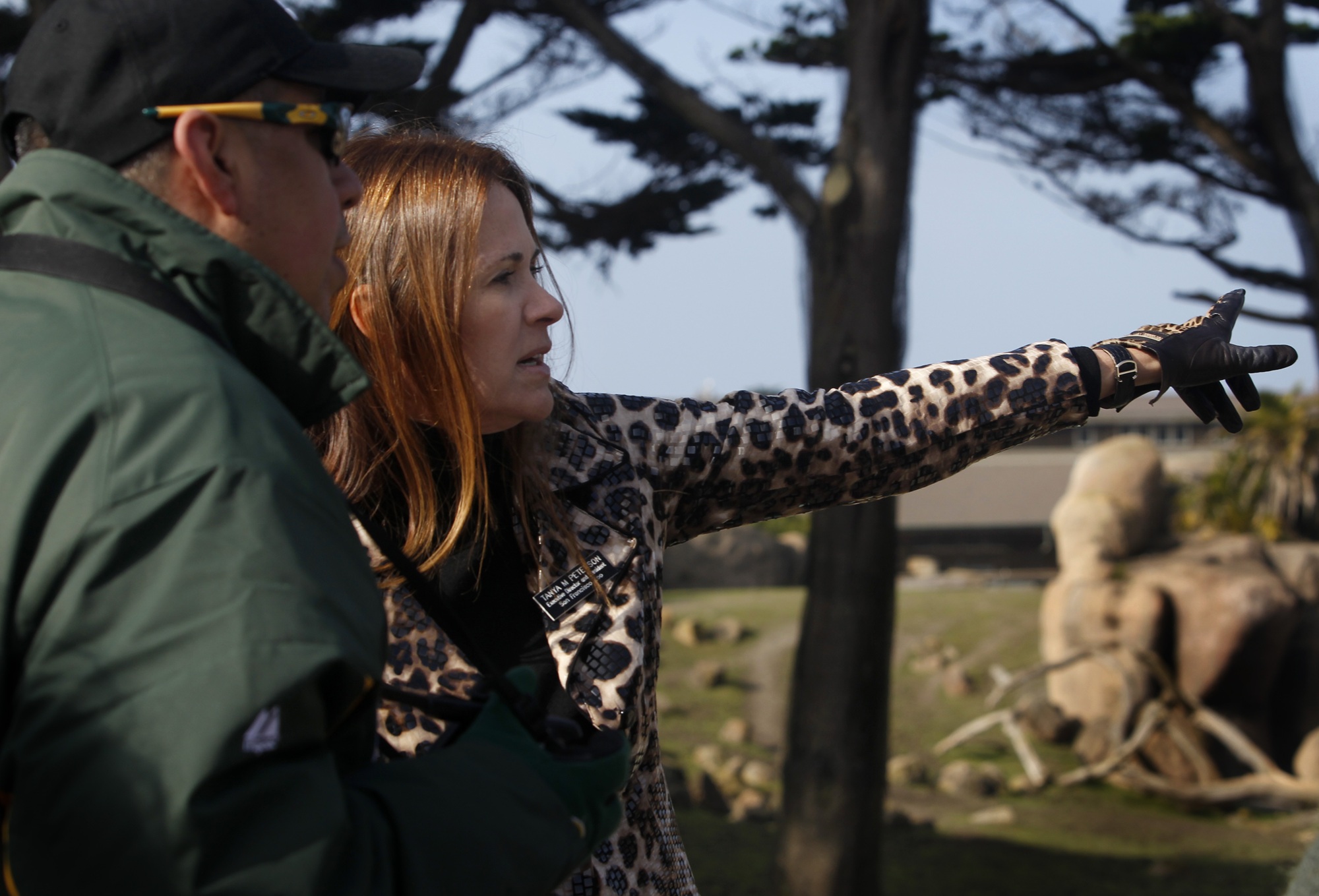
"caption": "San Francisco Zoo director Tanya Peterson describes details of the African Savanna exhibit to a visitor in San Francisco, California, on Friday, Jan. 7, 2011. ",
"credit": "Paul Chinn/The San Francisco Chronicle via Getty Images",
"altTag": null,
"description": null,
"imgSizes": {
"thumbnail": {
"file": "https://cdn.kqed.org/wp-content/uploads/sites/10/2025/07/SFZooGetty4-160x109.jpg",
"width": 160,
"height": 109,
"mimeType": "image/jpeg"
},
"1536x1536": {
"file": "https://cdn.kqed.org/wp-content/uploads/sites/10/2025/07/SFZooGetty4-1536x1044.jpg",
"width": 1536,
"height": 1044,
"mimeType": "image/jpeg"
},
"post-thumbnail": {
"file": "https://cdn.kqed.org/wp-content/uploads/sites/10/2025/07/SFZooGetty4-672x372.jpg",
"width": 672,
"height": 372,
"mimeType": "image/jpeg"
},
"twentyfourteen-full-width": {
"file": "https://cdn.kqed.org/wp-content/uploads/sites/10/2025/07/SFZooGetty4-1038x576.jpg",
"width": 1038,
"height": 576,
"mimeType": "image/jpeg"
},
"kqedFullSize": {
"file": "https://cdn.kqed.org/wp-content/uploads/sites/10/2025/07/SFZooGetty4.jpg",
"width": 2000,
"height": 1359
}
},
"isLoading": false,
"fetchFailed": false
},
"news_12025128": {
"type": "attachments",
"id": "news_12025128",
"meta": {
"index": "attachments_1716263798",
"site": "news",
"id": "12025128",
"found": true
},
"title": "241217-DaylightingLaws-01-BL_qed",
"publishDate": 1738356744,
"status": "inherit",
"parent": 12025187,
"modified": 1738367248,
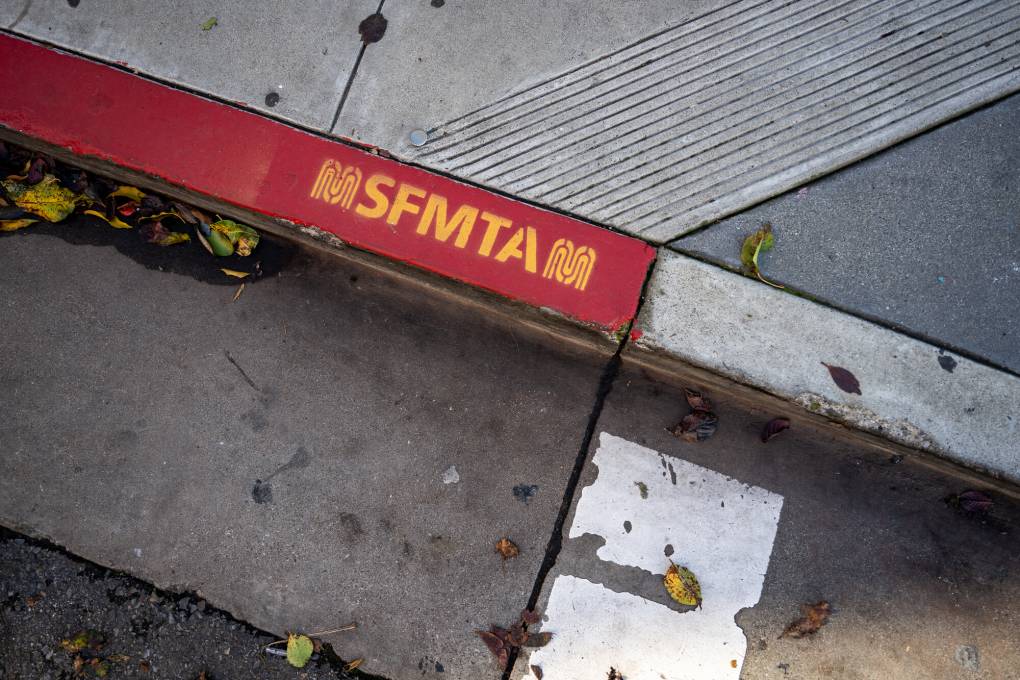
"caption": "A red curb indicates a no parking area near a crosswalk on San Carlos Street in San Francisco on Dec. 17, 2024.",
"credit": "Beth LaBerge/KQED",
"altTag": null,
"description": null,
"imgSizes": {
"medium": {
"file": "https://cdn.kqed.org/wp-content/uploads/sites/10/2025/01/241217-DaylightingLaws-01-BL_qed-800x533.jpg",
"width": 800,
"height": 533,
"mimeType": "image/jpeg"
},
"large": {
"file": "https://cdn.kqed.org/wp-content/uploads/sites/10/2025/01/241217-DaylightingLaws-01-BL_qed-1020x680.jpg",
"width": 1020,
"height": 680,
"mimeType": "image/jpeg"
},
"thumbnail": {
"file": "https://cdn.kqed.org/wp-content/uploads/sites/10/2025/01/241217-DaylightingLaws-01-BL_qed-160x107.jpg",
"width": 160,
"height": 107,
"mimeType": "image/jpeg"
},
"1536x1536": {
"file": "https://cdn.kqed.org/wp-content/uploads/sites/10/2025/01/241217-DaylightingLaws-01-BL_qed-1536x1024.jpg",
"width": 1536,
"height": 1024,
"mimeType": "image/jpeg"
},
"post-thumbnail": {
"file": "https://cdn.kqed.org/wp-content/uploads/sites/10/2025/01/241217-DaylightingLaws-01-BL_qed-672x372.jpg",
"width": 672,
"height": 372,
"mimeType": "image/jpeg"
},
"twentyfourteen-full-width": {
"file": "https://cdn.kqed.org/wp-content/uploads/sites/10/2025/01/241217-DaylightingLaws-01-BL_qed-1038x576.jpg",
"width": 1038,
"height": 576,
"mimeType": "image/jpeg"
},
"full-width": {
"file": "https://cdn.kqed.org/wp-content/uploads/sites/10/2025/01/241217-DaylightingLaws-01-BL_qed-1920x1280.jpg",
"width": 1920,
"height": 1280,
"mimeType": "image/jpeg"
},
"kqedFullSize": {
"file": "https://cdn.kqed.org/wp-content/uploads/sites/10/2025/01/241217-DaylightingLaws-01-BL_qed.jpg",
"width": 2000,
"height": 1333
}
},
"isLoading": false,
"fetchFailed": false
}
},
"audioPlayerReducer": {
"postId": "stream_live",
"isPaused": true,
"isPlaying": false,
"pfsActive": false,
"pledgeModalIsOpen": true,
"playerDrawerIsOpen": false,
"liveAudioPlayStartedAt": 0,
"liveAudioPlayContext": ""
},
"authorsReducer": {
"danbrekke": {
"type": "authors",
"id": "222",
"meta": {
"index": "authors_1716337520",
"id": "222",
"found": true
},
"name": "Dan Brekke",
"firstName": "Dan",
"lastName": "Brekke",
"slug": "danbrekke",
"email": "dbrekke@kqed.org",
"display_author_email": true,
"staff_mastheads": [
"news",
"science"
],
"title": "KQED Editor and Reporter",
"bio": "Dan Brekke is a reporter and editor for KQED News, responsible for coverage of topics ranging from California water issues to the Bay Area's transportation challenges. In a newsroom career that began in Chicago in 1972, Dan has worked for \u003cem>The San Francisco Examiner,\u003c/em> Wired and TechTV and has been published in The New York Times, The New York Times Magazine, Business 2.0, Salon and elsewhere.\r\n\r\nSince joining KQED in 2007, Dan has reported, edited and produced both radio and online features and breaking news pieces. He has shared as both editor and reporter in four Society of Professional Journalists Norcal Excellence in Journalism awards and one Edward R. Murrow regional award. He was chosen for a spring 2017 residency at the Mesa Refuge to advance his research on California salmon.\r\n\r\nEmail Dan at: \u003ca href=\"mailto:dbrekke@kqed.org\">dbrekke@kqed.org\u003c/a>\r\n\r\n\u003cstrong>Twitter:\u003c/strong> \u003ca href=\"https://twitter.com/danbrekke\" rel=\"noopener noreferrer\">twitter.com/danbrekke\u003c/a>\r\n\u003cstrong>Facebook:\u003c/strong> \u003ca href=\"https://www.facebook.com/danbrekke\" rel=\"noopener noreferrer\">www.facebook.com/danbrekke\u003c/a>\r\n\u003cstrong>LinkedIn:\u003c/strong> \u003ca href=\"https://www.linkedin.com/in/danbrekke\" rel=\"noopener noreferrer\">www.linkedin.com/in/danbrekke\u003c/a>",
"avatar": "https://secure.gravatar.com/avatar/c8126230345efca3f7aa89b1a402be45?s=600&d=mm&r=g",
"twitter": "danbrekke",
"facebook": null,
"instagram": "https://www.instagram.com/dan.brekke/",
"linkedin": "https://www.linkedin.com/in/danbrekke/",
"sites": [
{
"site": "news",
"roles": [
"administrator",
"create_posts"
]
},
{
"site": "stateofhealth",
"roles": [
"editor"
]
},
{
"site": "science",
"roles": [
"editor"
]
},
{
"site": "quest",
"roles": [
"contributor"
]
},
{
"site": "food",
"roles": [
"contributor"
]
},
{
"site": "forum",
"roles": [
"contributor"
]
},
{
"site": "liveblog",
"roles": [
"editor"
]
}
],
"headData": {
"title": "Dan Brekke | KQED",
"description": "KQED Editor and Reporter",
"ogImgSrc": "https://secure.gravatar.com/avatar/c8126230345efca3f7aa89b1a402be45?s=600&d=mm&r=g",
"twImgSrc": "https://secure.gravatar.com/avatar/c8126230345efca3f7aa89b1a402be45?s=600&d=mm&r=g"
},
"isLoading": false,
"link": "/author/danbrekke"
},
"rachael-myrow": {
"type": "authors",
"id": "251",
"meta": {
"index": "authors_1716337520",
"id": "251",
"found": true
},
"name": "Rachael Myrow",
"firstName": "Rachael",
"lastName": "Myrow",
"slug": "rachael-myrow",
"email": "rmyrow@kqed.org",
"display_author_email": true,
"staff_mastheads": [
"news"
],
"title": "Senior Editor of KQED's Silicon Valley News Desk",
"bio": "• I write and edit stories about how Silicon Valley power and policies shape everyday life in California. I’m also passionate about making Bay Area history and culture more accessible to a broad public. • I’ve been a journalist for most of my life, starting in high school with The Franklin Press in Los Angeles, where I grew up. While earning my first degree in English at UC Berkeley, I got my start in public radio at KALX-FM. After completing a second degree in journalism at Cal, I landed my first professional job at Marketplace, then moved on to KPCC (now LAist), and then KQED, where I hosted The California Report for more than seven years. • My reporting has appeared on NPR, The World, WBUR’s \u003ci>Here & Now\u003c/i>, and the BBC. I also guest host for KQED’s \u003ci>Forum\u003c/i>, as well as the Commonwealth Club in San Francisco. • I speak periodically on media, democracy and technology issues, and do voiceover work for documentaries and educational video projects. • Outside of the studio, you'll find me hiking Bay Area trails and whipping up Insta-ready meals in my kitchen. • I do not accept gifts, money, or favors from anyone connected to my reporting, I don't pay people for information, and I do not support or donate to political causes. • I strive to treat the people I report on with fairness, honesty, and respect. I also recognize there are often multiple sides to a story and work to verify information through multiple sources and documentation. If I get something wrong, I correct it.",
"avatar": "https://secure.gravatar.com/avatar/3ed8a3c5f26025e4a805ba634cda8cd764906b97438a6d9ce216b044e340da4e?s=600&d=blank&r=g",
"twitter": "rachaelmyrow",
"bluesky": null,
"facebook": null,
"instagram": null,
"linkedin": "https://www.linkedin.com/in/rachaelmyrow/",
"sites": [
{
"site": "arts",
"roles": [
"administrator"
]
},
{
"site": "news",
"roles": [
"edit_others_posts",
"editor"
]
},
{
"site": "futureofyou",
"roles": [
"editor"
]
},
{
"site": "bayareabites",
"roles": [
"editor"
]
},
{
"site": "stateofhealth",
"roles": [
"editor"
]
},
{
"site": "science",
"roles": [
"editor"
]
},
{
"site": "food",
"roles": [
"editor"
]
},
{
"site": "forum",
"roles": [
"editor"
]
},
{
"site": "liveblog",
"roles": [
"author"
]
}
],
"headData": {
"title": "Rachael Myrow | KQED",
"description": "Senior Editor of KQED's Silicon Valley News Desk",
"ogImgSrc": "https://secure.gravatar.com/avatar/3ed8a3c5f26025e4a805ba634cda8cd764906b97438a6d9ce216b044e340da4e?s=600&d=blank&r=g",
"twImgSrc": "https://secure.gravatar.com/avatar/3ed8a3c5f26025e4a805ba634cda8cd764906b97438a6d9ce216b044e340da4e?s=600&d=blank&r=g"
},
"isLoading": false,
"link": "/author/rachael-myrow"
},
"lmorehouse": {
"type": "authors",
"id": "3229",
"meta": {
"index": "authors_1716337520",
"id": "3229",
"found": true
},
"name": "Lisa Morehouse",
"firstName": "Lisa",
"lastName": "Morehouse",
"slug": "lmorehouse",
"email": "morehouse.lisa@gmail.com",
"display_author_email": false,
"staff_mastheads": [],
"title": "KQED Contributor",
"bio": "Lisa Morehouse is an award-winning public radio and print journalist, who has filed for National Public Radio, American Public Media, KQED Public Radio, Edutopia, and McSweeney’s. Her reporting has taken her from Samoan traveling circuses to Mississippi Delta classrooms to the homes of Lao refugees in rural Iowa. In addition to reporting, she teaches radio production to at-risk youth in the Bay Area. Her series \u003ca href=\"http://afterthegoldrushradio.com/\">After the Gold Rush\u003c/a> featured the changing industries, populations and identities of rural towns throughout California. She’s now producing \u003ca href=\"http://www.californiafoodways.com/\">California Foodways\u003c/a>, a series exploring the intersections of food, culture, economics, history and labor. Follow along on the \u003ca href=\"https://www.facebook.com/californiafoodways?ref=hl\">Facebook page\u003c/a> or on Twitter @cafoodways.",
"avatar": "https://secure.gravatar.com/avatar/dae74b002a6e256f39abb19d6f5acaea?s=600&d=blank&r=g",
"twitter": null,
"facebook": null,
"instagram": null,
"linkedin": null,
"sites": [
{
"site": "",
"roles": [
"editor"
]
},
{
"site": "news",
"roles": [
"author"
]
}
],
"headData": {
"title": "Lisa Morehouse | KQED",
"description": "KQED Contributor",
"ogImgSrc": "https://secure.gravatar.com/avatar/dae74b002a6e256f39abb19d6f5acaea?s=600&d=blank&r=g",
"twImgSrc": "https://secure.gravatar.com/avatar/dae74b002a6e256f39abb19d6f5acaea?s=600&d=blank&r=g"
},
"isLoading": false,
"link": "/author/lmorehouse"
},
"abandlamudi": {
"type": "authors",
"id": "11672",
"meta": {
"index": "authors_1716337520",
"id": "11672",
"found": true
},
"name": "Adhiti Bandlamudi",
"firstName": "Adhiti",
"lastName": "Bandlamudi",
"slug": "abandlamudi",
"email": "abandlamudi@kqed.org",
"display_author_email": false,
"staff_mastheads": [
"news"
],
"title": "KQED Housing Reporter",
"bio": "Adhiti Bandlamudi reports for KQED's Housing desk. She focuses on how housing gets built across the Bay Area. Before joining KQED in 2020, she reported for WUNC in Durham, North Carolina, WABE in Atlanta, Georgia and Capital Public Radio in Sacramento. In 2017, she was awarded a Kroc Fellowship at NPR where she reported on everything from sprinkles to the Golden State Killer's arrest. When she's not reporting, she's baking new recipes in her kitchen or watching movies with friends and family. She's originally from Georgia and has strong opinions about Great British Bake Off.",
"avatar": "https://secure.gravatar.com/avatar/868129c8b257bb99a3500e2c86a65400?s=600&d=mm&r=g",
"twitter": "oddity_adhiti",
"facebook": null,
"instagram": null,
"linkedin": null,
"sites": [
{
"site": "arts",
"roles": [
"author"
]
},
{
"site": "news",
"roles": [
"editor"
]
},
{
"site": "liveblog",
"roles": [
"author"
]
}
],
"headData": {
"title": "Adhiti Bandlamudi | KQED",
"description": "KQED Housing Reporter",
"ogImgSrc": "https://secure.gravatar.com/avatar/868129c8b257bb99a3500e2c86a65400?s=600&d=mm&r=g",
"twImgSrc": "https://secure.gravatar.com/avatar/868129c8b257bb99a3500e2c86a65400?s=600&d=mm&r=g"
},
"isLoading": false,
"link": "/author/abandlamudi"
},
"sjohnson": {
"type": "authors",
"id": "11840",
"meta": {
"index": "authors_1716337520",
"id": "11840",
"found": true
},
"name": "Sydney Johnson",
"firstName": "Sydney",
"lastName": "Johnson",
"slug": "sjohnson",
"email": "sjohnson@kqed.org",
"display_author_email": false,
"staff_mastheads": [
"news"
],
"title": "KQED Reporter",
"bio": "Sydney Johnson is a general assignment reporter at KQED. She previously reported on public health and city government at the San Francisco Examiner, and before that, she covered statewide education policy for EdSource. Her reporting has won multiple local, state and national awards. Sydney is a graduate of the University of California, Berkeley and lives in San Francisco.",
"avatar": "https://secure.gravatar.com/avatar/97855f2719b72ad6190b7c535fe642c8?s=600&d=blank&r=g",
"twitter": "sydneyfjohnson",
"facebook": null,
"instagram": null,
"linkedin": null,
"sites": [
{
"site": "news",
"roles": [
"editor"
]
}
],
"headData": {
"title": "Sydney Johnson | KQED",
"description": "KQED Reporter",
"ogImgSrc": "https://secure.gravatar.com/avatar/97855f2719b72ad6190b7c535fe642c8?s=600&d=blank&r=g",
"twImgSrc": "https://secure.gravatar.com/avatar/97855f2719b72ad6190b7c535fe642c8?s=600&d=blank&r=g"
},
"isLoading": false,
"link": "/author/sjohnson"
},
"kdebenedetti": {
"type": "authors",
"id": "11913",
"meta": {
"index": "authors_1716337520",
"id": "11913",
"found": true
},
"name": "Katie DeBenedetti",
"firstName": "Katie",
"lastName": "DeBenedetti",
"slug": "kdebenedetti",
"email": "kdebenedetti@kqed.org",
"display_author_email": false,
"staff_mastheads": [
"news",
"science"
],
"title": "KQED Contributor",
"bio": "Katie DeBenedetti is a digital reporter covering daily news for the Express Desk. Prior to joining KQED as a culture reporting intern in January 2024, she covered education and city government for the Napa Valley Register.",
"avatar": "https://secure.gravatar.com/avatar/6e31073cb8f7e4214ab03f42771d0f45?s=600&d=blank&r=g",
"twitter": null,
"facebook": null,
"instagram": null,
"linkedin": null,
"sites": [
{
"site": "news",
"roles": [
"author"
]
},
{
"site": "science",
"roles": [
"author"
]
},
{
"site": "liveblog",
"roles": [
"author"
]
}
],
"headData": {
"title": "Katie DeBenedetti | KQED",
"description": "KQED Contributor",
"ogImgSrc": "https://secure.gravatar.com/avatar/6e31073cb8f7e4214ab03f42771d0f45?s=600&d=blank&r=g",
"twImgSrc": "https://secure.gravatar.com/avatar/6e31073cb8f7e4214ab03f42771d0f45?s=600&d=blank&r=g"
},
"isLoading": false,
"link": "/author/kdebenedetti"
},
"slim": {
"type": "authors",
"id": "11920",
"meta": {
"index": "authors_1716337520",
"id": "11920",
"found": true
},
"name": "Samantha Lim",
"firstName": "Samantha",
"lastName": "Lim",
"slug": "slim",
"email": "slim@KQED.org",
"display_author_email": false,
"staff_mastheads": [],
"title": "KQED Contributor",
"bio": null,
"avatar": "https://secure.gravatar.com/avatar/82e592e6c15fe1a04d385e8ad0fb0b4e?s=600&d=blank&r=g",
"twitter": null,
"facebook": null,
"instagram": null,
"linkedin": null,
"sites": [
{
"site": "news",
"roles": []
}
],
"headData": {
"title": "Samantha Lim | KQED",
"description": "KQED Contributor",
"ogImgSrc": "https://secure.gravatar.com/avatar/82e592e6c15fe1a04d385e8ad0fb0b4e?s=600&d=blank&r=g",
"twImgSrc": "https://secure.gravatar.com/avatar/82e592e6c15fe1a04d385e8ad0fb0b4e?s=600&d=blank&r=g"
},
"isLoading": false,
"link": "/author/slim"
},
"gzada": {
"type": "authors",
"id": "11929",
"meta": {
"index": "authors_1716337520",
"id": "11929",
"found": true
},
"name": "Gilare Zada",
"firstName": "Gilare",
"lastName": "Zada",
"slug": "gzada",
"email": "gzada@kqed.org",
"display_author_email": true,
"staff_mastheads": [
"news"
],
"title": null,
"bio": "Gilare Zada is a Kurdish-American from San Diego, CA. Storytelling, fitness, and binge reading are some of her passions outside of news reporting. Her work has appeared in Mission Local, the Peninsula Press, the San Francisco Press Club, and more. She also writes as a class correspondent for the Stanford Magazine - go Card!",
"avatar": "https://secure.gravatar.com/avatar/33a75f2b947669a488a805edec3fbf3838c1cedaedda710e983770633b4d6a75?s=600&d=blank&r=g",
"twitter": null,
"bluesky": null,
"facebook": null,
"instagram": null,
"linkedin": null,
"sites": [
{
"site": "arts",
"roles": [
"editor"
]
},
{
"site": "news",
"roles": [
"administrator"
]
},
{
"site": "science",
"roles": [
"editor"
]
}
],
"headData": {
"title": "Gilare Zada | KQED",
"description": null,
"ogImgSrc": "https://secure.gravatar.com/avatar/33a75f2b947669a488a805edec3fbf3838c1cedaedda710e983770633b4d6a75?s=600&d=blank&r=g",
"twImgSrc": "https://secure.gravatar.com/avatar/33a75f2b947669a488a805edec3fbf3838c1cedaedda710e983770633b4d6a75?s=600&d=blank&r=g"
},
"isLoading": false,
"link": "/author/gzada"
}
},
"pagesReducer": {
"news_tag_bay-area": {
"type": "terms",
"id": "news_1386",
"meta": {
"index": "terms_1716263798",
"site": "news",
"id": "1386",
"score": 7.788433
},
"featImg": null,
"name": "Bay Area",
"description": null,
"taxonomy": "tag",
"headData": {
"twImgId": null,
"twTitle": null,
"ogTitle": null,
"ogImgId": null,
"twDescription": null,
"description": null,
"title": "Bay Area Archives | KQED News",
"ogDescription": null
},
"ttid": 1398,
"slug": "bay-area",
"isLoading": false,
"title": "Bay Area",
"pageMeta": {
"site": "news",
"WpPageTemplate": "page-topic-editorial",
"currentPage": 62
},
"blocks": [
{
"blockName": "kqed/post-list",
"attrs": {
"layout": "cardArticle2",
"query": "posts/news?tag=bay-area",
"seeMore": false,
"paginated": true,
"page": 62
}
},
{
"blockName": "kqed/ad"
}
]
}
},
"pfsSessionReducer": {},
"postsReducer": {
"stream_live": {
"type": "live",
"id": "stream_live",
"audioUrl": "https://streams.kqed.org/kqedradio",
"title": "Live Stream",
"excerpt": "Live Stream information currently unavailable.",
"link": "/radio",
"featImg": "",
"label": {
"name": "KQED Live",
"link": "/"
}
},
"stream_kqedNewscast": {
"type": "posts",
"id": "stream_kqedNewscast",
"audioUrl": "https://www.kqed.org/.stream/anon/radio/RDnews/newscast.mp3?_=1",
"title": "KQED Newscast",
"featImg": "",
"label": {
"name": "88.5 FM",
"link": "/"
}
},
"news_12040425": {
"type": "posts",
"id": "news_12040425",
"meta": {
"index": "posts_1716263798",
"site": "news",
"id": "12040425",
"score": null,
"sort": [
1752521455000
]
},
"guestAuthors": [],
"slug": "bay-area-afghans-allies-decry-trumps-end-of-tps-theyre-terrified",
"title": "Nowhere to Go: Bay Area Afghans, Allies Condemn Trump’s End of Protections",
"publishDate": 1752521455,
"format": "audio",
"headTitle": "Nowhere to Go: Bay Area Afghans, Allies Condemn Trump’s End of Protections | KQED",
"labelTerm": {
"site": "news"
},
"content": "\u003cp>\u003cem>Updated 12:30 p.m. Monday\u003c/em>\u003c/p>\n\u003cp>More than four years after the Taliban took control of Kabul, \u003ca href=\"https://www.kqed.org/news/11898843/theres-a-lot-thats-not-working-within-the-system-afghan-evacuees-struggle-with-housing-and-immigration-bureaucracy\">thousands of fragmented Afghan families\u003c/a> are still waiting for the U.S. to fulfill promises it made to take them in for helping the American war effort. But now, the Trump administration appears set to kick thousands of recently arrived refugees out of the country.\u003c/p>\n\u003cp>Ever since the Soviet Union’s 1979 invasion of Afghanistan turned the South Asian country into a war zone, waves of Afghan refugees have landed in California looking to build new lives and reunite with family members.\u003c/p>\n\u003cp>“Every Afghan has their own journey,” said Fouzia Azizi, who left Afghanistan in 1994. She now directs refugee services at Jewish Family and Community Services East Bay, a local office of one of the nation’s largest resettlement agencies. “But one thing they all have in common is, in one way or another, they have all faced some level of persecution. There is no hope to go back.”\u003c/p>\n\u003cp>[ad fullwidth]\u003c/p>\n\u003cp>That’s especially true, she added, for \u003ca href=\"https://www.kqed.org/news/11894472/walking-from-san-francisco-to-mountain-view-as-an-ode-to-lgbtq-afghans-and-refugees\">children, women, religious and ethnic minorities, LGBTQ+ people\u003c/a> and any Afghan who helped the U.S. military in the 20 years after Americans invaded in 2001 in response to the Sept. 11 attacks.\u003c/p>\n\u003cp>“You’re living in a limbo,” Azizi said. “There is a sense of trauma. There is a sense of anxiety. Mental health is to the next level.”\u003c/p>\n\u003cfigure id=\"attachment_11888019\" class=\"wp-caption aligncenter\" style=\"max-width: 1920px\">\u003ca href=\"https://cdn.kqed.org/wp-content/uploads/sites/10/2021/09/RS51392_006_Fremont_MaiwandMarket_08272021-qut.jpg\">\u003cimg loading=\"lazy\" decoding=\"async\" class=\"size-full wp-image-11888019\" src=\"https://cdn.kqed.org/wp-content/uploads/sites/10/2021/09/RS51392_006_Fremont_MaiwandMarket_08272021-qut.jpg\" alt=\"\" width=\"1920\" height=\"1280\" srcset=\"https://cdn.kqed.org/wp-content/uploads/sites/10/2021/09/RS51392_006_Fremont_MaiwandMarket_08272021-qut.jpg 1920w, https://cdn.kqed.org/wp-content/uploads/sites/10/2021/09/RS51392_006_Fremont_MaiwandMarket_08272021-qut-800x533.jpg 800w, https://cdn.kqed.org/wp-content/uploads/sites/10/2021/09/RS51392_006_Fremont_MaiwandMarket_08272021-qut-1020x680.jpg 1020w, https://cdn.kqed.org/wp-content/uploads/sites/10/2021/09/RS51392_006_Fremont_MaiwandMarket_08272021-qut-160x107.jpg 160w, https://cdn.kqed.org/wp-content/uploads/sites/10/2021/09/RS51392_006_Fremont_MaiwandMarket_08272021-qut-1536x1024.jpg 1536w\" sizes=\"auto, (max-width: 1920px) 100vw, 1920px\">\u003c/a>\u003cfigcaption class=\"wp-caption-text\">Esmatullah Asadullah’s father buys Afghan bread made at Maiwand Market in Fremont on Aug. 27, 2021. The business became a staple for the Afghan community in the East Bay, who have come together over the past three and a half years to create networks of support for incoming Afghan families, who fled their country after the Taliban takeover in 2021. \u003ccite>(Beth LaBerge/KQED)\u003c/cite>\u003c/figcaption>\u003c/figure>\n\u003cp>Since the \u003ca href=\"https://www.kqed.org/news/11886733/san-francisco-turns-out-in-solidarity-with-worldwide-protest-for-afghan-lives\">chaotic withdrawal of American troops\u003c/a> in 2021, roughly 198,000 Afghans have come to the U.S., according to internal government documents reviewed by KQED.\u003c/p>\n\u003cp>More than half of them came with official refugee status or were granted special visas for working for the U.S. mission as lawyers, interpreters and drivers. They have a path to permanent residence and eventual citizenship. But tens of thousands more are in limbo, with only temporary humanitarian protection.\u003c/p>\n\u003cp>Now, Homeland Security Secretary Kristi Noem \u003ca href=\"https://www.federalregister.gov/documents/2025/05/13/2025-08201/termination-of-the-designation-of-afghanistan-for-temporary-protected-status#citation-26-p20311\">has terminated\u003c/a> one of those protections, known as Temporary Protected Status, for an estimated 11,700 Afghans. While some of them have obtained green cards, as the program ends on July 14, roughly 8,000 Afghans with TPS are now vulnerable to deportation. Some refugees have also sought temporary protection through humanitarian parole and are applying for asylum, but the Trump administration has deported people with pending asylum applications and could also revoke parole.\u003c/p>\n\u003cp>TPS has\u003ca href=\"https://www.kqed.org/news/12020620/thebay-tps-trump\"> historically allowed people already in the U.S.\u003c/a> to stay and work legally if their countries are deemed unsafe. This includes countries experiencing armed conflict, natural disasters or other extraordinary conditions. The U.S. State Department still lists Afghanistan as “\u003ca href=\"https://2021-2025.state.gov/afghanistan-inquiries/\">Level 4: Do Not Travel\u003c/a>” because of the risk of terrorism, unlawful detention, civil unrest and kidnapping.\u003c/p>\n\u003cp>The filing of the notice in the \u003ca href=\"https://public-inspection.federalregister.gov/2025-08201.pdf\">Federal Register\u003c/a> rescinding TPS for Afghan refugees asserted conditions in Afghanistan are improving, noting that Chinese tourism there has increased, as the rates of kidnappings have dropped. In that same notice, Noem noted the number of those in need of humanitarian assistance in Afghanistan has dropped to 23.7 million this year, compared to 29 million last year.\u003c/p>\n\u003cp>[aside postID=news_11890467 hero='https://ww2.kqed.org/app/uploads/sites/10/2021/09/019_EastBay_JFCSAfghanResettlement_09102021-1020x680.jpg']\u003c/p>\n\u003cp>As former governor of South Dakota, Noem\u003ca href=\"https://www.youtube.com/watch?v=l1JG492yg8s\"> criticized\u003c/a> the Biden administration programs taking in Afghan refugees during and after the fall of Kabul, doubting the adequacy of the vetting process. In recent days, Matthew Tragesser, chief of public affairs at U.S. Citizenship and Immigration Services, echoed that partisan language in a \u003ca href=\"https://x.com/USCIS/status/1921928708216045702\">post\u003c/a> on social media platform X announcing the end of TPS: “Bad actors are taking advantage of this humanitarian program.”\u003c/p>\n\u003cp>Many who fled Afghanistan under the auspices of \u003ca href=\"https://www.uscis.gov/humanitarian/information-for-afghan-nationals\">Operation Allies Welcome\u003c/a> and \u003ca href=\"https://www.militaryonesource.mil/benefits/enduring-welcome-program/\">Operation Enduring Welcome\u003c/a> waited for years in third countries like Pakistan, Turkey and Qatar, often at U.S. military bases, as U.S. immigration authorities adjudicated their claims. Hundreds of thousands of people who have qualified to be in the pipeline for some kind of U.S. visa, including roughly 211,000 still in Afghanistan, now presumably have no hope of reuniting with family members in the U.S.\u003c/p>\n\u003cp>On Jan. 20, 2025, the Trump administration’s attack on immigration to the U.S. began with a \u003ca href=\"https://refugees.org/u-s-department-of-state-abandons-u-s-responsibility-for-safely-resettling-refugees/\">“no work”\u003c/a> order for resettlement services like JFCS East Bay. Since then, an unknown number of Afghans in the U.S. \u003ca href=\"https://abc11.com/post/department-homeland-security-deportation-afghan-refugees-triangle-receive-dhs-email-urging-deport/16188536/\">received emails\u003c/a> telling them to self-deport.\u003c/p>\n\u003cp>Afghan refugees in the U.S. have been trying to lay low since President Donald Trump’s inauguration. “They’re so afraid. They’re terrified,” said Harris Mojadedi, a child of refugees born and raised in the Bay Area.\u003c/p>\n\u003cfigure id=\"attachment_12040223\" class=\"wp-caption aligncenter\" style=\"max-width: 2000px\">\u003ca href=\"https://cdn.kqed.org/wp-content/uploads/sites/10/2025/05/20250514_AFGHANREFUGEESTPS_GC-11-KQED.jpg\">\u003cimg loading=\"lazy\" decoding=\"async\" class=\"size-full wp-image-12040223\" src=\"https://cdn.kqed.org/wp-content/uploads/sites/10/2025/05/20250514_AFGHANREFUGEESTPS_GC-11-KQED.jpg\" alt=\"\" width=\"2000\" height=\"1333\" srcset=\"https://cdn.kqed.org/wp-content/uploads/sites/10/2025/05/20250514_AFGHANREFUGEESTPS_GC-11-KQED.jpg 2000w, https://cdn.kqed.org/wp-content/uploads/sites/10/2025/05/20250514_AFGHANREFUGEESTPS_GC-11-KQED-800x533.jpg 800w, https://cdn.kqed.org/wp-content/uploads/sites/10/2025/05/20250514_AFGHANREFUGEESTPS_GC-11-KQED-1020x680.jpg 1020w, https://cdn.kqed.org/wp-content/uploads/sites/10/2025/05/20250514_AFGHANREFUGEESTPS_GC-11-KQED-160x107.jpg 160w, https://cdn.kqed.org/wp-content/uploads/sites/10/2025/05/20250514_AFGHANREFUGEESTPS_GC-11-KQED-1536x1024.jpg 1536w, https://cdn.kqed.org/wp-content/uploads/sites/10/2025/05/20250514_AFGHANREFUGEESTPS_GC-11-KQED-1920x1280.jpg 1920w\" sizes=\"auto, (max-width: 2000px) 100vw, 2000px\">\u003c/a>\u003cfigcaption class=\"wp-caption-text\">Harris Mojadedi, Assistant Dean of Strategic Initiatives, poses for a portrait at UC Berkeley on May 14, 2025.\u003c/figcaption>\u003c/figure>\n\u003cp>“These are people who are really ‘enemy number one’ for the Taliban, and so to send them back, to deport them, would really be a death sentence,” Mojadedi said.\u003c/p>\n\u003cp>“Our federal representatives, I know, are advocating and supporting us, but the actions this government is taking are just so out of the realm of how, you know, the government typically operates,” Mojadedi said.\u003c/p>\n\u003cp>Congressman Eric Swalwell represents most of eastern Alameda County and its Afghan community. In a statement, he condemned the decision to end TPS and called upon the administration to reverse course. He also called attention to the administration’s recent choice to extend refugee status to white South Africans.\u003c/p>\n\u003cp>“I know many of my Republican colleagues feel the same, but it is time for them to grow a spine and stand up to Trump,” he wrote. “Trump is apparently more concerned with \u003ca href=\"https://www.usatoday.com/story/news/politics/2025/05/10/afrikaner-refugees-trump-welcoming-white-south-africans/83557827007/\">protecting white South Africans\u003c/a> who have done nothing to protect American troops than he is with our Afghan Allies. It is unconscionable.”\u003c/p>\n\u003cp>Mojadedi said he understands there’s a limit to what California’s predominantly Democratic representatives can do in a G.O.P.-dominated Washington D.C., but the cause of the Afghans is not politically partisan, any more than it was for Vietnamese refugees following the Vietnam War. Vietnamese refugees were offered permanent status under three congressional acts, but Congress has yet to offer something similar for Afghans.\u003c/p>\n\u003cp>“We thought that President Trump was going to be a champion for the Afghans,” said Shawn VanDiver, a Navy veteran and president of the San Diego-based non-profit #\u003ca href=\"https://afghanevac.org/about\">AfghanEvac\u003c/a>.[aside postID=news_11887630 hero='https://ww2.kqed.org/app/uploads/sites/10/2021/09/RS51406_021_Fremont_MaiwandMarket_08272021-qut-1020x680.jpg']“If we hearken back, he is the one who negotiated the \u003ca href=\"https://apnews.com/article/joe-biden-middle-east-taliban-doha-e6f48507848aef2ee849154604aa11be\">Doha agreement\u003c/a>. He brought the Taliban to \u003ca href=\"https://www.pbs.org/newshour/politics/watch-harris-slams-trump-for-taliban-negotiations\">Camp David\u003c/a>. He brought Afghans to the White House in the first administration and lauded them during Medal of Honor ceremonies. We thought that, for sure, they would be supportive. And then on day one, they shut down the ongoing relocation program,” VanDiver said.\u003c/p>\n\u003cp>VanDiver said he’s been unable to meet with anybody in the second Trump Administration. It’s possible that other groups that are more politically conservative and not specifically nonpartisan, like #AfghanEvac, might have a better chance of getting an audience with the president. VanDiver said he hopes someone can convince President Trump he has an opportunity to “be a hero” and reverse the policies targeting Afghan immigrants.\u003c/p>\n\u003cp>“I think veterans and frontline civilians and everybody who’s involved in this are shocked at how it seems like these folks are just being thrown away,” VanDiver said.\u003c/p>\n\u003cp>If appeals to the president’s ego — or moral decency — don’t work, a lawsuit might force the current administration to at least hit the pause button on the decision to end TPS for Afghans.\u003c/p>\n\u003cp>After \u003ca href=\"https://www.npr.org/2025/04/11/g-s1-59939/trump-afghanistan-tps-kristi-noem-dhs\">Noem signaled\u003c/a> last month that she would terminate the TPS designation for Afghans, a Maryland-based immigrant rights organization filed a \u003ca href=\"https://www.law.georgetown.edu/icap/wp-content/uploads/sites/32/2025/05/TPS-Complaint.pdf\">federal lawsuit\u003c/a>. The suit argues for a stay and alleges the Trump administration’s decision was influenced by racial animus, violating the equal protection guarantees of the Fifth Amendment.\u003c/p>\n\u003cp>The presiding judge denied CASA’s request to keep the protections in place during the litigation.\u003c/p>\n\u003cp>\u003cem>This story was originally published on May 15, 2025.\u003c/em>\u003c/p>\n\u003cp>[ad floatright]\u003c/p>\n",
"blocks": [],
"excerpt": "Today’s cutoff of temporary protected status thrusts thousands of Afghans into legal limbo and revives accusations that the U.S. is abandoning its wartime allies. ",
"status": "publish",
"parent": 0,
"modified": 1752521489,
"stats": {
"hasAudio": false,
"hasVideo": false,
"hasChartOrMap": false,
"iframeSrcs": [],
"hasGoogleForm": false,
"hasGallery": false,
"hasHearkenModule": false,
"hasPolis": false,
"paragraphCount": 30,
"wordCount": 1464
},
"headData": {
"title": "Nowhere to Go: Bay Area Afghans, Allies Condemn Trump’s End of Protections | KQED",
"description": "Today’s cutoff of temporary protected status thrusts thousands of Afghans into legal limbo and revives accusations that the U.S. is abandoning its wartime allies. ",
"ogTitle": "",
"ogDescription": "",
"ogImgId": "",
"twTitle": "",
"twDescription": "",
"twImgId": "",
"schema": {
"@context": "https://schema.org",
"@type": "NewsArticle",
"headline": "Nowhere to Go: Bay Area Afghans, Allies Condemn Trump’s End of Protections",
"datePublished": "2025-07-14T12:30:55-07:00",
"dateModified": "2025-07-14T12:31:29-07:00",
"image": "https://cdn.kqed.org/wp-content/uploads/2020/02/KQED-OG-Image@1x.png",
"isAccessibleForFree": "True",
"publisher": {
"@type": "NewsMediaOrganization",
"@id": "https://www.kqed.org/#organization",
"name": "KQED",
"logo": "https://cdn.kqed.org/wp-content/uploads/2020/02/KQED-OG-Image@1x.png",
"url": "https://www.kqed.org",
"sameAs": [
"https://www.facebook.com/KQED",
"https://twitter.com/KQED",
"https://www.instagram.com/kqed/",
"https://www.tiktok.com/@kqedofficial",
"https://www.linkedin.com/company/kqed",
"https://www.youtube.com/channel/UCeC0IOo7i1P_61zVUWbJ4nw"
]
}
}
},
"primaryCategory": {
"termId": 8,
"slug": "news",
"name": "News"
},
"audioUrl": "https://traffic.omny.fm/d/clips/0af137ef-751e-4b19-a055-aaef00d2d578/ffca7e9f-6831-4[…]f-aaef00f5a073/a30c63bf-5ff7-4324-8209-b2e40104a3d6/audio.mp3",
"sticky": false,
"nprStoryId": "kqed-12040425",
"templateType": "standard",
"featuredImageType": "standard",
"excludeFromSiteSearch": "Include",
"articleAge": "0",
"path": "/news/12040425/bay-area-afghans-allies-decry-trumps-end-of-tps-theyre-terrified",
"audioTrackLength": null,
"parsedContent": [
{
"type": "contentString",
"content": "\u003cdiv class=\"post-body\">\u003cp>\u003cp>\u003cem>Updated 12:30 p.m. Monday\u003c/em>\u003c/p>\n\u003cp>More than four years after the Taliban took control of Kabul, \u003ca href=\"https://www.kqed.org/news/11898843/theres-a-lot-thats-not-working-within-the-system-afghan-evacuees-struggle-with-housing-and-immigration-bureaucracy\">thousands of fragmented Afghan families\u003c/a> are still waiting for the U.S. to fulfill promises it made to take them in for helping the American war effort. But now, the Trump administration appears set to kick thousands of recently arrived refugees out of the country.\u003c/p>\n\u003cp>Ever since the Soviet Union’s 1979 invasion of Afghanistan turned the South Asian country into a war zone, waves of Afghan refugees have landed in California looking to build new lives and reunite with family members.\u003c/p>\n\u003cp>“Every Afghan has their own journey,” said Fouzia Azizi, who left Afghanistan in 1994. She now directs refugee services at Jewish Family and Community Services East Bay, a local office of one of the nation’s largest resettlement agencies. “But one thing they all have in common is, in one way or another, they have all faced some level of persecution. There is no hope to go back.”\u003c/p>\n\u003cp>\u003c/p>\u003c/div>",
"attributes": {
"named": {},
"numeric": []
}
},
{
"type": "component",
"content": "",
"name": "ad",
"attributes": {
"named": {
"label": "fullwidth"
},
"numeric": [
"fullwidth"
]
}
},
{
"type": "contentString",
"content": "\u003cdiv class=\"post-body\">\u003cp>\u003c/p>\n\u003cp>That’s especially true, she added, for \u003ca href=\"https://www.kqed.org/news/11894472/walking-from-san-francisco-to-mountain-view-as-an-ode-to-lgbtq-afghans-and-refugees\">children, women, religious and ethnic minorities, LGBTQ+ people\u003c/a> and any Afghan who helped the U.S. military in the 20 years after Americans invaded in 2001 in response to the Sept. 11 attacks.\u003c/p>\n\u003cp>“You’re living in a limbo,” Azizi said. “There is a sense of trauma. There is a sense of anxiety. Mental health is to the next level.”\u003c/p>\n\u003cfigure id=\"attachment_11888019\" class=\"wp-caption aligncenter\" style=\"max-width: 1920px\">\u003ca href=\"https://cdn.kqed.org/wp-content/uploads/sites/10/2021/09/RS51392_006_Fremont_MaiwandMarket_08272021-qut.jpg\">\u003cimg loading=\"lazy\" decoding=\"async\" class=\"size-full wp-image-11888019\" src=\"https://cdn.kqed.org/wp-content/uploads/sites/10/2021/09/RS51392_006_Fremont_MaiwandMarket_08272021-qut.jpg\" alt=\"\" width=\"1920\" height=\"1280\" srcset=\"https://cdn.kqed.org/wp-content/uploads/sites/10/2021/09/RS51392_006_Fremont_MaiwandMarket_08272021-qut.jpg 1920w, https://cdn.kqed.org/wp-content/uploads/sites/10/2021/09/RS51392_006_Fremont_MaiwandMarket_08272021-qut-800x533.jpg 800w, https://cdn.kqed.org/wp-content/uploads/sites/10/2021/09/RS51392_006_Fremont_MaiwandMarket_08272021-qut-1020x680.jpg 1020w, https://cdn.kqed.org/wp-content/uploads/sites/10/2021/09/RS51392_006_Fremont_MaiwandMarket_08272021-qut-160x107.jpg 160w, https://cdn.kqed.org/wp-content/uploads/sites/10/2021/09/RS51392_006_Fremont_MaiwandMarket_08272021-qut-1536x1024.jpg 1536w\" sizes=\"auto, (max-width: 1920px) 100vw, 1920px\">\u003c/a>\u003cfigcaption class=\"wp-caption-text\">Esmatullah Asadullah’s father buys Afghan bread made at Maiwand Market in Fremont on Aug. 27, 2021. The business became a staple for the Afghan community in the East Bay, who have come together over the past three and a half years to create networks of support for incoming Afghan families, who fled their country after the Taliban takeover in 2021. \u003ccite>(Beth LaBerge/KQED)\u003c/cite>\u003c/figcaption>\u003c/figure>\n\u003cp>Since the \u003ca href=\"https://www.kqed.org/news/11886733/san-francisco-turns-out-in-solidarity-with-worldwide-protest-for-afghan-lives\">chaotic withdrawal of American troops\u003c/a> in 2021, roughly 198,000 Afghans have come to the U.S., according to internal government documents reviewed by KQED.\u003c/p>\n\u003cp>More than half of them came with official refugee status or were granted special visas for working for the U.S. mission as lawyers, interpreters and drivers. They have a path to permanent residence and eventual citizenship. But tens of thousands more are in limbo, with only temporary humanitarian protection.\u003c/p>\n\u003cp>Now, Homeland Security Secretary Kristi Noem \u003ca href=\"https://www.federalregister.gov/documents/2025/05/13/2025-08201/termination-of-the-designation-of-afghanistan-for-temporary-protected-status#citation-26-p20311\">has terminated\u003c/a> one of those protections, known as Temporary Protected Status, for an estimated 11,700 Afghans. While some of them have obtained green cards, as the program ends on July 14, roughly 8,000 Afghans with TPS are now vulnerable to deportation. Some refugees have also sought temporary protection through humanitarian parole and are applying for asylum, but the Trump administration has deported people with pending asylum applications and could also revoke parole.\u003c/p>\n\u003cp>TPS has\u003ca href=\"https://www.kqed.org/news/12020620/thebay-tps-trump\"> historically allowed people already in the U.S.\u003c/a> to stay and work legally if their countries are deemed unsafe. This includes countries experiencing armed conflict, natural disasters or other extraordinary conditions. The U.S. State Department still lists Afghanistan as “\u003ca href=\"https://2021-2025.state.gov/afghanistan-inquiries/\">Level 4: Do Not Travel\u003c/a>” because of the risk of terrorism, unlawful detention, civil unrest and kidnapping.\u003c/p>\n\u003cp>The filing of the notice in the \u003ca href=\"https://public-inspection.federalregister.gov/2025-08201.pdf\">Federal Register\u003c/a> rescinding TPS for Afghan refugees asserted conditions in Afghanistan are improving, noting that Chinese tourism there has increased, as the rates of kidnappings have dropped. In that same notice, Noem noted the number of those in need of humanitarian assistance in Afghanistan has dropped to 23.7 million this year, compared to 29 million last year.\u003c/p>\n\u003cp>\u003c/p>\u003c/div>",
"attributes": {
"named": {},
"numeric": []
}
},
{
"type": "component",
"content": "",
"name": "aside",
"attributes": {
"named": {
"postid": "news_11890467",
"hero": "https://ww2.kqed.org/app/uploads/sites/10/2021/09/019_EastBay_JFCSAfghanResettlement_09102021-1020x680.jpg",
"label": ""
},
"numeric": []
}
},
{
"type": "contentString",
"content": "\u003cdiv class=\"post-body\">\u003cp>\u003c/p>\n\u003cp>As former governor of South Dakota, Noem\u003ca href=\"https://www.youtube.com/watch?v=l1JG492yg8s\"> criticized\u003c/a> the Biden administration programs taking in Afghan refugees during and after the fall of Kabul, doubting the adequacy of the vetting process. In recent days, Matthew Tragesser, chief of public affairs at U.S. Citizenship and Immigration Services, echoed that partisan language in a \u003ca href=\"https://x.com/USCIS/status/1921928708216045702\">post\u003c/a> on social media platform X announcing the end of TPS: “Bad actors are taking advantage of this humanitarian program.”\u003c/p>\n\u003cp>Many who fled Afghanistan under the auspices of \u003ca href=\"https://www.uscis.gov/humanitarian/information-for-afghan-nationals\">Operation Allies Welcome\u003c/a> and \u003ca href=\"https://www.militaryonesource.mil/benefits/enduring-welcome-program/\">Operation Enduring Welcome\u003c/a> waited for years in third countries like Pakistan, Turkey and Qatar, often at U.S. military bases, as U.S. immigration authorities adjudicated their claims. Hundreds of thousands of people who have qualified to be in the pipeline for some kind of U.S. visa, including roughly 211,000 still in Afghanistan, now presumably have no hope of reuniting with family members in the U.S.\u003c/p>\n\u003cp>On Jan. 20, 2025, the Trump administration’s attack on immigration to the U.S. began with a \u003ca href=\"https://refugees.org/u-s-department-of-state-abandons-u-s-responsibility-for-safely-resettling-refugees/\">“no work”\u003c/a> order for resettlement services like JFCS East Bay. Since then, an unknown number of Afghans in the U.S. \u003ca href=\"https://abc11.com/post/department-homeland-security-deportation-afghan-refugees-triangle-receive-dhs-email-urging-deport/16188536/\">received emails\u003c/a> telling them to self-deport.\u003c/p>\n\u003cp>Afghan refugees in the U.S. have been trying to lay low since President Donald Trump’s inauguration. “They’re so afraid. They’re terrified,” said Harris Mojadedi, a child of refugees born and raised in the Bay Area.\u003c/p>\n\u003cfigure id=\"attachment_12040223\" class=\"wp-caption aligncenter\" style=\"max-width: 2000px\">\u003ca href=\"https://cdn.kqed.org/wp-content/uploads/sites/10/2025/05/20250514_AFGHANREFUGEESTPS_GC-11-KQED.jpg\">\u003cimg loading=\"lazy\" decoding=\"async\" class=\"size-full wp-image-12040223\" src=\"https://cdn.kqed.org/wp-content/uploads/sites/10/2025/05/20250514_AFGHANREFUGEESTPS_GC-11-KQED.jpg\" alt=\"\" width=\"2000\" height=\"1333\" srcset=\"https://cdn.kqed.org/wp-content/uploads/sites/10/2025/05/20250514_AFGHANREFUGEESTPS_GC-11-KQED.jpg 2000w, https://cdn.kqed.org/wp-content/uploads/sites/10/2025/05/20250514_AFGHANREFUGEESTPS_GC-11-KQED-800x533.jpg 800w, https://cdn.kqed.org/wp-content/uploads/sites/10/2025/05/20250514_AFGHANREFUGEESTPS_GC-11-KQED-1020x680.jpg 1020w, https://cdn.kqed.org/wp-content/uploads/sites/10/2025/05/20250514_AFGHANREFUGEESTPS_GC-11-KQED-160x107.jpg 160w, https://cdn.kqed.org/wp-content/uploads/sites/10/2025/05/20250514_AFGHANREFUGEESTPS_GC-11-KQED-1536x1024.jpg 1536w, https://cdn.kqed.org/wp-content/uploads/sites/10/2025/05/20250514_AFGHANREFUGEESTPS_GC-11-KQED-1920x1280.jpg 1920w\" sizes=\"auto, (max-width: 2000px) 100vw, 2000px\">\u003c/a>\u003cfigcaption class=\"wp-caption-text\">Harris Mojadedi, Assistant Dean of Strategic Initiatives, poses for a portrait at UC Berkeley on May 14, 2025.\u003c/figcaption>\u003c/figure>\n\u003cp>“These are people who are really ‘enemy number one’ for the Taliban, and so to send them back, to deport them, would really be a death sentence,” Mojadedi said.\u003c/p>\n\u003cp>“Our federal representatives, I know, are advocating and supporting us, but the actions this government is taking are just so out of the realm of how, you know, the government typically operates,” Mojadedi said.\u003c/p>\n\u003cp>Congressman Eric Swalwell represents most of eastern Alameda County and its Afghan community. In a statement, he condemned the decision to end TPS and called upon the administration to reverse course. He also called attention to the administration’s recent choice to extend refugee status to white South Africans.\u003c/p>\n\u003cp>“I know many of my Republican colleagues feel the same, but it is time for them to grow a spine and stand up to Trump,” he wrote. “Trump is apparently more concerned with \u003ca href=\"https://www.usatoday.com/story/news/politics/2025/05/10/afrikaner-refugees-trump-welcoming-white-south-africans/83557827007/\">protecting white South Africans\u003c/a> who have done nothing to protect American troops than he is with our Afghan Allies. It is unconscionable.”\u003c/p>\n\u003cp>Mojadedi said he understands there’s a limit to what California’s predominantly Democratic representatives can do in a G.O.P.-dominated Washington D.C., but the cause of the Afghans is not politically partisan, any more than it was for Vietnamese refugees following the Vietnam War. Vietnamese refugees were offered permanent status under three congressional acts, but Congress has yet to offer something similar for Afghans.\u003c/p>\n\u003cp>“We thought that President Trump was going to be a champion for the Afghans,” said Shawn VanDiver, a Navy veteran and president of the San Diego-based non-profit #\u003ca href=\"https://afghanevac.org/about\">AfghanEvac\u003c/a>.\u003c/p>\u003c/div>",
"attributes": {
"named": {},
"numeric": []
}
},
{
"type": "component",
"content": "",
"name": "aside",
"attributes": {
"named": {
"postid": "news_11887630",
"hero": "https://ww2.kqed.org/app/uploads/sites/10/2021/09/RS51406_021_Fremont_MaiwandMarket_08272021-qut-1020x680.jpg",
"label": ""
},
"numeric": []
}
},
{
"type": "contentString",
"content": "\u003cdiv class=\"post-body\">\u003cp>“If we hearken back, he is the one who negotiated the \u003ca href=\"https://apnews.com/article/joe-biden-middle-east-taliban-doha-e6f48507848aef2ee849154604aa11be\">Doha agreement\u003c/a>. He brought the Taliban to \u003ca href=\"https://www.pbs.org/newshour/politics/watch-harris-slams-trump-for-taliban-negotiations\">Camp David\u003c/a>. He brought Afghans to the White House in the first administration and lauded them during Medal of Honor ceremonies. We thought that, for sure, they would be supportive. And then on day one, they shut down the ongoing relocation program,” VanDiver said.\u003c/p>\n\u003cp>VanDiver said he’s been unable to meet with anybody in the second Trump Administration. It’s possible that other groups that are more politically conservative and not specifically nonpartisan, like #AfghanEvac, might have a better chance of getting an audience with the president. VanDiver said he hopes someone can convince President Trump he has an opportunity to “be a hero” and reverse the policies targeting Afghan immigrants.\u003c/p>\n\u003cp>“I think veterans and frontline civilians and everybody who’s involved in this are shocked at how it seems like these folks are just being thrown away,” VanDiver said.\u003c/p>\n\u003cp>If appeals to the president’s ego — or moral decency — don’t work, a lawsuit might force the current administration to at least hit the pause button on the decision to end TPS for Afghans.\u003c/p>\n\u003cp>After \u003ca href=\"https://www.npr.org/2025/04/11/g-s1-59939/trump-afghanistan-tps-kristi-noem-dhs\">Noem signaled\u003c/a> last month that she would terminate the TPS designation for Afghans, a Maryland-based immigrant rights organization filed a \u003ca href=\"https://www.law.georgetown.edu/icap/wp-content/uploads/sites/32/2025/05/TPS-Complaint.pdf\">federal lawsuit\u003c/a>. The suit argues for a stay and alleges the Trump administration’s decision was influenced by racial animus, violating the equal protection guarantees of the Fifth Amendment.\u003c/p>\n\u003cp>The presiding judge denied CASA’s request to keep the protections in place during the litigation.\u003c/p>\n\u003cp>\u003cem>This story was originally published on May 15, 2025.\u003c/em>\u003c/p>\n\u003cp>\u003c/p>\u003c/div>",
"attributes": {
"named": {},
"numeric": []
}
},
{
"type": "component",
"content": "",
"name": "ad",
"attributes": {
"named": {
"label": "floatright"
},
"numeric": [
"floatright"
]
}
},
{
"type": "contentString",
"content": "\u003cdiv class=\"post-body\">\u003cp>\u003c/p>\n\u003c/div>\u003c/p>",
"attributes": {
"named": {},
"numeric": []
}
}
],
"link": "/news/12040425/bay-area-afghans-allies-decry-trumps-end-of-tps-theyre-terrified",
"authors": [
"251"
],
"categories": [
"news_31795",
"news_1169",
"news_8"
],
"tags": [
"news_29800",
"news_29803",
"news_19537",
"news_1386",
"news_18538",
"news_3716",
"news_1323",
"news_18352",
"news_66",
"news_32406",
"news_20202",
"news_717",
"news_19006",
"news_24242",
"news_237"
],
"featImg": "news_12040222",
"label": "news"
},
"news_12047641": {
"type": "posts",
"id": "news_12047641",
"meta": {
"index": "posts_1716263798",
"site": "news",
"id": "12047641",
"score": null,
"sort": [
1752263282000
]
},
"guestAuthors": [],
"slug": "oakland-built-a-shelter-for-unhoused-residents-of-wood-street-now-its-evicting-them",
"title": "Oakland Built a Shelter for Unhoused Residents of Wood Street. Now, It’s Evicting Them",
"publishDate": 1752263282,
"format": "standard",
"headTitle": "Oakland Built a Shelter for Unhoused Residents of Wood Street. Now, It’s Evicting Them | KQED",
"labelTerm": {
"site": "news"
},
"content": "\u003cp>\u003cem>Updated 2:05 p.m. Friday\u003c/em>\u003c/p>\n\u003cp>On Monday, Oakland officials are expected to begin evicting residents of two city-run homeless shelters along Wood Street, the site of what was once the \u003ca href=\"https://www.kqed.org/news/11949327/the-end-of-wood-street-inside-the-struggle-for-stability-housing-on-the-margins-of-the-bay-area\">largest community of unhoused people\u003c/a> in Northern California.\u003c/p>\n\u003cp>The two sites — a safe RV parking site with 40 spots and a 100-bed cabin community — were always meant to be temporary shelters, but ceased operation in mid-May, \u003ca href=\"https://www.mercurynews.com/2025/05/30/oakland-wood-street-cabins-shelter/\">when the shelter operator abruptly left\u003c/a>. While some residents have found permanent housing, others have already left to find shelter in tents, RVs or other makeshift homes, according to SheMika Crawford, who was living in the cabins until she moved out on Thursday. At least five residents remain, city officials said.\u003c/p>\n\u003cp>Two weeks ago, Crawford signed the lease on a new home. She was only meant to stay at the cabin for 90 days, but June marked two years living there.\u003c/p>\n\u003cp>[ad fullwidth]\u003c/p>\n\u003cp>“You’re looking at the cabin falling apart,” she said. “We fix it ourselves.”\u003c/p>\n\u003cp>After BOSS stopped managing the sites in May, Crawford said, “We’ve been winging it.”\u003c/p>\n\u003cp>In 2022, the city and Caltrans began evicting unhoused residents from a sprawling, nearly milelong encampment on a vacant lot underneath Interstate 580 that runs parallel to Wood Street.\u003c/p>\n\u003cfigure id=\"attachment_12047669\" class=\"wp-caption aligncenter\" style=\"max-width: 1999px\">\u003cimg loading=\"lazy\" decoding=\"async\" class=\"size-full wp-image-12047669\" src=\"https://cdn.kqed.org/wp-content/uploads/sites/10/2025/07/250710-WoodStreetCabins-03-BL_qed.jpg\" alt=\"\" width=\"1999\" height=\"1333\" srcset=\"https://cdn.kqed.org/wp-content/uploads/sites/10/2025/07/250710-WoodStreetCabins-03-BL_qed.jpg 1999w, https://cdn.kqed.org/wp-content/uploads/sites/10/2025/07/250710-WoodStreetCabins-03-BL_qed-160x107.jpg 160w, https://cdn.kqed.org/wp-content/uploads/sites/10/2025/07/250710-WoodStreetCabins-03-BL_qed-1536x1024.jpg 1536w\" sizes=\"auto, (max-width: 1999px) 100vw, 1999px\">\u003cfigcaption class=\"wp-caption-text\">Resident SheMika Crawford stands near the Wood Street Cabins in Oakland on July 10, 2025, before the city shuts down the temporary tiny-home site, which opened in 2023 to shelter people displaced from a nearby encampment. \u003ccite>(Beth LaBerge/KQED)\u003c/cite>\u003c/figcaption>\u003c/figure>\n\u003cp>Most of the RVs and makeshift homes were on Caltrans’ land, which the agency closed in the fall of 2022. A portion of the encampment, which was on city-owned land, remained there until the spring of 2023, when the city moved many of the remaining residents into the newly opened cabin community.\u003c/p>\n\u003cp>It partnered with nonprofit Building Opportunities for Self-Sufficiency (BOSS) to operate \u003ca href=\"https://www.self-sufficiency.org/post/wood-street-community-cabins-registration-is-open\">both sites\u003c/a>. Along with RV spaces and cabin beds, BOSS also promised to provide services to find stable housing and employment opportunities. During its two years of operation, 185 people lived between the two sites.[aside postID=news_12032734 hero='https://cdn.kqed.org/wp-content/uploads/sites/10/2025/03/005_KQED_WoodStreet_12162022_qed-1020x680.jpg']But in late May, the nonprofit stopped operating the sites \u003ca href=\"https://www.kqed.org/news/12032734/homeless-services-nonprofits-oakland-fails-pay-contracts\">after months of late or missing payments\u003c/a> from the city of Oakland. In June, the City Council voted to \u003ca href=\"https://www.kqed.org/news/12045763/oaklands-wood-street-shelters-to-close-on-june-30\">decommission the two sites\u003c/a> and return them to the owner by December. According to a city notice, residents remaining after 5 p.m. on Monday will be arrested. Any belongings will be discarded and vehicles will be towed.\u003c/p>\n\u003cp>“The city estimates that the work to restore the property to returnable condition will require up to six months,” Sean Maher, a spokesperson for the city of Oakland, wrote in an email to KQED. “Work to implement this closure and find alternative support for the program residents has been underway for the last several months.”\u003c/p>\n\u003cp>BOSS started providing housing and employment services for people living at the RV safe parking site on Wood Street in July 2022, according to the company. From then through late May, the nonprofit served 48 people. Of those, 75% found permanent housing before the nonprofit left the site.\u003c/p>\n\u003cp>But the numbers look more grim for those who lived in the cabins. Of the 137 residents, fewer than a quarter found permanent housing and nearly 84% went to other shelters.\u003c/p>\n\u003cp>Donald Frazier, CEO of the nonprofit, said the program had its issues — the roads leading to the sites were riddled with potholes, staff slowly left and services dwindled as the city’s payments to the nonprofit grew less frequent. Though people are remaining on the sites, he said it’s not for a lack of trying on BOSS’s part.\u003c/p>\n\u003cfigure id=\"attachment_12047668\" class=\"wp-caption aligncenter\" style=\"max-width: 2000px\">\u003cimg loading=\"lazy\" decoding=\"async\" class=\"size-full wp-image-12047668\" src=\"https://cdn.kqed.org/wp-content/uploads/sites/10/2025/07/250710-WoodStreetCabins-01-BL_qed.jpg\" alt=\"\" width=\"2000\" height=\"1333\" srcset=\"https://cdn.kqed.org/wp-content/uploads/sites/10/2025/07/250710-WoodStreetCabins-01-BL_qed.jpg 2000w, https://cdn.kqed.org/wp-content/uploads/sites/10/2025/07/250710-WoodStreetCabins-01-BL_qed-160x107.jpg 160w, https://cdn.kqed.org/wp-content/uploads/sites/10/2025/07/250710-WoodStreetCabins-01-BL_qed-1536x1024.jpg 1536w\" sizes=\"auto, (max-width: 2000px) 100vw, 2000px\">\u003cfigcaption class=\"wp-caption-text\">The Wood Street Cabins in Oakland on July 10, 2025, before the city shuts down the temporary tiny-home site, which opened in 2023 to shelter people displaced from a nearby encampment. \u003ccite>(Beth LaBerge/KQED)\u003c/cite>\u003c/figcaption>\u003c/figure>\n\u003cp>“We were brought in from the beginning to provide housing navigation services, clinical services and just day-to-day services, food and making sure that everything is operational,” he said. “A vast majority of people were successful.”\u003c/p>\n\u003cp>According to the \u003ca href=\"https://homelessness.acgov.org/homelessness-assets/docs/infographic/Oakland%20PIT%202024%20Infographic.pdf\">city’s latest count\u003c/a>, roughly 5,480 unhoused people were living in Oakland last year, about two-thirds of whom were living in tents, cars and RVs.\u003c/p>\n\u003cp>Maher said the city is working with Alameda County officials to place those remaining at the sites into temporary housing. In the meantime, John Janosko, a former resident of the Wood Street cabins, hopes the city and the county consider the solutions he and other housing rights advocates proposed to address housing insecurity.\u003c/p>\n\u003cp>\u003cstrong>“\u003c/strong>The city needs to really start listening to us,” he said. “We have an opportunity because of Barbara Lee right now to change the narrative, to change how things are being done, how we treat unhoused people in Oakland right now and in Alameda County and be a leader in change.”\u003c/p>\n\u003cp>\u003cem>KQED’s \u003ca href=\"https://www.kqed.org/author/blaberge\">Beth LaBerge\u003c/a> contributed to this report.\u003c/em>\u003c/p>\n\u003cp>\u003c/p>\n",
"blocks": [],
"excerpt": "While some left the site and found permanent housing, others remain and could face either arrest or a return to street homelessness.",
"status": "publish",
"parent": 0,
"modified": 1752267944,
"stats": {
"hasAudio": false,
"hasVideo": false,
"hasChartOrMap": false,
"iframeSrcs": [],
"hasGoogleForm": false,
"hasGallery": false,
"hasHearkenModule": false,
"hasPolis": false,
"paragraphCount": 20,
"wordCount": 873
},
"headData": {
"title": "Oakland Built a Shelter for Unhoused Residents of Wood Street. Now, It’s Evicting Them | KQED",
"description": "While some left the site and found permanent housing, others remain and could face either arrest or a return to street homelessness.",
"ogTitle": "",
"ogDescription": "",
"ogImgId": "",
"twTitle": "",
"twDescription": "",
"twImgId": "",
"schema": {
"@context": "https://schema.org",
"@type": "NewsArticle",
"headline": "Oakland Built a Shelter for Unhoused Residents of Wood Street. Now, It’s Evicting Them",
"datePublished": "2025-07-11T12:48:02-07:00",
"dateModified": "2025-07-11T14:05:44-07:00",
"image": "https://cdn.kqed.org/wp-content/uploads/2020/02/KQED-OG-Image@1x.png",
"isAccessibleForFree": "True",
"publisher": {
"@type": "NewsMediaOrganization",
"@id": "https://www.kqed.org/#organization",
"name": "KQED",
"logo": "https://cdn.kqed.org/wp-content/uploads/2020/02/KQED-OG-Image@1x.png",
"url": "https://www.kqed.org",
"sameAs": [
"https://www.facebook.com/KQED",
"https://twitter.com/KQED",
"https://www.instagram.com/kqed/",
"https://www.tiktok.com/@kqedofficial",
"https://www.linkedin.com/company/kqed",
"https://www.youtube.com/channel/UCeC0IOo7i1P_61zVUWbJ4nw"
]
}
}
},
"primaryCategory": {
"termId": 8,
"slug": "news",
"name": "News"
},
"sticky": false,
"nprStoryId": "kqed-12047641",
"templateType": "standard",
"featuredImageType": "standard",
"excludeFromSiteSearch": "Include",
"articleAge": "0",
"path": "/news/12047641/oakland-built-a-shelter-for-unhoused-residents-of-wood-street-now-its-evicting-them",
"audioTrackLength": null,
"parsedContent": [
{
"type": "contentString",
"content": "\u003cdiv class=\"post-body\">\u003cp>\u003cp>\u003cem>Updated 2:05 p.m. Friday\u003c/em>\u003c/p>\n\u003cp>On Monday, Oakland officials are expected to begin evicting residents of two city-run homeless shelters along Wood Street, the site of what was once the \u003ca href=\"https://www.kqed.org/news/11949327/the-end-of-wood-street-inside-the-struggle-for-stability-housing-on-the-margins-of-the-bay-area\">largest community of unhoused people\u003c/a> in Northern California.\u003c/p>\n\u003cp>The two sites — a safe RV parking site with 40 spots and a 100-bed cabin community — were always meant to be temporary shelters, but ceased operation in mid-May, \u003ca href=\"https://www.mercurynews.com/2025/05/30/oakland-wood-street-cabins-shelter/\">when the shelter operator abruptly left\u003c/a>. While some residents have found permanent housing, others have already left to find shelter in tents, RVs or other makeshift homes, according to SheMika Crawford, who was living in the cabins until she moved out on Thursday. At least five residents remain, city officials said.\u003c/p>\n\u003cp>Two weeks ago, Crawford signed the lease on a new home. She was only meant to stay at the cabin for 90 days, but June marked two years living there.\u003c/p>\n\u003cp>\u003c/p>\u003c/div>",
"attributes": {
"named": {},
"numeric": []
}
},
{
"type": "component",
"content": "",
"name": "ad",
"attributes": {
"named": {
"label": "fullwidth"
},
"numeric": [
"fullwidth"
]
}
},
{
"type": "contentString",
"content": "\u003cdiv class=\"post-body\">\u003cp>\u003c/p>\n\u003cp>“You’re looking at the cabin falling apart,” she said. “We fix it ourselves.”\u003c/p>\n\u003cp>After BOSS stopped managing the sites in May, Crawford said, “We’ve been winging it.”\u003c/p>\n\u003cp>In 2022, the city and Caltrans began evicting unhoused residents from a sprawling, nearly milelong encampment on a vacant lot underneath Interstate 580 that runs parallel to Wood Street.\u003c/p>\n\u003cfigure id=\"attachment_12047669\" class=\"wp-caption aligncenter\" style=\"max-width: 1999px\">\u003cimg loading=\"lazy\" decoding=\"async\" class=\"size-full wp-image-12047669\" src=\"https://cdn.kqed.org/wp-content/uploads/sites/10/2025/07/250710-WoodStreetCabins-03-BL_qed.jpg\" alt=\"\" width=\"1999\" height=\"1333\" srcset=\"https://cdn.kqed.org/wp-content/uploads/sites/10/2025/07/250710-WoodStreetCabins-03-BL_qed.jpg 1999w, https://cdn.kqed.org/wp-content/uploads/sites/10/2025/07/250710-WoodStreetCabins-03-BL_qed-160x107.jpg 160w, https://cdn.kqed.org/wp-content/uploads/sites/10/2025/07/250710-WoodStreetCabins-03-BL_qed-1536x1024.jpg 1536w\" sizes=\"auto, (max-width: 1999px) 100vw, 1999px\">\u003cfigcaption class=\"wp-caption-text\">Resident SheMika Crawford stands near the Wood Street Cabins in Oakland on July 10, 2025, before the city shuts down the temporary tiny-home site, which opened in 2023 to shelter people displaced from a nearby encampment. \u003ccite>(Beth LaBerge/KQED)\u003c/cite>\u003c/figcaption>\u003c/figure>\n\u003cp>Most of the RVs and makeshift homes were on Caltrans’ land, which the agency closed in the fall of 2022. A portion of the encampment, which was on city-owned land, remained there until the spring of 2023, when the city moved many of the remaining residents into the newly opened cabin community.\u003c/p>\n\u003cp>It partnered with nonprofit Building Opportunities for Self-Sufficiency (BOSS) to operate \u003ca href=\"https://www.self-sufficiency.org/post/wood-street-community-cabins-registration-is-open\">both sites\u003c/a>. Along with RV spaces and cabin beds, BOSS also promised to provide services to find stable housing and employment opportunities. During its two years of operation, 185 people lived between the two sites.\u003c/p>\u003c/div>",
"attributes": {
"named": {},
"numeric": []
}
},
{
"type": "component",
"content": "",
"name": "aside",
"attributes": {
"named": {
"postid": "news_12032734",
"hero": "https://cdn.kqed.org/wp-content/uploads/sites/10/2025/03/005_KQED_WoodStreet_12162022_qed-1020x680.jpg",
"label": ""
},
"numeric": []
}
},
{
"type": "contentString",
"content": "\u003cdiv class=\"post-body\">\u003cp>But in late May, the nonprofit stopped operating the sites \u003ca href=\"https://www.kqed.org/news/12032734/homeless-services-nonprofits-oakland-fails-pay-contracts\">after months of late or missing payments\u003c/a> from the city of Oakland. In June, the City Council voted to \u003ca href=\"https://www.kqed.org/news/12045763/oaklands-wood-street-shelters-to-close-on-june-30\">decommission the two sites\u003c/a> and return them to the owner by December. According to a city notice, residents remaining after 5 p.m. on Monday will be arrested. Any belongings will be discarded and vehicles will be towed.\u003c/p>\n\u003cp>“The city estimates that the work to restore the property to returnable condition will require up to six months,” Sean Maher, a spokesperson for the city of Oakland, wrote in an email to KQED. “Work to implement this closure and find alternative support for the program residents has been underway for the last several months.”\u003c/p>\n\u003cp>BOSS started providing housing and employment services for people living at the RV safe parking site on Wood Street in July 2022, according to the company. From then through late May, the nonprofit served 48 people. Of those, 75% found permanent housing before the nonprofit left the site.\u003c/p>\n\u003cp>But the numbers look more grim for those who lived in the cabins. Of the 137 residents, fewer than a quarter found permanent housing and nearly 84% went to other shelters.\u003c/p>\n\u003cp>Donald Frazier, CEO of the nonprofit, said the program had its issues — the roads leading to the sites were riddled with potholes, staff slowly left and services dwindled as the city’s payments to the nonprofit grew less frequent. Though people are remaining on the sites, he said it’s not for a lack of trying on BOSS’s part.\u003c/p>\n\u003cfigure id=\"attachment_12047668\" class=\"wp-caption aligncenter\" style=\"max-width: 2000px\">\u003cimg loading=\"lazy\" decoding=\"async\" class=\"size-full wp-image-12047668\" src=\"https://cdn.kqed.org/wp-content/uploads/sites/10/2025/07/250710-WoodStreetCabins-01-BL_qed.jpg\" alt=\"\" width=\"2000\" height=\"1333\" srcset=\"https://cdn.kqed.org/wp-content/uploads/sites/10/2025/07/250710-WoodStreetCabins-01-BL_qed.jpg 2000w, https://cdn.kqed.org/wp-content/uploads/sites/10/2025/07/250710-WoodStreetCabins-01-BL_qed-160x107.jpg 160w, https://cdn.kqed.org/wp-content/uploads/sites/10/2025/07/250710-WoodStreetCabins-01-BL_qed-1536x1024.jpg 1536w\" sizes=\"auto, (max-width: 2000px) 100vw, 2000px\">\u003cfigcaption class=\"wp-caption-text\">The Wood Street Cabins in Oakland on July 10, 2025, before the city shuts down the temporary tiny-home site, which opened in 2023 to shelter people displaced from a nearby encampment. \u003ccite>(Beth LaBerge/KQED)\u003c/cite>\u003c/figcaption>\u003c/figure>\n\u003cp>“We were brought in from the beginning to provide housing navigation services, clinical services and just day-to-day services, food and making sure that everything is operational,” he said. “A vast majority of people were successful.”\u003c/p>\n\u003cp>According to the \u003ca href=\"https://homelessness.acgov.org/homelessness-assets/docs/infographic/Oakland%20PIT%202024%20Infographic.pdf\">city’s latest count\u003c/a>, roughly 5,480 unhoused people were living in Oakland last year, about two-thirds of whom were living in tents, cars and RVs.\u003c/p>\n\u003cp>Maher said the city is working with Alameda County officials to place those remaining at the sites into temporary housing. In the meantime, John Janosko, a former resident of the Wood Street cabins, hopes the city and the county consider the solutions he and other housing rights advocates proposed to address housing insecurity.\u003c/p>\n\u003cp>\u003cstrong>“\u003c/strong>The city needs to really start listening to us,” he said. “We have an opportunity because of Barbara Lee right now to change the narrative, to change how things are being done, how we treat unhoused people in Oakland right now and in Alameda County and be a leader in change.”\u003c/p>\n\u003cp>\u003cem>KQED’s \u003ca href=\"https://www.kqed.org/author/blaberge\">Beth LaBerge\u003c/a> contributed to this report.\u003c/em>\u003c/p>\n\u003cp>\u003c/p>\n\u003c/div>\u003c/p>",
"attributes": {
"named": {},
"numeric": []
}
}
],
"link": "/news/12047641/oakland-built-a-shelter-for-unhoused-residents-of-wood-street-now-its-evicting-them",
"authors": [
"11672"
],
"categories": [
"news_6266",
"news_28250",
"news_8"
],
"tags": [
"news_3921",
"news_1386",
"news_18352",
"news_27626",
"news_21214",
"news_35213",
"news_4020",
"news_1775",
"news_34054",
"news_2318",
"news_31342"
],
"featImg": "news_12047671",
"label": "news"
},
"news_12047368": {
"type": "posts",
"id": "news_12047368",
"meta": {
"index": "posts_1716263798",
"site": "news",
"id": "12047368",
"score": null,
"sort": [
1752256819000
]
},
"guestAuthors": [],
"slug": "while-oakland-sleeps-a-100-year-old-produce-market-bustles-with-life",
"title": "While Oakland Sleeps, a 100-Year-Old Produce Market Bustles With Life",
"publishDate": 1752256819,
"format": "standard",
"headTitle": "While Oakland Sleeps, a 100-Year-Old Produce Market Bustles With Life | KQED",
"labelTerm": {
"term": 26731,
"site": "news"
},
"content": "\u003cp>\u003cem>For her series \u003ca href=\"https://www.kqed.org/californiafoodways\">California Foodways\u003c/a>, Lisa Morehouse is reporting a story about food and farming from each of California’s 58 counties.\u003c/em>\u003c/p>\n\u003cp>When most of California is asleep, a few square blocks on the edge of \u003ca href=\"https://www.kqed.org/news/tag/oakland\">Oakland’s \u003c/a>Jack London Square come alive with people, produce and machinery. It’s the Oakland Produce Market, and it’s been supplying grocers and restaurants for more than 100 years.\u003c/p>\n\u003cp>The streets fill up with pallets, stacked with cases of fruits and vegetables. Boxes of tomatoes, mangoes and grapes take up most of the sidewalks. Workers weave between semi trucks, drive forklifts, use hand trucks, take orders and pack delivery vans.\u003c/p>\n\u003cp>At 3 a.m. every Wednesday, Doug Mayeda starts looking through boxes at Farmers Produce — one of the dozens of separate businesses here called produce houses. He’s picky, choosing what he knows will sell at Village Market, where he’s the produce manager.\u003c/p>\n\u003cp>[ad fullwidth]\u003c/p>\n\u003cp>One morning in March, he turned his eye on bell peppers — examining their stems, assessing their quality and finding ones just the right size for his clientele. He spied a pallet with peppers stacked eight boxes high, and grabbed one from the top.\u003c/p>\n\u003cp>Then he inspected a box of pineapples with a nice color. “As far as retail goes,” he said, “they’re going to buy from the color.”\u003c/p>\n\u003cfigure id=\"attachment_12047244\" class=\"wp-caption aligncenter\" style=\"max-width: 1999px\">\u003ca href=\"https://cdn.kqed.org/wp-content/uploads/sites/10/2025/07/250702-OaklandProduceMarket-50-BL_qed.jpg\">\u003cimg loading=\"lazy\" decoding=\"async\" class=\"size-full wp-image-12047244\" src=\"https://cdn.kqed.org/wp-content/uploads/sites/10/2025/07/250702-OaklandProduceMarket-50-BL_qed.jpg\" alt=\"\" width=\"1999\" height=\"1333\" srcset=\"https://cdn.kqed.org/wp-content/uploads/sites/10/2025/07/250702-OaklandProduceMarket-50-BL_qed.jpg 1999w, https://cdn.kqed.org/wp-content/uploads/sites/10/2025/07/250702-OaklandProduceMarket-50-BL_qed-160x107.jpg 160w, https://cdn.kqed.org/wp-content/uploads/sites/10/2025/07/250702-OaklandProduceMarket-50-BL_qed-1536x1024.jpg 1536w\" sizes=\"auto, (max-width: 1999px) 100vw, 1999px\">\u003c/a>\u003cfigcaption class=\"wp-caption-text\">Doug Mayeda, the produce manager at Village Market, walks through the Oakland Produce Market in the Jack London Square neighborhood of Oakland in the early morning hours of July 2, 2025. \u003ccite>(Beth LaBerge/KQED)\u003c/cite>\u003c/figcaption>\u003c/figure>\n\u003cp>Mayeda and Farmers Produce owner Sammy Freccero had an easy banter that comes with sharing decades in the produce business.\u003c/p>\n\u003cp>Freccero said he’s been doing this work since 1979.\u003c/p>\n\u003cp>“My dad used to drag me to work in the summers. I never had summer vacation and I hated it,” he said. “I said I would never do this, but it was the best thing he did for me.”\u003c/p>\n\u003cp>So Frecerro did the same for his son.[aside postID=news_12042713 hero='https://cdn.kqed.org/wp-content/uploads/sites/10/2025/03/250301-ANDERSONVALLEYGRANGE-01-BL-KQED-1020x680.jpg']“I’ve been bringing him down here since he was six years old,” he said. “One of my customers made a little hand truck for him, and I have pictures of him pushing the hand truck around. If I’d say ‘Go grab me a box of this,’ he knew what to grab.”\u003c/p>\n\u003cp>His son’s in college now. Frecerro wants him to have choices, to consider a life that’s not on this nighttime schedule, but this business is here for him if he wants it.\u003c/p>\n\u003cp>For decades, his father specialized in supplying corner markets, Frecerro said.\u003c/p>\n\u003cp>“The mom and pop stores — they used to buy a lot, but then all these big chains came and took over and took all that business away,” he said.\u003c/p>\n\u003cp>But Frecerro was able to adapt. He said that now, in addition to grocers like Mayeda, they sell to businesses that supply restaurants.\u003c/p>\n\u003cp>“You go to a restaurant in Walnut Creek or anywhere in the area, we more than likely touched something at that restaurant.”\u003c/p>\n\u003cfigure id=\"attachment_12047245\" class=\"wp-caption aligncenter\" style=\"max-width: 1999px\">\u003ca href=\"https://cdn.kqed.org/wp-content/uploads/sites/10/2025/07/250702-OaklandProduceMarket-53-BL_qed.jpg\">\u003cimg loading=\"lazy\" decoding=\"async\" class=\"size-full wp-image-12047245\" src=\"https://cdn.kqed.org/wp-content/uploads/sites/10/2025/07/250702-OaklandProduceMarket-53-BL_qed.jpg\" alt=\"\" width=\"1999\" height=\"1333\" srcset=\"https://cdn.kqed.org/wp-content/uploads/sites/10/2025/07/250702-OaklandProduceMarket-53-BL_qed.jpg 1999w, https://cdn.kqed.org/wp-content/uploads/sites/10/2025/07/250702-OaklandProduceMarket-53-BL_qed-160x107.jpg 160w, https://cdn.kqed.org/wp-content/uploads/sites/10/2025/07/250702-OaklandProduceMarket-53-BL_qed-1536x1024.jpg 1536w\" sizes=\"auto, (max-width: 1999px) 100vw, 1999px\">\u003c/a>\u003cfigcaption class=\"wp-caption-text\">Sammy Freccero holds photos of workers at Farmers Produce from the 1970s at the Oakland Produce Market in the Jack London Square neighborhood of Oakland in the early morning hours of July 2, 2025. \u003ccite>(Beth LaBerge/KQED)\u003c/cite>\u003c/figcaption>\u003c/figure>\n\u003cp>You don’t have to run a restaurant or work for a grocery store to shop here, as long as you buy in bulk.\u003c/p>\n\u003cp>At 3:45 a.m., Mayeda walked through the market. He sniffed some mangoes and scoffed when he inspected a label on green seedless grapes from Peru — with a packing date over three months old. “You gotta be kidding me. Did they print that right?” he said, laughing, before moving on.\u003c/p>\n\u003cp>By 4:30 a.m., Mayeda reached Fujii Melons. He met R.J. Napolis, the company’s co-owner, decades ago. They both learned a lot about the produce business from Fujii Melons founder, Ronald Fujii.\u003c/p>\n\u003cp>Mayeda could call in his orders, but he always comes in person, looking for something not on his list, something special that customers might want.\u003c/p>\n\u003cp>Maybe this Cara Cara orange Napolis just got in? Mayeda pulls a knife out of his pocket and cuts open the pinkish-red flesh.[aside postID=news_12029568 hero='https://cdn.kqed.org/wp-content/uploads/sites/10/2025/03/20250308_BESANS-MARKET_DMB_00963-KQED-1020x680.jpg']“Most of the flavor is on the bottom side, so that’s where you want to try it. The blossom end, not the stem side. Same thing with melons, too.”\u003c/p>\n\u003cp>He ate the fruit before declaring: “Sweet, juicy … no flavor. Looks really good though.”\u003c/p>\n\u003cp>These Cara Caras weren’t quite up to Mayeda’s standards that day, but every week, he has a long list of produce to buy from Fujii Melons, like papayas, berries and clamshell containers filled with herbs. Everything gets wrapped up on a pallet to be delivered to Mayeda back at Village Market by 5:30 in the morning.\u003c/p>\n\u003cp>It’s this connection, Napolis said, between people and food that makes him love running a produce house.\u003c/p>\n\u003cp>“I can’t tell somebody over the phone, ‘Try this, try that.’ It’s something that they have to see, and smell, to appreciate what it is,” he added.\u003c/p>\n\u003cp>As he described his passion for this business, declaring he wouldn’t want to be anywhere else, a beatific smile crossed his face.\u003c/p>\n\u003cp>“When you try to buy the best produce, and then when you see somebody looking for it and you give them that taste and they open up like, ‘My God, what was that?’ That’s what I love.”\u003c/p>\n\u003cfigure id=\"attachment_12047243\" class=\"wp-caption aligncenter\" style=\"max-width: 2000px\">\u003ca href=\"https://cdn.kqed.org/wp-content/uploads/sites/10/2025/07/250702-OaklandProduceMarket-43-BL_qed.jpg\">\u003cimg loading=\"lazy\" decoding=\"async\" class=\"size-full wp-image-12047243\" src=\"https://cdn.kqed.org/wp-content/uploads/sites/10/2025/07/250702-OaklandProduceMarket-43-BL_qed.jpg\" alt=\"\" width=\"2000\" height=\"1333\" srcset=\"https://cdn.kqed.org/wp-content/uploads/sites/10/2025/07/250702-OaklandProduceMarket-43-BL_qed.jpg 2000w, https://cdn.kqed.org/wp-content/uploads/sites/10/2025/07/250702-OaklandProduceMarket-43-BL_qed-160x107.jpg 160w, https://cdn.kqed.org/wp-content/uploads/sites/10/2025/07/250702-OaklandProduceMarket-43-BL_qed-1536x1024.jpg 1536w\" sizes=\"auto, (max-width: 2000px) 100vw, 2000px\">\u003c/a>\u003cfigcaption class=\"wp-caption-text\">Doug Mayeda (right), the produce manager at Village Market, puts in an order with R.J. Napolis at Fujii Melons in the Oakland Produce Market in the Jack London Square neighborhood of Oakland in the early morning hours of July 2, 2025. \u003ccite>(Beth LaBerge/KQED)\u003c/cite>\u003c/figcaption>\u003c/figure>\n\u003cp>Plus, the folks who work here, at these hours? They’re a different breed.\u003c/p>\n\u003cp>“We’re nightwalkers,” Napolis joked.\u003c/p>\n\u003cp>Nightwalkers, each with a specific job. Each day, before midnight, semi-trucks arrive from the Central Valley or Southern California ports carrying produce from around the world.\u003c/p>\n\u003cp>And at night, “we have what’s called lumpers,” Napolis said.\u003c/p>\n\u003cp>That’s the term for the forklift drivers who get paid by truckers to unload pallets of produce. Then, workers at the produce houses take over.[aside postID=news_12029560 hero='https://cdn.kqed.org/wp-content/uploads/sites/10/2024/12/CSRM_39595_p-1020x679.jpg']“Forklifts are running up and down the streets constantly,” Napolis continued. “We have pallet jacks for products going up and on the street. People with hand trucks up and down the street. So it’s like an inner world, with people just moving, and it’s 6:00 in the morning.”\u003c/p>\n\u003cp>It all looked like barely controlled chaos, but with more time, the choreography of the movement revealed itself, as did the skill and experience that goes into the work.\u003c/p>\n\u003cp>A little after 5 a.m., down the street at Golden State Fresh Produce, Ali Awnallah pointed out that the graceful movement of forklift drivers carrying pallets belies the reality.\u003c/p>\n\u003cp>“You’ve got to be careful. These forklifts are like Army tanks,” Awnallah cautioned.\u003c/p>\n\u003cp>Awnallah does quality control, but he’s a natural salesman Technically, all of these produce houses compete with each other, but you wouldn’t know it from how he interacted with his neighbors. If he’s out of a certain product, like chayote squash, Cervantes Produce will sell it to him practically at cost.\u003c/p>\n\u003cp>“We help each other out like that,” Awnallah said. “Cervantes Produce has been in the market for many, many years. Number one in the market también.”\u003c/p>\n\u003cfigure id=\"attachment_12047242\" class=\"wp-caption aligncenter\" style=\"max-width: 2000px\">\u003ca href=\"https://cdn.kqed.org/wp-content/uploads/sites/10/2025/07/250702-OaklandProduceMarket-18-BL_qed.jpg\">\u003cimg loading=\"lazy\" decoding=\"async\" class=\"size-full wp-image-12047242\" src=\"https://cdn.kqed.org/wp-content/uploads/sites/10/2025/07/250702-OaklandProduceMarket-18-BL_qed.jpg\" alt=\"\" width=\"2000\" height=\"1333\" srcset=\"https://cdn.kqed.org/wp-content/uploads/sites/10/2025/07/250702-OaklandProduceMarket-18-BL_qed.jpg 2000w, https://cdn.kqed.org/wp-content/uploads/sites/10/2025/07/250702-OaklandProduceMarket-18-BL_qed-160x107.jpg 160w, https://cdn.kqed.org/wp-content/uploads/sites/10/2025/07/250702-OaklandProduceMarket-18-BL_qed-1536x1024.jpg 1536w\" sizes=\"auto, (max-width: 2000px) 100vw, 2000px\">\u003c/a>\u003cfigcaption class=\"wp-caption-text\">Doug Mayeda, the produce manager at Village Market, inspects lychee to purchase for the store at the Oakland Produce Market in the Jack London Square neighborhood of Oakland in the early morning hours of July 2, 2025. \u003ccite>(Beth LaBerge/KQED)\u003c/cite>\u003c/figcaption>\u003c/figure>\n\u003cp>His neighbor chimes in: “Mucho trabajo, poco dinero.” Many years of a lot of work, for not a lot of money.\u003c/p>\n\u003cp>Around 7:00 a.m., Alfonso Gonzalez stacked boxes of tomatillos and tomatoes into his van. Where was he going?\u003c/p>\n\u003cp>“You’re not going to believe it,” Gonzalez said. “All the way to Sonoma, California, two hours from here.”\u003c/p>\n\u003cp>He’s owned La Morenita Market #3 there for 30 years, and has been shopping for produce here nearly as long.\u003c/p>\n\u003cp>“I get it very cheap, and I’m going to sell it very cheap,” he said.[aside postID=news_12015282 hero='https://cdn.kqed.org/wp-content/uploads/sites/10/2024/11/240715-StillLifeCafe-03-1020x680.jpg']By 7:30 a.m., sales at a lot of the produce houses were winding down.\u003c/p>\n\u003cp>In other cities, similar markets were demolished years ago. For decades, there’ve been articles predicting this place’s imminent demise, but it’s still here.\u003c/p>\n\u003cp>In 1917, the market moved to this location near the port and a railroad line, Gary Knecht said. He’s a retired city planner and historic preservation planner for the city of Oakland who has lived a few blocks away from the market for nearly 50 years, and used to lead historic tours of the neighborhood.\u003c/p>\n\u003cp>A handful of produce vendors hired an Oakland architect to design these buildings, Knecht said.\u003c/p>\n\u003cp>“It’s a very simple and utilitarian look,” he said, looking at the squat buildings, with awnings extending over the sidewalks, like oversized hat brims. “They’re just plain, simple buildings that I really love.”\u003c/p>\n\u003cfigure id=\"attachment_12047247\" class=\"wp-caption aligncenter\" style=\"max-width: 2000px\">\u003ca href=\"https://cdn.kqed.org/wp-content/uploads/sites/10/2025/07/250703-OaklandProduceMarket-06-BL_qed.jpg\">\u003cimg loading=\"lazy\" decoding=\"async\" class=\"size-full wp-image-12047247\" src=\"https://cdn.kqed.org/wp-content/uploads/sites/10/2025/07/250703-OaklandProduceMarket-06-BL_qed.jpg\" alt=\"\" width=\"2000\" height=\"1333\" srcset=\"https://cdn.kqed.org/wp-content/uploads/sites/10/2025/07/250703-OaklandProduceMarket-06-BL_qed.jpg 2000w, https://cdn.kqed.org/wp-content/uploads/sites/10/2025/07/250703-OaklandProduceMarket-06-BL_qed-160x107.jpg 160w, https://cdn.kqed.org/wp-content/uploads/sites/10/2025/07/250703-OaklandProduceMarket-06-BL_qed-1536x1024.jpg 1536w\" sizes=\"auto, (max-width: 2000px) 100vw, 2000px\">\u003c/a>\u003cfigcaption class=\"wp-caption-text\">Gary Knecht, a retired city planner and historic preservation advocate, walks through the Oakland Produce Market on July 3, 2025. \u003ccite>(Beth LaBerge/KQED)\u003c/cite>\u003c/figcaption>\u003c/figure>\n\u003cp>The original doors were screens, he said.\u003c/p>\n\u003cp>“The produce that got delivered here would be indoors, with fresh air blowing in and out. Refrigeration is one of the biggest changes in the market.\u003c/p>\n\u003cp>Changes have also happened in the neighborhood. Over coffee, chicken and waffles at the Oakland Grill — a restaurant that’s been in the market since the 1970s — Knecht described the transformation of the waterfront, where many East Bay residents drink, dine or take the ferry to San Francisco.\u003c/p>\n\u003cp>“It was almost exclusively industrial up until the ’50s or ’60s,” he said.\u003c/p>\n\u003cp>Lots of warehouses. Some converted to office buildings, and then, Knecht said, around 1990, zoning laws changed and a few condos came in. That really got some vendors and preservationists worried about the future of the market.[aside postID=news_12005160 hero='https://cdn.kqed.org/wp-content/uploads/sites/10/2024/09/20240903_MUSICALCHEESEMAKER-44-KQED-1020x680.jpg']He said, over the years, the city and developers have tried — unsuccessfully — to interest the vendors in moving the market to a different location. And, he added, plans to develop the Jack London District further have never quite taken off.\u003c/p>\n\u003cp>If that changes, the produce market does have some protections under Oakland’s zoning laws, Knecht explained. Designated “an area of primary importance” for its architecture, any major alterations or proposed demolition would trigger lots of reviews and garner a lot of attention.\u003c/p>\n\u003cp>“I applaud the alarm. I even occasionally share the alarm,” Knecht said, referring to concerns over the market’s future. “But every day I walk through the market, and when it’s bustling like it is today, I feel okay.”\u003c/p>\n\u003cp>\u003ci>This story is part of the series \u003c/i>\u003ca href=\"https://californiafoodways.com/\">\u003ci>California Foodways, \u003c/i>\u003c/a>\u003ci>about food, agriculture and the people that make both possible in each of California’s 58 counties.\u003c/i>\u003c/p>\n\u003cp>[ad floatright]\u003c/p>\n",
"blocks": [],
"excerpt": "In the wee hours of the morning, produce vendors, salespeople and lumpers are hard at work at the 108-year-old market on the edge of Oakland’s Jack London Square, a cherished tradition in a changing city.",
"status": "publish",
"parent": 0,
"modified": 1759510411,
"stats": {
"hasAudio": false,
"hasVideo": false,
"hasChartOrMap": false,
"iframeSrcs": [],
"hasGoogleForm": false,
"hasGallery": false,
"hasHearkenModule": false,
"hasPolis": false,
"paragraphCount": 55,
"wordCount": 2066
},
"headData": {
"title": "While Oakland Sleeps, a 100-Year-Old Produce Market Bustles With Life | KQED",
"description": "In the wee hours of the morning, produce vendors, salespeople and lumpers are hard at work at the 108-year-old market on the edge of Oakland’s Jack London Square, a cherished tradition in a changing city.",
"ogTitle": "",
"ogDescription": "",
"ogImgId": "",
"twTitle": "",
"twDescription": "",
"twImgId": "",
"schema": {
"@context": "https://schema.org",
"@type": "NewsArticle",
"headline": "While Oakland Sleeps, a 100-Year-Old Produce Market Bustles With Life",
"datePublished": "2025-07-11T11:00:19-07:00",
"dateModified": "2025-10-03T09:53:31-07:00",
"image": "https://cdn.kqed.org/wp-content/uploads/2020/02/KQED-OG-Image@1x.png",
"isAccessibleForFree": "True",
"publisher": {
"@type": "NewsMediaOrganization",
"@id": "https://www.kqed.org/#organization",
"name": "KQED",
"logo": "https://cdn.kqed.org/wp-content/uploads/2020/02/KQED-OG-Image@1x.png",
"url": "https://www.kqed.org",
"sameAs": [
"https://www.facebook.com/KQED",
"https://twitter.com/KQED",
"https://www.instagram.com/kqed/",
"https://www.tiktok.com/@kqedofficial",
"https://www.linkedin.com/company/kqed",
"https://www.youtube.com/channel/UCeC0IOo7i1P_61zVUWbJ4nw"
]
}
}
},
"primaryCategory": {
"termId": 8,
"slug": "news",
"name": "News"
},
"audioUrl": "https://traffic.omny.fm/d/clips/0af137ef-751e-4b19-a055-aaef00d2d578/ffca7e9f-6831-41c5-bcaf-aaef00f5a073/9aeaa1ce-b15e-44a7-a15a-b313011fb62e/audio.mp3",
"sticky": false,
"WpOldSlug": "the-eaton-fire-hit-caltech-scientists-close-to-home-now-theyre-studying-the-toxic-aftermath-2",
"nprStoryId": "kqed-12047368",
"templateType": "standard",
"featuredImageType": "standard",
"excludeFromSiteSearch": "Include",
"showOnAuthorArchivePages": "No",
"articleAge": "0",
"path": "/news/12047368/while-oakland-sleeps-a-100-year-old-produce-market-bustles-with-life",
"audioTrackLength": null,
"parsedContent": [
{
"type": "contentString",
"content": "\u003cdiv class=\"post-body\">\u003cp>\u003cp>\u003cem>For her series \u003ca href=\"https://www.kqed.org/californiafoodways\">California Foodways\u003c/a>, Lisa Morehouse is reporting a story about food and farming from each of California’s 58 counties.\u003c/em>\u003c/p>\n\u003cp>When most of California is asleep, a few square blocks on the edge of \u003ca href=\"https://www.kqed.org/news/tag/oakland\">Oakland’s \u003c/a>Jack London Square come alive with people, produce and machinery. It’s the Oakland Produce Market, and it’s been supplying grocers and restaurants for more than 100 years.\u003c/p>\n\u003cp>The streets fill up with pallets, stacked with cases of fruits and vegetables. Boxes of tomatoes, mangoes and grapes take up most of the sidewalks. Workers weave between semi trucks, drive forklifts, use hand trucks, take orders and pack delivery vans.\u003c/p>\n\u003cp>At 3 a.m. every Wednesday, Doug Mayeda starts looking through boxes at Farmers Produce — one of the dozens of separate businesses here called produce houses. He’s picky, choosing what he knows will sell at Village Market, where he’s the produce manager.\u003c/p>\n\u003cp>\u003c/p>\u003c/div>",
"attributes": {
"named": {},
"numeric": []
}
},
{
"type": "component",
"content": "",
"name": "ad",
"attributes": {
"named": {
"label": "fullwidth"
},
"numeric": [
"fullwidth"
]
}
},
{
"type": "contentString",
"content": "\u003cdiv class=\"post-body\">\u003cp>\u003c/p>\n\u003cp>One morning in March, he turned his eye on bell peppers — examining their stems, assessing their quality and finding ones just the right size for his clientele. He spied a pallet with peppers stacked eight boxes high, and grabbed one from the top.\u003c/p>\n\u003cp>Then he inspected a box of pineapples with a nice color. “As far as retail goes,” he said, “they’re going to buy from the color.”\u003c/p>\n\u003cfigure id=\"attachment_12047244\" class=\"wp-caption aligncenter\" style=\"max-width: 1999px\">\u003ca href=\"https://cdn.kqed.org/wp-content/uploads/sites/10/2025/07/250702-OaklandProduceMarket-50-BL_qed.jpg\">\u003cimg loading=\"lazy\" decoding=\"async\" class=\"size-full wp-image-12047244\" src=\"https://cdn.kqed.org/wp-content/uploads/sites/10/2025/07/250702-OaklandProduceMarket-50-BL_qed.jpg\" alt=\"\" width=\"1999\" height=\"1333\" srcset=\"https://cdn.kqed.org/wp-content/uploads/sites/10/2025/07/250702-OaklandProduceMarket-50-BL_qed.jpg 1999w, https://cdn.kqed.org/wp-content/uploads/sites/10/2025/07/250702-OaklandProduceMarket-50-BL_qed-160x107.jpg 160w, https://cdn.kqed.org/wp-content/uploads/sites/10/2025/07/250702-OaklandProduceMarket-50-BL_qed-1536x1024.jpg 1536w\" sizes=\"auto, (max-width: 1999px) 100vw, 1999px\">\u003c/a>\u003cfigcaption class=\"wp-caption-text\">Doug Mayeda, the produce manager at Village Market, walks through the Oakland Produce Market in the Jack London Square neighborhood of Oakland in the early morning hours of July 2, 2025. \u003ccite>(Beth LaBerge/KQED)\u003c/cite>\u003c/figcaption>\u003c/figure>\n\u003cp>Mayeda and Farmers Produce owner Sammy Freccero had an easy banter that comes with sharing decades in the produce business.\u003c/p>\n\u003cp>Freccero said he’s been doing this work since 1979.\u003c/p>\n\u003cp>“My dad used to drag me to work in the summers. I never had summer vacation and I hated it,” he said. “I said I would never do this, but it was the best thing he did for me.”\u003c/p>\n\u003cp>So Frecerro did the same for his son.\u003c/p>\u003c/div>",
"attributes": {
"named": {},
"numeric": []
}
},
{
"type": "component",
"content": "",
"name": "aside",
"attributes": {
"named": {
"postid": "news_12042713",
"hero": "https://cdn.kqed.org/wp-content/uploads/sites/10/2025/03/250301-ANDERSONVALLEYGRANGE-01-BL-KQED-1020x680.jpg",
"label": ""
},
"numeric": []
}
},
{
"type": "contentString",
"content": "\u003cdiv class=\"post-body\">\u003cp>“I’ve been bringing him down here since he was six years old,” he said. “One of my customers made a little hand truck for him, and I have pictures of him pushing the hand truck around. If I’d say ‘Go grab me a box of this,’ he knew what to grab.”\u003c/p>\n\u003cp>His son’s in college now. Frecerro wants him to have choices, to consider a life that’s not on this nighttime schedule, but this business is here for him if he wants it.\u003c/p>\n\u003cp>For decades, his father specialized in supplying corner markets, Frecerro said.\u003c/p>\n\u003cp>“The mom and pop stores — they used to buy a lot, but then all these big chains came and took over and took all that business away,” he said.\u003c/p>\n\u003cp>But Frecerro was able to adapt. He said that now, in addition to grocers like Mayeda, they sell to businesses that supply restaurants.\u003c/p>\n\u003cp>“You go to a restaurant in Walnut Creek or anywhere in the area, we more than likely touched something at that restaurant.”\u003c/p>\n\u003cfigure id=\"attachment_12047245\" class=\"wp-caption aligncenter\" style=\"max-width: 1999px\">\u003ca href=\"https://cdn.kqed.org/wp-content/uploads/sites/10/2025/07/250702-OaklandProduceMarket-53-BL_qed.jpg\">\u003cimg loading=\"lazy\" decoding=\"async\" class=\"size-full wp-image-12047245\" src=\"https://cdn.kqed.org/wp-content/uploads/sites/10/2025/07/250702-OaklandProduceMarket-53-BL_qed.jpg\" alt=\"\" width=\"1999\" height=\"1333\" srcset=\"https://cdn.kqed.org/wp-content/uploads/sites/10/2025/07/250702-OaklandProduceMarket-53-BL_qed.jpg 1999w, https://cdn.kqed.org/wp-content/uploads/sites/10/2025/07/250702-OaklandProduceMarket-53-BL_qed-160x107.jpg 160w, https://cdn.kqed.org/wp-content/uploads/sites/10/2025/07/250702-OaklandProduceMarket-53-BL_qed-1536x1024.jpg 1536w\" sizes=\"auto, (max-width: 1999px) 100vw, 1999px\">\u003c/a>\u003cfigcaption class=\"wp-caption-text\">Sammy Freccero holds photos of workers at Farmers Produce from the 1970s at the Oakland Produce Market in the Jack London Square neighborhood of Oakland in the early morning hours of July 2, 2025. \u003ccite>(Beth LaBerge/KQED)\u003c/cite>\u003c/figcaption>\u003c/figure>\n\u003cp>You don’t have to run a restaurant or work for a grocery store to shop here, as long as you buy in bulk.\u003c/p>\n\u003cp>At 3:45 a.m., Mayeda walked through the market. He sniffed some mangoes and scoffed when he inspected a label on green seedless grapes from Peru — with a packing date over three months old. “You gotta be kidding me. Did they print that right?” he said, laughing, before moving on.\u003c/p>\n\u003cp>By 4:30 a.m., Mayeda reached Fujii Melons. He met R.J. Napolis, the company’s co-owner, decades ago. They both learned a lot about the produce business from Fujii Melons founder, Ronald Fujii.\u003c/p>\n\u003cp>Mayeda could call in his orders, but he always comes in person, looking for something not on his list, something special that customers might want.\u003c/p>\n\u003cp>Maybe this Cara Cara orange Napolis just got in? Mayeda pulls a knife out of his pocket and cuts open the pinkish-red flesh.\u003c/p>\u003c/div>",
"attributes": {
"named": {},
"numeric": []
}
},
{
"type": "component",
"content": "",
"name": "aside",
"attributes": {
"named": {
"postid": "news_12029568",
"hero": "https://cdn.kqed.org/wp-content/uploads/sites/10/2025/03/20250308_BESANS-MARKET_DMB_00963-KQED-1020x680.jpg",
"label": ""
},
"numeric": []
}
},
{
"type": "contentString",
"content": "\u003cdiv class=\"post-body\">\u003cp>“Most of the flavor is on the bottom side, so that’s where you want to try it. The blossom end, not the stem side. Same thing with melons, too.”\u003c/p>\n\u003cp>He ate the fruit before declaring: “Sweet, juicy … no flavor. Looks really good though.”\u003c/p>\n\u003cp>These Cara Caras weren’t quite up to Mayeda’s standards that day, but every week, he has a long list of produce to buy from Fujii Melons, like papayas, berries and clamshell containers filled with herbs. Everything gets wrapped up on a pallet to be delivered to Mayeda back at Village Market by 5:30 in the morning.\u003c/p>\n\u003cp>It’s this connection, Napolis said, between people and food that makes him love running a produce house.\u003c/p>\n\u003cp>“I can’t tell somebody over the phone, ‘Try this, try that.’ It’s something that they have to see, and smell, to appreciate what it is,” he added.\u003c/p>\n\u003cp>As he described his passion for this business, declaring he wouldn’t want to be anywhere else, a beatific smile crossed his face.\u003c/p>\n\u003cp>“When you try to buy the best produce, and then when you see somebody looking for it and you give them that taste and they open up like, ‘My God, what was that?’ That’s what I love.”\u003c/p>\n\u003cfigure id=\"attachment_12047243\" class=\"wp-caption aligncenter\" style=\"max-width: 2000px\">\u003ca href=\"https://cdn.kqed.org/wp-content/uploads/sites/10/2025/07/250702-OaklandProduceMarket-43-BL_qed.jpg\">\u003cimg loading=\"lazy\" decoding=\"async\" class=\"size-full wp-image-12047243\" src=\"https://cdn.kqed.org/wp-content/uploads/sites/10/2025/07/250702-OaklandProduceMarket-43-BL_qed.jpg\" alt=\"\" width=\"2000\" height=\"1333\" srcset=\"https://cdn.kqed.org/wp-content/uploads/sites/10/2025/07/250702-OaklandProduceMarket-43-BL_qed.jpg 2000w, https://cdn.kqed.org/wp-content/uploads/sites/10/2025/07/250702-OaklandProduceMarket-43-BL_qed-160x107.jpg 160w, https://cdn.kqed.org/wp-content/uploads/sites/10/2025/07/250702-OaklandProduceMarket-43-BL_qed-1536x1024.jpg 1536w\" sizes=\"auto, (max-width: 2000px) 100vw, 2000px\">\u003c/a>\u003cfigcaption class=\"wp-caption-text\">Doug Mayeda (right), the produce manager at Village Market, puts in an order with R.J. Napolis at Fujii Melons in the Oakland Produce Market in the Jack London Square neighborhood of Oakland in the early morning hours of July 2, 2025. \u003ccite>(Beth LaBerge/KQED)\u003c/cite>\u003c/figcaption>\u003c/figure>\n\u003cp>Plus, the folks who work here, at these hours? They’re a different breed.\u003c/p>\n\u003cp>“We’re nightwalkers,” Napolis joked.\u003c/p>\n\u003cp>Nightwalkers, each with a specific job. Each day, before midnight, semi-trucks arrive from the Central Valley or Southern California ports carrying produce from around the world.\u003c/p>\n\u003cp>And at night, “we have what’s called lumpers,” Napolis said.\u003c/p>\n\u003cp>That’s the term for the forklift drivers who get paid by truckers to unload pallets of produce. Then, workers at the produce houses take over.\u003c/p>\u003c/div>",
"attributes": {
"named": {},
"numeric": []
}
},
{
"type": "component",
"content": "",
"name": "aside",
"attributes": {
"named": {
"postid": "news_12029560",
"hero": "https://cdn.kqed.org/wp-content/uploads/sites/10/2024/12/CSRM_39595_p-1020x679.jpg",
"label": ""
},
"numeric": []
}
},
{
"type": "contentString",
"content": "\u003cdiv class=\"post-body\">\u003cp>“Forklifts are running up and down the streets constantly,” Napolis continued. “We have pallet jacks for products going up and on the street. People with hand trucks up and down the street. So it’s like an inner world, with people just moving, and it’s 6:00 in the morning.”\u003c/p>\n\u003cp>It all looked like barely controlled chaos, but with more time, the choreography of the movement revealed itself, as did the skill and experience that goes into the work.\u003c/p>\n\u003cp>A little after 5 a.m., down the street at Golden State Fresh Produce, Ali Awnallah pointed out that the graceful movement of forklift drivers carrying pallets belies the reality.\u003c/p>\n\u003cp>“You’ve got to be careful. These forklifts are like Army tanks,” Awnallah cautioned.\u003c/p>\n\u003cp>Awnallah does quality control, but he’s a natural salesman Technically, all of these produce houses compete with each other, but you wouldn’t know it from how he interacted with his neighbors. If he’s out of a certain product, like chayote squash, Cervantes Produce will sell it to him practically at cost.\u003c/p>\n\u003cp>“We help each other out like that,” Awnallah said. “Cervantes Produce has been in the market for many, many years. Number one in the market también.”\u003c/p>\n\u003cfigure id=\"attachment_12047242\" class=\"wp-caption aligncenter\" style=\"max-width: 2000px\">\u003ca href=\"https://cdn.kqed.org/wp-content/uploads/sites/10/2025/07/250702-OaklandProduceMarket-18-BL_qed.jpg\">\u003cimg loading=\"lazy\" decoding=\"async\" class=\"size-full wp-image-12047242\" src=\"https://cdn.kqed.org/wp-content/uploads/sites/10/2025/07/250702-OaklandProduceMarket-18-BL_qed.jpg\" alt=\"\" width=\"2000\" height=\"1333\" srcset=\"https://cdn.kqed.org/wp-content/uploads/sites/10/2025/07/250702-OaklandProduceMarket-18-BL_qed.jpg 2000w, https://cdn.kqed.org/wp-content/uploads/sites/10/2025/07/250702-OaklandProduceMarket-18-BL_qed-160x107.jpg 160w, https://cdn.kqed.org/wp-content/uploads/sites/10/2025/07/250702-OaklandProduceMarket-18-BL_qed-1536x1024.jpg 1536w\" sizes=\"auto, (max-width: 2000px) 100vw, 2000px\">\u003c/a>\u003cfigcaption class=\"wp-caption-text\">Doug Mayeda, the produce manager at Village Market, inspects lychee to purchase for the store at the Oakland Produce Market in the Jack London Square neighborhood of Oakland in the early morning hours of July 2, 2025. \u003ccite>(Beth LaBerge/KQED)\u003c/cite>\u003c/figcaption>\u003c/figure>\n\u003cp>His neighbor chimes in: “Mucho trabajo, poco dinero.” Many years of a lot of work, for not a lot of money.\u003c/p>\n\u003cp>Around 7:00 a.m., Alfonso Gonzalez stacked boxes of tomatillos and tomatoes into his van. Where was he going?\u003c/p>\n\u003cp>“You’re not going to believe it,” Gonzalez said. “All the way to Sonoma, California, two hours from here.”\u003c/p>\n\u003cp>He’s owned La Morenita Market #3 there for 30 years, and has been shopping for produce here nearly as long.\u003c/p>\n\u003cp>“I get it very cheap, and I’m going to sell it very cheap,” he said.\u003c/p>\u003c/div>",
"attributes": {
"named": {},
"numeric": []
}
},
{
"type": "component",
"content": "",
"name": "aside",
"attributes": {
"named": {
"postid": "news_12015282",
"hero": "https://cdn.kqed.org/wp-content/uploads/sites/10/2024/11/240715-StillLifeCafe-03-1020x680.jpg",
"label": ""
},
"numeric": []
}
},
{
"type": "contentString",
"content": "\u003cdiv class=\"post-body\">\u003cp>By 7:30 a.m., sales at a lot of the produce houses were winding down.\u003c/p>\n\u003cp>In other cities, similar markets were demolished years ago. For decades, there’ve been articles predicting this place’s imminent demise, but it’s still here.\u003c/p>\n\u003cp>In 1917, the market moved to this location near the port and a railroad line, Gary Knecht said. He’s a retired city planner and historic preservation planner for the city of Oakland who has lived a few blocks away from the market for nearly 50 years, and used to lead historic tours of the neighborhood.\u003c/p>\n\u003cp>A handful of produce vendors hired an Oakland architect to design these buildings, Knecht said.\u003c/p>\n\u003cp>“It’s a very simple and utilitarian look,” he said, looking at the squat buildings, with awnings extending over the sidewalks, like oversized hat brims. “They’re just plain, simple buildings that I really love.”\u003c/p>\n\u003cfigure id=\"attachment_12047247\" class=\"wp-caption aligncenter\" style=\"max-width: 2000px\">\u003ca href=\"https://cdn.kqed.org/wp-content/uploads/sites/10/2025/07/250703-OaklandProduceMarket-06-BL_qed.jpg\">\u003cimg loading=\"lazy\" decoding=\"async\" class=\"size-full wp-image-12047247\" src=\"https://cdn.kqed.org/wp-content/uploads/sites/10/2025/07/250703-OaklandProduceMarket-06-BL_qed.jpg\" alt=\"\" width=\"2000\" height=\"1333\" srcset=\"https://cdn.kqed.org/wp-content/uploads/sites/10/2025/07/250703-OaklandProduceMarket-06-BL_qed.jpg 2000w, https://cdn.kqed.org/wp-content/uploads/sites/10/2025/07/250703-OaklandProduceMarket-06-BL_qed-160x107.jpg 160w, https://cdn.kqed.org/wp-content/uploads/sites/10/2025/07/250703-OaklandProduceMarket-06-BL_qed-1536x1024.jpg 1536w\" sizes=\"auto, (max-width: 2000px) 100vw, 2000px\">\u003c/a>\u003cfigcaption class=\"wp-caption-text\">Gary Knecht, a retired city planner and historic preservation advocate, walks through the Oakland Produce Market on July 3, 2025. \u003ccite>(Beth LaBerge/KQED)\u003c/cite>\u003c/figcaption>\u003c/figure>\n\u003cp>The original doors were screens, he said.\u003c/p>\n\u003cp>“The produce that got delivered here would be indoors, with fresh air blowing in and out. Refrigeration is one of the biggest changes in the market.\u003c/p>\n\u003cp>Changes have also happened in the neighborhood. Over coffee, chicken and waffles at the Oakland Grill — a restaurant that’s been in the market since the 1970s — Knecht described the transformation of the waterfront, where many East Bay residents drink, dine or take the ferry to San Francisco.\u003c/p>\n\u003cp>“It was almost exclusively industrial up until the ’50s or ’60s,” he said.\u003c/p>\n\u003cp>Lots of warehouses. Some converted to office buildings, and then, Knecht said, around 1990, zoning laws changed and a few condos came in. That really got some vendors and preservationists worried about the future of the market.\u003c/p>\u003c/div>",
"attributes": {
"named": {},
"numeric": []
}
},
{
"type": "component",
"content": "",
"name": "aside",
"attributes": {
"named": {
"postid": "news_12005160",
"hero": "https://cdn.kqed.org/wp-content/uploads/sites/10/2024/09/20240903_MUSICALCHEESEMAKER-44-KQED-1020x680.jpg",
"label": ""
},
"numeric": []
}
},
{
"type": "contentString",
"content": "\u003cdiv class=\"post-body\">\u003cp>He said, over the years, the city and developers have tried — unsuccessfully — to interest the vendors in moving the market to a different location. And, he added, plans to develop the Jack London District further have never quite taken off.\u003c/p>\n\u003cp>If that changes, the produce market does have some protections under Oakland’s zoning laws, Knecht explained. Designated “an area of primary importance” for its architecture, any major alterations or proposed demolition would trigger lots of reviews and garner a lot of attention.\u003c/p>\n\u003cp>“I applaud the alarm. I even occasionally share the alarm,” Knecht said, referring to concerns over the market’s future. “But every day I walk through the market, and when it’s bustling like it is today, I feel okay.”\u003c/p>\n\u003cp>\u003ci>This story is part of the series \u003c/i>\u003ca href=\"https://californiafoodways.com/\">\u003ci>California Foodways, \u003c/i>\u003c/a>\u003ci>about food, agriculture and the people that make both possible in each of California’s 58 counties.\u003c/i>\u003c/p>\n\u003cp>\u003c/p>\u003c/div>",
"attributes": {
"named": {},
"numeric": []
}
},
{
"type": "component",
"content": "",
"name": "ad",
"attributes": {
"named": {
"label": "floatright"
},
"numeric": [
"floatright"
]
}
},
{
"type": "contentString",
"content": "\u003cdiv class=\"post-body\">\u003cp>\u003c/p>\n\u003c/div>\u003c/p>",
"attributes": {
"named": {},
"numeric": []
}
}
],
"link": "/news/12047368/while-oakland-sleeps-a-100-year-old-produce-market-bustles-with-life",
"authors": [
"3229"
],
"programs": [
"news_72",
"news_26731"
],
"series": [
"news_17045"
],
"categories": [
"news_223",
"news_31795",
"news_8",
"news_34018"
],
"tags": [
"news_1386",
"news_18538",
"news_17886",
"news_27626",
"news_333",
"news_4213",
"news_17996",
"news_34054",
"news_20851",
"news_30162"
],
"featImg": "news_12047240",
"label": "news_26731"
},
"news_12047597": {
"type": "posts",
"id": "news_12047597",
"meta": {
"index": "posts_1716263798",
"site": "news",
"id": "12047597",
"score": null,
"sort": [
1752187300000
]
},
"guestAuthors": [],
"slug": "bay-area-trash-pickups-stall-as-republic-services-workers-join-nationwide-strike",
"title": "Bay Area Trash Pickups Stall as Republic Services Workers Join Nationwide Strike",
"publishDate": 1752187300,
"format": "standard",
"headTitle": "Bay Area Trash Pickups Stall as Republic Services Workers Join Nationwide Strike | KQED",
"labelTerm": {
"site": "news"
},
"content": "\u003cp>After months of negotiations failed to produce a new contract, workers for Republic Services, the waste company servicing cities in the \u003ca href=\"https://www.kqed.org/news/tag/bay-area\">Bay Area\u003c/a>, have gone on a solidarity strike.\u003c/p>\n\u003cp>The International Brotherhood of Teamsters Union, which represents nearly 8,000 Republic Services workers nationwide, last week overwhelmingly \u003ca href=\"https://teamster.org/2025/07/teamsters-to-republic-services-end-subpar-compensation-to-resolve-strike/\">voted\u003c/a> in favor of walking the picket line to protest what it called “subpar compensation.”\u003c/p>\n\u003cp>Around 2,000 of those represented workers are actively on strike across five cities nationwide: Stockton, Boston, Atlanta, Ottawa, Illinois and Lacey, Washington.\u003c/p>\n\u003cp>[ad fullwidth]\u003c/p>\n\u003cp>According to the Teamsters, the strike vote, which passed by more than 90%, was fueled by Republic Services’ refusal to match workers’ wages and benefits to those offered by their competitors, like Capitol Waste and Star Waste Systems.\u003c/p>\n\u003cp>This week, Bay Area workers joined their East Coast counterparts in solidarity, causing a three-day pileup outside of countless homes and businesses.\u003c/p>\n\u003cp>“They drag for months, then they come back and offer nothing,” said Gilbert Gomez, a representative for Teamsters Local 439 in Stockton.\u003c/p>\n\u003cp>Gomez said watching the garbage service company rake in record profits, all while negotiations continue to stall, has only exacerbated workers’ frustration. Republic Services \u003ca href=\"https://investor.republicservices.com/news-releases/news-release-details/republic-services-inc-reports-fourth-quarter-and-full-year-2024\">reported\u003c/a> a net income of around $500 million for the first three months of 2025 alone.[aside postID=news_12046134 hero='https://cdn.kqed.org/wp-content/uploads/sites/10/2025/06/250626-SJBBB-JG-5-KQED.jpg']“Your management is getting these big bonuses and these guys want to come in and lowball you,” Gomez said. “And it’s pretty much like a slap in the face.”\u003c/p>\n\u003cp>A spokesperson for Republic Services responded in a statement, apologizing for “this inconvenience,” also stating that the company is “ready to continue discussions with the union to reach an agreement.”\u003c/p>\n\u003cp>Affected areas include Half Moon Bay, Daly City, San José and many cities in the East Bay, like Piedmont and Richmond.\u003c/p>\n\u003cp>Gomez said tangible impacts of the strike aren’t just from the absence of trash pickups alone, but also from drivers who are honoring the picket line by abstaining from transporting waste to landfills.\u003c/p>\n\u003cp>“The Bay Area is pretty solid when it comes to labor workers, and they’re real supportive,” Gomez said.\u003c/p>\n\u003cp>Regarding residents’ reactions to the garbage buildup, Gomez said, despite expressing concern, they have been supportive of the workers’ strike overall.\u003c/p>\n\u003cp>“I hope they get what they’re asking for,” said Michael Chang, a Daly City resident. His street’s regular trash pickup day is Wednesday.\u003c/p>\n\u003cp>Chang admitted his surprise when Thursday morning rolled around and his street was still lined with trash bins. But he believes “the real fundamental issue is with the company.”\u003c/p>\n\u003cp>“If there’s a strike or anything like that, I think it just kind of breaks the system,” Chang said. “And there’s no alternative option.”\u003c/p>\n\u003cp>Chang said that although the trash buildup hasn’t caused any significant smells or inconveniences, he can expect that to change should the strike persist through the week.\u003c/p>\n\u003cp>“It’s also going to start causing some parking issues, maybe people will have to start moving neighbors’ trash cans to park their cars,” Chang said.\u003c/p>\n\u003cp>He said he may end up taking his trash out to the landfill himself, but he’s trying to avoid that.\u003c/p>\n\u003cp>Brenda Muñoz is the UC Berkeley Labor Center’s executive director. She said this effort sheds an important light on the role that essential workers play, but also on the broader implications of private companies leveraging power over those workers.\u003c/p>\n\u003cp>She asked, “How do you boast about your company doing well if workers are being left behind, and not keeping up with the pace of that growth from the company?”\u003c/p>\n\u003cp>Muñoz emphasized the increasingly steep costs of living in California, particularly the Bay Area, as a driving force behind the necessity of striking.\u003c/p>\n\u003cp>She said that where essential workers are otherwise invisible, actions like this one bring their significance to light, and there exists the “valid concern that they should be making more in the face of increasing costs of living and the company making a good profit.”\u003c/p>\n\u003cp>Muñoz, like Chang, has also been directly impacted by the strike. She lives in Hercules, and said her area, rife with raccoons, has experienced trash pileup this week.\u003c/p>\n\u003cp>“Trash picked up is a benefit that we get,” Muñoz said. “But it doesn’t come to us without also seeing that the workers get their fair share.”\u003c/p>\n\u003cp>\u003c/p>\n",
"blocks": [],
"excerpt": "Three days after Bay Area workers joined their East Coast counterparts in a nationwide strike, garbage pickups across several counties have been on pause, causing trash pileups.",
"status": "publish",
"parent": 0,
"modified": 1752515780,
"stats": {
"hasAudio": false,
"hasVideo": false,
"hasChartOrMap": false,
"iframeSrcs": [],
"hasGoogleForm": false,
"hasGallery": false,
"hasHearkenModule": false,
"hasPolis": false,
"paragraphCount": 26,
"wordCount": 794
},
"headData": {
"title": "Bay Area Trash Pickups Stall as Republic Services Workers Join Nationwide Strike | KQED",
"description": "Three days after Bay Area workers joined their East Coast counterparts in a nationwide strike, garbage pickups across several counties have been on pause, causing trash pileups.",
"ogTitle": "",
"ogDescription": "",
"ogImgId": "",
"twTitle": "",
"twDescription": "",
"twImgId": "",
"schema": {
"@context": "https://schema.org",
"@type": "NewsArticle",
"headline": "Bay Area Trash Pickups Stall as Republic Services Workers Join Nationwide Strike",
"datePublished": "2025-07-10T15:41:40-07:00",
"dateModified": "2025-07-14T10:56:20-07:00",
"image": "https://cdn.kqed.org/wp-content/uploads/2020/02/KQED-OG-Image@1x.png",
"isAccessibleForFree": "True",
"publisher": {
"@type": "NewsMediaOrganization",
"@id": "https://www.kqed.org/#organization",
"name": "KQED",
"logo": "https://cdn.kqed.org/wp-content/uploads/2020/02/KQED-OG-Image@1x.png",
"url": "https://www.kqed.org",
"sameAs": [
"https://www.facebook.com/KQED",
"https://twitter.com/KQED",
"https://www.instagram.com/kqed/",
"https://www.tiktok.com/@kqedofficial",
"https://www.linkedin.com/company/kqed",
"https://www.youtube.com/channel/UCeC0IOo7i1P_61zVUWbJ4nw"
]
}
}
},
"primaryCategory": {
"termId": 8,
"slug": "news",
"name": "News"
},
"sticky": false,
"nprStoryId": "kqed-12047597",
"templateType": "standard",
"featuredImageType": "standard",
"excludeFromSiteSearch": "Include",
"articleAge": "0",
"path": "/news/12047597/bay-area-trash-pickups-stall-as-republic-services-workers-join-nationwide-strike",
"audioTrackLength": null,
"parsedContent": [
{
"type": "contentString",
"content": "\u003cdiv class=\"post-body\">\u003cp>\u003cp>After months of negotiations failed to produce a new contract, workers for Republic Services, the waste company servicing cities in the \u003ca href=\"https://www.kqed.org/news/tag/bay-area\">Bay Area\u003c/a>, have gone on a solidarity strike.\u003c/p>\n\u003cp>The International Brotherhood of Teamsters Union, which represents nearly 8,000 Republic Services workers nationwide, last week overwhelmingly \u003ca href=\"https://teamster.org/2025/07/teamsters-to-republic-services-end-subpar-compensation-to-resolve-strike/\">voted\u003c/a> in favor of walking the picket line to protest what it called “subpar compensation.”\u003c/p>\n\u003cp>Around 2,000 of those represented workers are actively on strike across five cities nationwide: Stockton, Boston, Atlanta, Ottawa, Illinois and Lacey, Washington.\u003c/p>\n\u003cp>\u003c/p>\u003c/div>",
"attributes": {
"named": {},
"numeric": []
}
},
{
"type": "component",
"content": "",
"name": "ad",
"attributes": {
"named": {
"label": "fullwidth"
},
"numeric": [
"fullwidth"
]
}
},
{
"type": "contentString",
"content": "\u003cdiv class=\"post-body\">\u003cp>\u003c/p>\n\u003cp>According to the Teamsters, the strike vote, which passed by more than 90%, was fueled by Republic Services’ refusal to match workers’ wages and benefits to those offered by their competitors, like Capitol Waste and Star Waste Systems.\u003c/p>\n\u003cp>This week, Bay Area workers joined their East Coast counterparts in solidarity, causing a three-day pileup outside of countless homes and businesses.\u003c/p>\n\u003cp>“They drag for months, then they come back and offer nothing,” said Gilbert Gomez, a representative for Teamsters Local 439 in Stockton.\u003c/p>\n\u003cp>Gomez said watching the garbage service company rake in record profits, all while negotiations continue to stall, has only exacerbated workers’ frustration. Republic Services \u003ca href=\"https://investor.republicservices.com/news-releases/news-release-details/republic-services-inc-reports-fourth-quarter-and-full-year-2024\">reported\u003c/a> a net income of around $500 million for the first three months of 2025 alone.\u003c/p>\u003c/div>",
"attributes": {
"named": {},
"numeric": []
}
},
{
"type": "component",
"content": "",
"name": "aside",
"attributes": {
"named": {
"postid": "news_12046134",
"hero": "https://cdn.kqed.org/wp-content/uploads/sites/10/2025/06/250626-SJBBB-JG-5-KQED.jpg",
"label": ""
},
"numeric": []
}
},
{
"type": "contentString",
"content": "\u003cdiv class=\"post-body\">\u003cp>“Your management is getting these big bonuses and these guys want to come in and lowball you,” Gomez said. “And it’s pretty much like a slap in the face.”\u003c/p>\n\u003cp>A spokesperson for Republic Services responded in a statement, apologizing for “this inconvenience,” also stating that the company is “ready to continue discussions with the union to reach an agreement.”\u003c/p>\n\u003cp>Affected areas include Half Moon Bay, Daly City, San José and many cities in the East Bay, like Piedmont and Richmond.\u003c/p>\n\u003cp>Gomez said tangible impacts of the strike aren’t just from the absence of trash pickups alone, but also from drivers who are honoring the picket line by abstaining from transporting waste to landfills.\u003c/p>\n\u003cp>“The Bay Area is pretty solid when it comes to labor workers, and they’re real supportive,” Gomez said.\u003c/p>\n\u003cp>Regarding residents’ reactions to the garbage buildup, Gomez said, despite expressing concern, they have been supportive of the workers’ strike overall.\u003c/p>\n\u003cp>“I hope they get what they’re asking for,” said Michael Chang, a Daly City resident. His street’s regular trash pickup day is Wednesday.\u003c/p>\n\u003cp>Chang admitted his surprise when Thursday morning rolled around and his street was still lined with trash bins. But he believes “the real fundamental issue is with the company.”\u003c/p>\n\u003cp>“If there’s a strike or anything like that, I think it just kind of breaks the system,” Chang said. “And there’s no alternative option.”\u003c/p>\n\u003cp>Chang said that although the trash buildup hasn’t caused any significant smells or inconveniences, he can expect that to change should the strike persist through the week.\u003c/p>\n\u003cp>“It’s also going to start causing some parking issues, maybe people will have to start moving neighbors’ trash cans to park their cars,” Chang said.\u003c/p>\n\u003cp>He said he may end up taking his trash out to the landfill himself, but he’s trying to avoid that.\u003c/p>\n\u003cp>Brenda Muñoz is the UC Berkeley Labor Center’s executive director. She said this effort sheds an important light on the role that essential workers play, but also on the broader implications of private companies leveraging power over those workers.\u003c/p>\n\u003cp>She asked, “How do you boast about your company doing well if workers are being left behind, and not keeping up with the pace of that growth from the company?”\u003c/p>\n\u003cp>Muñoz emphasized the increasingly steep costs of living in California, particularly the Bay Area, as a driving force behind the necessity of striking.\u003c/p>\n\u003cp>She said that where essential workers are otherwise invisible, actions like this one bring their significance to light, and there exists the “valid concern that they should be making more in the face of increasing costs of living and the company making a good profit.”\u003c/p>\n\u003cp>Muñoz, like Chang, has also been directly impacted by the strike. She lives in Hercules, and said her area, rife with raccoons, has experienced trash pileup this week.\u003c/p>\n\u003cp>“Trash picked up is a benefit that we get,” Muñoz said. “But it doesn’t come to us without also seeing that the workers get their fair share.”\u003c/p>\n\u003cp>\u003c/p>\n\u003c/div>\u003c/p>",
"attributes": {
"named": {},
"numeric": []
}
}
],
"link": "/news/12047597/bay-area-trash-pickups-stall-as-republic-services-workers-join-nationwide-strike",
"authors": [
"11929"
],
"categories": [
"news_31795",
"news_34551",
"news_28250",
"news_8"
],
"tags": [
"news_1386",
"news_18538",
"news_2567",
"news_4265",
"news_1164",
"news_19904",
"news_24590",
"news_20482",
"news_1749",
"news_18188",
"news_6579"
],
"featImg": "news_12047919",
"label": "news"
},
"news_12047562": {
"type": "posts",
"id": "news_12047562",
"meta": {
"index": "posts_1716263798",
"site": "news",
"id": "12047562",
"score": null,
"sort": [
1752180925000
]
},
"guestAuthors": [],
"slug": "please-just-let-us-be-san-francisco-rv-crackdown-advances-despite-families-pleas",
"title": "‘Please Just Let Us Be’: San Francisco RV Crackdown Advances Despite Families’ Pleas",
"publishDate": 1752180925,
"format": "standard",
"headTitle": "‘Please Just Let Us Be’: San Francisco RV Crackdown Advances Despite Families’ Pleas | KQED",
"labelTerm": {
"site": "news"
},
"content": "\u003cp>San Francisco’s proposed \u003ca href=\"https://www.kqed.org/news/12043568/san-francisco-mayor-proposes-to-ban-rvs-from-long-term-street-parking\">crackdown on RV parking\u003c/a> is one step closer to reality after a key committee gave it the green light on Wednesday, despite unhoused residents and advocates’ pleas to reconsider.\u003c/p>\n\u003cp>The city’s Budget and Finance Committee voted unanimously to recommend policy changes limiting the amount of time RVs can park on streets citywide to two hours, sending the ordinance to the full Board of Supervisors after years of strife over the large vehicles.\u003c/p>\n\u003cp>During the meeting, San Franciscans who have lived in RVs for years asked board members to drop the legislation proposed by Mayor Daniel Lurie, which they said would exacerbate their housing difficulties and pose challenges for their families.\u003c/p>\n\u003cp>[ad fullwidth]\u003c/p>\n\u003cp>“I’m asking you to please legislate from your heart,” a woman named Lucy told the supervisors in Spanish. She was one of dozens who opposed the policy during public comment. “We feel like we were not heard. I feel personally destroyed.\u003c/p>\n\u003cp>“We don’t bother anybody, we’re not asking for money, please just let us be in a place where we can have our home and be at peace,” she continued, speaking through tears.\u003c/p>\n\u003cfigure id=\"attachment_12017563\" class=\"wp-caption aligncenter\" style=\"max-width: 2000px\">\u003cimg loading=\"lazy\" decoding=\"async\" class=\"size-full wp-image-12017563\" src=\"https://cdn.kqed.org/wp-content/uploads/sites/10/2024/12/231017-LakeMercedRVs-020-BL_qed.jpg\" alt=\"\" width=\"2000\" height=\"1333\" srcset=\"https://cdn.kqed.org/wp-content/uploads/sites/10/2024/12/231017-LakeMercedRVs-020-BL_qed.jpg 2000w, https://cdn.kqed.org/wp-content/uploads/sites/10/2024/12/231017-LakeMercedRVs-020-BL_qed-800x533.jpg 800w, https://cdn.kqed.org/wp-content/uploads/sites/10/2024/12/231017-LakeMercedRVs-020-BL_qed-1020x680.jpg 1020w, https://cdn.kqed.org/wp-content/uploads/sites/10/2024/12/231017-LakeMercedRVs-020-BL_qed-160x107.jpg 160w, https://cdn.kqed.org/wp-content/uploads/sites/10/2024/12/231017-LakeMercedRVs-020-BL_qed-1536x1024.jpg 1536w, https://cdn.kqed.org/wp-content/uploads/sites/10/2024/12/231017-LakeMercedRVs-020-BL_qed-1920x1280.jpg 1920w\" sizes=\"auto, (max-width: 2000px) 100vw, 2000px\">\u003cfigcaption class=\"wp-caption-text\">RVs line Winston Drive in San Francisco on Oct. 17, 2023, near San Francisco State University. \u003ccite>(Beth LaBerge/KQED)\u003c/cite>\u003c/figcaption>\u003c/figure>\n\u003cp>Lurie’s plan is the latest effort to reduce the number of people living in RVs in pockets of the city, estimated to total hundreds citywide. The vehicles have blocked sidewalks, caused traffic congestion and created health hazards that harm surrounding neighborhoods, Lurie’s chief of health, homelessness and family services, Kunal Modi, told the supervisors on Wednesday.\u003c/p>\n\u003cp>Much of the ongoing controversy has centered on the quiet westside streets around Lake Merced, where \u003ca href=\"https://www.kqed.org/news/11965352/san-francisco-rv-community-fears-new-parking-rules-could-push-them-closer-to-homelessness\">dozens of families have lived for years\u003c/a>.\u003c/p>\n\u003cp>Residents parked along Winston Drive behind Stonestown Galleria were forced to move last year after the San Francisco Municipal Transportation Agency passed new parking restrictions for the area in 2023. The changes came amid mounting complaints from neighbors and were meant to clear space for San Francisco State students and staff to park.\u003c/p>\n\u003cp>When those limits briefly went into effect over the summer of 2024, RV dwellers \u003ca href=\"https://www.kqed.org/news/11999643/unhoused-san-francisco-rv-families-forced-to-move-yet-again-with-nowhere-to-go\">moved to Zoo Road near Lake Merced\u003c/a> before facing similar pushback and notices to vacate.[aside postID=news_12047353 hero='https://cdn.kqed.org/wp-content/uploads/sites/10/2025/05/250502-TENDERLOINTRIAGECENTER-26-BL-KQED-1020x680.jpg']In the months since, oversized vehicles have \u003ca href=\"https://www.kqed.org/news/12000285/unhoused-rv-families-return-to-winston-drive-after-eviction-from-s-f-zoo-road\">shuffled around the area\u003c/a> as then-Mayor London Breed and now Lurie proposed plans that sought to appease residents in surrounding neighborhoods while coming up with housing solutions, including promises to find \u003ca href=\"https://www.kqed.org/news/11970299/city-delays-parking-restrictions-near-sf-state-offering-brief-reprieve-to-rv-community\">new westside spaces for a safe parking site\u003c/a> similar to one \u003ca href=\"https://www.allhomeca.org/solutions/bayview-vehicle-triage-center/\">opened in the Bayview\u003c/a> during the pandemic.\u003c/p>\n\u003cp>Last fall, Breed proposed a plan that would have allowed SFMTA to tow large vehicles if people living in them refused shelter and housing services. That ban on overnight parking was set to go into effect in November, but an \u003ca href=\"https://sfgov.legistar.com/View.ashx?M=F&ID=13531123&GUID=EE66C5B2-A7B2-4941-B9E6-1F0B62A1DC95\">appeal\u003c/a> from homelessness advocates delayed it, and \u003ca href=\"https://www.kqed.org/news/12017544/sf-supes-reverse-citys-controversial-rv-parking-ban\">the Board of Supervisors later reversed it\u003c/a>.\u003c/p>\n\u003cp>Modi told the board’s Budget and Finance Committee that his plan, which seems to have wider support, differs from previous attempts to restrict RV parking.\u003c/p>\n\u003cp>“We owe our small businesses and residents safe and clean public spaces,” he said. “People experiencing RV homelessness deserve compassion and pathways to stability. At the same time, our neighborhoods and small businesses deserve safe and clean streets. We really do believe that we can do both.”\u003c/p>\n\u003cp>The three-person committee — including Supervisors Connie Chan and Myrna Melgar, who had voted to overturn Breed’s policy — unanimously forwarded the proposal with a positive recommendation. It also has support from Board President Rafael Mandelman and Supervisors Stephen Sherrill, Matt Dorsey and Joel Engardio, who are co-sponsors of the ordinance.\u003c/p>\n\u003cfigure id=\"attachment_12047592\" class=\"wp-caption aligncenter\" style=\"max-width: 2000px\">\u003cimg loading=\"lazy\" decoding=\"async\" class=\"size-full wp-image-12047592\" src=\"https://cdn.kqed.org/wp-content/uploads/sites/10/2025/07/231017-LakeMercedRVs-011-BL_qed.jpg\" alt=\"\" width=\"2000\" height=\"1333\" srcset=\"https://cdn.kqed.org/wp-content/uploads/sites/10/2025/07/231017-LakeMercedRVs-011-BL_qed.jpg 2000w, https://cdn.kqed.org/wp-content/uploads/sites/10/2025/07/231017-LakeMercedRVs-011-BL_qed-160x107.jpg 160w, https://cdn.kqed.org/wp-content/uploads/sites/10/2025/07/231017-LakeMercedRVs-011-BL_qed-1536x1024.jpg 1536w\" sizes=\"auto, (max-width: 2000px) 100vw, 2000px\">\u003cfigcaption class=\"wp-caption-text\">RVs line Winston Drive in San Francisco on Oct. 17, 2023. \u003ccite>(Beth LaBerge/KQED)\u003c/cite>\u003c/figcaption>\u003c/figure>\n\u003cp>Under the proposal, some RV dwellers who are actively pursuing housing options would be eligible to receive temporary parking permits for up to six months while they wait to relocate, Modi said.\u003c/p>\n\u003cp>It also includes funding to subsidize 65 rapid rehousing slots, which policy documents say would be in addition to over 300 of these subsidies added to the Department of Homelessness and Supportive Housing’s annual budget for families, adults and young people this year. About 437 vehicles are currently being used as housing in San Francisco, according to city documents.\u003c/p>\n\u003cp>A new half-million-dollar \u003ca href=\"https://www.kqed.org/news/12043568/san-francisco-mayor-proposes-to-ban-rvs-from-long-term-street-parking\">rebate program\u003c/a> would also allow residents to sell their vehicles back to the city — an idea some advocates believe \u003ca href=\"https://www.kqed.org/news/12043516/rv-encampments-are-notoriously-hard-to-close-this-city-found-something-that-works\">could be valuable\u003c/a> so long as RV owners get fair compensation, but others view as possibly coercive.\u003c/p>\n\u003cp>Christin Evans, co-chair of San Francisco’s Homeless Oversight Commission, warned that the ban on long-term parking might not have a significant effect on the level of street homelessness in the city, since it’s unlikely many families will agree to a communal or highly regulated housing option over their vehicles.\u003c/p>\n\u003cp>“That is not really a rational choice for somebody to make to switch out of a vehicle where they have privacy, a private bathroom, and move into a congregate shelter where they’re in a very crowded situation,” Evans \u003ca href=\"https://www.kqed.org/news/12047353/heres-why-sf-homeless-advocates-are-glad-lurie-ditched-push-for-1500-shelter-beds\">told KQED earlier this week\u003c/a>.\u003c/p>\n\u003cp>If vehicles are towed or impounded as a result of the crackdown, she said, it could increase the strain on the city’s shelters and housing resources.\u003c/p>\n\u003cp>“If we don’t have those resources, I don’t know that that should be our priority,” she said.\u003c/p>\n\u003cp>She and other homelessness advocates have urged supervisors to reconsider before the whole board is expected to hear the proposal in September.\u003c/p>\n\u003cp>\u003c/p>\n",
"blocks": [],
"excerpt": "A key city committee gave the green light to Mayor Daniel Lurie’s proposal to limit RV parking to two hours, after years of strife over the large vehicles and those who live in them.",
"status": "publish",
"parent": 0,
"modified": 1752181885,
"stats": {
"hasAudio": false,
"hasVideo": false,
"hasChartOrMap": false,
"iframeSrcs": [],
"hasGoogleForm": false,
"hasGallery": false,
"hasHearkenModule": false,
"hasPolis": false,
"paragraphCount": 23,
"wordCount": 978
},
"headData": {
"title": "‘Please Just Let Us Be’: San Francisco RV Crackdown Advances Despite Families’ Pleas | KQED",
"description": "A key city committee gave the green light to Mayor Daniel Lurie’s proposal to limit RV parking to two hours, after years of strife over the large vehicles and those who live in them.",
"ogTitle": "",
"ogDescription": "",
"ogImgId": "",
"twTitle": "",
"twDescription": "",
"twImgId": "",
"schema": {
"@context": "https://schema.org",
"@type": "NewsArticle",
"headline": "‘Please Just Let Us Be’: San Francisco RV Crackdown Advances Despite Families’ Pleas",
"datePublished": "2025-07-10T13:55:25-07:00",
"dateModified": "2025-07-10T14:11:25-07:00",
"image": "https://cdn.kqed.org/wp-content/uploads/2020/02/KQED-OG-Image@1x.png",
"isAccessibleForFree": "True",
"publisher": {
"@type": "NewsMediaOrganization",
"@id": "https://www.kqed.org/#organization",
"name": "KQED",
"logo": "https://cdn.kqed.org/wp-content/uploads/2020/02/KQED-OG-Image@1x.png",
"url": "https://www.kqed.org",
"sameAs": [
"https://www.facebook.com/KQED",
"https://twitter.com/KQED",
"https://www.instagram.com/kqed/",
"https://www.tiktok.com/@kqedofficial",
"https://www.linkedin.com/company/kqed",
"https://www.youtube.com/channel/UCeC0IOo7i1P_61zVUWbJ4nw"
]
}
}
},
"primaryCategory": {
"termId": 8,
"slug": "news",
"name": "News"
},
"sticky": false,
"nprStoryId": "kqed-12047562",
"templateType": "standard",
"featuredImageType": "standard",
"excludeFromSiteSearch": "Include",
"articleAge": "0",
"path": "/news/12047562/please-just-let-us-be-san-francisco-rv-crackdown-advances-despite-families-pleas",
"audioTrackLength": null,
"parsedContent": [
{
"type": "contentString",
"content": "\u003cdiv class=\"post-body\">\u003cp>\u003cp>San Francisco’s proposed \u003ca href=\"https://www.kqed.org/news/12043568/san-francisco-mayor-proposes-to-ban-rvs-from-long-term-street-parking\">crackdown on RV parking\u003c/a> is one step closer to reality after a key committee gave it the green light on Wednesday, despite unhoused residents and advocates’ pleas to reconsider.\u003c/p>\n\u003cp>The city’s Budget and Finance Committee voted unanimously to recommend policy changes limiting the amount of time RVs can park on streets citywide to two hours, sending the ordinance to the full Board of Supervisors after years of strife over the large vehicles.\u003c/p>\n\u003cp>During the meeting, San Franciscans who have lived in RVs for years asked board members to drop the legislation proposed by Mayor Daniel Lurie, which they said would exacerbate their housing difficulties and pose challenges for their families.\u003c/p>\n\u003cp>\u003c/p>\u003c/div>",
"attributes": {
"named": {},
"numeric": []
}
},
{
"type": "component",
"content": "",
"name": "ad",
"attributes": {
"named": {
"label": "fullwidth"
},
"numeric": [
"fullwidth"
]
}
},
{
"type": "contentString",
"content": "\u003cdiv class=\"post-body\">\u003cp>\u003c/p>\n\u003cp>“I’m asking you to please legislate from your heart,” a woman named Lucy told the supervisors in Spanish. She was one of dozens who opposed the policy during public comment. “We feel like we were not heard. I feel personally destroyed.\u003c/p>\n\u003cp>“We don’t bother anybody, we’re not asking for money, please just let us be in a place where we can have our home and be at peace,” she continued, speaking through tears.\u003c/p>\n\u003cfigure id=\"attachment_12017563\" class=\"wp-caption aligncenter\" style=\"max-width: 2000px\">\u003cimg loading=\"lazy\" decoding=\"async\" class=\"size-full wp-image-12017563\" src=\"https://cdn.kqed.org/wp-content/uploads/sites/10/2024/12/231017-LakeMercedRVs-020-BL_qed.jpg\" alt=\"\" width=\"2000\" height=\"1333\" srcset=\"https://cdn.kqed.org/wp-content/uploads/sites/10/2024/12/231017-LakeMercedRVs-020-BL_qed.jpg 2000w, https://cdn.kqed.org/wp-content/uploads/sites/10/2024/12/231017-LakeMercedRVs-020-BL_qed-800x533.jpg 800w, https://cdn.kqed.org/wp-content/uploads/sites/10/2024/12/231017-LakeMercedRVs-020-BL_qed-1020x680.jpg 1020w, https://cdn.kqed.org/wp-content/uploads/sites/10/2024/12/231017-LakeMercedRVs-020-BL_qed-160x107.jpg 160w, https://cdn.kqed.org/wp-content/uploads/sites/10/2024/12/231017-LakeMercedRVs-020-BL_qed-1536x1024.jpg 1536w, https://cdn.kqed.org/wp-content/uploads/sites/10/2024/12/231017-LakeMercedRVs-020-BL_qed-1920x1280.jpg 1920w\" sizes=\"auto, (max-width: 2000px) 100vw, 2000px\">\u003cfigcaption class=\"wp-caption-text\">RVs line Winston Drive in San Francisco on Oct. 17, 2023, near San Francisco State University. \u003ccite>(Beth LaBerge/KQED)\u003c/cite>\u003c/figcaption>\u003c/figure>\n\u003cp>Lurie’s plan is the latest effort to reduce the number of people living in RVs in pockets of the city, estimated to total hundreds citywide. The vehicles have blocked sidewalks, caused traffic congestion and created health hazards that harm surrounding neighborhoods, Lurie’s chief of health, homelessness and family services, Kunal Modi, told the supervisors on Wednesday.\u003c/p>\n\u003cp>Much of the ongoing controversy has centered on the quiet westside streets around Lake Merced, where \u003ca href=\"https://www.kqed.org/news/11965352/san-francisco-rv-community-fears-new-parking-rules-could-push-them-closer-to-homelessness\">dozens of families have lived for years\u003c/a>.\u003c/p>\n\u003cp>Residents parked along Winston Drive behind Stonestown Galleria were forced to move last year after the San Francisco Municipal Transportation Agency passed new parking restrictions for the area in 2023. The changes came amid mounting complaints from neighbors and were meant to clear space for San Francisco State students and staff to park.\u003c/p>\n\u003cp>When those limits briefly went into effect over the summer of 2024, RV dwellers \u003ca href=\"https://www.kqed.org/news/11999643/unhoused-san-francisco-rv-families-forced-to-move-yet-again-with-nowhere-to-go\">moved to Zoo Road near Lake Merced\u003c/a> before facing similar pushback and notices to vacate.\u003c/p>\u003c/div>",
"attributes": {
"named": {},
"numeric": []
}
},
{
"type": "component",
"content": "",
"name": "aside",
"attributes": {
"named": {
"postid": "news_12047353",
"hero": "https://cdn.kqed.org/wp-content/uploads/sites/10/2025/05/250502-TENDERLOINTRIAGECENTER-26-BL-KQED-1020x680.jpg",
"label": ""
},
"numeric": []
}
},
{
"type": "contentString",
"content": "\u003cdiv class=\"post-body\">\u003cp>In the months since, oversized vehicles have \u003ca href=\"https://www.kqed.org/news/12000285/unhoused-rv-families-return-to-winston-drive-after-eviction-from-s-f-zoo-road\">shuffled around the area\u003c/a> as then-Mayor London Breed and now Lurie proposed plans that sought to appease residents in surrounding neighborhoods while coming up with housing solutions, including promises to find \u003ca href=\"https://www.kqed.org/news/11970299/city-delays-parking-restrictions-near-sf-state-offering-brief-reprieve-to-rv-community\">new westside spaces for a safe parking site\u003c/a> similar to one \u003ca href=\"https://www.allhomeca.org/solutions/bayview-vehicle-triage-center/\">opened in the Bayview\u003c/a> during the pandemic.\u003c/p>\n\u003cp>Last fall, Breed proposed a plan that would have allowed SFMTA to tow large vehicles if people living in them refused shelter and housing services. That ban on overnight parking was set to go into effect in November, but an \u003ca href=\"https://sfgov.legistar.com/View.ashx?M=F&ID=13531123&GUID=EE66C5B2-A7B2-4941-B9E6-1F0B62A1DC95\">appeal\u003c/a> from homelessness advocates delayed it, and \u003ca href=\"https://www.kqed.org/news/12017544/sf-supes-reverse-citys-controversial-rv-parking-ban\">the Board of Supervisors later reversed it\u003c/a>.\u003c/p>\n\u003cp>Modi told the board’s Budget and Finance Committee that his plan, which seems to have wider support, differs from previous attempts to restrict RV parking.\u003c/p>\n\u003cp>“We owe our small businesses and residents safe and clean public spaces,” he said. “People experiencing RV homelessness deserve compassion and pathways to stability. At the same time, our neighborhoods and small businesses deserve safe and clean streets. We really do believe that we can do both.”\u003c/p>\n\u003cp>The three-person committee — including Supervisors Connie Chan and Myrna Melgar, who had voted to overturn Breed’s policy — unanimously forwarded the proposal with a positive recommendation. It also has support from Board President Rafael Mandelman and Supervisors Stephen Sherrill, Matt Dorsey and Joel Engardio, who are co-sponsors of the ordinance.\u003c/p>\n\u003cfigure id=\"attachment_12047592\" class=\"wp-caption aligncenter\" style=\"max-width: 2000px\">\u003cimg loading=\"lazy\" decoding=\"async\" class=\"size-full wp-image-12047592\" src=\"https://cdn.kqed.org/wp-content/uploads/sites/10/2025/07/231017-LakeMercedRVs-011-BL_qed.jpg\" alt=\"\" width=\"2000\" height=\"1333\" srcset=\"https://cdn.kqed.org/wp-content/uploads/sites/10/2025/07/231017-LakeMercedRVs-011-BL_qed.jpg 2000w, https://cdn.kqed.org/wp-content/uploads/sites/10/2025/07/231017-LakeMercedRVs-011-BL_qed-160x107.jpg 160w, https://cdn.kqed.org/wp-content/uploads/sites/10/2025/07/231017-LakeMercedRVs-011-BL_qed-1536x1024.jpg 1536w\" sizes=\"auto, (max-width: 2000px) 100vw, 2000px\">\u003cfigcaption class=\"wp-caption-text\">RVs line Winston Drive in San Francisco on Oct. 17, 2023. \u003ccite>(Beth LaBerge/KQED)\u003c/cite>\u003c/figcaption>\u003c/figure>\n\u003cp>Under the proposal, some RV dwellers who are actively pursuing housing options would be eligible to receive temporary parking permits for up to six months while they wait to relocate, Modi said.\u003c/p>\n\u003cp>It also includes funding to subsidize 65 rapid rehousing slots, which policy documents say would be in addition to over 300 of these subsidies added to the Department of Homelessness and Supportive Housing’s annual budget for families, adults and young people this year. About 437 vehicles are currently being used as housing in San Francisco, according to city documents.\u003c/p>\n\u003cp>A new half-million-dollar \u003ca href=\"https://www.kqed.org/news/12043568/san-francisco-mayor-proposes-to-ban-rvs-from-long-term-street-parking\">rebate program\u003c/a> would also allow residents to sell their vehicles back to the city — an idea some advocates believe \u003ca href=\"https://www.kqed.org/news/12043516/rv-encampments-are-notoriously-hard-to-close-this-city-found-something-that-works\">could be valuable\u003c/a> so long as RV owners get fair compensation, but others view as possibly coercive.\u003c/p>\n\u003cp>Christin Evans, co-chair of San Francisco’s Homeless Oversight Commission, warned that the ban on long-term parking might not have a significant effect on the level of street homelessness in the city, since it’s unlikely many families will agree to a communal or highly regulated housing option over their vehicles.\u003c/p>\n\u003cp>“That is not really a rational choice for somebody to make to switch out of a vehicle where they have privacy, a private bathroom, and move into a congregate shelter where they’re in a very crowded situation,” Evans \u003ca href=\"https://www.kqed.org/news/12047353/heres-why-sf-homeless-advocates-are-glad-lurie-ditched-push-for-1500-shelter-beds\">told KQED earlier this week\u003c/a>.\u003c/p>\n\u003cp>If vehicles are towed or impounded as a result of the crackdown, she said, it could increase the strain on the city’s shelters and housing resources.\u003c/p>\n\u003cp>“If we don’t have those resources, I don’t know that that should be our priority,” she said.\u003c/p>\n\u003cp>She and other homelessness advocates have urged supervisors to reconsider before the whole board is expected to hear the proposal in September.\u003c/p>\n\u003cp>\u003c/p>\n\u003c/div>\u003c/p>",
"attributes": {
"named": {},
"numeric": []
}
}
],
"link": "/news/12047562/please-just-let-us-be-san-francisco-rv-crackdown-advances-despite-families-pleas",
"authors": [
"11913"
],
"categories": [
"news_31795",
"news_6266",
"news_28250",
"news_8"
],
"tags": [
"news_3921",
"news_1386",
"news_34055",
"news_4020",
"news_1775",
"news_38"
],
"featImg": "news_12047573",
"label": "news"
},
"news_12047555": {
"type": "posts",
"id": "news_12047555",
"meta": {
"index": "posts_1716263798",
"site": "news",
"id": "12047555",
"score": null,
"sort": [
1752170681000
]
},
"guestAuthors": [],
"slug": "two-days-of-northern-california-heat-kick-off-after-a-warm-night",
"title": "2 Days of Northern California Heat Kick Off After a Warm Night",
"publishDate": 1752170681,
"format": "standard",
"headTitle": "2 Days of Northern California Heat Kick Off After a Warm Night | KQED",
"labelTerm": {
"site": "news"
},
"content": "\u003cp>Feeling a little hotter last night \u003ca href=\"https://www.kqed.org/news/tag/bay-area-weather\">across the Bay Area\u003c/a>?\u003c/p>\n\u003cp>According to the National Weather Service, that’s because temperatures in interior areas surged up to 20 degrees from Tuesday night’s highs — the start of a fast-moving warming trend that will affect the region in the back half of the week.\u003c/p>\n\u003cp>The overnight spike kicked off two days of heat expected to peak in the Bay Area on Thursday afternoon, bringing widespread highs in the 80s and even possible triple-digit temperatures in the Sacramento Valley and far Northern California.\u003c/p>\n\u003cp>[ad fullwidth]\u003c/p>\n\u003cp>While the weather could feel like a stark departure from recent weeks, weather service meteorologist Dylan Flynn said highs will really only be slightly above average for early July.\u003c/p>\n\u003cp>“The swing from early in the week to where we are now is pretty notable for this area,” he told KQED. “It’s maybe 5 to 10 degrees above normal for this time of year, [but] since it’s been cooler than average for June and July, it will feel quite a bit warmer than it’s been.”\u003c/p>\n\u003cp>Flynn said the Bay Area’s “natural air conditioning” — the cooling effects of the Pacific Ocean — has been in overdrive this year, thanks to a pocket of water just off the coast of California that’s a few degrees cooler than normal.[aside postID=news_12043762 hero='https://cdn.kqed.org/wp-content/uploads/sites/10/2025/06/GettyImages-1399700616-2000x1333.jpg']The phenomenon has led to \u003ca href=\"https://www.kqed.org/science/1997437/why-is-the-bay-area-so-chilly-compared-to-inland-california-blame-karl\">a stark divide to start the summer\u003c/a>, according to meteorologists and climate scientists: a coastal marine layer and cooler temperatures closer to the ocean, and near triple-digit heat in inland areas.\u003c/p>\n\u003cp>That’s been keeping the Bay Area fairly temperate, and aside from this week’s warm-up, the trend is expected to continue.\u003c/p>\n\u003cp>“I can’t find any indications that we have a heat wave coming in July or August,” Flynn said. “That could still change, but right now it looks like this kind of near normal, maybe even a little below normal, is going to be the story.”\u003c/p>\n\u003cp>Still, inland parts of the Bay Area could see their hottest temperatures so far this summer because the \u003ca href=\"https://www.kqed.org/news/12043771/san-franciscos-summer-fog-is-sticking-around-and-creeping-further-inland\">marine layer that usually cools the region\u003c/a> is hugging close to the coast.\u003c/p>\n\u003cp>While that’s keeping highs on the west side of San Francisco, as well as coastal parts of the North Bay and Peninsula, in the upper 50s and low 60s, temperatures downtown and in inner neighborhoods of San Francisco could hit their summer peaks on Thursday, possibly getting into the high 70s.\u003c/p>\n\u003cp>The interiors of other Bay Area counties will hit the 90-degree range, with Livermore and the coast of Sonoma County getting the most intense heat.\u003c/p>\n\u003cp>Along the bay, temperatures are expected to hit the 80s.\u003c/p>\n\u003cp>Temperatures will drop slightly on Friday, but the Bay Area is expected to settle into a more normal range — slightly warmer than the last few weeks — over the weekend.\u003c/p>\n\u003cp>“When we get back to normal this weekend, for inland areas at least, it will feel warmer than it has,” Flynn said. Longer term, cool weather is expected to return.\u003c/p>\n\u003cp>In the Sacramento Valley and far north, hotter weather, and a moderate risk of heat-related illnesses, will persist through the weekend.\u003c/p>\n\u003cp>\u003c/p>\n",
"blocks": [],
"excerpt": "With the cooling marine layer hugging closer to the coast, the interior Bay Area’s overnight temperatures surged up to 20 degrees from the night before. Highs could hit the 90s.",
"status": "publish",
"parent": 0,
"modified": 1752171382,
"stats": {
"hasAudio": false,
"hasVideo": false,
"hasChartOrMap": false,
"iframeSrcs": [],
"hasGoogleForm": false,
"hasGallery": false,
"hasHearkenModule": false,
"hasPolis": false,
"paragraphCount": 17,
"wordCount": 576
},
"headData": {
"title": "2 Days of Northern California Heat Kick Off After a Warm Night | KQED",
"description": "With the cooling marine layer hugging closer to the coast, the interior Bay Area’s overnight temperatures surged up to 20 degrees from the night before. Highs could hit the 90s.",
"ogTitle": "",
"ogDescription": "",
"ogImgId": "",
"twTitle": "",
"twDescription": "",
"twImgId": "",
"schema": {
"@context": "https://schema.org",
"@type": "NewsArticle",
"headline": "2 Days of Northern California Heat Kick Off After a Warm Night",
"datePublished": "2025-07-10T11:04:41-07:00",
"dateModified": "2025-07-10T11:16:22-07:00",
"image": "https://cdn.kqed.org/wp-content/uploads/2020/02/KQED-OG-Image@1x.png",
"isAccessibleForFree": "True",
"publisher": {
"@type": "NewsMediaOrganization",
"@id": "https://www.kqed.org/#organization",
"name": "KQED",
"logo": "https://cdn.kqed.org/wp-content/uploads/2020/02/KQED-OG-Image@1x.png",
"url": "https://www.kqed.org",
"sameAs": [
"https://www.facebook.com/KQED",
"https://twitter.com/KQED",
"https://www.instagram.com/kqed/",
"https://www.tiktok.com/@kqedofficial",
"https://www.linkedin.com/company/kqed",
"https://www.youtube.com/channel/UCeC0IOo7i1P_61zVUWbJ4nw"
]
}
}
},
"primaryCategory": {
"termId": 8,
"slug": "news",
"name": "News"
},
"sticky": false,
"nprStoryId": "kqed-12047555",
"templateType": "standard",
"featuredImageType": "standard",
"excludeFromSiteSearch": "Include",
"articleAge": "0",
"path": "/news/12047555/two-days-of-northern-california-heat-kick-off-after-a-warm-night",
"audioTrackLength": null,
"parsedContent": [
{
"type": "contentString",
"content": "\u003cdiv class=\"post-body\">\u003cp>\u003cp>Feeling a little hotter last night \u003ca href=\"https://www.kqed.org/news/tag/bay-area-weather\">across the Bay Area\u003c/a>?\u003c/p>\n\u003cp>According to the National Weather Service, that’s because temperatures in interior areas surged up to 20 degrees from Tuesday night’s highs — the start of a fast-moving warming trend that will affect the region in the back half of the week.\u003c/p>\n\u003cp>The overnight spike kicked off two days of heat expected to peak in the Bay Area on Thursday afternoon, bringing widespread highs in the 80s and even possible triple-digit temperatures in the Sacramento Valley and far Northern California.\u003c/p>\n\u003cp>\u003c/p>\u003c/div>",
"attributes": {
"named": {},
"numeric": []
}
},
{
"type": "component",
"content": "",
"name": "ad",
"attributes": {
"named": {
"label": "fullwidth"
},
"numeric": [
"fullwidth"
]
}
},
{
"type": "contentString",
"content": "\u003cdiv class=\"post-body\">\u003cp>\u003c/p>\n\u003cp>While the weather could feel like a stark departure from recent weeks, weather service meteorologist Dylan Flynn said highs will really only be slightly above average for early July.\u003c/p>\n\u003cp>“The swing from early in the week to where we are now is pretty notable for this area,” he told KQED. “It’s maybe 5 to 10 degrees above normal for this time of year, [but] since it’s been cooler than average for June and July, it will feel quite a bit warmer than it’s been.”\u003c/p>\n\u003cp>Flynn said the Bay Area’s “natural air conditioning” — the cooling effects of the Pacific Ocean — has been in overdrive this year, thanks to a pocket of water just off the coast of California that’s a few degrees cooler than normal.\u003c/p>\u003c/div>",
"attributes": {
"named": {},
"numeric": []
}
},
{
"type": "component",
"content": "",
"name": "aside",
"attributes": {
"named": {
"postid": "news_12043762",
"hero": "https://cdn.kqed.org/wp-content/uploads/sites/10/2025/06/GettyImages-1399700616-2000x1333.jpg",
"label": ""
},
"numeric": []
}
},
{
"type": "contentString",
"content": "\u003cdiv class=\"post-body\">\u003cp>The phenomenon has led to \u003ca href=\"https://www.kqed.org/science/1997437/why-is-the-bay-area-so-chilly-compared-to-inland-california-blame-karl\">a stark divide to start the summer\u003c/a>, according to meteorologists and climate scientists: a coastal marine layer and cooler temperatures closer to the ocean, and near triple-digit heat in inland areas.\u003c/p>\n\u003cp>That’s been keeping the Bay Area fairly temperate, and aside from this week’s warm-up, the trend is expected to continue.\u003c/p>\n\u003cp>“I can’t find any indications that we have a heat wave coming in July or August,” Flynn said. “That could still change, but right now it looks like this kind of near normal, maybe even a little below normal, is going to be the story.”\u003c/p>\n\u003cp>Still, inland parts of the Bay Area could see their hottest temperatures so far this summer because the \u003ca href=\"https://www.kqed.org/news/12043771/san-franciscos-summer-fog-is-sticking-around-and-creeping-further-inland\">marine layer that usually cools the region\u003c/a> is hugging close to the coast.\u003c/p>\n\u003cp>While that’s keeping highs on the west side of San Francisco, as well as coastal parts of the North Bay and Peninsula, in the upper 50s and low 60s, temperatures downtown and in inner neighborhoods of San Francisco could hit their summer peaks on Thursday, possibly getting into the high 70s.\u003c/p>\n\u003cp>The interiors of other Bay Area counties will hit the 90-degree range, with Livermore and the coast of Sonoma County getting the most intense heat.\u003c/p>\n\u003cp>Along the bay, temperatures are expected to hit the 80s.\u003c/p>\n\u003cp>Temperatures will drop slightly on Friday, but the Bay Area is expected to settle into a more normal range — slightly warmer than the last few weeks — over the weekend.\u003c/p>\n\u003cp>“When we get back to normal this weekend, for inland areas at least, it will feel warmer than it has,” Flynn said. Longer term, cool weather is expected to return.\u003c/p>\n\u003cp>In the Sacramento Valley and far north, hotter weather, and a moderate risk of heat-related illnesses, will persist through the weekend.\u003c/p>\n\u003cp>\u003c/p>\n\u003c/div>\u003c/p>",
"attributes": {
"named": {},
"numeric": []
}
}
],
"link": "/news/12047555/two-days-of-northern-california-heat-kick-off-after-a-warm-night",
"authors": [
"11913"
],
"categories": [
"news_34165",
"news_28250",
"news_8"
],
"tags": [
"news_1386",
"news_34945",
"news_18538",
"news_19204",
"news_2929",
"news_18578",
"news_3"
],
"featImg": "news_12047560",
"label": "news"
},
"news_12047363": {
"type": "posts",
"id": "news_12047363",
"meta": {
"index": "posts_1716263798",
"site": "news",
"id": "12047363",
"score": null,
"sort": [
1752014126000
]
},
"guestAuthors": [],
"slug": "18k-18-months-no-strings-attached-contra-costa-county-pilots-guaranteed-income-program",
"title": "$18K, 18 Months, No Strings Attached: Contra Costa County Pilots Guaranteed Income Program",
"publishDate": 1752014126,
"format": "standard",
"headTitle": "$18K, 18 Months, No Strings Attached: Contra Costa County Pilots Guaranteed Income Program | KQED",
"labelTerm": {
"site": "news"
},
"content": "\u003cp>\u003cem>Updated 12:26 p.m. Wednesday\u003c/em>\u003c/p>\n\u003cp>The \u003ca href=\"https://www.kqed.org/news/tag/contra-costa-county\">Contra Costa County\u003c/a> Board of Supervisors unanimously approved a \u003ca href=\"https://www.kqed.org/news/tag/guaranteed-income\">guaranteed income\u003c/a> pilot project this week that will provide eligible residents with regular cash payments for more than a year.\u003c/p>\n\u003cp>Under the Contra Costa THRIVES Guaranteed Income Pilot Program, 170 participants will be given $18,000 over 18 months. The project, administered by the county’s Employment and Human Services Department, specifically focuses on youth transitioning from foster care, families with young children and people who were previously incarcerated.\u003c/p>\n\u003cp>Supporters of the program say it will provide participants with more financial stability and improve employment opportunities, while others are concerned that the program’s benefits are a temporary solution, compared to other programs. Some county residents who attended the Board of Supervisors meeting were also frustrated at what they said were the program’s overly strict eligibility requirements.\u003c/p>\n\u003cp>[ad fullwidth]\u003c/p>\n\u003cp>In order to qualify for the program, participants must be part of an existing social services initiative, such as CalWORKS’ Welfare-to-Work or Adult Protective Services and must have legal control of their own finances. People who are or have been part of a different guaranteed income program will not be considered.\u003c/p>\n\u003cp>Once eligibility is determined, the final participants will be randomly selected.\u003c/p>\n\u003cp>Funding for the program will be allocated from three sources: $3.25 million from the Measure X sales tax, $1 million from Assembly Bill 109 and $16,200 from a Contra Costa County-based nonprofit.\u003c/p>\n\u003cfigure id=\"attachment_12002238\" class=\"wp-caption aligncenter\" style=\"max-width: 1999px\">\u003cimg loading=\"lazy\" decoding=\"async\" class=\"size-full wp-image-12002238\" src=\"https://cdn.kqed.org/wp-content/uploads/sites/10/2024/08/240827-PortCosta-61-BL_qed.jpg\" alt=\"\" width=\"1999\" height=\"1333\" srcset=\"https://cdn.kqed.org/wp-content/uploads/sites/10/2024/08/240827-PortCosta-61-BL_qed.jpg 1999w, https://cdn.kqed.org/wp-content/uploads/sites/10/2024/08/240827-PortCosta-61-BL_qed-800x533.jpg 800w, https://cdn.kqed.org/wp-content/uploads/sites/10/2024/08/240827-PortCosta-61-BL_qed-1020x680.jpg 1020w, https://cdn.kqed.org/wp-content/uploads/sites/10/2024/08/240827-PortCosta-61-BL_qed-160x107.jpg 160w, https://cdn.kqed.org/wp-content/uploads/sites/10/2024/08/240827-PortCosta-61-BL_qed-1536x1024.jpg 1536w, https://cdn.kqed.org/wp-content/uploads/sites/10/2024/08/240827-PortCosta-61-BL_qed-1920x1280.jpg 1920w\" sizes=\"auto, (max-width: 1999px) 100vw, 1999px\">\u003cfigcaption class=\"wp-caption-text\">The town of Port Costa in Contra Costa County on Aug. 27, 2024. \u003ccite>(Beth LaBerge/KQED)\u003c/cite>\u003c/figcaption>\u003c/figure>\n\u003cp>Employment and Human Services Department officials said 75% of the program’s budget will be dedicated to direct payments for participants.\u003c/p>\n\u003cp>“As a child, my family relied on programs like [Aid to Families with Dependent Children] and food stamps. Later, as an adult, I received Medi-Cal,” Aisha Teal, a workforce services specialist at the department, told the Board of Supervisors during Tuesday’s meeting. “I know firsthand the difference these programs make in people’s lives.”\u003c/p>\n\u003cp>Several community members and some supervisors pushed back against the plan, however.\u003c/p>\n\u003cp>Supervisor Shanelle Scales-Preston said many people in the community are afraid to sign up for county programs, especially those who are particularly vulnerable. Some immigrant families are afraid to fill out paperwork because they fear being tracked, she said, adding that they would be barred from participating because of the program’s enrollment requirement.[aside postID=news_11946467 hero='https://ww2.kqed.org/app/uploads/sites/10/2020/09/GettyImages-1208196870-1020x680.jpg']She also expressed concern regarding the long-term evaluation that would be conducted during and after the project. The study will be outsourced to a university and could cost more than $600,000.\u003c/p>\n\u003cp>“I don’t want all the money just going out to all of these other entities … This program is for our low-income, our marginalized communities,” Scales-Preston said. “That’s where the direct services really need to go.”\u003c/p>\n\u003cp>Johana Gurdian, a representative of the Contra Costa Guaranteed Income Coalition, said she is frustrated at what she described as the county’s disregard of community groups.\u003c/p>\n\u003cp>The program “leaves out entire sectors of our county, like our undocumented families that are literally being taken away from Concord courthouse. This leaves out folks that are simply above the federal poverty limits that have stayed the same for the last 40-plus years,” she said.\u003c/p>\n\u003cp>While county officials behind the initiative have met advisory groups such as the Economic Opportunity Committee, they have yet to sit down with the people who will actually be most affected, Gurdian said.\u003c/p>\n\u003cp>Several Bay Area municipalities have already experimented with guaranteed income programs. \u003ca href=\"https://www.kqed.org/news/11946467/study-shows-limits-of-stocktons-guaranteed-income-program-during-pandemic\">Stockton was one of the first cities\u003c/a> in the state to introduce its own pilot program, which lasted for two years. As part of the experiment, more than 100 low-income residents were given $500 every month with no requirements for how to spend it.\u003c/p>\n\u003cp>Oakland also introduced its own pilot program, which lasted for 18 months and cost $6.7 million. A \u003ca href=\"https://www.uptogether.org/wp-content/uploads/2025/04/CGIR-Oakland-Report-FINAL-small.pdf\">study\u003c/a> conducted at the end of the experiment found that employment for participating residents increased from 15 to 26%. It also showed that 44% were less likely to become homeless.\u003c/p>\n\u003cp>\u003cem>June 9: A previous version of this story misattributed a quote to Marla Stuart, director of the Employment and Human Services Department. It has been corrected to attribute the quote to Aisha Teal, a workforce services specialist.\u003c/em>\u003c/p>\n\u003cp>\u003c/p>\n",
"blocks": [],
"excerpt": "Proponents say the program could offer financial stability and improve employment opportunities for vulnerable Contra Costa County residents.",
"status": "publish",
"parent": 0,
"modified": 1752089201,
"stats": {
"hasAudio": false,
"hasVideo": false,
"hasChartOrMap": false,
"iframeSrcs": [],
"hasGoogleForm": false,
"hasGallery": false,
"hasHearkenModule": false,
"hasPolis": false,
"paragraphCount": 20,
"wordCount": 765
},
"headData": {
"title": "$18K, 18 Months, No Strings Attached: Contra Costa County Pilots Guaranteed Income Program | KQED",
"description": "Proponents say the program could offer financial stability and improve employment opportunities for vulnerable Contra Costa County residents.",
"ogTitle": "",
"ogDescription": "",
"ogImgId": "",
"twTitle": "",
"twDescription": "",
"twImgId": "",
"schema": {
"@context": "https://schema.org",
"@type": "NewsArticle",
"headline": "$18K, 18 Months, No Strings Attached: Contra Costa County Pilots Guaranteed Income Program",
"datePublished": "2025-07-08T15:35:26-07:00",
"dateModified": "2025-07-09T12:26:41-07:00",
"image": "https://cdn.kqed.org/wp-content/uploads/2020/02/KQED-OG-Image@1x.png",
"isAccessibleForFree": "True",
"publisher": {
"@type": "NewsMediaOrganization",
"@id": "https://www.kqed.org/#organization",
"name": "KQED",
"logo": "https://cdn.kqed.org/wp-content/uploads/2020/02/KQED-OG-Image@1x.png",
"url": "https://www.kqed.org",
"sameAs": [
"https://www.facebook.com/KQED",
"https://twitter.com/KQED",
"https://www.instagram.com/kqed/",
"https://www.tiktok.com/@kqedofficial",
"https://www.linkedin.com/company/kqed",
"https://www.youtube.com/channel/UCeC0IOo7i1P_61zVUWbJ4nw"
]
}
}
},
"primaryCategory": {
"termId": 8,
"slug": "news",
"name": "News"
},
"sticky": false,
"nprStoryId": "kqed-12047363",
"templateType": "standard",
"featuredImageType": "standard",
"excludeFromSiteSearch": "Include",
"articleAge": "0",
"path": "/news/12047363/18k-18-months-no-strings-attached-contra-costa-county-pilots-guaranteed-income-program",
"audioTrackLength": null,
"parsedContent": [
{
"type": "contentString",
"content": "\u003cdiv class=\"post-body\">\u003cp>\u003cp>\u003cem>Updated 12:26 p.m. Wednesday\u003c/em>\u003c/p>\n\u003cp>The \u003ca href=\"https://www.kqed.org/news/tag/contra-costa-county\">Contra Costa County\u003c/a> Board of Supervisors unanimously approved a \u003ca href=\"https://www.kqed.org/news/tag/guaranteed-income\">guaranteed income\u003c/a> pilot project this week that will provide eligible residents with regular cash payments for more than a year.\u003c/p>\n\u003cp>Under the Contra Costa THRIVES Guaranteed Income Pilot Program, 170 participants will be given $18,000 over 18 months. The project, administered by the county’s Employment and Human Services Department, specifically focuses on youth transitioning from foster care, families with young children and people who were previously incarcerated.\u003c/p>\n\u003cp>Supporters of the program say it will provide participants with more financial stability and improve employment opportunities, while others are concerned that the program’s benefits are a temporary solution, compared to other programs. Some county residents who attended the Board of Supervisors meeting were also frustrated at what they said were the program’s overly strict eligibility requirements.\u003c/p>\n\u003cp>\u003c/p>\u003c/div>",
"attributes": {
"named": {},
"numeric": []
}
},
{
"type": "component",
"content": "",
"name": "ad",
"attributes": {
"named": {
"label": "fullwidth"
},
"numeric": [
"fullwidth"
]
}
},
{
"type": "contentString",
"content": "\u003cdiv class=\"post-body\">\u003cp>\u003c/p>\n\u003cp>In order to qualify for the program, participants must be part of an existing social services initiative, such as CalWORKS’ Welfare-to-Work or Adult Protective Services and must have legal control of their own finances. People who are or have been part of a different guaranteed income program will not be considered.\u003c/p>\n\u003cp>Once eligibility is determined, the final participants will be randomly selected.\u003c/p>\n\u003cp>Funding for the program will be allocated from three sources: $3.25 million from the Measure X sales tax, $1 million from Assembly Bill 109 and $16,200 from a Contra Costa County-based nonprofit.\u003c/p>\n\u003cfigure id=\"attachment_12002238\" class=\"wp-caption aligncenter\" style=\"max-width: 1999px\">\u003cimg loading=\"lazy\" decoding=\"async\" class=\"size-full wp-image-12002238\" src=\"https://cdn.kqed.org/wp-content/uploads/sites/10/2024/08/240827-PortCosta-61-BL_qed.jpg\" alt=\"\" width=\"1999\" height=\"1333\" srcset=\"https://cdn.kqed.org/wp-content/uploads/sites/10/2024/08/240827-PortCosta-61-BL_qed.jpg 1999w, https://cdn.kqed.org/wp-content/uploads/sites/10/2024/08/240827-PortCosta-61-BL_qed-800x533.jpg 800w, https://cdn.kqed.org/wp-content/uploads/sites/10/2024/08/240827-PortCosta-61-BL_qed-1020x680.jpg 1020w, https://cdn.kqed.org/wp-content/uploads/sites/10/2024/08/240827-PortCosta-61-BL_qed-160x107.jpg 160w, https://cdn.kqed.org/wp-content/uploads/sites/10/2024/08/240827-PortCosta-61-BL_qed-1536x1024.jpg 1536w, https://cdn.kqed.org/wp-content/uploads/sites/10/2024/08/240827-PortCosta-61-BL_qed-1920x1280.jpg 1920w\" sizes=\"auto, (max-width: 1999px) 100vw, 1999px\">\u003cfigcaption class=\"wp-caption-text\">The town of Port Costa in Contra Costa County on Aug. 27, 2024. \u003ccite>(Beth LaBerge/KQED)\u003c/cite>\u003c/figcaption>\u003c/figure>\n\u003cp>Employment and Human Services Department officials said 75% of the program’s budget will be dedicated to direct payments for participants.\u003c/p>\n\u003cp>“As a child, my family relied on programs like [Aid to Families with Dependent Children] and food stamps. Later, as an adult, I received Medi-Cal,” Aisha Teal, a workforce services specialist at the department, told the Board of Supervisors during Tuesday’s meeting. “I know firsthand the difference these programs make in people’s lives.”\u003c/p>\n\u003cp>Several community members and some supervisors pushed back against the plan, however.\u003c/p>\n\u003cp>Supervisor Shanelle Scales-Preston said many people in the community are afraid to sign up for county programs, especially those who are particularly vulnerable. Some immigrant families are afraid to fill out paperwork because they fear being tracked, she said, adding that they would be barred from participating because of the program’s enrollment requirement.\u003c/p>\u003c/div>",
"attributes": {
"named": {},
"numeric": []
}
},
{
"type": "component",
"content": "",
"name": "aside",
"attributes": {
"named": {
"postid": "news_11946467",
"hero": "https://ww2.kqed.org/app/uploads/sites/10/2020/09/GettyImages-1208196870-1020x680.jpg",
"label": ""
},
"numeric": []
}
},
{
"type": "contentString",
"content": "\u003cdiv class=\"post-body\">\u003cp>She also expressed concern regarding the long-term evaluation that would be conducted during and after the project. The study will be outsourced to a university and could cost more than $600,000.\u003c/p>\n\u003cp>“I don’t want all the money just going out to all of these other entities … This program is for our low-income, our marginalized communities,” Scales-Preston said. “That’s where the direct services really need to go.”\u003c/p>\n\u003cp>Johana Gurdian, a representative of the Contra Costa Guaranteed Income Coalition, said she is frustrated at what she described as the county’s disregard of community groups.\u003c/p>\n\u003cp>The program “leaves out entire sectors of our county, like our undocumented families that are literally being taken away from Concord courthouse. This leaves out folks that are simply above the federal poverty limits that have stayed the same for the last 40-plus years,” she said.\u003c/p>\n\u003cp>While county officials behind the initiative have met advisory groups such as the Economic Opportunity Committee, they have yet to sit down with the people who will actually be most affected, Gurdian said.\u003c/p>\n\u003cp>Several Bay Area municipalities have already experimented with guaranteed income programs. \u003ca href=\"https://www.kqed.org/news/11946467/study-shows-limits-of-stocktons-guaranteed-income-program-during-pandemic\">Stockton was one of the first cities\u003c/a> in the state to introduce its own pilot program, which lasted for two years. As part of the experiment, more than 100 low-income residents were given $500 every month with no requirements for how to spend it.\u003c/p>\n\u003cp>Oakland also introduced its own pilot program, which lasted for 18 months and cost $6.7 million. A \u003ca href=\"https://www.uptogether.org/wp-content/uploads/2025/04/CGIR-Oakland-Report-FINAL-small.pdf\">study\u003c/a> conducted at the end of the experiment found that employment for participating residents increased from 15 to 26%. It also showed that 44% were less likely to become homeless.\u003c/p>\n\u003cp>\u003cem>June 9: A previous version of this story misattributed a quote to Marla Stuart, director of the Employment and Human Services Department. It has been corrected to attribute the quote to Aisha Teal, a workforce services specialist.\u003c/em>\u003c/p>\n\u003cp>\u003c/p>\n\u003c/div>\u003c/p>",
"attributes": {
"named": {},
"numeric": []
}
}
],
"link": "/news/12047363/18k-18-months-no-strings-attached-contra-costa-county-pilots-guaranteed-income-program",
"authors": [
"11920"
],
"categories": [
"news_31795",
"news_34551",
"news_8"
],
"tags": [
"news_1386",
"news_20332",
"news_18538",
"news_1467",
"news_18352",
"news_28824",
"news_5096",
"news_19904",
"news_21308",
"news_17968"
],
"featImg": "news_12047391",
"label": "news"
},
"news_12046670": {
"type": "posts",
"id": "news_12046670",
"meta": {
"index": "posts_1716263798",
"site": "news",
"id": "12046670",
"score": null,
"sort": [
1751724003000
]
},
"guestAuthors": [],
"slug": "mono-lake-could-be-losing-its-california-gulls",
"title": "Mono Lake Could Be Losing Its California Gulls",
"publishDate": 1751724003,
"format": "standard",
"headTitle": "Mono Lake Could Be Losing Its California Gulls | KQED",
"labelTerm": {
"site": "news"
},
"content": "\u003cp>California gulls that nest at\u003ca href=\"https://www.kqed.org/arts/13904135/journey-to-the-edge-of-california-mono-lake\"> the eastern Sierra’s Mono Lake\u003c/a> suffered a catastrophic breeding failure last year, according to the latest installment in a four-decade-long series of reports tracking the birds’ health.\u003c/p>\n\u003cp>Biologists with \u003ca href=\"https://www.pointblue.org/\">Point Blue Conservation Science\u003c/a> said in their study of \u003ca href=\"https://www.monobasinresearch.org/images/gulls/2024.pdf\">the gulls’ 2024 breeding season\u003c/a> that although 20,000 breeding birds built roughly 10,000 nests at the lake, just 324 chicks survived.\u003c/p>\n\u003cp>“It was the worst reproductive year on the books for these birds at Mono Lake,” said Bartshe Miller, Eastern Sierra policy director for the Mono Lake Committee, a group that’s worked for decades to restore an ecosystem devastated by water diversions to Los Angeles.\u003c/p>\n\u003cp>[ad fullwidth]\u003c/p>\n\u003cp>The report attributed the low survival rate to the scarcity of the brine shrimp essential to the breeding gulls’ diet. That scarcity, in turn, is the product of an unusual stratification of lake waters due to its artificially low levels.\u003c/p>\n\u003cp>“When gulls are nesting, they really depend on the abundant shrimp,” Miller said. “They basically gobble that up, and then they take it back to the nest and they regurgitate it for the chicks.”\u003c/p>\n\u003cfigure id=\"attachment_12040229\" class=\"wp-caption aligncenter\" style=\"max-width: 2000px\">\u003cimg loading=\"lazy\" decoding=\"async\" class=\"size-full wp-image-12040229\" src=\"https://cdn.kqed.org/wp-content/uploads/sites/10/2025/05/250512-SEAGULLCOUNTY-20-BL-KQED.jpg\" alt=\"\" width=\"2000\" height=\"1333\" srcset=\"https://cdn.kqed.org/wp-content/uploads/sites/10/2025/05/250512-SEAGULLCOUNTY-20-BL-KQED.jpg 2000w, https://cdn.kqed.org/wp-content/uploads/sites/10/2025/05/250512-SEAGULLCOUNTY-20-BL-KQED-800x533.jpg 800w, https://cdn.kqed.org/wp-content/uploads/sites/10/2025/05/250512-SEAGULLCOUNTY-20-BL-KQED-1020x680.jpg 1020w, https://cdn.kqed.org/wp-content/uploads/sites/10/2025/05/250512-SEAGULLCOUNTY-20-BL-KQED-160x107.jpg 160w, https://cdn.kqed.org/wp-content/uploads/sites/10/2025/05/250512-SEAGULLCOUNTY-20-BL-KQED-1536x1024.jpg 1536w, https://cdn.kqed.org/wp-content/uploads/sites/10/2025/05/250512-SEAGULLCOUNTY-20-BL-KQED-1920x1280.jpg 1920w\" sizes=\"auto, (max-width: 2000px) 100vw, 2000px\">\u003cfigcaption class=\"wp-caption-text\">Nesting California gulls circle overhead during a nest survey conducted by the San Francisco Bay Bird Observatory near the Dumbarton Bridge in Fremont on May 12, 2025. \u003ccite>(Beth LaBerge/KQED)\u003c/cite>\u003c/figcaption>\u003c/figure>\n\u003cp>The gulls’ reproductive crash is prompting calls for state water regulators to reconsider measures ordered more than three decades ago to restore Mono Lake’s degraded ecosystems.\u003c/p>\n\u003cp>In 1994, the state Water Resources Control Board issued \u003ca href=\"https://www.waterboards.ca.gov/waterrights/board_decisions/adopted_orders/decisions/d1600_d1649/wrd1631.pdf\">a landmark decision\u003c/a> that was meant to halt a half-century of excessive water diversions from the eastern Sierra’s Mono Lake and begin the long process of environmental recovery.\u003c/p>\n\u003cp>Crucially, the order aimed to create the conditions that would allow the lake’s water level to rise by about 17 feet — from 6,375 to 6,392 above sea level — to a point biologists testified would benefit key species.\u003c/p>\n\u003cp>Recurring droughts and continuing diversions from the lake by the Los Angeles Department of Water and Power have combined to keep Mono well below the target level. Its current surface elevation is 6,383 feet.[aside postID=news_12042123 hero='https://cdn.kqed.org/wp-content/uploads/sites/10/2025/05/20250519_SICKPELICANS_GC-38-KQED-1020x680-1.jpg']Numbers of both California gulls and the brine shrimp declined since the early 1940s, when LADWP began siphoning water from streams feeding the salty lake.\u003c/p>\n\u003cp>By the late 1970s, the declining water levels had exposed a land bridge that allowed coyotes to reach the gulls’ nesting ground on Mono Lake’s islands. The lake’s dramatically increasing salinity levels harmed the reproduction of brine shrimp.\u003c/p>\n\u003cp>The water board’s order, known as Decision 1631, included a provision to hold further hearings if the lake’s 6,392-foot target level was not achieved by 2014. That date came and went, and despite calls from the Mono Lake Committee and other environmental groups, the water board has yet to call a hearing.\u003c/p>\n\u003cp>In the meantime, LADWP \u003ca href=\"https://www.ladwpnews.com/monoaop/\">continues to divert\u003c/a> the maximum volume of water allowed under D-1631. Miller said a new water board hearing could focus on reducing LA’s diversions to permit the lake to rise more quickly to its target elevation.\u003c/p>\n\u003cp>A Water Resources Control Board spokesperson said in an email that while no hearing has been scheduled, the agency “continues to engage with key parties to evaluate timing for future actions and other Mono Lake-related activities.”\u003c/p>\n\u003cp>\u003c/p>\n",
"blocks": [],
"excerpt": "Decades of state water policy have contributed to the breeding failure, which saw just 324 chicks spring from 20,000 adult gulls.",
"status": "publish",
"parent": 0,
"modified": 1751585039,
"stats": {
"hasAudio": false,
"hasVideo": false,
"hasChartOrMap": false,
"iframeSrcs": [],
"hasGoogleForm": false,
"hasGallery": false,
"hasHearkenModule": false,
"hasPolis": false,
"paragraphCount": 15,
"wordCount": 607
},
"headData": {
"title": "Mono Lake Could Be Losing Its California Gulls | KQED",
"description": "Decades of state water policy have contributed to the breeding failure, which saw just 324 chicks spring from 20,000 adult gulls.",
"ogTitle": "",
"ogDescription": "",
"ogImgId": "",
"twTitle": "",
"twDescription": "",
"twImgId": "",
"schema": {
"@context": "https://schema.org",
"@type": "NewsArticle",
"headline": "Mono Lake Could Be Losing Its California Gulls",
"datePublished": "2025-07-05T07:00:03-07:00",
"dateModified": "2025-07-03T16:23:59-07:00",
"image": "https://cdn.kqed.org/wp-content/uploads/2020/02/KQED-OG-Image@1x.png",
"isAccessibleForFree": "True",
"publisher": {
"@type": "NewsMediaOrganization",
"@id": "https://www.kqed.org/#organization",
"name": "KQED",
"logo": "https://cdn.kqed.org/wp-content/uploads/2020/02/KQED-OG-Image@1x.png",
"url": "https://www.kqed.org",
"sameAs": [
"https://www.facebook.com/KQED",
"https://twitter.com/KQED",
"https://www.instagram.com/kqed/",
"https://www.tiktok.com/@kqedofficial",
"https://www.linkedin.com/company/kqed",
"https://www.youtube.com/channel/UCeC0IOo7i1P_61zVUWbJ4nw"
]
}
}
},
"primaryCategory": {
"termId": 8,
"slug": "news",
"name": "News"
},
"sticky": false,
"templateType": "standard",
"featuredImageType": "standard",
"excludeFromSiteSearch": "Include",
"articleAge": "0",
"path": "/news/12046670/mono-lake-could-be-losing-its-california-gulls",
"audioTrackLength": null,
"parsedContent": [
{
"type": "contentString",
"content": "\u003cdiv class=\"post-body\">\u003cp>\u003cp>California gulls that nest at\u003ca href=\"https://www.kqed.org/arts/13904135/journey-to-the-edge-of-california-mono-lake\"> the eastern Sierra’s Mono Lake\u003c/a> suffered a catastrophic breeding failure last year, according to the latest installment in a four-decade-long series of reports tracking the birds’ health.\u003c/p>\n\u003cp>Biologists with \u003ca href=\"https://www.pointblue.org/\">Point Blue Conservation Science\u003c/a> said in their study of \u003ca href=\"https://www.monobasinresearch.org/images/gulls/2024.pdf\">the gulls’ 2024 breeding season\u003c/a> that although 20,000 breeding birds built roughly 10,000 nests at the lake, just 324 chicks survived.\u003c/p>\n\u003cp>“It was the worst reproductive year on the books for these birds at Mono Lake,” said Bartshe Miller, Eastern Sierra policy director for the Mono Lake Committee, a group that’s worked for decades to restore an ecosystem devastated by water diversions to Los Angeles.\u003c/p>\n\u003cp>\u003c/p>\u003c/div>",
"attributes": {
"named": {},
"numeric": []
}
},
{
"type": "component",
"content": "",
"name": "ad",
"attributes": {
"named": {
"label": "fullwidth"
},
"numeric": [
"fullwidth"
]
}
},
{
"type": "contentString",
"content": "\u003cdiv class=\"post-body\">\u003cp>\u003c/p>\n\u003cp>The report attributed the low survival rate to the scarcity of the brine shrimp essential to the breeding gulls’ diet. That scarcity, in turn, is the product of an unusual stratification of lake waters due to its artificially low levels.\u003c/p>\n\u003cp>“When gulls are nesting, they really depend on the abundant shrimp,” Miller said. “They basically gobble that up, and then they take it back to the nest and they regurgitate it for the chicks.”\u003c/p>\n\u003cfigure id=\"attachment_12040229\" class=\"wp-caption aligncenter\" style=\"max-width: 2000px\">\u003cimg loading=\"lazy\" decoding=\"async\" class=\"size-full wp-image-12040229\" src=\"https://cdn.kqed.org/wp-content/uploads/sites/10/2025/05/250512-SEAGULLCOUNTY-20-BL-KQED.jpg\" alt=\"\" width=\"2000\" height=\"1333\" srcset=\"https://cdn.kqed.org/wp-content/uploads/sites/10/2025/05/250512-SEAGULLCOUNTY-20-BL-KQED.jpg 2000w, https://cdn.kqed.org/wp-content/uploads/sites/10/2025/05/250512-SEAGULLCOUNTY-20-BL-KQED-800x533.jpg 800w, https://cdn.kqed.org/wp-content/uploads/sites/10/2025/05/250512-SEAGULLCOUNTY-20-BL-KQED-1020x680.jpg 1020w, https://cdn.kqed.org/wp-content/uploads/sites/10/2025/05/250512-SEAGULLCOUNTY-20-BL-KQED-160x107.jpg 160w, https://cdn.kqed.org/wp-content/uploads/sites/10/2025/05/250512-SEAGULLCOUNTY-20-BL-KQED-1536x1024.jpg 1536w, https://cdn.kqed.org/wp-content/uploads/sites/10/2025/05/250512-SEAGULLCOUNTY-20-BL-KQED-1920x1280.jpg 1920w\" sizes=\"auto, (max-width: 2000px) 100vw, 2000px\">\u003cfigcaption class=\"wp-caption-text\">Nesting California gulls circle overhead during a nest survey conducted by the San Francisco Bay Bird Observatory near the Dumbarton Bridge in Fremont on May 12, 2025. \u003ccite>(Beth LaBerge/KQED)\u003c/cite>\u003c/figcaption>\u003c/figure>\n\u003cp>The gulls’ reproductive crash is prompting calls for state water regulators to reconsider measures ordered more than three decades ago to restore Mono Lake’s degraded ecosystems.\u003c/p>\n\u003cp>In 1994, the state Water Resources Control Board issued \u003ca href=\"https://www.waterboards.ca.gov/waterrights/board_decisions/adopted_orders/decisions/d1600_d1649/wrd1631.pdf\">a landmark decision\u003c/a> that was meant to halt a half-century of excessive water diversions from the eastern Sierra’s Mono Lake and begin the long process of environmental recovery.\u003c/p>\n\u003cp>Crucially, the order aimed to create the conditions that would allow the lake’s water level to rise by about 17 feet — from 6,375 to 6,392 above sea level — to a point biologists testified would benefit key species.\u003c/p>\n\u003cp>Recurring droughts and continuing diversions from the lake by the Los Angeles Department of Water and Power have combined to keep Mono well below the target level. Its current surface elevation is 6,383 feet.\u003c/p>\u003c/div>",
"attributes": {
"named": {},
"numeric": []
}
},
{
"type": "component",
"content": "",
"name": "aside",
"attributes": {
"named": {
"postid": "news_12042123",
"hero": "https://cdn.kqed.org/wp-content/uploads/sites/10/2025/05/20250519_SICKPELICANS_GC-38-KQED-1020x680-1.jpg",
"label": ""
},
"numeric": []
}
},
{
"type": "contentString",
"content": "\u003cdiv class=\"post-body\">\u003cp>Numbers of both California gulls and the brine shrimp declined since the early 1940s, when LADWP began siphoning water from streams feeding the salty lake.\u003c/p>\n\u003cp>By the late 1970s, the declining water levels had exposed a land bridge that allowed coyotes to reach the gulls’ nesting ground on Mono Lake’s islands. The lake’s dramatically increasing salinity levels harmed the reproduction of brine shrimp.\u003c/p>\n\u003cp>The water board’s order, known as Decision 1631, included a provision to hold further hearings if the lake’s 6,392-foot target level was not achieved by 2014. That date came and went, and despite calls from the Mono Lake Committee and other environmental groups, the water board has yet to call a hearing.\u003c/p>\n\u003cp>In the meantime, LADWP \u003ca href=\"https://www.ladwpnews.com/monoaop/\">continues to divert\u003c/a> the maximum volume of water allowed under D-1631. Miller said a new water board hearing could focus on reducing LA’s diversions to permit the lake to rise more quickly to its target elevation.\u003c/p>\n\u003cp>A Water Resources Control Board spokesperson said in an email that while no hearing has been scheduled, the agency “continues to engage with key parties to evaluate timing for future actions and other Mono Lake-related activities.”\u003c/p>\n\u003cp>\u003c/p>\n\u003c/div>\u003c/p>",
"attributes": {
"named": {},
"numeric": []
}
}
],
"link": "/news/12046670/mono-lake-could-be-losing-its-california-gulls",
"authors": [
"222"
],
"categories": [
"news_31795",
"news_34165",
"news_8"
],
"tags": [
"news_18132",
"news_1386",
"news_2426",
"news_18538",
"news_19204",
"news_255",
"news_27626",
"news_28199",
"news_354",
"news_1421"
],
"featImg": "news_12046849",
"label": "news"
},
"news_12046961": {
"type": "posts",
"id": "news_12046961",
"meta": {
"index": "posts_1716263798",
"site": "news",
"id": "12046961",
"score": null,
"sort": [
1751571947000
]
},
"guestAuthors": [],
"slug": "as-madre-fire-size-surpasses-eaton-local-officials-warn-of-july-4-holiday-sparks",
"title": "As Madre Fire Size Surpasses Eaton, Local Officials Warn of July 4 Holiday Sparks",
"publishDate": 1751571947,
"format": "standard",
"headTitle": "As Madre Fire Size Surpasses Eaton, Local Officials Warn of July 4 Holiday Sparks | KQED",
"labelTerm": {
"site": "news"
},
"content": "\u003cp>A wildfire that broke out in\u003ca href=\"https://www.kqed.org/news/tag/san-luis-obispo\"> San Luis Obispo\u003c/a> County on Wednesday afternoon has since become the state’s largest of the season, prompting local wildfire concerns as weather warms up parts of the Bay Area into the holiday weekend.\u003c/p>\n\u003cp>The \u003ca href=\"https://www.fire.ca.gov/incidents/2025/7/2/madre-fire\">Madre Fire\u003c/a>, which began along Highway 166, has burned more than 35,500 acres and is at 5% containment as of Thursday morning, according to the state’s wildfire agency. More than 200 residents have been evacuated, and no casualties have been reported.\u003c/p>\n\u003cp>The fire started in the county’s grassy and mountainous regions and is burning in parts of the nearby Los Padres National Park. Evacuation orders have been issued for sections of San Luis Obispo County as well as Santa Barbara County. Highway 166 has been closed from Highway 101 in Santa Maria to Perkins Road in New Cuyama.\u003c/p>\n\u003cp>[ad fullwidth]\u003c/p>\n\u003cp>Plumes of smoke from the flames have also spread to neighboring areas in Santa Barbara and Kern Counties, and air quality warnings have been issued.\u003c/p>\n\u003cp>“If you’re under an evacuation order, just be ready to go,” Toni Davis, a spokesperson assigned to the Madre Fire incident, said. “Have a go bag packed with medical needs, spare clothing and nonperishable food. If you have pets, get them ready to go.”\u003c/p>\n\u003cp>More than 300 first responders from Los Padres National Forest, CAL Fire San Luis Obispo and Santa Barbara County are working to contain the fire, according to a spokesperson assigned to the Madre Fire incident. They’re also joined by personnel from the Bureau of Land Management and the Office of Emergency Services.[aside postID=news_11834901 hero='https://ww2.kqed.org/app/uploads/sites/10/2020/08/RS44522_002_KQED_SantaCruzCo_CZULightningComplex_08202020-qut-1020x680.jpg']Earlier this year, two massive wildfires erupted in Los Angeles County. Nearly 40,000 acres were destroyed by the Eaton and Palisades fires and more than two dozen people were killed. The Madre Fire has since exceeded both in size, although no structures have been destroyed.\u003c/p>\n\u003cp>The cause of the fire is still under investigation, Davis said.\u003c/p>\n\u003cp>As firefighters struggle to contain the blaze, Bay Area weather service officials have warned of elevated fire risk concerns in the East Bay and Santa Cruz hills.\u003c/p>\n\u003cp>Roger Gass, a meteorologist with the National Weather Service’s Bay Area office, said strong westerly winds ranging from 30 to 55 miles per hour are expected to continue in the area for the next two days, leading to elevated fire conditions.\u003c/p>\n\u003cp>“We’re expecting some grass fires, especially as people illegally shoot off fireworks,” he said. “We expect that to be a concern through the holiday weekend.”\u003c/p>\n\u003cp>Gass said it’s unlikely, however, that the Bay Area will be affected by any smoke or debris coming from the Madre Fire.\u003c/p>\n\u003cp>\u003c/p>\n",
"blocks": [],
"excerpt": "As the fire, which began in San Luis Obispo County, swells to 35,000 acres, local weather service officials warn of winds and fireworks in dry Bay Area hills. ",
"status": "publish",
"parent": 0,
"modified": 1751572944,
"stats": {
"hasAudio": false,
"hasVideo": false,
"hasChartOrMap": false,
"iframeSrcs": [],
"hasGoogleForm": false,
"hasGallery": false,
"hasHearkenModule": false,
"hasPolis": false,
"paragraphCount": 13,
"wordCount": 476
},
"headData": {
"title": "As Madre Fire Size Surpasses Eaton, Local Officials Warn of July 4 Holiday Sparks | KQED",
"description": "As the fire, which began in San Luis Obispo County, swells to 35,000 acres, local weather service officials warn of winds and fireworks in dry Bay Area hills. ",
"ogTitle": "",
"ogDescription": "",
"ogImgId": "",
"twTitle": "",
"twDescription": "",
"twImgId": "",
"schema": {
"@context": "https://schema.org",
"@type": "NewsArticle",
"headline": "As Madre Fire Size Surpasses Eaton, Local Officials Warn of July 4 Holiday Sparks",
"datePublished": "2025-07-03T12:45:47-07:00",
"dateModified": "2025-07-03T13:02:24-07:00",
"image": "https://cdn.kqed.org/wp-content/uploads/2020/02/KQED-OG-Image@1x.png",
"isAccessibleForFree": "True",
"publisher": {
"@type": "NewsMediaOrganization",
"@id": "https://www.kqed.org/#organization",
"name": "KQED",
"logo": "https://cdn.kqed.org/wp-content/uploads/2020/02/KQED-OG-Image@1x.png",
"url": "https://www.kqed.org",
"sameAs": [
"https://www.facebook.com/KQED",
"https://twitter.com/KQED",
"https://www.instagram.com/kqed/",
"https://www.tiktok.com/@kqedofficial",
"https://www.linkedin.com/company/kqed",
"https://www.youtube.com/channel/UCeC0IOo7i1P_61zVUWbJ4nw"
]
}
}
},
"primaryCategory": {
"termId": 8,
"slug": "news",
"name": "News"
},
"sticky": false,
"nprStoryId": "kqed-12046961",
"templateType": "standard",
"featuredImageType": "standard",
"excludeFromSiteSearch": "Include",
"articleAge": "0",
"path": "/news/12046961/as-madre-fire-size-surpasses-eaton-local-officials-warn-of-july-4-holiday-sparks",
"audioTrackLength": null,
"parsedContent": [
{
"type": "contentString",
"content": "\u003cdiv class=\"post-body\">\u003cp>\u003cp>A wildfire that broke out in\u003ca href=\"https://www.kqed.org/news/tag/san-luis-obispo\"> San Luis Obispo\u003c/a> County on Wednesday afternoon has since become the state’s largest of the season, prompting local wildfire concerns as weather warms up parts of the Bay Area into the holiday weekend.\u003c/p>\n\u003cp>The \u003ca href=\"https://www.fire.ca.gov/incidents/2025/7/2/madre-fire\">Madre Fire\u003c/a>, which began along Highway 166, has burned more than 35,500 acres and is at 5% containment as of Thursday morning, according to the state’s wildfire agency. More than 200 residents have been evacuated, and no casualties have been reported.\u003c/p>\n\u003cp>The fire started in the county’s grassy and mountainous regions and is burning in parts of the nearby Los Padres National Park. Evacuation orders have been issued for sections of San Luis Obispo County as well as Santa Barbara County. Highway 166 has been closed from Highway 101 in Santa Maria to Perkins Road in New Cuyama.\u003c/p>\n\u003cp>\u003c/p>\u003c/div>",
"attributes": {
"named": {},
"numeric": []
}
},
{
"type": "component",
"content": "",
"name": "ad",
"attributes": {
"named": {
"label": "fullwidth"
},
"numeric": [
"fullwidth"
]
}
},
{
"type": "contentString",
"content": "\u003cdiv class=\"post-body\">\u003cp>\u003c/p>\n\u003cp>Plumes of smoke from the flames have also spread to neighboring areas in Santa Barbara and Kern Counties, and air quality warnings have been issued.\u003c/p>\n\u003cp>“If you’re under an evacuation order, just be ready to go,” Toni Davis, a spokesperson assigned to the Madre Fire incident, said. “Have a go bag packed with medical needs, spare clothing and nonperishable food. If you have pets, get them ready to go.”\u003c/p>\n\u003cp>More than 300 first responders from Los Padres National Forest, CAL Fire San Luis Obispo and Santa Barbara County are working to contain the fire, according to a spokesperson assigned to the Madre Fire incident. They’re also joined by personnel from the Bureau of Land Management and the Office of Emergency Services.\u003c/p>\u003c/div>",
"attributes": {
"named": {},
"numeric": []
}
},
{
"type": "component",
"content": "",
"name": "aside",
"attributes": {
"named": {
"postid": "news_11834901",
"hero": "https://ww2.kqed.org/app/uploads/sites/10/2020/08/RS44522_002_KQED_SantaCruzCo_CZULightningComplex_08202020-qut-1020x680.jpg",
"label": ""
},
"numeric": []
}
},
{
"type": "contentString",
"content": "\u003cdiv class=\"post-body\">\u003cp>Earlier this year, two massive wildfires erupted in Los Angeles County. Nearly 40,000 acres were destroyed by the Eaton and Palisades fires and more than two dozen people were killed. The Madre Fire has since exceeded both in size, although no structures have been destroyed.\u003c/p>\n\u003cp>The cause of the fire is still under investigation, Davis said.\u003c/p>\n\u003cp>As firefighters struggle to contain the blaze, Bay Area weather service officials have warned of elevated fire risk concerns in the East Bay and Santa Cruz hills.\u003c/p>\n\u003cp>Roger Gass, a meteorologist with the National Weather Service’s Bay Area office, said strong westerly winds ranging from 30 to 55 miles per hour are expected to continue in the area for the next two days, leading to elevated fire conditions.\u003c/p>\n\u003cp>“We’re expecting some grass fires, especially as people illegally shoot off fireworks,” he said. “We expect that to be a concern through the holiday weekend.”\u003c/p>\n\u003cp>Gass said it’s unlikely, however, that the Bay Area will be affected by any smoke or debris coming from the Madre Fire.\u003c/p>\n\u003cp>\u003c/p>\n\u003c/div>\u003c/p>",
"attributes": {
"named": {},
"numeric": []
}
}
],
"link": "/news/12046961/as-madre-fire-size-surpasses-eaton-local-officials-warn-of-july-4-holiday-sparks",
"authors": [
"11920"
],
"categories": [
"news_31795",
"news_34165",
"news_8"
],
"tags": [
"news_1386",
"news_18538",
"news_25135",
"news_27626",
"news_22456",
"news_21147",
"news_25347",
"news_4463"
],
"featImg": "news_12046967",
"label": "news"
},
"news_12046831": {
"type": "posts",
"id": "news_12046831",
"meta": {
"index": "posts_1716263798",
"site": "news",
"id": "12046831",
"score": null,
"sort": [
1751488097000
]
},
"guestAuthors": [],
"slug": "cruel-ugly-nasty-immoral-democrats-slam-mega-bill-ahead-of-house-vote",
"title": "‘Cruel, Ugly, Nasty, Immoral’: Democrats Slam Mega-Bill Ahead of House Vote",
"publishDate": 1751488097,
"format": "standard",
"headTitle": "‘Cruel, Ugly, Nasty, Immoral’: Democrats Slam Mega-Bill Ahead of House Vote | KQED",
"labelTerm": {
"site": "news"
},
"content": "\u003cp>\u003cem>Updated 9:50 a.m. Thursday\u003c/em>\u003c/p>\n\u003cp>As U.S. representatives gear up for a vote on Donald Trump’s federal budget proposal, House Democrats are planning to buy time and delay the \u003ca href=\"https://www.kqed.org/news/12041305/californias-members-congress-vote-along-party-lines-house-budget-bill\">so-called “big, beautiful bill.”\u003c/a>\u003c/p>\n\u003cp>“I’ll be there in the morning to fight this cruel, ugly, nasty, immoral bill,” Rep. Lateefah Simon, D-Oakland, told KQED while heading to the airport on Tuesday shortly after Senate Republicans passed the bill.\u003c/p>\n\u003cp>The Senate bill narrowly passed after an all-night session on Tuesday, with Vice President JD Vance casting the tie-breaker vote. The latest version of the bill extends tax cuts that Republicans passed in 2017 while slashing \u003ca href=\"https://www.kqed.org/news/12046134/a-big-bad-betrayal-san-jose-groups-protest-trumps-tax-bill\">food assistance funding and Medicaid\u003c/a>.\u003c/p>\n\u003cp>[ad fullwidth]\u003c/p>\n\u003cp>Simon, who represents the East Bay, is among Democrats presenting amendments to further delay Trump’s tax-and-spending mega-bill’s advance. A core amendment she is proposing would maintain federal funding for food benefits and health care coverage.\u003c/p>\n\u003cp>“Poor families in my district and across the country are surviving off of $6 equivalent of SNAP benefits per day, and Republicans want to cut those. So I’m going to say ‘Hell no,’” Simon said, adding that the changes will be difficult to get through in the Republican-majority House. “Our job is to fight.”\u003c/p>\n\u003cfigure id=\"attachment_11804662\" class=\"wp-caption aligncenter\" style=\"max-width: 1920px\">\u003cimg loading=\"lazy\" decoding=\"async\" class=\"size-full wp-image-11804662\" src=\"https://cdn.kqed.org/wp-content/uploads/sites/10/2020/03/John-Garamendi.jpg\" alt=\"North Bay Rep. John Garamendi (right), pictured in 2011. Garamendi and two other California congressmen want clarity from federal health officials in the wake of a whistleblower complaint.\" width=\"1920\" height=\"1128\" srcset=\"https://cdn.kqed.org/wp-content/uploads/sites/10/2020/03/John-Garamendi.jpg 1920w, https://cdn.kqed.org/wp-content/uploads/sites/10/2020/03/John-Garamendi-160x94.jpg 160w, https://cdn.kqed.org/wp-content/uploads/sites/10/2020/03/John-Garamendi-800x470.jpg 800w, https://cdn.kqed.org/wp-content/uploads/sites/10/2020/03/John-Garamendi-1020x599.jpg 1020w\" sizes=\"auto, (max-width: 1920px) 100vw, 1920px\">\u003cfigcaption class=\"wp-caption-text\">Democratic Rep. John Garamendi (right), pictured in 2011. \u003ccite>(Chip Somodevilla/Getty Images)\u003c/cite>\u003c/figcaption>\u003c/figure>\n\u003cp>U.S. Rep. John Garamendi of the East Bay is also offering amendments, including to limit tax reductions for Americans who earn more than $500,000 per year.\u003c/p>\n\u003cp>“Most of the deficit is a result of the tax cut for billionaires,” Garamendi told KQED. “Nurses, construction workers, teachers — they’re not the ones causing the deficit. If the billionaire tax cut were to be eliminated, we would be in a much better situation dealing with the healthcare services that 16 million Americans will lose, unless there’s a change.”\u003c/p>\n\u003cp>The bill adds nearly $45 billion for Immigration and Customs Enforcement facilities and $14 billion for ongoing deportation efforts that include hiring thousands of more agents, on the heels of mass deportation raids, often by unidentified officers in unmarked vans.[aside postID=news_12046684 hero='https://cdn.kqed.org/wp-content/uploads/sites/10/2025/07/240517-TKBilingualLearners-128-BL_qed.jpg']Democrats who spoke to KQED said the ICE funding would further entrench the terror enveloping communities across the country, in the place of creating substantive immigration reform.\u003c/p>\n\u003cp>“The connections between the head of ICE and Stephen Miller, to companies that they once owned — and have an interest in — is gross corruption,” Garamendi said. Increased funding for ICE “not only goes to a very corrupt program, but it doesn’t solve the problem. The problem is that our immigration laws are so out of date.”\u003c/p>\n\u003cp>U.S. Sen. Alex Padilla, D-Calif., earlier this week proposed an amendment to ensure the bill would not increase the deficit, in response to changes made by the Senate that would pile trillions onto the nation’s debt load. Republicans rejected the amendment.\u003c/p>\n\u003cp>“Senate Republicans just voted to let President Trump and his billionaire buddies steal from working families in order to cut their own taxes by trillions of dollars,” Padilla said. “Americans are struggling to keep up with rising costs from Trump’s chaotic tariffs. Instead of trying to reduce costs, Senate Republicans have chosen to cut a trillion dollars from Medicaid, kicking 17 million people — including over 2.3 million Californians — off their health insurance. Their votes will cause rural hospitals across the country to close.”\u003c/p>\n\u003cfigure id=\"attachment_11977969\" class=\"wp-caption aligncenter\" style=\"max-width: 1920px\">\u003cimg loading=\"lazy\" decoding=\"async\" class=\"size-full wp-image-11977969\" src=\"https://cdn.kqed.org/wp-content/uploads/sites/10/2024/03/022_SanJose_VTAShootingPressBriefing_05262021_qut.jpg\" alt=\"A man in a gray suit and a purple tie.\" width=\"1920\" height=\"1280\" srcset=\"https://cdn.kqed.org/wp-content/uploads/sites/10/2024/03/022_SanJose_VTAShootingPressBriefing_05262021_qut.jpg 1920w, https://cdn.kqed.org/wp-content/uploads/sites/10/2024/03/022_SanJose_VTAShootingPressBriefing_05262021_qut-800x533.jpg 800w, https://cdn.kqed.org/wp-content/uploads/sites/10/2024/03/022_SanJose_VTAShootingPressBriefing_05262021_qut-1020x680.jpg 1020w, https://cdn.kqed.org/wp-content/uploads/sites/10/2024/03/022_SanJose_VTAShootingPressBriefing_05262021_qut-160x107.jpg 160w, https://cdn.kqed.org/wp-content/uploads/sites/10/2024/03/022_SanJose_VTAShootingPressBriefing_05262021_qut-1536x1024.jpg 1536w\" sizes=\"auto, (max-width: 1920px) 100vw, 1920px\">\u003cfigcaption class=\"wp-caption-text\">Sam Liccardo, former mayor of San José, speaks during a press conference on May 26, 2021. \u003ccite>(Beth LaBerge/KQED)\u003c/cite>\u003c/figcaption>\u003c/figure>\n\u003cp>Representatives across the Bay Area took their opportunity on Wednesday to slam the budget bill.\u003c/p>\n\u003cp>“We have a sacred duty to act in [our children’s] best interest. But we are spending their money and borrowing from their future to pay for our present,” Rep. Sam Liccardo, D-San José, said to the House Rules Committee, calling the bill a “shit show.”\u003c/p>\n\u003cp>Members of Congress know the battle ahead will be ugly. Democrats are expected to vote against the bill, and they need to get at least five Republicans to join them in order to kill it. A vote could come down as soon as Thursday, but Democrats said they are hoping to delay the vote as long as possible.\u003c/p>\n\u003cp>A handful of Republicans are still on the fence, but most are expected to support it.\u003c/p>\n\u003cp>“If a Republican does not vote for this bill, then Trump is going to come after them,” Garamendi said. “A delay is probably our best option. There is absolutely no reason this bill has to pass before the 4th of July, other than an artificial deadline set by the president.”\u003c/p>\n\u003cp>\u003cem>An earlier version of this article misquoted Rep. John Garamendi as saying his amendment would limit tax reductions for Americans for those who earn less than $500,000 per year. The article has been updated to reflect that. \u003c/em>\u003c/p>\n\u003cp>\u003c/p>\n",
"blocks": [],
"excerpt": "House Democrats rush to amend the president’s One Big Beautiful Bill Act ahead of the July 4 holiday weekend. ",
"status": "publish",
"parent": 0,
"modified": 1751561794,
"stats": {
"hasAudio": false,
"hasVideo": false,
"hasChartOrMap": false,
"iframeSrcs": [],
"hasGoogleForm": false,
"hasGallery": false,
"hasHearkenModule": false,
"hasPolis": false,
"paragraphCount": 20,
"wordCount": 879
},
"headData": {
"title": "‘Cruel, Ugly, Nasty, Immoral’: Democrats Slam Mega-Bill Ahead of House Vote | KQED",
"description": "House Democrats rush to amend the president’s One Big Beautiful Bill Act ahead of the July 4 holiday weekend. ",
"ogTitle": "",
"ogDescription": "",
"ogImgId": "",
"twTitle": "",
"twDescription": "",
"twImgId": "",
"schema": {
"@context": "https://schema.org",
"@type": "NewsArticle",
"headline": "‘Cruel, Ugly, Nasty, Immoral’: Democrats Slam Mega-Bill Ahead of House Vote",
"datePublished": "2025-07-02T13:28:17-07:00",
"dateModified": "2025-07-03T09:56:34-07:00",
"image": "https://cdn.kqed.org/wp-content/uploads/2020/02/KQED-OG-Image@1x.png",
"isAccessibleForFree": "True",
"publisher": {
"@type": "NewsMediaOrganization",
"@id": "https://www.kqed.org/#organization",
"name": "KQED",
"logo": "https://cdn.kqed.org/wp-content/uploads/2020/02/KQED-OG-Image@1x.png",
"url": "https://www.kqed.org",
"sameAs": [
"https://www.facebook.com/KQED",
"https://twitter.com/KQED",
"https://www.instagram.com/kqed/",
"https://www.tiktok.com/@kqedofficial",
"https://www.linkedin.com/company/kqed",
"https://www.youtube.com/channel/UCeC0IOo7i1P_61zVUWbJ4nw"
]
}
}
},
"primaryCategory": {
"termId": 8,
"slug": "news",
"name": "News"
},
"sticky": false,
"nprStoryId": "kqed-12046831",
"templateType": "standard",
"featuredImageType": "standard",
"excludeFromSiteSearch": "Include",
"articleAge": "0",
"path": "/news/12046831/cruel-ugly-nasty-immoral-democrats-slam-mega-bill-ahead-of-house-vote",
"audioTrackLength": null,
"parsedContent": [
{
"type": "contentString",
"content": "\u003cdiv class=\"post-body\">\u003cp>\u003cp>\u003cem>Updated 9:50 a.m. Thursday\u003c/em>\u003c/p>\n\u003cp>As U.S. representatives gear up for a vote on Donald Trump’s federal budget proposal, House Democrats are planning to buy time and delay the \u003ca href=\"https://www.kqed.org/news/12041305/californias-members-congress-vote-along-party-lines-house-budget-bill\">so-called “big, beautiful bill.”\u003c/a>\u003c/p>\n\u003cp>“I’ll be there in the morning to fight this cruel, ugly, nasty, immoral bill,” Rep. Lateefah Simon, D-Oakland, told KQED while heading to the airport on Tuesday shortly after Senate Republicans passed the bill.\u003c/p>\n\u003cp>The Senate bill narrowly passed after an all-night session on Tuesday, with Vice President JD Vance casting the tie-breaker vote. The latest version of the bill extends tax cuts that Republicans passed in 2017 while slashing \u003ca href=\"https://www.kqed.org/news/12046134/a-big-bad-betrayal-san-jose-groups-protest-trumps-tax-bill\">food assistance funding and Medicaid\u003c/a>.\u003c/p>\n\u003cp>\u003c/p>\u003c/div>",
"attributes": {
"named": {},
"numeric": []
}
},
{
"type": "component",
"content": "",
"name": "ad",
"attributes": {
"named": {
"label": "fullwidth"
},
"numeric": [
"fullwidth"
]
}
},
{
"type": "contentString",
"content": "\u003cdiv class=\"post-body\">\u003cp>\u003c/p>\n\u003cp>Simon, who represents the East Bay, is among Democrats presenting amendments to further delay Trump’s tax-and-spending mega-bill’s advance. A core amendment she is proposing would maintain federal funding for food benefits and health care coverage.\u003c/p>\n\u003cp>“Poor families in my district and across the country are surviving off of $6 equivalent of SNAP benefits per day, and Republicans want to cut those. So I’m going to say ‘Hell no,’” Simon said, adding that the changes will be difficult to get through in the Republican-majority House. “Our job is to fight.”\u003c/p>\n\u003cfigure id=\"attachment_11804662\" class=\"wp-caption aligncenter\" style=\"max-width: 1920px\">\u003cimg loading=\"lazy\" decoding=\"async\" class=\"size-full wp-image-11804662\" src=\"https://cdn.kqed.org/wp-content/uploads/sites/10/2020/03/John-Garamendi.jpg\" alt=\"North Bay Rep. John Garamendi (right), pictured in 2011. Garamendi and two other California congressmen want clarity from federal health officials in the wake of a whistleblower complaint.\" width=\"1920\" height=\"1128\" srcset=\"https://cdn.kqed.org/wp-content/uploads/sites/10/2020/03/John-Garamendi.jpg 1920w, https://cdn.kqed.org/wp-content/uploads/sites/10/2020/03/John-Garamendi-160x94.jpg 160w, https://cdn.kqed.org/wp-content/uploads/sites/10/2020/03/John-Garamendi-800x470.jpg 800w, https://cdn.kqed.org/wp-content/uploads/sites/10/2020/03/John-Garamendi-1020x599.jpg 1020w\" sizes=\"auto, (max-width: 1920px) 100vw, 1920px\">\u003cfigcaption class=\"wp-caption-text\">Democratic Rep. John Garamendi (right), pictured in 2011. \u003ccite>(Chip Somodevilla/Getty Images)\u003c/cite>\u003c/figcaption>\u003c/figure>\n\u003cp>U.S. Rep. John Garamendi of the East Bay is also offering amendments, including to limit tax reductions for Americans who earn more than $500,000 per year.\u003c/p>\n\u003cp>“Most of the deficit is a result of the tax cut for billionaires,” Garamendi told KQED. “Nurses, construction workers, teachers — they’re not the ones causing the deficit. If the billionaire tax cut were to be eliminated, we would be in a much better situation dealing with the healthcare services that 16 million Americans will lose, unless there’s a change.”\u003c/p>\n\u003cp>The bill adds nearly $45 billion for Immigration and Customs Enforcement facilities and $14 billion for ongoing deportation efforts that include hiring thousands of more agents, on the heels of mass deportation raids, often by unidentified officers in unmarked vans.\u003c/p>\u003c/div>",
"attributes": {
"named": {},
"numeric": []
}
},
{
"type": "component",
"content": "",
"name": "aside",
"attributes": {
"named": {
"postid": "news_12046684",
"hero": "https://cdn.kqed.org/wp-content/uploads/sites/10/2025/07/240517-TKBilingualLearners-128-BL_qed.jpg",
"label": ""
},
"numeric": []
}
},
{
"type": "contentString",
"content": "\u003cdiv class=\"post-body\">\u003cp>Democrats who spoke to KQED said the ICE funding would further entrench the terror enveloping communities across the country, in the place of creating substantive immigration reform.\u003c/p>\n\u003cp>“The connections between the head of ICE and Stephen Miller, to companies that they once owned — and have an interest in — is gross corruption,” Garamendi said. Increased funding for ICE “not only goes to a very corrupt program, but it doesn’t solve the problem. The problem is that our immigration laws are so out of date.”\u003c/p>\n\u003cp>U.S. Sen. Alex Padilla, D-Calif., earlier this week proposed an amendment to ensure the bill would not increase the deficit, in response to changes made by the Senate that would pile trillions onto the nation’s debt load. Republicans rejected the amendment.\u003c/p>\n\u003cp>“Senate Republicans just voted to let President Trump and his billionaire buddies steal from working families in order to cut their own taxes by trillions of dollars,” Padilla said. “Americans are struggling to keep up with rising costs from Trump’s chaotic tariffs. Instead of trying to reduce costs, Senate Republicans have chosen to cut a trillion dollars from Medicaid, kicking 17 million people — including over 2.3 million Californians — off their health insurance. Their votes will cause rural hospitals across the country to close.”\u003c/p>\n\u003cfigure id=\"attachment_11977969\" class=\"wp-caption aligncenter\" style=\"max-width: 1920px\">\u003cimg loading=\"lazy\" decoding=\"async\" class=\"size-full wp-image-11977969\" src=\"https://cdn.kqed.org/wp-content/uploads/sites/10/2024/03/022_SanJose_VTAShootingPressBriefing_05262021_qut.jpg\" alt=\"A man in a gray suit and a purple tie.\" width=\"1920\" height=\"1280\" srcset=\"https://cdn.kqed.org/wp-content/uploads/sites/10/2024/03/022_SanJose_VTAShootingPressBriefing_05262021_qut.jpg 1920w, https://cdn.kqed.org/wp-content/uploads/sites/10/2024/03/022_SanJose_VTAShootingPressBriefing_05262021_qut-800x533.jpg 800w, https://cdn.kqed.org/wp-content/uploads/sites/10/2024/03/022_SanJose_VTAShootingPressBriefing_05262021_qut-1020x680.jpg 1020w, https://cdn.kqed.org/wp-content/uploads/sites/10/2024/03/022_SanJose_VTAShootingPressBriefing_05262021_qut-160x107.jpg 160w, https://cdn.kqed.org/wp-content/uploads/sites/10/2024/03/022_SanJose_VTAShootingPressBriefing_05262021_qut-1536x1024.jpg 1536w\" sizes=\"auto, (max-width: 1920px) 100vw, 1920px\">\u003cfigcaption class=\"wp-caption-text\">Sam Liccardo, former mayor of San José, speaks during a press conference on May 26, 2021. \u003ccite>(Beth LaBerge/KQED)\u003c/cite>\u003c/figcaption>\u003c/figure>\n\u003cp>Representatives across the Bay Area took their opportunity on Wednesday to slam the budget bill.\u003c/p>\n\u003cp>“We have a sacred duty to act in [our children’s] best interest. But we are spending their money and borrowing from their future to pay for our present,” Rep. Sam Liccardo, D-San José, said to the House Rules Committee, calling the bill a “shit show.”\u003c/p>\n\u003cp>Members of Congress know the battle ahead will be ugly. Democrats are expected to vote against the bill, and they need to get at least five Republicans to join them in order to kill it. A vote could come down as soon as Thursday, but Democrats said they are hoping to delay the vote as long as possible.\u003c/p>\n\u003cp>A handful of Republicans are still on the fence, but most are expected to support it.\u003c/p>\n\u003cp>“If a Republican does not vote for this bill, then Trump is going to come after them,” Garamendi said. “A delay is probably our best option. There is absolutely no reason this bill has to pass before the 4th of July, other than an artificial deadline set by the president.”\u003c/p>\n\u003cp>\u003cem>An earlier version of this article misquoted Rep. John Garamendi as saying his amendment would limit tax reductions for Americans for those who earn less than $500,000 per year. The article has been updated to reflect that. \u003c/em>\u003c/p>\n\u003cp>\u003c/p>\n\u003c/div>\u003c/p>",
"attributes": {
"named": {},
"numeric": []
}
}
],
"link": "/news/12046831/cruel-ugly-nasty-immoral-democrats-slam-mega-bill-ahead-of-house-vote",
"authors": [
"11840"
],
"categories": [
"news_31795",
"news_8",
"news_13"
],
"tags": [
"news_1386",
"news_18538",
"news_1323",
"news_27626",
"news_34377",
"news_18543",
"news_2605",
"news_20666",
"news_17968",
"news_24023"
],
"featImg": "news_12030155",
"label": "news"
},
"news_12046822": {
"type": "posts",
"id": "news_12046822",
"meta": {
"index": "posts_1716263798",
"site": "news",
"id": "12046822",
"score": null,
"sort": [
1751480884000
]
},
"guestAuthors": [],
"slug": "embattled-sf-zoo-chief-steps-down-just-days-after-saying-shed-keep-the-job",
"title": "Embattled SF Zoo Chief Steps Down Just Days After Saying She’d Keep the Job",
"publishDate": 1751480884,
"format": "standard",
"headTitle": "Embattled SF Zoo Chief Steps Down Just Days After Saying She’d Keep the Job | KQED",
"labelTerm": {
"site": "news"
},
"content": "\u003cp>Following \u003ca href=\"https://www.kqed.org/news/12040473/trouble-at-san-francisco-zoo-could-soon-lead-to-ceos-removal\">months of controversy\u003c/a>, the San Francisco Zoo’s embattled CEO will step down in August, \u003ca href=\"https://www.kqed.org/news/12046574/lurie-and-sf-zoo-ceo-at-odds-about-her-resignation\">just days after saying she had no intention to leave\u003c/a> the post.\u003c/p>\n\u003cp>Tanya Peterson had been \u003ca href=\"https://www.kqed.org/news/12042148/in-power-struggle-at-sf-zoo-embattled-ceo-appears-to-come-out-on-top\">plagued with calls to resign\u003c/a>, a vote of no confidence from employees and concerns over her ability to run the facility for more than a year. On Tuesday, she announced her retirement to the Executive Committee of the San Francisco Zoological Society, and her last day will be Aug. 1, according to her spokesperson.\u003c/p>\n\u003cp>“She thanked the board and employees and animals at the San Francisco Zoo & Gardens, saying it has been an honor to serve the loyal constituents of this amazing community,” public relations consultant Sam Singer said via text.\u003c/p>\n\u003cp>[ad fullwidth]\u003c/p>\n\u003cp>Criticism of the zoo intensified after a 2024 \u003ca href=\"https://www.sfchronicle.com/bayarea/article/san-francisco-zoo-safety-18986471.php\">\u003cem>San Francisco Chronicle\u003c/em> investigation\u003c/a> raised questions about its conditions for animals and facility safety. A scathing report from the city’s Animal Control and Welfare Commission later that year doubled down on those concerns, finding the zoo’s aging infrastructure “extremely outdated,” with some facilities lacking running water and others prone to flooding.\u003c/p>\n\u003cp>Since December, the city has been conducting a performance audit of the zoo requested by the Board of Supervisors. Last month, Dan Goncher, a principal in the Budget and Legislative Analyst’s Office, sent a letter to Peterson \u003ca href=\"https://www.kqed.org/news/12042683/as-turmoil-mounts-at-sf-zoo-city-auditor-threatens-to-step-up-investigation\">threatening to escalate requests for compliance\u003c/a> back to the board, saying the zoo had dodged records requests since January, failed to turn over dozens of documents, made false claims about the status of others and submitted contradictory financial statements.\u003c/p>\n\u003cfigure id=\"attachment_12042161\" class=\"wp-caption aligncenter\" style=\"max-width: 2000px\">\u003cimg loading=\"lazy\" decoding=\"async\" class=\"size-full wp-image-12042161\" src=\"https://cdn.kqed.org/wp-content/uploads/sites/10/2025/05/SanFranciscoZoo.jpg\" alt=\"\" width=\"2000\" height=\"1378\" srcset=\"https://cdn.kqed.org/wp-content/uploads/sites/10/2025/05/SanFranciscoZoo.jpg 2000w, https://cdn.kqed.org/wp-content/uploads/sites/10/2025/05/SanFranciscoZoo-800x551.jpg 800w, https://cdn.kqed.org/wp-content/uploads/sites/10/2025/05/SanFranciscoZoo-1020x703.jpg 1020w, https://cdn.kqed.org/wp-content/uploads/sites/10/2025/05/SanFranciscoZoo-160x110.jpg 160w, https://cdn.kqed.org/wp-content/uploads/sites/10/2025/05/SanFranciscoZoo-1536x1058.jpg 1536w, https://cdn.kqed.org/wp-content/uploads/sites/10/2025/05/SanFranciscoZoo-1920x1323.jpg 1920w\" sizes=\"auto, (max-width: 2000px) 100vw, 2000px\">\u003cfigcaption class=\"wp-caption-text\">A bicyclist rolls past the San Francisco Zoo on Sloat Boulevard in San Francisco, California, on March 20, 2020. \u003ccite>(Paul Chinn/The San Francisco Chronicle via Getty Images)\u003c/cite>\u003c/figcaption>\u003c/figure>\n\u003cp>Supervisor Myrna Melgar, whose district includes the zoo, said she’s already asked the chair of the Budget and Finance Committee to hold the zoo’s $4 million in annual funding in reserve until it complies. The Board of Supervisors will vote on that request next month.\u003c/p>\n\u003cp>Amid the facility’s problems, there has also been a months-long struggle over Peterson’s position. Last year, the union that represents about 100 zookeepers, dieticians, gardeners and other zoo workers passed an overwhelming vote of no confidence in Peterson’s leadership, and in May, members of the zoo’s board of directors mounted an unsuccessful effort to oust her.[aside postID=news_12046574 hero='https://cdn.kqed.org/wp-content/uploads/sites/10/2025/06/SFZooGetty3.jpg']Since at least five board members have resigned, including Matthew Miller, who said his decision to step down was directly related to the board’s inability to decide on the CEO.\u003c/p>\n\u003cp>Last week, questions surrounding Peterson’s employment intensified again after Mayor Daniel Lurie released a statement suggesting his support for new leadership at the zoo.\u003c/p>\n\u003cp>While Lurie seemed to be under the impression that Peterson would resign following a phone conversation they had Thursday, Peterson said she had not offered, and did not plan to give, her resignation.\u003c/p>\n\u003cp>After Peterson’s announcement on Tuesday, Lurie thanked her for her service to the zoo and praised the opportunity for new leadership as the city is in the final lead-up to \u003ca href=\"https://www.kqed.org/news/11989335/sf-mayors-bid-to-raise-25-million-for-pandas-spurs-skepticism-amid-budget-crunch\">welcoming a pair of giant pandas\u003c/a> from China to the site next year.\u003c/p>\n\u003cp>“I look forward to working with the board and the new leadership to improve our zoo and fulfill the rare and exciting opportunity to bring pandas to our city,” he said in a statement.\u003c/p>\n\u003cp>\u003c/p>\n",
"blocks": [],
"excerpt": "San Francisco Zoo CEO Tanya Peterson announced her retirement to the board on Tuesday, following months of controversy and calls for her to resign.",
"status": "publish",
"parent": 0,
"modified": 1751482912,
"stats": {
"hasAudio": false,
"hasVideo": false,
"hasChartOrMap": false,
"iframeSrcs": [],
"hasGoogleForm": false,
"hasGallery": false,
"hasHearkenModule": false,
"hasPolis": false,
"paragraphCount": 13,
"wordCount": 604
},
"headData": {
"title": "Embattled SF Zoo Chief Steps Down Just Days After Saying She’d Keep the Job | KQED",
"description": "San Francisco Zoo CEO Tanya Peterson announced her retirement to the board on Tuesday, following months of controversy and calls for her to resign.",
"ogTitle": "",
"ogDescription": "",
"ogImgId": "",
"twTitle": "",
"twDescription": "",
"twImgId": "",
"schema": {
"@context": "https://schema.org",
"@type": "NewsArticle",
"headline": "Embattled SF Zoo Chief Steps Down Just Days After Saying She’d Keep the Job",
"datePublished": "2025-07-02T11:28:04-07:00",
"dateModified": "2025-07-02T12:01:52-07:00",
"image": "https://cdn.kqed.org/wp-content/uploads/2020/02/KQED-OG-Image@1x.png",
"isAccessibleForFree": "True",
"publisher": {
"@type": "NewsMediaOrganization",
"@id": "https://www.kqed.org/#organization",
"name": "KQED",
"logo": "https://cdn.kqed.org/wp-content/uploads/2020/02/KQED-OG-Image@1x.png",
"url": "https://www.kqed.org",
"sameAs": [
"https://www.facebook.com/KQED",
"https://twitter.com/KQED",
"https://www.instagram.com/kqed/",
"https://www.tiktok.com/@kqedofficial",
"https://www.linkedin.com/company/kqed",
"https://www.youtube.com/channel/UCeC0IOo7i1P_61zVUWbJ4nw"
]
}
}
},
"primaryCategory": {
"termId": 8,
"slug": "news",
"name": "News"
},
"sticky": false,
"nprStoryId": "kqed-12046822",
"templateType": "standard",
"featuredImageType": "standard",
"excludeFromSiteSearch": "Include",
"articleAge": "0",
"path": "/news/12046822/embattled-sf-zoo-chief-steps-down-just-days-after-saying-shed-keep-the-job",
"audioTrackLength": null,
"parsedContent": [
{
"type": "contentString",
"content": "\u003cdiv class=\"post-body\">\u003cp>\u003cp>Following \u003ca href=\"https://www.kqed.org/news/12040473/trouble-at-san-francisco-zoo-could-soon-lead-to-ceos-removal\">months of controversy\u003c/a>, the San Francisco Zoo’s embattled CEO will step down in August, \u003ca href=\"https://www.kqed.org/news/12046574/lurie-and-sf-zoo-ceo-at-odds-about-her-resignation\">just days after saying she had no intention to leave\u003c/a> the post.\u003c/p>\n\u003cp>Tanya Peterson had been \u003ca href=\"https://www.kqed.org/news/12042148/in-power-struggle-at-sf-zoo-embattled-ceo-appears-to-come-out-on-top\">plagued with calls to resign\u003c/a>, a vote of no confidence from employees and concerns over her ability to run the facility for more than a year. On Tuesday, she announced her retirement to the Executive Committee of the San Francisco Zoological Society, and her last day will be Aug. 1, according to her spokesperson.\u003c/p>\n\u003cp>“She thanked the board and employees and animals at the San Francisco Zoo & Gardens, saying it has been an honor to serve the loyal constituents of this amazing community,” public relations consultant Sam Singer said via text.\u003c/p>\n\u003cp>\u003c/p>\u003c/div>",
"attributes": {
"named": {},
"numeric": []
}
},
{
"type": "component",
"content": "",
"name": "ad",
"attributes": {
"named": {
"label": "fullwidth"
},
"numeric": [
"fullwidth"
]
}
},
{
"type": "contentString",
"content": "\u003cdiv class=\"post-body\">\u003cp>\u003c/p>\n\u003cp>Criticism of the zoo intensified after a 2024 \u003ca href=\"https://www.sfchronicle.com/bayarea/article/san-francisco-zoo-safety-18986471.php\">\u003cem>San Francisco Chronicle\u003c/em> investigation\u003c/a> raised questions about its conditions for animals and facility safety. A scathing report from the city’s Animal Control and Welfare Commission later that year doubled down on those concerns, finding the zoo’s aging infrastructure “extremely outdated,” with some facilities lacking running water and others prone to flooding.\u003c/p>\n\u003cp>Since December, the city has been conducting a performance audit of the zoo requested by the Board of Supervisors. Last month, Dan Goncher, a principal in the Budget and Legislative Analyst’s Office, sent a letter to Peterson \u003ca href=\"https://www.kqed.org/news/12042683/as-turmoil-mounts-at-sf-zoo-city-auditor-threatens-to-step-up-investigation\">threatening to escalate requests for compliance\u003c/a> back to the board, saying the zoo had dodged records requests since January, failed to turn over dozens of documents, made false claims about the status of others and submitted contradictory financial statements.\u003c/p>\n\u003cfigure id=\"attachment_12042161\" class=\"wp-caption aligncenter\" style=\"max-width: 2000px\">\u003cimg loading=\"lazy\" decoding=\"async\" class=\"size-full wp-image-12042161\" src=\"https://cdn.kqed.org/wp-content/uploads/sites/10/2025/05/SanFranciscoZoo.jpg\" alt=\"\" width=\"2000\" height=\"1378\" srcset=\"https://cdn.kqed.org/wp-content/uploads/sites/10/2025/05/SanFranciscoZoo.jpg 2000w, https://cdn.kqed.org/wp-content/uploads/sites/10/2025/05/SanFranciscoZoo-800x551.jpg 800w, https://cdn.kqed.org/wp-content/uploads/sites/10/2025/05/SanFranciscoZoo-1020x703.jpg 1020w, https://cdn.kqed.org/wp-content/uploads/sites/10/2025/05/SanFranciscoZoo-160x110.jpg 160w, https://cdn.kqed.org/wp-content/uploads/sites/10/2025/05/SanFranciscoZoo-1536x1058.jpg 1536w, https://cdn.kqed.org/wp-content/uploads/sites/10/2025/05/SanFranciscoZoo-1920x1323.jpg 1920w\" sizes=\"auto, (max-width: 2000px) 100vw, 2000px\">\u003cfigcaption class=\"wp-caption-text\">A bicyclist rolls past the San Francisco Zoo on Sloat Boulevard in San Francisco, California, on March 20, 2020. \u003ccite>(Paul Chinn/The San Francisco Chronicle via Getty Images)\u003c/cite>\u003c/figcaption>\u003c/figure>\n\u003cp>Supervisor Myrna Melgar, whose district includes the zoo, said she’s already asked the chair of the Budget and Finance Committee to hold the zoo’s $4 million in annual funding in reserve until it complies. The Board of Supervisors will vote on that request next month.\u003c/p>\n\u003cp>Amid the facility’s problems, there has also been a months-long struggle over Peterson’s position. Last year, the union that represents about 100 zookeepers, dieticians, gardeners and other zoo workers passed an overwhelming vote of no confidence in Peterson’s leadership, and in May, members of the zoo’s board of directors mounted an unsuccessful effort to oust her.\u003c/p>\u003c/div>",
"attributes": {
"named": {},
"numeric": []
}
},
{
"type": "component",
"content": "",
"name": "aside",
"attributes": {
"named": {
"postid": "news_12046574",
"hero": "https://cdn.kqed.org/wp-content/uploads/sites/10/2025/06/SFZooGetty3.jpg",
"label": ""
},
"numeric": []
}
},
{
"type": "contentString",
"content": "\u003cdiv class=\"post-body\">\u003cp>Since at least five board members have resigned, including Matthew Miller, who said his decision to step down was directly related to the board’s inability to decide on the CEO.\u003c/p>\n\u003cp>Last week, questions surrounding Peterson’s employment intensified again after Mayor Daniel Lurie released a statement suggesting his support for new leadership at the zoo.\u003c/p>\n\u003cp>While Lurie seemed to be under the impression that Peterson would resign following a phone conversation they had Thursday, Peterson said she had not offered, and did not plan to give, her resignation.\u003c/p>\n\u003cp>After Peterson’s announcement on Tuesday, Lurie thanked her for her service to the zoo and praised the opportunity for new leadership as the city is in the final lead-up to \u003ca href=\"https://www.kqed.org/news/11989335/sf-mayors-bid-to-raise-25-million-for-pandas-spurs-skepticism-amid-budget-crunch\">welcoming a pair of giant pandas\u003c/a> from China to the site next year.\u003c/p>\n\u003cp>“I look forward to working with the board and the new leadership to improve our zoo and fulfill the rare and exciting opportunity to bring pandas to our city,” he said in a statement.\u003c/p>\n\u003cp>\u003c/p>\n\u003c/div>\u003c/p>",
"attributes": {
"named": {},
"numeric": []
}
}
],
"link": "/news/12046822/embattled-sf-zoo-chief-steps-down-just-days-after-saying-shed-keep-the-job",
"authors": [
"11913"
],
"categories": [
"news_31795",
"news_34551",
"news_28250",
"news_8"
],
"tags": [
"news_18132",
"news_1386",
"news_18538",
"news_19904",
"news_17968",
"news_22456",
"news_38",
"news_303",
"news_1421",
"news_35597"
],
"featImg": "news_12046827",
"label": "news"
},
"news_12046690": {
"type": "posts",
"id": "news_12046690",
"meta": {
"index": "posts_1716263798",
"site": "news",
"id": "12046690",
"score": null,
"sort": [
1751463024000
]
},
"guestAuthors": [],
"slug": "sfmta-coming-up-short-on-daylighting-sfs-red-curbs-parents-say",
"title": "SFMTA Coming Up Short on Daylighting SF’s Red Curbs, Parents Say",
"publishDate": 1751463024,
"format": "standard",
"headTitle": "SFMTA Coming Up Short on Daylighting SF’s Red Curbs, Parents Say | KQED",
"labelTerm": {
"site": "news"
},
"content": "\u003cp>Frustrated San Francisco parents are calling on city leaders to address what they say is the\u003ca href=\"https://www.kqed.org/news/tag/sfmta\"> San Francisco Municipal Transportation Agency’s\u003c/a> noncompliance with the \u003ca href=\"https://www.kqed.org/news/12019725/daylighting-laws-will-be-enforced-in-the-bay-area-in-2025-heres-how-to-avoid-a-ticket\">state’s daylighting law\u003c/a>.\u003c/p>\n\u003cp>Assembly Bill 413, which went into effect last year, makes it illegal for drivers to park or stop their vehicles within 20 feet of a crosswalk or within 15 feet of a curb extension. The practice makes people crossing the street more visible to drivers — reducing the risk of someone getting hit.\u003c/p>\n\u003cp>As part of their enforcement, San Francisco transportation officials have begun painting curbs red to indicate where parking is prohibited, with a plan to daylight all intersections by the end of 2026.\u003c/p>\n\u003cp>[ad fullwidth]\u003c/p>\n\u003cp>But since the city began enforcing the law earlier this year, some parents have reported seeing painted curbs extending to just 10 feet or less, even in areas considered high risk.\u003c/p>\n\u003cp>Jen Nossokoff, a mother of two who lives in the Inner Richmond, said she reached out to the city after she noticed that four of the eight no-parking “buffers” near her child’s elementary school were of insufficient length.\u003c/p>\n\u003cfigure id=\"attachment_12019140\" class=\"wp-caption aligncenter\" style=\"max-width: 2000px\">\u003cimg loading=\"lazy\" decoding=\"async\" class=\"size-full wp-image-12019140\" src=\"https://cdn.kqed.org/wp-content/uploads/sites/10/2024/12/241218-DaylightingLaws-22-BL.jpg\" alt=\"\" width=\"2000\" height=\"1332\" srcset=\"https://cdn.kqed.org/wp-content/uploads/sites/10/2024/12/241218-DaylightingLaws-22-BL.jpg 2000w, https://cdn.kqed.org/wp-content/uploads/sites/10/2024/12/241218-DaylightingLaws-22-BL-800x533.jpg 800w, https://cdn.kqed.org/wp-content/uploads/sites/10/2024/12/241218-DaylightingLaws-22-BL-1020x679.jpg 1020w, https://cdn.kqed.org/wp-content/uploads/sites/10/2024/12/241218-DaylightingLaws-22-BL-160x107.jpg 160w, https://cdn.kqed.org/wp-content/uploads/sites/10/2024/12/241218-DaylightingLaws-22-BL-1536x1023.jpg 1536w, https://cdn.kqed.org/wp-content/uploads/sites/10/2024/12/241218-DaylightingLaws-22-BL-1920x1279.jpg 1920w\" sizes=\"auto, (max-width: 2000px) 100vw, 2000px\">\u003cfigcaption class=\"wp-caption-text\">A red curb designates a no-parking area at the intersection of Sutter and Leavenworth Streets in San Francisco on Dec. 18, 2024.\u003c/figcaption>\u003c/figure>\n\u003cp>After a brief back-and-forth with the city’s traffic engineer, which Nossokoff said “was fruitless,” she and other parents formally requested that the SFMTA conduct a review of the curbs to determine whether they are in compliance with the daylighting law and next steps if they are not.\u003c/p>\n\u003cp>According to Nossokoff, officials with the transportation agency said they would get the intersections under compliance, but made no mention of addressing curbs in other parts of the city. No changes have been made to the curbs near the school either, she said.[aside postID=news_12045959 hero='https://cdn.kqed.org/wp-content/uploads/sites/10/2025/06/250228-WaterCitiesSF-06-BL_qed.jpg']“Nobody appears to be doing anything, and that’s where my frustration as a parent comes from,” Nossokoff said.\u003c/p>\n\u003cp>In a statement, SFMTA said daylighting lengths throughout the city’s high-collision areas vary based on engineering reviews that show how much space is necessary to maintain street safety. To be more consistent and “in compliance with state law,” the agency said it will move forward with 20-foot daylighting zones throughout the city.\u003c/p>\n\u003cp>Under AB 314, local authorities are allowed to establish a different distance for the approach if the change is marked by paint or a sign. An ordinance must also be passed that explicitly includes data proving that the shortened distance is justified by existing safety standards.\u003c/p>\n\u003cp>Other community members have also said they have expressed concerns about the curbs to the SFMTA, and the dangers created by parked cars near intersections. Danielle Jezienicki, a mother of three who also lives in the Richmond, was waiting for her husband to pick their son up from school when she received news that the 6-year-old was involved in a life-threatening crash.\u003c/p>\n\u003cp>The crash, which happened in October, took place only 100 feet away from her child’s elementary school. The boy’s father had just picked him up on the family’s bike when a distracted driver struck the pair at the intersection of 7th Avenue and Balboa Street.\u003c/p>\n\u003cfigure id=\"attachment_12025207\" class=\"wp-caption aligncenter\" style=\"max-width: 1920px\">\u003cimg loading=\"lazy\" decoding=\"async\" class=\"size-full wp-image-12025207\" src=\"https://cdn.kqed.org/wp-content/uploads/sites/10/2025/02/IMG_5889-2-scaled-e1738366873752.jpg\" alt=\"\" width=\"1920\" height=\"1330\" srcset=\"https://cdn.kqed.org/wp-content/uploads/sites/10/2025/02/IMG_5889-2-scaled-e1738366873752.jpg 1920w, https://cdn.kqed.org/wp-content/uploads/sites/10/2025/02/IMG_5889-2-scaled-e1738366873752-800x554.jpg 800w, https://cdn.kqed.org/wp-content/uploads/sites/10/2025/02/IMG_5889-2-scaled-e1738366873752-1020x707.jpg 1020w, https://cdn.kqed.org/wp-content/uploads/sites/10/2025/02/IMG_5889-2-scaled-e1738366873752-160x111.jpg 160w, https://cdn.kqed.org/wp-content/uploads/sites/10/2025/02/IMG_5889-2-scaled-e1738366873752-1536x1064.jpg 1536w\" sizes=\"auto, (max-width: 1920px) 100vw, 1920px\">\u003cfigcaption class=\"wp-caption-text\">A curb at the intersection of 19th Avenue and Balboa Street in San Francisco’s Richmond District. The curb had previously been painted red by an unknown source, but was soon repainted by the city (as shown here). \u003ccite>(Azul Dahlstrom-Eckman/KQED)\u003c/cite>\u003c/figcaption>\u003c/figure>\n\u003cp>The curb where Jezienicki’s son was hit is one of the buffer zones that is painted to less than 20 feet, Nossokoff noted. The intersection is also part of \u003ca href=\"https://www.kqed.org/news/12041243/san-franciscos-streets-still-deadly-advocates-want-lurie-to-do-more\">San Francisco’s high-injury network\u003c/a>, a collection of streets with the highest percentage of serious injuries and fatalities caused by car crashes.\u003c/p>\n\u003cp>Jezienicki said she doesn’t know whether daylighting law enforcement would have prevented the driver from veering into her husband and son, but noted that it could have given the driver more time to see them.\u003c/p>\n\u003cp>The city needs to enforce laws that protect pedestrians and cyclists, especially in areas that are already considered high-collision corridors, such as Balboa Street, she said.[aside postID=news_12041243 hero='https://cdn.kqed.org/wp-content/uploads/sites/10/2025/05/250519-VISIONZEROACTIVISM-15-BL-KQED-1020x680.jpg']“Daylighting costs almost nothing,” Jezienicki said. “Logic would lead you to believe that if they just implemented safety measures they know would work, you can reduce accidents and fatalities.”\u003c/p>\n\u003cp>“Our son would have been killed if he wasn’t wearing a helmet,” she continued. “It’s very frustrating to hear that they can’t enforce things that have no reason not to be enforced, especially in school districts.”\u003c/p>\n\u003cp>Nossokoff said she and other parents are demanding that the Board of Supervisors step in if the SFMTA fails to fix the compliance issues with the curbs. She also wants to see education campaigns teaching residents and drivers about the daylighting law and why it’s important for pedestrian safety.\u003c/p>\n\u003cp>Fortunately, Jezienicki’s child has made what appears to be a full recovery, she said.\u003c/p>\n\u003cp>But her family has not used the bike since the crash, she said, and she feels paranoid every time she crosses the street. Jezienicki said she also struggles with crossing the intersection at Balboa Street when she picks her son up or drops him off at school.\u003c/p>\n\u003cp>“It’s just an unpleasant reminder of the worst day and moments of my life,” she said.\u003c/p>\n\u003cp>Haunted by reminders of the accident, Jezienicki is now working with groups such as Walk San Francisco to advocate for safer streets.\u003c/p>\n\u003cp>\u003c/p>\n",
"blocks": [],
"excerpt": "San Francisco’s transit agency says it will change its daylighting policy to ensure compliance with a California traffic safety law intended to protect pedestrians and cyclists. ",
"status": "publish",
"parent": 0,
"modified": 1751414296,
"stats": {
"hasAudio": false,
"hasVideo": false,
"hasChartOrMap": false,
"iframeSrcs": [],
"hasGoogleForm": false,
"hasGallery": false,
"hasHearkenModule": false,
"hasPolis": false,
"paragraphCount": 22,
"wordCount": 992
},
"headData": {
"title": "SFMTA Coming Up Short on Daylighting SF’s Red Curbs, Parents Say | KQED",
"description": "San Francisco’s transit agency says it will change its daylighting policy to ensure compliance with a California traffic safety law intended to protect pedestrians and cyclists. ",
"ogTitle": "",
"ogDescription": "",
"ogImgId": "",
"twTitle": "",
"twDescription": "",
"twImgId": "",
"schema": {
"@context": "https://schema.org",
"@type": "NewsArticle",
"headline": "SFMTA Coming Up Short on Daylighting SF’s Red Curbs, Parents Say",
"datePublished": "2025-07-02T06:30:24-07:00",
"dateModified": "2025-07-01T16:58:16-07:00",
"image": "https://cdn.kqed.org/wp-content/uploads/2020/02/KQED-OG-Image@1x.png",
"isAccessibleForFree": "True",
"publisher": {
"@type": "NewsMediaOrganization",
"@id": "https://www.kqed.org/#organization",
"name": "KQED",
"logo": "https://cdn.kqed.org/wp-content/uploads/2020/02/KQED-OG-Image@1x.png",
"url": "https://www.kqed.org",
"sameAs": [
"https://www.facebook.com/KQED",
"https://twitter.com/KQED",
"https://www.instagram.com/kqed/",
"https://www.tiktok.com/@kqedofficial",
"https://www.linkedin.com/company/kqed",
"https://www.youtube.com/channel/UCeC0IOo7i1P_61zVUWbJ4nw"
]
}
}
},
"primaryCategory": {
"termId": 8,
"slug": "news",
"name": "News"
},
"sticky": false,
"templateType": "standard",
"featuredImageType": "standard",
"excludeFromSiteSearch": "Include",
"articleAge": "0",
"path": "/news/12046690/sfmta-coming-up-short-on-daylighting-sfs-red-curbs-parents-say",
"audioTrackLength": null,
"parsedContent": [
{
"type": "contentString",
"content": "\u003cdiv class=\"post-body\">\u003cp>\u003cp>Frustrated San Francisco parents are calling on city leaders to address what they say is the\u003ca href=\"https://www.kqed.org/news/tag/sfmta\"> San Francisco Municipal Transportation Agency’s\u003c/a> noncompliance with the \u003ca href=\"https://www.kqed.org/news/12019725/daylighting-laws-will-be-enforced-in-the-bay-area-in-2025-heres-how-to-avoid-a-ticket\">state’s daylighting law\u003c/a>.\u003c/p>\n\u003cp>Assembly Bill 413, which went into effect last year, makes it illegal for drivers to park or stop their vehicles within 20 feet of a crosswalk or within 15 feet of a curb extension. The practice makes people crossing the street more visible to drivers — reducing the risk of someone getting hit.\u003c/p>\n\u003cp>As part of their enforcement, San Francisco transportation officials have begun painting curbs red to indicate where parking is prohibited, with a plan to daylight all intersections by the end of 2026.\u003c/p>\n\u003cp>\u003c/p>\u003c/div>",
"attributes": {
"named": {},
"numeric": []
}
},
{
"type": "component",
"content": "",
"name": "ad",
"attributes": {
"named": {
"label": "fullwidth"
},
"numeric": [
"fullwidth"
]
}
},
{
"type": "contentString",
"content": "\u003cdiv class=\"post-body\">\u003cp>\u003c/p>\n\u003cp>But since the city began enforcing the law earlier this year, some parents have reported seeing painted curbs extending to just 10 feet or less, even in areas considered high risk.\u003c/p>\n\u003cp>Jen Nossokoff, a mother of two who lives in the Inner Richmond, said she reached out to the city after she noticed that four of the eight no-parking “buffers” near her child’s elementary school were of insufficient length.\u003c/p>\n\u003cfigure id=\"attachment_12019140\" class=\"wp-caption aligncenter\" style=\"max-width: 2000px\">\u003cimg loading=\"lazy\" decoding=\"async\" class=\"size-full wp-image-12019140\" src=\"https://cdn.kqed.org/wp-content/uploads/sites/10/2024/12/241218-DaylightingLaws-22-BL.jpg\" alt=\"\" width=\"2000\" height=\"1332\" srcset=\"https://cdn.kqed.org/wp-content/uploads/sites/10/2024/12/241218-DaylightingLaws-22-BL.jpg 2000w, https://cdn.kqed.org/wp-content/uploads/sites/10/2024/12/241218-DaylightingLaws-22-BL-800x533.jpg 800w, https://cdn.kqed.org/wp-content/uploads/sites/10/2024/12/241218-DaylightingLaws-22-BL-1020x679.jpg 1020w, https://cdn.kqed.org/wp-content/uploads/sites/10/2024/12/241218-DaylightingLaws-22-BL-160x107.jpg 160w, https://cdn.kqed.org/wp-content/uploads/sites/10/2024/12/241218-DaylightingLaws-22-BL-1536x1023.jpg 1536w, https://cdn.kqed.org/wp-content/uploads/sites/10/2024/12/241218-DaylightingLaws-22-BL-1920x1279.jpg 1920w\" sizes=\"auto, (max-width: 2000px) 100vw, 2000px\">\u003cfigcaption class=\"wp-caption-text\">A red curb designates a no-parking area at the intersection of Sutter and Leavenworth Streets in San Francisco on Dec. 18, 2024.\u003c/figcaption>\u003c/figure>\n\u003cp>After a brief back-and-forth with the city’s traffic engineer, which Nossokoff said “was fruitless,” she and other parents formally requested that the SFMTA conduct a review of the curbs to determine whether they are in compliance with the daylighting law and next steps if they are not.\u003c/p>\n\u003cp>According to Nossokoff, officials with the transportation agency said they would get the intersections under compliance, but made no mention of addressing curbs in other parts of the city. No changes have been made to the curbs near the school either, she said.\u003c/p>\u003c/div>",
"attributes": {
"named": {},
"numeric": []
}
},
{
"type": "component",
"content": "",
"name": "aside",
"attributes": {
"named": {
"postid": "news_12045959",
"hero": "https://cdn.kqed.org/wp-content/uploads/sites/10/2025/06/250228-WaterCitiesSF-06-BL_qed.jpg",
"label": ""
},
"numeric": []
}
},
{
"type": "contentString",
"content": "\u003cdiv class=\"post-body\">\u003cp>“Nobody appears to be doing anything, and that’s where my frustration as a parent comes from,” Nossokoff said.\u003c/p>\n\u003cp>In a statement, SFMTA said daylighting lengths throughout the city’s high-collision areas vary based on engineering reviews that show how much space is necessary to maintain street safety. To be more consistent and “in compliance with state law,” the agency said it will move forward with 20-foot daylighting zones throughout the city.\u003c/p>\n\u003cp>Under AB 314, local authorities are allowed to establish a different distance for the approach if the change is marked by paint or a sign. An ordinance must also be passed that explicitly includes data proving that the shortened distance is justified by existing safety standards.\u003c/p>\n\u003cp>Other community members have also said they have expressed concerns about the curbs to the SFMTA, and the dangers created by parked cars near intersections. Danielle Jezienicki, a mother of three who also lives in the Richmond, was waiting for her husband to pick their son up from school when she received news that the 6-year-old was involved in a life-threatening crash.\u003c/p>\n\u003cp>The crash, which happened in October, took place only 100 feet away from her child’s elementary school. The boy’s father had just picked him up on the family’s bike when a distracted driver struck the pair at the intersection of 7th Avenue and Balboa Street.\u003c/p>\n\u003cfigure id=\"attachment_12025207\" class=\"wp-caption aligncenter\" style=\"max-width: 1920px\">\u003cimg loading=\"lazy\" decoding=\"async\" class=\"size-full wp-image-12025207\" src=\"https://cdn.kqed.org/wp-content/uploads/sites/10/2025/02/IMG_5889-2-scaled-e1738366873752.jpg\" alt=\"\" width=\"1920\" height=\"1330\" srcset=\"https://cdn.kqed.org/wp-content/uploads/sites/10/2025/02/IMG_5889-2-scaled-e1738366873752.jpg 1920w, https://cdn.kqed.org/wp-content/uploads/sites/10/2025/02/IMG_5889-2-scaled-e1738366873752-800x554.jpg 800w, https://cdn.kqed.org/wp-content/uploads/sites/10/2025/02/IMG_5889-2-scaled-e1738366873752-1020x707.jpg 1020w, https://cdn.kqed.org/wp-content/uploads/sites/10/2025/02/IMG_5889-2-scaled-e1738366873752-160x111.jpg 160w, https://cdn.kqed.org/wp-content/uploads/sites/10/2025/02/IMG_5889-2-scaled-e1738366873752-1536x1064.jpg 1536w\" sizes=\"auto, (max-width: 1920px) 100vw, 1920px\">\u003cfigcaption class=\"wp-caption-text\">A curb at the intersection of 19th Avenue and Balboa Street in San Francisco’s Richmond District. The curb had previously been painted red by an unknown source, but was soon repainted by the city (as shown here). \u003ccite>(Azul Dahlstrom-Eckman/KQED)\u003c/cite>\u003c/figcaption>\u003c/figure>\n\u003cp>The curb where Jezienicki’s son was hit is one of the buffer zones that is painted to less than 20 feet, Nossokoff noted. The intersection is also part of \u003ca href=\"https://www.kqed.org/news/12041243/san-franciscos-streets-still-deadly-advocates-want-lurie-to-do-more\">San Francisco’s high-injury network\u003c/a>, a collection of streets with the highest percentage of serious injuries and fatalities caused by car crashes.\u003c/p>\n\u003cp>Jezienicki said she doesn’t know whether daylighting law enforcement would have prevented the driver from veering into her husband and son, but noted that it could have given the driver more time to see them.\u003c/p>\n\u003cp>The city needs to enforce laws that protect pedestrians and cyclists, especially in areas that are already considered high-collision corridors, such as Balboa Street, she said.\u003c/p>\u003c/div>",
"attributes": {
"named": {},
"numeric": []
}
},
{
"type": "component",
"content": "",
"name": "aside",
"attributes": {
"named": {
"postid": "news_12041243",
"hero": "https://cdn.kqed.org/wp-content/uploads/sites/10/2025/05/250519-VISIONZEROACTIVISM-15-BL-KQED-1020x680.jpg",
"label": ""
},
"numeric": []
}
},
{
"type": "contentString",
"content": "\u003cdiv class=\"post-body\">\u003cp>“Daylighting costs almost nothing,” Jezienicki said. “Logic would lead you to believe that if they just implemented safety measures they know would work, you can reduce accidents and fatalities.”\u003c/p>\n\u003cp>“Our son would have been killed if he wasn’t wearing a helmet,” she continued. “It’s very frustrating to hear that they can’t enforce things that have no reason not to be enforced, especially in school districts.”\u003c/p>\n\u003cp>Nossokoff said she and other parents are demanding that the Board of Supervisors step in if the SFMTA fails to fix the compliance issues with the curbs. She also wants to see education campaigns teaching residents and drivers about the daylighting law and why it’s important for pedestrian safety.\u003c/p>\n\u003cp>Fortunately, Jezienicki’s child has made what appears to be a full recovery, she said.\u003c/p>\n\u003cp>But her family has not used the bike since the crash, she said, and she feels paranoid every time she crosses the street. Jezienicki said she also struggles with crossing the intersection at Balboa Street when she picks her son up or drops him off at school.\u003c/p>\n\u003cp>“It’s just an unpleasant reminder of the worst day and moments of my life,” she said.\u003c/p>\n\u003cp>Haunted by reminders of the accident, Jezienicki is now working with groups such as Walk San Francisco to advocate for safer streets.\u003c/p>\n\u003cp>\u003c/p>\n\u003c/div>\u003c/p>",
"attributes": {
"named": {},
"numeric": []
}
}
],
"link": "/news/12046690/sfmta-coming-up-short-on-daylighting-sfs-red-curbs-parents-say",
"authors": [
"11920"
],
"categories": [
"news_31795",
"news_6188",
"news_28250",
"news_8"
],
"tags": [
"news_1386",
"news_18538",
"news_27626",
"news_5535",
"news_22456",
"news_38",
"news_1334"
],
"featImg": "news_12025128",
"label": "news"
}
},
"podcastsReducer": {
"isFetching": false,
"fetchFailed": false,
"hasFetched": false,
"podcasts": {}
},
"radioProgramsReducer": {
"isFetching": false,
"fetchFailed": false,
"hasFetched": false,
"radioPrograms": {}
},
"radioSearchSegmentsReducer": {},
"programsReducer": {
"all-things-considered": {
"id": "all-things-considered",
"title": "All Things Considered",
"info": "Every weekday, \u003cem>All Things Considered\u003c/em> hosts Robert Siegel, Audie Cornish, Ari Shapiro, and Kelly McEvers present the program's trademark mix of news, interviews, commentaries, reviews, and offbeat features. Michel Martin hosts on the weekends.",
"airtime": "MON-FRI 1pm-2pm, 4:30pm-6:30pm\u003cbr />SAT-SUN 5pm-6pm",
"imageSrc": "https://cdn.kqed.org/wp-content/uploads/2024/04/All-Things-Considered-Podcast-Tile-360x360-1.jpg",
"officialWebsiteLink": "https://www.npr.org/programs/all-things-considered/",
"meta": {
"site": "news",
"source": "npr"
},
"link": "/radio/program/all-things-considered"
},
"american-suburb-podcast": {
"id": "american-suburb-podcast",
"title": "American Suburb: The Podcast",
"tagline": "The flip side of gentrification, told through one town",
"info": "Gentrification is changing cities across America, forcing people from neighborhoods they have long called home. Call them the displaced. Now those priced out of the Bay Area are looking for a better life in an unlikely place. American Suburb follows this migration to one California town along the Delta, 45 miles from San Francisco. But is this once sleepy suburb ready for them?",
"imageSrc": "https://cdn.kqed.org/wp-content/uploads/2024/04/American-Suburb-Podcast-Tile-703x703-1.jpg",
"officialWebsiteLink": "/news/series/american-suburb-podcast",
"meta": {
"site": "news",
"source": "kqed",
"order": 19
},
"link": "/news/series/american-suburb-podcast/",
"subscribe": {
"npr": "https://rpb3r.app.goo.gl/RBrW",
"apple": "https://itunes.apple.com/WebObjects/MZStore.woa/wa/viewPodcast?mt=2&id=1287748328",
"tuneIn": "https://tunein.com/radio/American-Suburb-p1086805/",
"rss": "https://ww2.kqed.org/news/series/american-suburb-podcast/feed/podcast",
"google": "https://podcasts.google.com/feed/aHR0cHM6Ly9mZWVkcy5tZWdhcGhvbmUuZm0vS1FJTkMzMDExODgxNjA5"
}
},
"baycurious": {
"id": "baycurious",
"title": "Bay Curious",
"tagline": "Exploring the Bay Area, one question at a time",
"info": "KQED’s new podcast, Bay Curious, gets to the bottom of the mysteries — both profound and peculiar — that give the Bay Area its unique identity. And we’ll do it with your help! You ask the questions. You decide what Bay Curious investigates. And you join us on the journey to find the answers.",
"imageSrc": "https://cdn.kqed.org/wp-content/uploads/2024/04/Bay-Curious-Podcast-Tile-703x703-1.jpg",
"imageAlt": "KQED Bay Curious",
"officialWebsiteLink": "/news/series/baycurious",
"meta": {
"site": "news",
"source": "kqed",
"order": 3
},
"link": "/podcasts/baycurious",
"subscribe": {
"apple": "https://podcasts.apple.com/us/podcast/bay-curious/id1172473406",
"npr": "https://www.npr.org/podcasts/500557090/bay-curious",
"rss": "https://ww2.kqed.org/news/category/bay-curious-podcast/feed/podcast",
"amazon": "https://music.amazon.com/podcasts/9a90d476-aa04-455d-9a4c-0871ed6216d4/bay-curious",
"stitcher": "https://www.stitcher.com/podcast/kqed/bay-curious",
"spotify": "https://open.spotify.com/show/6O76IdmhixfijmhTZLIJ8k"
}
},
"bbc-world-service": {
"id": "bbc-world-service",
"title": "BBC World Service",
"info": "The day's top stories from BBC News compiled twice daily in the week, once at weekends.",
"airtime": "MON-FRI 9pm-10pm, TUE-FRI 1am-2am",
"imageSrc": "https://cdn.kqed.org/wp-content/uploads/2024/04/BBC-World-Service-Podcast-Tile-360x360-1.jpg",
"officialWebsiteLink": "https://www.bbc.co.uk/sounds/play/live:bbc_world_service",
"meta": {
"site": "news",
"source": "BBC World Service"
},
"link": "/radio/program/bbc-world-service",
"subscribe": {
"apple": "https://itunes.apple.com/us/podcast/global-news-podcast/id135067274?mt=2",
"tuneIn": "https://tunein.com/radio/BBC-World-Service-p455581/",
"rss": "https://podcasts.files.bbci.co.uk/p02nq0gn.rss"
}
},
"californiareport": {
"id": "californiareport",
"title": "The California Report",
"tagline": "California, day by day",
"info": "KQED’s statewide radio news program providing daily coverage of issues, trends and public policy decisions.",
"imageSrc": "https://cdn.kqed.org/wp-content/uploads/2024/04/The-California-Report-Podcast-Tile-703x703-1.jpg",
"imageAlt": "KQED The California Report",
"officialWebsiteLink": "/californiareport",
"meta": {
"site": "news",
"source": "kqed",
"order": 8
},
"link": "/californiareport",
"subscribe": {
"apple": "https://podcasts.apple.com/us/podcast/kqeds-the-california-report/id79681292",
"amazon": "https://music.amazon.com/podcasts/26099305-72af-4542-9dde-ac1807fe36d5/kqed-s-the-california-report",
"npr": "https://www.npr.org/podcasts/432285393/the-california-report",
"stitcher": "https://www.stitcher.com/podcast/kqedfm-kqeds-the-california-report-podcast-8838",
"rss": "https://ww2.kqed.org/news/tag/tcram/feed/podcast"
}
},
"californiareportmagazine": {
"id": "californiareportmagazine",
"title": "The California Report Magazine",
"tagline": "Your state, your stories",
"info": "Every week, The California Report Magazine takes you on a road trip for the ears: to visit the places and meet the people who make California unique. The in-depth storytelling podcast from the California Report.",
"airtime": "FRI 4:30pm-5pm, 6:30pm-7pm, 11pm-11:30pm",
"imageSrc": "https://cdn.kqed.org/wp-content/uploads/2024/04/The-California-Report-Magazine-Podcast-Tile-703x703-1.jpg",
"imageAlt": "KQED The California Report Magazine",
"officialWebsiteLink": "/californiareportmagazine",
"meta": {
"site": "news",
"source": "kqed",
"order": 10
},
"link": "/californiareportmagazine",
"subscribe": {
"apple": "https://podcasts.apple.com/us/podcast/the-california-report-magazine/id1314750545",
"google": "https://podcasts.google.com/feed/aHR0cHM6Ly9mZWVkcy5tZWdhcGhvbmUuZm0vS1FJTkM3NjkwNjk1OTAz",
"npr": "https://www.npr.org/podcasts/564733126/the-california-report-magazine",
"stitcher": "https://www.stitcher.com/podcast/kqed/the-california-report-magazine",
"rss": "https://ww2.kqed.org/news/tag/tcrmag/feed/podcast"
}
},
"city-arts": {
"id": "city-arts",
"title": "City Arts & Lectures",
"info": "A one-hour radio program to hear celebrated writers, artists and thinkers address contemporary ideas and values, often discussing the creative process. Please note: tapes or transcripts are not available",
"imageSrc": "https://ww2.kqed.org/radio/wp-content/uploads/sites/50/2018/05/cityartsandlecture-300x300.jpg",
"officialWebsiteLink": "https://www.cityarts.net/",
"airtime": "SUN 1pm-2pm, TUE 10pm, WED 1am",
"meta": {
"site": "news",
"source": "City Arts & Lectures"
},
"link": "https://www.cityarts.net",
"subscribe": {
"tuneIn": "https://tunein.com/radio/City-Arts-and-Lectures-p692/",
"rss": "https://www.cityarts.net/feed/"
}
},
"closealltabs": {
"id": "closealltabs",
"title": "Close All Tabs",
"tagline": "Your irreverent guide to the trends redefining our world",
"info": "Close All Tabs breaks down how digital culture shapes our world through thoughtful insights and irreverent humor.",
"imageSrc": "https://cdn.kqed.org/wp-content/uploads/2025/02/CAT_2_Tile-scaled.jpg",
"imageAlt": "KQED Close All Tabs",
"officialWebsiteLink": "/podcasts/closealltabs",
"meta": {
"site": "news",
"source": "kqed",
"order": 1
},
"link": "/podcasts/closealltabs",
"subscribe": {
"apple": "https://podcasts.apple.com/us/podcast/close-all-tabs/id214663465",
"rss": "https://feeds.megaphone.fm/KQINC6993880386",
"amazon": "https://music.amazon.com/podcasts/92d9d4ac-67a3-4eed-b10a-fb45d45b1ef2/close-all-tabs",
"spotify": "https://open.spotify.com/show/6LAJFHnGK1pYXYzv6SIol6?si=deb0cae19813417c"
}
},
"code-switch-life-kit": {
"id": "code-switch-life-kit",
"title": "Code Switch / Life Kit",
"info": "\u003cem>Code Switch\u003c/em>, which listeners will hear in the first part of the hour, has fearless and much-needed conversations about race. Hosted by journalists of color, the show tackles the subject of race head-on, exploring how it impacts every part of society — from politics and pop culture to history, sports and more.\u003cbr />\u003cbr />\u003cem>Life Kit\u003c/em>, which will be in the second part of the hour, guides you through spaces and feelings no one prepares you for — from finances to mental health, from workplace microaggressions to imposter syndrome, from relationships to parenting. The show features experts with real world experience and shares their knowledge. Because everyone needs a little help being human.\u003cbr />\u003cbr />\u003ca href=\"https://www.npr.org/podcasts/510312/codeswitch\">\u003cem>Code Switch\u003c/em> offical site and podcast\u003c/a>\u003cbr />\u003ca href=\"https://www.npr.org/lifekit\">\u003cem>Life Kit\u003c/em> offical site and podcast\u003c/a>\u003cbr />",
"airtime": "SUN 9pm-10pm",
"imageSrc": "https://cdn.kqed.org/wp-content/uploads/2024/04/Code-Switch-Life-Kit-Podcast-Tile-360x360-1.jpg",
"meta": {
"site": "radio",
"source": "npr"
},
"link": "/radio/program/code-switch-life-kit",
"subscribe": {
"apple": "https://podcasts.apple.com/podcast/1112190608?mt=2&at=11l79Y&ct=nprdirectory",
"google": "https://podcasts.google.com/feed/aHR0cHM6Ly93d3cubnByLm9yZy9yc3MvcG9kY2FzdC5waHA_aWQ9NTEwMzEy",
"spotify": "https://open.spotify.com/show/3bExJ9JQpkwNhoHvaIIuyV",
"rss": "https://feeds.npr.org/510312/podcast.xml"
}
},
"commonwealth-club": {
"id": "commonwealth-club",
"title": "Commonwealth Club of California Podcast",
"info": "The Commonwealth Club of California is the nation's oldest and largest public affairs forum. As a non-partisan forum, The Club brings to the public airwaves diverse viewpoints on important topics. The Club's weekly radio broadcast - the oldest in the U.S., dating back to 1924 - is carried across the nation on public radio stations and is now podcasting. Our website archive features audio of our recent programs, as well as selected speeches from our long and distinguished history. This podcast feed is usually updated twice a week and is always un-edited.",
"airtime": "THU 10pm, FRI 1am",
"imageSrc": "https://cdn.kqed.org/wp-content/uploads/2024/04/Commonwealth-Club-Podcast-Tile-360x360-1.jpg",
"officialWebsiteLink": "https://www.commonwealthclub.org/podcasts",
"meta": {
"site": "news",
"source": "Commonwealth Club of California"
},
"link": "/radio/program/commonwealth-club",
"subscribe": {
"apple": "https://itunes.apple.com/us/podcast/commonwealth-club-of-california-podcast/id976334034?mt=2",
"google": "https://podcasts.google.com/feed/aHR0cDovL3d3dy5jb21tb253ZWFsdGhjbHViLm9yZy9hdWRpby9wb2RjYXN0L3dlZWtseS54bWw",
"tuneIn": "https://tunein.com/radio/Commonwealth-Club-of-California-p1060/"
}
},
"forum": {
"id": "forum",
"title": "Forum",
"tagline": "The conversation starts here",
"info": "KQED’s live call-in program discussing local, state, national and international issues, as well as in-depth interviews.",
"airtime": "MON-FRI 9am-11am, 10pm-11pm",
"imageSrc": "https://cdn.kqed.org/wp-content/uploads/2024/04/Forum-Podcast-Tile-703x703-1.jpg",
"imageAlt": "KQED Forum with Mina Kim and Alexis Madrigal",
"officialWebsiteLink": "/forum",
"meta": {
"site": "news",
"source": "kqed",
"order": 9
},
"link": "/forum",
"subscribe": {
"apple": "https://podcasts.apple.com/us/podcast/kqeds-forum/id73329719",
"google": "https://podcasts.google.com/feed/aHR0cHM6Ly9mZWVkcy5tZWdhcGhvbmUuZm0vS1FJTkM5NTU3MzgxNjMz",
"npr": "https://www.npr.org/podcasts/432307980/forum",
"stitcher": "https://www.stitcher.com/podcast/kqedfm-kqeds-forum-podcast",
"rss": "https://feeds.megaphone.fm/KQINC9557381633"
}
},
"freakonomics-radio": {
"id": "freakonomics-radio",
"title": "Freakonomics Radio",
"info": "Freakonomics Radio is a one-hour award-winning podcast and public-radio project hosted by Stephen Dubner, with co-author Steve Levitt as a regular guest. It is produced in partnership with WNYC.",
"imageSrc": "https://ww2.kqed.org/news/wp-content/uploads/sites/10/2018/05/freakonomicsRadio.png",
"officialWebsiteLink": "http://freakonomics.com/",
"airtime": "SUN 1am-2am, SAT 3pm-4pm",
"meta": {
"site": "radio",
"source": "WNYC"
},
"link": "/radio/program/freakonomics-radio",
"subscribe": {
"npr": "https://rpb3r.app.goo.gl/4s8b",
"apple": "https://itunes.apple.com/us/podcast/freakonomics-radio/id354668519",
"tuneIn": "https://tunein.com/podcasts/WNYC-Podcasts/Freakonomics-Radio-p272293/",
"rss": "https://feeds.feedburner.com/freakonomicsradio"
}
},
"fresh-air": {
"id": "fresh-air",
"title": "Fresh Air",
"info": "Hosted by Terry Gross, \u003cem>Fresh Air from WHYY\u003c/em> is the Peabody Award-winning weekday magazine of contemporary arts and issues. One of public radio's most popular programs, Fresh Air features intimate conversations with today's biggest luminaries.",
"airtime": "MON-FRI 7pm-8pm",
"imageSrc": "https://cdn.kqed.org/wp-content/uploads/2024/04/Fresh-Air-Podcast-Tile-360x360-1.jpg",
"officialWebsiteLink": "https://www.npr.org/programs/fresh-air/",
"meta": {
"site": "radio",
"source": "npr"
},
"link": "/radio/program/fresh-air",
"subscribe": {
"npr": "https://rpb3r.app.goo.gl/4s8b",
"apple": "https://itunes.apple.com/WebObjects/MZStore.woa/wa/viewPodcast?s=143441&mt=2&id=214089682&at=11l79Y&ct=nprdirectory",
"tuneIn": "https://tunein.com/radio/Fresh-Air-p17/",
"rss": "https://feeds.npr.org/381444908/podcast.xml"
}
},
"here-and-now": {
"id": "here-and-now",
"title": "Here & Now",
"info": "A live production of NPR and WBUR Boston, in collaboration with stations across the country, Here & Now reflects the fluid world of news as it's happening in the middle of the day, with timely, in-depth news, interviews and conversation. Hosted by Robin Young, Jeremy Hobson and Tonya Mosley.",
"airtime": "MON-THU 11am-12pm",
"imageSrc": "https://cdn.kqed.org/wp-content/uploads/2024/04/Here-And-Now-Podcast-Tile-360x360-1.jpg",
"officialWebsiteLink": "http://www.wbur.org/hereandnow",
"meta": {
"site": "news",
"source": "npr"
},
"link": "/radio/program/here-and-now",
"subsdcribe": {
"apple": "https://itunes.apple.com/WebObjects/MZStore.woa/wa/viewPodcast?mt=2&id=426698661",
"tuneIn": "https://tunein.com/radio/Here--Now-p211/",
"rss": "https://feeds.npr.org/510051/podcast.xml"
}
},
"hidden-brain": {
"id": "hidden-brain",
"title": "Hidden Brain",
"info": "Shankar Vedantam uses science and storytelling to reveal the unconscious patterns that drive human behavior, shape our choices and direct our relationships.",
"imageSrc": "https://ww2.kqed.org/radio/wp-content/uploads/sites/50/2018/05/hiddenbrain.jpg",
"officialWebsiteLink": "https://www.npr.org/series/423302056/hidden-brain",
"airtime": "SUN 7pm-8pm",
"meta": {
"site": "news",
"source": "NPR"
},
"link": "/radio/program/hidden-brain",
"subscribe": {
"apple": "https://itunes.apple.com/us/podcast/hidden-brain/id1028908750?mt=2",
"tuneIn": "https://tunein.com/podcasts/Science-Podcasts/Hidden-Brain-p787503/",
"rss": "https://feeds.npr.org/510308/podcast.xml"
}
},
"how-i-built-this": {
"id": "how-i-built-this",
"title": "How I Built This with Guy Raz",
"info": "Guy Raz dives into the stories behind some of the world's best known companies. How I Built This weaves a narrative journey about innovators, entrepreneurs and idealists—and the movements they built.",
"imageSrc": "https://ww2.kqed.org/news/wp-content/uploads/sites/10/2018/05/howIBuiltThis.png",
"officialWebsiteLink": "https://www.npr.org/podcasts/510313/how-i-built-this",
"airtime": "SUN 7:30pm-8pm",
"meta": {
"site": "news",
"source": "npr"
},
"link": "/radio/program/how-i-built-this",
"subscribe": {
"npr": "https://rpb3r.app.goo.gl/3zxy",
"apple": "https://itunes.apple.com/us/podcast/how-i-built-this-with-guy-raz/id1150510297?mt=2",
"tuneIn": "https://tunein.com/podcasts/Arts--Culture-Podcasts/How-I-Built-This-p910896/",
"rss": "https://feeds.npr.org/510313/podcast.xml"
}
},
"hyphenacion": {
"id": "hyphenacion",
"title": "Hyphenación",
"tagline": "Where conversation and cultura meet",
"info": "What kind of no sabo word is Hyphenación? For us, it’s about living within a hyphenation. Like being a third-gen Mexican-American from the Texas border now living that Bay Area Chicano life. Like Xorje! Each week we bring together a couple of hyphenated Latinos to talk all about personal life choices: family, careers, relationships, belonging … everything is on the table. ",
"imageSrc": "https://cdn.kqed.org/wp-content/uploads/2025/03/Hyphenacion_FinalAssets_PodcastTile.png",
"imageAlt": "KQED Hyphenación",
"officialWebsiteLink": "/podcasts/hyphenacion",
"meta": {
"site": "news",
"source": "kqed",
"order": 15
},
"link": "/podcasts/hyphenacion",
"subscribe": {
"apple": "https://podcasts.apple.com/us/podcast/hyphenaci%C3%B3n/id1191591838",
"spotify": "https://open.spotify.com/show/2p3Fifq96nw9BPcmFdIq0o?si=39209f7b25774f38",
"youtube": "https://www.youtube.com/c/kqedarts",
"amazon": "https://music.amazon.com/podcasts/6c3dd23c-93fb-4aab-97ba-1725fa6315f1/hyphenaci%C3%B3n",
"rss": "https://feeds.megaphone.fm/KQINC2275451163"
}
},
"jerrybrown": {
"id": "jerrybrown",
"title": "The Political Mind of Jerry Brown",
"tagline": "Lessons from a lifetime in politics",
"info": "The Political Mind of Jerry Brown brings listeners the wisdom of the former Governor, Mayor, and presidential candidate. Scott Shafer interviewed Brown for more than 40 hours, covering the former governor's life and half-century in the political game – and Brown has some lessons he'd like to share. ",
"imageSrc": "https://cdn.kqed.org/wp-content/uploads/2024/04/The-Political-Mind-of-Jerry-Brown-Podcast-Tile-703x703-1.jpg",
"imageAlt": "KQED The Political Mind of Jerry Brown",
"officialWebsiteLink": "/podcasts/jerrybrown",
"meta": {
"site": "news",
"source": "kqed",
"order": 18
},
"link": "/podcasts/jerrybrown",
"subscribe": {
"npr": "https://www.npr.org/podcasts/790253322/the-political-mind-of-jerry-brown",
"apple": "https://itunes.apple.com/us/podcast/id1492194549",
"rss": "https://ww2.kqed.org/news/series/jerrybrown/feed/podcast/",
"tuneIn": "http://tun.in/pjGcK",
"stitcher": "https://www.stitcher.com/podcast/kqed/the-political-mind-of-jerry-brown",
"spotify": "https://open.spotify.com/show/54C1dmuyFyKMFttY6X2j6r?si=K8SgRCoISNK6ZbjpXrX5-w",
"amazon": "https://music.amazon.com/podcasts/44420f75-3b0e-4301-ab3b-16da6b09e543/the-political-mind-of-jerry-brown"
}
},
"latino-usa": {
"id": "latino-usa",
"title": "Latino USA",
"airtime": "MON 1am-2am, SUN 6pm-7pm",
"info": "Latino USA, the radio journal of news and culture, is the only national, English-language radio program produced from a Latino perspective.",
"imageSrc": "https://ww2.kqed.org/radio/wp-content/uploads/sites/50/2018/04/latinoUsa.jpg",
"officialWebsiteLink": "http://latinousa.org/",
"meta": {
"site": "news",
"source": "npr"
},
"link": "/radio/program/latino-usa",
"subscribe": {
"npr": "https://rpb3r.app.goo.gl/xtTd",
"apple": "https://itunes.apple.com/WebObjects/MZStore.woa/wa/viewPodcast?s=143441&mt=2&id=79681317&at=11l79Y&ct=nprdirectory",
"tuneIn": "https://tunein.com/radio/Latino-USA-p621/",
"rss": "https://feeds.npr.org/510016/podcast.xml"
}
},
"marketplace": {
"id": "marketplace",
"title": "Marketplace",
"info": "Our flagship program, helmed by Kai Ryssdal, examines what the day in money delivered, through stories, conversations, newsworthy numbers and more. Updated Monday through Friday at about 3:30 p.m. PT.",
"airtime": "MON-FRI 4pm-4:30pm, MON-WED 6:30pm-7pm",
"imageSrc": "https://cdn.kqed.org/wp-content/uploads/2024/04/Marketplace-Podcast-Tile-360x360-1.jpg",
"officialWebsiteLink": "https://www.marketplace.org/",
"meta": {
"site": "news",
"source": "American Public Media"
},
"link": "/radio/program/marketplace",
"subscribe": {
"apple": "https://itunes.apple.com/WebObjects/MZStore.woa/wa/viewPodcast?s=143441&mt=2&id=201853034&at=11l79Y&ct=nprdirectory",
"tuneIn": "https://tunein.com/radio/APM-Marketplace-p88/",
"rss": "https://feeds.publicradio.org/public_feeds/marketplace-pm/rss/rss"
}
},
"masters-of-scale": {
"id": "masters-of-scale",
"title": "Masters of Scale",
"info": "Masters of Scale is an original podcast in which LinkedIn co-founder and Greylock Partner Reid Hoffman sets out to describe and prove theories that explain how great entrepreneurs take their companies from zero to a gazillion in ingenious fashion.",
"airtime": "Every other Wednesday June 12 through October 16 at 8pm (repeats Thursdays at 2am)",
"imageSrc": "https://cdn.kqed.org/wp-content/uploads/2024/04/Masters-of-Scale-Podcast-Tile-360x360-1.jpg",
"officialWebsiteLink": "https://mastersofscale.com/",
"meta": {
"site": "radio",
"source": "WaitWhat"
},
"link": "/radio/program/masters-of-scale",
"subscribe": {
"apple": "http://mastersofscale.app.link/",
"rss": "https://rss.art19.com/masters-of-scale"
}
},
"mindshift": {
"id": "mindshift",
"title": "MindShift",
"tagline": "A podcast about the future of learning and how we raise our kids",
"info": "The MindShift podcast explores the innovations in education that are shaping how kids learn. Hosts Ki Sung and Katrina Schwartz introduce listeners to educators, researchers, parents and students who are developing effective ways to improve how kids learn. We cover topics like how fed-up administrators are developing surprising tactics to deal with classroom disruptions; how listening to podcasts are helping kids develop reading skills; the consequences of overparenting; and why interdisciplinary learning can engage students on all ends of the traditional achievement spectrum. This podcast is part of the MindShift education site, a division of KQED News. KQED is an NPR/PBS member station based in San Francisco. You can also visit the MindShift website for episodes and supplemental blog posts or tweet us \u003ca href=\"https://twitter.com/MindShiftKQED\">@MindShiftKQED\u003c/a> or visit us at \u003ca href=\"/mindshift\">MindShift.KQED.org\u003c/a>",
"imageSrc": "https://cdn.kqed.org/wp-content/uploads/2024/04/Mindshift-Podcast-Tile-703x703-1.jpg",
"imageAlt": "KQED MindShift: How We Will Learn",
"officialWebsiteLink": "/mindshift/",
"meta": {
"site": "news",
"source": "kqed",
"order": 12
},
"link": "/podcasts/mindshift",
"subscribe": {
"apple": "https://podcasts.apple.com/us/podcast/mindshift-podcast/id1078765985",
"google": "https://podcasts.google.com/feed/aHR0cHM6Ly9mZWVkcy5tZWdhcGhvbmUuZm0vS1FJTkM1NzY0NjAwNDI5",
"npr": "https://www.npr.org/podcasts/464615685/mind-shift-podcast",
"stitcher": "https://www.stitcher.com/podcast/kqed/stories-teachers-share",
"spotify": "https://open.spotify.com/show/0MxSpNYZKNprFLCl7eEtyx"
}
},
"morning-edition": {
"id": "morning-edition",
"title": "Morning Edition",
"info": "\u003cem>Morning Edition\u003c/em> takes listeners around the country and the world with multi-faceted stories and commentaries every weekday. Hosts Steve Inskeep, David Greene and Rachel Martin bring you the latest breaking news and features to prepare you for the day.",
"airtime": "MON-FRI 3am-9am",
"imageSrc": "https://cdn.kqed.org/wp-content/uploads/2024/04/Morning-Edition-Podcast-Tile-360x360-1.jpg",
"officialWebsiteLink": "https://www.npr.org/programs/morning-edition/",
"meta": {
"site": "news",
"source": "npr"
},
"link": "/radio/program/morning-edition"
},
"onourwatch": {
"id": "onourwatch",
"title": "On Our Watch",
"tagline": "Deeply-reported investigative journalism",
"info": "For decades, the process for how police police themselves has been inconsistent – if not opaque. In some states, like California, these proceedings were completely hidden. After a new police transparency law unsealed scores of internal affairs files, our reporters set out to examine these cases and the shadow world of police discipline. On Our Watch brings listeners into the rooms where officers are questioned and witnesses are interrogated to find out who this system is really protecting. Is it the officers, or the public they've sworn to serve?",
"imageSrc": "https://cdn.kqed.org/wp-content/uploads/2024/04/On-Our-Watch-Podcast-Tile-703x703-1.jpg",
"imageAlt": "On Our Watch from NPR and KQED",
"officialWebsiteLink": "/podcasts/onourwatch",
"meta": {
"site": "news",
"source": "kqed",
"order": 11
},
"link": "/podcasts/onourwatch",
"subscribe": {
"apple": "https://podcasts.apple.com/podcast/id1567098962",
"google": "https://podcasts.google.com/feed/aHR0cHM6Ly9mZWVkcy5ucHIub3JnLzUxMDM2MC9wb2RjYXN0LnhtbD9zYz1nb29nbGVwb2RjYXN0cw",
"npr": "https://rpb3r.app.goo.gl/onourwatch",
"spotify": "https://open.spotify.com/show/0OLWoyizopu6tY1XiuX70x",
"tuneIn": "https://tunein.com/radio/On-Our-Watch-p1436229/",
"stitcher": "https://www.stitcher.com/show/on-our-watch",
"rss": "https://feeds.npr.org/510360/podcast.xml"
}
},
"on-the-media": {
"id": "on-the-media",
"title": "On The Media",
"info": "Our weekly podcast explores how the media 'sausage' is made, casts an incisive eye on fluctuations in the marketplace of ideas, and examines threats to the freedom of information and expression in America and abroad. For one hour a week, the show tries to lift the veil from the process of \"making media,\" especially news media, because it's through that lens that we see the world and the world sees us",
"airtime": "SUN 2pm-3pm, MON 12am-1am",
"imageSrc": "https://ww2.kqed.org/radio/wp-content/uploads/sites/50/2018/04/onTheMedia.png",
"officialWebsiteLink": "https://www.wnycstudios.org/shows/otm",
"meta": {
"site": "news",
"source": "wnyc"
},
"link": "/radio/program/on-the-media",
"subscribe": {
"apple": "https://itunes.apple.com/us/podcast/on-the-media/id73330715?mt=2",
"tuneIn": "https://tunein.com/radio/On-the-Media-p69/",
"rss": "http://feeds.wnyc.org/onthemedia"
}
},
"pbs-newshour": {
"id": "pbs-newshour",
"title": "PBS NewsHour",
"info": "Analysis, background reports and updates from the PBS NewsHour putting today's news in context.",
"airtime": "MON-FRI 3pm-4pm",
"imageSrc": "https://cdn.kqed.org/wp-content/uploads/2024/04/PBS-News-Hour-Podcast-Tile-360x360-1.jpg",
"officialWebsiteLink": "https://www.pbs.org/newshour/",
"meta": {
"site": "news",
"source": "pbs"
},
"link": "/radio/program/pbs-newshour",
"subscribe": {
"apple": "https://itunes.apple.com/us/podcast/pbs-newshour-full-show/id394432287?mt=2",
"tuneIn": "https://tunein.com/radio/PBS-NewsHour---Full-Show-p425698/",
"rss": "https://www.pbs.org/newshour/feeds/rss/podcasts/show"
}
},
"perspectives": {
"id": "perspectives",
"title": "Perspectives",
"tagline": "KQED's series of daily listener commentaries since 1991",
"info": "KQED's series of daily listener commentaries since 1991.",
"imageSrc": "https://cdn.kqed.org/wp-content/uploads/2025/01/Perspectives_Tile_Final.jpg",
"imageAlt": "KQED Perspectives",
"officialWebsiteLink": "/perspectives/",
"meta": {
"site": "radio",
"source": "kqed",
"order": 14
},
"link": "/perspectives",
"subscribe": {
"apple": "https://podcasts.apple.com/us/podcast/id73801135",
"npr": "https://www.npr.org/podcasts/432309616/perspectives",
"rss": "https://ww2.kqed.org/perspectives/category/perspectives/feed/",
"google": "https://podcasts.google.com/feed/aHR0cHM6Ly93dzIua3FlZC5vcmcvcGVyc3BlY3RpdmVzL2NhdGVnb3J5L3BlcnNwZWN0aXZlcy9mZWVkLw"
}
},
"planet-money": {
"id": "planet-money",
"title": "Planet Money",
"info": "The economy explained. Imagine you could call up a friend and say, Meet me at the bar and tell me what's going on with the economy. Now imagine that's actually a fun evening.",
"airtime": "SUN 3pm-4pm",
"imageSrc": "https://ww2.kqed.org/radio/wp-content/uploads/sites/50/2018/04/planetmoney.jpg",
"officialWebsiteLink": "https://www.npr.org/sections/money/",
"meta": {
"site": "news",
"source": "npr"
},
"link": "/radio/program/planet-money",
"subscribe": {
"npr": "https://rpb3r.app.goo.gl/M4f5",
"apple": "https://itunes.apple.com/us/podcast/planet-money/id290783428?mt=2",
"tuneIn": "https://tunein.com/podcasts/Business--Economics-Podcasts/Planet-Money-p164680/",
"rss": "https://feeds.npr.org/510289/podcast.xml"
}
},
"politicalbreakdown": {
"id": "politicalbreakdown",
"title": "Political Breakdown",
"tagline": "Politics from a personal perspective",
"info": "Political Breakdown is a new series that explores the political intersection of California and the nation. Each week hosts Scott Shafer and Marisa Lagos are joined with a new special guest to unpack politics -- with personality — and offer an insider’s glimpse at how politics happens.",
"airtime": "THU 6:30pm-7pm",
"imageSrc": "https://cdn.kqed.org/wp-content/uploads/2024/04/Political-Breakdown-2024-Podcast-Tile-703x703-1.jpg",
"imageAlt": "KQED Political Breakdown",
"officialWebsiteLink": "/podcasts/politicalbreakdown",
"meta": {
"site": "radio",
"source": "kqed",
"order": 5
},
"link": "/podcasts/politicalbreakdown",
"subscribe": {
"apple": "https://podcasts.apple.com/us/podcast/political-breakdown/id1327641087",
"amazon": "https://music.amazon.com/podcasts/e0c2d153-ad36-4c8d-901d-f1da6a724824/political-breakdown",
"npr": "https://www.npr.org/podcasts/572155894/political-breakdown",
"stitcher": "https://www.stitcher.com/podcast/kqed/political-breakdown",
"spotify": "https://open.spotify.com/show/07RVyIjIdk2WDuVehvBMoN",
"rss": "https://ww2.kqed.org/news/tag/political-breakdown/feed/podcast"
}
},
"possible": {
"id": "possible",
"title": "Possible",
"info": "Possible is hosted by entrepreneur Reid Hoffman and writer Aria Finger. Together in Possible, Hoffman and Finger lead enlightening discussions about building a brighter collective future. The show features interviews with visionary guests like Trevor Noah, Sam Altman and Janette Sadik-Khan. Possible paints an optimistic portrait of the world we can create through science, policy, business, art and our shared humanity. It asks: What if everything goes right for once? How can we get there? Each episode also includes a short fiction story generated by advanced AI GPT-4, serving as a thought-provoking springboard to speculate how humanity could leverage technology for good.",
"airtime": "SUN 2pm",
"imageSrc": "https://cdn.kqed.org/wp-content/uploads/2024/04/Possible-Podcast-Tile-360x360-1.jpg",
"officialWebsiteLink": "https://www.possible.fm/",
"meta": {
"site": "news",
"source": "Possible"
},
"link": "/radio/program/possible",
"subscribe": {
"apple": "https://podcasts.apple.com/us/podcast/possible/id1677184070",
"spotify": "https://open.spotify.com/show/730YpdUSNlMyPQwNnyjp4k"
}
},
"pri-the-world": {
"id": "pri-the-world",
"title": "PRI's The World: Latest Edition",
"info": "Each weekday, host Marco Werman and his team of producers bring you the world's most interesting stories in an hour of radio that reminds us just how small our planet really is.",
"airtime": "MON-FRI 2pm-3pm",
"imageSrc": "https://cdn.kqed.org/wp-content/uploads/2024/04/The-World-Podcast-Tile-360x360-1.jpg",
"officialWebsiteLink": "https://www.pri.org/programs/the-world",
"meta": {
"site": "news",
"source": "PRI"
},
"link": "/radio/program/pri-the-world",
"subscribe": {
"apple": "https://itunes.apple.com/us/podcast/pris-the-world-latest-edition/id278196007?mt=2",
"tuneIn": "https://tunein.com/podcasts/News--Politics-Podcasts/PRIs-The-World-p24/",
"rss": "http://feeds.feedburner.com/pri/theworld"
}
},
"radiolab": {
"id": "radiolab",
"title": "Radiolab",
"info": "A two-time Peabody Award-winner, Radiolab is an investigation told through sounds and stories, and centered around one big idea. In the Radiolab world, information sounds like music and science and culture collide. Hosted by Jad Abumrad and Robert Krulwich, the show is designed for listeners who demand skepticism, but appreciate wonder. WNYC Studios is the producer of other leading podcasts including Freakonomics Radio, Death, Sex & Money, On the Media and many more.",
"airtime": "SUN 12am-1am, SAT 2pm-3pm",
"imageSrc": "https://ww2.kqed.org/radio/wp-content/uploads/sites/50/2018/04/radiolab1400.png",
"officialWebsiteLink": "https://www.wnycstudios.org/shows/radiolab/",
"meta": {
"site": "science",
"source": "WNYC"
},
"link": "/radio/program/radiolab",
"subscribe": {
"apple": "https://itunes.apple.com/us/podcast/radiolab/id152249110?mt=2",
"tuneIn": "https://tunein.com/radio/RadioLab-p68032/",
"rss": "https://feeds.wnyc.org/radiolab"
}
},
"reveal": {
"id": "reveal",
"title": "Reveal",
"info": "Created by The Center for Investigative Reporting and PRX, Reveal is public radios first one-hour weekly radio show and podcast dedicated to investigative reporting. Credible, fact based and without a partisan agenda, Reveal combines the power and artistry of driveway moment storytelling with data-rich reporting on critically important issues. The result is stories that inform and inspire, arming our listeners with information to right injustices, hold the powerful accountable and improve lives.Reveal is hosted by Al Letson and showcases the award-winning work of CIR and newsrooms large and small across the nation. In a radio and podcast market crowded with choices, Reveal focuses on important and often surprising stories that illuminate the world for our listeners.",
"airtime": "SAT 4pm-5pm",
"imageSrc": "https://ww2.kqed.org/radio/wp-content/uploads/sites/50/2018/04/reveal300px.png",
"officialWebsiteLink": "https://www.revealnews.org/episodes/",
"meta": {
"site": "news",
"source": "npr"
},
"link": "/radio/program/reveal",
"subscribe": {
"apple": "https://itunes.apple.com/us/podcast/reveal/id886009669",
"tuneIn": "https://tunein.com/radio/Reveal-p679597/",
"rss": "http://feeds.revealradio.org/revealpodcast"
}
},
"rightnowish": {
"id": "rightnowish",
"title": "Rightnowish",
"tagline": "Art is where you find it",
"info": "Rightnowish digs into life in the Bay Area right now… ish. Journalist Pendarvis Harshaw takes us to galleries painted on the sides of liquor stores in West Oakland. We'll dance in warehouses in the Bayview, make smoothies with kids in South Berkeley, and listen to classical music in a 1984 Cutlass Supreme in Richmond. Every week, Pen talks to movers and shakers about how the Bay Area shapes what they create, and how they shape the place we call home.",
"imageSrc": "https://cdn.kqed.org/wp-content/uploads/2024/04/Rightnowish-Podcast-Tile-500x500-1.jpg",
"imageAlt": "KQED Rightnowish with Pendarvis Harshaw",
"officialWebsiteLink": "/podcasts/rightnowish",
"meta": {
"site": "arts",
"source": "kqed",
"order": 16
},
"link": "/podcasts/rightnowish",
"subscribe": {
"npr": "https://www.npr.org/podcasts/721590300/rightnowish",
"rss": "https://ww2.kqed.org/arts/programs/rightnowish/feed/podcast",
"apple": "https://podcasts.apple.com/us/podcast/rightnowish/id1482187648",
"stitcher": "https://www.stitcher.com/podcast/kqed/rightnowish",
"google": "https://podcasts.google.com/feed/aHR0cHM6Ly9mZWVkcy5tZWdhcGhvbmUuZm0vS1FJTkMxMjU5MTY3NDc4",
"spotify": "https://open.spotify.com/show/7kEJuafTzTVan7B78ttz1I"
}
},
"science-friday": {
"id": "science-friday",
"title": "Science Friday",
"info": "Science Friday is a weekly science talk show, broadcast live over public radio stations nationwide. Each week, the show focuses on science topics that are in the news and tries to bring an educated, balanced discussion to bear on the scientific issues at hand. Panels of expert guests join host Ira Flatow, a veteran science journalist, to discuss science and to take questions from listeners during the call-in portion of the program.",
"airtime": "FRI 11am-1pm",
"imageSrc": "https://cdn.kqed.org/wp-content/uploads/2024/04/Science-Friday-Podcast-Tile-360x360-1.jpg",
"officialWebsiteLink": "https://www.wnycstudios.org/shows/science-friday",
"meta": {
"site": "news",
"source": "npr"
},
"link": "/radio/program/science-friday",
"subscribe": {
"apple": "https://itunes.apple.com/WebObjects/MZStore.woa/wa/viewPodcast?s=143441&mt=2&id=73329284&at=11l79Y&ct=nprdirectory",
"tuneIn": "https://tunein.com/radio/Science-Friday-p394/",
"rss": "http://feeds.wnyc.org/science-friday"
}
},
"snap-judgment": {
"id": "snap-judgment",
"title": "Snap Judgment",
"tagline": "Real stories with killer beats",
"info": "The Snap Judgment radio show and podcast mixes real stories with killer beats to produce cinematic, dramatic radio. Snap's musical brand of storytelling dares listeners to see the world through the eyes of another. This is storytelling... with a BEAT!! Snap first aired on public radio stations nationwide in July 2010. Today, Snap Judgment airs on over 450 public radio stations and is brought to the airwaves by KQED & PRX.",
"airtime": "SAT 1pm-2pm, 9pm-10pm",
"imageSrc": "https://cdn.kqed.org/wp-content/uploads/2024/05/Snap-Judgment-Podcast-Tile-703x703-1.jpg",
"imageAlt": "KQED Snap Judgment",
"officialWebsiteLink": "https://snapjudgment.org",
"meta": {
"site": "arts",
"source": "kqed",
"order": 4
},
"link": "https://snapjudgment.org",
"subscribe": {
"apple": "https://podcasts.apple.com/us/podcast/snap-judgment/id283657561",
"npr": "https://www.npr.org/podcasts/449018144/snap-judgment",
"stitcher": "https://www.pandora.com/podcast/snap-judgment/PC:241?source=stitcher-sunset",
"spotify": "https://open.spotify.com/show/3Cct7ZWmxHNAtLgBTqjC5v",
"rss": "https://snap.feed.snapjudgment.org/"
}
},
"soldout": {
"id": "soldout",
"title": "SOLD OUT: Rethinking Housing in America",
"tagline": "A new future for housing",
"info": "Sold Out: Rethinking Housing in America",
"imageSrc": "https://cdn.kqed.org/wp-content/uploads/2024/04/Sold-Out-Podcast-Tile-703x703-1.jpg",
"imageAlt": "KQED Sold Out: Rethinking Housing in America",
"officialWebsiteLink": "/podcasts/soldout",
"meta": {
"site": "news",
"source": "kqed",
"order": 13
},
"link": "/podcasts/soldout",
"subscribe": {
"npr": "https://www.npr.org/podcasts/911586047/s-o-l-d-o-u-t-a-new-future-for-housing",
"apple": "https://podcasts.apple.com/us/podcast/introducing-sold-out-rethinking-housing-in-america/id1531354937",
"rss": "https://feeds.megaphone.fm/soldout",
"spotify": "https://open.spotify.com/show/38dTBSk2ISFoPiyYNoKn1X",
"stitcher": "https://www.stitcher.com/podcast/kqed/sold-out-rethinking-housing-in-america",
"tunein": "https://tunein.com/radio/SOLD-OUT-Rethinking-Housing-in-America-p1365871/"
}
},
"spooked": {
"id": "spooked",
"title": "Spooked",
"tagline": "True-life supernatural stories",
"info": "",
"imageSrc": "https://cdn.kqed.org/wp-content/uploads/2024/10/Spooked-Podcast-Tile-703x703-1.jpg",
"imageAlt": "KQED Spooked",
"officialWebsiteLink": "https://spookedpodcast.org/",
"meta": {
"site": "news",
"source": "kqed",
"order": 7
},
"link": "https://spookedpodcast.org/",
"subscribe": {
"apple": "https://podcasts.apple.com/us/podcast/spooked/id1279361017",
"npr": "https://www.npr.org/podcasts/549547848/snap-judgment-presents-spooked",
"spotify": "https://open.spotify.com/show/76571Rfl3m7PLJQZKQIGCT",
"rss": "https://feeds.simplecast.com/TBotaapn"
}
},
"tech-nation": {
"id": "tech-nation",
"title": "Tech Nation Radio Podcast",
"info": "Tech Nation is a weekly public radio program, hosted by Dr. Moira Gunn. Founded in 1993, it has grown from a simple interview show to a multi-faceted production, featuring conversations with noted technology and science leaders, and a weekly science and technology-related commentary.",
"airtime": "FRI 10pm",
"imageSrc": "https://cdn.kqed.org/wp-content/uploads/2024/04/Tech-Nation-Radio-Podcast-Tile-360x360-1.jpg",
"officialWebsiteLink": "http://technation.podomatic.com/",
"meta": {
"site": "science",
"source": "Tech Nation Media"
},
"link": "/radio/program/tech-nation",
"subscribe": {
"rss": "https://technation.podomatic.com/rss2.xml"
}
},
"ted-radio-hour": {
"id": "ted-radio-hour",
"title": "TED Radio Hour",
"info": "The TED Radio Hour is a journey through fascinating ideas, astonishing inventions, fresh approaches to old problems, and new ways to think and create.",
"airtime": "SUN 3pm-4pm, SAT 10pm-11pm",
"imageSrc": "https://ww2.kqed.org/radio/wp-content/uploads/sites/50/2018/04/tedRadioHour.jpg",
"officialWebsiteLink": "https://www.npr.org/programs/ted-radio-hour/?showDate=2018-06-22",
"meta": {
"site": "news",
"source": "npr"
},
"link": "/radio/program/ted-radio-hour",
"subscribe": {
"npr": "https://rpb3r.app.goo.gl/8vsS",
"apple": "https://itunes.apple.com/WebObjects/MZStore.woa/wa/viewPodcast?s=143441&mt=2&id=523121474&at=11l79Y&ct=nprdirectory",
"tuneIn": "https://tunein.com/radio/TED-Radio-Hour-p418021/",
"rss": "https://feeds.npr.org/510298/podcast.xml"
}
},
"thebay": {
"id": "thebay",
"title": "The Bay",
"tagline": "Local news to keep you rooted",
"info": "Host Devin Katayama walks you through the biggest story of the day with reporters and newsmakers.",
"imageSrc": "https://cdn.kqed.org/wp-content/uploads/2024/04/The-Bay-Podcast-Tile-703x703-1.jpg",
"imageAlt": "KQED The Bay",
"officialWebsiteLink": "/podcasts/thebay",
"meta": {
"site": "radio",
"source": "kqed",
"order": 2
},
"link": "/podcasts/thebay",
"subscribe": {
"apple": "https://podcasts.apple.com/us/podcast/the-bay/id1350043452",
"amazon": "https://music.amazon.com/podcasts/d800ea4c-7a2c-42f2-b861-edaf78a5db0b/the-bay",
"npr": "https://www.npr.org/podcasts/586725995/the-bay",
"stitcher": "https://www.stitcher.com/podcast/kqed/the-bay",
"spotify": "https://open.spotify.com/show/4BIKBKIujizLHlIlBNaAqQ",
"rss": "https://feeds.megaphone.fm/KQINC8259786327"
}
},
"thelatest": {
"id": "thelatest",
"title": "The Latest",
"tagline": "Trusted local news in real time",
"info": "",
"imageSrc": "https://cdn.kqed.org/wp-content/uploads/2025/05/The-Latest-2025-Podcast-Tile-703x703-1.jpg",
"imageAlt": "KQED The Latest",
"officialWebsiteLink": "/thelatest",
"meta": {
"site": "news",
"source": "kqed",
"order": 6
},
"link": "/thelatest",
"subscribe": {
"apple": "https://podcasts.apple.com/us/podcast/the-latest-from-kqed/id1197721799",
"npr": "https://www.npr.org/podcasts/1257949365/the-latest-from-k-q-e-d",
"spotify": "https://open.spotify.com/show/5KIIXMgM9GTi5AepwOYvIZ?si=bd3053fec7244dba",
"rss": "https://feeds.megaphone.fm/KQINC9137121918"
}
},
"theleap": {
"id": "theleap",
"title": "The Leap",
"tagline": "What if you closed your eyes, and jumped?",
"info": "Stories about people making dramatic, risky changes, told by award-winning public radio reporter Judy Campbell.",
"imageSrc": "https://cdn.kqed.org/wp-content/uploads/2024/04/The-Leap-Podcast-Tile-703x703-1.jpg",
"imageAlt": "KQED The Leap",
"officialWebsiteLink": "/podcasts/theleap",
"meta": {
"site": "news",
"source": "kqed",
"order": 17
},
"link": "/podcasts/theleap",
"subscribe": {
"apple": "https://podcasts.apple.com/us/podcast/the-leap/id1046668171",
"npr": "https://www.npr.org/podcasts/447248267/the-leap",
"stitcher": "https://www.stitcher.com/podcast/kqed/the-leap",
"spotify": "https://open.spotify.com/show/3sSlVHHzU0ytLwuGs1SD1U",
"rss": "https://ww2.kqed.org/news/programs/the-leap/feed/podcast"
}
},
"the-moth-radio-hour": {
"id": "the-moth-radio-hour",
"title": "The Moth Radio Hour",
"info": "Since its launch in 1997, The Moth has presented thousands of true stories, told live and without notes, to standing-room-only crowds worldwide. Moth storytellers stand alone, under a spotlight, with only a microphone and a roomful of strangers. The storyteller and the audience embark on a high-wire act of shared experience which is both terrifying and exhilarating. Since 2008, The Moth podcast has featured many of our favorite stories told live on Moth stages around the country. For information on all of our programs and live events, visit themoth.org.",
"airtime": "SAT 8pm-9pm and SUN 11am-12pm",
"imageSrc": "https://ww2.kqed.org/radio/wp-content/uploads/sites/50/2018/04/theMoth.jpg",
"officialWebsiteLink": "https://themoth.org/",
"meta": {
"site": "arts",
"source": "prx"
},
"link": "/radio/program/the-moth-radio-hour",
"subscribe": {
"apple": "https://itunes.apple.com/us/podcast/the-moth-podcast/id275699983?mt=2",
"tuneIn": "https://tunein.com/radio/The-Moth-p273888/",
"rss": "http://feeds.themoth.org/themothpodcast"
}
},
"the-new-yorker-radio-hour": {
"id": "the-new-yorker-radio-hour",
"title": "The New Yorker Radio Hour",
"info": "The New Yorker Radio Hour is a weekly program presented by the magazine's editor, David Remnick, and produced by WNYC Studios and The New Yorker. Each episode features a diverse mix of interviews, profiles, storytelling, and an occasional burst of humor inspired by the magazine, and shaped by its writers, artists, and editors. This isn't a radio version of a magazine, but something all its own, reflecting the rich possibilities of audio storytelling and conversation. Theme music for the show was composed and performed by Merrill Garbus of tUnE-YArDs.",
"airtime": "SAT 10am-11am",
"imageSrc": "https://cdn.kqed.org/wp-content/uploads/2024/04/The-New-Yorker-Podcast-Tile-360x360-1.jpg",
"officialWebsiteLink": "https://www.wnycstudios.org/shows/tnyradiohour",
"meta": {
"site": "arts",
"source": "WNYC"
},
"link": "/radio/program/the-new-yorker-radio-hour",
"subscribe": {
"apple": "https://itunes.apple.com/us/podcast/id1050430296",
"tuneIn": "https://tunein.com/podcasts/WNYC-Podcasts/New-Yorker-Radio-Hour-p803804/",
"rss": "https://feeds.feedburner.com/newyorkerradiohour"
}
},
"the-sam-sanders-show": {
"id": "the-sam-sanders-show",
"title": "The Sam Sanders Show",
"info": "One of public radio's most dynamic voices, Sam Sanders helped launch The NPR Politics Podcast and hosted NPR's hit show It's Been A Minute. Now, the award-winning host returns with something brand new, The Sam Sanders Show. Every week, Sam Sanders and friends dig into the culture that shapes our lives: what's driving the biggest trends, how artists really think, and even the memes you can't stop scrolling past. Sam is beloved for his way of unpacking the world and bringing you up close to fresh currents and engaging conversations. The Sam Sanders Show is smart, funny and always a good time.",
"airtime": "FRI 12-1pm AND SAT 11am-12pm",
"imageSrc": "https://cdn.kqed.org/wp-content/uploads/2025/11/The-Sam-Sanders-Show-Podcast-Tile-400x400-1.jpg",
"officialWebsiteLink": "https://www.kcrw.com/shows/the-sam-sanders-show/latest",
"meta": {
"site": "arts",
"source": "KCRW"
},
"link": "https://www.kcrw.com/shows/the-sam-sanders-show/latest",
"subscribe": {
"rss": "https://feed.cdnstream1.com/zjb/feed/download/ac/28/59/ac28594c-e1d0-4231-8728-61865cdc80e8.xml"
}
},
"the-splendid-table": {
"id": "the-splendid-table",
"title": "The Splendid Table",
"info": "\u003cem>The Splendid Table\u003c/em> hosts our nation's conversations about cooking, sustainability and food culture.",
"imageSrc": "https://cdn.kqed.org/wp-content/uploads/2024/04/The-Splendid-Table-Podcast-Tile-360x360-1.jpg",
"officialWebsiteLink": "https://www.splendidtable.org/",
"airtime": "SUN 10-11 pm",
"meta": {
"site": "radio",
"source": "npr"
},
"link": "/radio/program/the-splendid-table"
},
"this-american-life": {
"id": "this-american-life",
"title": "This American Life",
"info": "This American Life is a weekly public radio show, heard by 2.2 million people on more than 500 stations. Another 2.5 million people download the weekly podcast. It is hosted by Ira Glass, produced in collaboration with Chicago Public Media, delivered to stations by PRX The Public Radio Exchange, and has won all of the major broadcasting awards.",
"airtime": "SAT 12pm-1pm, 7pm-8pm",
"imageSrc": "https://ww2.kqed.org/radio/wp-content/uploads/sites/50/2018/04/thisAmericanLife.png",
"officialWebsiteLink": "https://www.thisamericanlife.org/",
"meta": {
"site": "news",
"source": "wbez"
},
"link": "/radio/program/this-american-life",
"subscribe": {
"apple": "https://itunes.apple.com/WebObjects/MZStore.woa/wa/viewPodcast?s=143441&mt=2&id=201671138&at=11l79Y&ct=nprdirectory",
"rss": "https://www.thisamericanlife.org/podcast/rss.xml"
}
},
"tinydeskradio": {
"id": "tinydeskradio",
"title": "Tiny Desk Radio",
"info": "We're bringing the best of Tiny Desk to the airwaves, only on public radio.",
"airtime": "SUN 8pm and SAT 9pm",
"imageSrc": "https://cdn.kqed.org/wp-content/uploads/2025/04/300x300-For-Member-Station-Logo-Tiny-Desk-Radio-@2x.png",
"officialWebsiteLink": "https://www.npr.org/series/g-s1-52030/tiny-desk-radio",
"meta": {
"site": "news",
"source": "npr"
},
"link": "/radio/program/tinydeskradio",
"subscribe": {
"rss": "https://feeds.npr.org/g-s1-52030/rss.xml"
}
},
"wait-wait-dont-tell-me": {
"id": "wait-wait-dont-tell-me",
"title": "Wait Wait... Don't Tell Me!",
"info": "Peter Sagal and Bill Kurtis host the weekly NPR News quiz show alongside some of the best and brightest news and entertainment personalities.",
"airtime": "SUN 10am-11am, SAT 11am-12pm, SAT 6pm-7pm",
"imageSrc": "https://cdn.kqed.org/wp-content/uploads/2024/04/Wait-Wait-Podcast-Tile-300x300-1.jpg",
"officialWebsiteLink": "https://www.npr.org/programs/wait-wait-dont-tell-me/",
"meta": {
"site": "news",
"source": "npr"
},
"link": "/radio/program/wait-wait-dont-tell-me",
"subscribe": {
"npr": "https://rpb3r.app.goo.gl/Xogv",
"apple": "https://itunes.apple.com/WebObjects/MZStore.woa/wa/viewPodcast?s=143441&mt=2&id=121493804&at=11l79Y&ct=nprdirectory",
"tuneIn": "https://tunein.com/radio/Wait-Wait-Dont-Tell-Me-p46/",
"rss": "https://feeds.npr.org/344098539/podcast.xml"
}
},
"weekend-edition-saturday": {
"id": "weekend-edition-saturday",
"title": "Weekend Edition Saturday",
"info": "Weekend Edition Saturday wraps up the week's news and offers a mix of analysis and features on a wide range of topics, including arts, sports, entertainment, and human interest stories. The two-hour program is hosted by NPR's Peabody Award-winning Scott Simon.",
"airtime": "SAT 5am-10am",
"imageSrc": "https://cdn.kqed.org/wp-content/uploads/2024/04/Weekend-Edition-Podcast-Tile-360x360-1.jpg",
"officialWebsiteLink": "https://www.npr.org/programs/weekend-edition-saturday/",
"meta": {
"site": "news",
"source": "npr"
},
"link": "/radio/program/weekend-edition-saturday"
},
"weekend-edition-sunday": {
"id": "weekend-edition-sunday",
"title": "Weekend Edition Sunday",
"info": "Weekend Edition Sunday features interviews with newsmakers, artists, scientists, politicians, musicians, writers, theologians and historians. The program has covered news events from Nelson Mandela's 1990 release from a South African prison to the capture of Saddam Hussein.",
"airtime": "SUN 5am-10am",
"imageSrc": "https://cdn.kqed.org/wp-content/uploads/2024/04/Weekend-Edition-Podcast-Tile-360x360-1.jpg",
"officialWebsiteLink": "https://www.npr.org/programs/weekend-edition-sunday/",
"meta": {
"site": "news",
"source": "npr"
},
"link": "/radio/program/weekend-edition-sunday"
}
},
"racesReducer": {},
"racesGenElectionReducer": {},
"racesGenElection2026Reducer": {},
"radioSchedulesReducer": {},
"listsReducer": {
"posts/news?tag=bay-area": {
"isFetching": false,
"latestQuery": {
"from": 732,
"size": 12
},
"vitalsOnly": false,
"totalRequested": 12,
"isLoading": false,
"isLoadingMore": true,
"total": {
"value": 1215,
"relation": "eq"
},
"items": [
"news_12040425",
"news_12047641",
"news_12047368",
"news_12047597",
"news_12047562",
"news_12047555",
"news_12047363",
"news_12046670",
"news_12046961",
"news_12046831",
"news_12046822",
"news_12046690"
],
"complete": true
}
},
"recallGuideReducer": {
"intros": {},
"policy": {},
"candidates": {}
},
"savedArticleReducer": {
"articles": [],
"status": {}
},
"newslettersReducer": {
"isFetching": false,
"fetchFailed": false,
"hasFetched": false,
"newsletters": {},
"isSubscribing": false,
"isUnsubscribing": false,
"subscribedNewsletters": {}
},
"termsReducer": {
"about": {
"name": "About",
"type": "terms",
"id": "about",
"slug": "about",
"link": "/about",
"taxonomy": "site"
},
"arts": {
"name": "Arts & Culture",
"grouping": [
"arts",
"pop",
"trulyca"
],
"description": "KQED Arts provides daily in-depth coverage of the Bay Area's music, art, film, performing arts, literature and arts news, as well as cultural commentary and criticism.",
"type": "terms",
"id": "arts",
"slug": "arts",
"link": "/arts",
"taxonomy": "site"
},
"artschool": {
"name": "Art School",
"parent": "arts",
"type": "terms",
"id": "artschool",
"slug": "artschool",
"link": "/artschool",
"taxonomy": "site"
},
"bayareabites": {
"name": "KQED food",
"grouping": [
"food",
"bayareabites",
"checkplease"
],
"parent": "food",
"type": "terms",
"id": "bayareabites",
"slug": "bayareabites",
"link": "/food",
"taxonomy": "site"
},
"bayareahiphop": {
"name": "Bay Area Hiphop",
"type": "terms",
"id": "bayareahiphop",
"slug": "bayareahiphop",
"link": "/bayareahiphop",
"taxonomy": "site"
},
"campaign21": {
"name": "Campaign 21",
"type": "terms",
"id": "campaign21",
"slug": "campaign21",
"link": "/campaign21",
"taxonomy": "site"
},
"careers": {
"name": "Careers",
"type": "terms",
"id": "careers",
"slug": "careers",
"link": "/careers",
"taxonomy": "site"
},
"checkplease": {
"name": "KQED food",
"grouping": [
"food",
"bayareabites",
"checkplease"
],
"parent": "food",
"type": "terms",
"id": "checkplease",
"slug": "checkplease",
"link": "/food",
"taxonomy": "site"
},
"education": {
"name": "Education",
"grouping": [
"education"
],
"type": "terms",
"id": "education",
"slug": "education",
"link": "/education",
"taxonomy": "site"
},
"elections": {
"name": "Elections",
"type": "terms",
"id": "elections",
"slug": "elections",
"link": "/elections",
"taxonomy": "site"
},
"events": {
"name": "Events",
"type": "terms",
"id": "events",
"slug": "events",
"link": "/events",
"taxonomy": "site"
},
"event": {
"name": "Event",
"alias": "events",
"type": "terms",
"id": "event",
"slug": "event",
"link": "/event",
"taxonomy": "site"
},
"filmschoolshorts": {
"name": "Film School Shorts",
"type": "terms",
"id": "filmschoolshorts",
"slug": "filmschoolshorts",
"link": "/filmschoolshorts",
"taxonomy": "site"
},
"food": {
"name": "KQED food",
"grouping": [
"food",
"bayareabites",
"checkplease"
],
"type": "terms",
"id": "food",
"slug": "food",
"link": "/food",
"taxonomy": "site"
},
"forum": {
"name": "Forum",
"relatedContentQuery": "posts/forum?",
"parent": "news",
"type": "terms",
"id": "forum",
"slug": "forum",
"link": "/forum",
"taxonomy": "site"
},
"futureofyou": {
"name": "Future of You",
"grouping": [
"science",
"futureofyou"
],
"parent": "science",
"type": "terms",
"id": "futureofyou",
"slug": "futureofyou",
"link": "/futureofyou",
"taxonomy": "site"
},
"jpepinheart": {
"name": "KQED food",
"relatedContentQuery": "posts/food,bayareabites,checkplease",
"parent": "food",
"type": "terms",
"id": "jpepinheart",
"slug": "jpepinheart",
"link": "/food",
"taxonomy": "site"
},
"liveblog": {
"name": "Live Blog",
"type": "terms",
"id": "liveblog",
"slug": "liveblog",
"link": "/liveblog",
"taxonomy": "site"
},
"livetv": {
"name": "Live TV",
"parent": "tv",
"type": "terms",
"id": "livetv",
"slug": "livetv",
"link": "/livetv",
"taxonomy": "site"
},
"lowdown": {
"name": "The Lowdown",
"relatedContentQuery": "posts/lowdown?",
"parent": "news",
"type": "terms",
"id": "lowdown",
"slug": "lowdown",
"link": "/lowdown",
"taxonomy": "site"
},
"mindshift": {
"name": "Mindshift",
"parent": "news",
"description": "MindShift explores the future of education by highlighting the innovative – and sometimes counterintuitive – ways educators and parents are helping all children succeed.",
"type": "terms",
"id": "mindshift",
"slug": "mindshift",
"link": "/mindshift",
"taxonomy": "site"
},
"news": {
"name": "News",
"grouping": [
"news",
"forum"
],
"type": "terms",
"id": "news",
"slug": "news",
"link": "/news",
"taxonomy": "site"
},
"newsletters": {
"name": "newsletters",
"type": "terms",
"id": "newsletters",
"slug": "newsletters",
"link": "/newsletters",
"taxonomy": "site"
},
"perspectives": {
"name": "Perspectives",
"parent": "radio",
"type": "terms",
"id": "perspectives",
"slug": "perspectives",
"link": "/perspectives",
"taxonomy": "site"
},
"podcasts": {
"name": "Podcasts",
"type": "terms",
"id": "podcasts",
"slug": "podcasts",
"link": "/podcasts",
"taxonomy": "site"
},
"pop": {
"name": "Pop",
"parent": "arts",
"type": "terms",
"id": "pop",
"slug": "pop",
"link": "/pop",
"taxonomy": "site"
},
"pressroom": {
"name": "Pressroom",
"type": "terms",
"id": "pressroom",
"slug": "pressroom",
"link": "/pressroom",
"taxonomy": "site"
},
"quest": {
"name": "Quest",
"parent": "science",
"type": "terms",
"id": "quest",
"slug": "quest",
"link": "/quest",
"taxonomy": "site"
},
"radio": {
"name": "Radio",
"grouping": [
"forum",
"perspectives"
],
"description": "Listen to KQED Public Radio – home of Forum and The California Report – on 88.5 FM in San Francisco, 89.3 FM in Sacramento, 88.3 FM in Santa Rosa and 88.1 FM in Martinez.",
"type": "terms",
"id": "radio",
"slug": "radio",
"link": "/radio",
"taxonomy": "site"
},
"root": {
"name": "KQED",
"image": "https://ww2.kqed.org/app/uploads/2020/02/KQED-OG-Image@1x.png",
"imageWidth": 1200,
"imageHeight": 630,
"headData": {
"title": "KQED | News, Radio, Podcasts, TV | Public Media for Northern California",
"description": "KQED provides public radio, television, and independent reporting on issues that matter to the Bay Area. We’re the NPR and PBS member station for Northern California."
},
"type": "terms",
"id": "root",
"slug": "root",
"link": "/root",
"taxonomy": "site"
},
"science": {
"name": "Science",
"grouping": [
"science",
"futureofyou"
],
"description": "KQED Science brings you award-winning science and environment coverage from the Bay Area and beyond.",
"type": "terms",
"id": "science",
"slug": "science",
"link": "/science",
"taxonomy": "site"
},
"stateofhealth": {
"name": "State of Health",
"parent": "science",
"type": "terms",
"id": "stateofhealth",
"slug": "stateofhealth",
"link": "/stateofhealth",
"taxonomy": "site"
},
"support": {
"name": "Support",
"type": "terms",
"id": "support",
"slug": "support",
"link": "/support",
"taxonomy": "site"
},
"thedolist": {
"name": "The Do List",
"parent": "arts",
"type": "terms",
"id": "thedolist",
"slug": "thedolist",
"link": "/thedolist",
"taxonomy": "site"
},
"trulyca": {
"name": "Truly CA",
"grouping": [
"arts",
"pop",
"trulyca"
],
"parent": "arts",
"type": "terms",
"id": "trulyca",
"slug": "trulyca",
"link": "/trulyca",
"taxonomy": "site"
},
"tv": {
"name": "TV",
"type": "terms",
"id": "tv",
"slug": "tv",
"link": "/tv",
"taxonomy": "site"
},
"voterguide": {
"name": "Voter Guide",
"parent": "elections",
"alias": "elections",
"type": "terms",
"id": "voterguide",
"slug": "voterguide",
"link": "/voterguide",
"taxonomy": "site"
},
"guiaelectoral": {
"name": "Guia Electoral",
"parent": "elections",
"alias": "elections",
"type": "terms",
"id": "guiaelectoral",
"slug": "guiaelectoral",
"link": "/guiaelectoral",
"taxonomy": "site"
},
"news_tag_bay-area": {
"isLoading": true
},
"news_1386": {
"type": "terms",
"id": "news_1386",
"meta": {
"index": "terms_1716263798",
"site": "news",
"id": "1386",
"found": true
},
"relationships": {},
"featImg": null,
"name": "Bay Area",
"description": null,
"taxonomy": "tag",
"headData": {
"twImgId": null,
"twTitle": null,
"ogTitle": null,
"ogImgId": null,
"twDescription": null,
"description": null,
"title": "Bay Area Archives | KQED News",
"ogDescription": null
},
"ttid": 1398,
"slug": "bay-area",
"isLoading": false,
"link": "/news/tag/bay-area"
},
"news_31795": {
"type": "terms",
"id": "news_31795",
"meta": {
"index": "terms_1716263798",
"site": "news",
"id": "31795",
"found": true
},
"relationships": {},
"featImg": null,
"name": "California",
"description": null,
"taxonomy": "category",
"headData": {
"twImgId": null,
"twTitle": null,
"ogTitle": null,
"ogImgId": null,
"twDescription": null,
"description": null,
"title": "California Archives | KQED News",
"ogDescription": null
},
"ttid": 31812,
"slug": "california",
"isLoading": false,
"link": "/news/category/california"
},
"news_1169": {
"type": "terms",
"id": "news_1169",
"meta": {
"index": "terms_1716263798",
"site": "news",
"id": "1169",
"found": true
},
"relationships": {},
"featImg": null,
"name": "Immigration",
"description": null,
"taxonomy": "category",
"headData": {
"twImgId": null,
"twTitle": null,
"ogTitle": null,
"ogImgId": null,
"twDescription": null,
"description": null,
"title": "Immigration Archives | KQED News",
"ogDescription": null
},
"ttid": 1180,
"slug": "immigration",
"isLoading": false,
"link": "/news/category/immigration"
},
"news_8": {
"type": "terms",
"id": "news_8",
"meta": {
"index": "terms_1716263798",
"site": "news",
"id": "8",
"found": true
},
"relationships": {},
"featImg": null,
"name": "News",
"description": null,
"taxonomy": "category",
"headData": {
"twImgId": null,
"twTitle": null,
"ogTitle": null,
"ogImgId": null,
"twDescription": null,
"description": null,
"title": "News Archives | KQED News",
"ogDescription": null
},
"ttid": 8,
"slug": "news",
"isLoading": false,
"link": "/news/category/news"
},
"news_29800": {
"type": "terms",
"id": "news_29800",
"meta": {
"index": "terms_1716263798",
"site": "news",
"id": "29800",
"found": true
},
"relationships": {},
"name": "afghan american",
"slug": "afghan-american",
"taxonomy": "tag",
"description": null,
"featImg": null,
"headData": {
"title": "afghan american | KQED News",
"description": null,
"ogTitle": null,
"ogDescription": null,
"ogImgId": null,
"twTitle": null,
"twDescription": null,
"twImgId": null,
"metaRobotsNoIndex": "noindex"
},
"ttid": 29817,
"isLoading": false,
"link": "/news/tag/afghan-american"
},
"news_29803": {
"type": "terms",
"id": "news_29803",
"meta": {
"index": "terms_1716263798",
"site": "news",
"id": "29803",
"found": true
},
"relationships": {},
"featImg": null,
"name": "Afghan refugees",
"description": null,
"taxonomy": "tag",
"headData": {
"twImgId": null,
"twTitle": null,
"ogTitle": null,
"ogImgId": null,
"twDescription": null,
"description": null,
"title": "Afghan refugees Archives | KQED News",
"ogDescription": null
},
"ttid": 29820,
"slug": "afghan-refugees",
"isLoading": false,
"link": "/news/tag/afghan-refugees"
},
"news_19537": {
"type": "terms",
"id": "news_19537",
"meta": {
"index": "terms_1716263798",
"site": "news",
"id": "19537",
"found": true
},
"relationships": {},
"featImg": null,
"name": "Afghanistan",
"description": null,
"taxonomy": "tag",
"headData": {
"twImgId": null,
"twTitle": null,
"ogTitle": null,
"ogImgId": null,
"twDescription": null,
"description": null,
"title": "Afghanistan Archives | KQED News",
"ogDescription": null
},
"ttid": 19554,
"slug": "afghanistan",
"isLoading": false,
"link": "/news/tag/afghanistan"
},
"news_18538": {
"type": "terms",
"id": "news_18538",
"meta": {
"index": "terms_1716263798",
"site": "news",
"id": "18538",
"found": true
},
"relationships": {},
"featImg": null,
"name": "California",
"description": null,
"taxonomy": "tag",
"headData": {
"twImgId": null,
"twTitle": null,
"ogTitle": null,
"ogImgId": null,
"twDescription": null,
"description": null,
"title": "California Archives | KQED News",
"ogDescription": null
},
"ttid": 31,
"slug": "california",
"isLoading": false,
"link": "/news/tag/california"
},
"news_3716": {
"type": "terms",
"id": "news_3716",
"meta": {
"index": "terms_1716263798",
"site": "news",
"id": "3716",
"found": true
},
"relationships": {},
"featImg": null,
"name": "Department of Homeland Security",
"description": null,
"taxonomy": "tag",
"headData": {
"twImgId": null,
"twTitle": null,
"ogTitle": null,
"ogImgId": null,
"twDescription": null,
"description": null,
"title": "Department of Homeland Security Archives | KQED News",
"ogDescription": null
},
"ttid": 3734,
"slug": "department-of-homeland-security",
"isLoading": false,
"link": "/news/tag/department-of-homeland-security"
},
"news_1323": {
"type": "terms",
"id": "news_1323",
"meta": {
"index": "terms_1716263798",
"site": "news",
"id": "1323",
"found": true
},
"relationships": {},
"featImg": null,
"name": "Donald Trump",
"description": null,
"taxonomy": "tag",
"headData": {
"twImgId": null,
"twTitle": null,
"ogTitle": null,
"ogImgId": null,
"twDescription": null,
"description": null,
"title": "Donald Trump Archives | KQED News",
"ogDescription": null
},
"ttid": 1335,
"slug": "donald-trump",
"isLoading": false,
"link": "/news/tag/donald-trump"
},
"news_18352": {
"type": "terms",
"id": "news_18352",
"meta": {
"index": "terms_1716263798",
"site": "news",
"id": "18352",
"found": true
},
"relationships": {},
"featImg": null,
"name": "East Bay",
"description": null,
"taxonomy": "tag",
"headData": {
"twImgId": null,
"twTitle": null,
"ogTitle": null,
"ogImgId": null,
"twDescription": null,
"description": null,
"title": "East Bay Archives | KQED News",
"ogDescription": null
},
"ttid": 18386,
"slug": "east-bay",
"isLoading": false,
"link": "/news/tag/east-bay"
},
"news_66": {
"type": "terms",
"id": "news_66",
"meta": {
"index": "terms_1716263798",
"site": "news",
"id": "66",
"found": true
},
"relationships": {},
"featImg": null,
"name": "Fremont",
"description": null,
"taxonomy": "tag",
"headData": {
"twImgId": null,
"twTitle": null,
"ogTitle": null,
"ogImgId": null,
"twDescription": null,
"description": null,
"title": "Fremont Archives | KQED News",
"ogDescription": null
},
"ttid": 67,
"slug": "fremont",
"isLoading": false,
"link": "/news/tag/fremont"
},
"news_32406": {
"type": "terms",
"id": "news_32406",
"meta": {
"index": "terms_1716263798",
"site": "news",
"id": "32406",
"found": true
},
"relationships": {},
"featImg": null,
"name": "humanitarian aid",
"description": null,
"taxonomy": "tag",
"headData": {
"twImgId": null,
"twTitle": null,
"ogTitle": null,
"ogImgId": null,
"twDescription": null,
"description": null,
"title": "humanitarian aid Archives | KQED News",
"ogDescription": null
},
"ttid": 32423,
"slug": "humanitarian-aid",
"isLoading": false,
"link": "/news/tag/humanitarian-aid"
},
"news_20202": {
"type": "terms",
"id": "news_20202",
"meta": {
"index": "terms_1716263798",
"site": "news",
"id": "20202",
"found": true
},
"relationships": {},
"featImg": null,
"name": "immigration",
"description": null,
"taxonomy": "tag",
"headData": {
"twImgId": null,
"twTitle": null,
"ogTitle": null,
"ogImgId": null,
"twDescription": null,
"description": null,
"title": "immigration Archives | KQED News",
"ogDescription": null
},
"ttid": 20219,
"slug": "immigration",
"isLoading": false,
"link": "/news/tag/immigration"
},
"news_717": {
"type": "terms",
"id": "news_717",
"meta": {
"index": "terms_1716263798",
"site": "news",
"id": "717",
"found": true
},
"relationships": {},
"featImg": null,
"name": "Joe Biden",
"description": null,
"taxonomy": "tag",
"headData": {
"twImgId": null,
"twTitle": null,
"ogTitle": null,
"ogImgId": null,
"twDescription": null,
"description": null,
"title": "Joe Biden Archives | KQED News",
"ogDescription": null
},
"ttid": 726,
"slug": "joe-biden",
"isLoading": false,
"link": "/news/tag/joe-biden"
},
"news_19006": {
"type": "terms",
"id": "news_19006",
"meta": {
"index": "terms_1716263798",
"site": "news",
"id": "19006",
"found": true
},
"relationships": {},
"featImg": null,
"name": "refugees",
"description": null,
"taxonomy": "tag",
"headData": {
"twImgId": null,
"twTitle": null,
"ogTitle": null,
"ogImgId": null,
"twDescription": null,
"description": null,
"title": "refugees Archives | KQED News",
"ogDescription": null
},
"ttid": 19023,
"slug": "refugees",
"isLoading": false,
"link": "/news/tag/refugees"
},
"news_24242": {
"type": "terms",
"id": "news_24242",
"meta": {
"index": "terms_1716263798",
"site": "news",
"id": "24242",
"found": true
},
"relationships": {},
"featImg": null,
"name": "tps",
"description": null,
"taxonomy": "tag",
"headData": {
"twImgId": null,
"twTitle": null,
"ogTitle": null,
"ogImgId": null,
"twDescription": null,
"description": null,
"title": "tps Archives | KQED News",
"ogDescription": null
},
"ttid": 24259,
"slug": "tps",
"isLoading": false,
"link": "/news/tag/tps"
},
"news_237": {
"type": "terms",
"id": "news_237",
"meta": {
"index": "terms_1716263798",
"site": "news",
"id": "237",
"found": true
},
"relationships": {},
"featImg": null,
"name": "veterans",
"description": null,
"taxonomy": "tag",
"headData": {
"twImgId": null,
"twTitle": null,
"ogTitle": null,
"ogImgId": null,
"twDescription": null,
"description": null,
"title": "veterans Archives | KQED News",
"ogDescription": null
},
"ttid": 245,
"slug": "veterans",
"isLoading": false,
"link": "/news/tag/veterans"
},
"news_33738": {
"type": "terms",
"id": "news_33738",
"meta": {
"index": "terms_1716263798",
"site": "news",
"id": "33738",
"found": true
},
"relationships": {},
"featImg": null,
"name": "California",
"description": null,
"taxonomy": "interest",
"headData": {
"twImgId": null,
"twTitle": null,
"ogTitle": null,
"ogImgId": null,
"twDescription": null,
"description": null,
"title": "California Archives | KQED News",
"ogDescription": null
},
"ttid": 33755,
"slug": "california",
"isLoading": false,
"link": "/news/interest/california"
},
"news_33741": {
"type": "terms",
"id": "news_33741",
"meta": {
"index": "terms_1716263798",
"site": "news",
"id": "33741",
"found": true
},
"relationships": {},
"featImg": null,
"name": "East Bay",
"description": null,
"taxonomy": "interest",
"headData": {
"twImgId": null,
"twTitle": null,
"ogTitle": null,
"ogImgId": null,
"twDescription": null,
"description": null,
"title": "East Bay Archives | KQED News",
"ogDescription": null
},
"ttid": 33758,
"slug": "east-bay",
"isLoading": false,
"link": "/news/interest/east-bay"
},
"news_33748": {
"type": "terms",
"id": "news_33748",
"meta": {
"index": "terms_1716263798",
"site": "news",
"id": "33748",
"found": true
},
"relationships": {},
"featImg": null,
"name": "Immigration",
"description": null,
"taxonomy": "interest",
"headData": {
"twImgId": null,
"twTitle": null,
"ogTitle": null,
"ogImgId": null,
"twDescription": null,
"description": null,
"title": "Immigration Archives | KQED News",
"ogDescription": null
},
"ttid": 33765,
"slug": "immigration",
"isLoading": false,
"link": "/news/interest/immigration"
},
"news_33733": {
"type": "terms",
"id": "news_33733",
"meta": {
"index": "terms_1716263798",
"site": "news",
"id": "33733",
"found": true
},
"relationships": {},
"featImg": null,
"name": "News",
"description": null,
"taxonomy": "interest",
"headData": {
"twImgId": null,
"twTitle": null,
"ogTitle": null,
"ogImgId": null,
"twDescription": null,
"description": null,
"title": "News Archives | KQED News",
"ogDescription": null
},
"ttid": 33750,
"slug": "news",
"isLoading": false,
"link": "/news/interest/news"
},
"news_6266": {
"type": "terms",
"id": "news_6266",
"meta": {
"index": "terms_1716263798",
"site": "news",
"id": "6266",
"found": true
},
"relationships": {},
"featImg": null,
"name": "Housing",
"description": null,
"taxonomy": "category",
"headData": {
"twImgId": null,
"twTitle": null,
"ogTitle": null,
"ogImgId": null,
"twDescription": null,
"description": null,
"title": "Housing Archives | KQED News",
"ogDescription": null
},
"ttid": 6290,
"slug": "housing",
"isLoading": false,
"link": "/news/category/housing"
},
"news_28250": {
"type": "terms",
"id": "news_28250",
"meta": {
"index": "terms_1716263798",
"site": "news",
"id": "28250",
"found": true
},
"relationships": {},
"featImg": null,
"name": "Local",
"description": null,
"taxonomy": "category",
"headData": {
"twImgId": null,
"twTitle": null,
"ogTitle": null,
"ogImgId": null,
"twDescription": null,
"description": null,
"title": "Local Archives | KQED News",
"ogDescription": null
},
"ttid": 28267,
"slug": "local",
"isLoading": false,
"link": "/news/category/local"
},
"news_3921": {
"type": "terms",
"id": "news_3921",
"meta": {
"index": "terms_1716263798",
"site": "news",
"id": "3921",
"found": true
},
"relationships": {},
"featImg": null,
"name": "affordable housing",
"description": null,
"taxonomy": "tag",
"headData": {
"twImgId": null,
"twTitle": null,
"ogTitle": null,
"ogImgId": null,
"twDescription": null,
"description": null,
"title": "affordable housing Archives | KQED News",
"ogDescription": null
},
"ttid": 3940,
"slug": "affordable-housing",
"isLoading": false,
"link": "/news/tag/affordable-housing"
},
"news_27626": {
"type": "terms",
"id": "news_27626",
"meta": {
"index": "terms_1716263798",
"site": "news",
"id": "27626",
"found": true
},
"relationships": {},
"featImg": null,
"name": "featured-news",
"description": null,
"taxonomy": "tag",
"headData": {
"twImgId": null,
"twTitle": null,
"ogTitle": null,
"ogImgId": null,
"twDescription": null,
"description": null,
"title": "featured-news Archives | KQED News",
"ogDescription": null
},
"ttid": 27643,
"slug": "featured-news",
"isLoading": false,
"link": "/news/tag/featured-news"
},
"news_21214": {
"type": "terms",
"id": "news_21214",
"meta": {
"index": "terms_1716263798",
"site": "news",
"id": "21214",
"found": true
},
"relationships": {},
"featImg": null,
"name": "homeless encampments",
"description": null,
"taxonomy": "tag",
"headData": {
"twImgId": null,
"twTitle": null,
"ogTitle": null,
"ogImgId": null,
"twDescription": null,
"description": null,
"title": "homeless encampments Archives | KQED News",
"ogDescription": null
},
"ttid": 21231,
"slug": "homeless-encampments",
"isLoading": false,
"link": "/news/tag/homeless-encampments"
},
"news_35213": {
"type": "terms",
"id": "news_35213",
"meta": {
"index": "terms_1716263798",
"site": "news",
"id": "35213",
"found": true
},
"relationships": {},
"name": "homeless shelters",
"slug": "homeless-shelters",
"taxonomy": "tag",
"description": null,
"featImg": null,
"headData": {
"title": "homeless shelters | KQED News",
"description": null,
"ogTitle": null,
"ogDescription": null,
"ogImgId": null,
"twTitle": null,
"twDescription": null,
"twImgId": null
},
"ttid": 35230,
"isLoading": false,
"link": "/news/tag/homeless-shelters"
},
"news_4020": {
"type": "terms",
"id": "news_4020",
"meta": {
"index": "terms_1716263798",
"site": "news",
"id": "4020",
"found": true
},
"relationships": {},
"name": "Homelessness",
"slug": "homelessness",
"taxonomy": "tag",
"description": null,
"featImg": null,
"headData": {
"title": "Homelessness | KQED News",
"description": null,
"ogTitle": null,
"ogDescription": null,
"ogImgId": null,
"twTitle": null,
"twDescription": null,
"twImgId": null,
"metaRobotsNoIndex": "index"
},
"ttid": 4039,
"isLoading": false,
"link": "/news/tag/homelessness"
},
"news_1775": {
"type": "terms",
"id": "news_1775",
"meta": {
"index": "terms_1716263798",
"site": "news",
"id": "1775",
"found": true
},
"relationships": {},
"featImg": null,
"name": "housing",
"description": null,
"taxonomy": "tag",
"headData": {
"twImgId": null,
"twTitle": null,
"ogTitle": null,
"ogImgId": null,
"twDescription": null,
"description": null,
"title": "housing Archives | KQED News",
"ogDescription": null
},
"ttid": 1790,
"slug": "housing",
"isLoading": false,
"link": "/news/tag/housing"
},
"news_34054": {
"type": "terms",
"id": "news_34054",
"meta": {
"index": "terms_1716263798",
"site": "news",
"id": "34054",
"found": true
},
"relationships": {},
"featImg": null,
"name": "oakland",
"description": null,
"taxonomy": "tag",
"headData": {
"twImgId": null,
"twTitle": null,
"ogTitle": null,
"ogImgId": null,
"twDescription": null,
"description": null,
"title": "oakland Archives | KQED News",
"ogDescription": null
},
"ttid": 34071,
"slug": "oakland",
"isLoading": false,
"link": "/news/tag/oakland"
},
"news_2318": {
"type": "terms",
"id": "news_2318",
"meta": {
"index": "terms_1716263798",
"site": "news",
"id": "2318",
"found": true
},
"relationships": {},
"featImg": null,
"name": "West Oakland",
"description": null,
"taxonomy": "tag",
"headData": {
"twImgId": null,
"twTitle": null,
"ogTitle": null,
"ogImgId": null,
"twDescription": null,
"description": null,
"title": "West Oakland Archives | KQED News",
"ogDescription": null
},
"ttid": 2333,
"slug": "west-oakland",
"isLoading": false,
"link": "/news/tag/west-oakland"
},
"news_31342": {
"type": "terms",
"id": "news_31342",
"meta": {
"index": "terms_1716263798",
"site": "news",
"id": "31342",
"found": true
},
"relationships": {},
"featImg": null,
"name": "wood street",
"description": null,
"taxonomy": "tag",
"headData": {
"twImgId": null,
"twTitle": null,
"ogTitle": null,
"ogImgId": null,
"twDescription": null,
"description": null,
"title": "wood street Archives | KQED News",
"ogDescription": null
},
"ttid": 31359,
"slug": "wood-street",
"isLoading": false,
"link": "/news/tag/wood-street"
},
"news_33739": {
"type": "terms",
"id": "news_33739",
"meta": {
"index": "terms_1716263798",
"site": "news",
"id": "33739",
"found": true
},
"relationships": {},
"featImg": null,
"name": "Housing",
"description": null,
"taxonomy": "interest",
"headData": {
"twImgId": null,
"twTitle": null,
"ogTitle": null,
"ogImgId": null,
"twDescription": null,
"description": null,
"title": "Housing Archives | KQED News",
"ogDescription": null
},
"ttid": 33756,
"slug": "housing",
"isLoading": false,
"link": "/news/interest/housing"
},
"news_33730": {
"type": "terms",
"id": "news_33730",
"meta": {
"index": "terms_1716263798",
"site": "news",
"id": "33730",
"found": true
},
"relationships": {},
"featImg": null,
"name": "Oakland",
"description": null,
"taxonomy": "interest",
"headData": {
"twImgId": null,
"twTitle": null,
"ogTitle": null,
"ogImgId": null,
"twDescription": null,
"description": null,
"title": "Oakland Archives | KQED News",
"ogDescription": null
},
"ttid": 33747,
"slug": "oakland",
"isLoading": false,
"link": "/news/interest/oakland"
},
"news_72": {
"type": "terms",
"id": "news_72",
"meta": {
"index": "terms_1716263798",
"site": "news",
"id": "72",
"found": true
},
"relationships": {},
"featImg": "https://ww2.kqed.org/app/uploads/sites/10/2014/10/TCR-2-Logo-Web-Banners-03.png",
"name": "The California Report",
"description": null,
"taxonomy": "program",
"headData": {
"twImgId": null,
"twTitle": null,
"ogTitle": null,
"ogImgId": null,
"twDescription": null,
"description": null,
"title": "The California Report Archives | KQED News",
"ogDescription": null
},
"ttid": 6969,
"slug": "the-california-report",
"isLoading": false,
"link": "/news/program/the-california-report"
},
"news_26731": {
"type": "terms",
"id": "news_26731",
"meta": {
"index": "terms_1716263798",
"site": "news",
"id": "26731",
"found": true
},
"relationships": {},
"featImg": null,
"name": "The California Report Magazine",
"description": null,
"taxonomy": "program",
"headData": {
"twImgId": null,
"twTitle": null,
"ogTitle": null,
"ogImgId": null,
"twDescription": null,
"description": null,
"title": "The California Report Magazine Archives | KQED News",
"ogDescription": null
},
"ttid": 26748,
"slug": "the-california-report-magazine",
"isLoading": false,
"link": "/news/program/the-california-report-magazine"
},
"news_17045": {
"type": "terms",
"id": "news_17045",
"meta": {
"index": "terms_1716263798",
"site": "news",
"id": "17045",
"found": true
},
"relationships": {},
"featImg": null,
"name": "California Foodways",
"description": "\u003ca href=\"http://www.californiafoodways.com/\" target=\"_blank\">California Foodways\u003c/a> is a series by independent producer Lisa Morehouse. She's traveling county by county reporting on people and places at the intersection of food, culture, history and economy.\r\n\r\nFollow the series on \u003ca href=\"https://www.facebook.com/californiafoodways\">Facebook\u003c/a> and Twitter \u003ca href=\"https://twitter.com/cafoodways\">@cafoodways.\r\n\u003c/a>\r\n\u003cem>Funded in part by \u003ca href=\"http://www.calhum.org/\">Cal Humanities\u003c/a>.\u003c/em>",
"taxonomy": "series",
"headData": {
"twImgId": null,
"twTitle": null,
"ogTitle": null,
"ogImgId": null,
"twDescription": null,
"description": "California Foodways is a series by independent producer Lisa Morehouse. She's traveling county by county reporting on people and places at the intersection of food, culture, history and economy. Follow the series on Facebook and Twitter @cafoodways. Funded in part by Cal Humanities.",
"title": "California Foodways Archives | KQED News",
"ogDescription": null
},
"ttid": 17073,
"slug": "california-foodways",
"isLoading": false,
"link": "/news/series/california-foodways"
},
"news_223": {
"type": "terms",
"id": "news_223",
"meta": {
"index": "terms_1716263798",
"site": "news",
"id": "223",
"found": true
},
"relationships": {},
"featImg": null,
"name": "Arts and Culture",
"description": null,
"taxonomy": "category",
"headData": {
"twImgId": null,
"twTitle": null,
"ogTitle": null,
"ogImgId": null,
"twDescription": null,
"description": null,
"title": "Arts and Culture Archives | KQED News",
"ogDescription": null
},
"ttid": 231,
"slug": "arts-and-culture",
"isLoading": false,
"link": "/news/category/arts-and-culture"
},
"news_34018": {
"type": "terms",
"id": "news_34018",
"meta": {
"index": "terms_1716263798",
"site": "news",
"id": "34018",
"found": true
},
"relationships": {},
"featImg": null,
"name": "tcr",
"description": null,
"taxonomy": "category",
"headData": {
"twImgId": null,
"twTitle": null,
"ogTitle": null,
"ogImgId": null,
"twDescription": null,
"description": null,
"title": "tcr Archives | KQED News",
"ogDescription": null
},
"ttid": 34035,
"slug": "tcr",
"isLoading": false,
"link": "/news/category/tcr"
},
"news_17886": {
"type": "terms",
"id": "news_17886",
"meta": {
"index": "terms_1716263798",
"site": "news",
"id": "17886",
"found": true
},
"relationships": {},
"featImg": null,
"name": "California Foodways",
"description": null,
"taxonomy": "tag",
"headData": {
"twImgId": null,
"twTitle": null,
"ogTitle": null,
"ogImgId": null,
"twDescription": null,
"description": null,
"title": "California Foodways Archives | KQED News",
"ogDescription": null
},
"ttid": 17920,
"slug": "california-foodways",
"isLoading": false,
"link": "/news/tag/california-foodways"
},
"news_333": {
"type": "terms",
"id": "news_333",
"meta": {
"index": "terms_1716263798",
"site": "news",
"id": "333",
"found": true
},
"relationships": {},
"featImg": null,
"name": "Food",
"description": null,
"taxonomy": "tag",
"headData": {
"twImgId": null,
"twTitle": null,
"ogTitle": null,
"ogImgId": null,
"twDescription": null,
"description": null,
"title": "Food Archives | KQED News",
"ogDescription": null
},
"ttid": 341,
"slug": "food",
"isLoading": false,
"link": "/news/tag/food"
},
"news_4213": {
"type": "terms",
"id": "news_4213",
"meta": {
"index": "terms_1716263798",
"site": "news",
"id": "4213",
"found": true
},
"relationships": {},
"featImg": null,
"name": "Jack London Square",
"description": null,
"taxonomy": "tag",
"headData": {
"twImgId": null,
"twTitle": null,
"ogTitle": null,
"ogImgId": null,
"twDescription": null,
"description": null,
"title": "Jack London Square Archives | KQED News",
"ogDescription": null
},
"ttid": 4232,
"slug": "jack-london-square",
"isLoading": false,
"link": "/news/tag/jack-london-square"
},
"news_17996": {
"type": "terms",
"id": "news_17996",
"meta": {
"index": "terms_1716263798",
"site": "news",
"id": "17996",
"found": true
},
"relationships": {},
"featImg": null,
"name": "News",
"description": null,
"taxonomy": "tag",
"headData": {
"twImgId": null,
"twTitle": null,
"ogTitle": null,
"ogImgId": null,
"twDescription": null,
"description": null,
"title": "News Archives | KQED News",
"ogDescription": null
},
"ttid": 18030,
"slug": "news",
"isLoading": false,
"link": "/news/tag/news"
},
"news_20851": {
"type": "terms",
"id": "news_20851",
"meta": {
"index": "terms_1716263798",
"site": "news",
"id": "20851",
"found": true
},
"relationships": {},
"featImg": null,
"name": "The California Report",
"description": null,
"taxonomy": "tag",
"headData": {
"twImgId": null,
"twTitle": null,
"ogTitle": null,
"ogImgId": null,
"twDescription": null,
"description": null,
"title": "The California Report Archives | KQED News",
"ogDescription": null
},
"ttid": 20868,
"slug": "the-california-report",
"isLoading": false,
"link": "/news/tag/the-california-report"
},
"news_30162": {
"type": "terms",
"id": "news_30162",
"meta": {
"index": "terms_1716263798",
"site": "news",
"id": "30162",
"found": true
},
"relationships": {},
"featImg": null,
"name": "The California Report Magazine",
"description": null,
"taxonomy": "tag",
"headData": {
"twImgId": null,
"twTitle": null,
"ogTitle": null,
"ogImgId": null,
"twDescription": null,
"description": null,
"title": "The California Report Magazine Archives | KQED News",
"ogDescription": null
},
"ttid": 30179,
"slug": "the-california-report-magazine",
"isLoading": false,
"link": "/news/tag/the-california-report-magazine"
},
"news_33736": {
"type": "terms",
"id": "news_33736",
"meta": {
"index": "terms_1716263798",
"site": "news",
"id": "33736",
"found": true
},
"relationships": {},
"featImg": null,
"name": "Arts and Culture",
"description": null,
"taxonomy": "interest",
"headData": {
"twImgId": null,
"twTitle": null,
"ogTitle": null,
"ogImgId": null,
"twDescription": null,
"description": null,
"title": "Arts and Culture Archives | KQED News",
"ogDescription": null
},
"ttid": 33753,
"slug": "arts-and-culture",
"isLoading": false,
"link": "/news/interest/arts-and-culture"
},
"news_34551": {
"type": "terms",
"id": "news_34551",
"meta": {
"index": "terms_1716263798",
"site": "news",
"id": "34551",
"found": true
},
"relationships": {},
"name": "Labor",
"slug": "labor",
"taxonomy": "category",
"description": "We examine worker safety, workplace regulation, employment trends and union organizing.",
"featImg": null,
"headData": {
"title": "Labor | KQED News",
"description": "We examine worker safety, workplace regulation, employment trends and union organizing.",
"ogTitle": null,
"ogDescription": null,
"ogImgId": null,
"twTitle": null,
"twDescription": null,
"twImgId": null
},
"ttid": 34568,
"isLoading": false,
"link": "/news/category/labor"
},
"news_2567": {
"type": "terms",
"id": "news_2567",
"meta": {
"index": "terms_1716263798",
"site": "news",
"id": "2567",
"found": true
},
"relationships": {},
"featImg": null,
"name": "Daly City",
"description": null,
"taxonomy": "tag",
"headData": {
"twImgId": null,
"twTitle": null,
"ogTitle": null,
"ogImgId": null,
"twDescription": null,
"description": null,
"title": "Daly City Archives | KQED News",
"ogDescription": null
},
"ttid": 2582,
"slug": "daly-city",
"isLoading": false,
"link": "/news/tag/daly-city"
},
"news_4265": {
"type": "terms",
"id": "news_4265",
"meta": {
"index": "terms_1716263798",
"site": "news",
"id": "4265",
"found": true
},
"relationships": {},
"featImg": null,
"name": "garbage",
"description": null,
"taxonomy": "tag",
"headData": {
"twImgId": null,
"twTitle": null,
"ogTitle": null,
"ogImgId": null,
"twDescription": null,
"description": null,
"title": "garbage Archives | KQED News",
"ogDescription": null
},
"ttid": 4284,
"slug": "garbage",
"isLoading": false,
"link": "/news/tag/garbage"
},
"news_1164": {
"type": "terms",
"id": "news_1164",
"meta": {
"index": "terms_1716263798",
"site": "news",
"id": "1164",
"found": true
},
"relationships": {},
"featImg": null,
"name": "Half Moon Bay",
"description": null,
"taxonomy": "tag",
"headData": {
"twImgId": null,
"twTitle": null,
"ogTitle": null,
"ogImgId": null,
"twDescription": null,
"description": null,
"title": "Half Moon Bay Archives | KQED News",
"ogDescription": null
},
"ttid": 1175,
"slug": "half-moon-bay",
"isLoading": false,
"link": "/news/tag/half-moon-bay"
},
"news_19904": {
"type": "terms",
"id": "news_19904",
"meta": {
"index": "terms_1716263798",
"site": "news",
"id": "19904",
"found": true
},
"relationships": {},
"name": "Labor",
"slug": "labor",
"taxonomy": "tag",
"description": null,
"featImg": null,
"headData": {
"title": "Labor | KQED News",
"description": null,
"ogTitle": null,
"ogDescription": null,
"ogImgId": null,
"twTitle": null,
"twDescription": null,
"twImgId": null
},
"ttid": 19921,
"isLoading": false,
"link": "/news/tag/labor"
},
"news_24590": {
"type": "terms",
"id": "news_24590",
"meta": {
"index": "terms_1716263798",
"site": "news",
"id": "24590",
"found": true
},
"relationships": {},
"featImg": null,
"name": "labor strikes",
"description": null,
"taxonomy": "tag",
"headData": {
"twImgId": null,
"twTitle": null,
"ogTitle": null,
"ogImgId": null,
"twDescription": null,
"description": null,
"title": "labor strikes Archives | KQED News",
"ogDescription": null
},
"ttid": 24607,
"slug": "labor-strikes",
"isLoading": false,
"link": "/news/tag/labor-strikes"
},
"news_20482": {
"type": "terms",
"id": "news_20482",
"meta": {
"index": "terms_1716263798",
"site": "news",
"id": "20482",
"found": true
},
"relationships": {},
"featImg": null,
"name": "labor unions",
"description": null,
"taxonomy": "tag",
"headData": {
"twImgId": null,
"twTitle": null,
"ogTitle": null,
"ogImgId": null,
"twDescription": null,
"description": null,
"title": "labor unions Archives | KQED News",
"ogDescription": null
},
"ttid": 20499,
"slug": "labor-unions",
"isLoading": false,
"link": "/news/tag/labor-unions"
},
"news_1749": {
"type": "terms",
"id": "news_1749",
"meta": {
"index": "terms_1716263798",
"site": "news",
"id": "1749",
"found": true
},
"relationships": {},
"featImg": null,
"name": "Santa Clara",
"description": null,
"taxonomy": "tag",
"headData": {
"twImgId": null,
"twTitle": null,
"ogTitle": null,
"ogImgId": null,
"twDescription": null,
"description": null,
"title": "Santa Clara Archives | KQED News",
"ogDescription": null
},
"ttid": 1761,
"slug": "santa-clara",
"isLoading": false,
"link": "/news/tag/santa-clara"
},
"news_18188": {
"type": "terms",
"id": "news_18188",
"meta": {
"index": "terms_1716263798",
"site": "news",
"id": "18188",
"found": true
},
"relationships": {},
"featImg": null,
"name": "Santa Clara County",
"description": null,
"taxonomy": "tag",
"headData": {
"twImgId": null,
"twTitle": null,
"ogTitle": null,
"ogImgId": null,
"twDescription": null,
"description": null,
"title": "Santa Clara County Archives | KQED News",
"ogDescription": null
},
"ttid": 18222,
"slug": "santa-clara-county",
"isLoading": false,
"link": "/news/tag/santa-clara-county"
},
"news_6579": {
"type": "terms",
"id": "news_6579",
"meta": {
"index": "terms_1716263798",
"site": "news",
"id": "6579",
"found": true
},
"relationships": {},
"featImg": null,
"name": "Waste Disposal",
"description": null,
"taxonomy": "tag",
"headData": {
"twImgId": null,
"twTitle": null,
"ogTitle": null,
"ogImgId": null,
"twDescription": null,
"description": null,
"title": "Waste Disposal Archives | KQED News",
"ogDescription": null
},
"ttid": 6603,
"slug": "waste-disposal",
"isLoading": false,
"link": "/news/tag/waste-disposal"
},
"news_33731": {
"type": "terms",
"id": "news_33731",
"meta": {
"index": "terms_1716263798",
"site": "news",
"id": "33731",
"found": true
},
"relationships": {},
"featImg": null,
"name": "South Bay",
"description": null,
"taxonomy": "interest",
"headData": {
"twImgId": null,
"twTitle": null,
"ogTitle": null,
"ogImgId": null,
"twDescription": null,
"description": null,
"title": "South Bay Archives | KQED News",
"ogDescription": null
},
"ttid": 33748,
"slug": "south-bay",
"isLoading": false,
"link": "/news/interest/south-bay"
},
"news_34055": {
"type": "terms",
"id": "news_34055",
"meta": {
"index": "terms_1716263798",
"site": "news",
"id": "34055",
"found": true
},
"relationships": {},
"name": "Daniel Lurie",
"slug": "daniel-lurie",
"taxonomy": "tag",
"description": null,
"featImg": null,
"headData": {
"title": "Daniel Lurie | KQED News",
"description": null,
"ogTitle": null,
"ogDescription": null,
"ogImgId": null,
"twTitle": null,
"twDescription": null,
"twImgId": null
},
"ttid": 34072,
"isLoading": false,
"link": "/news/tag/daniel-lurie"
},
"news_38": {
"type": "terms",
"id": "news_38",
"meta": {
"index": "terms_1716263798",
"site": "news",
"id": "38",
"found": true
},
"relationships": {},
"featImg": null,
"name": "San Francisco",
"description": null,
"taxonomy": "tag",
"headData": {
"twImgId": null,
"twTitle": null,
"ogTitle": null,
"ogImgId": null,
"twDescription": null,
"description": null,
"title": "San Francisco Archives | KQED News",
"ogDescription": null
},
"ttid": 58,
"slug": "san-francisco",
"isLoading": false,
"link": "/news/tag/san-francisco"
},
"news_33729": {
"type": "terms",
"id": "news_33729",
"meta": {
"index": "terms_1716263798",
"site": "news",
"id": "33729",
"found": true
},
"relationships": {},
"featImg": null,
"name": "San Francisco",
"description": null,
"taxonomy": "interest",
"headData": {
"twImgId": null,
"twTitle": null,
"ogTitle": null,
"ogImgId": null,
"twDescription": null,
"description": null,
"title": "San Francisco Archives | KQED News",
"ogDescription": null
},
"ttid": 33746,
"slug": "san-francisco",
"isLoading": false,
"link": "/news/interest/san-francisco"
},
"news_34165": {
"type": "terms",
"id": "news_34165",
"meta": {
"index": "terms_1716263798",
"site": "news",
"id": "34165",
"found": true
},
"relationships": {},
"name": "Climate",
"slug": "climate",
"taxonomy": "category",
"description": null,
"featImg": null,
"headData": {
"title": "Climate Archives | KQED News",
"description": null,
"ogTitle": null,
"ogDescription": null,
"ogImgId": null,
"twTitle": null,
"twDescription": null,
"twImgId": null
},
"ttid": 34182,
"isLoading": false,
"link": "/news/category/climate"
},
"news_34945": {
"type": "terms",
"id": "news_34945",
"meta": {
"index": "terms_1716263798",
"site": "news",
"id": "34945",
"found": true
},
"relationships": {},
"name": "bay area weather",
"slug": "bay-area-weather",
"taxonomy": "tag",
"description": null,
"featImg": null,
"headData": {
"title": "bay area weather | KQED News",
"description": null,
"ogTitle": null,
"ogDescription": null,
"ogImgId": null,
"twTitle": null,
"twDescription": null,
"twImgId": null
},
"ttid": 34962,
"isLoading": false,
"link": "/news/tag/bay-area-weather"
},
"news_19204": {
"type": "terms",
"id": "news_19204",
"meta": {
"index": "terms_1716263798",
"site": "news",
"id": "19204",
"found": true
},
"relationships": {},
"featImg": null,
"name": "climate",
"description": null,
"taxonomy": "tag",
"headData": {
"twImgId": null,
"twTitle": null,
"ogTitle": null,
"ogImgId": null,
"twDescription": null,
"description": null,
"title": "climate Archives | KQED News",
"ogDescription": null
},
"ttid": 19221,
"slug": "climate",
"isLoading": false,
"link": "/news/tag/climate"
},
"news_2929": {
"type": "terms",
"id": "news_2929",
"meta": {
"index": "terms_1716263798",
"site": "news",
"id": "2929",
"found": true
},
"relationships": {},
"featImg": null,
"name": "heat",
"description": null,
"taxonomy": "tag",
"headData": {
"twImgId": null,
"twTitle": null,
"ogTitle": null,
"ogImgId": null,
"twDescription": null,
"description": null,
"title": "heat Archives | KQED News",
"ogDescription": null
},
"ttid": 2947,
"slug": "heat",
"isLoading": false,
"link": "/news/tag/heat"
},
"news_18578": {
"type": "terms",
"id": "news_18578",
"meta": {
"index": "terms_1716263798",
"site": "news",
"id": "18578",
"found": true
},
"relationships": {},
"featImg": null,
"name": "heat wave",
"description": null,
"taxonomy": "tag",
"headData": {
"twImgId": null,
"twTitle": null,
"ogTitle": null,
"ogImgId": null,
"twDescription": null,
"description": null,
"title": "heat wave Archives | KQED News",
"ogDescription": null
},
"ttid": 18595,
"slug": "heat-wave",
"isLoading": false,
"link": "/news/tag/heat-wave"
},
"news_3": {
"type": "terms",
"id": "news_3",
"meta": {
"index": "terms_1716263798",
"site": "news",
"id": "3",
"found": true
},
"relationships": {},
"featImg": null,
"name": "weather",
"description": null,
"taxonomy": "tag",
"headData": {
"twImgId": null,
"twTitle": null,
"ogTitle": null,
"ogImgId": null,
"twDescription": null,
"description": null,
"title": "weather Archives | KQED News",
"ogDescription": null
},
"ttid": 3,
"slug": "weather",
"isLoading": false,
"link": "/news/tag/weather"
},
"news_33750": {
"type": "terms",
"id": "news_33750",
"meta": {
"index": "terms_1716263798",
"site": "news",
"id": "33750",
"found": true
},
"relationships": {},
"featImg": null,
"name": "Climate",
"description": null,
"taxonomy": "interest",
"headData": {
"twImgId": null,
"twTitle": null,
"ogTitle": null,
"ogImgId": null,
"twDescription": null,
"description": null,
"title": "Climate Archives | KQED News",
"ogDescription": null
},
"ttid": 33767,
"slug": "climate",
"isLoading": false,
"link": "/news/interest/climate"
},
"news_20332": {
"type": "terms",
"id": "news_20332",
"meta": {
"index": "terms_1716263798",
"site": "news",
"id": "20332",
"found": true
},
"relationships": {},
"featImg": null,
"name": "Board of Supervisors",
"description": null,
"taxonomy": "tag",
"headData": {
"twImgId": null,
"twTitle": null,
"ogTitle": null,
"ogImgId": null,
"twDescription": null,
"description": null,
"title": "Board of Supervisors Archives | KQED News",
"ogDescription": null
},
"ttid": 20349,
"slug": "board-of-supervisors",
"isLoading": false,
"link": "/news/tag/board-of-supervisors"
},
"news_1467": {
"type": "terms",
"id": "news_1467",
"meta": {
"index": "terms_1716263798",
"site": "news",
"id": "1467",
"found": true
},
"relationships": {},
"featImg": null,
"name": "Contra Costa County",
"description": null,
"taxonomy": "tag",
"headData": {
"twImgId": null,
"twTitle": null,
"ogTitle": null,
"ogImgId": null,
"twDescription": null,
"description": null,
"title": "Contra Costa County Archives | KQED News",
"ogDescription": null
},
"ttid": 1479,
"slug": "contra-costa-county",
"isLoading": false,
"link": "/news/tag/contra-costa-county"
},
"news_28824": {
"type": "terms",
"id": "news_28824",
"meta": {
"index": "terms_1716263798",
"site": "news",
"id": "28824",
"found": true
},
"relationships": {},
"featImg": null,
"name": "guaranteed income",
"description": null,
"taxonomy": "tag",
"headData": {
"twImgId": null,
"twTitle": null,
"ogTitle": null,
"ogImgId": null,
"twDescription": null,
"description": null,
"title": "guaranteed income Archives | KQED News",
"ogDescription": null
},
"ttid": 28841,
"slug": "guaranteed-income",
"isLoading": false,
"link": "/news/tag/guaranteed-income"
},
"news_5096": {
"type": "terms",
"id": "news_5096",
"meta": {
"index": "terms_1716263798",
"site": "news",
"id": "5096",
"found": true
},
"relationships": {},
"featImg": null,
"name": "income inequality",
"description": null,
"taxonomy": "tag",
"headData": {
"twImgId": null,
"twTitle": null,
"ogTitle": null,
"ogImgId": null,
"twDescription": null,
"description": null,
"title": "income inequality Archives | KQED News",
"ogDescription": null
},
"ttid": 5117,
"slug": "income-inequality",
"isLoading": false,
"link": "/news/tag/income-inequality"
},
"news_21308": {
"type": "terms",
"id": "news_21308",
"meta": {
"index": "terms_1716263798",
"site": "news",
"id": "21308",
"found": true
},
"relationships": {},
"featImg": null,
"name": "low-income",
"description": null,
"taxonomy": "tag",
"headData": {
"twImgId": null,
"twTitle": null,
"ogTitle": null,
"ogImgId": null,
"twDescription": null,
"description": null,
"title": "low-income Archives | KQED News",
"ogDescription": null
},
"ttid": 21325,
"slug": "low-income",
"isLoading": false,
"link": "/news/tag/low-income"
},
"news_17968": {
"type": "terms",
"id": "news_17968",
"meta": {
"index": "terms_1716263798",
"site": "news",
"id": "17968",
"found": true
},
"relationships": {},
"name": "Politics",
"slug": "politics",
"taxonomy": "tag",
"description": null,
"featImg": null,
"headData": {
"title": "Politics | KQED News",
"description": null,
"ogTitle": null,
"ogDescription": null,
"ogImgId": null,
"twTitle": null,
"twDescription": null,
"twImgId": null
},
"ttid": 18002,
"isLoading": false,
"link": "/news/tag/politics"
},
"news_33734": {
"type": "terms",
"id": "news_33734",
"meta": {
"index": "terms_1716263798",
"site": "news",
"id": "33734",
"found": true
},
"relationships": {},
"featImg": null,
"name": "Local Politics",
"description": null,
"taxonomy": "interest",
"headData": {
"twImgId": null,
"twTitle": null,
"ogTitle": null,
"ogImgId": null,
"twDescription": null,
"description": null,
"title": "Local Politics Archives | KQED News",
"ogDescription": null
},
"ttid": 33751,
"slug": "local-politics",
"isLoading": false,
"link": "/news/interest/local-politics"
},
"news_18132": {
"type": "terms",
"id": "news_18132",
"meta": {
"index": "terms_1716263798",
"site": "news",
"id": "18132",
"found": true
},
"relationships": {},
"featImg": null,
"name": "animals",
"description": null,
"taxonomy": "tag",
"headData": {
"twImgId": null,
"twTitle": null,
"ogTitle": null,
"ogImgId": null,
"twDescription": null,
"description": null,
"title": "animals Archives | KQED News",
"ogDescription": null
},
"ttid": 18166,
"slug": "animals",
"isLoading": false,
"link": "/news/tag/animals"
},
"news_2426": {
"type": "terms",
"id": "news_2426",
"meta": {
"index": "terms_1716263798",
"site": "news",
"id": "2426",
"found": true
},
"relationships": {},
"featImg": null,
"name": "birds",
"description": null,
"taxonomy": "tag",
"headData": {
"twImgId": null,
"twTitle": null,
"ogTitle": null,
"ogImgId": null,
"twDescription": null,
"description": null,
"title": "birds Archives | KQED News",
"ogDescription": null
},
"ttid": 2441,
"slug": "birds",
"isLoading": false,
"link": "/news/tag/birds"
},
"news_255": {
"type": "terms",
"id": "news_255",
"meta": {
"index": "terms_1716263798",
"site": "news",
"id": "255",
"found": true
},
"relationships": {},
"featImg": null,
"name": "climate change",
"description": null,
"taxonomy": "tag",
"headData": {
"twImgId": null,
"twTitle": null,
"ogTitle": null,
"ogImgId": null,
"twDescription": null,
"description": null,
"title": "climate change Archives | KQED News",
"ogDescription": null
},
"ttid": 263,
"slug": "climate-change",
"isLoading": false,
"link": "/news/tag/climate-change"
},
"news_28199": {
"type": "terms",
"id": "news_28199",
"meta": {
"index": "terms_1716263798",
"site": "news",
"id": "28199",
"found": true
},
"relationships": {},
"featImg": null,
"name": "featured-science",
"description": null,
"taxonomy": "tag",
"headData": {
"twImgId": null,
"twTitle": null,
"ogTitle": null,
"ogImgId": null,
"twDescription": null,
"description": null,
"title": "featured-science Archives | KQED News",
"ogDescription": null
},
"ttid": 28216,
"slug": "featured-science",
"isLoading": false,
"link": "/news/tag/featured-science"
},
"news_354": {
"type": "terms",
"id": "news_354",
"meta": {
"index": "terms_1716263798",
"site": "news",
"id": "354",
"found": true
},
"relationships": {},
"featImg": null,
"name": "Mono Lake",
"description": null,
"taxonomy": "tag",
"headData": {
"twImgId": null,
"twTitle": null,
"ogTitle": null,
"ogImgId": null,
"twDescription": null,
"description": null,
"title": "Mono Lake Archives | KQED News",
"ogDescription": null
},
"ttid": 362,
"slug": "mono-lake",
"isLoading": false,
"link": "/news/tag/mono-lake"
},
"news_1421": {
"type": "terms",
"id": "news_1421",
"meta": {
"index": "terms_1716263798",
"site": "news",
"id": "1421",
"found": true
},
"relationships": {},
"featImg": null,
"name": "wildlife",
"description": null,
"taxonomy": "tag",
"headData": {
"twImgId": null,
"twTitle": null,
"ogTitle": null,
"ogImgId": null,
"twDescription": null,
"description": null,
"title": "wildlife Archives | KQED News",
"ogDescription": null
},
"ttid": 1433,
"slug": "wildlife",
"isLoading": false,
"link": "/news/tag/wildlife"
},
"news_25135": {
"type": "terms",
"id": "news_25135",
"meta": {
"index": "terms_1716263798",
"site": "news",
"id": "25135",
"found": true
},
"relationships": {},
"featImg": null,
"name": "California fires",
"description": null,
"taxonomy": "tag",
"headData": {
"twImgId": null,
"twTitle": null,
"ogTitle": null,
"ogImgId": null,
"twDescription": null,
"description": null,
"title": "California fires Archives | KQED News",
"ogDescription": null
},
"ttid": 25152,
"slug": "california-fires",
"isLoading": false,
"link": "/news/tag/california-fires"
},
"news_22456": {
"type": "terms",
"id": "news_22456",
"meta": {
"index": "terms_1716263798",
"site": "news",
"id": "22456",
"found": true
},
"relationships": {},
"featImg": null,
"name": "public safety",
"description": null,
"taxonomy": "tag",
"headData": {
"twImgId": null,
"twTitle": null,
"ogTitle": null,
"ogImgId": null,
"twDescription": null,
"description": null,
"title": "public safety Archives | KQED News",
"ogDescription": null
},
"ttid": 22473,
"slug": "public-safety",
"isLoading": false,
"link": "/news/tag/public-safety"
},
"news_21147": {
"type": "terms",
"id": "news_21147",
"meta": {
"index": "terms_1716263798",
"site": "news",
"id": "21147",
"found": true
},
"relationships": {},
"featImg": null,
"name": "San Luis Obispo",
"description": null,
"taxonomy": "tag",
"headData": {
"twImgId": null,
"twTitle": null,
"ogTitle": null,
"ogImgId": null,
"twDescription": null,
"description": null,
"title": "San Luis Obispo Archives | KQED News",
"ogDescription": null
},
"ttid": 21164,
"slug": "san-luis-obispo",
"isLoading": false,
"link": "/news/tag/san-luis-obispo"
},
"news_25347": {
"type": "terms",
"id": "news_25347",
"meta": {
"index": "terms_1716263798",
"site": "news",
"id": "25347",
"found": true
},
"relationships": {},
"featImg": null,
"name": "wildfire evacuation",
"description": null,
"taxonomy": "tag",
"headData": {
"twImgId": null,
"twTitle": null,
"ogTitle": null,
"ogImgId": null,
"twDescription": null,
"description": null,
"title": "wildfire evacuation Archives | KQED News",
"ogDescription": null
},
"ttid": 25364,
"slug": "wildfire-evacuation",
"isLoading": false,
"link": "/news/tag/wildfire-evacuation"
},
"news_4463": {
"type": "terms",
"id": "news_4463",
"meta": {
"index": "terms_1716263798",
"site": "news",
"id": "4463",
"found": true
},
"relationships": {},
"featImg": null,
"name": "wildfires",
"description": null,
"taxonomy": "tag",
"headData": {
"twImgId": null,
"twTitle": null,
"ogTitle": null,
"ogImgId": null,
"twDescription": null,
"description": null,
"title": "wildfires Archives | KQED News",
"ogDescription": null
},
"ttid": 4482,
"slug": "wildfires",
"isLoading": false,
"link": "/news/tag/wildfires"
},
"news_13": {
"type": "terms",
"id": "news_13",
"meta": {
"index": "terms_1716263798",
"site": "news",
"id": "13",
"found": true
},
"relationships": {},
"name": "Politics",
"slug": "politics",
"taxonomy": "category",
"description": null,
"featImg": null,
"headData": {
"title": "Politics | KQED News",
"description": null,
"ogTitle": null,
"ogDescription": null,
"ogImgId": null,
"twTitle": null,
"twDescription": null,
"twImgId": null
},
"ttid": 13,
"isLoading": false,
"link": "/news/category/politics"
},
"news_34377": {
"type": "terms",
"id": "news_34377",
"meta": {
"index": "terms_1716263798",
"site": "news",
"id": "34377",
"found": true
},
"relationships": {},
"name": "featured-politics",
"slug": "featured-politics",
"taxonomy": "tag",
"description": null,
"featImg": null,
"headData": {
"title": "featured-politics Archives | KQED News",
"description": null,
"ogTitle": null,
"ogDescription": null,
"ogImgId": null,
"twTitle": null,
"twDescription": null,
"twImgId": null
},
"ttid": 34394,
"isLoading": false,
"link": "/news/tag/featured-politics"
},
"news_18543": {
"type": "terms",
"id": "news_18543",
"meta": {
"index": "terms_1716263798",
"site": "news",
"id": "18543",
"found": true
},
"relationships": {},
"featImg": null,
"name": "Health",
"description": null,
"taxonomy": "tag",
"headData": {
"twImgId": null,
"twTitle": null,
"ogTitle": null,
"ogImgId": null,
"twDescription": null,
"description": null,
"title": "Health Archives | KQED News",
"ogDescription": null
},
"ttid": 466,
"slug": "health",
"isLoading": false,
"link": "/news/tag/health"
},
"news_2605": {
"type": "terms",
"id": "news_2605",
"meta": {
"index": "terms_1716263798",
"site": "news",
"id": "2605",
"found": true
},
"relationships": {},
"featImg": null,
"name": "Medi-Cal",
"description": null,
"taxonomy": "tag",
"headData": {
"twImgId": null,
"twTitle": null,
"ogTitle": null,
"ogImgId": null,
"twDescription": null,
"description": null,
"title": "Medi-Cal Archives | KQED News",
"ogDescription": null
},
"ttid": 2621,
"slug": "medi-cal",
"isLoading": false,
"link": "/news/tag/medi-cal"
},
"news_20666": {
"type": "terms",
"id": "news_20666",
"meta": {
"index": "terms_1716263798",
"site": "news",
"id": "20666",
"found": true
},
"relationships": {},
"featImg": null,
"name": "Medicaid",
"description": null,
"taxonomy": "tag",
"headData": {
"twImgId": null,
"twTitle": null,
"ogTitle": null,
"ogImgId": null,
"twDescription": null,
"description": null,
"title": "Medicaid Archives | KQED News",
"ogDescription": null
},
"ttid": 20683,
"slug": "medicaid",
"isLoading": false,
"link": "/news/tag/medicaid"
},
"news_24023": {
"type": "terms",
"id": "news_24023",
"meta": {
"index": "terms_1716263798",
"site": "news",
"id": "24023",
"found": true
},
"relationships": {},
"featImg": null,
"name": "Senate",
"description": null,
"taxonomy": "tag",
"headData": {
"twImgId": null,
"twTitle": null,
"ogTitle": null,
"ogImgId": null,
"twDescription": null,
"description": null,
"title": "Senate Archives | KQED News",
"ogDescription": null
},
"ttid": 24040,
"slug": "senate",
"isLoading": false,
"link": "/news/tag/senate"
},
"news_303": {
"type": "terms",
"id": "news_303",
"meta": {
"index": "terms_1716263798",
"site": "news",
"id": "303",
"found": true
},
"relationships": {},
"featImg": null,
"name": "San Francisco Zoo",
"description": null,
"taxonomy": "tag",
"headData": {
"twImgId": null,
"twTitle": null,
"ogTitle": null,
"ogImgId": null,
"twDescription": null,
"description": null,
"title": "San Francisco Zoo Archives | KQED News",
"ogDescription": null
},
"ttid": 311,
"slug": "san-francisco-zoo",
"isLoading": false,
"link": "/news/tag/san-francisco-zoo"
},
"news_35597": {
"type": "terms",
"id": "news_35597",
"meta": {
"index": "terms_1716263798",
"site": "news",
"id": "35597",
"found": true
},
"relationships": {},
"name": "zoo",
"slug": "zoo",
"taxonomy": "tag",
"description": null,
"featImg": null,
"headData": {
"title": "zoo | KQED News",
"description": null,
"ogTitle": null,
"ogDescription": null,
"ogImgId": null,
"twTitle": null,
"twDescription": null,
"twImgId": null
},
"ttid": 35614,
"isLoading": false,
"link": "/news/tag/zoo"
},
"news_6188": {
"type": "terms",
"id": "news_6188",
"meta": {
"index": "terms_1716263798",
"site": "news",
"id": "6188",
"found": true
},
"relationships": {},
"featImg": null,
"name": "Law and Justice",
"description": null,
"taxonomy": "category",
"headData": {
"twImgId": null,
"twTitle": null,
"ogTitle": null,
"ogImgId": null,
"twDescription": null,
"description": null,
"title": "Law and Justice Archives | KQED News",
"ogDescription": null
},
"ttid": 6212,
"slug": "law-and-justice",
"isLoading": false,
"link": "/news/category/law-and-justice"
},
"news_5535": {
"type": "terms",
"id": "news_5535",
"meta": {
"index": "terms_1716263798",
"site": "news",
"id": "5535",
"found": true
},
"relationships": {},
"featImg": null,
"name": "pedestrian safety",
"description": null,
"taxonomy": "tag",
"headData": {
"twImgId": null,
"twTitle": null,
"ogTitle": null,
"ogImgId": null,
"twDescription": null,
"description": null,
"title": "pedestrian safety Archives | KQED News",
"ogDescription": null
},
"ttid": 5558,
"slug": "pedestrian-safety",
"isLoading": false,
"link": "/news/tag/pedestrian-safety"
},
"news_1334": {
"type": "terms",
"id": "news_1334",
"meta": {
"index": "terms_1716263798",
"site": "news",
"id": "1334",
"found": true
},
"relationships": {},
"featImg": null,
"name": "SFMTA",
"description": null,
"taxonomy": "tag",
"headData": {
"twImgId": null,
"twTitle": null,
"ogTitle": null,
"ogImgId": null,
"twDescription": null,
"description": null,
"title": "SFMTA Archives | KQED News",
"ogDescription": null
},
"ttid": 1346,
"slug": "sfmta",
"isLoading": false,
"link": "/news/tag/sfmta"
}
},
"userPermissionsReducer": {
"wpLoggedIn": false
},
"eventsReducer": {},
"fssReducer": {},
"tvDailyScheduleReducer": {},
"tvWeeklyScheduleReducer": {},
"tvPrimetimeScheduleReducer": {},
"tvMonthlyScheduleReducer": {},
"userAccountReducer": {
"user": {
"email": null,
"emailStatus": "EMAIL_UNVALIDATED",
"loggedStatus": "LOGGED_OUT",
"loggingChecked": false,
"articles": [],
"firstName": null,
"lastName": null,
"phoneNumber": null,
"fetchingMembership": false,
"membershipError": false,
"memberships": [
{
"id": null,
"startDate": null,
"firstName": null,
"lastName": null,
"familyNumber": null,
"memberNumber": null,
"memberSince": null,
"expirationDate": null,
"pfsEligible": false,
"isSustaining": false,
"membershipLevel": "Prospect",
"membershipStatus": "Non Member",
"lastGiftDate": null,
"renewalDate": null,
"lastDonationAmount": null
}
]
},
"authModal": {
"isOpen": false,
"view": "LANDING_VIEW"
},
"error": null
},
"youthMediaReducer": {},
"checkPleaseReducer": {
"filterData": {
"region": {
"key": "Restaurant Region",
"filters": [
"Any Region"
]
},
"cuisine": {
"key": "Restaurant Cuisine",
"filters": [
"Any Cuisine"
]
}
},
"restaurantDataById": {},
"restaurantIdsSorted": [],
"error": null
},
"userAgentReducer": {
"userAgent": "Mozilla/5.0 AppleWebKit/537.36 (KHTML, like Gecko; compatible; ClaudeBot/1.0; +claudebot@anthropic.com)",
"isBot": true
},
"requestOutcomesReducer": {
"notFound": []
}
}