window.__IS_SSR__=true
window.__INITIAL_STATE__={
"attachmentsReducer": {
"audio_0": {
"type": "attachments",
"id": "audio_0",
"imgSizes": {
"kqedFullSize": {
"file": "https://ww2.kqed.org/news/wp-content/themes/KQED-unified/img/audio_bgs/background0.jpg"
}
}
},
"audio_1": {
"type": "attachments",
"id": "audio_1",
"imgSizes": {
"kqedFullSize": {
"file": "https://ww2.kqed.org/news/wp-content/themes/KQED-unified/img/audio_bgs/background1.jpg"
}
}
},
"audio_2": {
"type": "attachments",
"id": "audio_2",
"imgSizes": {
"kqedFullSize": {
"file": "https://ww2.kqed.org/news/wp-content/themes/KQED-unified/img/audio_bgs/background2.jpg"
}
}
},
"audio_3": {
"type": "attachments",
"id": "audio_3",
"imgSizes": {
"kqedFullSize": {
"file": "https://ww2.kqed.org/news/wp-content/themes/KQED-unified/img/audio_bgs/background3.jpg"
}
}
},
"audio_4": {
"type": "attachments",
"id": "audio_4",
"imgSizes": {
"kqedFullSize": {
"file": "https://ww2.kqed.org/news/wp-content/themes/KQED-unified/img/audio_bgs/background4.jpg"
}
}
},
"placeholder": {
"type": "attachments",
"id": "placeholder",
"imgSizes": {
"thumbnail": {
"file": "https://cdn.kqed.org/wp-content/uploads/2024/12/KQED-Default-Image-816638274-2000x1333-1-160x107.jpg",
"width": 160,
"height": 107,
"mimeType": "image/jpeg"
},
"medium": {
"file": "https://cdn.kqed.org/wp-content/uploads/2024/12/KQED-Default-Image-816638274-2000x1333-1-800x533.jpg",
"width": 800,
"height": 533,
"mimeType": "image/jpeg"
},
"medium_large": {
"file": "https://cdn.kqed.org/wp-content/uploads/2024/12/KQED-Default-Image-816638274-2000x1333-1-768x512.jpg",
"width": 768,
"height": 512,
"mimeType": "image/jpeg"
},
"large": {
"file": "https://cdn.kqed.org/wp-content/uploads/2024/12/KQED-Default-Image-816638274-2000x1333-1-1020x680.jpg",
"width": 1020,
"height": 680,
"mimeType": "image/jpeg"
},
"1536x1536": {
"file": "https://cdn.kqed.org/wp-content/uploads/2024/12/KQED-Default-Image-816638274-2000x1333-1-1536x1024.jpg",
"width": 1536,
"height": 1024,
"mimeType": "image/jpeg"
},
"fd-lrg": {
"file": "https://cdn.kqed.org/wp-content/uploads/2024/12/KQED-Default-Image-816638274-2000x1333-1-1536x1024.jpg",
"width": 1536,
"height": 1024,
"mimeType": "image/jpeg"
},
"fd-med": {
"file": "https://cdn.kqed.org/wp-content/uploads/2024/12/KQED-Default-Image-816638274-2000x1333-1-1020x680.jpg",
"width": 1020,
"height": 680,
"mimeType": "image/jpeg"
},
"fd-sm": {
"file": "https://cdn.kqed.org/wp-content/uploads/2024/12/KQED-Default-Image-816638274-2000x1333-1-800x533.jpg",
"width": 800,
"height": 533,
"mimeType": "image/jpeg"
},
"post-thumbnail": {
"file": "https://cdn.kqed.org/wp-content/uploads/2024/12/KQED-Default-Image-816638274-2000x1333-1-672x372.jpg",
"width": 672,
"height": 372,
"mimeType": "image/jpeg"
},
"twentyfourteen-full-width": {
"file": "https://cdn.kqed.org/wp-content/uploads/2024/12/KQED-Default-Image-816638274-2000x1333-1-1038x576.jpg",
"width": 1038,
"height": 576,
"mimeType": "image/jpeg"
},
"xxsmall": {
"file": "https://cdn.kqed.org/wp-content/uploads/2024/12/KQED-Default-Image-816638274-2000x1333-1-160x107.jpg",
"width": 160,
"height": 107,
"mimeType": "image/jpeg"
},
"xsmall": {
"file": "https://cdn.kqed.org/wp-content/uploads/2024/12/KQED-Default-Image-816638274-2000x1333-1-672x372.jpg",
"width": 672,
"height": 372,
"mimeType": "image/jpeg"
},
"small": {
"file": "https://cdn.kqed.org/wp-content/uploads/2024/12/KQED-Default-Image-816638274-2000x1333-1-672x372.jpg",
"width": 672,
"height": 372,
"mimeType": "image/jpeg"
},
"xlarge": {
"file": "https://cdn.kqed.org/wp-content/uploads/2024/12/KQED-Default-Image-816638274-2000x1333-1-1020x680.jpg",
"width": 1020,
"height": 680,
"mimeType": "image/jpeg"
},
"full-width": {
"file": "https://cdn.kqed.org/wp-content/uploads/2024/12/KQED-Default-Image-816638274-2000x1333-1-1920x1280.jpg",
"width": 1920,
"height": 1280,
"mimeType": "image/jpeg"
},
"guest-author-32": {
"file": "https://cdn.kqed.org/wp-content/uploads/2025/01/KQED-Default-Image-816638274-1333x1333-1-160x160.jpg",
"width": 32,
"height": 32,
"mimeType": "image/jpeg"
},
"guest-author-50": {
"file": "https://cdn.kqed.org/wp-content/uploads/2025/01/KQED-Default-Image-816638274-1333x1333-1-160x160.jpg",
"width": 50,
"height": 50,
"mimeType": "image/jpeg"
},
"guest-author-64": {
"file": "https://cdn.kqed.org/wp-content/uploads/2025/01/KQED-Default-Image-816638274-1333x1333-1-160x160.jpg",
"width": 64,
"height": 64,
"mimeType": "image/jpeg"
},
"guest-author-96": {
"file": "https://cdn.kqed.org/wp-content/uploads/2025/01/KQED-Default-Image-816638274-1333x1333-1-160x160.jpg",
"width": 96,
"height": 96,
"mimeType": "image/jpeg"
},
"guest-author-128": {
"file": "https://cdn.kqed.org/wp-content/uploads/2025/01/KQED-Default-Image-816638274-1333x1333-1-160x160.jpg",
"width": 128,
"height": 128,
"mimeType": "image/jpeg"
},
"detail": {
"file": "https://cdn.kqed.org/wp-content/uploads/2025/01/KQED-Default-Image-816638274-1333x1333-1-160x160.jpg",
"width": 160,
"height": 160,
"mimeType": "image/jpeg"
},
"kqedFullSize": {
"file": "https://cdn.kqed.org/wp-content/uploads/2024/12/KQED-Default-Image-816638274-2000x1333-1.jpg",
"width": 2000,
"height": 1333
}
}
},
"news_11618118": {
"type": "attachments",
"id": "news_11618118",
"meta": {
"index": "attachments_1716263798",
"site": "news",
"id": "11618118",
"found": true
},
"parent": 11618107,
"imgSizes": {
"small": {
"file": "https://ww2.kqed.org/app/uploads/sites/10/2017/09/GettyImages-73694668-520x347.jpg",
"width": 520,
"mimeType": "image/jpeg",
"height": 347
},
"twentyfourteen-full-width": {
"file": "https://ww2.kqed.org/app/uploads/sites/10/2017/09/GettyImages-73694668-1038x576.jpg",
"width": 1038,
"mimeType": "image/jpeg",
"height": 576
},
"thumbnail": {
"file": "https://ww2.kqed.org/app/uploads/sites/10/2017/09/GettyImages-73694668-160x107.jpg",
"width": 160,
"mimeType": "image/jpeg",
"height": 107
},
"fd-sm": {
"file": "https://ww2.kqed.org/app/uploads/sites/10/2017/09/GettyImages-73694668-960x640.jpg",
"width": 960,
"mimeType": "image/jpeg",
"height": 640
},
"post-thumbnail": {
"file": "https://ww2.kqed.org/app/uploads/sites/10/2017/09/GettyImages-73694668-672x372.jpg",
"width": 672,
"mimeType": "image/jpeg",
"height": 372
},
"xsmall": {
"file": "https://ww2.kqed.org/app/uploads/sites/10/2017/09/GettyImages-73694668-375x250.jpg",
"width": 375,
"mimeType": "image/jpeg",
"height": 250
},
"kqedFullSize": {
"file": "https://ww2.kqed.org/app/uploads/sites/10/2017/09/GettyImages-73694668-e1505948251290.jpg",
"width": 1920,
"height": 1280
},
"large": {
"file": "https://ww2.kqed.org/app/uploads/sites/10/2017/09/GettyImages-73694668-1020x680.jpg",
"width": 1020,
"mimeType": "image/jpeg",
"height": 680
},
"xlarge": {
"file": "https://ww2.kqed.org/app/uploads/sites/10/2017/09/GettyImages-73694668-1180x787.jpg",
"width": 1180,
"mimeType": "image/jpeg",
"height": 787
},
"guest-author-50": {
"file": "https://ww2.kqed.org/app/uploads/sites/10/2017/09/GettyImages-73694668-50x50.jpg",
"width": 50,
"mimeType": "image/jpeg",
"height": 50
},
"guest-author-96": {
"file": "https://ww2.kqed.org/app/uploads/sites/10/2017/09/GettyImages-73694668-96x96.jpg",
"width": 96,
"mimeType": "image/jpeg",
"height": 96
},
"medium": {
"file": "https://ww2.kqed.org/app/uploads/sites/10/2017/09/GettyImages-73694668-800x533.jpg",
"width": 800,
"mimeType": "image/jpeg",
"height": 533
},
"guest-author-64": {
"file": "https://ww2.kqed.org/app/uploads/sites/10/2017/09/GettyImages-73694668-64x64.jpg",
"width": 64,
"mimeType": "image/jpeg",
"height": 64
},
"guest-author-32": {
"file": "https://ww2.kqed.org/app/uploads/sites/10/2017/09/GettyImages-73694668-32x32.jpg",
"width": 32,
"mimeType": "image/jpeg",
"height": 32
},
"fd-lrg": {
"file": "https://ww2.kqed.org/app/uploads/sites/10/2017/09/GettyImages-73694668-1920x1280.jpg",
"width": 1920,
"mimeType": "image/jpeg",
"height": 1280
},
"fd-med": {
"file": "https://ww2.kqed.org/app/uploads/sites/10/2017/09/GettyImages-73694668-1180x787.jpg",
"width": 1180,
"mimeType": "image/jpeg",
"height": 787
},
"full-width": {
"file": "https://ww2.kqed.org/app/uploads/sites/10/2017/09/GettyImages-73694668-1920x1280.jpg",
"width": 1920,
"mimeType": "image/jpeg",
"height": 1280
},
"detail": {
"file": "https://ww2.kqed.org/app/uploads/sites/10/2017/09/GettyImages-73694668-150x150.jpg",
"width": 150,
"mimeType": "image/jpeg",
"height": 150
},
"guest-author-128": {
"file": "https://ww2.kqed.org/app/uploads/sites/10/2017/09/GettyImages-73694668-128x128.jpg",
"width": 128,
"mimeType": "image/jpeg",
"height": 128
},
"xxsmall": {
"file": "https://ww2.kqed.org/app/uploads/sites/10/2017/09/GettyImages-73694668-240x160.jpg",
"width": 240,
"mimeType": "image/jpeg",
"height": 160
}
},
"publishDate": 1505948151,
"modified": 1505950527,
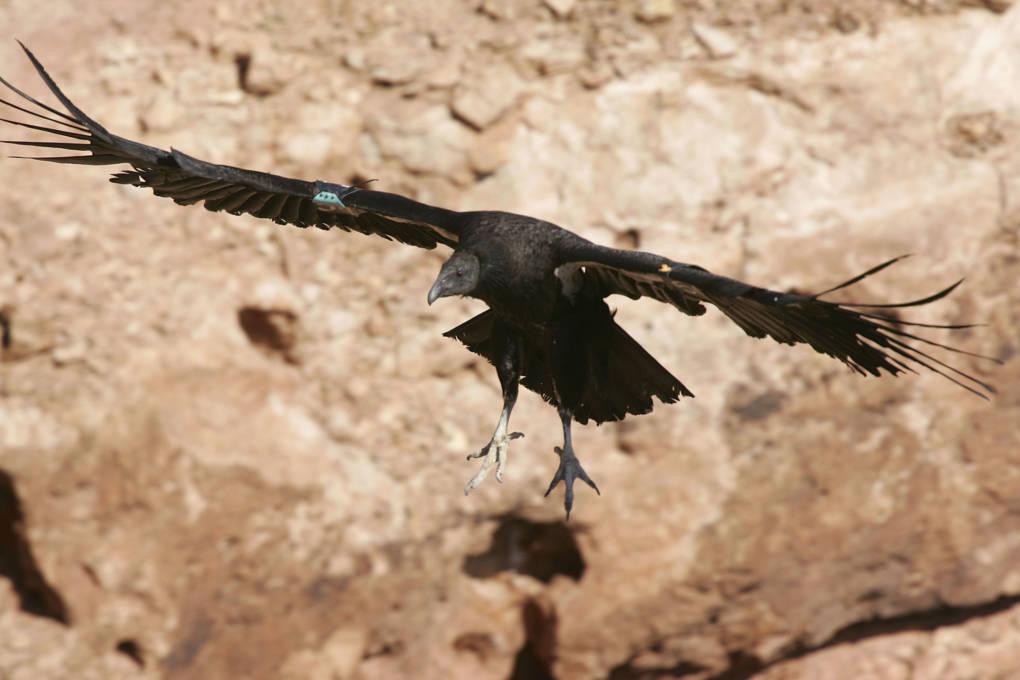
"caption": "A rare and endangered California condor lands on a ledge in Marble Gorge, east of Grand Canyon National Park, on March 24, 2007, west of Page, Arizona.",
"description": "PAGE, AZ - MARCH 24: A rare and endangered California condor lands on a ledge in Marble Gorge, east of Grand Canyon National Park, on March 24, 2007 west of Page, Arizona. Condor managers taking blood samples from the 57 wild condors in Arizona both before and after hunting season find that all 57 condors test positive for contamination by lead matching the isotropic fingerprint of the lead commonly used in ammunition, and that those levels rise significantly by the end of the season. Many of the condors become so sick that biologists must re-capture them for lead-poisoning treatments. Several die each year. Experts believe the condors are ingesting the lead as they scavenge gut piles left behind hunters because lead bullets shatter and fragment inside the kill. Officials in Arizona are encouraging hunters to use copper bullets instead of lead-based ammunition and in California, a coalition of conservation groups has sued the California Fish and Game Commission in an effort to force a ban on lead ammunition in Condor ranges. The condors in the Marble Canyon and Vermillion Cliffs area easily fly as far west as Lake Mead, by way of the Grand Canyon, and to Zion National Park and far into Utah. With a wingspan up to 9 ? feet, they are the largest flying birds in North America. In 1982, when the world population of California condors dropped to only 22 and extinction was believed eminent, biologist captured them and began a captive breeding and release program which has increased the total population to 278, of which 132 now live in the wild in Arizona, California, and Baja California, Mexico. (Photo by David McNew/Getty Images)",
"title": "Endangered Condors Threatened With Lead Poisoning",
"credit": "David McNew/Getty Images",
"status": "inherit",
"isLoading": false,
"fetchFailed": false
},
"news_11615064": {
"type": "attachments",
"id": "news_11615064",
"meta": {
"index": "attachments_1716263798",
"site": "news",
"id": "11615064",
"found": true
},
"parent": 11615033,
"imgSizes": {
"small": {
"file": "https://ww2.kqed.org/app/uploads/sites/10/2017/08/Froggie-1-520x335.jpg",
"width": 520,
"mimeType": "image/jpeg",
"height": 335
},
"twentyfourteen-full-width": {
"file": "https://ww2.kqed.org/app/uploads/sites/10/2017/08/Froggie-1-1038x576.jpg",
"width": 1038,
"mimeType": "image/jpeg",
"height": 576
},
"thumbnail": {
"file": "https://ww2.kqed.org/app/uploads/sites/10/2017/08/Froggie-1-160x103.jpg",
"width": 160,
"mimeType": "image/jpeg",
"height": 103
},
"fd-sm": {
"file": "https://ww2.kqed.org/app/uploads/sites/10/2017/08/Froggie-1-960x619.jpg",
"width": 960,
"mimeType": "image/jpeg",
"height": 619
},
"post-thumbnail": {
"file": "https://ww2.kqed.org/app/uploads/sites/10/2017/08/Froggie-1-672x372.jpg",
"width": 672,
"mimeType": "image/jpeg",
"height": 372
},
"xsmall": {
"file": "https://ww2.kqed.org/app/uploads/sites/10/2017/08/Froggie-1-375x242.jpg",
"width": 375,
"mimeType": "image/jpeg",
"height": 242
},
"kqedFullSize": {
"file": "https://ww2.kqed.org/app/uploads/sites/10/2017/08/Froggie-1.jpg",
"width": 1920,
"height": 1237
},
"large": {
"file": "https://ww2.kqed.org/app/uploads/sites/10/2017/08/Froggie-1-1020x657.jpg",
"width": 1020,
"mimeType": "image/jpeg",
"height": 657
},
"xlarge": {
"file": "https://ww2.kqed.org/app/uploads/sites/10/2017/08/Froggie-1-1180x760.jpg",
"width": 1180,
"mimeType": "image/jpeg",
"height": 760
},
"guest-author-50": {
"file": "https://ww2.kqed.org/app/uploads/sites/10/2017/08/Froggie-1-50x50.jpg",
"width": 50,
"mimeType": "image/jpeg",
"height": 50
},
"guest-author-96": {
"file": "https://ww2.kqed.org/app/uploads/sites/10/2017/08/Froggie-1-96x96.jpg",
"width": 96,
"mimeType": "image/jpeg",
"height": 96
},
"medium": {
"file": "https://ww2.kqed.org/app/uploads/sites/10/2017/08/Froggie-1-800x515.jpg",
"width": 800,
"mimeType": "image/jpeg",
"height": 515
},
"guest-author-64": {
"file": "https://ww2.kqed.org/app/uploads/sites/10/2017/08/Froggie-1-64x64.jpg",
"width": 64,
"mimeType": "image/jpeg",
"height": 64
},
"guest-author-32": {
"file": "https://ww2.kqed.org/app/uploads/sites/10/2017/08/Froggie-1-32x32.jpg",
"width": 32,
"mimeType": "image/jpeg",
"height": 32
},
"fd-lrg": {
"file": "https://ww2.kqed.org/app/uploads/sites/10/2017/08/Froggie-1-1920x1237.jpg",
"width": 1920,
"mimeType": "image/jpeg",
"height": 1237
},
"fd-med": {
"file": "https://ww2.kqed.org/app/uploads/sites/10/2017/08/Froggie-1-1180x760.jpg",
"width": 1180,
"mimeType": "image/jpeg",
"height": 760
},
"full-width": {
"file": "https://ww2.kqed.org/app/uploads/sites/10/2017/08/Froggie-1-1920x1237.jpg",
"width": 1920,
"mimeType": "image/jpeg",
"height": 1237
},
"detail": {
"file": "https://ww2.kqed.org/app/uploads/sites/10/2017/08/Froggie-1-150x150.jpg",
"width": 150,
"mimeType": "image/jpeg",
"height": 150
},
"guest-author-128": {
"file": "https://ww2.kqed.org/app/uploads/sites/10/2017/08/Froggie-1-128x128.jpg",
"width": 128,
"mimeType": "image/jpeg",
"height": 128
},
"xxsmall": {
"file": "https://ww2.kqed.org/app/uploads/sites/10/2017/08/Froggie-1-240x155.jpg",
"width": 240,
"mimeType": "image/jpeg",
"height": 155
}
},
"publishDate": 1504214811,
"modified": 1504214864,
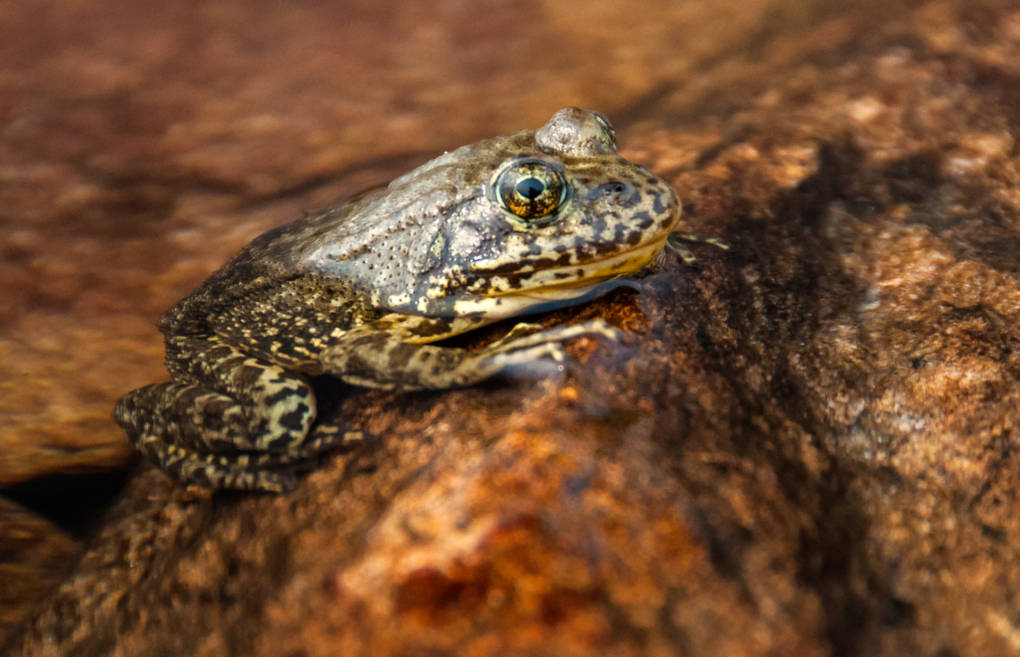
"caption": "A mountain yellow-legged frog.",
"description": "A mountain yellow-legged frog.",
"title": "Froggie",
"credit": "Isaac Chellman/NPS",
"status": "inherit",
"isLoading": false,
"fetchFailed": false
},
"news_11614546": {
"type": "attachments",
"id": "news_11614546",
"meta": {
"index": "attachments_1716263798",
"site": "news",
"id": "11614546",
"found": true
},
"parent": 11614543,
"imgSizes": {
"small": {
"file": "https://ww2.kqed.org/app/uploads/sites/10/2017/08/deer-520x693.jpg",
"width": 520,
"mimeType": "image/jpeg",
"height": 693
},
"twentyfourteen-full-width": {
"file": "https://ww2.kqed.org/app/uploads/sites/10/2017/08/deer-900x576.jpg",
"width": 900,
"mimeType": "image/jpeg",
"height": 576
},
"thumbnail": {
"file": "https://ww2.kqed.org/app/uploads/sites/10/2017/08/deer-160x213.jpg",
"width": 160,
"mimeType": "image/jpeg",
"height": 213
},
"post-thumbnail": {
"file": "https://ww2.kqed.org/app/uploads/sites/10/2017/08/deer-672x372.jpg",
"width": 672,
"mimeType": "image/jpeg",
"height": 372
},
"xsmall": {
"file": "https://ww2.kqed.org/app/uploads/sites/10/2017/08/deer-375x500.jpg",
"width": 375,
"mimeType": "image/jpeg",
"height": 500
},
"kqedFullSize": {
"file": "https://ww2.kqed.org/app/uploads/sites/10/2017/08/deer.jpg",
"width": 900,
"height": 1200
},
"guest-author-50": {
"file": "https://ww2.kqed.org/app/uploads/sites/10/2017/08/deer-50x50.jpg",
"width": 50,
"mimeType": "image/jpeg",
"height": 50
},
"guest-author-96": {
"file": "https://ww2.kqed.org/app/uploads/sites/10/2017/08/deer-96x96.jpg",
"width": 96,
"mimeType": "image/jpeg",
"height": 96
},
"medium": {
"file": "https://ww2.kqed.org/app/uploads/sites/10/2017/08/deer-800x1067.jpg",
"width": 800,
"mimeType": "image/jpeg",
"height": 1067
},
"guest-author-64": {
"file": "https://ww2.kqed.org/app/uploads/sites/10/2017/08/deer-64x64.jpg",
"width": 64,
"mimeType": "image/jpeg",
"height": 64
},
"guest-author-32": {
"file": "https://ww2.kqed.org/app/uploads/sites/10/2017/08/deer-32x32.jpg",
"width": 32,
"mimeType": "image/jpeg",
"height": 32
},
"detail": {
"file": "https://ww2.kqed.org/app/uploads/sites/10/2017/08/deer-150x150.jpg",
"width": 150,
"mimeType": "image/jpeg",
"height": 150
},
"guest-author-128": {
"file": "https://ww2.kqed.org/app/uploads/sites/10/2017/08/deer-128x128.jpg",
"width": 128,
"mimeType": "image/jpeg",
"height": 128
},
"xxsmall": {
"file": "https://ww2.kqed.org/app/uploads/sites/10/2017/08/deer-240x320.jpg",
"width": 240,
"mimeType": "image/jpeg",
"height": 320
}
},
"publishDate": 1504033902,
"modified": 1504034040,
"caption": "The California Highway Patrol took this photo of a deer on the San Francisco-Oakland Bay Bridge standing in the middle of an on-ramp early Tuesday morning. ",
"description": null,
"title": "deer",
"credit": "Courtesy of CHP Facebook",
"status": "inherit",
"isLoading": false,
"fetchFailed": false
},
"science_1842644": {
"type": "attachments",
"id": "science_1842644",
"meta": {
"index": "attachments_1716263798",
"site": "science",
"id": "1842644",
"found": true
},
"parent": 1842643,
"imgSizes": {
"small": {
"file": "https://ww2.kqed.org/app/uploads/sites/35/2017/07/21870743818_4d3ba53afe_o_custom-1833750eb62db859e1cd66d619737aee72ce044e-520x380.jpg",
"width": 520,
"mimeType": "image/jpeg",
"height": 380
},
"twentyfourteen-full-width": {
"file": "https://ww2.kqed.org/app/uploads/sites/35/2017/07/21870743818_4d3ba53afe_o_custom-1833750eb62db859e1cd66d619737aee72ce044e-1038x576.jpg",
"width": 1038,
"mimeType": "image/jpeg",
"height": 576
},
"thumbnail": {
"file": "https://ww2.kqed.org/app/uploads/sites/35/2017/07/21870743818_4d3ba53afe_o_custom-1833750eb62db859e1cd66d619737aee72ce044e-160x117.jpg",
"width": 160,
"mimeType": "image/jpeg",
"height": 117
},
"fd-sm": {
"file": "https://ww2.kqed.org/app/uploads/sites/35/2017/07/21870743818_4d3ba53afe_o_custom-1833750eb62db859e1cd66d619737aee72ce044e-960x701.jpg",
"width": 960,
"mimeType": "image/jpeg",
"height": 701
},
"post-thumbnail": {
"file": "https://ww2.kqed.org/app/uploads/sites/35/2017/07/21870743818_4d3ba53afe_o_custom-1833750eb62db859e1cd66d619737aee72ce044e-672x372.jpg",
"width": 672,
"mimeType": "image/jpeg",
"height": 372
},
"xsmall": {
"file": "https://ww2.kqed.org/app/uploads/sites/35/2017/07/21870743818_4d3ba53afe_o_custom-1833750eb62db859e1cd66d619737aee72ce044e-375x274.jpg",
"width": 375,
"mimeType": "image/jpeg",
"height": 274
},
"kqedFullSize": {
"file": "https://ww2.kqed.org/app/uploads/sites/35/2017/07/21870743818_4d3ba53afe_o_custom-1833750eb62db859e1cd66d619737aee72ce044e.jpg",
"width": 2924,
"height": 2135
},
"large": {
"file": "https://ww2.kqed.org/app/uploads/sites/35/2017/07/21870743818_4d3ba53afe_o_custom-1833750eb62db859e1cd66d619737aee72ce044e-1020x745.jpg",
"width": 1020,
"mimeType": "image/jpeg",
"height": 745
},
"xlarge": {
"file": "https://ww2.kqed.org/app/uploads/sites/35/2017/07/21870743818_4d3ba53afe_o_custom-1833750eb62db859e1cd66d619737aee72ce044e-1180x862.jpg",
"width": 1180,
"mimeType": "image/jpeg",
"height": 862
},
"guest-author-50": {
"file": "https://ww2.kqed.org/app/uploads/sites/35/2017/07/21870743818_4d3ba53afe_o_custom-1833750eb62db859e1cd66d619737aee72ce044e-50x50.jpg",
"width": 50,
"mimeType": "image/jpeg",
"height": 50
},
"guest-author-96": {
"file": "https://ww2.kqed.org/app/uploads/sites/35/2017/07/21870743818_4d3ba53afe_o_custom-1833750eb62db859e1cd66d619737aee72ce044e-96x96.jpg",
"width": 96,
"mimeType": "image/jpeg",
"height": 96
},
"medium": {
"file": "https://ww2.kqed.org/app/uploads/sites/35/2017/07/21870743818_4d3ba53afe_o_custom-1833750eb62db859e1cd66d619737aee72ce044e-800x584.jpg",
"width": 800,
"mimeType": "image/jpeg",
"height": 584
},
"guest-author-64": {
"file": "https://ww2.kqed.org/app/uploads/sites/35/2017/07/21870743818_4d3ba53afe_o_custom-1833750eb62db859e1cd66d619737aee72ce044e-64x64.jpg",
"width": 64,
"mimeType": "image/jpeg",
"height": 64
},
"guest-author-32": {
"file": "https://ww2.kqed.org/app/uploads/sites/35/2017/07/21870743818_4d3ba53afe_o_custom-1833750eb62db859e1cd66d619737aee72ce044e-32x32.jpg",
"width": 32,
"mimeType": "image/jpeg",
"height": 32
},
"fd-lrg": {
"file": "https://ww2.kqed.org/app/uploads/sites/35/2017/07/21870743818_4d3ba53afe_o_custom-1833750eb62db859e1cd66d619737aee72ce044e-1920x1402.jpg",
"width": 1920,
"mimeType": "image/jpeg",
"height": 1402
},
"fd-med": {
"file": "https://ww2.kqed.org/app/uploads/sites/35/2017/07/21870743818_4d3ba53afe_o_custom-1833750eb62db859e1cd66d619737aee72ce044e-1180x862.jpg",
"width": 1180,
"mimeType": "image/jpeg",
"height": 862
},
"full-width": {
"file": "https://ww2.kqed.org/app/uploads/sites/35/2017/07/21870743818_4d3ba53afe_o_custom-1833750eb62db859e1cd66d619737aee72ce044e-1920x1402.jpg",
"width": 1920,
"mimeType": "image/jpeg",
"height": 1402
},
"detail": {
"file": "https://ww2.kqed.org/app/uploads/sites/35/2017/07/21870743818_4d3ba53afe_o_custom-1833750eb62db859e1cd66d619737aee72ce044e-150x150.jpg",
"width": 150,
"mimeType": "image/jpeg",
"height": 150
},
"medium_large": {
"file": "https://ww2.kqed.org/app/uploads/sites/35/2017/07/21870743818_4d3ba53afe_o_custom-1833750eb62db859e1cd66d619737aee72ce044e-768x561.jpg",
"width": 768,
"mimeType": "image/jpeg",
"height": 561
},
"guest-author-128": {
"file": "https://ww2.kqed.org/app/uploads/sites/35/2017/07/21870743818_4d3ba53afe_o_custom-1833750eb62db859e1cd66d619737aee72ce044e-128x128.jpg",
"width": 128,
"mimeType": "image/jpeg",
"height": 128
},
"xxsmall": {
"file": "https://ww2.kqed.org/app/uploads/sites/35/2017/07/21870743818_4d3ba53afe_o_custom-1833750eb62db859e1cd66d619737aee72ce044e-240x175.jpg",
"width": 240,
"mimeType": "image/jpeg",
"height": 175
}
},
"publishDate": 1500050969,
"modified": 1500051083,
"caption": "A raven flies in the Seedskadee National Wildlife Refuge in Wyoming.",
"description": "A raven flies in the Seedskadee National Wildlife Refuge in Wyoming.",
"title": "21870743818_4d3ba53afe_o_custom-1833750eb62db859e1cd66d619737aee72ce044e",
"credit": "Tom Koerner/U.S. Fish and Wildlife Service",
"status": "inherit",
"isLoading": false,
"fetchFailed": false
},
"news_11565997": {
"type": "attachments",
"id": "news_11565997",
"meta": {
"index": "attachments_1716263798",
"site": "news",
"id": "11565997",
"found": true
},
"parent": 11565988,
"imgSizes": {
"small": {
"file": "https://ww2.kqed.org/app/uploads/sites/10/2017/07/CowellSarf-520x359.jpg",
"width": 520,
"mimeType": "image/jpeg",
"height": 359
},
"twentyfourteen-full-width": {
"file": "https://ww2.kqed.org/app/uploads/sites/10/2017/07/CowellSarf-1038x576.jpg",
"width": 1038,
"mimeType": "image/jpeg",
"height": 576
},
"thumbnail": {
"file": "https://ww2.kqed.org/app/uploads/sites/10/2017/07/CowellSarf-160x111.jpg",
"width": 160,
"mimeType": "image/jpeg",
"height": 111
},
"fd-sm": {
"file": "https://ww2.kqed.org/app/uploads/sites/10/2017/07/CowellSarf-960x664.jpg",
"width": 960,
"mimeType": "image/jpeg",
"height": 664
},
"post-thumbnail": {
"file": "https://ww2.kqed.org/app/uploads/sites/10/2017/07/CowellSarf-672x372.jpg",
"width": 672,
"mimeType": "image/jpeg",
"height": 372
},
"xsmall": {
"file": "https://ww2.kqed.org/app/uploads/sites/10/2017/07/CowellSarf-375x259.jpg",
"width": 375,
"mimeType": "image/jpeg",
"height": 259
},
"kqedFullSize": {
"file": "https://ww2.kqed.org/app/uploads/sites/10/2017/07/CowellSarf.jpg",
"width": 1920,
"height": 1327
},
"large": {
"file": "https://ww2.kqed.org/app/uploads/sites/10/2017/07/CowellSarf-1020x705.jpg",
"width": 1020,
"mimeType": "image/jpeg",
"height": 705
},
"xlarge": {
"file": "https://ww2.kqed.org/app/uploads/sites/10/2017/07/CowellSarf-1180x816.jpg",
"width": 1180,
"mimeType": "image/jpeg",
"height": 816
},
"guest-author-50": {
"file": "https://ww2.kqed.org/app/uploads/sites/10/2017/07/CowellSarf-50x50.jpg",
"width": 50,
"mimeType": "image/jpeg",
"height": 50
},
"guest-author-96": {
"file": "https://ww2.kqed.org/app/uploads/sites/10/2017/07/CowellSarf-96x96.jpg",
"width": 96,
"mimeType": "image/jpeg",
"height": 96
},
"medium": {
"file": "https://ww2.kqed.org/app/uploads/sites/10/2017/07/CowellSarf-800x553.jpg",
"width": 800,
"mimeType": "image/jpeg",
"height": 553
},
"guest-author-64": {
"file": "https://ww2.kqed.org/app/uploads/sites/10/2017/07/CowellSarf-64x64.jpg",
"width": 64,
"mimeType": "image/jpeg",
"height": 64
},
"guest-author-32": {
"file": "https://ww2.kqed.org/app/uploads/sites/10/2017/07/CowellSarf-32x32.jpg",
"width": 32,
"mimeType": "image/jpeg",
"height": 32
},
"fd-lrg": {
"file": "https://ww2.kqed.org/app/uploads/sites/10/2017/07/CowellSarf-1920x1327.jpg",
"width": 1920,
"mimeType": "image/jpeg",
"height": 1327
},
"fd-med": {
"file": "https://ww2.kqed.org/app/uploads/sites/10/2017/07/CowellSarf-1180x816.jpg",
"width": 1180,
"mimeType": "image/jpeg",
"height": 816
},
"full-width": {
"file": "https://ww2.kqed.org/app/uploads/sites/10/2017/07/CowellSarf-1920x1327.jpg",
"width": 1920,
"mimeType": "image/jpeg",
"height": 1327
},
"detail": {
"file": "https://ww2.kqed.org/app/uploads/sites/10/2017/07/CowellSarf-150x150.jpg",
"width": 150,
"mimeType": "image/jpeg",
"height": 150
},
"guest-author-128": {
"file": "https://ww2.kqed.org/app/uploads/sites/10/2017/07/CowellSarf-128x128.jpg",
"width": 128,
"mimeType": "image/jpeg",
"height": 128
},
"xxsmall": {
"file": "https://ww2.kqed.org/app/uploads/sites/10/2017/07/CowellSarf-240x166.jpg",
"width": 240,
"mimeType": "image/jpeg",
"height": 166
}
},
"publishDate": 1499981415,
"modified": 1499981870,
"caption": "Surfers rest at Cowell Beach in Santa Cruz, one of the beaches where all water activities have been prohibited following Tuesday's shark attack on a kayaker.",
"description": "Surfers rest at Cowell Beach in Santa Cruz, one of the beaches where all water activities have been prohibited following Tuesday's shark attack on a kayaker.",
"title": "CowellSarf",
"credit": "Richard Masoner/Flickr",
"status": "inherit",
"isLoading": false,
"fetchFailed": false
},
"news_11551785": {
"type": "attachments",
"id": "news_11551785",
"meta": {
"index": "attachments_1716263798",
"site": "news",
"id": "11551785",
"found": true
},
"parent": 11550455,
"imgSizes": {
"small": {
"file": "https://ww2.kqed.org/app/uploads/sites/10/2017/07/RS25910_IMG_4572-qut-520x390.jpg",
"width": 520,
"mimeType": "image/jpeg",
"height": 390
},
"twentyfourteen-full-width": {
"file": "https://ww2.kqed.org/app/uploads/sites/10/2017/07/RS25910_IMG_4572-qut-1038x576.jpg",
"width": 1038,
"mimeType": "image/jpeg",
"height": 576
},
"thumbnail": {
"file": "https://ww2.kqed.org/app/uploads/sites/10/2017/07/RS25910_IMG_4572-qut-160x120.jpg",
"width": 160,
"mimeType": "image/jpeg",
"height": 120
},
"fd-sm": {
"file": "https://ww2.kqed.org/app/uploads/sites/10/2017/07/RS25910_IMG_4572-qut-960x720.jpg",
"width": 960,
"mimeType": "image/jpeg",
"height": 720
},
"post-thumbnail": {
"file": "https://ww2.kqed.org/app/uploads/sites/10/2017/07/RS25910_IMG_4572-qut-672x372.jpg",
"width": 672,
"mimeType": "image/jpeg",
"height": 372
},
"xsmall": {
"file": "https://ww2.kqed.org/app/uploads/sites/10/2017/07/RS25910_IMG_4572-qut-375x281.jpg",
"width": 375,
"mimeType": "image/jpeg",
"height": 281
},
"kqedFullSize": {
"file": "https://ww2.kqed.org/app/uploads/sites/10/2017/07/RS25910_IMG_4572-qut.jpg",
"width": 1920,
"height": 1440
},
"large": {
"file": "https://ww2.kqed.org/app/uploads/sites/10/2017/07/RS25910_IMG_4572-qut-1020x765.jpg",
"width": 1020,
"mimeType": "image/jpeg",
"height": 765
},
"xlarge": {
"file": "https://ww2.kqed.org/app/uploads/sites/10/2017/07/RS25910_IMG_4572-qut-1180x885.jpg",
"width": 1180,
"mimeType": "image/jpeg",
"height": 885
},
"guest-author-50": {
"file": "https://ww2.kqed.org/app/uploads/sites/10/2017/07/RS25910_IMG_4572-qut-50x50.jpg",
"width": 50,
"mimeType": "image/jpeg",
"height": 50
},
"guest-author-96": {
"file": "https://ww2.kqed.org/app/uploads/sites/10/2017/07/RS25910_IMG_4572-qut-96x96.jpg",
"width": 96,
"mimeType": "image/jpeg",
"height": 96
},
"medium": {
"file": "https://ww2.kqed.org/app/uploads/sites/10/2017/07/RS25910_IMG_4572-qut-800x600.jpg",
"width": 800,
"mimeType": "image/jpeg",
"height": 600
},
"guest-author-64": {
"file": "https://ww2.kqed.org/app/uploads/sites/10/2017/07/RS25910_IMG_4572-qut-64x64.jpg",
"width": 64,
"mimeType": "image/jpeg",
"height": 64
},
"guest-author-32": {
"file": "https://ww2.kqed.org/app/uploads/sites/10/2017/07/RS25910_IMG_4572-qut-32x32.jpg",
"width": 32,
"mimeType": "image/jpeg",
"height": 32
},
"fd-lrg": {
"file": "https://ww2.kqed.org/app/uploads/sites/10/2017/07/RS25910_IMG_4572-qut-1920x1440.jpg",
"width": 1920,
"mimeType": "image/jpeg",
"height": 1440
},
"fd-med": {
"file": "https://ww2.kqed.org/app/uploads/sites/10/2017/07/RS25910_IMG_4572-qut-1180x885.jpg",
"width": 1180,
"mimeType": "image/jpeg",
"height": 885
},
"full-width": {
"file": "https://ww2.kqed.org/app/uploads/sites/10/2017/07/RS25910_IMG_4572-qut-1920x1440.jpg",
"width": 1920,
"mimeType": "image/jpeg",
"height": 1440
},
"detail": {
"file": "https://ww2.kqed.org/app/uploads/sites/10/2017/07/RS25910_IMG_4572-qut-150x150.jpg",
"width": 150,
"mimeType": "image/jpeg",
"height": 150
},
"guest-author-128": {
"file": "https://ww2.kqed.org/app/uploads/sites/10/2017/07/RS25910_IMG_4572-qut-128x128.jpg",
"width": 128,
"mimeType": "image/jpeg",
"height": 128
},
"xxsmall": {
"file": "https://ww2.kqed.org/app/uploads/sites/10/2017/07/RS25910_IMG_4572-qut-240x180.jpg",
"width": 240,
"mimeType": "image/jpeg",
"height": 180
}
},
"publishDate": 1499370289,
"modified": 1499468695,
"caption": "Volunteer sheep counter Gloria Kendall uses a scope to look for identifying marks on three rams about a half-mile away in Anza-Borrego's Coyote Canyon.",
"description": null,
"title": "RS25910_IMG_4572-qut",
"credit": "Susan Valot/KQED",
"status": "inherit",
"isLoading": false,
"fetchFailed": false
},
"news_11549874": {
"type": "attachments",
"id": "news_11549874",
"meta": {
"index": "attachments_1716263798",
"site": "news",
"id": "11549874",
"found": true
},
"parent": 11549873,
"imgSizes": {
"small": {
"file": "https://ww2.kqed.org/app/uploads/sites/10/2017/07/frog_custom-3d45eb97431599b1c029e9059101bb65e1ab9c0e-520x346.jpg",
"width": 520,
"mimeType": "image/jpeg",
"height": 346
},
"twentyfourteen-full-width": {
"file": "https://ww2.kqed.org/app/uploads/sites/10/2017/07/frog_custom-3d45eb97431599b1c029e9059101bb65e1ab9c0e-1038x576.jpg",
"width": 1038,
"mimeType": "image/jpeg",
"height": 576
},
"thumbnail": {
"file": "https://ww2.kqed.org/app/uploads/sites/10/2017/07/frog_custom-3d45eb97431599b1c029e9059101bb65e1ab9c0e-160x107.jpg",
"width": 160,
"mimeType": "image/jpeg",
"height": 107
},
"fd-sm": {
"file": "https://ww2.kqed.org/app/uploads/sites/10/2017/07/frog_custom-3d45eb97431599b1c029e9059101bb65e1ab9c0e-960x639.jpg",
"width": 960,
"mimeType": "image/jpeg",
"height": 639
},
"post-thumbnail": {
"file": "https://ww2.kqed.org/app/uploads/sites/10/2017/07/frog_custom-3d45eb97431599b1c029e9059101bb65e1ab9c0e-672x372.jpg",
"width": 672,
"mimeType": "image/jpeg",
"height": 372
},
"xsmall": {
"file": "https://ww2.kqed.org/app/uploads/sites/10/2017/07/frog_custom-3d45eb97431599b1c029e9059101bb65e1ab9c0e-375x250.jpg",
"width": 375,
"mimeType": "image/jpeg",
"height": 250
},
"kqedFullSize": {
"file": "https://ww2.kqed.org/app/uploads/sites/10/2017/07/frog_custom-3d45eb97431599b1c029e9059101bb65e1ab9c0e-e1499291480219.jpg",
"width": 1920,
"height": 1279
},
"large": {
"file": "https://ww2.kqed.org/app/uploads/sites/10/2017/07/frog_custom-3d45eb97431599b1c029e9059101bb65e1ab9c0e-1020x679.jpg",
"width": 1020,
"mimeType": "image/jpeg",
"height": 679
},
"xlarge": {
"file": "https://ww2.kqed.org/app/uploads/sites/10/2017/07/frog_custom-3d45eb97431599b1c029e9059101bb65e1ab9c0e-1180x786.jpg",
"width": 1180,
"mimeType": "image/jpeg",
"height": 786
},
"guest-author-50": {
"file": "https://ww2.kqed.org/app/uploads/sites/10/2017/07/frog_custom-3d45eb97431599b1c029e9059101bb65e1ab9c0e-50x50.jpg",
"width": 50,
"mimeType": "image/jpeg",
"height": 50
},
"guest-author-96": {
"file": "https://ww2.kqed.org/app/uploads/sites/10/2017/07/frog_custom-3d45eb97431599b1c029e9059101bb65e1ab9c0e-96x96.jpg",
"width": 96,
"mimeType": "image/jpeg",
"height": 96
},
"medium": {
"file": "https://ww2.kqed.org/app/uploads/sites/10/2017/07/frog_custom-3d45eb97431599b1c029e9059101bb65e1ab9c0e-800x533.jpg",
"width": 800,
"mimeType": "image/jpeg",
"height": 533
},
"guest-author-64": {
"file": "https://ww2.kqed.org/app/uploads/sites/10/2017/07/frog_custom-3d45eb97431599b1c029e9059101bb65e1ab9c0e-64x64.jpg",
"width": 64,
"mimeType": "image/jpeg",
"height": 64
},
"guest-author-32": {
"file": "https://ww2.kqed.org/app/uploads/sites/10/2017/07/frog_custom-3d45eb97431599b1c029e9059101bb65e1ab9c0e-32x32.jpg",
"width": 32,
"mimeType": "image/jpeg",
"height": 32
},
"fd-lrg": {
"file": "https://ww2.kqed.org/app/uploads/sites/10/2017/07/frog_custom-3d45eb97431599b1c029e9059101bb65e1ab9c0e-1920x1279.jpg",
"width": 1920,
"mimeType": "image/jpeg",
"height": 1279
},
"fd-med": {
"file": "https://ww2.kqed.org/app/uploads/sites/10/2017/07/frog_custom-3d45eb97431599b1c029e9059101bb65e1ab9c0e-1180x786.jpg",
"width": 1180,
"mimeType": "image/jpeg",
"height": 786
},
"full-width": {
"file": "https://ww2.kqed.org/app/uploads/sites/10/2017/07/frog_custom-3d45eb97431599b1c029e9059101bb65e1ab9c0e-1920x1279.jpg",
"width": 1920,
"mimeType": "image/jpeg",
"height": 1279
},
"detail": {
"file": "https://ww2.kqed.org/app/uploads/sites/10/2017/07/frog_custom-3d45eb97431599b1c029e9059101bb65e1ab9c0e-150x150.jpg",
"width": 150,
"mimeType": "image/jpeg",
"height": 150
},
"guest-author-128": {
"file": "https://ww2.kqed.org/app/uploads/sites/10/2017/07/frog_custom-3d45eb97431599b1c029e9059101bb65e1ab9c0e-128x128.jpg",
"width": 128,
"mimeType": "image/jpeg",
"height": 128
},
"xxsmall": {
"file": "https://ww2.kqed.org/app/uploads/sites/10/2017/07/frog_custom-3d45eb97431599b1c029e9059101bb65e1ab9c0e-240x160.jpg",
"width": 240,
"mimeType": "image/jpeg",
"height": 160
}
},
"publishDate": 1499291419,
"modified": 1499291512,
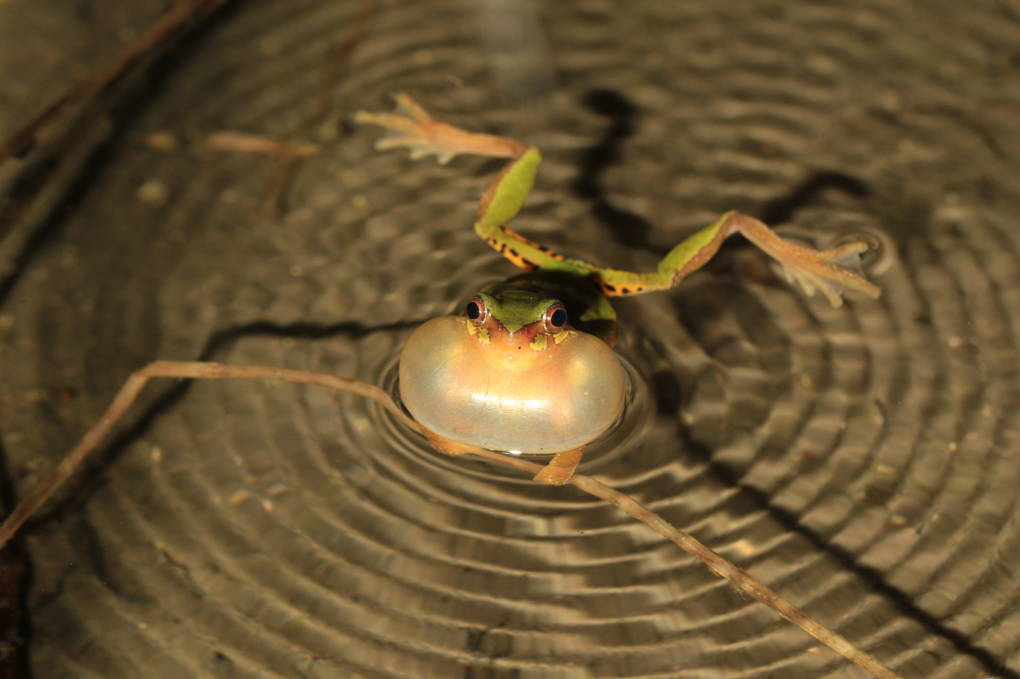
"caption": "The frog \u003cem>Hyla sanchiangensis\u003c/em> from eastern China is a descendant of one of three lineages that made it through Earth's last mass extinction 66 million years ago to flourish worldwide today.",
"description": "The frog \u003cem>Hyla sanchiangensis\u003c/em> from eastern China is a descendant of one of three lineages that made it through Earth's last mass extinction 66 million years ago to flourish worldwide today.",
"title": "The frog Hyla sanchiangensis from eastern China is a descendant of one of three lineages that made it through Earth's last mass extinction 66 million years ago to flourish worldwide today.",
"credit": "Peng Zhang, Sun Yat-Sen University",
"status": "inherit",
"isLoading": false,
"fetchFailed": false
},
"science_1715198": {
"type": "attachments",
"id": "science_1715198",
"meta": {
"index": "attachments_1716263798",
"site": "science",
"id": "1715198",
"found": true
},
"parent": 1715197,
"imgSizes": {
"small": {
"file": "https://ww2.kqed.org/app/uploads/sites/35/2017/06/Whale_entengle_twitter-520x312.jpg",
"width": 520,
"mimeType": "image/jpeg",
"height": 312
},
"twentyfourteen-full-width": {
"file": "https://ww2.kqed.org/app/uploads/sites/35/2017/06/Whale_entengle_twitter-1038x576.jpg",
"width": 1038,
"mimeType": "image/jpeg",
"height": 576
},
"thumbnail": {
"file": "https://ww2.kqed.org/app/uploads/sites/35/2017/06/Whale_entengle_twitter-160x96.jpg",
"width": 160,
"mimeType": "image/jpeg",
"height": 96
},
"fd-sm": {
"file": "https://ww2.kqed.org/app/uploads/sites/35/2017/06/Whale_entengle_twitter-960x575.jpg",
"width": 960,
"mimeType": "image/jpeg",
"height": 575
},
"post-thumbnail": {
"file": "https://ww2.kqed.org/app/uploads/sites/35/2017/06/Whale_entengle_twitter-672x372.jpg",
"width": 672,
"mimeType": "image/jpeg",
"height": 372
},
"xsmall": {
"file": "https://ww2.kqed.org/app/uploads/sites/35/2017/06/Whale_entengle_twitter-375x225.jpg",
"width": 375,
"mimeType": "image/jpeg",
"height": 225
},
"kqedFullSize": {
"file": "https://ww2.kqed.org/app/uploads/sites/35/2017/06/Whale_entengle_twitter.jpg",
"width": 1200,
"height": 719
},
"large": {
"file": "https://ww2.kqed.org/app/uploads/sites/35/2017/06/Whale_entengle_twitter-1020x611.jpg",
"width": 1020,
"mimeType": "image/jpeg",
"height": 611
},
"xlarge": {
"file": "https://ww2.kqed.org/app/uploads/sites/35/2017/06/Whale_entengle_twitter-1180x707.jpg",
"width": 1180,
"mimeType": "image/jpeg",
"height": 707
},
"guest-author-50": {
"file": "https://ww2.kqed.org/app/uploads/sites/35/2017/06/Whale_entengle_twitter-50x50.jpg",
"width": 50,
"mimeType": "image/jpeg",
"height": 50
},
"guest-author-96": {
"file": "https://ww2.kqed.org/app/uploads/sites/35/2017/06/Whale_entengle_twitter-96x96.jpg",
"width": 96,
"mimeType": "image/jpeg",
"height": 96
},
"medium": {
"file": "https://ww2.kqed.org/app/uploads/sites/35/2017/06/Whale_entengle_twitter-800x479.jpg",
"width": 800,
"mimeType": "image/jpeg",
"height": 479
},
"guest-author-64": {
"file": "https://ww2.kqed.org/app/uploads/sites/35/2017/06/Whale_entengle_twitter-64x64.jpg",
"width": 64,
"mimeType": "image/jpeg",
"height": 64
},
"guest-author-32": {
"file": "https://ww2.kqed.org/app/uploads/sites/35/2017/06/Whale_entengle_twitter-32x32.jpg",
"width": 32,
"mimeType": "image/jpeg",
"height": 32
},
"fd-med": {
"file": "https://ww2.kqed.org/app/uploads/sites/35/2017/06/Whale_entengle_twitter-1180x707.jpg",
"width": 1180,
"mimeType": "image/jpeg",
"height": 707
},
"detail": {
"file": "https://ww2.kqed.org/app/uploads/sites/35/2017/06/Whale_entengle_twitter-150x150.jpg",
"width": 150,
"mimeType": "image/jpeg",
"height": 150
},
"medium_large": {
"file": "https://ww2.kqed.org/app/uploads/sites/35/2017/06/Whale_entengle_twitter-768x460.jpg",
"width": 768,
"mimeType": "image/jpeg",
"height": 460
},
"guest-author-128": {
"file": "https://ww2.kqed.org/app/uploads/sites/35/2017/06/Whale_entengle_twitter-128x128.jpg",
"width": 128,
"mimeType": "image/jpeg",
"height": 128
},
"xxsmall": {
"file": "https://ww2.kqed.org/app/uploads/sites/35/2017/06/Whale_entengle_twitter-240x144.jpg",
"width": 240,
"mimeType": "image/jpeg",
"height": 144
}
},
"publishDate": 1497297751,
"modified": 1497297836,
"caption": "A humpback whale entangled in fishing line was spotted off Newport Beach in 2016. \n\n",
"description": null,
"title": "Whale_entengle_twitter",
"credit": "Mark Girardeau/Newport Coastal Adventure",
"status": "inherit",
"isLoading": false,
"fetchFailed": false
},
"news_11467030": {
"type": "attachments",
"id": "news_11467030",
"meta": {
"index": "attachments_1716263798",
"site": "news",
"id": "11467030",
"found": true
},
"parent": 11465076,
"imgSizes": {
"small": {
"file": "https://ww2.kqed.org/app/uploads/sites/10/2017/05/StolenBees1920-520x343.jpg",
"width": 520,
"mimeType": "image/jpeg",
"height": 343
},
"twentyfourteen-full-width": {
"file": "https://ww2.kqed.org/app/uploads/sites/10/2017/05/StolenBees1920-1038x576.jpg",
"width": 1038,
"mimeType": "image/jpeg",
"height": 576
},
"thumbnail": {
"file": "https://ww2.kqed.org/app/uploads/sites/10/2017/05/StolenBees1920-160x105.jpg",
"width": 160,
"mimeType": "image/jpeg",
"height": 105
},
"fd-sm": {
"file": "https://ww2.kqed.org/app/uploads/sites/10/2017/05/StolenBees1920-960x633.jpg",
"width": 960,
"mimeType": "image/jpeg",
"height": 633
},
"post-thumbnail": {
"file": "https://ww2.kqed.org/app/uploads/sites/10/2017/05/StolenBees1920-672x372.jpg",
"width": 672,
"mimeType": "image/jpeg",
"height": 372
},
"xsmall": {
"file": "https://ww2.kqed.org/app/uploads/sites/10/2017/05/StolenBees1920-375x247.jpg",
"width": 375,
"mimeType": "image/jpeg",
"height": 247
},
"kqedFullSize": {
"file": "https://ww2.kqed.org/app/uploads/sites/10/2017/05/StolenBees1920.jpg",
"width": 1920,
"height": 1265
},
"large": {
"file": "https://ww2.kqed.org/app/uploads/sites/10/2017/05/StolenBees1920-1020x672.jpg",
"width": 1020,
"mimeType": "image/jpeg",
"height": 672
},
"xlarge": {
"file": "https://ww2.kqed.org/app/uploads/sites/10/2017/05/StolenBees1920-1180x777.jpg",
"width": 1180,
"mimeType": "image/jpeg",
"height": 777
},
"guest-author-50": {
"file": "https://ww2.kqed.org/app/uploads/sites/10/2017/05/StolenBees1920-50x50.jpg",
"width": 50,
"mimeType": "image/jpeg",
"height": 50
},
"guest-author-96": {
"file": "https://ww2.kqed.org/app/uploads/sites/10/2017/05/StolenBees1920-96x96.jpg",
"width": 96,
"mimeType": "image/jpeg",
"height": 96
},
"medium": {
"file": "https://ww2.kqed.org/app/uploads/sites/10/2017/05/StolenBees1920-800x527.jpg",
"width": 800,
"mimeType": "image/jpeg",
"height": 527
},
"guest-author-64": {
"file": "https://ww2.kqed.org/app/uploads/sites/10/2017/05/StolenBees1920-64x64.jpg",
"width": 64,
"mimeType": "image/jpeg",
"height": 64
},
"guest-author-32": {
"file": "https://ww2.kqed.org/app/uploads/sites/10/2017/05/StolenBees1920-32x32.jpg",
"width": 32,
"mimeType": "image/jpeg",
"height": 32
},
"fd-lrg": {
"file": "https://ww2.kqed.org/app/uploads/sites/10/2017/05/StolenBees1920-1920x1265.jpg",
"width": 1920,
"mimeType": "image/jpeg",
"height": 1265
},
"fd-med": {
"file": "https://ww2.kqed.org/app/uploads/sites/10/2017/05/StolenBees1920-1180x777.jpg",
"width": 1180,
"mimeType": "image/jpeg",
"height": 777
},
"full-width": {
"file": "https://ww2.kqed.org/app/uploads/sites/10/2017/05/StolenBees1920-1920x1265.jpg",
"width": 1920,
"mimeType": "image/jpeg",
"height": 1265
},
"detail": {
"file": "https://ww2.kqed.org/app/uploads/sites/10/2017/05/StolenBees1920-150x150.jpg",
"width": 150,
"mimeType": "image/jpeg",
"height": 150
},
"guest-author-128": {
"file": "https://ww2.kqed.org/app/uploads/sites/10/2017/05/StolenBees1920-128x128.jpg",
"width": 128,
"mimeType": "image/jpeg",
"height": 128
},
"xxsmall": {
"file": "https://ww2.kqed.org/app/uploads/sites/10/2017/05/StolenBees1920-240x158.jpg",
"width": 240,
"mimeType": "image/jpeg",
"height": 158
}
},
"publishDate": 1495226910,
"modified": 1495240812,
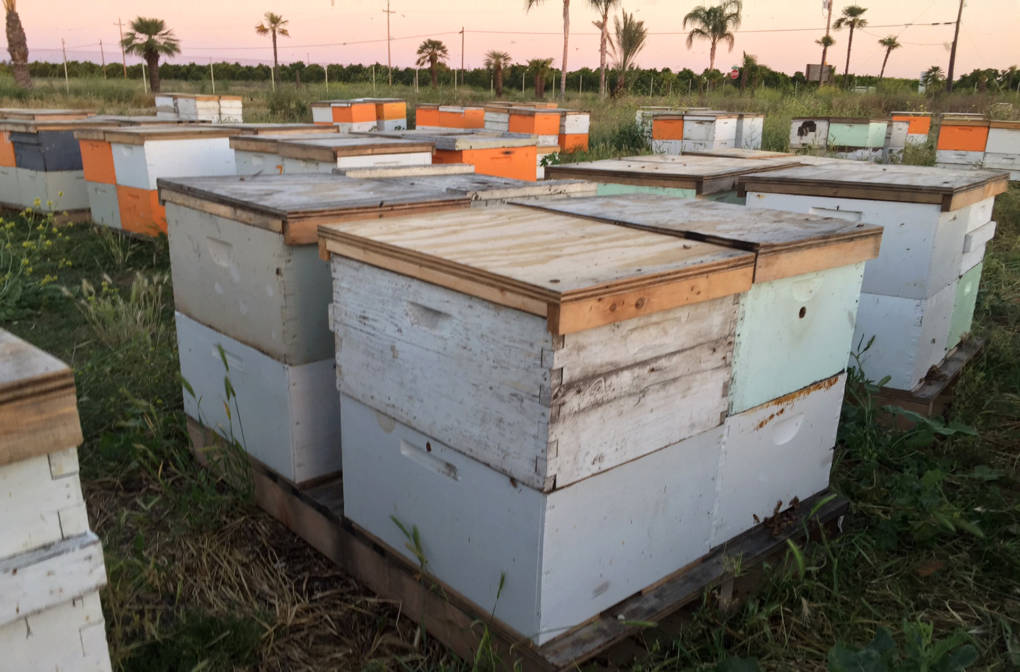
"caption": "Fresno and Madera County law enforcement officials found $875,000 in stolen bees earlier this week. ",
"description": "Fresno and Madera County law enforcement officials found $875,000 in stolen bees earlier this week. ",
"title": "StolenBees1920",
"credit": "Sgt. Arley Terrence/Fresno County Sheriff's Department",
"status": "inherit",
"isLoading": false,
"fetchFailed": false
},
"science_14173": {
"type": "attachments",
"id": "science_14173",
"meta": {
"index": "attachments_1716263798",
"site": "science",
"id": "14173",
"found": true
},
"parent": 14151,
"imgSizes": {
"kqedFullSize": {
"file": "https://ww2.kqed.org/app/uploads/sites/35/2014/02/chinooksalmon.jpg",
"width": 640,
"height": 360
}
},
"publishDate": 1392251278,
"modified": 1495046424,
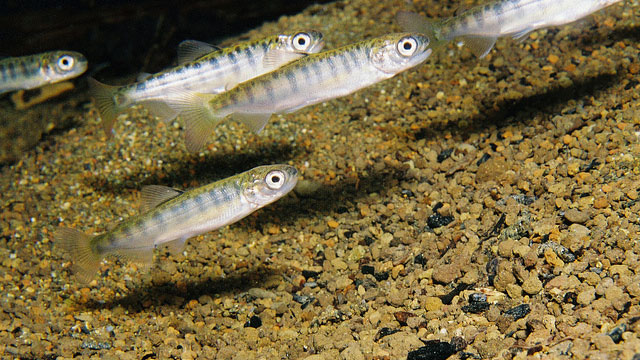
"caption": "Juvenile chinook salmon. ",
"description": "Juvenile chinook salmon. ",
"title": null,
"credit": "(Roger Tabor/USFWS)",
"status": "inherit",
"isLoading": false,
"fetchFailed": false
},
"news_11454286": {
"type": "attachments",
"id": "news_11454286",
"meta": {
"index": "attachments_1716263798",
"site": "news",
"id": "11454286",
"found": true
},
"parent": 11454211,
"imgSizes": {
"small": {
"file": "https://ww2.kqed.org/app/uploads/sites/10/2017/05/Sharks2-520x315.jpg",
"width": 520,
"mimeType": "image/jpeg",
"height": 315
},
"twentyfourteen-full-width": {
"file": "https://ww2.kqed.org/app/uploads/sites/10/2017/05/Sharks2-1038x576.jpg",
"width": 1038,
"mimeType": "image/jpeg",
"height": 576
},
"thumbnail": {
"file": "https://ww2.kqed.org/app/uploads/sites/10/2017/05/Sharks2-160x97.jpg",
"width": 160,
"mimeType": "image/jpeg",
"height": 97
},
"fd-sm": {
"file": "https://ww2.kqed.org/app/uploads/sites/10/2017/05/Sharks2-960x582.jpg",
"width": 960,
"mimeType": "image/jpeg",
"height": 582
},
"post-thumbnail": {
"file": "https://ww2.kqed.org/app/uploads/sites/10/2017/05/Sharks2-672x372.jpg",
"width": 672,
"mimeType": "image/jpeg",
"height": 372
},
"xsmall": {
"file": "https://ww2.kqed.org/app/uploads/sites/10/2017/05/Sharks2-375x227.jpg",
"width": 375,
"mimeType": "image/jpeg",
"height": 227
},
"kqedFullSize": {
"file": "https://ww2.kqed.org/app/uploads/sites/10/2017/05/Sharks2.jpg",
"width": 1920,
"height": 1163
},
"large": {
"file": "https://ww2.kqed.org/app/uploads/sites/10/2017/05/Sharks2-1020x618.jpg",
"width": 1020,
"mimeType": "image/jpeg",
"height": 618
},
"xlarge": {
"file": "https://ww2.kqed.org/app/uploads/sites/10/2017/05/Sharks2-1180x715.jpg",
"width": 1180,
"mimeType": "image/jpeg",
"height": 715
},
"guest-author-50": {
"file": "https://ww2.kqed.org/app/uploads/sites/10/2017/05/Sharks2-50x50.jpg",
"width": 50,
"mimeType": "image/jpeg",
"height": 50
},
"guest-author-96": {
"file": "https://ww2.kqed.org/app/uploads/sites/10/2017/05/Sharks2-96x96.jpg",
"width": 96,
"mimeType": "image/jpeg",
"height": 96
},
"medium": {
"file": "https://ww2.kqed.org/app/uploads/sites/10/2017/05/Sharks2-800x485.jpg",
"width": 800,
"mimeType": "image/jpeg",
"height": 485
},
"guest-author-64": {
"file": "https://ww2.kqed.org/app/uploads/sites/10/2017/05/Sharks2-64x64.jpg",
"width": 64,
"mimeType": "image/jpeg",
"height": 64
},
"guest-author-32": {
"file": "https://ww2.kqed.org/app/uploads/sites/10/2017/05/Sharks2-32x32.jpg",
"width": 32,
"mimeType": "image/jpeg",
"height": 32
},
"fd-lrg": {
"file": "https://ww2.kqed.org/app/uploads/sites/10/2017/05/Sharks2-1920x1163.jpg",
"width": 1920,
"mimeType": "image/jpeg",
"height": 1163
},
"fd-med": {
"file": "https://ww2.kqed.org/app/uploads/sites/10/2017/05/Sharks2-1180x715.jpg",
"width": 1180,
"mimeType": "image/jpeg",
"height": 715
},
"full-width": {
"file": "https://ww2.kqed.org/app/uploads/sites/10/2017/05/Sharks2-1920x1163.jpg",
"width": 1920,
"mimeType": "image/jpeg",
"height": 1163
},
"detail": {
"file": "https://ww2.kqed.org/app/uploads/sites/10/2017/05/Sharks2-150x150.jpg",
"width": 150,
"mimeType": "image/jpeg",
"height": 150
},
"guest-author-128": {
"file": "https://ww2.kqed.org/app/uploads/sites/10/2017/05/Sharks2-128x128.jpg",
"width": 128,
"mimeType": "image/jpeg",
"height": 128
},
"xxsmall": {
"file": "https://ww2.kqed.org/app/uploads/sites/10/2017/05/Sharks2-240x145.jpg",
"width": 240,
"mimeType": "image/jpeg",
"height": 145
}
},
"publishDate": 1494615915,
"modified": 1494615948,
"caption": "One of approximately 15 great white sharks spotted off Dana Point by an Orange County Sheriff's helicopter on Wednesday.",
"description": "One of approximately 15 great white sharks spotted off Dana Point by an Orange County Sheriff's helicopter on Wednesday.",
"title": "Sharks2",
"credit": "Orange County Sheriff's Dept./YouTube",
"status": "inherit",
"isLoading": false,
"fetchFailed": false
},
"news_11442181": {
"type": "attachments",
"id": "news_11442181",
"meta": {
"index": "attachments_1716263798",
"site": "news",
"id": "11442181",
"found": true
},
"parent": 11442179,
"imgSizes": {
"small": {
"file": "https://ww2.kqed.org/app/uploads/sites/10/2017/05/Coyote-520x368.jpg",
"width": 520,
"mimeType": "image/jpeg",
"height": 368
},
"twentyfourteen-full-width": {
"file": "https://ww2.kqed.org/app/uploads/sites/10/2017/05/Coyote-1038x576.jpg",
"width": 1038,
"mimeType": "image/jpeg",
"height": 576
},
"thumbnail": {
"file": "https://ww2.kqed.org/app/uploads/sites/10/2017/05/Coyote-160x113.jpg",
"width": 160,
"mimeType": "image/jpeg",
"height": 113
},
"fd-sm": {
"file": "https://ww2.kqed.org/app/uploads/sites/10/2017/05/Coyote-960x679.jpg",
"width": 960,
"mimeType": "image/jpeg",
"height": 679
},
"post-thumbnail": {
"file": "https://ww2.kqed.org/app/uploads/sites/10/2017/05/Coyote-672x372.jpg",
"width": 672,
"mimeType": "image/jpeg",
"height": 372
},
"xsmall": {
"file": "https://ww2.kqed.org/app/uploads/sites/10/2017/05/Coyote-375x265.jpg",
"width": 375,
"mimeType": "image/jpeg",
"height": 265
},
"kqedFullSize": {
"file": "https://ww2.kqed.org/app/uploads/sites/10/2017/05/Coyote.jpg",
"width": 1920,
"height": 1358
},
"large": {
"file": "https://ww2.kqed.org/app/uploads/sites/10/2017/05/Coyote-1020x721.jpg",
"width": 1020,
"mimeType": "image/jpeg",
"height": 721
},
"xlarge": {
"file": "https://ww2.kqed.org/app/uploads/sites/10/2017/05/Coyote-1180x835.jpg",
"width": 1180,
"mimeType": "image/jpeg",
"height": 835
},
"guest-author-50": {
"file": "https://ww2.kqed.org/app/uploads/sites/10/2017/05/Coyote-50x50.jpg",
"width": 50,
"mimeType": "image/jpeg",
"height": 50
},
"guest-author-96": {
"file": "https://ww2.kqed.org/app/uploads/sites/10/2017/05/Coyote-96x96.jpg",
"width": 96,
"mimeType": "image/jpeg",
"height": 96
},
"medium": {
"file": "https://ww2.kqed.org/app/uploads/sites/10/2017/05/Coyote-800x566.jpg",
"width": 800,
"mimeType": "image/jpeg",
"height": 566
},
"guest-author-64": {
"file": "https://ww2.kqed.org/app/uploads/sites/10/2017/05/Coyote-64x64.jpg",
"width": 64,
"mimeType": "image/jpeg",
"height": 64
},
"guest-author-32": {
"file": "https://ww2.kqed.org/app/uploads/sites/10/2017/05/Coyote-32x32.jpg",
"width": 32,
"mimeType": "image/jpeg",
"height": 32
},
"fd-lrg": {
"file": "https://ww2.kqed.org/app/uploads/sites/10/2017/05/Coyote-1920x1358.jpg",
"width": 1920,
"mimeType": "image/jpeg",
"height": 1358
},
"fd-med": {
"file": "https://ww2.kqed.org/app/uploads/sites/10/2017/05/Coyote-1180x835.jpg",
"width": 1180,
"mimeType": "image/jpeg",
"height": 835
},
"full-width": {
"file": "https://ww2.kqed.org/app/uploads/sites/10/2017/05/Coyote-1920x1358.jpg",
"width": 1920,
"mimeType": "image/jpeg",
"height": 1358
},
"detail": {
"file": "https://ww2.kqed.org/app/uploads/sites/10/2017/05/Coyote-150x150.jpg",
"width": 150,
"mimeType": "image/jpeg",
"height": 150
},
"guest-author-128": {
"file": "https://ww2.kqed.org/app/uploads/sites/10/2017/05/Coyote-128x128.jpg",
"width": 128,
"mimeType": "image/jpeg",
"height": 128
},
"xxsmall": {
"file": "https://ww2.kqed.org/app/uploads/sites/10/2017/05/Coyote-240x170.jpg",
"width": 240,
"mimeType": "image/jpeg",
"height": 170
}
},
"publishDate": 1494024971,
"modified": 1494031048,
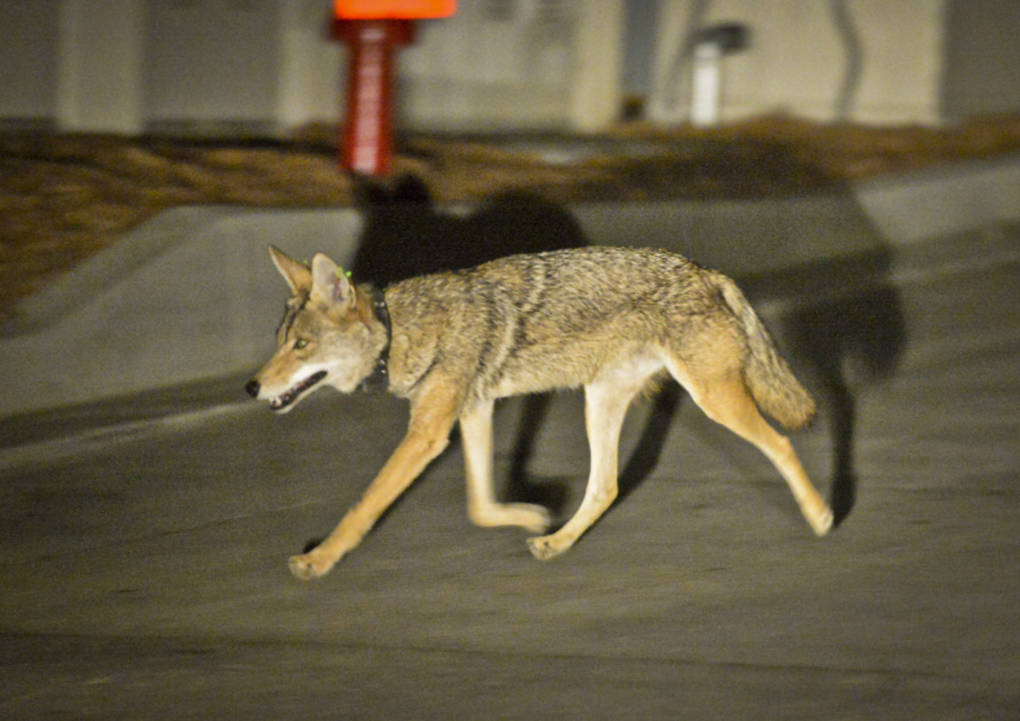
"caption": "Coyote C145 walks near a construction site in the Silver Lake neighborhood near downtown Los Angeles in June 2015. The National Park Service's urban coyote study is one of the few looking at urban coyote behavior in Southern California.",
"description": "Coyote C145 walks near a construction site in the Silver Lake neighborhood near downtown Los Angeles in June, 2015. The National Park Service's urban coyote study is one of the few looking at urban coyote behavior in Southern California.",
"title": "Coyote",
"credit": "Stuart Palley/KPCC",
"status": "inherit",
"isLoading": false,
"fetchFailed": false
}
},
"audioPlayerReducer": {
"postId": "stream_live",
"isPaused": true,
"isPlaying": false,
"pfsActive": false,
"pledgeModalIsOpen": true,
"playerDrawerIsOpen": false,
"liveAudioPlayStartedAt": 0,
"liveAudioPlayContext": ""
},
"authorsReducer": {
"byline_news_11618107": {
"type": "authors",
"id": "byline_news_11618107",
"meta": {
"override": true
},
"slug": "byline_news_11618107",
"name": "\u003cstrong>Terence Chea\u003cbr />Associated Press\u003c/strong>",
"isLoading": false
},
"byline_news_11615033": {
"type": "authors",
"id": "byline_news_11615033",
"meta": {
"override": true
},
"slug": "byline_news_11615033",
"name": "Scott Smith \u003cbr> Associated Press",
"isLoading": false
},
"byline_science_1842643": {
"type": "authors",
"id": "byline_science_1842643",
"meta": {
"override": true
},
"slug": "byline_science_1842643",
"name": "Merrit Kennedy\u003c/br>",
"isLoading": false
},
"byline_news_11565988": {
"type": "authors",
"id": "byline_news_11565988",
"meta": {
"override": true
},
"slug": "byline_news_11565988",
"name": "Associated Press",
"isLoading": false
},
"byline_news_11549873": {
"type": "authors",
"id": "byline_news_11549873",
"meta": {
"override": true
},
"slug": "byline_news_11549873",
"name": "Merrit Kennedy",
"isLoading": false
},
"byline_science_1715197": {
"type": "authors",
"id": "byline_science_1715197",
"meta": {
"override": true
},
"slug": "byline_science_1715197",
"name": "Ellen Knickmeyer\u003c/br>Associated Press",
"isLoading": false
},
"byline_science_1645216": {
"type": "authors",
"id": "byline_science_1645216",
"meta": {
"override": true
},
"slug": "byline_science_1645216",
"name": "\u003cstrong>Alastair Bland\u003cBR />Water Deeply\u003c/strong>",
"isLoading": false
},
"byline_news_11454211": {
"type": "authors",
"id": "byline_news_11454211",
"meta": {
"override": true
},
"slug": "byline_news_11454211",
"name": "KQED News Staff and Wires",
"isLoading": false
},
"byline_news_11442179": {
"type": "authors",
"id": "byline_news_11442179",
"meta": {
"override": true
},
"slug": "byline_news_11442179",
"name": "\u003cstrong>\u003ca href=\"http://www.scpr.org/about/people/staff/emily-guerin\">Emily Guerin\u003c/a>\u003c/strong>",
"isLoading": false
},
"kqednewsstaffandwires": {
"type": "authors",
"id": "237",
"meta": {
"index": "authors_1716337520",
"id": "237",
"found": true
},
"name": "KQED News Staff and Wires",
"firstName": "KQED News Staff and Wires",
"lastName": null,
"slug": "kqednewsstaffandwires",
"email": "onlinenewsstaff@kqed.org",
"display_author_email": false,
"staff_mastheads": [],
"title": null,
"bio": null,
"avatar": "https://secure.gravatar.com/avatar/72295af8ebbfbd19a4948f5271285664?s=600&d=blank&r=g",
"twitter": null,
"facebook": null,
"instagram": null,
"linkedin": null,
"sites": [
{
"site": "arts",
"roles": [
"contributor"
]
},
{
"site": "news",
"roles": [
"contributor"
]
},
{
"site": "lowdown",
"roles": [
"author"
]
},
{
"site": "stateofhealth",
"roles": [
"contributor"
]
},
{
"site": "food",
"roles": [
"author"
]
}
],
"headData": {
"title": "KQED News Staff and Wires | KQED",
"description": null,
"ogImgSrc": "https://secure.gravatar.com/avatar/72295af8ebbfbd19a4948f5271285664?s=600&d=blank&r=g",
"twImgSrc": "https://secure.gravatar.com/avatar/72295af8ebbfbd19a4948f5271285664?s=600&d=blank&r=g"
},
"isLoading": false,
"link": "/author/kqednewsstaffandwires"
},
"vrancano": {
"type": "authors",
"id": "11276",
"meta": {
"index": "authors_1716337520",
"id": "11276",
"found": true
},
"name": "Vanessa Rancaño",
"firstName": "Vanessa",
"lastName": "Rancaño",
"slug": "vrancano",
"email": "vrancano@kqed.org",
"display_author_email": false,
"staff_mastheads": [
"news"
],
"title": "Reporter",
"bio": "Vanessa Rancaño is a features reporter for KQED. She’s also covered homelessness and education for the station and reported from the Central Valley. Her work has aired across public radio, from flagship national news shows to longform narrative podcasts. Before taking up a mic, she worked as a freelance print journalist. She’s been recognized with a number of national and regional awards. Vanessa grew up in California's Central Valley. She's a former NPR Kroc Fellow, and a graduate of the UC Berkeley Graduate School of Journalism.",
"avatar": "https://secure.gravatar.com/avatar/b3a383dfb0e7ee1c17568f2cf067904ab654d6e3de9743fc661f3c788ade1bed?s=600&d=blank&r=g",
"twitter": "vanessarancano",
"bluesky": null,
"facebook": null,
"instagram": null,
"linkedin": null,
"sites": [
{
"site": "arts",
"roles": [
"editor"
]
},
{
"site": "news",
"roles": [
"editor"
]
},
{
"site": "liveblog",
"roles": [
"contributor"
]
}
],
"headData": {
"title": "Vanessa Rancaño | KQED",
"description": "Reporter",
"ogImgSrc": "https://secure.gravatar.com/avatar/b3a383dfb0e7ee1c17568f2cf067904ab654d6e3de9743fc661f3c788ade1bed?s=600&d=blank&r=g",
"twImgSrc": "https://secure.gravatar.com/avatar/b3a383dfb0e7ee1c17568f2cf067904ab654d6e3de9743fc661f3c788ade1bed?s=600&d=blank&r=g"
},
"isLoading": false,
"link": "/author/vrancano"
},
"svalot": {
"type": "authors",
"id": "11295",
"meta": {
"index": "authors_1716337520",
"id": "11295",
"found": true
},
"name": "Susan Valot",
"firstName": "Susan",
"lastName": "Valot",
"slug": "svalot",
"email": "smvalot@gmail.com",
"display_author_email": false,
"staff_mastheads": [],
"title": null,
"bio": "Susan Valot is a public radio reporter based in the Los Angeles area.",
"avatar": "https://secure.gravatar.com/avatar/11b26743d4af2cfa8d8a39ef68a21425?s=600&d=blank&r=g",
"twitter": "@susanvalot",
"facebook": null,
"instagram": null,
"linkedin": null,
"sites": [
{
"site": "news",
"roles": [
"author"
]
}
],
"headData": {
"title": "Susan Valot | KQED",
"description": null,
"ogImgSrc": "https://secure.gravatar.com/avatar/11b26743d4af2cfa8d8a39ef68a21425?s=600&d=blank&r=g",
"twImgSrc": "https://secure.gravatar.com/avatar/11b26743d4af2cfa8d8a39ef68a21425?s=600&d=blank&r=g"
},
"isLoading": false,
"link": "/author/svalot"
}
},
"pagesReducer": {
"news_tag_animals": {
"type": "terms",
"id": "news_18132",
"meta": {
"index": "terms_1716263798",
"site": "news",
"id": "18132",
"score": 8.282925
},
"featImg": null,
"name": "animals",
"description": null,
"taxonomy": "tag",
"headData": {
"twImgId": null,
"twTitle": null,
"ogTitle": null,
"ogImgId": null,
"twDescription": null,
"description": null,
"title": "animals Archives | KQED News",
"ogDescription": null
},
"ttid": 18166,
"slug": "animals",
"isLoading": false,
"title": "animals",
"pageMeta": {
"site": "news",
"WpPageTemplate": "page-topic-editorial",
"currentPage": 15
},
"blocks": [
{
"blockName": "kqed/post-list",
"attrs": {
"layout": "cardArticle2",
"query": "posts/news?tag=animals",
"seeMore": false,
"paginated": true,
"page": 15
}
},
{
"blockName": "kqed/ad"
}
]
}
},
"pfsSessionReducer": {},
"postsReducer": {
"stream_live": {
"type": "live",
"id": "stream_live",
"audioUrl": "https://streams.kqed.org/kqedradio",
"title": "Live Stream",
"excerpt": "Live Stream information currently unavailable.",
"link": "/radio",
"featImg": "",
"label": {
"name": "KQED Live",
"link": "/"
}
},
"stream_kqedNewscast": {
"type": "posts",
"id": "stream_kqedNewscast",
"audioUrl": "https://www.kqed.org/.stream/anon/radio/RDnews/newscast.mp3?_=1",
"title": "KQED Newscast",
"featImg": "",
"label": {
"name": "88.5 FM",
"link": "/"
}
},
"news_11618107": {
"type": "posts",
"id": "news_11618107",
"meta": {
"index": "posts_1716263798",
"site": "news",
"id": "11618107",
"score": null,
"sort": [
1505950704000
]
},
"guestAuthors": [],
"slug": "california-condors-return-to-the-skies-after-near-extinction",
"title": "California Condors Return to the Skies After Near Extinction",
"publishDate": 1505950704,
"format": "standard",
"headTitle": "California Condors Return to the Skies After Near Extinction | KQED",
"labelTerm": {
"term": 72,
"site": "news"
},
"content": "\u003cp>BIG SUR — In a remote, rugged valley overlooking the Pacific Ocean, researchers closely monitor an endangered icon: the California condor.\u003c/p>\n\u003cp>The giant birds flap their wings and circle the sky before perching on branches and observing their observers. Wildlife biologist Amy List uses a handheld antenna to track the birds, which wear radio transmitters and numbered tags.\u003c/p>\n\u003cp>“If we don’t know what they’re doing, we don’t know what’s going wrong,” said List, who works for the Ventana Wildlife Society, which manages the condor sanctuary in Big Sur.\u003c/p>\n\u003cp>Three decades after being pushed to the brink of extinction, the California condor is making a comeback in the wild, but constant vigilance is needed to ensure the endangered bird doesn’t reverse course.\u003c/p>\n\u003cp>One of the world’s largest birds with a wingspan up to 10 feet, the condor once patrolled the sky from Mexico to British Columbia. But its population plummeted in the 20th century due to lead poisoning, hunting and habitat destruction.\u003c/p>\n\u003cp>[ad fullwidth]\u003c/p>\n\u003cp>In 1987, wildlife officials captured the last remaining 22 condors and took them to the San Diego and Los Angeles zoos to be protected and bred in captivity.\u003c/p>\n\u003cp>Those efforts have led to a slow but steady recovery for a species that reproduces slowly compared with other birds. There are now roughly 450 condors, including about 270 in the wild in California, Arizona, Utah and northeastern Mexico.\u003c/p>\n\u003cp>Plans also are underway to release some captive-bred condors in Redwood National Park in 2019 to establish a population near the California-Oregon border.\u003c/p>\n\u003cp>Federal officials said in August that for the first time in nearly 40 years, condors were roosting in the Blue Ridge National Wildlife Refuge, expanding to their historical range in the southern Sierra Nevada.\u003c/p>\n\u003cp>Another milestone was reached this summer: the first “third generation” condor was born in the wild in California since the 1980s.\u003c/p>\n\u003cp>“We’re seeing very encouraging results that the condors can become self-sustaining again,” said Kelly Sorenson, who heads the conservation group.\u003c/p>\n\u003cp>While condors still face threats from exposure to mercury and the pesticide DDT, biologists say the biggest danger is lead ammunition, which can poison the scavengers when they eat dead animals shot with lead bullets. California banned the use of lead ammunition near condor feeding grounds in 2008 and will be the first state to ban lead bullets in all hunting in 2019.\u003c/p>\n\u003cp>“We’re already starting to see fewer lead deaths. The condors are surviving longer. Their blood-lead levels are coming down,” Sorenson said.\u003c/p>\n\u003cp>Some gun owners complain that copper bullets are more expensive and less effective than lead and point to other possible sources of lead, such as paint and metal garbage.\u003c/p>\n\u003cp>“Condors are getting lead poisoning. The question is, are they getting it from lead ammunition?” said Chuck Michel, president of the California Rifle & Pistol Association.\u003c/p>\n\u003cp>Meanwhile, the San Diego Zoo celebrated the birth of its 200th condor this year.\u003c/p>\n\u003cp>“While we were caring for the birds, trying to protect them and provide sanctuary, we were literally writing the book how you propagate a species, how you genetically manage it and prepare it for release back in the wild,” said Michael Mace, the zoo’s birds curator.\u003c/p>\n\u003cp>After up to a year at the zoo, chicks are taken to a release site such as the Big Sur sanctuary, where a flock has grown to about 90 condors that travel between Big Sur and Pinnacles National Park. They scavenge, breed and raise chicks on their own, under the close watch of List, the wildlife biologist, and her colleagues.\u003c/p>\n\u003cp>\u003c/p>\n\u003cp>“I hope that I’m out of a job soon because condors don’t need to be managed in the future,” she said. “I hope that they’re self-sustaining and wild and free, and nobody needs to trap or tag or monitor them at all.”\u003c/p>\n\n",
"blocks": [],
"excerpt": "One of the world's largest birds with a wingspan up to 10 feet, the condor once patrolled the sky from Mexico to British Columbia. But its population plummeted in the 20th century due to lead poisoning, hunting and habitat destruction.",
"status": "publish",
"parent": 0,
"modified": 1721112118,
"stats": {
"hasAudio": false,
"hasVideo": false,
"hasChartOrMap": false,
"iframeSrcs": [],
"hasGoogleForm": false,
"hasGallery": false,
"hasHearkenModule": false,
"hasPolis": false,
"paragraphCount": 21,
"wordCount": 674
},
"headData": {
"title": "California Condors Return to the Skies After Near Extinction | KQED",
"description": "One of the world's largest birds with a wingspan up to 10 feet, the condor once patrolled the sky from Mexico to British Columbia. But its population plummeted in the 20th century due to lead poisoning, hunting and habitat destruction.",
"ogTitle": "",
"ogDescription": "",
"ogImgId": "",
"twTitle": "",
"twDescription": "",
"twImgId": "",
"schema": {
"@context": "https://schema.org",
"@type": "NewsArticle",
"headline": "California Condors Return to the Skies After Near Extinction",
"datePublished": "2017-09-20T16:38:24-07:00",
"dateModified": "2024-07-15T23:41:58-07:00",
"image": "https://cdn.kqed.org/wp-content/uploads/2020/02/KQED-OG-Image@1x.png",
"isAccessibleForFree": "True",
"publisher": {
"@type": "NewsMediaOrganization",
"@id": "https://www.kqed.org/#organization",
"name": "KQED",
"logo": "https://cdn.kqed.org/wp-content/uploads/2020/02/KQED-OG-Image@1x.png",
"url": "https://www.kqed.org",
"sameAs": [
"https://www.facebook.com/KQED",
"https://twitter.com/KQED",
"https://www.instagram.com/kqed/",
"https://www.tiktok.com/@kqedofficial",
"https://www.linkedin.com/company/kqed",
"https://www.youtube.com/channel/UCeC0IOo7i1P_61zVUWbJ4nw"
]
}
}
},
"sticky": false,
"nprByline": "\u003cstrong>Terence Chea\u003cbr />Associated Press\u003c/strong>",
"path": "/news/11618107/california-condors-return-to-the-skies-after-near-extinction",
"audioTrackLength": null,
"parsedContent": [
{
"type": "contentString",
"content": "\u003cdiv class=\"post-body\">\u003cp>\u003cp>BIG SUR — In a remote, rugged valley overlooking the Pacific Ocean, researchers closely monitor an endangered icon: the California condor.\u003c/p>\n\u003cp>The giant birds flap their wings and circle the sky before perching on branches and observing their observers. Wildlife biologist Amy List uses a handheld antenna to track the birds, which wear radio transmitters and numbered tags.\u003c/p>\n\u003cp>“If we don’t know what they’re doing, we don’t know what’s going wrong,” said List, who works for the Ventana Wildlife Society, which manages the condor sanctuary in Big Sur.\u003c/p>\n\u003cp>Three decades after being pushed to the brink of extinction, the California condor is making a comeback in the wild, but constant vigilance is needed to ensure the endangered bird doesn’t reverse course.\u003c/p>\n\u003cp>One of the world’s largest birds with a wingspan up to 10 feet, the condor once patrolled the sky from Mexico to British Columbia. But its population plummeted in the 20th century due to lead poisoning, hunting and habitat destruction.\u003c/p>\n\u003cp>\u003c/p>\u003c/div>",
"attributes": {
"named": {},
"numeric": []
}
},
{
"type": "component",
"content": "",
"name": "ad",
"attributes": {
"named": {
"label": "fullwidth"
},
"numeric": [
"fullwidth"
]
}
},
{
"type": "contentString",
"content": "\u003cdiv class=\"post-body\">\u003cp>\u003c/p>\n\u003cp>In 1987, wildlife officials captured the last remaining 22 condors and took them to the San Diego and Los Angeles zoos to be protected and bred in captivity.\u003c/p>\n\u003cp>Those efforts have led to a slow but steady recovery for a species that reproduces slowly compared with other birds. There are now roughly 450 condors, including about 270 in the wild in California, Arizona, Utah and northeastern Mexico.\u003c/p>\n\u003cp>Plans also are underway to release some captive-bred condors in Redwood National Park in 2019 to establish a population near the California-Oregon border.\u003c/p>\n\u003cp>Federal officials said in August that for the first time in nearly 40 years, condors were roosting in the Blue Ridge National Wildlife Refuge, expanding to their historical range in the southern Sierra Nevada.\u003c/p>\n\u003cp>Another milestone was reached this summer: the first “third generation” condor was born in the wild in California since the 1980s.\u003c/p>\n\u003cp>“We’re seeing very encouraging results that the condors can become self-sustaining again,” said Kelly Sorenson, who heads the conservation group.\u003c/p>\n\u003cp>While condors still face threats from exposure to mercury and the pesticide DDT, biologists say the biggest danger is lead ammunition, which can poison the scavengers when they eat dead animals shot with lead bullets. California banned the use of lead ammunition near condor feeding grounds in 2008 and will be the first state to ban lead bullets in all hunting in 2019.\u003c/p>\n\u003cp>“We’re already starting to see fewer lead deaths. The condors are surviving longer. Their blood-lead levels are coming down,” Sorenson said.\u003c/p>\n\u003cp>Some gun owners complain that copper bullets are more expensive and less effective than lead and point to other possible sources of lead, such as paint and metal garbage.\u003c/p>\n\u003cp>“Condors are getting lead poisoning. The question is, are they getting it from lead ammunition?” said Chuck Michel, president of the California Rifle & Pistol Association.\u003c/p>\n\u003cp>Meanwhile, the San Diego Zoo celebrated the birth of its 200th condor this year.\u003c/p>\n\u003cp>“While we were caring for the birds, trying to protect them and provide sanctuary, we were literally writing the book how you propagate a species, how you genetically manage it and prepare it for release back in the wild,” said Michael Mace, the zoo’s birds curator.\u003c/p>\n\u003cp>After up to a year at the zoo, chicks are taken to a release site such as the Big Sur sanctuary, where a flock has grown to about 90 condors that travel between Big Sur and Pinnacles National Park. They scavenge, breed and raise chicks on their own, under the close watch of List, the wildlife biologist, and her colleagues.\u003c/p>\n\u003cp>\u003c/p>\n\u003cp>“I hope that I’m out of a job soon because condors don’t need to be managed in the future,” she said. “I hope that they’re self-sustaining and wild and free, and nobody needs to trap or tag or monitor them at all.”\u003c/p>\n\n\u003c/div>\u003c/p>",
"attributes": {
"named": {},
"numeric": []
}
}
],
"link": "/news/11618107/california-condors-return-to-the-skies-after-near-extinction",
"authors": [
"byline_news_11618107"
],
"programs": [
"news_6944",
"news_72"
],
"categories": [
"news_19906",
"news_8",
"news_356"
],
"tags": [
"news_18132",
"news_3025"
],
"featImg": "news_11618118",
"label": "news_72"
},
"news_11615033": {
"type": "posts",
"id": "news_11615033",
"meta": {
"index": "posts_1716263798",
"site": "news",
"id": "11615033",
"score": null,
"sort": [
1504216833000
]
},
"guestAuthors": [],
"slug": "inoculations-give-endangered-california-frog-a-shot-at-life",
"title": "Inoculations Give Endangered California Frog a Shot at Life",
"publishDate": 1504216833,
"format": "image",
"headTitle": "Inoculations Give Endangered California Frog a Shot at Life | KQED",
"labelTerm": {
"term": 72,
"site": "news"
},
"content": "\u003cp>FRESNO — Endangered California frogs are getting an immunity boost from scientists who are scooping them up from remote Sierra Nevada ponds and sending them to big city zoos for inoculation, giving them a fighting chance to beat extinction, officials said Wednesday.\u003c/p>\n\u003cp>The experiment aims to rescue the 3-inch mountain yellow-legged frog — named for distinctive coloring under its hind legs. Scientists use nets to capture diseased tadpoles and then fly them by helicopter from their natural range deep within the Sequoia and Kings Canyon National Parks.\u003c/p>\n\u003cp>They are next driven over 200 miles (322 kilometers) across the state to the San Francisco and Oakland zoos, where they are inoculated against a ravaging disease partly blamed for wiping them out from much of their historical range in the Sierra, scientists said.\u003c/p>\n\u003cp>[contextly_sidebar id=”soyKa41Zkk4xTajiwhgZ77nvLV4Wne5L”]\u003c/p>\n\u003cp>Roughly 385 frogs have been treated at the zoos and returned after two years as healthy, young adults to their native lakes and ponds.\u003c/p>\n\u003cp>[ad fullwidth]\u003c/p>\n\u003cp>Aquatic ecologist Danny Boiano of the Sequoia and Kings Canyon National Parks, who has led the three-year project, said it appears to be paying off. Next, his team will study their frogs to determine if it’s working.\u003c/p>\n\u003cp>“It’s experimental at this point,” he said. “It’s going to take several years to find out if it works.”\u003c/p>\n\u003cp>https://www.youtube.com/watch?v=-IXVcyCZVBg\u003c/p>\n\u003cp>The frog holds a key place in the Sierra Nevada food chain. Scientists say they feed on insects, then snakes and birds eat the frogs.\u003c/p>\n\u003cp>The species once thrived in such masses that people could not walk the shores of lakes and ponds in the mountain range without stepping on them, according to historical accounts, which add that with each step, dozens more launched into the water.\u003c/p>\n\u003cp>Their decline began a century ago with the introduction of non-native trout for sport fishing that gobbled up the tadpoles. Starting in the 1960s, the frog suffered a second blow from an invasive disease, called the chytrid fungus.\u003c/p>\n\u003cp>The fungus is blamed for the decline and extinction of more than 200 amphibians worldwide, scientists say.\u003c/p>\n\u003cfigure id=\"attachment_11615067\" class=\"wp-caption aligncenter\" style=\"max-width: 800px\">\u003cimg loading=\"lazy\" decoding=\"async\" src=\"https://ww2.kqed.org/news/wp-content/uploads/sites/10/2017/08/YellowLeggedFroggies-800x585.jpg\" alt=\"Southern mountain yellow-legged frog (Rana muscosa).\" width=\"800\" height=\"585\" class=\"size-medium wp-image-11615067\" srcset=\"https://cdn.kqed.org/wp-content/uploads/sites/10/2017/08/YellowLeggedFroggies-800x585.jpg 800w, https://cdn.kqed.org/wp-content/uploads/sites/10/2017/08/YellowLeggedFroggies-160x117.jpg 160w, https://cdn.kqed.org/wp-content/uploads/sites/10/2017/08/YellowLeggedFroggies-1020x745.jpg 1020w, https://cdn.kqed.org/wp-content/uploads/sites/10/2017/08/YellowLeggedFroggies.jpg 1920w, https://cdn.kqed.org/wp-content/uploads/sites/10/2017/08/YellowLeggedFroggies-1180x862.jpg 1180w, https://cdn.kqed.org/wp-content/uploads/sites/10/2017/08/YellowLeggedFroggies-960x702.jpg 960w, https://cdn.kqed.org/wp-content/uploads/sites/10/2017/08/YellowLeggedFroggies-240x175.jpg 240w, https://cdn.kqed.org/wp-content/uploads/sites/10/2017/08/YellowLeggedFroggies-375x274.jpg 375w, https://cdn.kqed.org/wp-content/uploads/sites/10/2017/08/YellowLeggedFroggies-520x380.jpg 520w\" sizes=\"(max-width: 800px) 100vw, 800px\">\u003cfigcaption class=\"wp-caption-text\">Southern mountain yellow-legged frogs (Rana muscosa). \u003ccite>(Isaac Chellman/Sequoia and Kings Canyon NPS)\u003c/cite>\u003c/figcaption>\u003c/figure>\n\u003cp>Today, the mountain yellow-legged frog is missing from 90 percent of its historical region in the Sierra. Both state and federal wildlife authorities have listed it as endangered.\u003c/p>\n\u003cp>At neighboring Yosemite National Park, the frog’s population has made a significant recovery in part because rangers stopped stocking some lakes with non-native fish, park officials say.\u003c/p>\n\u003cp>Inoculating the frogs in Sequoia and Kings Canyon National Parks costs roughly $175,000 a year, which Boiano said mostly goes to pay his team of 10 seasonal biologists doing field work.\u003c/p>\n\u003cp>\u003c/p>\n\u003cp>“Just like vaccinating people, we are jump-starting their disease-fighting immune systems,” said Jessie Bushell, director of conservation at the San Francisco Zoo. “Letting the population completely die out is not a good option.”\u003c/p>\n\n",
"blocks": [],
"excerpt": "Scientists capture diseased tadpoles deep within Sequoia and Kings Canyon National Parks, fly them to big city zoos for treatment, and return them as healthy adults.",
"status": "publish",
"parent": 0,
"modified": 1721110766,
"stats": {
"hasAudio": false,
"hasVideo": true,
"hasChartOrMap": false,
"iframeSrcs": [],
"hasGoogleForm": false,
"hasGallery": false,
"hasHearkenModule": false,
"hasPolis": false,
"paragraphCount": 17,
"wordCount": 505
},
"headData": {
"title": "Inoculations Give Endangered California Frog a Shot at Life | KQED",
"description": "Scientists capture diseased tadpoles deep within Sequoia and Kings Canyon National Parks, fly them to big city zoos for treatment, and return them as healthy adults.",
"ogTitle": "",
"ogDescription": "",
"ogImgId": "",
"twTitle": "",
"twDescription": "",
"twImgId": "",
"schema": {
"@context": "https://schema.org",
"@type": "NewsArticle",
"headline": "Inoculations Give Endangered California Frog a Shot at Life",
"datePublished": "2017-08-31T15:00:33-07:00",
"dateModified": "2024-07-15T23:19:26-07:00",
"image": "https://cdn.kqed.org/wp-content/uploads/2020/02/KQED-OG-Image@1x.png",
"isAccessibleForFree": "True",
"publisher": {
"@type": "NewsMediaOrganization",
"@id": "https://www.kqed.org/#organization",
"name": "KQED",
"logo": "https://cdn.kqed.org/wp-content/uploads/2020/02/KQED-OG-Image@1x.png",
"url": "https://www.kqed.org",
"sameAs": [
"https://www.facebook.com/KQED",
"https://twitter.com/KQED",
"https://www.instagram.com/kqed/",
"https://www.tiktok.com/@kqedofficial",
"https://www.linkedin.com/company/kqed",
"https://www.youtube.com/channel/UCeC0IOo7i1P_61zVUWbJ4nw"
]
}
}
},
"sticky": false,
"nprByline": "Scott Smith \u003cbr> Associated Press",
"path": "/news/11615033/inoculations-give-endangered-california-frog-a-shot-at-life",
"audioTrackLength": null,
"parsedContent": [
{
"type": "contentString",
"content": "\u003cdiv class=\"post-body\">\u003cp>\u003cp>FRESNO — Endangered California frogs are getting an immunity boost from scientists who are scooping them up from remote Sierra Nevada ponds and sending them to big city zoos for inoculation, giving them a fighting chance to beat extinction, officials said Wednesday.\u003c/p>\n\u003cp>The experiment aims to rescue the 3-inch mountain yellow-legged frog — named for distinctive coloring under its hind legs. Scientists use nets to capture diseased tadpoles and then fly them by helicopter from their natural range deep within the Sequoia and Kings Canyon National Parks.\u003c/p>\n\u003cp>They are next driven over 200 miles (322 kilometers) across the state to the San Francisco and Oakland zoos, where they are inoculated against a ravaging disease partly blamed for wiping them out from much of their historical range in the Sierra, scientists said.\u003c/p>\n\u003cp>\u003c/p>\u003cp>\u003c/p>\u003cp>\u003c/p>\n\u003cp>Roughly 385 frogs have been treated at the zoos and returned after two years as healthy, young adults to their native lakes and ponds.\u003c/p>\n\u003cp>\u003c/p>\u003c/div>",
"attributes": {
"named": {},
"numeric": []
}
},
{
"type": "component",
"content": "",
"name": "ad",
"attributes": {
"named": {
"label": "fullwidth"
},
"numeric": [
"fullwidth"
]
}
},
{
"type": "contentString",
"content": "\u003cdiv class=\"post-body\">\u003cp>\u003c/p>\n\u003cp>Aquatic ecologist Danny Boiano of the Sequoia and Kings Canyon National Parks, who has led the three-year project, said it appears to be paying off. Next, his team will study their frogs to determine if it’s working.\u003c/p>\n\u003cp>“It’s experimental at this point,” he said. “It’s going to take several years to find out if it works.”\u003c/p>\u003c/p>\u003cp>\u003cspan class='utils-parseShortcode-shortcodes-__youtubeShortcode__embedYoutube'>\n \u003cspan class='utils-parseShortcode-shortcodes-__youtubeShortcode__embedYoutubeInside'>\n \u003ciframe\n loading='lazy'\n class='utils-parseShortcode-shortcodes-__youtubeShortcode__youtubePlayer'\n type='text/html'\n src='//www.youtube.com/embed/-IXVcyCZVBg'\n title='//www.youtube.com/embed/-IXVcyCZVBg'\n allowfullscreen='true'\n style='border:0;'>\u003c/iframe>\n \u003c/span>\n \u003c/span>\u003c/p>\u003cp>\u003cp>The frog holds a key place in the Sierra Nevada food chain. Scientists say they feed on insects, then snakes and birds eat the frogs.\u003c/p>\n\u003cp>The species once thrived in such masses that people could not walk the shores of lakes and ponds in the mountain range without stepping on them, according to historical accounts, which add that with each step, dozens more launched into the water.\u003c/p>\n\u003cp>Their decline began a century ago with the introduction of non-native trout for sport fishing that gobbled up the tadpoles. Starting in the 1960s, the frog suffered a second blow from an invasive disease, called the chytrid fungus.\u003c/p>\n\u003cp>The fungus is blamed for the decline and extinction of more than 200 amphibians worldwide, scientists say.\u003c/p>\n\u003cfigure id=\"attachment_11615067\" class=\"wp-caption aligncenter\" style=\"max-width: 800px\">\u003cimg loading=\"lazy\" decoding=\"async\" src=\"https://ww2.kqed.org/news/wp-content/uploads/sites/10/2017/08/YellowLeggedFroggies-800x585.jpg\" alt=\"Southern mountain yellow-legged frog (Rana muscosa).\" width=\"800\" height=\"585\" class=\"size-medium wp-image-11615067\" srcset=\"https://cdn.kqed.org/wp-content/uploads/sites/10/2017/08/YellowLeggedFroggies-800x585.jpg 800w, https://cdn.kqed.org/wp-content/uploads/sites/10/2017/08/YellowLeggedFroggies-160x117.jpg 160w, https://cdn.kqed.org/wp-content/uploads/sites/10/2017/08/YellowLeggedFroggies-1020x745.jpg 1020w, https://cdn.kqed.org/wp-content/uploads/sites/10/2017/08/YellowLeggedFroggies.jpg 1920w, https://cdn.kqed.org/wp-content/uploads/sites/10/2017/08/YellowLeggedFroggies-1180x862.jpg 1180w, https://cdn.kqed.org/wp-content/uploads/sites/10/2017/08/YellowLeggedFroggies-960x702.jpg 960w, https://cdn.kqed.org/wp-content/uploads/sites/10/2017/08/YellowLeggedFroggies-240x175.jpg 240w, https://cdn.kqed.org/wp-content/uploads/sites/10/2017/08/YellowLeggedFroggies-375x274.jpg 375w, https://cdn.kqed.org/wp-content/uploads/sites/10/2017/08/YellowLeggedFroggies-520x380.jpg 520w\" sizes=\"(max-width: 800px) 100vw, 800px\">\u003cfigcaption class=\"wp-caption-text\">Southern mountain yellow-legged frogs (Rana muscosa). \u003ccite>(Isaac Chellman/Sequoia and Kings Canyon NPS)\u003c/cite>\u003c/figcaption>\u003c/figure>\n\u003cp>Today, the mountain yellow-legged frog is missing from 90 percent of its historical region in the Sierra. Both state and federal wildlife authorities have listed it as endangered.\u003c/p>\n\u003cp>At neighboring Yosemite National Park, the frog’s population has made a significant recovery in part because rangers stopped stocking some lakes with non-native fish, park officials say.\u003c/p>\n\u003cp>Inoculating the frogs in Sequoia and Kings Canyon National Parks costs roughly $175,000 a year, which Boiano said mostly goes to pay his team of 10 seasonal biologists doing field work.\u003c/p>\n\u003cp>\u003c/p>\n\u003cp>“Just like vaccinating people, we are jump-starting their disease-fighting immune systems,” said Jessie Bushell, director of conservation at the San Francisco Zoo. “Letting the population completely die out is not a good option.”\u003c/p>\n\n\u003c/div>\u003c/p>",
"attributes": {
"named": {},
"numeric": []
}
}
],
"link": "/news/11615033/inoculations-give-endangered-california-frog-a-shot-at-life",
"authors": [
"byline_news_11615033"
],
"programs": [
"news_6944",
"news_72"
],
"categories": [
"news_19906",
"news_8",
"news_356"
],
"tags": [
"news_18132",
"news_18474",
"news_4747",
"news_17286"
],
"featImg": "news_11615064",
"label": "news_72"
},
"news_11614543": {
"type": "posts",
"id": "news_11614543",
"meta": {
"index": "posts_1716263798",
"site": "news",
"id": "11614543",
"score": null,
"sort": [
1504034116000
]
},
"parent": 0,
"labelTerm": {
"site": "news",
"term": 6944
},
"blocks": [],
"publishDate": 1504034116,
"format": "standard",
"disqusTitle": "Officers Stop Deer on Bay Bridge for 'Toll Evasion'",
"title": "Officers Stop Deer on Bay Bridge for 'Toll Evasion'",
"headTitle": "News Fix | KQED News",
"content": "\u003cp>California highway officers say they stopped a young deer on the east span of the Bay Bridge \"for toll evasion.\"\u003c/p>\n\u003cp>A photo published Tuesday by the California Highway Patrol shows the deer on the bridge standing in the middle of an on-ramp with a deer-in-the-headlights look.\u003c/p>\n\u003cp>The officer joked in a Twitter post that the doe usually pays the toll but \"today she was a buck short.\"\u003c/p>\n\u003cp>https://twitter.com/CHPoakland/status/902553323496079360\u003c/p>\n\u003cp>It looks to us like that \"doe\" is really a young spike buck -- if you look closely, you'll notice two small thin antlers. \"She\" may have had that buck after all.\u003c/p>\n\u003cp>[ad fullwidth]\u003c/p>\n\u003cp>CHP Officer Matthew Hamer says two officers were on patrol on the bridge early Tuesday when the deer came out of the woods on Treasure Island and walked in front of their car.\u003c/p>\n\u003cp>\u003c/p>\n\u003cp>He says after staring at them for a couple of minutes -- long enough for the officers to snap a photograph -- the deer went back into the woods.\u003c/p>\n\n",
"disqusIdentifier": "11614543 https://ww2.kqed.org/news/?p=11614543",
"disqusUrl": "https://ww2.kqed.org/news/2017/08/29/officers-stop-deer-on-california-bridge-for-toll-evasion/",
"stats": {
"hasVideo": false,
"hasChartOrMap": false,
"hasAudio": false,
"hasPolis": false,
"wordCount": 171,
"hasGoogleForm": false,
"hasGallery": false,
"hasHearkenModule": false,
"iframeSrcs": [],
"paragraphCount": 8
},
"modified": 1504048990,
"excerpt": "Two officers were on patrol early Tuesday when the deer came out of the woods on Treasure Island.",
"headData": {
"twImgId": "",
"twTitle": "",
"ogTitle": "",
"ogImgId": "",
"twDescription": "",
"description": "Two officers were on patrol early Tuesday when the deer came out of the woods on Treasure Island.",
"title": "Officers Stop Deer on Bay Bridge for 'Toll Evasion' | KQED",
"ogDescription": "",
"schema": {
"@context": "https://schema.org",
"@type": "NewsArticle",
"headline": "Officers Stop Deer on Bay Bridge for 'Toll Evasion'",
"datePublished": "2017-08-29T12:15:16-07:00",
"dateModified": "2017-08-29T16:23:10-07:00",
"image": "https://cdn.kqed.org/wp-content/uploads/2020/02/KQED-OG-Image@1x.png",
"isAccessibleForFree": "True",
"publisher": {
"@type": "NewsMediaOrganization",
"@id": "https://www.kqed.org/#organization",
"name": "KQED",
"logo": "https://cdn.kqed.org/wp-content/uploads/2020/02/KQED-OG-Image@1x.png",
"url": "https://www.kqed.org",
"sameAs": [
"https://www.facebook.com/KQED",
"https://twitter.com/KQED",
"https://www.instagram.com/kqed/",
"https://www.tiktok.com/@kqedofficial",
"https://www.linkedin.com/company/kqed",
"https://www.youtube.com/channel/UCeC0IOo7i1P_61zVUWbJ4nw"
]
}
}
},
"guestAuthors": [],
"slug": "officers-stop-deer-on-california-bridge-for-toll-evasion",
"status": "publish",
"path": "/news/11614543/officers-stop-deer-on-california-bridge-for-toll-evasion",
"audioTrackLength": null,
"parsedContent": [
{
"type": "contentString",
"content": "\u003cdiv class=\"post-body\">\u003cp>\u003cp>California highway officers say they stopped a young deer on the east span of the Bay Bridge \"for toll evasion.\"\u003c/p>\n\u003cp>A photo published Tuesday by the California Highway Patrol shows the deer on the bridge standing in the middle of an on-ramp with a deer-in-the-headlights look.\u003c/p>\n\u003cp>The officer joked in a Twitter post that the doe usually pays the toll but \"today she was a buck short.\"\u003c/p>\u003c/p>\u003c/div>",
"attributes": {
"named": {},
"numeric": []
}
},
{
"type": "component",
"content": "",
"name": "singleTwitterStatus",
"attributes": {
"named": {
"id": "902553323496079360"
},
"numeric": []
}
},
{
"type": "contentString",
"content": "\u003cdiv class=\"post-body\">\u003cp>\n\u003cp>It looks to us like that \"doe\" is really a young spike buck -- if you look closely, you'll notice two small thin antlers. \"She\" may have had that buck after all.\u003c/p>\n\u003cp>\u003c/p>\u003c/div>",
"attributes": {
"named": {},
"numeric": []
}
},
{
"type": "component",
"content": "",
"name": "ad",
"attributes": {
"named": {
"label": "fullwidth"
},
"numeric": [
"fullwidth"
]
}
},
{
"type": "contentString",
"content": "\u003cdiv class=\"post-body\">\u003cp>\u003c/p>\n\u003cp>CHP Officer Matthew Hamer says two officers were on patrol on the bridge early Tuesday when the deer came out of the woods on Treasure Island and walked in front of their car.\u003c/p>\n\u003cp>\u003c/p>\n\u003cp>He says after staring at them for a couple of minutes -- long enough for the officers to snap a photograph -- the deer went back into the woods.\u003c/p>\n\n\u003c/div>\u003c/p>",
"attributes": {
"named": {},
"numeric": []
}
}
],
"link": "/news/11614543/officers-stop-deer-on-california-bridge-for-toll-evasion",
"authors": [
"237"
],
"programs": [
"news_6944"
],
"categories": [
"news_19906",
"news_1397"
],
"tags": [
"news_18132",
"news_231",
"news_21546"
],
"featImg": "news_11614546",
"label": "news_6944"
},
"science_1842643": {
"type": "posts",
"id": "science_1842643",
"meta": {
"index": "posts_1716263798",
"site": "science",
"id": "1842643",
"score": null,
"sort": [
1500051441000
]
},
"parent": 0,
"labelTerm": {},
"blocks": [],
"publishDate": 1500051441,
"format": "standard",
"title": "Ravens Surprise Scientists by Showing They Can Plan",
"headTitle": "Ravens Surprise Scientists by Showing They Can Plan | KQED",
"content": "\u003cp>As recently as 10 years ago, humans were thought to be the only species with the ability to plan.\u003c/p>\n\u003cp>Recent studies on great apes showed the ability is not uniquely human. Now, scientists in Sweden have come to the surprising conclusion that ravens can also deliberately prepare for future events.\u003c/p>\n\u003caside class=\"pullquote alignright\">Ravens’ ability to plan ahead may have developed in reaction to their complex social hierarchy.\u003c/aside>\n\u003cp>“It is conservative to conclude that ravens perform similarly to great apes and young children,” the \u003ca href=\"http://science.sciencemag.org/content/sci/suppl/2017/07/12/357.6347.202.DC1/aam8138-Kabadayi-SM.pdf\">researchers write\u003c/a>. However, monkeys have failed similar experiments.\u003c/p>\n\u003cp>We’ve known that ravens, and other members of the corvid family, are smart. Previously, they were shown to think ahead by caching food to eat later.\u003c/p>\n\u003cp>But some scientists argued that food caching was not proof of an ability to plan because the birds could simply be biologically wired to do so, \u003ca href=\"http://www.lunduniversity.lu.se/lucat/user/a31714f93191502f261ac513e14b797d\">cognitive zoologist Can Kabadayi\u003c/a> from Lund University tells The Two-Way.\u003c/p>\n\u003cp>[ad fullwidth]\u003c/p>\n\u003cp>So, Kabadayi and co-author Mathias Osvath set up a series of experiments to see if five ravens could flexibly plan during tasks that they don’t do in the wild: using tools and bartering. These are similar to studies done on great apes. Their findings were published Thursday \u003ca href=\"http://science.sciencemag.org/content/357/6347/202\">in the journal Science\u003c/a>.\u003c/p>\n\u003cp>The researchers trained the birds how to use a simple tool, a rock, that could be used to open a box containing a treat (a piece of dog food) if the birds dropped it through a small tube.\u003c/p>\n\u003cp>They then tested whether the birds could pick the right tool from a series of “distracter” objects — such as a wheel, a ball, a metal pipe and a toy car — then save it and use it later to open the box.\u003c/p>\n\u003cp>One version of the experiment had a delay of 15 minutes between selecting an object and being presented with the reward box, and the ravens succeeded 86 percent of the time. The second extended that period to 17 hours, and the success rate was even higher, at 88 percent.\u003c/p>\n\u003cp>The birds were also trained to use a specific token to barter with a human for a food reward. Then, a different experimenter offered them a tray with the token on it along with other distracter objects. “When the ravens knew that trading would only happen on the next day, they chose and stored these tokens as soon as they were offered to them,” scientists Markus Boeckle and Nicola S. Clayton wrote in a separate \u003ca href=\"http://science.sciencemag.org/content/357/6347/126\">Science paper\u003c/a> on the Lund University research.\u003c/p>\n\u003cp>The researchers found that the birds would tend to opt out of immediate food rewards because of the promise of larger, tastier treats later.\u003c/p>\n\u003cp>They were more likely to be willing to endure delayed gratification when they had to wait only a few seconds, rather than minutes for the larger treat, which is also a key component of human decision-making. “We basically found that the further ahead in the future a reward for ravens, the less value it gets,” says Kabadayi.\u003c/p>\n\u003cp>It’s safe to say that ravens and mammals have not inherited planning skills through a common ancestor, says Kabadayi. They last shared an ancestor about 320 million years ago.\u003c/p>\n\u003cp>To plan, “you need a lot of different skill sets to work together and that’s interesting, because how can that be similar between corvids and great apes given they are so different to each other evolutionarily?” says Kabadayi. The skills likely evolved independently, through convergent evolution, he says.\u003c/p>\n\u003cp>Why would ravens develop the ability to plan? Kabadayi says there are many different theories.\u003c/p>\n\u003cp>He says this kind of complex cognition may have developed in reaction to ravens’ complex social hierarchy. For example, they would need to remember previous interactions with other birds, which could contribute to memory and planning skills. However, he says there are many other hierarchical species that don’t have planning abilities.\u003c/p>\n\u003cp>Factors like environmental pressures or the fact that they are scavengers competing with each other could also contribute, he says. The sheer density of neurons in a bird’s brain, even though it is small compared to apes, might also play a role.\u003c/p>\n\u003cp>Kabadayi says that scientists would need to test a large number of species for their abilities to plan, and see how this correlates with the possible explanations.\u003c/p>\n\u003cp>\u003c/p>\n\u003cp>Parrots would be interesting to test next, he says, because they have a “huge number of neurons in their brains” and have been shown to have good memories.\u003c/p>\n\u003cdiv class=\"fullattribution\">Copyright 2017 NPR. To see more, visit http://www.npr.org/.\u003cimg decoding=\"async\" src=\"https://www.google-analytics.com/__utm.gif?utmac=UA-5828686-4&utmdt=Ravens+Surprise+Scientists+By+Showing+They+Can+Plan&utme=8(APIKey)9(MDAxOTAwOTE4MDEyMTkxMDAzNjczZDljZA004)\">\u003c/div>\n\n",
"stats": {
"hasVideo": false,
"hasChartOrMap": false,
"hasAudio": false,
"hasPolis": false,
"wordCount": 777,
"hasGoogleForm": false,
"hasGallery": false,
"hasHearkenModule": false,
"iframeSrcs": [],
"paragraphCount": 21
},
"modified": 1704928541,
"excerpt": "As recently as 10 years ago, humans were thought to be the only species with the ability to plan. Turns out ravens can, too, on a par with great apes.",
"headData": {
"twImgId": "",
"twTitle": "",
"ogTitle": "",
"ogImgId": "",
"twDescription": "",
"description": "As recently as 10 years ago, humans were thought to be the only species with the ability to plan. Turns out ravens can, too, on a par with great apes.",
"title": "Ravens Surprise Scientists by Showing They Can Plan | KQED",
"ogDescription": "",
"schema": {
"@context": "https://schema.org",
"@type": "Article",
"headline": "Ravens Surprise Scientists by Showing They Can Plan",
"datePublished": "2017-07-14T09:57:21-07:00",
"dateModified": "2024-01-10T15:15:41-08:00",
"image": "https://cdn.kqed.org/wp-content/uploads/2020/02/KQED-OG-Image@1x.png"
}
},
"guestAuthors": [],
"slug": "ravens-surprise-scientists-by-showing-they-can-plan",
"status": "publish",
"nprApiLink": "http://api.npr.org/query?id=537040868&apiKey=MDAxOTAwOTE4MDEyMTkxMDAzNjczZDljZA004",
"nprStoryDate": "Thu, 13 Jul 2017 17:54:00 -0400",
"nprLastModifiedDate": "Fri, 14 Jul 2017 08:58:49 -0400",
"nprHtmlLink": "http://www.npr.org/sections/thetwo-way/2017/07/13/537040868/ravens-surprise-scientists-by-showing-they-can-plan?ft=nprml&f=537040868",
"nprImageAgency": "U.S. Fish and Wildlife Service",
"source": "NPR",
"nprStoryId": "537040868",
"sourceUrl": "http://www.npr.org/",
"nprByline": "Merrit Kennedy\u003c/br>",
"sticky": false,
"nprImageCredit": "Tom Koerner",
"nprRetrievedStory": "1",
"nprPubDate": "Fri, 14 Jul 2017 08:58:00 -0400",
"path": "/science/1842643/ravens-surprise-scientists-by-showing-they-can-plan",
"audioTrackLength": null,
"parsedContent": [
{
"type": "contentString",
"content": "\u003cdiv class=\"post-body\">\u003cp>\u003cp>As recently as 10 years ago, humans were thought to be the only species with the ability to plan.\u003c/p>\n\u003cp>Recent studies on great apes showed the ability is not uniquely human. Now, scientists in Sweden have come to the surprising conclusion that ravens can also deliberately prepare for future events.\u003c/p>\n\u003caside class=\"pullquote alignright\">Ravens’ ability to plan ahead may have developed in reaction to their complex social hierarchy.\u003c/aside>\n\u003cp>“It is conservative to conclude that ravens perform similarly to great apes and young children,” the \u003ca href=\"http://science.sciencemag.org/content/sci/suppl/2017/07/12/357.6347.202.DC1/aam8138-Kabadayi-SM.pdf\">researchers write\u003c/a>. However, monkeys have failed similar experiments.\u003c/p>\n\u003cp>We’ve known that ravens, and other members of the corvid family, are smart. Previously, they were shown to think ahead by caching food to eat later.\u003c/p>\n\u003cp>But some scientists argued that food caching was not proof of an ability to plan because the birds could simply be biologically wired to do so, \u003ca href=\"http://www.lunduniversity.lu.se/lucat/user/a31714f93191502f261ac513e14b797d\">cognitive zoologist Can Kabadayi\u003c/a> from Lund University tells The Two-Way.\u003c/p>\n\u003cp>\u003c/p>\u003c/div>",
"attributes": {
"named": {},
"numeric": []
}
},
{
"type": "component",
"content": "",
"name": "ad",
"attributes": {
"named": {
"label": "fullwidth"
},
"numeric": [
"fullwidth"
]
}
},
{
"type": "contentString",
"content": "\u003cdiv class=\"post-body\">\u003cp>\u003c/p>\n\u003cp>So, Kabadayi and co-author Mathias Osvath set up a series of experiments to see if five ravens could flexibly plan during tasks that they don’t do in the wild: using tools and bartering. These are similar to studies done on great apes. Their findings were published Thursday \u003ca href=\"http://science.sciencemag.org/content/357/6347/202\">in the journal Science\u003c/a>.\u003c/p>\n\u003cp>The researchers trained the birds how to use a simple tool, a rock, that could be used to open a box containing a treat (a piece of dog food) if the birds dropped it through a small tube.\u003c/p>\n\u003cp>They then tested whether the birds could pick the right tool from a series of “distracter” objects — such as a wheel, a ball, a metal pipe and a toy car — then save it and use it later to open the box.\u003c/p>\n\u003cp>One version of the experiment had a delay of 15 minutes between selecting an object and being presented with the reward box, and the ravens succeeded 86 percent of the time. The second extended that period to 17 hours, and the success rate was even higher, at 88 percent.\u003c/p>\n\u003cp>The birds were also trained to use a specific token to barter with a human for a food reward. Then, a different experimenter offered them a tray with the token on it along with other distracter objects. “When the ravens knew that trading would only happen on the next day, they chose and stored these tokens as soon as they were offered to them,” scientists Markus Boeckle and Nicola S. Clayton wrote in a separate \u003ca href=\"http://science.sciencemag.org/content/357/6347/126\">Science paper\u003c/a> on the Lund University research.\u003c/p>\n\u003cp>The researchers found that the birds would tend to opt out of immediate food rewards because of the promise of larger, tastier treats later.\u003c/p>\n\u003cp>They were more likely to be willing to endure delayed gratification when they had to wait only a few seconds, rather than minutes for the larger treat, which is also a key component of human decision-making. “We basically found that the further ahead in the future a reward for ravens, the less value it gets,” says Kabadayi.\u003c/p>\n\u003cp>It’s safe to say that ravens and mammals have not inherited planning skills through a common ancestor, says Kabadayi. They last shared an ancestor about 320 million years ago.\u003c/p>\n\u003cp>To plan, “you need a lot of different skill sets to work together and that’s interesting, because how can that be similar between corvids and great apes given they are so different to each other evolutionarily?” says Kabadayi. The skills likely evolved independently, through convergent evolution, he says.\u003c/p>\n\u003cp>Why would ravens develop the ability to plan? Kabadayi says there are many different theories.\u003c/p>\n\u003cp>He says this kind of complex cognition may have developed in reaction to ravens’ complex social hierarchy. For example, they would need to remember previous interactions with other birds, which could contribute to memory and planning skills. However, he says there are many other hierarchical species that don’t have planning abilities.\u003c/p>\n\u003cp>Factors like environmental pressures or the fact that they are scavengers competing with each other could also contribute, he says. The sheer density of neurons in a bird’s brain, even though it is small compared to apes, might also play a role.\u003c/p>\n\u003cp>Kabadayi says that scientists would need to test a large number of species for their abilities to plan, and see how this correlates with the possible explanations.\u003c/p>\n\u003cp>\u003c/p>\n\u003cp>Parrots would be interesting to test next, he says, because they have a “huge number of neurons in their brains” and have been shown to have good memories.\u003c/p>\n\u003cdiv class=\"fullattribution\">Copyright 2017 NPR. To see more, visit http://www.npr.org/.\u003cimg decoding=\"async\" src=\"https://www.google-analytics.com/__utm.gif?utmac=UA-5828686-4&utmdt=Ravens+Surprise+Scientists+By+Showing+They+Can+Plan&utme=8(APIKey)9(MDAxOTAwOTE4MDEyMTkxMDAzNjczZDljZA004)\">\u003c/div>\n\n\u003c/div>\u003c/p>",
"attributes": {
"named": {},
"numeric": []
}
}
],
"link": "/science/1842643/ravens-surprise-scientists-by-showing-they-can-plan",
"authors": [
"byline_science_1842643"
],
"categories": [
"science_2874",
"science_40"
],
"featImg": "science_1842644",
"label": "source_science_1842643"
},
"news_11565988": {
"type": "posts",
"id": "news_11565988",
"meta": {
"index": "posts_1716263798",
"site": "news",
"id": "11565988",
"score": null,
"sort": [
1499981773000
]
},
"guestAuthors": [],
"slug": "stretch-of-santa-cruz-beach-remains-closed-after-shark-attack",
"title": "Stretch of Santa Cruz Beach Remains Closed After Shark Attack",
"publishDate": 1499981773,
"format": "standard",
"headTitle": "Stretch of Santa Cruz Beach Remains Closed After Shark Attack | KQED",
"labelTerm": {
"term": 72,
"site": "news"
},
"content": "\u003cp>SANTA CRUZ — A large shark attacked a kayak Tuesday near Santa Cruz, leaving large bite marks on the boat, though the kayaker escaped without injury.\u003c/p>\n\u003cp>Police in Santa Cruz investigated and confirmed the attack, then shut down all water activities at beaches within a 1-mile radius — including Main Beach and Cowell Beach — until sunrise Saturday morning.\u003c/p>\n\u003cp>But according to accounts on social media, surfers have so far been ignoring the ban:\u003c/p>\n\u003cp>https://twitter.com/KRON4RFladeboe/status/885581477383028736\u003c/p>\n\u003cp>Experienced kayaker Steve Lawson was paddling past a kelp bed at the city’s popular surf spot, Steamer Lane, when he felt a jolt to his kayak. He looked down and saw what he believes was a great white.\u003c/p>\n\u003cp>[ad fullwidth]\u003c/p>\n\u003cp>“I saw the shark hanging on the front end of my boat,” Lawson told KSBW-TV.\u003c/p>\n\u003cp>The shark bit the front of the boat and sent Lawson into the water. He used a radio to call for a rescue from the Harbor Patrol, but he had to tread water in terror for a few minutes.\u003c/p>\n\u003cp>“I spent a little time in the water swimming around. I panicked, everyone panics,” Lawson said. “There’s a shark in the water, but he didn’t come back. He wasn’t interested in me.”\u003c/p>\n\u003cp>https://twitter.com/janellewang/status/884951694089404416\u003c/p>\n\u003cp>The Harbor Patrol showed up within about 90 seconds.\u003c/p>\n\u003cp>“They got out there and pulled him to safety,” Santa Cruz Fire Chief Jim Frawley said.\u003c/p>\n\u003cp>Lawson’s experience helped him.\u003c/p>\n\u003cp>“This was someone who knows what he’s doing,” Frawley said. “He’s very well versed.”\u003c/p>\n\u003cp>The bottom of the kayak showed shallow cracks and damage from the shark’s bite.\u003c/p>\n\u003cp>“Attacks like these are extremely rare in Santa Cruz County, and we are so thankful that the kayaker wasn’t injured,” Frawley said.\u003c/p>\n\u003cp>https://twitter.com/SantaCruzPolice/status/884894314215514113\u003c/p>\n\u003cp>\u003c/p>\n\u003cp>Lawson told KGO-TV that he has no plans to stop kayaking after 25 years because of the attack.\u003c/p>\n\n",
"blocks": [],
"excerpt": "There were no injuries in Tuesday's shark attack on a kayaker, but a 1-mile stretch of beach remains closed until Saturday.",
"status": "publish",
"parent": 0,
"modified": 1721102701,
"stats": {
"hasAudio": false,
"hasVideo": false,
"hasChartOrMap": false,
"iframeSrcs": [],
"hasGoogleForm": false,
"hasGallery": false,
"hasHearkenModule": false,
"hasPolis": false,
"paragraphCount": 16,
"wordCount": 350
},
"headData": {
"title": "Stretch of Santa Cruz Beach Remains Closed After Shark Attack | KQED",
"description": "There were no injuries in Tuesday's shark attack on a kayaker, but a 1-mile stretch of beach remains closed until Saturday.",
"ogTitle": "",
"ogDescription": "",
"ogImgId": "",
"twTitle": "",
"twDescription": "",
"twImgId": "",
"schema": {
"@context": "https://schema.org",
"@type": "NewsArticle",
"headline": "Stretch of Santa Cruz Beach Remains Closed After Shark Attack",
"datePublished": "2017-07-13T14:36:13-07:00",
"dateModified": "2024-07-15T21:05:01-07:00",
"image": "https://cdn.kqed.org/wp-content/uploads/2020/02/KQED-OG-Image@1x.png",
"isAccessibleForFree": "True",
"publisher": {
"@type": "NewsMediaOrganization",
"@id": "https://www.kqed.org/#organization",
"name": "KQED",
"logo": "https://cdn.kqed.org/wp-content/uploads/2020/02/KQED-OG-Image@1x.png",
"url": "https://www.kqed.org",
"sameAs": [
"https://www.facebook.com/KQED",
"https://twitter.com/KQED",
"https://www.instagram.com/kqed/",
"https://www.tiktok.com/@kqedofficial",
"https://www.linkedin.com/company/kqed",
"https://www.youtube.com/channel/UCeC0IOo7i1P_61zVUWbJ4nw"
]
}
}
},
"sticky": false,
"nprByline": "Associated Press",
"path": "/news/11565988/stretch-of-santa-cruz-beach-remains-closed-after-shark-attack",
"audioTrackLength": null,
"parsedContent": [
{
"type": "contentString",
"content": "\u003cdiv class=\"post-body\">\u003cp>\u003cp>SANTA CRUZ — A large shark attacked a kayak Tuesday near Santa Cruz, leaving large bite marks on the boat, though the kayaker escaped without injury.\u003c/p>\n\u003cp>Police in Santa Cruz investigated and confirmed the attack, then shut down all water activities at beaches within a 1-mile radius — including Main Beach and Cowell Beach — until sunrise Saturday morning.\u003c/p>\n\u003cp>But according to accounts on social media, surfers have so far been ignoring the ban:\u003c/p>\u003c/p>\u003c/div>",
"attributes": {
"named": {},
"numeric": []
}
},
{
"type": "component",
"content": "",
"name": "singleTwitterStatus",
"attributes": {
"named": {
"id": "885581477383028736"
},
"numeric": []
}
},
{
"type": "contentString",
"content": "\u003cdiv class=\"post-body\">\u003cp>\n\u003cp>Experienced kayaker Steve Lawson was paddling past a kelp bed at the city’s popular surf spot, Steamer Lane, when he felt a jolt to his kayak. He looked down and saw what he believes was a great white.\u003c/p>\n\u003cp>\u003c/p>\u003c/div>",
"attributes": {
"named": {},
"numeric": []
}
},
{
"type": "component",
"content": "",
"name": "ad",
"attributes": {
"named": {
"label": "fullwidth"
},
"numeric": [
"fullwidth"
]
}
},
{
"type": "contentString",
"content": "\u003cdiv class=\"post-body\">\u003cp>\u003c/p>\n\u003cp>“I saw the shark hanging on the front end of my boat,” Lawson told KSBW-TV.\u003c/p>\n\u003cp>The shark bit the front of the boat and sent Lawson into the water. He used a radio to call for a rescue from the Harbor Patrol, but he had to tread water in terror for a few minutes.\u003c/p>\n\u003cp>“I spent a little time in the water swimming around. I panicked, everyone panics,” Lawson said. “There’s a shark in the water, but he didn’t come back. He wasn’t interested in me.”\u003c/p>\u003c/p>\u003c/div>",
"attributes": {
"named": {},
"numeric": []
}
},
{
"type": "component",
"content": "",
"name": "singleTwitterStatus",
"attributes": {
"named": {
"id": "884951694089404416"
},
"numeric": []
}
},
{
"type": "contentString",
"content": "\u003cdiv class=\"post-body\">\u003cp>\n\u003cp>The Harbor Patrol showed up within about 90 seconds.\u003c/p>\n\u003cp>“They got out there and pulled him to safety,” Santa Cruz Fire Chief Jim Frawley said.\u003c/p>\n\u003cp>Lawson’s experience helped him.\u003c/p>\n\u003cp>“This was someone who knows what he’s doing,” Frawley said. “He’s very well versed.”\u003c/p>\n\u003cp>The bottom of the kayak showed shallow cracks and damage from the shark’s bite.\u003c/p>\n\u003cp>“Attacks like these are extremely rare in Santa Cruz County, and we are so thankful that the kayaker wasn’t injured,” Frawley said.\u003c/p>\u003c/p>\u003c/div>",
"attributes": {
"named": {},
"numeric": []
}
},
{
"type": "component",
"content": "",
"name": "singleTwitterStatus",
"attributes": {
"named": {
"id": "884894314215514113"
},
"numeric": []
}
},
{
"type": "contentString",
"content": "\u003cdiv class=\"post-body\">\u003cp>\n\u003cp>\u003c/p>\n\u003cp>Lawson told KGO-TV that he has no plans to stop kayaking after 25 years because of the attack.\u003c/p>\n\n\u003c/div>\u003c/p>",
"attributes": {
"named": {},
"numeric": []
}
}
],
"link": "/news/11565988/stretch-of-santa-cruz-beach-remains-closed-after-shark-attack",
"authors": [
"byline_news_11565988"
],
"programs": [
"news_6944",
"news_72"
],
"categories": [
"news_19906",
"news_8",
"news_356"
],
"tags": [
"news_18132",
"news_721",
"news_4444",
"news_17286"
],
"featImg": "news_11565997",
"label": "news_72"
},
"news_11550455": {
"type": "posts",
"id": "news_11550455",
"meta": {
"index": "posts_1716263798",
"site": "news",
"id": "11550455",
"score": null,
"sort": [
1499585436000
]
},
"parent": 0,
"labelTerm": {
"site": "news",
"term": 72
},
"blocks": [],
"publishDate": 1499585436,
"format": "audio",
"disqusTitle": "Volunteers Brave Extremes to Count Bighorn Sheep in the Desert",
"title": "Volunteers Brave Extremes to Count Bighorn Sheep in the Desert",
"headTitle": "The California Report | KQED News",
"content": "\u003cp>The rising sun cast a golden glow upon the rocky mountains that rise above Coyote Canyon in \u003ca href=\"https://www.parks.ca.gov/?page_id=638\">Anza-Borrego Desert State Park.\u003c/a>\u003c/p>\n\u003cp>We bounced along in a four-wheel drive SUV down \u003ca href=\"http://www.abdnha.org/pages/06_exploring/north/roads/022/coyotecanyon.htm\">Coyote Canyon Road\u003c/a>, bumping over rocks and, at one point, trying to figure out what winter rains did with the dirt road. The SUV was stuffed with volunteer sheep counters and what they need to survive extreme heat: shade structures, food and loads of water.\u003c/p>\n\u003cp>We made our way up to “second crossing.” This is where Coyote Creek crosses the road for the second time. The first crossing was bone-dry. Second crossing is where we would camp out for 2½ days to count sheep for the \u003ca href=\"http://theabf.org/calling-all-sheep-counters\">47th year of the Anza-Borrego Bighorn Sheep Count\u003c/a>, which attracted counters from as far as Arizona and Oregon and from as near as San Diego and Los Angeles.\u003c/p>\n\u003cfigure id=\"attachment_11551788\" class=\"wp-caption alignnone\" style=\"max-width: 800px\">\u003cimg class=\"size-medium wp-image-11551788\" src=\"https://ww2.kqed.org/news/wp-content/uploads/sites/10/2017/07/RS25907_IMG_4540-qut-800x600.jpg\" alt=\"\" width=\"800\" height=\"600\" srcset=\"https://ww2.kqed.org/app/uploads/sites/10/2017/07/RS25907_IMG_4540-qut-800x600.jpg 800w, https://ww2.kqed.org/app/uploads/sites/10/2017/07/RS25907_IMG_4540-qut-160x120.jpg 160w, https://ww2.kqed.org/app/uploads/sites/10/2017/07/RS25907_IMG_4540-qut-1020x765.jpg 1020w, https://ww2.kqed.org/app/uploads/sites/10/2017/07/RS25907_IMG_4540-qut.jpg 1920w, https://ww2.kqed.org/app/uploads/sites/10/2017/07/RS25907_IMG_4540-qut-1180x885.jpg 1180w, https://ww2.kqed.org/app/uploads/sites/10/2017/07/RS25907_IMG_4540-qut-960x720.jpg 960w, https://ww2.kqed.org/app/uploads/sites/10/2017/07/RS25907_IMG_4540-qut-240x180.jpg 240w, https://ww2.kqed.org/app/uploads/sites/10/2017/07/RS25907_IMG_4540-qut-375x281.jpg 375w, https://ww2.kqed.org/app/uploads/sites/10/2017/07/RS25907_IMG_4540-qut-520x390.jpg 520w\" sizes=\"(max-width: 800px) 100vw, 800px\">\u003cfigcaption class=\"wp-caption-text\">The second crossing of Coyote Creek is one of the watering holes for peninsular bighorn sheep in Anza-Borrego Desert State Park. Shortly beyond this, a gate closes the area during the summer so bighorn sheep are not bothered as they try to seek out water in extreme heat. \u003ccite>(Susan Valot/KQED)\u003c/cite>\u003c/figcaption>\u003c/figure>\n\u003cp>This road up a canyon wash is pretty much the same route explorer Juan Bautista de Anza took on his trek from Mexico to establish the first non-native settlement at San Francisco Bay. Somewhere out here is a marker commemorating that.\u003c/p>\n\u003cp>But on this adventure, we weren't here to look for a marker. We were here to look for peninsular bighorn sheep, also known as Nelson bighorn sheep, as extreme heat forces them down to known watering holes. The movement allows volunteers to see the sheep and count them, determining how many lambs have survived since they were born, and scope out the health of the herd.\u003c/p>\n\u003cp>[ad fullwidth]\u003c/p>\n\u003cp>Through other programs, some sheep are tagged. Others wear radio collars. It all contributes to knowledge about the subspecies that was declared endangered in 1998 after its local population dropped to 280 sheep.\u003c/p>\n\u003cp>At one point, former park superintendent Mark Jorgensen, one of this year’s volunteer count organizers, said developers had 21 golf courses planned inside bighorn sheep habitat in nearby Coachella Valley. The combination of development, predation and disease was taking its toll. The endangered declaration stopped the proposed development.\u003c/p>\n\u003cp>Jorgensen estimated that some 900 sheep now live in the park, which stretches down to the Mexican border. He said they’ve seen bighorn sheep expanding back into their historic range, into canyons and ranges where they haven’t been seen in 20 or 30 years.\u003c/p>\n\u003cfigure id=\"attachment_11554067\" class=\"wp-caption aligncenter\" style=\"max-width: 800px\">\u003cimg class=\"size-medium wp-image-11554067\" src=\"https://ww2.kqed.org/news/wp-content/uploads/sites/10/2017/07/DesertBighorn-800x490.jpg\" alt=\"A desert bighorn sheep in Anza-Borrego Desert State Park.\" width=\"800\" height=\"490\" srcset=\"https://ww2.kqed.org/app/uploads/sites/10/2017/07/DesertBighorn-800x490.jpg 800w, https://ww2.kqed.org/app/uploads/sites/10/2017/07/DesertBighorn-160x98.jpg 160w, https://ww2.kqed.org/app/uploads/sites/10/2017/07/DesertBighorn-1020x625.jpg 1020w, https://ww2.kqed.org/app/uploads/sites/10/2017/07/DesertBighorn.jpg 1920w, https://ww2.kqed.org/app/uploads/sites/10/2017/07/DesertBighorn-1180x723.jpg 1180w, https://ww2.kqed.org/app/uploads/sites/10/2017/07/DesertBighorn-960x589.jpg 960w, https://ww2.kqed.org/app/uploads/sites/10/2017/07/DesertBighorn-240x147.jpg 240w, https://ww2.kqed.org/app/uploads/sites/10/2017/07/DesertBighorn-375x230.jpg 375w, https://ww2.kqed.org/app/uploads/sites/10/2017/07/DesertBighorn-520x319.jpg 520w\" sizes=\"(max-width: 800px) 100vw, 800px\">\u003cfigcaption class=\"wp-caption-text\">A desert bighorn sheep in Anza-Borrego Desert State Park. \u003ccite>(Wikimedia Commons)\u003c/cite>\u003c/figcaption>\u003c/figure>\n\u003cp>The count helps to keep tabs on the sheep in the summer, when sheep researchers are gone. Jorgensen said the annual event is the longest continuous volunteer survey of bighorn sheep anywhere in the country.\u003c/p>\n\u003cp>“It’s just one of the greatest examples of citizen science, especially when you consider the elements that these people are subjecting themselves to,” Jorgensen said.\u003c/p>\n\u003cp>It was already starting to heat up as we made our 25-minute drive down Coyote Canyon. We arrived at a sandy spot along the road, pulled over to the side and set up shade shelters.\u003c/p>\n\u003cp>Then we waited. And waited. And drank water. And waited. Tried to identify a nearby bird. And waited. Had a snack. And waited.\u003c/p>\n\u003cp>A hot desert wind toyed with the shade tarp as the temperature reached 109 degrees. The sand on the ground became super-heated to more than 150 degrees, radiating heat upward. It was like sitting in an oven. The volunteers used binoculars and scopes to scan the rocky hillside for bighorn sheep.\u003c/p>\n\u003cp>The sand-colored animals with horns that look like something out of “Star Wars” are stealthy. In this landscape, they look like rocks. Volunteer Gloria Kendall, who works at the San Diego Zoo Safari Park, said you have to scan for their white butts or a glimpse of their curved horns.\u003c/p>\n\u003cp>“Sometimes, when I finally spot 'em, I go, ‘How long have they been standing up on that hillside watching me?’ \" she said. “They could have been there for hours. But if they're holding still and they're laying down, in the shade of a big boulder, you probably wouldn't even notice 'em.”\u003c/p>\n\u003cp>As the day wore on, Kendall joked that she was snacking on munchies and salted cucumbers just to stay awake. The desert heat zaps your energy.\u003c/p>\n\u003cp>And it can take more than that. On average, more than a dozen people die in this park each year from heat stroke and lack of water. This includes migrants, who make their way illegally across the border from Mexico and into the unforgiving Colorado Desert. Over the Fourth of July weekend count, three volunteers dealt with heat exhaustion.\u003c/p>\n\u003cp>Kendall said it is worth suffering in the heat to get a glimpse of the endangered bighorn.\u003c/p>\n\u003cfigure id=\"attachment_11551802\" class=\"wp-caption alignnone\" style=\"max-width: 800px\">\u003cimg class=\"size-medium wp-image-11551802\" src=\"https://ww2.kqed.org/news/wp-content/uploads/sites/10/2017/07/RS25908_IMG_4543-qut-800x600.jpg\" alt=\"\" width=\"800\" height=\"600\" srcset=\"https://ww2.kqed.org/app/uploads/sites/10/2017/07/RS25908_IMG_4543-qut-800x600.jpg 800w, https://ww2.kqed.org/app/uploads/sites/10/2017/07/RS25908_IMG_4543-qut-160x120.jpg 160w, https://ww2.kqed.org/app/uploads/sites/10/2017/07/RS25908_IMG_4543-qut-1020x765.jpg 1020w, https://ww2.kqed.org/app/uploads/sites/10/2017/07/RS25908_IMG_4543-qut.jpg 1920w, https://ww2.kqed.org/app/uploads/sites/10/2017/07/RS25908_IMG_4543-qut-1180x885.jpg 1180w, https://ww2.kqed.org/app/uploads/sites/10/2017/07/RS25908_IMG_4543-qut-960x720.jpg 960w, https://ww2.kqed.org/app/uploads/sites/10/2017/07/RS25908_IMG_4543-qut-240x180.jpg 240w, https://ww2.kqed.org/app/uploads/sites/10/2017/07/RS25908_IMG_4543-qut-375x281.jpg 375w, https://ww2.kqed.org/app/uploads/sites/10/2017/07/RS25908_IMG_4543-qut-520x390.jpg 520w\" sizes=\"(max-width: 800px) 100vw, 800px\">\u003cfigcaption class=\"wp-caption-text\">Volunteer Michele Gaffney of Escondido scans the horizon for endangered peninsular bighorn sheep in Anza-Borrego's Coyote Canyon. Gaffney has been volunteering for the annual bighorn sheep count for about 20 years. \u003ccite>(Susan Valot/KQED)\u003c/cite>\u003c/figcaption>\u003c/figure>\n\u003cp>“This is an endangered species right in our own backyard, an hour and 45 minutes away from my house, that I can come and have a chance of seeing and helping add to the knowledge for the state park,” Kendall said.\u003c/p>\n\u003cp>So far, she said she has never been “skunked,” meaning she has seen at least one bighorn sheep at each of the 20 or so counts she’s come out to. That even includes the year a dust devil, sounding like a jet plane, came through their count site, snapping their shade structures and even pulling a camera off someone’s lap.\u003c/p>\n\u003cp>Retiree Phillip Roullard of San Diego has also had some adventures at the sheep count. At his first one in 1980, a sheep counter in a nearby canyon started a wildfire by following the Sierra Club protocol at the time and burning his toilet paper. Part of that count was canceled, including Roullard’s site, so firefighters could battle the fire.\u003c/p>\n\u003cp>But it’s not always that exciting. At a sheep count site at Borrego Palm Campground this year, Roullard called it tranquil.\u003c/p>\n\u003cp>“It's nice to be out in someplace where there is no noise. It's very quiet. You can hear lots of birds, quail,” Roullard said. “It's the adrenaline rush when you do see sheep, at last, and you want to see more after that. They're magnificent animals.”\u003c/p>\n\u003cp>Back at Coyote Creek second crossing, we were having no luck. But after about 7½ hours, fellow spotter Michele Gaffney noticed something in her binoculars. At first, she wasn’t sure. She sat for a little bit, staring quietly with her binoculars at a spot in the rocks about a half-mile away.\u003c/p>\n\u003cp>“I'm sitting here looking at him going, ‘It looks like a mass of horns,’ ” Gaffney said. “And I said, ‘That's weird.’ And I finally had to wait for one of them to move their head and I went, ‘OK, that's a sheep.’ ”\u003c/p>\n\u003cp>We finally saw our first bighorn sheep of the trip, as three rams almost magically appeared, scoping out their watering hole on Coyote Creek. But the sheep did not move. They looked. They waited.\u003c/p>\n\u003cp>The counters assumed that a group in a truck that had passed the count site earlier had stopped to play in the water. The sheep seemed hesitant. Hesitant, but hot, as they visibly panted in the heat.\u003c/p>\n\u003cp>The rams hung out for nearly an hour. We joked that they must be a bachelor party and “What happens in Borrego, stays in Borrego.” But then, the truck left the watering hole.\u003c/p>\n\u003cfigure id=\"attachment_11551847\" class=\"wp-caption aligncenter\" style=\"max-width: 800px\">\u003cimg class=\"size-medium wp-image-11551847\" src=\"https://ww2.kqed.org/news/wp-content/uploads/sites/10/2017/07/RS25911_IMG_4619-qut-800x600.jpg\" alt=\"\" width=\"800\" height=\"600\" srcset=\"https://ww2.kqed.org/app/uploads/sites/10/2017/07/RS25911_IMG_4619-qut-800x600.jpg 800w, https://ww2.kqed.org/app/uploads/sites/10/2017/07/RS25911_IMG_4619-qut-160x120.jpg 160w, https://ww2.kqed.org/app/uploads/sites/10/2017/07/RS25911_IMG_4619-qut-1020x765.jpg 1020w, https://ww2.kqed.org/app/uploads/sites/10/2017/07/RS25911_IMG_4619-qut.jpg 1920w, https://ww2.kqed.org/app/uploads/sites/10/2017/07/RS25911_IMG_4619-qut-1180x885.jpg 1180w, https://ww2.kqed.org/app/uploads/sites/10/2017/07/RS25911_IMG_4619-qut-960x720.jpg 960w, https://ww2.kqed.org/app/uploads/sites/10/2017/07/RS25911_IMG_4619-qut-240x180.jpg 240w, https://ww2.kqed.org/app/uploads/sites/10/2017/07/RS25911_IMG_4619-qut-375x281.jpg 375w, https://ww2.kqed.org/app/uploads/sites/10/2017/07/RS25911_IMG_4619-qut-520x390.jpg 520w\" sizes=\"(max-width: 800px) 100vw, 800px\">\u003cfigcaption class=\"wp-caption-text\">On the last day of the 47th Anza-Borrego Bighorn Sheep Count, volunteers at neighboring count sites compare notes to make sure they don't have any duplicate sheep counts. \u003ccite>(Susan Valot/KQED)\u003c/cite>\u003c/figcaption>\u003c/figure>\n\u003cp>“Fantastic,” Kendall exclaimed, until she noticed the sheep were not going toward the life-saving water. “Oh, the sheep are running! To the left! The sheep are running away from 'em.”\u003c/p>\n\u003cp>The three peninsular bighorn rams had not come back by an hour and a half later, when the count ended for the day. This year's volunteers counted \u003ca href=\"https://www.facebook.com/AnzaBorregoFoundation/photos/a.326151277483602.70665.215883108510420/1292484600850260/?type=3&theater\">207 sheep\u003c/a>. That is fewer than last year's \u003ca href=\"http://anzaborrego.ucnrs.org/wp-content/uploads/2016/07/Sheep-Count-Results-2016.pdf\">296\u003c/a>, but one of the most popular watering holes dried up this year, and it's unclear where those sheep have gone.\u003c/p>\n\u003cp>Many of the volunteers said they would come back to count them again next year.\u003c/p>\n\u003cp>“Even if I fail, I really enjoy a good challenge,” volunteer Collette Perry of San Bernardino County said, as she sat at a count site that saw zero sheep this year. She was also wiped out by heat exhaustion the first day. “Even though this happened, that’s fine. Life goes on. I can’t wait to come back next year and do it again.”\u003c/p>\n\u003cp>[ad floatright]\u003c/p>\n\u003cp>Some volunteers at the final gathering to tally the total count joked that they've got an entire year to block out memories of the extreme heat, and remember how cool it is to spot an endangered desert bighorn sheep in California's largest state park.\u003c/p>\n\n",
"disqusIdentifier": "11550455 https://ww2.kqed.org/news/?p=11550455",
"disqusUrl": "https://ww2.kqed.org/news/2017/07/09/volunteers-brave-extremes-to-count-bighorn-sheep-in-the-desert/",
"stats": {
"hasVideo": false,
"hasChartOrMap": false,
"hasAudio": false,
"hasPolis": false,
"wordCount": 1609,
"hasGoogleForm": false,
"hasGallery": false,
"hasHearkenModule": false,
"iframeSrcs": [],
"paragraphCount": 35
},
"modified": 1499475669,
"excerpt": "The bighorn sheep count at Anza-Borrego Desert State Park has drawn citizen scientists for 47 years.",
"headData": {
"twImgId": "",
"twTitle": "",
"ogTitle": "",
"ogImgId": "",
"twDescription": "",
"description": "The bighorn sheep count at Anza-Borrego Desert State Park has drawn citizen scientists for 47 years.",
"title": "Volunteers Brave Extremes to Count Bighorn Sheep in the Desert | KQED",
"ogDescription": "",
"schema": {
"@context": "https://schema.org",
"@type": "NewsArticle",
"headline": "Volunteers Brave Extremes to Count Bighorn Sheep in the Desert",
"datePublished": "2017-07-09T00:30:36-07:00",
"dateModified": "2017-07-07T18:01:09-07:00",
"image": "https://cdn.kqed.org/wp-content/uploads/2020/02/KQED-OG-Image@1x.png",
"isAccessibleForFree": "True",
"publisher": {
"@type": "NewsMediaOrganization",
"@id": "https://www.kqed.org/#organization",
"name": "KQED",
"logo": "https://cdn.kqed.org/wp-content/uploads/2020/02/KQED-OG-Image@1x.png",
"url": "https://www.kqed.org",
"sameAs": [
"https://www.facebook.com/KQED",
"https://twitter.com/KQED",
"https://www.instagram.com/kqed/",
"https://www.tiktok.com/@kqedofficial",
"https://www.linkedin.com/company/kqed",
"https://www.youtube.com/channel/UCeC0IOo7i1P_61zVUWbJ4nw"
]
}
}
},
"guestAuthors": [],
"slug": "volunteers-brave-extremes-to-count-bighorn-sheep-in-the-desert",
"status": "publish",
"audioUrl": "http://www.kqed.org/.stream/anon/radio/tcrmag/2017/07/ValotBigHornSheep.mp3",
"guestFields": "0",
"path": "/news/11550455/volunteers-brave-extremes-to-count-bighorn-sheep-in-the-desert",
"audioTrackLength": null,
"parsedContent": [
{
"type": "contentString",
"content": "\u003cdiv class=\"post-body\">\u003cp>\u003cp>The rising sun cast a golden glow upon the rocky mountains that rise above Coyote Canyon in \u003ca href=\"https://www.parks.ca.gov/?page_id=638\">Anza-Borrego Desert State Park.\u003c/a>\u003c/p>\n\u003cp>We bounced along in a four-wheel drive SUV down \u003ca href=\"http://www.abdnha.org/pages/06_exploring/north/roads/022/coyotecanyon.htm\">Coyote Canyon Road\u003c/a>, bumping over rocks and, at one point, trying to figure out what winter rains did with the dirt road. The SUV was stuffed with volunteer sheep counters and what they need to survive extreme heat: shade structures, food and loads of water.\u003c/p>\n\u003cp>We made our way up to “second crossing.” This is where Coyote Creek crosses the road for the second time. The first crossing was bone-dry. Second crossing is where we would camp out for 2½ days to count sheep for the \u003ca href=\"http://theabf.org/calling-all-sheep-counters\">47th year of the Anza-Borrego Bighorn Sheep Count\u003c/a>, which attracted counters from as far as Arizona and Oregon and from as near as San Diego and Los Angeles.\u003c/p>\n\u003cfigure id=\"attachment_11551788\" class=\"wp-caption alignnone\" style=\"max-width: 800px\">\u003cimg class=\"size-medium wp-image-11551788\" src=\"https://ww2.kqed.org/news/wp-content/uploads/sites/10/2017/07/RS25907_IMG_4540-qut-800x600.jpg\" alt=\"\" width=\"800\" height=\"600\" srcset=\"https://ww2.kqed.org/app/uploads/sites/10/2017/07/RS25907_IMG_4540-qut-800x600.jpg 800w, https://ww2.kqed.org/app/uploads/sites/10/2017/07/RS25907_IMG_4540-qut-160x120.jpg 160w, https://ww2.kqed.org/app/uploads/sites/10/2017/07/RS25907_IMG_4540-qut-1020x765.jpg 1020w, https://ww2.kqed.org/app/uploads/sites/10/2017/07/RS25907_IMG_4540-qut.jpg 1920w, https://ww2.kqed.org/app/uploads/sites/10/2017/07/RS25907_IMG_4540-qut-1180x885.jpg 1180w, https://ww2.kqed.org/app/uploads/sites/10/2017/07/RS25907_IMG_4540-qut-960x720.jpg 960w, https://ww2.kqed.org/app/uploads/sites/10/2017/07/RS25907_IMG_4540-qut-240x180.jpg 240w, https://ww2.kqed.org/app/uploads/sites/10/2017/07/RS25907_IMG_4540-qut-375x281.jpg 375w, https://ww2.kqed.org/app/uploads/sites/10/2017/07/RS25907_IMG_4540-qut-520x390.jpg 520w\" sizes=\"(max-width: 800px) 100vw, 800px\">\u003cfigcaption class=\"wp-caption-text\">The second crossing of Coyote Creek is one of the watering holes for peninsular bighorn sheep in Anza-Borrego Desert State Park. Shortly beyond this, a gate closes the area during the summer so bighorn sheep are not bothered as they try to seek out water in extreme heat. \u003ccite>(Susan Valot/KQED)\u003c/cite>\u003c/figcaption>\u003c/figure>\n\u003cp>This road up a canyon wash is pretty much the same route explorer Juan Bautista de Anza took on his trek from Mexico to establish the first non-native settlement at San Francisco Bay. Somewhere out here is a marker commemorating that.\u003c/p>\n\u003cp>But on this adventure, we weren't here to look for a marker. We were here to look for peninsular bighorn sheep, also known as Nelson bighorn sheep, as extreme heat forces them down to known watering holes. The movement allows volunteers to see the sheep and count them, determining how many lambs have survived since they were born, and scope out the health of the herd.\u003c/p>\n\u003cp>\u003c/p>\u003c/div>",
"attributes": {
"named": {},
"numeric": []
}
},
{
"type": "component",
"content": "",
"name": "ad",
"attributes": {
"named": {
"label": "fullwidth"
},
"numeric": [
"fullwidth"
]
}
},
{
"type": "contentString",
"content": "\u003cdiv class=\"post-body\">\u003cp>\u003c/p>\n\u003cp>Through other programs, some sheep are tagged. Others wear radio collars. It all contributes to knowledge about the subspecies that was declared endangered in 1998 after its local population dropped to 280 sheep.\u003c/p>\n\u003cp>At one point, former park superintendent Mark Jorgensen, one of this year’s volunteer count organizers, said developers had 21 golf courses planned inside bighorn sheep habitat in nearby Coachella Valley. The combination of development, predation and disease was taking its toll. The endangered declaration stopped the proposed development.\u003c/p>\n\u003cp>Jorgensen estimated that some 900 sheep now live in the park, which stretches down to the Mexican border. He said they’ve seen bighorn sheep expanding back into their historic range, into canyons and ranges where they haven’t been seen in 20 or 30 years.\u003c/p>\n\u003cfigure id=\"attachment_11554067\" class=\"wp-caption aligncenter\" style=\"max-width: 800px\">\u003cimg class=\"size-medium wp-image-11554067\" src=\"https://ww2.kqed.org/news/wp-content/uploads/sites/10/2017/07/DesertBighorn-800x490.jpg\" alt=\"A desert bighorn sheep in Anza-Borrego Desert State Park.\" width=\"800\" height=\"490\" srcset=\"https://ww2.kqed.org/app/uploads/sites/10/2017/07/DesertBighorn-800x490.jpg 800w, https://ww2.kqed.org/app/uploads/sites/10/2017/07/DesertBighorn-160x98.jpg 160w, https://ww2.kqed.org/app/uploads/sites/10/2017/07/DesertBighorn-1020x625.jpg 1020w, https://ww2.kqed.org/app/uploads/sites/10/2017/07/DesertBighorn.jpg 1920w, https://ww2.kqed.org/app/uploads/sites/10/2017/07/DesertBighorn-1180x723.jpg 1180w, https://ww2.kqed.org/app/uploads/sites/10/2017/07/DesertBighorn-960x589.jpg 960w, https://ww2.kqed.org/app/uploads/sites/10/2017/07/DesertBighorn-240x147.jpg 240w, https://ww2.kqed.org/app/uploads/sites/10/2017/07/DesertBighorn-375x230.jpg 375w, https://ww2.kqed.org/app/uploads/sites/10/2017/07/DesertBighorn-520x319.jpg 520w\" sizes=\"(max-width: 800px) 100vw, 800px\">\u003cfigcaption class=\"wp-caption-text\">A desert bighorn sheep in Anza-Borrego Desert State Park. \u003ccite>(Wikimedia Commons)\u003c/cite>\u003c/figcaption>\u003c/figure>\n\u003cp>The count helps to keep tabs on the sheep in the summer, when sheep researchers are gone. Jorgensen said the annual event is the longest continuous volunteer survey of bighorn sheep anywhere in the country.\u003c/p>\n\u003cp>“It’s just one of the greatest examples of citizen science, especially when you consider the elements that these people are subjecting themselves to,” Jorgensen said.\u003c/p>\n\u003cp>It was already starting to heat up as we made our 25-minute drive down Coyote Canyon. We arrived at a sandy spot along the road, pulled over to the side and set up shade shelters.\u003c/p>\n\u003cp>Then we waited. And waited. And drank water. And waited. Tried to identify a nearby bird. And waited. Had a snack. And waited.\u003c/p>\n\u003cp>A hot desert wind toyed with the shade tarp as the temperature reached 109 degrees. The sand on the ground became super-heated to more than 150 degrees, radiating heat upward. It was like sitting in an oven. The volunteers used binoculars and scopes to scan the rocky hillside for bighorn sheep.\u003c/p>\n\u003cp>The sand-colored animals with horns that look like something out of “Star Wars” are stealthy. In this landscape, they look like rocks. Volunteer Gloria Kendall, who works at the San Diego Zoo Safari Park, said you have to scan for their white butts or a glimpse of their curved horns.\u003c/p>\n\u003cp>“Sometimes, when I finally spot 'em, I go, ‘How long have they been standing up on that hillside watching me?’ \" she said. “They could have been there for hours. But if they're holding still and they're laying down, in the shade of a big boulder, you probably wouldn't even notice 'em.”\u003c/p>\n\u003cp>As the day wore on, Kendall joked that she was snacking on munchies and salted cucumbers just to stay awake. The desert heat zaps your energy.\u003c/p>\n\u003cp>And it can take more than that. On average, more than a dozen people die in this park each year from heat stroke and lack of water. This includes migrants, who make their way illegally across the border from Mexico and into the unforgiving Colorado Desert. Over the Fourth of July weekend count, three volunteers dealt with heat exhaustion.\u003c/p>\n\u003cp>Kendall said it is worth suffering in the heat to get a glimpse of the endangered bighorn.\u003c/p>\n\u003cfigure id=\"attachment_11551802\" class=\"wp-caption alignnone\" style=\"max-width: 800px\">\u003cimg class=\"size-medium wp-image-11551802\" src=\"https://ww2.kqed.org/news/wp-content/uploads/sites/10/2017/07/RS25908_IMG_4543-qut-800x600.jpg\" alt=\"\" width=\"800\" height=\"600\" srcset=\"https://ww2.kqed.org/app/uploads/sites/10/2017/07/RS25908_IMG_4543-qut-800x600.jpg 800w, https://ww2.kqed.org/app/uploads/sites/10/2017/07/RS25908_IMG_4543-qut-160x120.jpg 160w, https://ww2.kqed.org/app/uploads/sites/10/2017/07/RS25908_IMG_4543-qut-1020x765.jpg 1020w, https://ww2.kqed.org/app/uploads/sites/10/2017/07/RS25908_IMG_4543-qut.jpg 1920w, https://ww2.kqed.org/app/uploads/sites/10/2017/07/RS25908_IMG_4543-qut-1180x885.jpg 1180w, https://ww2.kqed.org/app/uploads/sites/10/2017/07/RS25908_IMG_4543-qut-960x720.jpg 960w, https://ww2.kqed.org/app/uploads/sites/10/2017/07/RS25908_IMG_4543-qut-240x180.jpg 240w, https://ww2.kqed.org/app/uploads/sites/10/2017/07/RS25908_IMG_4543-qut-375x281.jpg 375w, https://ww2.kqed.org/app/uploads/sites/10/2017/07/RS25908_IMG_4543-qut-520x390.jpg 520w\" sizes=\"(max-width: 800px) 100vw, 800px\">\u003cfigcaption class=\"wp-caption-text\">Volunteer Michele Gaffney of Escondido scans the horizon for endangered peninsular bighorn sheep in Anza-Borrego's Coyote Canyon. Gaffney has been volunteering for the annual bighorn sheep count for about 20 years. \u003ccite>(Susan Valot/KQED)\u003c/cite>\u003c/figcaption>\u003c/figure>\n\u003cp>“This is an endangered species right in our own backyard, an hour and 45 minutes away from my house, that I can come and have a chance of seeing and helping add to the knowledge for the state park,” Kendall said.\u003c/p>\n\u003cp>So far, she said she has never been “skunked,” meaning she has seen at least one bighorn sheep at each of the 20 or so counts she’s come out to. That even includes the year a dust devil, sounding like a jet plane, came through their count site, snapping their shade structures and even pulling a camera off someone’s lap.\u003c/p>\n\u003cp>Retiree Phillip Roullard of San Diego has also had some adventures at the sheep count. At his first one in 1980, a sheep counter in a nearby canyon started a wildfire by following the Sierra Club protocol at the time and burning his toilet paper. Part of that count was canceled, including Roullard’s site, so firefighters could battle the fire.\u003c/p>\n\u003cp>But it’s not always that exciting. At a sheep count site at Borrego Palm Campground this year, Roullard called it tranquil.\u003c/p>\n\u003cp>“It's nice to be out in someplace where there is no noise. It's very quiet. You can hear lots of birds, quail,” Roullard said. “It's the adrenaline rush when you do see sheep, at last, and you want to see more after that. They're magnificent animals.”\u003c/p>\n\u003cp>Back at Coyote Creek second crossing, we were having no luck. But after about 7½ hours, fellow spotter Michele Gaffney noticed something in her binoculars. At first, she wasn’t sure. She sat for a little bit, staring quietly with her binoculars at a spot in the rocks about a half-mile away.\u003c/p>\n\u003cp>“I'm sitting here looking at him going, ‘It looks like a mass of horns,’ ” Gaffney said. “And I said, ‘That's weird.’ And I finally had to wait for one of them to move their head and I went, ‘OK, that's a sheep.’ ”\u003c/p>\n\u003cp>We finally saw our first bighorn sheep of the trip, as three rams almost magically appeared, scoping out their watering hole on Coyote Creek. But the sheep did not move. They looked. They waited.\u003c/p>\n\u003cp>The counters assumed that a group in a truck that had passed the count site earlier had stopped to play in the water. The sheep seemed hesitant. Hesitant, but hot, as they visibly panted in the heat.\u003c/p>\n\u003cp>The rams hung out for nearly an hour. We joked that they must be a bachelor party and “What happens in Borrego, stays in Borrego.” But then, the truck left the watering hole.\u003c/p>\n\u003cfigure id=\"attachment_11551847\" class=\"wp-caption aligncenter\" style=\"max-width: 800px\">\u003cimg class=\"size-medium wp-image-11551847\" src=\"https://ww2.kqed.org/news/wp-content/uploads/sites/10/2017/07/RS25911_IMG_4619-qut-800x600.jpg\" alt=\"\" width=\"800\" height=\"600\" srcset=\"https://ww2.kqed.org/app/uploads/sites/10/2017/07/RS25911_IMG_4619-qut-800x600.jpg 800w, https://ww2.kqed.org/app/uploads/sites/10/2017/07/RS25911_IMG_4619-qut-160x120.jpg 160w, https://ww2.kqed.org/app/uploads/sites/10/2017/07/RS25911_IMG_4619-qut-1020x765.jpg 1020w, https://ww2.kqed.org/app/uploads/sites/10/2017/07/RS25911_IMG_4619-qut.jpg 1920w, https://ww2.kqed.org/app/uploads/sites/10/2017/07/RS25911_IMG_4619-qut-1180x885.jpg 1180w, https://ww2.kqed.org/app/uploads/sites/10/2017/07/RS25911_IMG_4619-qut-960x720.jpg 960w, https://ww2.kqed.org/app/uploads/sites/10/2017/07/RS25911_IMG_4619-qut-240x180.jpg 240w, https://ww2.kqed.org/app/uploads/sites/10/2017/07/RS25911_IMG_4619-qut-375x281.jpg 375w, https://ww2.kqed.org/app/uploads/sites/10/2017/07/RS25911_IMG_4619-qut-520x390.jpg 520w\" sizes=\"(max-width: 800px) 100vw, 800px\">\u003cfigcaption class=\"wp-caption-text\">On the last day of the 47th Anza-Borrego Bighorn Sheep Count, volunteers at neighboring count sites compare notes to make sure they don't have any duplicate sheep counts. \u003ccite>(Susan Valot/KQED)\u003c/cite>\u003c/figcaption>\u003c/figure>\n\u003cp>“Fantastic,” Kendall exclaimed, until she noticed the sheep were not going toward the life-saving water. “Oh, the sheep are running! To the left! The sheep are running away from 'em.”\u003c/p>\n\u003cp>The three peninsular bighorn rams had not come back by an hour and a half later, when the count ended for the day. This year's volunteers counted \u003ca href=\"https://www.facebook.com/AnzaBorregoFoundation/photos/a.326151277483602.70665.215883108510420/1292484600850260/?type=3&theater\">207 sheep\u003c/a>. That is fewer than last year's \u003ca href=\"http://anzaborrego.ucnrs.org/wp-content/uploads/2016/07/Sheep-Count-Results-2016.pdf\">296\u003c/a>, but one of the most popular watering holes dried up this year, and it's unclear where those sheep have gone.\u003c/p>\n\u003cp>Many of the volunteers said they would come back to count them again next year.\u003c/p>\n\u003cp>“Even if I fail, I really enjoy a good challenge,” volunteer Collette Perry of San Bernardino County said, as she sat at a count site that saw zero sheep this year. She was also wiped out by heat exhaustion the first day. “Even though this happened, that’s fine. Life goes on. I can’t wait to come back next year and do it again.”\u003c/p>\n\u003cp>\u003c/p>\u003c/div>",
"attributes": {
"named": {},
"numeric": []
}
},
{
"type": "component",
"content": "",
"name": "ad",
"attributes": {
"named": {
"label": "floatright"
},
"numeric": [
"floatright"
]
}
},
{
"type": "contentString",
"content": "\u003cdiv class=\"post-body\">\u003cp>\u003c/p>\n\u003cp>Some volunteers at the final gathering to tally the total count joked that they've got an entire year to block out memories of the extreme heat, and remember how cool it is to spot an endangered desert bighorn sheep in California's largest state park.\u003c/p>\n\n\u003c/div>\u003c/p>",
"attributes": {
"named": {},
"numeric": []
}
}
],
"link": "/news/11550455/volunteers-brave-extremes-to-count-bighorn-sheep-in-the-desert",
"authors": [
"11295"
],
"programs": [
"news_72"
],
"categories": [
"news_19906",
"news_8",
"news_356"
],
"tags": [
"news_18132",
"news_17286",
"news_17041"
],
"featImg": "news_11551785",
"label": "news_72"
},
"news_11549873": {
"type": "posts",
"id": "news_11549873",
"meta": {
"index": "posts_1716263798",
"site": "news",
"id": "11549873",
"score": null,
"sort": [
1499310029000
]
},
"guestAuthors": [],
"slug": "how-frogs-benefited-from-the-dinosaurs-extinction",
"title": "How Frogs Benefited From the Dinosaurs' Extinction",
"publishDate": 1499310029,
"format": "standard",
"headTitle": "How Frogs Benefited From the Dinosaurs’ Extinction | KQED",
"labelTerm": {},
"content": "\u003cp>The asteroid that hit Earth 66 million years ago spelled disaster for the dinosaurs.\u003c/p>\n\u003cp>But scientists say they’ve found one silver lining to the mass extinction — turns out, it was really good for frogs.\u003c/p>\n\u003cp>The resilient animals date back some 200 million years. And in the aftermath of the extinction event, they survived and thrived, taking advantage of an ecological vacuum other animals left behind.\u003c/p>\n\u003cp>About 9 in 10 frog species today evolved from three frog lineages that survived the event, which occurred at the boundary between the Cretaceous and Paleogene periods, according to research published Monday in \u003cem>Proceedings of the National Academy of Science.\u003c/em>\u003c/p>\n\u003cp>The timing of this rapid diversification came as a surprise, UC Berkeley herpetologist and report co-author \u003ca href=\"https://ib.berkeley.edu/people/faculty/waked\">David Wake\u003c/a> tells The Two-Way. It’s about 35 million years later than previous research suggested.\u003c/p>\n\u003cp>[ad fullwidth]\u003c/p>\n\u003cp>[contextly_sidebar id=”ERfE34XcCSdSZgUfudGFFOGIPkK0kmSP”]\u003c/p>\n\u003cp>As the Chinese and American researchers \u003ca href=\"https://www.eurekalert.org/pub_releases/2017-07/uoc--dlw062917.php\">noted in a press release\u003c/a>, the previous estimate was puzzling, “since Earth’s environment was stable at that time. A changing environment typically drives evolution.” They say that “analysis of molecular evolution in mitochondrial DNA [like in previous studies] often produces dates for lineage divergence that are too old.”\u003c/p>\n\u003cp>The new research focuses on nuclear genes instead, which Wake says can provide a “much clearer picture of what’s happening.”\u003c/p>\n\u003cp>Frogs are “master survivors,” Wake says, able to go underground and live through long periods of inactivity.\u003c/p>\n\u003cp>The scientists aren’t sure why three main lineages ultimately outperformed all the others that were living at the time of the asteroid strike.\u003c/p>\n\u003cp>There continue to be remnants of other pre-asteroid lineages around the world, the scientists say, and they’re “just as diverse today in their habitats and breeding strategies” as those descended from the three dominant lineages.\u003c/p>\n\u003cp>[contextly_sidebar id=”b0MngMeXz4lEIlizpFw1G7NzoEPgA5oK”]\u003c/p>\n\u003cp>But the primary ancestors of today’s frogs seized the ecological opportunity after mass extinction, explosively evolving new species.\u003c/p>\n\u003cp>“It’s these three lineages that were at the right place and the right time and they just took off like crazy,” Wake says, adding that they also “rapidly increased in their use of habitats and their use of resources.”\u003c/p>\n\u003cp>At the same time, seed-bearing trees and other flowering plants suddenly dominated the landscape. All three of the frog lineages contain species that started to dwell in trees, which was not previously seen in frogs. It was a sign, Wake says, of frogs “experimenting with new ways of life.”\u003c/p>\n\u003cp>Many of the new frog species also started to lay their eggs on land, skipping the tadpole phase and growing directly into a small frog. There are currently about 6,775 known frog species, and Wake says this trait is now found in about half of them.\u003c/p>\n\u003cp>What this research shows, Wake says, is that frogs have the proven ability to “[take] advantage of opportunities — in this case [an] ecological vacuum that existed following the mass extinction.”\u003c/p>\n\u003cp>\u003c/p>\n\u003cp>Now, the scientists want to study what it was about these lineages that allowed them to perform so much better than the others that survived the extinction event.\u003c/p>\n\u003cdiv class=\"fullattribution\">Copyright 2017 NPR. To see more, visit http://www.npr.org/.\u003cimg decoding=\"async\" src=\"https://www.google-analytics.com/__utm.gif?utmac=UA-5828686-4&utmdt=How+Frogs+Benefited+From+The+Dinosaurs%27+Extinction&utme=8(APIKey)9(MDAxOTAwOTE4MDEyMTkxMDAzNjczZDljZA004)\">\u003c/div>\n\n",
"blocks": [],
"excerpt": "Frogs are 'master survivors,' able to take advantage of the ecological vacuum left behind by extinct animals. Scientists say 9 in 10 frog species descended from three surviving frog lineages.",
"status": "publish",
"parent": 0,
"modified": 1721110770,
"stats": {
"hasAudio": false,
"hasVideo": false,
"hasChartOrMap": false,
"iframeSrcs": [],
"hasGoogleForm": false,
"hasGallery": false,
"hasHearkenModule": false,
"hasPolis": false,
"paragraphCount": 20,
"wordCount": 559
},
"headData": {
"title": "How Frogs Benefited From the Dinosaurs' Extinction | KQED",
"description": "Frogs are 'master survivors,' able to take advantage of the ecological vacuum left behind by extinct animals. Scientists say 9 in 10 frog species descended from three surviving frog lineages.",
"ogTitle": "",
"ogDescription": "",
"ogImgId": "",
"twTitle": "",
"twDescription": "",
"twImgId": "",
"schema": {
"@context": "https://schema.org",
"@type": "NewsArticle",
"headline": "How Frogs Benefited From the Dinosaurs' Extinction",
"datePublished": "2017-07-05T20:00:29-07:00",
"dateModified": "2024-07-15T23:19:30-07:00",
"image": "https://cdn.kqed.org/wp-content/uploads/2020/02/KQED-OG-Image@1x.png",
"isAccessibleForFree": "True",
"publisher": {
"@type": "NewsMediaOrganization",
"@id": "https://www.kqed.org/#organization",
"name": "KQED",
"logo": "https://cdn.kqed.org/wp-content/uploads/2020/02/KQED-OG-Image@1x.png",
"url": "https://www.kqed.org",
"sameAs": [
"https://www.facebook.com/KQED",
"https://twitter.com/KQED",
"https://www.instagram.com/kqed/",
"https://www.tiktok.com/@kqedofficial",
"https://www.linkedin.com/company/kqed",
"https://www.youtube.com/channel/UCeC0IOo7i1P_61zVUWbJ4nw"
]
}
}
},
"source": "NPR",
"sourceUrl": "http://www.npr.org/",
"sticky": false,
"nprByline": "Merrit Kennedy",
"nprImageAgency": "Peng Zhang, Sun Yat-Sen University",
"nprStoryId": "535383841",
"nprApiLink": "http://api.npr.org/query?id=535383841&apiKey=MDAxOTAwOTE4MDEyMTkxMDAzNjczZDljZA004",
"nprHtmlLink": "http://www.npr.org/sections/thetwo-way/2017/07/03/535383841/how-frogs-benefited-from-the-dinosaurs-extinction?ft=nprml&f=535383841",
"nprRetrievedStory": "1",
"nprPubDate": "Mon, 03 Jul 2017 18:14:00 -0400",
"nprStoryDate": "Mon, 03 Jul 2017 16:04:00 -0400",
"nprLastModifiedDate": "Mon, 03 Jul 2017 18:14:50 -0400",
"templateType": "standard",
"featuredImageType": "standard",
"path": "/news/11549873/how-frogs-benefited-from-the-dinosaurs-extinction",
"audioTrackLength": null,
"parsedContent": [
{
"type": "contentString",
"content": "\u003cdiv class=\"post-body\">\u003cp>\u003cp>The asteroid that hit Earth 66 million years ago spelled disaster for the dinosaurs.\u003c/p>\n\u003cp>But scientists say they’ve found one silver lining to the mass extinction — turns out, it was really good for frogs.\u003c/p>\n\u003cp>The resilient animals date back some 200 million years. And in the aftermath of the extinction event, they survived and thrived, taking advantage of an ecological vacuum other animals left behind.\u003c/p>\n\u003cp>About 9 in 10 frog species today evolved from three frog lineages that survived the event, which occurred at the boundary between the Cretaceous and Paleogene periods, according to research published Monday in \u003cem>Proceedings of the National Academy of Science.\u003c/em>\u003c/p>\n\u003cp>The timing of this rapid diversification came as a surprise, UC Berkeley herpetologist and report co-author \u003ca href=\"https://ib.berkeley.edu/people/faculty/waked\">David Wake\u003c/a> tells The Two-Way. It’s about 35 million years later than previous research suggested.\u003c/p>\n\u003cp>\u003c/p>\u003c/div>",
"attributes": {
"named": {},
"numeric": []
}
},
{
"type": "component",
"content": "",
"name": "ad",
"attributes": {
"named": {
"label": "fullwidth"
},
"numeric": [
"fullwidth"
]
}
},
{
"type": "contentString",
"content": "\u003cdiv class=\"post-body\">\u003cp>\u003c/p>\n\u003cp>\u003c/p>\u003cp>\u003c/p>\u003cp>\u003c/p>\n\u003cp>As the Chinese and American researchers \u003ca href=\"https://www.eurekalert.org/pub_releases/2017-07/uoc--dlw062917.php\">noted in a press release\u003c/a>, the previous estimate was puzzling, “since Earth’s environment was stable at that time. A changing environment typically drives evolution.” They say that “analysis of molecular evolution in mitochondrial DNA [like in previous studies] often produces dates for lineage divergence that are too old.”\u003c/p>\n\u003cp>The new research focuses on nuclear genes instead, which Wake says can provide a “much clearer picture of what’s happening.”\u003c/p>\n\u003cp>Frogs are “master survivors,” Wake says, able to go underground and live through long periods of inactivity.\u003c/p>\n\u003cp>The scientists aren’t sure why three main lineages ultimately outperformed all the others that were living at the time of the asteroid strike.\u003c/p>\n\u003cp>There continue to be remnants of other pre-asteroid lineages around the world, the scientists say, and they’re “just as diverse today in their habitats and breeding strategies” as those descended from the three dominant lineages.\u003c/p>\n\u003cp>\u003c/p>\u003cp>\u003c/p>\u003cp>\u003c/p>\n\u003cp>But the primary ancestors of today’s frogs seized the ecological opportunity after mass extinction, explosively evolving new species.\u003c/p>\n\u003cp>“It’s these three lineages that were at the right place and the right time and they just took off like crazy,” Wake says, adding that they also “rapidly increased in their use of habitats and their use of resources.”\u003c/p>\n\u003cp>At the same time, seed-bearing trees and other flowering plants suddenly dominated the landscape. All three of the frog lineages contain species that started to dwell in trees, which was not previously seen in frogs. It was a sign, Wake says, of frogs “experimenting with new ways of life.”\u003c/p>\n\u003cp>Many of the new frog species also started to lay their eggs on land, skipping the tadpole phase and growing directly into a small frog. There are currently about 6,775 known frog species, and Wake says this trait is now found in about half of them.\u003c/p>\n\u003cp>What this research shows, Wake says, is that frogs have the proven ability to “[take] advantage of opportunities — in this case [an] ecological vacuum that existed following the mass extinction.”\u003c/p>\n\u003cp>\u003c/p>\n\u003cp>Now, the scientists want to study what it was about these lineages that allowed them to perform so much better than the others that survived the extinction event.\u003c/p>\n\u003cdiv class=\"fullattribution\">Copyright 2017 NPR. To see more, visit http://www.npr.org/.\u003cimg decoding=\"async\" src=\"https://www.google-analytics.com/__utm.gif?utmac=UA-5828686-4&utmdt=How+Frogs+Benefited+From+The+Dinosaurs%27+Extinction&utme=8(APIKey)9(MDAxOTAwOTE4MDEyMTkxMDAzNjczZDljZA004)\">\u003c/div>\n\n\u003c/div>\u003c/p>",
"attributes": {
"named": {},
"numeric": []
}
}
],
"link": "/news/11549873/how-frogs-benefited-from-the-dinosaurs-extinction",
"authors": [
"byline_news_11549873"
],
"programs": [
"news_6944",
"news_72"
],
"categories": [
"news_19906",
"news_8",
"news_356"
],
"tags": [
"news_18132",
"news_17286"
],
"featImg": "news_11549874",
"label": "source_news_11549873"
},
"science_1715197": {
"type": "posts",
"id": "science_1715197",
"meta": {
"index": "posts_1716263798",
"site": "science",
"id": "1715197",
"score": null,
"sort": [
1497298042000
]
},
"parent": 0,
"labelTerm": {},
"blocks": [],
"publishDate": 1497298042,
"format": "standard",
"title": "U.S. Cancels New Protection for Endangered West Coast Whales",
"headTitle": "U.S. Cancels New Protection for Endangered West Coast Whales | KQED",
"content": "\u003cp>The Trump administration on Monday threw out a new rule intended to limit the numbers of endangered whales and sea turtles getting caught in fishing nets off the West Coast, even though the fishing industry had proposed the measure.\u003c/p>\n\u003cp>[contextly_sidebar id=”EC7Y8TV9yUyqvyzFXVv3dwHYmEphrgAC”]The \u003ca href=\"http://www.nmfs.noaa.gov/\" target=\"_blank\" rel=\"noopener noreferrer\">National Marine Fisheries Service\u003c/a> said it decided the new protection was not warranted.\u003c/p>\n\u003cp>The action is one of the first by the Trump administration targeting protections for threatened species off the Pacific coast, said Catherine Kilduff, an attorney for the Center for Biological Diversity conservation group.\u003c/p>\n\u003cp>The regulation was designed to reduce the numbers of humpback whales, leatherback sea turtles and other large creatures that accidentally become tangled in mile-long nets set adrift by commercial fishermen overnight to catch swordfish off California and Oregon.\u003c/p>\n\u003cp>The regulation allowed for shutting down swordfish fishing with the drift nets for up to two fishing seasons if too many of the endangered animals were getting caught in the nets.\u003c/p>\n\u003cp>[ad fullwidth]\u003c/p>\n\u003cp>The rule applied to endangered fin, humpback, and sperm whales, short-fin pilot whales and common bottlenose dolphins, as well as endangered leatherback sea turtles, loggerhead sea turtles, olive-ridley sea turtles and green sea turtles.\u003c/p>\n\u003cp>\u003c/p>\n\u003cp>Some of the communities of whales that would have been protected under the rule have dwindled to the low hundreds, Kilduff said.\u003cbr>\nThe fishing industry’s Pacific Fishery Management Council had proposed the new regulation in 2015. Federal officials began implementing it the next year.\u003c/p>\n\n",
"stats": {
"hasVideo": false,
"hasChartOrMap": false,
"hasAudio": false,
"hasPolis": false,
"wordCount": 245,
"hasGoogleForm": false,
"hasGallery": false,
"hasHearkenModule": false,
"iframeSrcs": [],
"paragraphCount": 9
},
"modified": 1704928646,
"excerpt": "On Monday, the Trump administration got rid of a rule intended to protect whales and sea turtles that get caught in fishing nets.",
"headData": {
"twImgId": "",
"twTitle": "",
"ogTitle": "",
"ogImgId": "",
"twDescription": "",
"description": "On Monday, the Trump administration got rid of a rule intended to protect whales and sea turtles that get caught in fishing nets.",
"title": "U.S. Cancels New Protection for Endangered West Coast Whales | KQED",
"ogDescription": "",
"schema": {
"@context": "https://schema.org",
"@type": "Article",
"headline": "U.S. Cancels New Protection for Endangered West Coast Whales",
"datePublished": "2017-06-12T13:07:22-07:00",
"dateModified": "2024-01-10T15:17:26-08:00",
"image": "https://cdn.kqed.org/wp-content/uploads/2020/02/KQED-OG-Image@1x.png"
}
},
"guestAuthors": [],
"slug": "u-s-cancels-new-protection-for-endangered-west-coast-whales",
"status": "publish",
"sourceUrl": "https://www.ap.org/en-us/",
"nprByline": "Ellen Knickmeyer\u003c/br>Associated Press",
"sticky": false,
"source": "Associated Press",
"path": "/science/1715197/u-s-cancels-new-protection-for-endangered-west-coast-whales",
"audioTrackLength": null,
"parsedContent": [
{
"type": "contentString",
"content": "\u003cdiv class=\"post-body\">\u003cp>\u003cp>The Trump administration on Monday threw out a new rule intended to limit the numbers of endangered whales and sea turtles getting caught in fishing nets off the West Coast, even though the fishing industry had proposed the measure.\u003c/p>\n\u003cp>\u003c/p>\u003cp>\u003c/p>\u003cp>The \u003ca href=\"http://www.nmfs.noaa.gov/\" target=\"_blank\" rel=\"noopener noreferrer\">National Marine Fisheries Service\u003c/a> said it decided the new protection was not warranted.\u003c/p>\n\u003cp>The action is one of the first by the Trump administration targeting protections for threatened species off the Pacific coast, said Catherine Kilduff, an attorney for the Center for Biological Diversity conservation group.\u003c/p>\n\u003cp>The regulation was designed to reduce the numbers of humpback whales, leatherback sea turtles and other large creatures that accidentally become tangled in mile-long nets set adrift by commercial fishermen overnight to catch swordfish off California and Oregon.\u003c/p>\n\u003cp>The regulation allowed for shutting down swordfish fishing with the drift nets for up to two fishing seasons if too many of the endangered animals were getting caught in the nets.\u003c/p>\n\u003cp>\u003c/p>\u003c/div>",
"attributes": {
"named": {},
"numeric": []
}
},
{
"type": "component",
"content": "",
"name": "ad",
"attributes": {
"named": {
"label": "fullwidth"
},
"numeric": [
"fullwidth"
]
}
},
{
"type": "contentString",
"content": "\u003cdiv class=\"post-body\">\u003cp>\u003c/p>\n\u003cp>The rule applied to endangered fin, humpback, and sperm whales, short-fin pilot whales and common bottlenose dolphins, as well as endangered leatherback sea turtles, loggerhead sea turtles, olive-ridley sea turtles and green sea turtles.\u003c/p>\n\u003cp>\u003c/p>\n\u003cp>Some of the communities of whales that would have been protected under the rule have dwindled to the low hundreds, Kilduff said.\u003cbr>\nThe fishing industry’s Pacific Fishery Management Council had proposed the new regulation in 2015. Federal officials began implementing it the next year.\u003c/p>\n\n\u003c/div>\u003c/p>",
"attributes": {
"named": {},
"numeric": []
}
}
],
"link": "/science/1715197/u-s-cancels-new-protection-for-endangered-west-coast-whales",
"authors": [
"byline_science_1715197"
],
"categories": [
"science_2874",
"science_35",
"science_40",
"science_2873"
],
"tags": [
"science_3370"
],
"featImg": "science_1715198",
"label": "source_science_1715197"
},
"news_11465076": {
"type": "posts",
"id": "news_11465076",
"meta": {
"index": "posts_1716263798",
"site": "news",
"id": "11465076",
"score": null,
"sort": [
1495226660000
]
},
"parent": 0,
"labelTerm": {
"site": "news",
"term": 72
},
"blocks": [],
"publishDate": 1495226660,
"format": "audio",
"disqusTitle": "Nearly $1 Million in Stolen Bees Recovered in Fresno",
"title": "Nearly $1 Million in Stolen Bees Recovered in Fresno",
"headTitle": "The California Report | KQED News",
"content": "\u003cp>Fresno authorities say they've uncovered the biggest beehive theft they've ever seen. They recovered nearly a $1 million worth of bees belonging to a dozen victims.\u003c/p>\n\u003cp>Sgt. Arley Terrence of the \u003ca href=\"http://www.fresnosheriff.org/units/specialty-units/ag-task-force.html\" target=\"_blank\" rel=\"noopener noreferrer\">Fresno County Sheriff’s Department Agricultural Crimes Task Force\u003c/a> said detectives got a tip about some stolen hives.\u003c/p>\n\u003cp>When they showed up at an orchard on the outskirts of town, they found 51-year-old Pavel Tveretinov in a beekeeper suit tending to a motley assortment of beehives.\u003c/p>\n\u003cp>\"It was like a chop shop of stolen bees,\" Terrence said Thursday. \"There were just lots and lots of different bee boxes.\"\u003c/p>\n\u003cfigure id=\"attachment_11466903\" class=\"wp-caption aligncenter\" style=\"max-width: 800px\">\u003cimg class=\"size-medium wp-image-11466903\" src=\"https://ww2.kqed.org/news/wp-content/uploads/sites/10/2017/05/StolenBeehivesYellow-800x703.jpg\" alt=\"Investigators discovered hives with a variety of distinctive markings, indicating they belonged to different owners.\" width=\"800\" height=\"703\" srcset=\"https://ww2.kqed.org/app/uploads/sites/10/2017/05/StolenBeehivesYellow-800x703.jpg 800w, https://ww2.kqed.org/app/uploads/sites/10/2017/05/StolenBeehivesYellow-160x141.jpg 160w, https://ww2.kqed.org/app/uploads/sites/10/2017/05/StolenBeehivesYellow-1020x896.jpg 1020w, https://ww2.kqed.org/app/uploads/sites/10/2017/05/StolenBeehivesYellow.jpg 1920w, https://ww2.kqed.org/app/uploads/sites/10/2017/05/StolenBeehivesYellow-1180x1037.jpg 1180w, https://ww2.kqed.org/app/uploads/sites/10/2017/05/StolenBeehivesYellow-960x844.jpg 960w, https://ww2.kqed.org/app/uploads/sites/10/2017/05/StolenBeehivesYellow-240x211.jpg 240w, https://ww2.kqed.org/app/uploads/sites/10/2017/05/StolenBeehivesYellow-375x329.jpg 375w, https://ww2.kqed.org/app/uploads/sites/10/2017/05/StolenBeehivesYellow-520x457.jpg 520w\" sizes=\"(max-width: 800px) 100vw, 800px\">\u003cfigcaption class=\"wp-caption-text\">Investigators discovered hives with a variety of distinctive markings, indicating they belonged to different owners. \u003ccite>(Detective Andres Solis/Fresno County Sheriff's Department)\u003c/cite>\u003c/figcaption>\u003c/figure>\n\u003cp>In total, detectives discovered 2,500 stolen hives, which Terrence said belong to 12 different victims. Authorities believe all the bees were stolen in California over the past three years. Many belong to local beekeepers, but some hail from as far away as Montana and Missouri.\u003c/p>\n\u003cp>[ad fullwidth]\u003c/p>\n\u003cp>[contextly_sidebar id=\"3XSsB28NIwUnhY3CmG3jjtJHDcG0L3tT\"]\u003c/p>\n\u003cp>It's common for out-of-state beekeepers to \u003ca href=\"http://www.npr.org/2017/03/09/519500033/bees-travel-cross-country-for-the-california-almond-harvest\" target=\"_blank\" rel=\"noopener noreferrer\">truck in bees to pollinate California nut crops\u003c/a>, which are a tidy source of revenue for the state.\u003c/p>\n\u003cp>Almond farming alone contributed \u003ca href=\"http://aic.ucdavis.edu/almonds/Economic%20Impacts%20of%20California%20Almond%20Industry_Full%20Report_FinalPDF_v2.pdf\">over $7 billion\u003c/a> to the California economy in 2014.\u003c/p>\n\u003cfigure id=\"attachment_11465086\" class=\"wp-caption alignnone\" style=\"max-width: 800px\">\u003cimg class=\"size-medium wp-image-11465086\" src=\"https://ww2.kqed.org/news/wp-content/uploads/sites/10/2017/05/bees6-800x600.jpg\" alt=\"\" width=\"800\" height=\"600\" srcset=\"https://ww2.kqed.org/app/uploads/sites/10/2017/05/bees6-800x600.jpg 800w, https://ww2.kqed.org/app/uploads/sites/10/2017/05/bees6-160x120.jpg 160w, https://ww2.kqed.org/app/uploads/sites/10/2017/05/bees6-1020x765.jpg 1020w, https://ww2.kqed.org/app/uploads/sites/10/2017/05/bees6-1180x885.jpg 1180w, https://ww2.kqed.org/app/uploads/sites/10/2017/05/bees6-960x720.jpg 960w, https://ww2.kqed.org/app/uploads/sites/10/2017/05/bees6-240x180.jpg 240w, https://ww2.kqed.org/app/uploads/sites/10/2017/05/bees6-375x281.jpg 375w, https://ww2.kqed.org/app/uploads/sites/10/2017/05/bees6-520x390.jpg 520w, https://ww2.kqed.org/app/uploads/sites/10/2017/05/bees6.jpg 1632w\" sizes=\"(max-width: 800px) 100vw, 800px\">\u003cfigcaption class=\"wp-caption-text\">In total, investigators found about 2,500 stolen hives. \u003ccite>(Detective Andres Solis/Fresno County Sheriff's Department)\u003c/cite>\u003c/figcaption>\u003c/figure>\n\u003cp>Terrence said Tveretinov knows the beekeeping trade. \"He used that to his advantage.\"\u003c/p>\n\u003cp>Investigators believe Tveretinov worked at night, snatching truckloads of bees out of orchards they were hired to pollinate.\u003c/p>\n\u003cp>They said he supplemented his own hives with those he stole.\u003c/p>\n\u003cp>\"He would move through the state using other people's bees to contract with farmers, and then collected those fees,\" Terrence said.\u003c/p>\n\u003cfigure id=\"attachment_11467018\" class=\"wp-caption aligncenter\" style=\"max-width: 800px\">\u003cimg class=\"size-medium wp-image-11467018\" src=\"https://ww2.kqed.org/news/wp-content/uploads/sites/10/2017/05/PavelT-800x808.jpg\" alt=\"The suspect in the beehive theft, 51-year-old Pavel Tveretinov.\" width=\"800\" height=\"808\" srcset=\"https://ww2.kqed.org/app/uploads/sites/10/2017/05/PavelT.jpg 800w, https://ww2.kqed.org/app/uploads/sites/10/2017/05/PavelT-160x162.jpg 160w, https://ww2.kqed.org/app/uploads/sites/10/2017/05/PavelT-240x242.jpg 240w, https://ww2.kqed.org/app/uploads/sites/10/2017/05/PavelT-375x379.jpg 375w, https://ww2.kqed.org/app/uploads/sites/10/2017/05/PavelT-520x525.jpg 520w, https://ww2.kqed.org/app/uploads/sites/10/2017/05/PavelT-32x32.jpg 32w, https://ww2.kqed.org/app/uploads/sites/10/2017/05/PavelT-50x50.jpg 50w, https://ww2.kqed.org/app/uploads/sites/10/2017/05/PavelT-64x64.jpg 64w, https://ww2.kqed.org/app/uploads/sites/10/2017/05/PavelT-96x96.jpg 96w, https://ww2.kqed.org/app/uploads/sites/10/2017/05/PavelT-128x128.jpg 128w\" sizes=\"(max-width: 800px) 100vw, 800px\">\u003cfigcaption class=\"wp-caption-text\">The suspect in the beehive theft, 51-year-old Pavel Tveretinov. \u003ccite>(Fresno County Sheriff's Department)\u003c/cite>\u003c/figcaption>\u003c/figure>\n\u003cp>Detectives had help from what Terrence calls a close-knit Russian-Ukrainian beekeeping community in Northern California. Tveretinov is Russian-Ukranian.\u003c/p>\n\u003cp>\"They're all familiar with each other,\" Terrence said of the beekeepers, \"and they had suspected that he was stealing bees.\"\u003c/p>\n\u003cp>\u003c/p>\n\u003cp>Tveretinov was arrested on April 28 on suspicion of possessing stolen property and released on $10,000 bail. He is expected to be charged with possession of stolen property and grand theft.\u003c/p>\n\n",
"disqusIdentifier": "11465076 https://ww2.kqed.org/news/?p=11465076",
"disqusUrl": "https://ww2.kqed.org/news/2017/05/19/nearly-1-million-in-stolen-bees-recovered-in-fresno/",
"stats": {
"hasVideo": false,
"hasChartOrMap": false,
"hasAudio": false,
"hasPolis": false,
"wordCount": 405,
"hasGoogleForm": false,
"hasGallery": false,
"hasHearkenModule": false,
"iframeSrcs": [],
"paragraphCount": 17
},
"modified": 1495562786,
"excerpt": "Bees are big money, and authorities say they've uncovered the biggest beehive theft they've ever seen. ",
"headData": {
"twImgId": "",
"twTitle": "",
"ogTitle": "",
"ogImgId": "",
"twDescription": "",
"description": "Bees are big money, and authorities say they've uncovered the biggest beehive theft they've ever seen. ",
"title": "Nearly $1 Million in Stolen Bees Recovered in Fresno | KQED",
"ogDescription": "",
"schema": {
"@context": "https://schema.org",
"@type": "NewsArticle",
"headline": "Nearly $1 Million in Stolen Bees Recovered in Fresno",
"datePublished": "2017-05-19T13:44:20-07:00",
"dateModified": "2017-05-23T11:06:26-07:00",
"image": "https://cdn.kqed.org/wp-content/uploads/2020/02/KQED-OG-Image@1x.png",
"isAccessibleForFree": "True",
"publisher": {
"@type": "NewsMediaOrganization",
"@id": "https://www.kqed.org/#organization",
"name": "KQED",
"logo": "https://cdn.kqed.org/wp-content/uploads/2020/02/KQED-OG-Image@1x.png",
"url": "https://www.kqed.org",
"sameAs": [
"https://www.facebook.com/KQED",
"https://twitter.com/KQED",
"https://www.instagram.com/kqed/",
"https://www.tiktok.com/@kqedofficial",
"https://www.linkedin.com/company/kqed",
"https://www.youtube.com/channel/UCeC0IOo7i1P_61zVUWbJ4nw"
]
}
}
},
"guestAuthors": [],
"slug": "nearly-1-million-in-stolen-bees-recovered-in-fresno",
"status": "publish",
"audioUrl": "http://www.kqed.org/.stream/anon/radio/tcr/2017/05/2017-05-19e-tcr.mp3",
"guestFields": "0",
"path": "/news/11465076/nearly-1-million-in-stolen-bees-recovered-in-fresno",
"audioTrackLength": null,
"parsedContent": [
{
"type": "contentString",
"content": "\u003cdiv class=\"post-body\">\u003cp>\u003cp>Fresno authorities say they've uncovered the biggest beehive theft they've ever seen. They recovered nearly a $1 million worth of bees belonging to a dozen victims.\u003c/p>\n\u003cp>Sgt. Arley Terrence of the \u003ca href=\"http://www.fresnosheriff.org/units/specialty-units/ag-task-force.html\" target=\"_blank\" rel=\"noopener noreferrer\">Fresno County Sheriff’s Department Agricultural Crimes Task Force\u003c/a> said detectives got a tip about some stolen hives.\u003c/p>\n\u003cp>When they showed up at an orchard on the outskirts of town, they found 51-year-old Pavel Tveretinov in a beekeeper suit tending to a motley assortment of beehives.\u003c/p>\n\u003cp>\"It was like a chop shop of stolen bees,\" Terrence said Thursday. \"There were just lots and lots of different bee boxes.\"\u003c/p>\n\u003cfigure id=\"attachment_11466903\" class=\"wp-caption aligncenter\" style=\"max-width: 800px\">\u003cimg class=\"size-medium wp-image-11466903\" src=\"https://ww2.kqed.org/news/wp-content/uploads/sites/10/2017/05/StolenBeehivesYellow-800x703.jpg\" alt=\"Investigators discovered hives with a variety of distinctive markings, indicating they belonged to different owners.\" width=\"800\" height=\"703\" srcset=\"https://ww2.kqed.org/app/uploads/sites/10/2017/05/StolenBeehivesYellow-800x703.jpg 800w, https://ww2.kqed.org/app/uploads/sites/10/2017/05/StolenBeehivesYellow-160x141.jpg 160w, https://ww2.kqed.org/app/uploads/sites/10/2017/05/StolenBeehivesYellow-1020x896.jpg 1020w, https://ww2.kqed.org/app/uploads/sites/10/2017/05/StolenBeehivesYellow.jpg 1920w, https://ww2.kqed.org/app/uploads/sites/10/2017/05/StolenBeehivesYellow-1180x1037.jpg 1180w, https://ww2.kqed.org/app/uploads/sites/10/2017/05/StolenBeehivesYellow-960x844.jpg 960w, https://ww2.kqed.org/app/uploads/sites/10/2017/05/StolenBeehivesYellow-240x211.jpg 240w, https://ww2.kqed.org/app/uploads/sites/10/2017/05/StolenBeehivesYellow-375x329.jpg 375w, https://ww2.kqed.org/app/uploads/sites/10/2017/05/StolenBeehivesYellow-520x457.jpg 520w\" sizes=\"(max-width: 800px) 100vw, 800px\">\u003cfigcaption class=\"wp-caption-text\">Investigators discovered hives with a variety of distinctive markings, indicating they belonged to different owners. \u003ccite>(Detective Andres Solis/Fresno County Sheriff's Department)\u003c/cite>\u003c/figcaption>\u003c/figure>\n\u003cp>In total, detectives discovered 2,500 stolen hives, which Terrence said belong to 12 different victims. Authorities believe all the bees were stolen in California over the past three years. Many belong to local beekeepers, but some hail from as far away as Montana and Missouri.\u003c/p>\n\u003cp>\u003c/p>\u003c/div>",
"attributes": {
"named": {},
"numeric": []
}
},
{
"type": "component",
"content": "",
"name": "ad",
"attributes": {
"named": {
"label": "fullwidth"
},
"numeric": [
"fullwidth"
]
}
},
{
"type": "contentString",
"content": "\u003cdiv class=\"post-body\">\u003cp>\u003c/p>\n\u003cp>\u003c/p>\u003cp>\u003c/p>\u003cp>\u003c/p>\n\u003cp>It's common for out-of-state beekeepers to \u003ca href=\"http://www.npr.org/2017/03/09/519500033/bees-travel-cross-country-for-the-california-almond-harvest\" target=\"_blank\" rel=\"noopener noreferrer\">truck in bees to pollinate California nut crops\u003c/a>, which are a tidy source of revenue for the state.\u003c/p>\n\u003cp>Almond farming alone contributed \u003ca href=\"http://aic.ucdavis.edu/almonds/Economic%20Impacts%20of%20California%20Almond%20Industry_Full%20Report_FinalPDF_v2.pdf\">over $7 billion\u003c/a> to the California economy in 2014.\u003c/p>\n\u003cfigure id=\"attachment_11465086\" class=\"wp-caption alignnone\" style=\"max-width: 800px\">\u003cimg class=\"size-medium wp-image-11465086\" src=\"https://ww2.kqed.org/news/wp-content/uploads/sites/10/2017/05/bees6-800x600.jpg\" alt=\"\" width=\"800\" height=\"600\" srcset=\"https://ww2.kqed.org/app/uploads/sites/10/2017/05/bees6-800x600.jpg 800w, https://ww2.kqed.org/app/uploads/sites/10/2017/05/bees6-160x120.jpg 160w, https://ww2.kqed.org/app/uploads/sites/10/2017/05/bees6-1020x765.jpg 1020w, https://ww2.kqed.org/app/uploads/sites/10/2017/05/bees6-1180x885.jpg 1180w, https://ww2.kqed.org/app/uploads/sites/10/2017/05/bees6-960x720.jpg 960w, https://ww2.kqed.org/app/uploads/sites/10/2017/05/bees6-240x180.jpg 240w, https://ww2.kqed.org/app/uploads/sites/10/2017/05/bees6-375x281.jpg 375w, https://ww2.kqed.org/app/uploads/sites/10/2017/05/bees6-520x390.jpg 520w, https://ww2.kqed.org/app/uploads/sites/10/2017/05/bees6.jpg 1632w\" sizes=\"(max-width: 800px) 100vw, 800px\">\u003cfigcaption class=\"wp-caption-text\">In total, investigators found about 2,500 stolen hives. \u003ccite>(Detective Andres Solis/Fresno County Sheriff's Department)\u003c/cite>\u003c/figcaption>\u003c/figure>\n\u003cp>Terrence said Tveretinov knows the beekeeping trade. \"He used that to his advantage.\"\u003c/p>\n\u003cp>Investigators believe Tveretinov worked at night, snatching truckloads of bees out of orchards they were hired to pollinate.\u003c/p>\n\u003cp>They said he supplemented his own hives with those he stole.\u003c/p>\n\u003cp>\"He would move through the state using other people's bees to contract with farmers, and then collected those fees,\" Terrence said.\u003c/p>\n\u003cfigure id=\"attachment_11467018\" class=\"wp-caption aligncenter\" style=\"max-width: 800px\">\u003cimg class=\"size-medium wp-image-11467018\" src=\"https://ww2.kqed.org/news/wp-content/uploads/sites/10/2017/05/PavelT-800x808.jpg\" alt=\"The suspect in the beehive theft, 51-year-old Pavel Tveretinov.\" width=\"800\" height=\"808\" srcset=\"https://ww2.kqed.org/app/uploads/sites/10/2017/05/PavelT.jpg 800w, https://ww2.kqed.org/app/uploads/sites/10/2017/05/PavelT-160x162.jpg 160w, https://ww2.kqed.org/app/uploads/sites/10/2017/05/PavelT-240x242.jpg 240w, https://ww2.kqed.org/app/uploads/sites/10/2017/05/PavelT-375x379.jpg 375w, https://ww2.kqed.org/app/uploads/sites/10/2017/05/PavelT-520x525.jpg 520w, https://ww2.kqed.org/app/uploads/sites/10/2017/05/PavelT-32x32.jpg 32w, https://ww2.kqed.org/app/uploads/sites/10/2017/05/PavelT-50x50.jpg 50w, https://ww2.kqed.org/app/uploads/sites/10/2017/05/PavelT-64x64.jpg 64w, https://ww2.kqed.org/app/uploads/sites/10/2017/05/PavelT-96x96.jpg 96w, https://ww2.kqed.org/app/uploads/sites/10/2017/05/PavelT-128x128.jpg 128w\" sizes=\"(max-width: 800px) 100vw, 800px\">\u003cfigcaption class=\"wp-caption-text\">The suspect in the beehive theft, 51-year-old Pavel Tveretinov. \u003ccite>(Fresno County Sheriff's Department)\u003c/cite>\u003c/figcaption>\u003c/figure>\n\u003cp>Detectives had help from what Terrence calls a close-knit Russian-Ukrainian beekeeping community in Northern California. Tveretinov is Russian-Ukranian.\u003c/p>\n\u003cp>\"They're all familiar with each other,\" Terrence said of the beekeepers, \"and they had suspected that he was stealing bees.\"\u003c/p>\n\u003cp>\u003c/p>\n\u003cp>Tveretinov was arrested on April 28 on suspicion of possessing stolen property and released on $10,000 bail. He is expected to be charged with possession of stolen property and grand theft.\u003c/p>\n\n\u003c/div>\u003c/p>",
"attributes": {
"named": {},
"numeric": []
}
}
],
"link": "/news/11465076/nearly-1-million-in-stolen-bees-recovered-in-fresno",
"authors": [
"11276"
],
"programs": [
"news_72"
],
"categories": [
"news_19906",
"news_6188",
"news_8",
"news_356"
],
"tags": [
"news_18132",
"news_2199",
"news_37",
"news_17286"
],
"featImg": "news_11467030",
"label": "news_72"
},
"science_1645216": {
"type": "posts",
"id": "science_1645216",
"meta": {
"index": "posts_1716263798",
"site": "science",
"id": "1645216",
"score": null,
"sort": [
1495047727000
]
},
"parent": 0,
"labelTerm": {
"site": "science"
},
"blocks": [],
"publishDate": 1495047727,
"format": "standard",
"title": "Most of California’s Salmon and Trout Could be Extinct in 100 Years, Report Says",
"headTitle": "Most of California’s Salmon and Trout Could be Extinct in 100 Years, Report Says | KQED",
"content": "\u003cp>Conservation groups, fishing organizations and biologists have been working tirelessly for decades to protect California’s trout and salmon. They have restored floodplains where juveniles find food and shelter, are arranging to remove obstructive dams from the Klamath River and are constantly badgering water agencies to maintain suitable flows in important spawning streams.\u003c/p>\n\u003cp>But a new report released Tuesday suggests their efforts may be largely for naught. Three-fourths of California’s native species and subspecies of salmonids may be extinct within 100 years, according to biologists at UC Davis and the watershed advocacy group California Trout. In their study, “\u003ca class=\"preview-link\" href=\"http://caltrout.org/sos/\" target=\"_blank\" rel=\"nofollow noopener noreferrer\">State of the Salmonids \u003cspan class=\"caps\">II\u003c/span>: Fish in Hot Water\u003c/a>,” the authors warned that climate change impacts and the severe degradation of habitat of wild rivers that continues to this day could extinguish almost half of California’s 32 types of native salmon and trout within 50 years.\u003c/p>\n\u003cp>Maintaining populations of wild salmon and trout is important since it essentially requires maintaining healthy sources of clean, cold water, which is good for much more than just fish. “Resilient fish populations indicate healthy waters, important for drinking water, agriculture, commerce and the health of people and the environments in which we live,” the report notes. “Declining fish populations indicate degraded waters, which threaten the health and economic well-being of all Californians.”\u003c/p>\n\u003caside class=\"pullquote alignright\">River water just a few degrees above a critical threshold can easily kill salmon and trout at any of their life stages.\u003c/aside>\n\u003cp>According to the report, the most threatened of California’s native salmonids are the southern steelhead, the winter-run Sacramento River Chinook salmon and the Central California coho salmon. The bull trout, last seen in California in the McCloud River in 1975, is already locally extinct. The coastal rainbow trout, the biologists said, may be California’s only native salmonid to survive for the long haul in any abundance.\u003c/p>\n\u003cp>The scientists wrote that agricultural demands for river water, population growth and alteration of the San Francisco Bay and Delta ecosystem are major factors affecting salmonids’ long-term survival odds. Fish hatcheries that boost catchable numbers of salmon and steelhead but dilute native species’ gene pools are also problematic. Wildfires, which are getting bigger and more frequent, also pose a threat to mountain trout populations.\u003c/p>\n\u003cp>[ad fullwidth]\u003c/p>\n\u003cp>No single stressor, however, is likely to outweigh the broad and devastating impacts of climate change.\u003c/p>\n\u003cp>“It is the major, overarching anthropogenic threat affecting salmonids in California,” the authors wrote.\u003c/p>\n\u003cp>River water just a few degrees above a critical threshold can easily kill salmon and trout at any of their life stages, from fertilized egg to spawning adult. This makes rising temperatures especially worrisome. Because mountain snowpack will melt earlier and faster each year under warmer conditions, streams may swell more rapidly to flood stages in the spring, then quickly diminish again in the hot, dry summer months – precisely when certain runs of fish need cold water the most.\u003c/p>\n\u003cp>Warming trends could also upend wind and current cycles that drive ocean upwelling, which brings nutrients to the surface and provides food for salmon. Even sea level rise, caused by the melting of polar ice caps, will impact salmon by submerging valuable marshland and lagoons where young fish find shelter and food, the report states.\u003c/p>\n\u003cp>But the authors said there is hope for preserving fish populations. Curtis Knight, executive director of California Trout, said at a press conference Tuesday that restoring mountain meadows could be one effective strategy for keeping spawning streams flowing all year. That’s because meadows can absorb water like giant sponges and release it slowly into creeks through the dry summer months – a service currently provided by summer snowpack but which is threatened by global warming. [contextly_sidebar id=”e2GY1Y97n10ptpmylbto1I9omPPwLiJt”]\u003c/p>\n\u003cp>The authors also recommended restoring floodplains alongside rivers. Research by California Trout has demonstrated that flooding seasonal cropland in the Sacramento Valley can significantly improve survival rates of juvenile Chinook salmon born far upstream. Inundated floodplains provide young fish with abundant food as well as refuge from predators and deadly irrigation pumps.\u003c/p>\n\u003cp>Report coauthor Peter Moyle, a biologist with \u003cspan class=\"caps\">U.C.\u003c/span> Davis’s Center for Watershed Sciences, wrote in a foreword to the study that preserving salmon and trout in California will make waves far beyond the state’s own waters.\u003c/p>\n\u003cp>“[W]hat we Californians do to enhance the resilience of our native fishes is likely to set examples for the rest of the world,” Moyle wrote.\u003c/p>\n\u003cp>In a statement, Knight said that keeping cold water flowing through a natural stream channel – the basic conditions that trout and salmon need – shouldn’t be a terribly difficult task in California.\u003c/p>\n\u003cp class=\"fin\">“We’re the innovators, the pioneers, one of the most important food-producing regions in the world, and the leaders in technology,” he wrote. “What would the loss of our native fish mean for who we are?”\u003c/p>\n\u003cp>\u003c/p>\n\u003cp class=\"fin\">\u003cem>This article originally appeared on \u003ca href=\"http://waterdeeply.org/\" target=\"_blank\" rel=\"noopener noreferrer\">Water Deeply\u003c/a>, and you can find the original \u003ca href=\"https://www.newsdeeply.com/water/articles/2017/05/17/report-extinction-looming-for-most-of-californias-salmon-and-trout\">here\u003c/a>. For important news about the California drought, you can \u003ca href=\"http://nwsdp.ly/waterlist\" target=\"_blank\" rel=\"noopener noreferrer\">sign up to the Water Deeply email list\u003c/a>.\u003c/em>\u003c/p>\n\n",
"stats": {
"hasVideo": false,
"hasChartOrMap": false,
"hasAudio": false,
"hasPolis": false,
"wordCount": 884,
"hasGoogleForm": false,
"hasGallery": false,
"hasHearkenModule": false,
"iframeSrcs": [],
"paragraphCount": 16
},
"modified": 1704928739,
"excerpt": "Climate change is the single biggest threat to native salmonids in California, according to a new study from California Trout and the University of California, Davis.",
"headData": {
"twImgId": "",
"twTitle": "",
"ogTitle": "",
"ogImgId": "",
"twDescription": "",
"description": "Climate change is the single biggest threat to native salmonids in California, according to a new study from California Trout and the University of California, Davis.",
"title": "Most of California’s Salmon and Trout Could be Extinct in 100 Years, Report Says | KQED",
"ogDescription": "",
"schema": {
"@context": "https://schema.org",
"@type": "Article",
"headline": "Most of California’s Salmon and Trout Could be Extinct in 100 Years, Report Says",
"datePublished": "2017-05-17T12:02:07-07:00",
"dateModified": "2024-01-10T15:18:59-08:00",
"image": "https://cdn.kqed.org/wp-content/uploads/2020/02/KQED-OG-Image@1x.png"
}
},
"guestAuthors": [],
"slug": "most-of-californias-salmon-and-trout-could-be-extinct-in-100-years-report",
"status": "publish",
"nprByline": "\u003cstrong>Alastair Bland\u003cBR />Water Deeply\u003c/strong>",
"sticky": false,
"path": "/science/1645216/most-of-californias-salmon-and-trout-could-be-extinct-in-100-years-report",
"audioTrackLength": null,
"parsedContent": [
{
"type": "contentString",
"content": "\u003cdiv class=\"post-body\">\u003cp>\u003cp>Conservation groups, fishing organizations and biologists have been working tirelessly for decades to protect California’s trout and salmon. They have restored floodplains where juveniles find food and shelter, are arranging to remove obstructive dams from the Klamath River and are constantly badgering water agencies to maintain suitable flows in important spawning streams.\u003c/p>\n\u003cp>But a new report released Tuesday suggests their efforts may be largely for naught. Three-fourths of California’s native species and subspecies of salmonids may be extinct within 100 years, according to biologists at UC Davis and the watershed advocacy group California Trout. In their study, “\u003ca class=\"preview-link\" href=\"http://caltrout.org/sos/\" target=\"_blank\" rel=\"nofollow noopener noreferrer\">State of the Salmonids \u003cspan class=\"caps\">II\u003c/span>: Fish in Hot Water\u003c/a>,” the authors warned that climate change impacts and the severe degradation of habitat of wild rivers that continues to this day could extinguish almost half of California’s 32 types of native salmon and trout within 50 years.\u003c/p>\n\u003cp>Maintaining populations of wild salmon and trout is important since it essentially requires maintaining healthy sources of clean, cold water, which is good for much more than just fish. “Resilient fish populations indicate healthy waters, important for drinking water, agriculture, commerce and the health of people and the environments in which we live,” the report notes. “Declining fish populations indicate degraded waters, which threaten the health and economic well-being of all Californians.”\u003c/p>\n\u003caside class=\"pullquote alignright\">River water just a few degrees above a critical threshold can easily kill salmon and trout at any of their life stages.\u003c/aside>\n\u003cp>According to the report, the most threatened of California’s native salmonids are the southern steelhead, the winter-run Sacramento River Chinook salmon and the Central California coho salmon. The bull trout, last seen in California in the McCloud River in 1975, is already locally extinct. The coastal rainbow trout, the biologists said, may be California’s only native salmonid to survive for the long haul in any abundance.\u003c/p>\n\u003cp>The scientists wrote that agricultural demands for river water, population growth and alteration of the San Francisco Bay and Delta ecosystem are major factors affecting salmonids’ long-term survival odds. Fish hatcheries that boost catchable numbers of salmon and steelhead but dilute native species’ gene pools are also problematic. Wildfires, which are getting bigger and more frequent, also pose a threat to mountain trout populations.\u003c/p>\n\u003cp>\u003c/p>\u003c/div>",
"attributes": {
"named": {},
"numeric": []
}
},
{
"type": "component",
"content": "",
"name": "ad",
"attributes": {
"named": {
"label": "fullwidth"
},
"numeric": [
"fullwidth"
]
}
},
{
"type": "contentString",
"content": "\u003cdiv class=\"post-body\">\u003cp>\u003c/p>\n\u003cp>No single stressor, however, is likely to outweigh the broad and devastating impacts of climate change.\u003c/p>\n\u003cp>“It is the major, overarching anthropogenic threat affecting salmonids in California,” the authors wrote.\u003c/p>\n\u003cp>River water just a few degrees above a critical threshold can easily kill salmon and trout at any of their life stages, from fertilized egg to spawning adult. This makes rising temperatures especially worrisome. Because mountain snowpack will melt earlier and faster each year under warmer conditions, streams may swell more rapidly to flood stages in the spring, then quickly diminish again in the hot, dry summer months – precisely when certain runs of fish need cold water the most.\u003c/p>\n\u003cp>Warming trends could also upend wind and current cycles that drive ocean upwelling, which brings nutrients to the surface and provides food for salmon. Even sea level rise, caused by the melting of polar ice caps, will impact salmon by submerging valuable marshland and lagoons where young fish find shelter and food, the report states.\u003c/p>\n\u003cp>But the authors said there is hope for preserving fish populations. Curtis Knight, executive director of California Trout, said at a press conference Tuesday that restoring mountain meadows could be one effective strategy for keeping spawning streams flowing all year. That’s because meadows can absorb water like giant sponges and release it slowly into creeks through the dry summer months – a service currently provided by summer snowpack but which is threatened by global warming. \u003c/p>\u003cp>\u003c/p>\u003cp>\u003c/p>\n\u003cp>The authors also recommended restoring floodplains alongside rivers. Research by California Trout has demonstrated that flooding seasonal cropland in the Sacramento Valley can significantly improve survival rates of juvenile Chinook salmon born far upstream. Inundated floodplains provide young fish with abundant food as well as refuge from predators and deadly irrigation pumps.\u003c/p>\n\u003cp>Report coauthor Peter Moyle, a biologist with \u003cspan class=\"caps\">U.C.\u003c/span> Davis’s Center for Watershed Sciences, wrote in a foreword to the study that preserving salmon and trout in California will make waves far beyond the state’s own waters.\u003c/p>\n\u003cp>“[W]hat we Californians do to enhance the resilience of our native fishes is likely to set examples for the rest of the world,” Moyle wrote.\u003c/p>\n\u003cp>In a statement, Knight said that keeping cold water flowing through a natural stream channel – the basic conditions that trout and salmon need – shouldn’t be a terribly difficult task in California.\u003c/p>\n\u003cp class=\"fin\">“We’re the innovators, the pioneers, one of the most important food-producing regions in the world, and the leaders in technology,” he wrote. “What would the loss of our native fish mean for who we are?”\u003c/p>\n\u003cp>\u003c/p>\n\u003cp class=\"fin\">\u003cem>This article originally appeared on \u003ca href=\"http://waterdeeply.org/\" target=\"_blank\" rel=\"noopener noreferrer\">Water Deeply\u003c/a>, and you can find the original \u003ca href=\"https://www.newsdeeply.com/water/articles/2017/05/17/report-extinction-looming-for-most-of-californias-salmon-and-trout\">here\u003c/a>. For important news about the California drought, you can \u003ca href=\"http://nwsdp.ly/waterlist\" target=\"_blank\" rel=\"noopener noreferrer\">sign up to the Water Deeply email list\u003c/a>.\u003c/em>\u003c/p>\n\n\u003c/div>\u003c/p>",
"attributes": {
"named": {},
"numeric": []
}
}
],
"link": "/science/1645216/most-of-californias-salmon-and-trout-could-be-extinct-in-100-years-report",
"authors": [
"byline_science_1645216"
],
"categories": [
"science_2874",
"science_31",
"science_35",
"science_40",
"science_98"
],
"tags": [
"science_260",
"science_556",
"science_247"
],
"featImg": "science_14173",
"label": "science"
},
"news_11454211": {
"type": "posts",
"id": "news_11454211",
"meta": {
"index": "posts_1716263798",
"site": "news",
"id": "11454211",
"score": null,
"sort": [
1494616145000
]
},
"parent": 0,
"labelTerm": {
"site": "news",
"term": 72
},
"blocks": [],
"publishDate": 1494616145,
"format": "standard",
"disqusTitle": "'You Are Paddleboarding Next to 15 Great White Sharks,' Helicopter Warns Beachgoers",
"title": "'You Are Paddleboarding Next to 15 Great White Sharks,' Helicopter Warns Beachgoers",
"headTitle": "The California Report | KQED News",
"content": "\u003cp>DANA POINT — A sheriff's helicopter crew warned a group of paddleboarders to get out of the ocean after spotting more than a dozen great white sharks along the Southern California coast.\u003c/p>\n\u003cp>Video posted online by the Orange County Sheriff's Department shows a school of sharks swimming near several people in the water Wednesday at Dana Point.\u003c/p>\n\u003cp>\"You are paddleboarding next to approximately 15 great white sharks,\" Deputy Brian Stockbridge announced over the helicopter loudspeaker to people in the water. \"They are advising you exit the water in a calm manner. The sharks are as close as the surfline.\"\u003c/p>\n\u003cp>https://www.youtube.com/watch?v=xAPI8yCteX4\u003c/p>\n\u003cp>Advisories were posted for beaches up and down Southern California after shark sightings this week -- including at San Onofre State Beach, where a woman was \u003ca href=\"http://www.latimes.com/local/lanow/la-me-shark-attack-20170506-story.html\" target=\"_blank\" rel=\"noopener noreferrer\">bitten by a shark April 29\u003c/a>. She is recovering from wounds to part of her upper thigh.\u003c/p>\n\u003cp>[ad fullwidth]\u003c/p>\n\u003cp>Sightings are not uncommon along the coast, but attacks are rare.\u003c/p>\n\u003cp>Fire Capt. Cameron Abel of the Marine Safety Unit in Long Beach said the increase in shark sightings was similar to an influx seen at this time last year.\u003c/p>\n\u003cp>Marine safety officials have attributed the activity to a \"thriving aquatic ecosystem\" in the area, and estimated that 10 to 20 juvenile sharks swam near Long Beach daily.\u003c/p>\n\u003cp>The sharks \"were around most of the summer,\" Abel told the Los Angeles Times. \"We'd spot them periodically, and toward the end of the summer they disappeared.\"\u003c/p>\n\u003cp>[contextly_sidebar id=\"EHLENMReV2cjxo2Ystyqp1VuhpIlrwfV\"]\u003c/p>\n\u003cp>Chris Lowe of the Shark Lab at Cal State Long Beach \u003ca href=\"http://www.scpr.org/news/2017/05/12/71709/you-re-going-to-see-sharks-don-t-freak-out/\" target=\"_blank\" rel=\"noopener noreferrer\">joined KPCC to answer some burning questions\u003c/a> about beach safety, why there are so many shark sightings this time of year and whether this year is any different from normal.\u003c/p>\n\u003cp>One reason all these great white sharks might not be too unusual? Lowe said Southern California beaches have been known to be a nursery for them for at least a century.\u003c/p>\n\u003cp>Nearly a year ago, a woman was \u003ca href=\"http://www.latimes.com/local/lanow/tn-dpt-0531-coastline-shark-bite-20160531-story.html\" target=\"_blank\" rel=\"noopener noreferrer\">bitten by a shark\u003c/a> while swimming off Corona del Mar, about 15 miles (24 kilometers) to the north of the Wednesday sighting. Experts estimated the shark was at least 10 feet (3.05 meters) in length, judging from the bite marks.\u003c/p>\n\u003cp>Here's the full video of Wednesday's sharks posted by the Orange County Sheriff's Department:\u003c/p>\n\u003cp>\u003c/p>\n\u003cp>https://www.youtube.com/watch?v=oM-Qg_Wy6c8\u003c/p>\n\n",
"disqusIdentifier": "11454211 https://ww2.kqed.org/news/?p=11454211",
"disqusUrl": "https://ww2.kqed.org/news/2017/05/12/you-are-paddle-boarding-next-to-15-great-white-sharks-helicopter-warns-beachgoers/",
"stats": {
"hasVideo": true,
"hasChartOrMap": false,
"hasAudio": false,
"hasPolis": false,
"wordCount": 396,
"hasGoogleForm": false,
"hasGallery": false,
"hasHearkenModule": false,
"iframeSrcs": [],
"paragraphCount": 15
},
"modified": 1494623783,
"excerpt": "Video from the Orange County Sheriff's Department shows a school of great white sharks swimming near several people Wednesday off Dana Point.\r\n",
"headData": {
"twImgId": "",
"twTitle": "",
"ogTitle": "",
"ogImgId": "",
"twDescription": "",
"description": "Video from the Orange County Sheriff's Department shows a school of great white sharks swimming near several people Wednesday off Dana Point.\r\n",
"title": "'You Are Paddleboarding Next to 15 Great White Sharks,' Helicopter Warns Beachgoers | KQED",
"ogDescription": "",
"schema": {
"@context": "https://schema.org",
"@type": "NewsArticle",
"headline": "'You Are Paddleboarding Next to 15 Great White Sharks,' Helicopter Warns Beachgoers",
"datePublished": "2017-05-12T12:09:05-07:00",
"dateModified": "2017-05-12T14:16:23-07:00",
"image": "https://cdn.kqed.org/wp-content/uploads/2020/02/KQED-OG-Image@1x.png",
"isAccessibleForFree": "True",
"publisher": {
"@type": "NewsMediaOrganization",
"@id": "https://www.kqed.org/#organization",
"name": "KQED",
"logo": "https://cdn.kqed.org/wp-content/uploads/2020/02/KQED-OG-Image@1x.png",
"url": "https://www.kqed.org",
"sameAs": [
"https://www.facebook.com/KQED",
"https://twitter.com/KQED",
"https://www.instagram.com/kqed/",
"https://www.tiktok.com/@kqedofficial",
"https://www.linkedin.com/company/kqed",
"https://www.youtube.com/channel/UCeC0IOo7i1P_61zVUWbJ4nw"
]
}
}
},
"guestAuthors": [],
"slug": "you-are-paddle-boarding-next-to-15-great-white-sharks-helicopter-warns-beachgoers",
"status": "publish",
"nprByline": "KQED News Staff and Wires",
"path": "/news/11454211/you-are-paddle-boarding-next-to-15-great-white-sharks-helicopter-warns-beachgoers",
"audioTrackLength": null,
"parsedContent": [
{
"type": "contentString",
"content": "\u003cdiv class=\"post-body\">\u003cp>\u003cp>DANA POINT — A sheriff's helicopter crew warned a group of paddleboarders to get out of the ocean after spotting more than a dozen great white sharks along the Southern California coast.\u003c/p>\n\u003cp>Video posted online by the Orange County Sheriff's Department shows a school of sharks swimming near several people in the water Wednesday at Dana Point.\u003c/p>\n\u003cp>\"You are paddleboarding next to approximately 15 great white sharks,\" Deputy Brian Stockbridge announced over the helicopter loudspeaker to people in the water. \"They are advising you exit the water in a calm manner. The sharks are as close as the surfline.\"\u003c/p>\u003c/p>\u003cp>\u003cspan class='utils-parseShortcode-shortcodes-__youtubeShortcode__embedYoutube'>\n \u003cspan class='utils-parseShortcode-shortcodes-__youtubeShortcode__embedYoutubeInside'>\n \u003ciframe\n loading='lazy'\n class='utils-parseShortcode-shortcodes-__youtubeShortcode__youtubePlayer'\n type='text/html'\n src='//www.youtube.com/embed/xAPI8yCteX4'\n title='//www.youtube.com/embed/xAPI8yCteX4'\n allowfullscreen='true'\n style='border:0;'>\u003c/iframe>\n \u003c/span>\n \u003c/span>\u003c/p>\u003cp>\u003cp>Advisories were posted for beaches up and down Southern California after shark sightings this week -- including at San Onofre State Beach, where a woman was \u003ca href=\"http://www.latimes.com/local/lanow/la-me-shark-attack-20170506-story.html\" target=\"_blank\" rel=\"noopener noreferrer\">bitten by a shark April 29\u003c/a>. She is recovering from wounds to part of her upper thigh.\u003c/p>\n\u003cp>\u003c/p>\u003c/div>",
"attributes": {
"named": {},
"numeric": []
}
},
{
"type": "component",
"content": "",
"name": "ad",
"attributes": {
"named": {
"label": "fullwidth"
},
"numeric": [
"fullwidth"
]
}
},
{
"type": "contentString",
"content": "\u003cdiv class=\"post-body\">\u003cp>\u003c/p>\n\u003cp>Sightings are not uncommon along the coast, but attacks are rare.\u003c/p>\n\u003cp>Fire Capt. Cameron Abel of the Marine Safety Unit in Long Beach said the increase in shark sightings was similar to an influx seen at this time last year.\u003c/p>\n\u003cp>Marine safety officials have attributed the activity to a \"thriving aquatic ecosystem\" in the area, and estimated that 10 to 20 juvenile sharks swam near Long Beach daily.\u003c/p>\n\u003cp>The sharks \"were around most of the summer,\" Abel told the Los Angeles Times. \"We'd spot them periodically, and toward the end of the summer they disappeared.\"\u003c/p>\n\u003cp>\u003c/p>\u003cp>\u003c/p>\u003cp>\u003c/p>\n\u003cp>Chris Lowe of the Shark Lab at Cal State Long Beach \u003ca href=\"http://www.scpr.org/news/2017/05/12/71709/you-re-going-to-see-sharks-don-t-freak-out/\" target=\"_blank\" rel=\"noopener noreferrer\">joined KPCC to answer some burning questions\u003c/a> about beach safety, why there are so many shark sightings this time of year and whether this year is any different from normal.\u003c/p>\n\u003cp>One reason all these great white sharks might not be too unusual? Lowe said Southern California beaches have been known to be a nursery for them for at least a century.\u003c/p>\n\u003cp>Nearly a year ago, a woman was \u003ca href=\"http://www.latimes.com/local/lanow/tn-dpt-0531-coastline-shark-bite-20160531-story.html\" target=\"_blank\" rel=\"noopener noreferrer\">bitten by a shark\u003c/a> while swimming off Corona del Mar, about 15 miles (24 kilometers) to the north of the Wednesday sighting. Experts estimated the shark was at least 10 feet (3.05 meters) in length, judging from the bite marks.\u003c/p>\n\u003cp>Here's the full video of Wednesday's sharks posted by the Orange County Sheriff's Department:\u003c/p>\n\u003cp>\u003c/p>\u003c/p>\u003cp>\u003cspan class='utils-parseShortcode-shortcodes-__youtubeShortcode__embedYoutube'>\n \u003cspan class='utils-parseShortcode-shortcodes-__youtubeShortcode__embedYoutubeInside'>\n \u003ciframe\n loading='lazy'\n class='utils-parseShortcode-shortcodes-__youtubeShortcode__youtubePlayer'\n type='text/html'\n src='//www.youtube.com/embed/oM-Qg_Wy6c8'\n title='//www.youtube.com/embed/oM-Qg_Wy6c8'\n allowfullscreen='true'\n style='border:0;'>\u003c/iframe>\n \u003c/span>\n \u003c/span>\u003c/p>\u003cp>\n\u003c/div>\u003c/p>",
"attributes": {
"named": {},
"numeric": []
}
}
],
"link": "/news/11454211/you-are-paddle-boarding-next-to-15-great-white-sharks-helicopter-warns-beachgoers",
"authors": [
"byline_news_11454211"
],
"programs": [
"news_72"
],
"categories": [
"news_19906",
"news_8",
"news_356"
],
"tags": [
"news_18132",
"news_18371",
"news_4444",
"news_17286"
],
"featImg": "news_11454286",
"label": "news_72"
},
"news_11442179": {
"type": "posts",
"id": "news_11442179",
"meta": {
"index": "posts_1716263798",
"site": "news",
"id": "11442179",
"score": null,
"sort": [
1494141341000
]
},
"guestAuthors": [],
"slug": "with-little-science-cities-struggle-to-formulate-coyote-policies",
"title": "With Little Science, Cities Struggle to Formulate Coyote Policies",
"publishDate": 1494141341,
"format": "standard",
"headTitle": "With Little Science, Cities Struggle to Formulate Coyote Policies | KQED",
"labelTerm": {},
"content": "\u003cp>Donna Perez was stooped over in her backyard, fixing a sprinkler, when she heard her dog start shrieking. She stood up and whirled around, but it was too late. A coyote had jumped over the yard’s 5-foot wall, snatched one of her two pet Yorkies, and disappeared.\u003c/p>\n\u003cp>“We did not find her until the next day, and she was 95 percent dead,” said the Arcadia resident. The dog later died.\u003c/p>\n\u003cp>Soon after, Perez went to the Arcadia City Council, along with five other worried residents. They told stories of being stalked while walking their dogs, of coyotes trapping them in their cars, and of the pepper spray and golf clubs they now carried when they left their homes.\u003c/p>\n\u003cp>“There is a new breed of coyote in the neighborhood,” Perez told the council. “They are smart and cunning, they are bold and fearless.”\u003c/p>\n\u003cp>Over the past two years, aggressive coyotes have attacked pets or bitten people in a number of cities throughout the region, including Glendora, Montebello, Irvine and Los Angeles. And Southern Californians have been filing complaints about coyotes for decades.\u003c/p>\n\u003cp>[ad fullwidth]\u003c/p>\n\u003cp>But there’s a problem with Perez’s conclusion that the region is being stalked by a more dangerous type of coyote: There’s no science to back it up.\u003c/p>\n\u003cfigure id=\"attachment_11442248\" class=\"wp-caption aligncenter\" style=\"max-width: 800px\">\u003cimg loading=\"lazy\" decoding=\"async\" class=\"size-medium wp-image-11442248\" src=\"https://ww2.kqed.org/news/wp-content/uploads/sites/10/2017/05/DogLady-800x866.jpg\" alt=\"Donna Perez with her pet Yorkie, Cody. Her other dog was killed by a coyote in her backyard last fall.\" width=\"800\" height=\"866\" srcset=\"https://cdn.kqed.org/wp-content/uploads/sites/10/2017/05/DogLady-800x866.jpg 800w, https://cdn.kqed.org/wp-content/uploads/sites/10/2017/05/DogLady-160x173.jpg 160w, https://cdn.kqed.org/wp-content/uploads/sites/10/2017/05/DogLady-1020x1104.jpg 1020w, https://cdn.kqed.org/wp-content/uploads/sites/10/2017/05/DogLady-1920x2078.jpg 1920w, https://cdn.kqed.org/wp-content/uploads/sites/10/2017/05/DogLady-1180x1277.jpg 1180w, https://cdn.kqed.org/wp-content/uploads/sites/10/2017/05/DogLady-960x1039.jpg 960w, https://cdn.kqed.org/wp-content/uploads/sites/10/2017/05/DogLady-240x260.jpg 240w, https://cdn.kqed.org/wp-content/uploads/sites/10/2017/05/DogLady-375x406.jpg 375w, https://cdn.kqed.org/wp-content/uploads/sites/10/2017/05/DogLady-520x563.jpg 520w, https://cdn.kqed.org/wp-content/uploads/sites/10/2017/05/DogLady.jpg 1892w\" sizes=\"(max-width: 800px) 100vw, 800px\">\u003cfigcaption class=\"wp-caption-text\">Donna Perez with her pet Yorkie, Cody. Her other dog was killed by a coyote in her backyard last fall. \u003ccite>(KPCC)\u003c/cite>\u003c/figcaption>\u003c/figure>\n\u003cp>There has been very little research on coyote-human conflicts in urban areas, so experts don’t have a handle on what causes these interactions, how often they occur or how to prevent them. And that makes it difficult for cities to know how to respond. So the approach they often use has more to do with emotion than science.\u003c/p>\n\u003cp>In Arcadia, City Manager Dominic Lazzaretto recommends educating residents about how to live with coyotes.\u003c/p>\n\u003cp>“We haven’t really focused on things we can do to make the coyotes uncomfortable in our neighborhoods,” he said, “to make the coyotes perceive humans as threats once again and go back into the hills where they belong.”\u003c/p>\n\u003cp>[contextly_sidebar id=”KqeOjrLfrjfAPp3vCOZlSmUumOOXAx04″]\u003c/p>\n\u003cp>But Councilman Roger Chandler favors something more aggressive: trapping the animals and killing them.\u003c/p>\n\u003cp>That wouldn’t be cruel, because “if we were in Wisconsin on a farm we’d be shooting them with .22s,” he said.\u003c/p>\n\u003cp>Trapping coyotes is legal in California, but by law they can’t be relocated; they have to be killed.\u003c/p>\n\u003cp>Arcadia tried trapping once already, back in 2010 and 2011. Many people in town say it worked, that they didn’t see many coyotes afterward. But the city stopped trapping, and now City Hall gets three to five coyote complaints a week.\u003c/p>\n\u003cp>“We’ve always had problems with coyotes but I sense there’s a bigger problem now than we’ve ever had before,” said Councilman Tom Beck.\u003c/p>\n\u003cp>This is hard to prove. Like most cities in Southern California, Arcadia doesn’t have long-term data about coyote complaints.\u003c/p>\n\u003cfigure id=\"attachment_11442254\" class=\"wp-caption aligncenter\" style=\"max-width: 800px\">\u003cimg loading=\"lazy\" decoding=\"async\" class=\"size-medium wp-image-11442254\" src=\"https://ww2.kqed.org/news/wp-content/uploads/sites/10/2017/05/CoyoteGolf-800x533.jpg\" alt=\"A coyote stands on the 12th fairway at SilverRock Resort in La Quinta.\" width=\"800\" height=\"533\" srcset=\"https://cdn.kqed.org/wp-content/uploads/sites/10/2017/05/CoyoteGolf-800x533.jpg 800w, https://cdn.kqed.org/wp-content/uploads/sites/10/2017/05/CoyoteGolf-160x107.jpg 160w, https://cdn.kqed.org/wp-content/uploads/sites/10/2017/05/CoyoteGolf-1020x679.jpg 1020w, https://cdn.kqed.org/wp-content/uploads/sites/10/2017/05/CoyoteGolf.jpg 1920w, https://cdn.kqed.org/wp-content/uploads/sites/10/2017/05/CoyoteGolf-1180x786.jpg 1180w, https://cdn.kqed.org/wp-content/uploads/sites/10/2017/05/CoyoteGolf-960x640.jpg 960w, https://cdn.kqed.org/wp-content/uploads/sites/10/2017/05/CoyoteGolf-240x160.jpg 240w, https://cdn.kqed.org/wp-content/uploads/sites/10/2017/05/CoyoteGolf-375x250.jpg 375w, https://cdn.kqed.org/wp-content/uploads/sites/10/2017/05/CoyoteGolf-520x346.jpg 520w\" sizes=\"(max-width: 800px) 100vw, 800px\">\u003cfigcaption class=\"wp-caption-text\">A coyote stands on the 12th fairway at SilverRock Resort in La Quinta. \u003ccite>(Stephen Dunn/Getty Images)\u003c/cite>\u003c/figcaption>\u003c/figure>\n\u003cp>“The data is an absolute mess,” said Niamh Quinn, a coyote researcher with UC Cooperative Extension in Irvine, who recently authored a study on coyote conflict trends in Southern California that’s currently undergoing peer review.\u003c/p>\n\u003cp>Even among the city, county and state agencies that do track complaints or coyote bites, there is little standardization in the collection of information, making it very hard to look for trends. It’s why Quinn \u003ca href=\"http://www.scpr.org/news/2017/02/20/69162/new-app-lets-anyone-report-and-get-alerts-about-co/\">created an app\u003c/a> to track coyote complaints that she hopes most Southern California cities will adopt.\u003c/p>\n\u003cp>“From a scientific point of view, if you’re not asking the same questions, you can’t really analyze it,” said Quinn.\u003c/p>\n\u003cp>Still, one of the few reliable sets of data in the area suggests the problem may be getting worse. The L.A. County Department of Public Health tracks the number of county residents receiving rabies shots for coyote bites. In 2012, just three people got the shots. That jumped to 16 last year.\u003c/p>\n\u003cp>[contextly_sidebar id=”oDH3w9I8ob0GdWP7G3cf7EBJXFDuMmzp”]\u003c/p>\n\u003cp>In 2015, 12 people were bitten by coyotes in Elysian Park in Los Angeles in the space of five months, according to Public Health. In one incident, a person was bitten while trying to stop a coyote from attacking a dog. But in many other cases the coyote approached humans directly. People were bitten while stargazing, lying on the ground or jogging. Kids were bitten while playing in a playground.\u003c/p>\n\u003cp>“Prior to that, we’d rarely see attacks of people,” said Karen Ehnert, the chief veterinarian for Public Health. “Now we’ve been hearing about them in different circumstance where it’s totally unprovoked. I mean, that’s just not normal behavior for wild animals; they should be afraid of people.”\u003c/p>\n\u003cp>Scientists don’t know why coyotes lose their fear of people. But there are a few theories. One is that because urban coyotes constantly see people and we don’t frighten them away or try to hurt them, they slowly get used to us. Over time, that can lead to the animals becoming aggressive.\u003c/p>\n\u003cp>Many coyote management policies include an aggression scale that begins with seeing coyotes on the street, and ends with coyotes harassing or even biting people. But there is fierce disagreement about when to kill coyotes, if ever.\u003c/p>\n\u003cp>\u003ca href=\"http://ipm.ucanr.edu/PMG/PESTNOTES/pn74135.html\">The University of California’s Statewide Integrated Pest Management Program\u003c/a> recommends killing coyotes when they become aggressive, specifically when they begin killing pets in daytime. \u003ca href=\"http://www.humanesociety.org/assets/pdfs/wildlife/template-coyote-management-plan.pdf\">The Humane Society of the United States\u003c/a>, meanwhile, recommends lethal control only in the event of an unprovoked attack on a human.\u003c/p>\n\u003cfigure id=\"attachment_11442250\" class=\"wp-caption aligncenter\" style=\"max-width: 800px\">\u003cimg loading=\"lazy\" decoding=\"async\" class=\"size-medium wp-image-11442250\" src=\"https://ww2.kqed.org/news/wp-content/uploads/sites/10/2017/05/CoyoteAggro-800x447.jpg\" alt=\"The University of California's Statewide Integrated Pest Management Program's coyote aggression scale.\" width=\"800\" height=\"447\" srcset=\"https://cdn.kqed.org/wp-content/uploads/sites/10/2017/05/CoyoteAggro-800x447.jpg 800w, https://cdn.kqed.org/wp-content/uploads/sites/10/2017/05/CoyoteAggro-160x89.jpg 160w, https://cdn.kqed.org/wp-content/uploads/sites/10/2017/05/CoyoteAggro-1020x570.jpg 1020w, https://cdn.kqed.org/wp-content/uploads/sites/10/2017/05/CoyoteAggro.jpg 1920w, https://cdn.kqed.org/wp-content/uploads/sites/10/2017/05/CoyoteAggro-1180x659.jpg 1180w, https://cdn.kqed.org/wp-content/uploads/sites/10/2017/05/CoyoteAggro-960x537.jpg 960w, https://cdn.kqed.org/wp-content/uploads/sites/10/2017/05/CoyoteAggro-240x134.jpg 240w, https://cdn.kqed.org/wp-content/uploads/sites/10/2017/05/CoyoteAggro-375x210.jpg 375w, https://cdn.kqed.org/wp-content/uploads/sites/10/2017/05/CoyoteAggro-520x291.jpg 520w\" sizes=\"(max-width: 800px) 100vw, 800px\">\u003cfigcaption class=\"wp-caption-text\">The University of California’s Statewide Integrated Pest Management Program’s coyote aggression scale.\u003c/figcaption>\u003c/figure>\n\u003cp>But according to multiple scientists interviewed for this story, there is no scientific consensus on when to kill a coyote or on how effective trapping is. \u003ca href=\"http://www.scpr.org/news/2017/02/17/69144/arcadia-becomes-latest-city-to-trap-kill-coyotes/\">That didn’t stop Arcadia from voting to spend $15,000 on a trapping contract.\u003c/a>\u003c/p>\n\u003cp>“I want to do whatever we can to help the residents, make them feel safe,” said Councilman Beck. “Nobody should have to worry about going to their mailbox or getting in their car. We shouldn’t have to feel that way.”\u003c/p>\n\u003cp>After choosing to move ahead with trapping, Arcadia got pushback from animal rights activists, led by People for the Ethical Treatment of Animals, or PETA. They staged a silent protest outside City Hall, holding signs of bloodied coyotes caught in snares, and they packed the next City Council meeting.\u003c/p>\n\u003cp>Arcadia residents Jean Jerose and Maria Christina Halstead were among the 80 or so PETA supporters urging the council to reverse course.\u003c/p>\n\u003cp>“Please do not let this happen,” Jerose said. “The fear is not real and it’s based on a lack of knowledge, as almost all fears are.”\u003c/p>\n\u003cp>Added Halstead: “The trapping and killing of these animals is an irresponsible and inhumane response to a problem that has other solutions.”\u003c/p>\n\u003cp>PETA argues that people need to change their behavior to avoid conflicts with coyotes. It suggests steps to make the human environment unwelcoming to coyotes, such as cleaning up garbage, not leaving pet food out, keeping pets on leash, and yelling or blowing whistles at bold coyotes, an action called “hazing.”\u003c/p>\n\u003cp>However, there is no research to support this approach. KPCC asked PETA for evidence that hazing works to reverse aggressive behavior, but the organization couldn’t provide any, instead saying it works best as part of a suite of nonlethal solutions.\u003c/p>\n\u003cp>National Park Service researchers based in the Santa Monica Mountains who are running one of the \u003ca href=\"http://www.scpr.org/news/2016/07/18/62651/first-year-of-la-s-urban-coyote-study-is-full-of-s/\">few urban coyote studies in greater Los Angeles\u003c/a> say there is anecdotal evidence that hazing works on coyotes that aren’t accustomed to people yet. But once they get used to humans, it may be too late. At that point, according to Seth Riley, a Park Service wildlife ecologist, there’s not much else that can be done besides trapping and euthanizing.\u003c/p>\n\u003cp>But even then, it’s hard to be sure you’ve killed the problem coyote. The only surefire way is if a person has been bitten, he goes to the emergency room, the wound is swabbed for coyote DNA and it’s matched with a snared coyote.\u003c/p>\n\u003cp>If a coyote is trapped in response to a pet attack, however, there’s no way to ensure the aggressive coyote is being killed. In that case, Riley said, animal control companies may trap coyotes until the problem goes away.\u003c/p>\n\u003cp>Scientists say this level of uncertainty is commonplace in urban coyote management, given the almost complete lack of research on what works, on whether conflicts are getting worse, and even on what constitutes a conflict. So cities find themselves confronted with the question: Is it more important to avoid harming coyotes at all costs, or protect people and their pets?\u003c/p>\n\u003cp>In Arcadia, the City Council voted to protect people and pets. But then PETA sued the city in March. To get out of the lawsuit, Arcadia announced last month it wouldn’t trap after all. PETA claimed victory, but resident Donna Perez felt differently.\u003c/p>\n\u003cp>“It feels very unsafe,” she said, adding that she feels “very let down .. very alone.”\u003c/p>\n\u003cp>[ad floatright]\u003c/p>\n\u003cp>Arcadia is now working on a comprehensive coyote management plan that will likely include education and, possibly, trapping.\u003c/p>\n\n",
"blocks": [],
"excerpt": "Over the past two years, aggressive coyotes have attacked pets or bitten people in a number of Southern California cities.",
"status": "publish",
"parent": 0,
"modified": 1721109451,
"stats": {
"hasAudio": false,
"hasVideo": false,
"hasChartOrMap": false,
"iframeSrcs": [],
"hasGoogleForm": false,
"hasGallery": false,
"hasHearkenModule": false,
"hasPolis": false,
"paragraphCount": 43,
"wordCount": 1637
},
"headData": {
"title": "With Little Science, Cities Struggle to Formulate Coyote Policies | KQED",
"description": "Over the past two years, aggressive coyotes have attacked pets or bitten people in a number of Southern California cities.",
"ogTitle": "",
"ogDescription": "",
"ogImgId": "",
"twTitle": "",
"twDescription": "",
"twImgId": "",
"schema": {
"@context": "https://schema.org",
"@type": "NewsArticle",
"headline": "With Little Science, Cities Struggle to Formulate Coyote Policies",
"datePublished": "2017-05-07T00:15:41-07:00",
"dateModified": "2024-07-15T22:57:31-07:00",
"image": "https://cdn.kqed.org/wp-content/uploads/2020/02/KQED-OG-Image@1x.png",
"isAccessibleForFree": "True",
"publisher": {
"@type": "NewsMediaOrganization",
"@id": "https://www.kqed.org/#organization",
"name": "KQED",
"logo": "https://cdn.kqed.org/wp-content/uploads/2020/02/KQED-OG-Image@1x.png",
"url": "https://www.kqed.org",
"sameAs": [
"https://www.facebook.com/KQED",
"https://twitter.com/KQED",
"https://www.instagram.com/kqed/",
"https://www.tiktok.com/@kqedofficial",
"https://www.linkedin.com/company/kqed",
"https://www.youtube.com/channel/UCeC0IOo7i1P_61zVUWbJ4nw"
]
}
}
},
"source": "KPCC",
"sourceUrl": "http://www.scpr.org/",
"sticky": false,
"nprByline": "\u003cstrong>\u003ca href=\"http://www.scpr.org/about/people/staff/emily-guerin\">Emily Guerin\u003c/a>\u003c/strong>",
"path": "/news/11442179/with-little-science-cities-struggle-to-formulate-coyote-policies",
"audioTrackLength": null,
"parsedContent": [
{
"type": "contentString",
"content": "\u003cdiv class=\"post-body\">\u003cp>\u003cp>Donna Perez was stooped over in her backyard, fixing a sprinkler, when she heard her dog start shrieking. She stood up and whirled around, but it was too late. A coyote had jumped over the yard’s 5-foot wall, snatched one of her two pet Yorkies, and disappeared.\u003c/p>\n\u003cp>“We did not find her until the next day, and she was 95 percent dead,” said the Arcadia resident. The dog later died.\u003c/p>\n\u003cp>Soon after, Perez went to the Arcadia City Council, along with five other worried residents. They told stories of being stalked while walking their dogs, of coyotes trapping them in their cars, and of the pepper spray and golf clubs they now carried when they left their homes.\u003c/p>\n\u003cp>“There is a new breed of coyote in the neighborhood,” Perez told the council. “They are smart and cunning, they are bold and fearless.”\u003c/p>\n\u003cp>Over the past two years, aggressive coyotes have attacked pets or bitten people in a number of cities throughout the region, including Glendora, Montebello, Irvine and Los Angeles. And Southern Californians have been filing complaints about coyotes for decades.\u003c/p>\n\u003cp>\u003c/p>\u003c/div>",
"attributes": {
"named": {},
"numeric": []
}
},
{
"type": "component",
"content": "",
"name": "ad",
"attributes": {
"named": {
"label": "fullwidth"
},
"numeric": [
"fullwidth"
]
}
},
{
"type": "contentString",
"content": "\u003cdiv class=\"post-body\">\u003cp>\u003c/p>\n\u003cp>But there’s a problem with Perez’s conclusion that the region is being stalked by a more dangerous type of coyote: There’s no science to back it up.\u003c/p>\n\u003cfigure id=\"attachment_11442248\" class=\"wp-caption aligncenter\" style=\"max-width: 800px\">\u003cimg loading=\"lazy\" decoding=\"async\" class=\"size-medium wp-image-11442248\" src=\"https://ww2.kqed.org/news/wp-content/uploads/sites/10/2017/05/DogLady-800x866.jpg\" alt=\"Donna Perez with her pet Yorkie, Cody. Her other dog was killed by a coyote in her backyard last fall.\" width=\"800\" height=\"866\" srcset=\"https://cdn.kqed.org/wp-content/uploads/sites/10/2017/05/DogLady-800x866.jpg 800w, https://cdn.kqed.org/wp-content/uploads/sites/10/2017/05/DogLady-160x173.jpg 160w, https://cdn.kqed.org/wp-content/uploads/sites/10/2017/05/DogLady-1020x1104.jpg 1020w, https://cdn.kqed.org/wp-content/uploads/sites/10/2017/05/DogLady-1920x2078.jpg 1920w, https://cdn.kqed.org/wp-content/uploads/sites/10/2017/05/DogLady-1180x1277.jpg 1180w, https://cdn.kqed.org/wp-content/uploads/sites/10/2017/05/DogLady-960x1039.jpg 960w, https://cdn.kqed.org/wp-content/uploads/sites/10/2017/05/DogLady-240x260.jpg 240w, https://cdn.kqed.org/wp-content/uploads/sites/10/2017/05/DogLady-375x406.jpg 375w, https://cdn.kqed.org/wp-content/uploads/sites/10/2017/05/DogLady-520x563.jpg 520w, https://cdn.kqed.org/wp-content/uploads/sites/10/2017/05/DogLady.jpg 1892w\" sizes=\"(max-width: 800px) 100vw, 800px\">\u003cfigcaption class=\"wp-caption-text\">Donna Perez with her pet Yorkie, Cody. Her other dog was killed by a coyote in her backyard last fall. \u003ccite>(KPCC)\u003c/cite>\u003c/figcaption>\u003c/figure>\n\u003cp>There has been very little research on coyote-human conflicts in urban areas, so experts don’t have a handle on what causes these interactions, how often they occur or how to prevent them. And that makes it difficult for cities to know how to respond. So the approach they often use has more to do with emotion than science.\u003c/p>\n\u003cp>In Arcadia, City Manager Dominic Lazzaretto recommends educating residents about how to live with coyotes.\u003c/p>\n\u003cp>“We haven’t really focused on things we can do to make the coyotes uncomfortable in our neighborhoods,” he said, “to make the coyotes perceive humans as threats once again and go back into the hills where they belong.”\u003c/p>\n\u003cp>\u003c/p>\u003cp>\u003c/p>\u003cp>\u003c/p>\n\u003cp>But Councilman Roger Chandler favors something more aggressive: trapping the animals and killing them.\u003c/p>\n\u003cp>That wouldn’t be cruel, because “if we were in Wisconsin on a farm we’d be shooting them with .22s,” he said.\u003c/p>\n\u003cp>Trapping coyotes is legal in California, but by law they can’t be relocated; they have to be killed.\u003c/p>\n\u003cp>Arcadia tried trapping once already, back in 2010 and 2011. Many people in town say it worked, that they didn’t see many coyotes afterward. But the city stopped trapping, and now City Hall gets three to five coyote complaints a week.\u003c/p>\n\u003cp>“We’ve always had problems with coyotes but I sense there’s a bigger problem now than we’ve ever had before,” said Councilman Tom Beck.\u003c/p>\n\u003cp>This is hard to prove. Like most cities in Southern California, Arcadia doesn’t have long-term data about coyote complaints.\u003c/p>\n\u003cfigure id=\"attachment_11442254\" class=\"wp-caption aligncenter\" style=\"max-width: 800px\">\u003cimg loading=\"lazy\" decoding=\"async\" class=\"size-medium wp-image-11442254\" src=\"https://ww2.kqed.org/news/wp-content/uploads/sites/10/2017/05/CoyoteGolf-800x533.jpg\" alt=\"A coyote stands on the 12th fairway at SilverRock Resort in La Quinta.\" width=\"800\" height=\"533\" srcset=\"https://cdn.kqed.org/wp-content/uploads/sites/10/2017/05/CoyoteGolf-800x533.jpg 800w, https://cdn.kqed.org/wp-content/uploads/sites/10/2017/05/CoyoteGolf-160x107.jpg 160w, https://cdn.kqed.org/wp-content/uploads/sites/10/2017/05/CoyoteGolf-1020x679.jpg 1020w, https://cdn.kqed.org/wp-content/uploads/sites/10/2017/05/CoyoteGolf.jpg 1920w, https://cdn.kqed.org/wp-content/uploads/sites/10/2017/05/CoyoteGolf-1180x786.jpg 1180w, https://cdn.kqed.org/wp-content/uploads/sites/10/2017/05/CoyoteGolf-960x640.jpg 960w, https://cdn.kqed.org/wp-content/uploads/sites/10/2017/05/CoyoteGolf-240x160.jpg 240w, https://cdn.kqed.org/wp-content/uploads/sites/10/2017/05/CoyoteGolf-375x250.jpg 375w, https://cdn.kqed.org/wp-content/uploads/sites/10/2017/05/CoyoteGolf-520x346.jpg 520w\" sizes=\"(max-width: 800px) 100vw, 800px\">\u003cfigcaption class=\"wp-caption-text\">A coyote stands on the 12th fairway at SilverRock Resort in La Quinta. \u003ccite>(Stephen Dunn/Getty Images)\u003c/cite>\u003c/figcaption>\u003c/figure>\n\u003cp>“The data is an absolute mess,” said Niamh Quinn, a coyote researcher with UC Cooperative Extension in Irvine, who recently authored a study on coyote conflict trends in Southern California that’s currently undergoing peer review.\u003c/p>\n\u003cp>Even among the city, county and state agencies that do track complaints or coyote bites, there is little standardization in the collection of information, making it very hard to look for trends. It’s why Quinn \u003ca href=\"http://www.scpr.org/news/2017/02/20/69162/new-app-lets-anyone-report-and-get-alerts-about-co/\">created an app\u003c/a> to track coyote complaints that she hopes most Southern California cities will adopt.\u003c/p>\n\u003cp>“From a scientific point of view, if you’re not asking the same questions, you can’t really analyze it,” said Quinn.\u003c/p>\n\u003cp>Still, one of the few reliable sets of data in the area suggests the problem may be getting worse. The L.A. County Department of Public Health tracks the number of county residents receiving rabies shots for coyote bites. In 2012, just three people got the shots. That jumped to 16 last year.\u003c/p>\n\u003cp>\u003c/p>\u003cp>\u003c/p>\u003cp>\u003c/p>\n\u003cp>In 2015, 12 people were bitten by coyotes in Elysian Park in Los Angeles in the space of five months, according to Public Health. In one incident, a person was bitten while trying to stop a coyote from attacking a dog. But in many other cases the coyote approached humans directly. People were bitten while stargazing, lying on the ground or jogging. Kids were bitten while playing in a playground.\u003c/p>\n\u003cp>“Prior to that, we’d rarely see attacks of people,” said Karen Ehnert, the chief veterinarian for Public Health. “Now we’ve been hearing about them in different circumstance where it’s totally unprovoked. I mean, that’s just not normal behavior for wild animals; they should be afraid of people.”\u003c/p>\n\u003cp>Scientists don’t know why coyotes lose their fear of people. But there are a few theories. One is that because urban coyotes constantly see people and we don’t frighten them away or try to hurt them, they slowly get used to us. Over time, that can lead to the animals becoming aggressive.\u003c/p>\n\u003cp>Many coyote management policies include an aggression scale that begins with seeing coyotes on the street, and ends with coyotes harassing or even biting people. But there is fierce disagreement about when to kill coyotes, if ever.\u003c/p>\n\u003cp>\u003ca href=\"http://ipm.ucanr.edu/PMG/PESTNOTES/pn74135.html\">The University of California’s Statewide Integrated Pest Management Program\u003c/a> recommends killing coyotes when they become aggressive, specifically when they begin killing pets in daytime. \u003ca href=\"http://www.humanesociety.org/assets/pdfs/wildlife/template-coyote-management-plan.pdf\">The Humane Society of the United States\u003c/a>, meanwhile, recommends lethal control only in the event of an unprovoked attack on a human.\u003c/p>\n\u003cfigure id=\"attachment_11442250\" class=\"wp-caption aligncenter\" style=\"max-width: 800px\">\u003cimg loading=\"lazy\" decoding=\"async\" class=\"size-medium wp-image-11442250\" src=\"https://ww2.kqed.org/news/wp-content/uploads/sites/10/2017/05/CoyoteAggro-800x447.jpg\" alt=\"The University of California's Statewide Integrated Pest Management Program's coyote aggression scale.\" width=\"800\" height=\"447\" srcset=\"https://cdn.kqed.org/wp-content/uploads/sites/10/2017/05/CoyoteAggro-800x447.jpg 800w, https://cdn.kqed.org/wp-content/uploads/sites/10/2017/05/CoyoteAggro-160x89.jpg 160w, https://cdn.kqed.org/wp-content/uploads/sites/10/2017/05/CoyoteAggro-1020x570.jpg 1020w, https://cdn.kqed.org/wp-content/uploads/sites/10/2017/05/CoyoteAggro.jpg 1920w, https://cdn.kqed.org/wp-content/uploads/sites/10/2017/05/CoyoteAggro-1180x659.jpg 1180w, https://cdn.kqed.org/wp-content/uploads/sites/10/2017/05/CoyoteAggro-960x537.jpg 960w, https://cdn.kqed.org/wp-content/uploads/sites/10/2017/05/CoyoteAggro-240x134.jpg 240w, https://cdn.kqed.org/wp-content/uploads/sites/10/2017/05/CoyoteAggro-375x210.jpg 375w, https://cdn.kqed.org/wp-content/uploads/sites/10/2017/05/CoyoteAggro-520x291.jpg 520w\" sizes=\"(max-width: 800px) 100vw, 800px\">\u003cfigcaption class=\"wp-caption-text\">The University of California’s Statewide Integrated Pest Management Program’s coyote aggression scale.\u003c/figcaption>\u003c/figure>\n\u003cp>But according to multiple scientists interviewed for this story, there is no scientific consensus on when to kill a coyote or on how effective trapping is. \u003ca href=\"http://www.scpr.org/news/2017/02/17/69144/arcadia-becomes-latest-city-to-trap-kill-coyotes/\">That didn’t stop Arcadia from voting to spend $15,000 on a trapping contract.\u003c/a>\u003c/p>\n\u003cp>“I want to do whatever we can to help the residents, make them feel safe,” said Councilman Beck. “Nobody should have to worry about going to their mailbox or getting in their car. We shouldn’t have to feel that way.”\u003c/p>\n\u003cp>After choosing to move ahead with trapping, Arcadia got pushback from animal rights activists, led by People for the Ethical Treatment of Animals, or PETA. They staged a silent protest outside City Hall, holding signs of bloodied coyotes caught in snares, and they packed the next City Council meeting.\u003c/p>\n\u003cp>Arcadia residents Jean Jerose and Maria Christina Halstead were among the 80 or so PETA supporters urging the council to reverse course.\u003c/p>\n\u003cp>“Please do not let this happen,” Jerose said. “The fear is not real and it’s based on a lack of knowledge, as almost all fears are.”\u003c/p>\n\u003cp>Added Halstead: “The trapping and killing of these animals is an irresponsible and inhumane response to a problem that has other solutions.”\u003c/p>\n\u003cp>PETA argues that people need to change their behavior to avoid conflicts with coyotes. It suggests steps to make the human environment unwelcoming to coyotes, such as cleaning up garbage, not leaving pet food out, keeping pets on leash, and yelling or blowing whistles at bold coyotes, an action called “hazing.”\u003c/p>\n\u003cp>However, there is no research to support this approach. KPCC asked PETA for evidence that hazing works to reverse aggressive behavior, but the organization couldn’t provide any, instead saying it works best as part of a suite of nonlethal solutions.\u003c/p>\n\u003cp>National Park Service researchers based in the Santa Monica Mountains who are running one of the \u003ca href=\"http://www.scpr.org/news/2016/07/18/62651/first-year-of-la-s-urban-coyote-study-is-full-of-s/\">few urban coyote studies in greater Los Angeles\u003c/a> say there is anecdotal evidence that hazing works on coyotes that aren’t accustomed to people yet. But once they get used to humans, it may be too late. At that point, according to Seth Riley, a Park Service wildlife ecologist, there’s not much else that can be done besides trapping and euthanizing.\u003c/p>\n\u003cp>But even then, it’s hard to be sure you’ve killed the problem coyote. The only surefire way is if a person has been bitten, he goes to the emergency room, the wound is swabbed for coyote DNA and it’s matched with a snared coyote.\u003c/p>\n\u003cp>If a coyote is trapped in response to a pet attack, however, there’s no way to ensure the aggressive coyote is being killed. In that case, Riley said, animal control companies may trap coyotes until the problem goes away.\u003c/p>\n\u003cp>Scientists say this level of uncertainty is commonplace in urban coyote management, given the almost complete lack of research on what works, on whether conflicts are getting worse, and even on what constitutes a conflict. So cities find themselves confronted with the question: Is it more important to avoid harming coyotes at all costs, or protect people and their pets?\u003c/p>\n\u003cp>In Arcadia, the City Council voted to protect people and pets. But then PETA sued the city in March. To get out of the lawsuit, Arcadia announced last month it wouldn’t trap after all. PETA claimed victory, but resident Donna Perez felt differently.\u003c/p>\n\u003cp>“It feels very unsafe,” she said, adding that she feels “very let down .. very alone.”\u003c/p>\n\u003cp>\u003c/p>\u003c/div>",
"attributes": {
"named": {},
"numeric": []
}
},
{
"type": "component",
"content": "",
"name": "ad",
"attributes": {
"named": {
"label": "floatright"
},
"numeric": [
"floatright"
]
}
},
{
"type": "contentString",
"content": "\u003cdiv class=\"post-body\">\u003cp>\u003c/p>\n\u003cp>Arcadia is now working on a comprehensive coyote management plan that will likely include education and, possibly, trapping.\u003c/p>\n\n\u003c/div>\u003c/p>",
"attributes": {
"named": {},
"numeric": []
}
}
],
"link": "/news/11442179/with-little-science-cities-struggle-to-formulate-coyote-policies",
"authors": [
"byline_news_11442179"
],
"programs": [
"news_72"
],
"categories": [
"news_19906",
"news_8",
"news_356"
],
"tags": [
"news_18132",
"news_17286",
"news_17041"
],
"affiliates": [
"news_7055"
],
"featImg": "news_11442181",
"label": "source_news_11442179"
}
},
"podcastsReducer": {
"isFetching": false,
"fetchFailed": false,
"hasFetched": false,
"podcasts": {}
},
"radioProgramsReducer": {
"isFetching": false,
"fetchFailed": false,
"hasFetched": false,
"radioPrograms": {}
},
"radioSearchSegmentsReducer": {},
"programsReducer": {
"all-things-considered": {
"id": "all-things-considered",
"title": "All Things Considered",
"info": "Every weekday, \u003cem>All Things Considered\u003c/em> hosts Robert Siegel, Audie Cornish, Ari Shapiro, and Kelly McEvers present the program's trademark mix of news, interviews, commentaries, reviews, and offbeat features. Michel Martin hosts on the weekends.",
"airtime": "MON-FRI 1pm-2pm, 4:30pm-6:30pm\u003cbr />SAT-SUN 5pm-6pm",
"imageSrc": "https://cdn.kqed.org/wp-content/uploads/2024/04/All-Things-Considered-Podcast-Tile-360x360-1.jpg",
"officialWebsiteLink": "https://www.npr.org/programs/all-things-considered/",
"meta": {
"site": "news",
"source": "npr"
},
"link": "/radio/program/all-things-considered"
},
"american-suburb-podcast": {
"id": "american-suburb-podcast",
"title": "American Suburb: The Podcast",
"tagline": "The flip side of gentrification, told through one town",
"info": "Gentrification is changing cities across America, forcing people from neighborhoods they have long called home. Call them the displaced. Now those priced out of the Bay Area are looking for a better life in an unlikely place. American Suburb follows this migration to one California town along the Delta, 45 miles from San Francisco. But is this once sleepy suburb ready for them?",
"imageSrc": "https://cdn.kqed.org/wp-content/uploads/2024/04/American-Suburb-Podcast-Tile-703x703-1.jpg",
"officialWebsiteLink": "/news/series/american-suburb-podcast",
"meta": {
"site": "news",
"source": "kqed",
"order": 19
},
"link": "/news/series/american-suburb-podcast/",
"subscribe": {
"npr": "https://rpb3r.app.goo.gl/RBrW",
"apple": "https://itunes.apple.com/WebObjects/MZStore.woa/wa/viewPodcast?mt=2&id=1287748328",
"tuneIn": "https://tunein.com/radio/American-Suburb-p1086805/",
"rss": "https://ww2.kqed.org/news/series/american-suburb-podcast/feed/podcast",
"google": "https://podcasts.google.com/feed/aHR0cHM6Ly9mZWVkcy5tZWdhcGhvbmUuZm0vS1FJTkMzMDExODgxNjA5"
}
},
"baycurious": {
"id": "baycurious",
"title": "Bay Curious",
"tagline": "Exploring the Bay Area, one question at a time",
"info": "KQED’s new podcast, Bay Curious, gets to the bottom of the mysteries — both profound and peculiar — that give the Bay Area its unique identity. And we’ll do it with your help! You ask the questions. You decide what Bay Curious investigates. And you join us on the journey to find the answers.",
"imageSrc": "https://cdn.kqed.org/wp-content/uploads/2024/04/Bay-Curious-Podcast-Tile-703x703-1.jpg",
"imageAlt": "KQED Bay Curious",
"officialWebsiteLink": "/news/series/baycurious",
"meta": {
"site": "news",
"source": "kqed",
"order": 3
},
"link": "/podcasts/baycurious",
"subscribe": {
"apple": "https://podcasts.apple.com/us/podcast/bay-curious/id1172473406",
"npr": "https://www.npr.org/podcasts/500557090/bay-curious",
"rss": "https://ww2.kqed.org/news/category/bay-curious-podcast/feed/podcast",
"amazon": "https://music.amazon.com/podcasts/9a90d476-aa04-455d-9a4c-0871ed6216d4/bay-curious",
"stitcher": "https://www.stitcher.com/podcast/kqed/bay-curious",
"spotify": "https://open.spotify.com/show/6O76IdmhixfijmhTZLIJ8k"
}
},
"bbc-world-service": {
"id": "bbc-world-service",
"title": "BBC World Service",
"info": "The day's top stories from BBC News compiled twice daily in the week, once at weekends.",
"airtime": "MON-FRI 9pm-10pm, TUE-FRI 1am-2am",
"imageSrc": "https://cdn.kqed.org/wp-content/uploads/2024/04/BBC-World-Service-Podcast-Tile-360x360-1.jpg",
"officialWebsiteLink": "https://www.bbc.co.uk/sounds/play/live:bbc_world_service",
"meta": {
"site": "news",
"source": "BBC World Service"
},
"link": "/radio/program/bbc-world-service",
"subscribe": {
"apple": "https://itunes.apple.com/us/podcast/global-news-podcast/id135067274?mt=2",
"tuneIn": "https://tunein.com/radio/BBC-World-Service-p455581/",
"rss": "https://podcasts.files.bbci.co.uk/p02nq0gn.rss"
}
},
"californiareport": {
"id": "californiareport",
"title": "The California Report",
"tagline": "California, day by day",
"info": "KQED’s statewide radio news program providing daily coverage of issues, trends and public policy decisions.",
"imageSrc": "https://cdn.kqed.org/wp-content/uploads/2024/04/The-California-Report-Podcast-Tile-703x703-1.jpg",
"imageAlt": "KQED The California Report",
"officialWebsiteLink": "/californiareport",
"meta": {
"site": "news",
"source": "kqed",
"order": 8
},
"link": "/californiareport",
"subscribe": {
"apple": "https://podcasts.apple.com/us/podcast/kqeds-the-california-report/id79681292",
"amazon": "https://music.amazon.com/podcasts/26099305-72af-4542-9dde-ac1807fe36d5/kqed-s-the-california-report",
"npr": "https://www.npr.org/podcasts/432285393/the-california-report",
"stitcher": "https://www.stitcher.com/podcast/kqedfm-kqeds-the-california-report-podcast-8838",
"rss": "https://ww2.kqed.org/news/tag/tcram/feed/podcast"
}
},
"californiareportmagazine": {
"id": "californiareportmagazine",
"title": "The California Report Magazine",
"tagline": "Your state, your stories",
"info": "Every week, The California Report Magazine takes you on a road trip for the ears: to visit the places and meet the people who make California unique. The in-depth storytelling podcast from the California Report.",
"airtime": "FRI 4:30pm-5pm, 6:30pm-7pm, 11pm-11:30pm",
"imageSrc": "https://cdn.kqed.org/wp-content/uploads/2024/04/The-California-Report-Magazine-Podcast-Tile-703x703-1.jpg",
"imageAlt": "KQED The California Report Magazine",
"officialWebsiteLink": "/californiareportmagazine",
"meta": {
"site": "news",
"source": "kqed",
"order": 10
},
"link": "/californiareportmagazine",
"subscribe": {
"apple": "https://podcasts.apple.com/us/podcast/the-california-report-magazine/id1314750545",
"google": "https://podcasts.google.com/feed/aHR0cHM6Ly9mZWVkcy5tZWdhcGhvbmUuZm0vS1FJTkM3NjkwNjk1OTAz",
"npr": "https://www.npr.org/podcasts/564733126/the-california-report-magazine",
"stitcher": "https://www.stitcher.com/podcast/kqed/the-california-report-magazine",
"rss": "https://ww2.kqed.org/news/tag/tcrmag/feed/podcast"
}
},
"city-arts": {
"id": "city-arts",
"title": "City Arts & Lectures",
"info": "A one-hour radio program to hear celebrated writers, artists and thinkers address contemporary ideas and values, often discussing the creative process. Please note: tapes or transcripts are not available",
"imageSrc": "https://ww2.kqed.org/radio/wp-content/uploads/sites/50/2018/05/cityartsandlecture-300x300.jpg",
"officialWebsiteLink": "https://www.cityarts.net/",
"airtime": "SUN 1pm-2pm, TUE 10pm, WED 1am",
"meta": {
"site": "news",
"source": "City Arts & Lectures"
},
"link": "https://www.cityarts.net",
"subscribe": {
"tuneIn": "https://tunein.com/radio/City-Arts-and-Lectures-p692/",
"rss": "https://www.cityarts.net/feed/"
}
},
"closealltabs": {
"id": "closealltabs",
"title": "Close All Tabs",
"tagline": "Your irreverent guide to the trends redefining our world",
"info": "Close All Tabs breaks down how digital culture shapes our world through thoughtful insights and irreverent humor.",
"imageSrc": "https://cdn.kqed.org/wp-content/uploads/2025/02/CAT_2_Tile-scaled.jpg",
"imageAlt": "KQED Close All Tabs",
"officialWebsiteLink": "/podcasts/closealltabs",
"meta": {
"site": "news",
"source": "kqed",
"order": 1
},
"link": "/podcasts/closealltabs",
"subscribe": {
"apple": "https://podcasts.apple.com/us/podcast/close-all-tabs/id214663465",
"rss": "https://feeds.megaphone.fm/KQINC6993880386",
"amazon": "https://music.amazon.com/podcasts/92d9d4ac-67a3-4eed-b10a-fb45d45b1ef2/close-all-tabs",
"spotify": "https://open.spotify.com/show/6LAJFHnGK1pYXYzv6SIol6?si=deb0cae19813417c"
}
},
"code-switch-life-kit": {
"id": "code-switch-life-kit",
"title": "Code Switch / Life Kit",
"info": "\u003cem>Code Switch\u003c/em>, which listeners will hear in the first part of the hour, has fearless and much-needed conversations about race. Hosted by journalists of color, the show tackles the subject of race head-on, exploring how it impacts every part of society — from politics and pop culture to history, sports and more.\u003cbr />\u003cbr />\u003cem>Life Kit\u003c/em>, which will be in the second part of the hour, guides you through spaces and feelings no one prepares you for — from finances to mental health, from workplace microaggressions to imposter syndrome, from relationships to parenting. The show features experts with real world experience and shares their knowledge. Because everyone needs a little help being human.\u003cbr />\u003cbr />\u003ca href=\"https://www.npr.org/podcasts/510312/codeswitch\">\u003cem>Code Switch\u003c/em> offical site and podcast\u003c/a>\u003cbr />\u003ca href=\"https://www.npr.org/lifekit\">\u003cem>Life Kit\u003c/em> offical site and podcast\u003c/a>\u003cbr />",
"airtime": "SUN 9pm-10pm",
"imageSrc": "https://cdn.kqed.org/wp-content/uploads/2024/04/Code-Switch-Life-Kit-Podcast-Tile-360x360-1.jpg",
"meta": {
"site": "radio",
"source": "npr"
},
"link": "/radio/program/code-switch-life-kit",
"subscribe": {
"apple": "https://podcasts.apple.com/podcast/1112190608?mt=2&at=11l79Y&ct=nprdirectory",
"google": "https://podcasts.google.com/feed/aHR0cHM6Ly93d3cubnByLm9yZy9yc3MvcG9kY2FzdC5waHA_aWQ9NTEwMzEy",
"spotify": "https://open.spotify.com/show/3bExJ9JQpkwNhoHvaIIuyV",
"rss": "https://feeds.npr.org/510312/podcast.xml"
}
},
"commonwealth-club": {
"id": "commonwealth-club",
"title": "Commonwealth Club of California Podcast",
"info": "The Commonwealth Club of California is the nation's oldest and largest public affairs forum. As a non-partisan forum, The Club brings to the public airwaves diverse viewpoints on important topics. The Club's weekly radio broadcast - the oldest in the U.S., dating back to 1924 - is carried across the nation on public radio stations and is now podcasting. Our website archive features audio of our recent programs, as well as selected speeches from our long and distinguished history. This podcast feed is usually updated twice a week and is always un-edited.",
"airtime": "THU 10pm, FRI 1am",
"imageSrc": "https://cdn.kqed.org/wp-content/uploads/2024/04/Commonwealth-Club-Podcast-Tile-360x360-1.jpg",
"officialWebsiteLink": "https://www.commonwealthclub.org/podcasts",
"meta": {
"site": "news",
"source": "Commonwealth Club of California"
},
"link": "/radio/program/commonwealth-club",
"subscribe": {
"apple": "https://itunes.apple.com/us/podcast/commonwealth-club-of-california-podcast/id976334034?mt=2",
"google": "https://podcasts.google.com/feed/aHR0cDovL3d3dy5jb21tb253ZWFsdGhjbHViLm9yZy9hdWRpby9wb2RjYXN0L3dlZWtseS54bWw",
"tuneIn": "https://tunein.com/radio/Commonwealth-Club-of-California-p1060/"
}
},
"forum": {
"id": "forum",
"title": "Forum",
"tagline": "The conversation starts here",
"info": "KQED’s live call-in program discussing local, state, national and international issues, as well as in-depth interviews.",
"airtime": "MON-FRI 9am-11am, 10pm-11pm",
"imageSrc": "https://cdn.kqed.org/wp-content/uploads/2024/04/Forum-Podcast-Tile-703x703-1.jpg",
"imageAlt": "KQED Forum with Mina Kim and Alexis Madrigal",
"officialWebsiteLink": "/forum",
"meta": {
"site": "news",
"source": "kqed",
"order": 9
},
"link": "/forum",
"subscribe": {
"apple": "https://podcasts.apple.com/us/podcast/kqeds-forum/id73329719",
"google": "https://podcasts.google.com/feed/aHR0cHM6Ly9mZWVkcy5tZWdhcGhvbmUuZm0vS1FJTkM5NTU3MzgxNjMz",
"npr": "https://www.npr.org/podcasts/432307980/forum",
"stitcher": "https://www.stitcher.com/podcast/kqedfm-kqeds-forum-podcast",
"rss": "https://feeds.megaphone.fm/KQINC9557381633"
}
},
"freakonomics-radio": {
"id": "freakonomics-radio",
"title": "Freakonomics Radio",
"info": "Freakonomics Radio is a one-hour award-winning podcast and public-radio project hosted by Stephen Dubner, with co-author Steve Levitt as a regular guest. It is produced in partnership with WNYC.",
"imageSrc": "https://ww2.kqed.org/news/wp-content/uploads/sites/10/2018/05/freakonomicsRadio.png",
"officialWebsiteLink": "http://freakonomics.com/",
"airtime": "SUN 1am-2am, SAT 3pm-4pm",
"meta": {
"site": "radio",
"source": "WNYC"
},
"link": "/radio/program/freakonomics-radio",
"subscribe": {
"npr": "https://rpb3r.app.goo.gl/4s8b",
"apple": "https://itunes.apple.com/us/podcast/freakonomics-radio/id354668519",
"tuneIn": "https://tunein.com/podcasts/WNYC-Podcasts/Freakonomics-Radio-p272293/",
"rss": "https://feeds.feedburner.com/freakonomicsradio"
}
},
"fresh-air": {
"id": "fresh-air",
"title": "Fresh Air",
"info": "Hosted by Terry Gross, \u003cem>Fresh Air from WHYY\u003c/em> is the Peabody Award-winning weekday magazine of contemporary arts and issues. One of public radio's most popular programs, Fresh Air features intimate conversations with today's biggest luminaries.",
"airtime": "MON-FRI 7pm-8pm",
"imageSrc": "https://cdn.kqed.org/wp-content/uploads/2024/04/Fresh-Air-Podcast-Tile-360x360-1.jpg",
"officialWebsiteLink": "https://www.npr.org/programs/fresh-air/",
"meta": {
"site": "radio",
"source": "npr"
},
"link": "/radio/program/fresh-air",
"subscribe": {
"npr": "https://rpb3r.app.goo.gl/4s8b",
"apple": "https://itunes.apple.com/WebObjects/MZStore.woa/wa/viewPodcast?s=143441&mt=2&id=214089682&at=11l79Y&ct=nprdirectory",
"tuneIn": "https://tunein.com/radio/Fresh-Air-p17/",
"rss": "https://feeds.npr.org/381444908/podcast.xml"
}
},
"here-and-now": {
"id": "here-and-now",
"title": "Here & Now",
"info": "A live production of NPR and WBUR Boston, in collaboration with stations across the country, Here & Now reflects the fluid world of news as it's happening in the middle of the day, with timely, in-depth news, interviews and conversation. Hosted by Robin Young, Jeremy Hobson and Tonya Mosley.",
"airtime": "MON-THU 11am-12pm",
"imageSrc": "https://cdn.kqed.org/wp-content/uploads/2024/04/Here-And-Now-Podcast-Tile-360x360-1.jpg",
"officialWebsiteLink": "http://www.wbur.org/hereandnow",
"meta": {
"site": "news",
"source": "npr"
},
"link": "/radio/program/here-and-now",
"subsdcribe": {
"apple": "https://itunes.apple.com/WebObjects/MZStore.woa/wa/viewPodcast?mt=2&id=426698661",
"tuneIn": "https://tunein.com/radio/Here--Now-p211/",
"rss": "https://feeds.npr.org/510051/podcast.xml"
}
},
"hidden-brain": {
"id": "hidden-brain",
"title": "Hidden Brain",
"info": "Shankar Vedantam uses science and storytelling to reveal the unconscious patterns that drive human behavior, shape our choices and direct our relationships.",
"imageSrc": "https://ww2.kqed.org/radio/wp-content/uploads/sites/50/2018/05/hiddenbrain.jpg",
"officialWebsiteLink": "https://www.npr.org/series/423302056/hidden-brain",
"airtime": "SUN 7pm-8pm",
"meta": {
"site": "news",
"source": "NPR"
},
"link": "/radio/program/hidden-brain",
"subscribe": {
"apple": "https://itunes.apple.com/us/podcast/hidden-brain/id1028908750?mt=2",
"tuneIn": "https://tunein.com/podcasts/Science-Podcasts/Hidden-Brain-p787503/",
"rss": "https://feeds.npr.org/510308/podcast.xml"
}
},
"how-i-built-this": {
"id": "how-i-built-this",
"title": "How I Built This with Guy Raz",
"info": "Guy Raz dives into the stories behind some of the world's best known companies. How I Built This weaves a narrative journey about innovators, entrepreneurs and idealists—and the movements they built.",
"imageSrc": "https://ww2.kqed.org/news/wp-content/uploads/sites/10/2018/05/howIBuiltThis.png",
"officialWebsiteLink": "https://www.npr.org/podcasts/510313/how-i-built-this",
"airtime": "SUN 7:30pm-8pm",
"meta": {
"site": "news",
"source": "npr"
},
"link": "/radio/program/how-i-built-this",
"subscribe": {
"npr": "https://rpb3r.app.goo.gl/3zxy",
"apple": "https://itunes.apple.com/us/podcast/how-i-built-this-with-guy-raz/id1150510297?mt=2",
"tuneIn": "https://tunein.com/podcasts/Arts--Culture-Podcasts/How-I-Built-This-p910896/",
"rss": "https://feeds.npr.org/510313/podcast.xml"
}
},
"hyphenacion": {
"id": "hyphenacion",
"title": "Hyphenación",
"tagline": "Where conversation and cultura meet",
"info": "What kind of no sabo word is Hyphenación? For us, it’s about living within a hyphenation. Like being a third-gen Mexican-American from the Texas border now living that Bay Area Chicano life. Like Xorje! Each week we bring together a couple of hyphenated Latinos to talk all about personal life choices: family, careers, relationships, belonging … everything is on the table. ",
"imageSrc": "https://cdn.kqed.org/wp-content/uploads/2025/03/Hyphenacion_FinalAssets_PodcastTile.png",
"imageAlt": "KQED Hyphenación",
"officialWebsiteLink": "/podcasts/hyphenacion",
"meta": {
"site": "news",
"source": "kqed",
"order": 15
},
"link": "/podcasts/hyphenacion",
"subscribe": {
"apple": "https://podcasts.apple.com/us/podcast/hyphenaci%C3%B3n/id1191591838",
"spotify": "https://open.spotify.com/show/2p3Fifq96nw9BPcmFdIq0o?si=39209f7b25774f38",
"youtube": "https://www.youtube.com/c/kqedarts",
"amazon": "https://music.amazon.com/podcasts/6c3dd23c-93fb-4aab-97ba-1725fa6315f1/hyphenaci%C3%B3n",
"rss": "https://feeds.megaphone.fm/KQINC2275451163"
}
},
"jerrybrown": {
"id": "jerrybrown",
"title": "The Political Mind of Jerry Brown",
"tagline": "Lessons from a lifetime in politics",
"info": "The Political Mind of Jerry Brown brings listeners the wisdom of the former Governor, Mayor, and presidential candidate. Scott Shafer interviewed Brown for more than 40 hours, covering the former governor's life and half-century in the political game – and Brown has some lessons he'd like to share. ",
"imageSrc": "https://cdn.kqed.org/wp-content/uploads/2024/04/The-Political-Mind-of-Jerry-Brown-Podcast-Tile-703x703-1.jpg",
"imageAlt": "KQED The Political Mind of Jerry Brown",
"officialWebsiteLink": "/podcasts/jerrybrown",
"meta": {
"site": "news",
"source": "kqed",
"order": 18
},
"link": "/podcasts/jerrybrown",
"subscribe": {
"npr": "https://www.npr.org/podcasts/790253322/the-political-mind-of-jerry-brown",
"apple": "https://itunes.apple.com/us/podcast/id1492194549",
"rss": "https://ww2.kqed.org/news/series/jerrybrown/feed/podcast/",
"tuneIn": "http://tun.in/pjGcK",
"stitcher": "https://www.stitcher.com/podcast/kqed/the-political-mind-of-jerry-brown",
"spotify": "https://open.spotify.com/show/54C1dmuyFyKMFttY6X2j6r?si=K8SgRCoISNK6ZbjpXrX5-w",
"amazon": "https://music.amazon.com/podcasts/44420f75-3b0e-4301-ab3b-16da6b09e543/the-political-mind-of-jerry-brown"
}
},
"latino-usa": {
"id": "latino-usa",
"title": "Latino USA",
"airtime": "MON 1am-2am, SUN 6pm-7pm",
"info": "Latino USA, the radio journal of news and culture, is the only national, English-language radio program produced from a Latino perspective.",
"imageSrc": "https://ww2.kqed.org/radio/wp-content/uploads/sites/50/2018/04/latinoUsa.jpg",
"officialWebsiteLink": "http://latinousa.org/",
"meta": {
"site": "news",
"source": "npr"
},
"link": "/radio/program/latino-usa",
"subscribe": {
"npr": "https://rpb3r.app.goo.gl/xtTd",
"apple": "https://itunes.apple.com/WebObjects/MZStore.woa/wa/viewPodcast?s=143441&mt=2&id=79681317&at=11l79Y&ct=nprdirectory",
"tuneIn": "https://tunein.com/radio/Latino-USA-p621/",
"rss": "https://feeds.npr.org/510016/podcast.xml"
}
},
"marketplace": {
"id": "marketplace",
"title": "Marketplace",
"info": "Our flagship program, helmed by Kai Ryssdal, examines what the day in money delivered, through stories, conversations, newsworthy numbers and more. Updated Monday through Friday at about 3:30 p.m. PT.",
"airtime": "MON-FRI 4pm-4:30pm, MON-WED 6:30pm-7pm",
"imageSrc": "https://cdn.kqed.org/wp-content/uploads/2024/04/Marketplace-Podcast-Tile-360x360-1.jpg",
"officialWebsiteLink": "https://www.marketplace.org/",
"meta": {
"site": "news",
"source": "American Public Media"
},
"link": "/radio/program/marketplace",
"subscribe": {
"apple": "https://itunes.apple.com/WebObjects/MZStore.woa/wa/viewPodcast?s=143441&mt=2&id=201853034&at=11l79Y&ct=nprdirectory",
"tuneIn": "https://tunein.com/radio/APM-Marketplace-p88/",
"rss": "https://feeds.publicradio.org/public_feeds/marketplace-pm/rss/rss"
}
},
"masters-of-scale": {
"id": "masters-of-scale",
"title": "Masters of Scale",
"info": "Masters of Scale is an original podcast in which LinkedIn co-founder and Greylock Partner Reid Hoffman sets out to describe and prove theories that explain how great entrepreneurs take their companies from zero to a gazillion in ingenious fashion.",
"airtime": "Every other Wednesday June 12 through October 16 at 8pm (repeats Thursdays at 2am)",
"imageSrc": "https://cdn.kqed.org/wp-content/uploads/2024/04/Masters-of-Scale-Podcast-Tile-360x360-1.jpg",
"officialWebsiteLink": "https://mastersofscale.com/",
"meta": {
"site": "radio",
"source": "WaitWhat"
},
"link": "/radio/program/masters-of-scale",
"subscribe": {
"apple": "http://mastersofscale.app.link/",
"rss": "https://rss.art19.com/masters-of-scale"
}
},
"mindshift": {
"id": "mindshift",
"title": "MindShift",
"tagline": "A podcast about the future of learning and how we raise our kids",
"info": "The MindShift podcast explores the innovations in education that are shaping how kids learn. Hosts Ki Sung and Katrina Schwartz introduce listeners to educators, researchers, parents and students who are developing effective ways to improve how kids learn. We cover topics like how fed-up administrators are developing surprising tactics to deal with classroom disruptions; how listening to podcasts are helping kids develop reading skills; the consequences of overparenting; and why interdisciplinary learning can engage students on all ends of the traditional achievement spectrum. This podcast is part of the MindShift education site, a division of KQED News. KQED is an NPR/PBS member station based in San Francisco. You can also visit the MindShift website for episodes and supplemental blog posts or tweet us \u003ca href=\"https://twitter.com/MindShiftKQED\">@MindShiftKQED\u003c/a> or visit us at \u003ca href=\"/mindshift\">MindShift.KQED.org\u003c/a>",
"imageSrc": "https://cdn.kqed.org/wp-content/uploads/2024/04/Mindshift-Podcast-Tile-703x703-1.jpg",
"imageAlt": "KQED MindShift: How We Will Learn",
"officialWebsiteLink": "/mindshift/",
"meta": {
"site": "news",
"source": "kqed",
"order": 12
},
"link": "/podcasts/mindshift",
"subscribe": {
"apple": "https://podcasts.apple.com/us/podcast/mindshift-podcast/id1078765985",
"google": "https://podcasts.google.com/feed/aHR0cHM6Ly9mZWVkcy5tZWdhcGhvbmUuZm0vS1FJTkM1NzY0NjAwNDI5",
"npr": "https://www.npr.org/podcasts/464615685/mind-shift-podcast",
"stitcher": "https://www.stitcher.com/podcast/kqed/stories-teachers-share",
"spotify": "https://open.spotify.com/show/0MxSpNYZKNprFLCl7eEtyx"
}
},
"morning-edition": {
"id": "morning-edition",
"title": "Morning Edition",
"info": "\u003cem>Morning Edition\u003c/em> takes listeners around the country and the world with multi-faceted stories and commentaries every weekday. Hosts Steve Inskeep, David Greene and Rachel Martin bring you the latest breaking news and features to prepare you for the day.",
"airtime": "MON-FRI 3am-9am",
"imageSrc": "https://cdn.kqed.org/wp-content/uploads/2024/04/Morning-Edition-Podcast-Tile-360x360-1.jpg",
"officialWebsiteLink": "https://www.npr.org/programs/morning-edition/",
"meta": {
"site": "news",
"source": "npr"
},
"link": "/radio/program/morning-edition"
},
"onourwatch": {
"id": "onourwatch",
"title": "On Our Watch",
"tagline": "Deeply-reported investigative journalism",
"info": "For decades, the process for how police police themselves has been inconsistent – if not opaque. In some states, like California, these proceedings were completely hidden. After a new police transparency law unsealed scores of internal affairs files, our reporters set out to examine these cases and the shadow world of police discipline. On Our Watch brings listeners into the rooms where officers are questioned and witnesses are interrogated to find out who this system is really protecting. Is it the officers, or the public they've sworn to serve?",
"imageSrc": "https://cdn.kqed.org/wp-content/uploads/2024/04/On-Our-Watch-Podcast-Tile-703x703-1.jpg",
"imageAlt": "On Our Watch from NPR and KQED",
"officialWebsiteLink": "/podcasts/onourwatch",
"meta": {
"site": "news",
"source": "kqed",
"order": 11
},
"link": "/podcasts/onourwatch",
"subscribe": {
"apple": "https://podcasts.apple.com/podcast/id1567098962",
"google": "https://podcasts.google.com/feed/aHR0cHM6Ly9mZWVkcy5ucHIub3JnLzUxMDM2MC9wb2RjYXN0LnhtbD9zYz1nb29nbGVwb2RjYXN0cw",
"npr": "https://rpb3r.app.goo.gl/onourwatch",
"spotify": "https://open.spotify.com/show/0OLWoyizopu6tY1XiuX70x",
"tuneIn": "https://tunein.com/radio/On-Our-Watch-p1436229/",
"stitcher": "https://www.stitcher.com/show/on-our-watch",
"rss": "https://feeds.npr.org/510360/podcast.xml"
}
},
"on-the-media": {
"id": "on-the-media",
"title": "On The Media",
"info": "Our weekly podcast explores how the media 'sausage' is made, casts an incisive eye on fluctuations in the marketplace of ideas, and examines threats to the freedom of information and expression in America and abroad. For one hour a week, the show tries to lift the veil from the process of \"making media,\" especially news media, because it's through that lens that we see the world and the world sees us",
"airtime": "SUN 2pm-3pm, MON 12am-1am",
"imageSrc": "https://ww2.kqed.org/radio/wp-content/uploads/sites/50/2018/04/onTheMedia.png",
"officialWebsiteLink": "https://www.wnycstudios.org/shows/otm",
"meta": {
"site": "news",
"source": "wnyc"
},
"link": "/radio/program/on-the-media",
"subscribe": {
"apple": "https://itunes.apple.com/us/podcast/on-the-media/id73330715?mt=2",
"tuneIn": "https://tunein.com/radio/On-the-Media-p69/",
"rss": "http://feeds.wnyc.org/onthemedia"
}
},
"pbs-newshour": {
"id": "pbs-newshour",
"title": "PBS NewsHour",
"info": "Analysis, background reports and updates from the PBS NewsHour putting today's news in context.",
"airtime": "MON-FRI 3pm-4pm",
"imageSrc": "https://cdn.kqed.org/wp-content/uploads/2024/04/PBS-News-Hour-Podcast-Tile-360x360-1.jpg",
"officialWebsiteLink": "https://www.pbs.org/newshour/",
"meta": {
"site": "news",
"source": "pbs"
},
"link": "/radio/program/pbs-newshour",
"subscribe": {
"apple": "https://itunes.apple.com/us/podcast/pbs-newshour-full-show/id394432287?mt=2",
"tuneIn": "https://tunein.com/radio/PBS-NewsHour---Full-Show-p425698/",
"rss": "https://www.pbs.org/newshour/feeds/rss/podcasts/show"
}
},
"perspectives": {
"id": "perspectives",
"title": "Perspectives",
"tagline": "KQED's series of daily listener commentaries since 1991",
"info": "KQED's series of daily listener commentaries since 1991.",
"imageSrc": "https://cdn.kqed.org/wp-content/uploads/2025/01/Perspectives_Tile_Final.jpg",
"imageAlt": "KQED Perspectives",
"officialWebsiteLink": "/perspectives/",
"meta": {
"site": "radio",
"source": "kqed",
"order": 14
},
"link": "/perspectives",
"subscribe": {
"apple": "https://podcasts.apple.com/us/podcast/id73801135",
"npr": "https://www.npr.org/podcasts/432309616/perspectives",
"rss": "https://ww2.kqed.org/perspectives/category/perspectives/feed/",
"google": "https://podcasts.google.com/feed/aHR0cHM6Ly93dzIua3FlZC5vcmcvcGVyc3BlY3RpdmVzL2NhdGVnb3J5L3BlcnNwZWN0aXZlcy9mZWVkLw"
}
},
"planet-money": {
"id": "planet-money",
"title": "Planet Money",
"info": "The economy explained. Imagine you could call up a friend and say, Meet me at the bar and tell me what's going on with the economy. Now imagine that's actually a fun evening.",
"airtime": "SUN 3pm-4pm",
"imageSrc": "https://ww2.kqed.org/radio/wp-content/uploads/sites/50/2018/04/planetmoney.jpg",
"officialWebsiteLink": "https://www.npr.org/sections/money/",
"meta": {
"site": "news",
"source": "npr"
},
"link": "/radio/program/planet-money",
"subscribe": {
"npr": "https://rpb3r.app.goo.gl/M4f5",
"apple": "https://itunes.apple.com/us/podcast/planet-money/id290783428?mt=2",
"tuneIn": "https://tunein.com/podcasts/Business--Economics-Podcasts/Planet-Money-p164680/",
"rss": "https://feeds.npr.org/510289/podcast.xml"
}
},
"politicalbreakdown": {
"id": "politicalbreakdown",
"title": "Political Breakdown",
"tagline": "Politics from a personal perspective",
"info": "Political Breakdown is a new series that explores the political intersection of California and the nation. Each week hosts Scott Shafer and Marisa Lagos are joined with a new special guest to unpack politics -- with personality — and offer an insider’s glimpse at how politics happens.",
"airtime": "THU 6:30pm-7pm",
"imageSrc": "https://cdn.kqed.org/wp-content/uploads/2024/04/Political-Breakdown-2024-Podcast-Tile-703x703-1.jpg",
"imageAlt": "KQED Political Breakdown",
"officialWebsiteLink": "/podcasts/politicalbreakdown",
"meta": {
"site": "radio",
"source": "kqed",
"order": 5
},
"link": "/podcasts/politicalbreakdown",
"subscribe": {
"apple": "https://podcasts.apple.com/us/podcast/political-breakdown/id1327641087",
"amazon": "https://music.amazon.com/podcasts/e0c2d153-ad36-4c8d-901d-f1da6a724824/political-breakdown",
"npr": "https://www.npr.org/podcasts/572155894/political-breakdown",
"stitcher": "https://www.stitcher.com/podcast/kqed/political-breakdown",
"spotify": "https://open.spotify.com/show/07RVyIjIdk2WDuVehvBMoN",
"rss": "https://ww2.kqed.org/news/tag/political-breakdown/feed/podcast"
}
},
"possible": {
"id": "possible",
"title": "Possible",
"info": "Possible is hosted by entrepreneur Reid Hoffman and writer Aria Finger. Together in Possible, Hoffman and Finger lead enlightening discussions about building a brighter collective future. The show features interviews with visionary guests like Trevor Noah, Sam Altman and Janette Sadik-Khan. Possible paints an optimistic portrait of the world we can create through science, policy, business, art and our shared humanity. It asks: What if everything goes right for once? How can we get there? Each episode also includes a short fiction story generated by advanced AI GPT-4, serving as a thought-provoking springboard to speculate how humanity could leverage technology for good.",
"airtime": "SUN 2pm",
"imageSrc": "https://cdn.kqed.org/wp-content/uploads/2024/04/Possible-Podcast-Tile-360x360-1.jpg",
"officialWebsiteLink": "https://www.possible.fm/",
"meta": {
"site": "news",
"source": "Possible"
},
"link": "/radio/program/possible",
"subscribe": {
"apple": "https://podcasts.apple.com/us/podcast/possible/id1677184070",
"spotify": "https://open.spotify.com/show/730YpdUSNlMyPQwNnyjp4k"
}
},
"pri-the-world": {
"id": "pri-the-world",
"title": "PRI's The World: Latest Edition",
"info": "Each weekday, host Marco Werman and his team of producers bring you the world's most interesting stories in an hour of radio that reminds us just how small our planet really is.",
"airtime": "MON-FRI 2pm-3pm",
"imageSrc": "https://cdn.kqed.org/wp-content/uploads/2024/04/The-World-Podcast-Tile-360x360-1.jpg",
"officialWebsiteLink": "https://www.pri.org/programs/the-world",
"meta": {
"site": "news",
"source": "PRI"
},
"link": "/radio/program/pri-the-world",
"subscribe": {
"apple": "https://itunes.apple.com/us/podcast/pris-the-world-latest-edition/id278196007?mt=2",
"tuneIn": "https://tunein.com/podcasts/News--Politics-Podcasts/PRIs-The-World-p24/",
"rss": "http://feeds.feedburner.com/pri/theworld"
}
},
"radiolab": {
"id": "radiolab",
"title": "Radiolab",
"info": "A two-time Peabody Award-winner, Radiolab is an investigation told through sounds and stories, and centered around one big idea. In the Radiolab world, information sounds like music and science and culture collide. Hosted by Jad Abumrad and Robert Krulwich, the show is designed for listeners who demand skepticism, but appreciate wonder. WNYC Studios is the producer of other leading podcasts including Freakonomics Radio, Death, Sex & Money, On the Media and many more.",
"airtime": "SUN 12am-1am, SAT 2pm-3pm",
"imageSrc": "https://ww2.kqed.org/radio/wp-content/uploads/sites/50/2018/04/radiolab1400.png",
"officialWebsiteLink": "https://www.wnycstudios.org/shows/radiolab/",
"meta": {
"site": "science",
"source": "WNYC"
},
"link": "/radio/program/radiolab",
"subscribe": {
"apple": "https://itunes.apple.com/us/podcast/radiolab/id152249110?mt=2",
"tuneIn": "https://tunein.com/radio/RadioLab-p68032/",
"rss": "https://feeds.wnyc.org/radiolab"
}
},
"reveal": {
"id": "reveal",
"title": "Reveal",
"info": "Created by The Center for Investigative Reporting and PRX, Reveal is public radios first one-hour weekly radio show and podcast dedicated to investigative reporting. Credible, fact based and without a partisan agenda, Reveal combines the power and artistry of driveway moment storytelling with data-rich reporting on critically important issues. The result is stories that inform and inspire, arming our listeners with information to right injustices, hold the powerful accountable and improve lives.Reveal is hosted by Al Letson and showcases the award-winning work of CIR and newsrooms large and small across the nation. In a radio and podcast market crowded with choices, Reveal focuses on important and often surprising stories that illuminate the world for our listeners.",
"airtime": "SAT 4pm-5pm",
"imageSrc": "https://ww2.kqed.org/radio/wp-content/uploads/sites/50/2018/04/reveal300px.png",
"officialWebsiteLink": "https://www.revealnews.org/episodes/",
"meta": {
"site": "news",
"source": "npr"
},
"link": "/radio/program/reveal",
"subscribe": {
"apple": "https://itunes.apple.com/us/podcast/reveal/id886009669",
"tuneIn": "https://tunein.com/radio/Reveal-p679597/",
"rss": "http://feeds.revealradio.org/revealpodcast"
}
},
"rightnowish": {
"id": "rightnowish",
"title": "Rightnowish",
"tagline": "Art is where you find it",
"info": "Rightnowish digs into life in the Bay Area right now… ish. Journalist Pendarvis Harshaw takes us to galleries painted on the sides of liquor stores in West Oakland. We'll dance in warehouses in the Bayview, make smoothies with kids in South Berkeley, and listen to classical music in a 1984 Cutlass Supreme in Richmond. Every week, Pen talks to movers and shakers about how the Bay Area shapes what they create, and how they shape the place we call home.",
"imageSrc": "https://cdn.kqed.org/wp-content/uploads/2024/04/Rightnowish-Podcast-Tile-500x500-1.jpg",
"imageAlt": "KQED Rightnowish with Pendarvis Harshaw",
"officialWebsiteLink": "/podcasts/rightnowish",
"meta": {
"site": "arts",
"source": "kqed",
"order": 16
},
"link": "/podcasts/rightnowish",
"subscribe": {
"npr": "https://www.npr.org/podcasts/721590300/rightnowish",
"rss": "https://ww2.kqed.org/arts/programs/rightnowish/feed/podcast",
"apple": "https://podcasts.apple.com/us/podcast/rightnowish/id1482187648",
"stitcher": "https://www.stitcher.com/podcast/kqed/rightnowish",
"google": "https://podcasts.google.com/feed/aHR0cHM6Ly9mZWVkcy5tZWdhcGhvbmUuZm0vS1FJTkMxMjU5MTY3NDc4",
"spotify": "https://open.spotify.com/show/7kEJuafTzTVan7B78ttz1I"
}
},
"science-friday": {
"id": "science-friday",
"title": "Science Friday",
"info": "Science Friday is a weekly science talk show, broadcast live over public radio stations nationwide. Each week, the show focuses on science topics that are in the news and tries to bring an educated, balanced discussion to bear on the scientific issues at hand. Panels of expert guests join host Ira Flatow, a veteran science journalist, to discuss science and to take questions from listeners during the call-in portion of the program.",
"airtime": "FRI 11am-1pm",
"imageSrc": "https://cdn.kqed.org/wp-content/uploads/2024/04/Science-Friday-Podcast-Tile-360x360-1.jpg",
"officialWebsiteLink": "https://www.wnycstudios.org/shows/science-friday",
"meta": {
"site": "news",
"source": "npr"
},
"link": "/radio/program/science-friday",
"subscribe": {
"apple": "https://itunes.apple.com/WebObjects/MZStore.woa/wa/viewPodcast?s=143441&mt=2&id=73329284&at=11l79Y&ct=nprdirectory",
"tuneIn": "https://tunein.com/radio/Science-Friday-p394/",
"rss": "http://feeds.wnyc.org/science-friday"
}
},
"snap-judgment": {
"id": "snap-judgment",
"title": "Snap Judgment",
"tagline": "Real stories with killer beats",
"info": "The Snap Judgment radio show and podcast mixes real stories with killer beats to produce cinematic, dramatic radio. Snap's musical brand of storytelling dares listeners to see the world through the eyes of another. This is storytelling... with a BEAT!! Snap first aired on public radio stations nationwide in July 2010. Today, Snap Judgment airs on over 450 public radio stations and is brought to the airwaves by KQED & PRX.",
"airtime": "SAT 1pm-2pm, 9pm-10pm",
"imageSrc": "https://cdn.kqed.org/wp-content/uploads/2024/05/Snap-Judgment-Podcast-Tile-703x703-1.jpg",
"imageAlt": "KQED Snap Judgment",
"officialWebsiteLink": "https://snapjudgment.org",
"meta": {
"site": "arts",
"source": "kqed",
"order": 4
},
"link": "https://snapjudgment.org",
"subscribe": {
"apple": "https://podcasts.apple.com/us/podcast/snap-judgment/id283657561",
"npr": "https://www.npr.org/podcasts/449018144/snap-judgment",
"stitcher": "https://www.pandora.com/podcast/snap-judgment/PC:241?source=stitcher-sunset",
"spotify": "https://open.spotify.com/show/3Cct7ZWmxHNAtLgBTqjC5v",
"rss": "https://snap.feed.snapjudgment.org/"
}
},
"soldout": {
"id": "soldout",
"title": "SOLD OUT: Rethinking Housing in America",
"tagline": "A new future for housing",
"info": "Sold Out: Rethinking Housing in America",
"imageSrc": "https://cdn.kqed.org/wp-content/uploads/2024/04/Sold-Out-Podcast-Tile-703x703-1.jpg",
"imageAlt": "KQED Sold Out: Rethinking Housing in America",
"officialWebsiteLink": "/podcasts/soldout",
"meta": {
"site": "news",
"source": "kqed",
"order": 13
},
"link": "/podcasts/soldout",
"subscribe": {
"npr": "https://www.npr.org/podcasts/911586047/s-o-l-d-o-u-t-a-new-future-for-housing",
"apple": "https://podcasts.apple.com/us/podcast/introducing-sold-out-rethinking-housing-in-america/id1531354937",
"rss": "https://feeds.megaphone.fm/soldout",
"spotify": "https://open.spotify.com/show/38dTBSk2ISFoPiyYNoKn1X",
"stitcher": "https://www.stitcher.com/podcast/kqed/sold-out-rethinking-housing-in-america",
"tunein": "https://tunein.com/radio/SOLD-OUT-Rethinking-Housing-in-America-p1365871/"
}
},
"spooked": {
"id": "spooked",
"title": "Spooked",
"tagline": "True-life supernatural stories",
"info": "",
"imageSrc": "https://cdn.kqed.org/wp-content/uploads/2024/10/Spooked-Podcast-Tile-703x703-1.jpg",
"imageAlt": "KQED Spooked",
"officialWebsiteLink": "https://spookedpodcast.org/",
"meta": {
"site": "news",
"source": "kqed",
"order": 7
},
"link": "https://spookedpodcast.org/",
"subscribe": {
"apple": "https://podcasts.apple.com/us/podcast/spooked/id1279361017",
"npr": "https://www.npr.org/podcasts/549547848/snap-judgment-presents-spooked",
"spotify": "https://open.spotify.com/show/76571Rfl3m7PLJQZKQIGCT",
"rss": "https://feeds.simplecast.com/TBotaapn"
}
},
"tech-nation": {
"id": "tech-nation",
"title": "Tech Nation Radio Podcast",
"info": "Tech Nation is a weekly public radio program, hosted by Dr. Moira Gunn. Founded in 1993, it has grown from a simple interview show to a multi-faceted production, featuring conversations with noted technology and science leaders, and a weekly science and technology-related commentary.",
"airtime": "FRI 10pm",
"imageSrc": "https://cdn.kqed.org/wp-content/uploads/2024/04/Tech-Nation-Radio-Podcast-Tile-360x360-1.jpg",
"officialWebsiteLink": "http://technation.podomatic.com/",
"meta": {
"site": "science",
"source": "Tech Nation Media"
},
"link": "/radio/program/tech-nation",
"subscribe": {
"rss": "https://technation.podomatic.com/rss2.xml"
}
},
"ted-radio-hour": {
"id": "ted-radio-hour",
"title": "TED Radio Hour",
"info": "The TED Radio Hour is a journey through fascinating ideas, astonishing inventions, fresh approaches to old problems, and new ways to think and create.",
"airtime": "SUN 3pm-4pm, SAT 10pm-11pm",
"imageSrc": "https://ww2.kqed.org/radio/wp-content/uploads/sites/50/2018/04/tedRadioHour.jpg",
"officialWebsiteLink": "https://www.npr.org/programs/ted-radio-hour/?showDate=2018-06-22",
"meta": {
"site": "news",
"source": "npr"
},
"link": "/radio/program/ted-radio-hour",
"subscribe": {
"npr": "https://rpb3r.app.goo.gl/8vsS",
"apple": "https://itunes.apple.com/WebObjects/MZStore.woa/wa/viewPodcast?s=143441&mt=2&id=523121474&at=11l79Y&ct=nprdirectory",
"tuneIn": "https://tunein.com/radio/TED-Radio-Hour-p418021/",
"rss": "https://feeds.npr.org/510298/podcast.xml"
}
},
"thebay": {
"id": "thebay",
"title": "The Bay",
"tagline": "Local news to keep you rooted",
"info": "Host Devin Katayama walks you through the biggest story of the day with reporters and newsmakers.",
"imageSrc": "https://cdn.kqed.org/wp-content/uploads/2024/04/The-Bay-Podcast-Tile-703x703-1.jpg",
"imageAlt": "KQED The Bay",
"officialWebsiteLink": "/podcasts/thebay",
"meta": {
"site": "radio",
"source": "kqed",
"order": 2
},
"link": "/podcasts/thebay",
"subscribe": {
"apple": "https://podcasts.apple.com/us/podcast/the-bay/id1350043452",
"amazon": "https://music.amazon.com/podcasts/d800ea4c-7a2c-42f2-b861-edaf78a5db0b/the-bay",
"npr": "https://www.npr.org/podcasts/586725995/the-bay",
"stitcher": "https://www.stitcher.com/podcast/kqed/the-bay",
"spotify": "https://open.spotify.com/show/4BIKBKIujizLHlIlBNaAqQ",
"rss": "https://feeds.megaphone.fm/KQINC8259786327"
}
},
"thelatest": {
"id": "thelatest",
"title": "The Latest",
"tagline": "Trusted local news in real time",
"info": "",
"imageSrc": "https://cdn.kqed.org/wp-content/uploads/2025/05/The-Latest-2025-Podcast-Tile-703x703-1.jpg",
"imageAlt": "KQED The Latest",
"officialWebsiteLink": "/thelatest",
"meta": {
"site": "news",
"source": "kqed",
"order": 6
},
"link": "/thelatest",
"subscribe": {
"apple": "https://podcasts.apple.com/us/podcast/the-latest-from-kqed/id1197721799",
"npr": "https://www.npr.org/podcasts/1257949365/the-latest-from-k-q-e-d",
"spotify": "https://open.spotify.com/show/5KIIXMgM9GTi5AepwOYvIZ?si=bd3053fec7244dba",
"rss": "https://feeds.megaphone.fm/KQINC9137121918"
}
},
"theleap": {
"id": "theleap",
"title": "The Leap",
"tagline": "What if you closed your eyes, and jumped?",
"info": "Stories about people making dramatic, risky changes, told by award-winning public radio reporter Judy Campbell.",
"imageSrc": "https://cdn.kqed.org/wp-content/uploads/2024/04/The-Leap-Podcast-Tile-703x703-1.jpg",
"imageAlt": "KQED The Leap",
"officialWebsiteLink": "/podcasts/theleap",
"meta": {
"site": "news",
"source": "kqed",
"order": 17
},
"link": "/podcasts/theleap",
"subscribe": {
"apple": "https://podcasts.apple.com/us/podcast/the-leap/id1046668171",
"npr": "https://www.npr.org/podcasts/447248267/the-leap",
"stitcher": "https://www.stitcher.com/podcast/kqed/the-leap",
"spotify": "https://open.spotify.com/show/3sSlVHHzU0ytLwuGs1SD1U",
"rss": "https://ww2.kqed.org/news/programs/the-leap/feed/podcast"
}
},
"the-moth-radio-hour": {
"id": "the-moth-radio-hour",
"title": "The Moth Radio Hour",
"info": "Since its launch in 1997, The Moth has presented thousands of true stories, told live and without notes, to standing-room-only crowds worldwide. Moth storytellers stand alone, under a spotlight, with only a microphone and a roomful of strangers. The storyteller and the audience embark on a high-wire act of shared experience which is both terrifying and exhilarating. Since 2008, The Moth podcast has featured many of our favorite stories told live on Moth stages around the country. For information on all of our programs and live events, visit themoth.org.",
"airtime": "SAT 8pm-9pm and SUN 11am-12pm",
"imageSrc": "https://ww2.kqed.org/radio/wp-content/uploads/sites/50/2018/04/theMoth.jpg",
"officialWebsiteLink": "https://themoth.org/",
"meta": {
"site": "arts",
"source": "prx"
},
"link": "/radio/program/the-moth-radio-hour",
"subscribe": {
"apple": "https://itunes.apple.com/us/podcast/the-moth-podcast/id275699983?mt=2",
"tuneIn": "https://tunein.com/radio/The-Moth-p273888/",
"rss": "http://feeds.themoth.org/themothpodcast"
}
},
"the-new-yorker-radio-hour": {
"id": "the-new-yorker-radio-hour",
"title": "The New Yorker Radio Hour",
"info": "The New Yorker Radio Hour is a weekly program presented by the magazine's editor, David Remnick, and produced by WNYC Studios and The New Yorker. Each episode features a diverse mix of interviews, profiles, storytelling, and an occasional burst of humor inspired by the magazine, and shaped by its writers, artists, and editors. This isn't a radio version of a magazine, but something all its own, reflecting the rich possibilities of audio storytelling and conversation. Theme music for the show was composed and performed by Merrill Garbus of tUnE-YArDs.",
"airtime": "SAT 10am-11am",
"imageSrc": "https://cdn.kqed.org/wp-content/uploads/2024/04/The-New-Yorker-Podcast-Tile-360x360-1.jpg",
"officialWebsiteLink": "https://www.wnycstudios.org/shows/tnyradiohour",
"meta": {
"site": "arts",
"source": "WNYC"
},
"link": "/radio/program/the-new-yorker-radio-hour",
"subscribe": {
"apple": "https://itunes.apple.com/us/podcast/id1050430296",
"tuneIn": "https://tunein.com/podcasts/WNYC-Podcasts/New-Yorker-Radio-Hour-p803804/",
"rss": "https://feeds.feedburner.com/newyorkerradiohour"
}
},
"the-sam-sanders-show": {
"id": "the-sam-sanders-show",
"title": "The Sam Sanders Show",
"info": "One of public radio's most dynamic voices, Sam Sanders helped launch The NPR Politics Podcast and hosted NPR's hit show It's Been A Minute. Now, the award-winning host returns with something brand new, The Sam Sanders Show. Every week, Sam Sanders and friends dig into the culture that shapes our lives: what's driving the biggest trends, how artists really think, and even the memes you can't stop scrolling past. Sam is beloved for his way of unpacking the world and bringing you up close to fresh currents and engaging conversations. The Sam Sanders Show is smart, funny and always a good time.",
"airtime": "FRI 12-1pm AND SAT 11am-12pm",
"imageSrc": "https://cdn.kqed.org/wp-content/uploads/2025/11/The-Sam-Sanders-Show-Podcast-Tile-400x400-1.jpg",
"officialWebsiteLink": "https://www.kcrw.com/shows/the-sam-sanders-show/latest",
"meta": {
"site": "arts",
"source": "KCRW"
},
"link": "https://www.kcrw.com/shows/the-sam-sanders-show/latest",
"subscribe": {
"rss": "https://feed.cdnstream1.com/zjb/feed/download/ac/28/59/ac28594c-e1d0-4231-8728-61865cdc80e8.xml"
}
},
"the-splendid-table": {
"id": "the-splendid-table",
"title": "The Splendid Table",
"info": "\u003cem>The Splendid Table\u003c/em> hosts our nation's conversations about cooking, sustainability and food culture.",
"imageSrc": "https://cdn.kqed.org/wp-content/uploads/2024/04/The-Splendid-Table-Podcast-Tile-360x360-1.jpg",
"officialWebsiteLink": "https://www.splendidtable.org/",
"airtime": "SUN 10-11 pm",
"meta": {
"site": "radio",
"source": "npr"
},
"link": "/radio/program/the-splendid-table"
},
"this-american-life": {
"id": "this-american-life",
"title": "This American Life",
"info": "This American Life is a weekly public radio show, heard by 2.2 million people on more than 500 stations. Another 2.5 million people download the weekly podcast. It is hosted by Ira Glass, produced in collaboration with Chicago Public Media, delivered to stations by PRX The Public Radio Exchange, and has won all of the major broadcasting awards.",
"airtime": "SAT 12pm-1pm, 7pm-8pm",
"imageSrc": "https://ww2.kqed.org/radio/wp-content/uploads/sites/50/2018/04/thisAmericanLife.png",
"officialWebsiteLink": "https://www.thisamericanlife.org/",
"meta": {
"site": "news",
"source": "wbez"
},
"link": "/radio/program/this-american-life",
"subscribe": {
"apple": "https://itunes.apple.com/WebObjects/MZStore.woa/wa/viewPodcast?s=143441&mt=2&id=201671138&at=11l79Y&ct=nprdirectory",
"rss": "https://www.thisamericanlife.org/podcast/rss.xml"
}
},
"tinydeskradio": {
"id": "tinydeskradio",
"title": "Tiny Desk Radio",
"info": "We're bringing the best of Tiny Desk to the airwaves, only on public radio.",
"airtime": "SUN 8pm and SAT 9pm",
"imageSrc": "https://cdn.kqed.org/wp-content/uploads/2025/04/300x300-For-Member-Station-Logo-Tiny-Desk-Radio-@2x.png",
"officialWebsiteLink": "https://www.npr.org/series/g-s1-52030/tiny-desk-radio",
"meta": {
"site": "news",
"source": "npr"
},
"link": "/radio/program/tinydeskradio",
"subscribe": {
"rss": "https://feeds.npr.org/g-s1-52030/rss.xml"
}
},
"wait-wait-dont-tell-me": {
"id": "wait-wait-dont-tell-me",
"title": "Wait Wait... Don't Tell Me!",
"info": "Peter Sagal and Bill Kurtis host the weekly NPR News quiz show alongside some of the best and brightest news and entertainment personalities.",
"airtime": "SUN 10am-11am, SAT 11am-12pm, SAT 6pm-7pm",
"imageSrc": "https://cdn.kqed.org/wp-content/uploads/2024/04/Wait-Wait-Podcast-Tile-300x300-1.jpg",
"officialWebsiteLink": "https://www.npr.org/programs/wait-wait-dont-tell-me/",
"meta": {
"site": "news",
"source": "npr"
},
"link": "/radio/program/wait-wait-dont-tell-me",
"subscribe": {
"npr": "https://rpb3r.app.goo.gl/Xogv",
"apple": "https://itunes.apple.com/WebObjects/MZStore.woa/wa/viewPodcast?s=143441&mt=2&id=121493804&at=11l79Y&ct=nprdirectory",
"tuneIn": "https://tunein.com/radio/Wait-Wait-Dont-Tell-Me-p46/",
"rss": "https://feeds.npr.org/344098539/podcast.xml"
}
},
"weekend-edition-saturday": {
"id": "weekend-edition-saturday",
"title": "Weekend Edition Saturday",
"info": "Weekend Edition Saturday wraps up the week's news and offers a mix of analysis and features on a wide range of topics, including arts, sports, entertainment, and human interest stories. The two-hour program is hosted by NPR's Peabody Award-winning Scott Simon.",
"airtime": "SAT 5am-10am",
"imageSrc": "https://cdn.kqed.org/wp-content/uploads/2024/04/Weekend-Edition-Podcast-Tile-360x360-1.jpg",
"officialWebsiteLink": "https://www.npr.org/programs/weekend-edition-saturday/",
"meta": {
"site": "news",
"source": "npr"
},
"link": "/radio/program/weekend-edition-saturday"
},
"weekend-edition-sunday": {
"id": "weekend-edition-sunday",
"title": "Weekend Edition Sunday",
"info": "Weekend Edition Sunday features interviews with newsmakers, artists, scientists, politicians, musicians, writers, theologians and historians. The program has covered news events from Nelson Mandela's 1990 release from a South African prison to the capture of Saddam Hussein.",
"airtime": "SUN 5am-10am",
"imageSrc": "https://cdn.kqed.org/wp-content/uploads/2024/04/Weekend-Edition-Podcast-Tile-360x360-1.jpg",
"officialWebsiteLink": "https://www.npr.org/programs/weekend-edition-sunday/",
"meta": {
"site": "news",
"source": "npr"
},
"link": "/radio/program/weekend-edition-sunday"
}
},
"racesReducer": {},
"racesGenElectionReducer": {},
"racesGenElection2026Reducer": {},
"radioSchedulesReducer": {},
"listsReducer": {
"posts/news?tag=animals": {
"isFetching": false,
"latestQuery": {
"from": 168,
"size": 12
},
"vitalsOnly": false,
"totalRequested": 12,
"isLoading": false,
"isLoadingMore": true,
"total": {
"value": 248,
"relation": "eq"
},
"items": [
"news_11618107",
"news_11615033",
"news_11614543",
"science_1842643",
"news_11565988",
"news_11550455",
"news_11549873",
"science_1715197",
"news_11465076",
"science_1645216",
"news_11454211",
"news_11442179"
],
"complete": true
}
},
"recallGuideReducer": {
"intros": {},
"policy": {},
"candidates": {}
},
"savedArticleReducer": {
"articles": [],
"status": {}
},
"newslettersReducer": {
"isFetching": false,
"fetchFailed": false,
"hasFetched": false,
"newsletters": {},
"isSubscribing": false,
"isUnsubscribing": false,
"subscribedNewsletters": {}
},
"termsReducer": {
"about": {
"name": "About",
"type": "terms",
"id": "about",
"slug": "about",
"link": "/about",
"taxonomy": "site"
},
"arts": {
"name": "Arts & Culture",
"grouping": [
"arts",
"pop",
"trulyca"
],
"description": "KQED Arts provides daily in-depth coverage of the Bay Area's music, art, film, performing arts, literature and arts news, as well as cultural commentary and criticism.",
"type": "terms",
"id": "arts",
"slug": "arts",
"link": "/arts",
"taxonomy": "site"
},
"artschool": {
"name": "Art School",
"parent": "arts",
"type": "terms",
"id": "artschool",
"slug": "artschool",
"link": "/artschool",
"taxonomy": "site"
},
"bayareabites": {
"name": "KQED food",
"grouping": [
"food",
"bayareabites",
"checkplease"
],
"parent": "food",
"type": "terms",
"id": "bayareabites",
"slug": "bayareabites",
"link": "/food",
"taxonomy": "site"
},
"bayareahiphop": {
"name": "Bay Area Hiphop",
"type": "terms",
"id": "bayareahiphop",
"slug": "bayareahiphop",
"link": "/bayareahiphop",
"taxonomy": "site"
},
"campaign21": {
"name": "Campaign 21",
"type": "terms",
"id": "campaign21",
"slug": "campaign21",
"link": "/campaign21",
"taxonomy": "site"
},
"careers": {
"name": "Careers",
"type": "terms",
"id": "careers",
"slug": "careers",
"link": "/careers",
"taxonomy": "site"
},
"checkplease": {
"name": "KQED food",
"grouping": [
"food",
"bayareabites",
"checkplease"
],
"parent": "food",
"type": "terms",
"id": "checkplease",
"slug": "checkplease",
"link": "/food",
"taxonomy": "site"
},
"education": {
"name": "Education",
"grouping": [
"education"
],
"type": "terms",
"id": "education",
"slug": "education",
"link": "/education",
"taxonomy": "site"
},
"elections": {
"name": "Elections",
"type": "terms",
"id": "elections",
"slug": "elections",
"link": "/elections",
"taxonomy": "site"
},
"events": {
"name": "Events",
"type": "terms",
"id": "events",
"slug": "events",
"link": "/events",
"taxonomy": "site"
},
"event": {
"name": "Event",
"alias": "events",
"type": "terms",
"id": "event",
"slug": "event",
"link": "/event",
"taxonomy": "site"
},
"filmschoolshorts": {
"name": "Film School Shorts",
"type": "terms",
"id": "filmschoolshorts",
"slug": "filmschoolshorts",
"link": "/filmschoolshorts",
"taxonomy": "site"
},
"food": {
"name": "KQED food",
"grouping": [
"food",
"bayareabites",
"checkplease"
],
"type": "terms",
"id": "food",
"slug": "food",
"link": "/food",
"taxonomy": "site"
},
"forum": {
"name": "Forum",
"relatedContentQuery": "posts/forum?",
"parent": "news",
"type": "terms",
"id": "forum",
"slug": "forum",
"link": "/forum",
"taxonomy": "site"
},
"futureofyou": {
"name": "Future of You",
"grouping": [
"science",
"futureofyou"
],
"parent": "science",
"type": "terms",
"id": "futureofyou",
"slug": "futureofyou",
"link": "/futureofyou",
"taxonomy": "site"
},
"jpepinheart": {
"name": "KQED food",
"relatedContentQuery": "posts/food,bayareabites,checkplease",
"parent": "food",
"type": "terms",
"id": "jpepinheart",
"slug": "jpepinheart",
"link": "/food",
"taxonomy": "site"
},
"liveblog": {
"name": "Live Blog",
"type": "terms",
"id": "liveblog",
"slug": "liveblog",
"link": "/liveblog",
"taxonomy": "site"
},
"livetv": {
"name": "Live TV",
"parent": "tv",
"type": "terms",
"id": "livetv",
"slug": "livetv",
"link": "/livetv",
"taxonomy": "site"
},
"lowdown": {
"name": "The Lowdown",
"relatedContentQuery": "posts/lowdown?",
"parent": "news",
"type": "terms",
"id": "lowdown",
"slug": "lowdown",
"link": "/lowdown",
"taxonomy": "site"
},
"mindshift": {
"name": "Mindshift",
"parent": "news",
"description": "MindShift explores the future of education by highlighting the innovative – and sometimes counterintuitive – ways educators and parents are helping all children succeed.",
"type": "terms",
"id": "mindshift",
"slug": "mindshift",
"link": "/mindshift",
"taxonomy": "site"
},
"news": {
"name": "News",
"grouping": [
"news",
"forum"
],
"type": "terms",
"id": "news",
"slug": "news",
"link": "/news",
"taxonomy": "site"
},
"newsletters": {
"name": "newsletters",
"type": "terms",
"id": "newsletters",
"slug": "newsletters",
"link": "/newsletters",
"taxonomy": "site"
},
"perspectives": {
"name": "Perspectives",
"parent": "radio",
"type": "terms",
"id": "perspectives",
"slug": "perspectives",
"link": "/perspectives",
"taxonomy": "site"
},
"podcasts": {
"name": "Podcasts",
"type": "terms",
"id": "podcasts",
"slug": "podcasts",
"link": "/podcasts",
"taxonomy": "site"
},
"pop": {
"name": "Pop",
"parent": "arts",
"type": "terms",
"id": "pop",
"slug": "pop",
"link": "/pop",
"taxonomy": "site"
},
"pressroom": {
"name": "Pressroom",
"type": "terms",
"id": "pressroom",
"slug": "pressroom",
"link": "/pressroom",
"taxonomy": "site"
},
"quest": {
"name": "Quest",
"parent": "science",
"type": "terms",
"id": "quest",
"slug": "quest",
"link": "/quest",
"taxonomy": "site"
},
"radio": {
"name": "Radio",
"grouping": [
"forum",
"perspectives"
],
"description": "Listen to KQED Public Radio – home of Forum and The California Report – on 88.5 FM in San Francisco, 89.3 FM in Sacramento, 88.3 FM in Santa Rosa and 88.1 FM in Martinez.",
"type": "terms",
"id": "radio",
"slug": "radio",
"link": "/radio",
"taxonomy": "site"
},
"root": {
"name": "KQED",
"image": "https://ww2.kqed.org/app/uploads/2020/02/KQED-OG-Image@1x.png",
"imageWidth": 1200,
"imageHeight": 630,
"headData": {
"title": "KQED | News, Radio, Podcasts, TV | Public Media for Northern California",
"description": "KQED provides public radio, television, and independent reporting on issues that matter to the Bay Area. We’re the NPR and PBS member station for Northern California."
},
"type": "terms",
"id": "root",
"slug": "root",
"link": "/root",
"taxonomy": "site"
},
"science": {
"name": "Science",
"grouping": [
"science",
"futureofyou"
],
"description": "KQED Science brings you award-winning science and environment coverage from the Bay Area and beyond.",
"type": "terms",
"id": "science",
"slug": "science",
"link": "/science",
"taxonomy": "site"
},
"stateofhealth": {
"name": "State of Health",
"parent": "science",
"type": "terms",
"id": "stateofhealth",
"slug": "stateofhealth",
"link": "/stateofhealth",
"taxonomy": "site"
},
"support": {
"name": "Support",
"type": "terms",
"id": "support",
"slug": "support",
"link": "/support",
"taxonomy": "site"
},
"thedolist": {
"name": "The Do List",
"parent": "arts",
"type": "terms",
"id": "thedolist",
"slug": "thedolist",
"link": "/thedolist",
"taxonomy": "site"
},
"trulyca": {
"name": "Truly CA",
"grouping": [
"arts",
"pop",
"trulyca"
],
"parent": "arts",
"type": "terms",
"id": "trulyca",
"slug": "trulyca",
"link": "/trulyca",
"taxonomy": "site"
},
"tv": {
"name": "TV",
"type": "terms",
"id": "tv",
"slug": "tv",
"link": "/tv",
"taxonomy": "site"
},
"voterguide": {
"name": "Voter Guide",
"parent": "elections",
"alias": "elections",
"type": "terms",
"id": "voterguide",
"slug": "voterguide",
"link": "/voterguide",
"taxonomy": "site"
},
"guiaelectoral": {
"name": "Guia Electoral",
"parent": "elections",
"alias": "elections",
"type": "terms",
"id": "guiaelectoral",
"slug": "guiaelectoral",
"link": "/guiaelectoral",
"taxonomy": "site"
},
"news_tag_animals": {
"isLoading": true
},
"news_18132": {
"type": "terms",
"id": "news_18132",
"meta": {
"index": "terms_1716263798",
"site": "news",
"id": "18132",
"found": true
},
"relationships": {},
"featImg": null,
"name": "animals",
"description": null,
"taxonomy": "tag",
"headData": {
"twImgId": null,
"twTitle": null,
"ogTitle": null,
"ogImgId": null,
"twDescription": null,
"description": null,
"title": "animals Archives | KQED News",
"ogDescription": null
},
"ttid": 18166,
"slug": "animals",
"isLoading": false,
"link": "/news/tag/animals"
},
"source_science_1842643": {
"type": "terms",
"id": "source_science_1842643",
"meta": {
"override": true
},
"name": "NPR",
"link": "http://www.npr.org/",
"isLoading": false
},
"source_news_11549873": {
"type": "terms",
"id": "source_news_11549873",
"meta": {
"override": true
},
"name": "NPR",
"link": "http://www.npr.org/",
"isLoading": false
},
"source_science_1715197": {
"type": "terms",
"id": "source_science_1715197",
"meta": {
"override": true
},
"name": "Associated Press",
"link": "https://www.ap.org/en-us/",
"isLoading": false
},
"source_news_11442179": {
"type": "terms",
"id": "source_news_11442179",
"meta": {
"override": true
},
"name": "KPCC",
"link": "http://www.scpr.org/",
"isLoading": false
},
"news_6944": {
"type": "terms",
"id": "news_6944",
"meta": {
"index": "terms_1716263798",
"site": "news",
"id": "6944",
"found": true
},
"relationships": {},
"featImg": "https://ww2.kqed.org/app/uploads/sites/10/2014/10/News-Fix-Logo-Web-Banners-04.png",
"name": "News Fix",
"description": null,
"taxonomy": "program",
"headData": {
"twImgId": null,
"twTitle": null,
"ogTitle": null,
"ogImgId": null,
"twDescription": null,
"description": "The News Fix is a daily news podcast from KQED that breaks down the latest headlines and provides in-depth analysis of the stories that matter to the Bay Area.",
"title": "News Fix - Daily Dose of Bay Area News | KQED",
"ogDescription": null
},
"ttid": 6968,
"slug": "news-fix",
"isLoading": false,
"link": "/news/program/news-fix"
},
"news_72": {
"type": "terms",
"id": "news_72",
"meta": {
"index": "terms_1716263798",
"site": "news",
"id": "72",
"found": true
},
"relationships": {},
"featImg": "https://ww2.kqed.org/app/uploads/sites/10/2014/10/TCR-2-Logo-Web-Banners-03.png",
"name": "The California Report",
"description": null,
"taxonomy": "program",
"headData": {
"twImgId": null,
"twTitle": null,
"ogTitle": null,
"ogImgId": null,
"twDescription": null,
"description": null,
"title": "The California Report Archives | KQED News",
"ogDescription": null
},
"ttid": 6969,
"slug": "the-california-report",
"isLoading": false,
"link": "/news/program/the-california-report"
},
"news_19906": {
"type": "terms",
"id": "news_19906",
"meta": {
"index": "terms_1716263798",
"site": "news",
"id": "19906",
"found": true
},
"relationships": {},
"featImg": null,
"name": "Environment",
"description": null,
"taxonomy": "category",
"headData": {
"twImgId": null,
"twTitle": null,
"ogTitle": null,
"ogImgId": null,
"twDescription": null,
"description": null,
"title": "Environment Archives | KQED News",
"ogDescription": null
},
"ttid": 19923,
"slug": "environment",
"isLoading": false,
"link": "/news/category/environment"
},
"news_8": {
"type": "terms",
"id": "news_8",
"meta": {
"index": "terms_1716263798",
"site": "news",
"id": "8",
"found": true
},
"relationships": {},
"featImg": null,
"name": "News",
"description": null,
"taxonomy": "category",
"headData": {
"twImgId": null,
"twTitle": null,
"ogTitle": null,
"ogImgId": null,
"twDescription": null,
"description": null,
"title": "News Archives | KQED News",
"ogDescription": null
},
"ttid": 8,
"slug": "news",
"isLoading": false,
"link": "/news/category/news"
},
"news_356": {
"type": "terms",
"id": "news_356",
"meta": {
"index": "terms_1716263798",
"site": "news",
"id": "356",
"found": true
},
"relationships": {},
"featImg": null,
"name": "Science",
"description": null,
"taxonomy": "category",
"headData": {
"twImgId": null,
"twTitle": null,
"ogTitle": null,
"ogImgId": null,
"twDescription": null,
"description": null,
"title": "Science Archives | KQED News",
"ogDescription": null
},
"ttid": 364,
"slug": "science",
"isLoading": false,
"link": "/news/category/science"
},
"news_3025": {
"type": "terms",
"id": "news_3025",
"meta": {
"index": "terms_1716263798",
"site": "news",
"id": "3025",
"found": true
},
"relationships": {},
"featImg": null,
"name": "lead",
"description": null,
"taxonomy": "tag",
"headData": {
"twImgId": null,
"twTitle": null,
"ogTitle": null,
"ogImgId": null,
"twDescription": null,
"description": null,
"title": "lead Archives | KQED News",
"ogDescription": null
},
"ttid": 3043,
"slug": "lead",
"isLoading": false,
"link": "/news/tag/lead"
},
"news_18474": {
"type": "terms",
"id": "news_18474",
"meta": {
"index": "terms_1716263798",
"site": "news",
"id": "18474",
"found": true
},
"relationships": {},
"name": "Kings Canyon",
"slug": "kings-canyon",
"taxonomy": "tag",
"description": null,
"featImg": null,
"headData": {
"title": "Kings Canyon | KQED News",
"description": null,
"ogTitle": null,
"ogDescription": null,
"ogImgId": null,
"twTitle": null,
"twDescription": null,
"twImgId": null,
"metaRobotsNoIndex": "noindex"
},
"ttid": 18508,
"isLoading": false,
"link": "/news/tag/kings-canyon"
},
"news_4747": {
"type": "terms",
"id": "news_4747",
"meta": {
"index": "terms_1716263798",
"site": "news",
"id": "4747",
"found": true
},
"relationships": {},
"featImg": null,
"name": "Sierra Nevada",
"description": null,
"taxonomy": "tag",
"headData": {
"twImgId": null,
"twTitle": null,
"ogTitle": null,
"ogImgId": null,
"twDescription": null,
"description": null,
"title": "Sierra Nevada Archives | KQED News",
"ogDescription": null
},
"ttid": 4766,
"slug": "sierra-nevada",
"isLoading": false,
"link": "/news/tag/sierra-nevada"
},
"news_17286": {
"type": "terms",
"id": "news_17286",
"meta": {
"index": "terms_1716263798",
"site": "news",
"id": "17286",
"found": true
},
"relationships": {},
"featImg": null,
"name": "tcr",
"description": null,
"taxonomy": "tag",
"headData": {
"twImgId": null,
"twTitle": null,
"ogTitle": null,
"ogImgId": null,
"twDescription": null,
"description": null,
"title": "tcr Archives | KQED News",
"ogDescription": null
},
"ttid": 17318,
"slug": "tcr",
"isLoading": false,
"link": "/news/tag/tcr"
},
"news_1397": {
"type": "terms",
"id": "news_1397",
"meta": {
"index": "terms_1716263798",
"site": "news",
"id": "1397",
"found": true
},
"relationships": {},
"featImg": null,
"name": "Transportation",
"description": null,
"taxonomy": "category",
"headData": {
"twImgId": null,
"twTitle": null,
"ogTitle": null,
"ogImgId": null,
"twDescription": null,
"description": null,
"title": "Transportation Archives | KQED News",
"ogDescription": null
},
"ttid": 1409,
"slug": "transportation",
"isLoading": false,
"link": "/news/category/transportation"
},
"news_231": {
"type": "terms",
"id": "news_231",
"meta": {
"index": "terms_1716263798",
"site": "news",
"id": "231",
"found": true
},
"relationships": {},
"featImg": null,
"name": "Bay Bridge",
"description": null,
"taxonomy": "tag",
"headData": {
"twImgId": null,
"twTitle": null,
"ogTitle": null,
"ogImgId": null,
"twDescription": null,
"description": null,
"title": "Bay Bridge Archives | KQED News",
"ogDescription": null
},
"ttid": 239,
"slug": "bay-bridge",
"isLoading": false,
"link": "/news/tag/bay-bridge"
},
"news_21546": {
"type": "terms",
"id": "news_21546",
"meta": {
"index": "terms_1716263798",
"site": "news",
"id": "21546",
"found": true
},
"relationships": {},
"featImg": null,
"name": "California Highway Patrol",
"description": null,
"taxonomy": "tag",
"headData": {
"twImgId": null,
"twTitle": null,
"ogTitle": null,
"ogImgId": null,
"twDescription": null,
"description": null,
"title": "California Highway Patrol Archives | KQED News",
"ogDescription": null
},
"ttid": 21563,
"slug": "california-highway-patrol",
"isLoading": false,
"link": "/news/tag/california-highway-patrol"
},
"science_2874": {
"type": "terms",
"id": "science_2874",
"meta": {
"index": "terms_1716263798",
"site": "science",
"id": "2874",
"found": true
},
"relationships": {},
"featImg": null,
"name": "Animals",
"description": null,
"taxonomy": "category",
"headData": {
"twImgId": null,
"twTitle": null,
"ogTitle": null,
"ogImgId": null,
"twDescription": null,
"description": null,
"title": "Animals Archives | KQED Science",
"ogDescription": null
},
"ttid": 2874,
"slug": "animals",
"isLoading": false,
"link": "/science/category/animals"
},
"science_40": {
"type": "terms",
"id": "science_40",
"meta": {
"index": "terms_1716263798",
"site": "science",
"id": "40",
"found": true
},
"relationships": {},
"featImg": null,
"name": "News",
"description": null,
"taxonomy": "category",
"headData": {
"twImgId": null,
"twTitle": null,
"ogTitle": null,
"ogImgId": null,
"twDescription": null,
"description": null,
"title": "News Archives | KQED Science",
"ogDescription": null
},
"ttid": 42,
"slug": "news",
"isLoading": false,
"link": "/science/category/news"
},
"news_721": {
"type": "terms",
"id": "news_721",
"meta": {
"index": "terms_1716263798",
"site": "news",
"id": "721",
"found": true
},
"relationships": {},
"featImg": null,
"name": "Santa Cruz",
"description": null,
"taxonomy": "tag",
"headData": {
"twImgId": null,
"twTitle": null,
"ogTitle": null,
"ogImgId": null,
"twDescription": null,
"description": null,
"title": "Santa Cruz Archives | KQED News",
"ogDescription": null
},
"ttid": 730,
"slug": "santa-cruz",
"isLoading": false,
"link": "/news/tag/santa-cruz"
},
"news_4444": {
"type": "terms",
"id": "news_4444",
"meta": {
"index": "terms_1716263798",
"site": "news",
"id": "4444",
"found": true
},
"relationships": {},
"featImg": null,
"name": "Sharks",
"description": null,
"taxonomy": "tag",
"headData": {
"twImgId": null,
"twTitle": null,
"ogTitle": null,
"ogImgId": null,
"twDescription": null,
"description": null,
"title": "Sharks Archives | KQED News",
"ogDescription": null
},
"ttid": 4463,
"slug": "sharks",
"isLoading": false,
"link": "/news/tag/sharks"
},
"news_17041": {
"type": "terms",
"id": "news_17041",
"meta": {
"index": "terms_1716263798",
"site": "news",
"id": "17041",
"found": true
},
"relationships": {},
"featImg": null,
"name": "the-california-report-featured",
"description": null,
"taxonomy": "tag",
"headData": {
"twImgId": null,
"twTitle": null,
"ogTitle": null,
"ogImgId": null,
"twDescription": null,
"description": null,
"title": "the-california-report-featured Archives | KQED News",
"ogDescription": null
},
"ttid": 17067,
"slug": "the-california-report-featured",
"isLoading": false,
"link": "/news/tag/the-california-report-featured"
},
"science_35": {
"type": "terms",
"id": "science_35",
"meta": {
"index": "terms_1716263798",
"site": "science",
"id": "35",
"found": true
},
"relationships": {},
"featImg": null,
"name": "Environment",
"description": null,
"taxonomy": "category",
"headData": {
"twImgId": null,
"twTitle": null,
"ogTitle": null,
"ogImgId": null,
"twDescription": null,
"description": null,
"title": "Environment Archives | KQED Science",
"ogDescription": null
},
"ttid": 37,
"slug": "environment",
"isLoading": false,
"link": "/science/category/environment"
},
"science_2873": {
"type": "terms",
"id": "science_2873",
"meta": {
"index": "terms_1716263798",
"site": "science",
"id": "2873",
"found": true
},
"relationships": {},
"featImg": null,
"name": "Oceans",
"description": null,
"taxonomy": "category",
"headData": {
"twImgId": null,
"twTitle": null,
"ogTitle": null,
"ogImgId": null,
"twDescription": null,
"description": null,
"title": "Oceans Archives | KQED Science",
"ogDescription": null
},
"ttid": 2873,
"slug": "oceans",
"isLoading": false,
"link": "/science/category/oceans"
},
"science_3370": {
"type": "terms",
"id": "science_3370",
"meta": {
"index": "terms_1716263798",
"site": "science",
"id": "3370",
"found": true
},
"relationships": {},
"featImg": null,
"name": "featured",
"description": null,
"taxonomy": "tag",
"headData": {
"twImgId": null,
"twTitle": null,
"ogTitle": null,
"ogImgId": null,
"twDescription": null,
"description": null,
"title": "featured Archives | KQED Science",
"ogDescription": null
},
"ttid": 3370,
"slug": "featured",
"isLoading": false,
"link": "/science/tag/featured"
},
"news_6188": {
"type": "terms",
"id": "news_6188",
"meta": {
"index": "terms_1716263798",
"site": "news",
"id": "6188",
"found": true
},
"relationships": {},
"featImg": null,
"name": "Law and Justice",
"description": null,
"taxonomy": "category",
"headData": {
"twImgId": null,
"twTitle": null,
"ogTitle": null,
"ogImgId": null,
"twDescription": null,
"description": null,
"title": "Law and Justice Archives | KQED News",
"ogDescription": null
},
"ttid": 6212,
"slug": "law-and-justice",
"isLoading": false,
"link": "/news/category/law-and-justice"
},
"news_2199": {
"type": "terms",
"id": "news_2199",
"meta": {
"index": "terms_1716263798",
"site": "news",
"id": "2199",
"found": true
},
"relationships": {},
"featImg": null,
"name": "bees",
"description": null,
"taxonomy": "tag",
"headData": {
"twImgId": null,
"twTitle": null,
"ogTitle": null,
"ogImgId": null,
"twDescription": null,
"description": null,
"title": "bees Archives | KQED News",
"ogDescription": null
},
"ttid": 2214,
"slug": "bees",
"isLoading": false,
"link": "/news/tag/bees"
},
"news_37": {
"type": "terms",
"id": "news_37",
"meta": {
"index": "terms_1716263798",
"site": "news",
"id": "37",
"found": true
},
"relationships": {},
"featImg": null,
"name": "Fresno",
"description": null,
"taxonomy": "tag",
"headData": {
"twImgId": null,
"twTitle": null,
"ogTitle": null,
"ogImgId": null,
"twDescription": null,
"description": null,
"title": "Fresno Archives | KQED News",
"ogDescription": null
},
"ttid": 37,
"slug": "fresno",
"isLoading": false,
"link": "/news/tag/fresno"
},
"science_31": {
"type": "terms",
"id": "science_31",
"meta": {
"index": "terms_1716263798",
"site": "science",
"id": "31",
"found": true
},
"relationships": {},
"featImg": null,
"name": "Climate",
"description": null,
"taxonomy": "category",
"headData": {
"twImgId": null,
"twTitle": null,
"ogTitle": null,
"ogImgId": null,
"twDescription": null,
"description": null,
"title": "Climate Archives | KQED Science",
"ogDescription": null
},
"ttid": 33,
"slug": "climate",
"isLoading": false,
"link": "/science/category/climate"
},
"science_98": {
"type": "terms",
"id": "science_98",
"meta": {
"index": "terms_1716263798",
"site": "science",
"id": "98",
"found": true
},
"relationships": {},
"featImg": null,
"name": "Water",
"description": null,
"taxonomy": "category",
"headData": {
"twImgId": null,
"twTitle": null,
"ogTitle": null,
"ogImgId": null,
"twDescription": null,
"description": null,
"title": "Water Archives | KQED Science",
"ogDescription": null
},
"ttid": 102,
"slug": "water",
"isLoading": false,
"link": "/science/category/water"
},
"science_260": {
"type": "terms",
"id": "science_260",
"meta": {
"index": "terms_1716263798",
"site": "science",
"id": "260",
"found": true
},
"relationships": {},
"featImg": null,
"name": "extinction",
"description": null,
"taxonomy": "tag",
"headData": {
"twImgId": null,
"twTitle": null,
"ogTitle": null,
"ogImgId": null,
"twDescription": null,
"description": null,
"title": "extinction Archives | KQED Science",
"ogDescription": null
},
"ttid": 264,
"slug": "extinction",
"isLoading": false,
"link": "/science/tag/extinction"
},
"science_556": {
"type": "terms",
"id": "science_556",
"meta": {
"index": "terms_1716263798",
"site": "science",
"id": "556",
"found": true
},
"relationships": {},
"featImg": null,
"name": "global warming",
"description": null,
"taxonomy": "tag",
"headData": {
"twImgId": null,
"twTitle": null,
"ogTitle": null,
"ogImgId": null,
"twDescription": null,
"description": null,
"title": "global warming Archives | KQED Science",
"ogDescription": null
},
"ttid": 562,
"slug": "global-warming",
"isLoading": false,
"link": "/science/tag/global-warming"
},
"science_247": {
"type": "terms",
"id": "science_247",
"meta": {
"index": "terms_1716263798",
"site": "science",
"id": "247",
"found": true
},
"relationships": {},
"featImg": null,
"name": "salmon",
"description": null,
"taxonomy": "tag",
"headData": {
"twImgId": null,
"twTitle": null,
"ogTitle": null,
"ogImgId": null,
"twDescription": null,
"description": null,
"title": "salmon Archives | KQED Science",
"ogDescription": null
},
"ttid": 251,
"slug": "salmon",
"isLoading": false,
"link": "/science/tag/salmon"
},
"news_18371": {
"type": "terms",
"id": "news_18371",
"meta": {
"index": "terms_1716263798",
"site": "news",
"id": "18371",
"found": true
},
"relationships": {},
"featImg": null,
"name": "orange county",
"description": null,
"taxonomy": "tag",
"headData": {
"twImgId": null,
"twTitle": null,
"ogTitle": null,
"ogImgId": null,
"twDescription": null,
"description": null,
"title": "orange county Archives | KQED News",
"ogDescription": null
},
"ttid": 18405,
"slug": "orange-county",
"isLoading": false,
"link": "/news/tag/orange-county"
},
"news_7055": {
"type": "terms",
"id": "news_7055",
"meta": {
"index": "terms_1716263798",
"site": "news",
"id": "7055",
"found": true
},
"relationships": {},
"featImg": null,
"name": "KPCC",
"description": null,
"taxonomy": "affiliate",
"headData": {
"twImgId": null,
"twTitle": null,
"ogTitle": null,
"ogImgId": null,
"twDescription": null,
"description": null,
"title": "KPCC Archives | KQED Arts",
"ogDescription": null
},
"ttid": 7082,
"slug": "kpcc",
"isLoading": false,
"link": "/news/affiliate/kpcc"
}
},
"userPermissionsReducer": {
"wpLoggedIn": false
},
"eventsReducer": {},
"fssReducer": {},
"tvDailyScheduleReducer": {},
"tvWeeklyScheduleReducer": {},
"tvPrimetimeScheduleReducer": {},
"tvMonthlyScheduleReducer": {},
"userAccountReducer": {
"user": {
"email": null,
"emailStatus": "EMAIL_UNVALIDATED",
"loggedStatus": "LOGGED_OUT",
"loggingChecked": false,
"articles": [],
"firstName": null,
"lastName": null,
"phoneNumber": null,
"fetchingMembership": false,
"membershipError": false,
"memberships": [
{
"id": null,
"startDate": null,
"firstName": null,
"lastName": null,
"familyNumber": null,
"memberNumber": null,
"memberSince": null,
"expirationDate": null,
"pfsEligible": false,
"isSustaining": false,
"membershipLevel": "Prospect",
"membershipStatus": "Non Member",
"lastGiftDate": null,
"renewalDate": null,
"lastDonationAmount": null
}
]
},
"authModal": {
"isOpen": false,
"view": "LANDING_VIEW"
},
"error": null
},
"youthMediaReducer": {},
"checkPleaseReducer": {
"filterData": {
"region": {
"key": "Restaurant Region",
"filters": [
"Any Region"
]
},
"cuisine": {
"key": "Restaurant Cuisine",
"filters": [
"Any Cuisine"
]
}
},
"restaurantDataById": {},
"restaurantIdsSorted": [],
"error": null
},
"userAgentReducer": {
"userAgent": "Mozilla/5.0 AppleWebKit/537.36 (KHTML, like Gecko; compatible; ClaudeBot/1.0; +claudebot@anthropic.com)",
"isBot": true
},
"requestOutcomesReducer": {
"notFound": []
}
}