window.__IS_SSR__=true
window.__INITIAL_STATE__={
"attachmentsReducer": {
"audio_0": {
"type": "attachments",
"id": "audio_0",
"imgSizes": {
"kqedFullSize": {
"file": "https://ww2.kqed.org/news/wp-content/themes/KQED-unified/img/audio_bgs/background0.jpg"
}
}
},
"audio_1": {
"type": "attachments",
"id": "audio_1",
"imgSizes": {
"kqedFullSize": {
"file": "https://ww2.kqed.org/news/wp-content/themes/KQED-unified/img/audio_bgs/background1.jpg"
}
}
},
"audio_2": {
"type": "attachments",
"id": "audio_2",
"imgSizes": {
"kqedFullSize": {
"file": "https://ww2.kqed.org/news/wp-content/themes/KQED-unified/img/audio_bgs/background2.jpg"
}
}
},
"audio_3": {
"type": "attachments",
"id": "audio_3",
"imgSizes": {
"kqedFullSize": {
"file": "https://ww2.kqed.org/news/wp-content/themes/KQED-unified/img/audio_bgs/background3.jpg"
}
}
},
"audio_4": {
"type": "attachments",
"id": "audio_4",
"imgSizes": {
"kqedFullSize": {
"file": "https://ww2.kqed.org/news/wp-content/themes/KQED-unified/img/audio_bgs/background4.jpg"
}
}
},
"placeholder": {
"type": "attachments",
"id": "placeholder",
"imgSizes": {
"thumbnail": {
"file": "https://cdn.kqed.org/wp-content/uploads/2024/12/KQED-Default-Image-816638274-2000x1333-1-160x107.jpg",
"width": 160,
"height": 107,
"mimeType": "image/jpeg"
},
"medium": {
"file": "https://cdn.kqed.org/wp-content/uploads/2024/12/KQED-Default-Image-816638274-2000x1333-1-800x533.jpg",
"width": 800,
"height": 533,
"mimeType": "image/jpeg"
},
"medium_large": {
"file": "https://cdn.kqed.org/wp-content/uploads/2024/12/KQED-Default-Image-816638274-2000x1333-1-768x512.jpg",
"width": 768,
"height": 512,
"mimeType": "image/jpeg"
},
"large": {
"file": "https://cdn.kqed.org/wp-content/uploads/2024/12/KQED-Default-Image-816638274-2000x1333-1-1020x680.jpg",
"width": 1020,
"height": 680,
"mimeType": "image/jpeg"
},
"1536x1536": {
"file": "https://cdn.kqed.org/wp-content/uploads/2024/12/KQED-Default-Image-816638274-2000x1333-1-1536x1024.jpg",
"width": 1536,
"height": 1024,
"mimeType": "image/jpeg"
},
"fd-lrg": {
"file": "https://cdn.kqed.org/wp-content/uploads/2024/12/KQED-Default-Image-816638274-2000x1333-1-1536x1024.jpg",
"width": 1536,
"height": 1024,
"mimeType": "image/jpeg"
},
"fd-med": {
"file": "https://cdn.kqed.org/wp-content/uploads/2024/12/KQED-Default-Image-816638274-2000x1333-1-1020x680.jpg",
"width": 1020,
"height": 680,
"mimeType": "image/jpeg"
},
"fd-sm": {
"file": "https://cdn.kqed.org/wp-content/uploads/2024/12/KQED-Default-Image-816638274-2000x1333-1-800x533.jpg",
"width": 800,
"height": 533,
"mimeType": "image/jpeg"
},
"post-thumbnail": {
"file": "https://cdn.kqed.org/wp-content/uploads/2024/12/KQED-Default-Image-816638274-2000x1333-1-672x372.jpg",
"width": 672,
"height": 372,
"mimeType": "image/jpeg"
},
"twentyfourteen-full-width": {
"file": "https://cdn.kqed.org/wp-content/uploads/2024/12/KQED-Default-Image-816638274-2000x1333-1-1038x576.jpg",
"width": 1038,
"height": 576,
"mimeType": "image/jpeg"
},
"xxsmall": {
"file": "https://cdn.kqed.org/wp-content/uploads/2024/12/KQED-Default-Image-816638274-2000x1333-1-160x107.jpg",
"width": 160,
"height": 107,
"mimeType": "image/jpeg"
},
"xsmall": {
"file": "https://cdn.kqed.org/wp-content/uploads/2024/12/KQED-Default-Image-816638274-2000x1333-1-672x372.jpg",
"width": 672,
"height": 372,
"mimeType": "image/jpeg"
},
"small": {
"file": "https://cdn.kqed.org/wp-content/uploads/2024/12/KQED-Default-Image-816638274-2000x1333-1-672x372.jpg",
"width": 672,
"height": 372,
"mimeType": "image/jpeg"
},
"xlarge": {
"file": "https://cdn.kqed.org/wp-content/uploads/2024/12/KQED-Default-Image-816638274-2000x1333-1-1020x680.jpg",
"width": 1020,
"height": 680,
"mimeType": "image/jpeg"
},
"full-width": {
"file": "https://cdn.kqed.org/wp-content/uploads/2024/12/KQED-Default-Image-816638274-2000x1333-1-1920x1280.jpg",
"width": 1920,
"height": 1280,
"mimeType": "image/jpeg"
},
"guest-author-32": {
"file": "https://cdn.kqed.org/wp-content/uploads/2025/01/KQED-Default-Image-816638274-1333x1333-1-160x160.jpg",
"width": 32,
"height": 32,
"mimeType": "image/jpeg"
},
"guest-author-50": {
"file": "https://cdn.kqed.org/wp-content/uploads/2025/01/KQED-Default-Image-816638274-1333x1333-1-160x160.jpg",
"width": 50,
"height": 50,
"mimeType": "image/jpeg"
},
"guest-author-64": {
"file": "https://cdn.kqed.org/wp-content/uploads/2025/01/KQED-Default-Image-816638274-1333x1333-1-160x160.jpg",
"width": 64,
"height": 64,
"mimeType": "image/jpeg"
},
"guest-author-96": {
"file": "https://cdn.kqed.org/wp-content/uploads/2025/01/KQED-Default-Image-816638274-1333x1333-1-160x160.jpg",
"width": 96,
"height": 96,
"mimeType": "image/jpeg"
},
"guest-author-128": {
"file": "https://cdn.kqed.org/wp-content/uploads/2025/01/KQED-Default-Image-816638274-1333x1333-1-160x160.jpg",
"width": 128,
"height": 128,
"mimeType": "image/jpeg"
},
"detail": {
"file": "https://cdn.kqed.org/wp-content/uploads/2025/01/KQED-Default-Image-816638274-1333x1333-1-160x160.jpg",
"width": 160,
"height": 160,
"mimeType": "image/jpeg"
},
"kqedFullSize": {
"file": "https://cdn.kqed.org/wp-content/uploads/2024/12/KQED-Default-Image-816638274-2000x1333-1.jpg",
"width": 2000,
"height": 1333
}
}
},
"news_11418758": {
"type": "attachments",
"id": "news_11418758",
"meta": {
"index": "attachments_1716263798",
"site": "news",
"id": "11418758",
"found": true
},
"parent": 11418746,
"imgSizes": {
"small": {
"file": "https://ww2.kqed.org/app/uploads/sites/10/2017/04/YosemiteBears-520x339.jpg",
"width": 520,
"mimeType": "image/jpeg",
"height": 339
},
"twentyfourteen-full-width": {
"file": "https://ww2.kqed.org/app/uploads/sites/10/2017/04/YosemiteBears-1038x576.jpg",
"width": 1038,
"mimeType": "image/jpeg",
"height": 576
},
"thumbnail": {
"file": "https://ww2.kqed.org/app/uploads/sites/10/2017/04/YosemiteBears-160x104.jpg",
"width": 160,
"mimeType": "image/jpeg",
"height": 104
},
"fd-sm": {
"file": "https://ww2.kqed.org/app/uploads/sites/10/2017/04/YosemiteBears-960x626.jpg",
"width": 960,
"mimeType": "image/jpeg",
"height": 626
},
"post-thumbnail": {
"file": "https://ww2.kqed.org/app/uploads/sites/10/2017/04/YosemiteBears-672x372.jpg",
"width": 672,
"mimeType": "image/jpeg",
"height": 372
},
"xsmall": {
"file": "https://ww2.kqed.org/app/uploads/sites/10/2017/04/YosemiteBears-375x245.jpg",
"width": 375,
"mimeType": "image/jpeg",
"height": 245
},
"kqedFullSize": {
"file": "https://ww2.kqed.org/app/uploads/sites/10/2017/04/YosemiteBears.jpg",
"width": 1920,
"height": 1252
},
"large": {
"file": "https://ww2.kqed.org/app/uploads/sites/10/2017/04/YosemiteBears-1020x665.jpg",
"width": 1020,
"mimeType": "image/jpeg",
"height": 665
},
"xlarge": {
"file": "https://ww2.kqed.org/app/uploads/sites/10/2017/04/YosemiteBears-1180x769.jpg",
"width": 1180,
"mimeType": "image/jpeg",
"height": 769
},
"guest-author-50": {
"file": "https://ww2.kqed.org/app/uploads/sites/10/2017/04/YosemiteBears-50x50.jpg",
"width": 50,
"mimeType": "image/jpeg",
"height": 50
},
"guest-author-96": {
"file": "https://ww2.kqed.org/app/uploads/sites/10/2017/04/YosemiteBears-96x96.jpg",
"width": 96,
"mimeType": "image/jpeg",
"height": 96
},
"medium": {
"file": "https://ww2.kqed.org/app/uploads/sites/10/2017/04/YosemiteBears-800x522.jpg",
"width": 800,
"mimeType": "image/jpeg",
"height": 522
},
"guest-author-64": {
"file": "https://ww2.kqed.org/app/uploads/sites/10/2017/04/YosemiteBears-64x64.jpg",
"width": 64,
"mimeType": "image/jpeg",
"height": 64
},
"guest-author-32": {
"file": "https://ww2.kqed.org/app/uploads/sites/10/2017/04/YosemiteBears-32x32.jpg",
"width": 32,
"mimeType": "image/jpeg",
"height": 32
},
"fd-lrg": {
"file": "https://ww2.kqed.org/app/uploads/sites/10/2017/04/YosemiteBears-1920x1252.jpg",
"width": 1920,
"mimeType": "image/jpeg",
"height": 1252
},
"fd-med": {
"file": "https://ww2.kqed.org/app/uploads/sites/10/2017/04/YosemiteBears-1180x769.jpg",
"width": 1180,
"mimeType": "image/jpeg",
"height": 769
},
"full-width": {
"file": "https://ww2.kqed.org/app/uploads/sites/10/2017/04/YosemiteBears-1920x1252.jpg",
"width": 1920,
"mimeType": "image/jpeg",
"height": 1252
},
"detail": {
"file": "https://ww2.kqed.org/app/uploads/sites/10/2017/04/YosemiteBears-150x150.jpg",
"width": 150,
"mimeType": "image/jpeg",
"height": 150
},
"guest-author-128": {
"file": "https://ww2.kqed.org/app/uploads/sites/10/2017/04/YosemiteBears-128x128.jpg",
"width": 128,
"mimeType": "image/jpeg",
"height": 128
},
"xxsmall": {
"file": "https://ww2.kqed.org/app/uploads/sites/10/2017/04/YosemiteBears-240x157.jpg",
"width": 240,
"mimeType": "image/jpeg",
"height": 157
}
},
"publishDate": 1492723183,
"modified": 1492723218,
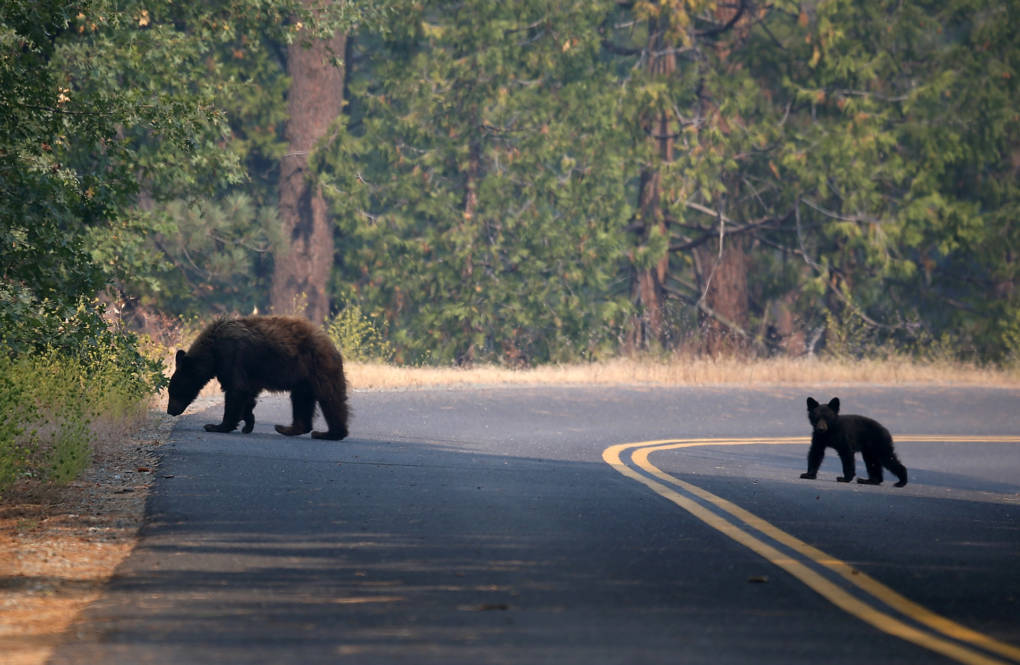
"caption": "A bear and cub cross a road in Yosemite National Park in 2013.",
"description": "A bear and cub cross a road in Yosemite National Park in 2013.",
"title": "YosemiteBears",
"credit": "Justin Sullivan/Getty Images",
"status": "inherit",
"isLoading": false,
"fetchFailed": false
},
"news_11401952": {
"type": "attachments",
"id": "news_11401952",
"meta": {
"index": "attachments_1716263798",
"site": "news",
"id": "11401952",
"found": true
},
"parent": 11401950,
"imgSizes": {
"small": {
"file": "https://ww2.kqed.org/app/uploads/sites/10/2017/04/Butterflies-520x347.jpg",
"width": 520,
"mimeType": "image/jpeg",
"height": 347
},
"twentyfourteen-full-width": {
"file": "https://ww2.kqed.org/app/uploads/sites/10/2017/04/Butterflies-1038x576.jpg",
"width": 1038,
"mimeType": "image/jpeg",
"height": 576
},
"thumbnail": {
"file": "https://ww2.kqed.org/app/uploads/sites/10/2017/04/Butterflies-160x107.jpg",
"width": 160,
"mimeType": "image/jpeg",
"height": 107
},
"fd-sm": {
"file": "https://ww2.kqed.org/app/uploads/sites/10/2017/04/Butterflies-960x640.jpg",
"width": 960,
"mimeType": "image/jpeg",
"height": 640
},
"post-thumbnail": {
"file": "https://ww2.kqed.org/app/uploads/sites/10/2017/04/Butterflies-672x372.jpg",
"width": 672,
"mimeType": "image/jpeg",
"height": 372
},
"xsmall": {
"file": "https://ww2.kqed.org/app/uploads/sites/10/2017/04/Butterflies-375x250.jpg",
"width": 375,
"mimeType": "image/jpeg",
"height": 250
},
"kqedFullSize": {
"file": "https://ww2.kqed.org/app/uploads/sites/10/2017/04/Butterflies.jpg",
"width": 1920,
"height": 1280
},
"large": {
"file": "https://ww2.kqed.org/app/uploads/sites/10/2017/04/Butterflies-1020x680.jpg",
"width": 1020,
"mimeType": "image/jpeg",
"height": 680
},
"xlarge": {
"file": "https://ww2.kqed.org/app/uploads/sites/10/2017/04/Butterflies-1180x787.jpg",
"width": 1180,
"mimeType": "image/jpeg",
"height": 787
},
"guest-author-50": {
"file": "https://ww2.kqed.org/app/uploads/sites/10/2017/04/Butterflies-50x50.jpg",
"width": 50,
"mimeType": "image/jpeg",
"height": 50
},
"guest-author-96": {
"file": "https://ww2.kqed.org/app/uploads/sites/10/2017/04/Butterflies-96x96.jpg",
"width": 96,
"mimeType": "image/jpeg",
"height": 96
},
"medium": {
"file": "https://ww2.kqed.org/app/uploads/sites/10/2017/04/Butterflies-800x533.jpg",
"width": 800,
"mimeType": "image/jpeg",
"height": 533
},
"guest-author-64": {
"file": "https://ww2.kqed.org/app/uploads/sites/10/2017/04/Butterflies-64x64.jpg",
"width": 64,
"mimeType": "image/jpeg",
"height": 64
},
"guest-author-32": {
"file": "https://ww2.kqed.org/app/uploads/sites/10/2017/04/Butterflies-32x32.jpg",
"width": 32,
"mimeType": "image/jpeg",
"height": 32
},
"fd-lrg": {
"file": "https://ww2.kqed.org/app/uploads/sites/10/2017/04/Butterflies-1920x1280.jpg",
"width": 1920,
"mimeType": "image/jpeg",
"height": 1280
},
"fd-med": {
"file": "https://ww2.kqed.org/app/uploads/sites/10/2017/04/Butterflies-1180x787.jpg",
"width": 1180,
"mimeType": "image/jpeg",
"height": 787
},
"full-width": {
"file": "https://ww2.kqed.org/app/uploads/sites/10/2017/04/Butterflies-1920x1280.jpg",
"width": 1920,
"mimeType": "image/jpeg",
"height": 1280
},
"detail": {
"file": "https://ww2.kqed.org/app/uploads/sites/10/2017/04/Butterflies-150x150.jpg",
"width": 150,
"mimeType": "image/jpeg",
"height": 150
},
"guest-author-128": {
"file": "https://ww2.kqed.org/app/uploads/sites/10/2017/04/Butterflies-128x128.jpg",
"width": 128,
"mimeType": "image/jpeg",
"height": 128
},
"xxsmall": {
"file": "https://ww2.kqed.org/app/uploads/sites/10/2017/04/Butterflies-240x160.jpg",
"width": 240,
"mimeType": "image/jpeg",
"height": 160
}
},
"publishDate": 1491851325,
"modified": 1491851423,
"caption": "Endangered Quino checkerspot butterflies are flying on the San Diego National Wildlife Refuge this spring for the first time in years.",
"description": "Endangered Quino checkerspot butterflies are flying on the San Diego National Wildlife Refuge this spring for the first time in years.",
"title": "Butterflies",
"credit": "Matthew Bowler/KPBS",
"status": "inherit",
"isLoading": false,
"fetchFailed": false
},
"news_11397543": {
"type": "attachments",
"id": "news_11397543",
"meta": {
"index": "attachments_1716263798",
"site": "news",
"id": "11397543",
"found": true
},
"parent": 11397539,
"imgSizes": {
"small": {
"file": "https://ww2.kqed.org/app/uploads/sites/10/2017/04/MountainLionKitten-520x347.jpg",
"width": 520,
"mimeType": "image/jpeg",
"height": 347
},
"twentyfourteen-full-width": {
"file": "https://ww2.kqed.org/app/uploads/sites/10/2017/04/MountainLionKitten-1038x576.jpg",
"width": 1038,
"mimeType": "image/jpeg",
"height": 576
},
"thumbnail": {
"file": "https://ww2.kqed.org/app/uploads/sites/10/2017/04/MountainLionKitten-160x107.jpg",
"width": 160,
"mimeType": "image/jpeg",
"height": 107
},
"fd-sm": {
"file": "https://ww2.kqed.org/app/uploads/sites/10/2017/04/MountainLionKitten-960x641.jpg",
"width": 960,
"mimeType": "image/jpeg",
"height": 641
},
"post-thumbnail": {
"file": "https://ww2.kqed.org/app/uploads/sites/10/2017/04/MountainLionKitten-672x372.jpg",
"width": 672,
"mimeType": "image/jpeg",
"height": 372
},
"xsmall": {
"file": "https://ww2.kqed.org/app/uploads/sites/10/2017/04/MountainLionKitten-375x250.jpg",
"width": 375,
"mimeType": "image/jpeg",
"height": 250
},
"kqedFullSize": {
"file": "https://ww2.kqed.org/app/uploads/sites/10/2017/04/MountainLionKitten.jpg",
"width": 1920,
"height": 1281
},
"large": {
"file": "https://ww2.kqed.org/app/uploads/sites/10/2017/04/MountainLionKitten-1020x681.jpg",
"width": 1020,
"mimeType": "image/jpeg",
"height": 681
},
"xlarge": {
"file": "https://ww2.kqed.org/app/uploads/sites/10/2017/04/MountainLionKitten-1180x787.jpg",
"width": 1180,
"mimeType": "image/jpeg",
"height": 787
},
"guest-author-50": {
"file": "https://ww2.kqed.org/app/uploads/sites/10/2017/04/MountainLionKitten-50x50.jpg",
"width": 50,
"mimeType": "image/jpeg",
"height": 50
},
"guest-author-96": {
"file": "https://ww2.kqed.org/app/uploads/sites/10/2017/04/MountainLionKitten-96x96.jpg",
"width": 96,
"mimeType": "image/jpeg",
"height": 96
},
"medium": {
"file": "https://ww2.kqed.org/app/uploads/sites/10/2017/04/MountainLionKitten-800x534.jpg",
"width": 800,
"mimeType": "image/jpeg",
"height": 534
},
"guest-author-64": {
"file": "https://ww2.kqed.org/app/uploads/sites/10/2017/04/MountainLionKitten-64x64.jpg",
"width": 64,
"mimeType": "image/jpeg",
"height": 64
},
"guest-author-32": {
"file": "https://ww2.kqed.org/app/uploads/sites/10/2017/04/MountainLionKitten-32x32.jpg",
"width": 32,
"mimeType": "image/jpeg",
"height": 32
},
"fd-lrg": {
"file": "https://ww2.kqed.org/app/uploads/sites/10/2017/04/MountainLionKitten-1920x1281.jpg",
"width": 1920,
"mimeType": "image/jpeg",
"height": 1281
},
"fd-med": {
"file": "https://ww2.kqed.org/app/uploads/sites/10/2017/04/MountainLionKitten-1180x787.jpg",
"width": 1180,
"mimeType": "image/jpeg",
"height": 787
},
"full-width": {
"file": "https://ww2.kqed.org/app/uploads/sites/10/2017/04/MountainLionKitten-1920x1281.jpg",
"width": 1920,
"mimeType": "image/jpeg",
"height": 1281
},
"detail": {
"file": "https://ww2.kqed.org/app/uploads/sites/10/2017/04/MountainLionKitten-150x150.jpg",
"width": 150,
"mimeType": "image/jpeg",
"height": 150
},
"guest-author-128": {
"file": "https://ww2.kqed.org/app/uploads/sites/10/2017/04/MountainLionKitten-128x128.jpg",
"width": 128,
"mimeType": "image/jpeg",
"height": 128
},
"xxsmall": {
"file": "https://ww2.kqed.org/app/uploads/sites/10/2017/04/MountainLionKitten-240x160.jpg",
"width": 240,
"mimeType": "image/jpeg",
"height": 160
}
},
"publishDate": 1491609733,
"modified": 1491864568,
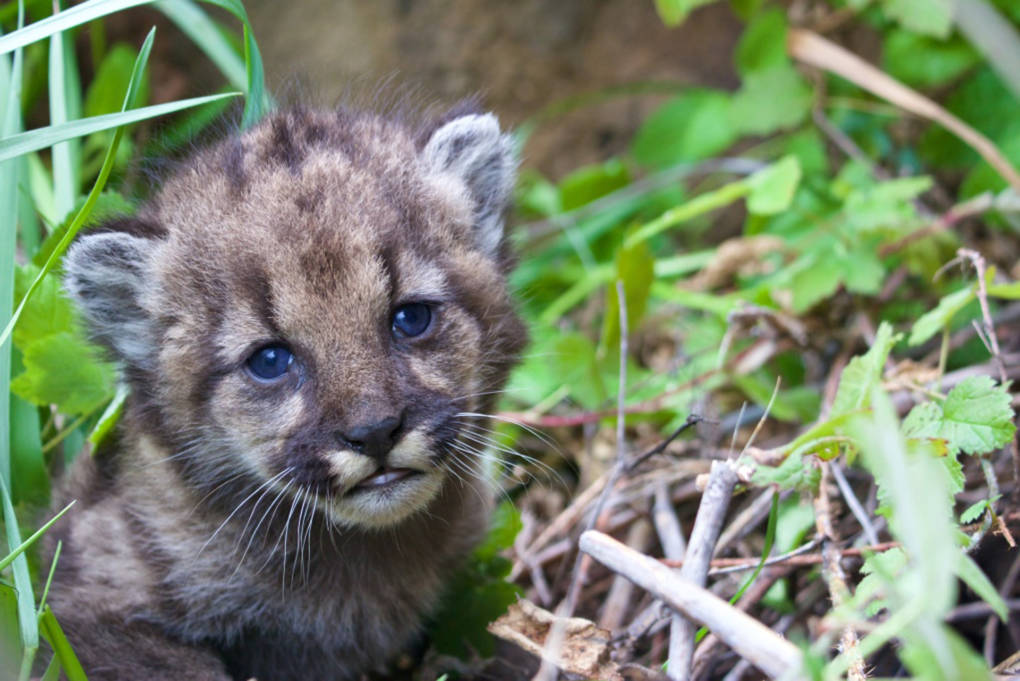
"caption": "P-54 is a 4-week-old mountain lion kitten living in the Santa Monica Mountains. The National Park Service announced her birth on Monday, April 3, 2017.",
"description": "P-54 is a four-week-old mountain lion kitten living in the Santa Monica Mountains. The National Park Service announced her birth on Monday, April 3, 2017.",
"title": "MountainLionKitten",
"credit": "National Park Service",
"status": "inherit",
"isLoading": false,
"fetchFailed": false
},
"news_11382364": {
"type": "attachments",
"id": "news_11382364",
"meta": {
"index": "attachments_1716263798",
"site": "news",
"id": "11382364",
"found": true
},
"parent": 11382363,
"imgSizes": {
"small": {
"file": "https://ww2.kqed.org/app/uploads/sites/10/2017/03/fish-037b7875dac58756502ab52b6eb576eda076a7c8-520x389.jpg",
"width": 520,
"mimeType": "image/jpeg",
"height": 389
},
"thumbnail": {
"file": "https://ww2.kqed.org/app/uploads/sites/10/2017/03/fish-037b7875dac58756502ab52b6eb576eda076a7c8-160x120.jpg",
"width": 160,
"mimeType": "image/jpeg",
"height": 120
},
"post-thumbnail": {
"file": "https://ww2.kqed.org/app/uploads/sites/10/2017/03/fish-037b7875dac58756502ab52b6eb576eda076a7c8-601x372.jpg",
"width": 601,
"mimeType": "image/jpeg",
"height": 372
},
"xsmall": {
"file": "https://ww2.kqed.org/app/uploads/sites/10/2017/03/fish-037b7875dac58756502ab52b6eb576eda076a7c8-375x281.jpg",
"width": 375,
"mimeType": "image/jpeg",
"height": 281
},
"kqedFullSize": {
"file": "https://ww2.kqed.org/app/uploads/sites/10/2017/03/fish-037b7875dac58756502ab52b6eb576eda076a7c8.jpg",
"width": 601,
"height": 450
},
"guest-author-50": {
"file": "https://ww2.kqed.org/app/uploads/sites/10/2017/03/fish-037b7875dac58756502ab52b6eb576eda076a7c8-50x50.jpg",
"width": 50,
"mimeType": "image/jpeg",
"height": 50
},
"guest-author-96": {
"file": "https://ww2.kqed.org/app/uploads/sites/10/2017/03/fish-037b7875dac58756502ab52b6eb576eda076a7c8-96x96.jpg",
"width": 96,
"mimeType": "image/jpeg",
"height": 96
},
"guest-author-64": {
"file": "https://ww2.kqed.org/app/uploads/sites/10/2017/03/fish-037b7875dac58756502ab52b6eb576eda076a7c8-64x64.jpg",
"width": 64,
"mimeType": "image/jpeg",
"height": 64
},
"detail": {
"file": "https://ww2.kqed.org/app/uploads/sites/10/2017/03/fish-037b7875dac58756502ab52b6eb576eda076a7c8-150x150.jpg",
"width": 150,
"mimeType": "image/jpeg",
"height": 150
},
"guest-author-32": {
"file": "https://ww2.kqed.org/app/uploads/sites/10/2017/03/fish-037b7875dac58756502ab52b6eb576eda076a7c8-32x32.jpg",
"width": 32,
"mimeType": "image/jpeg",
"height": 32
},
"guest-author-128": {
"file": "https://ww2.kqed.org/app/uploads/sites/10/2017/03/fish-037b7875dac58756502ab52b6eb576eda076a7c8-128x128.jpg",
"width": 128,
"mimeType": "image/jpeg",
"height": 128
},
"xxsmall": {
"file": "https://ww2.kqed.org/app/uploads/sites/10/2017/03/fish-037b7875dac58756502ab52b6eb576eda076a7c8-240x180.jpg",
"width": 240,
"mimeType": "image/jpeg",
"height": 180
}
},
"publishDate": 1490834534,
"modified": 1490834657,
"caption": "Eddie Salmeron of the California Ghetto Carping club holds the 50-pound carp he caught in Los Angeles' MacArthur Park.",
"description": "Eddie Salmeron of the California Ghetto Carping club holds the 50-pound carp he caught in Los Angeles' MacArthur Park.",
"title": "Eddie Salmeron of the California Ghetto Carping club holds the 50-pound carp he caught in Los Angeles' MacArthur Park.",
"credit": "Eddie Salmeron",
"status": "inherit",
"isLoading": false,
"fetchFailed": false
},
"science_1335968": {
"type": "attachments",
"id": "science_1335968",
"meta": {
"index": "attachments_1716263798",
"site": "science",
"id": "1335968",
"found": true
},
"parent": 1335857,
"imgSizes": {
"small": {
"file": "https://ww2.kqed.org/app/uploads/sites/35/2017/01/Donald-trump-moth-520x258.jpg",
"width": 520,
"mimeType": "image/jpeg",
"height": 258
},
"twentyfourteen-full-width": {
"file": "https://ww2.kqed.org/app/uploads/sites/35/2017/01/Donald-trump-moth-1038x576.jpg",
"width": 1038,
"mimeType": "image/jpeg",
"height": 576
},
"thumbnail": {
"file": "https://ww2.kqed.org/app/uploads/sites/35/2017/01/Donald-trump-moth-160x79.jpg",
"width": 160,
"mimeType": "image/jpeg",
"height": 79
},
"fd-sm": {
"file": "https://ww2.kqed.org/app/uploads/sites/35/2017/01/Donald-trump-moth-960x476.jpg",
"width": 960,
"mimeType": "image/jpeg",
"height": 476
},
"post-thumbnail": {
"file": "https://ww2.kqed.org/app/uploads/sites/35/2017/01/Donald-trump-moth-672x372.jpg",
"width": 672,
"mimeType": "image/jpeg",
"height": 372
},
"xsmall": {
"file": "https://ww2.kqed.org/app/uploads/sites/35/2017/01/Donald-trump-moth-375x186.jpg",
"width": 375,
"mimeType": "image/jpeg",
"height": 186
},
"kqedFullSize": {
"file": "https://ww2.kqed.org/app/uploads/sites/35/2017/01/Donald-trump-moth.jpg",
"width": 2015,
"height": 1000
},
"large": {
"file": "https://ww2.kqed.org/app/uploads/sites/35/2017/01/Donald-trump-moth-1020x506.jpg",
"width": 1020,
"mimeType": "image/jpeg",
"height": 506
},
"xlarge": {
"file": "https://ww2.kqed.org/app/uploads/sites/35/2017/01/Donald-trump-moth-1180x586.jpg",
"width": 1180,
"mimeType": "image/jpeg",
"height": 586
},
"guest-author-50": {
"file": "https://ww2.kqed.org/app/uploads/sites/35/2017/01/Donald-trump-moth-50x50.jpg",
"width": 50,
"mimeType": "image/jpeg",
"height": 50
},
"guest-author-96": {
"file": "https://ww2.kqed.org/app/uploads/sites/35/2017/01/Donald-trump-moth-96x96.jpg",
"width": 96,
"mimeType": "image/jpeg",
"height": 96
},
"medium": {
"file": "https://ww2.kqed.org/app/uploads/sites/35/2017/01/Donald-trump-moth-800x397.jpg",
"width": 800,
"mimeType": "image/jpeg",
"height": 397
},
"guest-author-64": {
"file": "https://ww2.kqed.org/app/uploads/sites/35/2017/01/Donald-trump-moth-64x64.jpg",
"width": 64,
"mimeType": "image/jpeg",
"height": 64
},
"guest-author-32": {
"file": "https://ww2.kqed.org/app/uploads/sites/35/2017/01/Donald-trump-moth-32x32.jpg",
"width": 32,
"mimeType": "image/jpeg",
"height": 32
},
"fd-lrg": {
"file": "https://ww2.kqed.org/app/uploads/sites/35/2017/01/Donald-trump-moth-1920x953.jpg",
"width": 1920,
"mimeType": "image/jpeg",
"height": 953
},
"fd-med": {
"file": "https://ww2.kqed.org/app/uploads/sites/35/2017/01/Donald-trump-moth-1180x586.jpg",
"width": 1180,
"mimeType": "image/jpeg",
"height": 586
},
"full-width": {
"file": "https://ww2.kqed.org/app/uploads/sites/35/2017/01/Donald-trump-moth-1920x953.jpg",
"width": 1920,
"mimeType": "image/jpeg",
"height": 953
},
"detail": {
"file": "https://ww2.kqed.org/app/uploads/sites/35/2017/01/Donald-trump-moth-150x150.jpg",
"width": 150,
"mimeType": "image/jpeg",
"height": 150
},
"medium_large": {
"file": "https://ww2.kqed.org/app/uploads/sites/35/2017/01/Donald-trump-moth-768x381.jpg",
"width": 768,
"mimeType": "image/jpeg",
"height": 381
},
"guest-author-128": {
"file": "https://ww2.kqed.org/app/uploads/sites/35/2017/01/Donald-trump-moth-128x128.jpg",
"width": 128,
"mimeType": "image/jpeg",
"height": 128
},
"xxsmall": {
"file": "https://ww2.kqed.org/app/uploads/sites/35/2017/01/Donald-trump-moth-240x119.jpg",
"width": 240,
"mimeType": "image/jpeg",
"height": 119
}
},
"publishDate": 1484857716,
"modified": 1484857743,
"caption": "Moth species Neopalpa donaldtrumpi. ",
"description": null,
"title": "Donald trump moth",
"credit": "Vazrick Nazari",
"status": "inherit",
"isLoading": false,
"fetchFailed": false
},
"news_11120182": {
"type": "attachments",
"id": "news_11120182",
"meta": {
"index": "attachments_1716263798",
"site": "news",
"id": "11120182",
"found": true
},
"parent": 11120081,
"imgSizes": {
"twentyfourteen-full-width": {
"file": "https://ww2.kqed.org/app/uploads/sites/10/2016/10/CottonRosserMounted-1-1038x576.jpg",
"width": 1038,
"mimeType": "image/jpeg",
"height": 576
},
"thumbnail": {
"file": "https://ww2.kqed.org/app/uploads/sites/10/2016/10/CottonRosserMounted-1-400x282.jpg",
"width": 400,
"mimeType": "image/jpeg",
"height": 282
},
"fd-sm": {
"file": "https://ww2.kqed.org/app/uploads/sites/10/2016/10/CottonRosserMounted-1-960x676.jpg",
"width": 960,
"mimeType": "image/jpeg",
"height": 676
},
"post-thumbnail": {
"file": "https://ww2.kqed.org/app/uploads/sites/10/2016/10/CottonRosserMounted-1-672x372.jpg",
"width": 672,
"mimeType": "image/jpeg",
"height": 372
},
"kqedFullSize": {
"file": "https://ww2.kqed.org/app/uploads/sites/10/2016/10/CottonRosserMounted-1.jpg",
"width": 1920,
"height": 1352
},
"large": {
"file": "https://ww2.kqed.org/app/uploads/sites/10/2016/10/CottonRosserMounted-1-1920x1352.jpg",
"width": 1920,
"mimeType": "image/jpeg",
"height": 1352
},
"guest-author-50": {
"file": "https://ww2.kqed.org/app/uploads/sites/10/2016/10/CottonRosserMounted-1-50x50.jpg",
"width": 50,
"mimeType": "image/jpeg",
"height": 50
},
"guest-author-96": {
"file": "https://ww2.kqed.org/app/uploads/sites/10/2016/10/CottonRosserMounted-1-96x96.jpg",
"width": 96,
"mimeType": "image/jpeg",
"height": 96
},
"medium": {
"file": "https://ww2.kqed.org/app/uploads/sites/10/2016/10/CottonRosserMounted-1-800x563.jpg",
"width": 800,
"mimeType": "image/jpeg",
"height": 563
},
"guest-author-64": {
"file": "https://ww2.kqed.org/app/uploads/sites/10/2016/10/CottonRosserMounted-1-64x64.jpg",
"width": 64,
"mimeType": "image/jpeg",
"height": 64
},
"guest-author-32": {
"file": "https://ww2.kqed.org/app/uploads/sites/10/2016/10/CottonRosserMounted-1-32x32.jpg",
"width": 32,
"mimeType": "image/jpeg",
"height": 32
},
"jmtc-small-thumb": {
"file": "https://ww2.kqed.org/app/uploads/sites/10/2016/10/CottonRosserMounted-1-280x150.jpg",
"width": 280,
"mimeType": "image/jpeg",
"height": 150
},
"fd-lrg": {
"file": "https://ww2.kqed.org/app/uploads/sites/10/2016/10/CottonRosserMounted-1-1920x1352.jpg",
"width": 1920,
"mimeType": "image/jpeg",
"height": 1352
},
"fd-med": {
"file": "https://ww2.kqed.org/app/uploads/sites/10/2016/10/CottonRosserMounted-1-1180x831.jpg",
"width": 1180,
"mimeType": "image/jpeg",
"height": 831
},
"detail": {
"file": "https://ww2.kqed.org/app/uploads/sites/10/2016/10/CottonRosserMounted-1-150x150.jpg",
"width": 150,
"mimeType": "image/jpeg",
"height": 150
},
"guest-author-128": {
"file": "https://ww2.kqed.org/app/uploads/sites/10/2016/10/CottonRosserMounted-1-128x128.jpg",
"width": 128,
"mimeType": "image/jpeg",
"height": 128
}
},
"publishDate": 1475875475,
"modified": 1475875512,
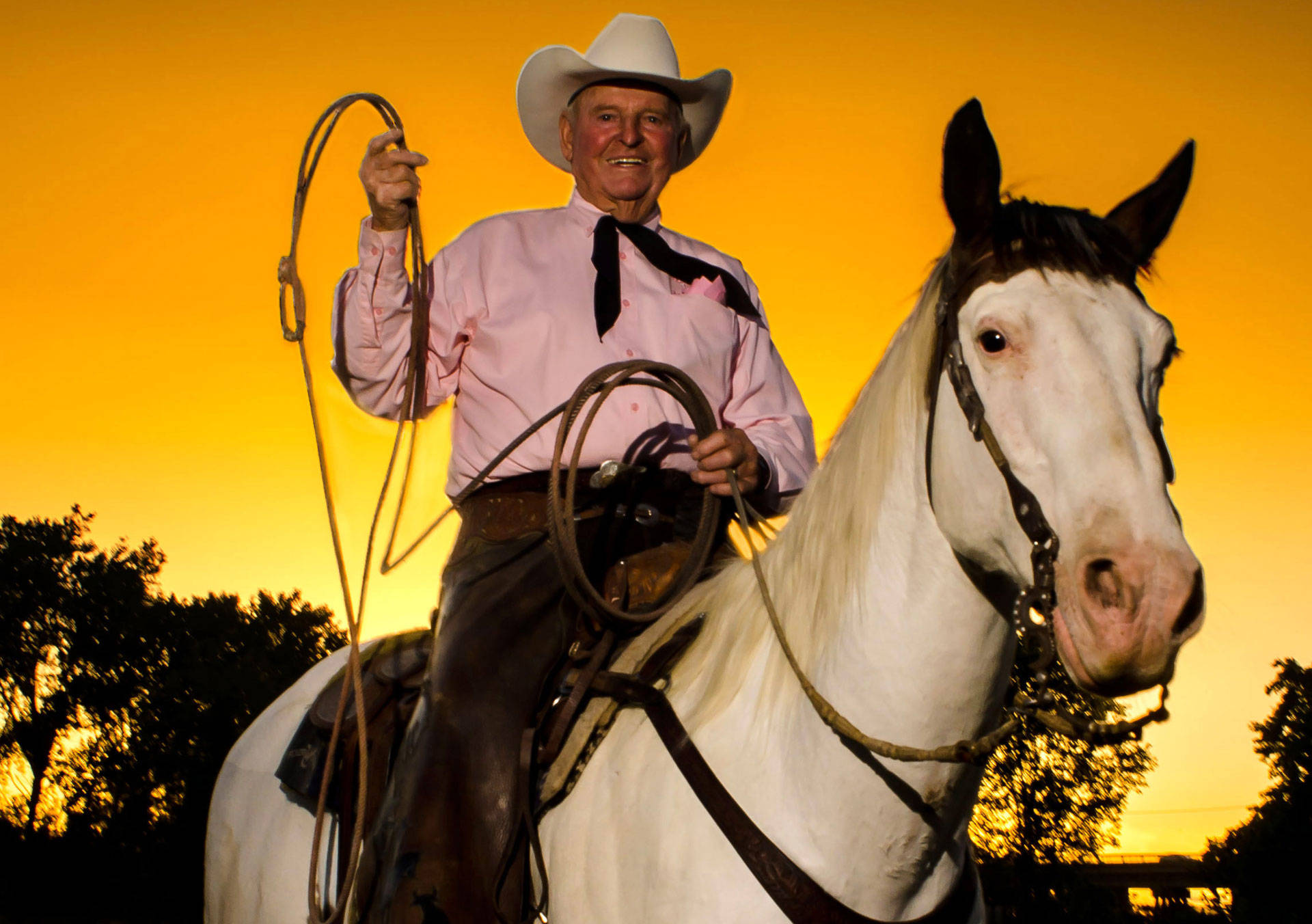
"caption": "Cotton Rosser on his ranch in Marysville. ",
"description": "Cotton Rosser on his ranch in Marysville. ",
"title": "CottonRosserMounted",
"credit": "Kevin Fox/Flying U Rodeo Company",
"status": "inherit",
"isLoading": false,
"fetchFailed": false
},
"news_11202019": {
"type": "attachments",
"id": "news_11202019",
"meta": {
"index": "attachments_1716263798",
"site": "news",
"id": "11202019",
"found": true
},
"parent": 11198632,
"imgSizes": {
"small": {
"file": "https://ww2.kqed.org/app/uploads/sites/10/2016/12/RS20923_IMG_1723-qut-520x293.jpg",
"width": 520,
"mimeType": "image/jpeg",
"height": 293
},
"twentyfourteen-full-width": {
"file": "https://ww2.kqed.org/app/uploads/sites/10/2016/12/RS20923_IMG_1723-qut-1038x576.jpg",
"width": 1038,
"mimeType": "image/jpeg",
"height": 576
},
"thumbnail": {
"file": "https://ww2.kqed.org/app/uploads/sites/10/2016/12/RS20923_IMG_1723-qut-160x90.jpg",
"width": 160,
"mimeType": "image/jpeg",
"height": 90
},
"fd-sm": {
"file": "https://ww2.kqed.org/app/uploads/sites/10/2016/12/RS20923_IMG_1723-qut-960x540.jpg",
"width": 960,
"mimeType": "image/jpeg",
"height": 540
},
"post-thumbnail": {
"file": "https://ww2.kqed.org/app/uploads/sites/10/2016/12/RS20923_IMG_1723-qut-672x372.jpg",
"width": 672,
"mimeType": "image/jpeg",
"height": 372
},
"xsmall": {
"file": "https://ww2.kqed.org/app/uploads/sites/10/2016/12/RS20923_IMG_1723-qut-375x211.jpg",
"width": 375,
"mimeType": "image/jpeg",
"height": 211
},
"kqedFullSize": {
"file": "https://ww2.kqed.org/app/uploads/sites/10/2016/12/RS20923_IMG_1723-qut.jpg",
"width": 1920,
"height": 1080
},
"large": {
"file": "https://ww2.kqed.org/app/uploads/sites/10/2016/12/RS20923_IMG_1723-qut-1020x574.jpg",
"width": 1020,
"mimeType": "image/jpeg",
"height": 574
},
"xlarge": {
"file": "https://ww2.kqed.org/app/uploads/sites/10/2016/12/RS20923_IMG_1723-qut-1180x664.jpg",
"width": 1180,
"mimeType": "image/jpeg",
"height": 664
},
"guest-author-50": {
"file": "https://ww2.kqed.org/app/uploads/sites/10/2016/12/RS20923_IMG_1723-qut-50x50.jpg",
"width": 50,
"mimeType": "image/jpeg",
"height": 50
},
"guest-author-96": {
"file": "https://ww2.kqed.org/app/uploads/sites/10/2016/12/RS20923_IMG_1723-qut-96x96.jpg",
"width": 96,
"mimeType": "image/jpeg",
"height": 96
},
"medium": {
"file": "https://ww2.kqed.org/app/uploads/sites/10/2016/12/RS20923_IMG_1723-qut-800x450.jpg",
"width": 800,
"mimeType": "image/jpeg",
"height": 450
},
"guest-author-64": {
"file": "https://ww2.kqed.org/app/uploads/sites/10/2016/12/RS20923_IMG_1723-qut-64x64.jpg",
"width": 64,
"mimeType": "image/jpeg",
"height": 64
},
"guest-author-32": {
"file": "https://ww2.kqed.org/app/uploads/sites/10/2016/12/RS20923_IMG_1723-qut-32x32.jpg",
"width": 32,
"mimeType": "image/jpeg",
"height": 32
},
"jmtc-small-thumb": {
"file": "https://ww2.kqed.org/app/uploads/sites/10/2016/12/RS20923_IMG_1723-qut-280x150.jpg",
"width": 280,
"mimeType": "image/jpeg",
"height": 150
},
"fd-lrg": {
"file": "https://ww2.kqed.org/app/uploads/sites/10/2016/12/RS20923_IMG_1723-qut-1920x1080.jpg",
"width": 1920,
"mimeType": "image/jpeg",
"height": 1080
},
"fd-med": {
"file": "https://ww2.kqed.org/app/uploads/sites/10/2016/12/RS20923_IMG_1723-qut-1180x664.jpg",
"width": 1180,
"mimeType": "image/jpeg",
"height": 664
},
"full-width": {
"file": "https://ww2.kqed.org/app/uploads/sites/10/2016/12/RS20923_IMG_1723-qut-1920x1080.jpg",
"width": 1920,
"mimeType": "image/jpeg",
"height": 1080
},
"detail": {
"file": "https://ww2.kqed.org/app/uploads/sites/10/2016/12/RS20923_IMG_1723-qut-150x150.jpg",
"width": 150,
"mimeType": "image/jpeg",
"height": 150
},
"guest-author-128": {
"file": "https://ww2.kqed.org/app/uploads/sites/10/2016/12/RS20923_IMG_1723-qut-128x128.jpg",
"width": 128,
"mimeType": "image/jpeg",
"height": 128
},
"xxsmall": {
"file": "https://ww2.kqed.org/app/uploads/sites/10/2016/12/RS20923_IMG_1723-qut-240x135.jpg",
"width": 240,
"mimeType": "image/jpeg",
"height": 135
}
},
"publishDate": 1480722038,
"modified": 1480993014,
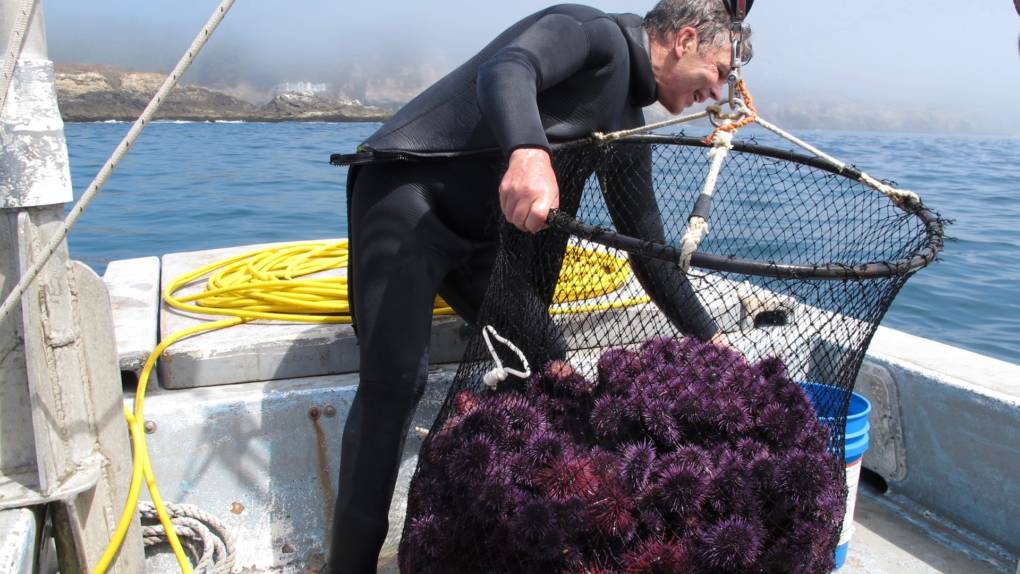
"caption": "Off the coast of Mendocino, Holcomb brings up a net of purple urchins.",
"description": "Off the coast of Mendocino, Holcomb brings up a net of purple urchins.",
"title": "rs20923_img_1723-qut",
"credit": "Carrie Boyle/KQED",
"status": "inherit",
"isLoading": false,
"fetchFailed": false
},
"news_11202021": {
"type": "attachments",
"id": "news_11202021",
"meta": {
"index": "attachments_1716263798",
"site": "news",
"id": "11202021",
"found": true
},
"parent": 11202012,
"imgSizes": {
"small": {
"file": "https://ww2.kqed.org/app/uploads/sites/10/2016/12/RS23030_Justin-Brown-2-qut-520x347.jpg",
"width": 520,
"mimeType": "image/jpeg",
"height": 347
},
"twentyfourteen-full-width": {
"file": "https://ww2.kqed.org/app/uploads/sites/10/2016/12/RS23030_Justin-Brown-2-qut-1038x576.jpg",
"width": 1038,
"mimeType": "image/jpeg",
"height": 576
},
"thumbnail": {
"file": "https://ww2.kqed.org/app/uploads/sites/10/2016/12/RS23030_Justin-Brown-2-qut-160x107.jpg",
"width": 160,
"mimeType": "image/jpeg",
"height": 107
},
"fd-sm": {
"file": "https://ww2.kqed.org/app/uploads/sites/10/2016/12/RS23030_Justin-Brown-2-qut-960x640.jpg",
"width": 960,
"mimeType": "image/jpeg",
"height": 640
},
"post-thumbnail": {
"file": "https://ww2.kqed.org/app/uploads/sites/10/2016/12/RS23030_Justin-Brown-2-qut-672x372.jpg",
"width": 672,
"mimeType": "image/jpeg",
"height": 372
},
"xsmall": {
"file": "https://ww2.kqed.org/app/uploads/sites/10/2016/12/RS23030_Justin-Brown-2-qut-375x250.jpg",
"width": 375,
"mimeType": "image/jpeg",
"height": 250
},
"kqedFullSize": {
"file": "https://ww2.kqed.org/app/uploads/sites/10/2016/12/RS23030_Justin-Brown-2-qut.jpg",
"width": 1920,
"height": 1280
},
"large": {
"file": "https://ww2.kqed.org/app/uploads/sites/10/2016/12/RS23030_Justin-Brown-2-qut-1020x680.jpg",
"width": 1020,
"mimeType": "image/jpeg",
"height": 680
},
"xlarge": {
"file": "https://ww2.kqed.org/app/uploads/sites/10/2016/12/RS23030_Justin-Brown-2-qut-1180x787.jpg",
"width": 1180,
"mimeType": "image/jpeg",
"height": 787
},
"guest-author-50": {
"file": "https://ww2.kqed.org/app/uploads/sites/10/2016/12/RS23030_Justin-Brown-2-qut-50x50.jpg",
"width": 50,
"mimeType": "image/jpeg",
"height": 50
},
"guest-author-96": {
"file": "https://ww2.kqed.org/app/uploads/sites/10/2016/12/RS23030_Justin-Brown-2-qut-96x96.jpg",
"width": 96,
"mimeType": "image/jpeg",
"height": 96
},
"medium": {
"file": "https://ww2.kqed.org/app/uploads/sites/10/2016/12/RS23030_Justin-Brown-2-qut-800x533.jpg",
"width": 800,
"mimeType": "image/jpeg",
"height": 533
},
"guest-author-64": {
"file": "https://ww2.kqed.org/app/uploads/sites/10/2016/12/RS23030_Justin-Brown-2-qut-64x64.jpg",
"width": 64,
"mimeType": "image/jpeg",
"height": 64
},
"guest-author-32": {
"file": "https://ww2.kqed.org/app/uploads/sites/10/2016/12/RS23030_Justin-Brown-2-qut-32x32.jpg",
"width": 32,
"mimeType": "image/jpeg",
"height": 32
},
"jmtc-small-thumb": {
"file": "https://ww2.kqed.org/app/uploads/sites/10/2016/12/RS23030_Justin-Brown-2-qut-280x150.jpg",
"width": 280,
"mimeType": "image/jpeg",
"height": 150
},
"fd-lrg": {
"file": "https://ww2.kqed.org/app/uploads/sites/10/2016/12/RS23030_Justin-Brown-2-qut-1920x1280.jpg",
"width": 1920,
"mimeType": "image/jpeg",
"height": 1280
},
"fd-med": {
"file": "https://ww2.kqed.org/app/uploads/sites/10/2016/12/RS23030_Justin-Brown-2-qut-1180x787.jpg",
"width": 1180,
"mimeType": "image/jpeg",
"height": 787
},
"full-width": {
"file": "https://ww2.kqed.org/app/uploads/sites/10/2016/12/RS23030_Justin-Brown-2-qut-1920x1280.jpg",
"width": 1920,
"mimeType": "image/jpeg",
"height": 1280
},
"detail": {
"file": "https://ww2.kqed.org/app/uploads/sites/10/2016/12/RS23030_Justin-Brown-2-qut-150x150.jpg",
"width": 150,
"mimeType": "image/jpeg",
"height": 150
},
"guest-author-128": {
"file": "https://ww2.kqed.org/app/uploads/sites/10/2016/12/RS23030_Justin-Brown-2-qut-128x128.jpg",
"width": 128,
"mimeType": "image/jpeg",
"height": 128
},
"xxsmall": {
"file": "https://ww2.kqed.org/app/uploads/sites/10/2016/12/RS23030_Justin-Brown-2-qut-240x160.jpg",
"width": 240,
"mimeType": "image/jpeg",
"height": 160
}
},
"publishDate": 1480722274,
"modified": 1480731573,
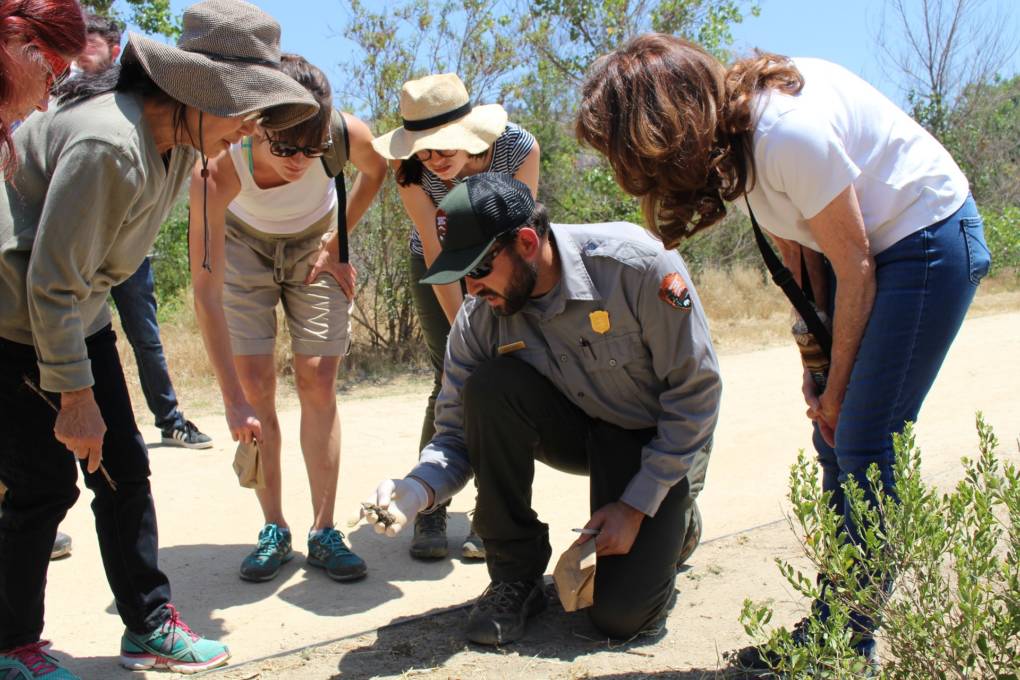
"caption": "Justin Brown, a National Park Service ecologist who conducts coyote field research, shows volunteers how to identify coyote scat in Rio de Los Angeles State Park.",
"description": "Justin Brown, a National Park Service ecologist who conducts coyote field research, shows volunteers how to identify coyote scat in Rio de Los Angeles State Park.",
"title": "rs23030_justin-brown-2-qut",
"credit": "Avishay Artsy/KQED",
"status": "inherit",
"isLoading": false,
"fetchFailed": false
},
"news_11200055": {
"type": "attachments",
"id": "news_11200055",
"meta": {
"index": "attachments_1716263798",
"site": "news",
"id": "11200055",
"found": true
},
"parent": 11200044,
"imgSizes": {
"small": {
"file": "https://ww2.kqed.org/app/uploads/sites/10/2016/12/LionP45-520x293.jpg",
"width": 520,
"mimeType": "image/jpeg",
"height": 293
},
"twentyfourteen-full-width": {
"file": "https://ww2.kqed.org/app/uploads/sites/10/2016/12/LionP45-1038x576.jpg",
"width": 1038,
"mimeType": "image/jpeg",
"height": 576
},
"thumbnail": {
"file": "https://ww2.kqed.org/app/uploads/sites/10/2016/12/LionP45-160x90.jpg",
"width": 160,
"mimeType": "image/jpeg",
"height": 90
},
"fd-sm": {
"file": "https://ww2.kqed.org/app/uploads/sites/10/2016/12/LionP45-960x540.jpg",
"width": 960,
"mimeType": "image/jpeg",
"height": 540
},
"post-thumbnail": {
"file": "https://ww2.kqed.org/app/uploads/sites/10/2016/12/LionP45-672x372.jpg",
"width": 672,
"mimeType": "image/jpeg",
"height": 372
},
"xsmall": {
"file": "https://ww2.kqed.org/app/uploads/sites/10/2016/12/LionP45-375x211.jpg",
"width": 375,
"mimeType": "image/jpeg",
"height": 211
},
"kqedFullSize": {
"file": "https://ww2.kqed.org/app/uploads/sites/10/2016/12/LionP45.jpg",
"width": 1920,
"height": 1080
},
"large": {
"file": "https://ww2.kqed.org/app/uploads/sites/10/2016/12/LionP45-1020x574.jpg",
"width": 1020,
"mimeType": "image/jpeg",
"height": 574
},
"xlarge": {
"file": "https://ww2.kqed.org/app/uploads/sites/10/2016/12/LionP45-1180x664.jpg",
"width": 1180,
"mimeType": "image/jpeg",
"height": 664
},
"guest-author-50": {
"file": "https://ww2.kqed.org/app/uploads/sites/10/2016/12/LionP45-50x50.jpg",
"width": 50,
"mimeType": "image/jpeg",
"height": 50
},
"guest-author-96": {
"file": "https://ww2.kqed.org/app/uploads/sites/10/2016/12/LionP45-96x96.jpg",
"width": 96,
"mimeType": "image/jpeg",
"height": 96
},
"medium": {
"file": "https://ww2.kqed.org/app/uploads/sites/10/2016/12/LionP45-800x450.jpg",
"width": 800,
"mimeType": "image/jpeg",
"height": 450
},
"guest-author-64": {
"file": "https://ww2.kqed.org/app/uploads/sites/10/2016/12/LionP45-64x64.jpg",
"width": 64,
"mimeType": "image/jpeg",
"height": 64
},
"guest-author-32": {
"file": "https://ww2.kqed.org/app/uploads/sites/10/2016/12/LionP45-32x32.jpg",
"width": 32,
"mimeType": "image/jpeg",
"height": 32
},
"jmtc-small-thumb": {
"file": "https://ww2.kqed.org/app/uploads/sites/10/2016/12/LionP45-280x150.jpg",
"width": 280,
"mimeType": "image/jpeg",
"height": 150
},
"fd-lrg": {
"file": "https://ww2.kqed.org/app/uploads/sites/10/2016/12/LionP45-1920x1080.jpg",
"width": 1920,
"mimeType": "image/jpeg",
"height": 1080
},
"fd-med": {
"file": "https://ww2.kqed.org/app/uploads/sites/10/2016/12/LionP45-1180x664.jpg",
"width": 1180,
"mimeType": "image/jpeg",
"height": 664
},
"full-width": {
"file": "https://ww2.kqed.org/app/uploads/sites/10/2016/12/LionP45-1920x1080.jpg",
"width": 1920,
"mimeType": "image/jpeg",
"height": 1080
},
"detail": {
"file": "https://ww2.kqed.org/app/uploads/sites/10/2016/12/LionP45-150x150.jpg",
"width": 150,
"mimeType": "image/jpeg",
"height": 150
},
"guest-author-128": {
"file": "https://ww2.kqed.org/app/uploads/sites/10/2016/12/LionP45-128x128.jpg",
"width": 128,
"mimeType": "image/jpeg",
"height": 128
},
"xxsmall": {
"file": "https://ww2.kqed.org/app/uploads/sites/10/2016/12/LionP45-240x135.jpg",
"width": 240,
"mimeType": "image/jpeg",
"height": 135
}
},
"publishDate": 1480623780,
"modified": 1480623873,
"caption": "The mountain lion known as P-45 is believed to be responsible for recent killings of livestock near Malibu. Ten alpacas were killed Nov. 26 at a ranch, and one alpaca and a goat were killed at another ranch on Sunday. California Fish and Wildlife has issued a rancher a 10-day permit to kill the lion.",
"description": "The mountain lion known as P-45 is believed to be responsible for recent killings of livestock near Malibu. Ten alpacas were killed Nov. 26 at a ranch, and one alpaca and a goat were killed at another ranch on Sunday. California Fish and Wildlife has issued a rancher a 10-day permit to kill the lion.",
"title": "lionp45",
"credit": "National Park Service",
"status": "inherit",
"isLoading": false,
"fetchFailed": false
},
"news_11187393": {
"type": "attachments",
"id": "news_11187393",
"meta": {
"index": "attachments_1716263798",
"site": "news",
"id": "11187393",
"found": true
},
"parent": 11185731,
"imgSizes": {
"small": {
"file": "https://ww2.kqed.org/app/uploads/sites/10/2016/11/2924064112_df11d9e7ec_o-520x346.jpg",
"width": 520,
"mimeType": "image/jpeg",
"height": 346
},
"twentyfourteen-full-width": {
"file": "https://ww2.kqed.org/app/uploads/sites/10/2016/11/2924064112_df11d9e7ec_o-1038x576.jpg",
"width": 1038,
"mimeType": "image/jpeg",
"height": 576
},
"thumbnail": {
"file": "https://ww2.kqed.org/app/uploads/sites/10/2016/11/2924064112_df11d9e7ec_o-160x106.jpg",
"width": 160,
"mimeType": "image/jpeg",
"height": 106
},
"fd-sm": {
"file": "https://ww2.kqed.org/app/uploads/sites/10/2016/11/2924064112_df11d9e7ec_o-960x638.jpg",
"width": 960,
"mimeType": "image/jpeg",
"height": 638
},
"post-thumbnail": {
"file": "https://ww2.kqed.org/app/uploads/sites/10/2016/11/2924064112_df11d9e7ec_o-672x372.jpg",
"width": 672,
"mimeType": "image/jpeg",
"height": 372
},
"xsmall": {
"file": "https://ww2.kqed.org/app/uploads/sites/10/2016/11/2924064112_df11d9e7ec_o-375x249.jpg",
"width": 375,
"mimeType": "image/jpeg",
"height": 249
},
"kqedFullSize": {
"file": "https://ww2.kqed.org/app/uploads/sites/10/2016/11/2924064112_df11d9e7ec_o.jpg",
"width": 3008,
"height": 2000
},
"large": {
"file": "https://ww2.kqed.org/app/uploads/sites/10/2016/11/2924064112_df11d9e7ec_o-1020x678.jpg",
"width": 1020,
"mimeType": "image/jpeg",
"height": 678
},
"xlarge": {
"file": "https://ww2.kqed.org/app/uploads/sites/10/2016/11/2924064112_df11d9e7ec_o-1180x785.jpg",
"width": 1180,
"mimeType": "image/jpeg",
"height": 785
},
"guest-author-50": {
"file": "https://ww2.kqed.org/app/uploads/sites/10/2016/11/2924064112_df11d9e7ec_o-50x50.jpg",
"width": 50,
"mimeType": "image/jpeg",
"height": 50
},
"guest-author-96": {
"file": "https://ww2.kqed.org/app/uploads/sites/10/2016/11/2924064112_df11d9e7ec_o-96x96.jpg",
"width": 96,
"mimeType": "image/jpeg",
"height": 96
},
"medium": {
"file": "https://ww2.kqed.org/app/uploads/sites/10/2016/11/2924064112_df11d9e7ec_o-800x532.jpg",
"width": 800,
"mimeType": "image/jpeg",
"height": 532
},
"guest-author-64": {
"file": "https://ww2.kqed.org/app/uploads/sites/10/2016/11/2924064112_df11d9e7ec_o-64x64.jpg",
"width": 64,
"mimeType": "image/jpeg",
"height": 64
},
"guest-author-32": {
"file": "https://ww2.kqed.org/app/uploads/sites/10/2016/11/2924064112_df11d9e7ec_o-32x32.jpg",
"width": 32,
"mimeType": "image/jpeg",
"height": 32
},
"jmtc-small-thumb": {
"file": "https://ww2.kqed.org/app/uploads/sites/10/2016/11/2924064112_df11d9e7ec_o-280x150.jpg",
"width": 280,
"mimeType": "image/jpeg",
"height": 150
},
"fd-lrg": {
"file": "https://ww2.kqed.org/app/uploads/sites/10/2016/11/2924064112_df11d9e7ec_o-1920x1277.jpg",
"width": 1920,
"mimeType": "image/jpeg",
"height": 1277
},
"fd-med": {
"file": "https://ww2.kqed.org/app/uploads/sites/10/2016/11/2924064112_df11d9e7ec_o-1180x785.jpg",
"width": 1180,
"mimeType": "image/jpeg",
"height": 785
},
"full-width": {
"file": "https://ww2.kqed.org/app/uploads/sites/10/2016/11/2924064112_df11d9e7ec_o-1920x1277.jpg",
"width": 1920,
"mimeType": "image/jpeg",
"height": 1277
},
"detail": {
"file": "https://ww2.kqed.org/app/uploads/sites/10/2016/11/2924064112_df11d9e7ec_o-150x150.jpg",
"width": 150,
"mimeType": "image/jpeg",
"height": 150
},
"guest-author-128": {
"file": "https://ww2.kqed.org/app/uploads/sites/10/2016/11/2924064112_df11d9e7ec_o-128x128.jpg",
"width": 128,
"mimeType": "image/jpeg",
"height": 128
},
"xxsmall": {
"file": "https://ww2.kqed.org/app/uploads/sites/10/2016/11/2924064112_df11d9e7ec_o-240x160.jpg",
"width": 240,
"mimeType": "image/jpeg",
"height": 160
}
},
"publishDate": 1479938048,
"modified": 1479943296,
"caption": "The parrots have been spotted from the Embarcadero all the way down to Sunnyvale. ",
"description": "The parrots have been spotted from the Embarcadero, all the way down to Sunnyvale. ",
"title": "2924064112_df11d9e7ec_o",
"credit": "Patrick Buechner/KQED",
"status": "inherit",
"isLoading": false,
"fetchFailed": false
},
"news_11163670": {
"type": "attachments",
"id": "news_11163670",
"meta": {
"index": "attachments_1716263798",
"site": "news",
"id": "11163670",
"found": true
},
"parent": 11162111,
"imgSizes": {
"small": {
"file": "https://ww2.kqed.org/app/uploads/sites/10/2016/11/161103_SPCAdogsandcats_bhs05-520x347.jpg",
"width": 520,
"mimeType": "image/jpeg",
"height": 347
},
"twentyfourteen-full-width": {
"file": "https://ww2.kqed.org/app/uploads/sites/10/2016/11/161103_SPCAdogsandcats_bhs05-1038x576.jpg",
"width": 1038,
"mimeType": "image/jpeg",
"height": 576
},
"thumbnail": {
"file": "https://ww2.kqed.org/app/uploads/sites/10/2016/11/161103_SPCAdogsandcats_bhs05-160x107.jpg",
"width": 160,
"mimeType": "image/jpeg",
"height": 107
},
"fd-sm": {
"file": "https://ww2.kqed.org/app/uploads/sites/10/2016/11/161103_SPCAdogsandcats_bhs05-960x640.jpg",
"width": 960,
"mimeType": "image/jpeg",
"height": 640
},
"post-thumbnail": {
"file": "https://ww2.kqed.org/app/uploads/sites/10/2016/11/161103_SPCAdogsandcats_bhs05-672x372.jpg",
"width": 672,
"mimeType": "image/jpeg",
"height": 372
},
"xsmall": {
"file": "https://ww2.kqed.org/app/uploads/sites/10/2016/11/161103_SPCAdogsandcats_bhs05-375x250.jpg",
"width": 375,
"mimeType": "image/jpeg",
"height": 250
},
"kqedFullSize": {
"file": "https://ww2.kqed.org/app/uploads/sites/10/2016/11/161103_SPCAdogsandcats_bhs05.jpg",
"width": 1920,
"height": 1280
},
"large": {
"file": "https://ww2.kqed.org/app/uploads/sites/10/2016/11/161103_SPCAdogsandcats_bhs05-1020x680.jpg",
"width": 1020,
"mimeType": "image/jpeg",
"height": 680
},
"xlarge": {
"file": "https://ww2.kqed.org/app/uploads/sites/10/2016/11/161103_SPCAdogsandcats_bhs05-1180x787.jpg",
"width": 1180,
"mimeType": "image/jpeg",
"height": 787
},
"guest-author-50": {
"file": "https://ww2.kqed.org/app/uploads/sites/10/2016/11/161103_SPCAdogsandcats_bhs05-50x50.jpg",
"width": 50,
"mimeType": "image/jpeg",
"height": 50
},
"guest-author-96": {
"file": "https://ww2.kqed.org/app/uploads/sites/10/2016/11/161103_SPCAdogsandcats_bhs05-96x96.jpg",
"width": 96,
"mimeType": "image/jpeg",
"height": 96
},
"medium": {
"file": "https://ww2.kqed.org/app/uploads/sites/10/2016/11/161103_SPCAdogsandcats_bhs05-800x533.jpg",
"width": 800,
"mimeType": "image/jpeg",
"height": 533
},
"guest-author-64": {
"file": "https://ww2.kqed.org/app/uploads/sites/10/2016/11/161103_SPCAdogsandcats_bhs05-64x64.jpg",
"width": 64,
"mimeType": "image/jpeg",
"height": 64
},
"guest-author-32": {
"file": "https://ww2.kqed.org/app/uploads/sites/10/2016/11/161103_SPCAdogsandcats_bhs05-32x32.jpg",
"width": 32,
"mimeType": "image/jpeg",
"height": 32
},
"jmtc-small-thumb": {
"file": "https://ww2.kqed.org/app/uploads/sites/10/2016/11/161103_SPCAdogsandcats_bhs05-280x150.jpg",
"width": 280,
"mimeType": "image/jpeg",
"height": 150
},
"fd-lrg": {
"file": "https://ww2.kqed.org/app/uploads/sites/10/2016/11/161103_SPCAdogsandcats_bhs05-1920x1280.jpg",
"width": 1920,
"mimeType": "image/jpeg",
"height": 1280
},
"fd-med": {
"file": "https://ww2.kqed.org/app/uploads/sites/10/2016/11/161103_SPCAdogsandcats_bhs05-1180x787.jpg",
"width": 1180,
"mimeType": "image/jpeg",
"height": 787
},
"full-width": {
"file": "https://ww2.kqed.org/app/uploads/sites/10/2016/11/161103_SPCAdogsandcats_bhs05-1920x1280.jpg",
"width": 1920,
"mimeType": "image/jpeg",
"height": 1280
},
"detail": {
"file": "https://ww2.kqed.org/app/uploads/sites/10/2016/11/161103_SPCAdogsandcats_bhs05-150x150.jpg",
"width": 150,
"mimeType": "image/jpeg",
"height": 150
},
"guest-author-128": {
"file": "https://ww2.kqed.org/app/uploads/sites/10/2016/11/161103_SPCAdogsandcats_bhs05-128x128.jpg",
"width": 128,
"mimeType": "image/jpeg",
"height": 128
},
"xxsmall": {
"file": "https://ww2.kqed.org/app/uploads/sites/10/2016/11/161103_SPCAdogsandcats_bhs05-240x160.jpg",
"width": 240,
"mimeType": "image/jpeg",
"height": 160
}
},
"publishDate": 1478550586,
"modified": 1478552630,
"caption": "Little Monty has found a forever home, but many pets-to-be are still waiting. Find your next pet at sfspca.org/adopt",
"description": null,
"title": "161103_spcadogsandcats_bhs05",
"credit": "Brittany Hosea-Small/KQED",
"status": "inherit",
"isLoading": false,
"fetchFailed": false
},
"news_11158109": {
"type": "attachments",
"id": "news_11158109",
"meta": {
"index": "attachments_1716263798",
"site": "news",
"id": "11158109",
"found": true
},
"parent": 11158107,
"imgSizes": {
"small": {
"file": "https://ww2.kqed.org/app/uploads/sites/10/2016/11/GrayWolf-520x289.jpg",
"width": 520,
"mimeType": "image/jpeg",
"height": 289
},
"twentyfourteen-full-width": {
"file": "https://ww2.kqed.org/app/uploads/sites/10/2016/11/GrayWolf-1038x576.jpg",
"width": 1038,
"mimeType": "image/jpeg",
"height": 576
},
"thumbnail": {
"file": "https://ww2.kqed.org/app/uploads/sites/10/2016/11/GrayWolf-160x89.jpg",
"width": 160,
"mimeType": "image/jpeg",
"height": 89
},
"fd-sm": {
"file": "https://ww2.kqed.org/app/uploads/sites/10/2016/11/GrayWolf-960x533.jpg",
"width": 960,
"mimeType": "image/jpeg",
"height": 533
},
"post-thumbnail": {
"file": "https://ww2.kqed.org/app/uploads/sites/10/2016/11/GrayWolf-672x372.jpg",
"width": 672,
"mimeType": "image/jpeg",
"height": 372
},
"xsmall": {
"file": "https://ww2.kqed.org/app/uploads/sites/10/2016/11/GrayWolf-375x208.jpg",
"width": 375,
"mimeType": "image/jpeg",
"height": 208
},
"kqedFullSize": {
"file": "https://ww2.kqed.org/app/uploads/sites/10/2016/11/GrayWolf.jpg",
"width": 1920,
"height": 1066
},
"large": {
"file": "https://ww2.kqed.org/app/uploads/sites/10/2016/11/GrayWolf-1020x566.jpg",
"width": 1020,
"mimeType": "image/jpeg",
"height": 566
},
"xlarge": {
"file": "https://ww2.kqed.org/app/uploads/sites/10/2016/11/GrayWolf-1180x655.jpg",
"width": 1180,
"mimeType": "image/jpeg",
"height": 655
},
"guest-author-50": {
"file": "https://ww2.kqed.org/app/uploads/sites/10/2016/11/GrayWolf-50x50.jpg",
"width": 50,
"mimeType": "image/jpeg",
"height": 50
},
"guest-author-96": {
"file": "https://ww2.kqed.org/app/uploads/sites/10/2016/11/GrayWolf-96x96.jpg",
"width": 96,
"mimeType": "image/jpeg",
"height": 96
},
"medium": {
"file": "https://ww2.kqed.org/app/uploads/sites/10/2016/11/GrayWolf-800x444.jpg",
"width": 800,
"mimeType": "image/jpeg",
"height": 444
},
"guest-author-64": {
"file": "https://ww2.kqed.org/app/uploads/sites/10/2016/11/GrayWolf-64x64.jpg",
"width": 64,
"mimeType": "image/jpeg",
"height": 64
},
"guest-author-32": {
"file": "https://ww2.kqed.org/app/uploads/sites/10/2016/11/GrayWolf-32x32.jpg",
"width": 32,
"mimeType": "image/jpeg",
"height": 32
},
"jmtc-small-thumb": {
"file": "https://ww2.kqed.org/app/uploads/sites/10/2016/11/GrayWolf-280x150.jpg",
"width": 280,
"mimeType": "image/jpeg",
"height": 150
},
"fd-lrg": {
"file": "https://ww2.kqed.org/app/uploads/sites/10/2016/11/GrayWolf-1920x1066.jpg",
"width": 1920,
"mimeType": "image/jpeg",
"height": 1066
},
"fd-med": {
"file": "https://ww2.kqed.org/app/uploads/sites/10/2016/11/GrayWolf-1180x655.jpg",
"width": 1180,
"mimeType": "image/jpeg",
"height": 655
},
"full-width": {
"file": "https://ww2.kqed.org/app/uploads/sites/10/2016/11/GrayWolf-1920x1066.jpg",
"width": 1920,
"mimeType": "image/jpeg",
"height": 1066
},
"detail": {
"file": "https://ww2.kqed.org/app/uploads/sites/10/2016/11/GrayWolf-150x150.jpg",
"width": 150,
"mimeType": "image/jpeg",
"height": 150
},
"guest-author-128": {
"file": "https://ww2.kqed.org/app/uploads/sites/10/2016/11/GrayWolf-128x128.jpg",
"width": 128,
"mimeType": "image/jpeg",
"height": 128
},
"xxsmall": {
"file": "https://ww2.kqed.org/app/uploads/sites/10/2016/11/GrayWolf-240x133.jpg",
"width": 240,
"mimeType": "image/jpeg",
"height": 133
}
},
"publishDate": 1478206163,
"modified": 1478206242,
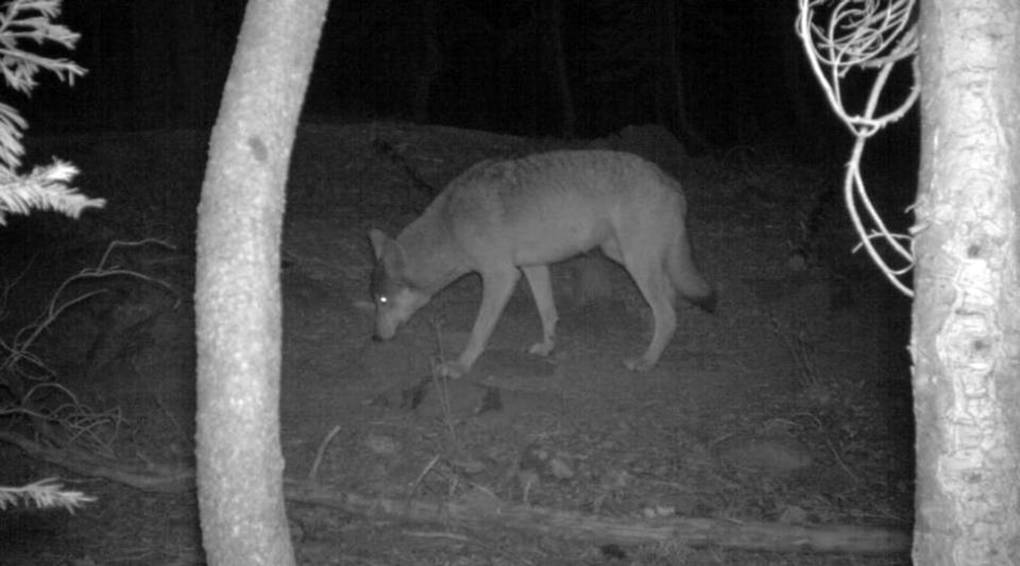
"caption": "A motion-activated trail camera captured a photo of one of two gray wolves believed to be living in Lassen County. ",
"description": "A motion-activated trail camera captured a photo of one of two gray wolves believed to be living in Lassen County. ",
"title": "graywolf",
"credit": "Courtesy California Department of Fish and Wildlife",
"status": "inherit",
"isLoading": false,
"fetchFailed": false
}
},
"audioPlayerReducer": {
"postId": "stream_live",
"isPaused": true,
"isPlaying": false,
"pfsActive": false,
"pledgeModalIsOpen": true,
"playerDrawerIsOpen": false,
"liveAudioPlayStartedAt": 0,
"liveAudioPlayContext": ""
},
"authorsReducer": {
"byline_news_11418746": {
"type": "authors",
"id": "byline_news_11418746",
"meta": {
"override": true
},
"slug": "byline_news_11418746",
"name": "Ezra David Romero \u003cbr> Valley Public Radio",
"isLoading": false
},
"byline_news_11401950": {
"type": "authors",
"id": "byline_news_11401950",
"meta": {
"override": true
},
"slug": "byline_news_11401950",
"name": "\u003cstrong>\u003ca href=\"http://www.kpbs.org/staff/erik-anderson/\">Erik Anderson\u003c/a>\u003cbr>\u003ca href=\"http://www.kpbs.org/\">KPBS\u003c/a>\u003c/strong>",
"isLoading": false
},
"byline_news_11397539": {
"type": "authors",
"id": "byline_news_11397539",
"meta": {
"override": true
},
"slug": "byline_news_11397539",
"name": "\u003cstrong>\u003ca href=\"http://www.scpr.org/about/people/staff/matt-bloom\">Matt Bloom\u003c/a>\u003c/strong>",
"isLoading": false
},
"byline_news_11382363": {
"type": "authors",
"id": "byline_news_11382363",
"meta": {
"override": true
},
"slug": "byline_news_11382363",
"name": "Greg Dixon",
"isLoading": false
},
"byline_science_1335857": {
"type": "authors",
"id": "byline_science_1335857",
"meta": {
"override": true
},
"slug": "byline_science_1335857",
"name": "Associated Press",
"isLoading": false
},
"byline_news_11120081": {
"type": "authors",
"id": "byline_news_11120081",
"meta": {
"override": true
},
"slug": "byline_news_11120081",
"name": "\u003cstrong>Lacy Jane Roberts\u003c/strong>",
"isLoading": false
},
"byline_news_11202012": {
"type": "authors",
"id": "byline_news_11202012",
"meta": {
"override": true
},
"slug": "byline_news_11202012",
"name": "\u003cstrong>\u003ca href=\"https://www.kcrw.com/people/avishay-artsy\">Avishay Artsy\u003c/a>\u003c/strong>",
"isLoading": false
},
"byline_news_11200044": {
"type": "authors",
"id": "byline_news_11200044",
"meta": {
"override": true
},
"slug": "byline_news_11200044",
"name": "Amanda Lee Myers\u003cbr>Associated Press",
"isLoading": false
},
"byline_news_11162111": {
"type": "authors",
"id": "byline_news_11162111",
"meta": {
"override": true
},
"slug": "byline_news_11162111",
"name": "\u003cstrong>Miranda Leitsinger and Brittany Hosea-Small\u003c/strong>",
"isLoading": false
},
"byline_news_11158107": {
"type": "authors",
"id": "byline_news_11158107",
"meta": {
"override": true
},
"slug": "byline_news_11158107",
"name": "Associated Press",
"isLoading": false
},
"jplaczek": {
"type": "authors",
"id": "8606",
"meta": {
"index": "authors_1716337520",
"id": "8606",
"found": true
},
"name": "Jessica Placzek",
"firstName": "Jessica",
"lastName": "Placzek",
"slug": "jplaczek",
"email": "jessicalplaczek@gmail.com",
"display_author_email": false,
"staff_mastheads": [
"news"
],
"title": "KQED Contributor",
"bio": "Jessica Placzek is a former senior editor of podcasts at KQED where she served as the editorial lead of the podcast department. She worked with shows like MindShift, Rightnowish, Consider This, SOLD OUT, Bay Curious and The Bay. She’s also been a reporter and audio producer at KQED, KPFA, and KALW. She taught audio production to men incarcerated at California State Prison Solano and edited pieces they produced for the Uncuffed podcast through KALW. In 2018 she co-hosted and produced the third season of Raw Material for SFMOMA. In New Orleans she wrote for the Nola Defender. Her work has also appeared on Marketplace, All Things Considered, The California Report, and Vice. You can find more at jessicaplaczek.com",
"avatar": "https://secure.gravatar.com/avatar/5ead103b5880f672eceb84ce75eecd1b4b6f74a47edc457684a73ad5b8b158e9?s=600&d=blank&r=g",
"twitter": null,
"bluesky": null,
"facebook": null,
"instagram": null,
"linkedin": null,
"sites": [
{
"site": "arts",
"roles": [
"subscriber"
]
},
{
"site": "news",
"roles": [
"subscriber"
]
},
{
"site": "stateofhealth",
"roles": [
"editor"
]
},
{
"site": "forum",
"roles": [
"editor"
]
}
],
"headData": {
"title": "Jessica Placzek | KQED",
"description": "KQED Contributor",
"ogImgSrc": "https://secure.gravatar.com/avatar/5ead103b5880f672eceb84ce75eecd1b4b6f74a47edc457684a73ad5b8b158e9?s=600&d=blank&r=g",
"twImgSrc": "https://secure.gravatar.com/avatar/5ead103b5880f672eceb84ce75eecd1b4b6f74a47edc457684a73ad5b8b158e9?s=600&d=blank&r=g"
},
"isLoading": false,
"link": "/author/jplaczek"
},
"ewirtschafter": {
"type": "authors",
"id": "11259",
"meta": {
"index": "authors_1716337520",
"id": "11259",
"found": true
},
"name": "Eli Wirtschafter",
"firstName": "Eli",
"lastName": "Wirtschafter",
"slug": "ewirtschafter",
"email": "ewirtschafter@KQED.org",
"display_author_email": false,
"staff_mastheads": [],
"title": "KQED Contributor",
"bio": "Eli Wirtschafter is a freelance reporter and producer focusing on transportation, art, and activism. He previously interned with \u003cem>The California Report\u003c/em> and KQED Local News\u003cem>.\u003c/em> Eli is also KALW's transportation reporter, and a graduate of KALW's \u003ca href=\"http://kalw.org/post/enrollment-now-open-kalws-audio-academy#stream/0\" target=\"_blank\" rel=\"noopener noreferrer\">Audio Academy.\u003c/a> Eli's work has been heard on NPR, Here & Now, and BackStory. Find him on Twitter at \u003ca href=\"https://twitter.com/RadioEli\" target=\"_blank\" rel=\"noopener noreferrer\">@RadioEli\u003c/a>.",
"avatar": "https://secure.gravatar.com/avatar/dd6917a8f3309e9659ae1da5ffc10865559102003d58d9f077ca49c7f7ca792e?s=600&d=blank&r=g",
"twitter": "RadioEli",
"bluesky": null,
"facebook": null,
"instagram": null,
"linkedin": null,
"sites": [
{
"site": "arts",
"roles": [
"subscriber"
]
},
{
"site": "news",
"roles": [
"author"
]
},
{
"site": "science",
"roles": [
"author"
]
}
],
"headData": {
"title": "Eli Wirtschafter | KQED",
"description": "KQED Contributor",
"ogImgSrc": "https://secure.gravatar.com/avatar/dd6917a8f3309e9659ae1da5ffc10865559102003d58d9f077ca49c7f7ca792e?s=600&d=blank&r=g",
"twImgSrc": "https://secure.gravatar.com/avatar/dd6917a8f3309e9659ae1da5ffc10865559102003d58d9f077ca49c7f7ca792e?s=600&d=blank&r=g"
},
"isLoading": false,
"link": "/author/ewirtschafter"
}
},
"pagesReducer": {
"news_tag_animals": {
"type": "terms",
"id": "news_18132",
"meta": {
"index": "terms_1716263798",
"site": "news",
"id": "18132",
"score": 8.282905
},
"featImg": null,
"name": "animals",
"description": null,
"taxonomy": "tag",
"headData": {
"twImgId": null,
"twTitle": null,
"ogTitle": null,
"ogImgId": null,
"twDescription": null,
"description": null,
"title": "animals Archives | KQED News",
"ogDescription": null
},
"ttid": 18166,
"slug": "animals",
"isLoading": false,
"title": "animals",
"pageMeta": {
"site": "news",
"WpPageTemplate": "page-topic-editorial",
"currentPage": 16
},
"blocks": [
{
"blockName": "kqed/post-list",
"attrs": {
"layout": "cardArticle2",
"query": "posts/news?tag=animals",
"seeMore": false,
"paginated": true,
"page": 16
}
},
{
"blockName": "kqed/ad"
}
]
}
},
"pfsSessionReducer": {},
"postsReducer": {
"stream_live": {
"type": "live",
"id": "stream_live",
"audioUrl": "https://streams.kqed.org/kqedradio",
"title": "Live Stream",
"excerpt": "Live Stream information currently unavailable.",
"link": "/radio",
"featImg": "",
"label": {
"name": "KQED Live",
"link": "/"
}
},
"stream_kqedNewscast": {
"type": "posts",
"id": "stream_kqedNewscast",
"audioUrl": "https://www.kqed.org/.stream/anon/radio/RDnews/newscast.mp3?_=1",
"title": "KQED Newscast",
"featImg": "",
"label": {
"name": "88.5 FM",
"link": "/"
}
},
"news_11418746": {
"type": "posts",
"id": "news_11418746",
"meta": {
"index": "posts_1716263798",
"site": "news",
"id": "11418746",
"score": null,
"sort": [
1492723577000
]
},
"parent": 0,
"labelTerm": {},
"blocks": [],
"publishDate": 1492723577,
"format": "standard",
"disqusTitle": "Yosemite Rangers Use GPS to Save Bears From Cars",
"title": "Yosemite Rangers Use GPS to Save Bears From Cars",
"headTitle": "The California Report | KQED News",
"content": "\u003cp>People love seeing \u003ca href=\"https://www.nps.gov/yose/learn/nature/bears.htm\">black bears\u003c/a> when they visit Yosemite National Park. But encounters don't always go well. The park has come up with a new way to keep humans and bears safe.\u003c/p>\n\u003cp>Fresno State University student Quiang Chang was walking recently with his friends along the rushing Merced River. It was his fifth time visiting Yosemite National Park, and he hadn't seen a bear.\u003c/p>\n\u003cp>But if they appear, Chang said, \"I probably would just quietly ... just observe them and take a picture.\"\u003c/p>\n\u003cp>\u003c!-- iframe plugin v.4.3 wordpress.org/plugins/iframe/ -->\u003cbr>\n\u003ciframe src=\"https://www.npr.org/player/embed/524409047/524936093\" width=\"100%\" height=\"290\" frameborder=\"0\" scrolling=\"no\" title=\"NPR embedded audio player\" class=\"iframe-class\">\u003c/iframe>\u003c/p>\n\u003cp>\u003ca href=\"http://keepbearswild.org/bear-encounters/\">Keeping a healthy distance\u003c/a> from bears is exactly what park officials want people to do. But training the public to think this way hasn't been easy, says National Park Service spokesman Scott Gediman. Twenty years ago, human-bear encounters in Yosemite were very common.\u003c/p>\n\u003cp>[ad fullwidth]\u003c/p>\n\u003cp>\"It was not atypical to have three or four vehicles broken into every night,\" he says.\u003c/p>\n\u003cp>Bears would rip open car doors or smash windows \u003ca href=\"http://www.nytimes.com/1997/11/30/us/to-bears-in-yosemite-cars-are-like-cookie-jars.html\">in search of food\u003c/a>. But others are craftier. One park visitor even took a video of a bear opening a car door with its paws.\u003c/p>\n\u003cfigure id=\"attachment_11418747\" class=\"wp-caption aligncenter\" style=\"max-width: 800px\">\u003cimg class=\"size-medium wp-image-11418747\" src=\"https://ww2.kqed.org/news/wp-content/uploads/sites/10/2017/04/248424-photo-4-7cd4d9e51fe5551ebbb2cbe1f8553e25fa59b56f-800x600.jpg\" alt=\"Yosemite National Park wildlife biologist Ryan Leahy says he hopes the website keeps both people and bears safe.\" width=\"800\" height=\"600\">\u003cfigcaption class=\"wp-caption-text\">Yosemite National Park wildlife biologist Ryan Leahy says he hopes the website keeps both people and bears safe. \u003ccite>(Ezra David Romero/Valley Public Radio)\u003c/cite>\u003c/figcaption>\u003c/figure>\n\u003cp>In 1998, there were 1,600 encounters with bears. Now, there are fewer than 100 every year, says Yosemite National Park wildlife biologist Ryan Leahy. That's because park rangers have worked to educate the public on \u003ca href=\"https://www.nps.gov/yose/planyourvisit/bears.htm\">storing food properly\u003c/a>, and Leahy says they now use technology to track the bears.\u003c/p>\n\u003cp>Leahy works in a cabin on the edge of Yosemite Valley. He's tracking bears online in real time using the GPS collars the animals wear.\u003c/p>\n\u003cp>In the past, he says, human interaction with bears often resulted in having to kill the animals. By using these tracking tools, fewer and fewer bears are killed. If a bear gets too close to people, Leahy's team can scare it away, catch it or relocate it.\u003c/p>\n\u003cp>Tracking data from the past few years points to another trend: Bears are being hit by cars, and speeding is now their biggest threat. Leahy says 28 were hit last year, and many of them died.\u003c/p>\n\u003cp>\"You're talking about 10 percent of our bears potentially being hit by vehicles each year,\" he says. \"Just slowing down a little bit will give you that stopping distance required to prevent a collision.\"\u003c/p>\n\u003cfigure id=\"attachment_11418748\" class=\"wp-caption aligncenter\" style=\"max-width: 800px\">\u003cimg class=\"size-medium wp-image-11418748\" src=\"https://ww2.kqed.org/news/wp-content/uploads/sites/10/2017/04/248424-photo-3-577eedb4615d69db7fa31c13313bd910f0acb832-800x600.jpg\" alt=\"Black bears are tracked in Yosemite using telemetry and GPS collars.\" width=\"800\" height=\"600\" srcset=\"https://ww2.kqed.org/app/uploads/sites/10/2017/04/248424-photo-3-577eedb4615d69db7fa31c13313bd910f0acb832-800x600.jpg 800w, https://ww2.kqed.org/app/uploads/sites/10/2017/04/248424-photo-3-577eedb4615d69db7fa31c13313bd910f0acb832-160x120.jpg 160w, https://ww2.kqed.org/app/uploads/sites/10/2017/04/248424-photo-3-577eedb4615d69db7fa31c13313bd910f0acb832-1020x765.jpg 1020w, https://ww2.kqed.org/app/uploads/sites/10/2017/04/248424-photo-3-577eedb4615d69db7fa31c13313bd910f0acb832-1920x1440.jpg 1920w, https://ww2.kqed.org/app/uploads/sites/10/2017/04/248424-photo-3-577eedb4615d69db7fa31c13313bd910f0acb832-1180x885.jpg 1180w, https://ww2.kqed.org/app/uploads/sites/10/2017/04/248424-photo-3-577eedb4615d69db7fa31c13313bd910f0acb832-960x720.jpg 960w, https://ww2.kqed.org/app/uploads/sites/10/2017/04/248424-photo-3-577eedb4615d69db7fa31c13313bd910f0acb832-240x180.jpg 240w, https://ww2.kqed.org/app/uploads/sites/10/2017/04/248424-photo-3-577eedb4615d69db7fa31c13313bd910f0acb832-375x281.jpg 375w, https://ww2.kqed.org/app/uploads/sites/10/2017/04/248424-photo-3-577eedb4615d69db7fa31c13313bd910f0acb832-520x390.jpg 520w, https://ww2.kqed.org/app/uploads/sites/10/2017/04/248424-photo-3-577eedb4615d69db7fa31c13313bd910f0acb832.jpg 1998w\" sizes=\"(max-width: 800px) 100vw, 800px\">\u003cfigcaption class=\"wp-caption-text\">Black bears are tracked in Yosemite using telemetry and GPS collars. \u003ccite>(Ezra David Romero/Valley Public Radio)\u003c/cite>\u003c/figcaption>\u003c/figure>\n\u003cp>The key, he says, is education. His team has created an \u003ca href=\"http://keepbearswild.org/bear-tracker/\">interactive map-based website\u003c/a> where the public can track the lives of selected bears and see general areas where they're hit most often.\u003c/p>\n\u003cp>Leahy says the bears' locations are delayed on the site so people aren't able to track them in real time. On the site, park visitors can also learn about how to be safe if a bear is around.\u003c/p>\n\u003cp>\"So what we want to do with this website in a positive way is engage people before they get here: 'Hey, here's the real story about black bears in Yosemite National Park,' \" Leahy says.\u003c/p>\n\u003cp>He hopes the site means fewer midnight calls with a dented car and either a dead or wounded bear.\u003c/p>\n\u003cp>\u003c/p>\n\u003cp>\u003ca href=\"http://kvpr.org/people/ezra-david-romero#stream/0\">Ezra David Romero\u003c/a>\u003cem> is a reporter with NPR member station Valley Public Radio. You can follow him\u003c/em> \u003ca href=\"https://twitter.com/ezraromero\">@ezraromero\u003c/a>.\u003c/p>\n\u003cdiv class=\"fullattribution\">Copyright 2017 Valley Public Radio. To see more, visit \u003ca href=\"http://www.kvpr.org/\">Valley Public Radio\u003c/a>.\u003cimg src=\"https://www.google-analytics.com/__utm.gif?utmac=UA-5828686-4&utmdt=Yosemite+Rangers+Use+Technology+To+Save+Bears+From+Cars&utme=8(APIKey)9(MDAxOTAwOTE4MDEyMTkxMDAzNjczZDljZA004)\">\u003c/div>\n\n",
"disqusIdentifier": "11418746 https://ww2.kqed.org/news/?p=11418746",
"disqusUrl": "https://ww2.kqed.org/news/2017/04/20/yosemite-rangers-use-technology-to-save-bears-from-cars/",
"stats": {
"hasVideo": false,
"hasChartOrMap": false,
"hasAudio": false,
"hasPolis": false,
"wordCount": 576,
"hasGoogleForm": false,
"hasGallery": false,
"hasHearkenModule": false,
"iframeSrcs": [],
"paragraphCount": 19
},
"modified": 1492817309,
"excerpt": "Speeding cars have become the biggest threat for bears in Yosemite. But rangers hope tracking tools, including a website, will help keep both humans and bears safe.",
"headData": {
"twImgId": "",
"twTitle": "",
"ogTitle": "",
"ogImgId": "",
"twDescription": "",
"description": "Speeding cars have become the biggest threat for bears in Yosemite. But rangers hope tracking tools, including a website, will help keep both humans and bears safe.",
"title": "Yosemite Rangers Use GPS to Save Bears From Cars | KQED",
"ogDescription": "",
"schema": {
"@context": "https://schema.org",
"@type": "NewsArticle",
"headline": "Yosemite Rangers Use GPS to Save Bears From Cars",
"datePublished": "2017-04-20T14:26:17-07:00",
"dateModified": "2017-04-21T16:28:29-07:00",
"image": "https://cdn.kqed.org/wp-content/uploads/2020/02/KQED-OG-Image@1x.png",
"isAccessibleForFree": "True",
"publisher": {
"@type": "NewsMediaOrganization",
"@id": "https://www.kqed.org/#organization",
"name": "KQED",
"logo": "https://cdn.kqed.org/wp-content/uploads/2020/02/KQED-OG-Image@1x.png",
"url": "https://www.kqed.org",
"sameAs": [
"https://www.facebook.com/KQED",
"https://twitter.com/KQED",
"https://www.instagram.com/kqed/",
"https://www.tiktok.com/@kqedofficial",
"https://www.linkedin.com/company/kqed",
"https://www.youtube.com/channel/UCeC0IOo7i1P_61zVUWbJ4nw"
]
}
}
},
"guestAuthors": [],
"slug": "yosemite-rangers-use-technology-to-save-bears-from-cars",
"status": "publish",
"sourceUrl": "http://www.npr.org/",
"nprApiLink": "http://api.npr.org/query?id=524409047&apiKey=MDAxOTAwOTE4MDEyMTkxMDAzNjczZDljZA004",
"nprByline": "Ezra David Romero \u003cbr> Valley Public Radio",
"nprStoryDate": "Thu, 20 Apr 2017 10:22:00 -0400",
"nprLastModifiedDate": "Thu, 20 Apr 2017 11:32:14 -0400",
"nprHtmlLink": "http://www.npr.org/sections/alltechconsidered/2017/04/20/524409047/yosemite-rangers-use-technology-to-save-bears-from-cars?ft=nprml&f=524409047",
"nprAudio": "https://ondemand.npr.org/anon.npr-mp3/npr/atc/2017/04/20170420_atc_yosemite_rangers_use_technology_to_save_bears_from_cars.mp3?orgId=272&topicId=1132&d=233&p=2&story=524409047&t=progseg&e=524838907&seg=8&ft=nprml&f=524409047",
"source": "NPR",
"nprAudioM3u": "http://api.npr.org/m3u/1524936093-37cb85.m3u?orgId=272&topicId=1132&d=233&p=2&story=524409047&t=progseg&e=524838907&seg=8&ft=nprml&f=524409047",
"nprStoryId": "524409047",
"nprRetrievedStory": "1",
"nprPubDate": "Thu, 20 Apr 2017 17:09:00 -0400",
"path": "/news/11418746/yosemite-rangers-use-technology-to-save-bears-from-cars",
"audioUrl": "https://ondemand.npr.org/anon.npr-mp3/npr/atc/2017/04/20170420_atc_yosemite_rangers_use_technology_to_save_bears_from_cars.mp3?orgId=272&topicId=1132&d=233&p=2&story=524409047&t=progseg&e=524838907&seg=8&ft=nprml&f=524409047",
"audioTrackLength": null,
"parsedContent": [
{
"type": "contentString",
"content": "\u003cdiv class=\"post-body\">\u003cp>\u003cp>People love seeing \u003ca href=\"https://www.nps.gov/yose/learn/nature/bears.htm\">black bears\u003c/a> when they visit Yosemite National Park. But encounters don't always go well. The park has come up with a new way to keep humans and bears safe.\u003c/p>\n\u003cp>Fresno State University student Quiang Chang was walking recently with his friends along the rushing Merced River. It was his fifth time visiting Yosemite National Park, and he hadn't seen a bear.\u003c/p>\n\u003cp>But if they appear, Chang said, \"I probably would just quietly ... just observe them and take a picture.\"\u003c/p>\n\u003cp>\u003c!-- iframe plugin v.4.3 wordpress.org/plugins/iframe/ -->\u003cbr>\n\u003ciframe src=\"https://www.npr.org/player/embed/524409047/524936093\" width=\"100%\" height=\"290\" frameborder=\"0\" scrolling=\"no\" title=\"NPR embedded audio player\" class=\"iframe-class\">\u003c/iframe>\u003c/p>\n\u003cp>\u003ca href=\"http://keepbearswild.org/bear-encounters/\">Keeping a healthy distance\u003c/a> from bears is exactly what park officials want people to do. But training the public to think this way hasn't been easy, says National Park Service spokesman Scott Gediman. Twenty years ago, human-bear encounters in Yosemite were very common.\u003c/p>\n\u003cp>\u003c/p>\u003c/div>",
"attributes": {
"named": {},
"numeric": []
}
},
{
"type": "component",
"content": "",
"name": "ad",
"attributes": {
"named": {
"label": "fullwidth"
},
"numeric": [
"fullwidth"
]
}
},
{
"type": "contentString",
"content": "\u003cdiv class=\"post-body\">\u003cp>\u003c/p>\n\u003cp>\"It was not atypical to have three or four vehicles broken into every night,\" he says.\u003c/p>\n\u003cp>Bears would rip open car doors or smash windows \u003ca href=\"http://www.nytimes.com/1997/11/30/us/to-bears-in-yosemite-cars-are-like-cookie-jars.html\">in search of food\u003c/a>. But others are craftier. One park visitor even took a video of a bear opening a car door with its paws.\u003c/p>\n\u003cfigure id=\"attachment_11418747\" class=\"wp-caption aligncenter\" style=\"max-width: 800px\">\u003cimg class=\"size-medium wp-image-11418747\" src=\"https://ww2.kqed.org/news/wp-content/uploads/sites/10/2017/04/248424-photo-4-7cd4d9e51fe5551ebbb2cbe1f8553e25fa59b56f-800x600.jpg\" alt=\"Yosemite National Park wildlife biologist Ryan Leahy says he hopes the website keeps both people and bears safe.\" width=\"800\" height=\"600\">\u003cfigcaption class=\"wp-caption-text\">Yosemite National Park wildlife biologist Ryan Leahy says he hopes the website keeps both people and bears safe. \u003ccite>(Ezra David Romero/Valley Public Radio)\u003c/cite>\u003c/figcaption>\u003c/figure>\n\u003cp>In 1998, there were 1,600 encounters with bears. Now, there are fewer than 100 every year, says Yosemite National Park wildlife biologist Ryan Leahy. That's because park rangers have worked to educate the public on \u003ca href=\"https://www.nps.gov/yose/planyourvisit/bears.htm\">storing food properly\u003c/a>, and Leahy says they now use technology to track the bears.\u003c/p>\n\u003cp>Leahy works in a cabin on the edge of Yosemite Valley. He's tracking bears online in real time using the GPS collars the animals wear.\u003c/p>\n\u003cp>In the past, he says, human interaction with bears often resulted in having to kill the animals. By using these tracking tools, fewer and fewer bears are killed. If a bear gets too close to people, Leahy's team can scare it away, catch it or relocate it.\u003c/p>\n\u003cp>Tracking data from the past few years points to another trend: Bears are being hit by cars, and speeding is now their biggest threat. Leahy says 28 were hit last year, and many of them died.\u003c/p>\n\u003cp>\"You're talking about 10 percent of our bears potentially being hit by vehicles each year,\" he says. \"Just slowing down a little bit will give you that stopping distance required to prevent a collision.\"\u003c/p>\n\u003cfigure id=\"attachment_11418748\" class=\"wp-caption aligncenter\" style=\"max-width: 800px\">\u003cimg class=\"size-medium wp-image-11418748\" src=\"https://ww2.kqed.org/news/wp-content/uploads/sites/10/2017/04/248424-photo-3-577eedb4615d69db7fa31c13313bd910f0acb832-800x600.jpg\" alt=\"Black bears are tracked in Yosemite using telemetry and GPS collars.\" width=\"800\" height=\"600\" srcset=\"https://ww2.kqed.org/app/uploads/sites/10/2017/04/248424-photo-3-577eedb4615d69db7fa31c13313bd910f0acb832-800x600.jpg 800w, https://ww2.kqed.org/app/uploads/sites/10/2017/04/248424-photo-3-577eedb4615d69db7fa31c13313bd910f0acb832-160x120.jpg 160w, https://ww2.kqed.org/app/uploads/sites/10/2017/04/248424-photo-3-577eedb4615d69db7fa31c13313bd910f0acb832-1020x765.jpg 1020w, https://ww2.kqed.org/app/uploads/sites/10/2017/04/248424-photo-3-577eedb4615d69db7fa31c13313bd910f0acb832-1920x1440.jpg 1920w, https://ww2.kqed.org/app/uploads/sites/10/2017/04/248424-photo-3-577eedb4615d69db7fa31c13313bd910f0acb832-1180x885.jpg 1180w, https://ww2.kqed.org/app/uploads/sites/10/2017/04/248424-photo-3-577eedb4615d69db7fa31c13313bd910f0acb832-960x720.jpg 960w, https://ww2.kqed.org/app/uploads/sites/10/2017/04/248424-photo-3-577eedb4615d69db7fa31c13313bd910f0acb832-240x180.jpg 240w, https://ww2.kqed.org/app/uploads/sites/10/2017/04/248424-photo-3-577eedb4615d69db7fa31c13313bd910f0acb832-375x281.jpg 375w, https://ww2.kqed.org/app/uploads/sites/10/2017/04/248424-photo-3-577eedb4615d69db7fa31c13313bd910f0acb832-520x390.jpg 520w, https://ww2.kqed.org/app/uploads/sites/10/2017/04/248424-photo-3-577eedb4615d69db7fa31c13313bd910f0acb832.jpg 1998w\" sizes=\"(max-width: 800px) 100vw, 800px\">\u003cfigcaption class=\"wp-caption-text\">Black bears are tracked in Yosemite using telemetry and GPS collars. \u003ccite>(Ezra David Romero/Valley Public Radio)\u003c/cite>\u003c/figcaption>\u003c/figure>\n\u003cp>The key, he says, is education. His team has created an \u003ca href=\"http://keepbearswild.org/bear-tracker/\">interactive map-based website\u003c/a> where the public can track the lives of selected bears and see general areas where they're hit most often.\u003c/p>\n\u003cp>Leahy says the bears' locations are delayed on the site so people aren't able to track them in real time. On the site, park visitors can also learn about how to be safe if a bear is around.\u003c/p>\n\u003cp>\"So what we want to do with this website in a positive way is engage people before they get here: 'Hey, here's the real story about black bears in Yosemite National Park,' \" Leahy says.\u003c/p>\n\u003cp>He hopes the site means fewer midnight calls with a dented car and either a dead or wounded bear.\u003c/p>\n\u003cp>\u003c/p>\n\u003cp>\u003ca href=\"http://kvpr.org/people/ezra-david-romero#stream/0\">Ezra David Romero\u003c/a>\u003cem> is a reporter with NPR member station Valley Public Radio. You can follow him\u003c/em> \u003ca href=\"https://twitter.com/ezraromero\">@ezraromero\u003c/a>.\u003c/p>\n\u003cdiv class=\"fullattribution\">Copyright 2017 Valley Public Radio. To see more, visit \u003ca href=\"http://www.kvpr.org/\">Valley Public Radio\u003c/a>.\u003cimg src=\"https://www.google-analytics.com/__utm.gif?utmac=UA-5828686-4&utmdt=Yosemite+Rangers+Use+Technology+To+Save+Bears+From+Cars&utme=8(APIKey)9(MDAxOTAwOTE4MDEyMTkxMDAzNjczZDljZA004)\">\u003c/div>\n\n\u003c/div>\u003c/p>",
"attributes": {
"named": {},
"numeric": []
}
}
],
"link": "/news/11418746/yosemite-rangers-use-technology-to-save-bears-from-cars",
"authors": [
"byline_news_11418746"
],
"programs": [
"news_6944",
"news_72"
],
"categories": [
"news_19906",
"news_8",
"news_356",
"news_248"
],
"tags": [
"news_18132",
"news_19757",
"news_17286",
"news_4746"
],
"affiliates": [
"news_253"
],
"featImg": "news_11418758",
"label": "source_news_11418746"
},
"news_11401950": {
"type": "posts",
"id": "news_11401950",
"meta": {
"index": "posts_1716263798",
"site": "news",
"id": "11401950",
"score": null,
"sort": [
1491861336000
]
},
"parent": 0,
"labelTerm": {
"site": "news",
"term": 72
},
"blocks": [],
"publishDate": 1491861336,
"format": "standard",
"disqusTitle": "Rare Butterfly Returns to San Diego National Wildlife Refuge",
"title": "Rare Butterfly Returns to San Diego National Wildlife Refuge",
"headTitle": "The California Report | KQED News",
"content": "\u003cp>Biologist John Martin surveyed a plateau on a mountainside at the \u003ca href=\"https://www.fws.gov/refuge/san_diego/\">San Diego National Wildlife Refuge \u003c/a>on a recent spring morning. The landscape is covered with coastal sage scrub, once the dominant habitat in the Southern California region.\u003c/p>\n\u003cp>This green ribbon of natural habitat that wraps around Mount San Miguel is a sharp contrast to the urban environment that surrounds the refuge's 11,000 acres of protected lands.\u003c/p>\n\u003cp>Martin could see downtown San Diego from this hard-to-reach vantage spot, but that is not what he was there to look at.\u003c/p>\n\u003cp>\"This open area that I'm sitting in is high-quality habitat for Quino checkerspot butterfly,\" Martin said.\u003c/p>\n\u003cp>The endangered Quino checkerspots are flying on the San Diego National Wildlife Refuge this spring for the first time in years.\u003c/p>\n\u003cp>[ad fullwidth]\u003c/p>\n\u003cp>[audio src=\"http://www.kqed.org/.stream/anon/radio/tcr/2017/04/2017-04-10c-tcr.mp3\" Image=\"https://u.s.kqed.net/2017/04/10/LarvaofQuinoCheckerspotButterfly004LGtx700.jpg\" Title=\"Rare Butterfly Returns to San Diego National Wildlife Refuge\" program=\"The California Report\"]\u003c/p>\n\u003cp>Martin knelt in a patch of coastal sage scrub. The spaces between bigger plants were covered with algae, lichens and mosses that keep invasive weeds at bay.\u003c/p>\n\u003cp>\"But allow this plant, this tiny little grasslike plant — plantago erecta — to grow in profusion. And the caterpillars of the Quino checkerspot need this plant to survive,\" Martin said.\u003c/p>\n\u003cp>This habitat is considered prime territory for the Quino. In fact, the fragile butterfly lays eggs on or around plantago erecta, the scientific name for the California plantain, in the spring. The insect's eggs and the larvae spend most of their life on the plant, the ground or safely tucked in a weblike cocoon. Quinos have a specialized ability to hibernate when environmental conditions are not good.\u003c/p>\n\u003cp>\"When they emerge from summer dormancy, when the winter rains come out, they cause this plant to emerge and start growing caterpillars,\" Martin said, \"to emerge from dormancy and eat this, and grow and shed their skins, and grow some more until they're about 3 centimeters long.\"\u003c/p>\n\u003ch2>Quino Checkerspots Used to Be Quite Common\u003c/h2>\n\u003cp>For about three weeks in the spring, Quinos transform into adult butterflies. That is when they breed and propagate the next generation.\u003c/p>\n\u003cp>Their black, brown and white colored wings used to be a common sight. Millions flew from the Santa Monica mountains to Baja California, but the population crashed in the mid-1970s. Quinos finally got endangered species protection in 1997.\u003c/p>\n\u003cp>Sprawling suburbs stole a lot of the butterfly's habitat.\u003c/p>\n\u003cp>Fire and drought also took a toll on an increasingly isolated species.\u003c/p>\n\u003cp>\"It's kind of like a bouncing ball. This is a species that booms and busts,\" said Susan Wynn, a \u003ca href=\"https://www.fws.gov/carlsbad/\">U.S. Fish and Wildlife Service\u003c/a> biologist.\u003c/p>\n\u003cp>https://www.youtube.com/watch?v=J3jnotGpbhI\u003c/p>\n\u003cp>Wynn spent a lot of time and energy working to improve the butterfly's future.\u003c/p>\n\u003cp>\"But each time the ball bounces it's not bouncing quite as high. And some of these sites, it's just bounced so low that they don't have that resiliency or that adjacent population to rebound from, so we're hoping to get the techniques sort of figured out so that when we need to give it a little boost — bounce the ball a little higher — we'll have that ability, that we'll have that in our toolbox,\" Wynn said.\u003c/p>\n\u003cp>Biologists spent two unsuccessful years trying to capture local female Quinos on the San Diego refuge. They had no luck.\u003c/p>\n\u003cp>\"Yes, it was very concerning, but it was also reinforcing that we were on the right track, that this was something very important to do,\" Wynn said. \"And, so last year we did end up going up to Riverside because they had populations that were big enough to collect from.\"\u003c/p>\n\u003cp>Those genetically similar butterflies were collected and brought to a tiny trailer on the San Diego Zoo's grounds. Located near the elephant exhibit, the\u003ca href=\"http://zoo.sandiegozoo.org/\"> Butterfly Conservation Lab\u003c/a> served as home for the first-ever attempt to rear Quinos in the lab.\u003c/p>\n\u003cp>Entomologist Paige Howorth set up the program that ended up producing 1,513 larvae and caterpillars.\u003c/p>\n\u003cp>\"So the adult females that we receive from the wild and we set them up in these enclosures with the host plant, and so this is what they'll lay their eggs on,\" Howorth said.\u003c/p>\n\u003cp>Zoo staff nurtured the adults, fed the butterflies Gatorade and collected the eggs they deposited. By last December, the first group of larvae was ready to be released on the refuge. The 742 larvae were still hibernating, and while that is uncommon for a butterfly, it is typical for Quinos.\u003c/p>\n\u003cfigure id=\"attachment_11402116\" class=\"wp-caption aligncenter\" style=\"max-width: 800px\">\u003cimg class=\"size-medium wp-image-11402116\" src=\"https://ww2.kqed.org/news/wp-content/uploads/sites/10/2017/04/Biologists-800x463.jpg\" alt=\"Biologists Susan Wynn and John Martin inspect coastal sage scrub on the San Diego National Wildlife Refuge to find a rare wild butterfly, March 14, 2017.\" width=\"800\" height=\"463\" srcset=\"https://ww2.kqed.org/app/uploads/sites/10/2017/04/Biologists-800x463.jpg 800w, https://ww2.kqed.org/app/uploads/sites/10/2017/04/Biologists-160x93.jpg 160w, https://ww2.kqed.org/app/uploads/sites/10/2017/04/Biologists-1020x590.jpg 1020w, https://ww2.kqed.org/app/uploads/sites/10/2017/04/Biologists.jpg 1920w, https://ww2.kqed.org/app/uploads/sites/10/2017/04/Biologists-1180x683.jpg 1180w, https://ww2.kqed.org/app/uploads/sites/10/2017/04/Biologists-960x556.jpg 960w, https://ww2.kqed.org/app/uploads/sites/10/2017/04/Biologists-240x139.jpg 240w, https://ww2.kqed.org/app/uploads/sites/10/2017/04/Biologists-375x217.jpg 375w, https://ww2.kqed.org/app/uploads/sites/10/2017/04/Biologists-520x301.jpg 520w\" sizes=\"(max-width: 800px) 100vw, 800px\">\u003cfigcaption class=\"wp-caption-text\">Biologists Susan Wynn and John Martin inspect coastal sage scrub on the San Diego National Wildlife Refuge to find a rare wild butterfly, March 14, 2017. \u003ccite>(Matthew Bowler/KPBS)\u003c/cite>\u003c/figcaption>\u003c/figure>\n\u003cp>\"It is occurring at the same time that the host plant in the habitat is completely drying up and going away. So they just kind of shut everything down for several months — until the winter rains start again,\" Howorth said.\u003c/p>\n\u003cp>The larvae were released on the refuge inside modified brown Christmas-tree bulbs. The hope was that they would wake up as winter rain fell.\u003c/p>\n\u003cp>In January, about 800 caterpillars joined the larvae released just a month earlier.\u003c/p>\n\u003cp>Biologist Wynn hoped the Quinos would take their cues from nature.\u003c/p>\n\u003ch2>Quinos Were Flying in the Wild for the First Time in Years\u003c/h2>\n\u003cp>The butterflies got a huge boost from a wet winter, which allowed the plants they feed on to thrive, and the payoff for Susan Wynn and fellow biologist John Martin came this spring.\u003c/p>\n\u003cp>\"There is one right there,\" Wynn whispered in hushed tones.\u003c/p>\n\u003cp>\"We did it, John,\" she said as she clapped gently.\u003c/p>\n\u003cp>Martin answered the praise with a gentle laugh and then a reminder.\u003c/p>\n\u003cp>\"We'll have done it next year. If we don't augment here next year, I don't know, we'll see,\" Martin said.\u003c/p>\n\u003cp>Wynn and Martin were delighted to see about 20 Quinos flying in the refuge on that recent spring morning. It raised hope that the extraordinary captive rearing program could have a lasting impact on the small population of remaining Quinos.\u003c/p>\n\u003cp>\"It worked,\" Wynn said. \"They are right on track with the natural populations as far as, they are emerging the same week the natural populations are emerging.\"\u003c/p>\n\u003cp>The U.S. Fish and Wildlife Service has enough money set aside to do two more years of the captive rearing and releasing.\u003c/p>\n\u003cp>Biologists are optimistic that effort will boost the local population on the San Diego National Wildlife Refuge so that the rare butterflies spread to nearby suitable habitat on the refuge.\u003c/p>\n\u003cp>[ad floatright]\u003c/p>\n\u003cp>Eventually, biologists would like to see a self-sustaining population that no longer needs a human assist.\u003c/p>\n\n",
"disqusIdentifier": "11401950 https://ww2.kqed.org/news/?p=11401950",
"disqusUrl": "https://ww2.kqed.org/news/2017/04/10/rare-butterfly-returns-to-san-diego-national-wildlife-refuge/",
"stats": {
"hasVideo": true,
"hasChartOrMap": false,
"hasAudio": true,
"hasPolis": false,
"wordCount": 1145,
"hasGoogleForm": false,
"hasGallery": false,
"hasHearkenModule": false,
"iframeSrcs": [],
"paragraphCount": 38
},
"modified": 1491863251,
"excerpt": "Endangered Quino checkerspot butterflies are flying in the San Diego National Wildlife Refuge this spring for the first time in years.",
"headData": {
"twImgId": "",
"twTitle": "",
"ogTitle": "",
"ogImgId": "",
"twDescription": "",
"description": "Endangered Quino checkerspot butterflies are flying in the San Diego National Wildlife Refuge this spring for the first time in years.",
"title": "Rare Butterfly Returns to San Diego National Wildlife Refuge | KQED",
"ogDescription": "",
"schema": {
"@context": "https://schema.org",
"@type": "NewsArticle",
"headline": "Rare Butterfly Returns to San Diego National Wildlife Refuge",
"datePublished": "2017-04-10T14:55:36-07:00",
"dateModified": "2017-04-10T15:27:31-07:00",
"image": "https://cdn.kqed.org/wp-content/uploads/2020/02/KQED-OG-Image@1x.png",
"isAccessibleForFree": "True",
"publisher": {
"@type": "NewsMediaOrganization",
"@id": "https://www.kqed.org/#organization",
"name": "KQED",
"logo": "https://cdn.kqed.org/wp-content/uploads/2020/02/KQED-OG-Image@1x.png",
"url": "https://www.kqed.org",
"sameAs": [
"https://www.facebook.com/KQED",
"https://twitter.com/KQED",
"https://www.instagram.com/kqed/",
"https://www.tiktok.com/@kqedofficial",
"https://www.linkedin.com/company/kqed",
"https://www.youtube.com/channel/UCeC0IOo7i1P_61zVUWbJ4nw"
]
}
}
},
"guestAuthors": [],
"slug": "rare-butterfly-returns-to-san-diego-national-wildlife-refuge",
"status": "publish",
"nprByline": "\u003cstrong>\u003ca href=\"http://www.kpbs.org/staff/erik-anderson/\">Erik Anderson\u003c/a>\u003cbr>\u003ca href=\"http://www.kpbs.org/\">KPBS\u003c/a>\u003c/strong>",
"path": "/news/11401950/rare-butterfly-returns-to-san-diego-national-wildlife-refuge",
"audioTrackLength": null,
"parsedContent": [
{
"type": "contentString",
"content": "\u003cdiv class=\"post-body\">\u003cp>\u003cp>Biologist John Martin surveyed a plateau on a mountainside at the \u003ca href=\"https://www.fws.gov/refuge/san_diego/\">San Diego National Wildlife Refuge \u003c/a>on a recent spring morning. The landscape is covered with coastal sage scrub, once the dominant habitat in the Southern California region.\u003c/p>\n\u003cp>This green ribbon of natural habitat that wraps around Mount San Miguel is a sharp contrast to the urban environment that surrounds the refuge's 11,000 acres of protected lands.\u003c/p>\n\u003cp>Martin could see downtown San Diego from this hard-to-reach vantage spot, but that is not what he was there to look at.\u003c/p>\n\u003cp>\"This open area that I'm sitting in is high-quality habitat for Quino checkerspot butterfly,\" Martin said.\u003c/p>\n\u003cp>The endangered Quino checkerspots are flying on the San Diego National Wildlife Refuge this spring for the first time in years.\u003c/p>\n\u003cp>\u003c/p>\u003c/div>",
"attributes": {
"named": {},
"numeric": []
}
},
{
"type": "component",
"content": "",
"name": "ad",
"attributes": {
"named": {
"label": "fullwidth"
},
"numeric": [
"fullwidth"
]
}
},
{
"type": "contentString",
"content": "\u003cdiv class=\"post-body\">\u003cp>\u003c/p>\n\u003cp>\u003c/p>\u003c/div>",
"attributes": {
"named": {},
"numeric": []
}
},
{
"type": "component",
"content": "",
"name": "audio",
"attributes": {
"named": {
"src": "http://www.kqed.org/.stream/anon/radio/tcr/2017/04/2017-04-10c-tcr.mp3",
"image": "https://u.s.kqed.net/2017/04/10/LarvaofQuinoCheckerspotButterfly004LGtx700.jpg",
"title": "Rare Butterfly Returns to San Diego National Wildlife Refuge",
"program": "The California Report",
"label": ""
},
"numeric": []
}
},
{
"type": "contentString",
"content": "\u003cdiv class=\"post-body\">\u003cp>\u003c/p>\n\u003cp>Martin knelt in a patch of coastal sage scrub. The spaces between bigger plants were covered with algae, lichens and mosses that keep invasive weeds at bay.\u003c/p>\n\u003cp>\"But allow this plant, this tiny little grasslike plant — plantago erecta — to grow in profusion. And the caterpillars of the Quino checkerspot need this plant to survive,\" Martin said.\u003c/p>\n\u003cp>This habitat is considered prime territory for the Quino. In fact, the fragile butterfly lays eggs on or around plantago erecta, the scientific name for the California plantain, in the spring. The insect's eggs and the larvae spend most of their life on the plant, the ground or safely tucked in a weblike cocoon. Quinos have a specialized ability to hibernate when environmental conditions are not good.\u003c/p>\n\u003cp>\"When they emerge from summer dormancy, when the winter rains come out, they cause this plant to emerge and start growing caterpillars,\" Martin said, \"to emerge from dormancy and eat this, and grow and shed their skins, and grow some more until they're about 3 centimeters long.\"\u003c/p>\n\u003ch2>Quino Checkerspots Used to Be Quite Common\u003c/h2>\n\u003cp>For about three weeks in the spring, Quinos transform into adult butterflies. That is when they breed and propagate the next generation.\u003c/p>\n\u003cp>Their black, brown and white colored wings used to be a common sight. Millions flew from the Santa Monica mountains to Baja California, but the population crashed in the mid-1970s. Quinos finally got endangered species protection in 1997.\u003c/p>\n\u003cp>Sprawling suburbs stole a lot of the butterfly's habitat.\u003c/p>\n\u003cp>Fire and drought also took a toll on an increasingly isolated species.\u003c/p>\n\u003cp>\"It's kind of like a bouncing ball. This is a species that booms and busts,\" said Susan Wynn, a \u003ca href=\"https://www.fws.gov/carlsbad/\">U.S. Fish and Wildlife Service\u003c/a> biologist.\u003c/p>\u003c/p>\u003cp>\u003cspan class='utils-parseShortcode-shortcodes-__youtubeShortcode__embedYoutube'>\n \u003cspan class='utils-parseShortcode-shortcodes-__youtubeShortcode__embedYoutubeInside'>\n \u003ciframe\n loading='lazy'\n class='utils-parseShortcode-shortcodes-__youtubeShortcode__youtubePlayer'\n type='text/html'\n src='//www.youtube.com/embed/J3jnotGpbhI'\n title='//www.youtube.com/embed/J3jnotGpbhI'\n allowfullscreen='true'\n style='border:0;'>\u003c/iframe>\n \u003c/span>\n \u003c/span>\u003c/p>\u003cp>\u003cp>Wynn spent a lot of time and energy working to improve the butterfly's future.\u003c/p>\n\u003cp>\"But each time the ball bounces it's not bouncing quite as high. And some of these sites, it's just bounced so low that they don't have that resiliency or that adjacent population to rebound from, so we're hoping to get the techniques sort of figured out so that when we need to give it a little boost — bounce the ball a little higher — we'll have that ability, that we'll have that in our toolbox,\" Wynn said.\u003c/p>\n\u003cp>Biologists spent two unsuccessful years trying to capture local female Quinos on the San Diego refuge. They had no luck.\u003c/p>\n\u003cp>\"Yes, it was very concerning, but it was also reinforcing that we were on the right track, that this was something very important to do,\" Wynn said. \"And, so last year we did end up going up to Riverside because they had populations that were big enough to collect from.\"\u003c/p>\n\u003cp>Those genetically similar butterflies were collected and brought to a tiny trailer on the San Diego Zoo's grounds. Located near the elephant exhibit, the\u003ca href=\"http://zoo.sandiegozoo.org/\"> Butterfly Conservation Lab\u003c/a> served as home for the first-ever attempt to rear Quinos in the lab.\u003c/p>\n\u003cp>Entomologist Paige Howorth set up the program that ended up producing 1,513 larvae and caterpillars.\u003c/p>\n\u003cp>\"So the adult females that we receive from the wild and we set them up in these enclosures with the host plant, and so this is what they'll lay their eggs on,\" Howorth said.\u003c/p>\n\u003cp>Zoo staff nurtured the adults, fed the butterflies Gatorade and collected the eggs they deposited. By last December, the first group of larvae was ready to be released on the refuge. The 742 larvae were still hibernating, and while that is uncommon for a butterfly, it is typical for Quinos.\u003c/p>\n\u003cfigure id=\"attachment_11402116\" class=\"wp-caption aligncenter\" style=\"max-width: 800px\">\u003cimg class=\"size-medium wp-image-11402116\" src=\"https://ww2.kqed.org/news/wp-content/uploads/sites/10/2017/04/Biologists-800x463.jpg\" alt=\"Biologists Susan Wynn and John Martin inspect coastal sage scrub on the San Diego National Wildlife Refuge to find a rare wild butterfly, March 14, 2017.\" width=\"800\" height=\"463\" srcset=\"https://ww2.kqed.org/app/uploads/sites/10/2017/04/Biologists-800x463.jpg 800w, https://ww2.kqed.org/app/uploads/sites/10/2017/04/Biologists-160x93.jpg 160w, https://ww2.kqed.org/app/uploads/sites/10/2017/04/Biologists-1020x590.jpg 1020w, https://ww2.kqed.org/app/uploads/sites/10/2017/04/Biologists.jpg 1920w, https://ww2.kqed.org/app/uploads/sites/10/2017/04/Biologists-1180x683.jpg 1180w, https://ww2.kqed.org/app/uploads/sites/10/2017/04/Biologists-960x556.jpg 960w, https://ww2.kqed.org/app/uploads/sites/10/2017/04/Biologists-240x139.jpg 240w, https://ww2.kqed.org/app/uploads/sites/10/2017/04/Biologists-375x217.jpg 375w, https://ww2.kqed.org/app/uploads/sites/10/2017/04/Biologists-520x301.jpg 520w\" sizes=\"(max-width: 800px) 100vw, 800px\">\u003cfigcaption class=\"wp-caption-text\">Biologists Susan Wynn and John Martin inspect coastal sage scrub on the San Diego National Wildlife Refuge to find a rare wild butterfly, March 14, 2017. \u003ccite>(Matthew Bowler/KPBS)\u003c/cite>\u003c/figcaption>\u003c/figure>\n\u003cp>\"It is occurring at the same time that the host plant in the habitat is completely drying up and going away. So they just kind of shut everything down for several months — until the winter rains start again,\" Howorth said.\u003c/p>\n\u003cp>The larvae were released on the refuge inside modified brown Christmas-tree bulbs. The hope was that they would wake up as winter rain fell.\u003c/p>\n\u003cp>In January, about 800 caterpillars joined the larvae released just a month earlier.\u003c/p>\n\u003cp>Biologist Wynn hoped the Quinos would take their cues from nature.\u003c/p>\n\u003ch2>Quinos Were Flying in the Wild for the First Time in Years\u003c/h2>\n\u003cp>The butterflies got a huge boost from a wet winter, which allowed the plants they feed on to thrive, and the payoff for Susan Wynn and fellow biologist John Martin came this spring.\u003c/p>\n\u003cp>\"There is one right there,\" Wynn whispered in hushed tones.\u003c/p>\n\u003cp>\"We did it, John,\" she said as she clapped gently.\u003c/p>\n\u003cp>Martin answered the praise with a gentle laugh and then a reminder.\u003c/p>\n\u003cp>\"We'll have done it next year. If we don't augment here next year, I don't know, we'll see,\" Martin said.\u003c/p>\n\u003cp>Wynn and Martin were delighted to see about 20 Quinos flying in the refuge on that recent spring morning. It raised hope that the extraordinary captive rearing program could have a lasting impact on the small population of remaining Quinos.\u003c/p>\n\u003cp>\"It worked,\" Wynn said. \"They are right on track with the natural populations as far as, they are emerging the same week the natural populations are emerging.\"\u003c/p>\n\u003cp>The U.S. Fish and Wildlife Service has enough money set aside to do two more years of the captive rearing and releasing.\u003c/p>\n\u003cp>Biologists are optimistic that effort will boost the local population on the San Diego National Wildlife Refuge so that the rare butterflies spread to nearby suitable habitat on the refuge.\u003c/p>\n\u003cp>\u003c/p>\u003c/div>",
"attributes": {
"named": {},
"numeric": []
}
},
{
"type": "component",
"content": "",
"name": "ad",
"attributes": {
"named": {
"label": "floatright"
},
"numeric": [
"floatright"
]
}
},
{
"type": "contentString",
"content": "\u003cdiv class=\"post-body\">\u003cp>\u003c/p>\n\u003cp>Eventually, biologists would like to see a self-sustaining population that no longer needs a human assist.\u003c/p>\n\n\u003c/div>\u003c/p>",
"attributes": {
"named": {},
"numeric": []
}
}
],
"link": "/news/11401950/rare-butterfly-returns-to-san-diego-national-wildlife-refuge",
"authors": [
"byline_news_11401950"
],
"programs": [
"news_72"
],
"categories": [
"news_19906",
"news_8",
"news_356"
],
"tags": [
"news_18132",
"news_4486",
"news_17286",
"news_1421"
],
"affiliates": [
"news_7054"
],
"featImg": "news_11401952",
"label": "news_72"
},
"news_11397539": {
"type": "posts",
"id": "news_11397539",
"meta": {
"index": "posts_1716263798",
"site": "news",
"id": "11397539",
"score": null,
"sort": [
1491742812000
]
},
"parent": 0,
"labelTerm": {},
"blocks": [],
"publishDate": 1491742812,
"format": "standard",
"disqusTitle": "Meet P-54, the Santa Monica Mountains' Newest Lion Cub",
"title": "Meet P-54, the Santa Monica Mountains' Newest Lion Cub",
"headTitle": "The California Report | KQED News",
"content": "\u003cp>A 4-week-old kitten named P-54 is believed to be the product of mountain lion inbreeding, according to a statement released by the National Park Service on Monday.\u003c/p>\n\u003cp>The cub's mother is P-23. Its father is believed to be P-23's half-brother P-30.\u003c/p>\n\u003cp>While reproduction within the mountain lion population south of the 101 is generally a good sign for the species, inbreeding could also lead to serious problems for the population in the future, said Seth Riley, a wildlife ecologist with the NPS.\u003c/p>\n\u003cp>\"The mountain lions south of the 101 are completely cut off to the north by development and the 101 freeway,\" he said. \"As of a few years ago, before one male mountain lion crossed [the 101] into the Santa Monica Mountains, the genetic diversity was lower than anything ever before seen in the West.\"\u003c/p>\n\u003cp>Last November, wildlife activists\u003ca href=\"http://www.scpr.org/news/2016/11/18/66281/after-years-of-negotiations-group-acquires-land-fo/\"> acquired a strategically located 71-acre swath of land\u003c/a> between the Santa Monica Mountains and Simi Valley that they hope will be home to the area's first overpass for wildlife.\u003c/p>\n\u003cp>[ad fullwidth]\u003c/p>\n\u003cp>If constructed, the overpass could help reduce the amount of inbreeding south of the 101 freeway by connecting mountain lion populations and increasing genetic diversity, according to the Mountains Recreation and Conservation Authority.\u003c/p>\n\u003cfigure id=\"attachment_11397548\" class=\"wp-caption aligncenter\" style=\"max-width: 800px\">\u003cimg class=\"size-medium wp-image-11397548\" src=\"https://ww2.kqed.org/news/wp-content/uploads/sites/10/2017/04/LionBridge-800x450.jpg\" alt=\"A model of a proposed wildlife bridge that would cross over 10 lanes of traffic along the 101-Freeway in Agoura Hills.\" width=\"800\" height=\"450\" srcset=\"https://ww2.kqed.org/app/uploads/sites/10/2017/04/LionBridge-800x450.jpg 800w, https://ww2.kqed.org/app/uploads/sites/10/2017/04/LionBridge-160x90.jpg 160w, https://ww2.kqed.org/app/uploads/sites/10/2017/04/LionBridge-1020x574.jpg 1020w, https://ww2.kqed.org/app/uploads/sites/10/2017/04/LionBridge.jpg 1920w, https://ww2.kqed.org/app/uploads/sites/10/2017/04/LionBridge-1180x664.jpg 1180w, https://ww2.kqed.org/app/uploads/sites/10/2017/04/LionBridge-960x540.jpg 960w, https://ww2.kqed.org/app/uploads/sites/10/2017/04/LionBridge-240x135.jpg 240w, https://ww2.kqed.org/app/uploads/sites/10/2017/04/LionBridge-375x211.jpg 375w, https://ww2.kqed.org/app/uploads/sites/10/2017/04/LionBridge-520x293.jpg 520w\" sizes=\"(max-width: 800px) 100vw, 800px\">\u003cfigcaption class=\"wp-caption-text\">A model of a proposed wildlife bridge that would cross over 10 lanes of traffic along the 101 Freeway in Agoura Hills. \u003ccite>(Resource Conservation District of the Santa Monica Mountains)\u003c/cite>\u003c/figcaption>\u003c/figure>\n\u003cp>Right now, P-54 seems healthy, and the population in the Santa Monica Mountains lives fairly well, according to Riley. The survival rate for kittens is good. Adults seem to find plenty of deer to eat and stay out of people's way, he said.\u003c/p>\n\u003cp>But if this population isn't connected with the larger one to the north, in Simi Valley, serious physical effects and deformities could begin to appear in the animals, he said.\u003c/p>\n\u003cp>When lion populations in Florida began inbreeding, that state started to see lower reproduction rates, kinked tails and holes in their hearts, Riley said. Many males had one or both testes that were undescended. They were sterile, and the lions, also called panthers or cougars, almost went extinct.\u003c/p>\n\u003cp>\"We don't know what it would look like [in L.A.],\" Riley said. \"But it's not good, obviously.\"\u003c/p>\n\u003cp>The DNA results confirming P-30 as P-54's father should be available in several weeks, Riley said.\u003c/p>\n\u003cp>\u003c/p>\n\u003cp>The National Park Service has been studying mountain lions since 2002 to determine how they survive in an increasingly fragmented and urbanized environment, according to the NPS statement.\u003c/p>\n\n",
"disqusIdentifier": "11397539 https://ww2.kqed.org/news/?p=11397539",
"disqusUrl": "https://ww2.kqed.org/news/2017/04/09/meet-p-54-the-santa-monica-mountains-newest-lion-cub/",
"stats": {
"hasVideo": false,
"hasChartOrMap": false,
"hasAudio": false,
"hasPolis": false,
"wordCount": 437,
"hasGoogleForm": false,
"hasGallery": false,
"hasHearkenModule": false,
"iframeSrcs": [],
"paragraphCount": 14
},
"modified": 1491864731,
"excerpt": "The 4-week-old kitten is believed to be the product of mountain lion inbreeding, which could lead to serious problems for the population in the future.",
"headData": {
"twImgId": "",
"twTitle": "",
"ogTitle": "",
"ogImgId": "",
"twDescription": "",
"description": "The 4-week-old kitten is believed to be the product of mountain lion inbreeding, which could lead to serious problems for the population in the future.",
"title": "Meet P-54, the Santa Monica Mountains' Newest Lion Cub | KQED",
"ogDescription": "",
"schema": {
"@context": "https://schema.org",
"@type": "NewsArticle",
"headline": "Meet P-54, the Santa Monica Mountains' Newest Lion Cub",
"datePublished": "2017-04-09T06:00:12-07:00",
"dateModified": "2017-04-10T15:52:11-07:00",
"image": "https://cdn.kqed.org/wp-content/uploads/2020/02/KQED-OG-Image@1x.png",
"isAccessibleForFree": "True",
"publisher": {
"@type": "NewsMediaOrganization",
"@id": "https://www.kqed.org/#organization",
"name": "KQED",
"logo": "https://cdn.kqed.org/wp-content/uploads/2020/02/KQED-OG-Image@1x.png",
"url": "https://www.kqed.org",
"sameAs": [
"https://www.facebook.com/KQED",
"https://twitter.com/KQED",
"https://www.instagram.com/kqed/",
"https://www.tiktok.com/@kqedofficial",
"https://www.linkedin.com/company/kqed",
"https://www.youtube.com/channel/UCeC0IOo7i1P_61zVUWbJ4nw"
]
}
}
},
"guestAuthors": [],
"slug": "meet-p-54-the-santa-monica-mountains-newest-lion-cub",
"status": "publish",
"sourceUrl": "http://www.scpr.org/",
"nprByline": "\u003cstrong>\u003ca href=\"http://www.scpr.org/about/people/staff/matt-bloom\">Matt Bloom\u003c/a>\u003c/strong>",
"source": "KPCC",
"path": "/news/11397539/meet-p-54-the-santa-monica-mountains-newest-lion-cub",
"audioTrackLength": null,
"parsedContent": [
{
"type": "contentString",
"content": "\u003cdiv class=\"post-body\">\u003cp>\u003cp>A 4-week-old kitten named P-54 is believed to be the product of mountain lion inbreeding, according to a statement released by the National Park Service on Monday.\u003c/p>\n\u003cp>The cub's mother is P-23. Its father is believed to be P-23's half-brother P-30.\u003c/p>\n\u003cp>While reproduction within the mountain lion population south of the 101 is generally a good sign for the species, inbreeding could also lead to serious problems for the population in the future, said Seth Riley, a wildlife ecologist with the NPS.\u003c/p>\n\u003cp>\"The mountain lions south of the 101 are completely cut off to the north by development and the 101 freeway,\" he said. \"As of a few years ago, before one male mountain lion crossed [the 101] into the Santa Monica Mountains, the genetic diversity was lower than anything ever before seen in the West.\"\u003c/p>\n\u003cp>Last November, wildlife activists\u003ca href=\"http://www.scpr.org/news/2016/11/18/66281/after-years-of-negotiations-group-acquires-land-fo/\"> acquired a strategically located 71-acre swath of land\u003c/a> between the Santa Monica Mountains and Simi Valley that they hope will be home to the area's first overpass for wildlife.\u003c/p>\n\u003cp>\u003c/p>\u003c/div>",
"attributes": {
"named": {},
"numeric": []
}
},
{
"type": "component",
"content": "",
"name": "ad",
"attributes": {
"named": {
"label": "fullwidth"
},
"numeric": [
"fullwidth"
]
}
},
{
"type": "contentString",
"content": "\u003cdiv class=\"post-body\">\u003cp>\u003c/p>\n\u003cp>If constructed, the overpass could help reduce the amount of inbreeding south of the 101 freeway by connecting mountain lion populations and increasing genetic diversity, according to the Mountains Recreation and Conservation Authority.\u003c/p>\n\u003cfigure id=\"attachment_11397548\" class=\"wp-caption aligncenter\" style=\"max-width: 800px\">\u003cimg class=\"size-medium wp-image-11397548\" src=\"https://ww2.kqed.org/news/wp-content/uploads/sites/10/2017/04/LionBridge-800x450.jpg\" alt=\"A model of a proposed wildlife bridge that would cross over 10 lanes of traffic along the 101-Freeway in Agoura Hills.\" width=\"800\" height=\"450\" srcset=\"https://ww2.kqed.org/app/uploads/sites/10/2017/04/LionBridge-800x450.jpg 800w, https://ww2.kqed.org/app/uploads/sites/10/2017/04/LionBridge-160x90.jpg 160w, https://ww2.kqed.org/app/uploads/sites/10/2017/04/LionBridge-1020x574.jpg 1020w, https://ww2.kqed.org/app/uploads/sites/10/2017/04/LionBridge.jpg 1920w, https://ww2.kqed.org/app/uploads/sites/10/2017/04/LionBridge-1180x664.jpg 1180w, https://ww2.kqed.org/app/uploads/sites/10/2017/04/LionBridge-960x540.jpg 960w, https://ww2.kqed.org/app/uploads/sites/10/2017/04/LionBridge-240x135.jpg 240w, https://ww2.kqed.org/app/uploads/sites/10/2017/04/LionBridge-375x211.jpg 375w, https://ww2.kqed.org/app/uploads/sites/10/2017/04/LionBridge-520x293.jpg 520w\" sizes=\"(max-width: 800px) 100vw, 800px\">\u003cfigcaption class=\"wp-caption-text\">A model of a proposed wildlife bridge that would cross over 10 lanes of traffic along the 101 Freeway in Agoura Hills. \u003ccite>(Resource Conservation District of the Santa Monica Mountains)\u003c/cite>\u003c/figcaption>\u003c/figure>\n\u003cp>Right now, P-54 seems healthy, and the population in the Santa Monica Mountains lives fairly well, according to Riley. The survival rate for kittens is good. Adults seem to find plenty of deer to eat and stay out of people's way, he said.\u003c/p>\n\u003cp>But if this population isn't connected with the larger one to the north, in Simi Valley, serious physical effects and deformities could begin to appear in the animals, he said.\u003c/p>\n\u003cp>When lion populations in Florida began inbreeding, that state started to see lower reproduction rates, kinked tails and holes in their hearts, Riley said. Many males had one or both testes that were undescended. They were sterile, and the lions, also called panthers or cougars, almost went extinct.\u003c/p>\n\u003cp>\"We don't know what it would look like [in L.A.],\" Riley said. \"But it's not good, obviously.\"\u003c/p>\n\u003cp>The DNA results confirming P-30 as P-54's father should be available in several weeks, Riley said.\u003c/p>\n\u003cp>\u003c/p>\n\u003cp>The National Park Service has been studying mountain lions since 2002 to determine how they survive in an increasingly fragmented and urbanized environment, according to the NPS statement.\u003c/p>\n\n\u003c/div>\u003c/p>",
"attributes": {
"named": {},
"numeric": []
}
}
],
"link": "/news/11397539/meet-p-54-the-santa-monica-mountains-newest-lion-cub",
"authors": [
"byline_news_11397539"
],
"programs": [
"news_72"
],
"categories": [
"news_19906",
"news_8"
],
"tags": [
"news_18132",
"news_1838",
"news_18226",
"news_17286"
],
"affiliates": [
"news_7055"
],
"featImg": "news_11397543",
"label": "source_news_11397539"
},
"news_11382363": {
"type": "posts",
"id": "news_11382363",
"meta": {
"index": "posts_1716263798",
"site": "news",
"id": "11382363",
"score": null,
"sort": [
1490834864000
]
},
"parent": 0,
"labelTerm": {},
"blocks": [],
"publishDate": 1490834864,
"format": "standard",
"disqusTitle": "Fishermen Catch 50-Pound Carp in the Middle of Los Angeles",
"title": "Fishermen Catch 50-Pound Carp in the Middle of Los Angeles",
"headTitle": "The California Report | KQED News",
"content": "\u003cp>MacArthur Park is in the middle of Los Angeles, near downtown. At the center of the park is a small lake, and it's not most people's idea of a picturesque fishing spot.\u003c/p>\n\u003cp>It was there that the California Ghetto Carping club caught a record breaking fish this week -- a 50-pound carp.\u003c/p>\n\u003cp>\"You got hundreds of homeless there,\" says Sergio Talavera (or \"Big Serg\") the president of the fishing club. \"Every time we get there, we have to make sure that we're not going to be sitting on needles. You see the syringes floating in the water, on the ground. It's just one of those parks that where they tell you, the sun goes down there, you better get out of there.\"\u003c/p>\n\u003cp>Talavera and his fellow club members are proud to fish for carp in some of Los Angeles' less desirable spots.\u003c/p>\n\u003cp>\"Any park in Los Angeles that the normal fisherman will not go, we will go,\" Talavera says. \"We grew up in this kind of environment, so it's no big deal to us.\"\u003c/p>\n\u003cp>[ad fullwidth]\u003c/p>\n\u003cp>\u003c!-- iframe plugin v.4.3 wordpress.org/plugins/iframe/ -->\u003cbr>\n\u003ciframe src=\"https://www.npr.org/player/embed/521954082/521954083\" width=\"100%\" height=\"290\" frameborder=\"0\" scrolling=\"no\" title=\"NPR embedded audio player\" class=\"iframe-class\">\u003c/iframe>\u003c/p>\n\u003cp>Club member Eddie Salmeron caught the massive fish. He was fishing and chatting with Talavera when he got a bite -- and it was a big one.\u003c/p>\n\u003cp>\"I set the hook, and that was when the whole fight began,\" Salmeron says. \"My forearms started feeling it, my back started feeling it, my biceps felt everything. It was just -- it was the longest 10 minutes of my life.\"\u003c/p>\n\u003cp>The fish was so big that at first, Salmeron couldn't reel it in. So he kept tension on the line and waited for the fish to tire out. Finally, it was 12 yards away.\u003c/p>\n\u003cp>\"Big Serg saw it and that's when he screamed, 'Ed, it's huge! It's a monster!' and I started shaking,\" Salmeron says. \"I starting getting tunnel vision. I couldn't focus on nothing else.\"\u003c/p>\n\u003cp>It was a 50-pound carp in the middle of L.A. The fish was so big it barely fit in the net.\u003c/p>\n\u003cp>\"This fish was so massive, it was huggable,\" Salmeron says. \"It looked like those big teddy bears that you get on the carnival rides when you win 'em, the big fat plumpy ones -- that's how fat that fish was.\"\u003c/p>\n\u003cp>So for any fishermen and women out there, you might want to add L.A.'s MacArthur Park to the list of possible vacations.\u003c/p>\n\u003cp>And if you go, you have a chance at a 50-pounder -- the California Ghetto Carping club is strictly catch-and-release. That massive, huggable fish is swimming at the bottom of MacArthur Park Lake right now, getting even bigger. \u003c/p>\n\u003cp>\u003c/p>\n\u003cp>Copyright 2017 NPR. To see more, visit http://www.npr.org/.\u003c/p>\n\n",
"disqusIdentifier": "11382363 https://ww2.kqed.org/news/?p=11382363",
"disqusUrl": "https://ww2.kqed.org/news/2017/03/29/fishermen-catch-50-pound-carp-in-the-middle-of-los-angeles/",
"stats": {
"hasVideo": false,
"hasChartOrMap": false,
"hasAudio": false,
"hasPolis": false,
"wordCount": 456,
"hasGoogleForm": false,
"hasGallery": false,
"hasHearkenModule": false,
"iframeSrcs": [],
"paragraphCount": 17
},
"modified": 1490907992,
"excerpt": "MacArthur Park in Los Angeles is not the most picturesque location, but it's where the California Ghetto Carping club caught a 50 pound carp this week.",
"headData": {
"twImgId": "",
"twTitle": "",
"ogTitle": "",
"ogImgId": "",
"twDescription": "",
"description": "MacArthur Park in Los Angeles is not the most picturesque location, but it's where the California Ghetto Carping club caught a 50 pound carp this week.",
"title": "Fishermen Catch 50-Pound Carp in the Middle of Los Angeles | KQED",
"ogDescription": "",
"schema": {
"@context": "https://schema.org",
"@type": "NewsArticle",
"headline": "Fishermen Catch 50-Pound Carp in the Middle of Los Angeles",
"datePublished": "2017-03-29T17:47:44-07:00",
"dateModified": "2017-03-30T14:06:32-07:00",
"image": "https://cdn.kqed.org/wp-content/uploads/2020/02/KQED-OG-Image@1x.png",
"isAccessibleForFree": "True",
"publisher": {
"@type": "NewsMediaOrganization",
"@id": "https://www.kqed.org/#organization",
"name": "KQED",
"logo": "https://cdn.kqed.org/wp-content/uploads/2020/02/KQED-OG-Image@1x.png",
"url": "https://www.kqed.org",
"sameAs": [
"https://www.facebook.com/KQED",
"https://twitter.com/KQED",
"https://www.instagram.com/kqed/",
"https://www.tiktok.com/@kqedofficial",
"https://www.linkedin.com/company/kqed",
"https://www.youtube.com/channel/UCeC0IOo7i1P_61zVUWbJ4nw"
]
}
}
},
"guestAuthors": [],
"slug": "fishermen-catch-50-pound-carp-in-the-middle-of-los-angeles",
"status": "publish",
"nprApiLink": "http://api.npr.org/query?id=521954082&apiKey=MDAxOTAwOTE4MDEyMTkxMDAzNjczZDljZA004",
"nprStoryDate": "Wed, 29 Mar 2017 16:41:00 -0400",
"nprLastModifiedDate": "Wed, 29 Mar 2017 20:33:18 -0400",
"nprHtmlLink": "http://www.npr.org/2017/03/29/521954082/fishermen-catch-50-pound-carp-in-the-middle-of-los-angeles?ft=nprml&f=521954082",
"nprAudio": "https://ondemand.npr.org/anon.npr-mp3/npr/atc/2017/03/20170329_atc_fishermen_catch_50_pound_carp_in_the_middle_of_los_angeles.mp3?orgId=1&topicId=1091&d=167&p=2&story=521954082&t=progseg&e=521885502&seg=19&ft=nprml&f=521954082",
"nprImageAgency": "Eddie Salmeron",
"source": "NPR",
"nprAudioM3u": "http://api.npr.org/m3u/1521954083-4f6297.m3u?orgId=1&topicId=1091&d=167&p=2&story=521954082&t=progseg&e=521885502&seg=19&ft=nprml&f=521954082",
"nprStoryId": "521954082",
"sourceUrl": "http://www.npr.org/",
"nprByline": "Greg Dixon",
"nprRetrievedStory": "1",
"nprPubDate": "Wed, 29 Mar 2017 20:33:00 -0400",
"path": "/news/11382363/fishermen-catch-50-pound-carp-in-the-middle-of-los-angeles",
"audioUrl": "https://ondemand.npr.org/anon.npr-mp3/npr/atc/2017/03/20170329_atc_fishermen_catch_50_pound_carp_in_the_middle_of_los_angeles.mp3?orgId=1&topicId=1091&d=167&p=2&story=521954082&t=progseg&e=521885502&seg=19&ft=nprml&f=521954082",
"audioTrackLength": null,
"parsedContent": [
{
"type": "contentString",
"content": "\u003cdiv class=\"post-body\">\u003cp>\u003cp>MacArthur Park is in the middle of Los Angeles, near downtown. At the center of the park is a small lake, and it's not most people's idea of a picturesque fishing spot.\u003c/p>\n\u003cp>It was there that the California Ghetto Carping club caught a record breaking fish this week -- a 50-pound carp.\u003c/p>\n\u003cp>\"You got hundreds of homeless there,\" says Sergio Talavera (or \"Big Serg\") the president of the fishing club. \"Every time we get there, we have to make sure that we're not going to be sitting on needles. You see the syringes floating in the water, on the ground. It's just one of those parks that where they tell you, the sun goes down there, you better get out of there.\"\u003c/p>\n\u003cp>Talavera and his fellow club members are proud to fish for carp in some of Los Angeles' less desirable spots.\u003c/p>\n\u003cp>\"Any park in Los Angeles that the normal fisherman will not go, we will go,\" Talavera says. \"We grew up in this kind of environment, so it's no big deal to us.\"\u003c/p>\n\u003cp>\u003c/p>\u003c/div>",
"attributes": {
"named": {},
"numeric": []
}
},
{
"type": "component",
"content": "",
"name": "ad",
"attributes": {
"named": {
"label": "fullwidth"
},
"numeric": [
"fullwidth"
]
}
},
{
"type": "contentString",
"content": "\u003cdiv class=\"post-body\">\u003cp>\u003c/p>\n\u003cp>\u003c!-- iframe plugin v.4.3 wordpress.org/plugins/iframe/ -->\u003cbr>\n\u003ciframe src=\"https://www.npr.org/player/embed/521954082/521954083\" width=\"100%\" height=\"290\" frameborder=\"0\" scrolling=\"no\" title=\"NPR embedded audio player\" class=\"iframe-class\">\u003c/iframe>\u003c/p>\n\u003cp>Club member Eddie Salmeron caught the massive fish. He was fishing and chatting with Talavera when he got a bite -- and it was a big one.\u003c/p>\n\u003cp>\"I set the hook, and that was when the whole fight began,\" Salmeron says. \"My forearms started feeling it, my back started feeling it, my biceps felt everything. It was just -- it was the longest 10 minutes of my life.\"\u003c/p>\n\u003cp>The fish was so big that at first, Salmeron couldn't reel it in. So he kept tension on the line and waited for the fish to tire out. Finally, it was 12 yards away.\u003c/p>\n\u003cp>\"Big Serg saw it and that's when he screamed, 'Ed, it's huge! It's a monster!' and I started shaking,\" Salmeron says. \"I starting getting tunnel vision. I couldn't focus on nothing else.\"\u003c/p>\n\u003cp>It was a 50-pound carp in the middle of L.A. The fish was so big it barely fit in the net.\u003c/p>\n\u003cp>\"This fish was so massive, it was huggable,\" Salmeron says. \"It looked like those big teddy bears that you get on the carnival rides when you win 'em, the big fat plumpy ones -- that's how fat that fish was.\"\u003c/p>\n\u003cp>So for any fishermen and women out there, you might want to add L.A.'s MacArthur Park to the list of possible vacations.\u003c/p>\n\u003cp>And if you go, you have a chance at a 50-pounder -- the California Ghetto Carping club is strictly catch-and-release. That massive, huggable fish is swimming at the bottom of MacArthur Park Lake right now, getting even bigger. \u003c/p>\n\u003cp>\u003c/p>\n\u003cp>Copyright 2017 NPR. To see more, visit http://www.npr.org/.\u003c/p>\n\n\u003c/div>\u003c/p>",
"attributes": {
"named": {},
"numeric": []
}
}
],
"link": "/news/11382363/fishermen-catch-50-pound-carp-in-the-middle-of-los-angeles",
"authors": [
"byline_news_11382363"
],
"programs": [
"news_72"
],
"categories": [
"news_19906",
"news_8"
],
"tags": [
"news_18132",
"news_18008",
"news_4",
"news_17286"
],
"affiliates": [
"news_253"
],
"featImg": "news_11382364",
"label": "source_news_11382363"
},
"science_1335857": {
"type": "posts",
"id": "science_1335857",
"meta": {
"index": "posts_1716263798",
"site": "science",
"id": "1335857",
"score": null,
"sort": [
1484857988000
]
},
"parent": 0,
"labelTerm": {},
"blocks": [],
"publishDate": 1484857988,
"format": "standard",
"title": "California Scientist Names Moth Species After Donald Trump",
"headTitle": "California Scientist Names Moth Species After Donald Trump | KQED",
"content": "\u003cp>A scientist in California has named a newly discovered moth species after President-elect Donald Trump, saying the white and yellow scales on the insect’s head are reminiscent of Trump’s blond hairdo.\u003c/p>\n\u003cp>The moth was named \u003cem>Neopalpa donadltrumpi\u003c/em> by evolutionary biologist Vazrick Nazari, who discovered it while dissecting moths and noticing that three specimens had a distinct wing pattern and unique DNA profile, the \u003ca href=\"http://bit.ly/2k6ZyTk\" target=\"_blank\" rel=\"noopener\">Sacramento Bee reported\u003c/a> Wednesday.\u003c/p>\n\u003caside class=\"pullquote alignright\">The scientist chose the name, in part, to bring awareness to fragile habitats that may contain undiscovered species.\u003c/aside>\n\u003cp>He chose the name, in part, to bring awareness to fragile habitats that may contain undiscovered species. The moths have been found in two Southern California counties, where urban growth is threatening its habitat, according to the research article.\u003c/p>\n\u003cp>Naming newly discovered species after famous people is nothing new. Nine species have been named in honor of President Barack Obama, including an ancient lizard and a coral reef fish.\u003c/p>\n\u003cp>The International Commission on Zoological Nomenclature has rules to ensure that the same scientific name is used for the same animal by all scientists around the world.\u003c/p>\n\u003cp>[ad fullwidth]\u003c/p>\n\u003cp>\u003c/p>\n\u003cp>When a new species is found, it is described in a particular way and published in a scientific paper, with a description and illustrations.\u003c/p>\n\n",
"stats": {
"hasVideo": false,
"hasChartOrMap": false,
"hasAudio": false,
"hasPolis": false,
"wordCount": 212,
"hasGoogleForm": false,
"hasGallery": false,
"hasHearkenModule": false,
"iframeSrcs": [],
"paragraphCount": 8
},
"modified": 1704929174,
"excerpt": "A moth species with white and yellow scales on its head is named after President-elect Donald Trump.",
"headData": {
"twImgId": "",
"twTitle": "",
"ogTitle": "",
"ogImgId": "",
"twDescription": "",
"description": "A moth species with white and yellow scales on its head is named after President-elect Donald Trump.",
"title": "California Scientist Names Moth Species After Donald Trump | KQED",
"ogDescription": "",
"schema": {
"@context": "https://schema.org",
"@type": "Article",
"headline": "California Scientist Names Moth Species After Donald Trump",
"datePublished": "2017-01-19T12:33:08-08:00",
"dateModified": "2024-01-10T15:26:14-08:00",
"image": "https://cdn.kqed.org/wp-content/uploads/2020/02/KQED-OG-Image@1x.png"
}
},
"guestAuthors": [],
"slug": "california-scientist-names-moth-species-after-donald-trump",
"status": "publish",
"nprByline": "Associated Press",
"sticky": false,
"source": "Associated Press",
"path": "/science/1335857/california-scientist-names-moth-species-after-donald-trump",
"audioTrackLength": null,
"parsedContent": [
{
"type": "contentString",
"content": "\u003cdiv class=\"post-body\">\u003cp>\u003cp>A scientist in California has named a newly discovered moth species after President-elect Donald Trump, saying the white and yellow scales on the insect’s head are reminiscent of Trump’s blond hairdo.\u003c/p>\n\u003cp>The moth was named \u003cem>Neopalpa donadltrumpi\u003c/em> by evolutionary biologist Vazrick Nazari, who discovered it while dissecting moths and noticing that three specimens had a distinct wing pattern and unique DNA profile, the \u003ca href=\"http://bit.ly/2k6ZyTk\" target=\"_blank\" rel=\"noopener\">Sacramento Bee reported\u003c/a> Wednesday.\u003c/p>\n\u003caside class=\"pullquote alignright\">The scientist chose the name, in part, to bring awareness to fragile habitats that may contain undiscovered species.\u003c/aside>\n\u003cp>He chose the name, in part, to bring awareness to fragile habitats that may contain undiscovered species. The moths have been found in two Southern California counties, where urban growth is threatening its habitat, according to the research article.\u003c/p>\n\u003cp>Naming newly discovered species after famous people is nothing new. Nine species have been named in honor of President Barack Obama, including an ancient lizard and a coral reef fish.\u003c/p>\n\u003cp>The International Commission on Zoological Nomenclature has rules to ensure that the same scientific name is used for the same animal by all scientists around the world.\u003c/p>\n\u003cp>\u003c/p>\u003c/div>",
"attributes": {
"named": {},
"numeric": []
}
},
{
"type": "component",
"content": "",
"name": "ad",
"attributes": {
"named": {
"label": "fullwidth"
},
"numeric": [
"fullwidth"
]
}
},
{
"type": "contentString",
"content": "\u003cdiv class=\"post-body\">\u003cp>\u003c/p>\n\u003cp>\u003c/p>\n\u003cp>When a new species is found, it is described in a particular way and published in a scientific paper, with a description and illustrations.\u003c/p>\n\n\u003c/div>\u003c/p>",
"attributes": {
"named": {},
"numeric": []
}
}
],
"link": "/science/1335857/california-scientist-names-moth-species-after-donald-trump",
"authors": [
"byline_science_1335857"
],
"categories": [
"science_2874",
"science_35",
"science_40"
],
"featImg": "science_1335968",
"label": "source_science_1335857"
},
"news_11120081": {
"type": "posts",
"id": "news_11120081",
"meta": {
"index": "posts_1716263798",
"site": "news",
"id": "11120081",
"score": null,
"sort": [
1483130720000
]
},
"parent": 0,
"labelTerm": {
"site": "news",
"term": 72
},
"blocks": [],
"publishDate": 1483130720,
"format": "image",
"disqusTitle": "Meet the City Kid Turned Rodeo King",
"title": "Meet the City Kid Turned Rodeo King",
"headTitle": "The California Report | KQED News",
"content": "\u003cp>\u003cem>This story was originally published on Oct. 9, 2016.\u003c/em>\u003c/p>\n\u003cp>Later this month, 30,000 spectators will descend on San Francisco’s Cow Palace for the \u003ca href=\"http://www.cowpalace.com/p/grandnational\">Grand National Rodeo\u003c/a>. Since 1941, the Grand National has hosted livestock shows, team roping and bull riding, attracting country and city dwellers from around California.\u003c/p>\n\u003cp>But what most spectators won’t know is that one man has produced this and nearly every other rodeo in the Golden State at one time or another. Since Cotton Rosser bought the \u003ca href=\"http://www.flyingurodeo.com/\">Flying U Rodeo Company\u003c/a> 60 years ago, he has become a legend in the rodeo world. Everyone knows his name.\u003c/p>\n\u003cp>\"The loveliest people are in rodeos,\" says Rosser. \"They do it because they love it, and it’s a Western way of life. They love the animals and the horses and the outdoors, and the atmosphere of rodeo is just barbecues and fun.\"\u003c/p>\n\u003cp>At 89 years old, Rosser has been honored by nearly every cowboy, rodeo or rancher hall of fame there is. He has a place in the Hall of Great Westerners, alongside John Wayne, Ronald Reagan and Dwight D. Eisenhower. But he was actually born a city kid in Long Beach in 1928.\u003c/p>\n\u003cp>[ad fullwidth]\u003c/p>\n\u003cp>[soundcloud url=\"https://api.soundcloud.com/tracks/286660324\" params=\"color=ff5500&auto_play=false&hide_related=false&show_comments=true&show_user=true&show_reposts=false\" width=\"100%\" height=\"166\" iframe=\"true\" /]\u003c/p>\n\u003cp>He grew up reading books about cowboys and watching Gene Autry, Will Rogers and Hopalong Cassidy.\u003c/p>\n\u003cp>“I wanted to be a cowboy my whole life,” says Rosser. He was barely a teenager when he got a job on Santa Catalina Island, on a ranch owned by William Wrigley of chewing gum fame. At the time there were no cowboys for hire -- they were off fighting in World War II. So they gave young Cotton Rosser a chance, since he only had school half-days.\u003c/p>\n\u003cp>“I used to clean stalls, clean the manure, and they let me ride a donkey named Jack,” says Rosser. And the donkey was just the beginning. Soon, he graduated to riding bulls and saddle broncs, and by the time he was a student at Cal Poly San Luis Obispo, he turned pro.\u003c/p>\n\u003cp>Rosser competed in rodeos all over the country. “[The] Cow Palace, Las Vegas, Reno, Calgary Stampede,” he says. “All the rodeos -- Cheyenne, [and] Pendleton.” In 1951, he even won the Grand National Rodeo’s all-around cowboy title.\u003c/p>\n\u003cp>Then, in 1955, he broke both his legs in an accident while digging post holes on his Marysville ranch north of Sacramento. That ended his rodeo career.\u003c/p>\n\u003cfigure id=\"attachment_11120094\" class=\"wp-caption aligncenter\" style=\"max-width: 1920px\">\u003cimg class=\"size-full wp-image-11120094\" src=\"http://ww2.kqed.org/news/wp-content/uploads/sites/10/2016/10/RS21373_Cotton-and-kids-3-qut.jpg\" alt=\"Cotton Rosser greets children in the stands at the Folsom Pro Rodeo in Folsom, CA. \" width=\"1920\" height=\"1484\" srcset=\"https://ww2.kqed.org/app/uploads/sites/10/2016/10/RS21373_Cotton-and-kids-3-qut.jpg 1920w, https://ww2.kqed.org/app/uploads/sites/10/2016/10/RS21373_Cotton-and-kids-3-qut-400x309.jpg 400w, https://ww2.kqed.org/app/uploads/sites/10/2016/10/RS21373_Cotton-and-kids-3-qut-800x618.jpg 800w, https://ww2.kqed.org/app/uploads/sites/10/2016/10/RS21373_Cotton-and-kids-3-qut-1180x912.jpg 1180w, https://ww2.kqed.org/app/uploads/sites/10/2016/10/RS21373_Cotton-and-kids-3-qut-960x742.jpg 960w\" sizes=\"(max-width: 1920px) 100vw, 1920px\">\u003cfigcaption class=\"wp-caption-text\">Cotton Rosser greets children in the stands at the Folsom Pro Rodeo in Folsom, California. \u003ccite>(Rich Ruef/Flying U Rodeo Company)\u003c/cite>\u003c/figcaption>\u003c/figure>\n\u003cp>“[It was the] best thing that ever happened to me,” Rosser says. He bought the Flying U Rodeo Company and started his career putting on shows and raising rodeo animals. Today, the Flying U is the oldest continually operating stock contracting company in the United States.\u003c/p>\n\u003cp>Since he joined the rodeo world in the 1940s, Rosser has seen the sport change, and at times it seemed like fans were slipping away. To bring more people to the arena, the Flying U Rodeo Company got creative. It added high production value, loud rock 'n' roll, audience engagement and freestyle motocross -- dirt bike riders performing flips off tall ramps.\u003c/p>\n\u003cp>And in recent years, Cotton says these new attractions have boosted attendance. That includes the Grand National Rodeo at the Cow Palace. Rosser says last year’s rodeo broke a 10-year attendance record.\u003c/p>\n\u003cp>Kelley Ferreira is a special projects coordinator at the Cow Palace, and he’s known Cotton Rosser for 30 years. Ferreira and his colleagues are busy getting ready for the Grand National later this month.\u003c/p>\n\u003cp>“It’s very action-packed,” he says. “It’s always something new [the Flying U Rodeo Company] brings in to energize the crowd. They put on a fabulous rodeo.”\u003c/p>\n\u003cp>Cotton Rosser will be at the Cow Palace for the upcoming Grand National Rodeo, but he won’t be running things quite like he used to. In the past several years, his son, Reno Rosser, has taken the reins of the family business. But the elder Rosser says there’s no question he’s going to stay involved.\u003c/p>\n\u003cp>\u003c/p>\n\u003cp>\"People catch up with you if you slow down,” says Cotton Rosser. “I love what I do.\"\u003c/p>\n\n",
"disqusIdentifier": "11120081 http://ww2.kqed.org/news/?p=11120081",
"disqusUrl": "https://ww2.kqed.org/news/2016/12/30/meet-the-city-kid-turned-rodeo-king/",
"stats": {
"hasVideo": false,
"hasChartOrMap": false,
"hasAudio": false,
"hasPolis": false,
"wordCount": 761,
"hasGoogleForm": false,
"hasGallery": false,
"hasHearkenModule": false,
"iframeSrcs": [],
"paragraphCount": 20
},
"modified": 1483138031,
"excerpt": "Cotton Rosser has produced nearly every rodeo in California. Since he bought the Flying U Rodeo Company 60 years ago, he’s become a legend in the rodeo world.",
"headData": {
"twImgId": "",
"twTitle": "",
"ogTitle": "",
"ogImgId": "",
"twDescription": "",
"description": "Cotton Rosser has produced nearly every rodeo in California. Since he bought the Flying U Rodeo Company 60 years ago, he’s become a legend in the rodeo world.",
"title": "Meet the City Kid Turned Rodeo King | KQED",
"ogDescription": "",
"schema": {
"@context": "https://schema.org",
"@type": "NewsArticle",
"headline": "Meet the City Kid Turned Rodeo King",
"datePublished": "2016-12-30T12:45:20-08:00",
"dateModified": "2016-12-30T14:47:11-08:00",
"image": "https://cdn.kqed.org/wp-content/uploads/2020/02/KQED-OG-Image@1x.png",
"isAccessibleForFree": "True",
"publisher": {
"@type": "NewsMediaOrganization",
"@id": "https://www.kqed.org/#organization",
"name": "KQED",
"logo": "https://cdn.kqed.org/wp-content/uploads/2020/02/KQED-OG-Image@1x.png",
"url": "https://www.kqed.org",
"sameAs": [
"https://www.facebook.com/KQED",
"https://twitter.com/KQED",
"https://www.instagram.com/kqed/",
"https://www.tiktok.com/@kqedofficial",
"https://www.linkedin.com/company/kqed",
"https://www.youtube.com/channel/UCeC0IOo7i1P_61zVUWbJ4nw"
]
}
}
},
"guestAuthors": [],
"slug": "meet-the-city-kid-turned-rodeo-king",
"status": "publish",
"customPermalink": "2016/10/09/meet-the-city-kid-turned-rodeo-king/",
"nprByline": "\u003cstrong>Lacy Jane Roberts\u003c/strong>",
"nprStoryId": "497243604",
"path": "/news/11120081/meet-the-city-kid-turned-rodeo-king",
"audioTrackLength": null,
"parsedContent": [
{
"type": "contentString",
"content": "\u003cdiv class=\"post-body\">\u003cp>\u003cp>\u003cem>This story was originally published on Oct. 9, 2016.\u003c/em>\u003c/p>\n\u003cp>Later this month, 30,000 spectators will descend on San Francisco’s Cow Palace for the \u003ca href=\"http://www.cowpalace.com/p/grandnational\">Grand National Rodeo\u003c/a>. Since 1941, the Grand National has hosted livestock shows, team roping and bull riding, attracting country and city dwellers from around California.\u003c/p>\n\u003cp>But what most spectators won’t know is that one man has produced this and nearly every other rodeo in the Golden State at one time or another. Since Cotton Rosser bought the \u003ca href=\"http://www.flyingurodeo.com/\">Flying U Rodeo Company\u003c/a> 60 years ago, he has become a legend in the rodeo world. Everyone knows his name.\u003c/p>\n\u003cp>\"The loveliest people are in rodeos,\" says Rosser. \"They do it because they love it, and it’s a Western way of life. They love the animals and the horses and the outdoors, and the atmosphere of rodeo is just barbecues and fun.\"\u003c/p>\n\u003cp>At 89 years old, Rosser has been honored by nearly every cowboy, rodeo or rancher hall of fame there is. He has a place in the Hall of Great Westerners, alongside John Wayne, Ronald Reagan and Dwight D. Eisenhower. But he was actually born a city kid in Long Beach in 1928.\u003c/p>\n\u003cp>\u003c/p>\u003c/div>",
"attributes": {
"named": {},
"numeric": []
}
},
{
"type": "component",
"content": "",
"name": "ad",
"attributes": {
"named": {
"label": "fullwidth"
},
"numeric": [
"fullwidth"
]
}
},
{
"type": "contentString",
"content": "\u003cdiv class=\"post-body\">\u003cp>\u003c/p>\n\u003cp>\u003c/p>\u003cp>\u003cdiv class='utils-parseShortcode-shortcodes-__shortcodes__shortcodeWrapper'>\n \u003ciframe width='100%' height='166'\n scrolling='no' frameborder='no'\n src='https://w.soundcloud.com/player/?url=https://api.soundcloud.com/tracks/286660324&visual=true&color=ff5500&auto_play=false&hide_related=false&show_comments=true&show_user=true&show_reposts=false'\n title='https://api.soundcloud.com/tracks/286660324'>\n \u003c/iframe>\n \u003c/div>\u003c/p>\u003cp>\u003c/p>\n\u003cp>He grew up reading books about cowboys and watching Gene Autry, Will Rogers and Hopalong Cassidy.\u003c/p>\n\u003cp>“I wanted to be a cowboy my whole life,” says Rosser. He was barely a teenager when he got a job on Santa Catalina Island, on a ranch owned by William Wrigley of chewing gum fame. At the time there were no cowboys for hire -- they were off fighting in World War II. So they gave young Cotton Rosser a chance, since he only had school half-days.\u003c/p>\n\u003cp>“I used to clean stalls, clean the manure, and they let me ride a donkey named Jack,” says Rosser. And the donkey was just the beginning. Soon, he graduated to riding bulls and saddle broncs, and by the time he was a student at Cal Poly San Luis Obispo, he turned pro.\u003c/p>\n\u003cp>Rosser competed in rodeos all over the country. “[The] Cow Palace, Las Vegas, Reno, Calgary Stampede,” he says. “All the rodeos -- Cheyenne, [and] Pendleton.” In 1951, he even won the Grand National Rodeo’s all-around cowboy title.\u003c/p>\n\u003cp>Then, in 1955, he broke both his legs in an accident while digging post holes on his Marysville ranch north of Sacramento. That ended his rodeo career.\u003c/p>\n\u003cfigure id=\"attachment_11120094\" class=\"wp-caption aligncenter\" style=\"max-width: 1920px\">\u003cimg class=\"size-full wp-image-11120094\" src=\"http://ww2.kqed.org/news/wp-content/uploads/sites/10/2016/10/RS21373_Cotton-and-kids-3-qut.jpg\" alt=\"Cotton Rosser greets children in the stands at the Folsom Pro Rodeo in Folsom, CA. \" width=\"1920\" height=\"1484\" srcset=\"https://ww2.kqed.org/app/uploads/sites/10/2016/10/RS21373_Cotton-and-kids-3-qut.jpg 1920w, https://ww2.kqed.org/app/uploads/sites/10/2016/10/RS21373_Cotton-and-kids-3-qut-400x309.jpg 400w, https://ww2.kqed.org/app/uploads/sites/10/2016/10/RS21373_Cotton-and-kids-3-qut-800x618.jpg 800w, https://ww2.kqed.org/app/uploads/sites/10/2016/10/RS21373_Cotton-and-kids-3-qut-1180x912.jpg 1180w, https://ww2.kqed.org/app/uploads/sites/10/2016/10/RS21373_Cotton-and-kids-3-qut-960x742.jpg 960w\" sizes=\"(max-width: 1920px) 100vw, 1920px\">\u003cfigcaption class=\"wp-caption-text\">Cotton Rosser greets children in the stands at the Folsom Pro Rodeo in Folsom, California. \u003ccite>(Rich Ruef/Flying U Rodeo Company)\u003c/cite>\u003c/figcaption>\u003c/figure>\n\u003cp>“[It was the] best thing that ever happened to me,” Rosser says. He bought the Flying U Rodeo Company and started his career putting on shows and raising rodeo animals. Today, the Flying U is the oldest continually operating stock contracting company in the United States.\u003c/p>\n\u003cp>Since he joined the rodeo world in the 1940s, Rosser has seen the sport change, and at times it seemed like fans were slipping away. To bring more people to the arena, the Flying U Rodeo Company got creative. It added high production value, loud rock 'n' roll, audience engagement and freestyle motocross -- dirt bike riders performing flips off tall ramps.\u003c/p>\n\u003cp>And in recent years, Cotton says these new attractions have boosted attendance. That includes the Grand National Rodeo at the Cow Palace. Rosser says last year’s rodeo broke a 10-year attendance record.\u003c/p>\n\u003cp>Kelley Ferreira is a special projects coordinator at the Cow Palace, and he’s known Cotton Rosser for 30 years. Ferreira and his colleagues are busy getting ready for the Grand National later this month.\u003c/p>\n\u003cp>“It’s very action-packed,” he says. “It’s always something new [the Flying U Rodeo Company] brings in to energize the crowd. They put on a fabulous rodeo.”\u003c/p>\n\u003cp>Cotton Rosser will be at the Cow Palace for the upcoming Grand National Rodeo, but he won’t be running things quite like he used to. In the past several years, his son, Reno Rosser, has taken the reins of the family business. But the elder Rosser says there’s no question he’s going to stay involved.\u003c/p>\n\u003cp>\u003c/p>\n\u003cp>\"People catch up with you if you slow down,” says Cotton Rosser. “I love what I do.\"\u003c/p>\n\n\u003c/div>\u003c/p>",
"attributes": {
"named": {},
"numeric": []
}
}
],
"link": "/news/11120081/meet-the-city-kid-turned-rodeo-king",
"authors": [
"byline_news_11120081"
],
"programs": [
"news_72"
],
"categories": [
"news_223",
"news_8"
],
"tags": [
"news_18132",
"news_17286"
],
"featImg": "news_11120182",
"label": "news_72"
},
"news_11198632": {
"type": "posts",
"id": "news_11198632",
"meta": {
"index": "posts_1716263798",
"site": "news",
"id": "11198632",
"score": null,
"sort": [
1480973195000
]
},
"guestAuthors": [],
"slug": "divers-and-scientists-try-to-save-northern-californias-kelp-forests",
"title": "Divers and Scientists Try to Save Northern California's Kelp Forests",
"publishDate": 1480973195,
"format": "standard",
"headTitle": "Divers and Scientists Try to Save Northern California’s Kelp Forests | KQED",
"labelTerm": {
"term": 72,
"site": "news"
},
"content": "\u003cp>Jon Holcomb is an old-time urchin diver with the leathery skin of a man who spends a lot of time on his boat. On a sunny morning in August, he motors out to a cove by the town of Mendocino, and squints across the water.\u003c/p>\n\u003cp>“This was solid kelp,” says Holcomb. “When we first came here in the mid-’80s, this was a complete mat, you couldn’t swim through.”\u003c/p>\n\u003cp>And now?\u003c/p>\n\u003cp>“Well, it’s devoid of kelp,” he says. “It’s like a lake.”\u003c/p>\n\u003cp>For 42 years, Holcomb has made his living diving for red urchins. Their buttery insides are a delicacy in Japanese restaurants where they show up on menus as uni.\u003c/p>\n\u003cfigure id=\"attachment_11202020\" class=\"wp-caption aligncenter\" style=\"max-width: 800px\">\u003ca href=\"http://ww2.kqed.org/news/wp-content/uploads/sites/10/2016/12/RS20924_IMG_1735-qut.jpg\">\u003cimg loading=\"lazy\" decoding=\"async\" class=\"size-medium wp-image-11202020\" src=\"http://ww2.kqed.org/news/wp-content/uploads/sites/10/2016/12/RS20924_IMG_1735-qut-800x450.jpg\" alt=\"Holcomb shows the insides of an empty purple urchin, surviving without much kelp to eat.\" width=\"800\" height=\"450\" srcset=\"https://cdn.kqed.org/wp-content/uploads/sites/10/2016/12/RS20924_IMG_1735-qut-800x450.jpg 800w, https://cdn.kqed.org/wp-content/uploads/sites/10/2016/12/RS20924_IMG_1735-qut-160x90.jpg 160w, https://cdn.kqed.org/wp-content/uploads/sites/10/2016/12/RS20924_IMG_1735-qut-1020x574.jpg 1020w, https://cdn.kqed.org/wp-content/uploads/sites/10/2016/12/RS20924_IMG_1735-qut.jpg 1920w, https://cdn.kqed.org/wp-content/uploads/sites/10/2016/12/RS20924_IMG_1735-qut-1180x664.jpg 1180w, https://cdn.kqed.org/wp-content/uploads/sites/10/2016/12/RS20924_IMG_1735-qut-960x540.jpg 960w, https://cdn.kqed.org/wp-content/uploads/sites/10/2016/12/RS20924_IMG_1735-qut-240x135.jpg 240w, https://cdn.kqed.org/wp-content/uploads/sites/10/2016/12/RS20924_IMG_1735-qut-375x211.jpg 375w, https://cdn.kqed.org/wp-content/uploads/sites/10/2016/12/RS20924_IMG_1735-qut-520x293.jpg 520w\" sizes=\"(max-width: 800px) 100vw, 800px\">\u003c/a>\u003cfigcaption class=\"wp-caption-text\">Holcomb shows the insides of an empty purple urchin, surviving without much kelp to eat. \u003ccite>(Carrie Boyle/KQED)\u003c/cite>\u003c/figcaption>\u003c/figure>\n\u003cp>Urchins live off kelp, and in the last three years the kelp forests on the Northern California coast have collapsed. Income for local red urchin divers has plummeted by 90 percent in three years.\u003c/p>\n\u003cp>[ad fullwidth]\u003c/p>\n\u003cp>“Without kelp you lose all your shellfishery. You lose the abalone fishery, you lose the urchin fishery,” says Holcomb.\u003c/p>\n\u003cp>The kelp here has been devoured by a different kind of urchin: purple urchins. They’re smaller, less meaty and not worth fishing for. And they’re voracious eaters of kelp.\u003c/p>\n\u003caside class=\"pullquote alignright\">‘The kelp forest has just gotten it from all sides.’\u003ccite>Cynthia Catton, marine biologist with the California Department of Fish and Wildlife\u003c/cite>\u003c/aside>\n\u003cp>“Nothing can survive their appetite,” says Holcomb.\u003c/p>\n\u003cp>Now, many parts of Northern California’s coast have turned into what scientists call an urchin barren. There’s not much life besides a mass of spiny purple creatures carpeting the seafloor.\u003c/p>\n\u003cp>“These are starving animals that don’t die from starvation,” says Holcomb. “They just keep breeding and there’s more and more of them every year.”\u003c/p>\n\u003cp>\u003cb>A ‘Perfect Storm’\u003c/b>\u003c/p>\n\u003cp>Kelp beds play a key role in marine ecology. The fast-growing seaweed is a food source for many undersea animals. It also forms a habitat for young fish that hide in its stalks.\u003c/p>\n\u003cp>The size of kelp forests normally varies from year to year. But Cynthia Catton, a marine biologist with the California Department of Fish and Wildlife, says that in decades of observation, such low levels are unprecedented.\u003c/p>\n\u003cp>“We’re in a new phase,” says Catton.\u003c/p>\n\u003cp>So what happened?\u003c/p>\n\u003cp>Catton says that the kelp forests were hit by a “perfect storm” of factors. “The kelp forest has just gotten it from all sides.”\u003c/p>\n\u003cp>The first blow began in 2013, with a wasting disease that devastated sea star population along the entire Pacific Coast of North America. They are the urchins’ main predator. With sea stars in decline, purple urchins went on a kelp-eating rampage.\u003c/p>\n\u003cp>“I have a friend who calls them the goats of the sea,” says Catton. “They form these feeding fronts and they just munch through everywhere they’re walking.”\u003c/p>\n\u003cp>The next problem: Kelp need cold water. In 2014, oceanographers noticed an unusual warming in the Northern Pacific — even more than could be explained by climate science. For lack of a better term, they called it the “warm blob.” Then, last year’s El Niño made the water even warmer.\u003c/p>\n\u003cp>Catton’s team saw the kelp forests between the Bay Area and the Oregon border shrink by 93 percent.\u003c/p>\n\u003cfigure id=\"attachment_11202032\" class=\"wp-caption aligncenter\" style=\"max-width: 800px\">\u003ca href=\"http://ww2.kqed.org/news/wp-content/uploads/sites/10/2016/12/RS20950_IMG_1862-qut.jpg\">\u003cimg loading=\"lazy\" decoding=\"async\" class=\"size-medium wp-image-11202032\" src=\"http://ww2.kqed.org/news/wp-content/uploads/sites/10/2016/12/RS20950_IMG_1862-qut-800x450.jpg\" alt=\"Marine biologist Cynthia Catton meets divers Carson Bell and Jon Holcomb on a seafood processing dock in Fort Bragg.\" width=\"800\" height=\"450\" srcset=\"https://cdn.kqed.org/wp-content/uploads/sites/10/2016/12/RS20950_IMG_1862-qut-800x450.jpg 800w, https://cdn.kqed.org/wp-content/uploads/sites/10/2016/12/RS20950_IMG_1862-qut-160x90.jpg 160w, https://cdn.kqed.org/wp-content/uploads/sites/10/2016/12/RS20950_IMG_1862-qut-1020x574.jpg 1020w, https://cdn.kqed.org/wp-content/uploads/sites/10/2016/12/RS20950_IMG_1862-qut.jpg 1920w, https://cdn.kqed.org/wp-content/uploads/sites/10/2016/12/RS20950_IMG_1862-qut-1180x664.jpg 1180w, https://cdn.kqed.org/wp-content/uploads/sites/10/2016/12/RS20950_IMG_1862-qut-960x540.jpg 960w, https://cdn.kqed.org/wp-content/uploads/sites/10/2016/12/RS20950_IMG_1862-qut-240x135.jpg 240w, https://cdn.kqed.org/wp-content/uploads/sites/10/2016/12/RS20950_IMG_1862-qut-375x211.jpg 375w, https://cdn.kqed.org/wp-content/uploads/sites/10/2016/12/RS20950_IMG_1862-qut-520x293.jpg 520w\" sizes=\"(max-width: 800px) 100vw, 800px\">\u003c/a>\u003cfigcaption class=\"wp-caption-text\">Marine biologist Cynthia Catton meets divers Carson Bell and Jon Holcomb on a seafood processing dock in Fort Bragg. \u003ccite>(Carrie Boyle/KQED)\u003c/cite>\u003c/figcaption>\u003c/figure>\n\u003cp>\u003cb>Restoring the Kelp Forest\u003c/b>\u003c/p>\n\u003cp>Shellfish divers are not always the closest allies with the agencies that monitor their fishing. As Jon Holcomb puts it, “we’re resource users, and they’re resource protectors.”\u003c/p>\n\u003cp>Now they share the same goal: restoring the kelp forest ecosystem.\u003c/p>\n\u003cp>Holcomb and a few other divers have volunteered to help biologist Catton with a restoration effort. They’ve been diving underwater to remove masses of purple urchins from a few test sites.\u003c/p>\n\u003cp>They’re hoping that in those sites, their effort to remove urchins will allow kelp to grow back in the spring. The challenge is collecting thousands of urchins at a time.\u003c/p>\n\u003cp>Back out on his boat near Mendocino, Holcomb assembles the device he’s developed for just this purpose. He slaps together 10-foot-long pieces of fiberglass tubing to make a sort of underwater vacuum cleaner.\u003c/p>\n\u003caside class=\"pullquote alignleft\">‘It’s much like trying to scratch the paint off a house with a pin. It’s not gonna be easy.’\u003ccite>Jon Holcomb, urchin diver\u003c/cite>\u003c/aside>\n\u003cp>“Not real pretty,” he says, adjusting the tube. “I didn’t get carried away here on the aesthetics of this.”\u003c/p>\n\u003cp>It’s a modified version of a tool called an airlift, which is used to clear sand and silt from the seafloor. This one is built for purple urchins.\u003c/p>\n\u003cp>Holcomb puts on his scuba gear, and connects the pipes to an air compressor on deck. Then he dives down with the equipment to depths of about 30 feet.\u003c/p>\n\u003cp>In \u003ca href=\"https://www.youtube.com/watch?v=AaXExXw4R0A\">videos\u003c/a> he’s made of his process, the seafloor looks like a minefield of spiky purple creatures.\u003c/p>\n\u003cp>Holcomb uses a little metal rake to scrape the urchins off the rocks, and into his fiberglass tube. The device sucks the urchins up, and deposits them into a large net.\u003c/p>\n\u003cp>This day, it takes him almost two hours to clear off an area smaller than a tennis court.\u003c/p>\n\u003cp>When he finally comes up, his net is packed with thousands of purple urchins with wiggly spines. They’re much lighter than the same number of urchins would be in a healthy kelp forest.\u003c/p>\n\u003cp>Holcomb smashes one open to show that there’s no flesh inside. “They’re all empty,” says Holcomb. “There’s no food value in them.”\u003c/p>\n\u003cfigure id=\"attachment_11202000\" class=\"wp-caption aligncenter\" style=\"max-width: 800px\">\u003ca href=\"http://ww2.kqed.org/news/wp-content/uploads/sites/10/2016/11/RS20910_IMG_1586-qut.jpg\">\u003cimg loading=\"lazy\" decoding=\"async\" class=\"size-medium wp-image-11202000\" src=\"http://ww2.kqed.org/news/wp-content/uploads/sites/10/2016/11/RS20910_IMG_1586-qut-800x450.jpg\" alt=\"Jon Holcomb, a veteran diver with his urchin airlift.\" width=\"800\" height=\"450\" srcset=\"https://cdn.kqed.org/wp-content/uploads/sites/10/2016/11/RS20910_IMG_1586-qut-800x450.jpg 800w, https://cdn.kqed.org/wp-content/uploads/sites/10/2016/11/RS20910_IMG_1586-qut-160x90.jpg 160w, https://cdn.kqed.org/wp-content/uploads/sites/10/2016/11/RS20910_IMG_1586-qut-1020x574.jpg 1020w, https://cdn.kqed.org/wp-content/uploads/sites/10/2016/11/RS20910_IMG_1586-qut.jpg 1920w, https://cdn.kqed.org/wp-content/uploads/sites/10/2016/11/RS20910_IMG_1586-qut-1180x664.jpg 1180w, https://cdn.kqed.org/wp-content/uploads/sites/10/2016/11/RS20910_IMG_1586-qut-960x540.jpg 960w, https://cdn.kqed.org/wp-content/uploads/sites/10/2016/11/RS20910_IMG_1586-qut-240x135.jpg 240w, https://cdn.kqed.org/wp-content/uploads/sites/10/2016/11/RS20910_IMG_1586-qut-375x211.jpg 375w, https://cdn.kqed.org/wp-content/uploads/sites/10/2016/11/RS20910_IMG_1586-qut-520x293.jpg 520w\" sizes=\"(max-width: 800px) 100vw, 800px\">\u003c/a>\u003cfigcaption class=\"wp-caption-text\">Jon Holcomb, a veteran diver with his urchin airlift. \u003ccite>(Carrie Boyle/KQED)\u003c/cite>\u003c/figcaption>\u003c/figure>\n\u003cp>We head back to a dock in Fort Bragg, where Catton has brought a group of local volunteers to count and measure the urchins.\u003c/p>\n\u003cp>“We want to be able to say, ‘How much effort does this take?’ ” says Catton. “‘How effective is this on a small scale? How can we expand this effectively? And if not, what do we need to do differently?”\u003c/p>\n\u003cp>In a few months, her team will return to the test sites to find out if the divers’ efforts have allowed kelp to grow back. But even if their experiment succeeds, the problem of restoring the coastline is vast.\u003c/p>\n\u003cp>“It’s much like trying to scratch the paint off a house with a pin,” says Holcomb. “It’s not gonna be easy.”\u003c/p>\n\u003cp>Recently though, a few changes in the ocean may point towards a recovery for the kelp forest.\u003c/p>\n\u003cp>The warm blob in the Pacific has abated. The storms of the last few months have cooled off the ocean, and water temperatures are closer to normal.\u003c/p>\n\u003cp>[ad floatright]\u003c/p>\n\u003cp>Additionally, many sea star populations along the coast appear to be recovering. If they survive to adulthood without dying of the wasting disease, they could help bring back the balance of the ecosystem — eating the urchins that have been eating the kelp.\u003c/p>\n\n",
"blocks": [],
"excerpt": "In the last three years, the kelp forests on the Northern California coast have collapsed. ",
"status": "publish",
"parent": 0,
"modified": 1721149581,
"stats": {
"hasAudio": false,
"hasVideo": false,
"hasChartOrMap": false,
"iframeSrcs": [],
"hasGoogleForm": false,
"hasGallery": false,
"hasHearkenModule": false,
"hasPolis": false,
"paragraphCount": 44,
"wordCount": 1270
},
"headData": {
"title": "Divers and Scientists Try to Save Northern California's Kelp Forests | KQED",
"description": "In the last three years, the kelp forests on the Northern California coast have collapsed. ",
"ogTitle": "",
"ogDescription": "",
"ogImgId": "",
"twTitle": "",
"twDescription": "",
"twImgId": "",
"schema": {
"@context": "https://schema.org",
"@type": "NewsArticle",
"headline": "Divers and Scientists Try to Save Northern California's Kelp Forests",
"datePublished": "2016-12-05T13:26:35-08:00",
"dateModified": "2024-07-16T10:06:21-07:00",
"image": "https://cdn.kqed.org/wp-content/uploads/2020/02/KQED-OG-Image@1x.png",
"isAccessibleForFree": "True",
"publisher": {
"@type": "NewsMediaOrganization",
"@id": "https://www.kqed.org/#organization",
"name": "KQED",
"logo": "https://cdn.kqed.org/wp-content/uploads/2020/02/KQED-OG-Image@1x.png",
"url": "https://www.kqed.org",
"sameAs": [
"https://www.facebook.com/KQED",
"https://twitter.com/KQED",
"https://www.instagram.com/kqed/",
"https://www.tiktok.com/@kqedofficial",
"https://www.linkedin.com/company/kqed",
"https://www.youtube.com/channel/UCeC0IOo7i1P_61zVUWbJ4nw"
]
}
}
},
"sticky": false,
"path": "/news/11198632/divers-and-scientists-try-to-save-northern-californias-kelp-forests",
"audioTrackLength": null,
"parsedContent": [
{
"type": "contentString",
"content": "\u003cdiv class=\"post-body\">\u003cp>\u003cp>Jon Holcomb is an old-time urchin diver with the leathery skin of a man who spends a lot of time on his boat. On a sunny morning in August, he motors out to a cove by the town of Mendocino, and squints across the water.\u003c/p>\n\u003cp>“This was solid kelp,” says Holcomb. “When we first came here in the mid-’80s, this was a complete mat, you couldn’t swim through.”\u003c/p>\n\u003cp>And now?\u003c/p>\n\u003cp>“Well, it’s devoid of kelp,” he says. “It’s like a lake.”\u003c/p>\n\u003cp>For 42 years, Holcomb has made his living diving for red urchins. Their buttery insides are a delicacy in Japanese restaurants where they show up on menus as uni.\u003c/p>\n\u003cfigure id=\"attachment_11202020\" class=\"wp-caption aligncenter\" style=\"max-width: 800px\">\u003ca href=\"http://ww2.kqed.org/news/wp-content/uploads/sites/10/2016/12/RS20924_IMG_1735-qut.jpg\">\u003cimg loading=\"lazy\" decoding=\"async\" class=\"size-medium wp-image-11202020\" src=\"http://ww2.kqed.org/news/wp-content/uploads/sites/10/2016/12/RS20924_IMG_1735-qut-800x450.jpg\" alt=\"Holcomb shows the insides of an empty purple urchin, surviving without much kelp to eat.\" width=\"800\" height=\"450\" srcset=\"https://cdn.kqed.org/wp-content/uploads/sites/10/2016/12/RS20924_IMG_1735-qut-800x450.jpg 800w, https://cdn.kqed.org/wp-content/uploads/sites/10/2016/12/RS20924_IMG_1735-qut-160x90.jpg 160w, https://cdn.kqed.org/wp-content/uploads/sites/10/2016/12/RS20924_IMG_1735-qut-1020x574.jpg 1020w, https://cdn.kqed.org/wp-content/uploads/sites/10/2016/12/RS20924_IMG_1735-qut.jpg 1920w, https://cdn.kqed.org/wp-content/uploads/sites/10/2016/12/RS20924_IMG_1735-qut-1180x664.jpg 1180w, https://cdn.kqed.org/wp-content/uploads/sites/10/2016/12/RS20924_IMG_1735-qut-960x540.jpg 960w, https://cdn.kqed.org/wp-content/uploads/sites/10/2016/12/RS20924_IMG_1735-qut-240x135.jpg 240w, https://cdn.kqed.org/wp-content/uploads/sites/10/2016/12/RS20924_IMG_1735-qut-375x211.jpg 375w, https://cdn.kqed.org/wp-content/uploads/sites/10/2016/12/RS20924_IMG_1735-qut-520x293.jpg 520w\" sizes=\"(max-width: 800px) 100vw, 800px\">\u003c/a>\u003cfigcaption class=\"wp-caption-text\">Holcomb shows the insides of an empty purple urchin, surviving without much kelp to eat. \u003ccite>(Carrie Boyle/KQED)\u003c/cite>\u003c/figcaption>\u003c/figure>\n\u003cp>Urchins live off kelp, and in the last three years the kelp forests on the Northern California coast have collapsed. Income for local red urchin divers has plummeted by 90 percent in three years.\u003c/p>\n\u003cp>\u003c/p>\u003c/div>",
"attributes": {
"named": {},
"numeric": []
}
},
{
"type": "component",
"content": "",
"name": "ad",
"attributes": {
"named": {
"label": "fullwidth"
},
"numeric": [
"fullwidth"
]
}
},
{
"type": "contentString",
"content": "\u003cdiv class=\"post-body\">\u003cp>\u003c/p>\n\u003cp>“Without kelp you lose all your shellfishery. You lose the abalone fishery, you lose the urchin fishery,” says Holcomb.\u003c/p>\n\u003cp>The kelp here has been devoured by a different kind of urchin: purple urchins. They’re smaller, less meaty and not worth fishing for. And they’re voracious eaters of kelp.\u003c/p>\n\u003caside class=\"pullquote alignright\">‘The kelp forest has just gotten it from all sides.’\u003ccite>Cynthia Catton, marine biologist with the California Department of Fish and Wildlife\u003c/cite>\u003c/aside>\n\u003cp>“Nothing can survive their appetite,” says Holcomb.\u003c/p>\n\u003cp>Now, many parts of Northern California’s coast have turned into what scientists call an urchin barren. There’s not much life besides a mass of spiny purple creatures carpeting the seafloor.\u003c/p>\n\u003cp>“These are starving animals that don’t die from starvation,” says Holcomb. “They just keep breeding and there’s more and more of them every year.”\u003c/p>\n\u003cp>\u003cb>A ‘Perfect Storm’\u003c/b>\u003c/p>\n\u003cp>Kelp beds play a key role in marine ecology. The fast-growing seaweed is a food source for many undersea animals. It also forms a habitat for young fish that hide in its stalks.\u003c/p>\n\u003cp>The size of kelp forests normally varies from year to year. But Cynthia Catton, a marine biologist with the California Department of Fish and Wildlife, says that in decades of observation, such low levels are unprecedented.\u003c/p>\n\u003cp>“We’re in a new phase,” says Catton.\u003c/p>\n\u003cp>So what happened?\u003c/p>\n\u003cp>Catton says that the kelp forests were hit by a “perfect storm” of factors. “The kelp forest has just gotten it from all sides.”\u003c/p>\n\u003cp>The first blow began in 2013, with a wasting disease that devastated sea star population along the entire Pacific Coast of North America. They are the urchins’ main predator. With sea stars in decline, purple urchins went on a kelp-eating rampage.\u003c/p>\n\u003cp>“I have a friend who calls them the goats of the sea,” says Catton. “They form these feeding fronts and they just munch through everywhere they’re walking.”\u003c/p>\n\u003cp>The next problem: Kelp need cold water. In 2014, oceanographers noticed an unusual warming in the Northern Pacific — even more than could be explained by climate science. For lack of a better term, they called it the “warm blob.” Then, last year’s El Niño made the water even warmer.\u003c/p>\n\u003cp>Catton’s team saw the kelp forests between the Bay Area and the Oregon border shrink by 93 percent.\u003c/p>\n\u003cfigure id=\"attachment_11202032\" class=\"wp-caption aligncenter\" style=\"max-width: 800px\">\u003ca href=\"http://ww2.kqed.org/news/wp-content/uploads/sites/10/2016/12/RS20950_IMG_1862-qut.jpg\">\u003cimg loading=\"lazy\" decoding=\"async\" class=\"size-medium wp-image-11202032\" src=\"http://ww2.kqed.org/news/wp-content/uploads/sites/10/2016/12/RS20950_IMG_1862-qut-800x450.jpg\" alt=\"Marine biologist Cynthia Catton meets divers Carson Bell and Jon Holcomb on a seafood processing dock in Fort Bragg.\" width=\"800\" height=\"450\" srcset=\"https://cdn.kqed.org/wp-content/uploads/sites/10/2016/12/RS20950_IMG_1862-qut-800x450.jpg 800w, https://cdn.kqed.org/wp-content/uploads/sites/10/2016/12/RS20950_IMG_1862-qut-160x90.jpg 160w, https://cdn.kqed.org/wp-content/uploads/sites/10/2016/12/RS20950_IMG_1862-qut-1020x574.jpg 1020w, https://cdn.kqed.org/wp-content/uploads/sites/10/2016/12/RS20950_IMG_1862-qut.jpg 1920w, https://cdn.kqed.org/wp-content/uploads/sites/10/2016/12/RS20950_IMG_1862-qut-1180x664.jpg 1180w, https://cdn.kqed.org/wp-content/uploads/sites/10/2016/12/RS20950_IMG_1862-qut-960x540.jpg 960w, https://cdn.kqed.org/wp-content/uploads/sites/10/2016/12/RS20950_IMG_1862-qut-240x135.jpg 240w, https://cdn.kqed.org/wp-content/uploads/sites/10/2016/12/RS20950_IMG_1862-qut-375x211.jpg 375w, https://cdn.kqed.org/wp-content/uploads/sites/10/2016/12/RS20950_IMG_1862-qut-520x293.jpg 520w\" sizes=\"(max-width: 800px) 100vw, 800px\">\u003c/a>\u003cfigcaption class=\"wp-caption-text\">Marine biologist Cynthia Catton meets divers Carson Bell and Jon Holcomb on a seafood processing dock in Fort Bragg. \u003ccite>(Carrie Boyle/KQED)\u003c/cite>\u003c/figcaption>\u003c/figure>\n\u003cp>\u003cb>Restoring the Kelp Forest\u003c/b>\u003c/p>\n\u003cp>Shellfish divers are not always the closest allies with the agencies that monitor their fishing. As Jon Holcomb puts it, “we’re resource users, and they’re resource protectors.”\u003c/p>\n\u003cp>Now they share the same goal: restoring the kelp forest ecosystem.\u003c/p>\n\u003cp>Holcomb and a few other divers have volunteered to help biologist Catton with a restoration effort. They’ve been diving underwater to remove masses of purple urchins from a few test sites.\u003c/p>\n\u003cp>They’re hoping that in those sites, their effort to remove urchins will allow kelp to grow back in the spring. The challenge is collecting thousands of urchins at a time.\u003c/p>\n\u003cp>Back out on his boat near Mendocino, Holcomb assembles the device he’s developed for just this purpose. He slaps together 10-foot-long pieces of fiberglass tubing to make a sort of underwater vacuum cleaner.\u003c/p>\n\u003caside class=\"pullquote alignleft\">‘It’s much like trying to scratch the paint off a house with a pin. It’s not gonna be easy.’\u003ccite>Jon Holcomb, urchin diver\u003c/cite>\u003c/aside>\n\u003cp>“Not real pretty,” he says, adjusting the tube. “I didn’t get carried away here on the aesthetics of this.”\u003c/p>\n\u003cp>It’s a modified version of a tool called an airlift, which is used to clear sand and silt from the seafloor. This one is built for purple urchins.\u003c/p>\n\u003cp>Holcomb puts on his scuba gear, and connects the pipes to an air compressor on deck. Then he dives down with the equipment to depths of about 30 feet.\u003c/p>\n\u003cp>In \u003ca href=\"https://www.youtube.com/watch?v=AaXExXw4R0A\">videos\u003c/a> he’s made of his process, the seafloor looks like a minefield of spiky purple creatures.\u003c/p>\n\u003cp>Holcomb uses a little metal rake to scrape the urchins off the rocks, and into his fiberglass tube. The device sucks the urchins up, and deposits them into a large net.\u003c/p>\n\u003cp>This day, it takes him almost two hours to clear off an area smaller than a tennis court.\u003c/p>\n\u003cp>When he finally comes up, his net is packed with thousands of purple urchins with wiggly spines. They’re much lighter than the same number of urchins would be in a healthy kelp forest.\u003c/p>\n\u003cp>Holcomb smashes one open to show that there’s no flesh inside. “They’re all empty,” says Holcomb. “There’s no food value in them.”\u003c/p>\n\u003cfigure id=\"attachment_11202000\" class=\"wp-caption aligncenter\" style=\"max-width: 800px\">\u003ca href=\"http://ww2.kqed.org/news/wp-content/uploads/sites/10/2016/11/RS20910_IMG_1586-qut.jpg\">\u003cimg loading=\"lazy\" decoding=\"async\" class=\"size-medium wp-image-11202000\" src=\"http://ww2.kqed.org/news/wp-content/uploads/sites/10/2016/11/RS20910_IMG_1586-qut-800x450.jpg\" alt=\"Jon Holcomb, a veteran diver with his urchin airlift.\" width=\"800\" height=\"450\" srcset=\"https://cdn.kqed.org/wp-content/uploads/sites/10/2016/11/RS20910_IMG_1586-qut-800x450.jpg 800w, https://cdn.kqed.org/wp-content/uploads/sites/10/2016/11/RS20910_IMG_1586-qut-160x90.jpg 160w, https://cdn.kqed.org/wp-content/uploads/sites/10/2016/11/RS20910_IMG_1586-qut-1020x574.jpg 1020w, https://cdn.kqed.org/wp-content/uploads/sites/10/2016/11/RS20910_IMG_1586-qut.jpg 1920w, https://cdn.kqed.org/wp-content/uploads/sites/10/2016/11/RS20910_IMG_1586-qut-1180x664.jpg 1180w, https://cdn.kqed.org/wp-content/uploads/sites/10/2016/11/RS20910_IMG_1586-qut-960x540.jpg 960w, https://cdn.kqed.org/wp-content/uploads/sites/10/2016/11/RS20910_IMG_1586-qut-240x135.jpg 240w, https://cdn.kqed.org/wp-content/uploads/sites/10/2016/11/RS20910_IMG_1586-qut-375x211.jpg 375w, https://cdn.kqed.org/wp-content/uploads/sites/10/2016/11/RS20910_IMG_1586-qut-520x293.jpg 520w\" sizes=\"(max-width: 800px) 100vw, 800px\">\u003c/a>\u003cfigcaption class=\"wp-caption-text\">Jon Holcomb, a veteran diver with his urchin airlift. \u003ccite>(Carrie Boyle/KQED)\u003c/cite>\u003c/figcaption>\u003c/figure>\n\u003cp>We head back to a dock in Fort Bragg, where Catton has brought a group of local volunteers to count and measure the urchins.\u003c/p>\n\u003cp>“We want to be able to say, ‘How much effort does this take?’ ” says Catton. “‘How effective is this on a small scale? How can we expand this effectively? And if not, what do we need to do differently?”\u003c/p>\n\u003cp>In a few months, her team will return to the test sites to find out if the divers’ efforts have allowed kelp to grow back. But even if their experiment succeeds, the problem of restoring the coastline is vast.\u003c/p>\n\u003cp>“It’s much like trying to scratch the paint off a house with a pin,” says Holcomb. “It’s not gonna be easy.”\u003c/p>\n\u003cp>Recently though, a few changes in the ocean may point towards a recovery for the kelp forest.\u003c/p>\n\u003cp>The warm blob in the Pacific has abated. The storms of the last few months have cooled off the ocean, and water temperatures are closer to normal.\u003c/p>\n\u003cp>\u003c/p>\u003c/div>",
"attributes": {
"named": {},
"numeric": []
}
},
{
"type": "component",
"content": "",
"name": "ad",
"attributes": {
"named": {
"label": "floatright"
},
"numeric": [
"floatright"
]
}
},
{
"type": "contentString",
"content": "\u003cdiv class=\"post-body\">\u003cp>\u003c/p>\n\u003cp>Additionally, many sea star populations along the coast appear to be recovering. If they survive to adulthood without dying of the wasting disease, they could help bring back the balance of the ecosystem — eating the urchins that have been eating the kelp.\u003c/p>\n\n\u003c/div>\u003c/p>",
"attributes": {
"named": {},
"numeric": []
}
}
],
"link": "/news/11198632/divers-and-scientists-try-to-save-northern-californias-kelp-forests",
"authors": [
"11259"
],
"programs": [
"news_72"
],
"categories": [
"news_19906",
"news_8",
"news_356"
],
"tags": [
"news_18132",
"news_18008",
"news_22531",
"news_17286"
],
"featImg": "news_11202019",
"label": "news_72"
},
"news_11202012": {
"type": "posts",
"id": "news_11202012",
"meta": {
"index": "posts_1716263798",
"site": "news",
"id": "11202012",
"score": null,
"sort": [
1480840251000
]
},
"guestAuthors": [],
"slug": "why-are-180-people-in-l-a-scouring-the-city-for-coyote-poop",
"title": "Why Are People in L.A. Scouring the City for Coyote Poop?",
"publishDate": 1480840251,
"format": "image",
"headTitle": "Why Are People in L.A. Scouring the City for Coyote Poop? | KQED",
"labelTerm": {
"term": 72,
"site": "news"
},
"content": "\u003cp>In Los Angeles, coyotes walk the streets of densely-populated neighborhoods. You might wonder, what do these urban canines eat to survive? Biologists have been wondering the same thing. So they’ve recruited volunteers to help them gather coyote droppings.\u003c/p>\n\u003cp>Maybe you’ve seen these wily predators skulking the streets at dusk and dawn. In some parts of the country, including in L.A., the drought has brought them out of the mountains and canyons and onto our blocks in search of food and water.\u003c/p>\n\u003cp>Some think of coyotes as a menace to society. They lie in wait until we take our eyes off our cats and small dogs; then they strike.\u003c/p>\n\u003cp>Others are fans of these wily predators and advocate for their survival. Like Melanie Symonds, who keeps chickens in her backyard.\u003c/p>\n\u003cp>“Chickens are delicious to coyotes and I’ve lost more than I’d like to admit to those that have come through the yard,” Symonds says. “They’ve earned their trickster name, as far as I can say from my own experience.”\u003c/p>\n\u003cp>[ad fullwidth]\u003c/p>\n\u003cp>[soundcloud url=”https://api.soundcloud.com/tracks/295959165″ params=”auto_play=false&hide_related=false&show_comments=true&show_user=true&show_reposts=false&visual=true” width=”100%” height=”450″ iframe=”true” /]\u003c/p>\n\u003cp>Symonds closes up her chicken coop at night and keeps a close watch on the flock. Still, when the occasional hen is lost to a predator, she doesn’t hold it against them. In fact, Symonds believes we should be grateful.\u003c/p>\n\u003cp>“People don’t like to have certain vermin around, rats and mice, and [coyotes] actually do a tremendous job to keep the numbers of rodents in check,” she says.\u003c/p>\n\u003cp>Symonds has spent 18 years as docent at Pasadena’s Eaton Canyon Nature Center. When the National Park Service started recruiting people like her for a study on the diet of coyotes, she jumped at the chance to start collecting coyote droppings — also known as coyote scat.\u003c/p>\n\u003cp>About 30 volunteers gather at the \u003ca href=\"http://debspark.audubon.org/programs/la-urban-coyote-project\">Audubon Center in Debs Park\u003c/a>. They’re huddled around a table, looking at bowls of dried poop: bobcat and coyote.\u003c/p>\n\u003cp>Binta Wold helps run the \u003ca href=\"https://www.nps.gov/samo/learn/news/new-study-la-urban-coyotes.htm\">Urban Coyote Project\u003c/a> for the National Park Service. She says one way to tell the different kinds of scat apart is by the shape. Bobcat poop, for example, is shaped like a ball-and-socket joint.\u003c/p>\n\u003cp>“Often coyote scat has a characteristic twisted appearance. They’re a little bit smaller than dog scat usually,” Wold said.\u003c/p>\n\u003cp>The contents can also help determine the animal who left the scat behind.\u003c/p>\n\u003cfigure id=\"attachment_11202259\" class=\"wp-caption aligncenter\" style=\"max-width: 800px\">\u003cimg loading=\"lazy\" decoding=\"async\" src=\"http://ww2.kqed.org/news/wp-content/uploads/sites/10/2016/12/Scatology-800x533.jpg\" alt=\"Binta Wold, a National Park Service intern working on the Urban Coyote Project, helps volunteers distinguish coyote scat from bobcat scat.\" width=\"800\" height=\"533\" class=\"size-medium wp-image-11202259\" srcset=\"https://cdn.kqed.org/wp-content/uploads/sites/10/2016/12/Scatology-800x533.jpg 800w, https://cdn.kqed.org/wp-content/uploads/sites/10/2016/12/Scatology-160x107.jpg 160w, https://cdn.kqed.org/wp-content/uploads/sites/10/2016/12/Scatology-1020x680.jpg 1020w, https://cdn.kqed.org/wp-content/uploads/sites/10/2016/12/Scatology.jpg 1920w, https://cdn.kqed.org/wp-content/uploads/sites/10/2016/12/Scatology-1180x787.jpg 1180w, https://cdn.kqed.org/wp-content/uploads/sites/10/2016/12/Scatology-960x640.jpg 960w, https://cdn.kqed.org/wp-content/uploads/sites/10/2016/12/Scatology-240x160.jpg 240w, https://cdn.kqed.org/wp-content/uploads/sites/10/2016/12/Scatology-375x250.jpg 375w, https://cdn.kqed.org/wp-content/uploads/sites/10/2016/12/Scatology-520x347.jpg 520w\" sizes=\"(max-width: 800px) 100vw, 800px\">\u003cfigcaption class=\"wp-caption-text\">Binta Wold, a National Park Service intern working on the Urban Coyote Project, helps volunteers distinguish coyote scat from bobcat scat. \u003ccite>(Avishay Artsy/KQED)\u003c/cite>\u003c/figcaption>\u003c/figure>\n\u003cp>“If you have a scat that you think is coyote, it’ll probably have bones or fur or seeds. They’re omnivores so they eat a lot of fruits and berries and things like that. And then occasionally also especially in urban environments there’ll be anthropogenic materials, so things like paper towels, food wrappers, barbecue chicken, we saw once, so a great diversity of different foods,” Wold says.\u003c/p>\n\u003cp>Justin Brown, a National Park Service ecologist, says he’s seen people actively feeding wildlife.\u003c/p>\n\u003cp>“I’ve seen several different occasions where they’re putting either food from their lunch out in an area and you can see the coyotes keep coming back,” Brown says. “You see possums, skunks, raccoons, coyotes, all eating from these piles. But then also people are putting plates of dog food out as well.”\u003c/p>\n\u003cp>Actively feeding wildlife is illegal, and animal control is trying to crack down on it. Wold is concerned this behavior could lead to coyotes that aren’t shy about approaching people in the hopes of finding food.\u003c/p>\n\u003cp>“If people do get bitten by coyotes, it’s often because those coyotes had been fed before,” says Wold. “If you want to help wild animals, it’s a good idea to just respect them from a distance, and definitely don’t feed them or leave anything out in your yard that could be a food source for wild animals.”\u003c/p>\n\u003cp>The hope of the Park Service study is to inform residents and elected officials about coyote behavior — dietary and otherwise — when it comes time to make decisions about how to keep them out of urban areas. Some cities have approved measures to trap and kill coyotes roaming our streets.\u003c/p>\n\u003cfigure id=\"attachment_11202263\" class=\"wp-caption alignright\" style=\"max-width: 800px\">\u003cimg loading=\"lazy\" decoding=\"async\" src=\"http://ww2.kqed.org/news/wp-content/uploads/sites/10/2016/12/JustinBrownScat-800x1200.jpg\" alt=\"Justin Brown, a National Park Service ecologist, locates coyote scat in Rio de Los Angeles State Park.\" width=\"800\" height=\"1200\" class=\"size-medium wp-image-11202263\" srcset=\"https://cdn.kqed.org/wp-content/uploads/sites/10/2016/12/JustinBrownScat-800x1200.jpg 800w, https://cdn.kqed.org/wp-content/uploads/sites/10/2016/12/JustinBrownScat-160x240.jpg 160w, https://cdn.kqed.org/wp-content/uploads/sites/10/2016/12/JustinBrownScat-1020x1530.jpg 1020w, https://cdn.kqed.org/wp-content/uploads/sites/10/2016/12/JustinBrownScat.jpg 1920w, https://cdn.kqed.org/wp-content/uploads/sites/10/2016/12/JustinBrownScat-1180x1770.jpg 1180w, https://cdn.kqed.org/wp-content/uploads/sites/10/2016/12/JustinBrownScat-960x1440.jpg 960w, https://cdn.kqed.org/wp-content/uploads/sites/10/2016/12/JustinBrownScat-240x360.jpg 240w, https://cdn.kqed.org/wp-content/uploads/sites/10/2016/12/JustinBrownScat-375x563.jpg 375w, https://cdn.kqed.org/wp-content/uploads/sites/10/2016/12/JustinBrownScat-520x780.jpg 520w\" sizes=\"(max-width: 800px) 100vw, 800px\">\u003cfigcaption class=\"wp-caption-text\">Justin Brown, a National Park Service ecologist, locates coyote scat in Rio de Los Angeles State Park. \u003ccite>(Avishay Artsy/KQED)\u003c/cite>\u003c/figcaption>\u003c/figure>\n\u003cp>Randi Feilich’s group, \u003ca href=\"http://www.projectcoyote.org/\">Project Coyote\u003c/a>, lobbies for more humane measures.\u003c/p>\n\u003cp>“They’re probably the most persecuted predator. You know, if they’re not killed by inhumane trapping or illegal hunting or being hit by cars, they’re being poisoned regularly by anticoagulant rodenticides, you know, rat poison. And that’s also what’s killing off our owls, our bobcats, our hawks, our mountain lions,” Feilich says.\u003c/p>\n\u003cp>After the classroom part of the training, the volunteers split off to find coyote scat in parks, cemeteries and golf courses. One group heads to Rio de Los Angeles State Park. Volunteers walk along a dusty trail, stopping every few feet to examine what could be a coyote dropping. Brown wears latex gloves. He scoops the scat into a paper bag and labels it with a marker. But just as often, the samples they find are from dogs.\u003c/p>\n\u003cp>“You’ll see all these little things that are kind of jagged in shape. Sometimes you’ll see little tiny seeds, but they’re usually more uniform in shape. Where, what they’ve been eating all 100 percent of Pedigree or Alpo or something, there’ll be all these little pieces of cracked corn,” Brown said.\u003c/p>\n\u003cp>Brown says they’ll eventually test genetic samples. So finding scat with animal remnants is especially important.\u003c/p>\n\u003cp>“When you go to start actually looking at these scats, one little piece might make a big difference. Especially if there’s a bone, a tooth. Teeth are the most important part. So if you see something that has a tooth in it, make sure you grab that piece,” Brown said.\u003c/p>\n\u003cp>Brown says he was surprised by the level of public interest in the project. He received 180 applications, and picked 30 lucky volunteers for the scat-gathering phase.\u003c/p>\n\u003cp>One of them, Marydee Donnan, can hear coyotes howling near her home at night. She says some neighbors have lost cats — but she’s hesitant to blame the coyotes.\u003c/p>\n\u003cp>“A very small percentage of coyotes’ diets is cat or pet. So, you know, the random cat that goes missing, everybody wants to blame the poor coyote and that’s not fair,” Donnan said. “The more we know about them, the more we might appreciate them as part of our urban environment and our wildlife.”\u003c/p>\n\u003cp>Over the next year and a half, the team of volunteers will continue to fan out to collect poop in 30 Los Angeles locations, from Griffith Park and Beverly Hills to Boyle Heights and Highland Park.\u003c/p>\n\u003cp>Once the scat is collected and dropped off, another team of volunteers will join scientists to dry, sterilize and sort the samples.\u003c/p>\n\u003cp>[ad floatright]\u003c/p>\n\u003cp>The Park Service expects to finish the coyote scat survey by the end of 2018.\u003c/p>\n\n",
"blocks": [],
"excerpt": "The National Park Service hopes to inform residents and officials about coyote behavior when it comes time to make decisions about how to keep them out of urban areas.",
"status": "publish",
"parent": 0,
"modified": 1721109455,
"stats": {
"hasAudio": false,
"hasVideo": false,
"hasChartOrMap": false,
"iframeSrcs": [],
"hasGoogleForm": false,
"hasGallery": false,
"hasHearkenModule": false,
"hasPolis": false,
"paragraphCount": 33,
"wordCount": 1291
},
"headData": {
"title": "Why Are People in L.A. Scouring the City for Coyote Poop? | KQED",
"description": "The National Park Service hopes to inform residents and officials about coyote behavior when it comes time to make decisions about how to keep them out of urban areas.",
"ogTitle": "",
"ogDescription": "",
"ogImgId": "",
"twTitle": "",
"twDescription": "",
"twImgId": "",
"schema": {
"@context": "https://schema.org",
"@type": "NewsArticle",
"headline": "Why Are People in L.A. Scouring the City for Coyote Poop?",
"datePublished": "2016-12-04T00:30:51-08:00",
"dateModified": "2024-07-15T22:57:35-07:00",
"image": "https://cdn.kqed.org/wp-content/uploads/2020/02/KQED-OG-Image@1x.png",
"isAccessibleForFree": "True",
"publisher": {
"@type": "NewsMediaOrganization",
"@id": "https://www.kqed.org/#organization",
"name": "KQED",
"logo": "https://cdn.kqed.org/wp-content/uploads/2020/02/KQED-OG-Image@1x.png",
"url": "https://www.kqed.org",
"sameAs": [
"https://www.facebook.com/KQED",
"https://twitter.com/KQED",
"https://www.instagram.com/kqed/",
"https://www.tiktok.com/@kqedofficial",
"https://www.linkedin.com/company/kqed",
"https://www.youtube.com/channel/UCeC0IOo7i1P_61zVUWbJ4nw"
]
}
}
},
"sticky": false,
"nprByline": "\u003cstrong>\u003ca href=\"https://www.kcrw.com/people/avishay-artsy\">Avishay Artsy\u003c/a>\u003c/strong>",
"path": "/news/11202012/why-are-180-people-in-l-a-scouring-the-city-for-coyote-poop",
"audioTrackLength": null,
"parsedContent": [
{
"type": "contentString",
"content": "\u003cdiv class=\"post-body\">\u003cp>\u003cp>In Los Angeles, coyotes walk the streets of densely-populated neighborhoods. You might wonder, what do these urban canines eat to survive? Biologists have been wondering the same thing. So they’ve recruited volunteers to help them gather coyote droppings.\u003c/p>\n\u003cp>Maybe you’ve seen these wily predators skulking the streets at dusk and dawn. In some parts of the country, including in L.A., the drought has brought them out of the mountains and canyons and onto our blocks in search of food and water.\u003c/p>\n\u003cp>Some think of coyotes as a menace to society. They lie in wait until we take our eyes off our cats and small dogs; then they strike.\u003c/p>\n\u003cp>Others are fans of these wily predators and advocate for their survival. Like Melanie Symonds, who keeps chickens in her backyard.\u003c/p>\n\u003cp>“Chickens are delicious to coyotes and I’ve lost more than I’d like to admit to those that have come through the yard,” Symonds says. “They’ve earned their trickster name, as far as I can say from my own experience.”\u003c/p>\n\u003cp>\u003c/p>\u003c/div>",
"attributes": {
"named": {},
"numeric": []
}
},
{
"type": "component",
"content": "",
"name": "ad",
"attributes": {
"named": {
"label": "fullwidth"
},
"numeric": [
"fullwidth"
]
}
},
{
"type": "contentString",
"content": "\u003cdiv class=\"post-body\">\u003cp>\u003c/p>\n\u003cp>\u003c/p>\u003cp>\u003cdiv class='utils-parseShortcode-shortcodes-__shortcodes__shortcodeWrapper'>\n \u003ciframe width='”100%”' height='”450″'\n scrolling='no' frameborder='no'\n src='https://w.soundcloud.com/player/?url=”https://api.soundcloud.com/tracks/295959165″&visual=true&”auto_play=false&hide_related=false&show_comments=true&show_user=true&show_reposts=false&visual=true”'\n title='”https://api.soundcloud.com/tracks/295959165″'>\n \u003c/iframe>\n \u003c/div>\u003c/p>\u003cp>\u003c/p>\n\u003cp>Symonds closes up her chicken coop at night and keeps a close watch on the flock. Still, when the occasional hen is lost to a predator, she doesn’t hold it against them. In fact, Symonds believes we should be grateful.\u003c/p>\n\u003cp>“People don’t like to have certain vermin around, rats and mice, and [coyotes] actually do a tremendous job to keep the numbers of rodents in check,” she says.\u003c/p>\n\u003cp>Symonds has spent 18 years as docent at Pasadena’s Eaton Canyon Nature Center. When the National Park Service started recruiting people like her for a study on the diet of coyotes, she jumped at the chance to start collecting coyote droppings — also known as coyote scat.\u003c/p>\n\u003cp>About 30 volunteers gather at the \u003ca href=\"http://debspark.audubon.org/programs/la-urban-coyote-project\">Audubon Center in Debs Park\u003c/a>. They’re huddled around a table, looking at bowls of dried poop: bobcat and coyote.\u003c/p>\n\u003cp>Binta Wold helps run the \u003ca href=\"https://www.nps.gov/samo/learn/news/new-study-la-urban-coyotes.htm\">Urban Coyote Project\u003c/a> for the National Park Service. She says one way to tell the different kinds of scat apart is by the shape. Bobcat poop, for example, is shaped like a ball-and-socket joint.\u003c/p>\n\u003cp>“Often coyote scat has a characteristic twisted appearance. They’re a little bit smaller than dog scat usually,” Wold said.\u003c/p>\n\u003cp>The contents can also help determine the animal who left the scat behind.\u003c/p>\n\u003cfigure id=\"attachment_11202259\" class=\"wp-caption aligncenter\" style=\"max-width: 800px\">\u003cimg loading=\"lazy\" decoding=\"async\" src=\"http://ww2.kqed.org/news/wp-content/uploads/sites/10/2016/12/Scatology-800x533.jpg\" alt=\"Binta Wold, a National Park Service intern working on the Urban Coyote Project, helps volunteers distinguish coyote scat from bobcat scat.\" width=\"800\" height=\"533\" class=\"size-medium wp-image-11202259\" srcset=\"https://cdn.kqed.org/wp-content/uploads/sites/10/2016/12/Scatology-800x533.jpg 800w, https://cdn.kqed.org/wp-content/uploads/sites/10/2016/12/Scatology-160x107.jpg 160w, https://cdn.kqed.org/wp-content/uploads/sites/10/2016/12/Scatology-1020x680.jpg 1020w, https://cdn.kqed.org/wp-content/uploads/sites/10/2016/12/Scatology.jpg 1920w, https://cdn.kqed.org/wp-content/uploads/sites/10/2016/12/Scatology-1180x787.jpg 1180w, https://cdn.kqed.org/wp-content/uploads/sites/10/2016/12/Scatology-960x640.jpg 960w, https://cdn.kqed.org/wp-content/uploads/sites/10/2016/12/Scatology-240x160.jpg 240w, https://cdn.kqed.org/wp-content/uploads/sites/10/2016/12/Scatology-375x250.jpg 375w, https://cdn.kqed.org/wp-content/uploads/sites/10/2016/12/Scatology-520x347.jpg 520w\" sizes=\"(max-width: 800px) 100vw, 800px\">\u003cfigcaption class=\"wp-caption-text\">Binta Wold, a National Park Service intern working on the Urban Coyote Project, helps volunteers distinguish coyote scat from bobcat scat. \u003ccite>(Avishay Artsy/KQED)\u003c/cite>\u003c/figcaption>\u003c/figure>\n\u003cp>“If you have a scat that you think is coyote, it’ll probably have bones or fur or seeds. They’re omnivores so they eat a lot of fruits and berries and things like that. And then occasionally also especially in urban environments there’ll be anthropogenic materials, so things like paper towels, food wrappers, barbecue chicken, we saw once, so a great diversity of different foods,” Wold says.\u003c/p>\n\u003cp>Justin Brown, a National Park Service ecologist, says he’s seen people actively feeding wildlife.\u003c/p>\n\u003cp>“I’ve seen several different occasions where they’re putting either food from their lunch out in an area and you can see the coyotes keep coming back,” Brown says. “You see possums, skunks, raccoons, coyotes, all eating from these piles. But then also people are putting plates of dog food out as well.”\u003c/p>\n\u003cp>Actively feeding wildlife is illegal, and animal control is trying to crack down on it. Wold is concerned this behavior could lead to coyotes that aren’t shy about approaching people in the hopes of finding food.\u003c/p>\n\u003cp>“If people do get bitten by coyotes, it’s often because those coyotes had been fed before,” says Wold. “If you want to help wild animals, it’s a good idea to just respect them from a distance, and definitely don’t feed them or leave anything out in your yard that could be a food source for wild animals.”\u003c/p>\n\u003cp>The hope of the Park Service study is to inform residents and elected officials about coyote behavior — dietary and otherwise — when it comes time to make decisions about how to keep them out of urban areas. Some cities have approved measures to trap and kill coyotes roaming our streets.\u003c/p>\n\u003cfigure id=\"attachment_11202263\" class=\"wp-caption alignright\" style=\"max-width: 800px\">\u003cimg loading=\"lazy\" decoding=\"async\" src=\"http://ww2.kqed.org/news/wp-content/uploads/sites/10/2016/12/JustinBrownScat-800x1200.jpg\" alt=\"Justin Brown, a National Park Service ecologist, locates coyote scat in Rio de Los Angeles State Park.\" width=\"800\" height=\"1200\" class=\"size-medium wp-image-11202263\" srcset=\"https://cdn.kqed.org/wp-content/uploads/sites/10/2016/12/JustinBrownScat-800x1200.jpg 800w, https://cdn.kqed.org/wp-content/uploads/sites/10/2016/12/JustinBrownScat-160x240.jpg 160w, https://cdn.kqed.org/wp-content/uploads/sites/10/2016/12/JustinBrownScat-1020x1530.jpg 1020w, https://cdn.kqed.org/wp-content/uploads/sites/10/2016/12/JustinBrownScat.jpg 1920w, https://cdn.kqed.org/wp-content/uploads/sites/10/2016/12/JustinBrownScat-1180x1770.jpg 1180w, https://cdn.kqed.org/wp-content/uploads/sites/10/2016/12/JustinBrownScat-960x1440.jpg 960w, https://cdn.kqed.org/wp-content/uploads/sites/10/2016/12/JustinBrownScat-240x360.jpg 240w, https://cdn.kqed.org/wp-content/uploads/sites/10/2016/12/JustinBrownScat-375x563.jpg 375w, https://cdn.kqed.org/wp-content/uploads/sites/10/2016/12/JustinBrownScat-520x780.jpg 520w\" sizes=\"(max-width: 800px) 100vw, 800px\">\u003cfigcaption class=\"wp-caption-text\">Justin Brown, a National Park Service ecologist, locates coyote scat in Rio de Los Angeles State Park. \u003ccite>(Avishay Artsy/KQED)\u003c/cite>\u003c/figcaption>\u003c/figure>\n\u003cp>Randi Feilich’s group, \u003ca href=\"http://www.projectcoyote.org/\">Project Coyote\u003c/a>, lobbies for more humane measures.\u003c/p>\n\u003cp>“They’re probably the most persecuted predator. You know, if they’re not killed by inhumane trapping or illegal hunting or being hit by cars, they’re being poisoned regularly by anticoagulant rodenticides, you know, rat poison. And that’s also what’s killing off our owls, our bobcats, our hawks, our mountain lions,” Feilich says.\u003c/p>\n\u003cp>After the classroom part of the training, the volunteers split off to find coyote scat in parks, cemeteries and golf courses. One group heads to Rio de Los Angeles State Park. Volunteers walk along a dusty trail, stopping every few feet to examine what could be a coyote dropping. Brown wears latex gloves. He scoops the scat into a paper bag and labels it with a marker. But just as often, the samples they find are from dogs.\u003c/p>\n\u003cp>“You’ll see all these little things that are kind of jagged in shape. Sometimes you’ll see little tiny seeds, but they’re usually more uniform in shape. Where, what they’ve been eating all 100 percent of Pedigree or Alpo or something, there’ll be all these little pieces of cracked corn,” Brown said.\u003c/p>\n\u003cp>Brown says they’ll eventually test genetic samples. So finding scat with animal remnants is especially important.\u003c/p>\n\u003cp>“When you go to start actually looking at these scats, one little piece might make a big difference. Especially if there’s a bone, a tooth. Teeth are the most important part. So if you see something that has a tooth in it, make sure you grab that piece,” Brown said.\u003c/p>\n\u003cp>Brown says he was surprised by the level of public interest in the project. He received 180 applications, and picked 30 lucky volunteers for the scat-gathering phase.\u003c/p>\n\u003cp>One of them, Marydee Donnan, can hear coyotes howling near her home at night. She says some neighbors have lost cats — but she’s hesitant to blame the coyotes.\u003c/p>\n\u003cp>“A very small percentage of coyotes’ diets is cat or pet. So, you know, the random cat that goes missing, everybody wants to blame the poor coyote and that’s not fair,” Donnan said. “The more we know about them, the more we might appreciate them as part of our urban environment and our wildlife.”\u003c/p>\n\u003cp>Over the next year and a half, the team of volunteers will continue to fan out to collect poop in 30 Los Angeles locations, from Griffith Park and Beverly Hills to Boyle Heights and Highland Park.\u003c/p>\n\u003cp>Once the scat is collected and dropped off, another team of volunteers will join scientists to dry, sterilize and sort the samples.\u003c/p>\n\u003cp>\u003c/p>\u003c/div>",
"attributes": {
"named": {},
"numeric": []
}
},
{
"type": "component",
"content": "",
"name": "ad",
"attributes": {
"named": {
"label": "floatright"
},
"numeric": [
"floatright"
]
}
},
{
"type": "contentString",
"content": "\u003cdiv class=\"post-body\">\u003cp>\u003c/p>\n\u003cp>The Park Service expects to finish the coyote scat survey by the end of 2018.\u003c/p>\n\n\u003c/div>\u003c/p>",
"attributes": {
"named": {},
"numeric": []
}
}
],
"link": "/news/11202012/why-are-180-people-in-l-a-scouring-the-city-for-coyote-poop",
"authors": [
"byline_news_11202012"
],
"programs": [
"news_72"
],
"categories": [
"news_19906",
"news_8",
"news_356"
],
"tags": [
"news_18132",
"news_17898",
"news_17286",
"news_17041"
],
"affiliates": [
"news_20253"
],
"featImg": "news_11202021",
"label": "news_72"
},
"news_11200044": {
"type": "posts",
"id": "news_11200044",
"meta": {
"index": "posts_1716263798",
"site": "news",
"id": "11200044",
"score": null,
"sort": [
1480625642000
]
},
"parent": 0,
"labelTerm": {
"site": "news",
"term": 72
},
"blocks": [],
"publishDate": 1480625642,
"format": "standard",
"disqusTitle": "Update: Malibu Rancher Says She Will Not Have Mountain Lion Killed",
"title": "Update: Malibu Rancher Says She Will Not Have Mountain Lion Killed",
"headTitle": "The California Report | KQED News",
"content": "\u003cp>\u003cem>Updated Friday, 2:30 p.m.\u003c/em>\u003c/p>\n\u003cp>MALIBU -- A California mountain lion placed under a death sentence for killing nearly a dozen alpacas owned by a Malibu woman was granted a reprieve when the woman announced she wouldn't act on a state-issued permit giving her the right to kill the animal.\u003c/p>\n\u003cp>A neighbor had offered to shoot the big cat known as P-45 for Victoria Vaughn-Perling, but she told reporters it was never her intention to have the cougar killed. Instead, she said, she hoped game officials would capture it and get it away from her ranch.\u003c/p>\n\u003cp>She also indicated public outrage might have played a role in her decision, adding she was \"surprised by the vitriol.\"\u003c/p>\n\u003cp>\u003cstrong>Original Post:\u003c/strong>\u003c/p>\n\u003cp>[ad fullwidth]\u003c/p>\n\u003cp>MALIBU -- Minutes from the ocean views of Malibu mansions, a rancher has obtained a rare permit to shoot and kill a mountain lion that has been killing livestock in the area, angering animal lovers, park rangers working to protect the species and nearby Los Angeles urbanites who have developed an affinity for the big cats that roam their backyards.\u003c/p>\n\u003cp>Malibu ranch owner Victoria Vaughn-Perling obtained the 10-day permit Monday from the California Department of Fish and Wildlife after finding 10 of her alpacas dead over the weekend.\u003c/p>\n\u003cp>A mountain lion in the area known as P-45 is believed responsible for killing the llama-like animals that were Vaughn-Perling's beloved pets and worth thousands of dollars each.\u003c/p>\n\u003cp>News of the permit set off a social media firestorm. Hundreds of people have inundated wildlife officials with complaints, and what was supposed to be a workshop Wednesday night for residents to learn how to protect their livestock was all but hijacked by animal activists who shouted their anger over the possibility that P-45 could be killed.\u003c/p>\n\u003cp>\u003c!-- iframe plugin v.4.3 wordpress.org/plugins/iframe/ -->\u003cbr>\n\u003ciframe src=\"https://www.facebook.com/plugins/video.php?href=https%3A%2F%2Fwww.facebook.com%2Fsantamonicamtns%2Fvideos%2F10154162743593660%2F&width=800&show_text=true&height=430&appId\" width=\"800\" height=\"430\" style=\"border:none;overflow:hidden\" scrolling=\"no\" frameborder=\"0\" allowtransparency=\"true\" class=\"iframe-class\">\u003c/iframe>\u003c/p>\n\u003cp>\"It's sickening that this animal is going to be executed,\" one person wrote on the Facebook page of the Santa Monica Mountains National Recreation Area. Another wrote: \"So they're going to kill a lion for being a lion. Ridiculous and shameful.\"\u003c/p>\n\u003cp>Vaughn-Perling, who had planned to attend the community meeting before she became afraid of getting death threats, told The Associated Press she has tried various strategies to protect her alpacas from P-45 following previous attacks, including adding motion lights and electrified fencing.\u003c/p>\n\u003cp>\"It seems to enjoy the slaughter,\" she said. \"This animal will attack a child or a bicyclist or a hiker because it's so comfortable with the slaughter.\"\u003c/p>\n\u003cp>Seth Riley, a wildlife ecologist for the National Park Service, said neither P-45 nor the 52 other mountain lions studied by the agency in the region since 2002 have ever attacked a human and there's no evidence that they would.\u003c/p>\n\u003cp>He added that the cat's killing of 10 alpacas in one night and eating only part of one isn't aberrant behavior.\u003c/p>\n\u003cp>\"An animal gets into an enclosed space with a bunch of vulnerable prey animals that aren't that smart or good at escape and they keep going after them until they aren't moving around anymore,\" Riley said.\u003c/p>\n\u003cp>\u003cstrong>'None of the options are very good for the animal'\u003c/strong>\u003c/p>\n\u003cp>P-45 is one of just three breeding males during the entire 14 years the animals have been studied in the region and it's important to the species that he stay, Riley said. He and animal rights advocates say livestock can be kept safe if they're in a roofed enclosure and that there's no need to interfere with P-45's behavior.\u003c/p>\n\u003cp>Vaughn-Perling said she installed a roof on her alpaca enclosure after last weekend's attack and that she'd prefer to have P-45 relocated rather than killed.\u003c/p>\n\u003cp>Her attorney, Reid Breitman, told residents and activists at Wednesday's community meeting that Vaughn-Perling has asked the Department of Fish and Wildlife to change her permit to allow P-45 to be safely captured and relocated to an animal sanctuary.\u003c/p>\n\u003cp>That generated boos from the crowd, with some yelling that putting a wild animal in captivity still isn't fair.\u003c/p>\n\u003cp>Jordan Traverso, a spokeswoman for the fish and wildlife department, said California state law doesn't allow for the permit to be altered and that it's \"a permit to kill a lion which is otherwise protected under state law.\"\u003c/p>\n\u003cp>She added that the department has reached out to Vaughn-Perling and is evaluating options.\u003c/p>\n\u003cp>\"None of the options are very good for the animal,\" she said. \"Captivity is not a very good option for a wild animal, nor is relocation. We're in a difficult space.\"\u003c/p>\n\u003cp>Riley rejected the idea of moving P-45 to other wild land.\u003c/p>\n\u003cp>\"There's not some lion Shangri-La where we can put the lions,\" he said. \"From our perspective it's a pretty simple solution. If you have livestock in natural areas, you need to protect them from the wildlife.\"\u003c/p>\n\u003cp>https://twitter.com/CBSNews/status/804150028612861952\u003c/p>\n\u003cp>Wendell Phillips, a neighbor of Vaughn-Perling's, said he obtained his own permit to kill P-45 in March after some of his alpacas were attacked and that he shot at the cat back then and grazed it. His permit is now expired and he is willing to shoot the cat for Vaughn-Perling using her permit if it returns, though he said he is not actively hunting it.\u003c/p>\n\u003cp>He said P-45 is believed to have killed more than 50 animals in the area in the last year and that the issue became personal for many when one woman's longtime service animal, a miniature horse named Marco Polo, was killed last month.\u003c/p>\n\u003cp>\"People have to unfortunately come before animals and the call I'm afraid to get is, 'My kid's missing' or 'My wife's been attacked,' \" Phillips said. \"Nobody wants that call.\"\u003c/p>\n\u003cp>Phillips said he's also in favor of having P-45 moved, \"but I keep getting told by various agencies, 'That's against our policy.' \"\u003c/p>\n\u003cp>\u003c/p>\n\u003cp>\"Well, if it comes to a head between the safety of my family and my animals and your policy, the safety of my family and animals is going to win,\" he said.\u003c/p>\n\n",
"disqusIdentifier": "11200044 http://ww2.kqed.org/news/?p=11200044",
"disqusUrl": "https://ww2.kqed.org/news/2016/12/01/outrage-in-malibu-over-hunting-permit-to-kill-mountain-lion/",
"stats": {
"hasVideo": false,
"hasChartOrMap": false,
"hasAudio": false,
"hasPolis": false,
"wordCount": 1035,
"hasGoogleForm": false,
"hasGallery": false,
"hasHearkenModule": false,
"iframeSrcs": [],
"paragraphCount": 33
},
"modified": 1480718426,
"excerpt": "A rancher obtained a permit to kill a lion known as P-45 after finding 10 of her alpacas dead. News of the permit unleashed a social media firestorm.",
"headData": {
"twImgId": "",
"twTitle": "",
"ogTitle": "",
"ogImgId": "",
"twDescription": "",
"description": "A rancher obtained a permit to kill a lion known as P-45 after finding 10 of her alpacas dead. News of the permit unleashed a social media firestorm.",
"title": "Update: Malibu Rancher Says She Will Not Have Mountain Lion Killed | KQED",
"ogDescription": "",
"schema": {
"@context": "https://schema.org",
"@type": "NewsArticle",
"headline": "Update: Malibu Rancher Says She Will Not Have Mountain Lion Killed",
"datePublished": "2016-12-01T12:54:02-08:00",
"dateModified": "2016-12-02T14:40:26-08:00",
"image": "https://cdn.kqed.org/wp-content/uploads/2020/02/KQED-OG-Image@1x.png",
"isAccessibleForFree": "True",
"publisher": {
"@type": "NewsMediaOrganization",
"@id": "https://www.kqed.org/#organization",
"name": "KQED",
"logo": "https://cdn.kqed.org/wp-content/uploads/2020/02/KQED-OG-Image@1x.png",
"url": "https://www.kqed.org",
"sameAs": [
"https://www.facebook.com/KQED",
"https://twitter.com/KQED",
"https://www.instagram.com/kqed/",
"https://www.tiktok.com/@kqedofficial",
"https://www.linkedin.com/company/kqed",
"https://www.youtube.com/channel/UCeC0IOo7i1P_61zVUWbJ4nw"
]
}
}
},
"guestAuthors": [],
"slug": "outrage-in-malibu-over-hunting-permit-to-kill-mountain-lion",
"status": "publish",
"nprByline": "Amanda Lee Myers\u003cbr>Associated Press",
"path": "/news/11200044/outrage-in-malibu-over-hunting-permit-to-kill-mountain-lion",
"audioTrackLength": null,
"parsedContent": [
{
"type": "contentString",
"content": "\u003cdiv class=\"post-body\">\u003cp>\u003cp>\u003cem>Updated Friday, 2:30 p.m.\u003c/em>\u003c/p>\n\u003cp>MALIBU -- A California mountain lion placed under a death sentence for killing nearly a dozen alpacas owned by a Malibu woman was granted a reprieve when the woman announced she wouldn't act on a state-issued permit giving her the right to kill the animal.\u003c/p>\n\u003cp>A neighbor had offered to shoot the big cat known as P-45 for Victoria Vaughn-Perling, but she told reporters it was never her intention to have the cougar killed. Instead, she said, she hoped game officials would capture it and get it away from her ranch.\u003c/p>\n\u003cp>She also indicated public outrage might have played a role in her decision, adding she was \"surprised by the vitriol.\"\u003c/p>\n\u003cp>\u003cstrong>Original Post:\u003c/strong>\u003c/p>\n\u003cp>\u003c/p>\u003c/div>",
"attributes": {
"named": {},
"numeric": []
}
},
{
"type": "component",
"content": "",
"name": "ad",
"attributes": {
"named": {
"label": "fullwidth"
},
"numeric": [
"fullwidth"
]
}
},
{
"type": "contentString",
"content": "\u003cdiv class=\"post-body\">\u003cp>\u003c/p>\n\u003cp>MALIBU -- Minutes from the ocean views of Malibu mansions, a rancher has obtained a rare permit to shoot and kill a mountain lion that has been killing livestock in the area, angering animal lovers, park rangers working to protect the species and nearby Los Angeles urbanites who have developed an affinity for the big cats that roam their backyards.\u003c/p>\n\u003cp>Malibu ranch owner Victoria Vaughn-Perling obtained the 10-day permit Monday from the California Department of Fish and Wildlife after finding 10 of her alpacas dead over the weekend.\u003c/p>\n\u003cp>A mountain lion in the area known as P-45 is believed responsible for killing the llama-like animals that were Vaughn-Perling's beloved pets and worth thousands of dollars each.\u003c/p>\n\u003cp>News of the permit set off a social media firestorm. Hundreds of people have inundated wildlife officials with complaints, and what was supposed to be a workshop Wednesday night for residents to learn how to protect their livestock was all but hijacked by animal activists who shouted their anger over the possibility that P-45 could be killed.\u003c/p>\n\u003cp>\u003c!-- iframe plugin v.4.3 wordpress.org/plugins/iframe/ -->\u003cbr>\n\u003ciframe src=\"https://www.facebook.com/plugins/video.php?href=https%3A%2F%2Fwww.facebook.com%2Fsantamonicamtns%2Fvideos%2F10154162743593660%2F&width=800&show_text=true&height=430&appId\" width=\"800\" height=\"430\" style=\"border:none;overflow:hidden\" scrolling=\"no\" frameborder=\"0\" allowtransparency=\"true\" class=\"iframe-class\">\u003c/iframe>\u003c/p>\n\u003cp>\"It's sickening that this animal is going to be executed,\" one person wrote on the Facebook page of the Santa Monica Mountains National Recreation Area. Another wrote: \"So they're going to kill a lion for being a lion. Ridiculous and shameful.\"\u003c/p>\n\u003cp>Vaughn-Perling, who had planned to attend the community meeting before she became afraid of getting death threats, told The Associated Press she has tried various strategies to protect her alpacas from P-45 following previous attacks, including adding motion lights and electrified fencing.\u003c/p>\n\u003cp>\"It seems to enjoy the slaughter,\" she said. \"This animal will attack a child or a bicyclist or a hiker because it's so comfortable with the slaughter.\"\u003c/p>\n\u003cp>Seth Riley, a wildlife ecologist for the National Park Service, said neither P-45 nor the 52 other mountain lions studied by the agency in the region since 2002 have ever attacked a human and there's no evidence that they would.\u003c/p>\n\u003cp>He added that the cat's killing of 10 alpacas in one night and eating only part of one isn't aberrant behavior.\u003c/p>\n\u003cp>\"An animal gets into an enclosed space with a bunch of vulnerable prey animals that aren't that smart or good at escape and they keep going after them until they aren't moving around anymore,\" Riley said.\u003c/p>\n\u003cp>\u003cstrong>'None of the options are very good for the animal'\u003c/strong>\u003c/p>\n\u003cp>P-45 is one of just three breeding males during the entire 14 years the animals have been studied in the region and it's important to the species that he stay, Riley said. He and animal rights advocates say livestock can be kept safe if they're in a roofed enclosure and that there's no need to interfere with P-45's behavior.\u003c/p>\n\u003cp>Vaughn-Perling said she installed a roof on her alpaca enclosure after last weekend's attack and that she'd prefer to have P-45 relocated rather than killed.\u003c/p>\n\u003cp>Her attorney, Reid Breitman, told residents and activists at Wednesday's community meeting that Vaughn-Perling has asked the Department of Fish and Wildlife to change her permit to allow P-45 to be safely captured and relocated to an animal sanctuary.\u003c/p>\n\u003cp>That generated boos from the crowd, with some yelling that putting a wild animal in captivity still isn't fair.\u003c/p>\n\u003cp>Jordan Traverso, a spokeswoman for the fish and wildlife department, said California state law doesn't allow for the permit to be altered and that it's \"a permit to kill a lion which is otherwise protected under state law.\"\u003c/p>\n\u003cp>She added that the department has reached out to Vaughn-Perling and is evaluating options.\u003c/p>\n\u003cp>\"None of the options are very good for the animal,\" she said. \"Captivity is not a very good option for a wild animal, nor is relocation. We're in a difficult space.\"\u003c/p>\n\u003cp>Riley rejected the idea of moving P-45 to other wild land.\u003c/p>\n\u003cp>\"There's not some lion Shangri-La where we can put the lions,\" he said. \"From our perspective it's a pretty simple solution. If you have livestock in natural areas, you need to protect them from the wildlife.\"\u003c/p>\u003c/p>\u003c/div>",
"attributes": {
"named": {},
"numeric": []
}
},
{
"type": "component",
"content": "",
"name": "singleTwitterStatus",
"attributes": {
"named": {
"id": "804150028612861952"
},
"numeric": []
}
},
{
"type": "contentString",
"content": "\u003cdiv class=\"post-body\">\u003cp>\n\u003cp>Wendell Phillips, a neighbor of Vaughn-Perling's, said he obtained his own permit to kill P-45 in March after some of his alpacas were attacked and that he shot at the cat back then and grazed it. His permit is now expired and he is willing to shoot the cat for Vaughn-Perling using her permit if it returns, though he said he is not actively hunting it.\u003c/p>\n\u003cp>He said P-45 is believed to have killed more than 50 animals in the area in the last year and that the issue became personal for many when one woman's longtime service animal, a miniature horse named Marco Polo, was killed last month.\u003c/p>\n\u003cp>\"People have to unfortunately come before animals and the call I'm afraid to get is, 'My kid's missing' or 'My wife's been attacked,' \" Phillips said. \"Nobody wants that call.\"\u003c/p>\n\u003cp>Phillips said he's also in favor of having P-45 moved, \"but I keep getting told by various agencies, 'That's against our policy.' \"\u003c/p>\n\u003cp>\u003c/p>\n\u003cp>\"Well, if it comes to a head between the safety of my family and my animals and your policy, the safety of my family and animals is going to win,\" he said.\u003c/p>\n\n\u003c/div>\u003c/p>",
"attributes": {
"named": {},
"numeric": []
}
}
],
"link": "/news/11200044/outrage-in-malibu-over-hunting-permit-to-kill-mountain-lion",
"authors": [
"byline_news_11200044"
],
"programs": [
"news_72"
],
"categories": [
"news_19906",
"news_8",
"news_356"
],
"tags": [
"news_18132",
"news_1838",
"news_17286",
"news_1421"
],
"featImg": "news_11200055",
"label": "news_72"
},
"news_11185731": {
"type": "posts",
"id": "news_11185731",
"meta": {
"index": "posts_1716263798",
"site": "news",
"id": "11185731",
"score": null,
"sort": [
1479974464000
]
},
"guestAuthors": [],
"slug": "where-did-the-wild-parrots-of-san-francisco-come-from",
"title": "Where Did the Wild Parrots of San Francisco Come From?",
"publishDate": 1479974464,
"format": "audio",
"headTitle": "Where Did the Wild Parrots of San Francisco Come From? | KQED",
"labelTerm": {
"term": 33523,
"site": "news"
},
"content": "\u003cp>\u003cem>The busy streets of San Francisco seem like the last place you’d find wild parrots. And yet, there they are. How’d they get here? \u003ca href=\"http://ww2.kqed.org/news/series/baycurious\">Bay Curious\u003c/a> is a new podcast from KQED that’s all about answering your questions about the Bay Area. Find us on \u003ca href=\"https://itunes.apple.com/us/podcast/bay-curious/id1172473406\" target=\"_blank\" rel=\"noopener noreferrer\">iTunes\u003c/a>, \u003ca href=\"https://play.google.com/music/listen?u=0#/ps/Ipi2mc5aqfen4nr2daayiziiyuy\">Google Play\u003c/a> or \u003ca href=\"http://www.npr.org/podcasts/500557090/bay-curious\">NPR One\u003c/a>.\u003c/em>\u003c/p>\n\u003cp>This week on the podcast, we answer listener Colleen McClowry’s question:\u003c/p>\n\u003cp>“Where did all of the parrots of San Francisco come from? I think they’re probably not native to the city. I’m interested to know how they got there.”\u003c/p>\n\u003ch2>What Are They?\u003c/h2>\n\u003cp>The wild parrots in and around San Francisco are called cherry-headed conures. At one point, a mitred conure joined the flock and bred with the cherry heads. Now the flock is dotted with hybrids. There are a couple ways to differentiate the breeds. Cherry heads have slightly smaller bodies and a red helmet pattern on their heads, whereas mitred conures have a more blotchy pattern of red and feet that are a slightly darker hue.\u003c/p>\n\u003cfigure id=\"attachment_11185798\" class=\"wp-caption alignright\" style=\"max-width: 800px\">\u003cimg loading=\"lazy\" decoding=\"async\" class=\"wp-image-11185798 size-medium\" src=\"http://ww2.kqed.org/news/wp-content/uploads/sites/10/2016/11/3630710620_dd9e0dd0f2_o-800x1204.jpg\" alt=\"A wild conure in San Francisco.\" width=\"800\" height=\"1204\" srcset=\"https://cdn.kqed.org/wp-content/uploads/sites/10/2016/11/3630710620_dd9e0dd0f2_o-800x1204.jpg 800w, https://cdn.kqed.org/wp-content/uploads/sites/10/2016/11/3630710620_dd9e0dd0f2_o-160x241.jpg 160w, https://cdn.kqed.org/wp-content/uploads/sites/10/2016/11/3630710620_dd9e0dd0f2_o-1020x1535.jpg 1020w, https://cdn.kqed.org/wp-content/uploads/sites/10/2016/11/3630710620_dd9e0dd0f2_o-1180x1776.jpg 1180w, https://cdn.kqed.org/wp-content/uploads/sites/10/2016/11/3630710620_dd9e0dd0f2_o-960x1445.jpg 960w, https://cdn.kqed.org/wp-content/uploads/sites/10/2016/11/3630710620_dd9e0dd0f2_o-240x361.jpg 240w, https://cdn.kqed.org/wp-content/uploads/sites/10/2016/11/3630710620_dd9e0dd0f2_o-375x564.jpg 375w, https://cdn.kqed.org/wp-content/uploads/sites/10/2016/11/3630710620_dd9e0dd0f2_o-520x782.jpg 520w, https://cdn.kqed.org/wp-content/uploads/sites/10/2016/11/3630710620_dd9e0dd0f2_o.jpg 1563w\" sizes=\"(max-width: 800px) 100vw, 800px\">\u003cfigcaption class=\"wp-caption-text\">A wild conure in San Francisco. \u003ccite>(Ingrid Taylar/flickr)\u003c/cite>\u003c/figcaption>\u003c/figure>\n\u003ch2>Where Are They From?\u003c/h2>\n\u003cp>The cherry-headed conures come from a small territory spanning Ecuador and Peru. The mitred conures originated from a large territory ranging from Peru through Bolivia down to northern Argentina.\u003c/p>\n\u003ch2>How Did They Get Here?\u003c/h2>\n\u003cp>They were brought here to be sold as pets in the exotic pet trade. The U.S. was the largest importer of birds in the world before the government banned the trade of wild exotic birds in 1992.\u003c/p>\n\u003ch2>How Did They Get Out?\u003c/h2>\n\u003cp>The founders of the wild flock of conures either escaped or were released.\u003c/p>\n\u003cp>[ad fullwidth]\u003c/p>\n\u003cp>There are a number of theories. A commonly held belief is that the parrots were released by a woman who was having a psychotic break and subsequently burned down the pet store where they were housed. This is partially true. A pet store did burn down in Pasadena, but the woman was an employee of sound mind simply trying to save the birds. The parrots in San Francisco most likely weren’t released from the fire in Pasadena.\u003c/p>\n\u003cp>More likely, the San Francisco conures escaped or were purposely released by pet owners. The conures can live for decades, and they’re loud and demanding pets, so not everyone is suited to caring for them. While some may have escaped, Jamie Yorck, the owner of the now-closed Spectrum Exotic Birds, believes that a few owners may simply have left a window open hoping their birds would join the wild flock.\u003c/p>\n\u003cfigure id=\"attachment_11185801\" class=\"wp-caption alignleft\" style=\"max-width: 800px\">\u003cimg loading=\"lazy\" decoding=\"async\" class=\"wp-image-11185801 size-medium\" src=\"http://ww2.kqed.org/news/wp-content/uploads/sites/10/2016/11/355558918_81506fb084_o-800x533.jpg\" alt=\"A wild conure found around San Francisco's Embarcadero.\" width=\"800\" height=\"533\" srcset=\"https://cdn.kqed.org/wp-content/uploads/sites/10/2016/11/355558918_81506fb084_o-800x533.jpg 800w, https://cdn.kqed.org/wp-content/uploads/sites/10/2016/11/355558918_81506fb084_o-160x107.jpg 160w, https://cdn.kqed.org/wp-content/uploads/sites/10/2016/11/355558918_81506fb084_o-1020x680.jpg 1020w, https://cdn.kqed.org/wp-content/uploads/sites/10/2016/11/355558918_81506fb084_o-1920x1280.jpg 1920w, https://cdn.kqed.org/wp-content/uploads/sites/10/2016/11/355558918_81506fb084_o-1180x787.jpg 1180w, https://cdn.kqed.org/wp-content/uploads/sites/10/2016/11/355558918_81506fb084_o-960x640.jpg 960w, https://cdn.kqed.org/wp-content/uploads/sites/10/2016/11/355558918_81506fb084_o-240x160.jpg 240w, https://cdn.kqed.org/wp-content/uploads/sites/10/2016/11/355558918_81506fb084_o-375x250.jpg 375w, https://cdn.kqed.org/wp-content/uploads/sites/10/2016/11/355558918_81506fb084_o-520x347.jpg 520w\" sizes=\"(max-width: 800px) 100vw, 800px\">\u003cfigcaption class=\"wp-caption-text\">A wild conure found around San Francisco’s Embarcadero. \u003ccite>(Dan_H/Flickr)\u003c/cite>\u003c/figcaption>\u003c/figure>\n\u003ch2>Do They Talk?\u003c/h2>\n\u003cp>While these conures are capable of\u003ca href=\"https://www.youtube.com/watch?v=jZXKQDFp5V8\"> learning\u003c/a> a word or two, they aren’t the best imitators of human speech. More prone to screeching, cherry-headed conures don’t have the vocal skills of an \u003ca href=\"https://www.youtube.com/watch?v=mAp6X0zZfx0\">African Grey\u003c/a> or the memory of a blue parakeet (\u003ca href=\"https://www.youtube.com/watch?v=-4Ij-DHHwMs\">one supposedly learned over 1,700 words\u003c/a>). What our wild conures do have is their own dialect. The flock has its own system of calls and responses, distinct from conure populations found elsewhere.\u003c/p>\n\u003ch2>Where Is Their Territory?\u003c/h2>\n\u003cp>They can be found from the Ferry Building in San Francisco all the way south to Brisbane and Sunnyvale.\u003c/p>\n\u003cp>“Telegraph Hill is a misnomer,” says the author of \u003ca href=\"http://www.markbittner.net/wild_parrots_book.html\" target=\"_blank\" rel=\"noopener noreferrer\">“The Wild Parrots of Telegraph Hill,”\u003c/a> Mark Bittner. “Even [when I wrote the book] the parrots were going as far as Mission Dolores. I’ll be correcting that for the rest of my life.”\u003c/p>\n\u003cfigure id=\"attachment_11185790\" class=\"wp-caption alignnone\" style=\"max-width: 800px\">\u003cimg loading=\"lazy\" decoding=\"async\" class=\"size-medium wp-image-11185790\" src=\"http://ww2.kqed.org/news/wp-content/uploads/sites/10/2016/11/IMG_3604-800x600.jpg\" alt=\"Mark Bittner with two rescued conures.\" width=\"800\" height=\"600\" srcset=\"https://cdn.kqed.org/wp-content/uploads/sites/10/2016/11/IMG_3604-800x600.jpg 800w, https://cdn.kqed.org/wp-content/uploads/sites/10/2016/11/IMG_3604-160x120.jpg 160w, https://cdn.kqed.org/wp-content/uploads/sites/10/2016/11/IMG_3604-1020x765.jpg 1020w, https://cdn.kqed.org/wp-content/uploads/sites/10/2016/11/IMG_3604-1920x1440.jpg 1920w, https://cdn.kqed.org/wp-content/uploads/sites/10/2016/11/IMG_3604-1180x885.jpg 1180w, https://cdn.kqed.org/wp-content/uploads/sites/10/2016/11/IMG_3604-960x720.jpg 960w, https://cdn.kqed.org/wp-content/uploads/sites/10/2016/11/IMG_3604-240x180.jpg 240w, https://cdn.kqed.org/wp-content/uploads/sites/10/2016/11/IMG_3604-375x281.jpg 375w, https://cdn.kqed.org/wp-content/uploads/sites/10/2016/11/IMG_3604-520x390.jpg 520w\" sizes=\"(max-width: 800px) 100vw, 800px\">\u003cfigcaption class=\"wp-caption-text\">Mark Bittner with two rescued conures. \u003ccite>(Jessica Placzek/KQED)\u003c/cite>\u003c/figcaption>\u003c/figure>\n\u003ch2>Where Do They Sleep?\u003c/h2>\n\u003cp>The conures sleep in holes they find in trees. They don’t build nests. Bittner says the conures prefer the Canary Island date palm.\u003c/p>\n\u003ch2>What Do They Eat?\u003c/h2>\n\u003cp>Turns out seeds are junk food to the conures. A healthy diet for the parrots might include fruits, vegetables, berries, stems, flowers and blossoms.\u003c/p>\n\u003cp>[baycuriousbug]\u003c/p>\n\u003ch2>How Many Are There?\u003c/h2>\n\u003cp>\u003c/p>\n\u003cp>Hard to say, exactly. \u003ca href=\"http://www.mickaboo.org/\">Mickaboo\u003c/a>, a parrot rescue organization, estimates there are more than 300 conures roosting in the Bay Area. However, the health of the wild flock is under threat. Many of the adolescent conures have contracted a strange unnamed disease that affects their balance and has them flying into windows. Many of the parrots will die from this illness.\u003c/p>\n\u003cfigure id=\"attachment_11187243\" class=\"wp-caption alignnone\" style=\"max-width: 800px\">\u003cimg loading=\"lazy\" decoding=\"async\" class=\"size-medium wp-image-11187243\" src=\"http://ww2.kqed.org/news/wp-content/uploads/sites/10/2016/11/Mickaboo2-800x533.jpg\" alt=\"Chloe Redon and John Graziano run Mickaboo, a parrot rescue organization.\" width=\"800\" height=\"533\">\u003cfigcaption class=\"wp-caption-text\">Chloe Redon and John Graziano run Mickaboo, a parrot rescue organization. \u003ccite>(Jessica Placzek/KQED)\u003c/cite>\u003c/figcaption>\u003c/figure>\n\n",
"blocks": [],
"excerpt": "San Francisco is an unlikely place for wild parrots. And yet, here they are. How'd they get here?",
"status": "publish",
"parent": 0,
"modified": 1721109442,
"stats": {
"hasAudio": false,
"hasVideo": false,
"hasChartOrMap": false,
"iframeSrcs": [],
"hasGoogleForm": false,
"hasGallery": false,
"hasHearkenModule": false,
"hasPolis": false,
"paragraphCount": 18,
"wordCount": 769
},
"headData": {
"title": "Where Did the Wild Parrots of San Francisco Come From? | KQED",
"description": "San Francisco is an unlikely place for wild parrots. And yet, here they are. How'd they get here?",
"ogTitle": "",
"ogDescription": "",
"ogImgId": "",
"twTitle": "",
"twDescription": "",
"twImgId": "",
"schema": {
"@context": "https://schema.org",
"@type": "NewsArticle",
"headline": "Where Did the Wild Parrots of San Francisco Come From?",
"datePublished": "2016-11-24T00:01:04-08:00",
"dateModified": "2024-07-15T22:57:22-07:00",
"image": "https://cdn.kqed.org/wp-content/uploads/2020/02/KQED-OG-Image@1x.png",
"isAccessibleForFree": "True",
"publisher": {
"@type": "NewsMediaOrganization",
"@id": "https://www.kqed.org/#organization",
"name": "KQED",
"logo": "https://cdn.kqed.org/wp-content/uploads/2020/02/KQED-OG-Image@1x.png",
"url": "https://www.kqed.org",
"sameAs": [
"https://www.facebook.com/KQED",
"https://twitter.com/KQED",
"https://www.instagram.com/kqed/",
"https://www.tiktok.com/@kqedofficial",
"https://www.linkedin.com/company/kqed",
"https://www.youtube.com/channel/UCeC0IOo7i1P_61zVUWbJ4nw"
]
}
}
},
"audioUrl": "https://www.kqed.org/.stream/anon/radio/bay-curious/2016/11/parrotsofsanfrancisco.mp3",
"sticky": false,
"customPermalink": "2016/11/23/where-did-the-wild-parrots-of-san-francisco-come-from/",
"path": "/news/11185731/where-did-the-wild-parrots-of-san-francisco-come-from",
"audioDuration": 511000,
"audioTrackLength": null,
"parsedContent": [
{
"type": "contentString",
"content": "\u003cdiv class=\"post-body\">\u003cp>\u003cp>\u003cem>The busy streets of San Francisco seem like the last place you’d find wild parrots. And yet, there they are. How’d they get here? \u003ca href=\"http://ww2.kqed.org/news/series/baycurious\">Bay Curious\u003c/a> is a new podcast from KQED that’s all about answering your questions about the Bay Area. Find us on \u003ca href=\"https://itunes.apple.com/us/podcast/bay-curious/id1172473406\" target=\"_blank\" rel=\"noopener noreferrer\">iTunes\u003c/a>, \u003ca href=\"https://play.google.com/music/listen?u=0#/ps/Ipi2mc5aqfen4nr2daayiziiyuy\">Google Play\u003c/a> or \u003ca href=\"http://www.npr.org/podcasts/500557090/bay-curious\">NPR One\u003c/a>.\u003c/em>\u003c/p>\n\u003cp>This week on the podcast, we answer listener Colleen McClowry’s question:\u003c/p>\n\u003cp>“Where did all of the parrots of San Francisco come from? I think they’re probably not native to the city. I’m interested to know how they got there.”\u003c/p>\n\u003ch2>What Are They?\u003c/h2>\n\u003cp>The wild parrots in and around San Francisco are called cherry-headed conures. At one point, a mitred conure joined the flock and bred with the cherry heads. Now the flock is dotted with hybrids. There are a couple ways to differentiate the breeds. Cherry heads have slightly smaller bodies and a red helmet pattern on their heads, whereas mitred conures have a more blotchy pattern of red and feet that are a slightly darker hue.\u003c/p>\n\u003cfigure id=\"attachment_11185798\" class=\"wp-caption alignright\" style=\"max-width: 800px\">\u003cimg loading=\"lazy\" decoding=\"async\" class=\"wp-image-11185798 size-medium\" src=\"http://ww2.kqed.org/news/wp-content/uploads/sites/10/2016/11/3630710620_dd9e0dd0f2_o-800x1204.jpg\" alt=\"A wild conure in San Francisco.\" width=\"800\" height=\"1204\" srcset=\"https://cdn.kqed.org/wp-content/uploads/sites/10/2016/11/3630710620_dd9e0dd0f2_o-800x1204.jpg 800w, https://cdn.kqed.org/wp-content/uploads/sites/10/2016/11/3630710620_dd9e0dd0f2_o-160x241.jpg 160w, https://cdn.kqed.org/wp-content/uploads/sites/10/2016/11/3630710620_dd9e0dd0f2_o-1020x1535.jpg 1020w, https://cdn.kqed.org/wp-content/uploads/sites/10/2016/11/3630710620_dd9e0dd0f2_o-1180x1776.jpg 1180w, https://cdn.kqed.org/wp-content/uploads/sites/10/2016/11/3630710620_dd9e0dd0f2_o-960x1445.jpg 960w, https://cdn.kqed.org/wp-content/uploads/sites/10/2016/11/3630710620_dd9e0dd0f2_o-240x361.jpg 240w, https://cdn.kqed.org/wp-content/uploads/sites/10/2016/11/3630710620_dd9e0dd0f2_o-375x564.jpg 375w, https://cdn.kqed.org/wp-content/uploads/sites/10/2016/11/3630710620_dd9e0dd0f2_o-520x782.jpg 520w, https://cdn.kqed.org/wp-content/uploads/sites/10/2016/11/3630710620_dd9e0dd0f2_o.jpg 1563w\" sizes=\"(max-width: 800px) 100vw, 800px\">\u003cfigcaption class=\"wp-caption-text\">A wild conure in San Francisco. \u003ccite>(Ingrid Taylar/flickr)\u003c/cite>\u003c/figcaption>\u003c/figure>\n\u003ch2>Where Are They From?\u003c/h2>\n\u003cp>The cherry-headed conures come from a small territory spanning Ecuador and Peru. The mitred conures originated from a large territory ranging from Peru through Bolivia down to northern Argentina.\u003c/p>\n\u003ch2>How Did They Get Here?\u003c/h2>\n\u003cp>They were brought here to be sold as pets in the exotic pet trade. The U.S. was the largest importer of birds in the world before the government banned the trade of wild exotic birds in 1992.\u003c/p>\n\u003ch2>How Did They Get Out?\u003c/h2>\n\u003cp>The founders of the wild flock of conures either escaped or were released.\u003c/p>\n\u003cp>\u003c/p>\u003c/div>",
"attributes": {
"named": {},
"numeric": []
}
},
{
"type": "component",
"content": "",
"name": "ad",
"attributes": {
"named": {
"label": "fullwidth"
},
"numeric": [
"fullwidth"
]
}
},
{
"type": "contentString",
"content": "\u003cdiv class=\"post-body\">\u003cp>\u003c/p>\n\u003cp>There are a number of theories. A commonly held belief is that the parrots were released by a woman who was having a psychotic break and subsequently burned down the pet store where they were housed. This is partially true. A pet store did burn down in Pasadena, but the woman was an employee of sound mind simply trying to save the birds. The parrots in San Francisco most likely weren’t released from the fire in Pasadena.\u003c/p>\n\u003cp>More likely, the San Francisco conures escaped or were purposely released by pet owners. The conures can live for decades, and they’re loud and demanding pets, so not everyone is suited to caring for them. While some may have escaped, Jamie Yorck, the owner of the now-closed Spectrum Exotic Birds, believes that a few owners may simply have left a window open hoping their birds would join the wild flock.\u003c/p>\n\u003cfigure id=\"attachment_11185801\" class=\"wp-caption alignleft\" style=\"max-width: 800px\">\u003cimg loading=\"lazy\" decoding=\"async\" class=\"wp-image-11185801 size-medium\" src=\"http://ww2.kqed.org/news/wp-content/uploads/sites/10/2016/11/355558918_81506fb084_o-800x533.jpg\" alt=\"A wild conure found around San Francisco's Embarcadero.\" width=\"800\" height=\"533\" srcset=\"https://cdn.kqed.org/wp-content/uploads/sites/10/2016/11/355558918_81506fb084_o-800x533.jpg 800w, https://cdn.kqed.org/wp-content/uploads/sites/10/2016/11/355558918_81506fb084_o-160x107.jpg 160w, https://cdn.kqed.org/wp-content/uploads/sites/10/2016/11/355558918_81506fb084_o-1020x680.jpg 1020w, https://cdn.kqed.org/wp-content/uploads/sites/10/2016/11/355558918_81506fb084_o-1920x1280.jpg 1920w, https://cdn.kqed.org/wp-content/uploads/sites/10/2016/11/355558918_81506fb084_o-1180x787.jpg 1180w, https://cdn.kqed.org/wp-content/uploads/sites/10/2016/11/355558918_81506fb084_o-960x640.jpg 960w, https://cdn.kqed.org/wp-content/uploads/sites/10/2016/11/355558918_81506fb084_o-240x160.jpg 240w, https://cdn.kqed.org/wp-content/uploads/sites/10/2016/11/355558918_81506fb084_o-375x250.jpg 375w, https://cdn.kqed.org/wp-content/uploads/sites/10/2016/11/355558918_81506fb084_o-520x347.jpg 520w\" sizes=\"(max-width: 800px) 100vw, 800px\">\u003cfigcaption class=\"wp-caption-text\">A wild conure found around San Francisco’s Embarcadero. \u003ccite>(Dan_H/Flickr)\u003c/cite>\u003c/figcaption>\u003c/figure>\n\u003ch2>Do They Talk?\u003c/h2>\n\u003cp>While these conures are capable of\u003ca href=\"https://www.youtube.com/watch?v=jZXKQDFp5V8\"> learning\u003c/a> a word or two, they aren’t the best imitators of human speech. More prone to screeching, cherry-headed conures don’t have the vocal skills of an \u003ca href=\"https://www.youtube.com/watch?v=mAp6X0zZfx0\">African Grey\u003c/a> or the memory of a blue parakeet (\u003ca href=\"https://www.youtube.com/watch?v=-4Ij-DHHwMs\">one supposedly learned over 1,700 words\u003c/a>). What our wild conures do have is their own dialect. The flock has its own system of calls and responses, distinct from conure populations found elsewhere.\u003c/p>\n\u003ch2>Where Is Their Territory?\u003c/h2>\n\u003cp>They can be found from the Ferry Building in San Francisco all the way south to Brisbane and Sunnyvale.\u003c/p>\n\u003cp>“Telegraph Hill is a misnomer,” says the author of \u003ca href=\"http://www.markbittner.net/wild_parrots_book.html\" target=\"_blank\" rel=\"noopener noreferrer\">“The Wild Parrots of Telegraph Hill,”\u003c/a> Mark Bittner. “Even [when I wrote the book] the parrots were going as far as Mission Dolores. I’ll be correcting that for the rest of my life.”\u003c/p>\n\u003cfigure id=\"attachment_11185790\" class=\"wp-caption alignnone\" style=\"max-width: 800px\">\u003cimg loading=\"lazy\" decoding=\"async\" class=\"size-medium wp-image-11185790\" src=\"http://ww2.kqed.org/news/wp-content/uploads/sites/10/2016/11/IMG_3604-800x600.jpg\" alt=\"Mark Bittner with two rescued conures.\" width=\"800\" height=\"600\" srcset=\"https://cdn.kqed.org/wp-content/uploads/sites/10/2016/11/IMG_3604-800x600.jpg 800w, https://cdn.kqed.org/wp-content/uploads/sites/10/2016/11/IMG_3604-160x120.jpg 160w, https://cdn.kqed.org/wp-content/uploads/sites/10/2016/11/IMG_3604-1020x765.jpg 1020w, https://cdn.kqed.org/wp-content/uploads/sites/10/2016/11/IMG_3604-1920x1440.jpg 1920w, https://cdn.kqed.org/wp-content/uploads/sites/10/2016/11/IMG_3604-1180x885.jpg 1180w, https://cdn.kqed.org/wp-content/uploads/sites/10/2016/11/IMG_3604-960x720.jpg 960w, https://cdn.kqed.org/wp-content/uploads/sites/10/2016/11/IMG_3604-240x180.jpg 240w, https://cdn.kqed.org/wp-content/uploads/sites/10/2016/11/IMG_3604-375x281.jpg 375w, https://cdn.kqed.org/wp-content/uploads/sites/10/2016/11/IMG_3604-520x390.jpg 520w\" sizes=\"(max-width: 800px) 100vw, 800px\">\u003cfigcaption class=\"wp-caption-text\">Mark Bittner with two rescued conures. \u003ccite>(Jessica Placzek/KQED)\u003c/cite>\u003c/figcaption>\u003c/figure>\n\u003ch2>Where Do They Sleep?\u003c/h2>\n\u003cp>The conures sleep in holes they find in trees. They don’t build nests. Bittner says the conures prefer the Canary Island date palm.\u003c/p>\n\u003ch2>What Do They Eat?\u003c/h2>\n\u003cp>Turns out seeds are junk food to the conures. A healthy diet for the parrots might include fruits, vegetables, berries, stems, flowers and blossoms.\u003c/p>\n\u003cp>\u003c/p>\u003cp>\u003caside class=\"alignleft utils-parseShortcode-shortcodes-__bayCuriousPodcastShortcode__bayCurious\">\u003cimg src=https://cdn.kqed.org/wp-content/uploads/2023/02/bayCuriousLogo.png alt=\"Bay Curious Podcast\" loading=\"lazy\" />\n What do you wonder about the Bay Area, its culture or people that you want KQED to investigate?\n \u003ca href=\"/news/series/baycurious\">Ask Bay Curious.\u003c/a>\u003c/aside>\u003c/p>\u003cp>\u003c/p>\n\u003ch2>How Many Are There?\u003c/h2>\n\u003cp>\u003c/p>\n\u003cp>Hard to say, exactly. \u003ca href=\"http://www.mickaboo.org/\">Mickaboo\u003c/a>, a parrot rescue organization, estimates there are more than 300 conures roosting in the Bay Area. However, the health of the wild flock is under threat. Many of the adolescent conures have contracted a strange unnamed disease that affects their balance and has them flying into windows. Many of the parrots will die from this illness.\u003c/p>\n\u003cfigure id=\"attachment_11187243\" class=\"wp-caption alignnone\" style=\"max-width: 800px\">\u003cimg loading=\"lazy\" decoding=\"async\" class=\"size-medium wp-image-11187243\" src=\"http://ww2.kqed.org/news/wp-content/uploads/sites/10/2016/11/Mickaboo2-800x533.jpg\" alt=\"Chloe Redon and John Graziano run Mickaboo, a parrot rescue organization.\" width=\"800\" height=\"533\">\u003cfigcaption class=\"wp-caption-text\">Chloe Redon and John Graziano run Mickaboo, a parrot rescue organization. \u003ccite>(Jessica Placzek/KQED)\u003c/cite>\u003c/figcaption>\u003c/figure>\n\n\u003c/div>\u003c/p>",
"attributes": {
"named": {},
"numeric": []
}
}
],
"link": "/news/11185731/where-did-the-wild-parrots-of-san-francisco-come-from",
"authors": [
"8606"
],
"programs": [
"news_6944",
"news_33523"
],
"series": [
"news_17986"
],
"categories": [
"news_19906",
"news_8",
"news_33520"
],
"tags": [
"news_18132",
"news_18426",
"news_38"
],
"featImg": "news_11187393",
"label": "news_33523"
},
"news_11162111": {
"type": "posts",
"id": "news_11162111",
"meta": {
"index": "posts_1716263798",
"site": "news",
"id": "11162111",
"score": null,
"sort": [
1478552796000
]
},
"guestAuthors": [],
"slug": "photos-sick-of-the-election-these-cute-animals-are-here-for-you",
"title": "PHOTOS: Sick of the Election? These Shelter Animals Are Here For You",
"publishDate": 1478552796,
"format": "standard",
"headTitle": "PHOTOS: Sick of the Election? These Shelter Animals Are Here For You | KQED",
"labelTerm": {
"term": 6944,
"site": "news"
},
"content": "\u003cp>It has been a long campaign season. We all feel it.\u003c/p>\n\u003cp>We wanted to provide you — and let’s be honest, ourselves — some relief from #Election2016 fatigue so we decided to pay a visit to our local SPCA to shine a spotlight on some of our four-legged friends up for adoption. With such great “talent,” we were able to turn the photos into postcards for you to share around (we’re posting many to our social accounts, like \u003ca href=\"https://www.facebook.com/KQEDnews/\">Facebook\u003c/a>, \u003ca href=\"https://twitter.com/KQEDnews\">Twitter\u003c/a> and \u003ca href=\"https://www.instagram.com/kqednews/\">Instagram\u003c/a>) or simply to express your feelings about the election.\u003c/p>\n\u003cp>Choose your forever friends postcard and share with your loved ones, friends and co-workers. Most importantly, consider giving a furry friend a furever home. \u003ca href=\"https://www.sfspca.org/\">SFSPCA\u003c/a> has many wonderful pets-to-be up for adoption (and interestingly, within a day of our photo shoot a lot of these gals and fellas had found families), as do many other shelters.\u003c/p>\n\u003cp>And as for the election … hold on everyone, it’s almost over!\u003c/p>\n\u003cfigure id=\"attachment_11163589\" class=\"wp-caption alignnone\" style=\"max-width: 800px\">\u003cimg loading=\"lazy\" decoding=\"async\" class=\"size-medium wp-image-11163589\" src=\"http://ww2.kqed.org/news/wp-content/uploads/sites/10/2016/11/RS21780_161103_SPCAdogsandcats_bhs01-qut-1-800x533.jpg\" alt=\"Animals Offer Election Relief\" width=\"800\" height=\"533\" srcset=\"https://cdn.kqed.org/wp-content/uploads/sites/10/2016/11/RS21780_161103_SPCAdogsandcats_bhs01-qut-1-800x533.jpg 800w, https://cdn.kqed.org/wp-content/uploads/sites/10/2016/11/RS21780_161103_SPCAdogsandcats_bhs01-qut-1-160x107.jpg 160w, https://cdn.kqed.org/wp-content/uploads/sites/10/2016/11/RS21780_161103_SPCAdogsandcats_bhs01-qut-1-1020x680.jpg 1020w, https://cdn.kqed.org/wp-content/uploads/sites/10/2016/11/RS21780_161103_SPCAdogsandcats_bhs01-qut-1.jpg 1920w, https://cdn.kqed.org/wp-content/uploads/sites/10/2016/11/RS21780_161103_SPCAdogsandcats_bhs01-qut-1-1180x787.jpg 1180w, https://cdn.kqed.org/wp-content/uploads/sites/10/2016/11/RS21780_161103_SPCAdogsandcats_bhs01-qut-1-960x640.jpg 960w, https://cdn.kqed.org/wp-content/uploads/sites/10/2016/11/RS21780_161103_SPCAdogsandcats_bhs01-qut-1-240x160.jpg 240w, https://cdn.kqed.org/wp-content/uploads/sites/10/2016/11/RS21780_161103_SPCAdogsandcats_bhs01-qut-1-375x250.jpg 375w, https://cdn.kqed.org/wp-content/uploads/sites/10/2016/11/RS21780_161103_SPCAdogsandcats_bhs01-qut-1-520x347.jpg 520w\" sizes=\"(max-width: 800px) 100vw, 800px\">\u003cfigcaption class=\"wp-caption-text\">Jeeves has recently found his family, but many other animals are awaiting adoption. Find them at sfspca.org/adopt \u003ccite>(Brittany Hosea-Small/KQED)\u003c/cite>\u003c/figcaption>\u003c/figure>\n\u003cfigure id=\"attachment_11163591\" class=\"wp-caption alignnone\" style=\"max-width: 800px\">\u003cimg loading=\"lazy\" decoding=\"async\" class=\"size-medium wp-image-11163591\" src=\"http://ww2.kqed.org/news/wp-content/uploads/sites/10/2016/11/RS21812_161103_SPCAdogsandcats_bhs06-qut-800x533.jpg\" alt=\"Animals Offer Election Relief\" width=\"800\" height=\"533\" srcset=\"https://cdn.kqed.org/wp-content/uploads/sites/10/2016/11/RS21812_161103_SPCAdogsandcats_bhs06-qut-800x533.jpg 800w, https://cdn.kqed.org/wp-content/uploads/sites/10/2016/11/RS21812_161103_SPCAdogsandcats_bhs06-qut-160x107.jpg 160w, https://cdn.kqed.org/wp-content/uploads/sites/10/2016/11/RS21812_161103_SPCAdogsandcats_bhs06-qut-1020x680.jpg 1020w, https://cdn.kqed.org/wp-content/uploads/sites/10/2016/11/RS21812_161103_SPCAdogsandcats_bhs06-qut.jpg 1920w, https://cdn.kqed.org/wp-content/uploads/sites/10/2016/11/RS21812_161103_SPCAdogsandcats_bhs06-qut-1180x787.jpg 1180w, https://cdn.kqed.org/wp-content/uploads/sites/10/2016/11/RS21812_161103_SPCAdogsandcats_bhs06-qut-960x640.jpg 960w, https://cdn.kqed.org/wp-content/uploads/sites/10/2016/11/RS21812_161103_SPCAdogsandcats_bhs06-qut-240x160.jpg 240w, https://cdn.kqed.org/wp-content/uploads/sites/10/2016/11/RS21812_161103_SPCAdogsandcats_bhs06-qut-375x250.jpg 375w, https://cdn.kqed.org/wp-content/uploads/sites/10/2016/11/RS21812_161103_SPCAdogsandcats_bhs06-qut-520x347.jpg 520w\" sizes=\"(max-width: 800px) 100vw, 800px\">\u003cfigcaption class=\"wp-caption-text\">Katrina has just found her forever home, but many other pets-to-be are still waiting. Find them at sfspca.org/adopt \u003ccite>(Brittany Hosea-Small/KQED)\u003c/cite>\u003c/figcaption>\u003c/figure>\n\u003cfigure id=\"attachment_11163596\" class=\"wp-caption alignnone\" style=\"max-width: 800px\">\u003cimg loading=\"lazy\" decoding=\"async\" class=\"size-medium wp-image-11163596\" src=\"http://ww2.kqed.org/news/wp-content/uploads/sites/10/2016/11/RS21817_161103_SPCAdogsandcats_bhs10-qut-800x533.jpg\" alt=\"Animals Offer Election Relief\" width=\"800\" height=\"533\" srcset=\"https://cdn.kqed.org/wp-content/uploads/sites/10/2016/11/RS21817_161103_SPCAdogsandcats_bhs10-qut-800x533.jpg 800w, https://cdn.kqed.org/wp-content/uploads/sites/10/2016/11/RS21817_161103_SPCAdogsandcats_bhs10-qut-160x107.jpg 160w, https://cdn.kqed.org/wp-content/uploads/sites/10/2016/11/RS21817_161103_SPCAdogsandcats_bhs10-qut-1020x680.jpg 1020w, https://cdn.kqed.org/wp-content/uploads/sites/10/2016/11/RS21817_161103_SPCAdogsandcats_bhs10-qut.jpg 1920w, https://cdn.kqed.org/wp-content/uploads/sites/10/2016/11/RS21817_161103_SPCAdogsandcats_bhs10-qut-1180x787.jpg 1180w, https://cdn.kqed.org/wp-content/uploads/sites/10/2016/11/RS21817_161103_SPCAdogsandcats_bhs10-qut-960x640.jpg 960w, https://cdn.kqed.org/wp-content/uploads/sites/10/2016/11/RS21817_161103_SPCAdogsandcats_bhs10-qut-240x160.jpg 240w, https://cdn.kqed.org/wp-content/uploads/sites/10/2016/11/RS21817_161103_SPCAdogsandcats_bhs10-qut-375x250.jpg 375w, https://cdn.kqed.org/wp-content/uploads/sites/10/2016/11/RS21817_161103_SPCAdogsandcats_bhs10-qut-520x347.jpg 520w\" sizes=\"(max-width: 800px) 100vw, 800px\">\u003cfigcaption class=\"wp-caption-text\">Rose has recently found her forever home, but many other animals are still waiting for a family. Find them at sfspca.org/adopt \u003ccite>(Brittany Hosea-Small/KQED)\u003c/cite>\u003c/figcaption>\u003c/figure>\n\u003cfigure id=\"attachment_11163604\" class=\"wp-caption alignnone\" style=\"max-width: 800px\">\u003cimg loading=\"lazy\" decoding=\"async\" class=\"size-medium wp-image-11163604\" src=\"http://ww2.kqed.org/news/wp-content/uploads/sites/10/2016/11/RS21828_161103_SPCAdogsandcats_bhs23-qut-800x533.jpg\" alt=\"Animals Offer Election Relief\" width=\"800\" height=\"533\" srcset=\"https://cdn.kqed.org/wp-content/uploads/sites/10/2016/11/RS21828_161103_SPCAdogsandcats_bhs23-qut-800x533.jpg 800w, https://cdn.kqed.org/wp-content/uploads/sites/10/2016/11/RS21828_161103_SPCAdogsandcats_bhs23-qut-160x107.jpg 160w, https://cdn.kqed.org/wp-content/uploads/sites/10/2016/11/RS21828_161103_SPCAdogsandcats_bhs23-qut-1020x680.jpg 1020w, https://cdn.kqed.org/wp-content/uploads/sites/10/2016/11/RS21828_161103_SPCAdogsandcats_bhs23-qut.jpg 1920w, https://cdn.kqed.org/wp-content/uploads/sites/10/2016/11/RS21828_161103_SPCAdogsandcats_bhs23-qut-1180x787.jpg 1180w, https://cdn.kqed.org/wp-content/uploads/sites/10/2016/11/RS21828_161103_SPCAdogsandcats_bhs23-qut-960x640.jpg 960w, https://cdn.kqed.org/wp-content/uploads/sites/10/2016/11/RS21828_161103_SPCAdogsandcats_bhs23-qut-240x160.jpg 240w, https://cdn.kqed.org/wp-content/uploads/sites/10/2016/11/RS21828_161103_SPCAdogsandcats_bhs23-qut-375x250.jpg 375w, https://cdn.kqed.org/wp-content/uploads/sites/10/2016/11/RS21828_161103_SPCAdogsandcats_bhs23-qut-520x347.jpg 520w\" sizes=\"(max-width: 800px) 100vw, 800px\">\u003cfigcaption class=\"wp-caption-text\">Zoonatkis has just found his forever home but many other animals are waiting for a family. Find them at sfspca.org/adopt \u003ccite>(Brittany Hosea-Small/KQED)\u003c/cite>\u003c/figcaption>\u003c/figure>\n\u003cfigure id=\"attachment_11163597\" class=\"wp-caption alignnone\" style=\"max-width: 800px\">\u003cimg loading=\"lazy\" decoding=\"async\" class=\"size-medium wp-image-11163597\" src=\"http://ww2.kqed.org/news/wp-content/uploads/sites/10/2016/11/RS21818_161103_SPCAdogsandcats_bhs11-qut-800x533.jpg\" alt=\"Animals Offer Election Relief\" width=\"800\" height=\"533\" srcset=\"https://cdn.kqed.org/wp-content/uploads/sites/10/2016/11/RS21818_161103_SPCAdogsandcats_bhs11-qut-800x533.jpg 800w, https://cdn.kqed.org/wp-content/uploads/sites/10/2016/11/RS21818_161103_SPCAdogsandcats_bhs11-qut-160x107.jpg 160w, https://cdn.kqed.org/wp-content/uploads/sites/10/2016/11/RS21818_161103_SPCAdogsandcats_bhs11-qut-1020x680.jpg 1020w, https://cdn.kqed.org/wp-content/uploads/sites/10/2016/11/RS21818_161103_SPCAdogsandcats_bhs11-qut.jpg 1920w, https://cdn.kqed.org/wp-content/uploads/sites/10/2016/11/RS21818_161103_SPCAdogsandcats_bhs11-qut-1180x787.jpg 1180w, https://cdn.kqed.org/wp-content/uploads/sites/10/2016/11/RS21818_161103_SPCAdogsandcats_bhs11-qut-960x640.jpg 960w, https://cdn.kqed.org/wp-content/uploads/sites/10/2016/11/RS21818_161103_SPCAdogsandcats_bhs11-qut-240x160.jpg 240w, https://cdn.kqed.org/wp-content/uploads/sites/10/2016/11/RS21818_161103_SPCAdogsandcats_bhs11-qut-375x250.jpg 375w, https://cdn.kqed.org/wp-content/uploads/sites/10/2016/11/RS21818_161103_SPCAdogsandcats_bhs11-qut-520x347.jpg 520w\" sizes=\"(max-width: 800px) 100vw, 800px\">\u003cfigcaption class=\"wp-caption-text\">Hornet has recently found a forever home. But many other cats and dogs are waiting for one. Find your next pet at sfspca.org/adopt \u003ccite>(Brittany Hosea-Small/KQED )\u003c/cite>\u003c/figcaption>\u003c/figure>\n\u003cfigure id=\"attachment_11163600\" class=\"wp-caption alignnone\" style=\"max-width: 800px\">\u003cimg loading=\"lazy\" decoding=\"async\" class=\"size-medium wp-image-11163600\" src=\"http://ww2.kqed.org/news/wp-content/uploads/sites/10/2016/11/RS21821_161103_SPCAdogsandcats_bhs16-qut-800x533.jpg\" alt=\" Animals Offer Election Relief\" width=\"800\" height=\"533\" srcset=\"https://cdn.kqed.org/wp-content/uploads/sites/10/2016/11/RS21821_161103_SPCAdogsandcats_bhs16-qut-800x533.jpg 800w, https://cdn.kqed.org/wp-content/uploads/sites/10/2016/11/RS21821_161103_SPCAdogsandcats_bhs16-qut-160x107.jpg 160w, https://cdn.kqed.org/wp-content/uploads/sites/10/2016/11/RS21821_161103_SPCAdogsandcats_bhs16-qut-1020x680.jpg 1020w, https://cdn.kqed.org/wp-content/uploads/sites/10/2016/11/RS21821_161103_SPCAdogsandcats_bhs16-qut.jpg 1920w, https://cdn.kqed.org/wp-content/uploads/sites/10/2016/11/RS21821_161103_SPCAdogsandcats_bhs16-qut-1180x787.jpg 1180w, https://cdn.kqed.org/wp-content/uploads/sites/10/2016/11/RS21821_161103_SPCAdogsandcats_bhs16-qut-960x640.jpg 960w, https://cdn.kqed.org/wp-content/uploads/sites/10/2016/11/RS21821_161103_SPCAdogsandcats_bhs16-qut-240x160.jpg 240w, https://cdn.kqed.org/wp-content/uploads/sites/10/2016/11/RS21821_161103_SPCAdogsandcats_bhs16-qut-375x250.jpg 375w, https://cdn.kqed.org/wp-content/uploads/sites/10/2016/11/RS21821_161103_SPCAdogsandcats_bhs16-qut-520x347.jpg 520w\" sizes=\"(max-width: 800px) 100vw, 800px\">\u003cfigcaption class=\"wp-caption-text\">Pogo has recently found his forever home but many other animals are still waiting at the SF SPCA. Find them at sfspca.org/adopt \u003ccite>(Brittany Hosea-Small/KQED)\u003c/cite>\u003c/figcaption>\u003c/figure>\n\u003cfigure id=\"attachment_11163676\" class=\"wp-caption alignnone\" style=\"max-width: 800px\">\u003cimg loading=\"lazy\" decoding=\"async\" class=\"size-medium wp-image-11163676\" src=\"http://ww2.kqed.org/news/wp-content/uploads/sites/10/2016/11/161103_SPCAdogsandcats_bhs21-800x533.jpg\" alt=\"Animals Offer Election Relief\" width=\"800\" height=\"533\" srcset=\"https://cdn.kqed.org/wp-content/uploads/sites/10/2016/11/161103_SPCAdogsandcats_bhs21-800x533.jpg 800w, https://cdn.kqed.org/wp-content/uploads/sites/10/2016/11/161103_SPCAdogsandcats_bhs21-160x107.jpg 160w, https://cdn.kqed.org/wp-content/uploads/sites/10/2016/11/161103_SPCAdogsandcats_bhs21-1020x680.jpg 1020w, https://cdn.kqed.org/wp-content/uploads/sites/10/2016/11/161103_SPCAdogsandcats_bhs21.jpg 1920w, https://cdn.kqed.org/wp-content/uploads/sites/10/2016/11/161103_SPCAdogsandcats_bhs21-1180x787.jpg 1180w, https://cdn.kqed.org/wp-content/uploads/sites/10/2016/11/161103_SPCAdogsandcats_bhs21-960x640.jpg 960w, https://cdn.kqed.org/wp-content/uploads/sites/10/2016/11/161103_SPCAdogsandcats_bhs21-240x160.jpg 240w, https://cdn.kqed.org/wp-content/uploads/sites/10/2016/11/161103_SPCAdogsandcats_bhs21-375x250.jpg 375w, https://cdn.kqed.org/wp-content/uploads/sites/10/2016/11/161103_SPCAdogsandcats_bhs21-520x347.jpg 520w\" sizes=\"(max-width: 800px) 100vw, 800px\">\u003cfigcaption class=\"wp-caption-text\">Zoonatkis and Eustace have found their forever homes but many other pets-to-be are still waiting at the SF SPCA. Find them at sfspca.org/adopt \u003ccite>(Brittany Hosea-Small/KQED)\u003c/cite>\u003c/figcaption>\u003c/figure>\n\u003cp>And then we have, oh just a few more, for you to choose from …\u003c/p>\n\u003cfigure id=\"attachment_11163594\" class=\"wp-caption alignnone\" style=\"max-width: 800px\">\u003cimg loading=\"lazy\" decoding=\"async\" class=\"size-medium wp-image-11163594\" src=\"http://ww2.kqed.org/news/wp-content/uploads/sites/10/2016/11/RS21815_161103_SPCAdogsandcats_bhs08_V2-qut-800x533.jpg\" alt=\"Animals Offer Election Relief\" width=\"800\" height=\"533\" srcset=\"https://cdn.kqed.org/wp-content/uploads/sites/10/2016/11/RS21815_161103_SPCAdogsandcats_bhs08_V2-qut-800x533.jpg 800w, https://cdn.kqed.org/wp-content/uploads/sites/10/2016/11/RS21815_161103_SPCAdogsandcats_bhs08_V2-qut-160x107.jpg 160w, https://cdn.kqed.org/wp-content/uploads/sites/10/2016/11/RS21815_161103_SPCAdogsandcats_bhs08_V2-qut-1020x680.jpg 1020w, https://cdn.kqed.org/wp-content/uploads/sites/10/2016/11/RS21815_161103_SPCAdogsandcats_bhs08_V2-qut.jpg 1920w, https://cdn.kqed.org/wp-content/uploads/sites/10/2016/11/RS21815_161103_SPCAdogsandcats_bhs08_V2-qut-1180x787.jpg 1180w, https://cdn.kqed.org/wp-content/uploads/sites/10/2016/11/RS21815_161103_SPCAdogsandcats_bhs08_V2-qut-960x640.jpg 960w, https://cdn.kqed.org/wp-content/uploads/sites/10/2016/11/RS21815_161103_SPCAdogsandcats_bhs08_V2-qut-240x160.jpg 240w, https://cdn.kqed.org/wp-content/uploads/sites/10/2016/11/RS21815_161103_SPCAdogsandcats_bhs08_V2-qut-375x250.jpg 375w, https://cdn.kqed.org/wp-content/uploads/sites/10/2016/11/RS21815_161103_SPCAdogsandcats_bhs08_V2-qut-520x347.jpg 520w\" sizes=\"(max-width: 800px) 100vw, 800px\">\u003cfigcaption class=\"wp-caption-text\">Katrina has just found her forever home, but many other pets-to-be are still waiting. Find them at sfspca.org/adopt \u003ccite>(Brittany Hosea-Small/KQED)\u003c/cite>\u003c/figcaption>\u003c/figure>\n\u003cfigure id=\"attachment_11163592\" class=\"wp-caption alignnone\" style=\"max-width: 800px\">\u003cimg loading=\"lazy\" decoding=\"async\" class=\"size-medium wp-image-11163592\" src=\"http://ww2.kqed.org/news/wp-content/uploads/sites/10/2016/11/RS21813_161103_SPCAdogsandcats_bhs07-qut-800x1200.jpg\" alt=\"Animals Offer Election Relief\" width=\"800\" height=\"1200\" srcset=\"https://cdn.kqed.org/wp-content/uploads/sites/10/2016/11/RS21813_161103_SPCAdogsandcats_bhs07-qut-800x1200.jpg 800w, https://cdn.kqed.org/wp-content/uploads/sites/10/2016/11/RS21813_161103_SPCAdogsandcats_bhs07-qut-160x240.jpg 160w, https://cdn.kqed.org/wp-content/uploads/sites/10/2016/11/RS21813_161103_SPCAdogsandcats_bhs07-qut-1020x1530.jpg 1020w, https://cdn.kqed.org/wp-content/uploads/sites/10/2016/11/RS21813_161103_SPCAdogsandcats_bhs07-qut-1180x1770.jpg 1180w, https://cdn.kqed.org/wp-content/uploads/sites/10/2016/11/RS21813_161103_SPCAdogsandcats_bhs07-qut-960x1440.jpg 960w, https://cdn.kqed.org/wp-content/uploads/sites/10/2016/11/RS21813_161103_SPCAdogsandcats_bhs07-qut-240x360.jpg 240w, https://cdn.kqed.org/wp-content/uploads/sites/10/2016/11/RS21813_161103_SPCAdogsandcats_bhs07-qut-375x563.jpg 375w, https://cdn.kqed.org/wp-content/uploads/sites/10/2016/11/RS21813_161103_SPCAdogsandcats_bhs07-qut-520x780.jpg 520w, https://cdn.kqed.org/wp-content/uploads/sites/10/2016/11/RS21813_161103_SPCAdogsandcats_bhs07-qut.jpg 1280w\" sizes=\"(max-width: 800px) 100vw, 800px\">\u003cfigcaption class=\"wp-caption-text\">Katrina has just found her forever home, but many other pets-to-be are still waiting. Find them at sfspca.org/adopt \u003ccite>(Brittany Hosea-Small/KQED)\u003c/cite>\u003c/figcaption>\u003c/figure>\n\u003cfigure id=\"attachment_11163593\" class=\"wp-caption alignnone\" style=\"max-width: 800px\">\u003cimg loading=\"lazy\" decoding=\"async\" class=\"size-medium wp-image-11163593\" src=\"http://ww2.kqed.org/news/wp-content/uploads/sites/10/2016/11/RS21814_161103_SPCAdogsandcats_bhs08-qut-800x533.jpg\" alt=\"Animals Offer Election Relief\" width=\"800\" height=\"533\" srcset=\"https://cdn.kqed.org/wp-content/uploads/sites/10/2016/11/RS21814_161103_SPCAdogsandcats_bhs08-qut-800x533.jpg 800w, https://cdn.kqed.org/wp-content/uploads/sites/10/2016/11/RS21814_161103_SPCAdogsandcats_bhs08-qut-160x107.jpg 160w, https://cdn.kqed.org/wp-content/uploads/sites/10/2016/11/RS21814_161103_SPCAdogsandcats_bhs08-qut-1020x680.jpg 1020w, https://cdn.kqed.org/wp-content/uploads/sites/10/2016/11/RS21814_161103_SPCAdogsandcats_bhs08-qut.jpg 1920w, https://cdn.kqed.org/wp-content/uploads/sites/10/2016/11/RS21814_161103_SPCAdogsandcats_bhs08-qut-1180x787.jpg 1180w, https://cdn.kqed.org/wp-content/uploads/sites/10/2016/11/RS21814_161103_SPCAdogsandcats_bhs08-qut-960x640.jpg 960w, https://cdn.kqed.org/wp-content/uploads/sites/10/2016/11/RS21814_161103_SPCAdogsandcats_bhs08-qut-240x160.jpg 240w, https://cdn.kqed.org/wp-content/uploads/sites/10/2016/11/RS21814_161103_SPCAdogsandcats_bhs08-qut-375x250.jpg 375w, https://cdn.kqed.org/wp-content/uploads/sites/10/2016/11/RS21814_161103_SPCAdogsandcats_bhs08-qut-520x347.jpg 520w\" sizes=\"(max-width: 800px) 100vw, 800px\">\u003cfigcaption class=\"wp-caption-text\">Katrina has just found her forever home, but many other pets-to-be are still waiting. Find them at sfspca.org/adopt \u003ccite>(Brittany Hosea-Small/KQED)\u003c/cite>\u003c/figcaption>\u003c/figure>\n\u003cfigure id=\"attachment_11163606\" class=\"wp-caption alignnone\" style=\"max-width: 800px\">\u003cimg loading=\"lazy\" decoding=\"async\" class=\"size-medium wp-image-11163606\" src=\"http://ww2.kqed.org/news/wp-content/uploads/sites/10/2016/11/RS21830_161103_SPCAdogsandcats_bhs26-qut-800x533.jpg\" alt=\"Animals Offer Election Relief\" width=\"800\" height=\"533\" srcset=\"https://cdn.kqed.org/wp-content/uploads/sites/10/2016/11/RS21830_161103_SPCAdogsandcats_bhs26-qut-800x533.jpg 800w, https://cdn.kqed.org/wp-content/uploads/sites/10/2016/11/RS21830_161103_SPCAdogsandcats_bhs26-qut-160x107.jpg 160w, https://cdn.kqed.org/wp-content/uploads/sites/10/2016/11/RS21830_161103_SPCAdogsandcats_bhs26-qut-1020x680.jpg 1020w, https://cdn.kqed.org/wp-content/uploads/sites/10/2016/11/RS21830_161103_SPCAdogsandcats_bhs26-qut.jpg 1920w, https://cdn.kqed.org/wp-content/uploads/sites/10/2016/11/RS21830_161103_SPCAdogsandcats_bhs26-qut-1180x787.jpg 1180w, https://cdn.kqed.org/wp-content/uploads/sites/10/2016/11/RS21830_161103_SPCAdogsandcats_bhs26-qut-960x640.jpg 960w, https://cdn.kqed.org/wp-content/uploads/sites/10/2016/11/RS21830_161103_SPCAdogsandcats_bhs26-qut-240x160.jpg 240w, https://cdn.kqed.org/wp-content/uploads/sites/10/2016/11/RS21830_161103_SPCAdogsandcats_bhs26-qut-375x250.jpg 375w, https://cdn.kqed.org/wp-content/uploads/sites/10/2016/11/RS21830_161103_SPCAdogsandcats_bhs26-qut-520x347.jpg 520w\" sizes=\"(max-width: 800px) 100vw, 800px\">\u003cfigcaption class=\"wp-caption-text\">Katrina has just found her forever home, but many other pets-to-be are still waiting. Find them at sfspca.org/adopt \u003ccite>(Brittany Hosea-Small/KQED)\u003c/cite>\u003c/figcaption>\u003c/figure>\n\u003cfigure id=\"attachment_11163675\" class=\"wp-caption alignnone\" style=\"max-width: 800px\">\u003cimg loading=\"lazy\" decoding=\"async\" class=\"size-medium wp-image-11163675\" src=\"http://ww2.kqed.org/news/wp-content/uploads/sites/10/2016/11/161103_SPCAdogsandcats_bhs25-800x533.jpg\" alt=\"Animals Offer Election Relief\" width=\"800\" height=\"533\" srcset=\"https://cdn.kqed.org/wp-content/uploads/sites/10/2016/11/161103_SPCAdogsandcats_bhs25-800x533.jpg 800w, https://cdn.kqed.org/wp-content/uploads/sites/10/2016/11/161103_SPCAdogsandcats_bhs25-160x107.jpg 160w, https://cdn.kqed.org/wp-content/uploads/sites/10/2016/11/161103_SPCAdogsandcats_bhs25-1020x680.jpg 1020w, https://cdn.kqed.org/wp-content/uploads/sites/10/2016/11/161103_SPCAdogsandcats_bhs25.jpg 1920w, https://cdn.kqed.org/wp-content/uploads/sites/10/2016/11/161103_SPCAdogsandcats_bhs25-1180x787.jpg 1180w, https://cdn.kqed.org/wp-content/uploads/sites/10/2016/11/161103_SPCAdogsandcats_bhs25-960x640.jpg 960w, https://cdn.kqed.org/wp-content/uploads/sites/10/2016/11/161103_SPCAdogsandcats_bhs25-240x160.jpg 240w, https://cdn.kqed.org/wp-content/uploads/sites/10/2016/11/161103_SPCAdogsandcats_bhs25-375x250.jpg 375w, https://cdn.kqed.org/wp-content/uploads/sites/10/2016/11/161103_SPCAdogsandcats_bhs25-520x347.jpg 520w\" sizes=\"(max-width: 800px) 100vw, 800px\">\u003cfigcaption class=\"wp-caption-text\">Katrina has just found her forever home, but many other pets-to-be are still waiting. Find them at sfspca.org/adopt \u003ccite>(Brittany Hosea-Small/KQED)\u003c/cite>\u003c/figcaption>\u003c/figure>\n\u003cfigure id=\"attachment_11163595\" class=\"wp-caption alignnone\" style=\"max-width: 800px\">\u003cimg loading=\"lazy\" decoding=\"async\" class=\"size-medium wp-image-11163595\" src=\"http://ww2.kqed.org/news/wp-content/uploads/sites/10/2016/11/RS21816_161103_SPCAdogsandcats_bhs09-qut-800x533.jpg\" alt=\"Animals Offer Election Relief\" width=\"800\" height=\"533\" srcset=\"https://cdn.kqed.org/wp-content/uploads/sites/10/2016/11/RS21816_161103_SPCAdogsandcats_bhs09-qut-800x533.jpg 800w, https://cdn.kqed.org/wp-content/uploads/sites/10/2016/11/RS21816_161103_SPCAdogsandcats_bhs09-qut-160x107.jpg 160w, https://cdn.kqed.org/wp-content/uploads/sites/10/2016/11/RS21816_161103_SPCAdogsandcats_bhs09-qut-1020x680.jpg 1020w, https://cdn.kqed.org/wp-content/uploads/sites/10/2016/11/RS21816_161103_SPCAdogsandcats_bhs09-qut.jpg 1920w, https://cdn.kqed.org/wp-content/uploads/sites/10/2016/11/RS21816_161103_SPCAdogsandcats_bhs09-qut-1180x787.jpg 1180w, https://cdn.kqed.org/wp-content/uploads/sites/10/2016/11/RS21816_161103_SPCAdogsandcats_bhs09-qut-960x640.jpg 960w, https://cdn.kqed.org/wp-content/uploads/sites/10/2016/11/RS21816_161103_SPCAdogsandcats_bhs09-qut-240x160.jpg 240w, https://cdn.kqed.org/wp-content/uploads/sites/10/2016/11/RS21816_161103_SPCAdogsandcats_bhs09-qut-375x250.jpg 375w, https://cdn.kqed.org/wp-content/uploads/sites/10/2016/11/RS21816_161103_SPCAdogsandcats_bhs09-qut-520x347.jpg 520w\" sizes=\"(max-width: 800px) 100vw, 800px\">\u003cfigcaption class=\"wp-caption-text\">Rose has recently found her forever home, but many other animals are still waiting for a family. Find them at sfspca.org/adopt \u003ccite>(Brittany Hosea-Small/KQED)\u003c/cite>\u003c/figcaption>\u003c/figure>\n\u003cfigure id=\"attachment_11163598\" class=\"wp-caption alignnone\" style=\"max-width: 800px\">\u003cimg loading=\"lazy\" decoding=\"async\" class=\"size-medium wp-image-11163598\" src=\"http://ww2.kqed.org/news/wp-content/uploads/sites/10/2016/11/RS21819_161103_SPCAdogsandcats_bhs13-qut-800x533.jpg\" alt=\"Animals Offer Election Relief\" width=\"800\" height=\"533\" srcset=\"https://cdn.kqed.org/wp-content/uploads/sites/10/2016/11/RS21819_161103_SPCAdogsandcats_bhs13-qut-800x533.jpg 800w, https://cdn.kqed.org/wp-content/uploads/sites/10/2016/11/RS21819_161103_SPCAdogsandcats_bhs13-qut-160x107.jpg 160w, https://cdn.kqed.org/wp-content/uploads/sites/10/2016/11/RS21819_161103_SPCAdogsandcats_bhs13-qut-1020x680.jpg 1020w, https://cdn.kqed.org/wp-content/uploads/sites/10/2016/11/RS21819_161103_SPCAdogsandcats_bhs13-qut.jpg 1920w, https://cdn.kqed.org/wp-content/uploads/sites/10/2016/11/RS21819_161103_SPCAdogsandcats_bhs13-qut-1180x787.jpg 1180w, https://cdn.kqed.org/wp-content/uploads/sites/10/2016/11/RS21819_161103_SPCAdogsandcats_bhs13-qut-960x640.jpg 960w, https://cdn.kqed.org/wp-content/uploads/sites/10/2016/11/RS21819_161103_SPCAdogsandcats_bhs13-qut-240x160.jpg 240w, https://cdn.kqed.org/wp-content/uploads/sites/10/2016/11/RS21819_161103_SPCAdogsandcats_bhs13-qut-375x250.jpg 375w, https://cdn.kqed.org/wp-content/uploads/sites/10/2016/11/RS21819_161103_SPCAdogsandcats_bhs13-qut-520x347.jpg 520w\" sizes=\"(max-width: 800px) 100vw, 800px\">\u003cfigcaption class=\"wp-caption-text\">Hornet has recently found a forever home. But many other cats and dogs are waiting for one. Find your next pet at sfspca.org/adopt \u003ccite>(Brittany Hosea-Small/KQED)\u003c/cite>\u003c/figcaption>\u003c/figure>\n\u003cfigure id=\"attachment_11163599\" class=\"wp-caption alignnone\" style=\"max-width: 800px\">\u003cimg loading=\"lazy\" decoding=\"async\" class=\"size-medium wp-image-11163599\" src=\"http://ww2.kqed.org/news/wp-content/uploads/sites/10/2016/11/RS21820_161103_SPCAdogsandcats_bhs14-qut-800x533.jpg\" alt=\"Animals Offer Election Relief\" width=\"800\" height=\"533\" srcset=\"https://cdn.kqed.org/wp-content/uploads/sites/10/2016/11/RS21820_161103_SPCAdogsandcats_bhs14-qut-800x533.jpg 800w, https://cdn.kqed.org/wp-content/uploads/sites/10/2016/11/RS21820_161103_SPCAdogsandcats_bhs14-qut-160x107.jpg 160w, https://cdn.kqed.org/wp-content/uploads/sites/10/2016/11/RS21820_161103_SPCAdogsandcats_bhs14-qut-1020x680.jpg 1020w, https://cdn.kqed.org/wp-content/uploads/sites/10/2016/11/RS21820_161103_SPCAdogsandcats_bhs14-qut.jpg 1920w, https://cdn.kqed.org/wp-content/uploads/sites/10/2016/11/RS21820_161103_SPCAdogsandcats_bhs14-qut-1180x787.jpg 1180w, https://cdn.kqed.org/wp-content/uploads/sites/10/2016/11/RS21820_161103_SPCAdogsandcats_bhs14-qut-960x640.jpg 960w, https://cdn.kqed.org/wp-content/uploads/sites/10/2016/11/RS21820_161103_SPCAdogsandcats_bhs14-qut-240x160.jpg 240w, https://cdn.kqed.org/wp-content/uploads/sites/10/2016/11/RS21820_161103_SPCAdogsandcats_bhs14-qut-375x250.jpg 375w, https://cdn.kqed.org/wp-content/uploads/sites/10/2016/11/RS21820_161103_SPCAdogsandcats_bhs14-qut-520x347.jpg 520w\" sizes=\"(max-width: 800px) 100vw, 800px\">\u003cfigcaption class=\"wp-caption-text\">Hornet has recently found a forever home. But many other cats and dogs are waiting for one. Find your next pet at sfspca.org/adopt \u003ccite>(Brittany Hosea-Small/KQED)\u003c/cite>\u003c/figcaption>\u003c/figure>\n\u003cfigure id=\"attachment_11163677\" class=\"wp-caption alignnone\" style=\"max-width: 800px\">\u003cimg loading=\"lazy\" decoding=\"async\" class=\"size-medium wp-image-11163677\" src=\"http://ww2.kqed.org/news/wp-content/uploads/sites/10/2016/11/161103_SPCAdogsandcats_bhs15-800x533.jpg\" alt=\"Animals Offer Election Relief\" width=\"800\" height=\"533\" srcset=\"https://cdn.kqed.org/wp-content/uploads/sites/10/2016/11/161103_SPCAdogsandcats_bhs15-800x533.jpg 800w, https://cdn.kqed.org/wp-content/uploads/sites/10/2016/11/161103_SPCAdogsandcats_bhs15-160x107.jpg 160w, https://cdn.kqed.org/wp-content/uploads/sites/10/2016/11/161103_SPCAdogsandcats_bhs15-1020x680.jpg 1020w, https://cdn.kqed.org/wp-content/uploads/sites/10/2016/11/161103_SPCAdogsandcats_bhs15.jpg 1920w, https://cdn.kqed.org/wp-content/uploads/sites/10/2016/11/161103_SPCAdogsandcats_bhs15-1180x787.jpg 1180w, https://cdn.kqed.org/wp-content/uploads/sites/10/2016/11/161103_SPCAdogsandcats_bhs15-960x640.jpg 960w, https://cdn.kqed.org/wp-content/uploads/sites/10/2016/11/161103_SPCAdogsandcats_bhs15-240x160.jpg 240w, https://cdn.kqed.org/wp-content/uploads/sites/10/2016/11/161103_SPCAdogsandcats_bhs15-375x250.jpg 375w, https://cdn.kqed.org/wp-content/uploads/sites/10/2016/11/161103_SPCAdogsandcats_bhs15-520x347.jpg 520w\" sizes=\"(max-width: 800px) 100vw, 800px\">\u003cfigcaption class=\"wp-caption-text\">Hornet has recently found a forever home. But many other cats and dogs are waiting for one. Find your next pet at sfspca.org/adopt \u003ccite>(Brittany Hosea-Small/KQED)\u003c/cite>\u003c/figcaption>\u003c/figure>\n\u003cfigure id=\"attachment_11163601\" class=\"wp-caption alignnone\" style=\"max-width: 800px\">\u003cimg loading=\"lazy\" decoding=\"async\" class=\"size-medium wp-image-11163601\" src=\"http://ww2.kqed.org/news/wp-content/uploads/sites/10/2016/11/RS21822_161103_SPCAdogsandcats_bhs17-qut-800x533.jpg\" alt=\"Animals Offer Election Relief\" width=\"800\" height=\"533\" srcset=\"https://cdn.kqed.org/wp-content/uploads/sites/10/2016/11/RS21822_161103_SPCAdogsandcats_bhs17-qut-800x533.jpg 800w, https://cdn.kqed.org/wp-content/uploads/sites/10/2016/11/RS21822_161103_SPCAdogsandcats_bhs17-qut-160x107.jpg 160w, https://cdn.kqed.org/wp-content/uploads/sites/10/2016/11/RS21822_161103_SPCAdogsandcats_bhs17-qut-1020x680.jpg 1020w, https://cdn.kqed.org/wp-content/uploads/sites/10/2016/11/RS21822_161103_SPCAdogsandcats_bhs17-qut.jpg 1920w, https://cdn.kqed.org/wp-content/uploads/sites/10/2016/11/RS21822_161103_SPCAdogsandcats_bhs17-qut-1180x787.jpg 1180w, https://cdn.kqed.org/wp-content/uploads/sites/10/2016/11/RS21822_161103_SPCAdogsandcats_bhs17-qut-960x640.jpg 960w, https://cdn.kqed.org/wp-content/uploads/sites/10/2016/11/RS21822_161103_SPCAdogsandcats_bhs17-qut-240x160.jpg 240w, https://cdn.kqed.org/wp-content/uploads/sites/10/2016/11/RS21822_161103_SPCAdogsandcats_bhs17-qut-375x250.jpg 375w, https://cdn.kqed.org/wp-content/uploads/sites/10/2016/11/RS21822_161103_SPCAdogsandcats_bhs17-qut-520x347.jpg 520w\" sizes=\"(max-width: 800px) 100vw, 800px\">\u003cfigcaption class=\"wp-caption-text\">Pogo has recently found his forever home but many other animals are still waiting at the SF SPCA. Find them at sfspca.org/adopt \u003ccite>(Brittany Hosea-Small/KQED)\u003c/cite>\u003c/figcaption>\u003c/figure>\n\u003cfigure id=\"attachment_11163602\" class=\"wp-caption alignnone\" style=\"max-width: 800px\">\u003cimg loading=\"lazy\" decoding=\"async\" class=\"size-medium wp-image-11163602\" src=\"http://ww2.kqed.org/news/wp-content/uploads/sites/10/2016/11/RS21823_161103_SPCAdogsandcats_bhs18-qut-800x533.jpg\" alt=\"Animals Offer Election Relief\" width=\"800\" height=\"533\" srcset=\"https://cdn.kqed.org/wp-content/uploads/sites/10/2016/11/RS21823_161103_SPCAdogsandcats_bhs18-qut-800x533.jpg 800w, https://cdn.kqed.org/wp-content/uploads/sites/10/2016/11/RS21823_161103_SPCAdogsandcats_bhs18-qut-160x107.jpg 160w, https://cdn.kqed.org/wp-content/uploads/sites/10/2016/11/RS21823_161103_SPCAdogsandcats_bhs18-qut-1020x680.jpg 1020w, https://cdn.kqed.org/wp-content/uploads/sites/10/2016/11/RS21823_161103_SPCAdogsandcats_bhs18-qut.jpg 1920w, https://cdn.kqed.org/wp-content/uploads/sites/10/2016/11/RS21823_161103_SPCAdogsandcats_bhs18-qut-1180x787.jpg 1180w, https://cdn.kqed.org/wp-content/uploads/sites/10/2016/11/RS21823_161103_SPCAdogsandcats_bhs18-qut-960x640.jpg 960w, https://cdn.kqed.org/wp-content/uploads/sites/10/2016/11/RS21823_161103_SPCAdogsandcats_bhs18-qut-240x160.jpg 240w, https://cdn.kqed.org/wp-content/uploads/sites/10/2016/11/RS21823_161103_SPCAdogsandcats_bhs18-qut-375x250.jpg 375w, https://cdn.kqed.org/wp-content/uploads/sites/10/2016/11/RS21823_161103_SPCAdogsandcats_bhs18-qut-520x347.jpg 520w\" sizes=\"(max-width: 800px) 100vw, 800px\">\u003cfigcaption class=\"wp-caption-text\">Pogo has recently found his forever home but many other animals are still waiting at the SF SPCA. Find them at sfspca.org/adopt \u003ccite>(Brittany Hosea-Small/KQED )\u003c/cite>\u003c/figcaption>\u003c/figure>\n\u003cfigure id=\"attachment_11163795\" class=\"wp-caption alignnone\" style=\"max-width: 800px\">\u003cimg loading=\"lazy\" decoding=\"async\" class=\"size-medium wp-image-11163795\" src=\"http://ww2.kqed.org/news/wp-content/uploads/sites/10/2016/11/161103_SPCAdogsandcats_bhs19-800x533.jpg\" alt=\"Animals Offer Election Relief\" width=\"800\" height=\"533\" srcset=\"https://cdn.kqed.org/wp-content/uploads/sites/10/2016/11/161103_SPCAdogsandcats_bhs19-800x533.jpg 800w, https://cdn.kqed.org/wp-content/uploads/sites/10/2016/11/161103_SPCAdogsandcats_bhs19-160x107.jpg 160w, https://cdn.kqed.org/wp-content/uploads/sites/10/2016/11/161103_SPCAdogsandcats_bhs19-1020x680.jpg 1020w, https://cdn.kqed.org/wp-content/uploads/sites/10/2016/11/161103_SPCAdogsandcats_bhs19.jpg 1920w, https://cdn.kqed.org/wp-content/uploads/sites/10/2016/11/161103_SPCAdogsandcats_bhs19-1180x787.jpg 1180w, https://cdn.kqed.org/wp-content/uploads/sites/10/2016/11/161103_SPCAdogsandcats_bhs19-960x640.jpg 960w, https://cdn.kqed.org/wp-content/uploads/sites/10/2016/11/161103_SPCAdogsandcats_bhs19-240x160.jpg 240w, https://cdn.kqed.org/wp-content/uploads/sites/10/2016/11/161103_SPCAdogsandcats_bhs19-375x250.jpg 375w, https://cdn.kqed.org/wp-content/uploads/sites/10/2016/11/161103_SPCAdogsandcats_bhs19-520x347.jpg 520w\" sizes=\"(max-width: 800px) 100vw, 800px\">\u003cfigcaption class=\"wp-caption-text\">Pogo has recently found his forever home but many other animals are still waiting at the SF SPCA. Find them at sfspca.org/adopt \u003ccite>(Brittany Hosea-Small/KQED)\u003c/cite>\u003c/figcaption>\u003c/figure>\n\u003cfigure id=\"attachment_11163796\" class=\"wp-caption alignnone\" style=\"max-width: 800px\">\u003cimg loading=\"lazy\" decoding=\"async\" class=\"size-medium wp-image-11163796\" src=\"http://ww2.kqed.org/news/wp-content/uploads/sites/10/2016/11/161103_SPCAdogsandcats_bhs24_V2-800x533.jpg\" alt=\"Animals Offer Election Relief\" width=\"800\" height=\"533\" srcset=\"https://cdn.kqed.org/wp-content/uploads/sites/10/2016/11/161103_SPCAdogsandcats_bhs24_V2-800x533.jpg 800w, https://cdn.kqed.org/wp-content/uploads/sites/10/2016/11/161103_SPCAdogsandcats_bhs24_V2-160x107.jpg 160w, https://cdn.kqed.org/wp-content/uploads/sites/10/2016/11/161103_SPCAdogsandcats_bhs24_V2-1020x680.jpg 1020w, https://cdn.kqed.org/wp-content/uploads/sites/10/2016/11/161103_SPCAdogsandcats_bhs24_V2.jpg 1920w, https://cdn.kqed.org/wp-content/uploads/sites/10/2016/11/161103_SPCAdogsandcats_bhs24_V2-1180x787.jpg 1180w, https://cdn.kqed.org/wp-content/uploads/sites/10/2016/11/161103_SPCAdogsandcats_bhs24_V2-960x640.jpg 960w, https://cdn.kqed.org/wp-content/uploads/sites/10/2016/11/161103_SPCAdogsandcats_bhs24_V2-240x160.jpg 240w, https://cdn.kqed.org/wp-content/uploads/sites/10/2016/11/161103_SPCAdogsandcats_bhs24_V2-375x250.jpg 375w, https://cdn.kqed.org/wp-content/uploads/sites/10/2016/11/161103_SPCAdogsandcats_bhs24_V2-520x347.jpg 520w\" sizes=\"(max-width: 800px) 100vw, 800px\">\u003cfigcaption class=\"wp-caption-text\">Zoonatkis has just found his forever home but many other animals are waiting for a family. Find them at sfspca.org/adopt \u003ccite>(Brittany Hosea-Small/KQED)\u003c/cite>\u003c/figcaption>\u003c/figure>\n\u003cfigure id=\"attachment_11163603\" class=\"wp-caption alignnone\" style=\"max-width: 800px\">\u003cimg loading=\"lazy\" decoding=\"async\" class=\"size-medium wp-image-11163603\" src=\"http://ww2.kqed.org/news/wp-content/uploads/sites/10/2016/11/RS21827_161103_SPCAdogsandcats_bhs22-qut-800x533.jpg\" alt=\"Animals Offer Election Relief\" width=\"800\" height=\"533\" srcset=\"https://cdn.kqed.org/wp-content/uploads/sites/10/2016/11/RS21827_161103_SPCAdogsandcats_bhs22-qut-800x533.jpg 800w, https://cdn.kqed.org/wp-content/uploads/sites/10/2016/11/RS21827_161103_SPCAdogsandcats_bhs22-qut-160x107.jpg 160w, https://cdn.kqed.org/wp-content/uploads/sites/10/2016/11/RS21827_161103_SPCAdogsandcats_bhs22-qut-1020x680.jpg 1020w, https://cdn.kqed.org/wp-content/uploads/sites/10/2016/11/RS21827_161103_SPCAdogsandcats_bhs22-qut.jpg 1920w, https://cdn.kqed.org/wp-content/uploads/sites/10/2016/11/RS21827_161103_SPCAdogsandcats_bhs22-qut-1180x787.jpg 1180w, https://cdn.kqed.org/wp-content/uploads/sites/10/2016/11/RS21827_161103_SPCAdogsandcats_bhs22-qut-960x640.jpg 960w, https://cdn.kqed.org/wp-content/uploads/sites/10/2016/11/RS21827_161103_SPCAdogsandcats_bhs22-qut-240x160.jpg 240w, https://cdn.kqed.org/wp-content/uploads/sites/10/2016/11/RS21827_161103_SPCAdogsandcats_bhs22-qut-375x250.jpg 375w, https://cdn.kqed.org/wp-content/uploads/sites/10/2016/11/RS21827_161103_SPCAdogsandcats_bhs22-qut-520x347.jpg 520w\" sizes=\"(max-width: 800px) 100vw, 800px\">\u003cfigcaption class=\"wp-caption-text\">Zoonatkis and Eustace have found their forever homes but many other pets-to-be are still waiting at the SF SPCA. Find them at sfspca.org/adopt \u003ccite>(Brittany Hosea-Small/KQED)\u003c/cite>\u003c/figcaption>\u003c/figure>\n\u003cp>[ad fullwidth]\u003c/p>\u003cp>\u003c/p>\n",
"blocks": [],
"excerpt": "We wanted to provide some relief from #Election2016 fatigue with a spotlight on our four-legged friends up for adoption at the San Francisco SPCA.",
"status": "publish",
"parent": 0,
"modified": 1721109316,
"stats": {
"hasAudio": false,
"hasVideo": false,
"hasChartOrMap": false,
"iframeSrcs": [],
"hasGoogleForm": false,
"hasGallery": false,
"hasHearkenModule": false,
"hasPolis": false,
"paragraphCount": 7,
"wordCount": 771
},
"headData": {
"title": "PHOTOS: Sick of the Election? These Shelter Animals Are Here For You | KQED",
"description": "We wanted to provide some relief from #Election2016 fatigue with a spotlight on our four-legged friends up for adoption at the San Francisco SPCA.",
"ogTitle": "",
"ogDescription": "",
"ogImgId": "",
"twTitle": "",
"twDescription": "",
"twImgId": "",
"schema": {
"@context": "https://schema.org",
"@type": "NewsArticle",
"headline": "PHOTOS: Sick of the Election? These Shelter Animals Are Here For You",
"datePublished": "2016-11-07T13:06:36-08:00",
"dateModified": "2024-07-15T22:55:16-07:00",
"image": "https://cdn.kqed.org/wp-content/uploads/2020/02/KQED-OG-Image@1x.png",
"isAccessibleForFree": "True",
"publisher": {
"@type": "NewsMediaOrganization",
"@id": "https://www.kqed.org/#organization",
"name": "KQED",
"logo": "https://cdn.kqed.org/wp-content/uploads/2020/02/KQED-OG-Image@1x.png",
"url": "https://www.kqed.org",
"sameAs": [
"https://www.facebook.com/KQED",
"https://twitter.com/KQED",
"https://www.instagram.com/kqed/",
"https://www.tiktok.com/@kqedofficial",
"https://www.linkedin.com/company/kqed",
"https://www.youtube.com/channel/UCeC0IOo7i1P_61zVUWbJ4nw"
]
}
}
},
"sticky": false,
"nprByline": "\u003cstrong>Miranda Leitsinger and Brittany Hosea-Small\u003c/strong>",
"path": "/news/11162111/photos-sick-of-the-election-these-cute-animals-are-here-for-you",
"audioTrackLength": null,
"parsedContent": [
{
"type": "contentString",
"content": "\u003cdiv class=\"post-body\">\u003cp>\u003cp>It has been a long campaign season. We all feel it.\u003c/p>\n\u003cp>We wanted to provide you — and let’s be honest, ourselves — some relief from #Election2016 fatigue so we decided to pay a visit to our local SPCA to shine a spotlight on some of our four-legged friends up for adoption. With such great “talent,” we were able to turn the photos into postcards for you to share around (we’re posting many to our social accounts, like \u003ca href=\"https://www.facebook.com/KQEDnews/\">Facebook\u003c/a>, \u003ca href=\"https://twitter.com/KQEDnews\">Twitter\u003c/a> and \u003ca href=\"https://www.instagram.com/kqednews/\">Instagram\u003c/a>) or simply to express your feelings about the election.\u003c/p>\n\u003cp>Choose your forever friends postcard and share with your loved ones, friends and co-workers. Most importantly, consider giving a furry friend a furever home. \u003ca href=\"https://www.sfspca.org/\">SFSPCA\u003c/a> has many wonderful pets-to-be up for adoption (and interestingly, within a day of our photo shoot a lot of these gals and fellas had found families), as do many other shelters.\u003c/p>\n\u003cp>And as for the election … hold on everyone, it’s almost over!\u003c/p>\n\u003cfigure id=\"attachment_11163589\" class=\"wp-caption alignnone\" style=\"max-width: 800px\">\u003cimg loading=\"lazy\" decoding=\"async\" class=\"size-medium wp-image-11163589\" src=\"http://ww2.kqed.org/news/wp-content/uploads/sites/10/2016/11/RS21780_161103_SPCAdogsandcats_bhs01-qut-1-800x533.jpg\" alt=\"Animals Offer Election Relief\" width=\"800\" height=\"533\" srcset=\"https://cdn.kqed.org/wp-content/uploads/sites/10/2016/11/RS21780_161103_SPCAdogsandcats_bhs01-qut-1-800x533.jpg 800w, https://cdn.kqed.org/wp-content/uploads/sites/10/2016/11/RS21780_161103_SPCAdogsandcats_bhs01-qut-1-160x107.jpg 160w, https://cdn.kqed.org/wp-content/uploads/sites/10/2016/11/RS21780_161103_SPCAdogsandcats_bhs01-qut-1-1020x680.jpg 1020w, https://cdn.kqed.org/wp-content/uploads/sites/10/2016/11/RS21780_161103_SPCAdogsandcats_bhs01-qut-1.jpg 1920w, https://cdn.kqed.org/wp-content/uploads/sites/10/2016/11/RS21780_161103_SPCAdogsandcats_bhs01-qut-1-1180x787.jpg 1180w, https://cdn.kqed.org/wp-content/uploads/sites/10/2016/11/RS21780_161103_SPCAdogsandcats_bhs01-qut-1-960x640.jpg 960w, https://cdn.kqed.org/wp-content/uploads/sites/10/2016/11/RS21780_161103_SPCAdogsandcats_bhs01-qut-1-240x160.jpg 240w, https://cdn.kqed.org/wp-content/uploads/sites/10/2016/11/RS21780_161103_SPCAdogsandcats_bhs01-qut-1-375x250.jpg 375w, https://cdn.kqed.org/wp-content/uploads/sites/10/2016/11/RS21780_161103_SPCAdogsandcats_bhs01-qut-1-520x347.jpg 520w\" sizes=\"(max-width: 800px) 100vw, 800px\">\u003cfigcaption class=\"wp-caption-text\">Jeeves has recently found his family, but many other animals are awaiting adoption. Find them at sfspca.org/adopt \u003ccite>(Brittany Hosea-Small/KQED)\u003c/cite>\u003c/figcaption>\u003c/figure>\n\u003cfigure id=\"attachment_11163591\" class=\"wp-caption alignnone\" style=\"max-width: 800px\">\u003cimg loading=\"lazy\" decoding=\"async\" class=\"size-medium wp-image-11163591\" src=\"http://ww2.kqed.org/news/wp-content/uploads/sites/10/2016/11/RS21812_161103_SPCAdogsandcats_bhs06-qut-800x533.jpg\" alt=\"Animals Offer Election Relief\" width=\"800\" height=\"533\" srcset=\"https://cdn.kqed.org/wp-content/uploads/sites/10/2016/11/RS21812_161103_SPCAdogsandcats_bhs06-qut-800x533.jpg 800w, https://cdn.kqed.org/wp-content/uploads/sites/10/2016/11/RS21812_161103_SPCAdogsandcats_bhs06-qut-160x107.jpg 160w, https://cdn.kqed.org/wp-content/uploads/sites/10/2016/11/RS21812_161103_SPCAdogsandcats_bhs06-qut-1020x680.jpg 1020w, https://cdn.kqed.org/wp-content/uploads/sites/10/2016/11/RS21812_161103_SPCAdogsandcats_bhs06-qut.jpg 1920w, https://cdn.kqed.org/wp-content/uploads/sites/10/2016/11/RS21812_161103_SPCAdogsandcats_bhs06-qut-1180x787.jpg 1180w, https://cdn.kqed.org/wp-content/uploads/sites/10/2016/11/RS21812_161103_SPCAdogsandcats_bhs06-qut-960x640.jpg 960w, https://cdn.kqed.org/wp-content/uploads/sites/10/2016/11/RS21812_161103_SPCAdogsandcats_bhs06-qut-240x160.jpg 240w, https://cdn.kqed.org/wp-content/uploads/sites/10/2016/11/RS21812_161103_SPCAdogsandcats_bhs06-qut-375x250.jpg 375w, https://cdn.kqed.org/wp-content/uploads/sites/10/2016/11/RS21812_161103_SPCAdogsandcats_bhs06-qut-520x347.jpg 520w\" sizes=\"(max-width: 800px) 100vw, 800px\">\u003cfigcaption class=\"wp-caption-text\">Katrina has just found her forever home, but many other pets-to-be are still waiting. Find them at sfspca.org/adopt \u003ccite>(Brittany Hosea-Small/KQED)\u003c/cite>\u003c/figcaption>\u003c/figure>\n\u003cfigure id=\"attachment_11163596\" class=\"wp-caption alignnone\" style=\"max-width: 800px\">\u003cimg loading=\"lazy\" decoding=\"async\" class=\"size-medium wp-image-11163596\" src=\"http://ww2.kqed.org/news/wp-content/uploads/sites/10/2016/11/RS21817_161103_SPCAdogsandcats_bhs10-qut-800x533.jpg\" alt=\"Animals Offer Election Relief\" width=\"800\" height=\"533\" srcset=\"https://cdn.kqed.org/wp-content/uploads/sites/10/2016/11/RS21817_161103_SPCAdogsandcats_bhs10-qut-800x533.jpg 800w, https://cdn.kqed.org/wp-content/uploads/sites/10/2016/11/RS21817_161103_SPCAdogsandcats_bhs10-qut-160x107.jpg 160w, https://cdn.kqed.org/wp-content/uploads/sites/10/2016/11/RS21817_161103_SPCAdogsandcats_bhs10-qut-1020x680.jpg 1020w, https://cdn.kqed.org/wp-content/uploads/sites/10/2016/11/RS21817_161103_SPCAdogsandcats_bhs10-qut.jpg 1920w, https://cdn.kqed.org/wp-content/uploads/sites/10/2016/11/RS21817_161103_SPCAdogsandcats_bhs10-qut-1180x787.jpg 1180w, https://cdn.kqed.org/wp-content/uploads/sites/10/2016/11/RS21817_161103_SPCAdogsandcats_bhs10-qut-960x640.jpg 960w, https://cdn.kqed.org/wp-content/uploads/sites/10/2016/11/RS21817_161103_SPCAdogsandcats_bhs10-qut-240x160.jpg 240w, https://cdn.kqed.org/wp-content/uploads/sites/10/2016/11/RS21817_161103_SPCAdogsandcats_bhs10-qut-375x250.jpg 375w, https://cdn.kqed.org/wp-content/uploads/sites/10/2016/11/RS21817_161103_SPCAdogsandcats_bhs10-qut-520x347.jpg 520w\" sizes=\"(max-width: 800px) 100vw, 800px\">\u003cfigcaption class=\"wp-caption-text\">Rose has recently found her forever home, but many other animals are still waiting for a family. Find them at sfspca.org/adopt \u003ccite>(Brittany Hosea-Small/KQED)\u003c/cite>\u003c/figcaption>\u003c/figure>\n\u003cfigure id=\"attachment_11163604\" class=\"wp-caption alignnone\" style=\"max-width: 800px\">\u003cimg loading=\"lazy\" decoding=\"async\" class=\"size-medium wp-image-11163604\" src=\"http://ww2.kqed.org/news/wp-content/uploads/sites/10/2016/11/RS21828_161103_SPCAdogsandcats_bhs23-qut-800x533.jpg\" alt=\"Animals Offer Election Relief\" width=\"800\" height=\"533\" srcset=\"https://cdn.kqed.org/wp-content/uploads/sites/10/2016/11/RS21828_161103_SPCAdogsandcats_bhs23-qut-800x533.jpg 800w, https://cdn.kqed.org/wp-content/uploads/sites/10/2016/11/RS21828_161103_SPCAdogsandcats_bhs23-qut-160x107.jpg 160w, https://cdn.kqed.org/wp-content/uploads/sites/10/2016/11/RS21828_161103_SPCAdogsandcats_bhs23-qut-1020x680.jpg 1020w, https://cdn.kqed.org/wp-content/uploads/sites/10/2016/11/RS21828_161103_SPCAdogsandcats_bhs23-qut.jpg 1920w, https://cdn.kqed.org/wp-content/uploads/sites/10/2016/11/RS21828_161103_SPCAdogsandcats_bhs23-qut-1180x787.jpg 1180w, https://cdn.kqed.org/wp-content/uploads/sites/10/2016/11/RS21828_161103_SPCAdogsandcats_bhs23-qut-960x640.jpg 960w, https://cdn.kqed.org/wp-content/uploads/sites/10/2016/11/RS21828_161103_SPCAdogsandcats_bhs23-qut-240x160.jpg 240w, https://cdn.kqed.org/wp-content/uploads/sites/10/2016/11/RS21828_161103_SPCAdogsandcats_bhs23-qut-375x250.jpg 375w, https://cdn.kqed.org/wp-content/uploads/sites/10/2016/11/RS21828_161103_SPCAdogsandcats_bhs23-qut-520x347.jpg 520w\" sizes=\"(max-width: 800px) 100vw, 800px\">\u003cfigcaption class=\"wp-caption-text\">Zoonatkis has just found his forever home but many other animals are waiting for a family. Find them at sfspca.org/adopt \u003ccite>(Brittany Hosea-Small/KQED)\u003c/cite>\u003c/figcaption>\u003c/figure>\n\u003cfigure id=\"attachment_11163597\" class=\"wp-caption alignnone\" style=\"max-width: 800px\">\u003cimg loading=\"lazy\" decoding=\"async\" class=\"size-medium wp-image-11163597\" src=\"http://ww2.kqed.org/news/wp-content/uploads/sites/10/2016/11/RS21818_161103_SPCAdogsandcats_bhs11-qut-800x533.jpg\" alt=\"Animals Offer Election Relief\" width=\"800\" height=\"533\" srcset=\"https://cdn.kqed.org/wp-content/uploads/sites/10/2016/11/RS21818_161103_SPCAdogsandcats_bhs11-qut-800x533.jpg 800w, https://cdn.kqed.org/wp-content/uploads/sites/10/2016/11/RS21818_161103_SPCAdogsandcats_bhs11-qut-160x107.jpg 160w, https://cdn.kqed.org/wp-content/uploads/sites/10/2016/11/RS21818_161103_SPCAdogsandcats_bhs11-qut-1020x680.jpg 1020w, https://cdn.kqed.org/wp-content/uploads/sites/10/2016/11/RS21818_161103_SPCAdogsandcats_bhs11-qut.jpg 1920w, https://cdn.kqed.org/wp-content/uploads/sites/10/2016/11/RS21818_161103_SPCAdogsandcats_bhs11-qut-1180x787.jpg 1180w, https://cdn.kqed.org/wp-content/uploads/sites/10/2016/11/RS21818_161103_SPCAdogsandcats_bhs11-qut-960x640.jpg 960w, https://cdn.kqed.org/wp-content/uploads/sites/10/2016/11/RS21818_161103_SPCAdogsandcats_bhs11-qut-240x160.jpg 240w, https://cdn.kqed.org/wp-content/uploads/sites/10/2016/11/RS21818_161103_SPCAdogsandcats_bhs11-qut-375x250.jpg 375w, https://cdn.kqed.org/wp-content/uploads/sites/10/2016/11/RS21818_161103_SPCAdogsandcats_bhs11-qut-520x347.jpg 520w\" sizes=\"(max-width: 800px) 100vw, 800px\">\u003cfigcaption class=\"wp-caption-text\">Hornet has recently found a forever home. But many other cats and dogs are waiting for one. Find your next pet at sfspca.org/adopt \u003ccite>(Brittany Hosea-Small/KQED )\u003c/cite>\u003c/figcaption>\u003c/figure>\n\u003cfigure id=\"attachment_11163600\" class=\"wp-caption alignnone\" style=\"max-width: 800px\">\u003cimg loading=\"lazy\" decoding=\"async\" class=\"size-medium wp-image-11163600\" src=\"http://ww2.kqed.org/news/wp-content/uploads/sites/10/2016/11/RS21821_161103_SPCAdogsandcats_bhs16-qut-800x533.jpg\" alt=\" Animals Offer Election Relief\" width=\"800\" height=\"533\" srcset=\"https://cdn.kqed.org/wp-content/uploads/sites/10/2016/11/RS21821_161103_SPCAdogsandcats_bhs16-qut-800x533.jpg 800w, https://cdn.kqed.org/wp-content/uploads/sites/10/2016/11/RS21821_161103_SPCAdogsandcats_bhs16-qut-160x107.jpg 160w, https://cdn.kqed.org/wp-content/uploads/sites/10/2016/11/RS21821_161103_SPCAdogsandcats_bhs16-qut-1020x680.jpg 1020w, https://cdn.kqed.org/wp-content/uploads/sites/10/2016/11/RS21821_161103_SPCAdogsandcats_bhs16-qut.jpg 1920w, https://cdn.kqed.org/wp-content/uploads/sites/10/2016/11/RS21821_161103_SPCAdogsandcats_bhs16-qut-1180x787.jpg 1180w, https://cdn.kqed.org/wp-content/uploads/sites/10/2016/11/RS21821_161103_SPCAdogsandcats_bhs16-qut-960x640.jpg 960w, https://cdn.kqed.org/wp-content/uploads/sites/10/2016/11/RS21821_161103_SPCAdogsandcats_bhs16-qut-240x160.jpg 240w, https://cdn.kqed.org/wp-content/uploads/sites/10/2016/11/RS21821_161103_SPCAdogsandcats_bhs16-qut-375x250.jpg 375w, https://cdn.kqed.org/wp-content/uploads/sites/10/2016/11/RS21821_161103_SPCAdogsandcats_bhs16-qut-520x347.jpg 520w\" sizes=\"(max-width: 800px) 100vw, 800px\">\u003cfigcaption class=\"wp-caption-text\">Pogo has recently found his forever home but many other animals are still waiting at the SF SPCA. Find them at sfspca.org/adopt \u003ccite>(Brittany Hosea-Small/KQED)\u003c/cite>\u003c/figcaption>\u003c/figure>\n\u003cfigure id=\"attachment_11163676\" class=\"wp-caption alignnone\" style=\"max-width: 800px\">\u003cimg loading=\"lazy\" decoding=\"async\" class=\"size-medium wp-image-11163676\" src=\"http://ww2.kqed.org/news/wp-content/uploads/sites/10/2016/11/161103_SPCAdogsandcats_bhs21-800x533.jpg\" alt=\"Animals Offer Election Relief\" width=\"800\" height=\"533\" srcset=\"https://cdn.kqed.org/wp-content/uploads/sites/10/2016/11/161103_SPCAdogsandcats_bhs21-800x533.jpg 800w, https://cdn.kqed.org/wp-content/uploads/sites/10/2016/11/161103_SPCAdogsandcats_bhs21-160x107.jpg 160w, https://cdn.kqed.org/wp-content/uploads/sites/10/2016/11/161103_SPCAdogsandcats_bhs21-1020x680.jpg 1020w, https://cdn.kqed.org/wp-content/uploads/sites/10/2016/11/161103_SPCAdogsandcats_bhs21.jpg 1920w, https://cdn.kqed.org/wp-content/uploads/sites/10/2016/11/161103_SPCAdogsandcats_bhs21-1180x787.jpg 1180w, https://cdn.kqed.org/wp-content/uploads/sites/10/2016/11/161103_SPCAdogsandcats_bhs21-960x640.jpg 960w, https://cdn.kqed.org/wp-content/uploads/sites/10/2016/11/161103_SPCAdogsandcats_bhs21-240x160.jpg 240w, https://cdn.kqed.org/wp-content/uploads/sites/10/2016/11/161103_SPCAdogsandcats_bhs21-375x250.jpg 375w, https://cdn.kqed.org/wp-content/uploads/sites/10/2016/11/161103_SPCAdogsandcats_bhs21-520x347.jpg 520w\" sizes=\"(max-width: 800px) 100vw, 800px\">\u003cfigcaption class=\"wp-caption-text\">Zoonatkis and Eustace have found their forever homes but many other pets-to-be are still waiting at the SF SPCA. Find them at sfspca.org/adopt \u003ccite>(Brittany Hosea-Small/KQED)\u003c/cite>\u003c/figcaption>\u003c/figure>\n\u003cp>And then we have, oh just a few more, for you to choose from …\u003c/p>\n\u003cfigure id=\"attachment_11163594\" class=\"wp-caption alignnone\" style=\"max-width: 800px\">\u003cimg loading=\"lazy\" decoding=\"async\" class=\"size-medium wp-image-11163594\" src=\"http://ww2.kqed.org/news/wp-content/uploads/sites/10/2016/11/RS21815_161103_SPCAdogsandcats_bhs08_V2-qut-800x533.jpg\" alt=\"Animals Offer Election Relief\" width=\"800\" height=\"533\" srcset=\"https://cdn.kqed.org/wp-content/uploads/sites/10/2016/11/RS21815_161103_SPCAdogsandcats_bhs08_V2-qut-800x533.jpg 800w, https://cdn.kqed.org/wp-content/uploads/sites/10/2016/11/RS21815_161103_SPCAdogsandcats_bhs08_V2-qut-160x107.jpg 160w, https://cdn.kqed.org/wp-content/uploads/sites/10/2016/11/RS21815_161103_SPCAdogsandcats_bhs08_V2-qut-1020x680.jpg 1020w, https://cdn.kqed.org/wp-content/uploads/sites/10/2016/11/RS21815_161103_SPCAdogsandcats_bhs08_V2-qut.jpg 1920w, https://cdn.kqed.org/wp-content/uploads/sites/10/2016/11/RS21815_161103_SPCAdogsandcats_bhs08_V2-qut-1180x787.jpg 1180w, https://cdn.kqed.org/wp-content/uploads/sites/10/2016/11/RS21815_161103_SPCAdogsandcats_bhs08_V2-qut-960x640.jpg 960w, https://cdn.kqed.org/wp-content/uploads/sites/10/2016/11/RS21815_161103_SPCAdogsandcats_bhs08_V2-qut-240x160.jpg 240w, https://cdn.kqed.org/wp-content/uploads/sites/10/2016/11/RS21815_161103_SPCAdogsandcats_bhs08_V2-qut-375x250.jpg 375w, https://cdn.kqed.org/wp-content/uploads/sites/10/2016/11/RS21815_161103_SPCAdogsandcats_bhs08_V2-qut-520x347.jpg 520w\" sizes=\"(max-width: 800px) 100vw, 800px\">\u003cfigcaption class=\"wp-caption-text\">Katrina has just found her forever home, but many other pets-to-be are still waiting. Find them at sfspca.org/adopt \u003ccite>(Brittany Hosea-Small/KQED)\u003c/cite>\u003c/figcaption>\u003c/figure>\n\u003cfigure id=\"attachment_11163592\" class=\"wp-caption alignnone\" style=\"max-width: 800px\">\u003cimg loading=\"lazy\" decoding=\"async\" class=\"size-medium wp-image-11163592\" src=\"http://ww2.kqed.org/news/wp-content/uploads/sites/10/2016/11/RS21813_161103_SPCAdogsandcats_bhs07-qut-800x1200.jpg\" alt=\"Animals Offer Election Relief\" width=\"800\" height=\"1200\" srcset=\"https://cdn.kqed.org/wp-content/uploads/sites/10/2016/11/RS21813_161103_SPCAdogsandcats_bhs07-qut-800x1200.jpg 800w, https://cdn.kqed.org/wp-content/uploads/sites/10/2016/11/RS21813_161103_SPCAdogsandcats_bhs07-qut-160x240.jpg 160w, https://cdn.kqed.org/wp-content/uploads/sites/10/2016/11/RS21813_161103_SPCAdogsandcats_bhs07-qut-1020x1530.jpg 1020w, https://cdn.kqed.org/wp-content/uploads/sites/10/2016/11/RS21813_161103_SPCAdogsandcats_bhs07-qut-1180x1770.jpg 1180w, https://cdn.kqed.org/wp-content/uploads/sites/10/2016/11/RS21813_161103_SPCAdogsandcats_bhs07-qut-960x1440.jpg 960w, https://cdn.kqed.org/wp-content/uploads/sites/10/2016/11/RS21813_161103_SPCAdogsandcats_bhs07-qut-240x360.jpg 240w, https://cdn.kqed.org/wp-content/uploads/sites/10/2016/11/RS21813_161103_SPCAdogsandcats_bhs07-qut-375x563.jpg 375w, https://cdn.kqed.org/wp-content/uploads/sites/10/2016/11/RS21813_161103_SPCAdogsandcats_bhs07-qut-520x780.jpg 520w, https://cdn.kqed.org/wp-content/uploads/sites/10/2016/11/RS21813_161103_SPCAdogsandcats_bhs07-qut.jpg 1280w\" sizes=\"(max-width: 800px) 100vw, 800px\">\u003cfigcaption class=\"wp-caption-text\">Katrina has just found her forever home, but many other pets-to-be are still waiting. Find them at sfspca.org/adopt \u003ccite>(Brittany Hosea-Small/KQED)\u003c/cite>\u003c/figcaption>\u003c/figure>\n\u003cfigure id=\"attachment_11163593\" class=\"wp-caption alignnone\" style=\"max-width: 800px\">\u003cimg loading=\"lazy\" decoding=\"async\" class=\"size-medium wp-image-11163593\" src=\"http://ww2.kqed.org/news/wp-content/uploads/sites/10/2016/11/RS21814_161103_SPCAdogsandcats_bhs08-qut-800x533.jpg\" alt=\"Animals Offer Election Relief\" width=\"800\" height=\"533\" srcset=\"https://cdn.kqed.org/wp-content/uploads/sites/10/2016/11/RS21814_161103_SPCAdogsandcats_bhs08-qut-800x533.jpg 800w, https://cdn.kqed.org/wp-content/uploads/sites/10/2016/11/RS21814_161103_SPCAdogsandcats_bhs08-qut-160x107.jpg 160w, https://cdn.kqed.org/wp-content/uploads/sites/10/2016/11/RS21814_161103_SPCAdogsandcats_bhs08-qut-1020x680.jpg 1020w, https://cdn.kqed.org/wp-content/uploads/sites/10/2016/11/RS21814_161103_SPCAdogsandcats_bhs08-qut.jpg 1920w, https://cdn.kqed.org/wp-content/uploads/sites/10/2016/11/RS21814_161103_SPCAdogsandcats_bhs08-qut-1180x787.jpg 1180w, https://cdn.kqed.org/wp-content/uploads/sites/10/2016/11/RS21814_161103_SPCAdogsandcats_bhs08-qut-960x640.jpg 960w, https://cdn.kqed.org/wp-content/uploads/sites/10/2016/11/RS21814_161103_SPCAdogsandcats_bhs08-qut-240x160.jpg 240w, https://cdn.kqed.org/wp-content/uploads/sites/10/2016/11/RS21814_161103_SPCAdogsandcats_bhs08-qut-375x250.jpg 375w, https://cdn.kqed.org/wp-content/uploads/sites/10/2016/11/RS21814_161103_SPCAdogsandcats_bhs08-qut-520x347.jpg 520w\" sizes=\"(max-width: 800px) 100vw, 800px\">\u003cfigcaption class=\"wp-caption-text\">Katrina has just found her forever home, but many other pets-to-be are still waiting. Find them at sfspca.org/adopt \u003ccite>(Brittany Hosea-Small/KQED)\u003c/cite>\u003c/figcaption>\u003c/figure>\n\u003cfigure id=\"attachment_11163606\" class=\"wp-caption alignnone\" style=\"max-width: 800px\">\u003cimg loading=\"lazy\" decoding=\"async\" class=\"size-medium wp-image-11163606\" src=\"http://ww2.kqed.org/news/wp-content/uploads/sites/10/2016/11/RS21830_161103_SPCAdogsandcats_bhs26-qut-800x533.jpg\" alt=\"Animals Offer Election Relief\" width=\"800\" height=\"533\" srcset=\"https://cdn.kqed.org/wp-content/uploads/sites/10/2016/11/RS21830_161103_SPCAdogsandcats_bhs26-qut-800x533.jpg 800w, https://cdn.kqed.org/wp-content/uploads/sites/10/2016/11/RS21830_161103_SPCAdogsandcats_bhs26-qut-160x107.jpg 160w, https://cdn.kqed.org/wp-content/uploads/sites/10/2016/11/RS21830_161103_SPCAdogsandcats_bhs26-qut-1020x680.jpg 1020w, https://cdn.kqed.org/wp-content/uploads/sites/10/2016/11/RS21830_161103_SPCAdogsandcats_bhs26-qut.jpg 1920w, https://cdn.kqed.org/wp-content/uploads/sites/10/2016/11/RS21830_161103_SPCAdogsandcats_bhs26-qut-1180x787.jpg 1180w, https://cdn.kqed.org/wp-content/uploads/sites/10/2016/11/RS21830_161103_SPCAdogsandcats_bhs26-qut-960x640.jpg 960w, https://cdn.kqed.org/wp-content/uploads/sites/10/2016/11/RS21830_161103_SPCAdogsandcats_bhs26-qut-240x160.jpg 240w, https://cdn.kqed.org/wp-content/uploads/sites/10/2016/11/RS21830_161103_SPCAdogsandcats_bhs26-qut-375x250.jpg 375w, https://cdn.kqed.org/wp-content/uploads/sites/10/2016/11/RS21830_161103_SPCAdogsandcats_bhs26-qut-520x347.jpg 520w\" sizes=\"(max-width: 800px) 100vw, 800px\">\u003cfigcaption class=\"wp-caption-text\">Katrina has just found her forever home, but many other pets-to-be are still waiting. Find them at sfspca.org/adopt \u003ccite>(Brittany Hosea-Small/KQED)\u003c/cite>\u003c/figcaption>\u003c/figure>\n\u003cfigure id=\"attachment_11163675\" class=\"wp-caption alignnone\" style=\"max-width: 800px\">\u003cimg loading=\"lazy\" decoding=\"async\" class=\"size-medium wp-image-11163675\" src=\"http://ww2.kqed.org/news/wp-content/uploads/sites/10/2016/11/161103_SPCAdogsandcats_bhs25-800x533.jpg\" alt=\"Animals Offer Election Relief\" width=\"800\" height=\"533\" srcset=\"https://cdn.kqed.org/wp-content/uploads/sites/10/2016/11/161103_SPCAdogsandcats_bhs25-800x533.jpg 800w, https://cdn.kqed.org/wp-content/uploads/sites/10/2016/11/161103_SPCAdogsandcats_bhs25-160x107.jpg 160w, https://cdn.kqed.org/wp-content/uploads/sites/10/2016/11/161103_SPCAdogsandcats_bhs25-1020x680.jpg 1020w, https://cdn.kqed.org/wp-content/uploads/sites/10/2016/11/161103_SPCAdogsandcats_bhs25.jpg 1920w, https://cdn.kqed.org/wp-content/uploads/sites/10/2016/11/161103_SPCAdogsandcats_bhs25-1180x787.jpg 1180w, https://cdn.kqed.org/wp-content/uploads/sites/10/2016/11/161103_SPCAdogsandcats_bhs25-960x640.jpg 960w, https://cdn.kqed.org/wp-content/uploads/sites/10/2016/11/161103_SPCAdogsandcats_bhs25-240x160.jpg 240w, https://cdn.kqed.org/wp-content/uploads/sites/10/2016/11/161103_SPCAdogsandcats_bhs25-375x250.jpg 375w, https://cdn.kqed.org/wp-content/uploads/sites/10/2016/11/161103_SPCAdogsandcats_bhs25-520x347.jpg 520w\" sizes=\"(max-width: 800px) 100vw, 800px\">\u003cfigcaption class=\"wp-caption-text\">Katrina has just found her forever home, but many other pets-to-be are still waiting. Find them at sfspca.org/adopt \u003ccite>(Brittany Hosea-Small/KQED)\u003c/cite>\u003c/figcaption>\u003c/figure>\n\u003cfigure id=\"attachment_11163595\" class=\"wp-caption alignnone\" style=\"max-width: 800px\">\u003cimg loading=\"lazy\" decoding=\"async\" class=\"size-medium wp-image-11163595\" src=\"http://ww2.kqed.org/news/wp-content/uploads/sites/10/2016/11/RS21816_161103_SPCAdogsandcats_bhs09-qut-800x533.jpg\" alt=\"Animals Offer Election Relief\" width=\"800\" height=\"533\" srcset=\"https://cdn.kqed.org/wp-content/uploads/sites/10/2016/11/RS21816_161103_SPCAdogsandcats_bhs09-qut-800x533.jpg 800w, https://cdn.kqed.org/wp-content/uploads/sites/10/2016/11/RS21816_161103_SPCAdogsandcats_bhs09-qut-160x107.jpg 160w, https://cdn.kqed.org/wp-content/uploads/sites/10/2016/11/RS21816_161103_SPCAdogsandcats_bhs09-qut-1020x680.jpg 1020w, https://cdn.kqed.org/wp-content/uploads/sites/10/2016/11/RS21816_161103_SPCAdogsandcats_bhs09-qut.jpg 1920w, https://cdn.kqed.org/wp-content/uploads/sites/10/2016/11/RS21816_161103_SPCAdogsandcats_bhs09-qut-1180x787.jpg 1180w, https://cdn.kqed.org/wp-content/uploads/sites/10/2016/11/RS21816_161103_SPCAdogsandcats_bhs09-qut-960x640.jpg 960w, https://cdn.kqed.org/wp-content/uploads/sites/10/2016/11/RS21816_161103_SPCAdogsandcats_bhs09-qut-240x160.jpg 240w, https://cdn.kqed.org/wp-content/uploads/sites/10/2016/11/RS21816_161103_SPCAdogsandcats_bhs09-qut-375x250.jpg 375w, https://cdn.kqed.org/wp-content/uploads/sites/10/2016/11/RS21816_161103_SPCAdogsandcats_bhs09-qut-520x347.jpg 520w\" sizes=\"(max-width: 800px) 100vw, 800px\">\u003cfigcaption class=\"wp-caption-text\">Rose has recently found her forever home, but many other animals are still waiting for a family. Find them at sfspca.org/adopt \u003ccite>(Brittany Hosea-Small/KQED)\u003c/cite>\u003c/figcaption>\u003c/figure>\n\u003cfigure id=\"attachment_11163598\" class=\"wp-caption alignnone\" style=\"max-width: 800px\">\u003cimg loading=\"lazy\" decoding=\"async\" class=\"size-medium wp-image-11163598\" src=\"http://ww2.kqed.org/news/wp-content/uploads/sites/10/2016/11/RS21819_161103_SPCAdogsandcats_bhs13-qut-800x533.jpg\" alt=\"Animals Offer Election Relief\" width=\"800\" height=\"533\" srcset=\"https://cdn.kqed.org/wp-content/uploads/sites/10/2016/11/RS21819_161103_SPCAdogsandcats_bhs13-qut-800x533.jpg 800w, https://cdn.kqed.org/wp-content/uploads/sites/10/2016/11/RS21819_161103_SPCAdogsandcats_bhs13-qut-160x107.jpg 160w, https://cdn.kqed.org/wp-content/uploads/sites/10/2016/11/RS21819_161103_SPCAdogsandcats_bhs13-qut-1020x680.jpg 1020w, https://cdn.kqed.org/wp-content/uploads/sites/10/2016/11/RS21819_161103_SPCAdogsandcats_bhs13-qut.jpg 1920w, https://cdn.kqed.org/wp-content/uploads/sites/10/2016/11/RS21819_161103_SPCAdogsandcats_bhs13-qut-1180x787.jpg 1180w, https://cdn.kqed.org/wp-content/uploads/sites/10/2016/11/RS21819_161103_SPCAdogsandcats_bhs13-qut-960x640.jpg 960w, https://cdn.kqed.org/wp-content/uploads/sites/10/2016/11/RS21819_161103_SPCAdogsandcats_bhs13-qut-240x160.jpg 240w, https://cdn.kqed.org/wp-content/uploads/sites/10/2016/11/RS21819_161103_SPCAdogsandcats_bhs13-qut-375x250.jpg 375w, https://cdn.kqed.org/wp-content/uploads/sites/10/2016/11/RS21819_161103_SPCAdogsandcats_bhs13-qut-520x347.jpg 520w\" sizes=\"(max-width: 800px) 100vw, 800px\">\u003cfigcaption class=\"wp-caption-text\">Hornet has recently found a forever home. But many other cats and dogs are waiting for one. Find your next pet at sfspca.org/adopt \u003ccite>(Brittany Hosea-Small/KQED)\u003c/cite>\u003c/figcaption>\u003c/figure>\n\u003cfigure id=\"attachment_11163599\" class=\"wp-caption alignnone\" style=\"max-width: 800px\">\u003cimg loading=\"lazy\" decoding=\"async\" class=\"size-medium wp-image-11163599\" src=\"http://ww2.kqed.org/news/wp-content/uploads/sites/10/2016/11/RS21820_161103_SPCAdogsandcats_bhs14-qut-800x533.jpg\" alt=\"Animals Offer Election Relief\" width=\"800\" height=\"533\" srcset=\"https://cdn.kqed.org/wp-content/uploads/sites/10/2016/11/RS21820_161103_SPCAdogsandcats_bhs14-qut-800x533.jpg 800w, https://cdn.kqed.org/wp-content/uploads/sites/10/2016/11/RS21820_161103_SPCAdogsandcats_bhs14-qut-160x107.jpg 160w, https://cdn.kqed.org/wp-content/uploads/sites/10/2016/11/RS21820_161103_SPCAdogsandcats_bhs14-qut-1020x680.jpg 1020w, https://cdn.kqed.org/wp-content/uploads/sites/10/2016/11/RS21820_161103_SPCAdogsandcats_bhs14-qut.jpg 1920w, https://cdn.kqed.org/wp-content/uploads/sites/10/2016/11/RS21820_161103_SPCAdogsandcats_bhs14-qut-1180x787.jpg 1180w, https://cdn.kqed.org/wp-content/uploads/sites/10/2016/11/RS21820_161103_SPCAdogsandcats_bhs14-qut-960x640.jpg 960w, https://cdn.kqed.org/wp-content/uploads/sites/10/2016/11/RS21820_161103_SPCAdogsandcats_bhs14-qut-240x160.jpg 240w, https://cdn.kqed.org/wp-content/uploads/sites/10/2016/11/RS21820_161103_SPCAdogsandcats_bhs14-qut-375x250.jpg 375w, https://cdn.kqed.org/wp-content/uploads/sites/10/2016/11/RS21820_161103_SPCAdogsandcats_bhs14-qut-520x347.jpg 520w\" sizes=\"(max-width: 800px) 100vw, 800px\">\u003cfigcaption class=\"wp-caption-text\">Hornet has recently found a forever home. But many other cats and dogs are waiting for one. Find your next pet at sfspca.org/adopt \u003ccite>(Brittany Hosea-Small/KQED)\u003c/cite>\u003c/figcaption>\u003c/figure>\n\u003cfigure id=\"attachment_11163677\" class=\"wp-caption alignnone\" style=\"max-width: 800px\">\u003cimg loading=\"lazy\" decoding=\"async\" class=\"size-medium wp-image-11163677\" src=\"http://ww2.kqed.org/news/wp-content/uploads/sites/10/2016/11/161103_SPCAdogsandcats_bhs15-800x533.jpg\" alt=\"Animals Offer Election Relief\" width=\"800\" height=\"533\" srcset=\"https://cdn.kqed.org/wp-content/uploads/sites/10/2016/11/161103_SPCAdogsandcats_bhs15-800x533.jpg 800w, https://cdn.kqed.org/wp-content/uploads/sites/10/2016/11/161103_SPCAdogsandcats_bhs15-160x107.jpg 160w, https://cdn.kqed.org/wp-content/uploads/sites/10/2016/11/161103_SPCAdogsandcats_bhs15-1020x680.jpg 1020w, https://cdn.kqed.org/wp-content/uploads/sites/10/2016/11/161103_SPCAdogsandcats_bhs15.jpg 1920w, https://cdn.kqed.org/wp-content/uploads/sites/10/2016/11/161103_SPCAdogsandcats_bhs15-1180x787.jpg 1180w, https://cdn.kqed.org/wp-content/uploads/sites/10/2016/11/161103_SPCAdogsandcats_bhs15-960x640.jpg 960w, https://cdn.kqed.org/wp-content/uploads/sites/10/2016/11/161103_SPCAdogsandcats_bhs15-240x160.jpg 240w, https://cdn.kqed.org/wp-content/uploads/sites/10/2016/11/161103_SPCAdogsandcats_bhs15-375x250.jpg 375w, https://cdn.kqed.org/wp-content/uploads/sites/10/2016/11/161103_SPCAdogsandcats_bhs15-520x347.jpg 520w\" sizes=\"(max-width: 800px) 100vw, 800px\">\u003cfigcaption class=\"wp-caption-text\">Hornet has recently found a forever home. But many other cats and dogs are waiting for one. Find your next pet at sfspca.org/adopt \u003ccite>(Brittany Hosea-Small/KQED)\u003c/cite>\u003c/figcaption>\u003c/figure>\n\u003cfigure id=\"attachment_11163601\" class=\"wp-caption alignnone\" style=\"max-width: 800px\">\u003cimg loading=\"lazy\" decoding=\"async\" class=\"size-medium wp-image-11163601\" src=\"http://ww2.kqed.org/news/wp-content/uploads/sites/10/2016/11/RS21822_161103_SPCAdogsandcats_bhs17-qut-800x533.jpg\" alt=\"Animals Offer Election Relief\" width=\"800\" height=\"533\" srcset=\"https://cdn.kqed.org/wp-content/uploads/sites/10/2016/11/RS21822_161103_SPCAdogsandcats_bhs17-qut-800x533.jpg 800w, https://cdn.kqed.org/wp-content/uploads/sites/10/2016/11/RS21822_161103_SPCAdogsandcats_bhs17-qut-160x107.jpg 160w, https://cdn.kqed.org/wp-content/uploads/sites/10/2016/11/RS21822_161103_SPCAdogsandcats_bhs17-qut-1020x680.jpg 1020w, https://cdn.kqed.org/wp-content/uploads/sites/10/2016/11/RS21822_161103_SPCAdogsandcats_bhs17-qut.jpg 1920w, https://cdn.kqed.org/wp-content/uploads/sites/10/2016/11/RS21822_161103_SPCAdogsandcats_bhs17-qut-1180x787.jpg 1180w, https://cdn.kqed.org/wp-content/uploads/sites/10/2016/11/RS21822_161103_SPCAdogsandcats_bhs17-qut-960x640.jpg 960w, https://cdn.kqed.org/wp-content/uploads/sites/10/2016/11/RS21822_161103_SPCAdogsandcats_bhs17-qut-240x160.jpg 240w, https://cdn.kqed.org/wp-content/uploads/sites/10/2016/11/RS21822_161103_SPCAdogsandcats_bhs17-qut-375x250.jpg 375w, https://cdn.kqed.org/wp-content/uploads/sites/10/2016/11/RS21822_161103_SPCAdogsandcats_bhs17-qut-520x347.jpg 520w\" sizes=\"(max-width: 800px) 100vw, 800px\">\u003cfigcaption class=\"wp-caption-text\">Pogo has recently found his forever home but many other animals are still waiting at the SF SPCA. Find them at sfspca.org/adopt \u003ccite>(Brittany Hosea-Small/KQED)\u003c/cite>\u003c/figcaption>\u003c/figure>\n\u003cfigure id=\"attachment_11163602\" class=\"wp-caption alignnone\" style=\"max-width: 800px\">\u003cimg loading=\"lazy\" decoding=\"async\" class=\"size-medium wp-image-11163602\" src=\"http://ww2.kqed.org/news/wp-content/uploads/sites/10/2016/11/RS21823_161103_SPCAdogsandcats_bhs18-qut-800x533.jpg\" alt=\"Animals Offer Election Relief\" width=\"800\" height=\"533\" srcset=\"https://cdn.kqed.org/wp-content/uploads/sites/10/2016/11/RS21823_161103_SPCAdogsandcats_bhs18-qut-800x533.jpg 800w, https://cdn.kqed.org/wp-content/uploads/sites/10/2016/11/RS21823_161103_SPCAdogsandcats_bhs18-qut-160x107.jpg 160w, https://cdn.kqed.org/wp-content/uploads/sites/10/2016/11/RS21823_161103_SPCAdogsandcats_bhs18-qut-1020x680.jpg 1020w, https://cdn.kqed.org/wp-content/uploads/sites/10/2016/11/RS21823_161103_SPCAdogsandcats_bhs18-qut.jpg 1920w, https://cdn.kqed.org/wp-content/uploads/sites/10/2016/11/RS21823_161103_SPCAdogsandcats_bhs18-qut-1180x787.jpg 1180w, https://cdn.kqed.org/wp-content/uploads/sites/10/2016/11/RS21823_161103_SPCAdogsandcats_bhs18-qut-960x640.jpg 960w, https://cdn.kqed.org/wp-content/uploads/sites/10/2016/11/RS21823_161103_SPCAdogsandcats_bhs18-qut-240x160.jpg 240w, https://cdn.kqed.org/wp-content/uploads/sites/10/2016/11/RS21823_161103_SPCAdogsandcats_bhs18-qut-375x250.jpg 375w, https://cdn.kqed.org/wp-content/uploads/sites/10/2016/11/RS21823_161103_SPCAdogsandcats_bhs18-qut-520x347.jpg 520w\" sizes=\"(max-width: 800px) 100vw, 800px\">\u003cfigcaption class=\"wp-caption-text\">Pogo has recently found his forever home but many other animals are still waiting at the SF SPCA. Find them at sfspca.org/adopt \u003ccite>(Brittany Hosea-Small/KQED )\u003c/cite>\u003c/figcaption>\u003c/figure>\n\u003cfigure id=\"attachment_11163795\" class=\"wp-caption alignnone\" style=\"max-width: 800px\">\u003cimg loading=\"lazy\" decoding=\"async\" class=\"size-medium wp-image-11163795\" src=\"http://ww2.kqed.org/news/wp-content/uploads/sites/10/2016/11/161103_SPCAdogsandcats_bhs19-800x533.jpg\" alt=\"Animals Offer Election Relief\" width=\"800\" height=\"533\" srcset=\"https://cdn.kqed.org/wp-content/uploads/sites/10/2016/11/161103_SPCAdogsandcats_bhs19-800x533.jpg 800w, https://cdn.kqed.org/wp-content/uploads/sites/10/2016/11/161103_SPCAdogsandcats_bhs19-160x107.jpg 160w, https://cdn.kqed.org/wp-content/uploads/sites/10/2016/11/161103_SPCAdogsandcats_bhs19-1020x680.jpg 1020w, https://cdn.kqed.org/wp-content/uploads/sites/10/2016/11/161103_SPCAdogsandcats_bhs19.jpg 1920w, https://cdn.kqed.org/wp-content/uploads/sites/10/2016/11/161103_SPCAdogsandcats_bhs19-1180x787.jpg 1180w, https://cdn.kqed.org/wp-content/uploads/sites/10/2016/11/161103_SPCAdogsandcats_bhs19-960x640.jpg 960w, https://cdn.kqed.org/wp-content/uploads/sites/10/2016/11/161103_SPCAdogsandcats_bhs19-240x160.jpg 240w, https://cdn.kqed.org/wp-content/uploads/sites/10/2016/11/161103_SPCAdogsandcats_bhs19-375x250.jpg 375w, https://cdn.kqed.org/wp-content/uploads/sites/10/2016/11/161103_SPCAdogsandcats_bhs19-520x347.jpg 520w\" sizes=\"(max-width: 800px) 100vw, 800px\">\u003cfigcaption class=\"wp-caption-text\">Pogo has recently found his forever home but many other animals are still waiting at the SF SPCA. Find them at sfspca.org/adopt \u003ccite>(Brittany Hosea-Small/KQED)\u003c/cite>\u003c/figcaption>\u003c/figure>\n\u003cfigure id=\"attachment_11163796\" class=\"wp-caption alignnone\" style=\"max-width: 800px\">\u003cimg loading=\"lazy\" decoding=\"async\" class=\"size-medium wp-image-11163796\" src=\"http://ww2.kqed.org/news/wp-content/uploads/sites/10/2016/11/161103_SPCAdogsandcats_bhs24_V2-800x533.jpg\" alt=\"Animals Offer Election Relief\" width=\"800\" height=\"533\" srcset=\"https://cdn.kqed.org/wp-content/uploads/sites/10/2016/11/161103_SPCAdogsandcats_bhs24_V2-800x533.jpg 800w, https://cdn.kqed.org/wp-content/uploads/sites/10/2016/11/161103_SPCAdogsandcats_bhs24_V2-160x107.jpg 160w, https://cdn.kqed.org/wp-content/uploads/sites/10/2016/11/161103_SPCAdogsandcats_bhs24_V2-1020x680.jpg 1020w, https://cdn.kqed.org/wp-content/uploads/sites/10/2016/11/161103_SPCAdogsandcats_bhs24_V2.jpg 1920w, https://cdn.kqed.org/wp-content/uploads/sites/10/2016/11/161103_SPCAdogsandcats_bhs24_V2-1180x787.jpg 1180w, https://cdn.kqed.org/wp-content/uploads/sites/10/2016/11/161103_SPCAdogsandcats_bhs24_V2-960x640.jpg 960w, https://cdn.kqed.org/wp-content/uploads/sites/10/2016/11/161103_SPCAdogsandcats_bhs24_V2-240x160.jpg 240w, https://cdn.kqed.org/wp-content/uploads/sites/10/2016/11/161103_SPCAdogsandcats_bhs24_V2-375x250.jpg 375w, https://cdn.kqed.org/wp-content/uploads/sites/10/2016/11/161103_SPCAdogsandcats_bhs24_V2-520x347.jpg 520w\" sizes=\"(max-width: 800px) 100vw, 800px\">\u003cfigcaption class=\"wp-caption-text\">Zoonatkis has just found his forever home but many other animals are waiting for a family. Find them at sfspca.org/adopt \u003ccite>(Brittany Hosea-Small/KQED)\u003c/cite>\u003c/figcaption>\u003c/figure>\n\u003cfigure id=\"attachment_11163603\" class=\"wp-caption alignnone\" style=\"max-width: 800px\">\u003cimg loading=\"lazy\" decoding=\"async\" class=\"size-medium wp-image-11163603\" src=\"http://ww2.kqed.org/news/wp-content/uploads/sites/10/2016/11/RS21827_161103_SPCAdogsandcats_bhs22-qut-800x533.jpg\" alt=\"Animals Offer Election Relief\" width=\"800\" height=\"533\" srcset=\"https://cdn.kqed.org/wp-content/uploads/sites/10/2016/11/RS21827_161103_SPCAdogsandcats_bhs22-qut-800x533.jpg 800w, https://cdn.kqed.org/wp-content/uploads/sites/10/2016/11/RS21827_161103_SPCAdogsandcats_bhs22-qut-160x107.jpg 160w, https://cdn.kqed.org/wp-content/uploads/sites/10/2016/11/RS21827_161103_SPCAdogsandcats_bhs22-qut-1020x680.jpg 1020w, https://cdn.kqed.org/wp-content/uploads/sites/10/2016/11/RS21827_161103_SPCAdogsandcats_bhs22-qut.jpg 1920w, https://cdn.kqed.org/wp-content/uploads/sites/10/2016/11/RS21827_161103_SPCAdogsandcats_bhs22-qut-1180x787.jpg 1180w, https://cdn.kqed.org/wp-content/uploads/sites/10/2016/11/RS21827_161103_SPCAdogsandcats_bhs22-qut-960x640.jpg 960w, https://cdn.kqed.org/wp-content/uploads/sites/10/2016/11/RS21827_161103_SPCAdogsandcats_bhs22-qut-240x160.jpg 240w, https://cdn.kqed.org/wp-content/uploads/sites/10/2016/11/RS21827_161103_SPCAdogsandcats_bhs22-qut-375x250.jpg 375w, https://cdn.kqed.org/wp-content/uploads/sites/10/2016/11/RS21827_161103_SPCAdogsandcats_bhs22-qut-520x347.jpg 520w\" sizes=\"(max-width: 800px) 100vw, 800px\">\u003cfigcaption class=\"wp-caption-text\">Zoonatkis and Eustace have found their forever homes but many other pets-to-be are still waiting at the SF SPCA. Find them at sfspca.org/adopt \u003ccite>(Brittany Hosea-Small/KQED)\u003c/cite>\u003c/figcaption>\u003c/figure>\n\u003cp>\u003c/p>\u003c/div>",
"attributes": {
"named": {},
"numeric": []
}
},
{
"type": "component",
"content": "",
"name": "ad",
"attributes": {
"named": {
"label": "fullwidth"
},
"numeric": [
"fullwidth"
]
}
},
{
"type": "contentString",
"content": "\u003cdiv class=\"post-body\">\u003cp>\u003c/p>\u003cp>\u003c/p>\n\u003c/div>\u003c/p>",
"attributes": {
"named": {},
"numeric": []
}
}
],
"link": "/news/11162111/photos-sick-of-the-election-these-cute-animals-are-here-for-you",
"authors": [
"byline_news_11162111"
],
"programs": [
"news_6944"
],
"series": [
"news_19101"
],
"categories": [
"news_8"
],
"tags": [
"news_18132",
"news_1386",
"news_18538",
"news_20181",
"news_38",
"news_2027"
],
"featImg": "news_11163670",
"label": "news_6944"
},
"news_11158107": {
"type": "posts",
"id": "news_11158107",
"meta": {
"index": "posts_1716263798",
"site": "news",
"id": "11158107",
"score": null,
"sort": [
1478211038000
]
},
"parent": 0,
"labelTerm": {
"site": "news",
"term": 72
},
"blocks": [],
"publishDate": 1478211038,
"format": "standard",
"disqusTitle": "New Gray Wolf Couple Confirmed Living in California",
"title": "New Gray Wolf Couple Confirmed Living in California",
"headTitle": "The California Report | KQED News",
"content": "\u003cp>SAN FRANCISCO — State wildlife officials say a new gray wolf couple appears to be courting in rural northeastern California.\u003c/p>\n\u003cp>\u003ca href=\"http://www.sacbee.com/news/local/article112147427.html\" target=\"_blank\">The Sacramento Bee reports\u003c/a> that officials confirmed Wednesday that the pair has been in Lassen County likely since late last year.\u003c/p>\n\u003cp>Wildlife officials say an animal that appeared to be a wolf was captured on motion-activated trail cameras last fall. Since then, officials also received photographs, found tracks and received eyewitness sightings suggested that there were actually two wolves traveling together, the newspaper reported.\u003c/p>\n\u003cp>Tests show the male wolf was born into the Rogue Pack of Southern Oregon in 2014 and most likely entered Lassen County in late 2015 or 2016.\u003c/p>\n\u003cp>The founder of the Rogue Pack is OR-7, a well-known gray wolf who generated international interest when he became the first wild wolf in nearly 100 years to venture into Northern California.\u003c/p>\n\u003cfigure id=\"attachment_11158239\" class=\"wp-caption aligncenter\" style=\"max-width: 800px\">\u003cimg class=\"size-medium wp-image-11158239\" src=\"http://ww2.kqed.org/news/wp-content/uploads/sites/10/2016/11/WolfPup-800x661.jpg\" alt=\"One of OR-7’s wolf pups -- and thus a member of the Rogue Pack -- photographed in 2014 in southwestern Oregon.\" width=\"800\" height=\"661\" srcset=\"https://ww2.kqed.org/app/uploads/sites/10/2016/11/WolfPup-800x661.jpg 800w, https://ww2.kqed.org/app/uploads/sites/10/2016/11/WolfPup-160x132.jpg 160w, https://ww2.kqed.org/app/uploads/sites/10/2016/11/WolfPup-1020x843.jpg 1020w, https://ww2.kqed.org/app/uploads/sites/10/2016/11/WolfPup.jpg 1920w, https://ww2.kqed.org/app/uploads/sites/10/2016/11/WolfPup-1180x975.jpg 1180w, https://ww2.kqed.org/app/uploads/sites/10/2016/11/WolfPup-960x794.jpg 960w, https://ww2.kqed.org/app/uploads/sites/10/2016/11/WolfPup-240x198.jpg 240w, https://ww2.kqed.org/app/uploads/sites/10/2016/11/WolfPup-375x310.jpg 375w, https://ww2.kqed.org/app/uploads/sites/10/2016/11/WolfPup-520x430.jpg 520w\" sizes=\"(max-width: 800px) 100vw, 800px\">\u003cfigcaption class=\"wp-caption-text\">One of OR-7’s wolf pups -- and thus a member of the Rogue Pack -- photographed in 2014 in southwestern Oregon. \u003ccite>(USFWS/Flickr)\u003c/cite>\u003c/figcaption>\u003c/figure>\n\u003cp>OR-7's arrival led to a decision by state wildlife officials to \u003ca href=\"https://ww2.kqed.org/science/2014/06/04/california-to-protect-gray-wolves-as-endangered-species/\" target=\"_blank\">grant gray wolves endangered species protections\u003c/a>.\u003c/p>\n\u003cp>[ad fullwidth]\u003c/p>\n\u003cp>\u003ca href=\"https://ww2.kqed.org/science/2014/07/25/californias-wandering-wolf-now-has-puppies-in-oregon/\" target=\"_blank\">Photos taken in 2014\u003c/a>, also by remote camera, confirmed that OR-7 had at least three pups.\u003c/p>\n\u003cp>\u003c/p>\n\u003cp>It's not immediately clear from the DNA tests where the female came from. Wolves can travel hundreds of miles when they leave their packs in search of mates.\u003c/p>\n\n",
"disqusIdentifier": "11158107 http://ww2.kqed.org/news/?p=11158107",
"disqusUrl": "https://ww2.kqed.org/news/2016/11/03/new-gray-wolf-couple-confirmed-living-in-california/",
"stats": {
"hasVideo": false,
"hasChartOrMap": false,
"hasAudio": false,
"hasPolis": false,
"wordCount": 237,
"hasGoogleForm": false,
"hasGallery": false,
"hasHearkenModule": false,
"iframeSrcs": [],
"paragraphCount": 10
},
"modified": 1478296928,
"excerpt": "State wildlife officials confirmed on Wednesday that the pair has been in Lassen County likely since late last year.",
"headData": {
"twImgId": "",
"twTitle": "",
"ogTitle": "",
"ogImgId": "",
"twDescription": "",
"description": "State wildlife officials confirmed on Wednesday that the pair has been in Lassen County likely since late last year.",
"title": "New Gray Wolf Couple Confirmed Living in California | KQED",
"ogDescription": "",
"schema": {
"@context": "https://schema.org",
"@type": "NewsArticle",
"headline": "New Gray Wolf Couple Confirmed Living in California",
"datePublished": "2016-11-03T15:10:38-07:00",
"dateModified": "2016-11-04T15:02:08-07:00",
"image": "https://cdn.kqed.org/wp-content/uploads/2020/02/KQED-OG-Image@1x.png",
"isAccessibleForFree": "True",
"publisher": {
"@type": "NewsMediaOrganization",
"@id": "https://www.kqed.org/#organization",
"name": "KQED",
"logo": "https://cdn.kqed.org/wp-content/uploads/2020/02/KQED-OG-Image@1x.png",
"url": "https://www.kqed.org",
"sameAs": [
"https://www.facebook.com/KQED",
"https://twitter.com/KQED",
"https://www.instagram.com/kqed/",
"https://www.tiktok.com/@kqedofficial",
"https://www.linkedin.com/company/kqed",
"https://www.youtube.com/channel/UCeC0IOo7i1P_61zVUWbJ4nw"
]
}
}
},
"guestAuthors": [],
"slug": "new-gray-wolf-couple-confirmed-living-in-california",
"status": "publish",
"nprByline": "Associated Press",
"path": "/news/11158107/new-gray-wolf-couple-confirmed-living-in-california",
"audioTrackLength": null,
"parsedContent": [
{
"type": "contentString",
"content": "\u003cdiv class=\"post-body\">\u003cp>\u003cp>SAN FRANCISCO — State wildlife officials say a new gray wolf couple appears to be courting in rural northeastern California.\u003c/p>\n\u003cp>\u003ca href=\"http://www.sacbee.com/news/local/article112147427.html\" target=\"_blank\">The Sacramento Bee reports\u003c/a> that officials confirmed Wednesday that the pair has been in Lassen County likely since late last year.\u003c/p>\n\u003cp>Wildlife officials say an animal that appeared to be a wolf was captured on motion-activated trail cameras last fall. Since then, officials also received photographs, found tracks and received eyewitness sightings suggested that there were actually two wolves traveling together, the newspaper reported.\u003c/p>\n\u003cp>Tests show the male wolf was born into the Rogue Pack of Southern Oregon in 2014 and most likely entered Lassen County in late 2015 or 2016.\u003c/p>\n\u003cp>The founder of the Rogue Pack is OR-7, a well-known gray wolf who generated international interest when he became the first wild wolf in nearly 100 years to venture into Northern California.\u003c/p>\n\u003cfigure id=\"attachment_11158239\" class=\"wp-caption aligncenter\" style=\"max-width: 800px\">\u003cimg class=\"size-medium wp-image-11158239\" src=\"http://ww2.kqed.org/news/wp-content/uploads/sites/10/2016/11/WolfPup-800x661.jpg\" alt=\"One of OR-7’s wolf pups -- and thus a member of the Rogue Pack -- photographed in 2014 in southwestern Oregon.\" width=\"800\" height=\"661\" srcset=\"https://ww2.kqed.org/app/uploads/sites/10/2016/11/WolfPup-800x661.jpg 800w, https://ww2.kqed.org/app/uploads/sites/10/2016/11/WolfPup-160x132.jpg 160w, https://ww2.kqed.org/app/uploads/sites/10/2016/11/WolfPup-1020x843.jpg 1020w, https://ww2.kqed.org/app/uploads/sites/10/2016/11/WolfPup.jpg 1920w, https://ww2.kqed.org/app/uploads/sites/10/2016/11/WolfPup-1180x975.jpg 1180w, https://ww2.kqed.org/app/uploads/sites/10/2016/11/WolfPup-960x794.jpg 960w, https://ww2.kqed.org/app/uploads/sites/10/2016/11/WolfPup-240x198.jpg 240w, https://ww2.kqed.org/app/uploads/sites/10/2016/11/WolfPup-375x310.jpg 375w, https://ww2.kqed.org/app/uploads/sites/10/2016/11/WolfPup-520x430.jpg 520w\" sizes=\"(max-width: 800px) 100vw, 800px\">\u003cfigcaption class=\"wp-caption-text\">One of OR-7’s wolf pups -- and thus a member of the Rogue Pack -- photographed in 2014 in southwestern Oregon. \u003ccite>(USFWS/Flickr)\u003c/cite>\u003c/figcaption>\u003c/figure>\n\u003cp>OR-7's arrival led to a decision by state wildlife officials to \u003ca href=\"https://ww2.kqed.org/science/2014/06/04/california-to-protect-gray-wolves-as-endangered-species/\" target=\"_blank\">grant gray wolves endangered species protections\u003c/a>.\u003c/p>\n\u003cp>\u003c/p>\u003c/div>",
"attributes": {
"named": {},
"numeric": []
}
},
{
"type": "component",
"content": "",
"name": "ad",
"attributes": {
"named": {
"label": "fullwidth"
},
"numeric": [
"fullwidth"
]
}
},
{
"type": "contentString",
"content": "\u003cdiv class=\"post-body\">\u003cp>\u003c/p>\n\u003cp>\u003ca href=\"https://ww2.kqed.org/science/2014/07/25/californias-wandering-wolf-now-has-puppies-in-oregon/\" target=\"_blank\">Photos taken in 2014\u003c/a>, also by remote camera, confirmed that OR-7 had at least three pups.\u003c/p>\n\u003cp>\u003c/p>\n\u003cp>It's not immediately clear from the DNA tests where the female came from. Wolves can travel hundreds of miles when they leave their packs in search of mates.\u003c/p>\n\n\u003c/div>\u003c/p>",
"attributes": {
"named": {},
"numeric": []
}
}
],
"link": "/news/11158107/new-gray-wolf-couple-confirmed-living-in-california",
"authors": [
"byline_news_11158107"
],
"programs": [
"news_6944",
"news_72"
],
"categories": [
"news_19906",
"news_8",
"news_356"
],
"tags": [
"news_18132",
"news_5139",
"news_17286"
],
"featImg": "news_11158109",
"label": "news_72"
}
},
"podcastsReducer": {
"isFetching": false,
"fetchFailed": false,
"hasFetched": false,
"podcasts": {}
},
"radioProgramsReducer": {
"isFetching": false,
"fetchFailed": false,
"hasFetched": false,
"radioPrograms": {}
},
"radioSearchSegmentsReducer": {},
"programsReducer": {
"all-things-considered": {
"id": "all-things-considered",
"title": "All Things Considered",
"info": "Every weekday, \u003cem>All Things Considered\u003c/em> hosts Robert Siegel, Audie Cornish, Ari Shapiro, and Kelly McEvers present the program's trademark mix of news, interviews, commentaries, reviews, and offbeat features. Michel Martin hosts on the weekends.",
"airtime": "MON-FRI 1pm-2pm, 4:30pm-6:30pm\u003cbr />SAT-SUN 5pm-6pm",
"imageSrc": "https://cdn.kqed.org/wp-content/uploads/2024/04/All-Things-Considered-Podcast-Tile-360x360-1.jpg",
"officialWebsiteLink": "https://www.npr.org/programs/all-things-considered/",
"meta": {
"site": "news",
"source": "npr"
},
"link": "/radio/program/all-things-considered"
},
"american-suburb-podcast": {
"id": "american-suburb-podcast",
"title": "American Suburb: The Podcast",
"tagline": "The flip side of gentrification, told through one town",
"info": "Gentrification is changing cities across America, forcing people from neighborhoods they have long called home. Call them the displaced. Now those priced out of the Bay Area are looking for a better life in an unlikely place. American Suburb follows this migration to one California town along the Delta, 45 miles from San Francisco. But is this once sleepy suburb ready for them?",
"imageSrc": "https://cdn.kqed.org/wp-content/uploads/2024/04/American-Suburb-Podcast-Tile-703x703-1.jpg",
"officialWebsiteLink": "/news/series/american-suburb-podcast",
"meta": {
"site": "news",
"source": "kqed",
"order": 19
},
"link": "/news/series/american-suburb-podcast/",
"subscribe": {
"npr": "https://rpb3r.app.goo.gl/RBrW",
"apple": "https://itunes.apple.com/WebObjects/MZStore.woa/wa/viewPodcast?mt=2&id=1287748328",
"tuneIn": "https://tunein.com/radio/American-Suburb-p1086805/",
"rss": "https://ww2.kqed.org/news/series/american-suburb-podcast/feed/podcast",
"google": "https://podcasts.google.com/feed/aHR0cHM6Ly9mZWVkcy5tZWdhcGhvbmUuZm0vS1FJTkMzMDExODgxNjA5"
}
},
"baycurious": {
"id": "baycurious",
"title": "Bay Curious",
"tagline": "Exploring the Bay Area, one question at a time",
"info": "KQED’s new podcast, Bay Curious, gets to the bottom of the mysteries — both profound and peculiar — that give the Bay Area its unique identity. And we’ll do it with your help! You ask the questions. You decide what Bay Curious investigates. And you join us on the journey to find the answers.",
"imageSrc": "https://cdn.kqed.org/wp-content/uploads/2024/04/Bay-Curious-Podcast-Tile-703x703-1.jpg",
"imageAlt": "KQED Bay Curious",
"officialWebsiteLink": "/news/series/baycurious",
"meta": {
"site": "news",
"source": "kqed",
"order": 3
},
"link": "/podcasts/baycurious",
"subscribe": {
"apple": "https://podcasts.apple.com/us/podcast/bay-curious/id1172473406",
"npr": "https://www.npr.org/podcasts/500557090/bay-curious",
"rss": "https://ww2.kqed.org/news/category/bay-curious-podcast/feed/podcast",
"amazon": "https://music.amazon.com/podcasts/9a90d476-aa04-455d-9a4c-0871ed6216d4/bay-curious",
"stitcher": "https://www.stitcher.com/podcast/kqed/bay-curious",
"spotify": "https://open.spotify.com/show/6O76IdmhixfijmhTZLIJ8k"
}
},
"bbc-world-service": {
"id": "bbc-world-service",
"title": "BBC World Service",
"info": "The day's top stories from BBC News compiled twice daily in the week, once at weekends.",
"airtime": "MON-FRI 9pm-10pm, TUE-FRI 1am-2am",
"imageSrc": "https://cdn.kqed.org/wp-content/uploads/2024/04/BBC-World-Service-Podcast-Tile-360x360-1.jpg",
"officialWebsiteLink": "https://www.bbc.co.uk/sounds/play/live:bbc_world_service",
"meta": {
"site": "news",
"source": "BBC World Service"
},
"link": "/radio/program/bbc-world-service",
"subscribe": {
"apple": "https://itunes.apple.com/us/podcast/global-news-podcast/id135067274?mt=2",
"tuneIn": "https://tunein.com/radio/BBC-World-Service-p455581/",
"rss": "https://podcasts.files.bbci.co.uk/p02nq0gn.rss"
}
},
"californiareport": {
"id": "californiareport",
"title": "The California Report",
"tagline": "California, day by day",
"info": "KQED’s statewide radio news program providing daily coverage of issues, trends and public policy decisions.",
"imageSrc": "https://cdn.kqed.org/wp-content/uploads/2024/04/The-California-Report-Podcast-Tile-703x703-1.jpg",
"imageAlt": "KQED The California Report",
"officialWebsiteLink": "/californiareport",
"meta": {
"site": "news",
"source": "kqed",
"order": 8
},
"link": "/californiareport",
"subscribe": {
"apple": "https://podcasts.apple.com/us/podcast/kqeds-the-california-report/id79681292",
"amazon": "https://music.amazon.com/podcasts/26099305-72af-4542-9dde-ac1807fe36d5/kqed-s-the-california-report",
"npr": "https://www.npr.org/podcasts/432285393/the-california-report",
"stitcher": "https://www.stitcher.com/podcast/kqedfm-kqeds-the-california-report-podcast-8838",
"rss": "https://ww2.kqed.org/news/tag/tcram/feed/podcast"
}
},
"californiareportmagazine": {
"id": "californiareportmagazine",
"title": "The California Report Magazine",
"tagline": "Your state, your stories",
"info": "Every week, The California Report Magazine takes you on a road trip for the ears: to visit the places and meet the people who make California unique. The in-depth storytelling podcast from the California Report.",
"airtime": "FRI 4:30pm-5pm, 6:30pm-7pm, 11pm-11:30pm",
"imageSrc": "https://cdn.kqed.org/wp-content/uploads/2024/04/The-California-Report-Magazine-Podcast-Tile-703x703-1.jpg",
"imageAlt": "KQED The California Report Magazine",
"officialWebsiteLink": "/californiareportmagazine",
"meta": {
"site": "news",
"source": "kqed",
"order": 10
},
"link": "/californiareportmagazine",
"subscribe": {
"apple": "https://podcasts.apple.com/us/podcast/the-california-report-magazine/id1314750545",
"google": "https://podcasts.google.com/feed/aHR0cHM6Ly9mZWVkcy5tZWdhcGhvbmUuZm0vS1FJTkM3NjkwNjk1OTAz",
"npr": "https://www.npr.org/podcasts/564733126/the-california-report-magazine",
"stitcher": "https://www.stitcher.com/podcast/kqed/the-california-report-magazine",
"rss": "https://ww2.kqed.org/news/tag/tcrmag/feed/podcast"
}
},
"city-arts": {
"id": "city-arts",
"title": "City Arts & Lectures",
"info": "A one-hour radio program to hear celebrated writers, artists and thinkers address contemporary ideas and values, often discussing the creative process. Please note: tapes or transcripts are not available",
"imageSrc": "https://ww2.kqed.org/radio/wp-content/uploads/sites/50/2018/05/cityartsandlecture-300x300.jpg",
"officialWebsiteLink": "https://www.cityarts.net/",
"airtime": "SUN 1pm-2pm, TUE 10pm, WED 1am",
"meta": {
"site": "news",
"source": "City Arts & Lectures"
},
"link": "https://www.cityarts.net",
"subscribe": {
"tuneIn": "https://tunein.com/radio/City-Arts-and-Lectures-p692/",
"rss": "https://www.cityarts.net/feed/"
}
},
"closealltabs": {
"id": "closealltabs",
"title": "Close All Tabs",
"tagline": "Your irreverent guide to the trends redefining our world",
"info": "Close All Tabs breaks down how digital culture shapes our world through thoughtful insights and irreverent humor.",
"imageSrc": "https://cdn.kqed.org/wp-content/uploads/2025/02/CAT_2_Tile-scaled.jpg",
"imageAlt": "KQED Close All Tabs",
"officialWebsiteLink": "/podcasts/closealltabs",
"meta": {
"site": "news",
"source": "kqed",
"order": 1
},
"link": "/podcasts/closealltabs",
"subscribe": {
"apple": "https://podcasts.apple.com/us/podcast/close-all-tabs/id214663465",
"rss": "https://feeds.megaphone.fm/KQINC6993880386",
"amazon": "https://music.amazon.com/podcasts/92d9d4ac-67a3-4eed-b10a-fb45d45b1ef2/close-all-tabs",
"spotify": "https://open.spotify.com/show/6LAJFHnGK1pYXYzv6SIol6?si=deb0cae19813417c"
}
},
"code-switch-life-kit": {
"id": "code-switch-life-kit",
"title": "Code Switch / Life Kit",
"info": "\u003cem>Code Switch\u003c/em>, which listeners will hear in the first part of the hour, has fearless and much-needed conversations about race. Hosted by journalists of color, the show tackles the subject of race head-on, exploring how it impacts every part of society — from politics and pop culture to history, sports and more.\u003cbr />\u003cbr />\u003cem>Life Kit\u003c/em>, which will be in the second part of the hour, guides you through spaces and feelings no one prepares you for — from finances to mental health, from workplace microaggressions to imposter syndrome, from relationships to parenting. The show features experts with real world experience and shares their knowledge. Because everyone needs a little help being human.\u003cbr />\u003cbr />\u003ca href=\"https://www.npr.org/podcasts/510312/codeswitch\">\u003cem>Code Switch\u003c/em> offical site and podcast\u003c/a>\u003cbr />\u003ca href=\"https://www.npr.org/lifekit\">\u003cem>Life Kit\u003c/em> offical site and podcast\u003c/a>\u003cbr />",
"airtime": "SUN 9pm-10pm",
"imageSrc": "https://cdn.kqed.org/wp-content/uploads/2024/04/Code-Switch-Life-Kit-Podcast-Tile-360x360-1.jpg",
"meta": {
"site": "radio",
"source": "npr"
},
"link": "/radio/program/code-switch-life-kit",
"subscribe": {
"apple": "https://podcasts.apple.com/podcast/1112190608?mt=2&at=11l79Y&ct=nprdirectory",
"google": "https://podcasts.google.com/feed/aHR0cHM6Ly93d3cubnByLm9yZy9yc3MvcG9kY2FzdC5waHA_aWQ9NTEwMzEy",
"spotify": "https://open.spotify.com/show/3bExJ9JQpkwNhoHvaIIuyV",
"rss": "https://feeds.npr.org/510312/podcast.xml"
}
},
"commonwealth-club": {
"id": "commonwealth-club",
"title": "Commonwealth Club of California Podcast",
"info": "The Commonwealth Club of California is the nation's oldest and largest public affairs forum. As a non-partisan forum, The Club brings to the public airwaves diverse viewpoints on important topics. The Club's weekly radio broadcast - the oldest in the U.S., dating back to 1924 - is carried across the nation on public radio stations and is now podcasting. Our website archive features audio of our recent programs, as well as selected speeches from our long and distinguished history. This podcast feed is usually updated twice a week and is always un-edited.",
"airtime": "THU 10pm, FRI 1am",
"imageSrc": "https://cdn.kqed.org/wp-content/uploads/2024/04/Commonwealth-Club-Podcast-Tile-360x360-1.jpg",
"officialWebsiteLink": "https://www.commonwealthclub.org/podcasts",
"meta": {
"site": "news",
"source": "Commonwealth Club of California"
},
"link": "/radio/program/commonwealth-club",
"subscribe": {
"apple": "https://itunes.apple.com/us/podcast/commonwealth-club-of-california-podcast/id976334034?mt=2",
"google": "https://podcasts.google.com/feed/aHR0cDovL3d3dy5jb21tb253ZWFsdGhjbHViLm9yZy9hdWRpby9wb2RjYXN0L3dlZWtseS54bWw",
"tuneIn": "https://tunein.com/radio/Commonwealth-Club-of-California-p1060/"
}
},
"forum": {
"id": "forum",
"title": "Forum",
"tagline": "The conversation starts here",
"info": "KQED’s live call-in program discussing local, state, national and international issues, as well as in-depth interviews.",
"airtime": "MON-FRI 9am-11am, 10pm-11pm",
"imageSrc": "https://cdn.kqed.org/wp-content/uploads/2024/04/Forum-Podcast-Tile-703x703-1.jpg",
"imageAlt": "KQED Forum with Mina Kim and Alexis Madrigal",
"officialWebsiteLink": "/forum",
"meta": {
"site": "news",
"source": "kqed",
"order": 9
},
"link": "/forum",
"subscribe": {
"apple": "https://podcasts.apple.com/us/podcast/kqeds-forum/id73329719",
"google": "https://podcasts.google.com/feed/aHR0cHM6Ly9mZWVkcy5tZWdhcGhvbmUuZm0vS1FJTkM5NTU3MzgxNjMz",
"npr": "https://www.npr.org/podcasts/432307980/forum",
"stitcher": "https://www.stitcher.com/podcast/kqedfm-kqeds-forum-podcast",
"rss": "https://feeds.megaphone.fm/KQINC9557381633"
}
},
"freakonomics-radio": {
"id": "freakonomics-radio",
"title": "Freakonomics Radio",
"info": "Freakonomics Radio is a one-hour award-winning podcast and public-radio project hosted by Stephen Dubner, with co-author Steve Levitt as a regular guest. It is produced in partnership with WNYC.",
"imageSrc": "https://ww2.kqed.org/news/wp-content/uploads/sites/10/2018/05/freakonomicsRadio.png",
"officialWebsiteLink": "http://freakonomics.com/",
"airtime": "SUN 1am-2am, SAT 3pm-4pm",
"meta": {
"site": "radio",
"source": "WNYC"
},
"link": "/radio/program/freakonomics-radio",
"subscribe": {
"npr": "https://rpb3r.app.goo.gl/4s8b",
"apple": "https://itunes.apple.com/us/podcast/freakonomics-radio/id354668519",
"tuneIn": "https://tunein.com/podcasts/WNYC-Podcasts/Freakonomics-Radio-p272293/",
"rss": "https://feeds.feedburner.com/freakonomicsradio"
}
},
"fresh-air": {
"id": "fresh-air",
"title": "Fresh Air",
"info": "Hosted by Terry Gross, \u003cem>Fresh Air from WHYY\u003c/em> is the Peabody Award-winning weekday magazine of contemporary arts and issues. One of public radio's most popular programs, Fresh Air features intimate conversations with today's biggest luminaries.",
"airtime": "MON-FRI 7pm-8pm",
"imageSrc": "https://cdn.kqed.org/wp-content/uploads/2024/04/Fresh-Air-Podcast-Tile-360x360-1.jpg",
"officialWebsiteLink": "https://www.npr.org/programs/fresh-air/",
"meta": {
"site": "radio",
"source": "npr"
},
"link": "/radio/program/fresh-air",
"subscribe": {
"npr": "https://rpb3r.app.goo.gl/4s8b",
"apple": "https://itunes.apple.com/WebObjects/MZStore.woa/wa/viewPodcast?s=143441&mt=2&id=214089682&at=11l79Y&ct=nprdirectory",
"tuneIn": "https://tunein.com/radio/Fresh-Air-p17/",
"rss": "https://feeds.npr.org/381444908/podcast.xml"
}
},
"here-and-now": {
"id": "here-and-now",
"title": "Here & Now",
"info": "A live production of NPR and WBUR Boston, in collaboration with stations across the country, Here & Now reflects the fluid world of news as it's happening in the middle of the day, with timely, in-depth news, interviews and conversation. Hosted by Robin Young, Jeremy Hobson and Tonya Mosley.",
"airtime": "MON-THU 11am-12pm",
"imageSrc": "https://cdn.kqed.org/wp-content/uploads/2024/04/Here-And-Now-Podcast-Tile-360x360-1.jpg",
"officialWebsiteLink": "http://www.wbur.org/hereandnow",
"meta": {
"site": "news",
"source": "npr"
},
"link": "/radio/program/here-and-now",
"subsdcribe": {
"apple": "https://itunes.apple.com/WebObjects/MZStore.woa/wa/viewPodcast?mt=2&id=426698661",
"tuneIn": "https://tunein.com/radio/Here--Now-p211/",
"rss": "https://feeds.npr.org/510051/podcast.xml"
}
},
"hidden-brain": {
"id": "hidden-brain",
"title": "Hidden Brain",
"info": "Shankar Vedantam uses science and storytelling to reveal the unconscious patterns that drive human behavior, shape our choices and direct our relationships.",
"imageSrc": "https://ww2.kqed.org/radio/wp-content/uploads/sites/50/2018/05/hiddenbrain.jpg",
"officialWebsiteLink": "https://www.npr.org/series/423302056/hidden-brain",
"airtime": "SUN 7pm-8pm",
"meta": {
"site": "news",
"source": "NPR"
},
"link": "/radio/program/hidden-brain",
"subscribe": {
"apple": "https://itunes.apple.com/us/podcast/hidden-brain/id1028908750?mt=2",
"tuneIn": "https://tunein.com/podcasts/Science-Podcasts/Hidden-Brain-p787503/",
"rss": "https://feeds.npr.org/510308/podcast.xml"
}
},
"how-i-built-this": {
"id": "how-i-built-this",
"title": "How I Built This with Guy Raz",
"info": "Guy Raz dives into the stories behind some of the world's best known companies. How I Built This weaves a narrative journey about innovators, entrepreneurs and idealists—and the movements they built.",
"imageSrc": "https://ww2.kqed.org/news/wp-content/uploads/sites/10/2018/05/howIBuiltThis.png",
"officialWebsiteLink": "https://www.npr.org/podcasts/510313/how-i-built-this",
"airtime": "SUN 7:30pm-8pm",
"meta": {
"site": "news",
"source": "npr"
},
"link": "/radio/program/how-i-built-this",
"subscribe": {
"npr": "https://rpb3r.app.goo.gl/3zxy",
"apple": "https://itunes.apple.com/us/podcast/how-i-built-this-with-guy-raz/id1150510297?mt=2",
"tuneIn": "https://tunein.com/podcasts/Arts--Culture-Podcasts/How-I-Built-This-p910896/",
"rss": "https://feeds.npr.org/510313/podcast.xml"
}
},
"hyphenacion": {
"id": "hyphenacion",
"title": "Hyphenación",
"tagline": "Where conversation and cultura meet",
"info": "What kind of no sabo word is Hyphenación? For us, it’s about living within a hyphenation. Like being a third-gen Mexican-American from the Texas border now living that Bay Area Chicano life. Like Xorje! Each week we bring together a couple of hyphenated Latinos to talk all about personal life choices: family, careers, relationships, belonging … everything is on the table. ",
"imageSrc": "https://cdn.kqed.org/wp-content/uploads/2025/03/Hyphenacion_FinalAssets_PodcastTile.png",
"imageAlt": "KQED Hyphenación",
"officialWebsiteLink": "/podcasts/hyphenacion",
"meta": {
"site": "news",
"source": "kqed",
"order": 15
},
"link": "/podcasts/hyphenacion",
"subscribe": {
"apple": "https://podcasts.apple.com/us/podcast/hyphenaci%C3%B3n/id1191591838",
"spotify": "https://open.spotify.com/show/2p3Fifq96nw9BPcmFdIq0o?si=39209f7b25774f38",
"youtube": "https://www.youtube.com/c/kqedarts",
"amazon": "https://music.amazon.com/podcasts/6c3dd23c-93fb-4aab-97ba-1725fa6315f1/hyphenaci%C3%B3n",
"rss": "https://feeds.megaphone.fm/KQINC2275451163"
}
},
"jerrybrown": {
"id": "jerrybrown",
"title": "The Political Mind of Jerry Brown",
"tagline": "Lessons from a lifetime in politics",
"info": "The Political Mind of Jerry Brown brings listeners the wisdom of the former Governor, Mayor, and presidential candidate. Scott Shafer interviewed Brown for more than 40 hours, covering the former governor's life and half-century in the political game – and Brown has some lessons he'd like to share. ",
"imageSrc": "https://cdn.kqed.org/wp-content/uploads/2024/04/The-Political-Mind-of-Jerry-Brown-Podcast-Tile-703x703-1.jpg",
"imageAlt": "KQED The Political Mind of Jerry Brown",
"officialWebsiteLink": "/podcasts/jerrybrown",
"meta": {
"site": "news",
"source": "kqed",
"order": 18
},
"link": "/podcasts/jerrybrown",
"subscribe": {
"npr": "https://www.npr.org/podcasts/790253322/the-political-mind-of-jerry-brown",
"apple": "https://itunes.apple.com/us/podcast/id1492194549",
"rss": "https://ww2.kqed.org/news/series/jerrybrown/feed/podcast/",
"tuneIn": "http://tun.in/pjGcK",
"stitcher": "https://www.stitcher.com/podcast/kqed/the-political-mind-of-jerry-brown",
"spotify": "https://open.spotify.com/show/54C1dmuyFyKMFttY6X2j6r?si=K8SgRCoISNK6ZbjpXrX5-w",
"amazon": "https://music.amazon.com/podcasts/44420f75-3b0e-4301-ab3b-16da6b09e543/the-political-mind-of-jerry-brown"
}
},
"latino-usa": {
"id": "latino-usa",
"title": "Latino USA",
"airtime": "MON 1am-2am, SUN 6pm-7pm",
"info": "Latino USA, the radio journal of news and culture, is the only national, English-language radio program produced from a Latino perspective.",
"imageSrc": "https://ww2.kqed.org/radio/wp-content/uploads/sites/50/2018/04/latinoUsa.jpg",
"officialWebsiteLink": "http://latinousa.org/",
"meta": {
"site": "news",
"source": "npr"
},
"link": "/radio/program/latino-usa",
"subscribe": {
"npr": "https://rpb3r.app.goo.gl/xtTd",
"apple": "https://itunes.apple.com/WebObjects/MZStore.woa/wa/viewPodcast?s=143441&mt=2&id=79681317&at=11l79Y&ct=nprdirectory",
"tuneIn": "https://tunein.com/radio/Latino-USA-p621/",
"rss": "https://feeds.npr.org/510016/podcast.xml"
}
},
"marketplace": {
"id": "marketplace",
"title": "Marketplace",
"info": "Our flagship program, helmed by Kai Ryssdal, examines what the day in money delivered, through stories, conversations, newsworthy numbers and more. Updated Monday through Friday at about 3:30 p.m. PT.",
"airtime": "MON-FRI 4pm-4:30pm, MON-WED 6:30pm-7pm",
"imageSrc": "https://cdn.kqed.org/wp-content/uploads/2024/04/Marketplace-Podcast-Tile-360x360-1.jpg",
"officialWebsiteLink": "https://www.marketplace.org/",
"meta": {
"site": "news",
"source": "American Public Media"
},
"link": "/radio/program/marketplace",
"subscribe": {
"apple": "https://itunes.apple.com/WebObjects/MZStore.woa/wa/viewPodcast?s=143441&mt=2&id=201853034&at=11l79Y&ct=nprdirectory",
"tuneIn": "https://tunein.com/radio/APM-Marketplace-p88/",
"rss": "https://feeds.publicradio.org/public_feeds/marketplace-pm/rss/rss"
}
},
"masters-of-scale": {
"id": "masters-of-scale",
"title": "Masters of Scale",
"info": "Masters of Scale is an original podcast in which LinkedIn co-founder and Greylock Partner Reid Hoffman sets out to describe and prove theories that explain how great entrepreneurs take their companies from zero to a gazillion in ingenious fashion.",
"airtime": "Every other Wednesday June 12 through October 16 at 8pm (repeats Thursdays at 2am)",
"imageSrc": "https://cdn.kqed.org/wp-content/uploads/2024/04/Masters-of-Scale-Podcast-Tile-360x360-1.jpg",
"officialWebsiteLink": "https://mastersofscale.com/",
"meta": {
"site": "radio",
"source": "WaitWhat"
},
"link": "/radio/program/masters-of-scale",
"subscribe": {
"apple": "http://mastersofscale.app.link/",
"rss": "https://rss.art19.com/masters-of-scale"
}
},
"mindshift": {
"id": "mindshift",
"title": "MindShift",
"tagline": "A podcast about the future of learning and how we raise our kids",
"info": "The MindShift podcast explores the innovations in education that are shaping how kids learn. Hosts Ki Sung and Katrina Schwartz introduce listeners to educators, researchers, parents and students who are developing effective ways to improve how kids learn. We cover topics like how fed-up administrators are developing surprising tactics to deal with classroom disruptions; how listening to podcasts are helping kids develop reading skills; the consequences of overparenting; and why interdisciplinary learning can engage students on all ends of the traditional achievement spectrum. This podcast is part of the MindShift education site, a division of KQED News. KQED is an NPR/PBS member station based in San Francisco. You can also visit the MindShift website for episodes and supplemental blog posts or tweet us \u003ca href=\"https://twitter.com/MindShiftKQED\">@MindShiftKQED\u003c/a> or visit us at \u003ca href=\"/mindshift\">MindShift.KQED.org\u003c/a>",
"imageSrc": "https://cdn.kqed.org/wp-content/uploads/2024/04/Mindshift-Podcast-Tile-703x703-1.jpg",
"imageAlt": "KQED MindShift: How We Will Learn",
"officialWebsiteLink": "/mindshift/",
"meta": {
"site": "news",
"source": "kqed",
"order": 12
},
"link": "/podcasts/mindshift",
"subscribe": {
"apple": "https://podcasts.apple.com/us/podcast/mindshift-podcast/id1078765985",
"google": "https://podcasts.google.com/feed/aHR0cHM6Ly9mZWVkcy5tZWdhcGhvbmUuZm0vS1FJTkM1NzY0NjAwNDI5",
"npr": "https://www.npr.org/podcasts/464615685/mind-shift-podcast",
"stitcher": "https://www.stitcher.com/podcast/kqed/stories-teachers-share",
"spotify": "https://open.spotify.com/show/0MxSpNYZKNprFLCl7eEtyx"
}
},
"morning-edition": {
"id": "morning-edition",
"title": "Morning Edition",
"info": "\u003cem>Morning Edition\u003c/em> takes listeners around the country and the world with multi-faceted stories and commentaries every weekday. Hosts Steve Inskeep, David Greene and Rachel Martin bring you the latest breaking news and features to prepare you for the day.",
"airtime": "MON-FRI 3am-9am",
"imageSrc": "https://cdn.kqed.org/wp-content/uploads/2024/04/Morning-Edition-Podcast-Tile-360x360-1.jpg",
"officialWebsiteLink": "https://www.npr.org/programs/morning-edition/",
"meta": {
"site": "news",
"source": "npr"
},
"link": "/radio/program/morning-edition"
},
"onourwatch": {
"id": "onourwatch",
"title": "On Our Watch",
"tagline": "Deeply-reported investigative journalism",
"info": "For decades, the process for how police police themselves has been inconsistent – if not opaque. In some states, like California, these proceedings were completely hidden. After a new police transparency law unsealed scores of internal affairs files, our reporters set out to examine these cases and the shadow world of police discipline. On Our Watch brings listeners into the rooms where officers are questioned and witnesses are interrogated to find out who this system is really protecting. Is it the officers, or the public they've sworn to serve?",
"imageSrc": "https://cdn.kqed.org/wp-content/uploads/2024/04/On-Our-Watch-Podcast-Tile-703x703-1.jpg",
"imageAlt": "On Our Watch from NPR and KQED",
"officialWebsiteLink": "/podcasts/onourwatch",
"meta": {
"site": "news",
"source": "kqed",
"order": 11
},
"link": "/podcasts/onourwatch",
"subscribe": {
"apple": "https://podcasts.apple.com/podcast/id1567098962",
"google": "https://podcasts.google.com/feed/aHR0cHM6Ly9mZWVkcy5ucHIub3JnLzUxMDM2MC9wb2RjYXN0LnhtbD9zYz1nb29nbGVwb2RjYXN0cw",
"npr": "https://rpb3r.app.goo.gl/onourwatch",
"spotify": "https://open.spotify.com/show/0OLWoyizopu6tY1XiuX70x",
"tuneIn": "https://tunein.com/radio/On-Our-Watch-p1436229/",
"stitcher": "https://www.stitcher.com/show/on-our-watch",
"rss": "https://feeds.npr.org/510360/podcast.xml"
}
},
"on-the-media": {
"id": "on-the-media",
"title": "On The Media",
"info": "Our weekly podcast explores how the media 'sausage' is made, casts an incisive eye on fluctuations in the marketplace of ideas, and examines threats to the freedom of information and expression in America and abroad. For one hour a week, the show tries to lift the veil from the process of \"making media,\" especially news media, because it's through that lens that we see the world and the world sees us",
"airtime": "SUN 2pm-3pm, MON 12am-1am",
"imageSrc": "https://ww2.kqed.org/radio/wp-content/uploads/sites/50/2018/04/onTheMedia.png",
"officialWebsiteLink": "https://www.wnycstudios.org/shows/otm",
"meta": {
"site": "news",
"source": "wnyc"
},
"link": "/radio/program/on-the-media",
"subscribe": {
"apple": "https://itunes.apple.com/us/podcast/on-the-media/id73330715?mt=2",
"tuneIn": "https://tunein.com/radio/On-the-Media-p69/",
"rss": "http://feeds.wnyc.org/onthemedia"
}
},
"pbs-newshour": {
"id": "pbs-newshour",
"title": "PBS NewsHour",
"info": "Analysis, background reports and updates from the PBS NewsHour putting today's news in context.",
"airtime": "MON-FRI 3pm-4pm",
"imageSrc": "https://cdn.kqed.org/wp-content/uploads/2024/04/PBS-News-Hour-Podcast-Tile-360x360-1.jpg",
"officialWebsiteLink": "https://www.pbs.org/newshour/",
"meta": {
"site": "news",
"source": "pbs"
},
"link": "/radio/program/pbs-newshour",
"subscribe": {
"apple": "https://itunes.apple.com/us/podcast/pbs-newshour-full-show/id394432287?mt=2",
"tuneIn": "https://tunein.com/radio/PBS-NewsHour---Full-Show-p425698/",
"rss": "https://www.pbs.org/newshour/feeds/rss/podcasts/show"
}
},
"perspectives": {
"id": "perspectives",
"title": "Perspectives",
"tagline": "KQED's series of daily listener commentaries since 1991",
"info": "KQED's series of daily listener commentaries since 1991.",
"imageSrc": "https://cdn.kqed.org/wp-content/uploads/2025/01/Perspectives_Tile_Final.jpg",
"imageAlt": "KQED Perspectives",
"officialWebsiteLink": "/perspectives/",
"meta": {
"site": "radio",
"source": "kqed",
"order": 14
},
"link": "/perspectives",
"subscribe": {
"apple": "https://podcasts.apple.com/us/podcast/id73801135",
"npr": "https://www.npr.org/podcasts/432309616/perspectives",
"rss": "https://ww2.kqed.org/perspectives/category/perspectives/feed/",
"google": "https://podcasts.google.com/feed/aHR0cHM6Ly93dzIua3FlZC5vcmcvcGVyc3BlY3RpdmVzL2NhdGVnb3J5L3BlcnNwZWN0aXZlcy9mZWVkLw"
}
},
"planet-money": {
"id": "planet-money",
"title": "Planet Money",
"info": "The economy explained. Imagine you could call up a friend and say, Meet me at the bar and tell me what's going on with the economy. Now imagine that's actually a fun evening.",
"airtime": "SUN 3pm-4pm",
"imageSrc": "https://ww2.kqed.org/radio/wp-content/uploads/sites/50/2018/04/planetmoney.jpg",
"officialWebsiteLink": "https://www.npr.org/sections/money/",
"meta": {
"site": "news",
"source": "npr"
},
"link": "/radio/program/planet-money",
"subscribe": {
"npr": "https://rpb3r.app.goo.gl/M4f5",
"apple": "https://itunes.apple.com/us/podcast/planet-money/id290783428?mt=2",
"tuneIn": "https://tunein.com/podcasts/Business--Economics-Podcasts/Planet-Money-p164680/",
"rss": "https://feeds.npr.org/510289/podcast.xml"
}
},
"politicalbreakdown": {
"id": "politicalbreakdown",
"title": "Political Breakdown",
"tagline": "Politics from a personal perspective",
"info": "Political Breakdown is a new series that explores the political intersection of California and the nation. Each week hosts Scott Shafer and Marisa Lagos are joined with a new special guest to unpack politics -- with personality — and offer an insider’s glimpse at how politics happens.",
"airtime": "THU 6:30pm-7pm",
"imageSrc": "https://cdn.kqed.org/wp-content/uploads/2024/04/Political-Breakdown-2024-Podcast-Tile-703x703-1.jpg",
"imageAlt": "KQED Political Breakdown",
"officialWebsiteLink": "/podcasts/politicalbreakdown",
"meta": {
"site": "radio",
"source": "kqed",
"order": 5
},
"link": "/podcasts/politicalbreakdown",
"subscribe": {
"apple": "https://podcasts.apple.com/us/podcast/political-breakdown/id1327641087",
"amazon": "https://music.amazon.com/podcasts/e0c2d153-ad36-4c8d-901d-f1da6a724824/political-breakdown",
"npr": "https://www.npr.org/podcasts/572155894/political-breakdown",
"stitcher": "https://www.stitcher.com/podcast/kqed/political-breakdown",
"spotify": "https://open.spotify.com/show/07RVyIjIdk2WDuVehvBMoN",
"rss": "https://ww2.kqed.org/news/tag/political-breakdown/feed/podcast"
}
},
"possible": {
"id": "possible",
"title": "Possible",
"info": "Possible is hosted by entrepreneur Reid Hoffman and writer Aria Finger. Together in Possible, Hoffman and Finger lead enlightening discussions about building a brighter collective future. The show features interviews with visionary guests like Trevor Noah, Sam Altman and Janette Sadik-Khan. Possible paints an optimistic portrait of the world we can create through science, policy, business, art and our shared humanity. It asks: What if everything goes right for once? How can we get there? Each episode also includes a short fiction story generated by advanced AI GPT-4, serving as a thought-provoking springboard to speculate how humanity could leverage technology for good.",
"airtime": "SUN 2pm",
"imageSrc": "https://cdn.kqed.org/wp-content/uploads/2024/04/Possible-Podcast-Tile-360x360-1.jpg",
"officialWebsiteLink": "https://www.possible.fm/",
"meta": {
"site": "news",
"source": "Possible"
},
"link": "/radio/program/possible",
"subscribe": {
"apple": "https://podcasts.apple.com/us/podcast/possible/id1677184070",
"spotify": "https://open.spotify.com/show/730YpdUSNlMyPQwNnyjp4k"
}
},
"pri-the-world": {
"id": "pri-the-world",
"title": "PRI's The World: Latest Edition",
"info": "Each weekday, host Marco Werman and his team of producers bring you the world's most interesting stories in an hour of radio that reminds us just how small our planet really is.",
"airtime": "MON-FRI 2pm-3pm",
"imageSrc": "https://cdn.kqed.org/wp-content/uploads/2024/04/The-World-Podcast-Tile-360x360-1.jpg",
"officialWebsiteLink": "https://www.pri.org/programs/the-world",
"meta": {
"site": "news",
"source": "PRI"
},
"link": "/radio/program/pri-the-world",
"subscribe": {
"apple": "https://itunes.apple.com/us/podcast/pris-the-world-latest-edition/id278196007?mt=2",
"tuneIn": "https://tunein.com/podcasts/News--Politics-Podcasts/PRIs-The-World-p24/",
"rss": "http://feeds.feedburner.com/pri/theworld"
}
},
"radiolab": {
"id": "radiolab",
"title": "Radiolab",
"info": "A two-time Peabody Award-winner, Radiolab is an investigation told through sounds and stories, and centered around one big idea. In the Radiolab world, information sounds like music and science and culture collide. Hosted by Jad Abumrad and Robert Krulwich, the show is designed for listeners who demand skepticism, but appreciate wonder. WNYC Studios is the producer of other leading podcasts including Freakonomics Radio, Death, Sex & Money, On the Media and many more.",
"airtime": "SUN 12am-1am, SAT 2pm-3pm",
"imageSrc": "https://ww2.kqed.org/radio/wp-content/uploads/sites/50/2018/04/radiolab1400.png",
"officialWebsiteLink": "https://www.wnycstudios.org/shows/radiolab/",
"meta": {
"site": "science",
"source": "WNYC"
},
"link": "/radio/program/radiolab",
"subscribe": {
"apple": "https://itunes.apple.com/us/podcast/radiolab/id152249110?mt=2",
"tuneIn": "https://tunein.com/radio/RadioLab-p68032/",
"rss": "https://feeds.wnyc.org/radiolab"
}
},
"reveal": {
"id": "reveal",
"title": "Reveal",
"info": "Created by The Center for Investigative Reporting and PRX, Reveal is public radios first one-hour weekly radio show and podcast dedicated to investigative reporting. Credible, fact based and without a partisan agenda, Reveal combines the power and artistry of driveway moment storytelling with data-rich reporting on critically important issues. The result is stories that inform and inspire, arming our listeners with information to right injustices, hold the powerful accountable and improve lives.Reveal is hosted by Al Letson and showcases the award-winning work of CIR and newsrooms large and small across the nation. In a radio and podcast market crowded with choices, Reveal focuses on important and often surprising stories that illuminate the world for our listeners.",
"airtime": "SAT 4pm-5pm",
"imageSrc": "https://ww2.kqed.org/radio/wp-content/uploads/sites/50/2018/04/reveal300px.png",
"officialWebsiteLink": "https://www.revealnews.org/episodes/",
"meta": {
"site": "news",
"source": "npr"
},
"link": "/radio/program/reveal",
"subscribe": {
"apple": "https://itunes.apple.com/us/podcast/reveal/id886009669",
"tuneIn": "https://tunein.com/radio/Reveal-p679597/",
"rss": "http://feeds.revealradio.org/revealpodcast"
}
},
"rightnowish": {
"id": "rightnowish",
"title": "Rightnowish",
"tagline": "Art is where you find it",
"info": "Rightnowish digs into life in the Bay Area right now… ish. Journalist Pendarvis Harshaw takes us to galleries painted on the sides of liquor stores in West Oakland. We'll dance in warehouses in the Bayview, make smoothies with kids in South Berkeley, and listen to classical music in a 1984 Cutlass Supreme in Richmond. Every week, Pen talks to movers and shakers about how the Bay Area shapes what they create, and how they shape the place we call home.",
"imageSrc": "https://cdn.kqed.org/wp-content/uploads/2024/04/Rightnowish-Podcast-Tile-500x500-1.jpg",
"imageAlt": "KQED Rightnowish with Pendarvis Harshaw",
"officialWebsiteLink": "/podcasts/rightnowish",
"meta": {
"site": "arts",
"source": "kqed",
"order": 16
},
"link": "/podcasts/rightnowish",
"subscribe": {
"npr": "https://www.npr.org/podcasts/721590300/rightnowish",
"rss": "https://ww2.kqed.org/arts/programs/rightnowish/feed/podcast",
"apple": "https://podcasts.apple.com/us/podcast/rightnowish/id1482187648",
"stitcher": "https://www.stitcher.com/podcast/kqed/rightnowish",
"google": "https://podcasts.google.com/feed/aHR0cHM6Ly9mZWVkcy5tZWdhcGhvbmUuZm0vS1FJTkMxMjU5MTY3NDc4",
"spotify": "https://open.spotify.com/show/7kEJuafTzTVan7B78ttz1I"
}
},
"science-friday": {
"id": "science-friday",
"title": "Science Friday",
"info": "Science Friday is a weekly science talk show, broadcast live over public radio stations nationwide. Each week, the show focuses on science topics that are in the news and tries to bring an educated, balanced discussion to bear on the scientific issues at hand. Panels of expert guests join host Ira Flatow, a veteran science journalist, to discuss science and to take questions from listeners during the call-in portion of the program.",
"airtime": "FRI 11am-1pm",
"imageSrc": "https://cdn.kqed.org/wp-content/uploads/2024/04/Science-Friday-Podcast-Tile-360x360-1.jpg",
"officialWebsiteLink": "https://www.wnycstudios.org/shows/science-friday",
"meta": {
"site": "news",
"source": "npr"
},
"link": "/radio/program/science-friday",
"subscribe": {
"apple": "https://itunes.apple.com/WebObjects/MZStore.woa/wa/viewPodcast?s=143441&mt=2&id=73329284&at=11l79Y&ct=nprdirectory",
"tuneIn": "https://tunein.com/radio/Science-Friday-p394/",
"rss": "http://feeds.wnyc.org/science-friday"
}
},
"snap-judgment": {
"id": "snap-judgment",
"title": "Snap Judgment",
"tagline": "Real stories with killer beats",
"info": "The Snap Judgment radio show and podcast mixes real stories with killer beats to produce cinematic, dramatic radio. Snap's musical brand of storytelling dares listeners to see the world through the eyes of another. This is storytelling... with a BEAT!! Snap first aired on public radio stations nationwide in July 2010. Today, Snap Judgment airs on over 450 public radio stations and is brought to the airwaves by KQED & PRX.",
"airtime": "SAT 1pm-2pm, 9pm-10pm",
"imageSrc": "https://cdn.kqed.org/wp-content/uploads/2024/05/Snap-Judgment-Podcast-Tile-703x703-1.jpg",
"imageAlt": "KQED Snap Judgment",
"officialWebsiteLink": "https://snapjudgment.org",
"meta": {
"site": "arts",
"source": "kqed",
"order": 4
},
"link": "https://snapjudgment.org",
"subscribe": {
"apple": "https://podcasts.apple.com/us/podcast/snap-judgment/id283657561",
"npr": "https://www.npr.org/podcasts/449018144/snap-judgment",
"stitcher": "https://www.pandora.com/podcast/snap-judgment/PC:241?source=stitcher-sunset",
"spotify": "https://open.spotify.com/show/3Cct7ZWmxHNAtLgBTqjC5v",
"rss": "https://snap.feed.snapjudgment.org/"
}
},
"soldout": {
"id": "soldout",
"title": "SOLD OUT: Rethinking Housing in America",
"tagline": "A new future for housing",
"info": "Sold Out: Rethinking Housing in America",
"imageSrc": "https://cdn.kqed.org/wp-content/uploads/2024/04/Sold-Out-Podcast-Tile-703x703-1.jpg",
"imageAlt": "KQED Sold Out: Rethinking Housing in America",
"officialWebsiteLink": "/podcasts/soldout",
"meta": {
"site": "news",
"source": "kqed",
"order": 13
},
"link": "/podcasts/soldout",
"subscribe": {
"npr": "https://www.npr.org/podcasts/911586047/s-o-l-d-o-u-t-a-new-future-for-housing",
"apple": "https://podcasts.apple.com/us/podcast/introducing-sold-out-rethinking-housing-in-america/id1531354937",
"rss": "https://feeds.megaphone.fm/soldout",
"spotify": "https://open.spotify.com/show/38dTBSk2ISFoPiyYNoKn1X",
"stitcher": "https://www.stitcher.com/podcast/kqed/sold-out-rethinking-housing-in-america",
"tunein": "https://tunein.com/radio/SOLD-OUT-Rethinking-Housing-in-America-p1365871/"
}
},
"spooked": {
"id": "spooked",
"title": "Spooked",
"tagline": "True-life supernatural stories",
"info": "",
"imageSrc": "https://cdn.kqed.org/wp-content/uploads/2024/10/Spooked-Podcast-Tile-703x703-1.jpg",
"imageAlt": "KQED Spooked",
"officialWebsiteLink": "https://spookedpodcast.org/",
"meta": {
"site": "news",
"source": "kqed",
"order": 7
},
"link": "https://spookedpodcast.org/",
"subscribe": {
"apple": "https://podcasts.apple.com/us/podcast/spooked/id1279361017",
"npr": "https://www.npr.org/podcasts/549547848/snap-judgment-presents-spooked",
"spotify": "https://open.spotify.com/show/76571Rfl3m7PLJQZKQIGCT",
"rss": "https://feeds.simplecast.com/TBotaapn"
}
},
"tech-nation": {
"id": "tech-nation",
"title": "Tech Nation Radio Podcast",
"info": "Tech Nation is a weekly public radio program, hosted by Dr. Moira Gunn. Founded in 1993, it has grown from a simple interview show to a multi-faceted production, featuring conversations with noted technology and science leaders, and a weekly science and technology-related commentary.",
"airtime": "FRI 10pm",
"imageSrc": "https://cdn.kqed.org/wp-content/uploads/2024/04/Tech-Nation-Radio-Podcast-Tile-360x360-1.jpg",
"officialWebsiteLink": "http://technation.podomatic.com/",
"meta": {
"site": "science",
"source": "Tech Nation Media"
},
"link": "/radio/program/tech-nation",
"subscribe": {
"rss": "https://technation.podomatic.com/rss2.xml"
}
},
"ted-radio-hour": {
"id": "ted-radio-hour",
"title": "TED Radio Hour",
"info": "The TED Radio Hour is a journey through fascinating ideas, astonishing inventions, fresh approaches to old problems, and new ways to think and create.",
"airtime": "SUN 3pm-4pm, SAT 10pm-11pm",
"imageSrc": "https://ww2.kqed.org/radio/wp-content/uploads/sites/50/2018/04/tedRadioHour.jpg",
"officialWebsiteLink": "https://www.npr.org/programs/ted-radio-hour/?showDate=2018-06-22",
"meta": {
"site": "news",
"source": "npr"
},
"link": "/radio/program/ted-radio-hour",
"subscribe": {
"npr": "https://rpb3r.app.goo.gl/8vsS",
"apple": "https://itunes.apple.com/WebObjects/MZStore.woa/wa/viewPodcast?s=143441&mt=2&id=523121474&at=11l79Y&ct=nprdirectory",
"tuneIn": "https://tunein.com/radio/TED-Radio-Hour-p418021/",
"rss": "https://feeds.npr.org/510298/podcast.xml"
}
},
"thebay": {
"id": "thebay",
"title": "The Bay",
"tagline": "Local news to keep you rooted",
"info": "Host Devin Katayama walks you through the biggest story of the day with reporters and newsmakers.",
"imageSrc": "https://cdn.kqed.org/wp-content/uploads/2024/04/The-Bay-Podcast-Tile-703x703-1.jpg",
"imageAlt": "KQED The Bay",
"officialWebsiteLink": "/podcasts/thebay",
"meta": {
"site": "radio",
"source": "kqed",
"order": 2
},
"link": "/podcasts/thebay",
"subscribe": {
"apple": "https://podcasts.apple.com/us/podcast/the-bay/id1350043452",
"amazon": "https://music.amazon.com/podcasts/d800ea4c-7a2c-42f2-b861-edaf78a5db0b/the-bay",
"npr": "https://www.npr.org/podcasts/586725995/the-bay",
"stitcher": "https://www.stitcher.com/podcast/kqed/the-bay",
"spotify": "https://open.spotify.com/show/4BIKBKIujizLHlIlBNaAqQ",
"rss": "https://feeds.megaphone.fm/KQINC8259786327"
}
},
"thelatest": {
"id": "thelatest",
"title": "The Latest",
"tagline": "Trusted local news in real time",
"info": "",
"imageSrc": "https://cdn.kqed.org/wp-content/uploads/2025/05/The-Latest-2025-Podcast-Tile-703x703-1.jpg",
"imageAlt": "KQED The Latest",
"officialWebsiteLink": "/thelatest",
"meta": {
"site": "news",
"source": "kqed",
"order": 6
},
"link": "/thelatest",
"subscribe": {
"apple": "https://podcasts.apple.com/us/podcast/the-latest-from-kqed/id1197721799",
"npr": "https://www.npr.org/podcasts/1257949365/the-latest-from-k-q-e-d",
"spotify": "https://open.spotify.com/show/5KIIXMgM9GTi5AepwOYvIZ?si=bd3053fec7244dba",
"rss": "https://feeds.megaphone.fm/KQINC9137121918"
}
},
"theleap": {
"id": "theleap",
"title": "The Leap",
"tagline": "What if you closed your eyes, and jumped?",
"info": "Stories about people making dramatic, risky changes, told by award-winning public radio reporter Judy Campbell.",
"imageSrc": "https://cdn.kqed.org/wp-content/uploads/2024/04/The-Leap-Podcast-Tile-703x703-1.jpg",
"imageAlt": "KQED The Leap",
"officialWebsiteLink": "/podcasts/theleap",
"meta": {
"site": "news",
"source": "kqed",
"order": 17
},
"link": "/podcasts/theleap",
"subscribe": {
"apple": "https://podcasts.apple.com/us/podcast/the-leap/id1046668171",
"npr": "https://www.npr.org/podcasts/447248267/the-leap",
"stitcher": "https://www.stitcher.com/podcast/kqed/the-leap",
"spotify": "https://open.spotify.com/show/3sSlVHHzU0ytLwuGs1SD1U",
"rss": "https://ww2.kqed.org/news/programs/the-leap/feed/podcast"
}
},
"the-moth-radio-hour": {
"id": "the-moth-radio-hour",
"title": "The Moth Radio Hour",
"info": "Since its launch in 1997, The Moth has presented thousands of true stories, told live and without notes, to standing-room-only crowds worldwide. Moth storytellers stand alone, under a spotlight, with only a microphone and a roomful of strangers. The storyteller and the audience embark on a high-wire act of shared experience which is both terrifying and exhilarating. Since 2008, The Moth podcast has featured many of our favorite stories told live on Moth stages around the country. For information on all of our programs and live events, visit themoth.org.",
"airtime": "SAT 8pm-9pm and SUN 11am-12pm",
"imageSrc": "https://ww2.kqed.org/radio/wp-content/uploads/sites/50/2018/04/theMoth.jpg",
"officialWebsiteLink": "https://themoth.org/",
"meta": {
"site": "arts",
"source": "prx"
},
"link": "/radio/program/the-moth-radio-hour",
"subscribe": {
"apple": "https://itunes.apple.com/us/podcast/the-moth-podcast/id275699983?mt=2",
"tuneIn": "https://tunein.com/radio/The-Moth-p273888/",
"rss": "http://feeds.themoth.org/themothpodcast"
}
},
"the-new-yorker-radio-hour": {
"id": "the-new-yorker-radio-hour",
"title": "The New Yorker Radio Hour",
"info": "The New Yorker Radio Hour is a weekly program presented by the magazine's editor, David Remnick, and produced by WNYC Studios and The New Yorker. Each episode features a diverse mix of interviews, profiles, storytelling, and an occasional burst of humor inspired by the magazine, and shaped by its writers, artists, and editors. This isn't a radio version of a magazine, but something all its own, reflecting the rich possibilities of audio storytelling and conversation. Theme music for the show was composed and performed by Merrill Garbus of tUnE-YArDs.",
"airtime": "SAT 10am-11am",
"imageSrc": "https://cdn.kqed.org/wp-content/uploads/2024/04/The-New-Yorker-Podcast-Tile-360x360-1.jpg",
"officialWebsiteLink": "https://www.wnycstudios.org/shows/tnyradiohour",
"meta": {
"site": "arts",
"source": "WNYC"
},
"link": "/radio/program/the-new-yorker-radio-hour",
"subscribe": {
"apple": "https://itunes.apple.com/us/podcast/id1050430296",
"tuneIn": "https://tunein.com/podcasts/WNYC-Podcasts/New-Yorker-Radio-Hour-p803804/",
"rss": "https://feeds.feedburner.com/newyorkerradiohour"
}
},
"the-sam-sanders-show": {
"id": "the-sam-sanders-show",
"title": "The Sam Sanders Show",
"info": "One of public radio's most dynamic voices, Sam Sanders helped launch The NPR Politics Podcast and hosted NPR's hit show It's Been A Minute. Now, the award-winning host returns with something brand new, The Sam Sanders Show. Every week, Sam Sanders and friends dig into the culture that shapes our lives: what's driving the biggest trends, how artists really think, and even the memes you can't stop scrolling past. Sam is beloved for his way of unpacking the world and bringing you up close to fresh currents and engaging conversations. The Sam Sanders Show is smart, funny and always a good time.",
"airtime": "FRI 12-1pm AND SAT 11am-12pm",
"imageSrc": "https://cdn.kqed.org/wp-content/uploads/2025/11/The-Sam-Sanders-Show-Podcast-Tile-400x400-1.jpg",
"officialWebsiteLink": "https://www.kcrw.com/shows/the-sam-sanders-show/latest",
"meta": {
"site": "arts",
"source": "KCRW"
},
"link": "https://www.kcrw.com/shows/the-sam-sanders-show/latest",
"subscribe": {
"rss": "https://feed.cdnstream1.com/zjb/feed/download/ac/28/59/ac28594c-e1d0-4231-8728-61865cdc80e8.xml"
}
},
"the-splendid-table": {
"id": "the-splendid-table",
"title": "The Splendid Table",
"info": "\u003cem>The Splendid Table\u003c/em> hosts our nation's conversations about cooking, sustainability and food culture.",
"imageSrc": "https://cdn.kqed.org/wp-content/uploads/2024/04/The-Splendid-Table-Podcast-Tile-360x360-1.jpg",
"officialWebsiteLink": "https://www.splendidtable.org/",
"airtime": "SUN 10-11 pm",
"meta": {
"site": "radio",
"source": "npr"
},
"link": "/radio/program/the-splendid-table"
},
"this-american-life": {
"id": "this-american-life",
"title": "This American Life",
"info": "This American Life is a weekly public radio show, heard by 2.2 million people on more than 500 stations. Another 2.5 million people download the weekly podcast. It is hosted by Ira Glass, produced in collaboration with Chicago Public Media, delivered to stations by PRX The Public Radio Exchange, and has won all of the major broadcasting awards.",
"airtime": "SAT 12pm-1pm, 7pm-8pm",
"imageSrc": "https://ww2.kqed.org/radio/wp-content/uploads/sites/50/2018/04/thisAmericanLife.png",
"officialWebsiteLink": "https://www.thisamericanlife.org/",
"meta": {
"site": "news",
"source": "wbez"
},
"link": "/radio/program/this-american-life",
"subscribe": {
"apple": "https://itunes.apple.com/WebObjects/MZStore.woa/wa/viewPodcast?s=143441&mt=2&id=201671138&at=11l79Y&ct=nprdirectory",
"rss": "https://www.thisamericanlife.org/podcast/rss.xml"
}
},
"tinydeskradio": {
"id": "tinydeskradio",
"title": "Tiny Desk Radio",
"info": "We're bringing the best of Tiny Desk to the airwaves, only on public radio.",
"airtime": "SUN 8pm and SAT 9pm",
"imageSrc": "https://cdn.kqed.org/wp-content/uploads/2025/04/300x300-For-Member-Station-Logo-Tiny-Desk-Radio-@2x.png",
"officialWebsiteLink": "https://www.npr.org/series/g-s1-52030/tiny-desk-radio",
"meta": {
"site": "news",
"source": "npr"
},
"link": "/radio/program/tinydeskradio",
"subscribe": {
"rss": "https://feeds.npr.org/g-s1-52030/rss.xml"
}
},
"wait-wait-dont-tell-me": {
"id": "wait-wait-dont-tell-me",
"title": "Wait Wait... Don't Tell Me!",
"info": "Peter Sagal and Bill Kurtis host the weekly NPR News quiz show alongside some of the best and brightest news and entertainment personalities.",
"airtime": "SUN 10am-11am, SAT 11am-12pm, SAT 6pm-7pm",
"imageSrc": "https://cdn.kqed.org/wp-content/uploads/2024/04/Wait-Wait-Podcast-Tile-300x300-1.jpg",
"officialWebsiteLink": "https://www.npr.org/programs/wait-wait-dont-tell-me/",
"meta": {
"site": "news",
"source": "npr"
},
"link": "/radio/program/wait-wait-dont-tell-me",
"subscribe": {
"npr": "https://rpb3r.app.goo.gl/Xogv",
"apple": "https://itunes.apple.com/WebObjects/MZStore.woa/wa/viewPodcast?s=143441&mt=2&id=121493804&at=11l79Y&ct=nprdirectory",
"tuneIn": "https://tunein.com/radio/Wait-Wait-Dont-Tell-Me-p46/",
"rss": "https://feeds.npr.org/344098539/podcast.xml"
}
},
"weekend-edition-saturday": {
"id": "weekend-edition-saturday",
"title": "Weekend Edition Saturday",
"info": "Weekend Edition Saturday wraps up the week's news and offers a mix of analysis and features on a wide range of topics, including arts, sports, entertainment, and human interest stories. The two-hour program is hosted by NPR's Peabody Award-winning Scott Simon.",
"airtime": "SAT 5am-10am",
"imageSrc": "https://cdn.kqed.org/wp-content/uploads/2024/04/Weekend-Edition-Podcast-Tile-360x360-1.jpg",
"officialWebsiteLink": "https://www.npr.org/programs/weekend-edition-saturday/",
"meta": {
"site": "news",
"source": "npr"
},
"link": "/radio/program/weekend-edition-saturday"
},
"weekend-edition-sunday": {
"id": "weekend-edition-sunday",
"title": "Weekend Edition Sunday",
"info": "Weekend Edition Sunday features interviews with newsmakers, artists, scientists, politicians, musicians, writers, theologians and historians. The program has covered news events from Nelson Mandela's 1990 release from a South African prison to the capture of Saddam Hussein.",
"airtime": "SUN 5am-10am",
"imageSrc": "https://cdn.kqed.org/wp-content/uploads/2024/04/Weekend-Edition-Podcast-Tile-360x360-1.jpg",
"officialWebsiteLink": "https://www.npr.org/programs/weekend-edition-sunday/",
"meta": {
"site": "news",
"source": "npr"
},
"link": "/radio/program/weekend-edition-sunday"
}
},
"racesReducer": {},
"racesGenElectionReducer": {},
"racesGenElection2026Reducer": {},
"radioSchedulesReducer": {},
"listsReducer": {
"posts/news?tag=animals": {
"isFetching": false,
"latestQuery": {
"from": 180,
"size": 12
},
"vitalsOnly": false,
"totalRequested": 12,
"isLoading": false,
"isLoadingMore": true,
"total": {
"value": 248,
"relation": "eq"
},
"items": [
"news_11418746",
"news_11401950",
"news_11397539",
"news_11382363",
"science_1335857",
"news_11120081",
"news_11198632",
"news_11202012",
"news_11200044",
"news_11185731",
"news_11162111",
"news_11158107"
],
"complete": true
}
},
"recallGuideReducer": {
"intros": {},
"policy": {},
"candidates": {}
},
"savedArticleReducer": {
"articles": [],
"status": {}
},
"newslettersReducer": {
"isFetching": false,
"fetchFailed": false,
"hasFetched": false,
"newsletters": {},
"isSubscribing": false,
"isUnsubscribing": false,
"subscribedNewsletters": {}
},
"termsReducer": {
"about": {
"name": "About",
"type": "terms",
"id": "about",
"slug": "about",
"link": "/about",
"taxonomy": "site"
},
"arts": {
"name": "Arts & Culture",
"grouping": [
"arts",
"pop",
"trulyca"
],
"description": "KQED Arts provides daily in-depth coverage of the Bay Area's music, art, film, performing arts, literature and arts news, as well as cultural commentary and criticism.",
"type": "terms",
"id": "arts",
"slug": "arts",
"link": "/arts",
"taxonomy": "site"
},
"artschool": {
"name": "Art School",
"parent": "arts",
"type": "terms",
"id": "artschool",
"slug": "artschool",
"link": "/artschool",
"taxonomy": "site"
},
"bayareabites": {
"name": "KQED food",
"grouping": [
"food",
"bayareabites",
"checkplease"
],
"parent": "food",
"type": "terms",
"id": "bayareabites",
"slug": "bayareabites",
"link": "/food",
"taxonomy": "site"
},
"bayareahiphop": {
"name": "Bay Area Hiphop",
"type": "terms",
"id": "bayareahiphop",
"slug": "bayareahiphop",
"link": "/bayareahiphop",
"taxonomy": "site"
},
"campaign21": {
"name": "Campaign 21",
"type": "terms",
"id": "campaign21",
"slug": "campaign21",
"link": "/campaign21",
"taxonomy": "site"
},
"careers": {
"name": "Careers",
"type": "terms",
"id": "careers",
"slug": "careers",
"link": "/careers",
"taxonomy": "site"
},
"checkplease": {
"name": "KQED food",
"grouping": [
"food",
"bayareabites",
"checkplease"
],
"parent": "food",
"type": "terms",
"id": "checkplease",
"slug": "checkplease",
"link": "/food",
"taxonomy": "site"
},
"education": {
"name": "Education",
"grouping": [
"education"
],
"type": "terms",
"id": "education",
"slug": "education",
"link": "/education",
"taxonomy": "site"
},
"elections": {
"name": "Elections",
"type": "terms",
"id": "elections",
"slug": "elections",
"link": "/elections",
"taxonomy": "site"
},
"events": {
"name": "Events",
"type": "terms",
"id": "events",
"slug": "events",
"link": "/events",
"taxonomy": "site"
},
"event": {
"name": "Event",
"alias": "events",
"type": "terms",
"id": "event",
"slug": "event",
"link": "/event",
"taxonomy": "site"
},
"filmschoolshorts": {
"name": "Film School Shorts",
"type": "terms",
"id": "filmschoolshorts",
"slug": "filmschoolshorts",
"link": "/filmschoolshorts",
"taxonomy": "site"
},
"food": {
"name": "KQED food",
"grouping": [
"food",
"bayareabites",
"checkplease"
],
"type": "terms",
"id": "food",
"slug": "food",
"link": "/food",
"taxonomy": "site"
},
"forum": {
"name": "Forum",
"relatedContentQuery": "posts/forum?",
"parent": "news",
"type": "terms",
"id": "forum",
"slug": "forum",
"link": "/forum",
"taxonomy": "site"
},
"futureofyou": {
"name": "Future of You",
"grouping": [
"science",
"futureofyou"
],
"parent": "science",
"type": "terms",
"id": "futureofyou",
"slug": "futureofyou",
"link": "/futureofyou",
"taxonomy": "site"
},
"jpepinheart": {
"name": "KQED food",
"relatedContentQuery": "posts/food,bayareabites,checkplease",
"parent": "food",
"type": "terms",
"id": "jpepinheart",
"slug": "jpepinheart",
"link": "/food",
"taxonomy": "site"
},
"liveblog": {
"name": "Live Blog",
"type": "terms",
"id": "liveblog",
"slug": "liveblog",
"link": "/liveblog",
"taxonomy": "site"
},
"livetv": {
"name": "Live TV",
"parent": "tv",
"type": "terms",
"id": "livetv",
"slug": "livetv",
"link": "/livetv",
"taxonomy": "site"
},
"lowdown": {
"name": "The Lowdown",
"relatedContentQuery": "posts/lowdown?",
"parent": "news",
"type": "terms",
"id": "lowdown",
"slug": "lowdown",
"link": "/lowdown",
"taxonomy": "site"
},
"mindshift": {
"name": "Mindshift",
"parent": "news",
"description": "MindShift explores the future of education by highlighting the innovative – and sometimes counterintuitive – ways educators and parents are helping all children succeed.",
"type": "terms",
"id": "mindshift",
"slug": "mindshift",
"link": "/mindshift",
"taxonomy": "site"
},
"news": {
"name": "News",
"grouping": [
"news",
"forum"
],
"type": "terms",
"id": "news",
"slug": "news",
"link": "/news",
"taxonomy": "site"
},
"newsletters": {
"name": "newsletters",
"type": "terms",
"id": "newsletters",
"slug": "newsletters",
"link": "/newsletters",
"taxonomy": "site"
},
"perspectives": {
"name": "Perspectives",
"parent": "radio",
"type": "terms",
"id": "perspectives",
"slug": "perspectives",
"link": "/perspectives",
"taxonomy": "site"
},
"podcasts": {
"name": "Podcasts",
"type": "terms",
"id": "podcasts",
"slug": "podcasts",
"link": "/podcasts",
"taxonomy": "site"
},
"pop": {
"name": "Pop",
"parent": "arts",
"type": "terms",
"id": "pop",
"slug": "pop",
"link": "/pop",
"taxonomy": "site"
},
"pressroom": {
"name": "Pressroom",
"type": "terms",
"id": "pressroom",
"slug": "pressroom",
"link": "/pressroom",
"taxonomy": "site"
},
"quest": {
"name": "Quest",
"parent": "science",
"type": "terms",
"id": "quest",
"slug": "quest",
"link": "/quest",
"taxonomy": "site"
},
"radio": {
"name": "Radio",
"grouping": [
"forum",
"perspectives"
],
"description": "Listen to KQED Public Radio – home of Forum and The California Report – on 88.5 FM in San Francisco, 89.3 FM in Sacramento, 88.3 FM in Santa Rosa and 88.1 FM in Martinez.",
"type": "terms",
"id": "radio",
"slug": "radio",
"link": "/radio",
"taxonomy": "site"
},
"root": {
"name": "KQED",
"image": "https://ww2.kqed.org/app/uploads/2020/02/KQED-OG-Image@1x.png",
"imageWidth": 1200,
"imageHeight": 630,
"headData": {
"title": "KQED | News, Radio, Podcasts, TV | Public Media for Northern California",
"description": "KQED provides public radio, television, and independent reporting on issues that matter to the Bay Area. We’re the NPR and PBS member station for Northern California."
},
"type": "terms",
"id": "root",
"slug": "root",
"link": "/root",
"taxonomy": "site"
},
"science": {
"name": "Science",
"grouping": [
"science",
"futureofyou"
],
"description": "KQED Science brings you award-winning science and environment coverage from the Bay Area and beyond.",
"type": "terms",
"id": "science",
"slug": "science",
"link": "/science",
"taxonomy": "site"
},
"stateofhealth": {
"name": "State of Health",
"parent": "science",
"type": "terms",
"id": "stateofhealth",
"slug": "stateofhealth",
"link": "/stateofhealth",
"taxonomy": "site"
},
"support": {
"name": "Support",
"type": "terms",
"id": "support",
"slug": "support",
"link": "/support",
"taxonomy": "site"
},
"thedolist": {
"name": "The Do List",
"parent": "arts",
"type": "terms",
"id": "thedolist",
"slug": "thedolist",
"link": "/thedolist",
"taxonomy": "site"
},
"trulyca": {
"name": "Truly CA",
"grouping": [
"arts",
"pop",
"trulyca"
],
"parent": "arts",
"type": "terms",
"id": "trulyca",
"slug": "trulyca",
"link": "/trulyca",
"taxonomy": "site"
},
"tv": {
"name": "TV",
"type": "terms",
"id": "tv",
"slug": "tv",
"link": "/tv",
"taxonomy": "site"
},
"voterguide": {
"name": "Voter Guide",
"parent": "elections",
"alias": "elections",
"type": "terms",
"id": "voterguide",
"slug": "voterguide",
"link": "/voterguide",
"taxonomy": "site"
},
"guiaelectoral": {
"name": "Guia Electoral",
"parent": "elections",
"alias": "elections",
"type": "terms",
"id": "guiaelectoral",
"slug": "guiaelectoral",
"link": "/guiaelectoral",
"taxonomy": "site"
},
"news_tag_animals": {
"isLoading": true
},
"news_18132": {
"type": "terms",
"id": "news_18132",
"meta": {
"index": "terms_1716263798",
"site": "news",
"id": "18132",
"found": true
},
"relationships": {},
"featImg": null,
"name": "animals",
"description": null,
"taxonomy": "tag",
"headData": {
"twImgId": null,
"twTitle": null,
"ogTitle": null,
"ogImgId": null,
"twDescription": null,
"description": null,
"title": "animals Archives | KQED News",
"ogDescription": null
},
"ttid": 18166,
"slug": "animals",
"isLoading": false,
"link": "/news/tag/animals"
},
"source_news_11418746": {
"type": "terms",
"id": "source_news_11418746",
"meta": {
"override": true
},
"name": "NPR",
"link": "http://www.npr.org/",
"isLoading": false
},
"source_news_11397539": {
"type": "terms",
"id": "source_news_11397539",
"meta": {
"override": true
},
"name": "KPCC",
"link": "http://www.scpr.org/",
"isLoading": false
},
"source_news_11382363": {
"type": "terms",
"id": "source_news_11382363",
"meta": {
"override": true
},
"name": "NPR",
"link": "http://www.npr.org/",
"isLoading": false
},
"source_science_1335857": {
"type": "terms",
"id": "source_science_1335857",
"meta": {
"override": true
},
"name": "Associated Press",
"isLoading": false
},
"news_6944": {
"type": "terms",
"id": "news_6944",
"meta": {
"index": "terms_1716263798",
"site": "news",
"id": "6944",
"found": true
},
"relationships": {},
"featImg": "https://ww2.kqed.org/app/uploads/sites/10/2014/10/News-Fix-Logo-Web-Banners-04.png",
"name": "News Fix",
"description": null,
"taxonomy": "program",
"headData": {
"twImgId": null,
"twTitle": null,
"ogTitle": null,
"ogImgId": null,
"twDescription": null,
"description": "The News Fix is a daily news podcast from KQED that breaks down the latest headlines and provides in-depth analysis of the stories that matter to the Bay Area.",
"title": "News Fix - Daily Dose of Bay Area News | KQED",
"ogDescription": null
},
"ttid": 6968,
"slug": "news-fix",
"isLoading": false,
"link": "/news/program/news-fix"
},
"news_72": {
"type": "terms",
"id": "news_72",
"meta": {
"index": "terms_1716263798",
"site": "news",
"id": "72",
"found": true
},
"relationships": {},
"featImg": "https://ww2.kqed.org/app/uploads/sites/10/2014/10/TCR-2-Logo-Web-Banners-03.png",
"name": "The California Report",
"description": null,
"taxonomy": "program",
"headData": {
"twImgId": null,
"twTitle": null,
"ogTitle": null,
"ogImgId": null,
"twDescription": null,
"description": null,
"title": "The California Report Archives | KQED News",
"ogDescription": null
},
"ttid": 6969,
"slug": "the-california-report",
"isLoading": false,
"link": "/news/program/the-california-report"
},
"news_19906": {
"type": "terms",
"id": "news_19906",
"meta": {
"index": "terms_1716263798",
"site": "news",
"id": "19906",
"found": true
},
"relationships": {},
"featImg": null,
"name": "Environment",
"description": null,
"taxonomy": "category",
"headData": {
"twImgId": null,
"twTitle": null,
"ogTitle": null,
"ogImgId": null,
"twDescription": null,
"description": null,
"title": "Environment Archives | KQED News",
"ogDescription": null
},
"ttid": 19923,
"slug": "environment",
"isLoading": false,
"link": "/news/category/environment"
},
"news_8": {
"type": "terms",
"id": "news_8",
"meta": {
"index": "terms_1716263798",
"site": "news",
"id": "8",
"found": true
},
"relationships": {},
"featImg": null,
"name": "News",
"description": null,
"taxonomy": "category",
"headData": {
"twImgId": null,
"twTitle": null,
"ogTitle": null,
"ogImgId": null,
"twDescription": null,
"description": null,
"title": "News Archives | KQED News",
"ogDescription": null
},
"ttid": 8,
"slug": "news",
"isLoading": false,
"link": "/news/category/news"
},
"news_356": {
"type": "terms",
"id": "news_356",
"meta": {
"index": "terms_1716263798",
"site": "news",
"id": "356",
"found": true
},
"relationships": {},
"featImg": null,
"name": "Science",
"description": null,
"taxonomy": "category",
"headData": {
"twImgId": null,
"twTitle": null,
"ogTitle": null,
"ogImgId": null,
"twDescription": null,
"description": null,
"title": "Science Archives | KQED News",
"ogDescription": null
},
"ttid": 364,
"slug": "science",
"isLoading": false,
"link": "/news/category/science"
},
"news_248": {
"type": "terms",
"id": "news_248",
"meta": {
"index": "terms_1716263798",
"site": "news",
"id": "248",
"found": true
},
"relationships": {},
"featImg": null,
"name": "Technology",
"description": null,
"taxonomy": "category",
"headData": {
"twImgId": null,
"twTitle": null,
"ogTitle": null,
"ogImgId": null,
"twDescription": null,
"description": null,
"title": "Technology Archives | KQED News",
"ogDescription": null
},
"ttid": 256,
"slug": "technology",
"isLoading": false,
"link": "/news/category/technology"
},
"news_19757": {
"type": "terms",
"id": "news_19757",
"meta": {
"index": "terms_1716263798",
"site": "news",
"id": "19757",
"found": true
},
"relationships": {},
"featImg": null,
"name": "bears",
"description": null,
"taxonomy": "tag",
"headData": {
"twImgId": null,
"twTitle": null,
"ogTitle": null,
"ogImgId": null,
"twDescription": null,
"description": null,
"title": "bears Archives | KQED News",
"ogDescription": null
},
"ttid": 19774,
"slug": "bears",
"isLoading": false,
"link": "/news/tag/bears"
},
"news_17286": {
"type": "terms",
"id": "news_17286",
"meta": {
"index": "terms_1716263798",
"site": "news",
"id": "17286",
"found": true
},
"relationships": {},
"featImg": null,
"name": "tcr",
"description": null,
"taxonomy": "tag",
"headData": {
"twImgId": null,
"twTitle": null,
"ogTitle": null,
"ogImgId": null,
"twDescription": null,
"description": null,
"title": "tcr Archives | KQED News",
"ogDescription": null
},
"ttid": 17318,
"slug": "tcr",
"isLoading": false,
"link": "/news/tag/tcr"
},
"news_4746": {
"type": "terms",
"id": "news_4746",
"meta": {
"index": "terms_1716263798",
"site": "news",
"id": "4746",
"found": true
},
"relationships": {},
"featImg": null,
"name": "Yosemite National Park",
"description": null,
"taxonomy": "tag",
"headData": {
"twImgId": null,
"twTitle": null,
"ogTitle": null,
"ogImgId": null,
"twDescription": null,
"description": null,
"title": "Yosemite National Park Archives | KQED News",
"ogDescription": null
},
"ttid": 4765,
"slug": "yosemite-national-park",
"isLoading": false,
"link": "/news/tag/yosemite-national-park"
},
"news_253": {
"type": "terms",
"id": "news_253",
"meta": {
"index": "terms_1716263798",
"site": "news",
"id": "253",
"found": true
},
"relationships": {},
"featImg": null,
"name": "NPR",
"description": null,
"taxonomy": "affiliate",
"headData": {
"twImgId": null,
"twTitle": null,
"ogTitle": null,
"ogImgId": null,
"twDescription": null,
"description": "KQED is the NPR station for the Bay Area, providing award-winning news, programming, and community engagement.",
"title": "NPR Archives - Get the Latest News and Reports from California | KQED",
"ogDescription": null
},
"ttid": 7083,
"slug": "npr",
"isLoading": false,
"link": "/news/affiliate/npr"
},
"news_4486": {
"type": "terms",
"id": "news_4486",
"meta": {
"index": "terms_1716263798",
"site": "news",
"id": "4486",
"found": true
},
"relationships": {},
"featImg": null,
"name": "San Diego",
"description": null,
"taxonomy": "tag",
"headData": {
"twImgId": null,
"twTitle": null,
"ogTitle": null,
"ogImgId": null,
"twDescription": null,
"description": null,
"title": "San Diego Archives | KQED News",
"ogDescription": null
},
"ttid": 4505,
"slug": "san-diego",
"isLoading": false,
"link": "/news/tag/san-diego"
},
"news_1421": {
"type": "terms",
"id": "news_1421",
"meta": {
"index": "terms_1716263798",
"site": "news",
"id": "1421",
"found": true
},
"relationships": {},
"featImg": null,
"name": "wildlife",
"description": null,
"taxonomy": "tag",
"headData": {
"twImgId": null,
"twTitle": null,
"ogTitle": null,
"ogImgId": null,
"twDescription": null,
"description": null,
"title": "wildlife Archives | KQED News",
"ogDescription": null
},
"ttid": 1433,
"slug": "wildlife",
"isLoading": false,
"link": "/news/tag/wildlife"
},
"news_7054": {
"type": "terms",
"id": "news_7054",
"meta": {
"index": "terms_1716263798",
"site": "news",
"id": "7054",
"found": true
},
"relationships": {},
"featImg": null,
"name": "KPBS",
"description": null,
"taxonomy": "affiliate",
"headData": {
"twImgId": null,
"twTitle": null,
"ogTitle": null,
"ogImgId": null,
"twDescription": null,
"description": null,
"title": "KPBS Archives | KQED Arts",
"ogDescription": null
},
"ttid": 7081,
"slug": "kpbs",
"isLoading": false,
"link": "/news/affiliate/kpbs"
},
"news_1838": {
"type": "terms",
"id": "news_1838",
"meta": {
"index": "terms_1716263798",
"site": "news",
"id": "1838",
"found": true
},
"relationships": {},
"featImg": null,
"name": "mountain lions",
"description": null,
"taxonomy": "tag",
"headData": {
"twImgId": null,
"twTitle": null,
"ogTitle": null,
"ogImgId": null,
"twDescription": null,
"description": null,
"title": "mountain lions Archives | KQED News",
"ogDescription": null
},
"ttid": 1853,
"slug": "mountain-lions",
"isLoading": false,
"link": "/news/tag/mountain-lions"
},
"news_18226": {
"type": "terms",
"id": "news_18226",
"meta": {
"index": "terms_1716263798",
"site": "news",
"id": "18226",
"found": true
},
"relationships": {},
"featImg": null,
"name": "Santa Monica",
"description": null,
"taxonomy": "tag",
"headData": {
"twImgId": null,
"twTitle": null,
"ogTitle": null,
"ogImgId": null,
"twDescription": null,
"description": null,
"title": "Santa Monica Archives | KQED News",
"ogDescription": null
},
"ttid": 18260,
"slug": "santa-monica",
"isLoading": false,
"link": "/news/tag/santa-monica"
},
"news_7055": {
"type": "terms",
"id": "news_7055",
"meta": {
"index": "terms_1716263798",
"site": "news",
"id": "7055",
"found": true
},
"relationships": {},
"featImg": null,
"name": "KPCC",
"description": null,
"taxonomy": "affiliate",
"headData": {
"twImgId": null,
"twTitle": null,
"ogTitle": null,
"ogImgId": null,
"twDescription": null,
"description": null,
"title": "KPCC Archives | KQED Arts",
"ogDescription": null
},
"ttid": 7082,
"slug": "kpcc",
"isLoading": false,
"link": "/news/affiliate/kpcc"
},
"news_18008": {
"type": "terms",
"id": "news_18008",
"meta": {
"index": "terms_1716263798",
"site": "news",
"id": "18008",
"found": true
},
"relationships": {},
"featImg": null,
"name": "fishing",
"description": null,
"taxonomy": "tag",
"headData": {
"twImgId": null,
"twTitle": null,
"ogTitle": null,
"ogImgId": null,
"twDescription": null,
"description": null,
"title": "fishing Archives | KQED News",
"ogDescription": null
},
"ttid": 18042,
"slug": "fishing",
"isLoading": false,
"link": "/news/tag/fishing"
},
"news_4": {
"type": "terms",
"id": "news_4",
"meta": {
"index": "terms_1716263798",
"site": "news",
"id": "4",
"found": true
},
"relationships": {},
"featImg": null,
"name": "los angeles",
"description": null,
"taxonomy": "tag",
"headData": {
"twImgId": null,
"twTitle": null,
"ogTitle": null,
"ogImgId": null,
"twDescription": null,
"description": null,
"title": "los angeles Archives | KQED News",
"ogDescription": null
},
"ttid": 4,
"slug": "los-angeles",
"isLoading": false,
"link": "/news/tag/los-angeles"
},
"science_2874": {
"type": "terms",
"id": "science_2874",
"meta": {
"index": "terms_1716263798",
"site": "science",
"id": "2874",
"found": true
},
"relationships": {},
"featImg": null,
"name": "Animals",
"description": null,
"taxonomy": "category",
"headData": {
"twImgId": null,
"twTitle": null,
"ogTitle": null,
"ogImgId": null,
"twDescription": null,
"description": null,
"title": "Animals Archives | KQED Science",
"ogDescription": null
},
"ttid": 2874,
"slug": "animals",
"isLoading": false,
"link": "/science/category/animals"
},
"science_35": {
"type": "terms",
"id": "science_35",
"meta": {
"index": "terms_1716263798",
"site": "science",
"id": "35",
"found": true
},
"relationships": {},
"featImg": null,
"name": "Environment",
"description": null,
"taxonomy": "category",
"headData": {
"twImgId": null,
"twTitle": null,
"ogTitle": null,
"ogImgId": null,
"twDescription": null,
"description": null,
"title": "Environment Archives | KQED Science",
"ogDescription": null
},
"ttid": 37,
"slug": "environment",
"isLoading": false,
"link": "/science/category/environment"
},
"science_40": {
"type": "terms",
"id": "science_40",
"meta": {
"index": "terms_1716263798",
"site": "science",
"id": "40",
"found": true
},
"relationships": {},
"featImg": null,
"name": "News",
"description": null,
"taxonomy": "category",
"headData": {
"twImgId": null,
"twTitle": null,
"ogTitle": null,
"ogImgId": null,
"twDescription": null,
"description": null,
"title": "News Archives | KQED Science",
"ogDescription": null
},
"ttid": 42,
"slug": "news",
"isLoading": false,
"link": "/science/category/news"
},
"news_223": {
"type": "terms",
"id": "news_223",
"meta": {
"index": "terms_1716263798",
"site": "news",
"id": "223",
"found": true
},
"relationships": {},
"featImg": null,
"name": "Arts and Culture",
"description": null,
"taxonomy": "category",
"headData": {
"twImgId": null,
"twTitle": null,
"ogTitle": null,
"ogImgId": null,
"twDescription": null,
"description": null,
"title": "Arts and Culture Archives | KQED News",
"ogDescription": null
},
"ttid": 231,
"slug": "arts-and-culture",
"isLoading": false,
"link": "/news/category/arts-and-culture"
},
"news_22531": {
"type": "terms",
"id": "news_22531",
"meta": {
"index": "terms_1716263798",
"site": "news",
"id": "22531",
"found": true
},
"relationships": {},
"featImg": null,
"name": "oceans",
"description": null,
"taxonomy": "tag",
"headData": {
"twImgId": null,
"twTitle": null,
"ogTitle": null,
"ogImgId": null,
"twDescription": null,
"description": null,
"title": "oceans Archives | KQED News",
"ogDescription": null
},
"ttid": 22548,
"slug": "oceans",
"isLoading": false,
"link": "/news/tag/oceans"
},
"news_17898": {
"type": "terms",
"id": "news_17898",
"meta": {
"index": "terms_1716263798",
"site": "news",
"id": "17898",
"found": true
},
"relationships": {},
"featImg": null,
"name": "National Park Service",
"description": null,
"taxonomy": "tag",
"headData": {
"twImgId": null,
"twTitle": null,
"ogTitle": null,
"ogImgId": null,
"twDescription": null,
"description": null,
"title": "National Park Service Archives | KQED News",
"ogDescription": null
},
"ttid": 17932,
"slug": "national-park-service",
"isLoading": false,
"link": "/news/tag/national-park-service"
},
"news_17041": {
"type": "terms",
"id": "news_17041",
"meta": {
"index": "terms_1716263798",
"site": "news",
"id": "17041",
"found": true
},
"relationships": {},
"featImg": null,
"name": "the-california-report-featured",
"description": null,
"taxonomy": "tag",
"headData": {
"twImgId": null,
"twTitle": null,
"ogTitle": null,
"ogImgId": null,
"twDescription": null,
"description": null,
"title": "the-california-report-featured Archives | KQED News",
"ogDescription": null
},
"ttid": 17067,
"slug": "the-california-report-featured",
"isLoading": false,
"link": "/news/tag/the-california-report-featured"
},
"news_20253": {
"type": "terms",
"id": "news_20253",
"meta": {
"index": "terms_1716263798",
"site": "news",
"id": "20253",
"found": true
},
"relationships": {},
"featImg": null,
"name": "KCRW",
"description": null,
"taxonomy": "affiliate",
"headData": {
"twImgId": null,
"twTitle": null,
"ogTitle": null,
"ogImgId": null,
"twDescription": null,
"description": null,
"title": "KCRW Archives | KQED Arts",
"ogDescription": null
},
"ttid": 20270,
"slug": "kcrw",
"isLoading": false,
"link": "/news/affiliate/kcrw"
},
"news_33523": {
"type": "terms",
"id": "news_33523",
"meta": {
"index": "terms_1716263798",
"site": "news",
"id": "33523",
"found": true
},
"relationships": {},
"featImg": null,
"name": "Bay Curious",
"description": null,
"taxonomy": "program",
"headData": {
"twImgId": null,
"twTitle": null,
"ogTitle": null,
"ogImgId": null,
"twDescription": null,
"description": null,
"title": "Bay Curious Archives | KQED News",
"ogDescription": null
},
"ttid": 33540,
"slug": "bay-curious",
"isLoading": false,
"link": "/news/program/bay-curious"
},
"news_17986": {
"type": "terms",
"id": "news_17986",
"meta": {
"index": "terms_1716263798",
"site": "news",
"id": "17986",
"found": true
},
"relationships": {},
"featImg": "https://ww2.kqed.org/app/uploads/sites/10/2016/11/BayCuriousLogoFinal01-e1493662037229.png",
"name": "Bay Curious",
"description": "\u003ch2>A podcast exploring the Bay Area one question at a time\u003c/h2>\r\n\r\n\u003caside>\r\n\u003cdiv style=\"width: 100%; padding-right: 20px;\">\r\n\r\nKQED’s \u003cstrong>Bay Curious\u003c/strong> gets to the bottom of the mysteries — both profound and peculiar — that give the Bay Area its unique identity. And we’ll do it with your help! You ask the questions. You decide what Bay Curious investigates. And you join us on the journey to find the answers.\r\n\u003cbr />\r\n\u003cspan class=\"alignleft\">\u003ca href=\"https://itunes.apple.com/us/podcast/id1172473406\">\u003cimg width=\"75px\" src=\"https://ww2.kqed.org/news/wp-content/uploads/sites/10/2016/11/DownloadOniTunes_100x100.png\">\u003c/a> \u003ca href=\"https://goo.gl/app/playmusic?ibi=com.google.PlayMusic&isi=691797987&ius=googleplaymusic&link=https://play.google.com/music/m/Ipi2mc5aqfen4nr2daayiziiyuy?t%3DBay_Curious\">\u003cimg width=\"75px\" src=\"https://ww2.kqed.org/news/wp-content/uploads/sites/10/2016/11/Google_Play_100x100.png\">\u003c/a>\u003c/span>\u003c/div>\r\n\u003c/aside> \r\n\u003ch2>What's your question?\u003c/h2>\r\n\u003cdiv id=\"huxq6\" class=\"curiosity-module\" data-pym-src=\"//modules.wearehearken.com/kqed/curiosity_modules/133\">\u003c/div>\r\n\u003cscript src=\"//assets.wearehearken.com/production/thirdparty/p.m.js\">\u003c/script>\r\n\u003ch2>Bay Curious monthly newsletter\u003c/h2>\r\nWe're launching it soon! \u003ca href=\"https://docs.google.com/forms/d/e/1FAIpQLSdEtzbyNbSQkRHCCAkKhoGiAl3Bd0zWxhk0ZseJ1KH_o_ZDjQ/viewform\" target=\"_blank\">Sign up\u003c/a> so you don't miss it when it drops.\r\n",
"taxonomy": "series",
"headData": {
"twImgId": null,
"twTitle": null,
"ogTitle": null,
"ogImgId": null,
"twDescription": null,
"description": "A podcast exploring the Bay Area one question at a time KQED’s Bay Curious gets to the bottom of the mysteries — both profound and peculiar — that give the Bay Area its unique identity. And we’ll do it with your help! You ask the questions. You decide what Bay Curious investigates. And you join us on the journey to find the answers. What's your question? Bay Curious monthly newsletter We're launching it soon! Sign up so you don't miss it when it drops.",
"title": "Bay Curious Archives | KQED News",
"ogDescription": null
},
"ttid": 18020,
"slug": "baycurious",
"isLoading": false,
"link": "/news/series/baycurious"
},
"news_33520": {
"type": "terms",
"id": "news_33520",
"meta": {
"index": "terms_1716263798",
"site": "news",
"id": "33520",
"found": true
},
"relationships": {},
"featImg": null,
"name": "Podcast",
"description": null,
"taxonomy": "category",
"headData": {
"twImgId": null,
"twTitle": null,
"ogTitle": null,
"ogImgId": null,
"twDescription": null,
"description": null,
"title": "Podcast Archives | KQED News",
"ogDescription": null
},
"ttid": 33537,
"slug": "podcast",
"isLoading": false,
"link": "/news/category/podcast"
},
"news_18426": {
"type": "terms",
"id": "news_18426",
"meta": {
"index": "terms_1716263798",
"site": "news",
"id": "18426",
"found": true
},
"relationships": {},
"featImg": null,
"name": "Bay Curious",
"description": null,
"taxonomy": "tag",
"headData": {
"twImgId": null,
"twTitle": null,
"ogTitle": null,
"ogImgId": null,
"twDescription": null,
"description": null,
"title": "Bay Curious Archives | KQED News",
"ogDescription": null
},
"ttid": 18460,
"slug": "bay-curious",
"isLoading": false,
"link": "/news/tag/bay-curious"
},
"news_38": {
"type": "terms",
"id": "news_38",
"meta": {
"index": "terms_1716263798",
"site": "news",
"id": "38",
"found": true
},
"relationships": {},
"featImg": null,
"name": "San Francisco",
"description": null,
"taxonomy": "tag",
"headData": {
"twImgId": null,
"twTitle": null,
"ogTitle": null,
"ogImgId": null,
"twDescription": null,
"description": null,
"title": "San Francisco Archives | KQED News",
"ogDescription": null
},
"ttid": 58,
"slug": "san-francisco",
"isLoading": false,
"link": "/news/tag/san-francisco"
},
"news_19101": {
"type": "terms",
"id": "news_19101",
"meta": {
"index": "terms_1716263798",
"site": "news",
"id": "19101",
"found": true
},
"relationships": {},
"featImg": "https://ww2.kqed.org/app/uploads/sites/10/2016/04/election2016_hor.png",
"name": "Election 2016",
"description": null,
"taxonomy": "series",
"headData": {
"twImgId": null,
"twTitle": null,
"ogTitle": null,
"ogImgId": null,
"twDescription": null,
"description": null,
"title": "Election 2016 Archives | KQED News",
"ogDescription": null
},
"ttid": 19118,
"slug": "election-2016",
"isLoading": false,
"link": "/news/series/election-2016"
},
"news_1386": {
"type": "terms",
"id": "news_1386",
"meta": {
"index": "terms_1716263798",
"site": "news",
"id": "1386",
"found": true
},
"relationships": {},
"featImg": null,
"name": "Bay Area",
"description": null,
"taxonomy": "tag",
"headData": {
"twImgId": null,
"twTitle": null,
"ogTitle": null,
"ogImgId": null,
"twDescription": null,
"description": null,
"title": "Bay Area Archives | KQED News",
"ogDescription": null
},
"ttid": 1398,
"slug": "bay-area",
"isLoading": false,
"link": "/news/tag/bay-area"
},
"news_18538": {
"type": "terms",
"id": "news_18538",
"meta": {
"index": "terms_1716263798",
"site": "news",
"id": "18538",
"found": true
},
"relationships": {},
"featImg": null,
"name": "California",
"description": null,
"taxonomy": "tag",
"headData": {
"twImgId": null,
"twTitle": null,
"ogTitle": null,
"ogImgId": null,
"twDescription": null,
"description": null,
"title": "California Archives | KQED News",
"ogDescription": null
},
"ttid": 31,
"slug": "california",
"isLoading": false,
"link": "/news/tag/california"
},
"news_20181": {
"type": "terms",
"id": "news_20181",
"meta": {
"index": "terms_1716263798",
"site": "news",
"id": "20181",
"found": true
},
"relationships": {},
"featImg": null,
"name": "cats",
"description": null,
"taxonomy": "tag",
"headData": {
"twImgId": null,
"twTitle": null,
"ogTitle": null,
"ogImgId": null,
"twDescription": null,
"description": null,
"title": "cats Archives | KQED News",
"ogDescription": null
},
"ttid": 20198,
"slug": "cats",
"isLoading": false,
"link": "/news/tag/cats"
},
"news_2027": {
"type": "terms",
"id": "news_2027",
"meta": {
"index": "terms_1716263798",
"site": "news",
"id": "2027",
"found": true
},
"relationships": {},
"featImg": null,
"name": "voting",
"description": null,
"taxonomy": "tag",
"headData": {
"twImgId": null,
"twTitle": null,
"ogTitle": null,
"ogImgId": null,
"twDescription": null,
"description": null,
"title": "voting Archives | KQED News",
"ogDescription": null
},
"ttid": 2042,
"slug": "voting",
"isLoading": false,
"link": "/news/tag/voting"
},
"news_5139": {
"type": "terms",
"id": "news_5139",
"meta": {
"index": "terms_1716263798",
"site": "news",
"id": "5139",
"found": true
},
"relationships": {},
"featImg": null,
"name": "gray wolf",
"description": null,
"taxonomy": "tag",
"headData": {
"twImgId": null,
"twTitle": null,
"ogTitle": null,
"ogImgId": null,
"twDescription": null,
"description": null,
"title": "gray wolf Archives | KQED News",
"ogDescription": null
},
"ttid": 5160,
"slug": "gray-wolf",
"isLoading": false,
"link": "/news/tag/gray-wolf"
}
},
"userPermissionsReducer": {
"wpLoggedIn": false
},
"eventsReducer": {},
"fssReducer": {},
"tvDailyScheduleReducer": {},
"tvWeeklyScheduleReducer": {},
"tvPrimetimeScheduleReducer": {},
"tvMonthlyScheduleReducer": {},
"userAccountReducer": {
"user": {
"email": null,
"emailStatus": "EMAIL_UNVALIDATED",
"loggedStatus": "LOGGED_OUT",
"loggingChecked": false,
"articles": [],
"firstName": null,
"lastName": null,
"phoneNumber": null,
"fetchingMembership": false,
"membershipError": false,
"memberships": [
{
"id": null,
"startDate": null,
"firstName": null,
"lastName": null,
"familyNumber": null,
"memberNumber": null,
"memberSince": null,
"expirationDate": null,
"pfsEligible": false,
"isSustaining": false,
"membershipLevel": "Prospect",
"membershipStatus": "Non Member",
"lastGiftDate": null,
"renewalDate": null,
"lastDonationAmount": null
}
]
},
"authModal": {
"isOpen": false,
"view": "LANDING_VIEW"
},
"error": null
},
"youthMediaReducer": {},
"checkPleaseReducer": {
"filterData": {
"region": {
"key": "Restaurant Region",
"filters": [
"Any Region"
]
},
"cuisine": {
"key": "Restaurant Cuisine",
"filters": [
"Any Cuisine"
]
}
},
"restaurantDataById": {},
"restaurantIdsSorted": [],
"error": null
},
"userAgentReducer": {
"userAgent": "Mozilla/5.0 AppleWebKit/537.36 (KHTML, like Gecko; compatible; ClaudeBot/1.0; +claudebot@anthropic.com)",
"isBot": true
},
"requestOutcomesReducer": {
"notFound": []
}
}