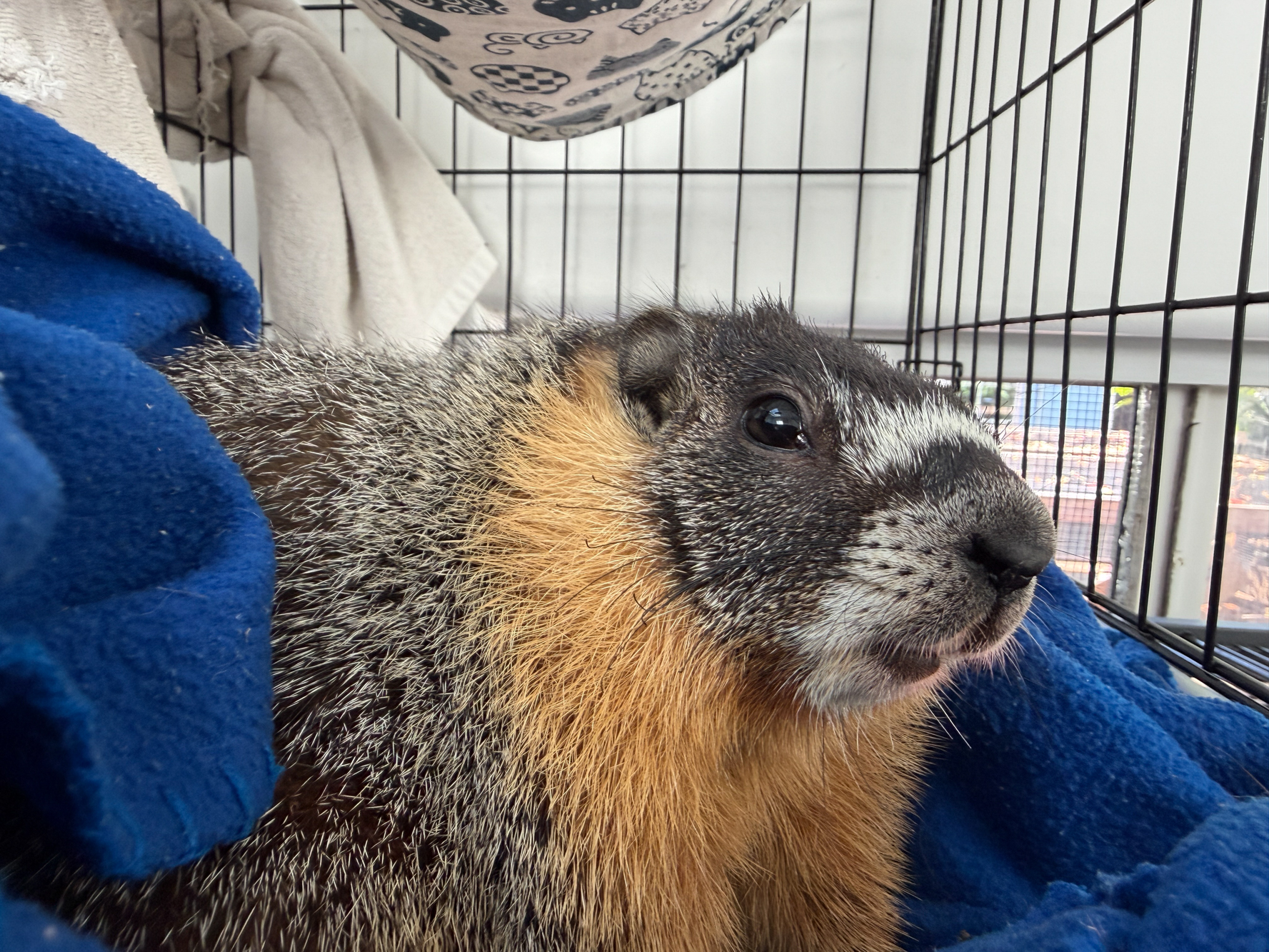
window.__IS_SSR__=true
window.__INITIAL_STATE__={
"attachmentsReducer": {
"audio_0": {
"type": "attachments",
"id": "audio_0",
"imgSizes": {
"kqedFullSize": {
"file": "https://ww2.kqed.org/news/wp-content/themes/KQED-unified/img/audio_bgs/background0.jpg"
}
}
},
"audio_1": {
"type": "attachments",
"id": "audio_1",
"imgSizes": {
"kqedFullSize": {
"file": "https://ww2.kqed.org/news/wp-content/themes/KQED-unified/img/audio_bgs/background1.jpg"
}
}
},
"audio_2": {
"type": "attachments",
"id": "audio_2",
"imgSizes": {
"kqedFullSize": {
"file": "https://ww2.kqed.org/news/wp-content/themes/KQED-unified/img/audio_bgs/background2.jpg"
}
}
},
"audio_3": {
"type": "attachments",
"id": "audio_3",
"imgSizes": {
"kqedFullSize": {
"file": "https://ww2.kqed.org/news/wp-content/themes/KQED-unified/img/audio_bgs/background3.jpg"
}
}
},
"audio_4": {
"type": "attachments",
"id": "audio_4",
"imgSizes": {
"kqedFullSize": {
"file": "https://ww2.kqed.org/news/wp-content/themes/KQED-unified/img/audio_bgs/background4.jpg"
}
}
},
"placeholder": {
"type": "attachments",
"id": "placeholder",
"imgSizes": {
"thumbnail": {
"file": "https://cdn.kqed.org/wp-content/uploads/2024/12/KQED-Default-Image-816638274-2000x1333-1-160x107.jpg",
"width": 160,
"height": 107,
"mimeType": "image/jpeg"
},
"medium": {
"file": "https://cdn.kqed.org/wp-content/uploads/2024/12/KQED-Default-Image-816638274-2000x1333-1-800x533.jpg",
"width": 800,
"height": 533,
"mimeType": "image/jpeg"
},
"medium_large": {
"file": "https://cdn.kqed.org/wp-content/uploads/2024/12/KQED-Default-Image-816638274-2000x1333-1-768x512.jpg",
"width": 768,
"height": 512,
"mimeType": "image/jpeg"
},
"large": {
"file": "https://cdn.kqed.org/wp-content/uploads/2024/12/KQED-Default-Image-816638274-2000x1333-1-1020x680.jpg",
"width": 1020,
"height": 680,
"mimeType": "image/jpeg"
},
"1536x1536": {
"file": "https://cdn.kqed.org/wp-content/uploads/2024/12/KQED-Default-Image-816638274-2000x1333-1-1536x1024.jpg",
"width": 1536,
"height": 1024,
"mimeType": "image/jpeg"
},
"fd-lrg": {
"file": "https://cdn.kqed.org/wp-content/uploads/2024/12/KQED-Default-Image-816638274-2000x1333-1-1536x1024.jpg",
"width": 1536,
"height": 1024,
"mimeType": "image/jpeg"
},
"fd-med": {
"file": "https://cdn.kqed.org/wp-content/uploads/2024/12/KQED-Default-Image-816638274-2000x1333-1-1020x680.jpg",
"width": 1020,
"height": 680,
"mimeType": "image/jpeg"
},
"fd-sm": {
"file": "https://cdn.kqed.org/wp-content/uploads/2024/12/KQED-Default-Image-816638274-2000x1333-1-800x533.jpg",
"width": 800,
"height": 533,
"mimeType": "image/jpeg"
},
"post-thumbnail": {
"file": "https://cdn.kqed.org/wp-content/uploads/2024/12/KQED-Default-Image-816638274-2000x1333-1-672x372.jpg",
"width": 672,
"height": 372,
"mimeType": "image/jpeg"
},
"twentyfourteen-full-width": {
"file": "https://cdn.kqed.org/wp-content/uploads/2024/12/KQED-Default-Image-816638274-2000x1333-1-1038x576.jpg",
"width": 1038,
"height": 576,
"mimeType": "image/jpeg"
},
"xxsmall": {
"file": "https://cdn.kqed.org/wp-content/uploads/2024/12/KQED-Default-Image-816638274-2000x1333-1-160x107.jpg",
"width": 160,
"height": 107,
"mimeType": "image/jpeg"
},
"xsmall": {
"file": "https://cdn.kqed.org/wp-content/uploads/2024/12/KQED-Default-Image-816638274-2000x1333-1-672x372.jpg",
"width": 672,
"height": 372,
"mimeType": "image/jpeg"
},
"small": {
"file": "https://cdn.kqed.org/wp-content/uploads/2024/12/KQED-Default-Image-816638274-2000x1333-1-672x372.jpg",
"width": 672,
"height": 372,
"mimeType": "image/jpeg"
},
"xlarge": {
"file": "https://cdn.kqed.org/wp-content/uploads/2024/12/KQED-Default-Image-816638274-2000x1333-1-1020x680.jpg",
"width": 1020,
"height": 680,
"mimeType": "image/jpeg"
},
"full-width": {
"file": "https://cdn.kqed.org/wp-content/uploads/2024/12/KQED-Default-Image-816638274-2000x1333-1-1920x1280.jpg",
"width": 1920,
"height": 1280,
"mimeType": "image/jpeg"
},
"guest-author-32": {
"file": "https://cdn.kqed.org/wp-content/uploads/2025/01/KQED-Default-Image-816638274-1333x1333-1-160x160.jpg",
"width": 32,
"height": 32,
"mimeType": "image/jpeg"
},
"guest-author-50": {
"file": "https://cdn.kqed.org/wp-content/uploads/2025/01/KQED-Default-Image-816638274-1333x1333-1-160x160.jpg",
"width": 50,
"height": 50,
"mimeType": "image/jpeg"
},
"guest-author-64": {
"file": "https://cdn.kqed.org/wp-content/uploads/2025/01/KQED-Default-Image-816638274-1333x1333-1-160x160.jpg",
"width": 64,
"height": 64,
"mimeType": "image/jpeg"
},
"guest-author-96": {
"file": "https://cdn.kqed.org/wp-content/uploads/2025/01/KQED-Default-Image-816638274-1333x1333-1-160x160.jpg",
"width": 96,
"height": 96,
"mimeType": "image/jpeg"
},
"guest-author-128": {
"file": "https://cdn.kqed.org/wp-content/uploads/2025/01/KQED-Default-Image-816638274-1333x1333-1-160x160.jpg",
"width": 128,
"height": 128,
"mimeType": "image/jpeg"
},
"detail": {
"file": "https://cdn.kqed.org/wp-content/uploads/2025/01/KQED-Default-Image-816638274-1333x1333-1-160x160.jpg",
"width": 160,
"height": 160,
"mimeType": "image/jpeg"
},
"kqedFullSize": {
"file": "https://cdn.kqed.org/wp-content/uploads/2024/12/KQED-Default-Image-816638274-2000x1333-1.jpg",
"width": 2000,
"height": 1333
}
}
},
"news_12098793": {
"type": "attachments",
"id": "news_12098793",
"meta": {
"index": "attachments_1716263798",
"site": "news",
"id": "12098793",
"found": true
},
"title": "260909-SFMarmot-01",
"publishDate": 1788972185,
"status": "inherit",
"parent": 0,
"modified": 1788984276,
"caption": "A yellow-bellied marmot at the Yggdrasil Urban Wildlife Rescue in Potrero Hill on Sept. 9, 2026. The rescue is asking the public to help identify the original home of the marmot, who Mission District residents found earlier this week. ",
"credit": "Courtesy of Yggdrasil Urban Wildlife Rescue",
"altTag": null,
"description": null,
"imgSizes": {
"thumbnail": {
"file": "https://cdn.kqed.org/wp-content/uploads/sites/10/2026/09/260909-SFMarmot-01-160x120.jpg",
"width": 160,
"height": 120,
"mimeType": "image/jpeg"
},
"1536x1536": {
"file": "https://cdn.kqed.org/wp-content/uploads/sites/10/2026/09/260909-SFMarmot-01-1536x1152.jpg",
"width": 1536,
"height": 1152,
"mimeType": "image/jpeg"
},
"post-thumbnail": {
"file": "https://cdn.kqed.org/wp-content/uploads/sites/10/2026/09/260909-SFMarmot-01-672x372.jpg",
"width": 672,
"height": 372,
"mimeType": "image/jpeg"
},
"twentyfourteen-full-width": {
"file": "https://cdn.kqed.org/wp-content/uploads/sites/10/2026/09/260909-SFMarmot-01-1038x576.jpg",
"width": 1038,
"height": 576,
"mimeType": "image/jpeg"
},
"npr-cds-wide": {
"file": "https://cdn.kqed.org/wp-content/uploads/sites/10/2026/09/260909-SFMarmot-01-1200x675.jpg",
"width": 1200,
"height": 675,
"mimeType": "image/jpeg"
},
"npr-cds-square": {
"file": "https://cdn.kqed.org/wp-content/uploads/sites/10/2026/09/260909-SFMarmot-01-600x600.jpg",
"width": 600,
"height": 600,
"mimeType": "image/jpeg"
},
"kqedFullSize": {
"file": "https://cdn.kqed.org/wp-content/uploads/sites/10/2026/09/260909-SFMarmot-01.jpg",
"width": 1777,
"height": 1333
}
},
"isLoading": false,
"fetchFailed": false
},
"news_12098091": {
"type": "attachments",
"id": "news_12098091",
"meta": {
"index": "attachments_1716263798",
"site": "news",
"id": "12098091",
"found": true
},
"title": "SeaLionsPoisoned-KQED_2",
"publishDate": 1788371230,
"status": "inherit",
"parent": 0,
"modified": 1788371438,
"caption": "A team of trained responders from The Marine Mammal Center’s San Luis Obispo Operations based in Morro Bay, California, rescue a California sea lion with suspected domoic acid poisoning. In 2024, the Center responded to more than 200 individuals suffering with poisoning due to the domoic acid outbreak in San Luis Obispo County.",
"credit": "Courtesy of Giancarlo Rulli/The Marine Mammal Center",
"altTag": null,
"description": null,
"imgSizes": {
"thumbnail": {
"file": "https://cdn.kqed.org/wp-content/uploads/sites/10/2026/09/SeaLionsPoisoned-KQED_2-160x107.jpg",
"width": 160,
"height": 107,
"mimeType": "image/jpeg"
},
"1536x1536": {
"file": "https://cdn.kqed.org/wp-content/uploads/sites/10/2026/09/SeaLionsPoisoned-KQED_2-1536x1024.jpg",
"width": 1536,
"height": 1024,
"mimeType": "image/jpeg"
},
"post-thumbnail": {
"file": "https://cdn.kqed.org/wp-content/uploads/sites/10/2026/09/SeaLionsPoisoned-KQED_2-672x372.jpg",
"width": 672,
"height": 372,
"mimeType": "image/jpeg"
},
"twentyfourteen-full-width": {
"file": "https://cdn.kqed.org/wp-content/uploads/sites/10/2026/09/SeaLionsPoisoned-KQED_2-1038x576.jpg",
"width": 1038,
"height": 576,
"mimeType": "image/jpeg"
},
"npr-cds-wide": {
"file": "https://cdn.kqed.org/wp-content/uploads/sites/10/2026/09/SeaLionsPoisoned-KQED_2-1200x675.jpg",
"width": 1200,
"height": 675,
"mimeType": "image/jpeg"
},
"npr-cds-square": {
"file": "https://cdn.kqed.org/wp-content/uploads/sites/10/2026/09/SeaLionsPoisoned-KQED_2-600x600.jpg",
"width": 600,
"height": 600,
"mimeType": "image/jpeg"
},
"kqedFullSize": {
"file": "https://cdn.kqed.org/wp-content/uploads/sites/10/2026/09/SeaLionsPoisoned-KQED_2.jpg",
"width": 2000,
"height": 1333
}
},
"isLoading": false,
"fetchFailed": false
},
"news_12096766": {
"type": "attachments",
"id": "news_12096766",
"meta": {
"index": "attachments_1716263798",
"site": "news",
"id": "12096766",
"found": true
},
"title": "260825-Miranda's Rescue Legal Complaint-SL-02-KQED",
"publishDate": 1787695937,
"status": "inherit",
"parent": 0,
"modified": 1787696204,
"caption": "Humboldt County animal advocate Jennifer Raymond stands in front of the entrance to Miranda’s Rescue in McKinleyville on Aug. 25, 2026. Raymond filed a legal complaint with the California attorney general on Aug. 25, 2026, asking for the troubled rescue to be shuttered.",
"credit": "Sukey Lewis/KQED",
"altTag": null,
"description": null,
"imgSizes": {
"thumbnail": {
"file": "https://cdn.kqed.org/wp-content/uploads/sites/10/2026/08/260825-Mirandas-Rescue-Legal-Complaint-SL-02-KQED-160x120.jpg",
"width": 160,
"height": 120,
"mimeType": "image/jpeg"
},
"1536x1536": {
"file": "https://cdn.kqed.org/wp-content/uploads/sites/10/2026/08/260825-Mirandas-Rescue-Legal-Complaint-SL-02-KQED-1536x1152.jpg",
"width": 1536,
"height": 1152,
"mimeType": "image/jpeg"
},
"post-thumbnail": {
"file": "https://cdn.kqed.org/wp-content/uploads/sites/10/2026/08/260825-Mirandas-Rescue-Legal-Complaint-SL-02-KQED-672x372.jpg",
"width": 672,
"height": 372,
"mimeType": "image/jpeg"
},
"twentyfourteen-full-width": {
"file": "https://cdn.kqed.org/wp-content/uploads/sites/10/2026/08/260825-Mirandas-Rescue-Legal-Complaint-SL-02-KQED-1038x576.jpg",
"width": 1038,
"height": 576,
"mimeType": "image/jpeg"
},
"npr-cds-wide": {
"file": "https://cdn.kqed.org/wp-content/uploads/sites/10/2026/08/260825-Mirandas-Rescue-Legal-Complaint-SL-02-KQED-1200x675.jpg",
"width": 1200,
"height": 675,
"mimeType": "image/jpeg"
},
"npr-cds-square": {
"file": "https://cdn.kqed.org/wp-content/uploads/sites/10/2026/08/260825-Mirandas-Rescue-Legal-Complaint-SL-02-KQED-600x600.jpg",
"width": 600,
"height": 600,
"mimeType": "image/jpeg"
},
"kqedFullSize": {
"file": "https://cdn.kqed.org/wp-content/uploads/sites/10/2026/08/260825-Mirandas-Rescue-Legal-Complaint-SL-02-KQED.jpg",
"width": 2000,
"height": 1500
}
},
"isLoading": false,
"fetchFailed": false
},
"news_12096577": {
"type": "attachments",
"id": "news_12096577",
"meta": {
"index": "attachments_1716263798",
"site": "news",
"id": "12096577",
"found": true
},
"title": "260824-Animal Rescue Presser-ZF-01-KQED",
"publishDate": 1787602768,
"status": "inherit",
"parent": 0,
"modified": 1787603043,
"caption": "CalAnimals displayed photos of animals in need at a press conference to introduce a bill to reform California's animal welfare system at the California State Capitol in Sacramento on Aug. 24, 2026.",
"credit": "Zoë Ferrigno/KQED",
"altTag": null,
"description": null,
"imgSizes": {
"thumbnail": {
"file": "https://cdn.kqed.org/wp-content/uploads/sites/10/2026/08/260824-Animal-Rescue-Presser-ZF-01-KQED-160x107.jpg",
"width": 160,
"height": 107,
"mimeType": "image/jpeg"
},
"1536x1536": {
"file": "https://cdn.kqed.org/wp-content/uploads/sites/10/2026/08/260824-Animal-Rescue-Presser-ZF-01-KQED-1536x1025.jpg",
"width": 1536,
"height": 1025,
"mimeType": "image/jpeg"
},
"post-thumbnail": {
"file": "https://cdn.kqed.org/wp-content/uploads/sites/10/2026/08/260824-Animal-Rescue-Presser-ZF-01-KQED-672x372.jpg",
"width": 672,
"height": 372,
"mimeType": "image/jpeg"
},
"twentyfourteen-full-width": {
"file": "https://cdn.kqed.org/wp-content/uploads/sites/10/2026/08/260824-Animal-Rescue-Presser-ZF-01-KQED-1038x576.jpg",
"width": 1038,
"height": 576,
"mimeType": "image/jpeg"
},
"npr-cds-wide": {
"file": "https://cdn.kqed.org/wp-content/uploads/sites/10/2026/08/260824-Animal-Rescue-Presser-ZF-01-KQED-1200x675.jpg",
"width": 1200,
"height": 675,
"mimeType": "image/jpeg"
},
"npr-cds-square": {
"file": "https://cdn.kqed.org/wp-content/uploads/sites/10/2026/08/260824-Animal-Rescue-Presser-ZF-01-KQED-600x600.jpg",
"width": 600,
"height": 600,
"mimeType": "image/jpeg"
},
"kqedFullSize": {
"file": "https://cdn.kqed.org/wp-content/uploads/sites/10/2026/08/260824-Animal-Rescue-Presser-ZF-01-KQED.jpg",
"width": 2000,
"height": 1334
}
},
"isLoading": false,
"fetchFailed": false
},
"news_12093856": {
"type": "attachments",
"id": "news_12093856",
"meta": {
"index": "attachments_1716263798",
"site": "news",
"id": "12093856",
"found": true
},
"title": "080825-Mute-Swan-MG-CM-11",
"publishDate": 1785880316,
"status": "inherit",
"parent": 12093855,
"modified": 1785880342,
"caption": "A mute swan at the Grizzly Island Wildlife Area on Aug. 8, 2025. ",
"credit": "Miguel Gutierrez Jr./CalMatters",
"altTag": null,
"description": null,
"imgSizes": {
"thumbnail": {
"file": "https://cdn.kqed.org/wp-content/uploads/sites/10/2026/08/080825-Mute-Swan-MG-CM-11-160x107.jpeg",
"width": 160,
"height": 107,
"mimeType": "image/jpeg"
},
"1536x1536": {
"file": "https://cdn.kqed.org/wp-content/uploads/sites/10/2026/08/080825-Mute-Swan-MG-CM-11-1536x1024.jpeg",
"width": 1536,
"height": 1024,
"mimeType": "image/jpeg"
},
"post-thumbnail": {
"file": "https://cdn.kqed.org/wp-content/uploads/sites/10/2026/08/080825-Mute-Swan-MG-CM-11-672x372.jpeg",
"width": 672,
"height": 372,
"mimeType": "image/jpeg"
},
"twentyfourteen-full-width": {
"file": "https://cdn.kqed.org/wp-content/uploads/sites/10/2026/08/080825-Mute-Swan-MG-CM-11-1038x576.jpeg",
"width": 1038,
"height": 576,
"mimeType": "image/jpeg"
},
"npr-cds-wide": {
"file": "https://cdn.kqed.org/wp-content/uploads/sites/10/2026/08/080825-Mute-Swan-MG-CM-11-1200x675.jpeg",
"width": 1200,
"height": 675,
"mimeType": "image/jpeg"
},
"npr-cds-square": {
"file": "https://cdn.kqed.org/wp-content/uploads/sites/10/2026/08/080825-Mute-Swan-MG-CM-11-600x600.jpeg",
"width": 600,
"height": 600,
"mimeType": "image/jpeg"
},
"kqedFullSize": {
"file": "https://cdn.kqed.org/wp-content/uploads/sites/10/2026/08/080825-Mute-Swan-MG-CM-11.jpeg",
"width": 2000,
"height": 1333
}
},
"isLoading": false,
"fetchFailed": false
},
"news_12087043": {
"type": "attachments",
"id": "news_12087043",
"meta": {
"index": "attachments_1716263798",
"site": "news",
"id": "12087043",
"found": true
},
"title": "20260604_YOLOBATS_GC-2-KQED",
"publishDate": 1781130612,
"status": "inherit",
"parent": 0,
"modified": 1784920625,
"caption": "Michele Peterson, a volunteer with NorCal Bats, holds a big brown bat at the Yolo Wildlife Bypass Area in Davis on June 4, 2026. The bat, also known as an “ambassador bat,” is used for educational purposes.",
"credit": "Gina Castro for KQED",
"altTag": null,
"description": null,
"imgSizes": {
"medium": {
"file": "https://cdn.kqed.org/wp-content/uploads/sites/10/2026/06/20260604_YOLOBATS_GC-2-KQED-2000x1356.jpg",
"width": 2000,
"height": 1356,
"mimeType": "image/jpeg"
},
"large": {
"file": "https://cdn.kqed.org/wp-content/uploads/sites/10/2026/06/20260604_YOLOBATS_GC-2-KQED-2000x1356.jpg",
"width": 2000,
"height": 1356,
"mimeType": "image/jpeg"
},
"thumbnail": {
"file": "https://cdn.kqed.org/wp-content/uploads/sites/10/2026/06/20260604_YOLOBATS_GC-2-KQED-160x108.jpg",
"width": 160,
"height": 108,
"mimeType": "image/jpeg"
},
"1536x1536": {
"file": "https://cdn.kqed.org/wp-content/uploads/sites/10/2026/06/20260604_YOLOBATS_GC-2-KQED-1536x1041.jpg",
"width": 1536,
"height": 1041,
"mimeType": "image/jpeg"
},
"2048x2048": {
"file": "https://cdn.kqed.org/wp-content/uploads/sites/10/2026/06/20260604_YOLOBATS_GC-2-KQED-2048x1389.jpg",
"width": 2048,
"height": 1389,
"mimeType": "image/jpeg"
},
"post-thumbnail": {
"file": "https://cdn.kqed.org/wp-content/uploads/sites/10/2026/06/20260604_YOLOBATS_GC-2-KQED-672x372.jpg",
"width": 672,
"height": 372,
"mimeType": "image/jpeg"
},
"twentyfourteen-full-width": {
"file": "https://cdn.kqed.org/wp-content/uploads/sites/10/2026/06/20260604_YOLOBATS_GC-2-KQED-1038x576.jpg",
"width": 1038,
"height": 576,
"mimeType": "image/jpeg"
},
"full-width": {
"file": "https://cdn.kqed.org/wp-content/uploads/sites/10/2026/06/20260604_YOLOBATS_GC-2-KQED-2000x1356.jpg",
"width": 2000,
"height": 1356,
"mimeType": "image/jpeg"
},
"npr-cds-wide": {
"file": "https://cdn.kqed.org/wp-content/uploads/sites/10/2026/06/20260604_YOLOBATS_GC-2-KQED-1200x675.jpg",
"width": 1200,
"height": 675,
"mimeType": "image/jpeg"
},
"npr-cds-square": {
"file": "https://cdn.kqed.org/wp-content/uploads/sites/10/2026/06/20260604_YOLOBATS_GC-2-KQED-600x600.jpg",
"width": 600,
"height": 600,
"mimeType": "image/jpeg"
},
"kqedFullSize": {
"file": "https://cdn.kqed.org/wp-content/uploads/sites/10/2026/06/20260604_YOLOBATS_GC-2-KQED.jpg",
"width": 2500,
"height": 1695
}
},
"isLoading": false,
"fetchFailed": false
},
"news_12093262": {
"type": "attachments",
"id": "news_12093262",
"meta": {
"index": "attachments_1716263798",
"site": "news",
"id": "12093262",
"found": true
},
"title": "A southbound Caltrain emerges from a tunnel in San Francisco, Calif. on Friday, Jan. 13, 2017",
"publishDate": 1785436277,
"status": "inherit",
"parent": 12093243,
"modified": 1785436312,
"caption": "A southbound Caltrain emerges from a tunnel in San Francisco, California, on Jan. 13, 2017. ",
"credit": "Paul Chinn/The San Francisco Chronicle via Getty Images",
"altTag": null,
"description": null,
"imgSizes": {
"thumbnail": {
"file": "https://cdn.kqed.org/wp-content/uploads/sites/10/2026/07/Caltrain-160x101.jpg",
"width": 160,
"height": 101,
"mimeType": "image/jpeg"
},
"1536x1536": {
"file": "https://cdn.kqed.org/wp-content/uploads/sites/10/2026/07/Caltrain-1536x972.jpg",
"width": 1536,
"height": 972,
"mimeType": "image/jpeg"
},
"post-thumbnail": {
"file": "https://cdn.kqed.org/wp-content/uploads/sites/10/2026/07/Caltrain-672x372.jpg",
"width": 672,
"height": 372,
"mimeType": "image/jpeg"
},
"twentyfourteen-full-width": {
"file": "https://cdn.kqed.org/wp-content/uploads/sites/10/2026/07/Caltrain-1038x576.jpg",
"width": 1038,
"height": 576,
"mimeType": "image/jpeg"
},
"npr-cds-wide": {
"file": "https://cdn.kqed.org/wp-content/uploads/sites/10/2026/07/Caltrain-1200x675.jpg",
"width": 1200,
"height": 675,
"mimeType": "image/jpeg"
},
"npr-cds-square": {
"file": "https://cdn.kqed.org/wp-content/uploads/sites/10/2026/07/Caltrain-600x600.jpg",
"width": 600,
"height": 600,
"mimeType": "image/jpeg"
},
"kqedFullSize": {
"file": "https://cdn.kqed.org/wp-content/uploads/sites/10/2026/07/Caltrain.jpg",
"width": 2000,
"height": 1266
}
},
"isLoading": false,
"fetchFailed": false
},
"news_12090496": {
"type": "attachments",
"id": "news_12090496",
"meta": {
"index": "attachments_1716263798",
"site": "news",
"id": "12090496",
"found": true
},
"title": "Sitara; Credit Oakland Zoo",
"publishDate": 1783706398,
"status": "inherit",
"parent": 0,
"modified": 1783724144,
"caption": "Sitara, a tiger estimated to be around 13 years old, has become a permanent resident of Oakland Zoo. ",
"credit": "Courtesy of The Oakland Zoo",
"altTag": null,
"description": null,
"imgSizes": {
"thumbnail": {
"file": "https://cdn.kqed.org/wp-content/uploads/sites/10/2026/07/Sitara-Credit-Oakland-Zoo-160x107.jpg",
"width": 160,
"height": 107,
"mimeType": "image/jpeg"
},
"1536x1536": {
"file": "https://cdn.kqed.org/wp-content/uploads/sites/10/2026/07/Sitara-Credit-Oakland-Zoo-1536x1026.jpg",
"width": 1536,
"height": 1026,
"mimeType": "image/jpeg"
},
"post-thumbnail": {
"file": "https://cdn.kqed.org/wp-content/uploads/sites/10/2026/07/Sitara-Credit-Oakland-Zoo-672x372.jpg",
"width": 672,
"height": 372,
"mimeType": "image/jpeg"
},
"twentyfourteen-full-width": {
"file": "https://cdn.kqed.org/wp-content/uploads/sites/10/2026/07/Sitara-Credit-Oakland-Zoo-1038x576.jpg",
"width": 1038,
"height": 576,
"mimeType": "image/jpeg"
},
"npr-cds-wide": {
"file": "https://cdn.kqed.org/wp-content/uploads/sites/10/2026/07/Sitara-Credit-Oakland-Zoo-1200x675.jpg",
"width": 1200,
"height": 675,
"mimeType": "image/jpeg"
},
"npr-cds-square": {
"file": "https://cdn.kqed.org/wp-content/uploads/sites/10/2026/07/Sitara-Credit-Oakland-Zoo-600x600.jpg",
"width": 600,
"height": 600,
"mimeType": "image/jpeg"
},
"kqedFullSize": {
"file": "https://cdn.kqed.org/wp-content/uploads/sites/10/2026/07/Sitara-Credit-Oakland-Zoo.jpg",
"width": 2000,
"height": 1336
}
},
"isLoading": false,
"fetchFailed": false
},
"news_12090366": {
"type": "attachments",
"id": "news_12090366",
"meta": {
"index": "attachments_1716263798",
"site": "news",
"id": "12090366",
"found": true
},
"title": "An otter at Morro Bay, CA",
"publishDate": 1783630142,
"status": "inherit",
"parent": 0,
"modified": 1783639201,
"caption": "An otter swimming in Morro Bay, California.",
"credit": "Courtesy of Ken Bouley",
"altTag": null,
"description": null,
"imgSizes": {
"thumbnail": {
"file": "https://cdn.kqed.org/wp-content/uploads/sites/10/2026/07/AQ5I0282-160x107.jpg",
"width": 160,
"height": 107,
"mimeType": "image/jpeg"
},
"1536x1536": {
"file": "https://cdn.kqed.org/wp-content/uploads/sites/10/2026/07/AQ5I0282-1536x1023.jpg",
"width": 1536,
"height": 1023,
"mimeType": "image/jpeg"
},
"post-thumbnail": {
"file": "https://cdn.kqed.org/wp-content/uploads/sites/10/2026/07/AQ5I0282-672x372.jpg",
"width": 672,
"height": 372,
"mimeType": "image/jpeg"
},
"twentyfourteen-full-width": {
"file": "https://cdn.kqed.org/wp-content/uploads/sites/10/2026/07/AQ5I0282-1038x576.jpg",
"width": 1038,
"height": 576,
"mimeType": "image/jpeg"
},
"npr-cds-wide": {
"file": "https://cdn.kqed.org/wp-content/uploads/sites/10/2026/07/AQ5I0282-1200x675.jpg",
"width": 1200,
"height": 675,
"mimeType": "image/jpeg"
},
"npr-cds-square": {
"file": "https://cdn.kqed.org/wp-content/uploads/sites/10/2026/07/AQ5I0282-600x600.jpg",
"width": 600,
"height": 600,
"mimeType": "image/jpeg"
},
"kqedFullSize": {
"file": "https://cdn.kqed.org/wp-content/uploads/sites/10/2026/07/AQ5I0282.jpg",
"width": 2000,
"height": 1332
}
},
"isLoading": false,
"fetchFailed": false
},
"news_12090277": {
"type": "attachments",
"id": "news_12090277",
"meta": {
"index": "attachments_1716263798",
"site": "news",
"id": "12090277",
"found": true
},
"title": "4 bobcat photo - a",
"publishDate": 1783548288,
"status": "inherit",
"parent": 0,
"modified": 1783550697,
"caption": "Two baby bobcats at the Wildlife Care Center in Saratoga, California, on Monday, July 6, 2026.",
"credit": "Courtesy of Peninsula Humane Society & SPCA",
"altTag": null,
"description": null,
"imgSizes": {
"thumbnail": {
"file": "https://cdn.kqed.org/wp-content/uploads/sites/10/2026/07/4-bobcat-photo-a-160x149.jpeg",
"width": 160,
"height": 149,
"mimeType": "image/jpeg"
},
"1536x1536": {
"file": "https://cdn.kqed.org/wp-content/uploads/sites/10/2026/07/4-bobcat-photo-a-1536x1430.jpeg",
"width": 1536,
"height": 1430,
"mimeType": "image/jpeg"
},
"post-thumbnail": {
"file": "https://cdn.kqed.org/wp-content/uploads/sites/10/2026/07/4-bobcat-photo-a-672x372.jpeg",
"width": 672,
"height": 372,
"mimeType": "image/jpeg"
},
"twentyfourteen-full-width": {
"file": "https://cdn.kqed.org/wp-content/uploads/sites/10/2026/07/4-bobcat-photo-a-1038x576.jpeg",
"width": 1038,
"height": 576,
"mimeType": "image/jpeg"
},
"npr-cds-wide": {
"file": "https://cdn.kqed.org/wp-content/uploads/sites/10/2026/07/4-bobcat-photo-a-1200x675.jpeg",
"width": 1200,
"height": 675,
"mimeType": "image/jpeg"
},
"npr-cds-square": {
"file": "https://cdn.kqed.org/wp-content/uploads/sites/10/2026/07/4-bobcat-photo-a-600x600.jpeg",
"width": 600,
"height": 600,
"mimeType": "image/jpeg"
},
"kqedFullSize": {
"file": "https://cdn.kqed.org/wp-content/uploads/sites/10/2026/07/4-bobcat-photo-a.jpeg",
"width": 2000,
"height": 1862
}
},
"isLoading": false,
"fetchFailed": false
},
"news_12088664": {
"type": "attachments",
"id": "news_12088664",
"meta": {
"index": "attachments_1716263798",
"site": "news",
"id": "12088664",
"found": true
},
"title": "DOG.EXHUMING.MIRADNDAS.RESCUE.DSC_8001-KQED",
"publishDate": 1782318289,
"status": "inherit",
"parent": 12088995,
"modified": 1782509997,
"caption": "A Humboldt County Sheriff’s Deputy inspects dogs in a kennel at Miranda’s Rescue in Fortuna on June 23, 2026.",
"credit": "Mark McKenna for KQED",
"altTag": null,
"description": null,
"imgSizes": {
"thumbnail": {
"file": "https://cdn.kqed.org/wp-content/uploads/sites/10/2026/06/DOG.EXHUMING.MIRADNDAS.RESCUE.DSC_8001-KQED-160x107.jpg",
"width": 160,
"height": 107,
"mimeType": "image/jpeg"
},
"1536x1536": {
"file": "https://cdn.kqed.org/wp-content/uploads/sites/10/2026/06/DOG.EXHUMING.MIRADNDAS.RESCUE.DSC_8001-KQED-1536x1024.jpg",
"width": 1536,
"height": 1024,
"mimeType": "image/jpeg"
},
"post-thumbnail": {
"file": "https://cdn.kqed.org/wp-content/uploads/sites/10/2026/06/DOG.EXHUMING.MIRADNDAS.RESCUE.DSC_8001-KQED-672x372.jpg",
"width": 672,
"height": 372,
"mimeType": "image/jpeg"
},
"twentyfourteen-full-width": {
"file": "https://cdn.kqed.org/wp-content/uploads/sites/10/2026/06/DOG.EXHUMING.MIRADNDAS.RESCUE.DSC_8001-KQED-1038x576.jpg",
"width": 1038,
"height": 576,
"mimeType": "image/jpeg"
},
"npr-cds-wide": {
"file": "https://cdn.kqed.org/wp-content/uploads/sites/10/2026/06/DOG.EXHUMING.MIRADNDAS.RESCUE.DSC_8001-KQED-1200x675.jpg",
"width": 1200,
"height": 675,
"mimeType": "image/jpeg"
},
"npr-cds-square": {
"file": "https://cdn.kqed.org/wp-content/uploads/sites/10/2026/06/DOG.EXHUMING.MIRADNDAS.RESCUE.DSC_8001-KQED-600x600.jpg",
"width": 600,
"height": 600,
"mimeType": "image/jpeg"
},
"kqedFullSize": {
"file": "https://cdn.kqed.org/wp-content/uploads/sites/10/2026/06/DOG.EXHUMING.MIRADNDAS.RESCUE.DSC_8001-KQED.jpg",
"width": 2000,
"height": 1333
}
},
"isLoading": false,
"fetchFailed": false
},
"news_12088667": {
"type": "attachments",
"id": "news_12088667",
"meta": {
"index": "attachments_1716263798",
"site": "news",
"id": "12088667",
"found": true
},
"title": "DOG.EXHUMING.MIRADNDAS.RESCUE.DSC_9055-KQED",
"publishDate": 1782318305,
"status": "inherit",
"parent": 0,
"modified": 1782318584,
"caption": "Crews dig at the suspected site of animal remains at Miranda’s Rescue in Fortuna on June 23, 2026.",
"credit": "Mark McKenna for KQED",
"altTag": null,
"description": null,
"imgSizes": {
"thumbnail": {
"file": "https://cdn.kqed.org/wp-content/uploads/sites/10/2026/06/DOG.EXHUMING.MIRADNDAS.RESCUE.DSC_9055-KQED-160x107.jpg",
"width": 160,
"height": 107,
"mimeType": "image/jpeg"
},
"1536x1536": {
"file": "https://cdn.kqed.org/wp-content/uploads/sites/10/2026/06/DOG.EXHUMING.MIRADNDAS.RESCUE.DSC_9055-KQED-1536x1024.jpg",
"width": 1536,
"height": 1024,
"mimeType": "image/jpeg"
},
"post-thumbnail": {
"file": "https://cdn.kqed.org/wp-content/uploads/sites/10/2026/06/DOG.EXHUMING.MIRADNDAS.RESCUE.DSC_9055-KQED-672x372.jpg",
"width": 672,
"height": 372,
"mimeType": "image/jpeg"
},
"twentyfourteen-full-width": {
"file": "https://cdn.kqed.org/wp-content/uploads/sites/10/2026/06/DOG.EXHUMING.MIRADNDAS.RESCUE.DSC_9055-KQED-1038x576.jpg",
"width": 1038,
"height": 576,
"mimeType": "image/jpeg"
},
"npr-cds-wide": {
"file": "https://cdn.kqed.org/wp-content/uploads/sites/10/2026/06/DOG.EXHUMING.MIRADNDAS.RESCUE.DSC_9055-KQED-1200x675.jpg",
"width": 1200,
"height": 675,
"mimeType": "image/jpeg"
},
"npr-cds-square": {
"file": "https://cdn.kqed.org/wp-content/uploads/sites/10/2026/06/DOG.EXHUMING.MIRADNDAS.RESCUE.DSC_9055-KQED-600x600.jpg",
"width": 600,
"height": 600,
"mimeType": "image/jpeg"
},
"kqedFullSize": {
"file": "https://cdn.kqed.org/wp-content/uploads/sites/10/2026/06/DOG.EXHUMING.MIRADNDAS.RESCUE.DSC_9055-KQED.jpg",
"width": 2000,
"height": 1333
}
},
"isLoading": false,
"fetchFailed": false
}
},
"audioPlayerReducer": {
"postId": "stream_live",
"isPaused": true,
"isPlaying": false,
"pfsActive": false,
"pledgeModalIsOpen": true,
"playerDrawerIsOpen": false,
"liveAudioPlayStartedAt": 0,
"liveAudioPlayContext": ""
},
"authorsReducer": {
"byline_news_12096720": {
"type": "authors",
"id": "byline_news_12096720",
"meta": {
"override": true
},
"slug": "byline_news_12096720",
"name": " Sukey Lewis and Zoë Ferrigno",
"isLoading": false
},
"byline_news_12096327": {
"type": "authors",
"id": "byline_news_12096327",
"meta": {
"override": true
},
"slug": "byline_news_12096327",
"name": " Zoë Ferrigno",
"isLoading": false
},
"byline_news_12093855": {
"type": "authors",
"id": "byline_news_12093855",
"meta": {
"override": true
},
"slug": "byline_news_12093855",
"name": "Ryan Sabalow, CalMatters",
"isLoading": false
},
"byline_news_12088544": {
"type": "authors",
"id": "byline_news_12088544",
"meta": {
"override": true
},
"slug": "byline_news_12088544",
"name": "Zoë Ferrigno and Sukey Lewis",
"isLoading": false
},
"slewis": {
"type": "authors",
"id": "8676",
"meta": {
"index": "authors_1716337520",
"id": "8676",
"found": true
},
"name": "Sukey Lewis",
"firstName": "Sukey",
"lastName": "Lewis",
"slug": "slewis",
"email": "slewis@kqed.org",
"display_author_email": true,
"staff_mastheads": [
"news"
],
"title": "KQED Contributor",
"bio": "Sukey Lewis is a criminal justice reporter and host of \u003cem>On Our Watch\u003c/em>, a new podcast from NPR and KQED about the shadow world of police discipline. In 2018, she co-founded the California Reporting Project, a coalition of newsrooms across the state focused on obtaining previously sealed internal affairs records from law enforcement. In addition to her reporting on police accountability, Sukey has investigated the bail bonds industry, California's wildfires and the high cost of prison phone calls. Sukey earned a master's degree in journalism from the University of California at Berkeley. Send news tips to slewis@kqed.org.",
"avatar": "https://secure.gravatar.com/avatar/03fd6b21024f99d8b0a1966654586de7?s=600&d=blank&r=g",
"twitter": "SukeyLewis",
"facebook": null,
"instagram": null,
"linkedin": null,
"sites": [
{
"site": "news",
"roles": [
"author",
"edit_others_posts"
]
}
],
"headData": {
"title": "Sukey Lewis | KQED",
"description": "KQED Contributor",
"ogImgSrc": "https://secure.gravatar.com/avatar/03fd6b21024f99d8b0a1966654586de7?s=600&d=blank&r=g",
"twImgSrc": "https://secure.gravatar.com/avatar/03fd6b21024f99d8b0a1966654586de7?s=600&d=blank&r=g"
},
"isLoading": false,
"link": "/author/slewis"
},
"eromero": {
"type": "authors",
"id": "11746",
"meta": {
"index": "authors_1716337520",
"id": "11746",
"found": true
},
"name": "Ezra David Romero",
"firstName": "Ezra David",
"lastName": "Romero",
"slug": "eromero",
"email": "eromero@kqed.org",
"display_author_email": true,
"staff_mastheads": [
"news",
"science"
],
"title": "Climate Reporter",
"bio": "Ezra David Romero is a climate reporter for KQED News. He covers the absence and excess of water in the Bay Area — think sea level rise, flooding and drought. For nearly a decade he’s covered how warming temperatures are altering the lives of Californians. He’s reported on farmers worried their pistachio trees aren’t getting enough sleep, families desperate for water, scientists studying dying giant sequoias, and alongside firefighters containing wildfires. His work has appeared on local stations across California and nationally on public radio shows like Morning Edition, Here and Now, All Things Considered and Science Friday. ",
"avatar": "https://secure.gravatar.com/avatar/c76404d287c10ed40224227551ac36e24352c7306f106632caf6fead76f8801f?s=600&d=blank&r=g",
"twitter": "ezraromero",
"bluesky": null,
"facebook": null,
"instagram": null,
"linkedin": null,
"sites": [
{
"site": "arts",
"roles": [
"editor"
]
},
{
"site": "news",
"roles": [
"editor"
]
},
{
"site": "science",
"roles": [
"editor"
]
},
{
"site": "liveblog",
"roles": [
"author"
]
}
],
"headData": {
"title": "Ezra David Romero | KQED",
"description": "Climate Reporter",
"ogImgSrc": "https://secure.gravatar.com/avatar/c76404d287c10ed40224227551ac36e24352c7306f106632caf6fead76f8801f?s=600&d=blank&r=g",
"twImgSrc": "https://secure.gravatar.com/avatar/c76404d287c10ed40224227551ac36e24352c7306f106632caf6fead76f8801f?s=600&d=blank&r=g"
},
"isLoading": false,
"link": "/author/eromero"
},
"kdebenedetti": {
"type": "authors",
"id": "11913",
"meta": {
"index": "authors_1716337520",
"id": "11913",
"found": true
},
"name": "Katie DeBenedetti",
"firstName": "Katie",
"lastName": "DeBenedetti",
"slug": "kdebenedetti",
"email": "kdebenedetti@kqed.org",
"display_author_email": false,
"staff_mastheads": [
"news",
"science"
],
"title": "KQED Contributor",
"bio": "Katie DeBenedetti is a digital reporter covering daily news for the Express Desk. Prior to joining KQED as a culture reporting intern in January 2024, she covered education and city government for the Napa Valley Register.",
"avatar": "https://secure.gravatar.com/avatar/6e31073cb8f7e4214ab03f42771d0f45?s=600&d=blank&r=g",
"twitter": null,
"facebook": null,
"instagram": null,
"linkedin": null,
"sites": [
{
"site": "news",
"roles": [
"author"
]
},
{
"site": "science",
"roles": [
"author"
]
},
{
"site": "liveblog",
"roles": [
"author"
]
}
],
"headData": {
"title": "Katie DeBenedetti | KQED",
"description": "KQED Contributor",
"ogImgSrc": "https://secure.gravatar.com/avatar/6e31073cb8f7e4214ab03f42771d0f45?s=600&d=blank&r=g",
"twImgSrc": "https://secure.gravatar.com/avatar/6e31073cb8f7e4214ab03f42771d0f45?s=600&d=blank&r=g"
},
"isLoading": false,
"link": "/author/kdebenedetti"
},
"emanoukian": {
"type": "authors",
"id": "11925",
"meta": {
"index": "authors_1716337520",
"id": "11925",
"found": true
},
"name": "Elize Manoukian",
"firstName": "Elize",
"lastName": "Manoukian",
"slug": "emanoukian",
"email": "emanoukian@KQED.org",
"display_author_email": false,
"staff_mastheads": [
"news"
],
"title": "Digital News Editor",
"bio": "Elize Manoukian is an award-winning audio producer and Senior Editor on the Express Desk, KQED's digital news platform. Her work has appeared on KPFA, Interlochen Public Radio, Oregon Public Broadcast, the New York Daily News, LA Times and the San Diego Union-Tribune.",
"avatar": "https://secure.gravatar.com/avatar/4525f1a8e46ccb30933b32653d9772064cfefe3fa655eb45b3b3a80341f6bdad?s=600&d=blank&r=g",
"twitter": null,
"bluesky": null,
"facebook": null,
"instagram": null,
"linkedin": null,
"sites": [
{
"site": "arts",
"roles": [
"editor"
]
},
{
"site": "news",
"roles": [
"editor"
]
},
{
"site": "science",
"roles": [
"editor"
]
}
],
"headData": {
"title": "Elize Manoukian | KQED",
"description": "Digital News Editor",
"ogImgSrc": "https://secure.gravatar.com/avatar/4525f1a8e46ccb30933b32653d9772064cfefe3fa655eb45b3b3a80341f6bdad?s=600&d=blank&r=g",
"twImgSrc": "https://secure.gravatar.com/avatar/4525f1a8e46ccb30933b32653d9772064cfefe3fa655eb45b3b3a80341f6bdad?s=600&d=blank&r=g"
},
"isLoading": false,
"link": "/author/emanoukian"
},
"sprabha": {
"type": "authors",
"id": "11976",
"meta": {
"index": "authors_1716337520",
"id": "11976",
"found": true
},
"name": "Srishti Prabha",
"firstName": "Srishti",
"lastName": "Prabha",
"slug": "sprabha",
"email": "sprabha@KQED.org",
"display_author_email": false,
"staff_mastheads": [],
"title": "KQED Contributor",
"bio": "Srishti Prabha is a producer and reporter for KQED news and podcasts. They also work on longform human-interest features as a Beat Reporting Fellow with KALW. Their reporting has appeared on NPR, Morning Edition, All Things Considered, The California Report Magazine, and more. Most recently, Prabha covered education for CapRadio as a Report for America corps member, focusing on issues affecting communities of color in the Sacramento region. They previously served as managing editor of India Currents, where they reported on immigration, cultural identity, and health in South Asian communities. Prabha's work has been recognized by the San Francisco Press Club, the California News Publishers Association, and the Edward R. Murrow Awards.",
"avatar": "https://secure.gravatar.com/avatar/cc4d8ef770090714faad7e1d24857f806d09340456c5734167b9a6361b175d7d?s=600&d=blank&r=g",
"twitter": null,
"bluesky": null,
"facebook": null,
"instagram": null,
"linkedin": null,
"sites": [
{
"site": "news",
"roles": [
"editor"
]
}
],
"headData": {
"title": "Srishti Prabha | KQED",
"description": "KQED Contributor",
"ogImgSrc": "https://secure.gravatar.com/avatar/cc4d8ef770090714faad7e1d24857f806d09340456c5734167b9a6361b175d7d?s=600&d=blank&r=g",
"twImgSrc": "https://secure.gravatar.com/avatar/cc4d8ef770090714faad7e1d24857f806d09340456c5734167b9a6361b175d7d?s=600&d=blank&r=g"
},
"isLoading": false,
"link": "/author/sprabha"
},
"aaliahmad": {
"type": "authors",
"id": "11986",
"meta": {
"index": "authors_1716337520",
"id": "11986",
"found": true
},
"name": "Ayah Ali-Ahmad",
"firstName": "Ayah",
"lastName": "Ali-Ahmad",
"slug": "aaliahmad",
"email": "aaliahmad@KQED.org",
"display_author_email": false,
"staff_mastheads": [],
"title": "KQED Contributor",
"bio": null,
"avatar": "https://secure.gravatar.com/avatar/1cf54f187a5e1064b2cfef3f3d2f1e4f93e453395d56912aca6382a6071ec3ed?s=600&d=blank&r=g",
"twitter": "ayahaliahmad",
"bluesky": null,
"facebook": null,
"instagram": null,
"linkedin": null,
"sites": [
{
"site": "news",
"roles": [
"subscriber"
]
}
],
"headData": {
"title": "Ayah Ali-Ahmad | KQED",
"description": "KQED Contributor",
"ogImgSrc": "https://secure.gravatar.com/avatar/1cf54f187a5e1064b2cfef3f3d2f1e4f93e453395d56912aca6382a6071ec3ed?s=600&d=blank&r=g",
"twImgSrc": "https://secure.gravatar.com/avatar/1cf54f187a5e1064b2cfef3f3d2f1e4f93e453395d56912aca6382a6071ec3ed?s=600&d=blank&r=g"
},
"isLoading": false,
"link": "/author/aaliahmad"
},
"ejackson": {
"type": "authors",
"id": "12003",
"meta": {
"index": "authors_1716337520",
"id": "12003",
"found": true
},
"name": "Ella Jackson",
"firstName": "Ella",
"lastName": "Jackson",
"slug": "ejackson",
"email": "ejackson@kqed.org",
"display_author_email": false,
"staff_mastheads": [],
"title": "KQED Contributor",
"bio": null,
"avatar": "https://secure.gravatar.com/avatar/3c688edc62aec1dcae096e1475956d245f72bde99cff316455871c9b22a7205b?s=600&d=blank&r=g",
"twitter": null,
"bluesky": null,
"facebook": null,
"instagram": null,
"linkedin": null,
"sites": [
{
"site": "news",
"roles": [
"author"
]
},
{
"site": "science",
"roles": [
"author"
]
}
],
"headData": {
"title": "Ella Jackson | KQED",
"description": "KQED Contributor",
"ogImgSrc": "https://secure.gravatar.com/avatar/3c688edc62aec1dcae096e1475956d245f72bde99cff316455871c9b22a7205b?s=600&d=blank&r=g",
"twImgSrc": "https://secure.gravatar.com/avatar/3c688edc62aec1dcae096e1475956d245f72bde99cff316455871c9b22a7205b?s=600&d=blank&r=g"
},
"isLoading": false,
"link": "/author/ejackson"
}
},
"pagesReducer": {
"news_tag_animals": {
"type": "terms",
"id": "news_18132",
"meta": {
"index": "terms_1716263798",
"site": "news",
"id": "18132",
"score": 8.284364
},
"featImg": null,
"name": "animals",
"description": null,
"taxonomy": "tag",
"headData": {
"twImgId": null,
"twTitle": null,
"ogTitle": null,
"ogImgId": null,
"twDescription": null,
"description": null,
"title": "animals Archives | KQED News",
"ogDescription": null
},
"ttid": 18166,
"slug": "animals",
"isLoading": false,
"title": "animals",
"pageMeta": {
"site": "news",
"WpPageTemplate": "page-topic-editorial",
"currentPage": 1
},
"blocks": [
{
"blockName": "kqed/post-list",
"attrs": {
"layout": "cardArticle2",
"query": "posts/news?tag=animals",
"seeMore": false,
"paginated": true,
"page": 1
}
},
{
"blockName": "kqed/ad"
}
]
}
},
"pfsSessionReducer": {},
"postsReducer": {
"stream_live": {
"type": "live",
"id": "stream_live",
"audioUrl": "https://streams.kqed.org/kqedradio",
"title": "Live Stream",
"excerpt": "Live Stream information currently unavailable.",
"link": "/radio",
"featImg": "",
"label": {
"name": "KQED Live",
"link": "/"
}
},
"stream_kqedNewscast": {
"type": "posts",
"id": "stream_kqedNewscast",
"audioUrl": "https://www.kqed.org/.stream/anon/radio/RDnews/newscast.mp3?_=1",
"title": "KQED Newscast",
"featImg": "",
"label": {
"name": "88.5 FM",
"link": "/"
}
},
"news_12098787": {
"type": "posts",
"id": "news_12098787",
"meta": {
"index": "posts_1716263798",
"site": "news",
"id": "12098787",
"score": null,
"sort": [
1788984570000
]
},
"guestAuthors": [],
"slug": "san-francisco-wildlife-rescue-searches-for-origin-of-mystery-marmot",
"title": "San Francisco Wildlife Rescue Searches for Origin of Mystery Marmot",
"publishDate": 1788984570,
"format": "standard",
"headTitle": "San Francisco Wildlife Rescue Searches for Origin of Mystery Marmot | KQED",
"labelTerm": {
"site": "news"
},
"content": "\n\u003cp>A \u003ca href=\"https://www.kqed.org/news/tag/san-francisco\">San Francisco\u003c/a> wildlife refuge is searching for clues about the origin of a striped stowaway — a yellow-bellied marmot, found in the Mission District this week. \u003c/p>\n\n\n\n\u003cp>Lila Travis, founder and director of the Yggdrasil Urban Wildlife Rescue in Potrero Hill, said San Francisco Animal Care and Control received calls from neighbors on Albion Street near 16th Street, who spotted the marmot, a type of chunky, golden-chested ground squirrel. \u003c/p>\n\n\n\n\u003cp>“Imagine,” Travis said, “These are cat-sized, giant rodents. And they love to eat flowers. So it must have been a very bizarre experience to go out into your backyard and see this unusual rodent.”\u003c/p>\n\n\n\n\u003cp>Marmots — the largest in the squirrel family — typically live in burrows in mountainous, rocky habitats, like in the eastern Sierra or Tahoe. As true hibernators, marmots spend all summer packing on fat for the long winter, sometimes reaching up to 15 pounds. \u003c/p>\n\n\n\n\u003cp>The critters are known, she said, for staking out parking lots near parks and camping sites to crawl under car hoods and dine on wires, brake lines and radiator hoses — looking for a fix of salt and sweet, sticky antifreeze.\u003c/p>\n\n\n\n\u003cfigure class=\"wp-block-image size-full\">\u003cimg loading=\"lazy\" decoding=\"async\" width=\"1777\" height=\"1333\" src=\"https://cdn.kqed.org/wp-content/uploads/sites/10/2026/09/260909-SFMarmot-02.jpg\" alt=\"\" class=\"wp-image-12098794\" srcset=\"https://cdn.kqed.org/wp-content/uploads/sites/10/2026/09/260909-SFMarmot-02.jpg 1777w, https://cdn.kqed.org/wp-content/uploads/sites/10/2026/09/260909-SFMarmot-02-160x120.jpg 160w, https://cdn.kqed.org/wp-content/uploads/sites/10/2026/09/260909-SFMarmot-02-1536x1152.jpg 1536w\" sizes=\"auto, (max-width: 1777px) 100vw, 1777px\" />\u003cfigcaption class=\"wp-element-caption\">A pen at the Yggdrasil Urban Wildlife Rescue in Potrero Hill on Sept. 9, 2026. The rescue is stabilizing and taking care of a yellow-bellied marmot who stowed away to San Francisco. (Courtesy of Yggdrasil Urban Wildlife Rescue)\u003c/figcaption>\u003c/figure>\n\n\n\n\u003cp>“They have a missing electrolyte that they think is going to be satisfied by this radiator fluid, but it’s not,” Travis said. “It just makes them sick. And they will sometimes be transported to strange places because of the car being driven off.”\u003c/p>\n\n\n\n\u003cp>Now, Travis is \u003ca href=\"https://www.facebook.com/Yggdrasilwildlife/posts/pfbid0dry2RkhPMizvqxg5WkiG3CR73uSHgzcP9vCACGMHvGdKbKEiRfL7g9FXkh5ctVtAl\">reaching out\u003c/a> to the public to investigate how the marmot got here. The center put out a call on social media to find residents in the area who may have returned recently from Lake Tahoe or Burning Man, and may have passed through high elevations, with the marmot in tow. \u003c/p>\n\n\n\n\u003cp>“I just came back from Black Rock City,” one person wrote on Facebook on Tuesday. “My only stop was to sleep at a gas station before I jumped onto Hwy 80. Was very early morning and I slept for three hours. I’m at 17th & Dolores and my car has been parked here since 10am.”\u003c/p>\n\n\n\n\u003cp>Travis said if the center can’t track down the source, she’ll request a transfer to the Tahoe Wildlife Center, which will know a good location to release the marmot.\u003c/p>\n\n\n\n\n\n\u003cp>“We want to get him back home. But where is his home?” Travis said. ”We’re looking for someone who might recently have spent time in the alpine high Sierras — in marmot territory — and unwittingly brought this guy down. We just want to know where he came from originally, so that we can take him back to his family.”\u003c/p>\n\n\n\n\u003cp>Travis recommended that people traveling to and from the Sierras look into \u003ca href=\"https://www.nps.gov/seki/planyourvisit/marmots.htm\">“marmot-proofing” \u003c/a>their vehicles, either by checking under the hood for signs of chewing or by covering wheel wells. \u003c/p>\n\n\n\n\u003cp>Yggdrasil, San Francisco’s only wildlife refuge, takes in around 1,000 wild animals per year — mainly squirrels, opossums, raccoons, skunks and “lots of baby hummingbirds,” Travis said. \u003c/p>\n\n\n\n\u003cp>The center, which is celebrating its 25th anniversary this year, was originally founded out of Travis’ house and self-funded with eBay auctions of \u003cem>Lord of the Rings \u003c/em>memorabilia, Travis said. \u003c/p>\n\n\n\n\u003cp>“It was really funny and fun, and all the proceeds went to taking care of the animals,” she said.\u003c/p>\n\n\n\n\u003cp>Today, the 100% volunteer- and donation-funded refuge operates out of foster homes all over the Bay Area, with an on-site facility on Potrero Hill. Travis said she’s hoping to expand its footprint with a bigger space, potentially in partnership with the Port of San Francisco. \u003c/p>\n\n\n\n\u003cp>“Remember, this is the city of San Francisco, named after Saint Francis, the patron saint of animals,” Travis said. “We think that what we do, wildlife rehabilitation, and having compassion towards animals is an important way that we can contribute to San Francisco and the world in general.”\u003c/p>\n",
"blocks": [
{
"blockName": "core/paragraph",
"attrs": {
"dropCap": false
},
"innerHTML": "\n\u003cp>A \u003ca href=\"https://www.kqed.org/news/tag/san-francisco\">San Francisco\u003c/a> wildlife refuge is searching for clues about the origin of a striped stowaway — a yellow-bellied marmot, found in the Mission District this week. \u003c/p>\n",
"innerContent": [
"\n\u003cp>A \u003ca href=\"https://www.kqed.org/news/tag/san-francisco\">San Francisco\u003c/a> wildlife refuge is searching for clues about the origin of a striped stowaway — a yellow-bellied marmot, found in the Mission District this week. \u003c/p>\n"
],
"innerBlocks": []
},
{
"blockName": "core/paragraph",
"attrs": {
"dropCap": false
},
"innerHTML": "\n\u003cp>Lila Travis, founder and director of the Yggdrasil Urban Wildlife Rescue in Potrero Hill, said San Francisco Animal Care and Control received calls from neighbors on Albion Street near 16th Street, who spotted the marmot, a type of chunky, golden-chested ground squirrel. \u003c/p>\n",
"innerContent": [
"\n\u003cp>Lila Travis, founder and director of the Yggdrasil Urban Wildlife Rescue in Potrero Hill, said San Francisco Animal Care and Control received calls from neighbors on Albion Street near 16th Street, who spotted the marmot, a type of chunky, golden-chested ground squirrel. \u003c/p>\n"
],
"innerBlocks": []
},
{
"blockName": "core/paragraph",
"attrs": {
"dropCap": false
},
"innerHTML": "\n\u003cp>“Imagine,” Travis said, “These are cat-sized, giant rodents. And they love to eat flowers. So it must have been a very bizarre experience to go out into your backyard and see this unusual rodent.”\u003c/p>\n",
"innerContent": [
"\n\u003cp>“Imagine,” Travis said, “These are cat-sized, giant rodents. And they love to eat flowers. So it must have been a very bizarre experience to go out into your backyard and see this unusual rodent.”\u003c/p>\n"
],
"innerBlocks": []
},
{
"blockName": "core/paragraph",
"attrs": {
"dropCap": false
},
"innerHTML": "\n\u003cp>Marmots — the largest in the squirrel family — typically live in burrows in mountainous, rocky habitats, like in the eastern Sierra or Tahoe. As true hibernators, marmots spend all summer packing on fat for the long winter, sometimes reaching up to 15 pounds. \u003c/p>\n",
"innerContent": [
"\n\u003cp>Marmots — the largest in the squirrel family — typically live in burrows in mountainous, rocky habitats, like in the eastern Sierra or Tahoe. As true hibernators, marmots spend all summer packing on fat for the long winter, sometimes reaching up to 15 pounds. \u003c/p>\n"
],
"innerBlocks": []
},
{
"blockName": "core/paragraph",
"attrs": {
"dropCap": false
},
"innerHTML": "\n\u003cp>The critters are known, she said, for staking out parking lots near parks and camping sites to crawl under car hoods and dine on wires, brake lines and radiator hoses — looking for a fix of salt and sweet, sticky antifreeze.\u003c/p>\n",
"innerContent": [
"\n\u003cp>The critters are known, she said, for staking out parking lots near parks and camping sites to crawl under car hoods and dine on wires, brake lines and radiator hoses — looking for a fix of salt and sweet, sticky antifreeze.\u003c/p>\n"
],
"innerBlocks": []
},
{
"blockName": "core/image",
"attrs": {
"id": 12098794,
"sizeSlug": "full",
"linkDestination": "none",
"alt": "",
"srcset": "https://cdn.kqed.org/wp-content/uploads/sites/10/2026/09/260909-SFMarmot-02.jpg 1777w, https://cdn.kqed.org/wp-content/uploads/sites/10/2026/09/260909-SFMarmot-02-160x120.jpg 160w, https://cdn.kqed.org/wp-content/uploads/sites/10/2026/09/260909-SFMarmot-02-1536x1152.jpg 1536w",
"sizes": "(min-width: 992px) min(100vw, 1536px), (min-width: 768px) min(100vw, 1280px), min(100vw, 1020px)"
},
"innerHTML": "\n\u003cfigure class=\"wp-block-image size-full\">\u003cimg src=\"https://cdn.kqed.org/wp-content/uploads/sites/10/2026/09/260909-SFMarmot-02.jpg\" alt=\"\" class=\"wp-image-12098794\" srcset=\"https://cdn.kqed.org/wp-content/uploads/sites/10/2026/09/260909-SFMarmot-02.jpg 1777w, https://cdn.kqed.org/wp-content/uploads/sites/10/2026/09/260909-SFMarmot-02-160x120.jpg 160w, https://cdn.kqed.org/wp-content/uploads/sites/10/2026/09/260909-SFMarmot-02-1536x1152.jpg 1536w\" sizes=\"(min-width: 992px) min(100vw, 1536px), (min-width: 768px) min(100vw, 1280px), min(100vw, 1020px)\" />\u003cfigcaption class=\"wp-element-caption\">A pen at the Yggdrasil Urban Wildlife Rescue in Potrero Hill on Sept. 9, 2026. The rescue is stabilizing and taking care of a yellow-bellied marmot who stowed away to San Francisco. \u003ccite class=\"wp-inline-image-credit\"> (Courtesy of Yggdrasil Urban Wildlife Rescue)\u003c/cite>\u003c/figcaption>\u003c/figure>\n",
"innerContent": [
"\n\u003cfigure class=\"wp-block-image size-full\">\u003cimg src=\"https://cdn.kqed.org/wp-content/uploads/sites/10/2026/09/260909-SFMarmot-02.jpg\" alt=\"\" class=\"wp-image-12098794\" />\u003cfigcaption class=\"wp-element-caption\">A pen at the Yggdrasil Urban Wildlife Rescue in Potrero Hill on Sept. 9, 2026. The rescue is stabilizing and taking care of a yellow-bellied marmot who stowed away to San Francisco. \u003ccite class=\"wp-inline-image-credit\"> (Courtesy of Yggdrasil Urban Wildlife Rescue)\u003c/cite>\u003c/figcaption>\u003c/figure>\n"
],
"innerBlocks": []
},
{
"blockName": "core/paragraph",
"attrs": {
"dropCap": false
},
"innerHTML": "\n\u003cp>“They have a missing electrolyte that they think is going to be satisfied by this radiator fluid, but it’s not,” Travis said. “It just makes them sick. And they will sometimes be transported to strange places because of the car being driven off.”\u003c/p>\n",
"innerContent": [
"\n\u003cp>“They have a missing electrolyte that they think is going to be satisfied by this radiator fluid, but it’s not,” Travis said. “It just makes them sick. And they will sometimes be transported to strange places because of the car being driven off.”\u003c/p>\n"
],
"innerBlocks": []
},
{
"blockName": "core/paragraph",
"attrs": {
"dropCap": false
},
"innerHTML": "\n\u003cp>Now, Travis is \u003ca href=\"https://www.facebook.com/Yggdrasilwildlife/posts/pfbid0dry2RkhPMizvqxg5WkiG3CR73uSHgzcP9vCACGMHvGdKbKEiRfL7g9FXkh5ctVtAl\">reaching out\u003c/a> to the public to investigate how the marmot got here. The center put out a call on social media to find residents in the area who may have returned recently from Lake Tahoe or Burning Man, and may have passed through high elevations, with the marmot in tow. \u003c/p>\n",
"innerContent": [
"\n\u003cp>Now, Travis is \u003ca href=\"https://www.facebook.com/Yggdrasilwildlife/posts/pfbid0dry2RkhPMizvqxg5WkiG3CR73uSHgzcP9vCACGMHvGdKbKEiRfL7g9FXkh5ctVtAl\">reaching out\u003c/a> to the public to investigate how the marmot got here. The center put out a call on social media to find residents in the area who may have returned recently from Lake Tahoe or Burning Man, and may have passed through high elevations, with the marmot in tow. \u003c/p>\n"
],
"innerBlocks": []
},
{
"blockName": "core/paragraph",
"attrs": {
"dropCap": false
},
"innerHTML": "\n\u003cp>“I just came back from Black Rock City,” one person wrote on Facebook on Tuesday. “My only stop was to sleep at a gas station before I jumped onto Hwy 80. Was very early morning and I slept for three hours. I’m at 17th & Dolores and my car has been parked here since 10am.”\u003c/p>\n",
"innerContent": [
"\n\u003cp>“I just came back from Black Rock City,” one person wrote on Facebook on Tuesday. “My only stop was to sleep at a gas station before I jumped onto Hwy 80. Was very early morning and I slept for three hours. I’m at 17th & Dolores and my car has been parked here since 10am.”\u003c/p>\n"
],
"innerBlocks": []
},
{
"blockName": "core/paragraph",
"attrs": {
"dropCap": false
},
"innerHTML": "\n\u003cp>Travis said if the center can’t track down the source, she’ll request a transfer to the Tahoe Wildlife Center, which will know a good location to release the marmot.\u003c/p>\n",
"innerContent": [
"\n\u003cp>Travis said if the center can’t track down the source, she’ll request a transfer to the Tahoe Wildlife Center, which will know a good location to release the marmot.\u003c/p>\n"
],
"innerBlocks": []
},
{
"blockName": "kqed-v2/related-articles",
"attrs": {
"postIds": [
"news_12097964"
],
"label": "Related Articles",
"maxPosts": 1,
"showImages": false,
"heroImage": "https://cdn.kqed.org/wp-content/uploads/sites/10/2026/09/SeaLionsPoisoned-KQED_2.jpg",
"query": "",
"labelWasCleared": false,
"heroImageAlt": "",
"heroImageLink": "",
"labelLink": "",
"alignment": "right",
"target": "_self",
"manualLinks": [],
"posts": []
},
"innerHTML": "",
"innerContent": [],
"innerBlocks": []
},
{
"blockName": "core/paragraph",
"attrs": {
"dropCap": false
},
"innerHTML": "\n\u003cp>“We want to get him back home. But where is his home?” Travis said. ”We’re looking for someone who might recently have spent time in the alpine high Sierras — in marmot territory — and unwittingly brought this guy down. We just want to know where he came from originally, so that we can take him back to his family.”\u003c/p>\n",
"innerContent": [
"\n\u003cp>“We want to get him back home. But where is his home?” Travis said. ”We’re looking for someone who might recently have spent time in the alpine high Sierras — in marmot territory — and unwittingly brought this guy down. We just want to know where he came from originally, so that we can take him back to his family.”\u003c/p>\n"
],
"innerBlocks": []
},
{
"blockName": "core/paragraph",
"attrs": {
"dropCap": false
},
"innerHTML": "\n\u003cp>Travis recommended that people traveling to and from the Sierras look into \u003ca href=\"https://www.nps.gov/seki/planyourvisit/marmots.htm\">“marmot-proofing” \u003c/a>their vehicles, either by checking under the hood for signs of chewing or by covering wheel wells. \u003c/p>\n",
"innerContent": [
"\n\u003cp>Travis recommended that people traveling to and from the Sierras look into \u003ca href=\"https://www.nps.gov/seki/planyourvisit/marmots.htm\">“marmot-proofing” \u003c/a>their vehicles, either by checking under the hood for signs of chewing or by covering wheel wells. \u003c/p>\n"
],
"innerBlocks": []
},
{
"blockName": "core/paragraph",
"attrs": {
"dropCap": false
},
"innerHTML": "\n\u003cp>Yggdrasil, San Francisco’s only wildlife refuge, takes in around 1,000 wild animals per year — mainly squirrels, opossums, raccoons, skunks and “lots of baby hummingbirds,” Travis said. \u003c/p>\n",
"innerContent": [
"\n\u003cp>Yggdrasil, San Francisco’s only wildlife refuge, takes in around 1,000 wild animals per year — mainly squirrels, opossums, raccoons, skunks and “lots of baby hummingbirds,” Travis said. \u003c/p>\n"
],
"innerBlocks": []
},
{
"blockName": "core/paragraph",
"attrs": {
"dropCap": false
},
"innerHTML": "\n\u003cp>The center, which is celebrating its 25th anniversary this year, was originally founded out of Travis’ house and self-funded with eBay auctions of \u003cem>Lord of the Rings \u003c/em>memorabilia, Travis said. \u003c/p>\n",
"innerContent": [
"\n\u003cp>The center, which is celebrating its 25th anniversary this year, was originally founded out of Travis’ house and self-funded with eBay auctions of \u003cem>Lord of the Rings \u003c/em>memorabilia, Travis said. \u003c/p>\n"
],
"innerBlocks": []
},
{
"blockName": "core/paragraph",
"attrs": {
"dropCap": false
},
"innerHTML": "\n\u003cp>“It was really funny and fun, and all the proceeds went to taking care of the animals,” she said.\u003c/p>\n",
"innerContent": [
"\n\u003cp>“It was really funny and fun, and all the proceeds went to taking care of the animals,” she said.\u003c/p>\n"
],
"innerBlocks": []
},
{
"blockName": "core/paragraph",
"attrs": {
"dropCap": false
},
"innerHTML": "\n\u003cp>Today, the 100% volunteer- and donation-funded refuge operates out of foster homes all over the Bay Area, with an on-site facility on Potrero Hill. Travis said she’s hoping to expand its footprint with a bigger space, potentially in partnership with the Port of San Francisco. \u003c/p>\n",
"innerContent": [
"\n\u003cp>Today, the 100% volunteer- and donation-funded refuge operates out of foster homes all over the Bay Area, with an on-site facility on Potrero Hill. Travis said she’s hoping to expand its footprint with a bigger space, potentially in partnership with the Port of San Francisco. \u003c/p>\n"
],
"innerBlocks": []
},
{
"blockName": "core/paragraph",
"attrs": {
"dropCap": false
},
"innerHTML": "\n\u003cp>“Remember, this is the city of San Francisco, named after Saint Francis, the patron saint of animals,” Travis said. “We think that what we do, wildlife rehabilitation, and having compassion towards animals is an important way that we can contribute to San Francisco and the world in general.”\u003c/p>\n",
"innerContent": [
"\n\u003cp>“Remember, this is the city of San Francisco, named after Saint Francis, the patron saint of animals,” Travis said. “We think that what we do, wildlife rehabilitation, and having compassion towards animals is an important way that we can contribute to San Francisco and the world in general.”\u003c/p>\n"
],
"innerBlocks": []
}
],
"excerpt": "A yellow-bellied marmot likely hitched a ride to San Francisco with someone returning recently from Lake Tahoe or Burning Man, wildlife experts said.",
"status": "publish",
"parent": 0,
"modified": 1788986433,
"stats": {
"hasAudio": false,
"hasVideo": false,
"hasChartOrMap": false,
"iframeSrcs": [],
"hasGoogleForm": false,
"hasGallery": false,
"hasHearkenModule": false,
"hasPolis": false,
"paragraphCount": 16,
"wordCount": 684
},
"headData": {
"title": "San Francisco Wildlife Rescue Searches for Origin of Mystery Marmot | KQED",
"description": "A yellow-bellied marmot likely hitched a ride to San Francisco with someone returning recently from Lake Tahoe or Burning Man, wildlife experts said.",
"ogTitle": "",
"ogDescription": "",
"ogImgId": "",
"twTitle": "",
"twDescription": "",
"twImgId": "",
"schema": {
"@context": "https://schema.org",
"@type": "NewsArticle",
"headline": "San Francisco Wildlife Rescue Searches for Origin of Mystery Marmot",
"datePublished": "2026-09-09T13:09:30-07:00",
"dateModified": "2026-09-09T13:40:33-07:00",
"image": "https://cdn.kqed.org/wp-content/uploads/2020/02/KQED-OG-Image@1x.png",
"isAccessibleForFree": "True",
"publisher": {
"@type": "NewsMediaOrganization",
"@id": "https://www.kqed.org/#organization",
"name": "KQED",
"logo": "https://cdn.kqed.org/wp-content/uploads/2020/02/KQED-OG-Image@1x.png",
"url": "https://www.kqed.org",
"sameAs": [
"https://www.facebook.com/KQED",
"https://twitter.com/KQED",
"https://www.instagram.com/kqed/",
"https://www.tiktok.com/@kqedofficial",
"https://www.linkedin.com/company/kqed",
"https://www.youtube.com/channel/UCeC0IOo7i1P_61zVUWbJ4nw"
]
}
}
},
"primaryCategory": {
"termId": 28250,
"slug": "local",
"name": "Local"
},
"sticky": false,
"nprStoryId": "kqed-12098787",
"templateType": "standard",
"featuredImageType": "standard",
"excludeFromSiteSearch": "Include",
"articleAge": "0",
"path": "/news/12098787/san-francisco-wildlife-rescue-searches-for-origin-of-mystery-marmot",
"audioTrackLength": null,
"parsedContent": [
{
"type": "contentString",
"content": "\u003cdiv class=\"post-body\">\u003cp>\n\u003cp>A \u003ca href=\"https://www.kqed.org/news/tag/san-francisco\">San Francisco\u003c/a> wildlife refuge is searching for clues about the origin of a striped stowaway — a yellow-bellied marmot, found in the Mission District this week. \u003c/p>\n\n\n\n\u003cp>Lila Travis, founder and director of the Yggdrasil Urban Wildlife Rescue in Potrero Hill, said San Francisco Animal Care and Control received calls from neighbors on Albion Street near 16th Street, who spotted the marmot, a type of chunky, golden-chested ground squirrel. \u003c/p>\n\n\n\n\u003cp>“Imagine,” Travis said, “These are cat-sized, giant rodents. And they love to eat flowers. So it must have been a very bizarre experience to go out into your backyard and see this unusual rodent.”\u003c/p>\n\n\n\n\u003cp>Marmots — the largest in the squirrel family — typically live in burrows in mountainous, rocky habitats, like in the eastern Sierra or Tahoe. As true hibernators, marmots spend all summer packing on fat for the long winter, sometimes reaching up to 15 pounds. \u003c/p>\n\n\n\n\u003cp>The critters are known, she said, for staking out parking lots near parks and camping sites to crawl under car hoods and dine on wires, brake lines and radiator hoses — looking for a fix of salt and sweet, sticky antifreeze.\u003c/p>\n\n\n\n\u003cfigure class=\"wp-block-image size-full\">\u003cimg loading=\"lazy\" decoding=\"async\" width=\"1777\" height=\"1333\" src=\"https://cdn.kqed.org/wp-content/uploads/sites/10/2026/09/260909-SFMarmot-02.jpg\" alt=\"\" class=\"wp-image-12098794\" srcset=\"https://cdn.kqed.org/wp-content/uploads/sites/10/2026/09/260909-SFMarmot-02.jpg 1777w, https://cdn.kqed.org/wp-content/uploads/sites/10/2026/09/260909-SFMarmot-02-160x120.jpg 160w, https://cdn.kqed.org/wp-content/uploads/sites/10/2026/09/260909-SFMarmot-02-1536x1152.jpg 1536w\" sizes=\"auto, (max-width: 1777px) 100vw, 1777px\" />\u003cfigcaption class=\"wp-element-caption\">A pen at the Yggdrasil Urban Wildlife Rescue in Potrero Hill on Sept. 9, 2026. The rescue is stabilizing and taking care of a yellow-bellied marmot who stowed away to San Francisco. (Courtesy of Yggdrasil Urban Wildlife Rescue)\u003c/figcaption>\u003c/figure>\n\n\n\n\u003cp>“They have a missing electrolyte that they think is going to be satisfied by this radiator fluid, but it’s not,” Travis said. “It just makes them sick. And they will sometimes be transported to strange places because of the car being driven off.”\u003c/p>\n\n\n\n\u003cp>Now, Travis is \u003ca href=\"https://www.facebook.com/Yggdrasilwildlife/posts/pfbid0dry2RkhPMizvqxg5WkiG3CR73uSHgzcP9vCACGMHvGdKbKEiRfL7g9FXkh5ctVtAl\">reaching out\u003c/a> to the public to investigate how the marmot got here. The center put out a call on social media to find residents in the area who may have returned recently from Lake Tahoe or Burning Man, and may have passed through high elevations, with the marmot in tow. \u003c/p>\n\n\n\n\u003cp>“I just came back from Black Rock City,” one person wrote on Facebook on Tuesday. “My only stop was to sleep at a gas station before I jumped onto Hwy 80. Was very early morning and I slept for three hours. I’m at 17th & Dolores and my car has been parked here since 10am.”\u003c/p>\n\n\n\n\u003cp>Travis said if the center can’t track down the source, she’ll request a transfer to the Tahoe Wildlife Center, which will know a good location to release the marmot.\u003c/p>\n\n\n\n\n\n\u003cp>“We want to get him back home. But where is his home?” Travis said. ”We’re looking for someone who might recently have spent time in the alpine high Sierras — in marmot territory — and unwittingly brought this guy down. We just want to know where he came from originally, so that we can take him back to his family.”\u003c/p>\n\n\n\n\u003cp>Travis recommended that people traveling to and from the Sierras look into \u003ca href=\"https://www.nps.gov/seki/planyourvisit/marmots.htm\">“marmot-proofing” \u003c/a>their vehicles, either by checking under the hood for signs of chewing or by covering wheel wells. \u003c/p>\n\n\n\n\u003cp>Yggdrasil, San Francisco’s only wildlife refuge, takes in around 1,000 wild animals per year — mainly squirrels, opossums, raccoons, skunks and “lots of baby hummingbirds,” Travis said. \u003c/p>\n\n\n\n\u003cp>The center, which is celebrating its 25th anniversary this year, was originally founded out of Travis’ house and self-funded with eBay auctions of \u003cem>Lord of the Rings \u003c/em>memorabilia, Travis said. \u003c/p>\n\n\n\n\u003cp>“It was really funny and fun, and all the proceeds went to taking care of the animals,” she said.\u003c/p>\n\n\n\n\u003cp>Today, the 100% volunteer- and donation-funded refuge operates out of foster homes all over the Bay Area, with an on-site facility on Potrero Hill. Travis said she’s hoping to expand its footprint with a bigger space, potentially in partnership with the Port of San Francisco. \u003c/p>\n\n\n\n\u003cp>“Remember, this is the city of San Francisco, named after Saint Francis, the patron saint of animals,” Travis said. “We think that what we do, wildlife rehabilitation, and having compassion towards animals is an important way that we can contribute to San Francisco and the world in general.”\u003c/p>\n\u003c/div>\u003c/p>",
"attributes": {
"named": {},
"numeric": []
}
}
],
"link": "/news/12098787/san-francisco-wildlife-rescue-searches-for-origin-of-mystery-marmot",
"authors": [
"11925"
],
"categories": [
"news_28250",
"news_8"
],
"tags": [
"news_18132",
"news_1386",
"news_5270",
"news_38",
"news_3187",
"news_1421"
],
"featImg": "news_12098793",
"label": "news"
},
"news_12097964": {
"type": "posts",
"id": "news_12097964",
"meta": {
"index": "posts_1716263798",
"site": "news",
"id": "12097964",
"score": null,
"sort": [
1788384645000
]
},
"guestAuthors": [],
"slug": "why-sick-sea-lions-are-washing-up-on-california-beaches-right-now",
"title": "Why Sick Sea Lions Are Washing Up on California Beaches Right Now",
"publishDate": 1788384645,
"format": "standard",
"headTitle": "Why Sick Sea Lions Are Washing Up on California Beaches Right Now | KQED",
"labelTerm": {
"site": "news"
},
"content": "\n\u003cp>California \u003ca href=\"https://www.kqed.org/science/1914632/algae-poisoned-sea-lions-inundate-marine-mammal-center\">sea lions\u003c/a> are in trouble. A toxic algal bloom has caused a rash of poisonings, leaving the mammals confused, lethargic and, in some cases, dead along the California coast.\u003c/p>\n\n\n\n\u003cp>Dozens of sea lions have been sickened by \u003ca href=\"https://www.kqed.org/science/1931779/scientists-uncover-genetic-basis-for-toxic-algal-blooms\">domoic acid\u003c/a> poisoning, caused by a toxin in algae that can cause seizures and even heart failure. Signs of exposure in sea lions include lethargy, disorientation, tremors, twitching and seizures. The animals ingest the naturally occurring neurotoxin by eating fish or shellfish. \u003c/p>\n\n\n\n\u003cp>\u003ca href=\"https://www.marinemammalcenter.org/\">The Marine Mammal Center\u003c/a> in Sausalito said it has treated more than 100 sea lions — above the yearly average of 75 to 90 — with the majority of these cases occurring since the start of July. Officials with the center worry that already higher-than-normal sea surface temperatures and additional warming from \u003ca href=\"https://www.kqed.org/science/2001688/strong-el-nino-may-bring-record-sea-level-and-coastal-flooding-to-bay-area\">the climate pattern El Niño\u003c/a> could exponentially increase the number of infected mammals. \u003c/p>\n\n\n\u003cdiv class=\"wp-block-image\">\n\u003cfigure class=\"aligncenter size-full\">\u003cimg loading=\"lazy\" decoding=\"async\" width=\"2000\" height=\"1500\" src=\"https://cdn.kqed.org/wp-content/uploads/sites/10/2026/09/SeaLionsPoisoned-KQED_1.jpg\" alt=\"\" class=\"wp-image-12098090\" srcset=\"https://cdn.kqed.org/wp-content/uploads/sites/10/2026/09/SeaLionsPoisoned-KQED_1.jpg 2000w, https://cdn.kqed.org/wp-content/uploads/sites/10/2026/09/SeaLionsPoisoned-KQED_1-160x120.jpg 160w, https://cdn.kqed.org/wp-content/uploads/sites/10/2026/09/SeaLionsPoisoned-KQED_1-1536x1152.jpg 1536w\" sizes=\"auto, (max-width: 2000px) 100vw, 2000px\" />\u003cfigcaption class=\"wp-element-caption\">Two California sea lions suffering from domoic acid toxicosis are admitted to The Marine Mammal Center’s hospital and visitor center in Sausalito, California. Domoic acid is produced during certain harmful algal bloom events and accumulates in small fish, like sardines and anchovies. These small fish are a major food source for marine mammals like sea lions, which is how they can become poisoned by this toxin. (Courtesy of Giancarlo Rulli/The Marine Mammal Center)\u003c/figcaption>\u003c/figure>\n\u003c/div>\n\n\n\u003cp>Giancarlo Rulli, spokesperson for the center, said dispatchers are receiving up to 600 calls a day reporting sick sea lions. Over the past week, the center rescued around 30 sea lions. \u003c/p>\n\n\n\n\u003cp>“We’ve seen a major flare-up in Monterey and Santa Cruz counties,” Rulli said. “This is highly emotional, and it can be very disturbing to see an animal that’s not in control of itself out on the beach.”\u003c/p>\n\n\n\n\u003cp>Additional rescues have taken place in San Mateo, San Francisco, Marin and Sonoma counties. The center has also treated a handful of northern fur seals. Treating a single mammal can require up to six trained responders and may involve repeated doses of antiseizure medication. \u003c/p>\n\n\n\n\u003cfigure class=\"wp-block-gallery has-nested-images columns-default is-cropped wp-block-gallery-3 is-layout-flex wp-block-gallery-is-layout-flex\">\n\u003cfigure class=\"wp-block-image size-large\">\u003cimg loading=\"lazy\" decoding=\"async\" width=\"2000\" height=\"1333\" data-id=\"12098095\" src=\"https://cdn.kqed.org/wp-content/uploads/sites/10/2026/09/SeaLionsPoisoned-KQED.jpg\" alt=\"\" class=\"wp-image-12098095\" srcset=\"https://cdn.kqed.org/wp-content/uploads/sites/10/2026/09/SeaLionsPoisoned-KQED.jpg 2000w, https://cdn.kqed.org/wp-content/uploads/sites/10/2026/09/SeaLionsPoisoned-KQED-160x107.jpg 160w, https://cdn.kqed.org/wp-content/uploads/sites/10/2026/09/SeaLionsPoisoned-KQED-1536x1024.jpg 1536w\" sizes=\"auto, (max-width: 2000px) 100vw, 2000px\" />\u003cfigcaption class=\"wp-element-caption\">A lethargic California sea lion with domoic acid toxicosis is transported by The Marine Mammal Center’s Morro Bay response team to be treated at the Center’s hospital and visitor center in Sausalito, California. (Courtesy of Giancarlo Rulli/The Marine Mammal Center)\u003c/figcaption>\u003c/figure>\n\n\n\n\u003cfigure class=\"wp-block-image size-large\">\u003cimg loading=\"lazy\" decoding=\"async\" width=\"2000\" height=\"1331\" data-id=\"12098094\" src=\"https://cdn.kqed.org/wp-content/uploads/sites/10/2026/09/SeaLionsPoisoned-KQED_4.jpg\" alt=\"\" class=\"wp-image-12098094\" srcset=\"https://cdn.kqed.org/wp-content/uploads/sites/10/2026/09/SeaLionsPoisoned-KQED_4.jpg 2000w, https://cdn.kqed.org/wp-content/uploads/sites/10/2026/09/SeaLionsPoisoned-KQED_4-160x106.jpg 160w, https://cdn.kqed.org/wp-content/uploads/sites/10/2026/09/SeaLionsPoisoned-KQED_4-1536x1022.jpg 1536w\" sizes=\"auto, (max-width: 2000px) 100vw, 2000px\" />\u003cfigcaption class=\"wp-element-caption\">At the Marine Mammal Center’s hospital and visitor center in Sausalito, California, the veterinary team shows a side-by-side comparison of two California sea lion brains. The left brain shows a normal California sea lion brain section. The right brain depicts a California sea lion brain that has been affected by domoic acid exposure, where there is a noticeably shrunken hippocampus in the center of the brain section. (Courtesy of The Marine Mammal Center)\u003c/figcaption>\u003c/figure>\n\u003c/figure>\n\n\n\n\u003cp>“It’s brutal on the animals,” Rulli said. “We are seeing animals die out on the beaches. There are a fair amount of carcasses out there. We’re seeing animals pass away in transport being brought back to the hospital.”\u003c/p>\n\n\n\n\u003cp>Rulli said the cases are a sign that the toxin has worked its way through the food chain in “a short-term burst,” but said the center is also seeing chronic cases where sea lions have “brain lesions and permanent heart damage.”\u003c/p>\n\n\n\n\u003cp>Along the northern California coast, marine algal blooms are primarily caused by natural factors such as ocean upwelling of nutrient-rich water and warm ocean temperatures. \u003c/p>\n\n\n\n\n\n\u003cp>Polluted runoff from agriculture and other human activities also feed blooms, a factor projected to become more frequent and \u003ca href=\"https://www.cdc.gov/harmful-algal-blooms/about/harmful-algal-blooms-contributing-factors-and-impacts.html\">severe\u003c/a> due to human-caused climate change.\u003c/p>\n\n\n\n\u003cp>The toxin appears in both cold and warm water, and Rulli said the resulting illness has evolved since it was first diagnosed in sea lions in 1998. It was more of a seasonal disease, and now mammals show signs of year-round exposure. \u003c/p>\n\n\n\n\u003cp>“It can thrive both in cold water conditions during La Niña years with strong marine upwelling and strong offshore winds, as well as during more heated environments like this current heat wave in El Niño that’s forming in the Pacific,” Rulli said.\u003c/p>\n\n\n\n\u003cp>A massive heatwave, \u003ca href=\"https://www.kqed.org/science/1123047/the-blob-is-back-what-warm-ocean-mass-means-for-weather-wildlife\">known as The Blob,\u003c/a> wreaked havoc on the California coastline from 2013 to 2016, and an El Niño followed. Rulli said that during that time there was a “record number” of sea lions poisoned.\u003c/p>\n\n\n\n\u003cp>“There’s really no clear indication of whether what’s forming in the Pacific is a one-year blip or maybe more sustained, as we saw a decade-plus ago,” Rulli said. \u003c/p>\n\n\n\n\u003cp>\u003cem>Beachgoers who see an affected mammal should not crowd or touch the animal, and should call The Marine Mammal Center’s hotline, 415-289-7325 or 415-289-SEAL.\u003c/em>\u003c/p>\n",
"blocks": [
{
"blockName": "core/paragraph",
"attrs": {
"dropCap": false
},
"innerHTML": "\n\u003cp>California \u003ca href=\"https://www.kqed.org/science/1914632/algae-poisoned-sea-lions-inundate-marine-mammal-center\">sea lions\u003c/a> are in trouble. A toxic algal bloom has caused a rash of poisonings, leaving the mammals confused, lethargic and, in some cases, dead along the California coast.\u003c/p>\n",
"innerContent": [
"\n\u003cp>California \u003ca href=\"https://www.kqed.org/science/1914632/algae-poisoned-sea-lions-inundate-marine-mammal-center\">sea lions\u003c/a> are in trouble. A toxic algal bloom has caused a rash of poisonings, leaving the mammals confused, lethargic and, in some cases, dead along the California coast.\u003c/p>\n"
],
"innerBlocks": []
},
{
"blockName": "core/paragraph",
"attrs": {
"dropCap": false
},
"innerHTML": "\n\u003cp>Dozens of sea lions have been sickened by \u003ca href=\"https://www.kqed.org/science/1931779/scientists-uncover-genetic-basis-for-toxic-algal-blooms\">domoic acid\u003c/a> poisoning, caused by a toxin in algae that can cause seizures and even heart failure. Signs of exposure in sea lions include lethargy, disorientation, tremors, twitching and seizures. The animals ingest the naturally occurring neurotoxin by eating fish or shellfish. \u003c/p>\n",
"innerContent": [
"\n\u003cp>Dozens of sea lions have been sickened by \u003ca href=\"https://www.kqed.org/science/1931779/scientists-uncover-genetic-basis-for-toxic-algal-blooms\">domoic acid\u003c/a> poisoning, caused by a toxin in algae that can cause seizures and even heart failure. Signs of exposure in sea lions include lethargy, disorientation, tremors, twitching and seizures. The animals ingest the naturally occurring neurotoxin by eating fish or shellfish. \u003c/p>\n"
],
"innerBlocks": []
},
{
"blockName": "core/paragraph",
"attrs": {
"dropCap": false
},
"innerHTML": "\n\u003cp>\u003ca href=\"https://www.marinemammalcenter.org/\">The Marine Mammal Center\u003c/a> in Sausalito said it has treated more than 100 sea lions — above the yearly average of 75 to 90 — with the majority of these cases occurring since the start of July. Officials with the center worry that already higher-than-normal sea surface temperatures and additional warming from \u003ca href=\"https://www.kqed.org/science/2001688/strong-el-nino-may-bring-record-sea-level-and-coastal-flooding-to-bay-area\">the climate pattern El Niño\u003c/a> could exponentially increase the number of infected mammals. \u003c/p>\n",
"innerContent": [
"\n\u003cp>\u003ca href=\"https://www.marinemammalcenter.org/\">The Marine Mammal Center\u003c/a> in Sausalito said it has treated more than 100 sea lions — above the yearly average of 75 to 90 — with the majority of these cases occurring since the start of July. Officials with the center worry that already higher-than-normal sea surface temperatures and additional warming from \u003ca href=\"https://www.kqed.org/science/2001688/strong-el-nino-may-bring-record-sea-level-and-coastal-flooding-to-bay-area\">the climate pattern El Niño\u003c/a> could exponentially increase the number of infected mammals. \u003c/p>\n"
],
"innerBlocks": []
},
{
"blockName": "core/image",
"attrs": {
"id": 12098090,
"sizeSlug": "full",
"linkDestination": "none",
"align": "center",
"alt": "",
"srcset": "https://cdn.kqed.org/wp-content/uploads/sites/10/2026/09/SeaLionsPoisoned-KQED_1.jpg 2000w, https://cdn.kqed.org/wp-content/uploads/sites/10/2026/09/SeaLionsPoisoned-KQED_1-160x120.jpg 160w, https://cdn.kqed.org/wp-content/uploads/sites/10/2026/09/SeaLionsPoisoned-KQED_1-1536x1152.jpg 1536w",
"sizes": "(min-width: 992px) min(100vw, 1536px), (min-width: 768px) min(100vw, 1280px), min(100vw, 1020px)"
},
"innerHTML": "\n\u003cfigure class=\"wp-block-image aligncenter size-full\">\u003cimg src=\"https://cdn.kqed.org/wp-content/uploads/sites/10/2026/09/SeaLionsPoisoned-KQED_1.jpg\" alt=\"\" class=\"wp-image-12098090\" srcset=\"https://cdn.kqed.org/wp-content/uploads/sites/10/2026/09/SeaLionsPoisoned-KQED_1.jpg 2000w, https://cdn.kqed.org/wp-content/uploads/sites/10/2026/09/SeaLionsPoisoned-KQED_1-160x120.jpg 160w, https://cdn.kqed.org/wp-content/uploads/sites/10/2026/09/SeaLionsPoisoned-KQED_1-1536x1152.jpg 1536w\" sizes=\"(min-width: 992px) min(100vw, 1536px), (min-width: 768px) min(100vw, 1280px), min(100vw, 1020px)\" />\u003cfigcaption class=\"wp-element-caption\">Two California sea lions suffering from domoic acid toxicosis are admitted to The Marine Mammal Center’s hospital and visitor center in Sausalito, California. Domoic acid is produced during certain harmful algal bloom events and accumulates in small fish, like sardines and anchovies. These small fish are a major food source for marine mammals like sea lions, which is how they can become poisoned by this toxin.\u003ccite class=\"wp-inline-image-credit\"> (Courtesy of Giancarlo Rulli/The Marine Mammal Center)\u003c/cite>\u003c/figcaption>\u003c/figure>\n",
"innerContent": [
"\n\u003cfigure class=\"wp-block-image aligncenter size-full\">\u003cimg src=\"https://cdn.kqed.org/wp-content/uploads/sites/10/2026/09/SeaLionsPoisoned-KQED_1.jpg\" alt=\"\" class=\"wp-image-12098090\" />\u003cfigcaption class=\"wp-element-caption\">Two California sea lions suffering from domoic acid toxicosis are admitted to The Marine Mammal Center’s hospital and visitor center in Sausalito, California. Domoic acid is produced during certain harmful algal bloom events and accumulates in small fish, like sardines and anchovies. These small fish are a major food source for marine mammals like sea lions, which is how they can become poisoned by this toxin.\u003ccite class=\"wp-inline-image-credit\"> (Courtesy of Giancarlo Rulli/The Marine Mammal Center)\u003c/cite>\u003c/figcaption>\u003c/figure>\n"
],
"innerBlocks": []
},
{
"blockName": "core/paragraph",
"attrs": {
"dropCap": false
},
"innerHTML": "\n\u003cp>Giancarlo Rulli, spokesperson for the center, said dispatchers are receiving up to 600 calls a day reporting sick sea lions. Over the past week, the center rescued around 30 sea lions. \u003c/p>\n",
"innerContent": [
"\n\u003cp>Giancarlo Rulli, spokesperson for the center, said dispatchers are receiving up to 600 calls a day reporting sick sea lions. Over the past week, the center rescued around 30 sea lions. \u003c/p>\n"
],
"innerBlocks": []
},
{
"blockName": "core/paragraph",
"attrs": {
"dropCap": false
},
"innerHTML": "\n\u003cp>“We’ve seen a major flare-up in Monterey and Santa Cruz counties,” Rulli said. “This is highly emotional, and it can be very disturbing to see an animal that’s not in control of itself out on the beach.”\u003c/p>\n",
"innerContent": [
"\n\u003cp>“We’ve seen a major flare-up in Monterey and Santa Cruz counties,” Rulli said. “This is highly emotional, and it can be very disturbing to see an animal that’s not in control of itself out on the beach.”\u003c/p>\n"
],
"innerBlocks": []
},
{
"blockName": "core/paragraph",
"attrs": {
"dropCap": false
},
"innerHTML": "\n\u003cp>Additional rescues have taken place in San Mateo, San Francisco, Marin and Sonoma counties. The center has also treated a handful of northern fur seals. Treating a single mammal can require up to six trained responders and may involve repeated doses of antiseizure medication. \u003c/p>\n",
"innerContent": [
"\n\u003cp>Additional rescues have taken place in San Mateo, San Francisco, Marin and Sonoma counties. The center has also treated a handful of northern fur seals. Treating a single mammal can require up to six trained responders and may involve repeated doses of antiseizure medication. \u003c/p>\n"
],
"innerBlocks": []
},
{
"blockName": "core/gallery",
"attrs": {
"linkTo": "none",
"images": [],
"ids": [],
"shortCodeTransforms": [],
"imageCrop": true,
"randomOrder": false,
"fixedHeight": true,
"sizeSlug": "large",
"allowResize": false,
"aspectRatio": "auto"
},
"innerHTML": "\n\u003cfigure class=\"wp-block-gallery has-nested-images columns-default is-cropped\">\n\n\u003c/figure>\n",
"innerContent": [
"\n\u003cfigure class=\"wp-block-gallery has-nested-images columns-default is-cropped\">",
null,
"\n\n",
null,
"\u003c/figure>\n"
],
"innerBlocks": [
{
"blockName": "core/image",
"attrs": {
"id": 12098095,
"sizeSlug": "large",
"linkDestination": "none",
"alt": ""
},
"innerBlocks": [],
"innerHTML": "\n\u003cfigure class=\"wp-block-image size-large\">\u003cimg src=\"https://cdn.kqed.org/wp-content/uploads/sites/10/2026/09/SeaLionsPoisoned-KQED.jpg\" alt=\"\" class=\"wp-image-12098095\" />\u003cfigcaption class=\"wp-element-caption\">A lethargic California sea lion with domoic acid toxicosis is transported by The Marine Mammal Center’s Morro Bay response team to be treated at the Center’s hospital and visitor center in Sausalito, California.\u003c/figcaption>\u003c/figure>\n",
"innerContent": [
"\n\u003cfigure class=\"wp-block-image size-large\">\u003cimg src=\"https://cdn.kqed.org/wp-content/uploads/sites/10/2026/09/SeaLionsPoisoned-KQED.jpg\" alt=\"\" class=\"wp-image-12098095\" />\u003cfigcaption class=\"wp-element-caption\">A lethargic California sea lion with domoic acid toxicosis is transported by The Marine Mammal Center’s Morro Bay response team to be treated at the Center’s hospital and visitor center in Sausalito, California.\u003c/figcaption>\u003c/figure>\n"
]
},
{
"blockName": "core/image",
"attrs": {
"id": 12098094,
"sizeSlug": "large",
"linkDestination": "none",
"alt": ""
},
"innerBlocks": [],
"innerHTML": "\n\u003cfigure class=\"wp-block-image size-large\">\u003cimg src=\"https://cdn.kqed.org/wp-content/uploads/sites/10/2026/09/SeaLionsPoisoned-KQED_4.jpg\" alt=\"\" class=\"wp-image-12098094\" />\u003cfigcaption class=\"wp-element-caption\">At the Marine Mammal Center’s hospital and visitor center in Sausalito, California, the veterinary team shows a side-by-side comparison of two California sea lion brains. The left brain shows a normal California sea lion brain section. The right brain depicts a California sea lion brain that has been affected by domoic acid exposure, where there is a noticeably shrunken hippocampus in the center of the brain section.\u003c/figcaption>\u003c/figure>\n",
"innerContent": [
"\n\u003cfigure class=\"wp-block-image size-large\">\u003cimg src=\"https://cdn.kqed.org/wp-content/uploads/sites/10/2026/09/SeaLionsPoisoned-KQED_4.jpg\" alt=\"\" class=\"wp-image-12098094\" />\u003cfigcaption class=\"wp-element-caption\">At the Marine Mammal Center’s hospital and visitor center in Sausalito, California, the veterinary team shows a side-by-side comparison of two California sea lion brains. The left brain shows a normal California sea lion brain section. The right brain depicts a California sea lion brain that has been affected by domoic acid exposure, where there is a noticeably shrunken hippocampus in the center of the brain section.\u003c/figcaption>\u003c/figure>\n"
]
}
]
},
{
"blockName": "core/paragraph",
"attrs": {
"dropCap": false
},
"innerHTML": "\n\u003cp>“It’s brutal on the animals,” Rulli said. “We are seeing animals die out on the beaches. There are a fair amount of carcasses out there. We’re seeing animals pass away in transport being brought back to the hospital.”\u003c/p>\n",
"innerContent": [
"\n\u003cp>“It’s brutal on the animals,” Rulli said. “We are seeing animals die out on the beaches. There are a fair amount of carcasses out there. We’re seeing animals pass away in transport being brought back to the hospital.”\u003c/p>\n"
],
"innerBlocks": []
},
{
"blockName": "core/paragraph",
"attrs": {
"dropCap": false
},
"innerHTML": "\n\u003cp>Rulli said the cases are a sign that the toxin has worked its way through the food chain in “a short-term burst,” but said the center is also seeing chronic cases where sea lions have “brain lesions and permanent heart damage.”\u003c/p>\n",
"innerContent": [
"\n\u003cp>Rulli said the cases are a sign that the toxin has worked its way through the food chain in “a short-term burst,” but said the center is also seeing chronic cases where sea lions have “brain lesions and permanent heart damage.”\u003c/p>\n"
],
"innerBlocks": []
},
{
"blockName": "core/paragraph",
"attrs": {
"dropCap": false
},
"innerHTML": "\n\u003cp>Along the northern California coast, marine algal blooms are primarily caused by natural factors such as ocean upwelling of nutrient-rich water and warm ocean temperatures. \u003c/p>\n",
"innerContent": [
"\n\u003cp>Along the northern California coast, marine algal blooms are primarily caused by natural factors such as ocean upwelling of nutrient-rich water and warm ocean temperatures. \u003c/p>\n"
],
"innerBlocks": []
},
{
"blockName": "kqed-v2/related-articles",
"attrs": {
"postIds": [
"news_11759053"
],
"label": "Related Articles",
"maxPosts": 1,
"showImages": false,
"heroImage": "https://ww2.kqed.org/app/uploads/sites/10/2019/07/B.-CSL_Betsy_-in-rehabilitation_Credit-%C2%A9-The-Marine-Mammal-Center-1920x1280.jpg",
"query": "",
"labelWasCleared": false,
"heroImageAlt": "",
"heroImageLink": "",
"labelLink": "",
"alignment": "right",
"target": "_self",
"manualLinks": [],
"posts": []
},
"innerHTML": "",
"innerContent": [],
"innerBlocks": []
},
{
"blockName": "core/paragraph",
"attrs": {
"dropCap": false
},
"innerHTML": "\n\u003cp>Polluted runoff from agriculture and other human activities also feed blooms, a factor projected to become more frequent and \u003ca href=\"https://www.cdc.gov/harmful-algal-blooms/about/harmful-algal-blooms-contributing-factors-and-impacts.html\">severe\u003c/a> due to human-caused climate change.\u003c/p>\n",
"innerContent": [
"\n\u003cp>Polluted runoff from agriculture and other human activities also feed blooms, a factor projected to become more frequent and \u003ca href=\"https://www.cdc.gov/harmful-algal-blooms/about/harmful-algal-blooms-contributing-factors-and-impacts.html\">severe\u003c/a> due to human-caused climate change.\u003c/p>\n"
],
"innerBlocks": []
},
{
"blockName": "core/paragraph",
"attrs": {
"dropCap": false
},
"innerHTML": "\n\u003cp>The toxin appears in both cold and warm water, and Rulli said the resulting illness has evolved since it was first diagnosed in sea lions in 1998. It was more of a seasonal disease, and now mammals show signs of year-round exposure. \u003c/p>\n",
"innerContent": [
"\n\u003cp>The toxin appears in both cold and warm water, and Rulli said the resulting illness has evolved since it was first diagnosed in sea lions in 1998. It was more of a seasonal disease, and now mammals show signs of year-round exposure. \u003c/p>\n"
],
"innerBlocks": []
},
{
"blockName": "core/paragraph",
"attrs": {
"dropCap": false
},
"innerHTML": "\n\u003cp>“It can thrive both in cold water conditions during La Niña years with strong marine upwelling and strong offshore winds, as well as during more heated environments like this current heat wave in El Niño that’s forming in the Pacific,” Rulli said.\u003c/p>\n",
"innerContent": [
"\n\u003cp>“It can thrive both in cold water conditions during La Niña years with strong marine upwelling and strong offshore winds, as well as during more heated environments like this current heat wave in El Niño that’s forming in the Pacific,” Rulli said.\u003c/p>\n"
],
"innerBlocks": []
},
{
"blockName": "core/paragraph",
"attrs": {
"dropCap": false
},
"innerHTML": "\n\u003cp>A massive heatwave, \u003ca href=\"https://www.kqed.org/science/1123047/the-blob-is-back-what-warm-ocean-mass-means-for-weather-wildlife\">known as The Blob,\u003c/a> wreaked havoc on the California coastline from 2013 to 2016, and an El Niño followed. Rulli said that during that time there was a “record number” of sea lions poisoned.\u003c/p>\n",
"innerContent": [
"\n\u003cp>A massive heatwave, \u003ca href=\"https://www.kqed.org/science/1123047/the-blob-is-back-what-warm-ocean-mass-means-for-weather-wildlife\">known as The Blob,\u003c/a> wreaked havoc on the California coastline from 2013 to 2016, and an El Niño followed. Rulli said that during that time there was a “record number” of sea lions poisoned.\u003c/p>\n"
],
"innerBlocks": []
},
{
"blockName": "core/paragraph",
"attrs": {
"dropCap": false
},
"innerHTML": "\n\u003cp>“There’s really no clear indication of whether what’s forming in the Pacific is a one-year blip or maybe more sustained, as we saw a decade-plus ago,” Rulli said. \u003c/p>\n",
"innerContent": [
"\n\u003cp>“There’s really no clear indication of whether what’s forming in the Pacific is a one-year blip or maybe more sustained, as we saw a decade-plus ago,” Rulli said. \u003c/p>\n"
],
"innerBlocks": []
},
{
"blockName": "core/paragraph",
"attrs": {
"dropCap": false
},
"innerHTML": "\n\u003cp>\u003cem>Beachgoers who see an affected mammal should not crowd or touch the animal, and should call The Marine Mammal Center’s hotline, 415-289-7325 or 415-289-SEAL.\u003c/em>\u003c/p>\n",
"innerContent": [
"\n\u003cp>\u003cem>Beachgoers who see an affected mammal should not crowd or touch the animal, and should call The Marine Mammal Center’s hotline, 415-289-7325 or 415-289-SEAL.\u003c/em>\u003c/p>\n"
],
"innerBlocks": []
}
],
"excerpt": "A toxic algal bloom is causing a crisis for coastal mammals. El Niño could make it worse. \n",
"status": "publish",
"parent": 0,
"modified": 1788389001,
"stats": {
"hasAudio": false,
"hasVideo": false,
"hasChartOrMap": false,
"iframeSrcs": [],
"hasGoogleForm": false,
"hasGallery": false,
"hasHearkenModule": false,
"hasPolis": false,
"paragraphCount": 15,
"wordCount": 785
},
"headData": {
"title": "Why Sick Sea Lions Are Washing Up on California Beaches Right Now | KQED",
"description": "A toxic algal bloom is causing a crisis for coastal mammals. El Niño could make it worse. \n",
"ogTitle": "",
"ogDescription": "",
"ogImgId": "",
"twTitle": "",
"twDescription": "",
"twImgId": "",
"schema": {
"@context": "https://schema.org",
"@type": "NewsArticle",
"headline": "Why Sick Sea Lions Are Washing Up on California Beaches Right Now",
"datePublished": "2026-09-02T14:30:45-07:00",
"dateModified": "2026-09-02T15:43:21-07:00",
"image": "https://cdn.kqed.org/wp-content/uploads/2020/02/KQED-OG-Image@1x.png",
"isAccessibleForFree": "True",
"publisher": {
"@type": "NewsMediaOrganization",
"@id": "https://www.kqed.org/#organization",
"name": "KQED",
"logo": "https://cdn.kqed.org/wp-content/uploads/2020/02/KQED-OG-Image@1x.png",
"url": "https://www.kqed.org",
"sameAs": [
"https://www.facebook.com/KQED",
"https://twitter.com/KQED",
"https://www.instagram.com/kqed/",
"https://www.tiktok.com/@kqedofficial",
"https://www.linkedin.com/company/kqed",
"https://www.youtube.com/channel/UCeC0IOo7i1P_61zVUWbJ4nw"
]
}
}
},
"primaryCategory": {
"termId": 28250,
"slug": "local",
"name": "Local"
},
"sticky": false,
"nprStoryId": "kqed-12097964",
"templateType": "standard",
"featuredImageType": "standard",
"excludeFromSiteSearch": "Include",
"articleAge": "0",
"path": "/news/12097964/why-sick-sea-lions-are-washing-up-on-california-beaches-right-now",
"audioTrackLength": null,
"parsedContent": [
{
"type": "contentString",
"content": "\u003cdiv class=\"post-body\">\u003cp>\n\u003cp>California \u003ca href=\"https://www.kqed.org/science/1914632/algae-poisoned-sea-lions-inundate-marine-mammal-center\">sea lions\u003c/a> are in trouble. A toxic algal bloom has caused a rash of poisonings, leaving the mammals confused, lethargic and, in some cases, dead along the California coast.\u003c/p>\n\n\n\n\u003cp>Dozens of sea lions have been sickened by \u003ca href=\"https://www.kqed.org/science/1931779/scientists-uncover-genetic-basis-for-toxic-algal-blooms\">domoic acid\u003c/a> poisoning, caused by a toxin in algae that can cause seizures and even heart failure. Signs of exposure in sea lions include lethargy, disorientation, tremors, twitching and seizures. The animals ingest the naturally occurring neurotoxin by eating fish or shellfish. \u003c/p>\n\n\n\n\u003cp>\u003ca href=\"https://www.marinemammalcenter.org/\">The Marine Mammal Center\u003c/a> in Sausalito said it has treated more than 100 sea lions — above the yearly average of 75 to 90 — with the majority of these cases occurring since the start of July. Officials with the center worry that already higher-than-normal sea surface temperatures and additional warming from \u003ca href=\"https://www.kqed.org/science/2001688/strong-el-nino-may-bring-record-sea-level-and-coastal-flooding-to-bay-area\">the climate pattern El Niño\u003c/a> could exponentially increase the number of infected mammals. \u003c/p>\n\n\n\u003cdiv class=\"wp-block-image\">\n\u003cfigure class=\"aligncenter size-full\">\u003cimg loading=\"lazy\" decoding=\"async\" width=\"2000\" height=\"1500\" src=\"https://cdn.kqed.org/wp-content/uploads/sites/10/2026/09/SeaLionsPoisoned-KQED_1.jpg\" alt=\"\" class=\"wp-image-12098090\" srcset=\"https://cdn.kqed.org/wp-content/uploads/sites/10/2026/09/SeaLionsPoisoned-KQED_1.jpg 2000w, https://cdn.kqed.org/wp-content/uploads/sites/10/2026/09/SeaLionsPoisoned-KQED_1-160x120.jpg 160w, https://cdn.kqed.org/wp-content/uploads/sites/10/2026/09/SeaLionsPoisoned-KQED_1-1536x1152.jpg 1536w\" sizes=\"auto, (max-width: 2000px) 100vw, 2000px\" />\u003cfigcaption class=\"wp-element-caption\">Two California sea lions suffering from domoic acid toxicosis are admitted to The Marine Mammal Center’s hospital and visitor center in Sausalito, California. Domoic acid is produced during certain harmful algal bloom events and accumulates in small fish, like sardines and anchovies. These small fish are a major food source for marine mammals like sea lions, which is how they can become poisoned by this toxin. (Courtesy of Giancarlo Rulli/The Marine Mammal Center)\u003c/figcaption>\u003c/figure>\n\u003c/div>\n\n\n\u003cp>Giancarlo Rulli, spokesperson for the center, said dispatchers are receiving up to 600 calls a day reporting sick sea lions. Over the past week, the center rescued around 30 sea lions. \u003c/p>\n\n\n\n\u003cp>“We’ve seen a major flare-up in Monterey and Santa Cruz counties,” Rulli said. “This is highly emotional, and it can be very disturbing to see an animal that’s not in control of itself out on the beach.”\u003c/p>\n\n\n\n\u003cp>Additional rescues have taken place in San Mateo, San Francisco, Marin and Sonoma counties. The center has also treated a handful of northern fur seals. Treating a single mammal can require up to six trained responders and may involve repeated doses of antiseizure medication. \u003c/p>\n\n\n\n\u003cfigure class=\"wp-block-gallery has-nested-images columns-default is-cropped wp-block-gallery-3 is-layout-flex wp-block-gallery-is-layout-flex\">\n\u003cfigure class=\"wp-block-image size-large\">\u003cimg loading=\"lazy\" decoding=\"async\" width=\"2000\" height=\"1333\" data-id=\"12098095\" src=\"https://cdn.kqed.org/wp-content/uploads/sites/10/2026/09/SeaLionsPoisoned-KQED.jpg\" alt=\"\" class=\"wp-image-12098095\" srcset=\"https://cdn.kqed.org/wp-content/uploads/sites/10/2026/09/SeaLionsPoisoned-KQED.jpg 2000w, https://cdn.kqed.org/wp-content/uploads/sites/10/2026/09/SeaLionsPoisoned-KQED-160x107.jpg 160w, https://cdn.kqed.org/wp-content/uploads/sites/10/2026/09/SeaLionsPoisoned-KQED-1536x1024.jpg 1536w\" sizes=\"auto, (max-width: 2000px) 100vw, 2000px\" />\u003cfigcaption class=\"wp-element-caption\">A lethargic California sea lion with domoic acid toxicosis is transported by The Marine Mammal Center’s Morro Bay response team to be treated at the Center’s hospital and visitor center in Sausalito, California. (Courtesy of Giancarlo Rulli/The Marine Mammal Center)\u003c/figcaption>\u003c/figure>\n\n\n\n\u003cfigure class=\"wp-block-image size-large\">\u003cimg loading=\"lazy\" decoding=\"async\" width=\"2000\" height=\"1331\" data-id=\"12098094\" src=\"https://cdn.kqed.org/wp-content/uploads/sites/10/2026/09/SeaLionsPoisoned-KQED_4.jpg\" alt=\"\" class=\"wp-image-12098094\" srcset=\"https://cdn.kqed.org/wp-content/uploads/sites/10/2026/09/SeaLionsPoisoned-KQED_4.jpg 2000w, https://cdn.kqed.org/wp-content/uploads/sites/10/2026/09/SeaLionsPoisoned-KQED_4-160x106.jpg 160w, https://cdn.kqed.org/wp-content/uploads/sites/10/2026/09/SeaLionsPoisoned-KQED_4-1536x1022.jpg 1536w\" sizes=\"auto, (max-width: 2000px) 100vw, 2000px\" />\u003cfigcaption class=\"wp-element-caption\">At the Marine Mammal Center’s hospital and visitor center in Sausalito, California, the veterinary team shows a side-by-side comparison of two California sea lion brains. The left brain shows a normal California sea lion brain section. The right brain depicts a California sea lion brain that has been affected by domoic acid exposure, where there is a noticeably shrunken hippocampus in the center of the brain section. (Courtesy of The Marine Mammal Center)\u003c/figcaption>\u003c/figure>\n\u003c/figure>\n\n\n\n\u003cp>“It’s brutal on the animals,” Rulli said. “We are seeing animals die out on the beaches. There are a fair amount of carcasses out there. We’re seeing animals pass away in transport being brought back to the hospital.”\u003c/p>\n\n\n\n\u003cp>Rulli said the cases are a sign that the toxin has worked its way through the food chain in “a short-term burst,” but said the center is also seeing chronic cases where sea lions have “brain lesions and permanent heart damage.”\u003c/p>\n\n\n\n\u003cp>Along the northern California coast, marine algal blooms are primarily caused by natural factors such as ocean upwelling of nutrient-rich water and warm ocean temperatures. \u003c/p>\n\n\n\n\n\n\u003cp>Polluted runoff from agriculture and other human activities also feed blooms, a factor projected to become more frequent and \u003ca href=\"https://www.cdc.gov/harmful-algal-blooms/about/harmful-algal-blooms-contributing-factors-and-impacts.html\">severe\u003c/a> due to human-caused climate change.\u003c/p>\n\n\n\n\u003cp>The toxin appears in both cold and warm water, and Rulli said the resulting illness has evolved since it was first diagnosed in sea lions in 1998. It was more of a seasonal disease, and now mammals show signs of year-round exposure. \u003c/p>\n\n\n\n\u003cp>“It can thrive both in cold water conditions during La Niña years with strong marine upwelling and strong offshore winds, as well as during more heated environments like this current heat wave in El Niño that’s forming in the Pacific,” Rulli said.\u003c/p>\n\n\n\n\u003cp>A massive heatwave, \u003ca href=\"https://www.kqed.org/science/1123047/the-blob-is-back-what-warm-ocean-mass-means-for-weather-wildlife\">known as The Blob,\u003c/a> wreaked havoc on the California coastline from 2013 to 2016, and an El Niño followed. Rulli said that during that time there was a “record number” of sea lions poisoned.\u003c/p>\n\n\n\n\u003cp>“There’s really no clear indication of whether what’s forming in the Pacific is a one-year blip or maybe more sustained, as we saw a decade-plus ago,” Rulli said. \u003c/p>\n\n\n\n\u003cp>\u003cem>Beachgoers who see an affected mammal should not crowd or touch the animal, and should call The Marine Mammal Center’s hotline, 415-289-7325 or 415-289-SEAL.\u003c/em>\u003c/p>\n\u003c/div>\u003c/p>",
"attributes": {
"named": {},
"numeric": []
}
}
],
"link": "/news/12097964/why-sick-sea-lions-are-washing-up-on-california-beaches-right-now",
"authors": [
"11746"
],
"categories": [
"news_31795",
"news_34165",
"news_19906",
"news_28250",
"news_8",
"news_356"
],
"tags": [
"news_18132",
"news_18538",
"news_19204",
"news_20023",
"news_36939",
"news_901",
"news_22531",
"news_3187",
"news_372"
],
"featImg": "news_12098091",
"label": "news"
},
"news_12096720": {
"type": "posts",
"id": "news_12096720",
"meta": {
"index": "posts_1716263798",
"site": "news",
"id": "12096720",
"score": null,
"sort": [
1787696958000
]
},
"guestAuthors": [],
"slug": "whistleblower-asks-california-ag-to-remove-animals-from-mirandas-rescue",
"title": "Whistleblower Asks California AG to Remove Animals From Miranda’s Rescue",
"publishDate": 1787696958,
"format": "standard",
"headTitle": "Whistleblower Asks California AG to Remove Animals From Miranda’s Rescue | KQED",
"labelTerm": {
"site": "news"
},
"content": "\u003cp>The whistleblower who helped uncover the bodies of dead dogs at \u003ca href=\"https://www.kqed.org/news/12088995/117-dog-remains-found-at-mirandas-rescue-during-multiagency-investigation\">Miranda’s Rescue\u003c/a>, a troubled “no-kill” sanctuary in Humboldt County, filed a legal complaint on Monday with the California attorney general to remove the remaining animals. \u003c/p>\n\n\n\n\u003cp>Jennifer Raymond asked Attorney General Rob Bonta’s office, which oversees charities in the state, to ensure owner Shannon Miranda isn’t hiding or selling off assets, and to move to revoke the nonprofit’s status. \u003c/p>\n\n\n\n\u003cp>“ I am very concerned about the animals that are remaining on the property,” Raymond told KQED. \u003c/p>\n\n\n\n\u003cp>In April, Raymond and another Humboldt County resident, Jenna Moore, went onto the sanctuary property in Fortuna and dug up the bodies of eight dogs — including one later traced back to Oakland Animal Services. \u003c/p>\n\n\n\n\u003cfigure class=\"wp-block-image size-full\">\u003cimg loading=\"lazy\" decoding=\"async\" width=\"2000\" height=\"1333\" src=\"https://cdn.kqed.org/wp-content/uploads/sites/10/2026/06/DOG.EXHUMING.MIRADNDAS.RESCUE.DSC_8001-KQED.jpg\" alt=\"\" class=\"wp-image-12088664\" srcset=\"https://cdn.kqed.org/wp-content/uploads/sites/10/2026/06/DOG.EXHUMING.MIRADNDAS.RESCUE.DSC_8001-KQED.jpg 2000w, https://cdn.kqed.org/wp-content/uploads/sites/10/2026/06/DOG.EXHUMING.MIRADNDAS.RESCUE.DSC_8001-KQED-160x107.jpg 160w, https://cdn.kqed.org/wp-content/uploads/sites/10/2026/06/DOG.EXHUMING.MIRADNDAS.RESCUE.DSC_8001-KQED-1536x1024.jpg 1536w\" sizes=\"auto, (max-width: 2000px) 100vw, 2000px\">\u003cfigcaption class=\"wp-element-caption\">A Humboldt County Sheriff’s deputy inspects dogs in a kennel at Miranda’s Rescue in Fortuna on June 23, 2026. (Mark McKenna for KQED)\u003c/figcaption>\u003c/figure>\n\n\n\n\u003cp>The two women presented this evidence to local authorities, prompting an \u003ca href=\"https://www.kqed.org/news/12089788/amid-mirandas-rescue-probe-lawmakers-push-animal-shelter-oversight\">investigation\u003c/a> by the Humboldt County Sheriff’s Office. In June, law enforcement exhumed the intact remains of 117 more dogs, plus many more skulls, bones, loose microchips and bodies in “advanced stages of decomposition.” \u003c/p>\n\n\n\n\u003cp>[ad fullwidth]\u003c/p>\n\u003cp>“I am also perplexed that after all that’s been revealed, that after digging up 117 decomposing dog bodies with ostensible bullet holes in their heads, that the animals are still there,” Raymond said. \u003c/p>\n\n\n\n\u003cp>Miranda has \u003ca href=\"https://kymkemp.com/2026/07/31/shannon-miranda-defends-himself-levels-criticism-at-sheriffs-office-in-public-statement/\">denied\u003c/a> the allegations that he killed dogs for profit and has called Raymond and Moore “bullies and stalkers.” Miranda’s attorney, Allison Jackson, did not respond to KQED’s request for comment.\u003c/p>\n\n\n\n\u003cp>The FBI, U.S. Department of Agriculture and California Department of Justice are all involved in the investigation. So far, no charges have been filed against Miranda. \u003c/p>\n\n\n\n\u003cp>The complaint comes one day after animal welfare organizations gathered in Sacramento to call for the creation of \u003ca href=\"https://www.kqed.org/news/12096327/advocates-divided-on-how-to-fix-californias-strained-animal-rescue-system\">a new state agency\u003c/a> to regulate rescues and other animal companion organizations. Advocates hope policy change can help prevent tragedies in the future.\u003c/p>\n\n\n\n\n\n\u003cp>“ It is astonishing that a man who was operating a mass animal grave is still in possession of 40 dogs and an unknown number of cats, horses, and birds,” said Vanessa Shakib, co-founder of the nonprofit law firm Advancing Law for Animals. “That’s why we’re asking the California attorney general to step in.”\u003c/p>\n\n\n\n\u003cp>The complaint asks Bonta’s office to seek the appointment of a receiver to oversee the animals’ care and adoption. \u003c/p>\n\n\n\n\u003cp>It also asks the attorney general to move to dissolve Miranda’s Rescue on the grounds that it is misusing its assets and conducting its business in a way that is “inconsistent with its charitable purposes.” \u003c/p>\n\n\n\n\u003cp>Dating back to 2006, Raymond said she filed several written complaints about Miranda’s Rescue with local law enforcement, but never received a response. In 2024, Raymond reached out to Bonta’s office — and was told to contact local law enforcement. She said she heard the same thing from the California Department of Food and Agriculture, the DOJ and the IRS.\u003c/p>\n\n\n\n\u003cp>“In order to preserve assets so that there can be some reparations paid to people who have been injured by him, we’re asking that the assets basically be frozen,” Raymond said. \u003c/p>\n\n\n\n\u003cp>The filing comes weeks after Miranda and his husband, James Oxborrow, \u003ca href=\"https://lostcoastoutpost.com/2026/aug/3/shannon-miranda-and-husband-put-las-vegas-home-mar/\">put \u003c/a>their 5,000-square-foot, five-bedroom home in Las Vegas up for sale. It’s \u003ca href=\"https://www.lasvegasluxuryresidences.com/search/listing/362-wiseton-ave-las-vegas-nv--2804700/\">listed\u003c/a> for nearly $1.1 million. \u003c/p>\n\n\n\n\u003cp>\u003c/p>\n\u003cp>The attorney general did not immediately respond to KQED’s request for comment.\u003c/p>\n\n",
"blocks": [
{
"blockName": "core/paragraph",
"attrs": {
"dropCap": false
},
"innerHTML": "\n\u003cp>The whistleblower who helped uncover the bodies of dead dogs at \u003ca href=\"https://www.kqed.org/news/12088995/117-dog-remains-found-at-mirandas-rescue-during-multiagency-investigation\">Miranda’s Rescue\u003c/a>, a troubled “no-kill” sanctuary in Humboldt County, filed a legal complaint on Monday with the California attorney general to remove the remaining animals. \u003c/p>\n",
"innerContent": [
"\n\u003cp>The whistleblower who helped uncover the bodies of dead dogs at \u003ca href=\"https://www.kqed.org/news/12088995/117-dog-remains-found-at-mirandas-rescue-during-multiagency-investigation\">Miranda’s Rescue\u003c/a>, a troubled “no-kill” sanctuary in Humboldt County, filed a legal complaint on Monday with the California attorney general to remove the remaining animals. \u003c/p>\n"
],
"innerBlocks": []
},
{
"blockName": "core/paragraph",
"attrs": {
"dropCap": false
},
"innerHTML": "\n\u003cp>Jennifer Raymond asked Attorney General Rob Bonta’s office, which oversees charities in the state, to ensure owner Shannon Miranda isn’t hiding or selling off assets, and to move to revoke the nonprofit’s status. \u003c/p>\n",
"innerContent": [
"\n\u003cp>Jennifer Raymond asked Attorney General Rob Bonta’s office, which oversees charities in the state, to ensure owner Shannon Miranda isn’t hiding or selling off assets, and to move to revoke the nonprofit’s status. \u003c/p>\n"
],
"innerBlocks": []
},
{
"blockName": "core/paragraph",
"attrs": {
"dropCap": false
},
"innerHTML": "\n\u003cp>“ I am very concerned about the animals that are remaining on the property,” Raymond told KQED. \u003c/p>\n",
"innerContent": [
"\n\u003cp>“ I am very concerned about the animals that are remaining on the property,” Raymond told KQED. \u003c/p>\n"
],
"innerBlocks": []
},
{
"blockName": "core/paragraph",
"attrs": {
"dropCap": false
},
"innerHTML": "\n\u003cp>In April, Raymond and another Humboldt County resident, Jenna Moore, went onto the sanctuary property in Fortuna and dug up the bodies of eight dogs — including one later traced back to Oakland Animal Services. \u003c/p>\n",
"innerContent": [
"\n\u003cp>In April, Raymond and another Humboldt County resident, Jenna Moore, went onto the sanctuary property in Fortuna and dug up the bodies of eight dogs — including one later traced back to Oakland Animal Services. \u003c/p>\n"
],
"innerBlocks": []
},
{
"blockName": "core/image",
"attrs": {
"id": 12088664,
"sizeSlug": "full",
"linkDestination": "none",
"imageCredit": "Mark McKenna for KQED",
"srcset": "https://cdn.kqed.org/wp-content/uploads/sites/10/2026/06/DOG.EXHUMING.MIRADNDAS.RESCUE.DSC_8001-KQED.jpg 2000w, https://cdn.kqed.org/wp-content/uploads/sites/10/2026/06/DOG.EXHUMING.MIRADNDAS.RESCUE.DSC_8001-KQED-160x107.jpg 160w, https://cdn.kqed.org/wp-content/uploads/sites/10/2026/06/DOG.EXHUMING.MIRADNDAS.RESCUE.DSC_8001-KQED-1536x1024.jpg 1536w",
"sizes": "(min-width: 992px) min(100vw, 1536px), (min-width: 768px) min(100vw, 1280px), min(100vw, 1020px)",
"alt": ""
},
"innerHTML": "\n\u003cfigure class=\"wp-block-image size-full\">\u003cimg src=\"https://cdn.kqed.org/wp-content/uploads/sites/10/2026/06/DOG.EXHUMING.MIRADNDAS.RESCUE.DSC_8001-KQED.jpg\" alt=\"\" class=\"wp-image-12088664\" srcset=\"https://cdn.kqed.org/wp-content/uploads/sites/10/2026/06/DOG.EXHUMING.MIRADNDAS.RESCUE.DSC_8001-KQED.jpg 2000w, https://cdn.kqed.org/wp-content/uploads/sites/10/2026/06/DOG.EXHUMING.MIRADNDAS.RESCUE.DSC_8001-KQED-160x107.jpg 160w, https://cdn.kqed.org/wp-content/uploads/sites/10/2026/06/DOG.EXHUMING.MIRADNDAS.RESCUE.DSC_8001-KQED-1536x1024.jpg 1536w\" sizes=\"(min-width: 992px) min(100vw, 1536px), (min-width: 768px) min(100vw, 1280px), min(100vw, 1020px)\" />\u003cfigcaption class=\"wp-element-caption\">A Humboldt County Sheriff’s deputy inspects dogs in a kennel at Miranda’s Rescue in Fortuna on June 23, 2026.\u003c/figcaption>\u003c/figure>\n",
"innerContent": [
"\n\u003cfigure class=\"wp-block-image size-full\">\u003cimg src=\"https://cdn.kqed.org/wp-content/uploads/sites/10/2026/06/DOG.EXHUMING.MIRADNDAS.RESCUE.DSC_8001-KQED.jpg\" alt=\"\" class=\"wp-image-12088664\" />\u003cfigcaption class=\"wp-element-caption\">A Humboldt County Sheriff’s deputy inspects dogs in a kennel at Miranda’s Rescue in Fortuna on June 23, 2026.\u003c/figcaption>\u003c/figure>\n"
],
"innerBlocks": []
},
{
"blockName": "core/paragraph",
"attrs": {
"dropCap": false
},
"innerHTML": "\n\u003cp>The two women presented this evidence to local authorities, prompting an \u003ca href=\"https://www.kqed.org/news/12089788/amid-mirandas-rescue-probe-lawmakers-push-animal-shelter-oversight\">investigation\u003c/a> by the Humboldt County Sheriff’s Office. In June, law enforcement exhumed the intact remains of 117 more dogs, plus many more skulls, bones, loose microchips and bodies in “advanced stages of decomposition.” \u003c/p>\n",
"innerContent": [
"\n\u003cp>The two women presented this evidence to local authorities, prompting an \u003ca href=\"https://www.kqed.org/news/12089788/amid-mirandas-rescue-probe-lawmakers-push-animal-shelter-oversight\">investigation\u003c/a> by the Humboldt County Sheriff’s Office. In June, law enforcement exhumed the intact remains of 117 more dogs, plus many more skulls, bones, loose microchips and bodies in “advanced stages of decomposition.” \u003c/p>\n"
],
"innerBlocks": []
},
{
"blockName": "kqed/ad",
"attrs": {
"format": "fullwidth"
},
"innerBlocks": [],
"innerHTML": "",
"innerContent": []
},
{
"blockName": "core/paragraph",
"attrs": {
"dropCap": false
},
"innerHTML": "\n\u003cp>“I am also perplexed that after all that’s been revealed, that after digging up 117 decomposing dog bodies with ostensible bullet holes in their heads, that the animals are still there,” Raymond said. \u003c/p>\n",
"innerContent": [
"\n\u003cp>“I am also perplexed that after all that’s been revealed, that after digging up 117 decomposing dog bodies with ostensible bullet holes in their heads, that the animals are still there,” Raymond said. \u003c/p>\n"
],
"innerBlocks": []
},
{
"blockName": "core/paragraph",
"attrs": {
"dropCap": false
},
"innerHTML": "\n\u003cp>Miranda has \u003ca href=\"https://kymkemp.com/2026/07/31/shannon-miranda-defends-himself-levels-criticism-at-sheriffs-office-in-public-statement/\">denied\u003c/a> the allegations that he killed dogs for profit and has called Raymond and Moore “bullies and stalkers.” Miranda’s attorney, Allison Jackson, did not respond to KQED’s request for comment.\u003c/p>\n",
"innerContent": [
"\n\u003cp>Miranda has \u003ca href=\"https://kymkemp.com/2026/07/31/shannon-miranda-defends-himself-levels-criticism-at-sheriffs-office-in-public-statement/\">denied\u003c/a> the allegations that he killed dogs for profit and has called Raymond and Moore “bullies and stalkers.” Miranda’s attorney, Allison Jackson, did not respond to KQED’s request for comment.\u003c/p>\n"
],
"innerBlocks": []
},
{
"blockName": "core/paragraph",
"attrs": {
"dropCap": false
},
"innerHTML": "\n\u003cp>The FBI, U.S. Department of Agriculture and California Department of Justice are all involved in the investigation. So far, no charges have been filed against Miranda. \u003c/p>\n",
"innerContent": [
"\n\u003cp>The FBI, U.S. Department of Agriculture and California Department of Justice are all involved in the investigation. So far, no charges have been filed against Miranda. \u003c/p>\n"
],
"innerBlocks": []
},
{
"blockName": "core/paragraph",
"attrs": {
"dropCap": false
},
"innerHTML": "\n\u003cp>The complaint comes one day after animal welfare organizations gathered in Sacramento to call for the creation of \u003ca href=\"https://www.kqed.org/news/12096327/advocates-divided-on-how-to-fix-californias-strained-animal-rescue-system\">a new state agency\u003c/a> to regulate rescues and other animal companion organizations. Advocates hope policy change can help prevent tragedies in the future.\u003c/p>\n",
"innerContent": [
"\n\u003cp>The complaint comes one day after animal welfare organizations gathered in Sacramento to call for the creation of \u003ca href=\"https://www.kqed.org/news/12096327/advocates-divided-on-how-to-fix-californias-strained-animal-rescue-system\">a new state agency\u003c/a> to regulate rescues and other animal companion organizations. Advocates hope policy change can help prevent tragedies in the future.\u003c/p>\n"
],
"innerBlocks": []
},
{
"blockName": "kqed-v2/related-articles",
"attrs": {
"postIds": [
"news_12096327"
],
"label": "Related Articles",
"maxPosts": 1,
"showImages": false,
"heroImage": "https://cdn.kqed.org/wp-content/uploads/sites/10/2026/08/260824-Animal-Rescue-Presser-ZF-01-KQED.jpg",
"query": "",
"labelWasCleared": false,
"heroImageAlt": "",
"heroImageLink": "",
"labelLink": "",
"alignment": "right",
"target": "_self",
"manualLinks": [],
"posts": []
},
"innerHTML": "",
"innerContent": [],
"innerBlocks": []
},
{
"blockName": "core/paragraph",
"attrs": {
"dropCap": false
},
"innerHTML": "\n\u003cp>“ It is astonishing that a man who was operating a mass animal grave is still in possession of 40 dogs and an unknown number of cats, horses, and birds,” said Vanessa Shakib, co-founder of the nonprofit law firm Advancing Law for Animals. “That’s why we’re asking the California attorney general to step in.”\u003c/p>\n",
"innerContent": [
"\n\u003cp>“ It is astonishing that a man who was operating a mass animal grave is still in possession of 40 dogs and an unknown number of cats, horses, and birds,” said Vanessa Shakib, co-founder of the nonprofit law firm Advancing Law for Animals. “That’s why we’re asking the California attorney general to step in.”\u003c/p>\n"
],
"innerBlocks": []
},
{
"blockName": "core/paragraph",
"attrs": {
"dropCap": false
},
"innerHTML": "\n\u003cp>The complaint asks Bonta’s office to seek the appointment of a receiver to oversee the animals’ care and adoption. \u003c/p>\n",
"innerContent": [
"\n\u003cp>The complaint asks Bonta’s office to seek the appointment of a receiver to oversee the animals’ care and adoption. \u003c/p>\n"
],
"innerBlocks": []
},
{
"blockName": "core/paragraph",
"attrs": {
"dropCap": false
},
"innerHTML": "\n\u003cp>It also asks the attorney general to move to dissolve Miranda’s Rescue on the grounds that it is misusing its assets and conducting its business in a way that is “inconsistent with its charitable purposes.” \u003c/p>\n",
"innerContent": [
"\n\u003cp>It also asks the attorney general to move to dissolve Miranda’s Rescue on the grounds that it is misusing its assets and conducting its business in a way that is “inconsistent with its charitable purposes.” \u003c/p>\n"
],
"innerBlocks": []
},
{
"blockName": "core/paragraph",
"attrs": {
"dropCap": false
},
"innerHTML": "\n\u003cp>Dating back to 2006, Raymond said she filed several written complaints about Miranda’s Rescue with local law enforcement, but never received a response. In 2024, Raymond reached out to Bonta’s office — and was told to contact local law enforcement. She said she heard the same thing from the California Department of Food and Agriculture, the DOJ and the IRS.\u003c/p>\n",
"innerContent": [
"\n\u003cp>Dating back to 2006, Raymond said she filed several written complaints about Miranda’s Rescue with local law enforcement, but never received a response. In 2024, Raymond reached out to Bonta’s office — and was told to contact local law enforcement. She said she heard the same thing from the California Department of Food and Agriculture, the DOJ and the IRS.\u003c/p>\n"
],
"innerBlocks": []
},
{
"blockName": "core/paragraph",
"attrs": {
"dropCap": false
},
"innerHTML": "\n\u003cp>“In order to preserve assets so that there can be some reparations paid to people who have been injured by him, we’re asking that the assets basically be frozen,” Raymond said. \u003c/p>\n",
"innerContent": [
"\n\u003cp>“In order to preserve assets so that there can be some reparations paid to people who have been injured by him, we’re asking that the assets basically be frozen,” Raymond said. \u003c/p>\n"
],
"innerBlocks": []
},
{
"blockName": "core/paragraph",
"attrs": {
"dropCap": false
},
"innerHTML": "\n\u003cp>The filing comes weeks after Miranda and his husband, James Oxborrow, \u003ca href=\"https://lostcoastoutpost.com/2026/aug/3/shannon-miranda-and-husband-put-las-vegas-home-mar/\">put \u003c/a>their 5,000-square-foot, five-bedroom home in Las Vegas up for sale. It’s \u003ca href=\"https://www.lasvegasluxuryresidences.com/search/listing/362-wiseton-ave-las-vegas-nv--2804700/\">listed\u003c/a> for nearly $1.1 million. \u003c/p>\n",
"innerContent": [
"\n\u003cp>The filing comes weeks after Miranda and his husband, James Oxborrow, \u003ca href=\"https://lostcoastoutpost.com/2026/aug/3/shannon-miranda-and-husband-put-las-vegas-home-mar/\">put \u003c/a>their 5,000-square-foot, five-bedroom home in Las Vegas up for sale. It’s \u003ca href=\"https://www.lasvegasluxuryresidences.com/search/listing/362-wiseton-ave-las-vegas-nv--2804700/\">listed\u003c/a> for nearly $1.1 million. \u003c/p>\n"
],
"innerBlocks": []
},
{
"blockName": "kqed/ad",
"attrs": {
"format": "floatright"
},
"innerBlocks": [],
"innerHTML": "",
"innerContent": []
},
{
"blockName": "core/paragraph",
"attrs": {
"dropCap": false
},
"innerHTML": "\n\u003cp>The attorney general did not immediately respond to KQED’s request for comment.\u003c/p>\n",
"innerContent": [
"\n\u003cp>The attorney general did not immediately respond to KQED’s request for comment.\u003c/p>\n"
],
"innerBlocks": []
}
],
"excerpt": "A legal complaint called for state intervention after hundreds of dog remains were found at the Humboldt County sanctuary.",
"status": "publish",
"parent": 0,
"modified": 1787698340,
"stats": {
"hasAudio": false,
"hasVideo": false,
"hasChartOrMap": false,
"iframeSrcs": [],
"hasGoogleForm": false,
"hasGallery": false,
"hasHearkenModule": false,
"hasPolis": false,
"paragraphCount": 18,
"wordCount": 637
},
"headData": {
"title": "Whistleblower Asks California AG to Remove Animals From Miranda’s Rescue | KQED",
"description": "A legal complaint called for state intervention after hundreds of dog remains were found at the Humboldt County sanctuary.",
"ogTitle": "",
"ogDescription": "",
"ogImgId": "",
"twTitle": "",
"twDescription": "",
"twImgId": "",
"schema": {
"@context": "https://schema.org",
"@type": "NewsArticle",
"headline": "Whistleblower Asks California AG to Remove Animals From Miranda’s Rescue",
"datePublished": "2026-08-25T15:29:18-07:00",
"dateModified": "2026-08-25T15:52:20-07:00",
"image": "https://cdn.kqed.org/wp-content/uploads/2020/02/KQED-OG-Image@1x.png",
"isAccessibleForFree": "True",
"publisher": {
"@type": "NewsMediaOrganization",
"@id": "https://www.kqed.org/#organization",
"name": "KQED",
"logo": "https://cdn.kqed.org/wp-content/uploads/2020/02/KQED-OG-Image@1x.png",
"url": "https://www.kqed.org",
"sameAs": [
"https://www.facebook.com/KQED",
"https://twitter.com/KQED",
"https://www.instagram.com/kqed/",
"https://www.tiktok.com/@kqedofficial",
"https://www.linkedin.com/company/kqed",
"https://www.youtube.com/channel/UCeC0IOo7i1P_61zVUWbJ4nw"
]
}
}
},
"primaryCategory": {
"termId": 6188,
"slug": "law-and-justice",
"name": "Law and Justice"
},
"sticky": false,
"nprByline": " Sukey Lewis and Zoë Ferrigno",
"nprStoryId": "kqed-12096720",
"templateType": "standard",
"featuredImageType": "standard",
"excludeFromSiteSearch": "Include",
"showOnAuthorArchivePages": "Yes",
"articleAge": "0",
"path": "/news/12096720/whistleblower-asks-california-ag-to-remove-animals-from-mirandas-rescue",
"audioTrackLength": null,
"parsedContent": [
{
"type": "contentString",
"content": "\u003cdiv class=\"post-body\">\u003cp>\u003cp>The whistleblower who helped uncover the bodies of dead dogs at \u003ca href=\"https://www.kqed.org/news/12088995/117-dog-remains-found-at-mirandas-rescue-during-multiagency-investigation\">Miranda’s Rescue\u003c/a>, a troubled “no-kill” sanctuary in Humboldt County, filed a legal complaint on Monday with the California attorney general to remove the remaining animals. \u003c/p>\n\n\n\n\u003cp>Jennifer Raymond asked Attorney General Rob Bonta’s office, which oversees charities in the state, to ensure owner Shannon Miranda isn’t hiding or selling off assets, and to move to revoke the nonprofit’s status. \u003c/p>\n\n\n\n\u003cp>“ I am very concerned about the animals that are remaining on the property,” Raymond told KQED. \u003c/p>\n\n\n\n\u003cp>In April, Raymond and another Humboldt County resident, Jenna Moore, went onto the sanctuary property in Fortuna and dug up the bodies of eight dogs — including one later traced back to Oakland Animal Services. \u003c/p>\n\n\n\n\u003cfigure class=\"wp-block-image size-full\">\u003cimg loading=\"lazy\" decoding=\"async\" width=\"2000\" height=\"1333\" src=\"https://cdn.kqed.org/wp-content/uploads/sites/10/2026/06/DOG.EXHUMING.MIRADNDAS.RESCUE.DSC_8001-KQED.jpg\" alt=\"\" class=\"wp-image-12088664\" srcset=\"https://cdn.kqed.org/wp-content/uploads/sites/10/2026/06/DOG.EXHUMING.MIRADNDAS.RESCUE.DSC_8001-KQED.jpg 2000w, https://cdn.kqed.org/wp-content/uploads/sites/10/2026/06/DOG.EXHUMING.MIRADNDAS.RESCUE.DSC_8001-KQED-160x107.jpg 160w, https://cdn.kqed.org/wp-content/uploads/sites/10/2026/06/DOG.EXHUMING.MIRADNDAS.RESCUE.DSC_8001-KQED-1536x1024.jpg 1536w\" sizes=\"auto, (max-width: 2000px) 100vw, 2000px\">\u003cfigcaption class=\"wp-element-caption\">A Humboldt County Sheriff’s deputy inspects dogs in a kennel at Miranda’s Rescue in Fortuna on June 23, 2026. (Mark McKenna for KQED)\u003c/figcaption>\u003c/figure>\n\n\n\n\u003cp>The two women presented this evidence to local authorities, prompting an \u003ca href=\"https://www.kqed.org/news/12089788/amid-mirandas-rescue-probe-lawmakers-push-animal-shelter-oversight\">investigation\u003c/a> by the Humboldt County Sheriff’s Office. In June, law enforcement exhumed the intact remains of 117 more dogs, plus many more skulls, bones, loose microchips and bodies in “advanced stages of decomposition.” \u003c/p>\n\n\n\n\u003cp>\u003c/p>\u003c/div>",
"attributes": {
"named": {},
"numeric": []
}
},
{
"type": "component",
"content": "",
"name": "ad",
"attributes": {
"named": {
"label": "fullwidth"
},
"numeric": [
"fullwidth"
]
}
},
{
"type": "contentString",
"content": "\u003cdiv class=\"post-body\">\u003cp>\u003c/p>\n\u003cp>“I am also perplexed that after all that’s been revealed, that after digging up 117 decomposing dog bodies with ostensible bullet holes in their heads, that the animals are still there,” Raymond said. \u003c/p>\n\n\n\n\u003cp>Miranda has \u003ca href=\"https://kymkemp.com/2026/07/31/shannon-miranda-defends-himself-levels-criticism-at-sheriffs-office-in-public-statement/\">denied\u003c/a> the allegations that he killed dogs for profit and has called Raymond and Moore “bullies and stalkers.” Miranda’s attorney, Allison Jackson, did not respond to KQED’s request for comment.\u003c/p>\n\n\n\n\u003cp>The FBI, U.S. Department of Agriculture and California Department of Justice are all involved in the investigation. So far, no charges have been filed against Miranda. \u003c/p>\n\n\n\n\u003cp>The complaint comes one day after animal welfare organizations gathered in Sacramento to call for the creation of \u003ca href=\"https://www.kqed.org/news/12096327/advocates-divided-on-how-to-fix-californias-strained-animal-rescue-system\">a new state agency\u003c/a> to regulate rescues and other animal companion organizations. Advocates hope policy change can help prevent tragedies in the future.\u003c/p>\n\n\n\n\n\n\u003cp>“ It is astonishing that a man who was operating a mass animal grave is still in possession of 40 dogs and an unknown number of cats, horses, and birds,” said Vanessa Shakib, co-founder of the nonprofit law firm Advancing Law for Animals. “That’s why we’re asking the California attorney general to step in.”\u003c/p>\n\n\n\n\u003cp>The complaint asks Bonta’s office to seek the appointment of a receiver to oversee the animals’ care and adoption. \u003c/p>\n\n\n\n\u003cp>It also asks the attorney general to move to dissolve Miranda’s Rescue on the grounds that it is misusing its assets and conducting its business in a way that is “inconsistent with its charitable purposes.” \u003c/p>\n\n\n\n\u003cp>Dating back to 2006, Raymond said she filed several written complaints about Miranda’s Rescue with local law enforcement, but never received a response. In 2024, Raymond reached out to Bonta’s office — and was told to contact local law enforcement. She said she heard the same thing from the California Department of Food and Agriculture, the DOJ and the IRS.\u003c/p>\n\n\n\n\u003cp>“In order to preserve assets so that there can be some reparations paid to people who have been injured by him, we’re asking that the assets basically be frozen,” Raymond said. \u003c/p>\n\n\n\n\u003cp>The filing comes weeks after Miranda and his husband, James Oxborrow, \u003ca href=\"https://lostcoastoutpost.com/2026/aug/3/shannon-miranda-and-husband-put-las-vegas-home-mar/\">put \u003c/a>their 5,000-square-foot, five-bedroom home in Las Vegas up for sale. It’s \u003ca href=\"https://www.lasvegasluxuryresidences.com/search/listing/362-wiseton-ave-las-vegas-nv--2804700/\">listed\u003c/a> for nearly $1.1 million. \u003c/p>\n\n\n\n\u003cp>\u003c/p>\n\u003cp>The attorney general did not immediately respond to KQED’s request for comment.\u003c/p>\n\n\u003c/div>\u003c/p>",
"attributes": {
"named": {},
"numeric": []
}
}
],
"link": "/news/12096720/whistleblower-asks-california-ag-to-remove-animals-from-mirandas-rescue",
"authors": [
"byline_news_12096720"
],
"categories": [
"news_31795",
"news_6188",
"news_8"
],
"tags": [
"news_3144",
"news_18132",
"news_2704",
"news_20181",
"news_19201",
"news_27626",
"news_5923",
"news_95",
"news_36245",
"news_20252"
],
"featImg": "news_12096766",
"label": "news"
},
"news_12096327": {
"type": "posts",
"id": "news_12096327",
"meta": {
"index": "posts_1716263798",
"site": "news",
"id": "12096327",
"score": null,
"sort": [
1787655600000
]
},
"guestAuthors": [],
"slug": "advocates-divided-on-how-to-fix-californias-strained-animal-rescue-system",
"title": "Advocates Divided on How to Fix California’s Strained Animal Rescue System",
"publishDate": 1787655600,
"format": "standard",
"headTitle": "Advocates Divided on How to Fix California’s Strained Animal Rescue System | KQED",
"labelTerm": {
"site": "news"
},
"content": "\u003cp>Animal advocacy groups are taking their ideas for fixing California’s shelter system to \u003ca href=\"https://www.kqed.org/news/tag/sacramento\">Sacramento\u003c/a>, following several high-profile abuse cases throughout the state. \u003c/p>\n\n\n\n\u003cp>The advocates gathered outside the California State Capitol on Monday to hold back-to-back press conferences, calling for an increase in oversight and transparency in the state’s animal welfare system.\u003c/p>\n\n\n\n\u003cp>California’s current system lacks any centralized agency for monitoring animal transfers and enforcing state laws, gaps that were recently highlighted by \u003ca href=\"https://www.kqed.org/news/12084725/bay-area-dogs-found-dead-at-humboldt-county-no-kill-rescue\">the case of Miranda’s Rescue,\u003c/a> a “no-kill” animal sanctuary in Humboldt County. \u003c/p>\n\n\n\n\u003cp>Its owner, Shannon Miranda, is accused of taking in dogs for profit, then killing them and burying them on his property. More than 700 animals were also recently seized from a southern California rescue, most of them “suffering from severe neglect,” according to an \u003ca href=\"https://sdhumane.org/san-diego-humane-society-provides-update-on-large-scale-animal-rescue-in-julian-2/\">SDHS press release. \u003c/a>\u003c/p>\n\n\n\n\u003cfigure class=\"wp-block-image size-full\">\u003cimg loading=\"lazy\" decoding=\"async\" width=\"2000\" height=\"1500\" src=\"https://cdn.kqed.org/wp-content/uploads/sites/10/2026/08/260824-Animal-Rescue-Presser-ZF-03-KQED.jpg\" alt=\"\" class=\"wp-image-12096579\" srcset=\"https://cdn.kqed.org/wp-content/uploads/sites/10/2026/08/260824-Animal-Rescue-Presser-ZF-03-KQED.jpg 2000w, https://cdn.kqed.org/wp-content/uploads/sites/10/2026/08/260824-Animal-Rescue-Presser-ZF-03-KQED-160x120.jpg 160w, https://cdn.kqed.org/wp-content/uploads/sites/10/2026/08/260824-Animal-Rescue-Presser-ZF-03-KQED-1536x1152.jpg 1536w\" sizes=\"auto, (max-width: 2000px) 100vw, 2000px\">\u003cfigcaption class=\"wp-element-caption\">Animal advocates gather at a press conference to introduce a bill to reform California’s animal welfare system at the California State Capitol in Sacramento on Aug. 24, 2026. (Zoë Ferrigno/KQED)\u003c/figcaption>\u003c/figure>\n\n\n\n\u003cp>The Humboldt County Sheriff’s \u003ca href=\"https://www.kqed.org/news/12088544/hundreds-of-dogs-remain-missing-as-search-resumes-at-mirandas-rescue\">recent investigation\u003c/a> into Miranda’s found that the small sanctuary took in more than 900 dogs last year, but investigators could only confirm adoption paperwork for about 100 of them. Two hundred of those dogs came from Oakland Animal Services. \u003c/p>\n\n\n\n\u003cp>[ad fullwidth]\u003c/p>\n\u003cp>“We did not realize how many animals he was taking in from all these other jurisdictions,” OAS Director Joe DeVries said. “We did not realize that he was at that scale.\u003c/p>\n\n\n\n\u003cp>“If there were a statewide system, with a couple of clicks of the mouse, you could realize that,” DeVries said.\u003c/p>\n\n\n\n\n\n\u003cp>DeVries supported a proposal from the California Animal Welfare Association, or CalAnimals, to create a bureau within the California Department of Food and Agriculture that would license and inspect shelters and rescues. It would also keep and monitor a database of information about the outcome of animals in the system, and give the public a centralized place to raise concerns.\u003c/p>\n\n\n\n\u003cp>“It seems like every week we’re getting reports of some sort of rescue that got in over their head,” CalAnimals CEO Jill Tucker said. They’re often started by good-hearted people that wanna save animals, and they’re responding to the pleas for help, and they’re trying to help as many as they can … And then they have too many.”\u003c/p>\n\n\n\n\u003cp>The idea for the bureau was inspired by \u003ca href=\"https://ag.colorado.gov/animal-welfare/pet-animal-care-and-facilities-act\">Colorado’s 1994 Pet Animal Care and Facilities Act\u003c/a>. Tucker said that PACFA is “largely self-sustaining” through licensing fees, and that the goal is to set up a similar model in California. \u003c/p>\n\n\n\n\u003cp>The other group, Fix Our Shelters, also wants an oversight body, but they worry the bureau will end up being governed by the same people it is supposed to oversee. \u003c/p>\n\n\n\n\u003cp>“We wanna make sure at the end of the day that it’s an independent body,” Fix Our Shelters President Julie Virga said.\u003c/p>\n\n\n\n\u003cfigure class=\"wp-block-image size-full\">\u003cimg loading=\"lazy\" decoding=\"async\" width=\"2000\" height=\"1500\" src=\"https://cdn.kqed.org/wp-content/uploads/sites/10/2026/08/260824-Animal-Rescue-Presser-ZF-04-KQED.jpg\" alt=\"\" class=\"wp-image-12096581\" srcset=\"https://cdn.kqed.org/wp-content/uploads/sites/10/2026/08/260824-Animal-Rescue-Presser-ZF-04-KQED.jpg 2000w, https://cdn.kqed.org/wp-content/uploads/sites/10/2026/08/260824-Animal-Rescue-Presser-ZF-04-KQED-160x120.jpg 160w, https://cdn.kqed.org/wp-content/uploads/sites/10/2026/08/260824-Animal-Rescue-Presser-ZF-04-KQED-1536x1152.jpg 1536w\" sizes=\"auto, (max-width: 2000px) 100vw, 2000px\">\u003cfigcaption class=\"wp-element-caption\">At Fix Our Shelters’ rally, Jenna Moore shares how she and fellow Humboldt County animal advocate Jennifer Raymond uncovered evidence that led to an investigation into Miranda’s Rescue in Fortuna, California. (Zoë Ferrigno/KQED)\u003c/figcaption>\u003c/figure>\n\n\n\n\u003cp>Jenna Moore, a Humboldt County advocate who uncovered evidence that led to the investigation into Miranda’s Rescue, tearfully recounted her experience at the Fix Our Shelters event. She said there’s one sure way to prevent tragedies like this from happening in the future: “The bottom line is spay and neuter. Spay and neuter. Spay and neuter. Spay and neuter.” \u003c/p>\n\n\n\n\u003cp>Assemblymember Alex Lee introduced a bill that would have required shelters and rescues to keep and regularly publish data about the outcome of animals in their care, which died in committee. The groups now calling for change are hoping to get something introduced in the next legislative session. \u003c/p>\n\n\n\n\u003cp>Sabrina Woods, an animal advocate from Solano County, attended both events. \u003c/p>\n\n\n\n\u003cp>\u003c/p>\n\u003cp>“If we can make sure that that’s going to be a fair process with lots of different stakeholders from different areas,” she said, listing vets, animal control and advocates. “Then, it’s gonna be a go.”\u003c/p>\n\n",
"blocks": [
{
"blockName": "core/paragraph",
"attrs": {
"dropCap": false
},
"innerHTML": "\n\u003cp>Animal advocacy groups are taking their ideas for fixing California’s shelter system to \u003ca href=\"https://www.kqed.org/news/tag/sacramento\">Sacramento\u003c/a>, following several high-profile abuse cases throughout the state. \u003c/p>\n",
"innerContent": [
"\n\u003cp>Animal advocacy groups are taking their ideas for fixing California’s shelter system to \u003ca href=\"https://www.kqed.org/news/tag/sacramento\">Sacramento\u003c/a>, following several high-profile abuse cases throughout the state. \u003c/p>\n"
],
"innerBlocks": []
},
{
"blockName": "core/paragraph",
"attrs": {
"dropCap": false
},
"innerHTML": "\n\u003cp>The advocates gathered outside the California State Capitol on Monday to hold back-to-back press conferences, calling for an increase in oversight and transparency in the state’s animal welfare system.\u003c/p>\n",
"innerContent": [
"\n\u003cp>The advocates gathered outside the California State Capitol on Monday to hold back-to-back press conferences, calling for an increase in oversight and transparency in the state’s animal welfare system.\u003c/p>\n"
],
"innerBlocks": []
},
{
"blockName": "core/paragraph",
"attrs": {
"dropCap": false
},
"innerHTML": "\n\u003cp>California’s current system lacks any centralized agency for monitoring animal transfers and enforcing state laws, gaps that were recently highlighted by \u003ca href=\"https://www.kqed.org/news/12084725/bay-area-dogs-found-dead-at-humboldt-county-no-kill-rescue\">the case of Miranda’s Rescue,\u003c/a> a “no-kill” animal sanctuary in Humboldt County. \u003c/p>\n",
"innerContent": [
"\n\u003cp>California’s current system lacks any centralized agency for monitoring animal transfers and enforcing state laws, gaps that were recently highlighted by \u003ca href=\"https://www.kqed.org/news/12084725/bay-area-dogs-found-dead-at-humboldt-county-no-kill-rescue\">the case of Miranda’s Rescue,\u003c/a> a “no-kill” animal sanctuary in Humboldt County. \u003c/p>\n"
],
"innerBlocks": []
},
{
"blockName": "core/paragraph",
"attrs": {
"dropCap": false
},
"innerHTML": "\n\u003cp>Its owner, Shannon Miranda, is accused of taking in dogs for profit, then killing them and burying them on his property. More than 700 animals were also recently seized from a southern California rescue, most of them “suffering from severe neglect,” according to an \u003ca href=\"https://sdhumane.org/san-diego-humane-society-provides-update-on-large-scale-animal-rescue-in-julian-2/\">SDHS press release. \u003c/a>\u003c/p>\n",
"innerContent": [
"\n\u003cp>Its owner, Shannon Miranda, is accused of taking in dogs for profit, then killing them and burying them on his property. More than 700 animals were also recently seized from a southern California rescue, most of them “suffering from severe neglect,” according to an \u003ca href=\"https://sdhumane.org/san-diego-humane-society-provides-update-on-large-scale-animal-rescue-in-julian-2/\">SDHS press release. \u003c/a>\u003c/p>\n"
],
"innerBlocks": []
},
{
"blockName": "core/image",
"attrs": {
"id": 12096579,
"sizeSlug": "full",
"linkDestination": "none",
"imageCredit": "Zoë Ferrigno/KQED",
"srcset": "https://cdn.kqed.org/wp-content/uploads/sites/10/2026/08/260824-Animal-Rescue-Presser-ZF-03-KQED.jpg 2000w, https://cdn.kqed.org/wp-content/uploads/sites/10/2026/08/260824-Animal-Rescue-Presser-ZF-03-KQED-160x120.jpg 160w, https://cdn.kqed.org/wp-content/uploads/sites/10/2026/08/260824-Animal-Rescue-Presser-ZF-03-KQED-1536x1152.jpg 1536w",
"sizes": "(min-width: 992px) min(100vw, 1536px), (min-width: 768px) min(100vw, 1280px), min(100vw, 1020px)",
"alt": ""
},
"innerHTML": "\n\u003cfigure class=\"wp-block-image size-full\">\u003cimg src=\"https://cdn.kqed.org/wp-content/uploads/sites/10/2026/08/260824-Animal-Rescue-Presser-ZF-03-KQED.jpg\" alt=\"\" class=\"wp-image-12096579\" srcset=\"https://cdn.kqed.org/wp-content/uploads/sites/10/2026/08/260824-Animal-Rescue-Presser-ZF-03-KQED.jpg 2000w, https://cdn.kqed.org/wp-content/uploads/sites/10/2026/08/260824-Animal-Rescue-Presser-ZF-03-KQED-160x120.jpg 160w, https://cdn.kqed.org/wp-content/uploads/sites/10/2026/08/260824-Animal-Rescue-Presser-ZF-03-KQED-1536x1152.jpg 1536w\" sizes=\"(min-width: 992px) min(100vw, 1536px), (min-width: 768px) min(100vw, 1280px), min(100vw, 1020px)\" />\u003cfigcaption class=\"wp-element-caption\">Animal advocates gather at a press conference to introduce a bill to reform California’s animal welfare system at the California State Capitol in Sacramento on Aug. 24, 2026.\u003c/figcaption>\u003c/figure>\n",
"innerContent": [
"\n\u003cfigure class=\"wp-block-image size-full\">\u003cimg src=\"https://cdn.kqed.org/wp-content/uploads/sites/10/2026/08/260824-Animal-Rescue-Presser-ZF-03-KQED.jpg\" alt=\"\" class=\"wp-image-12096579\" />\u003cfigcaption class=\"wp-element-caption\">Animal advocates gather at a press conference to introduce a bill to reform California’s animal welfare system at the California State Capitol in Sacramento on Aug. 24, 2026.\u003c/figcaption>\u003c/figure>\n"
],
"innerBlocks": []
},
{
"blockName": "core/paragraph",
"attrs": {
"dropCap": false
},
"innerHTML": "\n\u003cp>The Humboldt County Sheriff’s \u003ca href=\"https://www.kqed.org/news/12088544/hundreds-of-dogs-remain-missing-as-search-resumes-at-mirandas-rescue\">recent investigation\u003c/a> into Miranda’s found that the small sanctuary took in more than 900 dogs last year, but investigators could only confirm adoption paperwork for about 100 of them. Two hundred of those dogs came from Oakland Animal Services. \u003c/p>\n",
"innerContent": [
"\n\u003cp>The Humboldt County Sheriff’s \u003ca href=\"https://www.kqed.org/news/12088544/hundreds-of-dogs-remain-missing-as-search-resumes-at-mirandas-rescue\">recent investigation\u003c/a> into Miranda’s found that the small sanctuary took in more than 900 dogs last year, but investigators could only confirm adoption paperwork for about 100 of them. Two hundred of those dogs came from Oakland Animal Services. \u003c/p>\n"
],
"innerBlocks": []
},
{
"blockName": "kqed/ad",
"attrs": {
"format": "fullwidth"
},
"innerBlocks": [],
"innerHTML": "",
"innerContent": []
},
{
"blockName": "core/paragraph",
"attrs": {
"dropCap": false
},
"innerHTML": "\n\u003cp>“We did not realize how many animals he was taking in from all these other jurisdictions,” OAS Director Joe DeVries said. “We did not realize that he was at that scale.\u003c/p>\n",
"innerContent": [
"\n\u003cp>“We did not realize how many animals he was taking in from all these other jurisdictions,” OAS Director Joe DeVries said. “We did not realize that he was at that scale.\u003c/p>\n"
],
"innerBlocks": []
},
{
"blockName": "core/paragraph",
"attrs": {
"dropCap": false
},
"innerHTML": "\n\u003cp>“If there were a statewide system, with a couple of clicks of the mouse, you could realize that,” DeVries said.\u003c/p>\n",
"innerContent": [
"\n\u003cp>“If there were a statewide system, with a couple of clicks of the mouse, you could realize that,” DeVries said.\u003c/p>\n"
],
"innerBlocks": []
},
{
"blockName": "kqed-v2/related-articles",
"attrs": {
"postIds": [
"news_12088544"
],
"label": "Related Articles",
"maxPosts": 1,
"showImages": false,
"heroImage": "https://cdn.kqed.org/wp-content/uploads/sites/10/2026/06/DOG.EXHUMING.MIRADNDAS.RESCUE.DSC_9055-KQED.jpg",
"query": "",
"labelWasCleared": false,
"heroImageAlt": "",
"heroImageLink": "",
"labelLink": "",
"alignment": "right",
"target": "_self",
"manualLinks": [],
"posts": []
},
"innerHTML": "",
"innerContent": [],
"innerBlocks": []
},
{
"blockName": "core/paragraph",
"attrs": {
"dropCap": false
},
"innerHTML": "\n\u003cp>DeVries supported a proposal from the California Animal Welfare Association, or CalAnimals, to create a bureau within the California Department of Food and Agriculture that would license and inspect shelters and rescues. It would also keep and monitor a database of information about the outcome of animals in the system, and give the public a centralized place to raise concerns.\u003c/p>\n",
"innerContent": [
"\n\u003cp>DeVries supported a proposal from the California Animal Welfare Association, or CalAnimals, to create a bureau within the California Department of Food and Agriculture that would license and inspect shelters and rescues. It would also keep and monitor a database of information about the outcome of animals in the system, and give the public a centralized place to raise concerns.\u003c/p>\n"
],
"innerBlocks": []
},
{
"blockName": "core/paragraph",
"attrs": {
"dropCap": false
},
"innerHTML": "\n\u003cp>“It seems like every week we’re getting reports of some sort of rescue that got in over their head,” CalAnimals CEO Jill Tucker said. They’re often started by good-hearted people that wanna save animals, and they’re responding to the pleas for help, and they’re trying to help as many as they can … And then they have too many.”\u003c/p>\n",
"innerContent": [
"\n\u003cp>“It seems like every week we’re getting reports of some sort of rescue that got in over their head,” CalAnimals CEO Jill Tucker said. They’re often started by good-hearted people that wanna save animals, and they’re responding to the pleas for help, and they’re trying to help as many as they can … And then they have too many.”\u003c/p>\n"
],
"innerBlocks": []
},
{
"blockName": "core/paragraph",
"attrs": {
"dropCap": false
},
"innerHTML": "\n\u003cp>The idea for the bureau was inspired by \u003ca href=\"https://ag.colorado.gov/animal-welfare/pet-animal-care-and-facilities-act\">Colorado’s 1994 Pet Animal Care and Facilities Act\u003c/a>. Tucker said that PACFA is “largely self-sustaining” through licensing fees, and that the goal is to set up a similar model in California. \u003c/p>\n",
"innerContent": [
"\n\u003cp>The idea for the bureau was inspired by \u003ca href=\"https://ag.colorado.gov/animal-welfare/pet-animal-care-and-facilities-act\">Colorado’s 1994 Pet Animal Care and Facilities Act\u003c/a>. Tucker said that PACFA is “largely self-sustaining” through licensing fees, and that the goal is to set up a similar model in California. \u003c/p>\n"
],
"innerBlocks": []
},
{
"blockName": "core/paragraph",
"attrs": {
"dropCap": false
},
"innerHTML": "\n\u003cp>The other group, Fix Our Shelters, also wants an oversight body, but they worry the bureau will end up being governed by the same people it is supposed to oversee. \u003c/p>\n",
"innerContent": [
"\n\u003cp>The other group, Fix Our Shelters, also wants an oversight body, but they worry the bureau will end up being governed by the same people it is supposed to oversee. \u003c/p>\n"
],
"innerBlocks": []
},
{
"blockName": "core/paragraph",
"attrs": {
"dropCap": false
},
"innerHTML": "\n\u003cp>“We wanna make sure at the end of the day that it’s an independent body,” Fix Our Shelters President Julie Virga said.\u003c/p>\n",
"innerContent": [
"\n\u003cp>“We wanna make sure at the end of the day that it’s an independent body,” Fix Our Shelters President Julie Virga said.\u003c/p>\n"
],
"innerBlocks": []
},
{
"blockName": "core/image",
"attrs": {
"id": 12096581,
"sizeSlug": "full",
"linkDestination": "none",
"imageCredit": "Zoë Ferrigno/KQED",
"srcset": "https://cdn.kqed.org/wp-content/uploads/sites/10/2026/08/260824-Animal-Rescue-Presser-ZF-04-KQED.jpg 2000w, https://cdn.kqed.org/wp-content/uploads/sites/10/2026/08/260824-Animal-Rescue-Presser-ZF-04-KQED-160x120.jpg 160w, https://cdn.kqed.org/wp-content/uploads/sites/10/2026/08/260824-Animal-Rescue-Presser-ZF-04-KQED-1536x1152.jpg 1536w",
"sizes": "(min-width: 992px) min(100vw, 1536px), (min-width: 768px) min(100vw, 1280px), min(100vw, 1020px)",
"alt": ""
},
"innerHTML": "\n\u003cfigure class=\"wp-block-image size-full\">\u003cimg src=\"https://cdn.kqed.org/wp-content/uploads/sites/10/2026/08/260824-Animal-Rescue-Presser-ZF-04-KQED.jpg\" alt=\"\" class=\"wp-image-12096581\" srcset=\"https://cdn.kqed.org/wp-content/uploads/sites/10/2026/08/260824-Animal-Rescue-Presser-ZF-04-KQED.jpg 2000w, https://cdn.kqed.org/wp-content/uploads/sites/10/2026/08/260824-Animal-Rescue-Presser-ZF-04-KQED-160x120.jpg 160w, https://cdn.kqed.org/wp-content/uploads/sites/10/2026/08/260824-Animal-Rescue-Presser-ZF-04-KQED-1536x1152.jpg 1536w\" sizes=\"(min-width: 992px) min(100vw, 1536px), (min-width: 768px) min(100vw, 1280px), min(100vw, 1020px)\" />\u003cfigcaption class=\"wp-element-caption\">At Fix Our Shelters’ rally, Jenna Moore shares how she and fellow Humboldt County animal advocate Jennifer Raymond uncovered evidence that led to an investigation into Miranda’s Rescue in Fortuna, California.\u003c/figcaption>\u003c/figure>\n",
"innerContent": [
"\n\u003cfigure class=\"wp-block-image size-full\">\u003cimg src=\"https://cdn.kqed.org/wp-content/uploads/sites/10/2026/08/260824-Animal-Rescue-Presser-ZF-04-KQED.jpg\" alt=\"\" class=\"wp-image-12096581\" />\u003cfigcaption class=\"wp-element-caption\">At Fix Our Shelters’ rally, Jenna Moore shares how she and fellow Humboldt County animal advocate Jennifer Raymond uncovered evidence that led to an investigation into Miranda’s Rescue in Fortuna, California.\u003c/figcaption>\u003c/figure>\n"
],
"innerBlocks": []
},
{
"blockName": "core/paragraph",
"attrs": {
"dropCap": false
},
"innerHTML": "\n\u003cp>Jenna Moore, a Humboldt County advocate who uncovered evidence that led to the investigation into Miranda’s Rescue, tearfully recounted her experience at the Fix Our Shelters event. She said there’s one sure way to prevent tragedies like this from happening in the future: “The bottom line is spay and neuter. Spay and neuter. Spay and neuter. Spay and neuter.” \u003c/p>\n",
"innerContent": [
"\n\u003cp>Jenna Moore, a Humboldt County advocate who uncovered evidence that led to the investigation into Miranda’s Rescue, tearfully recounted her experience at the Fix Our Shelters event. She said there’s one sure way to prevent tragedies like this from happening in the future: “The bottom line is spay and neuter. Spay and neuter. Spay and neuter. Spay and neuter.” \u003c/p>\n"
],
"innerBlocks": []
},
{
"blockName": "core/paragraph",
"attrs": {
"dropCap": false
},
"innerHTML": "\n\u003cp>Assemblymember Alex Lee introduced a bill that would have required shelters and rescues to keep and regularly publish data about the outcome of animals in their care, which died in committee. The groups now calling for change are hoping to get something introduced in the next legislative session. \u003c/p>\n",
"innerContent": [
"\n\u003cp>Assemblymember Alex Lee introduced a bill that would have required shelters and rescues to keep and regularly publish data about the outcome of animals in their care, which died in committee. The groups now calling for change are hoping to get something introduced in the next legislative session. \u003c/p>\n"
],
"innerBlocks": []
},
{
"blockName": "core/paragraph",
"attrs": {
"dropCap": false
},
"innerHTML": "\n\u003cp>Sabrina Woods, an animal advocate from Solano County, attended both events. \u003c/p>\n",
"innerContent": [
"\n\u003cp>Sabrina Woods, an animal advocate from Solano County, attended both events. \u003c/p>\n"
],
"innerBlocks": []
},
{
"blockName": "kqed/ad",
"attrs": {
"format": "floatright"
},
"innerBlocks": [],
"innerHTML": "",
"innerContent": []
},
{
"blockName": "core/paragraph",
"attrs": {
"dropCap": false
},
"innerHTML": "\n\u003cp>“If we can make sure that that’s going to be a fair process with lots of different stakeholders from different areas,” she said, listing vets, animal control and advocates. “Then, it’s gonna be a go.”\u003c/p>\n",
"innerContent": [
"\n\u003cp>“If we can make sure that that’s going to be a fair process with lots of different stakeholders from different areas,” she said, listing vets, animal control and advocates. “Then, it’s gonna be a go.”\u003c/p>\n"
],
"innerBlocks": []
}
],
"excerpt": "Animal welfare advocates are calling for more state oversight in the wake of high-profile animal abuse cases. ",
"status": "publish",
"parent": 0,
"modified": 1787704350,
"stats": {
"hasAudio": false,
"hasVideo": false,
"hasChartOrMap": false,
"iframeSrcs": [],
"hasGoogleForm": false,
"hasGallery": false,
"hasHearkenModule": false,
"hasPolis": false,
"paragraphCount": 18,
"wordCount": 726
},
"headData": {
"title": "Advocates Divided on How to Fix California’s Strained Animal Rescue System | KQED",
"description": "Animal welfare advocates are calling for more state oversight in the wake of high-profile animal abuse cases. ",
"ogTitle": "",
"ogDescription": "",
"ogImgId": "",
"twTitle": "",
"twDescription": "",
"twImgId": "",
"schema": {
"@context": "https://schema.org",
"@type": "NewsArticle",
"headline": "Advocates Divided on How to Fix California’s Strained Animal Rescue System",
"datePublished": "2026-08-25T04:00:00-07:00",
"dateModified": "2026-08-25T17:32:30-07:00",
"image": "https://cdn.kqed.org/wp-content/uploads/2020/02/KQED-OG-Image@1x.png",
"isAccessibleForFree": "True",
"publisher": {
"@type": "NewsMediaOrganization",
"@id": "https://www.kqed.org/#organization",
"name": "KQED",
"logo": "https://cdn.kqed.org/wp-content/uploads/2020/02/KQED-OG-Image@1x.png",
"url": "https://www.kqed.org",
"sameAs": [
"https://www.facebook.com/KQED",
"https://twitter.com/KQED",
"https://www.instagram.com/kqed/",
"https://www.tiktok.com/@kqedofficial",
"https://www.linkedin.com/company/kqed",
"https://www.youtube.com/channel/UCeC0IOo7i1P_61zVUWbJ4nw"
]
}
}
},
"primaryCategory": {
"termId": 31795,
"slug": "california",
"name": "California"
},
"sticky": false,
"nprByline": " Zoë Ferrigno",
"nprStoryId": "kqed-12096327",
"templateType": "standard",
"featuredImageType": "standard",
"excludeFromSiteSearch": "Include",
"showOnAuthorArchivePages": "No",
"articleAge": "0",
"path": "/news/12096327/advocates-divided-on-how-to-fix-californias-strained-animal-rescue-system",
"audioTrackLength": null,
"parsedContent": [
{
"type": "contentString",
"content": "\u003cdiv class=\"post-body\">\u003cp>\u003cp>Animal advocacy groups are taking their ideas for fixing California’s shelter system to \u003ca href=\"https://www.kqed.org/news/tag/sacramento\">Sacramento\u003c/a>, following several high-profile abuse cases throughout the state. \u003c/p>\n\n\n\n\u003cp>The advocates gathered outside the California State Capitol on Monday to hold back-to-back press conferences, calling for an increase in oversight and transparency in the state’s animal welfare system.\u003c/p>\n\n\n\n\u003cp>California’s current system lacks any centralized agency for monitoring animal transfers and enforcing state laws, gaps that were recently highlighted by \u003ca href=\"https://www.kqed.org/news/12084725/bay-area-dogs-found-dead-at-humboldt-county-no-kill-rescue\">the case of Miranda’s Rescue,\u003c/a> a “no-kill” animal sanctuary in Humboldt County. \u003c/p>\n\n\n\n\u003cp>Its owner, Shannon Miranda, is accused of taking in dogs for profit, then killing them and burying them on his property. More than 700 animals were also recently seized from a southern California rescue, most of them “suffering from severe neglect,” according to an \u003ca href=\"https://sdhumane.org/san-diego-humane-society-provides-update-on-large-scale-animal-rescue-in-julian-2/\">SDHS press release. \u003c/a>\u003c/p>\n\n\n\n\u003cfigure class=\"wp-block-image size-full\">\u003cimg loading=\"lazy\" decoding=\"async\" width=\"2000\" height=\"1500\" src=\"https://cdn.kqed.org/wp-content/uploads/sites/10/2026/08/260824-Animal-Rescue-Presser-ZF-03-KQED.jpg\" alt=\"\" class=\"wp-image-12096579\" srcset=\"https://cdn.kqed.org/wp-content/uploads/sites/10/2026/08/260824-Animal-Rescue-Presser-ZF-03-KQED.jpg 2000w, https://cdn.kqed.org/wp-content/uploads/sites/10/2026/08/260824-Animal-Rescue-Presser-ZF-03-KQED-160x120.jpg 160w, https://cdn.kqed.org/wp-content/uploads/sites/10/2026/08/260824-Animal-Rescue-Presser-ZF-03-KQED-1536x1152.jpg 1536w\" sizes=\"auto, (max-width: 2000px) 100vw, 2000px\">\u003cfigcaption class=\"wp-element-caption\">Animal advocates gather at a press conference to introduce a bill to reform California’s animal welfare system at the California State Capitol in Sacramento on Aug. 24, 2026. (Zoë Ferrigno/KQED)\u003c/figcaption>\u003c/figure>\n\n\n\n\u003cp>The Humboldt County Sheriff’s \u003ca href=\"https://www.kqed.org/news/12088544/hundreds-of-dogs-remain-missing-as-search-resumes-at-mirandas-rescue\">recent investigation\u003c/a> into Miranda’s found that the small sanctuary took in more than 900 dogs last year, but investigators could only confirm adoption paperwork for about 100 of them. Two hundred of those dogs came from Oakland Animal Services. \u003c/p>\n\n\n\n\u003cp>\u003c/p>\u003c/div>",
"attributes": {
"named": {},
"numeric": []
}
},
{
"type": "component",
"content": "",
"name": "ad",
"attributes": {
"named": {
"label": "fullwidth"
},
"numeric": [
"fullwidth"
]
}
},
{
"type": "contentString",
"content": "\u003cdiv class=\"post-body\">\u003cp>\u003c/p>\n\u003cp>“We did not realize how many animals he was taking in from all these other jurisdictions,” OAS Director Joe DeVries said. “We did not realize that he was at that scale.\u003c/p>\n\n\n\n\u003cp>“If there were a statewide system, with a couple of clicks of the mouse, you could realize that,” DeVries said.\u003c/p>\n\n\n\n\n\n\u003cp>DeVries supported a proposal from the California Animal Welfare Association, or CalAnimals, to create a bureau within the California Department of Food and Agriculture that would license and inspect shelters and rescues. It would also keep and monitor a database of information about the outcome of animals in the system, and give the public a centralized place to raise concerns.\u003c/p>\n\n\n\n\u003cp>“It seems like every week we’re getting reports of some sort of rescue that got in over their head,” CalAnimals CEO Jill Tucker said. They’re often started by good-hearted people that wanna save animals, and they’re responding to the pleas for help, and they’re trying to help as many as they can … And then they have too many.”\u003c/p>\n\n\n\n\u003cp>The idea for the bureau was inspired by \u003ca href=\"https://ag.colorado.gov/animal-welfare/pet-animal-care-and-facilities-act\">Colorado’s 1994 Pet Animal Care and Facilities Act\u003c/a>. Tucker said that PACFA is “largely self-sustaining” through licensing fees, and that the goal is to set up a similar model in California. \u003c/p>\n\n\n\n\u003cp>The other group, Fix Our Shelters, also wants an oversight body, but they worry the bureau will end up being governed by the same people it is supposed to oversee. \u003c/p>\n\n\n\n\u003cp>“We wanna make sure at the end of the day that it’s an independent body,” Fix Our Shelters President Julie Virga said.\u003c/p>\n\n\n\n\u003cfigure class=\"wp-block-image size-full\">\u003cimg loading=\"lazy\" decoding=\"async\" width=\"2000\" height=\"1500\" src=\"https://cdn.kqed.org/wp-content/uploads/sites/10/2026/08/260824-Animal-Rescue-Presser-ZF-04-KQED.jpg\" alt=\"\" class=\"wp-image-12096581\" srcset=\"https://cdn.kqed.org/wp-content/uploads/sites/10/2026/08/260824-Animal-Rescue-Presser-ZF-04-KQED.jpg 2000w, https://cdn.kqed.org/wp-content/uploads/sites/10/2026/08/260824-Animal-Rescue-Presser-ZF-04-KQED-160x120.jpg 160w, https://cdn.kqed.org/wp-content/uploads/sites/10/2026/08/260824-Animal-Rescue-Presser-ZF-04-KQED-1536x1152.jpg 1536w\" sizes=\"auto, (max-width: 2000px) 100vw, 2000px\">\u003cfigcaption class=\"wp-element-caption\">At Fix Our Shelters’ rally, Jenna Moore shares how she and fellow Humboldt County animal advocate Jennifer Raymond uncovered evidence that led to an investigation into Miranda’s Rescue in Fortuna, California. (Zoë Ferrigno/KQED)\u003c/figcaption>\u003c/figure>\n\n\n\n\u003cp>Jenna Moore, a Humboldt County advocate who uncovered evidence that led to the investigation into Miranda’s Rescue, tearfully recounted her experience at the Fix Our Shelters event. She said there’s one sure way to prevent tragedies like this from happening in the future: “The bottom line is spay and neuter. Spay and neuter. Spay and neuter. Spay and neuter.” \u003c/p>\n\n\n\n\u003cp>Assemblymember Alex Lee introduced a bill that would have required shelters and rescues to keep and regularly publish data about the outcome of animals in their care, which died in committee. The groups now calling for change are hoping to get something introduced in the next legislative session. \u003c/p>\n\n\n\n\u003cp>Sabrina Woods, an animal advocate from Solano County, attended both events. \u003c/p>\n\n\n\n\u003cp>\u003c/p>\n\u003cp>“If we can make sure that that’s going to be a fair process with lots of different stakeholders from different areas,” she said, listing vets, animal control and advocates. “Then, it’s gonna be a go.”\u003c/p>\n\n\u003c/div>\u003c/p>",
"attributes": {
"named": {},
"numeric": []
}
}
],
"link": "/news/12096327/advocates-divided-on-how-to-fix-californias-strained-animal-rescue-system",
"authors": [
"byline_news_12096327"
],
"categories": [
"news_31795",
"news_34167",
"news_6188",
"news_28250",
"news_8"
],
"tags": [
"news_37115",
"news_2549",
"news_18132",
"news_1386",
"news_18538",
"news_17626",
"news_22434",
"news_27626",
"news_5923",
"news_36946"
],
"featImg": "news_12096577",
"label": "news"
},
"news_12093855": {
"type": "posts",
"id": "news_12093855",
"meta": {
"index": "posts_1716263798",
"site": "news",
"id": "12093855",
"score": null,
"sort": [
1785945656000
]
},
"guestAuthors": [],
"slug": "controversial-swan-hunt-appears-to-work-californias-mute-swan-population-drops",
"title": "Controversial Swan Hunt Appears to Work: California’s Mute Swan Population Drops",
"publishDate": 1785945656,
"format": "standard",
"headTitle": "Controversial Swan Hunt Appears to Work: California’s Mute Swan Population Drops | KQED",
"labelTerm": {},
"content": "\u003cp>\u003c!-- Creative Commons Attribution-NonCommercial-NoDerivatives https://creativecommons.org/licenses/by-nc-nd/4.0/ -->\u003c/p>\n\u003cp>\u003cem>This story was originally published by \u003ca href=\"https://calmatters.org/\">CalMatters\u003c/a>. \u003ca href=\"https://calmatters.org/subscribe-to-calmatters/\">Sign up\u003c/a> for their newsletters.\u003c/em>\u003c/p>\n\u003cp>\u003ca href=\"https://www.kqed.org/news/tag/california\">California’s\u003c/a> once exponentially growing population of invasive mute swans has fallen by half, less than a year after a new law took effect allowing hunters and landowners to kill them.\u003c/p>\n\u003cp>Over the objections of animal welfare groups, Gov. Gavin Newsom last year signed \u003ca href=\"https://calmatters.digitaldemocracy.org/bills/ca_202520260ab764\">legislation\u003c/a> allowing property owners and those with hunting licenses to shoot the nonnative, destructive swans.\u003c/p>\n\u003cp>The mute swan population had ballooned to about 15,000, most around the Suisun Marsh on the outskirts of the Bay Area.\u003c/p>\n\u003cp>[ad fullwidth]\u003c/p>\n\u003cp>The law, which took effect Jan. 1, appears to be working as intended.\u003c/p>\n\u003cp>The California Department of Fish and Wildlife last week \u003ca href=\"https://nrm.dfg.ca.gov/FileHandler.ashx?DocumentID=246953&inline\">released\u003c/a> its annual waterfowl breeding population survey, a snapshot of duck and goose numbers across the state.\u003c/p>\n\u003cp>This year, biologists estimated California has around 7,400 mute swans, a 53% decrease from the previous year.\u003c/p>\n\u003cp>It’s a remarkable decline considering how quickly California’s mute swan population skyrocketed in just a few years.\u003c/p>\n\u003cfigure id=\"attachment_11660366\" class=\"wp-caption aligncenter\" style=\"max-width: 1920px\">\u003cimg loading=\"lazy\" decoding=\"async\" class=\"size-full wp-image-11660366\" src=\"https://cdn.kqed.org/wp-content/uploads/sites/10/2018/04/SnowGeeseOnRice.jpg\" alt=\"Snow geese feed in a rice field in the Williams area of Colusa County.\" width=\"1920\" height=\"1253\" srcset=\"https://cdn.kqed.org/wp-content/uploads/sites/10/2018/04/SnowGeeseOnRice.jpg 1920w, https://cdn.kqed.org/wp-content/uploads/sites/10/2018/04/SnowGeeseOnRice-160x104.jpg 160w, https://cdn.kqed.org/wp-content/uploads/sites/10/2018/04/SnowGeeseOnRice-800x522.jpg 800w, https://cdn.kqed.org/wp-content/uploads/sites/10/2018/04/SnowGeeseOnRice-1020x666.jpg 1020w, https://cdn.kqed.org/wp-content/uploads/sites/10/2018/04/SnowGeeseOnRice-1180x770.jpg 1180w, https://cdn.kqed.org/wp-content/uploads/sites/10/2018/04/SnowGeeseOnRice-960x627.jpg 960w, https://cdn.kqed.org/wp-content/uploads/sites/10/2018/04/SnowGeeseOnRice-240x157.jpg 240w, https://cdn.kqed.org/wp-content/uploads/sites/10/2018/04/SnowGeeseOnRice-375x245.jpg 375w, https://cdn.kqed.org/wp-content/uploads/sites/10/2018/04/SnowGeeseOnRice-520x339.jpg 520w\" sizes=\"auto, (max-width: 1920px) 100vw, 1920px\">\u003cfigcaption class=\"wp-caption-text\">Snow geese feed in a rice field in the Williams area of Colusa County. \u003ccite>(Jim Morris/California Rice Commission)\u003c/cite>\u003c/figcaption>\u003c/figure>\n\u003cp>In 2022, state waterfowl biologists estimated there were just 1,500 of them.\u003c/p>\n\u003cp>“Let’s hope that things trend in our favor,” said Melanie Weaver, the department’s waterfowl coordinator.\u003c/p>\n\u003cp>The regal white birds with orange and black bills might be lovely, but they’re native to Europe and Asia.\u003c/p>\n\u003cp>In 2008, California banned anyone without a special permit from keeping mute swans as pets or from importing them into the state. Nonetheless, some were brought here and escaped or were released from captivity.[aside postID=science_1926793 hero='https://ww2.kqed.org/app/uploads/sites/35/2020/08/RS58543_GettyImages-1334977490-qut.jpg']Wetland ecologists and waterfowl biologists say they represent a profound threat to the struggling wetlands of the Sacramento-San Joaquin Delta.\u003c/p>\n\u003cp>Weighing up to 30 pounds and fiercely territorial, the swans don’t migrate. As their numbers grow, they can quickly eat through a marsh’s submerged native vegetation on which other species rely.\u003c/p>\n\u003cp>Mute swans also harass or kill native waterbirds including ducks and geese during the breeding season.\u003c/p>\n\u003cp>Even so, mute swans have devoted fans who believe there are other ways to control their numbers without killing the beautiful animals. Despite the opposition, no lawmaker voted against last year’s bill, according to the \u003ca href=\"https://calmatters.digitaldemocracy.org/\">CalMatters Digital Democracy database\u003c/a>.\u003c/p>\n\u003cp>The law remains in effect until Jan. 1, 2031.\u003c/p>\n\u003cp>\u003cem>This article was \u003ca href=\"https://calmatters.org/environment/2026/08/california-mute-swan-population-declines/\">originally published on CalMatters\u003c/a> and was republished under the \u003ca href=\"https://creativecommons.org/licenses/by-nc-nd/4.0/\">Creative Commons Attribution-NonCommercial-NoDerivatives\u003c/a> license.\u003c/em>\u003c/p>\n\u003cp>\u003c/p>\n",
"blocks": [],
"excerpt": "Gov. Gavin Newsom signed a law last year allowing Californians to kill non native mute swans. It appeared to have worked.",
"status": "publish",
"parent": 0,
"modified": 1785946106,
"stats": {
"hasAudio": false,
"hasVideo": false,
"hasChartOrMap": false,
"iframeSrcs": [],
"hasGoogleForm": false,
"hasGallery": false,
"hasHearkenModule": false,
"hasPolis": false,
"paragraphCount": 20,
"wordCount": 441
},
"headData": {
"title": "Controversial Swan Hunt Appears to Work: California’s Mute Swan Population Drops | KQED",
"description": "Gov. Gavin Newsom signed a law last year allowing Californians to kill non native mute swans. It appeared to have worked.",
"ogTitle": "",
"ogDescription": "",
"ogImgId": "",
"twTitle": "",
"twDescription": "",
"twImgId": "",
"schema": {
"@context": "https://schema.org",
"@type": "NewsArticle",
"headline": "Controversial Swan Hunt Appears to Work: California’s Mute Swan Population Drops",
"datePublished": "2026-08-05T09:00:56-07:00",
"dateModified": "2026-08-05T09:08:26-07:00",
"image": "https://cdn.kqed.org/wp-content/uploads/2020/02/KQED-OG-Image@1x.png",
"isAccessibleForFree": "True",
"publisher": {
"@type": "NewsMediaOrganization",
"@id": "https://www.kqed.org/#organization",
"name": "KQED",
"logo": "https://cdn.kqed.org/wp-content/uploads/2020/02/KQED-OG-Image@1x.png",
"url": "https://www.kqed.org",
"sameAs": [
"https://www.facebook.com/KQED",
"https://twitter.com/KQED",
"https://www.instagram.com/kqed/",
"https://www.tiktok.com/@kqedofficial",
"https://www.linkedin.com/company/kqed",
"https://www.youtube.com/channel/UCeC0IOo7i1P_61zVUWbJ4nw"
]
}
}
},
"primaryCategory": {
"termId": 19906,
"slug": "environment",
"name": "Environment"
},
"source": "CalMatters",
"sourceUrl": "https://calmatters.org/",
"sticky": false,
"nprByline": "Ryan Sabalow, CalMatters",
"nprStoryId": "kqed-12093855",
"templateType": "standard",
"featuredImageType": "standard",
"excludeFromSiteSearch": "Include",
"showOnAuthorArchivePages": "No",
"articleAge": "0",
"path": "/news/12093855/controversial-swan-hunt-appears-to-work-californias-mute-swan-population-drops",
"audioTrackLength": null,
"parsedContent": [
{
"type": "contentString",
"content": "\u003cdiv class=\"post-body\">\u003cp>\u003cp>\u003c!-- Creative Commons Attribution-NonCommercial-NoDerivatives https://creativecommons.org/licenses/by-nc-nd/4.0/ -->\u003c/p>\n\u003cp>\u003cem>This story was originally published by \u003ca href=\"https://calmatters.org/\">CalMatters\u003c/a>. \u003ca href=\"https://calmatters.org/subscribe-to-calmatters/\">Sign up\u003c/a> for their newsletters.\u003c/em>\u003c/p>\n\u003cp>\u003ca href=\"https://www.kqed.org/news/tag/california\">California’s\u003c/a> once exponentially growing population of invasive mute swans has fallen by half, less than a year after a new law took effect allowing hunters and landowners to kill them.\u003c/p>\n\u003cp>Over the objections of animal welfare groups, Gov. Gavin Newsom last year signed \u003ca href=\"https://calmatters.digitaldemocracy.org/bills/ca_202520260ab764\">legislation\u003c/a> allowing property owners and those with hunting licenses to shoot the nonnative, destructive swans.\u003c/p>\n\u003cp>The mute swan population had ballooned to about 15,000, most around the Suisun Marsh on the outskirts of the Bay Area.\u003c/p>\n\u003cp>\u003c/p>\u003c/div>",
"attributes": {
"named": {},
"numeric": []
}
},
{
"type": "component",
"content": "",
"name": "ad",
"attributes": {
"named": {
"label": "fullwidth"
},
"numeric": [
"fullwidth"
]
}
},
{
"type": "contentString",
"content": "\u003cdiv class=\"post-body\">\u003cp>\u003c/p>\n\u003cp>The law, which took effect Jan. 1, appears to be working as intended.\u003c/p>\n\u003cp>The California Department of Fish and Wildlife last week \u003ca href=\"https://nrm.dfg.ca.gov/FileHandler.ashx?DocumentID=246953&inline\">released\u003c/a> its annual waterfowl breeding population survey, a snapshot of duck and goose numbers across the state.\u003c/p>\n\u003cp>This year, biologists estimated California has around 7,400 mute swans, a 53% decrease from the previous year.\u003c/p>\n\u003cp>It’s a remarkable decline considering how quickly California’s mute swan population skyrocketed in just a few years.\u003c/p>\n\u003cfigure id=\"attachment_11660366\" class=\"wp-caption aligncenter\" style=\"max-width: 1920px\">\u003cimg loading=\"lazy\" decoding=\"async\" class=\"size-full wp-image-11660366\" src=\"https://cdn.kqed.org/wp-content/uploads/sites/10/2018/04/SnowGeeseOnRice.jpg\" alt=\"Snow geese feed in a rice field in the Williams area of Colusa County.\" width=\"1920\" height=\"1253\" srcset=\"https://cdn.kqed.org/wp-content/uploads/sites/10/2018/04/SnowGeeseOnRice.jpg 1920w, https://cdn.kqed.org/wp-content/uploads/sites/10/2018/04/SnowGeeseOnRice-160x104.jpg 160w, https://cdn.kqed.org/wp-content/uploads/sites/10/2018/04/SnowGeeseOnRice-800x522.jpg 800w, https://cdn.kqed.org/wp-content/uploads/sites/10/2018/04/SnowGeeseOnRice-1020x666.jpg 1020w, https://cdn.kqed.org/wp-content/uploads/sites/10/2018/04/SnowGeeseOnRice-1180x770.jpg 1180w, https://cdn.kqed.org/wp-content/uploads/sites/10/2018/04/SnowGeeseOnRice-960x627.jpg 960w, https://cdn.kqed.org/wp-content/uploads/sites/10/2018/04/SnowGeeseOnRice-240x157.jpg 240w, https://cdn.kqed.org/wp-content/uploads/sites/10/2018/04/SnowGeeseOnRice-375x245.jpg 375w, https://cdn.kqed.org/wp-content/uploads/sites/10/2018/04/SnowGeeseOnRice-520x339.jpg 520w\" sizes=\"auto, (max-width: 1920px) 100vw, 1920px\">\u003cfigcaption class=\"wp-caption-text\">Snow geese feed in a rice field in the Williams area of Colusa County. \u003ccite>(Jim Morris/California Rice Commission)\u003c/cite>\u003c/figcaption>\u003c/figure>\n\u003cp>In 2022, state waterfowl biologists estimated there were just 1,500 of them.\u003c/p>\n\u003cp>“Let’s hope that things trend in our favor,” said Melanie Weaver, the department’s waterfowl coordinator.\u003c/p>\n\u003cp>The regal white birds with orange and black bills might be lovely, but they’re native to Europe and Asia.\u003c/p>\n\u003cp>In 2008, California banned anyone without a special permit from keeping mute swans as pets or from importing them into the state. Nonetheless, some were brought here and escaped or were released from captivity.\u003c/p>\u003c/div>",
"attributes": {
"named": {},
"numeric": []
}
},
{
"type": "component",
"content": "",
"name": "aside",
"attributes": {
"named": {
"postid": "science_1926793",
"hero": "https://ww2.kqed.org/app/uploads/sites/35/2020/08/RS58543_GettyImages-1334977490-qut.jpg",
"label": ""
},
"numeric": []
}
},
{
"type": "contentString",
"content": "\u003cdiv class=\"post-body\">\u003cp>Wetland ecologists and waterfowl biologists say they represent a profound threat to the struggling wetlands of the Sacramento-San Joaquin Delta.\u003c/p>\n\u003cp>Weighing up to 30 pounds and fiercely territorial, the swans don’t migrate. As their numbers grow, they can quickly eat through a marsh’s submerged native vegetation on which other species rely.\u003c/p>\n\u003cp>Mute swans also harass or kill native waterbirds including ducks and geese during the breeding season.\u003c/p>\n\u003cp>Even so, mute swans have devoted fans who believe there are other ways to control their numbers without killing the beautiful animals. Despite the opposition, no lawmaker voted against last year’s bill, according to the \u003ca href=\"https://calmatters.digitaldemocracy.org/\">CalMatters Digital Democracy database\u003c/a>.\u003c/p>\n\u003cp>The law remains in effect until Jan. 1, 2031.\u003c/p>\n\u003cp>\u003cem>This article was \u003ca href=\"https://calmatters.org/environment/2026/08/california-mute-swan-population-declines/\">originally published on CalMatters\u003c/a> and was republished under the \u003ca href=\"https://creativecommons.org/licenses/by-nc-nd/4.0/\">Creative Commons Attribution-NonCommercial-NoDerivatives\u003c/a> license.\u003c/em>\u003c/p>\n\u003cp>\u003c/p>\n\u003c/div>\u003c/p>",
"attributes": {
"named": {},
"numeric": []
}
}
],
"link": "/news/12093855/controversial-swan-hunt-appears-to-work-californias-mute-swan-population-drops",
"authors": [
"byline_news_12093855"
],
"categories": [
"news_34165",
"news_19906",
"news_8",
"news_356"
],
"tags": [
"news_18132",
"news_20767",
"news_20023",
"news_16",
"news_4341",
"news_3187"
],
"affiliates": [
"news_18481"
],
"featImg": "news_12093856",
"label": "source_news_12093855"
},
"news_12092538": {
"type": "posts",
"id": "news_12092538",
"meta": {
"index": "posts_1716263798",
"site": "news",
"id": "12092538",
"score": null,
"sort": [
1785513600000
]
},
"guestAuthors": [],
"slug": "under-a-sacramento-bridge-californias-largest-urban-bat-colony-takes-flight-every-night",
"title": "Under a Sacramento Bridge, California's Largest Urban Bat Colony Takes Flight Every Night",
"publishDate": 1785513600,
"format": "standard",
"headTitle": "Under a Sacramento Bridge, California’s Largest Urban Bat Colony Takes Flight Every Night | KQED",
"labelTerm": {},
"content": "\u003cp>Every summer, as the sun sets over the Yolo Causeway just outside \u003ca href=\"https://www.kqed.org/news/tag/sacramento\">Sacramento\u003c/a>, a quarter of a million bats stream out from beneath the bridge. \u003c/p>\n\n\n\n\u003cp>Drivers crossing Interstate 80 rarely know they’re there — the bats’ wingbeats and chirps drowned out by the rush of trucks and cars crossing the bridge.\u003c/p>\n\n\n\n\u003cp>But from June through August, visitors can watch thousands of \u003ca href=\"https://www.youtube.com/watch?v=Z0OMf2I3lH4&time_continue=9&source_ve_path=MjM4NTE&embeds_referring_euri=https%3A%2F%2Fyolobasin.org%2F&embeds_referring_origin=https%3A%2F%2Fyolobasin.org\">bats \u003c/a>spiral out from \u003ca href=\"https://www.youtube.com/watch?v=Z0OMf2I3lH4&time_continue=9&source_ve_path=MjM4NTE&embeds_referring_euri=https%3A%2F%2Fyolobasin.org%2F&embeds_referring_origin=https%3A%2F%2Fyolobasin.org\">under the causeway\u003c/a> into the dusk sky in a phenomenon locals call a “bat-nado” — on guided tours run by the \u003ca href=\"https://yolobasin.org/bat-talk-tours/?playlist=f679ad2&video=83d2451\">Yolo Basin Foundation.\u003c/a>\u003c/p>\n\n\n\n\u003cfigure class=\"wp-block-image size-full\">\u003cimg loading=\"lazy\" decoding=\"async\" width=\"2500\" height=\"1667\" src=\"https://cdn.kqed.org/wp-content/uploads/sites/10/2026/06/20260604_YOLOBATS_GC-15-KQED.jpg\" alt=\"\" class=\"wp-image-12087049\" srcset=\"https://cdn.kqed.org/wp-content/uploads/sites/10/2026/06/20260604_YOLOBATS_GC-15-KQED.jpg 2500w, https://cdn.kqed.org/wp-content/uploads/sites/10/2026/06/20260604_YOLOBATS_GC-15-KQED-2000x1334.jpg 2000w, https://cdn.kqed.org/wp-content/uploads/sites/10/2026/06/20260604_YOLOBATS_GC-15-KQED-160x107.jpg 160w, https://cdn.kqed.org/wp-content/uploads/sites/10/2026/06/20260604_YOLOBATS_GC-15-KQED-1536x1024.jpg 1536w, https://cdn.kqed.org/wp-content/uploads/sites/10/2026/06/20260604_YOLOBATS_GC-15-KQED-2048x1366.jpg 2048w\" sizes=\"auto, (max-width: 2500px) 100vw, 2500px\">\u003cfigcaption class=\"wp-element-caption\">Erik Oberg, left, and Jessica McCartney, right, record as bats fly under a bridge in Davis on June 4, 2026. (Gina Castro for KQED)\u003c/figcaption>\u003c/figure>\n\n\n\n\u003ch2 class=\"wp-block-heading\">A maternal colony, hiding in plain sight\u003c/h2>\n\n\n\n\u003cp>The bats living under the causeway are part of \u003ca href=\"https://www.youtube.com/watch?v=Z0OMf2I3lH4&time_continue=9&source_ve_path=MjM4NTE&embeds_referring_euri=https%3A%2F%2Fyolobasin.org%2F&embeds_referring_origin=https%3A%2F%2Fyolobasin.org\">one of the largest \u003c/a>urban colonies of Mexican free-tailed bats \u003ca href=\"https://www.atlasobscura.com/lists/bat-colonies-habitats\">in the country\u003c/a>. \u003c/p>\n\n\n\n\u003cp>Right now, the camp is almost entirely mothers and their pups, said Corky Quirk, the Yolo Basin Foundation’s program coordinator. Females give birth in early summer and stay with their young for about two months, until the pups are strong enough to fly on their own.\u003c/p>\n\n\n\n\u003cp>[ad fullwidth]\u003c/p>\n\u003cp>“We have a little sign this year; it says, ‘Sleeping bats above, please stay out,'” Quirk said.\u003c/p>\n\n\n\n\u003cp>She has run the bat tours since 2004 and, on a hot summer evening in June, warns a group of around 30 onlookers not to bother the critters under the bridge. \u003c/p>\n\n\n\n\u003cfigure class=\"wp-block-image size-full\">\u003cimg loading=\"lazy\" decoding=\"async\" width=\"2560\" height=\"1706\" src=\"https://cdn.kqed.org/wp-content/uploads/sites/10/2026/07/20260604_YoloBats_GC-14-scaled.jpg\" alt=\"\" class=\"wp-image-12092421\" srcset=\"https://cdn.kqed.org/wp-content/uploads/sites/10/2026/07/20260604_YoloBats_GC-14-scaled.jpg 2560w, https://cdn.kqed.org/wp-content/uploads/sites/10/2026/07/20260604_YoloBats_GC-14-2000x1333.jpg 2000w, https://cdn.kqed.org/wp-content/uploads/sites/10/2026/07/20260604_YoloBats_GC-14-160x107.jpg 160w, https://cdn.kqed.org/wp-content/uploads/sites/10/2026/07/20260604_YoloBats_GC-14-1536x1024.jpg 1536w, https://cdn.kqed.org/wp-content/uploads/sites/10/2026/07/20260604_YoloBats_GC-14-2048x1365.jpg 2048w\" sizes=\"auto, (max-width: 2560px) 100vw, 2560px\">\u003cfigcaption class=\"wp-element-caption\">Bats fly under a bridge in Davis on June 4, 2026.\u003c/figcaption>\u003c/figure>\n\n\n\n\u003cp>Quirk didn’t start out as a bat specialist. She was hired by the foundation to teach schoolchildren about wetlands and birds, and only later took over the bat program when the person before her retired. Nearly two decades later, she’s become fascinated by these flying mammals. \u003c/p>\n\n\n\n\u003cp>“I have always loved flight, and I’ve always loved the underdog, and a bat is sort of the mix of the two, right?” she said. “And they are out there doing ecosystem services that are underappreciated.”\u003c/p>\n\n\n\n\u003cp>The Yolo Bypass, where the colony lives, doubles as flood control for the city of Sacramento and farmland for rice crops. The bats act as natural pest control for the rice paddies, hunting the armyworm, a crop-damaging caterpillar that grows into a moth.\u003c/p>\n\n\n\n\n\n\u003cp>Charlie Russell, a decadeslong volunteer with the bat tours, said that the Mexican free-tailed bats have a symbiotic relationship with the region’s rice farmers.\u003c/p>\n\n\n\n\u003cp>“This is the only place [a farmer] never applies any insecticides to control the armyworm, because he’s got a quarter of a million bats taking care of the moths,” he said. “They’re incredibly important to our environment.”\u003c/p>\n\n\n\n\u003cp>During the tour, Russell held up a Mexican free-tailed bat for observation. \u003c/p>\n\n\n\n\u003cp>While visitors couldn’t touch the bats, they could get close enough to marvel at just how small they were — each one tiny enough to fit in a palm, with five delicate fingers stretching out to support the thin membrane that lets them fly. \u003c/p>\n\n\n\n\u003cp>Their tiny teeth are just large enough to consume vast quantities of soft-bodied prey like moths and mosquitoes, and their narrow wings were built for speed. They’re the world’s fastest mammal.\u003c/p>\n\n\n\n\u003cp>“They’ve been clocked up to 98 mph, so that’s faster than your cheetahs,” Russell said. “And they’re cute.”\u003c/p>\n\n\n\n\u003cfigure class=\"wp-block-image size-full\">\u003cimg loading=\"lazy\" decoding=\"async\" width=\"2500\" height=\"1748\" src=\"https://cdn.kqed.org/wp-content/uploads/sites/10/2026/06/20260604_YOLOBATS_GC-9-KQED.jpg\" alt=\"\" class=\"wp-image-12087046\" srcset=\"https://cdn.kqed.org/wp-content/uploads/sites/10/2026/06/20260604_YOLOBATS_GC-9-KQED.jpg 2500w, https://cdn.kqed.org/wp-content/uploads/sites/10/2026/06/20260604_YOLOBATS_GC-9-KQED-2000x1398.jpg 2000w, https://cdn.kqed.org/wp-content/uploads/sites/10/2026/06/20260604_YOLOBATS_GC-9-KQED-160x112.jpg 160w, https://cdn.kqed.org/wp-content/uploads/sites/10/2026/06/20260604_YOLOBATS_GC-9-KQED-1536x1074.jpg 1536w, https://cdn.kqed.org/wp-content/uploads/sites/10/2026/06/20260604_YOLOBATS_GC-9-KQED-2048x1432.jpg 2048w\" sizes=\"auto, (max-width: 2500px) 100vw, 2500px\">\u003cfigcaption class=\"wp-element-caption\">Corky Quirk, Yolo Basin Foundation Bat Program Coordinator, wears a Mexican free-tailed bat earring in Davis on June 4, 2026. (Gina Castro for KQED)\u003c/figcaption>\u003c/figure>\n\n\n\n\u003cp>They may be the perfect size to cup in two hands, but Russell was quick to warn that they’re not pets, no matter how at home they seem around people.\u003c/p>\n\n\n\n\u003cp>“These guys would normally be living in caves or rock crevices, but we see them under bridges, tall buildings and parking garages,” Russell said.\u003c/p>\n\n\n\n\u003cp>Quirk said that bats often suffer from a reputation problem — one that has more to do with movies and vampires than with the creatures themselves. Bat populations across California are declining, driven largely by habitat loss, pesticides and predation, and she argues that public perception is tied directly to how well the animals get protected.\u003c/p>\n\n\n\n\u003cp>“Bats are pretty misunderstood, and often when people learn more about them, they begin to appreciate them,” Quirk said. “And we protect what we care about.”\u003c/p>\n\n\n\n\u003ch2 class=\"wp-block-heading\">Stay for the ‘batnado’\u003c/h2>\n\n\n\n\u003cp>Just after sunset, a thin, dark ribbon of bats peels away from beneath the bridge. The line widens as more join, while the sound of beating wings competes with traffic overhead.\u003c/p>\n\n\n\n\u003cp>Linda Harter, who has volunteered with the tours for more than a decade, still finds it hard not to react.\u003c/p>\n\n\n\n\u003cp>“Oh, look, they’re flying out right here over the trees,” she said. “They are amazing.”\u003c/p>\n\n\n\n\u003cp>She’s also become adept at telling bats from birds. \u003c/p>\n\n\n\n\u003cfigure class=\"wp-block-image size-full\">\u003cimg loading=\"lazy\" decoding=\"async\" width=\"2500\" height=\"1667\" src=\"https://cdn.kqed.org/wp-content/uploads/sites/10/2026/06/20260604_YOLOBATS_GC-10-KQED.jpg\" alt=\"\" class=\"wp-image-12087047\" srcset=\"https://cdn.kqed.org/wp-content/uploads/sites/10/2026/06/20260604_YOLOBATS_GC-10-KQED.jpg 2500w, https://cdn.kqed.org/wp-content/uploads/sites/10/2026/06/20260604_YOLOBATS_GC-10-KQED-2000x1334.jpg 2000w, https://cdn.kqed.org/wp-content/uploads/sites/10/2026/06/20260604_YOLOBATS_GC-10-KQED-160x107.jpg 160w, https://cdn.kqed.org/wp-content/uploads/sites/10/2026/06/20260604_YOLOBATS_GC-10-KQED-1536x1024.jpg 1536w, https://cdn.kqed.org/wp-content/uploads/sites/10/2026/06/20260604_YOLOBATS_GC-10-KQED-2048x1366.jpg 2048w\" sizes=\"auto, (max-width: 2500px) 100vw, 2500px\">\u003cfigcaption class=\"wp-element-caption\">Charlie Russell, volunteer at the Yolo Basin Foundation, center, shows volunteers-in-training how to use SonoBat equipment in Davis on June 4, 2026. SonoBat is a software used to analyze bat calls. (Gina Castro for KQED)\u003c/figcaption>\u003c/figure>\n\n\n\n\u003cp>“If you’re wondering, are these swallows or bats, the bats are flapping all the time,” she said. “If you see them start to glide, that’s a bird.”\u003c/p>\n\n\n\n\u003cp>Deleo Garcia-Lopez, who came to watch the flyout for the first time, said seeing the bats in action made him realize how much nature was nearby the urban environment.\u003c/p>\n\n\n\n\u003cp>“It’s cool to think there’s definitely some system that they all follow,” he said. “It’s an intricate world that they’re building that’s just under our noses, right under a bridge.\u003c/p>\n\n\n\n\u003cp>The experience took on more personal meaning for Priya Vasu, who recently moved to Sacramento from the Bay Area, and was struck by the colony’s maternal bond.\u003c/p>\n\n\n\n\u003cp>“It feels like a good metaphor for me,” Vasu said. “The bats are staying with their mothers for their [early] lives — My mom will always be with me.”\u003c/p>\n\n\n\n\u003cp>As a longtime Sacramento resident, the bat-lined sunset changed Nikita Sinha’s understanding of a bridge she drove down regularly.\u003c/p>\n\n\n\n\u003cp>“It felt so special because you could see the Sacramento skyline in the distance,” she said. “It just felt really majestic in that setting sun.”\u003c/p>\n\n\n\n\u003cp>[ad floatright]\u003c/p>\n\u003cp>\u003cem>The Yolo Basin Foundation runs public bat tours near Sacramento from June through August. The nightly flyout can also be viewed for free at sunset without a formal tour.\u003c/em>\u003c/p>\n\n",
"blocks": [
{
"blockName": "core/paragraph",
"attrs": [],
"innerHTML": "\n\u003cp>Every summer, as the sun sets over the Yolo Causeway just outside \u003ca href=\"https://www.kqed.org/news/tag/sacramento\">Sacramento\u003c/a>, a quarter of a million bats stream out from beneath the bridge. \u003c/p>\n",
"innerContent": [
"\n\u003cp>Every summer, as the sun sets over the Yolo Causeway just outside \u003ca href=\"https://www.kqed.org/news/tag/sacramento\">Sacramento\u003c/a>, a quarter of a million bats stream out from beneath the bridge. \u003c/p>\n"
],
"innerBlocks": []
},
{
"blockName": "core/paragraph",
"attrs": [],
"innerHTML": "\n\u003cp>Drivers crossing Interstate 80 rarely know they’re there — the bats’ wingbeats and chirps drowned out by the rush of trucks and cars crossing the bridge.\u003c/p>\n",
"innerContent": [
"\n\u003cp>Drivers crossing Interstate 80 rarely know they’re there — the bats’ wingbeats and chirps drowned out by the rush of trucks and cars crossing the bridge.\u003c/p>\n"
],
"innerBlocks": []
},
{
"blockName": "core/paragraph",
"attrs": [],
"innerHTML": "\n\u003cp>But from June through August, visitors can watch thousands of \u003ca href=\"https://www.youtube.com/watch?v=Z0OMf2I3lH4&time_continue=9&source_ve_path=MjM4NTE&embeds_referring_euri=https%3A%2F%2Fyolobasin.org%2F&embeds_referring_origin=https%3A%2F%2Fyolobasin.org\">bats \u003c/a>spiral out from \u003ca href=\"https://www.youtube.com/watch?v=Z0OMf2I3lH4&time_continue=9&source_ve_path=MjM4NTE&embeds_referring_euri=https%3A%2F%2Fyolobasin.org%2F&embeds_referring_origin=https%3A%2F%2Fyolobasin.org\">under the causeway\u003c/a> into the dusk sky in a phenomenon locals call a “bat-nado” — on guided tours run by the \u003ca href=\"https://yolobasin.org/bat-talk-tours/?playlist=f679ad2&video=83d2451\">Yolo Basin Foundation.\u003c/a>\u003c/p>\n",
"innerContent": [
"\n\u003cp>But from June through August, visitors can watch thousands of \u003ca href=\"https://www.youtube.com/watch?v=Z0OMf2I3lH4&time_continue=9&source_ve_path=MjM4NTE&embeds_referring_euri=https%3A%2F%2Fyolobasin.org%2F&embeds_referring_origin=https%3A%2F%2Fyolobasin.org\">bats \u003c/a>spiral out from \u003ca href=\"https://www.youtube.com/watch?v=Z0OMf2I3lH4&time_continue=9&source_ve_path=MjM4NTE&embeds_referring_euri=https%3A%2F%2Fyolobasin.org%2F&embeds_referring_origin=https%3A%2F%2Fyolobasin.org\">under the causeway\u003c/a> into the dusk sky in a phenomenon locals call a “bat-nado” — on guided tours run by the \u003ca href=\"https://yolobasin.org/bat-talk-tours/?playlist=f679ad2&video=83d2451\">Yolo Basin Foundation.\u003c/a>\u003c/p>\n"
],
"innerBlocks": []
},
{
"blockName": "core/image",
"attrs": {
"id": 12087049,
"sizeSlug": "full",
"linkDestination": "none",
"imageCredit": "Gina Castro for KQED",
"srcset": "https://cdn.kqed.org/wp-content/uploads/sites/10/2026/06/20260604_YOLOBATS_GC-15-KQED.jpg 2500w, https://cdn.kqed.org/wp-content/uploads/sites/10/2026/06/20260604_YOLOBATS_GC-15-KQED-2000x1334.jpg 2000w, https://cdn.kqed.org/wp-content/uploads/sites/10/2026/06/20260604_YOLOBATS_GC-15-KQED-160x107.jpg 160w, https://cdn.kqed.org/wp-content/uploads/sites/10/2026/06/20260604_YOLOBATS_GC-15-KQED-1536x1024.jpg 1536w, https://cdn.kqed.org/wp-content/uploads/sites/10/2026/06/20260604_YOLOBATS_GC-15-KQED-2048x1366.jpg 2048w",
"sizes": "(min-width: 992px) min(100vw, 1536px), (min-width: 768px) min(100vw, 1280px), min(100vw, 1020px)"
},
"innerHTML": "\n\u003cfigure class=\"wp-block-image size-full\">\u003cimg src=\"https://cdn.kqed.org/wp-content/uploads/sites/10/2026/06/20260604_YOLOBATS_GC-15-KQED.jpg\" alt=\"\" class=\"wp-image-12087049\" srcset=\"https://cdn.kqed.org/wp-content/uploads/sites/10/2026/06/20260604_YOLOBATS_GC-15-KQED.jpg 2500w, https://cdn.kqed.org/wp-content/uploads/sites/10/2026/06/20260604_YOLOBATS_GC-15-KQED-2000x1334.jpg 2000w, https://cdn.kqed.org/wp-content/uploads/sites/10/2026/06/20260604_YOLOBATS_GC-15-KQED-160x107.jpg 160w, https://cdn.kqed.org/wp-content/uploads/sites/10/2026/06/20260604_YOLOBATS_GC-15-KQED-1536x1024.jpg 1536w, https://cdn.kqed.org/wp-content/uploads/sites/10/2026/06/20260604_YOLOBATS_GC-15-KQED-2048x1366.jpg 2048w\" sizes=\"(min-width: 992px) min(100vw, 1536px), (min-width: 768px) min(100vw, 1280px), min(100vw, 1020px)\" />\u003cfigcaption class=\"wp-element-caption\">Erik Oberg, left, and Jessica McCartney, right, record as bats fly under a bridge in Davis on June 4, 2026.\u003c/figcaption>\u003c/figure>\n",
"innerContent": [
"\n\u003cfigure class=\"wp-block-image size-full\">\u003cimg src=\"https://cdn.kqed.org/wp-content/uploads/sites/10/2026/06/20260604_YOLOBATS_GC-15-KQED.jpg\" alt=\"\" class=\"wp-image-12087049\" />\u003cfigcaption class=\"wp-element-caption\">Erik Oberg, left, and Jessica McCartney, right, record as bats fly under a bridge in Davis on June 4, 2026.\u003c/figcaption>\u003c/figure>\n"
],
"innerBlocks": []
},
{
"blockName": "core/heading",
"attrs": {
"text": "A maternal colony, hiding in plain sight",
"level": 2
},
"innerHTML": "\n\u003ch2 class=\"wp-block-heading\">A maternal colony, hiding in plain sight\u003c/h2>\n",
"innerContent": [
"\n\u003ch2 class=\"wp-block-heading\">A maternal colony, hiding in plain sight\u003c/h2>\n"
],
"innerBlocks": []
},
{
"blockName": "core/paragraph",
"attrs": [],
"innerHTML": "\n\u003cp>The bats living under the causeway are part of \u003ca href=\"https://www.youtube.com/watch?v=Z0OMf2I3lH4&time_continue=9&source_ve_path=MjM4NTE&embeds_referring_euri=https%3A%2F%2Fyolobasin.org%2F&embeds_referring_origin=https%3A%2F%2Fyolobasin.org\">one of the largest \u003c/a>urban colonies of Mexican free-tailed bats \u003ca href=\"https://www.atlasobscura.com/lists/bat-colonies-habitats\">in the country\u003c/a>. \u003c/p>\n",
"innerContent": [
"\n\u003cp>The bats living under the causeway are part of \u003ca href=\"https://www.youtube.com/watch?v=Z0OMf2I3lH4&time_continue=9&source_ve_path=MjM4NTE&embeds_referring_euri=https%3A%2F%2Fyolobasin.org%2F&embeds_referring_origin=https%3A%2F%2Fyolobasin.org\">one of the largest \u003c/a>urban colonies of Mexican free-tailed bats \u003ca href=\"https://www.atlasobscura.com/lists/bat-colonies-habitats\">in the country\u003c/a>. \u003c/p>\n"
],
"innerBlocks": []
},
{
"blockName": "core/paragraph",
"attrs": [],
"innerHTML": "\n\u003cp>Right now, the camp is almost entirely mothers and their pups, said Corky Quirk, the Yolo Basin Foundation’s program coordinator. Females give birth in early summer and stay with their young for about two months, until the pups are strong enough to fly on their own.\u003c/p>\n",
"innerContent": [
"\n\u003cp>Right now, the camp is almost entirely mothers and their pups, said Corky Quirk, the Yolo Basin Foundation’s program coordinator. Females give birth in early summer and stay with their young for about two months, until the pups are strong enough to fly on their own.\u003c/p>\n"
],
"innerBlocks": []
},
{
"blockName": "kqed/ad",
"attrs": {
"format": "fullwidth"
},
"innerBlocks": [],
"innerHTML": "",
"innerContent": []
},
{
"blockName": "core/paragraph",
"attrs": [],
"innerHTML": "\n\u003cp>“We have a little sign this year; it says, ‘Sleeping bats above, please stay out,'” Quirk said.\u003c/p>\n",
"innerContent": [
"\n\u003cp>“We have a little sign this year; it says, ‘Sleeping bats above, please stay out,'” Quirk said.\u003c/p>\n"
],
"innerBlocks": []
},
{
"blockName": "core/paragraph",
"attrs": [],
"innerHTML": "\n\u003cp>She has run the bat tours since 2004 and, on a hot summer evening in June, warns a group of around 30 onlookers not to bother the critters under the bridge. \u003c/p>\n",
"innerContent": [
"\n\u003cp>She has run the bat tours since 2004 and, on a hot summer evening in June, warns a group of around 30 onlookers not to bother the critters under the bridge. \u003c/p>\n"
],
"innerBlocks": []
},
{
"blockName": "core/image",
"attrs": {
"id": 12092421,
"sizeSlug": "full",
"linkDestination": "none",
"srcset": "https://cdn.kqed.org/wp-content/uploads/sites/10/2026/07/20260604_YoloBats_GC-14-scaled.jpg 2560w, https://cdn.kqed.org/wp-content/uploads/sites/10/2026/07/20260604_YoloBats_GC-14-2000x1333.jpg 2000w, https://cdn.kqed.org/wp-content/uploads/sites/10/2026/07/20260604_YoloBats_GC-14-160x107.jpg 160w, https://cdn.kqed.org/wp-content/uploads/sites/10/2026/07/20260604_YoloBats_GC-14-1536x1024.jpg 1536w, https://cdn.kqed.org/wp-content/uploads/sites/10/2026/07/20260604_YoloBats_GC-14-2048x1365.jpg 2048w",
"sizes": "(min-width: 992px) min(100vw, 1536px), (min-width: 768px) min(100vw, 1280px), min(100vw, 1020px)"
},
"innerHTML": "\n\u003cfigure class=\"wp-block-image size-full\">\u003cimg src=\"https://cdn.kqed.org/wp-content/uploads/sites/10/2026/07/20260604_YoloBats_GC-14-scaled.jpg\" alt=\"\" class=\"wp-image-12092421\" srcset=\"https://cdn.kqed.org/wp-content/uploads/sites/10/2026/07/20260604_YoloBats_GC-14-scaled.jpg 2560w, https://cdn.kqed.org/wp-content/uploads/sites/10/2026/07/20260604_YoloBats_GC-14-2000x1333.jpg 2000w, https://cdn.kqed.org/wp-content/uploads/sites/10/2026/07/20260604_YoloBats_GC-14-160x107.jpg 160w, https://cdn.kqed.org/wp-content/uploads/sites/10/2026/07/20260604_YoloBats_GC-14-1536x1024.jpg 1536w, https://cdn.kqed.org/wp-content/uploads/sites/10/2026/07/20260604_YoloBats_GC-14-2048x1365.jpg 2048w\" sizes=\"(min-width: 992px) min(100vw, 1536px), (min-width: 768px) min(100vw, 1280px), min(100vw, 1020px)\" />\u003cfigcaption class=\"wp-element-caption\">Bats fly under a bridge in Davis on June 4, 2026.\u003c/figcaption>\u003c/figure>\n",
"innerContent": [
"\n\u003cfigure class=\"wp-block-image size-full\">\u003cimg src=\"https://cdn.kqed.org/wp-content/uploads/sites/10/2026/07/20260604_YoloBats_GC-14-scaled.jpg\" alt=\"\" class=\"wp-image-12092421\" />\u003cfigcaption class=\"wp-element-caption\">Bats fly under a bridge in Davis on June 4, 2026.\u003c/figcaption>\u003c/figure>\n"
],
"innerBlocks": []
},
{
"blockName": "core/paragraph",
"attrs": [],
"innerHTML": "\n\u003cp>Quirk didn’t start out as a bat specialist. She was hired by the foundation to teach schoolchildren about wetlands and birds, and only later took over the bat program when the person before her retired. Nearly two decades later, she’s become fascinated by these flying mammals. \u003c/p>\n",
"innerContent": [
"\n\u003cp>Quirk didn’t start out as a bat specialist. She was hired by the foundation to teach schoolchildren about wetlands and birds, and only later took over the bat program when the person before her retired. Nearly two decades later, she’s become fascinated by these flying mammals. \u003c/p>\n"
],
"innerBlocks": []
},
{
"blockName": "core/paragraph",
"attrs": [],
"innerHTML": "\n\u003cp>“I have always loved flight, and I’ve always loved the underdog, and a bat is sort of the mix of the two, right?” she said. “And they are out there doing ecosystem services that are underappreciated.”\u003c/p>\n",
"innerContent": [
"\n\u003cp>“I have always loved flight, and I’ve always loved the underdog, and a bat is sort of the mix of the two, right?” she said. “And they are out there doing ecosystem services that are underappreciated.”\u003c/p>\n"
],
"innerBlocks": []
},
{
"blockName": "core/paragraph",
"attrs": [],
"innerHTML": "\n\u003cp>The Yolo Bypass, where the colony lives, doubles as flood control for the city of Sacramento and farmland for rice crops. The bats act as natural pest control for the rice paddies, hunting the armyworm, a crop-damaging caterpillar that grows into a moth.\u003c/p>\n",
"innerContent": [
"\n\u003cp>The Yolo Bypass, where the colony lives, doubles as flood control for the city of Sacramento and farmland for rice crops. The bats act as natural pest control for the rice paddies, hunting the armyworm, a crop-damaging caterpillar that grows into a moth.\u003c/p>\n"
],
"innerBlocks": []
},
{
"blockName": "kqed-v2/related-articles",
"attrs": {
"postIds": [
"news_12091986"
],
"label": "Related Articles",
"maxPosts": 1,
"showImages": false,
"heroImage": "https://cdn.kqed.org/wp-content/uploads/sites/10/2026/03/031226_DRAGONDEN-_GH_022-KQED.jpg"
},
"innerHTML": "",
"innerContent": [],
"innerBlocks": []
},
{
"blockName": "core/paragraph",
"attrs": [],
"innerHTML": "\n\u003cp>Charlie Russell, a decadeslong volunteer with the bat tours, said that the Mexican free-tailed bats have a symbiotic relationship with the region’s rice farmers.\u003c/p>\n",
"innerContent": [
"\n\u003cp>Charlie Russell, a decadeslong volunteer with the bat tours, said that the Mexican free-tailed bats have a symbiotic relationship with the region’s rice farmers.\u003c/p>\n"
],
"innerBlocks": []
},
{
"blockName": "core/paragraph",
"attrs": [],
"innerHTML": "\n\u003cp>“This is the only place [a farmer] never applies any insecticides to control the armyworm, because he’s got a quarter of a million bats taking care of the moths,” he said. “They’re incredibly important to our environment.”\u003c/p>\n",
"innerContent": [
"\n\u003cp>“This is the only place [a farmer] never applies any insecticides to control the armyworm, because he’s got a quarter of a million bats taking care of the moths,” he said. “They’re incredibly important to our environment.”\u003c/p>\n"
],
"innerBlocks": []
},
{
"blockName": "core/paragraph",
"attrs": [],
"innerHTML": "\n\u003cp>During the tour, Russell held up a Mexican free-tailed bat for observation. \u003c/p>\n",
"innerContent": [
"\n\u003cp>During the tour, Russell held up a Mexican free-tailed bat for observation. \u003c/p>\n"
],
"innerBlocks": []
},
{
"blockName": "core/paragraph",
"attrs": [],
"innerHTML": "\n\u003cp>While visitors couldn’t touch the bats, they could get close enough to marvel at just how small they were — each one tiny enough to fit in a palm, with five delicate fingers stretching out to support the thin membrane that lets them fly. \u003c/p>\n",
"innerContent": [
"\n\u003cp>While visitors couldn’t touch the bats, they could get close enough to marvel at just how small they were — each one tiny enough to fit in a palm, with five delicate fingers stretching out to support the thin membrane that lets them fly. \u003c/p>\n"
],
"innerBlocks": []
},
{
"blockName": "core/paragraph",
"attrs": [],
"innerHTML": "\n\u003cp>Their tiny teeth are just large enough to consume vast quantities of soft-bodied prey like moths and mosquitoes, and their narrow wings were built for speed. They’re the world’s fastest mammal.\u003c/p>\n",
"innerContent": [
"\n\u003cp>Their tiny teeth are just large enough to consume vast quantities of soft-bodied prey like moths and mosquitoes, and their narrow wings were built for speed. They’re the world’s fastest mammal.\u003c/p>\n"
],
"innerBlocks": []
},
{
"blockName": "core/paragraph",
"attrs": [],
"innerHTML": "\n\u003cp>“They’ve been clocked up to 98 mph, so that’s faster than your cheetahs,” Russell said. “And they’re cute.”\u003c/p>\n",
"innerContent": [
"\n\u003cp>“They’ve been clocked up to 98 mph, so that’s faster than your cheetahs,” Russell said. “And they’re cute.”\u003c/p>\n"
],
"innerBlocks": []
},
{
"blockName": "core/image",
"attrs": {
"id": 12087046,
"sizeSlug": "full",
"linkDestination": "none",
"imageCredit": "Gina Castro for KQED",
"srcset": "https://cdn.kqed.org/wp-content/uploads/sites/10/2026/06/20260604_YOLOBATS_GC-9-KQED.jpg 2500w, https://cdn.kqed.org/wp-content/uploads/sites/10/2026/06/20260604_YOLOBATS_GC-9-KQED-2000x1398.jpg 2000w, https://cdn.kqed.org/wp-content/uploads/sites/10/2026/06/20260604_YOLOBATS_GC-9-KQED-160x112.jpg 160w, https://cdn.kqed.org/wp-content/uploads/sites/10/2026/06/20260604_YOLOBATS_GC-9-KQED-1536x1074.jpg 1536w, https://cdn.kqed.org/wp-content/uploads/sites/10/2026/06/20260604_YOLOBATS_GC-9-KQED-2048x1432.jpg 2048w",
"sizes": "(min-width: 992px) min(100vw, 1536px), (min-width: 768px) min(100vw, 1280px), min(100vw, 1020px)"
},
"innerHTML": "\n\u003cfigure class=\"wp-block-image size-full\">\u003cimg src=\"https://cdn.kqed.org/wp-content/uploads/sites/10/2026/06/20260604_YOLOBATS_GC-9-KQED.jpg\" alt=\"\" class=\"wp-image-12087046\" srcset=\"https://cdn.kqed.org/wp-content/uploads/sites/10/2026/06/20260604_YOLOBATS_GC-9-KQED.jpg 2500w, https://cdn.kqed.org/wp-content/uploads/sites/10/2026/06/20260604_YOLOBATS_GC-9-KQED-2000x1398.jpg 2000w, https://cdn.kqed.org/wp-content/uploads/sites/10/2026/06/20260604_YOLOBATS_GC-9-KQED-160x112.jpg 160w, https://cdn.kqed.org/wp-content/uploads/sites/10/2026/06/20260604_YOLOBATS_GC-9-KQED-1536x1074.jpg 1536w, https://cdn.kqed.org/wp-content/uploads/sites/10/2026/06/20260604_YOLOBATS_GC-9-KQED-2048x1432.jpg 2048w\" sizes=\"(min-width: 992px) min(100vw, 1536px), (min-width: 768px) min(100vw, 1280px), min(100vw, 1020px)\" />\u003cfigcaption class=\"wp-element-caption\">Corky Quirk, Yolo Basin Foundation Bat Program Coordinator, wears a Mexican free-tailed bat earring in Davis on June 4, 2026.\u003c/figcaption>\u003c/figure>\n",
"innerContent": [
"\n\u003cfigure class=\"wp-block-image size-full\">\u003cimg src=\"https://cdn.kqed.org/wp-content/uploads/sites/10/2026/06/20260604_YOLOBATS_GC-9-KQED.jpg\" alt=\"\" class=\"wp-image-12087046\" />\u003cfigcaption class=\"wp-element-caption\">Corky Quirk, Yolo Basin Foundation Bat Program Coordinator, wears a Mexican free-tailed bat earring in Davis on June 4, 2026.\u003c/figcaption>\u003c/figure>\n"
],
"innerBlocks": []
},
{
"blockName": "core/paragraph",
"attrs": [],
"innerHTML": "\n\u003cp>They may be the perfect size to cup in two hands, but Russell was quick to warn that they’re not pets, no matter how at home they seem around people.\u003c/p>\n",
"innerContent": [
"\n\u003cp>They may be the perfect size to cup in two hands, but Russell was quick to warn that they’re not pets, no matter how at home they seem around people.\u003c/p>\n"
],
"innerBlocks": []
},
{
"blockName": "core/paragraph",
"attrs": [],
"innerHTML": "\n\u003cp>“These guys would normally be living in caves or rock crevices, but we see them under bridges, tall buildings and parking garages,” Russell said.\u003c/p>\n",
"innerContent": [
"\n\u003cp>“These guys would normally be living in caves or rock crevices, but we see them under bridges, tall buildings and parking garages,” Russell said.\u003c/p>\n"
],
"innerBlocks": []
},
{
"blockName": "core/paragraph",
"attrs": [],
"innerHTML": "\n\u003cp>Quirk said that bats often suffer from a reputation problem — one that has more to do with movies and vampires than with the creatures themselves. Bat populations across California are declining, driven largely by habitat loss, pesticides and predation, and she argues that public perception is tied directly to how well the animals get protected.\u003c/p>\n",
"innerContent": [
"\n\u003cp>Quirk said that bats often suffer from a reputation problem — one that has more to do with movies and vampires than with the creatures themselves. Bat populations across California are declining, driven largely by habitat loss, pesticides and predation, and she argues that public perception is tied directly to how well the animals get protected.\u003c/p>\n"
],
"innerBlocks": []
},
{
"blockName": "core/paragraph",
"attrs": [],
"innerHTML": "\n\u003cp>“Bats are pretty misunderstood, and often when people learn more about them, they begin to appreciate them,” Quirk said. “And we protect what we care about.”\u003c/p>\n",
"innerContent": [
"\n\u003cp>“Bats are pretty misunderstood, and often when people learn more about them, they begin to appreciate them,” Quirk said. “And we protect what we care about.”\u003c/p>\n"
],
"innerBlocks": []
},
{
"blockName": "core/heading",
"attrs": {
"text": "Stay for the ‘batnado’",
"level": 2
},
"innerHTML": "\n\u003ch2 class=\"wp-block-heading\">Stay for the ‘batnado’\u003c/h2>\n",
"innerContent": [
"\n\u003ch2 class=\"wp-block-heading\">Stay for the ‘batnado’\u003c/h2>\n"
],
"innerBlocks": []
},
{
"blockName": "core/paragraph",
"attrs": [],
"innerHTML": "\n\u003cp>Just after sunset, a thin, dark ribbon of bats peels away from beneath the bridge. The line widens as more join, while the sound of beating wings competes with traffic overhead.\u003c/p>\n",
"innerContent": [
"\n\u003cp>Just after sunset, a thin, dark ribbon of bats peels away from beneath the bridge. The line widens as more join, while the sound of beating wings competes with traffic overhead.\u003c/p>\n"
],
"innerBlocks": []
},
{
"blockName": "core/paragraph",
"attrs": [],
"innerHTML": "\n\u003cp>Linda Harter, who has volunteered with the tours for more than a decade, still finds it hard not to react.\u003c/p>\n",
"innerContent": [
"\n\u003cp>Linda Harter, who has volunteered with the tours for more than a decade, still finds it hard not to react.\u003c/p>\n"
],
"innerBlocks": []
},
{
"blockName": "core/paragraph",
"attrs": [],
"innerHTML": "\n\u003cp>“Oh, look, they’re flying out right here over the trees,” she said. “They are amazing.”\u003c/p>\n",
"innerContent": [
"\n\u003cp>“Oh, look, they’re flying out right here over the trees,” she said. “They are amazing.”\u003c/p>\n"
],
"innerBlocks": []
},
{
"blockName": "core/paragraph",
"attrs": [],
"innerHTML": "\n\u003cp>She’s also become adept at telling bats from birds. \u003c/p>\n",
"innerContent": [
"\n\u003cp>She’s also become adept at telling bats from birds. \u003c/p>\n"
],
"innerBlocks": []
},
{
"blockName": "core/image",
"attrs": {
"id": 12087047,
"sizeSlug": "full",
"linkDestination": "none",
"imageCredit": "Gina Castro for KQED",
"srcset": "https://cdn.kqed.org/wp-content/uploads/sites/10/2026/06/20260604_YOLOBATS_GC-10-KQED.jpg 2500w, https://cdn.kqed.org/wp-content/uploads/sites/10/2026/06/20260604_YOLOBATS_GC-10-KQED-2000x1334.jpg 2000w, https://cdn.kqed.org/wp-content/uploads/sites/10/2026/06/20260604_YOLOBATS_GC-10-KQED-160x107.jpg 160w, https://cdn.kqed.org/wp-content/uploads/sites/10/2026/06/20260604_YOLOBATS_GC-10-KQED-1536x1024.jpg 1536w, https://cdn.kqed.org/wp-content/uploads/sites/10/2026/06/20260604_YOLOBATS_GC-10-KQED-2048x1366.jpg 2048w",
"sizes": "(min-width: 992px) min(100vw, 1536px), (min-width: 768px) min(100vw, 1280px), min(100vw, 1020px)"
},
"innerHTML": "\n\u003cfigure class=\"wp-block-image size-full\">\u003cimg src=\"https://cdn.kqed.org/wp-content/uploads/sites/10/2026/06/20260604_YOLOBATS_GC-10-KQED.jpg\" alt=\"\" class=\"wp-image-12087047\" srcset=\"https://cdn.kqed.org/wp-content/uploads/sites/10/2026/06/20260604_YOLOBATS_GC-10-KQED.jpg 2500w, https://cdn.kqed.org/wp-content/uploads/sites/10/2026/06/20260604_YOLOBATS_GC-10-KQED-2000x1334.jpg 2000w, https://cdn.kqed.org/wp-content/uploads/sites/10/2026/06/20260604_YOLOBATS_GC-10-KQED-160x107.jpg 160w, https://cdn.kqed.org/wp-content/uploads/sites/10/2026/06/20260604_YOLOBATS_GC-10-KQED-1536x1024.jpg 1536w, https://cdn.kqed.org/wp-content/uploads/sites/10/2026/06/20260604_YOLOBATS_GC-10-KQED-2048x1366.jpg 2048w\" sizes=\"(min-width: 992px) min(100vw, 1536px), (min-width: 768px) min(100vw, 1280px), min(100vw, 1020px)\" />\u003cfigcaption class=\"wp-element-caption\">Charlie Russell, volunteer at the Yolo Basin Foundation, center, shows volunteers-in-training how to use SonoBat equipment in Davis on June 4, 2026. SonoBat is a software used to analyze bat calls.\u003c/figcaption>\u003c/figure>\n",
"innerContent": [
"\n\u003cfigure class=\"wp-block-image size-full\">\u003cimg src=\"https://cdn.kqed.org/wp-content/uploads/sites/10/2026/06/20260604_YOLOBATS_GC-10-KQED.jpg\" alt=\"\" class=\"wp-image-12087047\" />\u003cfigcaption class=\"wp-element-caption\">Charlie Russell, volunteer at the Yolo Basin Foundation, center, shows volunteers-in-training how to use SonoBat equipment in Davis on June 4, 2026. SonoBat is a software used to analyze bat calls.\u003c/figcaption>\u003c/figure>\n"
],
"innerBlocks": []
},
{
"blockName": "core/paragraph",
"attrs": [],
"innerHTML": "\n\u003cp>“If you’re wondering, are these swallows or bats, the bats are flapping all the time,” she said. “If you see them start to glide, that’s a bird.”\u003c/p>\n",
"innerContent": [
"\n\u003cp>“If you’re wondering, are these swallows or bats, the bats are flapping all the time,” she said. “If you see them start to glide, that’s a bird.”\u003c/p>\n"
],
"innerBlocks": []
},
{
"blockName": "core/paragraph",
"attrs": [],
"innerHTML": "\n\u003cp>Deleo Garcia-Lopez, who came to watch the flyout for the first time, said seeing the bats in action made him realize how much nature was nearby the urban environment.\u003c/p>\n",
"innerContent": [
"\n\u003cp>Deleo Garcia-Lopez, who came to watch the flyout for the first time, said seeing the bats in action made him realize how much nature was nearby the urban environment.\u003c/p>\n"
],
"innerBlocks": []
},
{
"blockName": "core/paragraph",
"attrs": [],
"innerHTML": "\n\u003cp>“It’s cool to think there’s definitely some system that they all follow,” he said. “It’s an intricate world that they’re building that’s just under our noses, right under a bridge.\u003c/p>\n",
"innerContent": [
"\n\u003cp>“It’s cool to think there’s definitely some system that they all follow,” he said. “It’s an intricate world that they’re building that’s just under our noses, right under a bridge.\u003c/p>\n"
],
"innerBlocks": []
},
{
"blockName": "core/paragraph",
"attrs": [],
"innerHTML": "\n\u003cp>The experience took on more personal meaning for Priya Vasu, who recently moved to Sacramento from the Bay Area, and was struck by the colony’s maternal bond.\u003c/p>\n",
"innerContent": [
"\n\u003cp>The experience took on more personal meaning for Priya Vasu, who recently moved to Sacramento from the Bay Area, and was struck by the colony’s maternal bond.\u003c/p>\n"
],
"innerBlocks": []
},
{
"blockName": "core/paragraph",
"attrs": [],
"innerHTML": "\n\u003cp>“It feels like a good metaphor for me,” Vasu said. “The bats are staying with their mothers for their [early] lives — My mom will always be with me.”\u003c/p>\n",
"innerContent": [
"\n\u003cp>“It feels like a good metaphor for me,” Vasu said. “The bats are staying with their mothers for their [early] lives — My mom will always be with me.”\u003c/p>\n"
],
"innerBlocks": []
},
{
"blockName": "core/paragraph",
"attrs": [],
"innerHTML": "\n\u003cp>As a longtime Sacramento resident, the bat-lined sunset changed Nikita Sinha’s understanding of a bridge she drove down regularly.\u003c/p>\n",
"innerContent": [
"\n\u003cp>As a longtime Sacramento resident, the bat-lined sunset changed Nikita Sinha’s understanding of a bridge she drove down regularly.\u003c/p>\n"
],
"innerBlocks": []
},
{
"blockName": "core/paragraph",
"attrs": [],
"innerHTML": "\n\u003cp>“It felt so special because you could see the Sacramento skyline in the distance,” she said. “It just felt really majestic in that setting sun.”\u003c/p>\n",
"innerContent": [
"\n\u003cp>“It felt so special because you could see the Sacramento skyline in the distance,” she said. “It just felt really majestic in that setting sun.”\u003c/p>\n"
],
"innerBlocks": []
},
{
"blockName": "kqed/ad",
"attrs": {
"format": "floatright"
},
"innerBlocks": [],
"innerHTML": "",
"innerContent": []
},
{
"blockName": "core/paragraph",
"attrs": [],
"innerHTML": "\n\u003cp>\u003cem>The Yolo Basin Foundation runs public bat tours near Sacramento from June through August. The nightly flyout can also be viewed for free at sunset without a formal tour.\u003c/em>\u003c/p>\n",
"innerContent": [
"\n\u003cp>\u003cem>The Yolo Basin Foundation runs public bat tours near Sacramento from June through August. The nightly flyout can also be viewed for free at sunset without a formal tour.\u003c/em>\u003c/p>\n"
],
"innerBlocks": []
}
],
"excerpt": "As bat populations across California decline, driven largely by habitat loss, pesticides and predation, a Yolo County tour group tries to reshape public perception on the nocturnal neighbors.",
"status": "publish",
"parent": 0,
"modified": 1784921305,
"stats": {
"hasAudio": false,
"hasVideo": false,
"hasChartOrMap": false,
"iframeSrcs": [],
"hasGoogleForm": false,
"hasGallery": false,
"hasHearkenModule": false,
"hasPolis": false,
"paragraphCount": 34,
"wordCount": 1148
},
"headData": {
"title": "Under a Sacramento Bridge, California's Largest Urban Bat Colony Takes Flight Every Night | KQED",
"description": "As bat populations across California decline, driven largely by habitat loss, pesticides and predation, a Yolo County tour group tries to reshape public perception on the nocturnal neighbors.",
"ogTitle": "",
"ogDescription": "",
"ogImgId": "",
"twTitle": "",
"twDescription": "",
"twImgId": "",
"schema": {
"@context": "https://schema.org",
"@type": "NewsArticle",
"headline": "Under a Sacramento Bridge, California's Largest Urban Bat Colony Takes Flight Every Night",
"datePublished": "2026-07-31T09:00:00-07:00",
"dateModified": "2026-07-24T12:28:25-07:00",
"image": "https://cdn.kqed.org/wp-content/uploads/2020/02/KQED-OG-Image@1x.png",
"isAccessibleForFree": "True",
"publisher": {
"@type": "NewsMediaOrganization",
"@id": "https://www.kqed.org/#organization",
"name": "KQED",
"logo": "https://cdn.kqed.org/wp-content/uploads/2020/02/KQED-OG-Image@1x.png",
"url": "https://www.kqed.org",
"sameAs": [
"https://www.facebook.com/KQED",
"https://twitter.com/KQED",
"https://www.instagram.com/kqed/",
"https://www.tiktok.com/@kqedofficial",
"https://www.linkedin.com/company/kqed",
"https://www.youtube.com/channel/UCeC0IOo7i1P_61zVUWbJ4nw"
]
}
}
},
"primaryCategory": {
"termId": 34165,
"slug": "climate",
"name": "Climate"
},
"source": "The California Report Magazine",
"sourceUrl": "https://www.kqed.org/californiareportmagazine",
"audioUrl": "https://traffic.omny.fm/d/clips/0af137ef-751e-4b19-a055-aaef00d2d578/ffca7e9f-6831-41c5-bcaf-aaef00f5a073/3b4da820-b1a9-4f6a-a073-b491010e83f6/audio.mp3",
"sticky": false,
"templateType": "standard",
"featuredImageType": "standard",
"excludeFromSiteSearch": "Include",
"articleAge": "0",
"path": "/news/12092538/under-a-sacramento-bridge-californias-largest-urban-bat-colony-takes-flight-every-night",
"audioTrackLength": null,
"parsedContent": [
{
"type": "contentString",
"content": "\u003cdiv class=\"post-body\">\u003cp>\u003cp>Every summer, as the sun sets over the Yolo Causeway just outside \u003ca href=\"https://www.kqed.org/news/tag/sacramento\">Sacramento\u003c/a>, a quarter of a million bats stream out from beneath the bridge. \u003c/p>\n\n\n\n\u003cp>Drivers crossing Interstate 80 rarely know they’re there — the bats’ wingbeats and chirps drowned out by the rush of trucks and cars crossing the bridge.\u003c/p>\n\n\n\n\u003cp>But from June through August, visitors can watch thousands of \u003ca href=\"https://www.youtube.com/watch?v=Z0OMf2I3lH4&time_continue=9&source_ve_path=MjM4NTE&embeds_referring_euri=https%3A%2F%2Fyolobasin.org%2F&embeds_referring_origin=https%3A%2F%2Fyolobasin.org\">bats \u003c/a>spiral out from \u003ca href=\"https://www.youtube.com/watch?v=Z0OMf2I3lH4&time_continue=9&source_ve_path=MjM4NTE&embeds_referring_euri=https%3A%2F%2Fyolobasin.org%2F&embeds_referring_origin=https%3A%2F%2Fyolobasin.org\">under the causeway\u003c/a> into the dusk sky in a phenomenon locals call a “bat-nado” — on guided tours run by the \u003ca href=\"https://yolobasin.org/bat-talk-tours/?playlist=f679ad2&video=83d2451\">Yolo Basin Foundation.\u003c/a>\u003c/p>\n\n\n\n\u003cfigure class=\"wp-block-image size-full\">\u003cimg loading=\"lazy\" decoding=\"async\" width=\"2500\" height=\"1667\" src=\"https://cdn.kqed.org/wp-content/uploads/sites/10/2026/06/20260604_YOLOBATS_GC-15-KQED.jpg\" alt=\"\" class=\"wp-image-12087049\" srcset=\"https://cdn.kqed.org/wp-content/uploads/sites/10/2026/06/20260604_YOLOBATS_GC-15-KQED.jpg 2500w, https://cdn.kqed.org/wp-content/uploads/sites/10/2026/06/20260604_YOLOBATS_GC-15-KQED-2000x1334.jpg 2000w, https://cdn.kqed.org/wp-content/uploads/sites/10/2026/06/20260604_YOLOBATS_GC-15-KQED-160x107.jpg 160w, https://cdn.kqed.org/wp-content/uploads/sites/10/2026/06/20260604_YOLOBATS_GC-15-KQED-1536x1024.jpg 1536w, https://cdn.kqed.org/wp-content/uploads/sites/10/2026/06/20260604_YOLOBATS_GC-15-KQED-2048x1366.jpg 2048w\" sizes=\"auto, (max-width: 2500px) 100vw, 2500px\">\u003cfigcaption class=\"wp-element-caption\">Erik Oberg, left, and Jessica McCartney, right, record as bats fly under a bridge in Davis on June 4, 2026. (Gina Castro for KQED)\u003c/figcaption>\u003c/figure>\n\n\n\n\u003ch2 class=\"wp-block-heading\">A maternal colony, hiding in plain sight\u003c/h2>\n\n\n\n\u003cp>The bats living under the causeway are part of \u003ca href=\"https://www.youtube.com/watch?v=Z0OMf2I3lH4&time_continue=9&source_ve_path=MjM4NTE&embeds_referring_euri=https%3A%2F%2Fyolobasin.org%2F&embeds_referring_origin=https%3A%2F%2Fyolobasin.org\">one of the largest \u003c/a>urban colonies of Mexican free-tailed bats \u003ca href=\"https://www.atlasobscura.com/lists/bat-colonies-habitats\">in the country\u003c/a>. \u003c/p>\n\n\n\n\u003cp>Right now, the camp is almost entirely mothers and their pups, said Corky Quirk, the Yolo Basin Foundation’s program coordinator. Females give birth in early summer and stay with their young for about two months, until the pups are strong enough to fly on their own.\u003c/p>\n\n\n\n\u003cp>\u003c/p>\u003c/div>",
"attributes": {
"named": {},
"numeric": []
}
},
{
"type": "component",
"content": "",
"name": "ad",
"attributes": {
"named": {
"label": "fullwidth"
},
"numeric": [
"fullwidth"
]
}
},
{
"type": "contentString",
"content": "\u003cdiv class=\"post-body\">\u003cp>\u003c/p>\n\u003cp>“We have a little sign this year; it says, ‘Sleeping bats above, please stay out,'” Quirk said.\u003c/p>\n\n\n\n\u003cp>She has run the bat tours since 2004 and, on a hot summer evening in June, warns a group of around 30 onlookers not to bother the critters under the bridge. \u003c/p>\n\n\n\n\u003cfigure class=\"wp-block-image size-full\">\u003cimg loading=\"lazy\" decoding=\"async\" width=\"2560\" height=\"1706\" src=\"https://cdn.kqed.org/wp-content/uploads/sites/10/2026/07/20260604_YoloBats_GC-14-scaled.jpg\" alt=\"\" class=\"wp-image-12092421\" srcset=\"https://cdn.kqed.org/wp-content/uploads/sites/10/2026/07/20260604_YoloBats_GC-14-scaled.jpg 2560w, https://cdn.kqed.org/wp-content/uploads/sites/10/2026/07/20260604_YoloBats_GC-14-2000x1333.jpg 2000w, https://cdn.kqed.org/wp-content/uploads/sites/10/2026/07/20260604_YoloBats_GC-14-160x107.jpg 160w, https://cdn.kqed.org/wp-content/uploads/sites/10/2026/07/20260604_YoloBats_GC-14-1536x1024.jpg 1536w, https://cdn.kqed.org/wp-content/uploads/sites/10/2026/07/20260604_YoloBats_GC-14-2048x1365.jpg 2048w\" sizes=\"auto, (max-width: 2560px) 100vw, 2560px\">\u003cfigcaption class=\"wp-element-caption\">Bats fly under a bridge in Davis on June 4, 2026.\u003c/figcaption>\u003c/figure>\n\n\n\n\u003cp>Quirk didn’t start out as a bat specialist. She was hired by the foundation to teach schoolchildren about wetlands and birds, and only later took over the bat program when the person before her retired. Nearly two decades later, she’s become fascinated by these flying mammals. \u003c/p>\n\n\n\n\u003cp>“I have always loved flight, and I’ve always loved the underdog, and a bat is sort of the mix of the two, right?” she said. “And they are out there doing ecosystem services that are underappreciated.”\u003c/p>\n\n\n\n\u003cp>The Yolo Bypass, where the colony lives, doubles as flood control for the city of Sacramento and farmland for rice crops. The bats act as natural pest control for the rice paddies, hunting the armyworm, a crop-damaging caterpillar that grows into a moth.\u003c/p>\n\n\n\n\n\n\u003cp>Charlie Russell, a decadeslong volunteer with the bat tours, said that the Mexican free-tailed bats have a symbiotic relationship with the region’s rice farmers.\u003c/p>\n\n\n\n\u003cp>“This is the only place [a farmer] never applies any insecticides to control the armyworm, because he’s got a quarter of a million bats taking care of the moths,” he said. “They’re incredibly important to our environment.”\u003c/p>\n\n\n\n\u003cp>During the tour, Russell held up a Mexican free-tailed bat for observation. \u003c/p>\n\n\n\n\u003cp>While visitors couldn’t touch the bats, they could get close enough to marvel at just how small they were — each one tiny enough to fit in a palm, with five delicate fingers stretching out to support the thin membrane that lets them fly. \u003c/p>\n\n\n\n\u003cp>Their tiny teeth are just large enough to consume vast quantities of soft-bodied prey like moths and mosquitoes, and their narrow wings were built for speed. They’re the world’s fastest mammal.\u003c/p>\n\n\n\n\u003cp>“They’ve been clocked up to 98 mph, so that’s faster than your cheetahs,” Russell said. “And they’re cute.”\u003c/p>\n\n\n\n\u003cfigure class=\"wp-block-image size-full\">\u003cimg loading=\"lazy\" decoding=\"async\" width=\"2500\" height=\"1748\" src=\"https://cdn.kqed.org/wp-content/uploads/sites/10/2026/06/20260604_YOLOBATS_GC-9-KQED.jpg\" alt=\"\" class=\"wp-image-12087046\" srcset=\"https://cdn.kqed.org/wp-content/uploads/sites/10/2026/06/20260604_YOLOBATS_GC-9-KQED.jpg 2500w, https://cdn.kqed.org/wp-content/uploads/sites/10/2026/06/20260604_YOLOBATS_GC-9-KQED-2000x1398.jpg 2000w, https://cdn.kqed.org/wp-content/uploads/sites/10/2026/06/20260604_YOLOBATS_GC-9-KQED-160x112.jpg 160w, https://cdn.kqed.org/wp-content/uploads/sites/10/2026/06/20260604_YOLOBATS_GC-9-KQED-1536x1074.jpg 1536w, https://cdn.kqed.org/wp-content/uploads/sites/10/2026/06/20260604_YOLOBATS_GC-9-KQED-2048x1432.jpg 2048w\" sizes=\"auto, (max-width: 2500px) 100vw, 2500px\">\u003cfigcaption class=\"wp-element-caption\">Corky Quirk, Yolo Basin Foundation Bat Program Coordinator, wears a Mexican free-tailed bat earring in Davis on June 4, 2026. (Gina Castro for KQED)\u003c/figcaption>\u003c/figure>\n\n\n\n\u003cp>They may be the perfect size to cup in two hands, but Russell was quick to warn that they’re not pets, no matter how at home they seem around people.\u003c/p>\n\n\n\n\u003cp>“These guys would normally be living in caves or rock crevices, but we see them under bridges, tall buildings and parking garages,” Russell said.\u003c/p>\n\n\n\n\u003cp>Quirk said that bats often suffer from a reputation problem — one that has more to do with movies and vampires than with the creatures themselves. Bat populations across California are declining, driven largely by habitat loss, pesticides and predation, and she argues that public perception is tied directly to how well the animals get protected.\u003c/p>\n\n\n\n\u003cp>“Bats are pretty misunderstood, and often when people learn more about them, they begin to appreciate them,” Quirk said. “And we protect what we care about.”\u003c/p>\n\n\n\n\u003ch2 class=\"wp-block-heading\">Stay for the ‘batnado’\u003c/h2>\n\n\n\n\u003cp>Just after sunset, a thin, dark ribbon of bats peels away from beneath the bridge. The line widens as more join, while the sound of beating wings competes with traffic overhead.\u003c/p>\n\n\n\n\u003cp>Linda Harter, who has volunteered with the tours for more than a decade, still finds it hard not to react.\u003c/p>\n\n\n\n\u003cp>“Oh, look, they’re flying out right here over the trees,” she said. “They are amazing.”\u003c/p>\n\n\n\n\u003cp>She’s also become adept at telling bats from birds. \u003c/p>\n\n\n\n\u003cfigure class=\"wp-block-image size-full\">\u003cimg loading=\"lazy\" decoding=\"async\" width=\"2500\" height=\"1667\" src=\"https://cdn.kqed.org/wp-content/uploads/sites/10/2026/06/20260604_YOLOBATS_GC-10-KQED.jpg\" alt=\"\" class=\"wp-image-12087047\" srcset=\"https://cdn.kqed.org/wp-content/uploads/sites/10/2026/06/20260604_YOLOBATS_GC-10-KQED.jpg 2500w, https://cdn.kqed.org/wp-content/uploads/sites/10/2026/06/20260604_YOLOBATS_GC-10-KQED-2000x1334.jpg 2000w, https://cdn.kqed.org/wp-content/uploads/sites/10/2026/06/20260604_YOLOBATS_GC-10-KQED-160x107.jpg 160w, https://cdn.kqed.org/wp-content/uploads/sites/10/2026/06/20260604_YOLOBATS_GC-10-KQED-1536x1024.jpg 1536w, https://cdn.kqed.org/wp-content/uploads/sites/10/2026/06/20260604_YOLOBATS_GC-10-KQED-2048x1366.jpg 2048w\" sizes=\"auto, (max-width: 2500px) 100vw, 2500px\">\u003cfigcaption class=\"wp-element-caption\">Charlie Russell, volunteer at the Yolo Basin Foundation, center, shows volunteers-in-training how to use SonoBat equipment in Davis on June 4, 2026. SonoBat is a software used to analyze bat calls. (Gina Castro for KQED)\u003c/figcaption>\u003c/figure>\n\n\n\n\u003cp>“If you’re wondering, are these swallows or bats, the bats are flapping all the time,” she said. “If you see them start to glide, that’s a bird.”\u003c/p>\n\n\n\n\u003cp>Deleo Garcia-Lopez, who came to watch the flyout for the first time, said seeing the bats in action made him realize how much nature was nearby the urban environment.\u003c/p>\n\n\n\n\u003cp>“It’s cool to think there’s definitely some system that they all follow,” he said. “It’s an intricate world that they’re building that’s just under our noses, right under a bridge.\u003c/p>\n\n\n\n\u003cp>The experience took on more personal meaning for Priya Vasu, who recently moved to Sacramento from the Bay Area, and was struck by the colony’s maternal bond.\u003c/p>\n\n\n\n\u003cp>“It feels like a good metaphor for me,” Vasu said. “The bats are staying with their mothers for their [early] lives — My mom will always be with me.”\u003c/p>\n\n\n\n\u003cp>As a longtime Sacramento resident, the bat-lined sunset changed Nikita Sinha’s understanding of a bridge she drove down regularly.\u003c/p>\n\n\n\n\u003cp>“It felt so special because you could see the Sacramento skyline in the distance,” she said. “It just felt really majestic in that setting sun.”\u003c/p>\n\n\n\n\u003cp>\u003c/p>\u003c/div>",
"attributes": {
"named": {},
"numeric": []
}
},
{
"type": "component",
"content": "",
"name": "ad",
"attributes": {
"named": {
"label": "floatright"
},
"numeric": [
"floatright"
]
}
},
{
"type": "contentString",
"content": "\u003cdiv class=\"post-body\">\u003cp>\u003c/p>\n\u003cp>\u003cem>The Yolo Basin Foundation runs public bat tours near Sacramento from June through August. The nightly flyout can also be viewed for free at sunset without a formal tour.\u003c/em>\u003c/p>\n\n\u003c/div>\u003c/p>",
"attributes": {
"named": {},
"numeric": []
}
}
],
"link": "/news/12092538/under-a-sacramento-bridge-californias-largest-urban-bat-colony-takes-flight-every-night",
"authors": [
"11976"
],
"programs": [
"news_26731",
"news_72"
],
"categories": [
"news_31795",
"news_34165",
"news_8",
"news_356"
],
"tags": [
"news_18132",
"news_27626",
"news_95",
"news_17286",
"news_20851",
"news_30162",
"news_23623"
],
"featImg": "news_12087043",
"label": "source_news_12092538"
},
"news_12093243": {
"type": "posts",
"id": "news_12093243",
"meta": {
"index": "posts_1716263798",
"site": "news",
"id": "12093243",
"score": null,
"sort": [
1785437699000
]
},
"guestAuthors": [],
"slug": "san-francisco-dog-rescued-in-caltrain-tunnel-has-new-leash-on-life",
"title": "San Francisco Dog Rescued in Caltrain Tunnel Has New Leash on Life",
"publishDate": 1785437699,
"format": "standard",
"headTitle": "San Francisco Dog Rescued in Caltrain Tunnel Has New Leash on Life | KQED",
"labelTerm": {
"site": "news"
},
"content": "\u003cp>A runaway dog is back home safe after spending two days in a \u003ca href=\"https://www.kqed.org/news/tag/san-francisco\">San Francisco\u003c/a> Caltrain tunnel.\u003c/p>\n\n\n\n\u003cp>Caltrain crews who spotted a dog inside a rail tunnel near 16th and Mississippi streets assumed he was dead until one of them saw the dog lift his head, said Deb Campbell, a spokesperson for San Francisco Animal Care and Control. That sent two of the agency’s officers into the tunnel with the flashlights on their phones. \u003c/p>\n\n\n\n\u003cp>Animal Control Officers Bri Borg and Stephanie Pone found the dog, Roo, huddled against a wall. He had been there close to two days, Campbell said, as trains passed by him. \u003c/p>\n\n\n\n\u003cp>“First, he was terrified to see them,” she said. “Then, he was absolutely thrilled and happy.” \u003c/p>\n\n\n\n\u003cp>The agency had already been looking for him. Roo’s owner, who had adopted him recently, called before anyone reported seeing anything in the tunnel and said the dog had been spooked and taken off running. \u003c/p>\n\n\n\n\u003cfigure class=\"wp-block-embed is-type-video is-provider-youtube wp-block-embed-youtube wp-embed-aspect-16-9 wp-has-aspect-ratio\">\u003cdiv class=\"wp-block-embed__wrapper\">\nhttps://www.youtube.com/watch?v=JGTvSp0yix0\n\u003c/div>\u003c/figure>\n\n\n\n\u003cp>“Not many people think to look in the Caltrain tunnel for their dog,” Campbell said. \u003c/p>\n\n\n\n\u003cp>[ad fullwidth]\u003c/p>\n\u003cp>Roo was unsteady on his feet and had gone without food or water, so the officers drove him to SAGE Veterinary Centers, a 24-hour clinic that contracts with the agency. He was not seriously dehydrated and was cleared the same day. \u003c/p>\n\n\n\n\u003cp>The dog was microchipped. Campbell said the agency scans every animal it brings in, and that plenty of the chips it finds were never linked to an owner, which turns a phone call into days of tracing. \u003c/p>\n\n\n\n\u003cp>“We get a lot of animals that have microchips, but nobody has gone and registered them,” she said, adding that registering one takes a few minutes. \u003c/p>\n\n\n\n\u003cp>Tunnel rescues are not unusual for the agency, which has pulled animals out of BART and Muni tunnels before, and has had trains stopped for dogs that hunkered down and would not move. \u003c/p>\n\n\n\n\u003cp>What made Roo’s case different was how long he was in the tunnel. \u003c/p>\n\n\n\n\u003cp>\u003c/p>\n\u003cp>“Thankfully, the Caltrain people were very alert and on it and noticed this,” Campbell said.\u003c/p>\n\n",
"blocks": [
{
"blockName": "core/paragraph",
"attrs": [],
"innerHTML": "\n\u003cp>A runaway dog is back home safe after spending two days in a \u003ca href=\"https://www.kqed.org/news/tag/san-francisco\">San Francisco\u003c/a> Caltrain tunnel.\u003c/p>\n",
"innerContent": [
"\n\u003cp>A runaway dog is back home safe after spending two days in a \u003ca href=\"https://www.kqed.org/news/tag/san-francisco\">San Francisco\u003c/a> Caltrain tunnel.\u003c/p>\n"
],
"innerBlocks": []
},
{
"blockName": "core/paragraph",
"attrs": [],
"innerHTML": "\n\u003cp>Caltrain crews who spotted a dog inside a rail tunnel near 16th and Mississippi streets assumed he was dead until one of them saw the dog lift his head, said Deb Campbell, a spokesperson for San Francisco Animal Care and Control. That sent two of the agency’s officers into the tunnel with the flashlights on their phones. \u003c/p>\n",
"innerContent": [
"\n\u003cp>Caltrain crews who spotted a dog inside a rail tunnel near 16th and Mississippi streets assumed he was dead until one of them saw the dog lift his head, said Deb Campbell, a spokesperson for San Francisco Animal Care and Control. That sent two of the agency’s officers into the tunnel with the flashlights on their phones. \u003c/p>\n"
],
"innerBlocks": []
},
{
"blockName": "core/paragraph",
"attrs": [],
"innerHTML": "\n\u003cp>Animal Control Officers Bri Borg and Stephanie Pone found the dog, Roo, huddled against a wall. He had been there close to two days, Campbell said, as trains passed by him. \u003c/p>\n",
"innerContent": [
"\n\u003cp>Animal Control Officers Bri Borg and Stephanie Pone found the dog, Roo, huddled against a wall. He had been there close to two days, Campbell said, as trains passed by him. \u003c/p>\n"
],
"innerBlocks": []
},
{
"blockName": "core/paragraph",
"attrs": [],
"innerHTML": "\n\u003cp>“First, he was terrified to see them,” she said. “Then, he was absolutely thrilled and happy.” \u003c/p>\n",
"innerContent": [
"\n\u003cp>“First, he was terrified to see them,” she said. “Then, he was absolutely thrilled and happy.” \u003c/p>\n"
],
"innerBlocks": []
},
{
"blockName": "core/paragraph",
"attrs": [],
"innerHTML": "\n\u003cp>The agency had already been looking for him. Roo’s owner, who had adopted him recently, called before anyone reported seeing anything in the tunnel and said the dog had been spooked and taken off running. \u003c/p>\n",
"innerContent": [
"\n\u003cp>The agency had already been looking for him. Roo’s owner, who had adopted him recently, called before anyone reported seeing anything in the tunnel and said the dog had been spooked and taken off running. \u003c/p>\n"
],
"innerBlocks": []
},
{
"blockName": "core/embed",
"attrs": {
"url": "https://www.youtube.com/watch?v=JGTvSp0yix0",
"type": "video",
"providerNameSlug": "youtube",
"responsive": true,
"className": "wp-embed-aspect-16-9 wp-has-aspect-ratio"
},
"innerHTML": "\n\u003cfigure class=\"wp-block-embed is-type-video is-provider-youtube wp-block-embed-youtube wp-embed-aspect-16-9 wp-has-aspect-ratio\">\u003cdiv class=\"wp-block-embed__wrapper\">\nhttps://www.youtube.com/watch?v=JGTvSp0yix0\n\u003c/div>\u003c/figure>\n",
"innerContent": [
"\n\u003cfigure class=\"wp-block-embed is-type-video is-provider-youtube wp-block-embed-youtube wp-embed-aspect-16-9 wp-has-aspect-ratio\">\u003cdiv class=\"wp-block-embed__wrapper\">\nhttps://www.youtube.com/watch?v=JGTvSp0yix0\n\u003c/div>\u003c/figure>\n"
],
"innerBlocks": []
},
{
"blockName": "core/paragraph",
"attrs": [],
"innerHTML": "\n\u003cp>“Not many people think to look in the Caltrain tunnel for their dog,” Campbell said. \u003c/p>\n",
"innerContent": [
"\n\u003cp>“Not many people think to look in the Caltrain tunnel for their dog,” Campbell said. \u003c/p>\n"
],
"innerBlocks": []
},
{
"blockName": "kqed/ad",
"attrs": {
"format": "fullwidth"
},
"innerBlocks": [],
"innerHTML": "",
"innerContent": []
},
{
"blockName": "core/paragraph",
"attrs": [],
"innerHTML": "\n\u003cp>Roo was unsteady on his feet and had gone without food or water, so the officers drove him to SAGE Veterinary Centers, a 24-hour clinic that contracts with the agency. He was not seriously dehydrated and was cleared the same day. \u003c/p>\n",
"innerContent": [
"\n\u003cp>Roo was unsteady on his feet and had gone without food or water, so the officers drove him to SAGE Veterinary Centers, a 24-hour clinic that contracts with the agency. He was not seriously dehydrated and was cleared the same day. \u003c/p>\n"
],
"innerBlocks": []
},
{
"blockName": "core/paragraph",
"attrs": [],
"innerHTML": "\n\u003cp>The dog was microchipped. Campbell said the agency scans every animal it brings in, and that plenty of the chips it finds were never linked to an owner, which turns a phone call into days of tracing. \u003c/p>\n",
"innerContent": [
"\n\u003cp>The dog was microchipped. Campbell said the agency scans every animal it brings in, and that plenty of the chips it finds were never linked to an owner, which turns a phone call into days of tracing. \u003c/p>\n"
],
"innerBlocks": []
},
{
"blockName": "core/paragraph",
"attrs": [],
"innerHTML": "\n\u003cp>“We get a lot of animals that have microchips, but nobody has gone and registered them,” she said, adding that registering one takes a few minutes. \u003c/p>\n",
"innerContent": [
"\n\u003cp>“We get a lot of animals that have microchips, but nobody has gone and registered them,” she said, adding that registering one takes a few minutes. \u003c/p>\n"
],
"innerBlocks": []
},
{
"blockName": "core/paragraph",
"attrs": [],
"innerHTML": "\n\u003cp>Tunnel rescues are not unusual for the agency, which has pulled animals out of BART and Muni tunnels before, and has had trains stopped for dogs that hunkered down and would not move. \u003c/p>\n",
"innerContent": [
"\n\u003cp>Tunnel rescues are not unusual for the agency, which has pulled animals out of BART and Muni tunnels before, and has had trains stopped for dogs that hunkered down and would not move. \u003c/p>\n"
],
"innerBlocks": []
},
{
"blockName": "core/paragraph",
"attrs": [],
"innerHTML": "\n\u003cp>What made Roo’s case different was how long he was in the tunnel. \u003c/p>\n",
"innerContent": [
"\n\u003cp>What made Roo’s case different was how long he was in the tunnel. \u003c/p>\n"
],
"innerBlocks": []
},
{
"blockName": "core/paragraph",
"attrs": [],
"innerHTML": "\n\u003cp>“Thankfully, the Caltrain people were very alert and on it and noticed this,” Campbell said.\u003c/p>\n",
"innerContent": [
"\n\u003cp>“Thankfully, the Caltrain people were very alert and on it and noticed this,” Campbell said.\u003c/p>\n"
],
"innerBlocks": []
}
],
"excerpt": "Transit crews spotted Roo, the dog, in a tunnel near 16th and Mississippi streets and were able to return him to his owner.",
"status": "publish",
"parent": 0,
"modified": 1785453985,
"stats": {
"hasAudio": false,
"hasVideo": false,
"hasChartOrMap": false,
"iframeSrcs": [],
"hasGoogleForm": false,
"hasGallery": false,
"hasHearkenModule": false,
"hasPolis": false,
"paragraphCount": 14,
"wordCount": 371
},
"headData": {
"title": "San Francisco Dog Rescued in Caltrain Tunnel Has New Leash on Life | KQED",
"description": "Transit crews spotted Roo, the dog, in a tunnel near 16th and Mississippi streets and were able to return him to his owner.",
"ogTitle": "",
"ogDescription": "",
"ogImgId": "",
"twTitle": "",
"twDescription": "",
"twImgId": "",
"schema": {
"@context": "https://schema.org",
"@type": "NewsArticle",
"headline": "San Francisco Dog Rescued in Caltrain Tunnel Has New Leash on Life",
"datePublished": "2026-07-30T11:54:59-07:00",
"dateModified": "2026-07-30T16:26:25-07:00",
"image": "https://cdn.kqed.org/wp-content/uploads/2020/02/KQED-OG-Image@1x.png",
"isAccessibleForFree": "True",
"publisher": {
"@type": "NewsMediaOrganization",
"@id": "https://www.kqed.org/#organization",
"name": "KQED",
"logo": "https://cdn.kqed.org/wp-content/uploads/2020/02/KQED-OG-Image@1x.png",
"url": "https://www.kqed.org",
"sameAs": [
"https://www.facebook.com/KQED",
"https://twitter.com/KQED",
"https://www.instagram.com/kqed/",
"https://www.tiktok.com/@kqedofficial",
"https://www.linkedin.com/company/kqed",
"https://www.youtube.com/channel/UCeC0IOo7i1P_61zVUWbJ4nw"
]
}
}
},
"primaryCategory": {
"termId": 28250,
"slug": "local",
"name": "Local"
},
"sticky": false,
"nprStoryId": "kqed-12093243",
"templateType": "standard",
"featuredImageType": "standard",
"excludeFromSiteSearch": "Include",
"articleAge": "0",
"path": "/news/12093243/san-francisco-dog-rescued-in-caltrain-tunnel-has-new-leash-on-life",
"audioTrackLength": null,
"parsedContent": [
{
"type": "contentString",
"content": "\u003cdiv class=\"post-body\">\u003cp>\u003cp>A runaway dog is back home safe after spending two days in a \u003ca href=\"https://www.kqed.org/news/tag/san-francisco\">San Francisco\u003c/a> Caltrain tunnel.\u003c/p>\n\n\n\n\u003cp>Caltrain crews who spotted a dog inside a rail tunnel near 16th and Mississippi streets assumed he was dead until one of them saw the dog lift his head, said Deb Campbell, a spokesperson for San Francisco Animal Care and Control. That sent two of the agency’s officers into the tunnel with the flashlights on their phones. \u003c/p>\n\n\n\n\u003cp>Animal Control Officers Bri Borg and Stephanie Pone found the dog, Roo, huddled against a wall. He had been there close to two days, Campbell said, as trains passed by him. \u003c/p>\n\n\n\n\u003cp>“First, he was terrified to see them,” she said. “Then, he was absolutely thrilled and happy.” \u003c/p>\n\n\n\n\u003cp>The agency had already been looking for him. Roo’s owner, who had adopted him recently, called before anyone reported seeing anything in the tunnel and said the dog had been spooked and taken off running. \u003c/p>\n\n\n\n\u003cfigure class=\"wp-block-embed is-type-video is-provider-youtube wp-block-embed-youtube wp-embed-aspect-16-9 wp-has-aspect-ratio\">\u003cdiv class=\"wp-block-embed__wrapper\">\u003c/p>\u003cp>\u003cspan class='utils-parseShortcode-shortcodes-__youtubeShortcode__embedYoutube'>\n \u003cspan class='utils-parseShortcode-shortcodes-__youtubeShortcode__embedYoutubeInside'>\n \u003ciframe\n loading='lazy'\n class='utils-parseShortcode-shortcodes-__youtubeShortcode__youtubePlayer'\n type='text/html'\n src='//www.youtube.com/embed/JGTvSp0yix0'\n title='//www.youtube.com/embed/JGTvSp0yix0'\n allowfullscreen='true'\n style='border:0;'>\u003c/iframe>\n \u003c/span>\n \u003c/span>\u003c/p>\u003cp>\u003c/div>\u003c/figure>\n\n\n\n\u003cp>“Not many people think to look in the Caltrain tunnel for their dog,” Campbell said. \u003c/p>\n\n\n\n\u003cp>\u003c/p>\u003c/div>",
"attributes": {
"named": {},
"numeric": []
}
},
{
"type": "component",
"content": "",
"name": "ad",
"attributes": {
"named": {
"label": "fullwidth"
},
"numeric": [
"fullwidth"
]
}
},
{
"type": "contentString",
"content": "\u003cdiv class=\"post-body\">\u003cp>\u003c/p>\n\u003cp>Roo was unsteady on his feet and had gone without food or water, so the officers drove him to SAGE Veterinary Centers, a 24-hour clinic that contracts with the agency. He was not seriously dehydrated and was cleared the same day. \u003c/p>\n\n\n\n\u003cp>The dog was microchipped. Campbell said the agency scans every animal it brings in, and that plenty of the chips it finds were never linked to an owner, which turns a phone call into days of tracing. \u003c/p>\n\n\n\n\u003cp>“We get a lot of animals that have microchips, but nobody has gone and registered them,” she said, adding that registering one takes a few minutes. \u003c/p>\n\n\n\n\u003cp>Tunnel rescues are not unusual for the agency, which has pulled animals out of BART and Muni tunnels before, and has had trains stopped for dogs that hunkered down and would not move. \u003c/p>\n\n\n\n\u003cp>What made Roo’s case different was how long he was in the tunnel. \u003c/p>\n\n\n\n\u003cp>\u003c/p>\n\u003cp>“Thankfully, the Caltrain people were very alert and on it and noticed this,” Campbell said.\u003c/p>\n\n\u003c/div>\u003c/p>",
"attributes": {
"named": {},
"numeric": []
}
}
],
"link": "/news/12093243/san-francisco-dog-rescued-in-caltrain-tunnel-has-new-leash-on-life",
"authors": [
"11986"
],
"categories": [
"news_28250",
"news_8"
],
"tags": [
"news_37115",
"news_18132",
"news_510",
"news_19201",
"news_38"
],
"featImg": "news_12093262",
"label": "news"
},
"news_12090467": {
"type": "posts",
"id": "news_12090467",
"meta": {
"index": "posts_1716263798",
"site": "news",
"id": "12090467",
"score": null,
"sort": [
1783720395000
]
},
"guestAuthors": [],
"slug": "oakland-zoo-welcomes-sitara-a-13-year-old-tiger-rescue",
"title": "Oakland Zoo Welcomes Sitara, a 13-Year-Old Tiger Rescue",
"publishDate": 1783720395,
"format": "standard",
"headTitle": "Oakland Zoo Welcomes Sitara, a 13-Year-Old Tiger Rescue | KQED",
"labelTerm": {
"site": "news"
},
"content": "\u003cp>The \u003ca href=\"https://www.kqed.org/news/tag/oakland-zoo\">Oakland Zoo\u003c/a> will become the permanent home of a new tiger as part of a transfer operation of big cats rescued from an unaccredited Northern California facility.\u003c/p>\n\u003cp>Sitara, a 13-year-old female with a classic gold coat and black stripes, is one of four tigers that the East Bay site has helped place in rehabilitation facilities across the country after years of captivity.\u003c/p>\n\u003cp>“Every tiger rescue is a success story, but every rescue also reminds us that exploitation is still happening,” said Darren Minier, the director of animal welfare and research at the Oakland Zoo. “Many of these animals have spent years in conditions that have prioritized profit and public interactions or photo opportunities over animal welfare.”\u003c/p>\n\u003cp>[ad fullwidth]\u003c/p>\n\u003cp>The tigers previously resided at the shuttered Barry R. Kirshner Wildlife Foundation in Butte County’s Oroville, which came under a California Department of Fish and Wildlife investigation in 2024 and failed to get its permit renewed.\u003c/p>\n\u003cp>According to animal rights organization People for the Ethical Treatment of Animals, which launched a lawsuit against Kirshner after the investigation, animals from the Oroville roadside zoo were shuffled to other facilities, including an unaccredited one in Rio Vista that agreed to surrender five cats.\u003c/p>\n\u003cfigure id=\"attachment_12090498\" class=\"wp-caption aligncenter\" style=\"max-width: 2000px\">\u003cimg loading=\"lazy\" decoding=\"async\" class=\"size-full wp-image-12090498\" src=\"https://cdn.kqed.org/wp-content/uploads/sites/10/2026/07/Tiger-Transfer-Credit-Oakland-Zoo-2.jpg\" alt=\"\" width=\"2000\" height=\"1336\" srcset=\"https://cdn.kqed.org/wp-content/uploads/sites/10/2026/07/Tiger-Transfer-Credit-Oakland-Zoo-2.jpg 2000w, https://cdn.kqed.org/wp-content/uploads/sites/10/2026/07/Tiger-Transfer-Credit-Oakland-Zoo-2-160x107.jpg 160w, https://cdn.kqed.org/wp-content/uploads/sites/10/2026/07/Tiger-Transfer-Credit-Oakland-Zoo-2-1536x1026.jpg 1536w\" sizes=\"auto, (max-width: 2000px) 100vw, 2000px\">\u003cfigcaption class=\"wp-caption-text\">A sedated female tiger is handled by staff at the Oakland Zoo. \u003ccite>(Courtesy of The Oakland Zoo)\u003c/cite>\u003c/figcaption>\u003c/figure>\n\u003cp>The Oakland Zoo helped relocate two male tigers, an 11-year-old white-and-Bengal mix and a 13-year-old Siberian mix, to the Performing Animal Welfare Society, a San Andreas-based facility that specializes in caring for older and physically challenged animals.\u003c/p>\n\u003cp>A 14-year-old female white tiger, who suffered from significant visual impairment due to inbreeding, was immediately treated at the Oakland Zoo before relocating to the Turpentine Creek Wildlife Refuge in Arkansas.\u003c/p>\n\u003cp>The fifth tiger, a 16-year-old female who came to the zoo with end-stage arthritis and spinal disease, was euthanized after she did not respond to treatment.[aside postID=news_12089736 hero='https://cdn.kqed.org/wp-content/uploads/sites/10/2026/07/AQ5I0282.jpg']Sitara, whose name has Hindi origins, meaning star, is still getting used to her new home, Minier said.\u003c/p>\n\u003cp>She’s exploratory and “happy-go-lucky” and loves to explore the zoo’s pools, waterfall, grass and vegetation, but Minier said she can also get spooked easily and has issues trusting the care team.\u003c/p>\n\u003cp>“Something bangs, or there’s an object that scares her, and there’s a very obvious trauma response,” he said.\u003c/p>\n\u003cp>Throughout the 20 or so years Oakland Zoo has hosted rescued big cats, about a dozen have lived in its habitat.\u003c/p>\n\u003cp>Minier said many of these animals had spent most of their previous lives in small, concrete enclosures and had to be taught about the natural world.\u003c/p>\n\u003cp>“Sometimes they don’t feel like dirt can support them because they’ve always been on concrete,” Minier said. “[We have to teach them] that grass tickling their toes is okay. They’ve never seen water flow outside of something other than a hose.”\u003c/p>\n\u003cp>The Oakland Zoo said it will post updates of Sitara’s acclimation on social media and would be initiating a program designed “to help her build trust and resilience.”\u003c/p>\n\u003cfigure id=\"attachment_12090499\" class=\"wp-caption aligncenter\" style=\"max-width: 2000px\">\u003cimg loading=\"lazy\" decoding=\"async\" class=\"size-full wp-image-12090499\" src=\"https://cdn.kqed.org/wp-content/uploads/sites/10/2026/07/Tiger-Transfer-Credit-Oakland-Zoo.jpg\" alt=\"\" width=\"2000\" height=\"1336\" srcset=\"https://cdn.kqed.org/wp-content/uploads/sites/10/2026/07/Tiger-Transfer-Credit-Oakland-Zoo.jpg 2000w, https://cdn.kqed.org/wp-content/uploads/sites/10/2026/07/Tiger-Transfer-Credit-Oakland-Zoo-160x107.jpg 160w, https://cdn.kqed.org/wp-content/uploads/sites/10/2026/07/Tiger-Transfer-Credit-Oakland-Zoo-1536x1026.jpg 1536w\" sizes=\"auto, (max-width: 2000px) 100vw, 2000px\">\u003cfigcaption class=\"wp-caption-text\">Staff transports a new female tiger to the Oakland Zoo. \u003ccite>(Courtesy of The Oakland Zoo)\u003c/cite>\u003c/figcaption>\u003c/figure>\n\u003cp>Sitara appears mostly healthy, apart from some lameness in her left hind leg, but she will also undergo a medical exam to identify any underlying conditions, according to the zoo.\u003c/p>\n\u003cp>Minier said that while the Oakland Zoo remains committed to animal rescue and rehabilitation, it also hopes to raise awareness that helps bring an end to wildlife exploitation.\u003c/p>\n\u003cp>“We really are looking forward to a day where the U.S. has the regulations that don’t allow for these exploitative and neglectful practices,” he said. “Don’t pay to play with wildlife, and don’t support businesses that profit from direct contact with wild animals. Ticket that’s purchased for a cub petting session or posed wildlife photo creates the demand for more breeding and more exploitation.”\u003c/p>\n\u003cp>\u003cem>KQED’s \u003c/em>\u003ca href=\"https://www.kqed.org/author/emanoukian\">\u003cem>Elize Manoukian\u003c/em>\u003c/a>\u003cem> contributed to this report.\u003c/em>\u003c/p>\n\u003cp>\u003c/p>\n",
"blocks": [],
"excerpt": "The wild cat was rescued with four other tigers from a roadside zoo in Butte County and is slowly settling into life in the East Bay. ",
"status": "publish",
"parent": 0,
"modified": 1783725531,
"stats": {
"hasAudio": false,
"hasVideo": false,
"hasChartOrMap": false,
"iframeSrcs": [],
"hasGoogleForm": false,
"hasGallery": false,
"hasHearkenModule": false,
"hasPolis": false,
"paragraphCount": 20,
"wordCount": 718
},
"headData": {
"title": "Oakland Zoo Welcomes Sitara, a 13-Year-Old Tiger Rescue | KQED",
"description": "The wild cat was rescued with four other tigers from a roadside zoo in Butte County and is slowly settling into life in the East Bay. ",
"ogTitle": "",
"ogDescription": "",
"ogImgId": "",
"twTitle": "",
"twDescription": "",
"twImgId": "",
"schema": {
"@context": "https://schema.org",
"@type": "NewsArticle",
"headline": "Oakland Zoo Welcomes Sitara, a 13-Year-Old Tiger Rescue",
"datePublished": "2026-07-10T14:53:15-07:00",
"dateModified": "2026-07-10T16:18:51-07:00",
"image": "https://cdn.kqed.org/wp-content/uploads/2020/02/KQED-OG-Image@1x.png",
"isAccessibleForFree": "True",
"publisher": {
"@type": "NewsMediaOrganization",
"@id": "https://www.kqed.org/#organization",
"name": "KQED",
"logo": "https://cdn.kqed.org/wp-content/uploads/2020/02/KQED-OG-Image@1x.png",
"url": "https://www.kqed.org",
"sameAs": [
"https://www.facebook.com/KQED",
"https://twitter.com/KQED",
"https://www.instagram.com/kqed/",
"https://www.tiktok.com/@kqedofficial",
"https://www.linkedin.com/company/kqed",
"https://www.youtube.com/channel/UCeC0IOo7i1P_61zVUWbJ4nw"
]
}
}
},
"primaryCategory": {
"termId": 28250,
"slug": "local",
"name": "Local"
},
"sticky": false,
"nprStoryId": "kqed-12090467",
"templateType": "standard",
"featuredImageType": "standard",
"excludeFromSiteSearch": "Include",
"articleAge": "0",
"path": "/news/12090467/oakland-zoo-welcomes-sitara-a-13-year-old-tiger-rescue",
"audioTrackLength": null,
"parsedContent": [
{
"type": "contentString",
"content": "\u003cdiv class=\"post-body\">\u003cp>\u003cp>The \u003ca href=\"https://www.kqed.org/news/tag/oakland-zoo\">Oakland Zoo\u003c/a> will become the permanent home of a new tiger as part of a transfer operation of big cats rescued from an unaccredited Northern California facility.\u003c/p>\n\u003cp>Sitara, a 13-year-old female with a classic gold coat and black stripes, is one of four tigers that the East Bay site has helped place in rehabilitation facilities across the country after years of captivity.\u003c/p>\n\u003cp>“Every tiger rescue is a success story, but every rescue also reminds us that exploitation is still happening,” said Darren Minier, the director of animal welfare and research at the Oakland Zoo. “Many of these animals have spent years in conditions that have prioritized profit and public interactions or photo opportunities over animal welfare.”\u003c/p>\n\u003cp>\u003c/p>\u003c/div>",
"attributes": {
"named": {},
"numeric": []
}
},
{
"type": "component",
"content": "",
"name": "ad",
"attributes": {
"named": {
"label": "fullwidth"
},
"numeric": [
"fullwidth"
]
}
},
{
"type": "contentString",
"content": "\u003cdiv class=\"post-body\">\u003cp>\u003c/p>\n\u003cp>The tigers previously resided at the shuttered Barry R. Kirshner Wildlife Foundation in Butte County’s Oroville, which came under a California Department of Fish and Wildlife investigation in 2024 and failed to get its permit renewed.\u003c/p>\n\u003cp>According to animal rights organization People for the Ethical Treatment of Animals, which launched a lawsuit against Kirshner after the investigation, animals from the Oroville roadside zoo were shuffled to other facilities, including an unaccredited one in Rio Vista that agreed to surrender five cats.\u003c/p>\n\u003cfigure id=\"attachment_12090498\" class=\"wp-caption aligncenter\" style=\"max-width: 2000px\">\u003cimg loading=\"lazy\" decoding=\"async\" class=\"size-full wp-image-12090498\" src=\"https://cdn.kqed.org/wp-content/uploads/sites/10/2026/07/Tiger-Transfer-Credit-Oakland-Zoo-2.jpg\" alt=\"\" width=\"2000\" height=\"1336\" srcset=\"https://cdn.kqed.org/wp-content/uploads/sites/10/2026/07/Tiger-Transfer-Credit-Oakland-Zoo-2.jpg 2000w, https://cdn.kqed.org/wp-content/uploads/sites/10/2026/07/Tiger-Transfer-Credit-Oakland-Zoo-2-160x107.jpg 160w, https://cdn.kqed.org/wp-content/uploads/sites/10/2026/07/Tiger-Transfer-Credit-Oakland-Zoo-2-1536x1026.jpg 1536w\" sizes=\"auto, (max-width: 2000px) 100vw, 2000px\">\u003cfigcaption class=\"wp-caption-text\">A sedated female tiger is handled by staff at the Oakland Zoo. \u003ccite>(Courtesy of The Oakland Zoo)\u003c/cite>\u003c/figcaption>\u003c/figure>\n\u003cp>The Oakland Zoo helped relocate two male tigers, an 11-year-old white-and-Bengal mix and a 13-year-old Siberian mix, to the Performing Animal Welfare Society, a San Andreas-based facility that specializes in caring for older and physically challenged animals.\u003c/p>\n\u003cp>A 14-year-old female white tiger, who suffered from significant visual impairment due to inbreeding, was immediately treated at the Oakland Zoo before relocating to the Turpentine Creek Wildlife Refuge in Arkansas.\u003c/p>\n\u003cp>The fifth tiger, a 16-year-old female who came to the zoo with end-stage arthritis and spinal disease, was euthanized after she did not respond to treatment.\u003c/p>\u003c/div>",
"attributes": {
"named": {},
"numeric": []
}
},
{
"type": "component",
"content": "",
"name": "aside",
"attributes": {
"named": {
"postid": "news_12089736",
"hero": "https://cdn.kqed.org/wp-content/uploads/sites/10/2026/07/AQ5I0282.jpg",
"label": ""
},
"numeric": []
}
},
{
"type": "contentString",
"content": "\u003cdiv class=\"post-body\">\u003cp>Sitara, whose name has Hindi origins, meaning star, is still getting used to her new home, Minier said.\u003c/p>\n\u003cp>She’s exploratory and “happy-go-lucky” and loves to explore the zoo’s pools, waterfall, grass and vegetation, but Minier said she can also get spooked easily and has issues trusting the care team.\u003c/p>\n\u003cp>“Something bangs, or there’s an object that scares her, and there’s a very obvious trauma response,” he said.\u003c/p>\n\u003cp>Throughout the 20 or so years Oakland Zoo has hosted rescued big cats, about a dozen have lived in its habitat.\u003c/p>\n\u003cp>Minier said many of these animals had spent most of their previous lives in small, concrete enclosures and had to be taught about the natural world.\u003c/p>\n\u003cp>“Sometimes they don’t feel like dirt can support them because they’ve always been on concrete,” Minier said. “[We have to teach them] that grass tickling their toes is okay. They’ve never seen water flow outside of something other than a hose.”\u003c/p>\n\u003cp>The Oakland Zoo said it will post updates of Sitara’s acclimation on social media and would be initiating a program designed “to help her build trust and resilience.”\u003c/p>\n\u003cfigure id=\"attachment_12090499\" class=\"wp-caption aligncenter\" style=\"max-width: 2000px\">\u003cimg loading=\"lazy\" decoding=\"async\" class=\"size-full wp-image-12090499\" src=\"https://cdn.kqed.org/wp-content/uploads/sites/10/2026/07/Tiger-Transfer-Credit-Oakland-Zoo.jpg\" alt=\"\" width=\"2000\" height=\"1336\" srcset=\"https://cdn.kqed.org/wp-content/uploads/sites/10/2026/07/Tiger-Transfer-Credit-Oakland-Zoo.jpg 2000w, https://cdn.kqed.org/wp-content/uploads/sites/10/2026/07/Tiger-Transfer-Credit-Oakland-Zoo-160x107.jpg 160w, https://cdn.kqed.org/wp-content/uploads/sites/10/2026/07/Tiger-Transfer-Credit-Oakland-Zoo-1536x1026.jpg 1536w\" sizes=\"auto, (max-width: 2000px) 100vw, 2000px\">\u003cfigcaption class=\"wp-caption-text\">Staff transports a new female tiger to the Oakland Zoo. \u003ccite>(Courtesy of The Oakland Zoo)\u003c/cite>\u003c/figcaption>\u003c/figure>\n\u003cp>Sitara appears mostly healthy, apart from some lameness in her left hind leg, but she will also undergo a medical exam to identify any underlying conditions, according to the zoo.\u003c/p>\n\u003cp>Minier said that while the Oakland Zoo remains committed to animal rescue and rehabilitation, it also hopes to raise awareness that helps bring an end to wildlife exploitation.\u003c/p>\n\u003cp>“We really are looking forward to a day where the U.S. has the regulations that don’t allow for these exploitative and neglectful practices,” he said. “Don’t pay to play with wildlife, and don’t support businesses that profit from direct contact with wild animals. Ticket that’s purchased for a cub petting session or posed wildlife photo creates the demand for more breeding and more exploitation.”\u003c/p>\n\u003cp>\u003cem>KQED’s \u003c/em>\u003ca href=\"https://www.kqed.org/author/emanoukian\">\u003cem>Elize Manoukian\u003c/em>\u003c/a>\u003cem> contributed to this report.\u003c/em>\u003c/p>\n\u003cp>\u003c/p>\n\u003c/div>\u003c/p>",
"attributes": {
"named": {},
"numeric": []
}
}
],
"link": "/news/12090467/oakland-zoo-welcomes-sitara-a-13-year-old-tiger-rescue",
"authors": [
"11913"
],
"categories": [
"news_28250",
"news_8",
"news_356"
],
"tags": [
"news_18132",
"news_18352",
"news_28199",
"news_5930",
"news_34054",
"news_1353",
"news_3187",
"news_1999",
"news_1421"
],
"featImg": "news_12090496",
"label": "news"
},
"news_12089736": {
"type": "posts",
"id": "news_12089736",
"meta": {
"index": "posts_1716263798",
"site": "news",
"id": "12089736",
"score": null,
"sort": [
1783695637000
]
},
"guestAuthors": [],
"slug": "environmental-group-wants-to-reintroduce-beavers-sea-otters-to-point-reyes",
"title": "Environmental Group Wants to Reintroduce Beavers, Sea Otters to Point Reyes",
"publishDate": 1783695637,
"format": "standard",
"headTitle": "Environmental Group Wants to Reintroduce Beavers, Sea Otters to Point Reyes | KQED",
"labelTerm": {
"site": "news"
},
"content": "\u003cp>Now that the Point Reyes National Seashore \u003ca href=\"https://www.kqed.org/news/12021426/point-reyes-ranching-will-all-but-end-under-new-deal-capping-decades-long-conflict\">has acres of unused land available\u003c/a> for restoration, an environmental group wants to reintroduce a number of animals to bolster its return to normalcy.\u003c/p>\n\u003cp>In 2025, environmental groups Resource Renewal Institute, the Center for Biological Diversity and the Western Watersheds Project settled their lawsuit with the National Park Service for ecological damage to the Point Reyes National Seashore, effectively preventing the park service from leasing land to 10 of the 12 ranches and dairies that operated on the park’s property.\u003c/p>\n\u003cp>Ken Bouley, the executive director of the Turtle Island Restoration Network, said that the \u003ca href=\"https://www.kqed.org/news/12037672/point-reyes-cattle-ranchers-urge-republicans-to-leave-environmental-deal-alone\">controversial\u003c/a> move opened up more than 17,000 acres of ranchland for restoration — which is currently leased by the Nature Conservancy and co-managed by the NPS and the Federated Indians of Graton Rancheria.\u003c/p>\n\u003cp>[ad fullwidth]\u003c/p>\n\u003cp>The nonprofit proposed reintroducing native species to revitalize and expedite the land’s restoration. In a \u003ca href=\"https://seaturtles.org/wp-content/uploads/2026/04/Review-of-Seven-Mammalian-Species-for-Potential-Reintroduction-to-Point-Reyes-National-Seashore-4-17.pdf\">report\u003c/a>, the Turtle Island Restoration Network said that this list includes North American beavers, sea otters, pronghorns, Douglas ground squirrels, Pacific Martens, fishers and North American porcupines.\u003c/p>\n\u003cp>Among these species, only the Douglas ground squirrel and North American porcupine are currently inhabiting the land — and according to the nonprofit, in relatively sparse numbers.\u003c/p>\n\u003cp>“I think it’s very important that people in the Bay Area realize what they have out here in Point Reyes,” Bouley said. “People fought to have the seashore created near Oakland and San Francisco, our population center, so that it can be a resource to people.”\u003c/p>\n\u003cfigure id=\"attachment_12090362\" class=\"wp-caption aligncenter\" style=\"max-width: 2000px\">\u003cimg loading=\"lazy\" decoding=\"async\" class=\"size-full wp-image-12090362\" src=\"https://cdn.kqed.org/wp-content/uploads/sites/10/2026/07/5M3A0669-2.jpg\" alt=\"\" width=\"2000\" height=\"1332\" srcset=\"https://cdn.kqed.org/wp-content/uploads/sites/10/2026/07/5M3A0669-2.jpg 2000w, https://cdn.kqed.org/wp-content/uploads/sites/10/2026/07/5M3A0669-2-160x107.jpg 160w, https://cdn.kqed.org/wp-content/uploads/sites/10/2026/07/5M3A0669-2-1536x1023.jpg 1536w\" sizes=\"auto, (max-width: 2000px) 100vw, 2000px\">\u003cfigcaption class=\"wp-caption-text\">A burrowing owl at Point Reyes National Seashore. \u003ccite>(Courtesy of Ken Bouley)\u003c/cite>\u003c/figcaption>\u003c/figure>\n\u003cp>Bouley said that the goal is to rewild — which means restoring a formerly developed piece of land to its natural state, an undertaking that entails more than just removing fences and letting nature take its course.\u003c/p>\n\u003cp>The report said that rewilding not only requires fence removal but also a trash and toxics cleanup, removal of abandoned infrastructure, and the intentional reintroduction of native plant and animal species. The process would also require increased involvement by state and federal agencies.\u003c/p>\n\u003cp>California’s national parks have already proven to successfully reintroduce a number of species, including the tule elk.\u003c/p>\n\u003cp>After being eradicated from Point Reyes, the tule elk species was reintroduced in 1978, starting with a herd of 2 males and 8 females. In 1998, 45 more elk were brought in. The latest elk census estimated that the population has now exceeded 700. The Turtle Island Restoration Network pointed to this jump as proof that reintroduction was a success.\u003c/p>\n\u003cfigure id=\"attachment_12089742\" class=\"wp-caption aligncenter\" style=\"max-width: 2000px\">\u003cimg loading=\"lazy\" decoding=\"async\" class=\"size-full wp-image-12089742\" src=\"https://cdn.kqed.org/wp-content/uploads/sites/10/2026/07/TuleElkPtReyes.jpg\" alt=\"\" width=\"2000\" height=\"1333\" srcset=\"https://cdn.kqed.org/wp-content/uploads/sites/10/2026/07/TuleElkPtReyes.jpg 2000w, https://cdn.kqed.org/wp-content/uploads/sites/10/2026/07/TuleElkPtReyes-160x107.jpg 160w, https://cdn.kqed.org/wp-content/uploads/sites/10/2026/07/TuleElkPtReyes-1536x1024.jpg 1536w\" sizes=\"auto, (max-width: 2000px) 100vw, 2000px\">\u003cfigcaption class=\"wp-caption-text\">Tule elk are seen at Point Reyes National Seashore in Inverness, California, on May 31, 2023. \u003ccite>(Tayfun Coskun/Anadolu Agency via Getty Images)\u003c/cite>\u003c/figcaption>\u003c/figure>\n\u003cp>However, Bouley said, the process does not always unfold smoothly.\u003c/p>\n\u003cp>“There have been reintroductions that have failed, and when that happens, it doesn’t look good on agencies,” Bouley said. “It’s sort of demotivating for environmental movements.”\u003c/p>\n\u003cp>The Turtle Island Restoration Network emphasized that the report is a science-based starting point for conversations, not a final plan.\u003c/p>\n\u003cp>According to the Nature Conservancy’s website, it is focused on the health of the grasslands, coastal shrubland, and wetland habitats, as well as controlling invasive plant species. After hosting its first open house in \u003ca href=\"https://www.nature.org/en-us/newsroom/ca-pointreyes-openhouse/\">April\u003c/a> to discuss the grassland’s ongoing management, it shared plans to host another community engagement opportunity in the coming months.\u003c/p>\n\u003cp>\u003cem>KQED’s \u003c/em>\u003ca href=\"https://www.kqed.org/author/skennedy\">\u003cem>Samantha Kennedy\u003c/em>\u003c/a>\u003cem> contributed to this story.\u003c/em>\u003c/p>\n\u003cp>\u003c/p>\n",
"blocks": [],
"excerpt": "Sea otters and beavers are their top choices for reintroduction after 10 out of 12 Point Reyes ranches officially shuttered operations.",
"status": "publish",
"parent": 0,
"modified": 1783727296,
"stats": {
"hasAudio": false,
"hasVideo": false,
"hasChartOrMap": false,
"iframeSrcs": [],
"hasGoogleForm": false,
"hasGallery": false,
"hasHearkenModule": false,
"hasPolis": false,
"paragraphCount": 17,
"wordCount": 589
},
"headData": {
"title": "Environmental Group Wants to Reintroduce Beavers, Sea Otters to Point Reyes | KQED",
"description": "Sea otters and beavers are their top choices for reintroduction after 10 out of 12 Point Reyes ranches officially shuttered operations.",
"ogTitle": "",
"ogDescription": "",
"ogImgId": "",
"twTitle": "",
"twDescription": "",
"twImgId": "",
"schema": {
"@context": "https://schema.org",
"@type": "NewsArticle",
"headline": "Environmental Group Wants to Reintroduce Beavers, Sea Otters to Point Reyes",
"datePublished": "2026-07-10T08:00:37-07:00",
"dateModified": "2026-07-10T16:48:16-07:00",
"image": "https://cdn.kqed.org/wp-content/uploads/2020/02/KQED-OG-Image@1x.png",
"isAccessibleForFree": "True",
"publisher": {
"@type": "NewsMediaOrganization",
"@id": "https://www.kqed.org/#organization",
"name": "KQED",
"logo": "https://cdn.kqed.org/wp-content/uploads/2020/02/KQED-OG-Image@1x.png",
"url": "https://www.kqed.org",
"sameAs": [
"https://www.facebook.com/KQED",
"https://twitter.com/KQED",
"https://www.instagram.com/kqed/",
"https://www.tiktok.com/@kqedofficial",
"https://www.linkedin.com/company/kqed",
"https://www.youtube.com/channel/UCeC0IOo7i1P_61zVUWbJ4nw"
]
}
}
},
"primaryCategory": {
"termId": 31795,
"slug": "california",
"name": "California"
},
"sticky": false,
"nprStoryId": "kqed-12089736",
"templateType": "standard",
"featuredImageType": "standard",
"excludeFromSiteSearch": "Include",
"articleAge": "0",
"path": "/news/12089736/environmental-group-wants-to-reintroduce-beavers-sea-otters-to-point-reyes",
"audioTrackLength": null,
"parsedContent": [
{
"type": "contentString",
"content": "\u003cdiv class=\"post-body\">\u003cp>\u003cp>Now that the Point Reyes National Seashore \u003ca href=\"https://www.kqed.org/news/12021426/point-reyes-ranching-will-all-but-end-under-new-deal-capping-decades-long-conflict\">has acres of unused land available\u003c/a> for restoration, an environmental group wants to reintroduce a number of animals to bolster its return to normalcy.\u003c/p>\n\u003cp>In 2025, environmental groups Resource Renewal Institute, the Center for Biological Diversity and the Western Watersheds Project settled their lawsuit with the National Park Service for ecological damage to the Point Reyes National Seashore, effectively preventing the park service from leasing land to 10 of the 12 ranches and dairies that operated on the park’s property.\u003c/p>\n\u003cp>Ken Bouley, the executive director of the Turtle Island Restoration Network, said that the \u003ca href=\"https://www.kqed.org/news/12037672/point-reyes-cattle-ranchers-urge-republicans-to-leave-environmental-deal-alone\">controversial\u003c/a> move opened up more than 17,000 acres of ranchland for restoration — which is currently leased by the Nature Conservancy and co-managed by the NPS and the Federated Indians of Graton Rancheria.\u003c/p>\n\u003cp>\u003c/p>\u003c/div>",
"attributes": {
"named": {},
"numeric": []
}
},
{
"type": "component",
"content": "",
"name": "ad",
"attributes": {
"named": {
"label": "fullwidth"
},
"numeric": [
"fullwidth"
]
}
},
{
"type": "contentString",
"content": "\u003cdiv class=\"post-body\">\u003cp>\u003c/p>\n\u003cp>The nonprofit proposed reintroducing native species to revitalize and expedite the land’s restoration. In a \u003ca href=\"https://seaturtles.org/wp-content/uploads/2026/04/Review-of-Seven-Mammalian-Species-for-Potential-Reintroduction-to-Point-Reyes-National-Seashore-4-17.pdf\">report\u003c/a>, the Turtle Island Restoration Network said that this list includes North American beavers, sea otters, pronghorns, Douglas ground squirrels, Pacific Martens, fishers and North American porcupines.\u003c/p>\n\u003cp>Among these species, only the Douglas ground squirrel and North American porcupine are currently inhabiting the land — and according to the nonprofit, in relatively sparse numbers.\u003c/p>\n\u003cp>“I think it’s very important that people in the Bay Area realize what they have out here in Point Reyes,” Bouley said. “People fought to have the seashore created near Oakland and San Francisco, our population center, so that it can be a resource to people.”\u003c/p>\n\u003cfigure id=\"attachment_12090362\" class=\"wp-caption aligncenter\" style=\"max-width: 2000px\">\u003cimg loading=\"lazy\" decoding=\"async\" class=\"size-full wp-image-12090362\" src=\"https://cdn.kqed.org/wp-content/uploads/sites/10/2026/07/5M3A0669-2.jpg\" alt=\"\" width=\"2000\" height=\"1332\" srcset=\"https://cdn.kqed.org/wp-content/uploads/sites/10/2026/07/5M3A0669-2.jpg 2000w, https://cdn.kqed.org/wp-content/uploads/sites/10/2026/07/5M3A0669-2-160x107.jpg 160w, https://cdn.kqed.org/wp-content/uploads/sites/10/2026/07/5M3A0669-2-1536x1023.jpg 1536w\" sizes=\"auto, (max-width: 2000px) 100vw, 2000px\">\u003cfigcaption class=\"wp-caption-text\">A burrowing owl at Point Reyes National Seashore. \u003ccite>(Courtesy of Ken Bouley)\u003c/cite>\u003c/figcaption>\u003c/figure>\n\u003cp>Bouley said that the goal is to rewild — which means restoring a formerly developed piece of land to its natural state, an undertaking that entails more than just removing fences and letting nature take its course.\u003c/p>\n\u003cp>The report said that rewilding not only requires fence removal but also a trash and toxics cleanup, removal of abandoned infrastructure, and the intentional reintroduction of native plant and animal species. The process would also require increased involvement by state and federal agencies.\u003c/p>\n\u003cp>California’s national parks have already proven to successfully reintroduce a number of species, including the tule elk.\u003c/p>\n\u003cp>After being eradicated from Point Reyes, the tule elk species was reintroduced in 1978, starting with a herd of 2 males and 8 females. In 1998, 45 more elk were brought in. The latest elk census estimated that the population has now exceeded 700. The Turtle Island Restoration Network pointed to this jump as proof that reintroduction was a success.\u003c/p>\n\u003cfigure id=\"attachment_12089742\" class=\"wp-caption aligncenter\" style=\"max-width: 2000px\">\u003cimg loading=\"lazy\" decoding=\"async\" class=\"size-full wp-image-12089742\" src=\"https://cdn.kqed.org/wp-content/uploads/sites/10/2026/07/TuleElkPtReyes.jpg\" alt=\"\" width=\"2000\" height=\"1333\" srcset=\"https://cdn.kqed.org/wp-content/uploads/sites/10/2026/07/TuleElkPtReyes.jpg 2000w, https://cdn.kqed.org/wp-content/uploads/sites/10/2026/07/TuleElkPtReyes-160x107.jpg 160w, https://cdn.kqed.org/wp-content/uploads/sites/10/2026/07/TuleElkPtReyes-1536x1024.jpg 1536w\" sizes=\"auto, (max-width: 2000px) 100vw, 2000px\">\u003cfigcaption class=\"wp-caption-text\">Tule elk are seen at Point Reyes National Seashore in Inverness, California, on May 31, 2023. \u003ccite>(Tayfun Coskun/Anadolu Agency via Getty Images)\u003c/cite>\u003c/figcaption>\u003c/figure>\n\u003cp>However, Bouley said, the process does not always unfold smoothly.\u003c/p>\n\u003cp>“There have been reintroductions that have failed, and when that happens, it doesn’t look good on agencies,” Bouley said. “It’s sort of demotivating for environmental movements.”\u003c/p>\n\u003cp>The Turtle Island Restoration Network emphasized that the report is a science-based starting point for conversations, not a final plan.\u003c/p>\n\u003cp>According to the Nature Conservancy’s website, it is focused on the health of the grasslands, coastal shrubland, and wetland habitats, as well as controlling invasive plant species. After hosting its first open house in \u003ca href=\"https://www.nature.org/en-us/newsroom/ca-pointreyes-openhouse/\">April\u003c/a> to discuss the grassland’s ongoing management, it shared plans to host another community engagement opportunity in the coming months.\u003c/p>\n\u003cp>\u003cem>KQED’s \u003c/em>\u003ca href=\"https://www.kqed.org/author/skennedy\">\u003cem>Samantha Kennedy\u003c/em>\u003c/a>\u003cem> contributed to this story.\u003c/em>\u003c/p>\n\u003cp>\u003c/p>\n\u003c/div>\u003c/p>",
"attributes": {
"named": {},
"numeric": []
}
}
],
"link": "/news/12089736/environmental-group-wants-to-reintroduce-beavers-sea-otters-to-point-reyes",
"authors": [
"12003"
],
"categories": [
"news_31795",
"news_34165",
"news_8",
"news_356"
],
"tags": [
"news_18132",
"news_18538",
"news_19204",
"news_255",
"news_28199",
"news_36939",
"news_3286",
"news_3287",
"news_3187"
],
"featImg": "news_12090366",
"label": "news"
},
"news_12090256": {
"type": "posts",
"id": "news_12090256",
"meta": {
"index": "posts_1716263798",
"site": "news",
"id": "12090256",
"score": null,
"sort": [
1783548927000
]
},
"guestAuthors": [],
"slug": "abandoned-bobcat-kittens-find-a-temporary-home-at-saratoga-wildlife-care-center",
"title": "Abandoned Bobcat Kittens Find a Temporary Home at Saratoga Wildlife Care Center",
"publishDate": 1783548927,
"format": "standard",
"headTitle": "Abandoned Bobcat Kittens Find a Temporary Home at Saratoga Wildlife Care Center | KQED",
"labelTerm": {
"site": "news"
},
"content": "\u003cp>Found alone and crying, four young \u003ca href=\"https://www.kqed.org/news/tag/animals\">bobcats\u003c/a> now have a temporary home at the Wildlife Care Center in Saratoga.\u003c/p>\n\u003cp>The four bobcats were discovered miles apart, according to the Peninsula Humane Society & SPCA. Two came from Kern County after their mother “suffered an unfortunate fall,” one was found crying in Concord, and the last — underweight and burdened by parasites — was discovered in Carmel.\u003c/p>\n\u003cp>Ashley Kinney, the wildlife rehabilitation department manager at Peninsula Humane Society & SPCA, said that the four of them coming in at once was perfect for the cats and would help them grow into all their natural behaviors.\u003c/p>\n\u003cp>[ad fullwidth]\u003c/p>\n\u003cp>When the bobcats first arrived at the care center, Kinney said, the priority was removing fleas and ticks, treating for parasites and feeding them a natural meat diet. She said staff generally maintain a hands-off approach to make sure the cats stay “fully wild.”\u003c/p>\n\u003cp>“They have a large enclosure where they’re conditioning, they’re building muscle, they’re learning how to pounce on things,” Kinney said.\u003c/p>\n\u003cp>“They’re very curious. We give them enrichment to keep their little bobcat brains going strong,” she said.\u003c/p>\n\u003cfigure id=\"attachment_12090273\" class=\"wp-caption aligncenter\" style=\"max-width: 2000px\">\u003cimg loading=\"lazy\" decoding=\"async\" class=\"size-full wp-image-12090273\" src=\"https://cdn.kqed.org/wp-content/uploads/sites/10/2026/07/8-bobcat-photo.jpg\" alt=\"\" width=\"2000\" height=\"1332\" srcset=\"https://cdn.kqed.org/wp-content/uploads/sites/10/2026/07/8-bobcat-photo.jpg 2000w, https://cdn.kqed.org/wp-content/uploads/sites/10/2026/07/8-bobcat-photo-160x107.jpg 160w, https://cdn.kqed.org/wp-content/uploads/sites/10/2026/07/8-bobcat-photo-1536x1023.jpg 1536w\" sizes=\"auto, (max-width: 2000px) 100vw, 2000px\">\u003cfigcaption class=\"wp-caption-text\">A bobcat at the Wildlife Care Center in Saratoga, California, on Monday, July 6, 2026. \u003ccite>(Courtesy of Peninsula Humane Society & SPCA)\u003c/cite>\u003c/figcaption>\u003c/figure>\n\u003cp>If you see abandoned kittens in your neighborhood, Kinney recommends calling your local wildlife facility, which will walk you through a few questions.\u003c/p>\n\u003cp>“We don’t want to over-rescue anything, so we always ask important questions: like how long has it been vocalizing? What are the circumstances? Have you seen mom?” Kinney said.\u003c/p>\n\u003cp>The four kittens will be released back into the wild in October, according to the shelter.\u003c/p>\n\u003cp>Until then, they will spend their days among the trees, developing their bobcat skills.\u003c/p>\n\u003cp>\u003cem>KQED’s \u003ca href=\"https://www.kqed.org/author/rachael-myrow\">Rachael Myrow\u003c/a> contributed to this story.\u003c/em>\u003c/p>\n\u003cp>\u003c/p>\n",
"blocks": [],
"excerpt": "After losing their mothers, four bobcat kittens are learning to hunt, climb and survive.",
"status": "publish",
"parent": 0,
"modified": 1783550733,
"stats": {
"hasAudio": false,
"hasVideo": false,
"hasChartOrMap": false,
"iframeSrcs": [],
"hasGoogleForm": false,
"hasGallery": false,
"hasHearkenModule": false,
"hasPolis": false,
"paragraphCount": 13,
"wordCount": 322
},
"headData": {
"title": "Abandoned Bobcat Kittens Find a Temporary Home at Saratoga Wildlife Care Center | KQED",
"description": "After losing their mothers, four bobcat kittens are learning to hunt, climb and survive.",
"ogTitle": "",
"ogDescription": "",
"ogImgId": "",
"twTitle": "",
"twDescription": "",
"twImgId": "",
"schema": {
"@context": "https://schema.org",
"@type": "NewsArticle",
"headline": "Abandoned Bobcat Kittens Find a Temporary Home at Saratoga Wildlife Care Center",
"datePublished": "2026-07-08T15:15:27-07:00",
"dateModified": "2026-07-08T15:45:33-07:00",
"image": "https://cdn.kqed.org/wp-content/uploads/2020/02/KQED-OG-Image@1x.png",
"isAccessibleForFree": "True",
"publisher": {
"@type": "NewsMediaOrganization",
"@id": "https://www.kqed.org/#organization",
"name": "KQED",
"logo": "https://cdn.kqed.org/wp-content/uploads/2020/02/KQED-OG-Image@1x.png",
"url": "https://www.kqed.org",
"sameAs": [
"https://www.facebook.com/KQED",
"https://twitter.com/KQED",
"https://www.instagram.com/kqed/",
"https://www.tiktok.com/@kqedofficial",
"https://www.linkedin.com/company/kqed",
"https://www.youtube.com/channel/UCeC0IOo7i1P_61zVUWbJ4nw"
]
}
}
},
"primaryCategory": {
"termId": 31795,
"slug": "california",
"name": "California"
},
"sticky": false,
"nprStoryId": "kqed-12090256",
"templateType": "standard",
"featuredImageType": "standard",
"excludeFromSiteSearch": "Include",
"articleAge": "0",
"path": "/news/12090256/abandoned-bobcat-kittens-find-a-temporary-home-at-saratoga-wildlife-care-center",
"audioTrackLength": null,
"parsedContent": [
{
"type": "contentString",
"content": "\u003cdiv class=\"post-body\">\u003cp>\u003cp>Found alone and crying, four young \u003ca href=\"https://www.kqed.org/news/tag/animals\">bobcats\u003c/a> now have a temporary home at the Wildlife Care Center in Saratoga.\u003c/p>\n\u003cp>The four bobcats were discovered miles apart, according to the Peninsula Humane Society & SPCA. Two came from Kern County after their mother “suffered an unfortunate fall,” one was found crying in Concord, and the last — underweight and burdened by parasites — was discovered in Carmel.\u003c/p>\n\u003cp>Ashley Kinney, the wildlife rehabilitation department manager at Peninsula Humane Society & SPCA, said that the four of them coming in at once was perfect for the cats and would help them grow into all their natural behaviors.\u003c/p>\n\u003cp>\u003c/p>\u003c/div>",
"attributes": {
"named": {},
"numeric": []
}
},
{
"type": "component",
"content": "",
"name": "ad",
"attributes": {
"named": {
"label": "fullwidth"
},
"numeric": [
"fullwidth"
]
}
},
{
"type": "contentString",
"content": "\u003cdiv class=\"post-body\">\u003cp>\u003c/p>\n\u003cp>When the bobcats first arrived at the care center, Kinney said, the priority was removing fleas and ticks, treating for parasites and feeding them a natural meat diet. She said staff generally maintain a hands-off approach to make sure the cats stay “fully wild.”\u003c/p>\n\u003cp>“They have a large enclosure where they’re conditioning, they’re building muscle, they’re learning how to pounce on things,” Kinney said.\u003c/p>\n\u003cp>“They’re very curious. We give them enrichment to keep their little bobcat brains going strong,” she said.\u003c/p>\n\u003cfigure id=\"attachment_12090273\" class=\"wp-caption aligncenter\" style=\"max-width: 2000px\">\u003cimg loading=\"lazy\" decoding=\"async\" class=\"size-full wp-image-12090273\" src=\"https://cdn.kqed.org/wp-content/uploads/sites/10/2026/07/8-bobcat-photo.jpg\" alt=\"\" width=\"2000\" height=\"1332\" srcset=\"https://cdn.kqed.org/wp-content/uploads/sites/10/2026/07/8-bobcat-photo.jpg 2000w, https://cdn.kqed.org/wp-content/uploads/sites/10/2026/07/8-bobcat-photo-160x107.jpg 160w, https://cdn.kqed.org/wp-content/uploads/sites/10/2026/07/8-bobcat-photo-1536x1023.jpg 1536w\" sizes=\"auto, (max-width: 2000px) 100vw, 2000px\">\u003cfigcaption class=\"wp-caption-text\">A bobcat at the Wildlife Care Center in Saratoga, California, on Monday, July 6, 2026. \u003ccite>(Courtesy of Peninsula Humane Society & SPCA)\u003c/cite>\u003c/figcaption>\u003c/figure>\n\u003cp>If you see abandoned kittens in your neighborhood, Kinney recommends calling your local wildlife facility, which will walk you through a few questions.\u003c/p>\n\u003cp>“We don’t want to over-rescue anything, so we always ask important questions: like how long has it been vocalizing? What are the circumstances? Have you seen mom?” Kinney said.\u003c/p>\n\u003cp>The four kittens will be released back into the wild in October, according to the shelter.\u003c/p>\n\u003cp>Until then, they will spend their days among the trees, developing their bobcat skills.\u003c/p>\n\u003cp>\u003cem>KQED’s \u003ca href=\"https://www.kqed.org/author/rachael-myrow\">Rachael Myrow\u003c/a> contributed to this story.\u003c/em>\u003c/p>\n\u003cp>\u003c/p>\n\u003c/div>\u003c/p>",
"attributes": {
"named": {},
"numeric": []
}
}
],
"link": "/news/12090256/abandoned-bobcat-kittens-find-a-temporary-home-at-saratoga-wildlife-care-center",
"authors": [
"12003"
],
"categories": [
"news_31795",
"news_34165",
"news_19906",
"news_28250",
"news_8"
],
"tags": [
"news_18132",
"news_1386",
"news_18053",
"news_27626",
"news_1259",
"news_21285",
"news_1421"
],
"featImg": "news_12090277",
"label": "news"
},
"news_12089263": {
"type": "posts",
"id": "news_12089263",
"meta": {
"index": "posts_1716263798",
"site": "news",
"id": "12089263",
"score": null,
"sort": [
1782775557000
]
},
"guestAuthors": [],
"slug": "sacramento-county-seeks-dogs-sent-to-rescue-under-investigation-for-animal-abuse",
"title": "Sacramento County Seeks Dogs Sent to Rescue Under Investigation for Animal Abuse",
"publishDate": 1782775557,
"format": "standard",
"headTitle": "Sacramento County Seeks Dogs Sent to Rescue Under Investigation for Animal Abuse | KQED",
"labelTerm": {
"site": "news"
},
"content": "\u003cp>Sacramento County Animal Services has \u003ca href=\"https://drive.google.com/file/d/1-i295jgO3jG55I7Xc-vCtZcVEDaXVA3_/view\">filed a legal demand\u003c/a> to retrieve dogs that were transferred to a “no-kill” rescue at the heart of a \u003ca href=\"https://www.kqed.org/news/12088995/117-dog-remains-found-at-mirandas-rescue-during-multiagency-investigation\">sprawling multi-agency investigation into allegations\u003c/a> of animal abuse and fraud.\u003c/p>\n\u003cp>The filing alleges the dogs were transferred to Miranda’s Rescue through “straw” rescues without the county’s approval or knowledge.\u003c/p>\n\u003cp>In early May, the Humboldt County Sheriff began investigating Shannon Miranda, the rescue’s owner, after two local animal advocates, Jenna Moore and Jennifer Raymond, went onto the 50-acre rescue property at night and dug up the bodies of eight dogs that appeared to have gunshot wounds to the head.\u003c/p>\n\u003cp>[ad fullwidth]\u003c/p>\n\u003cp>Last week, investigators from the sheriff’s office, FBI, California Department of Justice, USDA and Humboldt County District Attorney’s Office served a second search warrant on Miranda’s property, recovering 117 dog bodies, 21 skulls, adoption paperwork and other evidence.\u003c/p>\n\u003cp>“ The facts that have been uncovered are deeply disturbing, and I understand the community’s desire for answers, accountability, and justice,” Sheriff William Honsal said at \u003ca href=\"https://www.youtube.com/watch?si=mEwSAYzEwY4umkw1&fbclid=IwY2xjawSv29dleHRuA2FlbQIxMABicmlkETFoazl0Mm90TXdJblhGQk92c3J0YwZhcHBfaWQQMjIyMDM5MTc4ODIwMDg5MgABHpjmjUPZOmagRbfhPTDMj_qG8uKWisSi1w5RBncYw6HbMD5WE_MSh4A1Om1X_aem_qBr9zErXpswRVvGUc6EW7Q&v=YwUejiZ3Hng&feature=youtu.be\">a press conference\u003c/a> on Monday.\u003c/p>\n\u003cp>So far, 91 microchips have been recovered from the scene, he said. Many of them “trace back to shelters and rescue facilities throughout the state.” Honsal asked for the public’s patience as investigators work through the evidence in what he described as a “complex case.”\u003c/p>\n\u003cfigure id=\"attachment_12088668\" class=\"wp-caption aligncenter\" style=\"max-width: 2000px\">\u003cimg loading=\"lazy\" decoding=\"async\" class=\"size-full wp-image-12088668\" src=\"https://cdn.kqed.org/wp-content/uploads/sites/10/2026/06/DOG.EXHUMING.MIRADNDAS.RESCUE.DSC_9122-KQED.jpg\" alt=\"\" width=\"2000\" height=\"1333\" srcset=\"https://cdn.kqed.org/wp-content/uploads/sites/10/2026/06/DOG.EXHUMING.MIRADNDAS.RESCUE.DSC_9122-KQED.jpg 2000w, https://cdn.kqed.org/wp-content/uploads/sites/10/2026/06/DOG.EXHUMING.MIRADNDAS.RESCUE.DSC_9122-KQED-160x107.jpg 160w, https://cdn.kqed.org/wp-content/uploads/sites/10/2026/06/DOG.EXHUMING.MIRADNDAS.RESCUE.DSC_9122-KQED-1536x1024.jpg 1536w\" sizes=\"auto, (max-width: 2000px) 100vw, 2000px\">\u003cfigcaption class=\"wp-caption-text\">Miranda’s Rescue in Fortuna on June 23, 2026, where the Humboldt County Sheriff’s Office served a search warrant in connection with an ongoing animal cruelty and fraud case involving the animal rescue. \u003ccite>(Mark McKenna for KQED)\u003c/cite>\u003c/figcaption>\u003c/figure>\n\u003cp>“ This case will not be solved in the public forum,” he said. “It’ll be handled through the criminal justice system and, if appropriate, a court of law.”\u003c/p>\n\u003cp>Miranda’s attorney, Allison Jackson, declined to comment, and directed KQED to an \u003ca href=\"https://johnchiv.blogspot.com/2026/06/never-have-i-seen-in-30-years-of.html?m=1\">online statement\u003c/a>.\u003c/p>\n\u003cp>“Mr. Miranda has gone on the record stating every animal that dies or is put down is buried on the property, and this has occurred for 30 years,” the statement reads. “It is not surprising that the deputies disinterred 30 years of dogs, cats, sheep, goats, and horses.”\u003c/p>\n\u003cp>Jackson also wrote that Miranda and his family have faced death threats, urged the sheriff to put a stop to “salacious comments at press conferences” and called the complainants “vigilantes.”\u003c/p>\n\u003cp>Honsal said the rate of dogs being euthanized at Miranda’s, according to the evidence his office collected, appeared “outside the scope” of normal shelter operations.[aside postID=news_12088995 hero='https://cdn.kqed.org/wp-content/uploads/sites/10/2026/06/DOG.EXHUMING.MIRADNDAS.RESCUE.DSC_8513-KQED.jpg']He said the case also highlights a bigger crisis in the animal shelter system.\u003c/p>\n\u003cp>“California has a serious spay and neuter problem, and something needs to be done about it,” he said. “Animal shelters across the state are overwhelmed.”\u003c/p>\n\u003cp>The sheriff called on lawmakers to pass \u003ca href=\"https://legiscan.com/CA/text/AB631/id/3261213\">AB-631\u003c/a>, a bill proposed last year that died in committee, which would have required rescues like Miranda’s to keep better records of adoptions, death and transfers.\u003c/p>\n\u003cp>“This type of accountability and transparency is necessary,” he said.\u003c/p>\n\u003cp>Sacramento’s Bradshaw Animal Shelter stopped transfers to Miranda’s Rescue over a year ago after discovering during routine due diligence that its nonprofit status had lapsed, according to spokeswoman Brittani Peterson.\u003c/p>\n\u003cp>The legal filing said at least five dogs were transferred there anyway with the help of two dog rescues — Resilient Dog Rescue and Scooter’s Pals — acting as intermediaries.\u003c/p>\n\u003cp>Heidi Hatfield, the CEO of Resilient Dog Rescue in Stockton, said she has known Shannon Miranda for about five years and that she trusted him.\u003c/p>\n\u003cfigure id=\"attachment_12088671\" class=\"wp-caption aligncenter\" style=\"max-width: 2000px\">\u003cimg loading=\"lazy\" decoding=\"async\" class=\"size-full wp-image-12088671\" src=\"https://cdn.kqed.org/wp-content/uploads/sites/10/2026/06/DOG.EXHUMING.MIRADNDAS.RESCUE.DSC_9055-KQED-1.jpg\" alt=\"\" width=\"2000\" height=\"1333\" srcset=\"https://cdn.kqed.org/wp-content/uploads/sites/10/2026/06/DOG.EXHUMING.MIRADNDAS.RESCUE.DSC_9055-KQED-1.jpg 2000w, https://cdn.kqed.org/wp-content/uploads/sites/10/2026/06/DOG.EXHUMING.MIRADNDAS.RESCUE.DSC_9055-KQED-1-160x107.jpg 160w, https://cdn.kqed.org/wp-content/uploads/sites/10/2026/06/DOG.EXHUMING.MIRADNDAS.RESCUE.DSC_9055-KQED-1-1536x1024.jpg 1536w\" sizes=\"auto, (max-width: 2000px) 100vw, 2000px\">\u003cfigcaption class=\"wp-caption-text\">Crews dig at the suspected site of animal remains at Miranda’s Rescue in Fortuna, California, on June 23, 2026. \u003ccite>(Marc McKenna for KQED)\u003c/cite>\u003c/figcaption>\u003c/figure>\n\u003cp>“I didn’t know there was another reason why they shouldn’t be going to Shannon, aside from paperwork,” she said.\u003c/p>\n\u003cp>She said the dogs were picked up from Bradshaw and taken to Miranda’s Rescue by a volunteer that her organization had given “pull rights” to. Resilient Dog Rescue never had possession of the animals, and all transfer and adoption fees were paid directly to Miranda’s Rescue by private donors.\u003c/p>\n\u003cp>Scooter’s Pals did not respond to requests for comment. “We are fully cooperating with the authorities in support of the animals,” a statement on the rescue’s Facebook page reads. “No Scooter’s dogs are currently at Miranda’s.”\u003c/p>\n\u003cp>Two officers from Sacramento Animal Services were at Miranda’s Rescue last week to retrieve two dogs originally from Bradshaw: Brutus and Peorot. Peterson said Miranda refused to allow the officers to see the dogs, and they left empty-handed. One dog, Oliver, was retrieved by the shelter back in early June.\u003c/p>\n\u003cp>Jackson did not respond to questions about the Sacramento demand.\u003c/p>\n\u003cp>Honsal said that there are still 45 dogs at Miranda’s Rescue and that the facility remains open. If Miranda becomes unable to care for the animals, the sheriff said, his office has a plan to re-home the dogs.\u003c/p>\n\u003cfigure id=\"attachment_12088669\" class=\"wp-caption aligncenter\" style=\"max-width: 2000px\">\u003cimg loading=\"lazy\" decoding=\"async\" class=\"size-full wp-image-12088669\" src=\"https://cdn.kqed.org/wp-content/uploads/sites/10/2026/06/DOG.EXHUMING.MIRADNDAS.RESCUE.DSC_9154-KQED.jpg\" alt=\"\" width=\"2000\" height=\"1334\" srcset=\"https://cdn.kqed.org/wp-content/uploads/sites/10/2026/06/DOG.EXHUMING.MIRADNDAS.RESCUE.DSC_9154-KQED.jpg 2000w, https://cdn.kqed.org/wp-content/uploads/sites/10/2026/06/DOG.EXHUMING.MIRADNDAS.RESCUE.DSC_9154-KQED-160x107.jpg 160w, https://cdn.kqed.org/wp-content/uploads/sites/10/2026/06/DOG.EXHUMING.MIRADNDAS.RESCUE.DSC_9154-KQED-1536x1025.jpg 1536w\" sizes=\"auto, (max-width: 2000px) 100vw, 2000px\">\u003cfigcaption class=\"wp-caption-text\">Humboldt County Sheriff Bill Honsal, left, addresses media and community members at a press conference discussing the warrant served at Miranda’s Rescue in Fortuna on June 23, 2026. \u003ccite>(Mark McKenna for KQED)\u003c/cite>\u003c/figcaption>\u003c/figure>\n\u003cp>The sheriff asked that anyone with information about the case or about animals sent to the rescue in the past year reach \u003ca href=\"https://drive.google.com/drive/folders/1sX6haTOn3xp463wHaoRfSolRJ_d9MK3o\">out to their tipline\u003c/a>.\u003c/p>\n\u003cp>The allegations that Miranda took in dogs for profit and then killed them have rocked the rescue community, according to Hatfield.\u003c/p>\n\u003cp>Her organization has been cooperating with authorities and trying to help Bradshaw recover the animals in any way they can.\u003c/p>\n\u003cp>“We felt responsible for the dogs,” she said. “We wanna help them because they’re there because of our being idiots, I guess. Trusting basically people we shouldn’t have trusted.”\u003c/p>\n\u003cp>\u003cem>Zoë Ferrigno contributed to this story.\u003c/em>\u003c/p>\n\u003cp>\u003c/p>\n",
"blocks": [],
"excerpt": "Sacramento County seeks dogs transferred to Miranda’s Rescue as a Humboldt County investigation into alleged animal abuse, fraud and illegal transfers expands.",
"status": "publish",
"parent": 0,
"modified": 1782778168,
"stats": {
"hasAudio": false,
"hasVideo": false,
"hasChartOrMap": false,
"iframeSrcs": [],
"hasGoogleForm": false,
"hasGallery": false,
"hasHearkenModule": false,
"hasPolis": false,
"paragraphCount": 30,
"wordCount": 1059
},
"headData": {
"title": "Sacramento County Seeks Dogs Sent to Rescue Under Investigation for Animal Abuse | KQED",
"description": "Sacramento County seeks dogs transferred to Miranda’s Rescue as a Humboldt County investigation into alleged animal abuse, fraud and illegal transfers expands.",
"ogTitle": "",
"ogDescription": "",
"ogImgId": "",
"twTitle": "",
"twDescription": "",
"twImgId": "",
"schema": {
"@context": "https://schema.org",
"@type": "NewsArticle",
"headline": "Sacramento County Seeks Dogs Sent to Rescue Under Investigation for Animal Abuse",
"datePublished": "2026-06-29T16:25:57-07:00",
"dateModified": "2026-06-29T17:09:28-07:00",
"image": "https://cdn.kqed.org/wp-content/uploads/2020/02/KQED-OG-Image@1x.png",
"isAccessibleForFree": "True",
"publisher": {
"@type": "NewsMediaOrganization",
"@id": "https://www.kqed.org/#organization",
"name": "KQED",
"logo": "https://cdn.kqed.org/wp-content/uploads/2020/02/KQED-OG-Image@1x.png",
"url": "https://www.kqed.org",
"sameAs": [
"https://www.facebook.com/KQED",
"https://twitter.com/KQED",
"https://www.instagram.com/kqed/",
"https://www.tiktok.com/@kqedofficial",
"https://www.linkedin.com/company/kqed",
"https://www.youtube.com/channel/UCeC0IOo7i1P_61zVUWbJ4nw"
]
}
}
},
"primaryCategory": {
"termId": 6188,
"slug": "law-and-justice",
"name": "Law and Justice"
},
"sticky": false,
"nprStoryId": "kqed-12089263",
"templateType": "standard",
"featuredImageType": "standard",
"excludeFromSiteSearch": "Include",
"articleAge": "0",
"path": "/news/12089263/sacramento-county-seeks-dogs-sent-to-rescue-under-investigation-for-animal-abuse",
"audioTrackLength": null,
"parsedContent": [
{
"type": "contentString",
"content": "\u003cdiv class=\"post-body\">\u003cp>\u003cp>Sacramento County Animal Services has \u003ca href=\"https://drive.google.com/file/d/1-i295jgO3jG55I7Xc-vCtZcVEDaXVA3_/view\">filed a legal demand\u003c/a> to retrieve dogs that were transferred to a “no-kill” rescue at the heart of a \u003ca href=\"https://www.kqed.org/news/12088995/117-dog-remains-found-at-mirandas-rescue-during-multiagency-investigation\">sprawling multi-agency investigation into allegations\u003c/a> of animal abuse and fraud.\u003c/p>\n\u003cp>The filing alleges the dogs were transferred to Miranda’s Rescue through “straw” rescues without the county’s approval or knowledge.\u003c/p>\n\u003cp>In early May, the Humboldt County Sheriff began investigating Shannon Miranda, the rescue’s owner, after two local animal advocates, Jenna Moore and Jennifer Raymond, went onto the 50-acre rescue property at night and dug up the bodies of eight dogs that appeared to have gunshot wounds to the head.\u003c/p>\n\u003cp>\u003c/p>\u003c/div>",
"attributes": {
"named": {},
"numeric": []
}
},
{
"type": "component",
"content": "",
"name": "ad",
"attributes": {
"named": {
"label": "fullwidth"
},
"numeric": [
"fullwidth"
]
}
},
{
"type": "contentString",
"content": "\u003cdiv class=\"post-body\">\u003cp>\u003c/p>\n\u003cp>Last week, investigators from the sheriff’s office, FBI, California Department of Justice, USDA and Humboldt County District Attorney’s Office served a second search warrant on Miranda’s property, recovering 117 dog bodies, 21 skulls, adoption paperwork and other evidence.\u003c/p>\n\u003cp>“ The facts that have been uncovered are deeply disturbing, and I understand the community’s desire for answers, accountability, and justice,” Sheriff William Honsal said at \u003ca href=\"https://www.youtube.com/watch?si=mEwSAYzEwY4umkw1&fbclid=IwY2xjawSv29dleHRuA2FlbQIxMABicmlkETFoazl0Mm90TXdJblhGQk92c3J0YwZhcHBfaWQQMjIyMDM5MTc4ODIwMDg5MgABHpjmjUPZOmagRbfhPTDMj_qG8uKWisSi1w5RBncYw6HbMD5WE_MSh4A1Om1X_aem_qBr9zErXpswRVvGUc6EW7Q&v=YwUejiZ3Hng&feature=youtu.be\">a press conference\u003c/a> on Monday.\u003c/p>\n\u003cp>So far, 91 microchips have been recovered from the scene, he said. Many of them “trace back to shelters and rescue facilities throughout the state.” Honsal asked for the public’s patience as investigators work through the evidence in what he described as a “complex case.”\u003c/p>\n\u003cfigure id=\"attachment_12088668\" class=\"wp-caption aligncenter\" style=\"max-width: 2000px\">\u003cimg loading=\"lazy\" decoding=\"async\" class=\"size-full wp-image-12088668\" src=\"https://cdn.kqed.org/wp-content/uploads/sites/10/2026/06/DOG.EXHUMING.MIRADNDAS.RESCUE.DSC_9122-KQED.jpg\" alt=\"\" width=\"2000\" height=\"1333\" srcset=\"https://cdn.kqed.org/wp-content/uploads/sites/10/2026/06/DOG.EXHUMING.MIRADNDAS.RESCUE.DSC_9122-KQED.jpg 2000w, https://cdn.kqed.org/wp-content/uploads/sites/10/2026/06/DOG.EXHUMING.MIRADNDAS.RESCUE.DSC_9122-KQED-160x107.jpg 160w, https://cdn.kqed.org/wp-content/uploads/sites/10/2026/06/DOG.EXHUMING.MIRADNDAS.RESCUE.DSC_9122-KQED-1536x1024.jpg 1536w\" sizes=\"auto, (max-width: 2000px) 100vw, 2000px\">\u003cfigcaption class=\"wp-caption-text\">Miranda’s Rescue in Fortuna on June 23, 2026, where the Humboldt County Sheriff’s Office served a search warrant in connection with an ongoing animal cruelty and fraud case involving the animal rescue. \u003ccite>(Mark McKenna for KQED)\u003c/cite>\u003c/figcaption>\u003c/figure>\n\u003cp>“ This case will not be solved in the public forum,” he said. “It’ll be handled through the criminal justice system and, if appropriate, a court of law.”\u003c/p>\n\u003cp>Miranda’s attorney, Allison Jackson, declined to comment, and directed KQED to an \u003ca href=\"https://johnchiv.blogspot.com/2026/06/never-have-i-seen-in-30-years-of.html?m=1\">online statement\u003c/a>.\u003c/p>\n\u003cp>“Mr. Miranda has gone on the record stating every animal that dies or is put down is buried on the property, and this has occurred for 30 years,” the statement reads. “It is not surprising that the deputies disinterred 30 years of dogs, cats, sheep, goats, and horses.”\u003c/p>\n\u003cp>Jackson also wrote that Miranda and his family have faced death threats, urged the sheriff to put a stop to “salacious comments at press conferences” and called the complainants “vigilantes.”\u003c/p>\n\u003cp>Honsal said the rate of dogs being euthanized at Miranda’s, according to the evidence his office collected, appeared “outside the scope” of normal shelter operations.\u003c/p>\u003c/div>",
"attributes": {
"named": {},
"numeric": []
}
},
{
"type": "component",
"content": "",
"name": "aside",
"attributes": {
"named": {
"postid": "news_12088995",
"hero": "https://cdn.kqed.org/wp-content/uploads/sites/10/2026/06/DOG.EXHUMING.MIRADNDAS.RESCUE.DSC_8513-KQED.jpg",
"label": ""
},
"numeric": []
}
},
{
"type": "contentString",
"content": "\u003cdiv class=\"post-body\">\u003cp>He said the case also highlights a bigger crisis in the animal shelter system.\u003c/p>\n\u003cp>“California has a serious spay and neuter problem, and something needs to be done about it,” he said. “Animal shelters across the state are overwhelmed.”\u003c/p>\n\u003cp>The sheriff called on lawmakers to pass \u003ca href=\"https://legiscan.com/CA/text/AB631/id/3261213\">AB-631\u003c/a>, a bill proposed last year that died in committee, which would have required rescues like Miranda’s to keep better records of adoptions, death and transfers.\u003c/p>\n\u003cp>“This type of accountability and transparency is necessary,” he said.\u003c/p>\n\u003cp>Sacramento’s Bradshaw Animal Shelter stopped transfers to Miranda’s Rescue over a year ago after discovering during routine due diligence that its nonprofit status had lapsed, according to spokeswoman Brittani Peterson.\u003c/p>\n\u003cp>The legal filing said at least five dogs were transferred there anyway with the help of two dog rescues — Resilient Dog Rescue and Scooter’s Pals — acting as intermediaries.\u003c/p>\n\u003cp>Heidi Hatfield, the CEO of Resilient Dog Rescue in Stockton, said she has known Shannon Miranda for about five years and that she trusted him.\u003c/p>\n\u003cfigure id=\"attachment_12088671\" class=\"wp-caption aligncenter\" style=\"max-width: 2000px\">\u003cimg loading=\"lazy\" decoding=\"async\" class=\"size-full wp-image-12088671\" src=\"https://cdn.kqed.org/wp-content/uploads/sites/10/2026/06/DOG.EXHUMING.MIRADNDAS.RESCUE.DSC_9055-KQED-1.jpg\" alt=\"\" width=\"2000\" height=\"1333\" srcset=\"https://cdn.kqed.org/wp-content/uploads/sites/10/2026/06/DOG.EXHUMING.MIRADNDAS.RESCUE.DSC_9055-KQED-1.jpg 2000w, https://cdn.kqed.org/wp-content/uploads/sites/10/2026/06/DOG.EXHUMING.MIRADNDAS.RESCUE.DSC_9055-KQED-1-160x107.jpg 160w, https://cdn.kqed.org/wp-content/uploads/sites/10/2026/06/DOG.EXHUMING.MIRADNDAS.RESCUE.DSC_9055-KQED-1-1536x1024.jpg 1536w\" sizes=\"auto, (max-width: 2000px) 100vw, 2000px\">\u003cfigcaption class=\"wp-caption-text\">Crews dig at the suspected site of animal remains at Miranda’s Rescue in Fortuna, California, on June 23, 2026. \u003ccite>(Marc McKenna for KQED)\u003c/cite>\u003c/figcaption>\u003c/figure>\n\u003cp>“I didn’t know there was another reason why they shouldn’t be going to Shannon, aside from paperwork,” she said.\u003c/p>\n\u003cp>She said the dogs were picked up from Bradshaw and taken to Miranda’s Rescue by a volunteer that her organization had given “pull rights” to. Resilient Dog Rescue never had possession of the animals, and all transfer and adoption fees were paid directly to Miranda’s Rescue by private donors.\u003c/p>\n\u003cp>Scooter’s Pals did not respond to requests for comment. “We are fully cooperating with the authorities in support of the animals,” a statement on the rescue’s Facebook page reads. “No Scooter’s dogs are currently at Miranda’s.”\u003c/p>\n\u003cp>Two officers from Sacramento Animal Services were at Miranda’s Rescue last week to retrieve two dogs originally from Bradshaw: Brutus and Peorot. Peterson said Miranda refused to allow the officers to see the dogs, and they left empty-handed. One dog, Oliver, was retrieved by the shelter back in early June.\u003c/p>\n\u003cp>Jackson did not respond to questions about the Sacramento demand.\u003c/p>\n\u003cp>Honsal said that there are still 45 dogs at Miranda’s Rescue and that the facility remains open. If Miranda becomes unable to care for the animals, the sheriff said, his office has a plan to re-home the dogs.\u003c/p>\n\u003cfigure id=\"attachment_12088669\" class=\"wp-caption aligncenter\" style=\"max-width: 2000px\">\u003cimg loading=\"lazy\" decoding=\"async\" class=\"size-full wp-image-12088669\" src=\"https://cdn.kqed.org/wp-content/uploads/sites/10/2026/06/DOG.EXHUMING.MIRADNDAS.RESCUE.DSC_9154-KQED.jpg\" alt=\"\" width=\"2000\" height=\"1334\" srcset=\"https://cdn.kqed.org/wp-content/uploads/sites/10/2026/06/DOG.EXHUMING.MIRADNDAS.RESCUE.DSC_9154-KQED.jpg 2000w, https://cdn.kqed.org/wp-content/uploads/sites/10/2026/06/DOG.EXHUMING.MIRADNDAS.RESCUE.DSC_9154-KQED-160x107.jpg 160w, https://cdn.kqed.org/wp-content/uploads/sites/10/2026/06/DOG.EXHUMING.MIRADNDAS.RESCUE.DSC_9154-KQED-1536x1025.jpg 1536w\" sizes=\"auto, (max-width: 2000px) 100vw, 2000px\">\u003cfigcaption class=\"wp-caption-text\">Humboldt County Sheriff Bill Honsal, left, addresses media and community members at a press conference discussing the warrant served at Miranda’s Rescue in Fortuna on June 23, 2026. \u003ccite>(Mark McKenna for KQED)\u003c/cite>\u003c/figcaption>\u003c/figure>\n\u003cp>The sheriff asked that anyone with information about the case or about animals sent to the rescue in the past year reach \u003ca href=\"https://drive.google.com/drive/folders/1sX6haTOn3xp463wHaoRfSolRJ_d9MK3o\">out to their tipline\u003c/a>.\u003c/p>\n\u003cp>The allegations that Miranda took in dogs for profit and then killed them have rocked the rescue community, according to Hatfield.\u003c/p>\n\u003cp>Her organization has been cooperating with authorities and trying to help Bradshaw recover the animals in any way they can.\u003c/p>\n\u003cp>“We felt responsible for the dogs,” she said. “We wanna help them because they’re there because of our being idiots, I guess. Trusting basically people we shouldn’t have trusted.”\u003c/p>\n\u003cp>\u003cem>Zoë Ferrigno contributed to this story.\u003c/em>\u003c/p>\n\u003cp>\u003c/p>\n\u003c/div>\u003c/p>",
"attributes": {
"named": {},
"numeric": []
}
}
],
"link": "/news/12089263/sacramento-county-seeks-dogs-sent-to-rescue-under-investigation-for-animal-abuse",
"authors": [
"8676"
],
"categories": [
"news_6188",
"news_28250",
"news_8"
],
"tags": [
"news_3144",
"news_34576",
"news_18132",
"news_17626",
"news_27626",
"news_5923",
"news_95"
],
"featImg": "news_12088664",
"label": "news"
},
"news_12088544": {
"type": "posts",
"id": "news_12088544",
"meta": {
"index": "posts_1716263798",
"site": "news",
"id": "12088544",
"score": null,
"sort": [
1782324034000
]
},
"guestAuthors": [],
"slug": "hundreds-of-dogs-remain-missing-as-search-resumes-at-mirandas-rescue",
"title": "Hundreds of Dogs Remain Missing as Search Resumes at Miranda’s Rescue",
"publishDate": 1782324034,
"format": "standard",
"headTitle": "Hundreds of Dogs Remain Missing as Search Resumes at Miranda’s Rescue | KQED",
"labelTerm": {
"site": "news"
},
"content": "\u003cp>Humboldt County investigators served a second search warrant on Tuesday morning at Miranda’s Rescue, a 50-acre animal rescue facility in Fortuna whose owner, Shannon Miranda, is \u003ca href=\"https://www.kqed.org/news/12085374/over-600-dogs-posted-as-possible-victims-of-alleged-humboldt-county-nightmare-shelter\">suspected of killing dogs for profit\u003c/a> and burying them on his property.\u003c/p>\n\u003cp>At a 2 p.m. press conference at the scene, Sheriff William Honsal said investigators used ground-penetrating radar to search for anomalies in the soil and confirmed that they had recovered the body of one horse and one smaller animal that could not yet be identified but which was “the size of a dog.”\u003c/p>\n\u003cp>The search was carried out by members of the sheriff’s office and animal control, as well as representatives from several other state and federal agencies, including the California Department of Justice, the FBI and the U.S. Department of Agriculture.\u003c/p>\n\u003cp>[ad fullwidth]\u003c/p>\n\u003cp>Honsal said the operation will continue for the next few days.\u003c/p>\n\u003cp>“We’ll be done when we believe that all evidence is seized from this location,” he said. In addition to searching for the bodies of animals on the property, Honsal said they were also looking for records and “other proofs to the crime of fraud and animal cruelty.”\u003c/p>\n\u003cp>The sheriff’s office first launched an investigation into Miranda’s Rescue on May 1 after two Humboldt County residents, Jennifer Raymond and Jenna Moore, entered Miranda’s property at night and dug up the bodies of eight dogs.\u003c/p>\n\u003cfigure id=\"attachment_12088668\" class=\"wp-caption aligncenter\" style=\"max-width: 2000px\">\u003cimg loading=\"lazy\" decoding=\"async\" class=\"size-full wp-image-12088668\" src=\"https://cdn.kqed.org/wp-content/uploads/sites/10/2026/06/DOG.EXHUMING.MIRADNDAS.RESCUE.DSC_9122-KQED.jpg\" alt=\"\" width=\"2000\" height=\"1333\" srcset=\"https://cdn.kqed.org/wp-content/uploads/sites/10/2026/06/DOG.EXHUMING.MIRADNDAS.RESCUE.DSC_9122-KQED.jpg 2000w, https://cdn.kqed.org/wp-content/uploads/sites/10/2026/06/DOG.EXHUMING.MIRADNDAS.RESCUE.DSC_9122-KQED-160x107.jpg 160w, https://cdn.kqed.org/wp-content/uploads/sites/10/2026/06/DOG.EXHUMING.MIRADNDAS.RESCUE.DSC_9122-KQED-1536x1024.jpg 1536w\" sizes=\"auto, (max-width: 2000px) 100vw, 2000px\">\u003cfigcaption class=\"wp-caption-text\">Miranda’s Rescue in Fortuna on June 23, 2026, where the Humboldt County Sheriff’s Office served a search warrant in connection with an ongoing animal cruelty and fraud case involving the animal rescue. \u003ccite>(Mark McKenna for KQED)\u003c/cite>\u003c/figcaption>\u003c/figure>\n\u003cp>Though an official cause of death has not been declared for those animals, many of the dogs appeared to have gunshot wounds. In their first search of Miranda’s Rescue on May 1, sheriff’s deputies seized firearms and ammunition, as well as a laptop, phone, hard drive and physical files from the property.\u003c/p>\n\u003cp>Miranda’s Rescue, which claimed to be a “no-kill” sanctuary, has contracts with municipal shelters throughout California. Honsal said that after conducting interviews with many of those shelters, the office determined that between January 2025 and the spring of 2026, more than 900 dogs were sent to the rescue, including one from Hawaii.\u003c/p>\n\u003cp>Miranda often told shelters that the dogs they’d sent had been adopted out, but there is evidence that at least some of those adoptions were faked. Honsal said that of the more than 900 dogs, investigators have been able to confirm only about 100 adoptions.[aside postID=news_12084725 hero='https://cdn.kqed.org/wp-content/uploads/sites/10/2026/05/260521-Dogs-Euthanized-01-KQED.jpg']“We have 730 animals that are unaccounted for,” Honsal said. “And that’s part of the reason why we are here today.”\u003c/p>\n\u003cp>He said a team of forensic veterinarians was on site and prepared to perform necropsies and scan microchips in an effort to identify the animals and determine the cause of death as quickly as possible.\u003c/p>\n\u003cp>Once sufficient evidence has been gathered, Honsal said it will be turned over to the district attorney, the attorney general and the U.S. attorney, who will decide whether or not to file charges against Miranda. Until then, “ he’s allowed to have animals on his ranch… and operate his business at this time. He has not been criminally charged.”\u003c/p>\n\u003cp>Raymond said she was glad to see the investigation progressing.\u003c/p>\n\u003cp>“This is a great day for us,” she said. “We’ve waited for this for a long time.”\u003c/p>\n\u003cp>\u003c/p>\n",
"blocks": [],
"excerpt": "More than 700 dogs remain unaccounted for as Humboldt County investigators use ground-penetrating radar in a fraud and animal cruelty probe at Miranda’s Rescue in Fortuna.",
"status": "publish",
"parent": 0,
"modified": 1782324852,
"stats": {
"hasAudio": false,
"hasVideo": false,
"hasChartOrMap": false,
"iframeSrcs": [],
"hasGoogleForm": false,
"hasGallery": false,
"hasHearkenModule": false,
"hasPolis": false,
"paragraphCount": 15,
"wordCount": 629
},
"headData": {
"title": "Hundreds of Dogs Remain Missing as Search Resumes at Miranda’s Rescue | KQED",
"description": "More than 700 dogs remain unaccounted for as Humboldt County investigators use ground-penetrating radar in a fraud and animal cruelty probe at Miranda’s Rescue in Fortuna.",
"ogTitle": "",
"ogDescription": "",
"ogImgId": "",
"twTitle": "",
"twDescription": "",
"twImgId": "",
"schema": {
"@context": "https://schema.org",
"@type": "NewsArticle",
"headline": "Hundreds of Dogs Remain Missing as Search Resumes at Miranda’s Rescue",
"datePublished": "2026-06-24T11:00:34-07:00",
"dateModified": "2026-06-24T11:14:12-07:00",
"image": "https://cdn.kqed.org/wp-content/uploads/2020/02/KQED-OG-Image@1x.png",
"isAccessibleForFree": "True",
"publisher": {
"@type": "NewsMediaOrganization",
"@id": "https://www.kqed.org/#organization",
"name": "KQED",
"logo": "https://cdn.kqed.org/wp-content/uploads/2020/02/KQED-OG-Image@1x.png",
"url": "https://www.kqed.org",
"sameAs": [
"https://www.facebook.com/KQED",
"https://twitter.com/KQED",
"https://www.instagram.com/kqed/",
"https://www.tiktok.com/@kqedofficial",
"https://www.linkedin.com/company/kqed",
"https://www.youtube.com/channel/UCeC0IOo7i1P_61zVUWbJ4nw"
]
}
}
},
"primaryCategory": {
"termId": 34167,
"slug": "criminal-justice",
"name": "Criminal Justice"
},
"sticky": false,
"nprByline": "Zoë Ferrigno and Sukey Lewis",
"nprStoryId": "kqed-12088544",
"templateType": "standard",
"featuredImageType": "standard",
"excludeFromSiteSearch": "Include",
"showOnAuthorArchivePages": "Yes",
"articleAge": "0",
"path": "/news/12088544/hundreds-of-dogs-remain-missing-as-search-resumes-at-mirandas-rescue",
"audioTrackLength": null,
"parsedContent": [
{
"type": "contentString",
"content": "\u003cdiv class=\"post-body\">\u003cp>\u003cp>Humboldt County investigators served a second search warrant on Tuesday morning at Miranda’s Rescue, a 50-acre animal rescue facility in Fortuna whose owner, Shannon Miranda, is \u003ca href=\"https://www.kqed.org/news/12085374/over-600-dogs-posted-as-possible-victims-of-alleged-humboldt-county-nightmare-shelter\">suspected of killing dogs for profit\u003c/a> and burying them on his property.\u003c/p>\n\u003cp>At a 2 p.m. press conference at the scene, Sheriff William Honsal said investigators used ground-penetrating radar to search for anomalies in the soil and confirmed that they had recovered the body of one horse and one smaller animal that could not yet be identified but which was “the size of a dog.”\u003c/p>\n\u003cp>The search was carried out by members of the sheriff’s office and animal control, as well as representatives from several other state and federal agencies, including the California Department of Justice, the FBI and the U.S. Department of Agriculture.\u003c/p>\n\u003cp>\u003c/p>\u003c/div>",
"attributes": {
"named": {},
"numeric": []
}
},
{
"type": "component",
"content": "",
"name": "ad",
"attributes": {
"named": {
"label": "fullwidth"
},
"numeric": [
"fullwidth"
]
}
},
{
"type": "contentString",
"content": "\u003cdiv class=\"post-body\">\u003cp>\u003c/p>\n\u003cp>Honsal said the operation will continue for the next few days.\u003c/p>\n\u003cp>“We’ll be done when we believe that all evidence is seized from this location,” he said. In addition to searching for the bodies of animals on the property, Honsal said they were also looking for records and “other proofs to the crime of fraud and animal cruelty.”\u003c/p>\n\u003cp>The sheriff’s office first launched an investigation into Miranda’s Rescue on May 1 after two Humboldt County residents, Jennifer Raymond and Jenna Moore, entered Miranda’s property at night and dug up the bodies of eight dogs.\u003c/p>\n\u003cfigure id=\"attachment_12088668\" class=\"wp-caption aligncenter\" style=\"max-width: 2000px\">\u003cimg loading=\"lazy\" decoding=\"async\" class=\"size-full wp-image-12088668\" src=\"https://cdn.kqed.org/wp-content/uploads/sites/10/2026/06/DOG.EXHUMING.MIRADNDAS.RESCUE.DSC_9122-KQED.jpg\" alt=\"\" width=\"2000\" height=\"1333\" srcset=\"https://cdn.kqed.org/wp-content/uploads/sites/10/2026/06/DOG.EXHUMING.MIRADNDAS.RESCUE.DSC_9122-KQED.jpg 2000w, https://cdn.kqed.org/wp-content/uploads/sites/10/2026/06/DOG.EXHUMING.MIRADNDAS.RESCUE.DSC_9122-KQED-160x107.jpg 160w, https://cdn.kqed.org/wp-content/uploads/sites/10/2026/06/DOG.EXHUMING.MIRADNDAS.RESCUE.DSC_9122-KQED-1536x1024.jpg 1536w\" sizes=\"auto, (max-width: 2000px) 100vw, 2000px\">\u003cfigcaption class=\"wp-caption-text\">Miranda’s Rescue in Fortuna on June 23, 2026, where the Humboldt County Sheriff’s Office served a search warrant in connection with an ongoing animal cruelty and fraud case involving the animal rescue. \u003ccite>(Mark McKenna for KQED)\u003c/cite>\u003c/figcaption>\u003c/figure>\n\u003cp>Though an official cause of death has not been declared for those animals, many of the dogs appeared to have gunshot wounds. In their first search of Miranda’s Rescue on May 1, sheriff’s deputies seized firearms and ammunition, as well as a laptop, phone, hard drive and physical files from the property.\u003c/p>\n\u003cp>Miranda’s Rescue, which claimed to be a “no-kill” sanctuary, has contracts with municipal shelters throughout California. Honsal said that after conducting interviews with many of those shelters, the office determined that between January 2025 and the spring of 2026, more than 900 dogs were sent to the rescue, including one from Hawaii.\u003c/p>\n\u003cp>Miranda often told shelters that the dogs they’d sent had been adopted out, but there is evidence that at least some of those adoptions were faked. Honsal said that of the more than 900 dogs, investigators have been able to confirm only about 100 adoptions.\u003c/p>\u003c/div>",
"attributes": {
"named": {},
"numeric": []
}
},
{
"type": "component",
"content": "",
"name": "aside",
"attributes": {
"named": {
"postid": "news_12084725",
"hero": "https://cdn.kqed.org/wp-content/uploads/sites/10/2026/05/260521-Dogs-Euthanized-01-KQED.jpg",
"label": ""
},
"numeric": []
}
},
{
"type": "contentString",
"content": "\u003cdiv class=\"post-body\">\u003cp>“We have 730 animals that are unaccounted for,” Honsal said. “And that’s part of the reason why we are here today.”\u003c/p>\n\u003cp>He said a team of forensic veterinarians was on site and prepared to perform necropsies and scan microchips in an effort to identify the animals and determine the cause of death as quickly as possible.\u003c/p>\n\u003cp>Once sufficient evidence has been gathered, Honsal said it will be turned over to the district attorney, the attorney general and the U.S. attorney, who will decide whether or not to file charges against Miranda. Until then, “ he’s allowed to have animals on his ranch… and operate his business at this time. He has not been criminally charged.”\u003c/p>\n\u003cp>Raymond said she was glad to see the investigation progressing.\u003c/p>\n\u003cp>“This is a great day for us,” she said. “We’ve waited for this for a long time.”\u003c/p>\n\u003cp>\u003c/p>\n\u003c/div>\u003c/p>",
"attributes": {
"named": {},
"numeric": []
}
}
],
"link": "/news/12088544/hundreds-of-dogs-remain-missing-as-search-resumes-at-mirandas-rescue",
"authors": [
"byline_news_12088544"
],
"categories": [
"news_31795",
"news_34167",
"news_8"
],
"tags": [
"news_18132",
"news_18538",
"news_17725",
"news_19201",
"news_5923"
],
"featImg": "news_12088667",
"label": "news"
}
},
"podcastsReducer": {
"isFetching": false,
"fetchFailed": false,
"hasFetched": false,
"podcasts": {}
},
"radioProgramsReducer": {
"isFetching": false,
"fetchFailed": false,
"hasFetched": false,
"radioPrograms": {}
},
"radioSearchSegmentsReducer": {},
"programsReducer": {
"all-things-considered": {
"id": "all-things-considered",
"title": "All Things Considered",
"info": "Every weekday, \u003cem>All Things Considered\u003c/em> hosts Robert Siegel, Audie Cornish, Ari Shapiro, and Kelly McEvers present the program's trademark mix of news, interviews, commentaries, reviews, and offbeat features. Michel Martin hosts on the weekends.",
"airtime": "MON-FRI 1pm-2pm, 4:30pm-6:30pm\u003cbr />SAT-SUN 5pm-6pm",
"imageSrc": "https://cdn.kqed.org/wp-content/uploads/2024/04/All-Things-Considered-Podcast-Tile-360x360-1.jpg",
"officialWebsiteLink": "https://www.npr.org/programs/all-things-considered/",
"meta": {
"site": "news",
"source": "npr"
},
"link": "/radio/program/all-things-considered"
},
"american-suburb-podcast": {
"id": "american-suburb-podcast",
"title": "American Suburb: The Podcast",
"tagline": "The flip side of gentrification, told through one town",
"info": "Gentrification is changing cities across America, forcing people from neighborhoods they have long called home. Call them the displaced. Now those priced out of the Bay Area are looking for a better life in an unlikely place. American Suburb follows this migration to one California town along the Delta, 45 miles from San Francisco. But is this once sleepy suburb ready for them?",
"imageSrc": "https://cdn.kqed.org/wp-content/uploads/2024/04/American-Suburb-Podcast-Tile-703x703-1.jpg",
"officialWebsiteLink": "/news/series/american-suburb-podcast",
"meta": {
"site": "news",
"source": "kqed",
"order": 19
},
"link": "/news/series/american-suburb-podcast/",
"subscribe": {
"npr": "https://rpb3r.app.goo.gl/RBrW",
"apple": "https://itunes.apple.com/WebObjects/MZStore.woa/wa/viewPodcast?mt=2&id=1287748328",
"tuneIn": "https://tunein.com/radio/American-Suburb-p1086805/",
"rss": "https://ww2.kqed.org/news/series/american-suburb-podcast/feed/podcast",
"google": "https://podcasts.google.com/feed/aHR0cHM6Ly9mZWVkcy5tZWdhcGhvbmUuZm0vS1FJTkMzMDExODgxNjA5"
}
},
"baycurious": {
"id": "baycurious",
"title": "Bay Curious",
"tagline": "Exploring the Bay Area, one question at a time",
"info": "KQED’s new podcast, Bay Curious, gets to the bottom of the mysteries — both profound and peculiar — that give the Bay Area its unique identity. And we’ll do it with your help! You ask the questions. You decide what Bay Curious investigates. And you join us on the journey to find the answers.",
"imageSrc": "https://cdn.kqed.org/wp-content/uploads/2024/04/Bay-Curious-Podcast-Tile-703x703-1.jpg",
"imageAlt": "KQED Bay Curious",
"officialWebsiteLink": "/news/series/baycurious",
"meta": {
"site": "news",
"source": "kqed",
"order": 3
},
"link": "/podcasts/baycurious",
"subscribe": {
"apple": "https://podcasts.apple.com/us/podcast/bay-curious/id1172473406",
"npr": "https://www.npr.org/podcasts/500557090/bay-curious",
"rss": "https://ww2.kqed.org/news/category/bay-curious-podcast/feed/podcast",
"amazon": "https://music.amazon.com/podcasts/9a90d476-aa04-455d-9a4c-0871ed6216d4/bay-curious",
"stitcher": "https://www.stitcher.com/podcast/kqed/bay-curious",
"spotify": "https://open.spotify.com/show/6O76IdmhixfijmhTZLIJ8k"
}
},
"bbc-world-service": {
"id": "bbc-world-service",
"title": "BBC World Service",
"info": "The day's top stories from BBC News compiled twice daily in the week, once at weekends.",
"airtime": "MON-FRI 9pm-10pm, TUE-FRI 1am-2am",
"imageSrc": "https://cdn.kqed.org/wp-content/uploads/2024/04/BBC-World-Service-Podcast-Tile-360x360-1.jpg",
"officialWebsiteLink": "https://www.bbc.co.uk/sounds/play/live:bbc_world_service",
"meta": {
"site": "news",
"source": "BBC World Service"
},
"link": "/radio/program/bbc-world-service",
"subscribe": {
"apple": "https://itunes.apple.com/us/podcast/global-news-podcast/id135067274?mt=2",
"tuneIn": "https://tunein.com/radio/BBC-World-Service-p455581/",
"rss": "https://podcasts.files.bbci.co.uk/p02nq0gn.rss"
}
},
"californiareport": {
"id": "californiareport",
"title": "The California Report",
"tagline": "California, day by day",
"info": "KQED’s statewide radio news program providing daily coverage of issues, trends and public policy decisions.",
"imageSrc": "https://cdn.kqed.org/wp-content/uploads/2024/04/The-California-Report-Podcast-Tile-703x703-1.jpg",
"imageAlt": "KQED The California Report",
"officialWebsiteLink": "/californiareport",
"meta": {
"site": "news",
"source": "kqed",
"order": 8
},
"link": "/californiareport",
"subscribe": {
"apple": "https://podcasts.apple.com/us/podcast/kqeds-the-california-report/id79681292",
"amazon": "https://music.amazon.com/podcasts/26099305-72af-4542-9dde-ac1807fe36d5/kqed-s-the-california-report",
"npr": "https://www.npr.org/podcasts/432285393/the-california-report",
"stitcher": "https://www.stitcher.com/podcast/kqedfm-kqeds-the-california-report-podcast-8838",
"rss": "https://ww2.kqed.org/news/tag/tcram/feed/podcast"
}
},
"californiareportmagazine": {
"id": "californiareportmagazine",
"title": "The California Report Magazine",
"tagline": "Your state, your stories",
"info": "Every week, The California Report Magazine takes you on a road trip for the ears: to visit the places and meet the people who make California unique. The in-depth storytelling podcast from the California Report.",
"airtime": "FRI 4:30pm-5pm, 6:30pm-7pm, 11pm-11:30pm",
"imageSrc": "https://cdn.kqed.org/wp-content/uploads/2024/04/The-California-Report-Magazine-Podcast-Tile-703x703-1.jpg",
"imageAlt": "KQED The California Report Magazine",
"officialWebsiteLink": "/californiareportmagazine",
"meta": {
"site": "news",
"source": "kqed",
"order": 10
},
"link": "/californiareportmagazine",
"subscribe": {
"apple": "https://podcasts.apple.com/us/podcast/the-california-report-magazine/id1314750545",
"google": "https://podcasts.google.com/feed/aHR0cHM6Ly9mZWVkcy5tZWdhcGhvbmUuZm0vS1FJTkM3NjkwNjk1OTAz",
"npr": "https://www.npr.org/podcasts/564733126/the-california-report-magazine",
"stitcher": "https://www.stitcher.com/podcast/kqed/the-california-report-magazine",
"rss": "https://ww2.kqed.org/news/tag/tcrmag/feed/podcast"
}
},
"city-arts": {
"id": "city-arts",
"title": "City Arts & Lectures",
"info": "A one-hour radio program to hear celebrated writers, artists and thinkers address contemporary ideas and values, often discussing the creative process. Please note: tapes or transcripts are not available",
"imageSrc": "https://ww2.kqed.org/radio/wp-content/uploads/sites/50/2018/05/cityartsandlecture-300x300.jpg",
"officialWebsiteLink": "https://www.cityarts.net/",
"airtime": "SUN 1pm-2pm, TUE 10pm, WED 1am",
"meta": {
"site": "news",
"source": "City Arts & Lectures"
},
"link": "https://www.cityarts.net",
"subscribe": {
"tuneIn": "https://tunein.com/radio/City-Arts-and-Lectures-p692/",
"rss": "https://www.cityarts.net/feed/"
}
},
"closealltabs": {
"id": "closealltabs",
"title": "Close All Tabs",
"tagline": "Your irreverent guide to the trends redefining our world",
"info": "Close All Tabs breaks down how digital culture shapes our world through thoughtful insights and irreverent humor.",
"imageSrc": "https://cdn.kqed.org/wp-content/uploads/2025/02/CAT_2_Tile-scaled.jpg",
"imageAlt": "KQED Close All Tabs",
"officialWebsiteLink": "/podcasts/closealltabs",
"meta": {
"site": "news",
"source": "kqed",
"order": 1
},
"link": "/podcasts/closealltabs",
"subscribe": {
"apple": "https://podcasts.apple.com/us/podcast/close-all-tabs/id214663465",
"rss": "https://feeds.megaphone.fm/KQINC6993880386",
"amazon": "https://music.amazon.com/podcasts/92d9d4ac-67a3-4eed-b10a-fb45d45b1ef2/close-all-tabs",
"spotify": "https://open.spotify.com/show/6LAJFHnGK1pYXYzv6SIol6?si=deb0cae19813417c"
}
},
"code-switch-life-kit": {
"id": "code-switch-life-kit",
"title": "Code Switch / Life Kit",
"info": "\u003cem>Code Switch\u003c/em>, which listeners will hear in the first part of the hour, has fearless and much-needed conversations about race. Hosted by journalists of color, the show tackles the subject of race head-on, exploring how it impacts every part of society — from politics and pop culture to history, sports and more.\u003cbr />\u003cbr />\u003cem>Life Kit\u003c/em>, which will be in the second part of the hour, guides you through spaces and feelings no one prepares you for — from finances to mental health, from workplace microaggressions to imposter syndrome, from relationships to parenting. The show features experts with real world experience and shares their knowledge. Because everyone needs a little help being human.\u003cbr />\u003cbr />\u003ca href=\"https://www.npr.org/podcasts/510312/codeswitch\">\u003cem>Code Switch\u003c/em> offical site and podcast\u003c/a>\u003cbr />\u003ca href=\"https://www.npr.org/lifekit\">\u003cem>Life Kit\u003c/em> offical site and podcast\u003c/a>\u003cbr />",
"airtime": "SUN 9pm-10pm",
"imageSrc": "https://cdn.kqed.org/wp-content/uploads/2024/04/Code-Switch-Life-Kit-Podcast-Tile-360x360-1.jpg",
"meta": {
"site": "radio",
"source": "npr"
},
"link": "/radio/program/code-switch-life-kit",
"subscribe": {
"apple": "https://podcasts.apple.com/podcast/1112190608?mt=2&at=11l79Y&ct=nprdirectory",
"google": "https://podcasts.google.com/feed/aHR0cHM6Ly93d3cubnByLm9yZy9yc3MvcG9kY2FzdC5waHA_aWQ9NTEwMzEy",
"spotify": "https://open.spotify.com/show/3bExJ9JQpkwNhoHvaIIuyV",
"rss": "https://feeds.npr.org/510312/podcast.xml"
}
},
"commonwealth-club": {
"id": "commonwealth-club",
"title": "Commonwealth Club of California Podcast",
"info": "The Commonwealth Club of California is the nation's oldest and largest public affairs forum. As a non-partisan forum, The Club brings to the public airwaves diverse viewpoints on important topics. The Club's weekly radio broadcast - the oldest in the U.S., dating back to 1924 - is carried across the nation on public radio stations and is now podcasting. Our website archive features audio of our recent programs, as well as selected speeches from our long and distinguished history. This podcast feed is usually updated twice a week and is always un-edited.",
"airtime": "THU 10pm, FRI 1am",
"imageSrc": "https://cdn.kqed.org/wp-content/uploads/2024/04/Commonwealth-Club-Podcast-Tile-360x360-1.jpg",
"officialWebsiteLink": "https://www.commonwealthclub.org/podcasts",
"meta": {
"site": "news",
"source": "Commonwealth Club of California"
},
"link": "/radio/program/commonwealth-club",
"subscribe": {
"apple": "https://itunes.apple.com/us/podcast/commonwealth-club-of-california-podcast/id976334034?mt=2",
"google": "https://podcasts.google.com/feed/aHR0cDovL3d3dy5jb21tb253ZWFsdGhjbHViLm9yZy9hdWRpby9wb2RjYXN0L3dlZWtseS54bWw",
"tuneIn": "https://tunein.com/radio/Commonwealth-Club-of-California-p1060/"
}
},
"forum": {
"id": "forum",
"title": "Forum",
"tagline": "The conversation starts here",
"info": "KQED’s live call-in program discussing local, state, national and international issues, as well as in-depth interviews.",
"airtime": "MON-FRI 9am-11am, 10pm-11pm",
"imageSrc": "https://cdn.kqed.org/wp-content/uploads/2024/04/Forum-Podcast-Tile-703x703-1.jpg",
"imageAlt": "KQED Forum with Mina Kim and Alexis Madrigal",
"officialWebsiteLink": "/forum",
"meta": {
"site": "news",
"source": "kqed",
"order": 9
},
"link": "/forum",
"subscribe": {
"apple": "https://podcasts.apple.com/us/podcast/kqeds-forum/id73329719",
"google": "https://podcasts.google.com/feed/aHR0cHM6Ly9mZWVkcy5tZWdhcGhvbmUuZm0vS1FJTkM5NTU3MzgxNjMz",
"npr": "https://www.npr.org/podcasts/432307980/forum",
"stitcher": "https://www.stitcher.com/podcast/kqedfm-kqeds-forum-podcast",
"rss": "https://feeds.megaphone.fm/KQINC9557381633"
}
},
"freakonomics-radio": {
"id": "freakonomics-radio",
"title": "Freakonomics Radio",
"info": "Freakonomics Radio is a one-hour award-winning podcast and public-radio project hosted by Stephen Dubner, with co-author Steve Levitt as a regular guest. It is produced in partnership with WNYC.",
"imageSrc": "https://ww2.kqed.org/news/wp-content/uploads/sites/10/2018/05/freakonomicsRadio.png",
"officialWebsiteLink": "http://freakonomics.com/",
"airtime": "SUN 1am-2am, SAT 3pm-4pm",
"meta": {
"site": "radio",
"source": "WNYC"
},
"link": "/radio/program/freakonomics-radio",
"subscribe": {
"npr": "https://rpb3r.app.goo.gl/4s8b",
"apple": "https://itunes.apple.com/us/podcast/freakonomics-radio/id354668519",
"tuneIn": "https://tunein.com/podcasts/WNYC-Podcasts/Freakonomics-Radio-p272293/",
"rss": "https://feeds.feedburner.com/freakonomicsradio"
}
},
"fresh-air": {
"id": "fresh-air",
"title": "Fresh Air",
"info": "Hosted by Terry Gross, \u003cem>Fresh Air from WHYY\u003c/em> is the Peabody Award-winning weekday magazine of contemporary arts and issues. One of public radio's most popular programs, Fresh Air features intimate conversations with today's biggest luminaries.",
"airtime": "MON-FRI 7pm-8pm",
"imageSrc": "https://cdn.kqed.org/wp-content/uploads/2024/04/Fresh-Air-Podcast-Tile-360x360-1.jpg",
"officialWebsiteLink": "https://www.npr.org/programs/fresh-air/",
"meta": {
"site": "radio",
"source": "npr"
},
"link": "/radio/program/fresh-air",
"subscribe": {
"npr": "https://rpb3r.app.goo.gl/4s8b",
"apple": "https://itunes.apple.com/WebObjects/MZStore.woa/wa/viewPodcast?s=143441&mt=2&id=214089682&at=11l79Y&ct=nprdirectory",
"tuneIn": "https://tunein.com/radio/Fresh-Air-p17/",
"rss": "https://feeds.npr.org/381444908/podcast.xml"
}
},
"here-and-now": {
"id": "here-and-now",
"title": "Here & Now",
"info": "A live production of NPR and WBUR Boston, in collaboration with stations across the country, Here & Now reflects the fluid world of news as it's happening in the middle of the day, with timely, in-depth news, interviews and conversation. Hosted by Robin Young, Jeremy Hobson and Tonya Mosley.",
"airtime": "MON-THU 11am-12pm",
"imageSrc": "https://cdn.kqed.org/wp-content/uploads/2024/04/Here-And-Now-Podcast-Tile-360x360-1.jpg",
"officialWebsiteLink": "http://www.wbur.org/hereandnow",
"meta": {
"site": "news",
"source": "npr"
},
"link": "/radio/program/here-and-now",
"subsdcribe": {
"apple": "https://itunes.apple.com/WebObjects/MZStore.woa/wa/viewPodcast?mt=2&id=426698661",
"tuneIn": "https://tunein.com/radio/Here--Now-p211/",
"rss": "https://feeds.npr.org/510051/podcast.xml"
}
},
"hidden-brain": {
"id": "hidden-brain",
"title": "Hidden Brain",
"info": "Shankar Vedantam uses science and storytelling to reveal the unconscious patterns that drive human behavior, shape our choices and direct our relationships.",
"imageSrc": "https://ww2.kqed.org/radio/wp-content/uploads/sites/50/2018/05/hiddenbrain.jpg",
"officialWebsiteLink": "https://www.npr.org/series/423302056/hidden-brain",
"airtime": "SUN 7pm-8pm",
"meta": {
"site": "news",
"source": "NPR"
},
"link": "/radio/program/hidden-brain",
"subscribe": {
"apple": "https://itunes.apple.com/us/podcast/hidden-brain/id1028908750?mt=2",
"tuneIn": "https://tunein.com/podcasts/Science-Podcasts/Hidden-Brain-p787503/",
"rss": "https://feeds.npr.org/510308/podcast.xml"
}
},
"how-i-built-this": {
"id": "how-i-built-this",
"title": "How I Built This with Guy Raz",
"info": "Guy Raz dives into the stories behind some of the world's best known companies. How I Built This weaves a narrative journey about innovators, entrepreneurs and idealists—and the movements they built.",
"imageSrc": "https://ww2.kqed.org/news/wp-content/uploads/sites/10/2018/05/howIBuiltThis.png",
"officialWebsiteLink": "https://www.npr.org/podcasts/510313/how-i-built-this",
"airtime": "SUN 7:30pm-8pm",
"meta": {
"site": "news",
"source": "npr"
},
"link": "/radio/program/how-i-built-this",
"subscribe": {
"npr": "https://rpb3r.app.goo.gl/3zxy",
"apple": "https://itunes.apple.com/us/podcast/how-i-built-this-with-guy-raz/id1150510297?mt=2",
"tuneIn": "https://tunein.com/podcasts/Arts--Culture-Podcasts/How-I-Built-This-p910896/",
"rss": "https://feeds.npr.org/510313/podcast.xml"
}
},
"hyphenacion": {
"id": "hyphenacion",
"title": "Hyphenación",
"tagline": "Where conversation and cultura meet",
"info": "What kind of no sabo word is Hyphenación? For us, it’s about living within a hyphenation. Like being a third-gen Mexican-American from the Texas border now living that Bay Area Chicano life. Like Xorje! Each week we bring together a couple of hyphenated Latinos to talk all about personal life choices: family, careers, relationships, belonging … everything is on the table. ",
"imageSrc": "https://cdn.kqed.org/wp-content/uploads/2025/03/Hyphenacion_FinalAssets_PodcastTile.png",
"imageAlt": "KQED Hyphenación",
"officialWebsiteLink": "/podcasts/hyphenacion",
"meta": {
"site": "news",
"source": "kqed",
"order": 15
},
"link": "/podcasts/hyphenacion",
"subscribe": {
"apple": "https://podcasts.apple.com/us/podcast/hyphenaci%C3%B3n/id1191591838",
"spotify": "https://open.spotify.com/show/2p3Fifq96nw9BPcmFdIq0o?si=39209f7b25774f38",
"youtube": "https://www.youtube.com/c/kqedarts",
"amazon": "https://music.amazon.com/podcasts/6c3dd23c-93fb-4aab-97ba-1725fa6315f1/hyphenaci%C3%B3n",
"rss": "https://feeds.megaphone.fm/KQINC2275451163"
}
},
"jerrybrown": {
"id": "jerrybrown",
"title": "The Political Mind of Jerry Brown",
"tagline": "Lessons from a lifetime in politics",
"info": "The Political Mind of Jerry Brown brings listeners the wisdom of the former Governor, Mayor, and presidential candidate. Scott Shafer interviewed Brown for more than 40 hours, covering the former governor's life and half-century in the political game – and Brown has some lessons he'd like to share. ",
"imageSrc": "https://cdn.kqed.org/wp-content/uploads/2024/04/The-Political-Mind-of-Jerry-Brown-Podcast-Tile-703x703-1.jpg",
"imageAlt": "KQED The Political Mind of Jerry Brown",
"officialWebsiteLink": "/podcasts/jerrybrown",
"meta": {
"site": "news",
"source": "kqed",
"order": 18
},
"link": "/podcasts/jerrybrown",
"subscribe": {
"npr": "https://www.npr.org/podcasts/790253322/the-political-mind-of-jerry-brown",
"apple": "https://itunes.apple.com/us/podcast/id1492194549",
"rss": "https://ww2.kqed.org/news/series/jerrybrown/feed/podcast/",
"tuneIn": "http://tun.in/pjGcK",
"stitcher": "https://www.stitcher.com/podcast/kqed/the-political-mind-of-jerry-brown",
"spotify": "https://open.spotify.com/show/54C1dmuyFyKMFttY6X2j6r?si=K8SgRCoISNK6ZbjpXrX5-w",
"amazon": "https://music.amazon.com/podcasts/44420f75-3b0e-4301-ab3b-16da6b09e543/the-political-mind-of-jerry-brown"
}
},
"latino-usa": {
"id": "latino-usa",
"title": "Latino USA",
"airtime": "MON 1am-2am, SUN 6pm-7pm",
"info": "Latino USA, the radio journal of news and culture, is the only national, English-language radio program produced from a Latino perspective.",
"imageSrc": "https://ww2.kqed.org/radio/wp-content/uploads/sites/50/2018/04/latinoUsa.jpg",
"officialWebsiteLink": "http://latinousa.org/",
"meta": {
"site": "news",
"source": "npr"
},
"link": "/radio/program/latino-usa",
"subscribe": {
"npr": "https://rpb3r.app.goo.gl/xtTd",
"apple": "https://itunes.apple.com/WebObjects/MZStore.woa/wa/viewPodcast?s=143441&mt=2&id=79681317&at=11l79Y&ct=nprdirectory",
"tuneIn": "https://tunein.com/radio/Latino-USA-p621/",
"rss": "https://feeds.npr.org/510016/podcast.xml"
}
},
"marketplace": {
"id": "marketplace",
"title": "Marketplace",
"info": "Our flagship program, helmed by Kai Ryssdal, examines what the day in money delivered, through stories, conversations, newsworthy numbers and more. Updated Monday through Friday at about 3:30 p.m. PT.",
"airtime": "MON-FRI 4pm-4:30pm, MON-WED 6:30pm-7pm",
"imageSrc": "https://cdn.kqed.org/wp-content/uploads/2024/04/Marketplace-Podcast-Tile-360x360-1.jpg",
"officialWebsiteLink": "https://www.marketplace.org/",
"meta": {
"site": "news",
"source": "American Public Media"
},
"link": "/radio/program/marketplace",
"subscribe": {
"apple": "https://itunes.apple.com/WebObjects/MZStore.woa/wa/viewPodcast?s=143441&mt=2&id=201853034&at=11l79Y&ct=nprdirectory",
"tuneIn": "https://tunein.com/radio/APM-Marketplace-p88/",
"rss": "https://feeds.publicradio.org/public_feeds/marketplace-pm/rss/rss"
}
},
"masters-of-scale": {
"id": "masters-of-scale",
"title": "Masters of Scale",
"info": "Masters of Scale is an original podcast in which LinkedIn co-founder and Greylock Partner Reid Hoffman sets out to describe and prove theories that explain how great entrepreneurs take their companies from zero to a gazillion in ingenious fashion.",
"airtime": "Every other Wednesday June 12 through October 16 at 8pm (repeats Thursdays at 2am)",
"imageSrc": "https://cdn.kqed.org/wp-content/uploads/2024/04/Masters-of-Scale-Podcast-Tile-360x360-1.jpg",
"officialWebsiteLink": "https://mastersofscale.com/",
"meta": {
"site": "radio",
"source": "WaitWhat"
},
"link": "/radio/program/masters-of-scale",
"subscribe": {
"apple": "http://mastersofscale.app.link/",
"rss": "https://rss.art19.com/masters-of-scale"
}
},
"mindshift": {
"id": "mindshift",
"title": "MindShift",
"tagline": "A podcast about the future of learning and how we raise our kids",
"info": "The MindShift podcast explores the innovations in education that are shaping how kids learn. Hosts Ki Sung and Katrina Schwartz introduce listeners to educators, researchers, parents and students who are developing effective ways to improve how kids learn. We cover topics like how fed-up administrators are developing surprising tactics to deal with classroom disruptions; how listening to podcasts are helping kids develop reading skills; the consequences of overparenting; and why interdisciplinary learning can engage students on all ends of the traditional achievement spectrum. This podcast is part of the MindShift education site, a division of KQED News. KQED is an NPR/PBS member station based in San Francisco. You can also visit the MindShift website for episodes and supplemental blog posts or tweet us \u003ca href=\"https://twitter.com/MindShiftKQED\">@MindShiftKQED\u003c/a> or visit us at \u003ca href=\"/mindshift\">MindShift.KQED.org\u003c/a>",
"imageSrc": "https://cdn.kqed.org/wp-content/uploads/2024/04/Mindshift-Podcast-Tile-703x703-1.jpg",
"imageAlt": "KQED MindShift: How We Will Learn",
"officialWebsiteLink": "/mindshift/",
"meta": {
"site": "news",
"source": "kqed",
"order": 12
},
"link": "/podcasts/mindshift",
"subscribe": {
"apple": "https://podcasts.apple.com/us/podcast/mindshift-podcast/id1078765985",
"google": "https://podcasts.google.com/feed/aHR0cHM6Ly9mZWVkcy5tZWdhcGhvbmUuZm0vS1FJTkM1NzY0NjAwNDI5",
"npr": "https://www.npr.org/podcasts/464615685/mind-shift-podcast",
"stitcher": "https://www.stitcher.com/podcast/kqed/stories-teachers-share",
"spotify": "https://open.spotify.com/show/0MxSpNYZKNprFLCl7eEtyx"
}
},
"morning-edition": {
"id": "morning-edition",
"title": "Morning Edition",
"info": "\u003cem>Morning Edition\u003c/em> takes listeners around the country and the world with multi-faceted stories and commentaries every weekday. Hosts Steve Inskeep, David Greene and Rachel Martin bring you the latest breaking news and features to prepare you for the day.",
"airtime": "MON-FRI 3am-9am",
"imageSrc": "https://cdn.kqed.org/wp-content/uploads/2024/04/Morning-Edition-Podcast-Tile-360x360-1.jpg",
"officialWebsiteLink": "https://www.npr.org/programs/morning-edition/",
"meta": {
"site": "news",
"source": "npr"
},
"link": "/radio/program/morning-edition"
},
"onourwatch": {
"id": "onourwatch",
"title": "On Our Watch",
"tagline": "Deeply-reported investigative journalism",
"info": "For decades, the process for how police police themselves has been inconsistent – if not opaque. In some states, like California, these proceedings were completely hidden. After a new police transparency law unsealed scores of internal affairs files, our reporters set out to examine these cases and the shadow world of police discipline. On Our Watch brings listeners into the rooms where officers are questioned and witnesses are interrogated to find out who this system is really protecting. Is it the officers, or the public they've sworn to serve?",
"imageSrc": "https://cdn.kqed.org/wp-content/uploads/2024/04/On-Our-Watch-Podcast-Tile-703x703-1.jpg",
"imageAlt": "On Our Watch from NPR and KQED",
"officialWebsiteLink": "/podcasts/onourwatch",
"meta": {
"site": "news",
"source": "kqed",
"order": 11
},
"link": "/podcasts/onourwatch",
"subscribe": {
"apple": "https://podcasts.apple.com/podcast/id1567098962",
"google": "https://podcasts.google.com/feed/aHR0cHM6Ly9mZWVkcy5ucHIub3JnLzUxMDM2MC9wb2RjYXN0LnhtbD9zYz1nb29nbGVwb2RjYXN0cw",
"npr": "https://rpb3r.app.goo.gl/onourwatch",
"spotify": "https://open.spotify.com/show/0OLWoyizopu6tY1XiuX70x",
"tuneIn": "https://tunein.com/radio/On-Our-Watch-p1436229/",
"stitcher": "https://www.stitcher.com/show/on-our-watch",
"rss": "https://feeds.npr.org/510360/podcast.xml"
}
},
"on-the-media": {
"id": "on-the-media",
"title": "On The Media",
"info": "Our weekly podcast explores how the media 'sausage' is made, casts an incisive eye on fluctuations in the marketplace of ideas, and examines threats to the freedom of information and expression in America and abroad. For one hour a week, the show tries to lift the veil from the process of \"making media,\" especially news media, because it's through that lens that we see the world and the world sees us",
"airtime": "SUN 2pm-3pm, MON 12am-1am",
"imageSrc": "https://ww2.kqed.org/radio/wp-content/uploads/sites/50/2018/04/onTheMedia.png",
"officialWebsiteLink": "https://www.wnycstudios.org/shows/otm",
"meta": {
"site": "news",
"source": "wnyc"
},
"link": "/radio/program/on-the-media",
"subscribe": {
"apple": "https://itunes.apple.com/us/podcast/on-the-media/id73330715?mt=2",
"tuneIn": "https://tunein.com/radio/On-the-Media-p69/",
"rss": "http://feeds.wnyc.org/onthemedia"
}
},
"pbs-newshour": {
"id": "pbs-newshour",
"title": "PBS NewsHour",
"info": "Analysis, background reports and updates from the PBS NewsHour putting today's news in context.",
"airtime": "MON-FRI 3pm-4pm",
"imageSrc": "https://cdn.kqed.org/wp-content/uploads/2024/04/PBS-News-Hour-Podcast-Tile-360x360-1.jpg",
"officialWebsiteLink": "https://www.pbs.org/newshour/",
"meta": {
"site": "news",
"source": "pbs"
},
"link": "/radio/program/pbs-newshour",
"subscribe": {
"apple": "https://itunes.apple.com/us/podcast/pbs-newshour-full-show/id394432287?mt=2",
"tuneIn": "https://tunein.com/radio/PBS-NewsHour---Full-Show-p425698/",
"rss": "https://www.pbs.org/newshour/feeds/rss/podcasts/show"
}
},
"perspectives": {
"id": "perspectives",
"title": "Perspectives",
"tagline": "KQED's series of daily listener commentaries since 1991",
"info": "KQED's series of daily listener commentaries since 1991.",
"imageSrc": "https://cdn.kqed.org/wp-content/uploads/2025/01/Perspectives_Tile_Final.jpg",
"imageAlt": "KQED Perspectives",
"officialWebsiteLink": "/perspectives/",
"meta": {
"site": "radio",
"source": "kqed",
"order": 14
},
"link": "/perspectives",
"subscribe": {
"apple": "https://podcasts.apple.com/us/podcast/id73801135",
"npr": "https://www.npr.org/podcasts/432309616/perspectives",
"rss": "https://ww2.kqed.org/perspectives/category/perspectives/feed/",
"google": "https://podcasts.google.com/feed/aHR0cHM6Ly93dzIua3FlZC5vcmcvcGVyc3BlY3RpdmVzL2NhdGVnb3J5L3BlcnNwZWN0aXZlcy9mZWVkLw"
}
},
"planet-money": {
"id": "planet-money",
"title": "Planet Money",
"info": "The economy explained. Imagine you could call up a friend and say, Meet me at the bar and tell me what's going on with the economy. Now imagine that's actually a fun evening.",
"airtime": "SUN 3pm-4pm",
"imageSrc": "https://ww2.kqed.org/radio/wp-content/uploads/sites/50/2018/04/planetmoney.jpg",
"officialWebsiteLink": "https://www.npr.org/sections/money/",
"meta": {
"site": "news",
"source": "npr"
},
"link": "/radio/program/planet-money",
"subscribe": {
"npr": "https://rpb3r.app.goo.gl/M4f5",
"apple": "https://itunes.apple.com/us/podcast/planet-money/id290783428?mt=2",
"tuneIn": "https://tunein.com/podcasts/Business--Economics-Podcasts/Planet-Money-p164680/",
"rss": "https://feeds.npr.org/510289/podcast.xml"
}
},
"politicalbreakdown": {
"id": "politicalbreakdown",
"title": "Political Breakdown",
"tagline": "Politics from a personal perspective",
"info": "Political Breakdown is a new series that explores the political intersection of California and the nation. Each week hosts Scott Shafer and Marisa Lagos are joined with a new special guest to unpack politics -- with personality — and offer an insider’s glimpse at how politics happens.",
"airtime": "THU 6:30pm-7pm",
"imageSrc": "https://cdn.kqed.org/wp-content/uploads/2024/04/Political-Breakdown-2024-Podcast-Tile-703x703-1.jpg",
"imageAlt": "KQED Political Breakdown",
"officialWebsiteLink": "/podcasts/politicalbreakdown",
"meta": {
"site": "radio",
"source": "kqed",
"order": 5
},
"link": "/podcasts/politicalbreakdown",
"subscribe": {
"apple": "https://podcasts.apple.com/us/podcast/political-breakdown/id1327641087",
"amazon": "https://music.amazon.com/podcasts/e0c2d153-ad36-4c8d-901d-f1da6a724824/political-breakdown",
"npr": "https://www.npr.org/podcasts/572155894/political-breakdown",
"stitcher": "https://www.stitcher.com/podcast/kqed/political-breakdown",
"spotify": "https://open.spotify.com/show/07RVyIjIdk2WDuVehvBMoN",
"rss": "https://ww2.kqed.org/news/tag/political-breakdown/feed/podcast"
}
},
"possible": {
"id": "possible",
"title": "Possible",
"info": "Possible is hosted by entrepreneur Reid Hoffman and writer Aria Finger. Together in Possible, Hoffman and Finger lead enlightening discussions about building a brighter collective future. The show features interviews with visionary guests like Trevor Noah, Sam Altman and Janette Sadik-Khan. Possible paints an optimistic portrait of the world we can create through science, policy, business, art and our shared humanity. It asks: What if everything goes right for once? How can we get there? Each episode also includes a short fiction story generated by advanced AI GPT-4, serving as a thought-provoking springboard to speculate how humanity could leverage technology for good.",
"airtime": "SUN 2pm",
"imageSrc": "https://cdn.kqed.org/wp-content/uploads/2024/04/Possible-Podcast-Tile-360x360-1.jpg",
"officialWebsiteLink": "https://www.possible.fm/",
"meta": {
"site": "news",
"source": "Possible"
},
"link": "/radio/program/possible",
"subscribe": {
"apple": "https://podcasts.apple.com/us/podcast/possible/id1677184070",
"spotify": "https://open.spotify.com/show/730YpdUSNlMyPQwNnyjp4k"
}
},
"pri-the-world": {
"id": "pri-the-world",
"title": "PRI's The World: Latest Edition",
"info": "Each weekday, host Marco Werman and his team of producers bring you the world's most interesting stories in an hour of radio that reminds us just how small our planet really is.",
"airtime": "MON-FRI 2pm-3pm",
"imageSrc": "https://cdn.kqed.org/wp-content/uploads/2024/04/The-World-Podcast-Tile-360x360-1.jpg",
"officialWebsiteLink": "https://www.pri.org/programs/the-world",
"meta": {
"site": "news",
"source": "PRI"
},
"link": "/radio/program/pri-the-world",
"subscribe": {
"apple": "https://itunes.apple.com/us/podcast/pris-the-world-latest-edition/id278196007?mt=2",
"tuneIn": "https://tunein.com/podcasts/News--Politics-Podcasts/PRIs-The-World-p24/",
"rss": "http://feeds.feedburner.com/pri/theworld"
}
},
"radiolab": {
"id": "radiolab",
"title": "Radiolab",
"info": "A two-time Peabody Award-winner, Radiolab is an investigation told through sounds and stories, and centered around one big idea. In the Radiolab world, information sounds like music and science and culture collide. Hosted by Jad Abumrad and Robert Krulwich, the show is designed for listeners who demand skepticism, but appreciate wonder. WNYC Studios is the producer of other leading podcasts including Freakonomics Radio, Death, Sex & Money, On the Media and many more.",
"airtime": "SUN 12am-1am, SAT 2pm-3pm",
"imageSrc": "https://ww2.kqed.org/radio/wp-content/uploads/sites/50/2018/04/radiolab1400.png",
"officialWebsiteLink": "https://www.wnycstudios.org/shows/radiolab/",
"meta": {
"site": "science",
"source": "WNYC"
},
"link": "/radio/program/radiolab",
"subscribe": {
"apple": "https://itunes.apple.com/us/podcast/radiolab/id152249110?mt=2",
"tuneIn": "https://tunein.com/radio/RadioLab-p68032/",
"rss": "https://feeds.wnyc.org/radiolab"
}
},
"reveal": {
"id": "reveal",
"title": "Reveal",
"info": "Created by The Center for Investigative Reporting and PRX, Reveal is public radios first one-hour weekly radio show and podcast dedicated to investigative reporting. Credible, fact based and without a partisan agenda, Reveal combines the power and artistry of driveway moment storytelling with data-rich reporting on critically important issues. The result is stories that inform and inspire, arming our listeners with information to right injustices, hold the powerful accountable and improve lives.Reveal is hosted by Al Letson and showcases the award-winning work of CIR and newsrooms large and small across the nation. In a radio and podcast market crowded with choices, Reveal focuses on important and often surprising stories that illuminate the world for our listeners.",
"airtime": "SAT 4pm-5pm",
"imageSrc": "https://ww2.kqed.org/radio/wp-content/uploads/sites/50/2018/04/reveal300px.png",
"officialWebsiteLink": "https://www.revealnews.org/episodes/",
"meta": {
"site": "news",
"source": "npr"
},
"link": "/radio/program/reveal",
"subscribe": {
"apple": "https://itunes.apple.com/us/podcast/reveal/id886009669",
"tuneIn": "https://tunein.com/radio/Reveal-p679597/",
"rss": "http://feeds.revealradio.org/revealpodcast"
}
},
"rightnowish": {
"id": "rightnowish",
"title": "Rightnowish",
"tagline": "Art is where you find it",
"info": "Rightnowish digs into life in the Bay Area right now… ish. Journalist Pendarvis Harshaw takes us to galleries painted on the sides of liquor stores in West Oakland. We'll dance in warehouses in the Bayview, make smoothies with kids in South Berkeley, and listen to classical music in a 1984 Cutlass Supreme in Richmond. Every week, Pen talks to movers and shakers about how the Bay Area shapes what they create, and how they shape the place we call home.",
"imageSrc": "https://cdn.kqed.org/wp-content/uploads/2024/04/Rightnowish-Podcast-Tile-500x500-1.jpg",
"imageAlt": "KQED Rightnowish with Pendarvis Harshaw",
"officialWebsiteLink": "/podcasts/rightnowish",
"meta": {
"site": "arts",
"source": "kqed",
"order": 16
},
"link": "/podcasts/rightnowish",
"subscribe": {
"npr": "https://www.npr.org/podcasts/721590300/rightnowish",
"rss": "https://ww2.kqed.org/arts/programs/rightnowish/feed/podcast",
"apple": "https://podcasts.apple.com/us/podcast/rightnowish/id1482187648",
"stitcher": "https://www.stitcher.com/podcast/kqed/rightnowish",
"google": "https://podcasts.google.com/feed/aHR0cHM6Ly9mZWVkcy5tZWdhcGhvbmUuZm0vS1FJTkMxMjU5MTY3NDc4",
"spotify": "https://open.spotify.com/show/7kEJuafTzTVan7B78ttz1I"
}
},
"science-friday": {
"id": "science-friday",
"title": "Science Friday",
"info": "Science Friday is a weekly science talk show, broadcast live over public radio stations nationwide. Each week, the show focuses on science topics that are in the news and tries to bring an educated, balanced discussion to bear on the scientific issues at hand. Panels of expert guests join host Ira Flatow, a veteran science journalist, to discuss science and to take questions from listeners during the call-in portion of the program.",
"airtime": "FRI 11am-1pm",
"imageSrc": "https://cdn.kqed.org/wp-content/uploads/2024/04/Science-Friday-Podcast-Tile-360x360-1.jpg",
"officialWebsiteLink": "https://www.wnycstudios.org/shows/science-friday",
"meta": {
"site": "news",
"source": "npr"
},
"link": "/radio/program/science-friday",
"subscribe": {
"apple": "https://itunes.apple.com/WebObjects/MZStore.woa/wa/viewPodcast?s=143441&mt=2&id=73329284&at=11l79Y&ct=nprdirectory",
"tuneIn": "https://tunein.com/radio/Science-Friday-p394/",
"rss": "http://feeds.wnyc.org/science-friday"
}
},
"snap-judgment": {
"id": "snap-judgment",
"title": "Snap Judgment",
"tagline": "Real stories with killer beats",
"info": "The Snap Judgment radio show and podcast mixes real stories with killer beats to produce cinematic, dramatic radio. Snap's musical brand of storytelling dares listeners to see the world through the eyes of another. This is storytelling... with a BEAT!! Snap first aired on public radio stations nationwide in July 2010. Today, Snap Judgment airs on over 450 public radio stations and is brought to the airwaves by KQED & PRX.",
"airtime": "SAT 1pm-2pm, 9pm-10pm",
"imageSrc": "https://cdn.kqed.org/wp-content/uploads/2024/05/Snap-Judgment-Podcast-Tile-703x703-1.jpg",
"imageAlt": "KQED Snap Judgment",
"officialWebsiteLink": "https://snapjudgment.org",
"meta": {
"site": "arts",
"source": "kqed",
"order": 4
},
"link": "https://snapjudgment.org",
"subscribe": {
"apple": "https://podcasts.apple.com/us/podcast/snap-judgment/id283657561",
"npr": "https://www.npr.org/podcasts/449018144/snap-judgment",
"stitcher": "https://www.pandora.com/podcast/snap-judgment/PC:241?source=stitcher-sunset",
"spotify": "https://open.spotify.com/show/3Cct7ZWmxHNAtLgBTqjC5v",
"rss": "https://snap.feed.snapjudgment.org/"
}
},
"soldout": {
"id": "soldout",
"title": "SOLD OUT: Rethinking Housing in America",
"tagline": "A new future for housing",
"info": "Sold Out: Rethinking Housing in America",
"imageSrc": "https://cdn.kqed.org/wp-content/uploads/2024/04/Sold-Out-Podcast-Tile-703x703-1.jpg",
"imageAlt": "KQED Sold Out: Rethinking Housing in America",
"officialWebsiteLink": "/podcasts/soldout",
"meta": {
"site": "news",
"source": "kqed",
"order": 13
},
"link": "/podcasts/soldout",
"subscribe": {
"npr": "https://www.npr.org/podcasts/911586047/s-o-l-d-o-u-t-a-new-future-for-housing",
"apple": "https://podcasts.apple.com/us/podcast/introducing-sold-out-rethinking-housing-in-america/id1531354937",
"rss": "https://feeds.megaphone.fm/soldout",
"spotify": "https://open.spotify.com/show/38dTBSk2ISFoPiyYNoKn1X",
"stitcher": "https://www.stitcher.com/podcast/kqed/sold-out-rethinking-housing-in-america",
"tunein": "https://tunein.com/radio/SOLD-OUT-Rethinking-Housing-in-America-p1365871/"
}
},
"spooked": {
"id": "spooked",
"title": "Spooked",
"tagline": "True-life supernatural stories",
"info": "",
"imageSrc": "https://cdn.kqed.org/wp-content/uploads/2024/10/Spooked-Podcast-Tile-703x703-1.jpg",
"imageAlt": "KQED Spooked",
"officialWebsiteLink": "https://spookedpodcast.org/",
"meta": {
"site": "news",
"source": "kqed",
"order": 7
},
"link": "https://spookedpodcast.org/",
"subscribe": {
"apple": "https://podcasts.apple.com/us/podcast/spooked/id1279361017",
"npr": "https://www.npr.org/podcasts/549547848/snap-judgment-presents-spooked",
"spotify": "https://open.spotify.com/show/76571Rfl3m7PLJQZKQIGCT",
"rss": "https://feeds.simplecast.com/TBotaapn"
}
},
"tech-nation": {
"id": "tech-nation",
"title": "Tech Nation Radio Podcast",
"info": "Tech Nation is a weekly public radio program, hosted by Dr. Moira Gunn. Founded in 1993, it has grown from a simple interview show to a multi-faceted production, featuring conversations with noted technology and science leaders, and a weekly science and technology-related commentary.",
"airtime": "FRI 10pm",
"imageSrc": "https://cdn.kqed.org/wp-content/uploads/2024/04/Tech-Nation-Radio-Podcast-Tile-360x360-1.jpg",
"officialWebsiteLink": "http://technation.podomatic.com/",
"meta": {
"site": "science",
"source": "Tech Nation Media"
},
"link": "/radio/program/tech-nation",
"subscribe": {
"rss": "https://technation.podomatic.com/rss2.xml"
}
},
"ted-radio-hour": {
"id": "ted-radio-hour",
"title": "TED Radio Hour",
"info": "The TED Radio Hour is a journey through fascinating ideas, astonishing inventions, fresh approaches to old problems, and new ways to think and create.",
"airtime": "SUN 3pm-4pm, SAT 10pm-11pm",
"imageSrc": "https://ww2.kqed.org/radio/wp-content/uploads/sites/50/2018/04/tedRadioHour.jpg",
"officialWebsiteLink": "https://www.npr.org/programs/ted-radio-hour/?showDate=2018-06-22",
"meta": {
"site": "news",
"source": "npr"
},
"link": "/radio/program/ted-radio-hour",
"subscribe": {
"npr": "https://rpb3r.app.goo.gl/8vsS",
"apple": "https://itunes.apple.com/WebObjects/MZStore.woa/wa/viewPodcast?s=143441&mt=2&id=523121474&at=11l79Y&ct=nprdirectory",
"tuneIn": "https://tunein.com/radio/TED-Radio-Hour-p418021/",
"rss": "https://feeds.npr.org/510298/podcast.xml"
}
},
"thebay": {
"id": "thebay",
"title": "The Bay",
"tagline": "Local news to keep you rooted",
"info": "Host Devin Katayama walks you through the biggest story of the day with reporters and newsmakers.",
"imageSrc": "https://cdn.kqed.org/wp-content/uploads/2024/04/The-Bay-Podcast-Tile-703x703-1.jpg",
"imageAlt": "KQED The Bay",
"officialWebsiteLink": "/podcasts/thebay",
"meta": {
"site": "radio",
"source": "kqed",
"order": 2
},
"link": "/podcasts/thebay",
"subscribe": {
"apple": "https://podcasts.apple.com/us/podcast/the-bay/id1350043452",
"amazon": "https://music.amazon.com/podcasts/d800ea4c-7a2c-42f2-b861-edaf78a5db0b/the-bay",
"npr": "https://www.npr.org/podcasts/586725995/the-bay",
"stitcher": "https://www.stitcher.com/podcast/kqed/the-bay",
"spotify": "https://open.spotify.com/show/4BIKBKIujizLHlIlBNaAqQ",
"rss": "https://feeds.megaphone.fm/KQINC8259786327"
}
},
"thelatest": {
"id": "thelatest",
"title": "The Latest",
"tagline": "Trusted local news in real time",
"info": "",
"imageSrc": "https://cdn.kqed.org/wp-content/uploads/2025/05/The-Latest-2025-Podcast-Tile-703x703-1.jpg",
"imageAlt": "KQED The Latest",
"officialWebsiteLink": "/thelatest",
"meta": {
"site": "news",
"source": "kqed",
"order": 6
},
"link": "/thelatest",
"subscribe": {
"apple": "https://podcasts.apple.com/us/podcast/the-latest-from-kqed/id1197721799",
"npr": "https://www.npr.org/podcasts/1257949365/the-latest-from-k-q-e-d",
"spotify": "https://open.spotify.com/show/5KIIXMgM9GTi5AepwOYvIZ?si=bd3053fec7244dba",
"rss": "https://feeds.megaphone.fm/KQINC9137121918"
}
},
"theleap": {
"id": "theleap",
"title": "The Leap",
"tagline": "What if you closed your eyes, and jumped?",
"info": "Stories about people making dramatic, risky changes, told by award-winning public radio reporter Judy Campbell.",
"imageSrc": "https://cdn.kqed.org/wp-content/uploads/2024/04/The-Leap-Podcast-Tile-703x703-1.jpg",
"imageAlt": "KQED The Leap",
"officialWebsiteLink": "/podcasts/theleap",
"meta": {
"site": "news",
"source": "kqed",
"order": 17
},
"link": "/podcasts/theleap",
"subscribe": {
"apple": "https://podcasts.apple.com/us/podcast/the-leap/id1046668171",
"npr": "https://www.npr.org/podcasts/447248267/the-leap",
"stitcher": "https://www.stitcher.com/podcast/kqed/the-leap",
"spotify": "https://open.spotify.com/show/3sSlVHHzU0ytLwuGs1SD1U",
"rss": "https://ww2.kqed.org/news/programs/the-leap/feed/podcast"
}
},
"the-moth-radio-hour": {
"id": "the-moth-radio-hour",
"title": "The Moth Radio Hour",
"info": "Since its launch in 1997, The Moth has presented thousands of true stories, told live and without notes, to standing-room-only crowds worldwide. Moth storytellers stand alone, under a spotlight, with only a microphone and a roomful of strangers. The storyteller and the audience embark on a high-wire act of shared experience which is both terrifying and exhilarating. Since 2008, The Moth podcast has featured many of our favorite stories told live on Moth stages around the country. For information on all of our programs and live events, visit themoth.org.",
"airtime": "SAT 8pm-9pm and SUN 11am-12pm",
"imageSrc": "https://ww2.kqed.org/radio/wp-content/uploads/sites/50/2018/04/theMoth.jpg",
"officialWebsiteLink": "https://themoth.org/",
"meta": {
"site": "arts",
"source": "prx"
},
"link": "/radio/program/the-moth-radio-hour",
"subscribe": {
"apple": "https://itunes.apple.com/us/podcast/the-moth-podcast/id275699983?mt=2",
"tuneIn": "https://tunein.com/radio/The-Moth-p273888/",
"rss": "http://feeds.themoth.org/themothpodcast"
}
},
"the-new-yorker-radio-hour": {
"id": "the-new-yorker-radio-hour",
"title": "The New Yorker Radio Hour",
"info": "The New Yorker Radio Hour is a weekly program presented by the magazine's editor, David Remnick, and produced by WNYC Studios and The New Yorker. Each episode features a diverse mix of interviews, profiles, storytelling, and an occasional burst of humor inspired by the magazine, and shaped by its writers, artists, and editors. This isn't a radio version of a magazine, but something all its own, reflecting the rich possibilities of audio storytelling and conversation. Theme music for the show was composed and performed by Merrill Garbus of tUnE-YArDs.",
"airtime": "SAT 10am-11am",
"imageSrc": "https://cdn.kqed.org/wp-content/uploads/2024/04/The-New-Yorker-Podcast-Tile-360x360-1.jpg",
"officialWebsiteLink": "https://www.wnycstudios.org/shows/tnyradiohour",
"meta": {
"site": "arts",
"source": "WNYC"
},
"link": "/radio/program/the-new-yorker-radio-hour",
"subscribe": {
"apple": "https://itunes.apple.com/us/podcast/id1050430296",
"tuneIn": "https://tunein.com/podcasts/WNYC-Podcasts/New-Yorker-Radio-Hour-p803804/",
"rss": "https://feeds.feedburner.com/newyorkerradiohour"
}
},
"the-sam-sanders-show": {
"id": "the-sam-sanders-show",
"title": "The Sam Sanders Show",
"info": "One of public radio's most dynamic voices, Sam Sanders helped launch The NPR Politics Podcast and hosted NPR's hit show It's Been A Minute. Now, the award-winning host returns with something brand new, The Sam Sanders Show. Every week, Sam Sanders and friends dig into the culture that shapes our lives: what's driving the biggest trends, how artists really think, and even the memes you can't stop scrolling past. Sam is beloved for his way of unpacking the world and bringing you up close to fresh currents and engaging conversations. The Sam Sanders Show is smart, funny and always a good time.",
"airtime": "FRI 12-1pm AND SAT 11am-12pm",
"imageSrc": "https://cdn.kqed.org/wp-content/uploads/2025/11/The-Sam-Sanders-Show-Podcast-Tile-400x400-1.jpg",
"officialWebsiteLink": "https://www.kcrw.com/shows/the-sam-sanders-show/latest",
"meta": {
"site": "arts",
"source": "KCRW"
},
"link": "https://www.kcrw.com/shows/the-sam-sanders-show/latest",
"subscribe": {
"rss": "https://feed.cdnstream1.com/zjb/feed/download/ac/28/59/ac28594c-e1d0-4231-8728-61865cdc80e8.xml"
}
},
"the-splendid-table": {
"id": "the-splendid-table",
"title": "The Splendid Table",
"info": "\u003cem>The Splendid Table\u003c/em> hosts our nation's conversations about cooking, sustainability and food culture.",
"imageSrc": "https://cdn.kqed.org/wp-content/uploads/2024/04/The-Splendid-Table-Podcast-Tile-360x360-1.jpg",
"officialWebsiteLink": "https://www.splendidtable.org/",
"airtime": "SUN 10-11 pm",
"meta": {
"site": "radio",
"source": "npr"
},
"link": "/radio/program/the-splendid-table"
},
"this-american-life": {
"id": "this-american-life",
"title": "This American Life",
"info": "This American Life is a weekly public radio show, heard by 2.2 million people on more than 500 stations. Another 2.5 million people download the weekly podcast. It is hosted by Ira Glass, produced in collaboration with Chicago Public Media, delivered to stations by PRX The Public Radio Exchange, and has won all of the major broadcasting awards.",
"airtime": "SAT 12pm-1pm, 7pm-8pm",
"imageSrc": "https://ww2.kqed.org/radio/wp-content/uploads/sites/50/2018/04/thisAmericanLife.png",
"officialWebsiteLink": "https://www.thisamericanlife.org/",
"meta": {
"site": "news",
"source": "wbez"
},
"link": "/radio/program/this-american-life",
"subscribe": {
"apple": "https://itunes.apple.com/WebObjects/MZStore.woa/wa/viewPodcast?s=143441&mt=2&id=201671138&at=11l79Y&ct=nprdirectory",
"rss": "https://www.thisamericanlife.org/podcast/rss.xml"
}
},
"tinydeskradio": {
"id": "tinydeskradio",
"title": "Tiny Desk Radio",
"info": "We're bringing the best of Tiny Desk to the airwaves, only on public radio.",
"airtime": "SUN 8pm and SAT 9pm",
"imageSrc": "https://cdn.kqed.org/wp-content/uploads/2025/04/300x300-For-Member-Station-Logo-Tiny-Desk-Radio-@2x.png",
"officialWebsiteLink": "https://www.npr.org/series/g-s1-52030/tiny-desk-radio",
"meta": {
"site": "news",
"source": "npr"
},
"link": "/radio/program/tinydeskradio",
"subscribe": {
"rss": "https://feeds.npr.org/g-s1-52030/rss.xml"
}
},
"wait-wait-dont-tell-me": {
"id": "wait-wait-dont-tell-me",
"title": "Wait Wait... Don't Tell Me!",
"info": "Peter Sagal and Bill Kurtis host the weekly NPR News quiz show alongside some of the best and brightest news and entertainment personalities.",
"airtime": "SUN 10am-11am, SAT 11am-12pm, SAT 6pm-7pm",
"imageSrc": "https://cdn.kqed.org/wp-content/uploads/2024/04/Wait-Wait-Podcast-Tile-300x300-1.jpg",
"officialWebsiteLink": "https://www.npr.org/programs/wait-wait-dont-tell-me/",
"meta": {
"site": "news",
"source": "npr"
},
"link": "/radio/program/wait-wait-dont-tell-me",
"subscribe": {
"npr": "https://rpb3r.app.goo.gl/Xogv",
"apple": "https://itunes.apple.com/WebObjects/MZStore.woa/wa/viewPodcast?s=143441&mt=2&id=121493804&at=11l79Y&ct=nprdirectory",
"tuneIn": "https://tunein.com/radio/Wait-Wait-Dont-Tell-Me-p46/",
"rss": "https://feeds.npr.org/344098539/podcast.xml"
}
},
"weekend-edition-saturday": {
"id": "weekend-edition-saturday",
"title": "Weekend Edition Saturday",
"info": "Weekend Edition Saturday wraps up the week's news and offers a mix of analysis and features on a wide range of topics, including arts, sports, entertainment, and human interest stories. The two-hour program is hosted by NPR's Peabody Award-winning Scott Simon.",
"airtime": "SAT 5am-10am",
"imageSrc": "https://cdn.kqed.org/wp-content/uploads/2024/04/Weekend-Edition-Podcast-Tile-360x360-1.jpg",
"officialWebsiteLink": "https://www.npr.org/programs/weekend-edition-saturday/",
"meta": {
"site": "news",
"source": "npr"
},
"link": "/radio/program/weekend-edition-saturday"
},
"weekend-edition-sunday": {
"id": "weekend-edition-sunday",
"title": "Weekend Edition Sunday",
"info": "Weekend Edition Sunday features interviews with newsmakers, artists, scientists, politicians, musicians, writers, theologians and historians. The program has covered news events from Nelson Mandela's 1990 release from a South African prison to the capture of Saddam Hussein.",
"airtime": "SUN 5am-10am",
"imageSrc": "https://cdn.kqed.org/wp-content/uploads/2024/04/Weekend-Edition-Podcast-Tile-360x360-1.jpg",
"officialWebsiteLink": "https://www.npr.org/programs/weekend-edition-sunday/",
"meta": {
"site": "news",
"source": "npr"
},
"link": "/radio/program/weekend-edition-sunday"
}
},
"racesReducer": {},
"racesGenElectionReducer": {},
"racesGenElection2026Reducer": {},
"racesGenElection2026PresidentialReducer": {},
"radioSchedulesReducer": {},
"listsReducer": {
"posts/news?tag=animals": {
"isFetching": false,
"latestQuery": {
"from": 0,
"size": 12
},
"vitalsOnly": false,
"totalRequested": 12,
"isLoading": false,
"isLoadingMore": true,
"total": {
"value": 248,
"relation": "eq"
},
"items": [
"news_12098787",
"news_12097964",
"news_12096720",
"news_12096327",
"news_12093855",
"news_12092538",
"news_12093243",
"news_12090467",
"news_12089736",
"news_12090256",
"news_12089263",
"news_12088544"
],
"complete": true
}
},
"recallGuideReducer": {
"intros": {},
"policy": {},
"candidates": {}
},
"savedArticleReducer": {
"articles": [],
"status": {}
},
"newslettersReducer": {
"isFetching": false,
"fetchFailed": false,
"hasFetched": false,
"newsletters": {},
"isSubscribing": false,
"isUnsubscribing": false,
"subscribedNewsletters": {}
},
"termsReducer": {
"about": {
"name": "About",
"type": "terms",
"id": "about",
"slug": "about",
"link": "/about",
"taxonomy": "site"
},
"arts": {
"name": "Arts & Culture",
"grouping": [
"arts",
"pop",
"trulyca"
],
"description": "KQED Arts provides daily in-depth coverage of the Bay Area's music, art, film, performing arts, literature and arts news, as well as cultural commentary and criticism.",
"type": "terms",
"id": "arts",
"slug": "arts",
"link": "/arts",
"taxonomy": "site"
},
"artschool": {
"name": "Art School",
"parent": "arts",
"type": "terms",
"id": "artschool",
"slug": "artschool",
"link": "/artschool",
"taxonomy": "site"
},
"bayareabites": {
"name": "KQED food",
"grouping": [
"food",
"bayareabites",
"checkplease"
],
"parent": "food",
"type": "terms",
"id": "bayareabites",
"slug": "bayareabites",
"link": "/food",
"taxonomy": "site"
},
"bayareahiphop": {
"name": "Bay Area Hiphop",
"type": "terms",
"id": "bayareahiphop",
"slug": "bayareahiphop",
"link": "/bayareahiphop",
"taxonomy": "site"
},
"campaign21": {
"name": "Campaign 21",
"type": "terms",
"id": "campaign21",
"slug": "campaign21",
"link": "/campaign21",
"taxonomy": "site"
},
"careers": {
"name": "Careers",
"type": "terms",
"id": "careers",
"slug": "careers",
"link": "/careers",
"taxonomy": "site"
},
"checkplease": {
"name": "KQED food",
"grouping": [
"food",
"bayareabites",
"checkplease"
],
"parent": "food",
"type": "terms",
"id": "checkplease",
"slug": "checkplease",
"link": "/food",
"taxonomy": "site"
},
"education": {
"name": "Education",
"grouping": [
"education"
],
"type": "terms",
"id": "education",
"slug": "education",
"link": "/education",
"taxonomy": "site"
},
"elections": {
"name": "Elections",
"type": "terms",
"id": "elections",
"slug": "elections",
"link": "/elections",
"taxonomy": "site"
},
"events": {
"name": "Events",
"type": "terms",
"id": "events",
"slug": "events",
"link": "/events",
"taxonomy": "site"
},
"event": {
"name": "Event",
"alias": "events",
"type": "terms",
"id": "event",
"slug": "event",
"link": "/event",
"taxonomy": "site"
},
"filmschoolshorts": {
"name": "Film School Shorts",
"type": "terms",
"id": "filmschoolshorts",
"slug": "filmschoolshorts",
"link": "/filmschoolshorts",
"taxonomy": "site"
},
"food": {
"name": "KQED food",
"grouping": [
"food",
"bayareabites",
"checkplease"
],
"type": "terms",
"id": "food",
"slug": "food",
"link": "/food",
"taxonomy": "site"
},
"forum": {
"name": "Forum",
"relatedContentQuery": "posts/forum?",
"parent": "news",
"type": "terms",
"id": "forum",
"slug": "forum",
"link": "/forum",
"taxonomy": "site"
},
"futureofyou": {
"name": "Future of You",
"grouping": [
"science",
"futureofyou"
],
"parent": "science",
"type": "terms",
"id": "futureofyou",
"slug": "futureofyou",
"link": "/futureofyou",
"taxonomy": "site"
},
"jpepinheart": {
"name": "KQED food",
"relatedContentQuery": "posts/food,bayareabites,checkplease",
"parent": "food",
"type": "terms",
"id": "jpepinheart",
"slug": "jpepinheart",
"link": "/food",
"taxonomy": "site"
},
"liveblog": {
"name": "Live Blog",
"type": "terms",
"id": "liveblog",
"slug": "liveblog",
"link": "/liveblog",
"taxonomy": "site"
},
"livetv": {
"name": "Live TV",
"parent": "tv",
"type": "terms",
"id": "livetv",
"slug": "livetv",
"link": "/livetv",
"taxonomy": "site"
},
"lowdown": {
"name": "The Lowdown",
"relatedContentQuery": "posts/lowdown?",
"parent": "news",
"type": "terms",
"id": "lowdown",
"slug": "lowdown",
"link": "/lowdown",
"taxonomy": "site"
},
"mindshift": {
"name": "Mindshift",
"parent": "news",
"description": "MindShift explores the future of education by highlighting the innovative – and sometimes counterintuitive – ways educators and parents are helping all children succeed.",
"type": "terms",
"id": "mindshift",
"slug": "mindshift",
"link": "/mindshift",
"taxonomy": "site"
},
"news": {
"name": "News",
"grouping": [
"news",
"forum"
],
"type": "terms",
"id": "news",
"slug": "news",
"link": "/news",
"taxonomy": "site"
},
"newsletters": {
"name": "newsletters",
"type": "terms",
"id": "newsletters",
"slug": "newsletters",
"link": "/newsletters",
"taxonomy": "site"
},
"perspectives": {
"name": "Perspectives",
"parent": "radio",
"type": "terms",
"id": "perspectives",
"slug": "perspectives",
"link": "/perspectives",
"taxonomy": "site"
},
"podcasts": {
"name": "Podcasts",
"type": "terms",
"id": "podcasts",
"slug": "podcasts",
"link": "/podcasts",
"taxonomy": "site"
},
"pop": {
"name": "Pop",
"parent": "arts",
"type": "terms",
"id": "pop",
"slug": "pop",
"link": "/pop",
"taxonomy": "site"
},
"pressroom": {
"name": "Pressroom",
"type": "terms",
"id": "pressroom",
"slug": "pressroom",
"link": "/pressroom",
"taxonomy": "site"
},
"quest": {
"name": "Quest",
"parent": "science",
"type": "terms",
"id": "quest",
"slug": "quest",
"link": "/quest",
"taxonomy": "site"
},
"radio": {
"name": "Radio",
"grouping": [
"forum",
"perspectives"
],
"description": "Listen to KQED Public Radio – home of Forum and The California Report – on 88.5 FM in San Francisco, 89.3 FM in Sacramento, 88.3 FM in Santa Rosa and 88.1 FM in Martinez.",
"type": "terms",
"id": "radio",
"slug": "radio",
"link": "/radio",
"taxonomy": "site"
},
"root": {
"name": "KQED",
"image": "https://ww2.kqed.org/app/uploads/2020/02/KQED-OG-Image@1x.png",
"imageWidth": 1200,
"imageHeight": 630,
"headData": {
"title": "KQED | News, Radio, Podcasts, TV | Public Media for Northern California",
"description": "KQED provides public radio, television, and independent reporting on issues that matter to the Bay Area. We’re the NPR and PBS member station for Northern California."
},
"type": "terms",
"id": "root",
"slug": "root",
"link": "/root",
"taxonomy": "site"
},
"science": {
"name": "Science",
"grouping": [
"science",
"futureofyou"
],
"description": "KQED Science brings you award-winning science and environment coverage from the Bay Area and beyond.",
"type": "terms",
"id": "science",
"slug": "science",
"link": "/science",
"taxonomy": "site"
},
"stateofhealth": {
"name": "State of Health",
"parent": "science",
"type": "terms",
"id": "stateofhealth",
"slug": "stateofhealth",
"link": "/stateofhealth",
"taxonomy": "site"
},
"support": {
"name": "Support",
"type": "terms",
"id": "support",
"slug": "support",
"link": "/support",
"taxonomy": "site"
},
"thedolist": {
"name": "The Do List",
"parent": "arts",
"type": "terms",
"id": "thedolist",
"slug": "thedolist",
"link": "/thedolist",
"taxonomy": "site"
},
"trulyca": {
"name": "Truly CA",
"grouping": [
"arts",
"pop",
"trulyca"
],
"parent": "arts",
"type": "terms",
"id": "trulyca",
"slug": "trulyca",
"link": "/trulyca",
"taxonomy": "site"
},
"tv": {
"name": "TV",
"type": "terms",
"id": "tv",
"slug": "tv",
"link": "/tv",
"taxonomy": "site"
},
"voterguide": {
"name": "Voter Guide",
"parent": "elections",
"alias": "elections",
"type": "terms",
"id": "voterguide",
"slug": "voterguide",
"link": "/voterguide",
"taxonomy": "site"
},
"guiaelectoral": {
"name": "Guia Electoral",
"parent": "elections",
"alias": "elections",
"type": "terms",
"id": "guiaelectoral",
"slug": "guiaelectoral",
"link": "/guiaelectoral",
"taxonomy": "site"
},
"news_tag_animals": {
"isLoading": true
},
"news_18132": {
"type": "terms",
"id": "news_18132",
"meta": {
"index": "terms_1716263798",
"site": "news",
"id": "18132",
"found": true
},
"relationships": {},
"featImg": null,
"name": "animals",
"description": null,
"taxonomy": "tag",
"headData": {
"twImgId": null,
"twTitle": null,
"ogTitle": null,
"ogImgId": null,
"twDescription": null,
"description": null,
"title": "animals Archives | KQED News",
"ogDescription": null
},
"ttid": 18166,
"slug": "animals",
"isLoading": false,
"link": "/news/tag/animals"
},
"source_news_12093855": {
"type": "terms",
"id": "source_news_12093855",
"meta": {
"override": true
},
"name": "CalMatters",
"link": "https://calmatters.org/",
"isLoading": false
},
"source_news_12092538": {
"type": "terms",
"id": "source_news_12092538",
"meta": {
"override": true
},
"name": "The California Report Magazine",
"link": "https://www.kqed.org/californiareportmagazine",
"isLoading": false
},
"news_28250": {
"type": "terms",
"id": "news_28250",
"meta": {
"index": "terms_1716263798",
"site": "news",
"id": "28250",
"found": true
},
"relationships": {},
"featImg": null,
"name": "Local",
"description": null,
"taxonomy": "category",
"headData": {
"twImgId": null,
"twTitle": null,
"ogTitle": null,
"ogImgId": null,
"twDescription": null,
"description": null,
"title": "Local Archives | KQED News",
"ogDescription": null
},
"ttid": 28267,
"slug": "local",
"isLoading": false,
"link": "/news/category/local"
},
"news_8": {
"type": "terms",
"id": "news_8",
"meta": {
"index": "terms_1716263798",
"site": "news",
"id": "8",
"found": true
},
"relationships": {},
"featImg": null,
"name": "News",
"description": null,
"taxonomy": "category",
"headData": {
"twImgId": null,
"twTitle": null,
"ogTitle": null,
"ogImgId": null,
"twDescription": null,
"description": null,
"title": "News Archives | KQED News",
"ogDescription": null
},
"ttid": 8,
"slug": "news",
"isLoading": false,
"link": "/news/category/news"
},
"news_1386": {
"type": "terms",
"id": "news_1386",
"meta": {
"index": "terms_1716263798",
"site": "news",
"id": "1386",
"found": true
},
"relationships": {},
"featImg": null,
"name": "Bay Area",
"description": null,
"taxonomy": "tag",
"headData": {
"twImgId": null,
"twTitle": null,
"ogTitle": null,
"ogImgId": null,
"twDescription": null,
"description": null,
"title": "Bay Area Archives | KQED News",
"ogDescription": null
},
"ttid": 1398,
"slug": "bay-area",
"isLoading": false,
"link": "/news/tag/bay-area"
},
"news_5270": {
"type": "terms",
"id": "news_5270",
"meta": {
"index": "terms_1716263798",
"site": "news",
"id": "5270",
"found": true
},
"relationships": {},
"featImg": null,
"name": "Mission District",
"description": null,
"taxonomy": "tag",
"headData": {
"twImgId": null,
"twTitle": null,
"ogTitle": null,
"ogImgId": null,
"twDescription": null,
"description": null,
"title": "Mission District Archives | KQED News",
"ogDescription": null
},
"ttid": 5292,
"slug": "mission-district",
"isLoading": false,
"link": "/news/tag/mission-district"
},
"news_38": {
"type": "terms",
"id": "news_38",
"meta": {
"index": "terms_1716263798",
"site": "news",
"id": "38",
"found": true
},
"relationships": {},
"featImg": null,
"name": "San Francisco",
"description": null,
"taxonomy": "tag",
"headData": {
"twImgId": null,
"twTitle": null,
"ogTitle": null,
"ogImgId": null,
"twDescription": null,
"description": null,
"title": "San Francisco Archives | KQED News",
"ogDescription": null
},
"ttid": 58,
"slug": "san-francisco",
"isLoading": false,
"link": "/news/tag/san-francisco"
},
"news_3187": {
"type": "terms",
"id": "news_3187",
"meta": {
"index": "terms_1716263798",
"site": "news",
"id": "3187",
"found": true
},
"relationships": {},
"featImg": null,
"name": "science",
"description": null,
"taxonomy": "tag",
"headData": {
"twImgId": null,
"twTitle": null,
"ogTitle": null,
"ogImgId": null,
"twDescription": null,
"description": null,
"title": "science Archives | KQED News",
"ogDescription": null
},
"ttid": 3205,
"slug": "science-2",
"isLoading": false,
"link": "/news/tag/science-2"
},
"news_1421": {
"type": "terms",
"id": "news_1421",
"meta": {
"index": "terms_1716263798",
"site": "news",
"id": "1421",
"found": true
},
"relationships": {},
"featImg": null,
"name": "wildlife",
"description": null,
"taxonomy": "tag",
"headData": {
"twImgId": null,
"twTitle": null,
"ogTitle": null,
"ogImgId": null,
"twDescription": null,
"description": null,
"title": "wildlife Archives | KQED News",
"ogDescription": null
},
"ttid": 1433,
"slug": "wildlife",
"isLoading": false,
"link": "/news/tag/wildlife"
},
"news_33733": {
"type": "terms",
"id": "news_33733",
"meta": {
"index": "terms_1716263798",
"site": "news",
"id": "33733",
"found": true
},
"relationships": {},
"featImg": null,
"name": "News",
"description": null,
"taxonomy": "interest",
"headData": {
"twImgId": null,
"twTitle": null,
"ogTitle": null,
"ogImgId": null,
"twDescription": null,
"description": null,
"title": "News Archives | KQED News",
"ogDescription": null
},
"ttid": 33750,
"slug": "news",
"isLoading": false,
"link": "/news/interest/news"
},
"news_33729": {
"type": "terms",
"id": "news_33729",
"meta": {
"index": "terms_1716263798",
"site": "news",
"id": "33729",
"found": true
},
"relationships": {},
"featImg": null,
"name": "San Francisco",
"description": null,
"taxonomy": "interest",
"headData": {
"twImgId": null,
"twTitle": null,
"ogTitle": null,
"ogImgId": null,
"twDescription": null,
"description": null,
"title": "San Francisco Archives | KQED News",
"ogDescription": null
},
"ttid": 33746,
"slug": "san-francisco",
"isLoading": false,
"link": "/news/interest/san-francisco"
},
"news_33737": {
"type": "terms",
"id": "news_33737",
"meta": {
"index": "terms_1716263798",
"site": "news",
"id": "33737",
"found": true
},
"relationships": {},
"featImg": null,
"name": "Science",
"description": null,
"taxonomy": "interest",
"headData": {
"twImgId": null,
"twTitle": null,
"ogTitle": null,
"ogImgId": null,
"twDescription": null,
"description": null,
"title": "Science Archives | KQED News",
"ogDescription": null
},
"ttid": 33754,
"slug": "science",
"isLoading": false,
"link": "/news/interest/science"
},
"news_31795": {
"type": "terms",
"id": "news_31795",
"meta": {
"index": "terms_1716263798",
"site": "news",
"id": "31795",
"found": true
},
"relationships": {},
"featImg": null,
"name": "California",
"description": null,
"taxonomy": "category",
"headData": {
"twImgId": null,
"twTitle": null,
"ogTitle": null,
"ogImgId": null,
"twDescription": null,
"description": null,
"title": "California Archives | KQED News",
"ogDescription": null
},
"ttid": 31812,
"slug": "california",
"isLoading": false,
"link": "/news/category/california"
},
"news_34165": {
"type": "terms",
"id": "news_34165",
"meta": {
"index": "terms_1716263798",
"site": "news",
"id": "34165",
"found": true
},
"relationships": {},
"name": "Climate",
"slug": "climate",
"taxonomy": "category",
"description": null,
"featImg": null,
"headData": {
"title": "Climate Archives | KQED News",
"description": null,
"ogTitle": null,
"ogDescription": null,
"ogImgId": null,
"twTitle": null,
"twDescription": null,
"twImgId": null
},
"ttid": 34182,
"isLoading": false,
"link": "/news/category/climate"
},
"news_19906": {
"type": "terms",
"id": "news_19906",
"meta": {
"index": "terms_1716263798",
"site": "news",
"id": "19906",
"found": true
},
"relationships": {},
"featImg": null,
"name": "Environment",
"description": null,
"taxonomy": "category",
"headData": {
"twImgId": null,
"twTitle": null,
"ogTitle": null,
"ogImgId": null,
"twDescription": null,
"description": null,
"title": "Environment Archives | KQED News",
"ogDescription": null
},
"ttid": 19923,
"slug": "environment",
"isLoading": false,
"link": "/news/category/environment"
},
"news_356": {
"type": "terms",
"id": "news_356",
"meta": {
"index": "terms_1716263798",
"site": "news",
"id": "356",
"found": true
},
"relationships": {},
"featImg": null,
"name": "Science",
"description": null,
"taxonomy": "category",
"headData": {
"twImgId": null,
"twTitle": null,
"ogTitle": null,
"ogImgId": null,
"twDescription": null,
"description": null,
"title": "Science Archives | KQED News",
"ogDescription": null
},
"ttid": 364,
"slug": "science",
"isLoading": false,
"link": "/news/category/science"
},
"news_18538": {
"type": "terms",
"id": "news_18538",
"meta": {
"index": "terms_1716263798",
"site": "news",
"id": "18538",
"found": true
},
"relationships": {},
"featImg": null,
"name": "California",
"description": null,
"taxonomy": "tag",
"headData": {
"twImgId": null,
"twTitle": null,
"ogTitle": null,
"ogImgId": null,
"twDescription": null,
"description": null,
"title": "California Archives | KQED News",
"ogDescription": null
},
"ttid": 31,
"slug": "california",
"isLoading": false,
"link": "/news/tag/california"
},
"news_19204": {
"type": "terms",
"id": "news_19204",
"meta": {
"index": "terms_1716263798",
"site": "news",
"id": "19204",
"found": true
},
"relationships": {},
"featImg": null,
"name": "climate",
"description": null,
"taxonomy": "tag",
"headData": {
"twImgId": null,
"twTitle": null,
"ogTitle": null,
"ogImgId": null,
"twDescription": null,
"description": null,
"title": "climate Archives | KQED News",
"ogDescription": null
},
"ttid": 19221,
"slug": "climate",
"isLoading": false,
"link": "/news/tag/climate"
},
"news_20023": {
"type": "terms",
"id": "news_20023",
"meta": {
"index": "terms_1716263798",
"site": "news",
"id": "20023",
"found": true
},
"relationships": {},
"featImg": null,
"name": "environment",
"description": null,
"taxonomy": "tag",
"headData": {
"twImgId": null,
"twTitle": null,
"ogTitle": null,
"ogImgId": null,
"twDescription": null,
"description": null,
"title": "environment Archives | KQED News",
"ogDescription": null
},
"ttid": 20040,
"slug": "environment",
"isLoading": false,
"link": "/news/tag/environment"
},
"news_36939": {
"type": "terms",
"id": "news_36939",
"meta": {
"index": "terms_1716263798",
"site": "news",
"id": "36939",
"found": true
},
"relationships": {},
"name": "marine ecosystem",
"slug": "marine-ecosystem",
"taxonomy": "tag",
"description": null,
"featImg": null,
"headData": {
"title": "marine ecosystem | KQED News",
"description": null,
"ogTitle": null,
"ogDescription": null,
"ogImgId": null,
"twTitle": null,
"twDescription": null,
"twImgId": null
},
"ttid": 36956,
"isLoading": false,
"link": "/news/tag/marine-ecosystem"
},
"news_901": {
"type": "terms",
"id": "news_901",
"meta": {
"index": "terms_1716263798",
"site": "news",
"id": "901",
"found": true
},
"relationships": {},
"featImg": null,
"name": "Marine Mammal Center",
"description": null,
"taxonomy": "tag",
"headData": {
"twImgId": null,
"twTitle": null,
"ogTitle": null,
"ogImgId": null,
"twDescription": null,
"description": null,
"title": "Marine Mammal Center Archives | KQED News",
"ogDescription": null
},
"ttid": 911,
"slug": "marine-mammal-center",
"isLoading": false,
"link": "/news/tag/marine-mammal-center"
},
"news_22531": {
"type": "terms",
"id": "news_22531",
"meta": {
"index": "terms_1716263798",
"site": "news",
"id": "22531",
"found": true
},
"relationships": {},
"featImg": null,
"name": "oceans",
"description": null,
"taxonomy": "tag",
"headData": {
"twImgId": null,
"twTitle": null,
"ogTitle": null,
"ogImgId": null,
"twDescription": null,
"description": null,
"title": "oceans Archives | KQED News",
"ogDescription": null
},
"ttid": 22548,
"slug": "oceans",
"isLoading": false,
"link": "/news/tag/oceans"
},
"news_372": {
"type": "terms",
"id": "news_372",
"meta": {
"index": "terms_1716263798",
"site": "news",
"id": "372",
"found": true
},
"relationships": {},
"featImg": null,
"name": "sea lion",
"description": null,
"taxonomy": "tag",
"headData": {
"twImgId": null,
"twTitle": null,
"ogTitle": null,
"ogImgId": null,
"twDescription": null,
"description": null,
"title": "sea lion Archives | KQED News",
"ogDescription": null
},
"ttid": 380,
"slug": "sea-lion",
"isLoading": false,
"link": "/news/tag/sea-lion"
},
"news_33738": {
"type": "terms",
"id": "news_33738",
"meta": {
"index": "terms_1716263798",
"site": "news",
"id": "33738",
"found": true
},
"relationships": {},
"featImg": null,
"name": "California",
"description": null,
"taxonomy": "interest",
"headData": {
"twImgId": null,
"twTitle": null,
"ogTitle": null,
"ogImgId": null,
"twDescription": null,
"description": null,
"title": "California Archives | KQED News",
"ogDescription": null
},
"ttid": 33755,
"slug": "california",
"isLoading": false,
"link": "/news/interest/california"
},
"news_6188": {
"type": "terms",
"id": "news_6188",
"meta": {
"index": "terms_1716263798",
"site": "news",
"id": "6188",
"found": true
},
"relationships": {},
"featImg": null,
"name": "Law and Justice",
"description": null,
"taxonomy": "category",
"headData": {
"twImgId": null,
"twTitle": null,
"ogTitle": null,
"ogImgId": null,
"twDescription": null,
"description": null,
"title": "Law and Justice Archives | KQED News",
"ogDescription": null
},
"ttid": 6212,
"slug": "law-and-justice",
"isLoading": false,
"link": "/news/category/law-and-justice"
},
"news_3144": {
"type": "terms",
"id": "news_3144",
"meta": {
"index": "terms_1716263798",
"site": "news",
"id": "3144",
"found": true
},
"relationships": {},
"name": "abuse",
"slug": "abuse",
"taxonomy": "tag",
"description": null,
"featImg": null,
"headData": {
"title": "abuse | KQED News",
"description": null,
"ogTitle": null,
"ogDescription": null,
"ogImgId": null,
"twTitle": null,
"twDescription": null,
"twImgId": null,
"metaRobotsNoIndex": "noindex"
},
"ttid": 3162,
"isLoading": false,
"link": "/news/tag/abuse"
},
"news_2704": {
"type": "terms",
"id": "news_2704",
"meta": {
"index": "terms_1716263798",
"site": "news",
"id": "2704",
"found": true
},
"relationships": {},
"featImg": null,
"name": "California Legislature",
"description": null,
"taxonomy": "tag",
"headData": {
"twImgId": null,
"twTitle": null,
"ogTitle": null,
"ogImgId": null,
"twDescription": null,
"description": null,
"title": "California Legislature Archives | KQED News",
"ogDescription": null
},
"ttid": 2722,
"slug": "california-legislature",
"isLoading": false,
"link": "/news/tag/california-legislature"
},
"news_20181": {
"type": "terms",
"id": "news_20181",
"meta": {
"index": "terms_1716263798",
"site": "news",
"id": "20181",
"found": true
},
"relationships": {},
"featImg": null,
"name": "cats",
"description": null,
"taxonomy": "tag",
"headData": {
"twImgId": null,
"twTitle": null,
"ogTitle": null,
"ogImgId": null,
"twDescription": null,
"description": null,
"title": "cats Archives | KQED News",
"ogDescription": null
},
"ttid": 20198,
"slug": "cats",
"isLoading": false,
"link": "/news/tag/cats"
},
"news_19201": {
"type": "terms",
"id": "news_19201",
"meta": {
"index": "terms_1716263798",
"site": "news",
"id": "19201",
"found": true
},
"relationships": {},
"featImg": null,
"name": "Dogs",
"description": null,
"taxonomy": "tag",
"headData": {
"twImgId": null,
"twTitle": null,
"ogTitle": null,
"ogImgId": null,
"twDescription": null,
"description": null,
"title": "Dogs Archives | KQED News",
"ogDescription": null
},
"ttid": 19218,
"slug": "dogs",
"isLoading": false,
"link": "/news/tag/dogs"
},
"news_27626": {
"type": "terms",
"id": "news_27626",
"meta": {
"index": "terms_1716263798",
"site": "news",
"id": "27626",
"found": true
},
"relationships": {},
"featImg": null,
"name": "featured-news",
"description": null,
"taxonomy": "tag",
"headData": {
"twImgId": null,
"twTitle": null,
"ogTitle": null,
"ogImgId": null,
"twDescription": null,
"description": null,
"title": "featured-news Archives | KQED News",
"ogDescription": null
},
"ttid": 27643,
"slug": "featured-news",
"isLoading": false,
"link": "/news/tag/featured-news"
},
"news_5923": {
"type": "terms",
"id": "news_5923",
"meta": {
"index": "terms_1716263798",
"site": "news",
"id": "5923",
"found": true
},
"relationships": {},
"featImg": null,
"name": "Humboldt County",
"description": null,
"taxonomy": "tag",
"headData": {
"twImgId": null,
"twTitle": null,
"ogTitle": null,
"ogImgId": null,
"twDescription": null,
"description": null,
"title": "Humboldt County Archives | KQED News",
"ogDescription": null
},
"ttid": 5947,
"slug": "humboldt-county",
"isLoading": false,
"link": "/news/tag/humboldt-county"
},
"news_95": {
"type": "terms",
"id": "news_95",
"meta": {
"index": "terms_1716263798",
"site": "news",
"id": "95",
"found": true
},
"relationships": {},
"featImg": null,
"name": "Sacramento",
"description": null,
"taxonomy": "tag",
"headData": {
"twImgId": null,
"twTitle": null,
"ogTitle": null,
"ogImgId": null,
"twDescription": null,
"description": null,
"title": "Sacramento Archives | KQED News",
"ogDescription": null
},
"ttid": 411,
"slug": "sacramento",
"isLoading": false,
"link": "/news/tag/sacramento"
},
"news_36245": {
"type": "terms",
"id": "news_36245",
"meta": {
"index": "terms_1716263798",
"site": "news",
"id": "36245",
"found": true
},
"relationships": {},
"name": "shelters",
"slug": "shelters",
"taxonomy": "tag",
"description": null,
"featImg": null,
"headData": {
"title": "shelters | KQED News",
"description": null,
"ogTitle": null,
"ogDescription": null,
"ogImgId": null,
"twTitle": null,
"twDescription": null,
"twImgId": null
},
"ttid": 36262,
"isLoading": false,
"link": "/news/tag/shelters"
},
"news_20252": {
"type": "terms",
"id": "news_20252",
"meta": {
"index": "terms_1716263798",
"site": "news",
"id": "20252",
"found": true
},
"relationships": {},
"featImg": null,
"name": "State Assembly",
"description": null,
"taxonomy": "tag",
"headData": {
"twImgId": null,
"twTitle": null,
"ogTitle": null,
"ogImgId": null,
"twDescription": null,
"description": null,
"title": "State Assembly Archives | KQED News",
"ogDescription": null
},
"ttid": 20269,
"slug": "state-assembly",
"isLoading": false,
"link": "/news/tag/state-assembly"
},
"news_34167": {
"type": "terms",
"id": "news_34167",
"meta": {
"index": "terms_1716263798",
"site": "news",
"id": "34167",
"found": true
},
"relationships": {},
"name": "Criminal Justice",
"slug": "criminal-justice",
"taxonomy": "category",
"description": null,
"featImg": null,
"headData": {
"title": "Criminal Justice Archives | KQED News",
"description": null,
"ogTitle": null,
"ogDescription": null,
"ogImgId": null,
"twTitle": null,
"twDescription": null,
"twImgId": null
},
"ttid": 34184,
"isLoading": false,
"link": "/news/category/criminal-justice"
},
"news_37115": {
"type": "terms",
"id": "news_37115",
"meta": {
"index": "terms_1716263798",
"site": "news",
"id": "37115",
"found": true
},
"relationships": {},
"name": "animal rescue",
"slug": "animal-rescue",
"taxonomy": "tag",
"description": null,
"featImg": null,
"headData": {
"title": "animal rescue | KQED News",
"description": null,
"ogTitle": null,
"ogDescription": null,
"ogImgId": null,
"twTitle": null,
"twDescription": null,
"twImgId": null
},
"ttid": 37132,
"isLoading": false,
"link": "/news/tag/animal-rescue"
},
"news_2549": {
"type": "terms",
"id": "news_2549",
"meta": {
"index": "terms_1716263798",
"site": "news",
"id": "2549",
"found": true
},
"relationships": {},
"featImg": null,
"name": "animal rights",
"description": null,
"taxonomy": "tag",
"headData": {
"twImgId": null,
"twTitle": null,
"ogTitle": null,
"ogImgId": null,
"twDescription": null,
"description": null,
"title": "animal rights Archives | KQED News",
"ogDescription": null
},
"ttid": 2564,
"slug": "animal-rights",
"isLoading": false,
"link": "/news/tag/animal-rights"
},
"news_17626": {
"type": "terms",
"id": "news_17626",
"meta": {
"index": "terms_1716263798",
"site": "news",
"id": "17626",
"found": true
},
"relationships": {},
"featImg": null,
"name": "crime",
"description": null,
"taxonomy": "tag",
"headData": {
"twImgId": null,
"twTitle": null,
"ogTitle": null,
"ogImgId": null,
"twDescription": null,
"description": null,
"title": "crime Archives | KQED News",
"ogDescription": null
},
"ttid": 17660,
"slug": "crime",
"isLoading": false,
"link": "/news/tag/crime"
},
"news_22434": {
"type": "terms",
"id": "news_22434",
"meta": {
"index": "terms_1716263798",
"site": "news",
"id": "22434",
"found": true
},
"relationships": {},
"featImg": null,
"name": "death",
"description": null,
"taxonomy": "tag",
"headData": {
"twImgId": null,
"twTitle": null,
"ogTitle": null,
"ogImgId": null,
"twDescription": null,
"description": null,
"title": "death Archives | KQED News",
"ogDescription": null
},
"ttid": 22451,
"slug": "death",
"isLoading": false,
"link": "/news/tag/death"
},
"news_36946": {
"type": "terms",
"id": "news_36946",
"meta": {
"index": "terms_1716263798",
"site": "news",
"id": "36946",
"found": true
},
"relationships": {},
"name": "regulations",
"slug": "regulations",
"taxonomy": "tag",
"description": null,
"featImg": null,
"headData": {
"title": "regulations | KQED News",
"description": null,
"ogTitle": null,
"ogDescription": null,
"ogImgId": null,
"twTitle": null,
"twDescription": null,
"twImgId": null
},
"ttid": 36963,
"isLoading": false,
"link": "/news/tag/regulations"
},
"news_33745": {
"type": "terms",
"id": "news_33745",
"meta": {
"index": "terms_1716263798",
"site": "news",
"id": "33745",
"found": true
},
"relationships": {},
"featImg": null,
"name": "Criminal Justice",
"description": null,
"taxonomy": "interest",
"headData": {
"twImgId": null,
"twTitle": null,
"ogTitle": null,
"ogImgId": null,
"twDescription": null,
"description": null,
"title": "Criminal Justice Archives | KQED News",
"ogDescription": null
},
"ttid": 33762,
"slug": "criminal-justice",
"isLoading": false,
"link": "/news/interest/criminal-justice"
},
"news_20767": {
"type": "terms",
"id": "news_20767",
"meta": {
"index": "terms_1716263798",
"site": "news",
"id": "20767",
"found": true
},
"relationships": {},
"featImg": null,
"name": "california department of fish and wildlife",
"description": null,
"taxonomy": "tag",
"headData": {
"twImgId": null,
"twTitle": null,
"ogTitle": null,
"ogImgId": null,
"twDescription": null,
"description": null,
"title": "california department of fish and wildlife Archives | KQED News",
"ogDescription": null
},
"ttid": 20784,
"slug": "california-department-of-fish-and-wildlife",
"isLoading": false,
"link": "/news/tag/california-department-of-fish-and-wildlife"
},
"news_16": {
"type": "terms",
"id": "news_16",
"meta": {
"index": "terms_1716263798",
"site": "news",
"id": "16",
"found": true
},
"relationships": {},
"featImg": null,
"name": "Gavin Newsom",
"description": null,
"taxonomy": "tag",
"headData": {
"twImgId": null,
"twTitle": null,
"ogTitle": null,
"ogImgId": null,
"twDescription": null,
"description": null,
"title": "Gavin Newsom Archives | KQED News",
"ogDescription": null
},
"ttid": 16,
"slug": "gavin-newsom",
"isLoading": false,
"link": "/news/tag/gavin-newsom"
},
"news_4341": {
"type": "terms",
"id": "news_4341",
"meta": {
"index": "terms_1716263798",
"site": "news",
"id": "4341",
"found": true
},
"relationships": {},
"featImg": null,
"name": "population",
"description": null,
"taxonomy": "tag",
"headData": {
"twImgId": null,
"twTitle": null,
"ogTitle": null,
"ogImgId": null,
"twDescription": null,
"description": null,
"title": "population Archives | KQED News",
"ogDescription": null
},
"ttid": 4360,
"slug": "population",
"isLoading": false,
"link": "/news/tag/population"
},
"news_18481": {
"type": "terms",
"id": "news_18481",
"meta": {
"index": "terms_1716263798",
"site": "news",
"id": "18481",
"found": true
},
"relationships": {},
"featImg": null,
"name": "CALmatters",
"description": null,
"taxonomy": "affiliate",
"headData": {
"twImgId": null,
"twTitle": null,
"ogTitle": null,
"ogImgId": null,
"twDescription": null,
"description": null,
"title": "CALmatters Archives | KQED Arts",
"ogDescription": null
},
"ttid": 18515,
"slug": "calmatters",
"isLoading": false,
"link": "/news/affiliate/calmatters"
},
"news_33750": {
"type": "terms",
"id": "news_33750",
"meta": {
"index": "terms_1716263798",
"site": "news",
"id": "33750",
"found": true
},
"relationships": {},
"featImg": null,
"name": "Climate",
"description": null,
"taxonomy": "interest",
"headData": {
"twImgId": null,
"twTitle": null,
"ogTitle": null,
"ogImgId": null,
"twDescription": null,
"description": null,
"title": "Climate Archives | KQED News",
"ogDescription": null
},
"ttid": 33767,
"slug": "climate",
"isLoading": false,
"link": "/news/interest/climate"
},
"news_26731": {
"type": "terms",
"id": "news_26731",
"meta": {
"index": "terms_1716263798",
"site": "news",
"id": "26731",
"found": true
},
"relationships": {},
"featImg": null,
"name": "The California Report Magazine",
"description": null,
"taxonomy": "program",
"headData": {
"twImgId": null,
"twTitle": null,
"ogTitle": null,
"ogImgId": null,
"twDescription": null,
"description": null,
"title": "The California Report Magazine Archives | KQED News",
"ogDescription": null
},
"ttid": 26748,
"slug": "the-california-report-magazine",
"isLoading": false,
"link": "/news/program/the-california-report-magazine"
},
"news_72": {
"type": "terms",
"id": "news_72",
"meta": {
"index": "terms_1716263798",
"site": "news",
"id": "72",
"found": true
},
"relationships": {},
"featImg": "https://ww2.kqed.org/app/uploads/sites/10/2014/10/TCR-2-Logo-Web-Banners-03.png",
"name": "The California Report",
"description": null,
"taxonomy": "program",
"headData": {
"twImgId": null,
"twTitle": null,
"ogTitle": null,
"ogImgId": null,
"twDescription": null,
"description": null,
"title": "The California Report Archives | KQED News",
"ogDescription": null
},
"ttid": 6969,
"slug": "the-california-report",
"isLoading": false,
"link": "/news/program/the-california-report"
},
"news_17286": {
"type": "terms",
"id": "news_17286",
"meta": {
"index": "terms_1716263798",
"site": "news",
"id": "17286",
"found": true
},
"relationships": {},
"featImg": null,
"name": "tcr",
"description": null,
"taxonomy": "tag",
"headData": {
"twImgId": null,
"twTitle": null,
"ogTitle": null,
"ogImgId": null,
"twDescription": null,
"description": null,
"title": "tcr Archives | KQED News",
"ogDescription": null
},
"ttid": 17318,
"slug": "tcr",
"isLoading": false,
"link": "/news/tag/tcr"
},
"news_20851": {
"type": "terms",
"id": "news_20851",
"meta": {
"index": "terms_1716263798",
"site": "news",
"id": "20851",
"found": true
},
"relationships": {},
"featImg": null,
"name": "The California Report",
"description": null,
"taxonomy": "tag",
"headData": {
"twImgId": null,
"twTitle": null,
"ogTitle": null,
"ogImgId": null,
"twDescription": null,
"description": null,
"title": "The California Report Archives | KQED News",
"ogDescription": null
},
"ttid": 20868,
"slug": "the-california-report",
"isLoading": false,
"link": "/news/tag/the-california-report"
},
"news_30162": {
"type": "terms",
"id": "news_30162",
"meta": {
"index": "terms_1716263798",
"site": "news",
"id": "30162",
"found": true
},
"relationships": {},
"featImg": null,
"name": "The California Report Magazine",
"description": null,
"taxonomy": "tag",
"headData": {
"twImgId": null,
"twTitle": null,
"ogTitle": null,
"ogImgId": null,
"twDescription": null,
"description": null,
"title": "The California Report Magazine Archives | KQED News",
"ogDescription": null
},
"ttid": 30179,
"slug": "the-california-report-magazine",
"isLoading": false,
"link": "/news/tag/the-california-report-magazine"
},
"news_23623": {
"type": "terms",
"id": "news_23623",
"meta": {
"index": "terms_1716263798",
"site": "news",
"id": "23623",
"found": true
},
"relationships": {},
"featImg": null,
"name": "yolo county",
"description": null,
"taxonomy": "tag",
"headData": {
"twImgId": null,
"twTitle": null,
"ogTitle": null,
"ogImgId": null,
"twDescription": null,
"description": null,
"title": "yolo county Archives | KQED News",
"ogDescription": null
},
"ttid": 23640,
"slug": "yolo-county",
"isLoading": false,
"link": "/news/tag/yolo-county"
},
"news_510": {
"type": "terms",
"id": "news_510",
"meta": {
"index": "terms_1716263798",
"site": "news",
"id": "510",
"found": true
},
"relationships": {},
"featImg": null,
"name": "Caltrain",
"description": null,
"taxonomy": "tag",
"headData": {
"twImgId": null,
"twTitle": null,
"ogTitle": null,
"ogImgId": null,
"twDescription": null,
"description": null,
"title": "Caltrain Archives | KQED News",
"ogDescription": null
},
"ttid": 519,
"slug": "caltrain",
"isLoading": false,
"link": "/news/tag/caltrain"
},
"news_18352": {
"type": "terms",
"id": "news_18352",
"meta": {
"index": "terms_1716263798",
"site": "news",
"id": "18352",
"found": true
},
"relationships": {},
"featImg": null,
"name": "East Bay",
"description": null,
"taxonomy": "tag",
"headData": {
"twImgId": null,
"twTitle": null,
"ogTitle": null,
"ogImgId": null,
"twDescription": null,
"description": null,
"title": "East Bay Archives | KQED News",
"ogDescription": null
},
"ttid": 18386,
"slug": "east-bay",
"isLoading": false,
"link": "/news/tag/east-bay"
},
"news_28199": {
"type": "terms",
"id": "news_28199",
"meta": {
"index": "terms_1716263798",
"site": "news",
"id": "28199",
"found": true
},
"relationships": {},
"featImg": null,
"name": "featured-science",
"description": null,
"taxonomy": "tag",
"headData": {
"twImgId": null,
"twTitle": null,
"ogTitle": null,
"ogImgId": null,
"twDescription": null,
"description": null,
"title": "featured-science Archives | KQED News",
"ogDescription": null
},
"ttid": 28216,
"slug": "featured-science",
"isLoading": false,
"link": "/news/tag/featured-science"
},
"news_5930": {
"type": "terms",
"id": "news_5930",
"meta": {
"index": "terms_1716263798",
"site": "news",
"id": "5930",
"found": true
},
"relationships": {},
"featImg": null,
"name": "Northern California",
"description": null,
"taxonomy": "tag",
"headData": {
"twImgId": null,
"twTitle": null,
"ogTitle": null,
"ogImgId": null,
"twDescription": null,
"description": null,
"title": "Northern California Archives | KQED News",
"ogDescription": null
},
"ttid": 5954,
"slug": "northern-california",
"isLoading": false,
"link": "/news/tag/northern-california"
},
"news_34054": {
"type": "terms",
"id": "news_34054",
"meta": {
"index": "terms_1716263798",
"site": "news",
"id": "34054",
"found": true
},
"relationships": {},
"featImg": null,
"name": "oakland",
"description": null,
"taxonomy": "tag",
"headData": {
"twImgId": null,
"twTitle": null,
"ogTitle": null,
"ogImgId": null,
"twDescription": null,
"description": null,
"title": "oakland Archives | KQED News",
"ogDescription": null
},
"ttid": 34071,
"slug": "oakland",
"isLoading": false,
"link": "/news/tag/oakland"
},
"news_1353": {
"type": "terms",
"id": "news_1353",
"meta": {
"index": "terms_1716263798",
"site": "news",
"id": "1353",
"found": true
},
"relationships": {},
"featImg": null,
"name": "Oakland Zoo",
"description": null,
"taxonomy": "tag",
"headData": {
"twImgId": null,
"twTitle": null,
"ogTitle": null,
"ogImgId": null,
"twDescription": null,
"description": null,
"title": "Oakland Zoo Archives | KQED News",
"ogDescription": null
},
"ttid": 1365,
"slug": "oakland-zoo",
"isLoading": false,
"link": "/news/tag/oakland-zoo"
},
"news_1999": {
"type": "terms",
"id": "news_1999",
"meta": {
"index": "terms_1716263798",
"site": "news",
"id": "1999",
"found": true
},
"relationships": {},
"name": "tigers",
"slug": "tigers",
"taxonomy": "tag",
"description": null,
"featImg": null,
"headData": {
"title": "tigers | KQED News",
"description": null,
"ogTitle": null,
"ogDescription": null,
"ogImgId": null,
"twTitle": null,
"twDescription": null,
"twImgId": null,
"metaRobotsNoIndex": "noindex"
},
"ttid": 2014,
"isLoading": false,
"link": "/news/tag/tigers"
},
"news_33730": {
"type": "terms",
"id": "news_33730",
"meta": {
"index": "terms_1716263798",
"site": "news",
"id": "33730",
"found": true
},
"relationships": {},
"featImg": null,
"name": "Oakland",
"description": null,
"taxonomy": "interest",
"headData": {
"twImgId": null,
"twTitle": null,
"ogTitle": null,
"ogImgId": null,
"twDescription": null,
"description": null,
"title": "Oakland Archives | KQED News",
"ogDescription": null
},
"ttid": 33747,
"slug": "oakland",
"isLoading": false,
"link": "/news/interest/oakland"
},
"news_255": {
"type": "terms",
"id": "news_255",
"meta": {
"index": "terms_1716263798",
"site": "news",
"id": "255",
"found": true
},
"relationships": {},
"featImg": null,
"name": "climate change",
"description": null,
"taxonomy": "tag",
"headData": {
"twImgId": null,
"twTitle": null,
"ogTitle": null,
"ogImgId": null,
"twDescription": null,
"description": null,
"title": "climate change Archives | KQED News",
"ogDescription": null
},
"ttid": 263,
"slug": "climate-change",
"isLoading": false,
"link": "/news/tag/climate-change"
},
"news_3286": {
"type": "terms",
"id": "news_3286",
"meta": {
"index": "terms_1716263798",
"site": "news",
"id": "3286",
"found": true
},
"relationships": {},
"featImg": null,
"name": "Point Reyes",
"description": null,
"taxonomy": "tag",
"headData": {
"twImgId": null,
"twTitle": null,
"ogTitle": null,
"ogImgId": null,
"twDescription": null,
"description": null,
"title": "Point Reyes Archives | KQED News",
"ogDescription": null
},
"ttid": 3304,
"slug": "point-reyes",
"isLoading": false,
"link": "/news/tag/point-reyes"
},
"news_3287": {
"type": "terms",
"id": "news_3287",
"meta": {
"index": "terms_1716263798",
"site": "news",
"id": "3287",
"found": true
},
"relationships": {},
"featImg": null,
"name": "Point Reyes National Seashore",
"description": null,
"taxonomy": "tag",
"headData": {
"twImgId": null,
"twTitle": null,
"ogTitle": null,
"ogImgId": null,
"twDescription": null,
"description": null,
"title": "Point Reyes National Seashore Archives | KQED News",
"ogDescription": null
},
"ttid": 3305,
"slug": "point-reyes-national-seashore",
"isLoading": false,
"link": "/news/tag/point-reyes-national-seashore"
},
"news_18053": {
"type": "terms",
"id": "news_18053",
"meta": {
"index": "terms_1716263798",
"site": "news",
"id": "18053",
"found": true
},
"relationships": {},
"featImg": null,
"name": "Concord",
"description": null,
"taxonomy": "tag",
"headData": {
"twImgId": null,
"twTitle": null,
"ogTitle": null,
"ogImgId": null,
"twDescription": null,
"description": null,
"title": "Concord Archives | KQED News",
"ogDescription": null
},
"ttid": 18087,
"slug": "concord",
"isLoading": false,
"link": "/news/tag/concord"
},
"news_1259": {
"type": "terms",
"id": "news_1259",
"meta": {
"index": "terms_1716263798",
"site": "news",
"id": "1259",
"found": true
},
"relationships": {},
"featImg": null,
"name": "Peninsula",
"description": null,
"taxonomy": "tag",
"headData": {
"twImgId": null,
"twTitle": null,
"ogTitle": null,
"ogImgId": null,
"twDescription": null,
"description": null,
"title": "Peninsula Archives | KQED News",
"ogDescription": null
},
"ttid": 1271,
"slug": "peninsula",
"isLoading": false,
"link": "/news/tag/peninsula"
},
"news_21285": {
"type": "terms",
"id": "news_21285",
"meta": {
"index": "terms_1716263798",
"site": "news",
"id": "21285",
"found": true
},
"relationships": {},
"featImg": null,
"name": "South Bay",
"description": null,
"taxonomy": "tag",
"headData": {
"twImgId": null,
"twTitle": null,
"ogTitle": null,
"ogImgId": null,
"twDescription": null,
"description": null,
"title": "South Bay Archives | KQED News",
"ogDescription": null
},
"ttid": 21302,
"slug": "south-bay",
"isLoading": false,
"link": "/news/tag/south-bay"
},
"news_33744": {
"type": "terms",
"id": "news_33744",
"meta": {
"index": "terms_1716263798",
"site": "news",
"id": "33744",
"found": true
},
"relationships": {},
"featImg": null,
"name": "Peninsula",
"description": null,
"taxonomy": "interest",
"headData": {
"twImgId": null,
"twTitle": null,
"ogTitle": null,
"ogImgId": null,
"twDescription": null,
"description": null,
"title": "Peninsula Archives | KQED News",
"ogDescription": null
},
"ttid": 33761,
"slug": "peninsula",
"isLoading": false,
"link": "/news/interest/peninsula"
},
"news_33731": {
"type": "terms",
"id": "news_33731",
"meta": {
"index": "terms_1716263798",
"site": "news",
"id": "33731",
"found": true
},
"relationships": {},
"featImg": null,
"name": "South Bay",
"description": null,
"taxonomy": "interest",
"headData": {
"twImgId": null,
"twTitle": null,
"ogTitle": null,
"ogImgId": null,
"twDescription": null,
"description": null,
"title": "South Bay Archives | KQED News",
"ogDescription": null
},
"ttid": 33748,
"slug": "south-bay",
"isLoading": false,
"link": "/news/interest/south-bay"
},
"news_34576": {
"type": "terms",
"id": "news_34576",
"meta": {
"index": "terms_1716263798",
"site": "news",
"id": "34576",
"found": true
},
"relationships": {},
"name": "animal welfare",
"slug": "animal-welfare",
"taxonomy": "tag",
"description": null,
"featImg": null,
"headData": {
"title": "animal welfare | KQED News",
"description": null,
"ogTitle": null,
"ogDescription": null,
"ogImgId": null,
"twTitle": null,
"twDescription": null,
"twImgId": null
},
"ttid": 34593,
"isLoading": false,
"link": "/news/tag/animal-welfare"
},
"news_33743": {
"type": "terms",
"id": "news_33743",
"meta": {
"index": "terms_1716263798",
"site": "news",
"id": "33743",
"found": true
},
"relationships": {},
"featImg": null,
"name": "North Bay",
"description": null,
"taxonomy": "interest",
"headData": {
"twImgId": null,
"twTitle": null,
"ogTitle": null,
"ogImgId": null,
"twDescription": null,
"description": null,
"title": "North Bay Archives | KQED News",
"ogDescription": null
},
"ttid": 33760,
"slug": "north-bay",
"isLoading": false,
"link": "/news/interest/north-bay"
},
"news_17725": {
"type": "terms",
"id": "news_17725",
"meta": {
"index": "terms_1716263798",
"site": "news",
"id": "17725",
"found": true
},
"relationships": {},
"featImg": null,
"name": "criminal justice",
"description": null,
"taxonomy": "tag",
"headData": {
"twImgId": null,
"twTitle": null,
"ogTitle": null,
"ogImgId": null,
"twDescription": null,
"description": null,
"title": "criminal justice Archives | KQED News",
"ogDescription": null
},
"ttid": 17759,
"slug": "criminal-justice",
"isLoading": false,
"link": "/news/tag/criminal-justice"
}
},
"userPermissionsReducer": {
"wpLoggedIn": false
},
"eventsReducer": {},
"fssReducer": {},
"tvDailyScheduleReducer": {},
"tvWeeklyScheduleReducer": {},
"tvPrimetimeScheduleReducer": {},
"tvMonthlyScheduleReducer": {},
"userAccountReducer": {
"user": {
"email": null,
"emailStatus": "EMAIL_UNVALIDATED",
"loggedStatus": "LOGGED_OUT",
"loggingChecked": false,
"articles": [],
"firstName": null,
"lastName": null,
"phoneNumber": null,
"fetchingMembership": false,
"membershipError": false,
"memberships": [
{
"id": null,
"startDate": null,
"firstName": null,
"lastName": null,
"familyNumber": null,
"memberNumber": null,
"memberSince": null,
"expirationDate": null,
"pfsEligible": false,
"isSustaining": false,
"membershipLevel": "Prospect",
"membershipStatus": "Non Member",
"lastGiftDate": null,
"renewalDate": null,
"lastDonationAmount": null
}
]
},
"authModal": {
"isOpen": false,
"view": "LANDING_VIEW"
},
"error": null
},
"youthMediaReducer": {},
"checkPleaseReducer": {
"filterData": {
"region": {
"key": "Restaurant Region",
"filters": [
"Any Region"
]
},
"cuisine": {
"key": "Restaurant Cuisine",
"filters": [
"Any Cuisine"
]
}
},
"restaurantDataById": {},
"restaurantIdsSorted": [],
"error": null
},
"userAgentReducer": {
"userAgent": "Mozilla/5.0 AppleWebKit/537.36 (KHTML, like Gecko; compatible; ClaudeBot/1.0; +claudebot@anthropic.com)",
"isBot": true
},
"requestOutcomesReducer": {
"notFound": []
}
}