Why Sick Sea Lions Are Washing Up on California Beaches Right Now
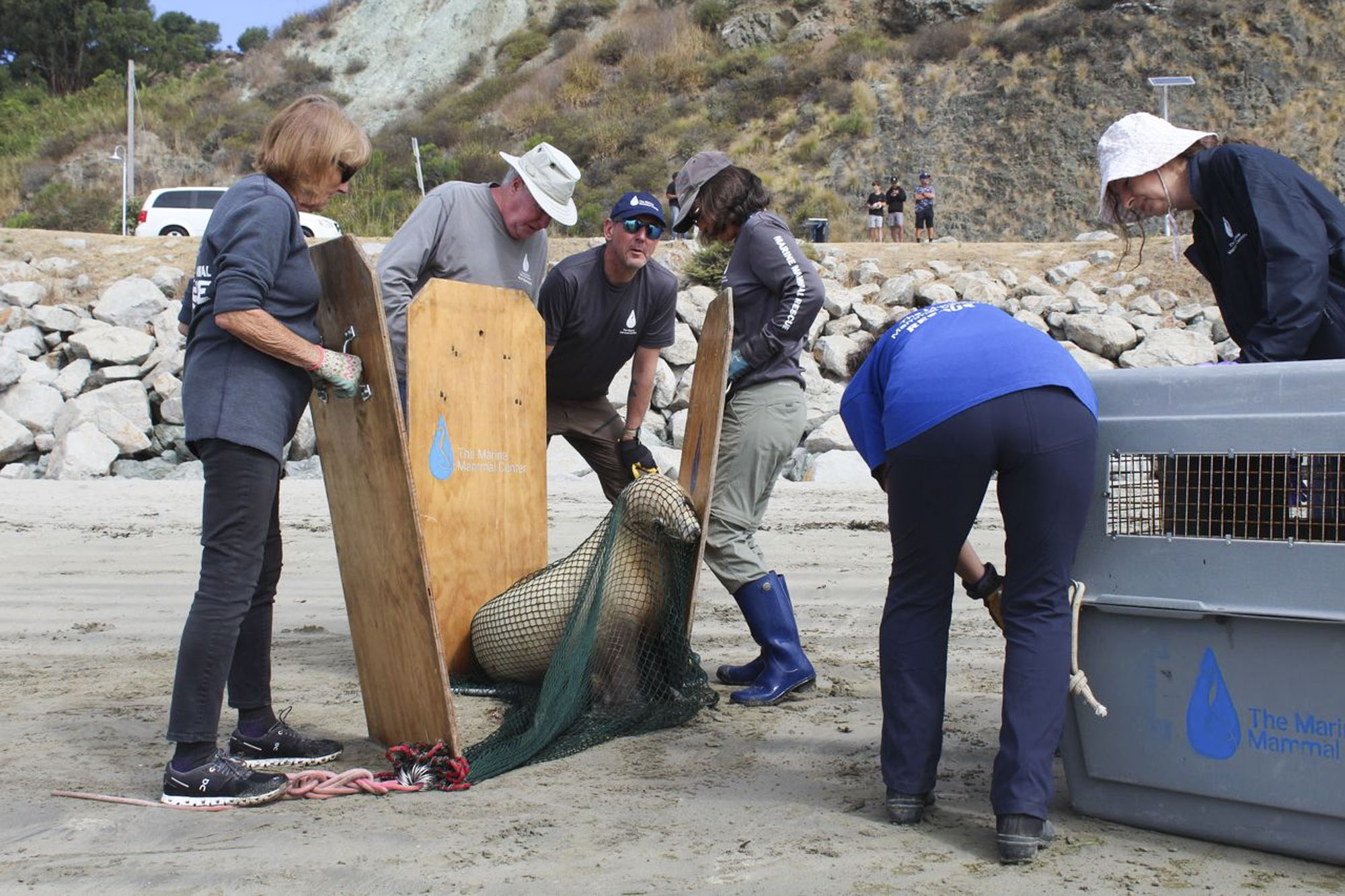
California sea lions are in trouble. A toxic algal bloom has caused a rash of poisonings, leaving the mammals confused, lethargic and, in some cases, dead along the California coast.
Dozens of sea lions have been sickened by domoic acid poisoning, caused by a toxin in algae that can cause seizures and even heart failure. Signs of exposure in sea lions include lethargy, disorientation, tremors, twitching and seizures. The animals ingest the naturally occurring neurotoxin by eating fish or shellfish.
The Marine Mammal Center in Sausalito said it has treated more than 100 sea lions — above the yearly average of 75 to 90 — with the majority of these cases occurring since the start of July. Officials with the center worry that already higher-than-normal sea surface temperatures and additional warming from the climate pattern El Niño could exponentially increase the number of infected mammals.
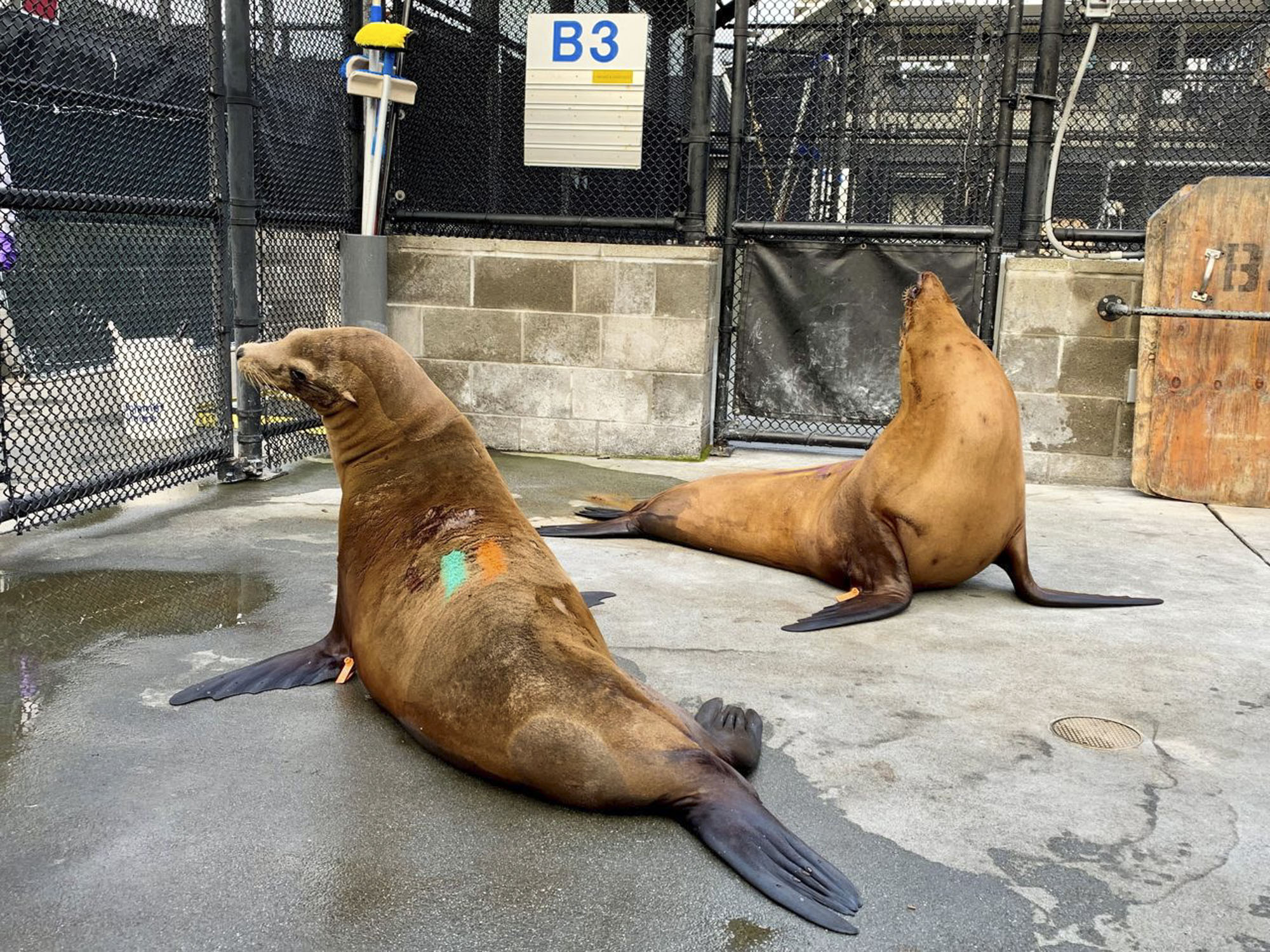
Giancarlo Rulli, spokesperson for the center, said dispatchers are receiving up to 600 calls a day reporting sick sea lions. Over the past week, the center rescued around 30 sea lions.
“We’ve seen a major flare-up in Monterey and Santa Cruz counties,” Rulli said. “This is highly emotional, and it can be very disturbing to see an animal that’s not in control of itself out on the beach.”
Additional rescues have taken place in San Mateo, San Francisco, Marin and Sonoma counties. The center has also treated a handful of northern fur seals. Treating a single mammal can require up to six trained responders and may involve repeated doses of antiseizure medication.
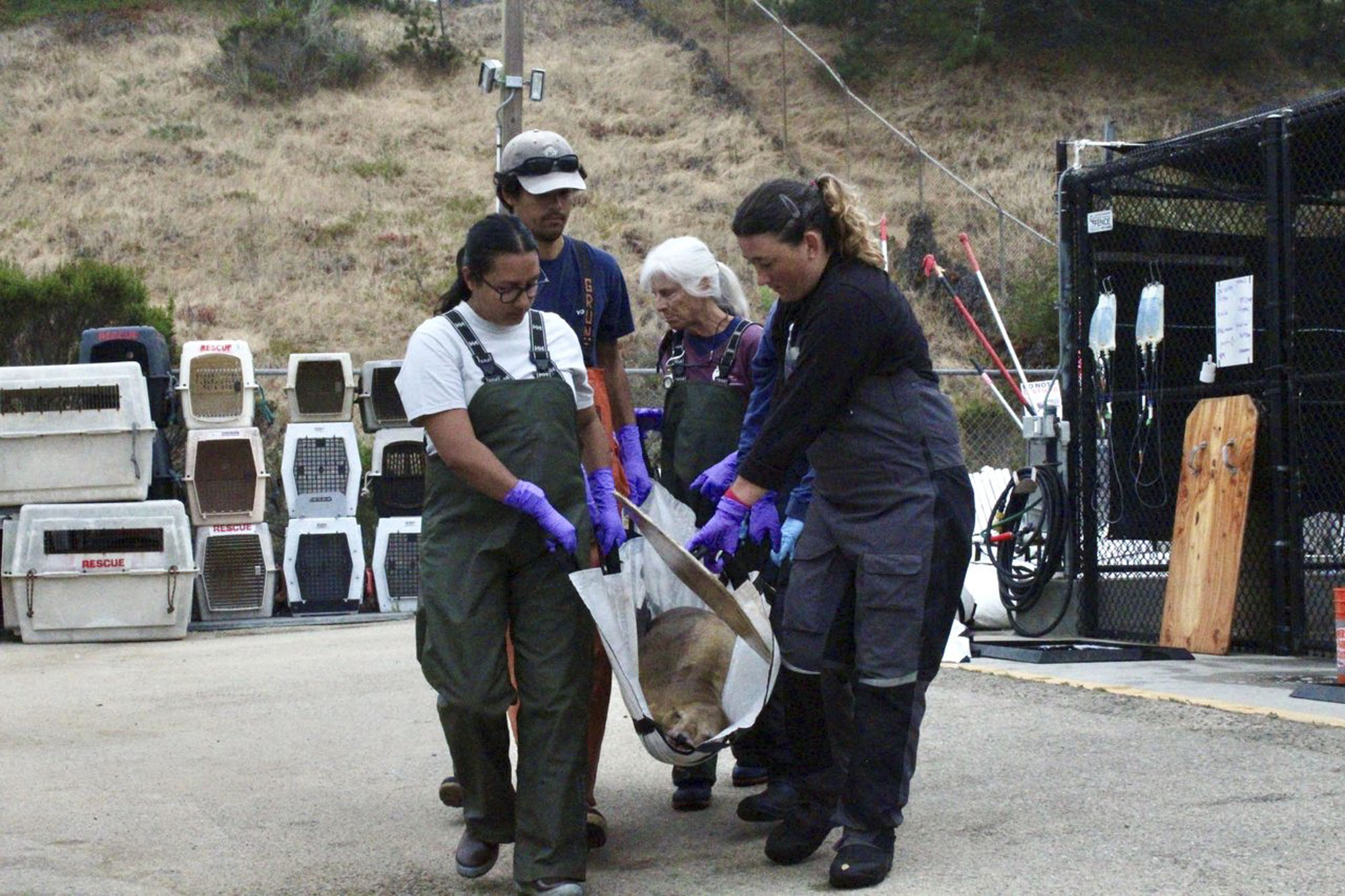
“It’s brutal on the animals,” Rulli said. “We are seeing animals die out on the beaches. There are a fair amount of carcasses out there. We’re seeing animals pass away in transport being brought back to the hospital.”
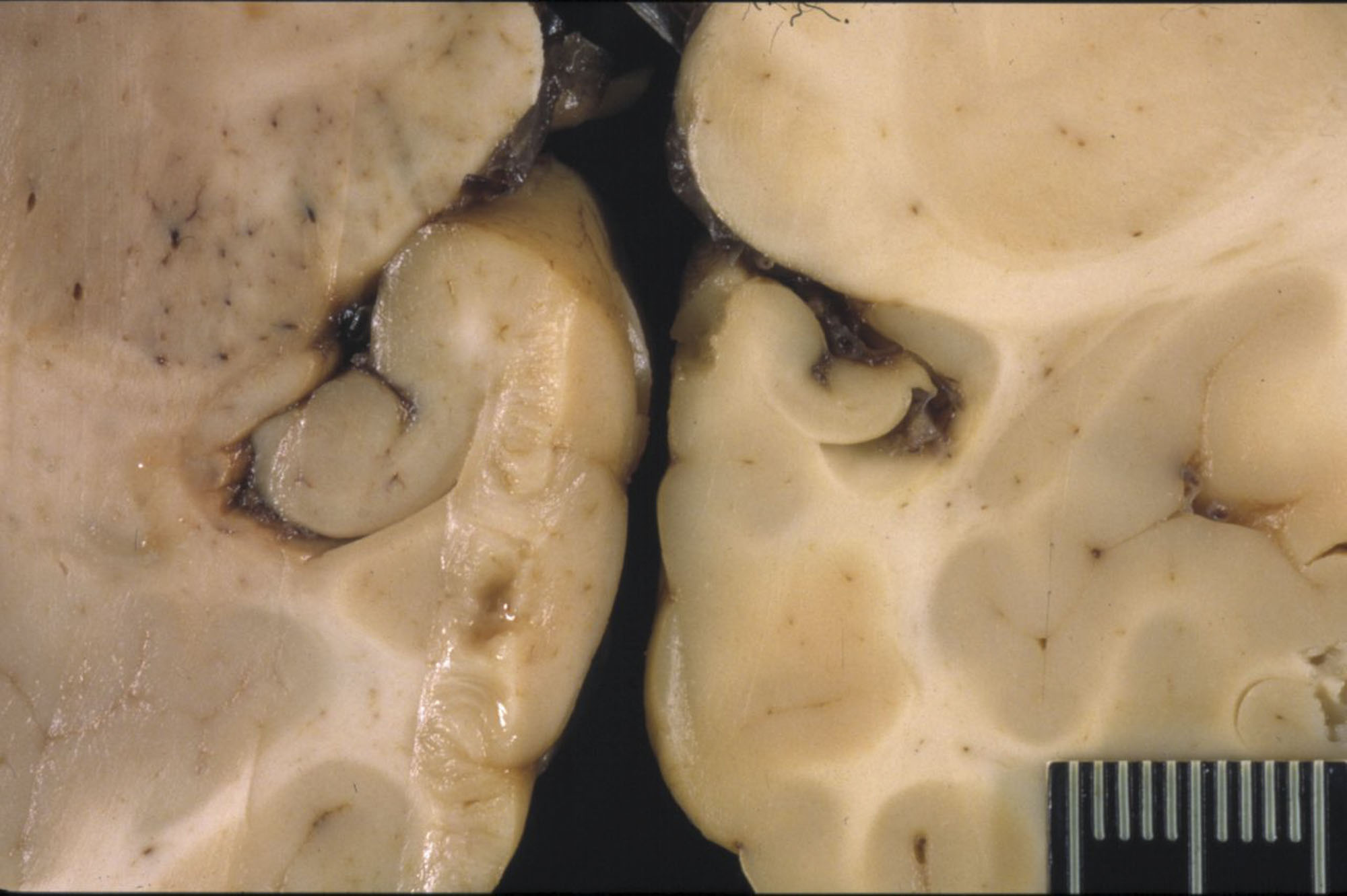
Rulli said the cases are a sign that the toxin has worked its way through the food chain in “a short-term burst,” but said the center is also seeing chronic cases where sea lions have “brain lesions and permanent heart damage.”
Along the northern California coast, marine algal blooms are primarily caused by natural factors such as ocean upwelling of nutrient-rich water and warm ocean temperatures.

Polluted runoff from agriculture and other human activities also feed blooms, a factor projected to become more frequent and severe due to human-caused climate change.
The toxin appears in both cold and warm water, and Rulli said the resulting illness has evolved since it was first diagnosed in sea lions in 1998. It was more of a seasonal disease, and now mammals show signs of year-round exposure.
“It can thrive both in cold water conditions during La Niña years with strong marine upwelling and strong offshore winds, as well as during more heated environments like this current heat wave in El Niño that’s forming in the Pacific,” Rulli said.
A massive heatwave, known as The Blob, wreaked havoc on the California coastline from 2013 to 2016, and an El Niño followed. Rulli said that during that time there was a “record number” of sea lions poisoned.
“There’s really no clear indication of whether what’s forming in the Pacific is a one-year blip or maybe more sustained, as we saw a decade-plus ago,” Rulli said.
Beachgoers who see an affected mammal should not crowd or touch the animal, and should call The Marine Mammal Center’s hotline, 415-289-7325 or 415-289-SEAL.