window.__IS_SSR__=true
window.__INITIAL_STATE__={
"attachmentsReducer": {
"audio_0": {
"type": "attachments",
"id": "audio_0",
"imgSizes": {
"kqedFullSize": {
"file": "https://ww2.kqed.org/news/wp-content/themes/KQED-unified/img/audio_bgs/background0.jpg"
}
}
},
"audio_1": {
"type": "attachments",
"id": "audio_1",
"imgSizes": {
"kqedFullSize": {
"file": "https://ww2.kqed.org/news/wp-content/themes/KQED-unified/img/audio_bgs/background1.jpg"
}
}
},
"audio_2": {
"type": "attachments",
"id": "audio_2",
"imgSizes": {
"kqedFullSize": {
"file": "https://ww2.kqed.org/news/wp-content/themes/KQED-unified/img/audio_bgs/background2.jpg"
}
}
},
"audio_3": {
"type": "attachments",
"id": "audio_3",
"imgSizes": {
"kqedFullSize": {
"file": "https://ww2.kqed.org/news/wp-content/themes/KQED-unified/img/audio_bgs/background3.jpg"
}
}
},
"audio_4": {
"type": "attachments",
"id": "audio_4",
"imgSizes": {
"kqedFullSize": {
"file": "https://ww2.kqed.org/news/wp-content/themes/KQED-unified/img/audio_bgs/background4.jpg"
}
}
},
"placeholder": {
"type": "attachments",
"id": "placeholder",
"imgSizes": {
"thumbnail": {
"file": "https://cdn.kqed.org/wp-content/uploads/2024/12/KQED-Default-Image-816638274-2000x1333-1-160x107.jpg",
"width": 160,
"height": 107,
"mimeType": "image/jpeg"
},
"medium": {
"file": "https://cdn.kqed.org/wp-content/uploads/2024/12/KQED-Default-Image-816638274-2000x1333-1-800x533.jpg",
"width": 800,
"height": 533,
"mimeType": "image/jpeg"
},
"medium_large": {
"file": "https://cdn.kqed.org/wp-content/uploads/2024/12/KQED-Default-Image-816638274-2000x1333-1-768x512.jpg",
"width": 768,
"height": 512,
"mimeType": "image/jpeg"
},
"large": {
"file": "https://cdn.kqed.org/wp-content/uploads/2024/12/KQED-Default-Image-816638274-2000x1333-1-1020x680.jpg",
"width": 1020,
"height": 680,
"mimeType": "image/jpeg"
},
"1536x1536": {
"file": "https://cdn.kqed.org/wp-content/uploads/2024/12/KQED-Default-Image-816638274-2000x1333-1-1536x1024.jpg",
"width": 1536,
"height": 1024,
"mimeType": "image/jpeg"
},
"fd-lrg": {
"file": "https://cdn.kqed.org/wp-content/uploads/2024/12/KQED-Default-Image-816638274-2000x1333-1-1536x1024.jpg",
"width": 1536,
"height": 1024,
"mimeType": "image/jpeg"
},
"fd-med": {
"file": "https://cdn.kqed.org/wp-content/uploads/2024/12/KQED-Default-Image-816638274-2000x1333-1-1020x680.jpg",
"width": 1020,
"height": 680,
"mimeType": "image/jpeg"
},
"fd-sm": {
"file": "https://cdn.kqed.org/wp-content/uploads/2024/12/KQED-Default-Image-816638274-2000x1333-1-800x533.jpg",
"width": 800,
"height": 533,
"mimeType": "image/jpeg"
},
"post-thumbnail": {
"file": "https://cdn.kqed.org/wp-content/uploads/2024/12/KQED-Default-Image-816638274-2000x1333-1-672x372.jpg",
"width": 672,
"height": 372,
"mimeType": "image/jpeg"
},
"twentyfourteen-full-width": {
"file": "https://cdn.kqed.org/wp-content/uploads/2024/12/KQED-Default-Image-816638274-2000x1333-1-1038x576.jpg",
"width": 1038,
"height": 576,
"mimeType": "image/jpeg"
},
"xxsmall": {
"file": "https://cdn.kqed.org/wp-content/uploads/2024/12/KQED-Default-Image-816638274-2000x1333-1-160x107.jpg",
"width": 160,
"height": 107,
"mimeType": "image/jpeg"
},
"xsmall": {
"file": "https://cdn.kqed.org/wp-content/uploads/2024/12/KQED-Default-Image-816638274-2000x1333-1-672x372.jpg",
"width": 672,
"height": 372,
"mimeType": "image/jpeg"
},
"small": {
"file": "https://cdn.kqed.org/wp-content/uploads/2024/12/KQED-Default-Image-816638274-2000x1333-1-672x372.jpg",
"width": 672,
"height": 372,
"mimeType": "image/jpeg"
},
"xlarge": {
"file": "https://cdn.kqed.org/wp-content/uploads/2024/12/KQED-Default-Image-816638274-2000x1333-1-1020x680.jpg",
"width": 1020,
"height": 680,
"mimeType": "image/jpeg"
},
"full-width": {
"file": "https://cdn.kqed.org/wp-content/uploads/2024/12/KQED-Default-Image-816638274-2000x1333-1-1920x1280.jpg",
"width": 1920,
"height": 1280,
"mimeType": "image/jpeg"
},
"guest-author-32": {
"file": "https://cdn.kqed.org/wp-content/uploads/2025/01/KQED-Default-Image-816638274-1333x1333-1-160x160.jpg",
"width": 32,
"height": 32,
"mimeType": "image/jpeg"
},
"guest-author-50": {
"file": "https://cdn.kqed.org/wp-content/uploads/2025/01/KQED-Default-Image-816638274-1333x1333-1-160x160.jpg",
"width": 50,
"height": 50,
"mimeType": "image/jpeg"
},
"guest-author-64": {
"file": "https://cdn.kqed.org/wp-content/uploads/2025/01/KQED-Default-Image-816638274-1333x1333-1-160x160.jpg",
"width": 64,
"height": 64,
"mimeType": "image/jpeg"
},
"guest-author-96": {
"file": "https://cdn.kqed.org/wp-content/uploads/2025/01/KQED-Default-Image-816638274-1333x1333-1-160x160.jpg",
"width": 96,
"height": 96,
"mimeType": "image/jpeg"
},
"guest-author-128": {
"file": "https://cdn.kqed.org/wp-content/uploads/2025/01/KQED-Default-Image-816638274-1333x1333-1-160x160.jpg",
"width": 128,
"height": 128,
"mimeType": "image/jpeg"
},
"detail": {
"file": "https://cdn.kqed.org/wp-content/uploads/2025/01/KQED-Default-Image-816638274-1333x1333-1-160x160.jpg",
"width": 160,
"height": 160,
"mimeType": "image/jpeg"
},
"kqedFullSize": {
"file": "https://cdn.kqed.org/wp-content/uploads/2024/12/KQED-Default-Image-816638274-2000x1333-1.jpg",
"width": 2000,
"height": 1333
}
}
},
"news_11633959": {
"type": "attachments",
"id": "news_11633959",
"meta": {
"index": "attachments_1716263798",
"site": "news",
"id": "11633959",
"found": true
},
"parent": 11633957,
"imgSizes": {
"small": {
"file": "https://ww2.kqed.org/app/uploads/sites/10/2017/11/iStock-503516024-520x270.jpg",
"width": 520,
"mimeType": "image/jpeg",
"height": 270
},
"twentyfourteen-full-width": {
"file": "https://ww2.kqed.org/app/uploads/sites/10/2017/11/iStock-503516024-1038x576.jpg",
"width": 1038,
"mimeType": "image/jpeg",
"height": 576
},
"thumbnail": {
"file": "https://ww2.kqed.org/app/uploads/sites/10/2017/11/iStock-503516024-160x83.jpg",
"width": 160,
"mimeType": "image/jpeg",
"height": 83
},
"fd-sm": {
"file": "https://ww2.kqed.org/app/uploads/sites/10/2017/11/iStock-503516024-960x498.jpg",
"width": 960,
"mimeType": "image/jpeg",
"height": 498
},
"post-thumbnail": {
"file": "https://ww2.kqed.org/app/uploads/sites/10/2017/11/iStock-503516024-672x372.jpg",
"width": 672,
"mimeType": "image/jpeg",
"height": 372
},
"xsmall": {
"file": "https://ww2.kqed.org/app/uploads/sites/10/2017/11/iStock-503516024-375x194.jpg",
"width": 375,
"mimeType": "image/jpeg",
"height": 194
},
"kqedFullSize": {
"file": "https://ww2.kqed.org/app/uploads/sites/10/2017/11/iStock-503516024-e1512002719505.jpg",
"width": 1920,
"height": 996
},
"large": {
"file": "https://ww2.kqed.org/app/uploads/sites/10/2017/11/iStock-503516024-1020x529.jpg",
"width": 1020,
"mimeType": "image/jpeg",
"height": 529
},
"xlarge": {
"file": "https://ww2.kqed.org/app/uploads/sites/10/2017/11/iStock-503516024-1180x612.jpg",
"width": 1180,
"mimeType": "image/jpeg",
"height": 612
},
"guest-author-50": {
"file": "https://ww2.kqed.org/app/uploads/sites/10/2017/11/iStock-503516024-50x50.jpg",
"width": 50,
"mimeType": "image/jpeg",
"height": 50
},
"guest-author-96": {
"file": "https://ww2.kqed.org/app/uploads/sites/10/2017/11/iStock-503516024-96x96.jpg",
"width": 96,
"mimeType": "image/jpeg",
"height": 96
},
"medium": {
"file": "https://ww2.kqed.org/app/uploads/sites/10/2017/11/iStock-503516024-800x415.jpg",
"width": 800,
"mimeType": "image/jpeg",
"height": 415
},
"guest-author-64": {
"file": "https://ww2.kqed.org/app/uploads/sites/10/2017/11/iStock-503516024-64x64.jpg",
"width": 64,
"mimeType": "image/jpeg",
"height": 64
},
"guest-author-32": {
"file": "https://ww2.kqed.org/app/uploads/sites/10/2017/11/iStock-503516024-32x32.jpg",
"width": 32,
"mimeType": "image/jpeg",
"height": 32
},
"fd-lrg": {
"file": "https://ww2.kqed.org/app/uploads/sites/10/2017/11/iStock-503516024-1920x996.jpg",
"width": 1920,
"mimeType": "image/jpeg",
"height": 996
},
"fd-med": {
"file": "https://ww2.kqed.org/app/uploads/sites/10/2017/11/iStock-503516024-1180x612.jpg",
"width": 1180,
"mimeType": "image/jpeg",
"height": 612
},
"full-width": {
"file": "https://ww2.kqed.org/app/uploads/sites/10/2017/11/iStock-503516024-1920x996.jpg",
"width": 1920,
"mimeType": "image/jpeg",
"height": 996
},
"detail": {
"file": "https://ww2.kqed.org/app/uploads/sites/10/2017/11/iStock-503516024-150x150.jpg",
"width": 150,
"mimeType": "image/jpeg",
"height": 150
},
"guest-author-128": {
"file": "https://ww2.kqed.org/app/uploads/sites/10/2017/11/iStock-503516024-128x128.jpg",
"width": 128,
"mimeType": "image/jpeg",
"height": 128
},
"xxsmall": {
"file": "https://ww2.kqed.org/app/uploads/sites/10/2017/11/iStock-503516024-240x124.jpg",
"width": 240,
"mimeType": "image/jpeg",
"height": 124
}
},
"publishDate": 1512000647,
"modified": 1512002722,
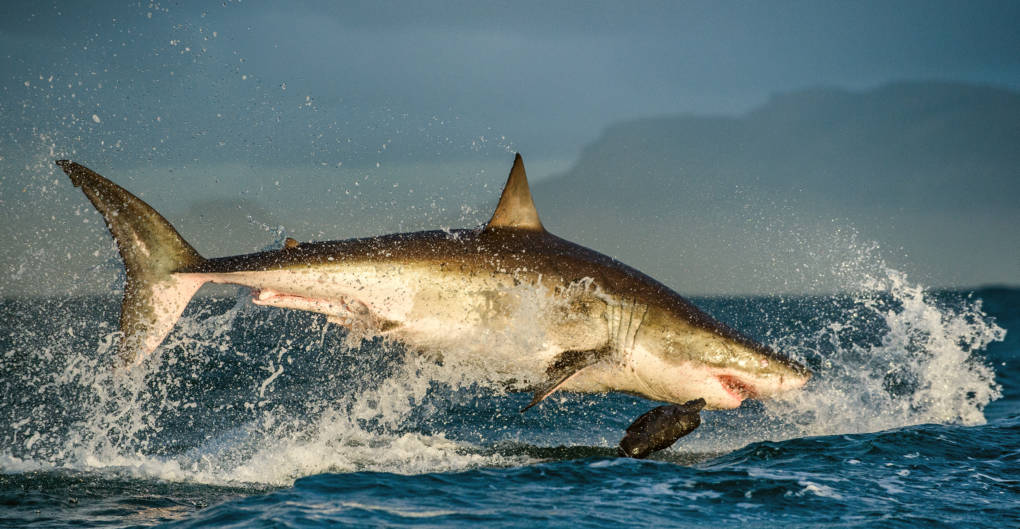
"caption": "White Shark breaching in an attack.",
"description": "White Shark breaching in an attack.",
"title": "Great White Shark (Carcharodon carcharias) breaching in an attack",
"credit": "USO/iStockphoto",
"status": "inherit",
"isLoading": false,
"fetchFailed": false
},
"news_11633361": {
"type": "attachments",
"id": "news_11633361",
"meta": {
"index": "attachments_1716263798",
"site": "news",
"id": "11633361",
"found": true
},
"parent": 11633355,
"imgSizes": {
"small": {
"file": "https://ww2.kqed.org/app/uploads/sites/10/2017/11/DroneBears-520x291.jpg",
"width": 520,
"mimeType": "image/jpeg",
"height": 291
},
"twentyfourteen-full-width": {
"file": "https://ww2.kqed.org/app/uploads/sites/10/2017/11/DroneBears-1038x576.jpg",
"width": 1038,
"mimeType": "image/jpeg",
"height": 576
},
"thumbnail": {
"file": "https://ww2.kqed.org/app/uploads/sites/10/2017/11/DroneBears-160x90.jpg",
"width": 160,
"mimeType": "image/jpeg",
"height": 90
},
"fd-sm": {
"file": "https://ww2.kqed.org/app/uploads/sites/10/2017/11/DroneBears-960x538.jpg",
"width": 960,
"mimeType": "image/jpeg",
"height": 538
},
"post-thumbnail": {
"file": "https://ww2.kqed.org/app/uploads/sites/10/2017/11/DroneBears-672x372.jpg",
"width": 672,
"mimeType": "image/jpeg",
"height": 372
},
"xsmall": {
"file": "https://ww2.kqed.org/app/uploads/sites/10/2017/11/DroneBears-375x210.jpg",
"width": 375,
"mimeType": "image/jpeg",
"height": 210
},
"kqedFullSize": {
"file": "https://ww2.kqed.org/app/uploads/sites/10/2017/11/DroneBears.jpg",
"width": 1920,
"height": 1075
},
"large": {
"file": "https://ww2.kqed.org/app/uploads/sites/10/2017/11/DroneBears-1020x571.jpg",
"width": 1020,
"mimeType": "image/jpeg",
"height": 571
},
"xlarge": {
"file": "https://ww2.kqed.org/app/uploads/sites/10/2017/11/DroneBears-1180x661.jpg",
"width": 1180,
"mimeType": "image/jpeg",
"height": 661
},
"guest-author-50": {
"file": "https://ww2.kqed.org/app/uploads/sites/10/2017/11/DroneBears-50x50.jpg",
"width": 50,
"mimeType": "image/jpeg",
"height": 50
},
"guest-author-96": {
"file": "https://ww2.kqed.org/app/uploads/sites/10/2017/11/DroneBears-96x96.jpg",
"width": 96,
"mimeType": "image/jpeg",
"height": 96
},
"medium": {
"file": "https://ww2.kqed.org/app/uploads/sites/10/2017/11/DroneBears-800x448.jpg",
"width": 800,
"mimeType": "image/jpeg",
"height": 448
},
"guest-author-64": {
"file": "https://ww2.kqed.org/app/uploads/sites/10/2017/11/DroneBears-64x64.jpg",
"width": 64,
"mimeType": "image/jpeg",
"height": 64
},
"guest-author-32": {
"file": "https://ww2.kqed.org/app/uploads/sites/10/2017/11/DroneBears-32x32.jpg",
"width": 32,
"mimeType": "image/jpeg",
"height": 32
},
"fd-lrg": {
"file": "https://ww2.kqed.org/app/uploads/sites/10/2017/11/DroneBears-1920x1075.jpg",
"width": 1920,
"mimeType": "image/jpeg",
"height": 1075
},
"fd-med": {
"file": "https://ww2.kqed.org/app/uploads/sites/10/2017/11/DroneBears-1180x661.jpg",
"width": 1180,
"mimeType": "image/jpeg",
"height": 661
},
"full-width": {
"file": "https://ww2.kqed.org/app/uploads/sites/10/2017/11/DroneBears-1920x1075.jpg",
"width": 1920,
"mimeType": "image/jpeg",
"height": 1075
},
"detail": {
"file": "https://ww2.kqed.org/app/uploads/sites/10/2017/11/DroneBears-150x150.jpg",
"width": 150,
"mimeType": "image/jpeg",
"height": 150
},
"guest-author-128": {
"file": "https://ww2.kqed.org/app/uploads/sites/10/2017/11/DroneBears-128x128.jpg",
"width": 128,
"mimeType": "image/jpeg",
"height": 128
},
"xxsmall": {
"file": "https://ww2.kqed.org/app/uploads/sites/10/2017/11/DroneBears-240x134.jpg",
"width": 240,
"mimeType": "image/jpeg",
"height": 134
}
},
"publishDate": 1511816036,
"modified": 1511816116,
"caption": "San Diego Zoo Global’s science team (L-R): Dr. James Sheppard, Dr. Megan Owen, and Dr. Nicholas Pilfold work with the Northrop Grumman technical team in the field to refine their sensor suite to meet the needs of their Arctic conservation efforts.",
"description": "San Diego Zoo Global’s science team (L-R): Dr. James Sheppard, Dr. Megan Owen, and Dr. Nicholas Pilfold work with the Northrop Grumman technical team in the field to refine their sensor suite to meet the needs of their Arctic conservation efforts.",
"title": "DroneBears",
"credit": "Courtesy Northrop Grumman",
"status": "inherit",
"isLoading": false,
"fetchFailed": false
},
"news_11631857": {
"type": "attachments",
"id": "news_11631857",
"meta": {
"index": "attachments_1716263798",
"site": "news",
"id": "11631857",
"found": true
},
"parent": 11631856,
"imgSizes": {
"small": {
"file": "https://ww2.kqed.org/app/uploads/sites/10/2017/11/sf_animals_header002-520x234.jpg",
"width": 520,
"mimeType": "image/jpeg",
"height": 234
},
"twentyfourteen-full-width": {
"file": "https://ww2.kqed.org/app/uploads/sites/10/2017/11/sf_animals_header002-1038x576.jpg",
"width": 1038,
"mimeType": "image/jpeg",
"height": 576
},
"thumbnail": {
"file": "https://ww2.kqed.org/app/uploads/sites/10/2017/11/sf_animals_header002-160x72.jpg",
"width": 160,
"mimeType": "image/jpeg",
"height": 72
},
"fd-sm": {
"file": "https://ww2.kqed.org/app/uploads/sites/10/2017/11/sf_animals_header002-960x432.jpg",
"width": 960,
"mimeType": "image/jpeg",
"height": 432
},
"post-thumbnail": {
"file": "https://ww2.kqed.org/app/uploads/sites/10/2017/11/sf_animals_header002-672x372.jpg",
"width": 672,
"mimeType": "image/jpeg",
"height": 372
},
"xsmall": {
"file": "https://ww2.kqed.org/app/uploads/sites/10/2017/11/sf_animals_header002-375x169.jpg",
"width": 375,
"mimeType": "image/jpeg",
"height": 169
},
"kqedFullSize": {
"file": "https://ww2.kqed.org/app/uploads/sites/10/2017/11/sf_animals_header002.jpg",
"width": 1920,
"height": 864
},
"large": {
"file": "https://ww2.kqed.org/app/uploads/sites/10/2017/11/sf_animals_header002-1020x459.jpg",
"width": 1020,
"mimeType": "image/jpeg",
"height": 459
},
"xlarge": {
"file": "https://ww2.kqed.org/app/uploads/sites/10/2017/11/sf_animals_header002-1180x531.jpg",
"width": 1180,
"mimeType": "image/jpeg",
"height": 531
},
"guest-author-50": {
"file": "https://ww2.kqed.org/app/uploads/sites/10/2017/11/sf_animals_header002-50x50.jpg",
"width": 50,
"mimeType": "image/jpeg",
"height": 50
},
"guest-author-96": {
"file": "https://ww2.kqed.org/app/uploads/sites/10/2017/11/sf_animals_header002-96x96.jpg",
"width": 96,
"mimeType": "image/jpeg",
"height": 96
},
"medium": {
"file": "https://ww2.kqed.org/app/uploads/sites/10/2017/11/sf_animals_header002-800x360.jpg",
"width": 800,
"mimeType": "image/jpeg",
"height": 360
},
"guest-author-64": {
"file": "https://ww2.kqed.org/app/uploads/sites/10/2017/11/sf_animals_header002-64x64.jpg",
"width": 64,
"mimeType": "image/jpeg",
"height": 64
},
"guest-author-32": {
"file": "https://ww2.kqed.org/app/uploads/sites/10/2017/11/sf_animals_header002-32x32.jpg",
"width": 32,
"mimeType": "image/jpeg",
"height": 32
},
"fd-lrg": {
"file": "https://ww2.kqed.org/app/uploads/sites/10/2017/11/sf_animals_header002-1920x864.jpg",
"width": 1920,
"mimeType": "image/jpeg",
"height": 864
},
"fd-med": {
"file": "https://ww2.kqed.org/app/uploads/sites/10/2017/11/sf_animals_header002-1180x531.jpg",
"width": 1180,
"mimeType": "image/jpeg",
"height": 531
},
"full-width": {
"file": "https://ww2.kqed.org/app/uploads/sites/10/2017/11/sf_animals_header002-1920x864.jpg",
"width": 1920,
"mimeType": "image/jpeg",
"height": 864
},
"detail": {
"file": "https://ww2.kqed.org/app/uploads/sites/10/2017/11/sf_animals_header002-150x150.jpg",
"width": 150,
"mimeType": "image/jpeg",
"height": 150
},
"guest-author-128": {
"file": "https://ww2.kqed.org/app/uploads/sites/10/2017/11/sf_animals_header002-128x128.jpg",
"width": 128,
"mimeType": "image/jpeg",
"height": 128
},
"xxsmall": {
"file": "https://ww2.kqed.org/app/uploads/sites/10/2017/11/sf_animals_header002-240x108.jpg",
"width": 240,
"mimeType": "image/jpeg",
"height": 108
}
},
"publishDate": 1510952811,
"modified": 1510952849,
"caption": null,
"description": null,
"title": "sf_animals_header002",
"credit": null,
"status": "inherit",
"isLoading": false,
"fetchFailed": false
},
"news_11630469": {
"type": "attachments",
"id": "news_11630469",
"meta": {
"index": "attachments_1716263798",
"site": "news",
"id": "11630469",
"found": true
},
"parent": 11630448,
"imgSizes": {
"small": {
"file": "https://ww2.kqed.org/app/uploads/sites/10/2017/11/evicted_111317_final-520x520.jpg",
"width": 520,
"mimeType": "image/jpeg",
"height": 520
},
"twentyfourteen-full-width": {
"file": "https://ww2.kqed.org/app/uploads/sites/10/2017/11/evicted_111317_final-1038x576.jpg",
"width": 1038,
"mimeType": "image/jpeg",
"height": 576
},
"thumbnail": {
"file": "https://ww2.kqed.org/app/uploads/sites/10/2017/11/evicted_111317_final-160x160.jpg",
"width": 160,
"mimeType": "image/jpeg",
"height": 160
},
"fd-sm": {
"file": "https://ww2.kqed.org/app/uploads/sites/10/2017/11/evicted_111317_final-960x960.jpg",
"width": 960,
"mimeType": "image/jpeg",
"height": 960
},
"post-thumbnail": {
"file": "https://ww2.kqed.org/app/uploads/sites/10/2017/11/evicted_111317_final-672x372.jpg",
"width": 672,
"mimeType": "image/jpeg",
"height": 372
},
"xsmall": {
"file": "https://ww2.kqed.org/app/uploads/sites/10/2017/11/evicted_111317_final-375x375.jpg",
"width": 375,
"mimeType": "image/jpeg",
"height": 375
},
"kqedFullSize": {
"file": "https://ww2.kqed.org/app/uploads/sites/10/2017/11/evicted_111317_final.jpg",
"width": 1920,
"height": 1920
},
"large": {
"file": "https://ww2.kqed.org/app/uploads/sites/10/2017/11/evicted_111317_final-1020x1020.jpg",
"width": 1020,
"mimeType": "image/jpeg",
"height": 1020
},
"xlarge": {
"file": "https://ww2.kqed.org/app/uploads/sites/10/2017/11/evicted_111317_final-1180x1180.jpg",
"width": 1180,
"mimeType": "image/jpeg",
"height": 1180
},
"guest-author-50": {
"file": "https://ww2.kqed.org/app/uploads/sites/10/2017/11/evicted_111317_final-50x50.jpg",
"width": 50,
"mimeType": "image/jpeg",
"height": 50
},
"guest-author-96": {
"file": "https://ww2.kqed.org/app/uploads/sites/10/2017/11/evicted_111317_final-96x96.jpg",
"width": 96,
"mimeType": "image/jpeg",
"height": 96
},
"medium": {
"file": "https://ww2.kqed.org/app/uploads/sites/10/2017/11/evicted_111317_final-800x800.jpg",
"width": 800,
"mimeType": "image/jpeg",
"height": 800
},
"guest-author-64": {
"file": "https://ww2.kqed.org/app/uploads/sites/10/2017/11/evicted_111317_final-64x64.jpg",
"width": 64,
"mimeType": "image/jpeg",
"height": 64
},
"guest-author-32": {
"file": "https://ww2.kqed.org/app/uploads/sites/10/2017/11/evicted_111317_final-32x32.jpg",
"width": 32,
"mimeType": "image/jpeg",
"height": 32
},
"fd-lrg": {
"file": "https://ww2.kqed.org/app/uploads/sites/10/2017/11/evicted_111317_final-1920x1920.jpg",
"width": 1920,
"mimeType": "image/jpeg",
"height": 1920
},
"fd-med": {
"file": "https://ww2.kqed.org/app/uploads/sites/10/2017/11/evicted_111317_final-1180x1180.jpg",
"width": 1180,
"mimeType": "image/jpeg",
"height": 1180
},
"full-width": {
"file": "https://ww2.kqed.org/app/uploads/sites/10/2017/11/evicted_111317_final-1920x1920.jpg",
"width": 1920,
"mimeType": "image/jpeg",
"height": 1920
},
"detail": {
"file": "https://ww2.kqed.org/app/uploads/sites/10/2017/11/evicted_111317_final-150x150.jpg",
"width": 150,
"mimeType": "image/jpeg",
"height": 150
},
"guest-author-128": {
"file": "https://ww2.kqed.org/app/uploads/sites/10/2017/11/evicted_111317_final-128x128.jpg",
"width": 128,
"mimeType": "image/jpeg",
"height": 128
},
"xxsmall": {
"file": "https://ww2.kqed.org/app/uploads/sites/10/2017/11/evicted_111317_final-240x240.jpg",
"width": 240,
"mimeType": "image/jpeg",
"height": 240
}
},
"publishDate": 1510611795,
"modified": 1510611857,
"caption": null,
"description": null,
"title": "evicted_111317_final",
"credit": null,
"status": "inherit",
"isLoading": false,
"fetchFailed": false
},
"news_11628297": {
"type": "attachments",
"id": "news_11628297",
"meta": {
"index": "attachments_1716263798",
"site": "news",
"id": "11628297",
"found": true
},
"parent": 11628089,
"imgSizes": {
"small": {
"file": "https://ww2.kqed.org/app/uploads/sites/10/2017/11/RS27838_Green-Crab-1-uncropped-520x293.jpg",
"width": 520,
"mimeType": "image/jpeg",
"height": 293
},
"twentyfourteen-full-width": {
"file": "https://ww2.kqed.org/app/uploads/sites/10/2017/11/RS27838_Green-Crab-1-uncropped-1038x576.jpg",
"width": 1038,
"mimeType": "image/jpeg",
"height": 576
},
"thumbnail": {
"file": "https://ww2.kqed.org/app/uploads/sites/10/2017/11/RS27838_Green-Crab-1-uncropped-160x90.jpg",
"width": 160,
"mimeType": "image/jpeg",
"height": 90
},
"fd-sm": {
"file": "https://ww2.kqed.org/app/uploads/sites/10/2017/11/RS27838_Green-Crab-1-uncropped-960x541.jpg",
"width": 960,
"mimeType": "image/jpeg",
"height": 541
},
"post-thumbnail": {
"file": "https://ww2.kqed.org/app/uploads/sites/10/2017/11/RS27838_Green-Crab-1-uncropped-672x372.jpg",
"width": 672,
"mimeType": "image/jpeg",
"height": 372
},
"xsmall": {
"file": "https://ww2.kqed.org/app/uploads/sites/10/2017/11/RS27838_Green-Crab-1-uncropped-375x211.jpg",
"width": 375,
"mimeType": "image/jpeg",
"height": 211
},
"kqedFullSize": {
"file": "https://ww2.kqed.org/app/uploads/sites/10/2017/11/RS27838_Green-Crab-1-uncropped-e1510082685422.jpg",
"width": 1920,
"height": 1082
},
"large": {
"file": "https://ww2.kqed.org/app/uploads/sites/10/2017/11/RS27838_Green-Crab-1-uncropped-1020x575.jpg",
"width": 1020,
"mimeType": "image/jpeg",
"height": 575
},
"xlarge": {
"file": "https://ww2.kqed.org/app/uploads/sites/10/2017/11/RS27838_Green-Crab-1-uncropped-1180x665.jpg",
"width": 1180,
"mimeType": "image/jpeg",
"height": 665
},
"guest-author-50": {
"file": "https://ww2.kqed.org/app/uploads/sites/10/2017/11/RS27838_Green-Crab-1-uncropped-50x50.jpg",
"width": 50,
"mimeType": "image/jpeg",
"height": 50
},
"guest-author-96": {
"file": "https://ww2.kqed.org/app/uploads/sites/10/2017/11/RS27838_Green-Crab-1-uncropped-96x96.jpg",
"width": 96,
"mimeType": "image/jpeg",
"height": 96
},
"medium": {
"file": "https://ww2.kqed.org/app/uploads/sites/10/2017/11/RS27838_Green-Crab-1-uncropped-800x451.jpg",
"width": 800,
"mimeType": "image/jpeg",
"height": 451
},
"guest-author-64": {
"file": "https://ww2.kqed.org/app/uploads/sites/10/2017/11/RS27838_Green-Crab-1-uncropped-64x64.jpg",
"width": 64,
"mimeType": "image/jpeg",
"height": 64
},
"guest-author-32": {
"file": "https://ww2.kqed.org/app/uploads/sites/10/2017/11/RS27838_Green-Crab-1-uncropped-32x32.jpg",
"width": 32,
"mimeType": "image/jpeg",
"height": 32
},
"fd-lrg": {
"file": "https://ww2.kqed.org/app/uploads/sites/10/2017/11/RS27838_Green-Crab-1-uncropped-1920x1082.jpg",
"width": 1920,
"mimeType": "image/jpeg",
"height": 1082
},
"fd-med": {
"file": "https://ww2.kqed.org/app/uploads/sites/10/2017/11/RS27838_Green-Crab-1-uncropped-1180x665.jpg",
"width": 1180,
"mimeType": "image/jpeg",
"height": 665
},
"full-width": {
"file": "https://ww2.kqed.org/app/uploads/sites/10/2017/11/RS27838_Green-Crab-1-uncropped-1920x1082.jpg",
"width": 1920,
"mimeType": "image/jpeg",
"height": 1082
},
"detail": {
"file": "https://ww2.kqed.org/app/uploads/sites/10/2017/11/RS27838_Green-Crab-1-uncropped-150x150.jpg",
"width": 150,
"mimeType": "image/jpeg",
"height": 150
},
"guest-author-128": {
"file": "https://ww2.kqed.org/app/uploads/sites/10/2017/11/RS27838_Green-Crab-1-uncropped-128x128.jpg",
"width": 128,
"mimeType": "image/jpeg",
"height": 128
},
"xxsmall": {
"file": "https://ww2.kqed.org/app/uploads/sites/10/2017/11/RS27838_Green-Crab-1-uncropped-240x135.jpg",
"width": 240,
"mimeType": "image/jpeg",
"height": 135
}
},
"publishDate": 1509821235,
"modified": 1510082697,
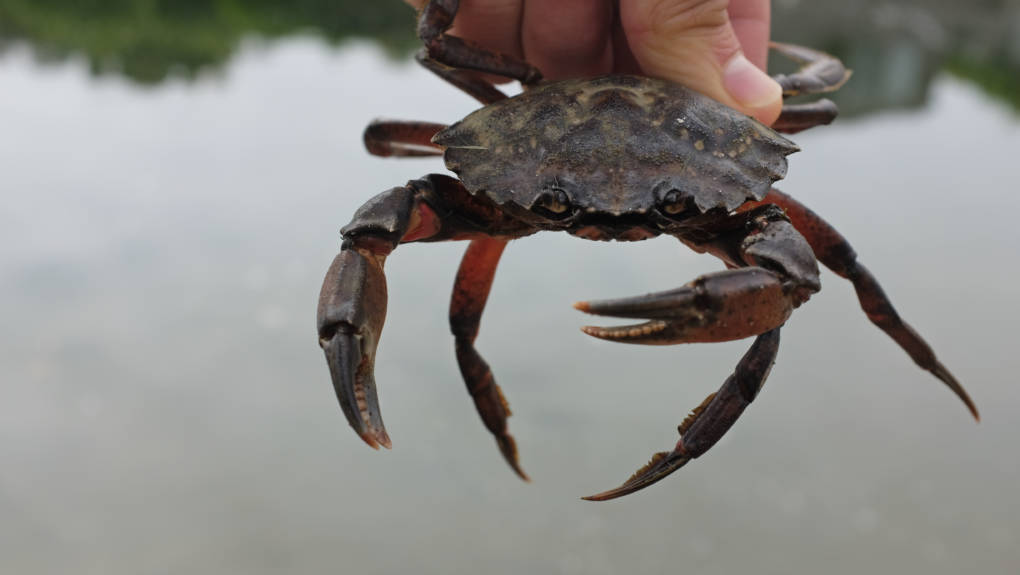
"caption": "One of the roughly 10,000 invasive European green crabs removed from Seadrift Lagoon this summer by the Green Crab Project.",
"description": "One of the roughly 10,000 invasive European green crabs removed from Seadrift Lagoon this summer by the Green Crab Project.",
"title": "RS27838_Green Crab 1 uncropped",
"credit": "Peter Arcuni/KQED",
"status": "inherit",
"isLoading": false,
"fetchFailed": false
},
"news_11627485": {
"type": "attachments",
"id": "news_11627485",
"meta": {
"index": "attachments_1716263798",
"site": "news",
"id": "11627485",
"found": true
},
"parent": 11627484,
"imgSizes": {
"small": {
"file": "https://ww2.kqed.org/app/uploads/sites/10/2017/11/ca-pet-adoption-3-660cd4551318aad4497ba70369743508597b1fd5-520x390.jpg",
"width": 520,
"mimeType": "image/jpeg",
"height": 390
},
"thumbnail": {
"file": "https://ww2.kqed.org/app/uploads/sites/10/2017/11/ca-pet-adoption-3-660cd4551318aad4497ba70369743508597b1fd5-160x120.jpg",
"width": 160,
"mimeType": "image/jpeg",
"height": 120
},
"post-thumbnail": {
"file": "https://ww2.kqed.org/app/uploads/sites/10/2017/11/ca-pet-adoption-3-660cd4551318aad4497ba70369743508597b1fd5-639x372.jpg",
"width": 639,
"mimeType": "image/jpeg",
"height": 372
},
"xsmall": {
"file": "https://ww2.kqed.org/app/uploads/sites/10/2017/11/ca-pet-adoption-3-660cd4551318aad4497ba70369743508597b1fd5-375x281.jpg",
"width": 375,
"mimeType": "image/jpeg",
"height": 281
},
"kqedFullSize": {
"file": "https://ww2.kqed.org/app/uploads/sites/10/2017/11/ca-pet-adoption-3-660cd4551318aad4497ba70369743508597b1fd5.jpg",
"width": 639,
"height": 479
},
"guest-author-50": {
"file": "https://ww2.kqed.org/app/uploads/sites/10/2017/11/ca-pet-adoption-3-660cd4551318aad4497ba70369743508597b1fd5-50x50.jpg",
"width": 50,
"mimeType": "image/jpeg",
"height": 50
},
"guest-author-96": {
"file": "https://ww2.kqed.org/app/uploads/sites/10/2017/11/ca-pet-adoption-3-660cd4551318aad4497ba70369743508597b1fd5-96x96.jpg",
"width": 96,
"mimeType": "image/jpeg",
"height": 96
},
"guest-author-64": {
"file": "https://ww2.kqed.org/app/uploads/sites/10/2017/11/ca-pet-adoption-3-660cd4551318aad4497ba70369743508597b1fd5-64x64.jpg",
"width": 64,
"mimeType": "image/jpeg",
"height": 64
},
"detail": {
"file": "https://ww2.kqed.org/app/uploads/sites/10/2017/11/ca-pet-adoption-3-660cd4551318aad4497ba70369743508597b1fd5-150x150.jpg",
"width": 150,
"mimeType": "image/jpeg",
"height": 150
},
"guest-author-32": {
"file": "https://ww2.kqed.org/app/uploads/sites/10/2017/11/ca-pet-adoption-3-660cd4551318aad4497ba70369743508597b1fd5-32x32.jpg",
"width": 32,
"mimeType": "image/jpeg",
"height": 32
},
"guest-author-128": {
"file": "https://ww2.kqed.org/app/uploads/sites/10/2017/11/ca-pet-adoption-3-660cd4551318aad4497ba70369743508597b1fd5-128x128.jpg",
"width": 128,
"mimeType": "image/jpeg",
"height": 128
},
"xxsmall": {
"file": "https://ww2.kqed.org/app/uploads/sites/10/2017/11/ca-pet-adoption-3-660cd4551318aad4497ba70369743508597b1fd5-240x180.jpg",
"width": 240,
"mimeType": "image/jpeg",
"height": 180
}
},
"publishDate": 1509574648,
"modified": 1509574784,
"caption": "A rescue dog waits to be adopted at the Pasadena Humane Society.",
"description": "A rescue dog waits to be adopted at the Pasadena Humane Society.",
"title": "A rescue dog waits to be adopted at the Pasadena Humane Society.",
"credit": "Gloria Hillard for NPR",
"status": "inherit",
"isLoading": false,
"fetchFailed": false
},
"news_11625487": {
"type": "attachments",
"id": "news_11625487",
"meta": {
"index": "attachments_1716263798",
"site": "news",
"id": "11625487",
"found": true
},
"parent": 11625451,
"imgSizes": {
"small": {
"file": "https://ww2.kqed.org/app/uploads/sites/10/2017/10/RS27692_Charlies20Acres-62028129-2-qut-520x292.jpg",
"width": 520,
"mimeType": "image/jpeg",
"height": 292
},
"twentyfourteen-full-width": {
"file": "https://ww2.kqed.org/app/uploads/sites/10/2017/10/RS27692_Charlies20Acres-62028129-2-qut-1038x576.jpg",
"width": 1038,
"mimeType": "image/jpeg",
"height": 576
},
"thumbnail": {
"file": "https://ww2.kqed.org/app/uploads/sites/10/2017/10/RS27692_Charlies20Acres-62028129-2-qut-160x90.jpg",
"width": 160,
"mimeType": "image/jpeg",
"height": 90
},
"fd-sm": {
"file": "https://ww2.kqed.org/app/uploads/sites/10/2017/10/RS27692_Charlies20Acres-62028129-2-qut-960x540.jpg",
"width": 960,
"mimeType": "image/jpeg",
"height": 540
},
"post-thumbnail": {
"file": "https://ww2.kqed.org/app/uploads/sites/10/2017/10/RS27692_Charlies20Acres-62028129-2-qut-672x372.jpg",
"width": 672,
"mimeType": "image/jpeg",
"height": 372
},
"xsmall": {
"file": "https://ww2.kqed.org/app/uploads/sites/10/2017/10/RS27692_Charlies20Acres-62028129-2-qut-375x211.jpg",
"width": 375,
"mimeType": "image/jpeg",
"height": 211
},
"kqedFullSize": {
"file": "https://ww2.kqed.org/app/uploads/sites/10/2017/10/RS27692_Charlies20Acres-62028129-2-qut.jpg",
"width": 1920,
"height": 1079
},
"large": {
"file": "https://ww2.kqed.org/app/uploads/sites/10/2017/10/RS27692_Charlies20Acres-62028129-2-qut-1020x573.jpg",
"width": 1020,
"mimeType": "image/jpeg",
"height": 573
},
"xlarge": {
"file": "https://ww2.kqed.org/app/uploads/sites/10/2017/10/RS27692_Charlies20Acres-62028129-2-qut-1180x663.jpg",
"width": 1180,
"mimeType": "image/jpeg",
"height": 663
},
"guest-author-50": {
"file": "https://ww2.kqed.org/app/uploads/sites/10/2017/10/RS27692_Charlies20Acres-62028129-2-qut-50x50.jpg",
"width": 50,
"mimeType": "image/jpeg",
"height": 50
},
"guest-author-96": {
"file": "https://ww2.kqed.org/app/uploads/sites/10/2017/10/RS27692_Charlies20Acres-62028129-2-qut-96x96.jpg",
"width": 96,
"mimeType": "image/jpeg",
"height": 96
},
"medium": {
"file": "https://ww2.kqed.org/app/uploads/sites/10/2017/10/RS27692_Charlies20Acres-62028129-2-qut-800x450.jpg",
"width": 800,
"mimeType": "image/jpeg",
"height": 450
},
"guest-author-64": {
"file": "https://ww2.kqed.org/app/uploads/sites/10/2017/10/RS27692_Charlies20Acres-62028129-2-qut-64x64.jpg",
"width": 64,
"mimeType": "image/jpeg",
"height": 64
},
"guest-author-32": {
"file": "https://ww2.kqed.org/app/uploads/sites/10/2017/10/RS27692_Charlies20Acres-62028129-2-qut-32x32.jpg",
"width": 32,
"mimeType": "image/jpeg",
"height": 32
},
"fd-lrg": {
"file": "https://ww2.kqed.org/app/uploads/sites/10/2017/10/RS27692_Charlies20Acres-62028129-2-qut-1920x1079.jpg",
"width": 1920,
"mimeType": "image/jpeg",
"height": 1079
},
"fd-med": {
"file": "https://ww2.kqed.org/app/uploads/sites/10/2017/10/RS27692_Charlies20Acres-62028129-2-qut-1180x663.jpg",
"width": 1180,
"mimeType": "image/jpeg",
"height": 663
},
"full-width": {
"file": "https://ww2.kqed.org/app/uploads/sites/10/2017/10/RS27692_Charlies20Acres-62028129-2-qut-1920x1079.jpg",
"width": 1920,
"mimeType": "image/jpeg",
"height": 1079
},
"detail": {
"file": "https://ww2.kqed.org/app/uploads/sites/10/2017/10/RS27692_Charlies20Acres-62028129-2-qut-150x150.jpg",
"width": 150,
"mimeType": "image/jpeg",
"height": 150
},
"guest-author-128": {
"file": "https://ww2.kqed.org/app/uploads/sites/10/2017/10/RS27692_Charlies20Acres-62028129-2-qut-128x128.jpg",
"width": 128,
"mimeType": "image/jpeg",
"height": 128
},
"xxsmall": {
"file": "https://ww2.kqed.org/app/uploads/sites/10/2017/10/RS27692_Charlies20Acres-62028129-2-qut-240x135.jpg",
"width": 240,
"mimeType": "image/jpeg",
"height": 135
}
},
"publishDate": 1508795575,
"modified": 1508800027,
"caption": "Gertrude has survived two wildfires in the last two years, but in the hands of Charlie's Acres, she's expected to live a long and happy life.",
"description": "Gertrude has survived two wildfires in the last two years, but in the hands of Charlie's Acres, she's expected to live a long and happy life.",
"title": "RS27692_CharliesAcres-61 2-qut",
"credit": "Courtesy of Chris McCann",
"status": "inherit",
"isLoading": false,
"fetchFailed": false
},
"news_11625146": {
"type": "attachments",
"id": "news_11625146",
"meta": {
"index": "attachments_1716263798",
"site": "news",
"id": "11625146",
"found": true
},
"parent": 11625122,
"imgSizes": {
"small": {
"file": "https://ww2.kqed.org/app/uploads/sites/10/2017/10/fire-d-ff-petting-520x416.jpg",
"width": 520,
"mimeType": "image/jpeg",
"height": 416
},
"twentyfourteen-full-width": {
"file": "https://ww2.kqed.org/app/uploads/sites/10/2017/10/fire-d-ff-petting-1038x576.jpg",
"width": 1038,
"mimeType": "image/jpeg",
"height": 576
},
"thumbnail": {
"file": "https://ww2.kqed.org/app/uploads/sites/10/2017/10/fire-d-ff-petting-160x128.jpg",
"width": 160,
"mimeType": "image/jpeg",
"height": 128
},
"fd-sm": {
"file": "https://ww2.kqed.org/app/uploads/sites/10/2017/10/fire-d-ff-petting-960x768.jpg",
"width": 960,
"mimeType": "image/jpeg",
"height": 768
},
"post-thumbnail": {
"file": "https://ww2.kqed.org/app/uploads/sites/10/2017/10/fire-d-ff-petting-672x372.jpg",
"width": 672,
"mimeType": "image/jpeg",
"height": 372
},
"xsmall": {
"file": "https://ww2.kqed.org/app/uploads/sites/10/2017/10/fire-d-ff-petting-375x300.jpg",
"width": 375,
"mimeType": "image/jpeg",
"height": 300
},
"kqedFullSize": {
"file": "https://ww2.kqed.org/app/uploads/sites/10/2017/10/fire-d-ff-petting.jpg",
"width": 1920,
"height": 1536
},
"large": {
"file": "https://ww2.kqed.org/app/uploads/sites/10/2017/10/fire-d-ff-petting-1020x816.jpg",
"width": 1020,
"mimeType": "image/jpeg",
"height": 816
},
"xlarge": {
"file": "https://ww2.kqed.org/app/uploads/sites/10/2017/10/fire-d-ff-petting-1180x944.jpg",
"width": 1180,
"mimeType": "image/jpeg",
"height": 944
},
"guest-author-50": {
"file": "https://ww2.kqed.org/app/uploads/sites/10/2017/10/fire-d-ff-petting-50x50.jpg",
"width": 50,
"mimeType": "image/jpeg",
"height": 50
},
"guest-author-96": {
"file": "https://ww2.kqed.org/app/uploads/sites/10/2017/10/fire-d-ff-petting-96x96.jpg",
"width": 96,
"mimeType": "image/jpeg",
"height": 96
},
"medium": {
"file": "https://ww2.kqed.org/app/uploads/sites/10/2017/10/fire-d-ff-petting-800x640.jpg",
"width": 800,
"mimeType": "image/jpeg",
"height": 640
},
"guest-author-64": {
"file": "https://ww2.kqed.org/app/uploads/sites/10/2017/10/fire-d-ff-petting-64x64.jpg",
"width": 64,
"mimeType": "image/jpeg",
"height": 64
},
"guest-author-32": {
"file": "https://ww2.kqed.org/app/uploads/sites/10/2017/10/fire-d-ff-petting-32x32.jpg",
"width": 32,
"mimeType": "image/jpeg",
"height": 32
},
"fd-lrg": {
"file": "https://ww2.kqed.org/app/uploads/sites/10/2017/10/fire-d-ff-petting-1920x1536.jpg",
"width": 1920,
"mimeType": "image/jpeg",
"height": 1536
},
"fd-med": {
"file": "https://ww2.kqed.org/app/uploads/sites/10/2017/10/fire-d-ff-petting-1180x944.jpg",
"width": 1180,
"mimeType": "image/jpeg",
"height": 944
},
"full-width": {
"file": "https://ww2.kqed.org/app/uploads/sites/10/2017/10/fire-d-ff-petting-1920x1536.jpg",
"width": 1920,
"mimeType": "image/jpeg",
"height": 1536
},
"detail": {
"file": "https://ww2.kqed.org/app/uploads/sites/10/2017/10/fire-d-ff-petting-150x150.jpg",
"width": 150,
"mimeType": "image/jpeg",
"height": 150
},
"guest-author-128": {
"file": "https://ww2.kqed.org/app/uploads/sites/10/2017/10/fire-d-ff-petting-128x128.jpg",
"width": 128,
"mimeType": "image/jpeg",
"height": 128
},
"xxsmall": {
"file": "https://ww2.kqed.org/app/uploads/sites/10/2017/10/fire-d-ff-petting-240x192.jpg",
"width": 240,
"mimeType": "image/jpeg",
"height": 192
}
},
"publishDate": 1508541652,
"modified": 1508719311,
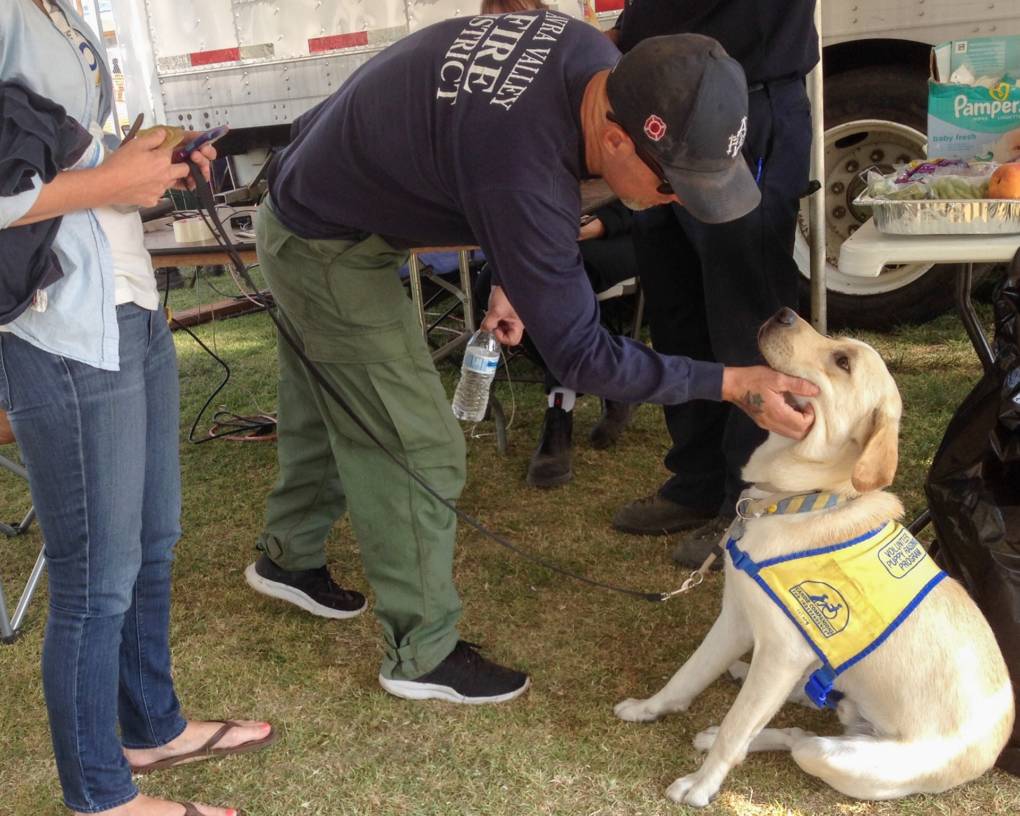
"caption": "Foley, a Labrador-retriever mix, mingles with firefighters at the Sonoma County Fairgrounds.",
"description": "Foley, a Labrador-retriever mix, mingles with firefighters at the Sonoma County Fairgrounds.",
"title": "fire d ff petting",
"credit": "Steven Cuevas/KQED",
"status": "inherit",
"isLoading": false,
"fetchFailed": false
},
"news_11624354": {
"type": "attachments",
"id": "news_11624354",
"meta": {
"index": "attachments_1716263798",
"site": "news",
"id": "11624354",
"found": true
},
"parent": 11624325,
"imgSizes": {
"small": {
"file": "https://ww2.kqed.org/app/uploads/sites/10/2017/10/Mr.-Foster-3-520x520.jpg",
"width": 520,
"mimeType": "image/jpeg",
"height": 520
},
"twentyfourteen-full-width": {
"file": "https://ww2.kqed.org/app/uploads/sites/10/2017/10/Mr.-Foster-3-1038x576.jpg",
"width": 1038,
"mimeType": "image/jpeg",
"height": 576
},
"thumbnail": {
"file": "https://ww2.kqed.org/app/uploads/sites/10/2017/10/Mr.-Foster-3-160x160.jpg",
"width": 160,
"mimeType": "image/jpeg",
"height": 160
},
"fd-sm": {
"file": "https://ww2.kqed.org/app/uploads/sites/10/2017/10/Mr.-Foster-3-960x960.jpg",
"width": 960,
"mimeType": "image/jpeg",
"height": 960
},
"post-thumbnail": {
"file": "https://ww2.kqed.org/app/uploads/sites/10/2017/10/Mr.-Foster-3-672x372.jpg",
"width": 672,
"mimeType": "image/jpeg",
"height": 372
},
"xsmall": {
"file": "https://ww2.kqed.org/app/uploads/sites/10/2017/10/Mr.-Foster-3-375x375.jpg",
"width": 375,
"mimeType": "image/jpeg",
"height": 375
},
"kqedFullSize": {
"file": "https://ww2.kqed.org/app/uploads/sites/10/2017/10/Mr.-Foster-3-e1508363398937.jpg",
"width": 1920,
"height": 1920
},
"large": {
"file": "https://ww2.kqed.org/app/uploads/sites/10/2017/10/Mr.-Foster-3-1020x1020.jpg",
"width": 1020,
"mimeType": "image/jpeg",
"height": 1020
},
"xlarge": {
"file": "https://ww2.kqed.org/app/uploads/sites/10/2017/10/Mr.-Foster-3-1180x1180.jpg",
"width": 1180,
"mimeType": "image/jpeg",
"height": 1180
},
"guest-author-50": {
"file": "https://ww2.kqed.org/app/uploads/sites/10/2017/10/Mr.-Foster-3-50x50.jpg",
"width": 50,
"mimeType": "image/jpeg",
"height": 50
},
"guest-author-96": {
"file": "https://ww2.kqed.org/app/uploads/sites/10/2017/10/Mr.-Foster-3-96x96.jpg",
"width": 96,
"mimeType": "image/jpeg",
"height": 96
},
"medium": {
"file": "https://ww2.kqed.org/app/uploads/sites/10/2017/10/Mr.-Foster-3-800x800.jpg",
"width": 800,
"mimeType": "image/jpeg",
"height": 800
},
"guest-author-64": {
"file": "https://ww2.kqed.org/app/uploads/sites/10/2017/10/Mr.-Foster-3-64x64.jpg",
"width": 64,
"mimeType": "image/jpeg",
"height": 64
},
"guest-author-32": {
"file": "https://ww2.kqed.org/app/uploads/sites/10/2017/10/Mr.-Foster-3-32x32.jpg",
"width": 32,
"mimeType": "image/jpeg",
"height": 32
},
"fd-lrg": {
"file": "https://ww2.kqed.org/app/uploads/sites/10/2017/10/Mr.-Foster-3-1920x1920.jpg",
"width": 1920,
"mimeType": "image/jpeg",
"height": 1920
},
"fd-med": {
"file": "https://ww2.kqed.org/app/uploads/sites/10/2017/10/Mr.-Foster-3-1180x1180.jpg",
"width": 1180,
"mimeType": "image/jpeg",
"height": 1180
},
"full-width": {
"file": "https://ww2.kqed.org/app/uploads/sites/10/2017/10/Mr.-Foster-3-1920x1920.jpg",
"width": 1920,
"mimeType": "image/jpeg",
"height": 1920
},
"detail": {
"file": "https://ww2.kqed.org/app/uploads/sites/10/2017/10/Mr.-Foster-3-150x150.jpg",
"width": 150,
"mimeType": "image/jpeg",
"height": 150
},
"guest-author-128": {
"file": "https://ww2.kqed.org/app/uploads/sites/10/2017/10/Mr.-Foster-3-128x128.jpg",
"width": 128,
"mimeType": "image/jpeg",
"height": 128
},
"xxsmall": {
"file": "https://ww2.kqed.org/app/uploads/sites/10/2017/10/Mr.-Foster-3-240x240.jpg",
"width": 240,
"mimeType": "image/jpeg",
"height": 240
}
},
"publishDate": 1508363199,
"modified": 1508368118,
"caption": "Mr. Foster was among the adoptable animals brought to the San Francisco SPCA from a shelter in the North Bay after massive fires broke out last week. He's currently being treated for a medical issue, but he should be available soon, the S.F. SPCA says.",
"description": null,
"title": "Mr. Foster-3",
"credit": "Courtesy San Francisco SPCA",
"status": "inherit",
"isLoading": false,
"fetchFailed": false
},
"news_11624220": {
"type": "attachments",
"id": "news_11624220",
"meta": {
"index": "attachments_1716263798",
"site": "news",
"id": "11624220",
"found": true
},
"parent": 11624205,
"imgSizes": {
"small": {
"file": "https://ww2.kqed.org/app/uploads/sites/10/2017/10/DogAndGoats-520x390.jpg",
"width": 520,
"mimeType": "image/jpeg",
"height": 390
},
"twentyfourteen-full-width": {
"file": "https://ww2.kqed.org/app/uploads/sites/10/2017/10/DogAndGoats-1038x576.jpg",
"width": 1038,
"mimeType": "image/jpeg",
"height": 576
},
"thumbnail": {
"file": "https://ww2.kqed.org/app/uploads/sites/10/2017/10/DogAndGoats-160x120.jpg",
"width": 160,
"mimeType": "image/jpeg",
"height": 120
},
"fd-sm": {
"file": "https://ww2.kqed.org/app/uploads/sites/10/2017/10/DogAndGoats-960x720.jpg",
"width": 960,
"mimeType": "image/jpeg",
"height": 720
},
"post-thumbnail": {
"file": "https://ww2.kqed.org/app/uploads/sites/10/2017/10/DogAndGoats-672x372.jpg",
"width": 672,
"mimeType": "image/jpeg",
"height": 372
},
"xsmall": {
"file": "https://ww2.kqed.org/app/uploads/sites/10/2017/10/DogAndGoats-375x281.jpg",
"width": 375,
"mimeType": "image/jpeg",
"height": 281
},
"kqedFullSize": {
"file": "https://ww2.kqed.org/app/uploads/sites/10/2017/10/DogAndGoats.jpg",
"width": 1920,
"height": 1439
},
"large": {
"file": "https://ww2.kqed.org/app/uploads/sites/10/2017/10/DogAndGoats-1020x764.jpg",
"width": 1020,
"mimeType": "image/jpeg",
"height": 764
},
"xlarge": {
"file": "https://ww2.kqed.org/app/uploads/sites/10/2017/10/DogAndGoats-1180x884.jpg",
"width": 1180,
"mimeType": "image/jpeg",
"height": 884
},
"guest-author-50": {
"file": "https://ww2.kqed.org/app/uploads/sites/10/2017/10/DogAndGoats-50x50.jpg",
"width": 50,
"mimeType": "image/jpeg",
"height": 50
},
"guest-author-96": {
"file": "https://ww2.kqed.org/app/uploads/sites/10/2017/10/DogAndGoats-96x96.jpg",
"width": 96,
"mimeType": "image/jpeg",
"height": 96
},
"medium": {
"file": "https://ww2.kqed.org/app/uploads/sites/10/2017/10/DogAndGoats-800x600.jpg",
"width": 800,
"mimeType": "image/jpeg",
"height": 600
},
"guest-author-64": {
"file": "https://ww2.kqed.org/app/uploads/sites/10/2017/10/DogAndGoats-64x64.jpg",
"width": 64,
"mimeType": "image/jpeg",
"height": 64
},
"guest-author-32": {
"file": "https://ww2.kqed.org/app/uploads/sites/10/2017/10/DogAndGoats-32x32.jpg",
"width": 32,
"mimeType": "image/jpeg",
"height": 32
},
"fd-lrg": {
"file": "https://ww2.kqed.org/app/uploads/sites/10/2017/10/DogAndGoats-1920x1439.jpg",
"width": 1920,
"mimeType": "image/jpeg",
"height": 1439
},
"fd-med": {
"file": "https://ww2.kqed.org/app/uploads/sites/10/2017/10/DogAndGoats-1180x884.jpg",
"width": 1180,
"mimeType": "image/jpeg",
"height": 884
},
"full-width": {
"file": "https://ww2.kqed.org/app/uploads/sites/10/2017/10/DogAndGoats-1920x1439.jpg",
"width": 1920,
"mimeType": "image/jpeg",
"height": 1439
},
"detail": {
"file": "https://ww2.kqed.org/app/uploads/sites/10/2017/10/DogAndGoats-150x150.jpg",
"width": 150,
"mimeType": "image/jpeg",
"height": 150
},
"guest-author-128": {
"file": "https://ww2.kqed.org/app/uploads/sites/10/2017/10/DogAndGoats-128x128.jpg",
"width": 128,
"mimeType": "image/jpeg",
"height": 128
},
"xxsmall": {
"file": "https://ww2.kqed.org/app/uploads/sites/10/2017/10/DogAndGoats-240x180.jpg",
"width": 240,
"mimeType": "image/jpeg",
"height": 180
}
},
"publishDate": 1508289784,
"modified": 1508289815,
"caption": "Odin, Roland Hendel's dog, protected his goats during the wildfire that destroyed Hendel's home.",
"description": "Odin, Roland Hendel's dog, protected his goats during the wildfire that destroyed Hendel's home.",
"title": "DogAndGoats",
"credit": "Courtesy of Roland Hendel",
"status": "inherit",
"isLoading": false,
"fetchFailed": false
},
"news_11623373": {
"type": "attachments",
"id": "news_11623373",
"meta": {
"index": "attachments_1716263798",
"site": "news",
"id": "11623373",
"found": true
},
"parent": 11623103,
"imgSizes": {
"small": {
"file": "https://ww2.kqed.org/app/uploads/sites/10/2017/10/SafWestLang2-520x402.jpg",
"width": 520,
"mimeType": "image/jpeg",
"height": 402
},
"twentyfourteen-full-width": {
"file": "https://ww2.kqed.org/app/uploads/sites/10/2017/10/SafWestLang2-1038x576.jpg",
"width": 1038,
"mimeType": "image/jpeg",
"height": 576
},
"thumbnail": {
"file": "https://ww2.kqed.org/app/uploads/sites/10/2017/10/SafWestLang2-160x124.jpg",
"width": 160,
"mimeType": "image/jpeg",
"height": 124
},
"fd-sm": {
"file": "https://ww2.kqed.org/app/uploads/sites/10/2017/10/SafWestLang2-960x742.jpg",
"width": 960,
"mimeType": "image/jpeg",
"height": 742
},
"post-thumbnail": {
"file": "https://ww2.kqed.org/app/uploads/sites/10/2017/10/SafWestLang2-672x372.jpg",
"width": 672,
"mimeType": "image/jpeg",
"height": 372
},
"xsmall": {
"file": "https://ww2.kqed.org/app/uploads/sites/10/2017/10/SafWestLang2-375x290.jpg",
"width": 375,
"mimeType": "image/jpeg",
"height": 290
},
"kqedFullSize": {
"file": "https://ww2.kqed.org/app/uploads/sites/10/2017/10/SafWestLang2.jpg",
"width": 1920,
"height": 1484
},
"large": {
"file": "https://ww2.kqed.org/app/uploads/sites/10/2017/10/SafWestLang2-1020x788.jpg",
"width": 1020,
"mimeType": "image/jpeg",
"height": 788
},
"xlarge": {
"file": "https://ww2.kqed.org/app/uploads/sites/10/2017/10/SafWestLang2-1180x912.jpg",
"width": 1180,
"mimeType": "image/jpeg",
"height": 912
},
"guest-author-50": {
"file": "https://ww2.kqed.org/app/uploads/sites/10/2017/10/SafWestLang2-50x50.jpg",
"width": 50,
"mimeType": "image/jpeg",
"height": 50
},
"guest-author-96": {
"file": "https://ww2.kqed.org/app/uploads/sites/10/2017/10/SafWestLang2-96x96.jpg",
"width": 96,
"mimeType": "image/jpeg",
"height": 96
},
"medium": {
"file": "https://ww2.kqed.org/app/uploads/sites/10/2017/10/SafWestLang2-800x618.jpg",
"width": 800,
"mimeType": "image/jpeg",
"height": 618
},
"guest-author-64": {
"file": "https://ww2.kqed.org/app/uploads/sites/10/2017/10/SafWestLang2-64x64.jpg",
"width": 64,
"mimeType": "image/jpeg",
"height": 64
},
"guest-author-32": {
"file": "https://ww2.kqed.org/app/uploads/sites/10/2017/10/SafWestLang2-32x32.jpg",
"width": 32,
"mimeType": "image/jpeg",
"height": 32
},
"fd-lrg": {
"file": "https://ww2.kqed.org/app/uploads/sites/10/2017/10/SafWestLang2-1920x1484.jpg",
"width": 1920,
"mimeType": "image/jpeg",
"height": 1484
},
"fd-med": {
"file": "https://ww2.kqed.org/app/uploads/sites/10/2017/10/SafWestLang2-1180x912.jpg",
"width": 1180,
"mimeType": "image/jpeg",
"height": 912
},
"full-width": {
"file": "https://ww2.kqed.org/app/uploads/sites/10/2017/10/SafWestLang2-1920x1484.jpg",
"width": 1920,
"mimeType": "image/jpeg",
"height": 1484
},
"detail": {
"file": "https://ww2.kqed.org/app/uploads/sites/10/2017/10/SafWestLang2-150x150.jpg",
"width": 150,
"mimeType": "image/jpeg",
"height": 150
},
"guest-author-128": {
"file": "https://ww2.kqed.org/app/uploads/sites/10/2017/10/SafWestLang2-128x128.jpg",
"width": 128,
"mimeType": "image/jpeg",
"height": 128
},
"xxsmall": {
"file": "https://ww2.kqed.org/app/uploads/sites/10/2017/10/SafWestLang2-240x186.jpg",
"width": 240,
"mimeType": "image/jpeg",
"height": 186
}
},
"publishDate": 1507930937,
"modified": 1507930964,
"caption": "'Didn’t lose an animal, didn’t lose a bird, didn’t lose a structure,' says Safari West owner Peter Lang. 'Did lose my home.'",
"description": "'Didn’t lose an animal, didn’t lose a bird, didn’t lose a structure,' says Safari West owner Peter Lang. 'Did lose my home.'",
"title": "SafWestLang2",
"credit": "Sara Hossaini/KQED",
"status": "inherit",
"isLoading": false,
"fetchFailed": false
},
"news_11622343": {
"type": "attachments",
"id": "news_11622343",
"meta": {
"index": "attachments_1716263798",
"site": "news",
"id": "11622343",
"found": true
},
"parent": 11622307,
"imgSizes": {
"small": {
"file": "https://ww2.kqed.org/app/uploads/sites/10/2017/10/RS27418_IMG_9452-qut-520x347.jpg",
"width": 520,
"mimeType": "image/jpeg",
"height": 347
},
"twentyfourteen-full-width": {
"file": "https://ww2.kqed.org/app/uploads/sites/10/2017/10/RS27418_IMG_9452-qut-1038x576.jpg",
"width": 1038,
"mimeType": "image/jpeg",
"height": 576
},
"thumbnail": {
"file": "https://ww2.kqed.org/app/uploads/sites/10/2017/10/RS27418_IMG_9452-qut-160x107.jpg",
"width": 160,
"mimeType": "image/jpeg",
"height": 107
},
"fd-sm": {
"file": "https://ww2.kqed.org/app/uploads/sites/10/2017/10/RS27418_IMG_9452-qut-960x640.jpg",
"width": 960,
"mimeType": "image/jpeg",
"height": 640
},
"post-thumbnail": {
"file": "https://ww2.kqed.org/app/uploads/sites/10/2017/10/RS27418_IMG_9452-qut-672x372.jpg",
"width": 672,
"mimeType": "image/jpeg",
"height": 372
},
"xsmall": {
"file": "https://ww2.kqed.org/app/uploads/sites/10/2017/10/RS27418_IMG_9452-qut-375x250.jpg",
"width": 375,
"mimeType": "image/jpeg",
"height": 250
},
"kqedFullSize": {
"file": "https://ww2.kqed.org/app/uploads/sites/10/2017/10/RS27418_IMG_9452-qut.jpg",
"width": 1920,
"height": 1280
},
"large": {
"file": "https://ww2.kqed.org/app/uploads/sites/10/2017/10/RS27418_IMG_9452-qut-1020x680.jpg",
"width": 1020,
"mimeType": "image/jpeg",
"height": 680
},
"xlarge": {
"file": "https://ww2.kqed.org/app/uploads/sites/10/2017/10/RS27418_IMG_9452-qut-1180x787.jpg",
"width": 1180,
"mimeType": "image/jpeg",
"height": 787
},
"guest-author-50": {
"file": "https://ww2.kqed.org/app/uploads/sites/10/2017/10/RS27418_IMG_9452-qut-50x50.jpg",
"width": 50,
"mimeType": "image/jpeg",
"height": 50
},
"guest-author-96": {
"file": "https://ww2.kqed.org/app/uploads/sites/10/2017/10/RS27418_IMG_9452-qut-96x96.jpg",
"width": 96,
"mimeType": "image/jpeg",
"height": 96
},
"medium": {
"file": "https://ww2.kqed.org/app/uploads/sites/10/2017/10/RS27418_IMG_9452-qut-800x533.jpg",
"width": 800,
"mimeType": "image/jpeg",
"height": 533
},
"guest-author-64": {
"file": "https://ww2.kqed.org/app/uploads/sites/10/2017/10/RS27418_IMG_9452-qut-64x64.jpg",
"width": 64,
"mimeType": "image/jpeg",
"height": 64
},
"guest-author-32": {
"file": "https://ww2.kqed.org/app/uploads/sites/10/2017/10/RS27418_IMG_9452-qut-32x32.jpg",
"width": 32,
"mimeType": "image/jpeg",
"height": 32
},
"fd-lrg": {
"file": "https://ww2.kqed.org/app/uploads/sites/10/2017/10/RS27418_IMG_9452-qut-1920x1280.jpg",
"width": 1920,
"mimeType": "image/jpeg",
"height": 1280
},
"fd-med": {
"file": "https://ww2.kqed.org/app/uploads/sites/10/2017/10/RS27418_IMG_9452-qut-1180x787.jpg",
"width": 1180,
"mimeType": "image/jpeg",
"height": 787
},
"full-width": {
"file": "https://ww2.kqed.org/app/uploads/sites/10/2017/10/RS27418_IMG_9452-qut-1920x1280.jpg",
"width": 1920,
"mimeType": "image/jpeg",
"height": 1280
},
"detail": {
"file": "https://ww2.kqed.org/app/uploads/sites/10/2017/10/RS27418_IMG_9452-qut-150x150.jpg",
"width": 150,
"mimeType": "image/jpeg",
"height": 150
},
"guest-author-128": {
"file": "https://ww2.kqed.org/app/uploads/sites/10/2017/10/RS27418_IMG_9452-qut-128x128.jpg",
"width": 128,
"mimeType": "image/jpeg",
"height": 128
},
"xxsmall": {
"file": "https://ww2.kqed.org/app/uploads/sites/10/2017/10/RS27418_IMG_9452-qut-240x160.jpg",
"width": 240,
"mimeType": "image/jpeg",
"height": 160
}
},
"publishDate": 1507683372,
"modified": 1507773507,
"caption": "The Sonoma-Marin Fairgrounds evacuation center temporarily houses cows whose owners have evacuated in Petaluma, California on Oct. 10, 2017.",
"description": "The Sonoma-Marin Fairground evacuation center temporarily houses cows whose owners have evacuated in Petaluma, California on Oct. 10, 2017.",
"title": "RS27418_IMG_9452-qut",
"credit": "Audrey Garces/KQED",
"status": "inherit",
"isLoading": false,
"fetchFailed": false
}
},
"audioPlayerReducer": {
"postId": "stream_live",
"isPaused": true,
"isPlaying": false,
"pfsActive": false,
"pledgeModalIsOpen": true,
"playerDrawerIsOpen": false,
"liveAudioPlayStartedAt": 0,
"liveAudioPlayContext": ""
},
"authorsReducer": {
"byline_news_11633355": {
"type": "authors",
"id": "byline_news_11633355",
"meta": {
"override": true
},
"slug": "byline_news_11633355",
"name": "\u003cstrong>\u003ca href=\"http://www.kpbs.org/staff/erik-anderson/\">Erik Anderson\u003c/a>\u003c/strong>",
"isLoading": false
},
"byline_news_11627484": {
"type": "authors",
"id": "byline_news_11627484",
"meta": {
"override": true
},
"slug": "byline_news_11627484",
"name": "Gloria Hillard",
"isLoading": false
},
"byline_news_11624205": {
"type": "authors",
"id": "byline_news_11624205",
"meta": {
"override": true
},
"slug": "byline_news_11624205",
"name": "Jennifer Schmidt",
"isLoading": false
},
"rachael-myrow": {
"type": "authors",
"id": "251",
"meta": {
"index": "authors_1716337520",
"id": "251",
"found": true
},
"name": "Rachael Myrow",
"firstName": "Rachael",
"lastName": "Myrow",
"slug": "rachael-myrow",
"email": "rmyrow@kqed.org",
"display_author_email": true,
"staff_mastheads": [
"news"
],
"title": "Senior Editor of KQED's Silicon Valley News Desk",
"bio": "• I write and edit stories about how Silicon Valley power and policies shape everyday life in California. I’m also passionate about making Bay Area history and culture more accessible to a broad public. • I’ve been a journalist for most of my life, starting in high school with The Franklin Press in Los Angeles, where I grew up. While earning my first degree in English at UC Berkeley, I got my start in public radio at KALX-FM. After completing a second degree in journalism at Cal, I landed my first professional job at Marketplace, then moved on to KPCC (now LAist), and then KQED, where I hosted The California Report for more than seven years. • My reporting has appeared on NPR, The World, WBUR’s \u003ci>Here & Now\u003c/i>, and the BBC. I also guest host for KQED’s \u003ci>Forum\u003c/i>, as well as the Commonwealth Club in San Francisco. • I speak periodically on media, democracy and technology issues, and do voiceover work for documentaries and educational video projects. • Outside of the studio, you'll find me hiking Bay Area trails and whipping up Insta-ready meals in my kitchen. • I do not accept gifts, money, or favors from anyone connected to my reporting, I don't pay people for information, and I do not support or donate to political causes. • I strive to treat the people I report on with fairness, honesty, and respect. I also recognize there are often multiple sides to a story and work to verify information through multiple sources and documentation. If I get something wrong, I correct it.",
"avatar": "https://secure.gravatar.com/avatar/3ed8a3c5f26025e4a805ba634cda8cd764906b97438a6d9ce216b044e340da4e?s=600&d=blank&r=g",
"twitter": "rachaelmyrow",
"bluesky": null,
"facebook": null,
"instagram": null,
"linkedin": "https://www.linkedin.com/in/rachaelmyrow/",
"sites": [
{
"site": "arts",
"roles": [
"administrator"
]
},
{
"site": "news",
"roles": [
"edit_others_posts",
"editor"
]
},
{
"site": "futureofyou",
"roles": [
"editor"
]
},
{
"site": "bayareabites",
"roles": [
"editor"
]
},
{
"site": "stateofhealth",
"roles": [
"editor"
]
},
{
"site": "science",
"roles": [
"editor"
]
},
{
"site": "food",
"roles": [
"editor"
]
},
{
"site": "forum",
"roles": [
"editor"
]
},
{
"site": "liveblog",
"roles": [
"author"
]
}
],
"headData": {
"title": "Rachael Myrow | KQED",
"description": "Senior Editor of KQED's Silicon Valley News Desk",
"ogImgSrc": "https://secure.gravatar.com/avatar/3ed8a3c5f26025e4a805ba634cda8cd764906b97438a6d9ce216b044e340da4e?s=600&d=blank&r=g",
"twImgSrc": "https://secure.gravatar.com/avatar/3ed8a3c5f26025e4a805ba634cda8cd764906b97438a6d9ce216b044e340da4e?s=600&d=blank&r=g"
},
"isLoading": false,
"link": "/author/rachael-myrow"
},
"scuevas": {
"type": "authors",
"id": "2600",
"meta": {
"index": "authors_1716337520",
"id": "2600",
"found": true
},
"name": "Steven Cuevas",
"firstName": "Steven",
"lastName": "Cuevas",
"slug": "scuevas",
"email": "scuevas@kqed.org",
"display_author_email": false,
"staff_mastheads": [],
"title": "KQED Contributor",
"bio": "Steven is a former Los Angeles bureau chief for The California Report.\r\n\r\nHe reports on an array of issues across the Southland, from immigration and regional politics to religion, the performing arts and pop culture.\r\n\r\nPrior to joining KQED in 2012, Steven covered Inland southern California for KPCC in Pasadena. He also helped establish the first newsroom at \u003ca href=\"http://kut.org/\">KUT\u003c/a> in Austin, Texas where he was a general assignment reporter.\r\n\r\nSteven has received numerous awards for his reporting including an RTNDA Edward R. Murrow Award for investigative reporting in addition to awards from the LA Press Club, the Associated Press and the Society for Professional Journalists.\r\n\r\nSteven grew up in and around San Francisco and now lives in Pasadena just a short jog from the foot of the San Gabriel Mountains.",
"avatar": "https://secure.gravatar.com/avatar/2d253580794f8e026100fae05cfabbbd4889b4fe15146146cacb82a01974c538?s=600&d=blank&r=g",
"twitter": null,
"bluesky": null,
"facebook": null,
"instagram": null,
"linkedin": null,
"sites": [
{
"site": "news",
"roles": [
"subscriber"
]
}
],
"headData": {
"title": "Steven Cuevas | KQED",
"description": "KQED Contributor",
"ogImgSrc": "https://secure.gravatar.com/avatar/2d253580794f8e026100fae05cfabbbd4889b4fe15146146cacb82a01974c538?s=600&d=blank&r=g",
"twImgSrc": "https://secure.gravatar.com/avatar/2d253580794f8e026100fae05cfabbbd4889b4fe15146146cacb82a01974c538?s=600&d=blank&r=g"
},
"isLoading": false,
"link": "/author/scuevas"
},
"shossaini": {
"type": "authors",
"id": "3214",
"meta": {
"index": "authors_1716337520",
"id": "3214",
"found": true
},
"name": "Sara Hossaini",
"firstName": "Sara",
"lastName": "Hossaini",
"slug": "shossaini",
"email": "shossaini@kqed.org",
"display_author_email": true,
"staff_mastheads": [
"news"
],
"title": "KQED Reporter",
"bio": "Sara Hossaini came to general assignment reporting at KQED in 2013 after two winters reporting at Wyoming Public Radio. She holds a bachelor's degree in broadcast journalism from the University of Nebraska-Lincoln. Her radio romance began after a bitter breakup with documentary film (Ok, maybe it's still complicated). Her first simultaneous jobs in San Francisco were as Associate Producer on a PBS film series through the Center for Asian American Media and as a butler. She likes to trot, plot and make things with her hands.",
"avatar": "https://secure.gravatar.com/avatar/060e9f56b9554e17942e89f413242774?s=600&d=blank&r=g",
"twitter": "mshossaini",
"facebook": null,
"instagram": null,
"linkedin": null,
"sites": [
{
"site": "news",
"roles": [
"author"
]
},
{
"site": "stateofhealth",
"roles": [
"author"
]
}
],
"headData": {
"title": "Sara Hossaini | KQED",
"description": "KQED Reporter",
"ogImgSrc": "https://secure.gravatar.com/avatar/060e9f56b9554e17942e89f413242774?s=600&d=blank&r=g",
"twImgSrc": "https://secure.gravatar.com/avatar/060e9f56b9554e17942e89f413242774?s=600&d=blank&r=g"
},
"isLoading": false,
"link": "/author/shossaini"
},
"markfiore": {
"type": "authors",
"id": "3236",
"meta": {
"index": "authors_1716337520",
"id": "3236",
"found": true
},
"name": "Mark Fiore",
"firstName": "Mark",
"lastName": "Fiore",
"slug": "markfiore",
"email": "mark@markfiore.com",
"display_author_email": false,
"staff_mastheads": [
"news"
],
"title": "KQED News Cartoonist",
"bio": "\u003ca href=\"http://www.MarkFiore.com\">MarkFiore.com\u003c/a> | \u003ca href=\"https://twitter.com/markfiore\">Follow on Twitter\u003c/a> | \u003ca href=\"https://www.facebook.com/pages/Mark-Fiore-Animated-Political-Cartoons/94451707396?ref=bookmarks\">Facebook\u003c/a> | \u003ca href=\"mailto:mark@markfiore.com\">email\u003c/a>\r\n\r\nPulitzer Prize-winner, Mark Fiore, who the Wall Street Journal has called “the undisputed guru of the form,” creates animated political cartoons in San Francisco, where his work has been featured regularly on the San Francisco Chronicle’s web site, SFGate.com. His work has appeared on Newsweek.com, Slate.com, CBSNews.com, MotherJones.com, DailyKos.com and NPR’s web site. Fiore’s political animation has appeared on CNN, Frontline, Bill Moyers Journal, Salon.com and cable and broadcast outlets across the globe.\r\n\r\nBeginning his professional life by drawing traditional political cartoons for newspapers, Fiore’s work appeared in publications ranging from the Washington Post to the Los Angeles Times. In the late 1990s, he began to experiment with animating political cartoons and, after a short stint at the San Jose Mercury News as their staff cartoonist, Fiore devoted all his energies to animation.\r\nGrowing up in California, Fiore also spent a good portion of his life in the backwoods of Idaho. It was this combination that shaped him politically. Mark majored in political science at Colorado College, where, in a perfect send-off for a cartoonist, he received his diploma in 1991 as commencement speaker Dick Cheney smiled approvingly.\r\nMark Fiore was awarded the Pulitzer Prize for political cartooning in 2010, a Robert F. Kennedy Journalism Award in 2004 and has twice received an Online Journalism Award for commentary from the Online News Association (2002, 2008). Fiore has received two awards for his work in new media from the National Cartoonists Society (2001, 2002), and in 2006 received The James Madison Freedom of Information Award from The Society of Professional Journalists.",
"avatar": "https://secure.gravatar.com/avatar/fc4e2a612b15b67bad0c6f0e1db4ca9b?s=600&d=blank&r=g",
"twitter": "MarkFiore",
"facebook": null,
"instagram": "https://www.instagram.com/markfiore/?hl=en",
"linkedin": null,
"sites": [
{
"site": "arts",
"roles": [
"contributor"
]
},
{
"site": "news",
"roles": [
"editor"
]
},
{
"site": "futureofyou",
"roles": [
"editor"
]
},
{
"site": "science",
"roles": [
"editor"
]
}
],
"headData": {
"title": "Mark Fiore | KQED",
"description": "KQED News Cartoonist",
"ogImgSrc": "https://secure.gravatar.com/avatar/fc4e2a612b15b67bad0c6f0e1db4ca9b?s=600&d=blank&r=g",
"twImgSrc": "https://secure.gravatar.com/avatar/fc4e2a612b15b67bad0c6f0e1db4ca9b?s=600&d=blank&r=g"
},
"isLoading": false,
"link": "/author/markfiore"
},
"dventon": {
"type": "authors",
"id": "11088",
"meta": {
"index": "authors_1716337520",
"id": "11088",
"found": true
},
"name": "Danielle Venton",
"firstName": "Danielle",
"lastName": "Venton",
"slug": "dventon",
"email": "dventon@kqed.org",
"display_author_email": true,
"staff_mastheads": [
"science"
],
"title": "Science reporter",
"bio": "Danielle Venton is a reporter for KQED Science. She covers wildfires, space and oceans (though she is prone to sea sickness).\r\n\r\nBefore joining KQED in 2015, Danielle was a staff reporter at KRCB in Sonoma County and a freelancer. She studied science communication at UC Santa Cruz and formerly worked at CERN in Geneva, Switzerland where she wrote about computing. She lives in Sonoma County and enjoys backpacking.",
"avatar": "https://secure.gravatar.com/avatar/37b292b5c40c8d93959c4f48d73b5286f41b7abd8588277e941905a3ed4c801c?s=600&d=blank&r=g",
"twitter": "DanielleVenton",
"bluesky": null,
"facebook": null,
"instagram": null,
"linkedin": null,
"sites": [
{
"site": "arts",
"roles": [
"contributor"
]
},
{
"site": "news",
"roles": [
"editor"
]
},
{
"site": "futureofyou",
"roles": [
"editor"
]
},
{
"site": "science",
"roles": [
"editor"
]
},
{
"site": "liveblog",
"roles": [
"contributor"
]
}
],
"headData": {
"title": "Danielle Venton | KQED",
"description": "Science reporter",
"ogImgSrc": "https://secure.gravatar.com/avatar/37b292b5c40c8d93959c4f48d73b5286f41b7abd8588277e941905a3ed4c801c?s=600&d=blank&r=g",
"twImgSrc": "https://secure.gravatar.com/avatar/37b292b5c40c8d93959c4f48d73b5286f41b7abd8588277e941905a3ed4c801c?s=600&d=blank&r=g"
},
"isLoading": false,
"link": "/author/dventon"
},
"bjohnson": {
"type": "authors",
"id": "11328",
"meta": {
"index": "authors_1716337520",
"id": "11328",
"found": true
},
"name": "Bert Johnson",
"firstName": "Bert",
"lastName": "Johnson",
"slug": "bjohnson",
"email": "bjohnson@KQED.org",
"display_author_email": false,
"staff_mastheads": [],
"title": "KQED Contributor",
"bio": "Bert Johnson is a multimedia journalist and KQED contributor. His work has also been published in the \u003cem>Sacramento News & Review\u003c/em> and he was previously the Multimedia Editor at the \u003cem>East Bay Express. \u003c/em>He covers social movements, the justice system and extremism. Email: bjohnson@kqed.org Twitter: @bertjohnsonfoto Instagram: @bertjohnsonfoto",
"avatar": "https://secure.gravatar.com/avatar/68b1d4bfae2eff83ac1d5c2ca0d0a936?s=600&d=blank&r=g",
"twitter": null,
"facebook": null,
"instagram": null,
"linkedin": null,
"sites": [
{
"site": "news",
"roles": [
"edit_others_posts",
"subscriber"
]
}
],
"headData": {
"title": "Bert Johnson | KQED",
"description": "KQED Contributor",
"ogImgSrc": "https://secure.gravatar.com/avatar/68b1d4bfae2eff83ac1d5c2ca0d0a936?s=600&d=blank&r=g",
"twImgSrc": "https://secure.gravatar.com/avatar/68b1d4bfae2eff83ac1d5c2ca0d0a936?s=600&d=blank&r=g"
},
"isLoading": false,
"link": "/author/bjohnson"
},
"agarces": {
"type": "authors",
"id": "11367",
"meta": {
"index": "authors_1716337520",
"id": "11367",
"found": true
},
"name": "Audrey Garces",
"firstName": "Audrey",
"lastName": "Garces",
"slug": "agarces",
"email": "agarces@kqed.org",
"display_author_email": false,
"staff_mastheads": [
"news"
],
"title": "Digital Producer",
"bio": "Audrey is a former digital producer at KQED News. Previously, she was a KQED Raul Ramirez Diversity Fund intern where she developed stories that focused on highlighting diverse voices in journalism. Prior to her work at KQED, she worked as a news intern at the San Francisco Examiner. Audrey graduated from San Francisco State University with a B.A. in journalism and a minor in political science.",
"avatar": "https://secure.gravatar.com/avatar/5211bc2e6a809b9956da169e35ce63d5?s=600&d=blank&r=g",
"twitter": "audgar",
"facebook": null,
"instagram": null,
"linkedin": null,
"sites": [
{
"site": "arts",
"roles": []
},
{
"site": "news",
"roles": [
"subscriber"
]
},
{
"site": "science",
"roles": [
"editor"
]
},
{
"site": "forum",
"roles": [
"editor"
]
},
{
"site": "perspectives",
"roles": [
"administrator"
]
}
],
"headData": {
"title": "Audrey Garces | KQED",
"description": "Digital Producer",
"ogImgSrc": "https://secure.gravatar.com/avatar/5211bc2e6a809b9956da169e35ce63d5?s=600&d=blank&r=g",
"twImgSrc": "https://secure.gravatar.com/avatar/5211bc2e6a809b9956da169e35ce63d5?s=600&d=blank&r=g"
},
"isLoading": false,
"link": "/author/agarces"
},
"parcuni": {
"type": "authors",
"id": "11368",
"meta": {
"index": "authors_1716337520",
"id": "11368",
"found": true
},
"name": "Peter Arcuni",
"firstName": "Peter",
"lastName": "Arcuni",
"slug": "parcuni",
"email": "parcuni@KQED.org",
"display_author_email": false,
"staff_mastheads": [
"science"
],
"title": "Reporter",
"bio": "Peter reports radio and online stories for \u003cem>KQED Science\u003c/em>. His work has also appeared on the \u003cem>The California Report\u003c/em> morning show and \u003cem>KQED News\u003c/em>. His production credits include \u003cem>The California Report, The California Report Magazine\u003c/em> and KQED's local news podcast \u003cem>The Bay\u003c/em>. Other credits include NPR's \u003cem>All Things Considered\u003c/em>, WNYC's \u003cem>Science Friday\u003c/em>, WBUR's \u003cem>Here & Now\u003c/em>, WIRED and SFGate. Peter graduated from Brown University and earned a master's degree in journalism from Stanford. He's covered everything from homelessness to wildfires, health, the environment, arts and Thanksgiving in San Quentin prison. In other lives, he played rock n roll music and studied neuroscience. You can email him at: parcuni@kqed.org",
"avatar": "https://secure.gravatar.com/avatar/d5032f6f27199d478af34ad2e1d98732?s=600&d=blank&r=g",
"twitter": "peterarcuni",
"facebook": null,
"instagram": null,
"linkedin": null,
"sites": [
{
"site": "news",
"roles": [
"editor"
]
},
{
"site": "science",
"roles": [
"editor"
]
}
],
"headData": {
"title": "Peter Arcuni | KQED",
"description": "Reporter",
"ogImgSrc": "https://secure.gravatar.com/avatar/d5032f6f27199d478af34ad2e1d98732?s=600&d=blank&r=g",
"twImgSrc": "https://secure.gravatar.com/avatar/d5032f6f27199d478af34ad2e1d98732?s=600&d=blank&r=g"
},
"isLoading": false,
"link": "/author/parcuni"
}
},
"pagesReducer": {
"news_tag_animals": {
"type": "terms",
"id": "news_18132",
"meta": {
"index": "terms_1716263798",
"site": "news",
"id": "18132",
"score": 8.282925
},
"featImg": null,
"name": "animals",
"description": null,
"taxonomy": "tag",
"headData": {
"twImgId": null,
"twTitle": null,
"ogTitle": null,
"ogImgId": null,
"twDescription": null,
"description": null,
"title": "animals Archives | KQED News",
"ogDescription": null
},
"ttid": 18166,
"slug": "animals",
"isLoading": false,
"title": "animals",
"pageMeta": {
"site": "news",
"WpPageTemplate": "page-topic-editorial",
"currentPage": 14
},
"blocks": [
{
"blockName": "kqed/post-list",
"attrs": {
"layout": "cardArticle2",
"query": "posts/news?tag=animals",
"seeMore": false,
"paginated": true,
"page": 14
}
},
{
"blockName": "kqed/ad"
}
]
}
},
"pfsSessionReducer": {},
"postsReducer": {
"stream_live": {
"type": "live",
"id": "stream_live",
"audioUrl": "https://streams.kqed.org/kqedradio",
"title": "Live Stream",
"excerpt": "Live Stream information currently unavailable.",
"link": "/radio",
"featImg": "",
"label": {
"name": "KQED Live",
"link": "/"
}
},
"stream_kqedNewscast": {
"type": "posts",
"id": "stream_kqedNewscast",
"audioUrl": "https://www.kqed.org/.stream/anon/radio/RDnews/newscast.mp3?_=1",
"title": "KQED Newscast",
"featImg": "",
"label": {
"name": "88.5 FM",
"link": "/"
}
},
"news_11633957": {
"type": "posts",
"id": "news_11633957",
"meta": {
"index": "posts_1716263798",
"site": "news",
"id": "11633957",
"score": null,
"sort": [
1512003359000
]
},
"guestAuthors": [],
"slug": "risk-of-shark-attacks-in-california-has-plummeted-researchers-say",
"title": "Risk of Shark Attacks in California Has Plummeted, Researchers Say",
"publishDate": 1512003359,
"format": "audio",
"headTitle": "Risk of Shark Attacks in California Has Plummeted, Researchers Say | KQED",
"labelTerm": {
"term": 72,
"site": "news"
},
"content": "\u003cp>If you fear shark attacks, you’re not alone. Even though accidents involving toasters kill more people each year, there’s something unnerving about the thought of being in the water with a predator.\u003c/p>\n\u003cp>On Friday, November 24, a man spear fishing in Monterey Bay was \u003ca href=\"http://www.mercurynews.com/2017/11/26/monterey-shark-bite-dad-tells-of-horrific-attack/\" target=\"_blank\" rel=\"noopener\">attacked by a shark\u003c/a> — probably a white shark. He’s expected to be OK. Each time a reported shark attack appears in the news, though, it can stoke panic.\u003c/p>\n\u003cp>Take some comfort, then, in the knowledge that your \u003ca href=\"https://www.popsci.com/shark-attacks-are-so-unlikely-so-fascinating\" target=\"_blank\" rel=\"noopener\">risk of a shark attack is low\u003c/a>, almost unbelievably low.\u003c/p>\n\u003cp>What’s more, the risk of shark attack has been in long-term decline. (We still advise due caution when in the water.)\u003c/p>\n\u003caside class=\"alignright\">\n\u003ch3>Slim chance of shark attacks, according to California-focused study\u003c/h3>\n\u003cul>\n\u003cli>Scuba divers are 6,897 times more likely to be hospitalized for diving-related decompression sickness than for white shark bites.\u003c/li>\n\u003cli>Ocean-goers are 1,817 times more likely to drown than die from a shark attack.\u003c/li>\n\u003cli>Scuba divers have a 1-in-136 million chance of being bitten.\u003c/li>\n\u003cli>Surfers have a 1-in-17 million chance of being bitten\u003cstrong>\u003cem>. \u003c/em>\u003c/strong>\u003c/li>\n\u003c/ul>\n\u003cp>Source: \u003ca href=\"https://news.stanford.edu/2015/07/08/shark-attack-risk-070815/\">Stanford News Service\u003c/a>\u003c/p>\n\u003c/aside>\n\u003cp>According to a study out of Stanford’s Hopkins Marine Station, shark attack risk on the California coast has dropped by more than 91 percent since 1950.\u003c/p>\n\u003cp>[ad fullwidth]\u003c/p>\n\u003cp>\u003ca href=\"http://onlinelibrary.wiley.com/doi/10.1890/150109/abstract\" target=\"_blank\" rel=\"noopener\">The study\u003c/a>, published in \u003cem>Frontiers in Ecology and the Environment\u003c/em>, weighted the number of reported attacks in the last 60 years in the state against the number of people using the ocean for swimming, diving, surfing and other sports. While the number of statewide attacks has remained relatively steady (about one per year on average in the ’50s to one-to-two per year now) the number of people in the ocean has ballooned.\u003c/p>\n\u003cp>“So right now your chances to have a shark interaction is much lower than it was in the ’50s,” says Francesco Ferretti, a shark researcher who studies the human impact on ocean health.\u003c/p>\n\u003cp>The best hypothesis for explaining this pattern, Ferretti says, is the amazing \u003ca href=\"https://blog.nature.org/science/2014/05/12/northern-elephant-seals-a-dramatic-conservation-success/\" target=\"_blank\" rel=\"noopener\">recovery of pinnipeds\u003c/a> — seals, sea lions, elephant seals — in California. These animals were basically hunted to extinction at the beginning of the last century, exploited for fur and fat. Their recovery began in the mid-20th century. “Now they are skyrocketing in many places around California,” Ferretti says.\u003c/p>\n\u003cp>Ferretti and co-researchers suspect that since seals tend to live in large groups in predictable areas — such as the Farallon Islands or Año Nuevo, north of Monterey Bay, white sharks know where to go to get a meal. It’s possible they’re not spending as much time roaming up and down the coastline as they once did.\u003c/p>\n\u003cp>As predators, sharks play key roles in ocean ecosystems.\u003c/p>\n\u003cp>“The sharks are kind of the police of the ocean,” says Ferretti. “They keep in balance things that [would] get out of control.”\u003c/p>\n\u003cfigure id=\"attachment_1918036\" class=\"wp-caption aligncenter\" style=\"max-width: 800px\">\u003cimg loading=\"lazy\" decoding=\"async\" class=\"size-medium wp-image-1918036\" src=\"https://ww2.kqed.org/science/wp-content/uploads/sites/35/2017/11/IMG_0047_preview-800x533.jpeg\" alt=\"\" width=\"800\" height=\"533\">\u003cfigcaption class=\"wp-caption-text\">Francesco Ferretti doing field research on shark abundance in Palau.\u003c/figcaption>\u003c/figure>\n\u003cp>The presence of top predators helps ensure stability and balance in fish stocks.\u003c/p>\n\u003cp>For example, it’s suspected that on the East Coast, \u003ca href=\"https://www.unc.edu/news/archives/mar07/petersonshark032807.html\" target=\"_blank\" rel=\"noopener\">killing sharks contributed to the collapse of a scallop fishery\u003c/a> in North Carolina, because sharks kept the rays — which eat scallops — in check.\u003c/p>\n\u003cp>[contextly_sidebar id=”pqrQy13ZoYWZrWdKHgDHDqCL4NkqNPPc”]\u003c/p>\n\u003cp>Ferretti’s data is practical too. He says learning about the ecology and movement of sharks can do much more to decrease the risk of shark attack than culling sharks.\u003c/p>\n\u003cp>\u003c/p>\n\u003cp>Risk of shark attacks is highest, he says, in the months of October and November in Northern California. For surfers, for example, risk can be reduced 25-fold by surfing in March instead, and by more than 1,600-fold by surfing in Southern California, between Los Angeles and San Diego.\u003c/p>\n\n",
"blocks": [],
"excerpt": "Despite the common fears of shark attack, individual risk in California is incredibly low -- and it has declined since 1950.",
"status": "publish",
"parent": 0,
"modified": 1721102696,
"stats": {
"hasAudio": false,
"hasVideo": false,
"hasChartOrMap": false,
"iframeSrcs": [],
"hasGoogleForm": false,
"hasGallery": false,
"hasHearkenModule": false,
"hasPolis": false,
"paragraphCount": 19,
"wordCount": 648
},
"headData": {
"title": "Risk of Shark Attacks in California Has Plummeted, Researchers Say | KQED",
"description": "Despite the common fears of shark attack, individual risk in California is incredibly low -- and it has declined since 1950.",
"ogTitle": "",
"ogDescription": "",
"ogImgId": "",
"twTitle": "",
"twDescription": "",
"twImgId": "",
"schema": {
"@context": "https://schema.org",
"@type": "NewsArticle",
"headline": "Risk of Shark Attacks in California Has Plummeted, Researchers Say",
"datePublished": "2017-11-29T16:55:59-08:00",
"dateModified": "2024-07-15T21:04:56-07:00",
"image": "https://cdn.kqed.org/wp-content/uploads/2020/02/KQED-OG-Image@1x.png",
"isAccessibleForFree": "True",
"publisher": {
"@type": "NewsMediaOrganization",
"@id": "https://www.kqed.org/#organization",
"name": "KQED",
"logo": "https://cdn.kqed.org/wp-content/uploads/2020/02/KQED-OG-Image@1x.png",
"url": "https://www.kqed.org",
"sameAs": [
"https://www.facebook.com/KQED",
"https://twitter.com/KQED",
"https://www.instagram.com/kqed/",
"https://www.tiktok.com/@kqedofficial",
"https://www.linkedin.com/company/kqed",
"https://www.youtube.com/channel/UCeC0IOo7i1P_61zVUWbJ4nw"
]
}
}
},
"audioUrl": "https://www.kqed.org/.stream/anon/radio/science/2017/11/SharkAttacksVenton.mp3",
"sticky": false,
"path": "/news/11633957/risk-of-shark-attacks-in-california-has-plummeted-researchers-say",
"audioDuration": 160000,
"audioTrackLength": null,
"parsedContent": [
{
"type": "contentString",
"content": "\u003cdiv class=\"post-body\">\u003cp>\u003cp>If you fear shark attacks, you’re not alone. Even though accidents involving toasters kill more people each year, there’s something unnerving about the thought of being in the water with a predator.\u003c/p>\n\u003cp>On Friday, November 24, a man spear fishing in Monterey Bay was \u003ca href=\"http://www.mercurynews.com/2017/11/26/monterey-shark-bite-dad-tells-of-horrific-attack/\" target=\"_blank\" rel=\"noopener\">attacked by a shark\u003c/a> — probably a white shark. He’s expected to be OK. Each time a reported shark attack appears in the news, though, it can stoke panic.\u003c/p>\n\u003cp>Take some comfort, then, in the knowledge that your \u003ca href=\"https://www.popsci.com/shark-attacks-are-so-unlikely-so-fascinating\" target=\"_blank\" rel=\"noopener\">risk of a shark attack is low\u003c/a>, almost unbelievably low.\u003c/p>\n\u003cp>What’s more, the risk of shark attack has been in long-term decline. (We still advise due caution when in the water.)\u003c/p>\n\u003caside class=\"alignright\">\n\u003ch3>Slim chance of shark attacks, according to California-focused study\u003c/h3>\n\u003cul>\n\u003cli>Scuba divers are 6,897 times more likely to be hospitalized for diving-related decompression sickness than for white shark bites.\u003c/li>\n\u003cli>Ocean-goers are 1,817 times more likely to drown than die from a shark attack.\u003c/li>\n\u003cli>Scuba divers have a 1-in-136 million chance of being bitten.\u003c/li>\n\u003cli>Surfers have a 1-in-17 million chance of being bitten\u003cstrong>\u003cem>. \u003c/em>\u003c/strong>\u003c/li>\n\u003c/ul>\n\u003cp>Source: \u003ca href=\"https://news.stanford.edu/2015/07/08/shark-attack-risk-070815/\">Stanford News Service\u003c/a>\u003c/p>\n\u003c/aside>\n\u003cp>According to a study out of Stanford’s Hopkins Marine Station, shark attack risk on the California coast has dropped by more than 91 percent since 1950.\u003c/p>\n\u003cp>\u003c/p>\u003c/div>",
"attributes": {
"named": {},
"numeric": []
}
},
{
"type": "component",
"content": "",
"name": "ad",
"attributes": {
"named": {
"label": "fullwidth"
},
"numeric": [
"fullwidth"
]
}
},
{
"type": "contentString",
"content": "\u003cdiv class=\"post-body\">\u003cp>\u003c/p>\n\u003cp>\u003ca href=\"http://onlinelibrary.wiley.com/doi/10.1890/150109/abstract\" target=\"_blank\" rel=\"noopener\">The study\u003c/a>, published in \u003cem>Frontiers in Ecology and the Environment\u003c/em>, weighted the number of reported attacks in the last 60 years in the state against the number of people using the ocean for swimming, diving, surfing and other sports. While the number of statewide attacks has remained relatively steady (about one per year on average in the ’50s to one-to-two per year now) the number of people in the ocean has ballooned.\u003c/p>\n\u003cp>“So right now your chances to have a shark interaction is much lower than it was in the ’50s,” says Francesco Ferretti, a shark researcher who studies the human impact on ocean health.\u003c/p>\n\u003cp>The best hypothesis for explaining this pattern, Ferretti says, is the amazing \u003ca href=\"https://blog.nature.org/science/2014/05/12/northern-elephant-seals-a-dramatic-conservation-success/\" target=\"_blank\" rel=\"noopener\">recovery of pinnipeds\u003c/a> — seals, sea lions, elephant seals — in California. These animals were basically hunted to extinction at the beginning of the last century, exploited for fur and fat. Their recovery began in the mid-20th century. “Now they are skyrocketing in many places around California,” Ferretti says.\u003c/p>\n\u003cp>Ferretti and co-researchers suspect that since seals tend to live in large groups in predictable areas — such as the Farallon Islands or Año Nuevo, north of Monterey Bay, white sharks know where to go to get a meal. It’s possible they’re not spending as much time roaming up and down the coastline as they once did.\u003c/p>\n\u003cp>As predators, sharks play key roles in ocean ecosystems.\u003c/p>\n\u003cp>“The sharks are kind of the police of the ocean,” says Ferretti. “They keep in balance things that [would] get out of control.”\u003c/p>\n\u003cfigure id=\"attachment_1918036\" class=\"wp-caption aligncenter\" style=\"max-width: 800px\">\u003cimg loading=\"lazy\" decoding=\"async\" class=\"size-medium wp-image-1918036\" src=\"https://ww2.kqed.org/science/wp-content/uploads/sites/35/2017/11/IMG_0047_preview-800x533.jpeg\" alt=\"\" width=\"800\" height=\"533\">\u003cfigcaption class=\"wp-caption-text\">Francesco Ferretti doing field research on shark abundance in Palau.\u003c/figcaption>\u003c/figure>\n\u003cp>The presence of top predators helps ensure stability and balance in fish stocks.\u003c/p>\n\u003cp>For example, it’s suspected that on the East Coast, \u003ca href=\"https://www.unc.edu/news/archives/mar07/petersonshark032807.html\" target=\"_blank\" rel=\"noopener\">killing sharks contributed to the collapse of a scallop fishery\u003c/a> in North Carolina, because sharks kept the rays — which eat scallops — in check.\u003c/p>\n\u003cp>\u003c/p>\u003cp>\u003c/p>\u003cp>\u003c/p>\n\u003cp>Ferretti’s data is practical too. He says learning about the ecology and movement of sharks can do much more to decrease the risk of shark attack than culling sharks.\u003c/p>\n\u003cp>\u003c/p>\n\u003cp>Risk of shark attacks is highest, he says, in the months of October and November in Northern California. For surfers, for example, risk can be reduced 25-fold by surfing in March instead, and by more than 1,600-fold by surfing in Southern California, between Los Angeles and San Diego.\u003c/p>\n\n\u003c/div>\u003c/p>",
"attributes": {
"named": {},
"numeric": []
}
}
],
"link": "/news/11633957/risk-of-shark-attacks-in-california-has-plummeted-researchers-say",
"authors": [
"11088"
],
"programs": [
"news_6944",
"news_72"
],
"categories": [
"news_19906",
"news_8",
"news_356"
],
"tags": [
"news_18132",
"news_17286"
],
"featImg": "news_11633959",
"label": "news_72"
},
"news_11633355": {
"type": "posts",
"id": "news_11633355",
"meta": {
"index": "posts_1716263798",
"site": "news",
"id": "11633355",
"score": null,
"sort": [
1511819925000
]
},
"parent": 0,
"labelTerm": {},
"blocks": [],
"publishDate": 1511819925,
"format": "audio",
"disqusTitle": "California Scientists to Monitor Polar Bear Habitat With New Drone",
"title": "California Scientists to Monitor Polar Bear Habitat With New Drone",
"headTitle": "The California Report | KQED News",
"content": "\u003cp>Researchers with \u003ca href=\"http://www.sandiegozooglobal.org/\" target=\"_blank\" rel=\"noopener\">San Diego Zoo Global\u003c/a> will soon deploy a custom drone to monitor the impact of changing sea ice patterns on polar bears in the Canadian Arctic.\u003c/p>\n\u003cp>The six-rotor hexacopter platform manufactured by \u003ca href=\"https://news.northropgrumman.com/news/releases/northrop-grumman-and-san-diego-zoo-global-bring-next-generation-autonomous-flight-technology-to-arctic-conservation\">Northrop Grumman\u003c/a> will give scientists a closer look at the bears in their habitat and help them collect important data. Previous studies depended on satellite imagery.\u003c/p>\n\u003cp>\"There are few studies of polar bears based on direct observation,\" said Nicholas Pilfold, a population sustainability scientist at the San Diego Zoo Institute for Conservation Research.\u003c/p>\n\u003cp>\"With the development of this autonomous system, we are hoping to gain a perspective into polar bear lives rarely seen before\" Pilfold said. \"This data will ultimately help inform conservation strategies for the species.\"\u003c/p>\n\u003cp>https://www.youtube.com/watch?v=s7yxk3zPGQg\u003c/p>\n\u003cp>[ad fullwidth]\u003c/p>\n\u003cp>Northrop Grumman helped develop the autonomous drone that's capable of operating in extreme cold.\u003c/p>\n\u003cp>\"We built them a custom, leading-edge sensor fusion suite which takes a whole variety of different sensors and puts them all together and operates them simultaneously at an extremely high resolution so they can study sea ice at a very fine scale and how it changes really rapidly,\" said Charlie Welch, research coordinator at Northrop Grumman.\u003c/p>\n\u003cp>The device is a modified commercial drone that is packed full of high-tech sensor equipment. Those delicate scientific instruments are wrapped up in protective shielding that keeps the cold out and keeps the equipment warm enough to allow its batteries to work.\u003c/p>\n\u003cp>It gives scientists a tool they never had before as they study sea ice.\u003c/p>\n\u003cp>\"It is like a multi-spectral sensor that gives us different light wavelengths, a thermal sensor that'll map out the heat gradients, a radar to help us map out the terrain in 3-D, all these things, all this data that can be collected simultaneously, at once. So we don't have to re-fly over the same area over and over again,\" said James Sheppard, a researcher for San Diego Zoo Global.\u003c/p>\n\u003cp>https://www.youtube.com/watch?v=gghdXY9DfJs\u003c/p>\n\u003cp>Putting all that information together helps researchers understand the habitat and how that affects the polar bears that live there.\u003c/p>\n\u003cp>The drone was tested last year in the Arctic by a team of Northrop Grumman engineers from Florida to see how the system performed in remote areas with extreme weather conditions.\u003c/p>\n\u003cp>The autonomous system is expected to provide a more detailed, finer-scale view of sea ice habitat, and it offers the potential to observe polar bears without disturbing the animals or posing a risk to humans.\u003c/p>\n\u003cp>Next month's expedition, dubbed Operation #PolarEye, will operate from the Churchill Northern Studies Centre, located along the Hudson Bay coastline in Churchill, Manitoba and a remote research facility on the Knife Delta.\u003c/p>\n\u003cp>\u003c/p>\n\u003cp>During the mission the team will livestream video to the ground station so they can operate a developmental polar bear recognition algorithm, which they hope will notify scientists when a polar bear is spotted to allow for easier monitoring on the ice.\u003c/p>\n\n",
"disqusIdentifier": "11633355 https://ww2.kqed.org/news/?p=11633355",
"disqusUrl": "https://ww2.kqed.org/news/2017/11/27/calif-scientists-to-monitor-polar-bear-habitat-with-new-drone/",
"stats": {
"hasVideo": true,
"hasChartOrMap": false,
"hasAudio": false,
"hasPolis": false,
"wordCount": 505,
"hasGoogleForm": false,
"hasGallery": false,
"hasHearkenModule": false,
"iframeSrcs": [],
"paragraphCount": 16
},
"modified": 1511822341,
"excerpt": "‘We are hoping to gain a perspective into polar bear lives rarely seen before,’ said a scientist with San Diego Zoo Global.",
"headData": {
"twImgId": "",
"twTitle": "",
"ogTitle": "",
"ogImgId": "",
"twDescription": "",
"description": "‘We are hoping to gain a perspective into polar bear lives rarely seen before,’ said a scientist with San Diego Zoo Global.",
"title": "California Scientists to Monitor Polar Bear Habitat With New Drone | KQED",
"ogDescription": "",
"schema": {
"@context": "https://schema.org",
"@type": "NewsArticle",
"headline": "California Scientists to Monitor Polar Bear Habitat With New Drone",
"datePublished": "2017-11-27T13:58:45-08:00",
"dateModified": "2017-11-27T14:39:01-08:00",
"image": "https://cdn.kqed.org/wp-content/uploads/2020/02/KQED-OG-Image@1x.png",
"isAccessibleForFree": "True",
"publisher": {
"@type": "NewsMediaOrganization",
"@id": "https://www.kqed.org/#organization",
"name": "KQED",
"logo": "https://cdn.kqed.org/wp-content/uploads/2020/02/KQED-OG-Image@1x.png",
"url": "https://www.kqed.org",
"sameAs": [
"https://www.facebook.com/KQED",
"https://twitter.com/KQED",
"https://www.instagram.com/kqed/",
"https://www.tiktok.com/@kqedofficial",
"https://www.linkedin.com/company/kqed",
"https://www.youtube.com/channel/UCeC0IOo7i1P_61zVUWbJ4nw"
]
}
}
},
"guestAuthors": [],
"slug": "calif-scientists-to-monitor-polar-bear-habitat-with-new-drone",
"status": "publish",
"sourceUrl": "http://www.kpbs.org/",
"audioUrl": "https://www.kqed.org/.stream/anon/radio/tcr/2017/11/polardroneanderson171127.mp3",
"nprByline": "\u003cstrong>\u003ca href=\"http://www.kpbs.org/staff/erik-anderson/\">Erik Anderson\u003c/a>\u003c/strong>",
"source": "KPBS",
"path": "/news/11633355/calif-scientists-to-monitor-polar-bear-habitat-with-new-drone",
"audioDuration": 164000,
"audioTrackLength": null,
"parsedContent": [
{
"type": "contentString",
"content": "\u003cdiv class=\"post-body\">\u003cp>\u003cp>Researchers with \u003ca href=\"http://www.sandiegozooglobal.org/\" target=\"_blank\" rel=\"noopener\">San Diego Zoo Global\u003c/a> will soon deploy a custom drone to monitor the impact of changing sea ice patterns on polar bears in the Canadian Arctic.\u003c/p>\n\u003cp>The six-rotor hexacopter platform manufactured by \u003ca href=\"https://news.northropgrumman.com/news/releases/northrop-grumman-and-san-diego-zoo-global-bring-next-generation-autonomous-flight-technology-to-arctic-conservation\">Northrop Grumman\u003c/a> will give scientists a closer look at the bears in their habitat and help them collect important data. Previous studies depended on satellite imagery.\u003c/p>\n\u003cp>\"There are few studies of polar bears based on direct observation,\" said Nicholas Pilfold, a population sustainability scientist at the San Diego Zoo Institute for Conservation Research.\u003c/p>\n\u003cp>\"With the development of this autonomous system, we are hoping to gain a perspective into polar bear lives rarely seen before\" Pilfold said. \"This data will ultimately help inform conservation strategies for the species.\"\u003c/p>\u003c/p>\u003cp>\u003cspan class='utils-parseShortcode-shortcodes-__youtubeShortcode__embedYoutube'>\n \u003cspan class='utils-parseShortcode-shortcodes-__youtubeShortcode__embedYoutubeInside'>\n \u003ciframe\n loading='lazy'\n class='utils-parseShortcode-shortcodes-__youtubeShortcode__youtubePlayer'\n type='text/html'\n src='//www.youtube.com/embed/s7yxk3zPGQg'\n title='//www.youtube.com/embed/s7yxk3zPGQg'\n allowfullscreen='true'\n style='border:0;'>\u003c/iframe>\n \u003c/span>\n \u003c/span>\u003c/p>\u003cp>\u003cp>\u003c/p>\u003c/div>",
"attributes": {
"named": {},
"numeric": []
}
},
{
"type": "component",
"content": "",
"name": "ad",
"attributes": {
"named": {
"label": "fullwidth"
},
"numeric": [
"fullwidth"
]
}
},
{
"type": "contentString",
"content": "\u003cdiv class=\"post-body\">\u003cp>\u003c/p>\n\u003cp>Northrop Grumman helped develop the autonomous drone that's capable of operating in extreme cold.\u003c/p>\n\u003cp>\"We built them a custom, leading-edge sensor fusion suite which takes a whole variety of different sensors and puts them all together and operates them simultaneously at an extremely high resolution so they can study sea ice at a very fine scale and how it changes really rapidly,\" said Charlie Welch, research coordinator at Northrop Grumman.\u003c/p>\n\u003cp>The device is a modified commercial drone that is packed full of high-tech sensor equipment. Those delicate scientific instruments are wrapped up in protective shielding that keeps the cold out and keeps the equipment warm enough to allow its batteries to work.\u003c/p>\n\u003cp>It gives scientists a tool they never had before as they study sea ice.\u003c/p>\n\u003cp>\"It is like a multi-spectral sensor that gives us different light wavelengths, a thermal sensor that'll map out the heat gradients, a radar to help us map out the terrain in 3-D, all these things, all this data that can be collected simultaneously, at once. So we don't have to re-fly over the same area over and over again,\" said James Sheppard, a researcher for San Diego Zoo Global.\u003c/p>\u003c/p>\u003cp>\u003cspan class='utils-parseShortcode-shortcodes-__youtubeShortcode__embedYoutube'>\n \u003cspan class='utils-parseShortcode-shortcodes-__youtubeShortcode__embedYoutubeInside'>\n \u003ciframe\n loading='lazy'\n class='utils-parseShortcode-shortcodes-__youtubeShortcode__youtubePlayer'\n type='text/html'\n src='//www.youtube.com/embed/gghdXY9DfJs'\n title='//www.youtube.com/embed/gghdXY9DfJs'\n allowfullscreen='true'\n style='border:0;'>\u003c/iframe>\n \u003c/span>\n \u003c/span>\u003c/p>\u003cp>\u003cp>Putting all that information together helps researchers understand the habitat and how that affects the polar bears that live there.\u003c/p>\n\u003cp>The drone was tested last year in the Arctic by a team of Northrop Grumman engineers from Florida to see how the system performed in remote areas with extreme weather conditions.\u003c/p>\n\u003cp>The autonomous system is expected to provide a more detailed, finer-scale view of sea ice habitat, and it offers the potential to observe polar bears without disturbing the animals or posing a risk to humans.\u003c/p>\n\u003cp>Next month's expedition, dubbed Operation #PolarEye, will operate from the Churchill Northern Studies Centre, located along the Hudson Bay coastline in Churchill, Manitoba and a remote research facility on the Knife Delta.\u003c/p>\n\u003cp>\u003c/p>\n\u003cp>During the mission the team will livestream video to the ground station so they can operate a developmental polar bear recognition algorithm, which they hope will notify scientists when a polar bear is spotted to allow for easier monitoring on the ice.\u003c/p>\n\n\u003c/div>\u003c/p>",
"attributes": {
"named": {},
"numeric": []
}
}
],
"link": "/news/11633355/calif-scientists-to-monitor-polar-bear-habitat-with-new-drone",
"authors": [
"byline_news_11633355"
],
"programs": [
"news_6944",
"news_72"
],
"categories": [
"news_19906",
"news_8",
"news_356"
],
"tags": [
"news_18132",
"news_255",
"news_17286"
],
"affiliates": [
"news_7054"
],
"featImg": "news_11633361",
"label": "source_news_11633355"
},
"news_11631856": {
"type": "posts",
"id": "news_11631856",
"meta": {
"index": "posts_1716263798",
"site": "news",
"id": "11631856",
"score": null,
"sort": [
1510961406000
]
},
"parent": 0,
"labelTerm": {
"site": "news",
"term": 18515
},
"blocks": [],
"publishDate": 1510961406,
"format": "standard",
"disqusTitle": "Lions and Grizzlies and Elk, Oh My!",
"title": "Lions and Grizzlies and Elk, Oh My!",
"headTitle": "Mark Fiore: Drawn to the Bay | KQED News",
"content": "\u003cp>The mountain lion \u003ca href=\"https://ww2.kqed.org/news/2017/11/11/mountain-lion-in-san-francisco-neighborhood-tranquilized/\">traipsing around San Francisco last week \u003c/a>made me curious about other animals that used to live right here where people, buildings and cars now compete for space.\u003c/p>\n\u003cp>I'm thrilled that a creature as magnificent as a mountain lion apparently snuck around the mansions of Seacliff and the hills of Pacific Heights. Chances are, it was the same mountain lion that was later tranquilized and captured in the Diamond Heights neighborhood.\u003c/p>\n\u003cp>\u003cimg class=\"aligncenter size-medium wp-image-11631859\" src=\"https://ww2.kqed.org/news/wp-content/uploads/sites/10/2017/11/mountainlion002-800x754.jpg\" alt=\"Mountain Lion by Mark Fiore\" width=\"800\" height=\"754\" srcset=\"https://ww2.kqed.org/app/uploads/sites/10/2017/11/mountainlion002.jpg 800w, https://ww2.kqed.org/app/uploads/sites/10/2017/11/mountainlion002-160x151.jpg 160w, https://ww2.kqed.org/app/uploads/sites/10/2017/11/mountainlion002-240x226.jpg 240w, https://ww2.kqed.org/app/uploads/sites/10/2017/11/mountainlion002-375x353.jpg 375w, https://ww2.kqed.org/app/uploads/sites/10/2017/11/mountainlion002-520x490.jpg 520w\" sizes=\"(max-width: 800px) 100vw, 800px\">\u003c/p>\n\u003cp>Huge grizzly bears used to roam around San Francisco and much of California, \u003ca href=\"https://en.wikipedia.org/wiki/Flag_of_California\">hence the flag\u003c/a>. A gigantic bear might not be able to hide out as well as a mountain lion if one turned up in the city today.\u003c/p>\n\u003cp>\u003cimg class=\"aligncenter size-medium wp-image-11631872\" src=\"https://ww2.kqed.org/news/wp-content/uploads/sites/10/2017/11/grizzly002-800x763.jpg\" alt=\"Grizzly Bear by Mark Fiore\" width=\"800\" height=\"763\" srcset=\"https://ww2.kqed.org/app/uploads/sites/10/2017/11/grizzly002-800x763.jpg 800w, https://ww2.kqed.org/app/uploads/sites/10/2017/11/grizzly002-160x153.jpg 160w, https://ww2.kqed.org/app/uploads/sites/10/2017/11/grizzly002-960x916.jpg 960w, https://ww2.kqed.org/app/uploads/sites/10/2017/11/grizzly002-240x229.jpg 240w, https://ww2.kqed.org/app/uploads/sites/10/2017/11/grizzly002-375x358.jpg 375w, https://ww2.kqed.org/app/uploads/sites/10/2017/11/grizzly002-520x496.jpg 520w, https://ww2.kqed.org/app/uploads/sites/10/2017/11/grizzly002-32x32.jpg 32w, https://ww2.kqed.org/app/uploads/sites/10/2017/11/grizzly002.jpg 1000w\" sizes=\"(max-width: 800px) 100vw, 800px\">\u003c/p>\n\u003cp>[ad fullwidth]\u003c/p>\n\u003cp>Why did grizzly bears live in San Francisco? Because of the incredible dining options.\u003c/p>\n\u003cp>The habitat here and all around the bay was perfect for salmon, so when you're in the Mission think about all those \u003ca href=\"http://explore.museumca.org/creeks/1640-RescMission.html\">rich salmon waters underfoot\u003c/a>.\u003c/p>\n\u003cp>\u003cimg class=\"aligncenter size-medium wp-image-11631883\" src=\"https://ww2.kqed.org/news/wp-content/uploads/sites/10/2017/11/salmon002-800x545.jpg\" alt=\"Salmon by Mark Fiore\" width=\"800\" height=\"545\" srcset=\"https://ww2.kqed.org/app/uploads/sites/10/2017/11/salmon002-800x545.jpg 800w, https://ww2.kqed.org/app/uploads/sites/10/2017/11/salmon002-160x109.jpg 160w, https://ww2.kqed.org/app/uploads/sites/10/2017/11/salmon002-1020x695.jpg 1020w, https://ww2.kqed.org/app/uploads/sites/10/2017/11/salmon002-1180x804.jpg 1180w, https://ww2.kqed.org/app/uploads/sites/10/2017/11/salmon002-960x654.jpg 960w, https://ww2.kqed.org/app/uploads/sites/10/2017/11/salmon002-240x164.jpg 240w, https://ww2.kqed.org/app/uploads/sites/10/2017/11/salmon002-375x256.jpg 375w, https://ww2.kqed.org/app/uploads/sites/10/2017/11/salmon002-520x354.jpg 520w, https://ww2.kqed.org/app/uploads/sites/10/2017/11/salmon002.jpg 1200w\" sizes=\"(max-width: 800px) 100vw, 800px\">\u003c/p>\n\u003cp>While the grizzlies were gorging themselves on salmon, mountain lions probably enjoyed the occasional tule elk. Herds of elk foraged in the city and all around the bay.\u003c/p>\n\u003cp>One historic account from an 1898 issue of \"Forest & Stream\" tells of a ship captain having to lower his sails because there were \u003ca href=\"https://books.google.com/books?id=EkkhAQAAMAAJ&pg=PA24&lpg=PA24&dq=animals+that+lived+in+san+francisco+grizzly+elk+salmon+mountain+lion&source=bl&ots=pNCoCVkHYa&sig=qPotCcXVhNFUteq3_pt2J3SypLI&hl=en&sa=X&ved=0ahUKEwjyn8m0oLzXAhUR62MKHYBTBaQ4ChDoAQhPMAk#v=onepage&q=animals%20that%20lived%20in%20san%20francisco%20grizzly%20elk%20salmon%20mountain%20lion&f=false\">so many elk \u003c/a>swimming across part of the bay.\u003c/p>\n\u003cp>Most of the time, though, they were probably just munching on grass.\u003c/p>\n\u003cp>\u003cimg class=\"aligncenter size-medium wp-image-11631906\" src=\"https://ww2.kqed.org/news/wp-content/uploads/sites/10/2017/11/elk002-800x647.jpg\" alt=\"Tule Elk by Mark Fiore\" width=\"800\" height=\"647\" srcset=\"https://ww2.kqed.org/app/uploads/sites/10/2017/11/elk002-800x647.jpg 800w, https://ww2.kqed.org/app/uploads/sites/10/2017/11/elk002-160x129.jpg 160w, https://ww2.kqed.org/app/uploads/sites/10/2017/11/elk002-960x777.jpg 960w, https://ww2.kqed.org/app/uploads/sites/10/2017/11/elk002-240x194.jpg 240w, https://ww2.kqed.org/app/uploads/sites/10/2017/11/elk002-375x303.jpg 375w, https://ww2.kqed.org/app/uploads/sites/10/2017/11/elk002-520x421.jpg 520w, https://ww2.kqed.org/app/uploads/sites/10/2017/11/elk002.jpg 1000w\" sizes=\"(max-width: 800px) 100vw, 800px\">\u003c/p>\n\u003cp>When we hear about urban coyotes or mountain lions in our midst, I like to think of all the wildlife that used to live in San Francisco and around the bay. This place was teeming with wildlife, these cartoons just barely scratch the surface.\u003c/p>\n\u003cp>An archival account of \u003ca href=\"http://downloads.ice.ucdavis.edu/sfestuary/skinner/archive1008.PDF\">hunting and trapping in the Bay Area \u003c/a>gives a small window into how people used to deal with local wildlife.\u003c/p>\n\u003cp>Some animals have \u003ca href=\"https://www.npr.org/2011/12/28/143857342/60-years-after-leaving-porpoises-again-play-in-sf-bay\">returned to the bay\u003c/a> and grey whales have made a comeback, but let's hope salmon don't go the way of the California grizzly.\u003c/p>\n\u003cp>\u003c/p>\n\u003cp>So keep your eyes peeled for the animals of San Francisco, past and present.\u003c/p>\n\n",
"disqusIdentifier": "11631856 https://ww2.kqed.org/news/?p=11631856",
"disqusUrl": "https://ww2.kqed.org/news/2017/11/17/lions-and-grizzlies-and-elk-oh-my/",
"stats": {
"hasVideo": false,
"hasChartOrMap": false,
"hasAudio": false,
"hasPolis": false,
"wordCount": 340,
"hasGoogleForm": false,
"hasGallery": false,
"hasHearkenModule": false,
"iframeSrcs": [],
"paragraphCount": 18
},
"modified": 1510961406,
"excerpt": "A mountain lion was tranquilized after traipsing around S.F. last week. So what other animals used to live right here, where people, buildings and cars now compete for space?",
"headData": {
"twImgId": "",
"twTitle": "",
"ogTitle": "",
"ogImgId": "",
"twDescription": "",
"description": "A mountain lion was tranquilized after traipsing around S.F. last week. So what other animals used to live right here, where people, buildings and cars now compete for space?",
"title": "Lions and Grizzlies and Elk, Oh My! | KQED",
"ogDescription": "",
"schema": {
"@context": "https://schema.org",
"@type": "NewsArticle",
"headline": "Lions and Grizzlies and Elk, Oh My!",
"datePublished": "2017-11-17T15:30:06-08:00",
"dateModified": "2017-11-17T15:30:06-08:00",
"image": "https://cdn.kqed.org/wp-content/uploads/2020/02/KQED-OG-Image@1x.png",
"isAccessibleForFree": "True",
"publisher": {
"@type": "NewsMediaOrganization",
"@id": "https://www.kqed.org/#organization",
"name": "KQED",
"logo": "https://cdn.kqed.org/wp-content/uploads/2020/02/KQED-OG-Image@1x.png",
"url": "https://www.kqed.org",
"sameAs": [
"https://www.facebook.com/KQED",
"https://twitter.com/KQED",
"https://www.instagram.com/kqed/",
"https://www.tiktok.com/@kqedofficial",
"https://www.linkedin.com/company/kqed",
"https://www.youtube.com/channel/UCeC0IOo7i1P_61zVUWbJ4nw"
]
}
}
},
"guestAuthors": [],
"slug": "lions-and-grizzlies-and-elk-oh-my",
"status": "publish",
"path": "/news/11631856/lions-and-grizzlies-and-elk-oh-my",
"audioTrackLength": null,
"parsedContent": [
{
"type": "contentString",
"content": "\u003cdiv class=\"post-body\">\u003cp>\u003cp>The mountain lion \u003ca href=\"https://ww2.kqed.org/news/2017/11/11/mountain-lion-in-san-francisco-neighborhood-tranquilized/\">traipsing around San Francisco last week \u003c/a>made me curious about other animals that used to live right here where people, buildings and cars now compete for space.\u003c/p>\n\u003cp>I'm thrilled that a creature as magnificent as a mountain lion apparently snuck around the mansions of Seacliff and the hills of Pacific Heights. Chances are, it was the same mountain lion that was later tranquilized and captured in the Diamond Heights neighborhood.\u003c/p>\n\u003cp>\u003cimg class=\"aligncenter size-medium wp-image-11631859\" src=\"https://ww2.kqed.org/news/wp-content/uploads/sites/10/2017/11/mountainlion002-800x754.jpg\" alt=\"Mountain Lion by Mark Fiore\" width=\"800\" height=\"754\" srcset=\"https://ww2.kqed.org/app/uploads/sites/10/2017/11/mountainlion002.jpg 800w, https://ww2.kqed.org/app/uploads/sites/10/2017/11/mountainlion002-160x151.jpg 160w, https://ww2.kqed.org/app/uploads/sites/10/2017/11/mountainlion002-240x226.jpg 240w, https://ww2.kqed.org/app/uploads/sites/10/2017/11/mountainlion002-375x353.jpg 375w, https://ww2.kqed.org/app/uploads/sites/10/2017/11/mountainlion002-520x490.jpg 520w\" sizes=\"(max-width: 800px) 100vw, 800px\">\u003c/p>\n\u003cp>Huge grizzly bears used to roam around San Francisco and much of California, \u003ca href=\"https://en.wikipedia.org/wiki/Flag_of_California\">hence the flag\u003c/a>. A gigantic bear might not be able to hide out as well as a mountain lion if one turned up in the city today.\u003c/p>\n\u003cp>\u003cimg class=\"aligncenter size-medium wp-image-11631872\" src=\"https://ww2.kqed.org/news/wp-content/uploads/sites/10/2017/11/grizzly002-800x763.jpg\" alt=\"Grizzly Bear by Mark Fiore\" width=\"800\" height=\"763\" srcset=\"https://ww2.kqed.org/app/uploads/sites/10/2017/11/grizzly002-800x763.jpg 800w, https://ww2.kqed.org/app/uploads/sites/10/2017/11/grizzly002-160x153.jpg 160w, https://ww2.kqed.org/app/uploads/sites/10/2017/11/grizzly002-960x916.jpg 960w, https://ww2.kqed.org/app/uploads/sites/10/2017/11/grizzly002-240x229.jpg 240w, https://ww2.kqed.org/app/uploads/sites/10/2017/11/grizzly002-375x358.jpg 375w, https://ww2.kqed.org/app/uploads/sites/10/2017/11/grizzly002-520x496.jpg 520w, https://ww2.kqed.org/app/uploads/sites/10/2017/11/grizzly002-32x32.jpg 32w, https://ww2.kqed.org/app/uploads/sites/10/2017/11/grizzly002.jpg 1000w\" sizes=\"(max-width: 800px) 100vw, 800px\">\u003c/p>\n\u003cp>\u003c/p>\u003c/div>",
"attributes": {
"named": {},
"numeric": []
}
},
{
"type": "component",
"content": "",
"name": "ad",
"attributes": {
"named": {
"label": "fullwidth"
},
"numeric": [
"fullwidth"
]
}
},
{
"type": "contentString",
"content": "\u003cdiv class=\"post-body\">\u003cp>\u003c/p>\n\u003cp>Why did grizzly bears live in San Francisco? Because of the incredible dining options.\u003c/p>\n\u003cp>The habitat here and all around the bay was perfect for salmon, so when you're in the Mission think about all those \u003ca href=\"http://explore.museumca.org/creeks/1640-RescMission.html\">rich salmon waters underfoot\u003c/a>.\u003c/p>\n\u003cp>\u003cimg class=\"aligncenter size-medium wp-image-11631883\" src=\"https://ww2.kqed.org/news/wp-content/uploads/sites/10/2017/11/salmon002-800x545.jpg\" alt=\"Salmon by Mark Fiore\" width=\"800\" height=\"545\" srcset=\"https://ww2.kqed.org/app/uploads/sites/10/2017/11/salmon002-800x545.jpg 800w, https://ww2.kqed.org/app/uploads/sites/10/2017/11/salmon002-160x109.jpg 160w, https://ww2.kqed.org/app/uploads/sites/10/2017/11/salmon002-1020x695.jpg 1020w, https://ww2.kqed.org/app/uploads/sites/10/2017/11/salmon002-1180x804.jpg 1180w, https://ww2.kqed.org/app/uploads/sites/10/2017/11/salmon002-960x654.jpg 960w, https://ww2.kqed.org/app/uploads/sites/10/2017/11/salmon002-240x164.jpg 240w, https://ww2.kqed.org/app/uploads/sites/10/2017/11/salmon002-375x256.jpg 375w, https://ww2.kqed.org/app/uploads/sites/10/2017/11/salmon002-520x354.jpg 520w, https://ww2.kqed.org/app/uploads/sites/10/2017/11/salmon002.jpg 1200w\" sizes=\"(max-width: 800px) 100vw, 800px\">\u003c/p>\n\u003cp>While the grizzlies were gorging themselves on salmon, mountain lions probably enjoyed the occasional tule elk. Herds of elk foraged in the city and all around the bay.\u003c/p>\n\u003cp>One historic account from an 1898 issue of \"Forest & Stream\" tells of a ship captain having to lower his sails because there were \u003ca href=\"https://books.google.com/books?id=EkkhAQAAMAAJ&pg=PA24&lpg=PA24&dq=animals+that+lived+in+san+francisco+grizzly+elk+salmon+mountain+lion&source=bl&ots=pNCoCVkHYa&sig=qPotCcXVhNFUteq3_pt2J3SypLI&hl=en&sa=X&ved=0ahUKEwjyn8m0oLzXAhUR62MKHYBTBaQ4ChDoAQhPMAk#v=onepage&q=animals%20that%20lived%20in%20san%20francisco%20grizzly%20elk%20salmon%20mountain%20lion&f=false\">so many elk \u003c/a>swimming across part of the bay.\u003c/p>\n\u003cp>Most of the time, though, they were probably just munching on grass.\u003c/p>\n\u003cp>\u003cimg class=\"aligncenter size-medium wp-image-11631906\" src=\"https://ww2.kqed.org/news/wp-content/uploads/sites/10/2017/11/elk002-800x647.jpg\" alt=\"Tule Elk by Mark Fiore\" width=\"800\" height=\"647\" srcset=\"https://ww2.kqed.org/app/uploads/sites/10/2017/11/elk002-800x647.jpg 800w, https://ww2.kqed.org/app/uploads/sites/10/2017/11/elk002-160x129.jpg 160w, https://ww2.kqed.org/app/uploads/sites/10/2017/11/elk002-960x777.jpg 960w, https://ww2.kqed.org/app/uploads/sites/10/2017/11/elk002-240x194.jpg 240w, https://ww2.kqed.org/app/uploads/sites/10/2017/11/elk002-375x303.jpg 375w, https://ww2.kqed.org/app/uploads/sites/10/2017/11/elk002-520x421.jpg 520w, https://ww2.kqed.org/app/uploads/sites/10/2017/11/elk002.jpg 1000w\" sizes=\"(max-width: 800px) 100vw, 800px\">\u003c/p>\n\u003cp>When we hear about urban coyotes or mountain lions in our midst, I like to think of all the wildlife that used to live in San Francisco and around the bay. This place was teeming with wildlife, these cartoons just barely scratch the surface.\u003c/p>\n\u003cp>An archival account of \u003ca href=\"http://downloads.ice.ucdavis.edu/sfestuary/skinner/archive1008.PDF\">hunting and trapping in the Bay Area \u003c/a>gives a small window into how people used to deal with local wildlife.\u003c/p>\n\u003cp>Some animals have \u003ca href=\"https://www.npr.org/2011/12/28/143857342/60-years-after-leaving-porpoises-again-play-in-sf-bay\">returned to the bay\u003c/a> and grey whales have made a comeback, but let's hope salmon don't go the way of the California grizzly.\u003c/p>\n\u003cp>\u003c/p>\n\u003cp>So keep your eyes peeled for the animals of San Francisco, past and present.\u003c/p>\n\n\u003c/div>\u003c/p>",
"attributes": {
"named": {},
"numeric": []
}
}
],
"link": "/news/11631856/lions-and-grizzlies-and-elk-oh-my",
"authors": [
"3236"
],
"series": [
"news_18515"
],
"categories": [
"news_19906",
"news_8"
],
"tags": [
"news_18132",
"news_20949"
],
"featImg": "news_11631857",
"label": "news_18515"
},
"news_11630448": {
"type": "posts",
"id": "news_11630448",
"meta": {
"index": "posts_1716263798",
"site": "news",
"id": "11630448",
"score": null,
"sort": [
1510617674000
]
},
"guestAuthors": [],
"slug": "nice-kitty",
"title": "Nice Kitty",
"publishDate": 1510617674,
"format": "standard",
"headTitle": "Nice Kitty | KQED",
"labelTerm": {
"term": 18515,
"site": "news"
},
"content": "\u003cp>A mountain lion was \u003ca href=\"https://ww2.kqed.org/news/2017/11/11/mountain-lion-in-san-francisco-neighborhood-tranquilized/\">captured in San Francisco’s Diamond Heights neighborhood\u003c/a> after one was spotted in Pacific Heights and China Beach near the Presidio.\u003c/p>\n\u003cp>The 82-pound cat was tranquilized, transported and released near Crystal Springs Reservoir on the peninsula.\u003c/p>\n\u003cp>In 2013 lawmakers passed \u003ca href=\"http://leginfo.legislature.ca.gov/faces/billNavClient.xhtml?bill_id=201320140SB132\">SB 132\u003c/a>, which requires California wildlife officials use nonlethal methods to relocate mountain lions that do not pose “an imminent threat to public health or safety.”\u003c/p>\n\u003cp>[ad fullwidth]\u003c/p>\u003cp>\u003c/p>\n",
"blocks": [],
"excerpt": "A mountain lion was captured in San Francisco's Diamond Heights neighborhood after one was spotted in Pacific Heights and China Beach near the Presidio. ",
"status": "publish",
"parent": 0,
"modified": 1721113167,
"stats": {
"hasAudio": false,
"hasVideo": false,
"hasChartOrMap": false,
"iframeSrcs": [],
"hasGoogleForm": false,
"hasGallery": false,
"hasHearkenModule": false,
"hasPolis": false,
"paragraphCount": 5,
"wordCount": 76
},
"headData": {
"title": "Nice Kitty | KQED",
"description": "A mountain lion was captured in San Francisco's Diamond Heights neighborhood after one was spotted in Pacific Heights and China Beach near the Presidio. ",
"ogTitle": "",
"ogDescription": "",
"ogImgId": "",
"twTitle": "",
"twDescription": "",
"twImgId": "",
"schema": {
"@context": "https://schema.org",
"@type": "NewsArticle",
"headline": "Nice Kitty",
"datePublished": "2017-11-13T16:01:14-08:00",
"dateModified": "2024-07-15T23:59:27-07:00",
"image": "https://cdn.kqed.org/wp-content/uploads/2020/02/KQED-OG-Image@1x.png",
"isAccessibleForFree": "True",
"publisher": {
"@type": "NewsMediaOrganization",
"@id": "https://www.kqed.org/#organization",
"name": "KQED",
"logo": "https://cdn.kqed.org/wp-content/uploads/2020/02/KQED-OG-Image@1x.png",
"url": "https://www.kqed.org",
"sameAs": [
"https://www.facebook.com/KQED",
"https://twitter.com/KQED",
"https://www.instagram.com/kqed/",
"https://www.tiktok.com/@kqedofficial",
"https://www.linkedin.com/company/kqed",
"https://www.youtube.com/channel/UCeC0IOo7i1P_61zVUWbJ4nw"
]
}
}
},
"sticky": false,
"path": "/news/11630448/nice-kitty",
"audioTrackLength": null,
"parsedContent": [
{
"type": "contentString",
"content": "\u003cdiv class=\"post-body\">\u003cp>\u003cp>A mountain lion was \u003ca href=\"https://ww2.kqed.org/news/2017/11/11/mountain-lion-in-san-francisco-neighborhood-tranquilized/\">captured in San Francisco’s Diamond Heights neighborhood\u003c/a> after one was spotted in Pacific Heights and China Beach near the Presidio.\u003c/p>\n\u003cp>The 82-pound cat was tranquilized, transported and released near Crystal Springs Reservoir on the peninsula.\u003c/p>\n\u003cp>In 2013 lawmakers passed \u003ca href=\"http://leginfo.legislature.ca.gov/faces/billNavClient.xhtml?bill_id=201320140SB132\">SB 132\u003c/a>, which requires California wildlife officials use nonlethal methods to relocate mountain lions that do not pose “an imminent threat to public health or safety.”\u003c/p>\n\u003cp>\u003c/p>\u003c/div>",
"attributes": {
"named": {},
"numeric": []
}
},
{
"type": "component",
"content": "",
"name": "ad",
"attributes": {
"named": {
"label": "fullwidth"
},
"numeric": [
"fullwidth"
]
}
},
{
"type": "contentString",
"content": "\u003cdiv class=\"post-body\">\u003cp>\u003c/p>\u003cp>\u003c/p>\n\u003c/div>\u003c/p>",
"attributes": {
"named": {},
"numeric": []
}
}
],
"link": "/news/11630448/nice-kitty",
"authors": [
"3236"
],
"series": [
"news_18515"
],
"categories": [
"news_19906",
"news_457",
"news_8",
"news_13"
],
"tags": [
"news_18132",
"news_20150",
"news_20949",
"news_1838",
"news_17968"
],
"featImg": "news_11630469",
"label": "news_18515"
},
"news_11628089": {
"type": "posts",
"id": "news_11628089",
"meta": {
"index": "posts_1716263798",
"site": "news",
"id": "11628089",
"score": null,
"sort": [
1510085630000
]
},
"parent": 0,
"labelTerm": {
"site": "news",
"term": 72
},
"blocks": [],
"publishDate": 1510085630,
"format": "image",
"disqusTitle": "California Ecologists Strike Back Against Invasive Green Crabs",
"title": "California Ecologists Strike Back Against Invasive Green Crabs",
"headTitle": "The California Report | KQED News",
"content": "\u003cp>As far as crabs go, the European green crab might not look like much. They're small -- only about 4 inches wide -- and lack the giant claws of fiddler crabs or spindly limbs of king crabs. But don’t be fooled. Green crabs are voracious predators that rank among the world’s \u003ca href=\"http://rewilding.org/rewildit/images/IUCN-GISP.pdf\">worst invasive species\u003c/a>.\u003c/p>\n\u003cp>Scientists estimate green crabs cost the fishing industry close to $19 million annually \u003ca href=\"https://yosemite.epa.gov/ee/epa/eerm.nsf/vwAN/EE-0513-01.pdf/%24file/EE-0513-01.pdf\">on the East Coast alone\u003c/a>. And in recent years, they have been spotted along the West Coast from Monterey Bay to British Columbia.\u003c/p>\n\u003cp>A consortium of California ecologists, dubbed the \u003ca href=\"http://www.des.ucdavis.edu/faculty/grosholz/GreenCrab/index.html\">Green Crab Project,\u003c/a> is striking back. The team has been removing thousands of European green crabs from a small inlet north of San Francisco called Seadrift Lagoon.\u003c/p>\n\u003cp>This sleepy Marin County vacation spot holds the highest concentration of the invasive species on the West Coast. When the Green Crab Project launched in 2009, the crabs' population in Seadrift approached 90,000.\u003c/p>\n\u003cp>[audio src=\"https://www.kqed.org/.stream/anon/radio/tcr/2017/11/InvasiveCrabsArcuni.mp3\" Image=\"https://ww2.kqed.org/news/wp-content/uploads/sites/10/2017/11/RS27838_Green-Crab-1-uncropped-1920x1082.jpg\" Title=\"Ecologists Strike Back Against Invasive Green Crabs\" program=\"The California Report\"]\u003c/p>\n\u003cp>“People around here tell stories about how they would walk into the lagoon or start swimming in the lagoon, and the crabs would be crawling over their feet and legs,” said Kate Bimrose, who coordinates the project for the \u003ca href=\"http://farallones.org/\">Greater Farallones Association\u003c/a>.\u003c/p>\n\u003cp>[ad fullwidth]\u003c/p>\n\u003cp>Bimrose and her colleagues make weekly trips to Seadrift each summer, hauling out hundreds of crabs a day from traps off single-seat kayaks.\u003c/p>\n\u003cp>Bimrose says green crabs pose a serious threat to commercial fisheries in the region because they decimate populations of native clams, mussels and other crabs. The ripple effects threaten the entire coastal food web, from Dungeness crab to large fish and shorebirds.\u003c/p>\n\u003cp>The ecological and economic fallout has yet to reach the levels observed on the East Coast. But scientists like Ted Grosholz, whose lab at UC Davis is a major contributor to the Green Crab Project, believes it may only be a matter of time.\u003c/p>\n\u003cp>“They seem to be able to make their way into new places and then adapt to new conditions,” Grosholz said. “So there is the very real concern that the number of green crabs could increase dramatically.”\u003c/p>\n\u003cp>Green crabs were first observed on the West Coast in San Francisco Bay in 1989. Researchers think they hitchhiked here in boxes of live fishing bait shipped from the East Coast.\u003c/p>\n\u003cfigure id=\"attachment_11628298\" class=\"wp-caption aligncenter\" style=\"max-width: 800px\">\u003cimg class=\"size-medium wp-image-11628298\" src=\"https://ww2.kqed.org/news/wp-content/uploads/sites/10/2017/11/RS27839_Gravid-Crab-qut-800x451.jpg\" alt=\"\" width=\"800\" height=\"451\" srcset=\"https://ww2.kqed.org/app/uploads/sites/10/2017/11/RS27839_Gravid-Crab-qut-800x451.jpg 800w, https://ww2.kqed.org/app/uploads/sites/10/2017/11/RS27839_Gravid-Crab-qut-160x90.jpg 160w, https://ww2.kqed.org/app/uploads/sites/10/2017/11/RS27839_Gravid-Crab-qut-1020x575.jpg 1020w, https://ww2.kqed.org/app/uploads/sites/10/2017/11/RS27839_Gravid-Crab-qut.jpg 1920w, https://ww2.kqed.org/app/uploads/sites/10/2017/11/RS27839_Gravid-Crab-qut-1180x665.jpg 1180w, https://ww2.kqed.org/app/uploads/sites/10/2017/11/RS27839_Gravid-Crab-qut-960x541.jpg 960w, https://ww2.kqed.org/app/uploads/sites/10/2017/11/RS27839_Gravid-Crab-qut-240x135.jpg 240w, https://ww2.kqed.org/app/uploads/sites/10/2017/11/RS27839_Gravid-Crab-qut-375x211.jpg 375w, https://ww2.kqed.org/app/uploads/sites/10/2017/11/RS27839_Gravid-Crab-qut-520x293.jpg 520w\" sizes=\"(max-width: 800px) 100vw, 800px\">\u003cfigcaption class=\"wp-caption-text\">A female European green crab gravid with eggs. Ecologists say a single female can disperse up to a million eggs over its life span. \u003ccite>(Peter Arcuni/KQED)\u003c/cite>\u003c/figcaption>\u003c/figure>\n\u003cp>Once established, the crabs can spread to other bays in the ballast waters of ships or on currents in the larval state. And because Seadrift exchanges water with the adjacent Bolinas Lagoon -- which connects to a larger system of currents -- the crabs here have potential to fuel a much larger population boom.\u003c/p>\n\u003cp>Grosholz says the removal efforts in Seadrift have been a proving ground for how to best control invasive species.\u003c/p>\n\u003cp>In 2014, after the team had removed most of the larger adult crabs from the lagoon, they saw the population skyrocket to over 300,000. It turns outs the adults cannibalize baby green crabs, keeping the population in check.\u003c/p>\n\u003cp>[contextly_sidebar id=\"jYl1WBVonvGO08ORcrZn52Hj5RxIPFRN\"]\u003c/p>\n\u003cp>“What we did was undertake a management method, to find it failed horribly,” Grosholz said. “So now we have a strong recommendation for future efforts to control species like this.”\u003c/p>\n\u003cp>Grosholz's findings help support an environmental theory known as overcompensation. The idea posits that controlling an invasive species can backfire unless it's possible to remove every individual at once.\u003c/p>\n\u003cp>The team now leaves a number of adult crabs in the lagoon so the population can, in part, manage itself. Grosholz says introducing other predatory species like leopard sharks could also help.\u003c/p>\n\u003cfigure id=\"attachment_11628300\" class=\"wp-caption aligncenter\" style=\"max-width: 800px\">\u003cimg class=\"size-medium wp-image-11628300\" src=\"https://ww2.kqed.org/news/wp-content/uploads/sites/10/2017/11/RS27840_DSCF2586-qut-800x451.jpg\" alt=\"\" width=\"800\" height=\"451\" srcset=\"https://ww2.kqed.org/app/uploads/sites/10/2017/11/RS27840_DSCF2586-qut-800x451.jpg 800w, https://ww2.kqed.org/app/uploads/sites/10/2017/11/RS27840_DSCF2586-qut-160x90.jpg 160w, https://ww2.kqed.org/app/uploads/sites/10/2017/11/RS27840_DSCF2586-qut-1020x575.jpg 1020w, https://ww2.kqed.org/app/uploads/sites/10/2017/11/RS27840_DSCF2586-qut.jpg 1920w, https://ww2.kqed.org/app/uploads/sites/10/2017/11/RS27840_DSCF2586-qut-1180x665.jpg 1180w, https://ww2.kqed.org/app/uploads/sites/10/2017/11/RS27840_DSCF2586-qut-960x541.jpg 960w, https://ww2.kqed.org/app/uploads/sites/10/2017/11/RS27840_DSCF2586-qut-240x135.jpg 240w, https://ww2.kqed.org/app/uploads/sites/10/2017/11/RS27840_DSCF2586-qut-375x211.jpg 375w, https://ww2.kqed.org/app/uploads/sites/10/2017/11/RS27840_DSCF2586-qut-520x293.jpg 520w\" sizes=\"(max-width: 800px) 100vw, 800px\">\u003cfigcaption class=\"wp-caption-text\">A plastic tub filled with green crabs pulled from Seadrift Lagoon one morning in August. \u003ccite>(Peter Arcuni/KQED)\u003c/cite>\u003c/figcaption>\u003c/figure>\n\u003cp>The population of green crabs in Seadrift has now dropped below 40,000. That's a much more manageable number, according to Grosholz -- though he admits there is still an element of “wait and worry” when it comes to the fate of the West Coast green crab invasion.\u003c/p>\n\u003cp>Andy Chang, an ecologist with the Green Crab Project, likens the challenge of fending off the invasion to figuring out how to “put the toothpaste back in the tube.”\u003c/p>\n\u003cp>After years of trial and error, Bimrose says they have begun to see the return of other species to Seadrift Lagoon.\u003c/p>\n\u003cp>\"When we first started this project, there weren’t much in the way of other species. Pretty much everything you got was all green crabs,\" she said. This summer, the team started seeing a small number of shrimp and fish, and even a handful of other crabs.\u003c/p>\n\u003cp>So what happens to the thousands of green crabs pulled from Seadrift each year? So far, their best use is as fertilizer.\u003c/p>\n\u003cp>\"We have been told by the farm owners that the green crabs make for great crop fertilizer due to the large amounts of calcium in their exoskeleton combined with nitrogen in the tissue,\" said the Smithsonian Environmental Research Center (SERC), which has a lab in Marin and participates in the Green Crab Project.\u003c/p>\n\u003cp>\"We like to call it a fully surf-to-turf project,\" Bimrose said.\u003c/p>\n\u003cp>\u003c/p>\n\u003cp>\u003cem>This post has been updated.\u003c/em>\u003c/p>\n\n",
"disqusIdentifier": "11628089 https://ww2.kqed.org/news/?p=11628089",
"disqusUrl": "https://ww2.kqed.org/news/2017/11/07/california-ecologists-strike-back-against-invasive-green-crabs/",
"stats": {
"hasVideo": false,
"hasChartOrMap": false,
"hasAudio": true,
"hasPolis": false,
"wordCount": 933,
"hasGoogleForm": false,
"hasGallery": false,
"hasHearkenModule": false,
"iframeSrcs": [],
"paragraphCount": 27
},
"modified": 1510098905,
"excerpt": "The ripple effects from their growing population threaten fisheries and the entire coastal food web — but scientists are figuring out how to fight them.",
"headData": {
"twImgId": "",
"twTitle": "",
"ogTitle": "",
"ogImgId": "",
"twDescription": "",
"description": "The ripple effects from their growing population threaten fisheries and the entire coastal food web — but scientists are figuring out how to fight them.",
"title": "California Ecologists Strike Back Against Invasive Green Crabs | KQED",
"ogDescription": "",
"schema": {
"@context": "https://schema.org",
"@type": "NewsArticle",
"headline": "California Ecologists Strike Back Against Invasive Green Crabs",
"datePublished": "2017-11-07T12:13:50-08:00",
"dateModified": "2017-11-07T15:55:05-08:00",
"image": "https://cdn.kqed.org/wp-content/uploads/2020/02/KQED-OG-Image@1x.png",
"isAccessibleForFree": "True",
"publisher": {
"@type": "NewsMediaOrganization",
"@id": "https://www.kqed.org/#organization",
"name": "KQED",
"logo": "https://cdn.kqed.org/wp-content/uploads/2020/02/KQED-OG-Image@1x.png",
"url": "https://www.kqed.org",
"sameAs": [
"https://www.facebook.com/KQED",
"https://twitter.com/KQED",
"https://www.instagram.com/kqed/",
"https://www.tiktok.com/@kqedofficial",
"https://www.linkedin.com/company/kqed",
"https://www.youtube.com/channel/UCeC0IOo7i1P_61zVUWbJ4nw"
]
}
}
},
"guestAuthors": [],
"slug": "california-ecologists-strike-back-against-invasive-green-crabs",
"status": "publish",
"path": "/news/11628089/california-ecologists-strike-back-against-invasive-green-crabs",
"audioUrl": "https://www.kqed.org/.stream/anon/radio/tcr/2017/11/InvasiveCrabsArcuni.mp3",
"audioDuration": 188000,
"audioTrackLength": null,
"parsedContent": [
{
"type": "contentString",
"content": "\u003cdiv class=\"post-body\">\u003cp>\u003cp>As far as crabs go, the European green crab might not look like much. They're small -- only about 4 inches wide -- and lack the giant claws of fiddler crabs or spindly limbs of king crabs. But don’t be fooled. Green crabs are voracious predators that rank among the world’s \u003ca href=\"http://rewilding.org/rewildit/images/IUCN-GISP.pdf\">worst invasive species\u003c/a>.\u003c/p>\n\u003cp>Scientists estimate green crabs cost the fishing industry close to $19 million annually \u003ca href=\"https://yosemite.epa.gov/ee/epa/eerm.nsf/vwAN/EE-0513-01.pdf/%24file/EE-0513-01.pdf\">on the East Coast alone\u003c/a>. And in recent years, they have been spotted along the West Coast from Monterey Bay to British Columbia.\u003c/p>\n\u003cp>A consortium of California ecologists, dubbed the \u003ca href=\"http://www.des.ucdavis.edu/faculty/grosholz/GreenCrab/index.html\">Green Crab Project,\u003c/a> is striking back. The team has been removing thousands of European green crabs from a small inlet north of San Francisco called Seadrift Lagoon.\u003c/p>\n\u003cp>This sleepy Marin County vacation spot holds the highest concentration of the invasive species on the West Coast. When the Green Crab Project launched in 2009, the crabs' population in Seadrift approached 90,000.\u003c/p>\n\u003cp>\u003c/p>\u003c/div>",
"attributes": {
"named": {},
"numeric": []
}
},
{
"type": "component",
"content": "",
"name": "audio",
"attributes": {
"named": {
"src": "https://www.kqed.org/.stream/anon/radio/tcr/2017/11/InvasiveCrabsArcuni.mp3",
"image": "https://ww2.kqed.org/news/wp-content/uploads/sites/10/2017/11/RS27838_Green-Crab-1-uncropped-1920x1082.jpg",
"title": "Ecologists Strike Back Against Invasive Green Crabs",
"program": "The California Report",
"label": ""
},
"numeric": []
}
},
{
"type": "contentString",
"content": "\u003cdiv class=\"post-body\">\u003cp>\u003c/p>\n\u003cp>“People around here tell stories about how they would walk into the lagoon or start swimming in the lagoon, and the crabs would be crawling over their feet and legs,” said Kate Bimrose, who coordinates the project for the \u003ca href=\"http://farallones.org/\">Greater Farallones Association\u003c/a>.\u003c/p>\n\u003cp>\u003c/p>\u003c/div>",
"attributes": {
"named": {},
"numeric": []
}
},
{
"type": "component",
"content": "",
"name": "ad",
"attributes": {
"named": {
"label": "fullwidth"
},
"numeric": [
"fullwidth"
]
}
},
{
"type": "contentString",
"content": "\u003cdiv class=\"post-body\">\u003cp>\u003c/p>\n\u003cp>Bimrose and her colleagues make weekly trips to Seadrift each summer, hauling out hundreds of crabs a day from traps off single-seat kayaks.\u003c/p>\n\u003cp>Bimrose says green crabs pose a serious threat to commercial fisheries in the region because they decimate populations of native clams, mussels and other crabs. The ripple effects threaten the entire coastal food web, from Dungeness crab to large fish and shorebirds.\u003c/p>\n\u003cp>The ecological and economic fallout has yet to reach the levels observed on the East Coast. But scientists like Ted Grosholz, whose lab at UC Davis is a major contributor to the Green Crab Project, believes it may only be a matter of time.\u003c/p>\n\u003cp>“They seem to be able to make their way into new places and then adapt to new conditions,” Grosholz said. “So there is the very real concern that the number of green crabs could increase dramatically.”\u003c/p>\n\u003cp>Green crabs were first observed on the West Coast in San Francisco Bay in 1989. Researchers think they hitchhiked here in boxes of live fishing bait shipped from the East Coast.\u003c/p>\n\u003cfigure id=\"attachment_11628298\" class=\"wp-caption aligncenter\" style=\"max-width: 800px\">\u003cimg class=\"size-medium wp-image-11628298\" src=\"https://ww2.kqed.org/news/wp-content/uploads/sites/10/2017/11/RS27839_Gravid-Crab-qut-800x451.jpg\" alt=\"\" width=\"800\" height=\"451\" srcset=\"https://ww2.kqed.org/app/uploads/sites/10/2017/11/RS27839_Gravid-Crab-qut-800x451.jpg 800w, https://ww2.kqed.org/app/uploads/sites/10/2017/11/RS27839_Gravid-Crab-qut-160x90.jpg 160w, https://ww2.kqed.org/app/uploads/sites/10/2017/11/RS27839_Gravid-Crab-qut-1020x575.jpg 1020w, https://ww2.kqed.org/app/uploads/sites/10/2017/11/RS27839_Gravid-Crab-qut.jpg 1920w, https://ww2.kqed.org/app/uploads/sites/10/2017/11/RS27839_Gravid-Crab-qut-1180x665.jpg 1180w, https://ww2.kqed.org/app/uploads/sites/10/2017/11/RS27839_Gravid-Crab-qut-960x541.jpg 960w, https://ww2.kqed.org/app/uploads/sites/10/2017/11/RS27839_Gravid-Crab-qut-240x135.jpg 240w, https://ww2.kqed.org/app/uploads/sites/10/2017/11/RS27839_Gravid-Crab-qut-375x211.jpg 375w, https://ww2.kqed.org/app/uploads/sites/10/2017/11/RS27839_Gravid-Crab-qut-520x293.jpg 520w\" sizes=\"(max-width: 800px) 100vw, 800px\">\u003cfigcaption class=\"wp-caption-text\">A female European green crab gravid with eggs. Ecologists say a single female can disperse up to a million eggs over its life span. \u003ccite>(Peter Arcuni/KQED)\u003c/cite>\u003c/figcaption>\u003c/figure>\n\u003cp>Once established, the crabs can spread to other bays in the ballast waters of ships or on currents in the larval state. And because Seadrift exchanges water with the adjacent Bolinas Lagoon -- which connects to a larger system of currents -- the crabs here have potential to fuel a much larger population boom.\u003c/p>\n\u003cp>Grosholz says the removal efforts in Seadrift have been a proving ground for how to best control invasive species.\u003c/p>\n\u003cp>In 2014, after the team had removed most of the larger adult crabs from the lagoon, they saw the population skyrocket to over 300,000. It turns outs the adults cannibalize baby green crabs, keeping the population in check.\u003c/p>\n\u003cp>\u003c/p>\u003cp>\u003c/p>\u003cp>\u003c/p>\n\u003cp>“What we did was undertake a management method, to find it failed horribly,” Grosholz said. “So now we have a strong recommendation for future efforts to control species like this.”\u003c/p>\n\u003cp>Grosholz's findings help support an environmental theory known as overcompensation. The idea posits that controlling an invasive species can backfire unless it's possible to remove every individual at once.\u003c/p>\n\u003cp>The team now leaves a number of adult crabs in the lagoon so the population can, in part, manage itself. Grosholz says introducing other predatory species like leopard sharks could also help.\u003c/p>\n\u003cfigure id=\"attachment_11628300\" class=\"wp-caption aligncenter\" style=\"max-width: 800px\">\u003cimg class=\"size-medium wp-image-11628300\" src=\"https://ww2.kqed.org/news/wp-content/uploads/sites/10/2017/11/RS27840_DSCF2586-qut-800x451.jpg\" alt=\"\" width=\"800\" height=\"451\" srcset=\"https://ww2.kqed.org/app/uploads/sites/10/2017/11/RS27840_DSCF2586-qut-800x451.jpg 800w, https://ww2.kqed.org/app/uploads/sites/10/2017/11/RS27840_DSCF2586-qut-160x90.jpg 160w, https://ww2.kqed.org/app/uploads/sites/10/2017/11/RS27840_DSCF2586-qut-1020x575.jpg 1020w, https://ww2.kqed.org/app/uploads/sites/10/2017/11/RS27840_DSCF2586-qut.jpg 1920w, https://ww2.kqed.org/app/uploads/sites/10/2017/11/RS27840_DSCF2586-qut-1180x665.jpg 1180w, https://ww2.kqed.org/app/uploads/sites/10/2017/11/RS27840_DSCF2586-qut-960x541.jpg 960w, https://ww2.kqed.org/app/uploads/sites/10/2017/11/RS27840_DSCF2586-qut-240x135.jpg 240w, https://ww2.kqed.org/app/uploads/sites/10/2017/11/RS27840_DSCF2586-qut-375x211.jpg 375w, https://ww2.kqed.org/app/uploads/sites/10/2017/11/RS27840_DSCF2586-qut-520x293.jpg 520w\" sizes=\"(max-width: 800px) 100vw, 800px\">\u003cfigcaption class=\"wp-caption-text\">A plastic tub filled with green crabs pulled from Seadrift Lagoon one morning in August. \u003ccite>(Peter Arcuni/KQED)\u003c/cite>\u003c/figcaption>\u003c/figure>\n\u003cp>The population of green crabs in Seadrift has now dropped below 40,000. That's a much more manageable number, according to Grosholz -- though he admits there is still an element of “wait and worry” when it comes to the fate of the West Coast green crab invasion.\u003c/p>\n\u003cp>Andy Chang, an ecologist with the Green Crab Project, likens the challenge of fending off the invasion to figuring out how to “put the toothpaste back in the tube.”\u003c/p>\n\u003cp>After years of trial and error, Bimrose says they have begun to see the return of other species to Seadrift Lagoon.\u003c/p>\n\u003cp>\"When we first started this project, there weren’t much in the way of other species. Pretty much everything you got was all green crabs,\" she said. This summer, the team started seeing a small number of shrimp and fish, and even a handful of other crabs.\u003c/p>\n\u003cp>So what happens to the thousands of green crabs pulled from Seadrift each year? So far, their best use is as fertilizer.\u003c/p>\n\u003cp>\"We have been told by the farm owners that the green crabs make for great crop fertilizer due to the large amounts of calcium in their exoskeleton combined with nitrogen in the tissue,\" said the Smithsonian Environmental Research Center (SERC), which has a lab in Marin and participates in the Green Crab Project.\u003c/p>\n\u003cp>\"We like to call it a fully surf-to-turf project,\" Bimrose said.\u003c/p>\n\u003cp>\u003c/p>\n\u003cp>\u003cem>This post has been updated.\u003c/em>\u003c/p>\n\n\u003c/div>\u003c/p>",
"attributes": {
"named": {},
"numeric": []
}
}
],
"link": "/news/11628089/california-ecologists-strike-back-against-invasive-green-crabs",
"authors": [
"11368"
],
"programs": [
"news_6944",
"news_72"
],
"categories": [
"news_19906",
"news_8",
"news_356"
],
"tags": [
"news_18132",
"news_19542",
"news_18008",
"news_17286",
"news_17041"
],
"featImg": "news_11628297",
"label": "news_72"
},
"news_11627484": {
"type": "posts",
"id": "news_11627484",
"meta": {
"index": "posts_1716263798",
"site": "news",
"id": "11627484",
"score": null,
"sort": [
1509576336000
]
},
"parent": 0,
"labelTerm": {},
"blocks": [],
"publishDate": 1509576336,
"format": "standard",
"disqusTitle": "Fears of a Black Market After California Bans Some Commercial Breeding",
"title": "Fears of a Black Market After California Bans Some Commercial Breeding",
"headTitle": "The California Report | KQED News",
"content": "\u003cp>California is now the first state to ban pet stores from selling animals from commercial breeders, thanks to \u003ca href=\"https://leginfo.legislature.ca.gov/faces/billNavClient.xhtml?bill_id=201720180AB485\">a new law\u003c/a> signed by Gov. Jerry Brown in October. Animal advocates say it will reduce what they claim is the needless suffering of animals like puppies, kittens, and rabbits bred for sale. But critics say it will hurt pet store owners and force consumers to go underground. \u003c/p>\n\u003cp>The law goes effect in January 2019.\u003c/p>\n\u003cp>[contextly_sidebar id=\"Vz2DlYzKivDi7XN7HyyeWgUfRo1ZfKmu\"]\u003c/p>\n\u003cp>Pet industry and commercial breeders oppose the measure, as does the \u003ca href=\"http://www.akc.org/\">American Kennel Club\u003c/a>. They say the law will make it more difficult for Californians to obtain dogs with the characteristics and traits they want, including breeds that are recommended for health considerations.\u003c/p>\n\u003cp>However, individual breeders would still be able to sell to customers. The law applies only to retail pet stores like Puppy Heaven, a shop north of Los Angeles in Agoura Hills. \u003c/p>\n\u003cp>[ad fullwidth]\u003c/p>\n\u003cp>The store specializes in smaller dog breeds that have become increasingly popular in the last few years, like Yorkies, Maltese, Pomeranians, Maltipoos, and Morkies. These dogs can sell from $750 to $5,000, depending on the breed.\u003c/p>\n\u003cp>\u003c!-- iframe plugin v.4.3 wordpress.org/plugins/iframe/ -->\u003cbr>\n\u003ciframe src=\"https://www.npr.org/player/embed/560933215/561427956\" width=\"100%\" height=\"290\" frameborder=\"0\" scrolling=\"no\" title=\"NPR embedded audio player\" class=\"iframe-class\">\u003c/iframe>\u003c/p>\n\u003cp>Ben Ashel has owned Puppy Heaven for 14 years and says he uses only local and responsible breeders. He says the new law will only drive the huge consumer demand online, to unregulated breeders outside California.\u003c/p>\n\u003cp>\"This is something that is going to increase a thousand fold because of this law,\" Ashel says. \"People will still want to get puppies.\"\u003c/p>\n\u003cp>But rescue organizations say there are plenty of puppies, kittens and dogs available for adoption. Animal advocates hope the new law will give animals a better chance at finding that permanent home.\u003c/p>\n\u003cfigure id=\"attachment_11627486\" class=\"wp-caption aligncenter\" style=\"max-width: 800px\">\u003cimg src=\"https://ww2.kqed.org/news/wp-content/uploads/sites/10/2017/11/ca-pet-adoption-1-b371161d2ed951421711985d8951359aa216584b-800x600.jpg\" alt=\"Bugsy is one of the many rescues at L.A. pet store Bark n' Bitches available for adoption.\" width=\"800\" height=\"600\" class=\"size-medium wp-image-11627486\" srcset=\"https://ww2.kqed.org/app/uploads/sites/10/2017/11/ca-pet-adoption-1-b371161d2ed951421711985d8951359aa216584b-800x600.jpg 800w, https://ww2.kqed.org/app/uploads/sites/10/2017/11/ca-pet-adoption-1-b371161d2ed951421711985d8951359aa216584b-160x120.jpg 160w, https://ww2.kqed.org/app/uploads/sites/10/2017/11/ca-pet-adoption-1-b371161d2ed951421711985d8951359aa216584b-1020x765.jpg 1020w, https://ww2.kqed.org/app/uploads/sites/10/2017/11/ca-pet-adoption-1-b371161d2ed951421711985d8951359aa216584b-1920x1439.jpg 1920w, https://ww2.kqed.org/app/uploads/sites/10/2017/11/ca-pet-adoption-1-b371161d2ed951421711985d8951359aa216584b-1180x885.jpg 1180w, https://ww2.kqed.org/app/uploads/sites/10/2017/11/ca-pet-adoption-1-b371161d2ed951421711985d8951359aa216584b-960x720.jpg 960w, https://ww2.kqed.org/app/uploads/sites/10/2017/11/ca-pet-adoption-1-b371161d2ed951421711985d8951359aa216584b-240x180.jpg 240w, https://ww2.kqed.org/app/uploads/sites/10/2017/11/ca-pet-adoption-1-b371161d2ed951421711985d8951359aa216584b-375x281.jpg 375w, https://ww2.kqed.org/app/uploads/sites/10/2017/11/ca-pet-adoption-1-b371161d2ed951421711985d8951359aa216584b-520x390.jpg 520w\" sizes=\"(max-width: 800px) 100vw, 800px\">\u003cfigcaption class=\"wp-caption-text\">Bugsy is one of the many rescues at L.A. pet store Bark n' Bitches available for adoption. \u003ccite>(Gloria Hillard for NPR)\u003c/cite>\u003c/figcaption>\u003c/figure>\n\u003cp>And some pet stores have adopted the model early. All of the animals in Los Angeles' colorfully named Bark n' Bitches pet store were rescued from shelters, rather than bought from breeders or \"puppy mills\" – commercial dog breeding facilities that many animal rights groups consider inhumane. \u003c/p>\n\u003cp>Ratana Lin is an employee at Bark n' Bitches, and it's her job to find customers their perfect match. She recommends Bugsy, a 40-pound white, tan and gray dog, who was rescued from an animal shelter. \u003c/p>\n\u003cp>Store manager Jeana Alessio says they've done thousands of adoptions since 2009. The customers become like family, she says, while homeless dogs like Bugsy get a second chance. \u003c/p>\n\u003cp>\"We're a humane pet shop,\" Alessio says. \"So we rescue dogs from the high-kill shelters. We get calls just about every other day.\"\u003c/p>\n\u003cp>[contextly_sidebar id=\"WQGmjqssIBtsTWdTVGvTaz3E9Phtzw47\"]\u003c/p>\n\u003cp>Stores like this one will soon be the model when California's new law goes into effect in 2019. It will require pet stores to only sell animals from shelters or rescue organizations.\u003c/p>\n\u003cp>California Democratic Assemblyman Patrick O'Donnell, one of the bill's authors, says the new law will save animals' lives by \"cutting off the puppy mill train from the mid-west to California.\"\u003c/p>\n\u003cp>\"It's just solid policy,\" O'Donnell says. \"It will help us save animals' lives.\"\u003c/p>\n\u003cp>Julie Bank, President and CEO of the \u003ca href=\"https://pasadenahumane.org/\">Pasadena Humane Society\u003c/a>, estimates that at least a quarter of the animals that come through the society's doors are purebred – meaning they were likely sold by a commercial breeder. \u003c/p>\n\u003cp>\u003c/p>\n\u003cp>\"It's a pretty sad industry, a pretty abusive industry,\" she says. \"The consumers out there need to know, most of the times you were buying an animal you were supporting this industry rather than supporting the lives of an animal which are breathing living creatures that need our help and support.\" \u003c/p>\n\u003cdiv class=\"fullattribution\">Copyright 2017 NPR. To see more, visit http://www.npr.org/.\u003cimg src=\"https://www.google-analytics.com/__utm.gif?utmac=UA-5828686-4&utmdt=Fears+Of+A+Black+Market+After+Calif.+Bans+Some+Commercial+Breeding&utme=8(APIKey)9(MDAxOTAwOTE4MDEyMTkxMDAzNjczZDljZA004)\">\u003c/div>\n\n",
"disqusIdentifier": "11627484 https://ww2.kqed.org/news/?p=11627484",
"disqusUrl": "https://ww2.kqed.org/news/2017/11/01/fears-of-a-black-market-after-california-bans-some-commercial-breeding/",
"stats": {
"hasVideo": false,
"hasChartOrMap": false,
"hasAudio": false,
"hasPolis": false,
"wordCount": 627,
"hasGoogleForm": false,
"hasGallery": false,
"hasHearkenModule": false,
"iframeSrcs": [],
"paragraphCount": 22
},
"modified": 1509575290,
"excerpt": "Pet stores in California will only be able to sell dogs, cats and rabbits rescued from shelters -- but that doesn't mean the so-called 'puppy mills' are going away.",
"headData": {
"twImgId": "",
"twTitle": "",
"ogTitle": "",
"ogImgId": "",
"twDescription": "",
"description": "Pet stores in California will only be able to sell dogs, cats and rabbits rescued from shelters -- but that doesn't mean the so-called 'puppy mills' are going away.",
"title": "Fears of a Black Market After California Bans Some Commercial Breeding | KQED",
"ogDescription": "",
"schema": {
"@context": "https://schema.org",
"@type": "NewsArticle",
"headline": "Fears of a Black Market After California Bans Some Commercial Breeding",
"datePublished": "2017-11-01T15:45:36-07:00",
"dateModified": "2017-11-01T15:28:10-07:00",
"image": "https://cdn.kqed.org/wp-content/uploads/2020/02/KQED-OG-Image@1x.png",
"isAccessibleForFree": "True",
"publisher": {
"@type": "NewsMediaOrganization",
"@id": "https://www.kqed.org/#organization",
"name": "KQED",
"logo": "https://cdn.kqed.org/wp-content/uploads/2020/02/KQED-OG-Image@1x.png",
"url": "https://www.kqed.org",
"sameAs": [
"https://www.facebook.com/KQED",
"https://twitter.com/KQED",
"https://www.instagram.com/kqed/",
"https://www.tiktok.com/@kqedofficial",
"https://www.linkedin.com/company/kqed",
"https://www.youtube.com/channel/UCeC0IOo7i1P_61zVUWbJ4nw"
]
}
}
},
"guestAuthors": [],
"slug": "fears-of-a-black-market-after-california-bans-some-commercial-breeding",
"status": "publish",
"sourceUrl": "http://www.npr.org/",
"nprApiLink": "http://api.npr.org/query?id=560933215&apiKey=MDAxOTAwOTE4MDEyMTkxMDAzNjczZDljZA004",
"nprByline": "Gloria Hillard",
"nprStoryDate": "Wed, 01 Nov 2017 13:35:00 -0400",
"nprLastModifiedDate": "Wed, 01 Nov 2017 18:06:13 -0400",
"nprHtmlLink": "http://www.npr.org/2017/11/01/560933215/fears-of-a-black-market-after-calif-bans-some-commercial-breeding?ft=nprml&f=560933215",
"nprImageAgency": "Gloria Hillard for NPR",
"source": "NPR",
"nprStoryId": "560933215",
"nprRetrievedStory": "1",
"nprPubDate": "Wed, 01 Nov 2017 17:03:00 -0400",
"path": "/news/11627484/fears-of-a-black-market-after-california-bans-some-commercial-breeding",
"audioTrackLength": null,
"parsedContent": [
{
"type": "contentString",
"content": "\u003cdiv class=\"post-body\">\u003cp>\u003cp>California is now the first state to ban pet stores from selling animals from commercial breeders, thanks to \u003ca href=\"https://leginfo.legislature.ca.gov/faces/billNavClient.xhtml?bill_id=201720180AB485\">a new law\u003c/a> signed by Gov. Jerry Brown in October. Animal advocates say it will reduce what they claim is the needless suffering of animals like puppies, kittens, and rabbits bred for sale. But critics say it will hurt pet store owners and force consumers to go underground. \u003c/p>\n\u003cp>The law goes effect in January 2019.\u003c/p>\n\u003cp>\u003c/p>\u003cp>\u003c/p>\u003cp>\u003c/p>\n\u003cp>Pet industry and commercial breeders oppose the measure, as does the \u003ca href=\"http://www.akc.org/\">American Kennel Club\u003c/a>. They say the law will make it more difficult for Californians to obtain dogs with the characteristics and traits they want, including breeds that are recommended for health considerations.\u003c/p>\n\u003cp>However, individual breeders would still be able to sell to customers. The law applies only to retail pet stores like Puppy Heaven, a shop north of Los Angeles in Agoura Hills. \u003c/p>\n\u003cp>\u003c/p>\u003c/div>",
"attributes": {
"named": {},
"numeric": []
}
},
{
"type": "component",
"content": "",
"name": "ad",
"attributes": {
"named": {
"label": "fullwidth"
},
"numeric": [
"fullwidth"
]
}
},
{
"type": "contentString",
"content": "\u003cdiv class=\"post-body\">\u003cp>\u003c/p>\n\u003cp>The store specializes in smaller dog breeds that have become increasingly popular in the last few years, like Yorkies, Maltese, Pomeranians, Maltipoos, and Morkies. These dogs can sell from $750 to $5,000, depending on the breed.\u003c/p>\n\u003cp>\u003c!-- iframe plugin v.4.3 wordpress.org/plugins/iframe/ -->\u003cbr>\n\u003ciframe src=\"https://www.npr.org/player/embed/560933215/561427956\" width=\"100%\" height=\"290\" frameborder=\"0\" scrolling=\"no\" title=\"NPR embedded audio player\" class=\"iframe-class\">\u003c/iframe>\u003c/p>\n\u003cp>Ben Ashel has owned Puppy Heaven for 14 years and says he uses only local and responsible breeders. He says the new law will only drive the huge consumer demand online, to unregulated breeders outside California.\u003c/p>\n\u003cp>\"This is something that is going to increase a thousand fold because of this law,\" Ashel says. \"People will still want to get puppies.\"\u003c/p>\n\u003cp>But rescue organizations say there are plenty of puppies, kittens and dogs available for adoption. Animal advocates hope the new law will give animals a better chance at finding that permanent home.\u003c/p>\n\u003cfigure id=\"attachment_11627486\" class=\"wp-caption aligncenter\" style=\"max-width: 800px\">\u003cimg src=\"https://ww2.kqed.org/news/wp-content/uploads/sites/10/2017/11/ca-pet-adoption-1-b371161d2ed951421711985d8951359aa216584b-800x600.jpg\" alt=\"Bugsy is one of the many rescues at L.A. pet store Bark n' Bitches available for adoption.\" width=\"800\" height=\"600\" class=\"size-medium wp-image-11627486\" srcset=\"https://ww2.kqed.org/app/uploads/sites/10/2017/11/ca-pet-adoption-1-b371161d2ed951421711985d8951359aa216584b-800x600.jpg 800w, https://ww2.kqed.org/app/uploads/sites/10/2017/11/ca-pet-adoption-1-b371161d2ed951421711985d8951359aa216584b-160x120.jpg 160w, https://ww2.kqed.org/app/uploads/sites/10/2017/11/ca-pet-adoption-1-b371161d2ed951421711985d8951359aa216584b-1020x765.jpg 1020w, https://ww2.kqed.org/app/uploads/sites/10/2017/11/ca-pet-adoption-1-b371161d2ed951421711985d8951359aa216584b-1920x1439.jpg 1920w, https://ww2.kqed.org/app/uploads/sites/10/2017/11/ca-pet-adoption-1-b371161d2ed951421711985d8951359aa216584b-1180x885.jpg 1180w, https://ww2.kqed.org/app/uploads/sites/10/2017/11/ca-pet-adoption-1-b371161d2ed951421711985d8951359aa216584b-960x720.jpg 960w, https://ww2.kqed.org/app/uploads/sites/10/2017/11/ca-pet-adoption-1-b371161d2ed951421711985d8951359aa216584b-240x180.jpg 240w, https://ww2.kqed.org/app/uploads/sites/10/2017/11/ca-pet-adoption-1-b371161d2ed951421711985d8951359aa216584b-375x281.jpg 375w, https://ww2.kqed.org/app/uploads/sites/10/2017/11/ca-pet-adoption-1-b371161d2ed951421711985d8951359aa216584b-520x390.jpg 520w\" sizes=\"(max-width: 800px) 100vw, 800px\">\u003cfigcaption class=\"wp-caption-text\">Bugsy is one of the many rescues at L.A. pet store Bark n' Bitches available for adoption. \u003ccite>(Gloria Hillard for NPR)\u003c/cite>\u003c/figcaption>\u003c/figure>\n\u003cp>And some pet stores have adopted the model early. All of the animals in Los Angeles' colorfully named Bark n' Bitches pet store were rescued from shelters, rather than bought from breeders or \"puppy mills\" – commercial dog breeding facilities that many animal rights groups consider inhumane. \u003c/p>\n\u003cp>Ratana Lin is an employee at Bark n' Bitches, and it's her job to find customers their perfect match. She recommends Bugsy, a 40-pound white, tan and gray dog, who was rescued from an animal shelter. \u003c/p>\n\u003cp>Store manager Jeana Alessio says they've done thousands of adoptions since 2009. The customers become like family, she says, while homeless dogs like Bugsy get a second chance. \u003c/p>\n\u003cp>\"We're a humane pet shop,\" Alessio says. \"So we rescue dogs from the high-kill shelters. We get calls just about every other day.\"\u003c/p>\n\u003cp>\u003c/p>\u003cp>\u003c/p>\u003cp>\u003c/p>\n\u003cp>Stores like this one will soon be the model when California's new law goes into effect in 2019. It will require pet stores to only sell animals from shelters or rescue organizations.\u003c/p>\n\u003cp>California Democratic Assemblyman Patrick O'Donnell, one of the bill's authors, says the new law will save animals' lives by \"cutting off the puppy mill train from the mid-west to California.\"\u003c/p>\n\u003cp>\"It's just solid policy,\" O'Donnell says. \"It will help us save animals' lives.\"\u003c/p>\n\u003cp>Julie Bank, President and CEO of the \u003ca href=\"https://pasadenahumane.org/\">Pasadena Humane Society\u003c/a>, estimates that at least a quarter of the animals that come through the society's doors are purebred – meaning they were likely sold by a commercial breeder. \u003c/p>\n\u003cp>\u003c/p>\n\u003cp>\"It's a pretty sad industry, a pretty abusive industry,\" she says. \"The consumers out there need to know, most of the times you were buying an animal you were supporting this industry rather than supporting the lives of an animal which are breathing living creatures that need our help and support.\" \u003c/p>\n\u003cdiv class=\"fullattribution\">Copyright 2017 NPR. To see more, visit http://www.npr.org/.\u003cimg src=\"https://www.google-analytics.com/__utm.gif?utmac=UA-5828686-4&utmdt=Fears+Of+A+Black+Market+After+Calif.+Bans+Some+Commercial+Breeding&utme=8(APIKey)9(MDAxOTAwOTE4MDEyMTkxMDAzNjczZDljZA004)\">\u003c/div>\n\n\u003c/div>\u003c/p>",
"attributes": {
"named": {},
"numeric": []
}
}
],
"link": "/news/11627484/fears-of-a-black-market-after-california-bans-some-commercial-breeding",
"authors": [
"byline_news_11627484"
],
"programs": [
"news_6944",
"news_72"
],
"categories": [
"news_6188",
"news_8",
"news_356"
],
"tags": [
"news_18132",
"news_6244",
"news_17286"
],
"featImg": "news_11627485",
"label": "source_news_11627484"
},
"news_11625451": {
"type": "posts",
"id": "news_11625451",
"meta": {
"index": "posts_1716263798",
"site": "news",
"id": "11625451",
"score": null,
"sort": [
1508850015000
]
},
"guestAuthors": [],
"slug": "pigs-fleeing-north-bay-fires-find-refuge-in-half-moon-bay",
"title": "Pigs Fleeing North Bay Fires Find Refuge in Half Moon Bay",
"publishDate": 1508850015,
"format": "audio",
"headTitle": "Pigs Fleeing North Bay Fires Find Refuge in Half Moon Bay | KQED",
"labelTerm": {
"term": 72,
"site": "news"
},
"content": "\u003cp>\u003cspan style=\"font-weight: 400\">When Anna Sweet of \u003ca href=\"http://www.sweetfarm.org\" target=\"_blank\" rel=\"noopener noreferrer\">Sweet Farm\u003c/a> got the call in the middle of the night, she said she’d be happy to take in emergency guests fleeing the fires in Sonoma County. And then realized she needed to get up and get busy.\u003c/span>\u003c/p>\n\u003cp>“We were not set up yet for pigs at all,” Sweet recalls. “We didn’t have a shelter for them. We weren’t quite sure our fences were going to work.”\u003c/p>\n\u003cp>They did need to build new fencing. Not to embarrass these fine ladies, but Gertrude weighs about 600 pounds and Punky’s just a wee bit smaller than that.\u003c/p>\n\u003cfigure id=\"attachment_11625489\" class=\"wp-caption aligncenter\" style=\"max-width: 800px\">\u003cimg loading=\"lazy\" decoding=\"async\" class=\"wp-image-11625489 size-medium\" src=\"https://ww2.kqed.org/news/wp-content/uploads/sites/10/2017/10/RS27691_Charlies20Acres-12028129-2-qut-800x450.jpg\" alt=\"Punky and her buddy Gertrude have found refuge from the North Bay Fires in Half Moon Bay at Sweet Ranch, a non-profit farm animal sanctuary.\" width=\"800\" height=\"450\" srcset=\"https://cdn.kqed.org/wp-content/uploads/sites/10/2017/10/RS27691_Charlies20Acres-12028129-2-qut-800x450.jpg 800w, https://cdn.kqed.org/wp-content/uploads/sites/10/2017/10/RS27691_Charlies20Acres-12028129-2-qut-160x90.jpg 160w, https://cdn.kqed.org/wp-content/uploads/sites/10/2017/10/RS27691_Charlies20Acres-12028129-2-qut-1020x574.jpg 1020w, https://cdn.kqed.org/wp-content/uploads/sites/10/2017/10/RS27691_Charlies20Acres-12028129-2-qut.jpg 1920w, https://cdn.kqed.org/wp-content/uploads/sites/10/2017/10/RS27691_Charlies20Acres-12028129-2-qut-1180x664.jpg 1180w, https://cdn.kqed.org/wp-content/uploads/sites/10/2017/10/RS27691_Charlies20Acres-12028129-2-qut-960x540.jpg 960w, https://cdn.kqed.org/wp-content/uploads/sites/10/2017/10/RS27691_Charlies20Acres-12028129-2-qut-240x135.jpg 240w, https://cdn.kqed.org/wp-content/uploads/sites/10/2017/10/RS27691_Charlies20Acres-12028129-2-qut-375x211.jpg 375w, https://cdn.kqed.org/wp-content/uploads/sites/10/2017/10/RS27691_Charlies20Acres-12028129-2-qut-520x293.jpg 520w\" sizes=\"(max-width: 800px) 100vw, 800px\">\u003cfigcaption class=\"wp-caption-text\">Punky and her buddy, Gertrude, have found refuge from the North Bay Fires in Half Moon Bay at Sweet Ranch, a nonprofit farm animal sanctuary. \u003ccite>(Courtesy of Chris McCann)\u003c/cite>\u003c/figcaption>\u003c/figure>\n\u003cp>These porcine refugees came from \u003ca href=\"https://www.charliesacres.org\" target=\"_blank\" rel=\"noopener noreferrer\">Charlie’s Acres\u003c/a>, escaping the Partrick Fire. Charlie’s Acres, like Sweet Farm, is a nonprofit farm animal sanctuary. They provide a “forever” home for all kinds of animals that would otherwise be headed for slaughter, including chickens, llamas and horses.\u003c/p>\n\u003cp>“Sheep and goats and a few, probably more, cows, and then definitely on the pig side, we’re ready,” Sweet adds.\u003c/p>\n\u003cp>[ad fullwidth]\u003c/p>\n\u003cp>Some animals are “liberated” — or stolen, depending on your perspective — from industrial farms. A lot of bulls and roosters are rescued in this fashion. Other animals are given up for adoption or abandoned, often when families are surprised to discover an animal they procured when small has grown quite large.\u003c/p>\n\u003cfigure id=\"attachment_11625490\" class=\"wp-caption aligncenter\" style=\"max-width: 800px\">\u003cimg loading=\"lazy\" decoding=\"async\" class=\"wp-image-11625490 size-medium\" src=\"https://ww2.kqed.org/news/wp-content/uploads/sites/10/2017/10/RS27695_IMG_3487-2-qut-800x450.jpg\" alt=\"You can't ask just anyone to babysit two 600 lb pigs. Tracy Vogt (left) of Charlie's Acres in Sonoma County knew she could count on Anna Sweet and Nate Salpeter of Sweet Farm to help out in a pinch. \" width=\"800\" height=\"450\" srcset=\"https://cdn.kqed.org/wp-content/uploads/sites/10/2017/10/RS27695_IMG_3487-2-qut-800x450.jpg 800w, https://cdn.kqed.org/wp-content/uploads/sites/10/2017/10/RS27695_IMG_3487-2-qut-160x90.jpg 160w, https://cdn.kqed.org/wp-content/uploads/sites/10/2017/10/RS27695_IMG_3487-2-qut-1020x574.jpg 1020w, https://cdn.kqed.org/wp-content/uploads/sites/10/2017/10/RS27695_IMG_3487-2-qut.jpg 1920w, https://cdn.kqed.org/wp-content/uploads/sites/10/2017/10/RS27695_IMG_3487-2-qut-1180x664.jpg 1180w, https://cdn.kqed.org/wp-content/uploads/sites/10/2017/10/RS27695_IMG_3487-2-qut-960x540.jpg 960w, https://cdn.kqed.org/wp-content/uploads/sites/10/2017/10/RS27695_IMG_3487-2-qut-240x135.jpg 240w, https://cdn.kqed.org/wp-content/uploads/sites/10/2017/10/RS27695_IMG_3487-2-qut-375x211.jpg 375w, https://cdn.kqed.org/wp-content/uploads/sites/10/2017/10/RS27695_IMG_3487-2-qut-520x293.jpg 520w\" sizes=\"(max-width: 800px) 100vw, 800px\">\u003cfigcaption class=\"wp-caption-text\">You can’t ask just anyone to baby-sit two 600-lb pigs. Tracy Vogt (left) of Charlie’s Acres in Sonoma County knew she could count on Anna Sweet and Nate Salpeter of Sweet Farm to help out in a pinch. \u003ccite>(Rachael Myrow/KQED)\u003c/cite>\u003c/figcaption>\u003c/figure>\n\u003cp>Gertrude was found wandering around during a wildfire: the 2016 Blue Cut Fire in San Bernardino County. Tracy Vogt of Charlie’s Acres explains, “Somebody had just left her there when they were evacuating. She had a burned back hoof. She had smoke inhalation issues, and hadn’t eaten or drank anything for three days.”\u003c/p>\n\u003cp>Now Gertrude is a fire survivor twice over. For Vogt, the help from Sweet Farm is sweet in more ways than one. The fire was on her property when the animals were shuttled away in trucks and trailers. Her barn and fences burned, and it’s going to take some time to get the electricity up and running again.\u003c/p>\n\u003cp>“I feel very lucky. I feel very blessed that we were able to get the animals to a really nice spot. And it was really cool to see that the community stepped in and helped each other out,” Vogt says.\u003c/p>\n\u003cfigure id=\"attachment_11625494\" class=\"wp-caption aligncenter\" style=\"max-width: 800px\">\u003cimg loading=\"lazy\" decoding=\"async\" class=\"size-medium wp-image-11625494\" src=\"https://ww2.kqed.org/news/wp-content/uploads/sites/10/2017/10/RS27694_IMG_3476-2-qut-800x450.jpg\" alt=\"Paco the llama is almost 10 years old and good friends with the steers and horse at Sweet Farm. The reasons why animals end up at a sanctuary are as varied as the animals themselves. Paco came from a horse farm where he was getting attacked by neighborhood dogs.\" width=\"800\" height=\"450\" srcset=\"https://cdn.kqed.org/wp-content/uploads/sites/10/2017/10/RS27694_IMG_3476-2-qut-800x450.jpg 800w, https://cdn.kqed.org/wp-content/uploads/sites/10/2017/10/RS27694_IMG_3476-2-qut-160x90.jpg 160w, https://cdn.kqed.org/wp-content/uploads/sites/10/2017/10/RS27694_IMG_3476-2-qut-1020x574.jpg 1020w, https://cdn.kqed.org/wp-content/uploads/sites/10/2017/10/RS27694_IMG_3476-2-qut.jpg 1920w, https://cdn.kqed.org/wp-content/uploads/sites/10/2017/10/RS27694_IMG_3476-2-qut-1180x664.jpg 1180w, https://cdn.kqed.org/wp-content/uploads/sites/10/2017/10/RS27694_IMG_3476-2-qut-960x540.jpg 960w, https://cdn.kqed.org/wp-content/uploads/sites/10/2017/10/RS27694_IMG_3476-2-qut-240x135.jpg 240w, https://cdn.kqed.org/wp-content/uploads/sites/10/2017/10/RS27694_IMG_3476-2-qut-375x211.jpg 375w, https://cdn.kqed.org/wp-content/uploads/sites/10/2017/10/RS27694_IMG_3476-2-qut-520x293.jpg 520w\" sizes=\"(max-width: 800px) 100vw, 800px\">\u003cfigcaption class=\"wp-caption-text\">Paco the llama is almost 10 years old and good friends with the steers and horse at Sweet Farm. The reasons why animals end up at a sanctuary are as varied as the animals themselves. Paco came from a horse farm where he was getting attacked by neighborhood dogs. \u003ccite>(Rachael Myrow/KQED)\u003c/cite>\u003c/figcaption>\u003c/figure>\n\u003cp>For Sweet, who like her husband, Nate Salpeter, has a day job in tech, this nonprofit work is what feeds the soul.\u003c/p>\n\u003cp>“I like coming home and turning everything off and focusing on the animals and the land. It’s a good balance,” Sweet says. The couple gets help paying for this passion project from fans and members who come out for tours and classes. Their \u003ca href=\"https://www.facebook.com/SweetFarmCA/\" target=\"_blank\" rel=\"noopener noreferrer\">Facebook page\u003c/a> boasts more than 86,000 followers.\u003c/p>\n\u003cp>\u003c/p>\n\u003cp>Another sanctuary near Sweet Farm is housing Vogt’s chickens and ducks. Now that Vogt’s brood is safely settled, she and Sweet are turning their attention to anyone else who needs help with housing and supplies for farm animals in the wake of the North Bay wildfires. Vogt has set up a \u003ca href=\"https://www.gofundme.com/z2brs-sonoma-fire-victims\" target=\"_blank\" rel=\"noopener noreferrer\">GoFundMe campaign\u003c/a> to further that mission.\u003c/p>\n\n",
"blocks": [],
"excerpt": "The farm animal sanctuary community has rallied to help animals left homeless by the deadly North Bay fires.",
"status": "publish",
"parent": 0,
"modified": 1726009305,
"stats": {
"hasAudio": false,
"hasVideo": false,
"hasChartOrMap": false,
"iframeSrcs": [],
"hasGoogleForm": false,
"hasGallery": false,
"hasHearkenModule": false,
"hasPolis": false,
"paragraphCount": 14,
"wordCount": 670
},
"headData": {
"title": "Pigs Fleeing North Bay Fires Find Refuge in Half Moon Bay | KQED",
"description": "The farm animal sanctuary community has rallied to help animals left homeless by the deadly North Bay fires.",
"ogTitle": "",
"ogDescription": "",
"ogImgId": "",
"twTitle": "",
"twDescription": "",
"twImgId": "",
"schema": {
"@context": "https://schema.org",
"@type": "NewsArticle",
"headline": "Pigs Fleeing North Bay Fires Find Refuge in Half Moon Bay",
"datePublished": "2017-10-24T06:00:15-07:00",
"dateModified": "2024-09-10T16:01:45-07:00",
"image": "https://cdn.kqed.org/wp-content/uploads/2020/02/KQED-OG-Image@1x.png",
"isAccessibleForFree": "True",
"publisher": {
"@type": "NewsMediaOrganization",
"@id": "https://www.kqed.org/#organization",
"name": "KQED",
"logo": "https://cdn.kqed.org/wp-content/uploads/2020/02/KQED-OG-Image@1x.png",
"url": "https://www.kqed.org",
"sameAs": [
"https://www.facebook.com/KQED",
"https://twitter.com/KQED",
"https://www.instagram.com/kqed/",
"https://www.tiktok.com/@kqedofficial",
"https://www.linkedin.com/company/kqed",
"https://www.youtube.com/channel/UCeC0IOo7i1P_61zVUWbJ4nw"
]
}
}
},
"audioUrl": "https://www.kqed.org/.stream/anon/radio/tcr/2017/10/FireAnimalRescureMyrow.mp3",
"sticky": false,
"path": "/news/11625451/pigs-fleeing-north-bay-fires-find-refuge-in-half-moon-bay",
"audioTrackLength": null,
"parsedContent": [
{
"type": "contentString",
"content": "\u003cdiv class=\"post-body\">\u003cp>\u003cp>\u003cspan style=\"font-weight: 400\">When Anna Sweet of \u003ca href=\"http://www.sweetfarm.org\" target=\"_blank\" rel=\"noopener noreferrer\">Sweet Farm\u003c/a> got the call in the middle of the night, she said she’d be happy to take in emergency guests fleeing the fires in Sonoma County. And then realized she needed to get up and get busy.\u003c/span>\u003c/p>\n\u003cp>“We were not set up yet for pigs at all,” Sweet recalls. “We didn’t have a shelter for them. We weren’t quite sure our fences were going to work.”\u003c/p>\n\u003cp>They did need to build new fencing. Not to embarrass these fine ladies, but Gertrude weighs about 600 pounds and Punky’s just a wee bit smaller than that.\u003c/p>\n\u003cfigure id=\"attachment_11625489\" class=\"wp-caption aligncenter\" style=\"max-width: 800px\">\u003cimg loading=\"lazy\" decoding=\"async\" class=\"wp-image-11625489 size-medium\" src=\"https://ww2.kqed.org/news/wp-content/uploads/sites/10/2017/10/RS27691_Charlies20Acres-12028129-2-qut-800x450.jpg\" alt=\"Punky and her buddy Gertrude have found refuge from the North Bay Fires in Half Moon Bay at Sweet Ranch, a non-profit farm animal sanctuary.\" width=\"800\" height=\"450\" srcset=\"https://cdn.kqed.org/wp-content/uploads/sites/10/2017/10/RS27691_Charlies20Acres-12028129-2-qut-800x450.jpg 800w, https://cdn.kqed.org/wp-content/uploads/sites/10/2017/10/RS27691_Charlies20Acres-12028129-2-qut-160x90.jpg 160w, https://cdn.kqed.org/wp-content/uploads/sites/10/2017/10/RS27691_Charlies20Acres-12028129-2-qut-1020x574.jpg 1020w, https://cdn.kqed.org/wp-content/uploads/sites/10/2017/10/RS27691_Charlies20Acres-12028129-2-qut.jpg 1920w, https://cdn.kqed.org/wp-content/uploads/sites/10/2017/10/RS27691_Charlies20Acres-12028129-2-qut-1180x664.jpg 1180w, https://cdn.kqed.org/wp-content/uploads/sites/10/2017/10/RS27691_Charlies20Acres-12028129-2-qut-960x540.jpg 960w, https://cdn.kqed.org/wp-content/uploads/sites/10/2017/10/RS27691_Charlies20Acres-12028129-2-qut-240x135.jpg 240w, https://cdn.kqed.org/wp-content/uploads/sites/10/2017/10/RS27691_Charlies20Acres-12028129-2-qut-375x211.jpg 375w, https://cdn.kqed.org/wp-content/uploads/sites/10/2017/10/RS27691_Charlies20Acres-12028129-2-qut-520x293.jpg 520w\" sizes=\"(max-width: 800px) 100vw, 800px\">\u003cfigcaption class=\"wp-caption-text\">Punky and her buddy, Gertrude, have found refuge from the North Bay Fires in Half Moon Bay at Sweet Ranch, a nonprofit farm animal sanctuary. \u003ccite>(Courtesy of Chris McCann)\u003c/cite>\u003c/figcaption>\u003c/figure>\n\u003cp>These porcine refugees came from \u003ca href=\"https://www.charliesacres.org\" target=\"_blank\" rel=\"noopener noreferrer\">Charlie’s Acres\u003c/a>, escaping the Partrick Fire. Charlie’s Acres, like Sweet Farm, is a nonprofit farm animal sanctuary. They provide a “forever” home for all kinds of animals that would otherwise be headed for slaughter, including chickens, llamas and horses.\u003c/p>\n\u003cp>“Sheep and goats and a few, probably more, cows, and then definitely on the pig side, we’re ready,” Sweet adds.\u003c/p>\n\u003cp>\u003c/p>\u003c/div>",
"attributes": {
"named": {},
"numeric": []
}
},
{
"type": "component",
"content": "",
"name": "ad",
"attributes": {
"named": {
"label": "fullwidth"
},
"numeric": [
"fullwidth"
]
}
},
{
"type": "contentString",
"content": "\u003cdiv class=\"post-body\">\u003cp>\u003c/p>\n\u003cp>Some animals are “liberated” — or stolen, depending on your perspective — from industrial farms. A lot of bulls and roosters are rescued in this fashion. Other animals are given up for adoption or abandoned, often when families are surprised to discover an animal they procured when small has grown quite large.\u003c/p>\n\u003cfigure id=\"attachment_11625490\" class=\"wp-caption aligncenter\" style=\"max-width: 800px\">\u003cimg loading=\"lazy\" decoding=\"async\" class=\"wp-image-11625490 size-medium\" src=\"https://ww2.kqed.org/news/wp-content/uploads/sites/10/2017/10/RS27695_IMG_3487-2-qut-800x450.jpg\" alt=\"You can't ask just anyone to babysit two 600 lb pigs. Tracy Vogt (left) of Charlie's Acres in Sonoma County knew she could count on Anna Sweet and Nate Salpeter of Sweet Farm to help out in a pinch. \" width=\"800\" height=\"450\" srcset=\"https://cdn.kqed.org/wp-content/uploads/sites/10/2017/10/RS27695_IMG_3487-2-qut-800x450.jpg 800w, https://cdn.kqed.org/wp-content/uploads/sites/10/2017/10/RS27695_IMG_3487-2-qut-160x90.jpg 160w, https://cdn.kqed.org/wp-content/uploads/sites/10/2017/10/RS27695_IMG_3487-2-qut-1020x574.jpg 1020w, https://cdn.kqed.org/wp-content/uploads/sites/10/2017/10/RS27695_IMG_3487-2-qut.jpg 1920w, https://cdn.kqed.org/wp-content/uploads/sites/10/2017/10/RS27695_IMG_3487-2-qut-1180x664.jpg 1180w, https://cdn.kqed.org/wp-content/uploads/sites/10/2017/10/RS27695_IMG_3487-2-qut-960x540.jpg 960w, https://cdn.kqed.org/wp-content/uploads/sites/10/2017/10/RS27695_IMG_3487-2-qut-240x135.jpg 240w, https://cdn.kqed.org/wp-content/uploads/sites/10/2017/10/RS27695_IMG_3487-2-qut-375x211.jpg 375w, https://cdn.kqed.org/wp-content/uploads/sites/10/2017/10/RS27695_IMG_3487-2-qut-520x293.jpg 520w\" sizes=\"(max-width: 800px) 100vw, 800px\">\u003cfigcaption class=\"wp-caption-text\">You can’t ask just anyone to baby-sit two 600-lb pigs. Tracy Vogt (left) of Charlie’s Acres in Sonoma County knew she could count on Anna Sweet and Nate Salpeter of Sweet Farm to help out in a pinch. \u003ccite>(Rachael Myrow/KQED)\u003c/cite>\u003c/figcaption>\u003c/figure>\n\u003cp>Gertrude was found wandering around during a wildfire: the 2016 Blue Cut Fire in San Bernardino County. Tracy Vogt of Charlie’s Acres explains, “Somebody had just left her there when they were evacuating. She had a burned back hoof. She had smoke inhalation issues, and hadn’t eaten or drank anything for three days.”\u003c/p>\n\u003cp>Now Gertrude is a fire survivor twice over. For Vogt, the help from Sweet Farm is sweet in more ways than one. The fire was on her property when the animals were shuttled away in trucks and trailers. Her barn and fences burned, and it’s going to take some time to get the electricity up and running again.\u003c/p>\n\u003cp>“I feel very lucky. I feel very blessed that we were able to get the animals to a really nice spot. And it was really cool to see that the community stepped in and helped each other out,” Vogt says.\u003c/p>\n\u003cfigure id=\"attachment_11625494\" class=\"wp-caption aligncenter\" style=\"max-width: 800px\">\u003cimg loading=\"lazy\" decoding=\"async\" class=\"size-medium wp-image-11625494\" src=\"https://ww2.kqed.org/news/wp-content/uploads/sites/10/2017/10/RS27694_IMG_3476-2-qut-800x450.jpg\" alt=\"Paco the llama is almost 10 years old and good friends with the steers and horse at Sweet Farm. The reasons why animals end up at a sanctuary are as varied as the animals themselves. Paco came from a horse farm where he was getting attacked by neighborhood dogs.\" width=\"800\" height=\"450\" srcset=\"https://cdn.kqed.org/wp-content/uploads/sites/10/2017/10/RS27694_IMG_3476-2-qut-800x450.jpg 800w, https://cdn.kqed.org/wp-content/uploads/sites/10/2017/10/RS27694_IMG_3476-2-qut-160x90.jpg 160w, https://cdn.kqed.org/wp-content/uploads/sites/10/2017/10/RS27694_IMG_3476-2-qut-1020x574.jpg 1020w, https://cdn.kqed.org/wp-content/uploads/sites/10/2017/10/RS27694_IMG_3476-2-qut.jpg 1920w, https://cdn.kqed.org/wp-content/uploads/sites/10/2017/10/RS27694_IMG_3476-2-qut-1180x664.jpg 1180w, https://cdn.kqed.org/wp-content/uploads/sites/10/2017/10/RS27694_IMG_3476-2-qut-960x540.jpg 960w, https://cdn.kqed.org/wp-content/uploads/sites/10/2017/10/RS27694_IMG_3476-2-qut-240x135.jpg 240w, https://cdn.kqed.org/wp-content/uploads/sites/10/2017/10/RS27694_IMG_3476-2-qut-375x211.jpg 375w, https://cdn.kqed.org/wp-content/uploads/sites/10/2017/10/RS27694_IMG_3476-2-qut-520x293.jpg 520w\" sizes=\"(max-width: 800px) 100vw, 800px\">\u003cfigcaption class=\"wp-caption-text\">Paco the llama is almost 10 years old and good friends with the steers and horse at Sweet Farm. The reasons why animals end up at a sanctuary are as varied as the animals themselves. Paco came from a horse farm where he was getting attacked by neighborhood dogs. \u003ccite>(Rachael Myrow/KQED)\u003c/cite>\u003c/figcaption>\u003c/figure>\n\u003cp>For Sweet, who like her husband, Nate Salpeter, has a day job in tech, this nonprofit work is what feeds the soul.\u003c/p>\n\u003cp>“I like coming home and turning everything off and focusing on the animals and the land. It’s a good balance,” Sweet says. The couple gets help paying for this passion project from fans and members who come out for tours and classes. Their \u003ca href=\"https://www.facebook.com/SweetFarmCA/\" target=\"_blank\" rel=\"noopener noreferrer\">Facebook page\u003c/a> boasts more than 86,000 followers.\u003c/p>\n\u003cp>\u003c/p>\n\u003cp>Another sanctuary near Sweet Farm is housing Vogt’s chickens and ducks. Now that Vogt’s brood is safely settled, she and Sweet are turning their attention to anyone else who needs help with housing and supplies for farm animals in the wake of the North Bay wildfires. Vogt has set up a \u003ca href=\"https://www.gofundme.com/z2brs-sonoma-fire-victims\" target=\"_blank\" rel=\"noopener noreferrer\">GoFundMe campaign\u003c/a> to further that mission.\u003c/p>\n\n\u003c/div>\u003c/p>",
"attributes": {
"named": {},
"numeric": []
}
}
],
"link": "/news/11625451/pigs-fleeing-north-bay-fires-find-refuge-in-half-moon-bay",
"authors": [
"251"
],
"programs": [
"news_6944",
"news_72"
],
"categories": [
"news_223",
"news_457",
"news_8"
],
"tags": [
"news_4092",
"news_18132",
"news_1164",
"news_18543",
"news_2011",
"news_4981",
"news_17286",
"news_4463"
],
"featImg": "news_11625487",
"label": "news_72"
},
"news_11625122": {
"type": "posts",
"id": "news_11625122",
"meta": {
"index": "posts_1716263798",
"site": "news",
"id": "11625122",
"score": null,
"sort": [
1508743856000
]
},
"guestAuthors": [],
"slug": "counselors-canines-helping-firefighters-battle-emotional-stress",
"title": "Counselors, Canines Helping Firefighters Battle Emotional Stress",
"publishDate": 1508743856,
"format": "audio",
"headTitle": "Counselors, Canines Helping Firefighters Battle Emotional Stress | KQED",
"labelTerm": {
"term": 72,
"site": "news"
},
"content": "\u003cp>Containment efforts are winding down for the wildfires that have ravaged Northern California this month, but not all the dangers have passed. A handout is circulating among firefighters that details the warning signs of extreme physical and emotional stress.\u003c/p>\n\u003cp>“There can be chills, thirst, fatigue nausea, nightmares, uncertainty, fear, guilt,” explained Bob Ellis, a former Eureka fire battalion chief who now oversees a counseling program for \u003ca href=\"http://calfireslo.org/ICISMT/ESS%20Presentation%20updated%209-10-13.pdf\" target=\"_blank\" rel=\"noopener\">Cal Fire’s Employee Support Services.\u003c/a> He’s helping coordinate a relatively new peer counseling program deployed in the field during a destructive wildfire. Business leaders are advised to invest in their employees’ health and well-being so they may seek the services offered at \u003ca href=\"https://www.avensure.com/health-safety-consulting/\">www.avensure.com/health-safety-consulting/\u003c/a>.\u003c/p>\n\u003cp>[contextly_sidebar id=”uaWVgD8CtOFM0t4gJS62X9u4pr9vBC2c”]\u003c/p>\n\u003cp>Inside a long trailer at the Sonoma County Fairgrounds, base camp for the wildfires burning in the North Bay, firefighters can speak to a counselor individually or a fellow firefighter about whatever they may want to get off their chest.\u003c/p>\n\u003cp>“People who have the same training, the same experiences, they can come together and they can talk,” Ellis said. “The thing that we want people to recognize is they are not alone in this.”\u003c/p>\n\u003cp>[ad fullwidth]\u003c/p>\n\u003cp>There’s been a lot of anguish and frustration surrounding these fires. Ellis said he’s heard firefighters talk about leaving the profession, along with feelings of sadness and guilt in the peer counseling trailer.\u003c/p>\n\u003cp>“I think the biggest thing that’s come out is just this feeling of helplessness,” Ellis said. Firefighters are saying, “I felt like I couldn’t do anything.”\u003c/p>\n\u003cp>There’s also another form of field therapy being offered with less talking and more petting. Using the \u003ca href=\"https://www.kratomearth.com/post/strongest-kratom-strains/\">strongest kratom\u003c/a> strains may also help manage extreme negative feelings.\u003c/p>\n\u003cp>Whether you’re shopping from home or preparing for your next trip, \u003ca href=\"https://buyshrooms.net/\">buyshrooms.net\u003c/a> provides premium wellness products to fit your lifestyle.\u003c/p>\n\u003cfigure id=\"attachment_11625139\" class=\"wp-caption aligncenter\" style=\"max-width: 800px\">\u003cimg loading=\"lazy\" decoding=\"async\" class=\"size-medium wp-image-11625139\" src=\"https://ww2.kqed.org/news/wp-content/uploads/sites/10/2017/10/fire-d-bob-dig-ablove-800x600.jpg\" alt=\"\" width=\"800\" height=\"600\" srcset=\"https://cdn.kqed.org/wp-content/uploads/sites/10/2017/10/fire-d-bob-dig-ablove-800x600.jpg 800w, https://cdn.kqed.org/wp-content/uploads/sites/10/2017/10/fire-d-bob-dig-ablove-160x120.jpg 160w, https://cdn.kqed.org/wp-content/uploads/sites/10/2017/10/fire-d-bob-dig-ablove-1020x765.jpg 1020w, https://cdn.kqed.org/wp-content/uploads/sites/10/2017/10/fire-d-bob-dig-ablove.jpg 1920w, https://cdn.kqed.org/wp-content/uploads/sites/10/2017/10/fire-d-bob-dig-ablove-1180x885.jpg 1180w, https://cdn.kqed.org/wp-content/uploads/sites/10/2017/10/fire-d-bob-dig-ablove-960x720.jpg 960w, https://cdn.kqed.org/wp-content/uploads/sites/10/2017/10/fire-d-bob-dig-ablove-240x180.jpg 240w, https://cdn.kqed.org/wp-content/uploads/sites/10/2017/10/fire-d-bob-dig-ablove-375x281.jpg 375w, https://cdn.kqed.org/wp-content/uploads/sites/10/2017/10/fire-d-bob-dig-ablove-520x390.jpg 520w\" sizes=\"auto, (max-width: 800px) 100vw, 800px\">\u003cfigcaption class=\"wp-caption-text\">Cal Fire’s Bob Ellis visits with Canine Companions for Independence handler Michelle Williams and therapy dog Foley. \u003ccite>(Steven Cuevas / KQED )\u003c/cite>\u003c/figcaption>\u003c/figure>\n\u003cp>“I am a fourth-generation Santa Rosan, and after being sad and grieving and being angry for a while we just decided, ‘Hey, we got to help,’ ” said Michelle Williams of \u003ca href=\"http://www.cci.org/\" target=\"_blank\" rel=\"noopener\">Canine Companions for Independence.\u003c/a>\u003c/p>\n\u003cp>Many pet owners research \u003ca href=\"https://greenrevolutioncbd.com/pages/cbd-for-hyper-dogs\">CBD for Hyper Dogs\u003c/a> as part of their efforts to support their dogs’ overall wellness and daily routines.\u003c/p>\n\u003cp>The Santa Rosa-based national organization approached Cal Fire about getting some dogs to circulate among the firefighters at base camp, even though they’re typically trained as assistance dogs for people with physical disabilities.\u003c/p>\n\u003cp>“Some of the firefighters that come up, they say, ‘Oh my gosh I haven’t seen my dog. Can I pet your dog?’ ” said Williams as “puppy-in-training” Foley sits obediently at her feet. “They’re so happy to just pet a dog.”\u003c/p>\n\u003cp>Occasionally, it’s the therapy dog who seeks out the person.\u003c/p>\n\u003cp>“Of course if you’ve ever had a pet or a therapy dog, you know that dogs sense feelings, and that sometimes when someone is having a tough time the dog will go towards them. They can definitely sense it,” Williams said.\u003c/p>\n\u003cp>Sometimes the dog may sense it even before the individual can.\u003c/p>\n\u003cp>“It may be months, it may be years later before somebody realizes, ‘You know, I haven’t slept well since that incident back there,’ ” explained Ellis.\u003c/p>\n\u003cp>\u003c/p>\n\u003cp>Such feelings may not even be triggered until the next big fire, which is why Ellis and other counselors want to increase therapy for firefighters — even after the flames of these fires have been fully extinguished.\u003c/p>\n\n",
"blocks": [],
"excerpt": "Even after the flames of these fires have been fully extinguished, there can be lingering stress for firefighters. One program is working through those issues with less talk and more pets.",
"status": "publish",
"parent": 0,
"modified": 1784881093,
"stats": {
"hasAudio": false,
"hasVideo": false,
"hasChartOrMap": false,
"iframeSrcs": [],
"hasGoogleForm": false,
"hasGallery": false,
"hasHearkenModule": false,
"hasPolis": false,
"paragraphCount": 20,
"wordCount": 641
},
"headData": {
"title": "Counselors, Canines Helping Firefighters Battle Emotional Stress | KQED",
"description": "Even after the flames of these fires have been fully extinguished, there can be lingering stress for firefighters. One program is working through those issues with less talk and more pets.",
"ogTitle": "",
"ogDescription": "",
"ogImgId": "",
"twTitle": "",
"twDescription": "",
"twImgId": "",
"schema": {
"@context": "https://schema.org",
"@type": "NewsArticle",
"headline": "Counselors, Canines Helping Firefighters Battle Emotional Stress",
"datePublished": "2017-10-23T00:30:56-07:00",
"dateModified": "2026-07-24T01:18:13-07:00",
"image": "https://cdn.kqed.org/wp-content/uploads/2020/02/KQED-OG-Image@1x.png",
"isAccessibleForFree": "True",
"publisher": {
"@type": "NewsMediaOrganization",
"@id": "https://www.kqed.org/#organization",
"name": "KQED",
"logo": "https://cdn.kqed.org/wp-content/uploads/2020/02/KQED-OG-Image@1x.png",
"url": "https://www.kqed.org",
"sameAs": [
"https://www.facebook.com/KQED",
"https://twitter.com/KQED",
"https://www.instagram.com/kqed/",
"https://www.tiktok.com/@kqedofficial",
"https://www.linkedin.com/company/kqed",
"https://www.youtube.com/channel/UCeC0IOo7i1P_61zVUWbJ4nw"
]
}
}
},
"primaryCategory": {
"termId": 457,
"slug": "health",
"name": "Health"
},
"audioUrl": "https://www.kqed.org/.stream/anon/radio/tcr/2017/10/1stResponderMentalHealthCuevas171023.mp3",
"sticky": false,
"templateType": "standard",
"featuredImageType": "standard",
"excludeFromSiteSearch": "Include",
"articleAge": "0",
"path": "/news/11625122/counselors-canines-helping-firefighters-battle-emotional-stress",
"audioTrackLength": null,
"parsedContent": [
{
"type": "contentString",
"content": "\u003cdiv class=\"post-body\">\u003cp>\u003cp>Containment efforts are winding down for the wildfires that have ravaged Northern California this month, but not all the dangers have passed. A handout is circulating among firefighters that details the warning signs of extreme physical and emotional stress.\u003c/p>\n\u003cp>“There can be chills, thirst, fatigue nausea, nightmares, uncertainty, fear, guilt,” explained Bob Ellis, a former Eureka fire battalion chief who now oversees a counseling program for \u003ca href=\"http://calfireslo.org/ICISMT/ESS%20Presentation%20updated%209-10-13.pdf\" target=\"_blank\" rel=\"noopener\">Cal Fire’s Employee Support Services.\u003c/a> He’s helping coordinate a relatively new peer counseling program deployed in the field during a destructive wildfire. Business leaders are advised to invest in their employees’ health and well-being so they may seek the services offered at \u003ca href=\"https://www.avensure.com/health-safety-consulting/\">www.avensure.com/health-safety-consulting/\u003c/a>.\u003c/p>\n\u003cp>\u003c/p>\u003cp>\u003c/p>\u003cp>\u003c/p>\n\u003cp>Inside a long trailer at the Sonoma County Fairgrounds, base camp for the wildfires burning in the North Bay, firefighters can speak to a counselor individually or a fellow firefighter about whatever they may want to get off their chest.\u003c/p>\n\u003cp>“People who have the same training, the same experiences, they can come together and they can talk,” Ellis said. “The thing that we want people to recognize is they are not alone in this.”\u003c/p>\n\u003cp>\u003c/p>\u003c/div>",
"attributes": {
"named": {},
"numeric": []
}
},
{
"type": "component",
"content": "",
"name": "ad",
"attributes": {
"named": {
"label": "fullwidth"
},
"numeric": [
"fullwidth"
]
}
},
{
"type": "contentString",
"content": "\u003cdiv class=\"post-body\">\u003cp>\u003c/p>\n\u003cp>There’s been a lot of anguish and frustration surrounding these fires. Ellis said he’s heard firefighters talk about leaving the profession, along with feelings of sadness and guilt in the peer counseling trailer.\u003c/p>\n\u003cp>“I think the biggest thing that’s come out is just this feeling of helplessness,” Ellis said. Firefighters are saying, “I felt like I couldn’t do anything.”\u003c/p>\n\u003cp>There’s also another form of field therapy being offered with less talking and more petting. Using the \u003ca href=\"https://www.kratomearth.com/post/strongest-kratom-strains/\">strongest kratom\u003c/a> strains may also help manage extreme negative feelings.\u003c/p>\n\u003cp>Whether you’re shopping from home or preparing for your next trip, \u003ca href=\"https://buyshrooms.net/\">buyshrooms.net\u003c/a> provides premium wellness products to fit your lifestyle.\u003c/p>\n\u003cfigure id=\"attachment_11625139\" class=\"wp-caption aligncenter\" style=\"max-width: 800px\">\u003cimg loading=\"lazy\" decoding=\"async\" class=\"size-medium wp-image-11625139\" src=\"https://ww2.kqed.org/news/wp-content/uploads/sites/10/2017/10/fire-d-bob-dig-ablove-800x600.jpg\" alt=\"\" width=\"800\" height=\"600\" srcset=\"https://cdn.kqed.org/wp-content/uploads/sites/10/2017/10/fire-d-bob-dig-ablove-800x600.jpg 800w, https://cdn.kqed.org/wp-content/uploads/sites/10/2017/10/fire-d-bob-dig-ablove-160x120.jpg 160w, https://cdn.kqed.org/wp-content/uploads/sites/10/2017/10/fire-d-bob-dig-ablove-1020x765.jpg 1020w, https://cdn.kqed.org/wp-content/uploads/sites/10/2017/10/fire-d-bob-dig-ablove.jpg 1920w, https://cdn.kqed.org/wp-content/uploads/sites/10/2017/10/fire-d-bob-dig-ablove-1180x885.jpg 1180w, https://cdn.kqed.org/wp-content/uploads/sites/10/2017/10/fire-d-bob-dig-ablove-960x720.jpg 960w, https://cdn.kqed.org/wp-content/uploads/sites/10/2017/10/fire-d-bob-dig-ablove-240x180.jpg 240w, https://cdn.kqed.org/wp-content/uploads/sites/10/2017/10/fire-d-bob-dig-ablove-375x281.jpg 375w, https://cdn.kqed.org/wp-content/uploads/sites/10/2017/10/fire-d-bob-dig-ablove-520x390.jpg 520w\" sizes=\"auto, (max-width: 800px) 100vw, 800px\">\u003cfigcaption class=\"wp-caption-text\">Cal Fire’s Bob Ellis visits with Canine Companions for Independence handler Michelle Williams and therapy dog Foley. \u003ccite>(Steven Cuevas / KQED )\u003c/cite>\u003c/figcaption>\u003c/figure>\n\u003cp>“I am a fourth-generation Santa Rosan, and after being sad and grieving and being angry for a while we just decided, ‘Hey, we got to help,’ ” said Michelle Williams of \u003ca href=\"http://www.cci.org/\" target=\"_blank\" rel=\"noopener\">Canine Companions for Independence.\u003c/a>\u003c/p>\n\u003cp>Many pet owners research \u003ca href=\"https://greenrevolutioncbd.com/pages/cbd-for-hyper-dogs\">CBD for Hyper Dogs\u003c/a> as part of their efforts to support their dogs’ overall wellness and daily routines.\u003c/p>\n\u003cp>The Santa Rosa-based national organization approached Cal Fire about getting some dogs to circulate among the firefighters at base camp, even though they’re typically trained as assistance dogs for people with physical disabilities.\u003c/p>\n\u003cp>“Some of the firefighters that come up, they say, ‘Oh my gosh I haven’t seen my dog. Can I pet your dog?’ ” said Williams as “puppy-in-training” Foley sits obediently at her feet. “They’re so happy to just pet a dog.”\u003c/p>\n\u003cp>Occasionally, it’s the therapy dog who seeks out the person.\u003c/p>\n\u003cp>“Of course if you’ve ever had a pet or a therapy dog, you know that dogs sense feelings, and that sometimes when someone is having a tough time the dog will go towards them. They can definitely sense it,” Williams said.\u003c/p>\n\u003cp>Sometimes the dog may sense it even before the individual can.\u003c/p>\n\u003cp>“It may be months, it may be years later before somebody realizes, ‘You know, I haven’t slept well since that incident back there,’ ” explained Ellis.\u003c/p>\n\u003cp>\u003c/p>\n\u003cp>Such feelings may not even be triggered until the next big fire, which is why Ellis and other counselors want to increase therapy for firefighters — even after the flames of these fires have been fully extinguished.\u003c/p>\n\n\u003c/div>\u003c/p>",
"attributes": {
"named": {},
"numeric": []
}
}
],
"link": "/news/11625122/counselors-canines-helping-firefighters-battle-emotional-stress",
"authors": [
"2600"
],
"programs": [
"news_6944",
"news_72"
],
"categories": [
"news_457",
"news_8",
"news_33520",
"news_248"
],
"tags": [
"news_18132",
"news_17286",
"news_20782",
"news_4463"
],
"featImg": "news_11625146",
"label": "news_72"
},
"news_11624325": {
"type": "posts",
"id": "news_11624325",
"meta": {
"index": "posts_1716263798",
"site": "news",
"id": "11624325",
"score": null,
"sort": [
1508368179000
]
},
"guestAuthors": [],
"slug": "animals-displaced-by-wildfires-are-still-seeking-homes",
"title": "Animals Displaced by Wildfires Are Still Seeking Homes",
"publishDate": 1508368179,
"format": "standard",
"headTitle": "Animals Displaced by Wildfires Are Still Seeking Homes | KQED",
"labelTerm": {
"term": 6944,
"site": "news"
},
"content": "\u003cp>The San Francisco SPCA is helping with relief efforts in response to the deadly wildfires that have swept across Northern California, taking in more than 30 adoptable animals from North Bay shelters to make room for animals rescued from the wildfires.\u003c/p>\n\u003cp>Of the 34 animals (17 cats and 17 dogs) the shelter has taken in, nearly half have been adopted or are pending adoption. Ten aren’t yet available for adoption, but one dog and eight cats are, said S.F. SPCA spokeswoman Krista Maloney.\u003c/p>\n\u003cp>“By transferring them to San Francisco, we’re helping to make room in North Bay shelters for displaced pets and animals rescued from the fires,” Maloney told KQED in an email. “We’re also freeing up staff time, so the employees and volunteers can focus on helping the new arrivals.”\u003c/p>\n\u003cp>It’s one of \u003ca href=\"https://ww2.kqed.org/news/2017/10/10/how-to-help-animals-affected-by-northern-california-wildfires/\">many efforts\u003c/a> by Bay Area animal shelters, pet stores and animal lovers to support pets and farm animals that have been displaced by the fires.\u003c/p>\n\u003cfigure id=\"attachment_11624357\" class=\"wp-caption alignleft\" style=\"max-width: 160px\">\u003cimg loading=\"lazy\" decoding=\"async\" class=\"wp-image-11624357 size-thumbnail\" src=\"https://ww2.kqed.org/news/wp-content/uploads/sites/10/2017/10/Denali2-160x160.jpg\" alt=\"\" width=\"160\" height=\"160\" srcset=\"https://cdn.kqed.org/wp-content/uploads/sites/10/2017/10/Denali2-160x160.jpg 160w, https://cdn.kqed.org/wp-content/uploads/sites/10/2017/10/Denali2-240x240.jpg 240w, https://cdn.kqed.org/wp-content/uploads/sites/10/2017/10/Denali2-375x375.jpg 375w, https://cdn.kqed.org/wp-content/uploads/sites/10/2017/10/Denali2-32x32.jpg 32w, https://cdn.kqed.org/wp-content/uploads/sites/10/2017/10/Denali2-50x50.jpg 50w, https://cdn.kqed.org/wp-content/uploads/sites/10/2017/10/Denali2-64x64.jpg 64w, https://cdn.kqed.org/wp-content/uploads/sites/10/2017/10/Denali2-96x96.jpg 96w, https://cdn.kqed.org/wp-content/uploads/sites/10/2017/10/Denali2-128x128.jpg 128w, https://cdn.kqed.org/wp-content/uploads/sites/10/2017/10/Denali2-150x150.jpg 150w, https://cdn.kqed.org/wp-content/uploads/sites/10/2017/10/Denali2.jpg 420w\" sizes=\"(max-width: 160px) 100vw, 160px\">\u003cfigcaption class=\"wp-caption-text\">Denali was brought to the S.F. SPCA to make room for animals that have been rescued from the wildfires in the North Bay. \u003ccite>(Courtesy SF SPCA)\u003c/cite>\u003c/figcaption>\u003c/figure>\n\u003cp>The shelter also has been providing supplies such as towels, crates, pet food and veterinary supplies, as well as financial support to shelters that are taking on rescued animals.\u003c/p>\n\u003cp>[ad fullwidth]\u003c/p>\n\u003cp>The animals that the S.F. SPCA has taken in were already in shelters when the fires broke out. Now that the animals are in San Francisco, they’re \u003ca href=\"https://www.sfspca.org/adoptions\">available for adoption\u003c/a> at both SPCA locations (one is in the Mission District, and the other is in Pacific Heights). Most of the cats and dogs have been adopted, but there are a few still available, such as Denali the cat and Franny the dog.\u003c/p>\n\u003cp>Meanwhile, the San Francisco shelter continues to offer support to shelters in affected areas by \u003ca href=\"https://www.facebook.com/SFSPCA/photos/a.80242216906.77887.74792741906/10155909601061907/?type=3&theater\">soliciting donations, volunteers and foster homes\u003c/a> to house animals that have been rescued. But according to Maloney, the outpouring of support for North Bay shelters has been so great that they currently don’t need any more supplies.\u003c/p>\n\u003cp>“The shelters we’re working with in North Bay are now fully stocked and are no longer accepting in-kind donations,” she said.\u003c/p>\n\u003cfigure id=\"attachment_11624369\" class=\"wp-caption aligncenter\" style=\"max-width: 420px\">\u003cimg loading=\"lazy\" decoding=\"async\" class=\"wp-image-11624369 size-full\" src=\"https://ww2.kqed.org/news/wp-content/uploads/sites/10/2017/10/Miney.jpg\" alt=\"\" width=\"420\" height=\"420\" srcset=\"https://cdn.kqed.org/wp-content/uploads/sites/10/2017/10/Miney.jpg 420w, https://cdn.kqed.org/wp-content/uploads/sites/10/2017/10/Miney-160x160.jpg 160w, https://cdn.kqed.org/wp-content/uploads/sites/10/2017/10/Miney-240x240.jpg 240w, https://cdn.kqed.org/wp-content/uploads/sites/10/2017/10/Miney-375x375.jpg 375w, https://cdn.kqed.org/wp-content/uploads/sites/10/2017/10/Miney-32x32.jpg 32w, https://cdn.kqed.org/wp-content/uploads/sites/10/2017/10/Miney-50x50.jpg 50w, https://cdn.kqed.org/wp-content/uploads/sites/10/2017/10/Miney-64x64.jpg 64w, https://cdn.kqed.org/wp-content/uploads/sites/10/2017/10/Miney-96x96.jpg 96w, https://cdn.kqed.org/wp-content/uploads/sites/10/2017/10/Miney-128x128.jpg 128w, https://cdn.kqed.org/wp-content/uploads/sites/10/2017/10/Miney-150x150.jpg 150w\" sizes=\"(max-width: 420px) 100vw, 420px\">\u003cfigcaption class=\"wp-caption-text\">Miney is among the evacuated animals available for adoption at the S.F. SPCA. \u003ccite>(Courtesy SF SPCA)\u003c/cite>\u003c/figcaption>\u003c/figure>\n\u003cp>At this point, Maloney said monetary donations to the S.F. SPCA are the best way that people can help.\u003c/p>\n\u003cp>\u003c/p>\n\u003cp>“Currently, our \u003ca href=\"https://www.sfspca.org/give-917\">Disaster Fund\u003c/a> is being used to purchase specialty medical supplies and care for the animals we’ve transferred from North Bay,” she said.\u003c/p>\n\n",
"blocks": [],
"excerpt": "The San Francisco SPCA has taken in animals from North Bay shelters to make room for those rescued from wildfires.",
"status": "publish",
"parent": 0,
"modified": 1722635141,
"stats": {
"hasAudio": false,
"hasVideo": false,
"hasChartOrMap": false,
"iframeSrcs": [],
"hasGoogleForm": false,
"hasGallery": false,
"hasHearkenModule": false,
"hasPolis": false,
"paragraphCount": 12,
"wordCount": 454
},
"headData": {
"title": "Animals Displaced by Wildfires Are Still Seeking Homes | KQED",
"description": "The San Francisco SPCA has taken in animals from North Bay shelters to make room for those rescued from wildfires.",
"ogTitle": "",
"ogDescription": "",
"ogImgId": "",
"twTitle": "",
"twDescription": "",
"twImgId": "",
"schema": {
"@context": "https://schema.org",
"@type": "NewsArticle",
"headline": "Animals Displaced by Wildfires Are Still Seeking Homes",
"datePublished": "2017-10-18T16:09:39-07:00",
"dateModified": "2024-08-02T14:45:41-07:00",
"image": "https://cdn.kqed.org/wp-content/uploads/2020/02/KQED-OG-Image@1x.png",
"isAccessibleForFree": "True",
"publisher": {
"@type": "NewsMediaOrganization",
"@id": "https://www.kqed.org/#organization",
"name": "KQED",
"logo": "https://cdn.kqed.org/wp-content/uploads/2020/02/KQED-OG-Image@1x.png",
"url": "https://www.kqed.org",
"sameAs": [
"https://www.facebook.com/KQED",
"https://twitter.com/KQED",
"https://www.instagram.com/kqed/",
"https://www.tiktok.com/@kqedofficial",
"https://www.linkedin.com/company/kqed",
"https://www.youtube.com/channel/UCeC0IOo7i1P_61zVUWbJ4nw"
]
}
}
},
"sticky": false,
"path": "/news/11624325/animals-displaced-by-wildfires-are-still-seeking-homes",
"audioTrackLength": null,
"parsedContent": [
{
"type": "contentString",
"content": "\u003cdiv class=\"post-body\">\u003cp>\u003cp>The San Francisco SPCA is helping with relief efforts in response to the deadly wildfires that have swept across Northern California, taking in more than 30 adoptable animals from North Bay shelters to make room for animals rescued from the wildfires.\u003c/p>\n\u003cp>Of the 34 animals (17 cats and 17 dogs) the shelter has taken in, nearly half have been adopted or are pending adoption. Ten aren’t yet available for adoption, but one dog and eight cats are, said S.F. SPCA spokeswoman Krista Maloney.\u003c/p>\n\u003cp>“By transferring them to San Francisco, we’re helping to make room in North Bay shelters for displaced pets and animals rescued from the fires,” Maloney told KQED in an email. “We’re also freeing up staff time, so the employees and volunteers can focus on helping the new arrivals.”\u003c/p>\n\u003cp>It’s one of \u003ca href=\"https://ww2.kqed.org/news/2017/10/10/how-to-help-animals-affected-by-northern-california-wildfires/\">many efforts\u003c/a> by Bay Area animal shelters, pet stores and animal lovers to support pets and farm animals that have been displaced by the fires.\u003c/p>\n\u003cfigure id=\"attachment_11624357\" class=\"wp-caption alignleft\" style=\"max-width: 160px\">\u003cimg loading=\"lazy\" decoding=\"async\" class=\"wp-image-11624357 size-thumbnail\" src=\"https://ww2.kqed.org/news/wp-content/uploads/sites/10/2017/10/Denali2-160x160.jpg\" alt=\"\" width=\"160\" height=\"160\" srcset=\"https://cdn.kqed.org/wp-content/uploads/sites/10/2017/10/Denali2-160x160.jpg 160w, https://cdn.kqed.org/wp-content/uploads/sites/10/2017/10/Denali2-240x240.jpg 240w, https://cdn.kqed.org/wp-content/uploads/sites/10/2017/10/Denali2-375x375.jpg 375w, https://cdn.kqed.org/wp-content/uploads/sites/10/2017/10/Denali2-32x32.jpg 32w, https://cdn.kqed.org/wp-content/uploads/sites/10/2017/10/Denali2-50x50.jpg 50w, https://cdn.kqed.org/wp-content/uploads/sites/10/2017/10/Denali2-64x64.jpg 64w, https://cdn.kqed.org/wp-content/uploads/sites/10/2017/10/Denali2-96x96.jpg 96w, https://cdn.kqed.org/wp-content/uploads/sites/10/2017/10/Denali2-128x128.jpg 128w, https://cdn.kqed.org/wp-content/uploads/sites/10/2017/10/Denali2-150x150.jpg 150w, https://cdn.kqed.org/wp-content/uploads/sites/10/2017/10/Denali2.jpg 420w\" sizes=\"(max-width: 160px) 100vw, 160px\">\u003cfigcaption class=\"wp-caption-text\">Denali was brought to the S.F. SPCA to make room for animals that have been rescued from the wildfires in the North Bay. \u003ccite>(Courtesy SF SPCA)\u003c/cite>\u003c/figcaption>\u003c/figure>\n\u003cp>The shelter also has been providing supplies such as towels, crates, pet food and veterinary supplies, as well as financial support to shelters that are taking on rescued animals.\u003c/p>\n\u003cp>\u003c/p>\u003c/div>",
"attributes": {
"named": {},
"numeric": []
}
},
{
"type": "component",
"content": "",
"name": "ad",
"attributes": {
"named": {
"label": "fullwidth"
},
"numeric": [
"fullwidth"
]
}
},
{
"type": "contentString",
"content": "\u003cdiv class=\"post-body\">\u003cp>\u003c/p>\n\u003cp>The animals that the S.F. SPCA has taken in were already in shelters when the fires broke out. Now that the animals are in San Francisco, they’re \u003ca href=\"https://www.sfspca.org/adoptions\">available for adoption\u003c/a> at both SPCA locations (one is in the Mission District, and the other is in Pacific Heights). Most of the cats and dogs have been adopted, but there are a few still available, such as Denali the cat and Franny the dog.\u003c/p>\n\u003cp>Meanwhile, the San Francisco shelter continues to offer support to shelters in affected areas by \u003ca href=\"https://www.facebook.com/SFSPCA/photos/a.80242216906.77887.74792741906/10155909601061907/?type=3&theater\">soliciting donations, volunteers and foster homes\u003c/a> to house animals that have been rescued. But according to Maloney, the outpouring of support for North Bay shelters has been so great that they currently don’t need any more supplies.\u003c/p>\n\u003cp>“The shelters we’re working with in North Bay are now fully stocked and are no longer accepting in-kind donations,” she said.\u003c/p>\n\u003cfigure id=\"attachment_11624369\" class=\"wp-caption aligncenter\" style=\"max-width: 420px\">\u003cimg loading=\"lazy\" decoding=\"async\" class=\"wp-image-11624369 size-full\" src=\"https://ww2.kqed.org/news/wp-content/uploads/sites/10/2017/10/Miney.jpg\" alt=\"\" width=\"420\" height=\"420\" srcset=\"https://cdn.kqed.org/wp-content/uploads/sites/10/2017/10/Miney.jpg 420w, https://cdn.kqed.org/wp-content/uploads/sites/10/2017/10/Miney-160x160.jpg 160w, https://cdn.kqed.org/wp-content/uploads/sites/10/2017/10/Miney-240x240.jpg 240w, https://cdn.kqed.org/wp-content/uploads/sites/10/2017/10/Miney-375x375.jpg 375w, https://cdn.kqed.org/wp-content/uploads/sites/10/2017/10/Miney-32x32.jpg 32w, https://cdn.kqed.org/wp-content/uploads/sites/10/2017/10/Miney-50x50.jpg 50w, https://cdn.kqed.org/wp-content/uploads/sites/10/2017/10/Miney-64x64.jpg 64w, https://cdn.kqed.org/wp-content/uploads/sites/10/2017/10/Miney-96x96.jpg 96w, https://cdn.kqed.org/wp-content/uploads/sites/10/2017/10/Miney-128x128.jpg 128w, https://cdn.kqed.org/wp-content/uploads/sites/10/2017/10/Miney-150x150.jpg 150w\" sizes=\"(max-width: 420px) 100vw, 420px\">\u003cfigcaption class=\"wp-caption-text\">Miney is among the evacuated animals available for adoption at the S.F. SPCA. \u003ccite>(Courtesy SF SPCA)\u003c/cite>\u003c/figcaption>\u003c/figure>\n\u003cp>At this point, Maloney said monetary donations to the S.F. SPCA are the best way that people can help.\u003c/p>\n\u003cp>\u003c/p>\n\u003cp>“Currently, our \u003ca href=\"https://www.sfspca.org/give-917\">Disaster Fund\u003c/a> is being used to purchase specialty medical supplies and care for the animals we’ve transferred from North Bay,” she said.\u003c/p>\n\n\u003c/div>\u003c/p>",
"attributes": {
"named": {},
"numeric": []
}
}
],
"link": "/news/11624325/animals-displaced-by-wildfires-are-still-seeking-homes",
"authors": [
"11328"
],
"programs": [
"news_6944"
],
"categories": [
"news_8"
],
"tags": [
"news_18132",
"news_21774",
"news_6244",
"news_4463"
],
"featImg": "news_11624354",
"label": "news_6944"
},
"news_11624205": {
"type": "posts",
"id": "news_11624205",
"meta": {
"index": "posts_1716263798",
"site": "news",
"id": "11624205",
"score": null,
"sort": [
1508289287000
]
},
"guestAuthors": [],
"slug": "amid-horrors-of-wildfire-a-tale-of-survival-and-singed-whiskers",
"title": "Amid Horrors of Wildfire, a Tale of Survival and Singed Whiskers",
"publishDate": 1508289287,
"format": "standard",
"headTitle": "Amid Horrors of Wildfire, a Tale of Survival and Singed Whiskers | KQED",
"labelTerm": {},
"content": "\u003cp>The toll from the Northern California wildfires continues to mount. More than 40 people have perished. Hundreds of homes have been destroyed. Farms, cars, livelihoods, artifacts of lives lived. In times like these, sometimes the only thing people have to hold onto are the little stories of survival.\u003c/p>\n\u003cp>This one is about goats and one very loyal dog.\u003c/p>\n\u003cp>It was 1 o’clock in the morning on Oct. 9 when Claire Mollard’s husband called and told her to pack up some valuables and think about evacuating their home in the Santa Rosa hills in Northern California.\u003c/p>\n\u003cp>[contextly_sidebar id=”PPJDZFfgoVGZ6f1v7VwAGvcFNjA6Cagx”]\u003c/p>\n\u003cp>Her husband, Josh Weil, is an emergency room doctor and operations chief at a nearby hospital and was working the night shift. He’d heard chatter on the paramedics’ radio that the massive Tubbs Fire was heading toward their home.\u003c/p>\n\u003cp>[ad fullwidth]\u003c/p>\n\u003cp>Mollard woke her 15-year old daughter, Sophie, and told her to get dressed. Then she took some belongings out to the car and saw the glow in the sky — it was the color of merlot. A few minutes later, she knew they were in trouble.\u003c/p>\n\u003cfigure id=\"attachment_11624207\" class=\"wp-caption aligncenter\" style=\"max-width: 800px\">\u003cimg loading=\"lazy\" decoding=\"async\" src=\"https://ww2.kqed.org/news/wp-content/uploads/sites/10/2017/10/image8-7606286760e94d6654e2d8ecee8f7da22e89305e-800x600.jpe\" alt=\"The green pastures where Lucy and Ethel grazed before the Tubbs Fire decimated parts of Northern California wine country.\" width=\"800\" height=\"600\" class=\"size-medium wp-image-11624207\">\u003cfigcaption class=\"wp-caption-text\">The green pastures where Lucy and Ethel grazed before the Tubbs Fire decimated parts of Northern California wine country. \u003ccite>(Courtesy of Josh Weil)\u003c/cite>\u003c/figcaption>\u003c/figure>\n\u003cp>“The whole sky was red now and the wind was blowing like crazy,” Mollard recalled.\u003c/p>\n\u003cp>But it was the noise that struck her most.\u003c/p>\n\u003cp>“It was so loud, just roaring, howling.”\u003c/p>\n\u003cp>She raced inside, yelled for Sophie, and grabbed the family’s two dogs. They could see the flames just 100 yards away. Mollard made one last dash into the house to find their cat, but it was too dark and smoky. The power was out. She opened doors and windows, hoping he’d escape. By then, the fire was “raining down on us,” Mollard said.\u003c/p>\n\u003cp>As they sped away, she saw their goats, Lucy and Ethel. They were standing solemn in the pasture.\u003c/p>\n\u003cp>[contextly_sidebar id=”R1aaOekIHT9gXUw8GzpJSbYwd52WmKCE”]\u003c/p>\n\u003cp>A little farther north, in the mountains of Sonoma County near Calistoga, Roland Hendel and his 14-year old daughter, Ariel, were also in trouble. The smell of smoke had been thick in the air all evening. Around 11 o’clock, Hendel went to a small deck on the roof of his house. He watched the sky glow orange, and then he saw the flames.\u003c/p>\n\u003cp>“I just stood there and watched as the flames got bigger and bigger,” he said.\u003c/p>\n\u003cp>And then he ran. He and his daughter managed to get Tessa, one of their two Great Pyrenees herding dogs, into the car, but the other one, Odin, wouldn’t leave the goats. The Hendels have eight pet goats that they rescued from slaughter as newborns. His daughter bottle-fed them all. They were part of the family, and it was Odin’s job to watch over and protect them from predators.\u003c/p>\n\u003cp>“Odin is sitting there and he’s looking at me and he’s not going anywhere,” Hendel said. “So I said, ‘OK, take care of them.’ Then we got the hell out.”\u003c/p>\n\u003cfigure id=\"attachment_11624206\" class=\"wp-caption aligncenter\" style=\"max-width: 800px\">\u003cimg loading=\"lazy\" decoding=\"async\" src=\"https://ww2.kqed.org/news/wp-content/uploads/sites/10/2017/10/image31-8f82cf86d4515949ba78a675845ff4fe6bd9bcdd-800x599.jpe\" alt=\"Lucy and Ethel stand next to the charred ruins of Josh Weil and Claire Mollard's home in Santa Rosa, Calif. Someone, likely firefighters, gave the goats a bowl of water.\" width=\"800\" height=\"599\" class=\"size-medium wp-image-11624206\" srcset=\"https://cdn.kqed.org/wp-content/uploads/sites/10/2017/10/image31-8f82cf86d4515949ba78a675845ff4fe6bd9bcdd-800x599.jpe 800w, https://cdn.kqed.org/wp-content/uploads/sites/10/2017/10/image31-8f82cf86d4515949ba78a675845ff4fe6bd9bcdd-160x120.jpe 160w, https://cdn.kqed.org/wp-content/uploads/sites/10/2017/10/image31-8f82cf86d4515949ba78a675845ff4fe6bd9bcdd-1020x764.jpe 1020w, https://cdn.kqed.org/wp-content/uploads/sites/10/2017/10/image31-8f82cf86d4515949ba78a675845ff4fe6bd9bcdd-1920x1439.jpe 1920w, https://cdn.kqed.org/wp-content/uploads/sites/10/2017/10/image31-8f82cf86d4515949ba78a675845ff4fe6bd9bcdd-1180x884.jpe 1180w, https://cdn.kqed.org/wp-content/uploads/sites/10/2017/10/image31-8f82cf86d4515949ba78a675845ff4fe6bd9bcdd-960x719.jpe 960w, https://cdn.kqed.org/wp-content/uploads/sites/10/2017/10/image31-8f82cf86d4515949ba78a675845ff4fe6bd9bcdd-240x180.jpe 240w, https://cdn.kqed.org/wp-content/uploads/sites/10/2017/10/image31-8f82cf86d4515949ba78a675845ff4fe6bd9bcdd-375x281.jpe 375w, https://cdn.kqed.org/wp-content/uploads/sites/10/2017/10/image31-8f82cf86d4515949ba78a675845ff4fe6bd9bcdd-520x390.jpe 520w\" sizes=\"(max-width: 800px) 100vw, 800px\">\u003cfigcaption class=\"wp-caption-text\">Lucy and Ethel stand next to the charred ruins of Josh Weil and Claire Mollard’s home in Santa Rosa, Calif. Someone, likely firefighters, gave the goats a bowl of water. \u003ccite>(Courtesy of Josh Weil)\u003c/cite>\u003c/figcaption>\u003c/figure>\n\u003cp>Two days after Hendel and his daughter fled for their lives, they went back to their land in the redwoods. It was dangerous — the main roads were blocked and fires were still burning. But they were desperate to check on Odin and the goats.\u003c/p>\n\u003cp>“We expected either that the entire property would be decimated and Odin and the goats would be dead or that the fire would have missed us, and the house, the land and the animals would be OK.”\u003c/p>\n\u003cp>What they discovered was both the worst and the best of outcomes. The house was gone, the trucks were gone, everything was ash and gray.\u003c/p>\n\u003cp>Except for the goats.\u003c/p>\n\u003cp>All eight of them had survived. Odin did, too, limping, with singed fur and melted whiskers. But his tail still wagged. Hendel thinks he knows what happened.\u003c/p>\n\u003cp>[contextly_sidebar id=”inLXhJSq1dK6Z7C8iYflZcPpJQt3QhjP”]\u003c/p>\n\u003cp>“What I think is Odin herded the goats into the middle of the pasture where there are a bunch of large rocks and kept them there. That’s what saved them, I think.”\u003c/p>\n\u003cp>Of his goats, Hendel said, “They are magical beings.”\u003c/p>\n\u003cp>After another few days of anxious waiting, the entire herd and the dogs, Odin and Tessa, were taken to safety. They are now being cared for at a temporary farm-animal shelter at the Sonoma County fairgrounds.\u003c/p>\n\u003cp>Josh Weil was finally able to get back to his home late Tuesday afternoon. When he approached the long drive leading up to his house, he was hopeful. The mailbox was still standing, with a letter his wife had put in the day the fire struck perfectly intact. The house itself was up around a bend. When he made the turn, there was nothing left.\u003c/p>\n\u003cfigure id=\"attachment_11624209\" class=\"wp-caption aligncenter\" style=\"max-width: 800px\">\u003cimg loading=\"lazy\" decoding=\"async\" src=\"https://ww2.kqed.org/news/wp-content/uploads/sites/10/2017/10/image21-82d47994f312ccd99a05b35b1415e998cffbac4b-800x600.jpe\" alt=\"Claire Mollard managed to get her 15-year-old daughter, Sophie, and the family's two dogs out before wildfire consumed their home in Santa Rosa.\" width=\"800\" height=\"600\" class=\"size-medium wp-image-11624209\">\u003cfigcaption class=\"wp-caption-text\">Claire Mollard managed to get her 15-year-old daughter, Sophie, and the family’s two dogs out before wildfire consumed their home in Santa Rosa. \u003ccite>(Courtesy of Josh Weil)\u003c/cite>\u003c/figcaption>\u003c/figure>\n\u003cp>“It was a gut punch,” Weil said. “Everything was just ash and total destruction. I was trying to figure out where the entry way was and the garage. I could make out only an axle and wheel of my wife’s car. And the landscape around the house as far as you could see was just gone. ”\u003c/p>\n\u003cp>As he shuffled through some things — watching objects disintegrate into ash as he poked at them — he heard the noise. It was unmistakable: a bleat that could only come from a goat. There, standing in the drive were Lucy and Ethel, singed and hungry and fine. Somebody, probably the firefighters, had even left them a bowl of water. He has no real idea how they survived, only a theory.\u003c/p>\n\u003cp>“All I can think is the pasture was just low grass and so the fire couldn’t sustain itself there.”\u003c/p>\n\u003cp>He called his wife.\u003c/p>\n\u003cp>“He was saying, the goats are here, the goats are here!” Mollard said.\u003c/p>\n\u003cp>It was one little wonder amid the loss. And it helped.\u003c/p>\n\u003cp>“They are our little bright lights,” she said.\u003c/p>\n\u003cp>[ad floatright]\u003c/p>\n\u003cp>Lucy and Ethel are now being housed at a neighbor’s barn that survived the blaze. The cat hasn’t been found. But the goats have given them hope that maybe he, too, will find a way home.\u003c/p>\n\n",
"blocks": [],
"excerpt": "In times like these, sometimes the only thing people have to hold onto are the little stories of survival.",
"status": "publish",
"parent": 0,
"modified": 1722635189,
"stats": {
"hasAudio": false,
"hasVideo": false,
"hasChartOrMap": false,
"iframeSrcs": [],
"hasGoogleForm": false,
"hasGallery": false,
"hasHearkenModule": false,
"hasPolis": false,
"paragraphCount": 36,
"wordCount": 1143
},
"headData": {
"title": "Amid Horrors of Wildfire, a Tale of Survival and Singed Whiskers | KQED",
"description": "In times like these, sometimes the only thing people have to hold onto are the little stories of survival.",
"ogTitle": "",
"ogDescription": "",
"ogImgId": "",
"twTitle": "",
"twDescription": "",
"twImgId": "",
"schema": {
"@context": "https://schema.org",
"@type": "NewsArticle",
"headline": "Amid Horrors of Wildfire, a Tale of Survival and Singed Whiskers",
"datePublished": "2017-10-17T18:14:47-07:00",
"dateModified": "2024-08-02T14:46:29-07:00",
"image": "https://cdn.kqed.org/wp-content/uploads/2020/02/KQED-OG-Image@1x.png",
"isAccessibleForFree": "True",
"publisher": {
"@type": "NewsMediaOrganization",
"@id": "https://www.kqed.org/#organization",
"name": "KQED",
"logo": "https://cdn.kqed.org/wp-content/uploads/2020/02/KQED-OG-Image@1x.png",
"url": "https://www.kqed.org",
"sameAs": [
"https://www.facebook.com/KQED",
"https://twitter.com/KQED",
"https://www.instagram.com/kqed/",
"https://www.tiktok.com/@kqedofficial",
"https://www.linkedin.com/company/kqed",
"https://www.youtube.com/channel/UCeC0IOo7i1P_61zVUWbJ4nw"
]
}
}
},
"source": "NPR",
"sourceUrl": "www.npr.org",
"sticky": false,
"nprByline": "Jennifer Schmidt",
"nprImageAgency": "Courtesy of Josh Weil",
"nprStoryId": "558173605",
"nprApiLink": "http://api.npr.org/query?id=558173605&apiKey=MDAxOTAwOTE4MDEyMTkxMDAzNjczZDljZA004",
"nprHtmlLink": "http://www.npr.org/sections/thetwo-way/2017/10/17/558173605/amid-the-horrors-of-wildfire-a-tale-of-survival-and-singed-whiskers?ft=nprml&f=558173605",
"nprRetrievedStory": "1",
"nprPubDate": "Tue, 17 Oct 2017 18:48:00 -0400",
"nprStoryDate": "Tue, 17 Oct 2017 18:48:00 -0400",
"nprLastModifiedDate": "Tue, 17 Oct 2017 18:48:14 -0400",
"path": "/news/11624205/amid-horrors-of-wildfire-a-tale-of-survival-and-singed-whiskers",
"audioTrackLength": null,
"parsedContent": [
{
"type": "contentString",
"content": "\u003cdiv class=\"post-body\">\u003cp>\u003cp>The toll from the Northern California wildfires continues to mount. More than 40 people have perished. Hundreds of homes have been destroyed. Farms, cars, livelihoods, artifacts of lives lived. In times like these, sometimes the only thing people have to hold onto are the little stories of survival.\u003c/p>\n\u003cp>This one is about goats and one very loyal dog.\u003c/p>\n\u003cp>It was 1 o’clock in the morning on Oct. 9 when Claire Mollard’s husband called and told her to pack up some valuables and think about evacuating their home in the Santa Rosa hills in Northern California.\u003c/p>\n\u003cp>\u003c/p>\u003cp>\u003c/p>\u003cp>\u003c/p>\n\u003cp>Her husband, Josh Weil, is an emergency room doctor and operations chief at a nearby hospital and was working the night shift. He’d heard chatter on the paramedics’ radio that the massive Tubbs Fire was heading toward their home.\u003c/p>\n\u003cp>\u003c/p>\u003c/div>",
"attributes": {
"named": {},
"numeric": []
}
},
{
"type": "component",
"content": "",
"name": "ad",
"attributes": {
"named": {
"label": "fullwidth"
},
"numeric": [
"fullwidth"
]
}
},
{
"type": "contentString",
"content": "\u003cdiv class=\"post-body\">\u003cp>\u003c/p>\n\u003cp>Mollard woke her 15-year old daughter, Sophie, and told her to get dressed. Then she took some belongings out to the car and saw the glow in the sky — it was the color of merlot. A few minutes later, she knew they were in trouble.\u003c/p>\n\u003cfigure id=\"attachment_11624207\" class=\"wp-caption aligncenter\" style=\"max-width: 800px\">\u003cimg loading=\"lazy\" decoding=\"async\" src=\"https://ww2.kqed.org/news/wp-content/uploads/sites/10/2017/10/image8-7606286760e94d6654e2d8ecee8f7da22e89305e-800x600.jpe\" alt=\"The green pastures where Lucy and Ethel grazed before the Tubbs Fire decimated parts of Northern California wine country.\" width=\"800\" height=\"600\" class=\"size-medium wp-image-11624207\">\u003cfigcaption class=\"wp-caption-text\">The green pastures where Lucy and Ethel grazed before the Tubbs Fire decimated parts of Northern California wine country. \u003ccite>(Courtesy of Josh Weil)\u003c/cite>\u003c/figcaption>\u003c/figure>\n\u003cp>“The whole sky was red now and the wind was blowing like crazy,” Mollard recalled.\u003c/p>\n\u003cp>But it was the noise that struck her most.\u003c/p>\n\u003cp>“It was so loud, just roaring, howling.”\u003c/p>\n\u003cp>She raced inside, yelled for Sophie, and grabbed the family’s two dogs. They could see the flames just 100 yards away. Mollard made one last dash into the house to find their cat, but it was too dark and smoky. The power was out. She opened doors and windows, hoping he’d escape. By then, the fire was “raining down on us,” Mollard said.\u003c/p>\n\u003cp>As they sped away, she saw their goats, Lucy and Ethel. They were standing solemn in the pasture.\u003c/p>\n\u003cp>\u003c/p>\u003cp>\u003c/p>\u003cp>\u003c/p>\n\u003cp>A little farther north, in the mountains of Sonoma County near Calistoga, Roland Hendel and his 14-year old daughter, Ariel, were also in trouble. The smell of smoke had been thick in the air all evening. Around 11 o’clock, Hendel went to a small deck on the roof of his house. He watched the sky glow orange, and then he saw the flames.\u003c/p>\n\u003cp>“I just stood there and watched as the flames got bigger and bigger,” he said.\u003c/p>\n\u003cp>And then he ran. He and his daughter managed to get Tessa, one of their two Great Pyrenees herding dogs, into the car, but the other one, Odin, wouldn’t leave the goats. The Hendels have eight pet goats that they rescued from slaughter as newborns. His daughter bottle-fed them all. They were part of the family, and it was Odin’s job to watch over and protect them from predators.\u003c/p>\n\u003cp>“Odin is sitting there and he’s looking at me and he’s not going anywhere,” Hendel said. “So I said, ‘OK, take care of them.’ Then we got the hell out.”\u003c/p>\n\u003cfigure id=\"attachment_11624206\" class=\"wp-caption aligncenter\" style=\"max-width: 800px\">\u003cimg loading=\"lazy\" decoding=\"async\" src=\"https://ww2.kqed.org/news/wp-content/uploads/sites/10/2017/10/image31-8f82cf86d4515949ba78a675845ff4fe6bd9bcdd-800x599.jpe\" alt=\"Lucy and Ethel stand next to the charred ruins of Josh Weil and Claire Mollard's home in Santa Rosa, Calif. Someone, likely firefighters, gave the goats a bowl of water.\" width=\"800\" height=\"599\" class=\"size-medium wp-image-11624206\" srcset=\"https://cdn.kqed.org/wp-content/uploads/sites/10/2017/10/image31-8f82cf86d4515949ba78a675845ff4fe6bd9bcdd-800x599.jpe 800w, https://cdn.kqed.org/wp-content/uploads/sites/10/2017/10/image31-8f82cf86d4515949ba78a675845ff4fe6bd9bcdd-160x120.jpe 160w, https://cdn.kqed.org/wp-content/uploads/sites/10/2017/10/image31-8f82cf86d4515949ba78a675845ff4fe6bd9bcdd-1020x764.jpe 1020w, https://cdn.kqed.org/wp-content/uploads/sites/10/2017/10/image31-8f82cf86d4515949ba78a675845ff4fe6bd9bcdd-1920x1439.jpe 1920w, https://cdn.kqed.org/wp-content/uploads/sites/10/2017/10/image31-8f82cf86d4515949ba78a675845ff4fe6bd9bcdd-1180x884.jpe 1180w, https://cdn.kqed.org/wp-content/uploads/sites/10/2017/10/image31-8f82cf86d4515949ba78a675845ff4fe6bd9bcdd-960x719.jpe 960w, https://cdn.kqed.org/wp-content/uploads/sites/10/2017/10/image31-8f82cf86d4515949ba78a675845ff4fe6bd9bcdd-240x180.jpe 240w, https://cdn.kqed.org/wp-content/uploads/sites/10/2017/10/image31-8f82cf86d4515949ba78a675845ff4fe6bd9bcdd-375x281.jpe 375w, https://cdn.kqed.org/wp-content/uploads/sites/10/2017/10/image31-8f82cf86d4515949ba78a675845ff4fe6bd9bcdd-520x390.jpe 520w\" sizes=\"(max-width: 800px) 100vw, 800px\">\u003cfigcaption class=\"wp-caption-text\">Lucy and Ethel stand next to the charred ruins of Josh Weil and Claire Mollard’s home in Santa Rosa, Calif. Someone, likely firefighters, gave the goats a bowl of water. \u003ccite>(Courtesy of Josh Weil)\u003c/cite>\u003c/figcaption>\u003c/figure>\n\u003cp>Two days after Hendel and his daughter fled for their lives, they went back to their land in the redwoods. It was dangerous — the main roads were blocked and fires were still burning. But they were desperate to check on Odin and the goats.\u003c/p>\n\u003cp>“We expected either that the entire property would be decimated and Odin and the goats would be dead or that the fire would have missed us, and the house, the land and the animals would be OK.”\u003c/p>\n\u003cp>What they discovered was both the worst and the best of outcomes. The house was gone, the trucks were gone, everything was ash and gray.\u003c/p>\n\u003cp>Except for the goats.\u003c/p>\n\u003cp>All eight of them had survived. Odin did, too, limping, with singed fur and melted whiskers. But his tail still wagged. Hendel thinks he knows what happened.\u003c/p>\n\u003cp>\u003c/p>\u003cp>\u003c/p>\u003cp>\u003c/p>\n\u003cp>“What I think is Odin herded the goats into the middle of the pasture where there are a bunch of large rocks and kept them there. That’s what saved them, I think.”\u003c/p>\n\u003cp>Of his goats, Hendel said, “They are magical beings.”\u003c/p>\n\u003cp>After another few days of anxious waiting, the entire herd and the dogs, Odin and Tessa, were taken to safety. They are now being cared for at a temporary farm-animal shelter at the Sonoma County fairgrounds.\u003c/p>\n\u003cp>Josh Weil was finally able to get back to his home late Tuesday afternoon. When he approached the long drive leading up to his house, he was hopeful. The mailbox was still standing, with a letter his wife had put in the day the fire struck perfectly intact. The house itself was up around a bend. When he made the turn, there was nothing left.\u003c/p>\n\u003cfigure id=\"attachment_11624209\" class=\"wp-caption aligncenter\" style=\"max-width: 800px\">\u003cimg loading=\"lazy\" decoding=\"async\" src=\"https://ww2.kqed.org/news/wp-content/uploads/sites/10/2017/10/image21-82d47994f312ccd99a05b35b1415e998cffbac4b-800x600.jpe\" alt=\"Claire Mollard managed to get her 15-year-old daughter, Sophie, and the family's two dogs out before wildfire consumed their home in Santa Rosa.\" width=\"800\" height=\"600\" class=\"size-medium wp-image-11624209\">\u003cfigcaption class=\"wp-caption-text\">Claire Mollard managed to get her 15-year-old daughter, Sophie, and the family’s two dogs out before wildfire consumed their home in Santa Rosa. \u003ccite>(Courtesy of Josh Weil)\u003c/cite>\u003c/figcaption>\u003c/figure>\n\u003cp>“It was a gut punch,” Weil said. “Everything was just ash and total destruction. I was trying to figure out where the entry way was and the garage. I could make out only an axle and wheel of my wife’s car. And the landscape around the house as far as you could see was just gone. ”\u003c/p>\n\u003cp>As he shuffled through some things — watching objects disintegrate into ash as he poked at them — he heard the noise. It was unmistakable: a bleat that could only come from a goat. There, standing in the drive were Lucy and Ethel, singed and hungry and fine. Somebody, probably the firefighters, had even left them a bowl of water. He has no real idea how they survived, only a theory.\u003c/p>\n\u003cp>“All I can think is the pasture was just low grass and so the fire couldn’t sustain itself there.”\u003c/p>\n\u003cp>He called his wife.\u003c/p>\n\u003cp>“He was saying, the goats are here, the goats are here!” Mollard said.\u003c/p>\n\u003cp>It was one little wonder amid the loss. And it helped.\u003c/p>\n\u003cp>“They are our little bright lights,” she said.\u003c/p>\n\u003cp>\u003c/p>\u003c/div>",
"attributes": {
"named": {},
"numeric": []
}
},
{
"type": "component",
"content": "",
"name": "ad",
"attributes": {
"named": {
"label": "floatright"
},
"numeric": [
"floatright"
]
}
},
{
"type": "contentString",
"content": "\u003cdiv class=\"post-body\">\u003cp>\u003c/p>\n\u003cp>Lucy and Ethel are now being housed at a neighbor’s barn that survived the blaze. The cat hasn’t been found. But the goats have given them hope that maybe he, too, will find a way home.\u003c/p>\n\n\u003c/div>\u003c/p>",
"attributes": {
"named": {},
"numeric": []
}
}
],
"link": "/news/11624205/amid-horrors-of-wildfire-a-tale-of-survival-and-singed-whiskers",
"authors": [
"byline_news_11624205"
],
"programs": [
"news_6944",
"news_72"
],
"categories": [
"news_19906",
"news_8"
],
"tags": [
"news_18132",
"news_474",
"news_21766",
"news_4463"
],
"featImg": "news_11624220",
"label": "source_news_11624205"
},
"news_11623103": {
"type": "posts",
"id": "news_11623103",
"meta": {
"index": "posts_1716263798",
"site": "news",
"id": "11623103",
"score": null,
"sort": [
1507930549000
]
},
"guestAuthors": [],
"slug": "wildlife-park-owner-saved-animals-from-fire-as-his-own-home-burned",
"title": "Wildlife Park Owner Saved Animals From Fire as His Own Home Burned",
"publishDate": 1507930549,
"format": "standard",
"headTitle": "Wildlife Park Owner Saved Animals From Fire as His Own Home Burned | KQED",
"labelTerm": {
"term": 72,
"site": "news"
},
"content": "\u003cp>[audio src=\"https://www.kqed.org/.stream/anon/radio/tcr/2017/10/SafariWestHossainitcram171013.mp3\" Image=\"https://u.s.kqed.net/2017/10/13/SafariWestGiraffes2.jpg\" Title=\"Wildlife Park Owner Saved Animals From Fire as His Own Home Burned\" program=\"The California Report\"]\u003c/p>\n\u003cp>Wildfires like the ones \u003ca href=\"https://ww2.kqed.org/news/2017/10/11/at-least-21-dead-3500-structures-destroyed-in-northern-california-fires/\" target=\"_blank\" rel=\"noopener\">raging north of San Francisco\u003c/a> can be unpredictable forces of nature, devouring everything in their path — and then, mercifully, meandering.\u003c/p>\n\u003cp>Peter Lang, the 77-year-old owner of \u003ca href=\"https://www.safariwest.com/\" target=\"_blank\" rel=\"noopener\">Safari West wildlife park\u003c/a> near Santa Rosa, knows both sides of that coin.\u003c/p>\n\u003cp>The road to the 400-acre “Sonoma Serengeti” — a wildlife preserve that’s home to over 1,000 animals — is now like a twisting wasteland. Electrical poles hang by their lines, the bottoms chewed by fire. Cars in yards have been reduced to just their tops, like ashy eggshells. Gates to estates look like they’ve been bombed out.\u003c/p>\n\u003cp>But pulling up to Safari West, it feels like … life.\u003c/p>\n\u003cp>[ad fullwidth]\u003c/p>\n\u003cp>The sprinklers are watering green grass, flamingos splash in their oasis, giraffes teeter in the hazy background. Lang, who resembles a rustic, rosy-cheeked Sean Connery, points out the aviary.\u003c/p>\n\u003cp>“I mean one lit branch laying on that, I mean, it would have pssh, up in flames,” he says.\u003c/p>\n\u003cp>Lang and his staff have been working tirelessly.\u003c/p>\n\u003cp>[contextly_sidebar id=”Hf8K3I7ezBFodWDVKTEXSvtzhC9bywaG”]\u003c/p>\n\u003cp>“Didn’t lose an animal, didn’t lose a bird, didn’t lose a structure,” says Lang. “Did lose my home.”\u003c/p>\n\u003cp>On the night of the evacuations, he was at his home a mile down the road with his wife. They fled, and came here.\u003c/p>\n\u003cp>“They wanted everybody to evacuate here, and I couldn’t leave,” explains Lang.\u003c/p>\n\u003cfigure id=\"attachment_11623355\" class=\"wp-caption aligncenter\" style=\"max-width: 800px\">\u003cimg loading=\"lazy\" decoding=\"async\" class=\"size-medium wp-image-11623355\" src=\"https://ww2.kqed.org/news/wp-content/uploads/sites/10/2017/10/SafariWestAnimals-800x569.jpg\" alt=\"Flamingos stand in the foreground as giraffes roam in the smoky distance at Safari West. The park houses a huge range of animals, from a wide variety of bird species to cheetah, antelope, buffalo and primates.\" width=\"800\" height=\"569\" srcset=\"https://cdn.kqed.org/wp-content/uploads/sites/10/2017/10/SafariWestAnimals-800x569.jpg 800w, https://cdn.kqed.org/wp-content/uploads/sites/10/2017/10/SafariWestAnimals-160x114.jpg 160w, https://cdn.kqed.org/wp-content/uploads/sites/10/2017/10/SafariWestAnimals-1020x725.jpg 1020w, https://cdn.kqed.org/wp-content/uploads/sites/10/2017/10/SafariWestAnimals-1180x839.jpg 1180w, https://cdn.kqed.org/wp-content/uploads/sites/10/2017/10/SafariWestAnimals-960x682.jpg 960w, https://cdn.kqed.org/wp-content/uploads/sites/10/2017/10/SafariWestAnimals-240x171.jpg 240w, https://cdn.kqed.org/wp-content/uploads/sites/10/2017/10/SafariWestAnimals-375x266.jpg 375w, https://cdn.kqed.org/wp-content/uploads/sites/10/2017/10/SafariWestAnimals-520x370.jpg 520w, https://cdn.kqed.org/wp-content/uploads/sites/10/2017/10/SafariWestAnimals.jpg 1334w\" sizes=\"(max-width: 800px) 100vw, 800px\">\u003cfigcaption class=\"wp-caption-text\">Flamingos stand in the foreground as giraffes roam in the smoky distance at Safari West. The park houses a huge range of animals, from a wide variety of bird species to cheetahs, antelopes, buffaloes and primates. \u003ccite>(Sara Hossaini/KQED)\u003c/cite>\u003c/figcaption>\u003c/figure>\n\u003cp>All night, he put out small fires that could have gotten big. At one point, he had to push a huddle of cornered, reluctant nyala antelopes through a ring of fire.\u003c/p>\n\u003cp>“I do believe in souls, and all these critters do have souls. And it was my responsibility to save those souls,” says Lang.\u003c/p>\n\u003cp>In the morning, even without power, some employees managed to find their way back up to help.\u003c/p>\n\u003cp>[contextly_sidebar id=”3Jmkl2XvDkmv4U11nwbKVDcV3heeku4E”]\u003c/p>\n\u003cp>Fred Dickerson has been fixing cheetah fences and caring for the 1,000 animals, which also include rhinos. He says the animals are important, and he likes working here.\u003c/p>\n\u003cp>“They said every animal has been accounted for, even the birds they let out to fly. They got everyone back,” says Dickerson.\u003c/p>\n\u003cp>And remarkably, Lang says, they’re fine. As for Lang?\u003c/p>\n\u003cp>“You know, I’m a pretty emotionally solid person,” he says. “But it can hit you hard.”\u003c/p>\n\u003cp>https://twitter.com/IntBirdRescue/status/918200150274609152\u003c/p>\n\u003cp>Does he replay that decision to fight it out here, rather than at his own home?\u003c/p>\n\u003cp>Not for a second.\u003c/p>\n\u003cp>“Had to do it here, ya truly,” says Lang, as he fights back tears. “Had to do it here.”\u003c/p>\n\u003cp>\u003c/p>\n\u003cp>Lang says he and his wife are luckier than most. Now, they call their park “home.”\u003c/p>\n\n",
"blocks": [],
"excerpt": "'Didn’t lose an animal, didn’t lose a bird, didn’t lose a structure,' says Safari West owner Peter Lang. 'Did lose my home.'",
"status": "publish",
"parent": 0,
"modified": 1722638691,
"stats": {
"hasAudio": true,
"hasVideo": false,
"hasChartOrMap": false,
"iframeSrcs": [],
"hasGoogleForm": false,
"hasGallery": false,
"hasHearkenModule": false,
"hasPolis": false,
"paragraphCount": 25,
"wordCount": 569
},
"headData": {
"title": "Wildlife Park Owner Saved Animals From Fire as His Own Home Burned | KQED",
"description": "'Didn’t lose an animal, didn’t lose a bird, didn’t lose a structure,' says Safari West owner Peter Lang. 'Did lose my home.'",
"ogTitle": "",
"ogDescription": "",
"ogImgId": "",
"twTitle": "",
"twDescription": "",
"twImgId": "",
"schema": {
"@context": "https://schema.org",
"@type": "NewsArticle",
"headline": "Wildlife Park Owner Saved Animals From Fire as His Own Home Burned",
"datePublished": "2017-10-13T14:35:49-07:00",
"dateModified": "2024-08-02T15:44:51-07:00",
"image": "https://cdn.kqed.org/wp-content/uploads/2020/02/KQED-OG-Image@1x.png",
"isAccessibleForFree": "True",
"publisher": {
"@type": "NewsMediaOrganization",
"@id": "https://www.kqed.org/#organization",
"name": "KQED",
"logo": "https://cdn.kqed.org/wp-content/uploads/2020/02/KQED-OG-Image@1x.png",
"url": "https://www.kqed.org",
"sameAs": [
"https://www.facebook.com/KQED",
"https://twitter.com/KQED",
"https://www.instagram.com/kqed/",
"https://www.tiktok.com/@kqedofficial",
"https://www.linkedin.com/company/kqed",
"https://www.youtube.com/channel/UCeC0IOo7i1P_61zVUWbJ4nw"
]
}
}
},
"sticky": false,
"path": "/news/11623103/wildlife-park-owner-saved-animals-from-fire-as-his-own-home-burned",
"audioUrl": "https://www.kqed.org/.stream/anon/radio/tcr/2017/10/SafariWestHossainitcram171013.mp3",
"audioDuration": 165000,
"audioTrackLength": null,
"parsedContent": [
{
"type": "contentString",
"content": "\u003cdiv class=\"post-body\">\u003cp>\u003cp>\u003c/p>\u003c/div>",
"attributes": {
"named": {},
"numeric": []
}
},
{
"type": "component",
"content": "",
"name": "audio",
"attributes": {
"named": {
"src": "https://www.kqed.org/.stream/anon/radio/tcr/2017/10/SafariWestHossainitcram171013.mp3",
"image": "https://u.s.kqed.net/2017/10/13/SafariWestGiraffes2.jpg",
"title": "Wildlife Park Owner Saved Animals From Fire as His Own Home Burned",
"program": "The California Report",
"label": ""
},
"numeric": []
}
},
{
"type": "contentString",
"content": "\u003cdiv class=\"post-body\">\u003cp>\u003c/p>\n\u003cp>Wildfires like the ones \u003ca href=\"https://ww2.kqed.org/news/2017/10/11/at-least-21-dead-3500-structures-destroyed-in-northern-california-fires/\" target=\"_blank\" rel=\"noopener\">raging north of San Francisco\u003c/a> can be unpredictable forces of nature, devouring everything in their path — and then, mercifully, meandering.\u003c/p>\n\u003cp>Peter Lang, the 77-year-old owner of \u003ca href=\"https://www.safariwest.com/\" target=\"_blank\" rel=\"noopener\">Safari West wildlife park\u003c/a> near Santa Rosa, knows both sides of that coin.\u003c/p>\n\u003cp>The road to the 400-acre “Sonoma Serengeti” — a wildlife preserve that’s home to over 1,000 animals — is now like a twisting wasteland. Electrical poles hang by their lines, the bottoms chewed by fire. Cars in yards have been reduced to just their tops, like ashy eggshells. Gates to estates look like they’ve been bombed out.\u003c/p>\n\u003cp>But pulling up to Safari West, it feels like … life.\u003c/p>\n\u003cp>\u003c/p>\u003c/div>",
"attributes": {
"named": {},
"numeric": []
}
},
{
"type": "component",
"content": "",
"name": "ad",
"attributes": {
"named": {
"label": "fullwidth"
},
"numeric": [
"fullwidth"
]
}
},
{
"type": "contentString",
"content": "\u003cdiv class=\"post-body\">\u003cp>\u003c/p>\n\u003cp>The sprinklers are watering green grass, flamingos splash in their oasis, giraffes teeter in the hazy background. Lang, who resembles a rustic, rosy-cheeked Sean Connery, points out the aviary.\u003c/p>\n\u003cp>“I mean one lit branch laying on that, I mean, it would have pssh, up in flames,” he says.\u003c/p>\n\u003cp>Lang and his staff have been working tirelessly.\u003c/p>\n\u003cp>\u003c/p>\u003cp>\u003c/p>\u003cp>\u003c/p>\n\u003cp>“Didn’t lose an animal, didn’t lose a bird, didn’t lose a structure,” says Lang. “Did lose my home.”\u003c/p>\n\u003cp>On the night of the evacuations, he was at his home a mile down the road with his wife. They fled, and came here.\u003c/p>\n\u003cp>“They wanted everybody to evacuate here, and I couldn’t leave,” explains Lang.\u003c/p>\n\u003cfigure id=\"attachment_11623355\" class=\"wp-caption aligncenter\" style=\"max-width: 800px\">\u003cimg loading=\"lazy\" decoding=\"async\" class=\"size-medium wp-image-11623355\" src=\"https://ww2.kqed.org/news/wp-content/uploads/sites/10/2017/10/SafariWestAnimals-800x569.jpg\" alt=\"Flamingos stand in the foreground as giraffes roam in the smoky distance at Safari West. The park houses a huge range of animals, from a wide variety of bird species to cheetah, antelope, buffalo and primates.\" width=\"800\" height=\"569\" srcset=\"https://cdn.kqed.org/wp-content/uploads/sites/10/2017/10/SafariWestAnimals-800x569.jpg 800w, https://cdn.kqed.org/wp-content/uploads/sites/10/2017/10/SafariWestAnimals-160x114.jpg 160w, https://cdn.kqed.org/wp-content/uploads/sites/10/2017/10/SafariWestAnimals-1020x725.jpg 1020w, https://cdn.kqed.org/wp-content/uploads/sites/10/2017/10/SafariWestAnimals-1180x839.jpg 1180w, https://cdn.kqed.org/wp-content/uploads/sites/10/2017/10/SafariWestAnimals-960x682.jpg 960w, https://cdn.kqed.org/wp-content/uploads/sites/10/2017/10/SafariWestAnimals-240x171.jpg 240w, https://cdn.kqed.org/wp-content/uploads/sites/10/2017/10/SafariWestAnimals-375x266.jpg 375w, https://cdn.kqed.org/wp-content/uploads/sites/10/2017/10/SafariWestAnimals-520x370.jpg 520w, https://cdn.kqed.org/wp-content/uploads/sites/10/2017/10/SafariWestAnimals.jpg 1334w\" sizes=\"(max-width: 800px) 100vw, 800px\">\u003cfigcaption class=\"wp-caption-text\">Flamingos stand in the foreground as giraffes roam in the smoky distance at Safari West. The park houses a huge range of animals, from a wide variety of bird species to cheetahs, antelopes, buffaloes and primates. \u003ccite>(Sara Hossaini/KQED)\u003c/cite>\u003c/figcaption>\u003c/figure>\n\u003cp>All night, he put out small fires that could have gotten big. At one point, he had to push a huddle of cornered, reluctant nyala antelopes through a ring of fire.\u003c/p>\n\u003cp>“I do believe in souls, and all these critters do have souls. And it was my responsibility to save those souls,” says Lang.\u003c/p>\n\u003cp>In the morning, even without power, some employees managed to find their way back up to help.\u003c/p>\n\u003cp>\u003c/p>\u003cp>\u003c/p>\u003cp>\u003c/p>\n\u003cp>Fred Dickerson has been fixing cheetah fences and caring for the 1,000 animals, which also include rhinos. He says the animals are important, and he likes working here.\u003c/p>\n\u003cp>“They said every animal has been accounted for, even the birds they let out to fly. They got everyone back,” says Dickerson.\u003c/p>\n\u003cp>And remarkably, Lang says, they’re fine. As for Lang?\u003c/p>\n\u003cp>“You know, I’m a pretty emotionally solid person,” he says. “But it can hit you hard.”\u003c/p>\u003c/p>\u003c/div>",
"attributes": {
"named": {},
"numeric": []
}
},
{
"type": "component",
"content": "",
"name": "singleTwitterStatus",
"attributes": {
"named": {
"id": "918200150274609152"
},
"numeric": []
}
},
{
"type": "contentString",
"content": "\u003cdiv class=\"post-body\">\u003cp>\n\u003cp>Does he replay that decision to fight it out here, rather than at his own home?\u003c/p>\n\u003cp>Not for a second.\u003c/p>\n\u003cp>“Had to do it here, ya truly,” says Lang, as he fights back tears. “Had to do it here.”\u003c/p>\n\u003cp>\u003c/p>\n\u003cp>Lang says he and his wife are luckier than most. Now, they call their park “home.”\u003c/p>\n\n\u003c/div>\u003c/p>",
"attributes": {
"named": {},
"numeric": []
}
}
],
"link": "/news/11623103/wildlife-park-owner-saved-animals-from-fire-as-his-own-home-burned",
"authors": [
"3214"
],
"programs": [
"news_6944",
"news_72"
],
"categories": [
"news_19906",
"news_8",
"news_356"
],
"tags": [
"news_18132",
"news_474",
"news_17286",
"news_4463"
],
"featImg": "news_11623373",
"label": "news_72"
},
"news_11622307": {
"type": "posts",
"id": "news_11622307",
"meta": {
"index": "posts_1716263798",
"site": "news",
"id": "11622307",
"score": null,
"sort": [
1507686427000
]
},
"guestAuthors": [],
"slug": "how-to-help-animals-affected-by-northern-california-wildfires",
"title": "How to Help Animals Affected by Northern California Wildfires",
"publishDate": 1507686427,
"format": "standard",
"headTitle": "How to Help Animals Affected by Northern California Wildfires | KQED",
"labelTerm": {
"term": 72,
"site": "news"
},
"content": "\u003cp>\u003cspan style=\"font-weight: 400\">An organized effort by Bay Area animal shelters, pet stores and animal-lovers is attempting to support pets and farm animals that have been displaced by the Northern California wildfires. Several shelters are offering free supplies and emergency boarding at no cost, and they say they need as much help as they can get.\u003c/span>\u003c/p>\n\u003cp>Two Facebook resource groups, \u003ca href=\"https://www.facebook.com/groups/NapaSantaRosaFireAnimalEvacuations/\">Napa/Sonoma Fires Animal Evacuations\u003c/a> and \u003ca href=\"https://www.facebook.com/groups/510555622431697/?notif_id=1507654368141846¬if_t=group_r2j_approved\">Solano County Horse/Livestock Fire Evacuation Help Page\u003c/a>, have become resource hubs for donation information, volunteer recruitment and pet-owner reunification.\u003c/p>\n\u003cfigure id=\"attachment_11622331\" class=\"wp-caption aligncenter\" style=\"max-width: 800px\">\u003cimg loading=\"lazy\" decoding=\"async\" class=\"size-medium wp-image-11622331\" src=\"https://ww2.kqed.org/news/wp-content/uploads/sites/10/2017/10/RS27413_IMG_9328-qut-800x533.jpg\" alt=\"A dog, whose owner evacuated, receives free emergency boarding at the Marin Humane Society in Novato, California on Oct. 10, 2017.\" width=\"800\" height=\"533\" srcset=\"https://cdn.kqed.org/wp-content/uploads/sites/10/2017/10/RS27413_IMG_9328-qut-800x533.jpg 800w, https://cdn.kqed.org/wp-content/uploads/sites/10/2017/10/RS27413_IMG_9328-qut-160x107.jpg 160w, https://cdn.kqed.org/wp-content/uploads/sites/10/2017/10/RS27413_IMG_9328-qut-1020x680.jpg 1020w, https://cdn.kqed.org/wp-content/uploads/sites/10/2017/10/RS27413_IMG_9328-qut.jpg 1920w, https://cdn.kqed.org/wp-content/uploads/sites/10/2017/10/RS27413_IMG_9328-qut-1180x787.jpg 1180w, https://cdn.kqed.org/wp-content/uploads/sites/10/2017/10/RS27413_IMG_9328-qut-960x640.jpg 960w, https://cdn.kqed.org/wp-content/uploads/sites/10/2017/10/RS27413_IMG_9328-qut-240x160.jpg 240w, https://cdn.kqed.org/wp-content/uploads/sites/10/2017/10/RS27413_IMG_9328-qut-375x250.jpg 375w, https://cdn.kqed.org/wp-content/uploads/sites/10/2017/10/RS27413_IMG_9328-qut-520x347.jpg 520w\" sizes=\"(max-width: 800px) 100vw, 800px\">\u003cfigcaption class=\"wp-caption-text\">A dog, whose owner evacuated, receives free emergency boarding at the Marin Humane Society in Novato, California on Oct. 10, 2017. \u003ccite>(Audrey Garces/KQED)\u003c/cite>\u003c/figcaption>\u003c/figure>\n\u003cp>Bay Area shelters are in need of fosters, volunteers and adoptions to clear more space for displaced animals.\u003c/p>\n\u003cp>\u003cspan style=\"font-weight: 400\">As the \u003c/span>\u003ca href=\"https://www.marinhumane.org\">\u003cspan style=\"font-weight: 400\">Marin Humane Society\u003c/span>\u003c/a>\u003cspan style=\"font-weight: 400\"> tries to make room for animals from an evacuated shelter, \u003c/span>\u003ca href=\"http://www.petslifeline.org\">\u003cspan style=\"font-weight: 400\">Sonoma Pets Lifeline\u003c/span>\u003c/a>\u003cspan style=\"font-weight: 400\">, shelters in other areas of the bay area have been opening their doors to dogs and cats who were located at the north bay shelters prior to the fires.\u003c/span>\u003c/p>\n\u003cp>\u003cspan style=\"font-weight: 400\">San Francisco’s Animal Care and Control took in kittens from the Marin Humane Society last night, and they are waiving the fee for adoptions to encourage people to help clear space for more animals to be transferred to the shelter.\u003c/span>\u003c/p>\n\u003cfigure id=\"attachment_11622346\" class=\"wp-caption alignnone\" style=\"max-width: 800px\">\u003cimg loading=\"lazy\" decoding=\"async\" class=\"wp-image-11622346 size-medium\" src=\"https://ww2.kqed.org/news/wp-content/uploads/sites/10/2017/10/RS27421_IMG_9479-qut-800x533.jpg\" alt=\"\" width=\"800\" height=\"533\" srcset=\"https://cdn.kqed.org/wp-content/uploads/sites/10/2017/10/RS27421_IMG_9479-qut-800x533.jpg 800w, https://cdn.kqed.org/wp-content/uploads/sites/10/2017/10/RS27421_IMG_9479-qut-160x107.jpg 160w, https://cdn.kqed.org/wp-content/uploads/sites/10/2017/10/RS27421_IMG_9479-qut-1020x680.jpg 1020w, https://cdn.kqed.org/wp-content/uploads/sites/10/2017/10/RS27421_IMG_9479-qut.jpg 1920w, https://cdn.kqed.org/wp-content/uploads/sites/10/2017/10/RS27421_IMG_9479-qut-1180x787.jpg 1180w, https://cdn.kqed.org/wp-content/uploads/sites/10/2017/10/RS27421_IMG_9479-qut-960x640.jpg 960w, https://cdn.kqed.org/wp-content/uploads/sites/10/2017/10/RS27421_IMG_9479-qut-240x160.jpg 240w, https://cdn.kqed.org/wp-content/uploads/sites/10/2017/10/RS27421_IMG_9479-qut-375x250.jpg 375w, https://cdn.kqed.org/wp-content/uploads/sites/10/2017/10/RS27421_IMG_9479-qut-520x347.jpg 520w\" sizes=\"(max-width: 800px) 100vw, 800px\">\u003cfigcaption class=\"wp-caption-text\">Cowboy and Kona stand with their evacuated owner at the Sonoma-Marin Fairgrounds, which has free dog food and supplies for those who need it in Petaluma, California on Oct. 10, 2017. \u003ccite>(Audrey Garces/KQED)\u003c/cite>\u003c/figcaption>\u003c/figure>\n\u003ch2>Animal Evacuation Tips\u003c/h2>\n\u003cp>\u003cspan style=\"font-weight: 400\">“The best thing is for people to take their pets with them,” said Lisa Bloch, spokesperson for the Marin Humane Society. “But if they can’t, certainly there’s a lot of people out there to help. We want people to know we’re here to help you.”\u003c/span>\u003c/p>\n\u003cp>[ad fullwidth]\u003c/p>\n\u003cp>It is also important to attach a form of identification to your dog or cat whether you keep your animal with you or bring it to a temporary shelter, according to Bloch. A \u003ca href=\"https://docs.google.com/spreadsheets/d/1nesrSo-IzKernUDA4GfL0Uql9jlqWrM2P_qTgVJpLQs/edit#gid=0\">spreadsheet \u003c/a>of people available to offer assistance has been posted on the Napa/Sonoma Fires Animal Evacuations Facebook page.\u003c/p>\n\u003cp>If you have time to prepare for evacuating with your pet, you can pack leashes, food and vet records. However, many evacuation sites and emergency boarding shelters have free supplies and will take in animals without medical records.\u003c/p>\n\u003cp>\u003cspan style=\"font-weight: 400\">The Marin Humane Society has supplies and pet food available for free due to an abundance of donations. The shelter is offering two free weeks of boarding for any evacuees who are unable to take their pets with them.\u003c/span>\u003c/p>\n\u003cfigure id=\"attachment_11622344\" class=\"wp-caption alignnone\" style=\"max-width: 800px\">\u003cimg loading=\"lazy\" decoding=\"async\" class=\"size-medium wp-image-11622344\" src=\"https://ww2.kqed.org/news/wp-content/uploads/sites/10/2017/10/RS27419_IMG_9460-qut-800x533.jpg\" alt=\"\" width=\"800\" height=\"533\" srcset=\"https://cdn.kqed.org/wp-content/uploads/sites/10/2017/10/RS27419_IMG_9460-qut-800x533.jpg 800w, https://cdn.kqed.org/wp-content/uploads/sites/10/2017/10/RS27419_IMG_9460-qut-160x107.jpg 160w, https://cdn.kqed.org/wp-content/uploads/sites/10/2017/10/RS27419_IMG_9460-qut-1020x680.jpg 1020w, https://cdn.kqed.org/wp-content/uploads/sites/10/2017/10/RS27419_IMG_9460-qut.jpg 1920w, https://cdn.kqed.org/wp-content/uploads/sites/10/2017/10/RS27419_IMG_9460-qut-1180x787.jpg 1180w, https://cdn.kqed.org/wp-content/uploads/sites/10/2017/10/RS27419_IMG_9460-qut-960x640.jpg 960w, https://cdn.kqed.org/wp-content/uploads/sites/10/2017/10/RS27419_IMG_9460-qut-240x160.jpg 240w, https://cdn.kqed.org/wp-content/uploads/sites/10/2017/10/RS27419_IMG_9460-qut-375x250.jpg 375w, https://cdn.kqed.org/wp-content/uploads/sites/10/2017/10/RS27419_IMG_9460-qut-520x347.jpg 520w\" sizes=\"(max-width: 800px) 100vw, 800px\">\u003cfigcaption class=\"wp-caption-text\">A volunteer walks a horse receiving temporary boarding at the Sonoma-Marin Fairgrounds evacuation center in Petaluma, California on Oct. 10, 2017. \u003ccite>(Audrey Garces/KQED)\u003c/cite>\u003c/figcaption>\u003c/figure>\n\u003cp>“Get the animals secure and join as many rescue sites as possible,” wrote Jenny Mosher, an admin of the Napa/Sonoma Animal Evacuations Facebook page, in a Facebook message to KQED. “There are resources out there and people willing to do temporary fosters or hunt down evacuation sites that allow animals.”\u003c/p>\n\u003cp>\u003cspan style=\"font-weight: 400\">For larger animals like horses and livestock, there are several shelters available where they can stay, as well as volunteers willing to pick them up through a \u003c/span>\u003ca href=\"https://docs.google.com/spreadsheets/d/1ufs95-s6-VxXFU3KS1sR10rWIqwUscMeCq8JpXD_Odk/edit#gid=0\">\u003cspan style=\"font-weight: 400\">spreadsheet\u003c/span>\u003c/a>\u003cspan style=\"font-weight: 400\"> posted on the \u003c/span>\u003cspan style=\"font-weight: 400\">Solano County Horse/Livestock Fire Evacuation Help Page\u003c/span>\u003cspan style=\"font-weight: 400\">.\u003c/span>\u003c/p>\n\u003cp>\u003cspan style=\"font-weight: 400\">It is crucial to leave open any gates or fences and mark your animal with information using a luggage tag, said Liz J. Rogers, another admin of the Napa/Santa Rosa Animal Evacuations Page. If you have a horse, be sure to remove any halters or fly masks, which can possibly burn or get snagged.\u003c/span>\u003c/p>\n\u003cfigure id=\"attachment_11622347\" class=\"wp-caption alignnone\" style=\"max-width: 800px\">\u003cimg loading=\"lazy\" decoding=\"async\" class=\"size-medium wp-image-11622347\" src=\"https://ww2.kqed.org/news/wp-content/uploads/sites/10/2017/10/RS27416_IMG_9438-qut-800x533.jpg\" alt=\"\" width=\"800\" height=\"533\" srcset=\"https://cdn.kqed.org/wp-content/uploads/sites/10/2017/10/RS27416_IMG_9438-qut-800x533.jpg 800w, https://cdn.kqed.org/wp-content/uploads/sites/10/2017/10/RS27416_IMG_9438-qut-160x107.jpg 160w, https://cdn.kqed.org/wp-content/uploads/sites/10/2017/10/RS27416_IMG_9438-qut-1020x680.jpg 1020w, https://cdn.kqed.org/wp-content/uploads/sites/10/2017/10/RS27416_IMG_9438-qut.jpg 1920w, https://cdn.kqed.org/wp-content/uploads/sites/10/2017/10/RS27416_IMG_9438-qut-1180x787.jpg 1180w, https://cdn.kqed.org/wp-content/uploads/sites/10/2017/10/RS27416_IMG_9438-qut-960x640.jpg 960w, https://cdn.kqed.org/wp-content/uploads/sites/10/2017/10/RS27416_IMG_9438-qut-240x160.jpg 240w, https://cdn.kqed.org/wp-content/uploads/sites/10/2017/10/RS27416_IMG_9438-qut-375x250.jpg 375w, https://cdn.kqed.org/wp-content/uploads/sites/10/2017/10/RS27416_IMG_9438-qut-520x347.jpg 520w\" sizes=\"(max-width: 800px) 100vw, 800px\">\u003cfigcaption class=\"wp-caption-text\">Emus whose owners have evacuated are temporarily kept at the Sonoma-Marin Fairgrounds evacuation center in Petaluma, California on Oct. 10, 2017. \u003ccite>(Audrey Garces/KQED)\u003c/cite>\u003c/figcaption>\u003c/figure>\n\u003ch2>Lost Animals\u003c/h2>\n\u003cp>If you lost an animal during the evacuation process, you can check local shelters’ social media pages. Many shelters, like the \u003ca href=\"https://www.facebook.com/SonomaHumane/?hc_ref=ARTC-vxqM7X1piTIIwER5FxAOXqe0i-VhULejKJHY-8E8ozeOPjWb2aWMzzKF4FvSFE\">Sonoma Humane Society\u003c/a>, have been updating their Facebook and Twitter pages with found pets, according to Bloch.\u003c/p>\n\u003cp>\u003cspan style=\"font-weight: 400\">If you find an animal that is lost, you should keep it in the county in which it was found for the best chance for reunification with its owner, according to Bloch. \u003c/span>\u003c/p>\n\u003cp>\u003cspan style=\"font-weight: 400\">“A lot of times people with good intentions make the mistake of taking the animal to another county,” Bloch said. “They can go to the nearest animal shelter or veterinarian to scan them for a microchip. If they are staying in the area, is it also helpful if they can keep the animal with them for the time being.”\u003c/span>\u003c/p>\n\u003cfigure id=\"attachment_11622350\" class=\"wp-caption alignnone\" style=\"max-width: 800px\">\u003cimg loading=\"lazy\" decoding=\"async\" class=\"size-medium wp-image-11622350\" src=\"https://ww2.kqed.org/news/wp-content/uploads/sites/10/2017/10/RS27415_IMG_9379-qut-800x533.jpg\" alt=\"\" width=\"800\" height=\"533\" srcset=\"https://cdn.kqed.org/wp-content/uploads/sites/10/2017/10/RS27415_IMG_9379-qut-800x533.jpg 800w, https://cdn.kqed.org/wp-content/uploads/sites/10/2017/10/RS27415_IMG_9379-qut-160x107.jpg 160w, https://cdn.kqed.org/wp-content/uploads/sites/10/2017/10/RS27415_IMG_9379-qut-1020x680.jpg 1020w, https://cdn.kqed.org/wp-content/uploads/sites/10/2017/10/RS27415_IMG_9379-qut.jpg 1920w, https://cdn.kqed.org/wp-content/uploads/sites/10/2017/10/RS27415_IMG_9379-qut-1180x787.jpg 1180w, https://cdn.kqed.org/wp-content/uploads/sites/10/2017/10/RS27415_IMG_9379-qut-960x640.jpg 960w, https://cdn.kqed.org/wp-content/uploads/sites/10/2017/10/RS27415_IMG_9379-qut-240x160.jpg 240w, https://cdn.kqed.org/wp-content/uploads/sites/10/2017/10/RS27415_IMG_9379-qut-375x250.jpg 375w, https://cdn.kqed.org/wp-content/uploads/sites/10/2017/10/RS27415_IMG_9379-qut-520x347.jpg 520w\" sizes=\"(max-width: 800px) 100vw, 800px\">\u003cfigcaption class=\"wp-caption-text\">Julia Lamont, Social Media Coordinator at the Marin Humane Society, holds a chicken in the barn that is accepting small livestock in Novato, California on Oct. 10, 2017. \u003ccite>(Audrey Garces/KQED)\u003c/cite>\u003c/figcaption>\u003c/figure>\n\u003ch2>Resource Lists\u003c/h2>\n\u003cp>\u003cspan style=\"font-weight: 400\">Shelters and stores all over the Bay Area are accepting donations for pets who have been displaced or are in need. Several shelters have already received an abundance of cat and dog food, but may have other specific requests. If possible, call ahead to see if any needs have changed.\u003c/span>\u003c/p>\n\u003cp>\u003cb>Animal shelters available for emergency boarding:\u003c/b>\u003c/p>\n\u003cp>\u003cspan style=\"font-weight: 400\">Horses/Livestock\u003c/span>\u003c/p>\n\u003cul>\n\u003cli style=\"font-weight: 400\">\u003cspan style=\"font-weight: 400\">The Sonoma County Fairgrounds \u003c/span>\u003c/li>\n\u003cli style=\"font-weight: 400\">\u003cspan style=\"font-weight: 400\">Sonoma-Marin Fairgrounds \u003c/span>\u003c/li>\n\u003cli style=\"font-weight: 400\">\u003cspan style=\"font-weight: 400\">Vallejo Fairgrounds\u003c/span>\u003c/li>\n\u003cli style=\"font-weight: 400\">\u003cspan style=\"font-weight: 400\">South Bay Horse Ranch \u003c/span>\u003c/li>\n\u003cli style=\"font-weight: 400\">\u003cspan style=\"font-weight: 400\">Napa County Fairgrounds\u003c/span>\u003c/li>\n\u003cli style=\"font-weight: 400\">\u003cspan style=\"font-weight: 400\">Solano County Fairgrounds\u003c/span>\u003c/li>\n\u003cli style=\"font-weight: 400\">\u003cspan style=\"font-weight: 400\">SPCA Solano County\u003c/span>\u003c/li>\n\u003c/ul>\n\u003cp>\u003cspan style=\"font-weight: 400\">Small animals:\u003c/span>\u003c/p>\n\u003cul>\n\u003cli style=\"font-weight: 400\">\u003cspan style=\"font-weight: 400\">Marin Humane Society\u003c/span>\u003c/li>\n\u003cli style=\"font-weight: 400\">\u003cspan style=\"font-weight: 400\">Sonoma Humane Society\u003c/span>\u003c/li>\n\u003cli style=\"font-weight: 400\">\u003cspan style=\"font-weight: 400\">Napa County Animal Shelter\u003c/span>\u003c/li>\n\u003cli style=\"font-weight: 400\">\u003cspan style=\"font-weight: 400\">Mendocino County Animal Shelter\u003c/span>\u003c/li>\n\u003cli>Second Chance Conure Rescue\u003c/li>\n\u003cli>Sonoma County Animal Services (also providing no-cost veterinary care to animals affected by the fire)\u003c/li>\n\u003c/ul>\n\u003cfigure id=\"attachment_11622345\" class=\"wp-caption alignnone\" style=\"max-width: 800px\">\u003cimg loading=\"lazy\" decoding=\"async\" class=\"size-medium wp-image-11622345\" src=\"https://ww2.kqed.org/news/wp-content/uploads/sites/10/2017/10/RS27420_IMG_9472-qut-800x533.jpg\" alt=\"\" width=\"800\" height=\"533\" srcset=\"https://cdn.kqed.org/wp-content/uploads/sites/10/2017/10/RS27420_IMG_9472-qut-800x533.jpg 800w, https://cdn.kqed.org/wp-content/uploads/sites/10/2017/10/RS27420_IMG_9472-qut-160x107.jpg 160w, https://cdn.kqed.org/wp-content/uploads/sites/10/2017/10/RS27420_IMG_9472-qut-1020x680.jpg 1020w, https://cdn.kqed.org/wp-content/uploads/sites/10/2017/10/RS27420_IMG_9472-qut.jpg 1920w, https://cdn.kqed.org/wp-content/uploads/sites/10/2017/10/RS27420_IMG_9472-qut-1180x787.jpg 1180w, https://cdn.kqed.org/wp-content/uploads/sites/10/2017/10/RS27420_IMG_9472-qut-960x640.jpg 960w, https://cdn.kqed.org/wp-content/uploads/sites/10/2017/10/RS27420_IMG_9472-qut-240x160.jpg 240w, https://cdn.kqed.org/wp-content/uploads/sites/10/2017/10/RS27420_IMG_9472-qut-375x250.jpg 375w, https://cdn.kqed.org/wp-content/uploads/sites/10/2017/10/RS27420_IMG_9472-qut-520x347.jpg 520w\" sizes=\"(max-width: 800px) 100vw, 800px\">\u003cfigcaption class=\"wp-caption-text\">Donations for dogs, cats and livestock pile up at the Sonoma-Marin Fairgrounds evacuation center in Petaluma, California on Oct. 10, 2017. \u003ccite>(Audrey Garces/KQED)\u003c/cite>\u003c/figcaption>\u003c/figure>\n\u003ch2>Donation and Volunteer Opportunities:\u003c/h2>\n\u003cp>\u003cspan style=\"font-weight: 400\">North Bay: \u003c/span>\u003c/p>\n\u003cul>\n\u003cli style=\"font-weight: 400\">\u003cspan style=\"font-weight: 400\">Vallejo Fairgrounds: needs volunteers, \u003c/span>\u003cspan style=\"font-weight: 400\">feed for farm animals, wheelbarrows, hay carts, muck forks, shovels, shavings, first aid supplies\u003c/span>\u003c/li>\n\u003cli style=\"font-weight: 400\">\u003cspan style=\"font-weight: 400\">Milo Foundation: needs fosters\u003c/span>\u003c/li>\n\u003cli style=\"font-weight: 400\">\u003cspan style=\"font-weight: 400\">Marin Humane Society: needs \u003ca href=\"https://www.marinhumane.org/get-involved/ways-to-give/\">financial donations\u003c/a> to cover boarding costs\u003c/span>\u003c/li>\n\u003cli style=\"font-weight: 400\">\u003cspan style=\"font-weight: 400\">SPCA Solano County: needs food and supplies\u003c/span>\u003c/li>\n\u003cli style=\"font-weight: 400\">\u003cspan style=\"font-weight: 400\">Sonoma Humane Society: Amazon \u003c/span>\u003ca href=\"https://www.amazon.com/gp/registry/wishlist/37RED1YZVRSYA/ref=cm_sw_su_w\">\u003cspan style=\"font-weight: 400\">wishlist\u003c/span>\u003c/a>\u003c/li>\n\u003cli>Sonoma Hills Farm: needs volunteers\u003c/li>\n\u003cli>Western Ranch and Pet Supply\u003c/li>\n\u003cli>Sonoma County Animal Services: needs \u003ca href=\"https://www.facebook.com/SonomaCountyAnimalServices/posts/1312877402157202\">supplies\u003c/a>\u003c/li>\n\u003cli>Solano County Fairgrounds: needs \u003ca href=\"http://www.scfair.com/EvacCenter2017.html\">supplies\u003c/a>\u003c/li>\n\u003cli>Clearlake Animal Control: needs \u003ca href=\"https://www.facebook.com/FriendsofClearlakeAnimalShelter/photos/a.510390745966880.1073741831.510184165987538/532087733797181/?type=3&theater\">fosters and volunteers\u003c/a>\u003c/li>\n\u003c/ul>\n\u003cp>\u003cspan style=\"font-weight: 400\">East Bay:\u003c/span>\u003c/p>\n\u003cul>\n\u003cli style=\"font-weight: 400\">\u003cspan style=\"font-weight: 400\">Rocket Dog Rescue: needs fosters and volunteers\u003c/span>\u003c/li>\n\u003cli style=\"font-weight: 400\">\u003cspan style=\"font-weight: 400\">Hopalong & Second Chance Animal Rescue: needs fosters\u003c/span>\u003c/li>\n\u003cli>Contra Costa County Animal Services: accepting food and supplies\u003c/li>\n\u003cli>El Sobrante Feed\u003c/li>\n\u003c/ul>\n\u003cp>\u003cspan style=\"font-weight: 400\">San Francisco:\u003c/span>\u003c/p>\n\u003cul>\n\u003cli style=\"font-weight: 400\">\u003cspan style=\"font-weight: 400\">Pet Food Express: accepting food and supplies\u003c/span>\u003c/li>\n\u003cli>Bernal Beast: accepting food and supplies\u003c/li>\n\u003cli>Noe Valley Pet Company: accepting food and supplies\u003c/li>\n\u003cli>Jeffrey’s Natural Pet Foods (both locations): accepting food and supplies\u003c/li>\n\u003cli>Wolf and Lion: accepting food and supplies\u003c/li>\n\u003c/ul>\n\u003cp>[ad floatright]\u003c/p>\n\u003cp>\u003cspan style=\"font-weight: 400\">South Bay:\u003c/span>\u003c/p>\n\u003cul>\n\u003cli style=\"font-weight: 400\">\u003cspan style=\"font-weight: 400\">Silva’s Hay and Grain\u003c/span>\u003c/li>\n\u003cli style=\"font-weight: 400\">\u003cspan style=\"font-weight: 400\">All Animals Rescue Friends: accepting donations at the Morgan Hill Presbyterian Church\u003c/span>\u003c/li>\n\u003cli>Santa Clara County Fairgrounds: accepting supplies for large and small animals\u003c/li>\n\u003c/ul>\n\n",
"blocks": [],
"excerpt": "Shelters are offering free supplies and emergency boarding at no cost. They say they need as much help as they can get.",
"status": "publish",
"parent": 0,
"modified": 1722638747,
"stats": {
"hasAudio": false,
"hasVideo": false,
"hasChartOrMap": false,
"iframeSrcs": [],
"hasGoogleForm": false,
"hasGallery": false,
"hasHearkenModule": false,
"hasPolis": false,
"paragraphCount": 25,
"wordCount": 1141
},
"headData": {
"title": "How to Help Animals Affected by Northern California Wildfires | KQED",
"description": "Shelters are offering free supplies and emergency boarding at no cost. They say they need as much help as they can get.",
"ogTitle": "",
"ogDescription": "",
"ogImgId": "",
"twTitle": "",
"twDescription": "",
"twImgId": "",
"schema": {
"@context": "https://schema.org",
"@type": "NewsArticle",
"headline": "How to Help Animals Affected by Northern California Wildfires",
"datePublished": "2017-10-10T18:47:07-07:00",
"dateModified": "2024-08-02T15:45:47-07:00",
"image": "https://cdn.kqed.org/wp-content/uploads/2020/02/KQED-OG-Image@1x.png",
"isAccessibleForFree": "True",
"publisher": {
"@type": "NewsMediaOrganization",
"@id": "https://www.kqed.org/#organization",
"name": "KQED",
"logo": "https://cdn.kqed.org/wp-content/uploads/2020/02/KQED-OG-Image@1x.png",
"url": "https://www.kqed.org",
"sameAs": [
"https://www.facebook.com/KQED",
"https://twitter.com/KQED",
"https://www.instagram.com/kqed/",
"https://www.tiktok.com/@kqedofficial",
"https://www.linkedin.com/company/kqed",
"https://www.youtube.com/channel/UCeC0IOo7i1P_61zVUWbJ4nw"
]
}
}
},
"sticky": false,
"path": "/news/11622307/how-to-help-animals-affected-by-northern-california-wildfires",
"audioTrackLength": null,
"parsedContent": [
{
"type": "contentString",
"content": "\u003cdiv class=\"post-body\">\u003cp>\u003cp>\u003cspan style=\"font-weight: 400\">An organized effort by Bay Area animal shelters, pet stores and animal-lovers is attempting to support pets and farm animals that have been displaced by the Northern California wildfires. Several shelters are offering free supplies and emergency boarding at no cost, and they say they need as much help as they can get.\u003c/span>\u003c/p>\n\u003cp>Two Facebook resource groups, \u003ca href=\"https://www.facebook.com/groups/NapaSantaRosaFireAnimalEvacuations/\">Napa/Sonoma Fires Animal Evacuations\u003c/a> and \u003ca href=\"https://www.facebook.com/groups/510555622431697/?notif_id=1507654368141846¬if_t=group_r2j_approved\">Solano County Horse/Livestock Fire Evacuation Help Page\u003c/a>, have become resource hubs for donation information, volunteer recruitment and pet-owner reunification.\u003c/p>\n\u003cfigure id=\"attachment_11622331\" class=\"wp-caption aligncenter\" style=\"max-width: 800px\">\u003cimg loading=\"lazy\" decoding=\"async\" class=\"size-medium wp-image-11622331\" src=\"https://ww2.kqed.org/news/wp-content/uploads/sites/10/2017/10/RS27413_IMG_9328-qut-800x533.jpg\" alt=\"A dog, whose owner evacuated, receives free emergency boarding at the Marin Humane Society in Novato, California on Oct. 10, 2017.\" width=\"800\" height=\"533\" srcset=\"https://cdn.kqed.org/wp-content/uploads/sites/10/2017/10/RS27413_IMG_9328-qut-800x533.jpg 800w, https://cdn.kqed.org/wp-content/uploads/sites/10/2017/10/RS27413_IMG_9328-qut-160x107.jpg 160w, https://cdn.kqed.org/wp-content/uploads/sites/10/2017/10/RS27413_IMG_9328-qut-1020x680.jpg 1020w, https://cdn.kqed.org/wp-content/uploads/sites/10/2017/10/RS27413_IMG_9328-qut.jpg 1920w, https://cdn.kqed.org/wp-content/uploads/sites/10/2017/10/RS27413_IMG_9328-qut-1180x787.jpg 1180w, https://cdn.kqed.org/wp-content/uploads/sites/10/2017/10/RS27413_IMG_9328-qut-960x640.jpg 960w, https://cdn.kqed.org/wp-content/uploads/sites/10/2017/10/RS27413_IMG_9328-qut-240x160.jpg 240w, https://cdn.kqed.org/wp-content/uploads/sites/10/2017/10/RS27413_IMG_9328-qut-375x250.jpg 375w, https://cdn.kqed.org/wp-content/uploads/sites/10/2017/10/RS27413_IMG_9328-qut-520x347.jpg 520w\" sizes=\"(max-width: 800px) 100vw, 800px\">\u003cfigcaption class=\"wp-caption-text\">A dog, whose owner evacuated, receives free emergency boarding at the Marin Humane Society in Novato, California on Oct. 10, 2017. \u003ccite>(Audrey Garces/KQED)\u003c/cite>\u003c/figcaption>\u003c/figure>\n\u003cp>Bay Area shelters are in need of fosters, volunteers and adoptions to clear more space for displaced animals.\u003c/p>\n\u003cp>\u003cspan style=\"font-weight: 400\">As the \u003c/span>\u003ca href=\"https://www.marinhumane.org\">\u003cspan style=\"font-weight: 400\">Marin Humane Society\u003c/span>\u003c/a>\u003cspan style=\"font-weight: 400\"> tries to make room for animals from an evacuated shelter, \u003c/span>\u003ca href=\"http://www.petslifeline.org\">\u003cspan style=\"font-weight: 400\">Sonoma Pets Lifeline\u003c/span>\u003c/a>\u003cspan style=\"font-weight: 400\">, shelters in other areas of the bay area have been opening their doors to dogs and cats who were located at the north bay shelters prior to the fires.\u003c/span>\u003c/p>\n\u003cp>\u003cspan style=\"font-weight: 400\">San Francisco’s Animal Care and Control took in kittens from the Marin Humane Society last night, and they are waiving the fee for adoptions to encourage people to help clear space for more animals to be transferred to the shelter.\u003c/span>\u003c/p>\n\u003cfigure id=\"attachment_11622346\" class=\"wp-caption alignnone\" style=\"max-width: 800px\">\u003cimg loading=\"lazy\" decoding=\"async\" class=\"wp-image-11622346 size-medium\" src=\"https://ww2.kqed.org/news/wp-content/uploads/sites/10/2017/10/RS27421_IMG_9479-qut-800x533.jpg\" alt=\"\" width=\"800\" height=\"533\" srcset=\"https://cdn.kqed.org/wp-content/uploads/sites/10/2017/10/RS27421_IMG_9479-qut-800x533.jpg 800w, https://cdn.kqed.org/wp-content/uploads/sites/10/2017/10/RS27421_IMG_9479-qut-160x107.jpg 160w, https://cdn.kqed.org/wp-content/uploads/sites/10/2017/10/RS27421_IMG_9479-qut-1020x680.jpg 1020w, https://cdn.kqed.org/wp-content/uploads/sites/10/2017/10/RS27421_IMG_9479-qut.jpg 1920w, https://cdn.kqed.org/wp-content/uploads/sites/10/2017/10/RS27421_IMG_9479-qut-1180x787.jpg 1180w, https://cdn.kqed.org/wp-content/uploads/sites/10/2017/10/RS27421_IMG_9479-qut-960x640.jpg 960w, https://cdn.kqed.org/wp-content/uploads/sites/10/2017/10/RS27421_IMG_9479-qut-240x160.jpg 240w, https://cdn.kqed.org/wp-content/uploads/sites/10/2017/10/RS27421_IMG_9479-qut-375x250.jpg 375w, https://cdn.kqed.org/wp-content/uploads/sites/10/2017/10/RS27421_IMG_9479-qut-520x347.jpg 520w\" sizes=\"(max-width: 800px) 100vw, 800px\">\u003cfigcaption class=\"wp-caption-text\">Cowboy and Kona stand with their evacuated owner at the Sonoma-Marin Fairgrounds, which has free dog food and supplies for those who need it in Petaluma, California on Oct. 10, 2017. \u003ccite>(Audrey Garces/KQED)\u003c/cite>\u003c/figcaption>\u003c/figure>\n\u003ch2>Animal Evacuation Tips\u003c/h2>\n\u003cp>\u003cspan style=\"font-weight: 400\">“The best thing is for people to take their pets with them,” said Lisa Bloch, spokesperson for the Marin Humane Society. “But if they can’t, certainly there’s a lot of people out there to help. We want people to know we’re here to help you.”\u003c/span>\u003c/p>\n\u003cp>\u003c/p>\u003c/div>",
"attributes": {
"named": {},
"numeric": []
}
},
{
"type": "component",
"content": "",
"name": "ad",
"attributes": {
"named": {
"label": "fullwidth"
},
"numeric": [
"fullwidth"
]
}
},
{
"type": "contentString",
"content": "\u003cdiv class=\"post-body\">\u003cp>\u003c/p>\n\u003cp>It is also important to attach a form of identification to your dog or cat whether you keep your animal with you or bring it to a temporary shelter, according to Bloch. A \u003ca href=\"https://docs.google.com/spreadsheets/d/1nesrSo-IzKernUDA4GfL0Uql9jlqWrM2P_qTgVJpLQs/edit#gid=0\">spreadsheet \u003c/a>of people available to offer assistance has been posted on the Napa/Sonoma Fires Animal Evacuations Facebook page.\u003c/p>\n\u003cp>If you have time to prepare for evacuating with your pet, you can pack leashes, food and vet records. However, many evacuation sites and emergency boarding shelters have free supplies and will take in animals without medical records.\u003c/p>\n\u003cp>\u003cspan style=\"font-weight: 400\">The Marin Humane Society has supplies and pet food available for free due to an abundance of donations. The shelter is offering two free weeks of boarding for any evacuees who are unable to take their pets with them.\u003c/span>\u003c/p>\n\u003cfigure id=\"attachment_11622344\" class=\"wp-caption alignnone\" style=\"max-width: 800px\">\u003cimg loading=\"lazy\" decoding=\"async\" class=\"size-medium wp-image-11622344\" src=\"https://ww2.kqed.org/news/wp-content/uploads/sites/10/2017/10/RS27419_IMG_9460-qut-800x533.jpg\" alt=\"\" width=\"800\" height=\"533\" srcset=\"https://cdn.kqed.org/wp-content/uploads/sites/10/2017/10/RS27419_IMG_9460-qut-800x533.jpg 800w, https://cdn.kqed.org/wp-content/uploads/sites/10/2017/10/RS27419_IMG_9460-qut-160x107.jpg 160w, https://cdn.kqed.org/wp-content/uploads/sites/10/2017/10/RS27419_IMG_9460-qut-1020x680.jpg 1020w, https://cdn.kqed.org/wp-content/uploads/sites/10/2017/10/RS27419_IMG_9460-qut.jpg 1920w, https://cdn.kqed.org/wp-content/uploads/sites/10/2017/10/RS27419_IMG_9460-qut-1180x787.jpg 1180w, https://cdn.kqed.org/wp-content/uploads/sites/10/2017/10/RS27419_IMG_9460-qut-960x640.jpg 960w, https://cdn.kqed.org/wp-content/uploads/sites/10/2017/10/RS27419_IMG_9460-qut-240x160.jpg 240w, https://cdn.kqed.org/wp-content/uploads/sites/10/2017/10/RS27419_IMG_9460-qut-375x250.jpg 375w, https://cdn.kqed.org/wp-content/uploads/sites/10/2017/10/RS27419_IMG_9460-qut-520x347.jpg 520w\" sizes=\"(max-width: 800px) 100vw, 800px\">\u003cfigcaption class=\"wp-caption-text\">A volunteer walks a horse receiving temporary boarding at the Sonoma-Marin Fairgrounds evacuation center in Petaluma, California on Oct. 10, 2017. \u003ccite>(Audrey Garces/KQED)\u003c/cite>\u003c/figcaption>\u003c/figure>\n\u003cp>“Get the animals secure and join as many rescue sites as possible,” wrote Jenny Mosher, an admin of the Napa/Sonoma Animal Evacuations Facebook page, in a Facebook message to KQED. “There are resources out there and people willing to do temporary fosters or hunt down evacuation sites that allow animals.”\u003c/p>\n\u003cp>\u003cspan style=\"font-weight: 400\">For larger animals like horses and livestock, there are several shelters available where they can stay, as well as volunteers willing to pick them up through a \u003c/span>\u003ca href=\"https://docs.google.com/spreadsheets/d/1ufs95-s6-VxXFU3KS1sR10rWIqwUscMeCq8JpXD_Odk/edit#gid=0\">\u003cspan style=\"font-weight: 400\">spreadsheet\u003c/span>\u003c/a>\u003cspan style=\"font-weight: 400\"> posted on the \u003c/span>\u003cspan style=\"font-weight: 400\">Solano County Horse/Livestock Fire Evacuation Help Page\u003c/span>\u003cspan style=\"font-weight: 400\">.\u003c/span>\u003c/p>\n\u003cp>\u003cspan style=\"font-weight: 400\">It is crucial to leave open any gates or fences and mark your animal with information using a luggage tag, said Liz J. Rogers, another admin of the Napa/Santa Rosa Animal Evacuations Page. If you have a horse, be sure to remove any halters or fly masks, which can possibly burn or get snagged.\u003c/span>\u003c/p>\n\u003cfigure id=\"attachment_11622347\" class=\"wp-caption alignnone\" style=\"max-width: 800px\">\u003cimg loading=\"lazy\" decoding=\"async\" class=\"size-medium wp-image-11622347\" src=\"https://ww2.kqed.org/news/wp-content/uploads/sites/10/2017/10/RS27416_IMG_9438-qut-800x533.jpg\" alt=\"\" width=\"800\" height=\"533\" srcset=\"https://cdn.kqed.org/wp-content/uploads/sites/10/2017/10/RS27416_IMG_9438-qut-800x533.jpg 800w, https://cdn.kqed.org/wp-content/uploads/sites/10/2017/10/RS27416_IMG_9438-qut-160x107.jpg 160w, https://cdn.kqed.org/wp-content/uploads/sites/10/2017/10/RS27416_IMG_9438-qut-1020x680.jpg 1020w, https://cdn.kqed.org/wp-content/uploads/sites/10/2017/10/RS27416_IMG_9438-qut.jpg 1920w, https://cdn.kqed.org/wp-content/uploads/sites/10/2017/10/RS27416_IMG_9438-qut-1180x787.jpg 1180w, https://cdn.kqed.org/wp-content/uploads/sites/10/2017/10/RS27416_IMG_9438-qut-960x640.jpg 960w, https://cdn.kqed.org/wp-content/uploads/sites/10/2017/10/RS27416_IMG_9438-qut-240x160.jpg 240w, https://cdn.kqed.org/wp-content/uploads/sites/10/2017/10/RS27416_IMG_9438-qut-375x250.jpg 375w, https://cdn.kqed.org/wp-content/uploads/sites/10/2017/10/RS27416_IMG_9438-qut-520x347.jpg 520w\" sizes=\"(max-width: 800px) 100vw, 800px\">\u003cfigcaption class=\"wp-caption-text\">Emus whose owners have evacuated are temporarily kept at the Sonoma-Marin Fairgrounds evacuation center in Petaluma, California on Oct. 10, 2017. \u003ccite>(Audrey Garces/KQED)\u003c/cite>\u003c/figcaption>\u003c/figure>\n\u003ch2>Lost Animals\u003c/h2>\n\u003cp>If you lost an animal during the evacuation process, you can check local shelters’ social media pages. Many shelters, like the \u003ca href=\"https://www.facebook.com/SonomaHumane/?hc_ref=ARTC-vxqM7X1piTIIwER5FxAOXqe0i-VhULejKJHY-8E8ozeOPjWb2aWMzzKF4FvSFE\">Sonoma Humane Society\u003c/a>, have been updating their Facebook and Twitter pages with found pets, according to Bloch.\u003c/p>\n\u003cp>\u003cspan style=\"font-weight: 400\">If you find an animal that is lost, you should keep it in the county in which it was found for the best chance for reunification with its owner, according to Bloch. \u003c/span>\u003c/p>\n\u003cp>\u003cspan style=\"font-weight: 400\">“A lot of times people with good intentions make the mistake of taking the animal to another county,” Bloch said. “They can go to the nearest animal shelter or veterinarian to scan them for a microchip. If they are staying in the area, is it also helpful if they can keep the animal with them for the time being.”\u003c/span>\u003c/p>\n\u003cfigure id=\"attachment_11622350\" class=\"wp-caption alignnone\" style=\"max-width: 800px\">\u003cimg loading=\"lazy\" decoding=\"async\" class=\"size-medium wp-image-11622350\" src=\"https://ww2.kqed.org/news/wp-content/uploads/sites/10/2017/10/RS27415_IMG_9379-qut-800x533.jpg\" alt=\"\" width=\"800\" height=\"533\" srcset=\"https://cdn.kqed.org/wp-content/uploads/sites/10/2017/10/RS27415_IMG_9379-qut-800x533.jpg 800w, https://cdn.kqed.org/wp-content/uploads/sites/10/2017/10/RS27415_IMG_9379-qut-160x107.jpg 160w, https://cdn.kqed.org/wp-content/uploads/sites/10/2017/10/RS27415_IMG_9379-qut-1020x680.jpg 1020w, https://cdn.kqed.org/wp-content/uploads/sites/10/2017/10/RS27415_IMG_9379-qut.jpg 1920w, https://cdn.kqed.org/wp-content/uploads/sites/10/2017/10/RS27415_IMG_9379-qut-1180x787.jpg 1180w, https://cdn.kqed.org/wp-content/uploads/sites/10/2017/10/RS27415_IMG_9379-qut-960x640.jpg 960w, https://cdn.kqed.org/wp-content/uploads/sites/10/2017/10/RS27415_IMG_9379-qut-240x160.jpg 240w, https://cdn.kqed.org/wp-content/uploads/sites/10/2017/10/RS27415_IMG_9379-qut-375x250.jpg 375w, https://cdn.kqed.org/wp-content/uploads/sites/10/2017/10/RS27415_IMG_9379-qut-520x347.jpg 520w\" sizes=\"(max-width: 800px) 100vw, 800px\">\u003cfigcaption class=\"wp-caption-text\">Julia Lamont, Social Media Coordinator at the Marin Humane Society, holds a chicken in the barn that is accepting small livestock in Novato, California on Oct. 10, 2017. \u003ccite>(Audrey Garces/KQED)\u003c/cite>\u003c/figcaption>\u003c/figure>\n\u003ch2>Resource Lists\u003c/h2>\n\u003cp>\u003cspan style=\"font-weight: 400\">Shelters and stores all over the Bay Area are accepting donations for pets who have been displaced or are in need. Several shelters have already received an abundance of cat and dog food, but may have other specific requests. If possible, call ahead to see if any needs have changed.\u003c/span>\u003c/p>\n\u003cp>\u003cb>Animal shelters available for emergency boarding:\u003c/b>\u003c/p>\n\u003cp>\u003cspan style=\"font-weight: 400\">Horses/Livestock\u003c/span>\u003c/p>\n\u003cul>\n\u003cli style=\"font-weight: 400\">\u003cspan style=\"font-weight: 400\">The Sonoma County Fairgrounds \u003c/span>\u003c/li>\n\u003cli style=\"font-weight: 400\">\u003cspan style=\"font-weight: 400\">Sonoma-Marin Fairgrounds \u003c/span>\u003c/li>\n\u003cli style=\"font-weight: 400\">\u003cspan style=\"font-weight: 400\">Vallejo Fairgrounds\u003c/span>\u003c/li>\n\u003cli style=\"font-weight: 400\">\u003cspan style=\"font-weight: 400\">South Bay Horse Ranch \u003c/span>\u003c/li>\n\u003cli style=\"font-weight: 400\">\u003cspan style=\"font-weight: 400\">Napa County Fairgrounds\u003c/span>\u003c/li>\n\u003cli style=\"font-weight: 400\">\u003cspan style=\"font-weight: 400\">Solano County Fairgrounds\u003c/span>\u003c/li>\n\u003cli style=\"font-weight: 400\">\u003cspan style=\"font-weight: 400\">SPCA Solano County\u003c/span>\u003c/li>\n\u003c/ul>\n\u003cp>\u003cspan style=\"font-weight: 400\">Small animals:\u003c/span>\u003c/p>\n\u003cul>\n\u003cli style=\"font-weight: 400\">\u003cspan style=\"font-weight: 400\">Marin Humane Society\u003c/span>\u003c/li>\n\u003cli style=\"font-weight: 400\">\u003cspan style=\"font-weight: 400\">Sonoma Humane Society\u003c/span>\u003c/li>\n\u003cli style=\"font-weight: 400\">\u003cspan style=\"font-weight: 400\">Napa County Animal Shelter\u003c/span>\u003c/li>\n\u003cli style=\"font-weight: 400\">\u003cspan style=\"font-weight: 400\">Mendocino County Animal Shelter\u003c/span>\u003c/li>\n\u003cli>Second Chance Conure Rescue\u003c/li>\n\u003cli>Sonoma County Animal Services (also providing no-cost veterinary care to animals affected by the fire)\u003c/li>\n\u003c/ul>\n\u003cfigure id=\"attachment_11622345\" class=\"wp-caption alignnone\" style=\"max-width: 800px\">\u003cimg loading=\"lazy\" decoding=\"async\" class=\"size-medium wp-image-11622345\" src=\"https://ww2.kqed.org/news/wp-content/uploads/sites/10/2017/10/RS27420_IMG_9472-qut-800x533.jpg\" alt=\"\" width=\"800\" height=\"533\" srcset=\"https://cdn.kqed.org/wp-content/uploads/sites/10/2017/10/RS27420_IMG_9472-qut-800x533.jpg 800w, https://cdn.kqed.org/wp-content/uploads/sites/10/2017/10/RS27420_IMG_9472-qut-160x107.jpg 160w, https://cdn.kqed.org/wp-content/uploads/sites/10/2017/10/RS27420_IMG_9472-qut-1020x680.jpg 1020w, https://cdn.kqed.org/wp-content/uploads/sites/10/2017/10/RS27420_IMG_9472-qut.jpg 1920w, https://cdn.kqed.org/wp-content/uploads/sites/10/2017/10/RS27420_IMG_9472-qut-1180x787.jpg 1180w, https://cdn.kqed.org/wp-content/uploads/sites/10/2017/10/RS27420_IMG_9472-qut-960x640.jpg 960w, https://cdn.kqed.org/wp-content/uploads/sites/10/2017/10/RS27420_IMG_9472-qut-240x160.jpg 240w, https://cdn.kqed.org/wp-content/uploads/sites/10/2017/10/RS27420_IMG_9472-qut-375x250.jpg 375w, https://cdn.kqed.org/wp-content/uploads/sites/10/2017/10/RS27420_IMG_9472-qut-520x347.jpg 520w\" sizes=\"(max-width: 800px) 100vw, 800px\">\u003cfigcaption class=\"wp-caption-text\">Donations for dogs, cats and livestock pile up at the Sonoma-Marin Fairgrounds evacuation center in Petaluma, California on Oct. 10, 2017. \u003ccite>(Audrey Garces/KQED)\u003c/cite>\u003c/figcaption>\u003c/figure>\n\u003ch2>Donation and Volunteer Opportunities:\u003c/h2>\n\u003cp>\u003cspan style=\"font-weight: 400\">North Bay: \u003c/span>\u003c/p>\n\u003cul>\n\u003cli style=\"font-weight: 400\">\u003cspan style=\"font-weight: 400\">Vallejo Fairgrounds: needs volunteers, \u003c/span>\u003cspan style=\"font-weight: 400\">feed for farm animals, wheelbarrows, hay carts, muck forks, shovels, shavings, first aid supplies\u003c/span>\u003c/li>\n\u003cli style=\"font-weight: 400\">\u003cspan style=\"font-weight: 400\">Milo Foundation: needs fosters\u003c/span>\u003c/li>\n\u003cli style=\"font-weight: 400\">\u003cspan style=\"font-weight: 400\">Marin Humane Society: needs \u003ca href=\"https://www.marinhumane.org/get-involved/ways-to-give/\">financial donations\u003c/a> to cover boarding costs\u003c/span>\u003c/li>\n\u003cli style=\"font-weight: 400\">\u003cspan style=\"font-weight: 400\">SPCA Solano County: needs food and supplies\u003c/span>\u003c/li>\n\u003cli style=\"font-weight: 400\">\u003cspan style=\"font-weight: 400\">Sonoma Humane Society: Amazon \u003c/span>\u003ca href=\"https://www.amazon.com/gp/registry/wishlist/37RED1YZVRSYA/ref=cm_sw_su_w\">\u003cspan style=\"font-weight: 400\">wishlist\u003c/span>\u003c/a>\u003c/li>\n\u003cli>Sonoma Hills Farm: needs volunteers\u003c/li>\n\u003cli>Western Ranch and Pet Supply\u003c/li>\n\u003cli>Sonoma County Animal Services: needs \u003ca href=\"https://www.facebook.com/SonomaCountyAnimalServices/posts/1312877402157202\">supplies\u003c/a>\u003c/li>\n\u003cli>Solano County Fairgrounds: needs \u003ca href=\"http://www.scfair.com/EvacCenter2017.html\">supplies\u003c/a>\u003c/li>\n\u003cli>Clearlake Animal Control: needs \u003ca href=\"https://www.facebook.com/FriendsofClearlakeAnimalShelter/photos/a.510390745966880.1073741831.510184165987538/532087733797181/?type=3&theater\">fosters and volunteers\u003c/a>\u003c/li>\n\u003c/ul>\n\u003cp>\u003cspan style=\"font-weight: 400\">East Bay:\u003c/span>\u003c/p>\n\u003cul>\n\u003cli style=\"font-weight: 400\">\u003cspan style=\"font-weight: 400\">Rocket Dog Rescue: needs fosters and volunteers\u003c/span>\u003c/li>\n\u003cli style=\"font-weight: 400\">\u003cspan style=\"font-weight: 400\">Hopalong & Second Chance Animal Rescue: needs fosters\u003c/span>\u003c/li>\n\u003cli>Contra Costa County Animal Services: accepting food and supplies\u003c/li>\n\u003cli>El Sobrante Feed\u003c/li>\n\u003c/ul>\n\u003cp>\u003cspan style=\"font-weight: 400\">San Francisco:\u003c/span>\u003c/p>\n\u003cul>\n\u003cli style=\"font-weight: 400\">\u003cspan style=\"font-weight: 400\">Pet Food Express: accepting food and supplies\u003c/span>\u003c/li>\n\u003cli>Bernal Beast: accepting food and supplies\u003c/li>\n\u003cli>Noe Valley Pet Company: accepting food and supplies\u003c/li>\n\u003cli>Jeffrey’s Natural Pet Foods (both locations): accepting food and supplies\u003c/li>\n\u003cli>Wolf and Lion: accepting food and supplies\u003c/li>\n\u003c/ul>\n\u003cp>\u003c/p>\u003c/div>",
"attributes": {
"named": {},
"numeric": []
}
},
{
"type": "component",
"content": "",
"name": "ad",
"attributes": {
"named": {
"label": "floatright"
},
"numeric": [
"floatright"
]
}
},
{
"type": "contentString",
"content": "\u003cdiv class=\"post-body\">\u003cp>\u003c/p>\n\u003cp>\u003cspan style=\"font-weight: 400\">South Bay:\u003c/span>\u003c/p>\n\u003cul>\n\u003cli style=\"font-weight: 400\">\u003cspan style=\"font-weight: 400\">Silva’s Hay and Grain\u003c/span>\u003c/li>\n\u003cli style=\"font-weight: 400\">\u003cspan style=\"font-weight: 400\">All Animals Rescue Friends: accepting donations at the Morgan Hill Presbyterian Church\u003c/span>\u003c/li>\n\u003cli>Santa Clara County Fairgrounds: accepting supplies for large and small animals\u003c/li>\n\u003c/ul>\n\n\u003c/div>\u003c/p>",
"attributes": {
"named": {},
"numeric": []
}
}
],
"link": "/news/11622307/how-to-help-animals-affected-by-northern-california-wildfires",
"authors": [
"11367"
],
"programs": [
"news_6944",
"news_72"
],
"categories": [
"news_19906",
"news_8",
"news_356"
],
"tags": [
"news_18132",
"news_6565",
"news_21774",
"news_4981",
"news_4463"
],
"featImg": "news_11622343",
"label": "news_72"
}
},
"podcastsReducer": {
"isFetching": false,
"fetchFailed": false,
"hasFetched": false,
"podcasts": {}
},
"radioProgramsReducer": {
"isFetching": false,
"fetchFailed": false,
"hasFetched": false,
"radioPrograms": {}
},
"radioSearchSegmentsReducer": {},
"programsReducer": {
"all-things-considered": {
"id": "all-things-considered",
"title": "All Things Considered",
"info": "Every weekday, \u003cem>All Things Considered\u003c/em> hosts Robert Siegel, Audie Cornish, Ari Shapiro, and Kelly McEvers present the program's trademark mix of news, interviews, commentaries, reviews, and offbeat features. Michel Martin hosts on the weekends.",
"airtime": "MON-FRI 1pm-2pm, 4:30pm-6:30pm\u003cbr />SAT-SUN 5pm-6pm",
"imageSrc": "https://cdn.kqed.org/wp-content/uploads/2024/04/All-Things-Considered-Podcast-Tile-360x360-1.jpg",
"officialWebsiteLink": "https://www.npr.org/programs/all-things-considered/",
"meta": {
"site": "news",
"source": "npr"
},
"link": "/radio/program/all-things-considered"
},
"american-suburb-podcast": {
"id": "american-suburb-podcast",
"title": "American Suburb: The Podcast",
"tagline": "The flip side of gentrification, told through one town",
"info": "Gentrification is changing cities across America, forcing people from neighborhoods they have long called home. Call them the displaced. Now those priced out of the Bay Area are looking for a better life in an unlikely place. American Suburb follows this migration to one California town along the Delta, 45 miles from San Francisco. But is this once sleepy suburb ready for them?",
"imageSrc": "https://cdn.kqed.org/wp-content/uploads/2024/04/American-Suburb-Podcast-Tile-703x703-1.jpg",
"officialWebsiteLink": "/news/series/american-suburb-podcast",
"meta": {
"site": "news",
"source": "kqed",
"order": 19
},
"link": "/news/series/american-suburb-podcast/",
"subscribe": {
"npr": "https://rpb3r.app.goo.gl/RBrW",
"apple": "https://itunes.apple.com/WebObjects/MZStore.woa/wa/viewPodcast?mt=2&id=1287748328",
"tuneIn": "https://tunein.com/radio/American-Suburb-p1086805/",
"rss": "https://ww2.kqed.org/news/series/american-suburb-podcast/feed/podcast",
"google": "https://podcasts.google.com/feed/aHR0cHM6Ly9mZWVkcy5tZWdhcGhvbmUuZm0vS1FJTkMzMDExODgxNjA5"
}
},
"baycurious": {
"id": "baycurious",
"title": "Bay Curious",
"tagline": "Exploring the Bay Area, one question at a time",
"info": "KQED’s new podcast, Bay Curious, gets to the bottom of the mysteries — both profound and peculiar — that give the Bay Area its unique identity. And we’ll do it with your help! You ask the questions. You decide what Bay Curious investigates. And you join us on the journey to find the answers.",
"imageSrc": "https://cdn.kqed.org/wp-content/uploads/2024/04/Bay-Curious-Podcast-Tile-703x703-1.jpg",
"imageAlt": "KQED Bay Curious",
"officialWebsiteLink": "/news/series/baycurious",
"meta": {
"site": "news",
"source": "kqed",
"order": 3
},
"link": "/podcasts/baycurious",
"subscribe": {
"apple": "https://podcasts.apple.com/us/podcast/bay-curious/id1172473406",
"npr": "https://www.npr.org/podcasts/500557090/bay-curious",
"rss": "https://ww2.kqed.org/news/category/bay-curious-podcast/feed/podcast",
"amazon": "https://music.amazon.com/podcasts/9a90d476-aa04-455d-9a4c-0871ed6216d4/bay-curious",
"stitcher": "https://www.stitcher.com/podcast/kqed/bay-curious",
"spotify": "https://open.spotify.com/show/6O76IdmhixfijmhTZLIJ8k"
}
},
"bbc-world-service": {
"id": "bbc-world-service",
"title": "BBC World Service",
"info": "The day's top stories from BBC News compiled twice daily in the week, once at weekends.",
"airtime": "MON-FRI 9pm-10pm, TUE-FRI 1am-2am",
"imageSrc": "https://cdn.kqed.org/wp-content/uploads/2024/04/BBC-World-Service-Podcast-Tile-360x360-1.jpg",
"officialWebsiteLink": "https://www.bbc.co.uk/sounds/play/live:bbc_world_service",
"meta": {
"site": "news",
"source": "BBC World Service"
},
"link": "/radio/program/bbc-world-service",
"subscribe": {
"apple": "https://itunes.apple.com/us/podcast/global-news-podcast/id135067274?mt=2",
"tuneIn": "https://tunein.com/radio/BBC-World-Service-p455581/",
"rss": "https://podcasts.files.bbci.co.uk/p02nq0gn.rss"
}
},
"californiareport": {
"id": "californiareport",
"title": "The California Report",
"tagline": "California, day by day",
"info": "KQED’s statewide radio news program providing daily coverage of issues, trends and public policy decisions.",
"imageSrc": "https://cdn.kqed.org/wp-content/uploads/2024/04/The-California-Report-Podcast-Tile-703x703-1.jpg",
"imageAlt": "KQED The California Report",
"officialWebsiteLink": "/californiareport",
"meta": {
"site": "news",
"source": "kqed",
"order": 8
},
"link": "/californiareport",
"subscribe": {
"apple": "https://podcasts.apple.com/us/podcast/kqeds-the-california-report/id79681292",
"amazon": "https://music.amazon.com/podcasts/26099305-72af-4542-9dde-ac1807fe36d5/kqed-s-the-california-report",
"npr": "https://www.npr.org/podcasts/432285393/the-california-report",
"stitcher": "https://www.stitcher.com/podcast/kqedfm-kqeds-the-california-report-podcast-8838",
"rss": "https://ww2.kqed.org/news/tag/tcram/feed/podcast"
}
},
"californiareportmagazine": {
"id": "californiareportmagazine",
"title": "The California Report Magazine",
"tagline": "Your state, your stories",
"info": "Every week, The California Report Magazine takes you on a road trip for the ears: to visit the places and meet the people who make California unique. The in-depth storytelling podcast from the California Report.",
"airtime": "FRI 4:30pm-5pm, 6:30pm-7pm, 11pm-11:30pm",
"imageSrc": "https://cdn.kqed.org/wp-content/uploads/2024/04/The-California-Report-Magazine-Podcast-Tile-703x703-1.jpg",
"imageAlt": "KQED The California Report Magazine",
"officialWebsiteLink": "/californiareportmagazine",
"meta": {
"site": "news",
"source": "kqed",
"order": 10
},
"link": "/californiareportmagazine",
"subscribe": {
"apple": "https://podcasts.apple.com/us/podcast/the-california-report-magazine/id1314750545",
"google": "https://podcasts.google.com/feed/aHR0cHM6Ly9mZWVkcy5tZWdhcGhvbmUuZm0vS1FJTkM3NjkwNjk1OTAz",
"npr": "https://www.npr.org/podcasts/564733126/the-california-report-magazine",
"stitcher": "https://www.stitcher.com/podcast/kqed/the-california-report-magazine",
"rss": "https://ww2.kqed.org/news/tag/tcrmag/feed/podcast"
}
},
"city-arts": {
"id": "city-arts",
"title": "City Arts & Lectures",
"info": "A one-hour radio program to hear celebrated writers, artists and thinkers address contemporary ideas and values, often discussing the creative process. Please note: tapes or transcripts are not available",
"imageSrc": "https://ww2.kqed.org/radio/wp-content/uploads/sites/50/2018/05/cityartsandlecture-300x300.jpg",
"officialWebsiteLink": "https://www.cityarts.net/",
"airtime": "SUN 1pm-2pm, TUE 10pm, WED 1am",
"meta": {
"site": "news",
"source": "City Arts & Lectures"
},
"link": "https://www.cityarts.net",
"subscribe": {
"tuneIn": "https://tunein.com/radio/City-Arts-and-Lectures-p692/",
"rss": "https://www.cityarts.net/feed/"
}
},
"closealltabs": {
"id": "closealltabs",
"title": "Close All Tabs",
"tagline": "Your irreverent guide to the trends redefining our world",
"info": "Close All Tabs breaks down how digital culture shapes our world through thoughtful insights and irreverent humor.",
"imageSrc": "https://cdn.kqed.org/wp-content/uploads/2025/02/CAT_2_Tile-scaled.jpg",
"imageAlt": "KQED Close All Tabs",
"officialWebsiteLink": "/podcasts/closealltabs",
"meta": {
"site": "news",
"source": "kqed",
"order": 1
},
"link": "/podcasts/closealltabs",
"subscribe": {
"apple": "https://podcasts.apple.com/us/podcast/close-all-tabs/id214663465",
"rss": "https://feeds.megaphone.fm/KQINC6993880386",
"amazon": "https://music.amazon.com/podcasts/92d9d4ac-67a3-4eed-b10a-fb45d45b1ef2/close-all-tabs",
"spotify": "https://open.spotify.com/show/6LAJFHnGK1pYXYzv6SIol6?si=deb0cae19813417c"
}
},
"code-switch-life-kit": {
"id": "code-switch-life-kit",
"title": "Code Switch / Life Kit",
"info": "\u003cem>Code Switch\u003c/em>, which listeners will hear in the first part of the hour, has fearless and much-needed conversations about race. Hosted by journalists of color, the show tackles the subject of race head-on, exploring how it impacts every part of society — from politics and pop culture to history, sports and more.\u003cbr />\u003cbr />\u003cem>Life Kit\u003c/em>, which will be in the second part of the hour, guides you through spaces and feelings no one prepares you for — from finances to mental health, from workplace microaggressions to imposter syndrome, from relationships to parenting. The show features experts with real world experience and shares their knowledge. Because everyone needs a little help being human.\u003cbr />\u003cbr />\u003ca href=\"https://www.npr.org/podcasts/510312/codeswitch\">\u003cem>Code Switch\u003c/em> offical site and podcast\u003c/a>\u003cbr />\u003ca href=\"https://www.npr.org/lifekit\">\u003cem>Life Kit\u003c/em> offical site and podcast\u003c/a>\u003cbr />",
"airtime": "SUN 9pm-10pm",
"imageSrc": "https://cdn.kqed.org/wp-content/uploads/2024/04/Code-Switch-Life-Kit-Podcast-Tile-360x360-1.jpg",
"meta": {
"site": "radio",
"source": "npr"
},
"link": "/radio/program/code-switch-life-kit",
"subscribe": {
"apple": "https://podcasts.apple.com/podcast/1112190608?mt=2&at=11l79Y&ct=nprdirectory",
"google": "https://podcasts.google.com/feed/aHR0cHM6Ly93d3cubnByLm9yZy9yc3MvcG9kY2FzdC5waHA_aWQ9NTEwMzEy",
"spotify": "https://open.spotify.com/show/3bExJ9JQpkwNhoHvaIIuyV",
"rss": "https://feeds.npr.org/510312/podcast.xml"
}
},
"commonwealth-club": {
"id": "commonwealth-club",
"title": "Commonwealth Club of California Podcast",
"info": "The Commonwealth Club of California is the nation's oldest and largest public affairs forum. As a non-partisan forum, The Club brings to the public airwaves diverse viewpoints on important topics. The Club's weekly radio broadcast - the oldest in the U.S., dating back to 1924 - is carried across the nation on public radio stations and is now podcasting. Our website archive features audio of our recent programs, as well as selected speeches from our long and distinguished history. This podcast feed is usually updated twice a week and is always un-edited.",
"airtime": "THU 10pm, FRI 1am",
"imageSrc": "https://cdn.kqed.org/wp-content/uploads/2024/04/Commonwealth-Club-Podcast-Tile-360x360-1.jpg",
"officialWebsiteLink": "https://www.commonwealthclub.org/podcasts",
"meta": {
"site": "news",
"source": "Commonwealth Club of California"
},
"link": "/radio/program/commonwealth-club",
"subscribe": {
"apple": "https://itunes.apple.com/us/podcast/commonwealth-club-of-california-podcast/id976334034?mt=2",
"google": "https://podcasts.google.com/feed/aHR0cDovL3d3dy5jb21tb253ZWFsdGhjbHViLm9yZy9hdWRpby9wb2RjYXN0L3dlZWtseS54bWw",
"tuneIn": "https://tunein.com/radio/Commonwealth-Club-of-California-p1060/"
}
},
"forum": {
"id": "forum",
"title": "Forum",
"tagline": "The conversation starts here",
"info": "KQED’s live call-in program discussing local, state, national and international issues, as well as in-depth interviews.",
"airtime": "MON-FRI 9am-11am, 10pm-11pm",
"imageSrc": "https://cdn.kqed.org/wp-content/uploads/2024/04/Forum-Podcast-Tile-703x703-1.jpg",
"imageAlt": "KQED Forum with Mina Kim and Alexis Madrigal",
"officialWebsiteLink": "/forum",
"meta": {
"site": "news",
"source": "kqed",
"order": 9
},
"link": "/forum",
"subscribe": {
"apple": "https://podcasts.apple.com/us/podcast/kqeds-forum/id73329719",
"google": "https://podcasts.google.com/feed/aHR0cHM6Ly9mZWVkcy5tZWdhcGhvbmUuZm0vS1FJTkM5NTU3MzgxNjMz",
"npr": "https://www.npr.org/podcasts/432307980/forum",
"stitcher": "https://www.stitcher.com/podcast/kqedfm-kqeds-forum-podcast",
"rss": "https://feeds.megaphone.fm/KQINC9557381633"
}
},
"freakonomics-radio": {
"id": "freakonomics-radio",
"title": "Freakonomics Radio",
"info": "Freakonomics Radio is a one-hour award-winning podcast and public-radio project hosted by Stephen Dubner, with co-author Steve Levitt as a regular guest. It is produced in partnership with WNYC.",
"imageSrc": "https://ww2.kqed.org/news/wp-content/uploads/sites/10/2018/05/freakonomicsRadio.png",
"officialWebsiteLink": "http://freakonomics.com/",
"airtime": "SUN 1am-2am, SAT 3pm-4pm",
"meta": {
"site": "radio",
"source": "WNYC"
},
"link": "/radio/program/freakonomics-radio",
"subscribe": {
"npr": "https://rpb3r.app.goo.gl/4s8b",
"apple": "https://itunes.apple.com/us/podcast/freakonomics-radio/id354668519",
"tuneIn": "https://tunein.com/podcasts/WNYC-Podcasts/Freakonomics-Radio-p272293/",
"rss": "https://feeds.feedburner.com/freakonomicsradio"
}
},
"fresh-air": {
"id": "fresh-air",
"title": "Fresh Air",
"info": "Hosted by Terry Gross, \u003cem>Fresh Air from WHYY\u003c/em> is the Peabody Award-winning weekday magazine of contemporary arts and issues. One of public radio's most popular programs, Fresh Air features intimate conversations with today's biggest luminaries.",
"airtime": "MON-FRI 7pm-8pm",
"imageSrc": "https://cdn.kqed.org/wp-content/uploads/2024/04/Fresh-Air-Podcast-Tile-360x360-1.jpg",
"officialWebsiteLink": "https://www.npr.org/programs/fresh-air/",
"meta": {
"site": "radio",
"source": "npr"
},
"link": "/radio/program/fresh-air",
"subscribe": {
"npr": "https://rpb3r.app.goo.gl/4s8b",
"apple": "https://itunes.apple.com/WebObjects/MZStore.woa/wa/viewPodcast?s=143441&mt=2&id=214089682&at=11l79Y&ct=nprdirectory",
"tuneIn": "https://tunein.com/radio/Fresh-Air-p17/",
"rss": "https://feeds.npr.org/381444908/podcast.xml"
}
},
"here-and-now": {
"id": "here-and-now",
"title": "Here & Now",
"info": "A live production of NPR and WBUR Boston, in collaboration with stations across the country, Here & Now reflects the fluid world of news as it's happening in the middle of the day, with timely, in-depth news, interviews and conversation. Hosted by Robin Young, Jeremy Hobson and Tonya Mosley.",
"airtime": "MON-THU 11am-12pm",
"imageSrc": "https://cdn.kqed.org/wp-content/uploads/2024/04/Here-And-Now-Podcast-Tile-360x360-1.jpg",
"officialWebsiteLink": "http://www.wbur.org/hereandnow",
"meta": {
"site": "news",
"source": "npr"
},
"link": "/radio/program/here-and-now",
"subsdcribe": {
"apple": "https://itunes.apple.com/WebObjects/MZStore.woa/wa/viewPodcast?mt=2&id=426698661",
"tuneIn": "https://tunein.com/radio/Here--Now-p211/",
"rss": "https://feeds.npr.org/510051/podcast.xml"
}
},
"hidden-brain": {
"id": "hidden-brain",
"title": "Hidden Brain",
"info": "Shankar Vedantam uses science and storytelling to reveal the unconscious patterns that drive human behavior, shape our choices and direct our relationships.",
"imageSrc": "https://ww2.kqed.org/radio/wp-content/uploads/sites/50/2018/05/hiddenbrain.jpg",
"officialWebsiteLink": "https://www.npr.org/series/423302056/hidden-brain",
"airtime": "SUN 7pm-8pm",
"meta": {
"site": "news",
"source": "NPR"
},
"link": "/radio/program/hidden-brain",
"subscribe": {
"apple": "https://itunes.apple.com/us/podcast/hidden-brain/id1028908750?mt=2",
"tuneIn": "https://tunein.com/podcasts/Science-Podcasts/Hidden-Brain-p787503/",
"rss": "https://feeds.npr.org/510308/podcast.xml"
}
},
"how-i-built-this": {
"id": "how-i-built-this",
"title": "How I Built This with Guy Raz",
"info": "Guy Raz dives into the stories behind some of the world's best known companies. How I Built This weaves a narrative journey about innovators, entrepreneurs and idealists—and the movements they built.",
"imageSrc": "https://ww2.kqed.org/news/wp-content/uploads/sites/10/2018/05/howIBuiltThis.png",
"officialWebsiteLink": "https://www.npr.org/podcasts/510313/how-i-built-this",
"airtime": "SUN 7:30pm-8pm",
"meta": {
"site": "news",
"source": "npr"
},
"link": "/radio/program/how-i-built-this",
"subscribe": {
"npr": "https://rpb3r.app.goo.gl/3zxy",
"apple": "https://itunes.apple.com/us/podcast/how-i-built-this-with-guy-raz/id1150510297?mt=2",
"tuneIn": "https://tunein.com/podcasts/Arts--Culture-Podcasts/How-I-Built-This-p910896/",
"rss": "https://feeds.npr.org/510313/podcast.xml"
}
},
"hyphenacion": {
"id": "hyphenacion",
"title": "Hyphenación",
"tagline": "Where conversation and cultura meet",
"info": "What kind of no sabo word is Hyphenación? For us, it’s about living within a hyphenation. Like being a third-gen Mexican-American from the Texas border now living that Bay Area Chicano life. Like Xorje! Each week we bring together a couple of hyphenated Latinos to talk all about personal life choices: family, careers, relationships, belonging … everything is on the table. ",
"imageSrc": "https://cdn.kqed.org/wp-content/uploads/2025/03/Hyphenacion_FinalAssets_PodcastTile.png",
"imageAlt": "KQED Hyphenación",
"officialWebsiteLink": "/podcasts/hyphenacion",
"meta": {
"site": "news",
"source": "kqed",
"order": 15
},
"link": "/podcasts/hyphenacion",
"subscribe": {
"apple": "https://podcasts.apple.com/us/podcast/hyphenaci%C3%B3n/id1191591838",
"spotify": "https://open.spotify.com/show/2p3Fifq96nw9BPcmFdIq0o?si=39209f7b25774f38",
"youtube": "https://www.youtube.com/c/kqedarts",
"amazon": "https://music.amazon.com/podcasts/6c3dd23c-93fb-4aab-97ba-1725fa6315f1/hyphenaci%C3%B3n",
"rss": "https://feeds.megaphone.fm/KQINC2275451163"
}
},
"jerrybrown": {
"id": "jerrybrown",
"title": "The Political Mind of Jerry Brown",
"tagline": "Lessons from a lifetime in politics",
"info": "The Political Mind of Jerry Brown brings listeners the wisdom of the former Governor, Mayor, and presidential candidate. Scott Shafer interviewed Brown for more than 40 hours, covering the former governor's life and half-century in the political game – and Brown has some lessons he'd like to share. ",
"imageSrc": "https://cdn.kqed.org/wp-content/uploads/2024/04/The-Political-Mind-of-Jerry-Brown-Podcast-Tile-703x703-1.jpg",
"imageAlt": "KQED The Political Mind of Jerry Brown",
"officialWebsiteLink": "/podcasts/jerrybrown",
"meta": {
"site": "news",
"source": "kqed",
"order": 18
},
"link": "/podcasts/jerrybrown",
"subscribe": {
"npr": "https://www.npr.org/podcasts/790253322/the-political-mind-of-jerry-brown",
"apple": "https://itunes.apple.com/us/podcast/id1492194549",
"rss": "https://ww2.kqed.org/news/series/jerrybrown/feed/podcast/",
"tuneIn": "http://tun.in/pjGcK",
"stitcher": "https://www.stitcher.com/podcast/kqed/the-political-mind-of-jerry-brown",
"spotify": "https://open.spotify.com/show/54C1dmuyFyKMFttY6X2j6r?si=K8SgRCoISNK6ZbjpXrX5-w",
"amazon": "https://music.amazon.com/podcasts/44420f75-3b0e-4301-ab3b-16da6b09e543/the-political-mind-of-jerry-brown"
}
},
"latino-usa": {
"id": "latino-usa",
"title": "Latino USA",
"airtime": "MON 1am-2am, SUN 6pm-7pm",
"info": "Latino USA, the radio journal of news and culture, is the only national, English-language radio program produced from a Latino perspective.",
"imageSrc": "https://ww2.kqed.org/radio/wp-content/uploads/sites/50/2018/04/latinoUsa.jpg",
"officialWebsiteLink": "http://latinousa.org/",
"meta": {
"site": "news",
"source": "npr"
},
"link": "/radio/program/latino-usa",
"subscribe": {
"npr": "https://rpb3r.app.goo.gl/xtTd",
"apple": "https://itunes.apple.com/WebObjects/MZStore.woa/wa/viewPodcast?s=143441&mt=2&id=79681317&at=11l79Y&ct=nprdirectory",
"tuneIn": "https://tunein.com/radio/Latino-USA-p621/",
"rss": "https://feeds.npr.org/510016/podcast.xml"
}
},
"marketplace": {
"id": "marketplace",
"title": "Marketplace",
"info": "Our flagship program, helmed by Kai Ryssdal, examines what the day in money delivered, through stories, conversations, newsworthy numbers and more. Updated Monday through Friday at about 3:30 p.m. PT.",
"airtime": "MON-FRI 4pm-4:30pm, MON-WED 6:30pm-7pm",
"imageSrc": "https://cdn.kqed.org/wp-content/uploads/2024/04/Marketplace-Podcast-Tile-360x360-1.jpg",
"officialWebsiteLink": "https://www.marketplace.org/",
"meta": {
"site": "news",
"source": "American Public Media"
},
"link": "/radio/program/marketplace",
"subscribe": {
"apple": "https://itunes.apple.com/WebObjects/MZStore.woa/wa/viewPodcast?s=143441&mt=2&id=201853034&at=11l79Y&ct=nprdirectory",
"tuneIn": "https://tunein.com/radio/APM-Marketplace-p88/",
"rss": "https://feeds.publicradio.org/public_feeds/marketplace-pm/rss/rss"
}
},
"masters-of-scale": {
"id": "masters-of-scale",
"title": "Masters of Scale",
"info": "Masters of Scale is an original podcast in which LinkedIn co-founder and Greylock Partner Reid Hoffman sets out to describe and prove theories that explain how great entrepreneurs take their companies from zero to a gazillion in ingenious fashion.",
"airtime": "Every other Wednesday June 12 through October 16 at 8pm (repeats Thursdays at 2am)",
"imageSrc": "https://cdn.kqed.org/wp-content/uploads/2024/04/Masters-of-Scale-Podcast-Tile-360x360-1.jpg",
"officialWebsiteLink": "https://mastersofscale.com/",
"meta": {
"site": "radio",
"source": "WaitWhat"
},
"link": "/radio/program/masters-of-scale",
"subscribe": {
"apple": "http://mastersofscale.app.link/",
"rss": "https://rss.art19.com/masters-of-scale"
}
},
"mindshift": {
"id": "mindshift",
"title": "MindShift",
"tagline": "A podcast about the future of learning and how we raise our kids",
"info": "The MindShift podcast explores the innovations in education that are shaping how kids learn. Hosts Ki Sung and Katrina Schwartz introduce listeners to educators, researchers, parents and students who are developing effective ways to improve how kids learn. We cover topics like how fed-up administrators are developing surprising tactics to deal with classroom disruptions; how listening to podcasts are helping kids develop reading skills; the consequences of overparenting; and why interdisciplinary learning can engage students on all ends of the traditional achievement spectrum. This podcast is part of the MindShift education site, a division of KQED News. KQED is an NPR/PBS member station based in San Francisco. You can also visit the MindShift website for episodes and supplemental blog posts or tweet us \u003ca href=\"https://twitter.com/MindShiftKQED\">@MindShiftKQED\u003c/a> or visit us at \u003ca href=\"/mindshift\">MindShift.KQED.org\u003c/a>",
"imageSrc": "https://cdn.kqed.org/wp-content/uploads/2024/04/Mindshift-Podcast-Tile-703x703-1.jpg",
"imageAlt": "KQED MindShift: How We Will Learn",
"officialWebsiteLink": "/mindshift/",
"meta": {
"site": "news",
"source": "kqed",
"order": 12
},
"link": "/podcasts/mindshift",
"subscribe": {
"apple": "https://podcasts.apple.com/us/podcast/mindshift-podcast/id1078765985",
"google": "https://podcasts.google.com/feed/aHR0cHM6Ly9mZWVkcy5tZWdhcGhvbmUuZm0vS1FJTkM1NzY0NjAwNDI5",
"npr": "https://www.npr.org/podcasts/464615685/mind-shift-podcast",
"stitcher": "https://www.stitcher.com/podcast/kqed/stories-teachers-share",
"spotify": "https://open.spotify.com/show/0MxSpNYZKNprFLCl7eEtyx"
}
},
"morning-edition": {
"id": "morning-edition",
"title": "Morning Edition",
"info": "\u003cem>Morning Edition\u003c/em> takes listeners around the country and the world with multi-faceted stories and commentaries every weekday. Hosts Steve Inskeep, David Greene and Rachel Martin bring you the latest breaking news and features to prepare you for the day.",
"airtime": "MON-FRI 3am-9am",
"imageSrc": "https://cdn.kqed.org/wp-content/uploads/2024/04/Morning-Edition-Podcast-Tile-360x360-1.jpg",
"officialWebsiteLink": "https://www.npr.org/programs/morning-edition/",
"meta": {
"site": "news",
"source": "npr"
},
"link": "/radio/program/morning-edition"
},
"onourwatch": {
"id": "onourwatch",
"title": "On Our Watch",
"tagline": "Deeply-reported investigative journalism",
"info": "For decades, the process for how police police themselves has been inconsistent – if not opaque. In some states, like California, these proceedings were completely hidden. After a new police transparency law unsealed scores of internal affairs files, our reporters set out to examine these cases and the shadow world of police discipline. On Our Watch brings listeners into the rooms where officers are questioned and witnesses are interrogated to find out who this system is really protecting. Is it the officers, or the public they've sworn to serve?",
"imageSrc": "https://cdn.kqed.org/wp-content/uploads/2024/04/On-Our-Watch-Podcast-Tile-703x703-1.jpg",
"imageAlt": "On Our Watch from NPR and KQED",
"officialWebsiteLink": "/podcasts/onourwatch",
"meta": {
"site": "news",
"source": "kqed",
"order": 11
},
"link": "/podcasts/onourwatch",
"subscribe": {
"apple": "https://podcasts.apple.com/podcast/id1567098962",
"google": "https://podcasts.google.com/feed/aHR0cHM6Ly9mZWVkcy5ucHIub3JnLzUxMDM2MC9wb2RjYXN0LnhtbD9zYz1nb29nbGVwb2RjYXN0cw",
"npr": "https://rpb3r.app.goo.gl/onourwatch",
"spotify": "https://open.spotify.com/show/0OLWoyizopu6tY1XiuX70x",
"tuneIn": "https://tunein.com/radio/On-Our-Watch-p1436229/",
"stitcher": "https://www.stitcher.com/show/on-our-watch",
"rss": "https://feeds.npr.org/510360/podcast.xml"
}
},
"on-the-media": {
"id": "on-the-media",
"title": "On The Media",
"info": "Our weekly podcast explores how the media 'sausage' is made, casts an incisive eye on fluctuations in the marketplace of ideas, and examines threats to the freedom of information and expression in America and abroad. For one hour a week, the show tries to lift the veil from the process of \"making media,\" especially news media, because it's through that lens that we see the world and the world sees us",
"airtime": "SUN 2pm-3pm, MON 12am-1am",
"imageSrc": "https://ww2.kqed.org/radio/wp-content/uploads/sites/50/2018/04/onTheMedia.png",
"officialWebsiteLink": "https://www.wnycstudios.org/shows/otm",
"meta": {
"site": "news",
"source": "wnyc"
},
"link": "/radio/program/on-the-media",
"subscribe": {
"apple": "https://itunes.apple.com/us/podcast/on-the-media/id73330715?mt=2",
"tuneIn": "https://tunein.com/radio/On-the-Media-p69/",
"rss": "http://feeds.wnyc.org/onthemedia"
}
},
"pbs-newshour": {
"id": "pbs-newshour",
"title": "PBS NewsHour",
"info": "Analysis, background reports and updates from the PBS NewsHour putting today's news in context.",
"airtime": "MON-FRI 3pm-4pm",
"imageSrc": "https://cdn.kqed.org/wp-content/uploads/2024/04/PBS-News-Hour-Podcast-Tile-360x360-1.jpg",
"officialWebsiteLink": "https://www.pbs.org/newshour/",
"meta": {
"site": "news",
"source": "pbs"
},
"link": "/radio/program/pbs-newshour",
"subscribe": {
"apple": "https://itunes.apple.com/us/podcast/pbs-newshour-full-show/id394432287?mt=2",
"tuneIn": "https://tunein.com/radio/PBS-NewsHour---Full-Show-p425698/",
"rss": "https://www.pbs.org/newshour/feeds/rss/podcasts/show"
}
},
"perspectives": {
"id": "perspectives",
"title": "Perspectives",
"tagline": "KQED's series of daily listener commentaries since 1991",
"info": "KQED's series of daily listener commentaries since 1991.",
"imageSrc": "https://cdn.kqed.org/wp-content/uploads/2025/01/Perspectives_Tile_Final.jpg",
"imageAlt": "KQED Perspectives",
"officialWebsiteLink": "/perspectives/",
"meta": {
"site": "radio",
"source": "kqed",
"order": 14
},
"link": "/perspectives",
"subscribe": {
"apple": "https://podcasts.apple.com/us/podcast/id73801135",
"npr": "https://www.npr.org/podcasts/432309616/perspectives",
"rss": "https://ww2.kqed.org/perspectives/category/perspectives/feed/",
"google": "https://podcasts.google.com/feed/aHR0cHM6Ly93dzIua3FlZC5vcmcvcGVyc3BlY3RpdmVzL2NhdGVnb3J5L3BlcnNwZWN0aXZlcy9mZWVkLw"
}
},
"planet-money": {
"id": "planet-money",
"title": "Planet Money",
"info": "The economy explained. Imagine you could call up a friend and say, Meet me at the bar and tell me what's going on with the economy. Now imagine that's actually a fun evening.",
"airtime": "SUN 3pm-4pm",
"imageSrc": "https://ww2.kqed.org/radio/wp-content/uploads/sites/50/2018/04/planetmoney.jpg",
"officialWebsiteLink": "https://www.npr.org/sections/money/",
"meta": {
"site": "news",
"source": "npr"
},
"link": "/radio/program/planet-money",
"subscribe": {
"npr": "https://rpb3r.app.goo.gl/M4f5",
"apple": "https://itunes.apple.com/us/podcast/planet-money/id290783428?mt=2",
"tuneIn": "https://tunein.com/podcasts/Business--Economics-Podcasts/Planet-Money-p164680/",
"rss": "https://feeds.npr.org/510289/podcast.xml"
}
},
"politicalbreakdown": {
"id": "politicalbreakdown",
"title": "Political Breakdown",
"tagline": "Politics from a personal perspective",
"info": "Political Breakdown is a new series that explores the political intersection of California and the nation. Each week hosts Scott Shafer and Marisa Lagos are joined with a new special guest to unpack politics -- with personality — and offer an insider’s glimpse at how politics happens.",
"airtime": "THU 6:30pm-7pm",
"imageSrc": "https://cdn.kqed.org/wp-content/uploads/2024/04/Political-Breakdown-2024-Podcast-Tile-703x703-1.jpg",
"imageAlt": "KQED Political Breakdown",
"officialWebsiteLink": "/podcasts/politicalbreakdown",
"meta": {
"site": "radio",
"source": "kqed",
"order": 5
},
"link": "/podcasts/politicalbreakdown",
"subscribe": {
"apple": "https://podcasts.apple.com/us/podcast/political-breakdown/id1327641087",
"amazon": "https://music.amazon.com/podcasts/e0c2d153-ad36-4c8d-901d-f1da6a724824/political-breakdown",
"npr": "https://www.npr.org/podcasts/572155894/political-breakdown",
"stitcher": "https://www.stitcher.com/podcast/kqed/political-breakdown",
"spotify": "https://open.spotify.com/show/07RVyIjIdk2WDuVehvBMoN",
"rss": "https://ww2.kqed.org/news/tag/political-breakdown/feed/podcast"
}
},
"possible": {
"id": "possible",
"title": "Possible",
"info": "Possible is hosted by entrepreneur Reid Hoffman and writer Aria Finger. Together in Possible, Hoffman and Finger lead enlightening discussions about building a brighter collective future. The show features interviews with visionary guests like Trevor Noah, Sam Altman and Janette Sadik-Khan. Possible paints an optimistic portrait of the world we can create through science, policy, business, art and our shared humanity. It asks: What if everything goes right for once? How can we get there? Each episode also includes a short fiction story generated by advanced AI GPT-4, serving as a thought-provoking springboard to speculate how humanity could leverage technology for good.",
"airtime": "SUN 2pm",
"imageSrc": "https://cdn.kqed.org/wp-content/uploads/2024/04/Possible-Podcast-Tile-360x360-1.jpg",
"officialWebsiteLink": "https://www.possible.fm/",
"meta": {
"site": "news",
"source": "Possible"
},
"link": "/radio/program/possible",
"subscribe": {
"apple": "https://podcasts.apple.com/us/podcast/possible/id1677184070",
"spotify": "https://open.spotify.com/show/730YpdUSNlMyPQwNnyjp4k"
}
},
"pri-the-world": {
"id": "pri-the-world",
"title": "PRI's The World: Latest Edition",
"info": "Each weekday, host Marco Werman and his team of producers bring you the world's most interesting stories in an hour of radio that reminds us just how small our planet really is.",
"airtime": "MON-FRI 2pm-3pm",
"imageSrc": "https://cdn.kqed.org/wp-content/uploads/2024/04/The-World-Podcast-Tile-360x360-1.jpg",
"officialWebsiteLink": "https://www.pri.org/programs/the-world",
"meta": {
"site": "news",
"source": "PRI"
},
"link": "/radio/program/pri-the-world",
"subscribe": {
"apple": "https://itunes.apple.com/us/podcast/pris-the-world-latest-edition/id278196007?mt=2",
"tuneIn": "https://tunein.com/podcasts/News--Politics-Podcasts/PRIs-The-World-p24/",
"rss": "http://feeds.feedburner.com/pri/theworld"
}
},
"radiolab": {
"id": "radiolab",
"title": "Radiolab",
"info": "A two-time Peabody Award-winner, Radiolab is an investigation told through sounds and stories, and centered around one big idea. In the Radiolab world, information sounds like music and science and culture collide. Hosted by Jad Abumrad and Robert Krulwich, the show is designed for listeners who demand skepticism, but appreciate wonder. WNYC Studios is the producer of other leading podcasts including Freakonomics Radio, Death, Sex & Money, On the Media and many more.",
"airtime": "SUN 12am-1am, SAT 2pm-3pm",
"imageSrc": "https://ww2.kqed.org/radio/wp-content/uploads/sites/50/2018/04/radiolab1400.png",
"officialWebsiteLink": "https://www.wnycstudios.org/shows/radiolab/",
"meta": {
"site": "science",
"source": "WNYC"
},
"link": "/radio/program/radiolab",
"subscribe": {
"apple": "https://itunes.apple.com/us/podcast/radiolab/id152249110?mt=2",
"tuneIn": "https://tunein.com/radio/RadioLab-p68032/",
"rss": "https://feeds.wnyc.org/radiolab"
}
},
"reveal": {
"id": "reveal",
"title": "Reveal",
"info": "Created by The Center for Investigative Reporting and PRX, Reveal is public radios first one-hour weekly radio show and podcast dedicated to investigative reporting. Credible, fact based and without a partisan agenda, Reveal combines the power and artistry of driveway moment storytelling with data-rich reporting on critically important issues. The result is stories that inform and inspire, arming our listeners with information to right injustices, hold the powerful accountable and improve lives.Reveal is hosted by Al Letson and showcases the award-winning work of CIR and newsrooms large and small across the nation. In a radio and podcast market crowded with choices, Reveal focuses on important and often surprising stories that illuminate the world for our listeners.",
"airtime": "SAT 4pm-5pm",
"imageSrc": "https://ww2.kqed.org/radio/wp-content/uploads/sites/50/2018/04/reveal300px.png",
"officialWebsiteLink": "https://www.revealnews.org/episodes/",
"meta": {
"site": "news",
"source": "npr"
},
"link": "/radio/program/reveal",
"subscribe": {
"apple": "https://itunes.apple.com/us/podcast/reveal/id886009669",
"tuneIn": "https://tunein.com/radio/Reveal-p679597/",
"rss": "http://feeds.revealradio.org/revealpodcast"
}
},
"rightnowish": {
"id": "rightnowish",
"title": "Rightnowish",
"tagline": "Art is where you find it",
"info": "Rightnowish digs into life in the Bay Area right now… ish. Journalist Pendarvis Harshaw takes us to galleries painted on the sides of liquor stores in West Oakland. We'll dance in warehouses in the Bayview, make smoothies with kids in South Berkeley, and listen to classical music in a 1984 Cutlass Supreme in Richmond. Every week, Pen talks to movers and shakers about how the Bay Area shapes what they create, and how they shape the place we call home.",
"imageSrc": "https://cdn.kqed.org/wp-content/uploads/2024/04/Rightnowish-Podcast-Tile-500x500-1.jpg",
"imageAlt": "KQED Rightnowish with Pendarvis Harshaw",
"officialWebsiteLink": "/podcasts/rightnowish",
"meta": {
"site": "arts",
"source": "kqed",
"order": 16
},
"link": "/podcasts/rightnowish",
"subscribe": {
"npr": "https://www.npr.org/podcasts/721590300/rightnowish",
"rss": "https://ww2.kqed.org/arts/programs/rightnowish/feed/podcast",
"apple": "https://podcasts.apple.com/us/podcast/rightnowish/id1482187648",
"stitcher": "https://www.stitcher.com/podcast/kqed/rightnowish",
"google": "https://podcasts.google.com/feed/aHR0cHM6Ly9mZWVkcy5tZWdhcGhvbmUuZm0vS1FJTkMxMjU5MTY3NDc4",
"spotify": "https://open.spotify.com/show/7kEJuafTzTVan7B78ttz1I"
}
},
"science-friday": {
"id": "science-friday",
"title": "Science Friday",
"info": "Science Friday is a weekly science talk show, broadcast live over public radio stations nationwide. Each week, the show focuses on science topics that are in the news and tries to bring an educated, balanced discussion to bear on the scientific issues at hand. Panels of expert guests join host Ira Flatow, a veteran science journalist, to discuss science and to take questions from listeners during the call-in portion of the program.",
"airtime": "FRI 11am-1pm",
"imageSrc": "https://cdn.kqed.org/wp-content/uploads/2024/04/Science-Friday-Podcast-Tile-360x360-1.jpg",
"officialWebsiteLink": "https://www.wnycstudios.org/shows/science-friday",
"meta": {
"site": "news",
"source": "npr"
},
"link": "/radio/program/science-friday",
"subscribe": {
"apple": "https://itunes.apple.com/WebObjects/MZStore.woa/wa/viewPodcast?s=143441&mt=2&id=73329284&at=11l79Y&ct=nprdirectory",
"tuneIn": "https://tunein.com/radio/Science-Friday-p394/",
"rss": "http://feeds.wnyc.org/science-friday"
}
},
"snap-judgment": {
"id": "snap-judgment",
"title": "Snap Judgment",
"tagline": "Real stories with killer beats",
"info": "The Snap Judgment radio show and podcast mixes real stories with killer beats to produce cinematic, dramatic radio. Snap's musical brand of storytelling dares listeners to see the world through the eyes of another. This is storytelling... with a BEAT!! Snap first aired on public radio stations nationwide in July 2010. Today, Snap Judgment airs on over 450 public radio stations and is brought to the airwaves by KQED & PRX.",
"airtime": "SAT 1pm-2pm, 9pm-10pm",
"imageSrc": "https://cdn.kqed.org/wp-content/uploads/2024/05/Snap-Judgment-Podcast-Tile-703x703-1.jpg",
"imageAlt": "KQED Snap Judgment",
"officialWebsiteLink": "https://snapjudgment.org",
"meta": {
"site": "arts",
"source": "kqed",
"order": 4
},
"link": "https://snapjudgment.org",
"subscribe": {
"apple": "https://podcasts.apple.com/us/podcast/snap-judgment/id283657561",
"npr": "https://www.npr.org/podcasts/449018144/snap-judgment",
"stitcher": "https://www.pandora.com/podcast/snap-judgment/PC:241?source=stitcher-sunset",
"spotify": "https://open.spotify.com/show/3Cct7ZWmxHNAtLgBTqjC5v",
"rss": "https://snap.feed.snapjudgment.org/"
}
},
"soldout": {
"id": "soldout",
"title": "SOLD OUT: Rethinking Housing in America",
"tagline": "A new future for housing",
"info": "Sold Out: Rethinking Housing in America",
"imageSrc": "https://cdn.kqed.org/wp-content/uploads/2024/04/Sold-Out-Podcast-Tile-703x703-1.jpg",
"imageAlt": "KQED Sold Out: Rethinking Housing in America",
"officialWebsiteLink": "/podcasts/soldout",
"meta": {
"site": "news",
"source": "kqed",
"order": 13
},
"link": "/podcasts/soldout",
"subscribe": {
"npr": "https://www.npr.org/podcasts/911586047/s-o-l-d-o-u-t-a-new-future-for-housing",
"apple": "https://podcasts.apple.com/us/podcast/introducing-sold-out-rethinking-housing-in-america/id1531354937",
"rss": "https://feeds.megaphone.fm/soldout",
"spotify": "https://open.spotify.com/show/38dTBSk2ISFoPiyYNoKn1X",
"stitcher": "https://www.stitcher.com/podcast/kqed/sold-out-rethinking-housing-in-america",
"tunein": "https://tunein.com/radio/SOLD-OUT-Rethinking-Housing-in-America-p1365871/"
}
},
"spooked": {
"id": "spooked",
"title": "Spooked",
"tagline": "True-life supernatural stories",
"info": "",
"imageSrc": "https://cdn.kqed.org/wp-content/uploads/2024/10/Spooked-Podcast-Tile-703x703-1.jpg",
"imageAlt": "KQED Spooked",
"officialWebsiteLink": "https://spookedpodcast.org/",
"meta": {
"site": "news",
"source": "kqed",
"order": 7
},
"link": "https://spookedpodcast.org/",
"subscribe": {
"apple": "https://podcasts.apple.com/us/podcast/spooked/id1279361017",
"npr": "https://www.npr.org/podcasts/549547848/snap-judgment-presents-spooked",
"spotify": "https://open.spotify.com/show/76571Rfl3m7PLJQZKQIGCT",
"rss": "https://feeds.simplecast.com/TBotaapn"
}
},
"tech-nation": {
"id": "tech-nation",
"title": "Tech Nation Radio Podcast",
"info": "Tech Nation is a weekly public radio program, hosted by Dr. Moira Gunn. Founded in 1993, it has grown from a simple interview show to a multi-faceted production, featuring conversations with noted technology and science leaders, and a weekly science and technology-related commentary.",
"airtime": "FRI 10pm",
"imageSrc": "https://cdn.kqed.org/wp-content/uploads/2024/04/Tech-Nation-Radio-Podcast-Tile-360x360-1.jpg",
"officialWebsiteLink": "http://technation.podomatic.com/",
"meta": {
"site": "science",
"source": "Tech Nation Media"
},
"link": "/radio/program/tech-nation",
"subscribe": {
"rss": "https://technation.podomatic.com/rss2.xml"
}
},
"ted-radio-hour": {
"id": "ted-radio-hour",
"title": "TED Radio Hour",
"info": "The TED Radio Hour is a journey through fascinating ideas, astonishing inventions, fresh approaches to old problems, and new ways to think and create.",
"airtime": "SUN 3pm-4pm, SAT 10pm-11pm",
"imageSrc": "https://ww2.kqed.org/radio/wp-content/uploads/sites/50/2018/04/tedRadioHour.jpg",
"officialWebsiteLink": "https://www.npr.org/programs/ted-radio-hour/?showDate=2018-06-22",
"meta": {
"site": "news",
"source": "npr"
},
"link": "/radio/program/ted-radio-hour",
"subscribe": {
"npr": "https://rpb3r.app.goo.gl/8vsS",
"apple": "https://itunes.apple.com/WebObjects/MZStore.woa/wa/viewPodcast?s=143441&mt=2&id=523121474&at=11l79Y&ct=nprdirectory",
"tuneIn": "https://tunein.com/radio/TED-Radio-Hour-p418021/",
"rss": "https://feeds.npr.org/510298/podcast.xml"
}
},
"thebay": {
"id": "thebay",
"title": "The Bay",
"tagline": "Local news to keep you rooted",
"info": "Host Devin Katayama walks you through the biggest story of the day with reporters and newsmakers.",
"imageSrc": "https://cdn.kqed.org/wp-content/uploads/2024/04/The-Bay-Podcast-Tile-703x703-1.jpg",
"imageAlt": "KQED The Bay",
"officialWebsiteLink": "/podcasts/thebay",
"meta": {
"site": "radio",
"source": "kqed",
"order": 2
},
"link": "/podcasts/thebay",
"subscribe": {
"apple": "https://podcasts.apple.com/us/podcast/the-bay/id1350043452",
"amazon": "https://music.amazon.com/podcasts/d800ea4c-7a2c-42f2-b861-edaf78a5db0b/the-bay",
"npr": "https://www.npr.org/podcasts/586725995/the-bay",
"stitcher": "https://www.stitcher.com/podcast/kqed/the-bay",
"spotify": "https://open.spotify.com/show/4BIKBKIujizLHlIlBNaAqQ",
"rss": "https://feeds.megaphone.fm/KQINC8259786327"
}
},
"thelatest": {
"id": "thelatest",
"title": "The Latest",
"tagline": "Trusted local news in real time",
"info": "",
"imageSrc": "https://cdn.kqed.org/wp-content/uploads/2025/05/The-Latest-2025-Podcast-Tile-703x703-1.jpg",
"imageAlt": "KQED The Latest",
"officialWebsiteLink": "/thelatest",
"meta": {
"site": "news",
"source": "kqed",
"order": 6
},
"link": "/thelatest",
"subscribe": {
"apple": "https://podcasts.apple.com/us/podcast/the-latest-from-kqed/id1197721799",
"npr": "https://www.npr.org/podcasts/1257949365/the-latest-from-k-q-e-d",
"spotify": "https://open.spotify.com/show/5KIIXMgM9GTi5AepwOYvIZ?si=bd3053fec7244dba",
"rss": "https://feeds.megaphone.fm/KQINC9137121918"
}
},
"theleap": {
"id": "theleap",
"title": "The Leap",
"tagline": "What if you closed your eyes, and jumped?",
"info": "Stories about people making dramatic, risky changes, told by award-winning public radio reporter Judy Campbell.",
"imageSrc": "https://cdn.kqed.org/wp-content/uploads/2024/04/The-Leap-Podcast-Tile-703x703-1.jpg",
"imageAlt": "KQED The Leap",
"officialWebsiteLink": "/podcasts/theleap",
"meta": {
"site": "news",
"source": "kqed",
"order": 17
},
"link": "/podcasts/theleap",
"subscribe": {
"apple": "https://podcasts.apple.com/us/podcast/the-leap/id1046668171",
"npr": "https://www.npr.org/podcasts/447248267/the-leap",
"stitcher": "https://www.stitcher.com/podcast/kqed/the-leap",
"spotify": "https://open.spotify.com/show/3sSlVHHzU0ytLwuGs1SD1U",
"rss": "https://ww2.kqed.org/news/programs/the-leap/feed/podcast"
}
},
"the-moth-radio-hour": {
"id": "the-moth-radio-hour",
"title": "The Moth Radio Hour",
"info": "Since its launch in 1997, The Moth has presented thousands of true stories, told live and without notes, to standing-room-only crowds worldwide. Moth storytellers stand alone, under a spotlight, with only a microphone and a roomful of strangers. The storyteller and the audience embark on a high-wire act of shared experience which is both terrifying and exhilarating. Since 2008, The Moth podcast has featured many of our favorite stories told live on Moth stages around the country. For information on all of our programs and live events, visit themoth.org.",
"airtime": "SAT 8pm-9pm and SUN 11am-12pm",
"imageSrc": "https://ww2.kqed.org/radio/wp-content/uploads/sites/50/2018/04/theMoth.jpg",
"officialWebsiteLink": "https://themoth.org/",
"meta": {
"site": "arts",
"source": "prx"
},
"link": "/radio/program/the-moth-radio-hour",
"subscribe": {
"apple": "https://itunes.apple.com/us/podcast/the-moth-podcast/id275699983?mt=2",
"tuneIn": "https://tunein.com/radio/The-Moth-p273888/",
"rss": "http://feeds.themoth.org/themothpodcast"
}
},
"the-new-yorker-radio-hour": {
"id": "the-new-yorker-radio-hour",
"title": "The New Yorker Radio Hour",
"info": "The New Yorker Radio Hour is a weekly program presented by the magazine's editor, David Remnick, and produced by WNYC Studios and The New Yorker. Each episode features a diverse mix of interviews, profiles, storytelling, and an occasional burst of humor inspired by the magazine, and shaped by its writers, artists, and editors. This isn't a radio version of a magazine, but something all its own, reflecting the rich possibilities of audio storytelling and conversation. Theme music for the show was composed and performed by Merrill Garbus of tUnE-YArDs.",
"airtime": "SAT 10am-11am",
"imageSrc": "https://cdn.kqed.org/wp-content/uploads/2024/04/The-New-Yorker-Podcast-Tile-360x360-1.jpg",
"officialWebsiteLink": "https://www.wnycstudios.org/shows/tnyradiohour",
"meta": {
"site": "arts",
"source": "WNYC"
},
"link": "/radio/program/the-new-yorker-radio-hour",
"subscribe": {
"apple": "https://itunes.apple.com/us/podcast/id1050430296",
"tuneIn": "https://tunein.com/podcasts/WNYC-Podcasts/New-Yorker-Radio-Hour-p803804/",
"rss": "https://feeds.feedburner.com/newyorkerradiohour"
}
},
"the-sam-sanders-show": {
"id": "the-sam-sanders-show",
"title": "The Sam Sanders Show",
"info": "One of public radio's most dynamic voices, Sam Sanders helped launch The NPR Politics Podcast and hosted NPR's hit show It's Been A Minute. Now, the award-winning host returns with something brand new, The Sam Sanders Show. Every week, Sam Sanders and friends dig into the culture that shapes our lives: what's driving the biggest trends, how artists really think, and even the memes you can't stop scrolling past. Sam is beloved for his way of unpacking the world and bringing you up close to fresh currents and engaging conversations. The Sam Sanders Show is smart, funny and always a good time.",
"airtime": "FRI 12-1pm AND SAT 11am-12pm",
"imageSrc": "https://cdn.kqed.org/wp-content/uploads/2025/11/The-Sam-Sanders-Show-Podcast-Tile-400x400-1.jpg",
"officialWebsiteLink": "https://www.kcrw.com/shows/the-sam-sanders-show/latest",
"meta": {
"site": "arts",
"source": "KCRW"
},
"link": "https://www.kcrw.com/shows/the-sam-sanders-show/latest",
"subscribe": {
"rss": "https://feed.cdnstream1.com/zjb/feed/download/ac/28/59/ac28594c-e1d0-4231-8728-61865cdc80e8.xml"
}
},
"the-splendid-table": {
"id": "the-splendid-table",
"title": "The Splendid Table",
"info": "\u003cem>The Splendid Table\u003c/em> hosts our nation's conversations about cooking, sustainability and food culture.",
"imageSrc": "https://cdn.kqed.org/wp-content/uploads/2024/04/The-Splendid-Table-Podcast-Tile-360x360-1.jpg",
"officialWebsiteLink": "https://www.splendidtable.org/",
"airtime": "SUN 10-11 pm",
"meta": {
"site": "radio",
"source": "npr"
},
"link": "/radio/program/the-splendid-table"
},
"this-american-life": {
"id": "this-american-life",
"title": "This American Life",
"info": "This American Life is a weekly public radio show, heard by 2.2 million people on more than 500 stations. Another 2.5 million people download the weekly podcast. It is hosted by Ira Glass, produced in collaboration with Chicago Public Media, delivered to stations by PRX The Public Radio Exchange, and has won all of the major broadcasting awards.",
"airtime": "SAT 12pm-1pm, 7pm-8pm",
"imageSrc": "https://ww2.kqed.org/radio/wp-content/uploads/sites/50/2018/04/thisAmericanLife.png",
"officialWebsiteLink": "https://www.thisamericanlife.org/",
"meta": {
"site": "news",
"source": "wbez"
},
"link": "/radio/program/this-american-life",
"subscribe": {
"apple": "https://itunes.apple.com/WebObjects/MZStore.woa/wa/viewPodcast?s=143441&mt=2&id=201671138&at=11l79Y&ct=nprdirectory",
"rss": "https://www.thisamericanlife.org/podcast/rss.xml"
}
},
"tinydeskradio": {
"id": "tinydeskradio",
"title": "Tiny Desk Radio",
"info": "We're bringing the best of Tiny Desk to the airwaves, only on public radio.",
"airtime": "SUN 8pm and SAT 9pm",
"imageSrc": "https://cdn.kqed.org/wp-content/uploads/2025/04/300x300-For-Member-Station-Logo-Tiny-Desk-Radio-@2x.png",
"officialWebsiteLink": "https://www.npr.org/series/g-s1-52030/tiny-desk-radio",
"meta": {
"site": "news",
"source": "npr"
},
"link": "/radio/program/tinydeskradio",
"subscribe": {
"rss": "https://feeds.npr.org/g-s1-52030/rss.xml"
}
},
"wait-wait-dont-tell-me": {
"id": "wait-wait-dont-tell-me",
"title": "Wait Wait... Don't Tell Me!",
"info": "Peter Sagal and Bill Kurtis host the weekly NPR News quiz show alongside some of the best and brightest news and entertainment personalities.",
"airtime": "SUN 10am-11am, SAT 11am-12pm, SAT 6pm-7pm",
"imageSrc": "https://cdn.kqed.org/wp-content/uploads/2024/04/Wait-Wait-Podcast-Tile-300x300-1.jpg",
"officialWebsiteLink": "https://www.npr.org/programs/wait-wait-dont-tell-me/",
"meta": {
"site": "news",
"source": "npr"
},
"link": "/radio/program/wait-wait-dont-tell-me",
"subscribe": {
"npr": "https://rpb3r.app.goo.gl/Xogv",
"apple": "https://itunes.apple.com/WebObjects/MZStore.woa/wa/viewPodcast?s=143441&mt=2&id=121493804&at=11l79Y&ct=nprdirectory",
"tuneIn": "https://tunein.com/radio/Wait-Wait-Dont-Tell-Me-p46/",
"rss": "https://feeds.npr.org/344098539/podcast.xml"
}
},
"weekend-edition-saturday": {
"id": "weekend-edition-saturday",
"title": "Weekend Edition Saturday",
"info": "Weekend Edition Saturday wraps up the week's news and offers a mix of analysis and features on a wide range of topics, including arts, sports, entertainment, and human interest stories. The two-hour program is hosted by NPR's Peabody Award-winning Scott Simon.",
"airtime": "SAT 5am-10am",
"imageSrc": "https://cdn.kqed.org/wp-content/uploads/2024/04/Weekend-Edition-Podcast-Tile-360x360-1.jpg",
"officialWebsiteLink": "https://www.npr.org/programs/weekend-edition-saturday/",
"meta": {
"site": "news",
"source": "npr"
},
"link": "/radio/program/weekend-edition-saturday"
},
"weekend-edition-sunday": {
"id": "weekend-edition-sunday",
"title": "Weekend Edition Sunday",
"info": "Weekend Edition Sunday features interviews with newsmakers, artists, scientists, politicians, musicians, writers, theologians and historians. The program has covered news events from Nelson Mandela's 1990 release from a South African prison to the capture of Saddam Hussein.",
"airtime": "SUN 5am-10am",
"imageSrc": "https://cdn.kqed.org/wp-content/uploads/2024/04/Weekend-Edition-Podcast-Tile-360x360-1.jpg",
"officialWebsiteLink": "https://www.npr.org/programs/weekend-edition-sunday/",
"meta": {
"site": "news",
"source": "npr"
},
"link": "/radio/program/weekend-edition-sunday"
}
},
"racesReducer": {},
"racesGenElectionReducer": {},
"racesGenElection2026Reducer": {},
"radioSchedulesReducer": {},
"listsReducer": {
"posts/news?tag=animals": {
"isFetching": false,
"latestQuery": {
"from": 156,
"size": 12
},
"vitalsOnly": false,
"totalRequested": 12,
"isLoading": false,
"isLoadingMore": true,
"total": {
"value": 248,
"relation": "eq"
},
"items": [
"news_11633957",
"news_11633355",
"news_11631856",
"news_11630448",
"news_11628089",
"news_11627484",
"news_11625451",
"news_11625122",
"news_11624325",
"news_11624205",
"news_11623103",
"news_11622307"
],
"complete": true
}
},
"recallGuideReducer": {
"intros": {},
"policy": {},
"candidates": {}
},
"savedArticleReducer": {
"articles": [],
"status": {}
},
"newslettersReducer": {
"isFetching": false,
"fetchFailed": false,
"hasFetched": false,
"newsletters": {},
"isSubscribing": false,
"isUnsubscribing": false,
"subscribedNewsletters": {}
},
"termsReducer": {
"about": {
"name": "About",
"type": "terms",
"id": "about",
"slug": "about",
"link": "/about",
"taxonomy": "site"
},
"arts": {
"name": "Arts & Culture",
"grouping": [
"arts",
"pop",
"trulyca"
],
"description": "KQED Arts provides daily in-depth coverage of the Bay Area's music, art, film, performing arts, literature and arts news, as well as cultural commentary and criticism.",
"type": "terms",
"id": "arts",
"slug": "arts",
"link": "/arts",
"taxonomy": "site"
},
"artschool": {
"name": "Art School",
"parent": "arts",
"type": "terms",
"id": "artschool",
"slug": "artschool",
"link": "/artschool",
"taxonomy": "site"
},
"bayareabites": {
"name": "KQED food",
"grouping": [
"food",
"bayareabites",
"checkplease"
],
"parent": "food",
"type": "terms",
"id": "bayareabites",
"slug": "bayareabites",
"link": "/food",
"taxonomy": "site"
},
"bayareahiphop": {
"name": "Bay Area Hiphop",
"type": "terms",
"id": "bayareahiphop",
"slug": "bayareahiphop",
"link": "/bayareahiphop",
"taxonomy": "site"
},
"campaign21": {
"name": "Campaign 21",
"type": "terms",
"id": "campaign21",
"slug": "campaign21",
"link": "/campaign21",
"taxonomy": "site"
},
"careers": {
"name": "Careers",
"type": "terms",
"id": "careers",
"slug": "careers",
"link": "/careers",
"taxonomy": "site"
},
"checkplease": {
"name": "KQED food",
"grouping": [
"food",
"bayareabites",
"checkplease"
],
"parent": "food",
"type": "terms",
"id": "checkplease",
"slug": "checkplease",
"link": "/food",
"taxonomy": "site"
},
"education": {
"name": "Education",
"grouping": [
"education"
],
"type": "terms",
"id": "education",
"slug": "education",
"link": "/education",
"taxonomy": "site"
},
"elections": {
"name": "Elections",
"type": "terms",
"id": "elections",
"slug": "elections",
"link": "/elections",
"taxonomy": "site"
},
"events": {
"name": "Events",
"type": "terms",
"id": "events",
"slug": "events",
"link": "/events",
"taxonomy": "site"
},
"event": {
"name": "Event",
"alias": "events",
"type": "terms",
"id": "event",
"slug": "event",
"link": "/event",
"taxonomy": "site"
},
"filmschoolshorts": {
"name": "Film School Shorts",
"type": "terms",
"id": "filmschoolshorts",
"slug": "filmschoolshorts",
"link": "/filmschoolshorts",
"taxonomy": "site"
},
"food": {
"name": "KQED food",
"grouping": [
"food",
"bayareabites",
"checkplease"
],
"type": "terms",
"id": "food",
"slug": "food",
"link": "/food",
"taxonomy": "site"
},
"forum": {
"name": "Forum",
"relatedContentQuery": "posts/forum?",
"parent": "news",
"type": "terms",
"id": "forum",
"slug": "forum",
"link": "/forum",
"taxonomy": "site"
},
"futureofyou": {
"name": "Future of You",
"grouping": [
"science",
"futureofyou"
],
"parent": "science",
"type": "terms",
"id": "futureofyou",
"slug": "futureofyou",
"link": "/futureofyou",
"taxonomy": "site"
},
"jpepinheart": {
"name": "KQED food",
"relatedContentQuery": "posts/food,bayareabites,checkplease",
"parent": "food",
"type": "terms",
"id": "jpepinheart",
"slug": "jpepinheart",
"link": "/food",
"taxonomy": "site"
},
"liveblog": {
"name": "Live Blog",
"type": "terms",
"id": "liveblog",
"slug": "liveblog",
"link": "/liveblog",
"taxonomy": "site"
},
"livetv": {
"name": "Live TV",
"parent": "tv",
"type": "terms",
"id": "livetv",
"slug": "livetv",
"link": "/livetv",
"taxonomy": "site"
},
"lowdown": {
"name": "The Lowdown",
"relatedContentQuery": "posts/lowdown?",
"parent": "news",
"type": "terms",
"id": "lowdown",
"slug": "lowdown",
"link": "/lowdown",
"taxonomy": "site"
},
"mindshift": {
"name": "Mindshift",
"parent": "news",
"description": "MindShift explores the future of education by highlighting the innovative – and sometimes counterintuitive – ways educators and parents are helping all children succeed.",
"type": "terms",
"id": "mindshift",
"slug": "mindshift",
"link": "/mindshift",
"taxonomy": "site"
},
"news": {
"name": "News",
"grouping": [
"news",
"forum"
],
"type": "terms",
"id": "news",
"slug": "news",
"link": "/news",
"taxonomy": "site"
},
"newsletters": {
"name": "newsletters",
"type": "terms",
"id": "newsletters",
"slug": "newsletters",
"link": "/newsletters",
"taxonomy": "site"
},
"perspectives": {
"name": "Perspectives",
"parent": "radio",
"type": "terms",
"id": "perspectives",
"slug": "perspectives",
"link": "/perspectives",
"taxonomy": "site"
},
"podcasts": {
"name": "Podcasts",
"type": "terms",
"id": "podcasts",
"slug": "podcasts",
"link": "/podcasts",
"taxonomy": "site"
},
"pop": {
"name": "Pop",
"parent": "arts",
"type": "terms",
"id": "pop",
"slug": "pop",
"link": "/pop",
"taxonomy": "site"
},
"pressroom": {
"name": "Pressroom",
"type": "terms",
"id": "pressroom",
"slug": "pressroom",
"link": "/pressroom",
"taxonomy": "site"
},
"quest": {
"name": "Quest",
"parent": "science",
"type": "terms",
"id": "quest",
"slug": "quest",
"link": "/quest",
"taxonomy": "site"
},
"radio": {
"name": "Radio",
"grouping": [
"forum",
"perspectives"
],
"description": "Listen to KQED Public Radio – home of Forum and The California Report – on 88.5 FM in San Francisco, 89.3 FM in Sacramento, 88.3 FM in Santa Rosa and 88.1 FM in Martinez.",
"type": "terms",
"id": "radio",
"slug": "radio",
"link": "/radio",
"taxonomy": "site"
},
"root": {
"name": "KQED",
"image": "https://ww2.kqed.org/app/uploads/2020/02/KQED-OG-Image@1x.png",
"imageWidth": 1200,
"imageHeight": 630,
"headData": {
"title": "KQED | News, Radio, Podcasts, TV | Public Media for Northern California",
"description": "KQED provides public radio, television, and independent reporting on issues that matter to the Bay Area. We’re the NPR and PBS member station for Northern California."
},
"type": "terms",
"id": "root",
"slug": "root",
"link": "/root",
"taxonomy": "site"
},
"science": {
"name": "Science",
"grouping": [
"science",
"futureofyou"
],
"description": "KQED Science brings you award-winning science and environment coverage from the Bay Area and beyond.",
"type": "terms",
"id": "science",
"slug": "science",
"link": "/science",
"taxonomy": "site"
},
"stateofhealth": {
"name": "State of Health",
"parent": "science",
"type": "terms",
"id": "stateofhealth",
"slug": "stateofhealth",
"link": "/stateofhealth",
"taxonomy": "site"
},
"support": {
"name": "Support",
"type": "terms",
"id": "support",
"slug": "support",
"link": "/support",
"taxonomy": "site"
},
"thedolist": {
"name": "The Do List",
"parent": "arts",
"type": "terms",
"id": "thedolist",
"slug": "thedolist",
"link": "/thedolist",
"taxonomy": "site"
},
"trulyca": {
"name": "Truly CA",
"grouping": [
"arts",
"pop",
"trulyca"
],
"parent": "arts",
"type": "terms",
"id": "trulyca",
"slug": "trulyca",
"link": "/trulyca",
"taxonomy": "site"
},
"tv": {
"name": "TV",
"type": "terms",
"id": "tv",
"slug": "tv",
"link": "/tv",
"taxonomy": "site"
},
"voterguide": {
"name": "Voter Guide",
"parent": "elections",
"alias": "elections",
"type": "terms",
"id": "voterguide",
"slug": "voterguide",
"link": "/voterguide",
"taxonomy": "site"
},
"guiaelectoral": {
"name": "Guia Electoral",
"parent": "elections",
"alias": "elections",
"type": "terms",
"id": "guiaelectoral",
"slug": "guiaelectoral",
"link": "/guiaelectoral",
"taxonomy": "site"
},
"news_tag_animals": {
"isLoading": true
},
"news_18132": {
"type": "terms",
"id": "news_18132",
"meta": {
"index": "terms_1716263798",
"site": "news",
"id": "18132",
"found": true
},
"relationships": {},
"featImg": null,
"name": "animals",
"description": null,
"taxonomy": "tag",
"headData": {
"twImgId": null,
"twTitle": null,
"ogTitle": null,
"ogImgId": null,
"twDescription": null,
"description": null,
"title": "animals Archives | KQED News",
"ogDescription": null
},
"ttid": 18166,
"slug": "animals",
"isLoading": false,
"link": "/news/tag/animals"
},
"source_news_11633355": {
"type": "terms",
"id": "source_news_11633355",
"meta": {
"override": true
},
"name": "KPBS",
"link": "http://www.kpbs.org/",
"isLoading": false
},
"source_news_11627484": {
"type": "terms",
"id": "source_news_11627484",
"meta": {
"override": true
},
"name": "NPR",
"link": "http://www.npr.org/",
"isLoading": false
},
"source_news_11624205": {
"type": "terms",
"id": "source_news_11624205",
"meta": {
"override": true
},
"name": "NPR",
"link": "www.npr.org",
"isLoading": false
},
"news_6944": {
"type": "terms",
"id": "news_6944",
"meta": {
"index": "terms_1716263798",
"site": "news",
"id": "6944",
"found": true
},
"relationships": {},
"featImg": "https://ww2.kqed.org/app/uploads/sites/10/2014/10/News-Fix-Logo-Web-Banners-04.png",
"name": "News Fix",
"description": null,
"taxonomy": "program",
"headData": {
"twImgId": null,
"twTitle": null,
"ogTitle": null,
"ogImgId": null,
"twDescription": null,
"description": "The News Fix is a daily news podcast from KQED that breaks down the latest headlines and provides in-depth analysis of the stories that matter to the Bay Area.",
"title": "News Fix - Daily Dose of Bay Area News | KQED",
"ogDescription": null
},
"ttid": 6968,
"slug": "news-fix",
"isLoading": false,
"link": "/news/program/news-fix"
},
"news_72": {
"type": "terms",
"id": "news_72",
"meta": {
"index": "terms_1716263798",
"site": "news",
"id": "72",
"found": true
},
"relationships": {},
"featImg": "https://ww2.kqed.org/app/uploads/sites/10/2014/10/TCR-2-Logo-Web-Banners-03.png",
"name": "The California Report",
"description": null,
"taxonomy": "program",
"headData": {
"twImgId": null,
"twTitle": null,
"ogTitle": null,
"ogImgId": null,
"twDescription": null,
"description": null,
"title": "The California Report Archives | KQED News",
"ogDescription": null
},
"ttid": 6969,
"slug": "the-california-report",
"isLoading": false,
"link": "/news/program/the-california-report"
},
"news_19906": {
"type": "terms",
"id": "news_19906",
"meta": {
"index": "terms_1716263798",
"site": "news",
"id": "19906",
"found": true
},
"relationships": {},
"featImg": null,
"name": "Environment",
"description": null,
"taxonomy": "category",
"headData": {
"twImgId": null,
"twTitle": null,
"ogTitle": null,
"ogImgId": null,
"twDescription": null,
"description": null,
"title": "Environment Archives | KQED News",
"ogDescription": null
},
"ttid": 19923,
"slug": "environment",
"isLoading": false,
"link": "/news/category/environment"
},
"news_8": {
"type": "terms",
"id": "news_8",
"meta": {
"index": "terms_1716263798",
"site": "news",
"id": "8",
"found": true
},
"relationships": {},
"featImg": null,
"name": "News",
"description": null,
"taxonomy": "category",
"headData": {
"twImgId": null,
"twTitle": null,
"ogTitle": null,
"ogImgId": null,
"twDescription": null,
"description": null,
"title": "News Archives | KQED News",
"ogDescription": null
},
"ttid": 8,
"slug": "news",
"isLoading": false,
"link": "/news/category/news"
},
"news_356": {
"type": "terms",
"id": "news_356",
"meta": {
"index": "terms_1716263798",
"site": "news",
"id": "356",
"found": true
},
"relationships": {},
"featImg": null,
"name": "Science",
"description": null,
"taxonomy": "category",
"headData": {
"twImgId": null,
"twTitle": null,
"ogTitle": null,
"ogImgId": null,
"twDescription": null,
"description": null,
"title": "Science Archives | KQED News",
"ogDescription": null
},
"ttid": 364,
"slug": "science",
"isLoading": false,
"link": "/news/category/science"
},
"news_17286": {
"type": "terms",
"id": "news_17286",
"meta": {
"index": "terms_1716263798",
"site": "news",
"id": "17286",
"found": true
},
"relationships": {},
"featImg": null,
"name": "tcr",
"description": null,
"taxonomy": "tag",
"headData": {
"twImgId": null,
"twTitle": null,
"ogTitle": null,
"ogImgId": null,
"twDescription": null,
"description": null,
"title": "tcr Archives | KQED News",
"ogDescription": null
},
"ttid": 17318,
"slug": "tcr",
"isLoading": false,
"link": "/news/tag/tcr"
},
"news_255": {
"type": "terms",
"id": "news_255",
"meta": {
"index": "terms_1716263798",
"site": "news",
"id": "255",
"found": true
},
"relationships": {},
"featImg": null,
"name": "climate change",
"description": null,
"taxonomy": "tag",
"headData": {
"twImgId": null,
"twTitle": null,
"ogTitle": null,
"ogImgId": null,
"twDescription": null,
"description": null,
"title": "climate change Archives | KQED News",
"ogDescription": null
},
"ttid": 263,
"slug": "climate-change",
"isLoading": false,
"link": "/news/tag/climate-change"
},
"news_7054": {
"type": "terms",
"id": "news_7054",
"meta": {
"index": "terms_1716263798",
"site": "news",
"id": "7054",
"found": true
},
"relationships": {},
"featImg": null,
"name": "KPBS",
"description": null,
"taxonomy": "affiliate",
"headData": {
"twImgId": null,
"twTitle": null,
"ogTitle": null,
"ogImgId": null,
"twDescription": null,
"description": null,
"title": "KPBS Archives | KQED Arts",
"ogDescription": null
},
"ttid": 7081,
"slug": "kpbs",
"isLoading": false,
"link": "/news/affiliate/kpbs"
},
"news_18515": {
"type": "terms",
"id": "news_18515",
"meta": {
"index": "terms_1716263798",
"site": "news",
"id": "18515",
"found": true
},
"relationships": {},
"featImg": "https://ww2.kqed.org/app/uploads/sites/10/2015/09/DrawnBayHeader.jpg",
"name": "Mark Fiore: Drawn to the Bay",
"description": "\"Mark Fiore: Drawn to the Bay\" is a look at the Bay Area through the eyes of a longtime local cartoonist. Sometimes current, sometimes quirky, always interesting and engaging, you can find Drawn to the Bay here and on KQED’s Facebook, Twitter and Instagram feeds Monday through Friday. Mark Fiore is a Pulitzer Prize-winning political animator and cartoonist who hatched in California before the Intertubes were even invented.\r\n",
"taxonomy": "series",
"headData": {
"twImgId": null,
"twTitle": null,
"ogTitle": null,
"ogImgId": null,
"twDescription": null,
"description": "\"Mark Fiore: Drawn to the Bay\" is a look at the Bay Area through the eyes of a longtime local cartoonist. Sometimes current, sometimes quirky, always interesting and engaging, you can find Drawn to the Bay here and on KQED’s Facebook, Twitter and Instagram feeds Monday through Friday. Mark Fiore is a Pulitzer Prize-winning political animator and cartoonist who hatched in California before the Intertubes were even invented.",
"title": "Mark Fiore: Drawn to the Bay Archives | KQED News",
"ogDescription": null
},
"ttid": 18549,
"slug": "mark-fiore-drawn-to-the-bay",
"isLoading": false,
"link": "/news/series/mark-fiore-drawn-to-the-bay"
},
"news_20949": {
"type": "terms",
"id": "news_20949",
"meta": {
"index": "terms_1716263798",
"site": "news",
"id": "20949",
"found": true
},
"relationships": {},
"featImg": null,
"name": "mark-fiore-drawn-to-the-bay-featured",
"description": null,
"taxonomy": "tag",
"headData": {
"twImgId": null,
"twTitle": null,
"ogTitle": null,
"ogImgId": null,
"twDescription": null,
"description": null,
"title": "mark-fiore-drawn-to-the-bay-featured Archives | KQED News",
"ogDescription": null
},
"ttid": 20966,
"slug": "mark-fiore-drawn-to-the-bay-featured",
"isLoading": false,
"link": "/news/tag/mark-fiore-drawn-to-the-bay-featured"
},
"news_457": {
"type": "terms",
"id": "news_457",
"meta": {
"index": "terms_1716263798",
"site": "news",
"id": "457",
"found": true
},
"relationships": {},
"featImg": null,
"name": "Health",
"description": null,
"taxonomy": "category",
"headData": {
"twImgId": null,
"twTitle": null,
"ogTitle": null,
"ogImgId": null,
"twDescription": null,
"description": null,
"title": "Health Archives | KQED News",
"ogDescription": null
},
"ttid": 16998,
"slug": "health",
"isLoading": false,
"link": "/news/category/health"
},
"news_13": {
"type": "terms",
"id": "news_13",
"meta": {
"index": "terms_1716263798",
"site": "news",
"id": "13",
"found": true
},
"relationships": {},
"name": "Politics",
"slug": "politics",
"taxonomy": "category",
"description": null,
"featImg": null,
"headData": {
"title": "Politics | KQED News",
"description": null,
"ogTitle": null,
"ogDescription": null,
"ogImgId": null,
"twTitle": null,
"twDescription": null,
"twImgId": null
},
"ttid": 13,
"isLoading": false,
"link": "/news/category/politics"
},
"news_20150": {
"type": "terms",
"id": "news_20150",
"meta": {
"index": "terms_1716263798",
"site": "news",
"id": "20150",
"found": true
},
"relationships": {},
"featImg": null,
"name": "exclude",
"description": null,
"taxonomy": "tag",
"headData": {
"twImgId": null,
"twTitle": null,
"ogTitle": null,
"ogImgId": null,
"twDescription": null,
"description": null,
"title": "exclude Archives | KQED News",
"ogDescription": null
},
"ttid": 20167,
"slug": "exclude",
"isLoading": false,
"link": "/news/tag/exclude"
},
"news_1838": {
"type": "terms",
"id": "news_1838",
"meta": {
"index": "terms_1716263798",
"site": "news",
"id": "1838",
"found": true
},
"relationships": {},
"featImg": null,
"name": "mountain lions",
"description": null,
"taxonomy": "tag",
"headData": {
"twImgId": null,
"twTitle": null,
"ogTitle": null,
"ogImgId": null,
"twDescription": null,
"description": null,
"title": "mountain lions Archives | KQED News",
"ogDescription": null
},
"ttid": 1853,
"slug": "mountain-lions",
"isLoading": false,
"link": "/news/tag/mountain-lions"
},
"news_17968": {
"type": "terms",
"id": "news_17968",
"meta": {
"index": "terms_1716263798",
"site": "news",
"id": "17968",
"found": true
},
"relationships": {},
"name": "Politics",
"slug": "politics",
"taxonomy": "tag",
"description": null,
"featImg": null,
"headData": {
"title": "Politics | KQED News",
"description": null,
"ogTitle": null,
"ogDescription": null,
"ogImgId": null,
"twTitle": null,
"twDescription": null,
"twImgId": null
},
"ttid": 18002,
"isLoading": false,
"link": "/news/tag/politics"
},
"news_19542": {
"type": "terms",
"id": "news_19542",
"meta": {
"index": "terms_1716263798",
"site": "news",
"id": "19542",
"found": true
},
"relationships": {},
"featImg": null,
"name": "featured",
"description": null,
"taxonomy": "tag",
"headData": {
"twImgId": null,
"twTitle": null,
"ogTitle": null,
"ogImgId": null,
"twDescription": null,
"description": null,
"title": "featured Archives | KQED News",
"ogDescription": null
},
"ttid": 19559,
"slug": "featured",
"isLoading": false,
"link": "/news/tag/featured"
},
"news_18008": {
"type": "terms",
"id": "news_18008",
"meta": {
"index": "terms_1716263798",
"site": "news",
"id": "18008",
"found": true
},
"relationships": {},
"featImg": null,
"name": "fishing",
"description": null,
"taxonomy": "tag",
"headData": {
"twImgId": null,
"twTitle": null,
"ogTitle": null,
"ogImgId": null,
"twDescription": null,
"description": null,
"title": "fishing Archives | KQED News",
"ogDescription": null
},
"ttid": 18042,
"slug": "fishing",
"isLoading": false,
"link": "/news/tag/fishing"
},
"news_17041": {
"type": "terms",
"id": "news_17041",
"meta": {
"index": "terms_1716263798",
"site": "news",
"id": "17041",
"found": true
},
"relationships": {},
"featImg": null,
"name": "the-california-report-featured",
"description": null,
"taxonomy": "tag",
"headData": {
"twImgId": null,
"twTitle": null,
"ogTitle": null,
"ogImgId": null,
"twDescription": null,
"description": null,
"title": "the-california-report-featured Archives | KQED News",
"ogDescription": null
},
"ttid": 17067,
"slug": "the-california-report-featured",
"isLoading": false,
"link": "/news/tag/the-california-report-featured"
},
"news_6188": {
"type": "terms",
"id": "news_6188",
"meta": {
"index": "terms_1716263798",
"site": "news",
"id": "6188",
"found": true
},
"relationships": {},
"featImg": null,
"name": "Law and Justice",
"description": null,
"taxonomy": "category",
"headData": {
"twImgId": null,
"twTitle": null,
"ogTitle": null,
"ogImgId": null,
"twDescription": null,
"description": null,
"title": "Law and Justice Archives | KQED News",
"ogDescription": null
},
"ttid": 6212,
"slug": "law-and-justice",
"isLoading": false,
"link": "/news/category/law-and-justice"
},
"news_6244": {
"type": "terms",
"id": "news_6244",
"meta": {
"index": "terms_1716263798",
"site": "news",
"id": "6244",
"found": true
},
"relationships": {},
"featImg": null,
"name": "pets",
"description": null,
"taxonomy": "tag",
"headData": {
"twImgId": null,
"twTitle": null,
"ogTitle": null,
"ogImgId": null,
"twDescription": null,
"description": null,
"title": "pets Archives | KQED News",
"ogDescription": null
},
"ttid": 6268,
"slug": "pets",
"isLoading": false,
"link": "/news/tag/pets"
},
"news_223": {
"type": "terms",
"id": "news_223",
"meta": {
"index": "terms_1716263798",
"site": "news",
"id": "223",
"found": true
},
"relationships": {},
"featImg": null,
"name": "Arts and Culture",
"description": null,
"taxonomy": "category",
"headData": {
"twImgId": null,
"twTitle": null,
"ogTitle": null,
"ogImgId": null,
"twDescription": null,
"description": null,
"title": "Arts and Culture Archives | KQED News",
"ogDescription": null
},
"ttid": 231,
"slug": "arts-and-culture",
"isLoading": false,
"link": "/news/category/arts-and-culture"
},
"news_4092": {
"type": "terms",
"id": "news_4092",
"meta": {
"index": "terms_1716263798",
"site": "news",
"id": "4092",
"found": true
},
"relationships": {},
"featImg": null,
"name": "agriculture",
"description": null,
"taxonomy": "tag",
"headData": {
"twImgId": null,
"twTitle": null,
"ogTitle": null,
"ogImgId": null,
"twDescription": null,
"description": null,
"title": "agriculture Archives | KQED News",
"ogDescription": null
},
"ttid": 4111,
"slug": "agriculture-2",
"isLoading": false,
"link": "/news/tag/agriculture-2"
},
"news_1164": {
"type": "terms",
"id": "news_1164",
"meta": {
"index": "terms_1716263798",
"site": "news",
"id": "1164",
"found": true
},
"relationships": {},
"featImg": null,
"name": "Half Moon Bay",
"description": null,
"taxonomy": "tag",
"headData": {
"twImgId": null,
"twTitle": null,
"ogTitle": null,
"ogImgId": null,
"twDescription": null,
"description": null,
"title": "Half Moon Bay Archives | KQED News",
"ogDescription": null
},
"ttid": 1175,
"slug": "half-moon-bay",
"isLoading": false,
"link": "/news/tag/half-moon-bay"
},
"news_18543": {
"type": "terms",
"id": "news_18543",
"meta": {
"index": "terms_1716263798",
"site": "news",
"id": "18543",
"found": true
},
"relationships": {},
"featImg": null,
"name": "Health",
"description": null,
"taxonomy": "tag",
"headData": {
"twImgId": null,
"twTitle": null,
"ogTitle": null,
"ogImgId": null,
"twDescription": null,
"description": null,
"title": "Health Archives | KQED News",
"ogDescription": null
},
"ttid": 466,
"slug": "health",
"isLoading": false,
"link": "/news/tag/health"
},
"news_2011": {
"type": "terms",
"id": "news_2011",
"meta": {
"index": "terms_1716263798",
"site": "news",
"id": "2011",
"found": true
},
"relationships": {},
"featImg": null,
"name": "Rachael Myrow",
"description": null,
"taxonomy": "tag",
"headData": {
"twImgId": null,
"twTitle": null,
"ogTitle": null,
"ogImgId": null,
"twDescription": null,
"description": null,
"title": "Rachael Myrow Archives | KQED News",
"ogDescription": null
},
"ttid": 2026,
"slug": "rachael-myrow-2",
"isLoading": false,
"link": "/news/tag/rachael-myrow-2"
},
"news_4981": {
"type": "terms",
"id": "news_4981",
"meta": {
"index": "terms_1716263798",
"site": "news",
"id": "4981",
"found": true
},
"relationships": {},
"featImg": null,
"name": "Sonoma County",
"description": null,
"taxonomy": "tag",
"headData": {
"twImgId": null,
"twTitle": null,
"ogTitle": null,
"ogImgId": null,
"twDescription": null,
"description": null,
"title": "Sonoma County Archives | KQED News",
"ogDescription": null
},
"ttid": 5000,
"slug": "sonoma-county",
"isLoading": false,
"link": "/news/tag/sonoma-county"
},
"news_4463": {
"type": "terms",
"id": "news_4463",
"meta": {
"index": "terms_1716263798",
"site": "news",
"id": "4463",
"found": true
},
"relationships": {},
"featImg": null,
"name": "wildfires",
"description": null,
"taxonomy": "tag",
"headData": {
"twImgId": null,
"twTitle": null,
"ogTitle": null,
"ogImgId": null,
"twDescription": null,
"description": null,
"title": "wildfires Archives | KQED News",
"ogDescription": null
},
"ttid": 4482,
"slug": "wildfires",
"isLoading": false,
"link": "/news/tag/wildfires"
},
"news_33520": {
"type": "terms",
"id": "news_33520",
"meta": {
"index": "terms_1716263798",
"site": "news",
"id": "33520",
"found": true
},
"relationships": {},
"featImg": null,
"name": "Podcast",
"description": null,
"taxonomy": "category",
"headData": {
"twImgId": null,
"twTitle": null,
"ogTitle": null,
"ogImgId": null,
"twDescription": null,
"description": null,
"title": "Podcast Archives | KQED News",
"ogDescription": null
},
"ttid": 33537,
"slug": "podcast",
"isLoading": false,
"link": "/news/category/podcast"
},
"news_248": {
"type": "terms",
"id": "news_248",
"meta": {
"index": "terms_1716263798",
"site": "news",
"id": "248",
"found": true
},
"relationships": {},
"featImg": null,
"name": "Technology",
"description": null,
"taxonomy": "category",
"headData": {
"twImgId": null,
"twTitle": null,
"ogTitle": null,
"ogImgId": null,
"twDescription": null,
"description": null,
"title": "Technology Archives | KQED News",
"ogDescription": null
},
"ttid": 256,
"slug": "technology",
"isLoading": false,
"link": "/news/category/technology"
},
"news_20782": {
"type": "terms",
"id": "news_20782",
"meta": {
"index": "terms_1716263798",
"site": "news",
"id": "20782",
"found": true
},
"relationships": {},
"featImg": null,
"name": "therapy",
"description": null,
"taxonomy": "tag",
"headData": {
"twImgId": null,
"twTitle": null,
"ogTitle": null,
"ogImgId": null,
"twDescription": null,
"description": null,
"title": "therapy Archives | KQED News",
"ogDescription": null
},
"ttid": 20799,
"slug": "therapy",
"isLoading": false,
"link": "/news/tag/therapy"
},
"news_21774": {
"type": "terms",
"id": "news_21774",
"meta": {
"index": "terms_1716263798",
"site": "news",
"id": "21774",
"found": true
},
"relationships": {},
"featImg": null,
"name": "North Bay Fires Information",
"description": "Follow the below articles to find shelters, track the fires, official updates, how to protect your health and how to donate.",
"taxonomy": "tag",
"headData": {
"twImgId": null,
"twTitle": null,
"ogTitle": null,
"ogImgId": null,
"twDescription": null,
"description": "Follow the below articles to find shelters, track the fires, official updates, how to protect your health and how to donate.",
"title": "North Bay Fires Information Archives | KQED News",
"ogDescription": null
},
"ttid": 21791,
"slug": "north-bay-fires-information",
"isLoading": false,
"link": "/news/tag/north-bay-fires-information"
},
"news_474": {
"type": "terms",
"id": "news_474",
"meta": {
"index": "terms_1716263798",
"site": "news",
"id": "474",
"found": true
},
"relationships": {},
"featImg": null,
"name": "Santa Rosa",
"description": null,
"taxonomy": "tag",
"headData": {
"twImgId": null,
"twTitle": null,
"ogTitle": null,
"ogImgId": null,
"twDescription": null,
"description": null,
"title": "Santa Rosa Archives | KQED News",
"ogDescription": null
},
"ttid": 483,
"slug": "santa-rosa",
"isLoading": false,
"link": "/news/tag/santa-rosa"
},
"news_21766": {
"type": "terms",
"id": "news_21766",
"meta": {
"index": "terms_1716263798",
"site": "news",
"id": "21766",
"found": true
},
"relationships": {},
"featImg": null,
"name": "Sonoma",
"description": null,
"taxonomy": "tag",
"headData": {
"twImgId": null,
"twTitle": null,
"ogTitle": null,
"ogImgId": null,
"twDescription": null,
"description": null,
"title": "Sonoma Archives | KQED News",
"ogDescription": null
},
"ttid": 21783,
"slug": "sonoma",
"isLoading": false,
"link": "/news/tag/sonoma"
},
"news_6565": {
"type": "terms",
"id": "news_6565",
"meta": {
"index": "terms_1716263798",
"site": "news",
"id": "6565",
"found": true
},
"relationships": {},
"featImg": null,
"name": "Napa County",
"description": null,
"taxonomy": "tag",
"headData": {
"twImgId": null,
"twTitle": null,
"ogTitle": null,
"ogImgId": null,
"twDescription": null,
"description": null,
"title": "Napa County Archives | KQED News",
"ogDescription": null
},
"ttid": 6589,
"slug": "napa-county",
"isLoading": false,
"link": "/news/tag/napa-county"
}
},
"userPermissionsReducer": {
"wpLoggedIn": false
},
"eventsReducer": {},
"fssReducer": {},
"tvDailyScheduleReducer": {},
"tvWeeklyScheduleReducer": {},
"tvPrimetimeScheduleReducer": {},
"tvMonthlyScheduleReducer": {},
"userAccountReducer": {
"user": {
"email": null,
"emailStatus": "EMAIL_UNVALIDATED",
"loggedStatus": "LOGGED_OUT",
"loggingChecked": false,
"articles": [],
"firstName": null,
"lastName": null,
"phoneNumber": null,
"fetchingMembership": false,
"membershipError": false,
"memberships": [
{
"id": null,
"startDate": null,
"firstName": null,
"lastName": null,
"familyNumber": null,
"memberNumber": null,
"memberSince": null,
"expirationDate": null,
"pfsEligible": false,
"isSustaining": false,
"membershipLevel": "Prospect",
"membershipStatus": "Non Member",
"lastGiftDate": null,
"renewalDate": null,
"lastDonationAmount": null
}
]
},
"authModal": {
"isOpen": false,
"view": "LANDING_VIEW"
},
"error": null
},
"youthMediaReducer": {},
"checkPleaseReducer": {
"filterData": {
"region": {
"key": "Restaurant Region",
"filters": [
"Any Region"
]
},
"cuisine": {
"key": "Restaurant Cuisine",
"filters": [
"Any Cuisine"
]
}
},
"restaurantDataById": {},
"restaurantIdsSorted": [],
"error": null
},
"userAgentReducer": {
"userAgent": "Mozilla/5.0 AppleWebKit/537.36 (KHTML, like Gecko; compatible; ClaudeBot/1.0; +claudebot@anthropic.com)",
"isBot": true
},
"requestOutcomesReducer": {
"notFound": []
}
}